A lesson for 6th grade special education students to review character traits through the lens of a detective agency, culminating in a thank-you letter to their Vice Principal.
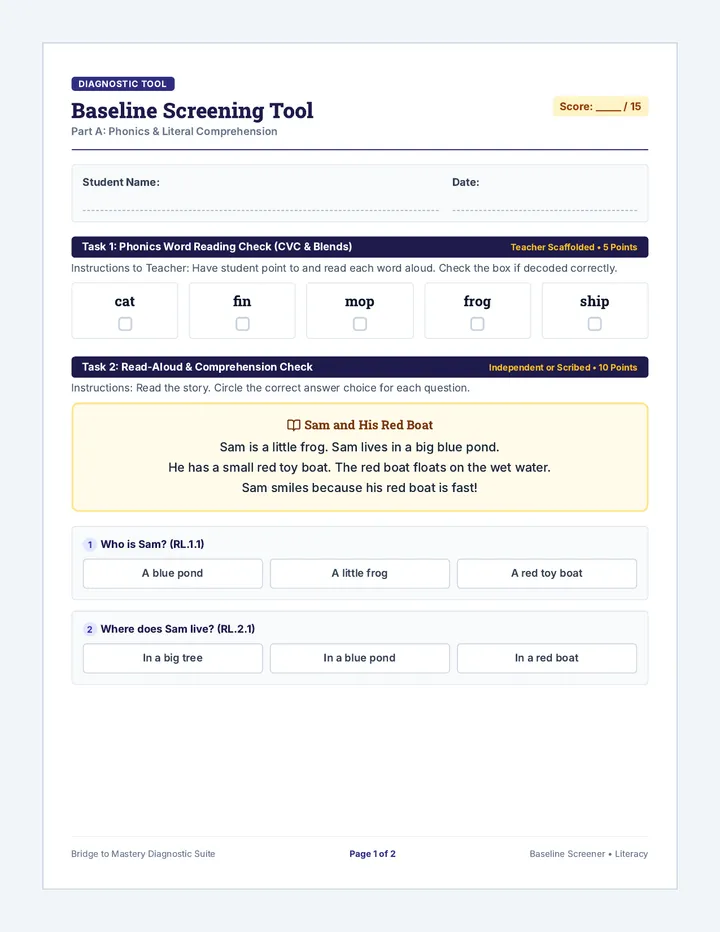
Cumulative review of all open syllable patterns with a 100+ word reading passage and comprehension check.
Focuses on 2-syllable words starting with a single-vowel open syllable (V-CV pattern).
Focuses on 2-syllable words with an open first syllable and a closed second syllable (CV-CVC pattern).
Focuses on decoding and encoding 2-syllable words with two open syllables (CV-CV pattern).
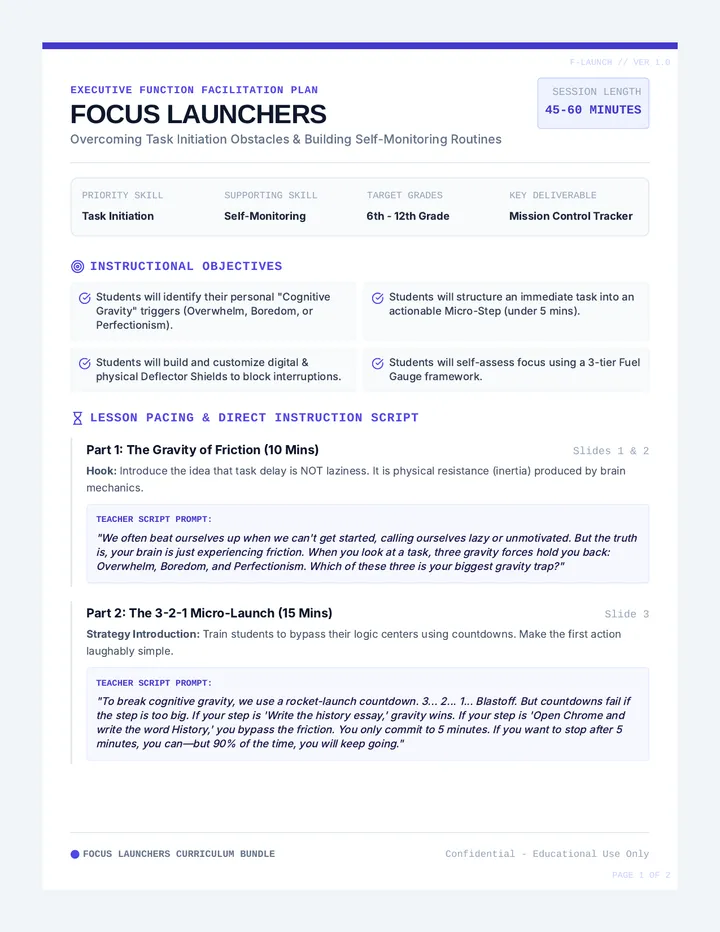
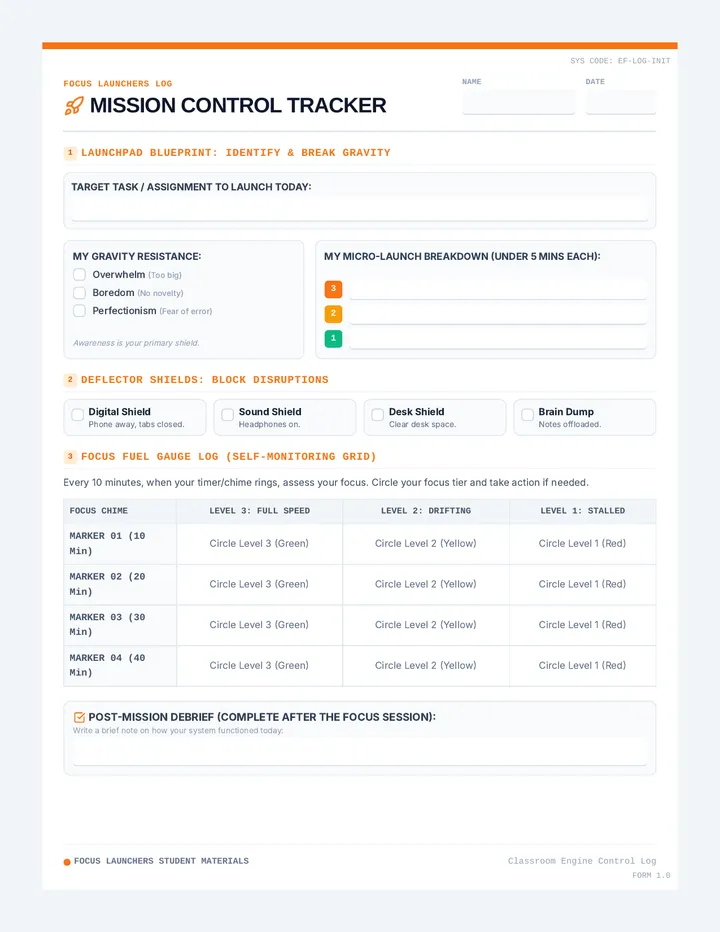
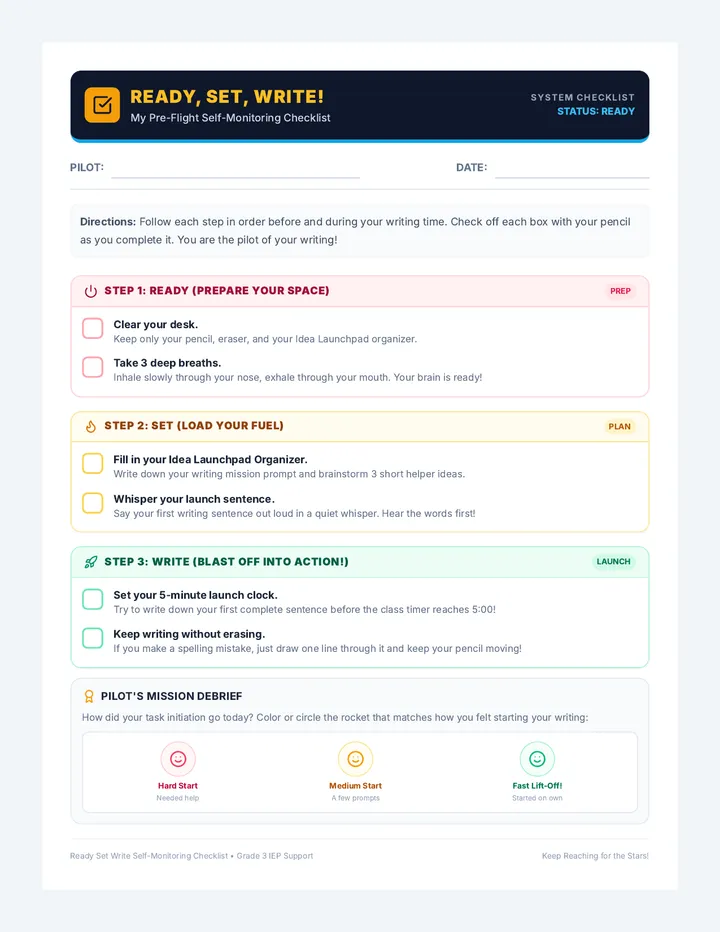
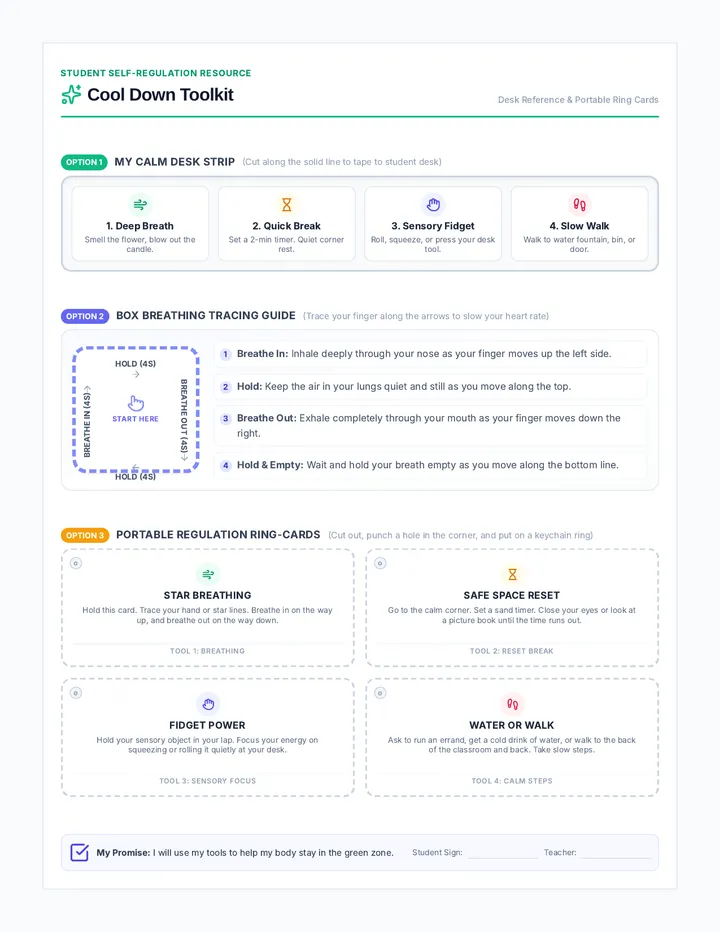
A comprehensive set of executive functioning tools designed to help middle schoolers master task initiation, time management, organization, and emotional regulation. This toolkit provides visual scaffolds for daily routines and long-term planning.
A comprehensive lesson focused on improving speech intelligibility through the mastery of prosody, specifically targeting volume control, articulatory precision, and intonation patterns.
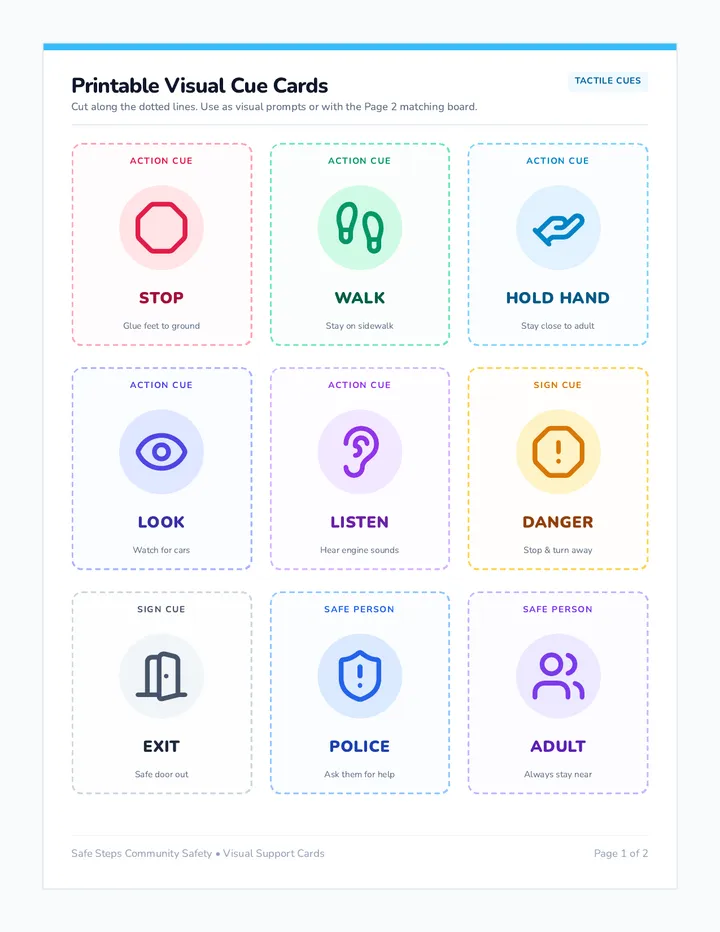
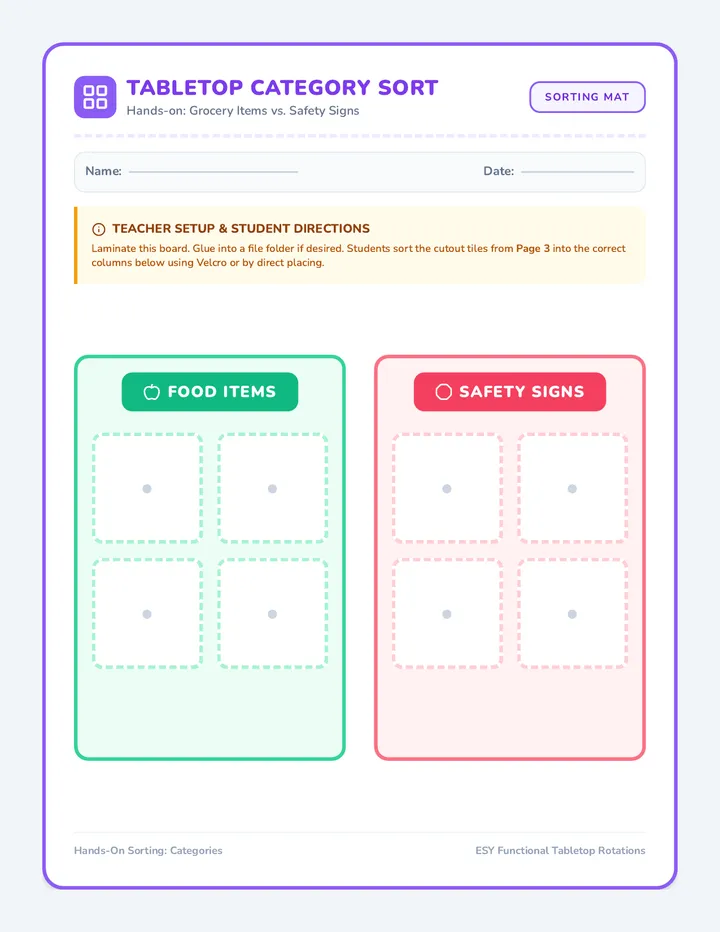
A lesson designed to help students with intellectual disabilities identify safe and unsafe social interactions across various environments using a 'Safety Signals' metaphor.
A comprehensive set of tools to help 6th-grade students master the Cornell note-taking method specifically for science concepts, featuring a guided template and instructional supports.
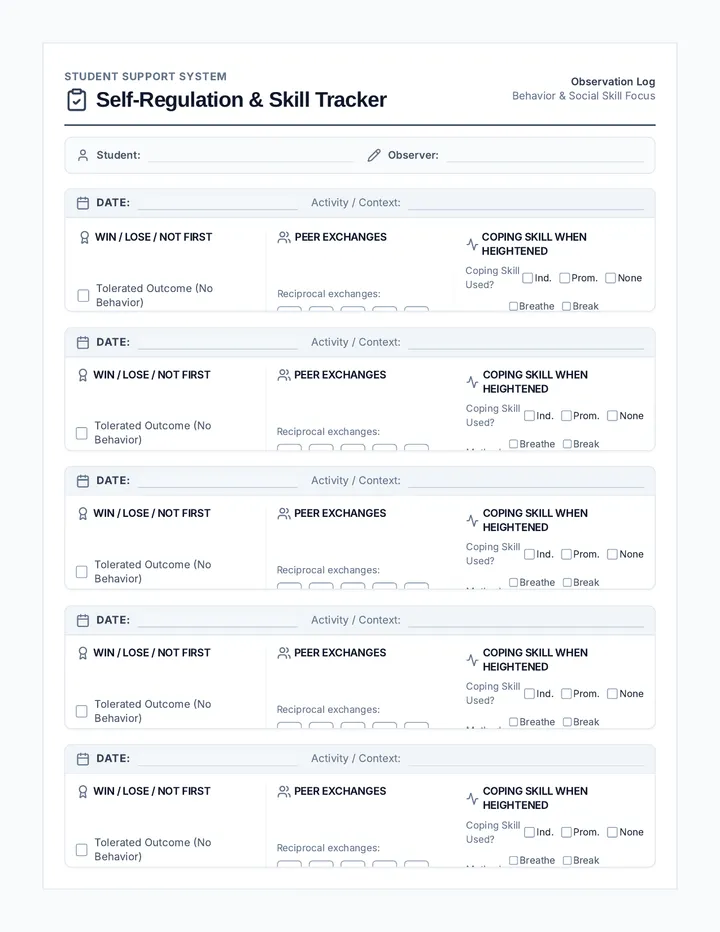
A comprehensive set of behavioral intervention tools designed for middle school students, focusing on self-regulation and goal tracking for task avoidance, insubordination, physical aggression, and social withdrawal.
A structured approach to long division using the standard algorithm on graph paper, specifically designed for students with IEPs. The lesson covers 2-digit by 1-digit problems (no remainders) and 3-digit by 1-digit problems (with remainders) using visual aids and mnemonics.
A basketball-themed word study lesson focusing on Jayson Tatum's career and skills, used to reinforce suffix and base word identification.
A modified lesson on graphing inequalities specifically designed for students with IEPs, focusing on symbol identification and visual matching. The lesson includes instructional slides, a hands-on cut-and-paste activity, and a teacher answer key.
A direct instruction lesson focused on phoneme-grapheme mapping to help students decode grade-level vocabulary. This lesson provides a structured "Sound Lab" approach to breaking down unknown words into their individual sounds and corresponding letters.
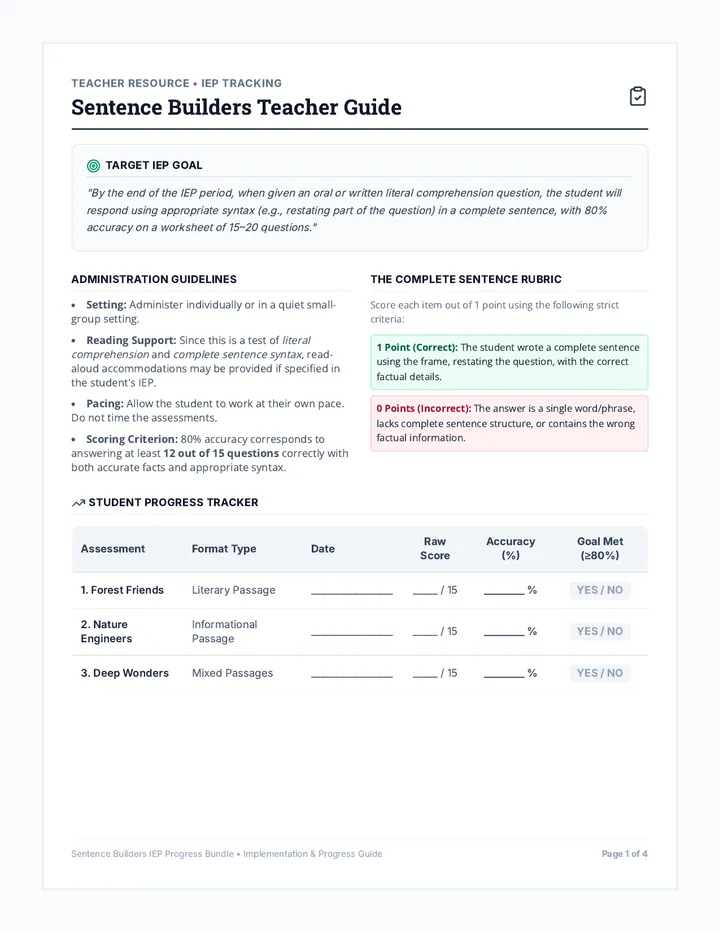
A comprehensive system for tracking IEP progress across multiple lagging skills, including a master overview and specialized data logs for Academic, Executive Functioning, Social-Emotional, and Functional Life Skills.
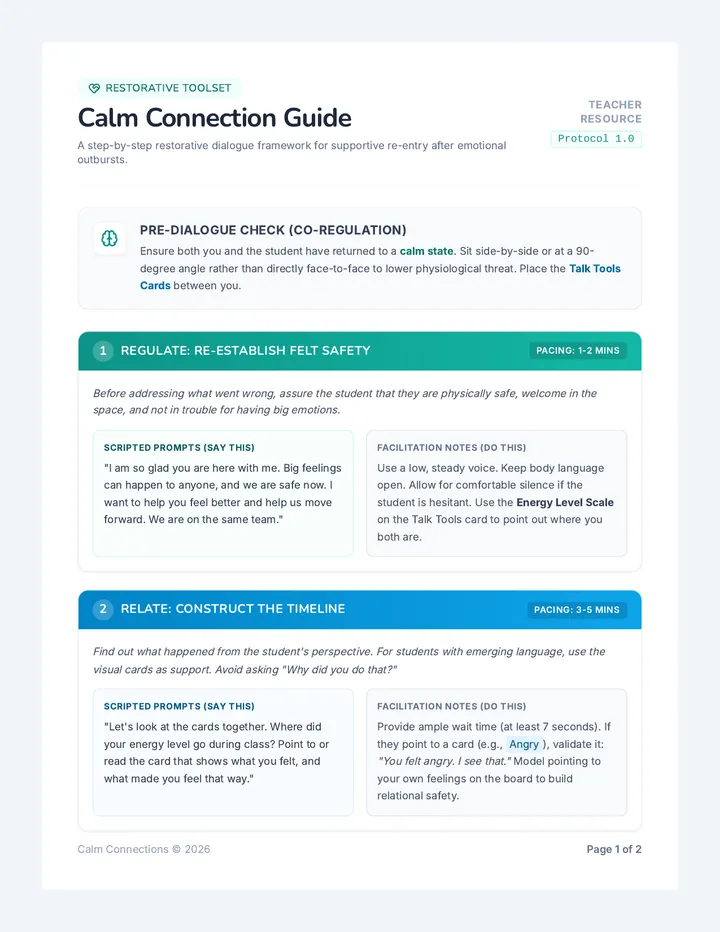
A restorative behavioral intervention focused on resolving physical conflict and verbal aggression through a formal behavior contract and daily progress tracking.
Teacher resources, unit overview, and facilitator guides for the Brain Squad Mastery curriculum.
A deep dive into the biological parts of the brain (Amygdala, Prefrontal Cortex, Hippocampus, and Brain Stem) and how they function as the home for Sparky and Professor PFC.
A social skills lesson for middle schoolers focusing on non-verbal cues, sensory regulation in loud environments, and conflict management through a 'Signal Navigators' simulation theme.
Reviewing unit concepts through a final quiz and celebrating mastery of brain squad strategies.
Discovering personal hobbies and interests that act as tools for emotional regulation and positive expression.
Applying brain squad concepts to real-world scenarios through skits and 'What Would You Do?' games.
Using a visual flowchart to guide students through the process of moving from a trigger to a smart brain response.
Understanding the 'flipped lid' concept and the difference between immediate reactions and thoughtful responses.
Identifying personal and environmental triggers that activate the emotional brain.
Exploring how Autism impacts the connection between the emotional and smart brain, focusing on sensory processing and executive function.
Introduction to the two parts of the brain: the emotional/reactive brain (Sparky) and the smart/thinking brain (Professor PFC).
A foundational lesson on elapsed time using visual strategies like number lines and clock jumps, specifically designed for 3rd-grade special education students focusing on whole hours and 30-minute increments.
A comprehensive behavior intervention plan and tracking system designed to support students with impulse control and defiance through structured support and monitoring.
Materijali za sustav nagrađivanja (žetoniranje) usmjeren na točnost i pripremljenost učenika za nastavu. Sadrži tjednu karticu za prikupljanje naljepnica i katalog mogućih nagrada.
A social-emotional learning lesson focused on helping students with autism understand social boundaries, role clarity, and knowing when to disengage from peer interactions, particularly in unstructured settings like the school bus.
A foundational lesson on basic coordinating conjunctions (and, but, or) designed for students with IEPs. The lesson uses visual metaphors of 'glue' and 'connections' to help students understand how words join ideas together.
A simplified introduction to the Homestead Act and Westward Expansion, adapted for students with diverse learning needs and focusing on the journey of homesteaders.
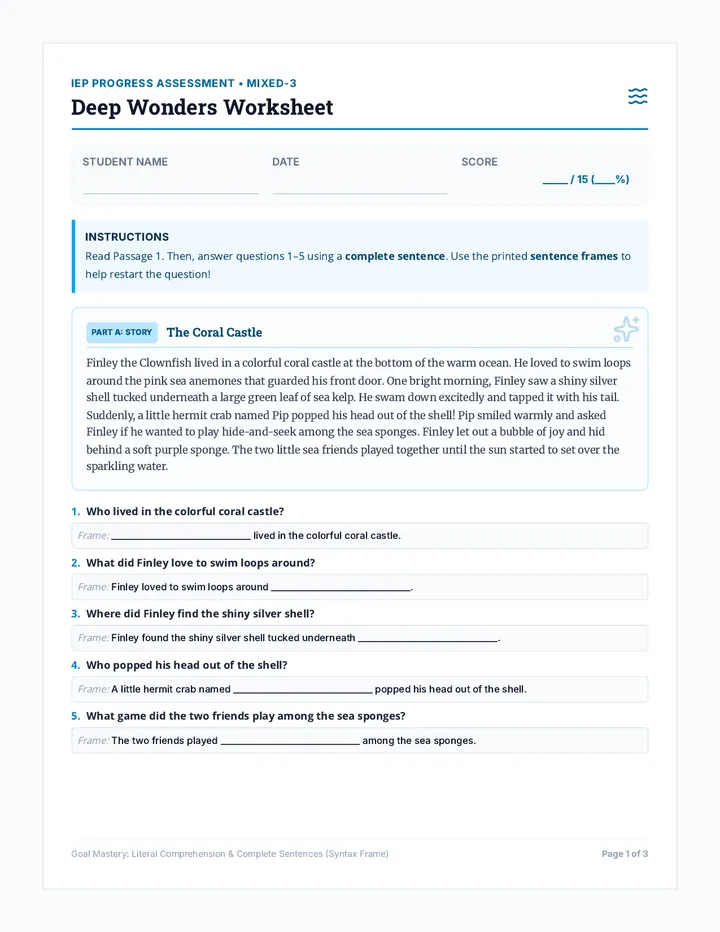
A simplified lesson on the Artemis II mission to the Moon, designed for students with diverse learning needs. Students explore key science vocabulary and basic facts about the mission through a guided worksheet.