Students analyze graphs showing the escalation, peak, and recovery curve of a stress response to understand the 'refractory period' and why recovery takes time.
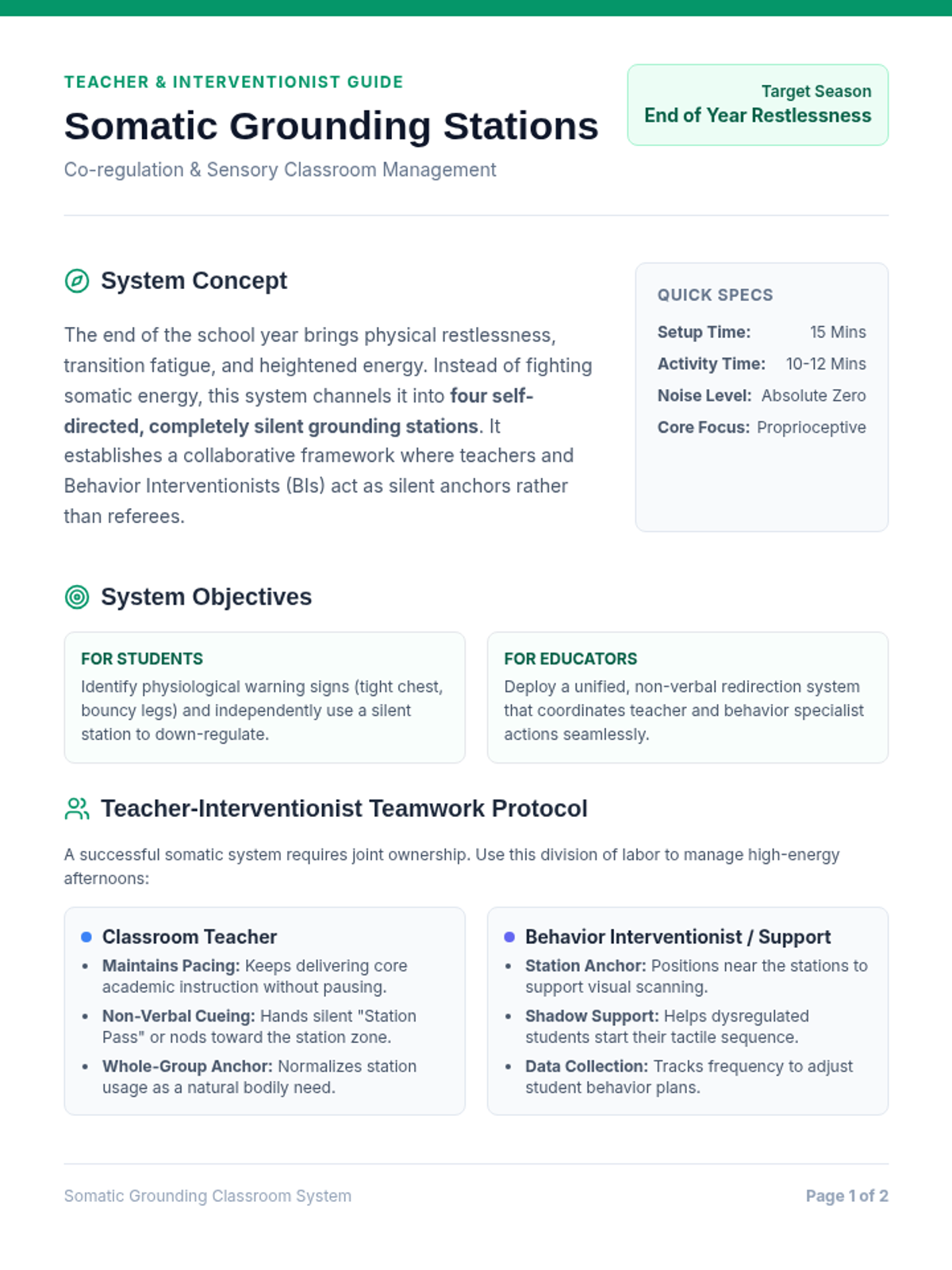
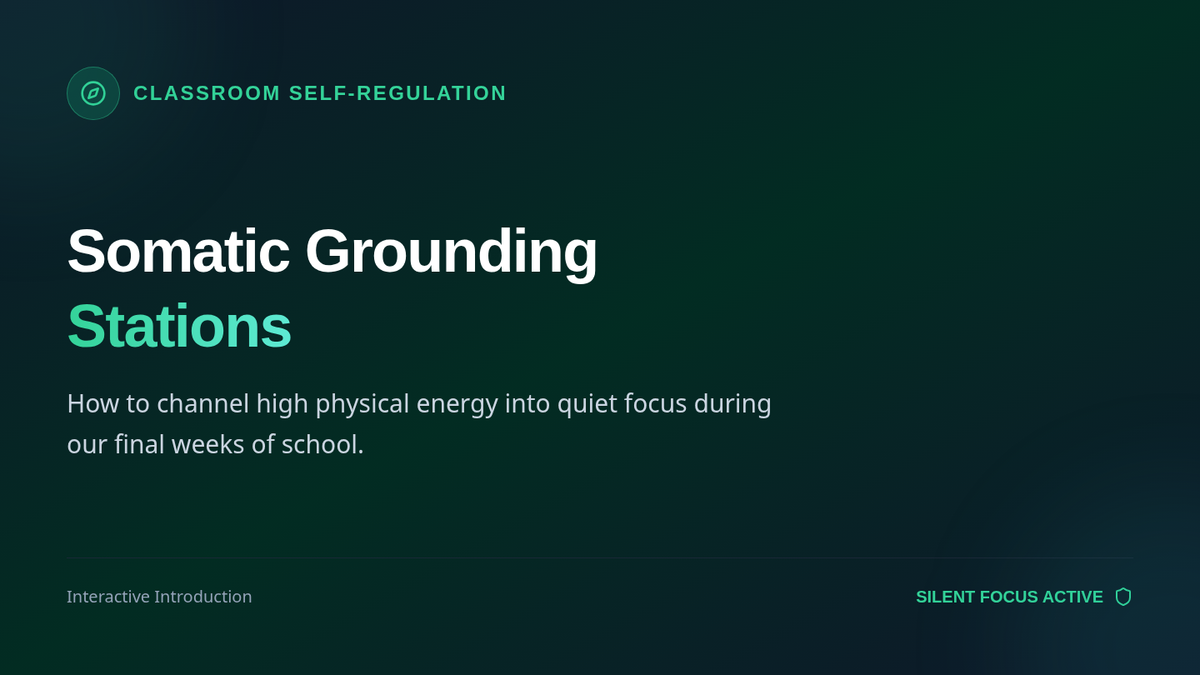
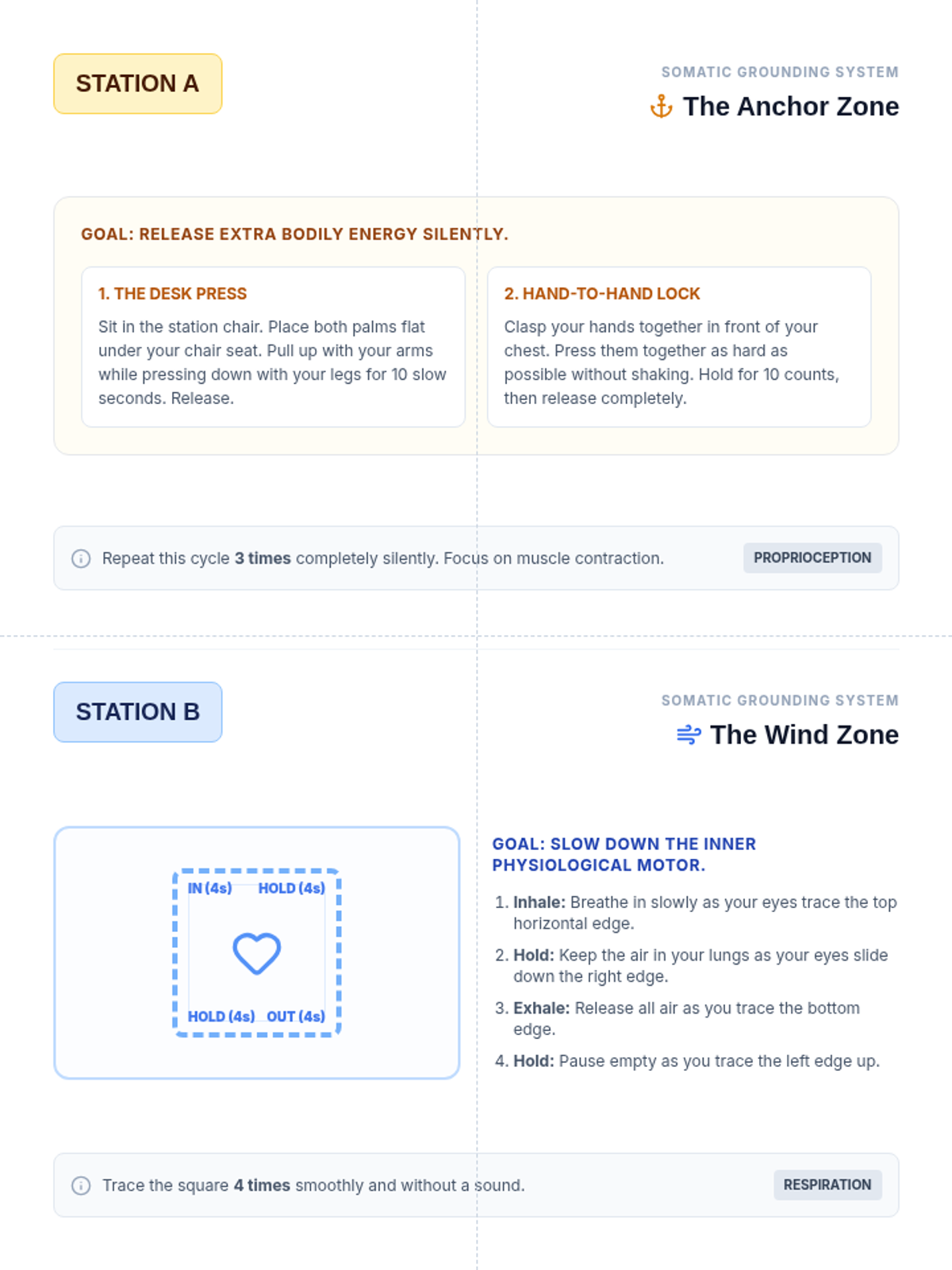
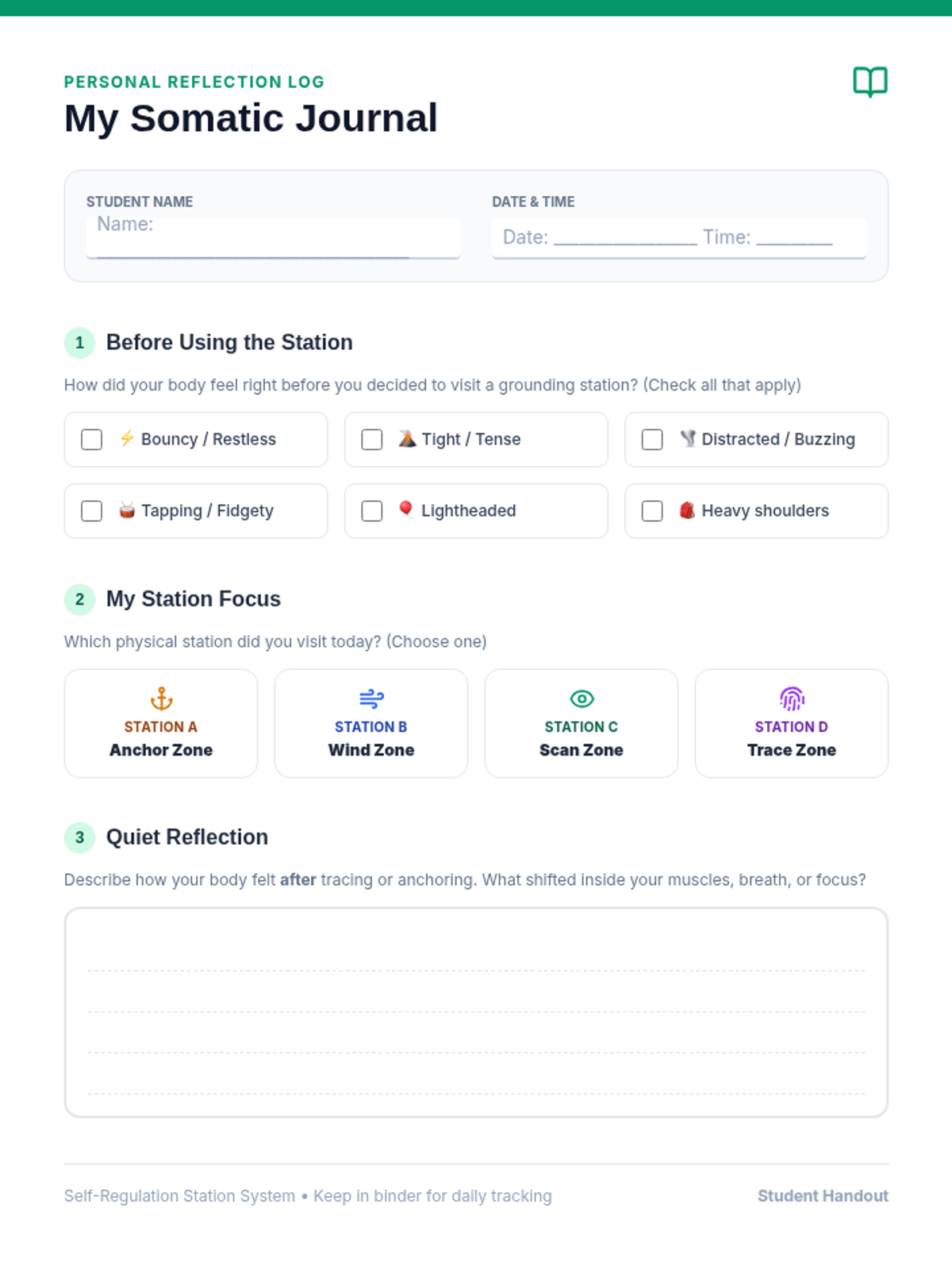
A sensory-based regulation system lesson designed to establish quick, silent coping zones in classrooms during high-energy periods, facilitating collaboration between teachers and behavior interventionists.
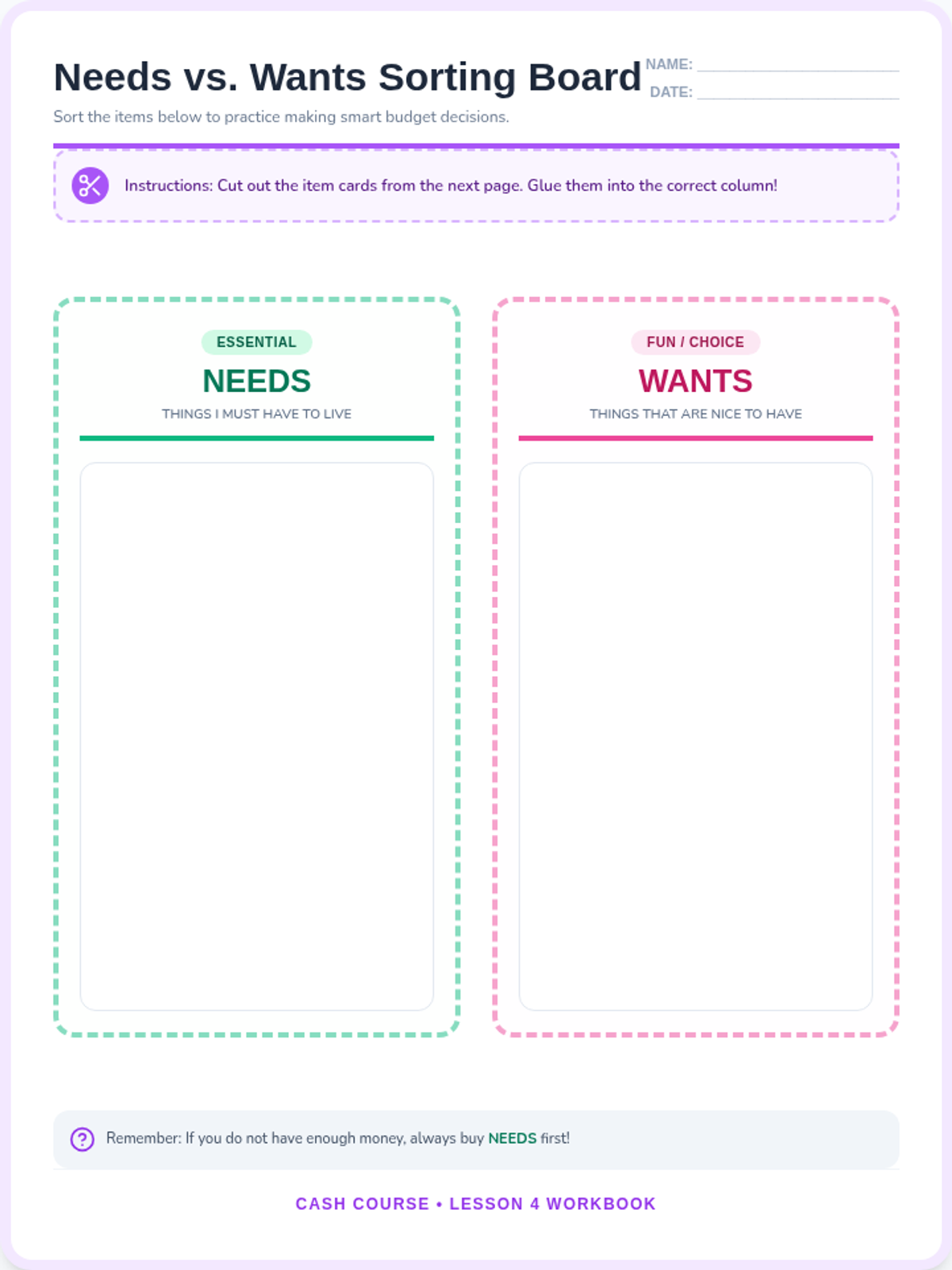
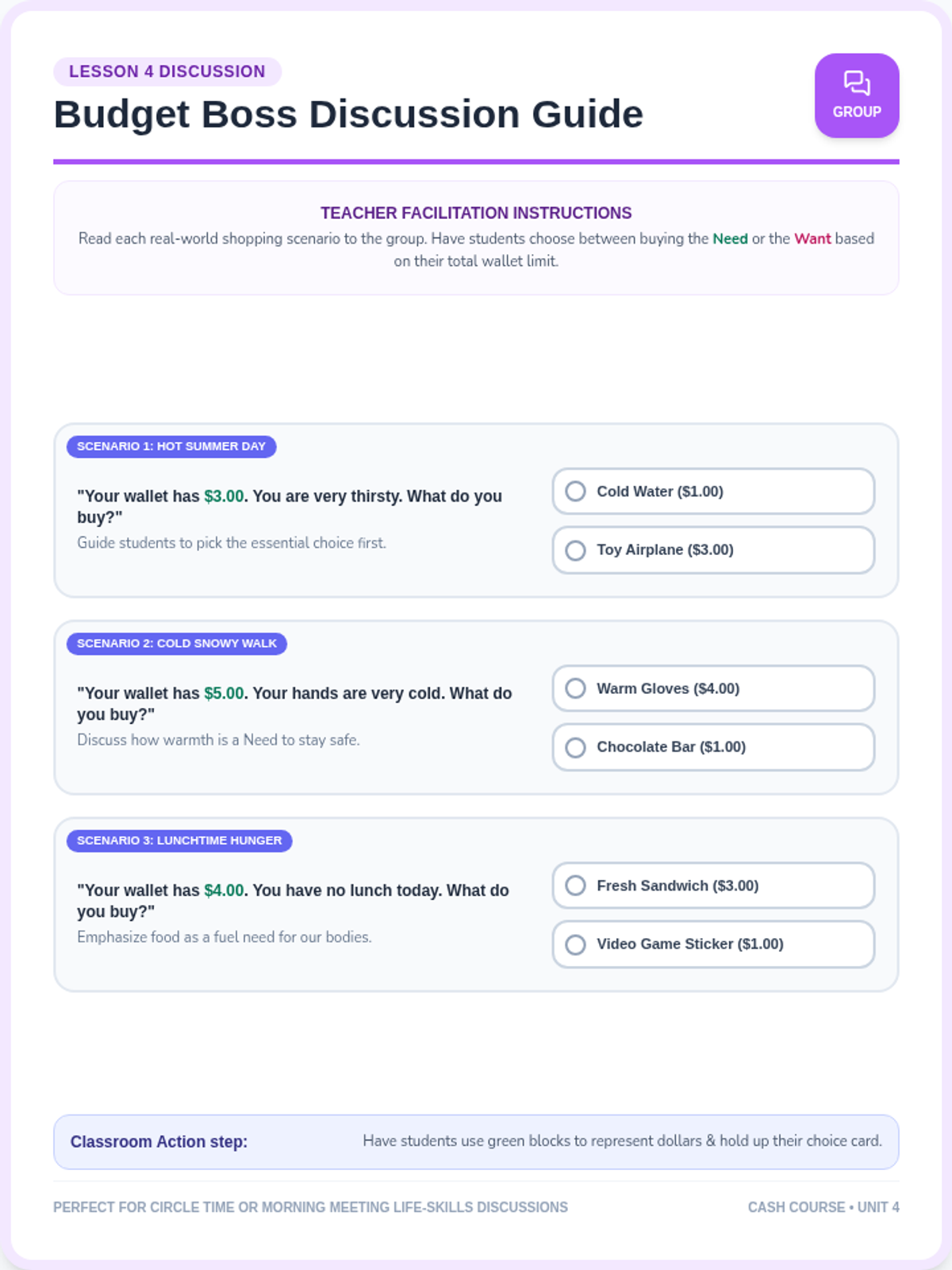
Teaches students to distinguish between essential items (needs) and non-essential items (wants), and guides them through making simple purchases within a fixed budget.
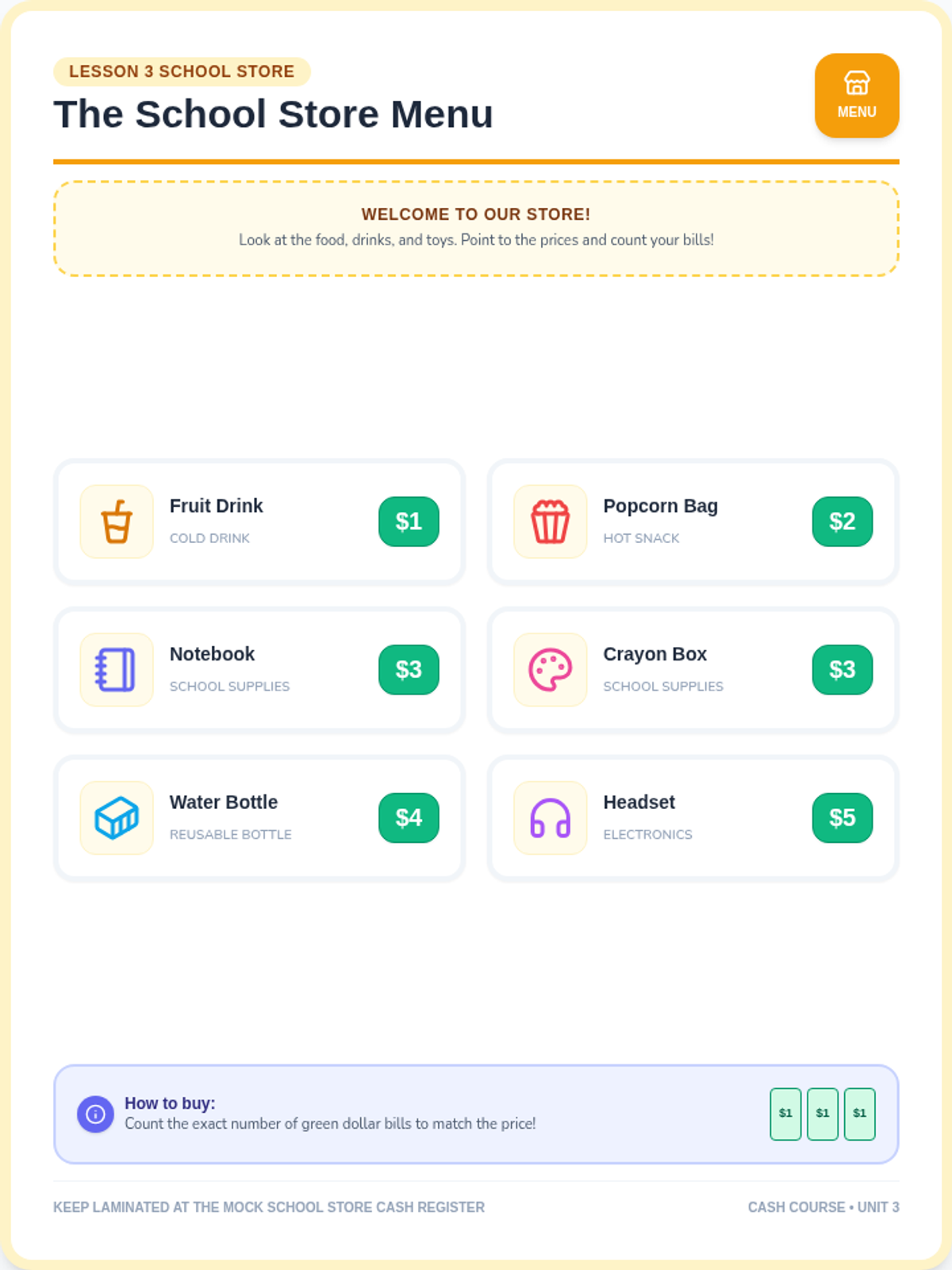
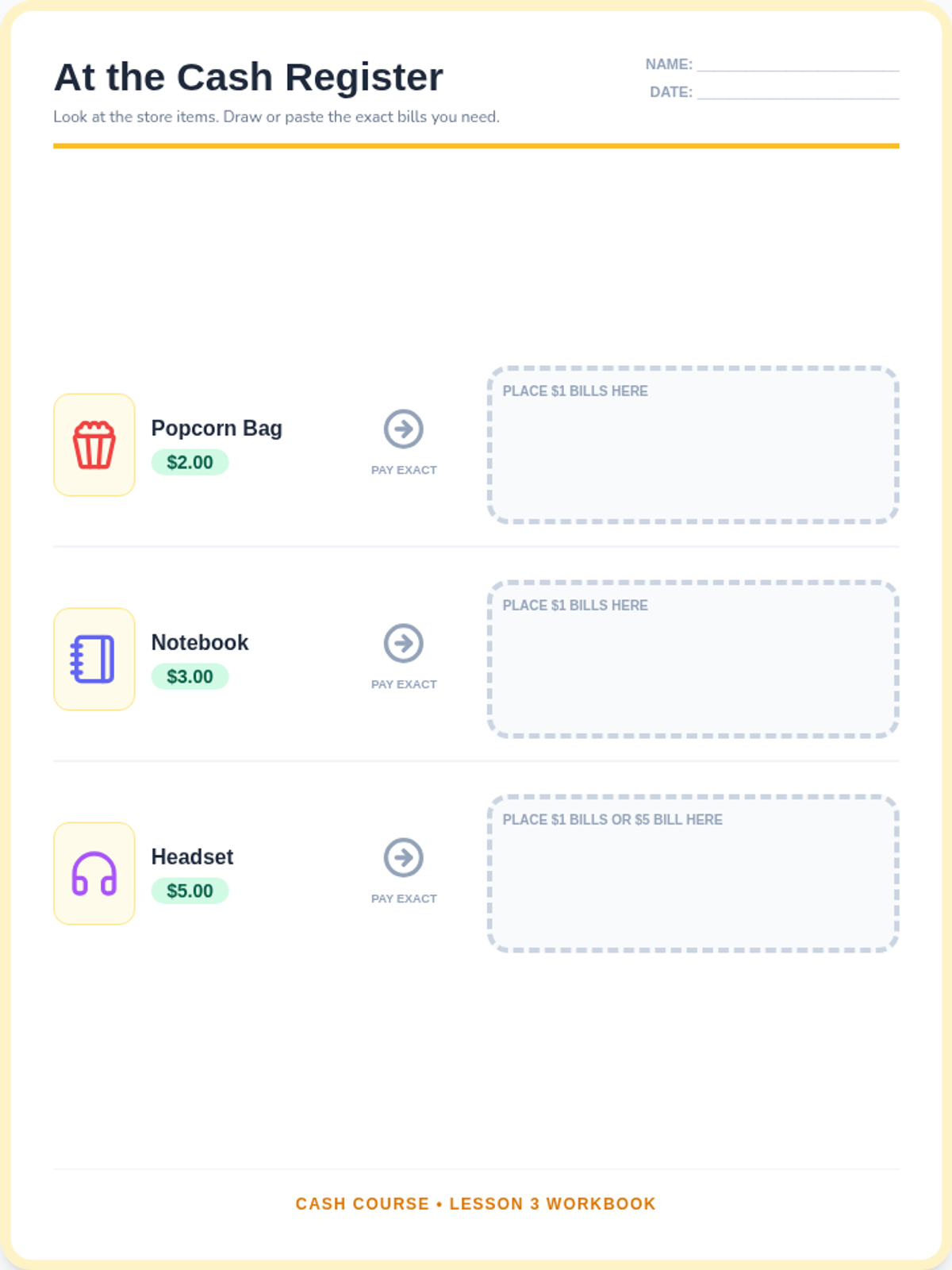
Students practice making simple exact transactions up to five dollars, simulating visual school store scenarios to build independent living skills.
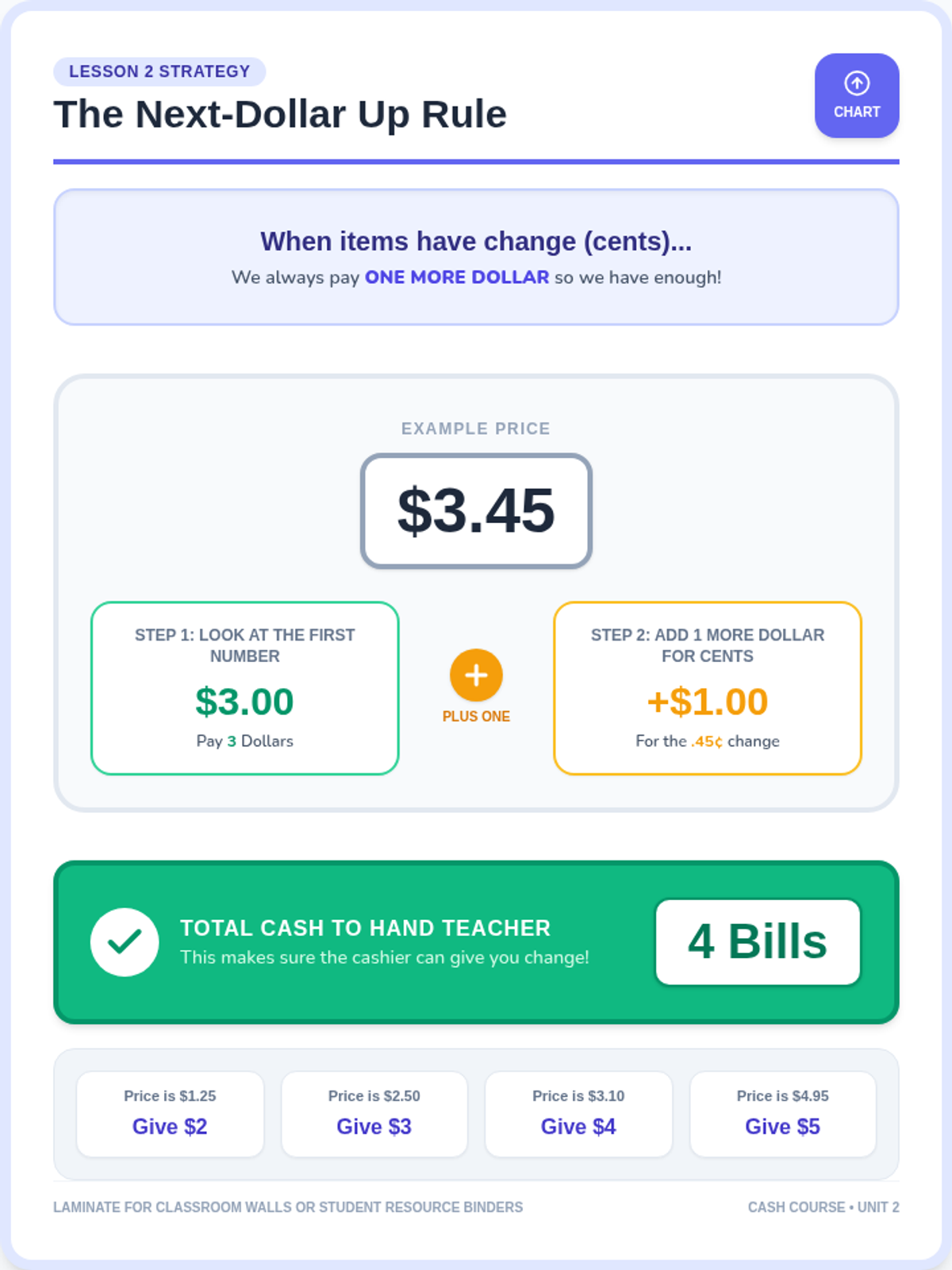
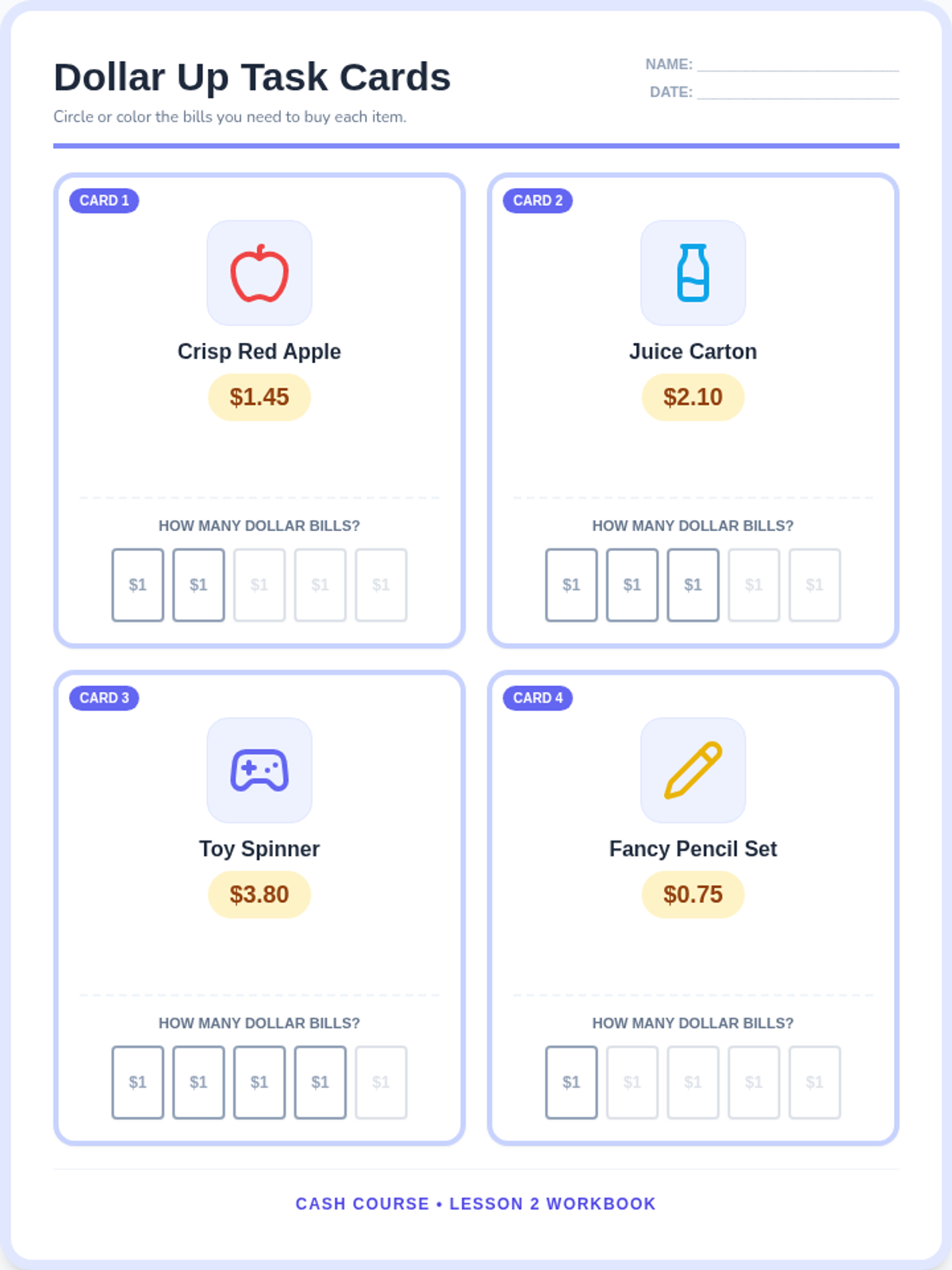
Introduces the Next-Dollar Up strategy, teaching students with cognitive and learning disabilities how to determine how many one-dollar bills to pay for items with decimal prices.
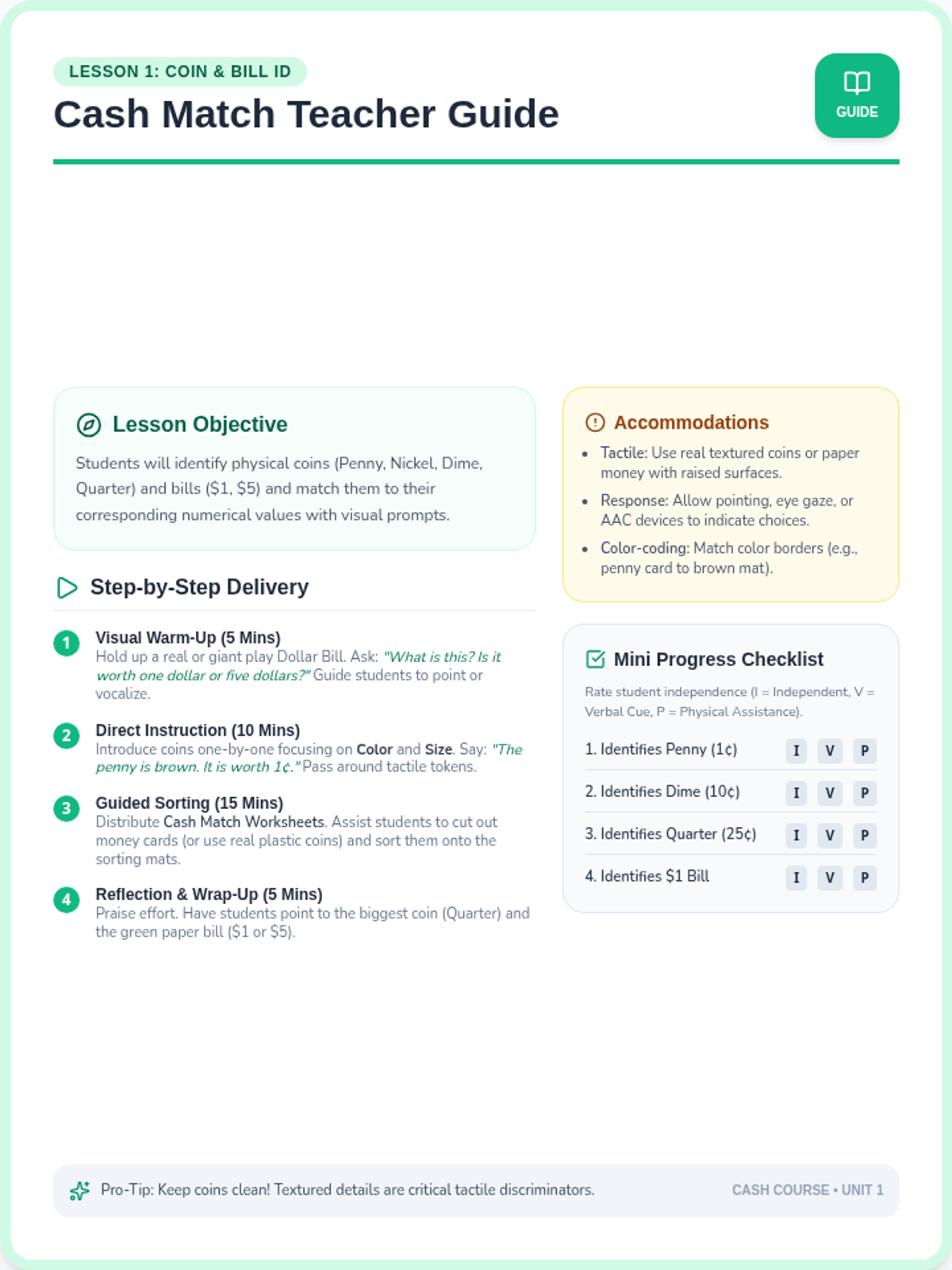
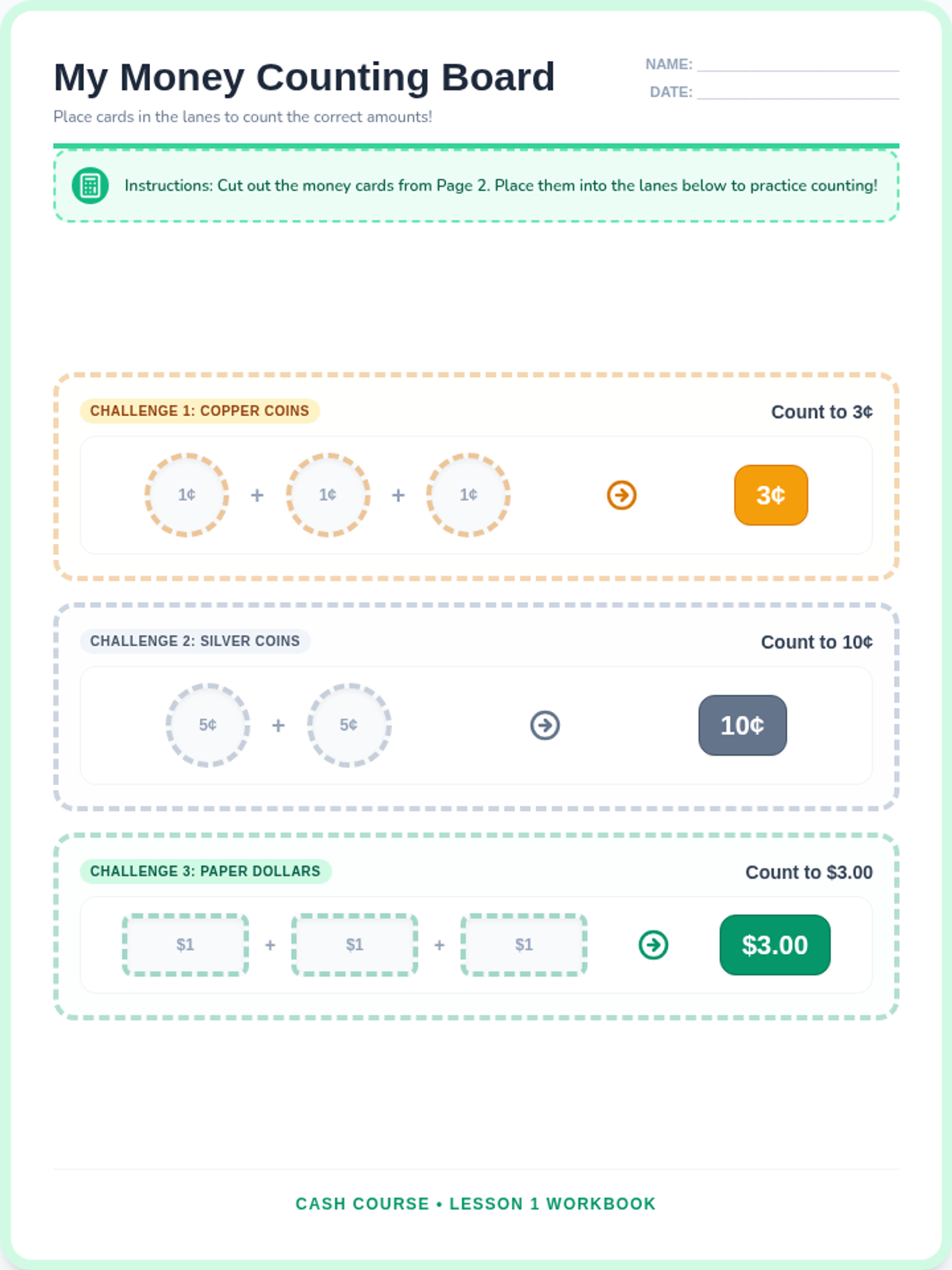
Focuses on recognizing physical coins and bills, matching them to their numeric values, and sorting money in physical or visual formats for students with significant cognitive disabilities.
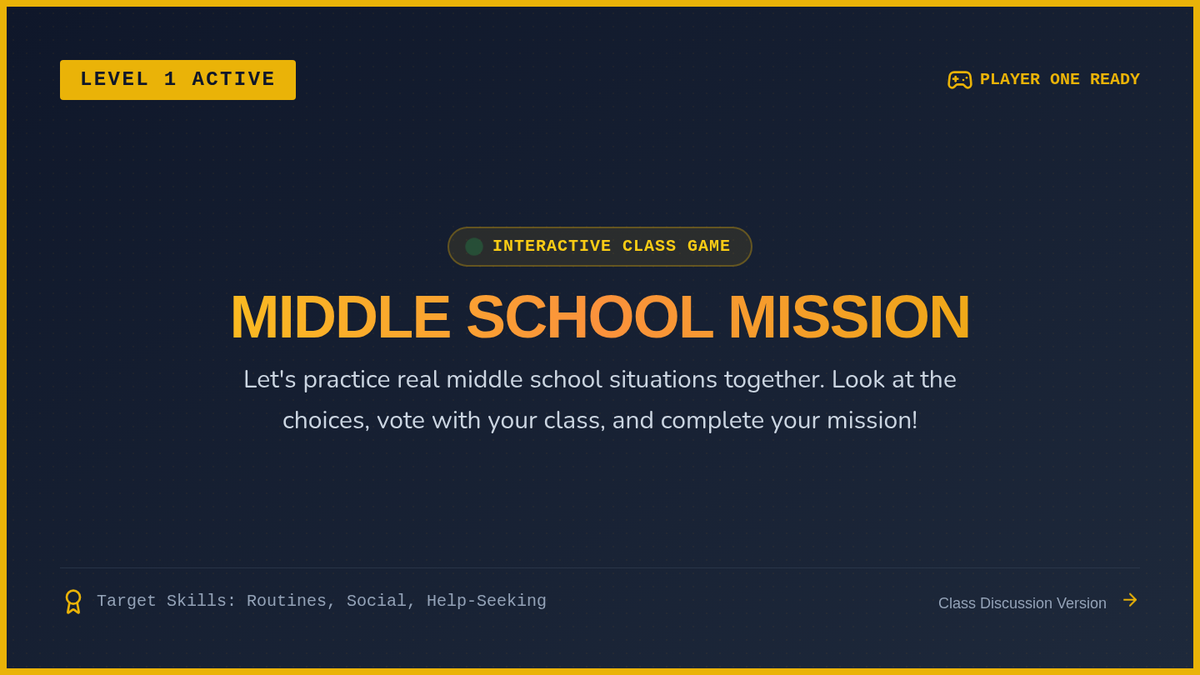
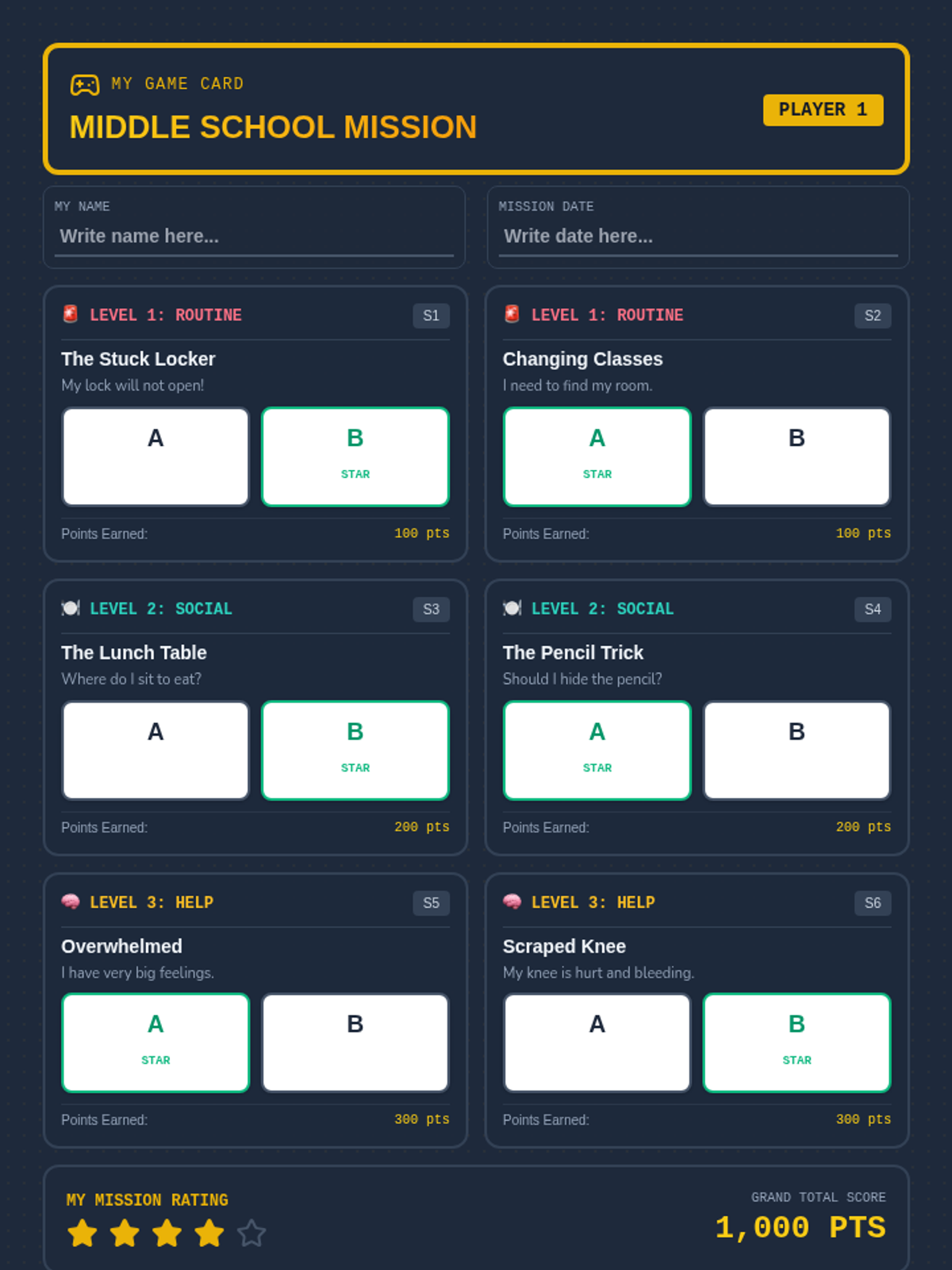
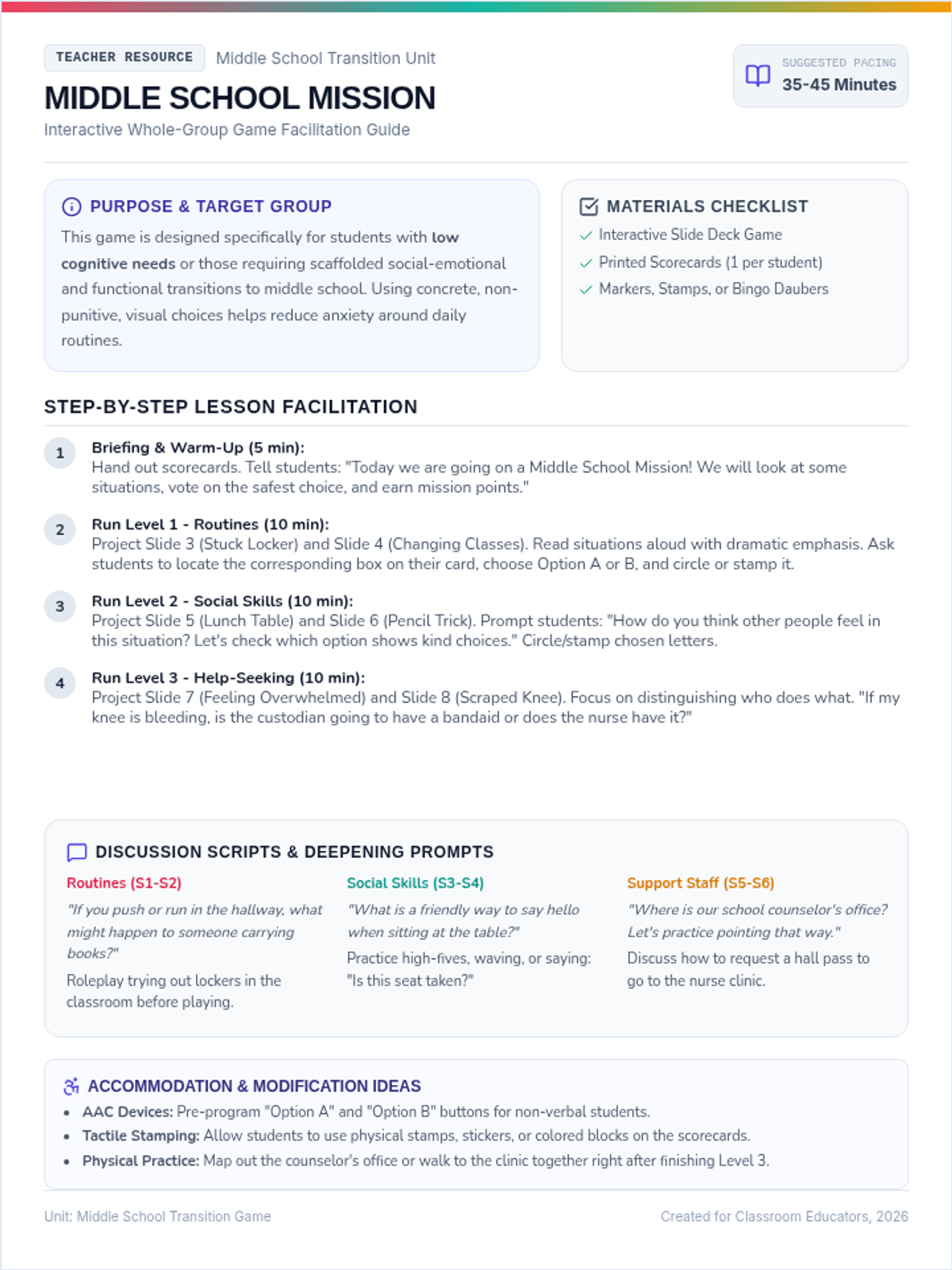
An interactive, game-based transition unit for middle school students with low cognitive needs. It teaches essential routines, social-emotional skills, and support systems through guided scenario-based choices.
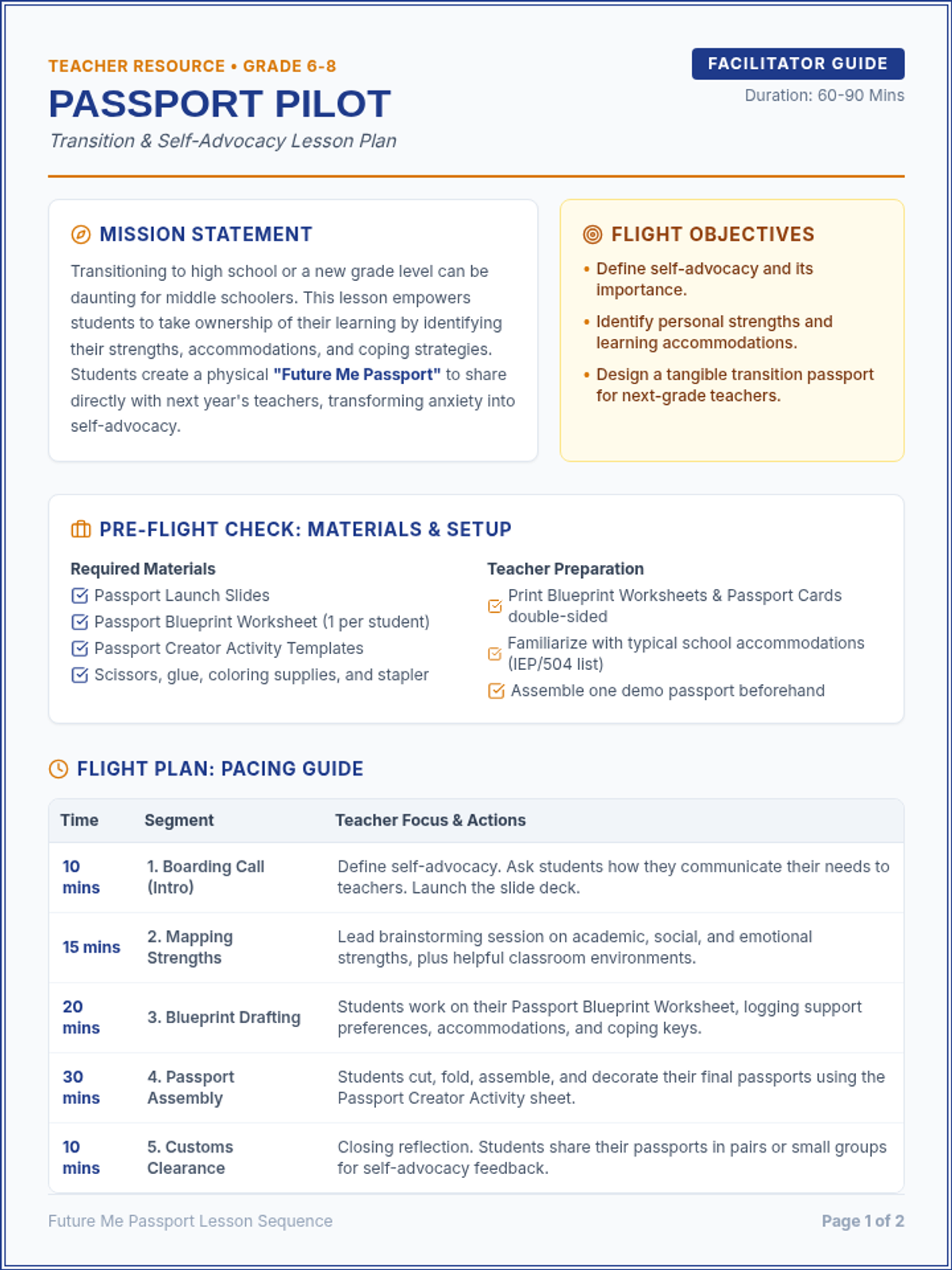
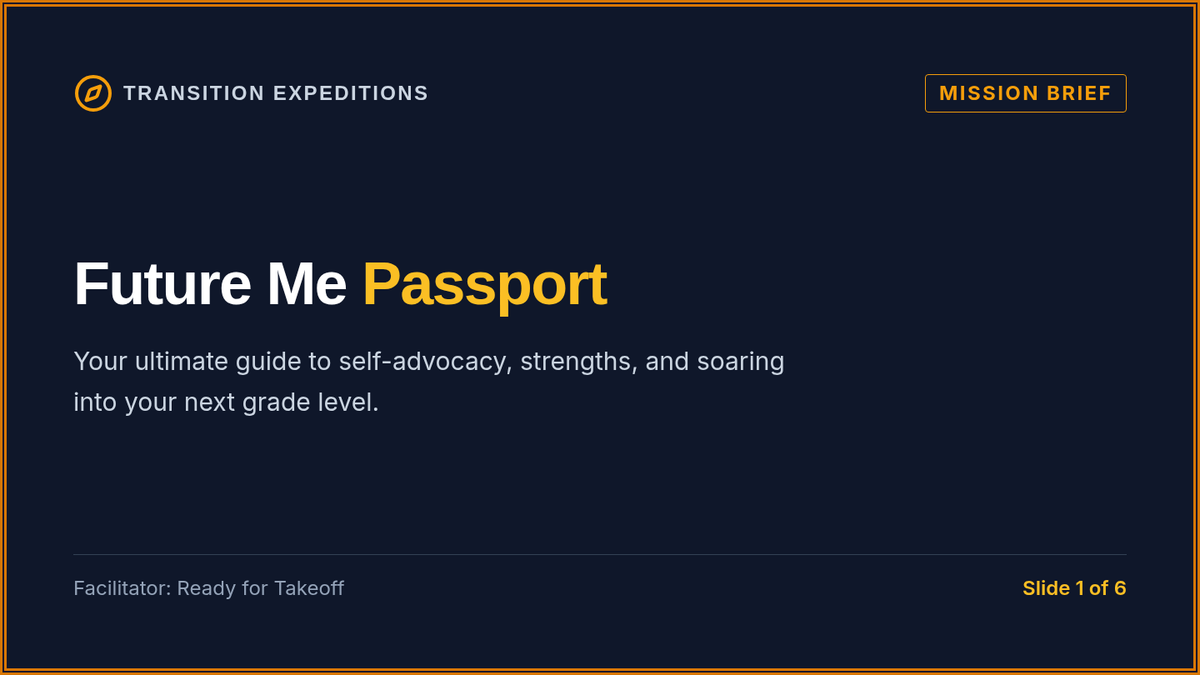
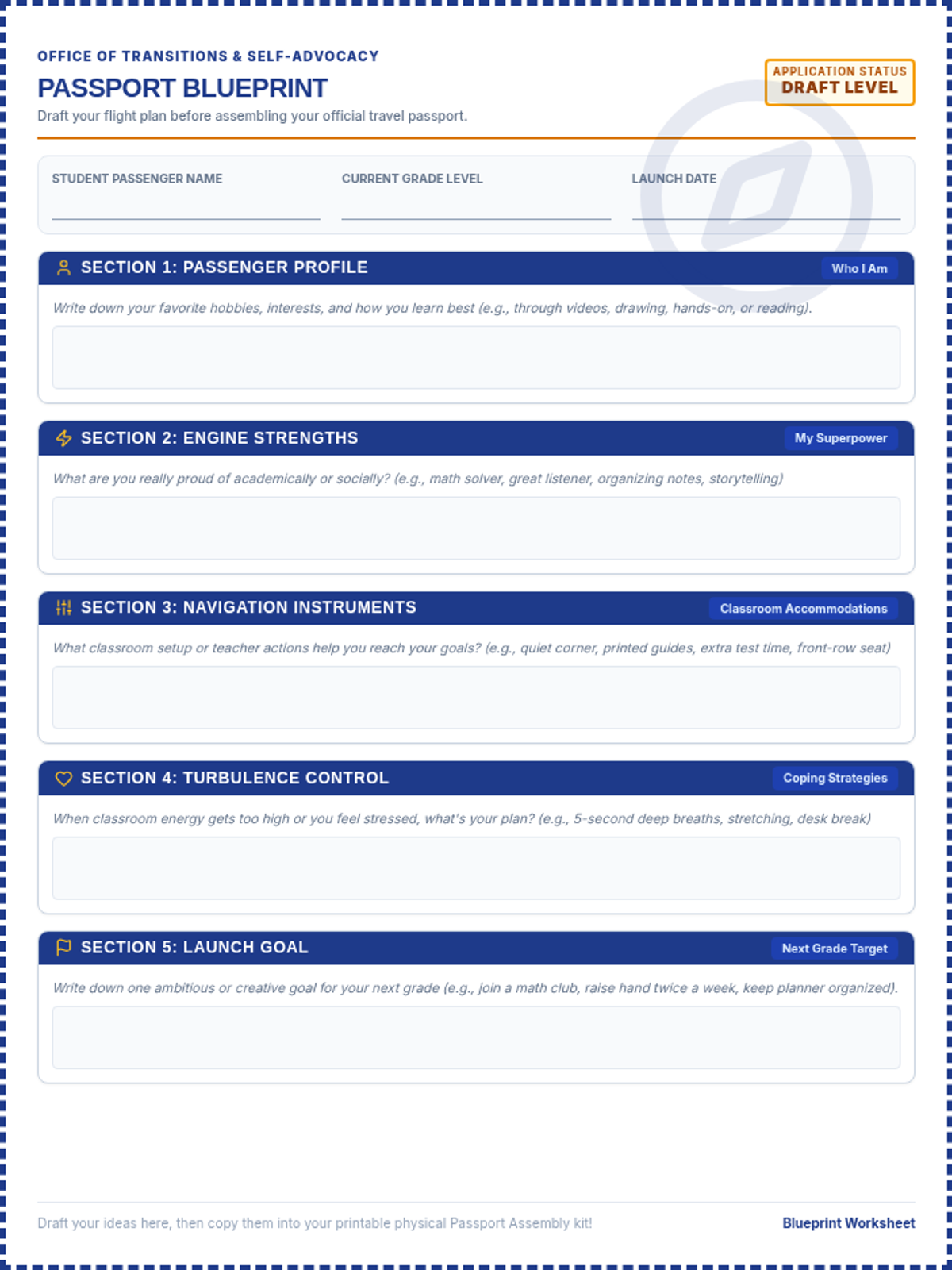
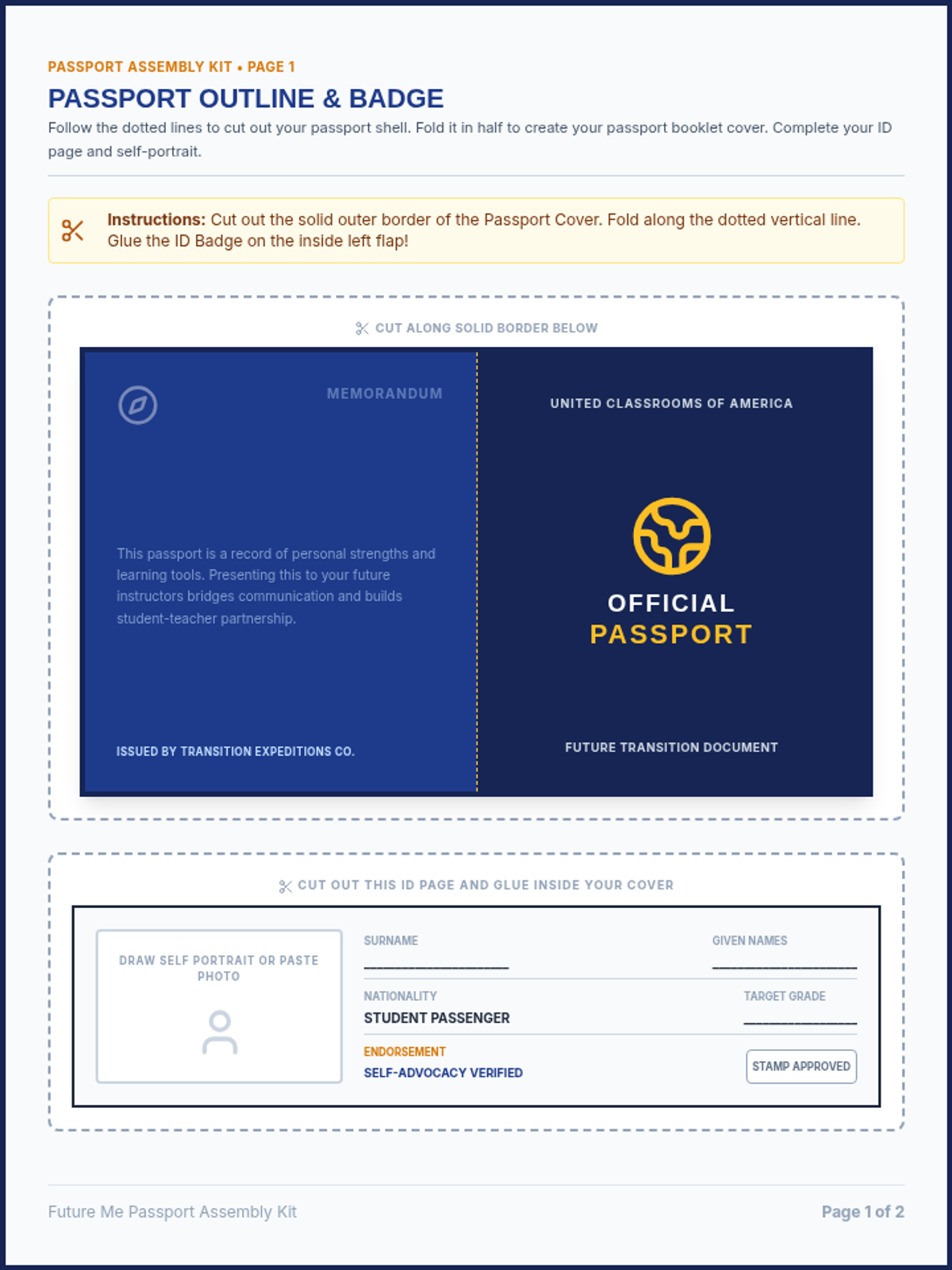
A self-advocacy and transition planning lesson where middle school students discover their strengths, identify necessary accommodations, and design a 'Transition Passport' to present to their future teachers.
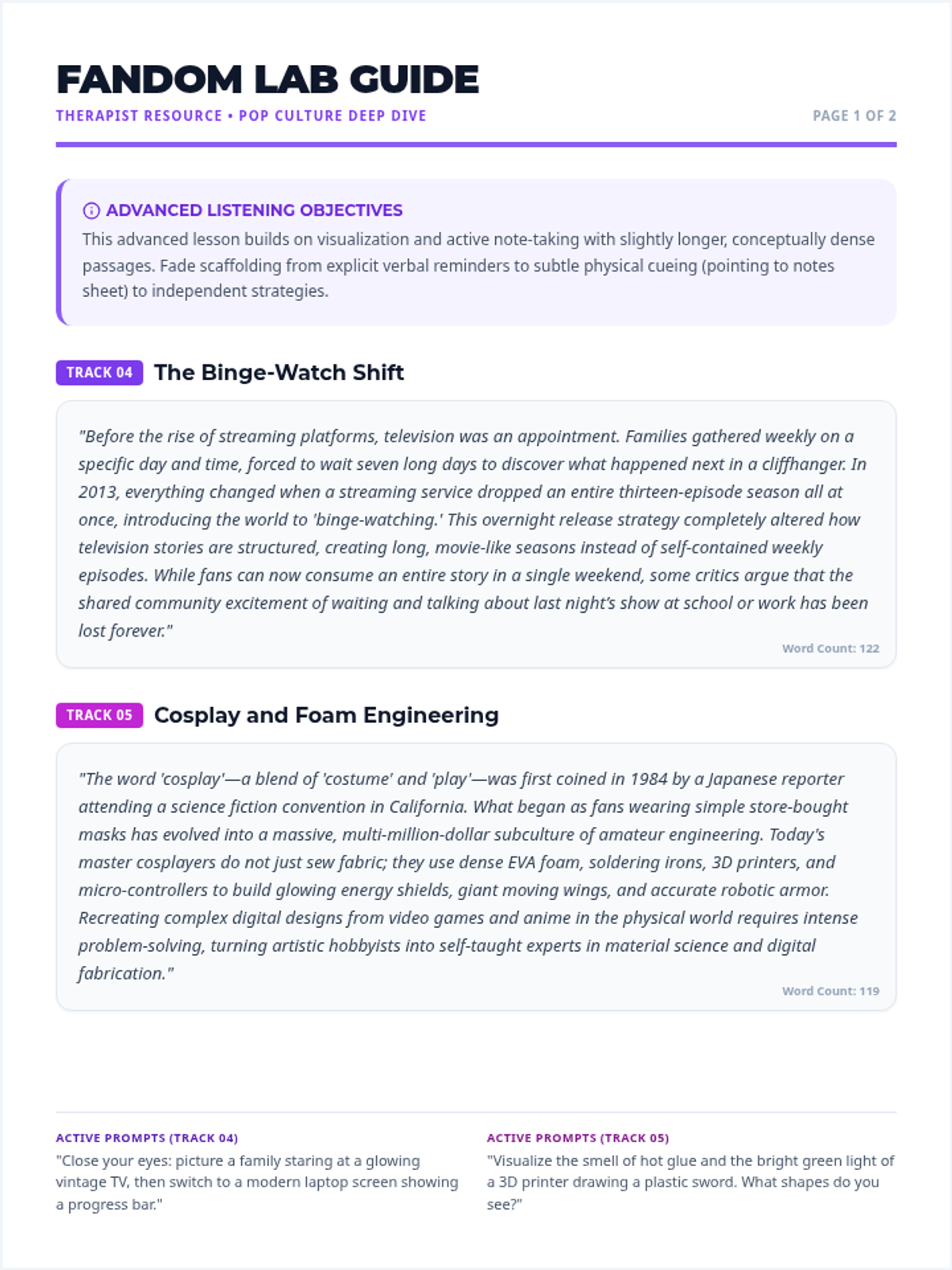
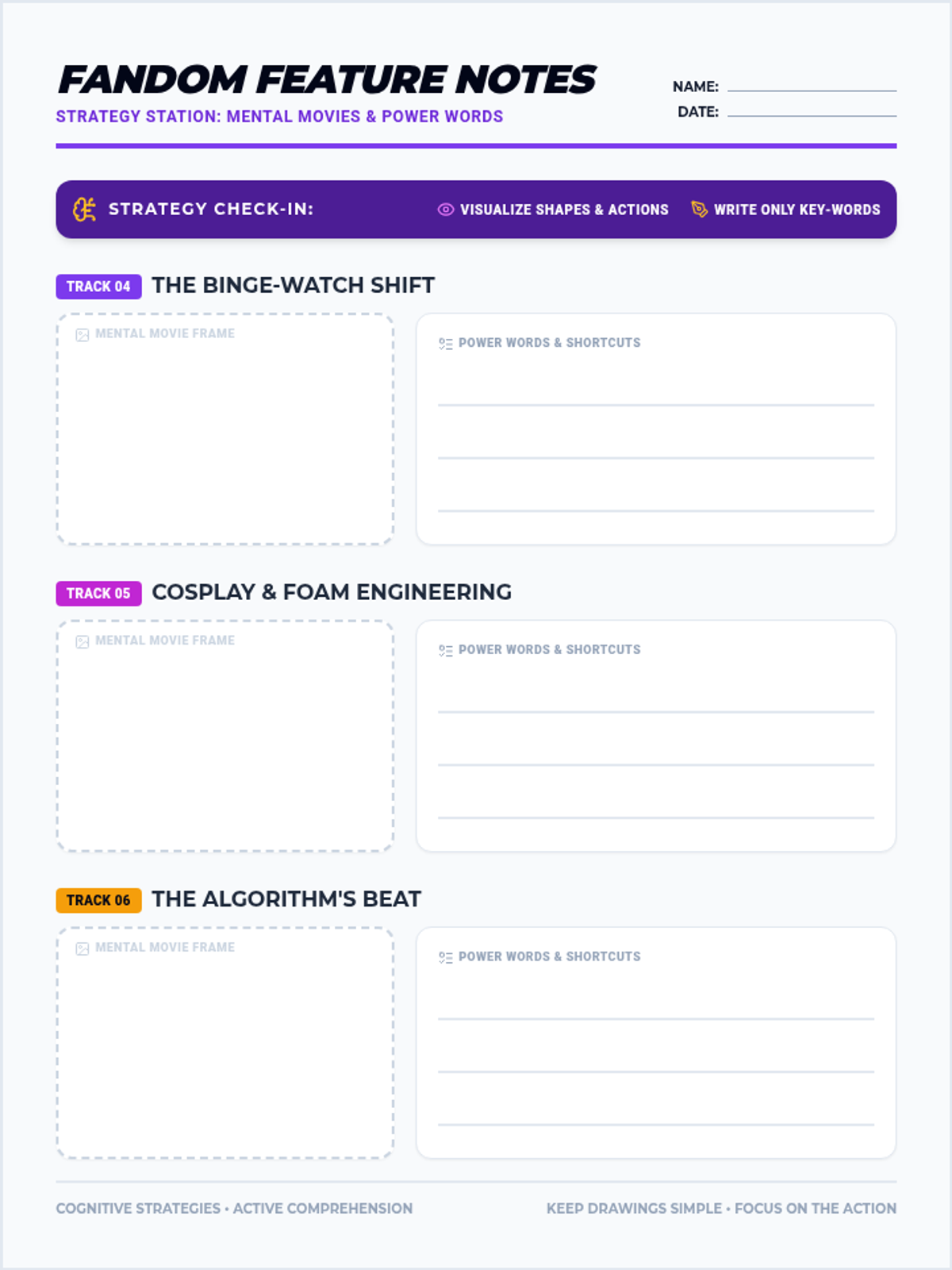
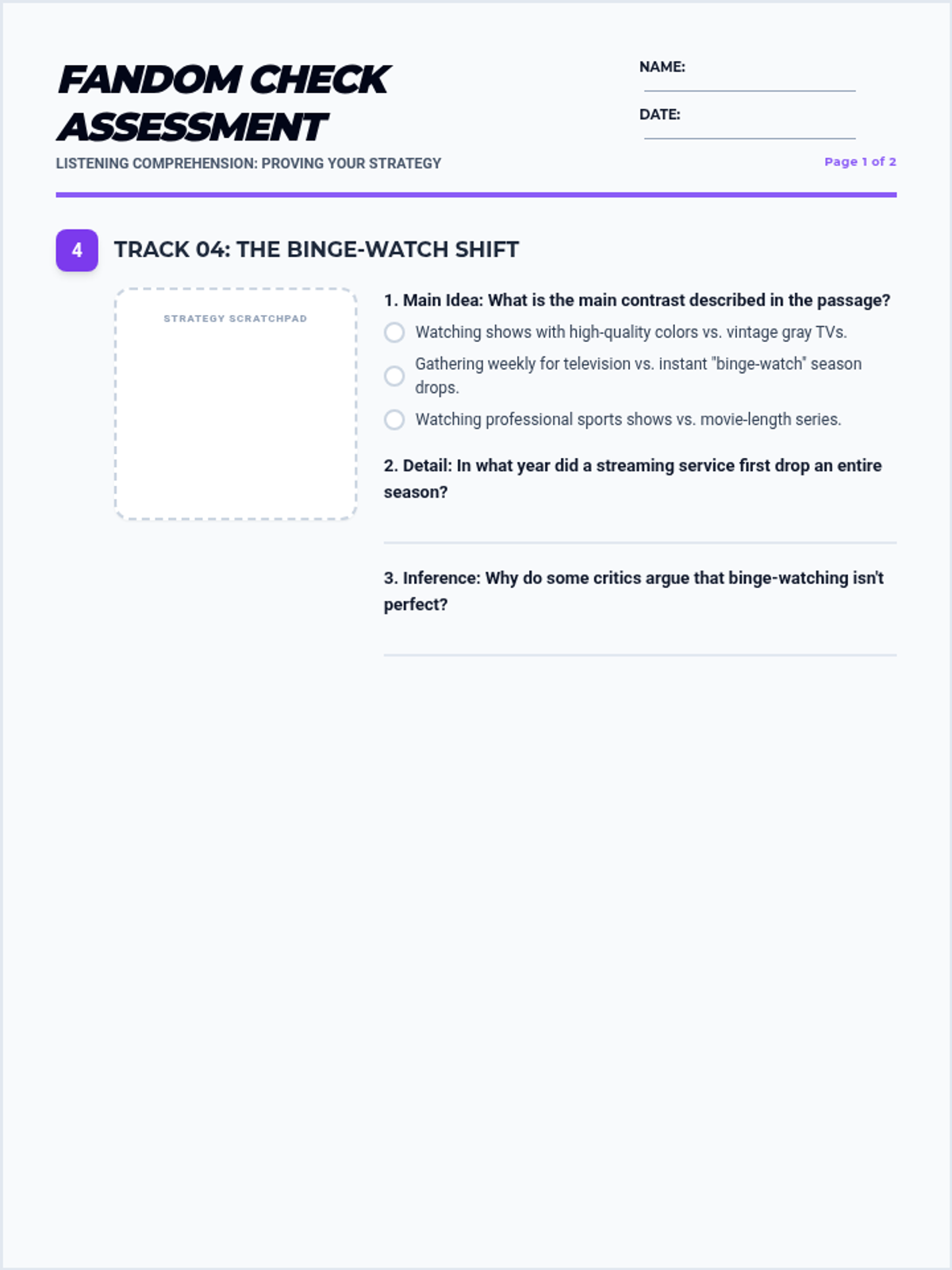
An advanced listening comprehension lesson building on visualization and active note-taking strategies with longer oral passages, denser pop culture topics, and an increased volume of targeted comprehension questions.
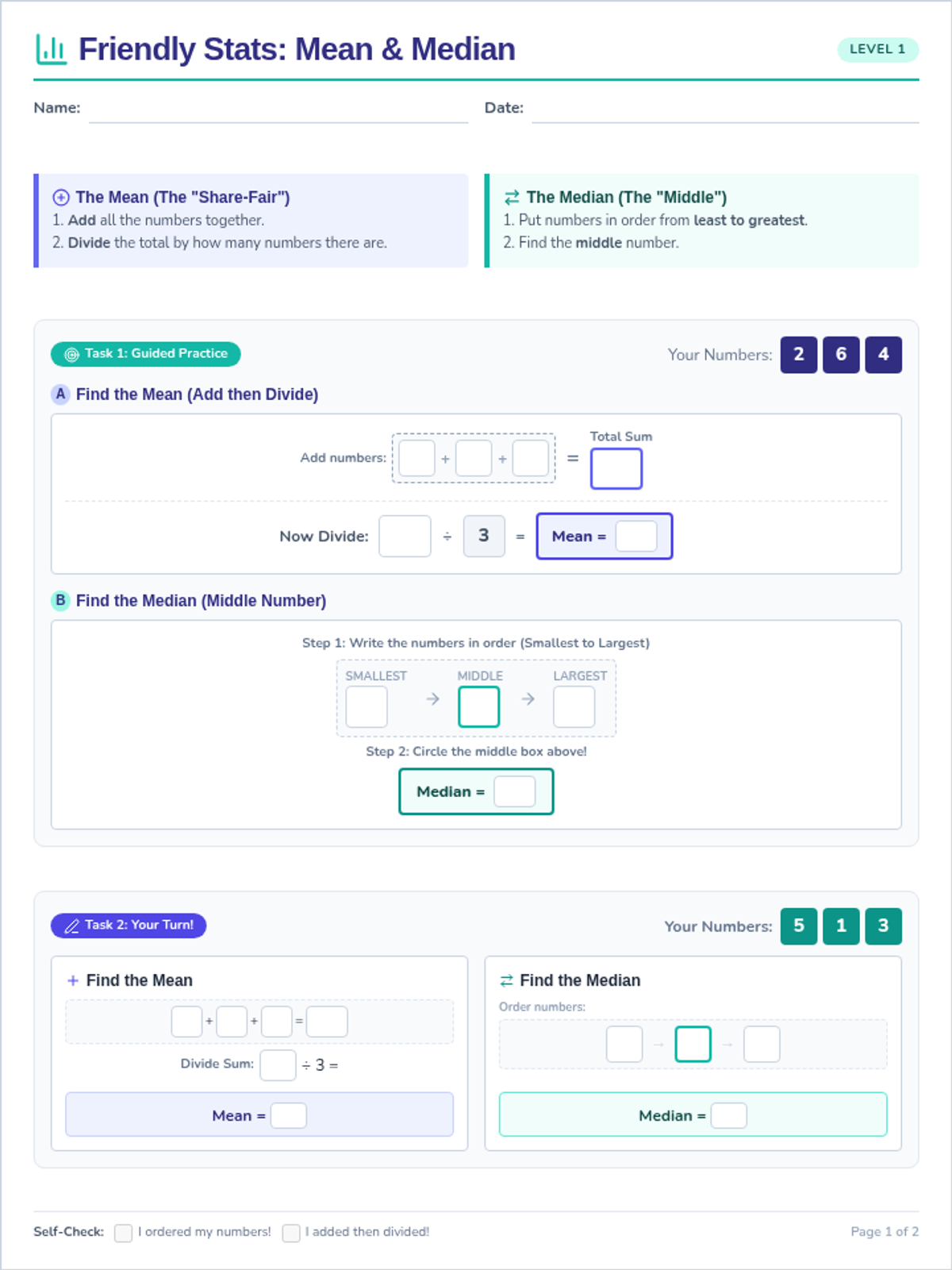
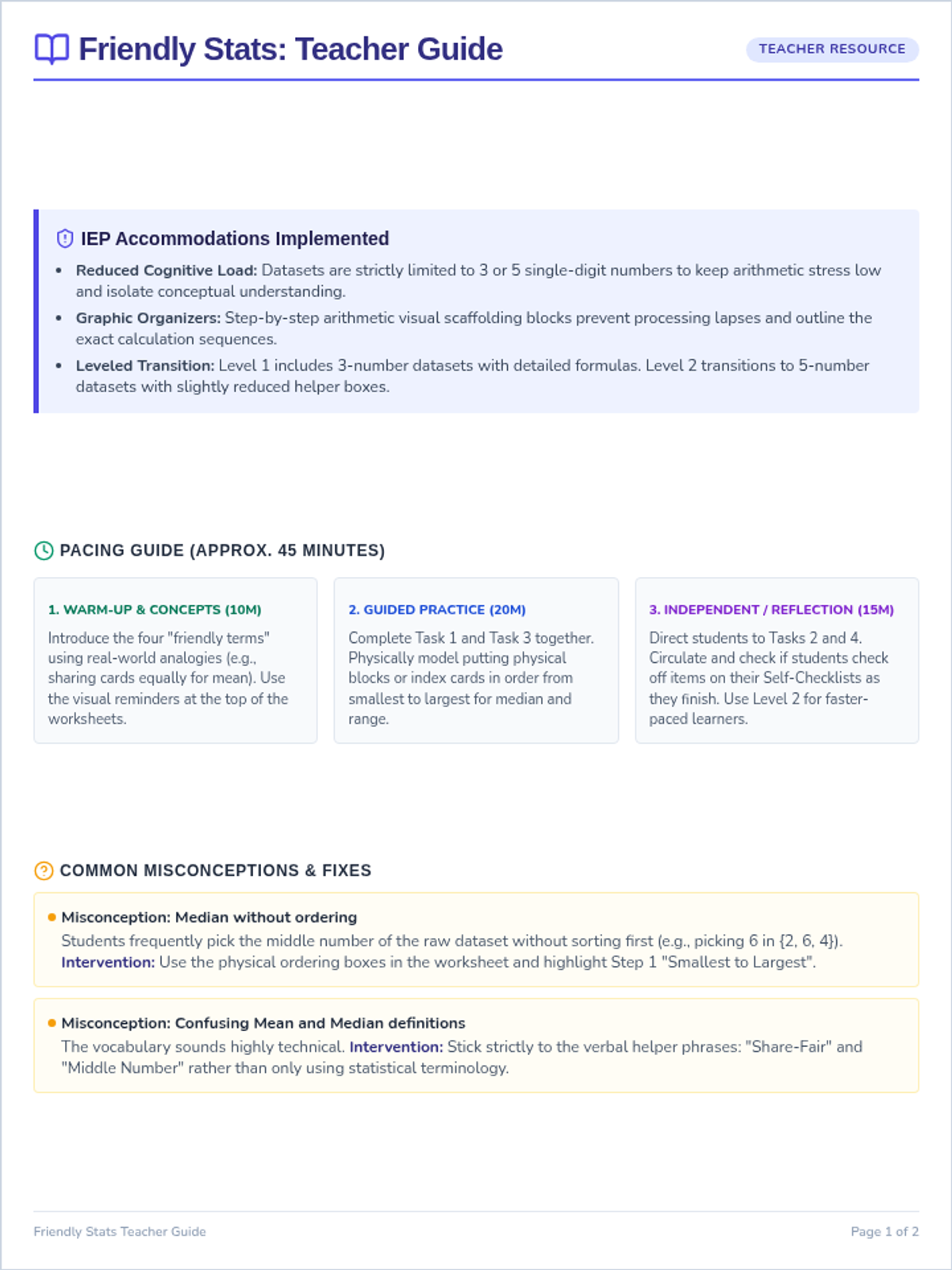
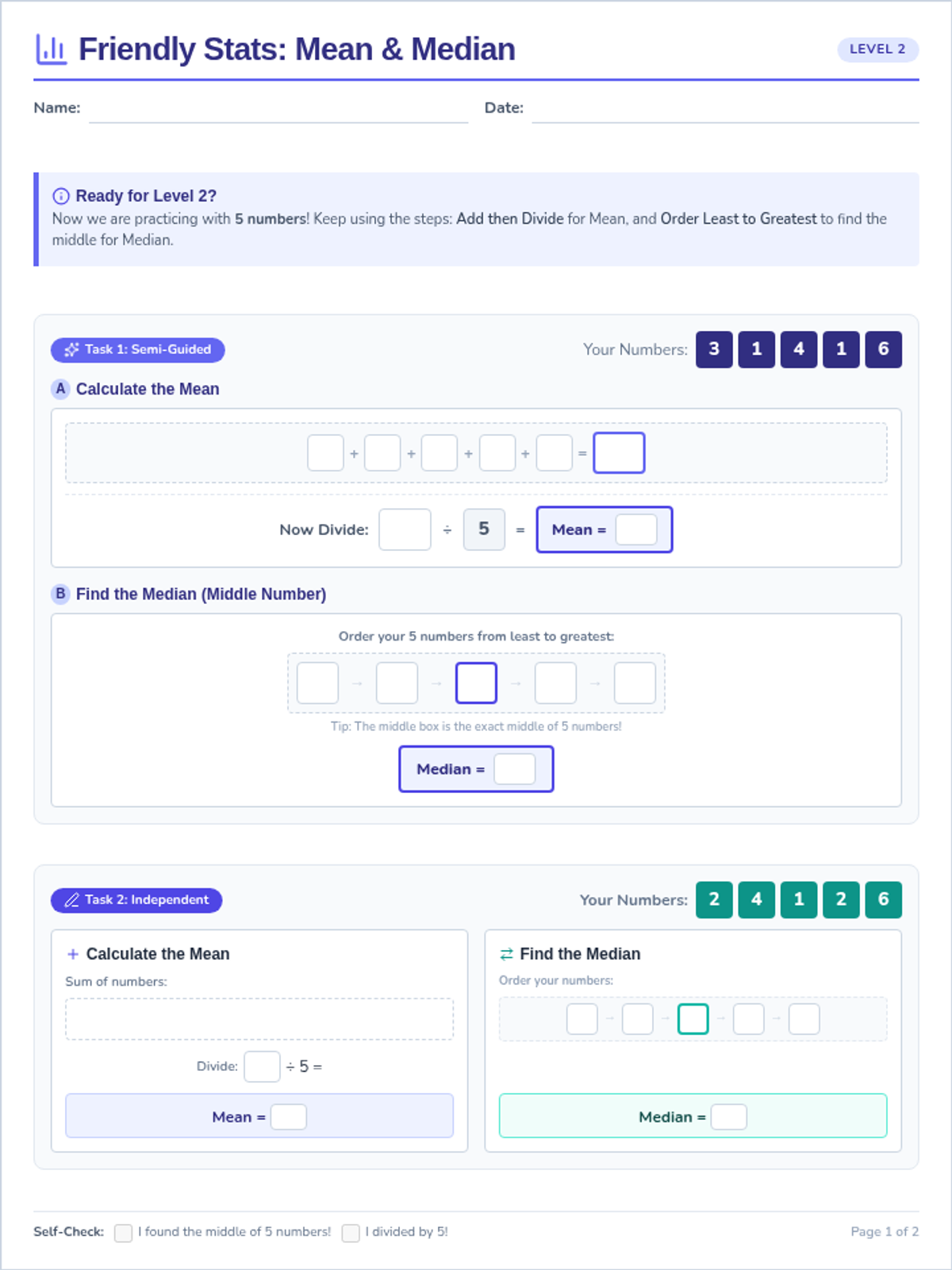
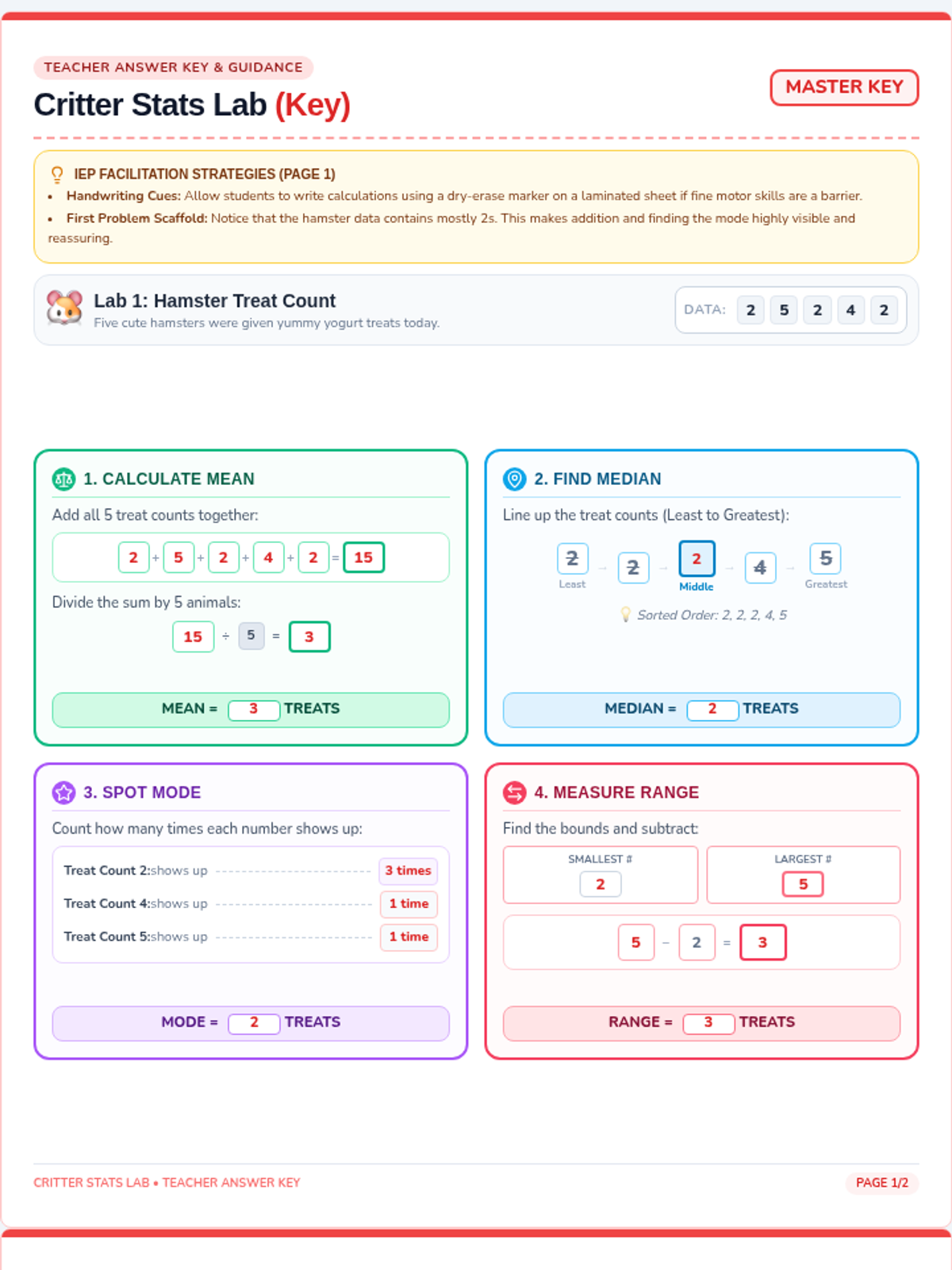
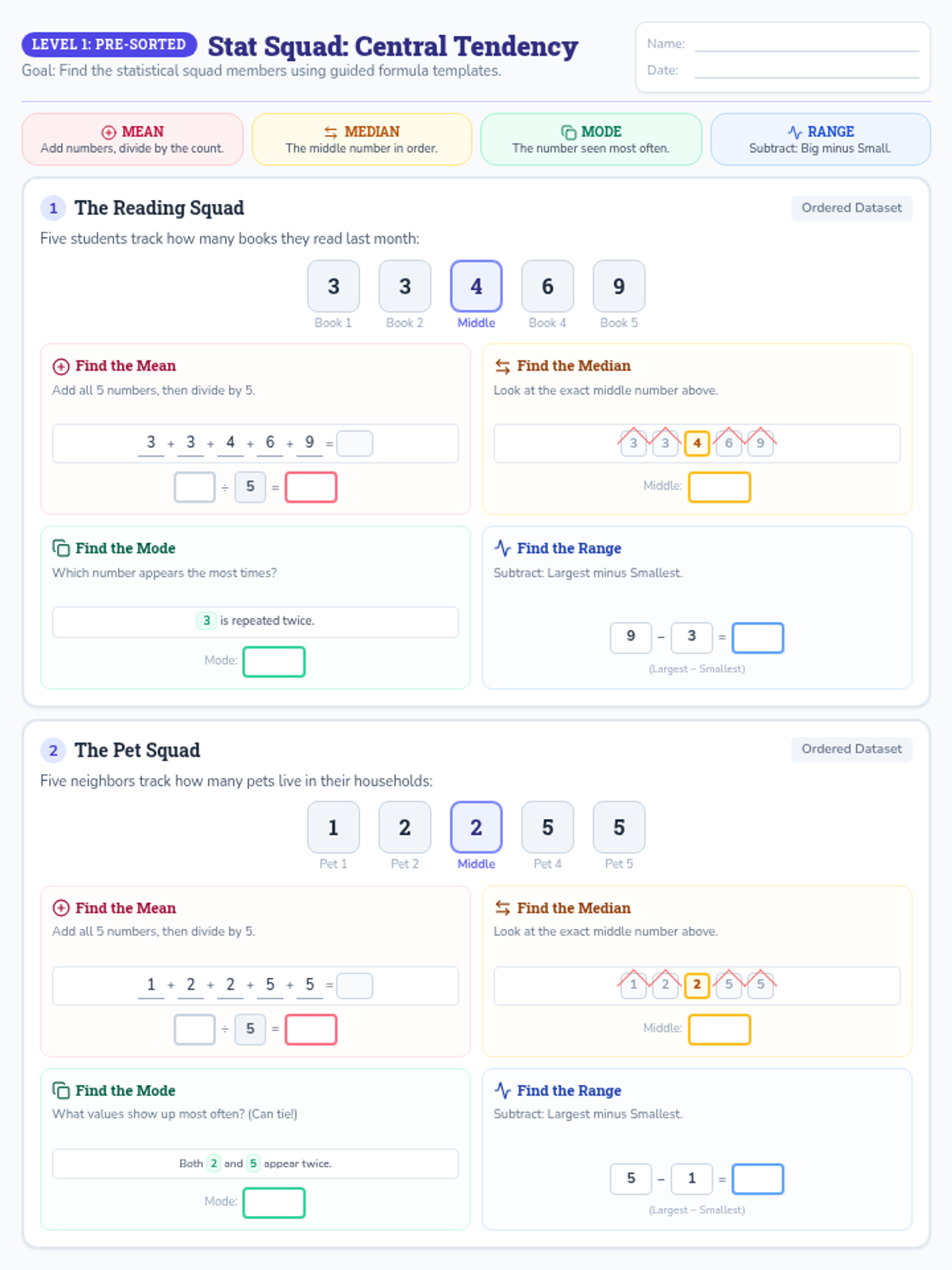
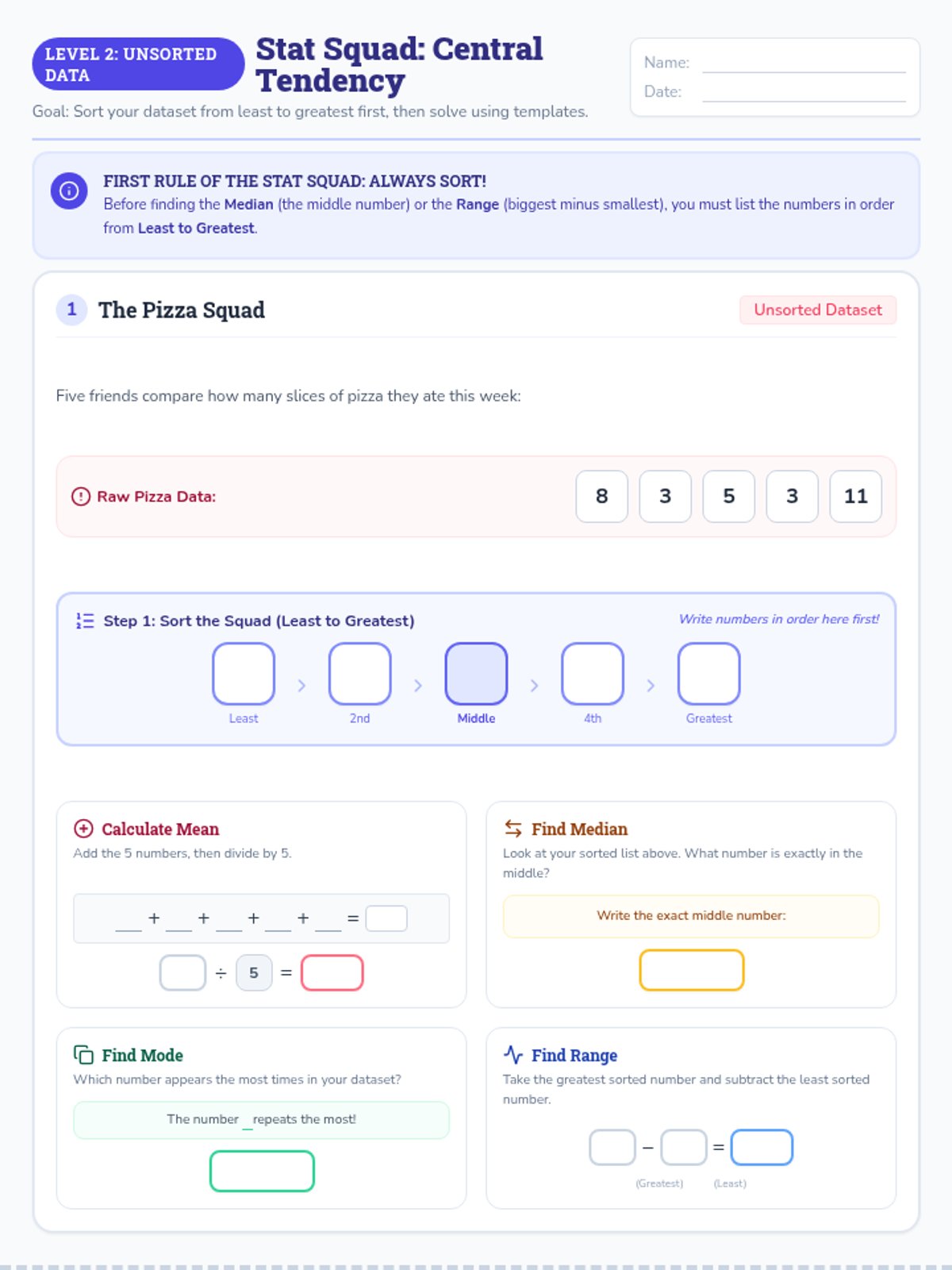
A highly scaffolded lesson on finding the mean, median, mode, and range using small, single-digit datasets (3-5 numbers) designed specifically for students with IEP accommodations.
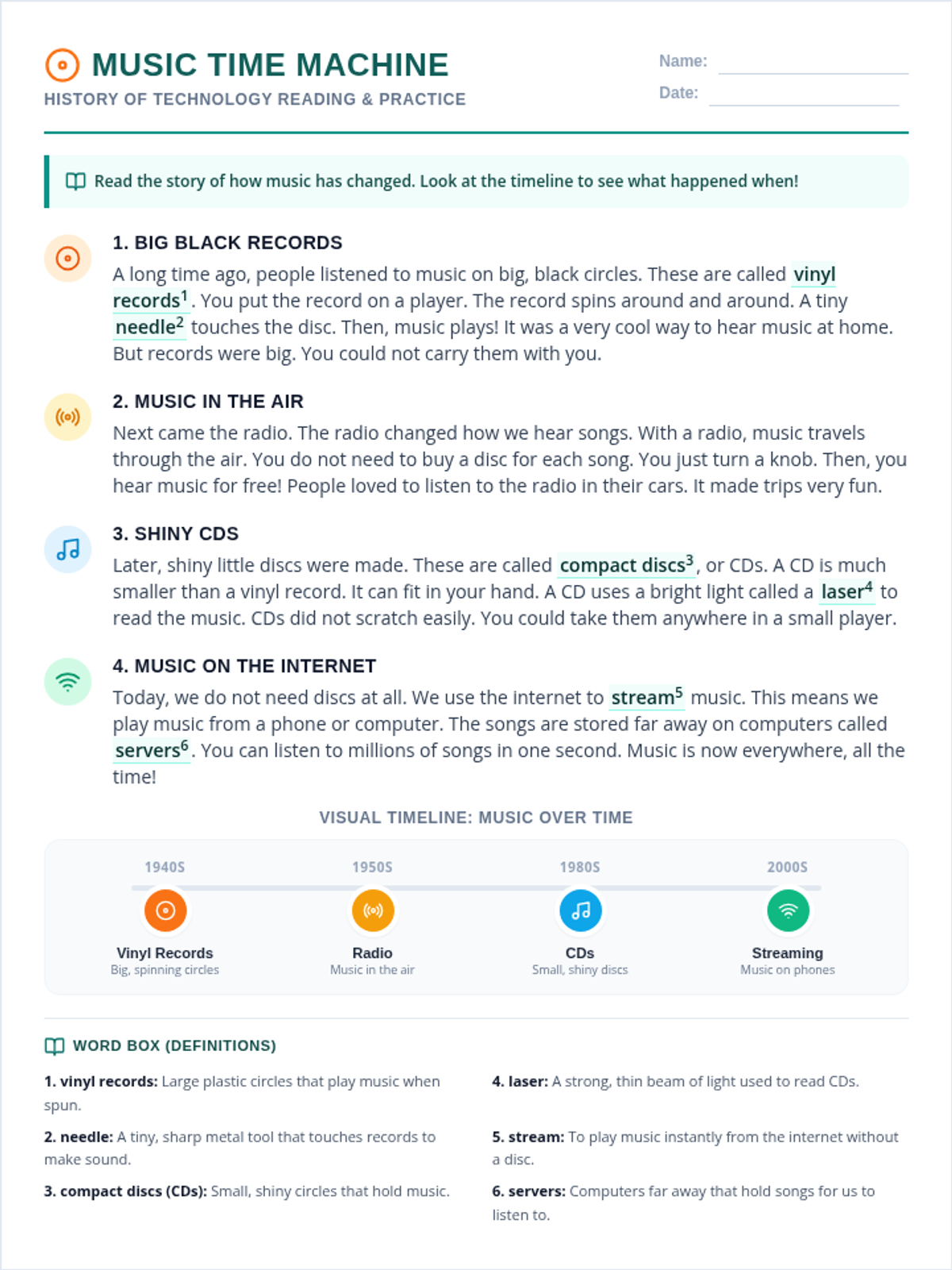
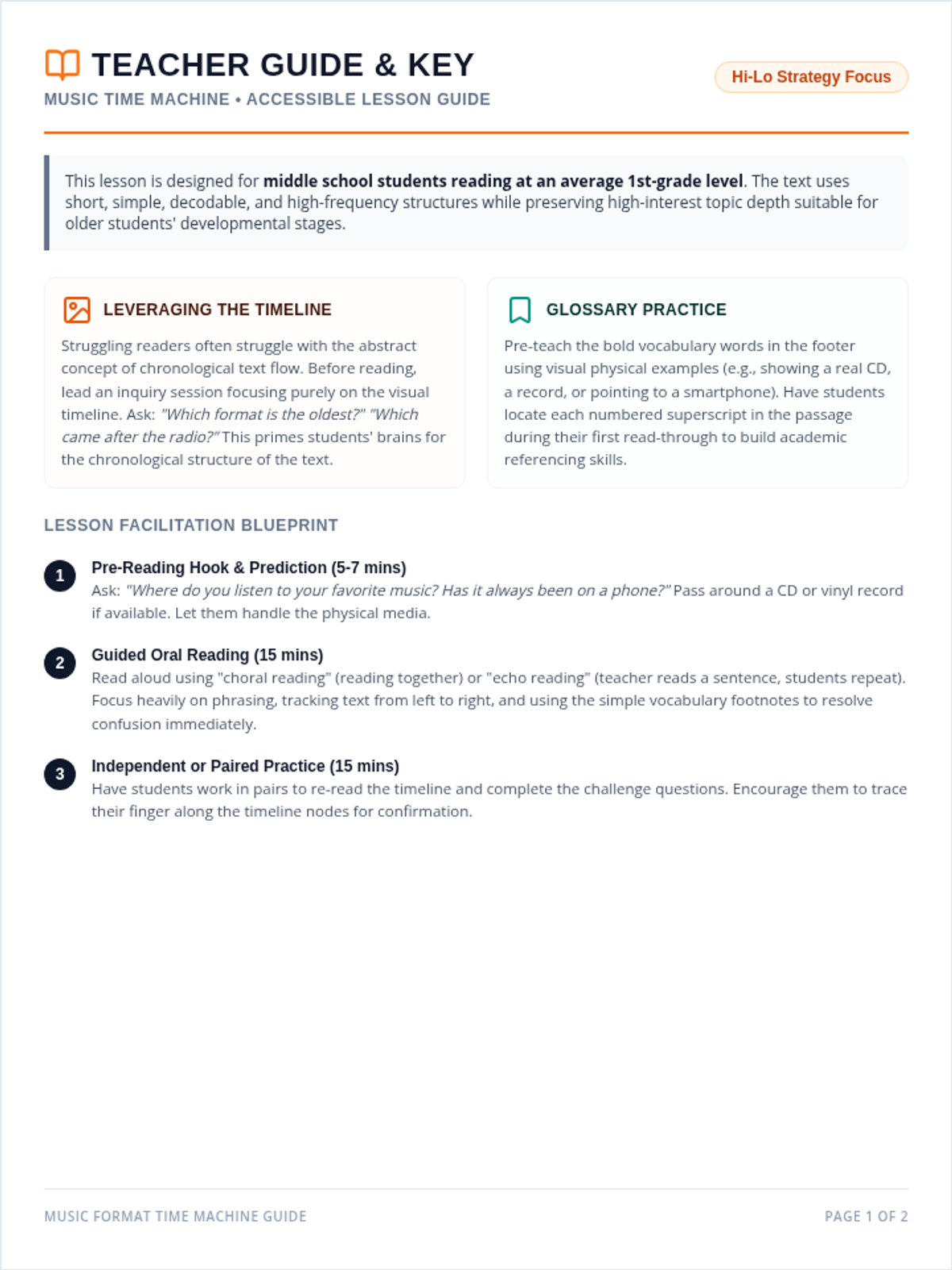
A history-of-technology lesson designed for middle school students reading at a first-grade level. It explores the evolution of music formats from vinyl records to modern streaming, supported by a visual timeline and simple vocabulary footnotes.
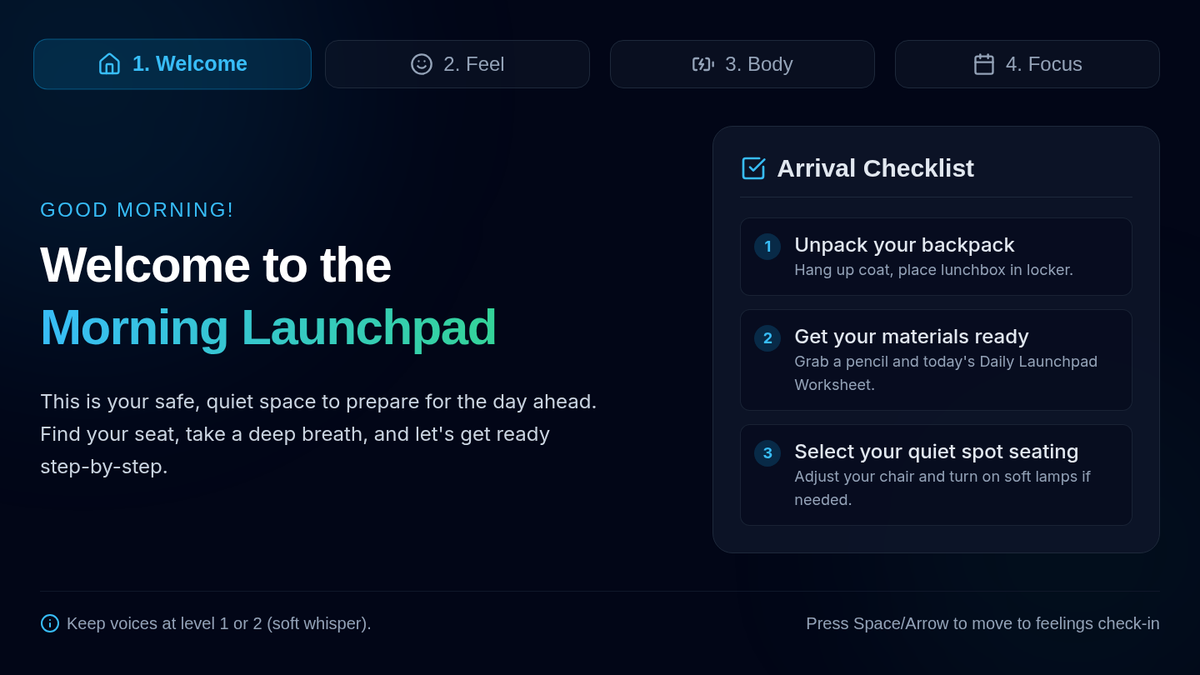
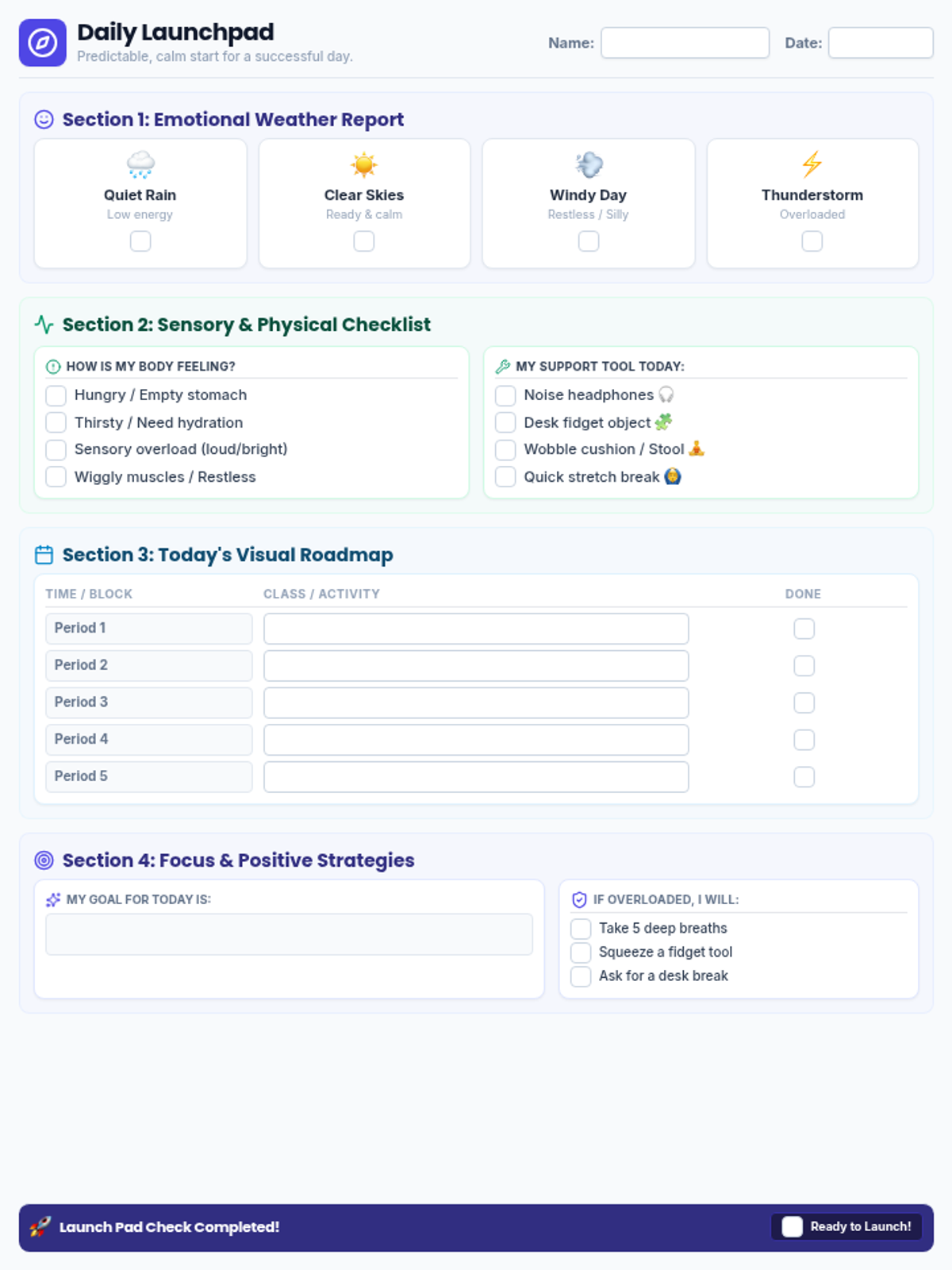
A structured morning routine sequence designed for middle school ASD students to support emotional regulation, sensory tracking, and executive functioning. Includes interactive visual slides and a corresponding daily check-in worksheet to establish a predictable, calming start to the school day.
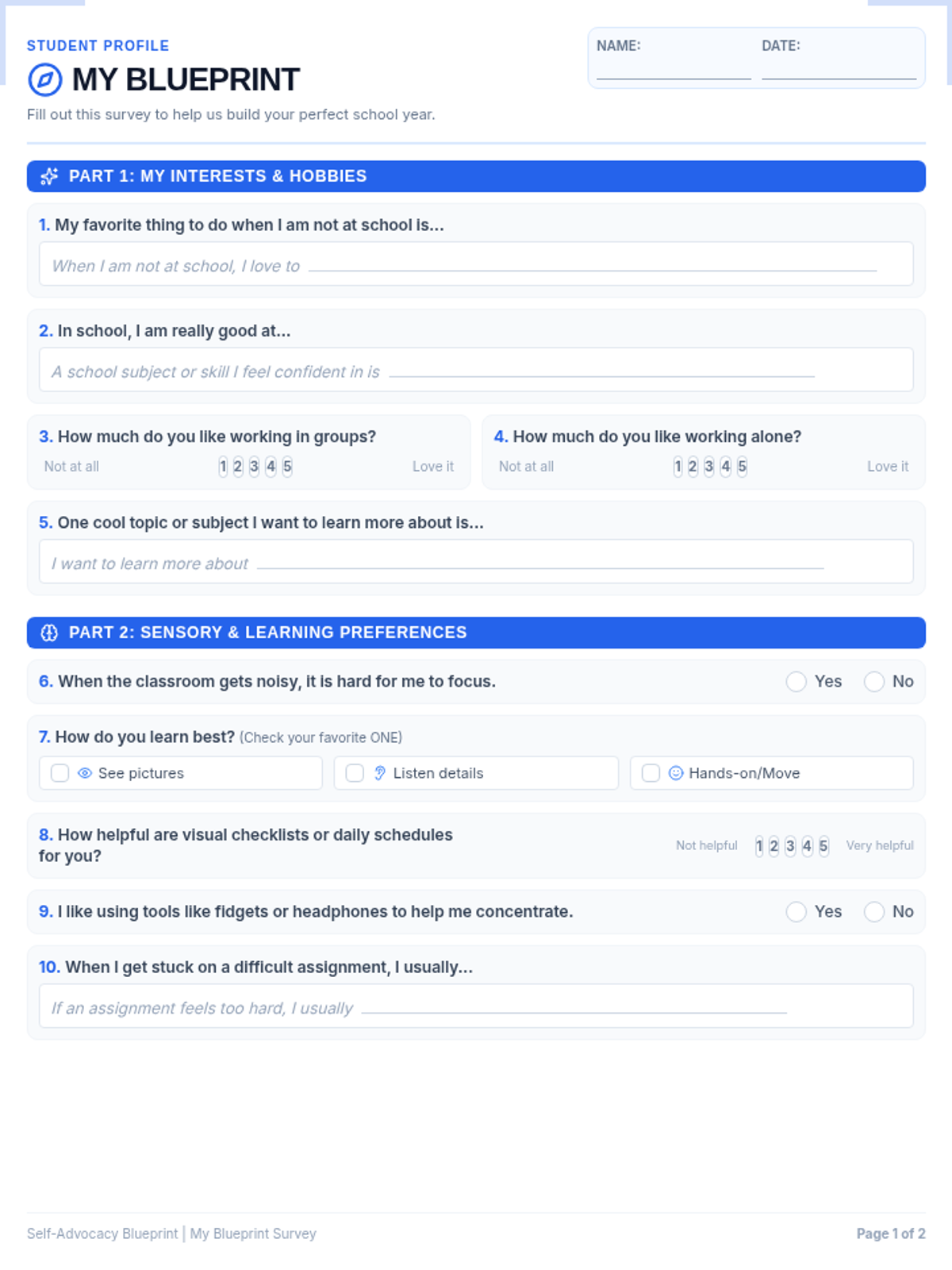
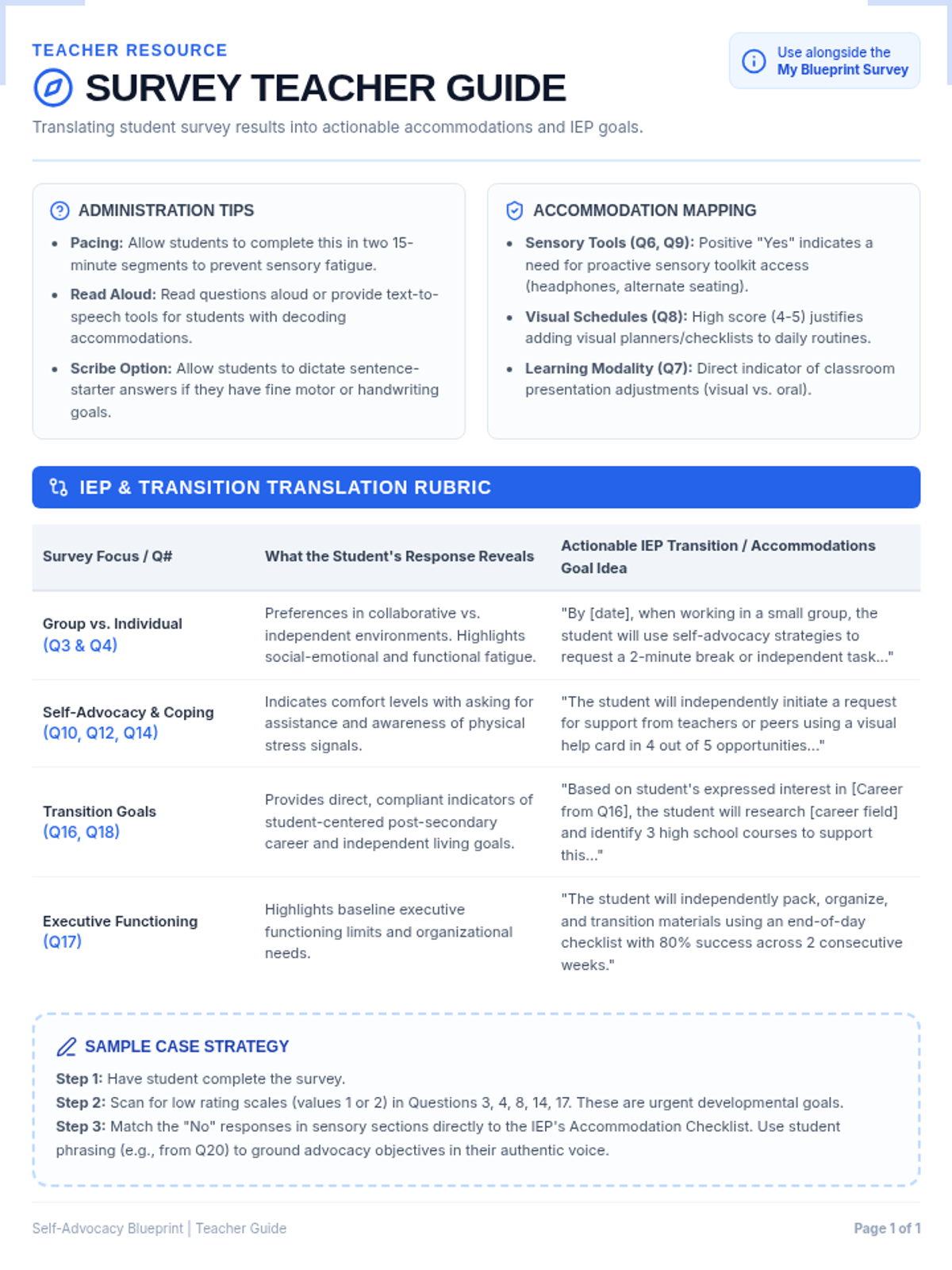
A transition-focused lesson featuring an accessible "All About Me" survey for middle school students with accommodations, alongside a guide for teachers to translate student responses into IEP goals and classroom support strategies.
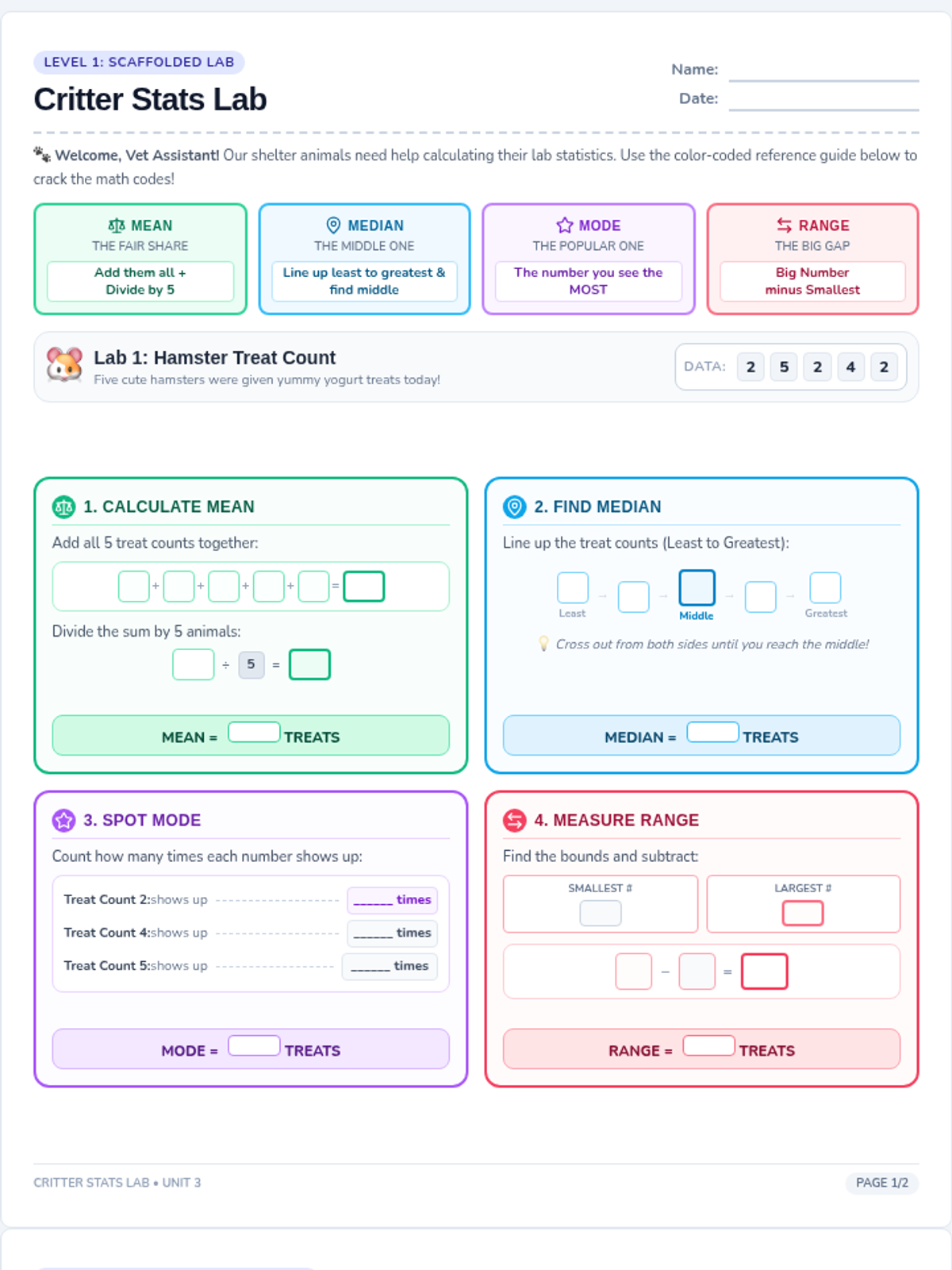
A highly visual, color-coded math lesson introducing mean, median, mode, and range to IEP students using adorable pet shelter statistics. Highly structured layout with minimal text density and supportive visual cues.
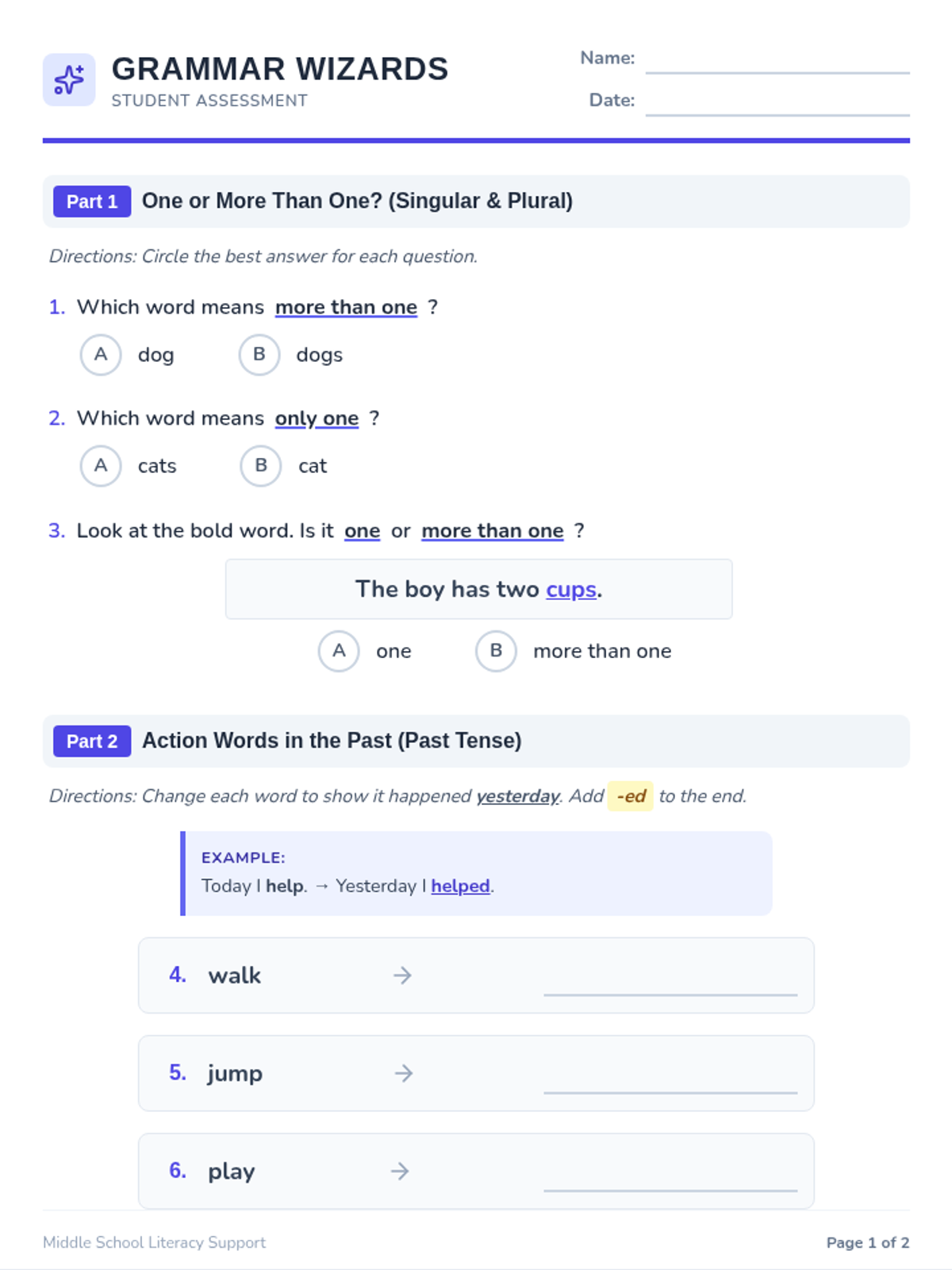
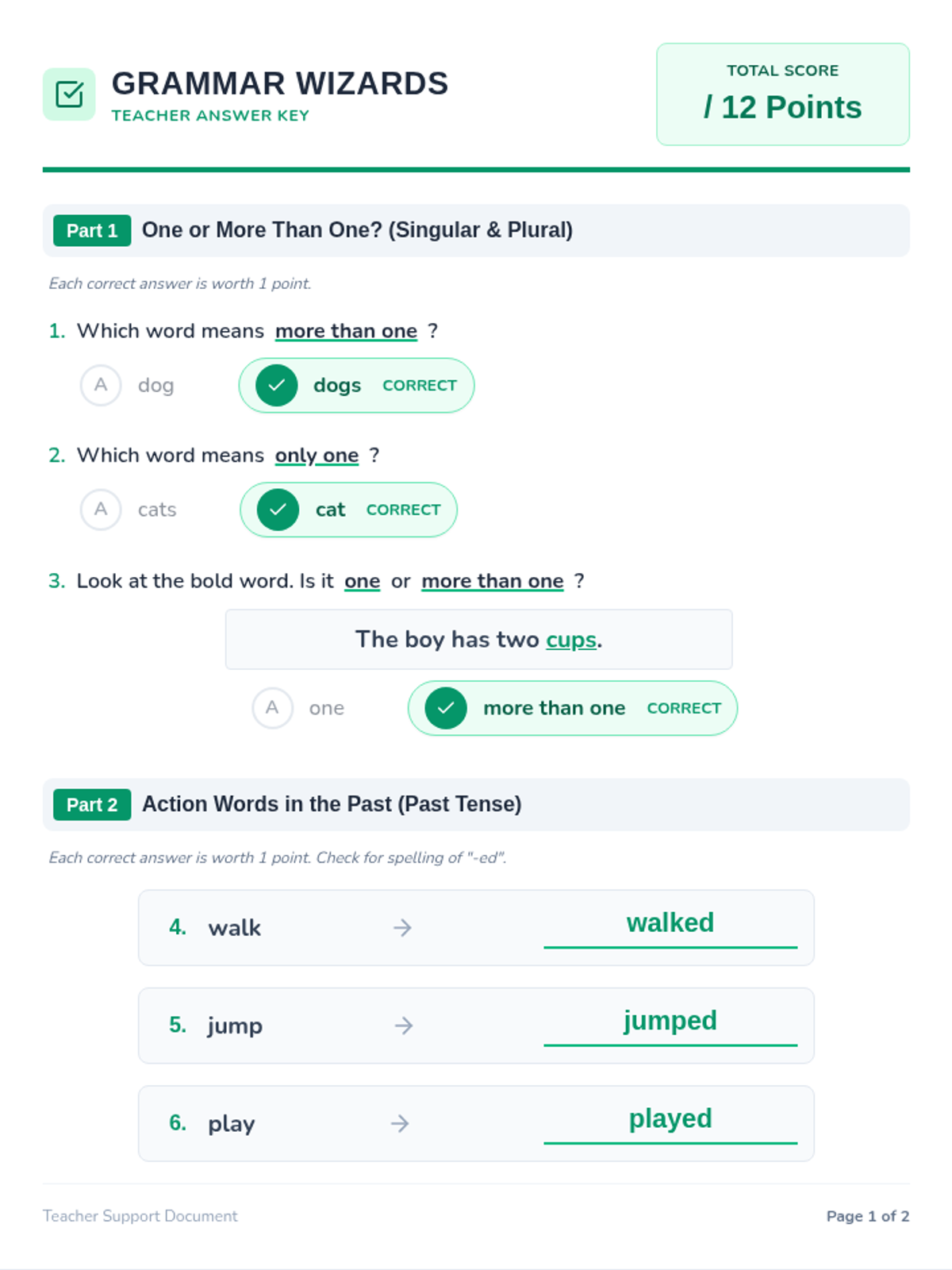
A grammar assessment designed for middle school students in a self-contained classroom reading at a first-grade level. The quiz covers past-tense verbs, common/proper nouns, singular/plural nouns, and identifying parts of speech (noun, verb, adjective) in simple context, complete with a teacher answer key.
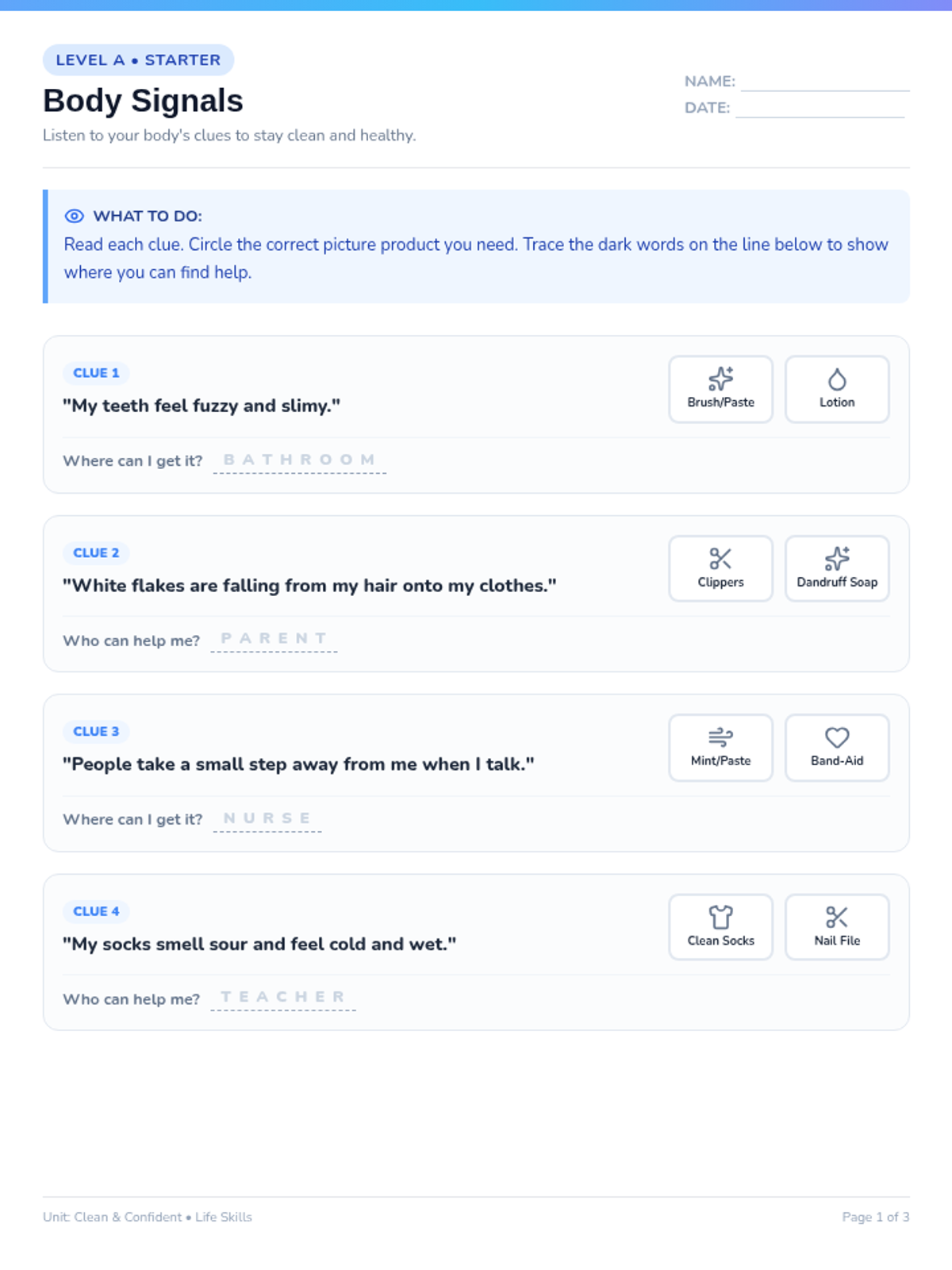
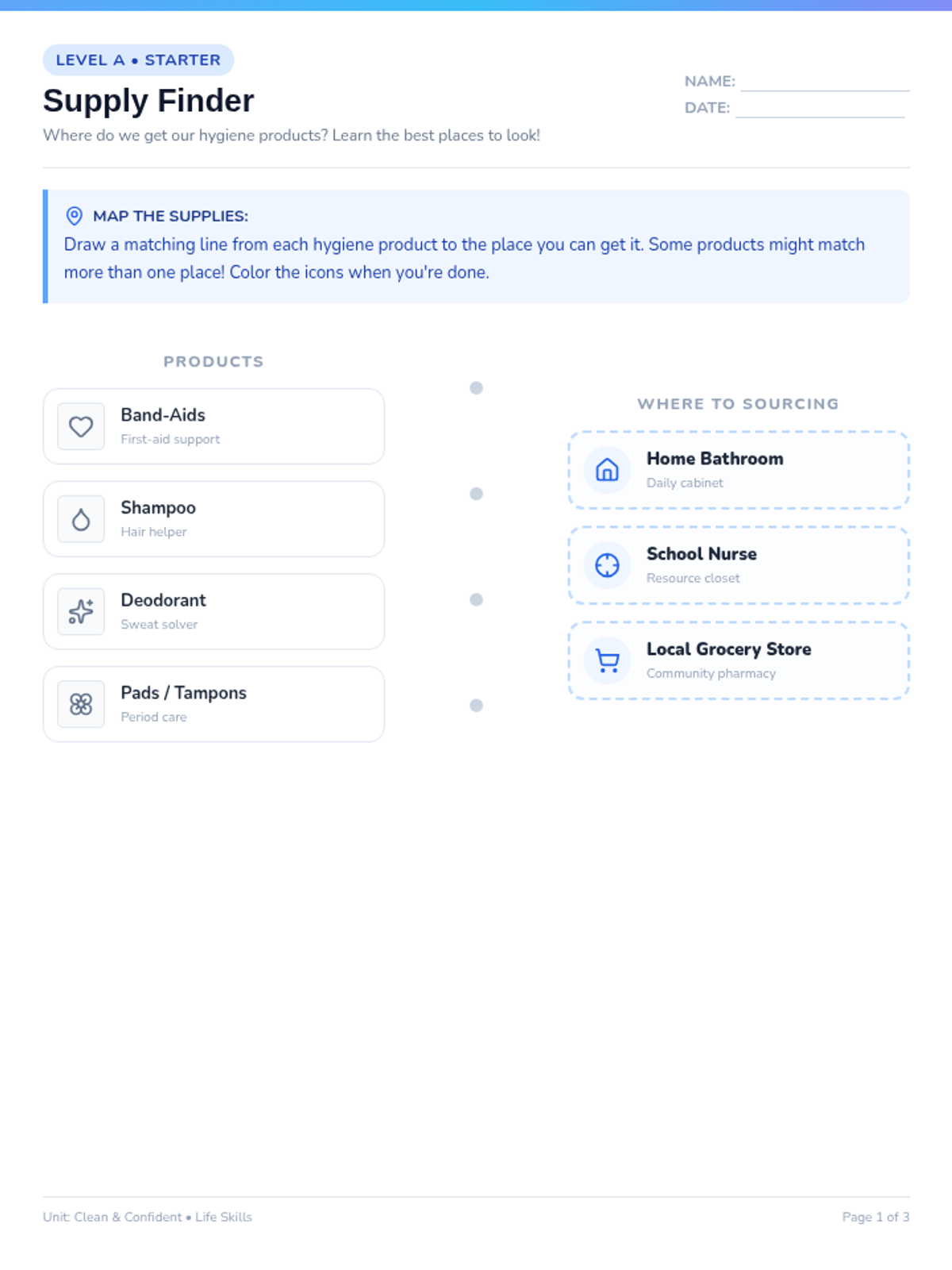
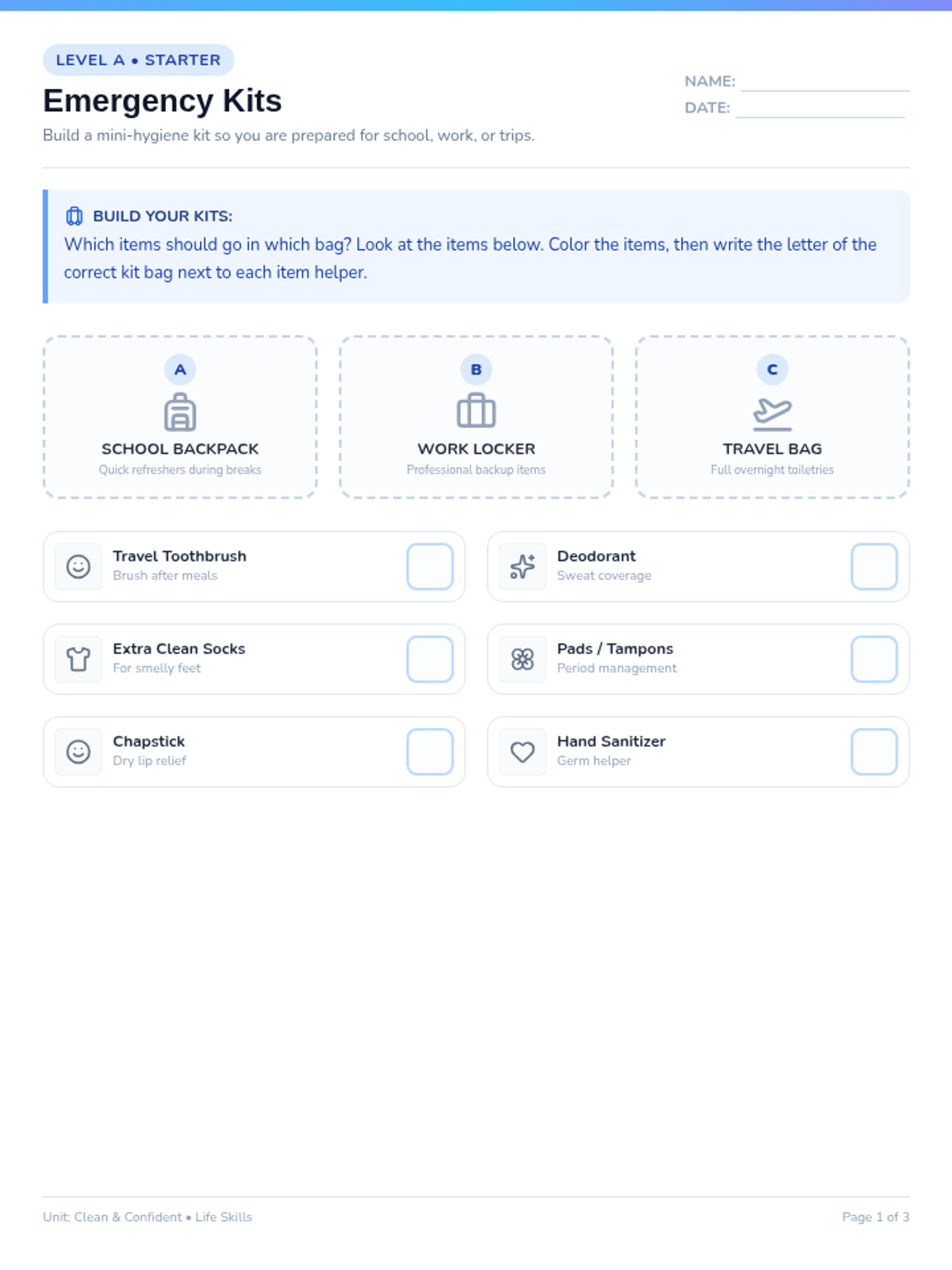
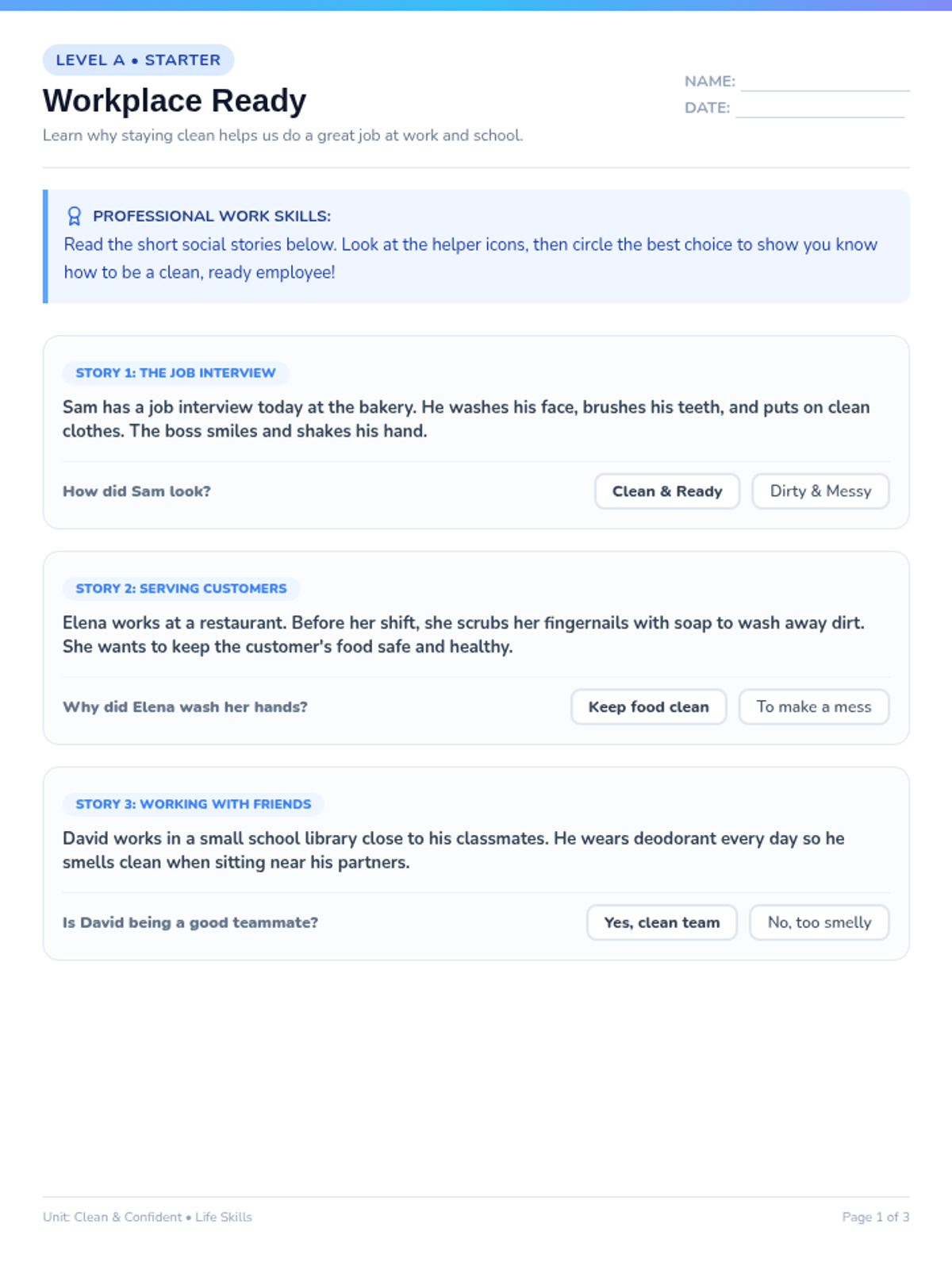
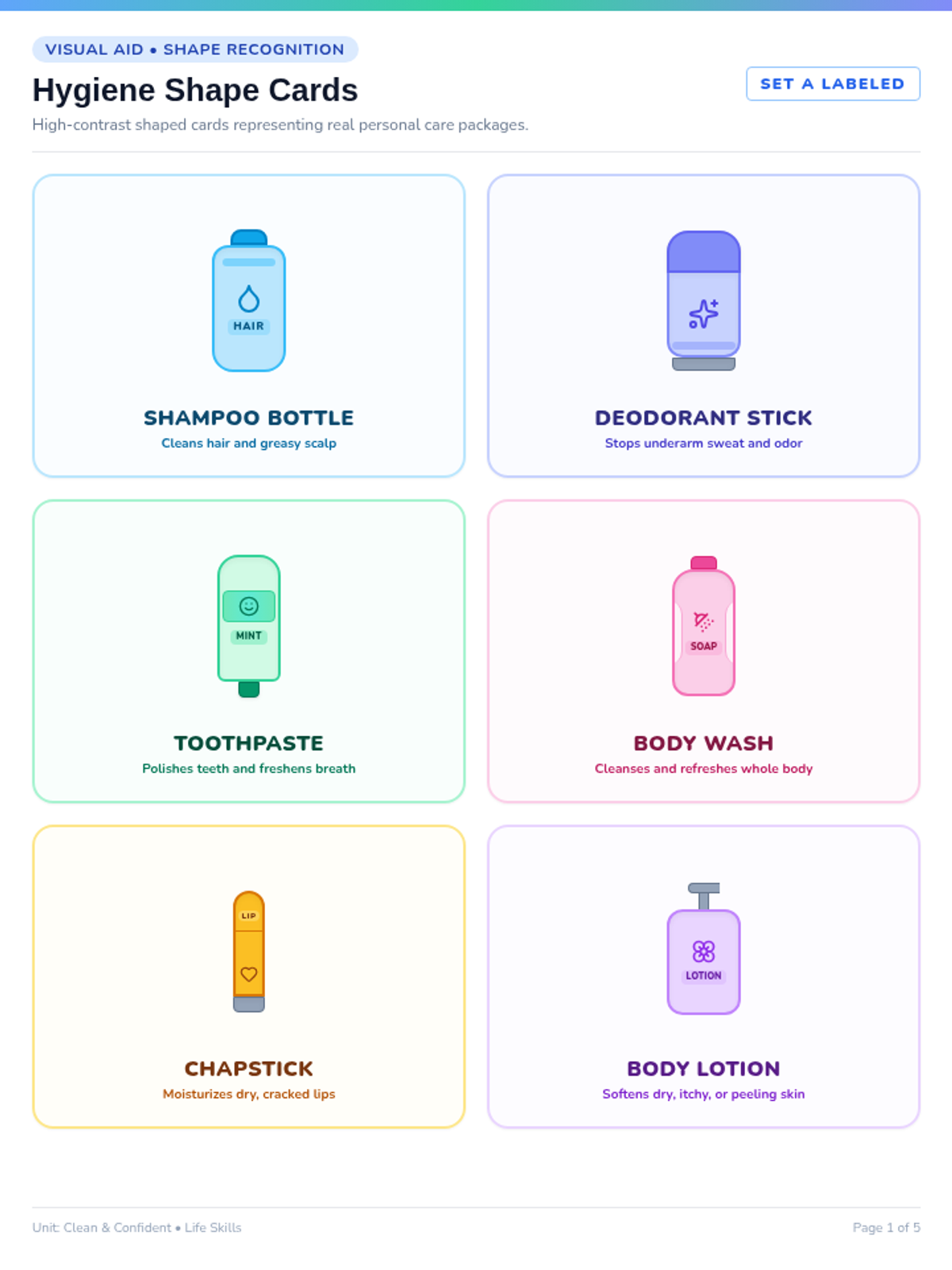
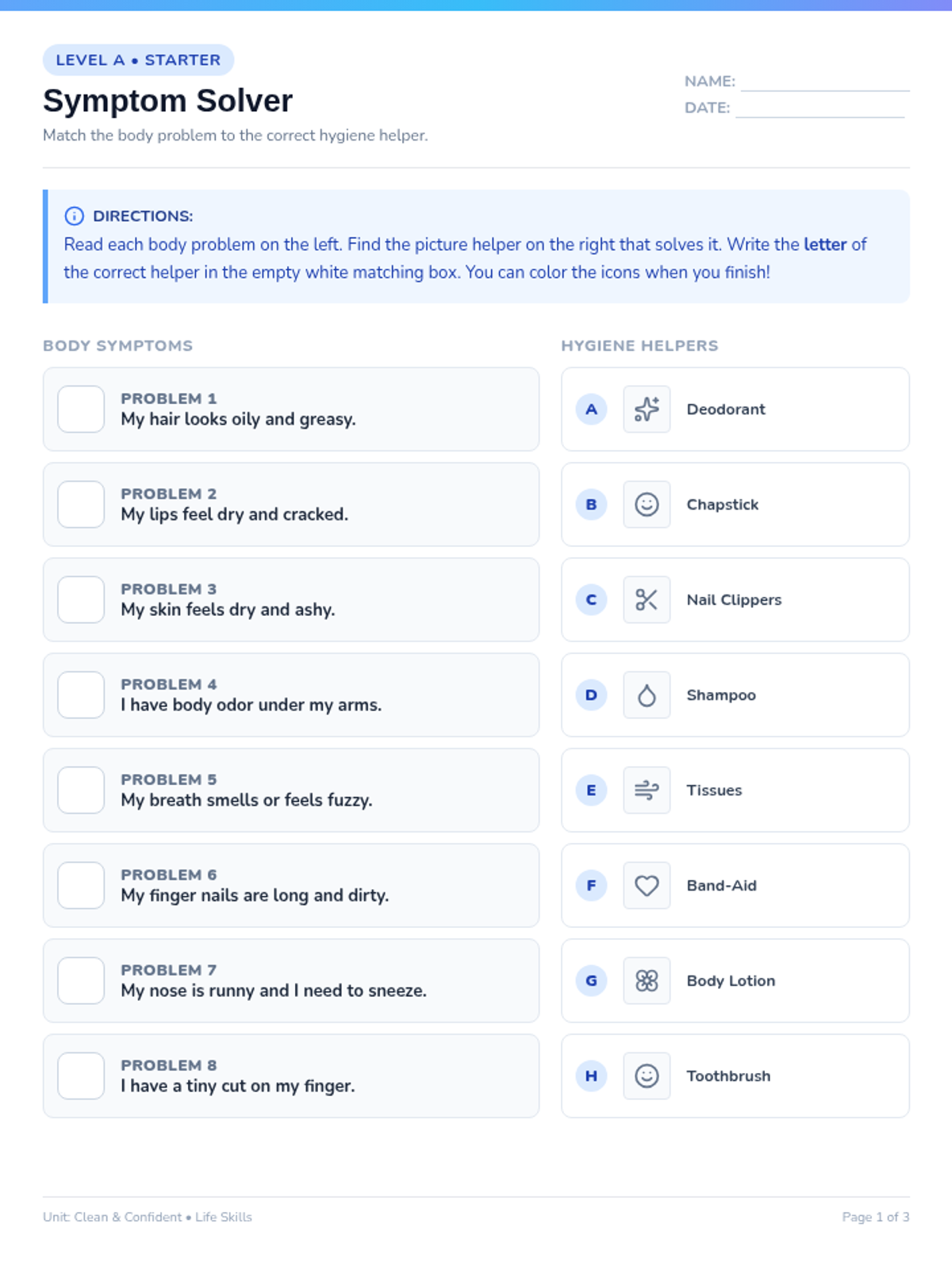
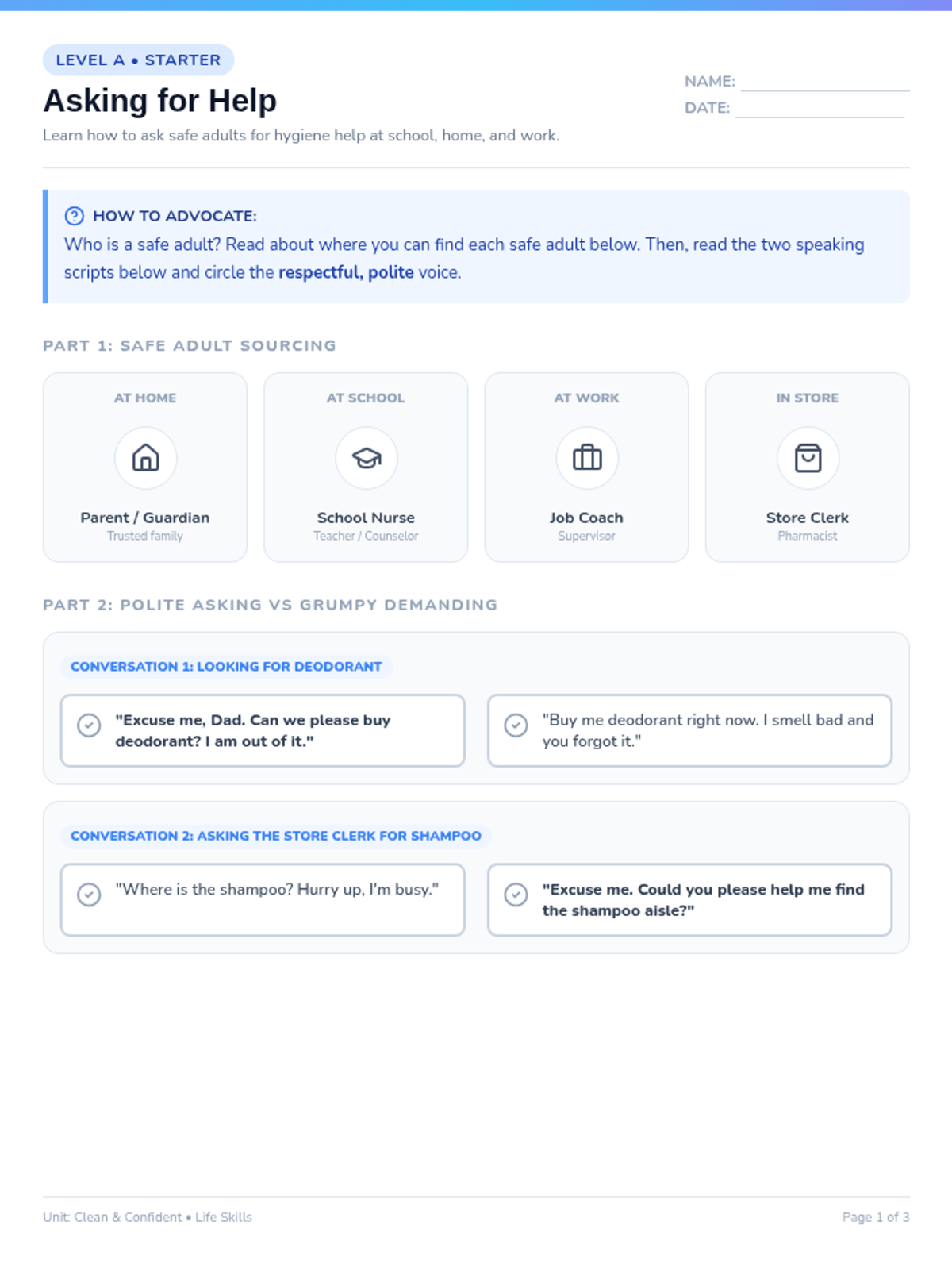
A comprehensive functional life skills unit teaching hygiene independence, self-advocacy, and workplace readiness for middle and high school special education students. Includes visual matching, body signal decoding, safe-adult communication scripts, sourcing maps, emergency kit preparation, and workplace scenario analysis.
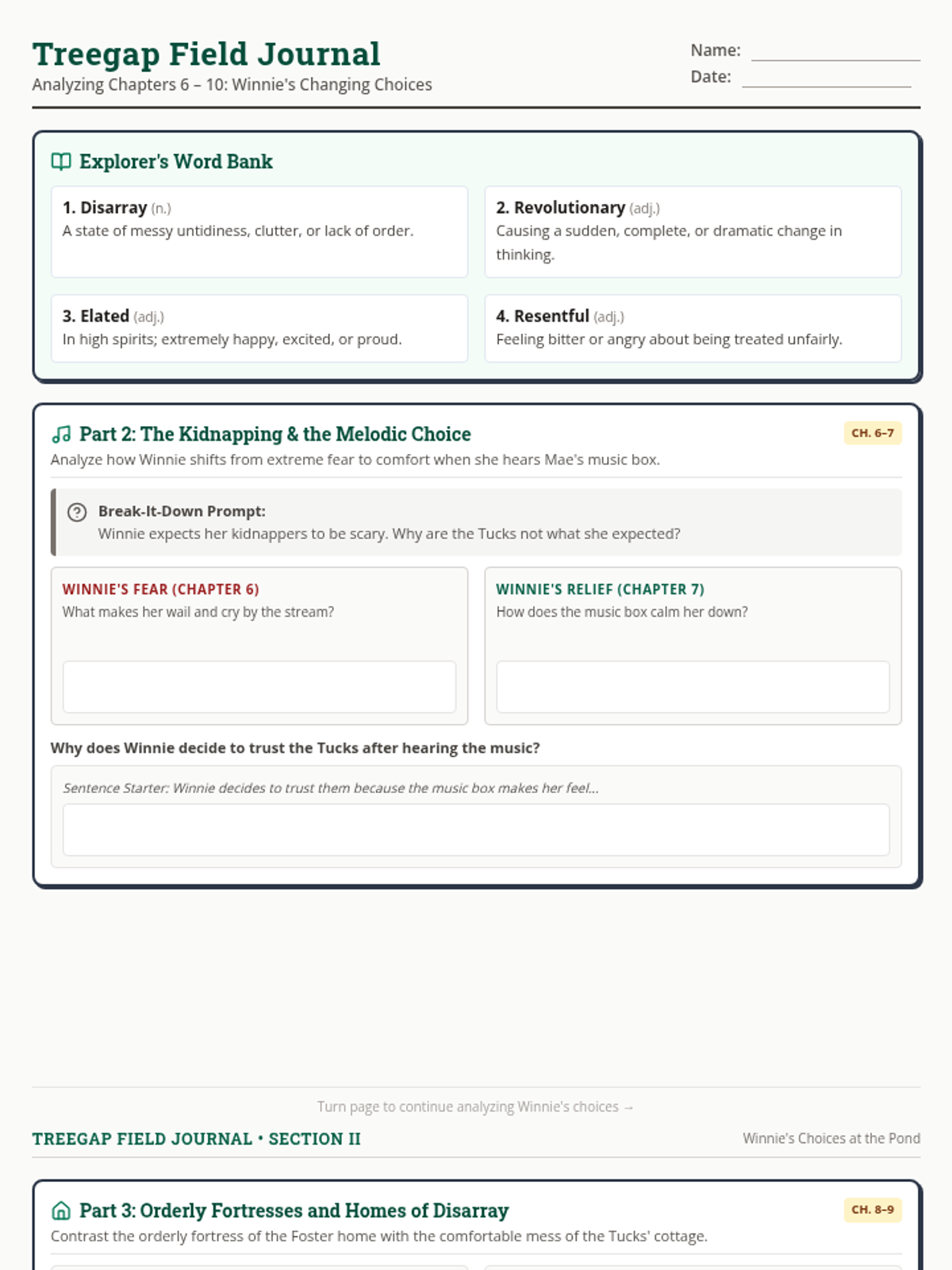
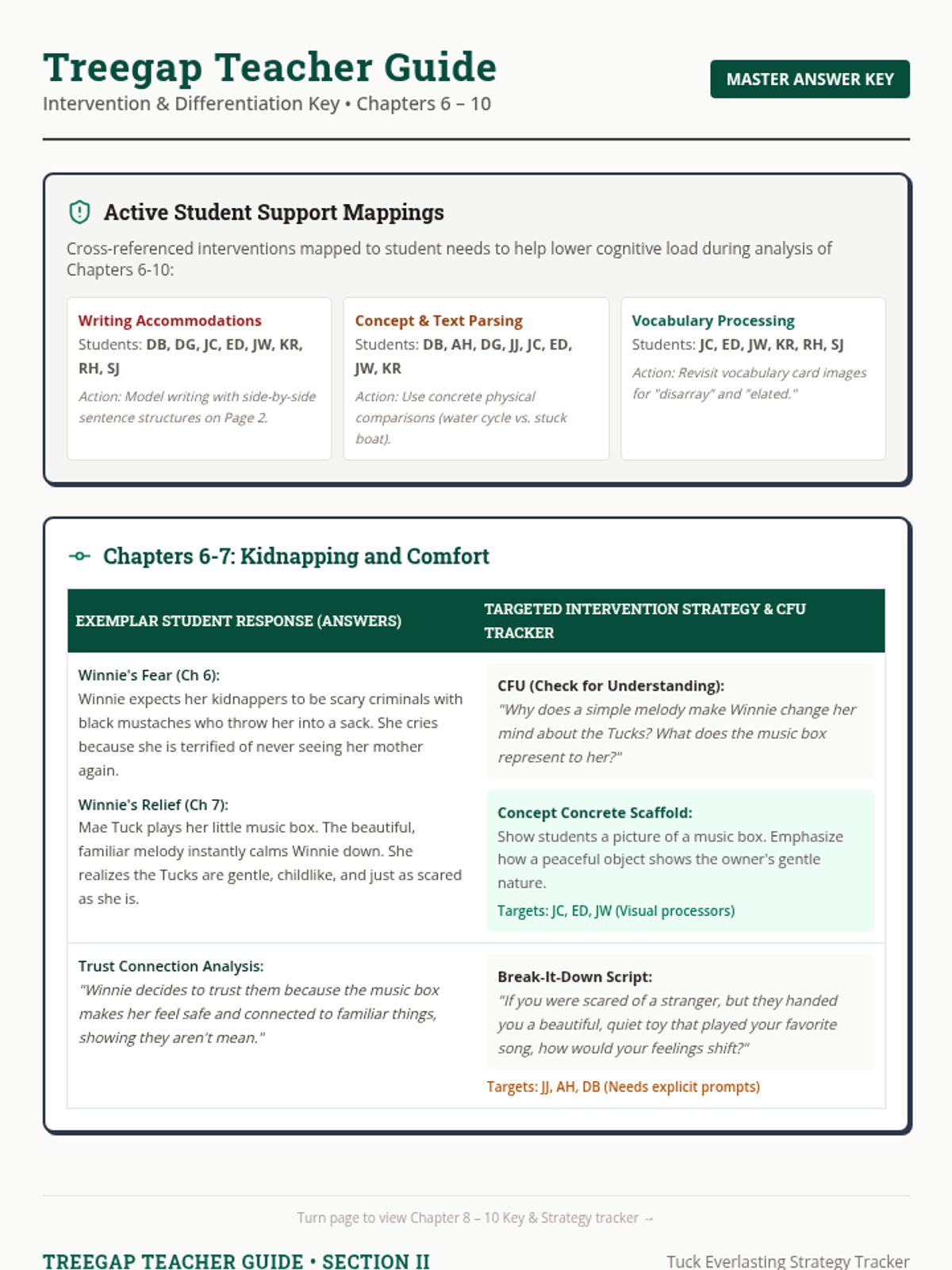
A detailed literary exploration of Chapters 6-10 of Natalie Babbitt's Tuck Everlasting. Students analyze Winnie's reactions to the Tucks' messy, timeless lifestyle compared to her own orderly home, focusing on her growing internal choices and the concept of living outside the wheel of life.
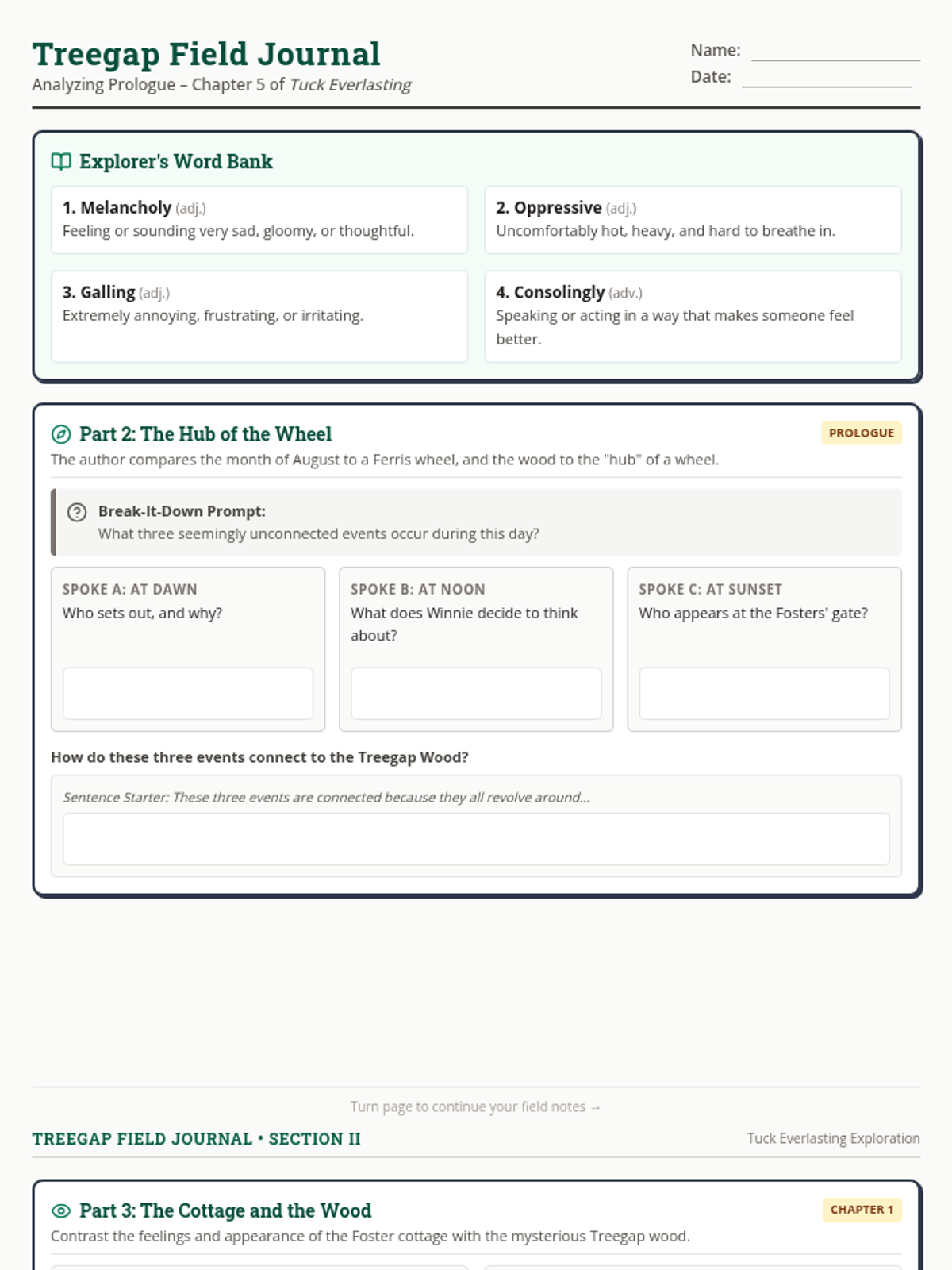
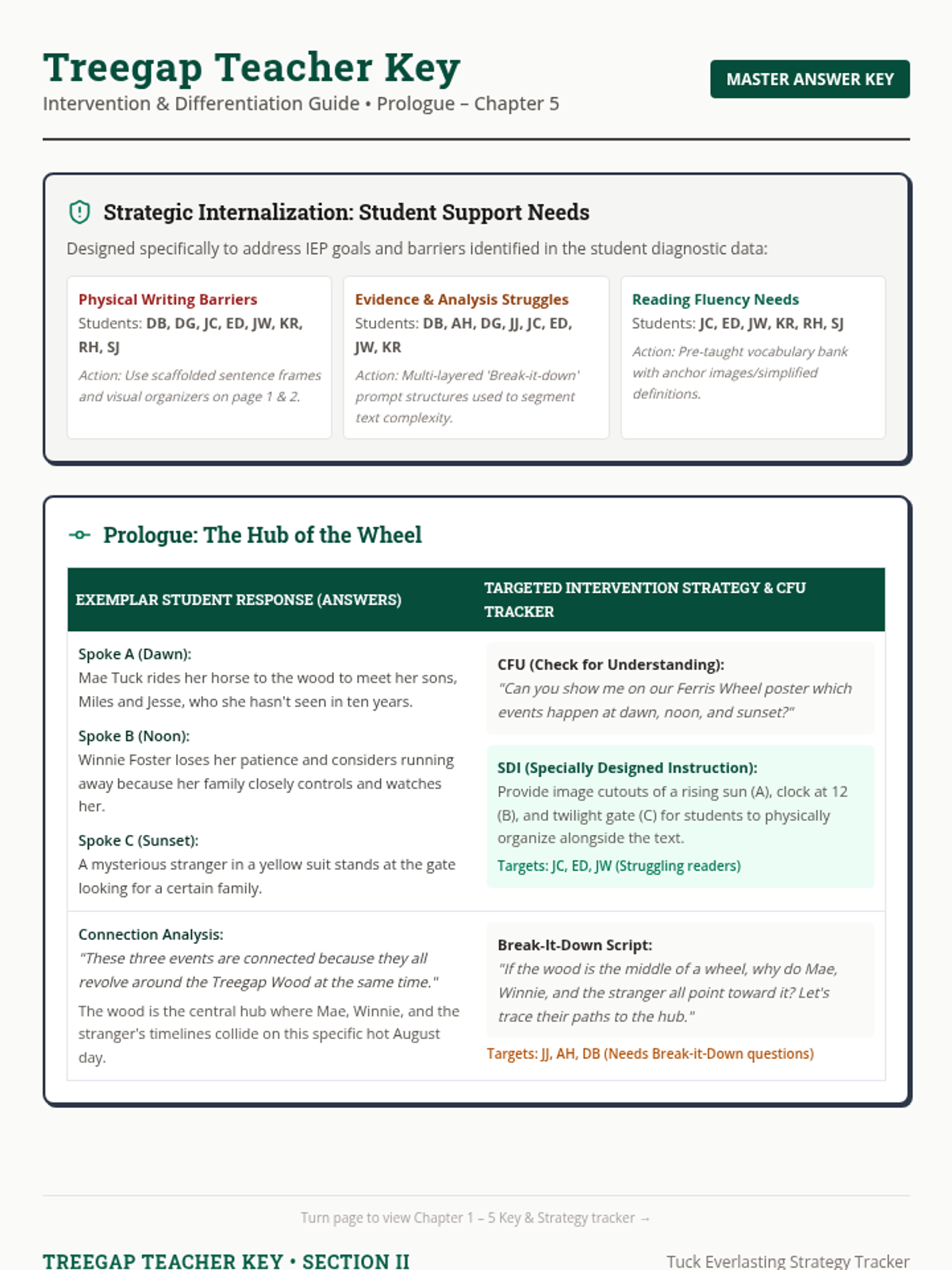
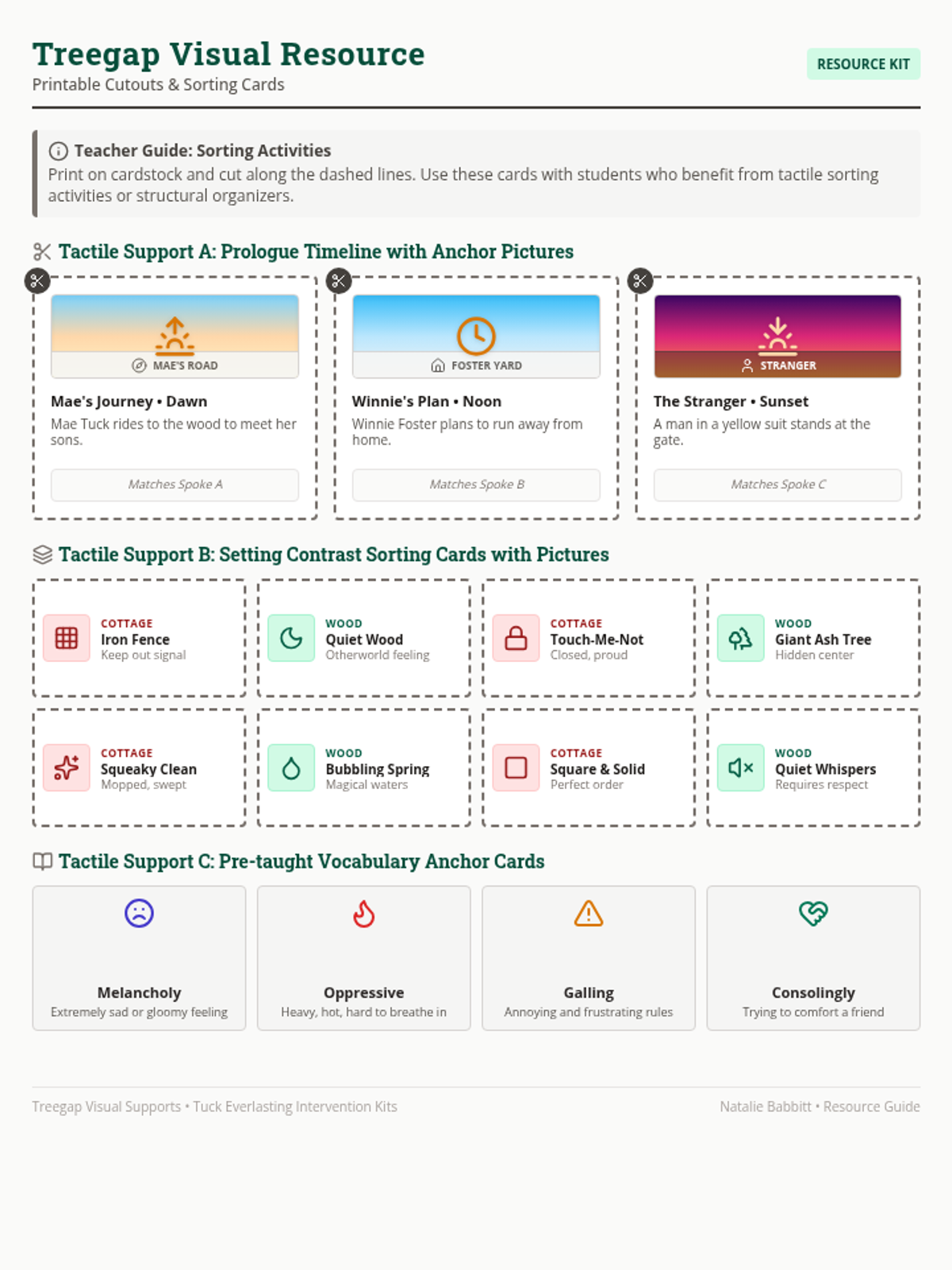
A literary investigation of the prologue through chapter 5 of Natalie Babbitt's Tuck Everlasting. Students explore setting contrasts and the mysterious meeting between Winnie and Jesse, while teachers leverage structured scaffolds and checks for understanding.
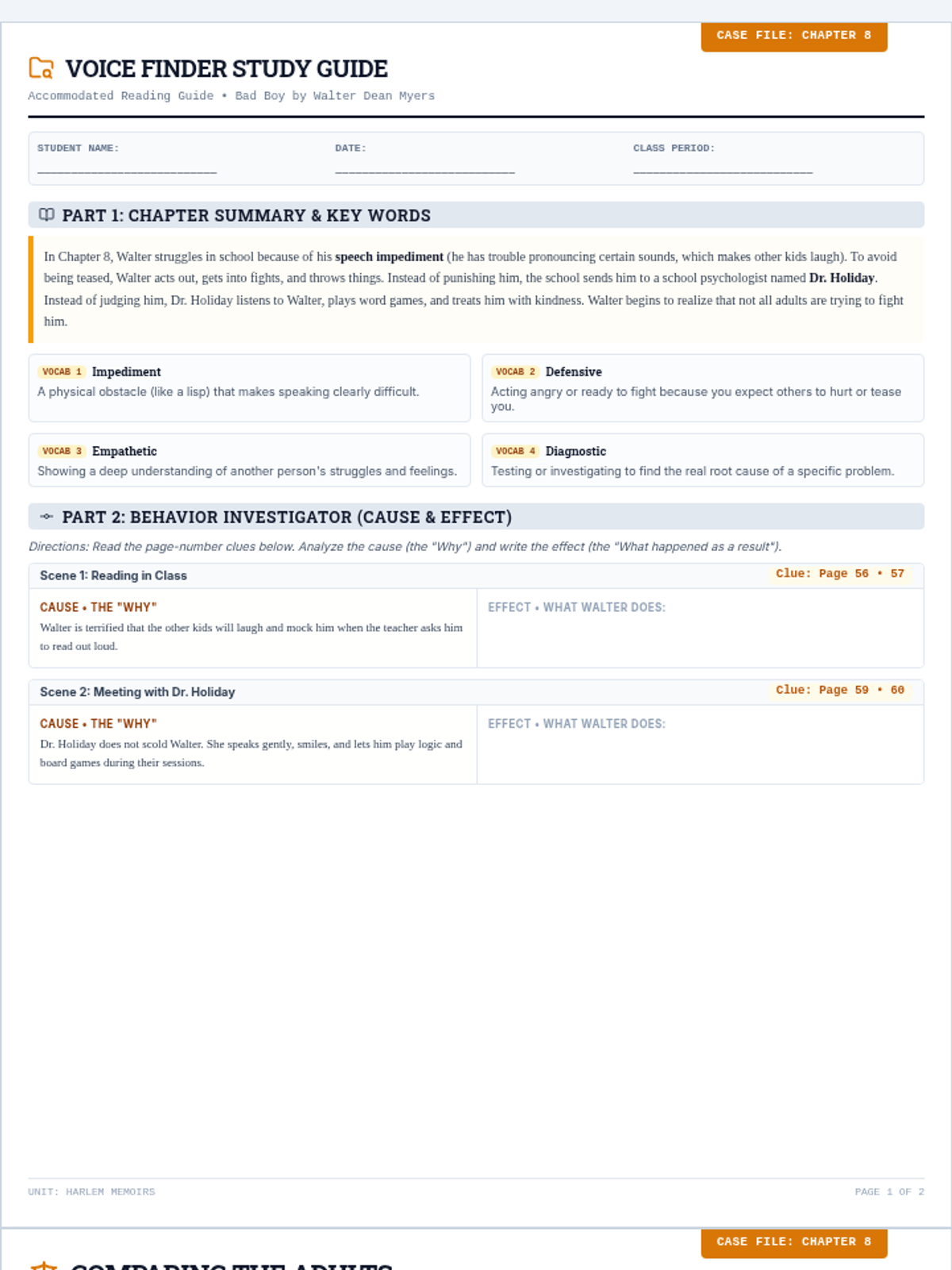
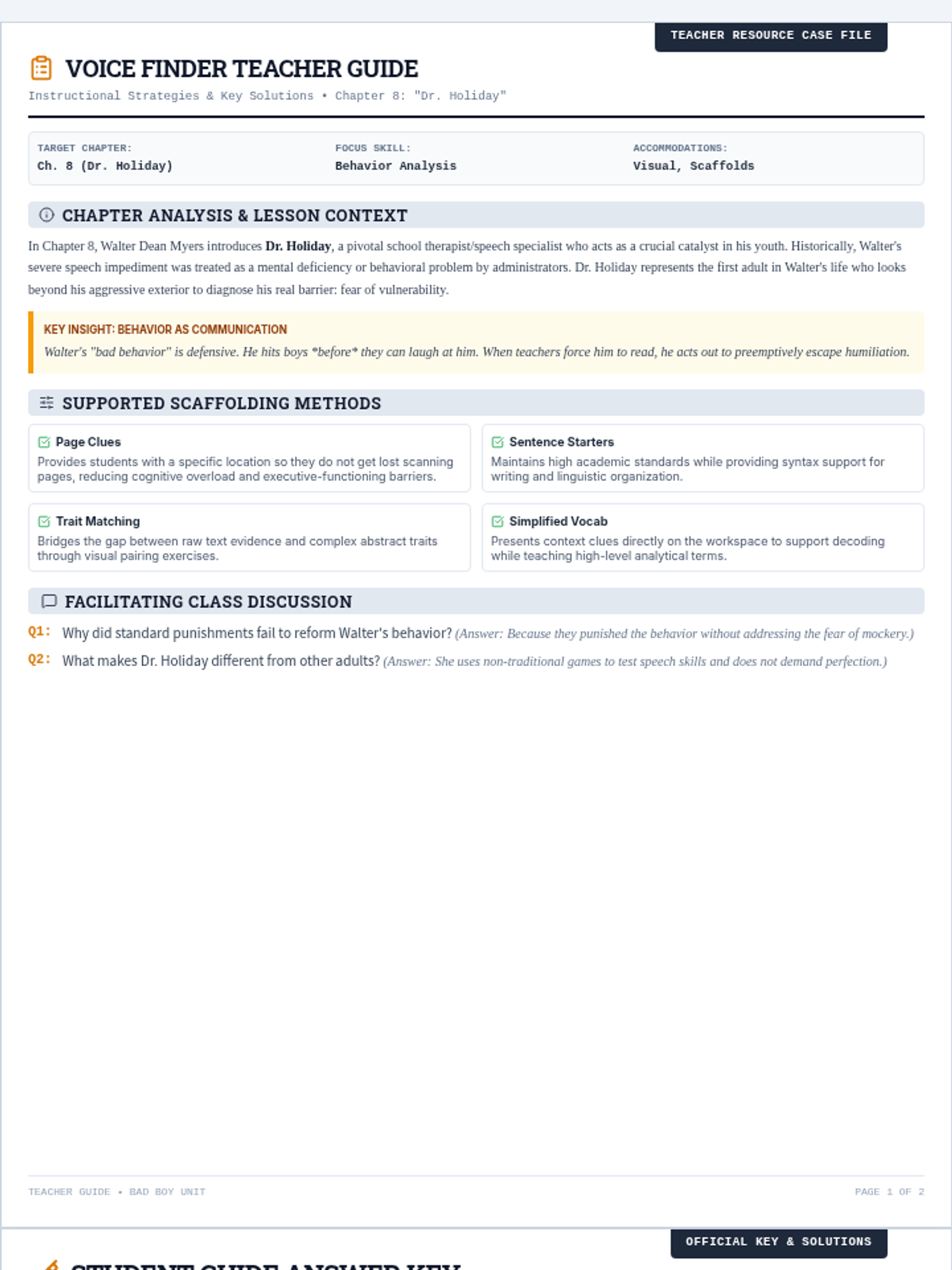
An accommodated, highly-scaffolded study guide and lesson resources focused on the 'Dr. Holiday' chapter of Walter Dean Myers' memoir, Bad Boy. Students explore character traits, comparison of adult figures, vocabulary, and cause-and-effect relationships surrounding Walter's behavior.
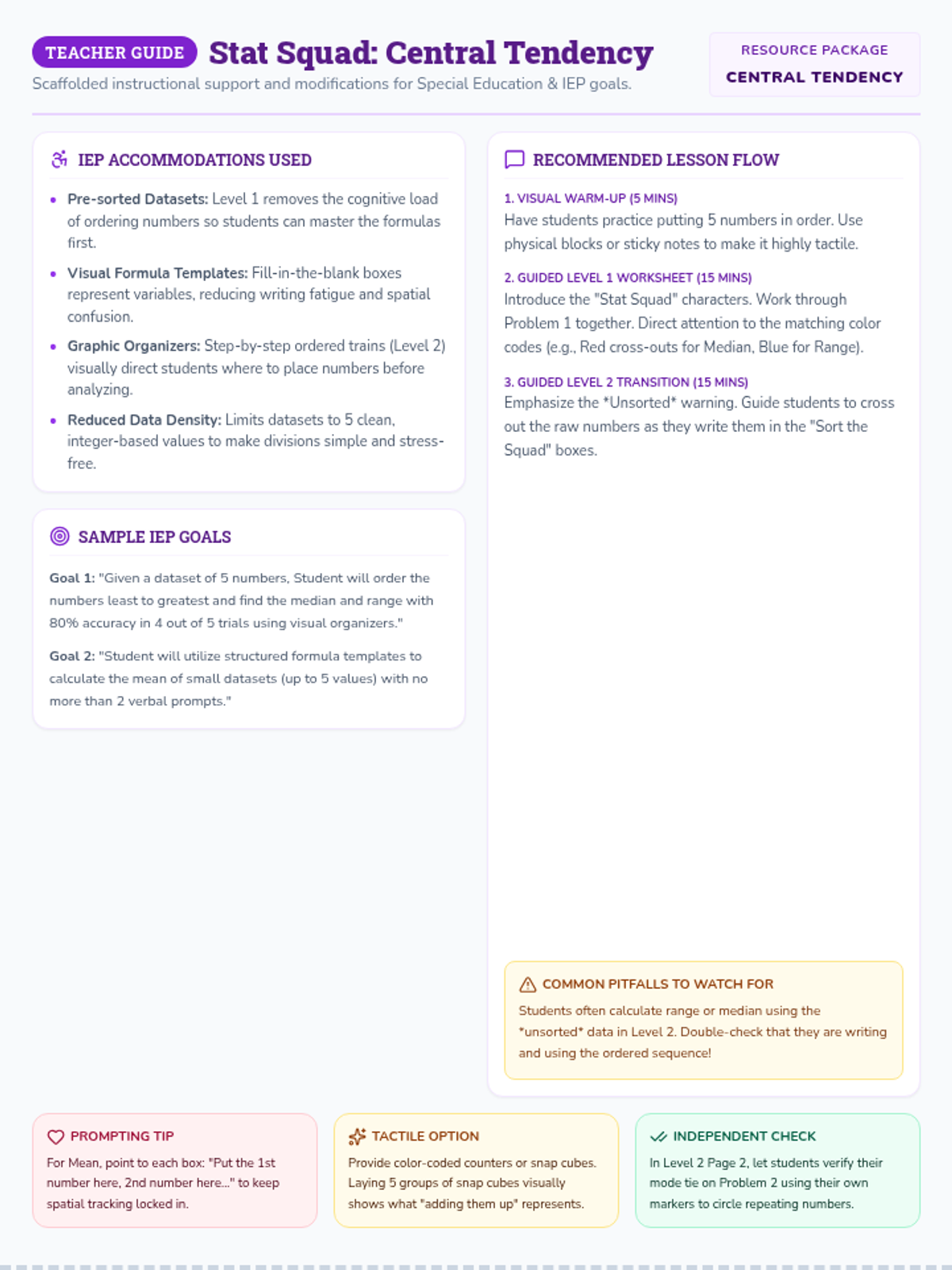
A highly scaffolded, visual lesson on mean, median, mode, and range tailored specifically for students with IEPs and learning differences. Features structured fill-in-the-blank formula templates, graphic organizers, and leveled worksheets.
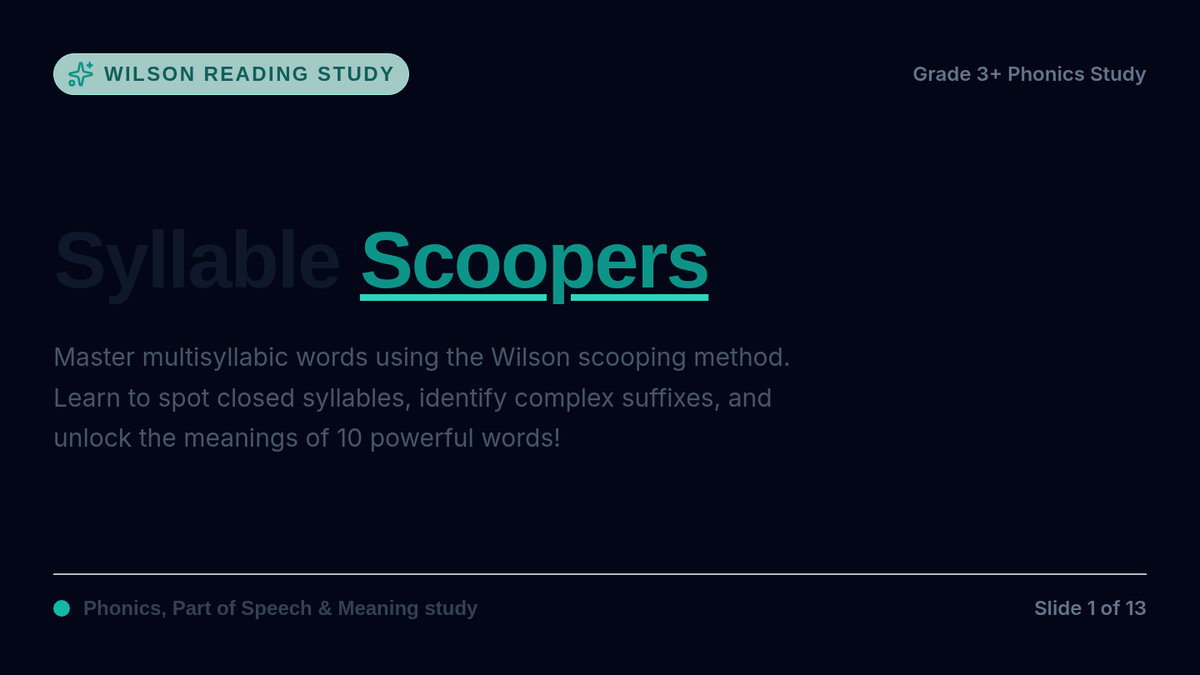
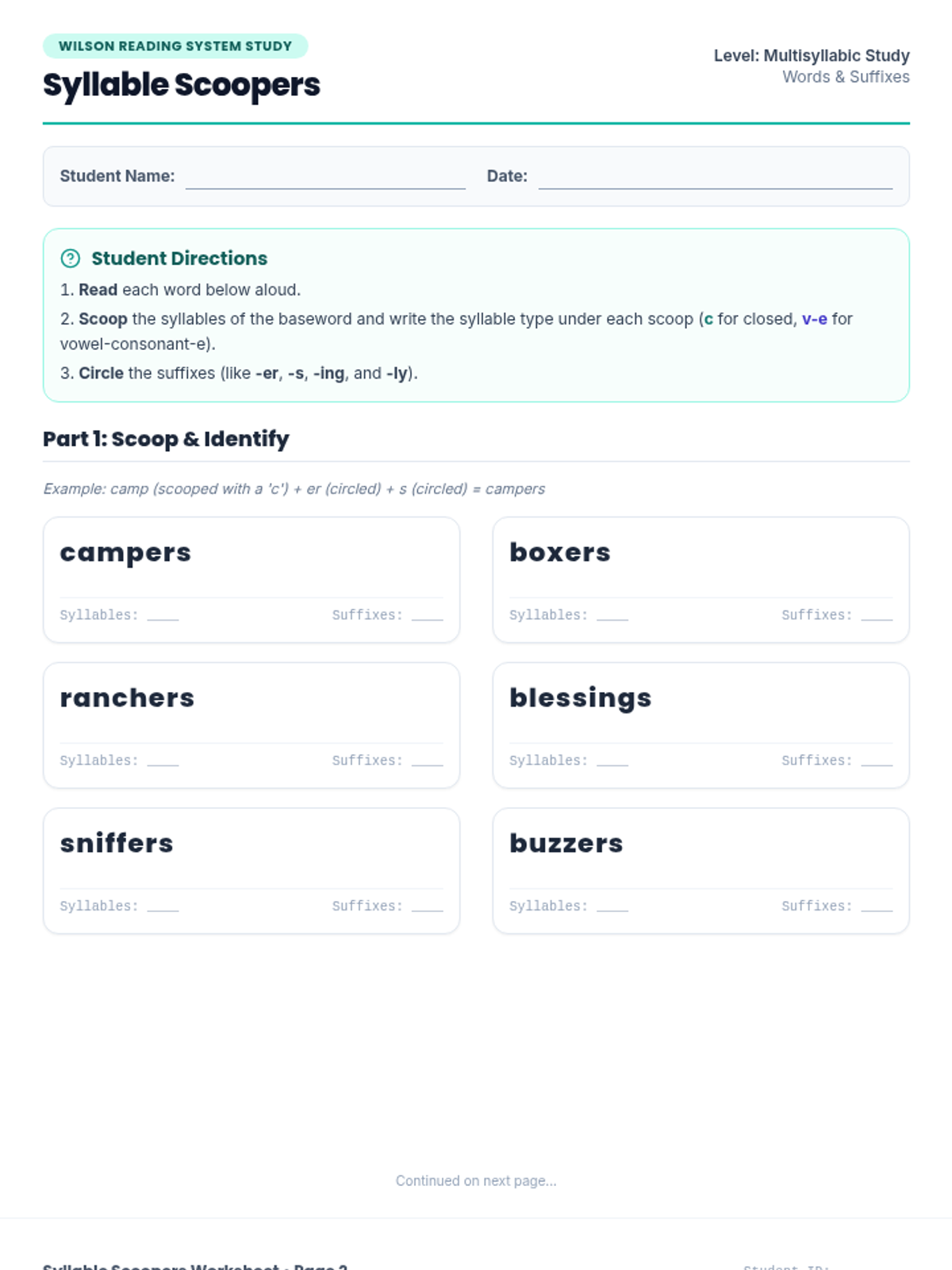
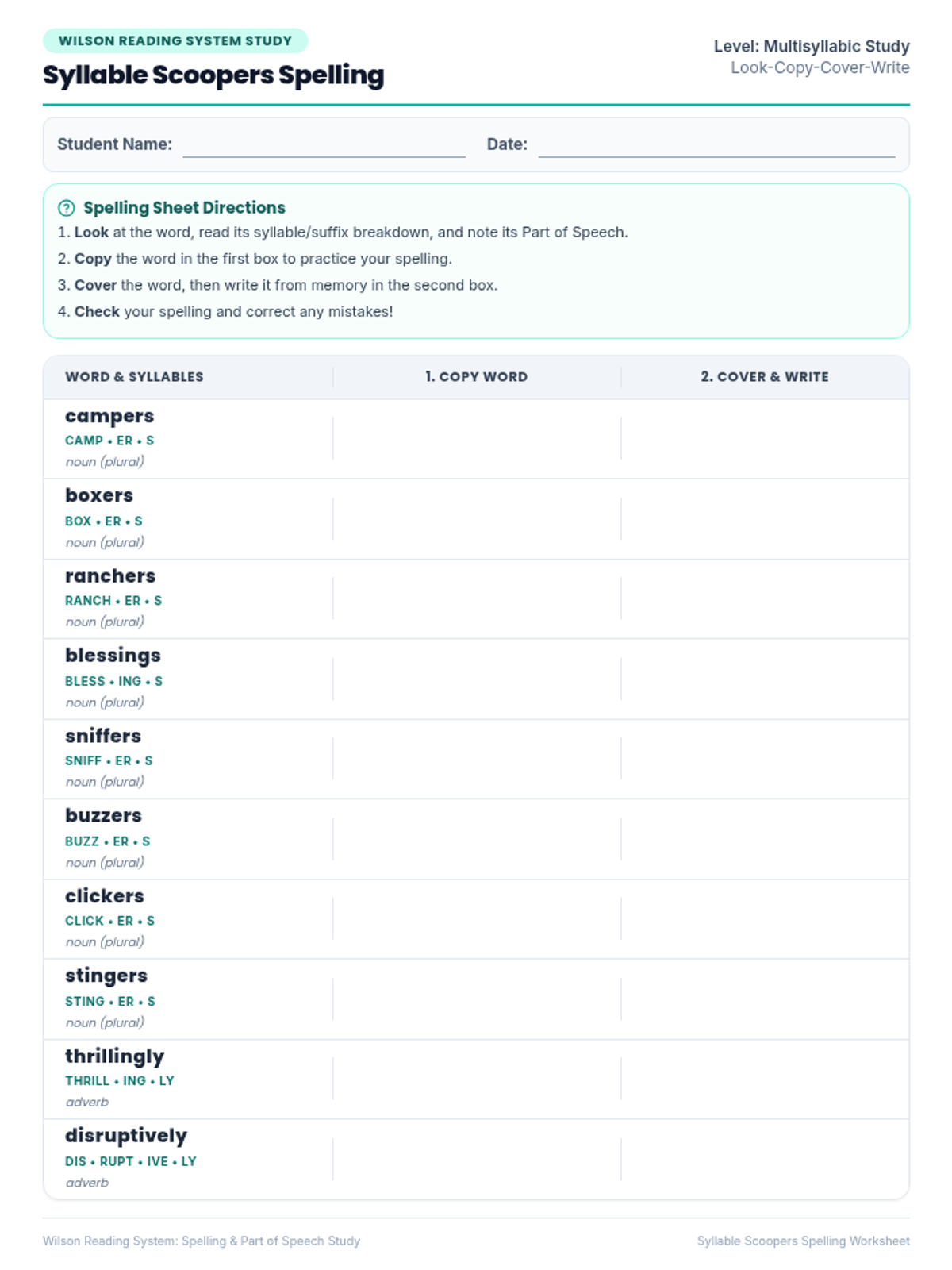
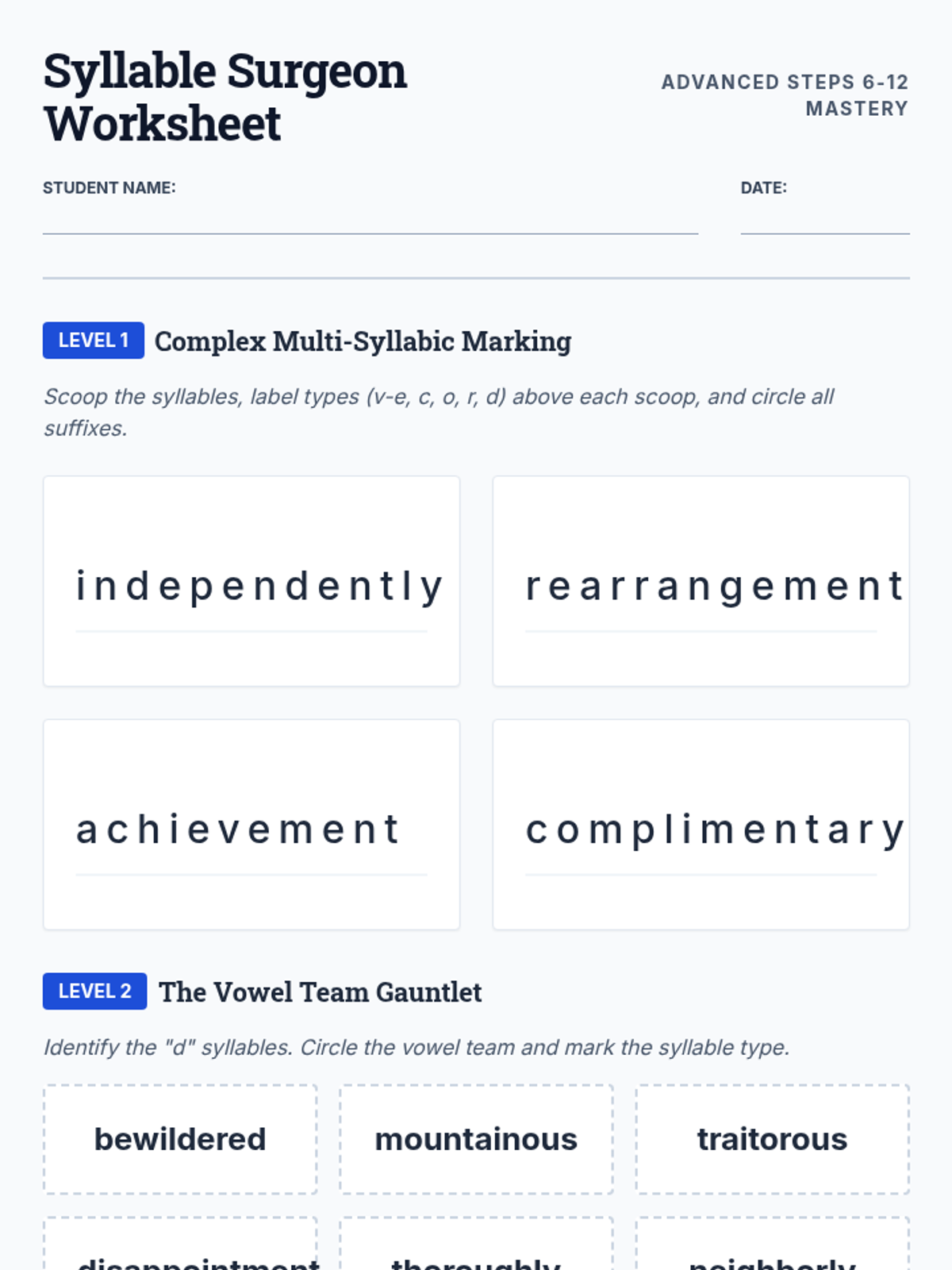
A comprehensive Wilson-aligned study of multisyllabic words and suffixes. Students practice syllable division using visual scooping and explore word meanings.
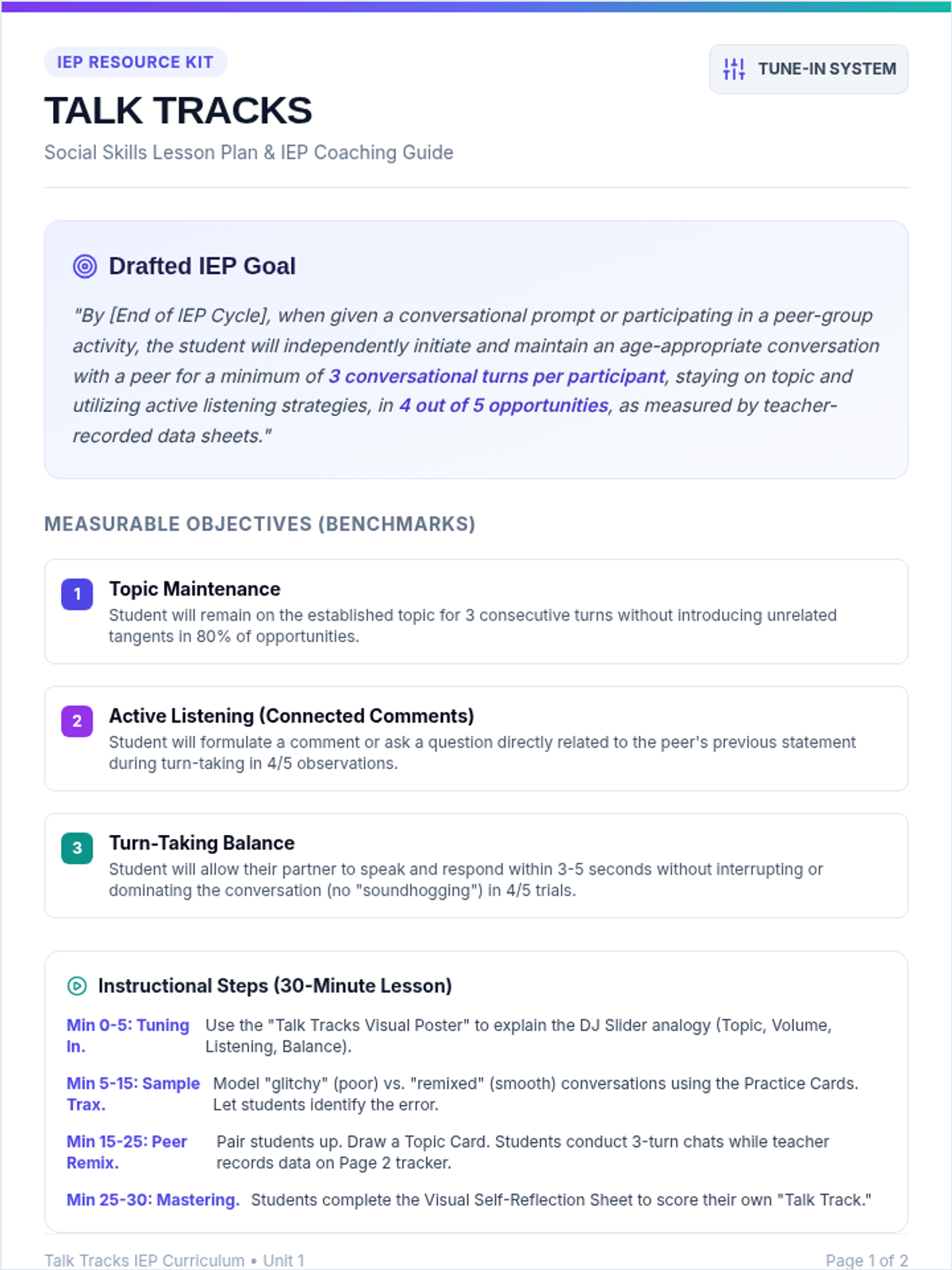
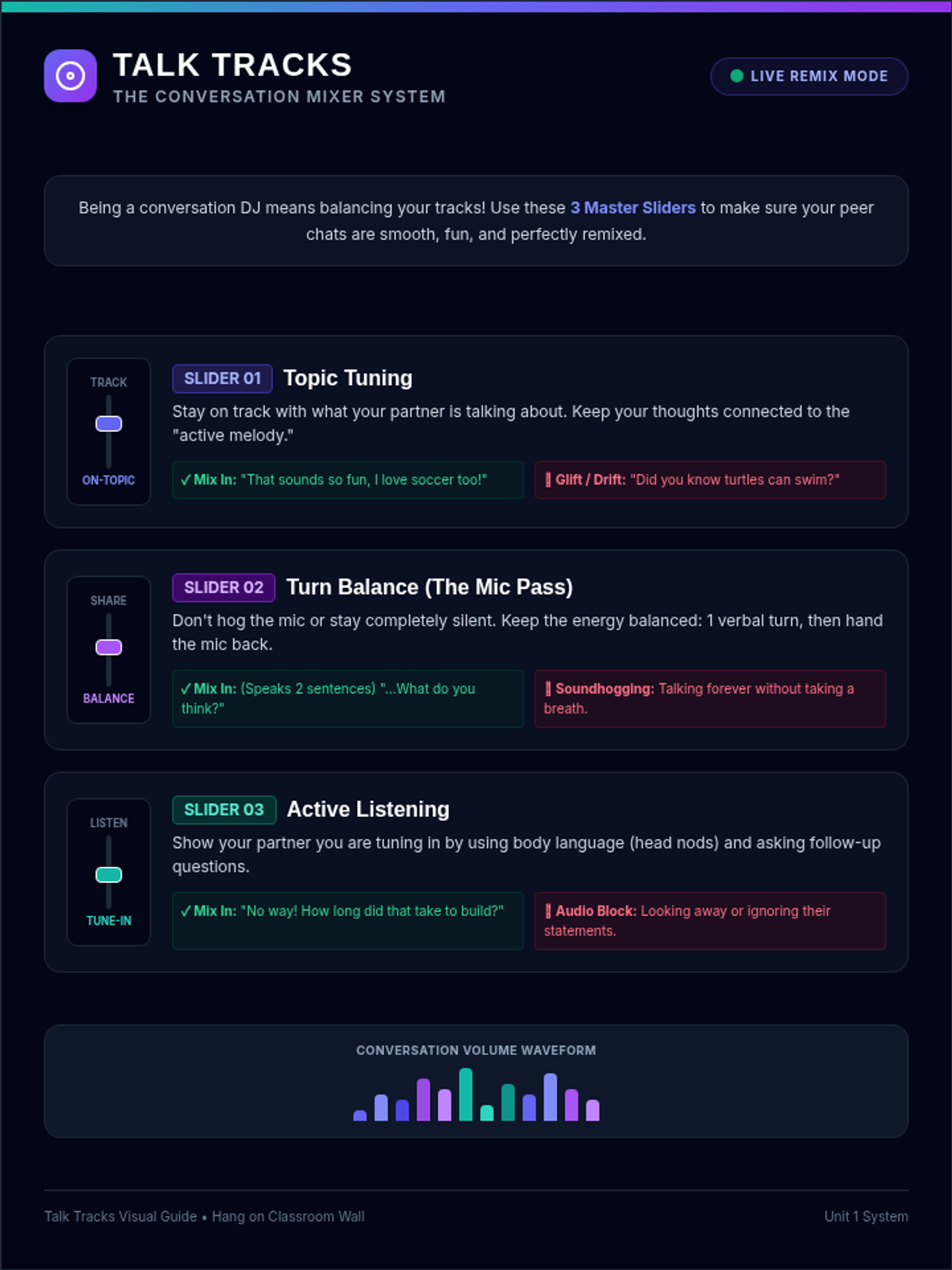
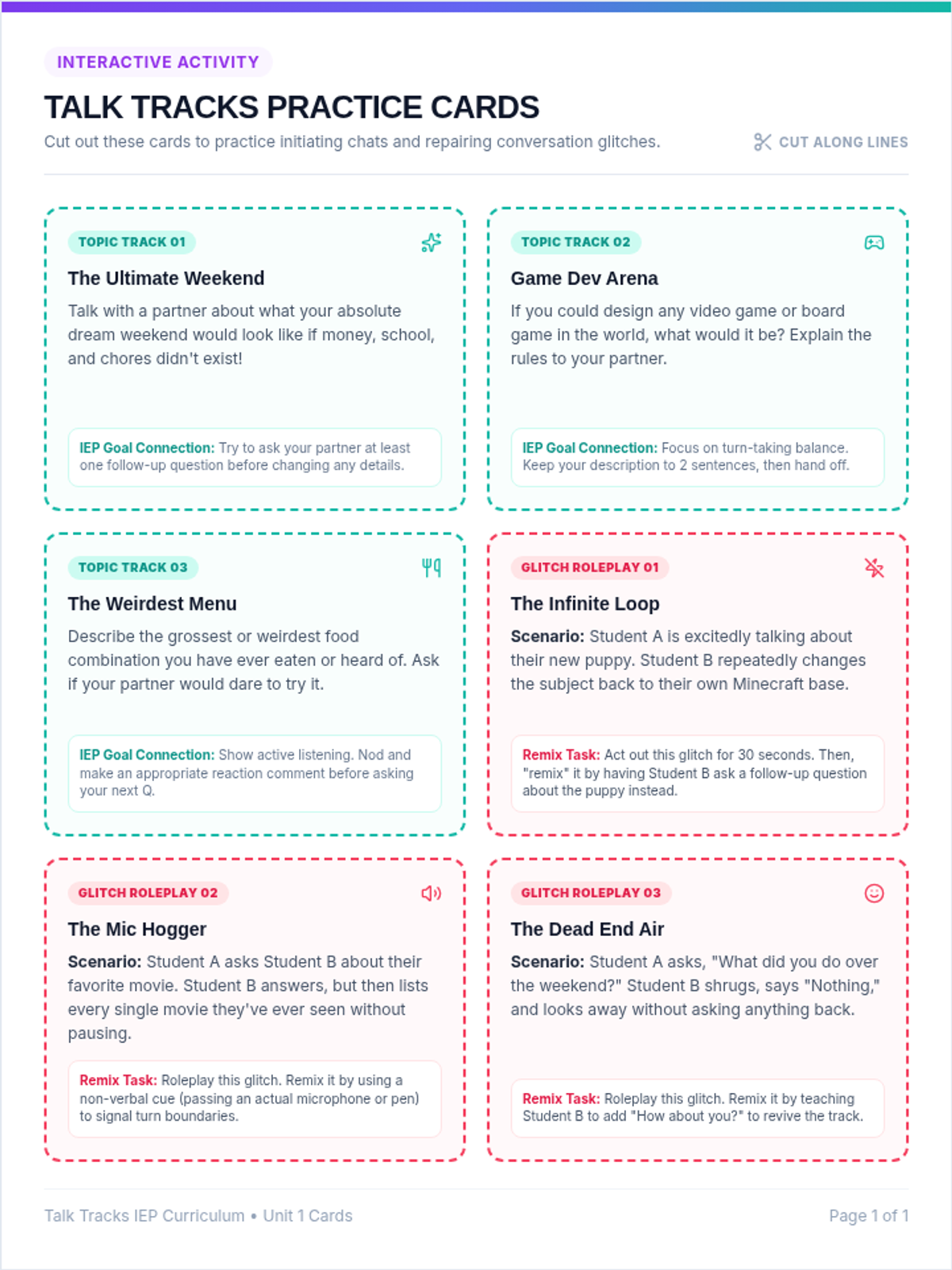
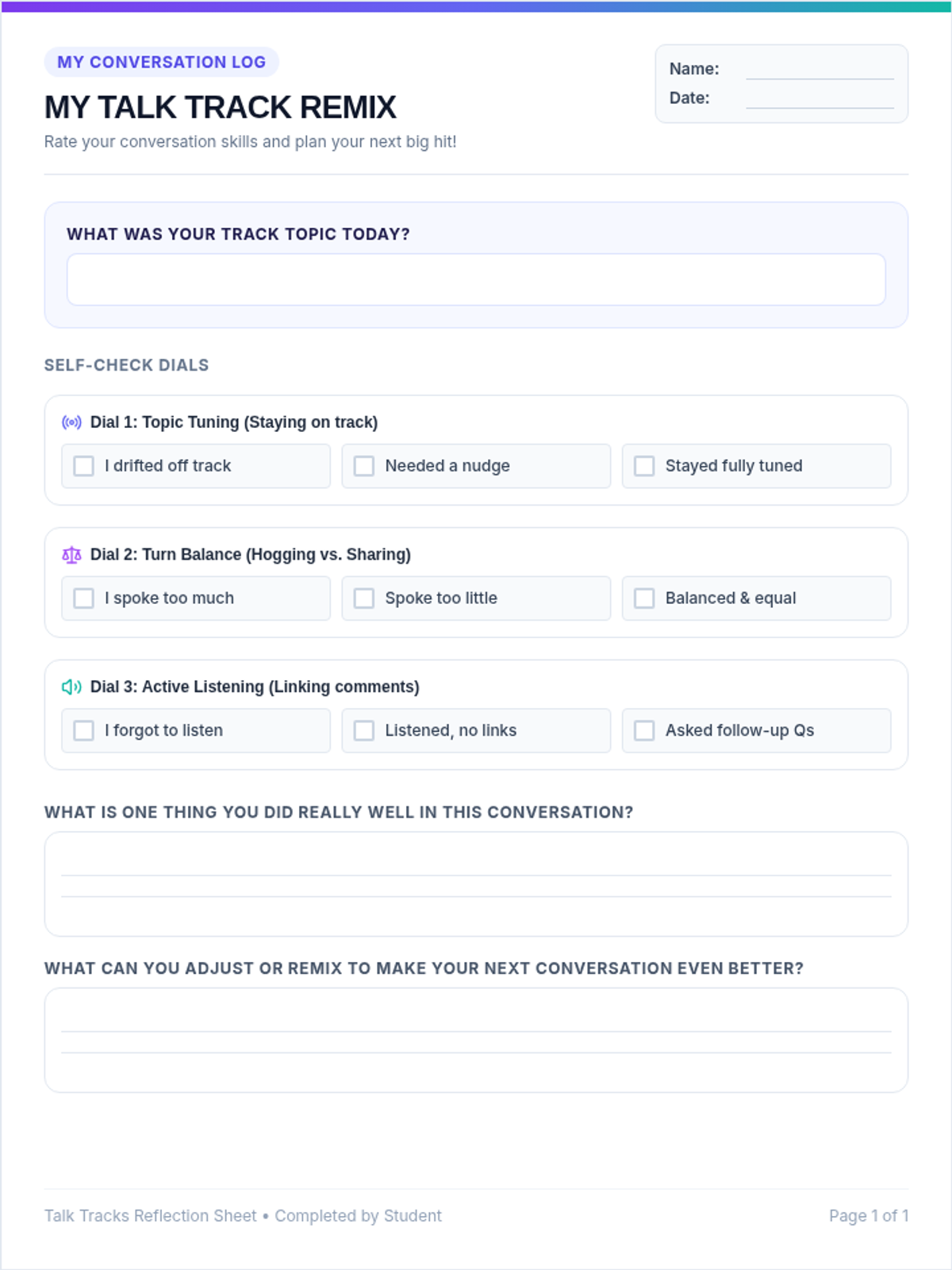
A comprehensive social skills lesson package designed to teach, practice, and track progress on conversational turn-taking, topic maintenance, and active listening for elementary and middle school students with social communication IEP goals.
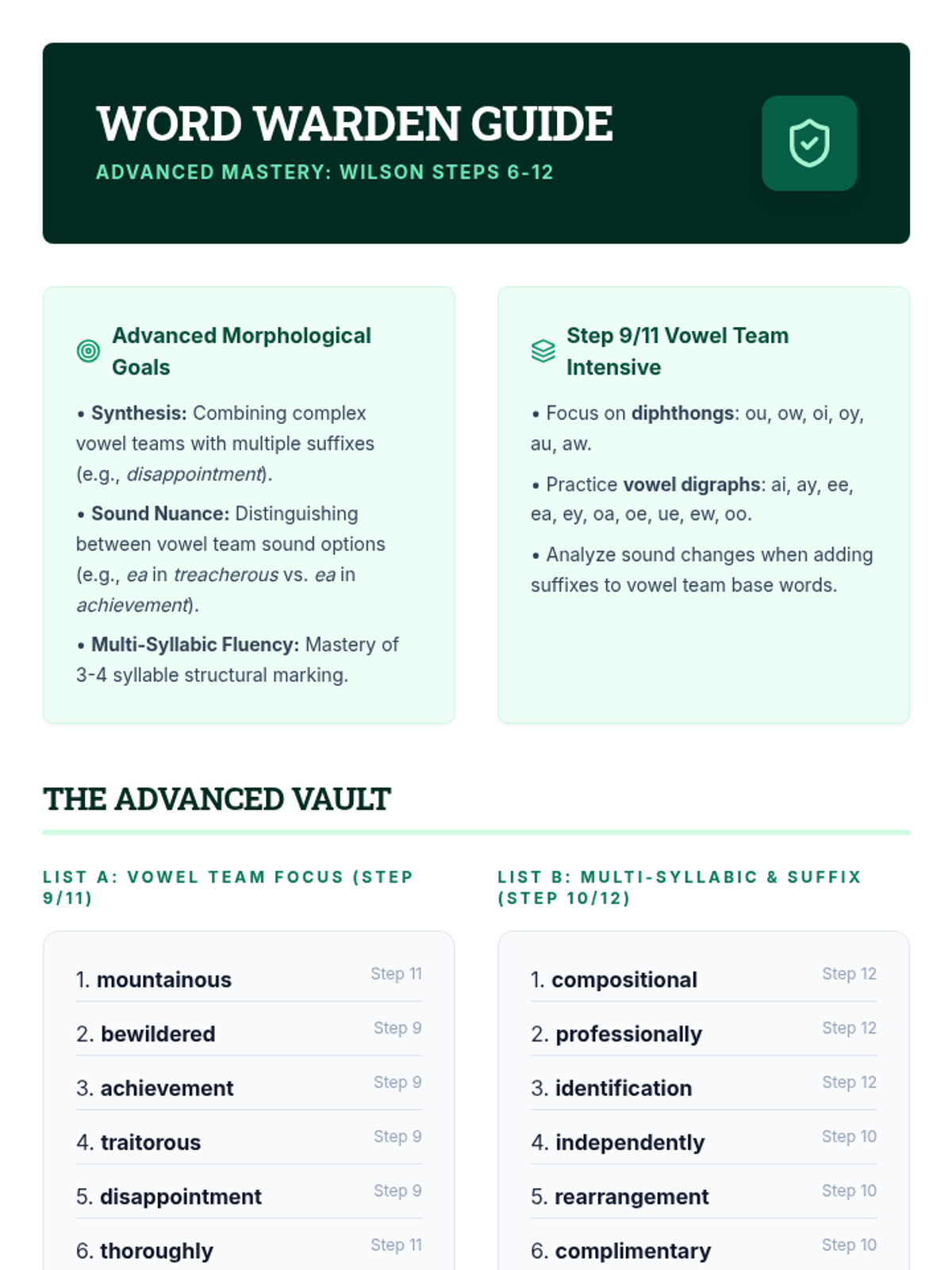
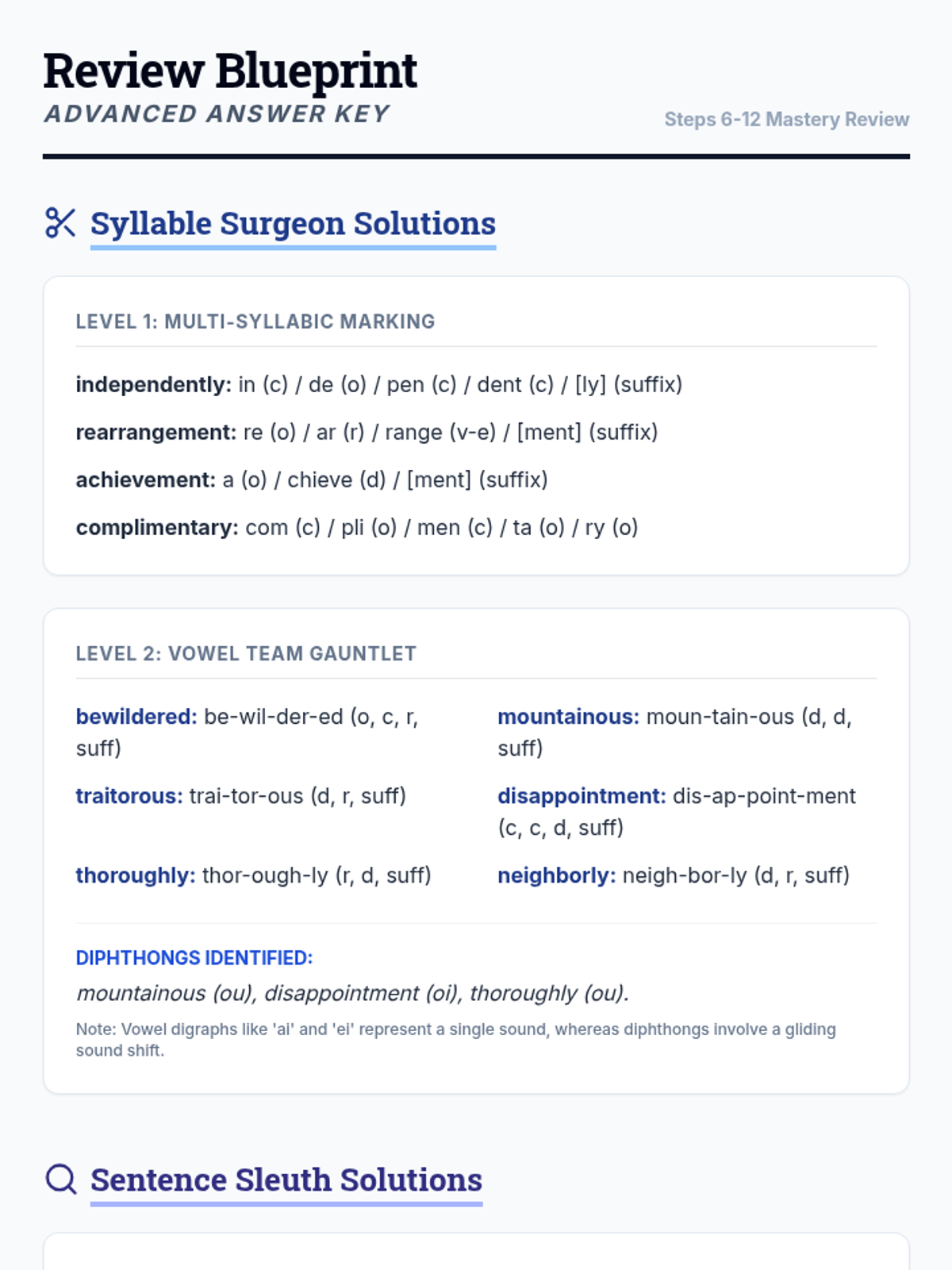
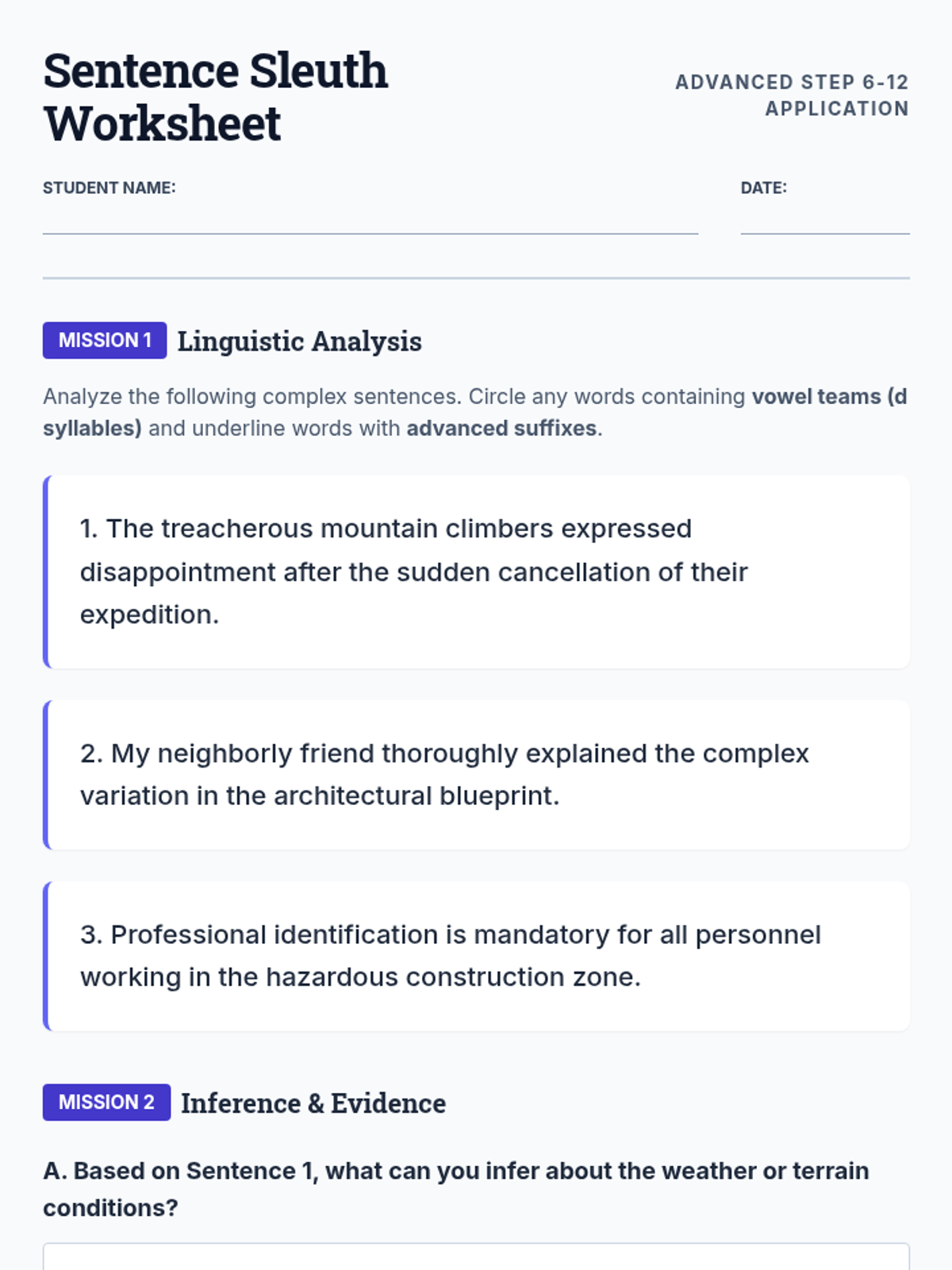
A comprehensive review unit for Wilson Reading Program Steps 6 through 12, focusing on syllable marking, complex suffix patterns, r-controlled vowels, and vowel digraphs.
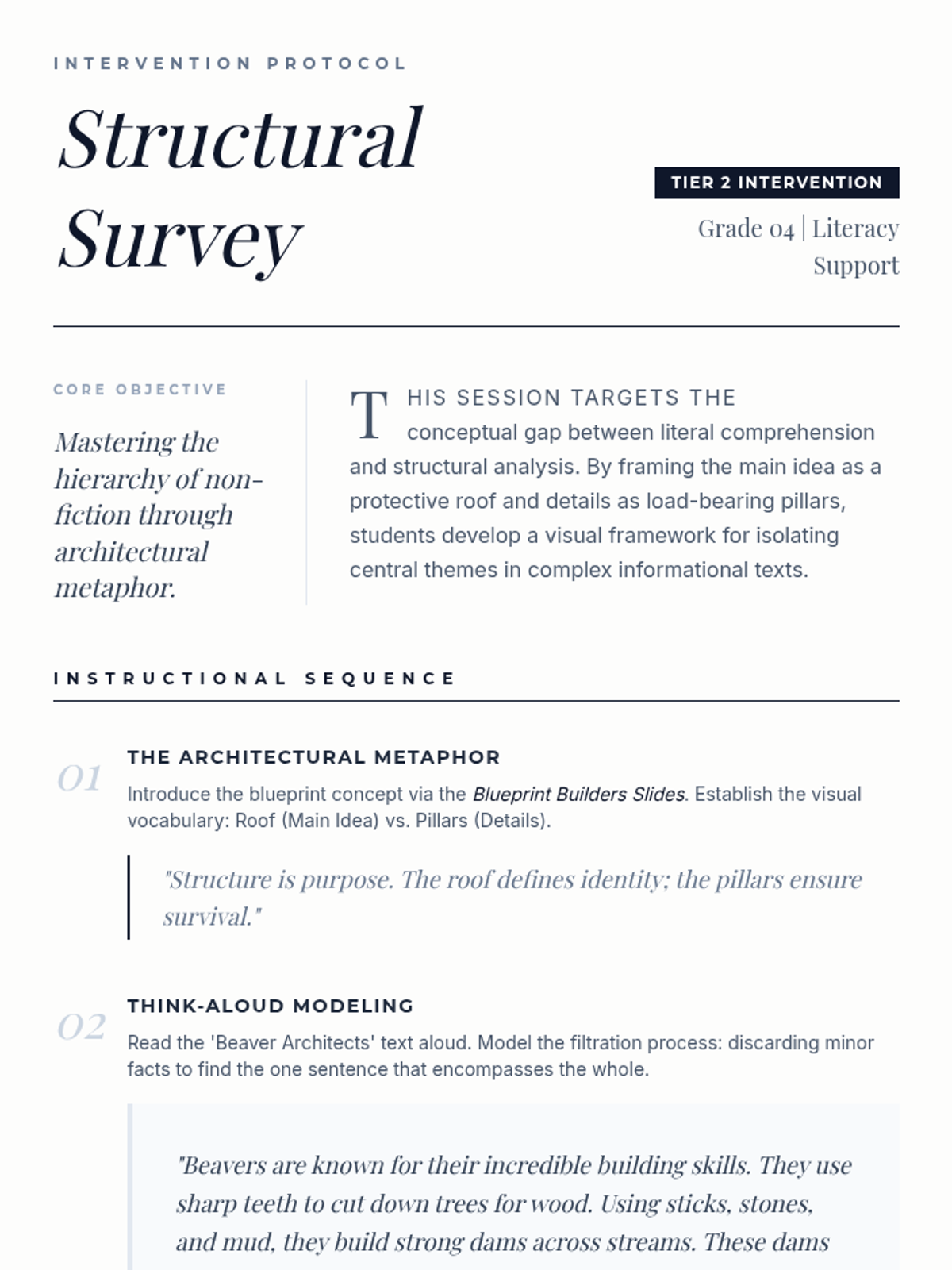
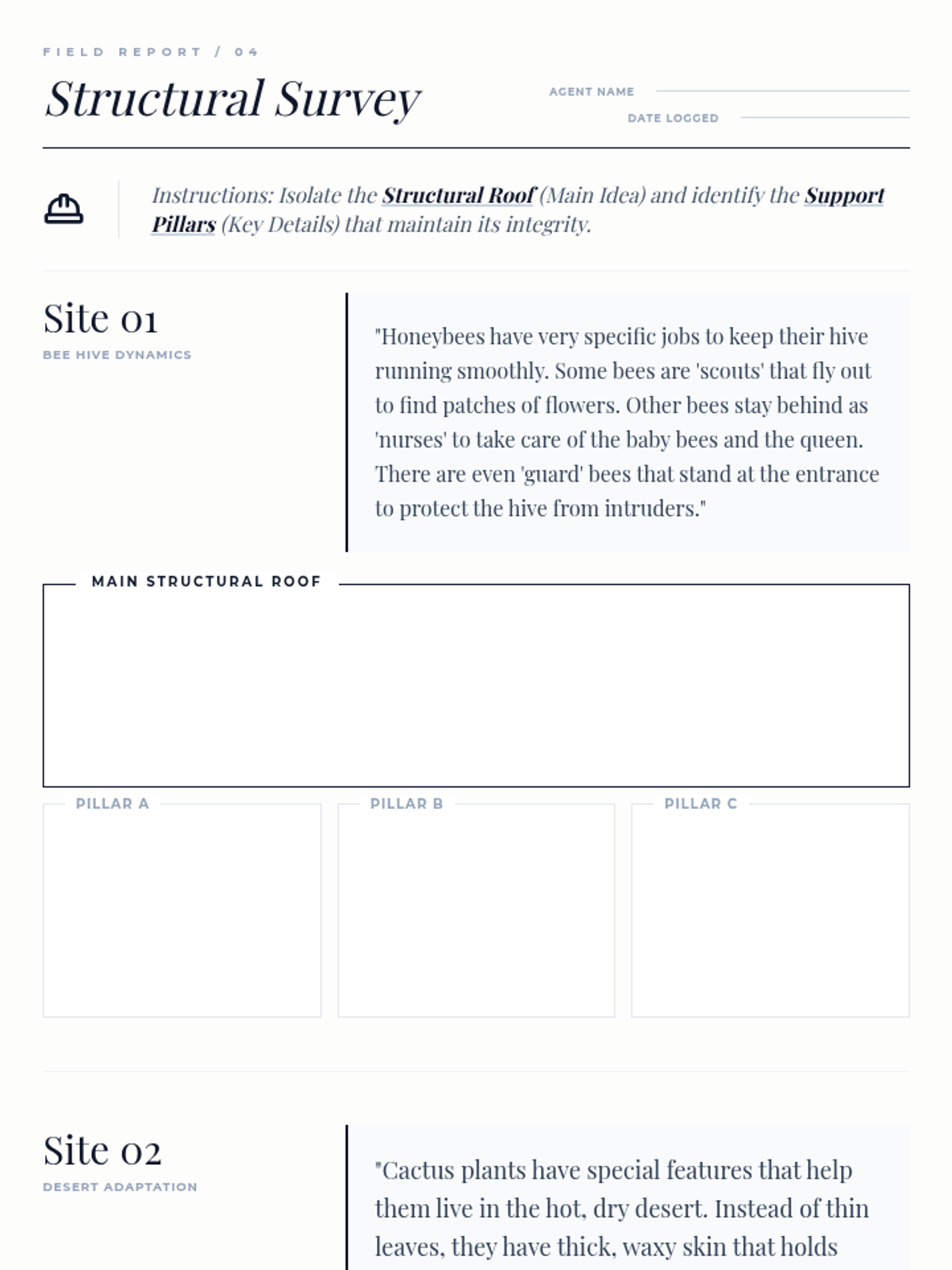
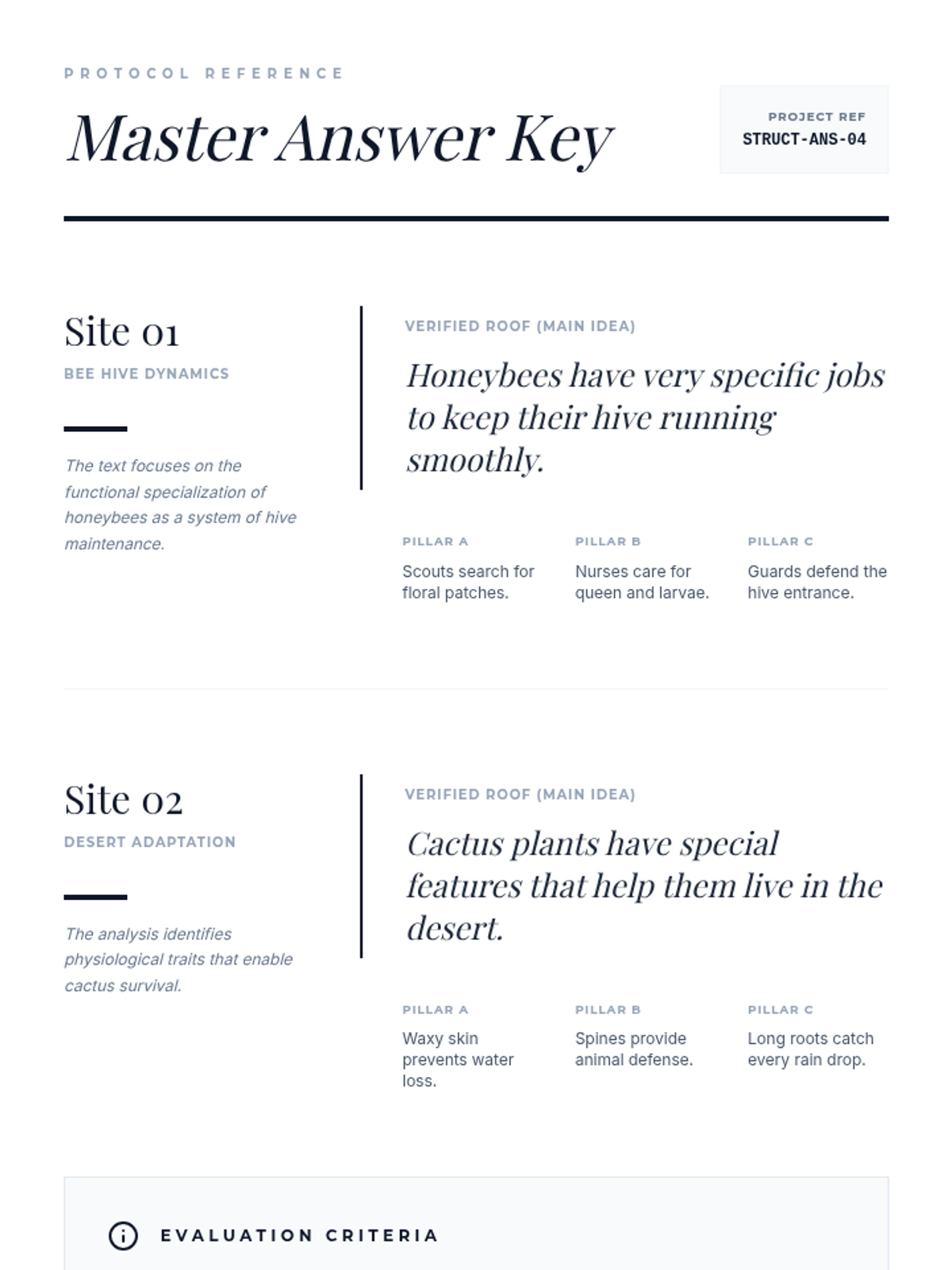
A Tier 2 intervention lesson focused on identifying the main idea and supporting details using a construction and blueprint theme. Students learn to distinguish the 'big structure' from the 'supporting pillars' in non-fiction texts.
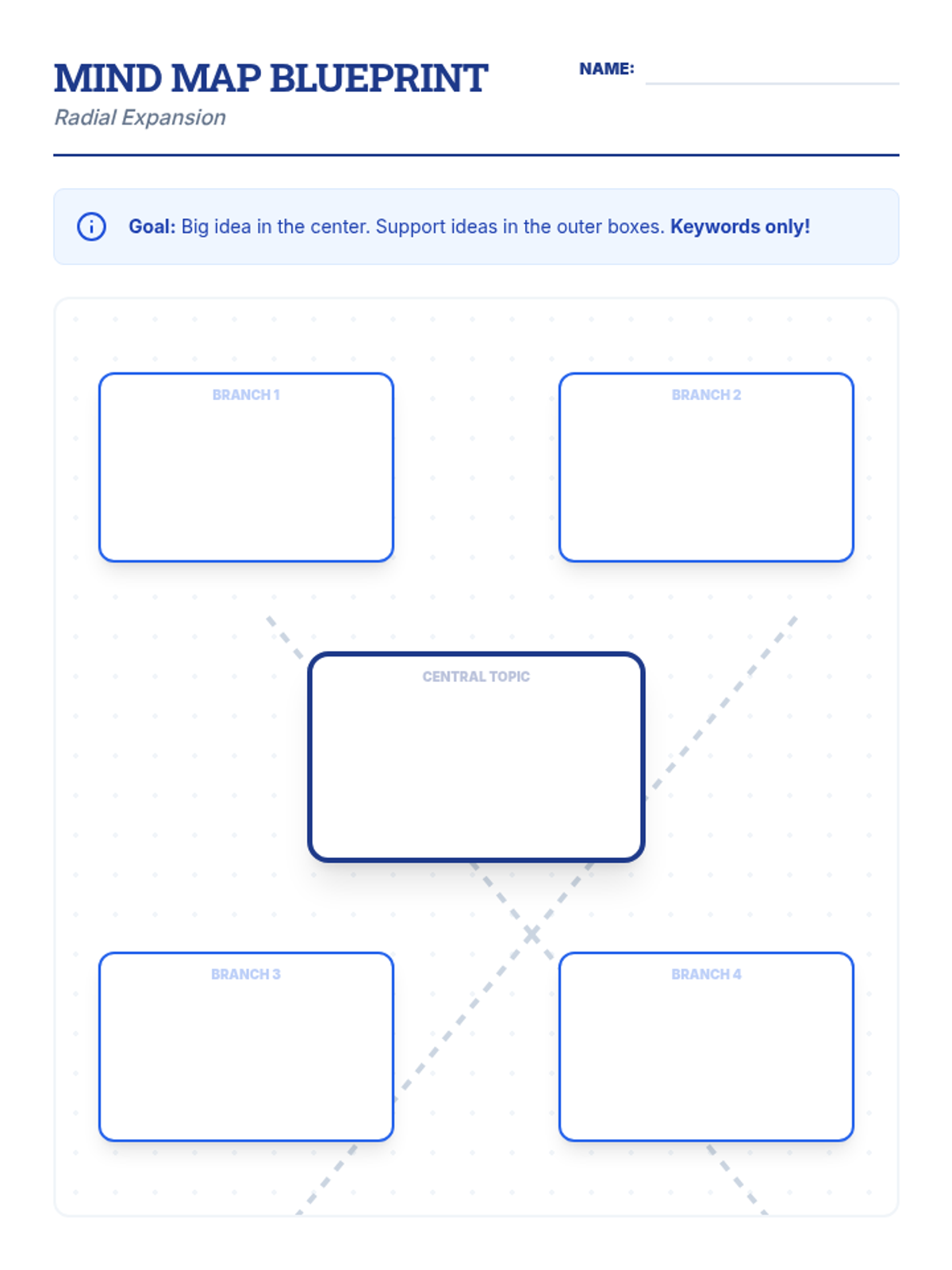
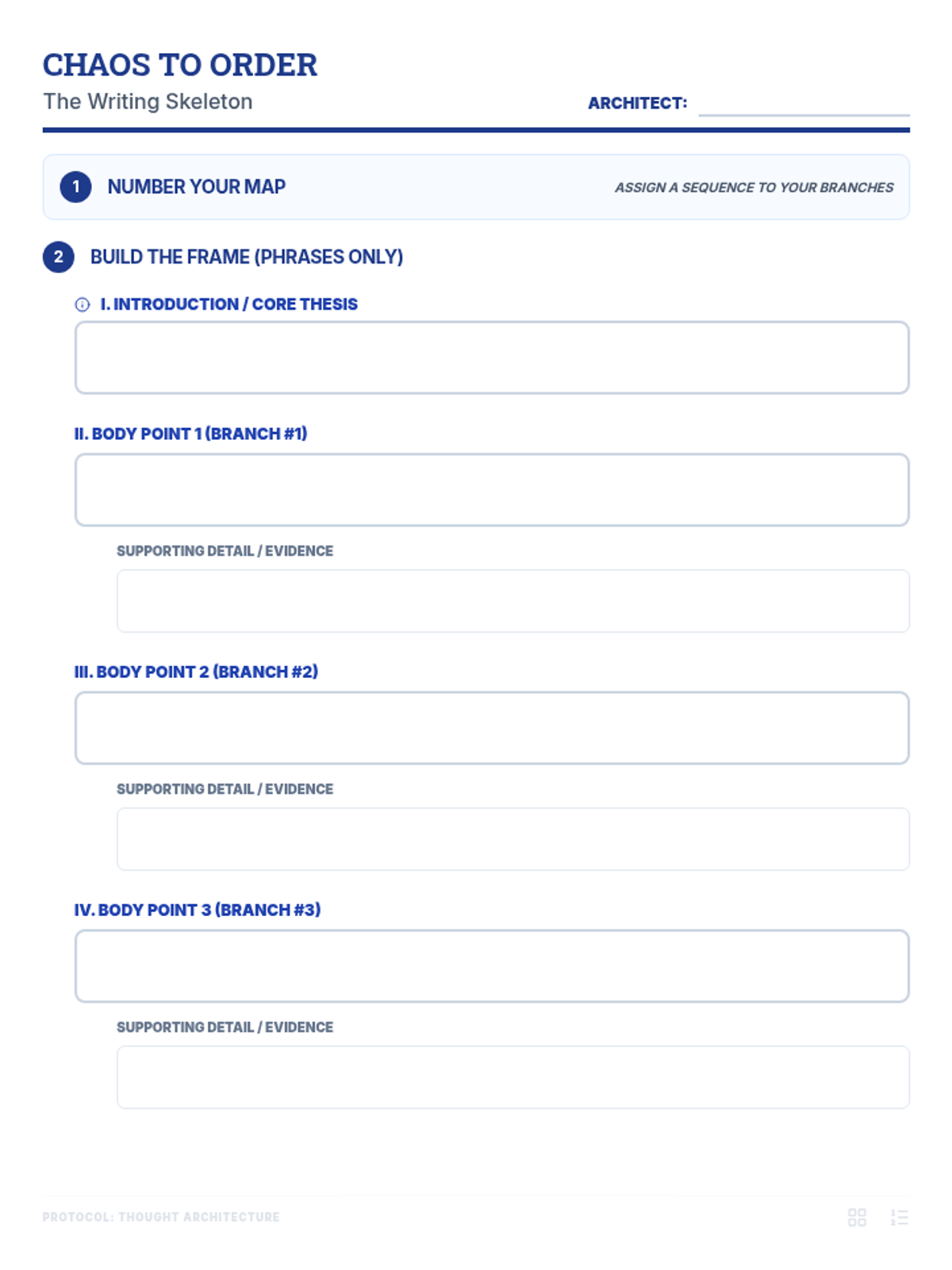
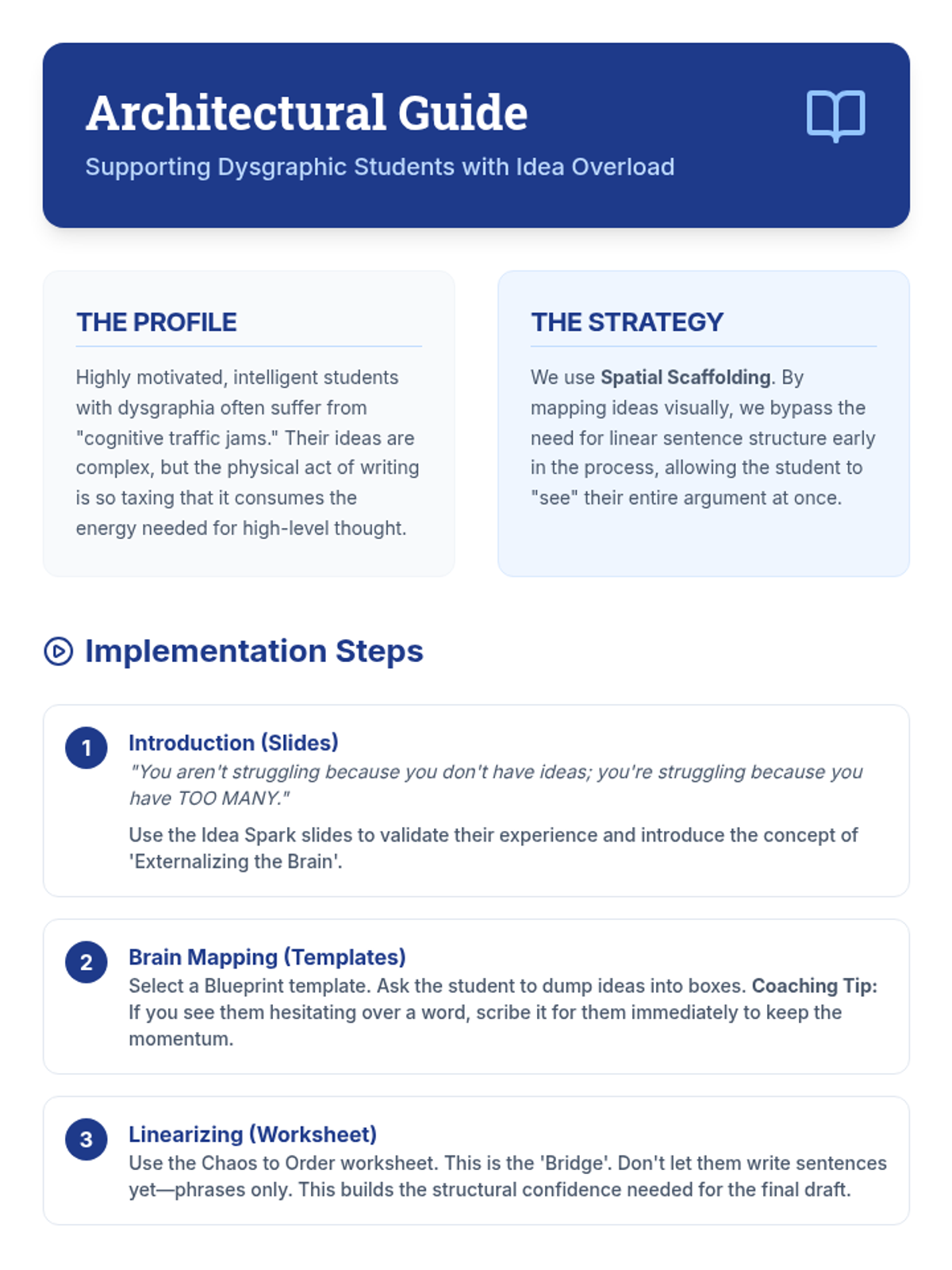
This lesson helps 8th-grade students with dysgraphia manage 'idea overload' by using visual mind-mapping as a bridge between brainstorming and writing. It focuses on externalizing complex thoughts into a structured blueprint before any linear writing begins.
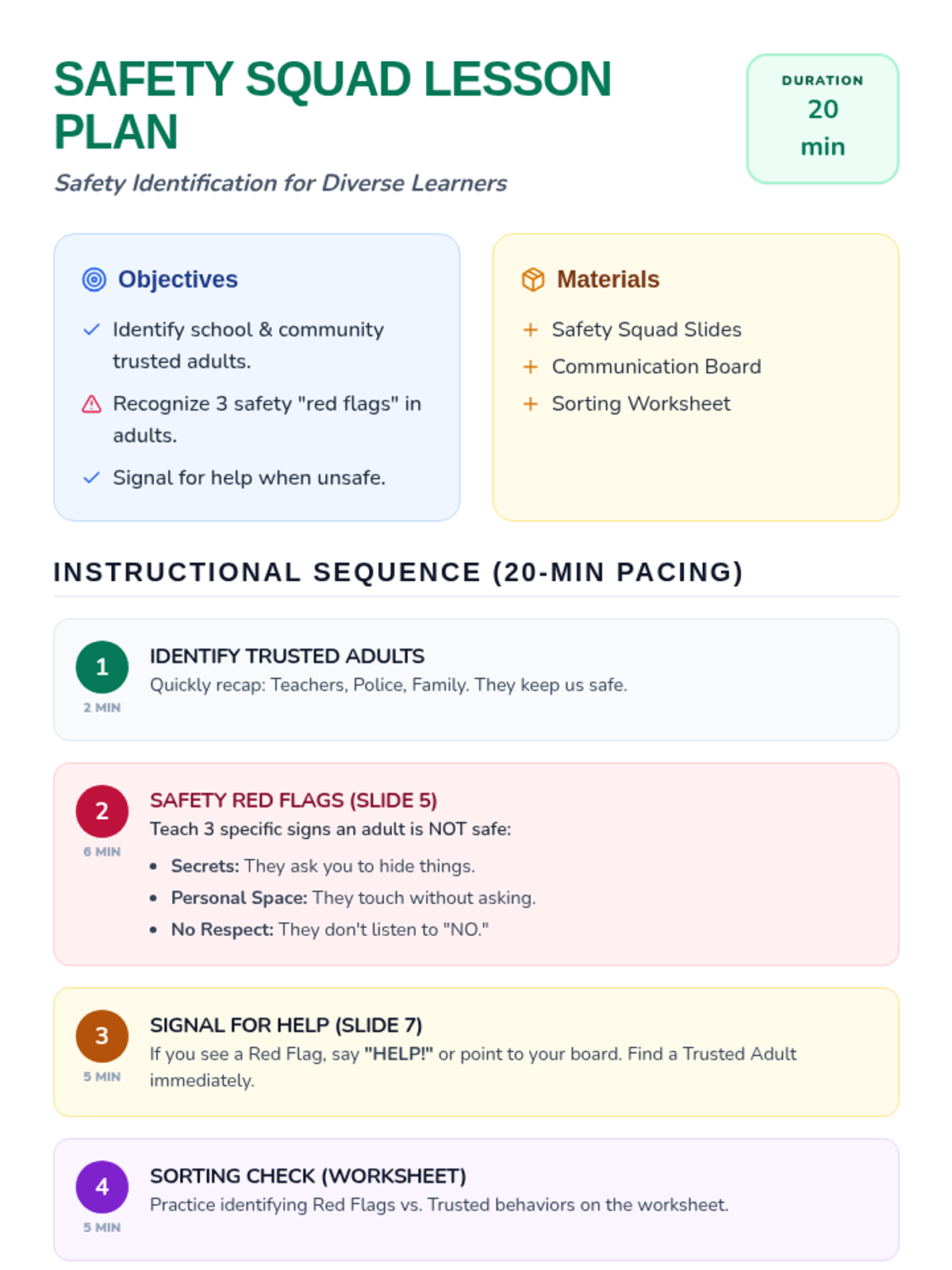
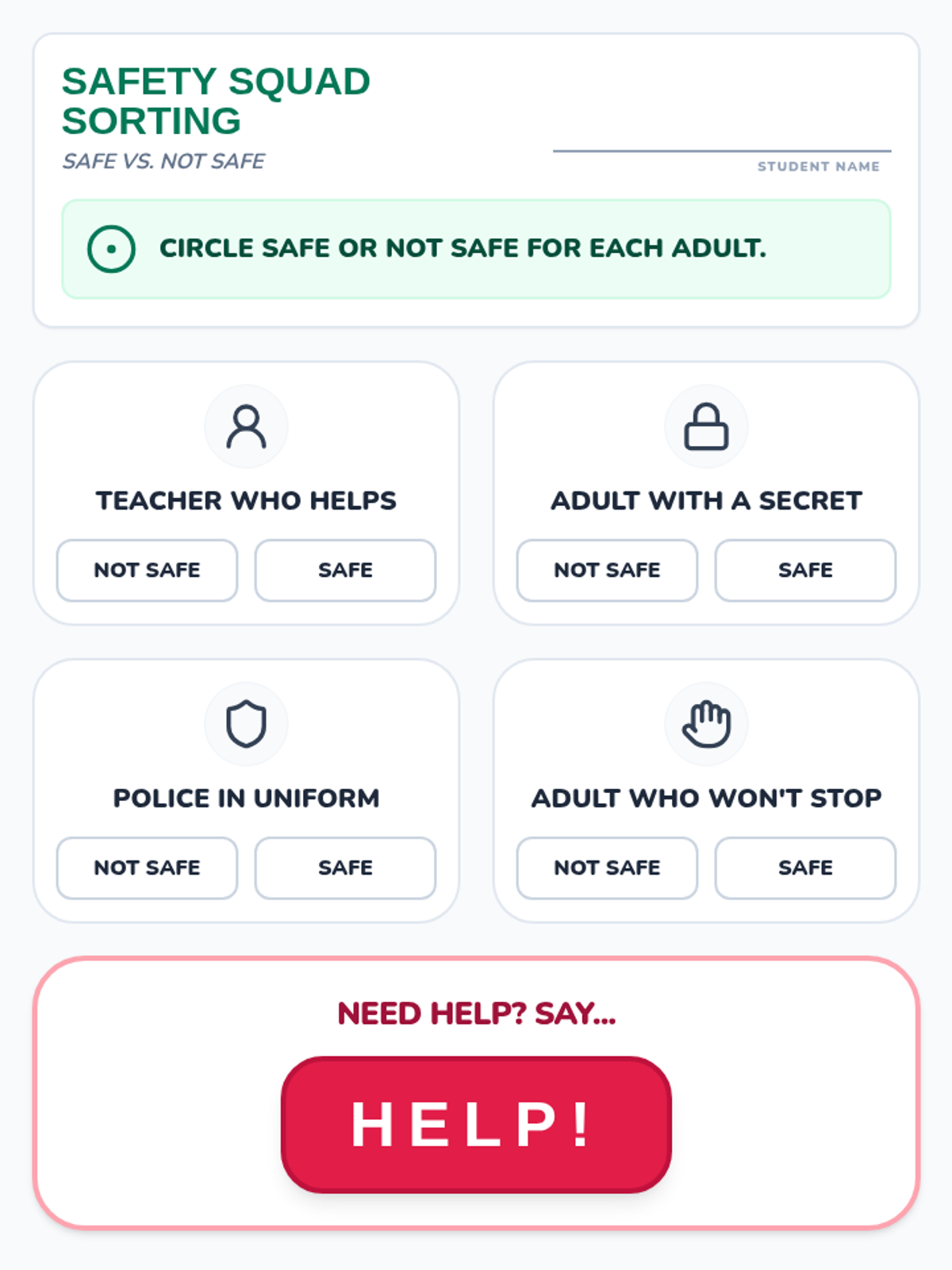
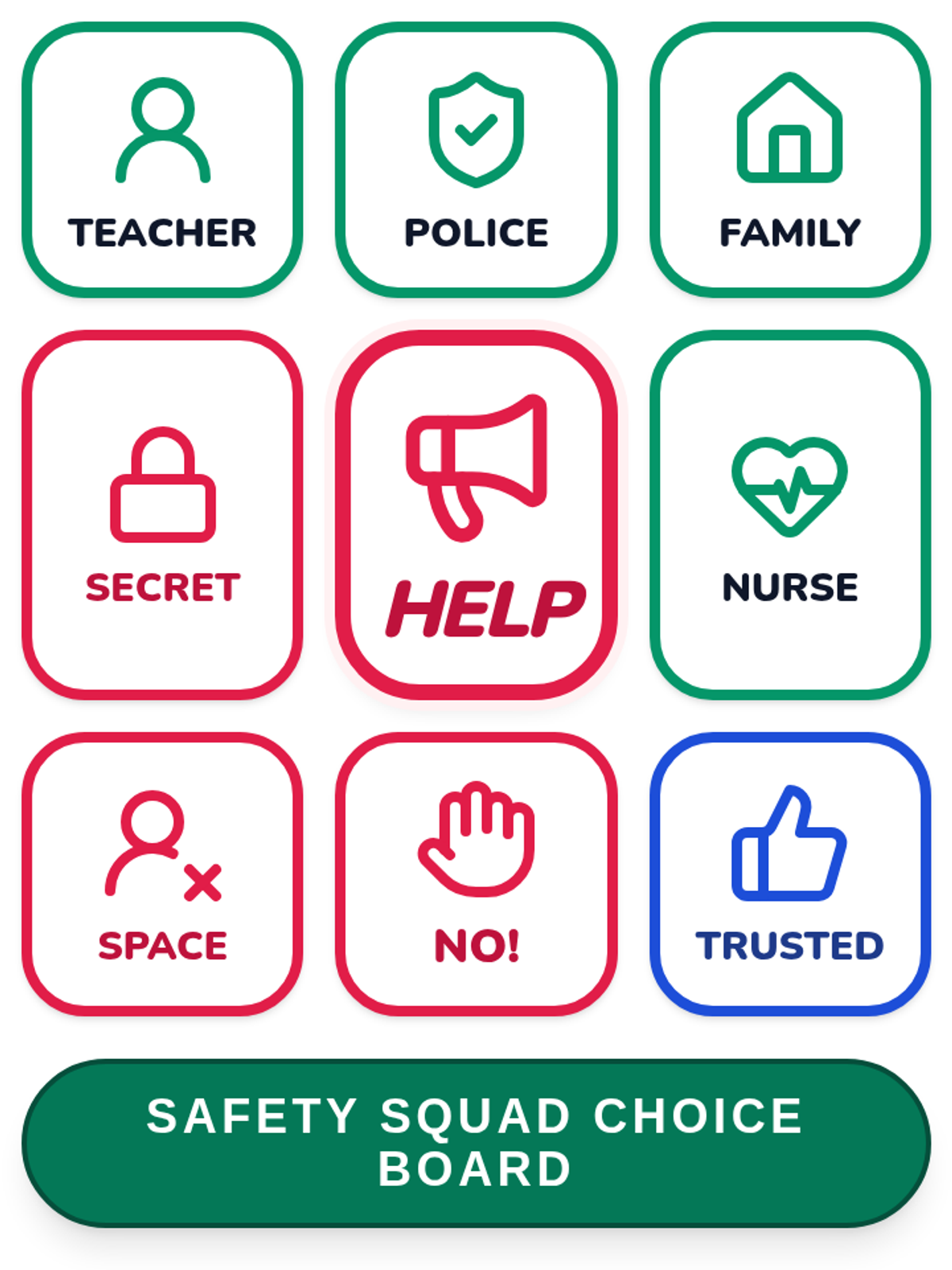
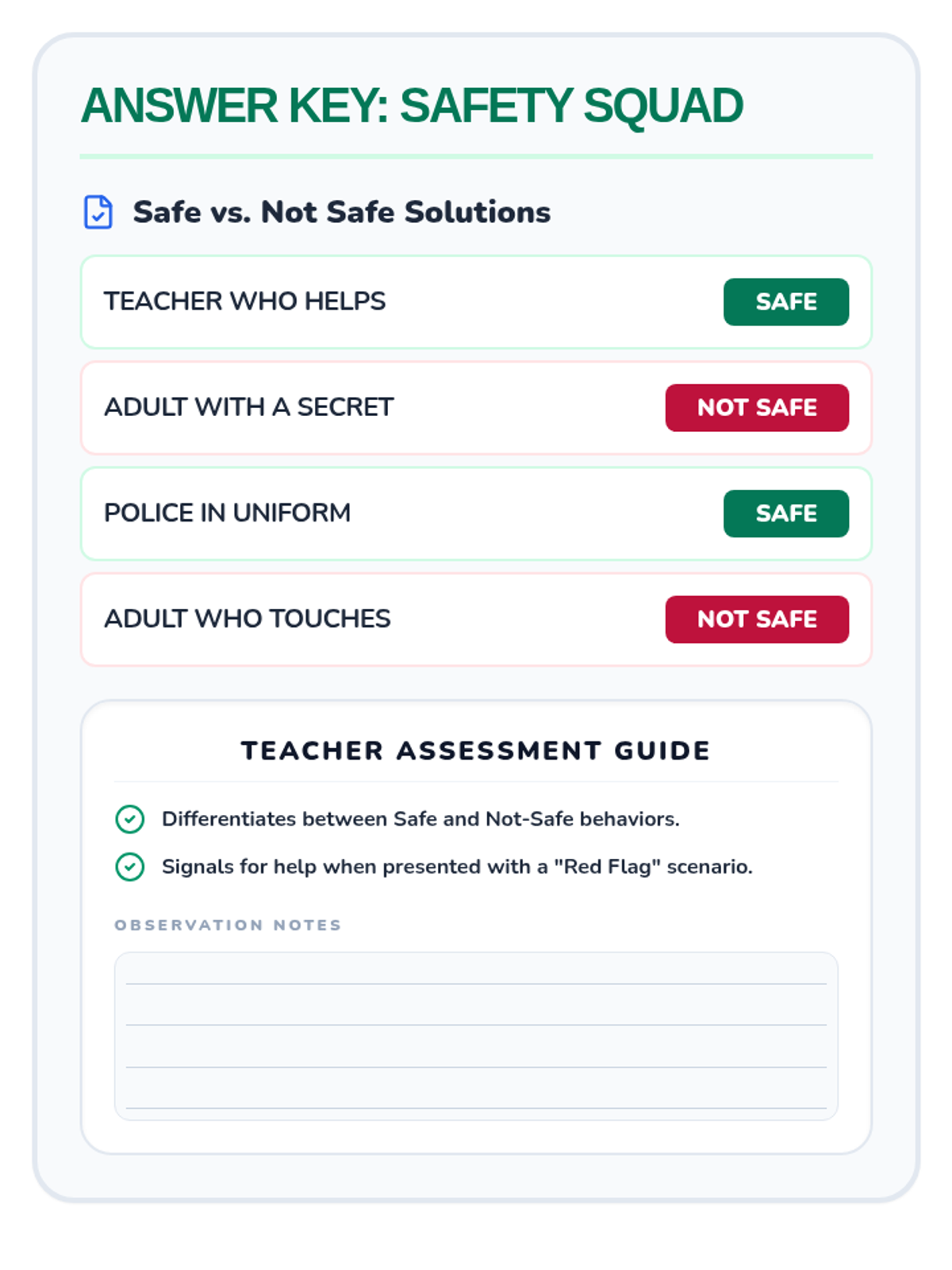
A highly visual lesson designed for students with severe disabilities to identify trusted adults at school, at home, and in the community. Includes multi-sensory prompts and clear visual supports.