A comprehensive set of tools and scenarios designed to help middle school students assess and improve their executive functioning skills, specifically focusing on organization, planning, and task initiation.
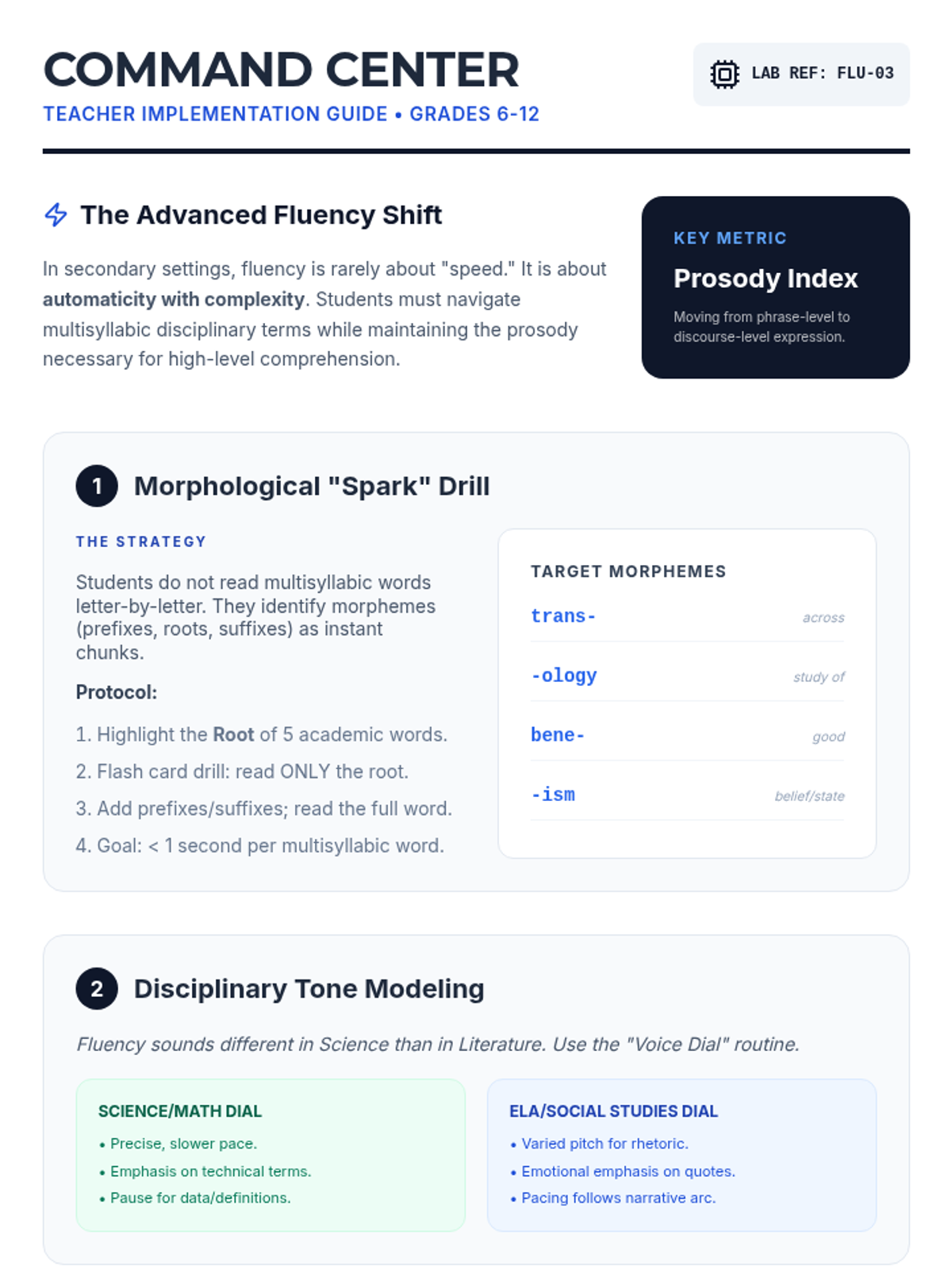
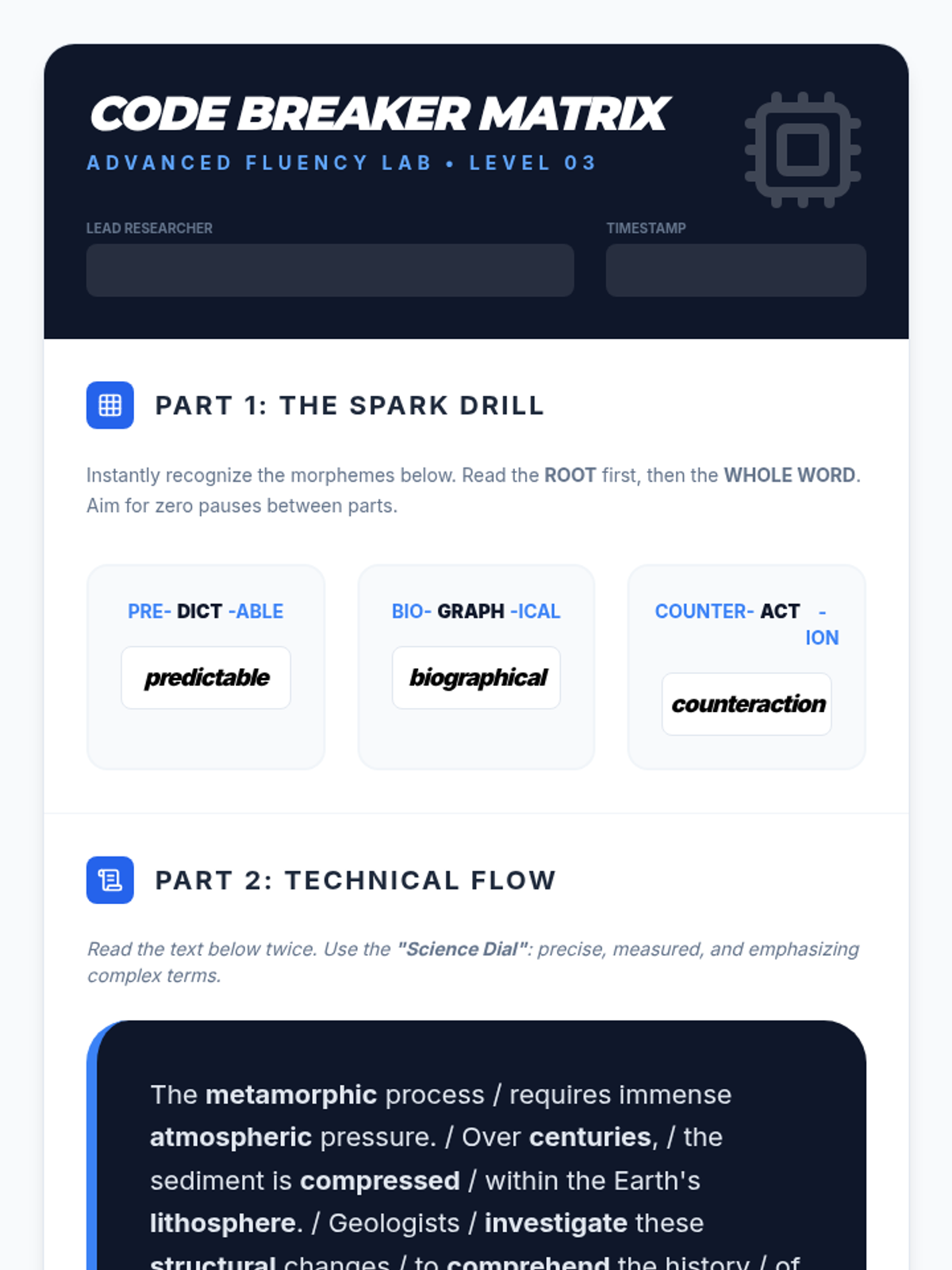
Addresses fluency in complex, multisyllabic texts for 6th-12th grade students, emphasizing morphology and expressive reading in disciplinary contexts.
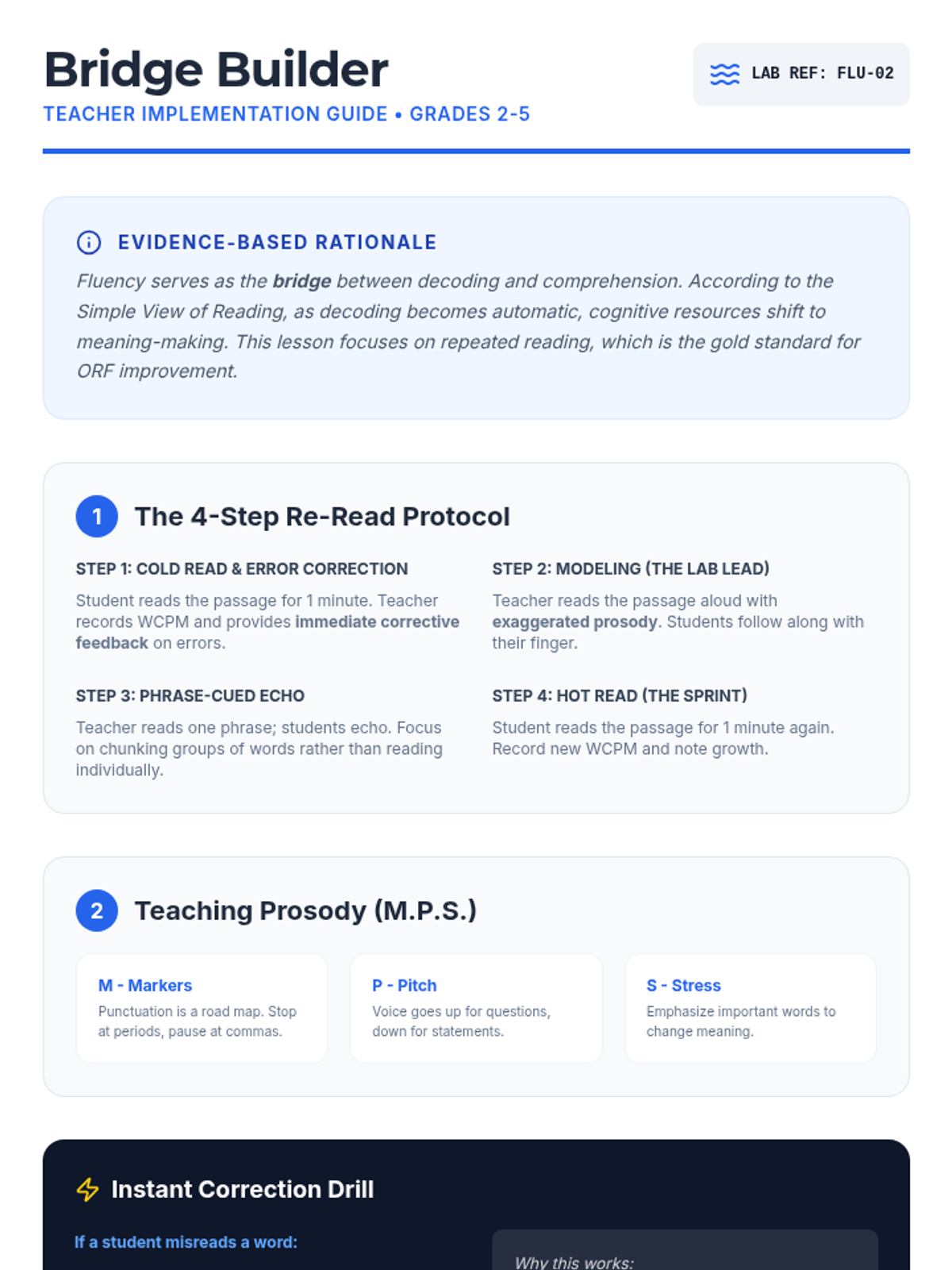
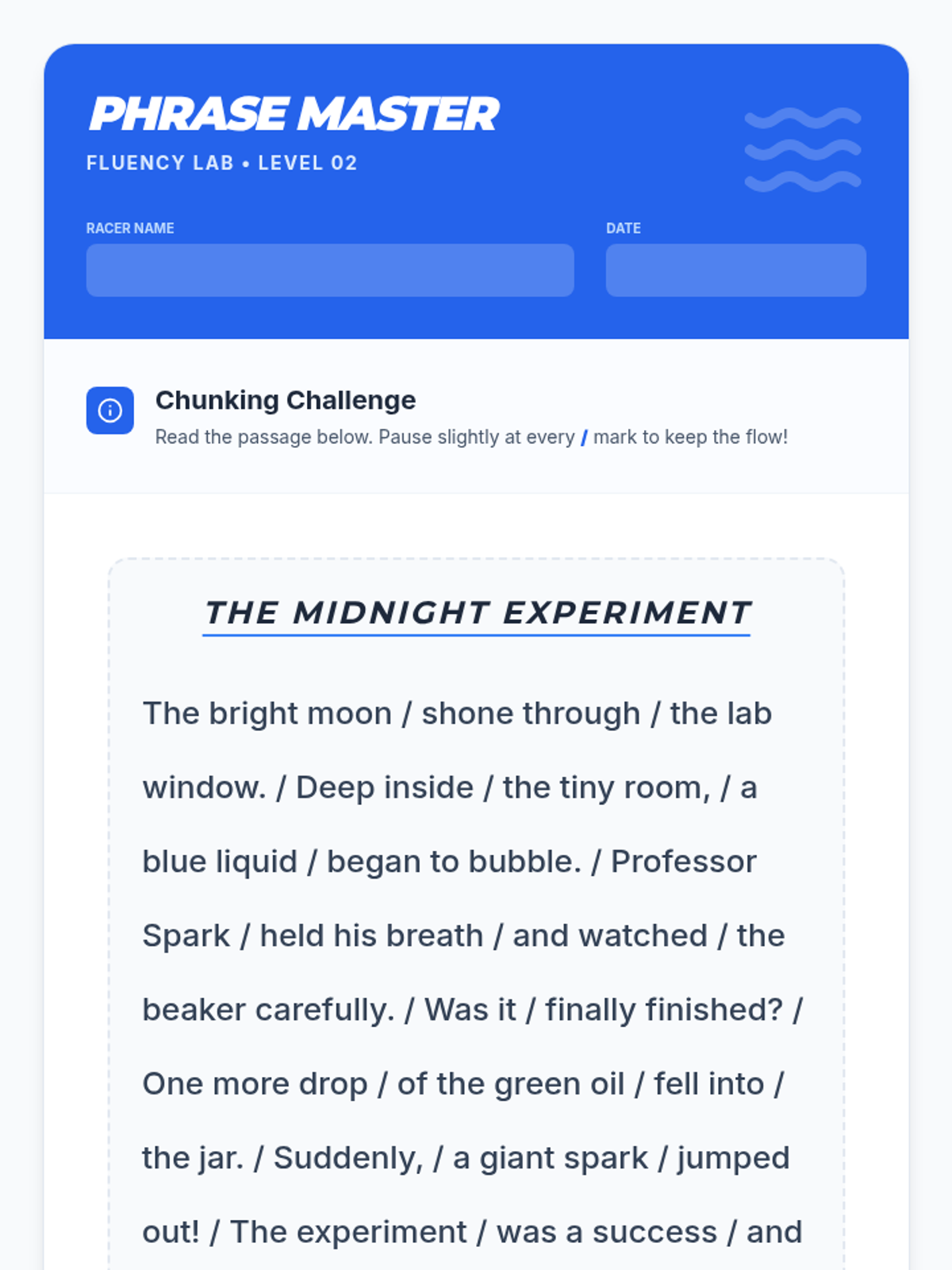
Introduces accuracy, rate, and prosody for 2nd-5th grade learners with a focus on phrase-cued reading and repeated reading techniques.
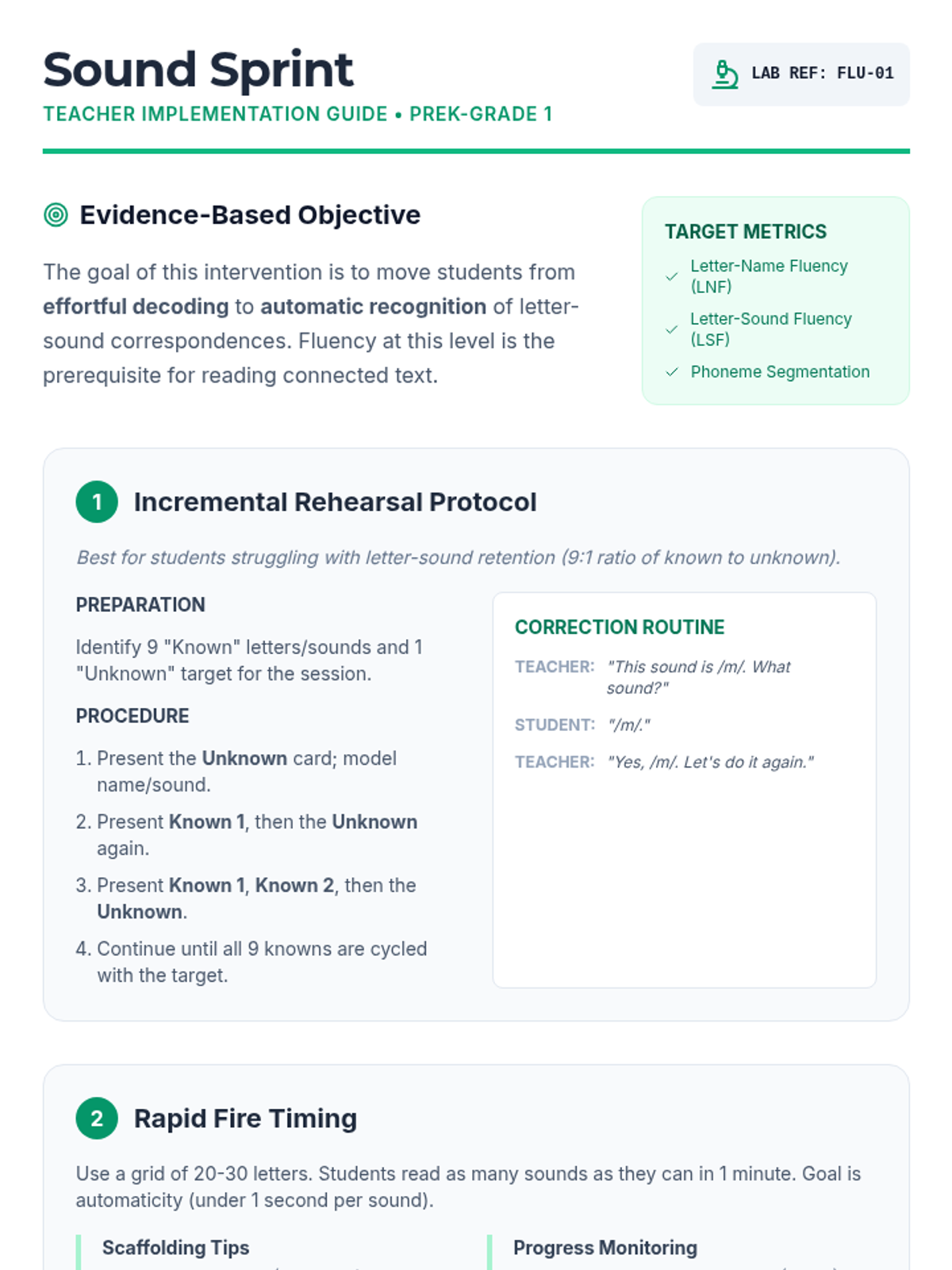
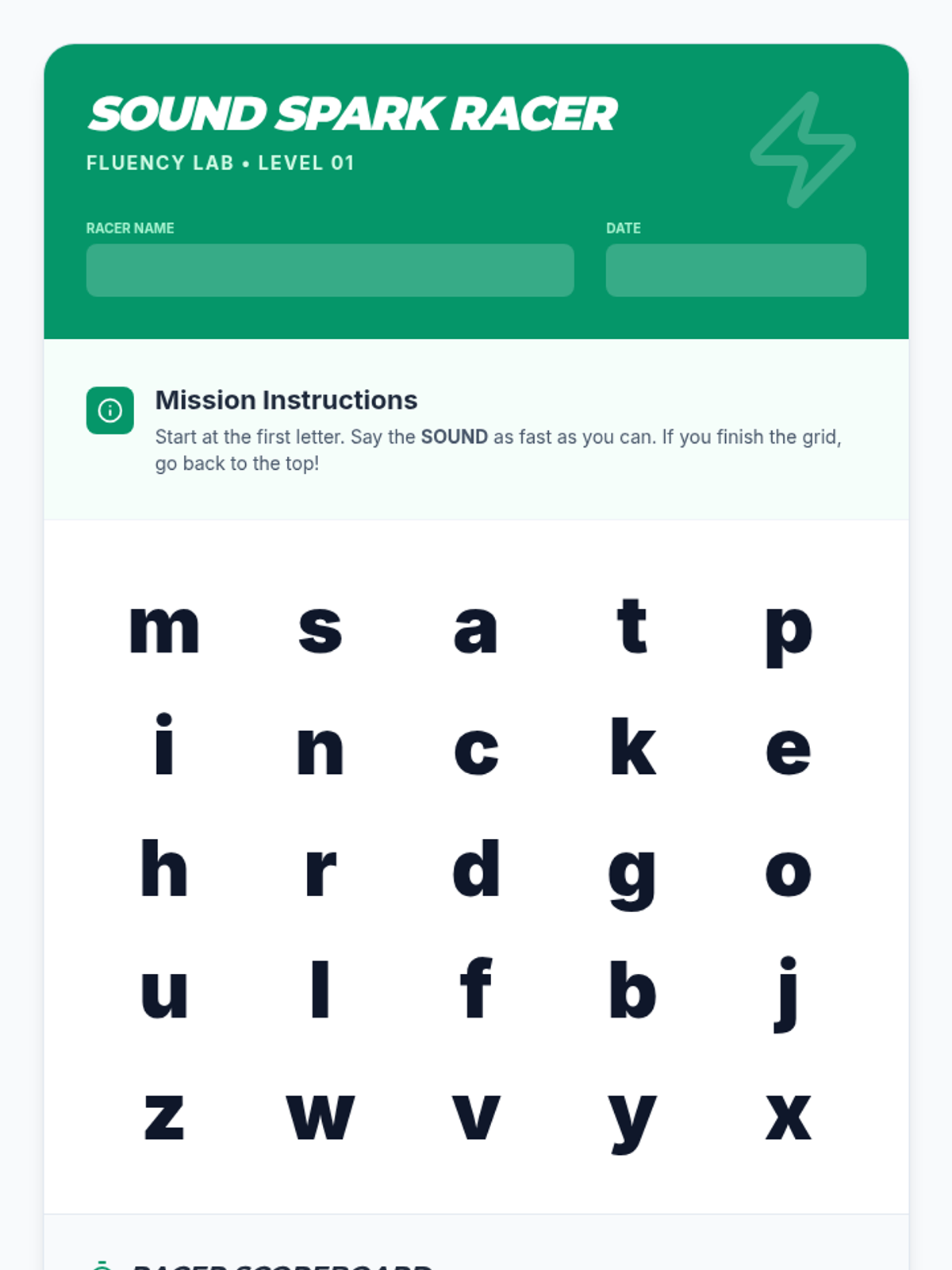
Focused on building letter-name and letter-sound automaticity for PreK-1st grade students using high-frequency practice and evidence-based routines.
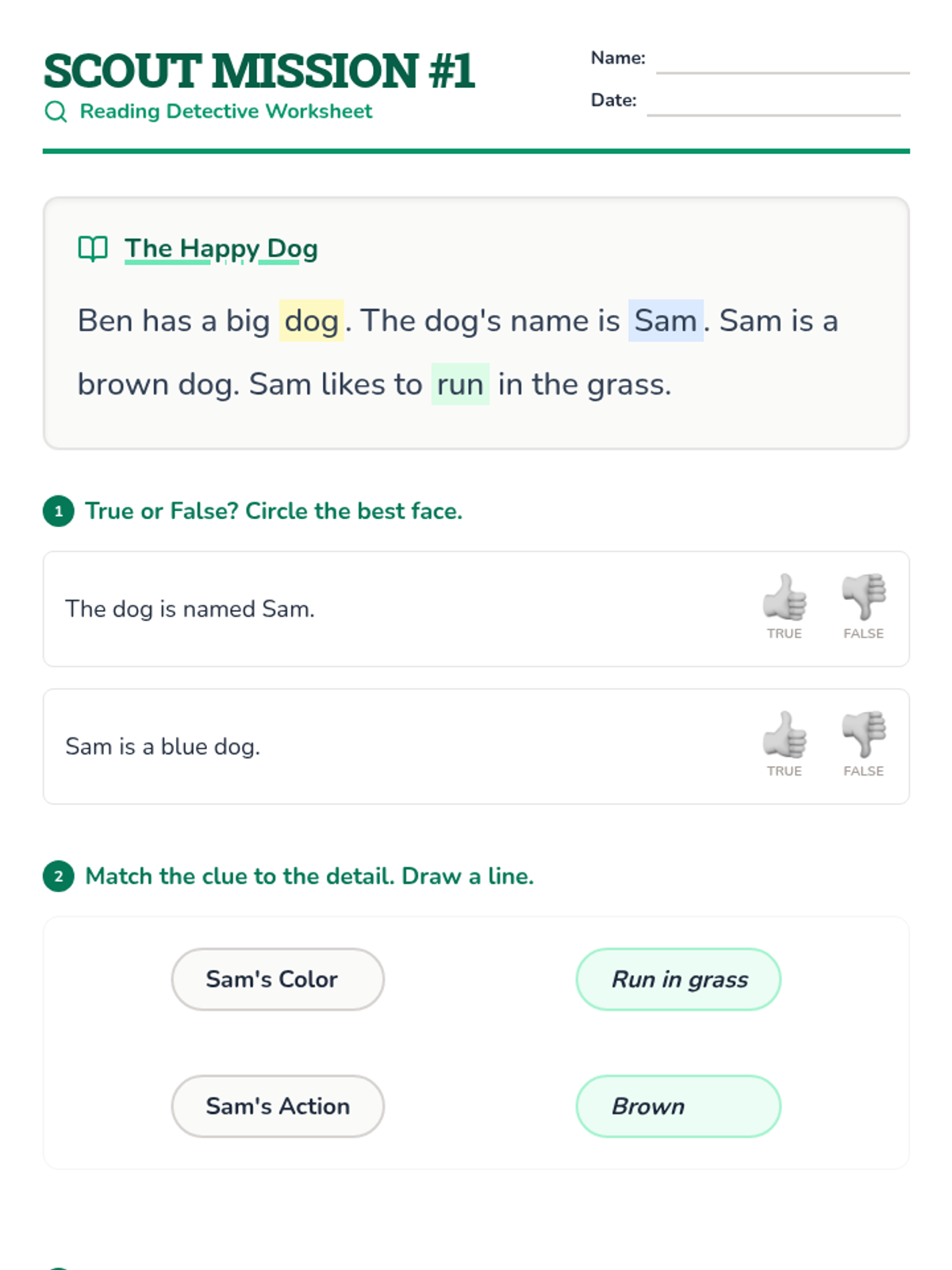
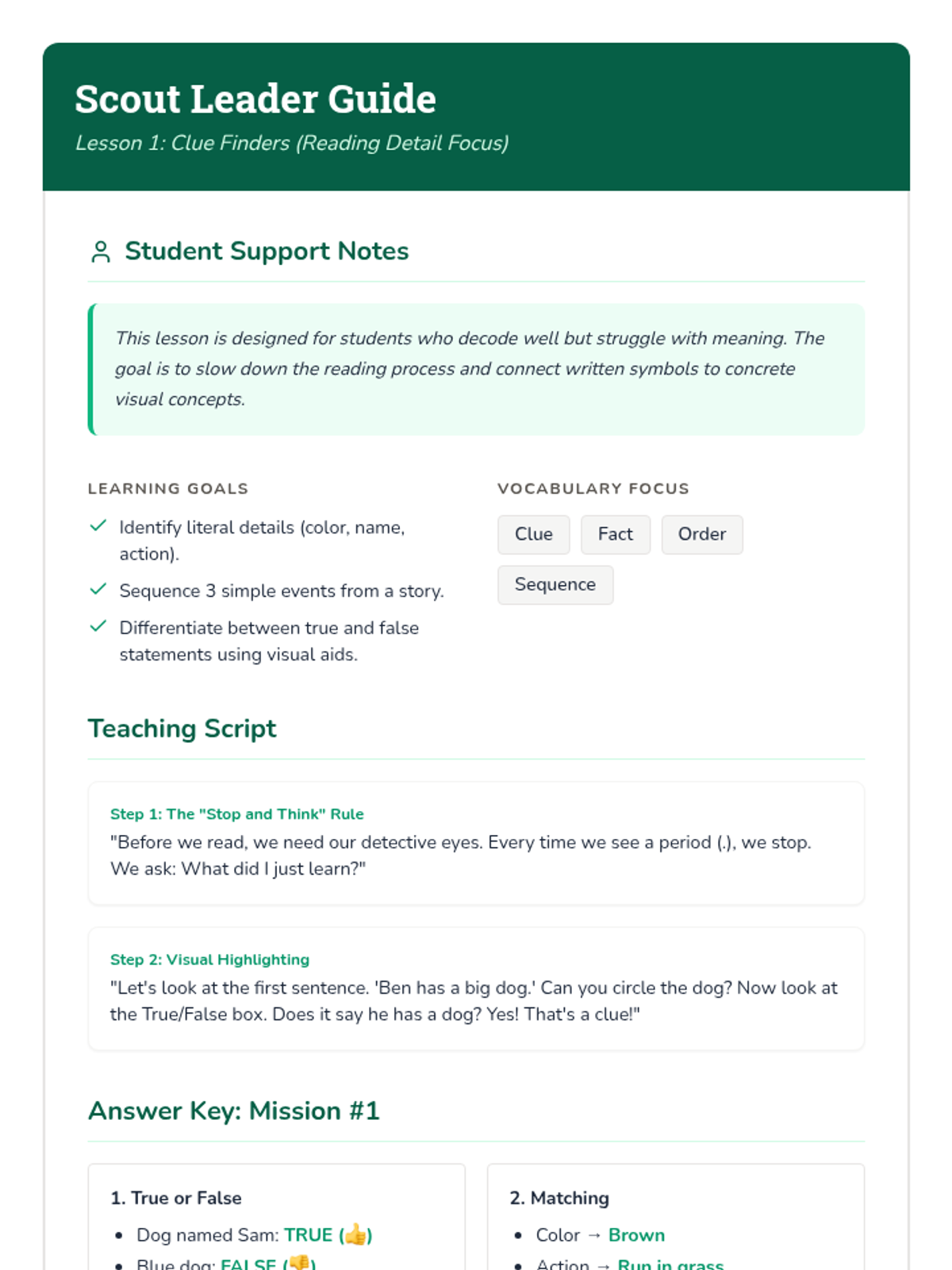
A foundational comprehension lesson for early readers, focusing on identifying key details and sequencing events through visual-heavy interactive tasks.
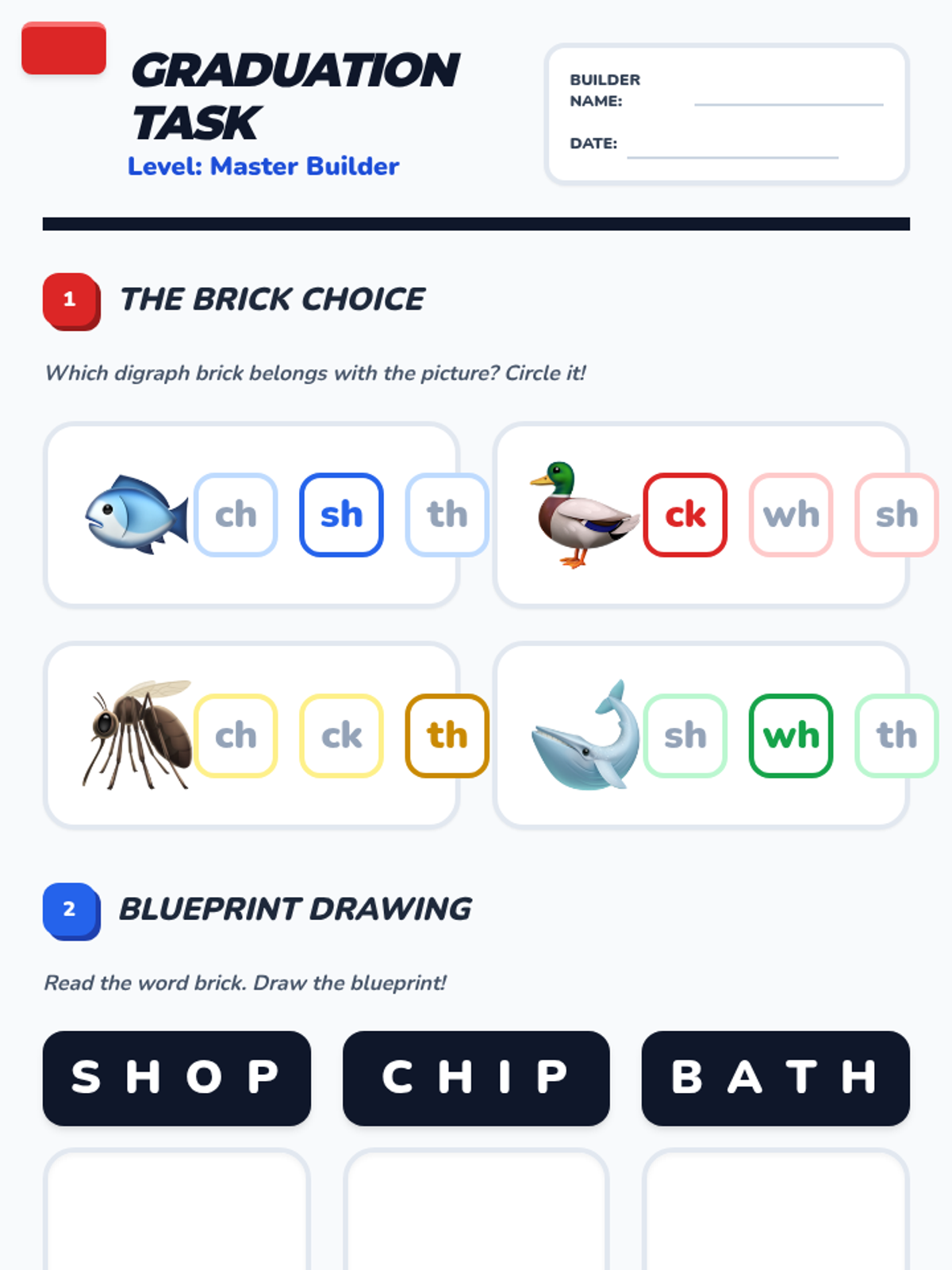
A follow-up lesson focused on building fluency with mixed digraphs, providing cumulative review and a final progress assessment for sh, ch, th, wh, and ck.
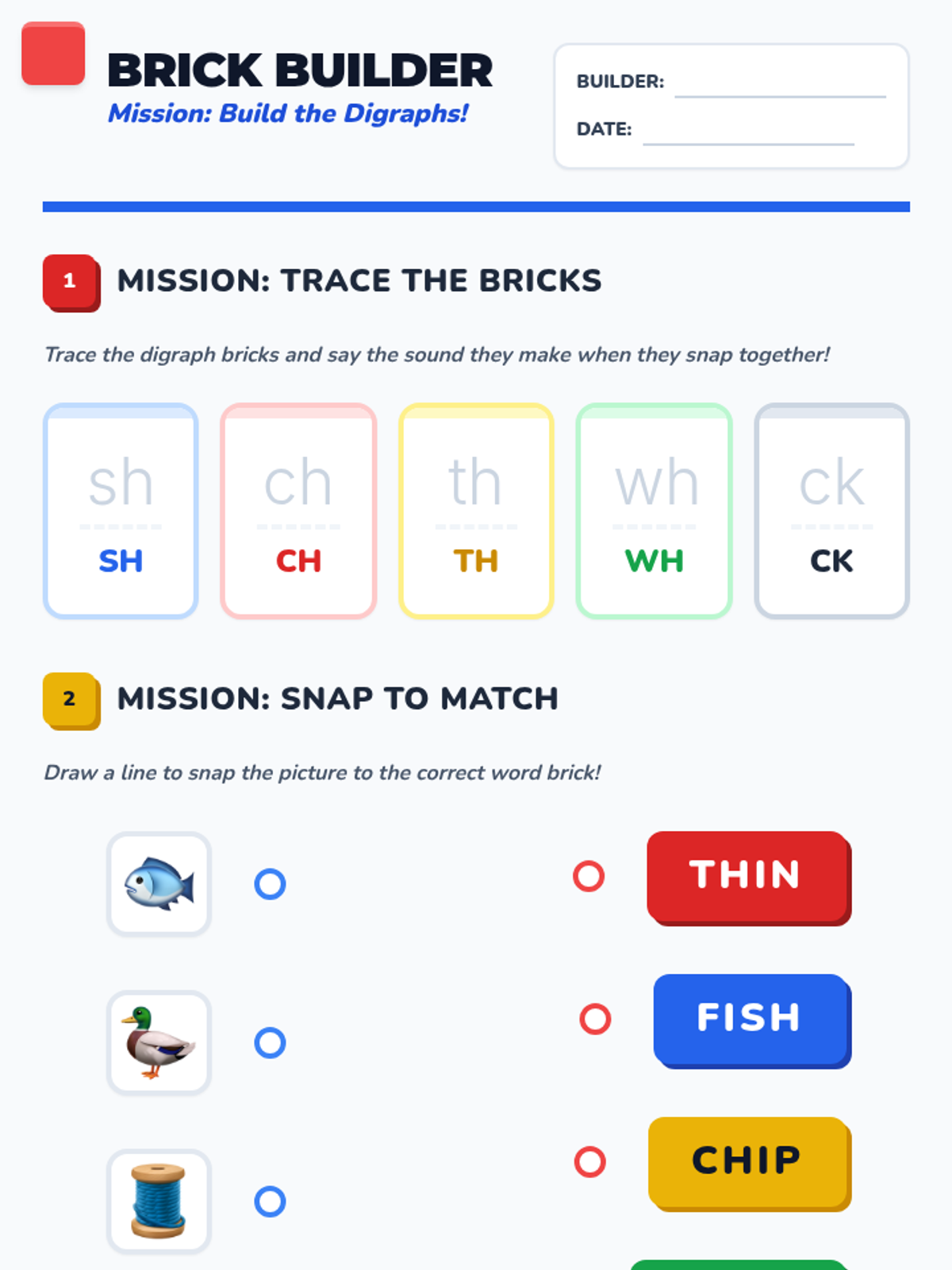
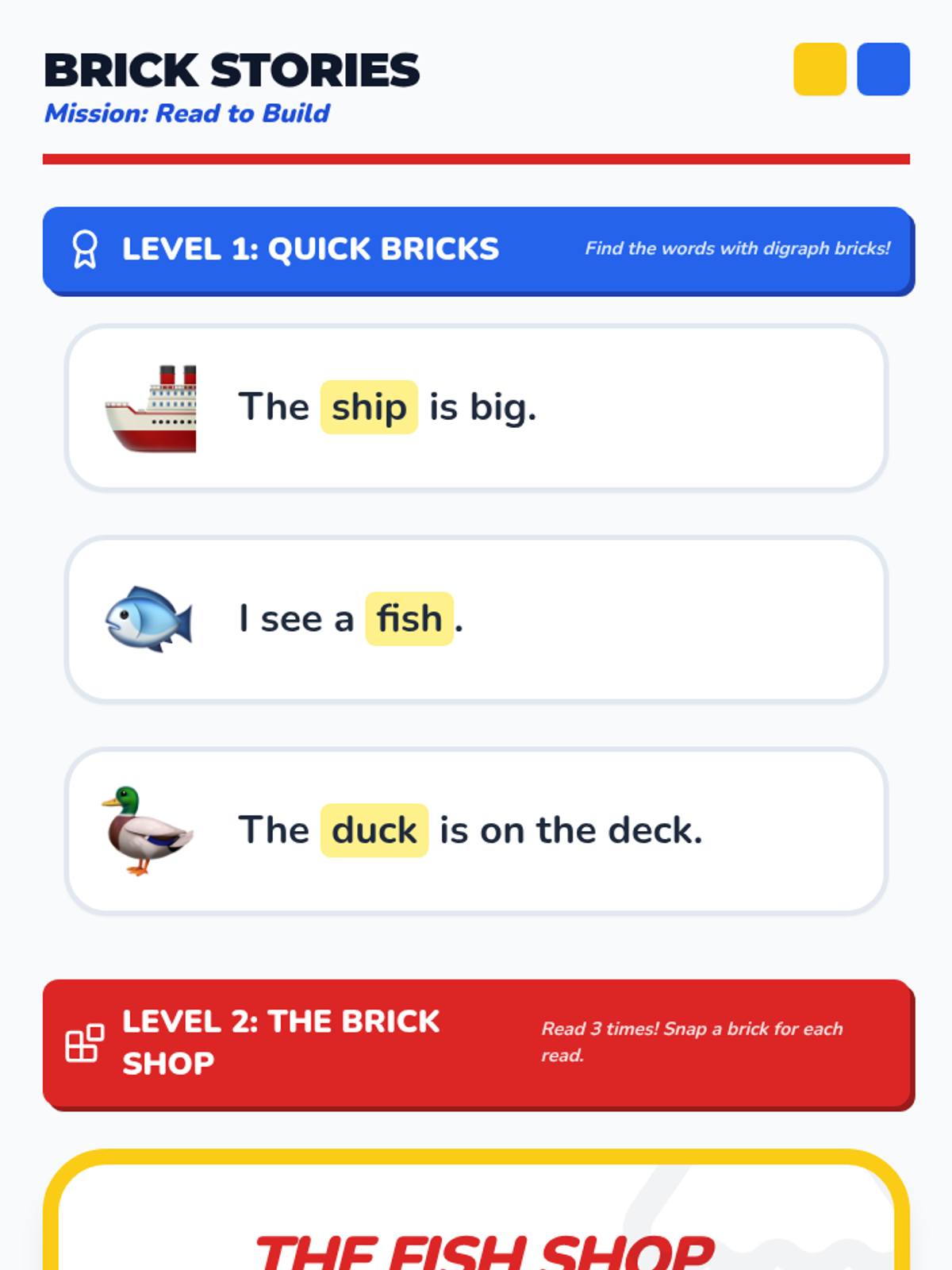
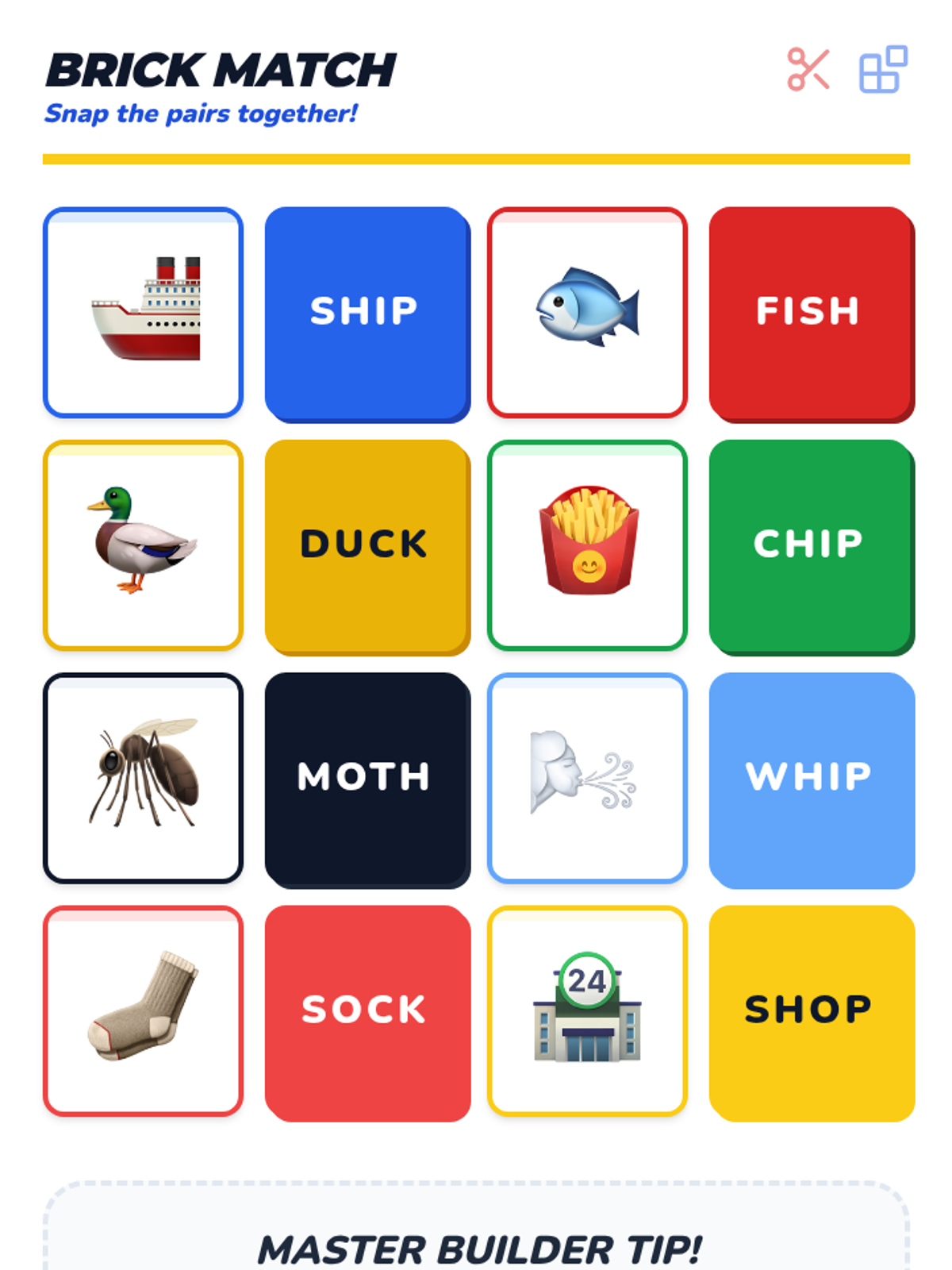
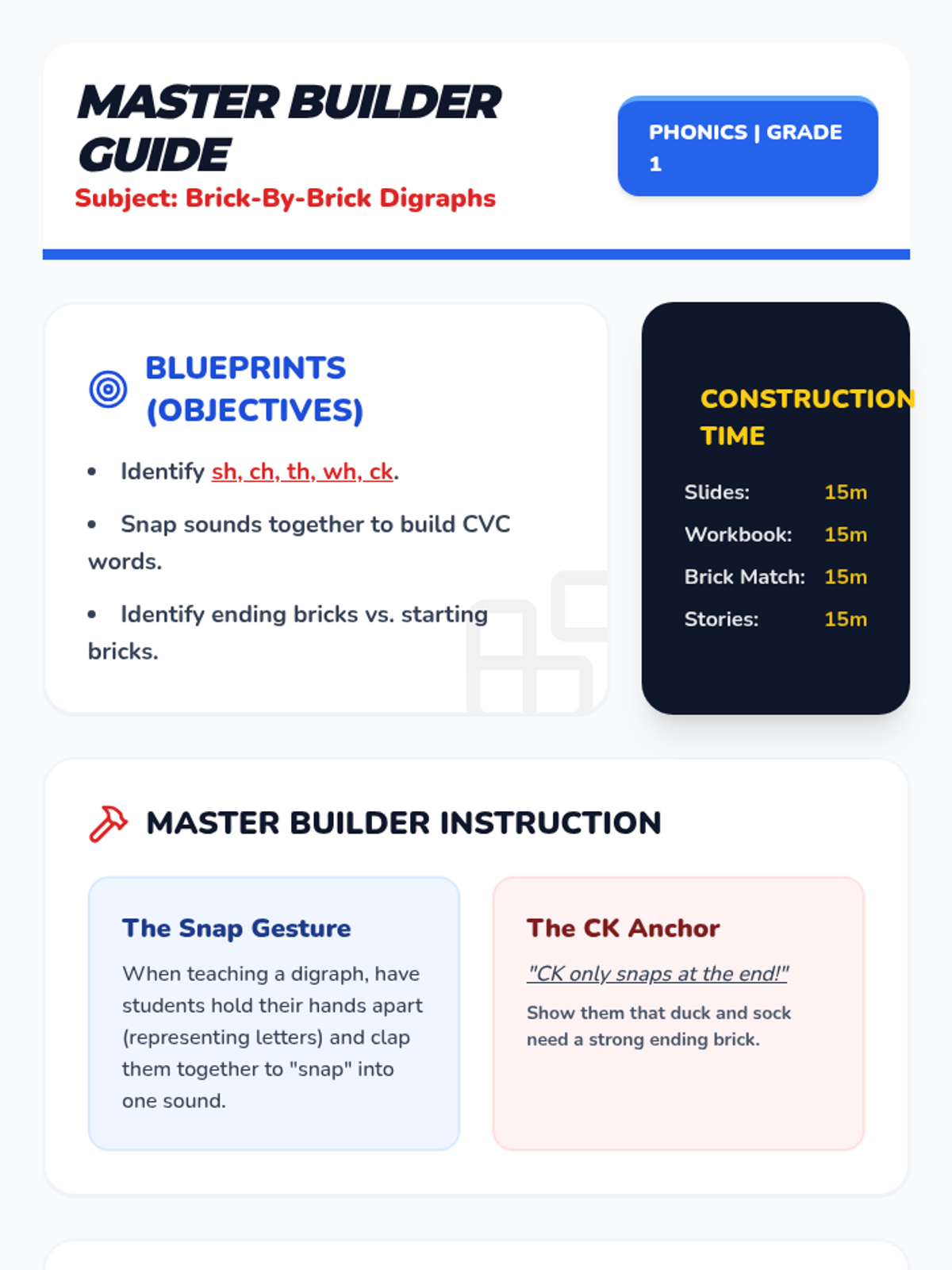
A foundational lesson introducing and practicing common digraphs (sh, ch, th, wh, ck) through multi-sensory activities and differentiated reading tasks using a building-block theme.
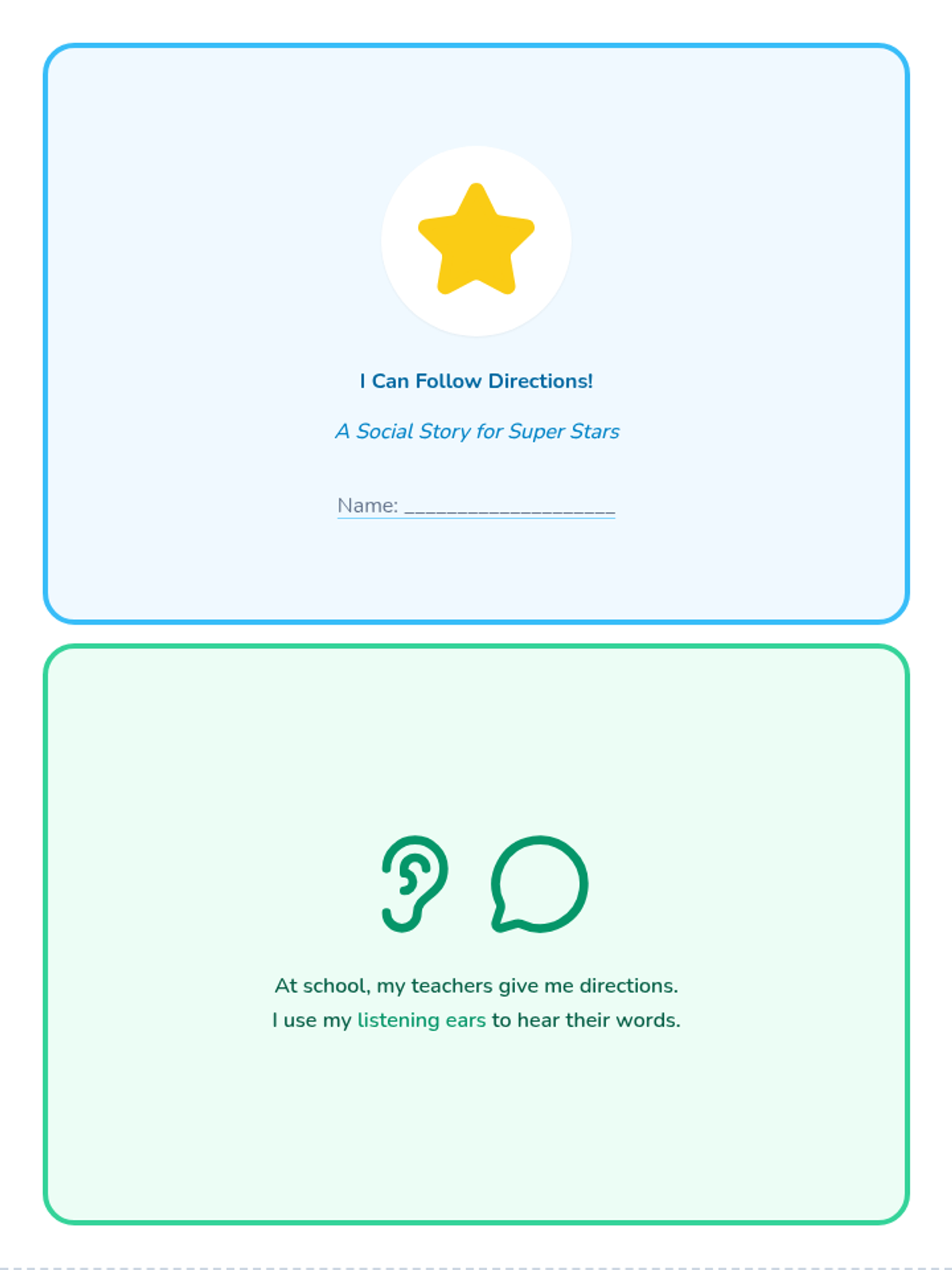
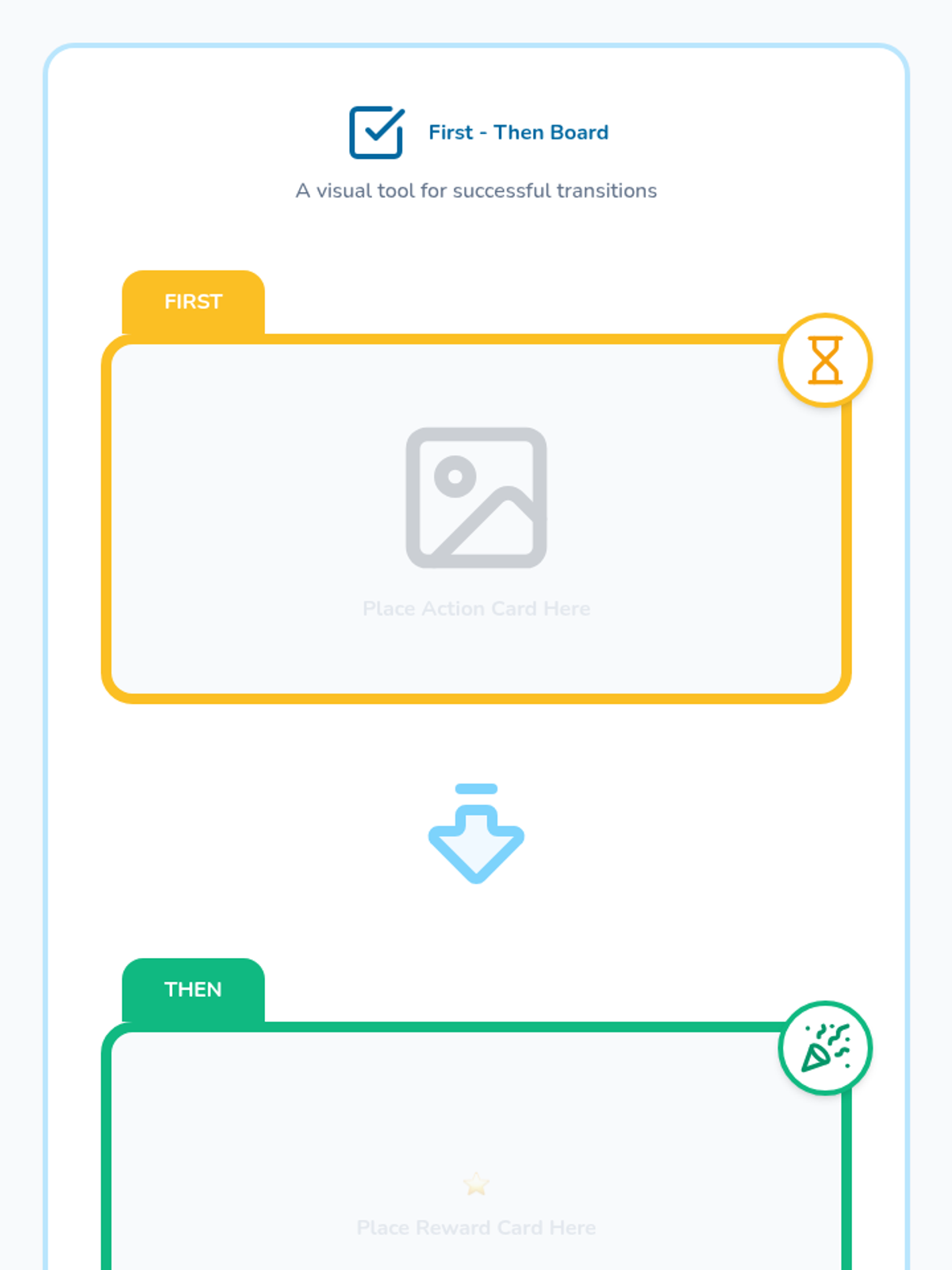
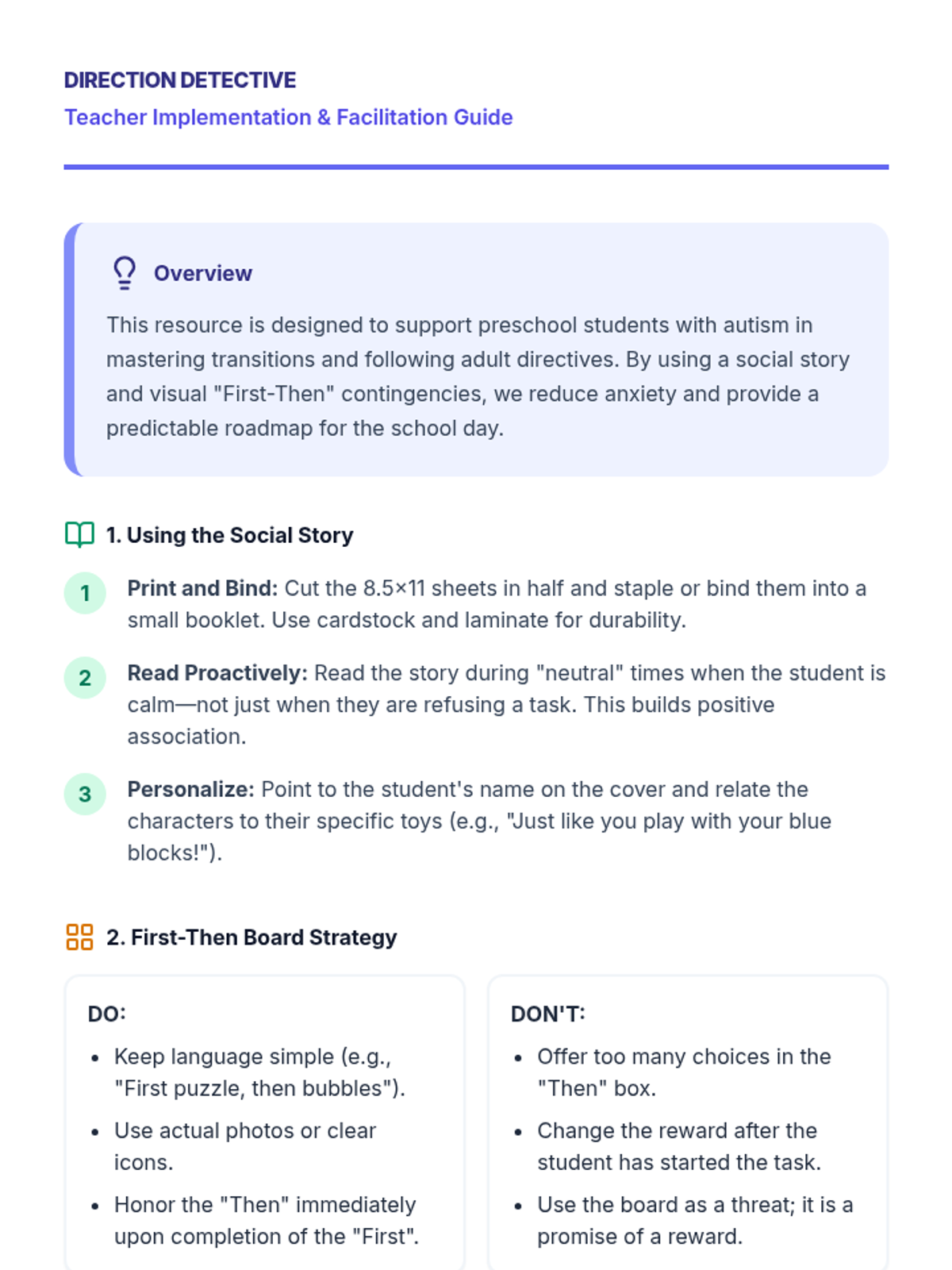
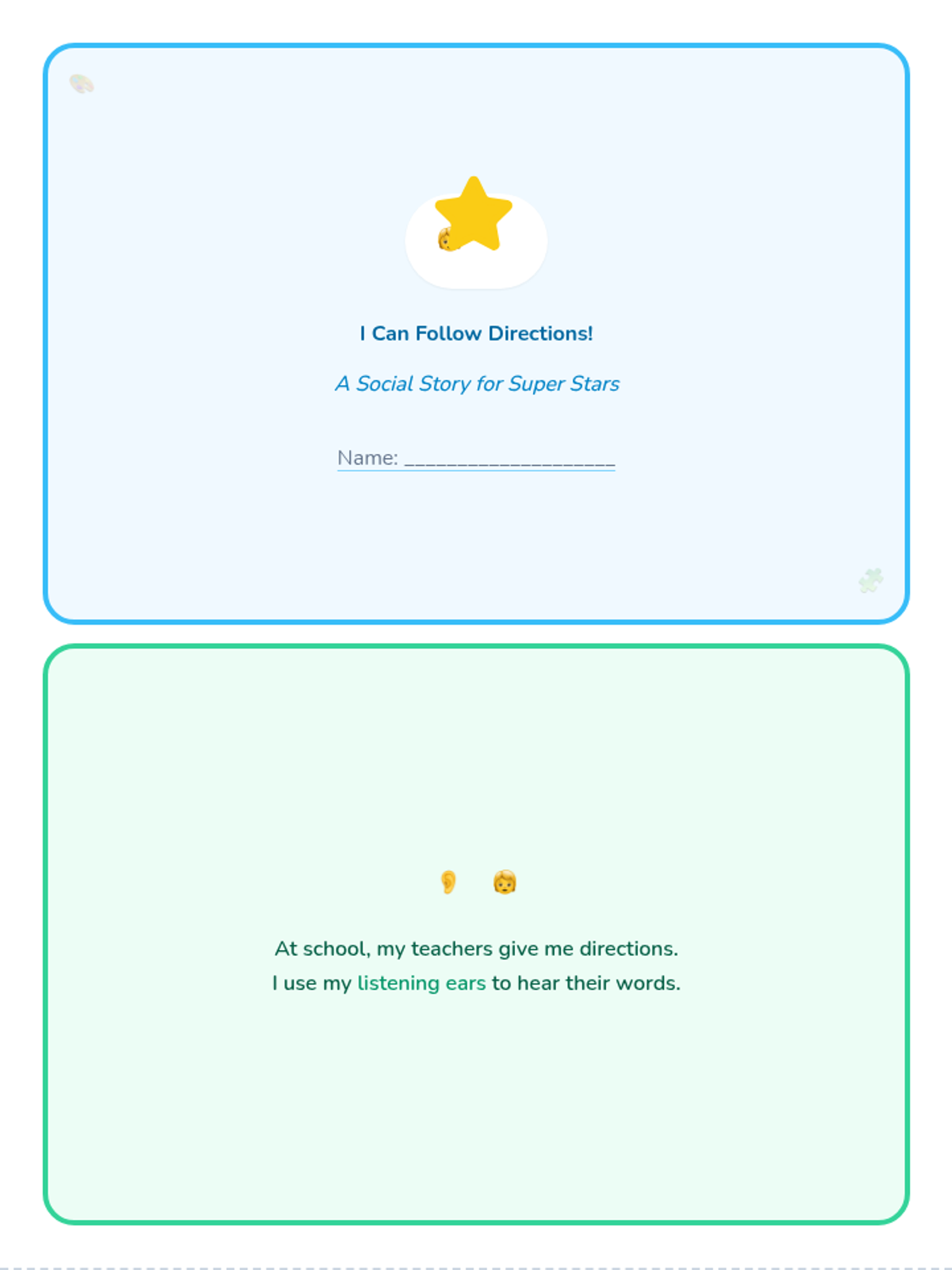
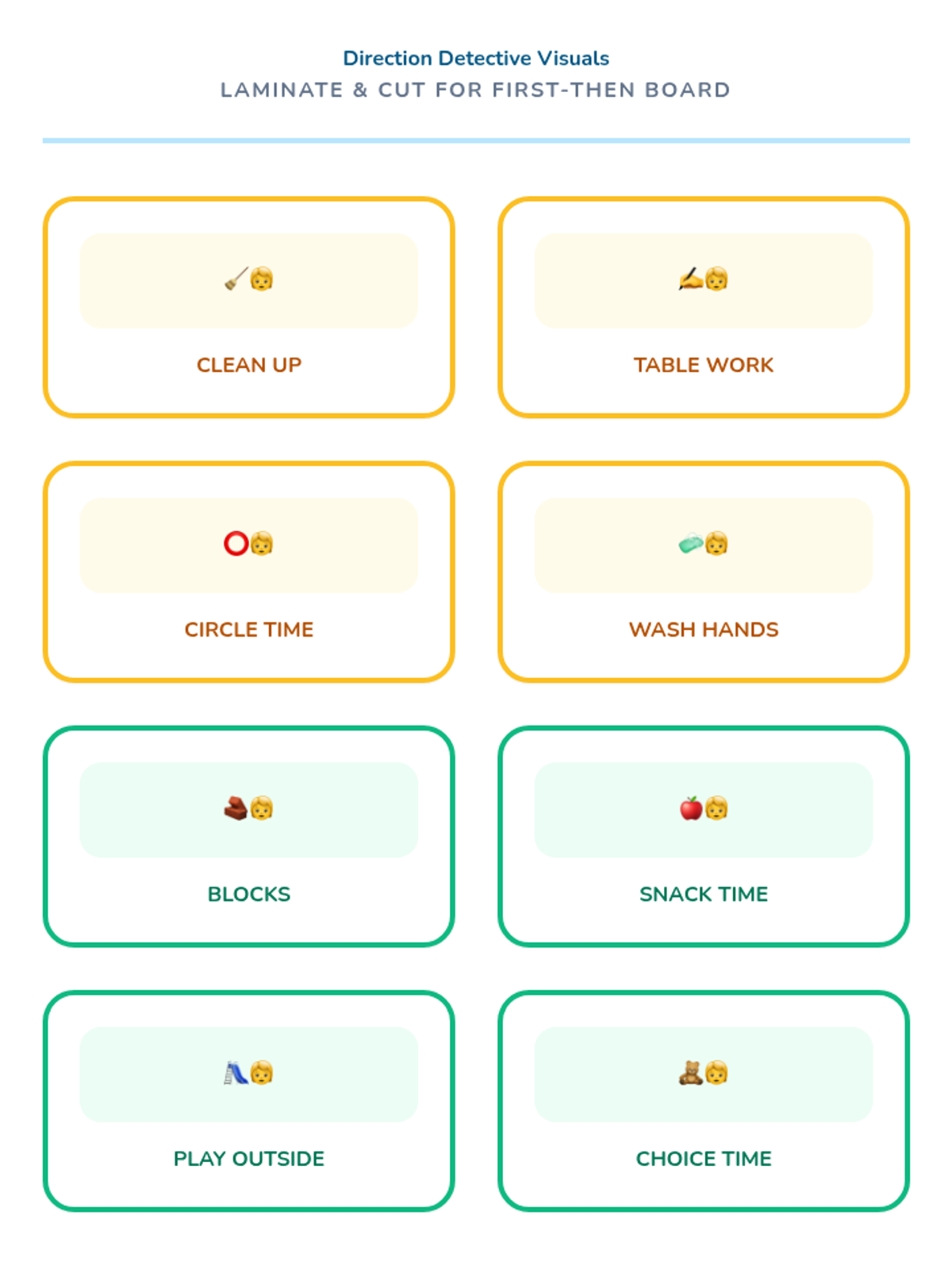
A lesson focused on supporting preschool students with autism in understanding and following directions, especially for non-preferred tasks, using visual supports and a social story.
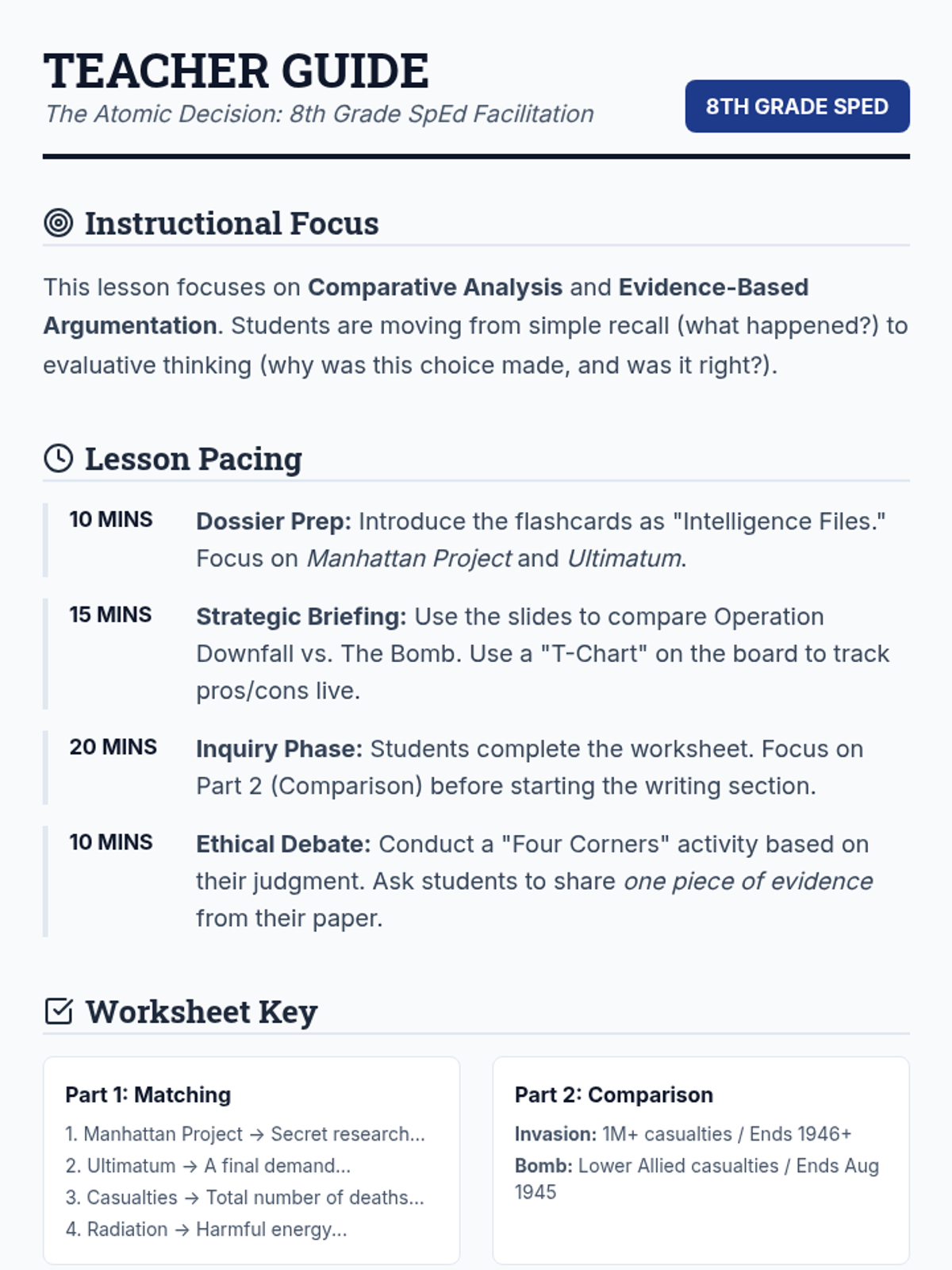
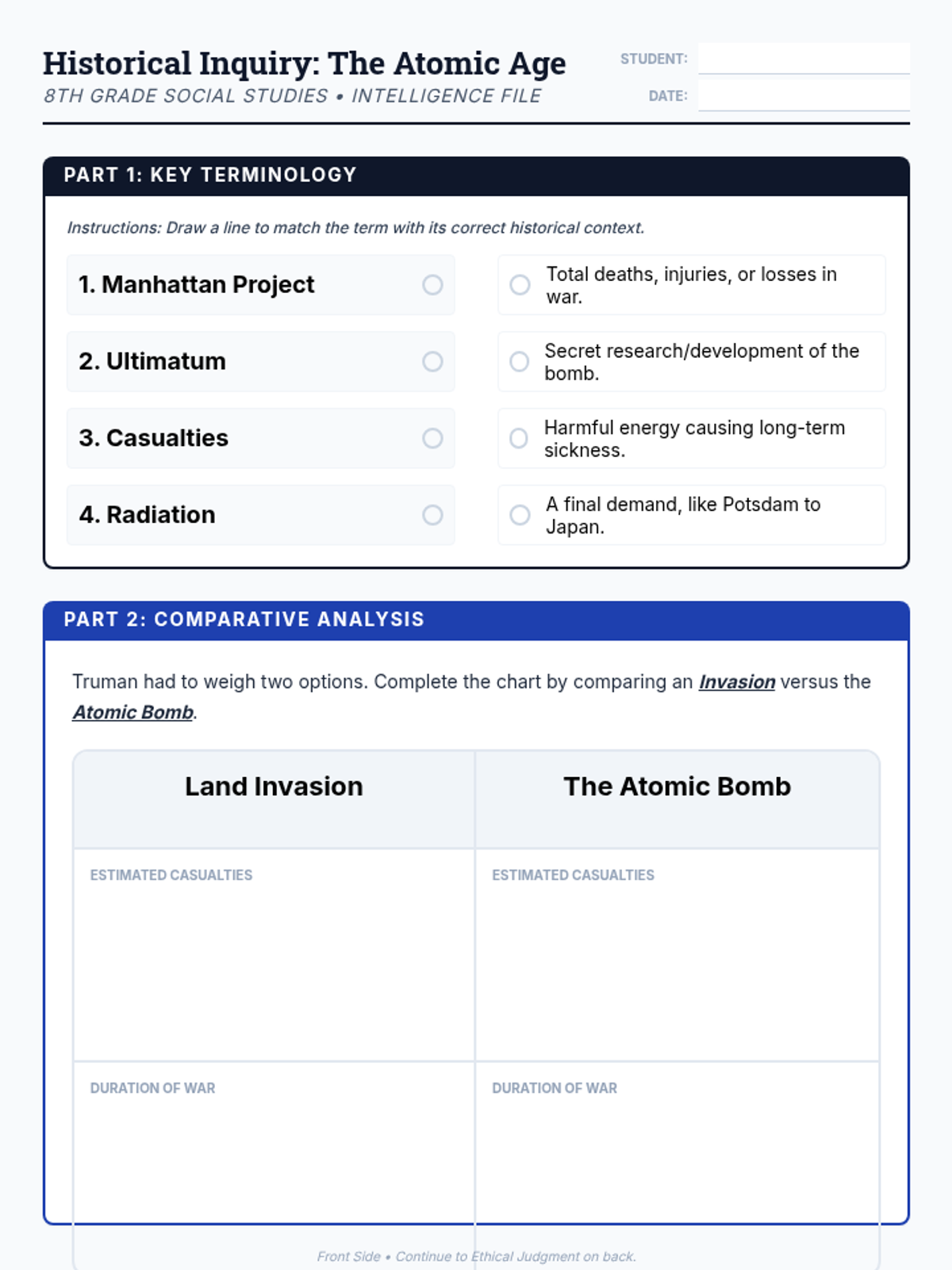
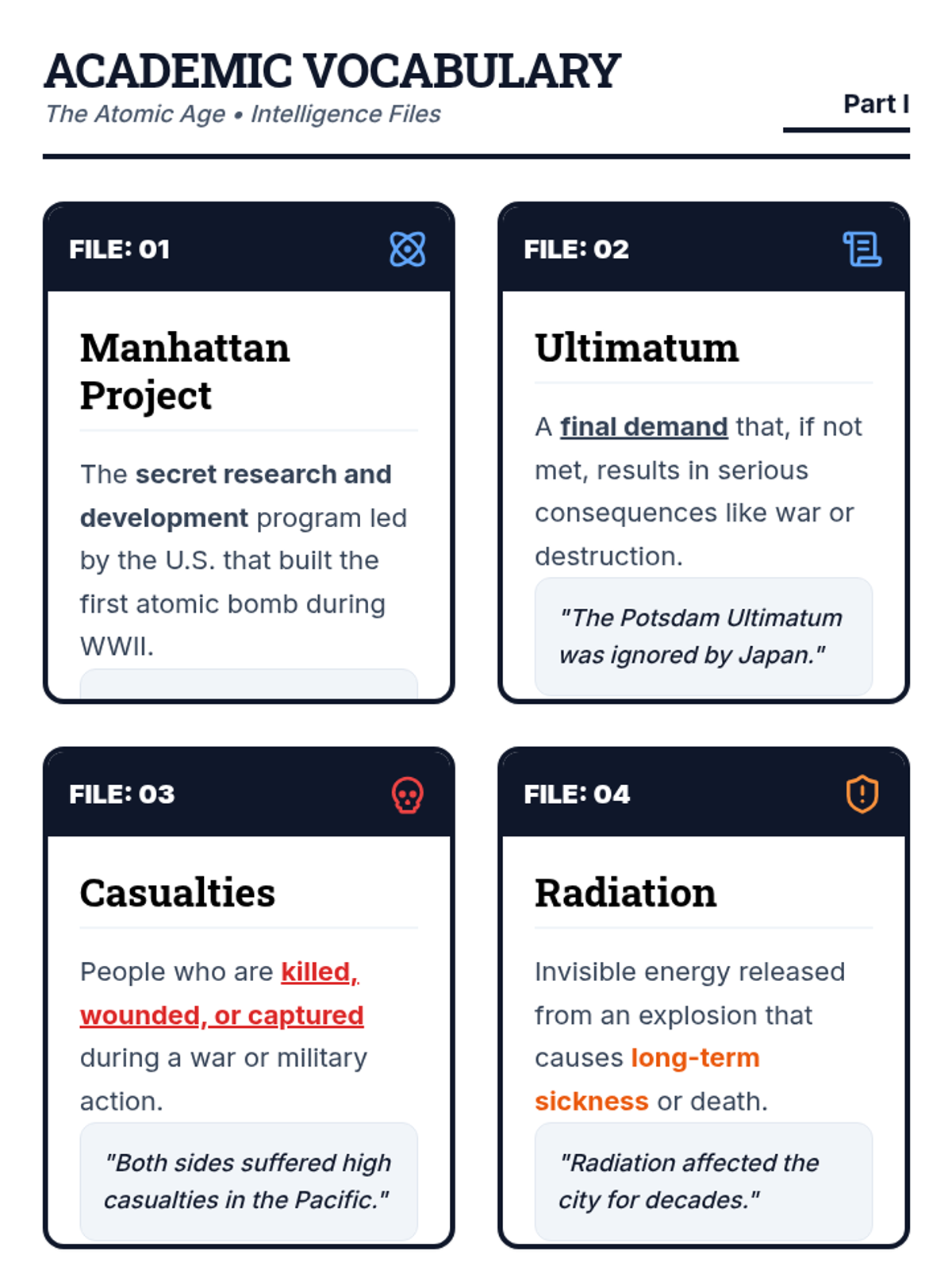
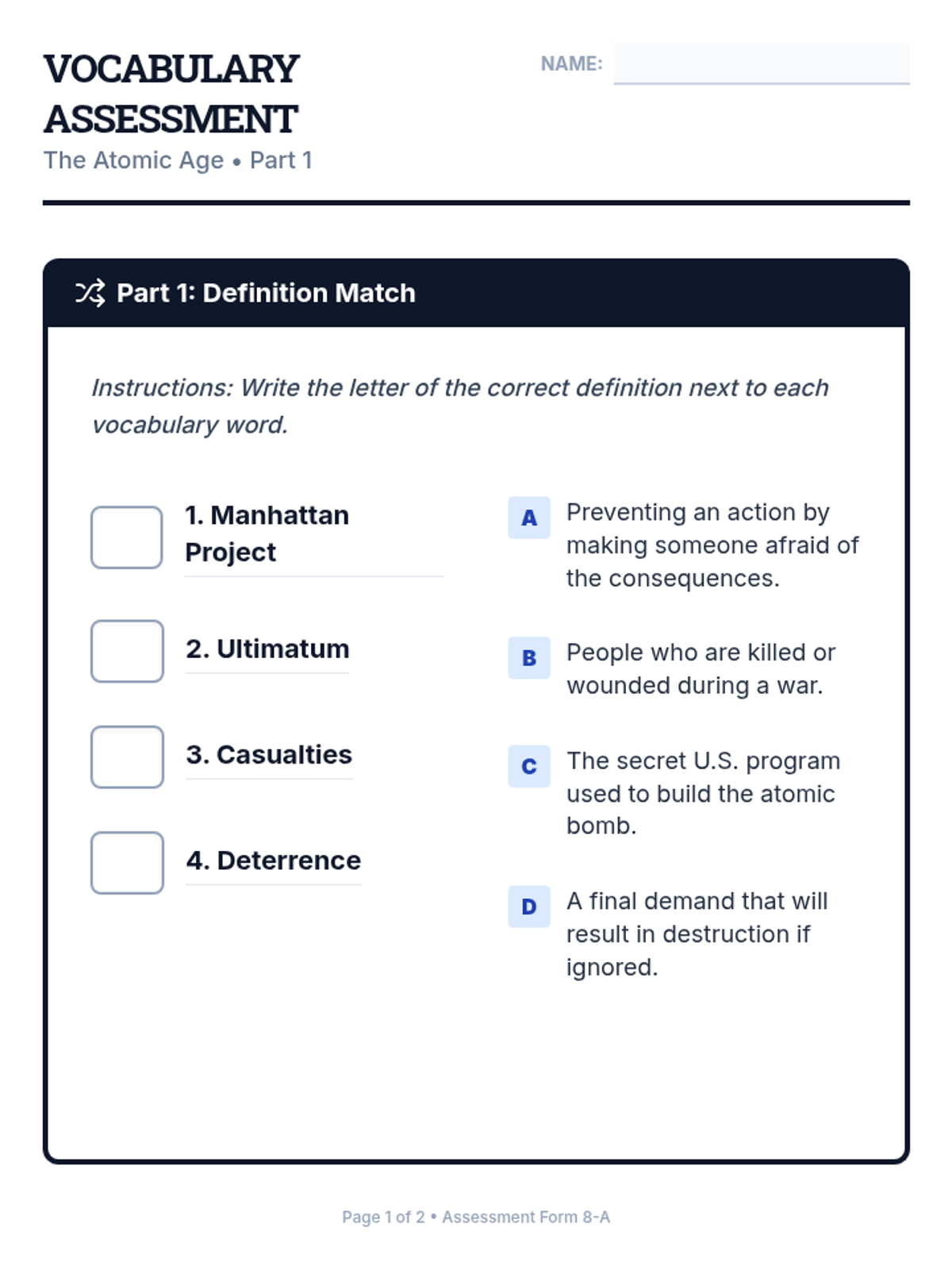
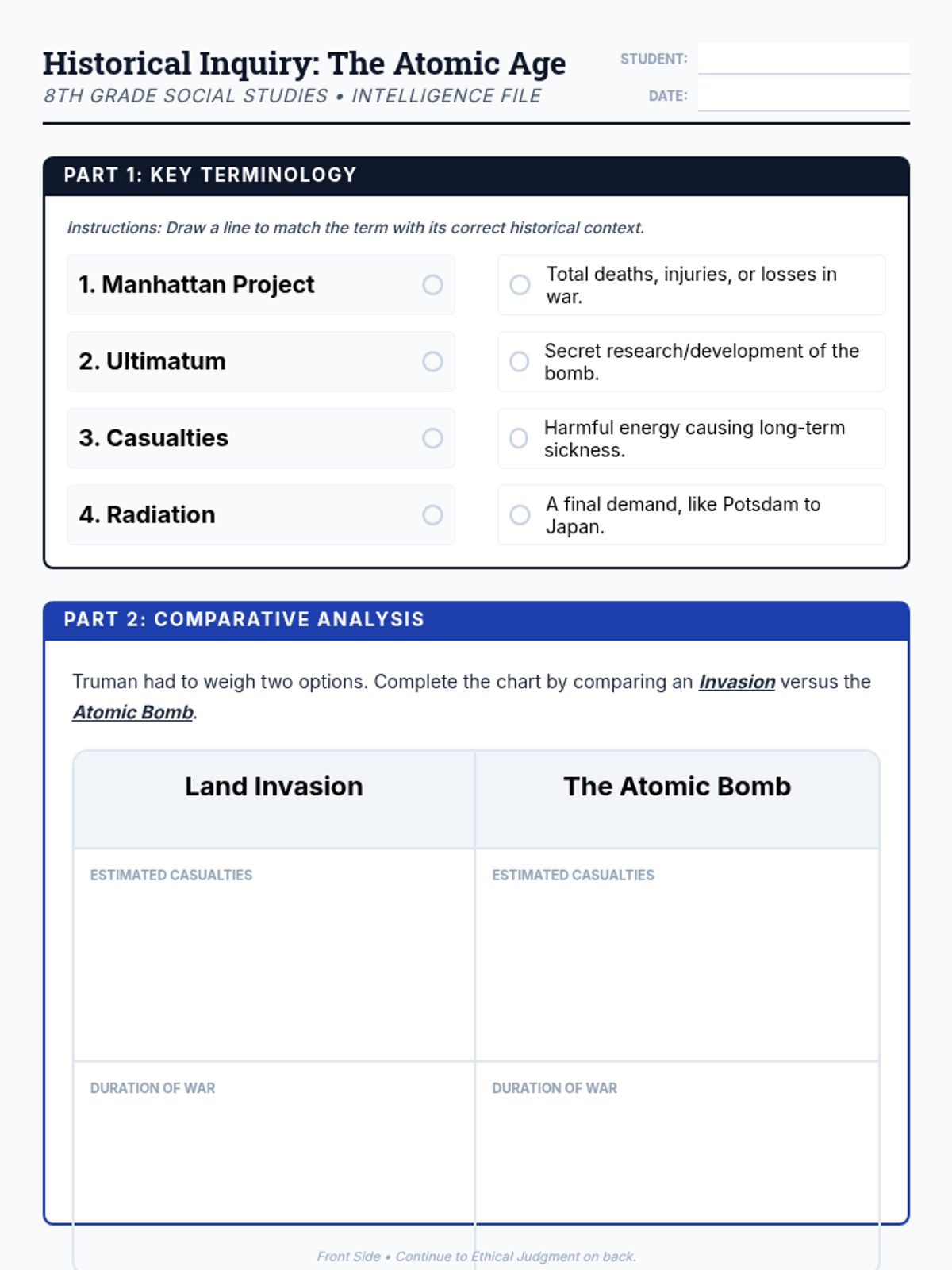
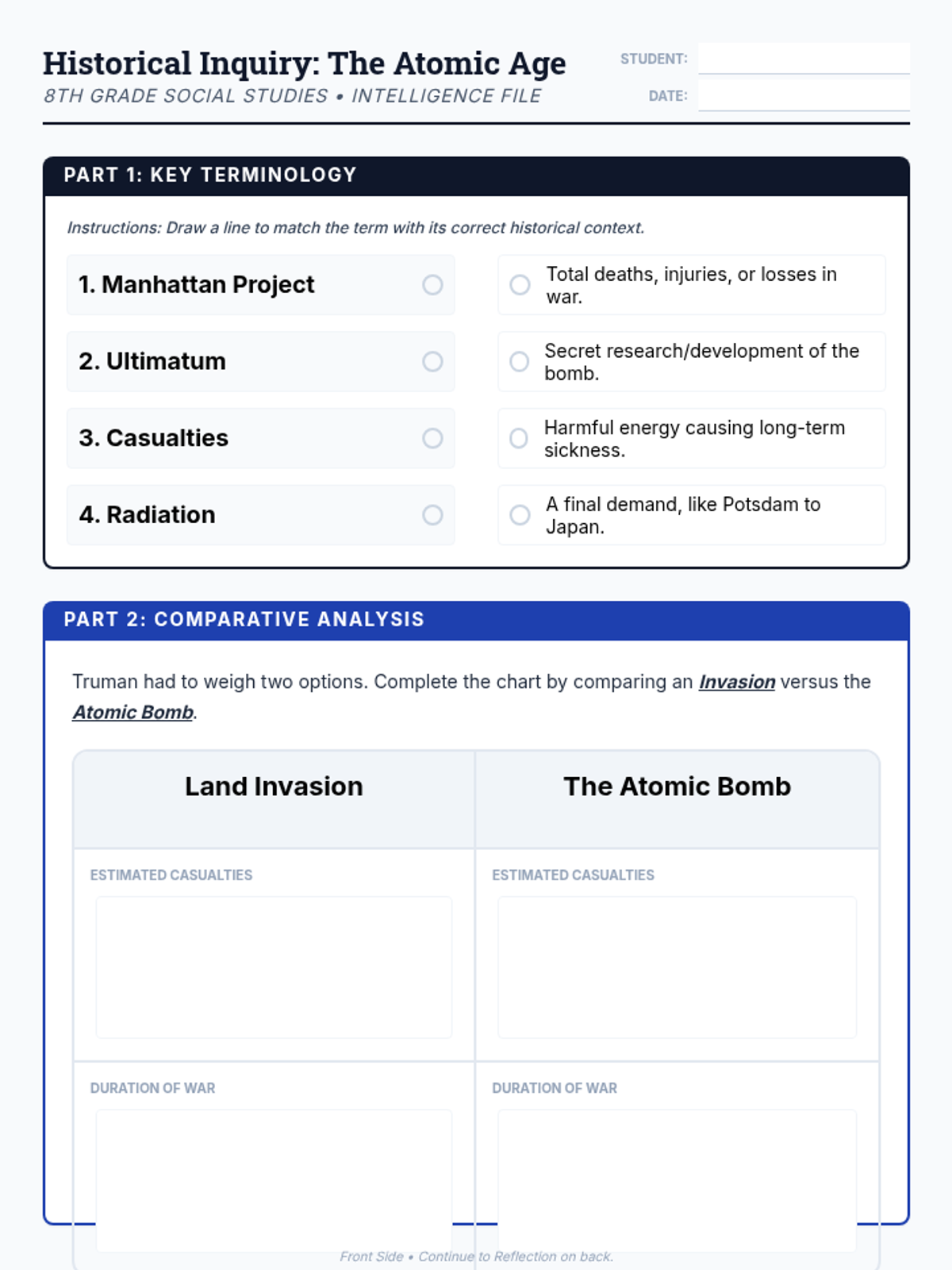
A middle school level special education lesson that challenges students to analyze the military and ethical reasoning behind the use of atomic weapons. Features comparative analysis of invasion vs. bombing and explores the long-term impact on global politics.
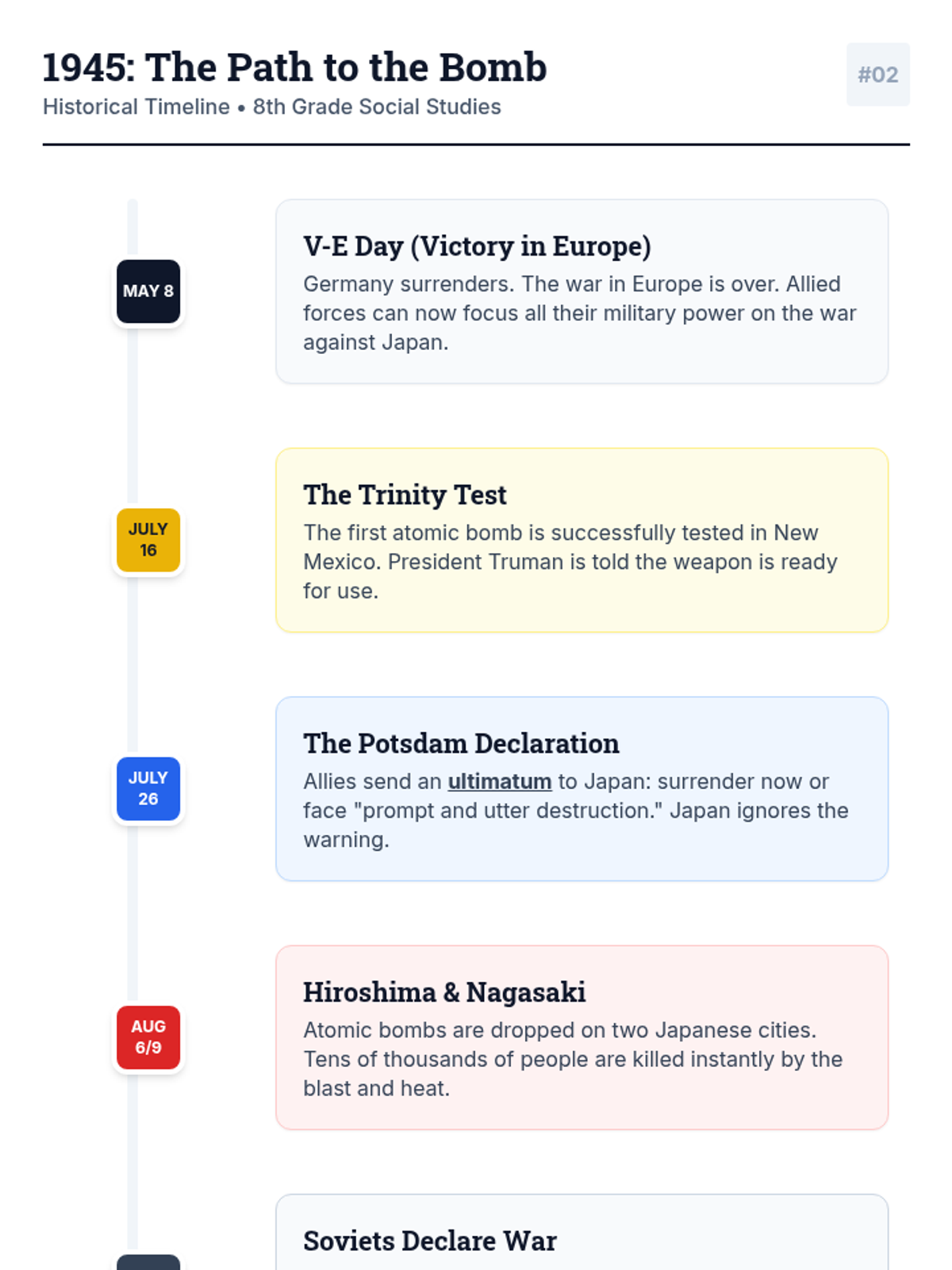
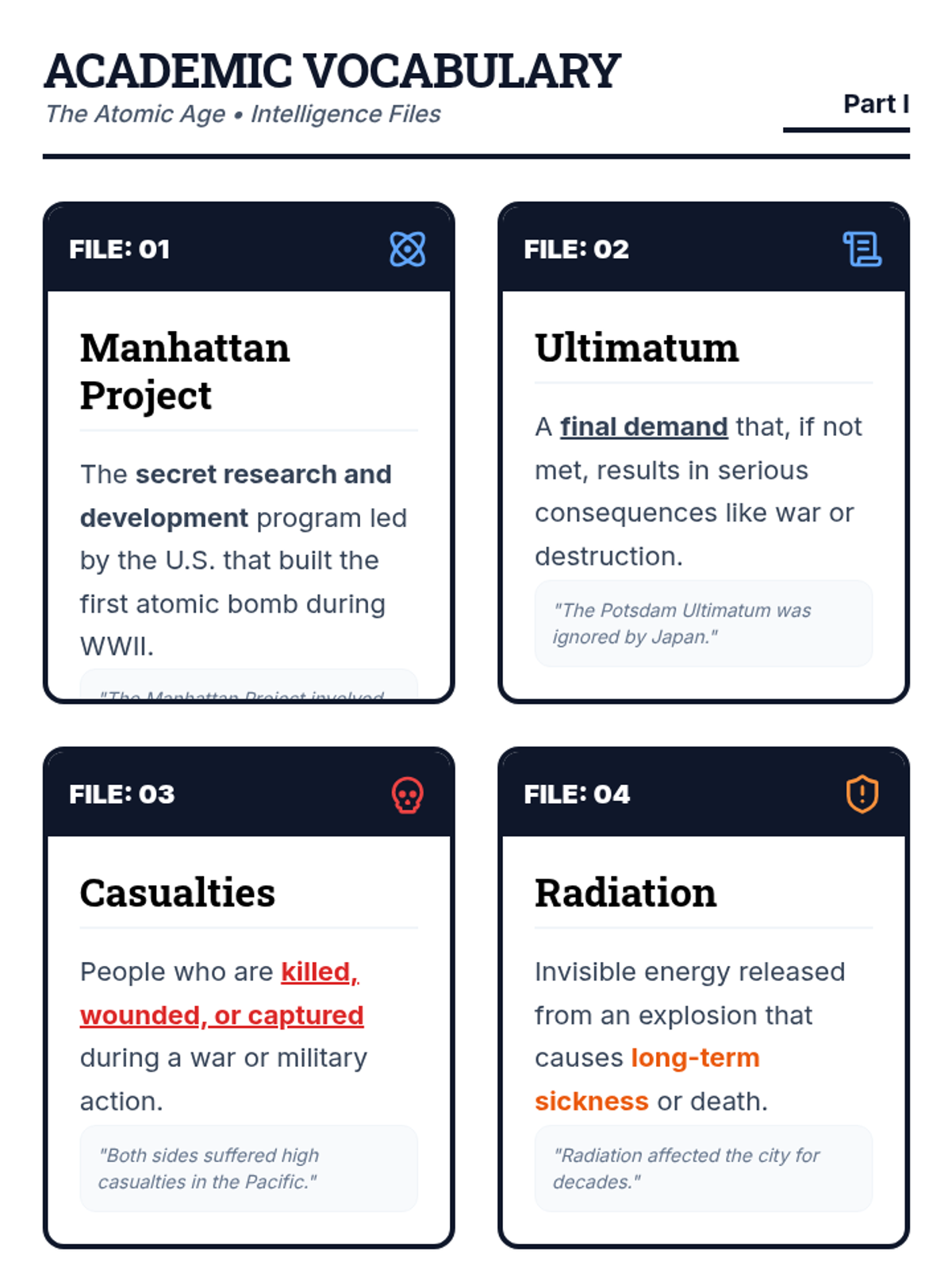
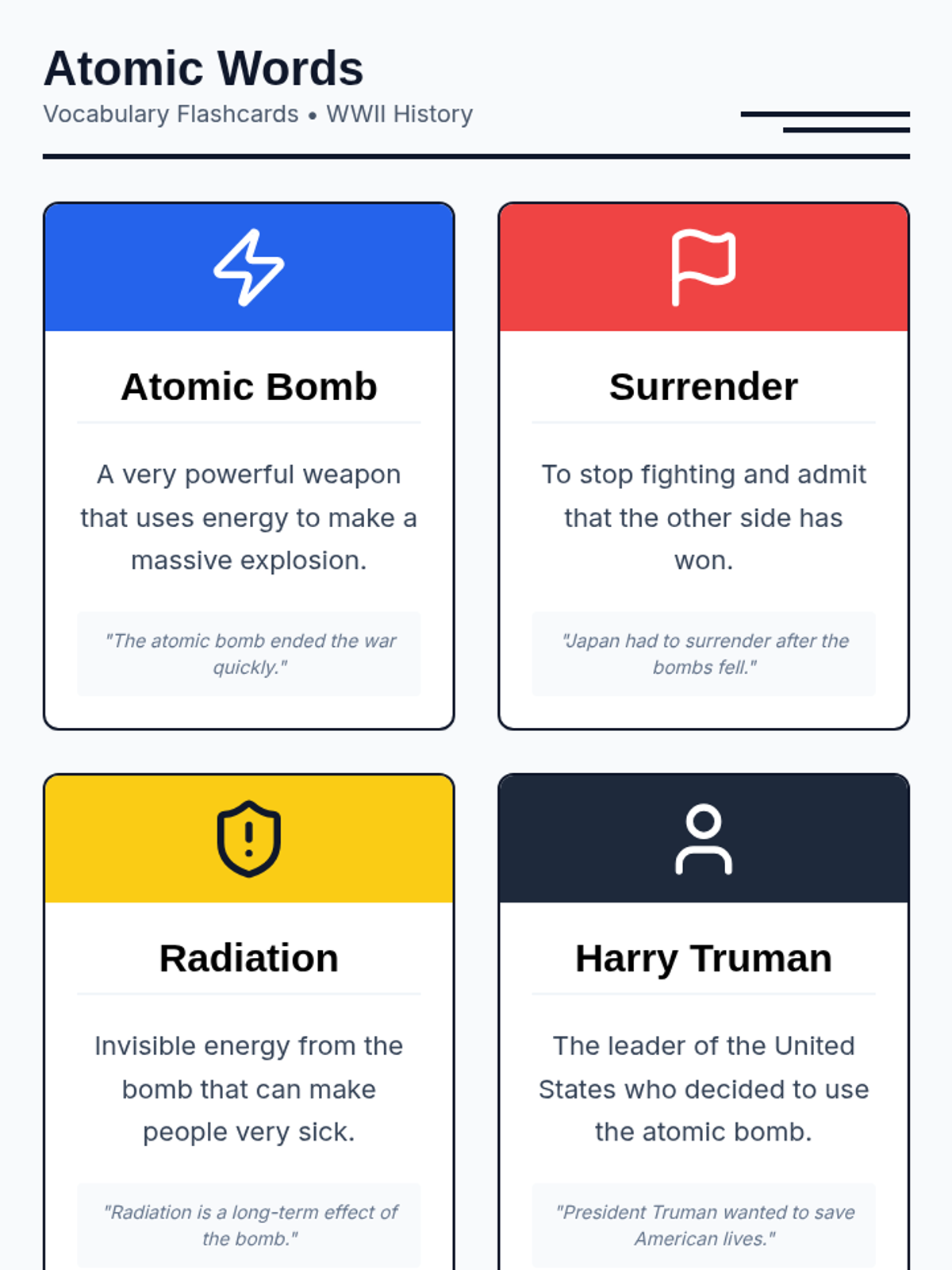
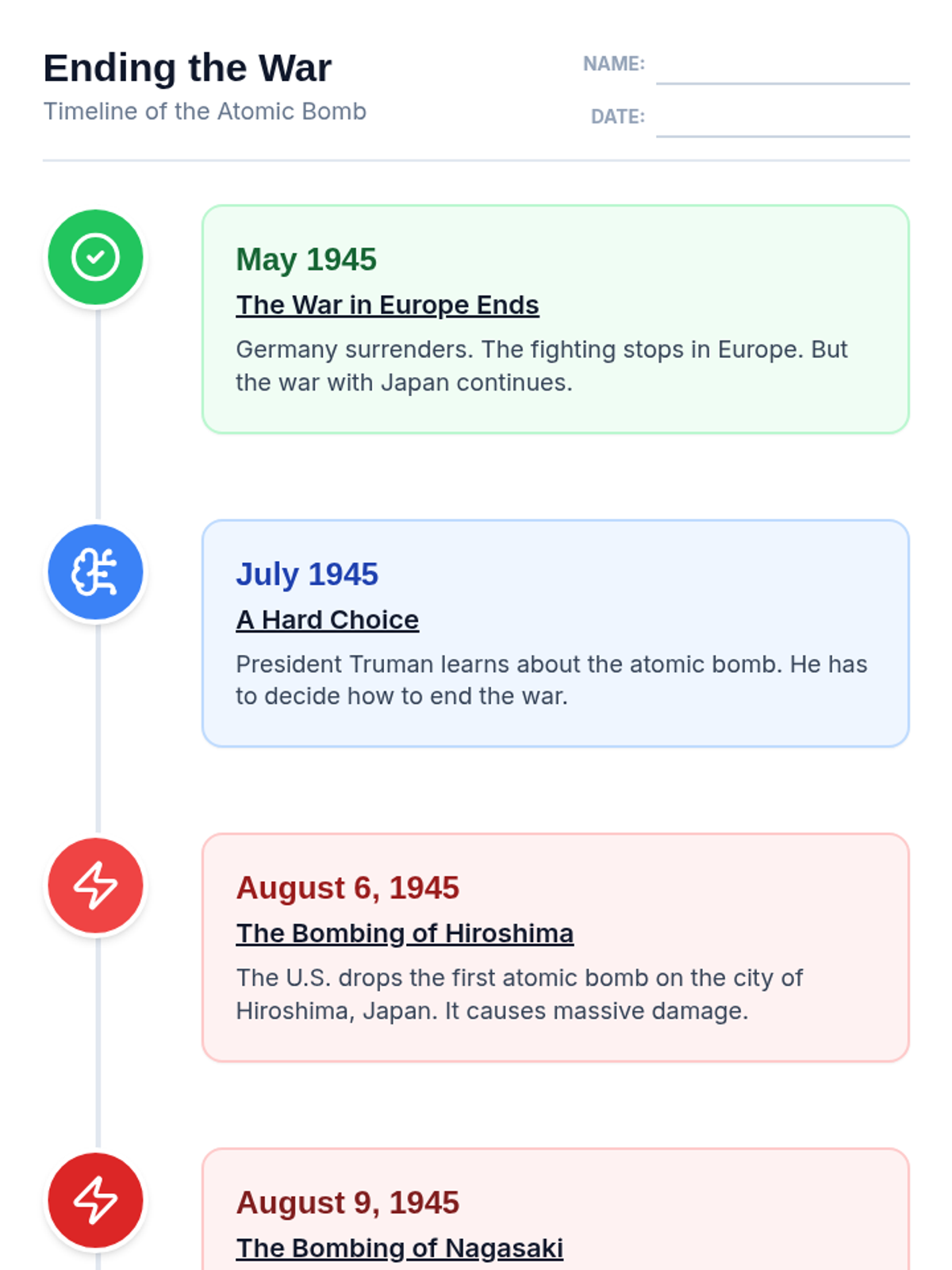
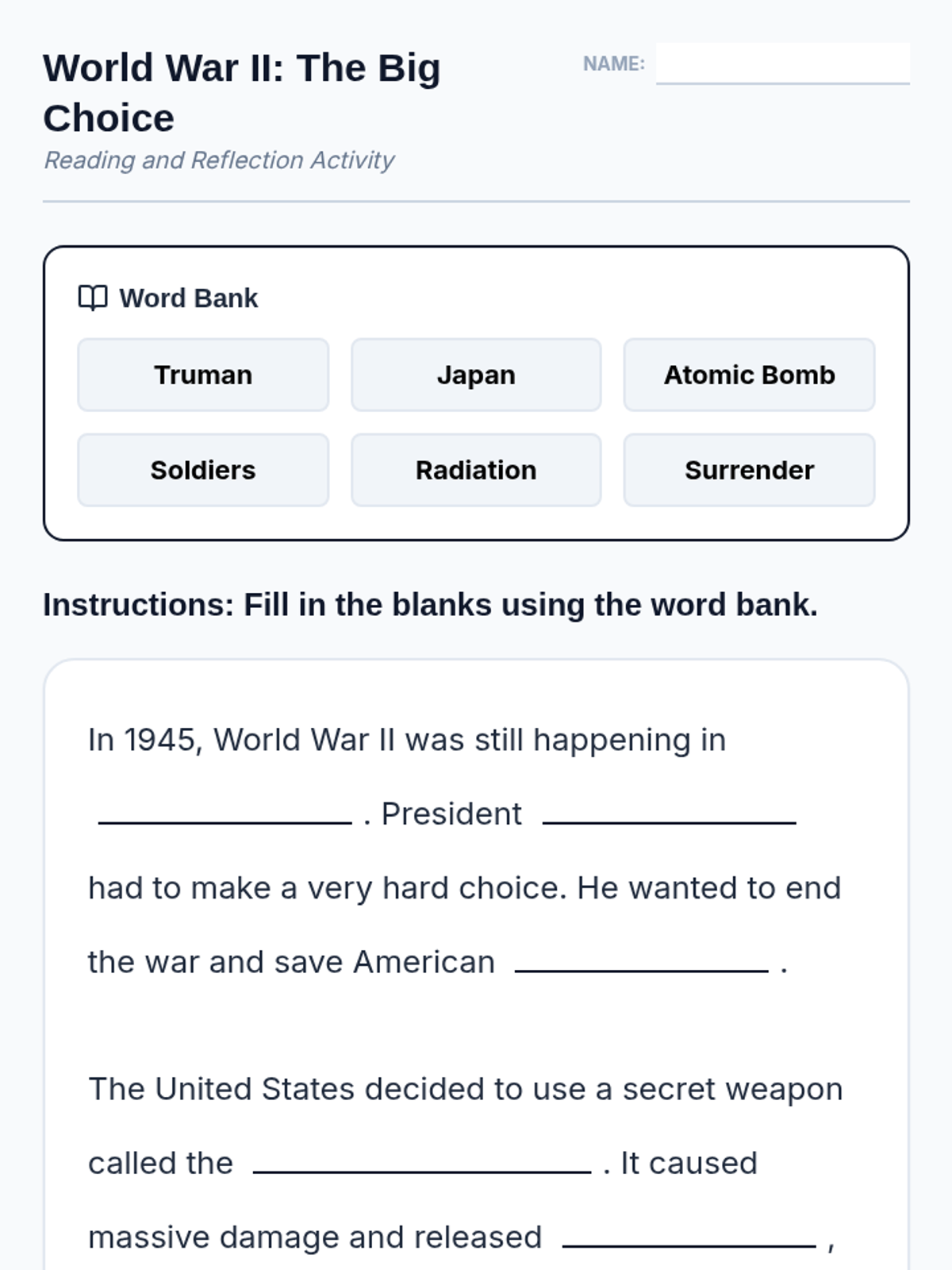
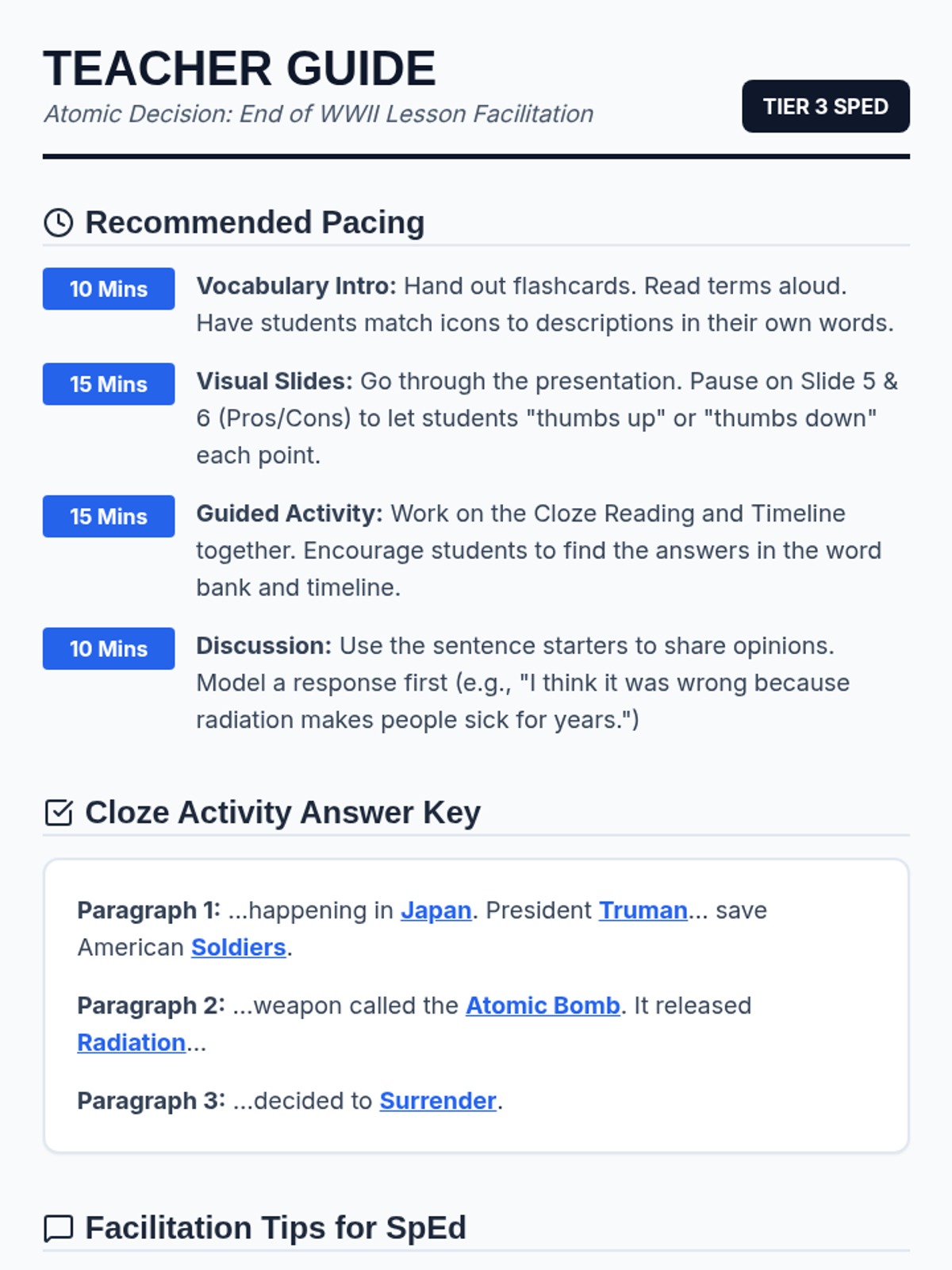
A highly scaffolded lesson for Tier 3 special education students exploring the end of WWII, the Manhattan Project, and the complex decision to use atomic weapons on Hiroshima and Nagasaki. Students use visual timelines, vocabulary cards, and structured sentence starters to analyze the ethical implications and historical impact of these events.
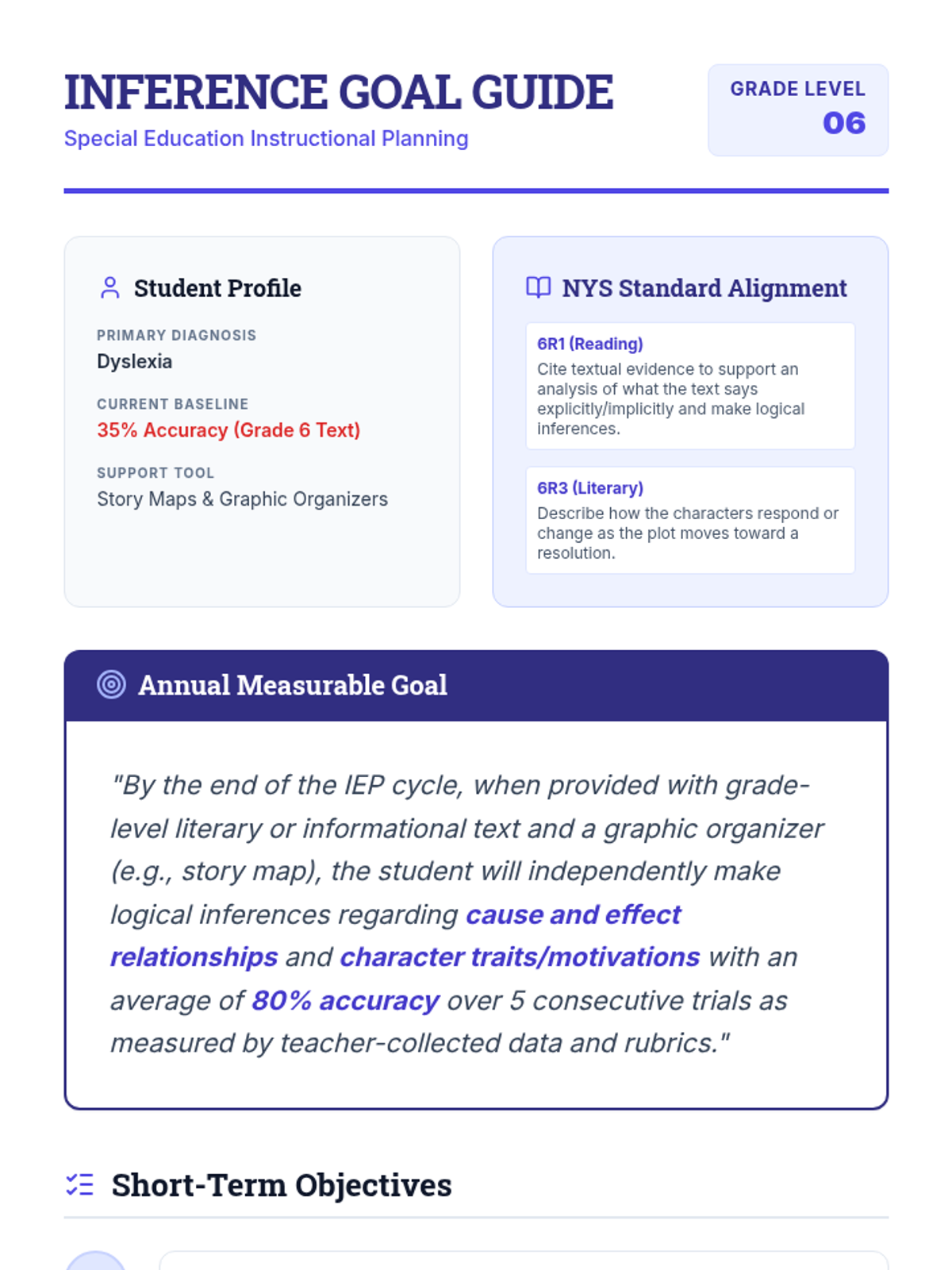
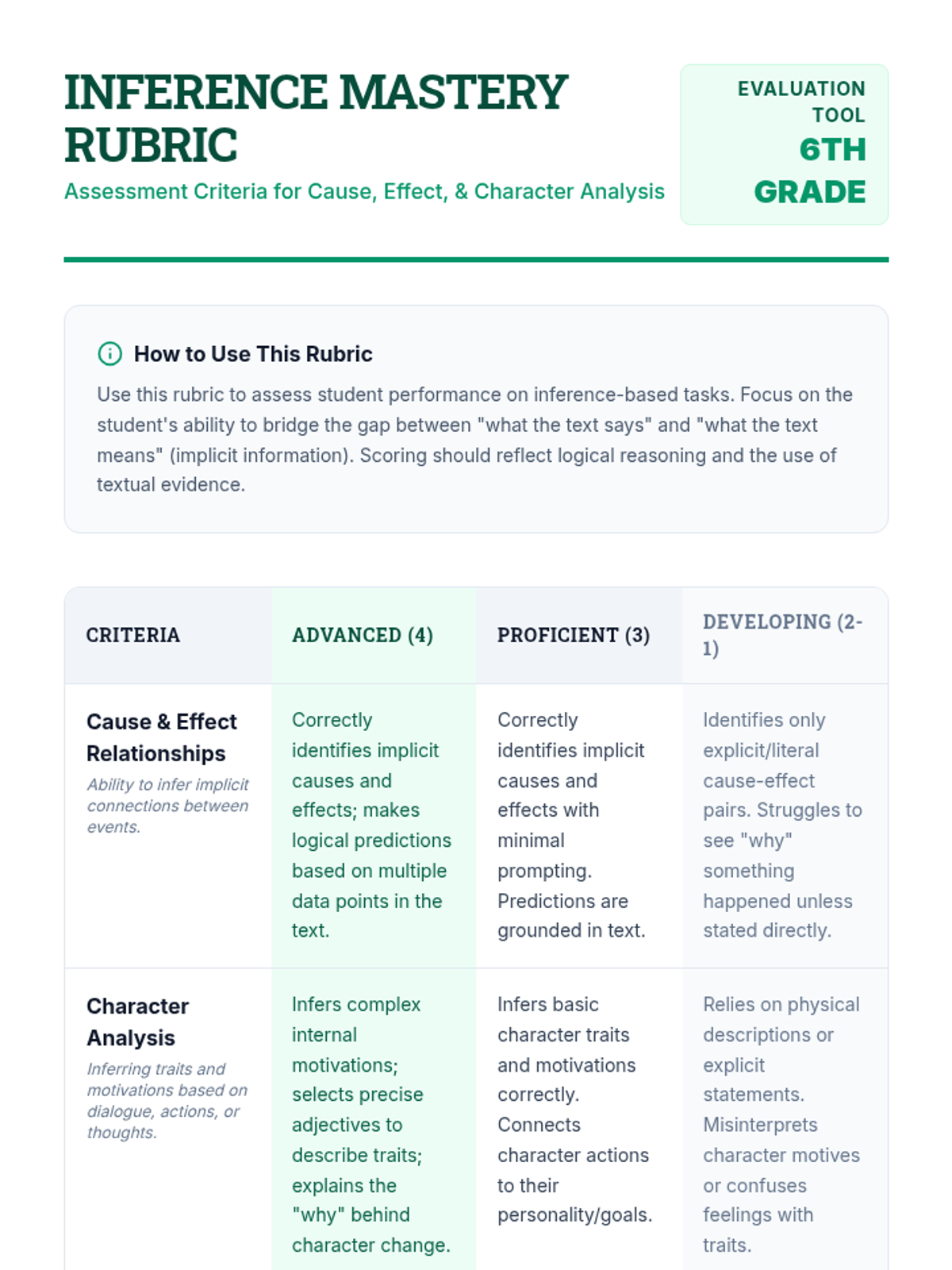
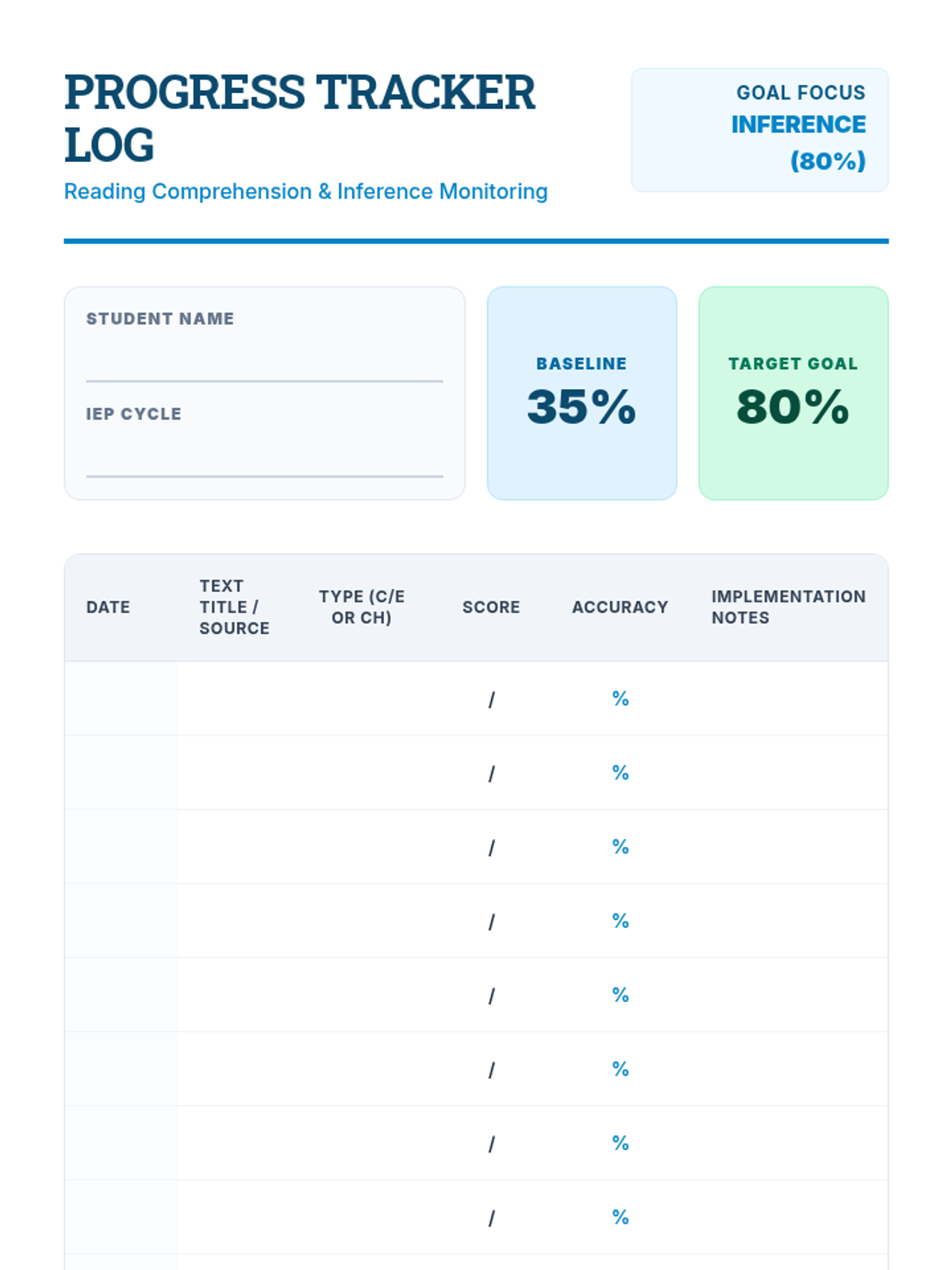
A collection of instructional goals and monitoring tools designed to support a 6th-grade student with dyslexia in mastering complex reading inferences, specifically cause-effect and character motivations.
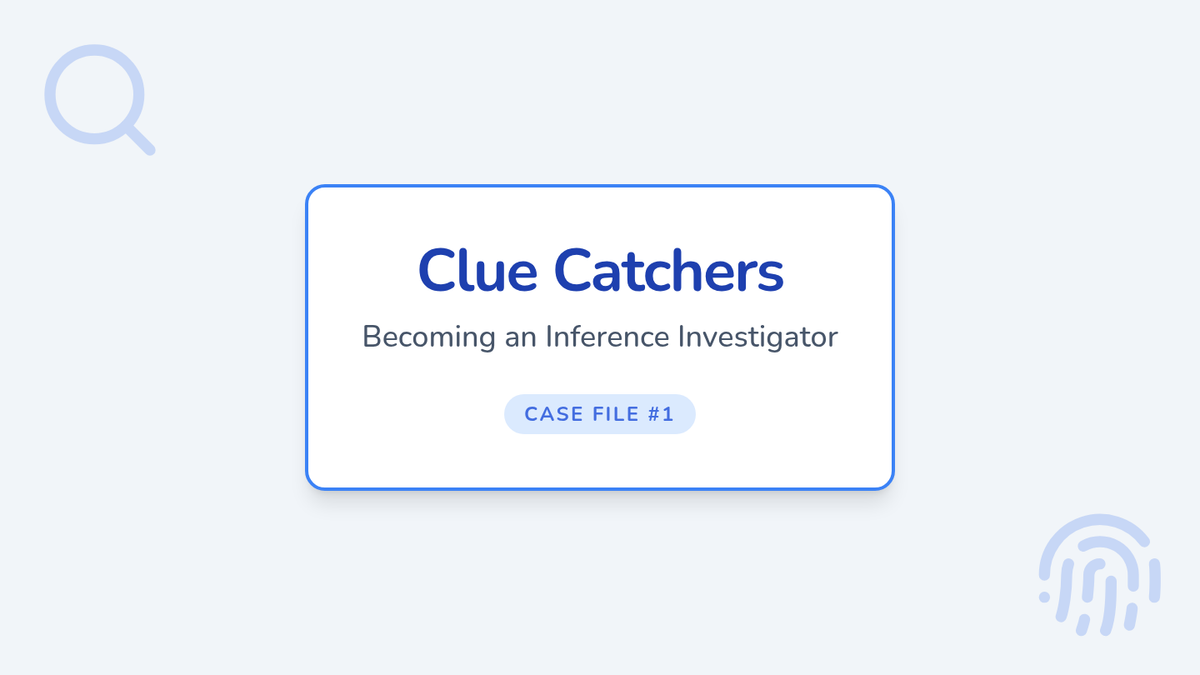
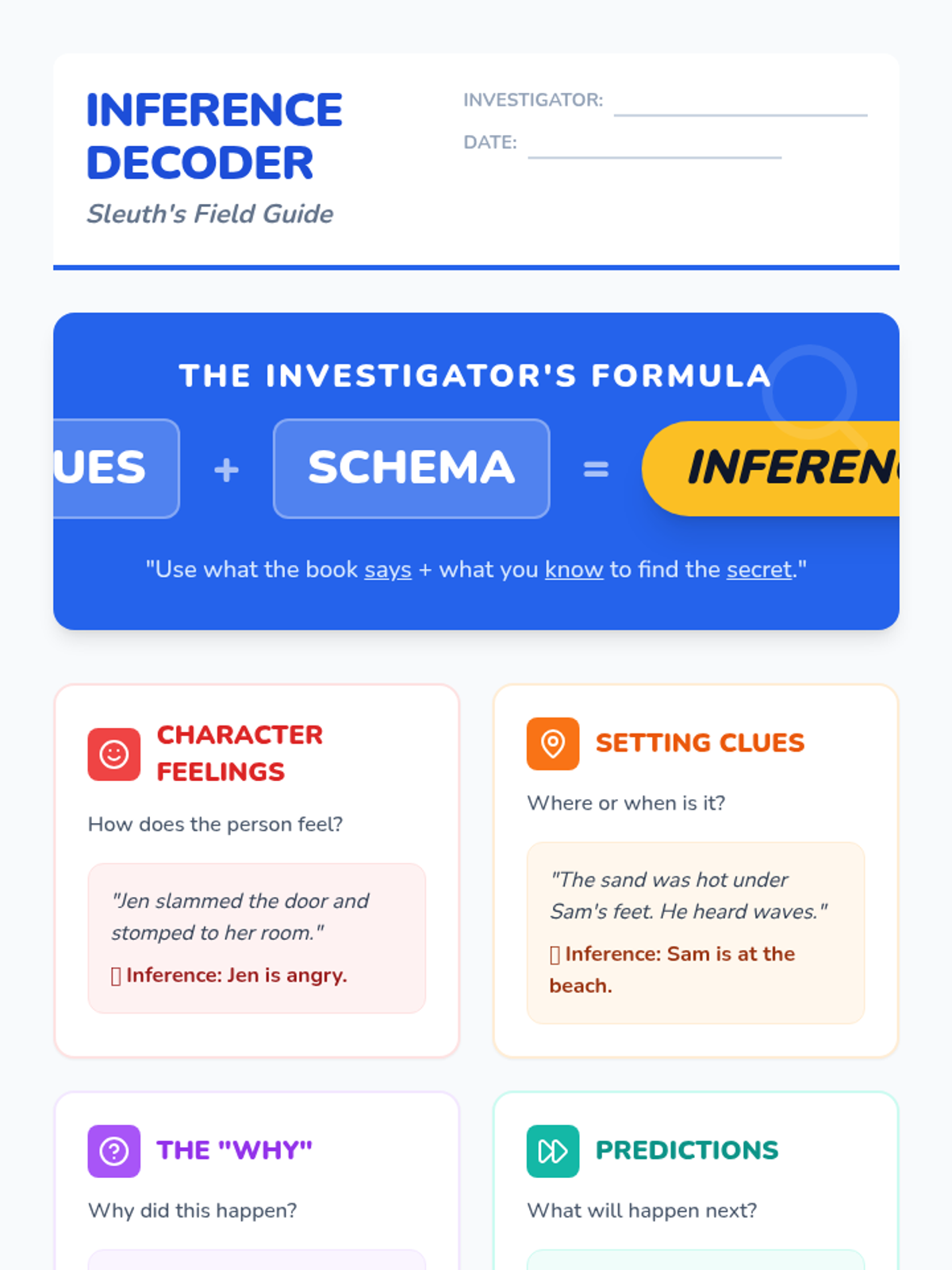
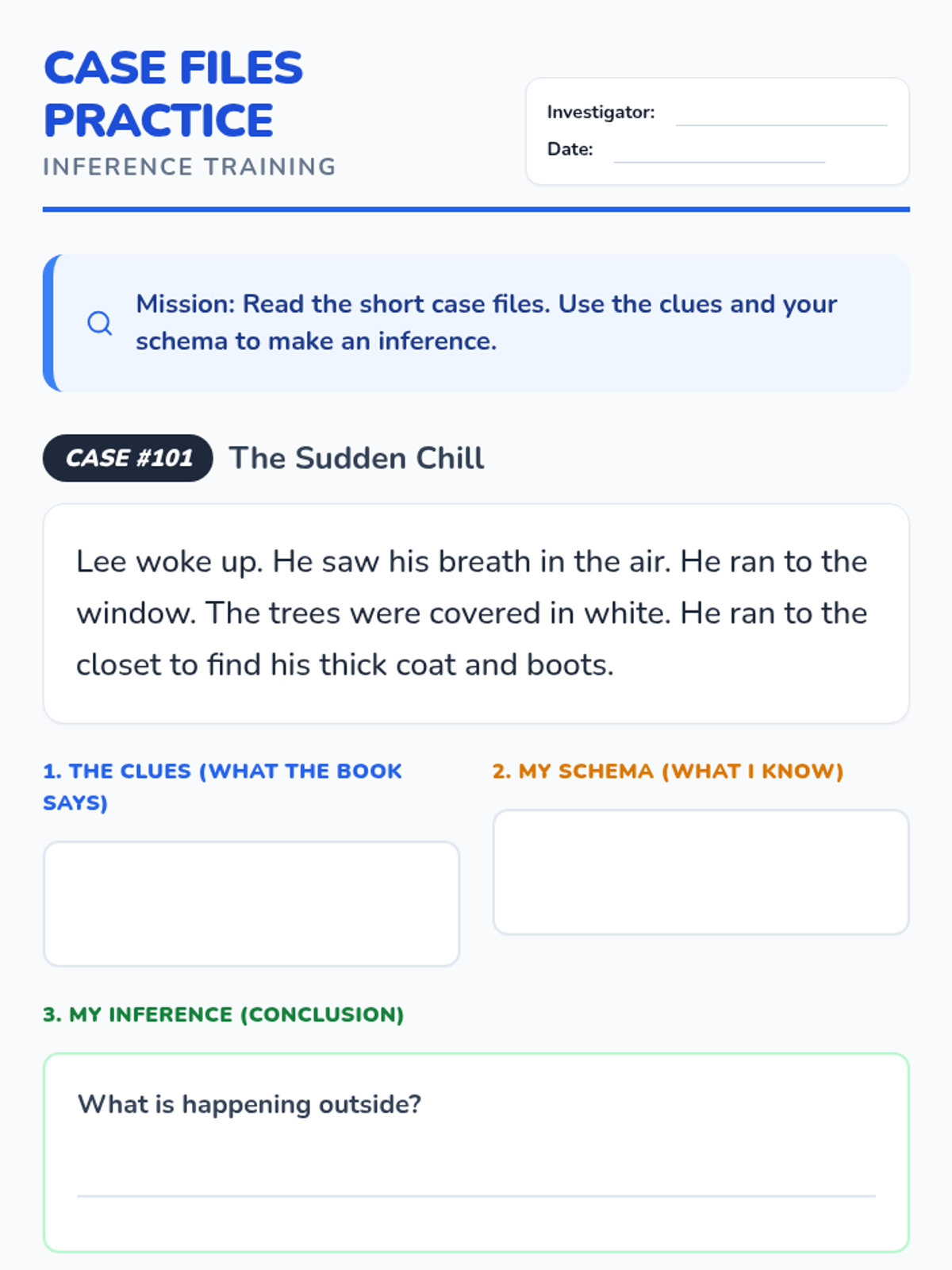
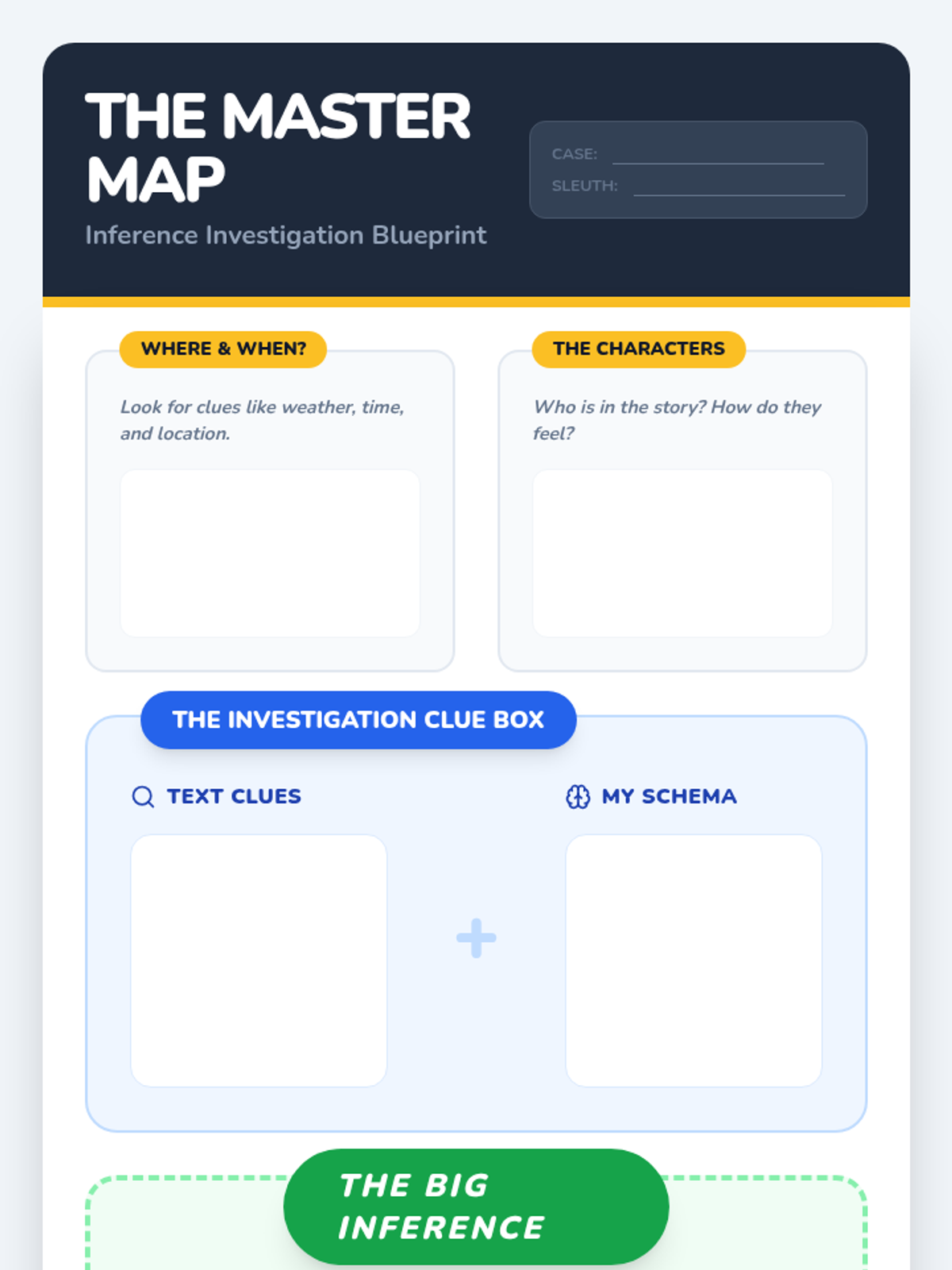
This lesson introduces the core concept of making inferences by identifying different types of 'clues' in a text. Students will learn the inference formula and apply it to short, decodable passages to build confidence and accuracy.
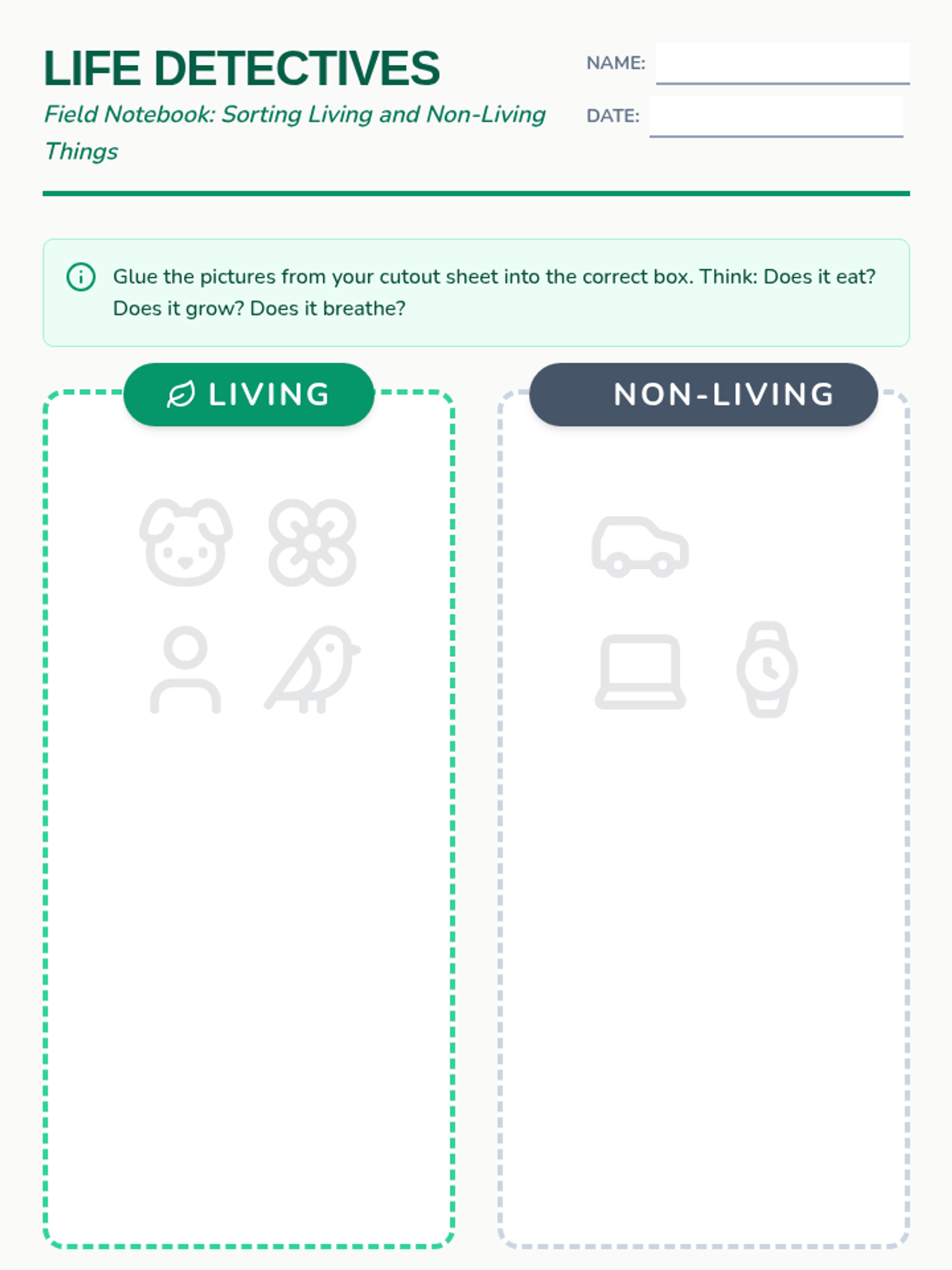
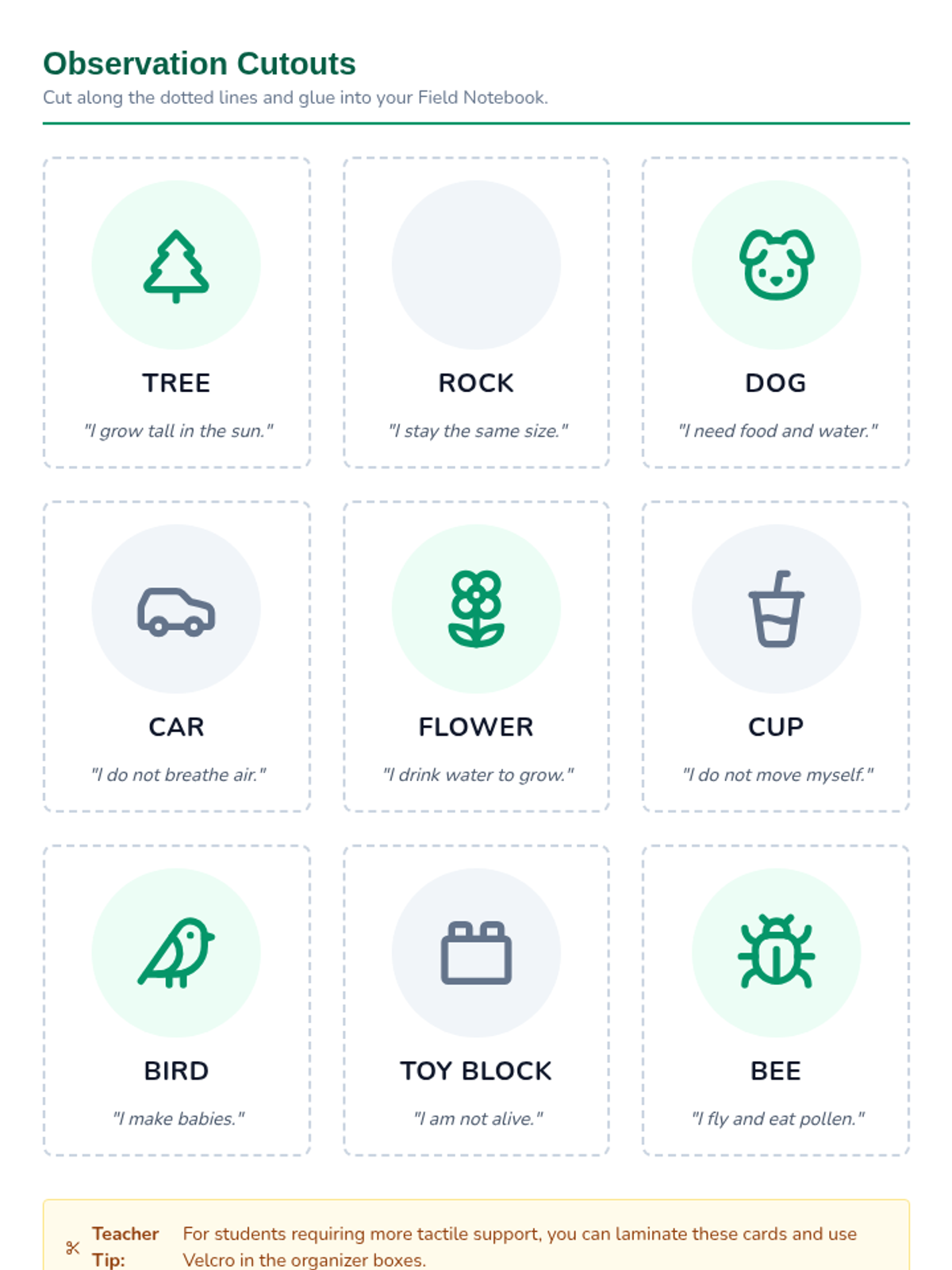
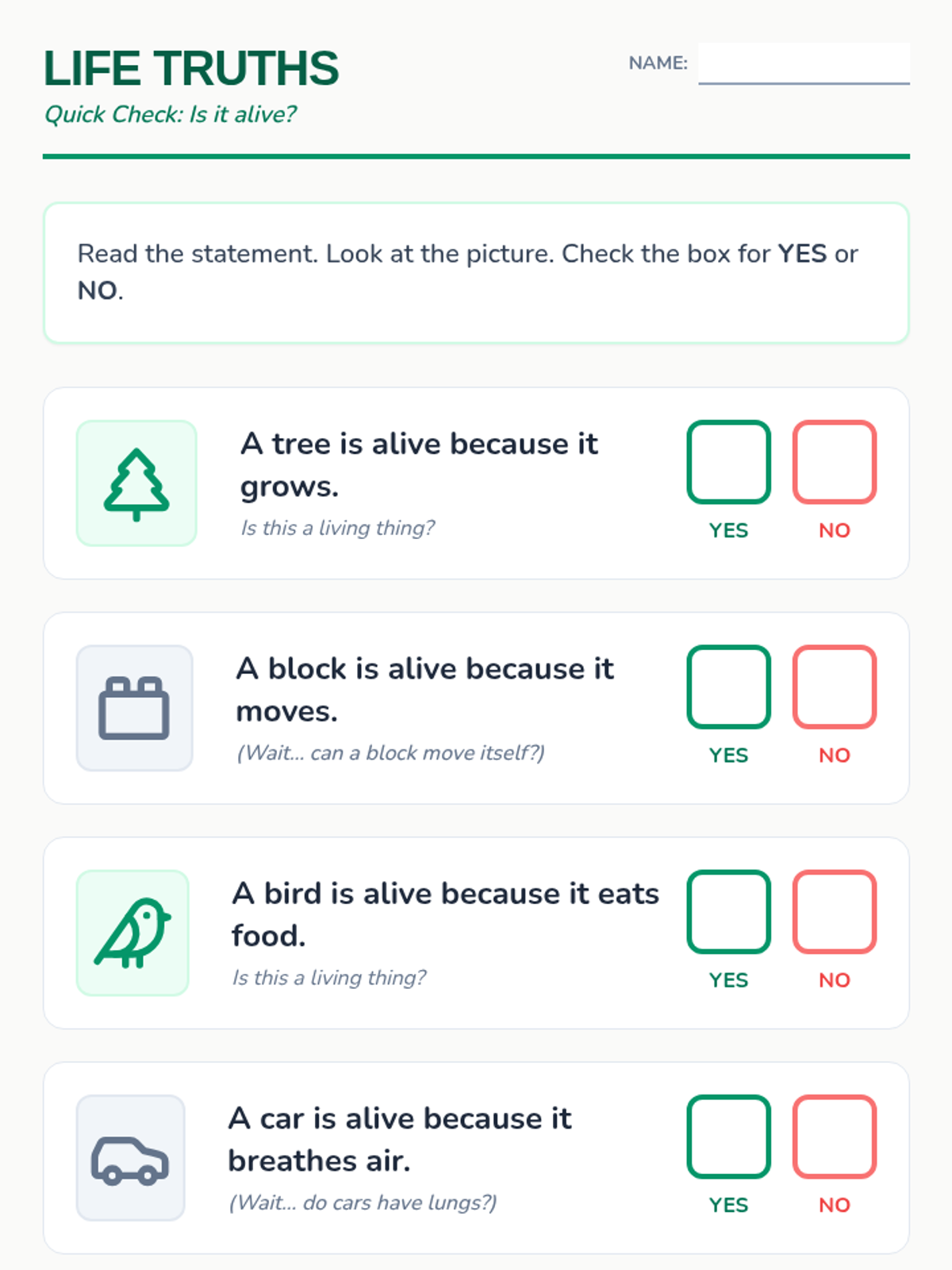
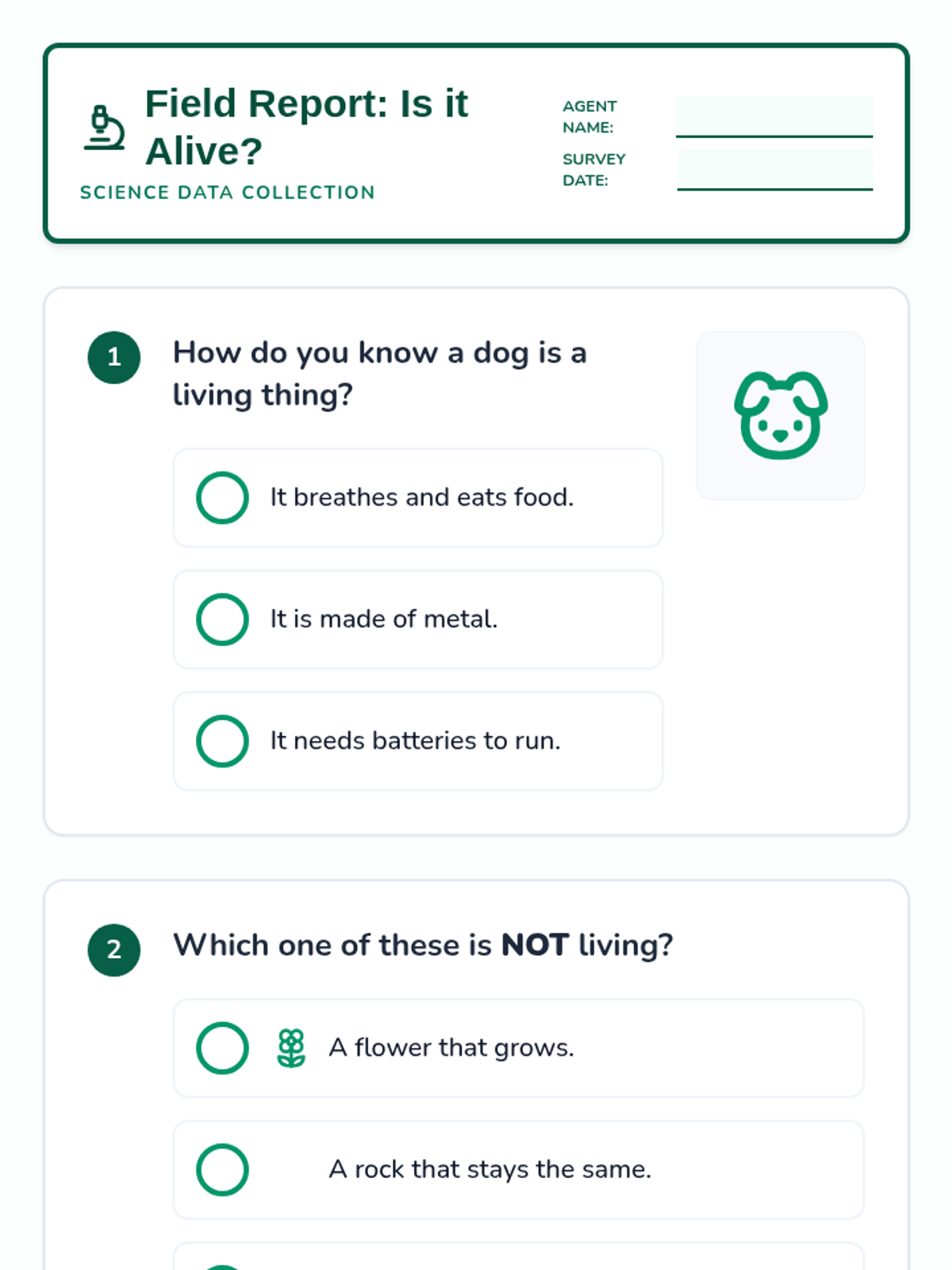
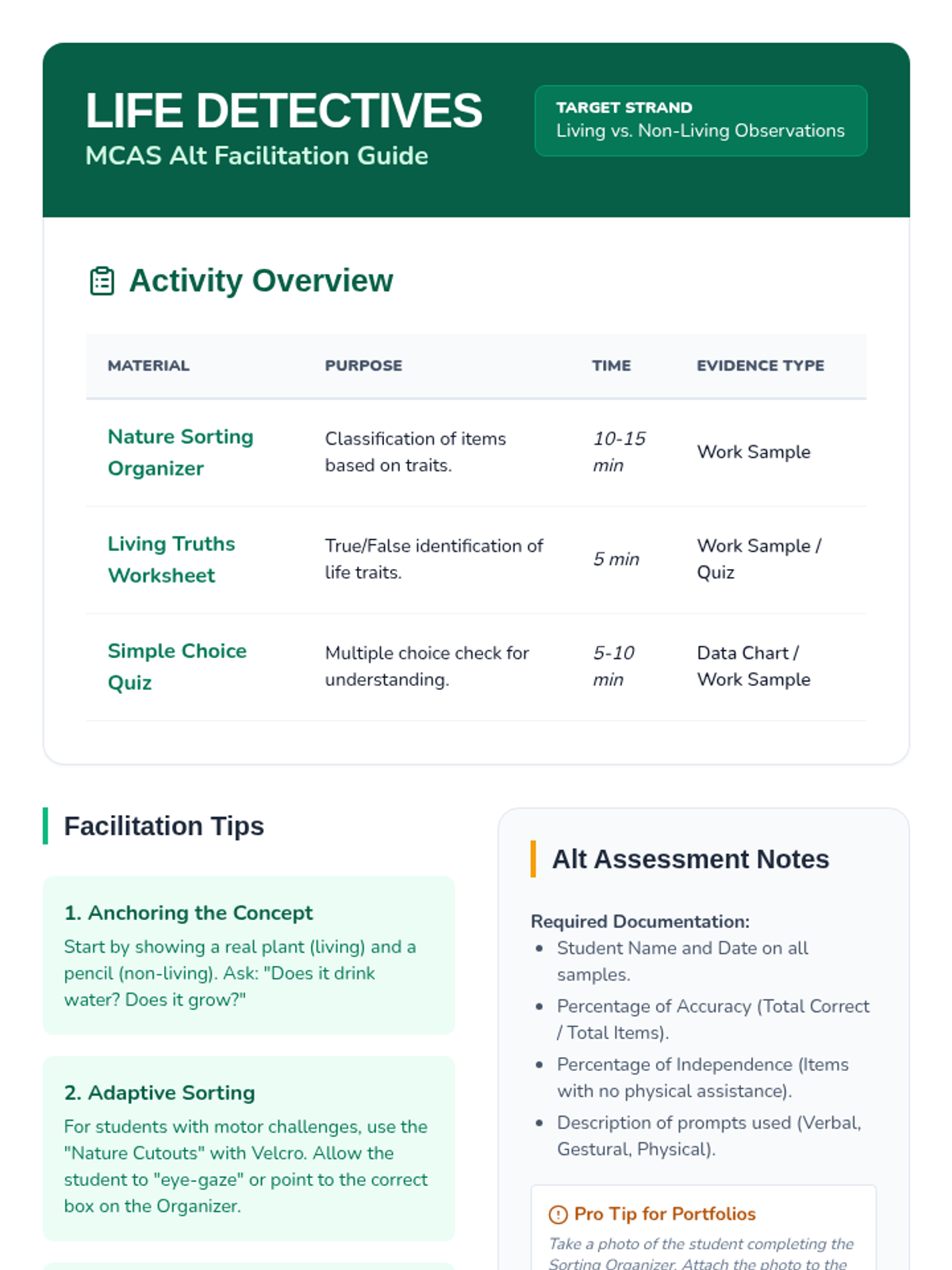
A set of accessible science materials designed for MCAS Alt evidence, focusing on distinguishing between living and non-living things through observation and sorting.
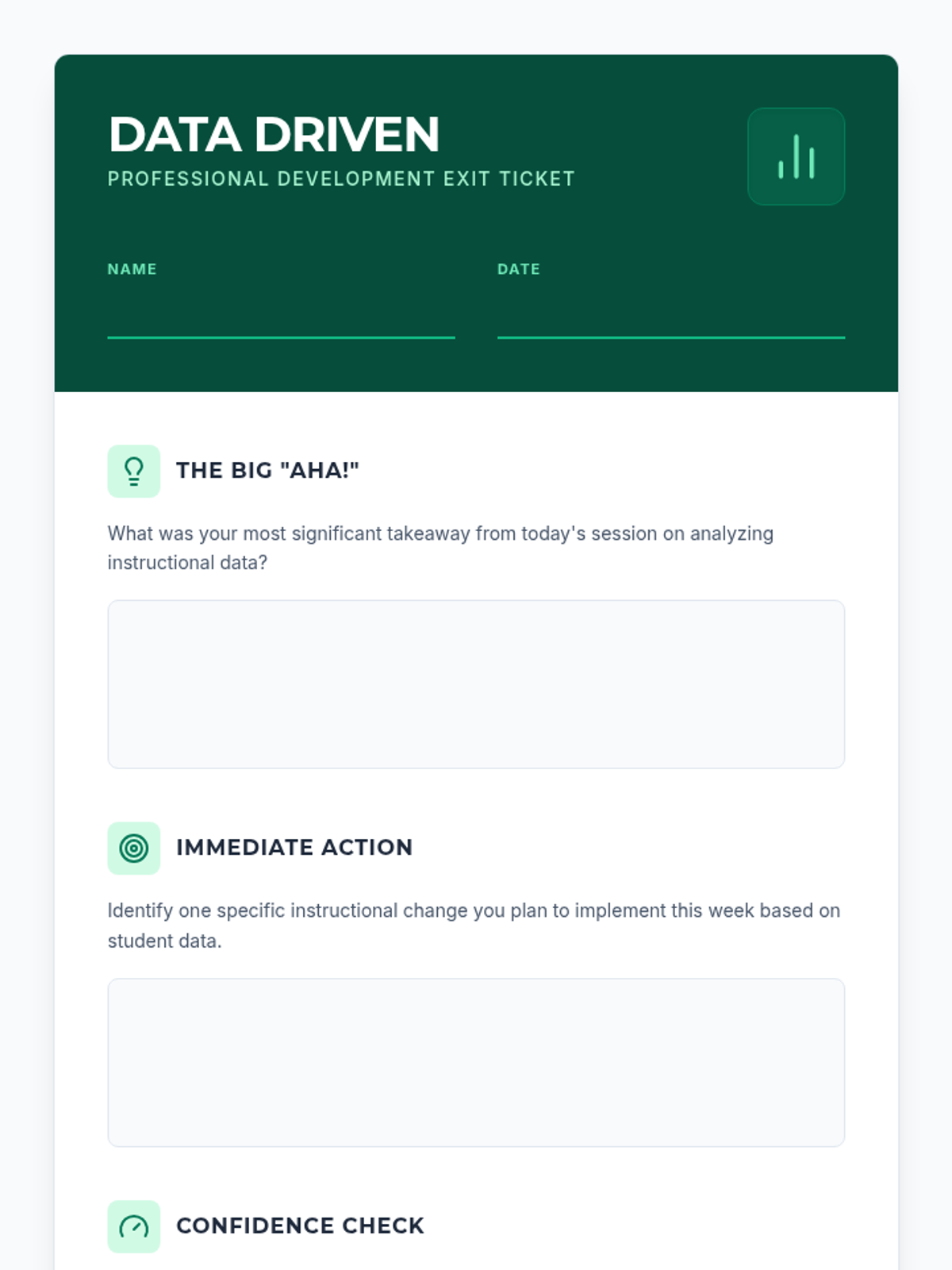
A professional development session designed to help educators translate raw student data into actionable instructional changes. Teachers will practice identifying trends and planning specific interventions based on real-world classroom data.
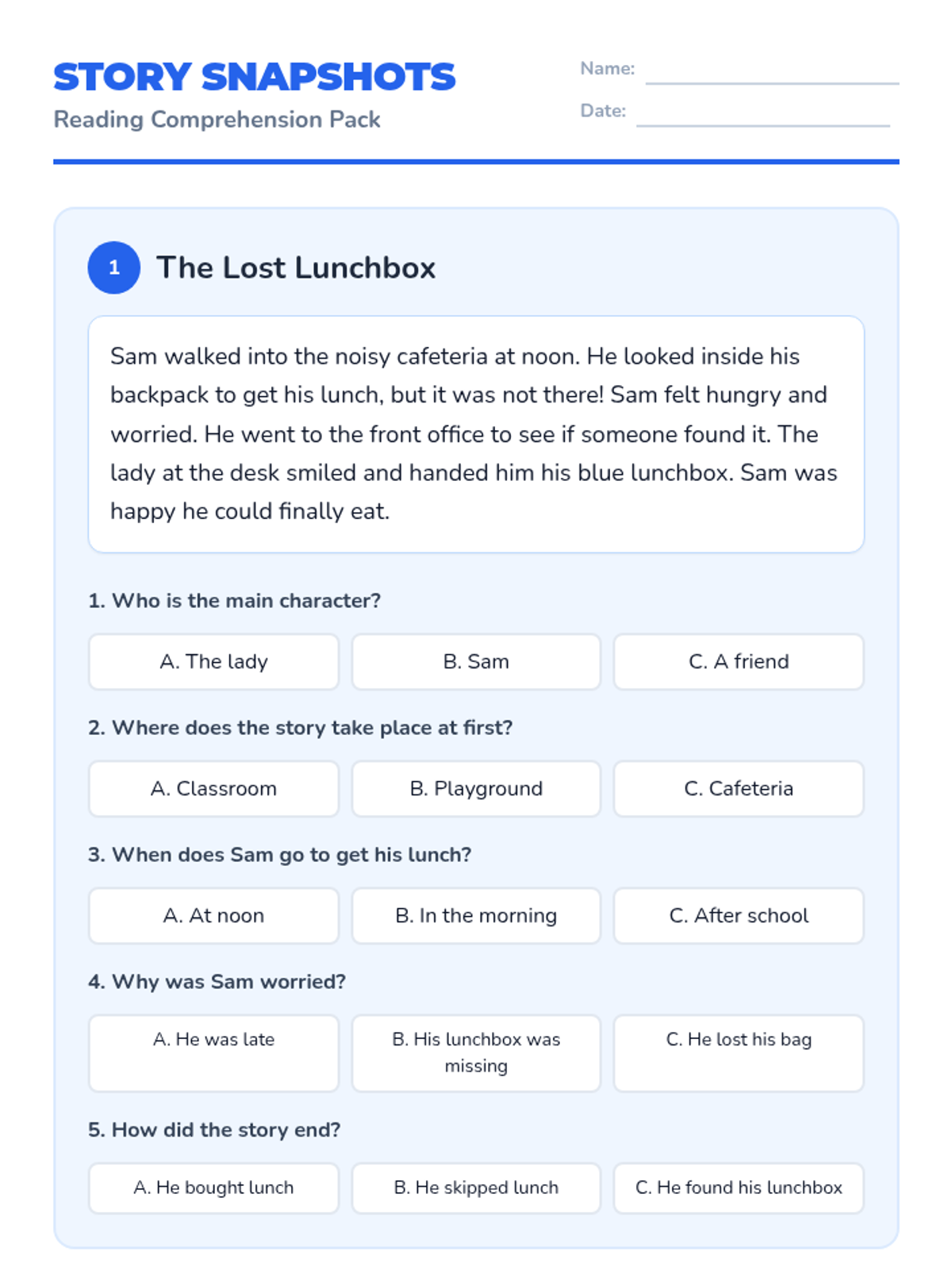
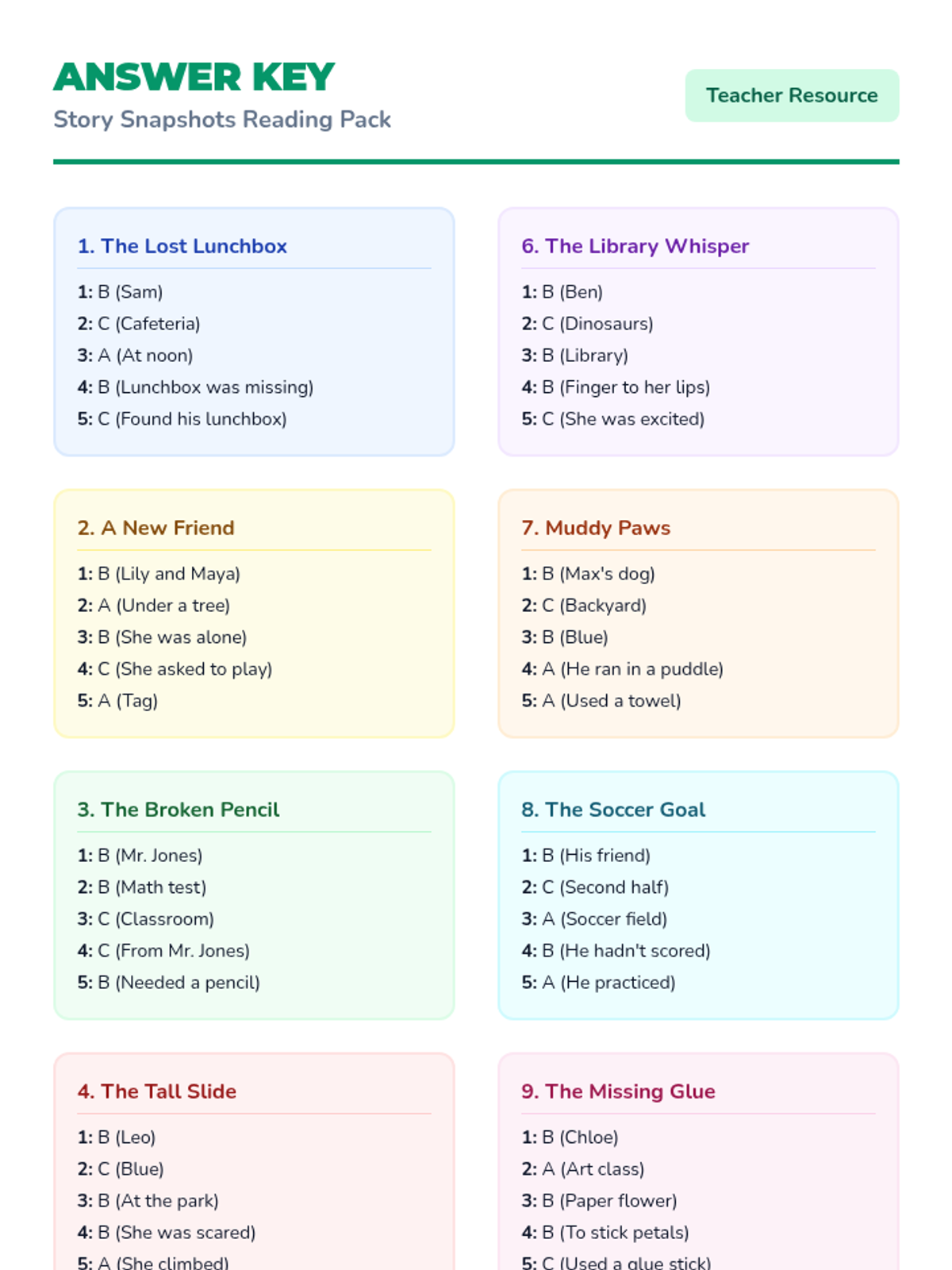
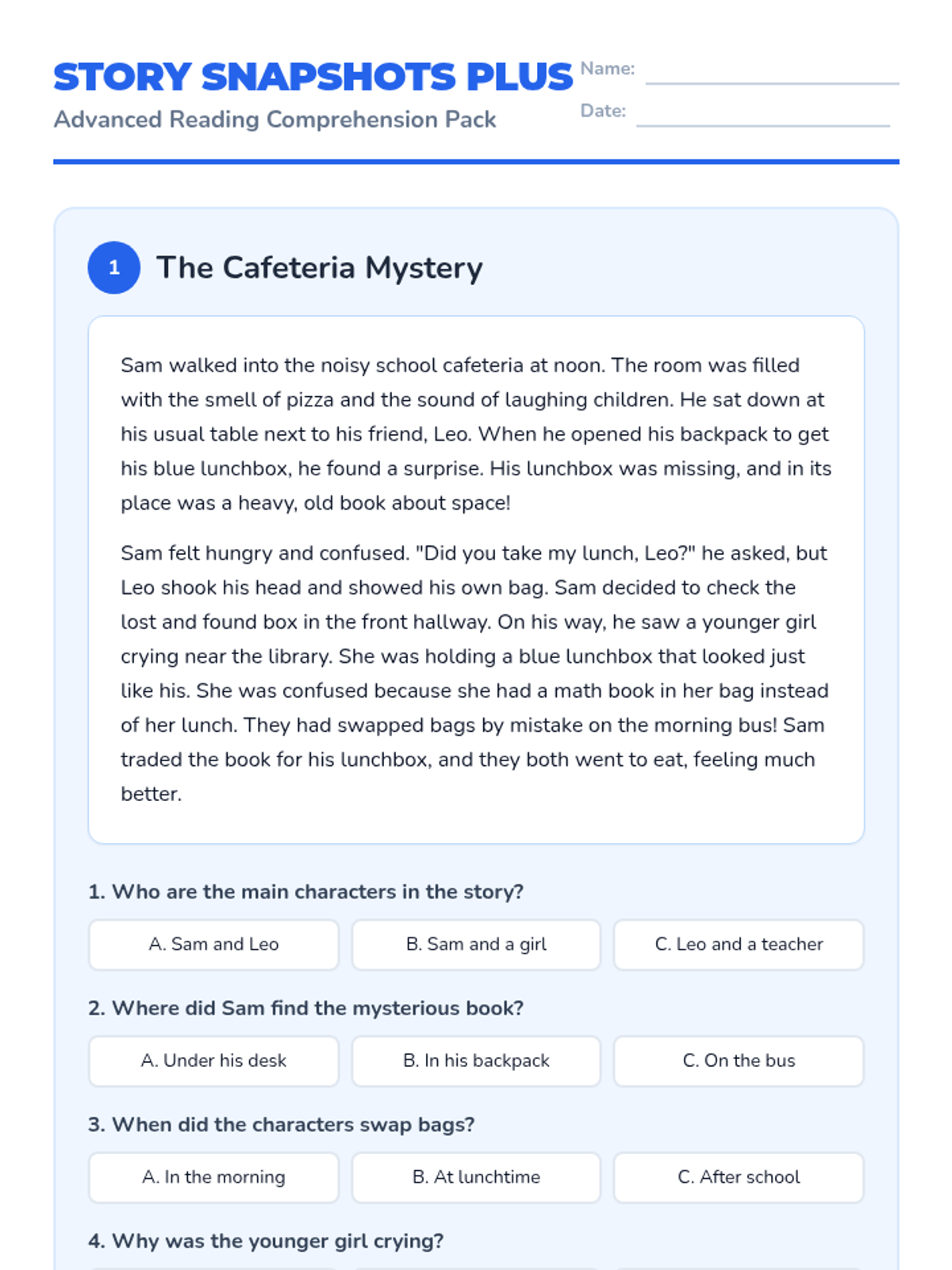
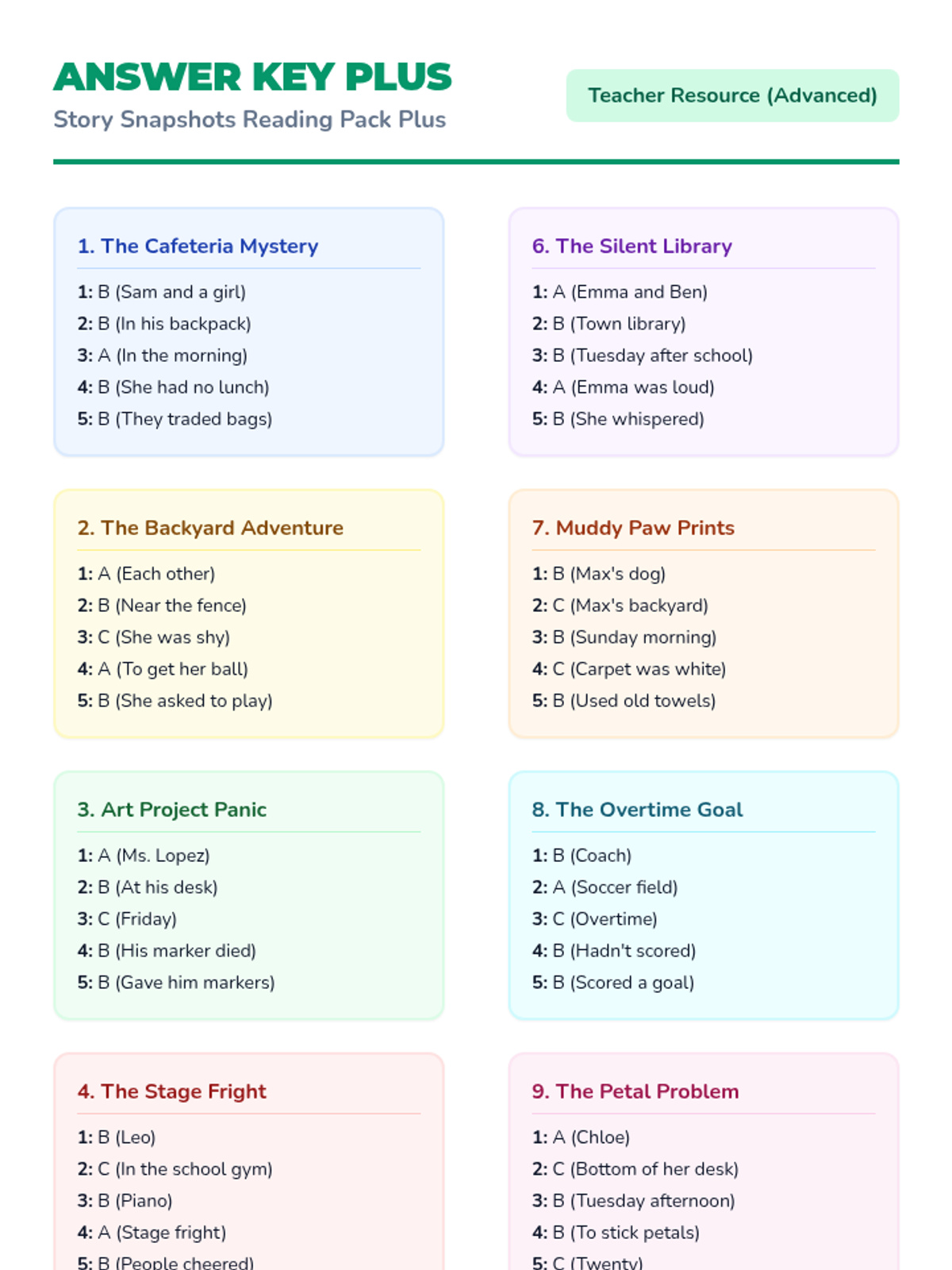
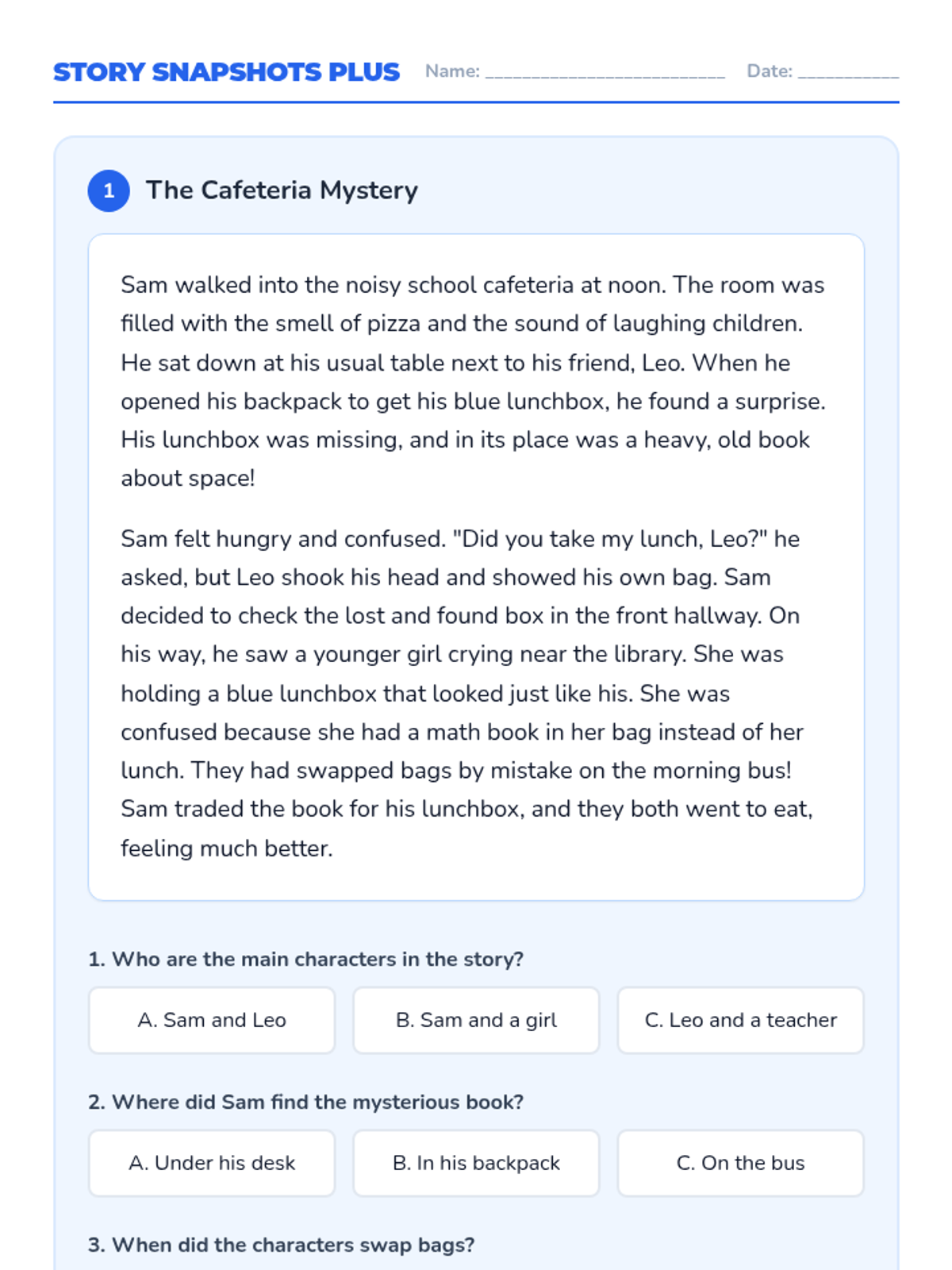
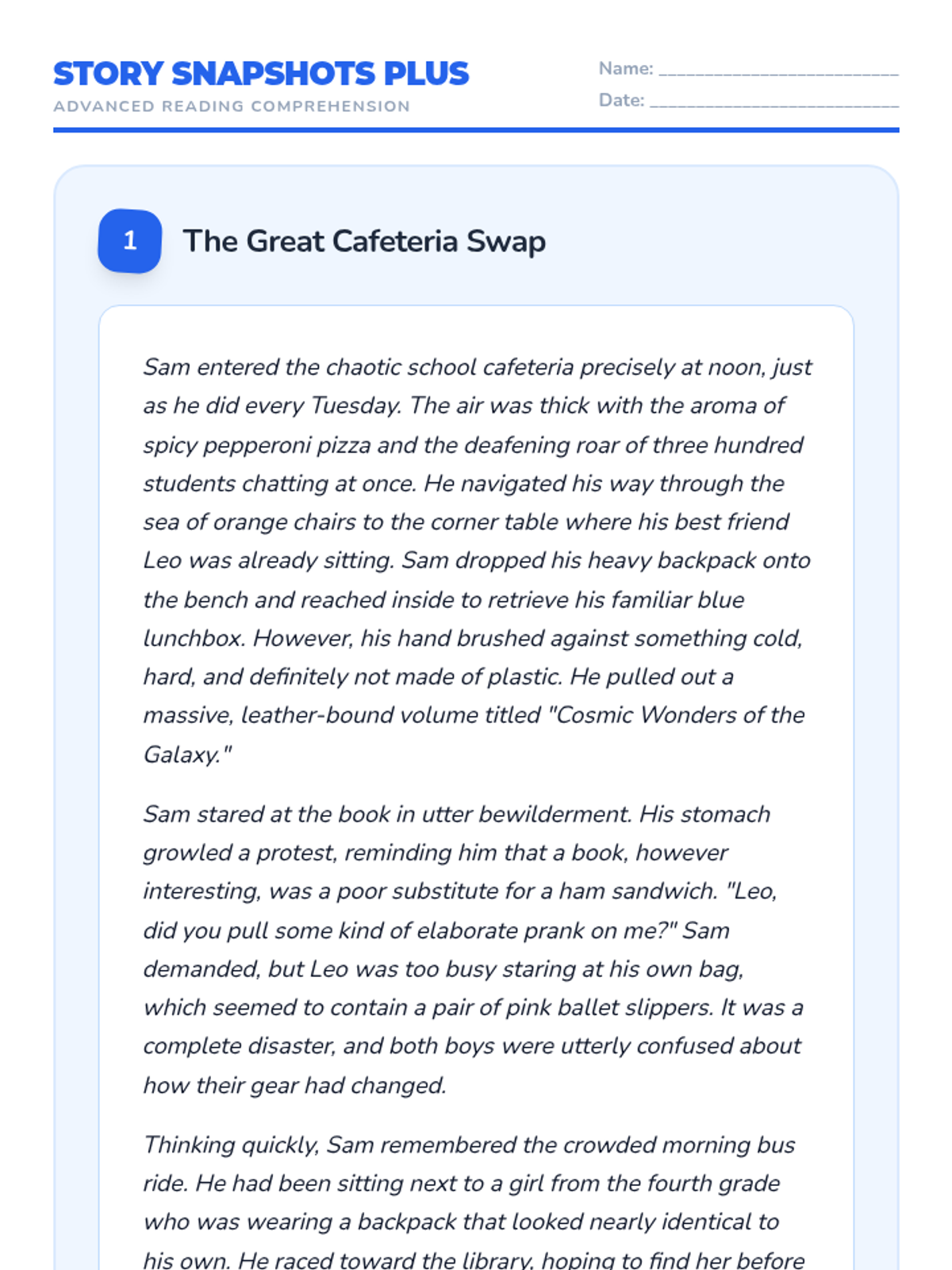
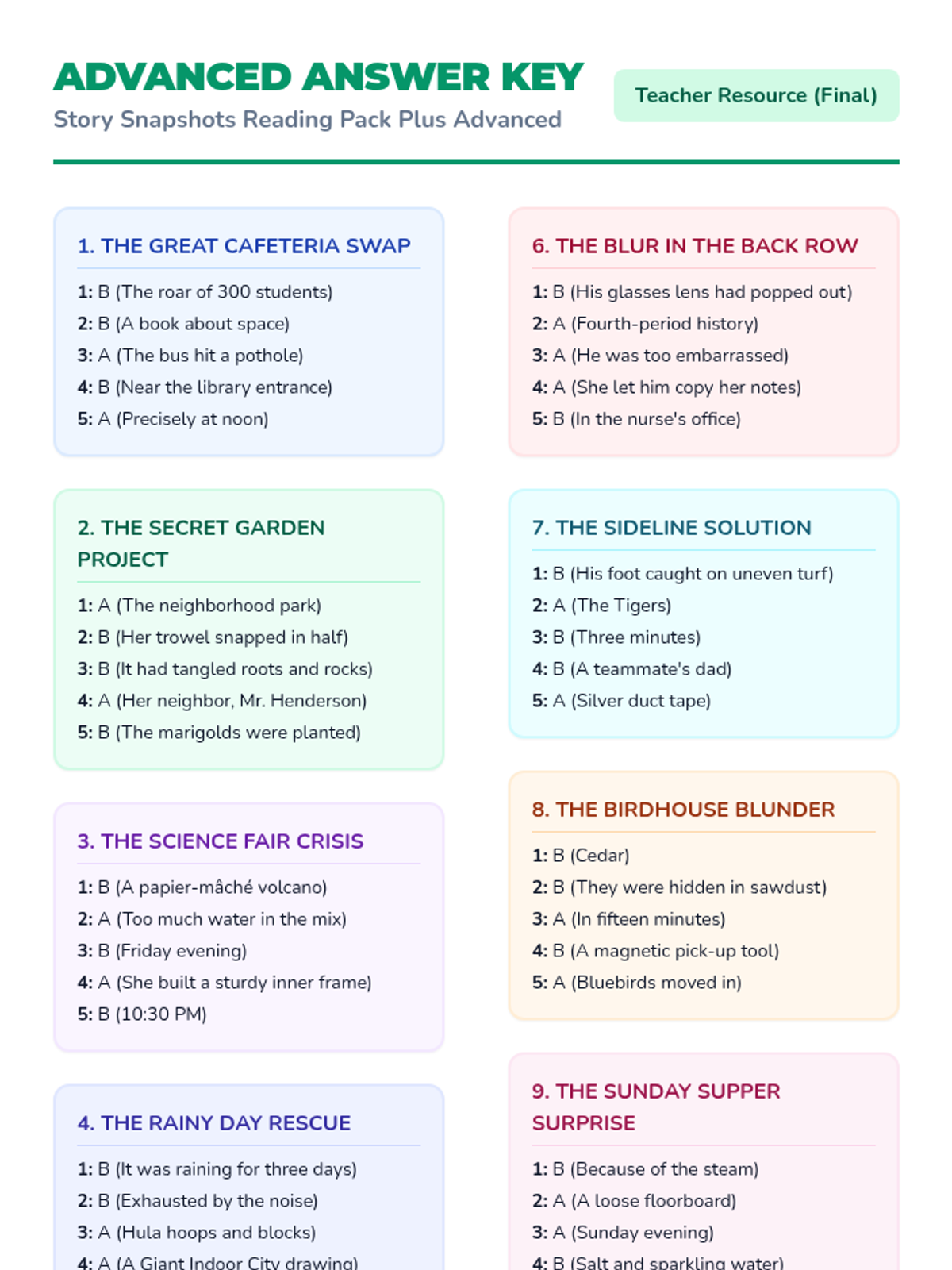
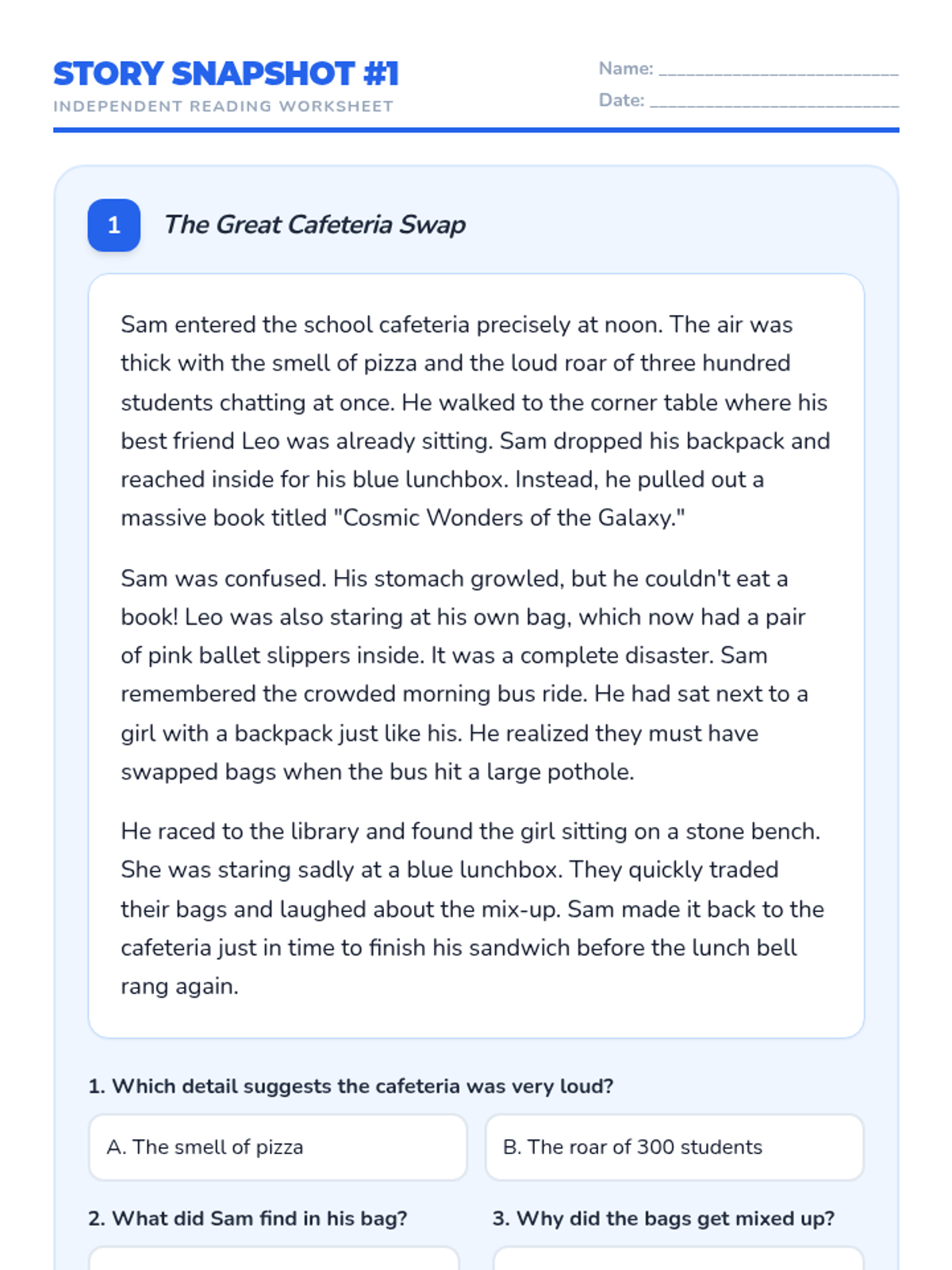
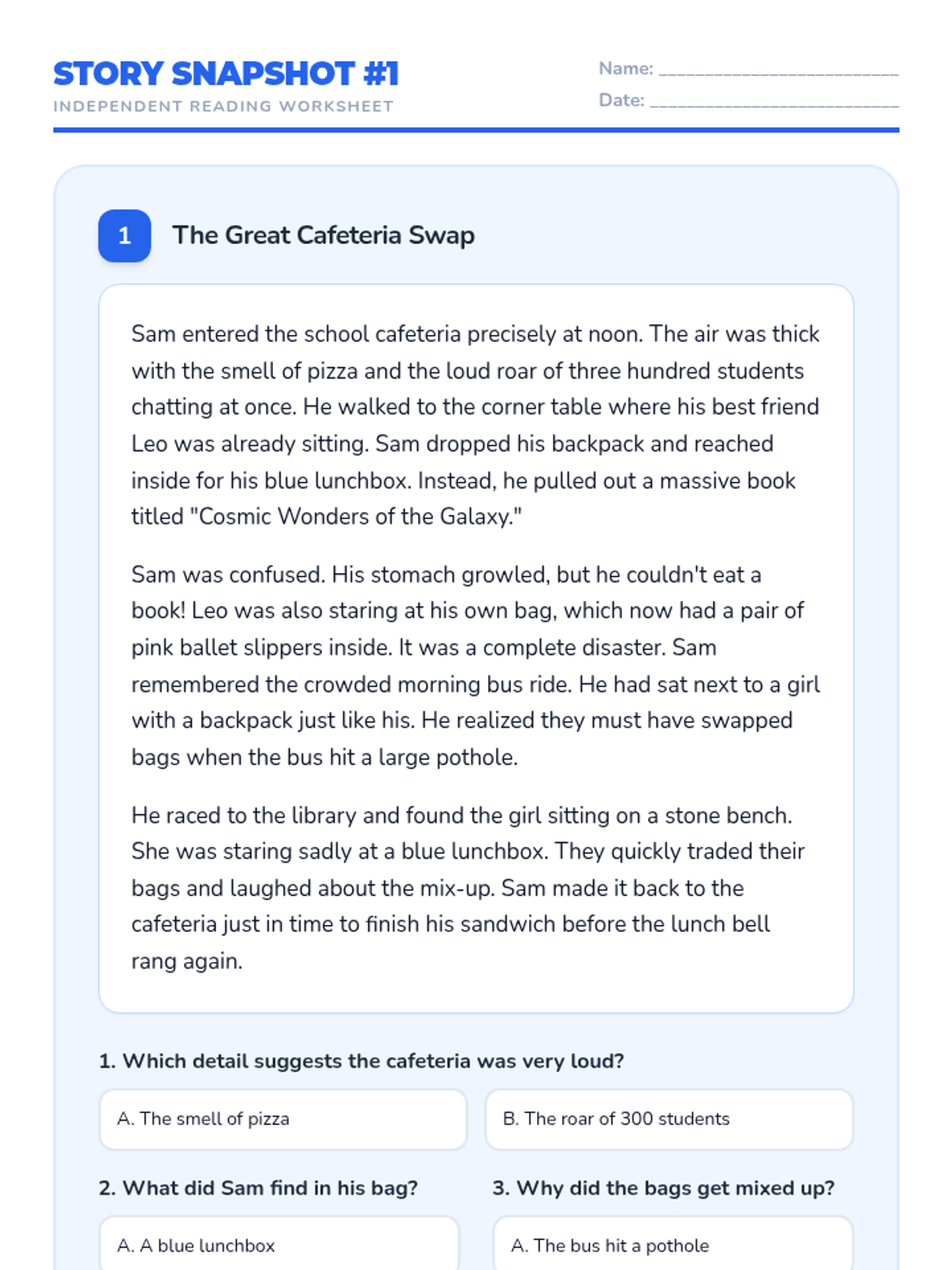
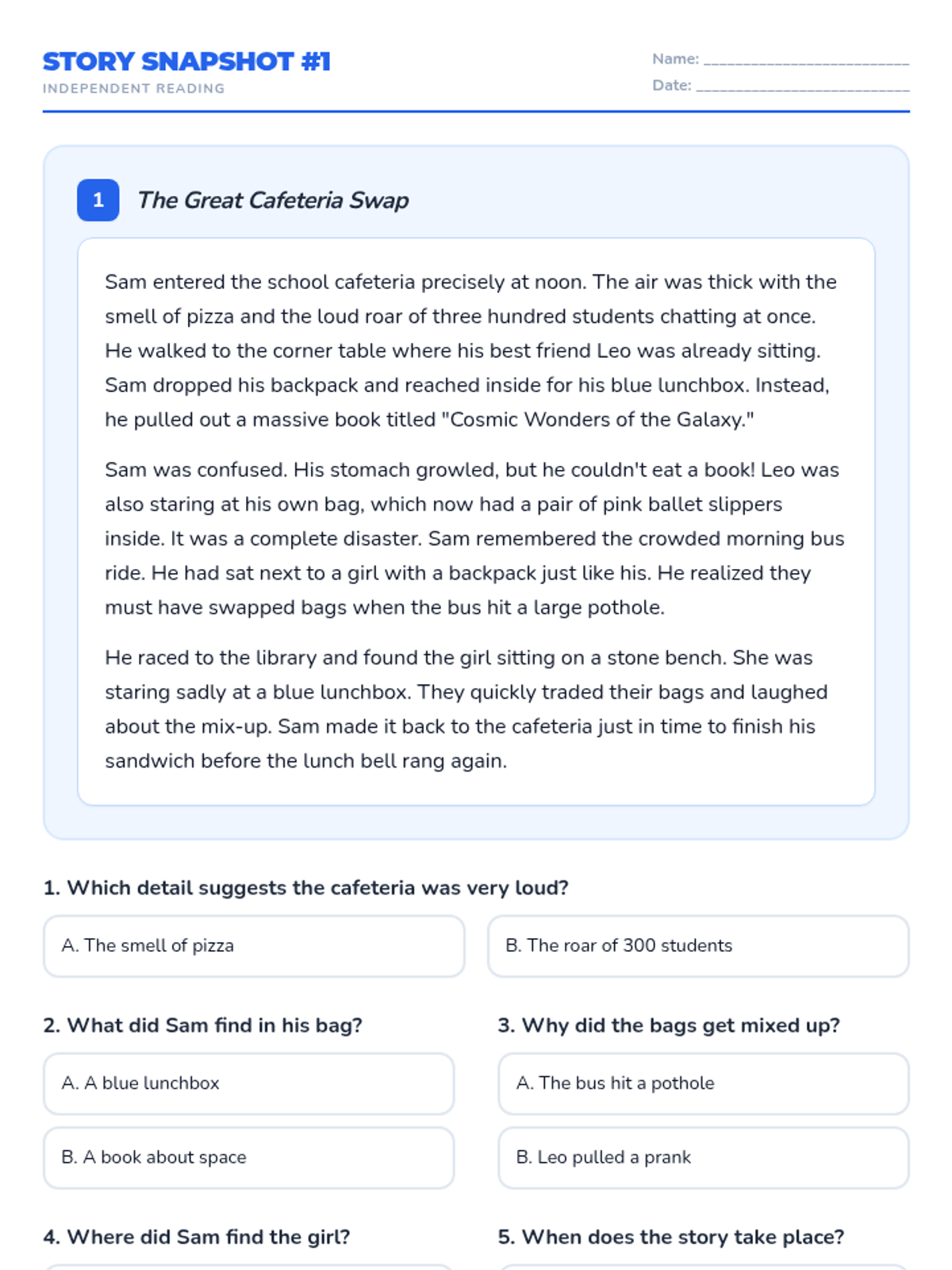
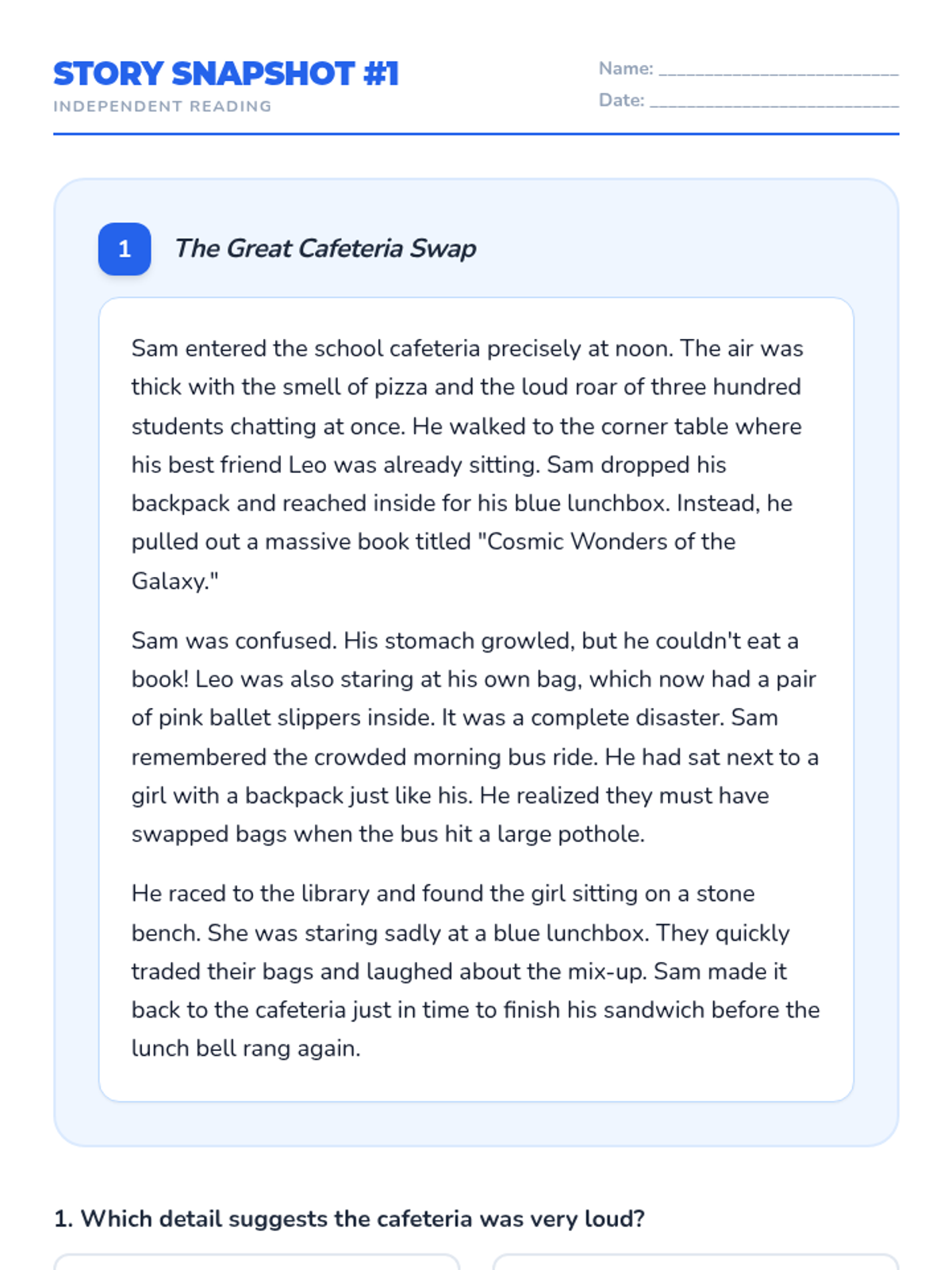
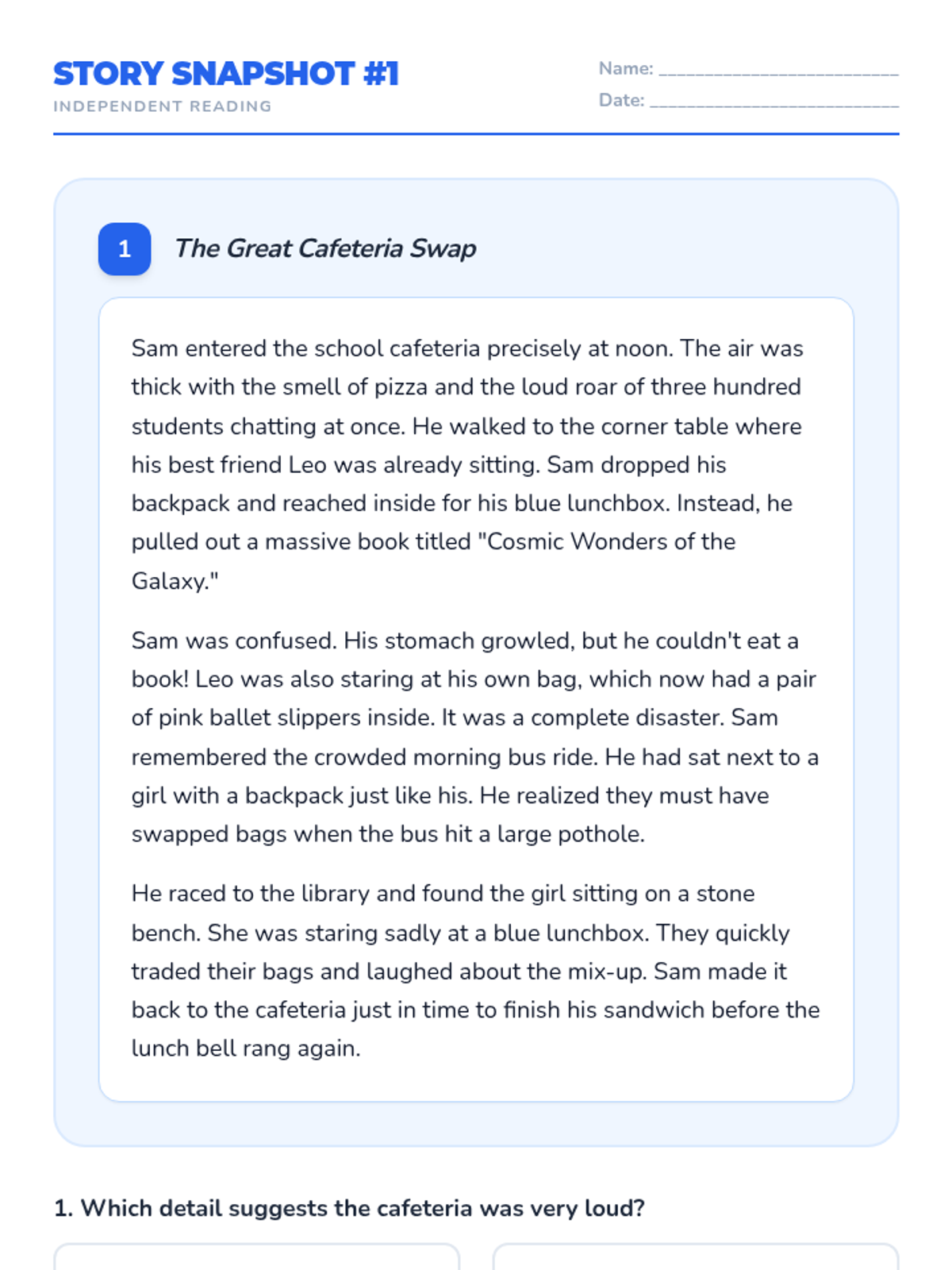
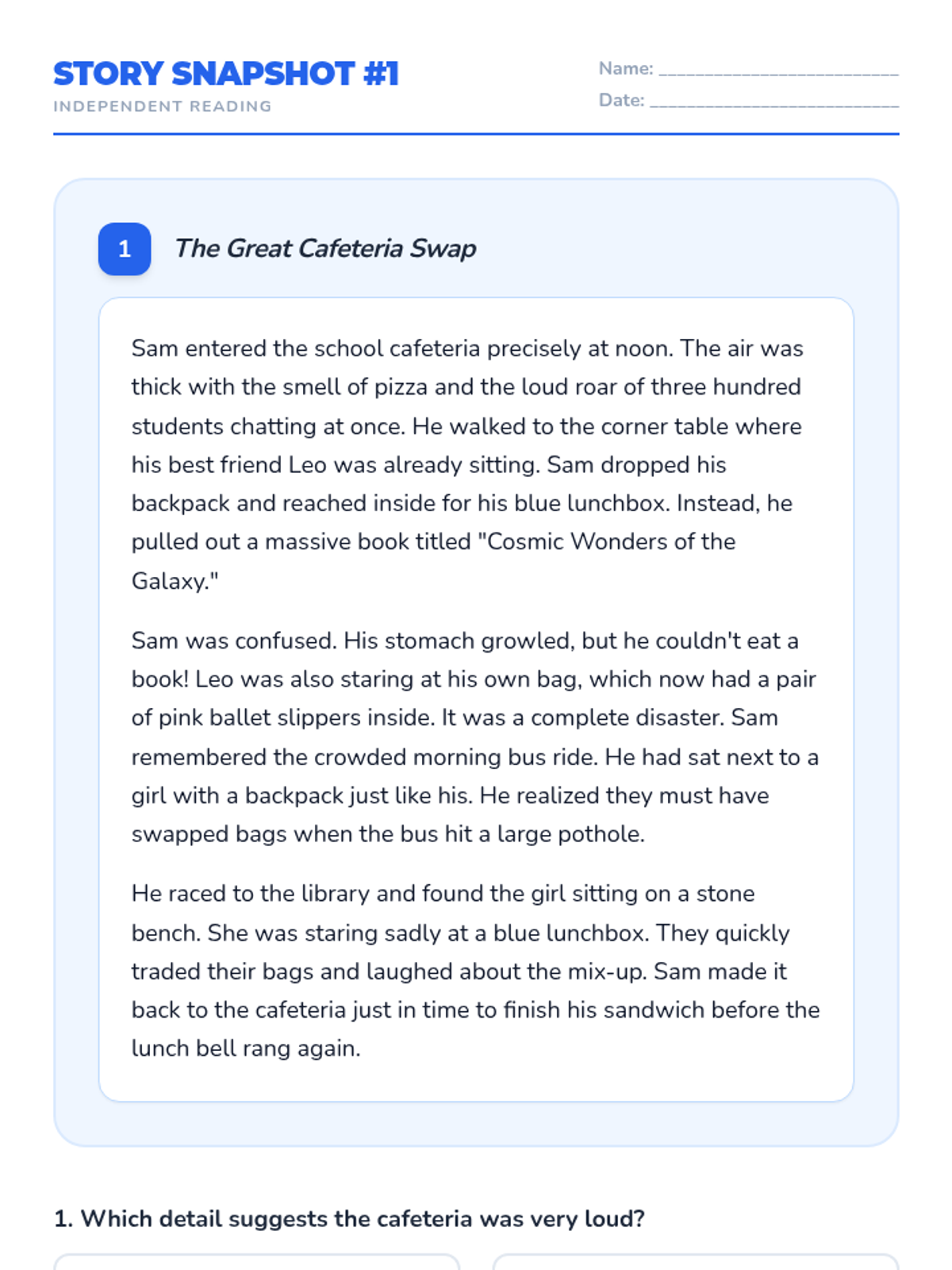
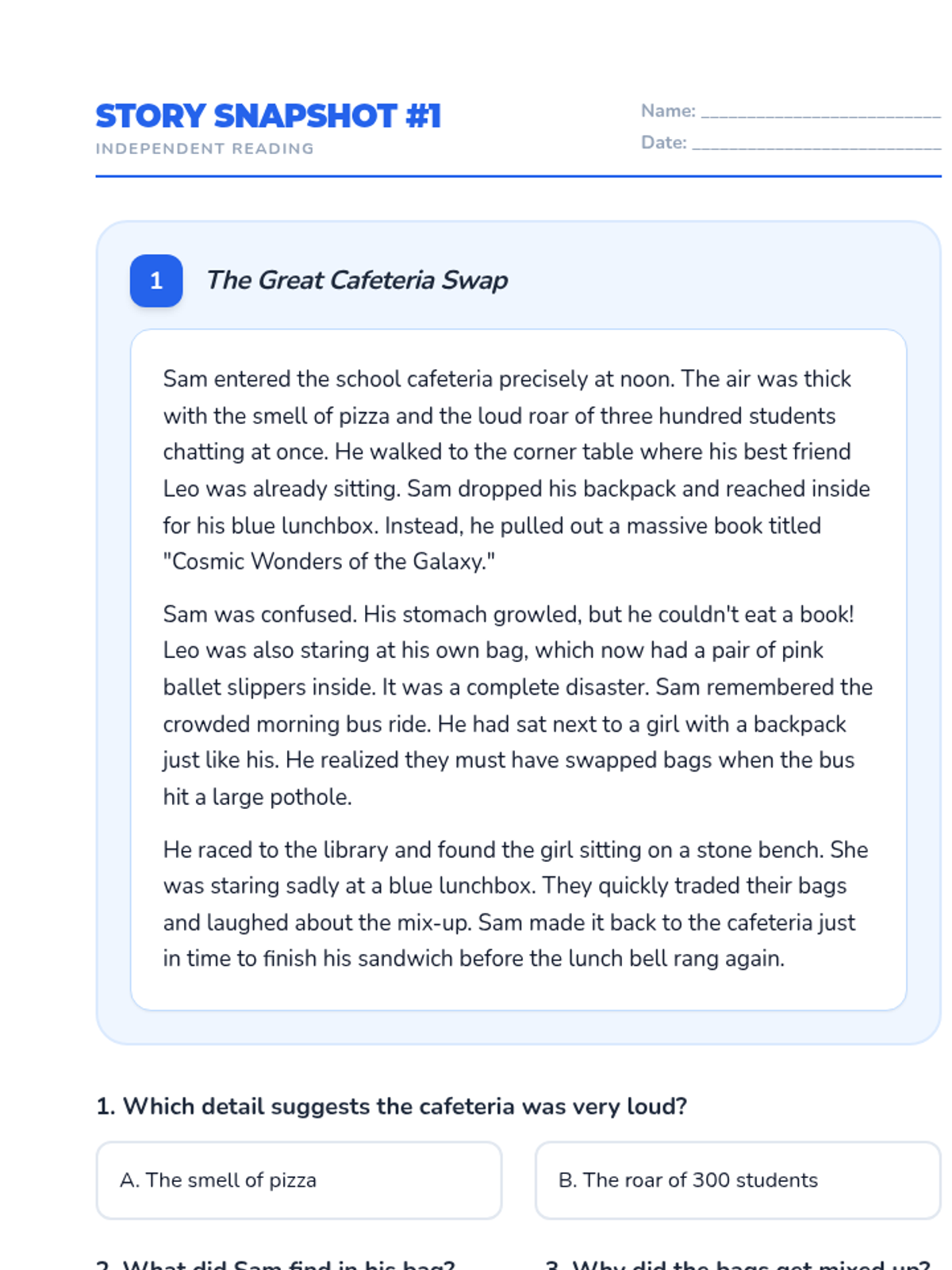
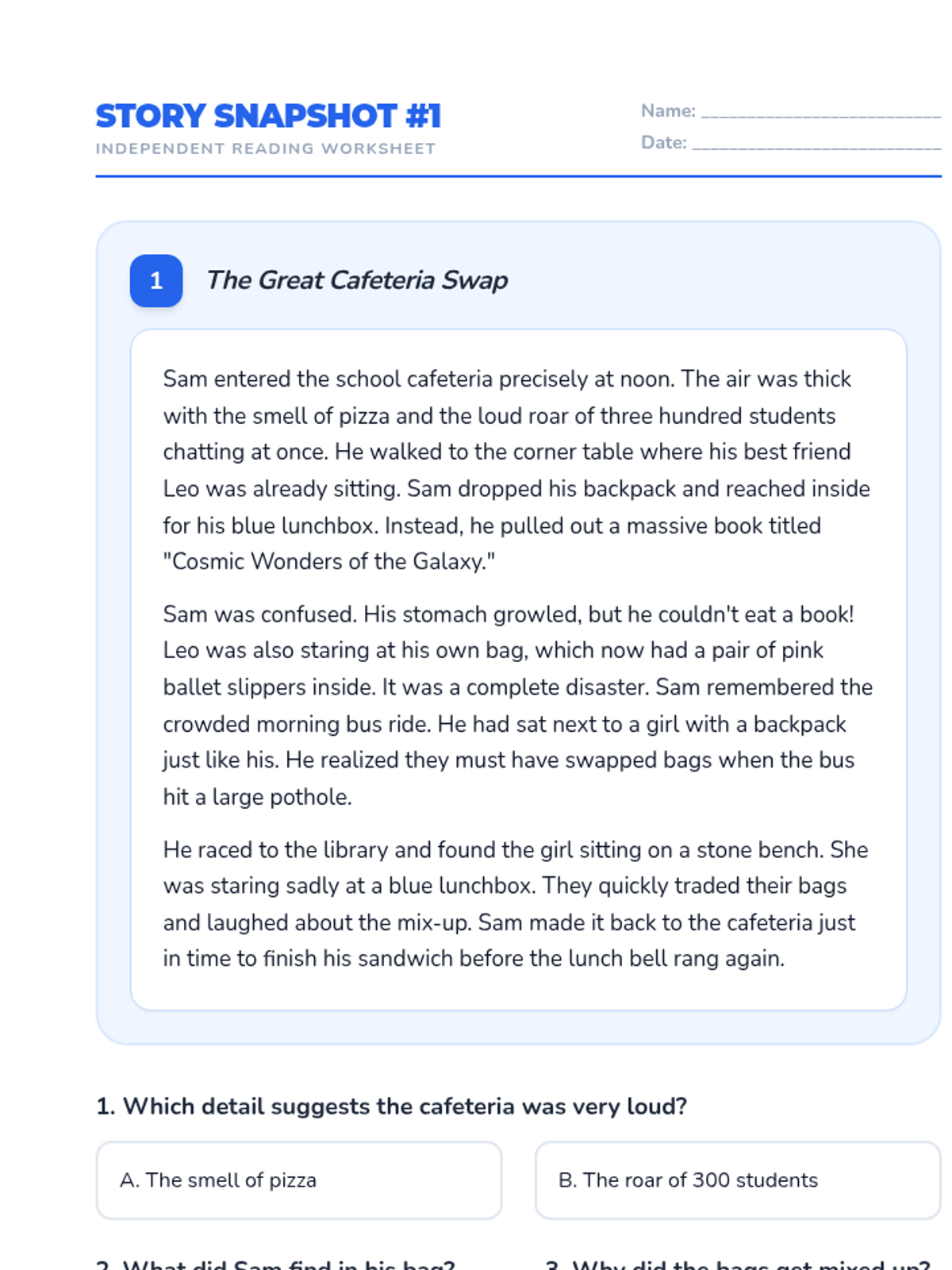
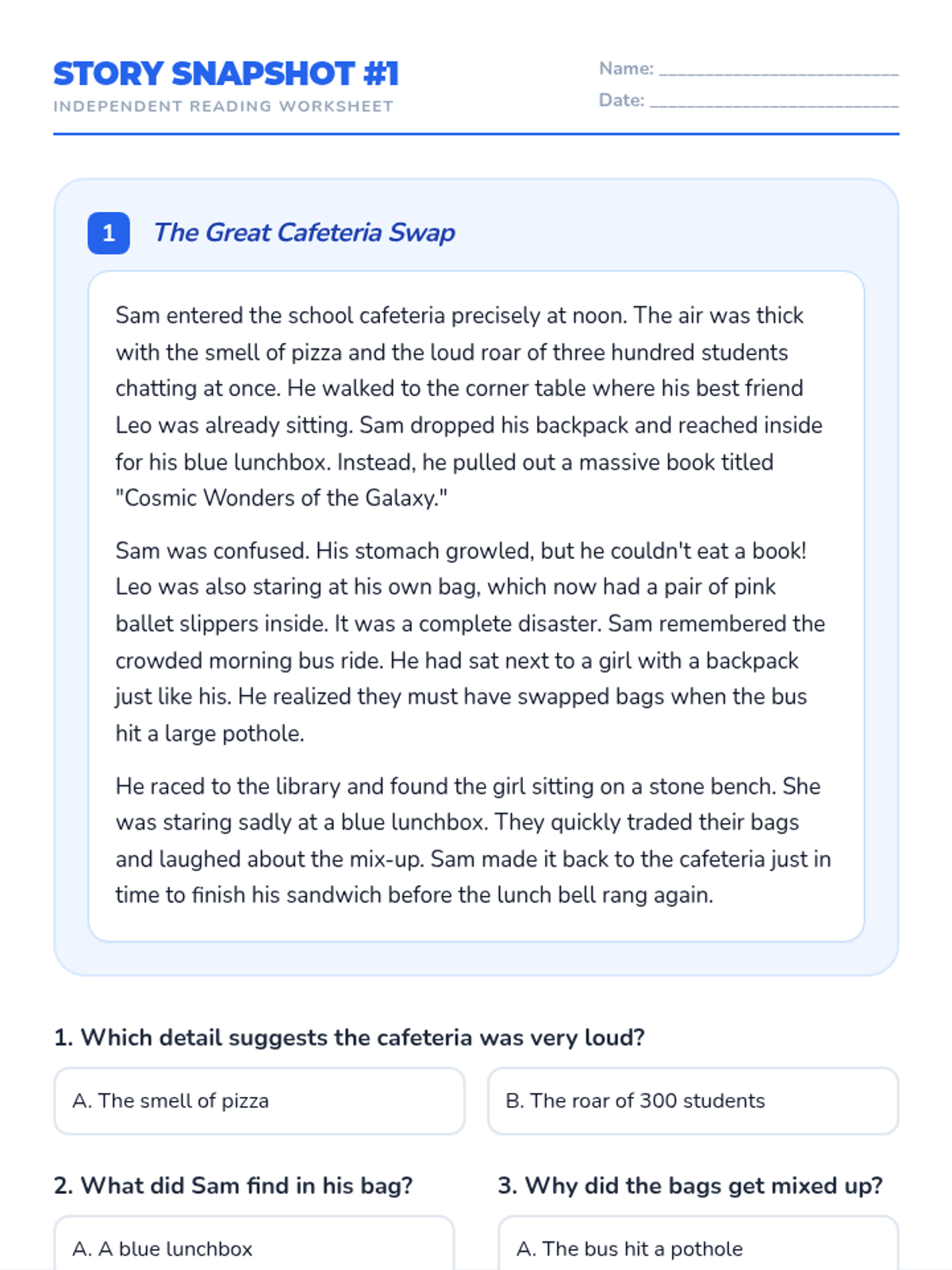
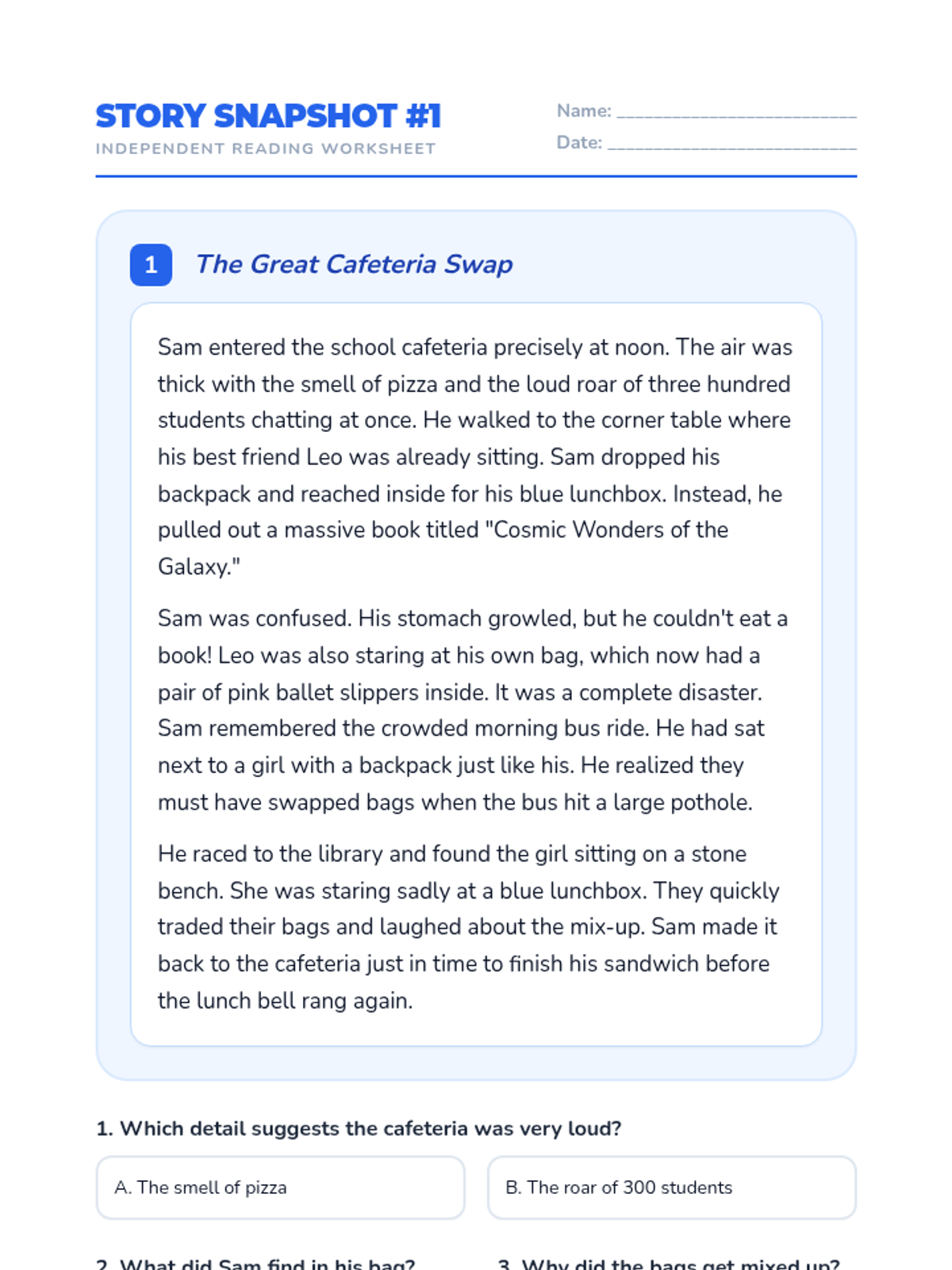
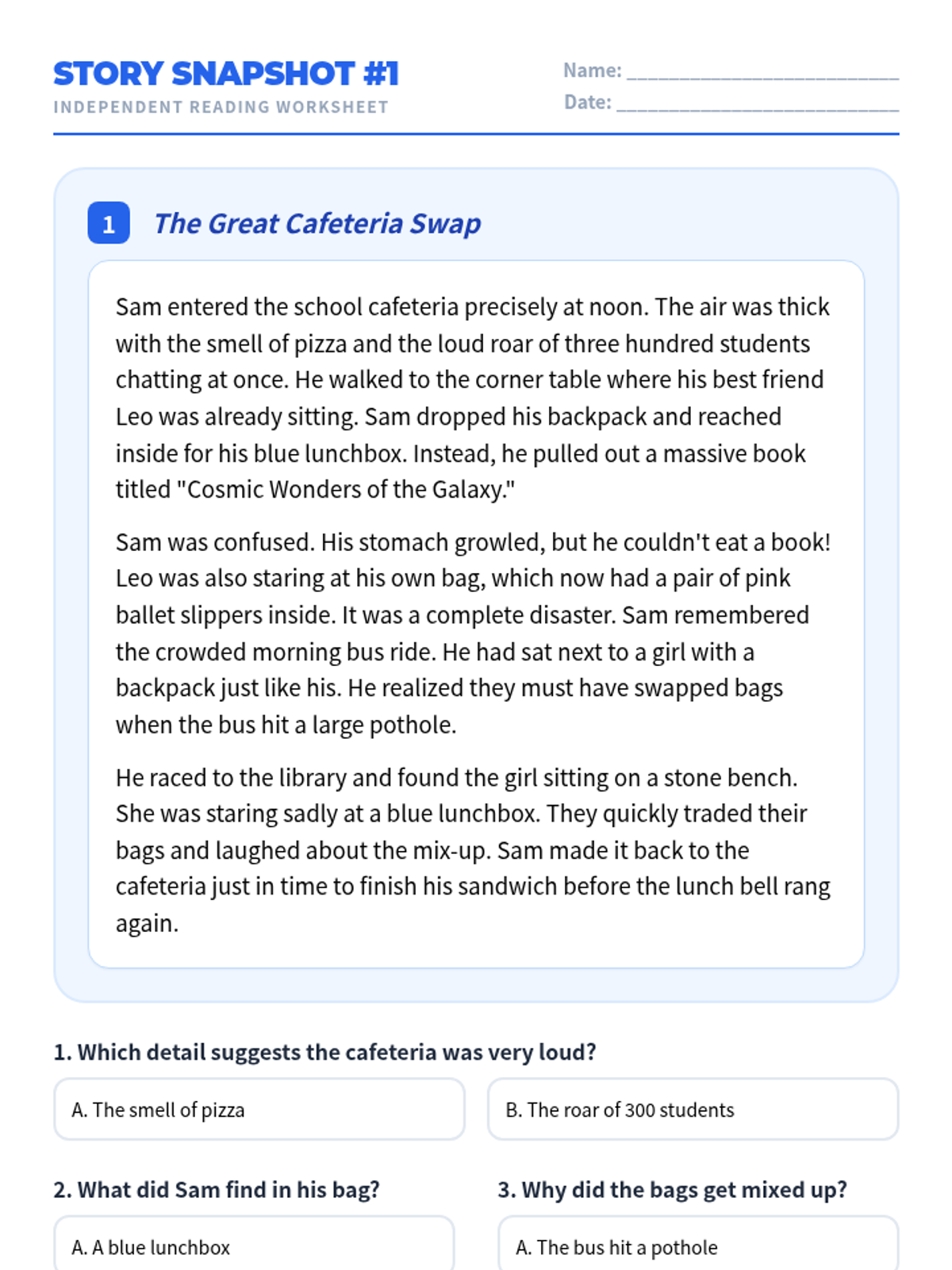
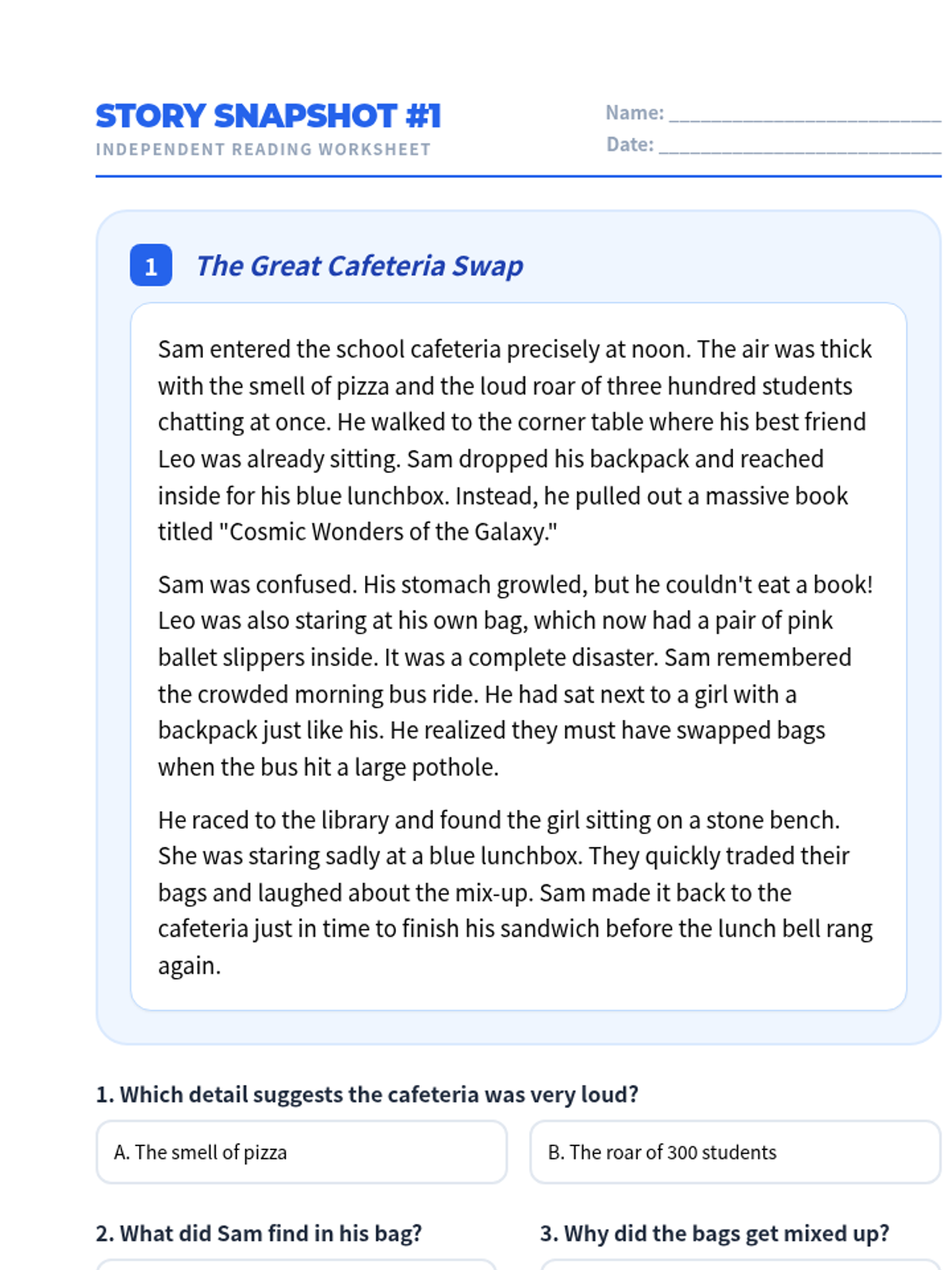
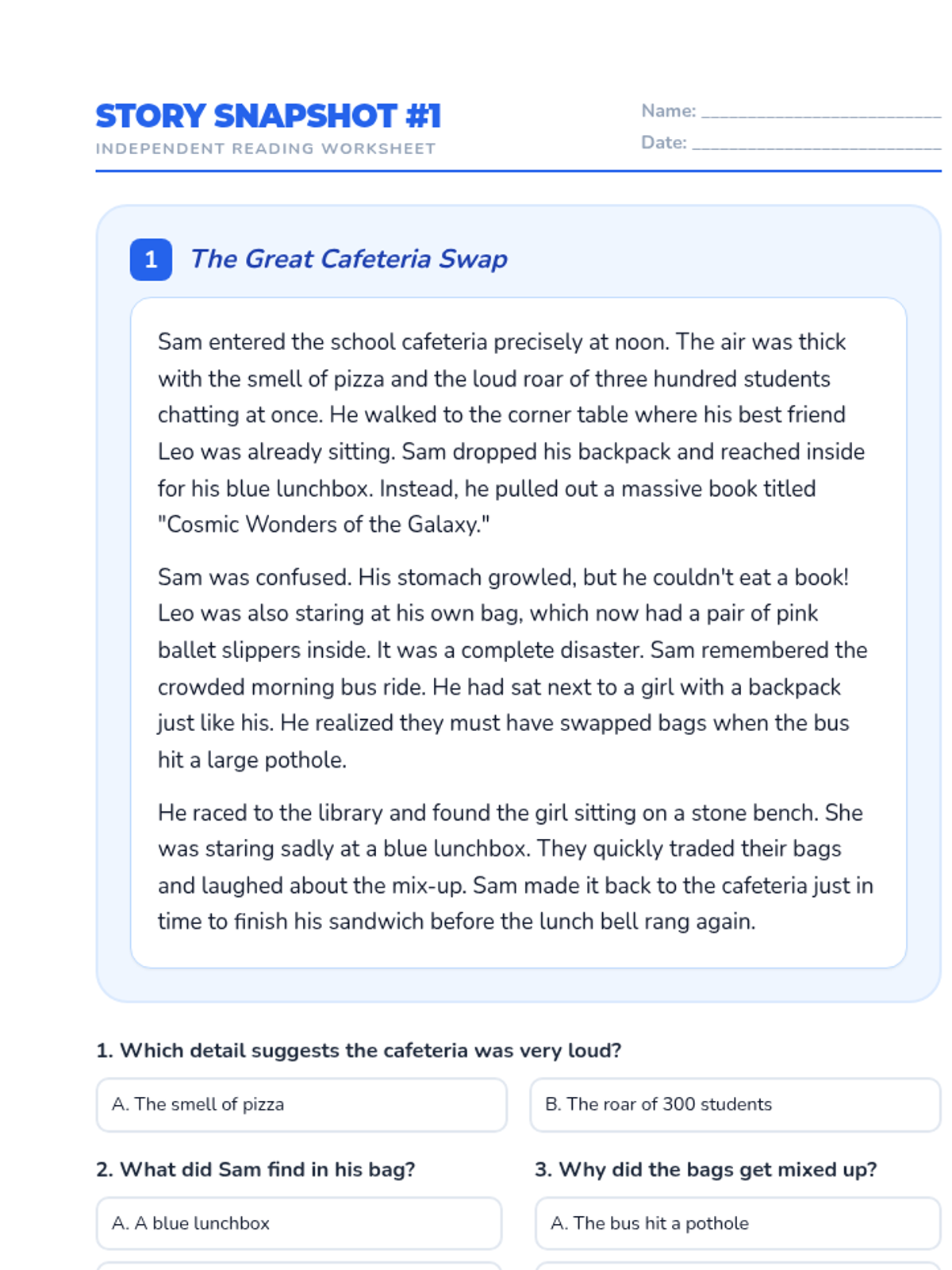
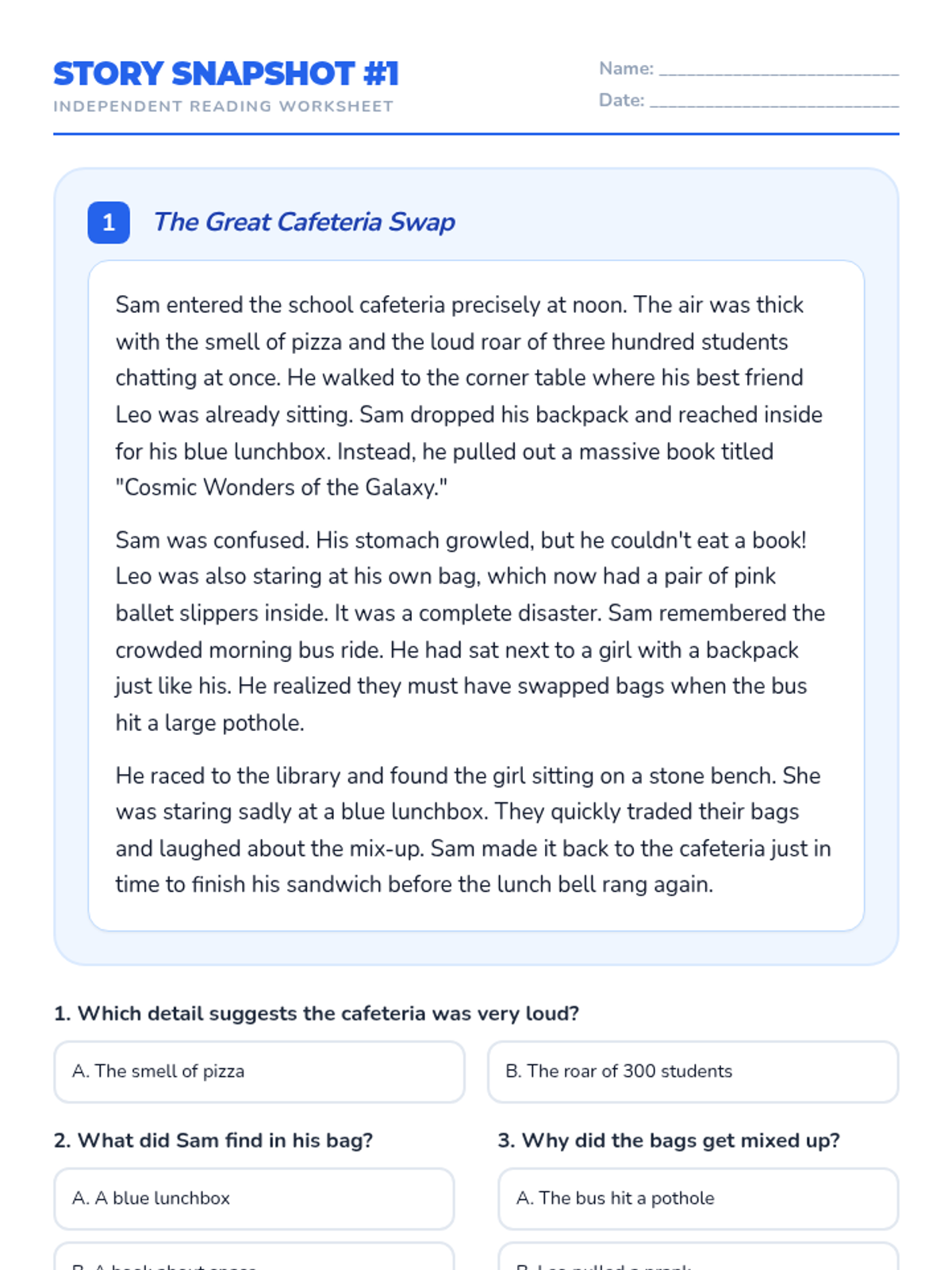
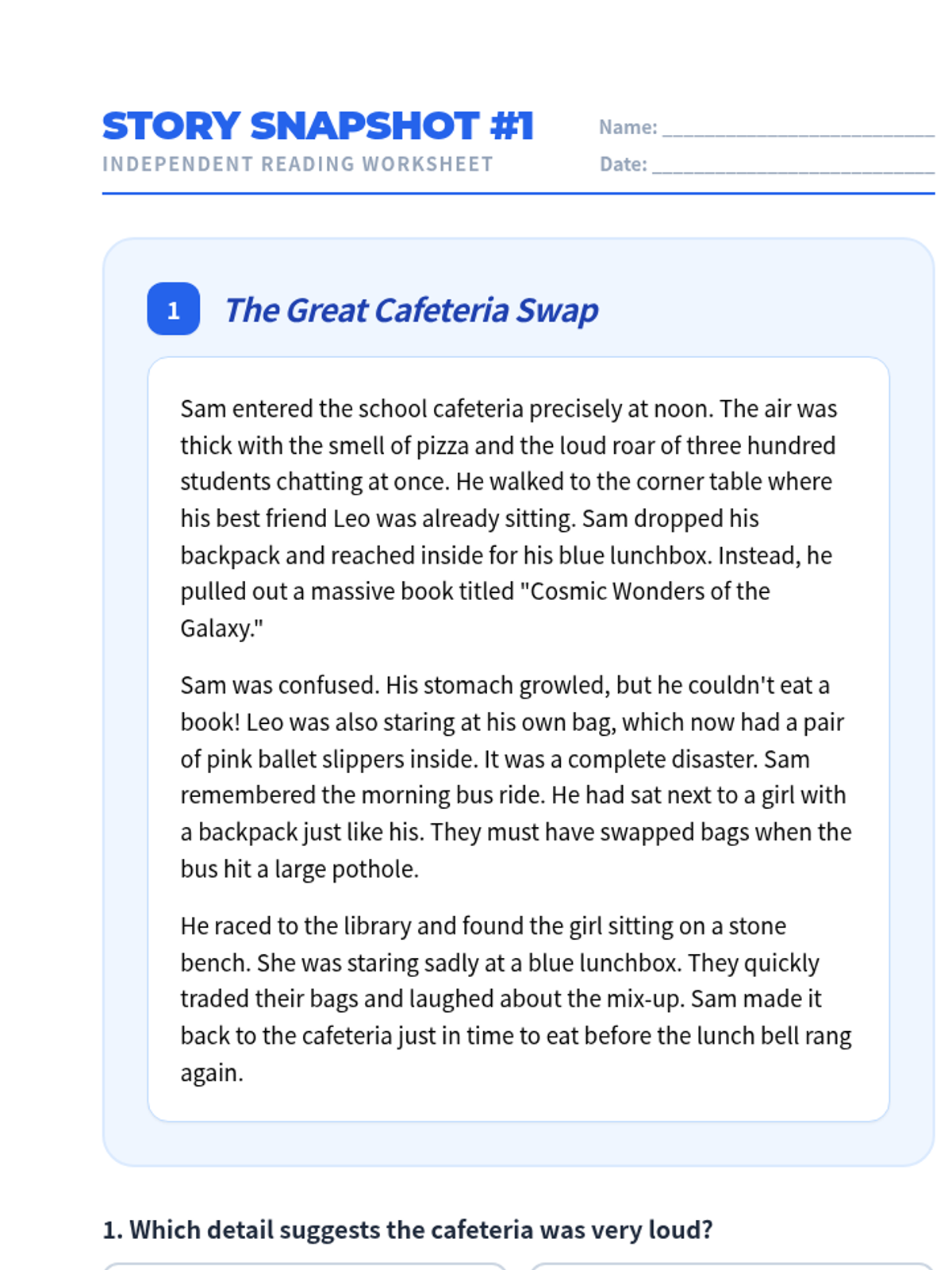
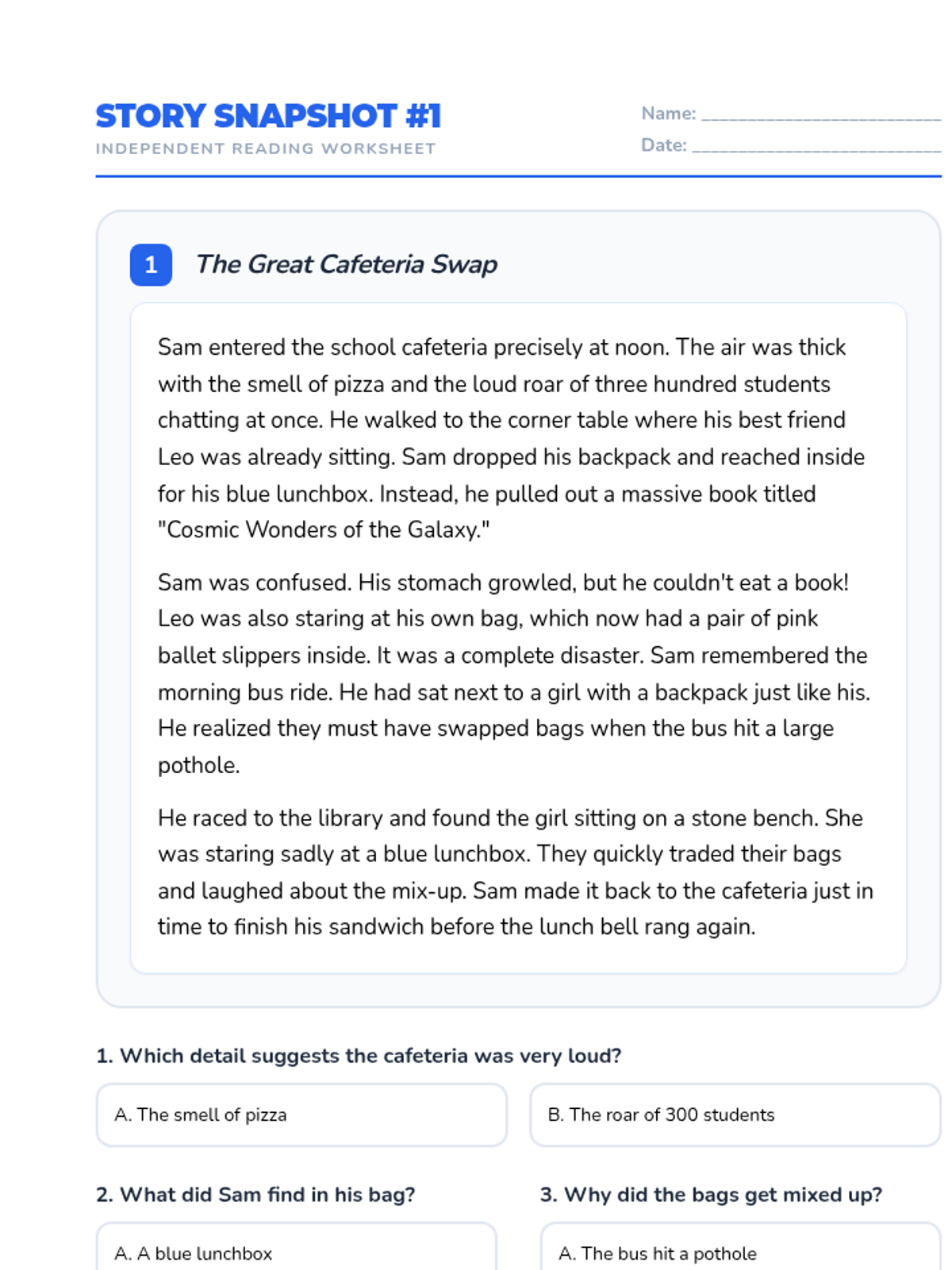
A collection of 10 longer, more complex short stories designed for 3th-4th grade level readers. Focuses on identifying character, setting, and plot elements through multi-paragraph narratives and literal comprehension questions.