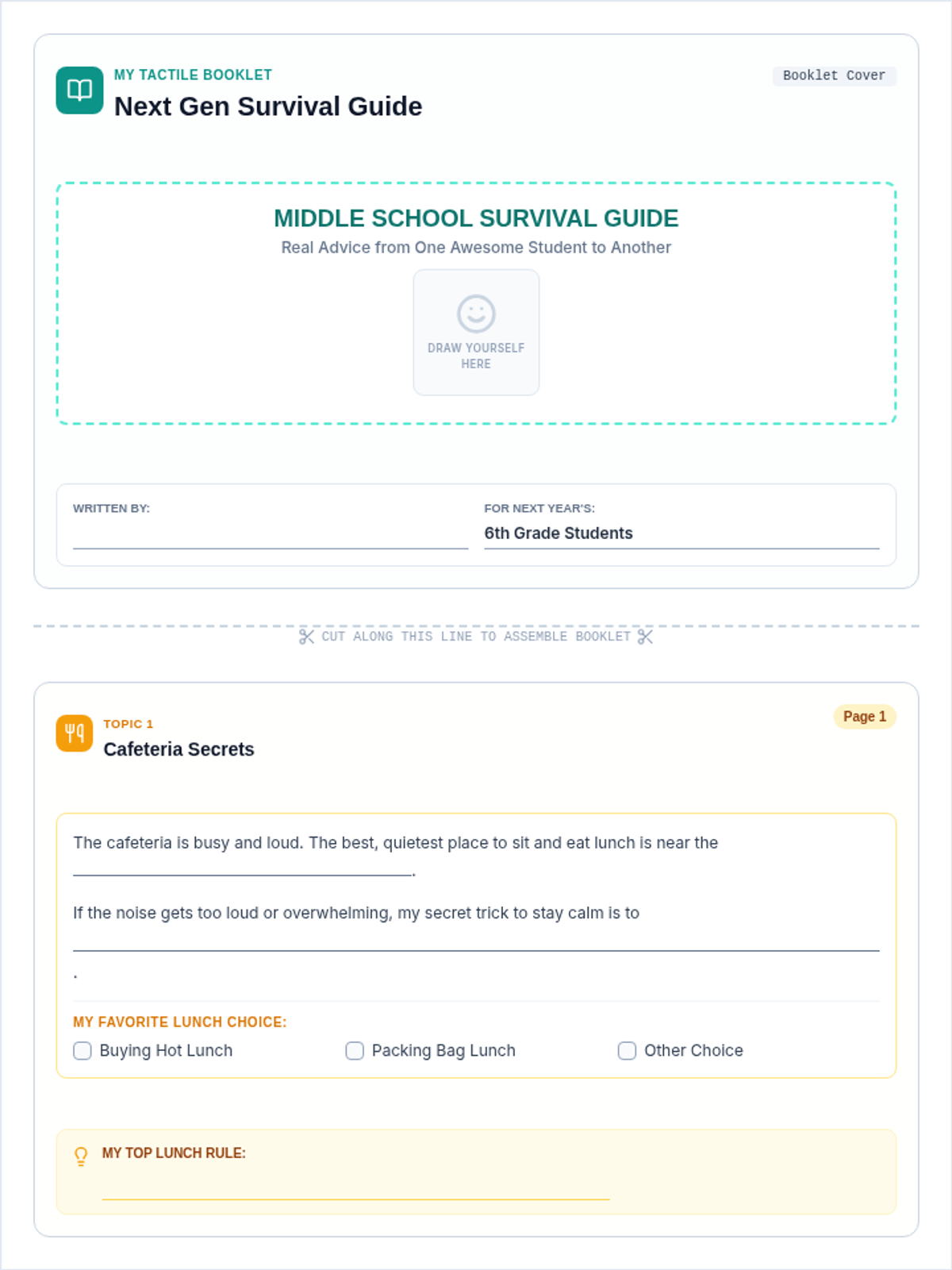
A transition lesson designed for middle school students with autism to reflect on their learning, routines, and coping strategies, creating a peer-to-peer advice guide for incoming students.
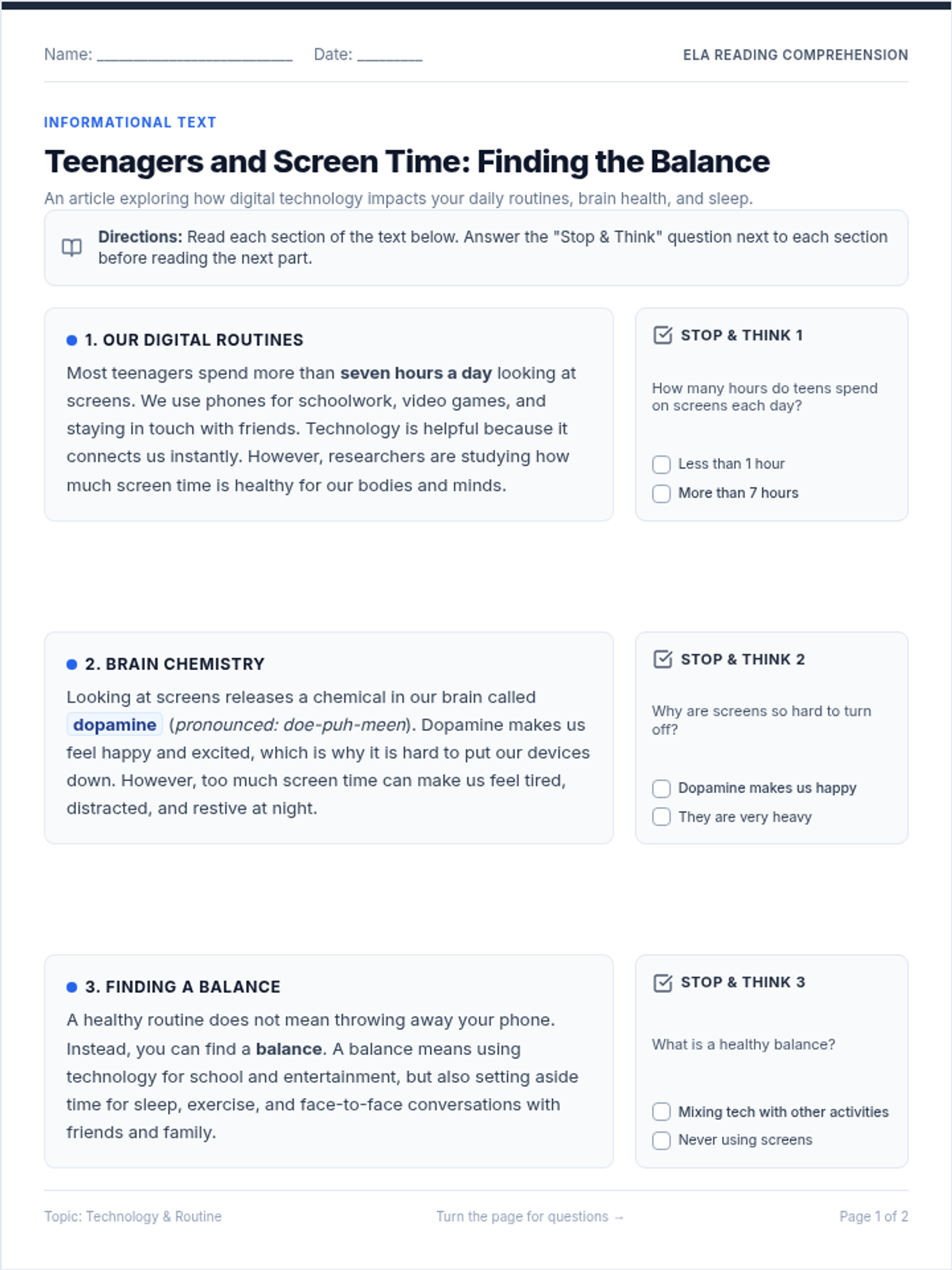
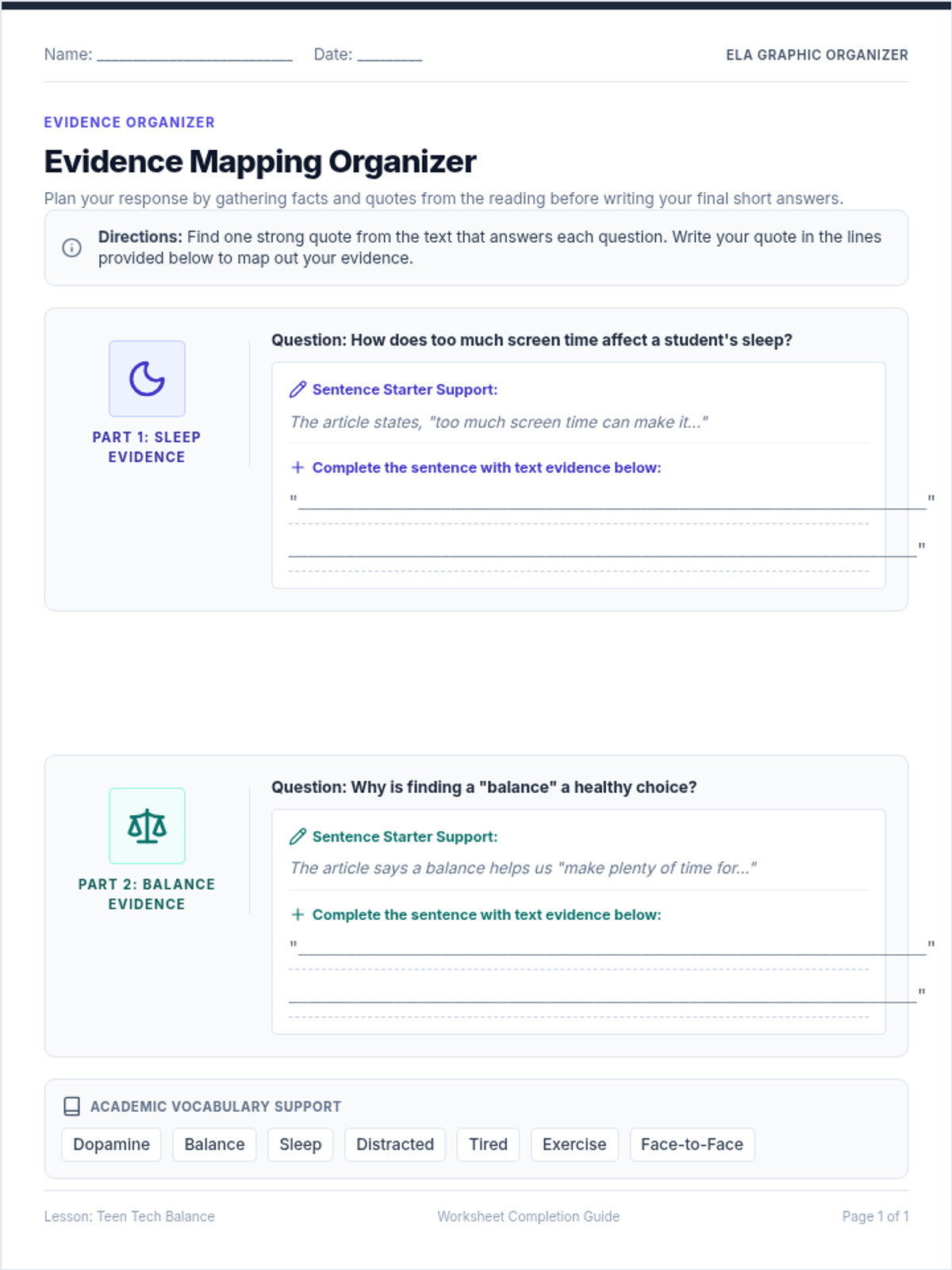
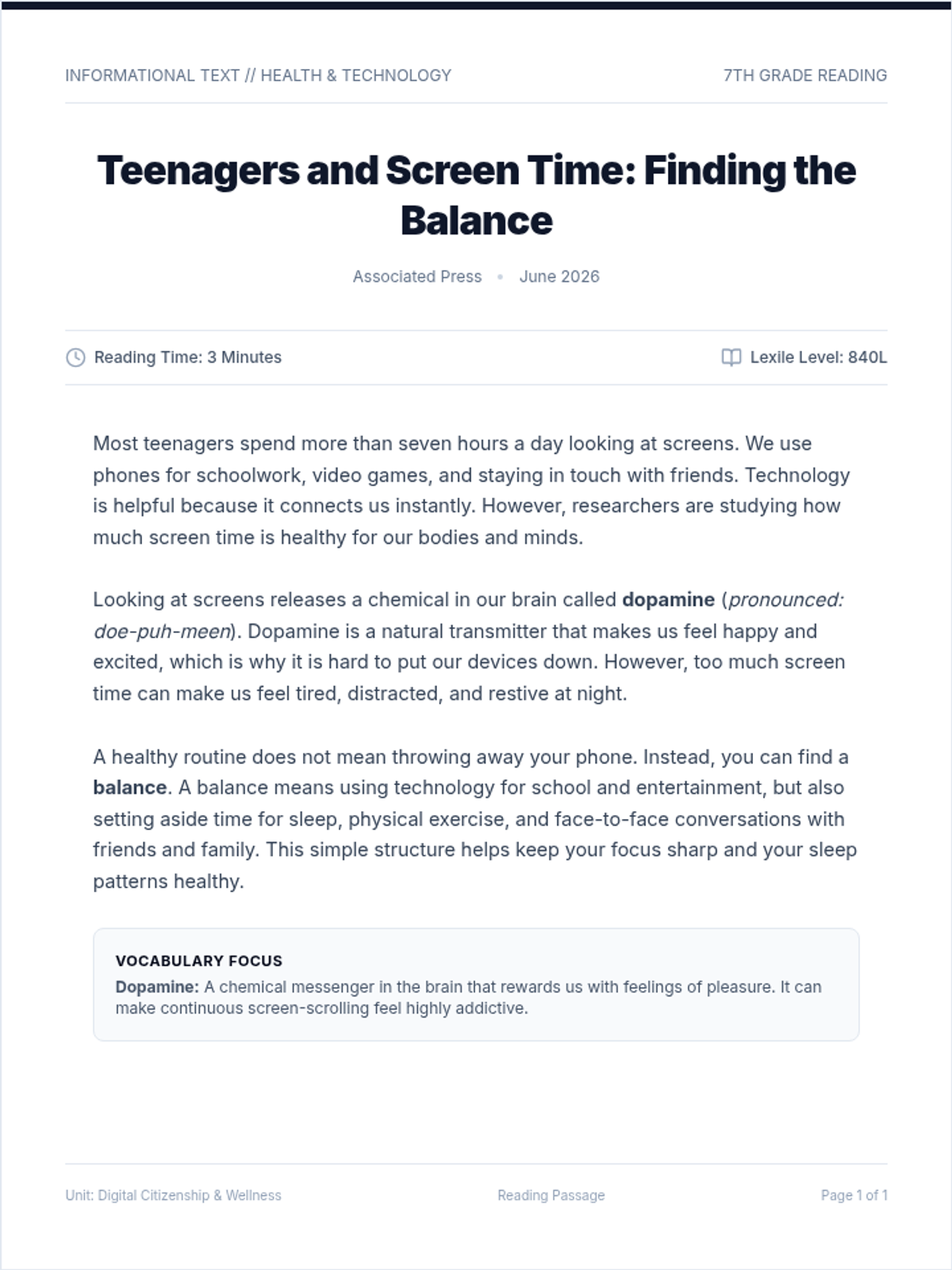
A 7th-grade special education ELA lesson focusing on students and technology use. Features a highly scaffolded, chunked news article with self-monitoring stops, followed by targeted objective and inference-based comprehension questions, supported by a structured evidence-mapping graphic organizer.
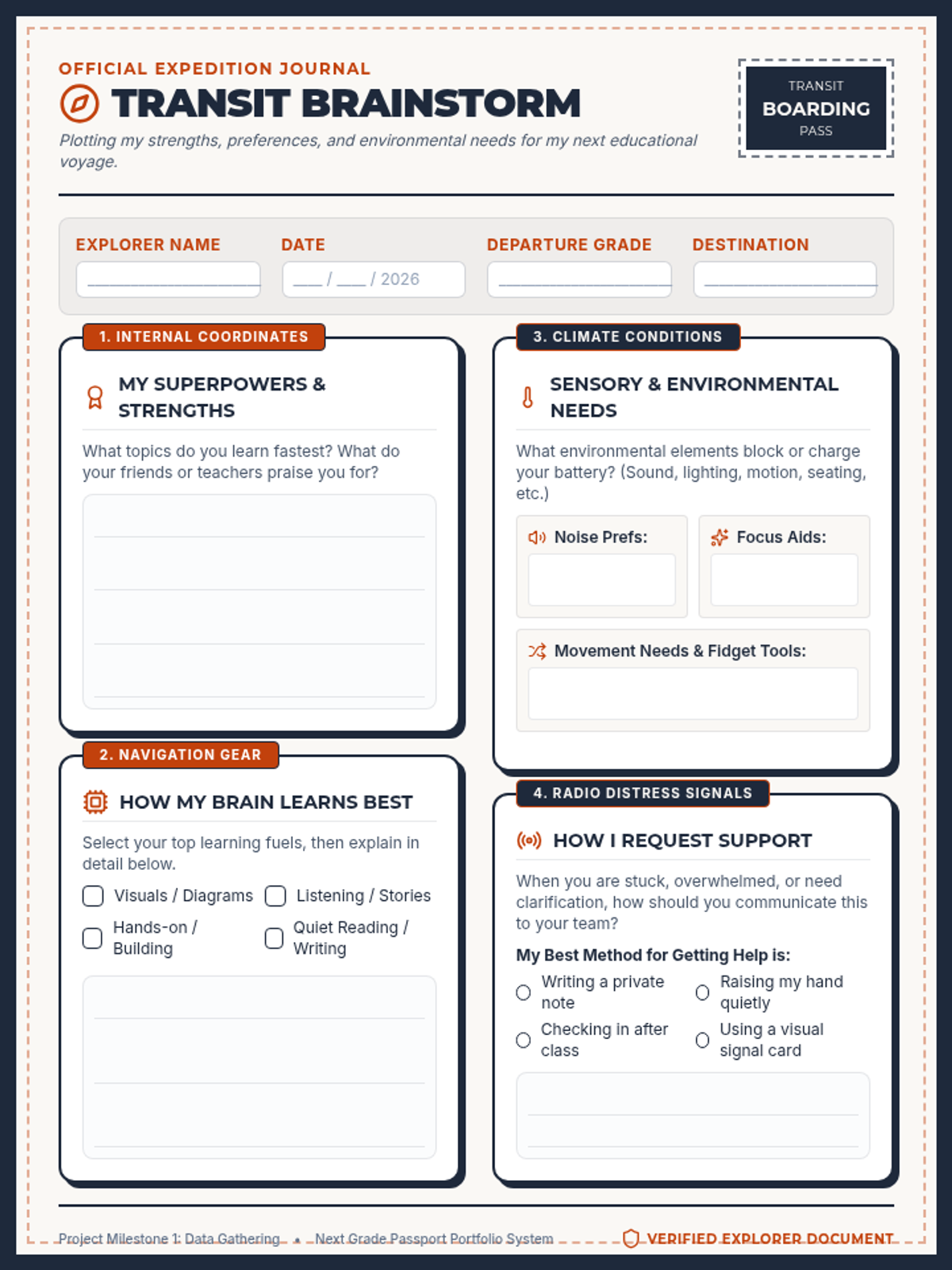
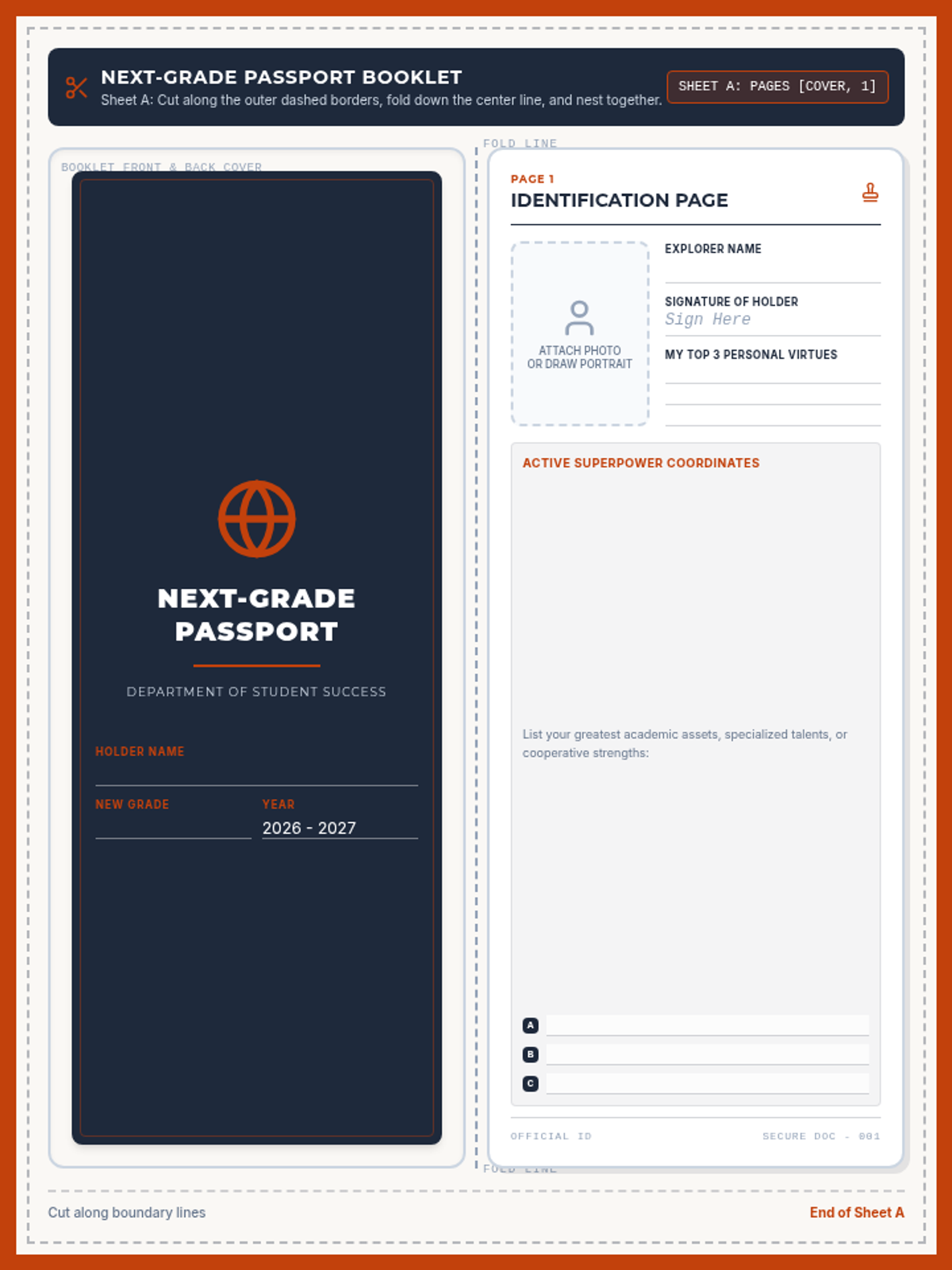
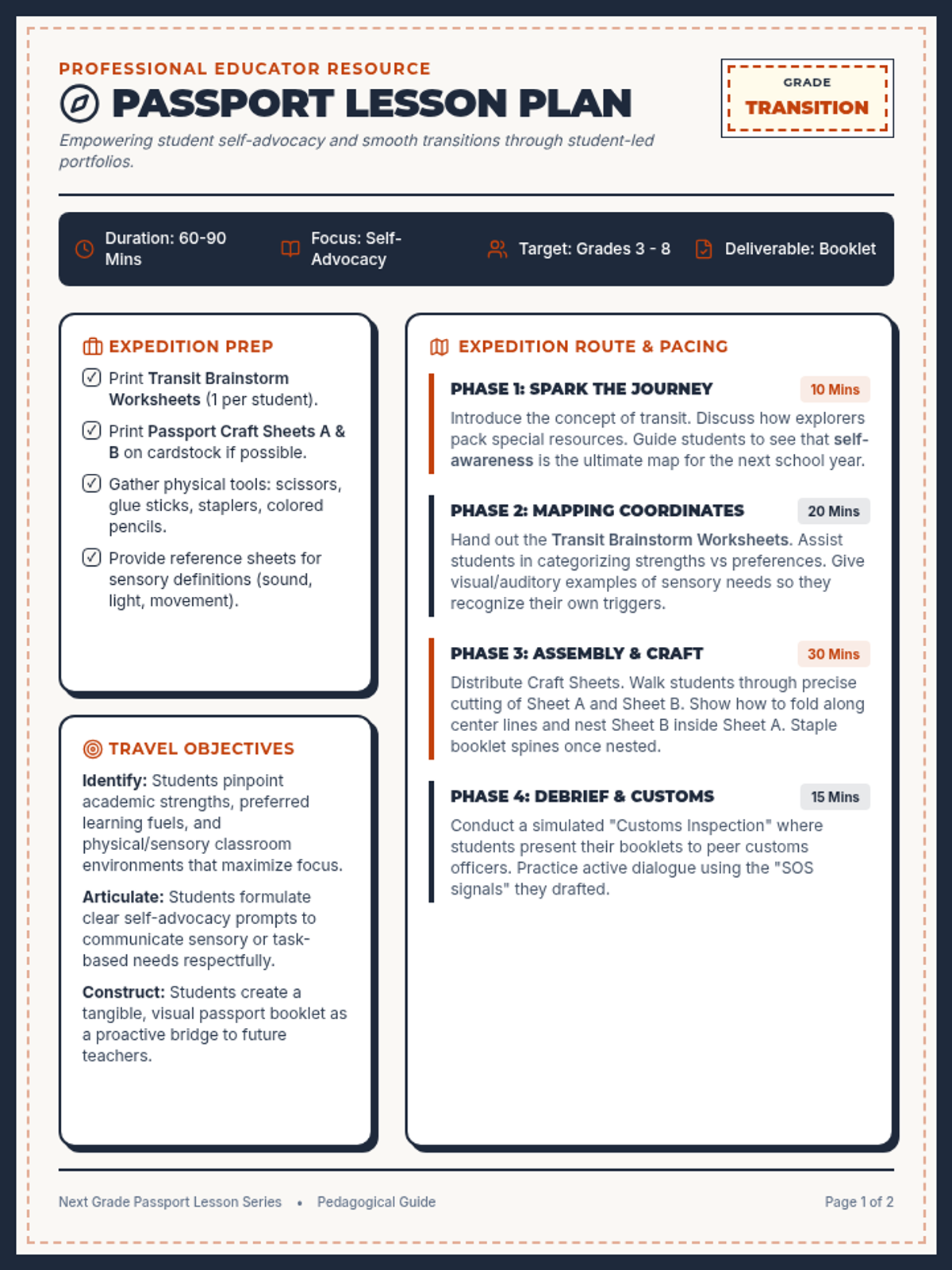
A self-advocacy and transition planning project where students identify their strengths, learning preferences, and sensory needs to build a physical passport portfolio for their next-grade teachers.
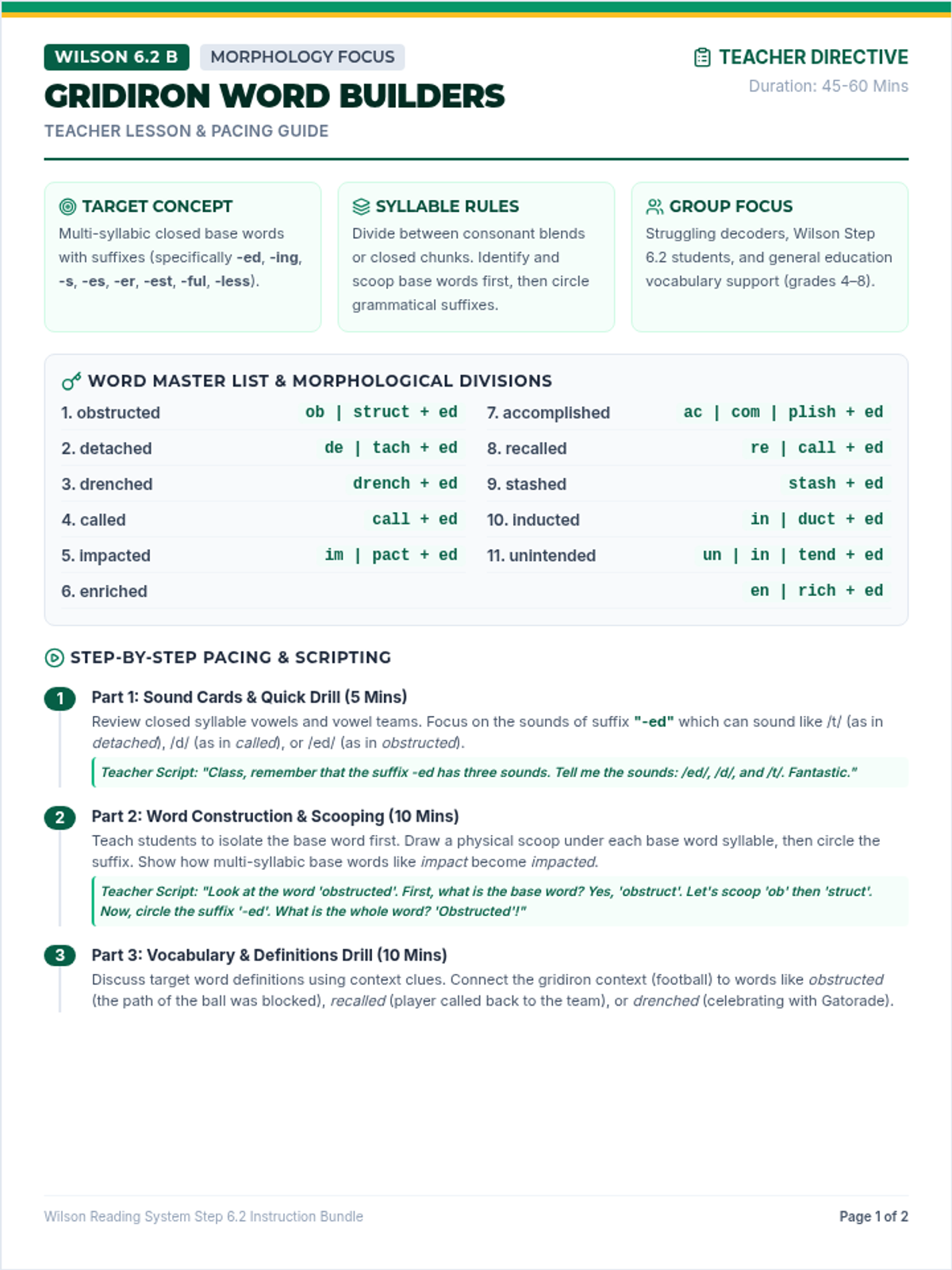
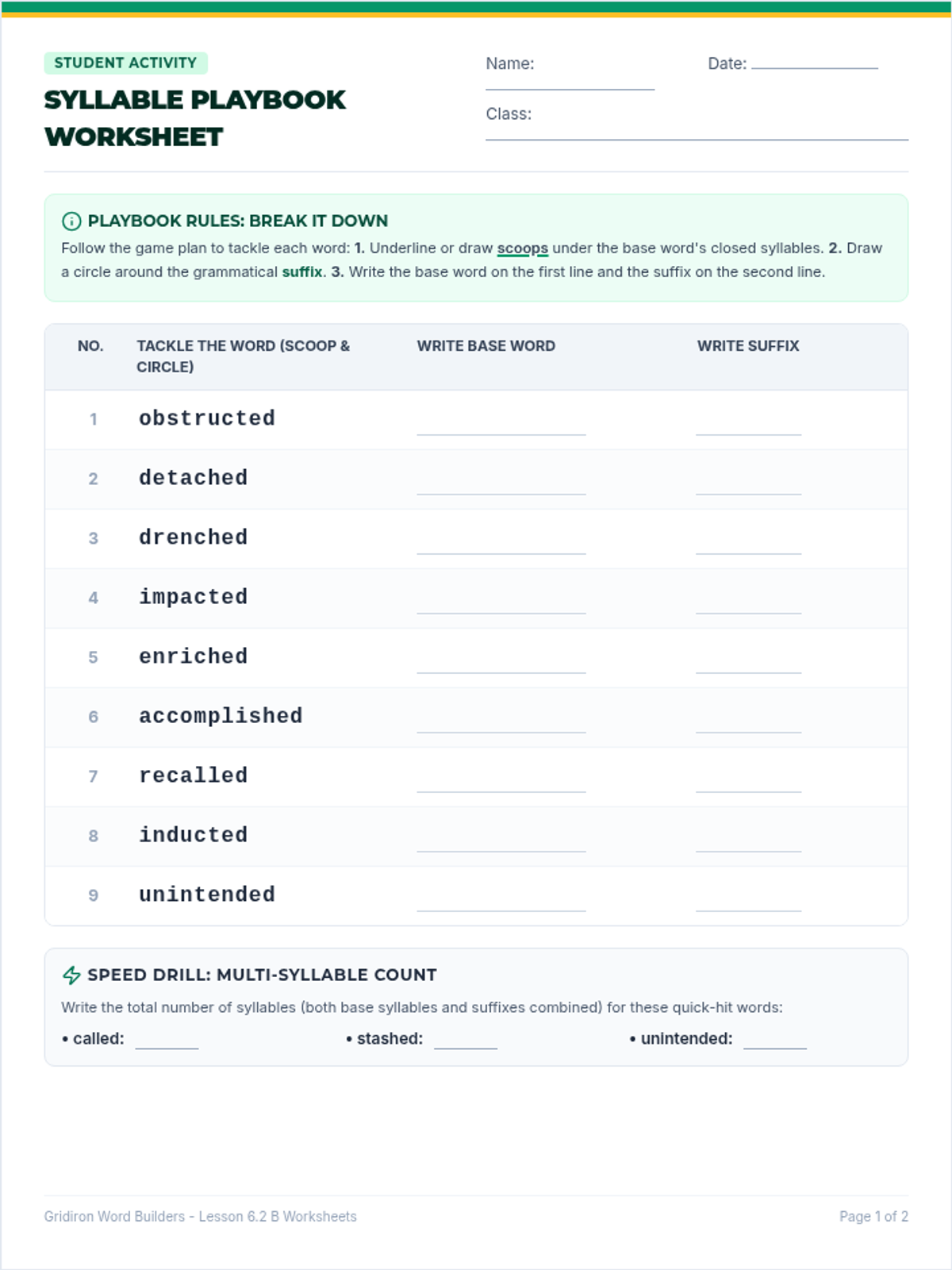
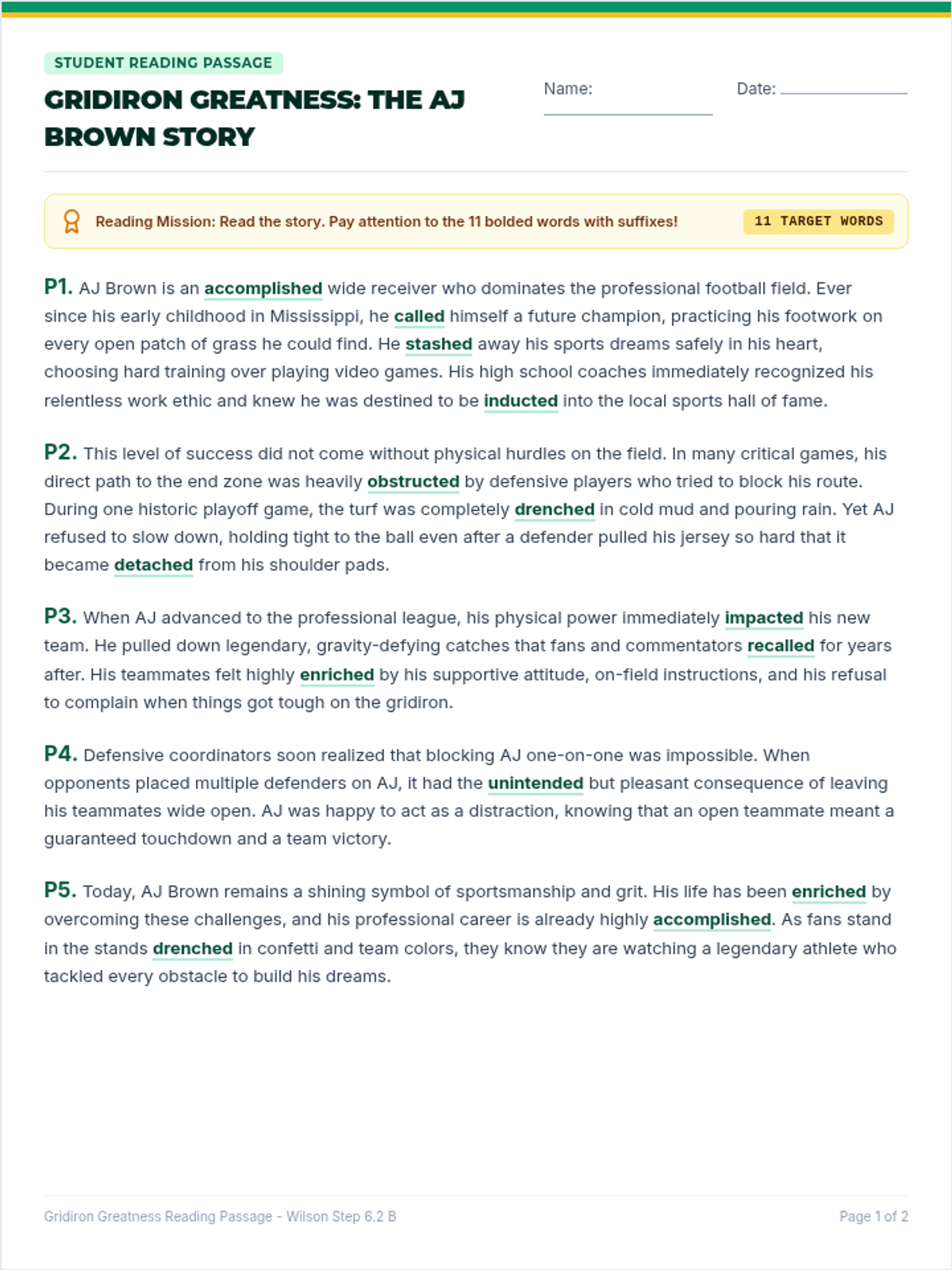
A complete literacy lesson aligned with Wilson Reading System Step 6.2, focusing on multi-syllabic words with suffixes. Students learn to read, scoop, and define complex words while engaging with an inspiring reading passage about NFL wide receiver AJ Brown.
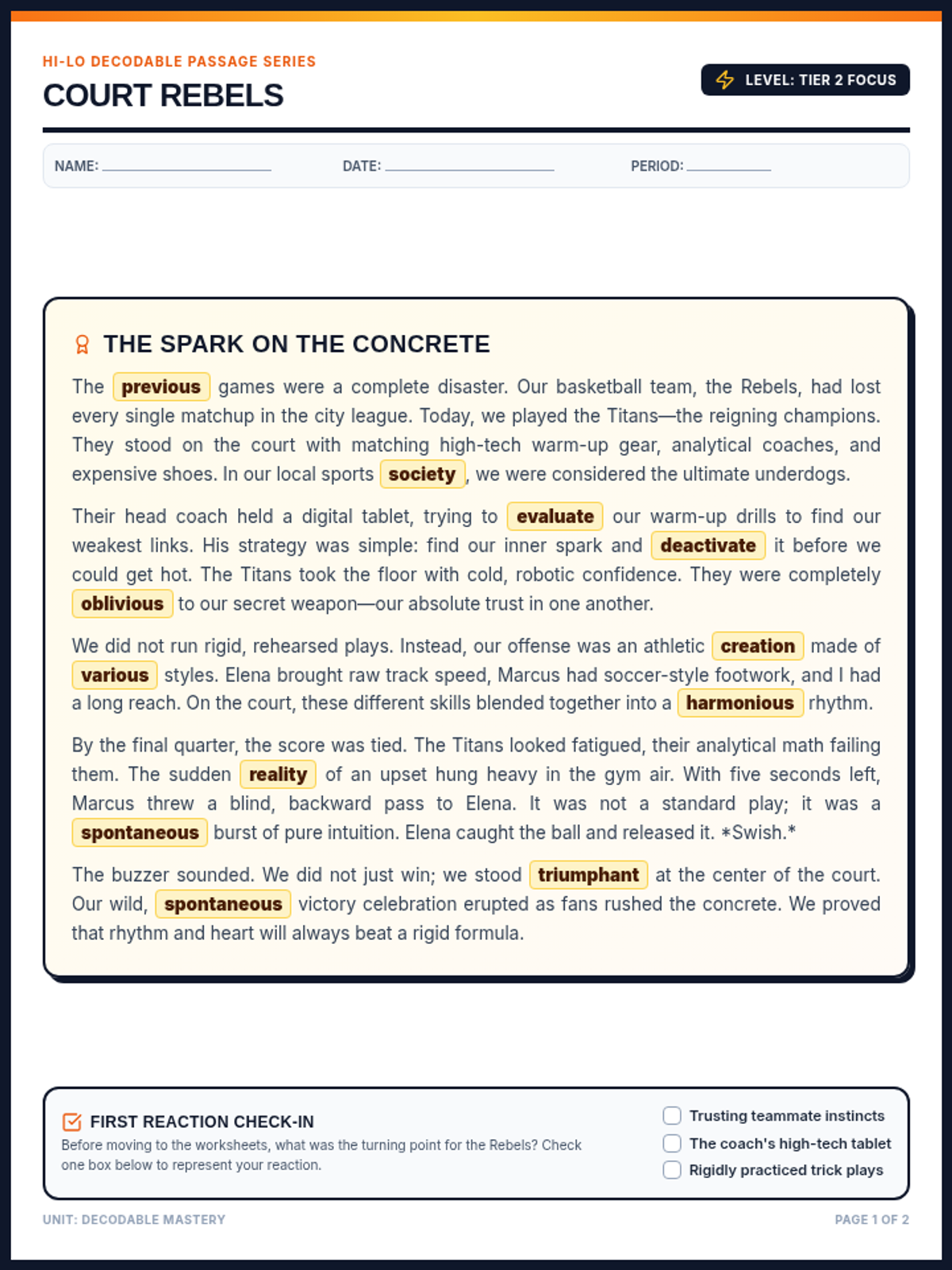
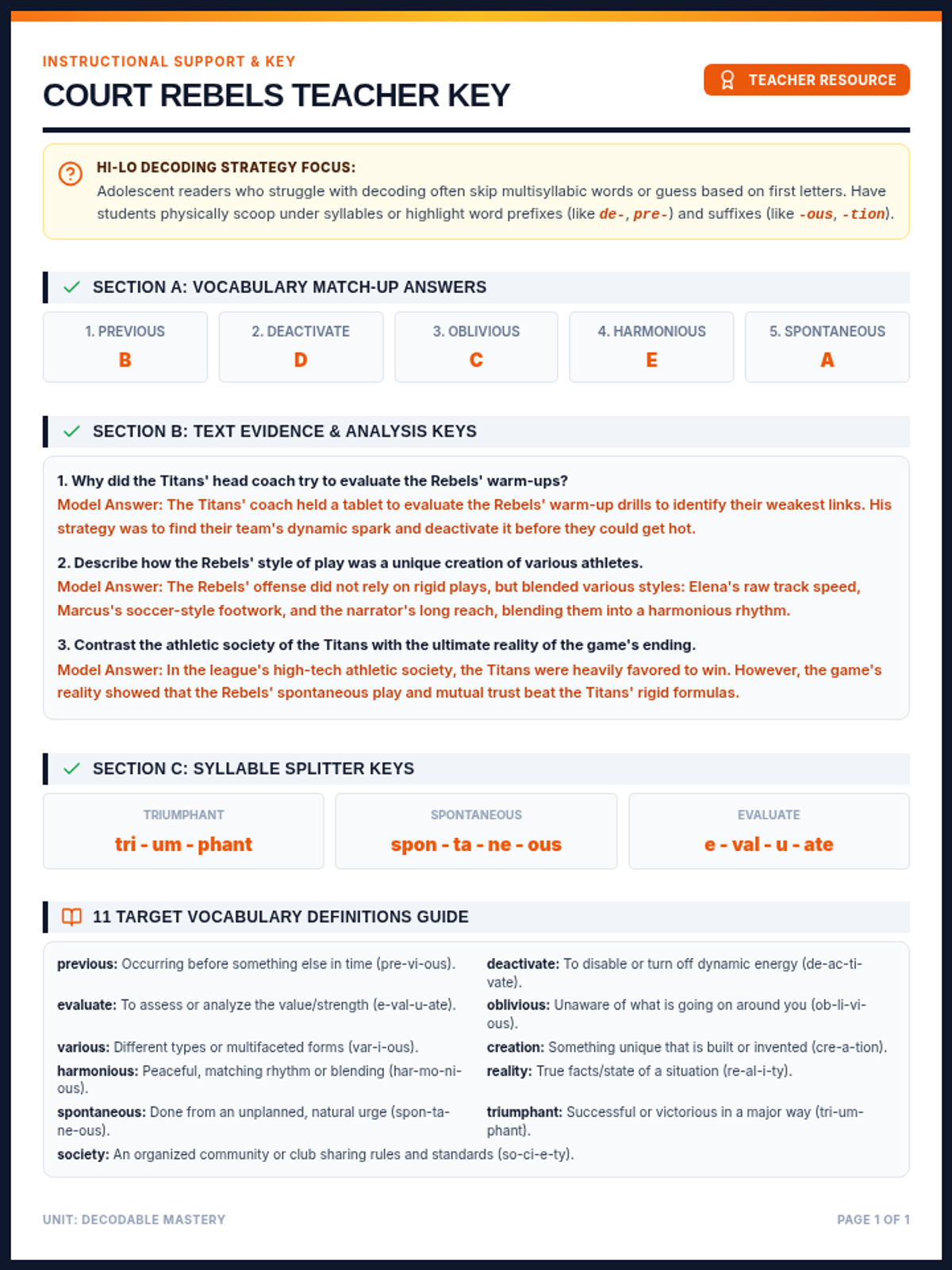
A reading comprehension and vocabulary lesson designed for struggling adolescent readers. It features a high-interest realistic fiction story about an underdog basketball team's unexpected victory, focusing on multisyllabic vocabulary development.
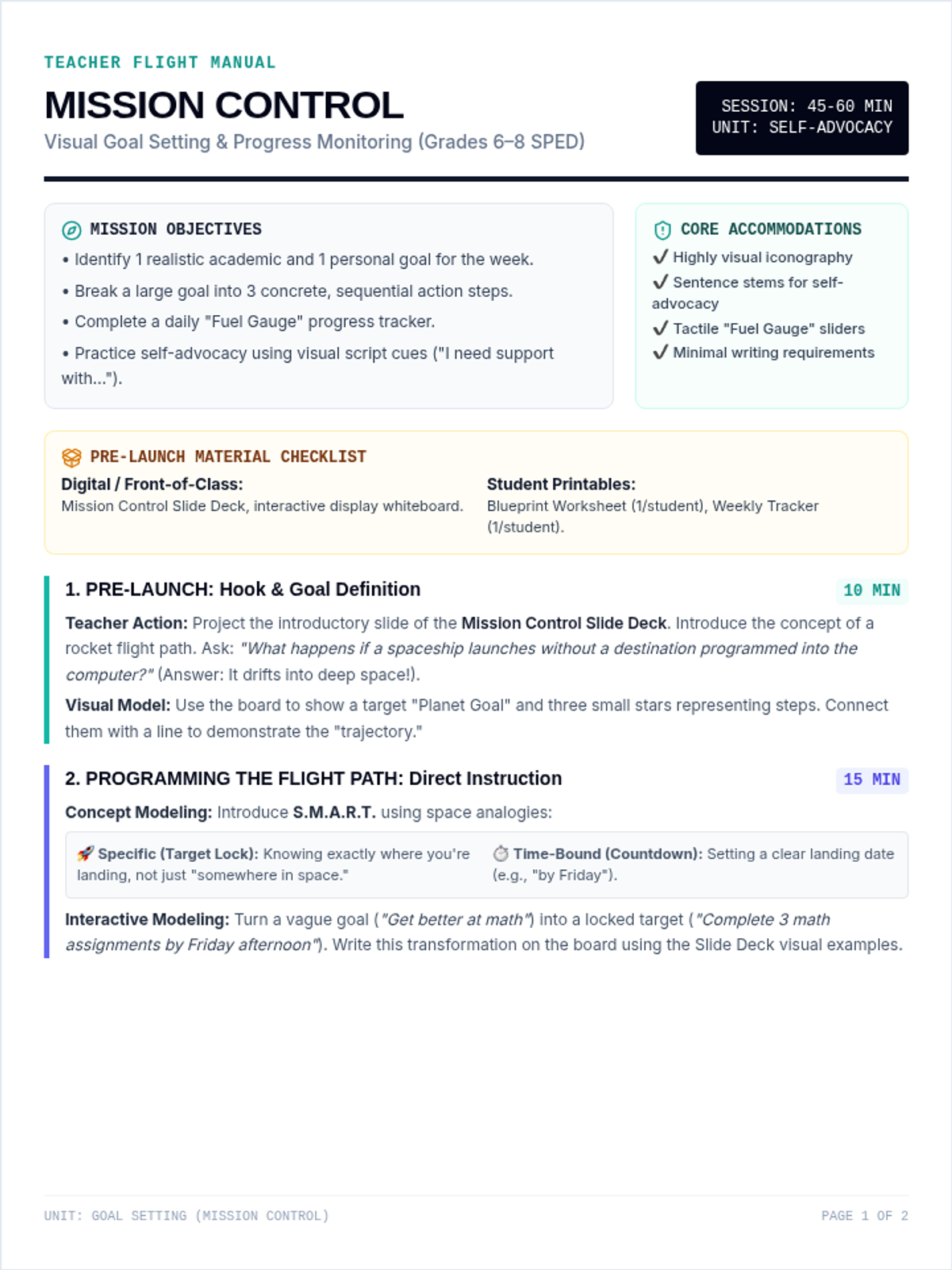
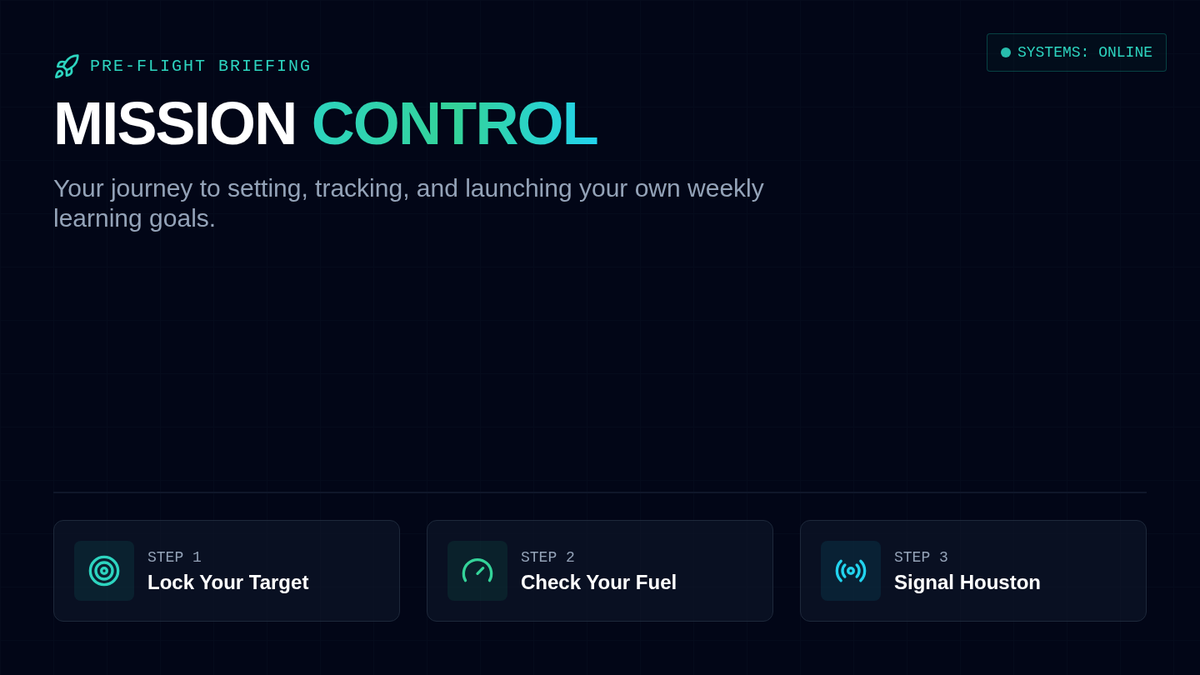
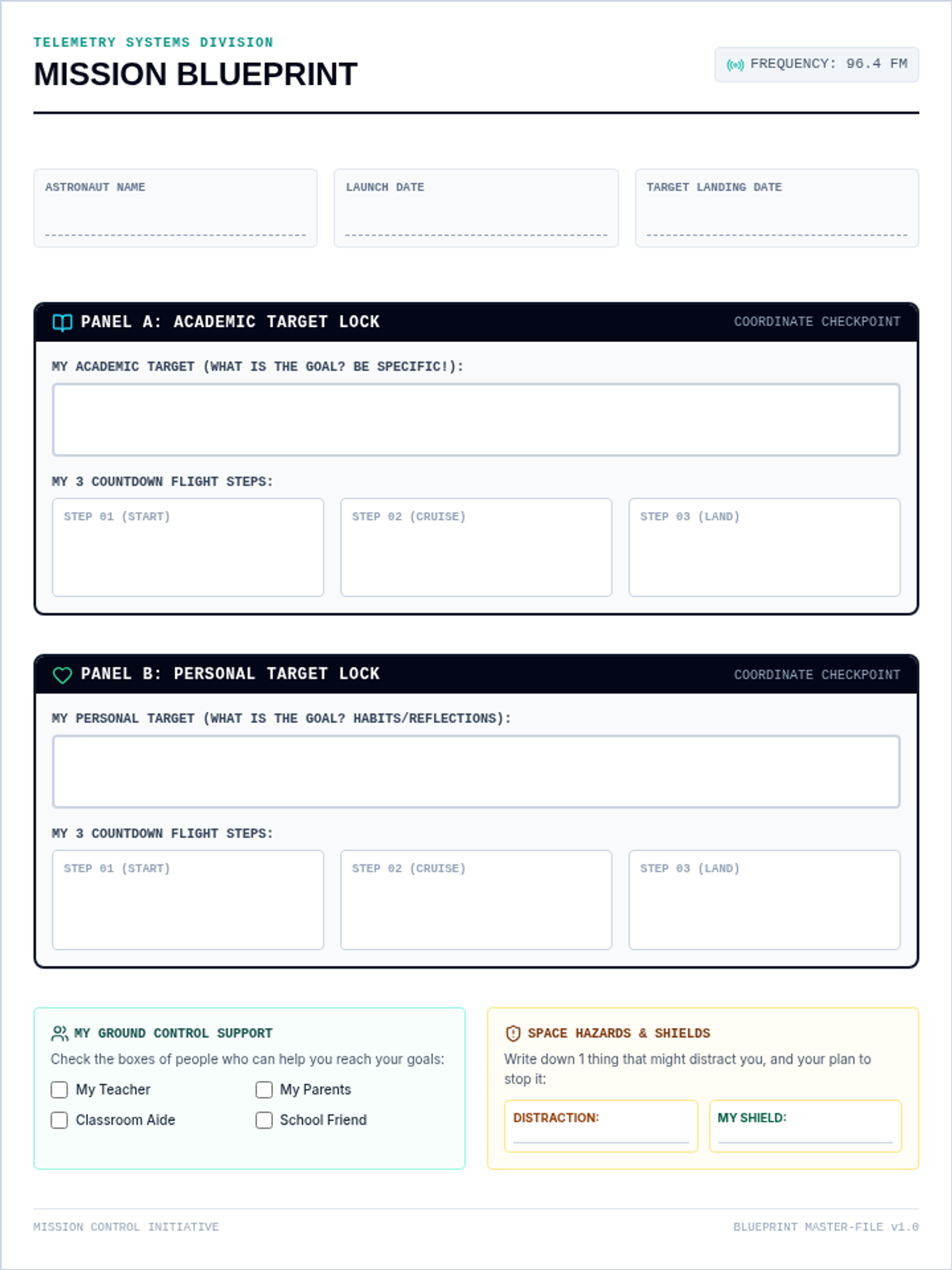
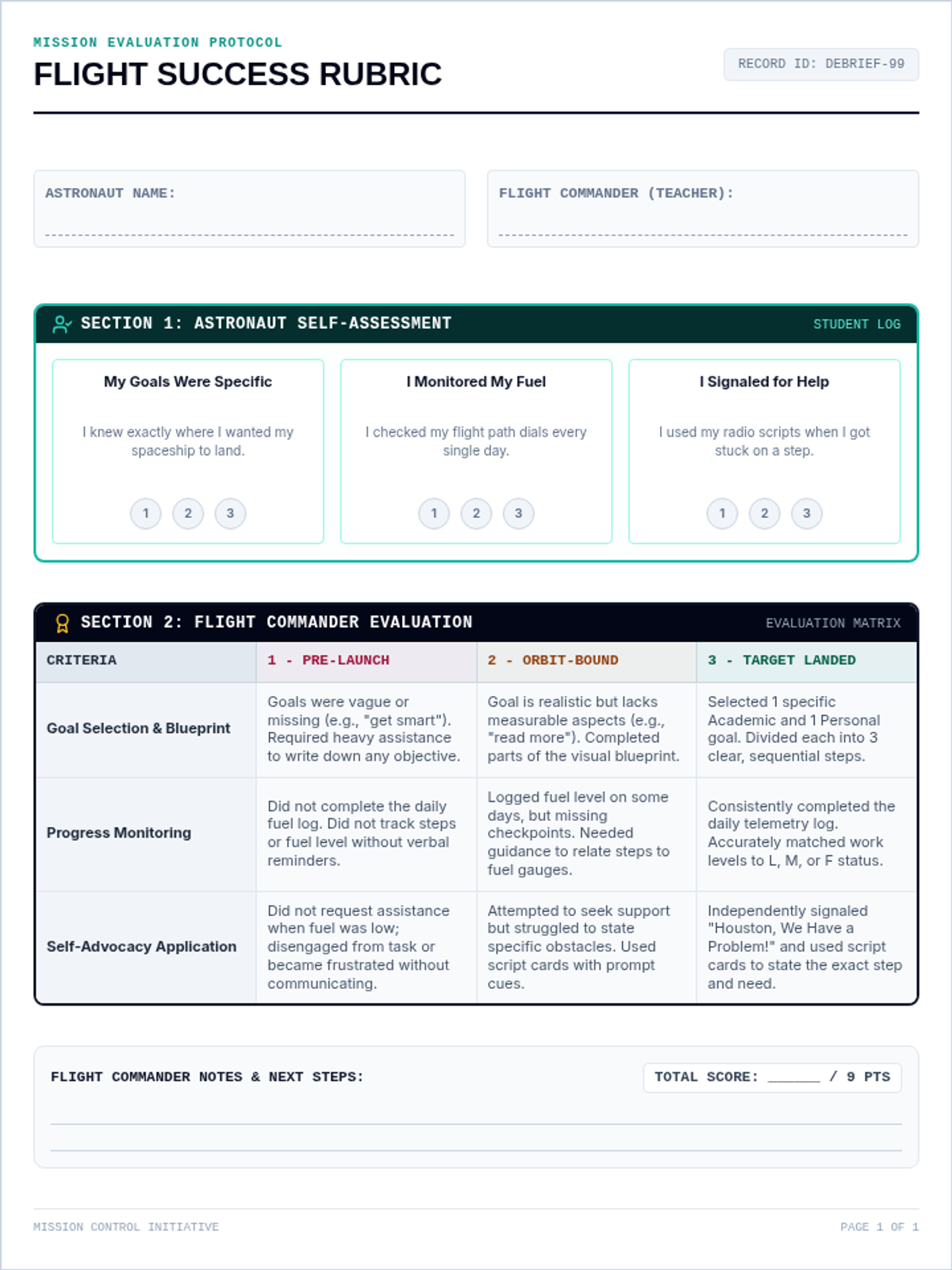
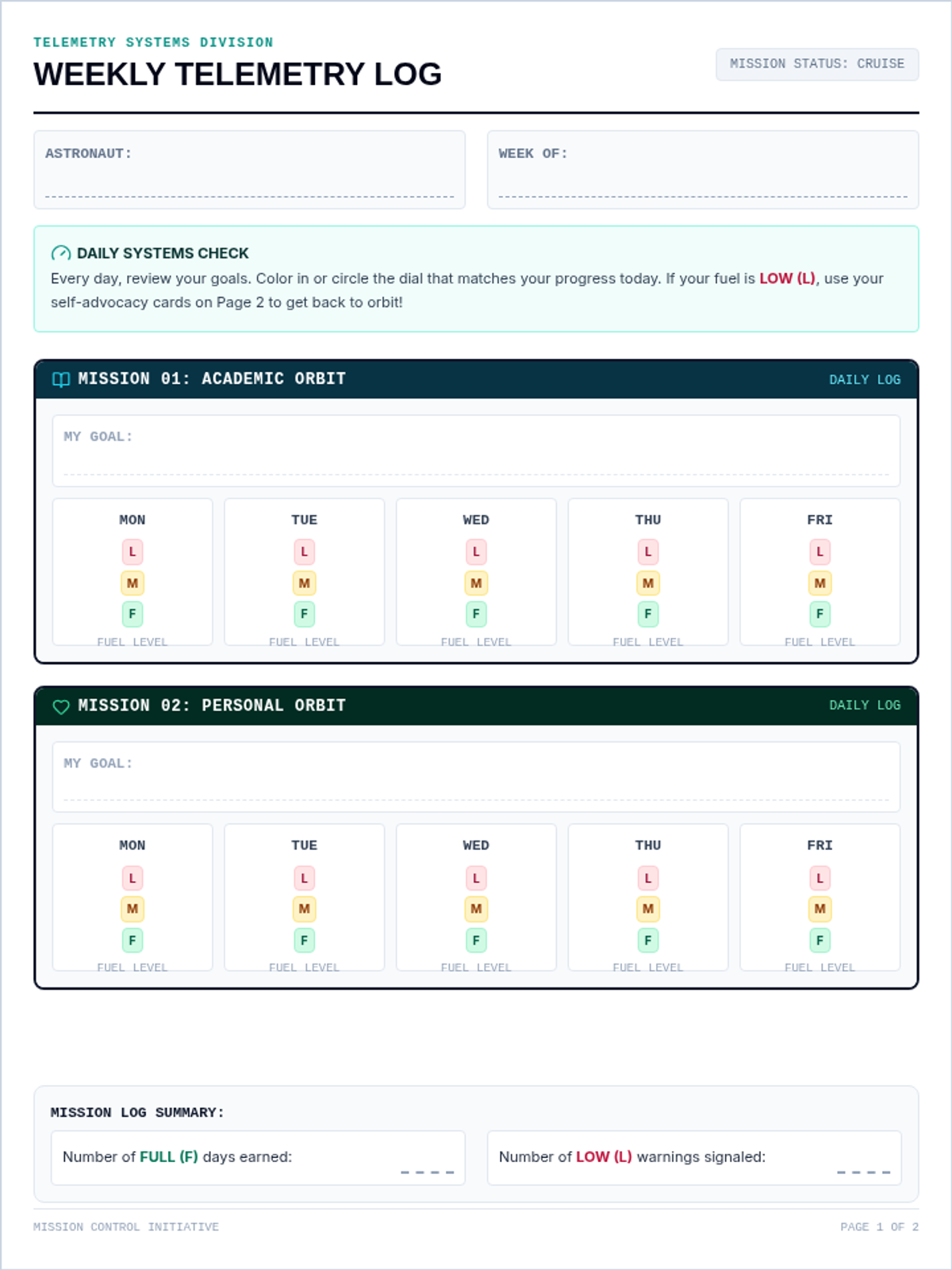
A space-themed goal-setting lesson designed for 6th-8th grade special education students. It introduces structured, visual goal setting, progress monitoring, and self-advocacy using a supportive, scaffolded 'Mission Control' theme.
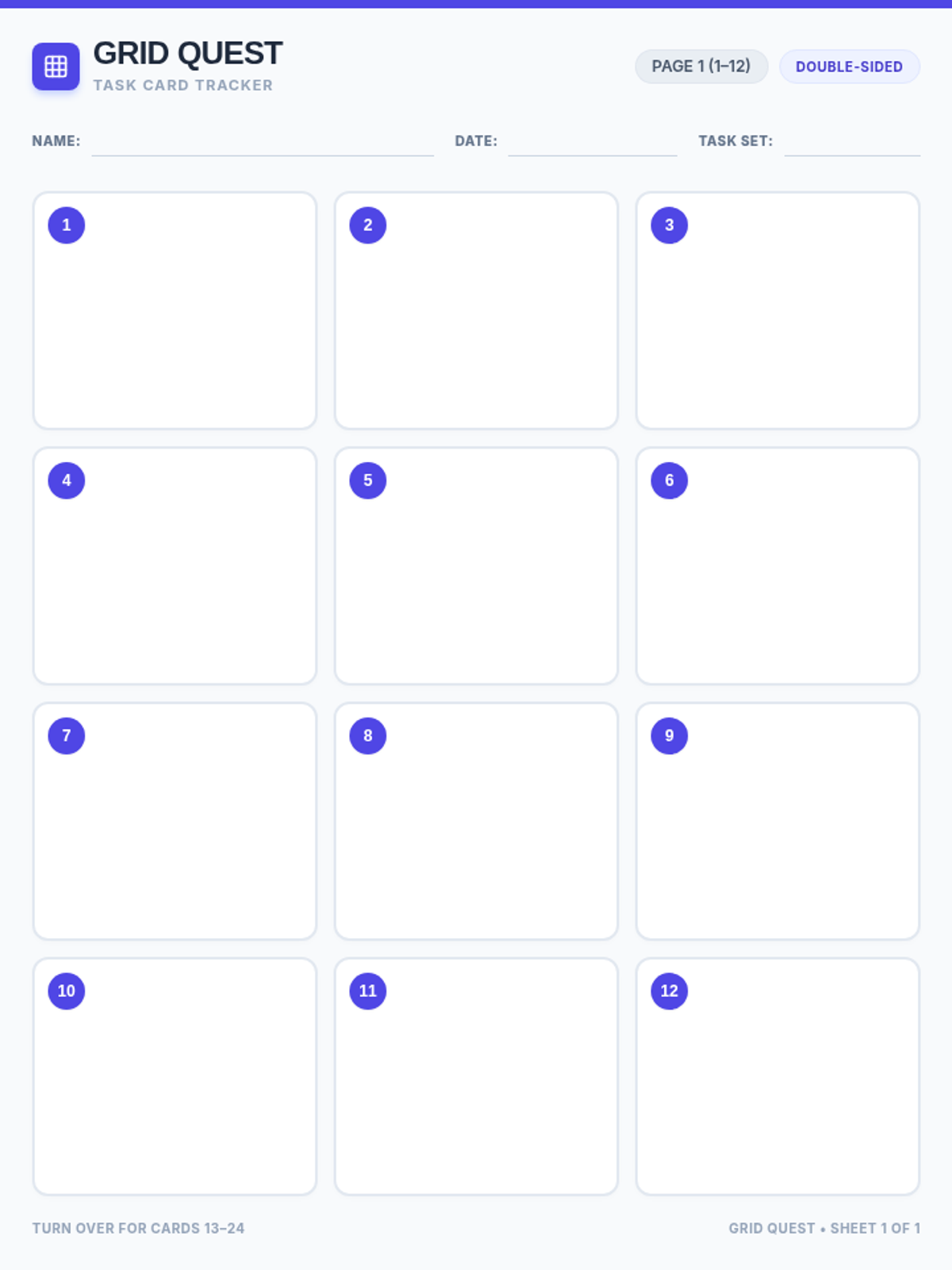
A collection of clean, versatile task card recording sheets for student work and classroom activities across all subjects and elementary grades.
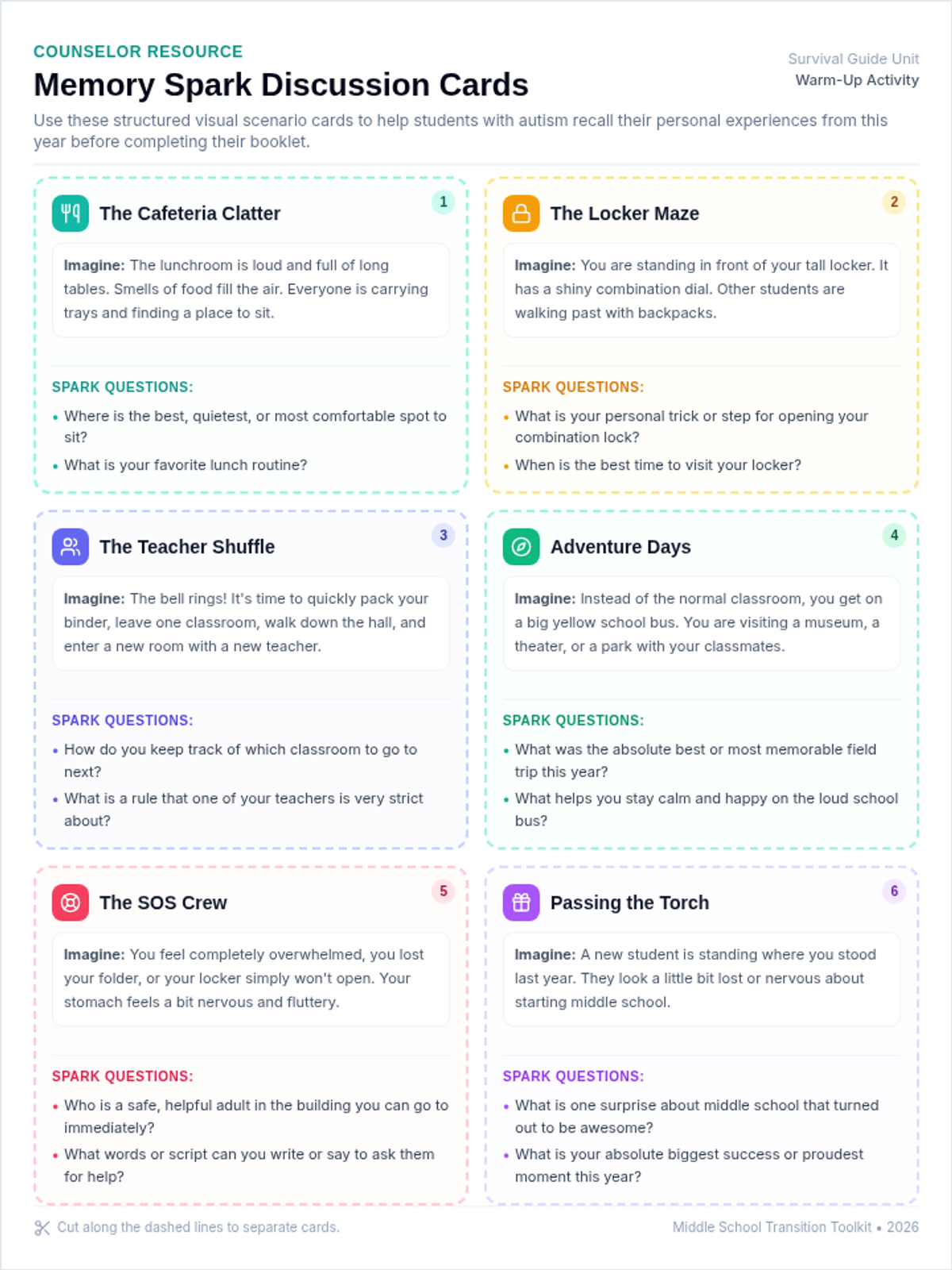
A transition lesson designed for middle school students with autism to reflect on their experiences (cafeteria, lockers, multiple teachers, field trips, and getting help) and create a supportive advice booklet for incoming students. Includes visual scenario cards and a tactile flip-book.
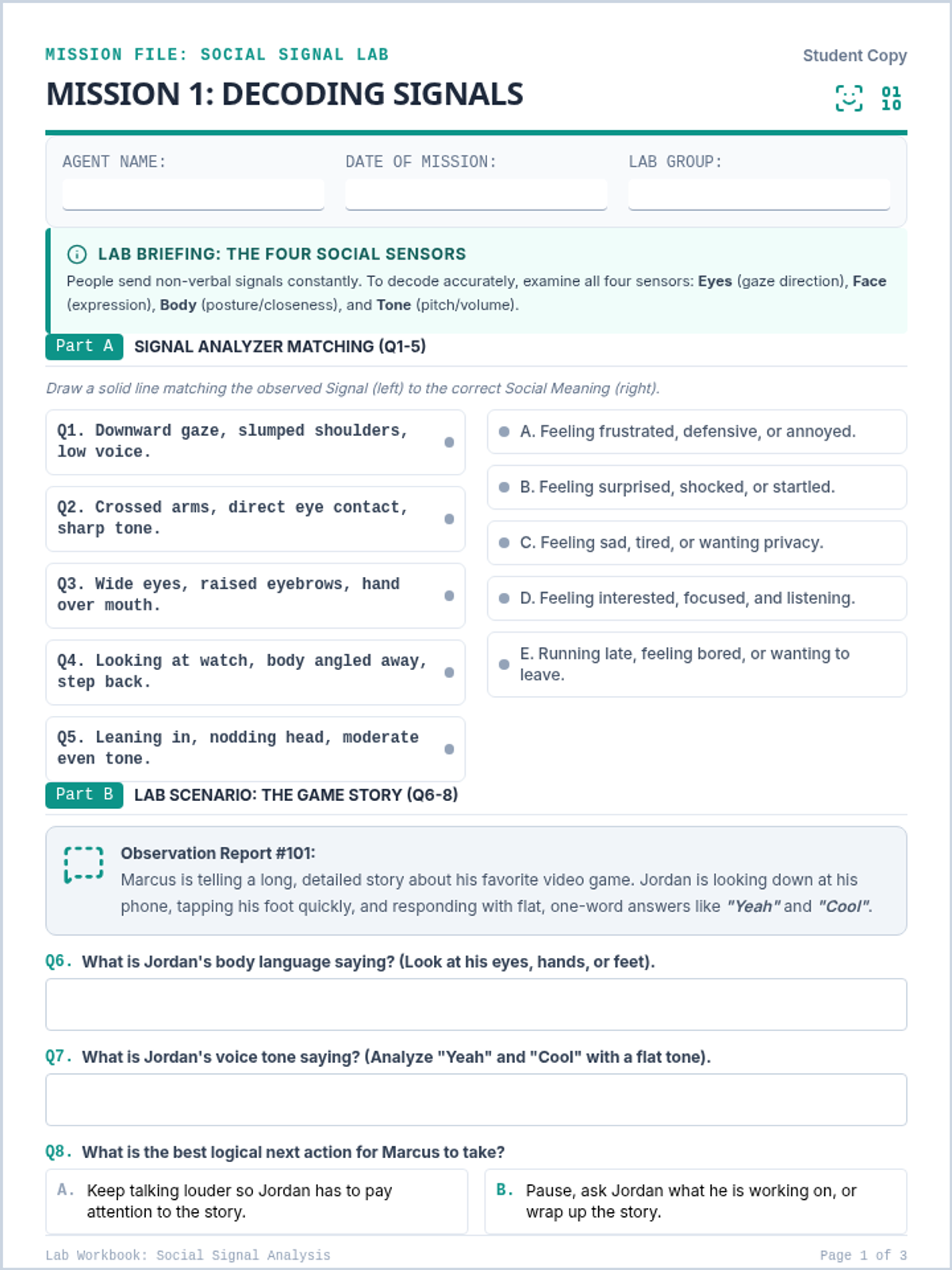
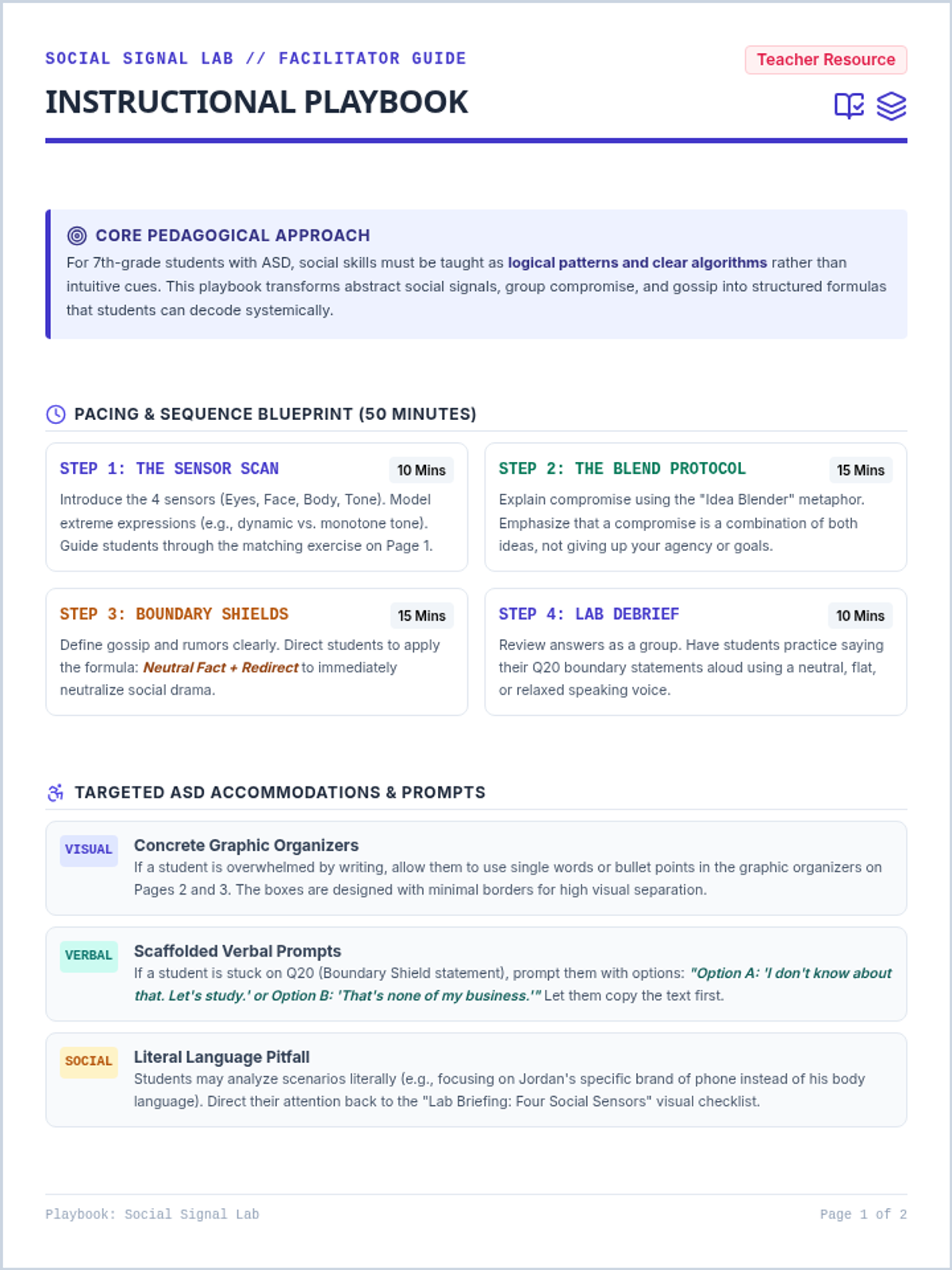
A highly structured social-skills unit for 7th-grade students with ASD, focusing on non-verbal signals, group work compromise, and navigating peer conflicts.
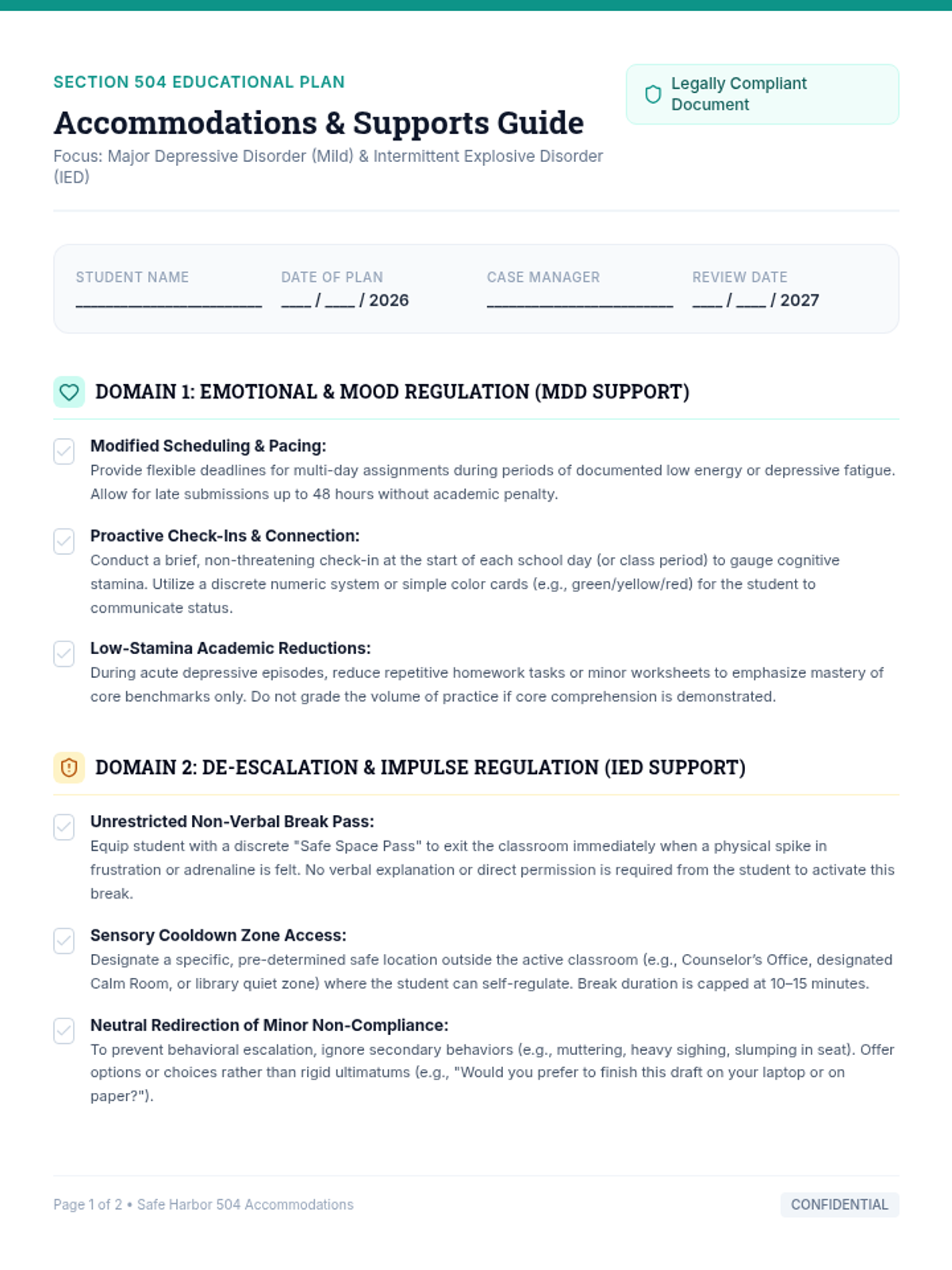
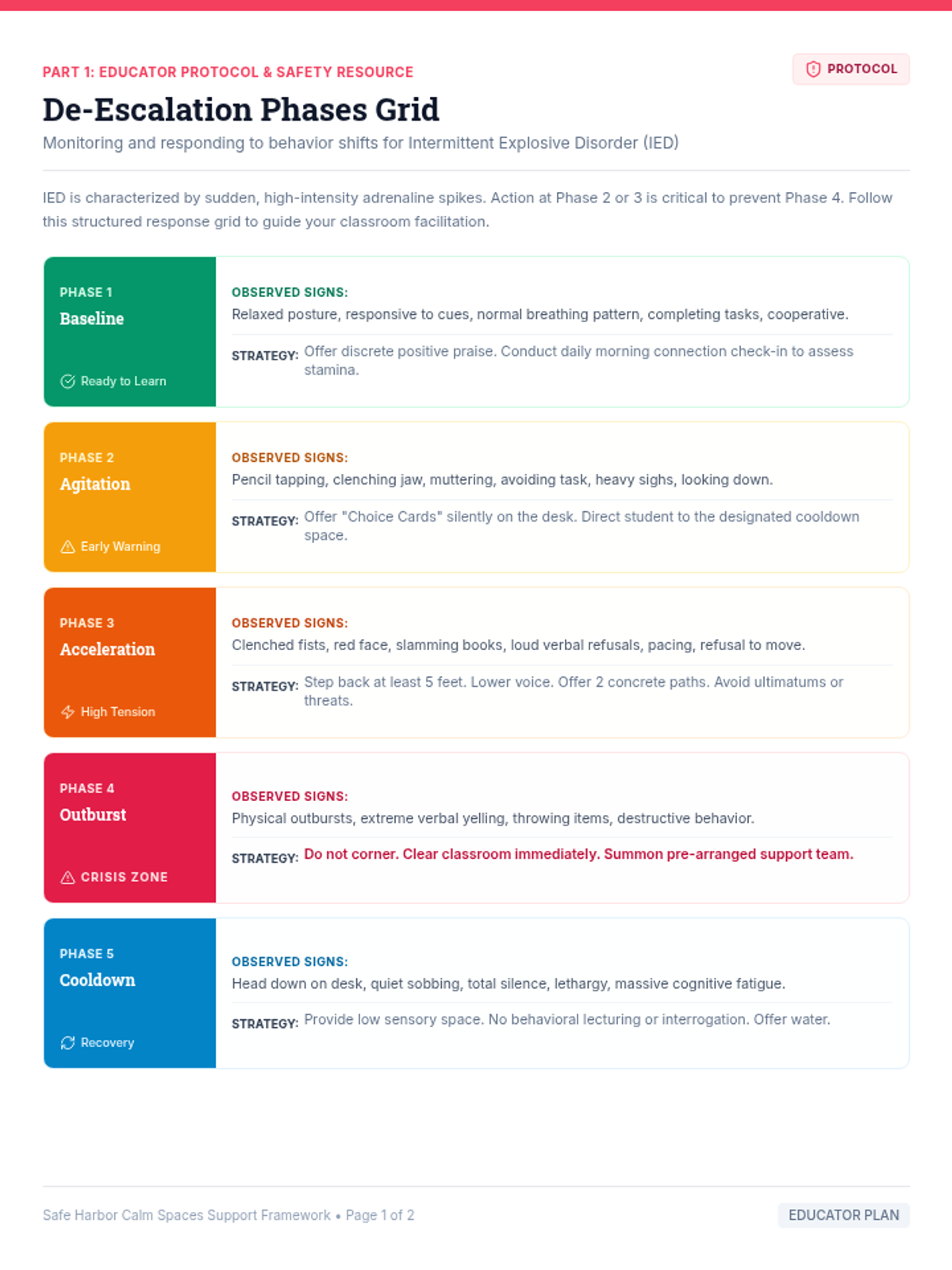
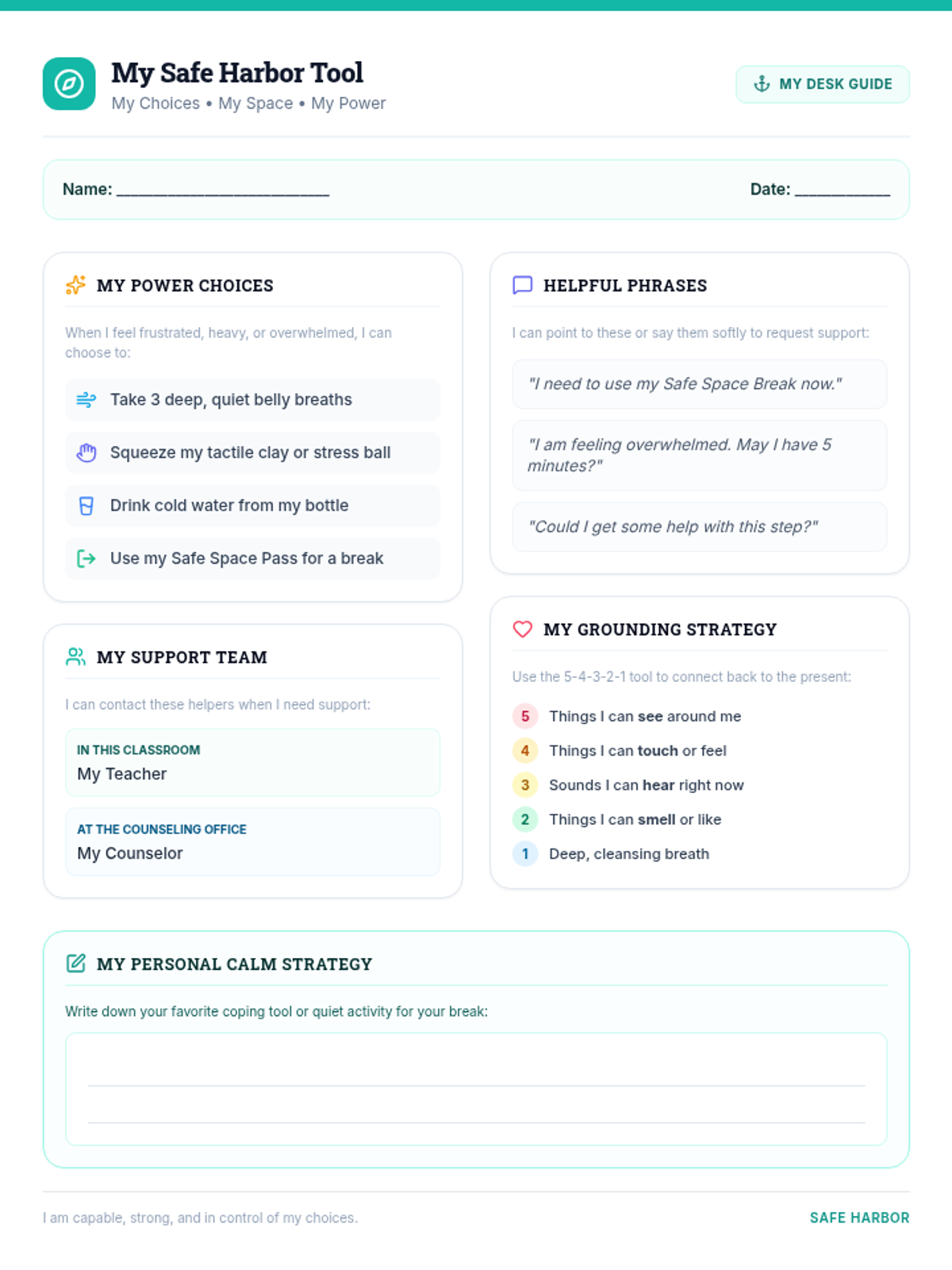
A cohesive bundle of support resources for a student with Major Depressive Disorder and Intermittent Explosive Disorder, including formal 504 accommodations, an educator's de-escalation workflow, and a student-facing desk tool.
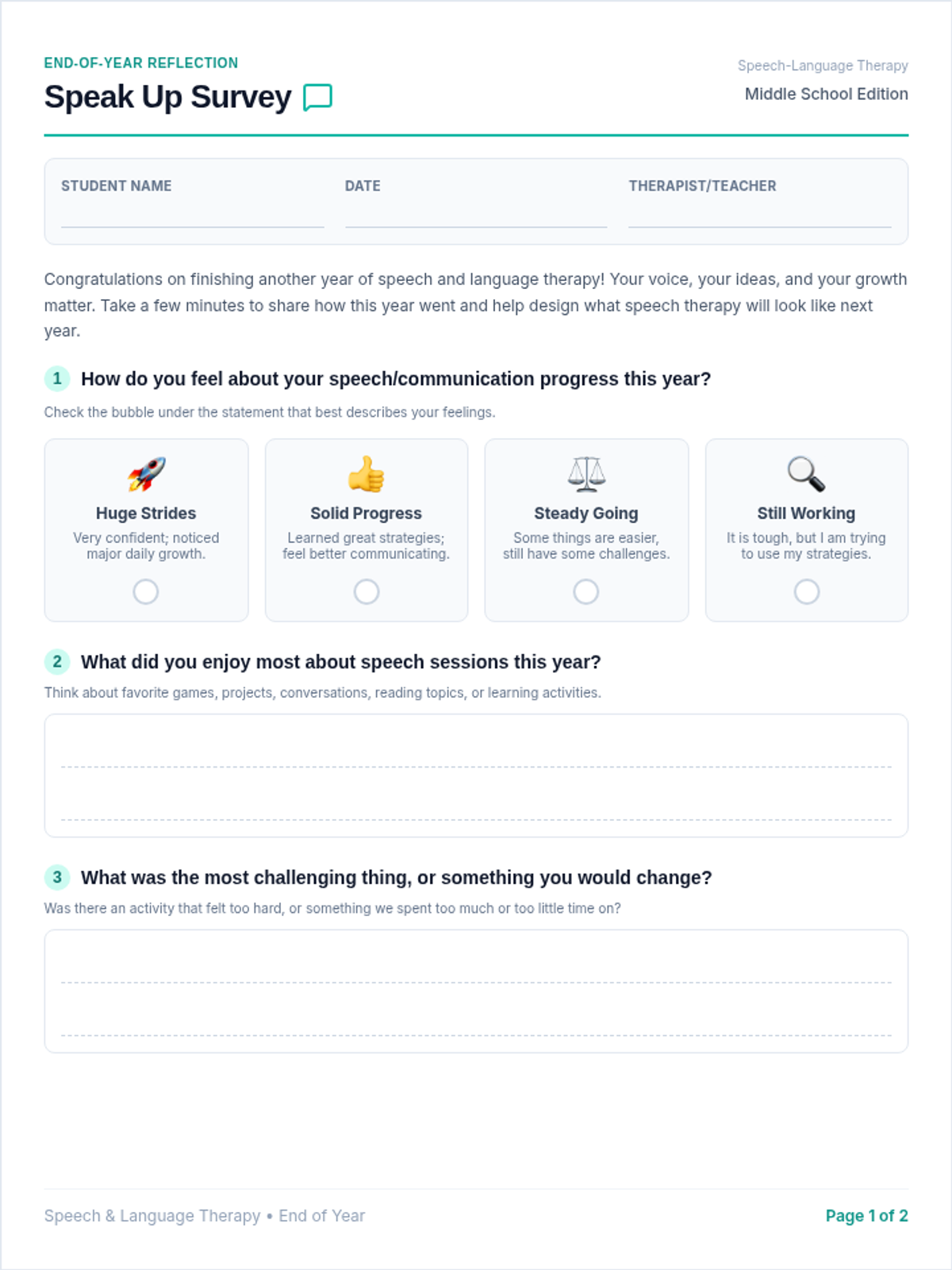
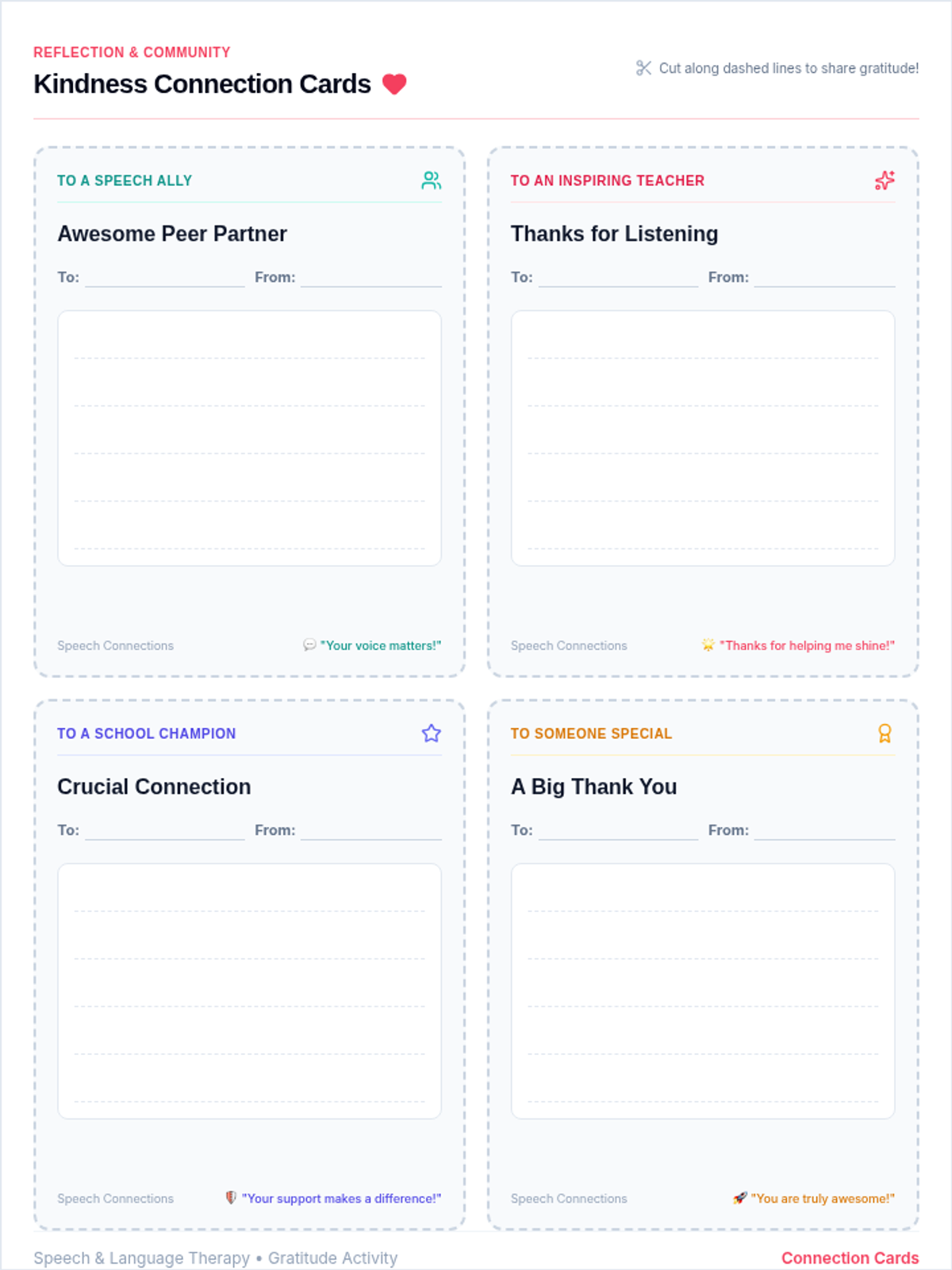
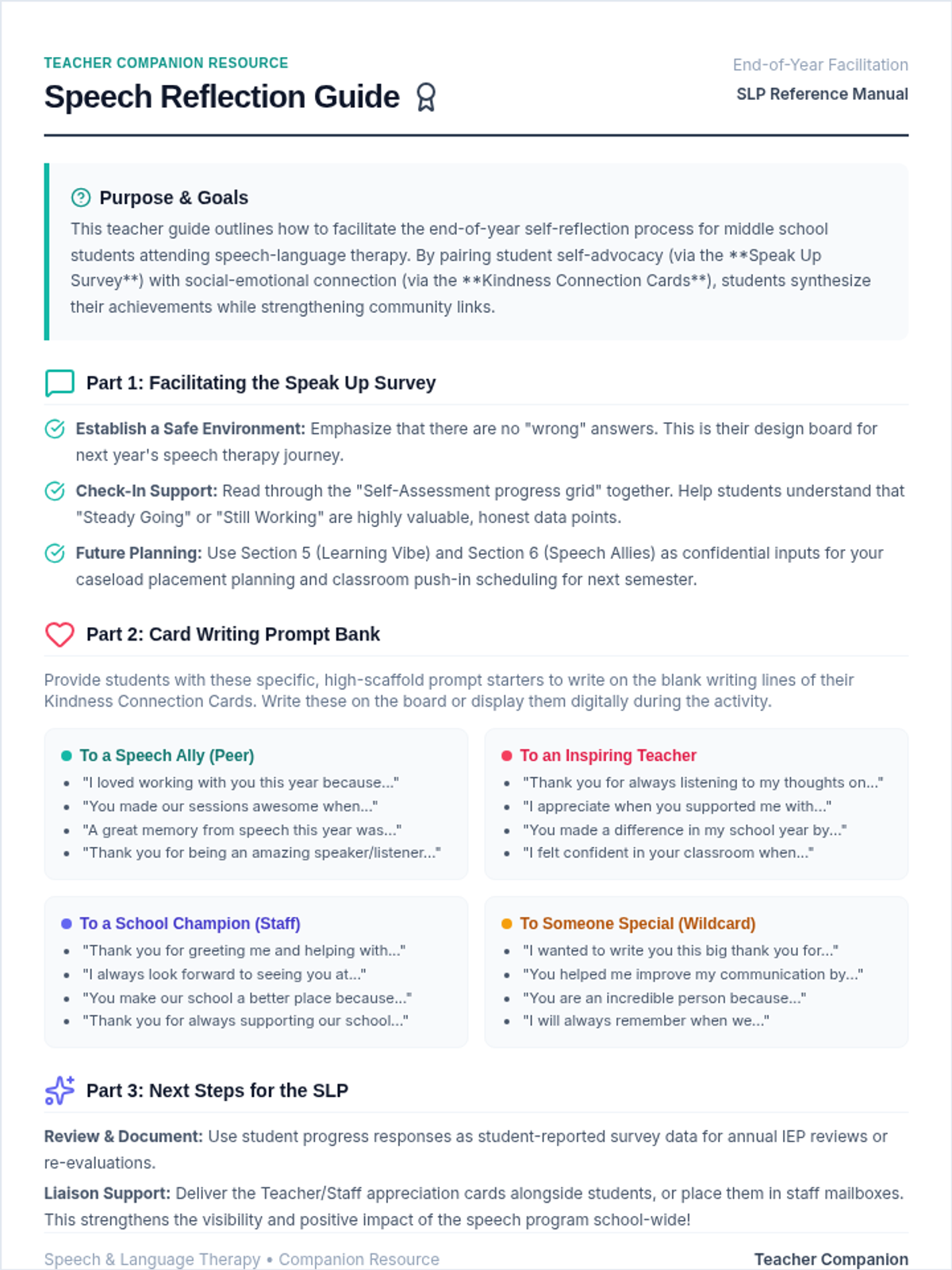
An engaging end-of-year reflection activity designed for middle school speech-language therapy students, featuring a self-assessment survey and printable appreciation cards to express gratitude to peers and school staff.
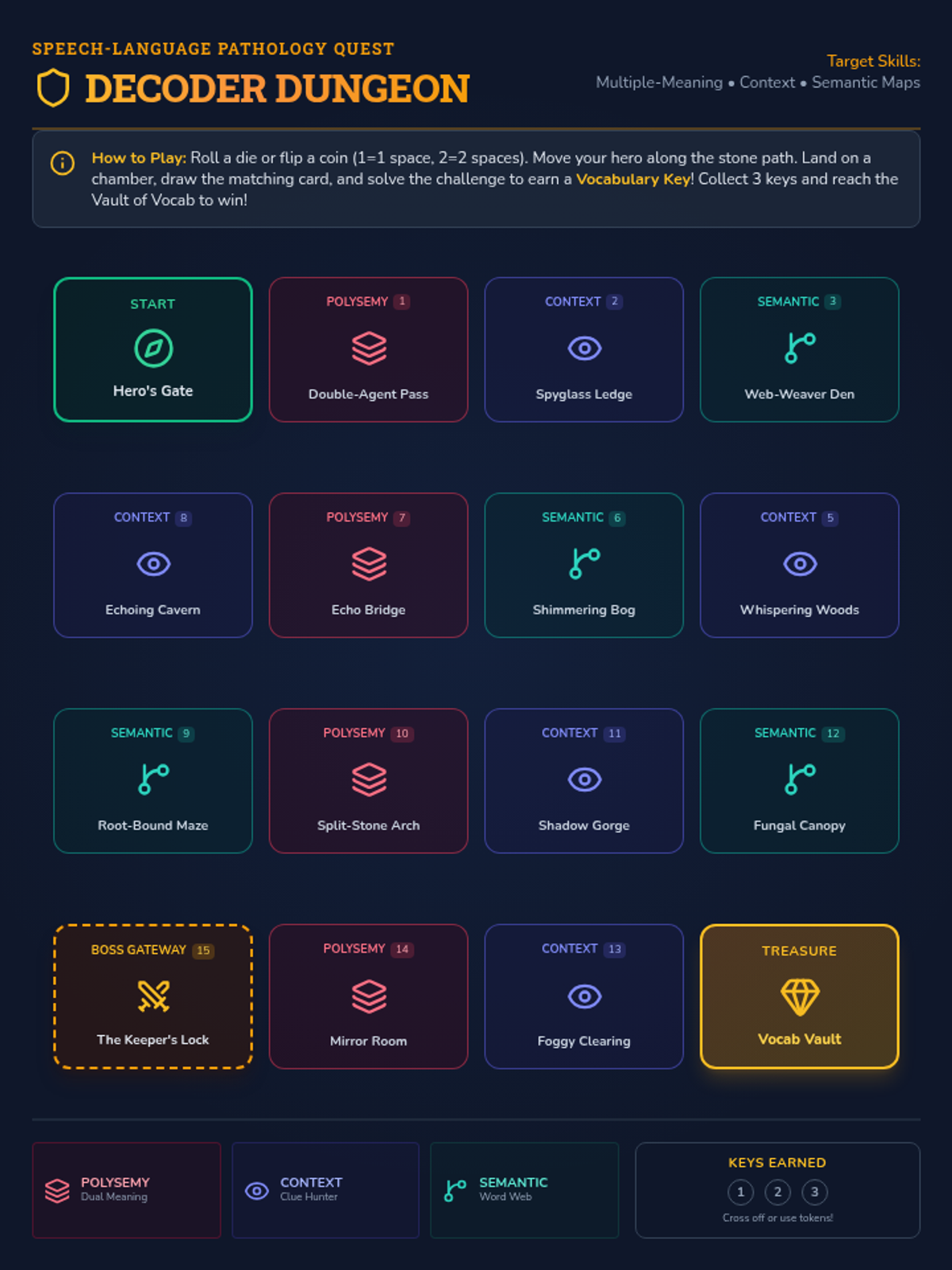
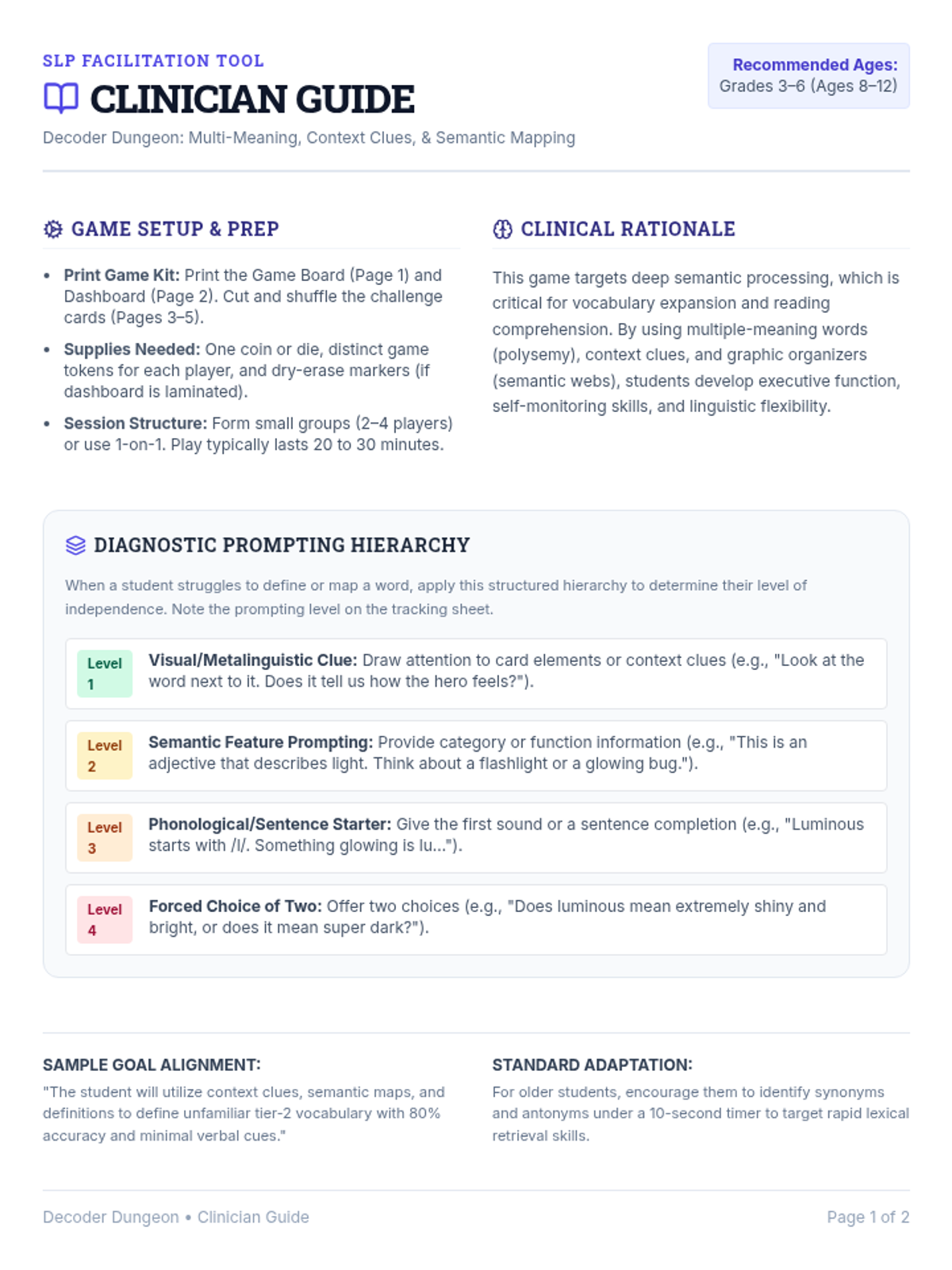
An immersive, fantasy-themed vocabulary game designed for speech-language pathology sessions targeting multiple-meaning words, context clues, and semantic mapping. This lesson includes an interactive printable game board, skill cards, and a comprehensive clinician facilitation guide with diagnostic tracking tools.
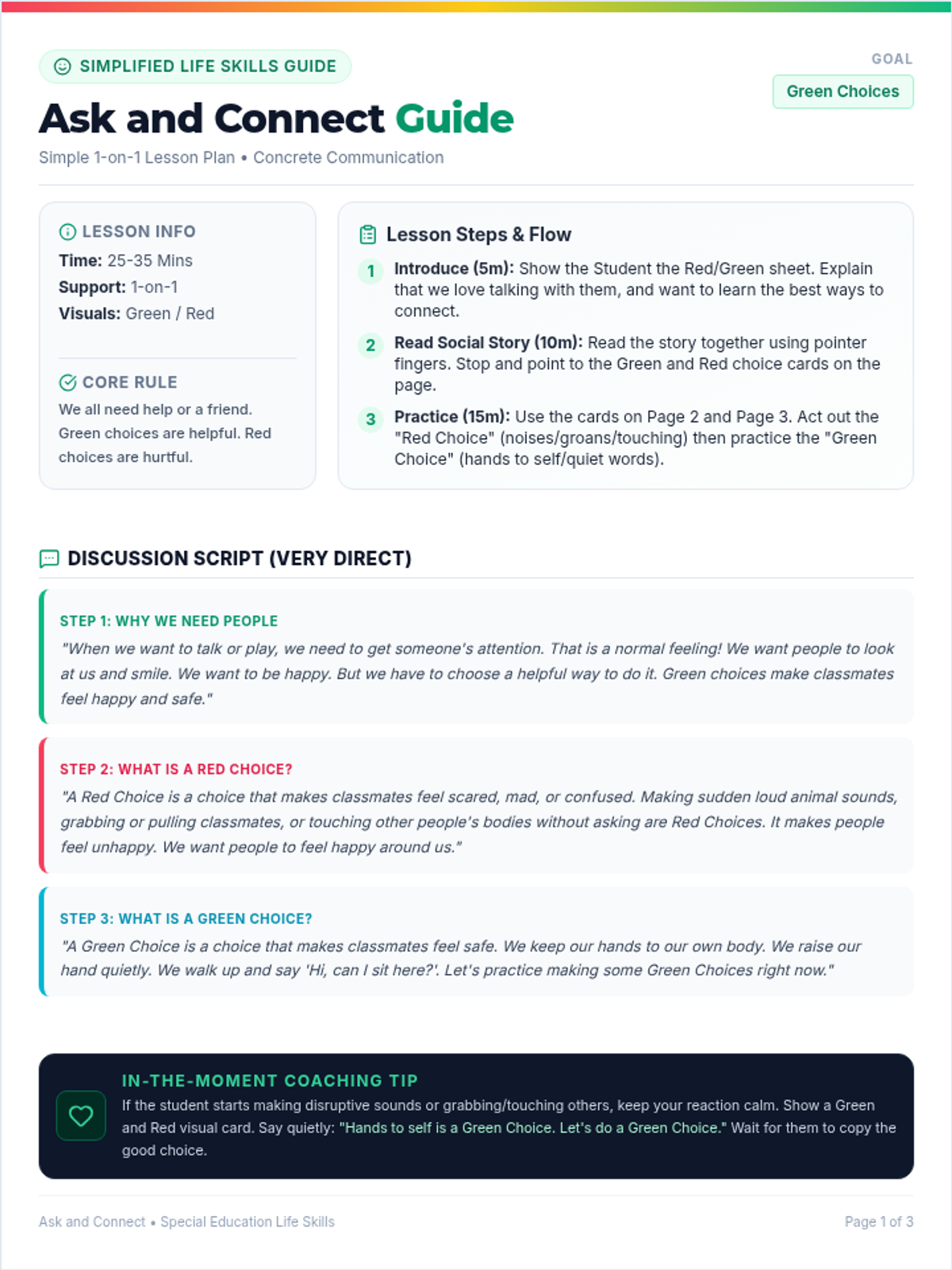
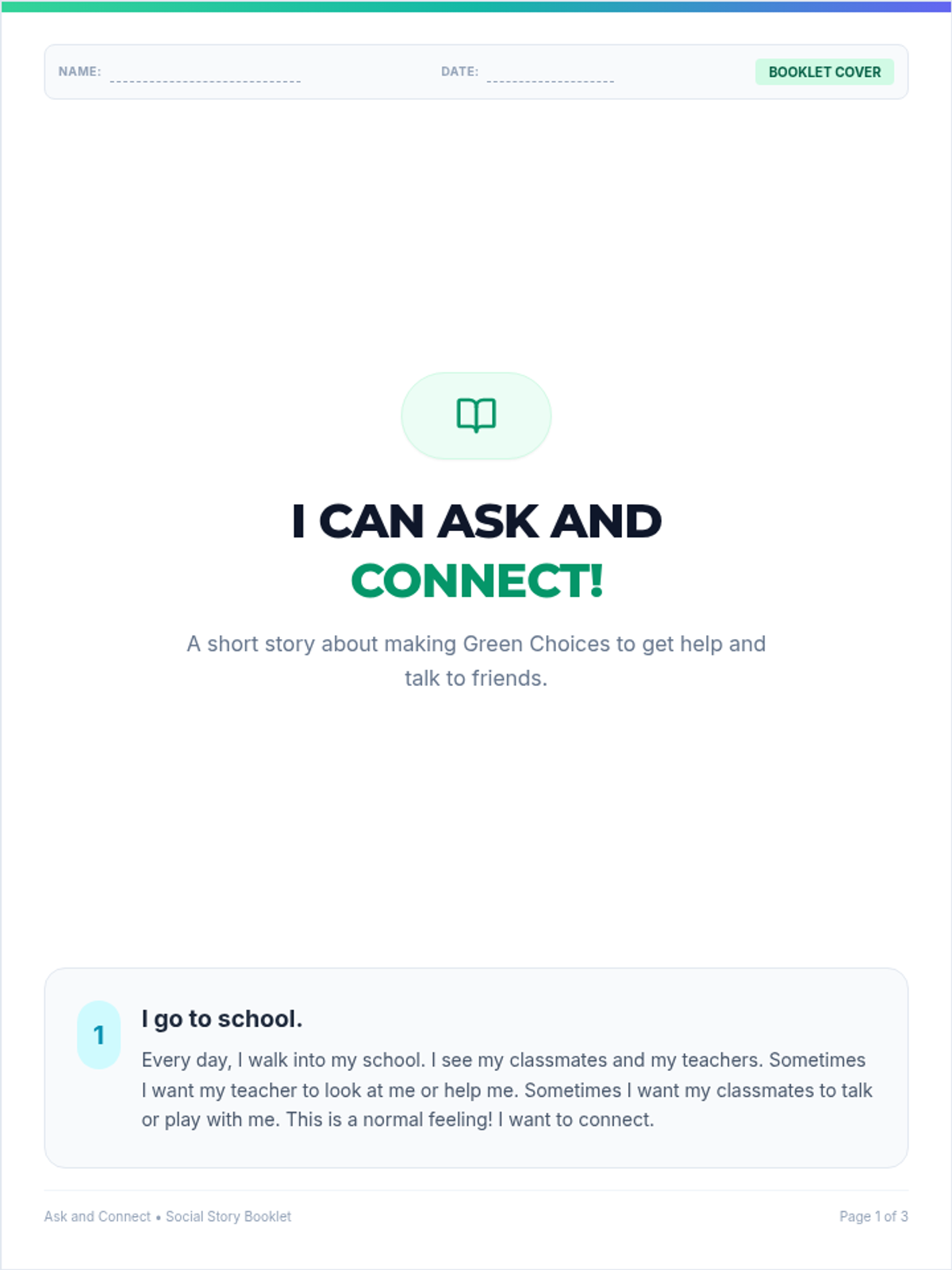
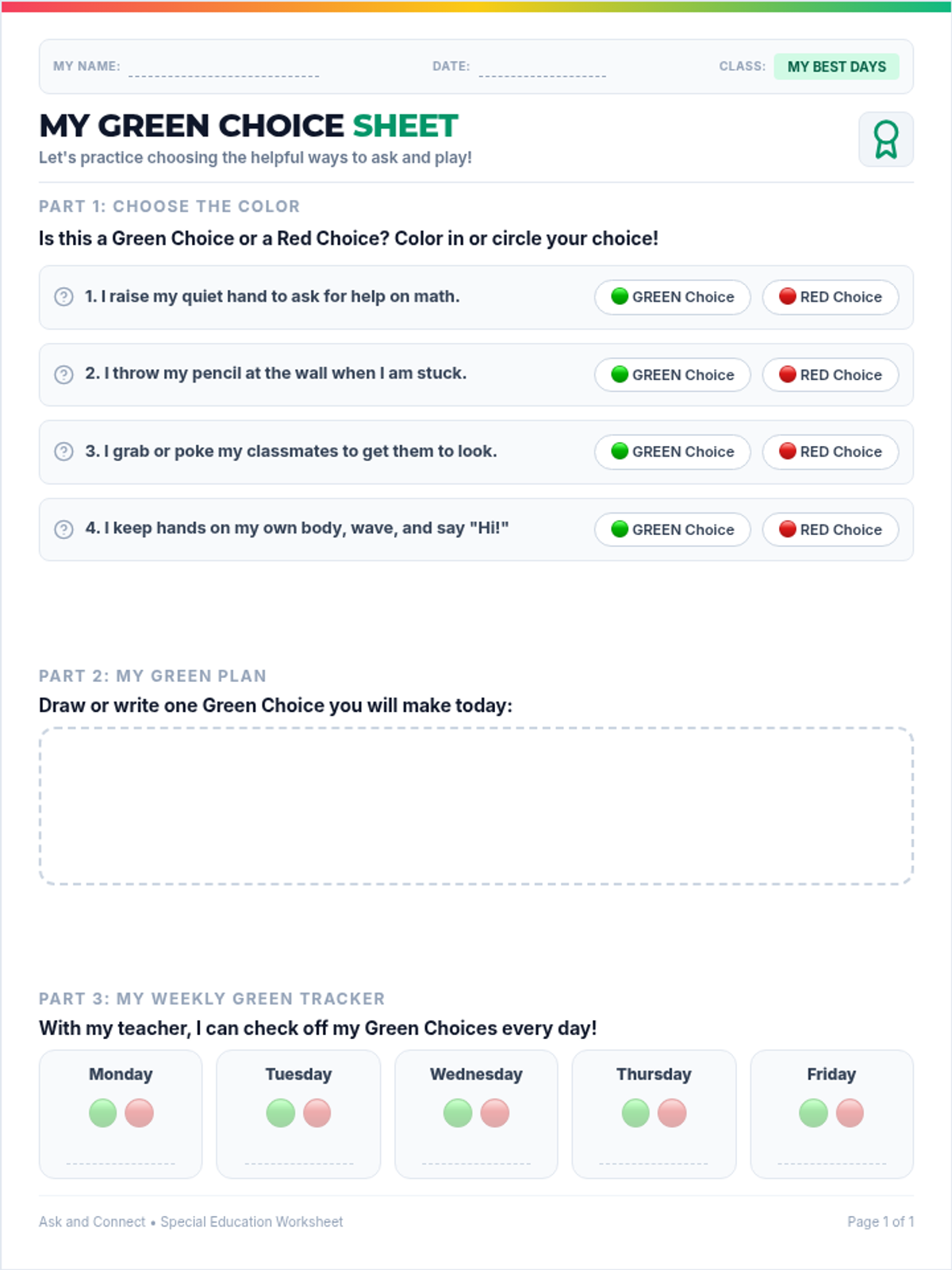
A 1-on-1 life skills lesson for middle schoolers with intellectual disabilities. Focuses on using simple, concrete language to teach appropriate ways to get attention, ask for help, or connect with peers using "Green Choice" (helpful) and "Red Choice" (unhelpful) visuals.
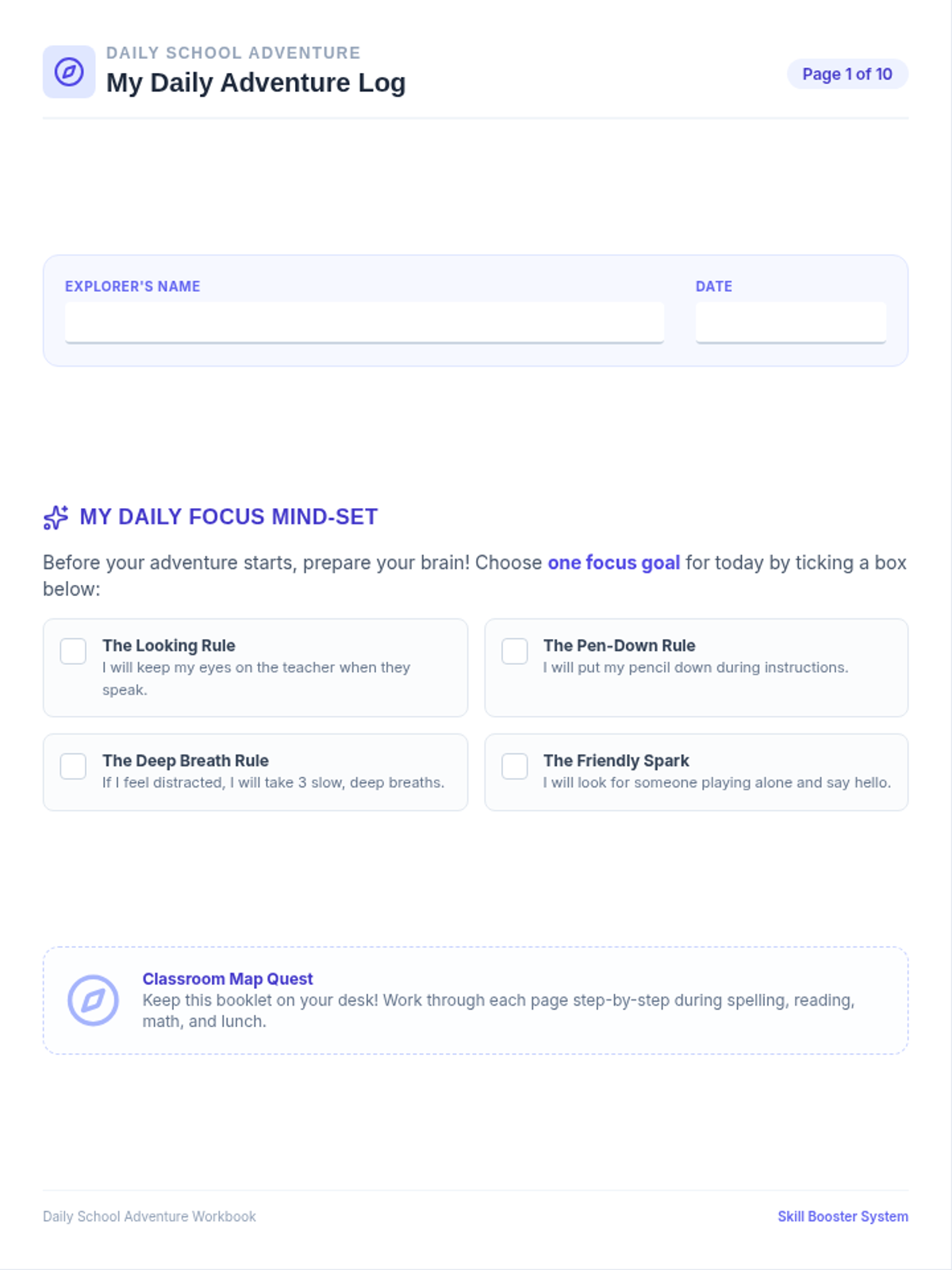
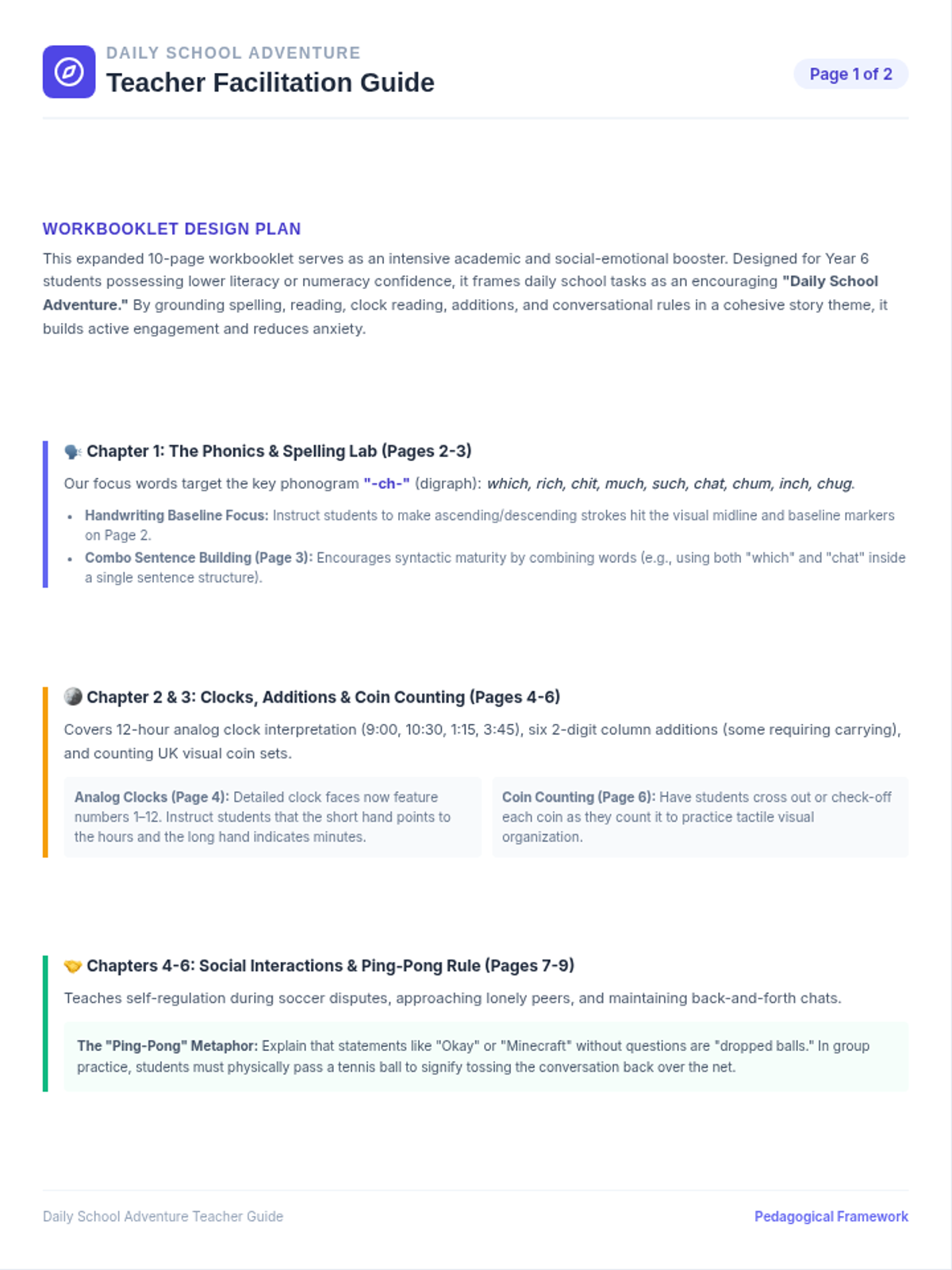
A structured workbooklet focusing on core academic skills (reading, handwriting, additions, money) and essential social-emotional strategies for school success.
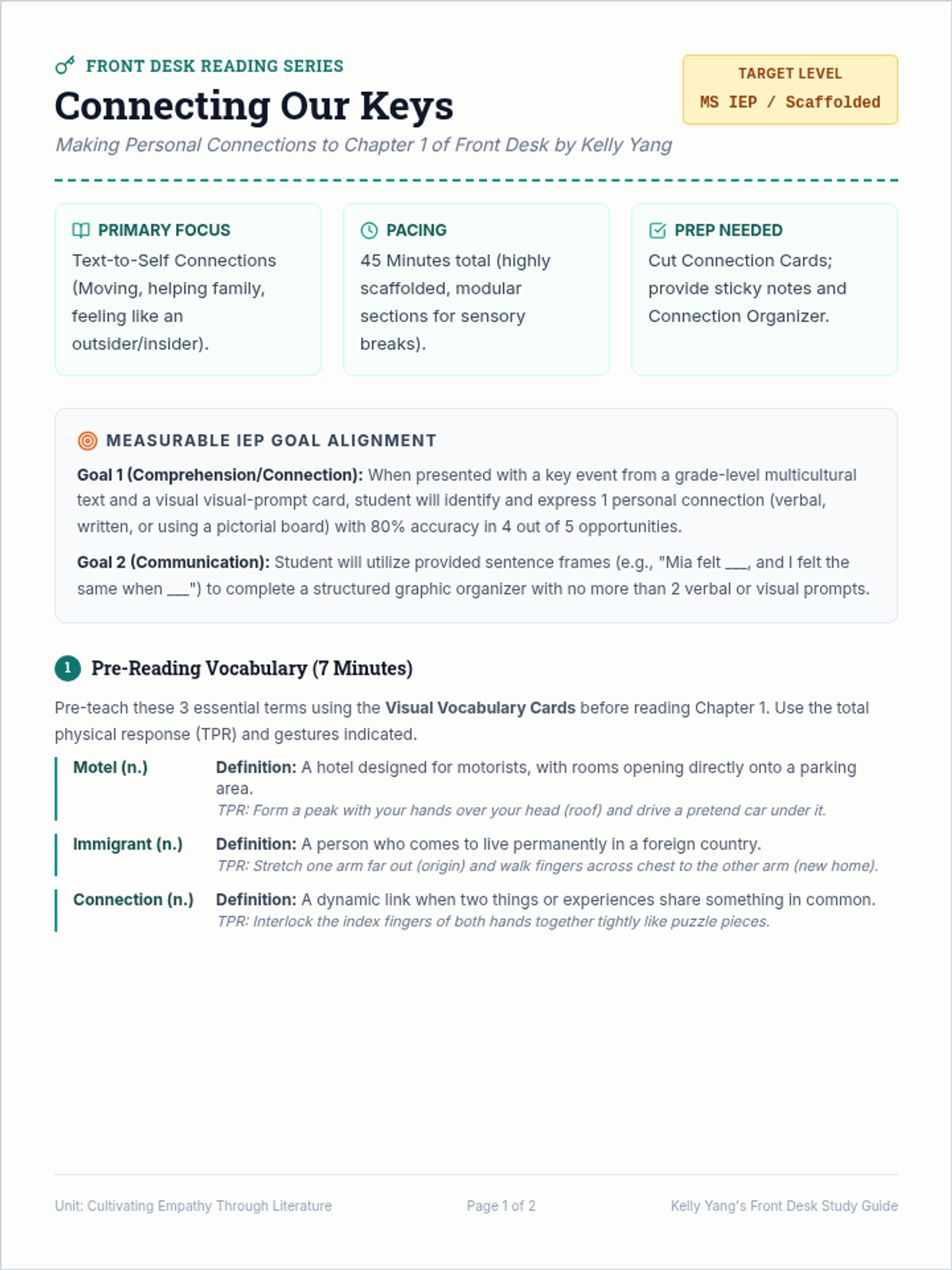
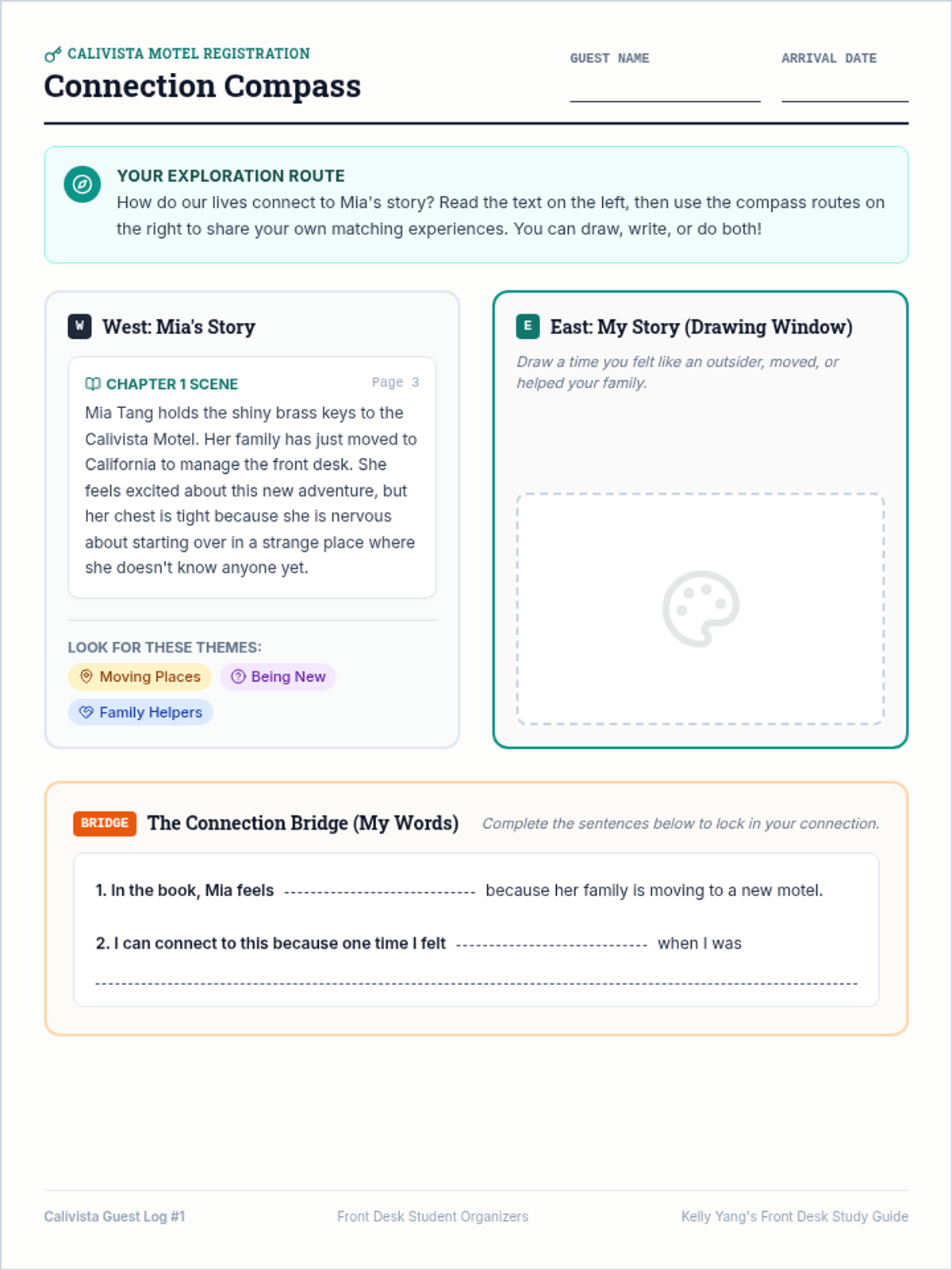
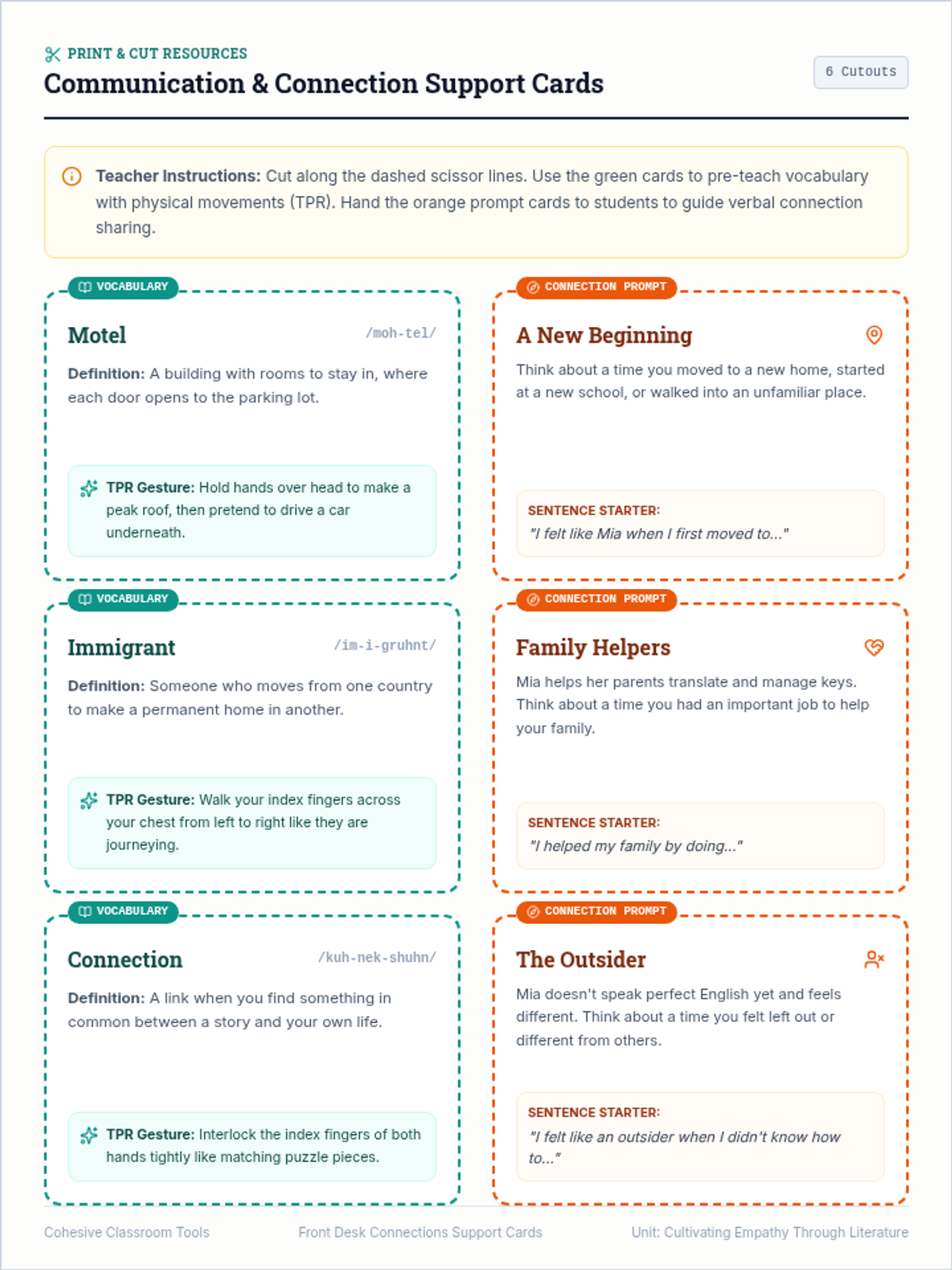
A scaffolded reading lesson bundle designed for middle school IEP students, focusing on making personal connections to Kelly Yang's 'Front Desk'. It includes a detailed lesson plan with IEP accommodations, a structured graphic organizer, and visual vocabulary support cards.
A foundational lesson designed for Year 6 students who need high levels of scaffolding in reading, writing, and basic numeracy. The lesson uses practical daily life scenarios, including grocery shopping, community signs, and coin counting, to deliver highly accessible academic and functional skills practice.
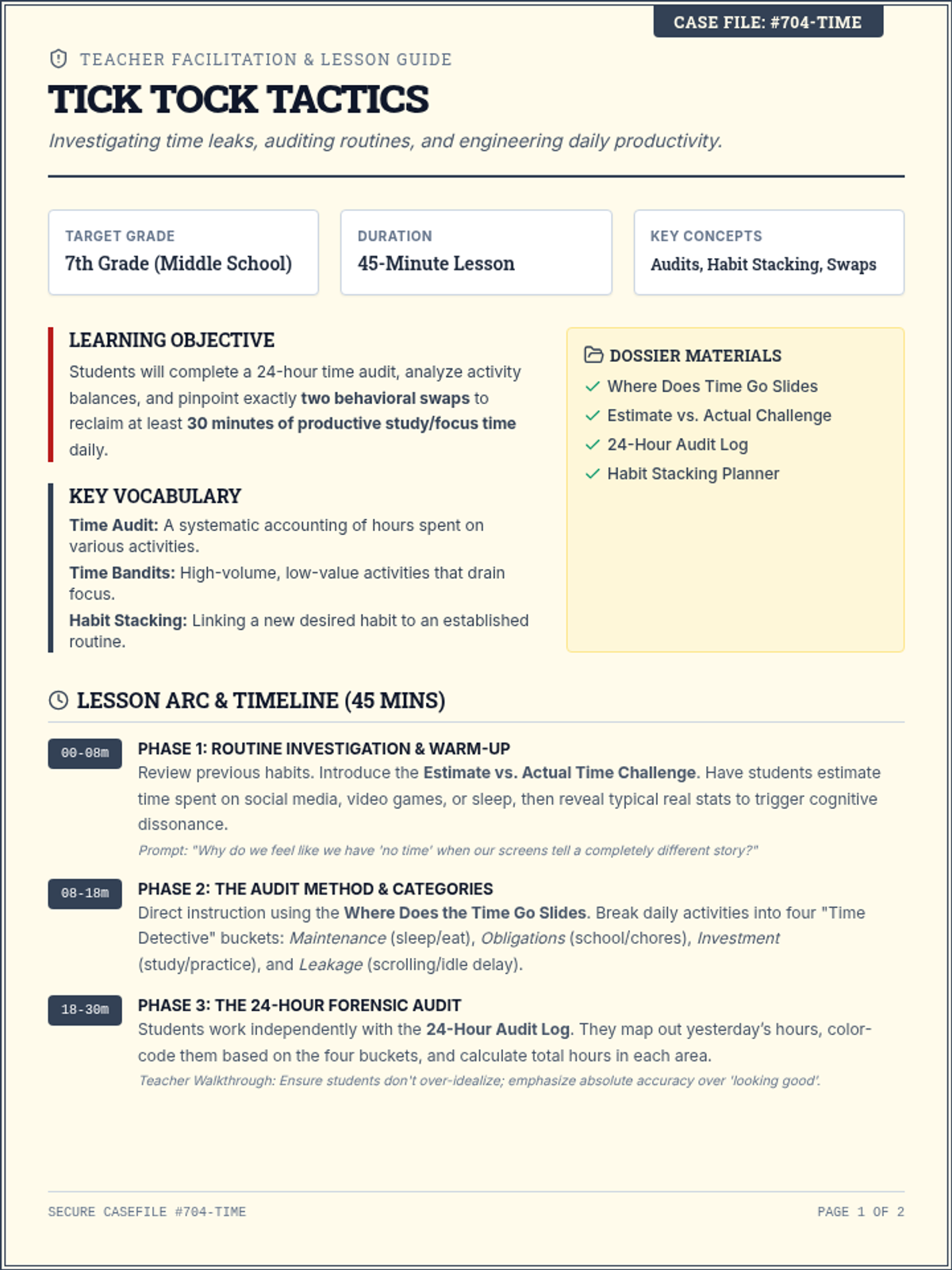
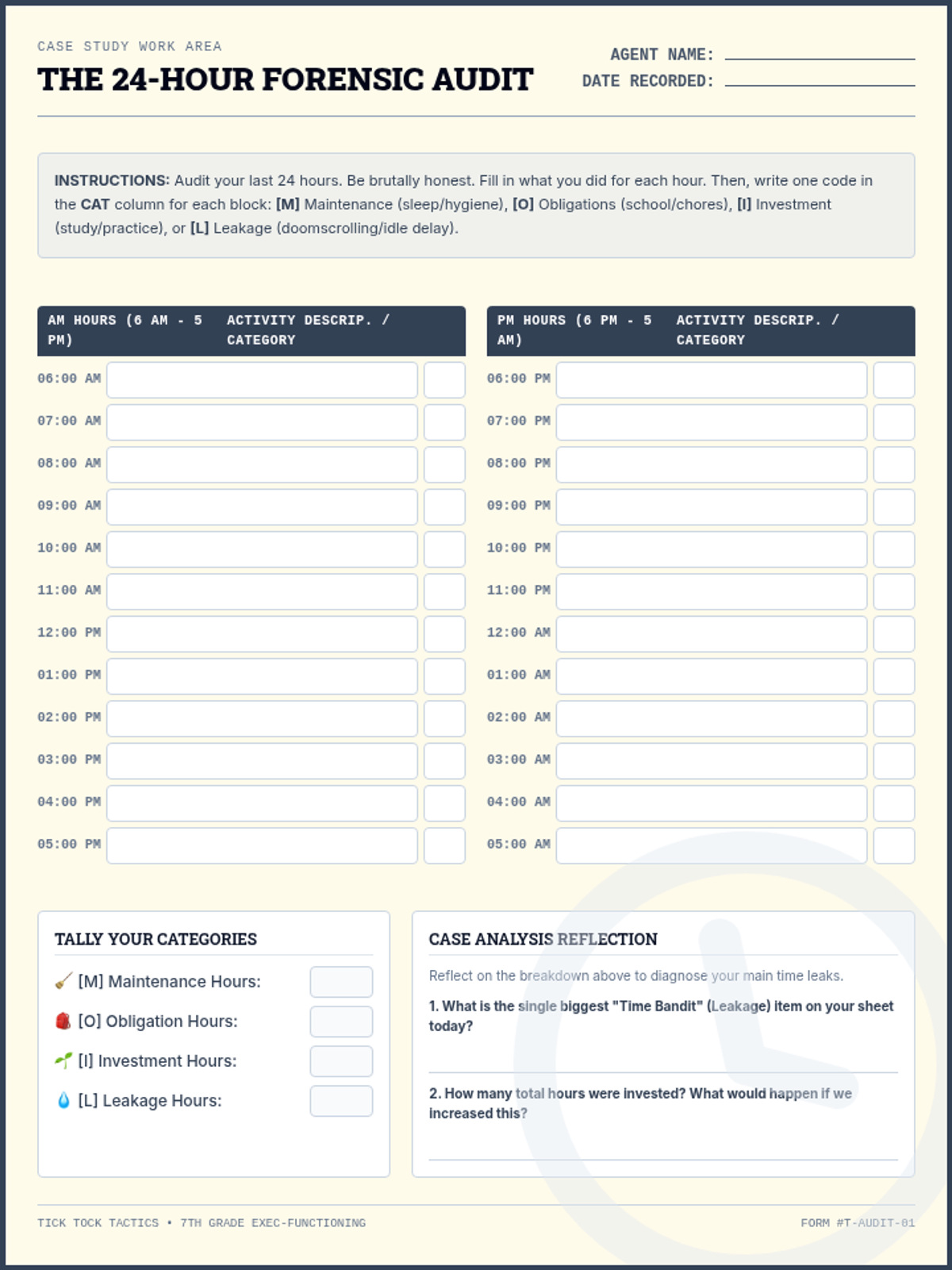
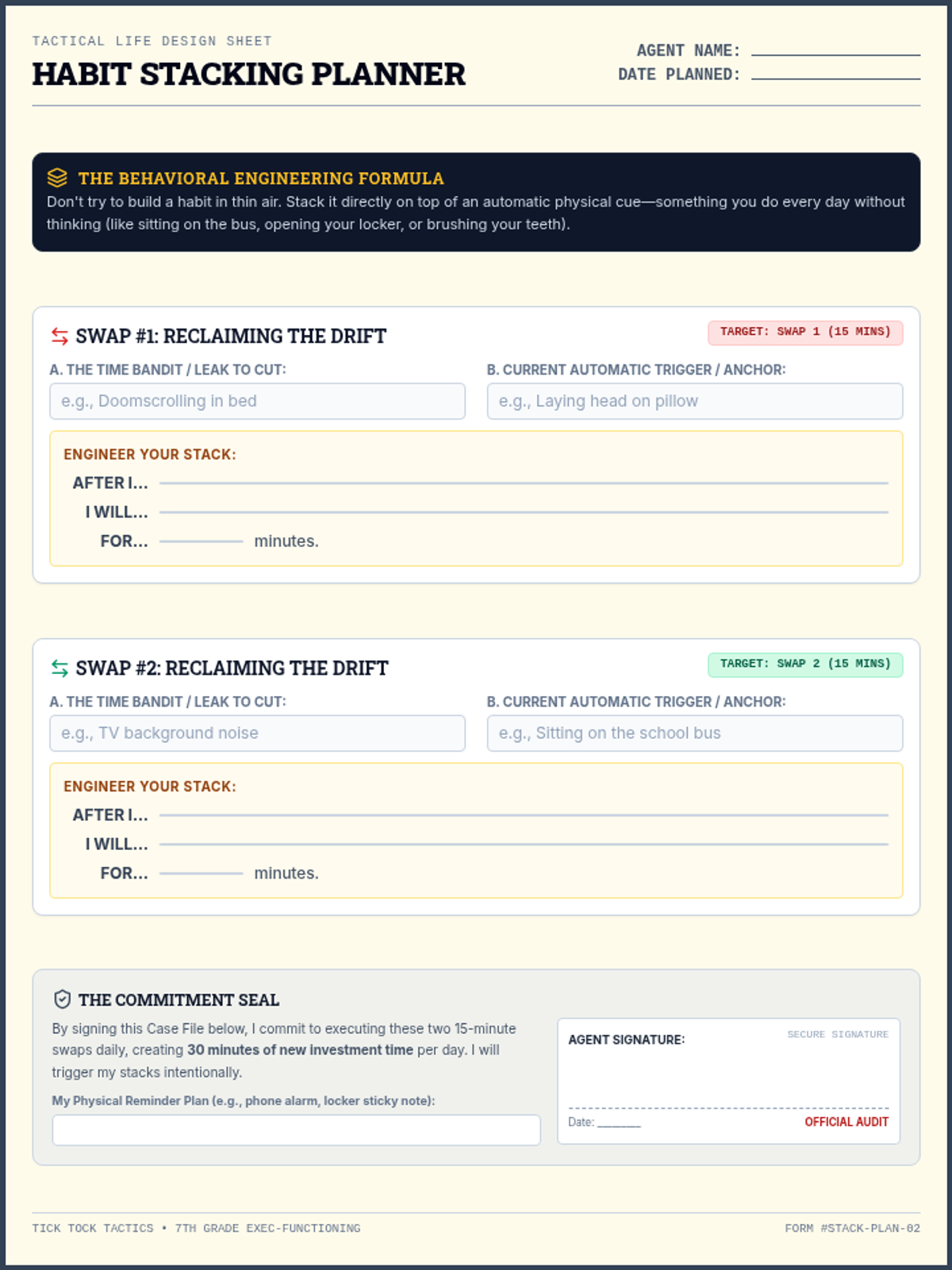
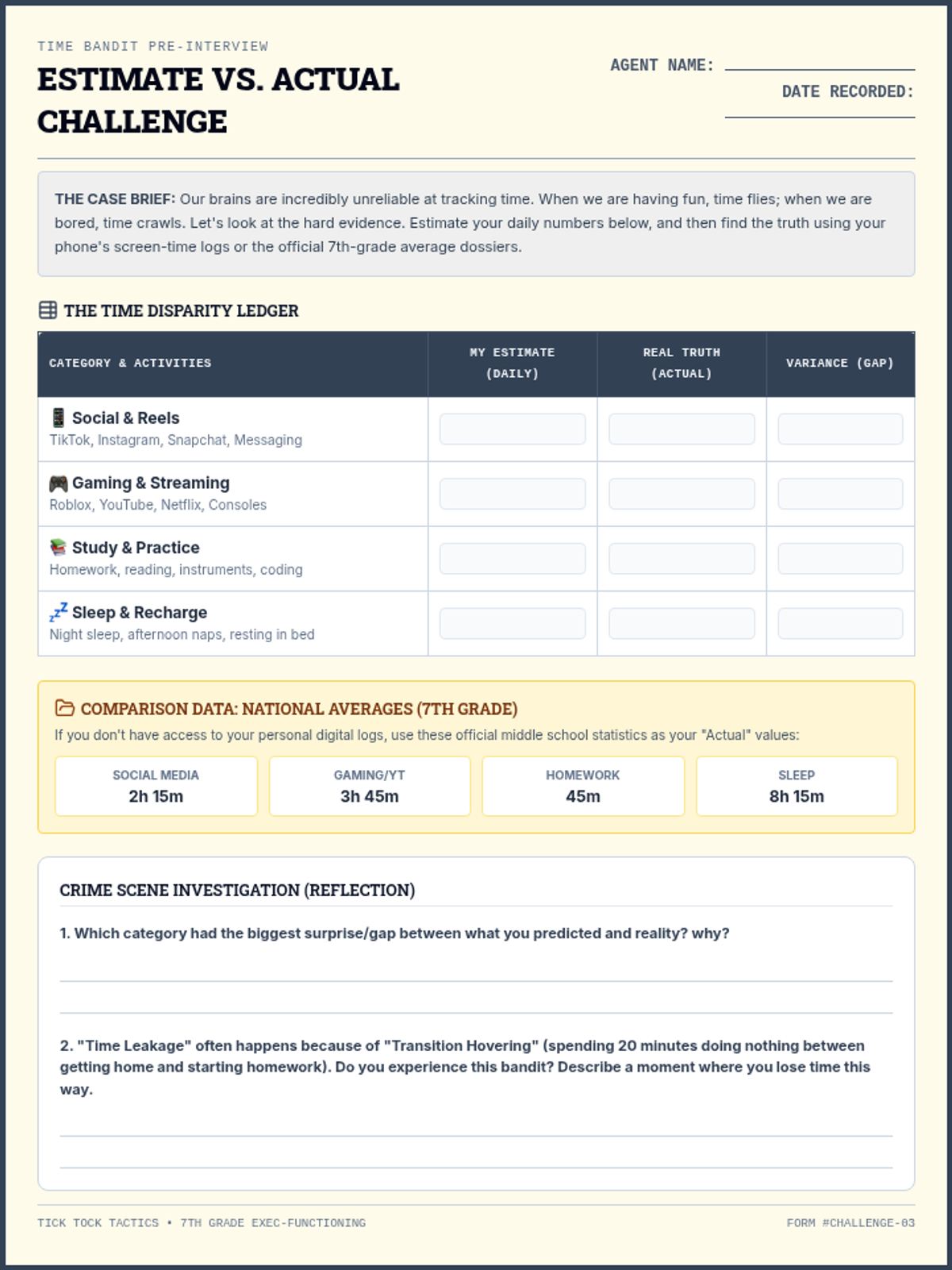
A high-impact 7th-grade lesson designed to help students investigate their daily routines, track down time-wasting habits, and build efficient schedules using time audits and habit stacking.
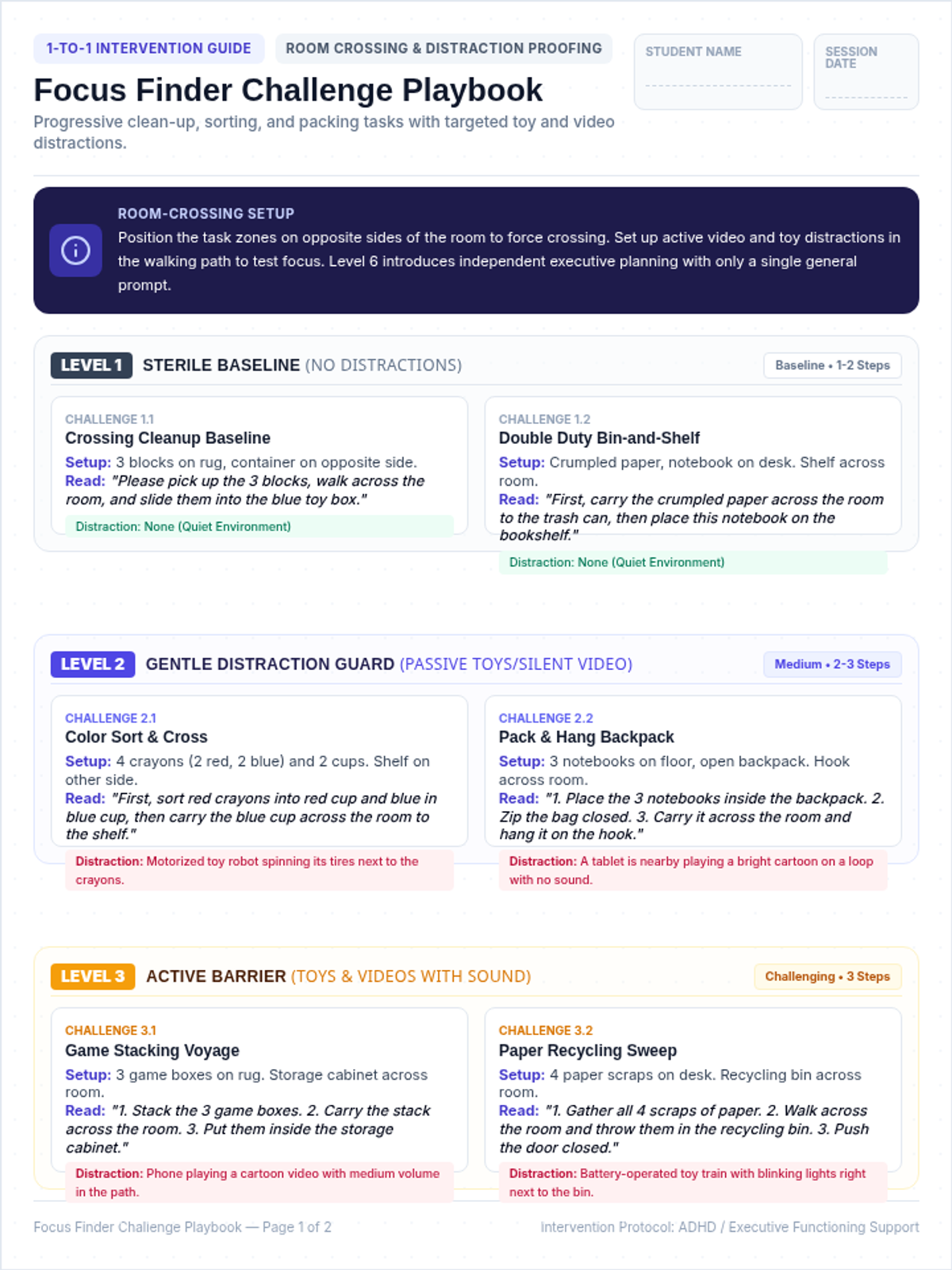
A 1-to-1 intervention lesson designed to help students master multi-step cleaning instructions while ignoring external and internal distractions. Includes a visual board game, specialized scenario cards, and self-regulation visual supports.
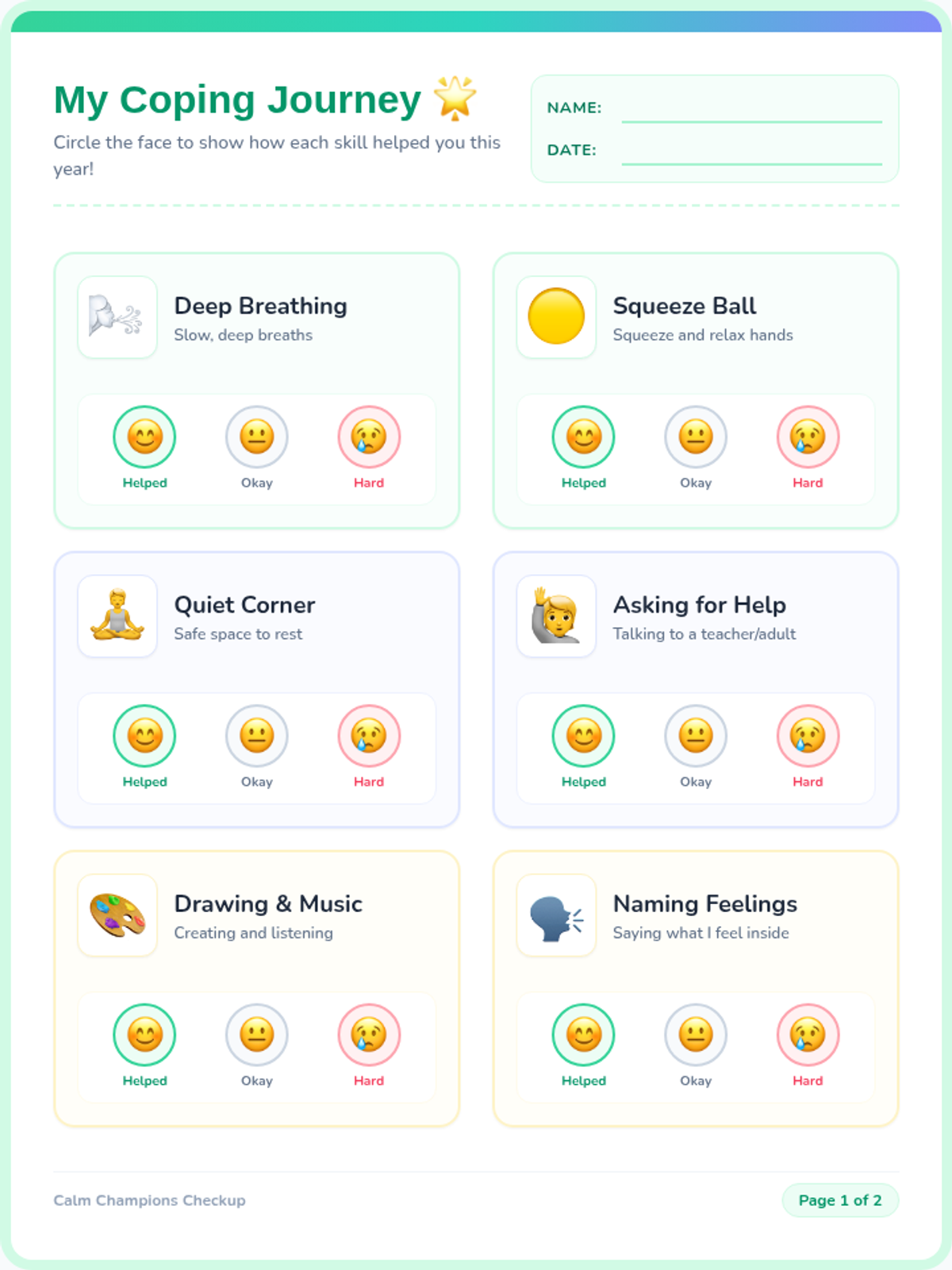
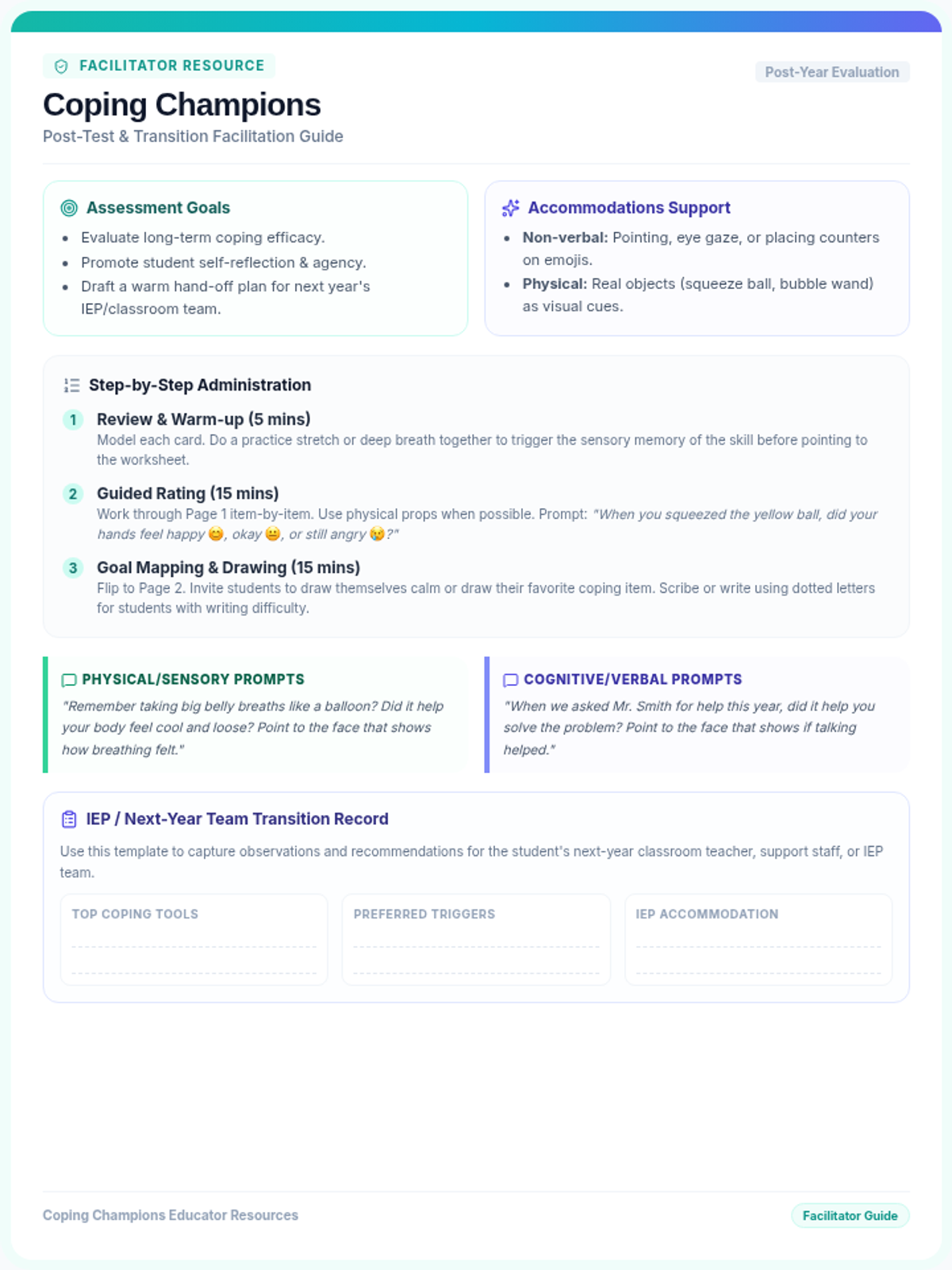
A post-test and reflection lesson designed for students with lower cognitive abilities to evaluate their coping skills from the past year and set gentle goals for the next school year using visual emojis and guided drawing/writing templates.
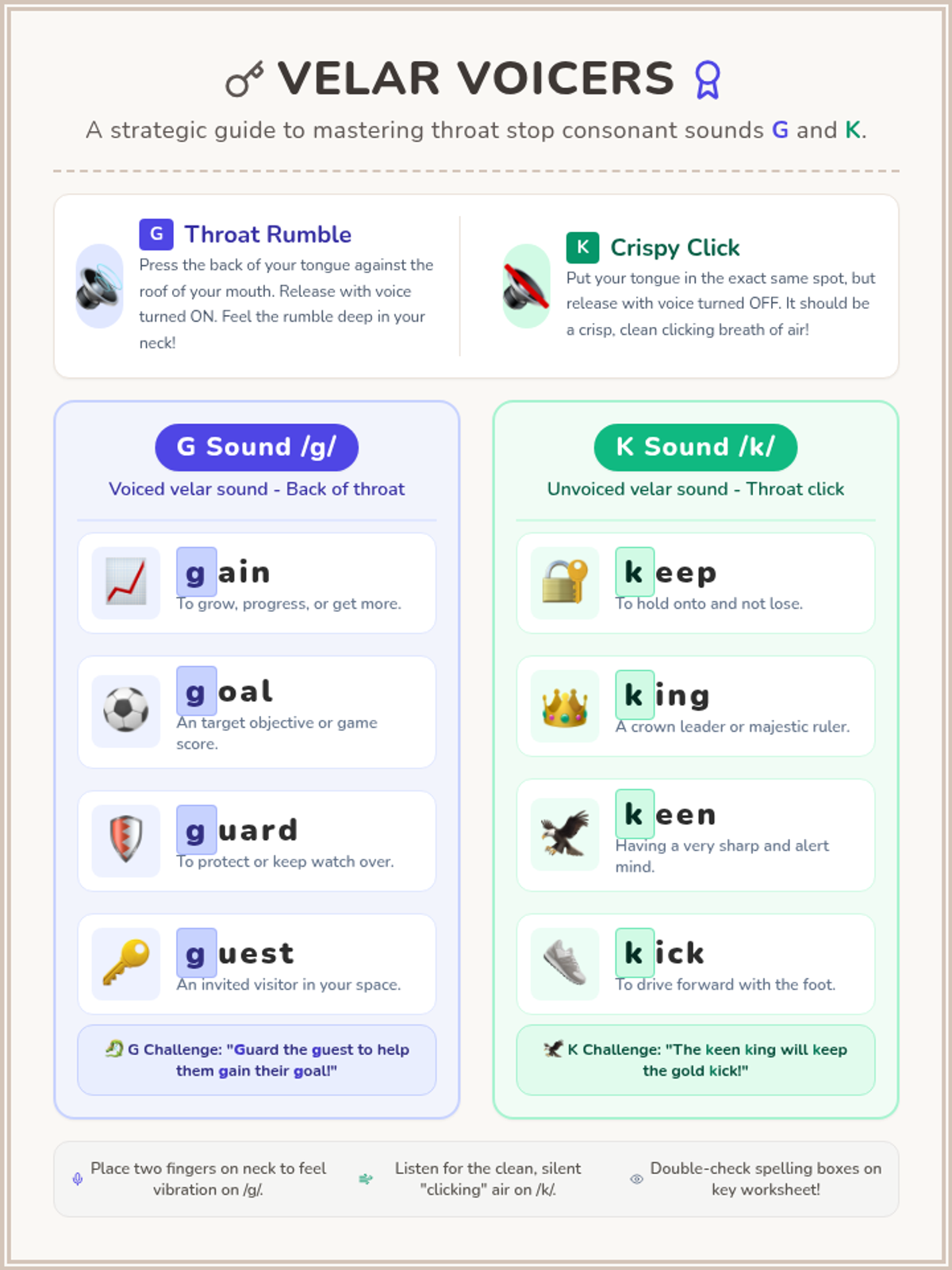
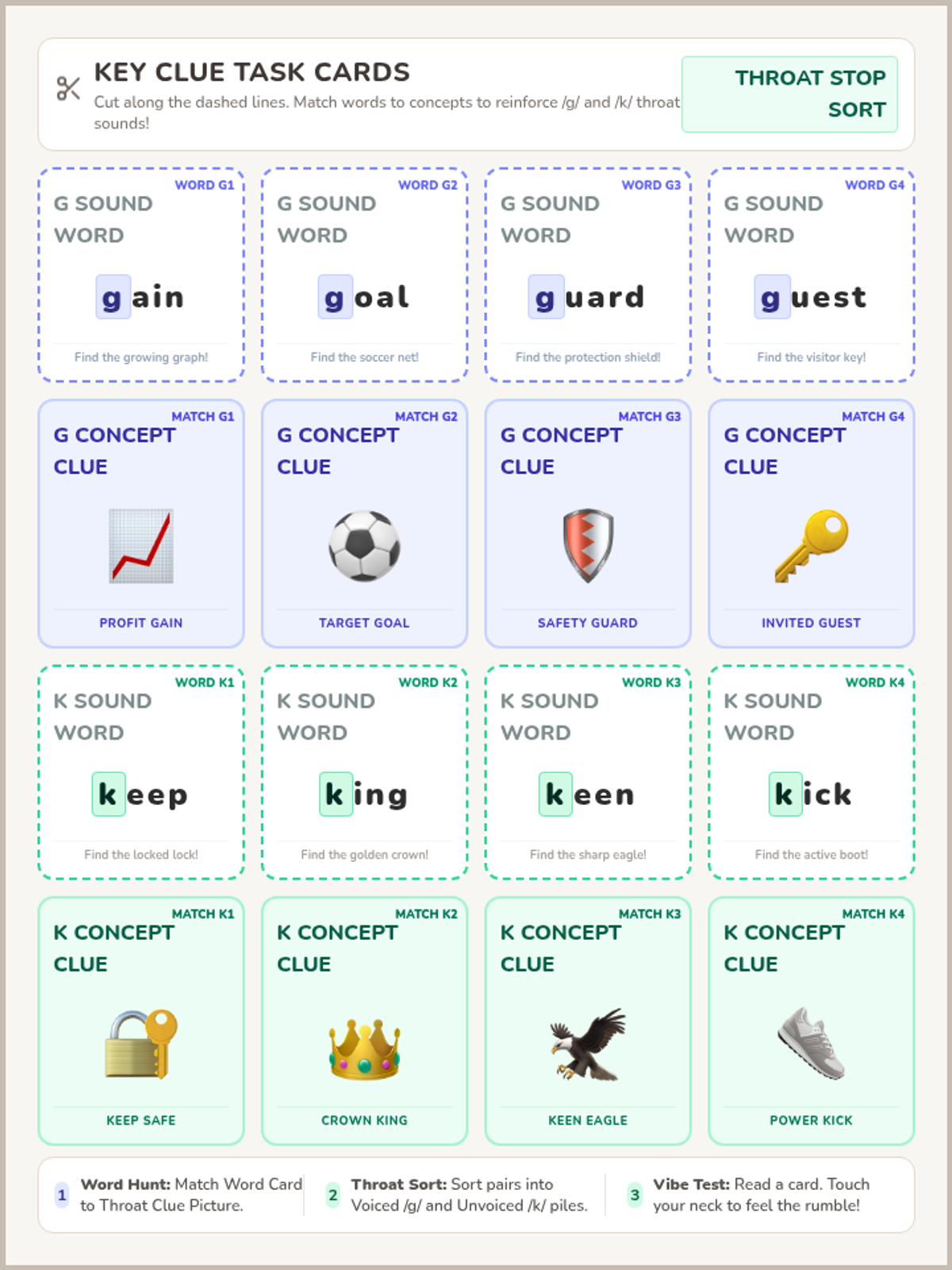
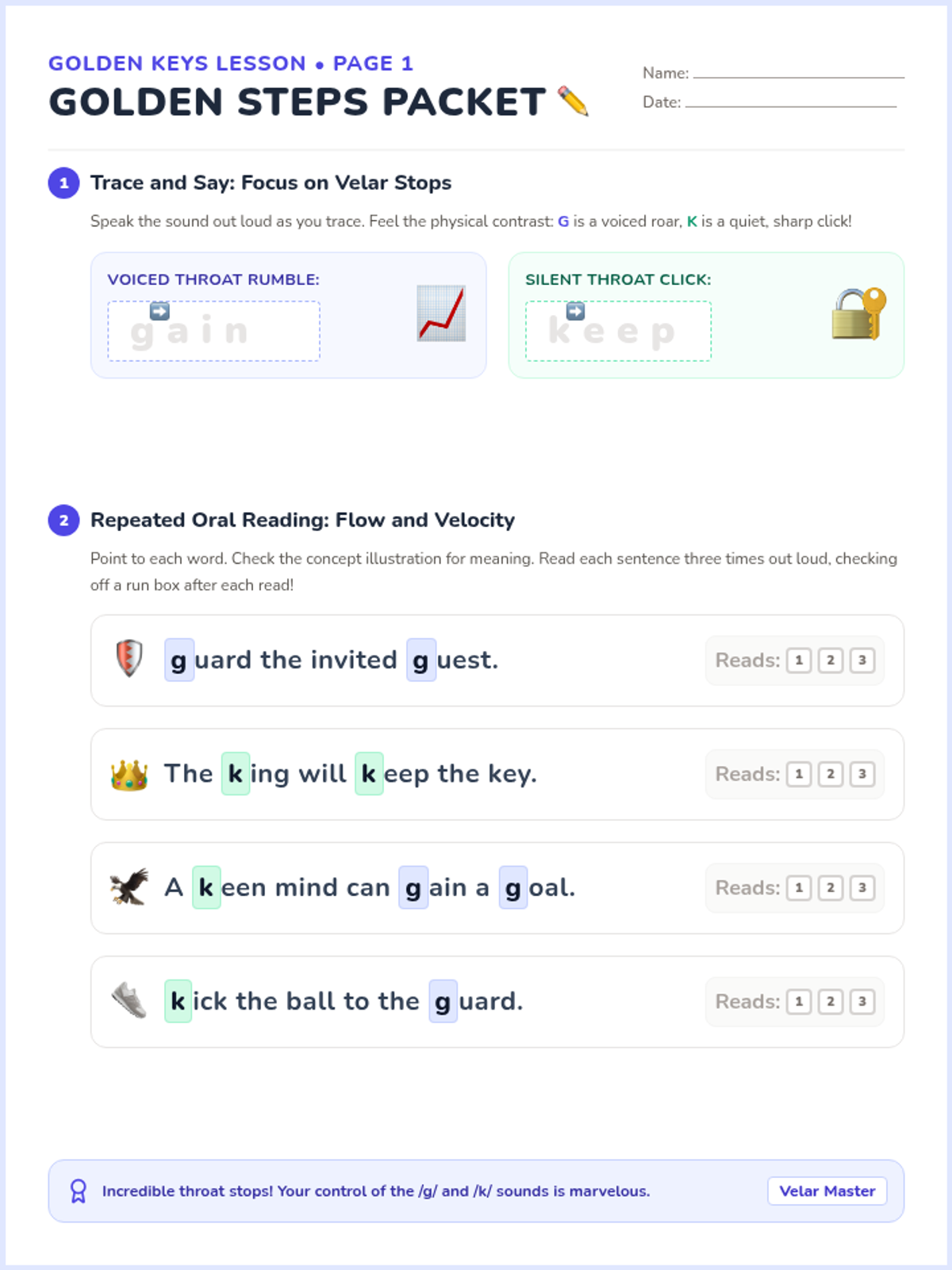
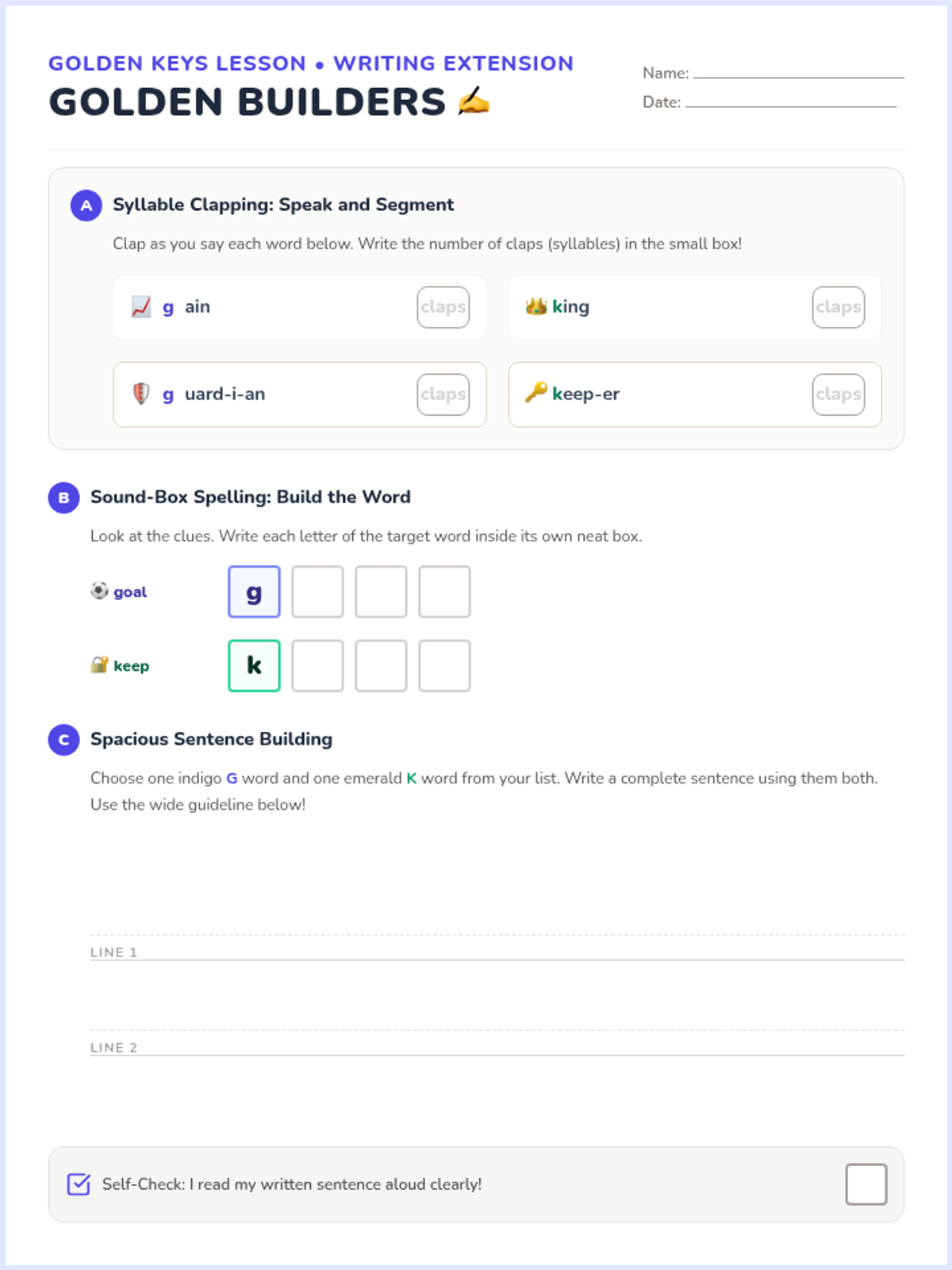
A structured phonics and oral reading lesson contrasting G and K sounds. Features visual voicing indicators, multi-sensory tracing sheets, and high-interest interactive task cards.
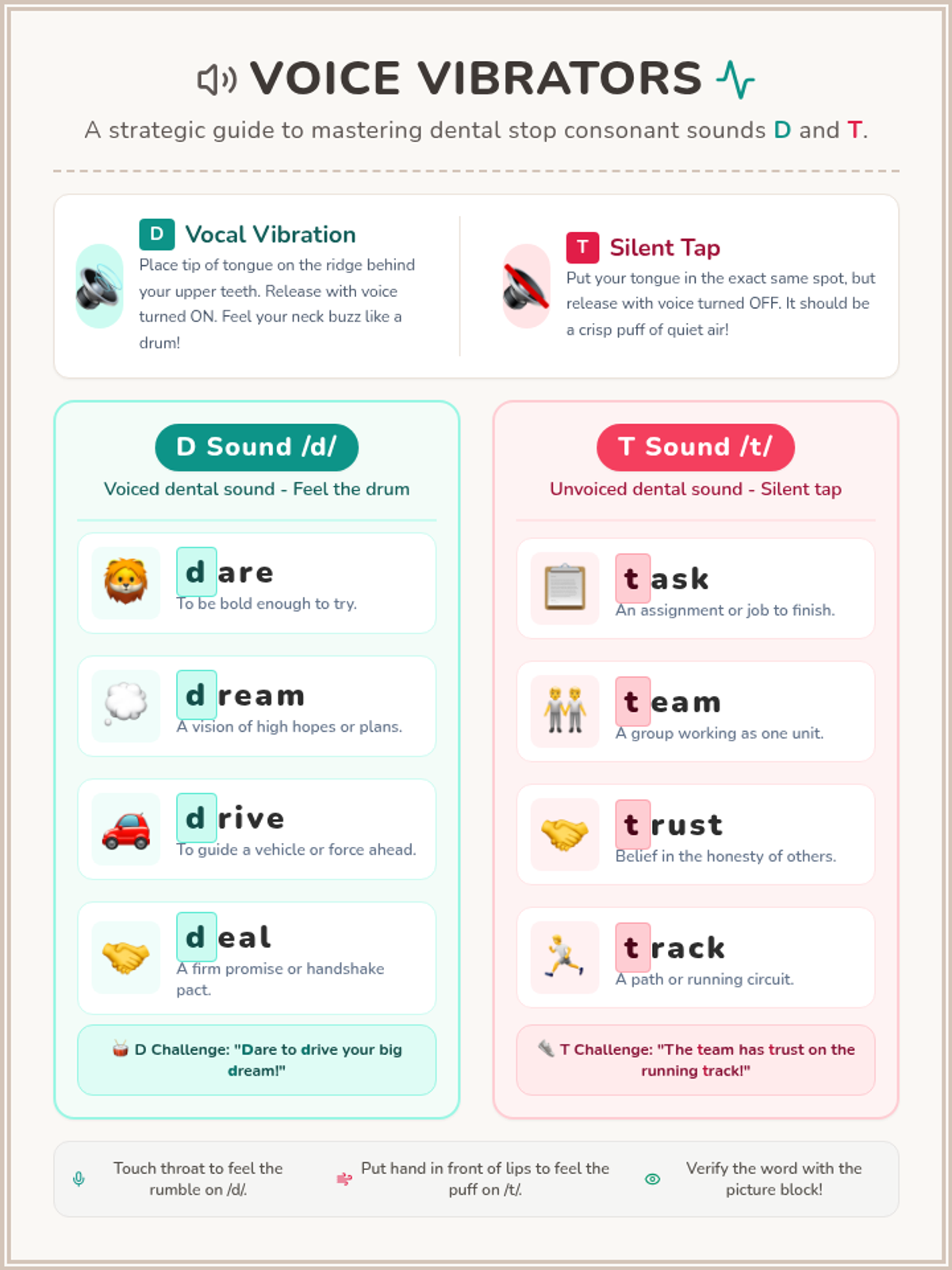
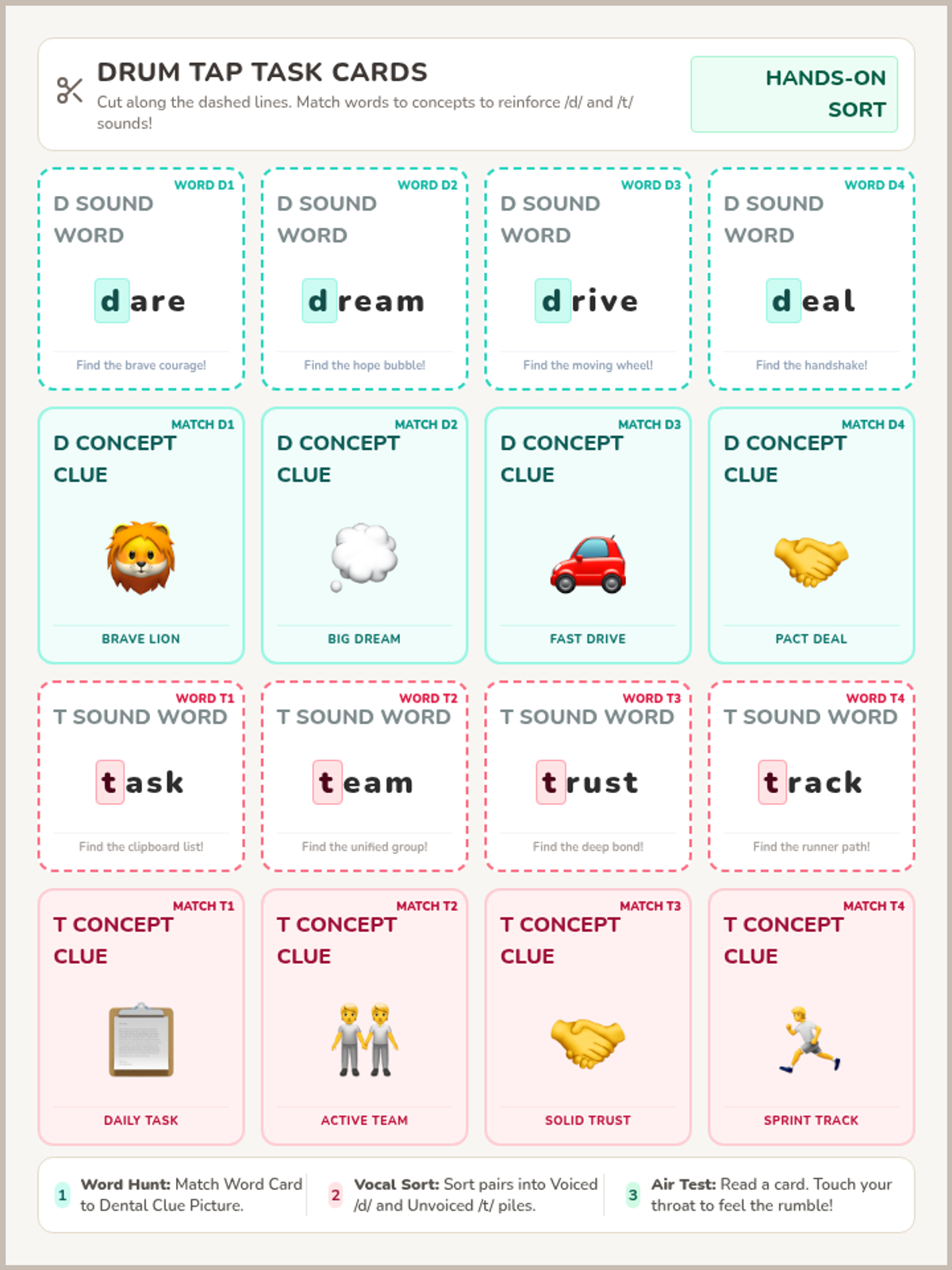
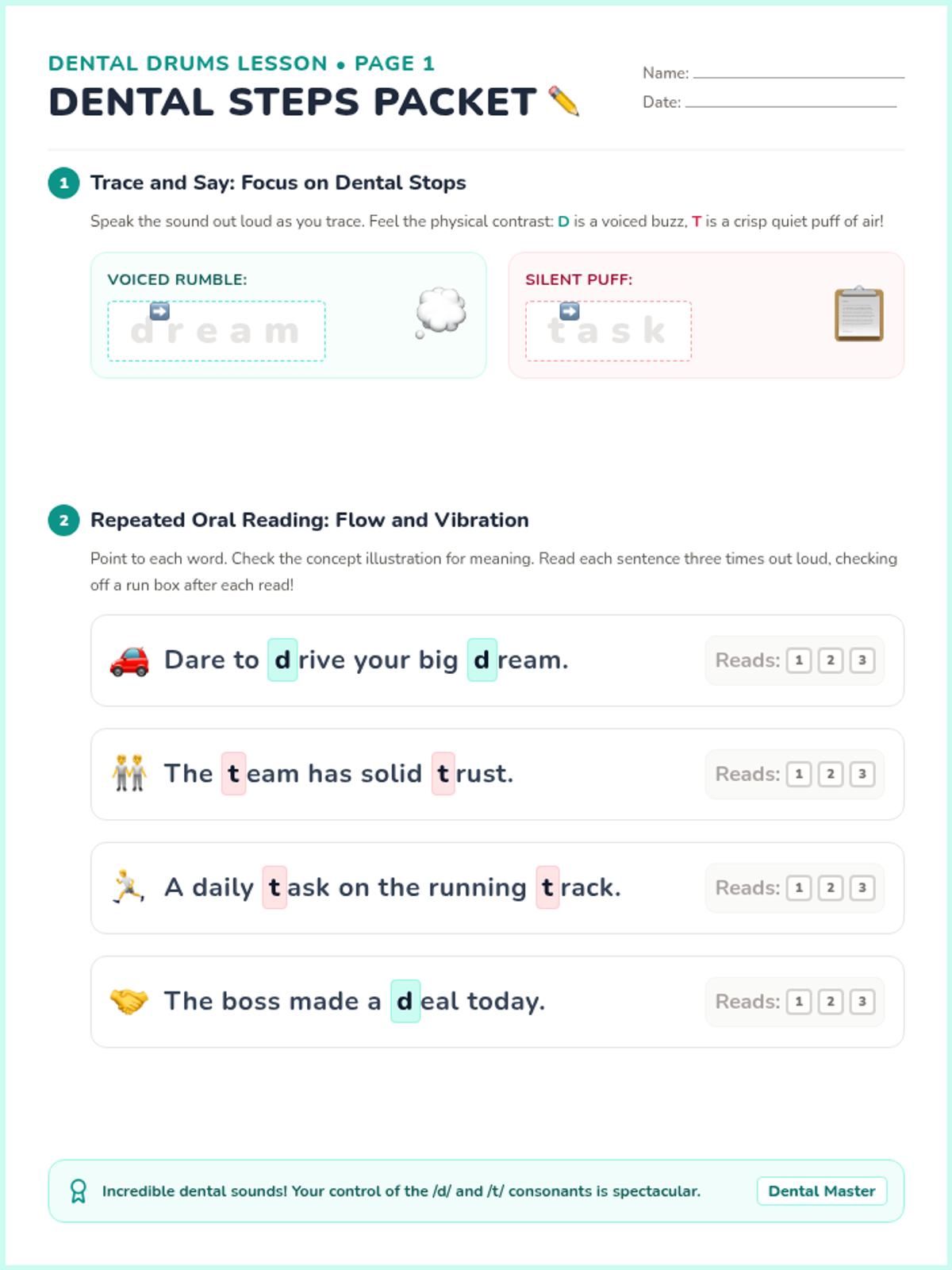
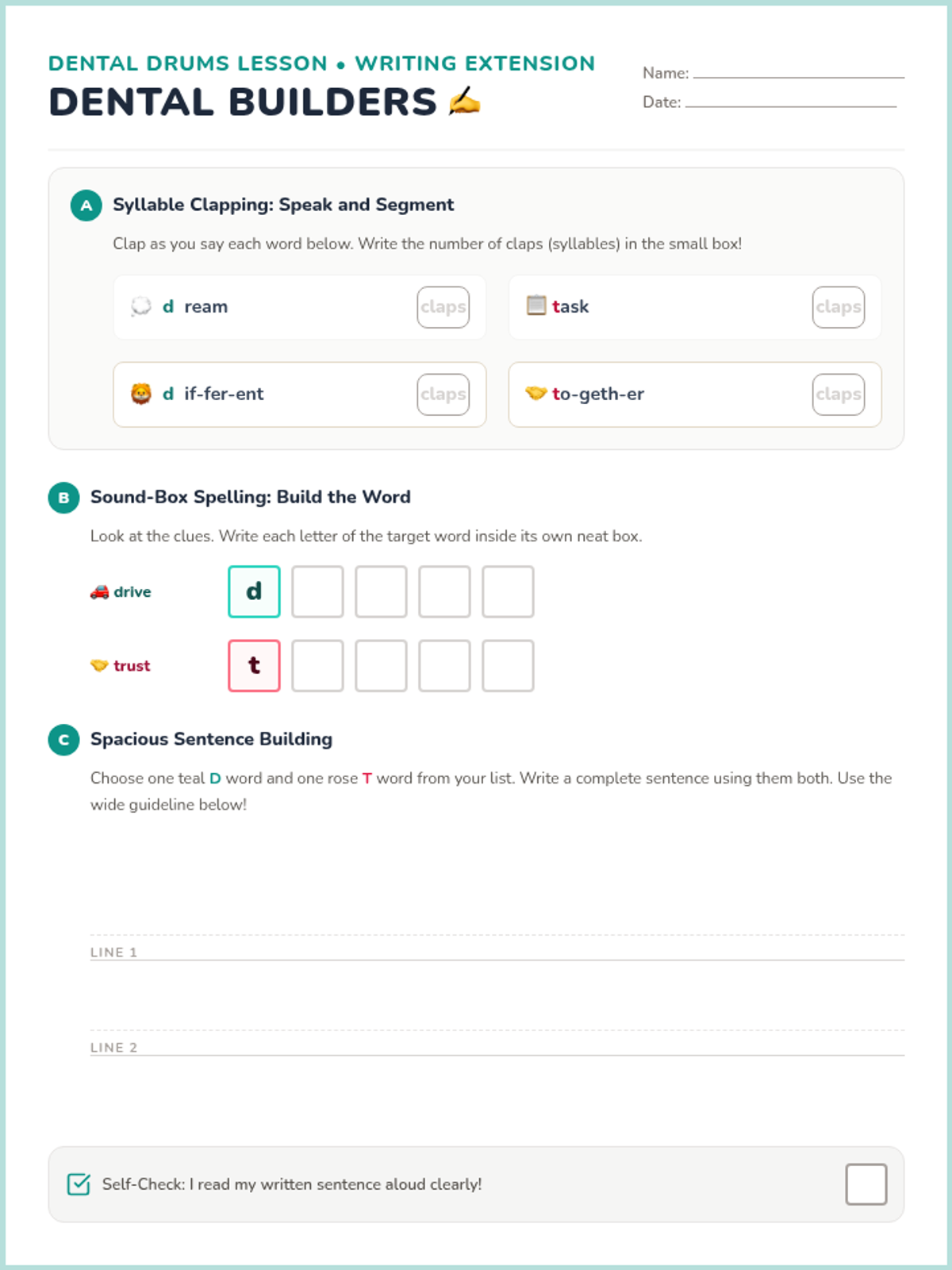
A structured phonics and oral reading lesson contrasting D and T sounds. Features heavy picture scaffolding, voice-vibration indicators, and dyslexia-friendly physical activity resources.
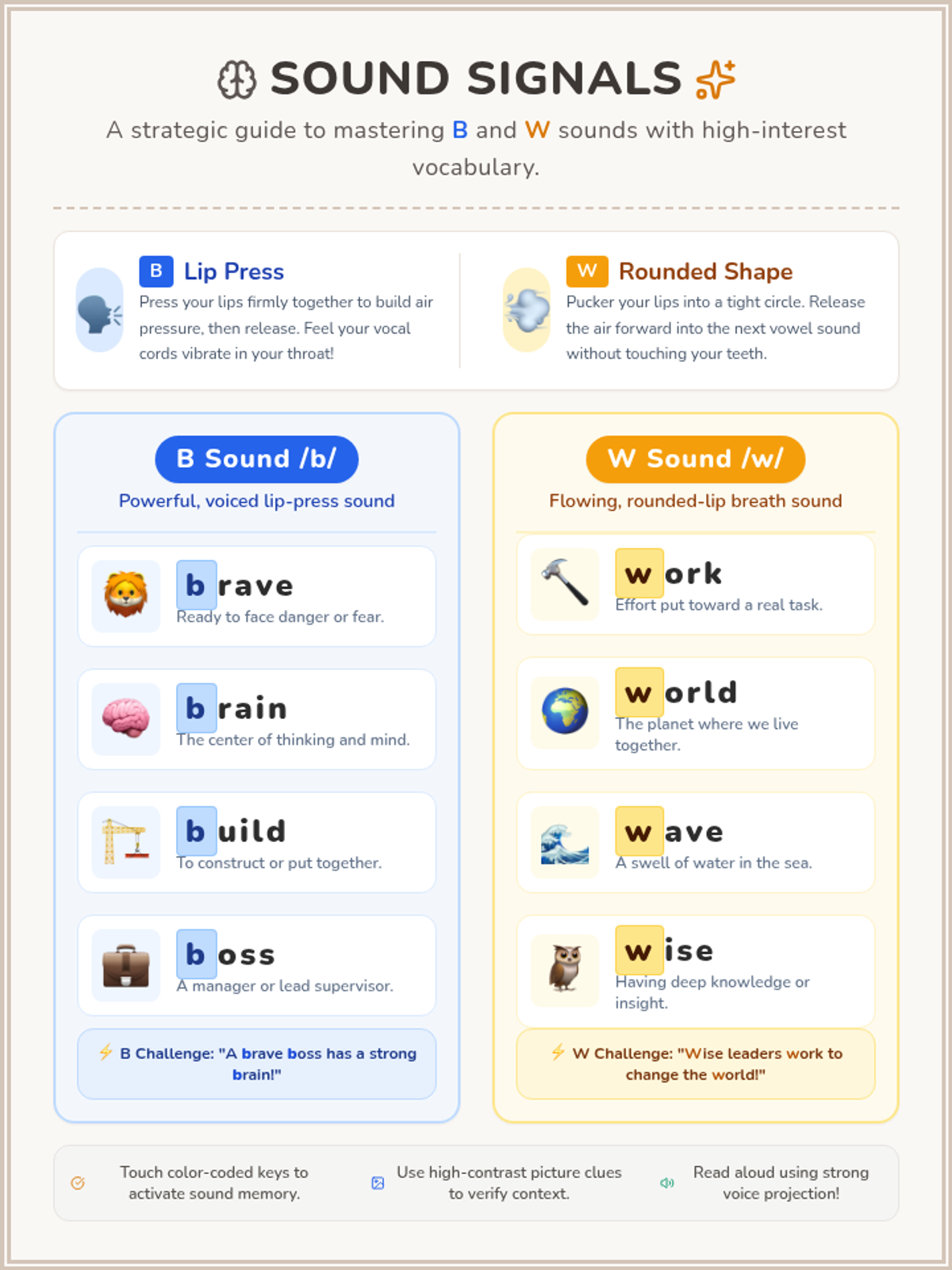
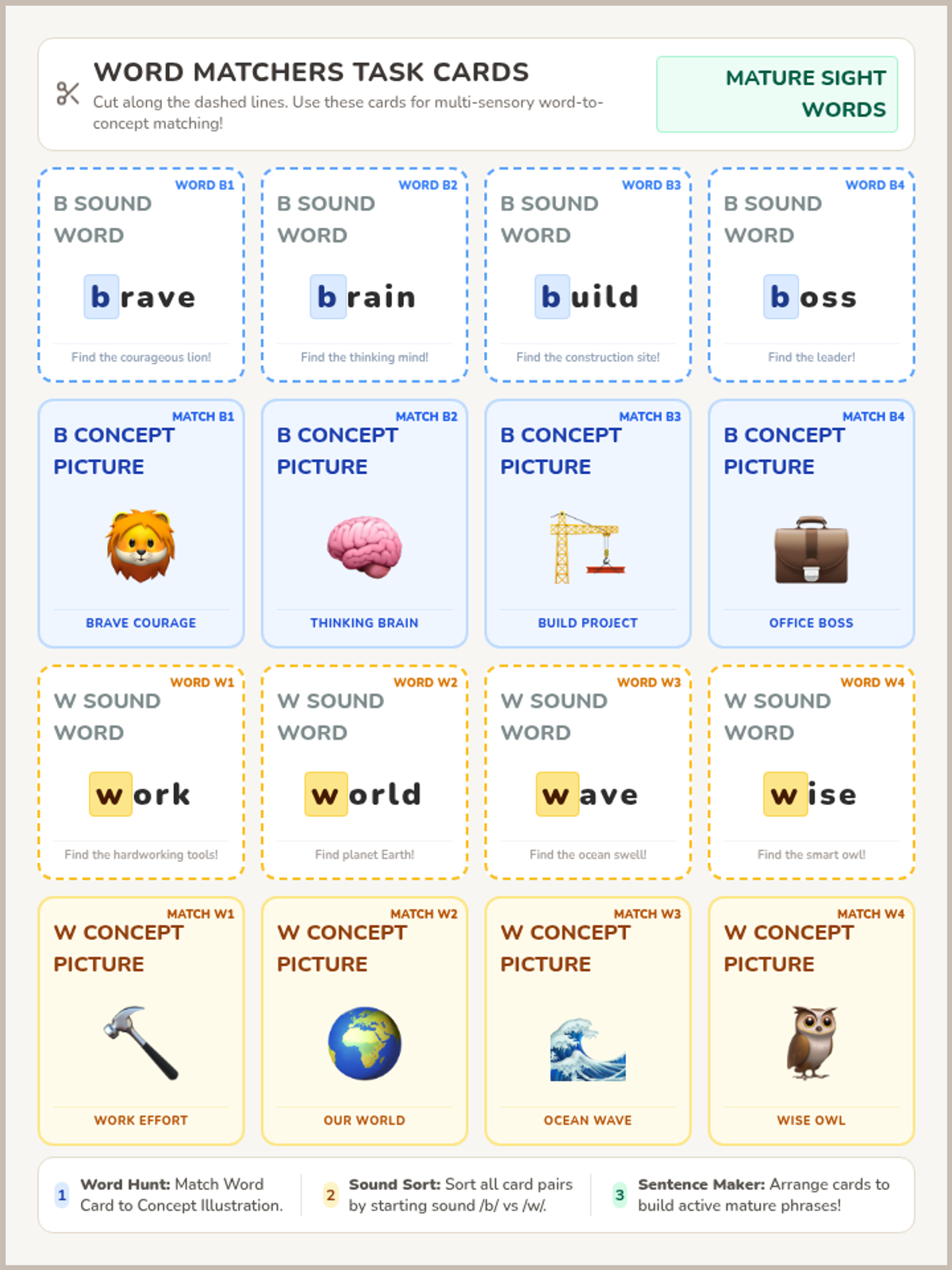
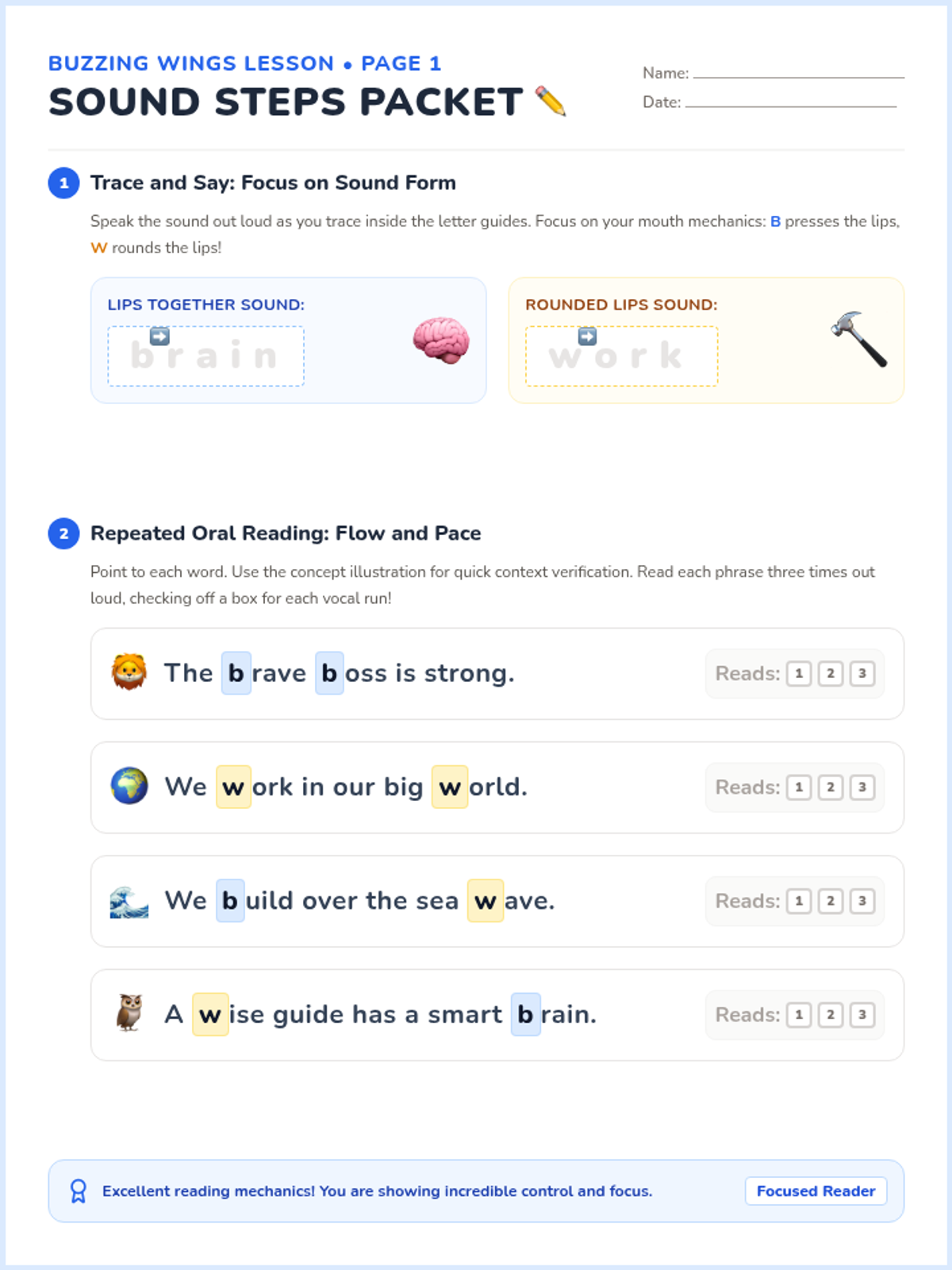
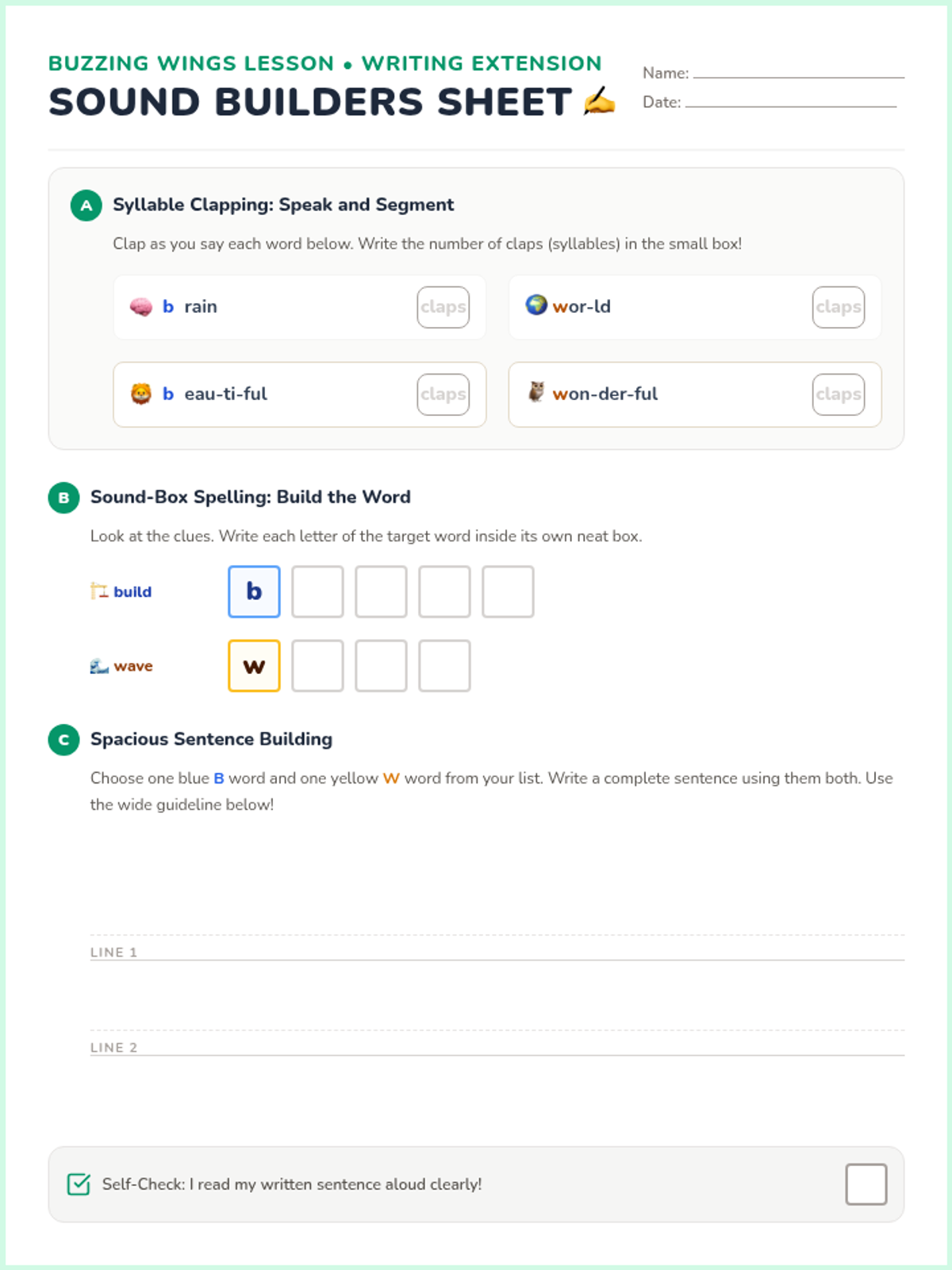
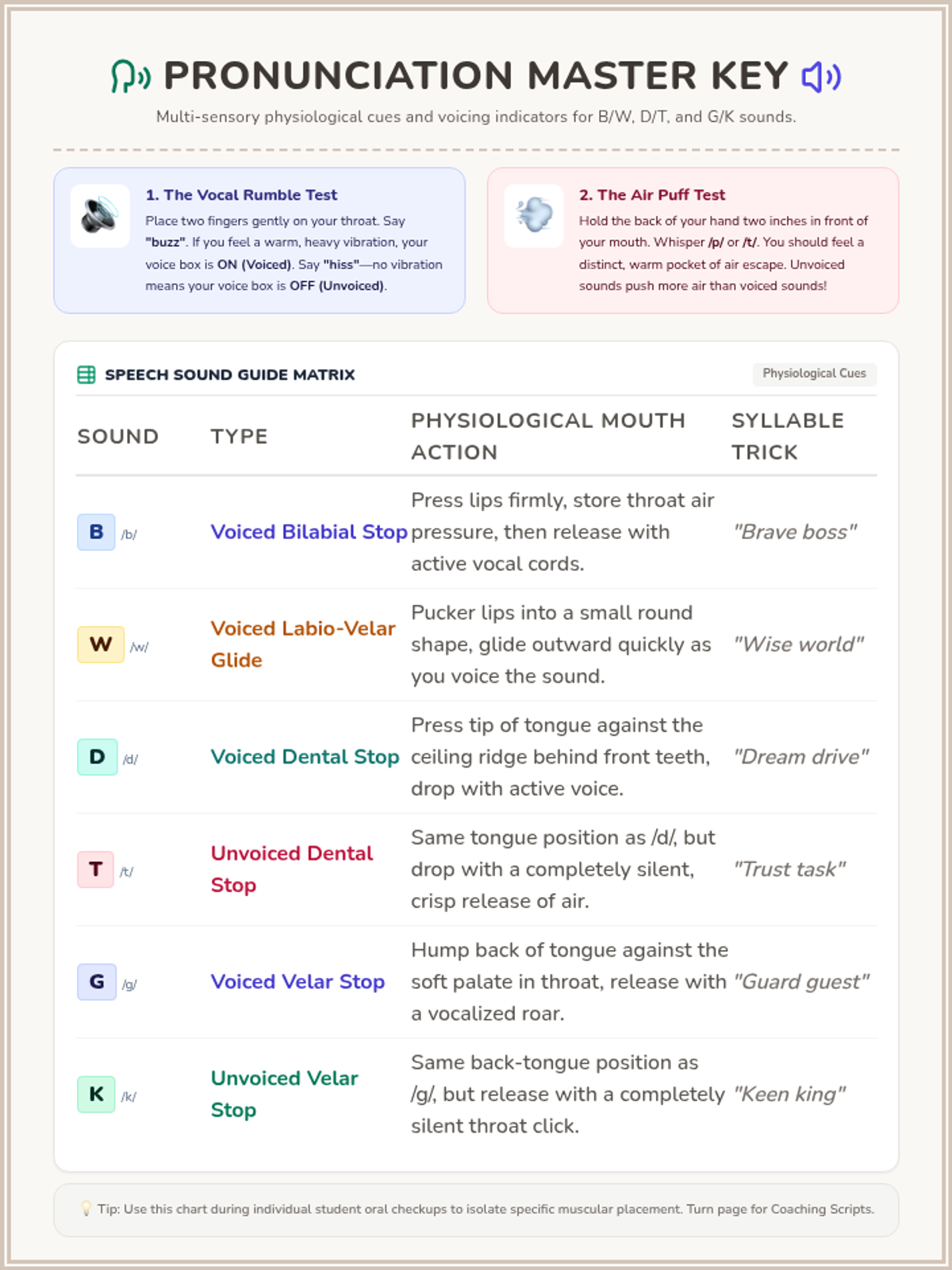
An hour-long structured reading lesson focusing on B and W letter-sound association and common sight words. Designed with dyslexia-friendly spacing, color-coded highlights, and picture scaffolding to support struggling oral readers.
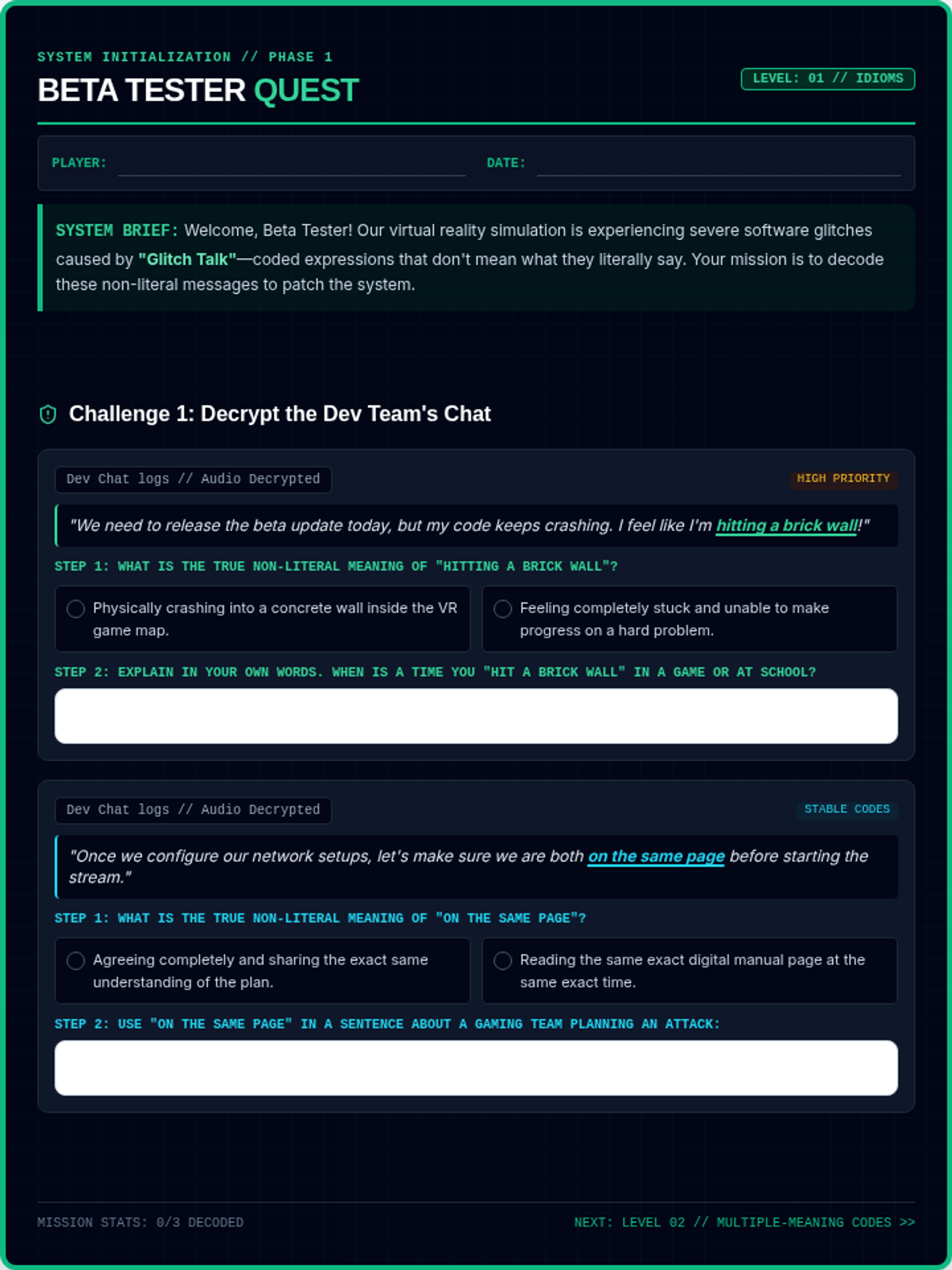
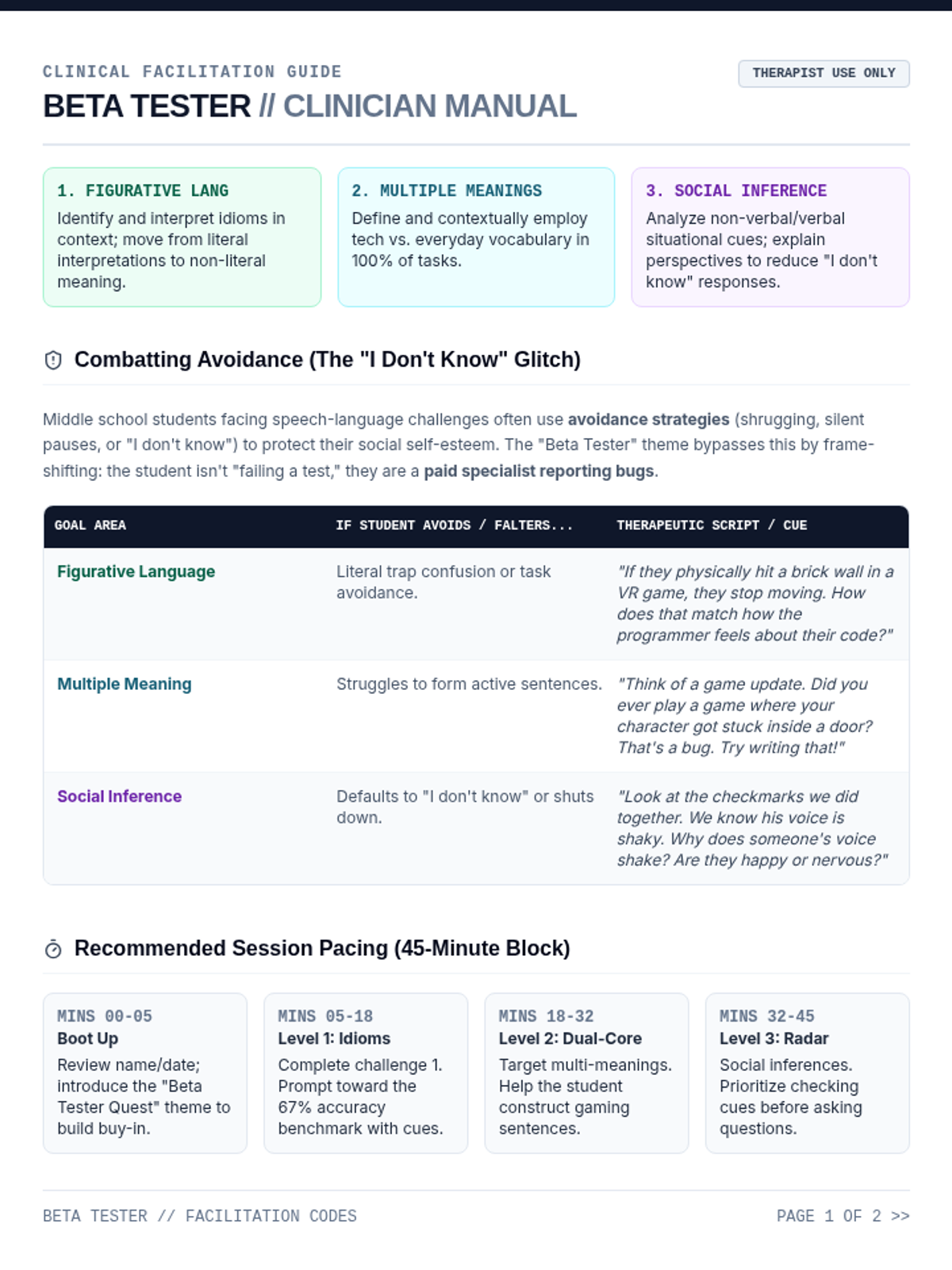
A highly engaging gaming and technology-themed speech-language therapy unit targeting figurative language, multiple-meaning words, and social inference for middle school students, featuring structured scaffolding to support active participation.
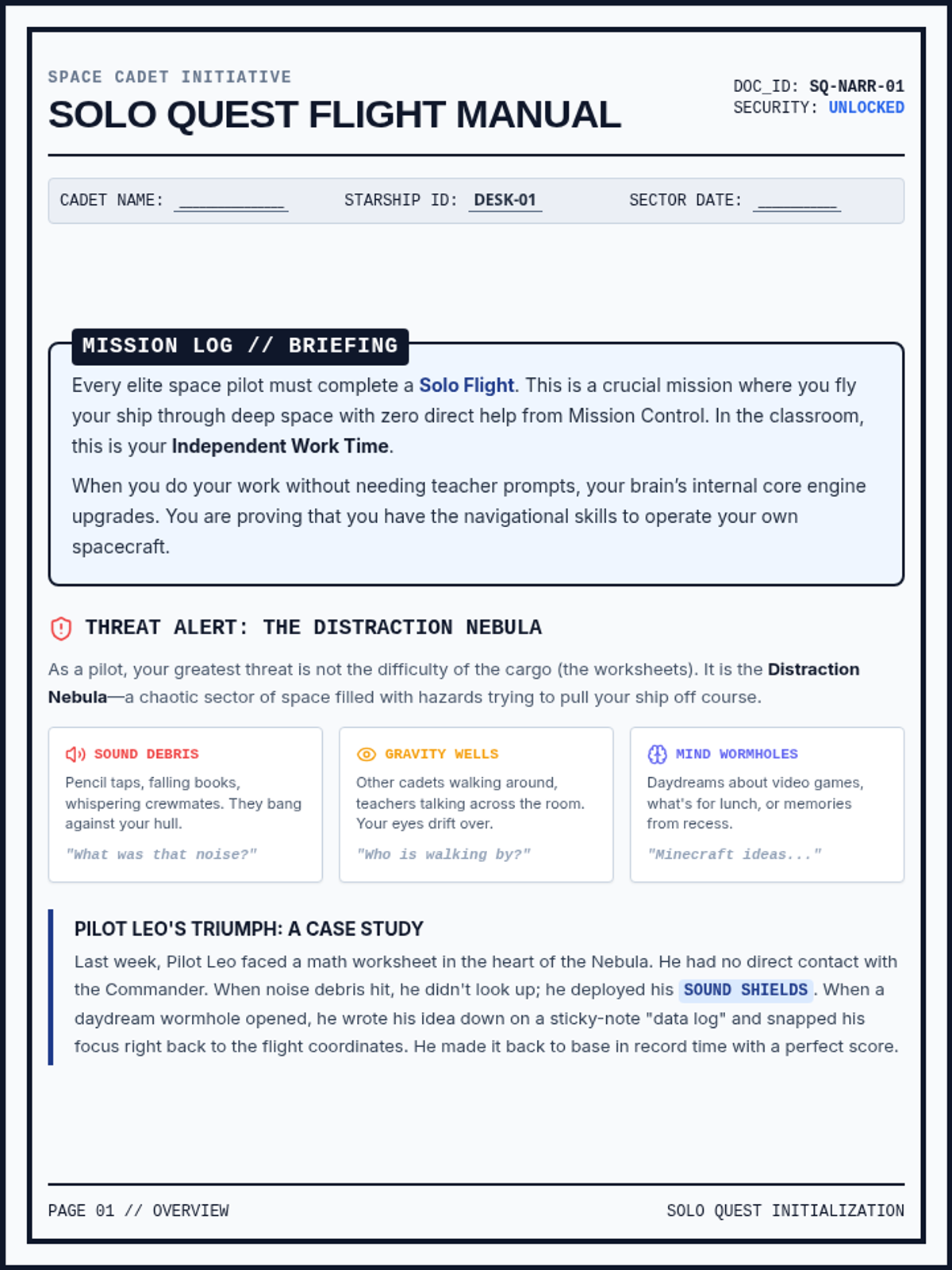
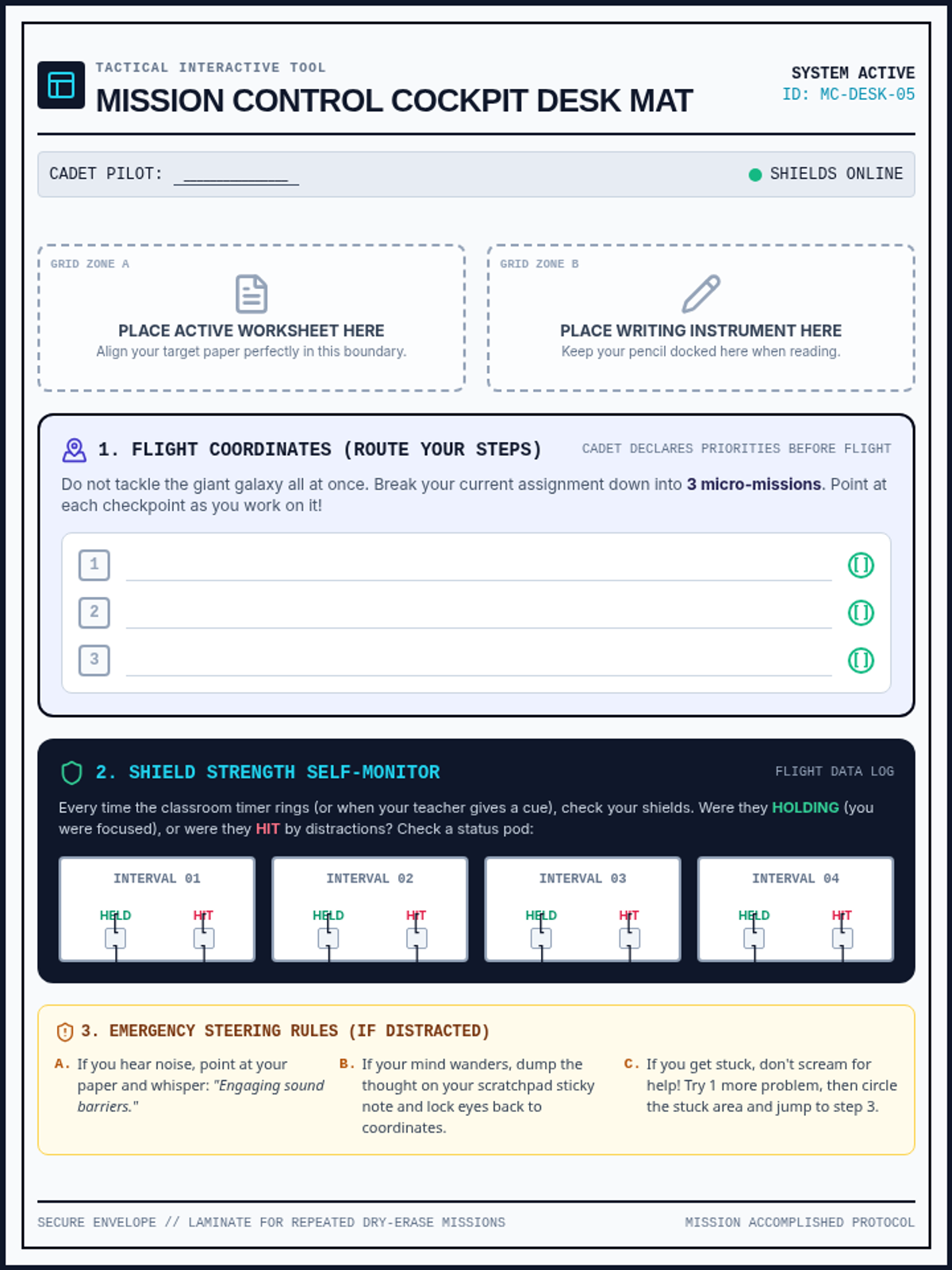
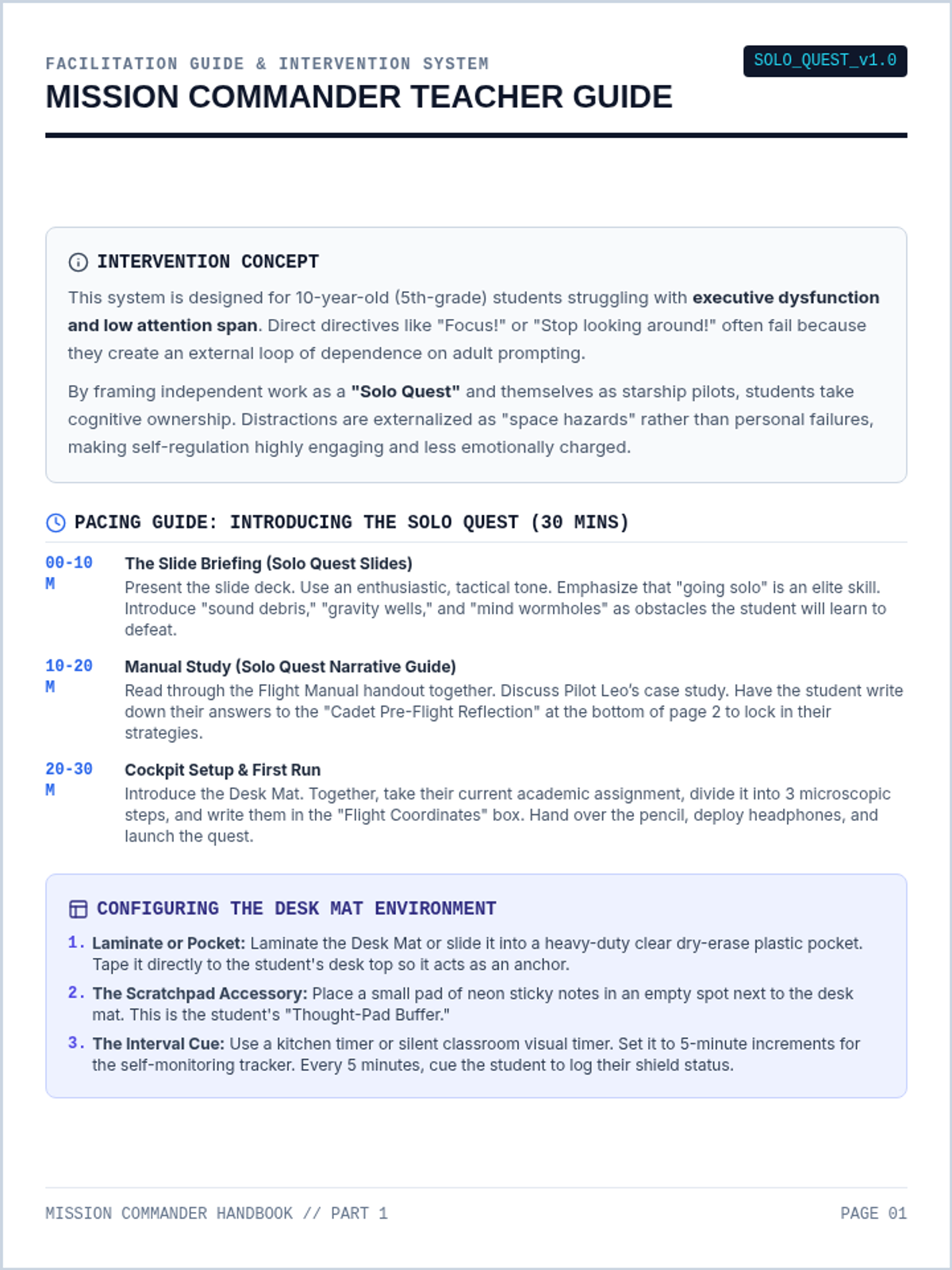
An executive functioning and focus intervention lesson designed to help students build independence during independent work. Framed as a tactical 'solo mission', the lesson guides students through managing distractions and planning tasks with low adult prompting.
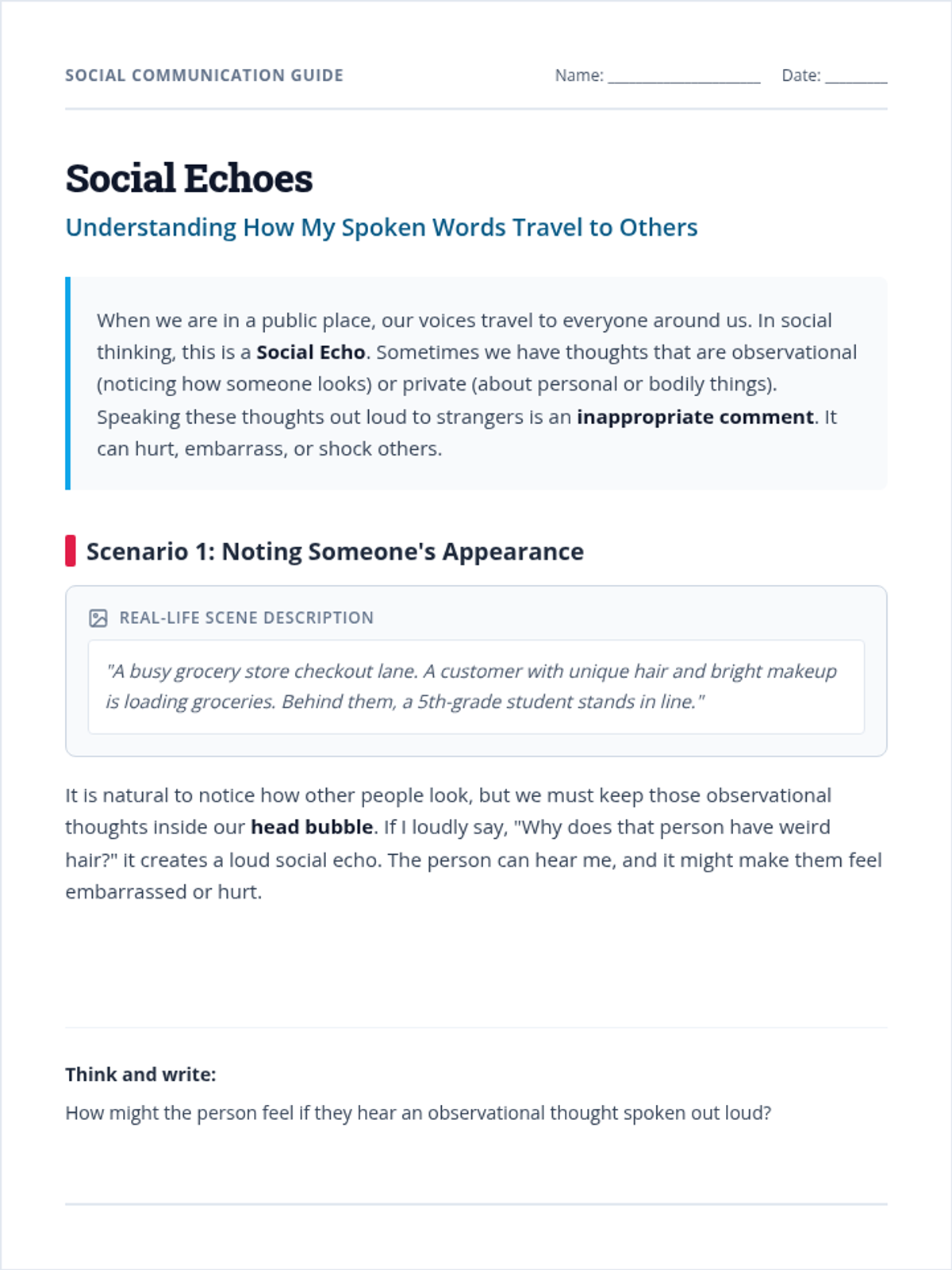
A social communication lesson designed for 5th-grade students with autism, focusing on understanding how our spoken words affect people around us in public, unfamiliar settings.
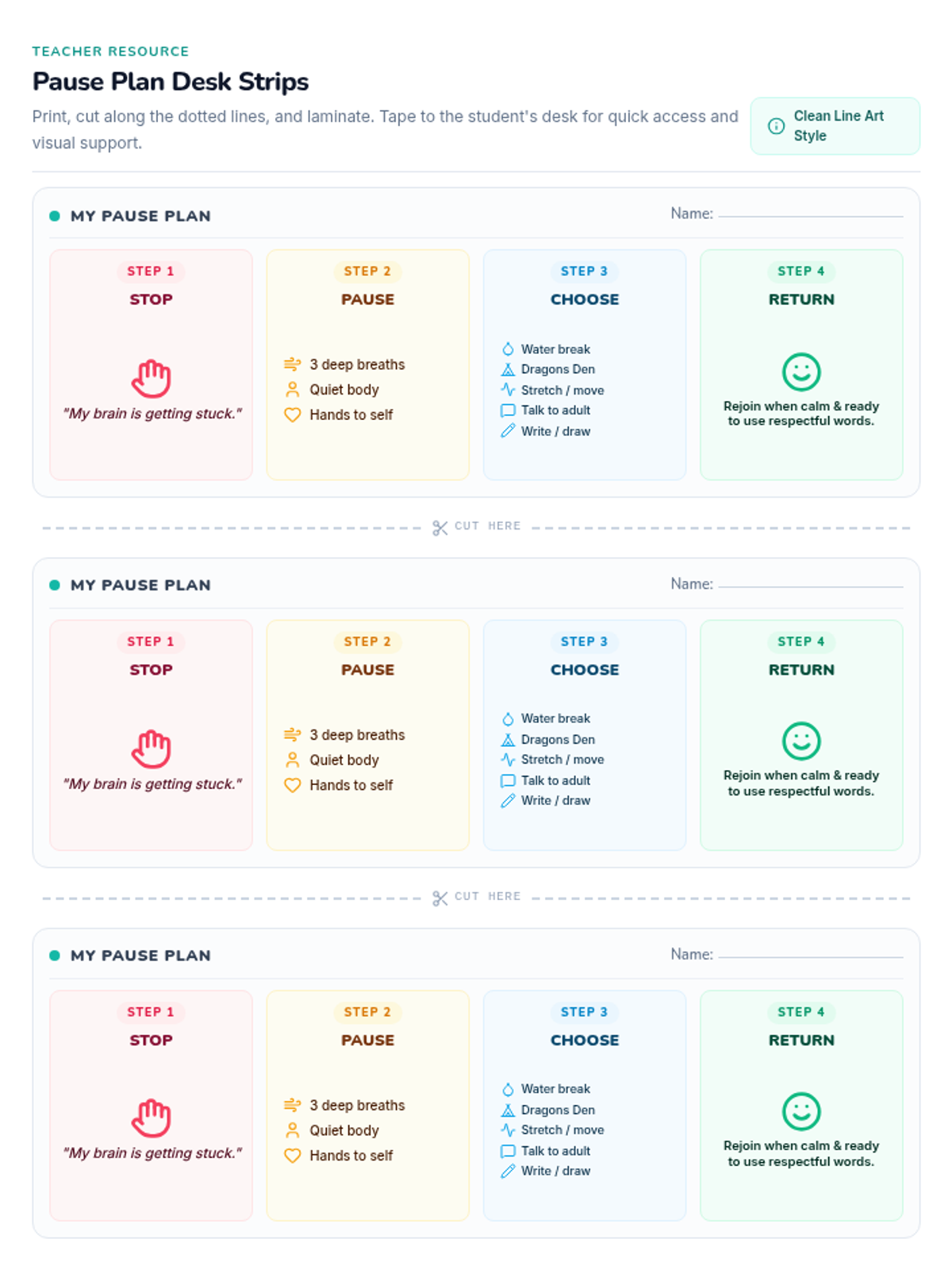
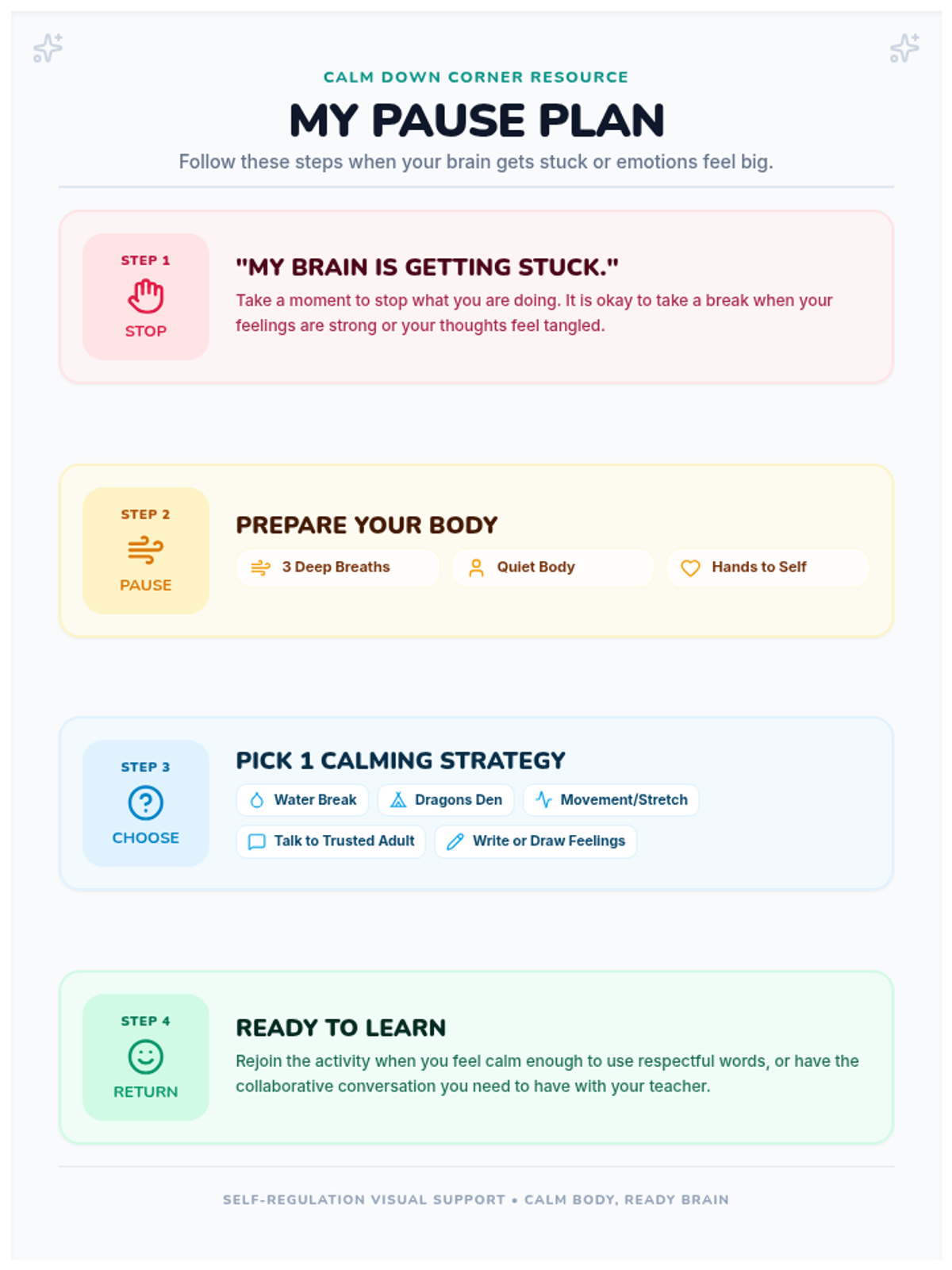
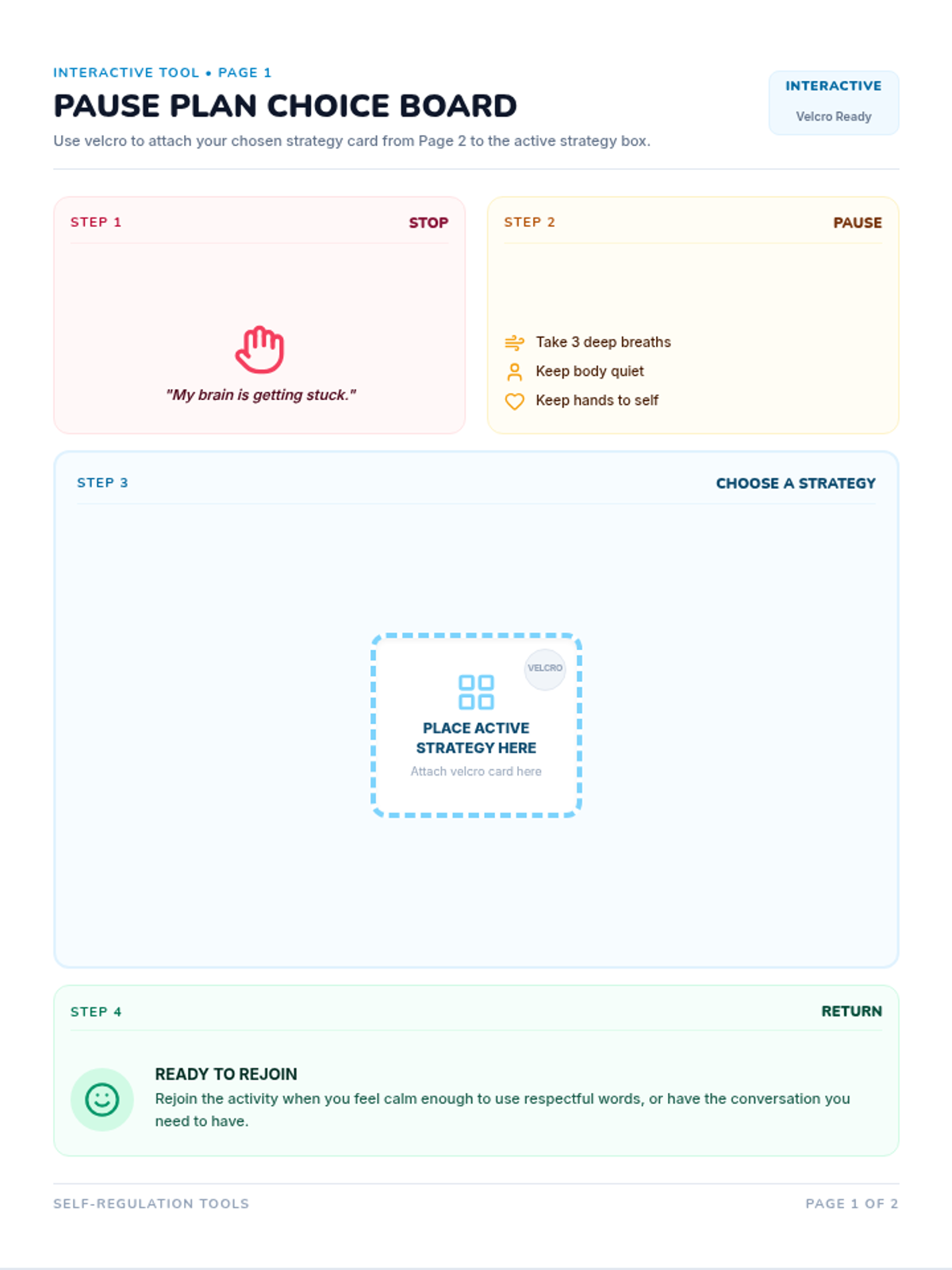
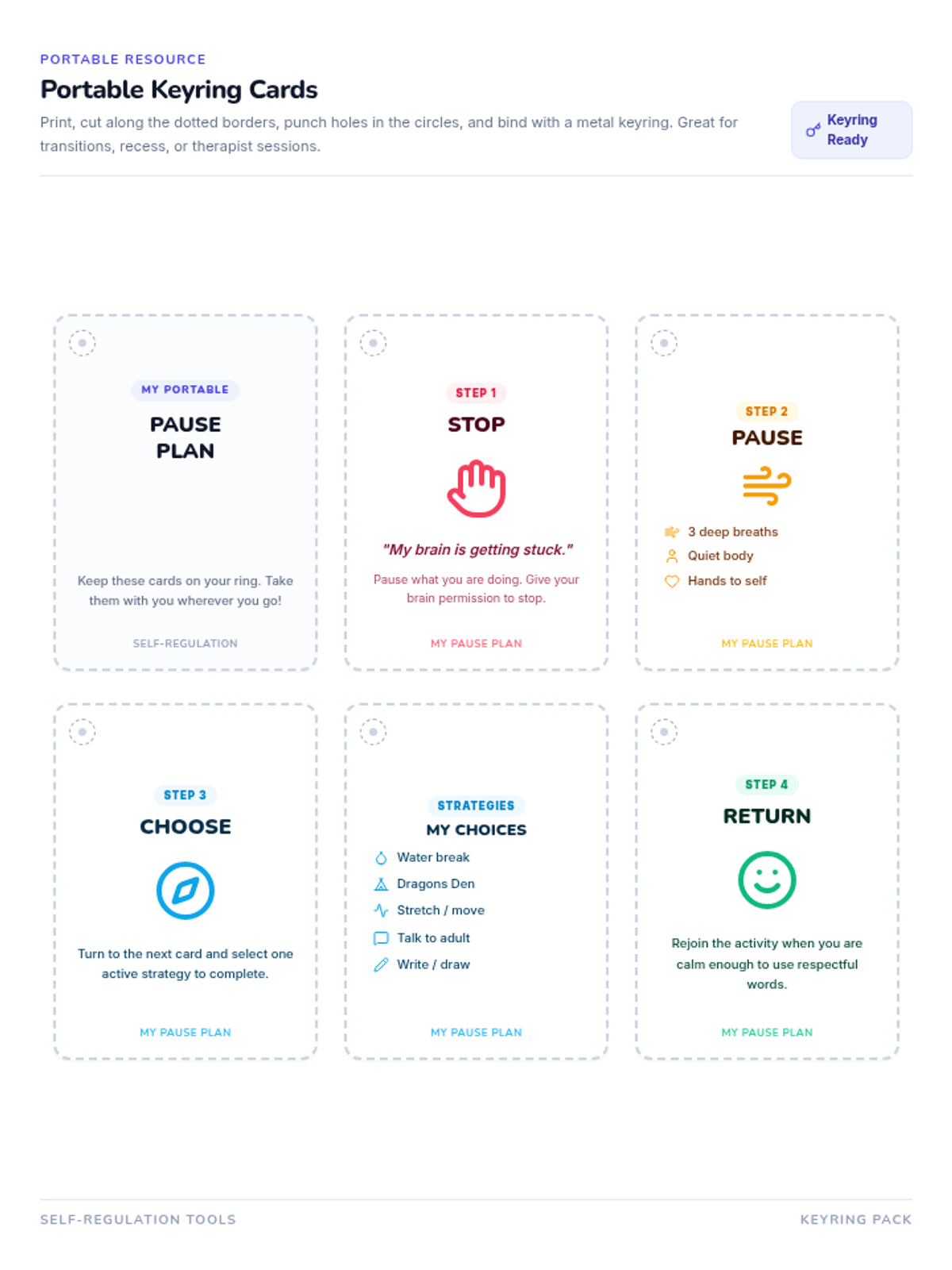
A collection of visual support tools and plans designed to help students self-regulate, manage big emotions, and transition back to learning.
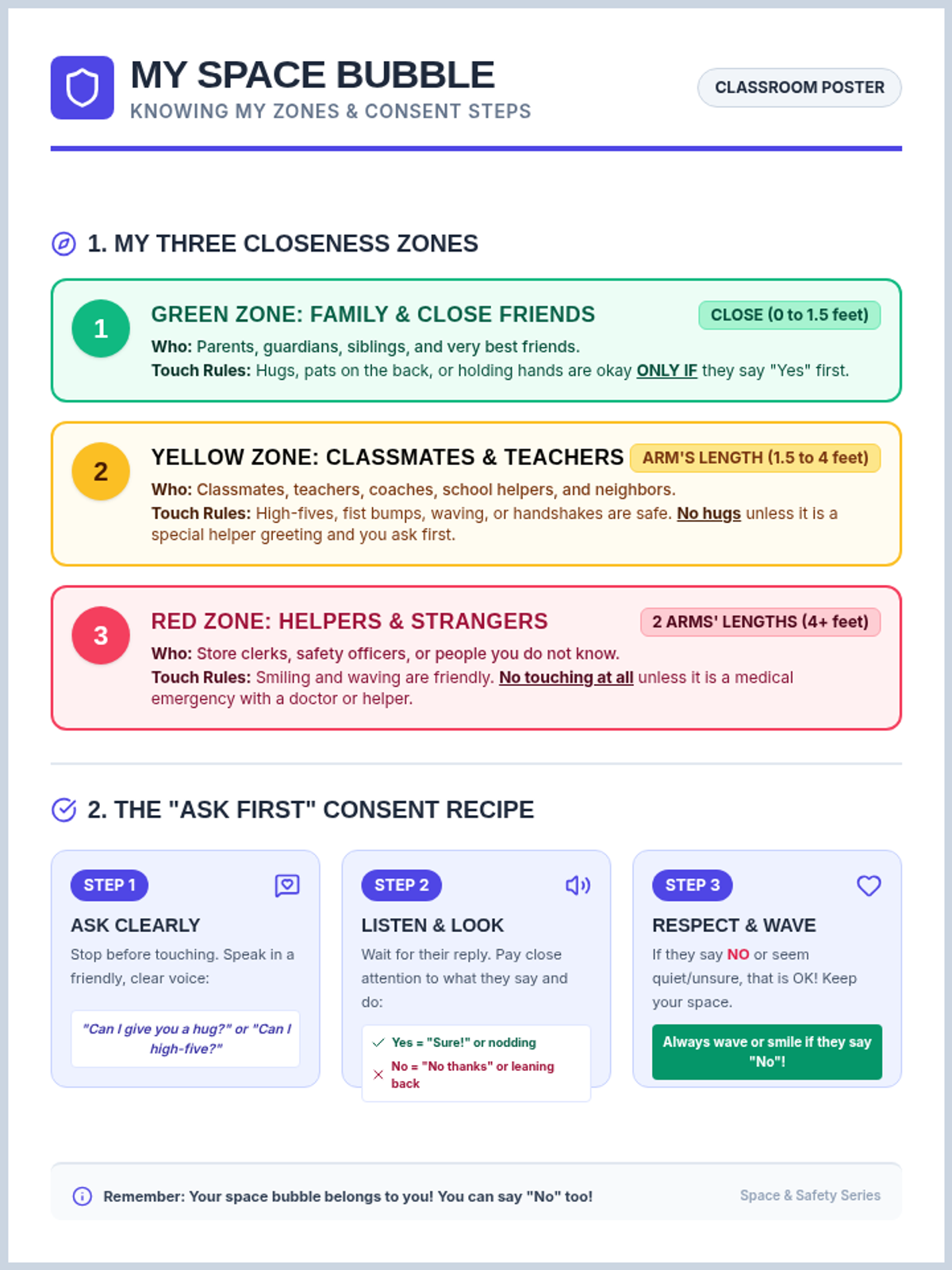
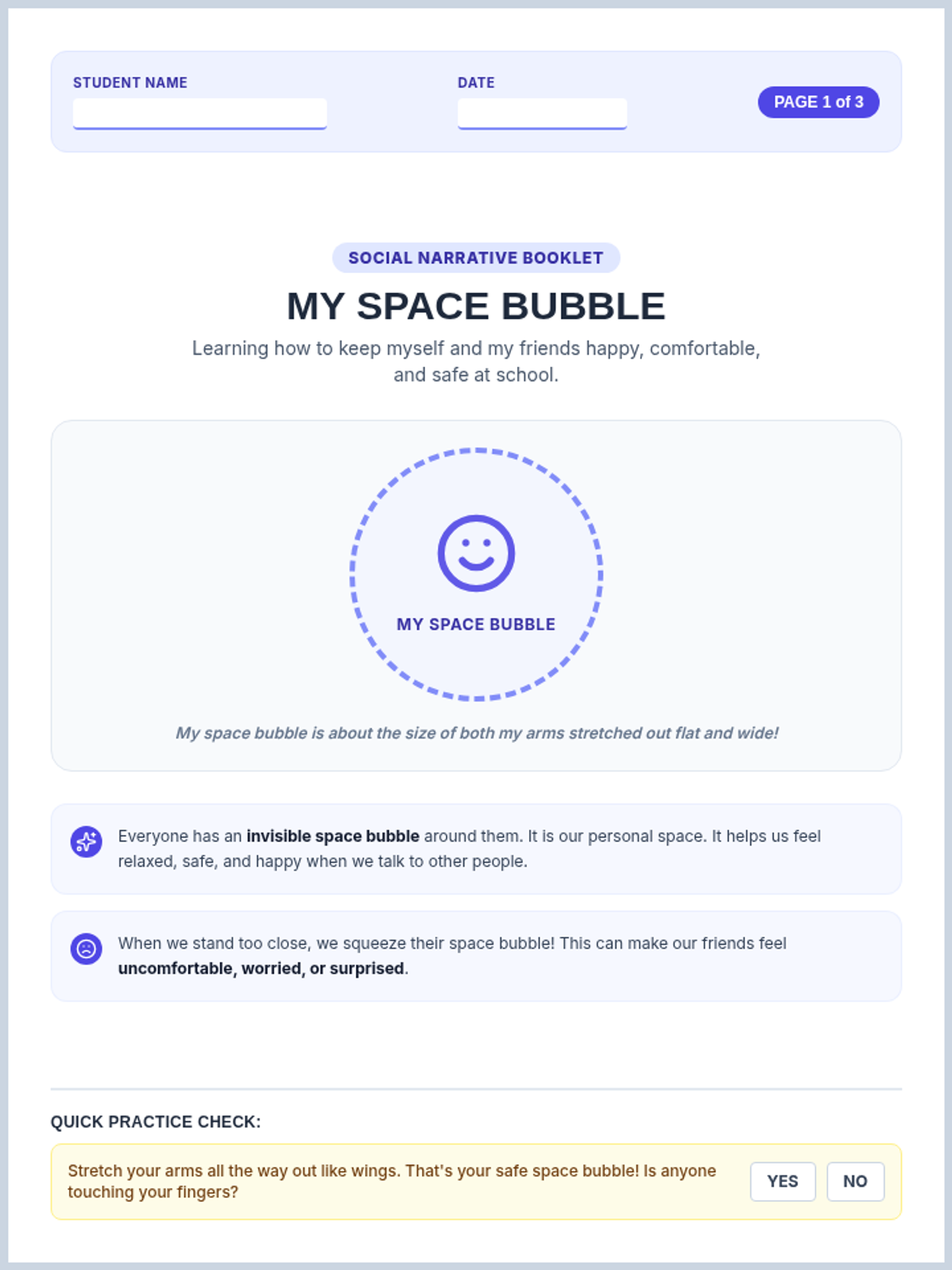
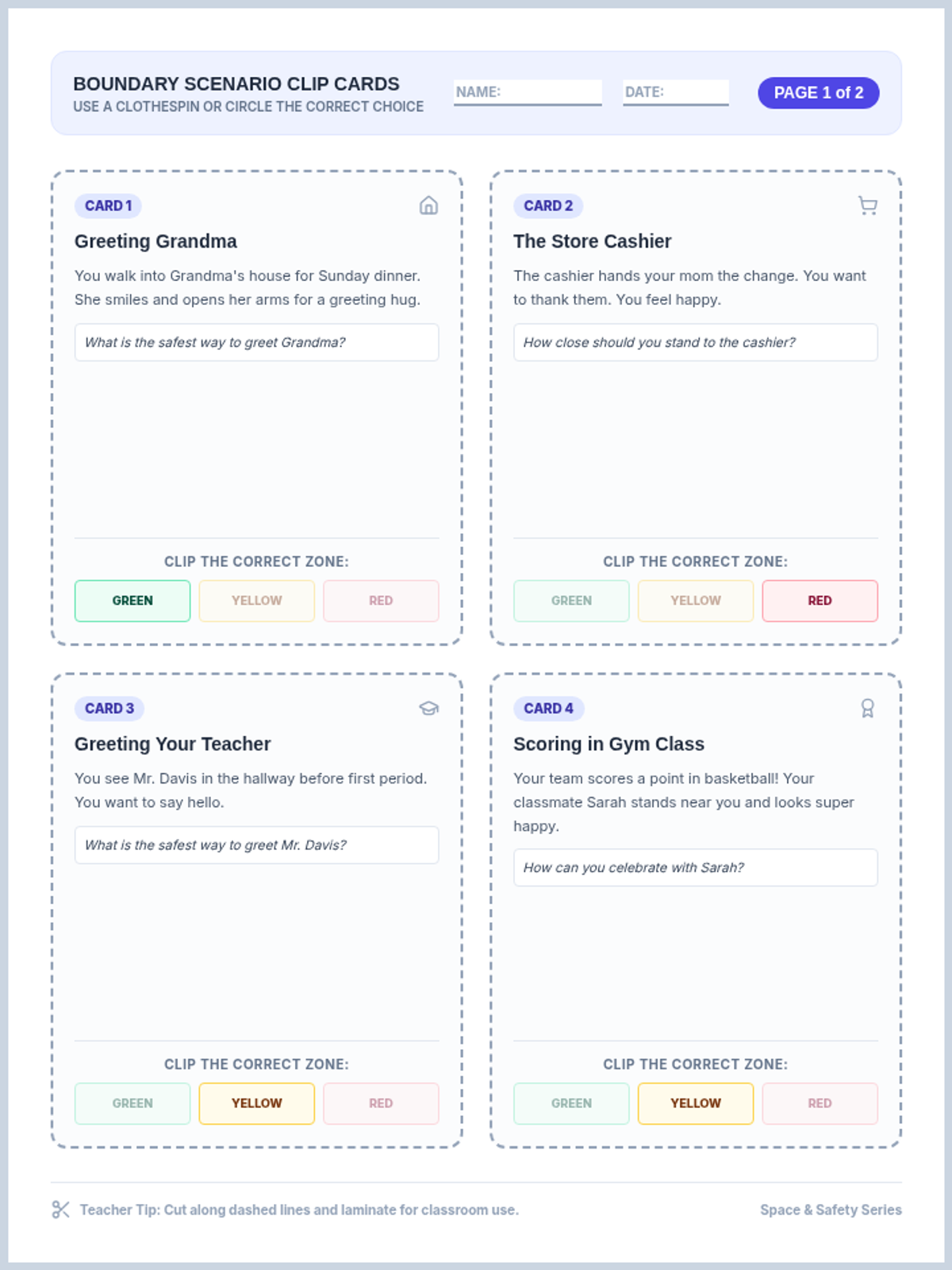
A structured social boundaries lesson designed for an 8th-grade student with an intellectual disability. This lesson uses visual supports, color-coded zones, and a step-by-step social narrative to teach personal space, proximity, and physical consent.
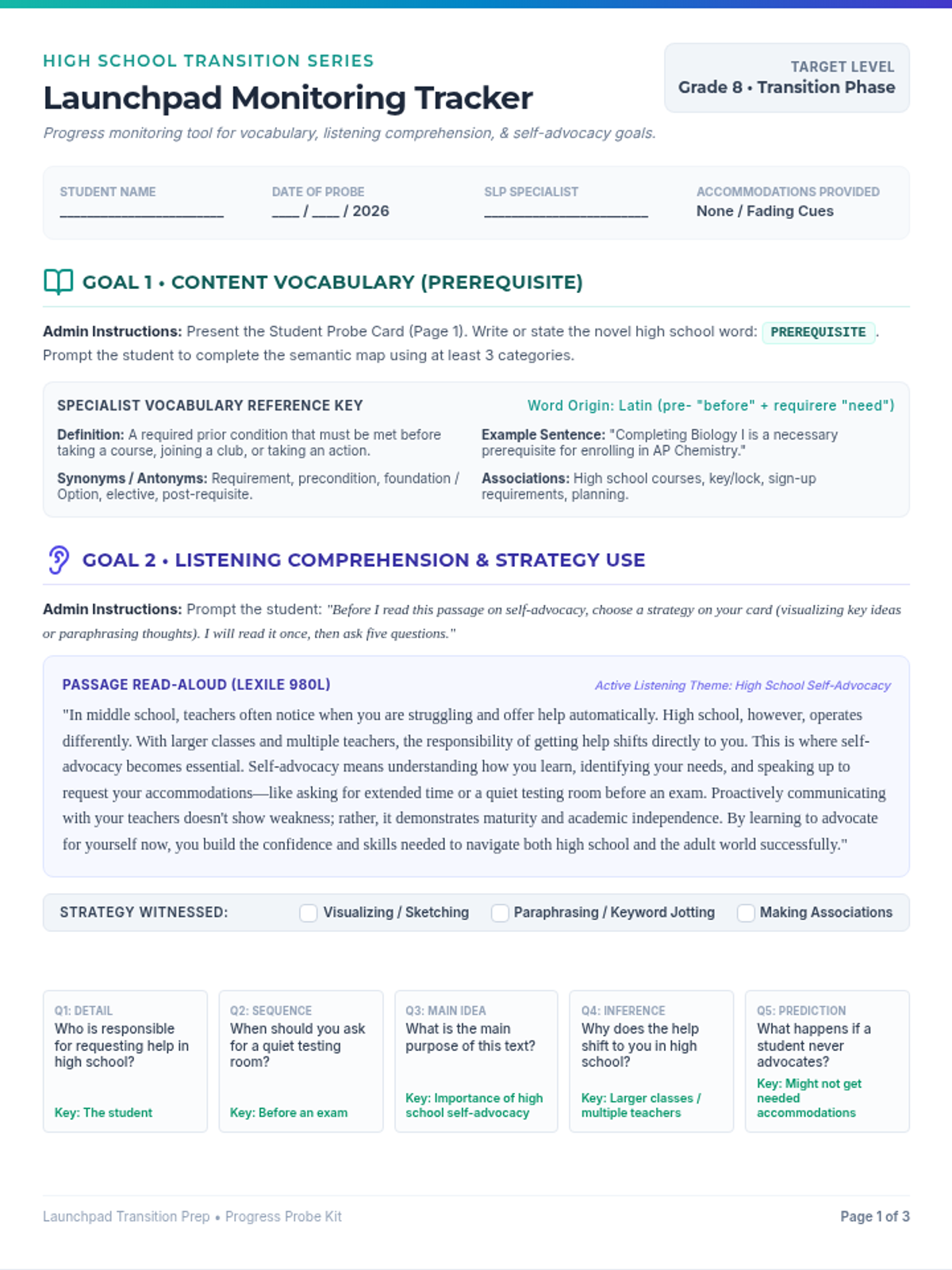
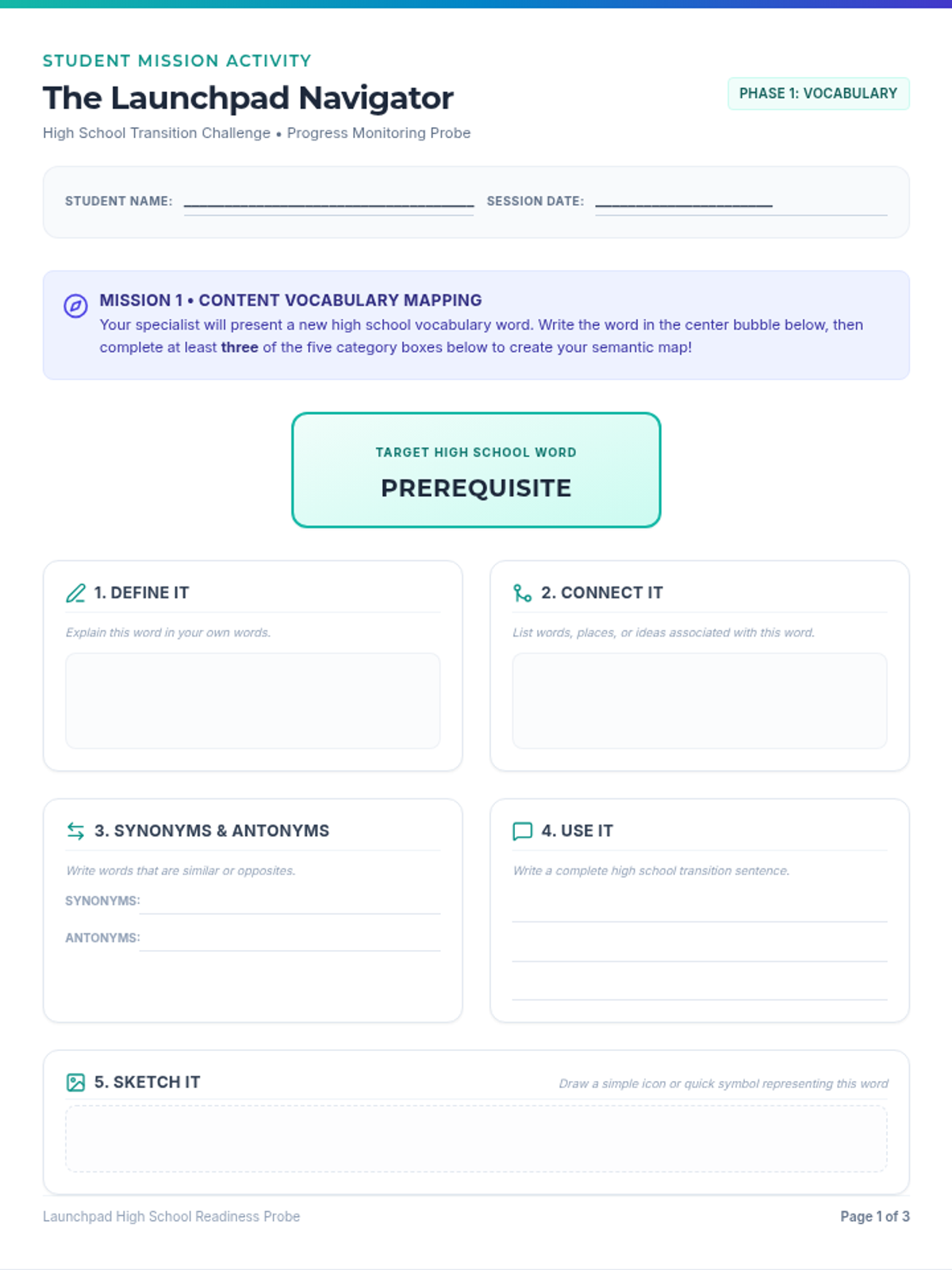
A comprehensive speech-language therapy progress monitoring kit tailored for 8th-grade students transitioning to high school. The kit focuses on content vocabulary, listening comprehension with active strategy use, and transition-oriented self-advocacy.
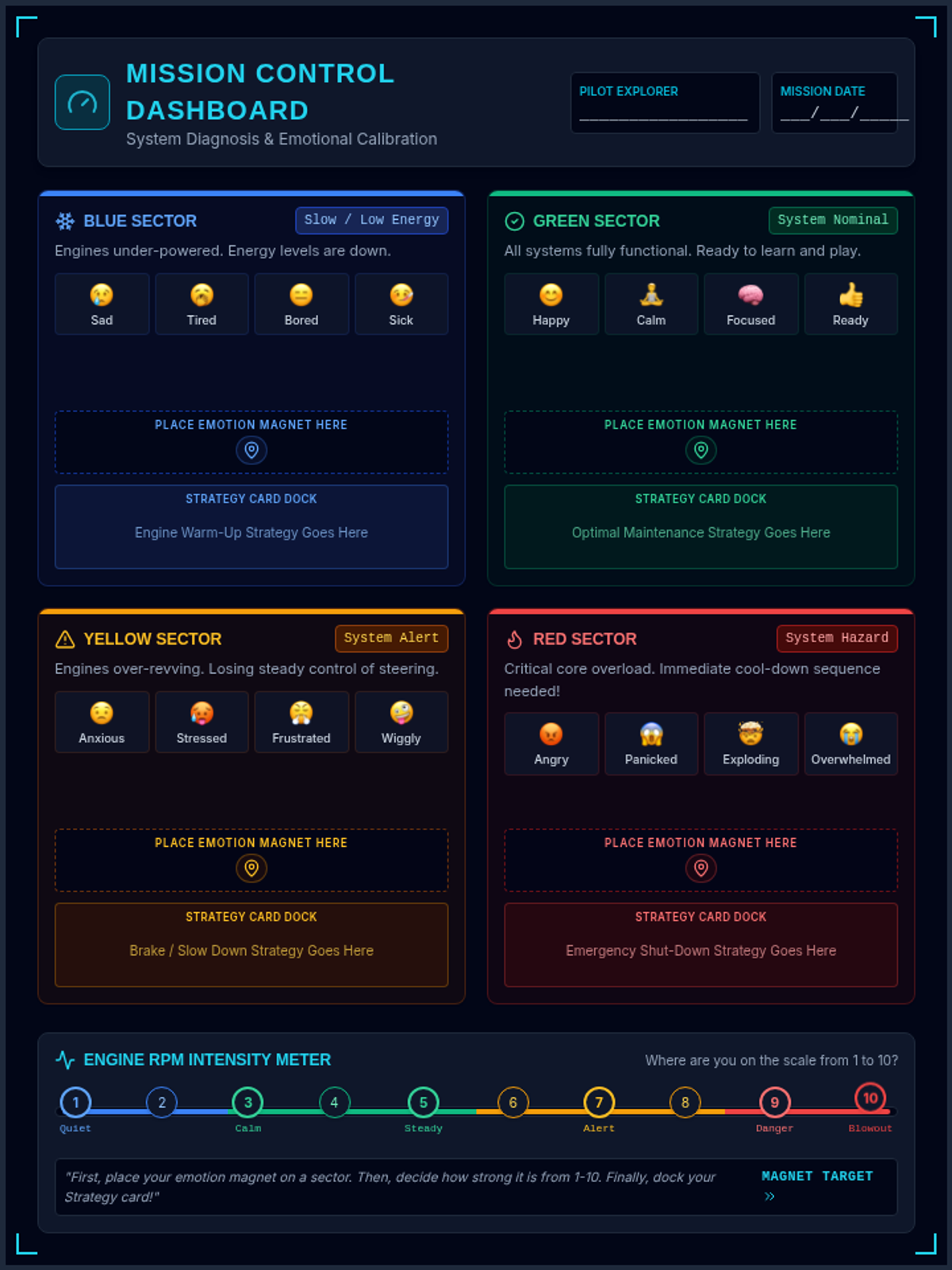
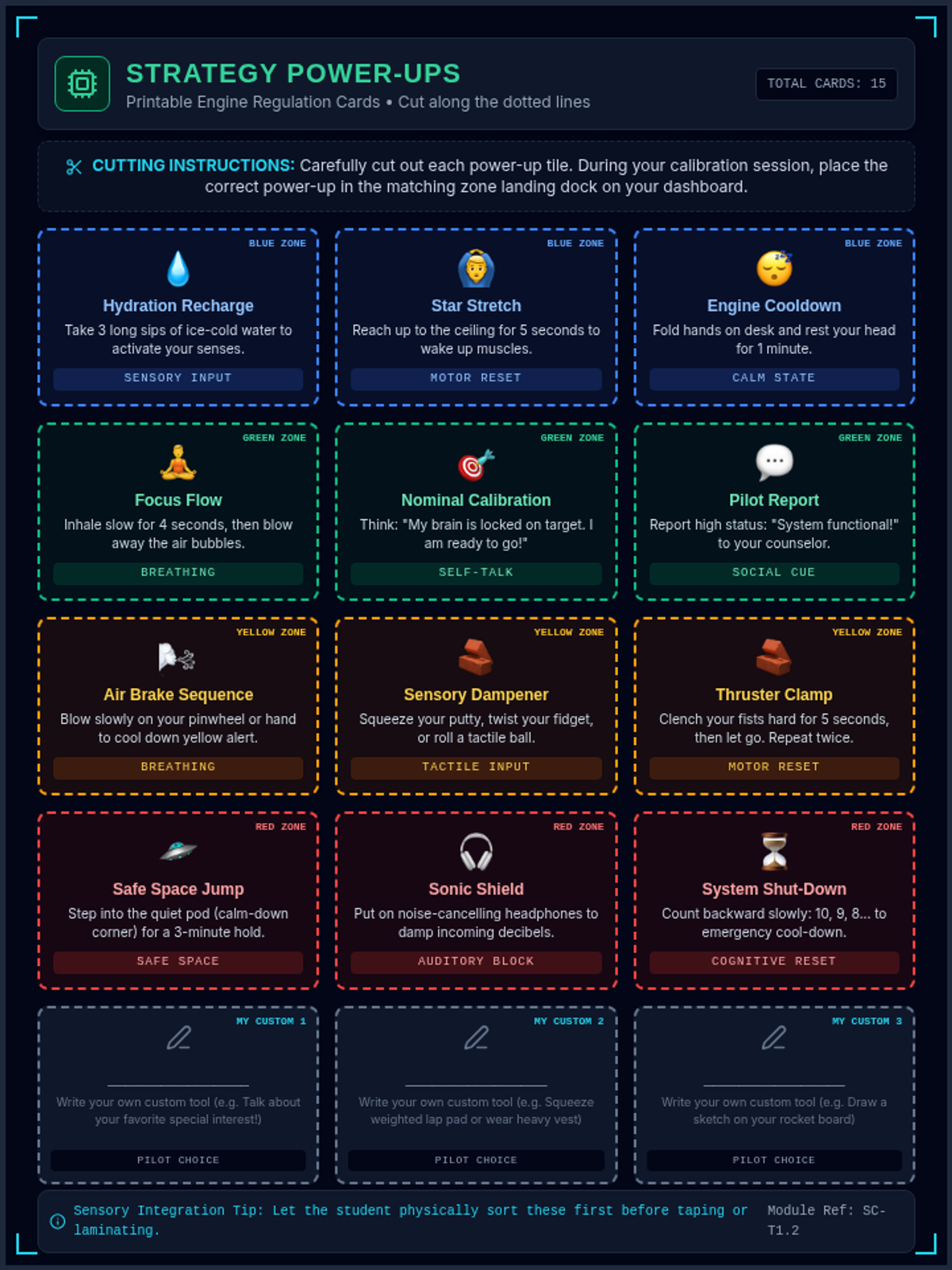
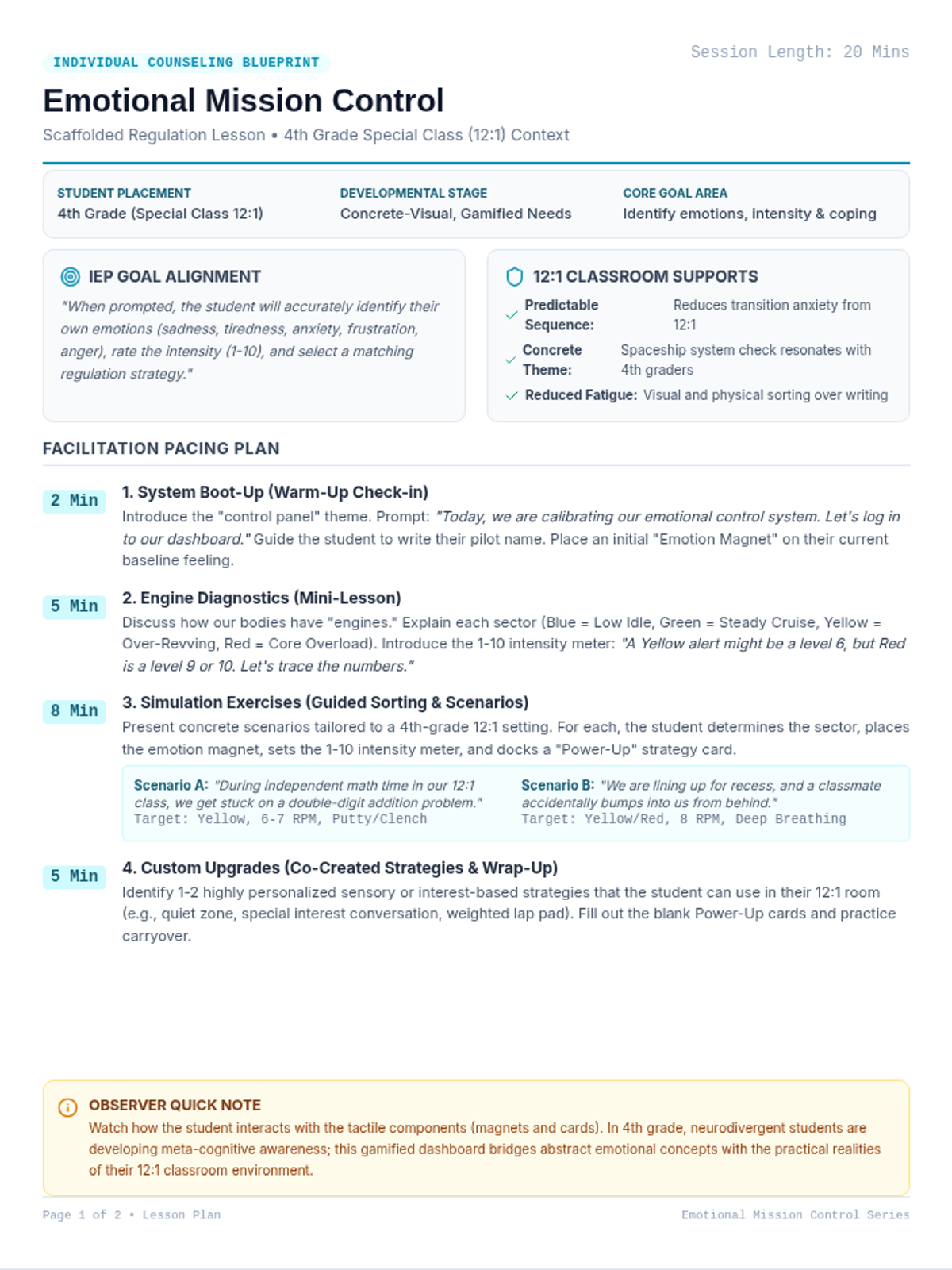
An individual counseling lesson aligned with the Zones of Regulation, designed for neurodivergent students (specifically on the autism spectrum). Includes an interactive student dashboard, strategy sorting cards, and a detailed session guide with an administrator observation rubrics.
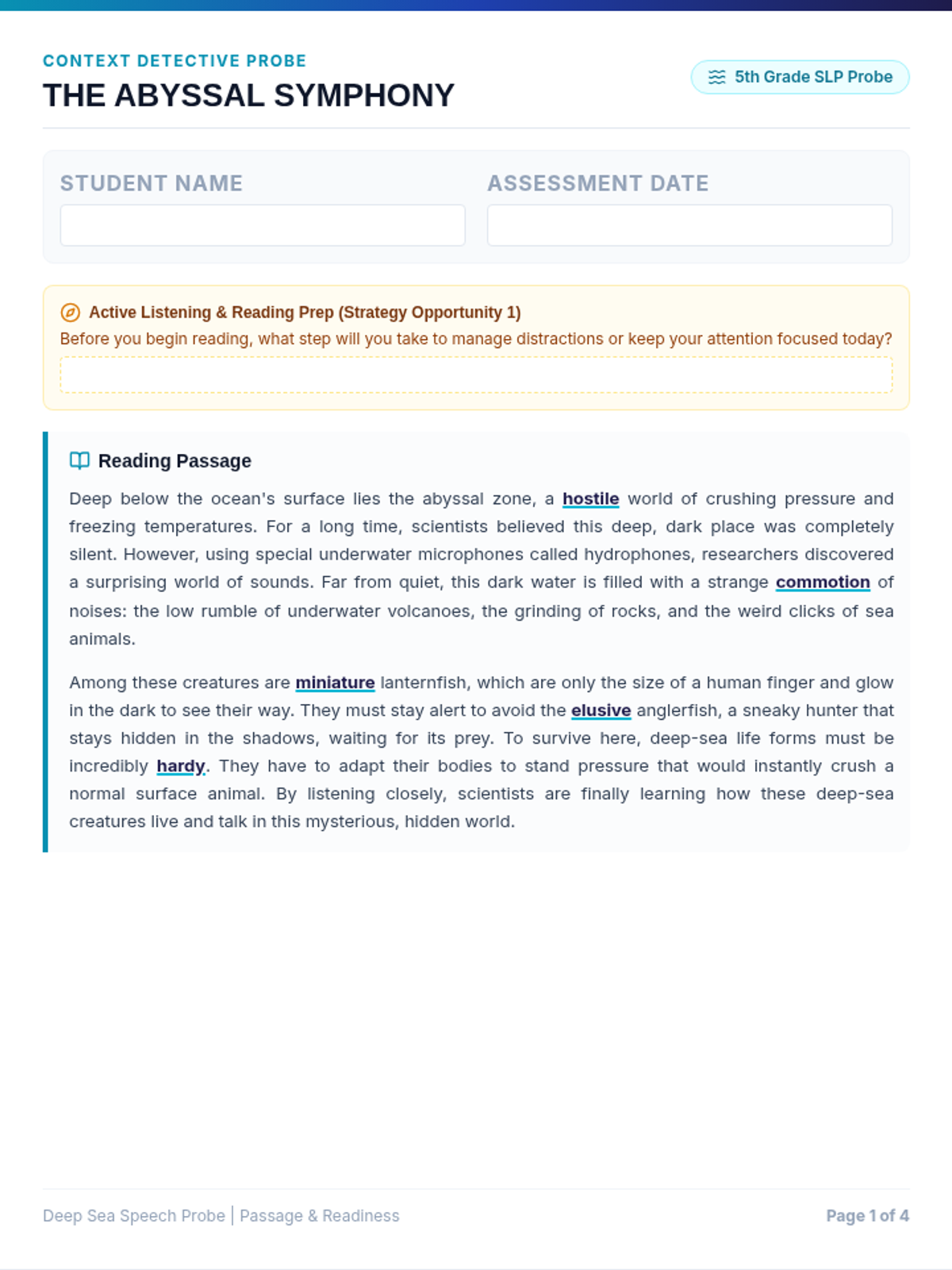
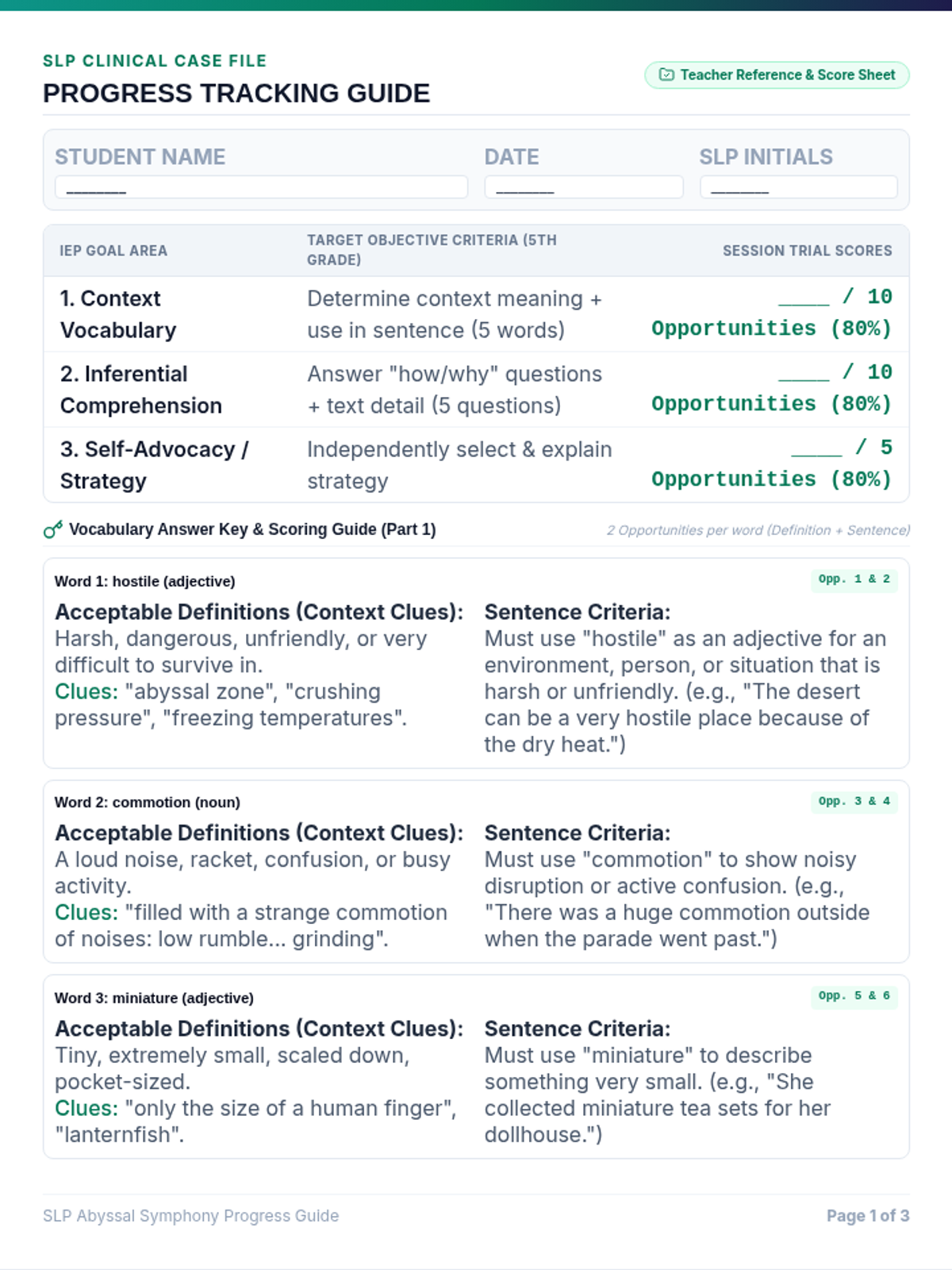
A comprehensive 5th-grade speech-language progress monitoring tool that features an engaging science passage on abyssal deep-sea environments. It includes a student-facing comprehensive assessment and a structured teacher scoring tracker to measure context-clue vocabulary, inferential comprehension, and self-advocacy strategy use.
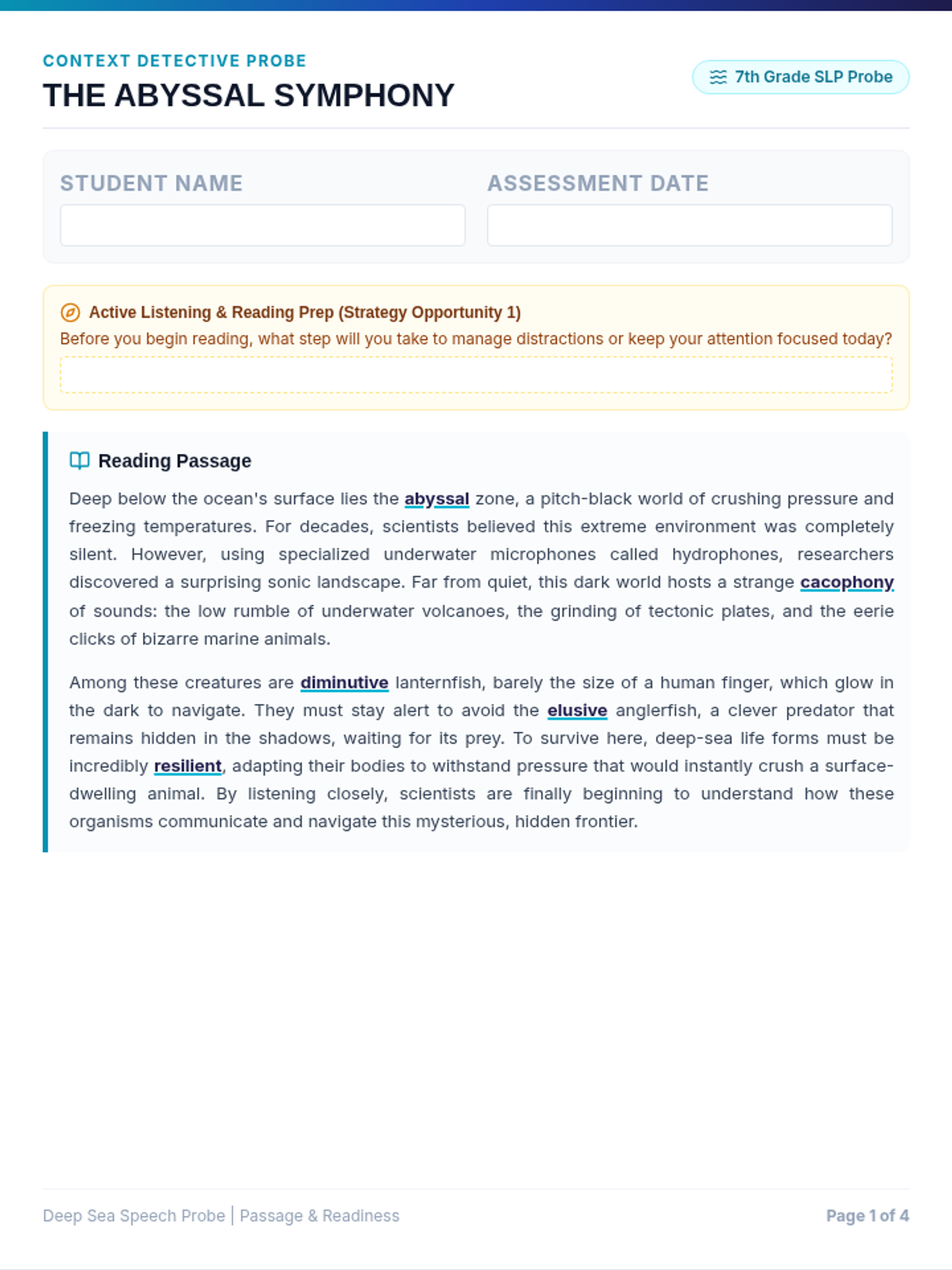
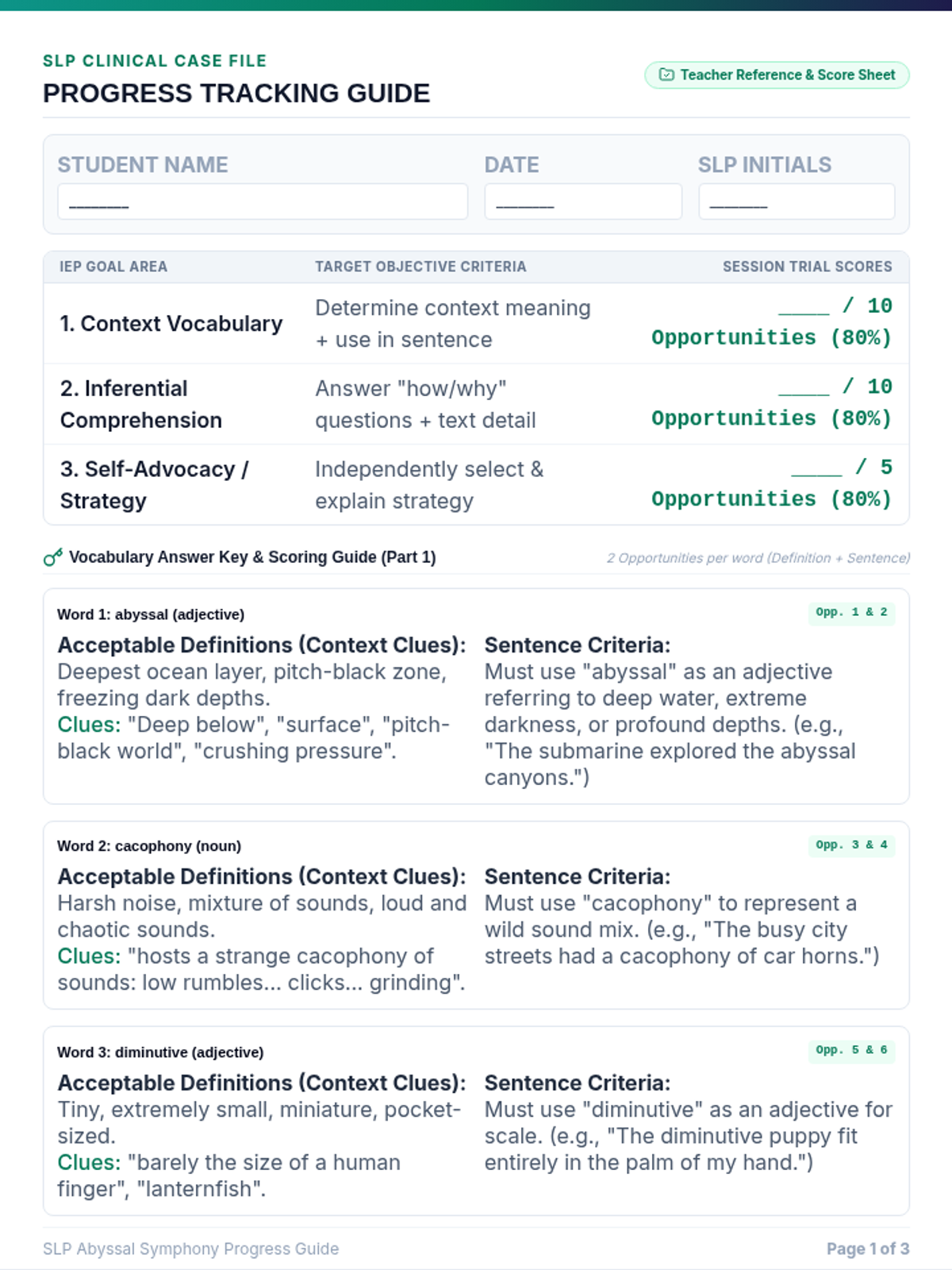
A comprehensive 7th-grade speech-language progress monitoring tool that features an engaging science passage on abyssal deep-sea environments. It includes a student-facing comprehensive assessment and a structured teacher scoring tracker to measure context-clue vocabulary, inferential comprehension, and self-advocacy strategy use.
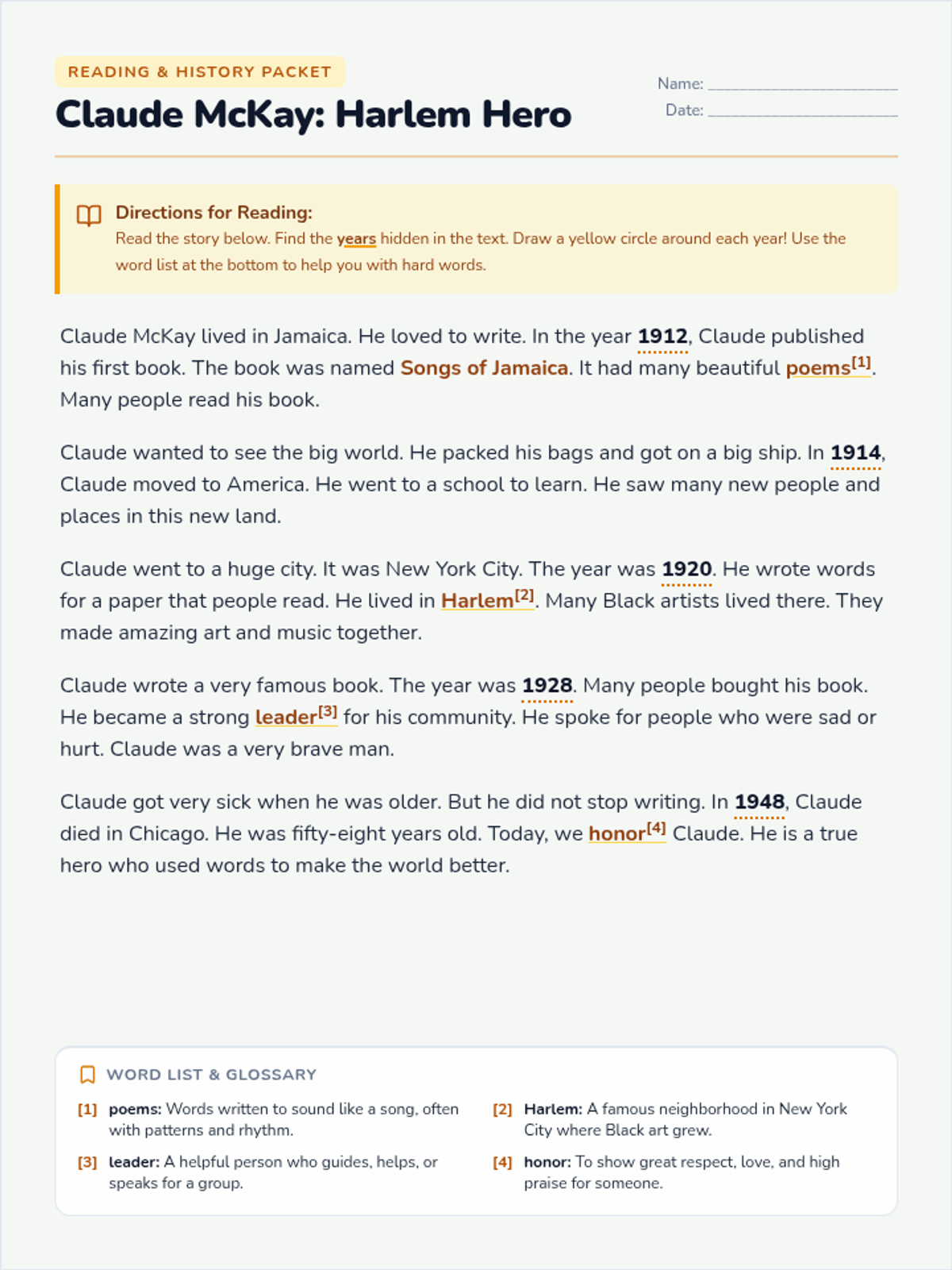
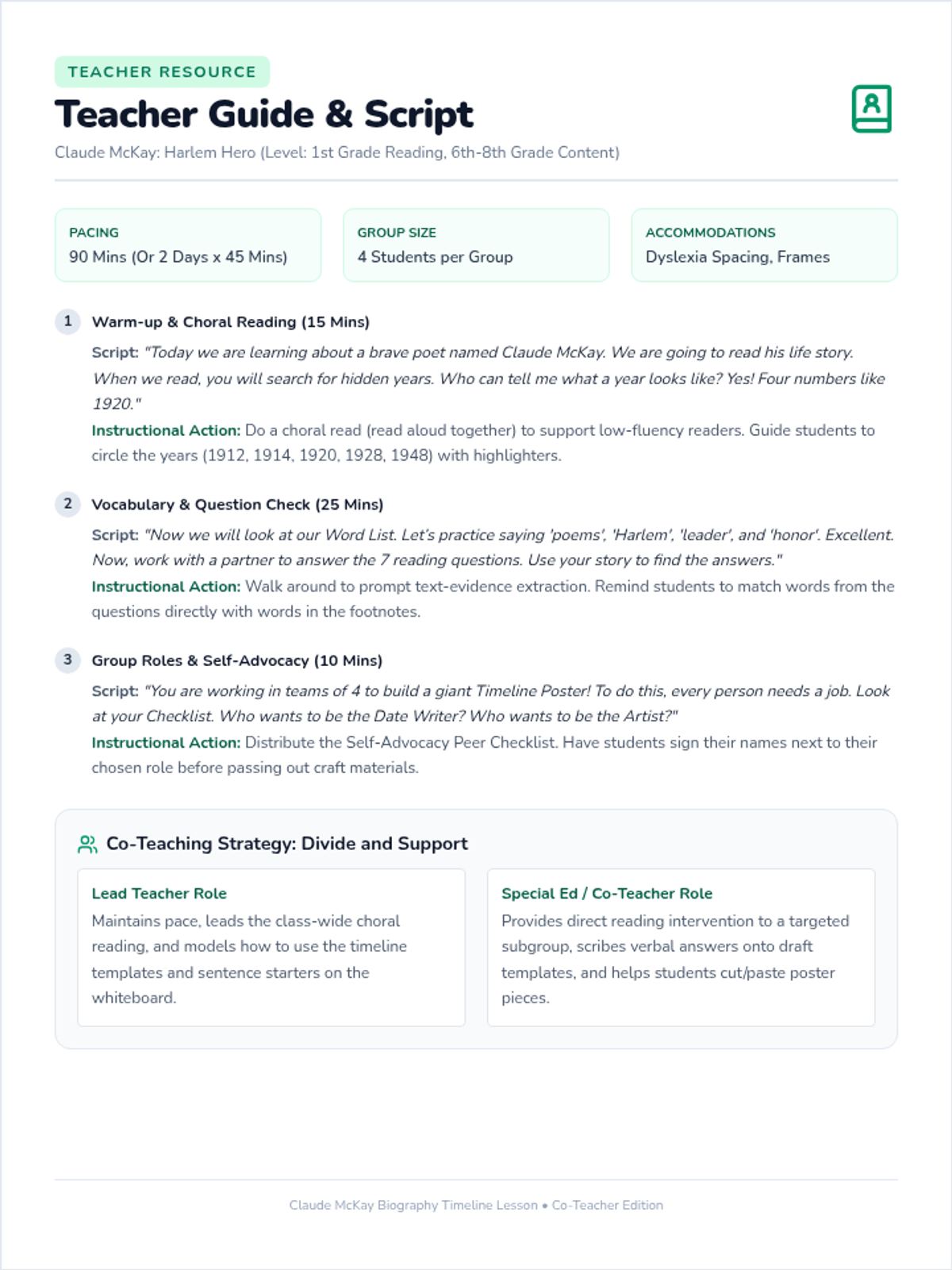
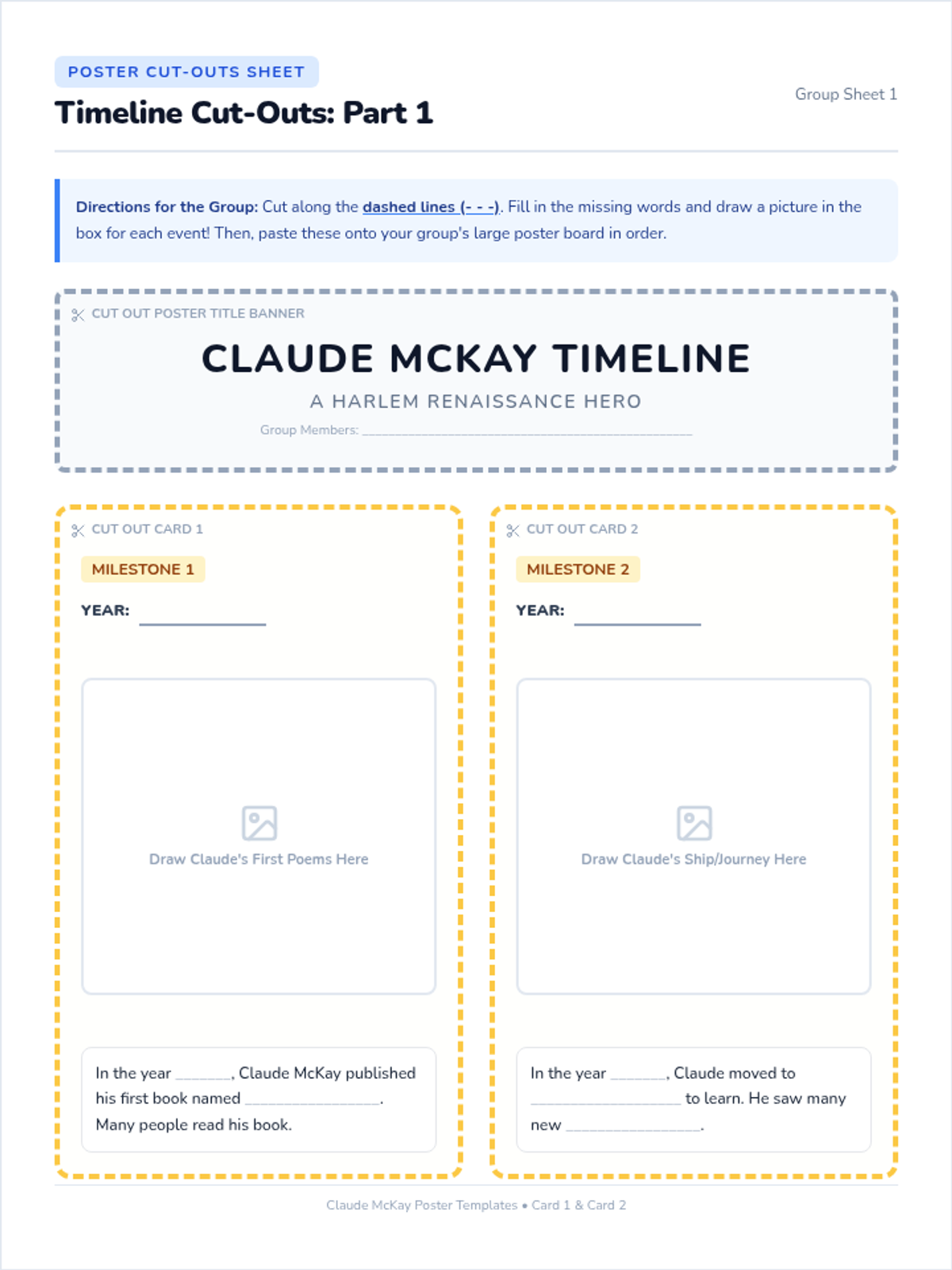
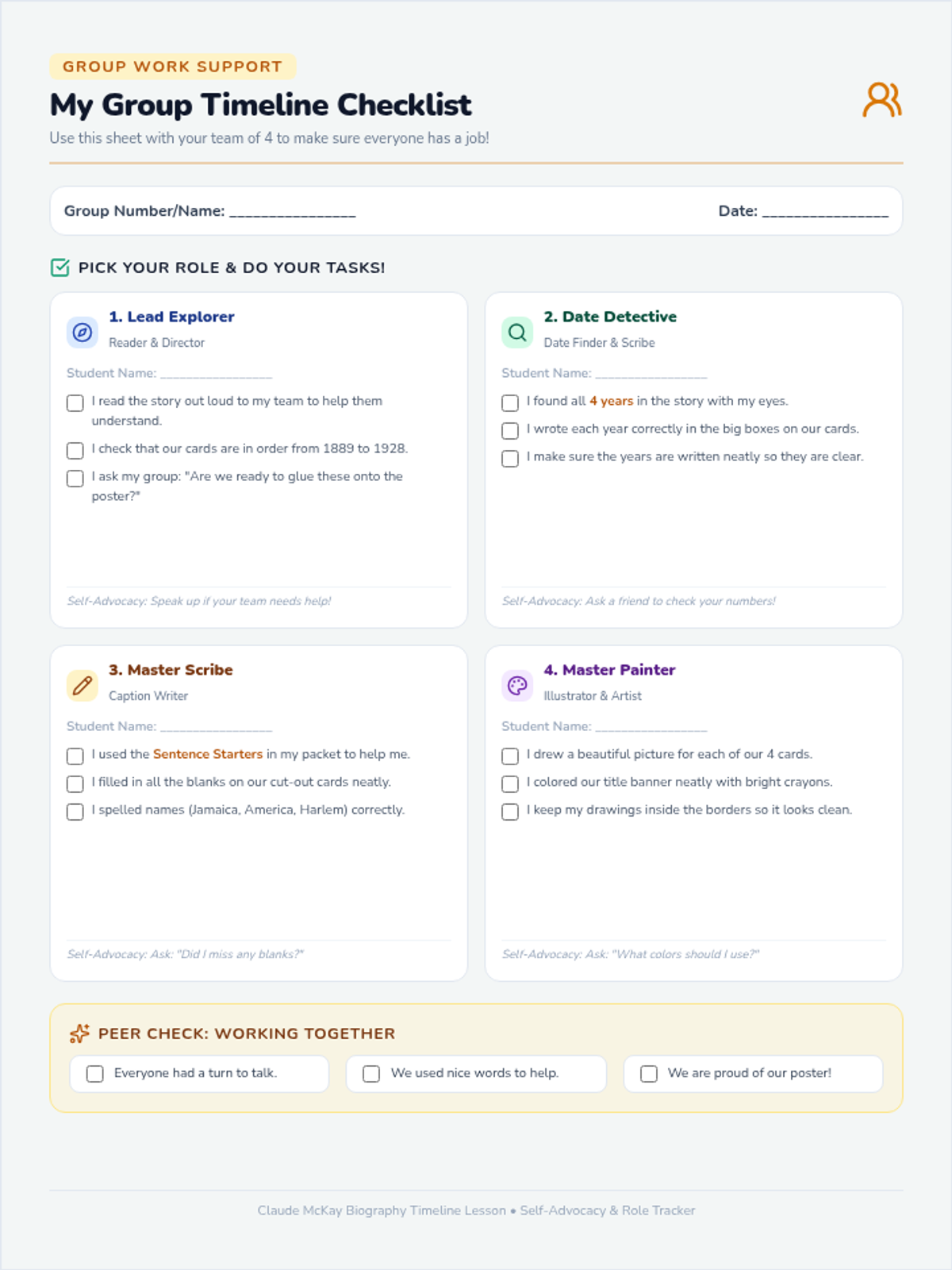
A highly scaffolded middle school lesson on Harlem Renaissance poet Claude McKay, adapted for a first-grade reading level. Includes a text analysis, footnote glossary, comprehension questions, a group timeline poster project, and support tools for co-teachers.
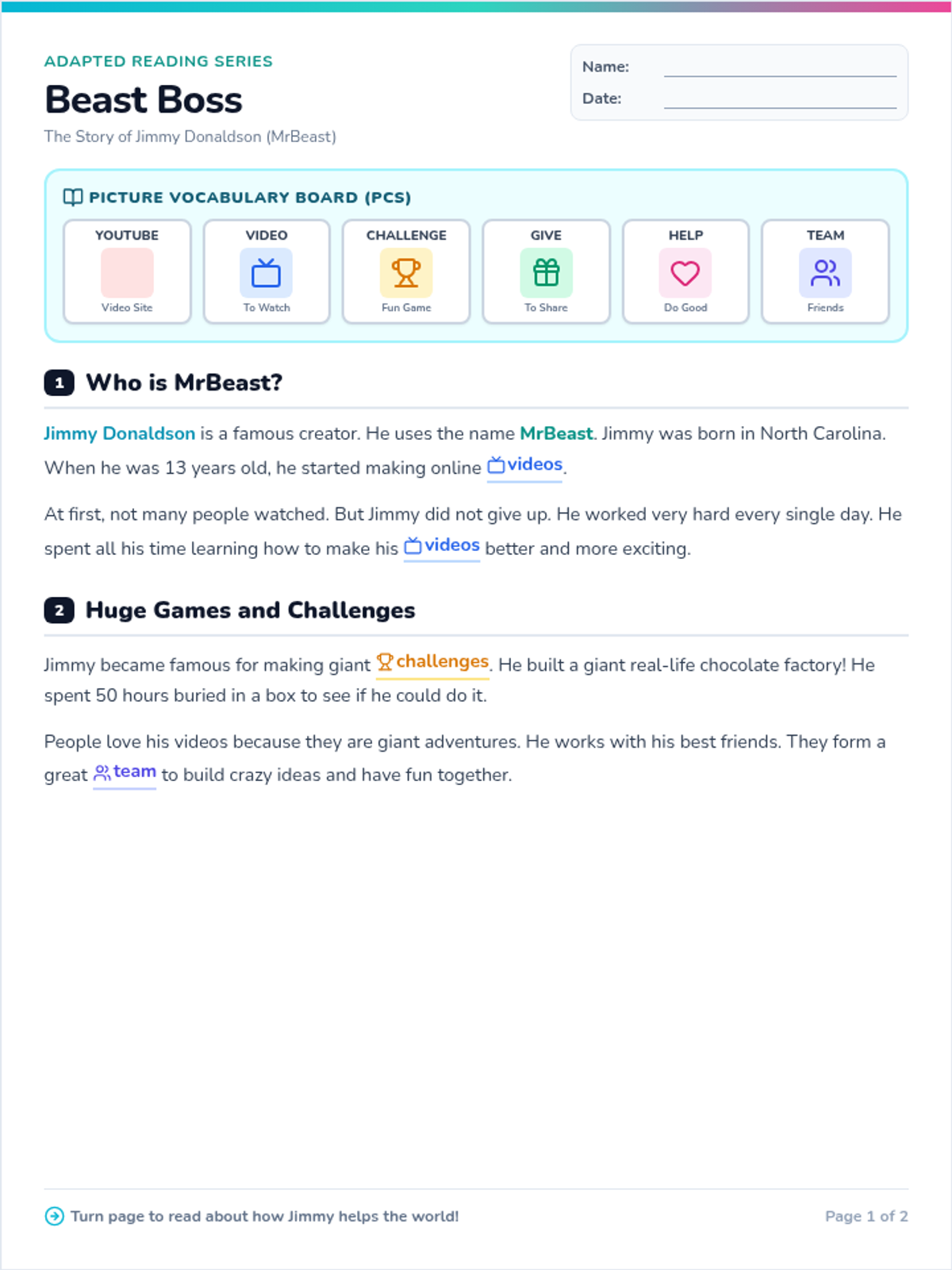
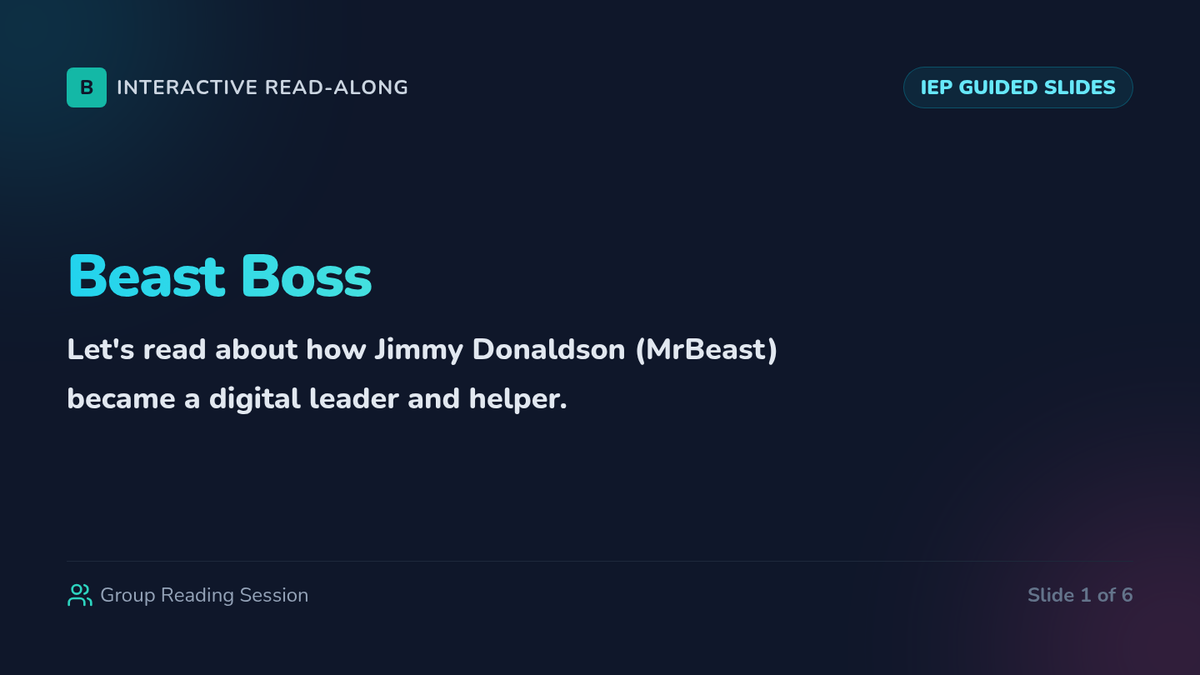
A structured literacy lesson about Jimmy Donaldson (MrBeast) designed for students with IEPs requiring visual supports. This lesson features a simplified biographical passage with picture communication support cards and a guided reading presentation.
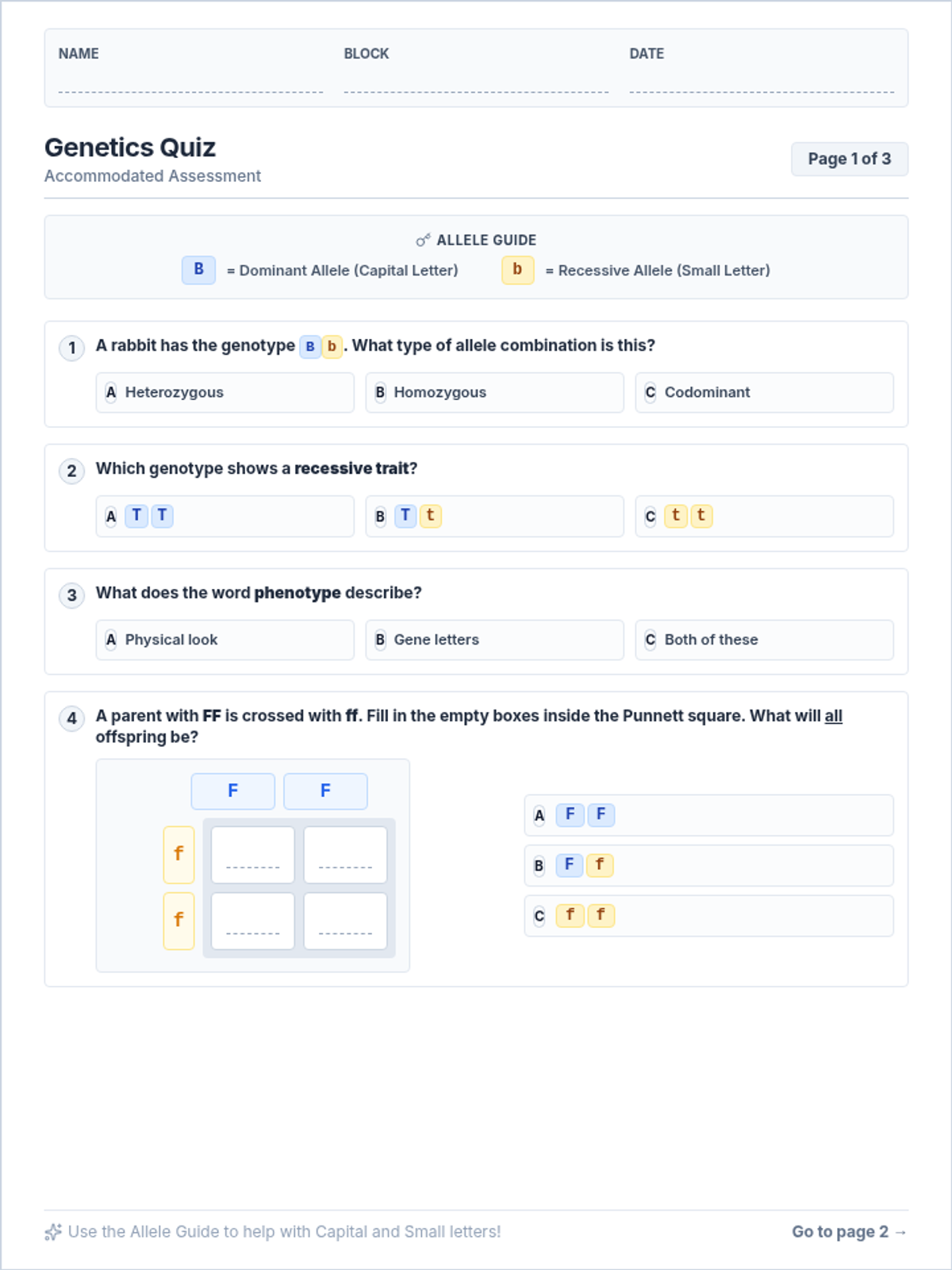
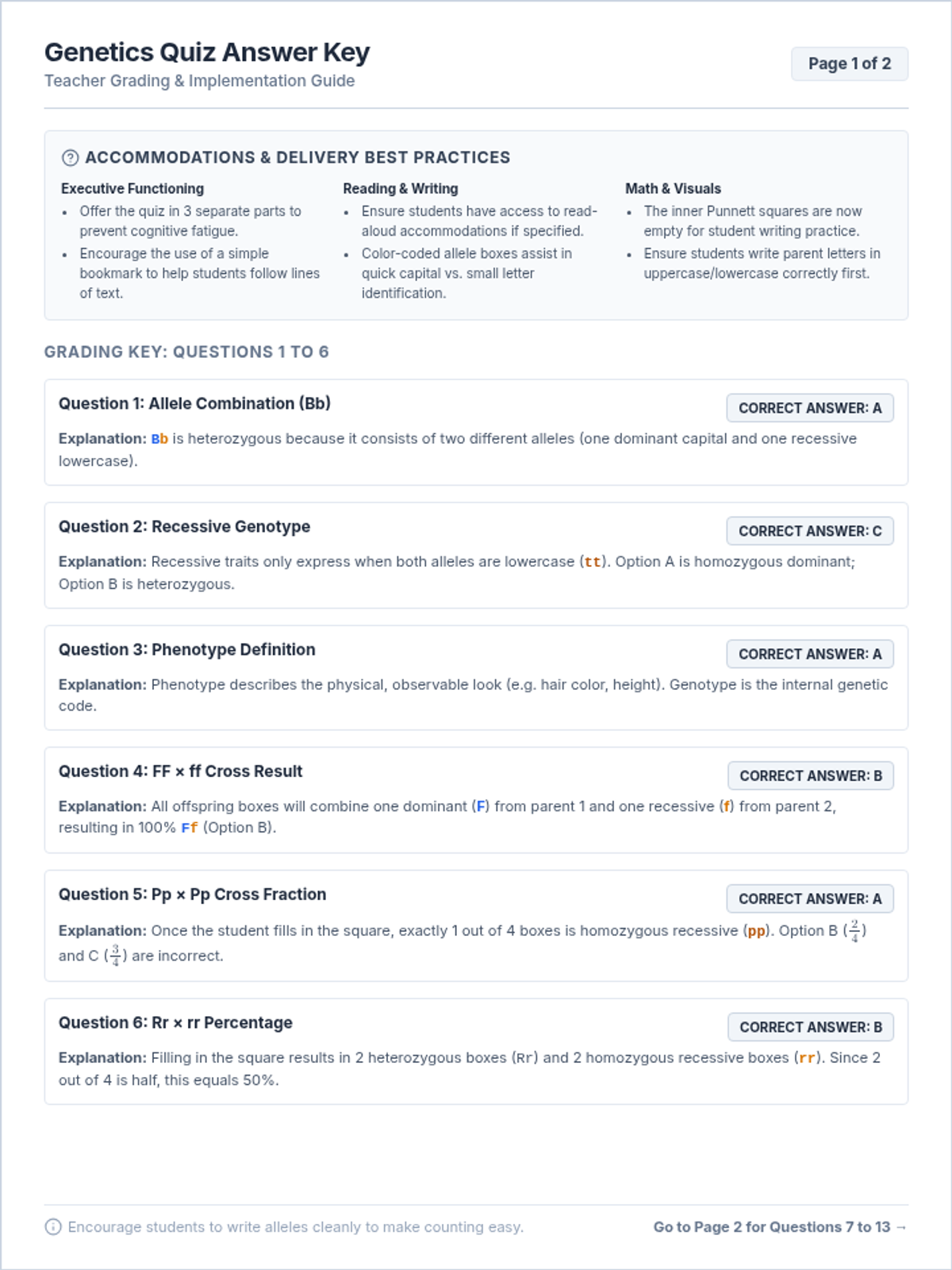
A custom accommodated quiz pack on genetics, designed specifically for students with reading, writing, math, and executive functioning challenges. Includes a highly scaffolded student quiz and a comprehensive teacher answer key with pedagogical guidance.
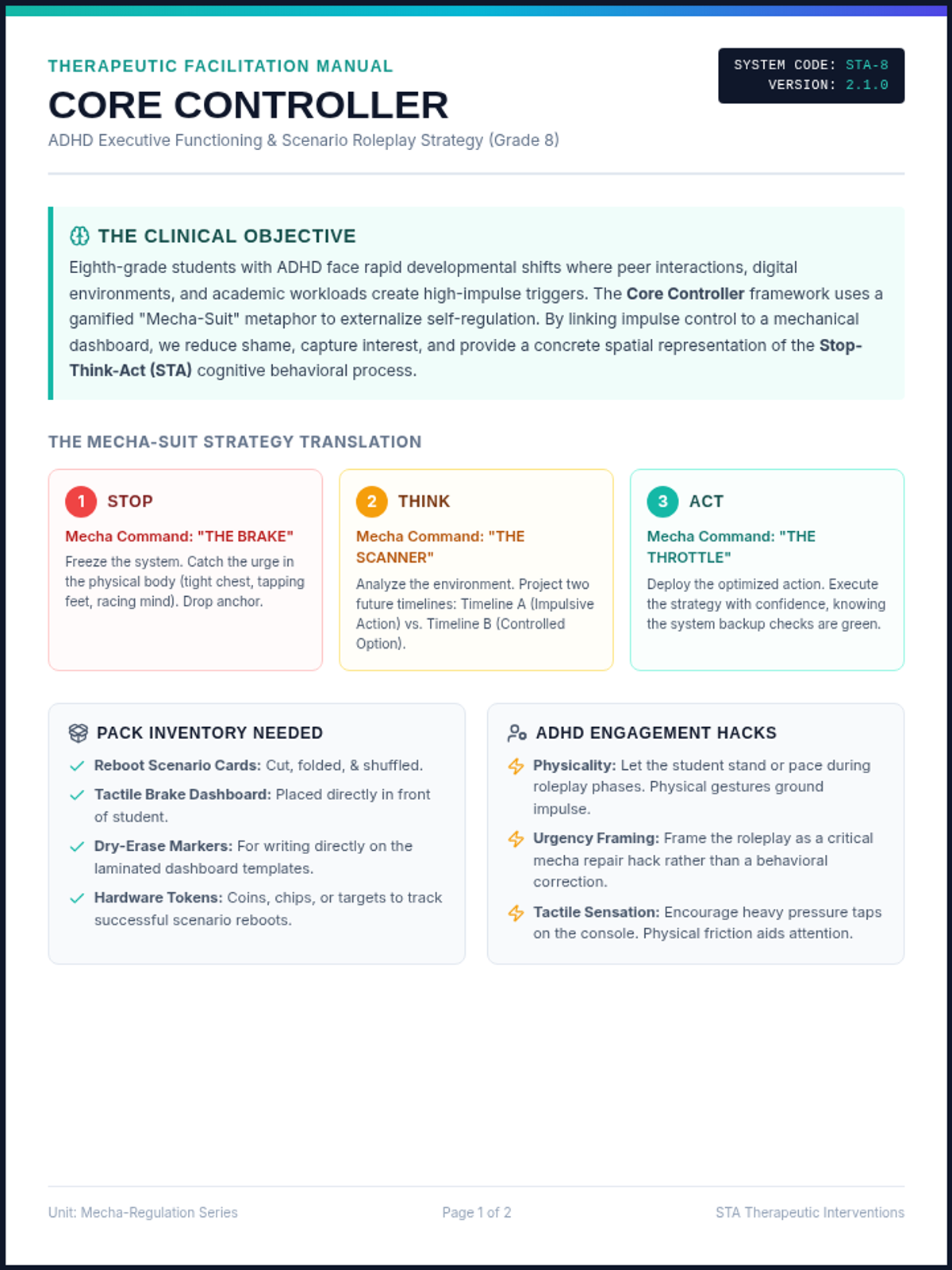
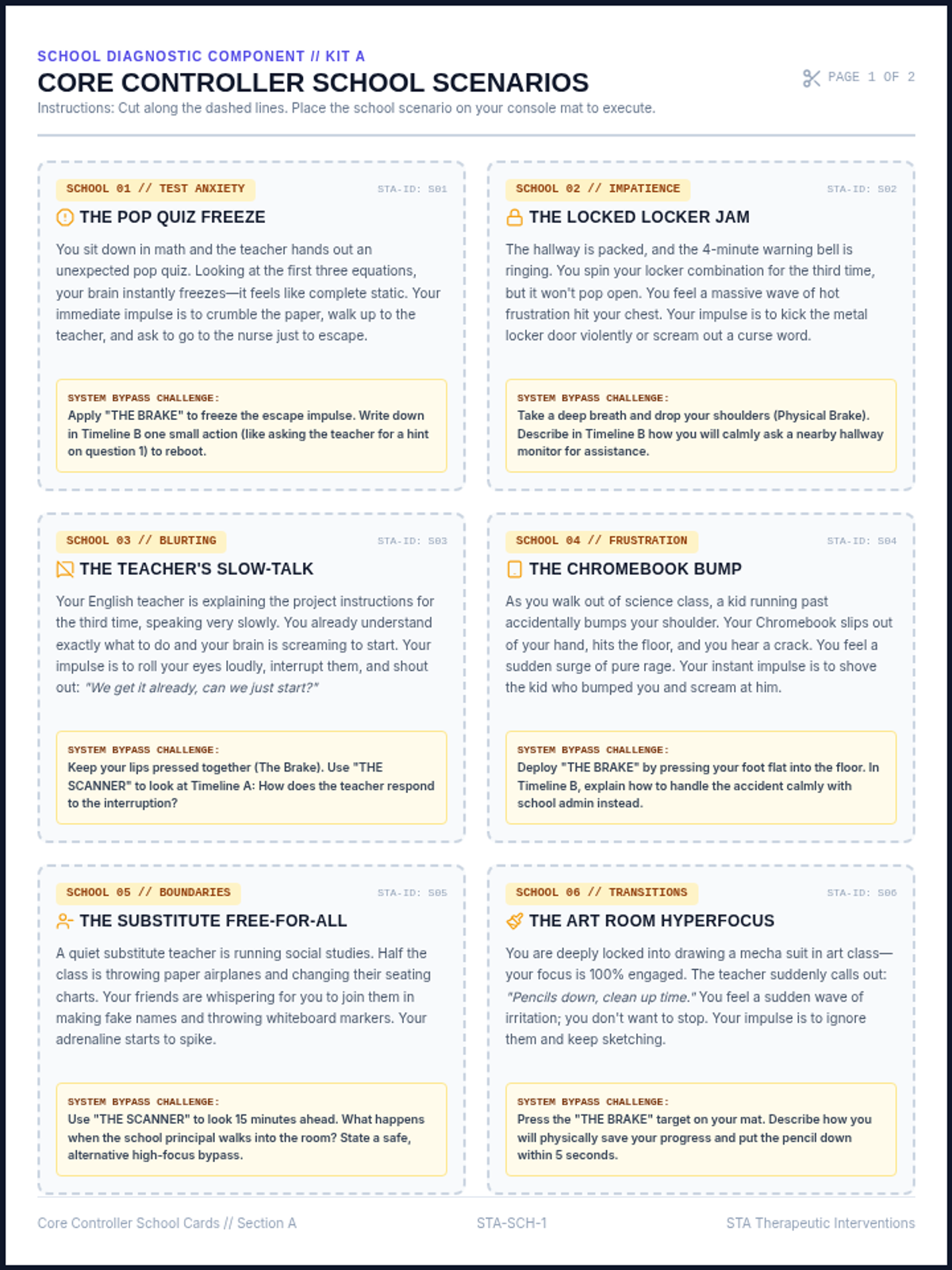
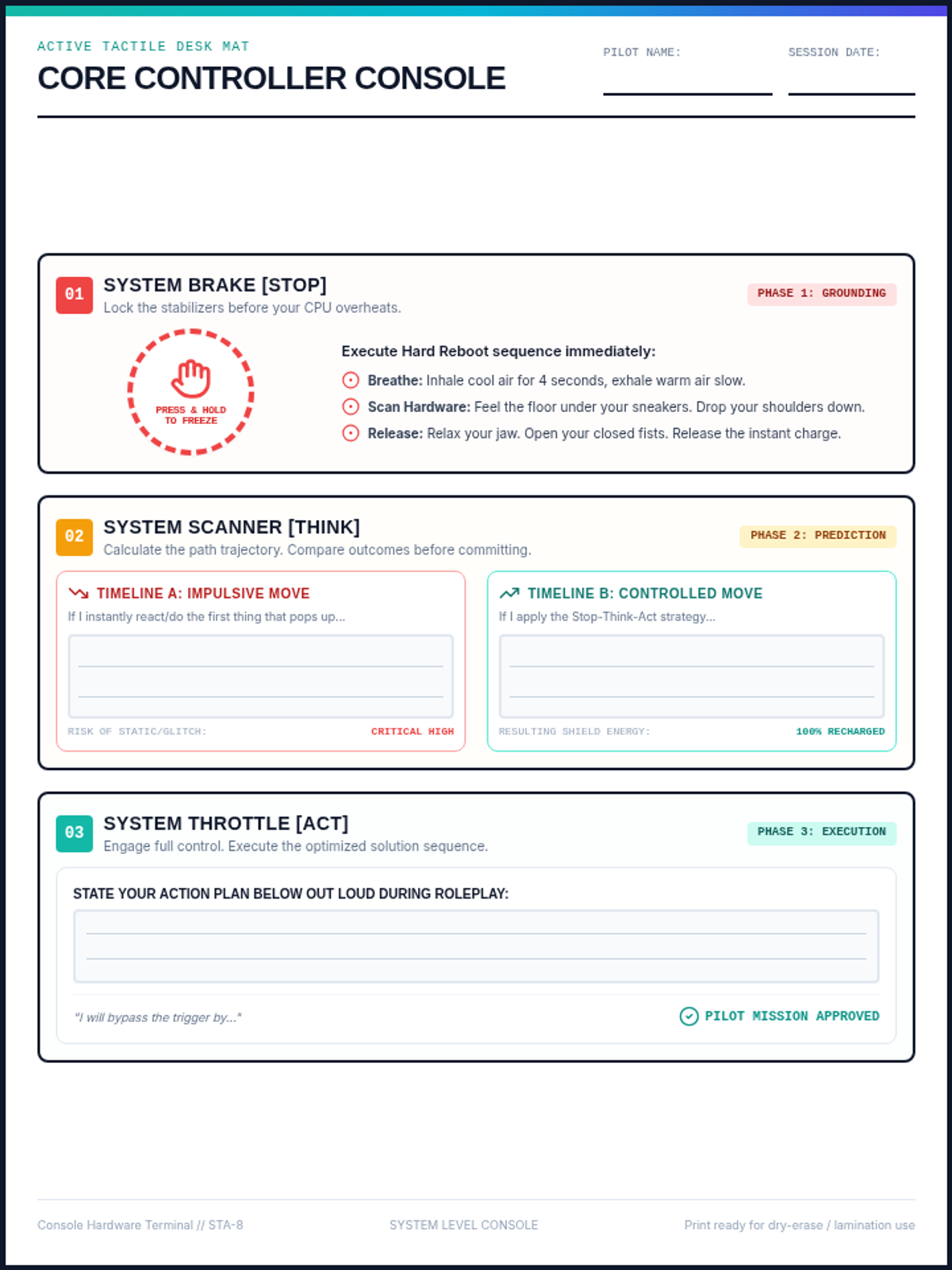
A high-engagement therapeutic game pack and session plan for 8th-grade students with ADHD, focusing on the Stop-Think-Act impulse control strategy. Designed with a retro-futuristic mecha theme to maintain focus and promote active roleplay.
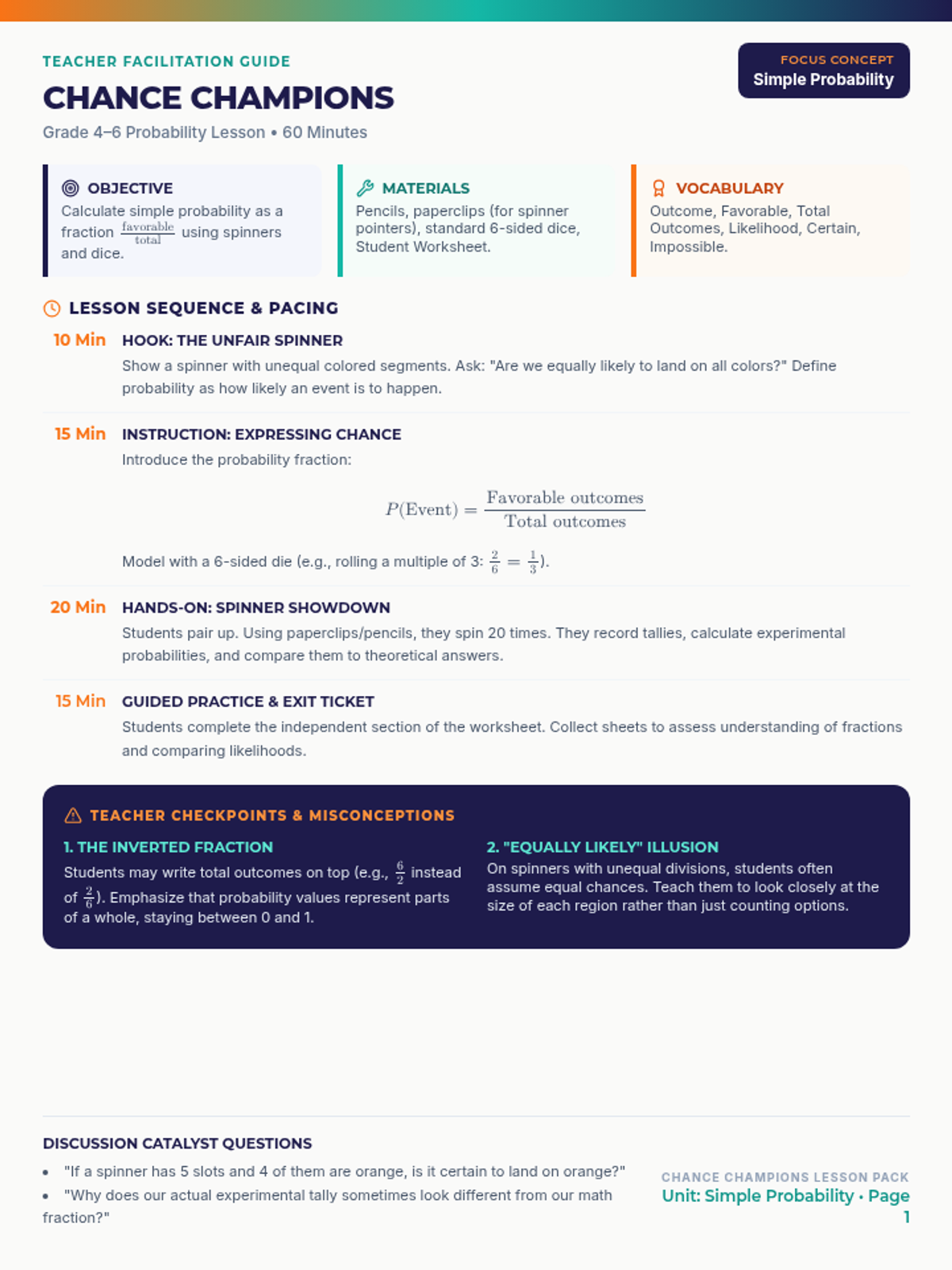
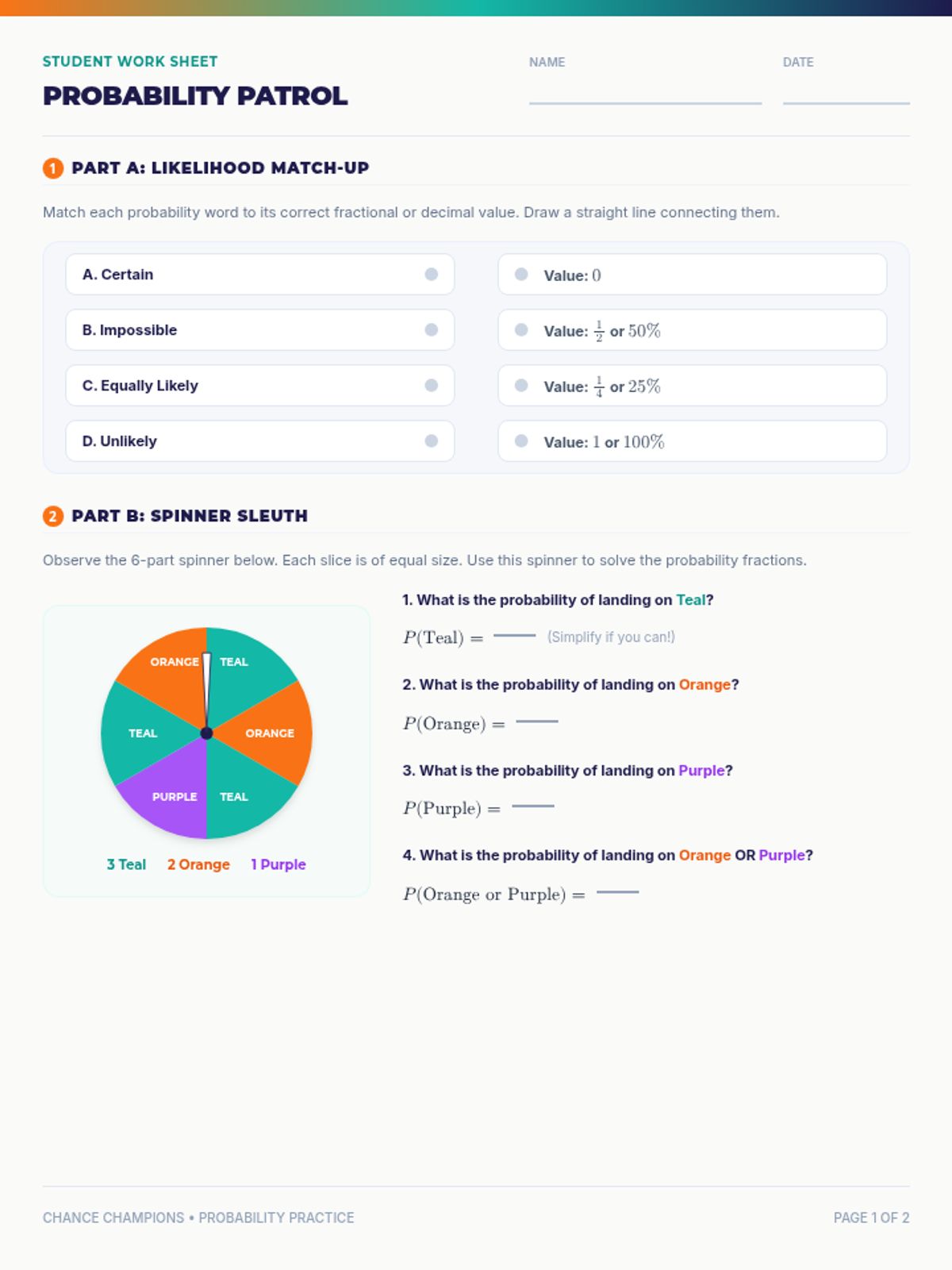
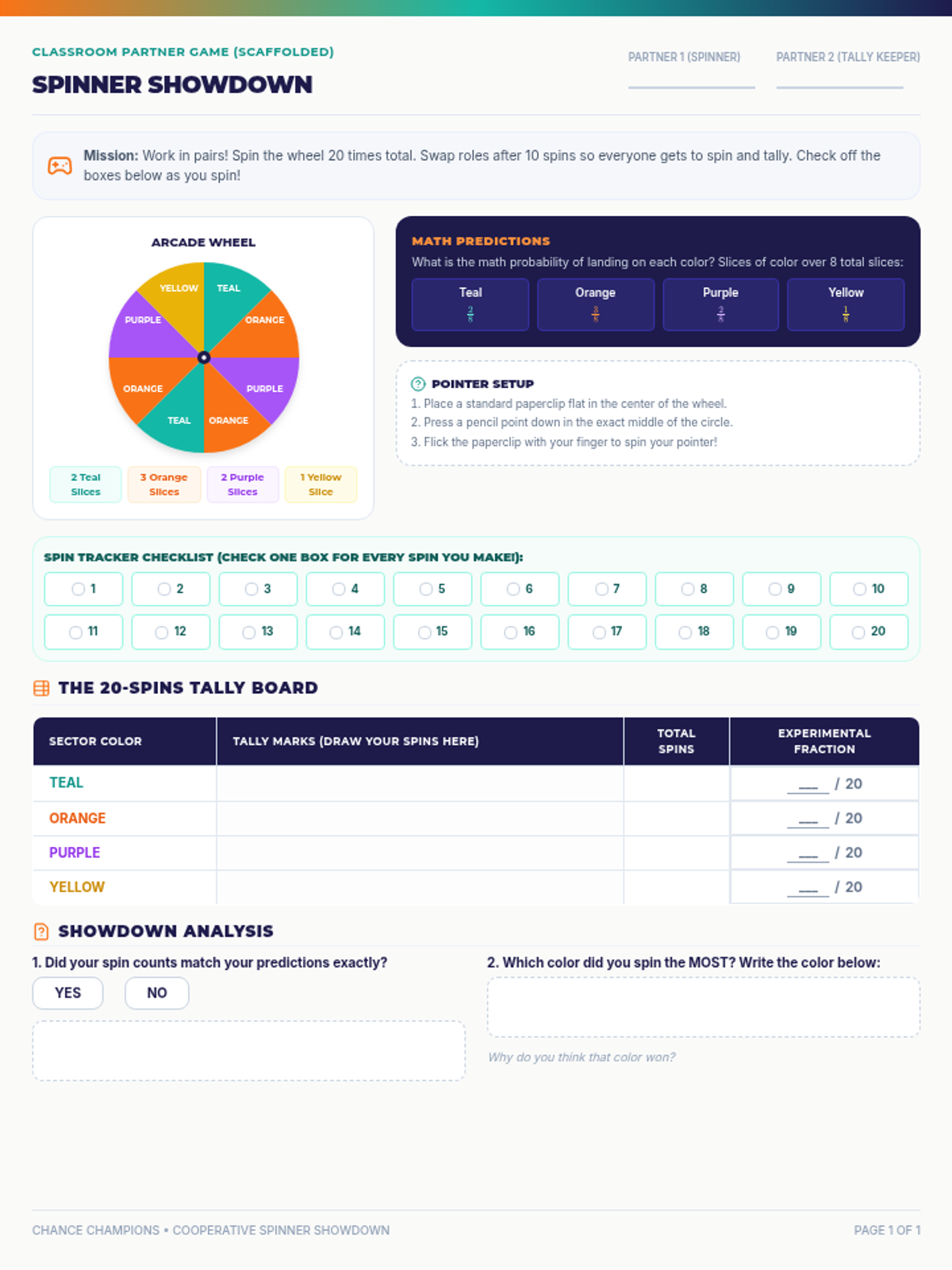
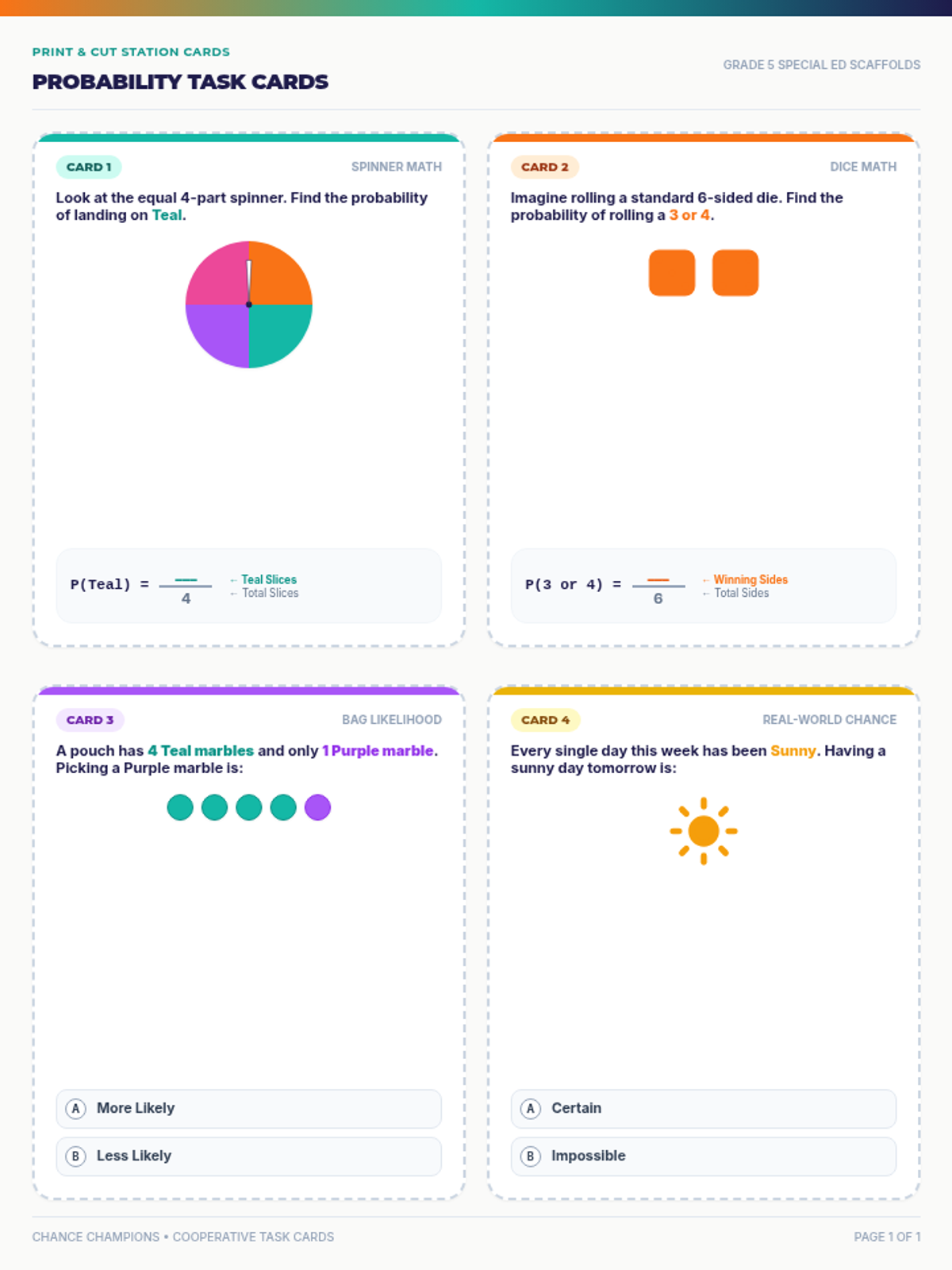
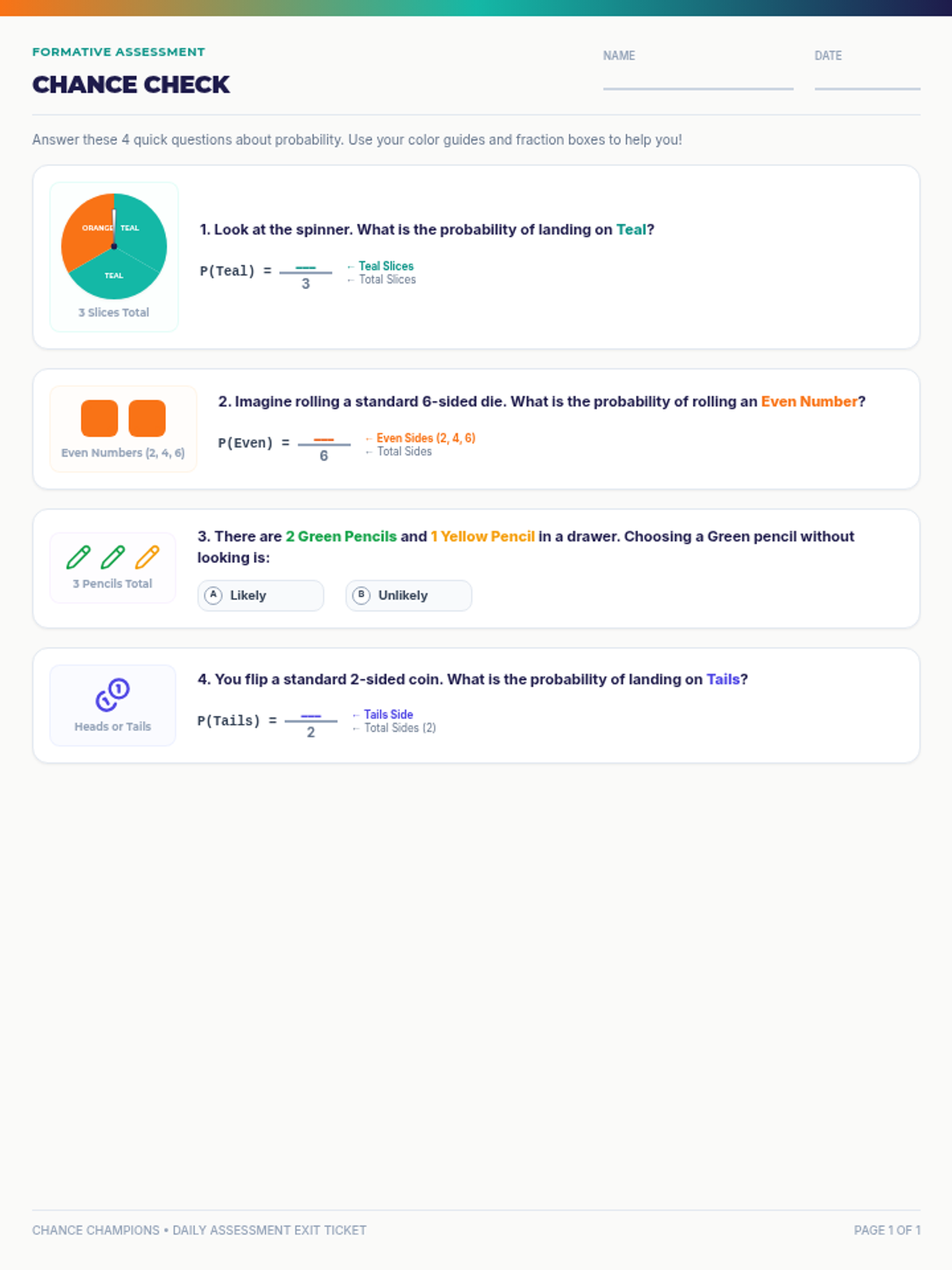
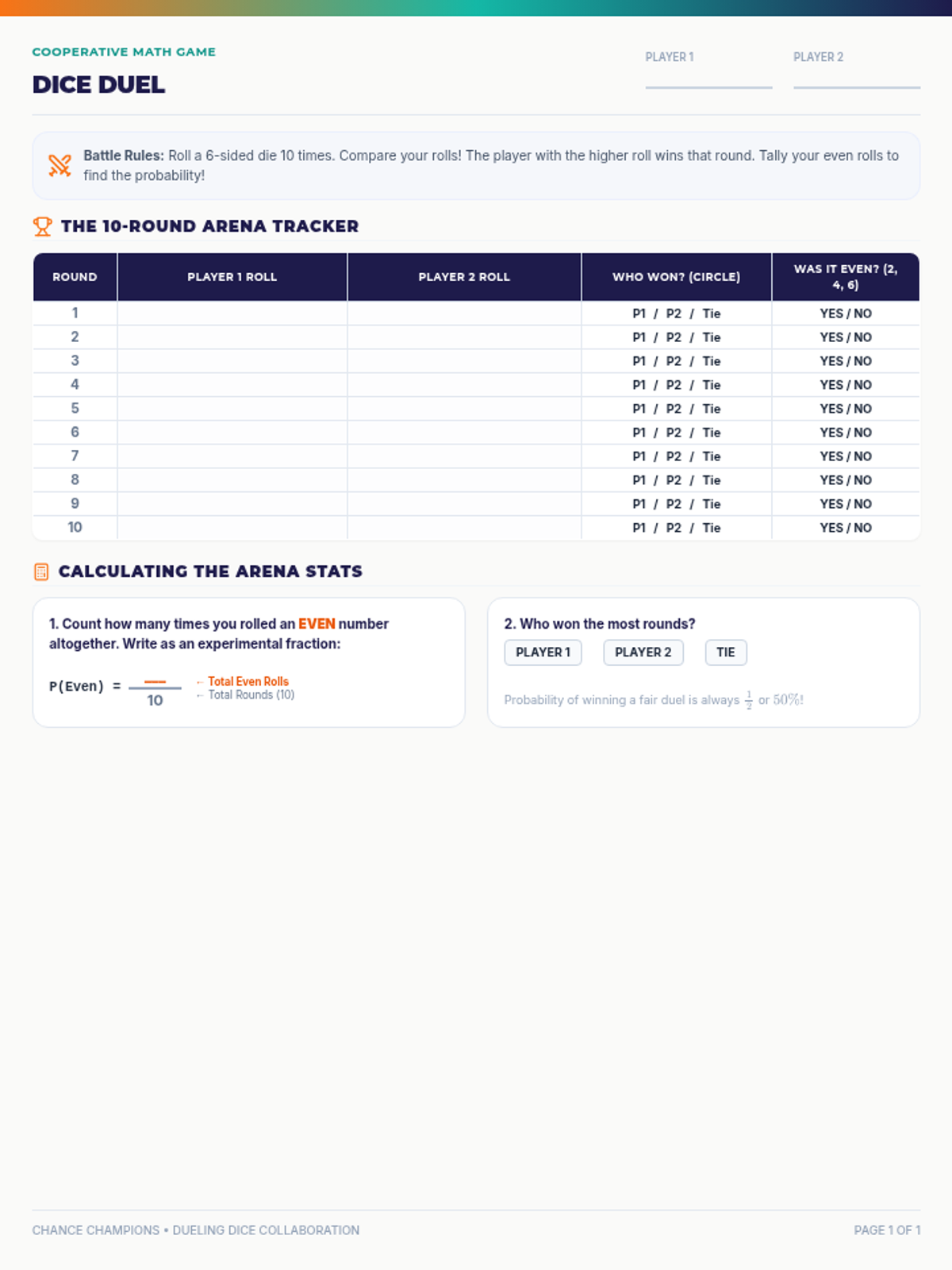
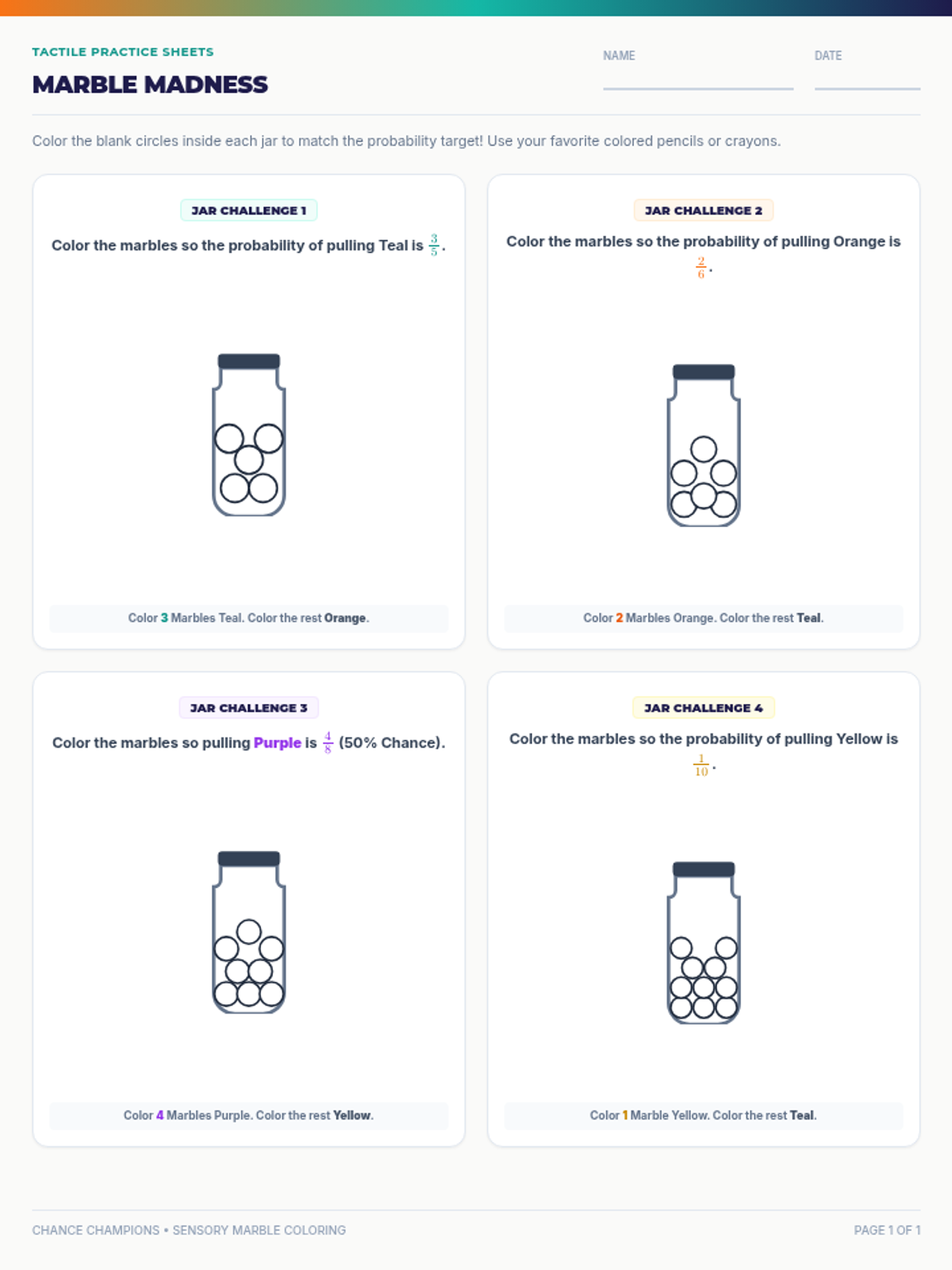
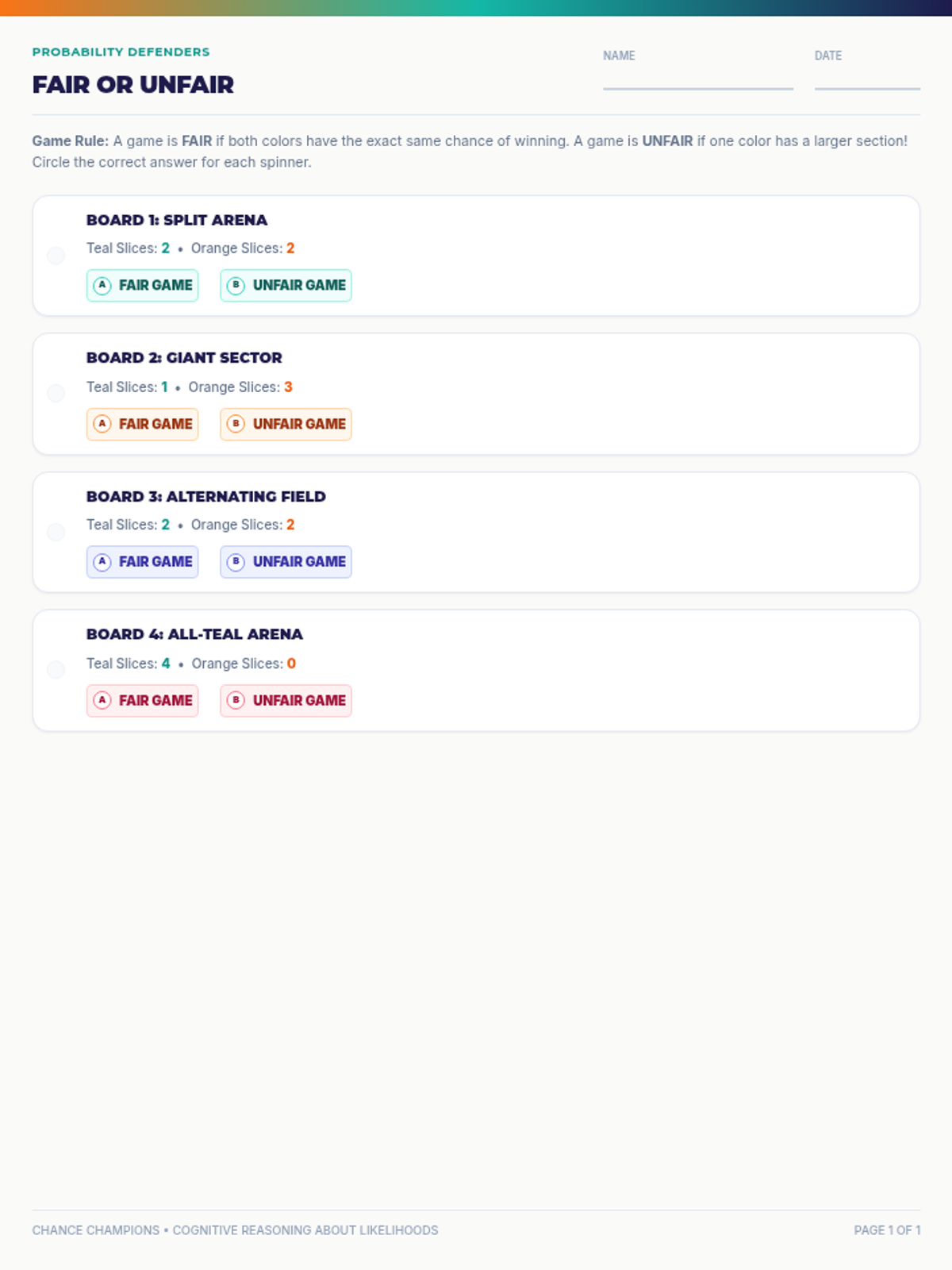
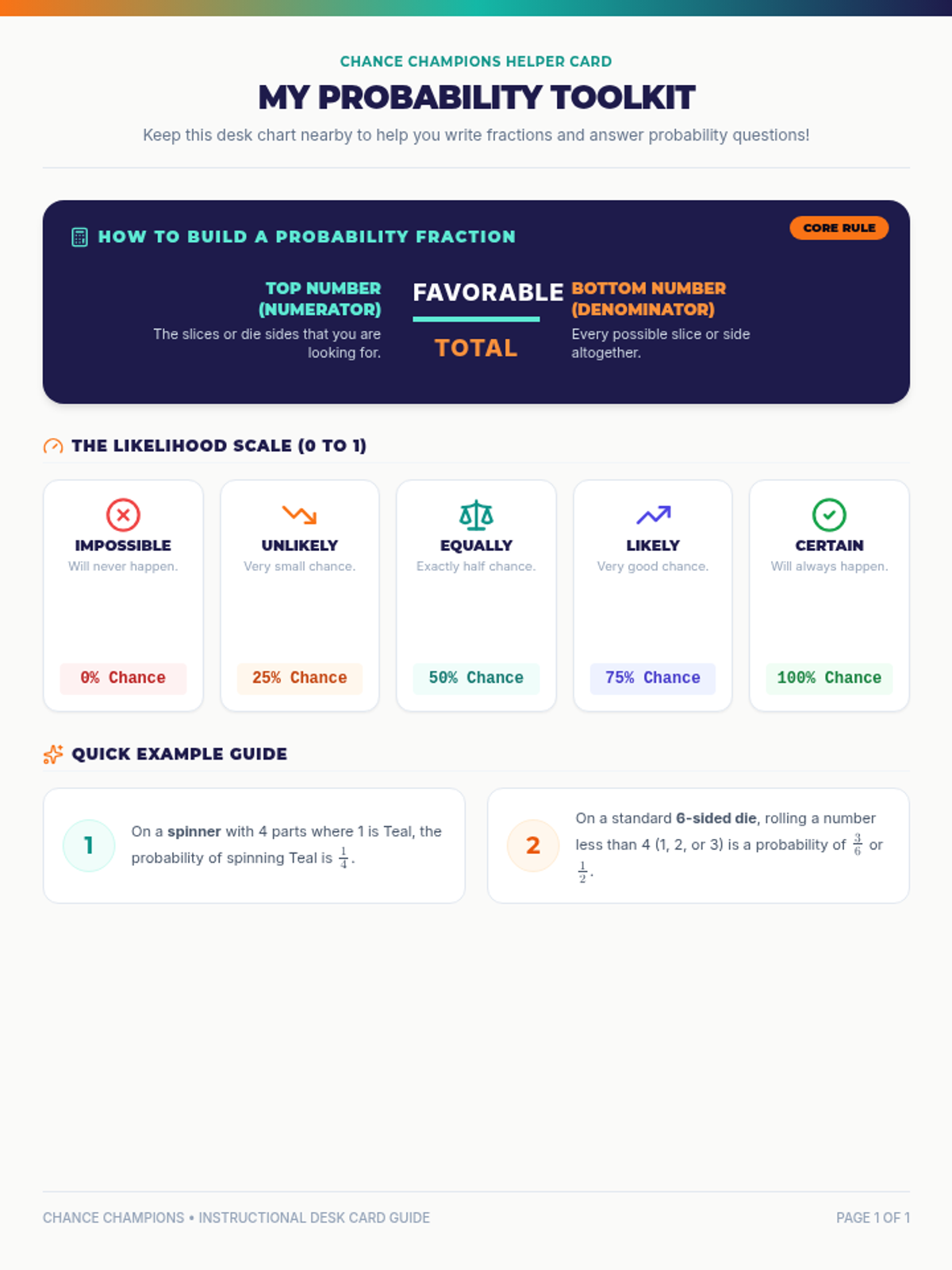
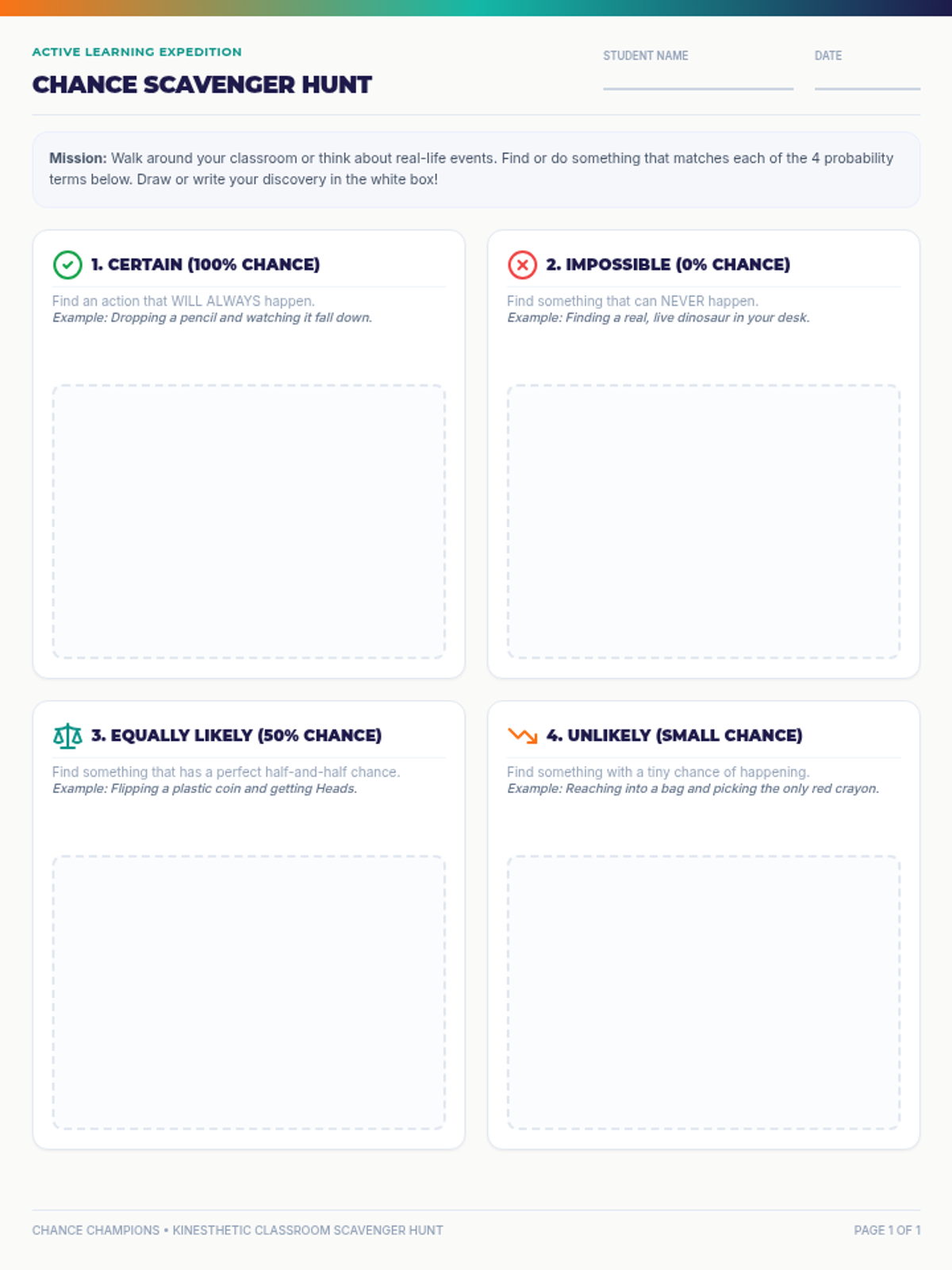
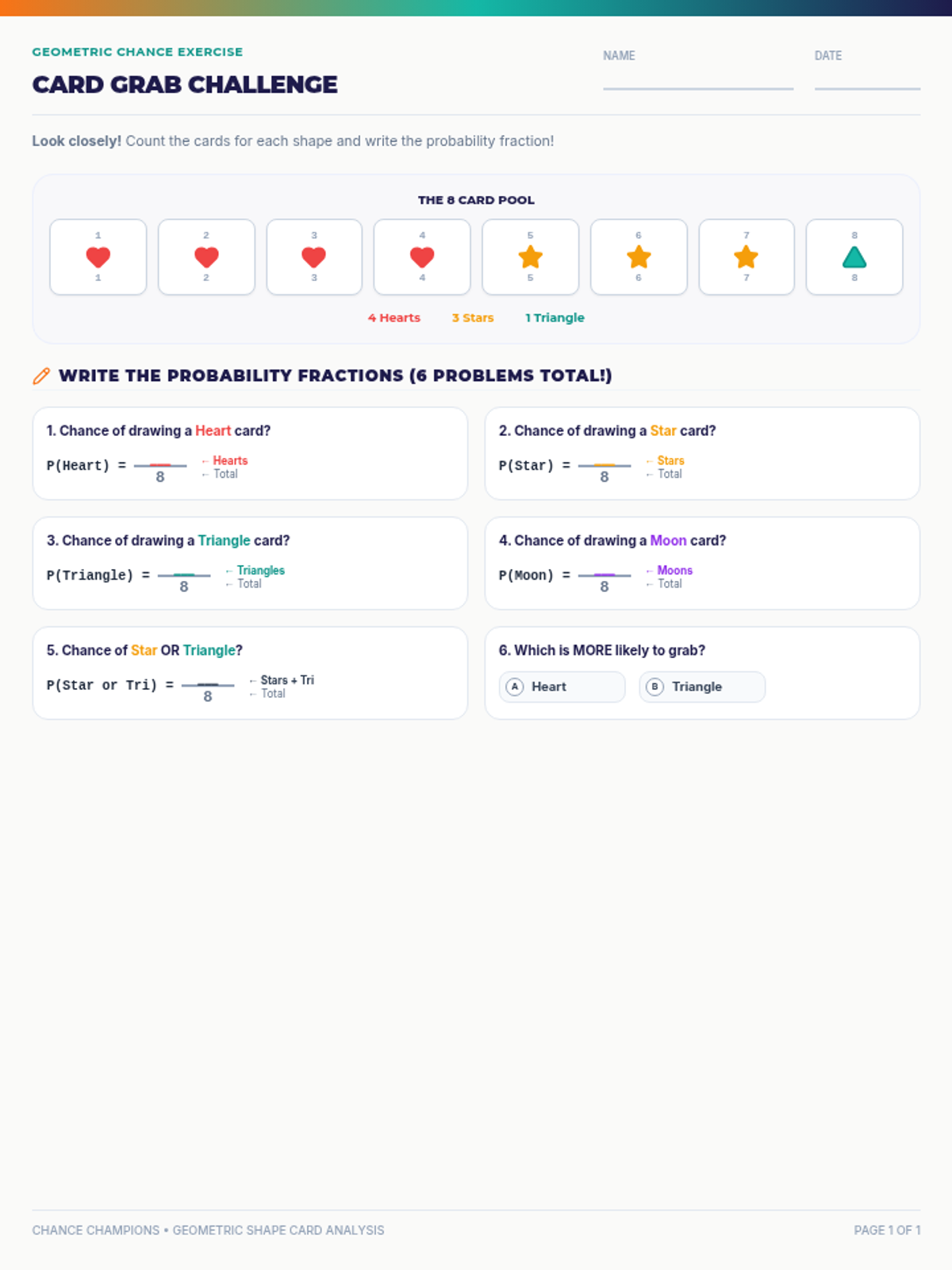
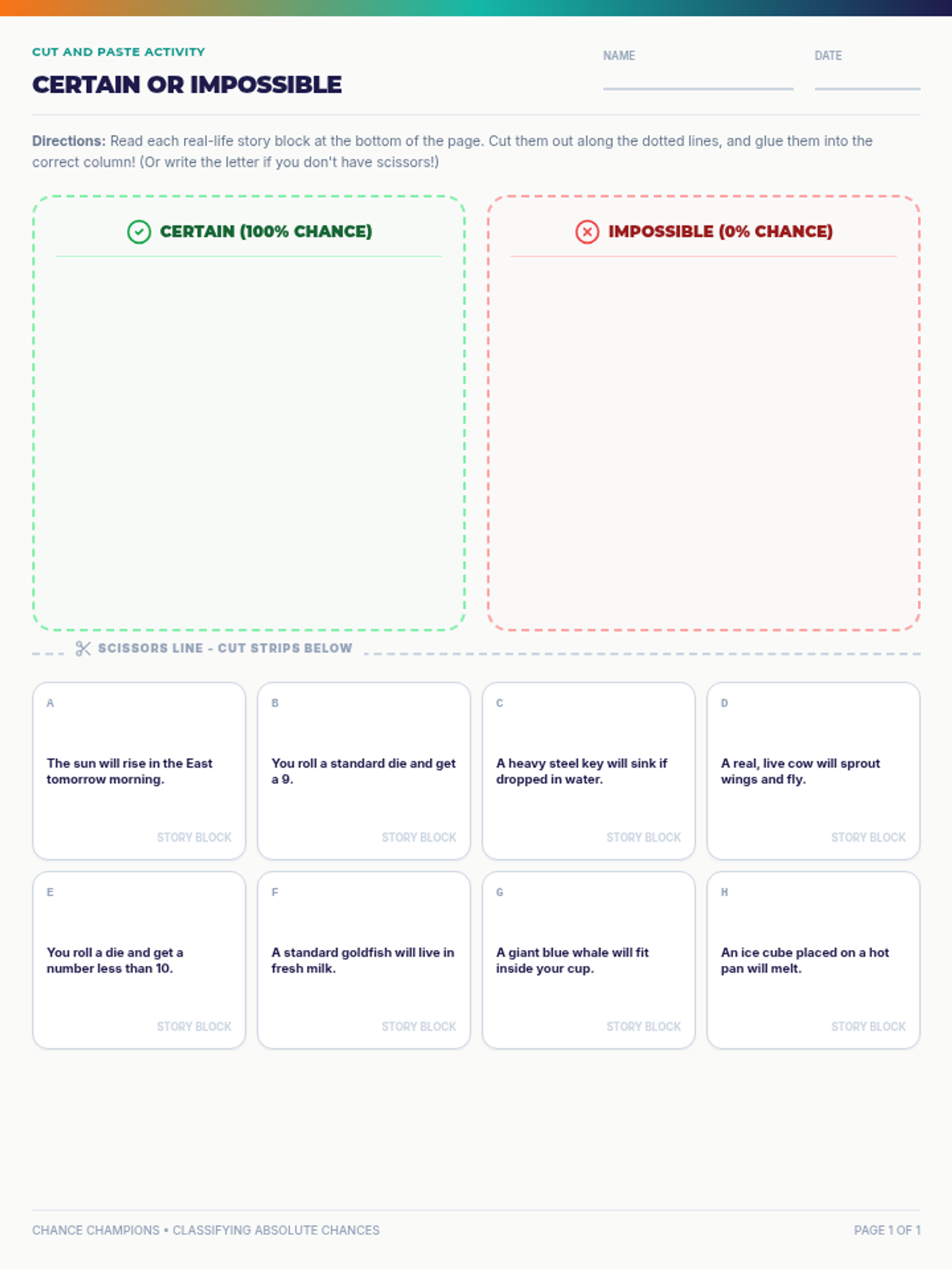
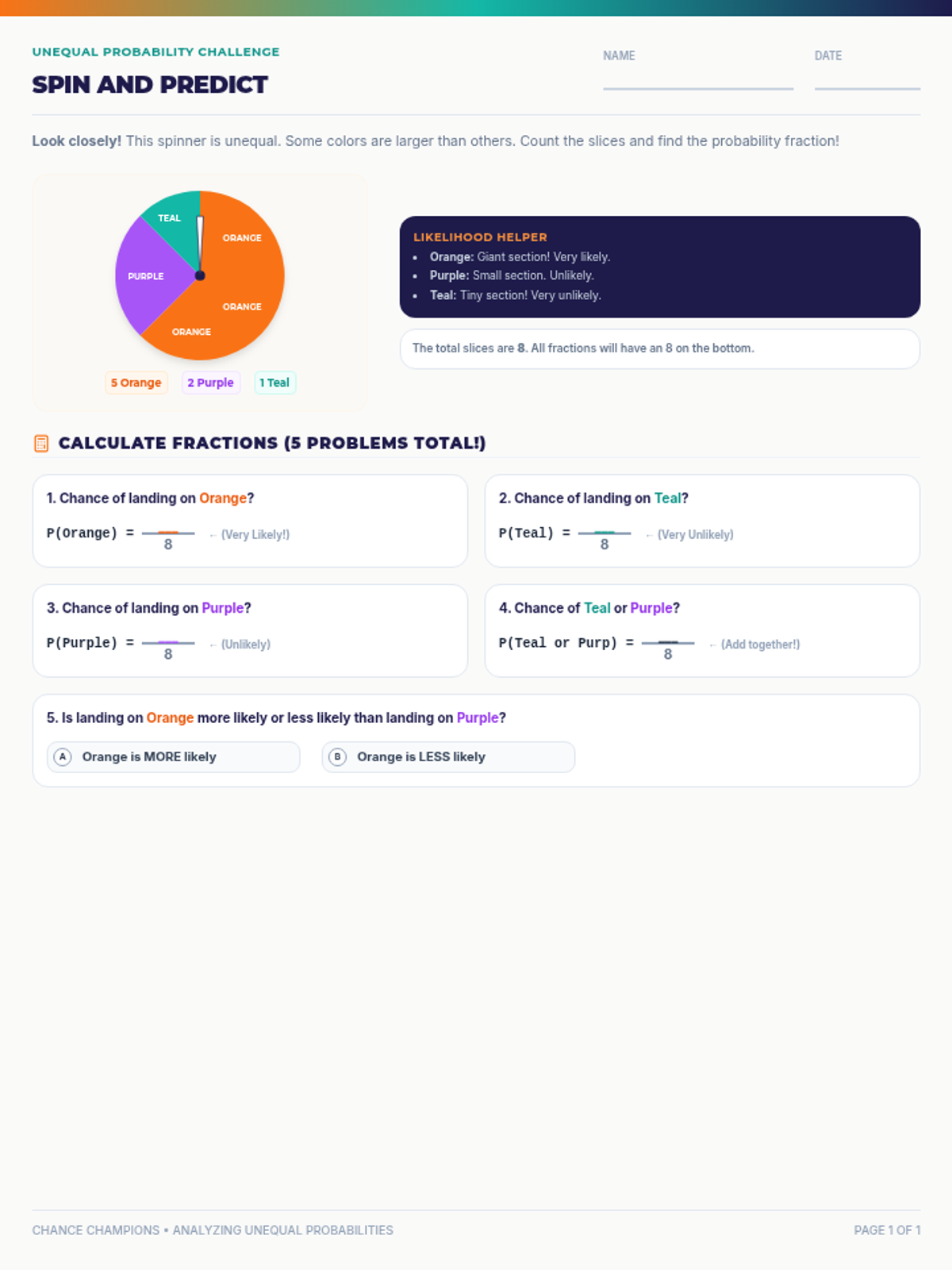
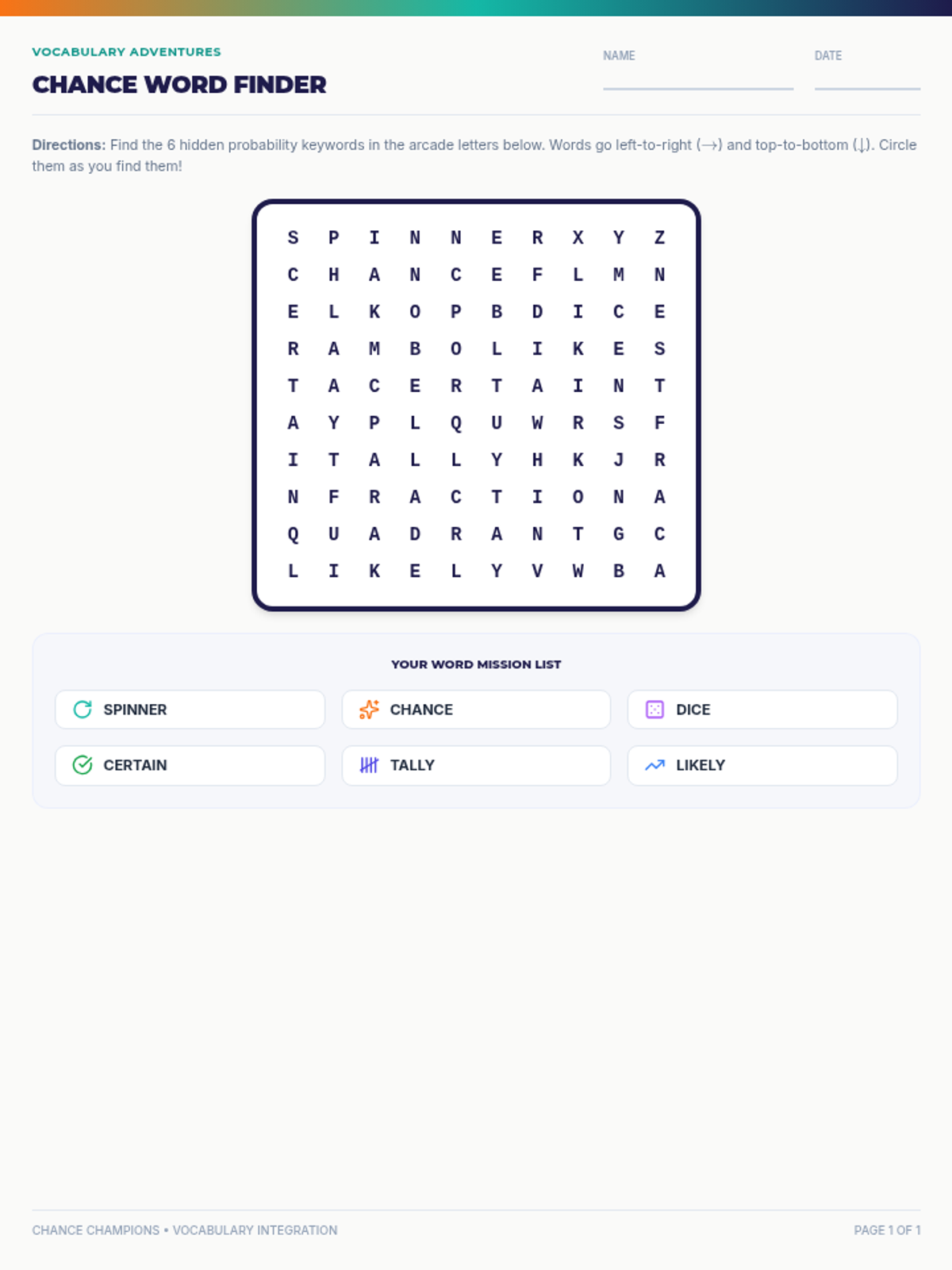
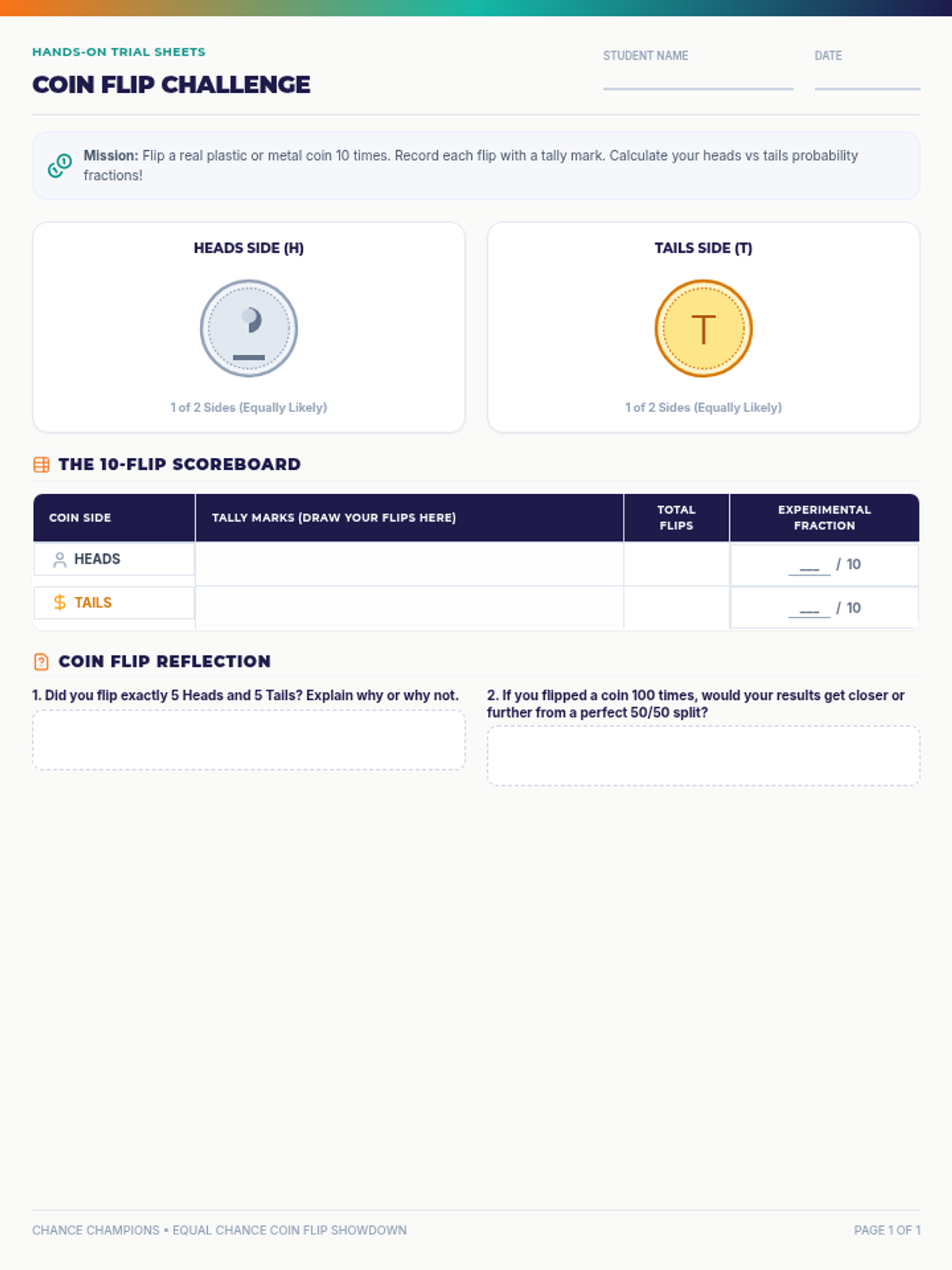
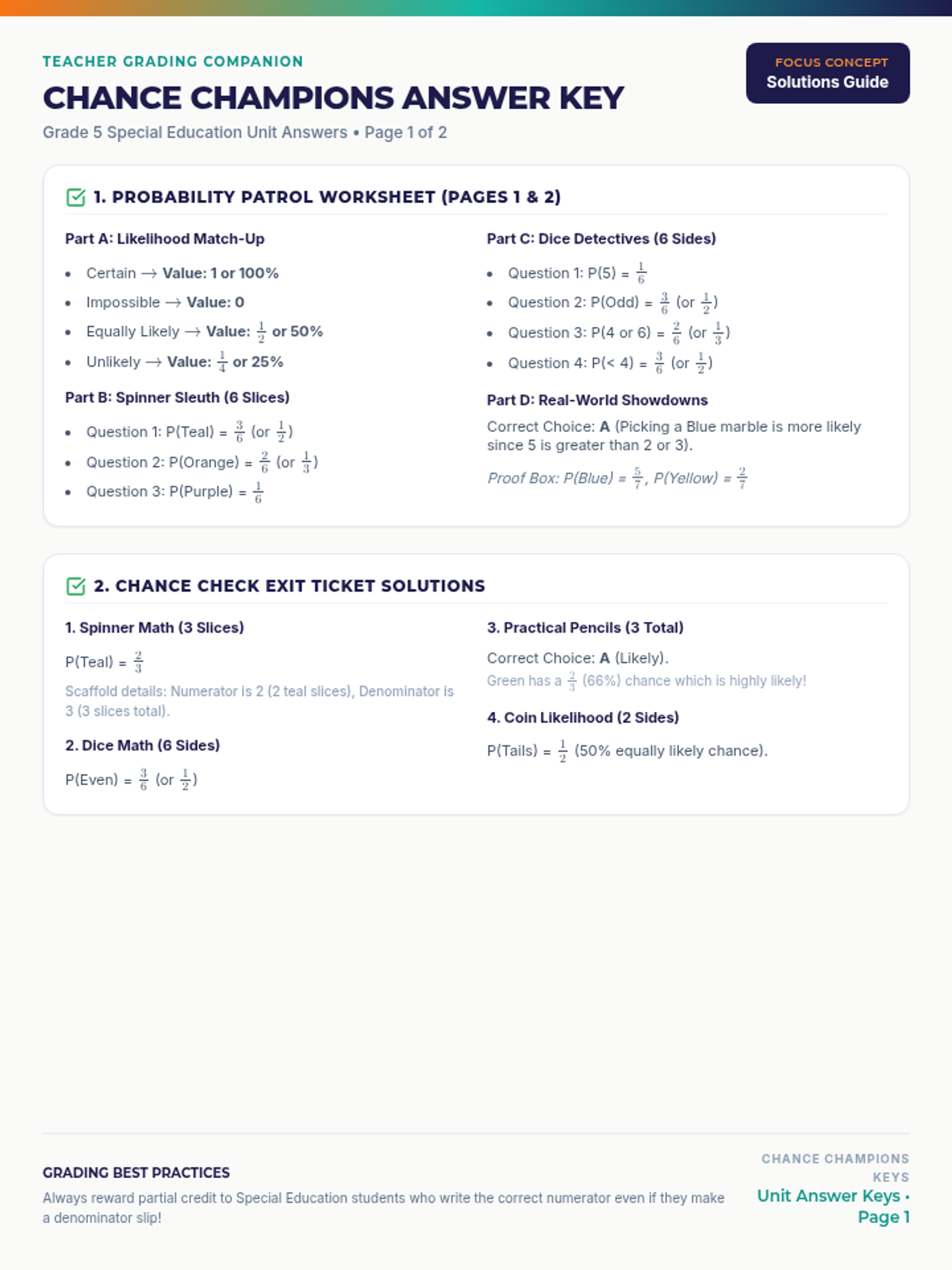
An interactive lesson bundle focused on simple probability using spinners and dice. Students learn to calculate and express probabilities as simple fractions, compare likelihoods, and play a collaborative spinner game.
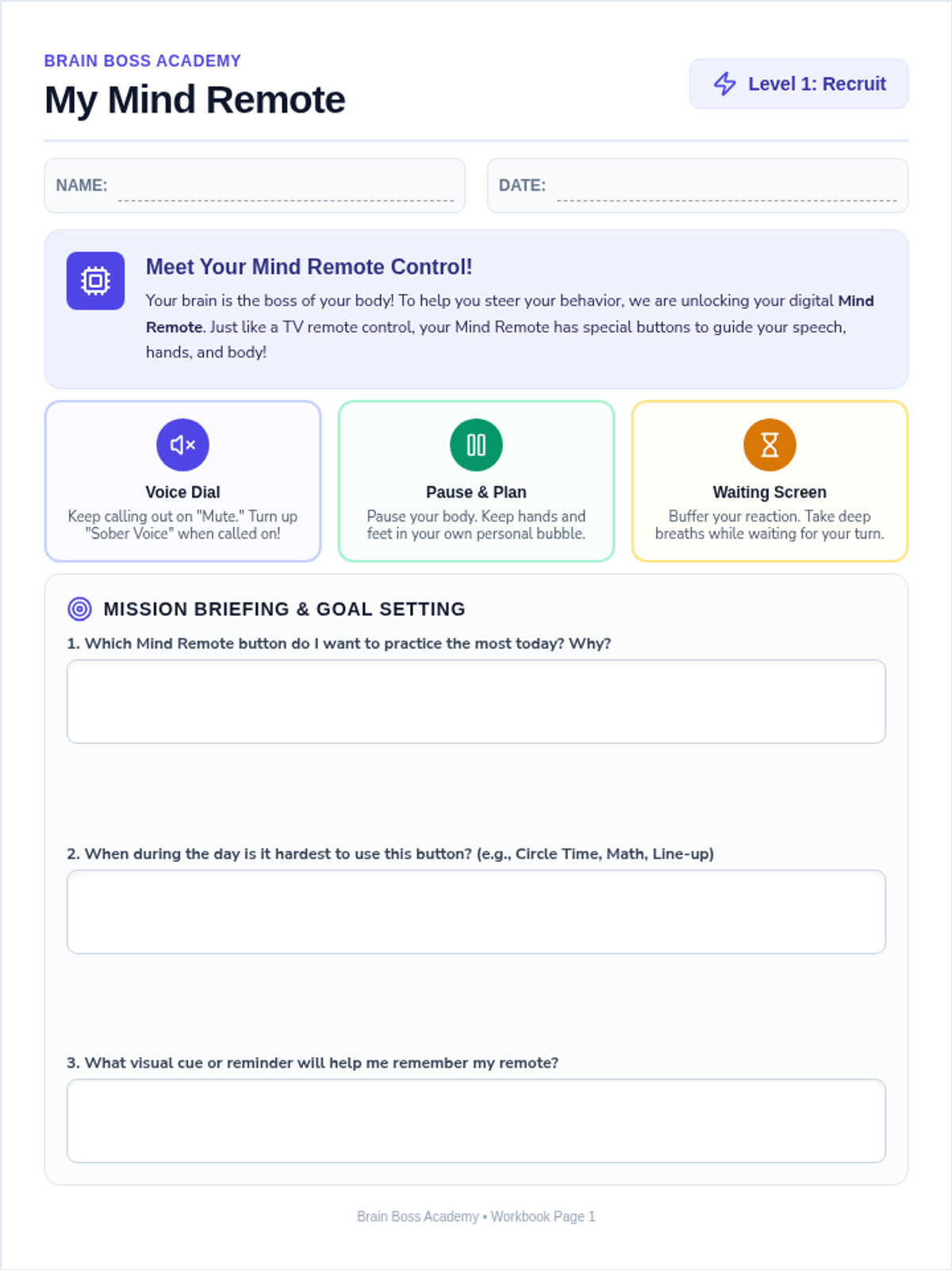
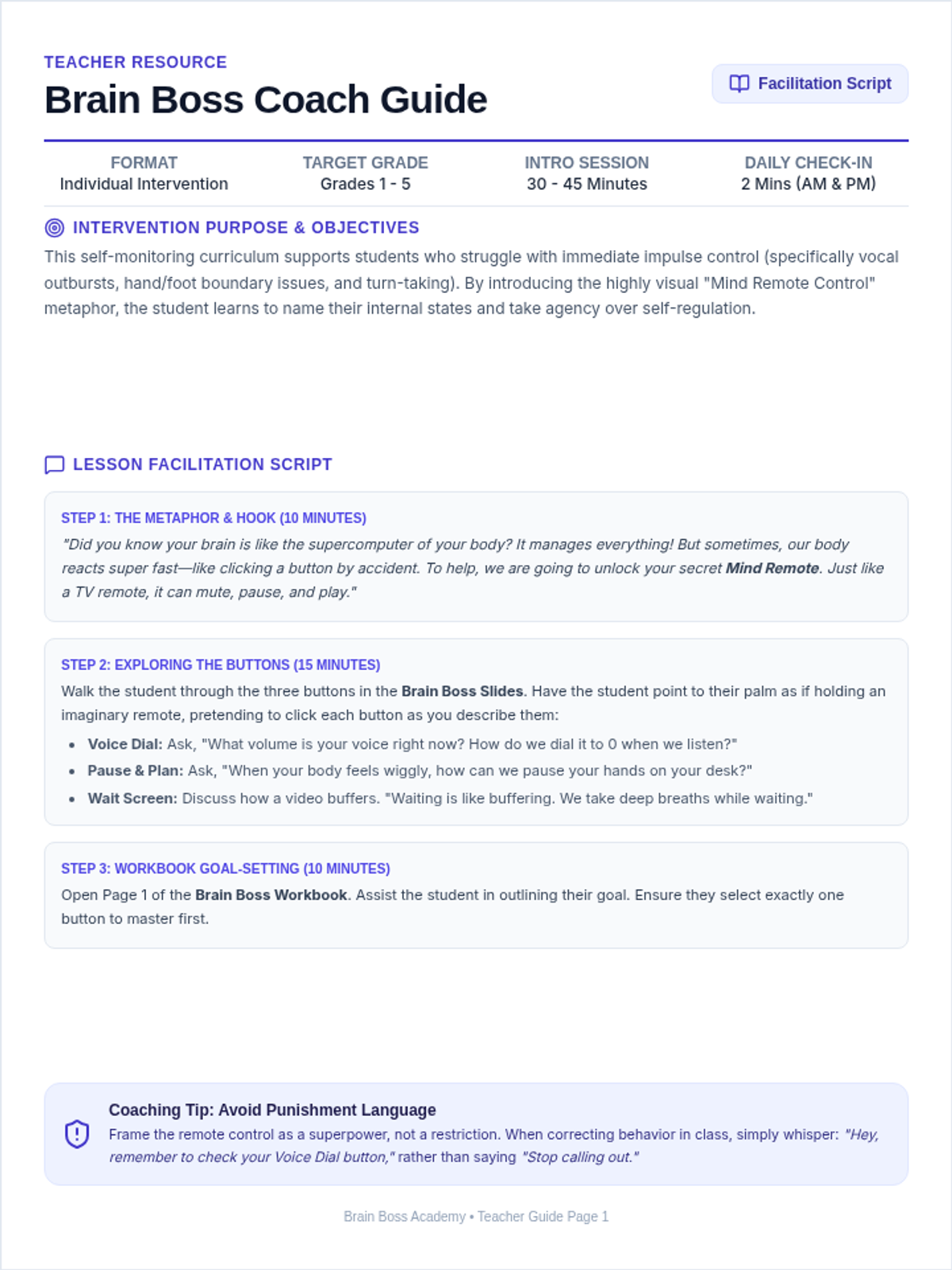
An individual self-monitoring lesson focused on impulse control, teaching students how to manage calling out, wait their turn, and maintain personal boundaries using a relatable 'Mind Remote Control' metaphor.
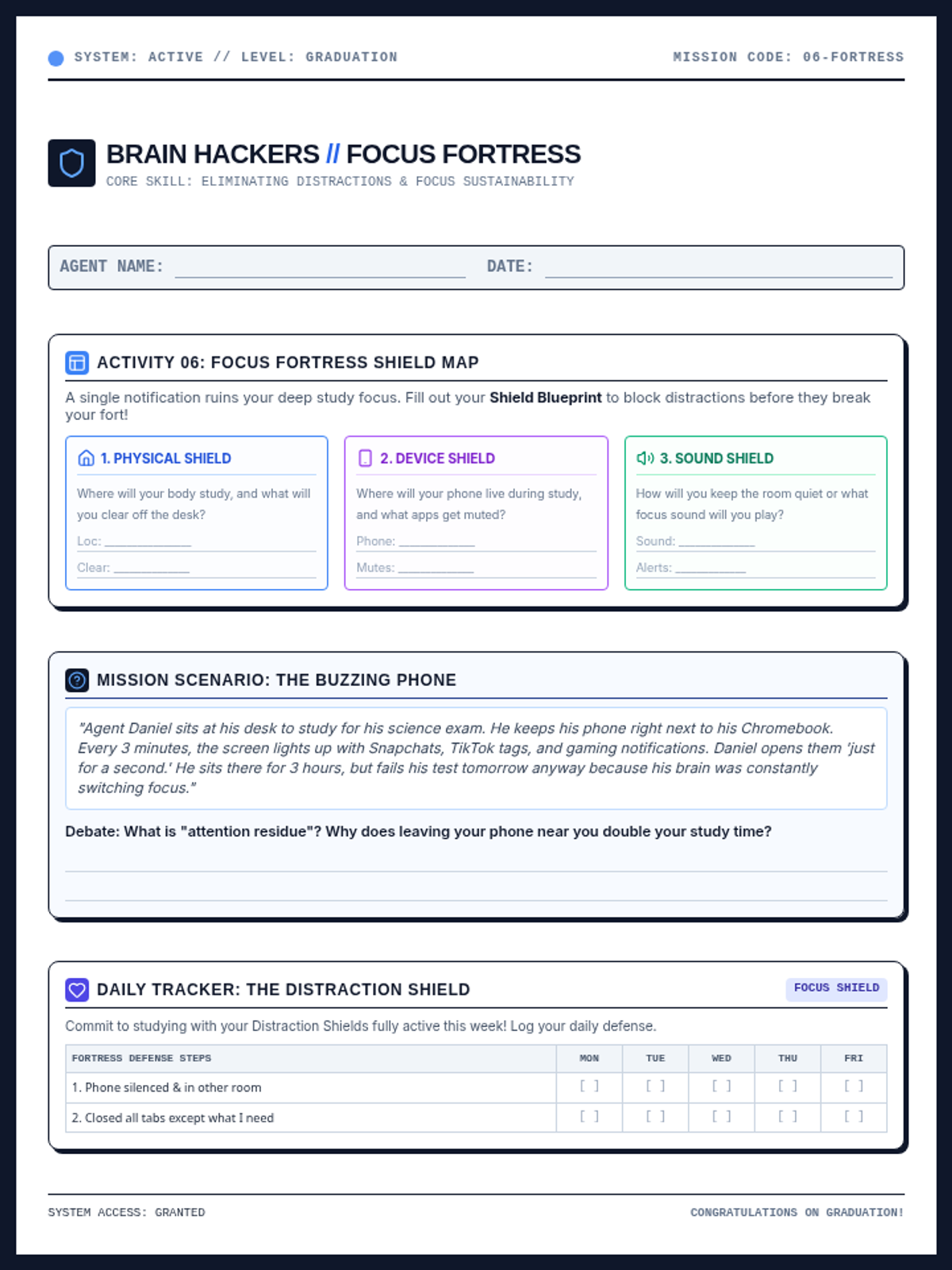
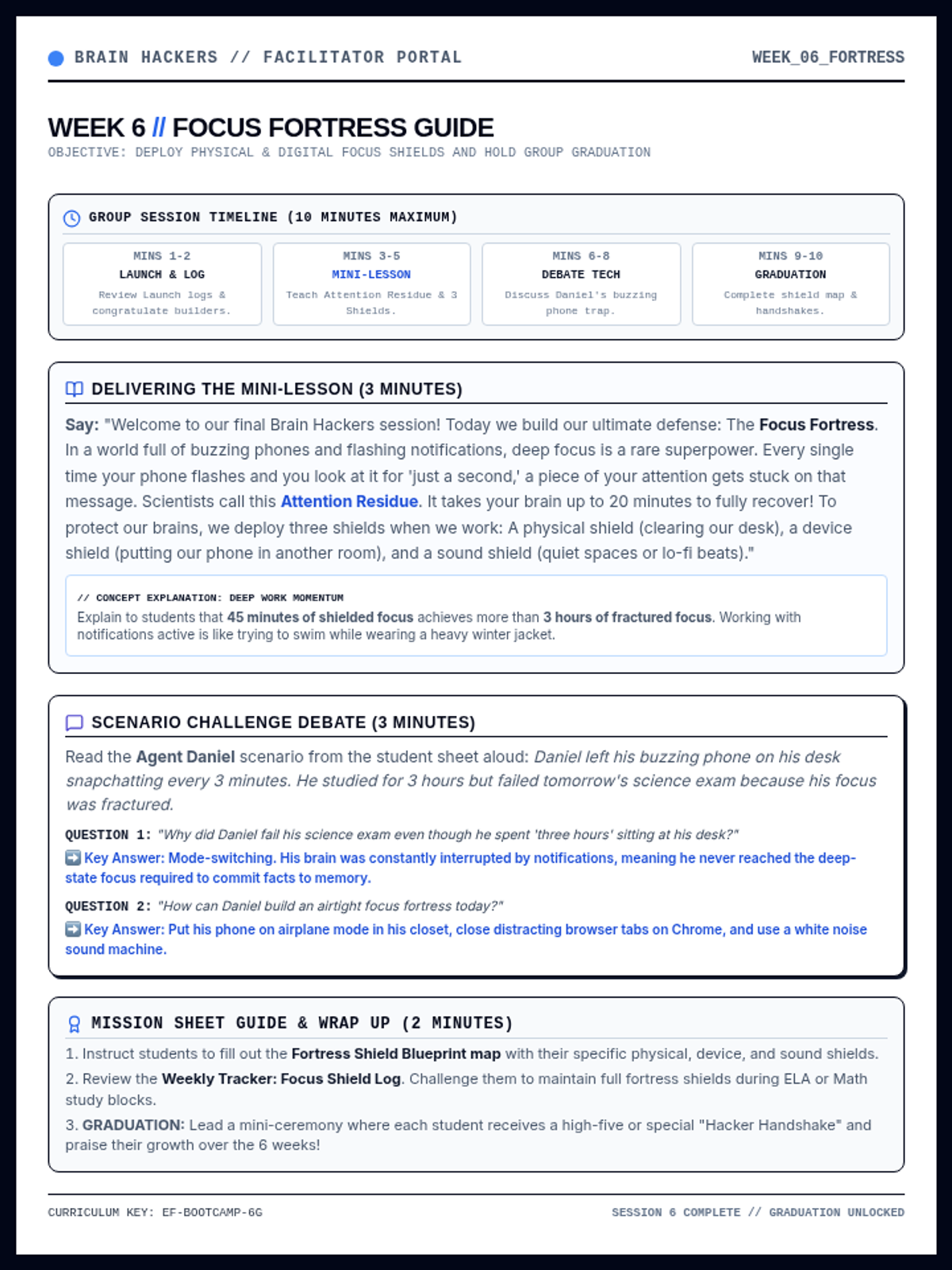
Week 6 focuses on minimizing digital and physical distractions. Students learn to build a physical and digital "Focus Fortress" and complete their executive functioning graduation.