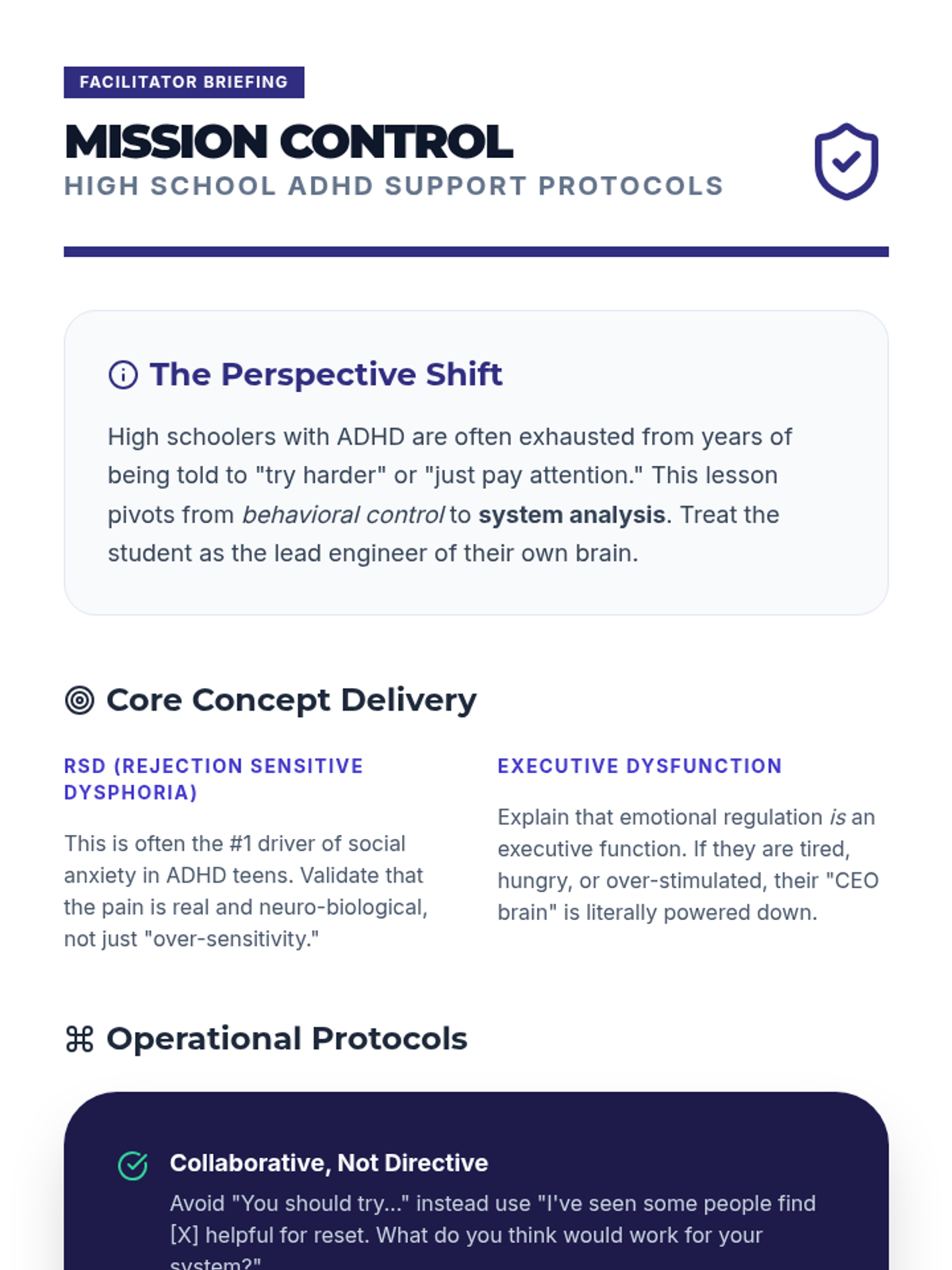
A self-advocacy workshop for 9th graders to explore their learning profiles, understand their accommodations as tools for success, and practice requesting support for their transition to 10th grade.
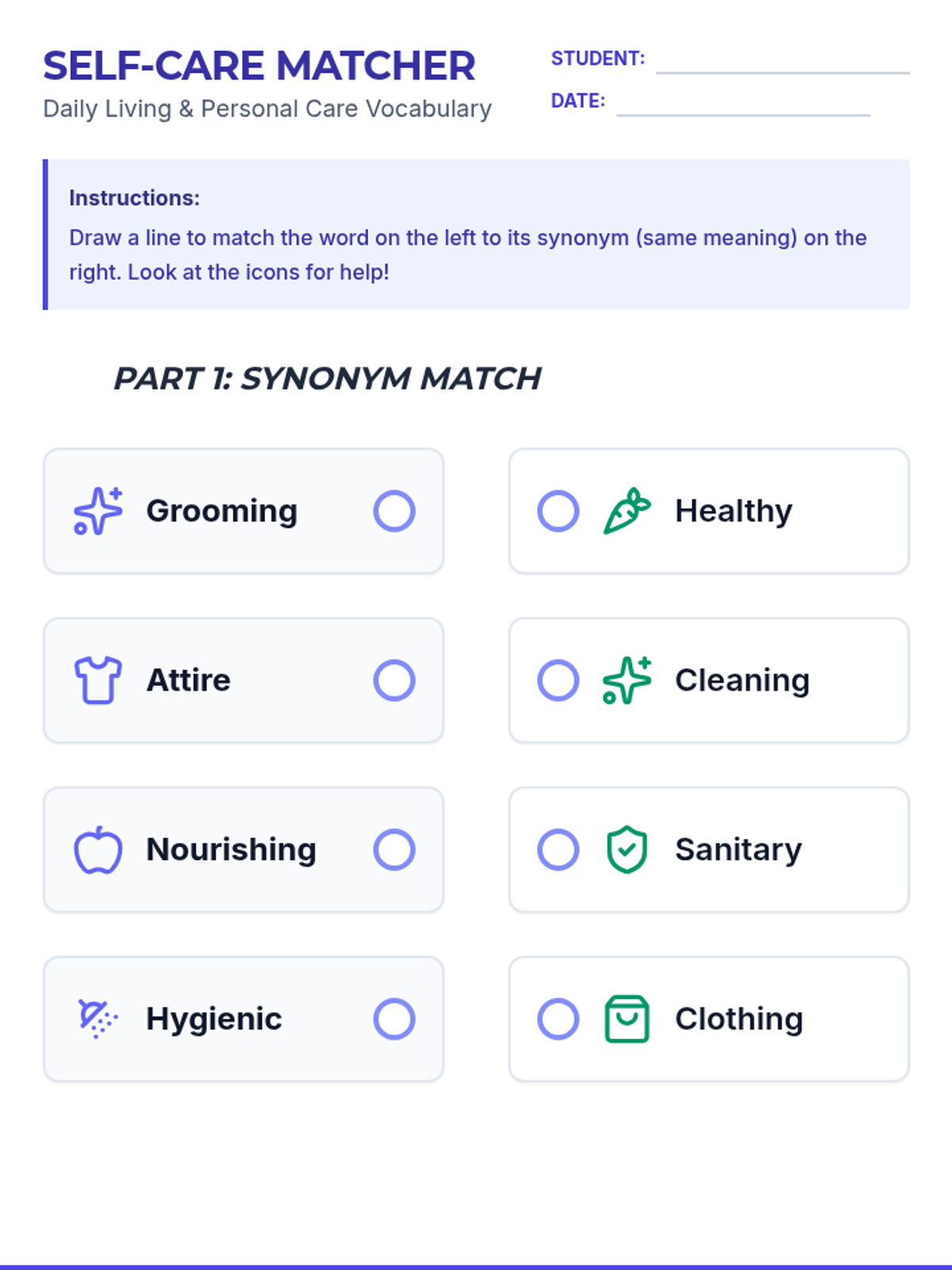
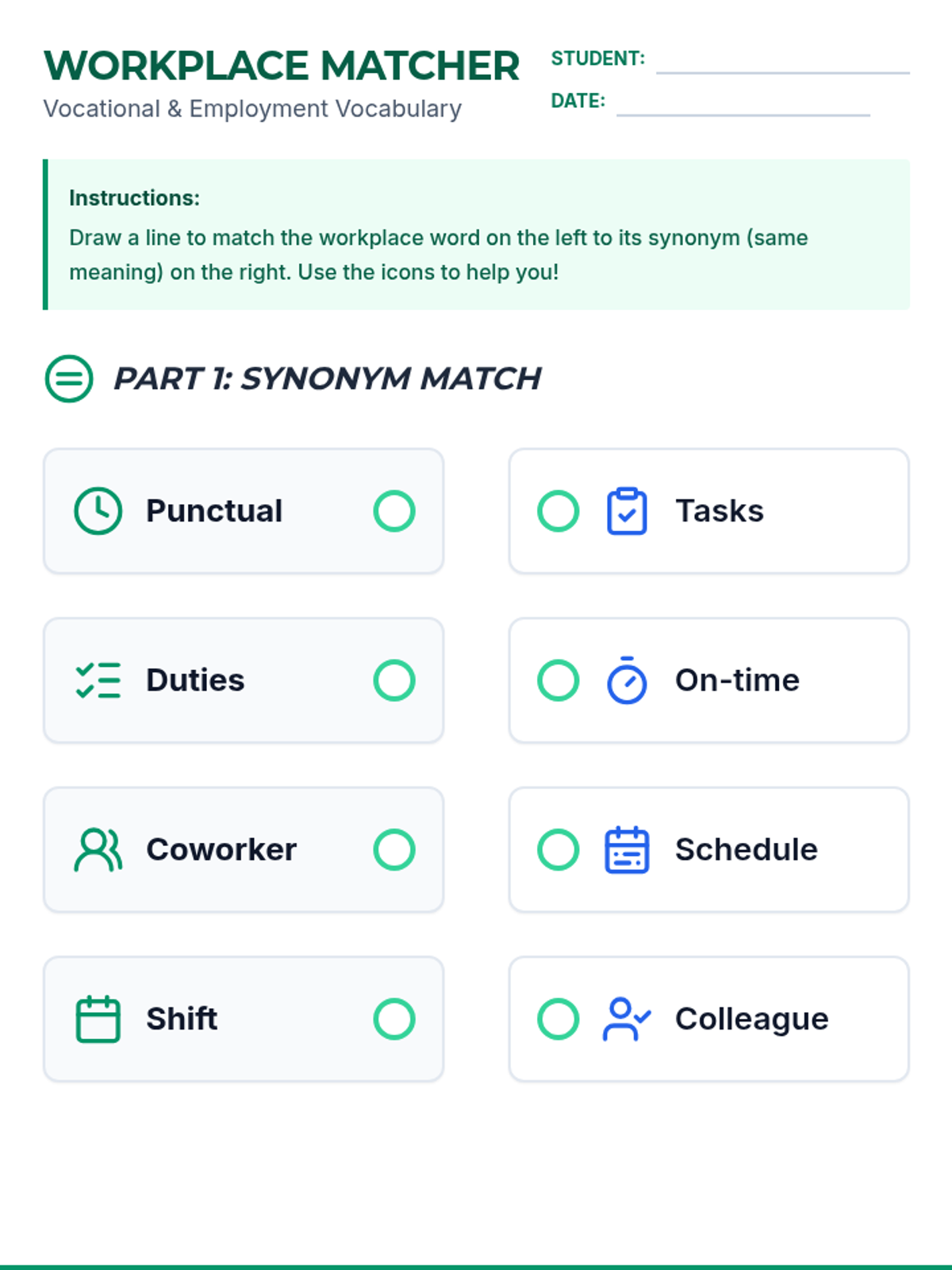
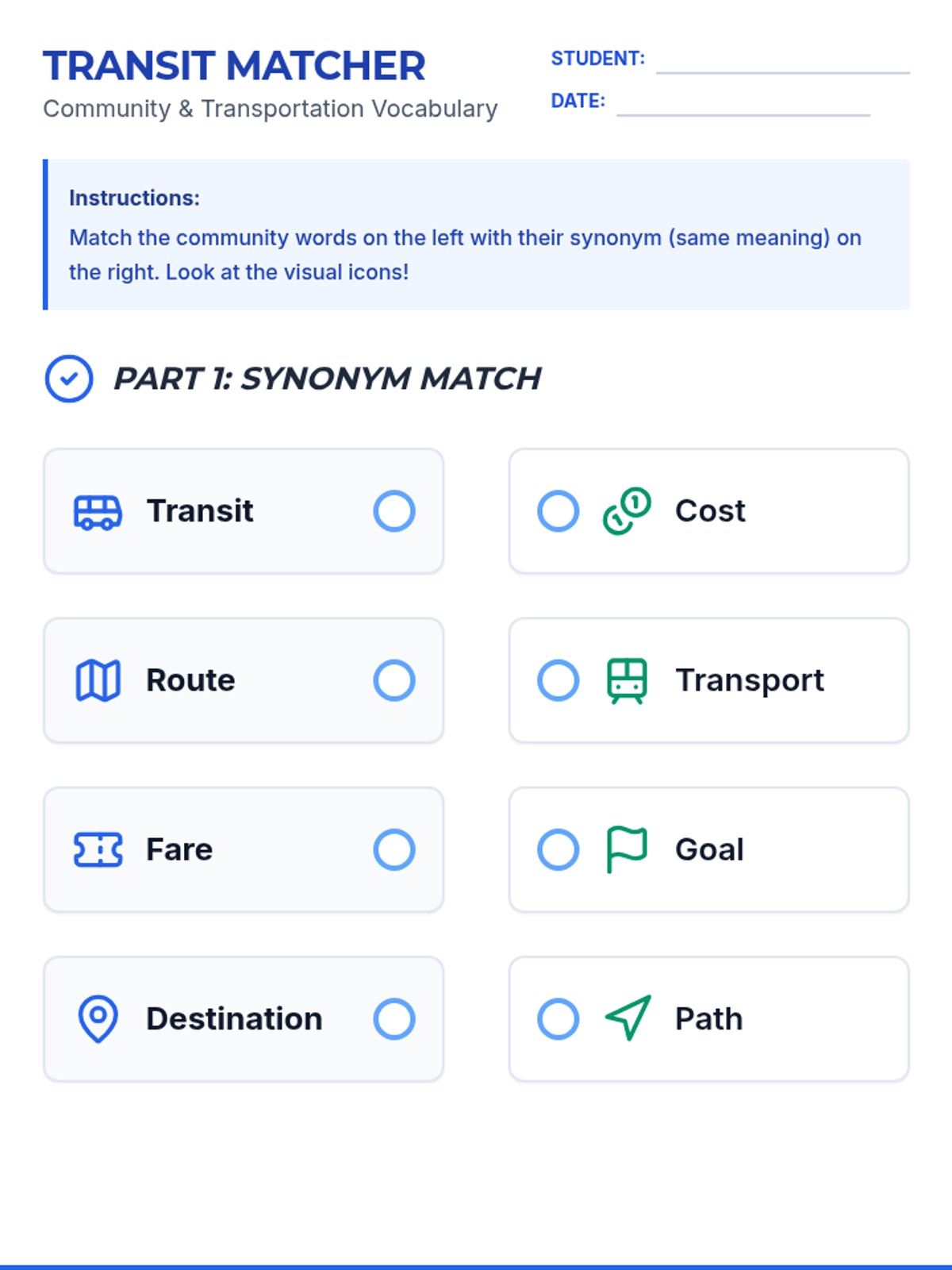
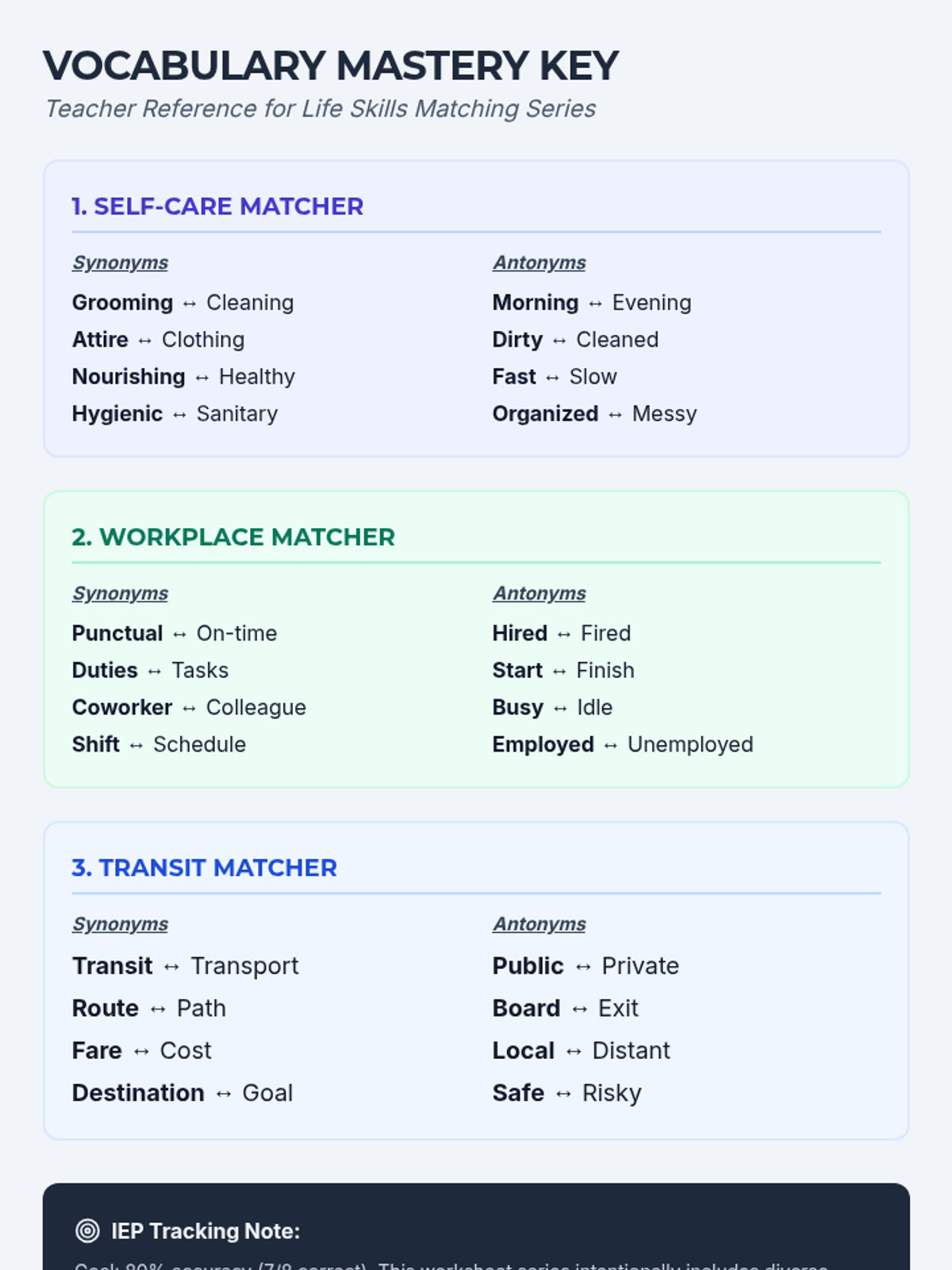
A series of matching worksheets focused on identifying synonyms and antonyms for functional life skills vocabulary across three core domains: self-care, workplace, and community transportation.
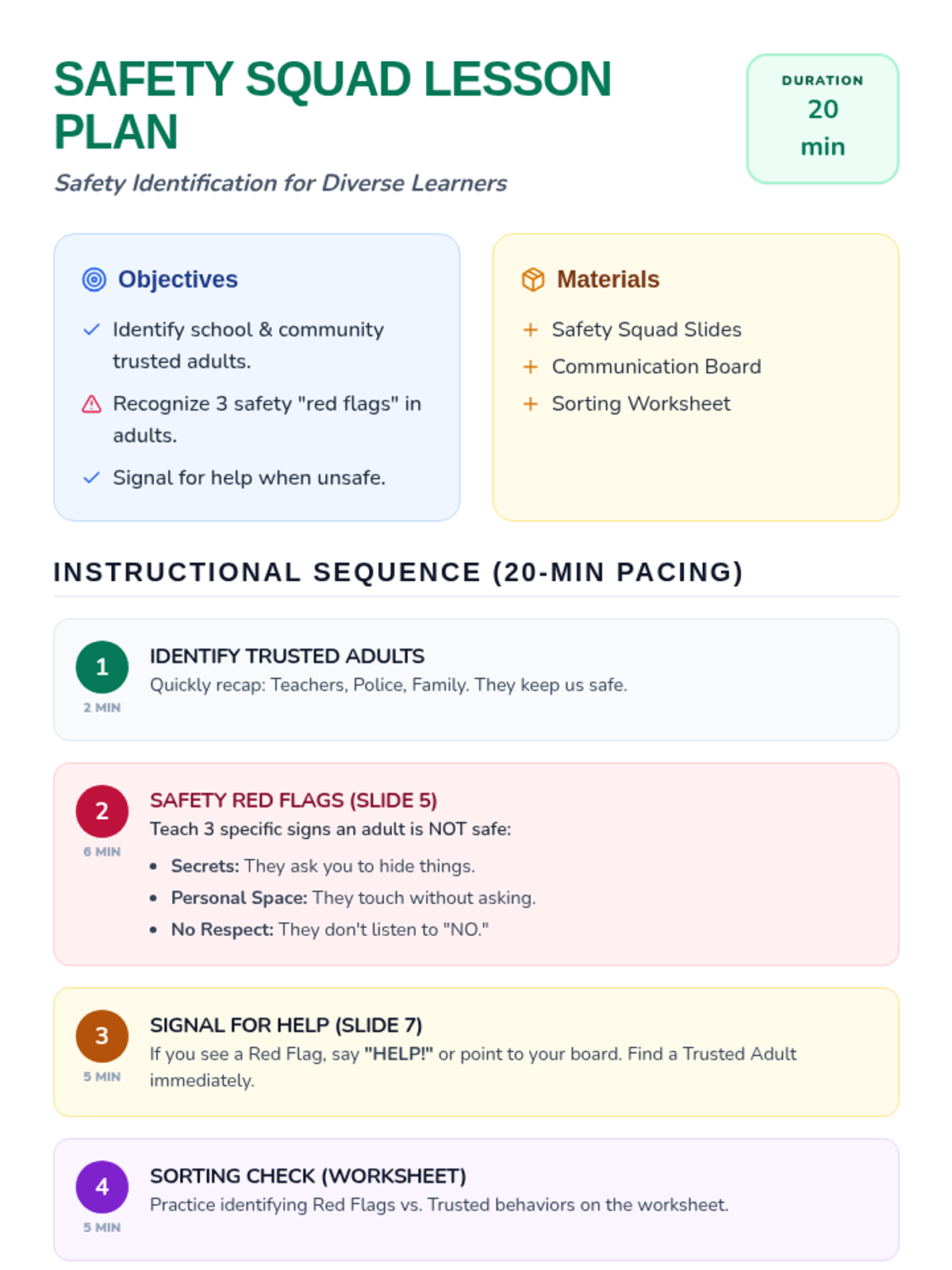
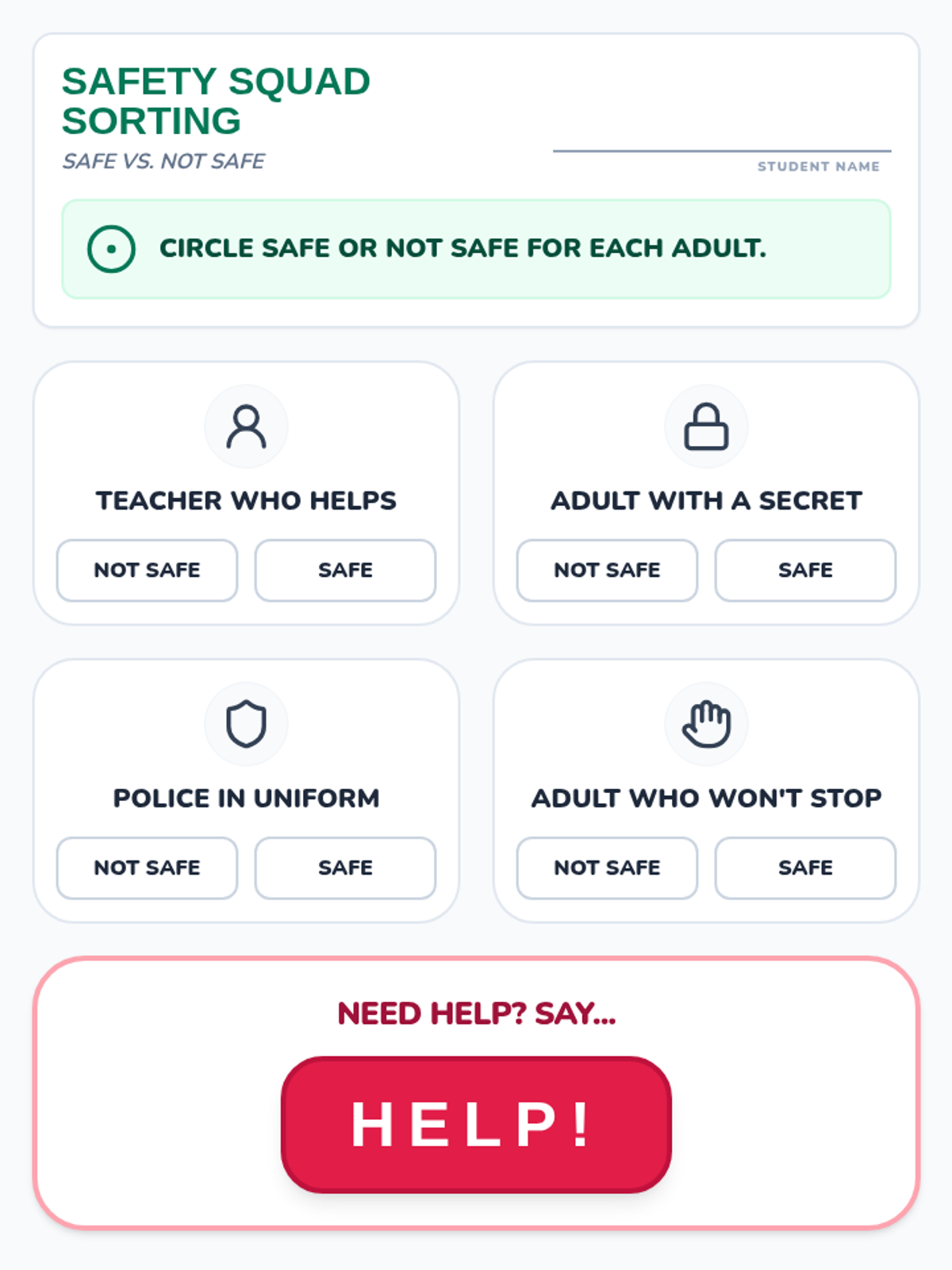
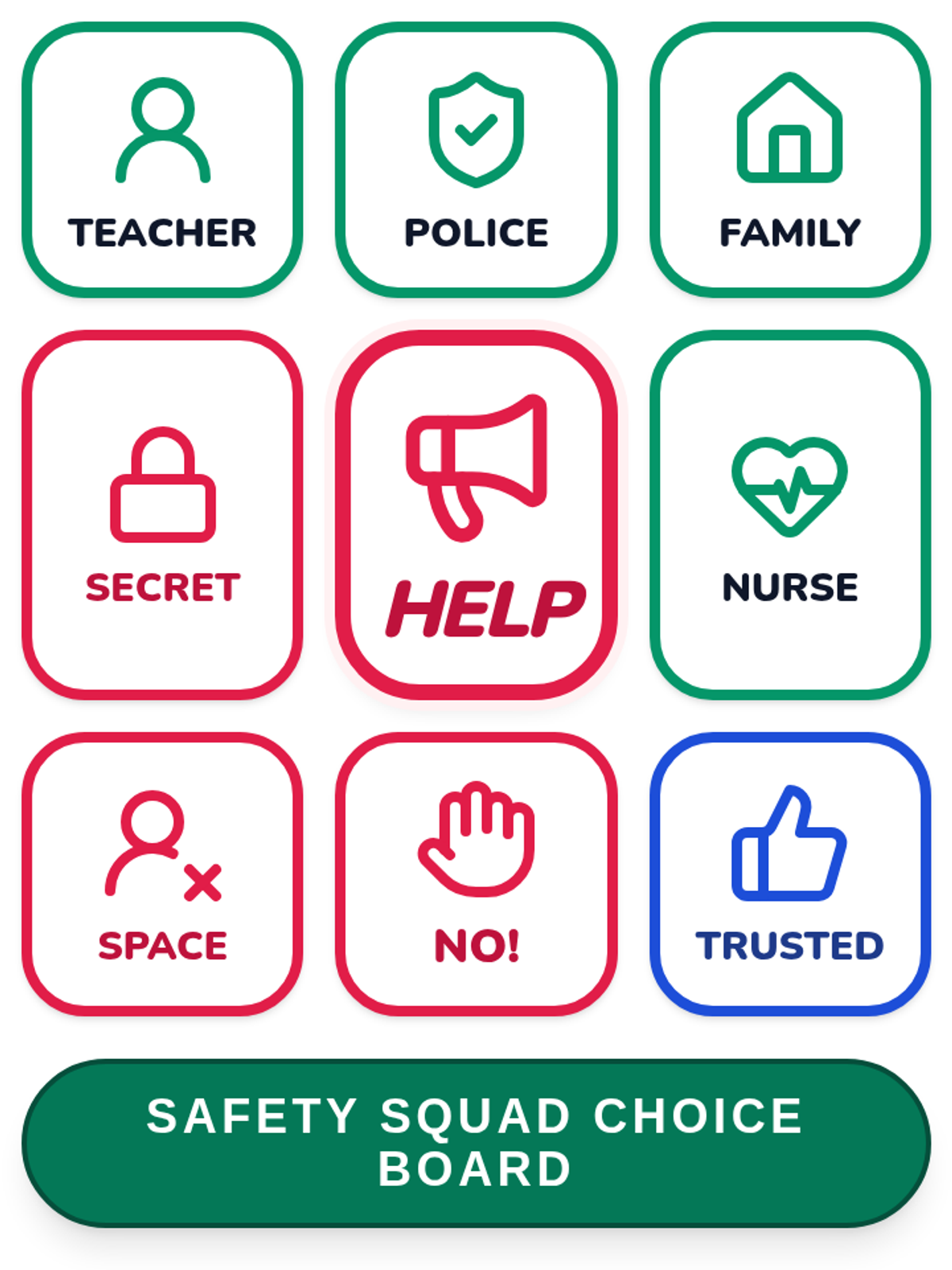
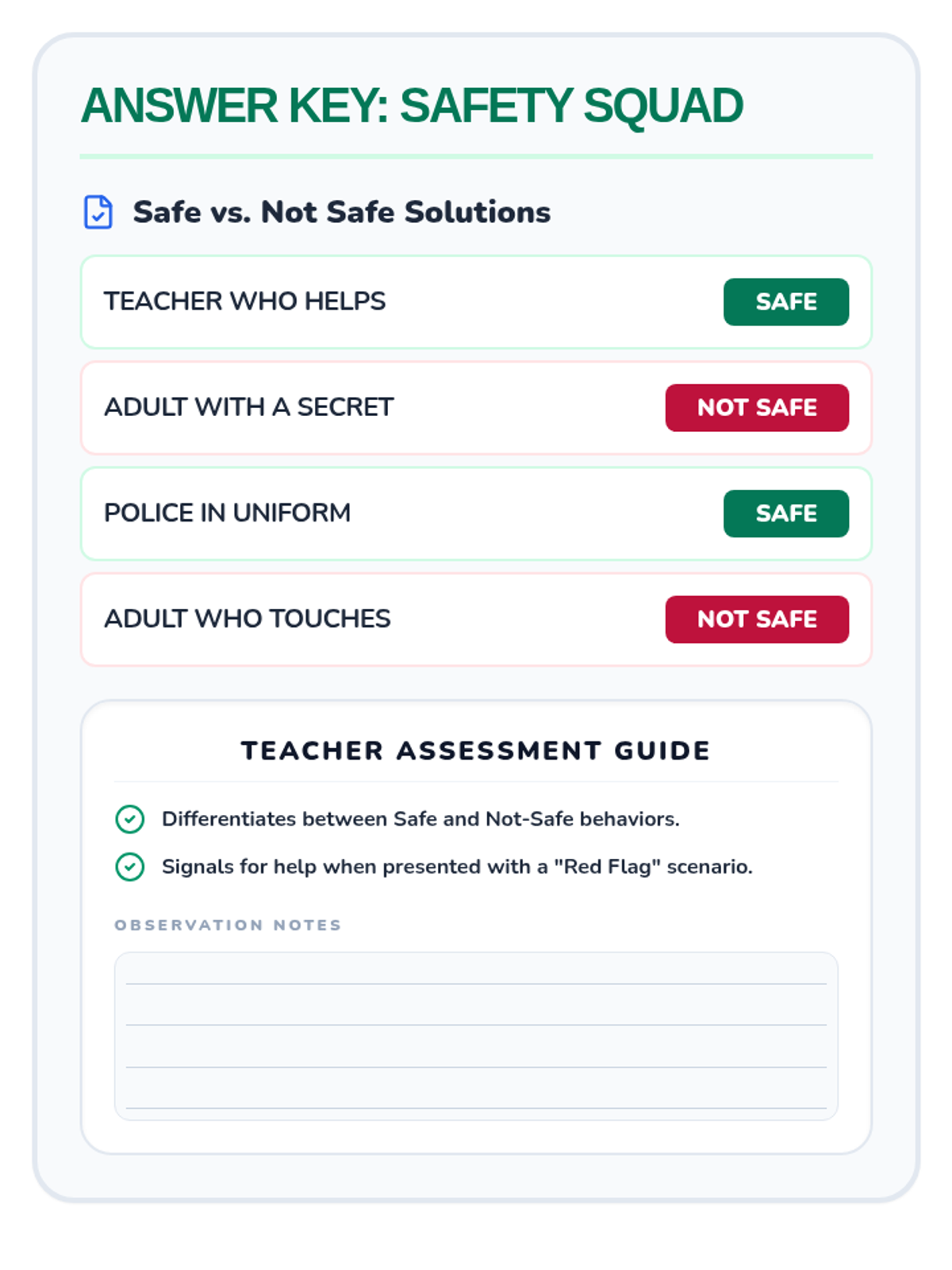
A highly visual lesson designed for students with severe disabilities to identify trusted adults at school, at home, and in the community. Includes multi-sensory prompts and clear visual supports.
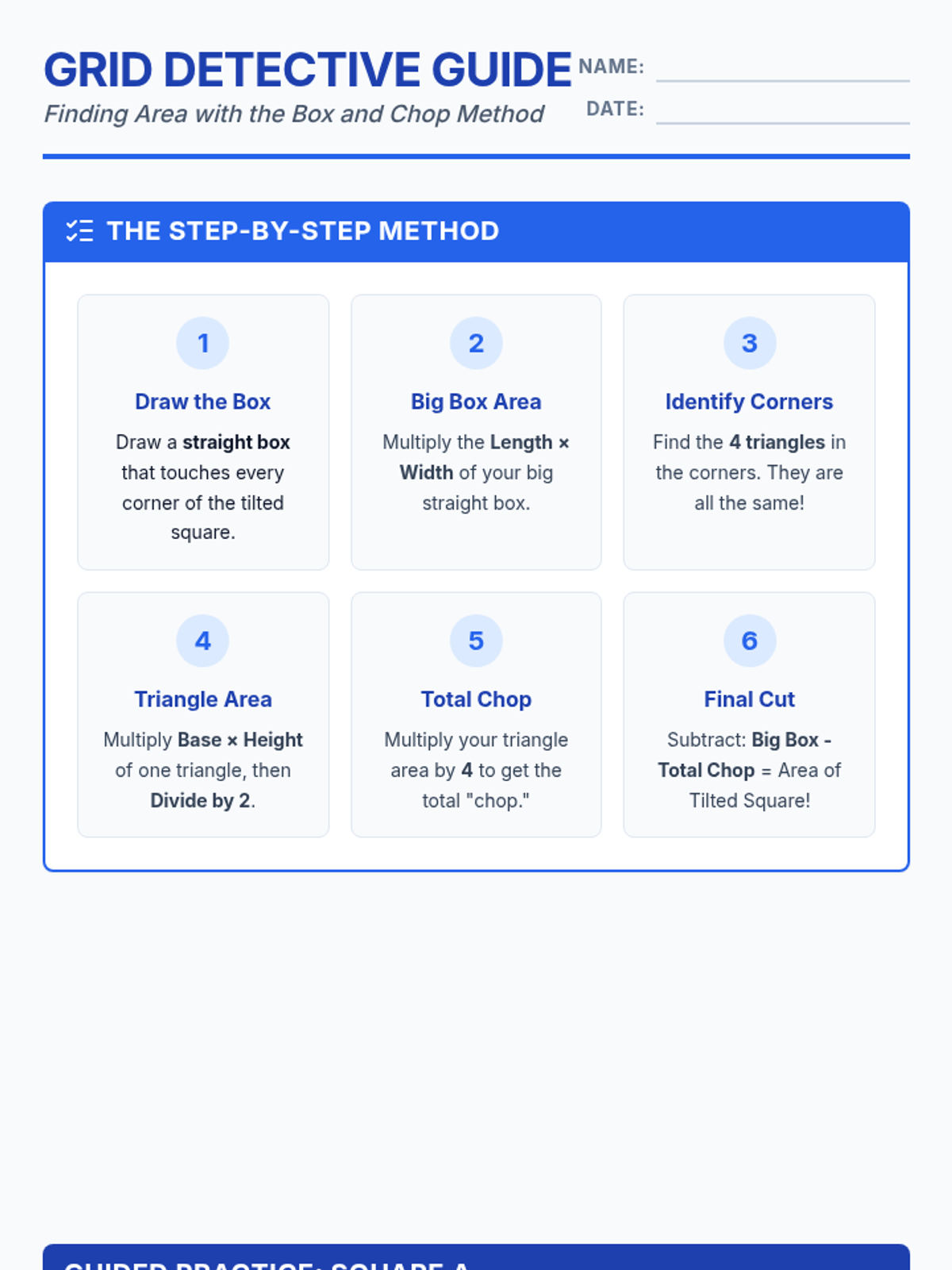
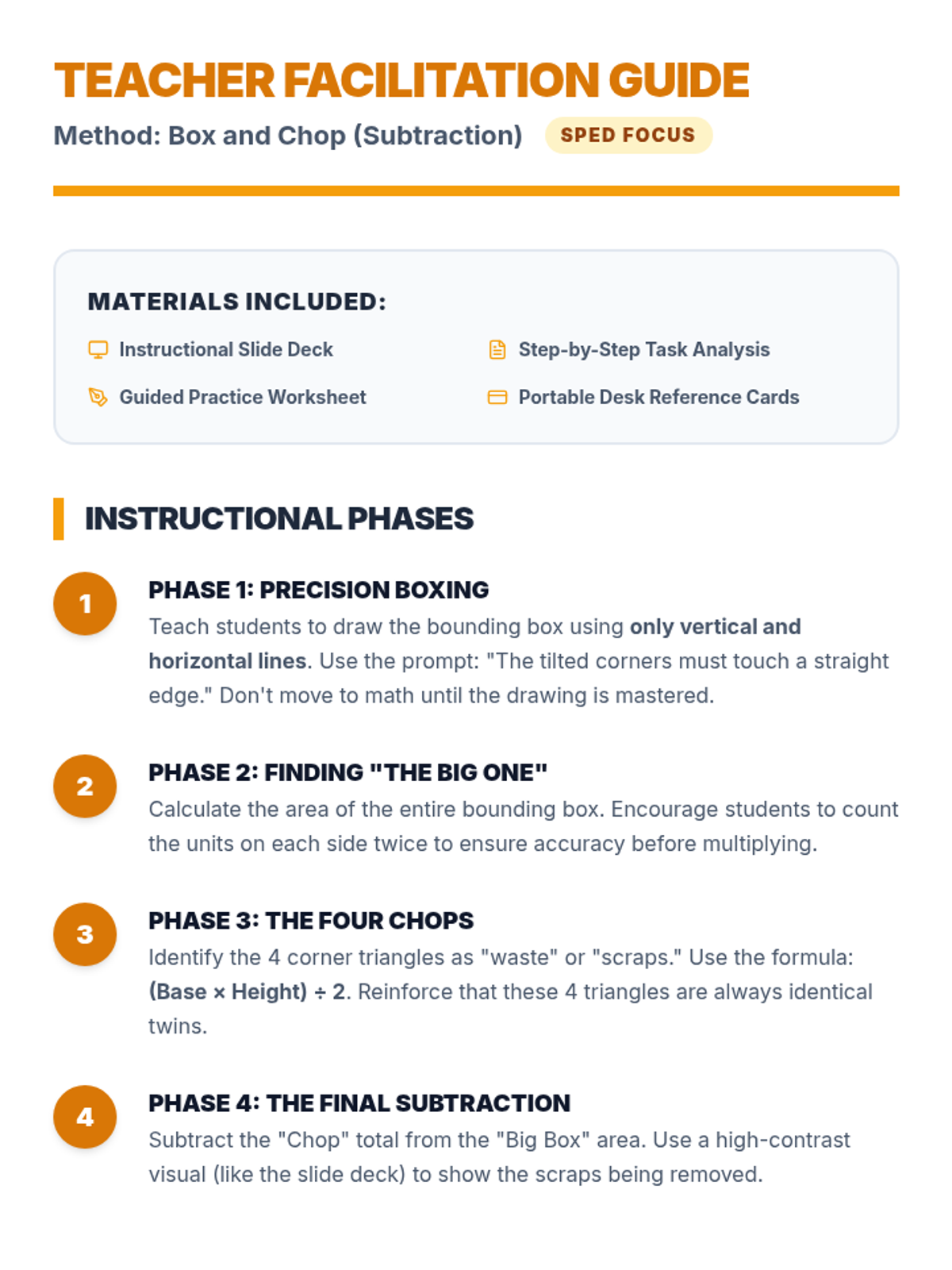
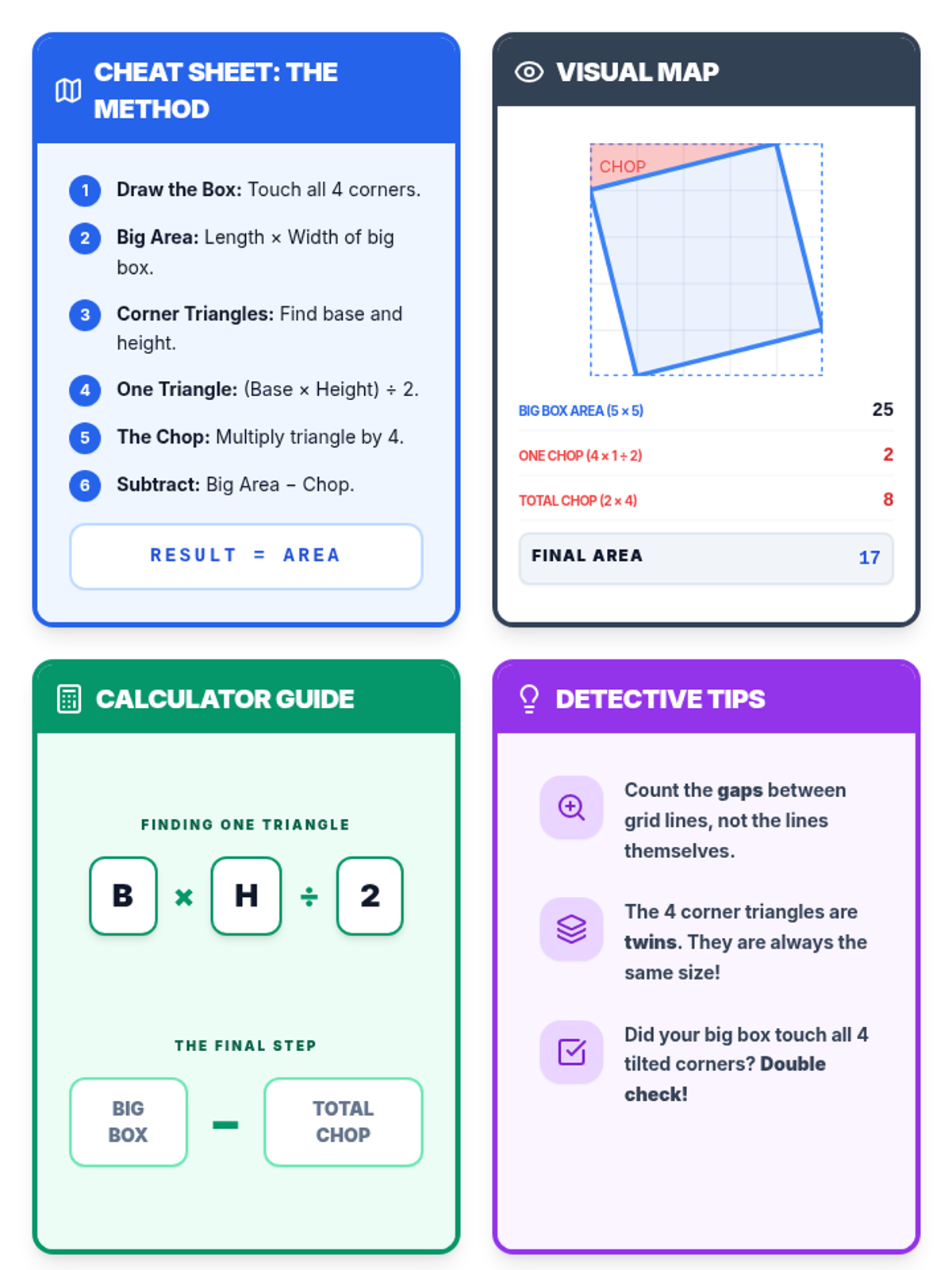
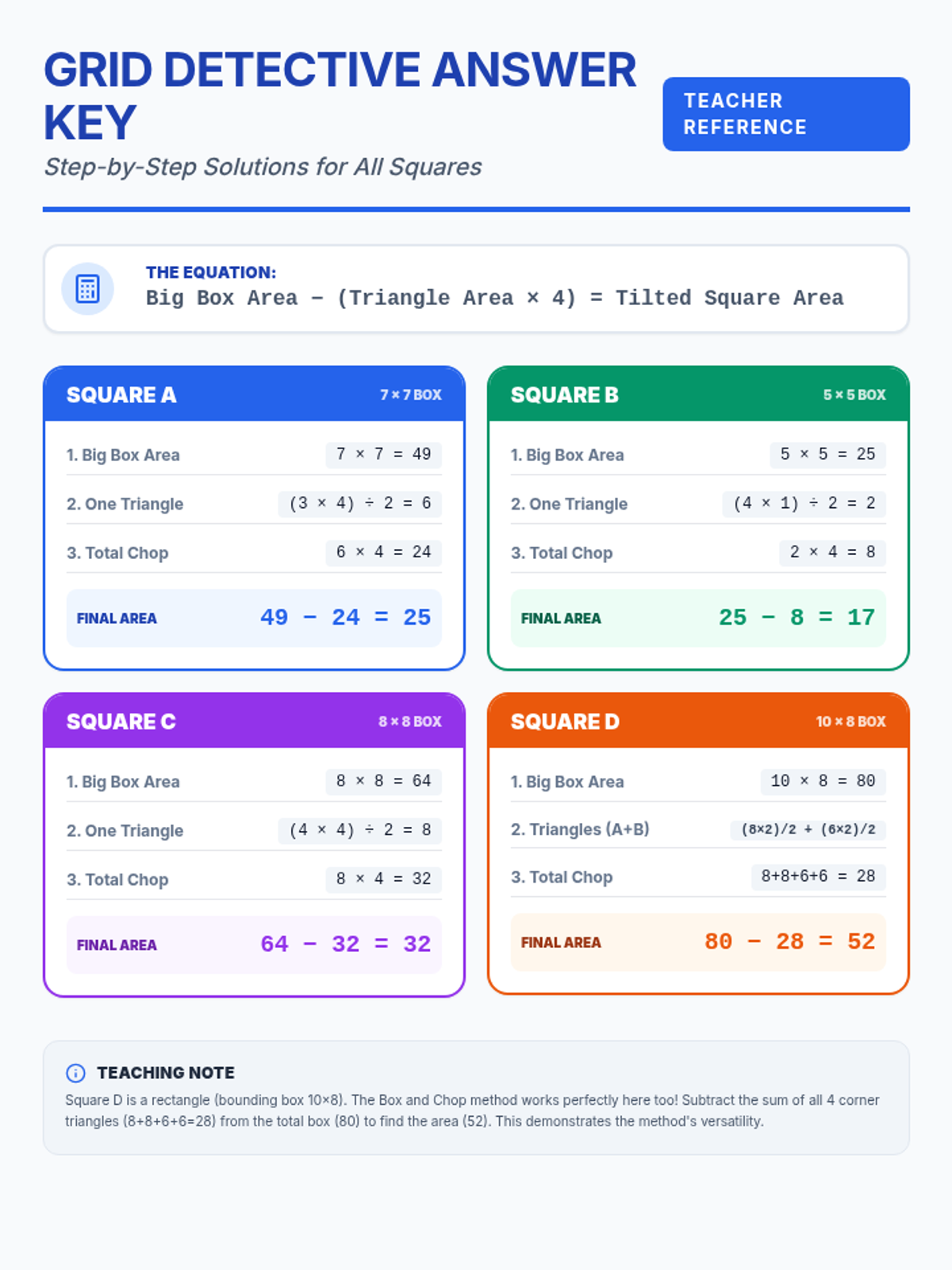
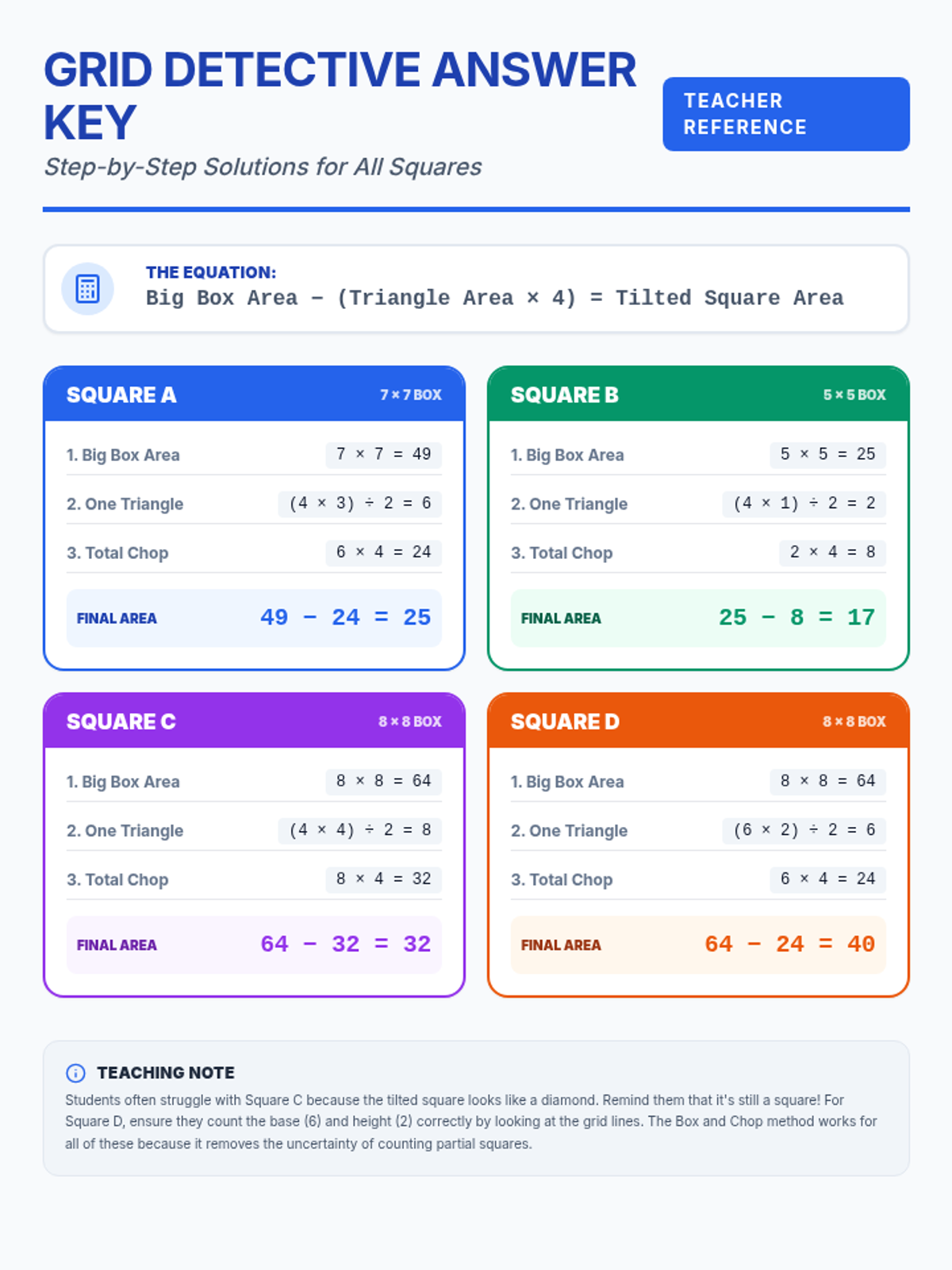
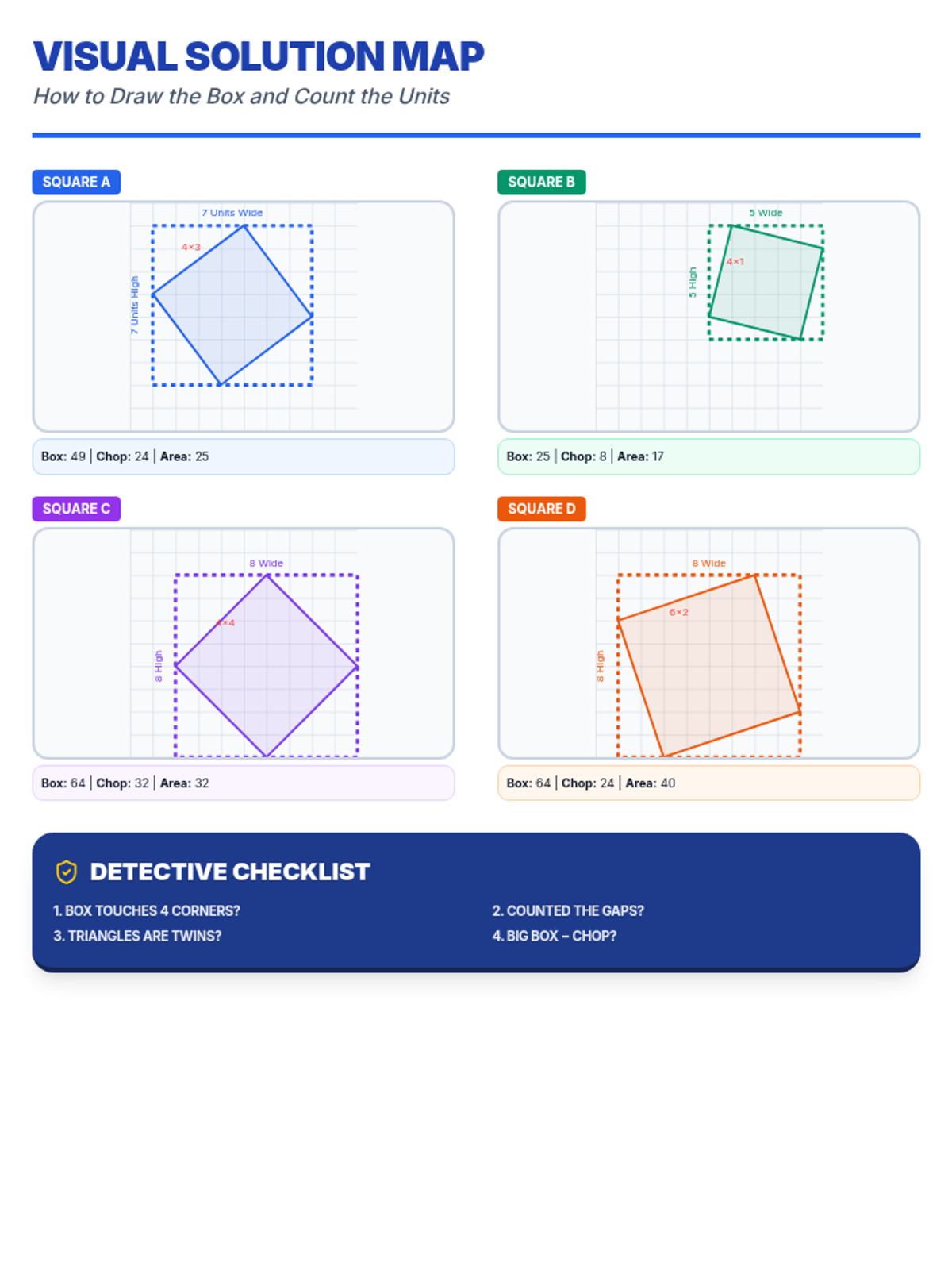
A step-by-step instructional sequence for teaching special education students how to find the area of tilted squares using the subtraction (bounding box) method. The lesson breaks down a complex geometric task into simple, repeatable visual steps.
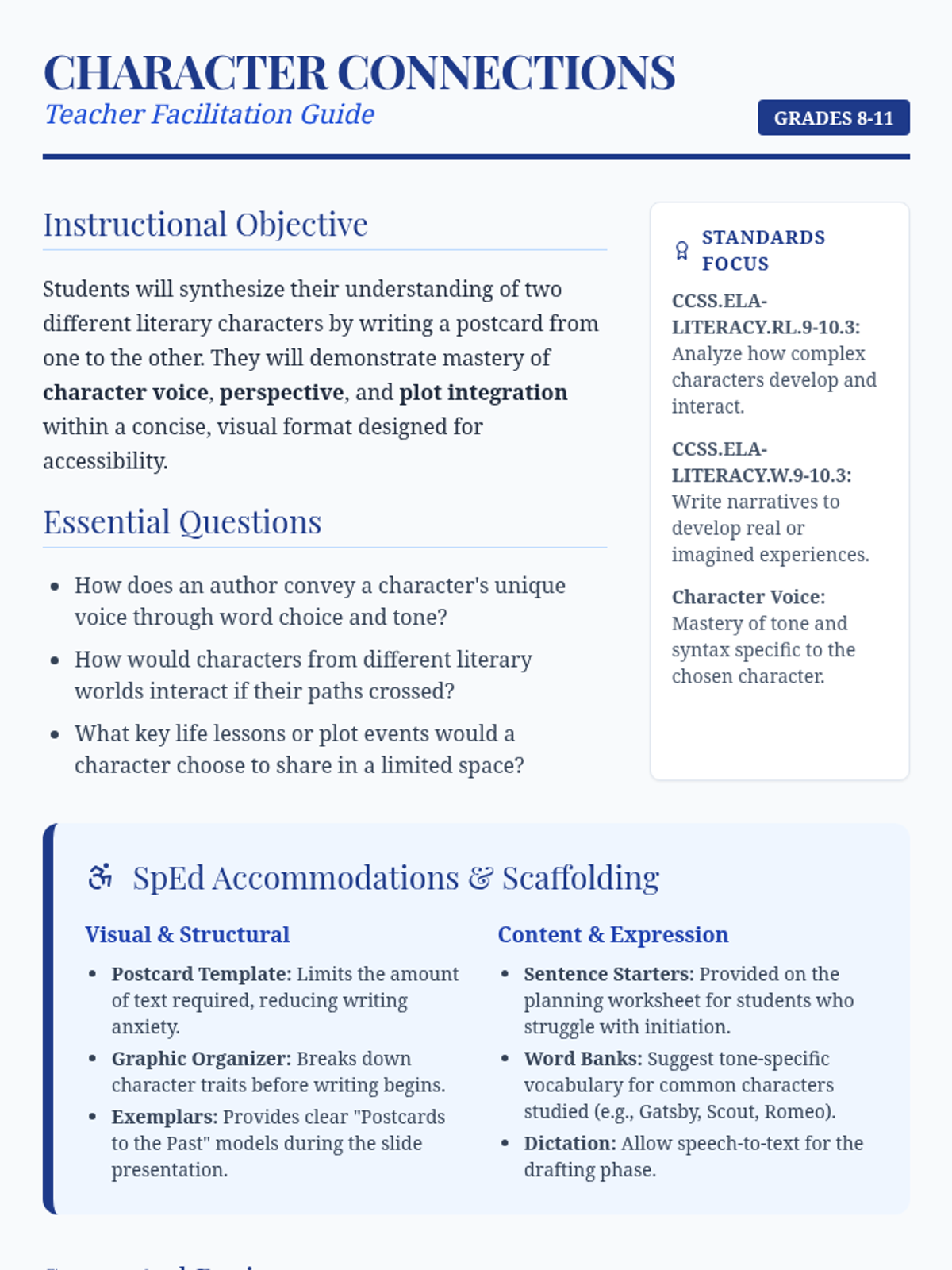
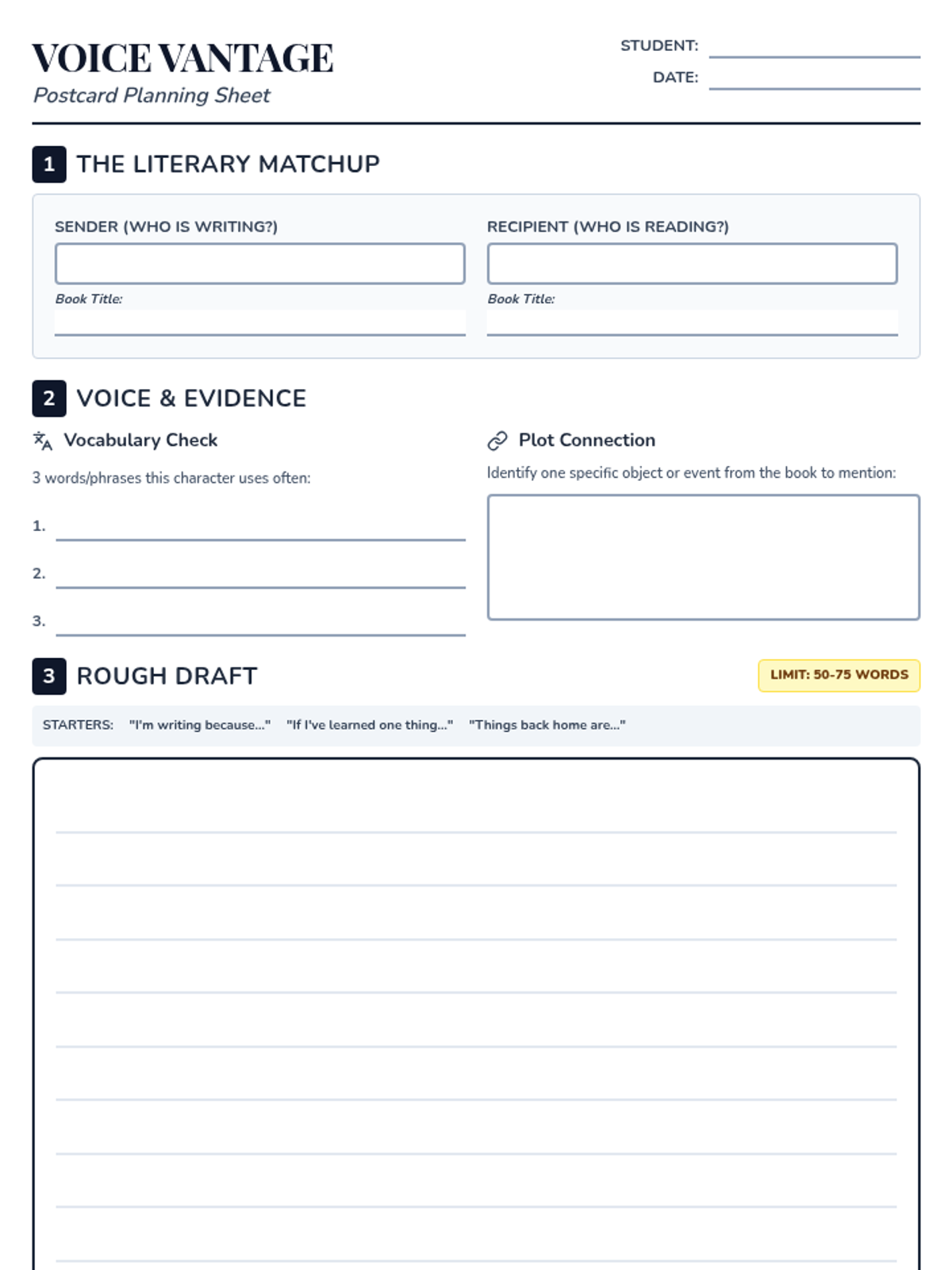
A creative synthesis project where students write postcards from one literary character to another, focusing on voice, perspective, and plot synthesis for 8th-11th grade SpEd students.
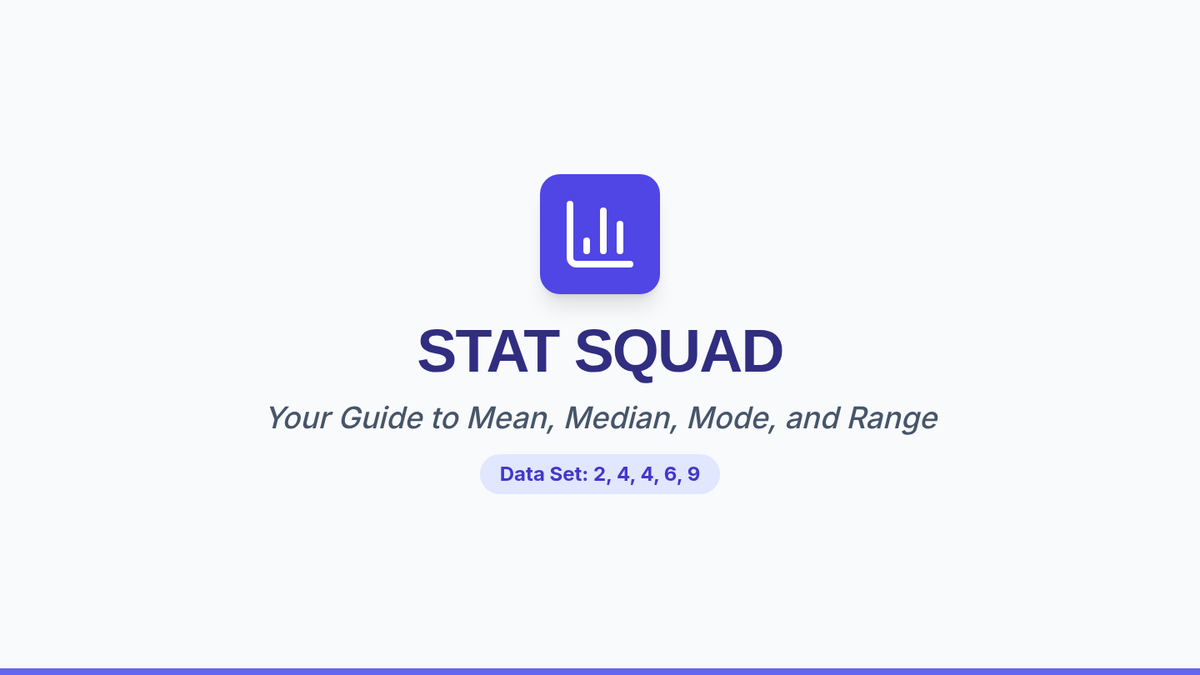
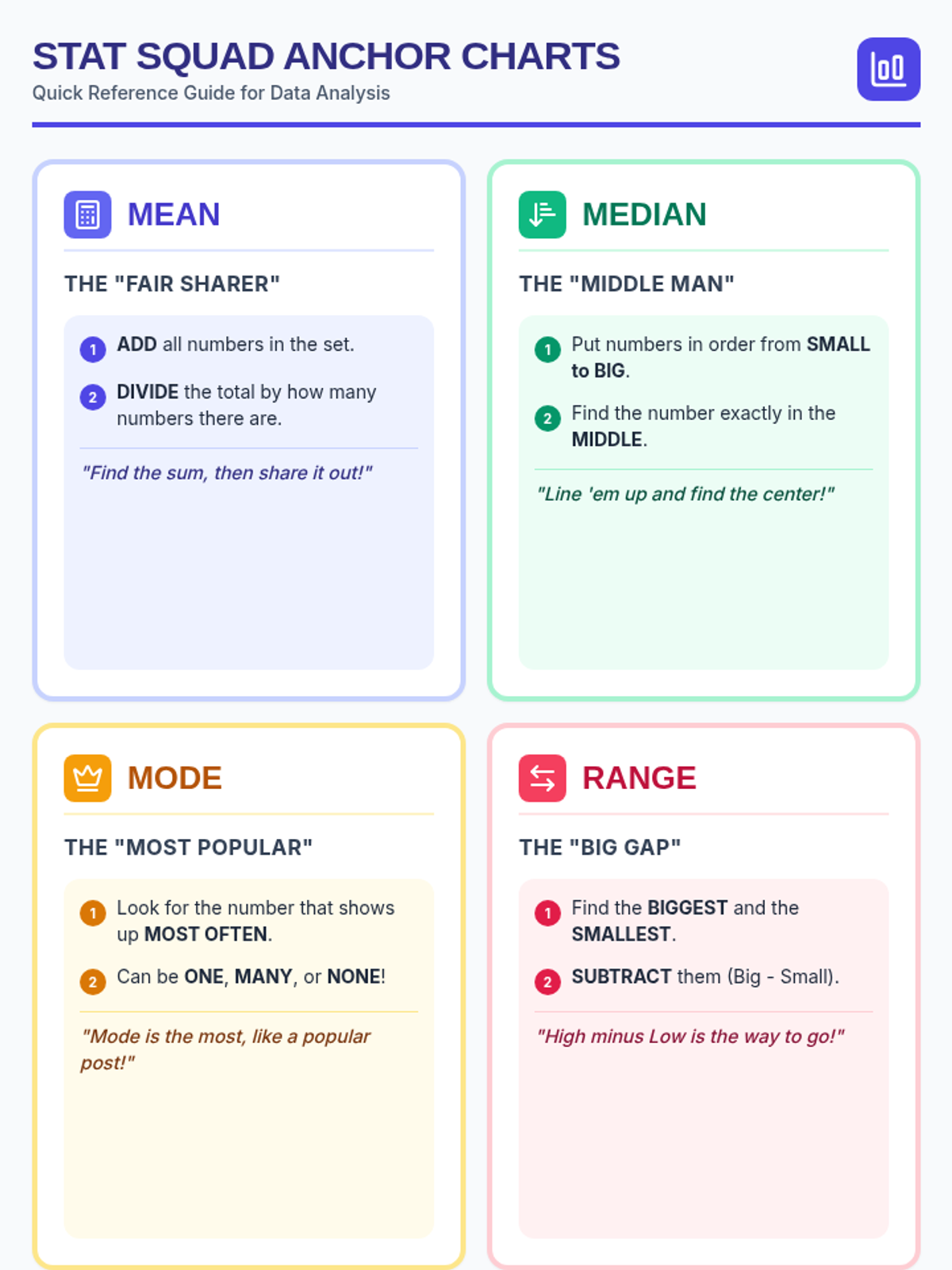
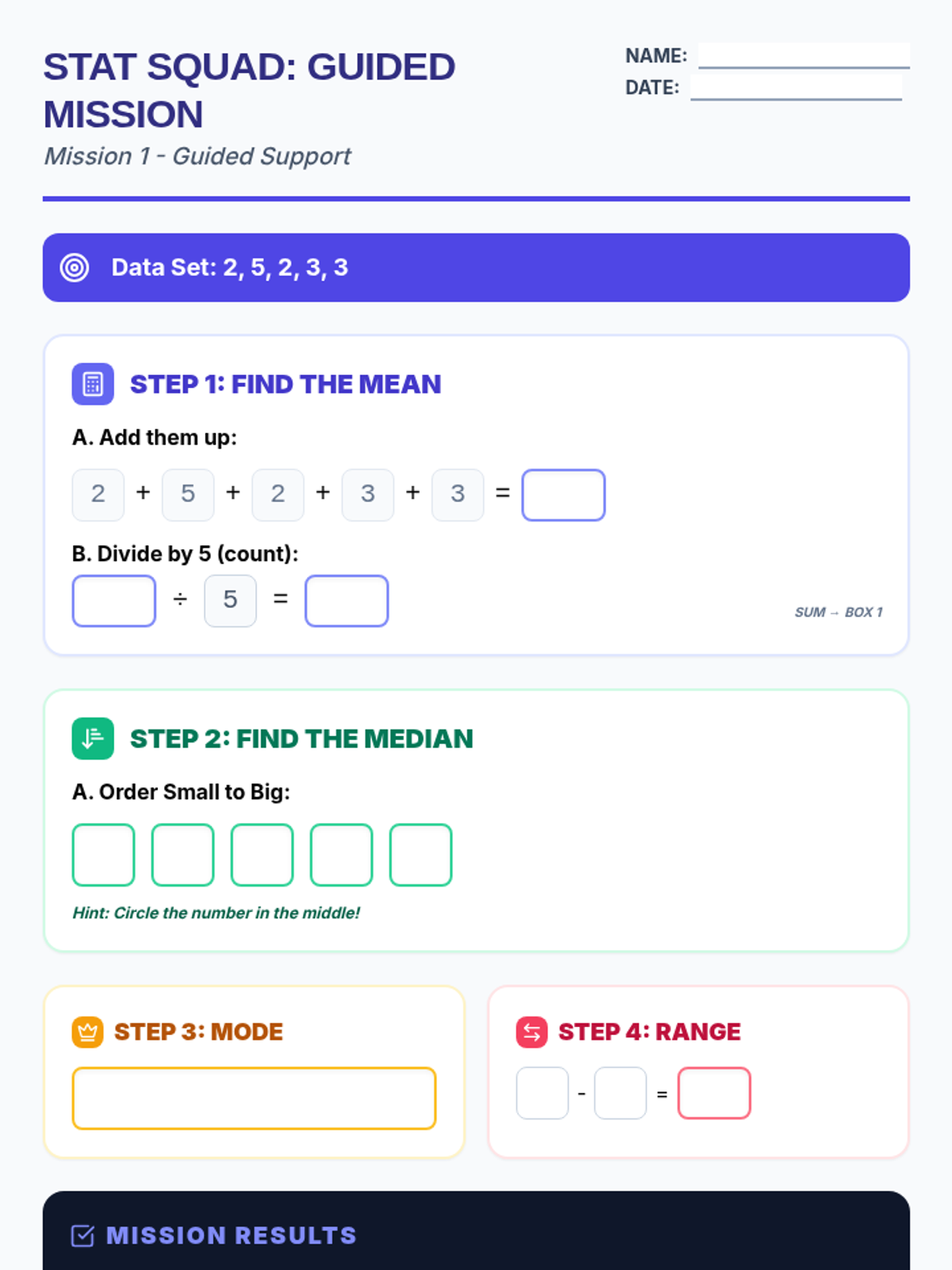
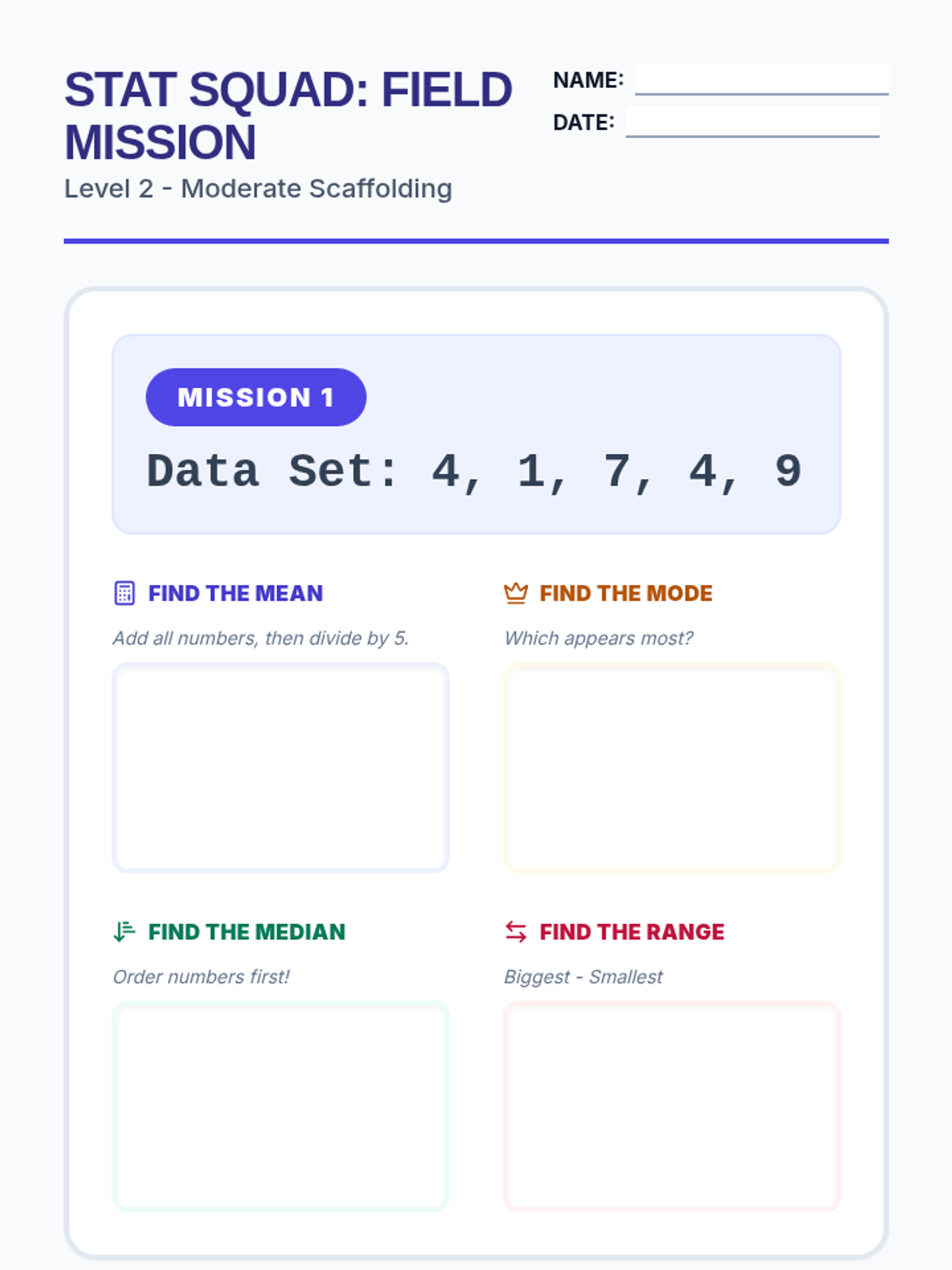
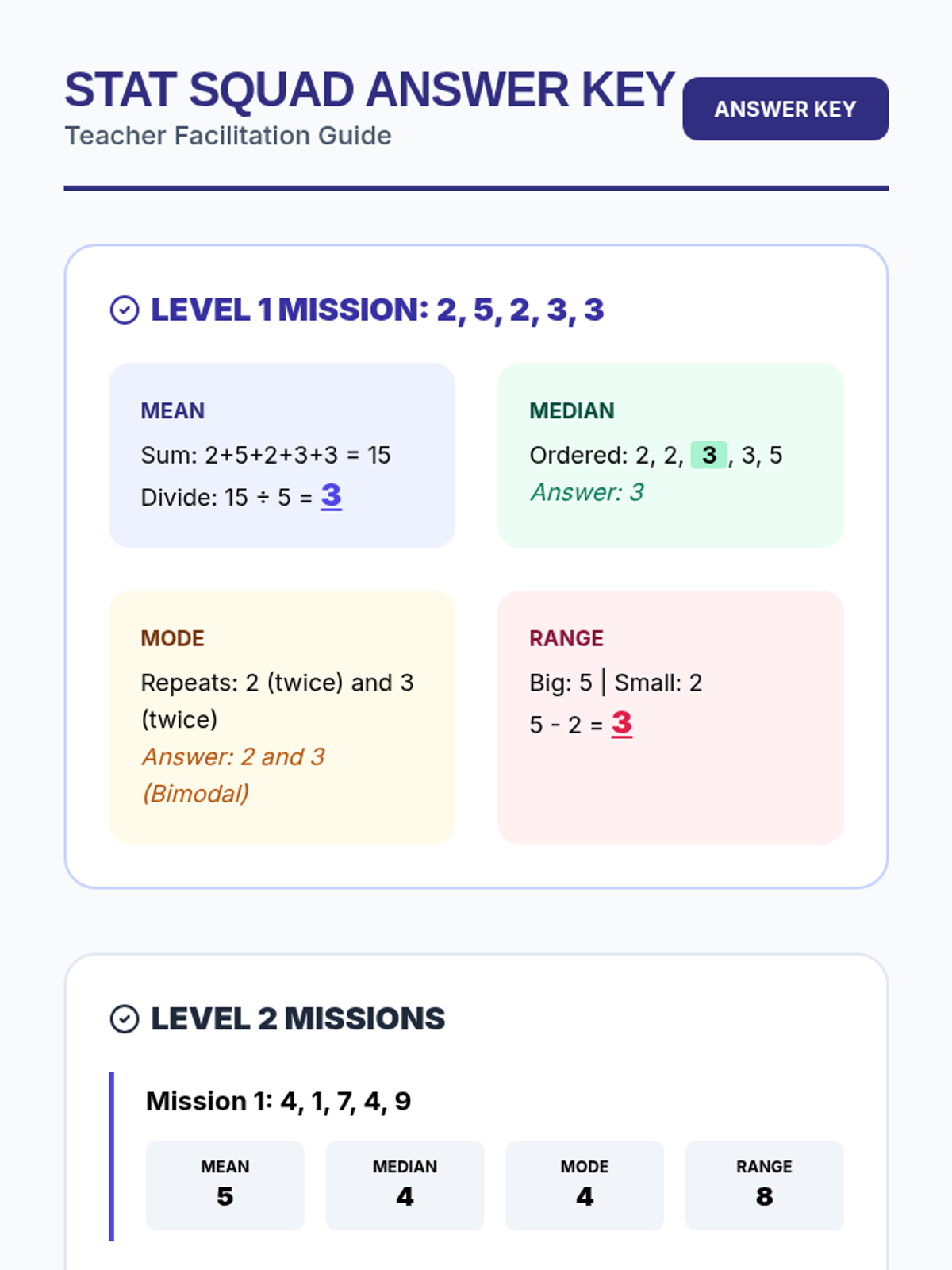
A foundational lesson on mean, median, mode, and range designed for students requiring modified curriculum. It features single-digit data sets and step-by-step guided templates to support various learning needs.
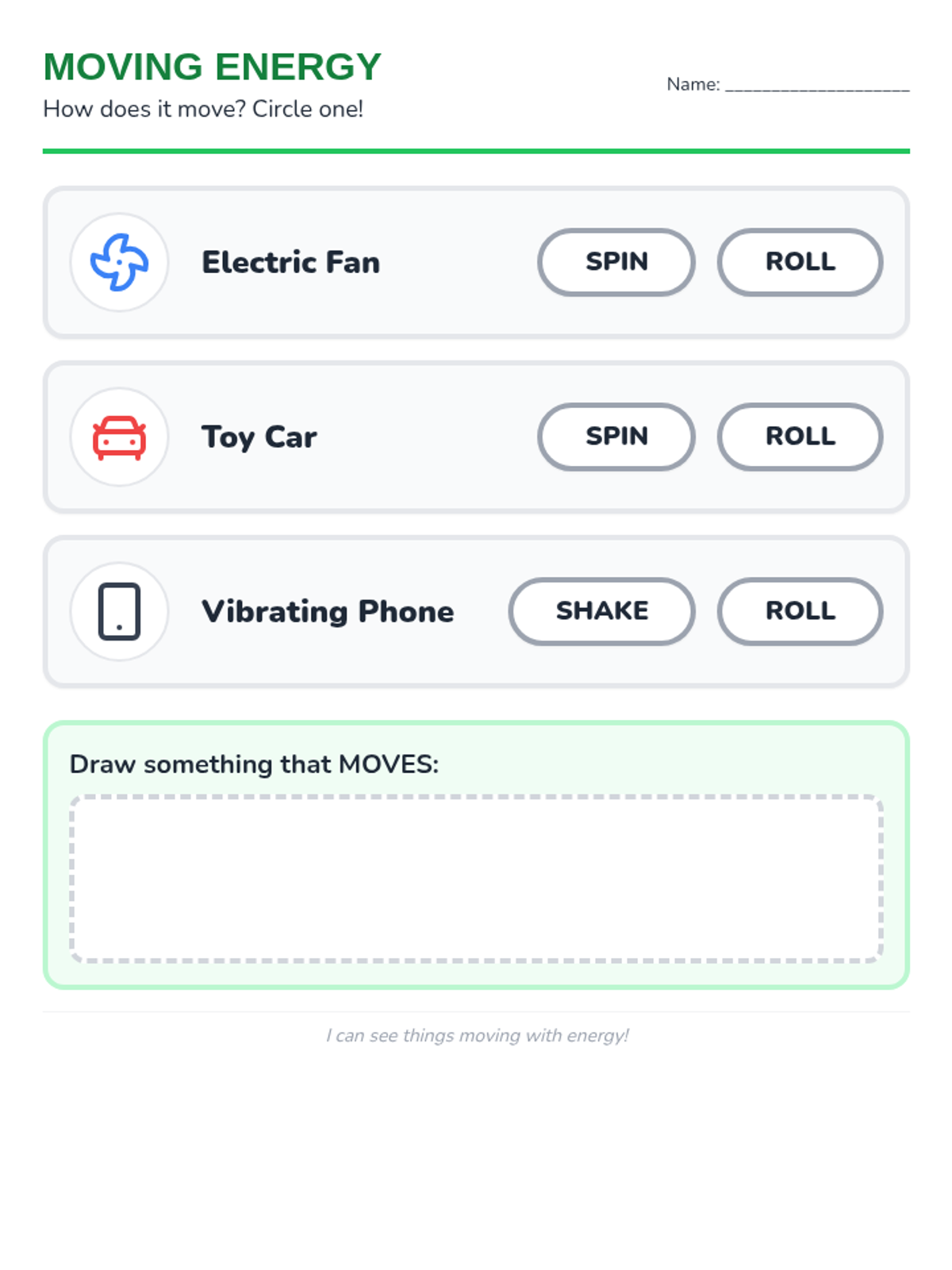
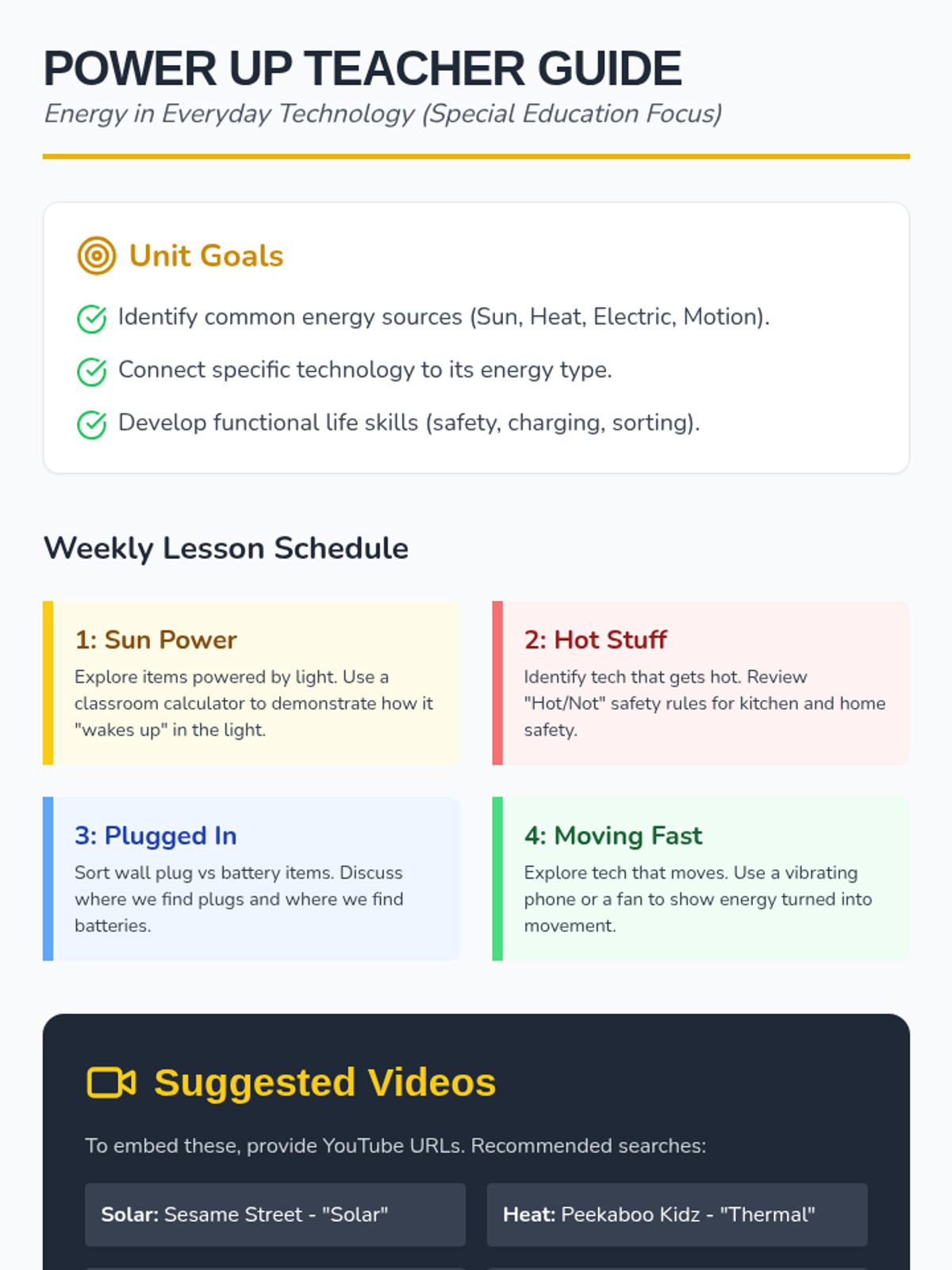
Students explore movement energy through common tech like fans, toy cars, and vibrating phones.
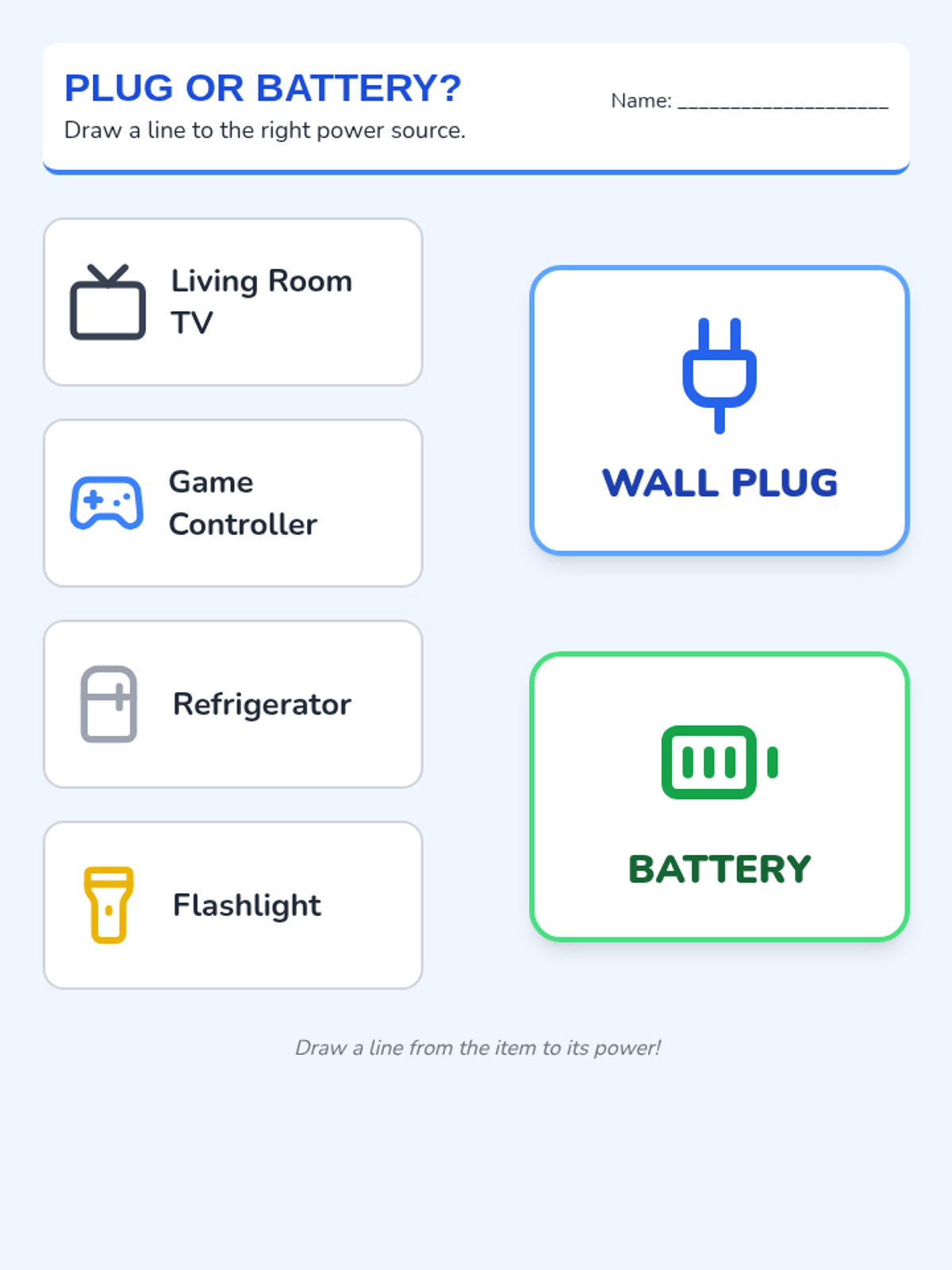
Students explore how batteries and wall outlets power our devices and learn to identify which is which.
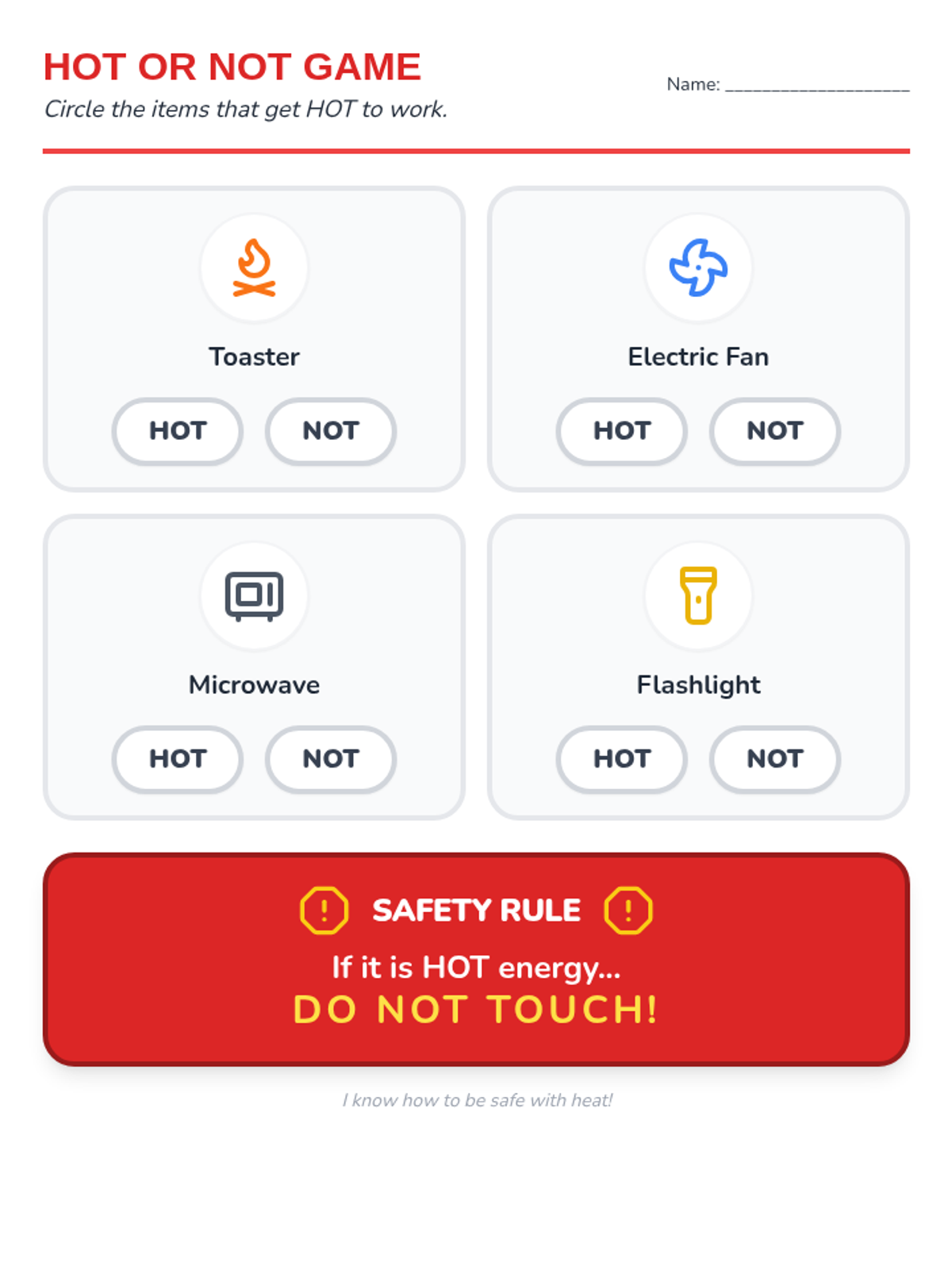
Students identify technology that uses heat energy, such as toasters and hair dryers, and learn about heat safety.
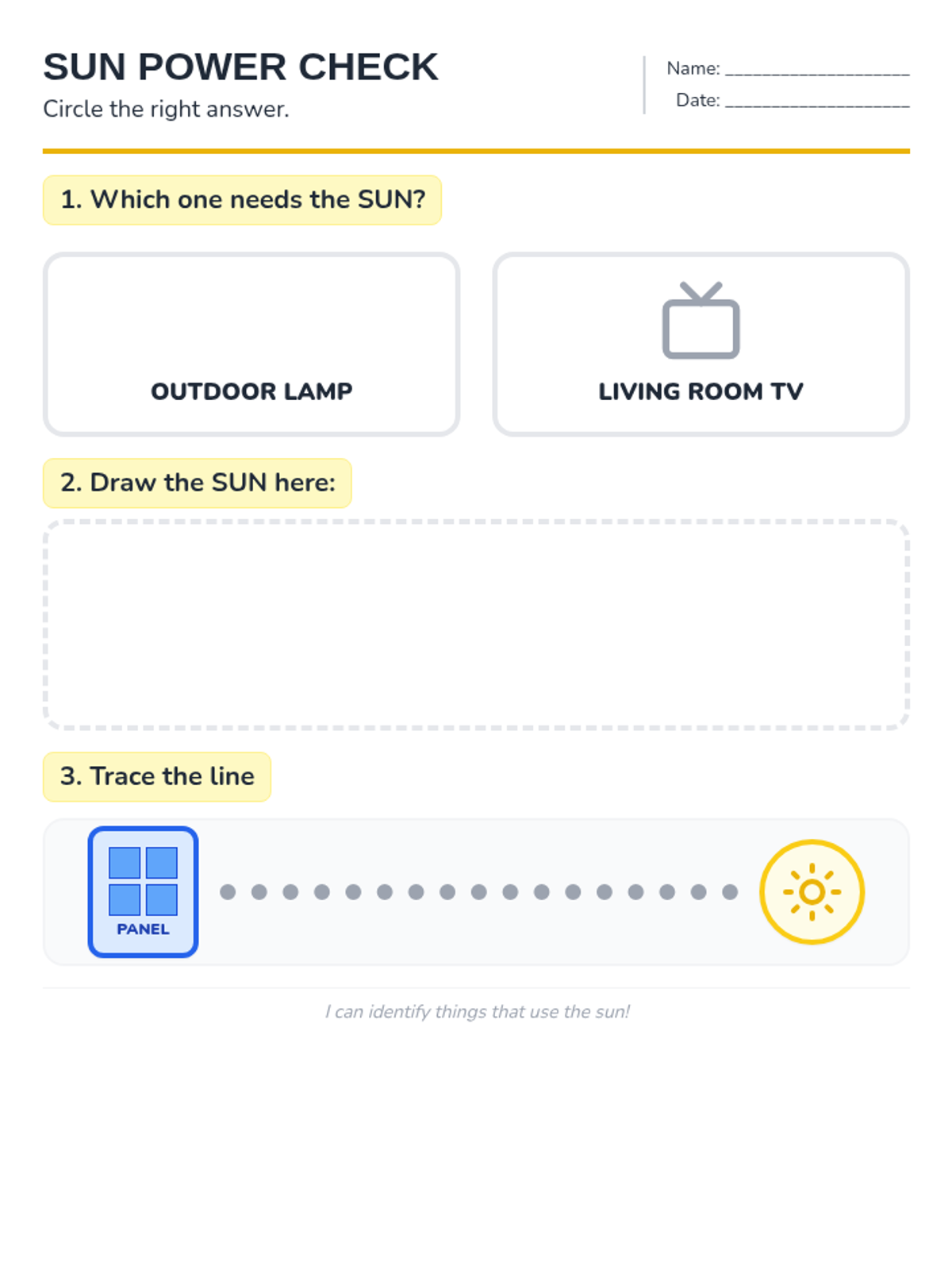
Students learn how the sun provides energy for everyday items like calculators and outdoor lights.
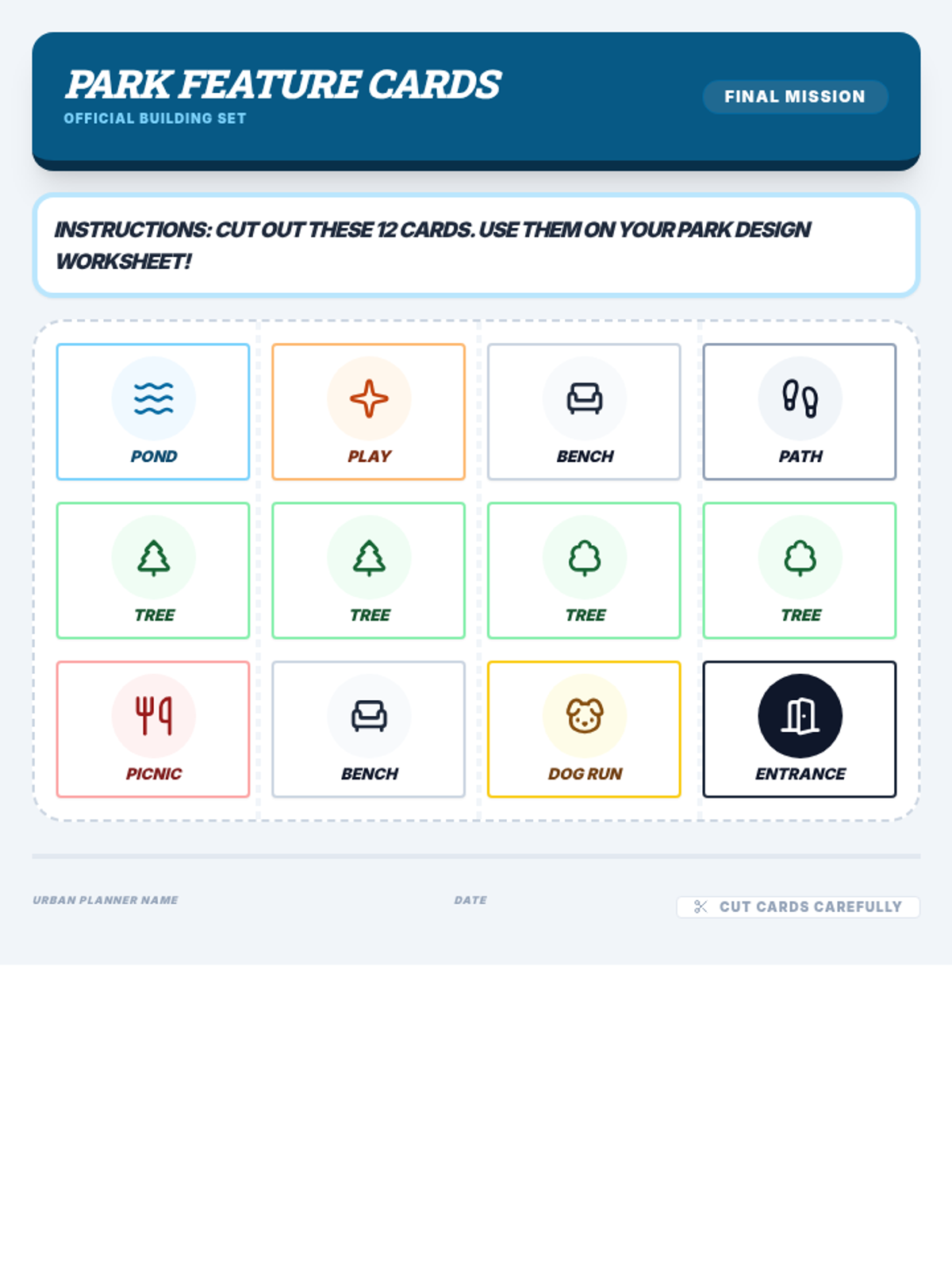
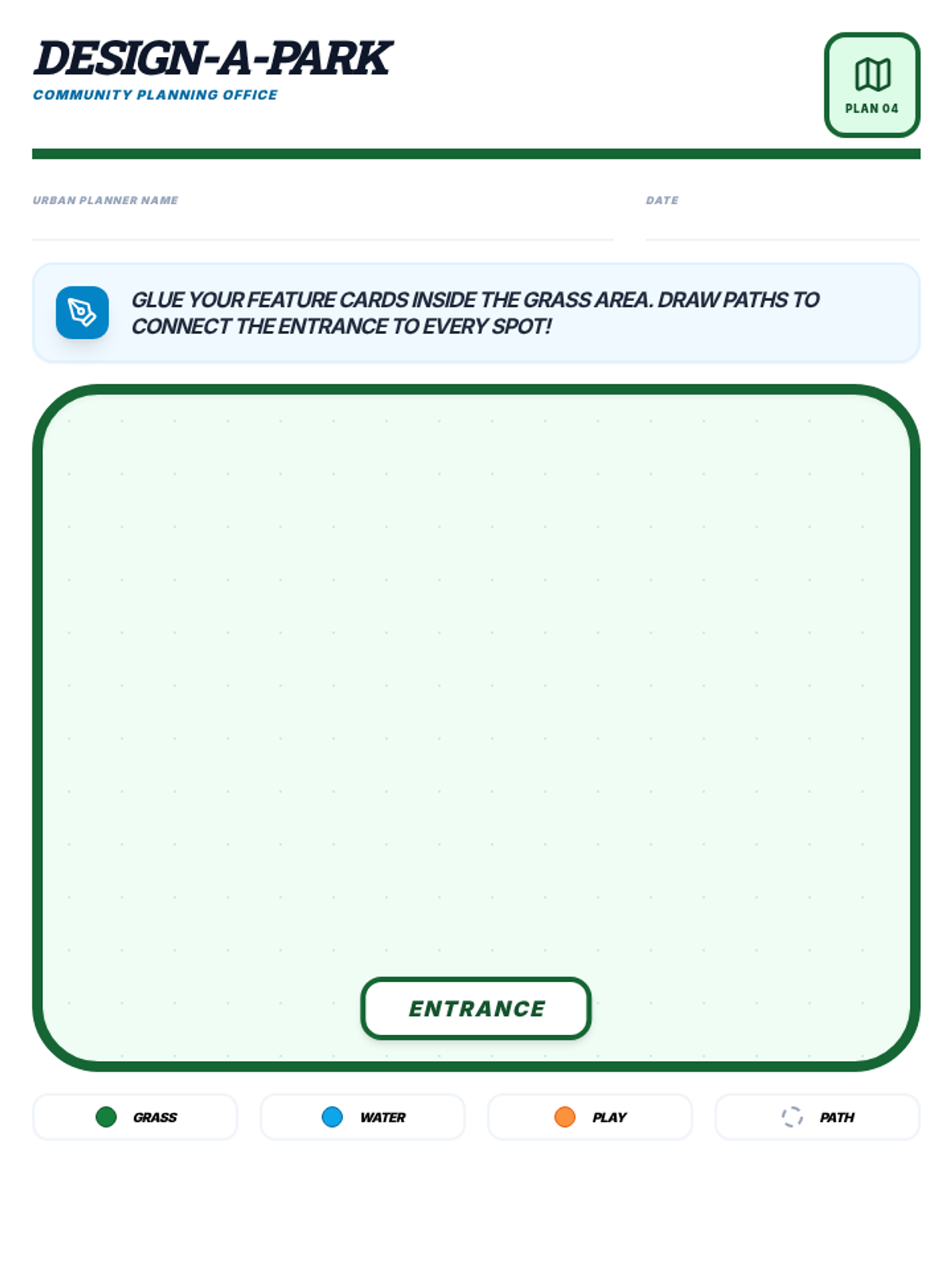
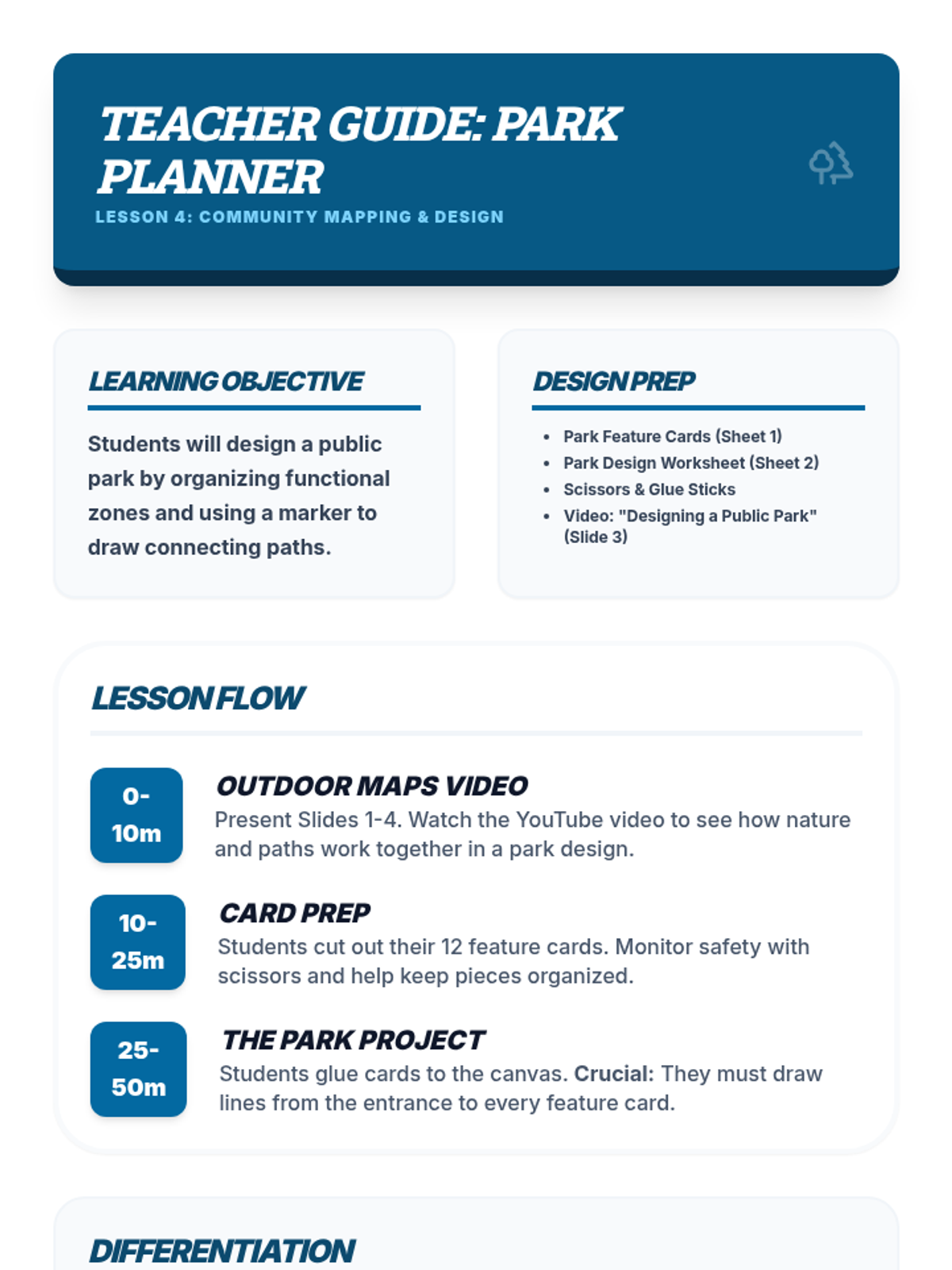
Students apply their skills to a community context by designing a local park layout using symbols and spatial reasoning.
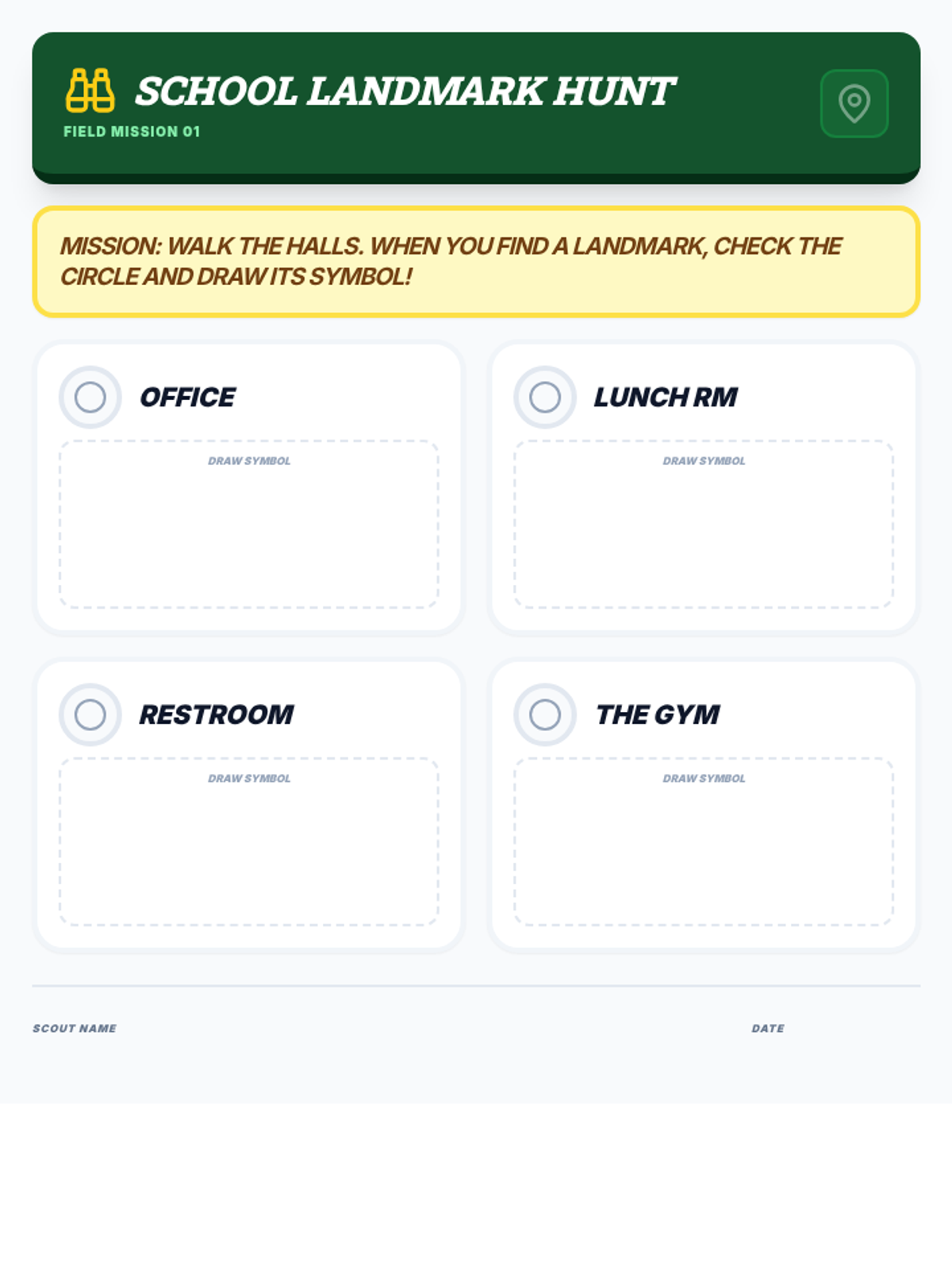
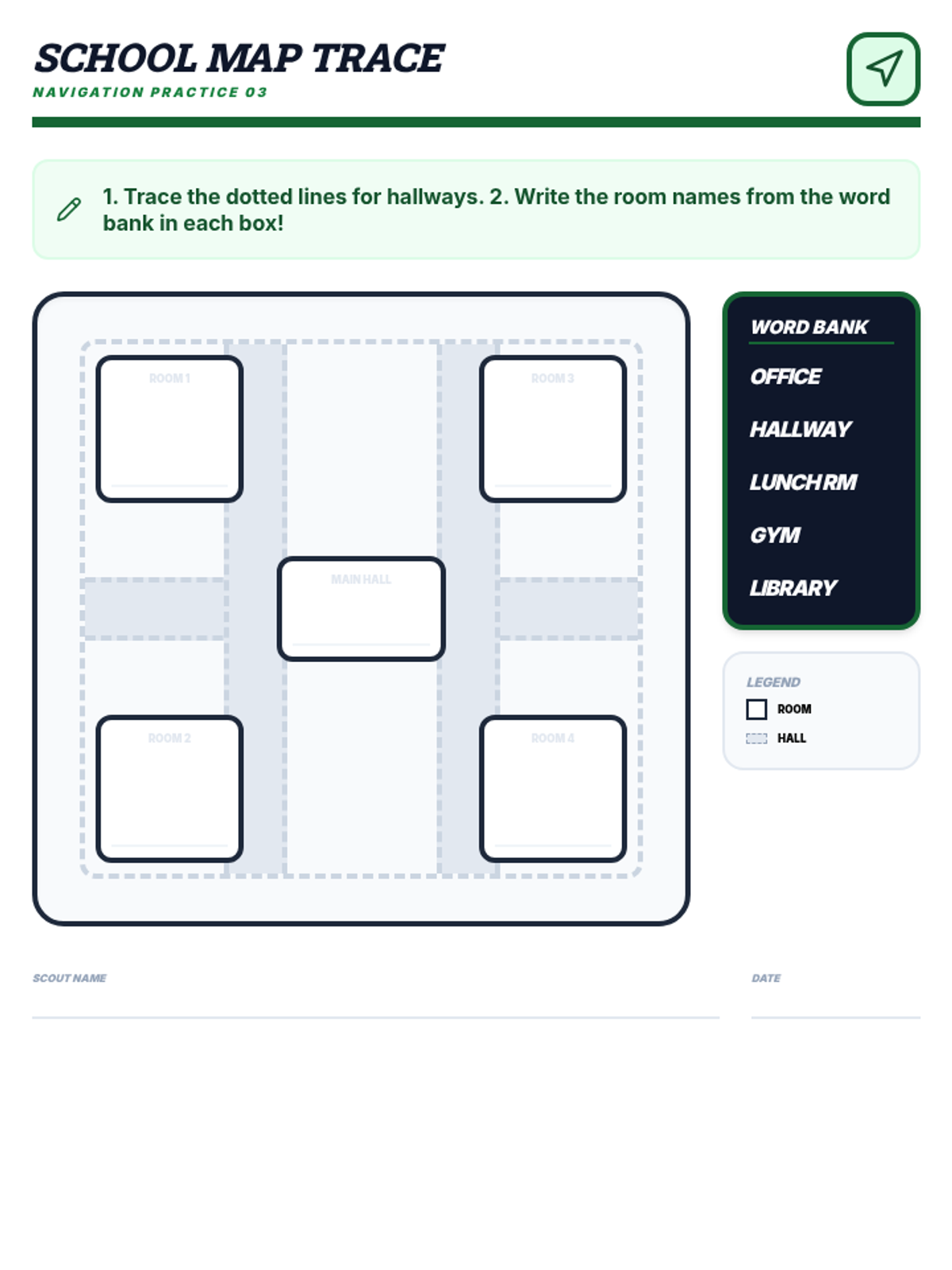
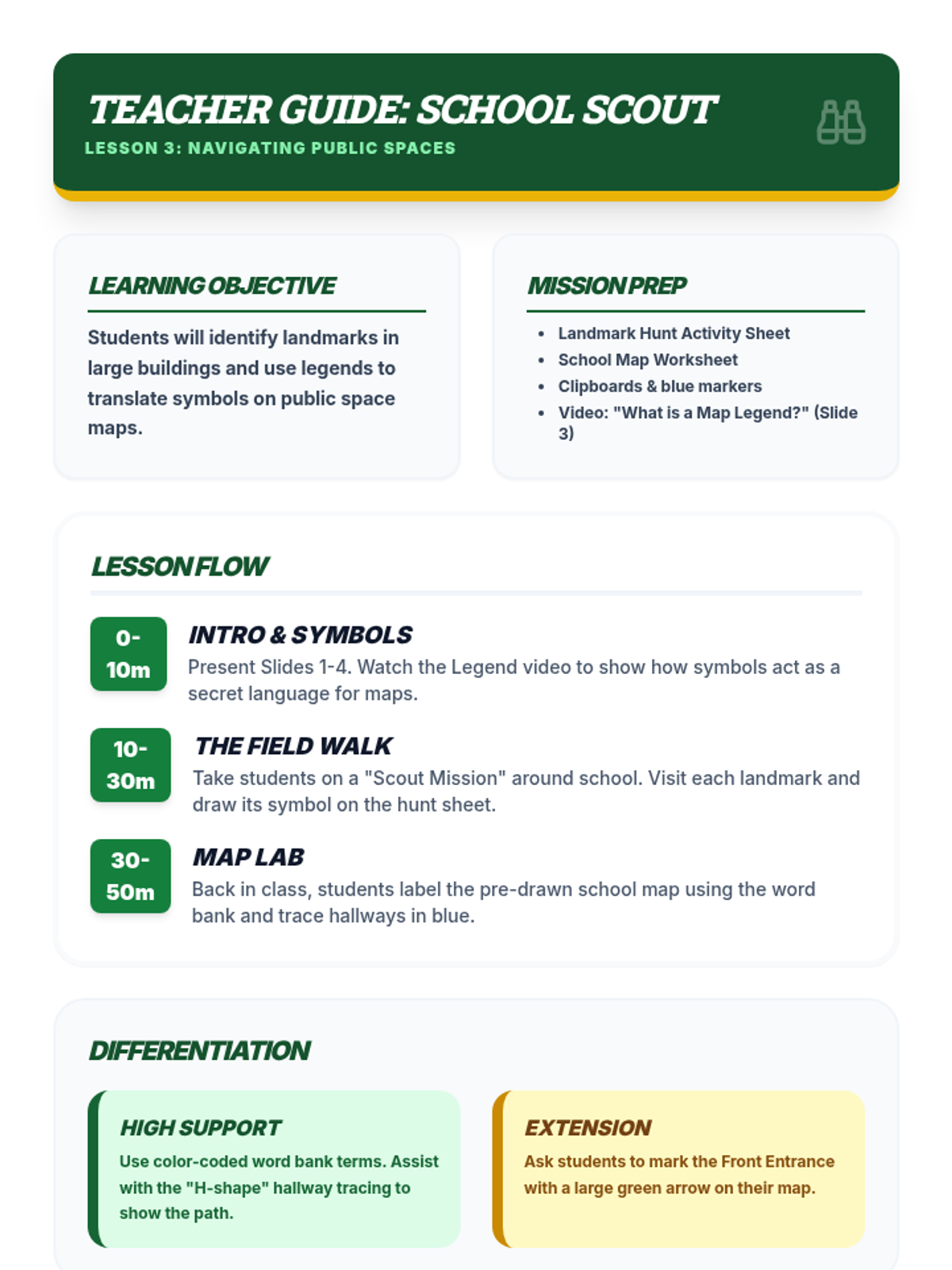
Students navigate the school environment, identifying key landmarks and practice tracing and labeling a school building layout.
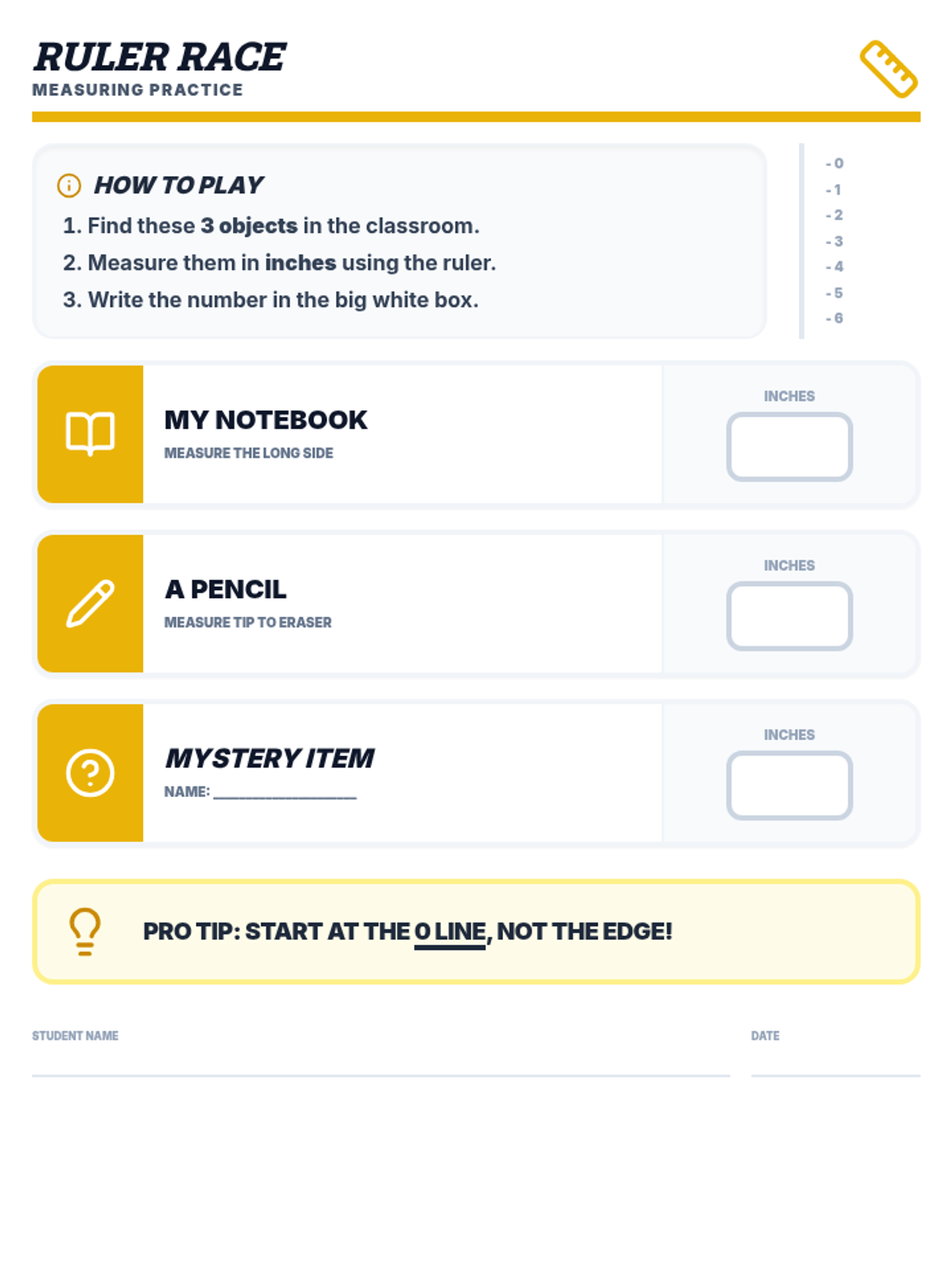
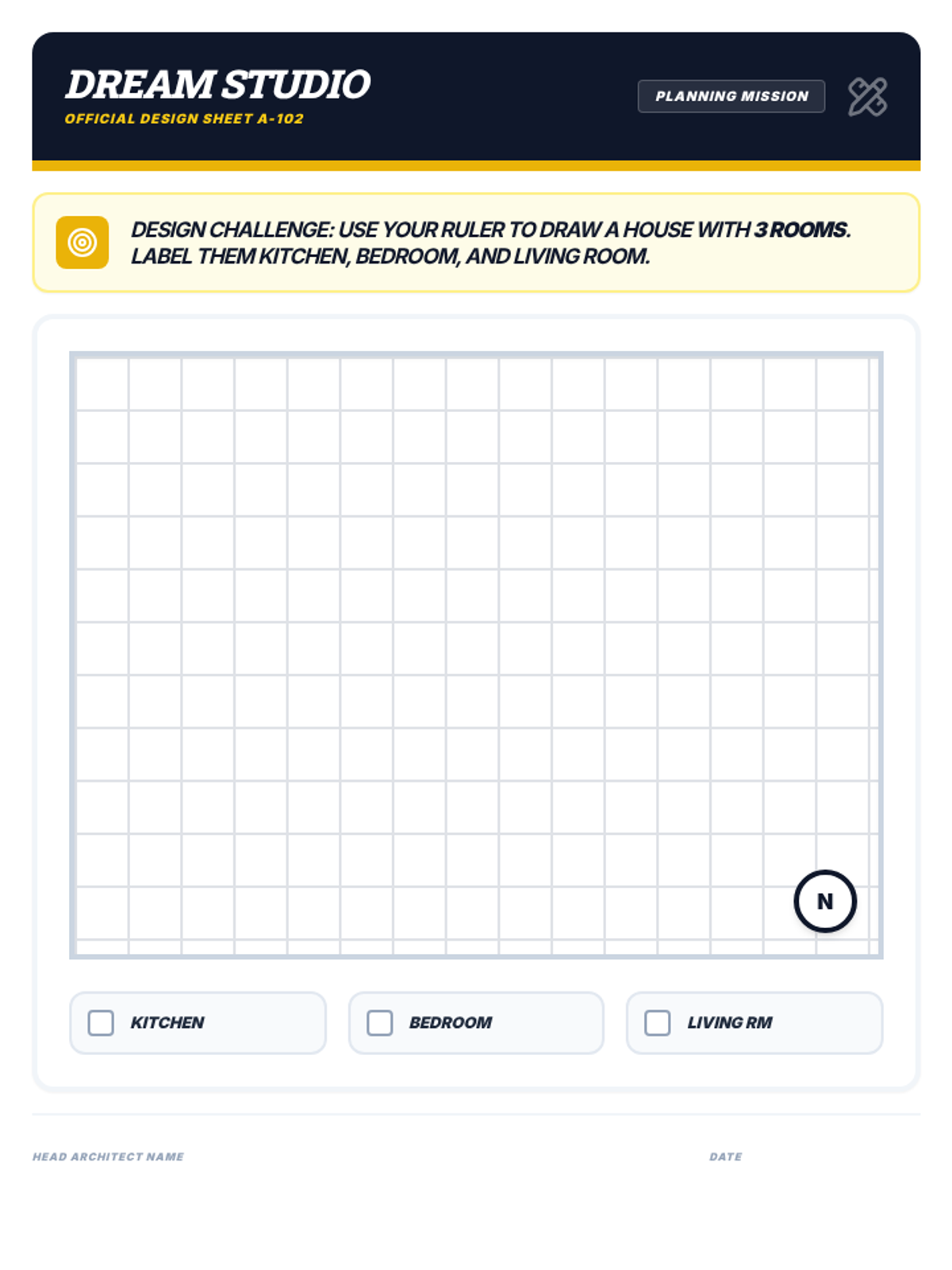
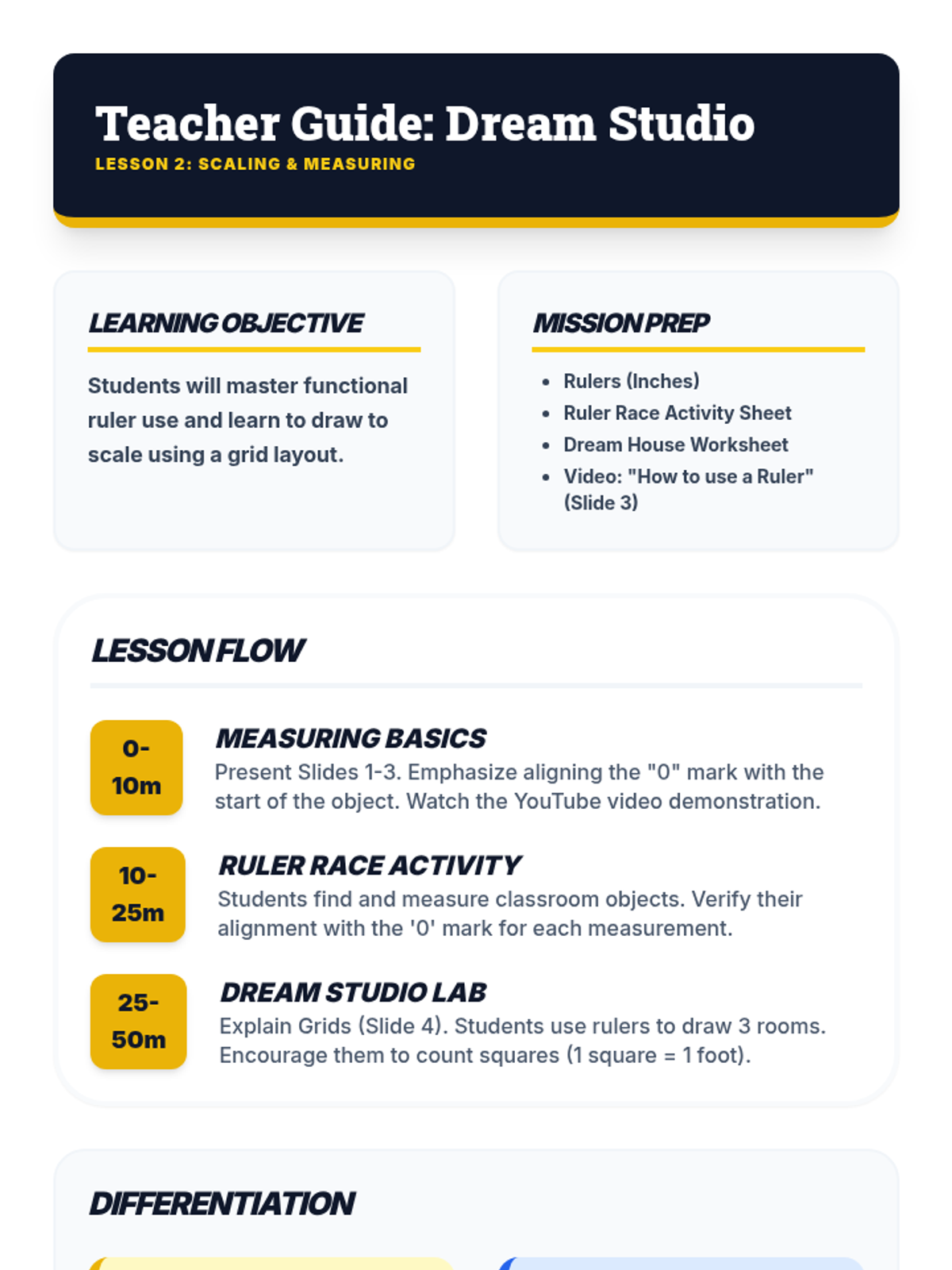
Students explore the concept of scale and spatial planning by using rulers to design a fictional dream house layout.
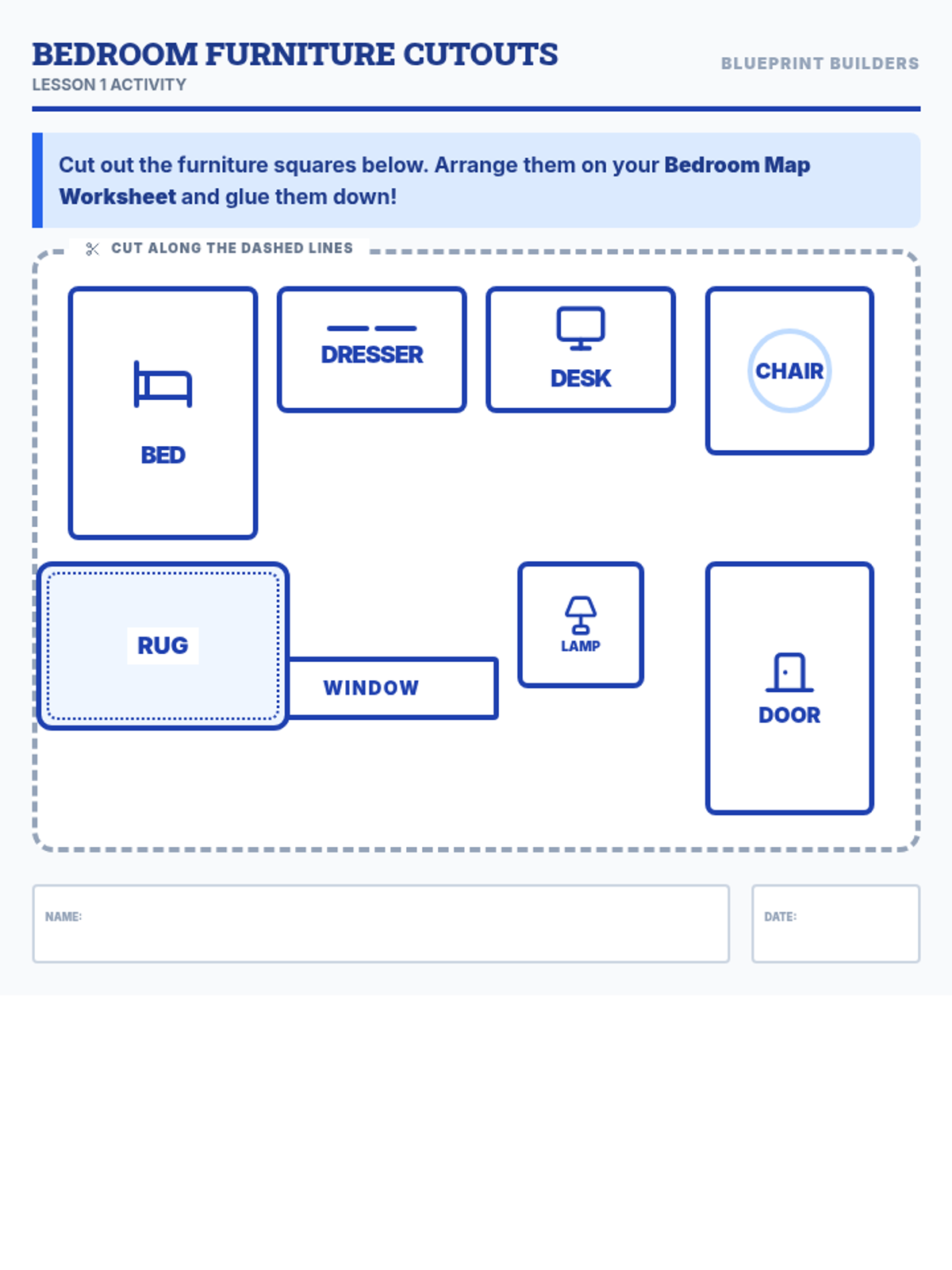
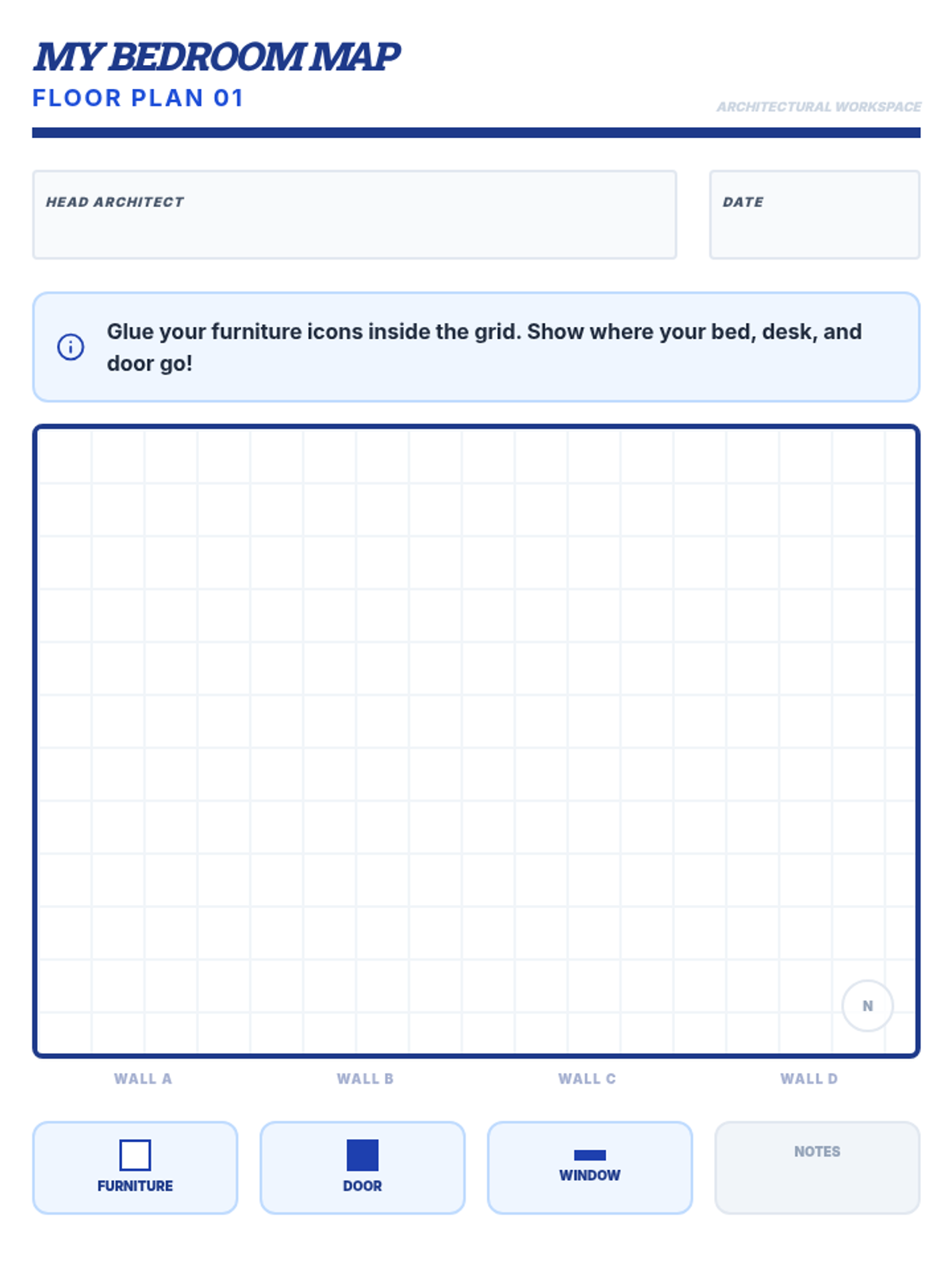
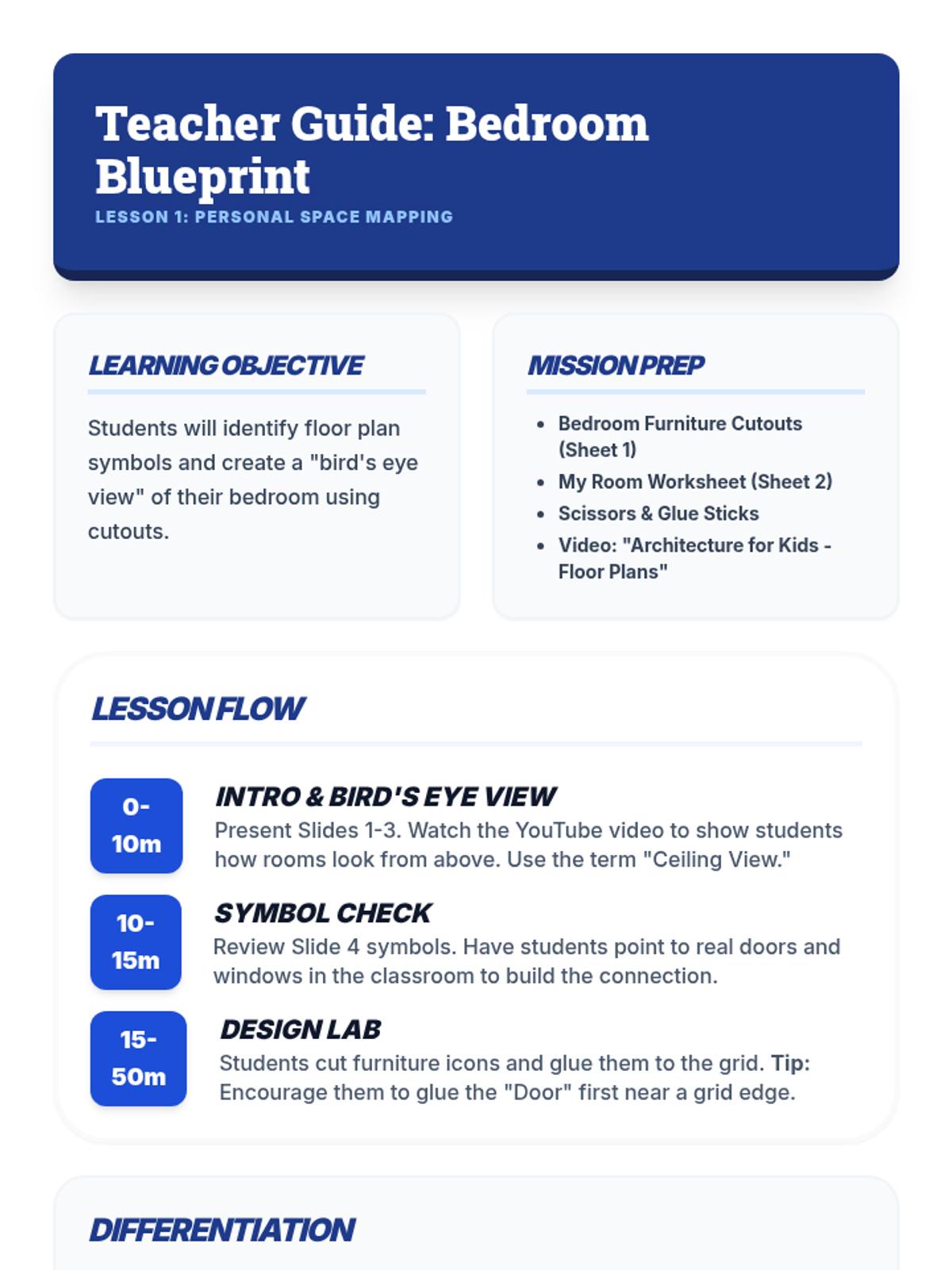
Students learn to identify common symbols and create a simplified floor plan of their own bedroom using cut-and-paste icons.
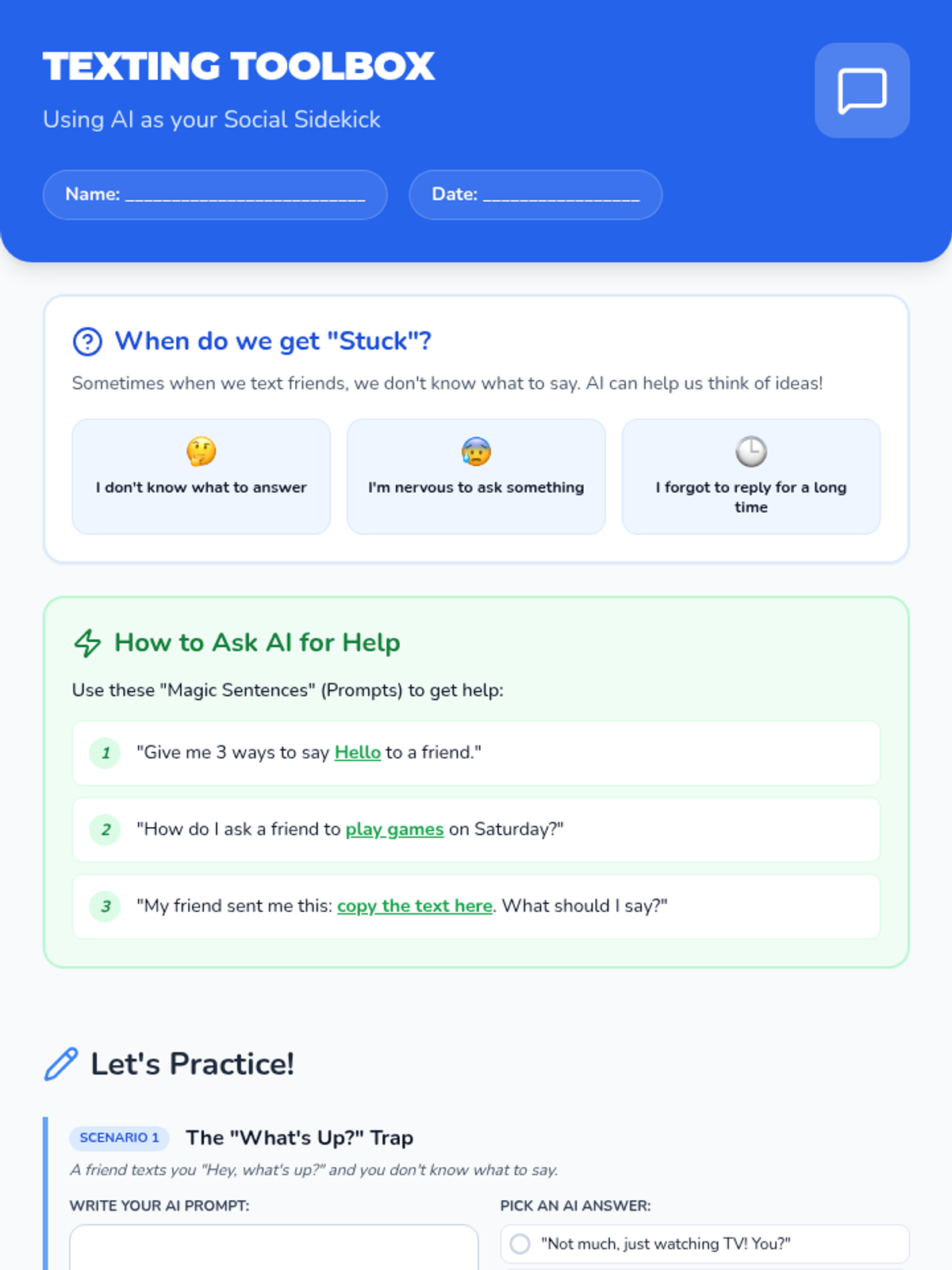
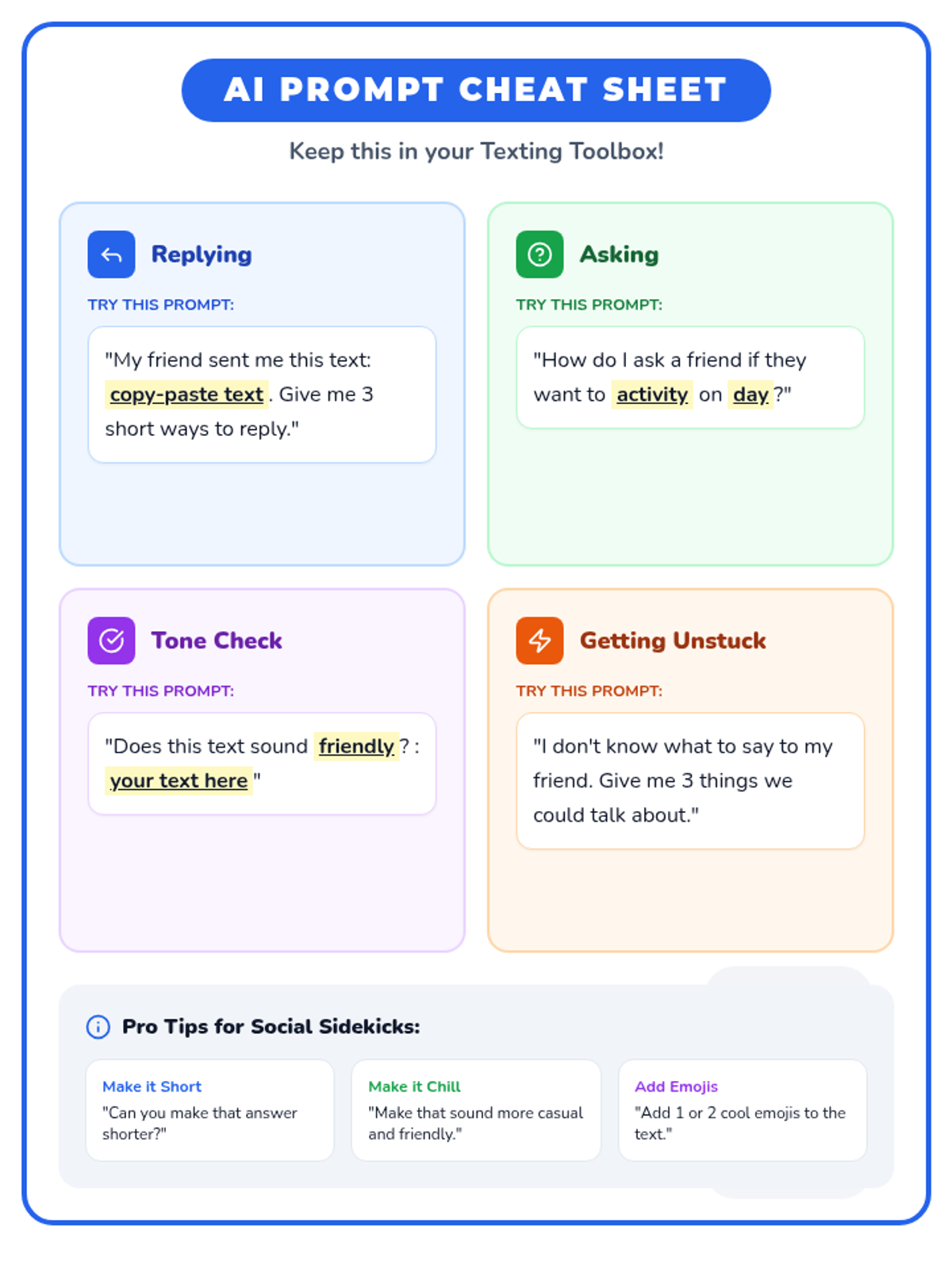
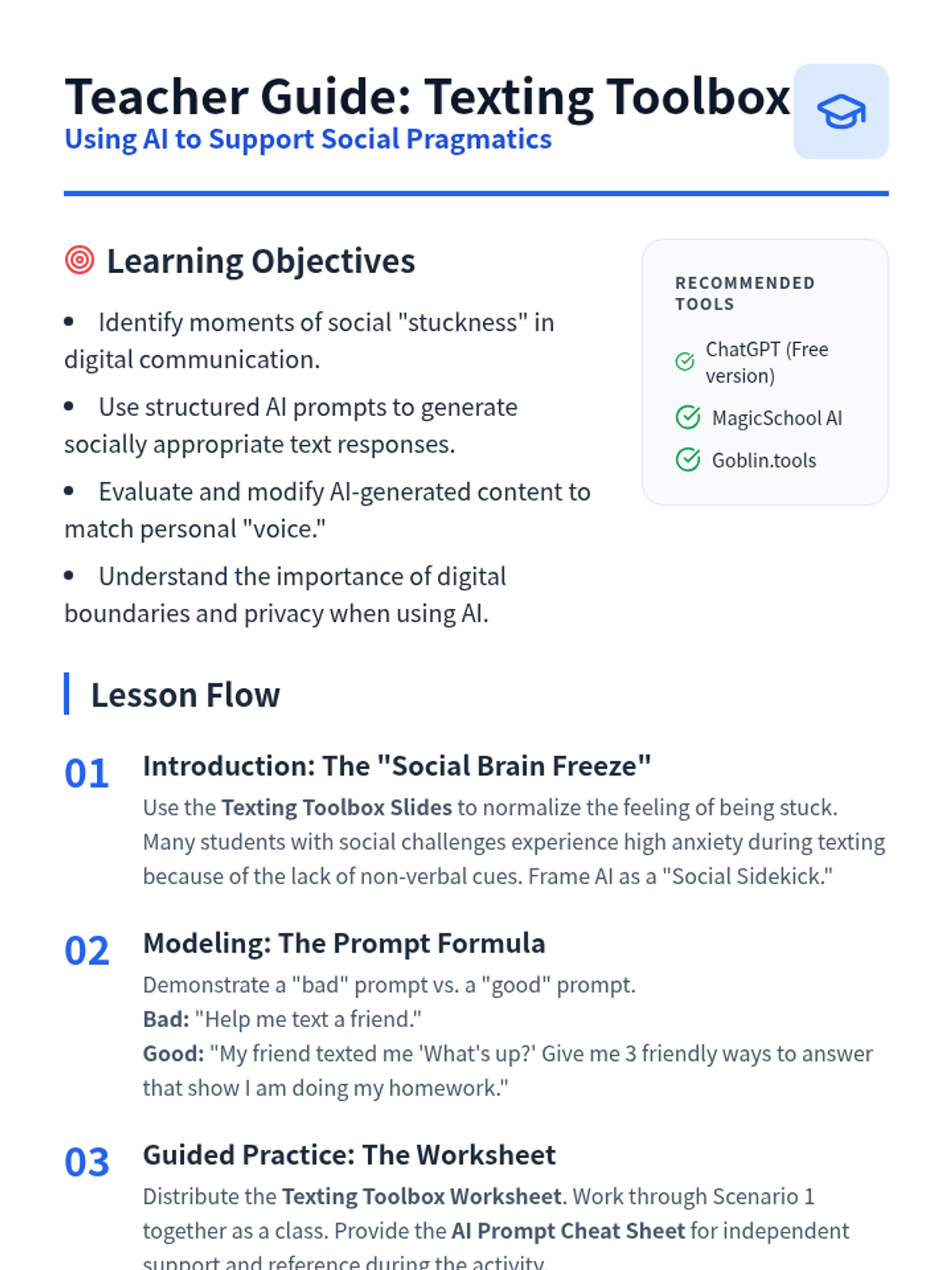
A lesson designed for students with moderate intellectual disabilities and social/pragmatic challenges to learn how to use AI as a 'social sidekick' when they feel stuck or overwhelmed while texting friends.
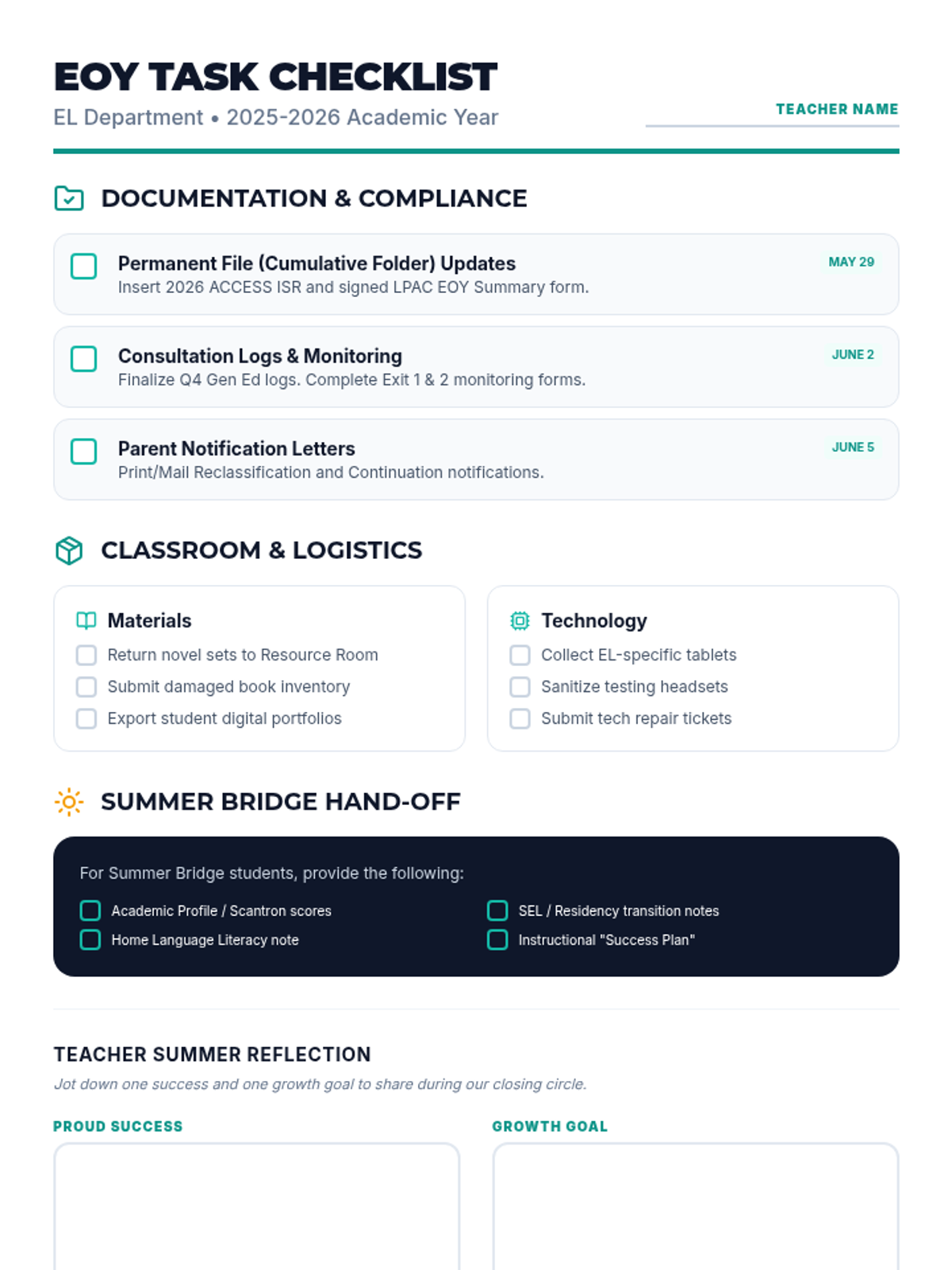
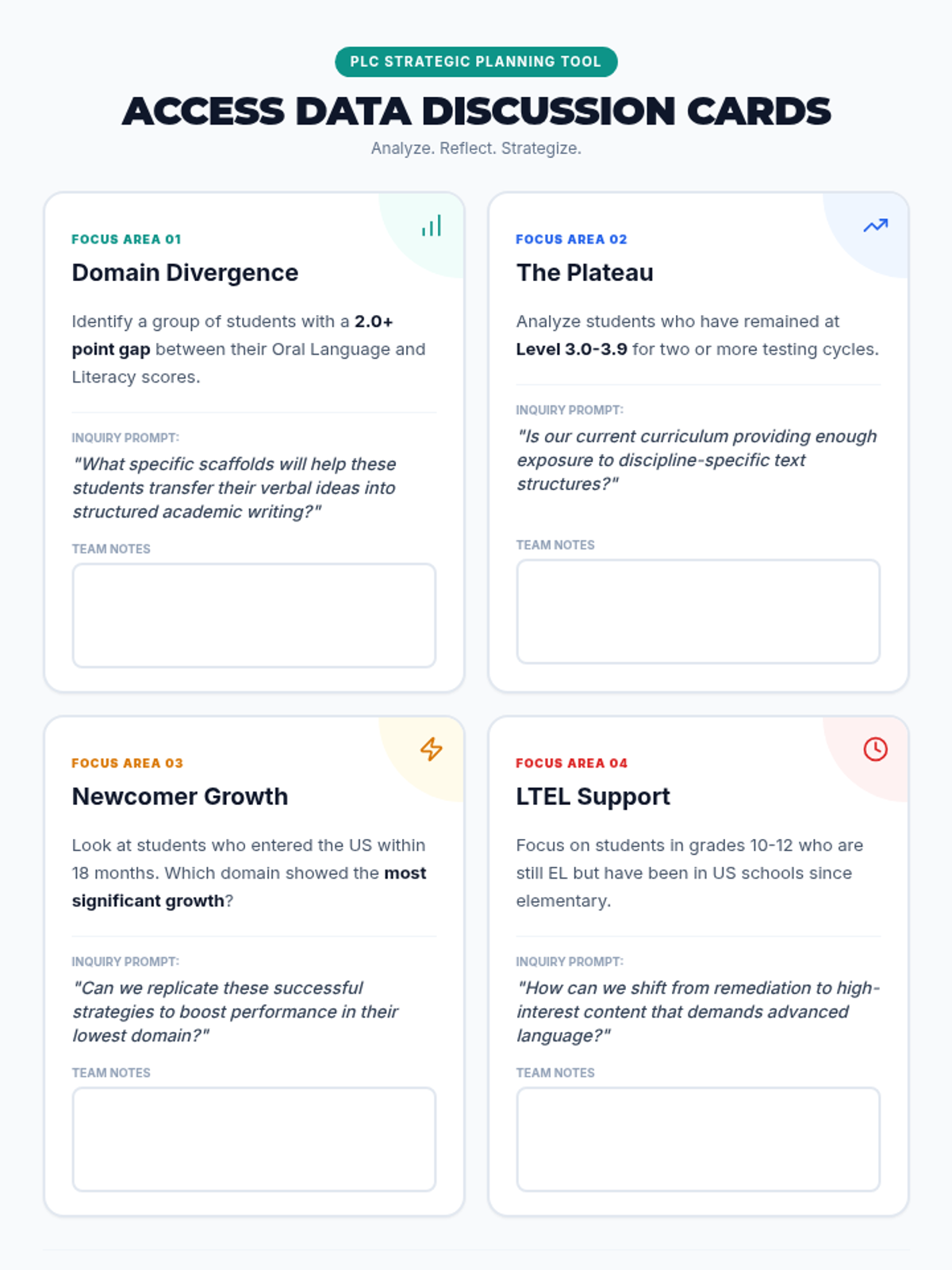
A comprehensive department meeting presentation for high school English Learner educators focused on finalizing the current academic year and strategic planning for the next based on student performance data.
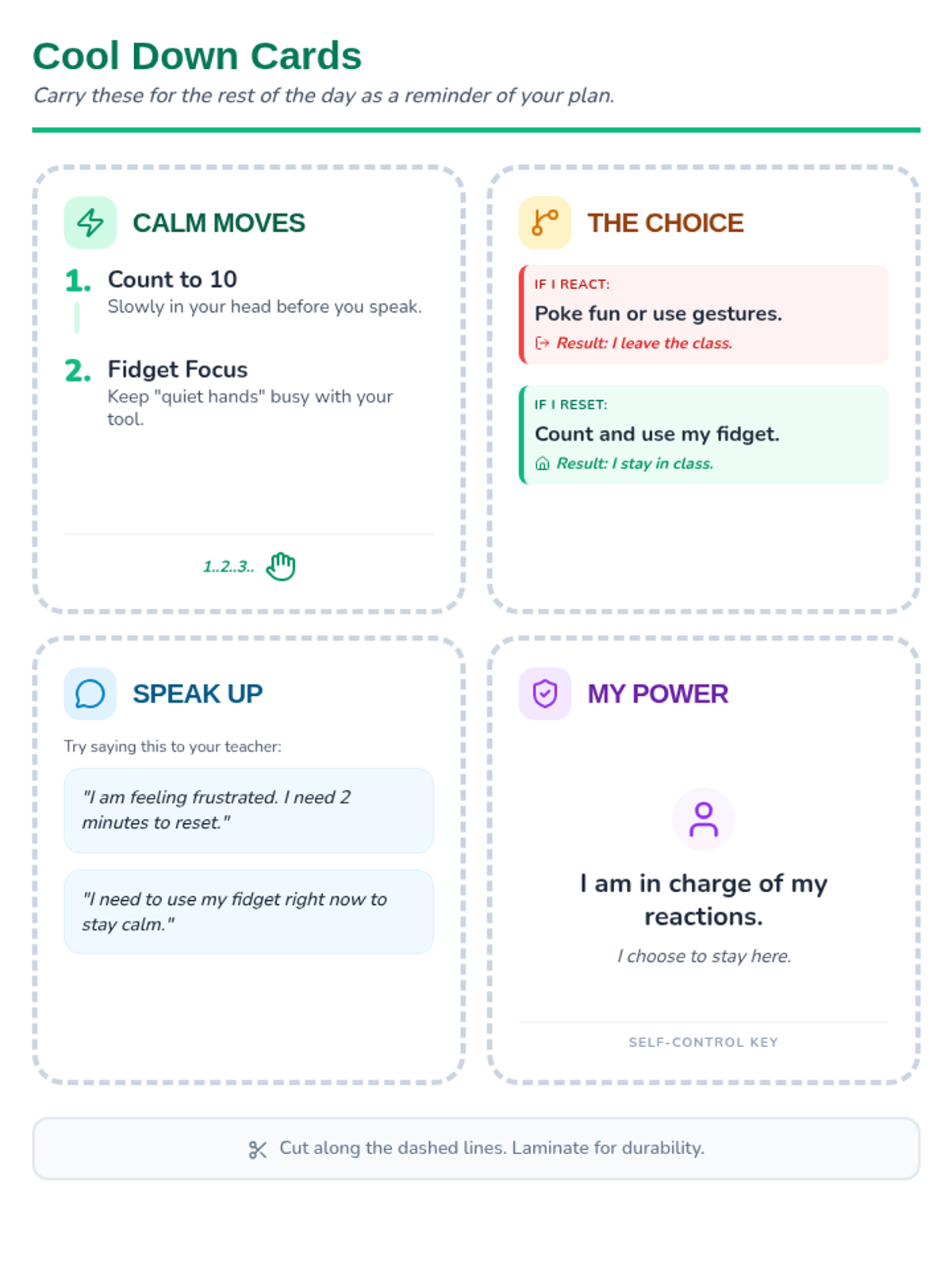
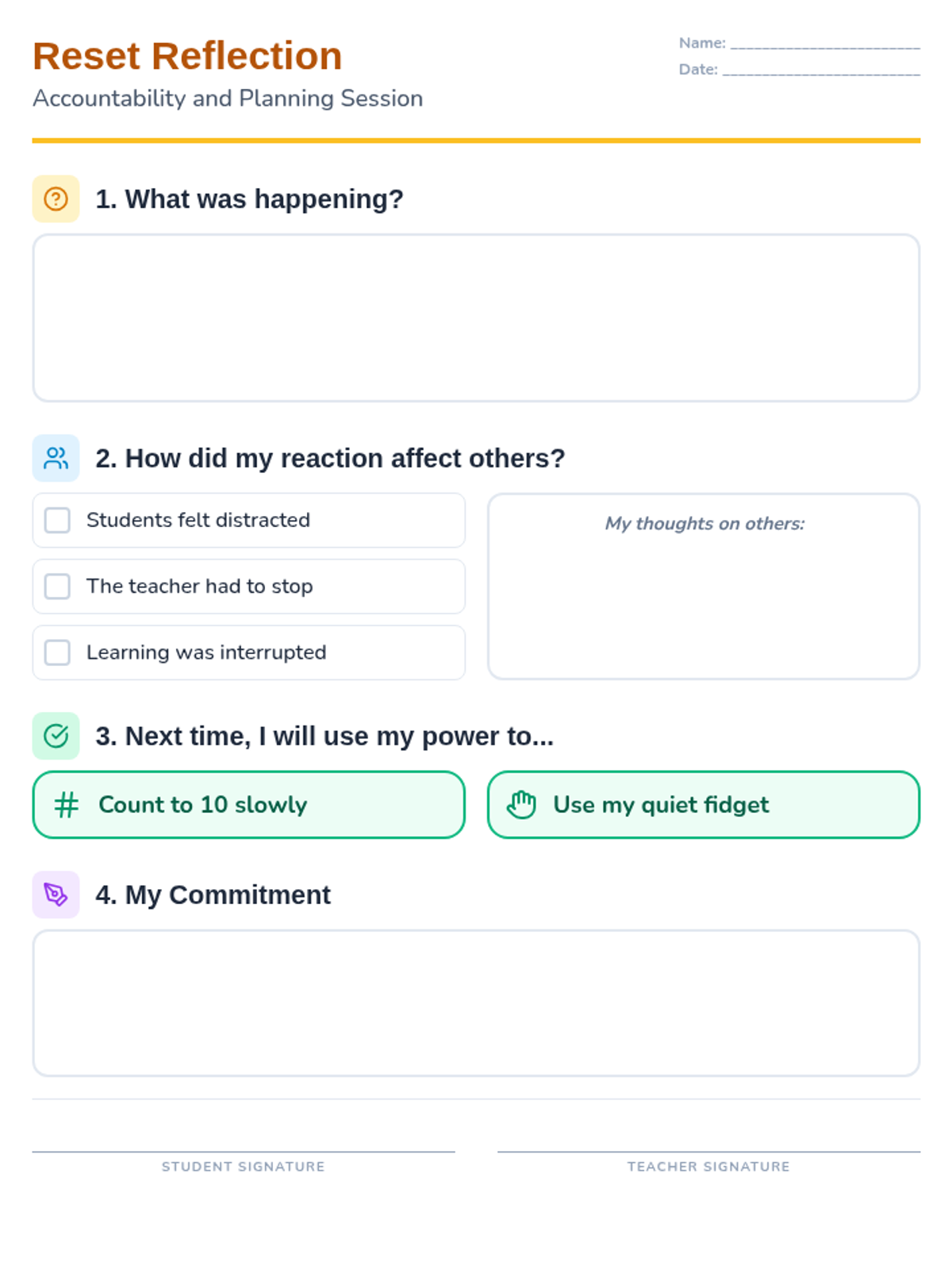
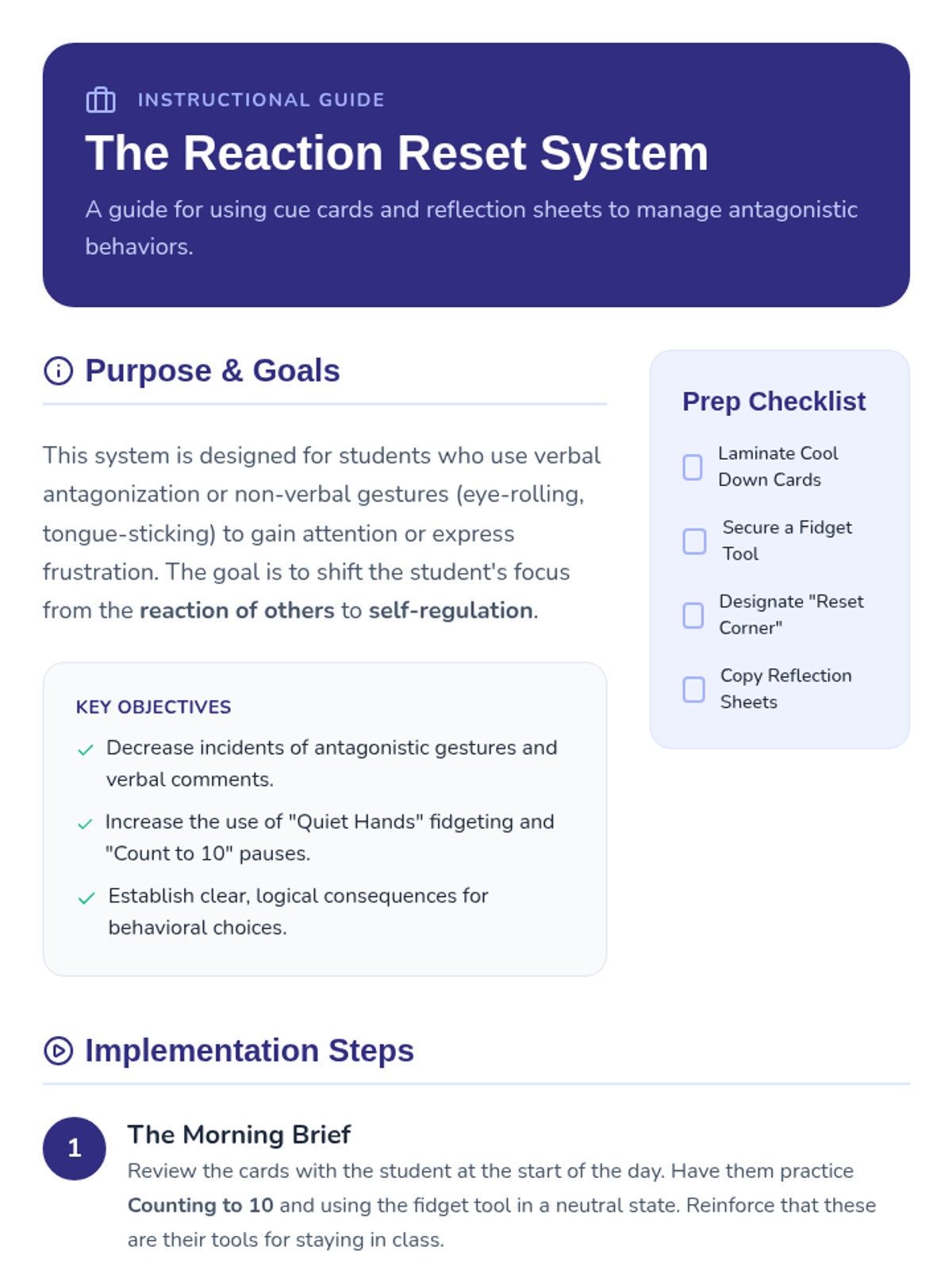
A behavioral intervention lesson designed to provide a student with immediate, portable visual cues for self-regulation and a framework for accountability after conflict.
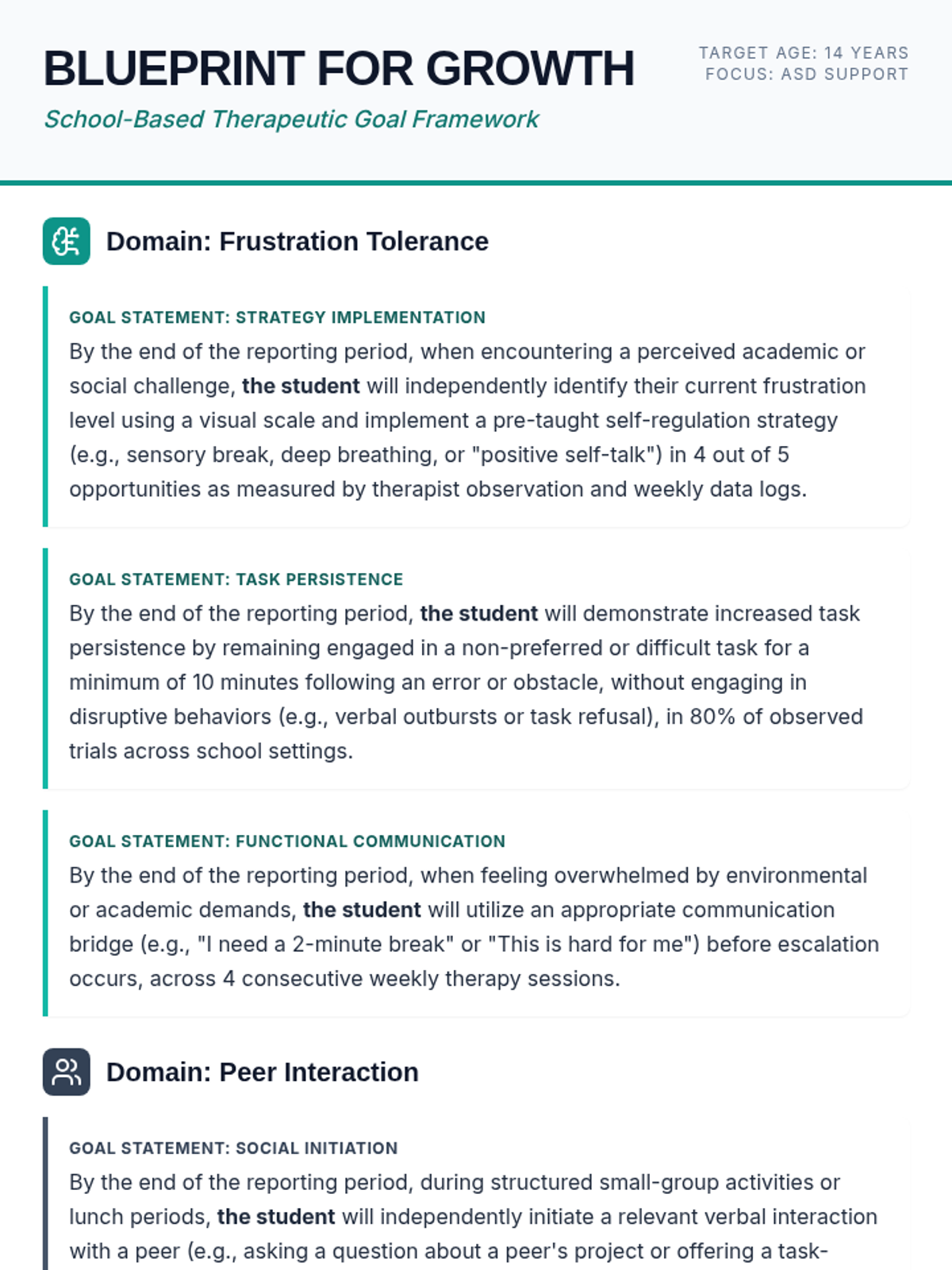
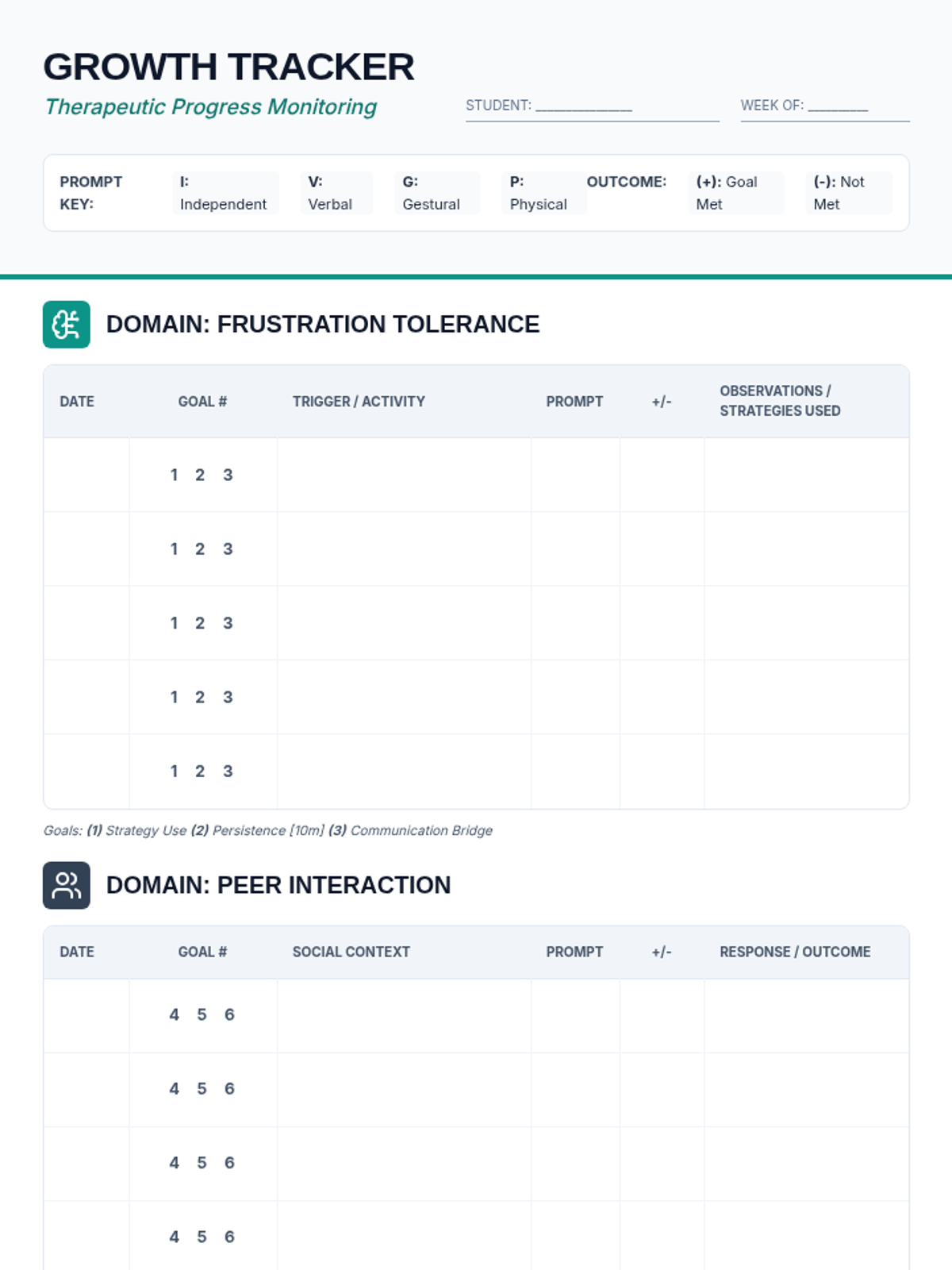
A comprehensive toolkit for supporting a 14-year-old student with autism in school settings, focusing on building emotional resilience and social connections through structured goals and data-driven progress monitoring.
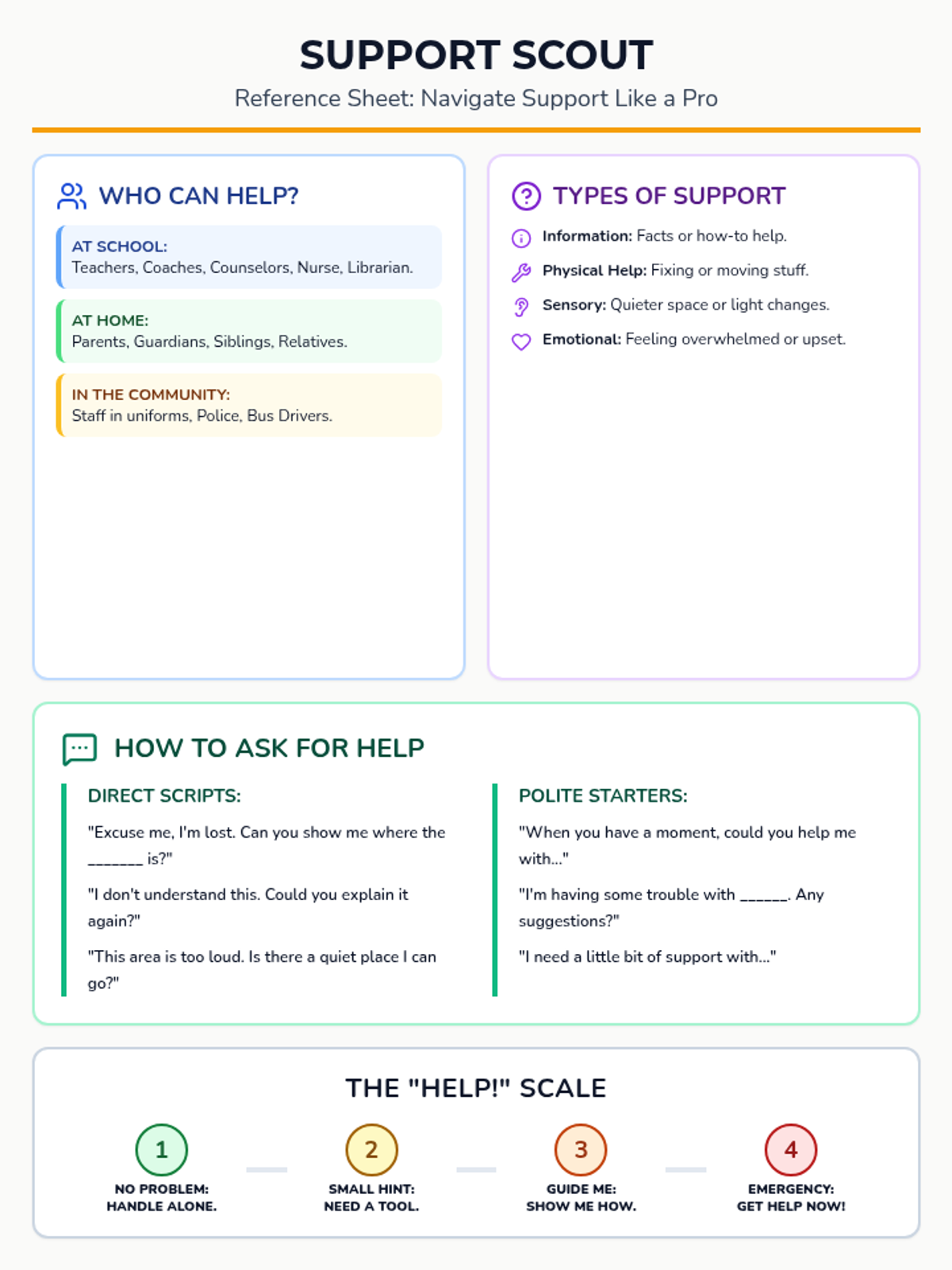
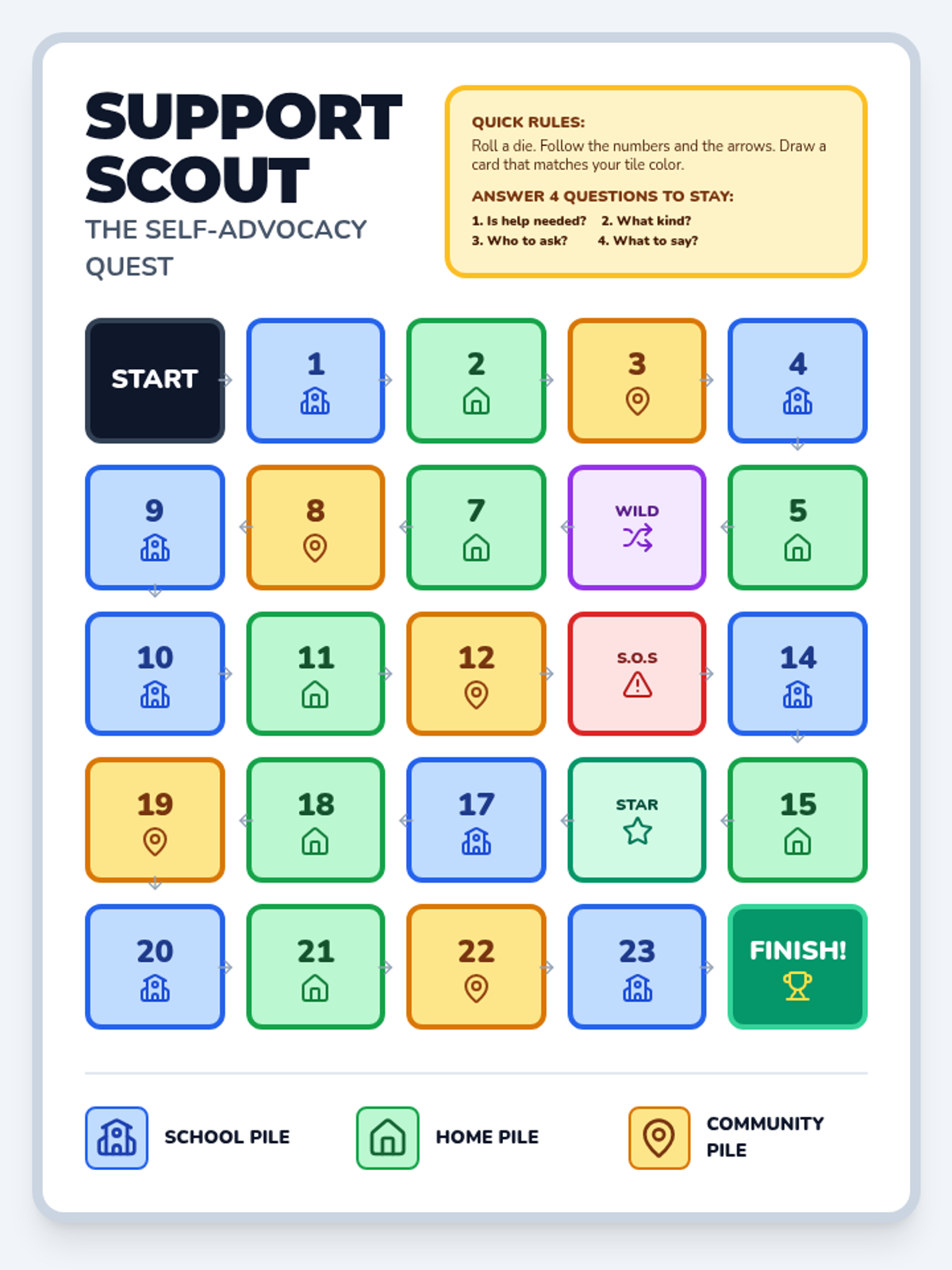
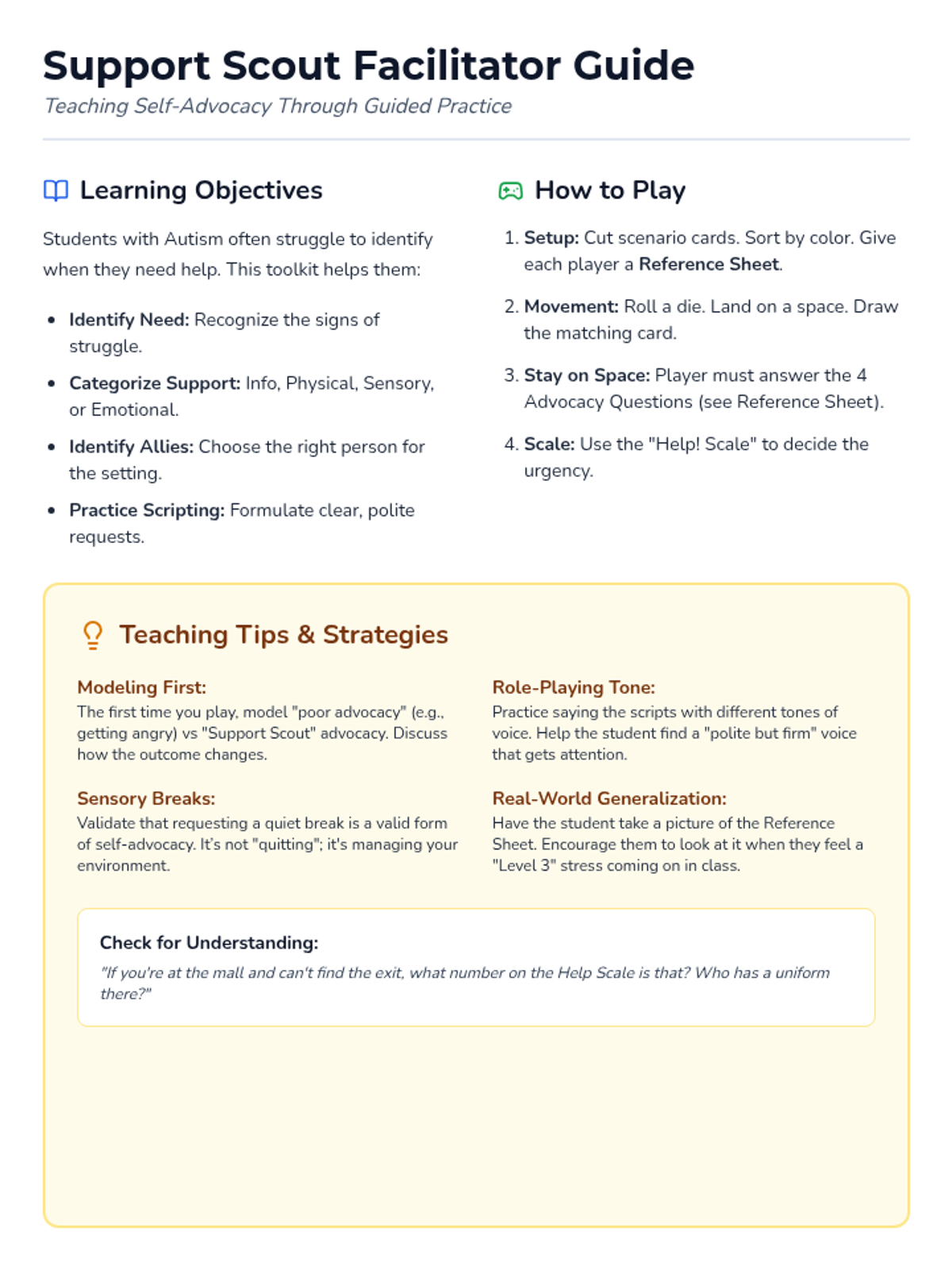
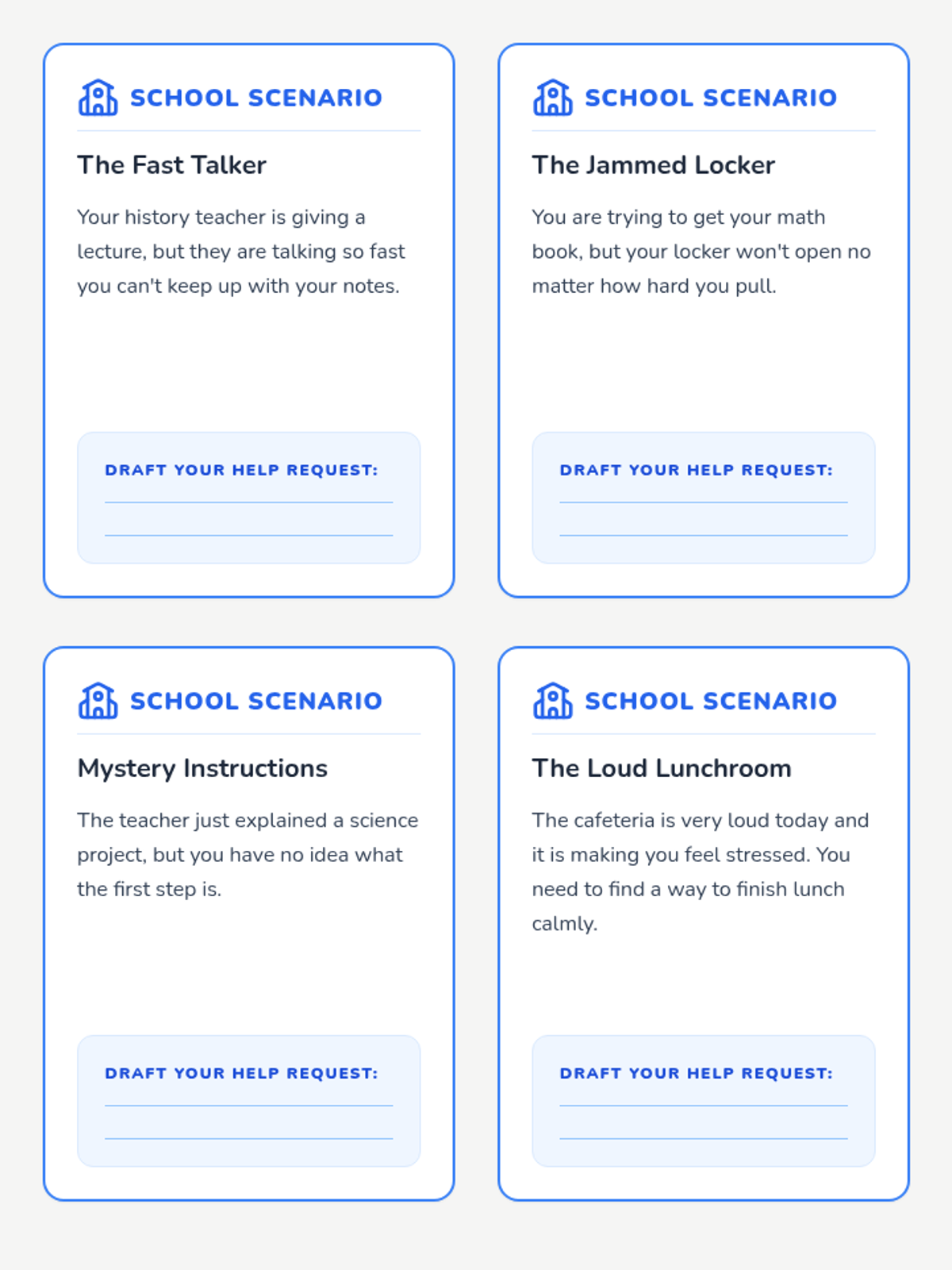
A comprehensive self-advocacy toolkit designed for high school students with Autism. It includes 30 scenario cards, a printable game board, and reference materials to help students identify when to ask for help, who to ask, and how to communicate their needs effectively across school, home, and community settings.
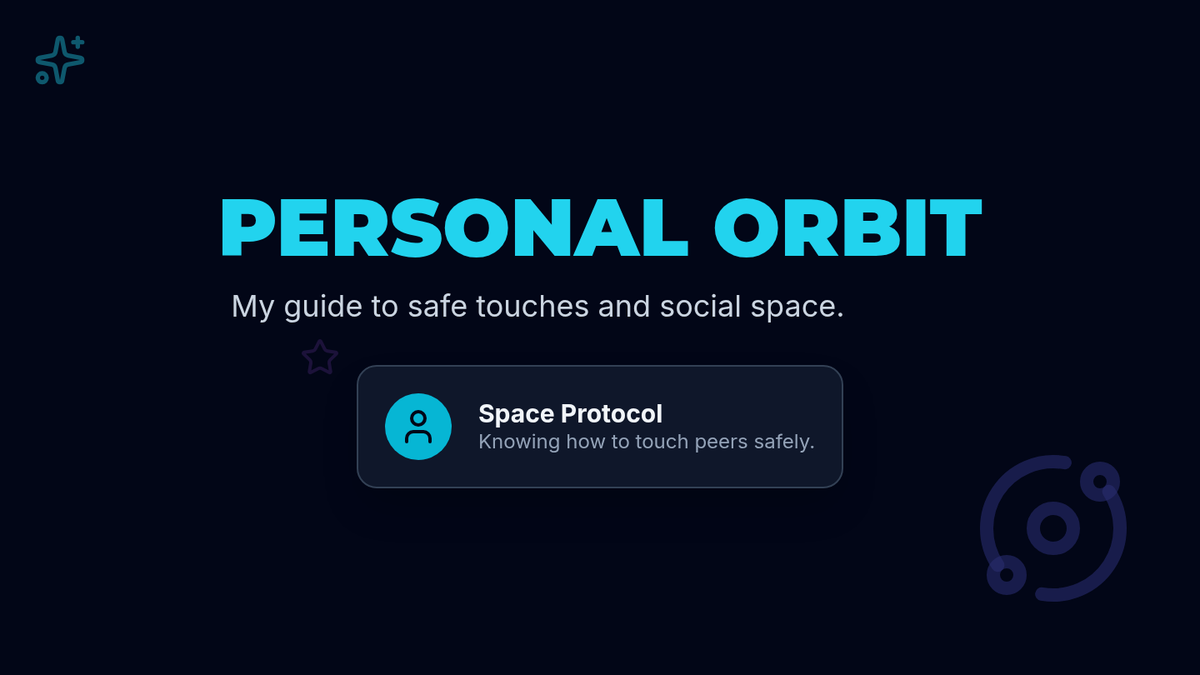
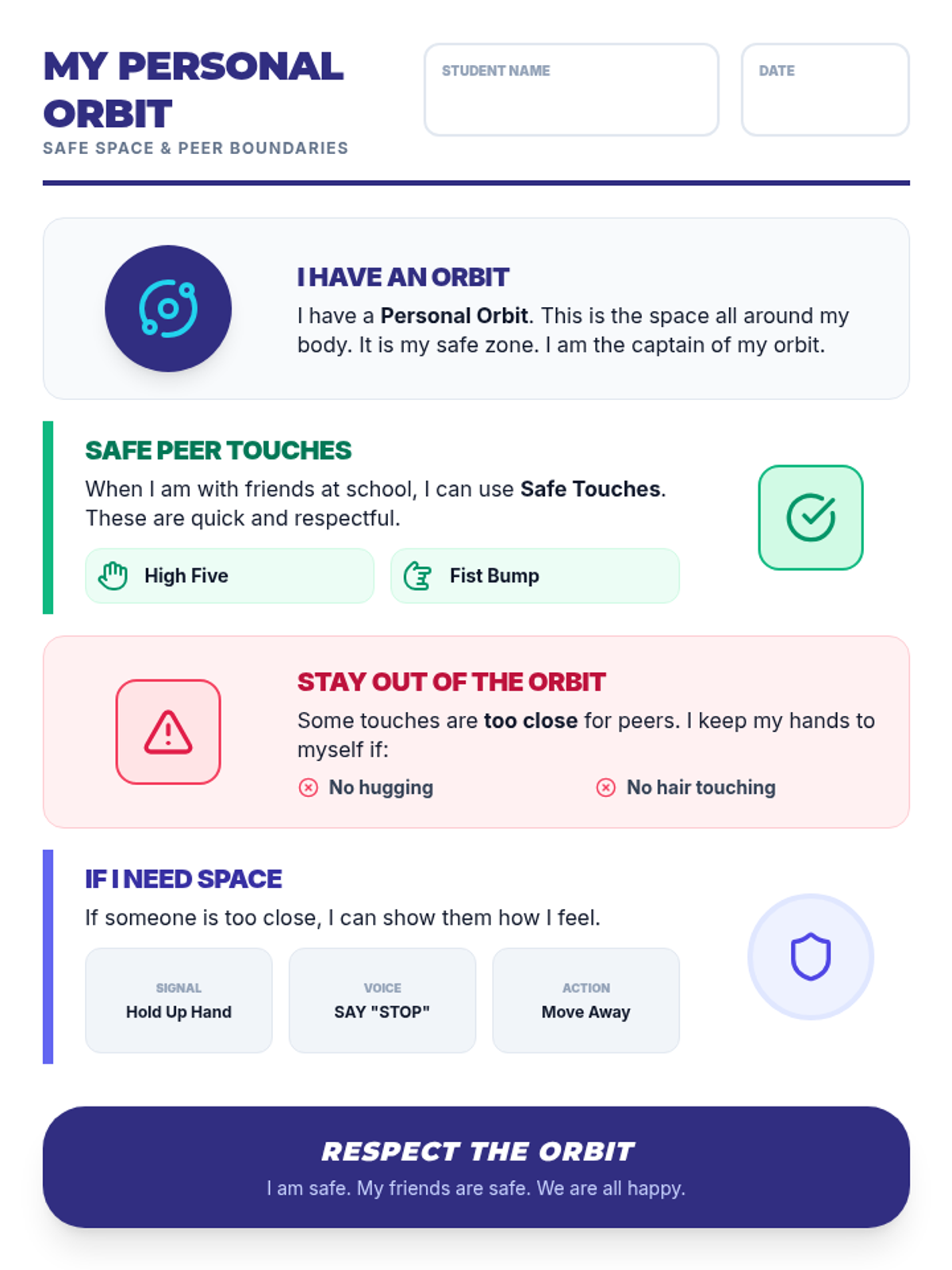
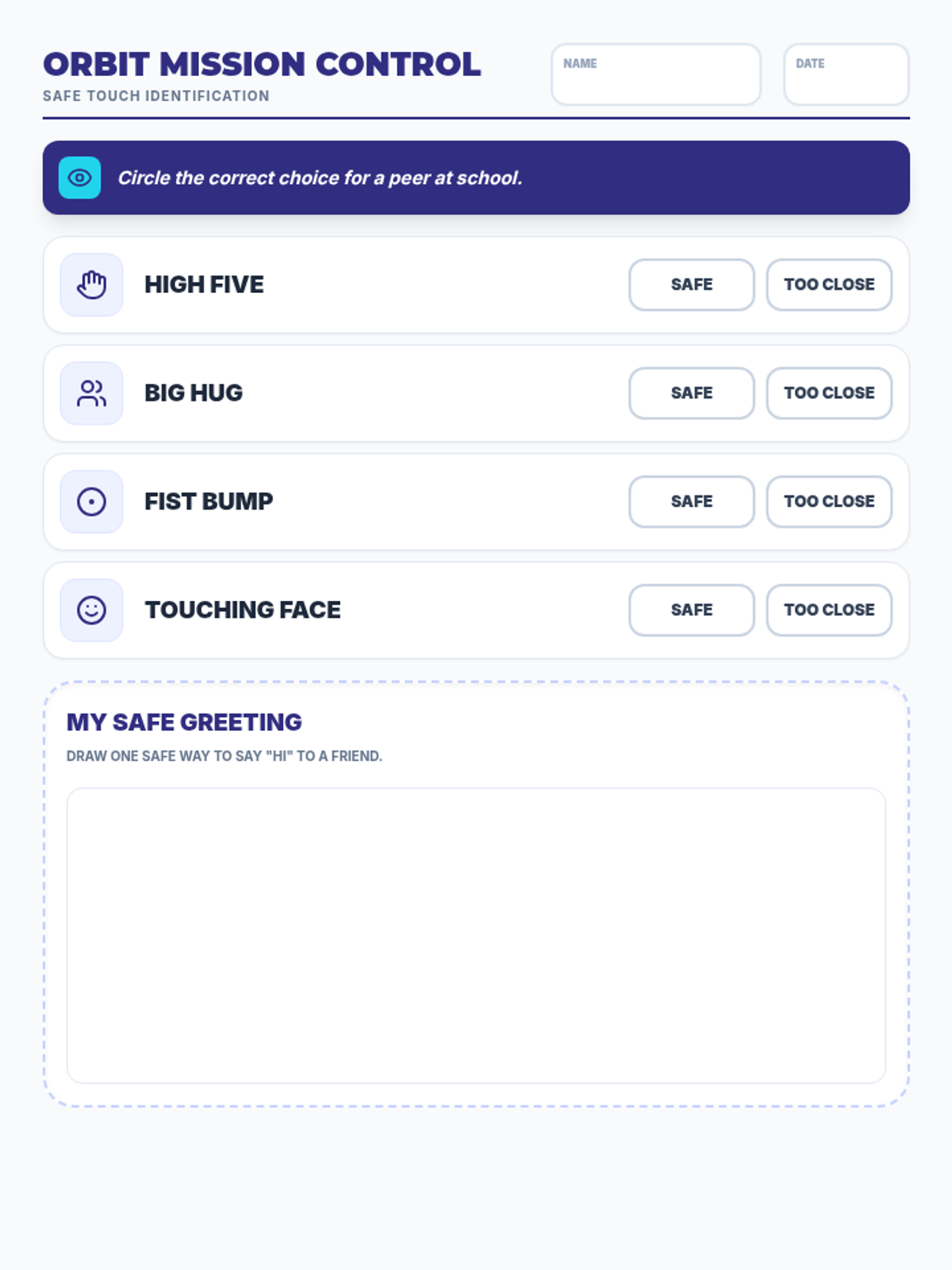
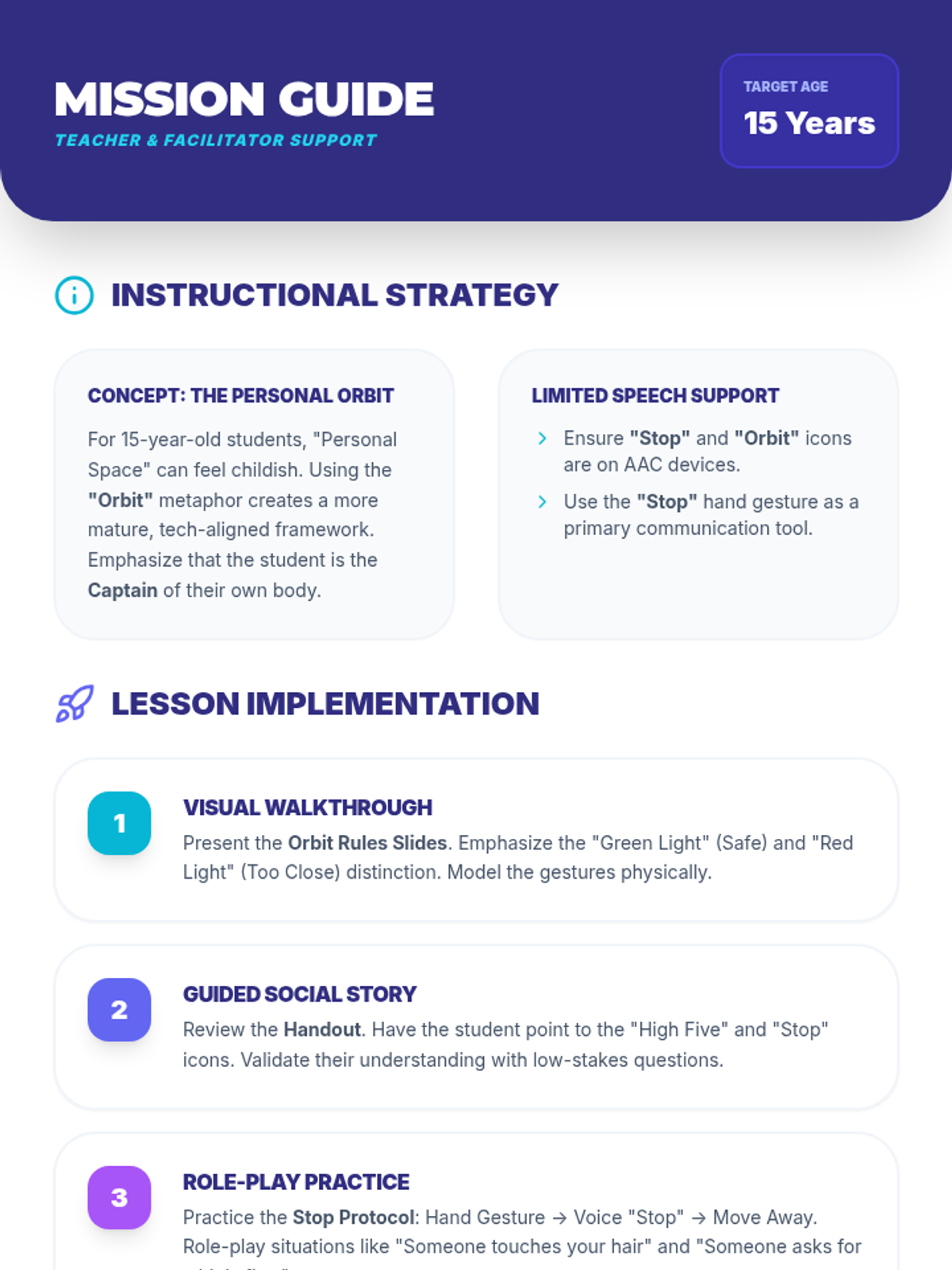
A lesson designed for older students with limited speech to understand and practice appropriate physical boundaries and safe touches with peers. Uses a 'Personal Orbit' metaphor to make abstract social concepts concrete and age-appropriate.
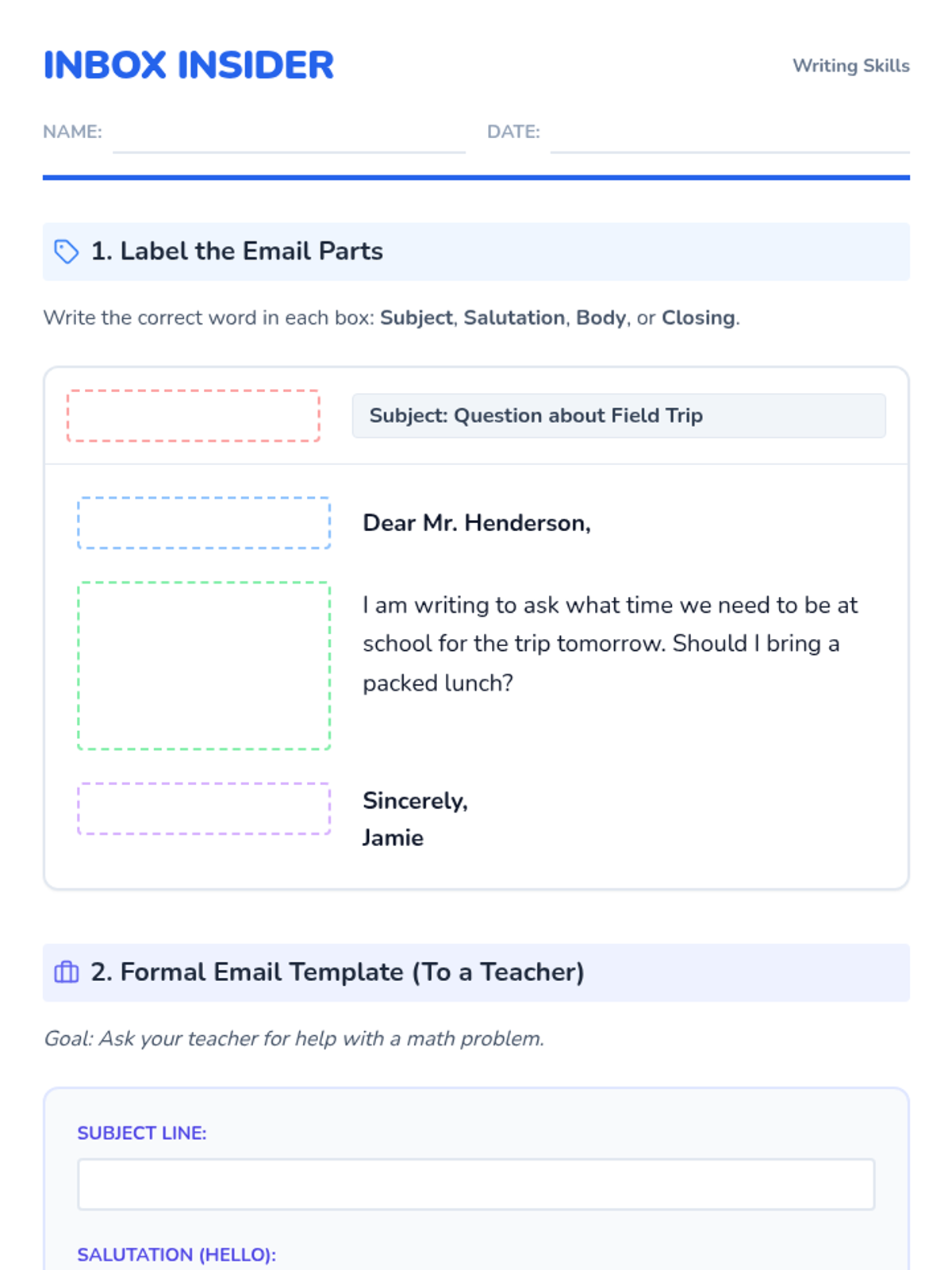
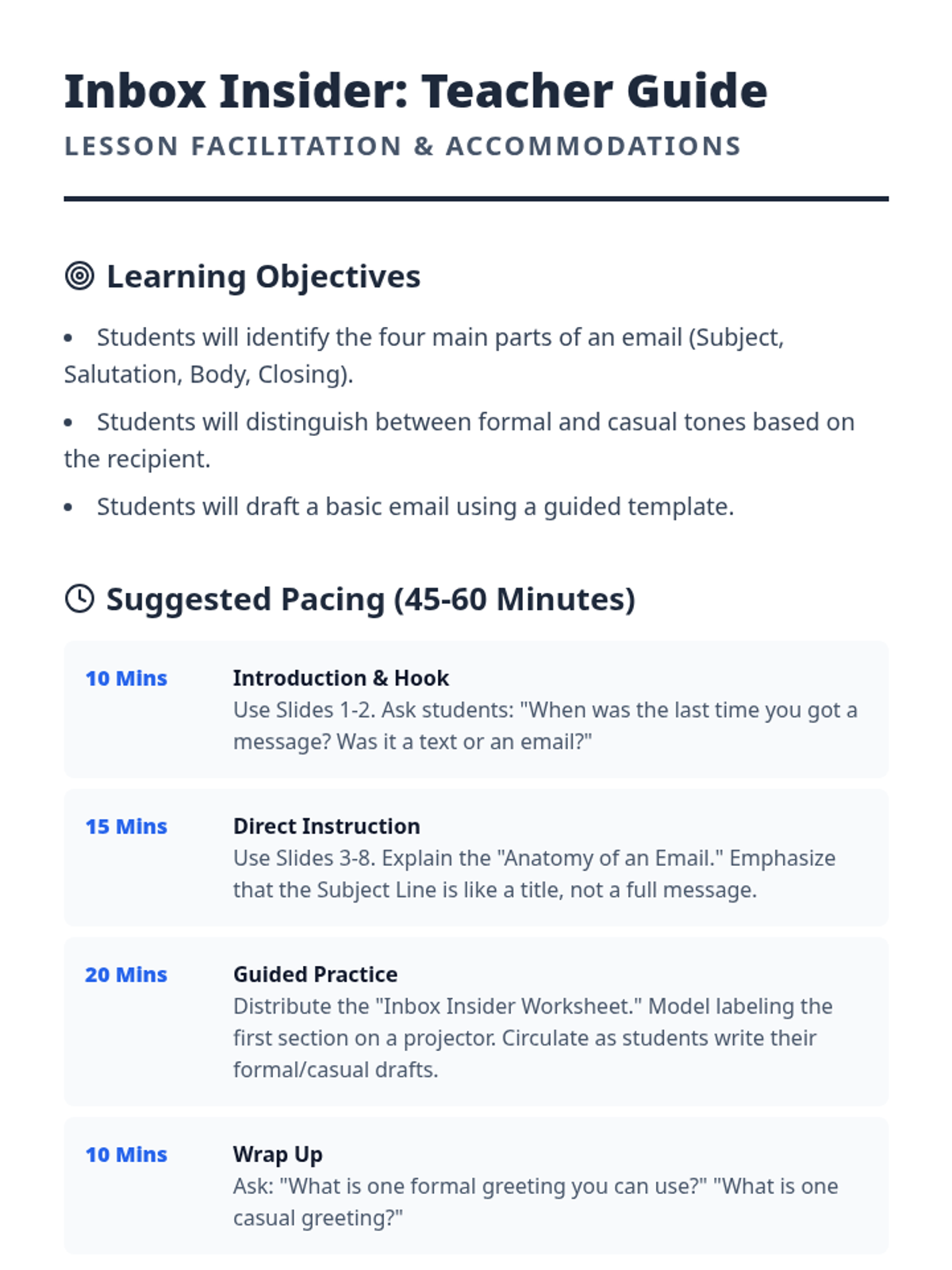
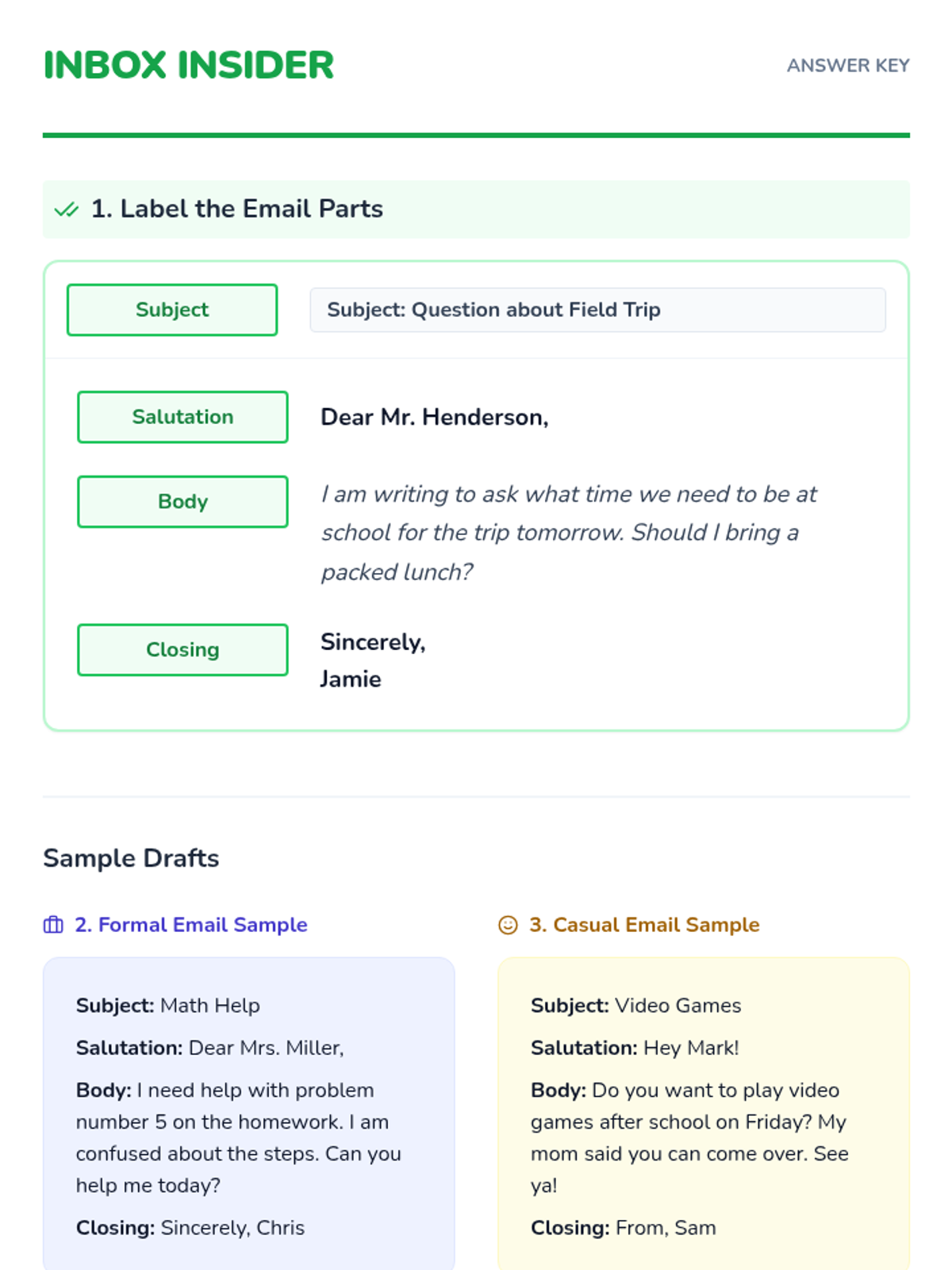
A foundational lesson for special education students on email etiquette and structure, focusing on the difference between formal and casual tones and the essential components of an email.
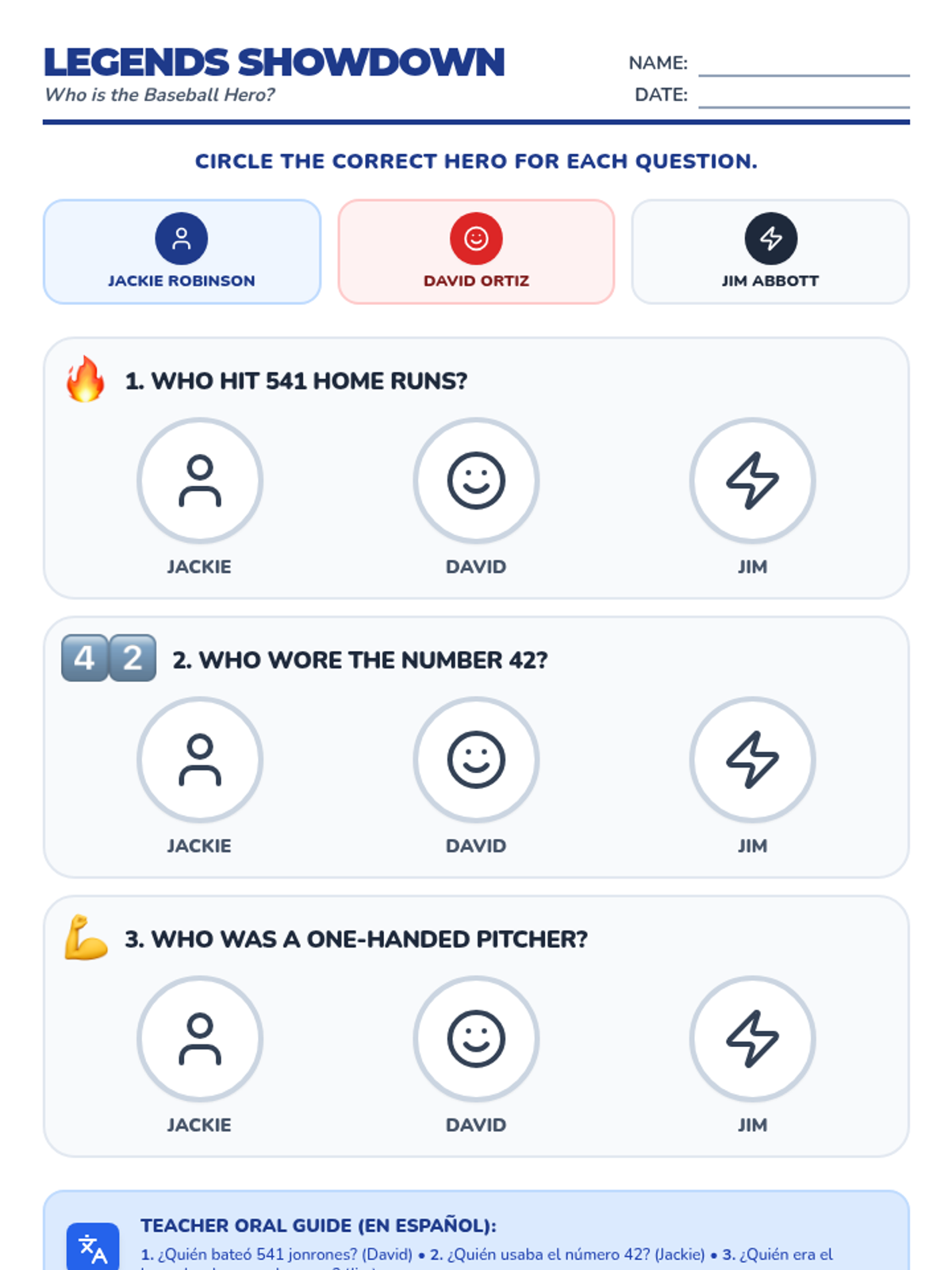
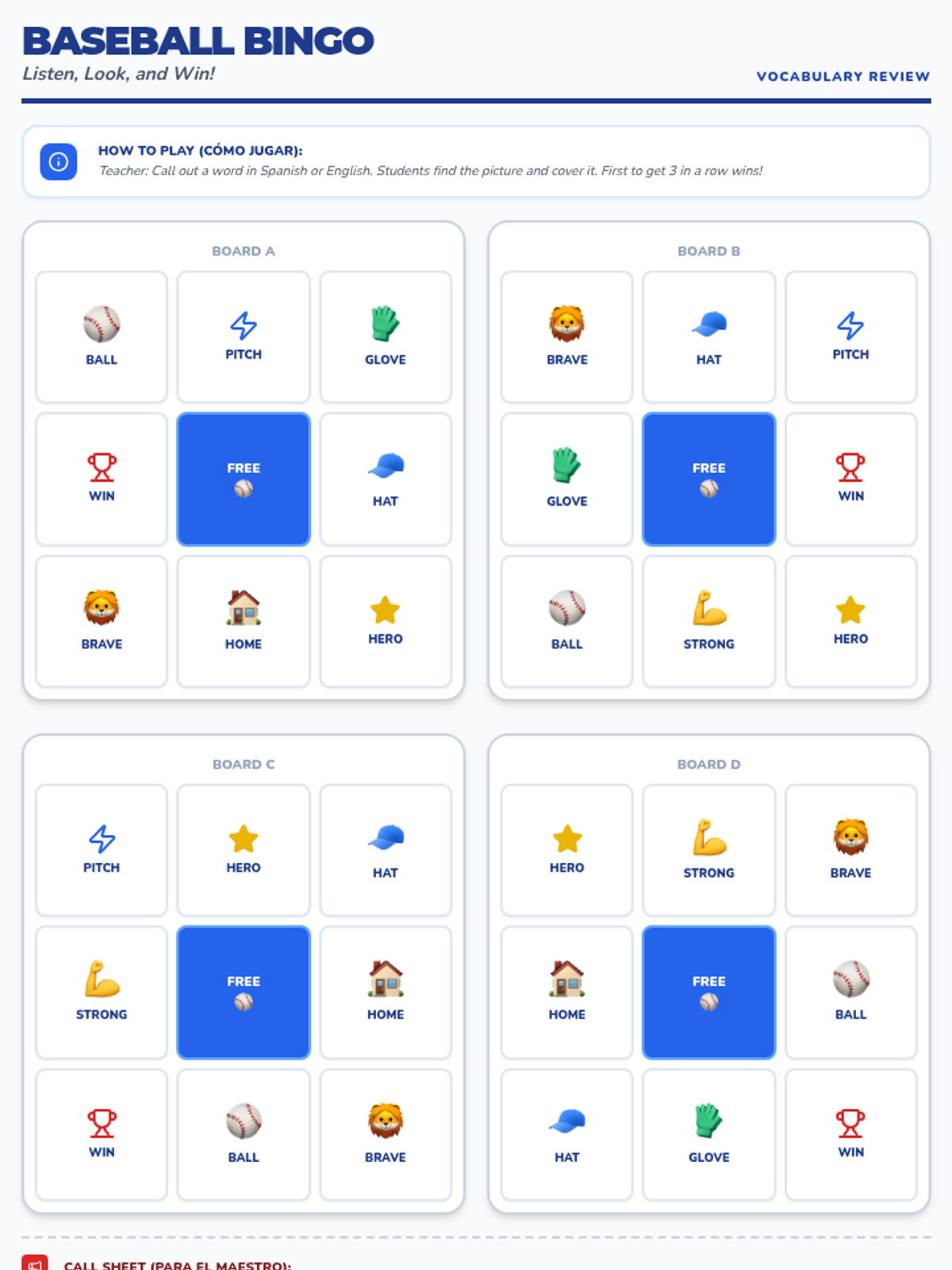
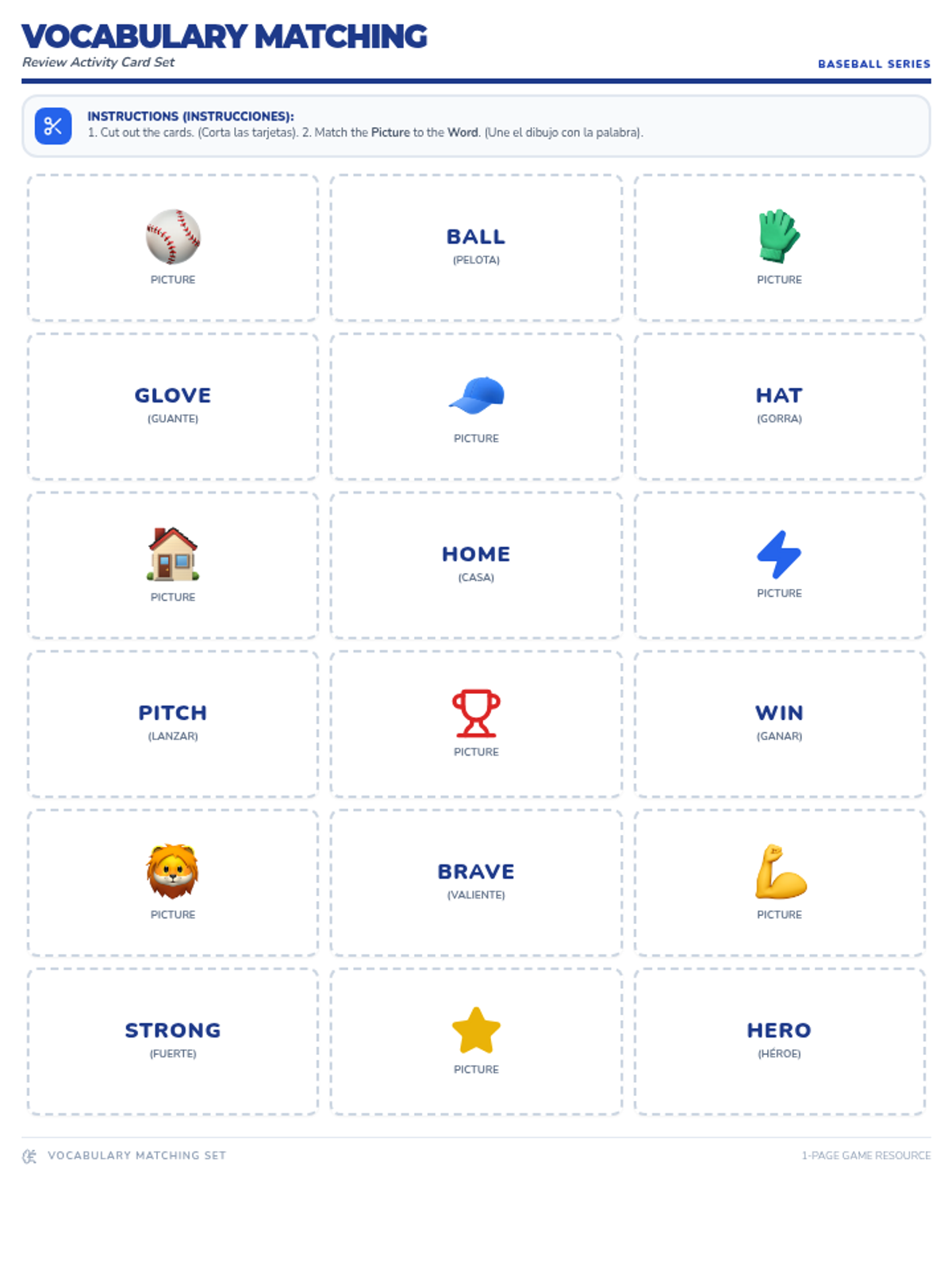
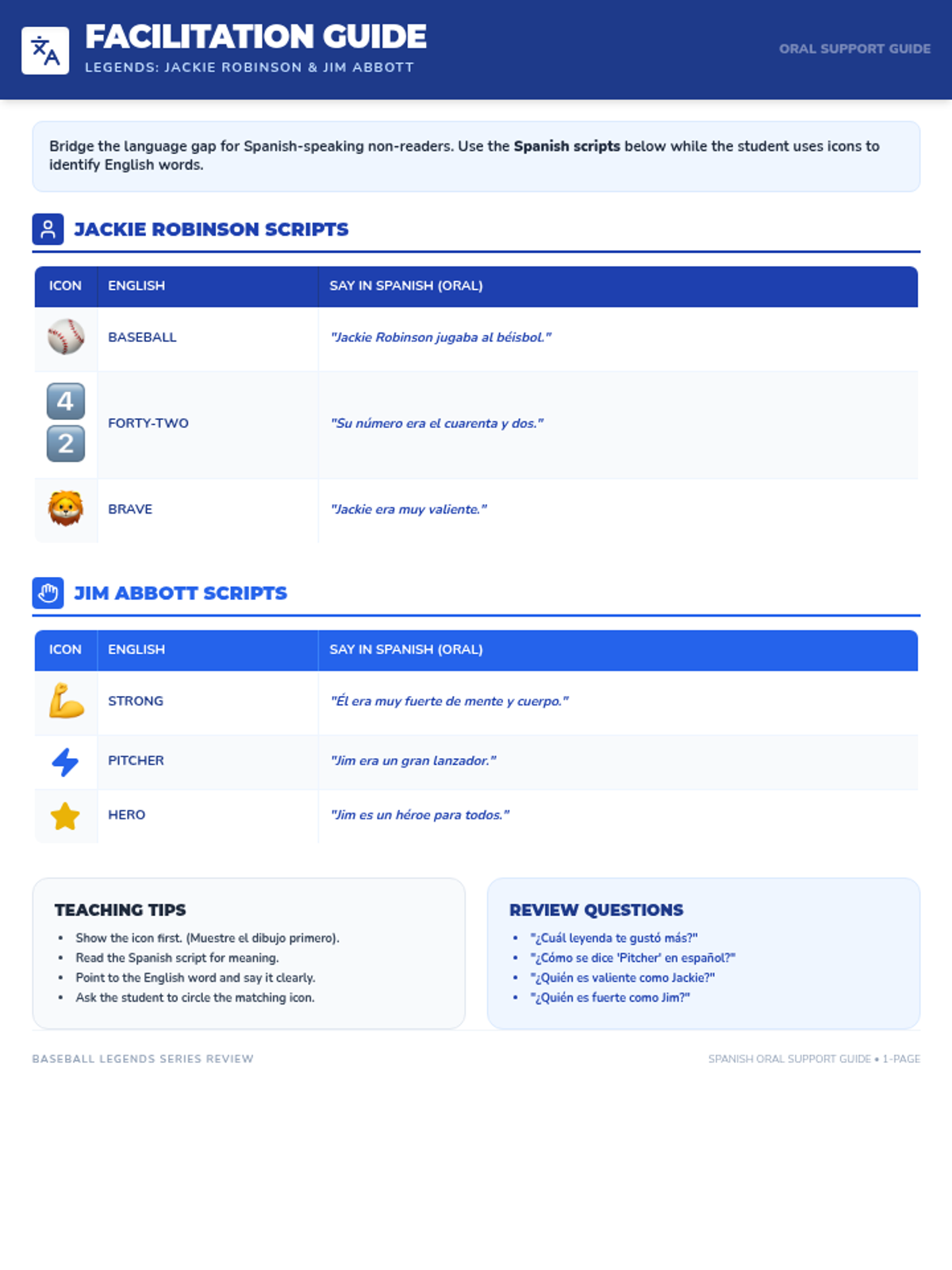
A review lesson covering Jackie Robinson, David Ortiz, and Jim Abbott, using visual identification to reinforce key facts.
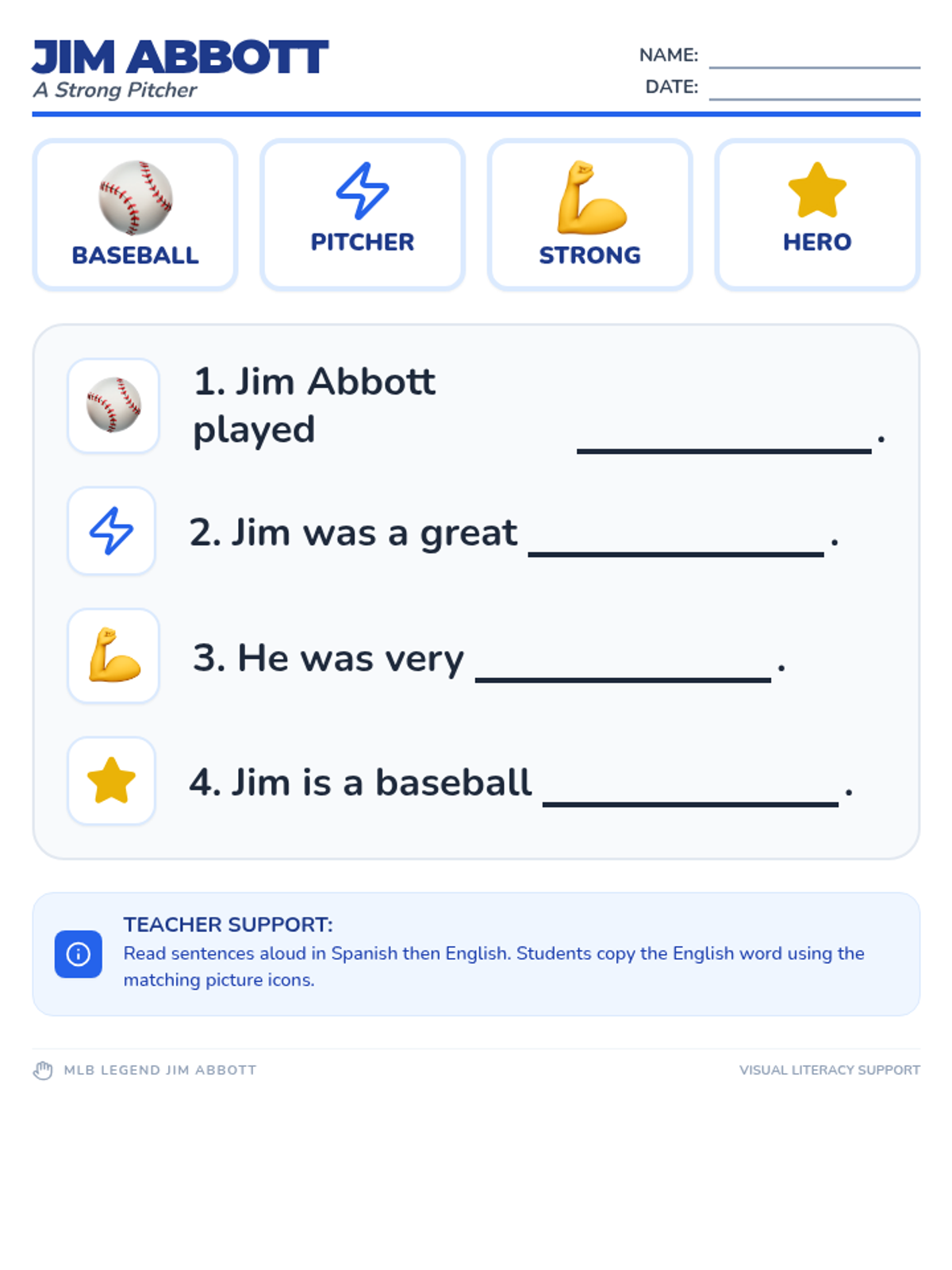
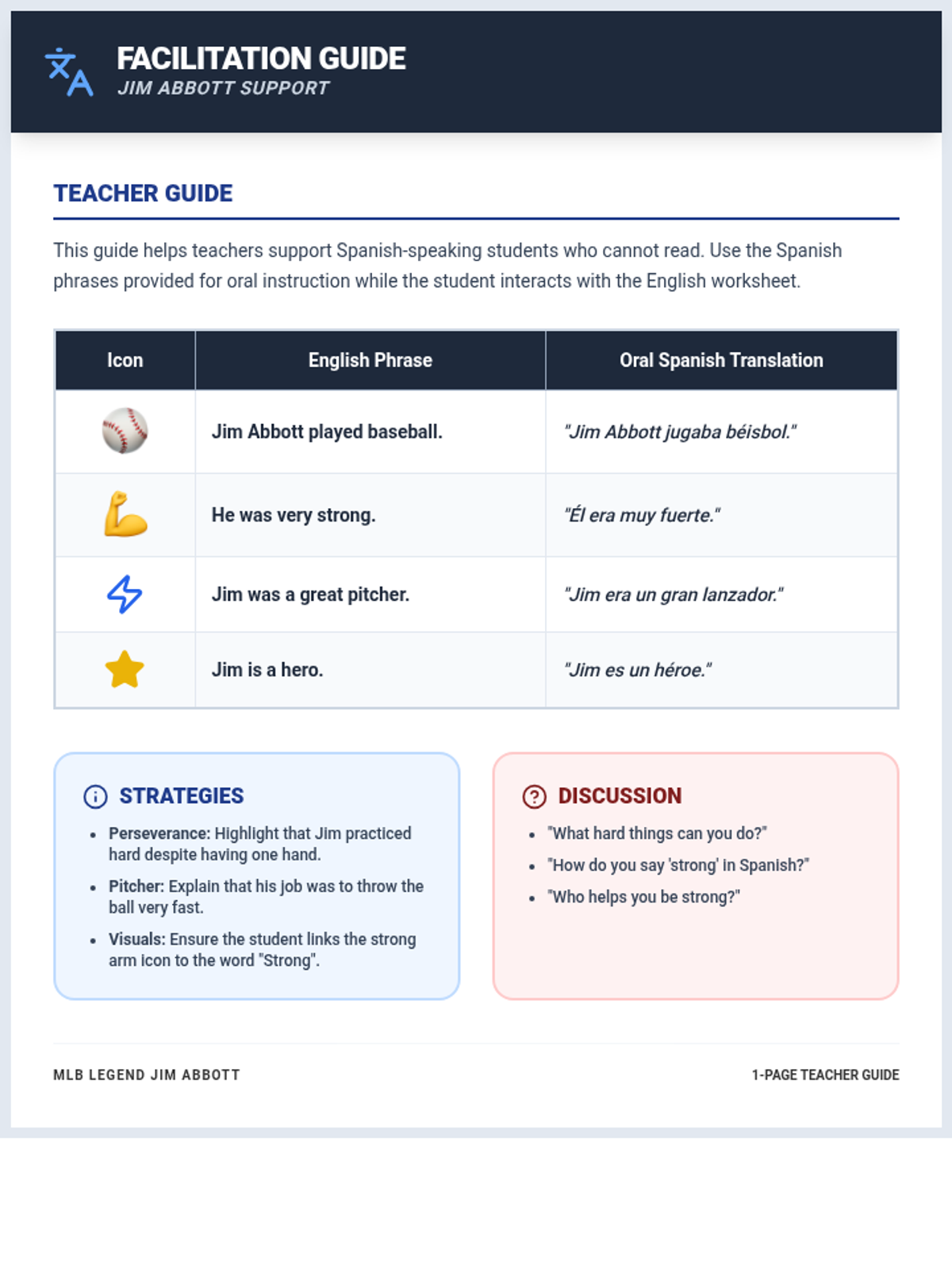
A visually supported lesson about Jim Abbott, a famous pitcher who played with one hand, focusing on his strength and success.
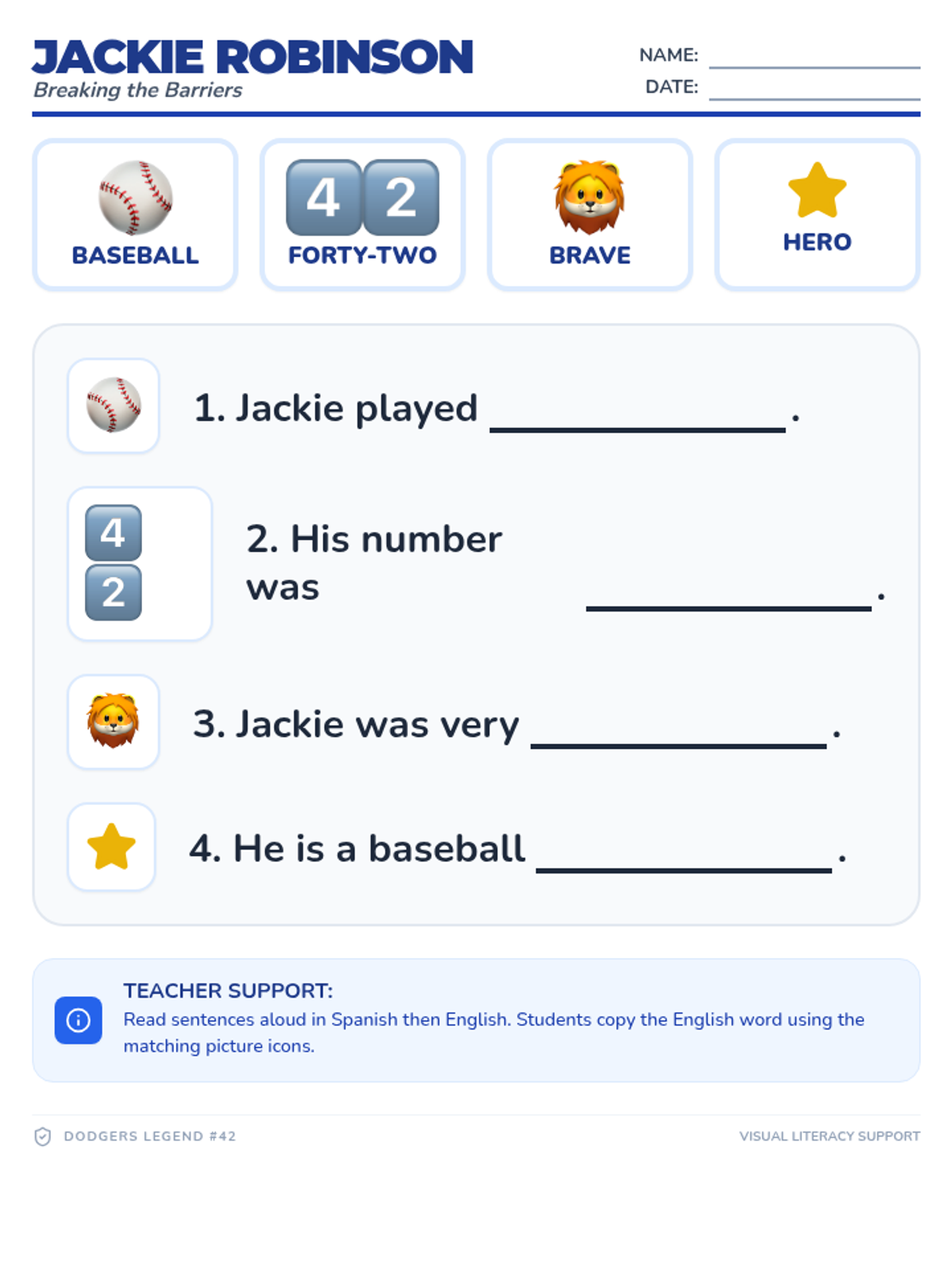
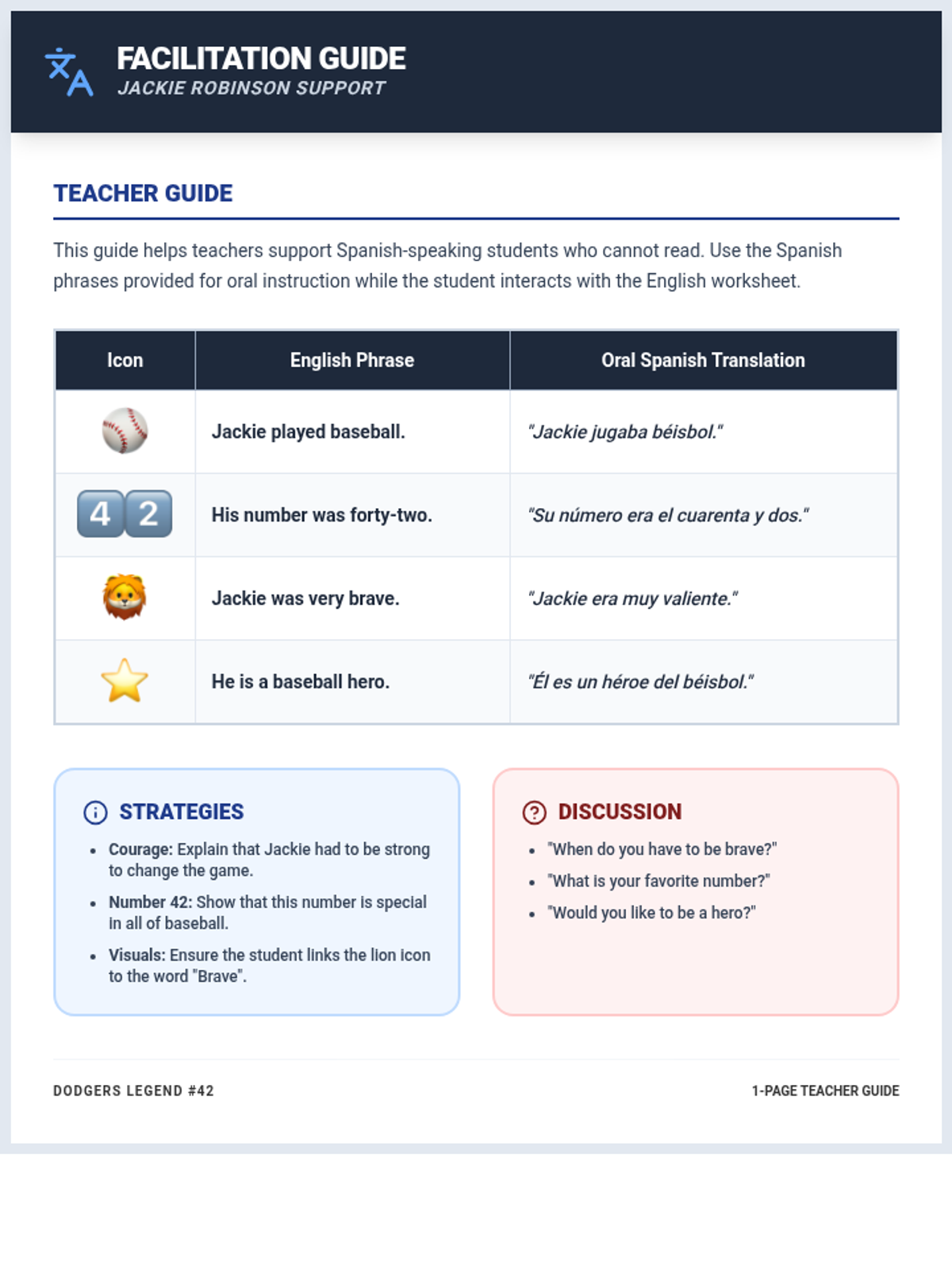
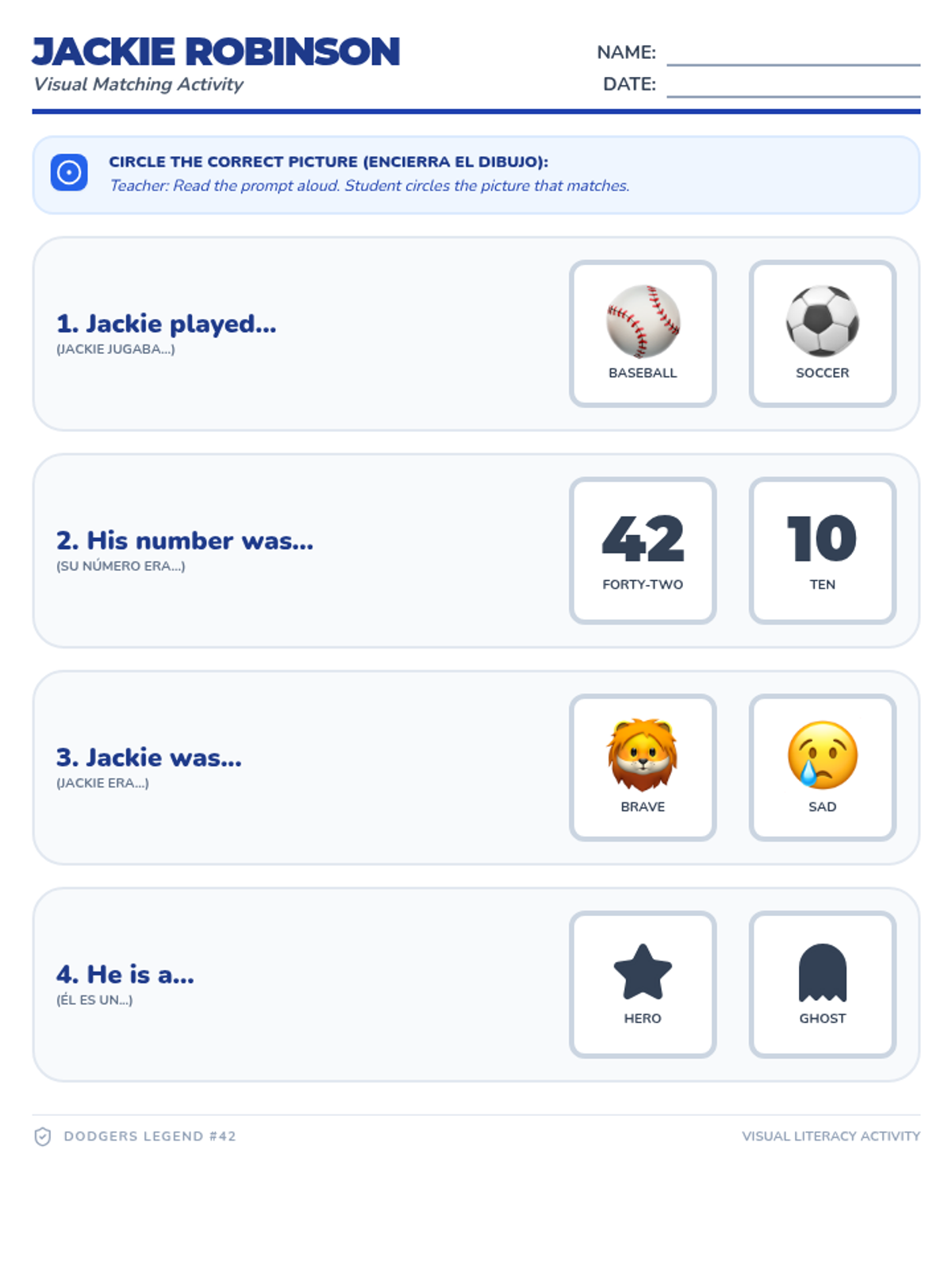
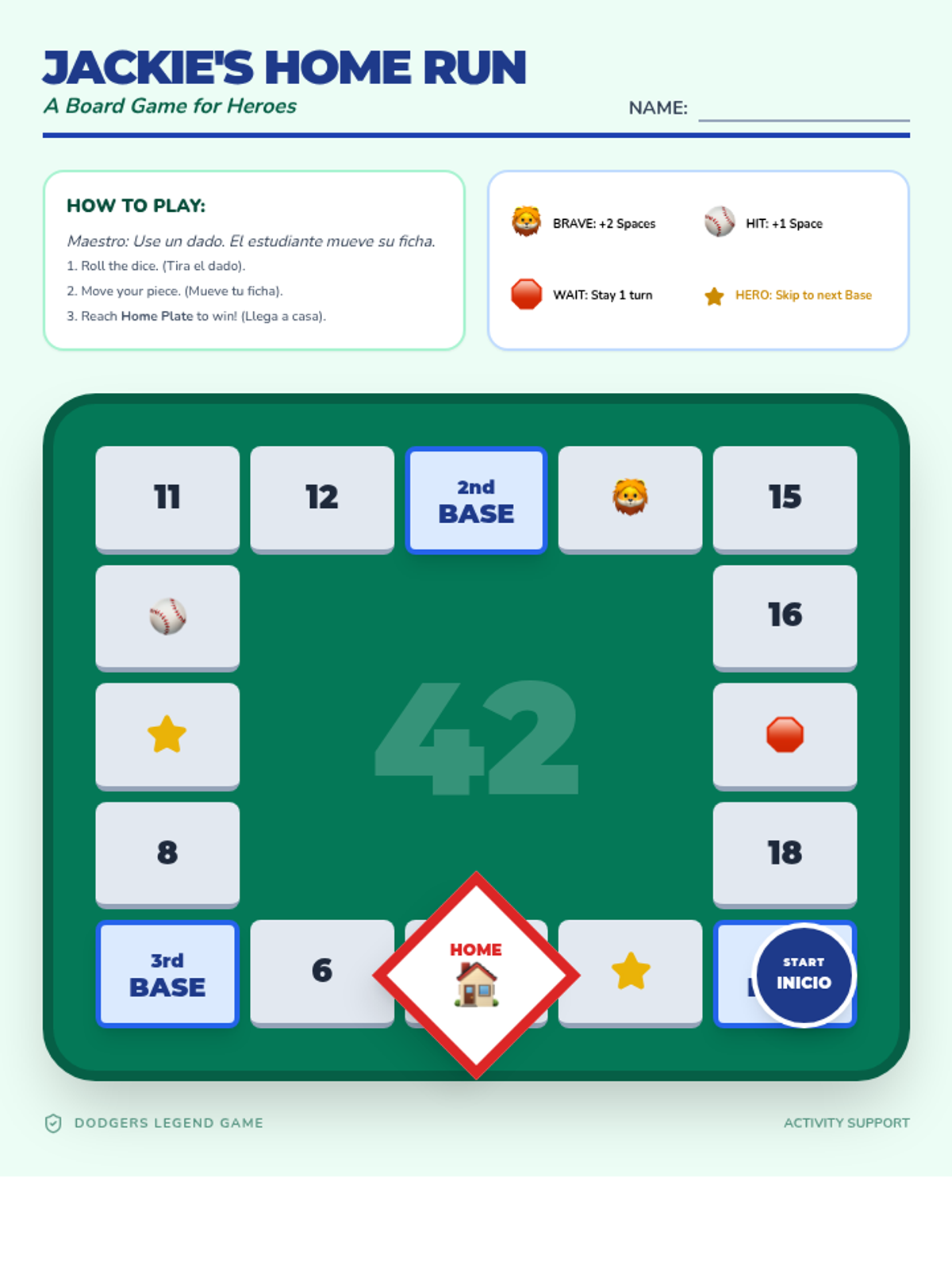
A visually supported lesson about Jackie Robinson's life and legacy, focusing on his courage and the number 42.
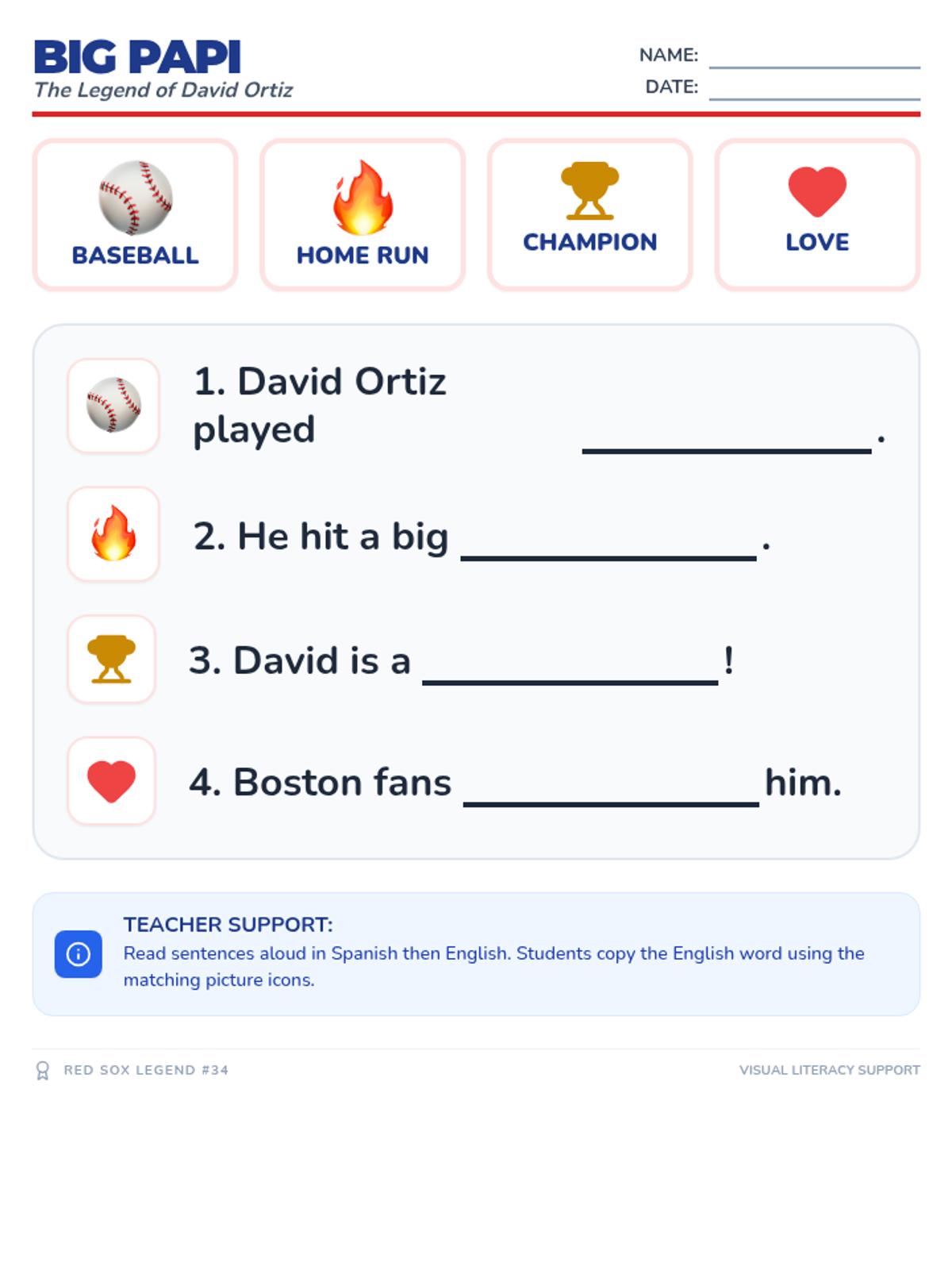
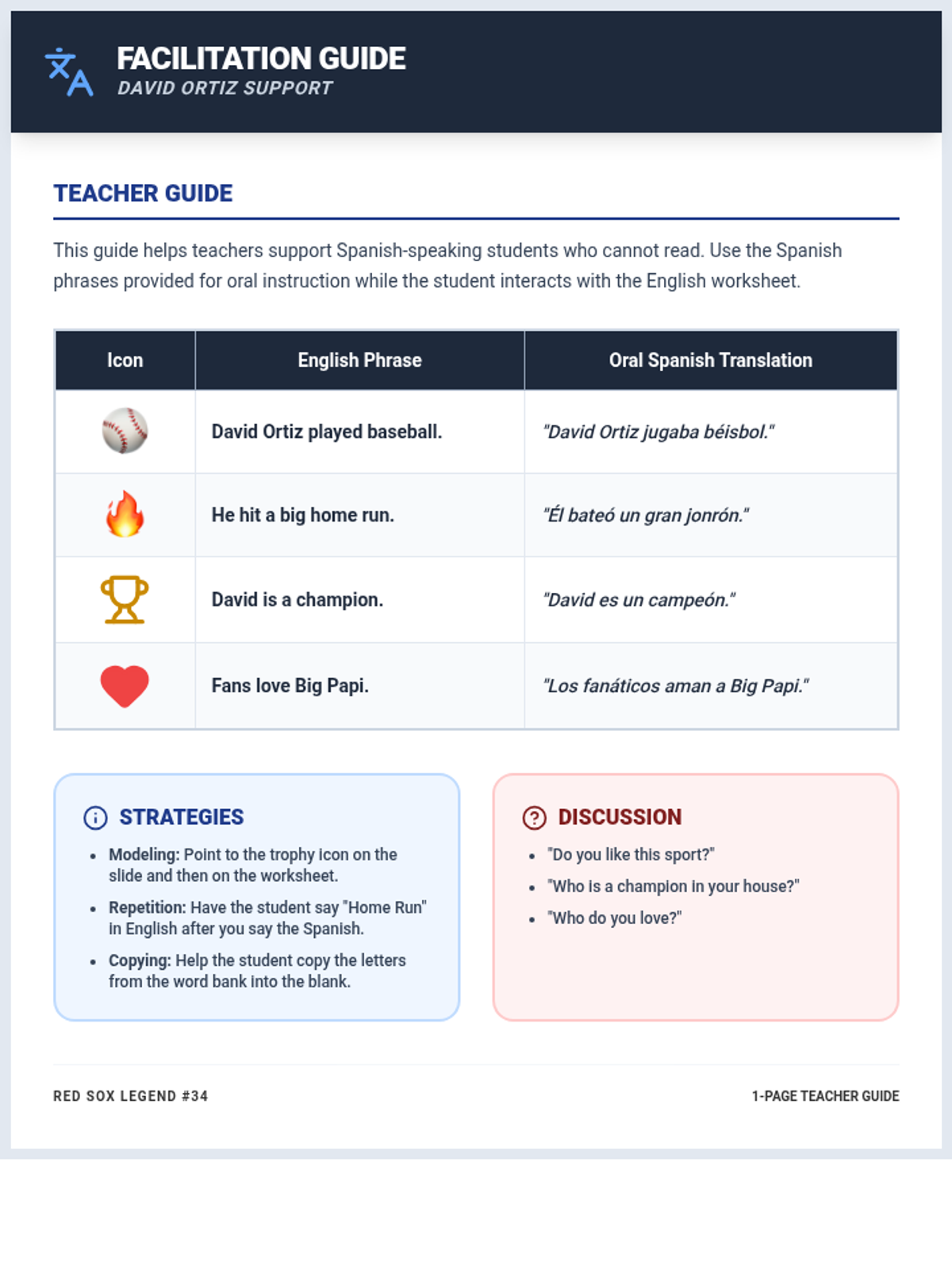
A visually-heavy introductory lesson about the life and career of baseball legend David Ortiz, designed for students with limited literacy in their native Spanish.
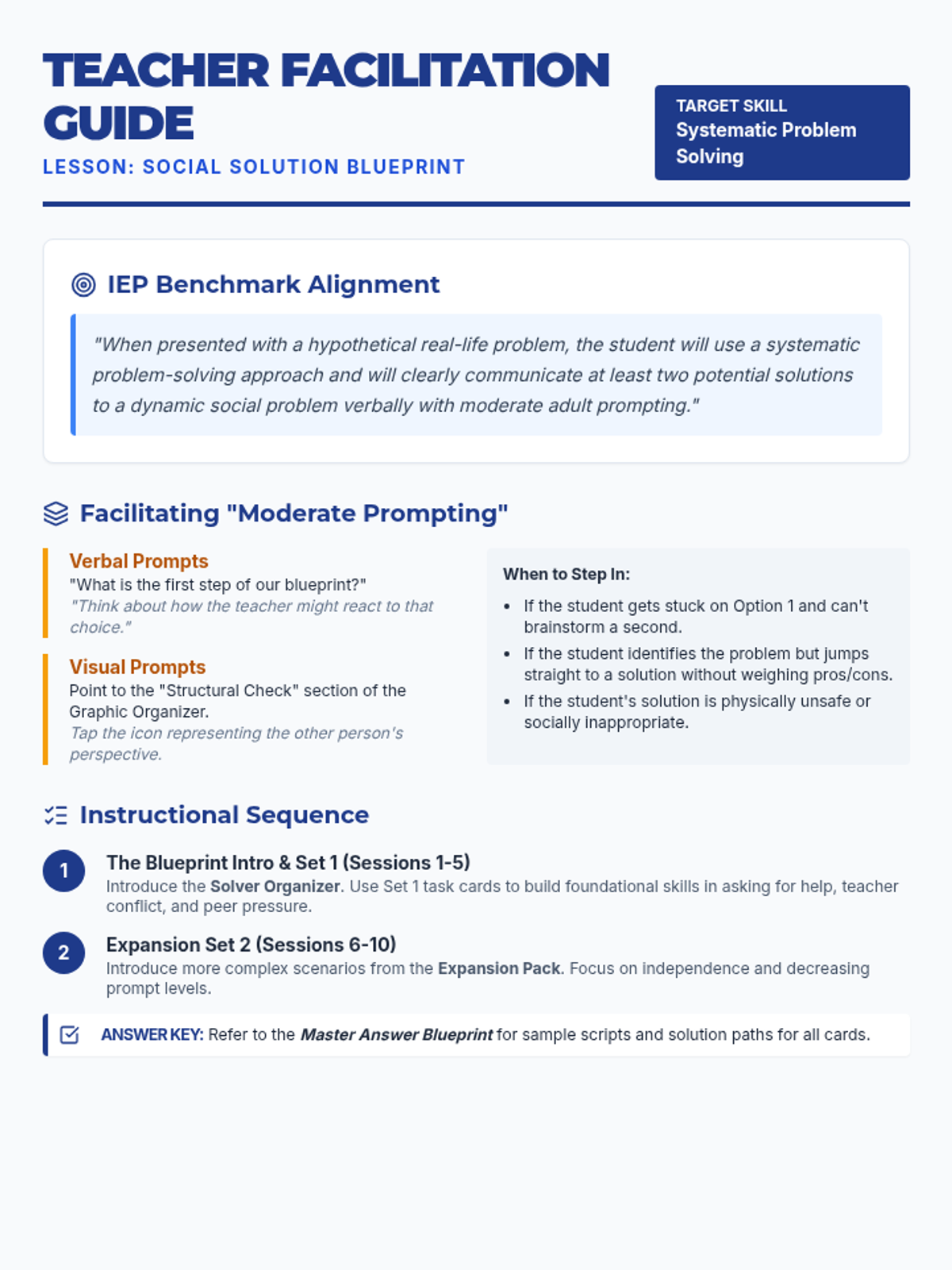
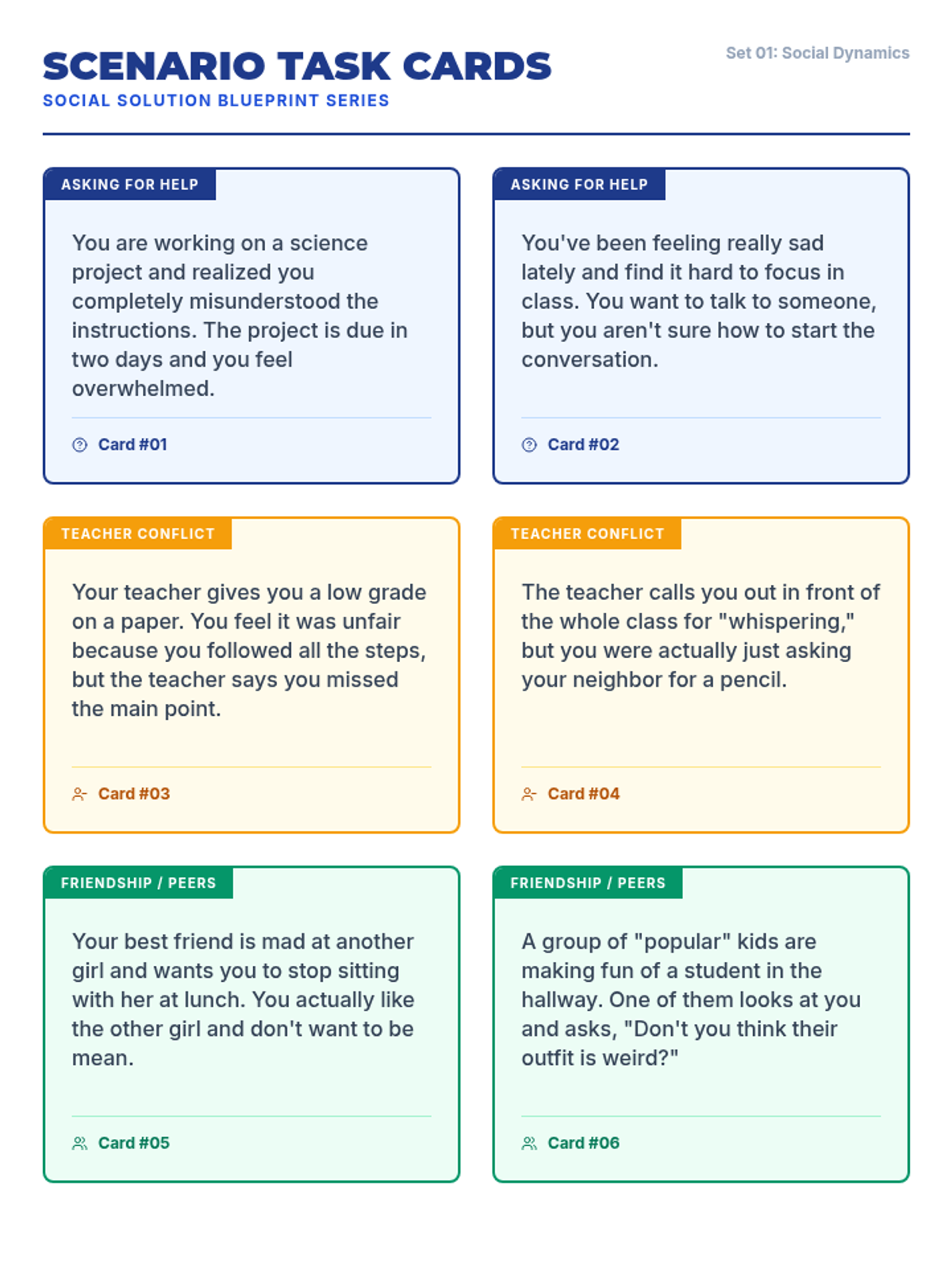
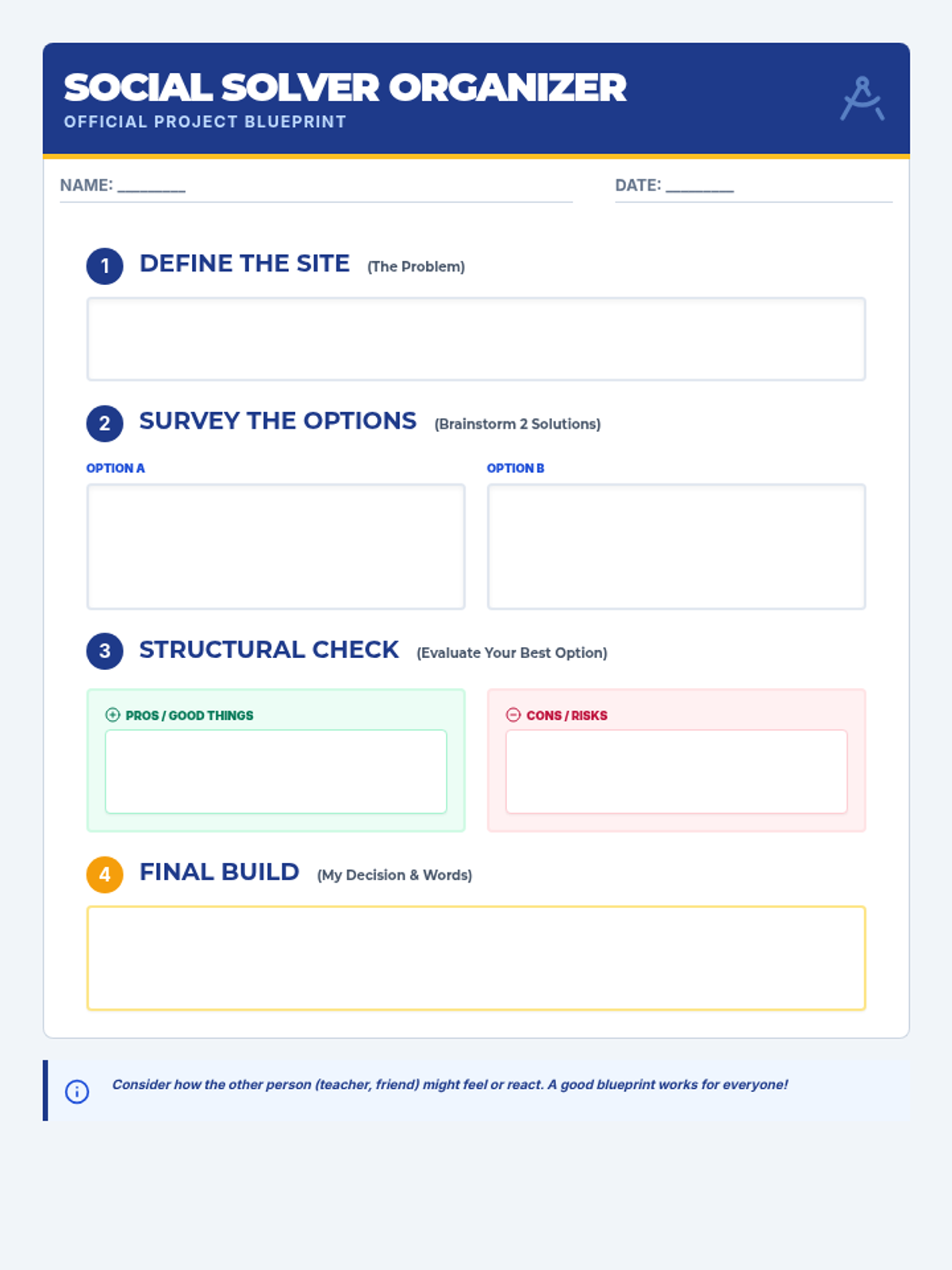
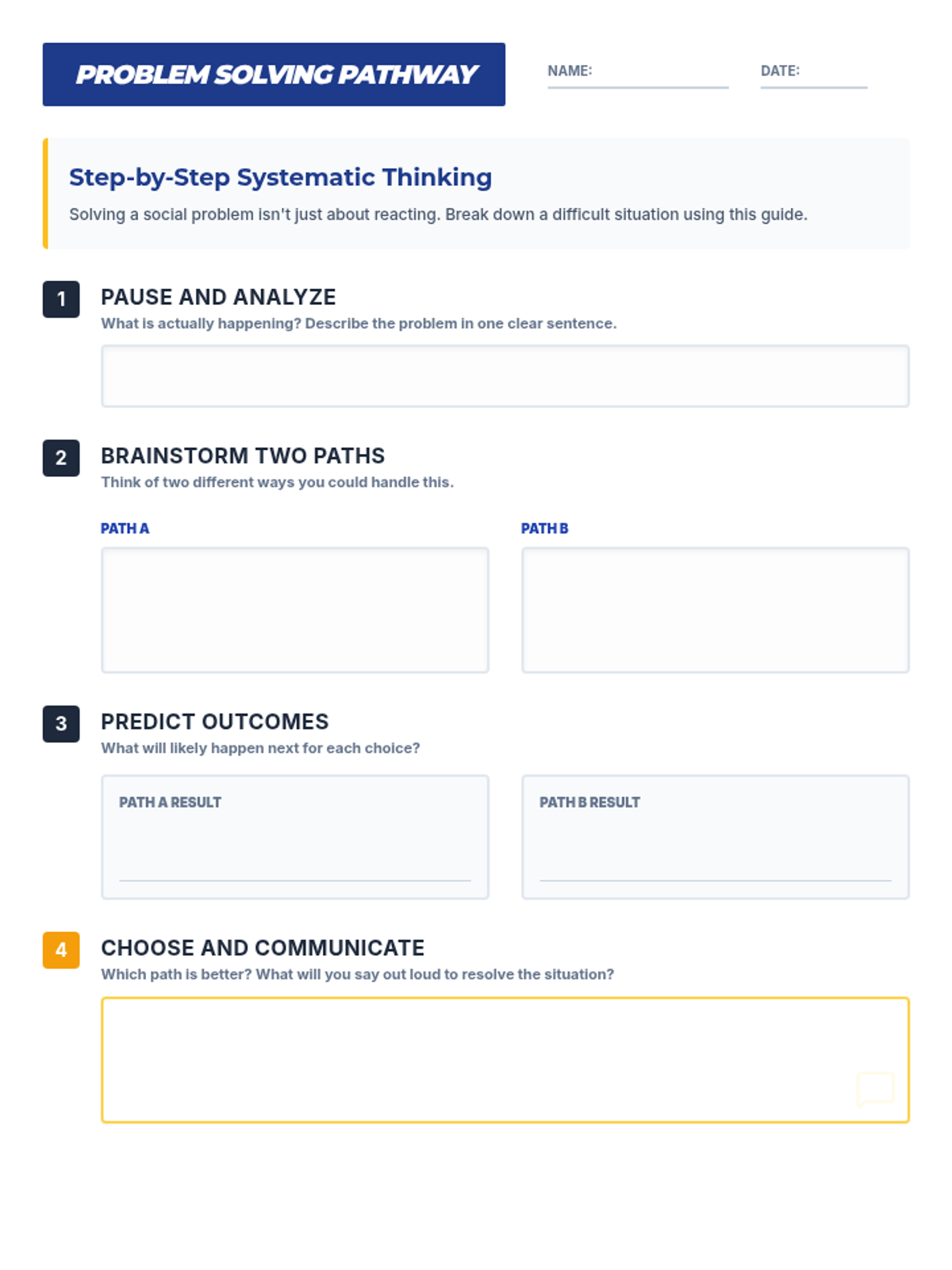
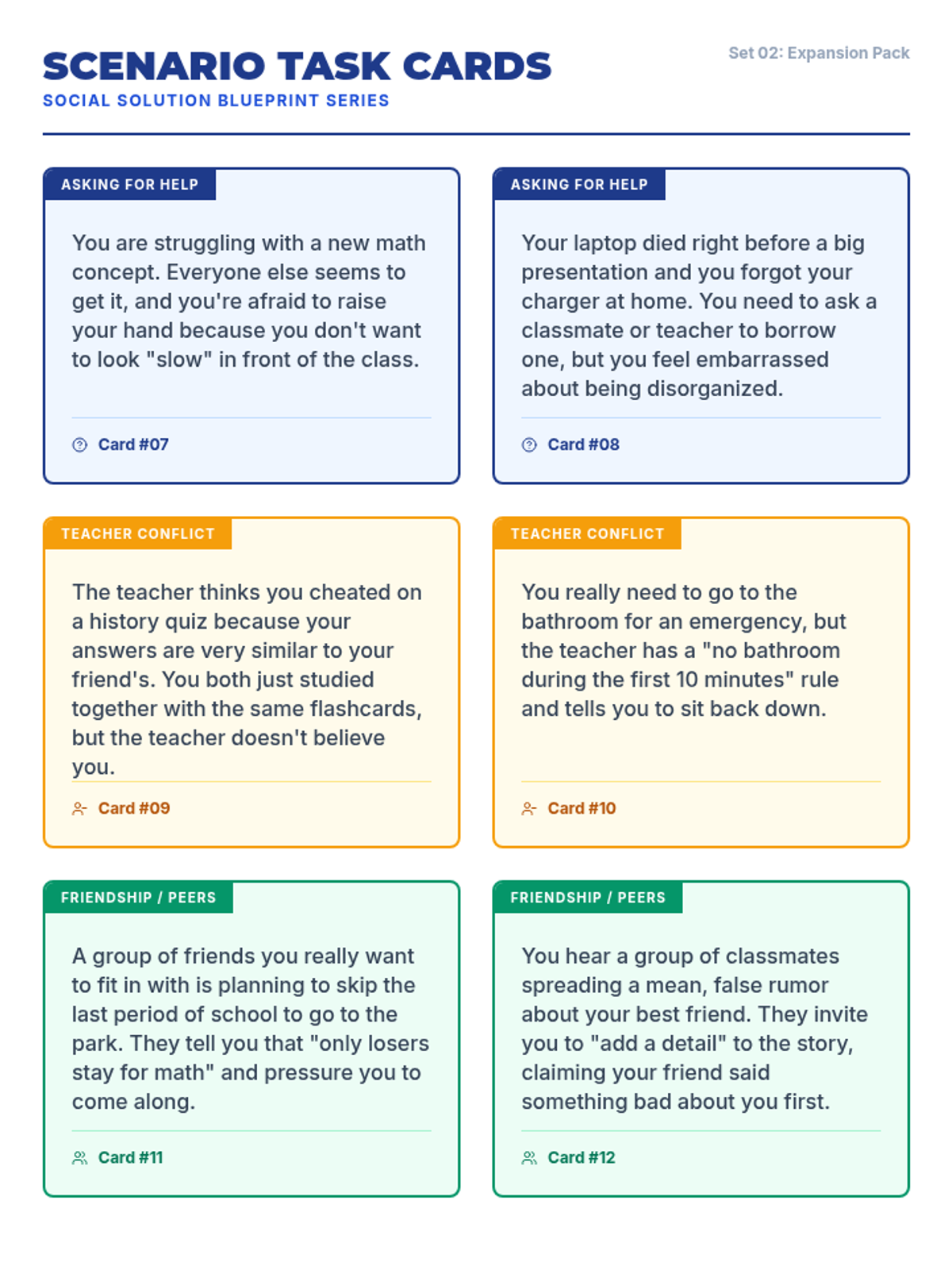
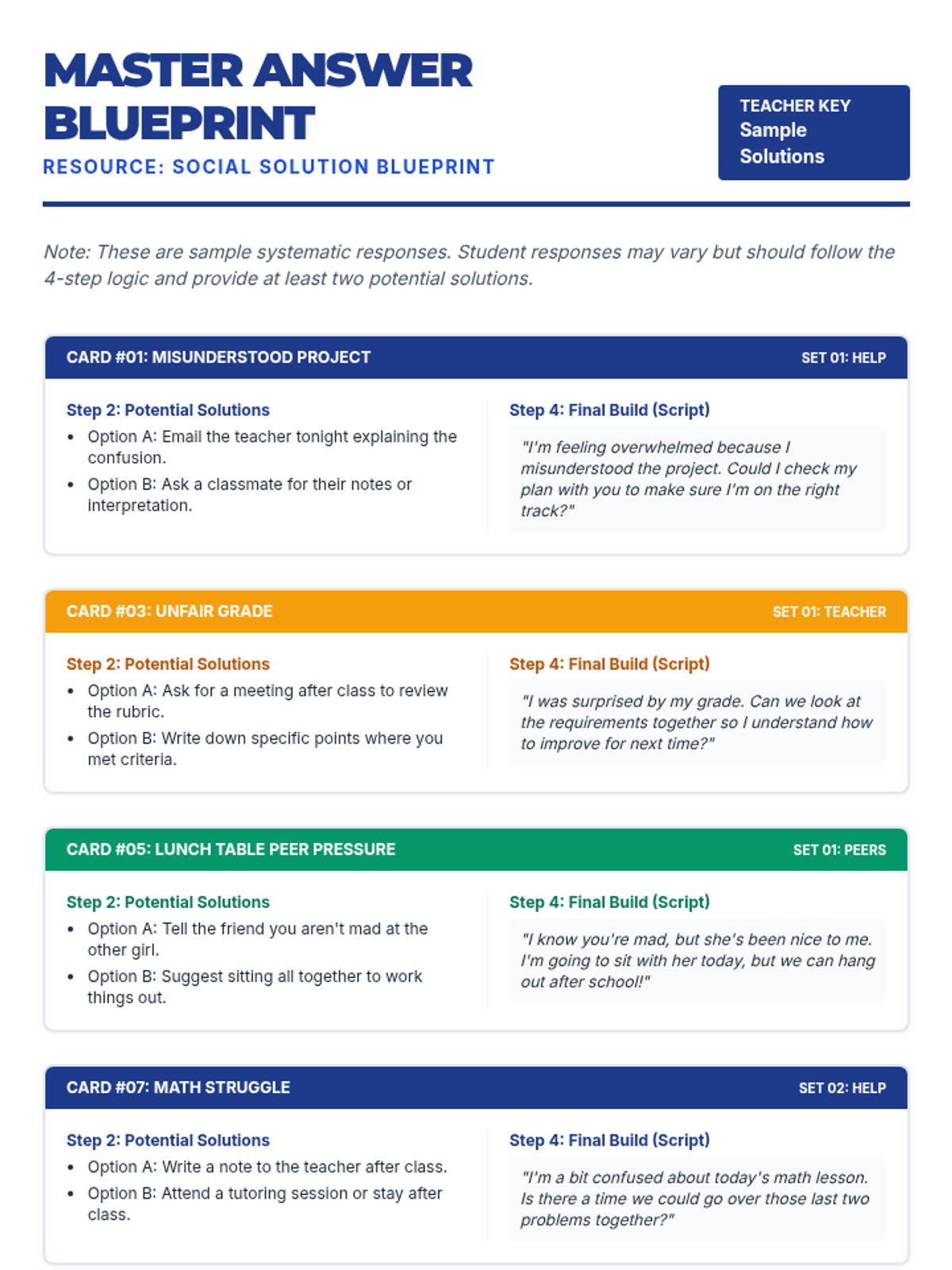
A targeted social-emotional learning lesson designed to help students navigate complex social scenarios using a systematic problem-solving blueprint. The lesson focuses on asking for help, managing teacher conflicts, and resisting peer pressure.
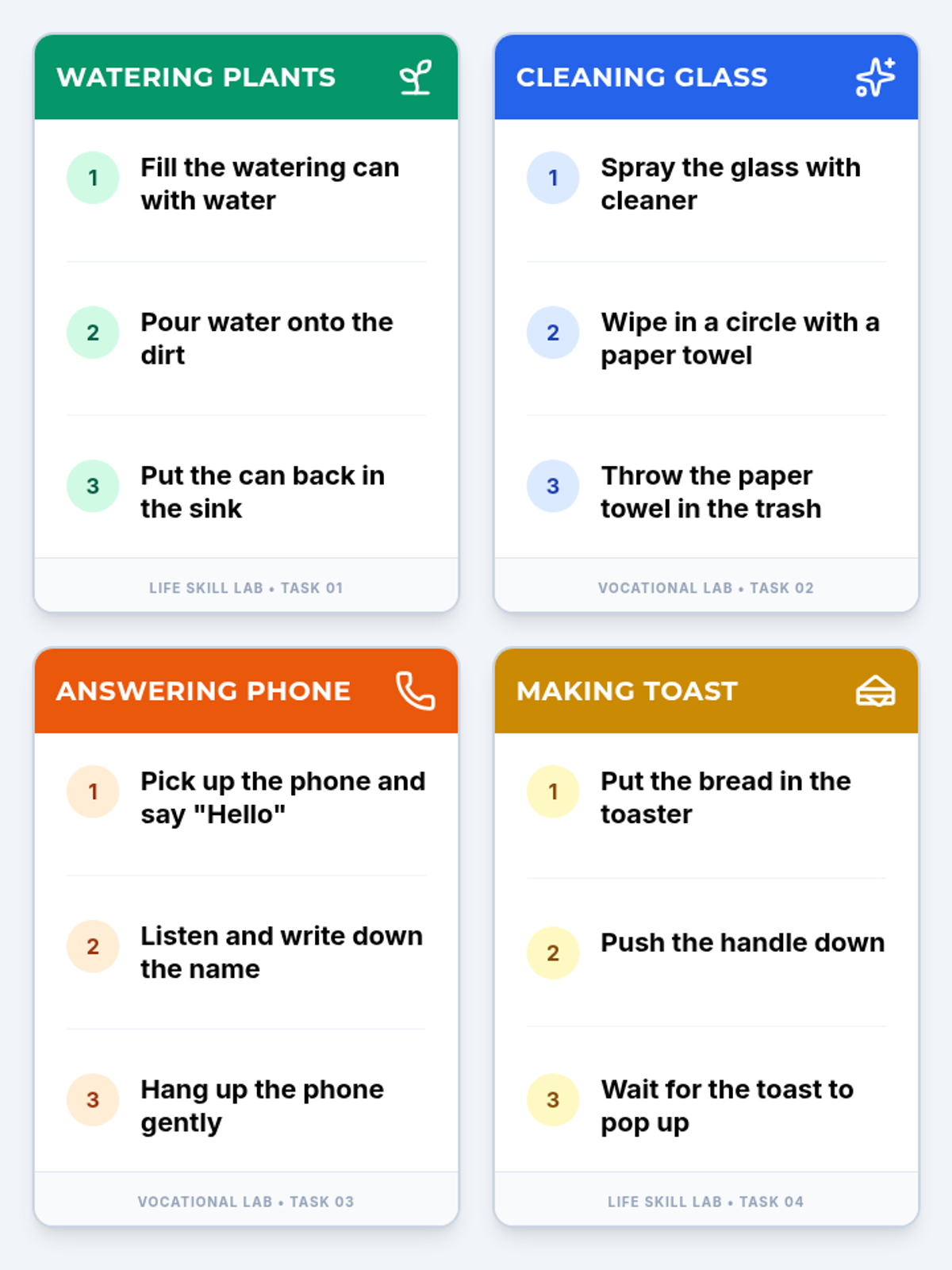
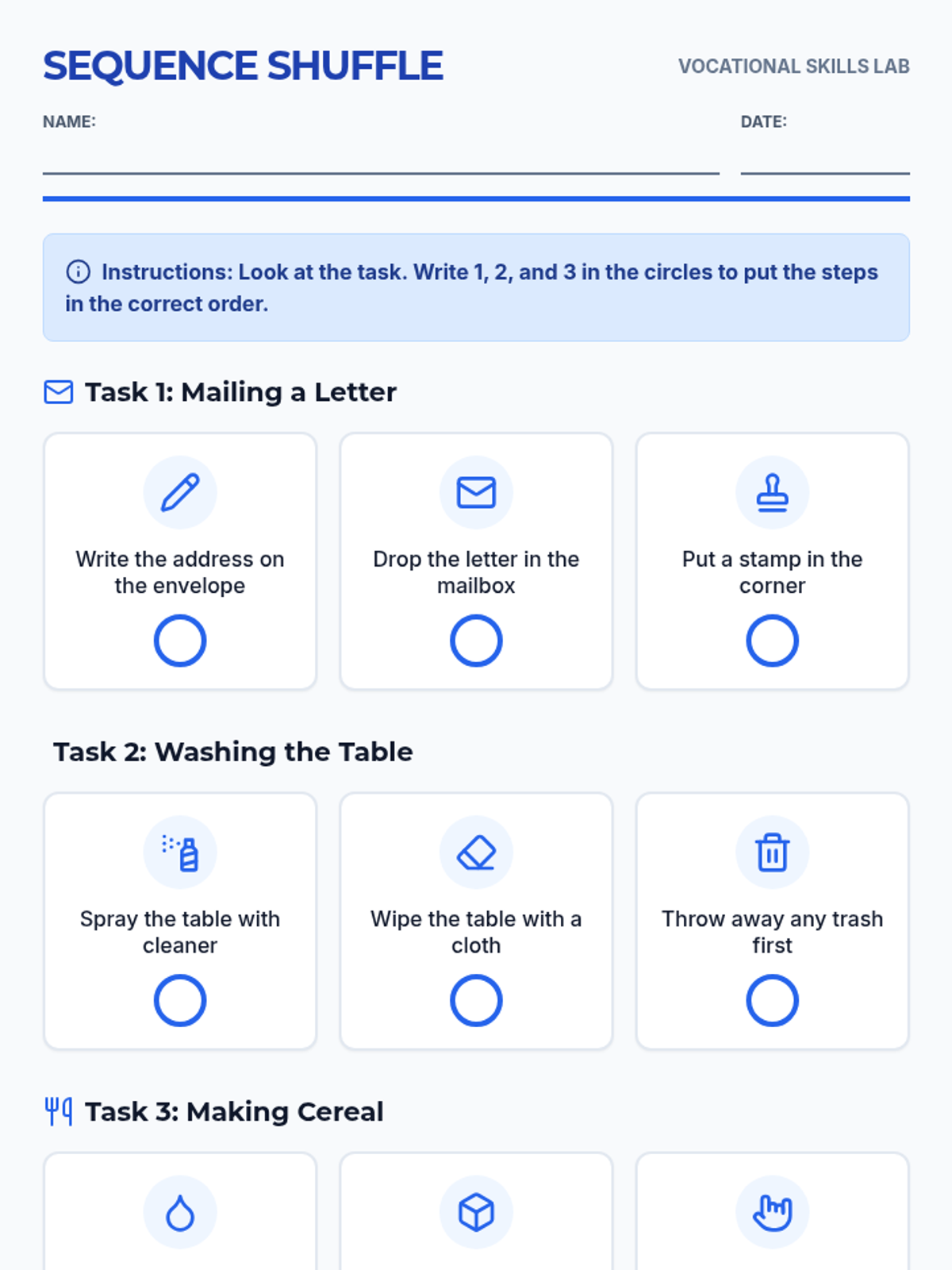
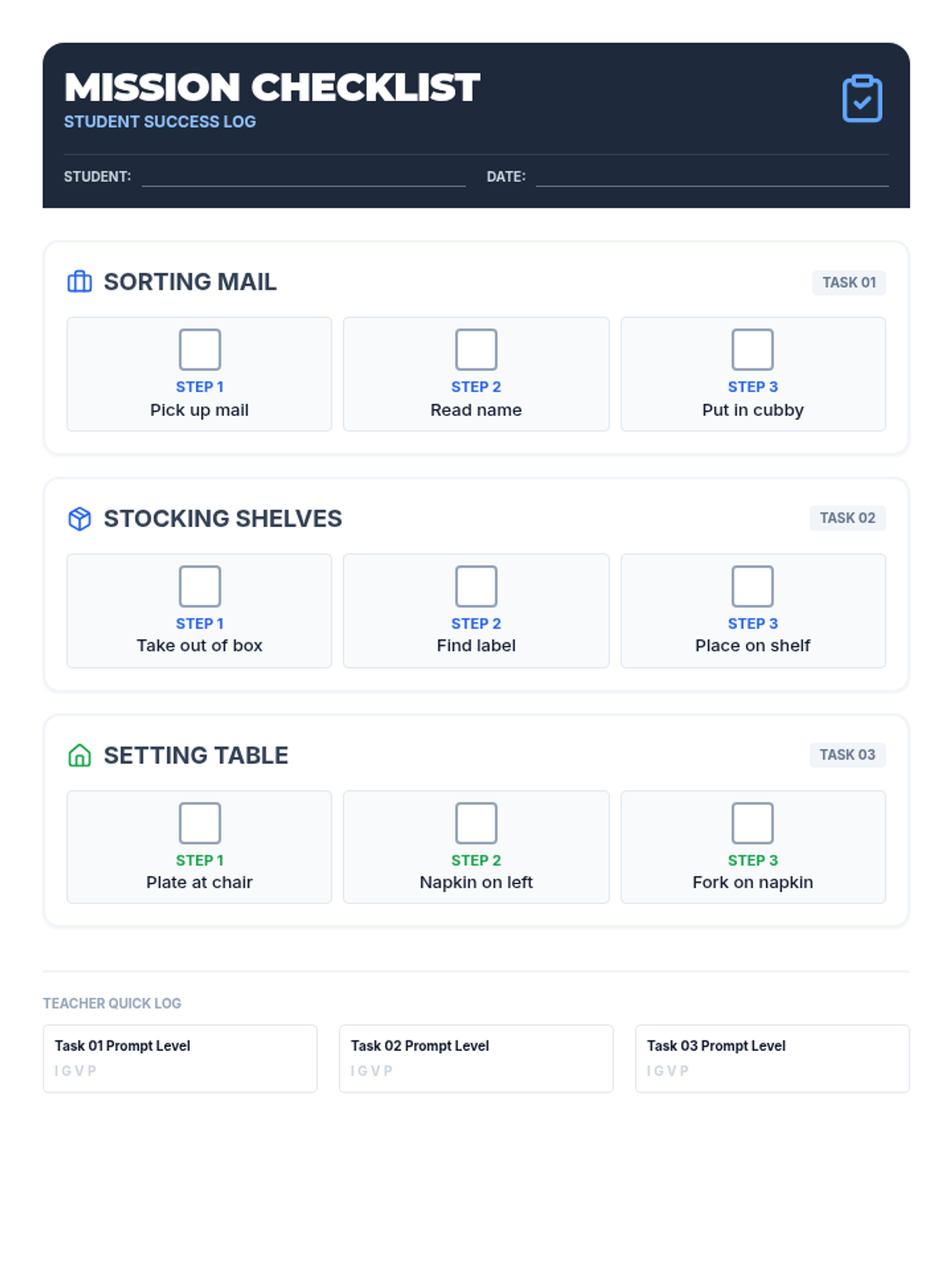
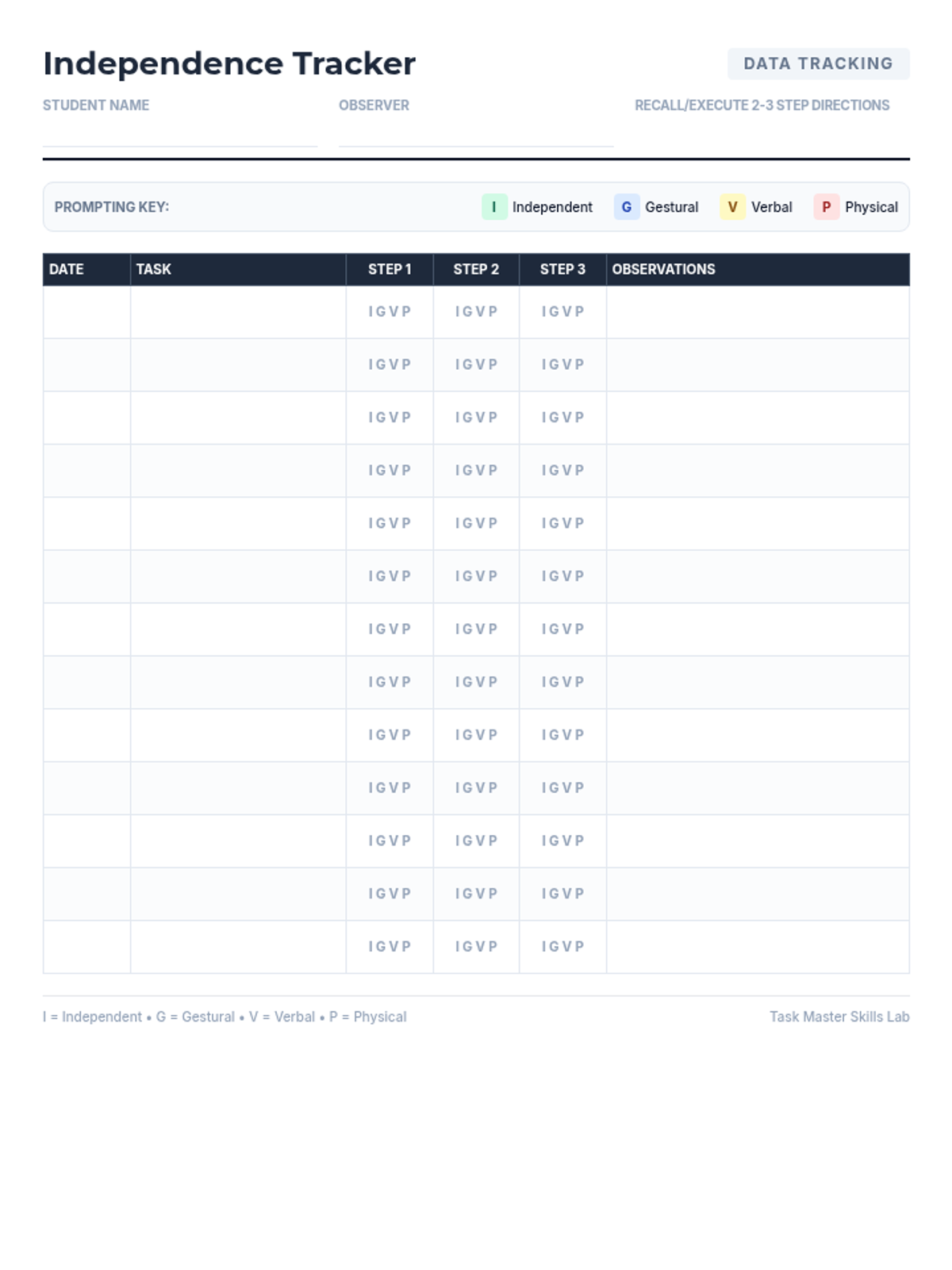
A comprehensive set of vocational and daily living resources designed to help high school students with special needs master 2-3 step sequential directions through visual supports and structured practice.
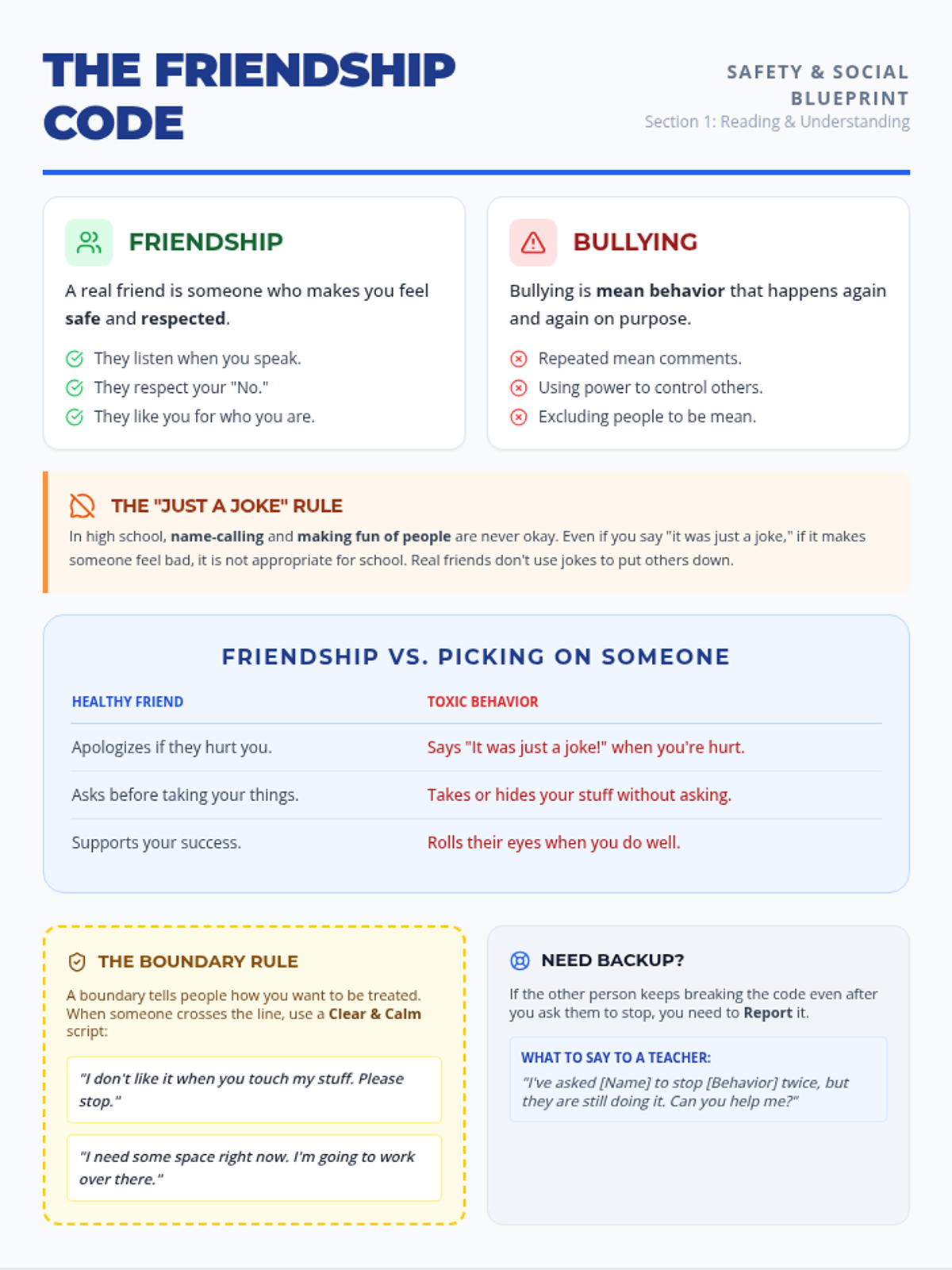
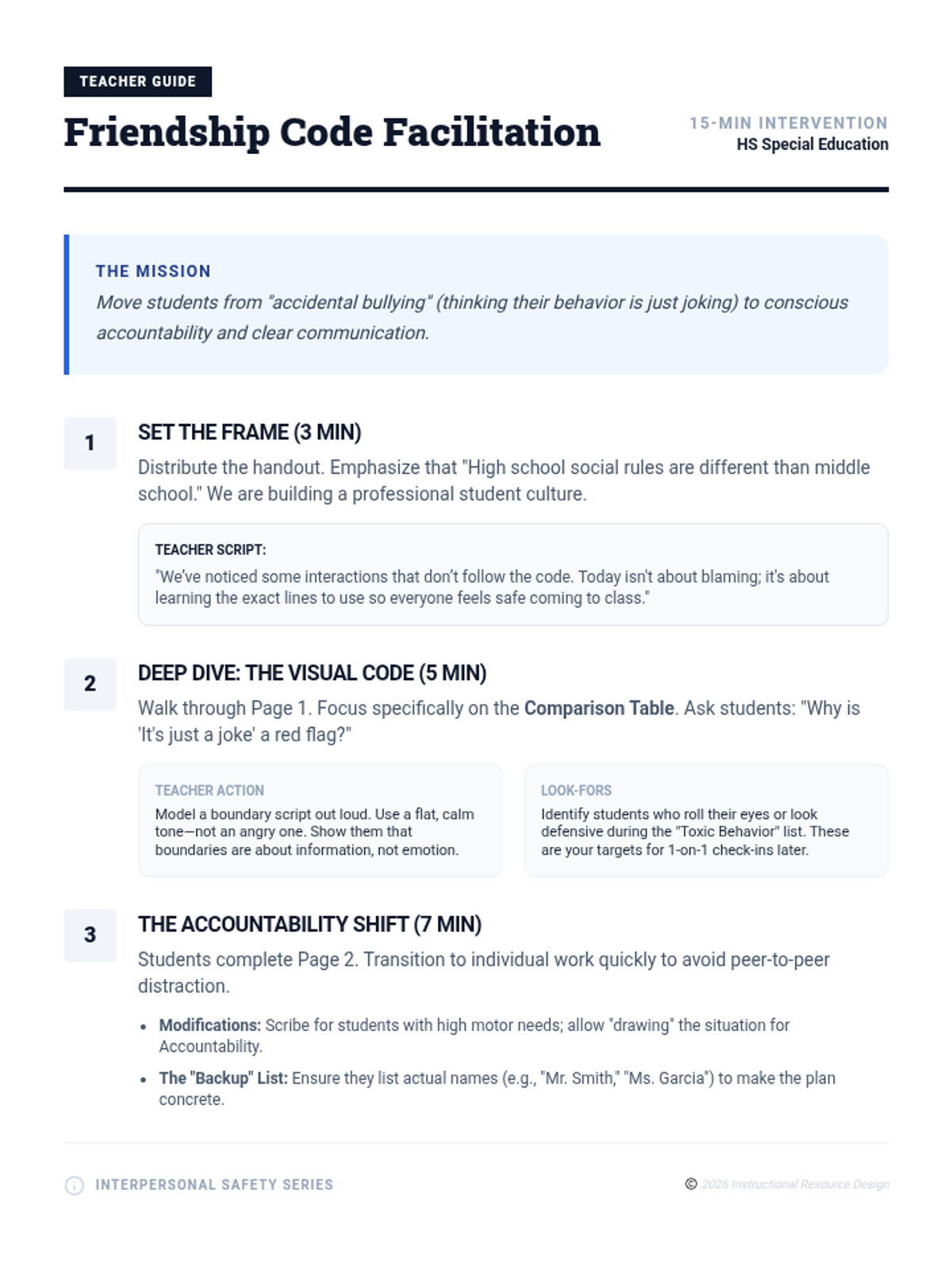
A focused 15-minute intervention designed for high school special education students to define healthy friendships, identify bullying, and practice setting boundaries. This lesson provides clear visual frameworks and concrete communication scripts to improve classroom culture.
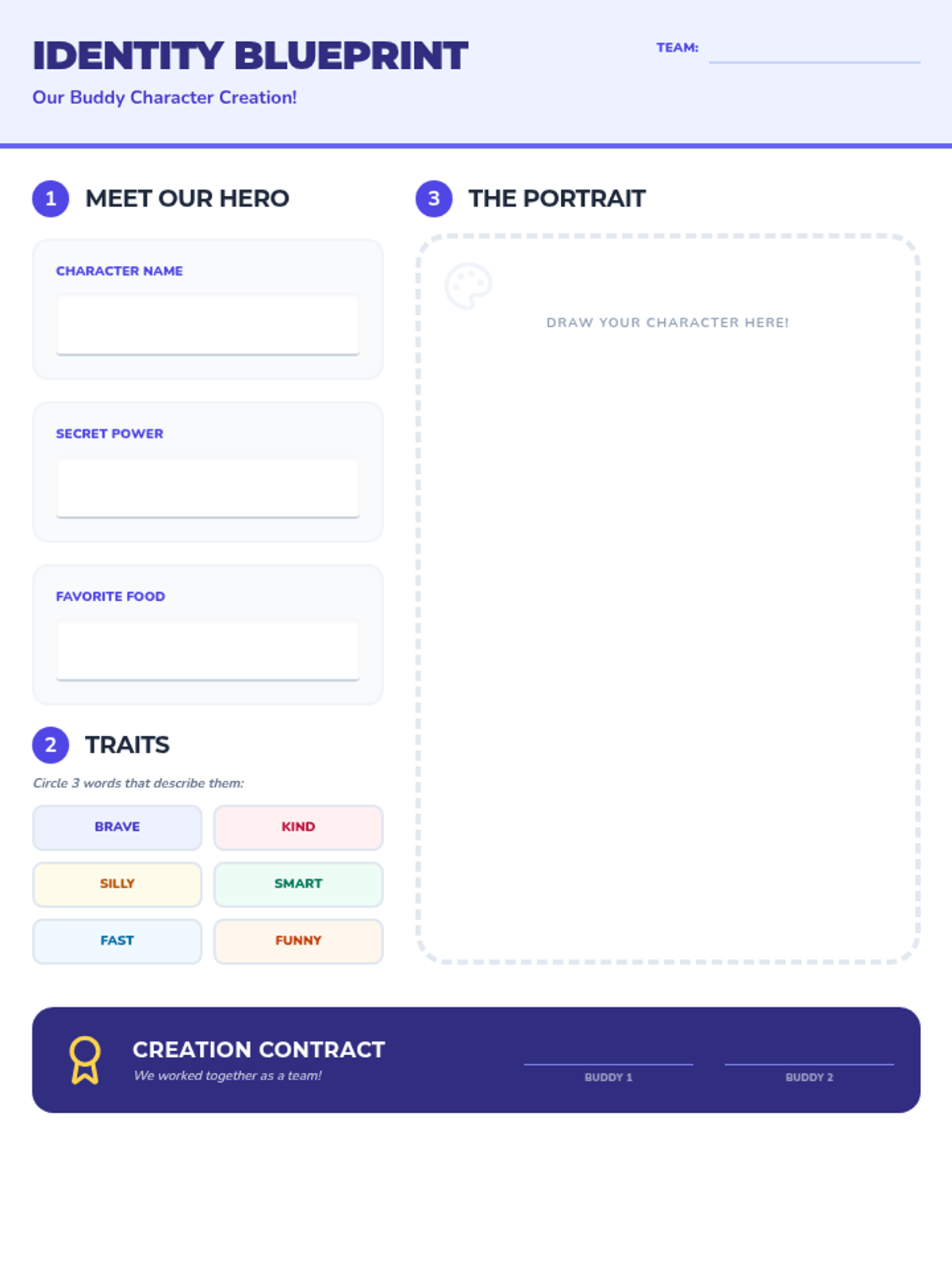
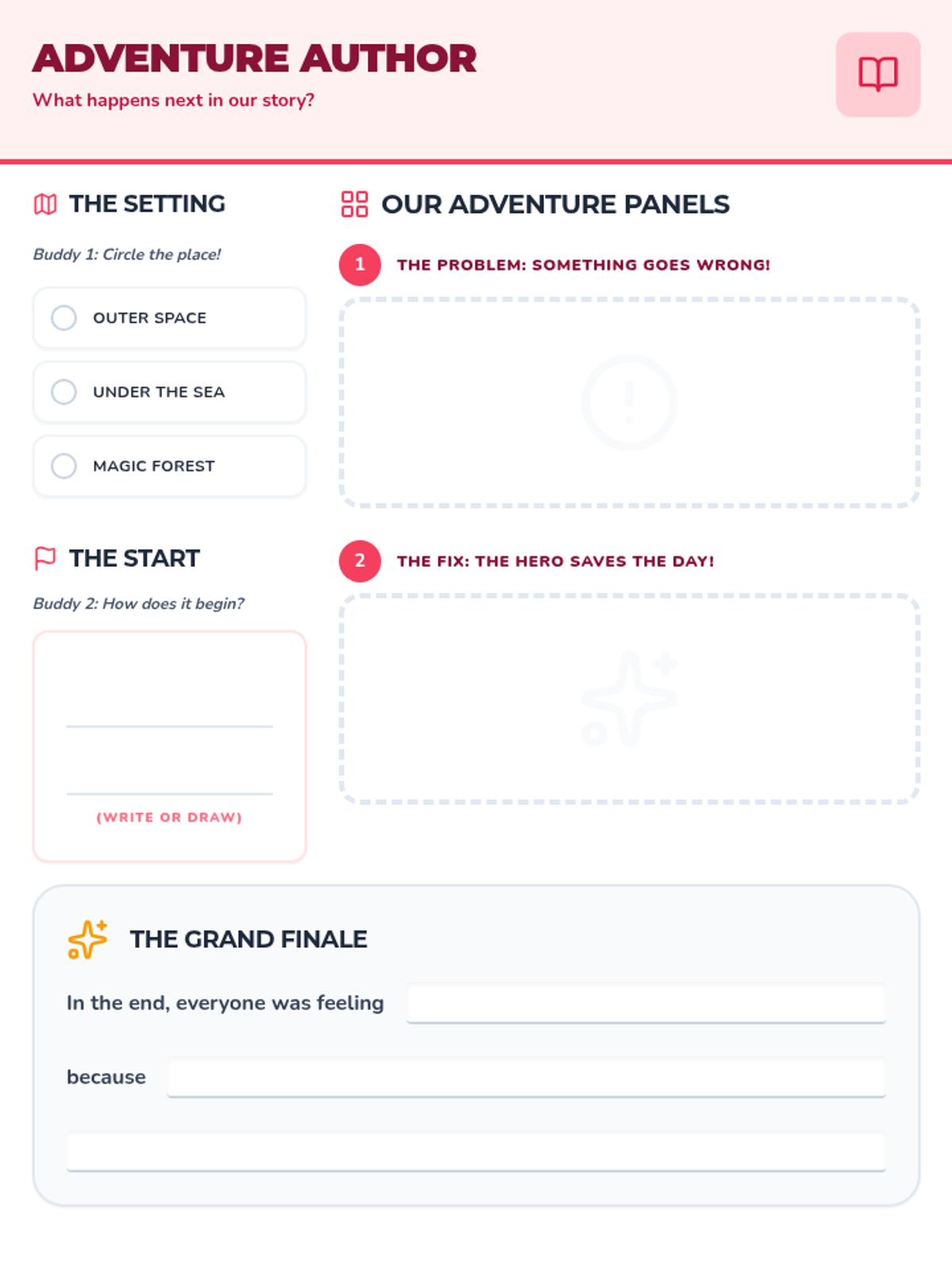
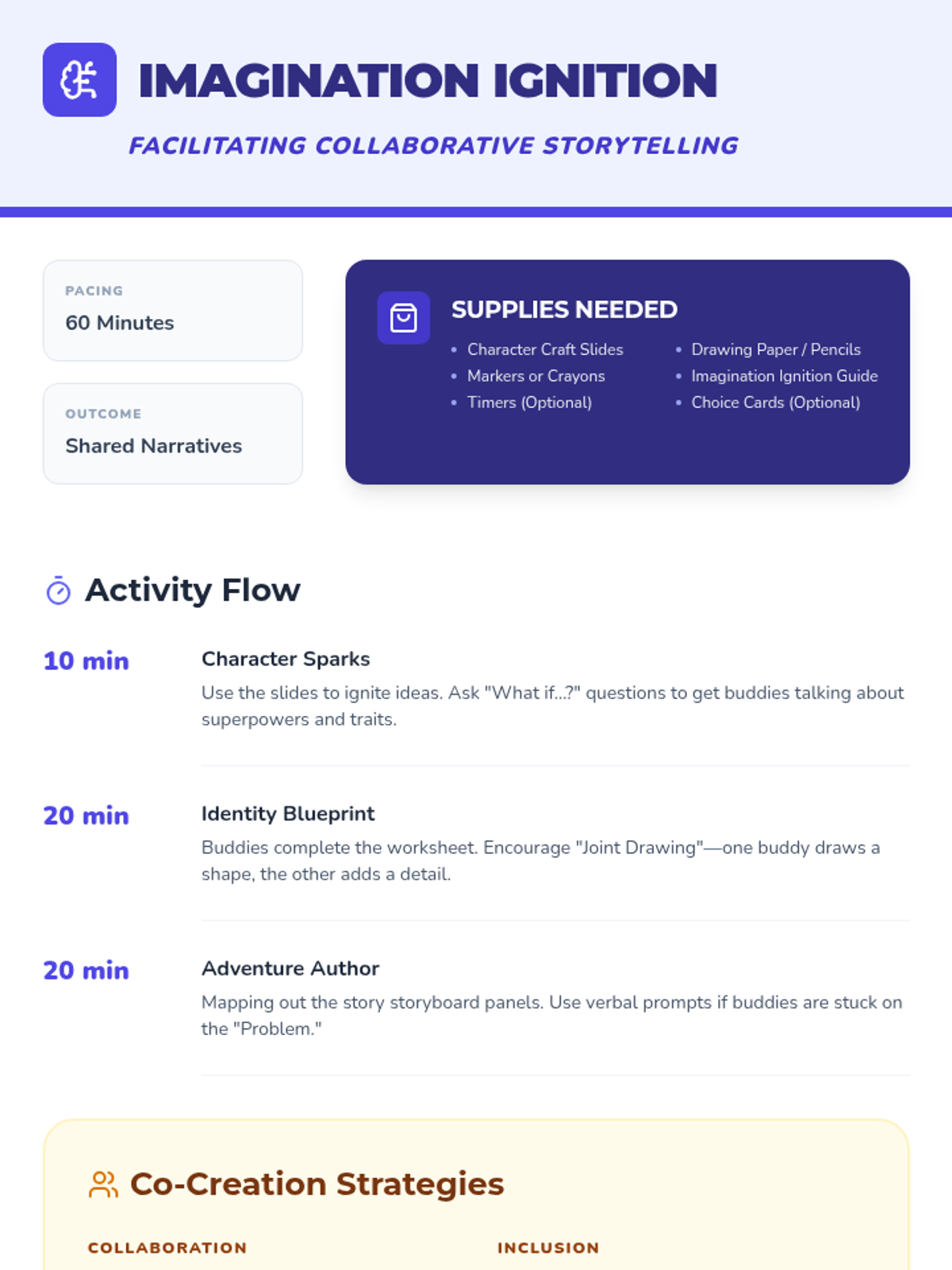
A creative collaboration lesson where Best Buddies pairs design a unique character and write a shared adventure story together.
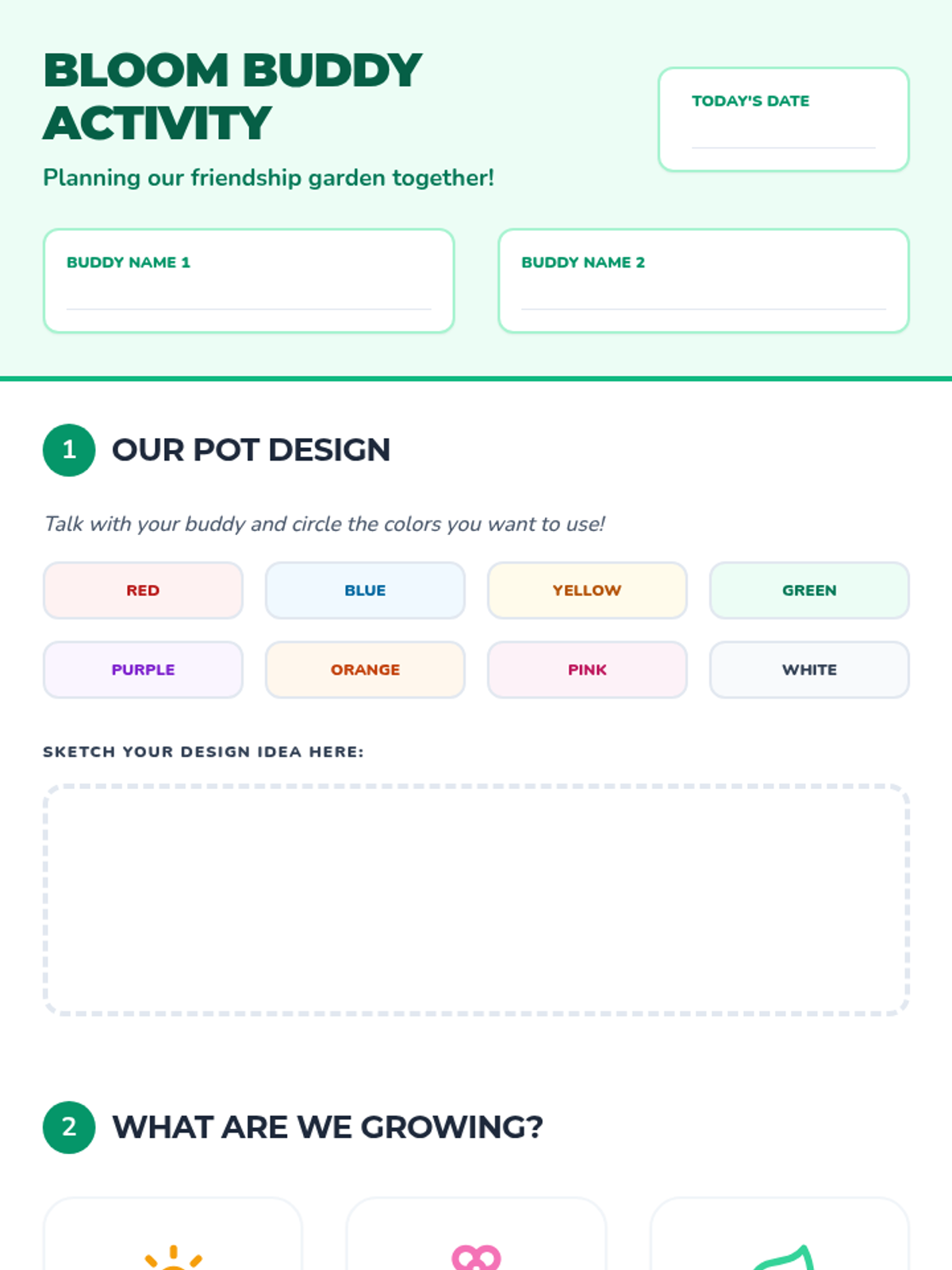
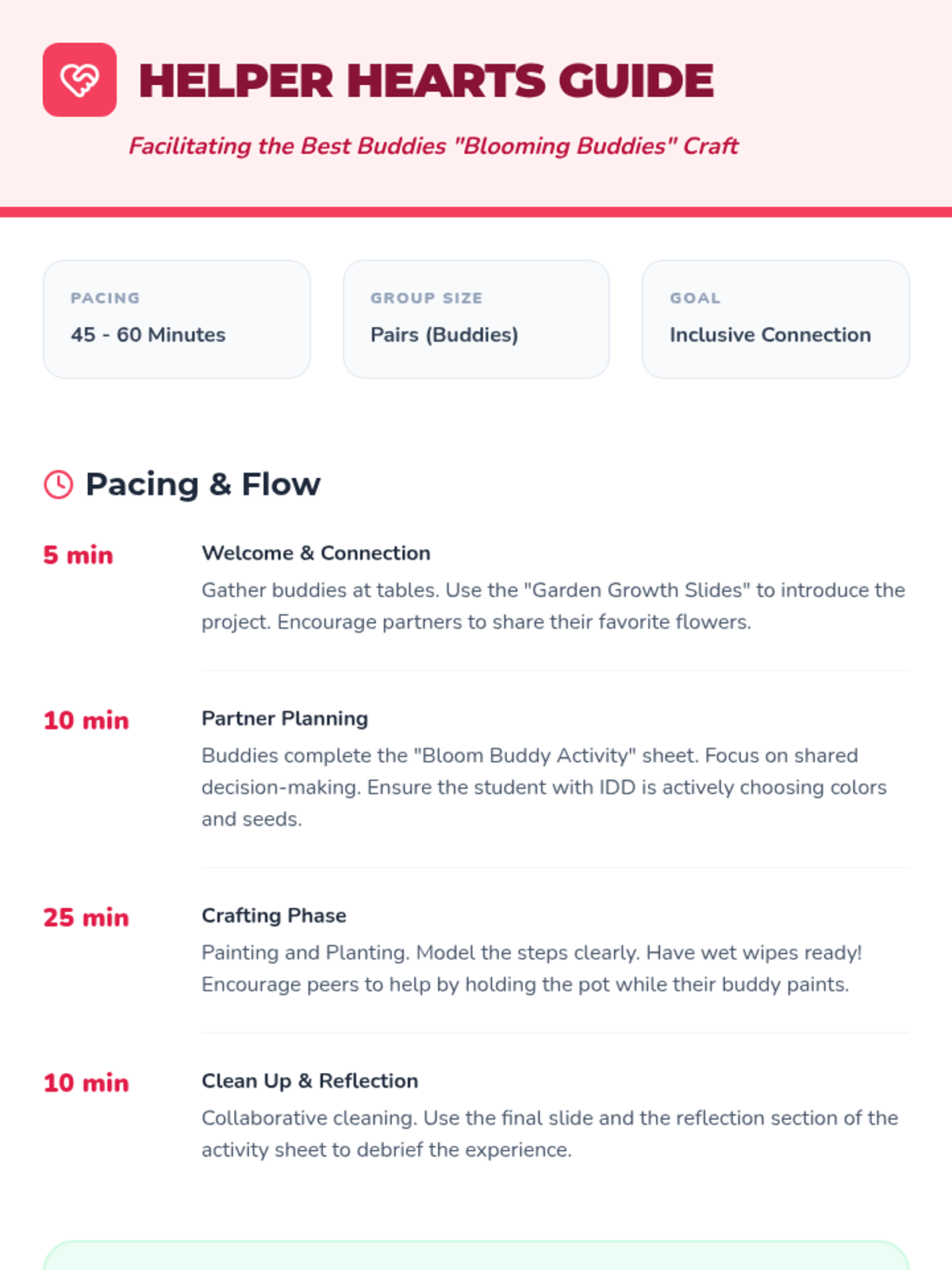
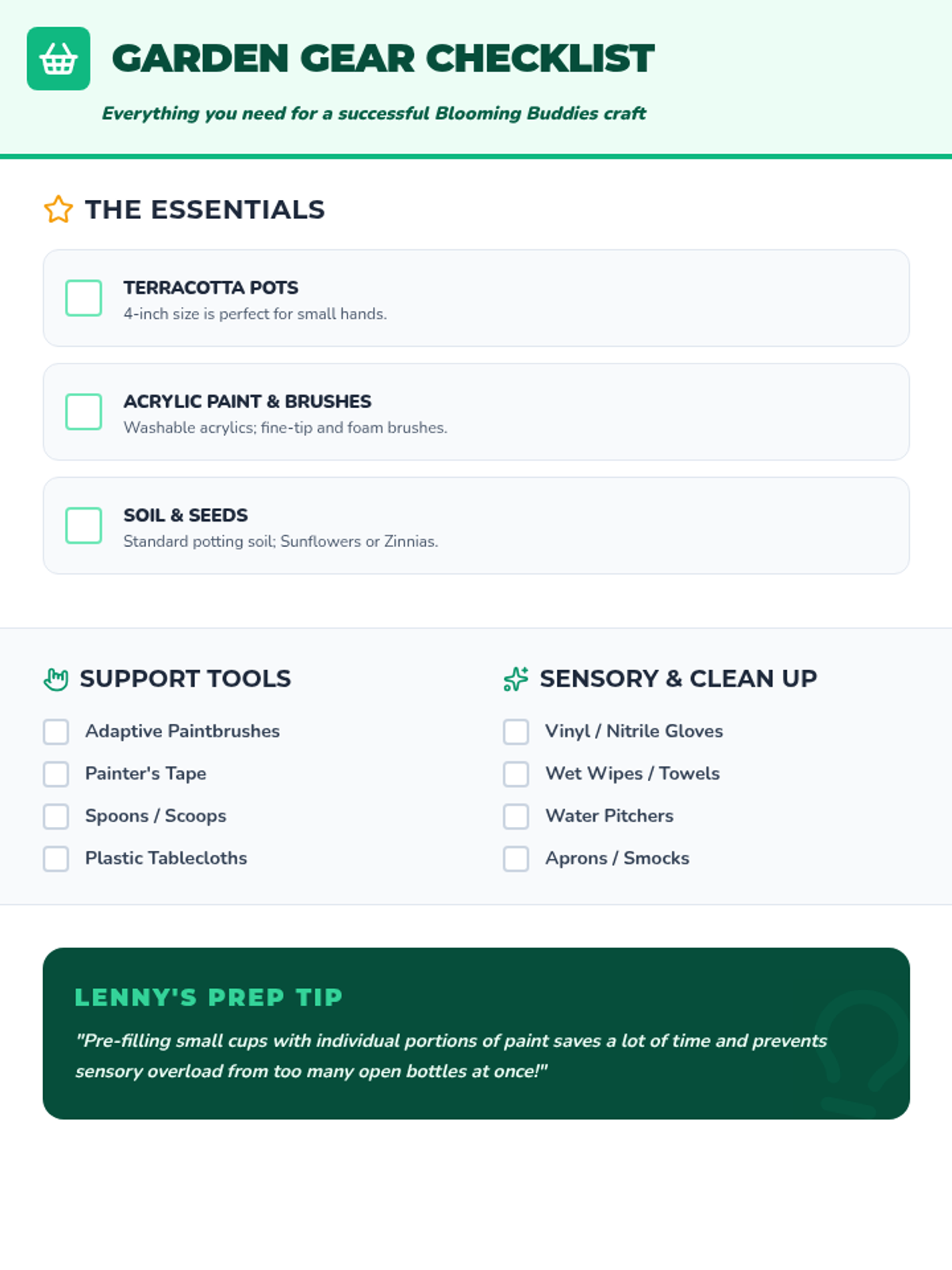
A collaborative crafting lesson designed for Best Buddies pairs to create seasonal flower pots, fostering social connection and fine motor skills through a shared gardening project.
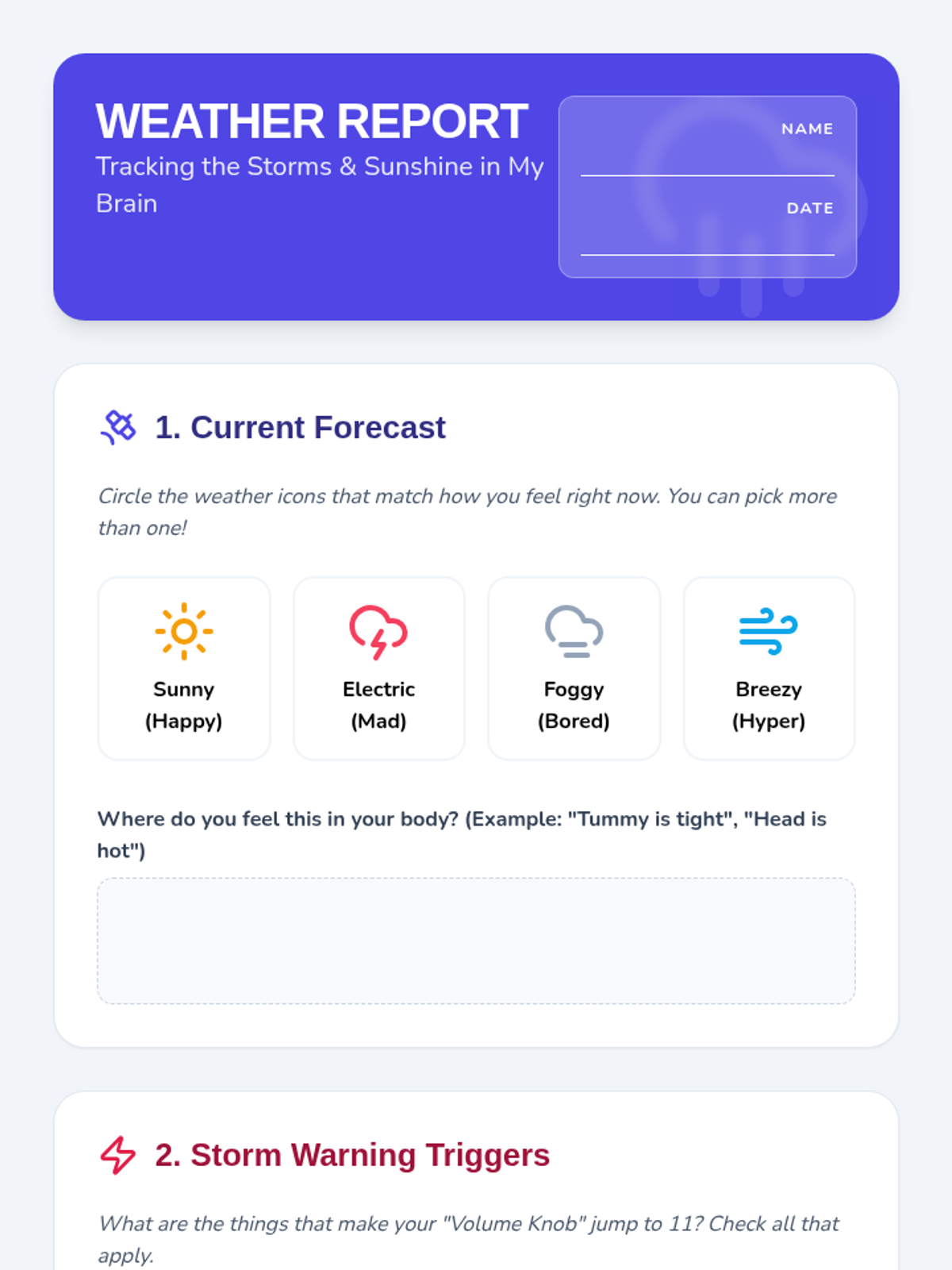
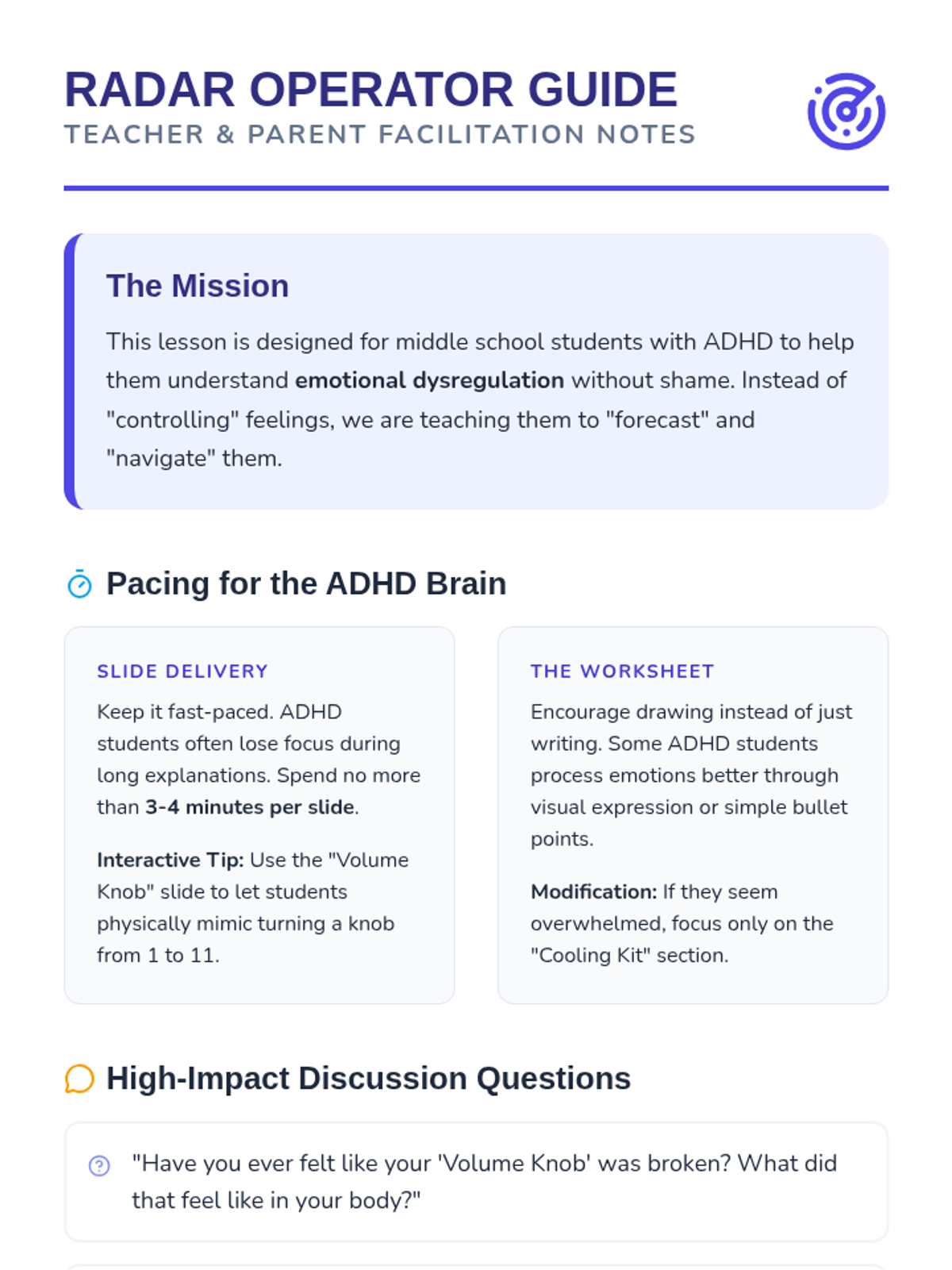
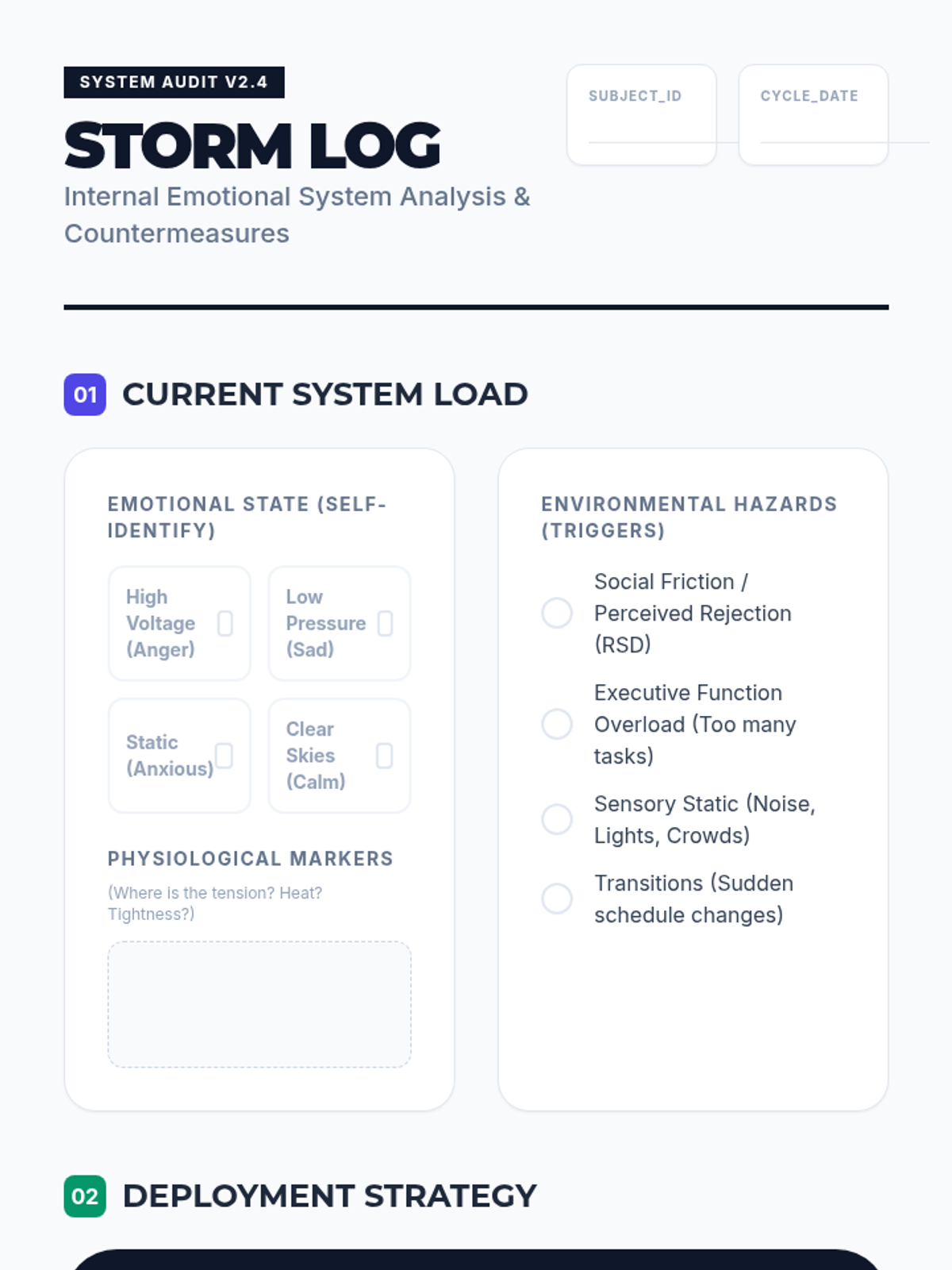
A high-level toolkit for high school students with ADHD to analyze and master their emotional responses. Uses a sophisticated meteorological metaphor to explore neuroscience, executive function, and advanced regulation strategies.
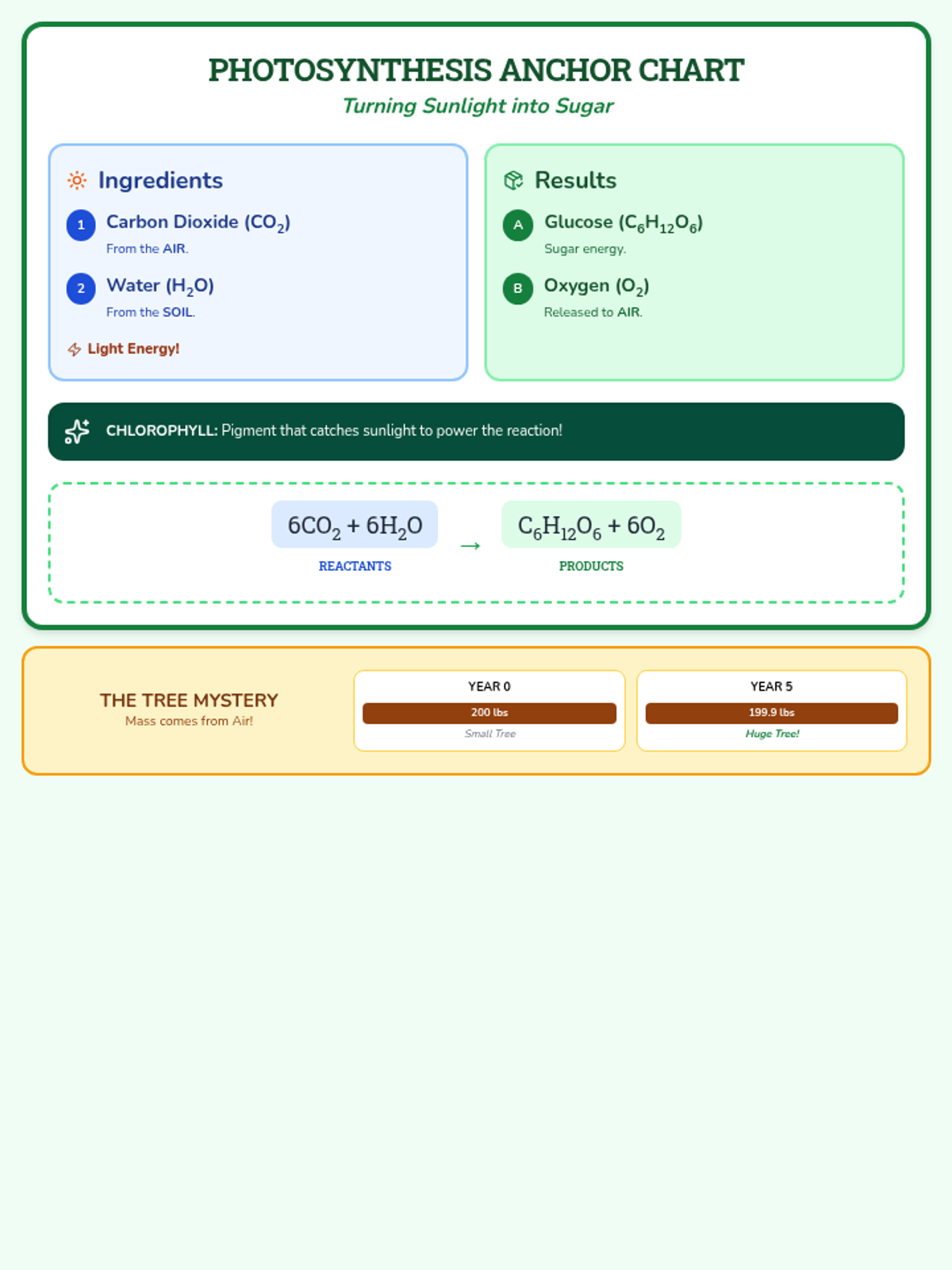
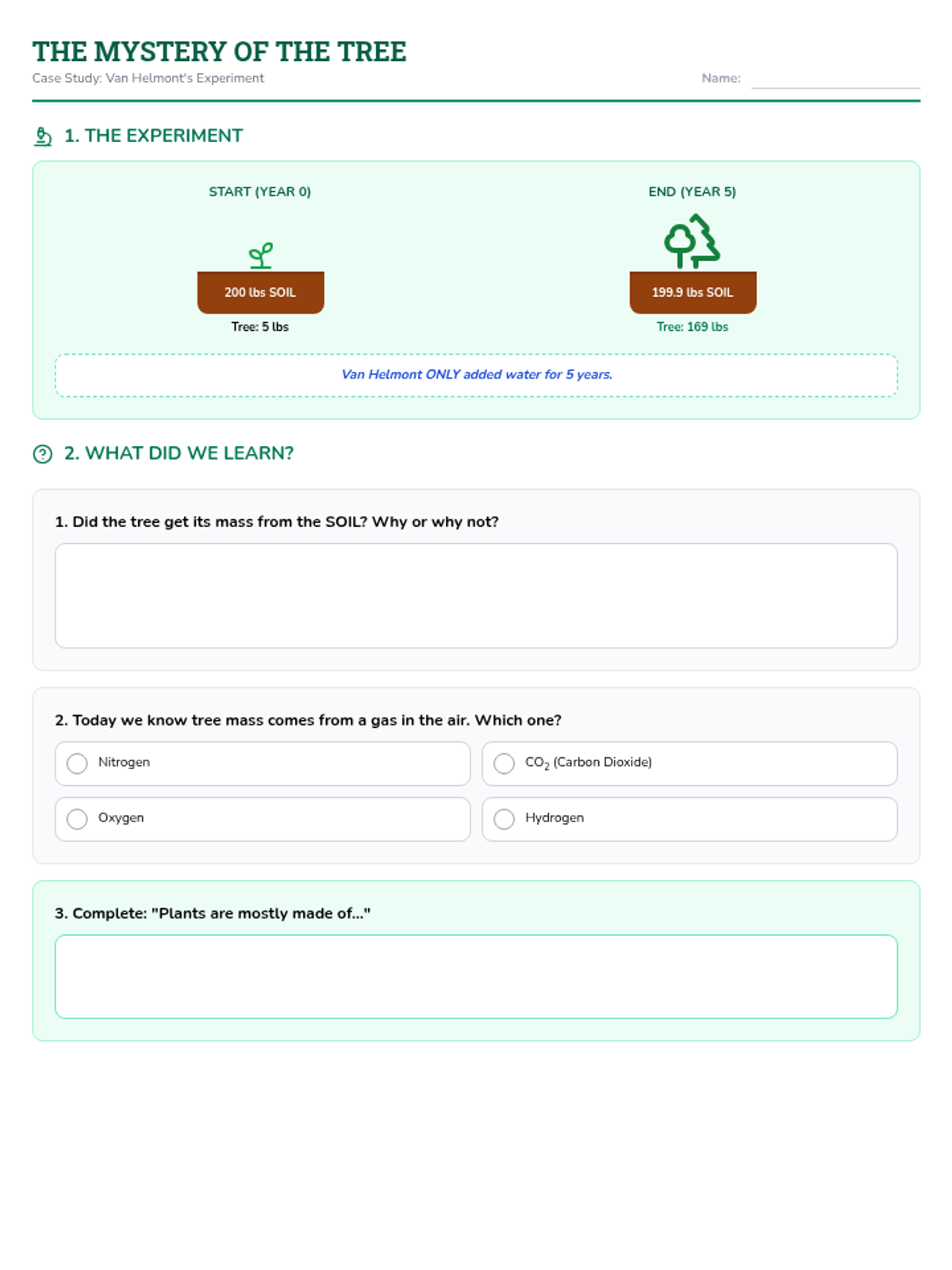
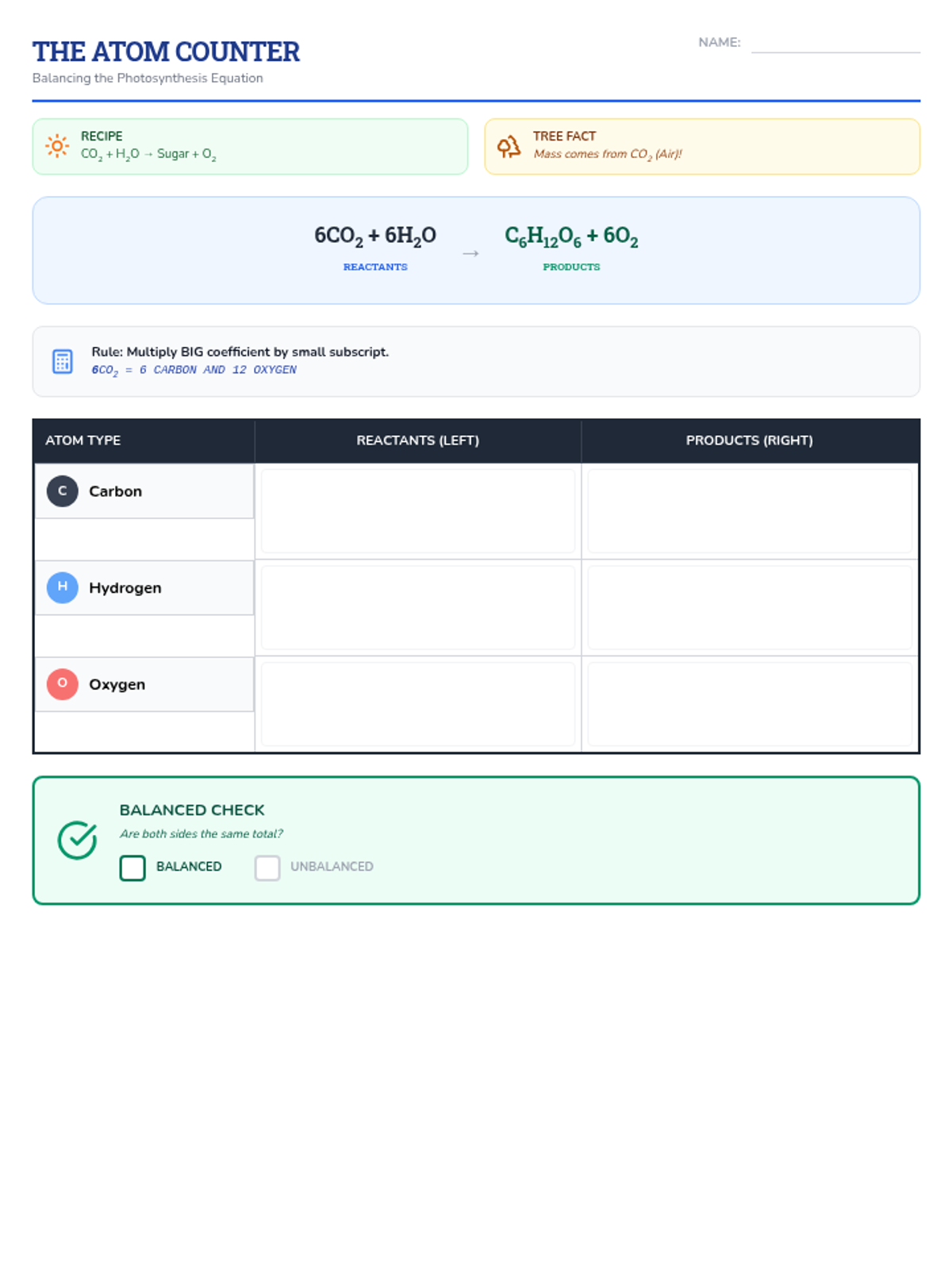
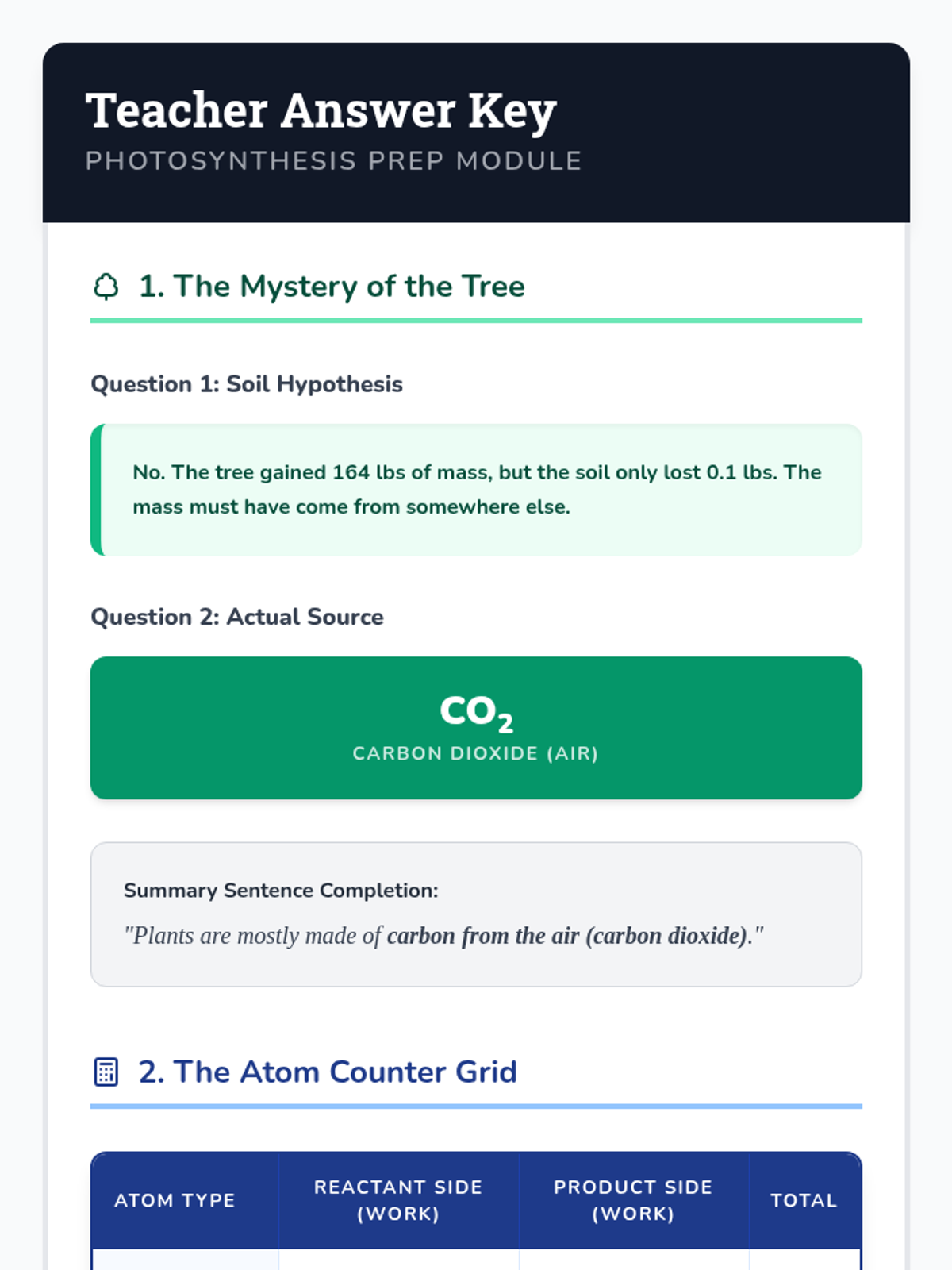
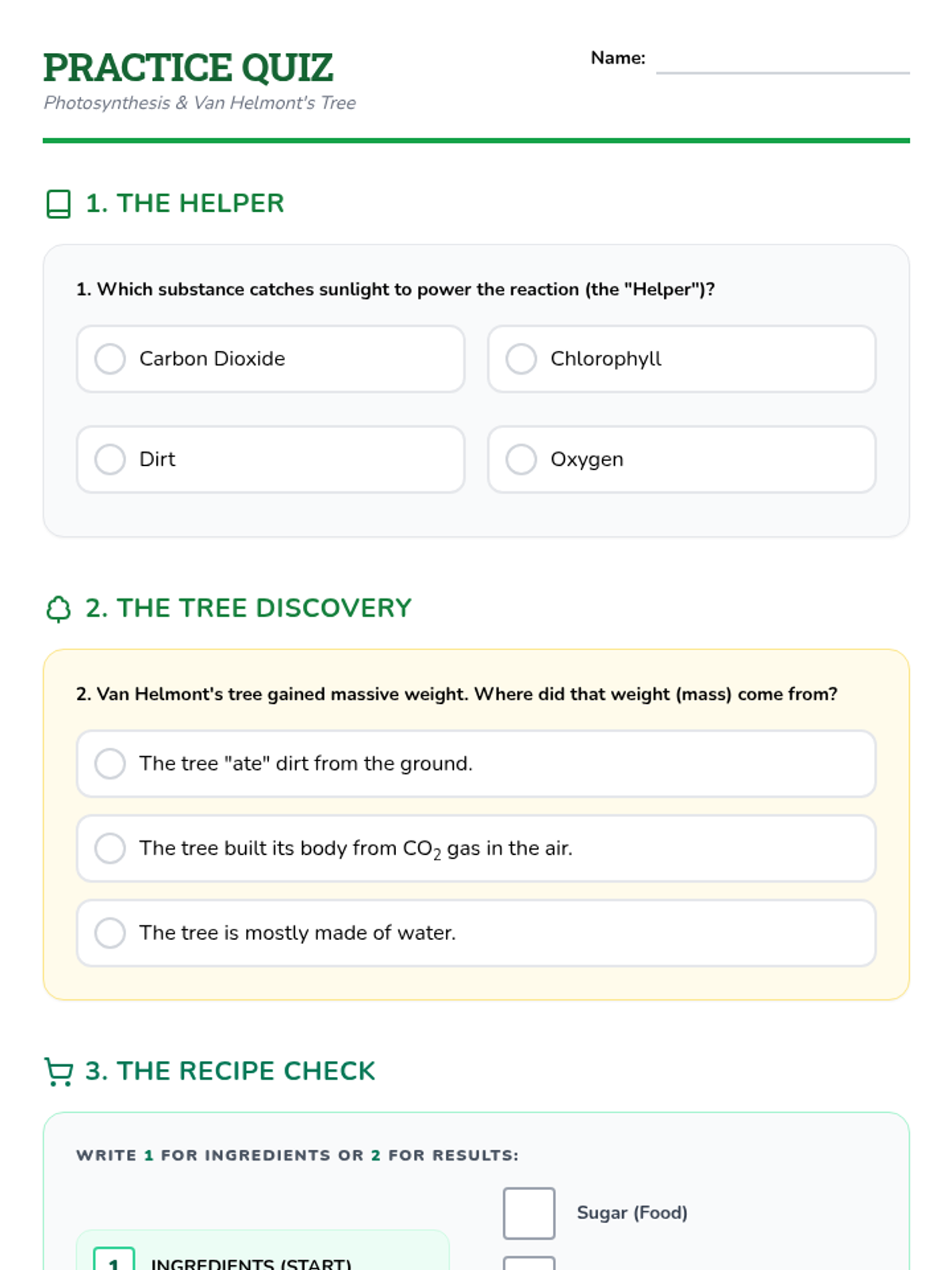
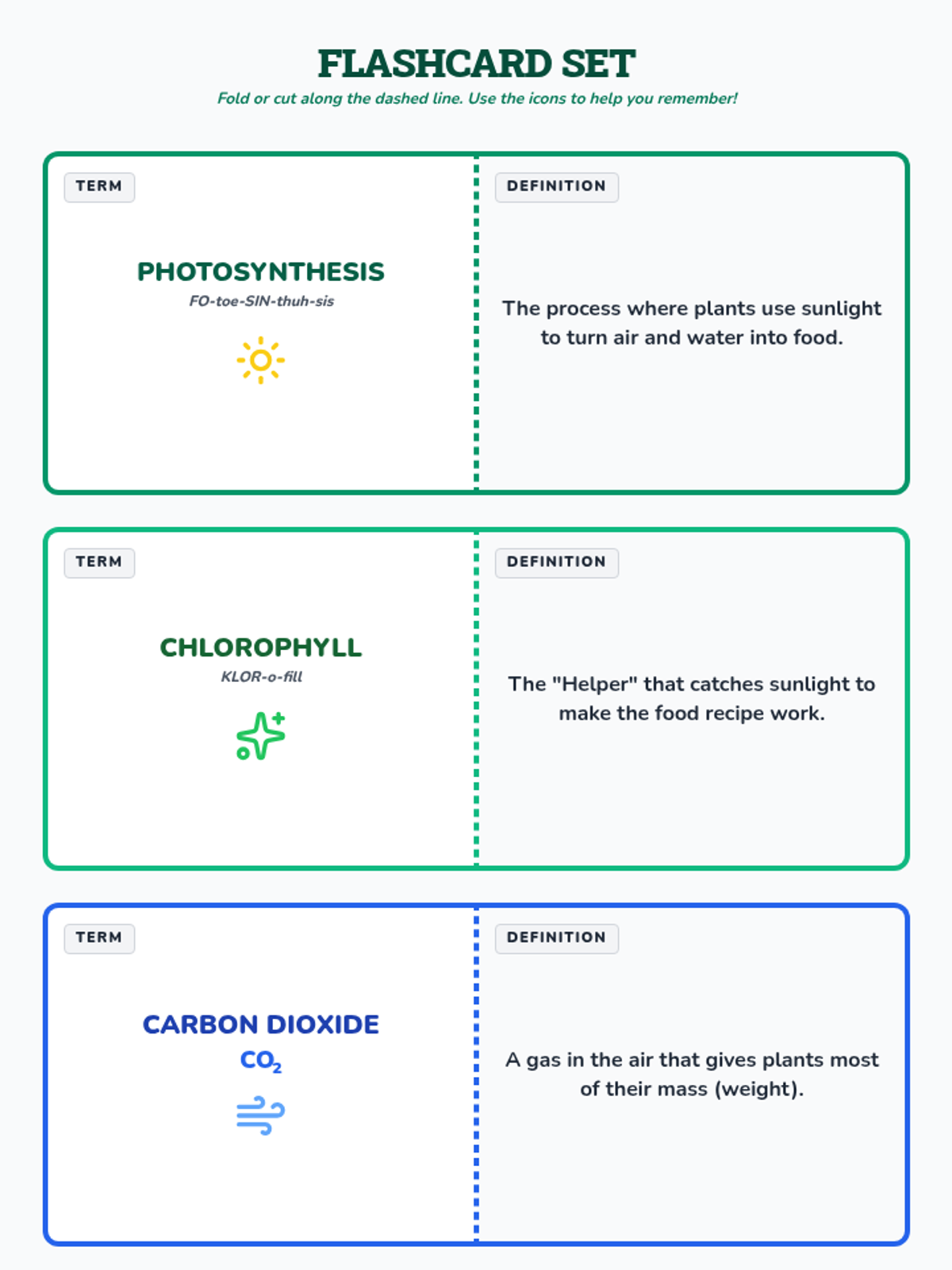
A guided practice lesson on photosynthesis focusing on Van Helmont's experiment and the chemistry of the photosynthetic equation, designed for students with executive function and reading challenges.
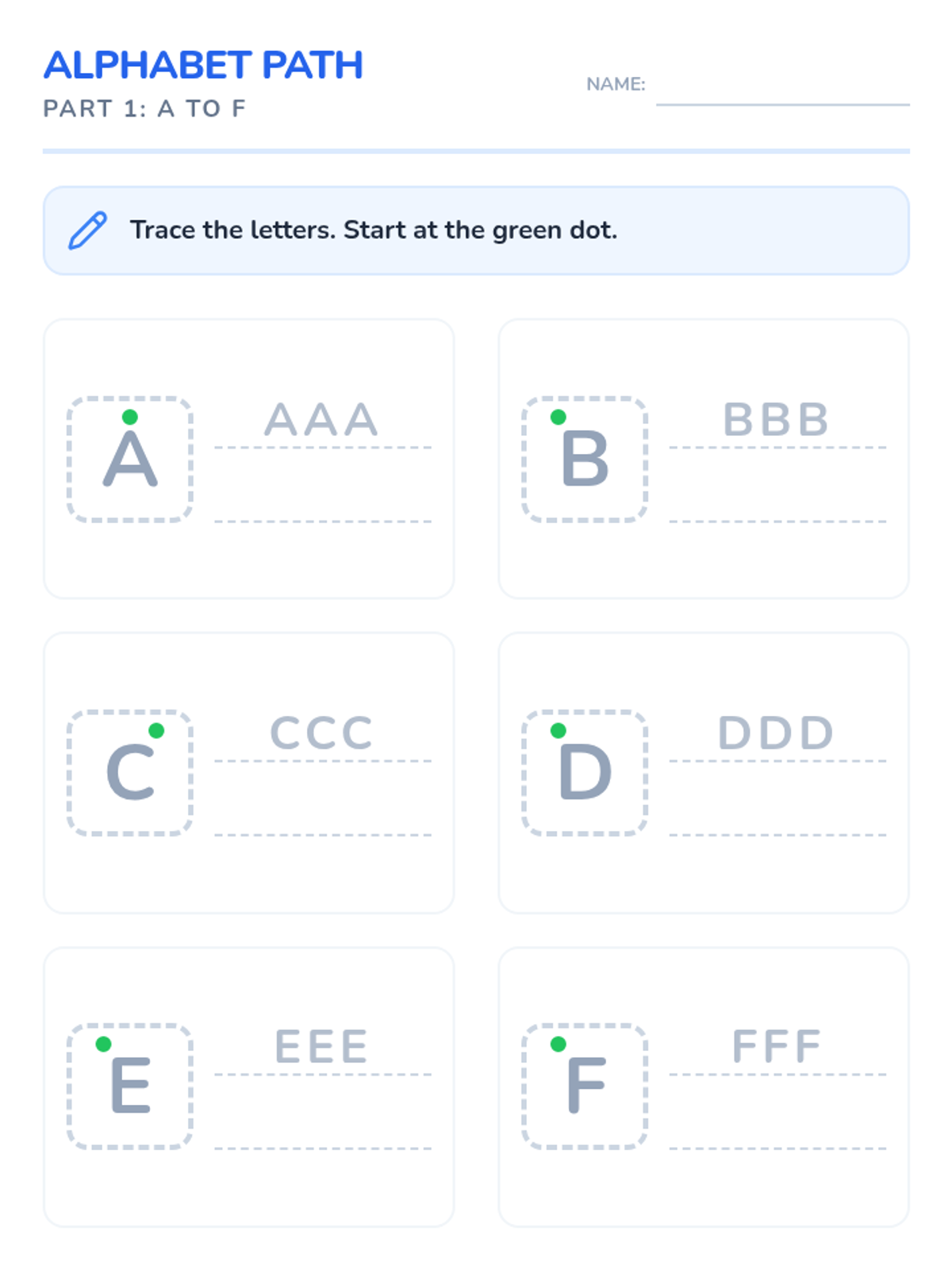
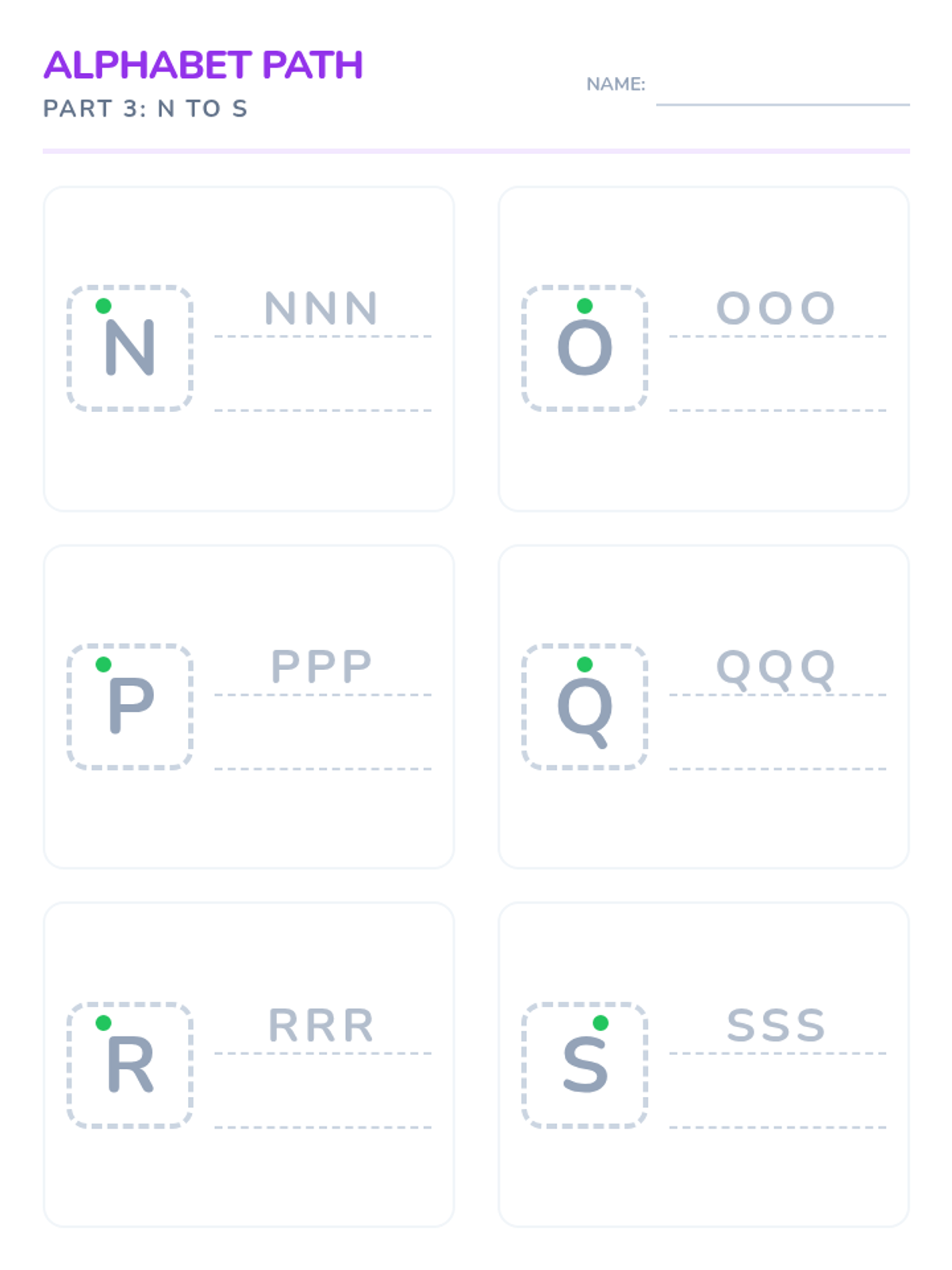
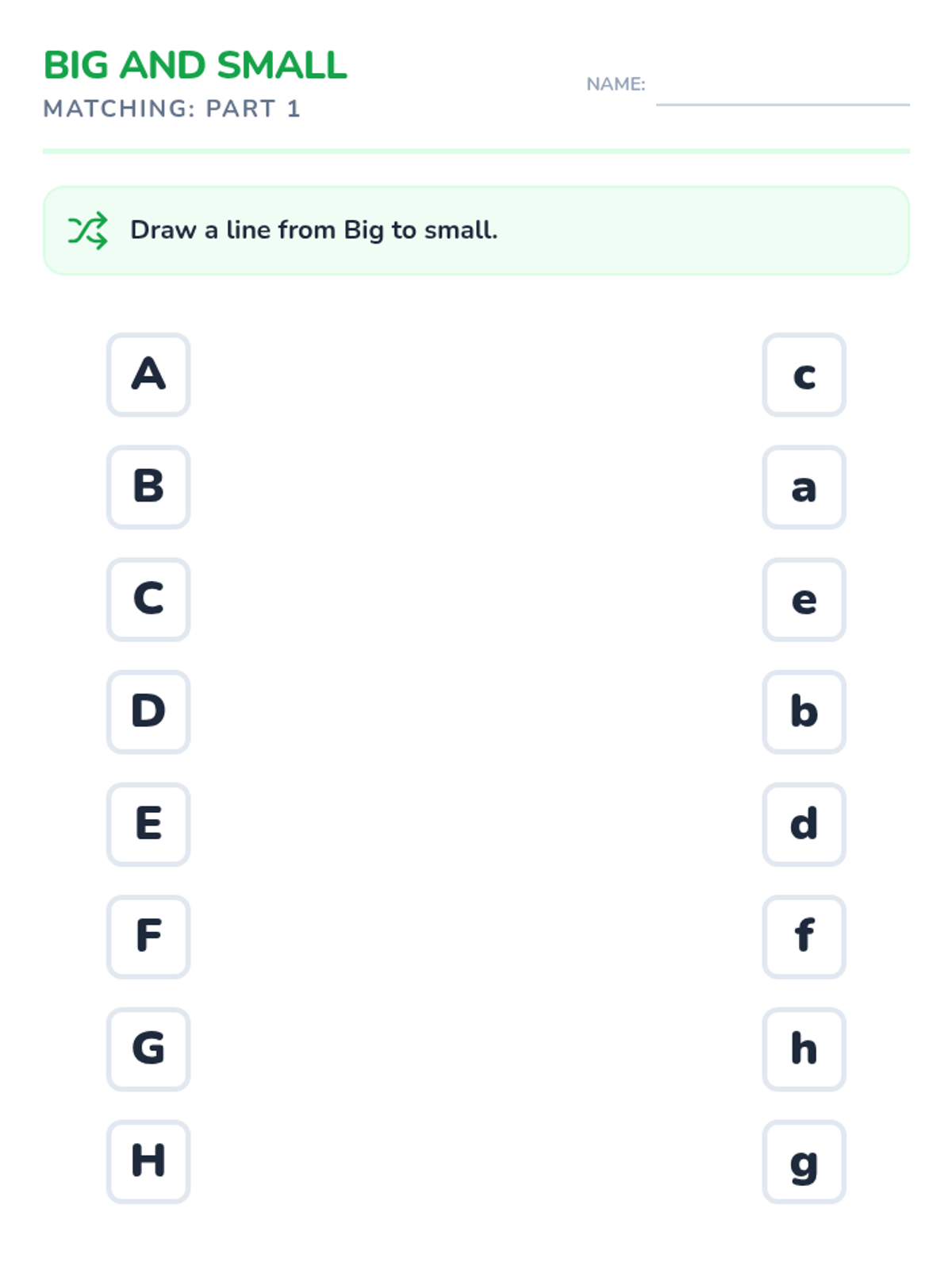
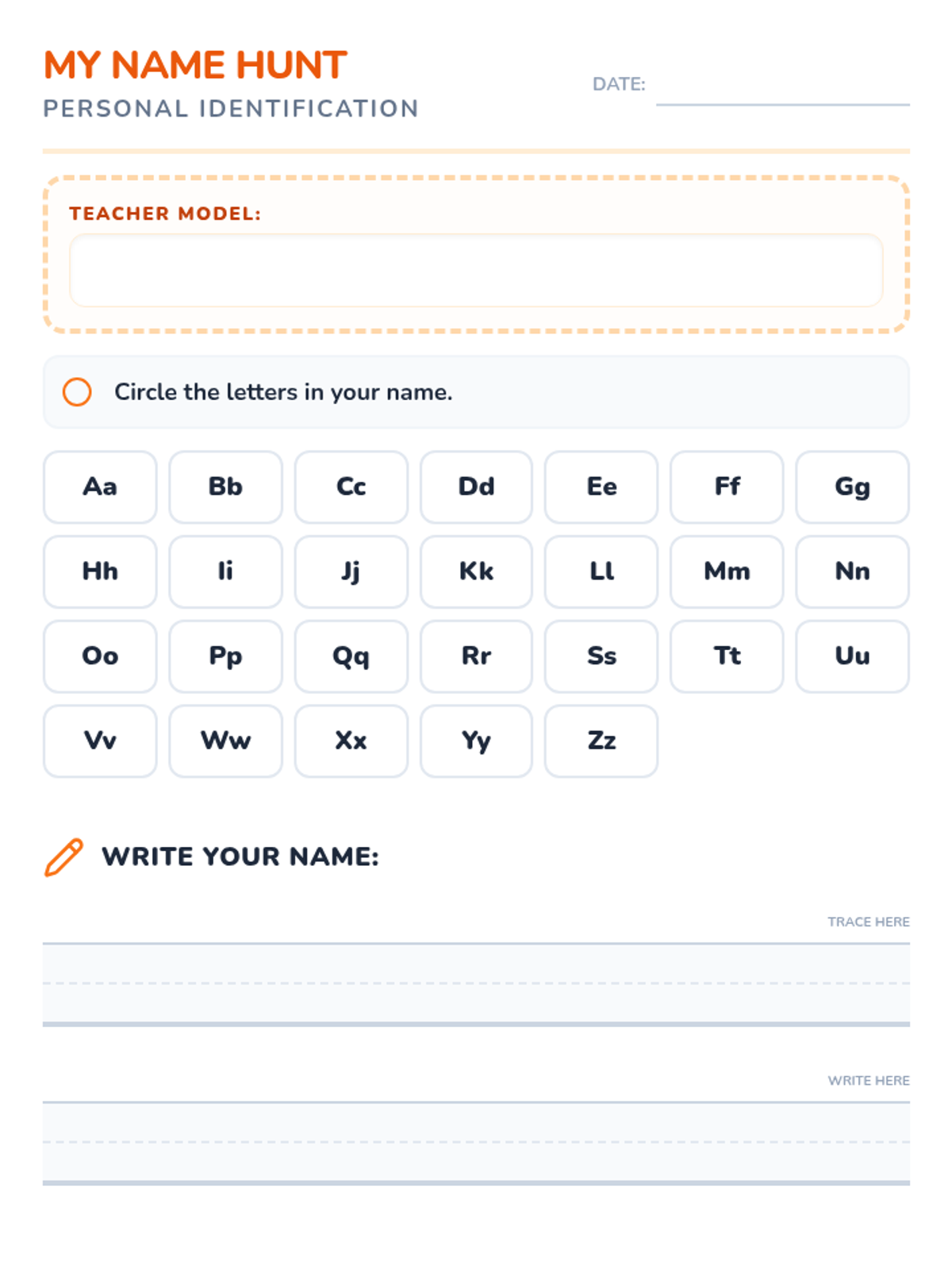
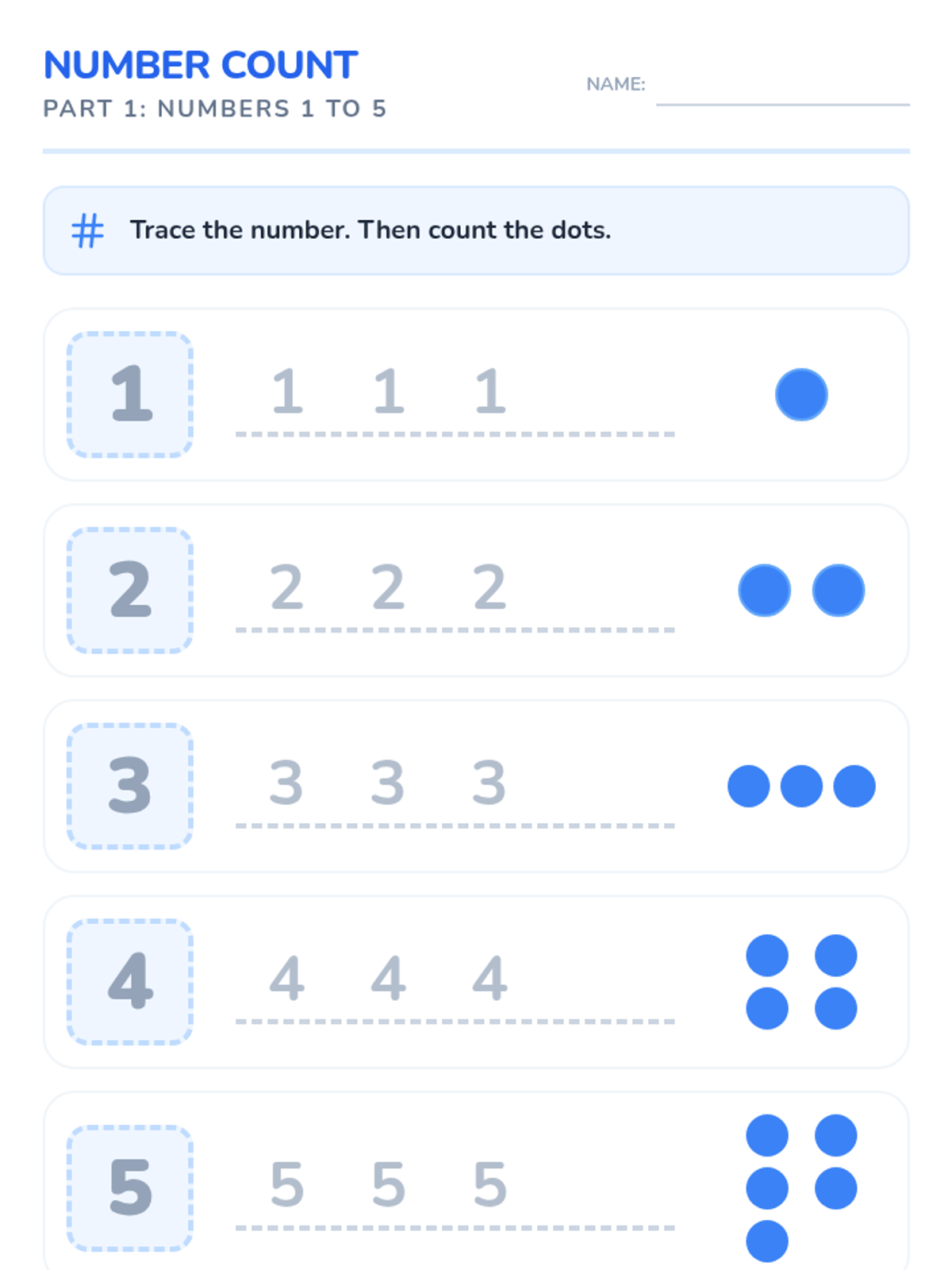
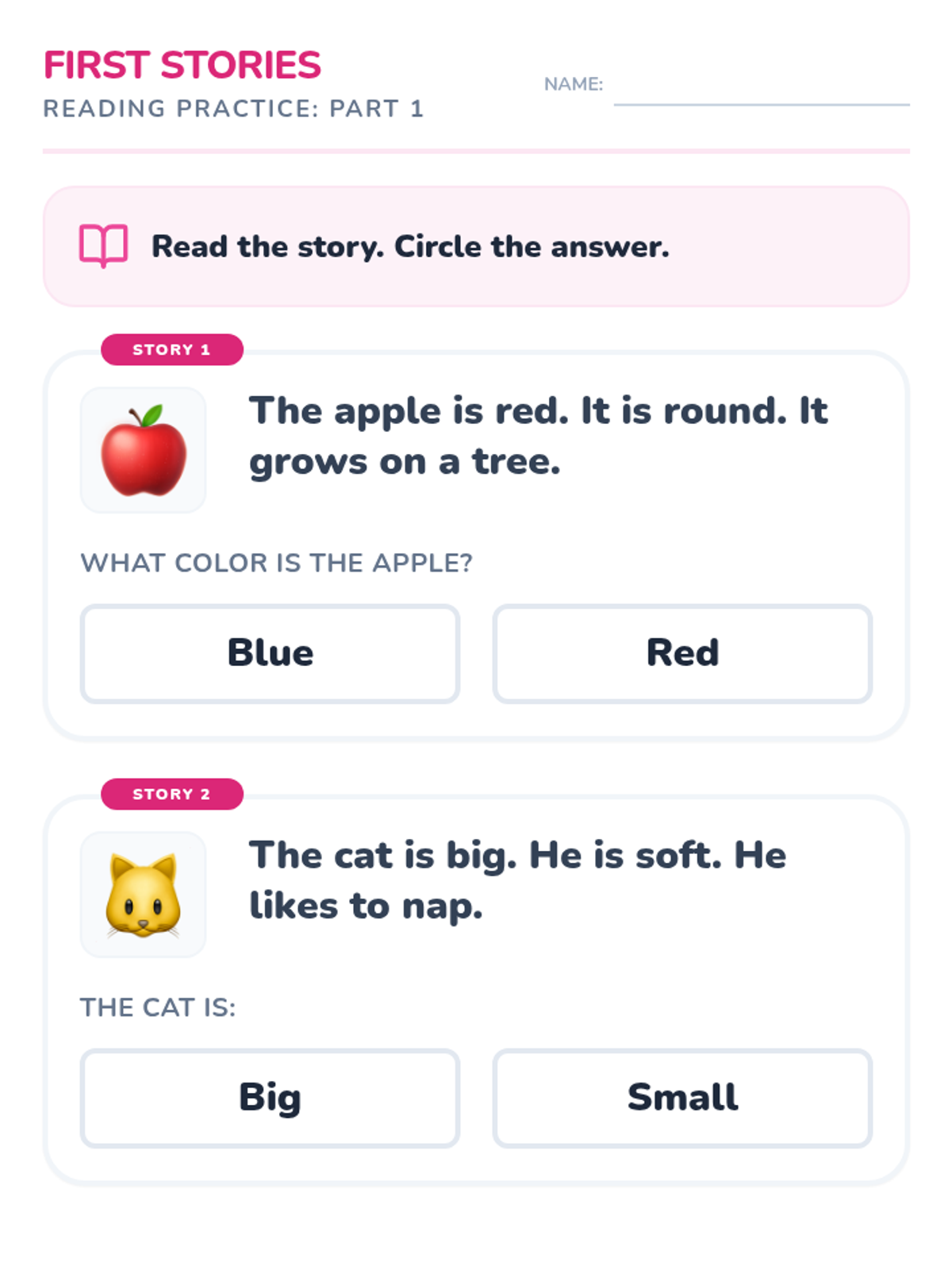
This lesson provides a structured set of activities for letter formation, matching, name recognition, and basic counting for students with autism or significant developmental delays.
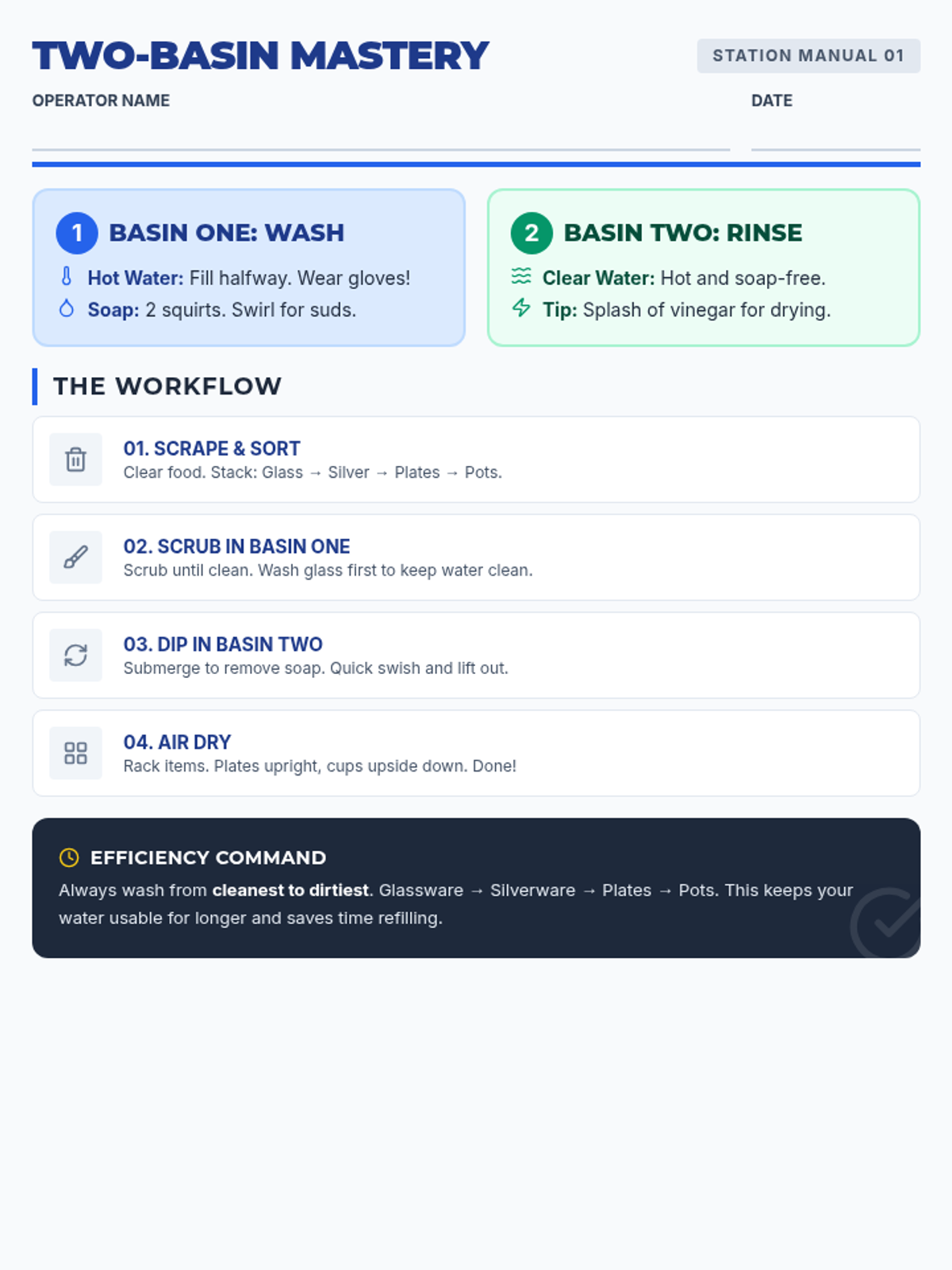
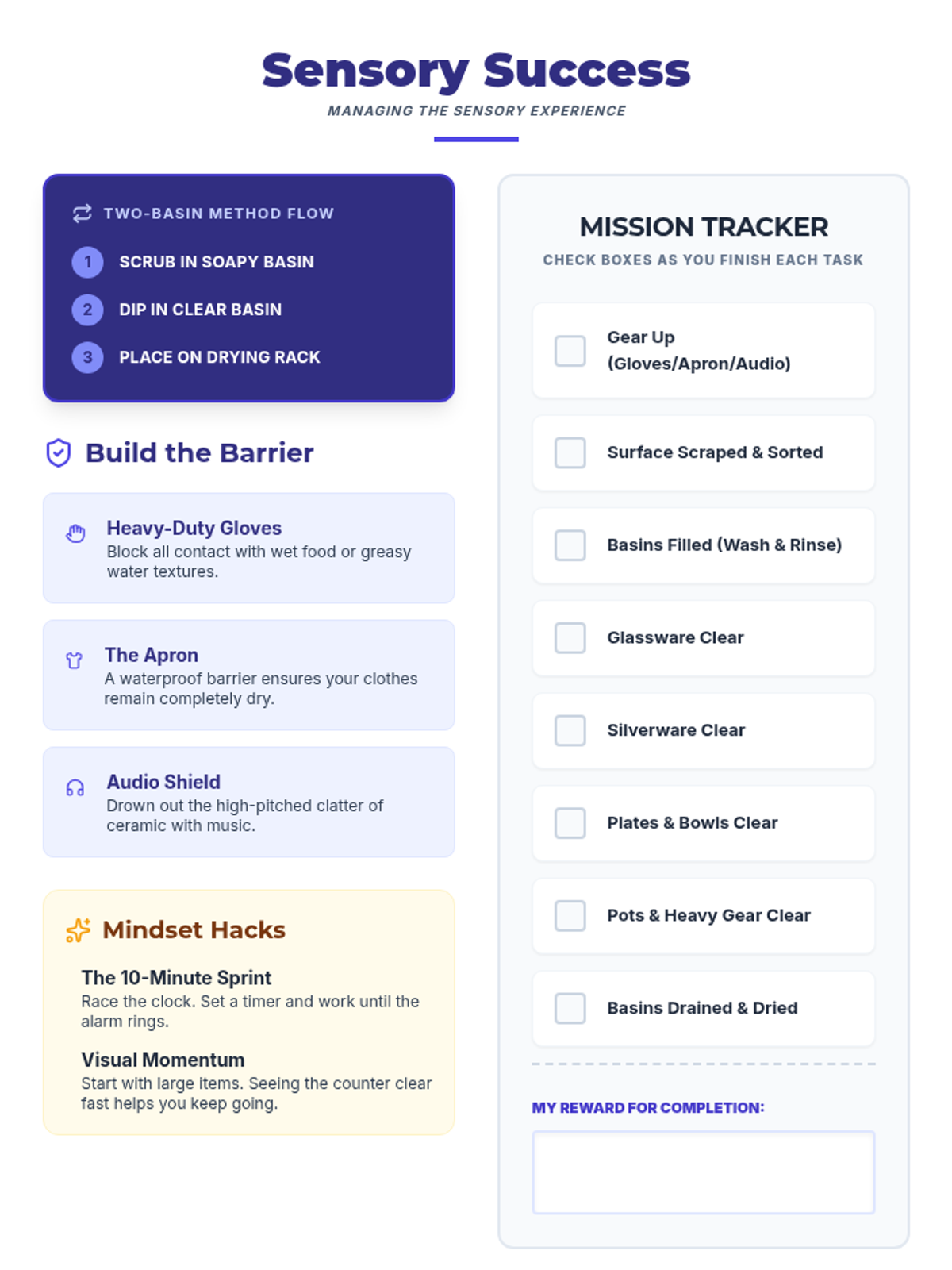
A guide for mastering the two-basin dishwashing method, specifically designed for individuals with sensory sensitivities and motivation hurdles.