A step-by-step instructional sequence for teaching special education students how to find the area of tilted squares using the subtraction (bounding box) method. The lesson breaks down a complex geometric task into simple, repeatable visual steps.
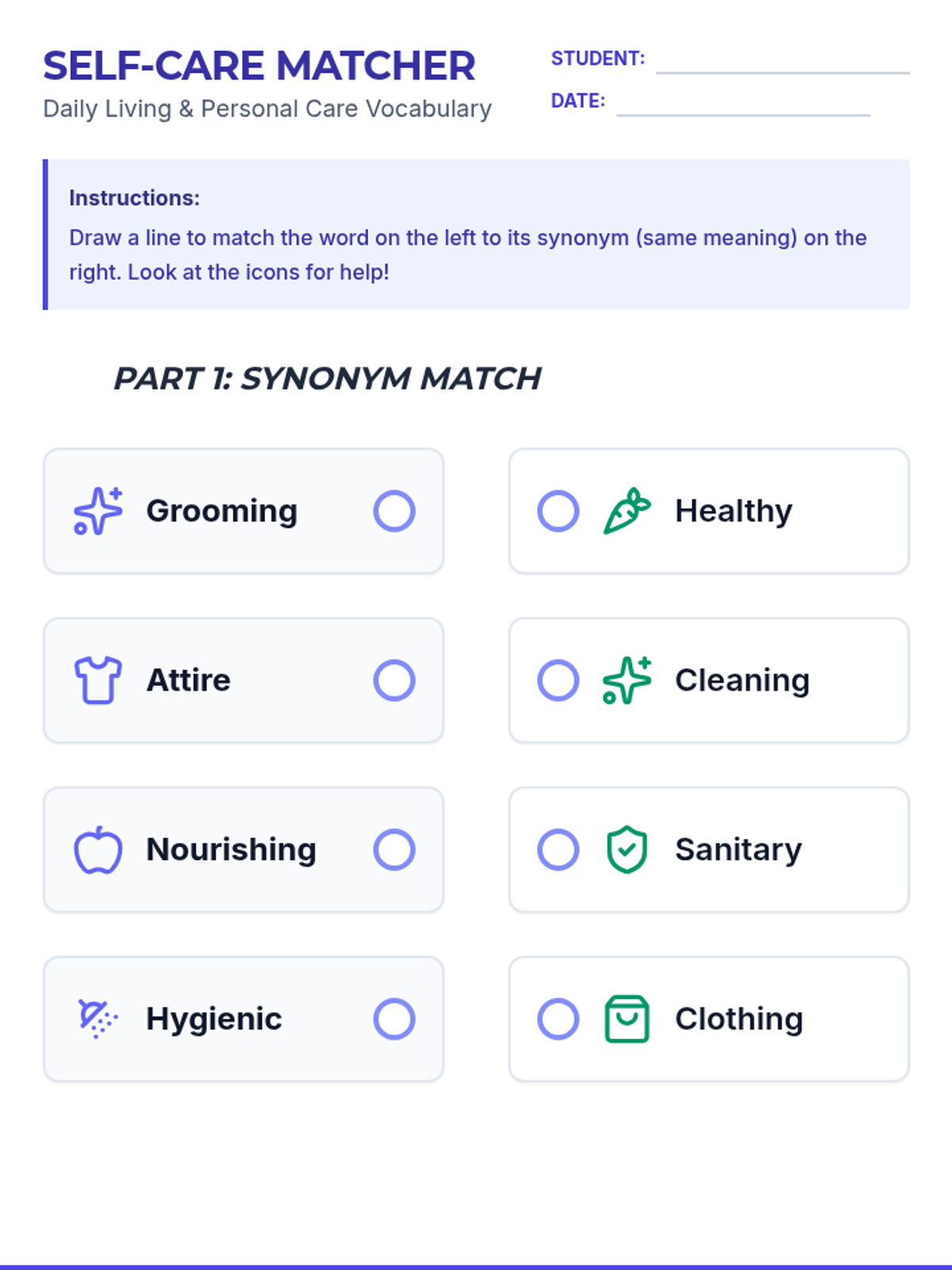
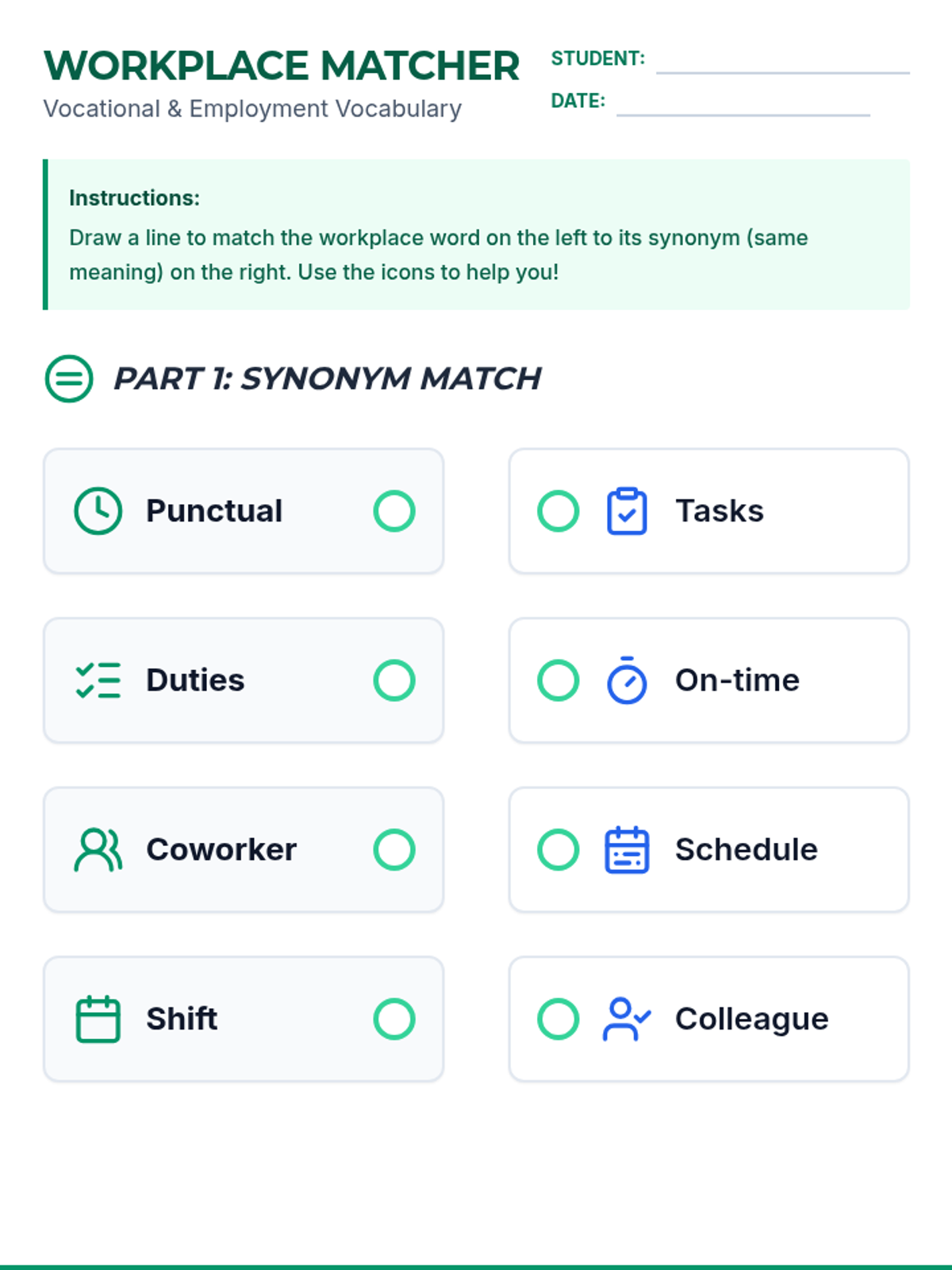
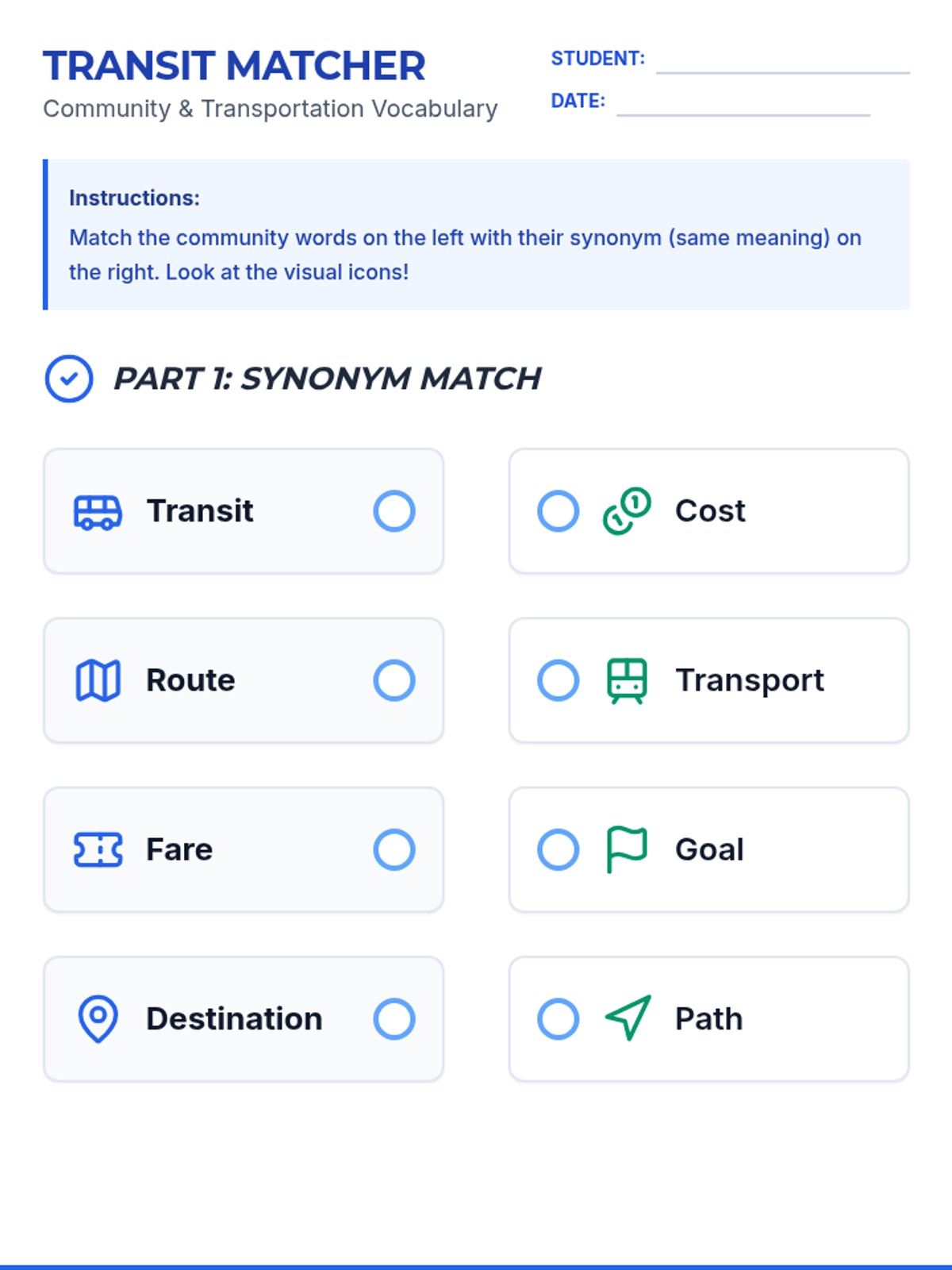
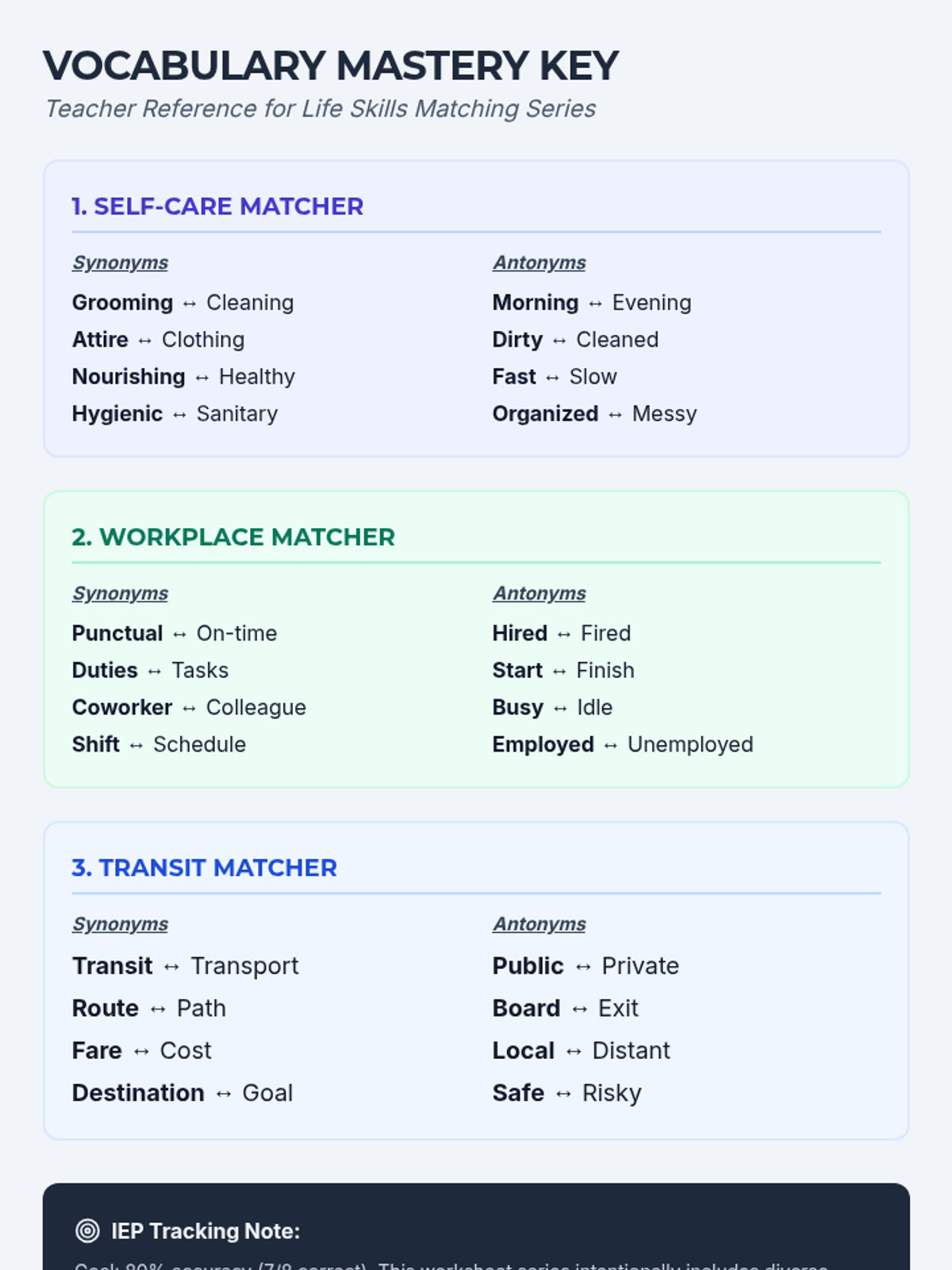
A series of matching worksheets focused on identifying synonyms and antonyms for functional life skills vocabulary across three core domains: self-care, workplace, and community transportation.
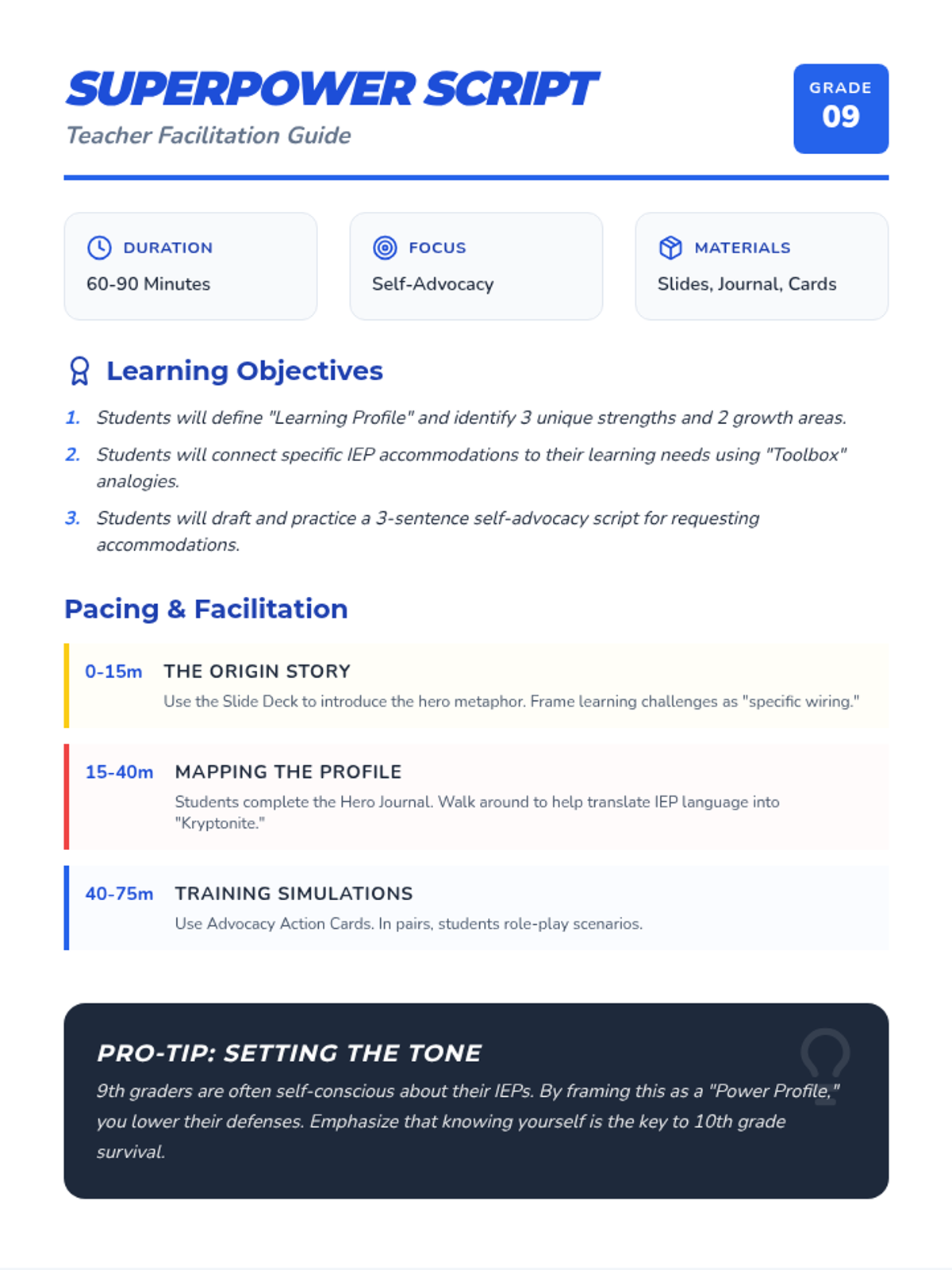
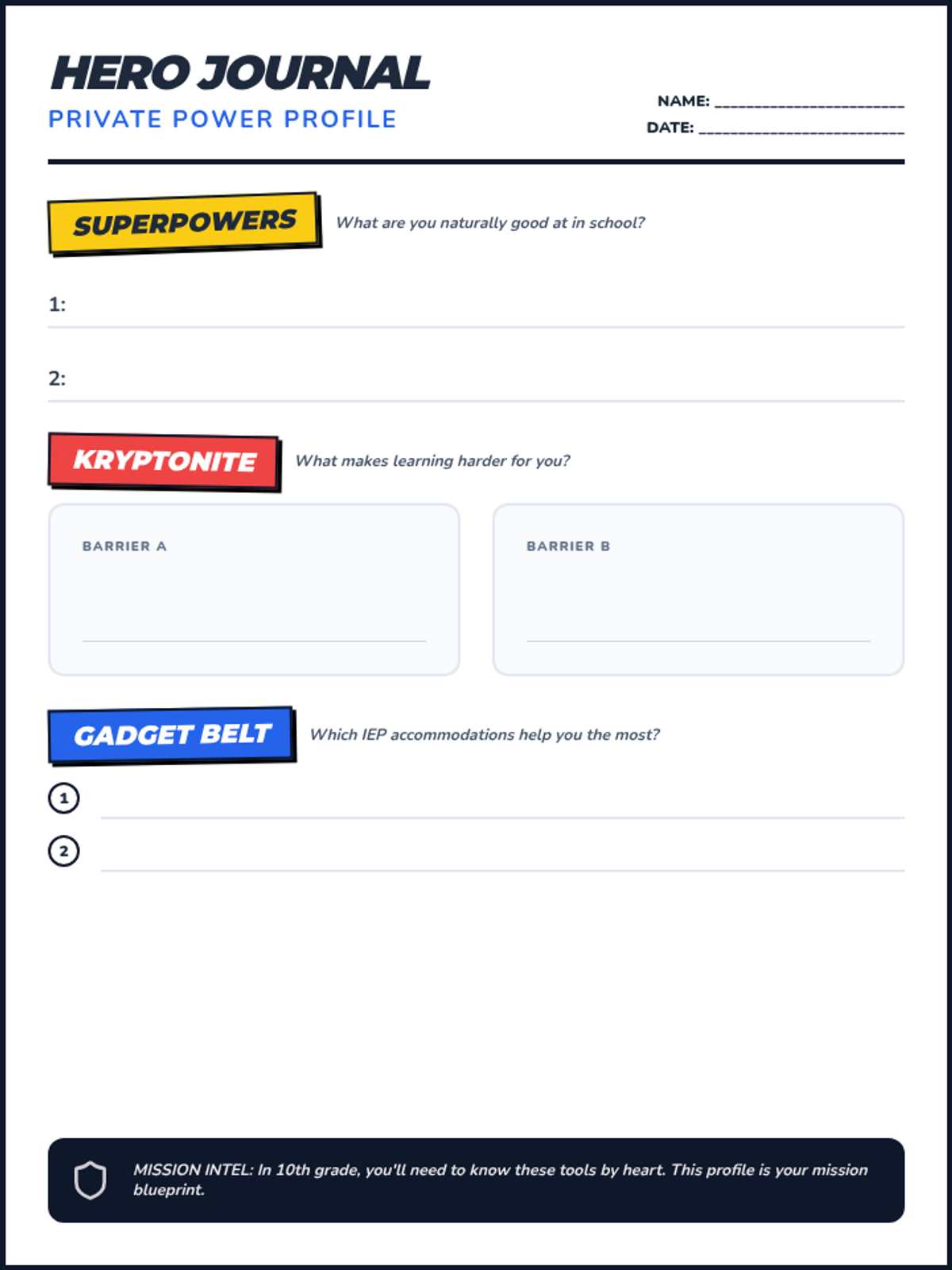
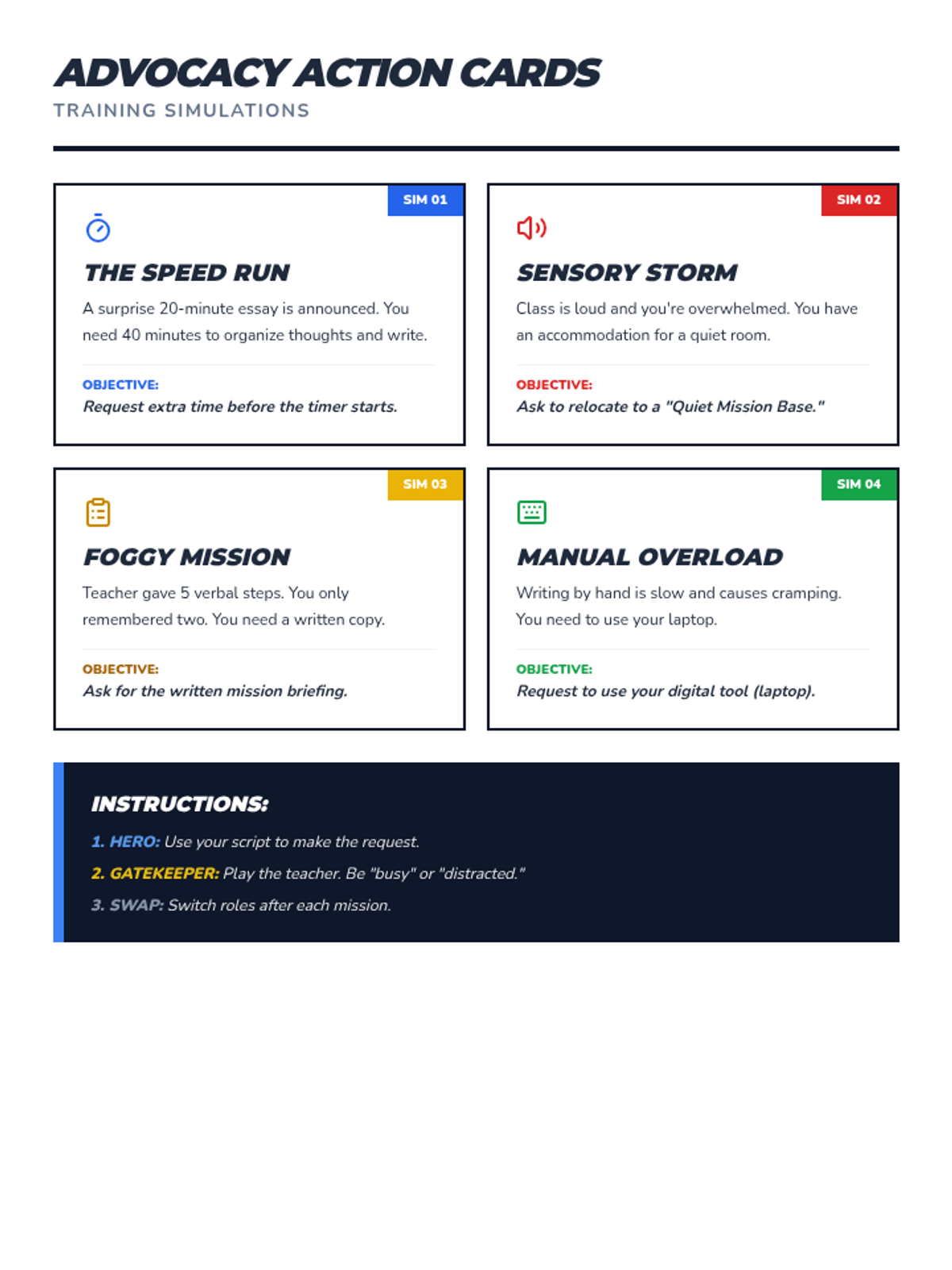
A self-advocacy workshop for 9th graders to explore their learning profiles, understand their accommodations as tools for success, and practice requesting support for their transition to 10th grade.
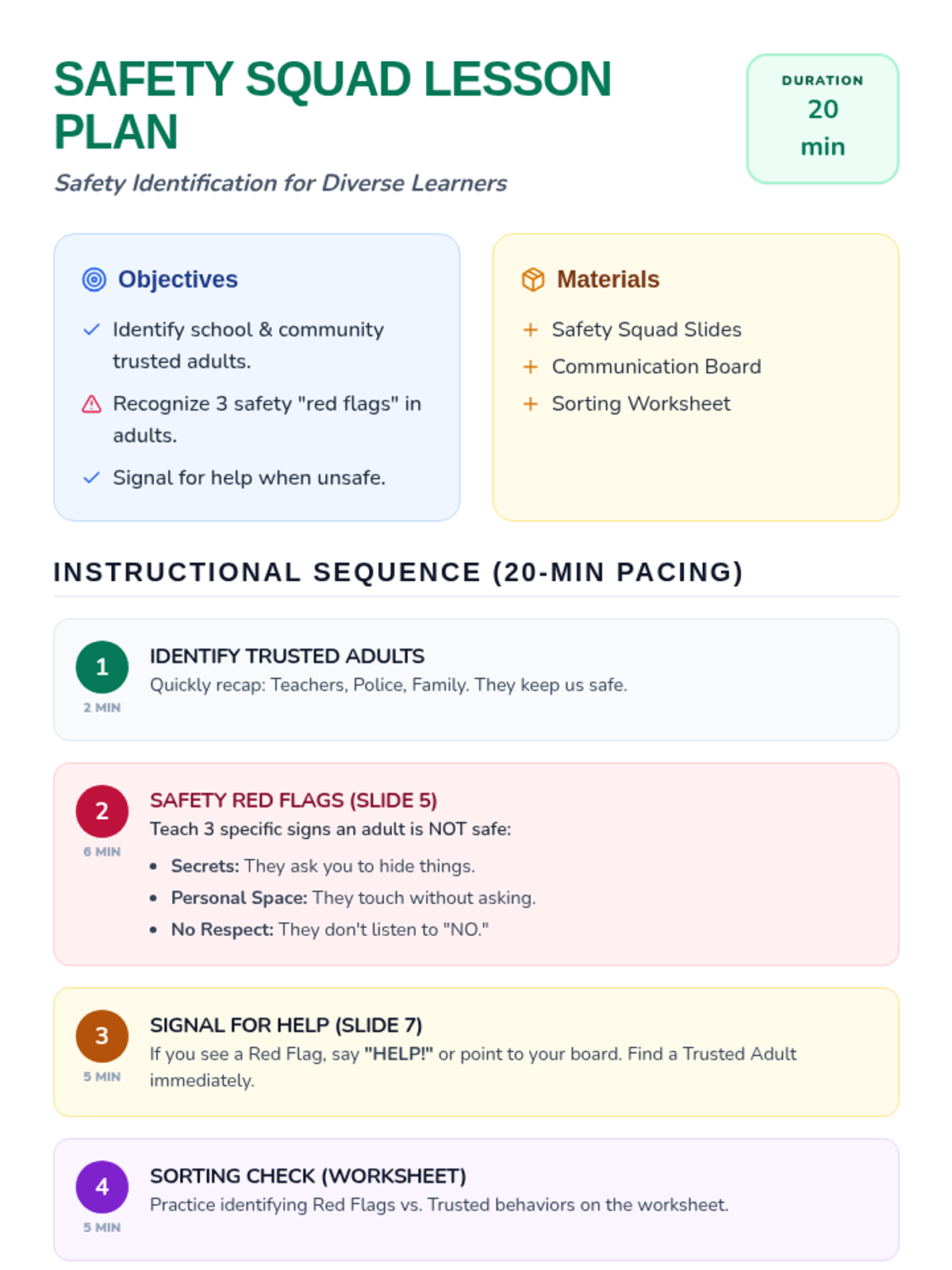
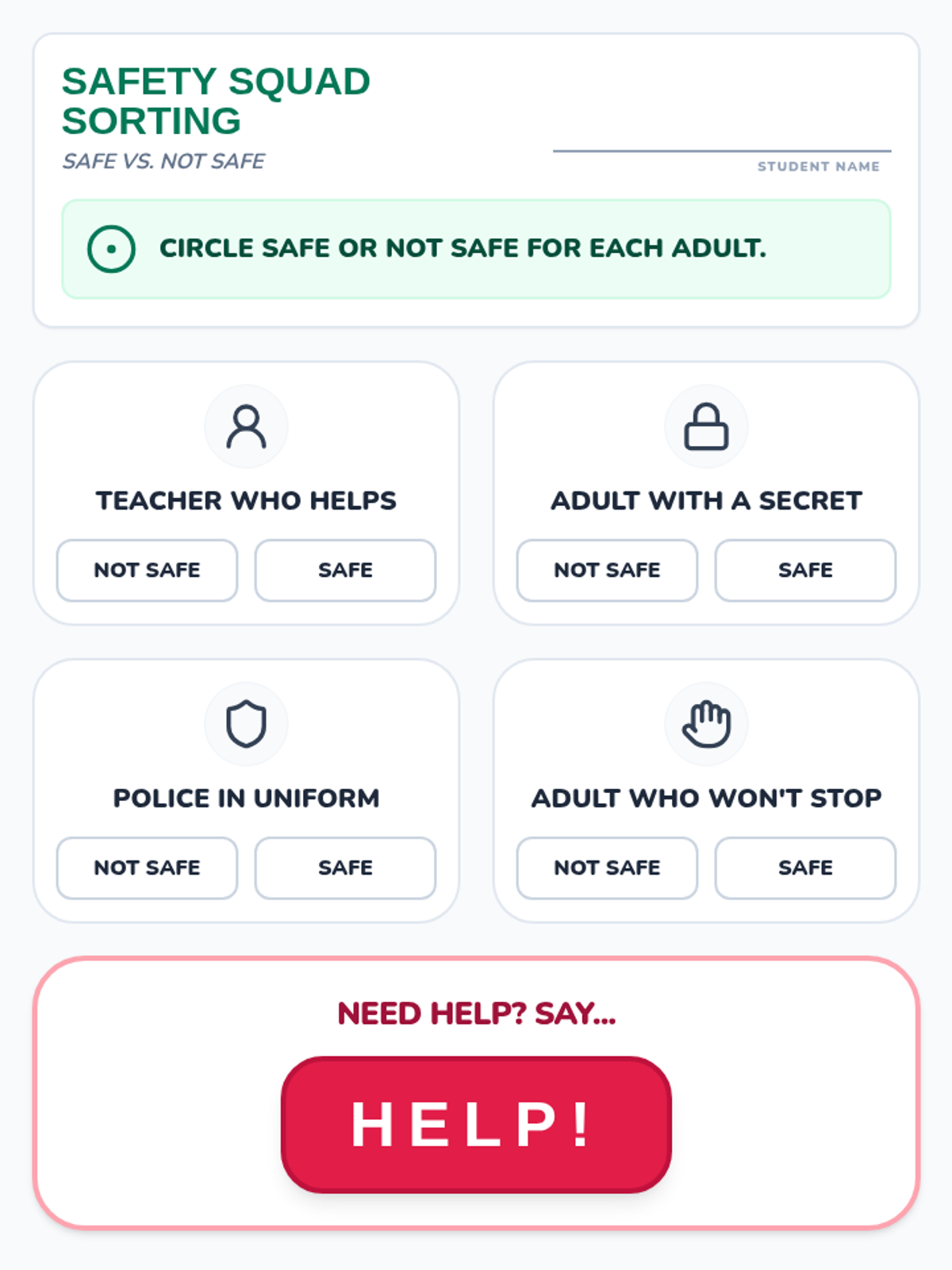
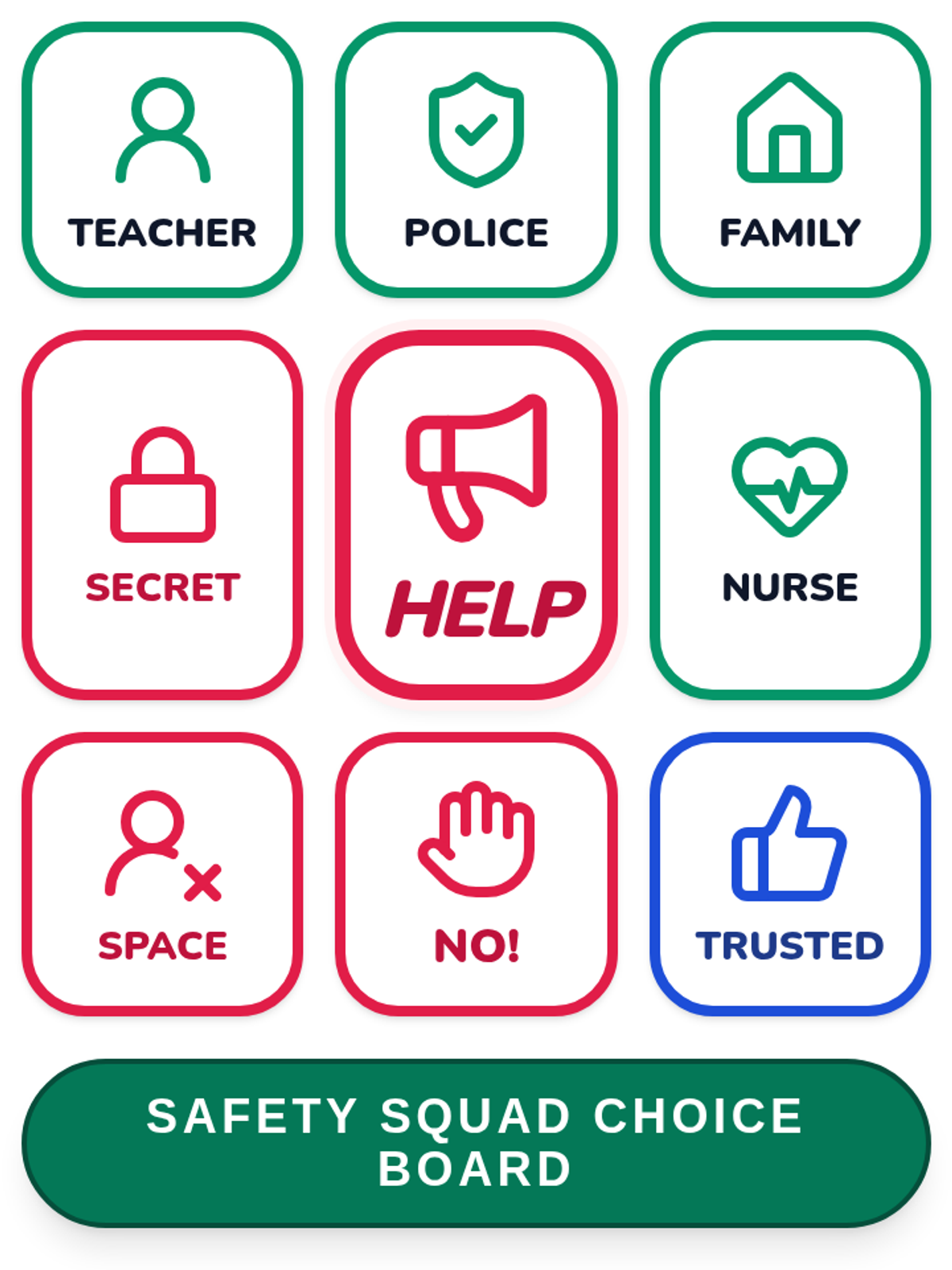
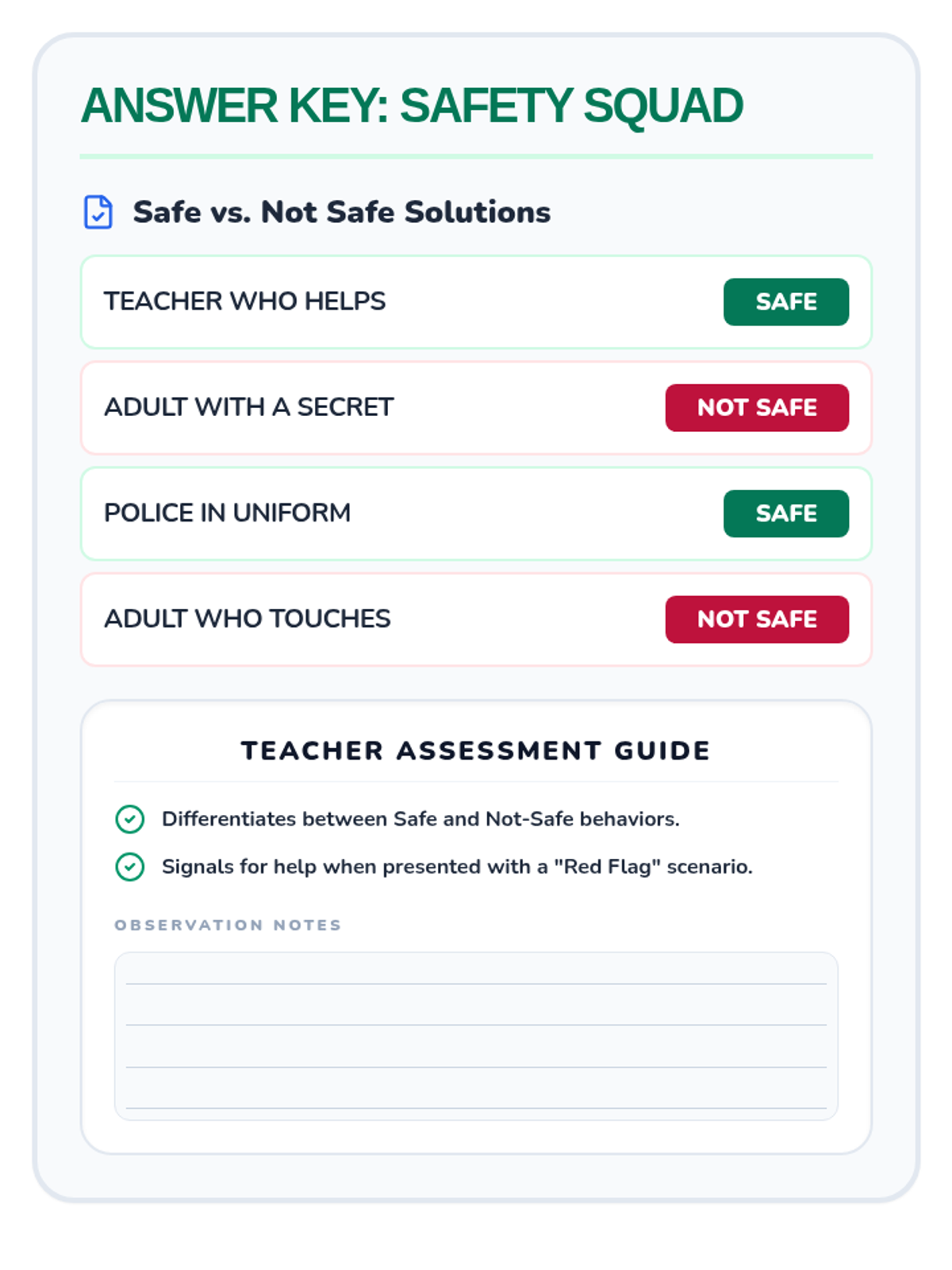
A highly visual lesson designed for students with severe disabilities to identify trusted adults at school, at home, and in the community. Includes multi-sensory prompts and clear visual supports.
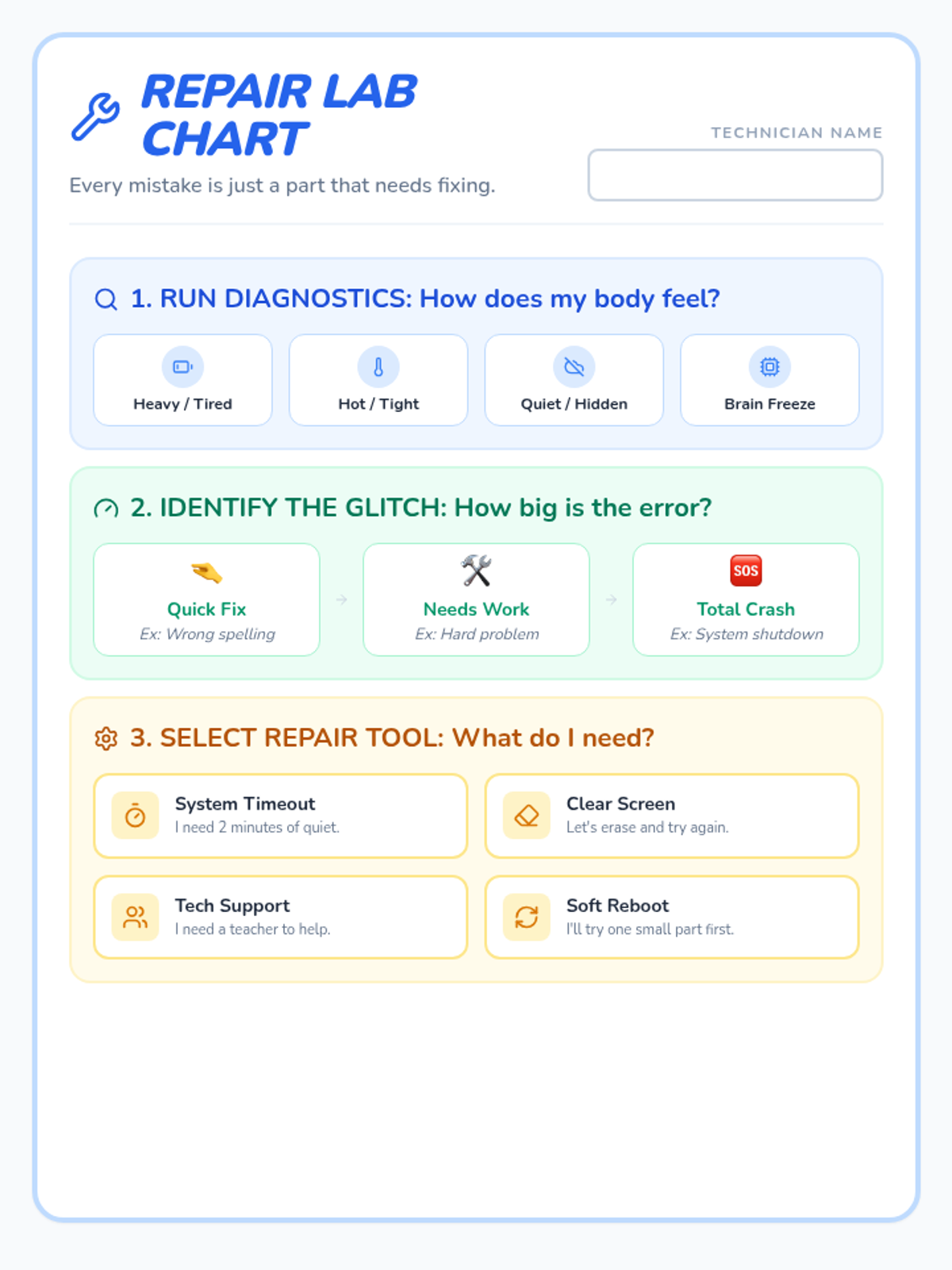
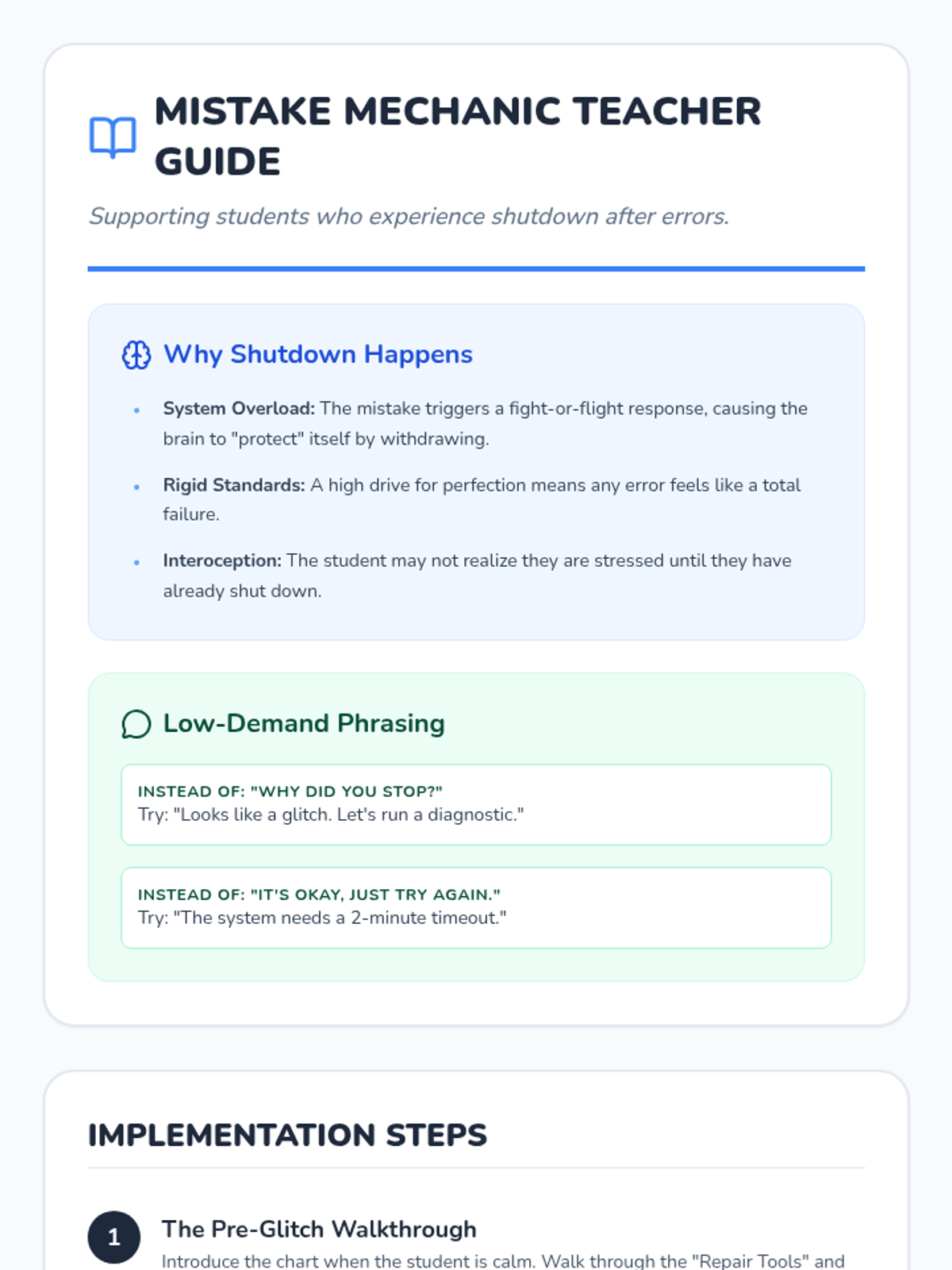
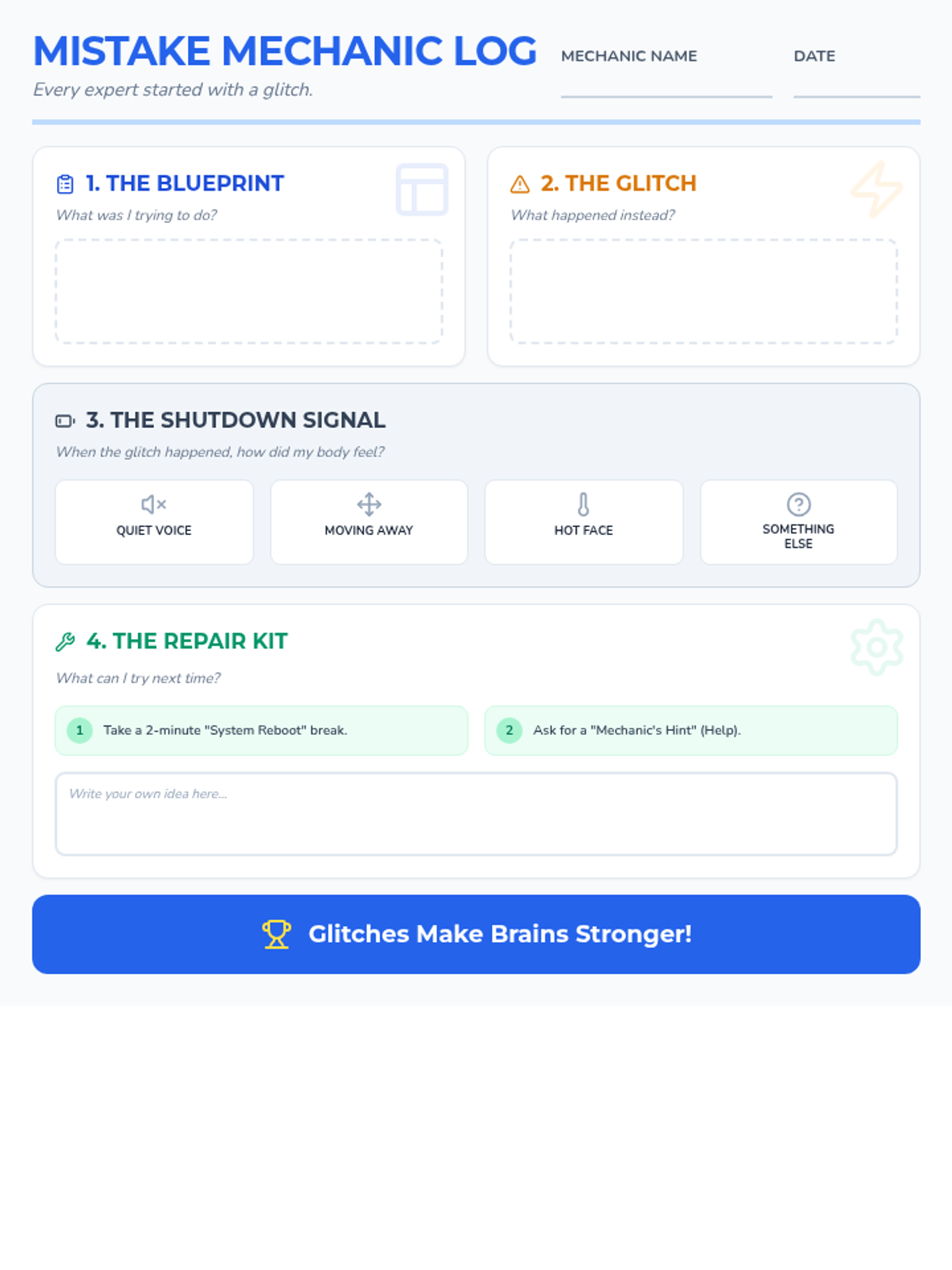
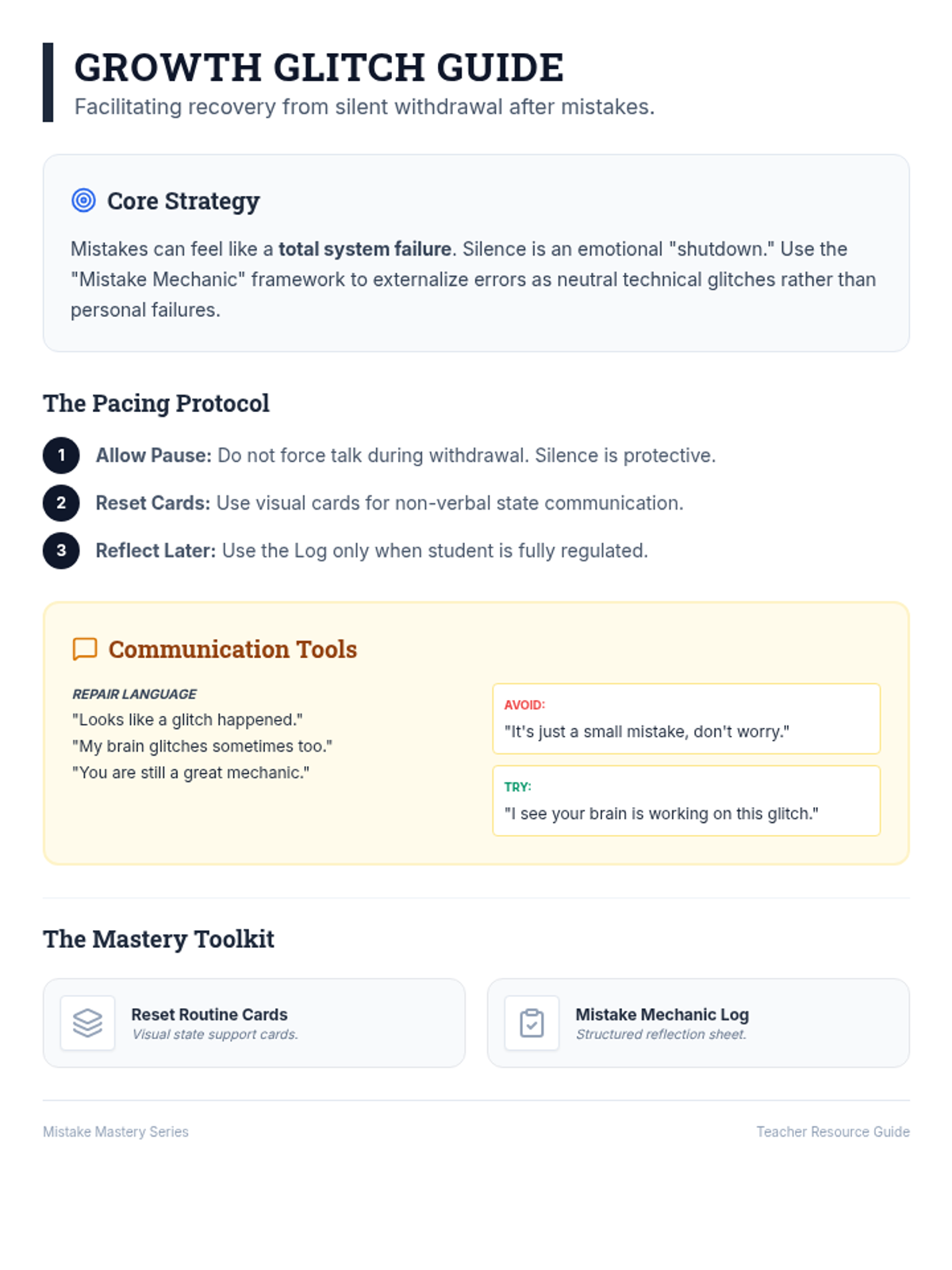
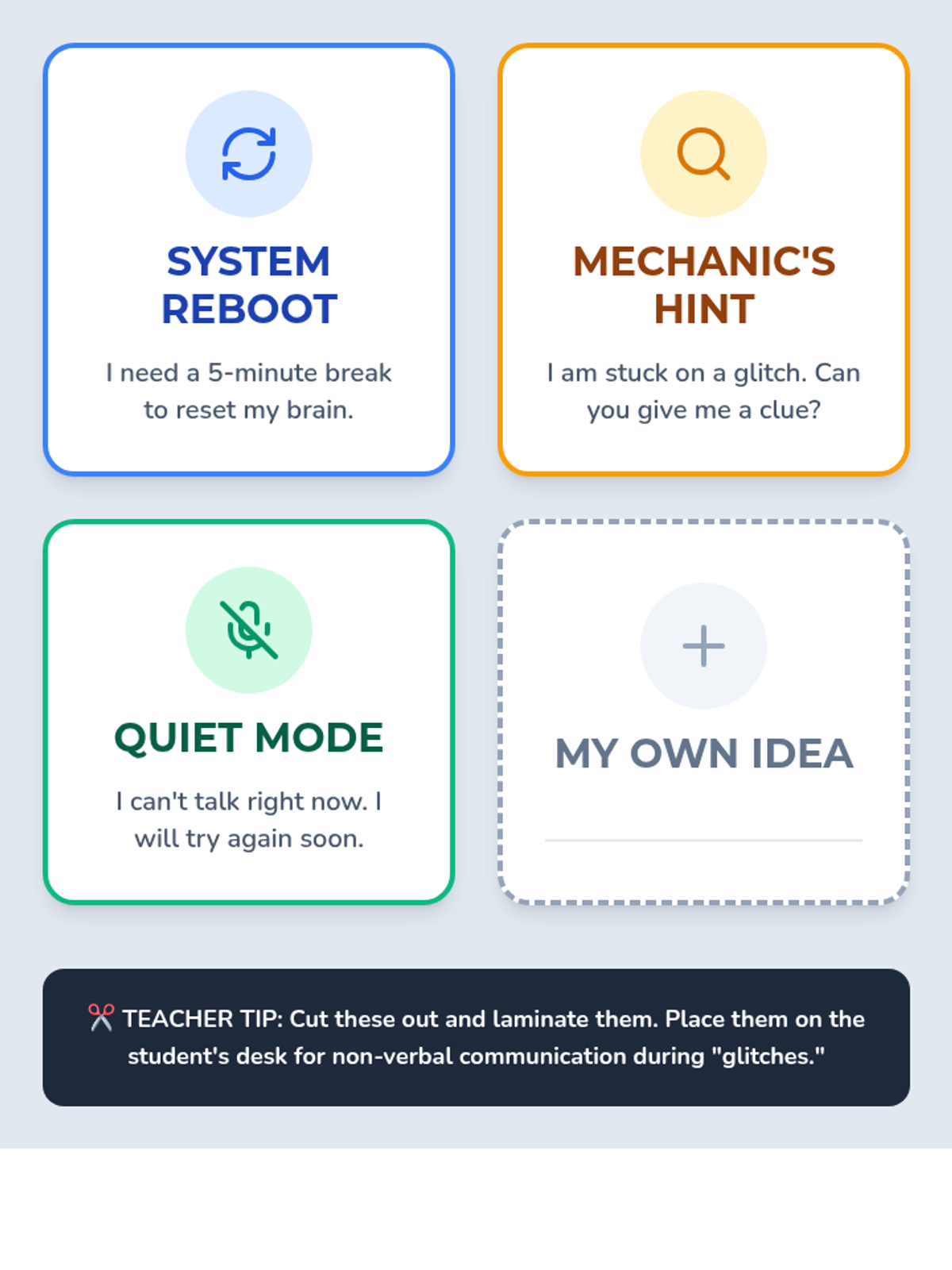
A set of visual tools and strategies designed to help students who experience shutdown or withdrawal after making mistakes, reframing errors as manageable 'glitches' that can be repaired.
A supportive lesson designed to help autistic children move from silent withdrawal to a growth mindset by framing mistakes as technical 'glitches' that can be fixed.
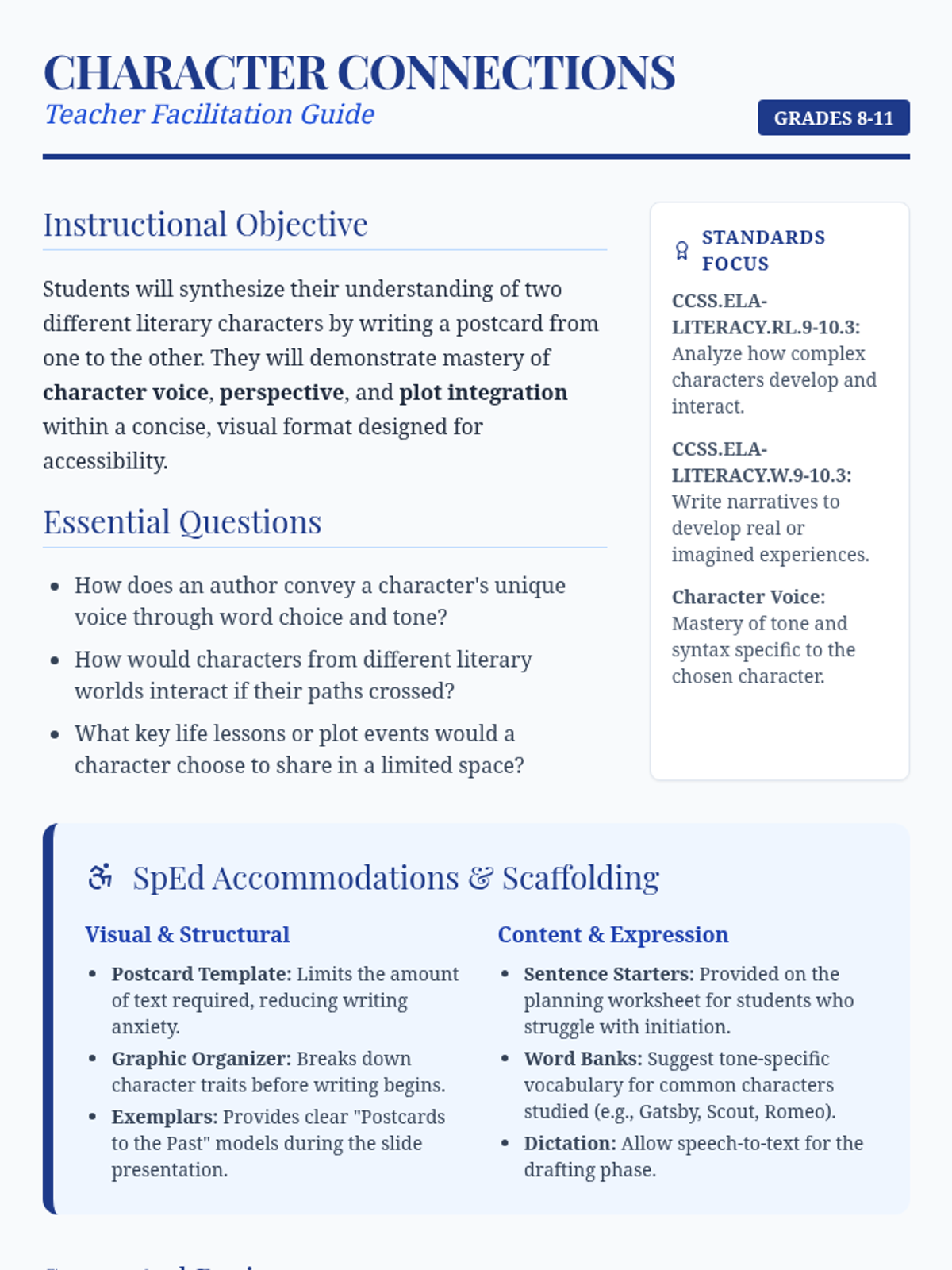
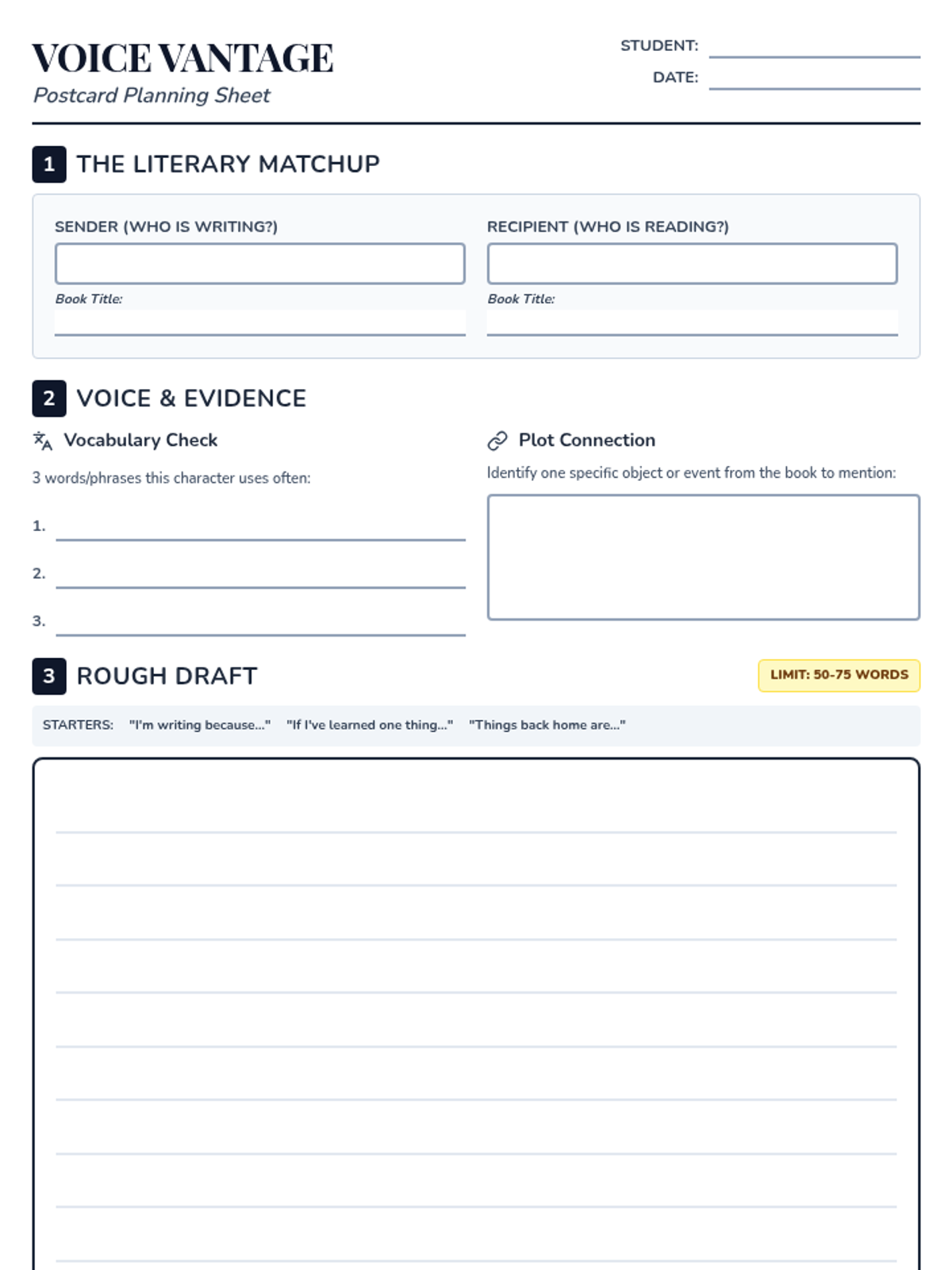
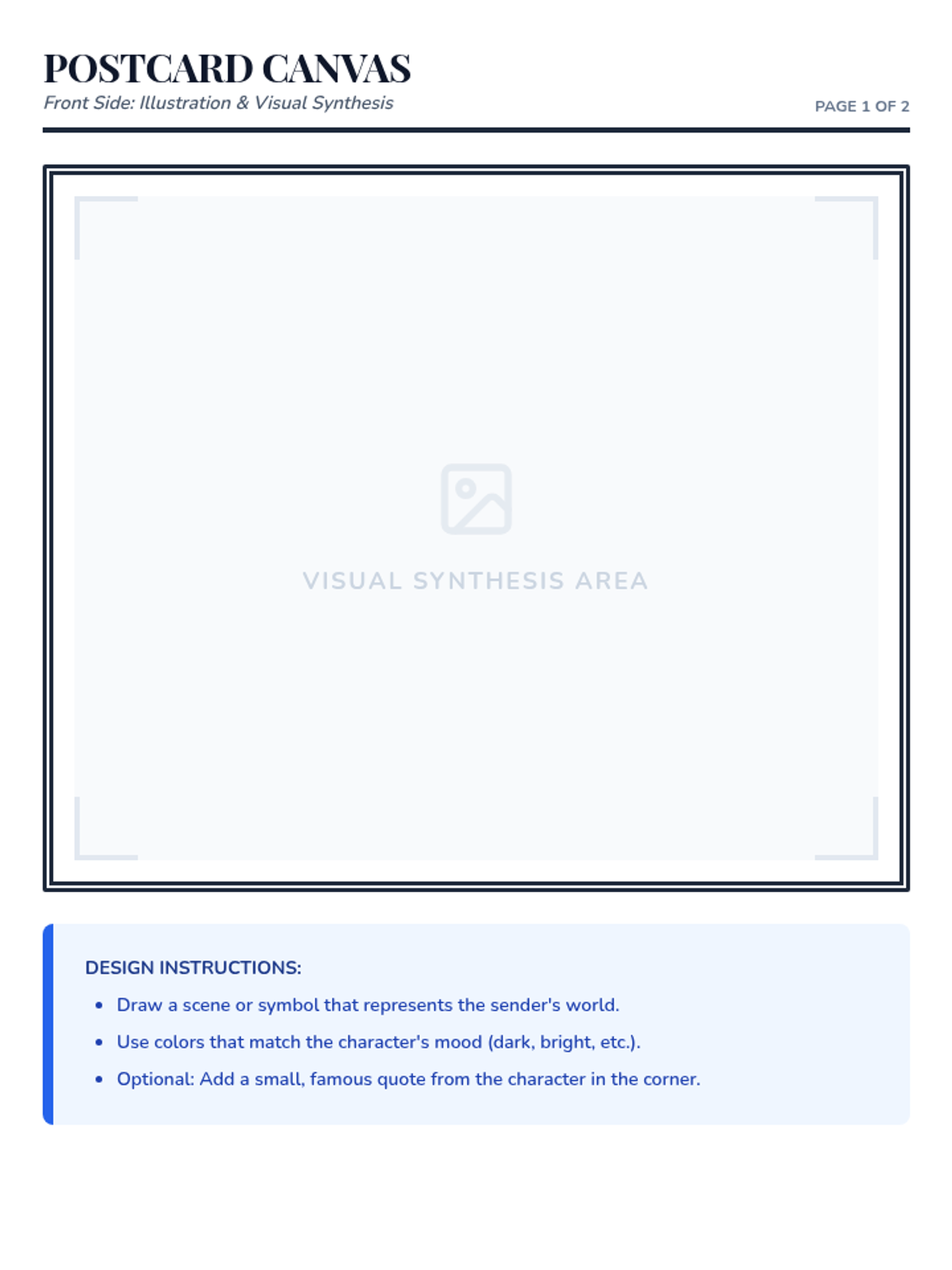
A creative synthesis project where students write postcards from one literary character to another, focusing on voice, perspective, and plot synthesis for 8th-11th grade SpEd students.
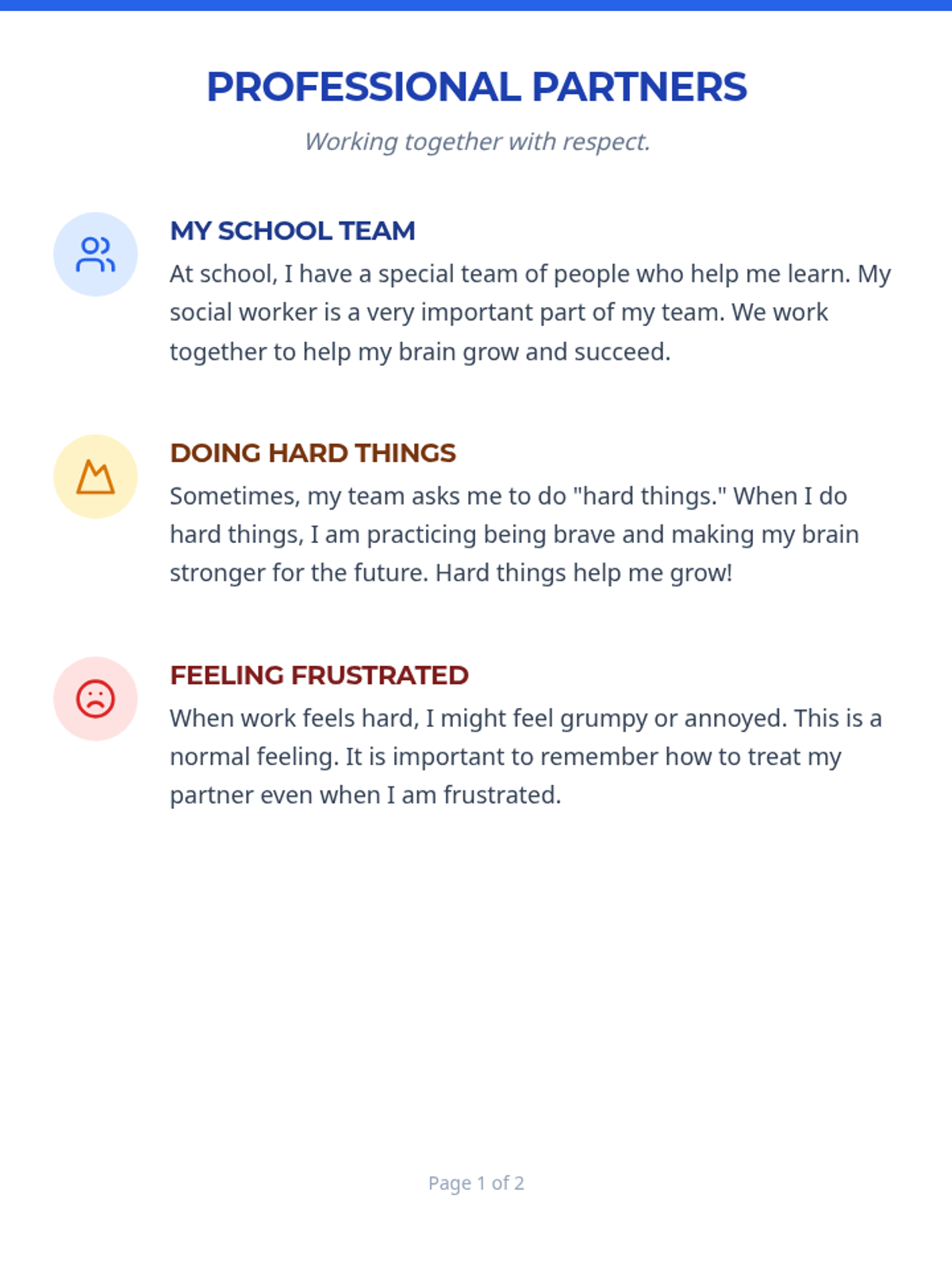
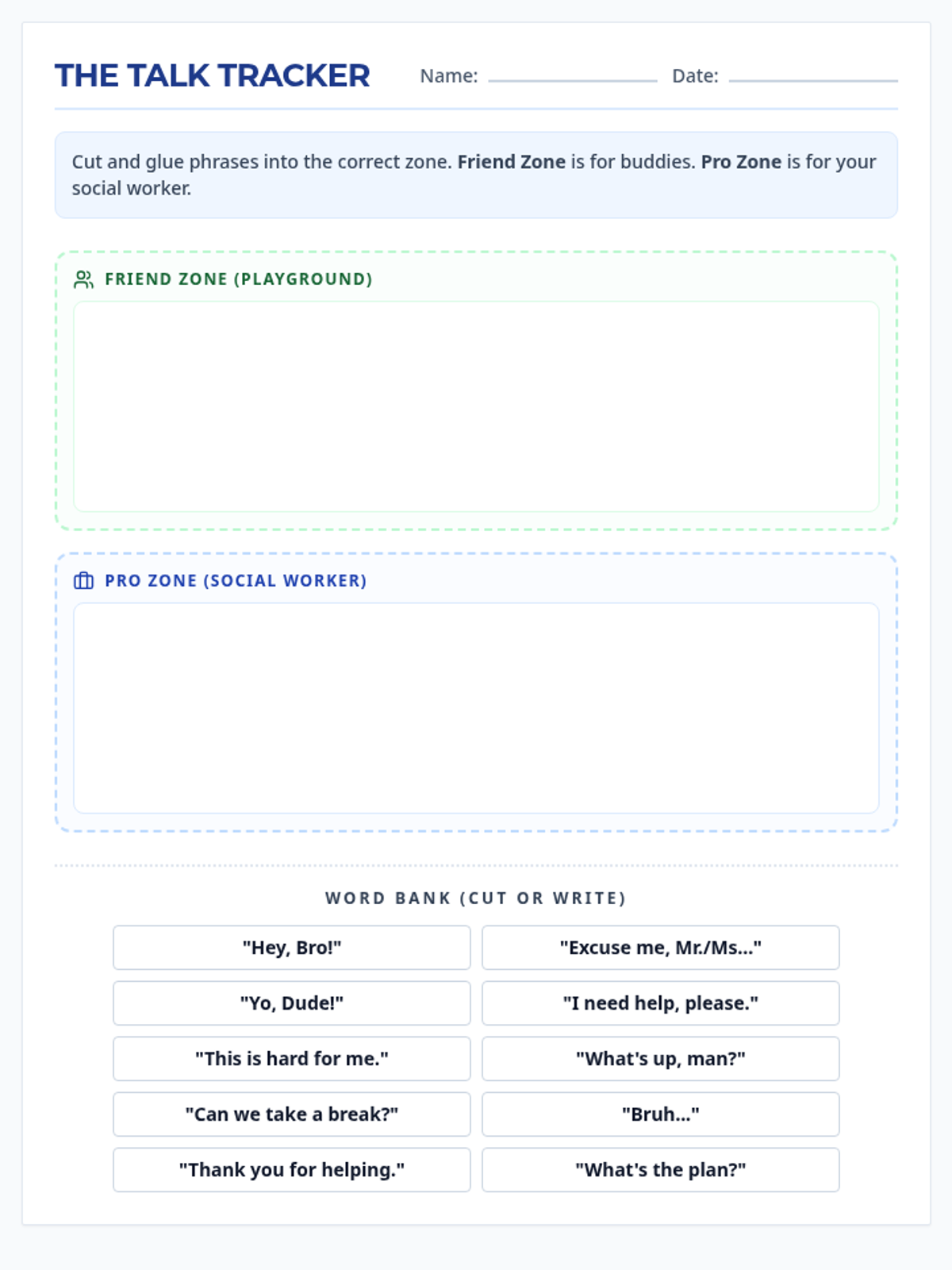
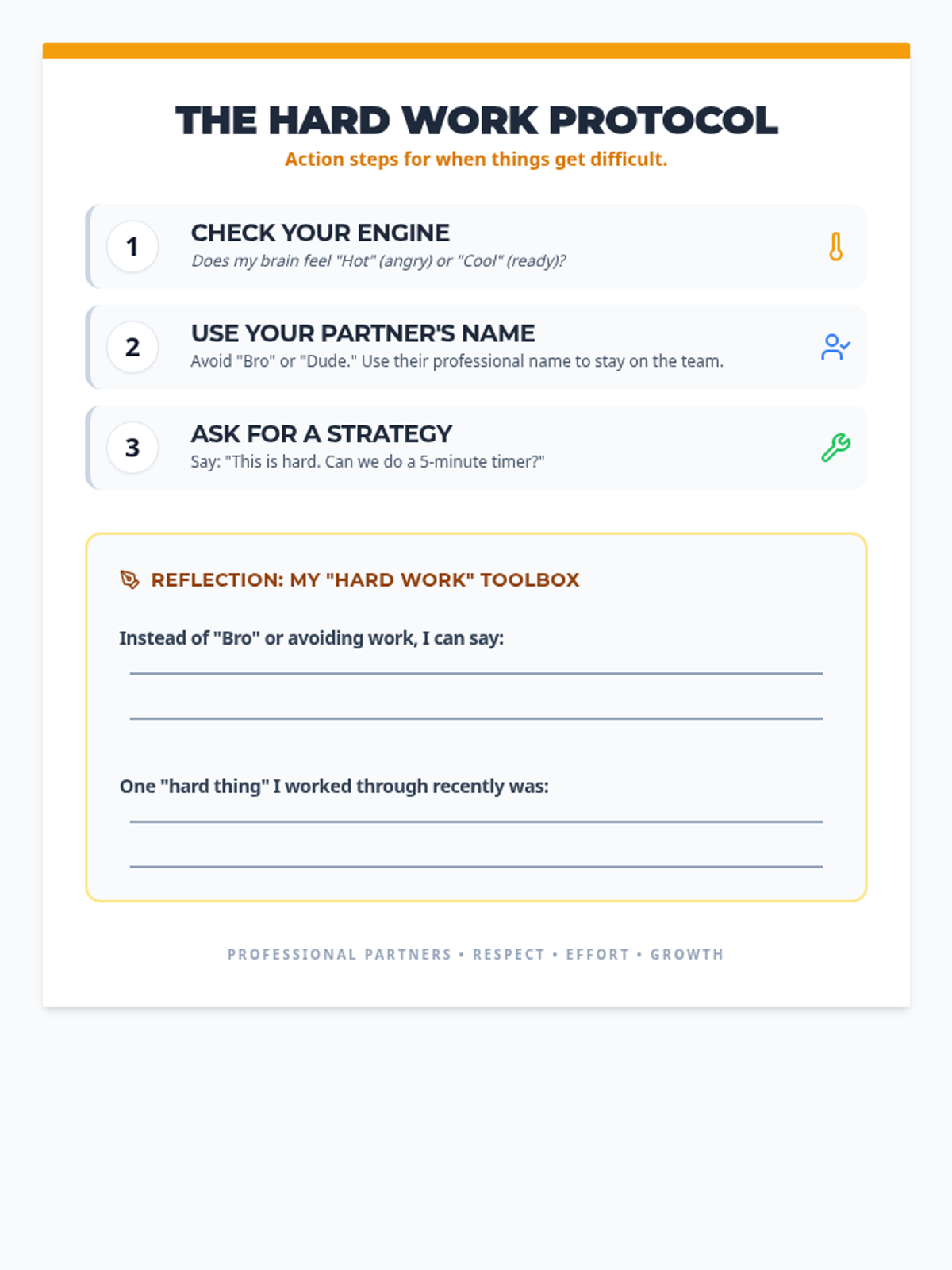
This lesson helps students with ASD and anxiety understand the professional boundaries between themselves and their support staff, focusing on respectful language and navigating frustration during difficult tasks.
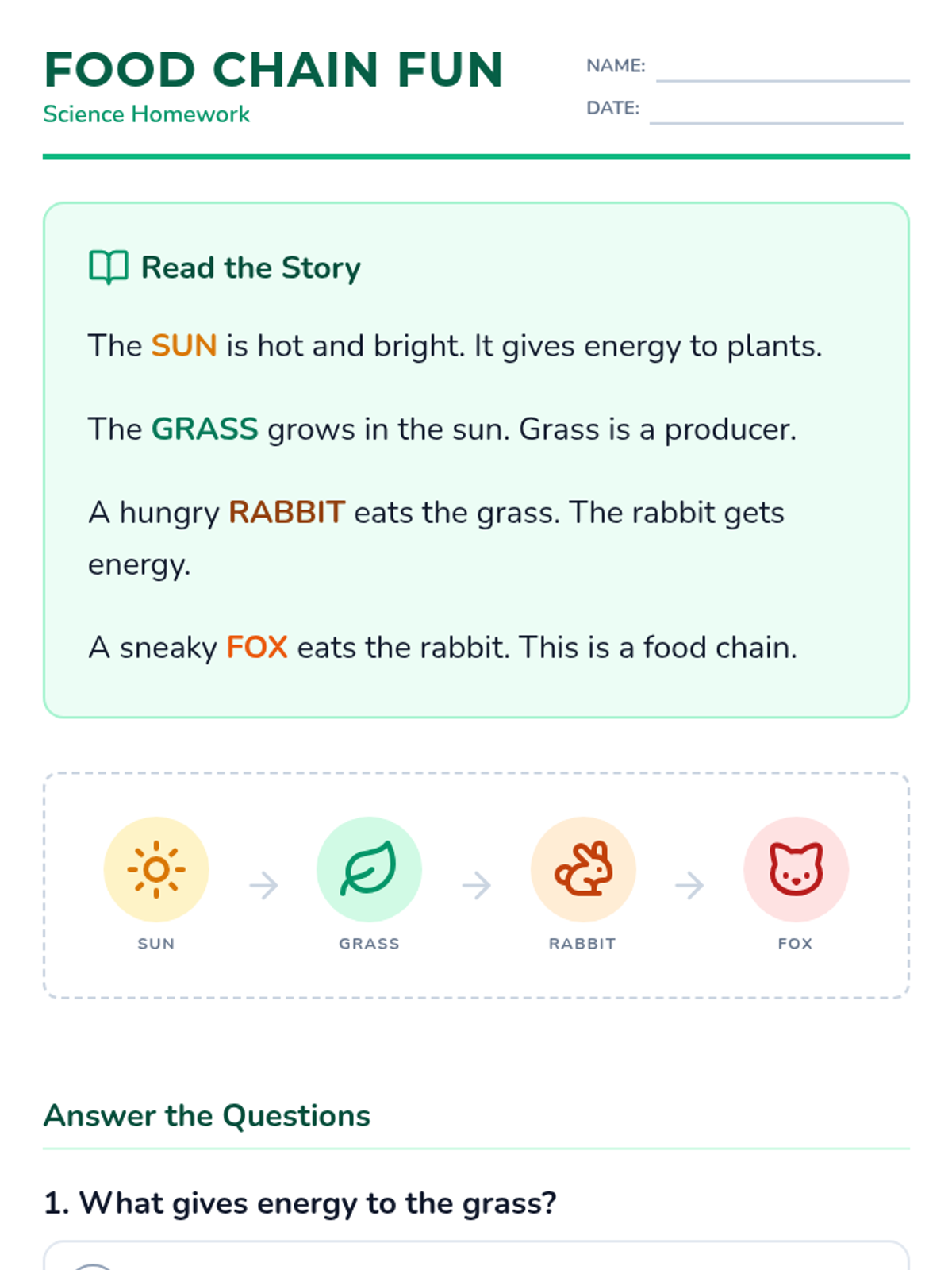
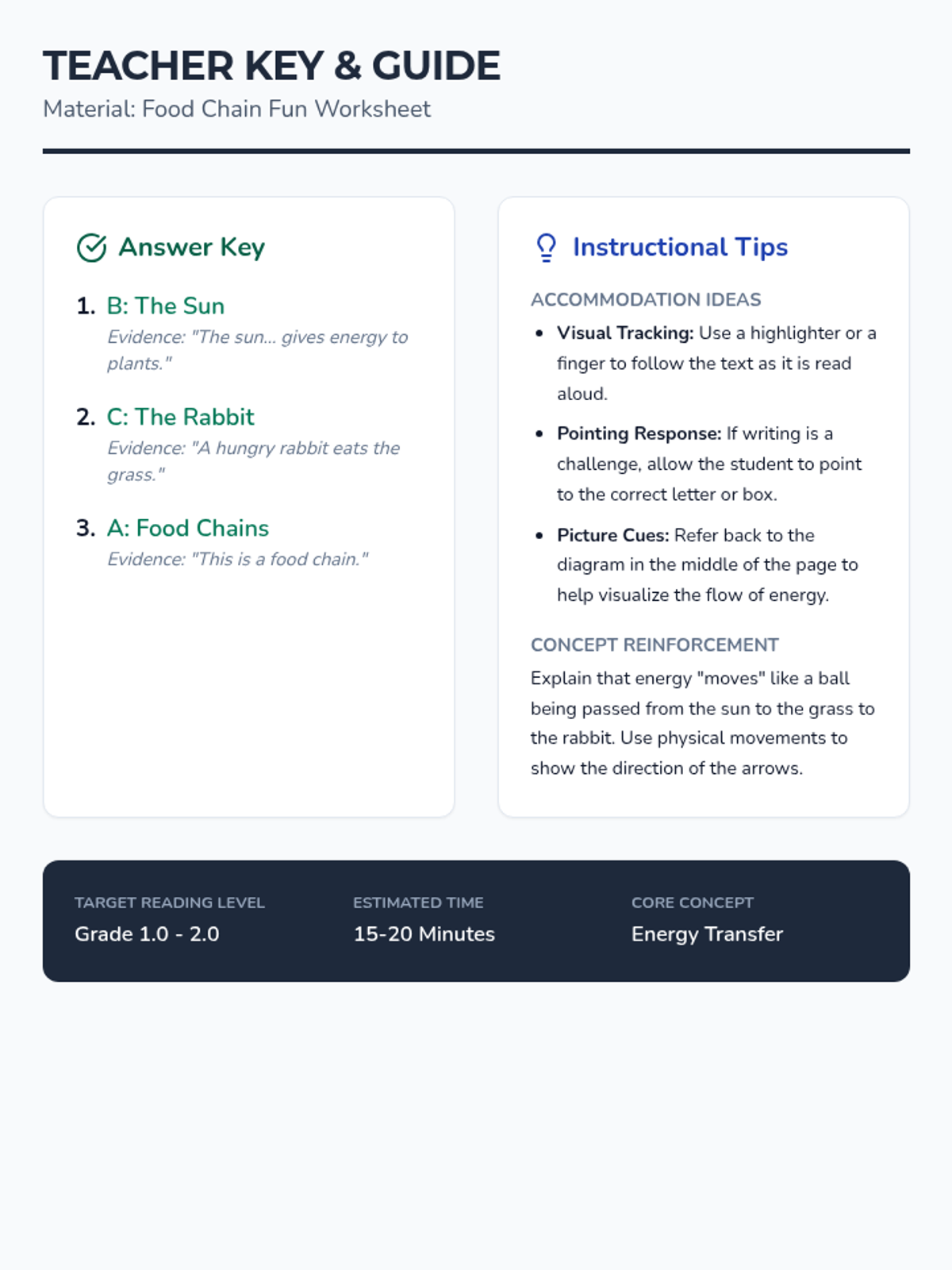
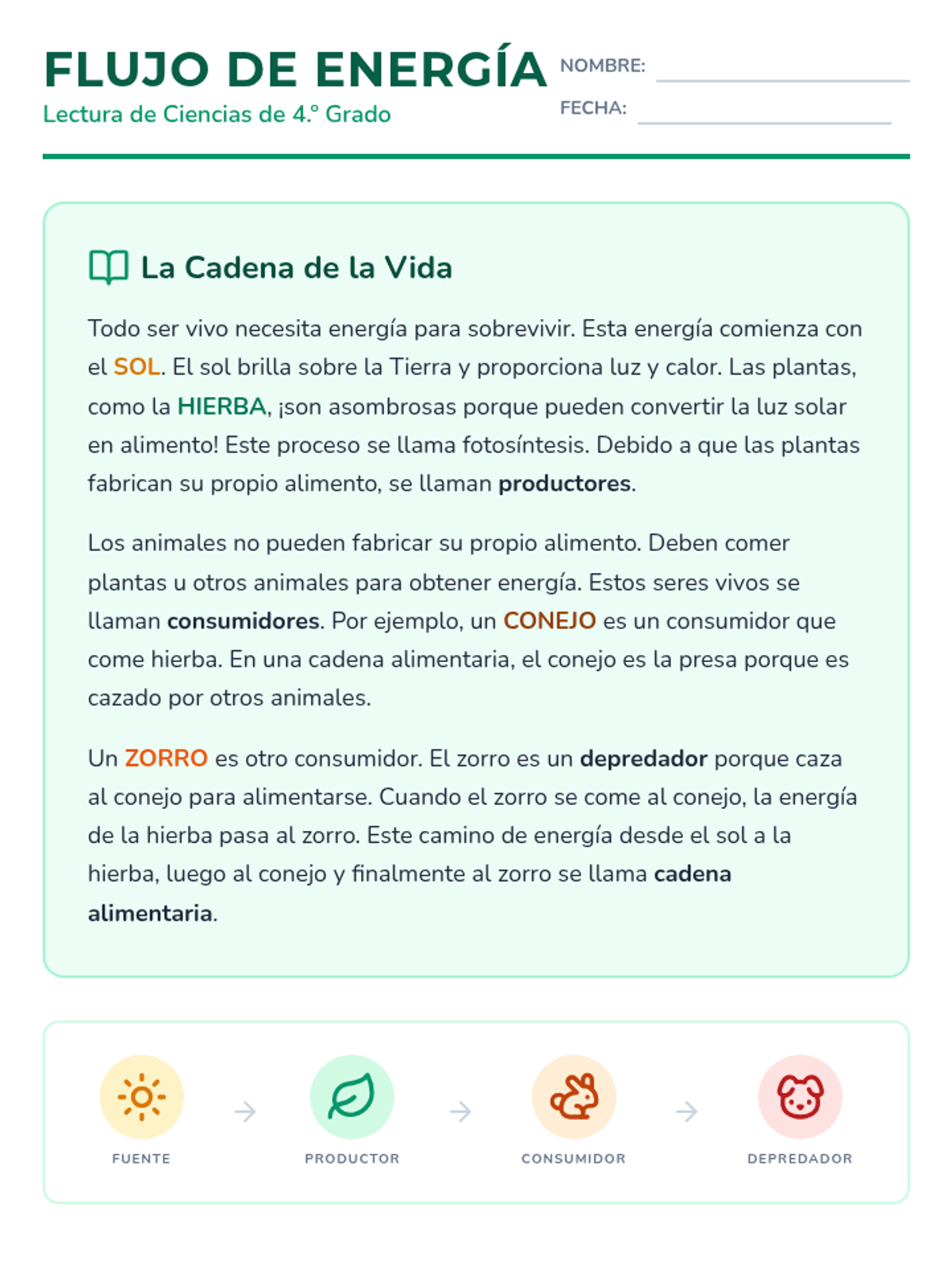
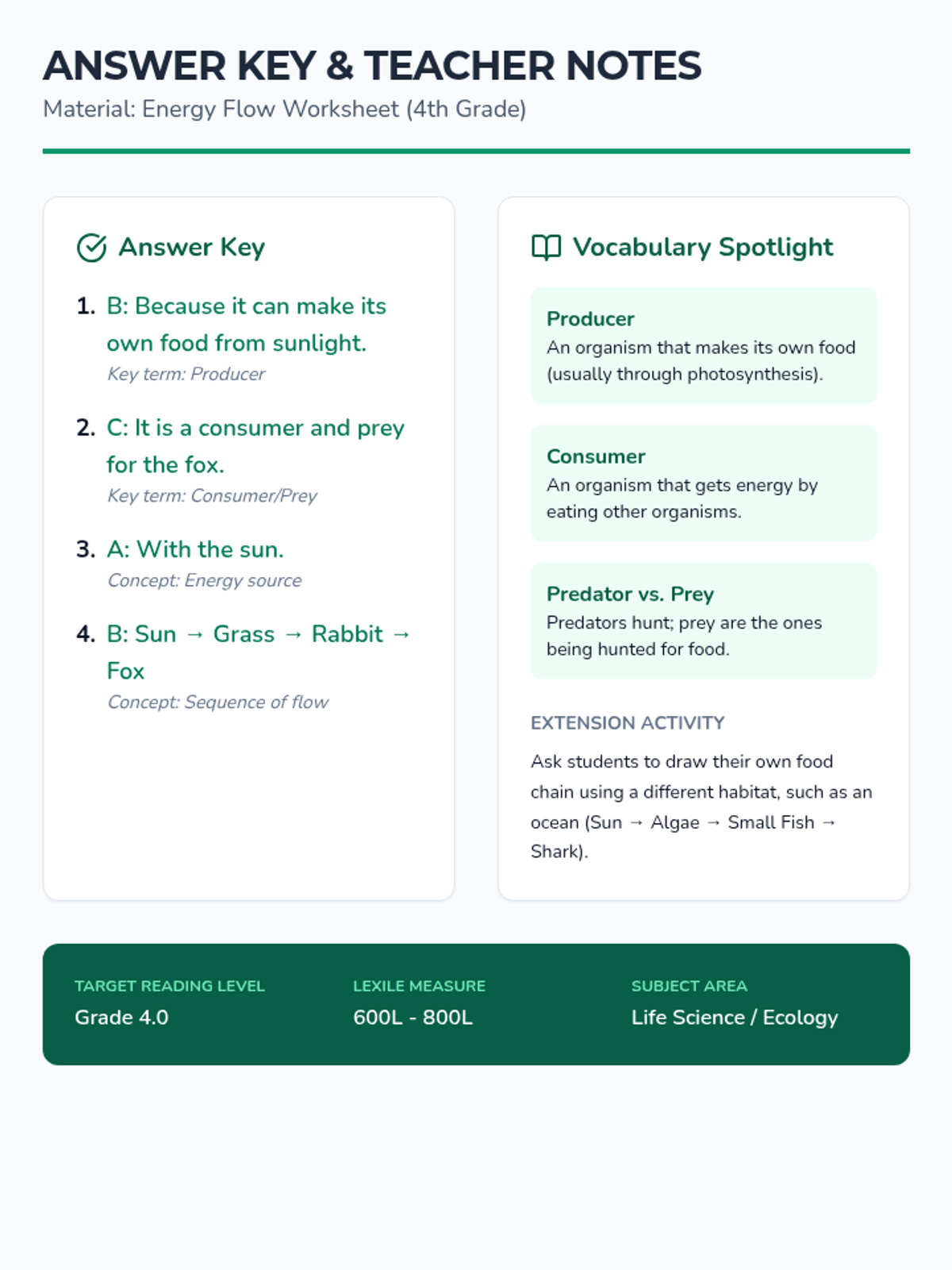
A simplified science lesson on food chains designed for 8th-grade students with severe disabilities, focusing on basic energy flow from sun to predator.
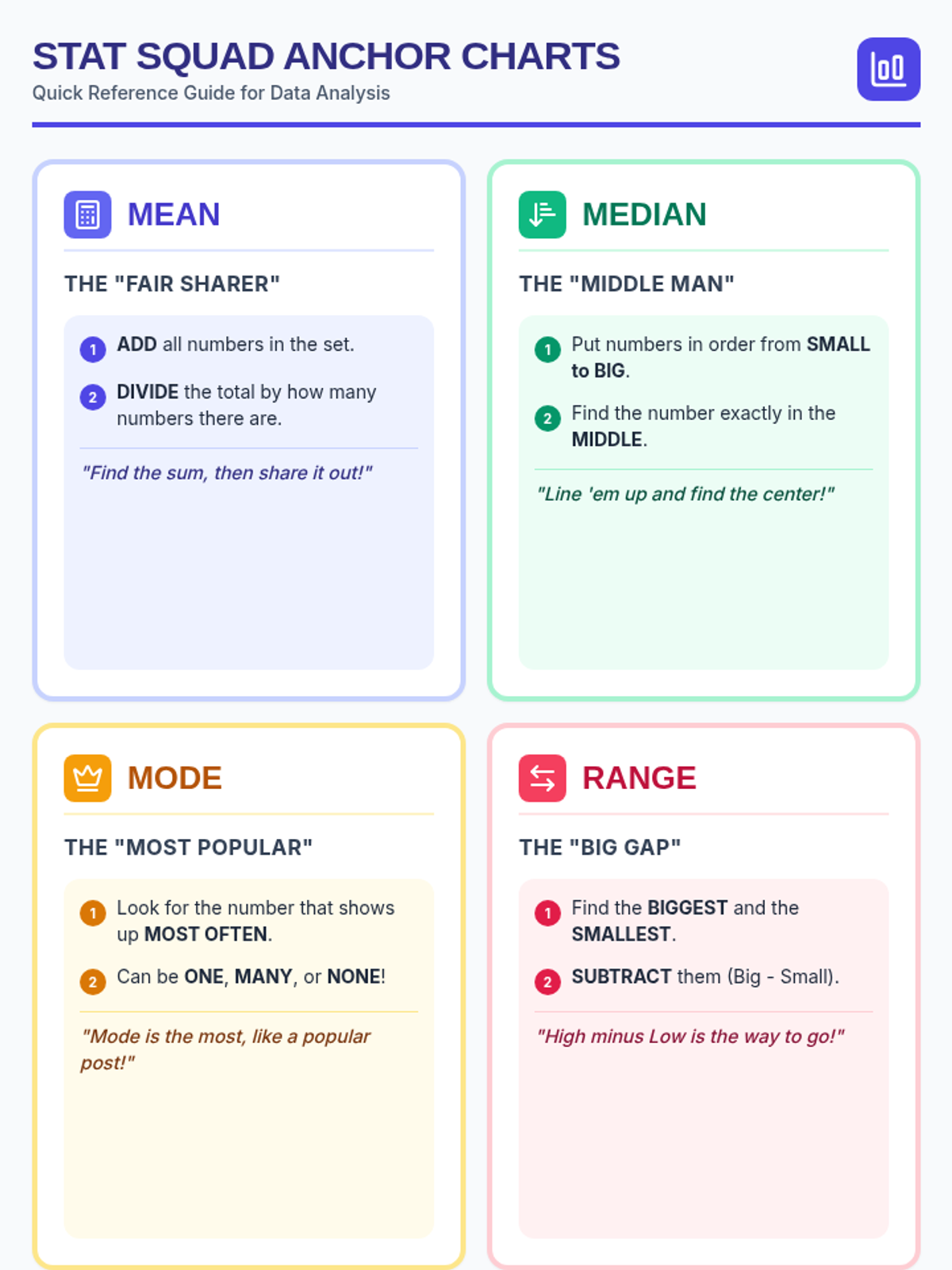
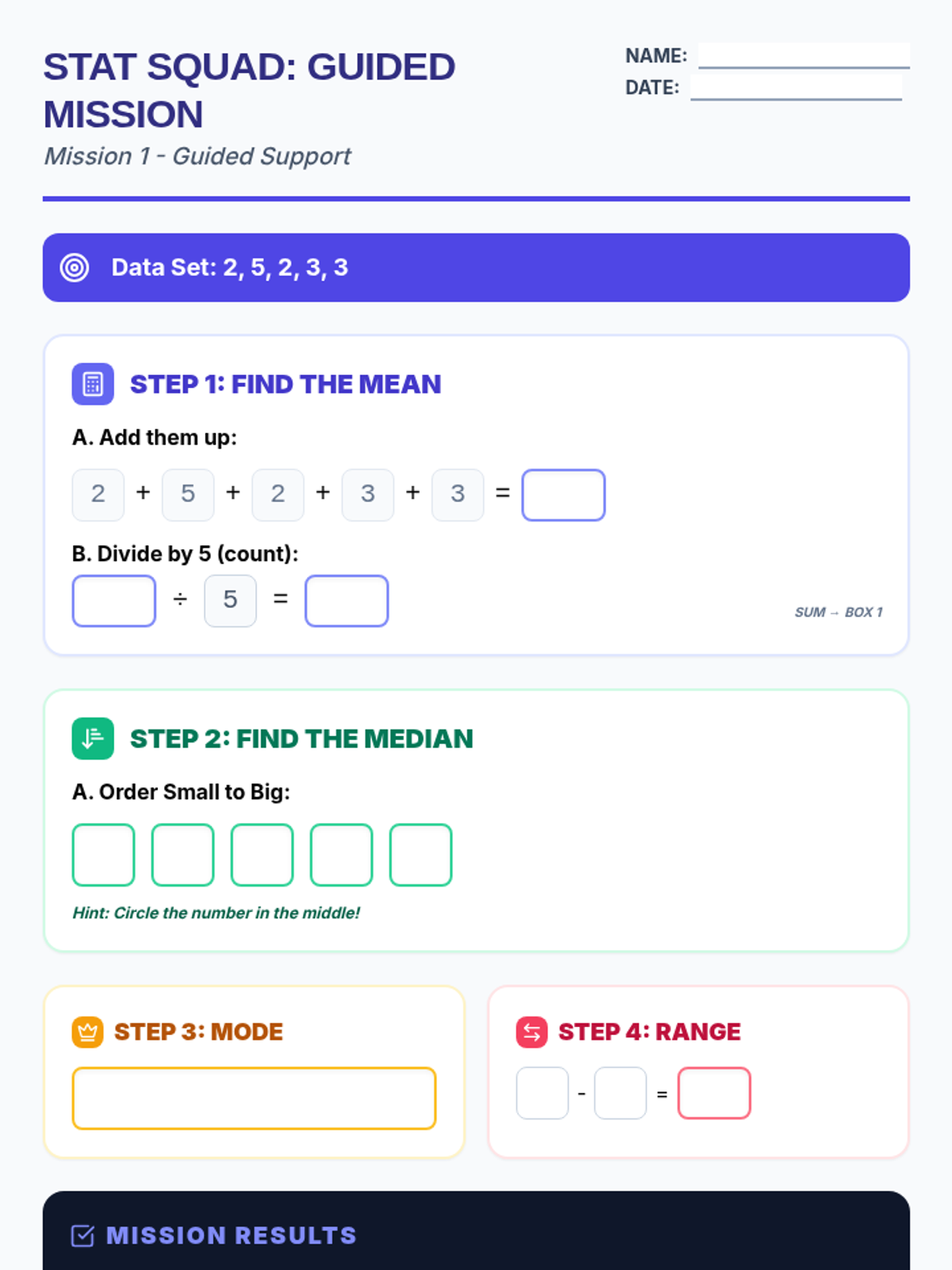
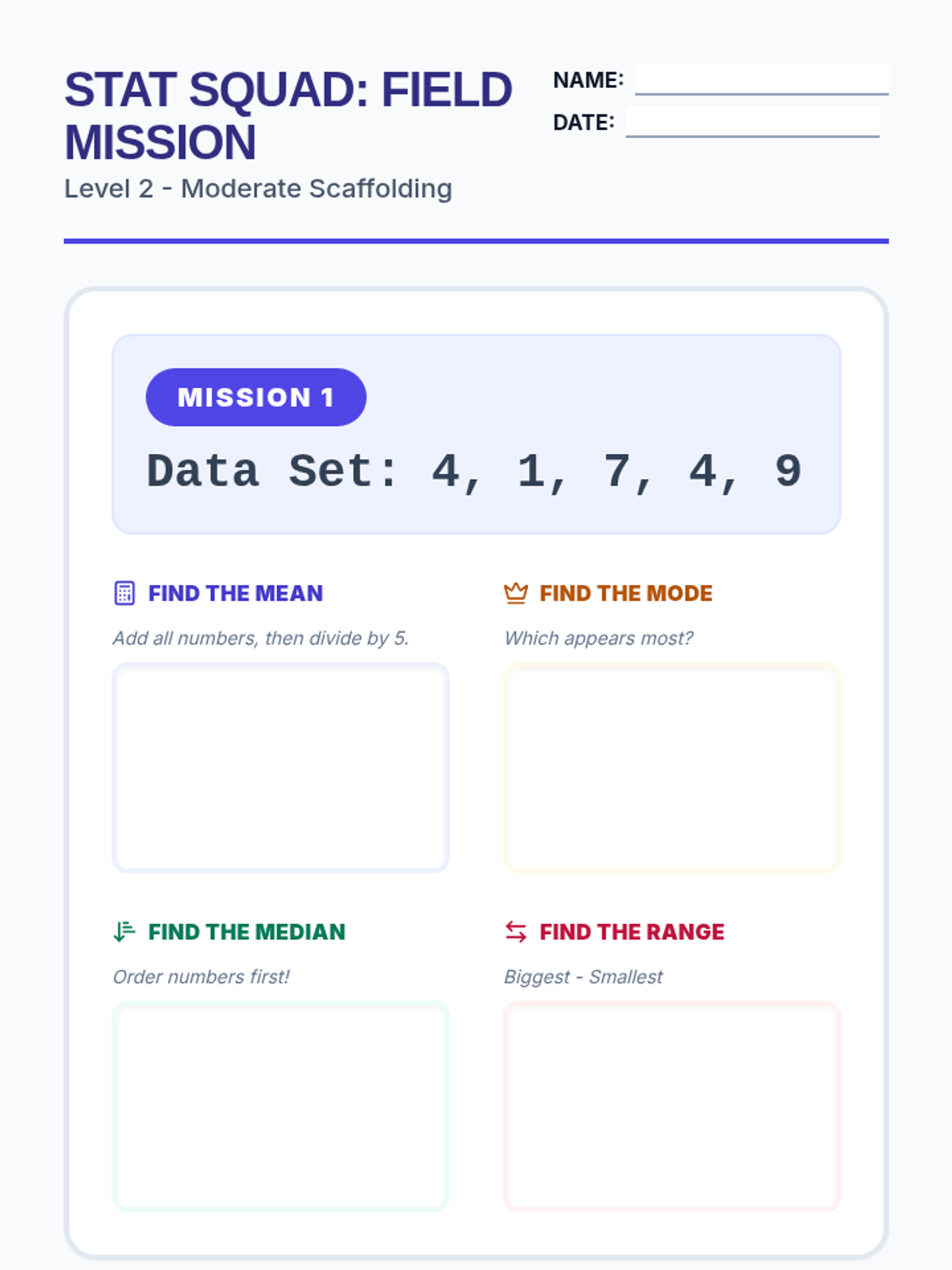
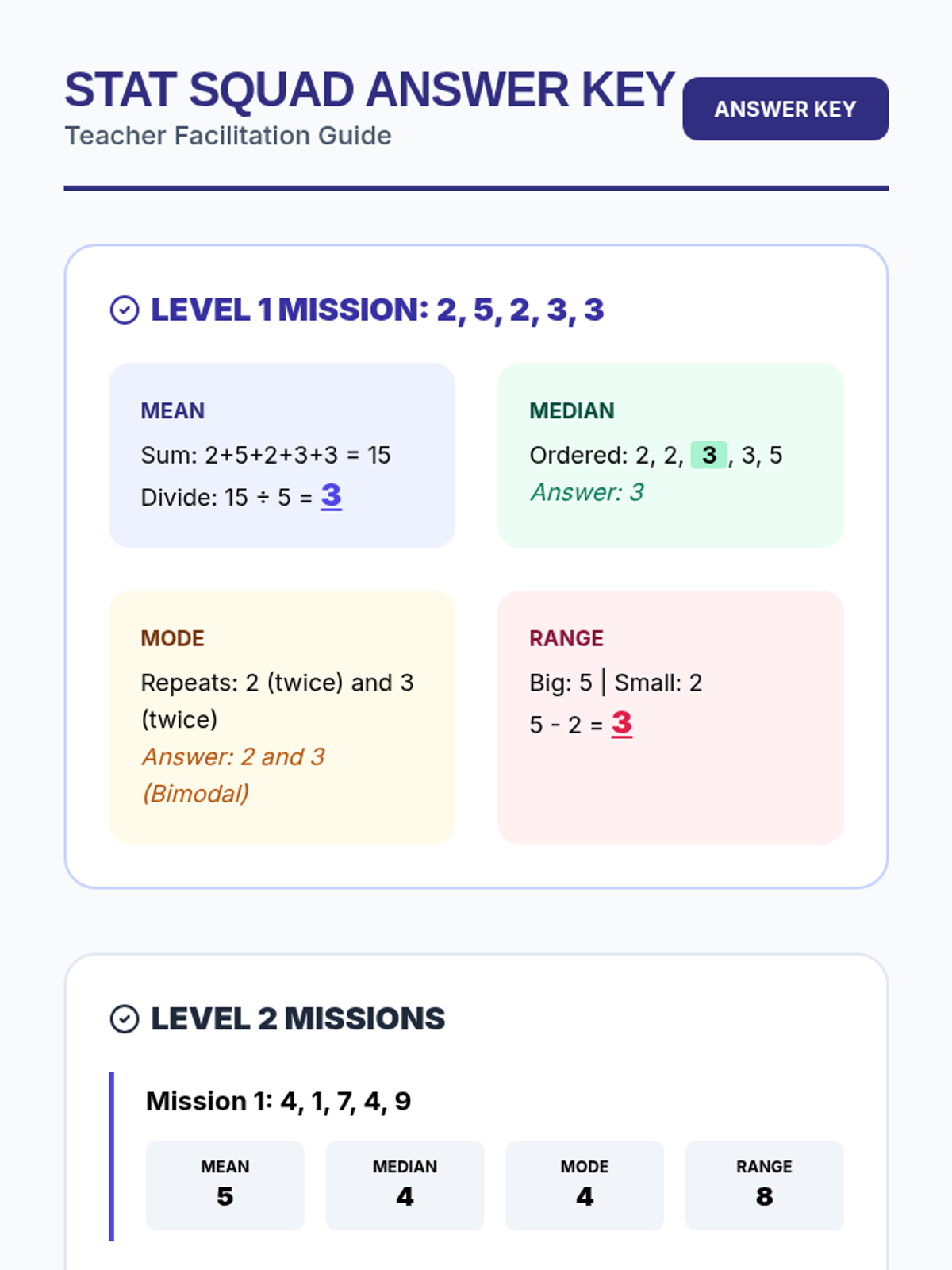
A foundational lesson on mean, median, mode, and range designed for students requiring modified curriculum. It features single-digit data sets and step-by-step guided templates to support various learning needs.
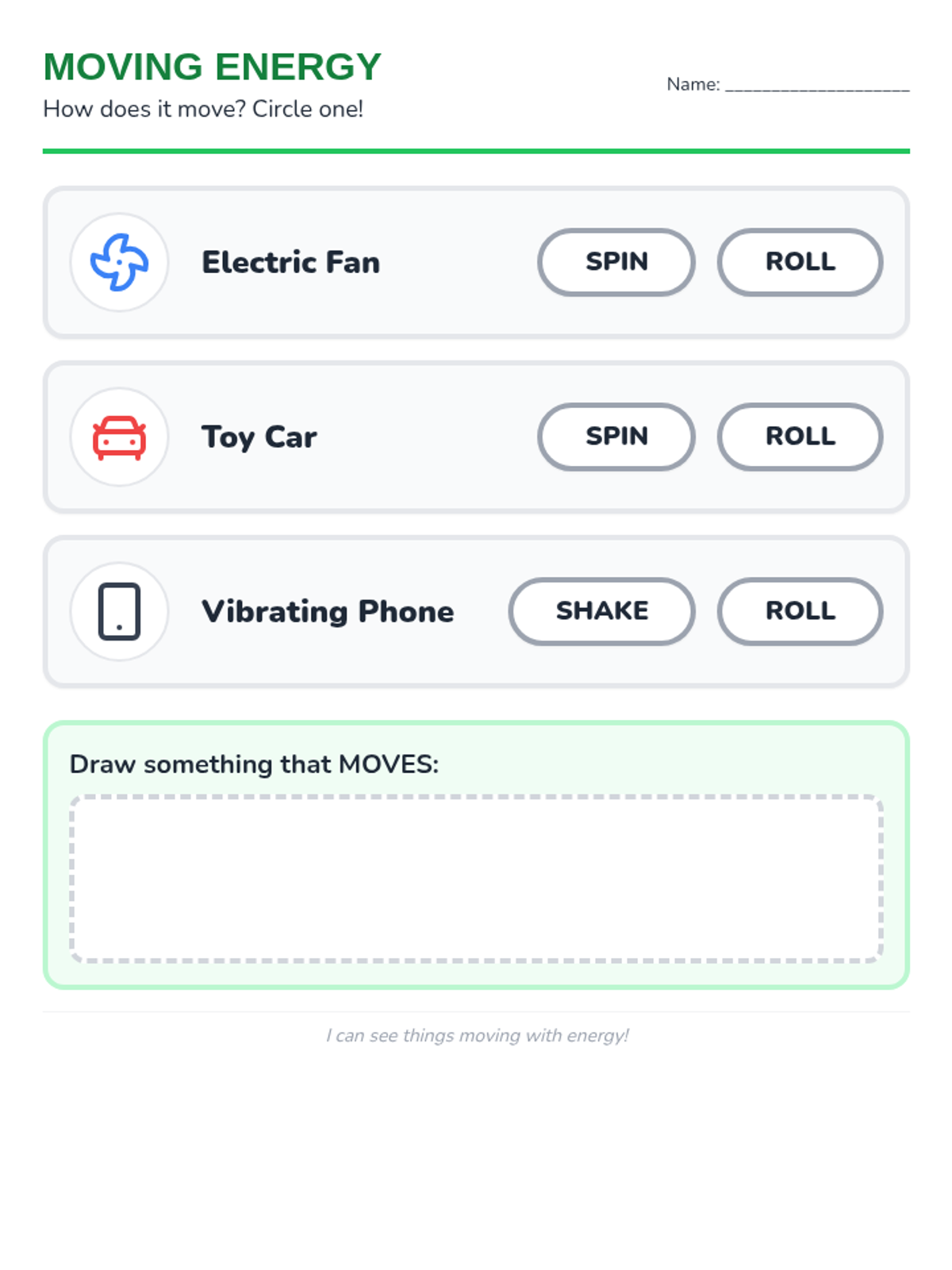
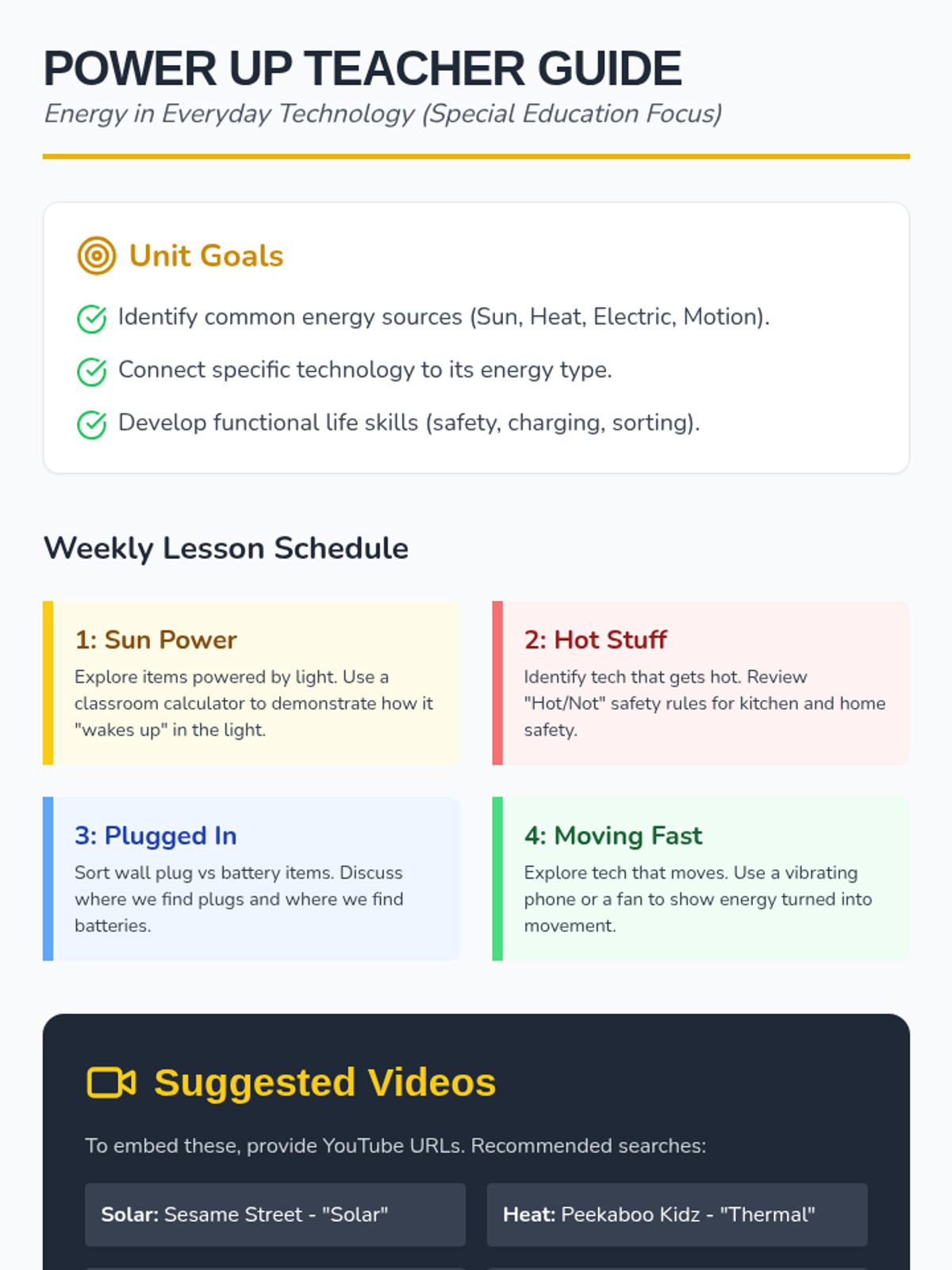
Students explore movement energy through common tech like fans, toy cars, and vibrating phones.
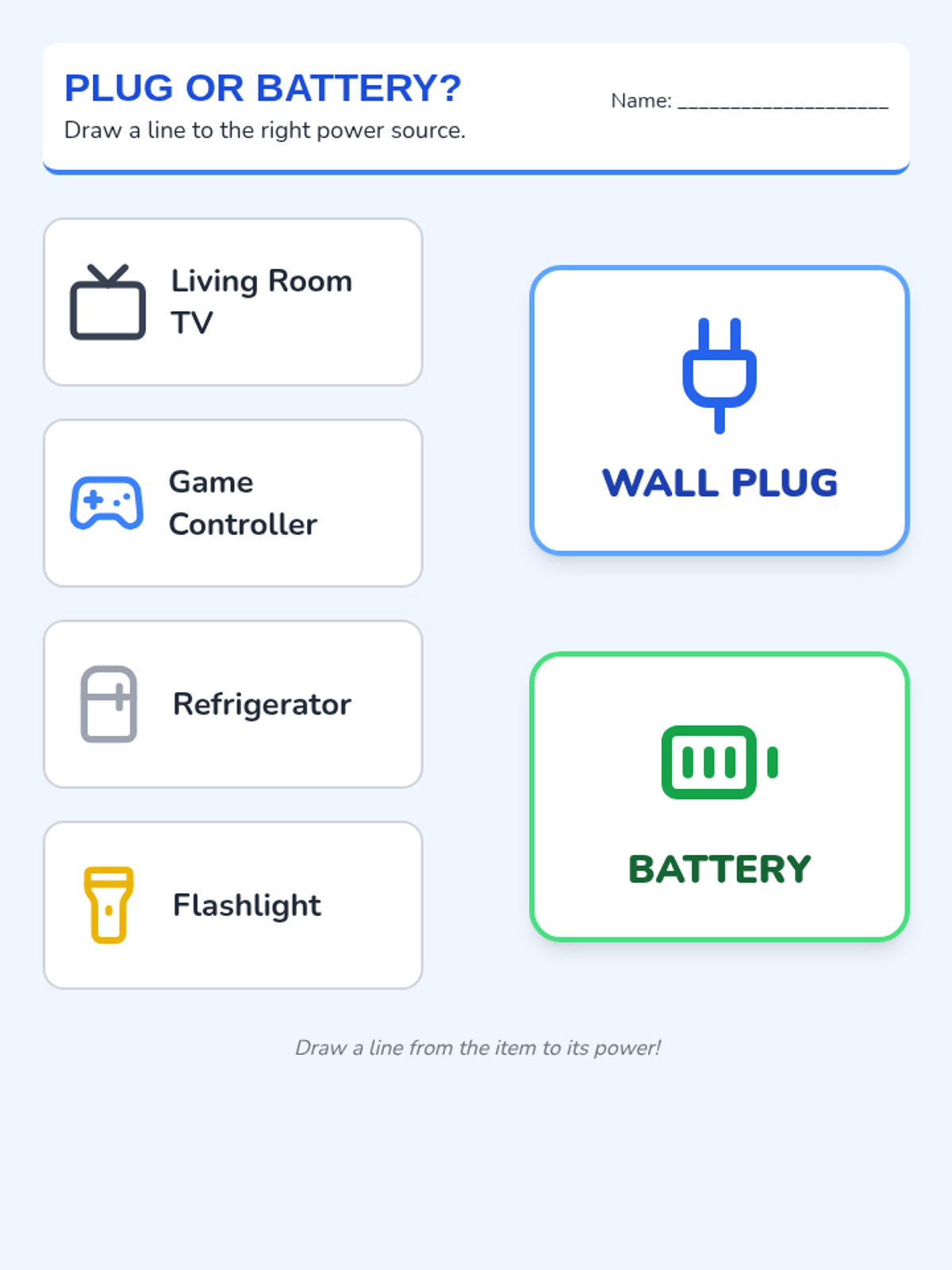
Students explore how batteries and wall outlets power our devices and learn to identify which is which.
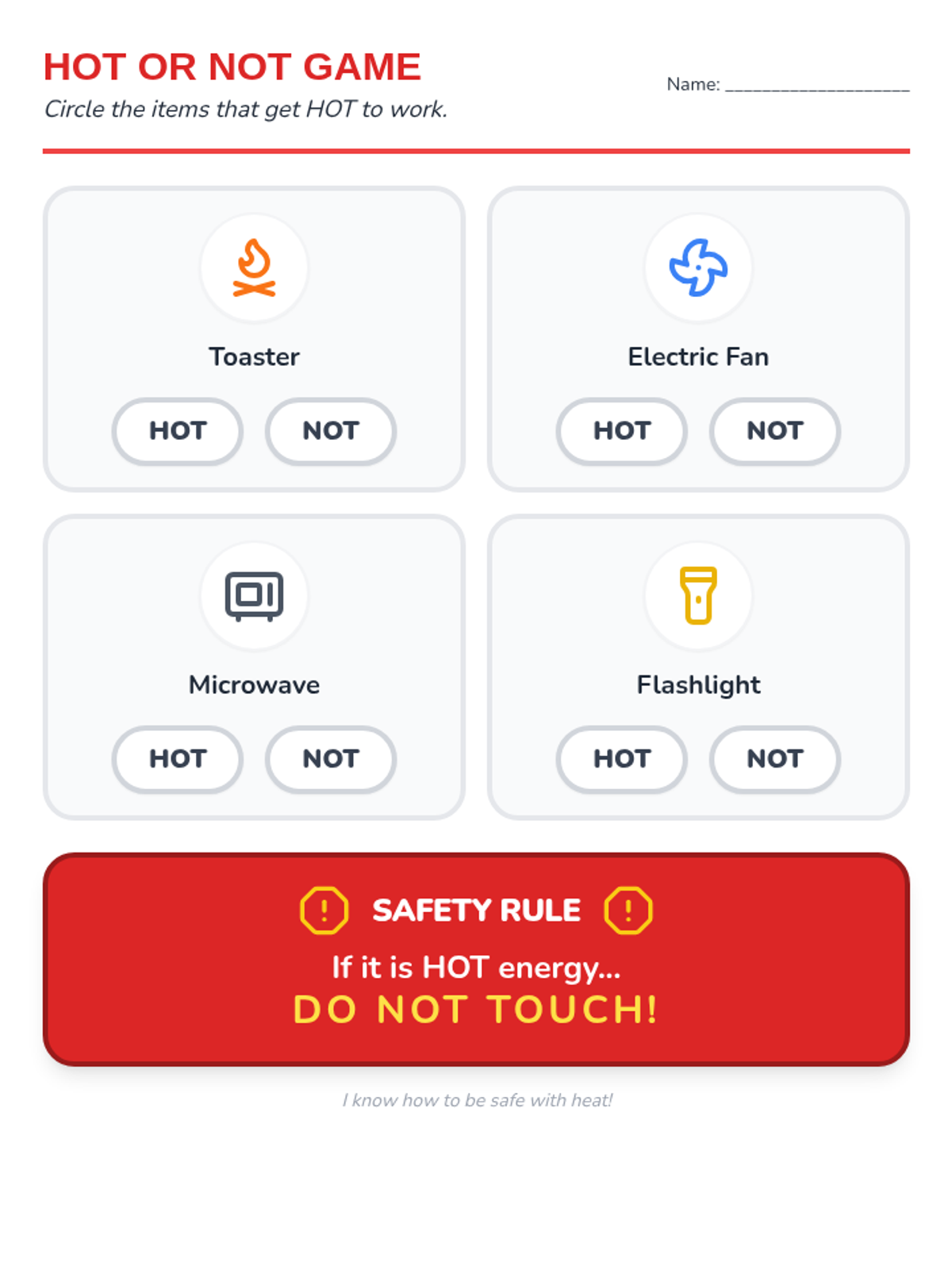
Students identify technology that uses heat energy, such as toasters and hair dryers, and learn about heat safety.
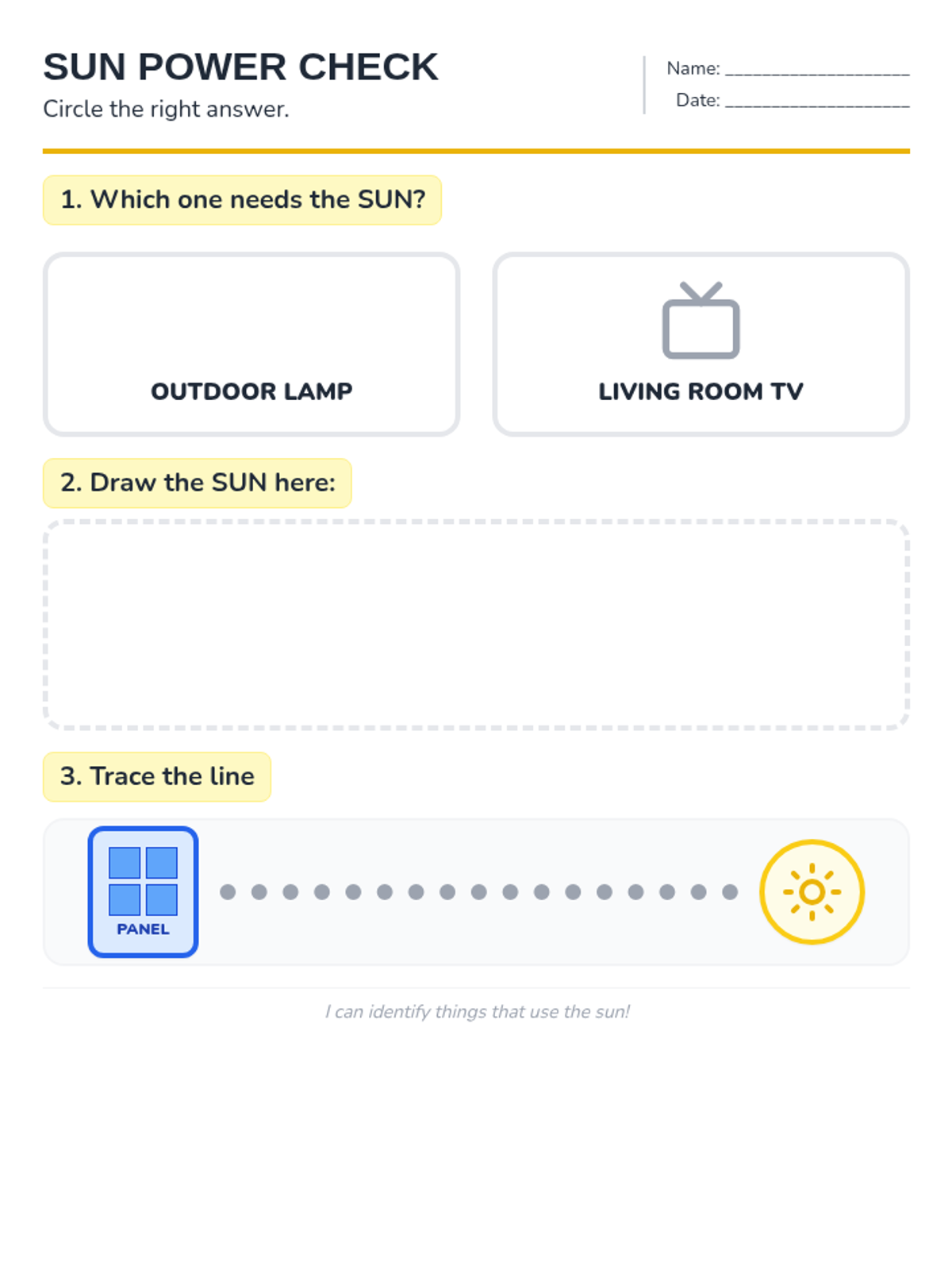
Students learn how the sun provides energy for everyday items like calculators and outdoor lights.
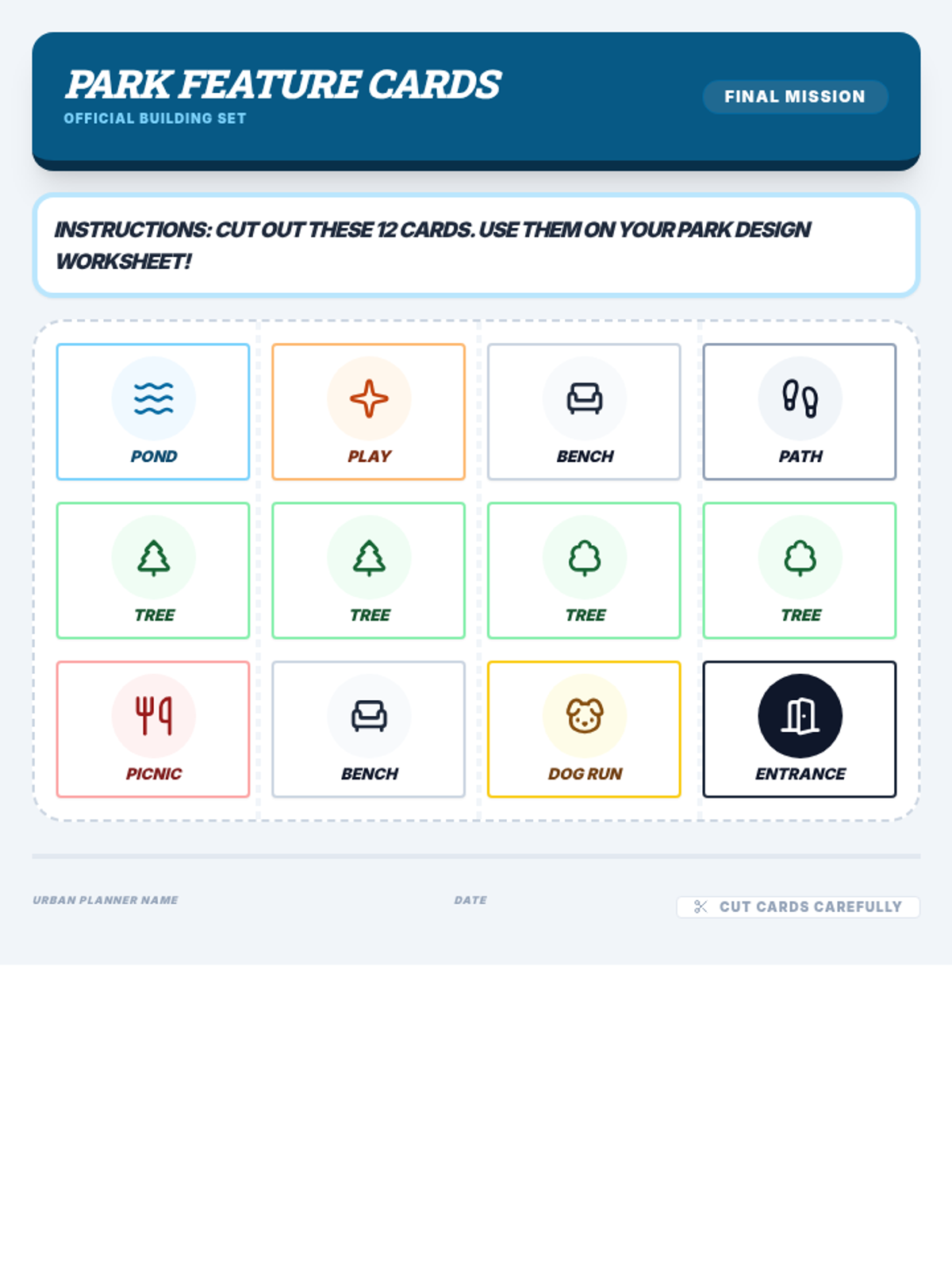
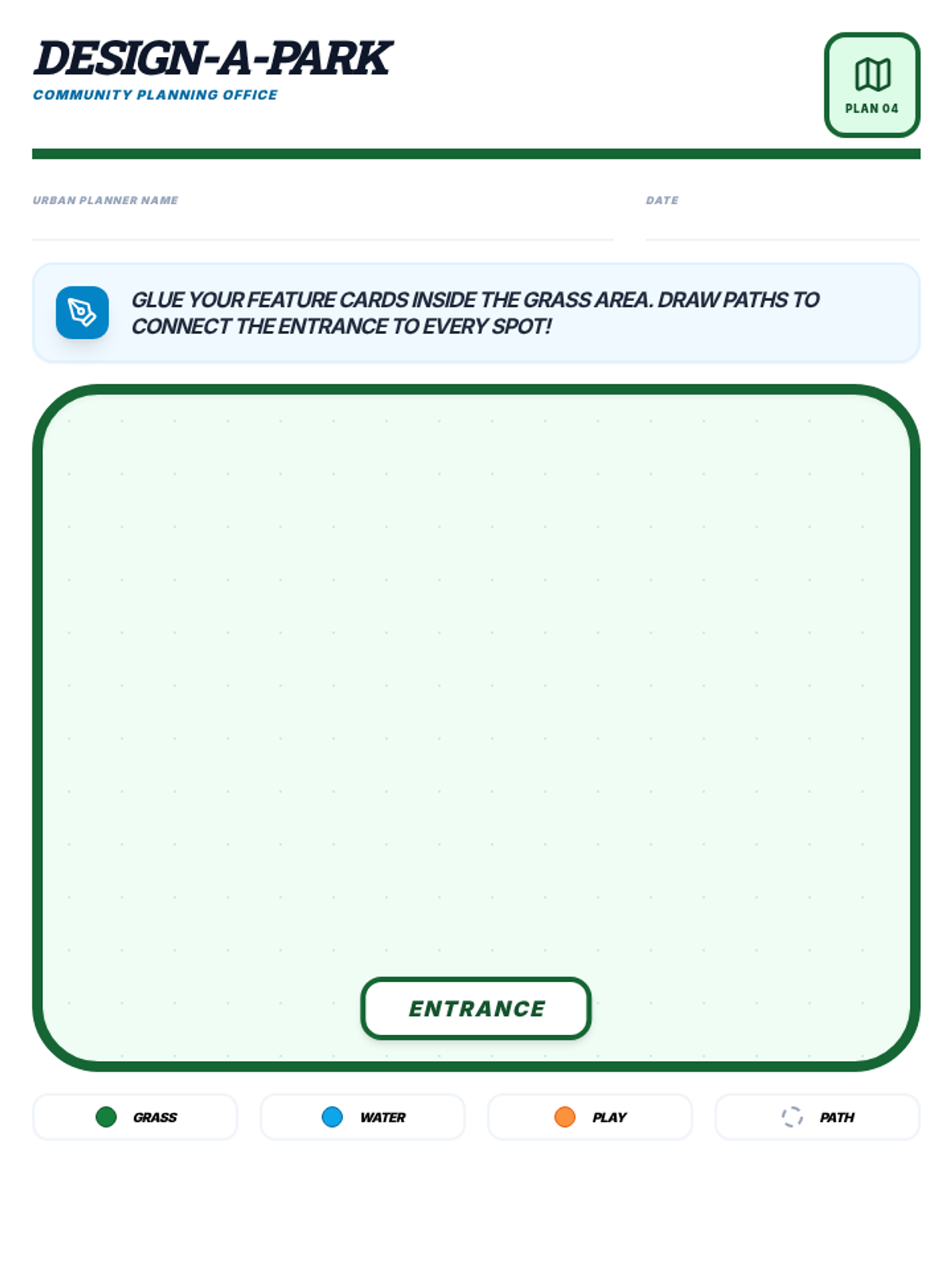
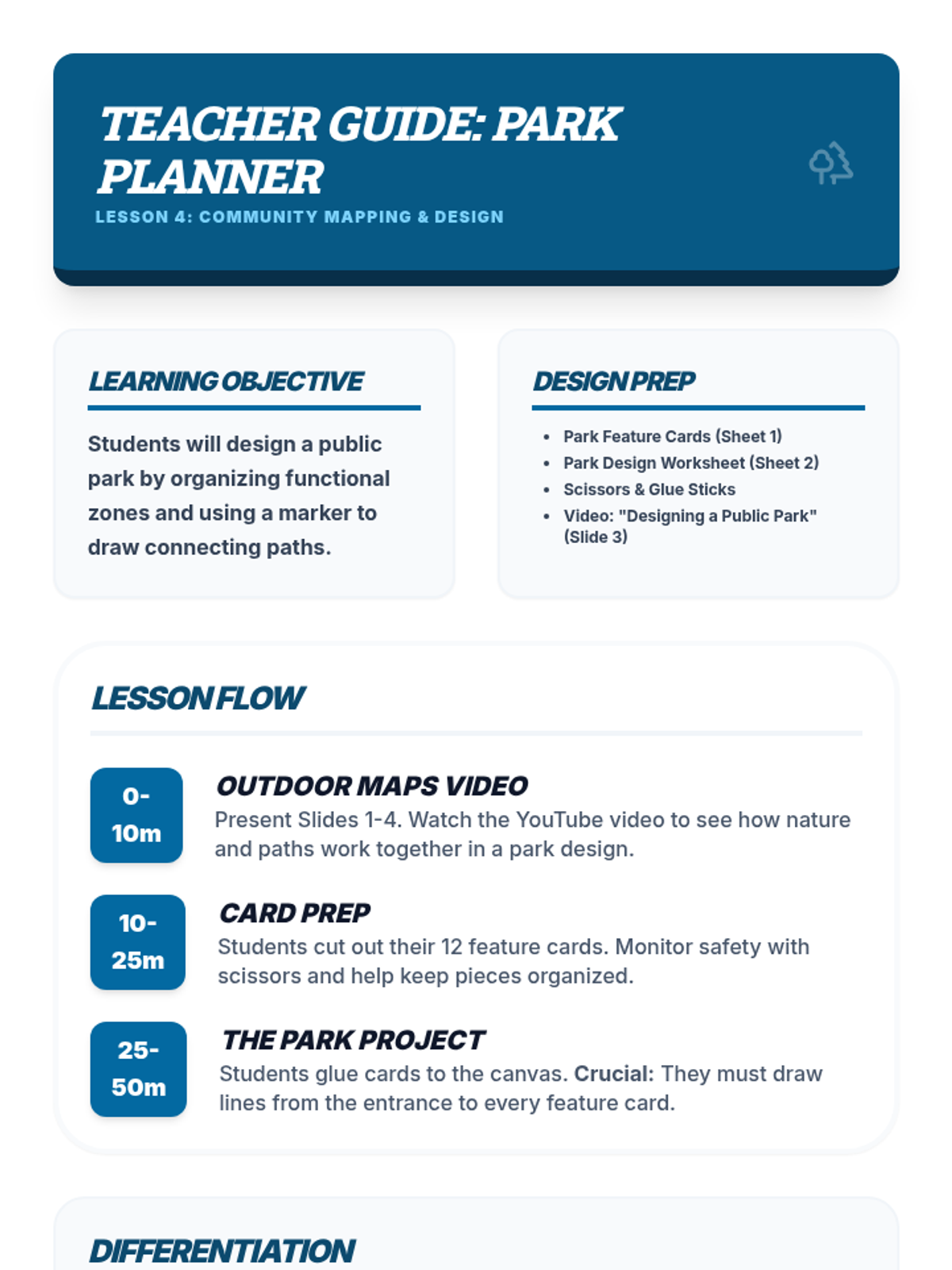
Students apply their skills to a community context by designing a local park layout using symbols and spatial reasoning.
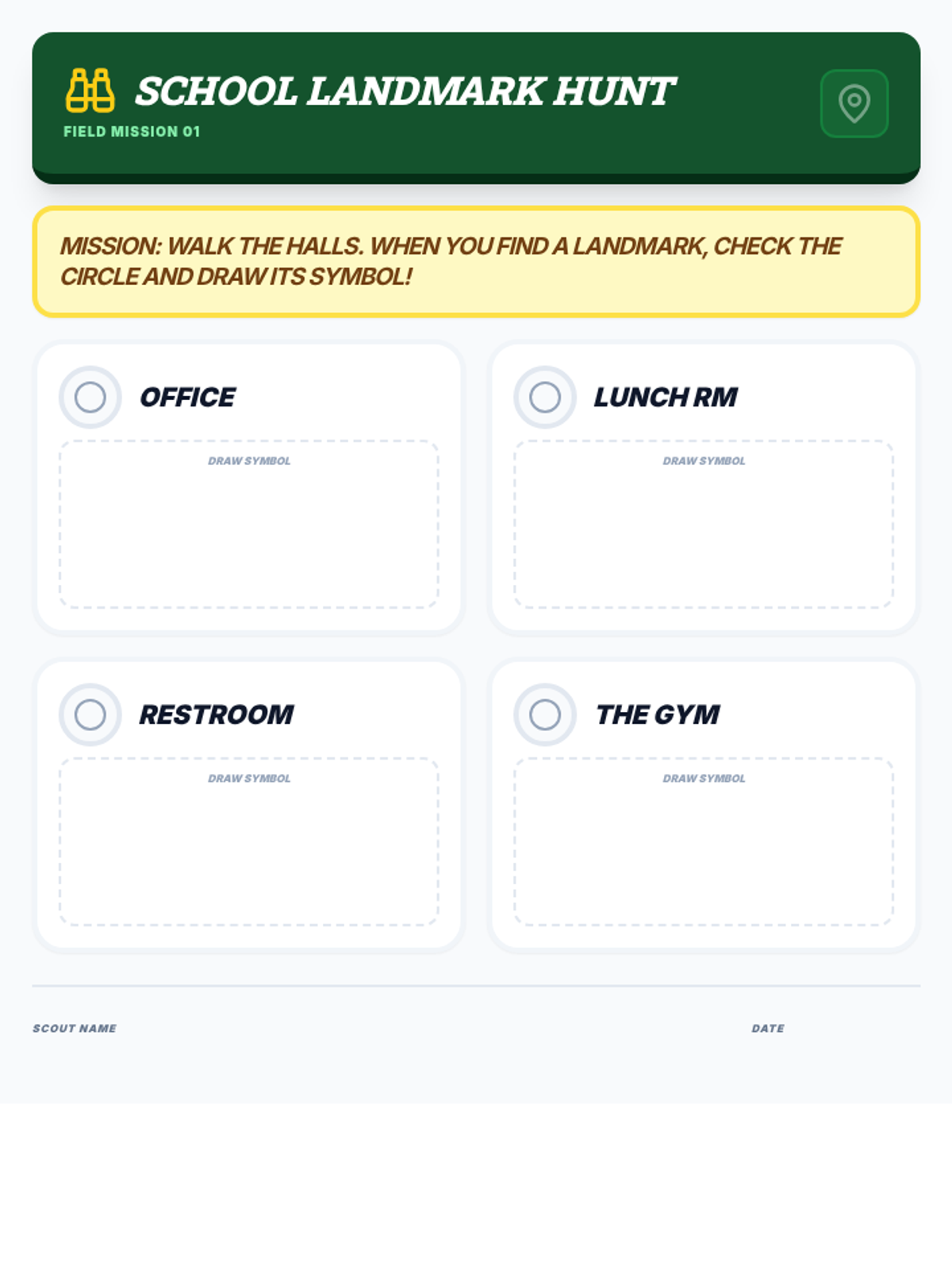
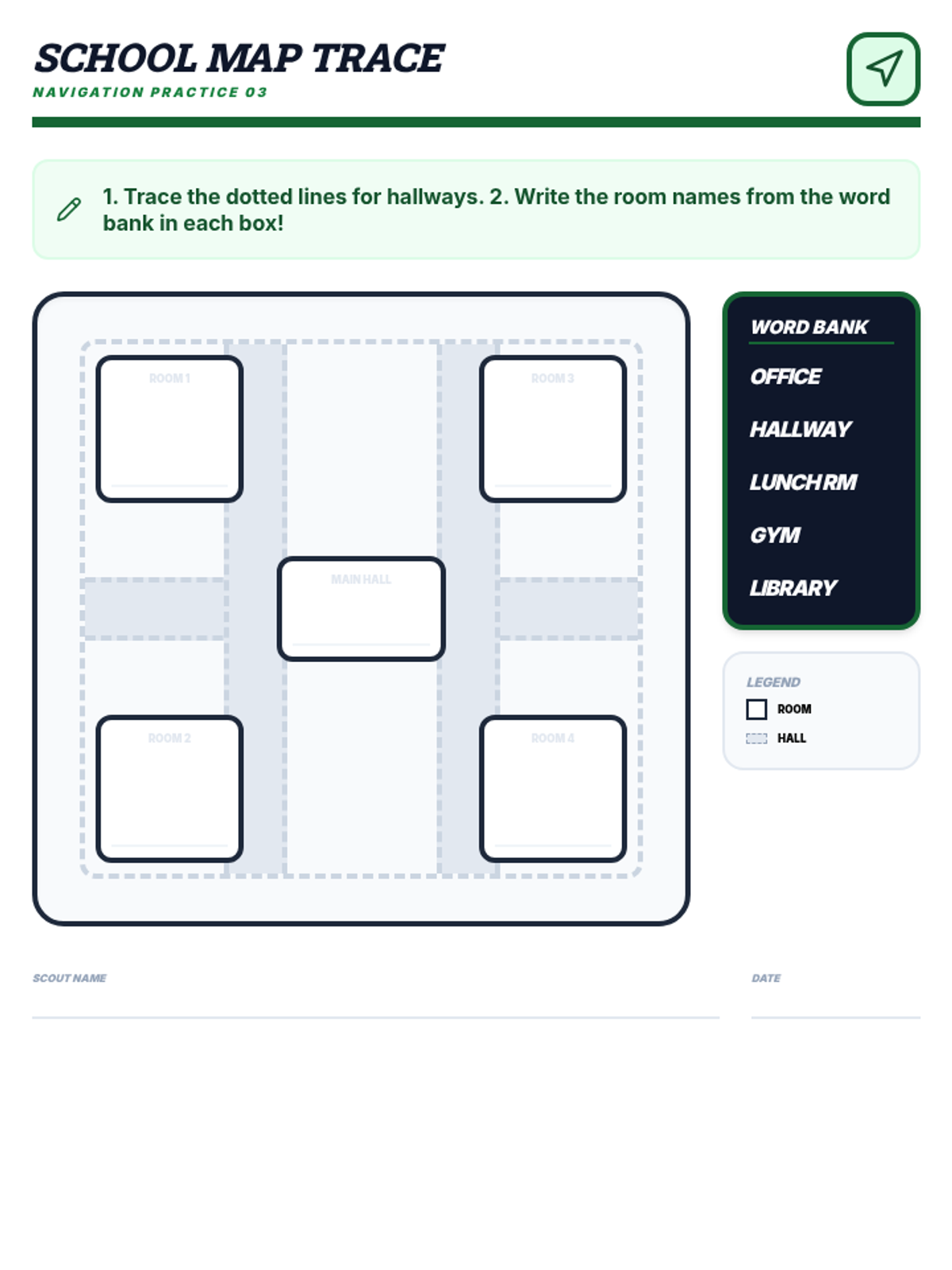
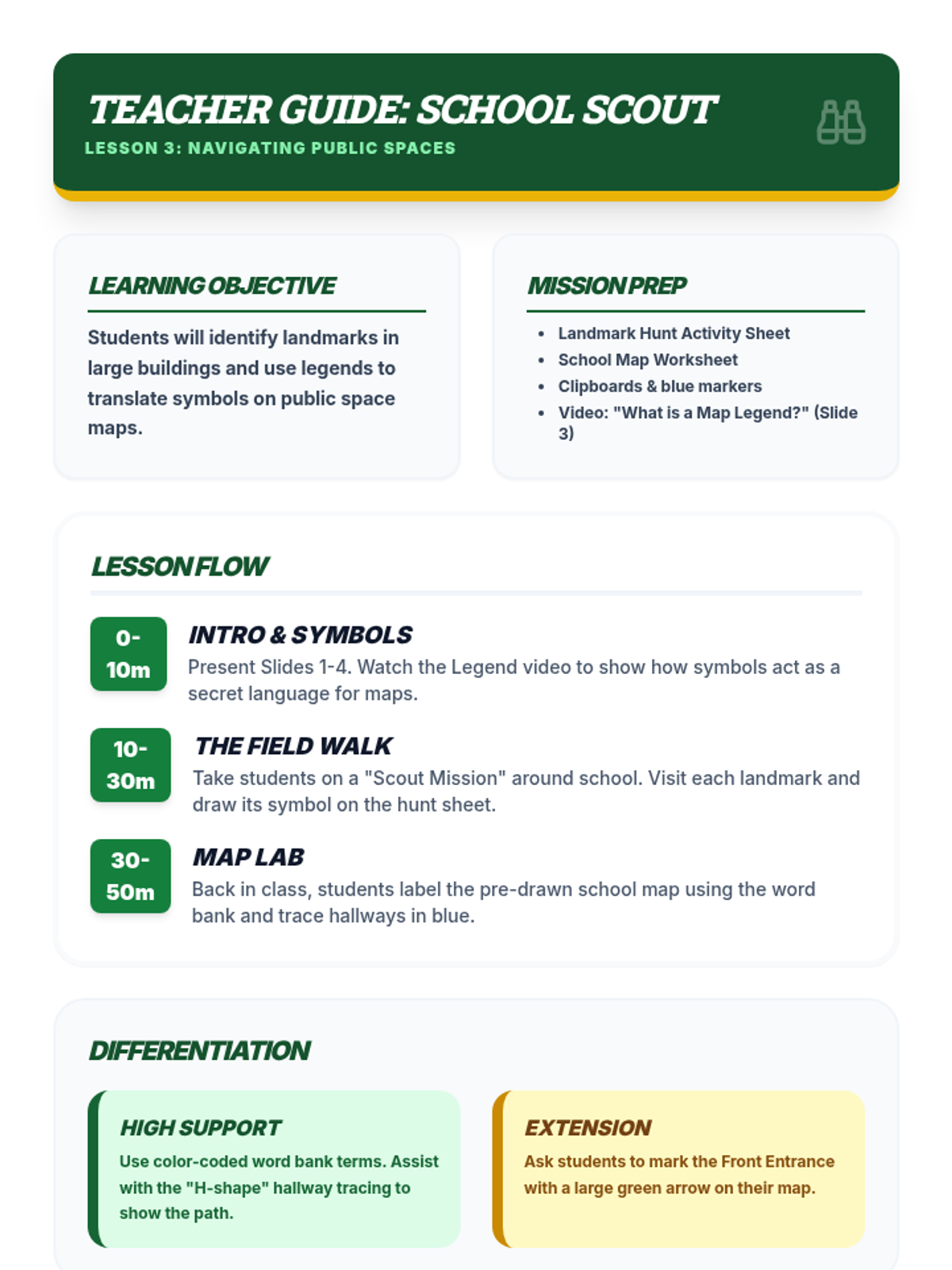
Students navigate the school environment, identifying key landmarks and practice tracing and labeling a school building layout.
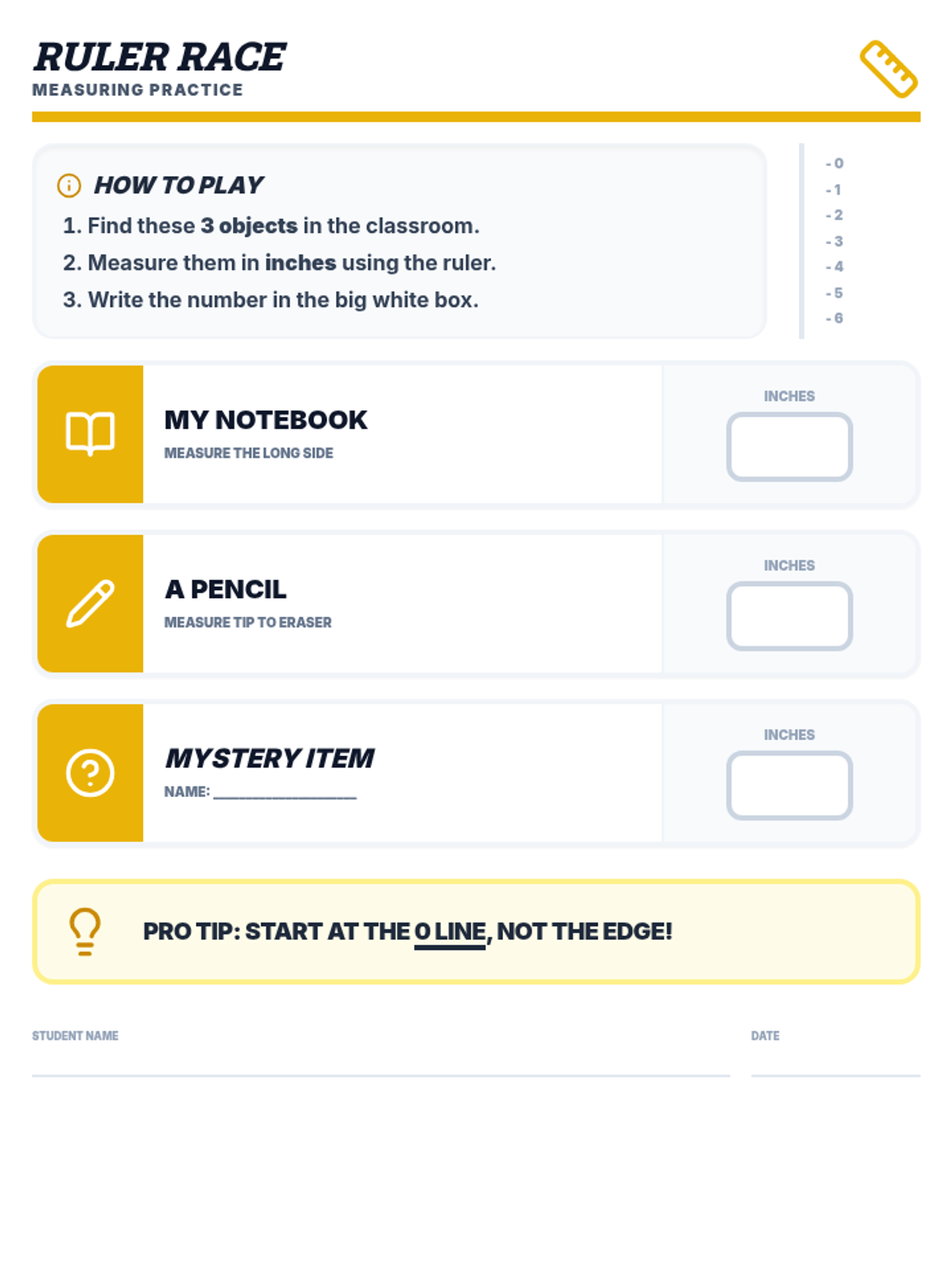
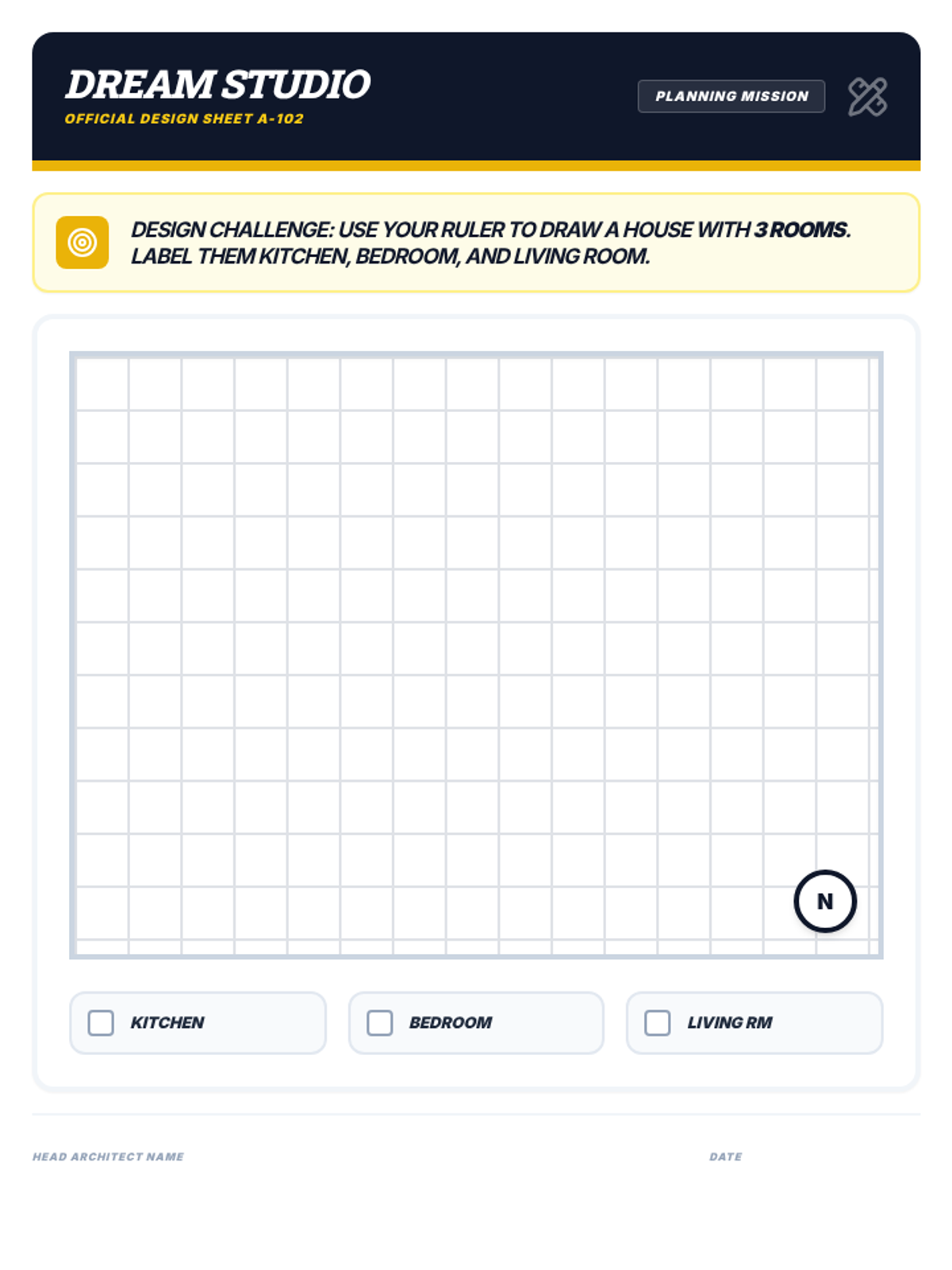
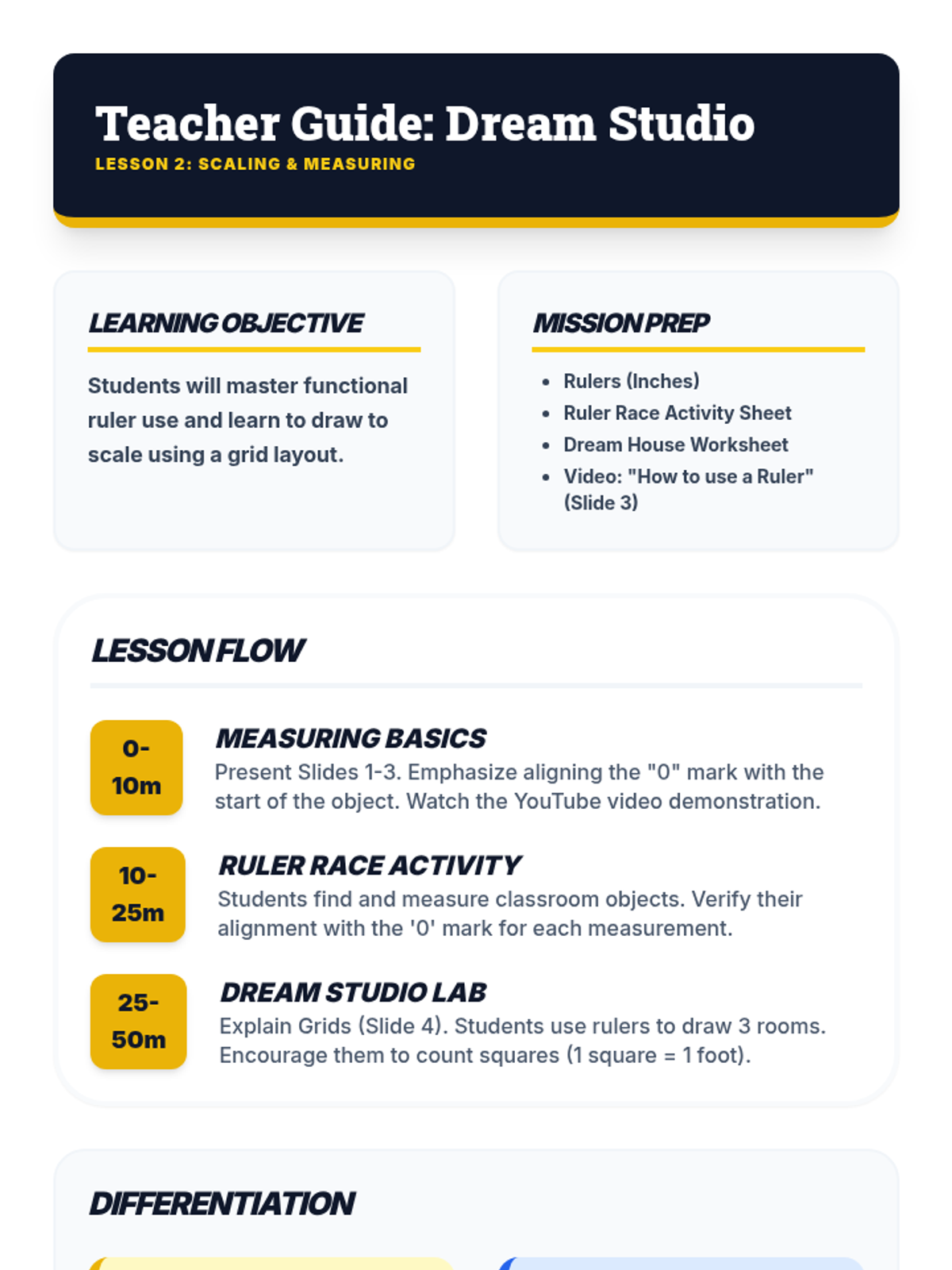
Students explore the concept of scale and spatial planning by using rulers to design a fictional dream house layout.
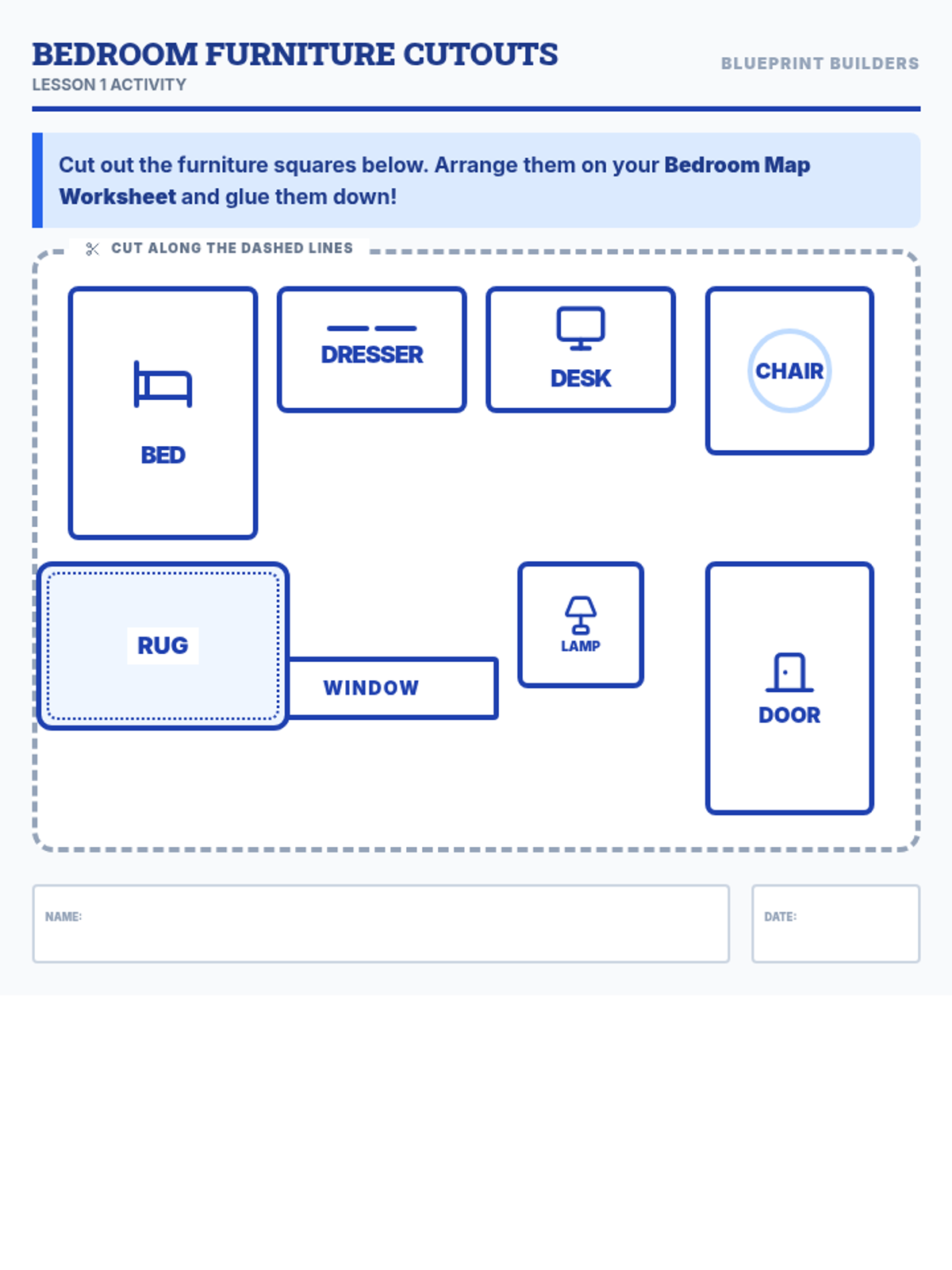
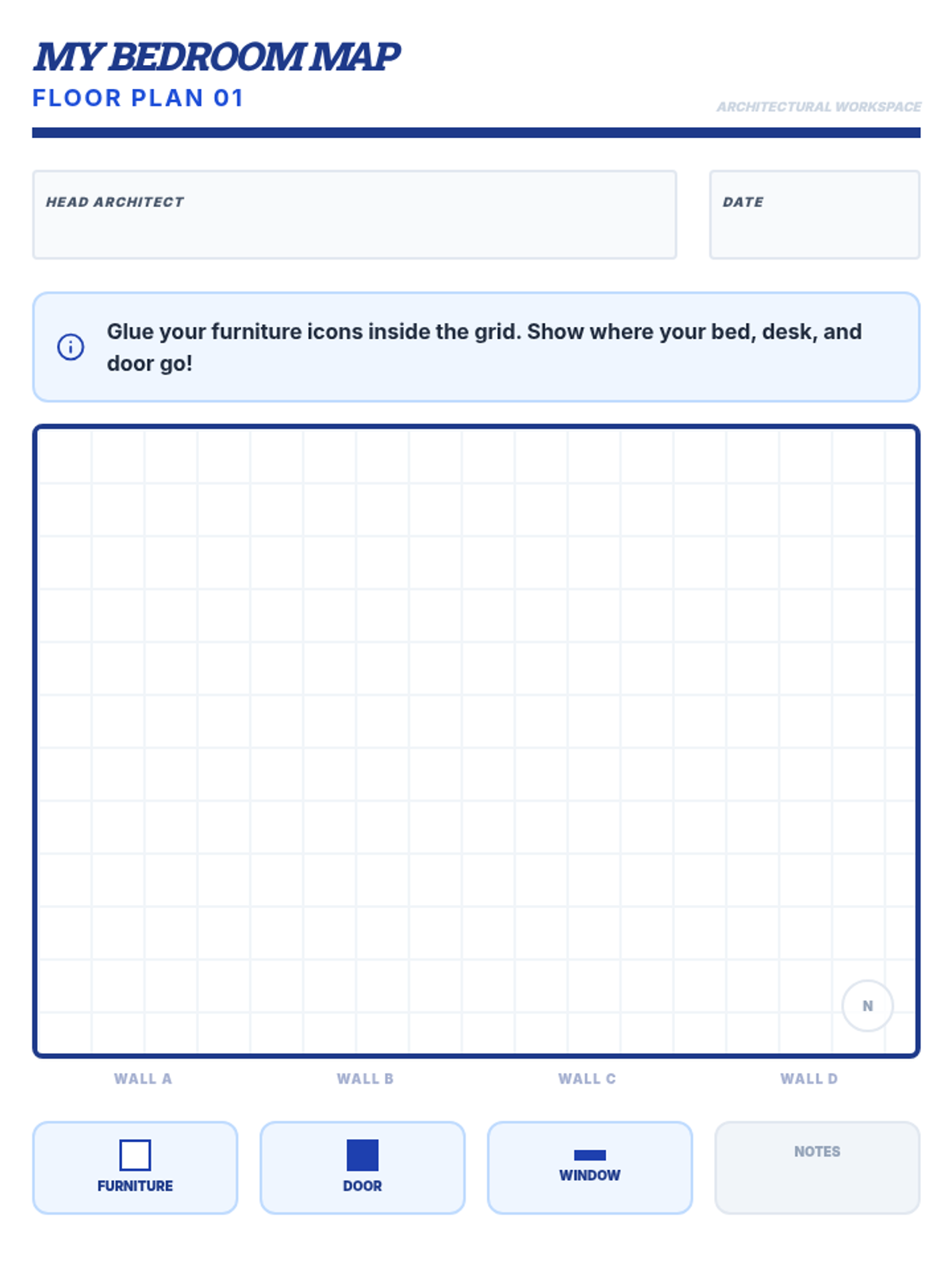
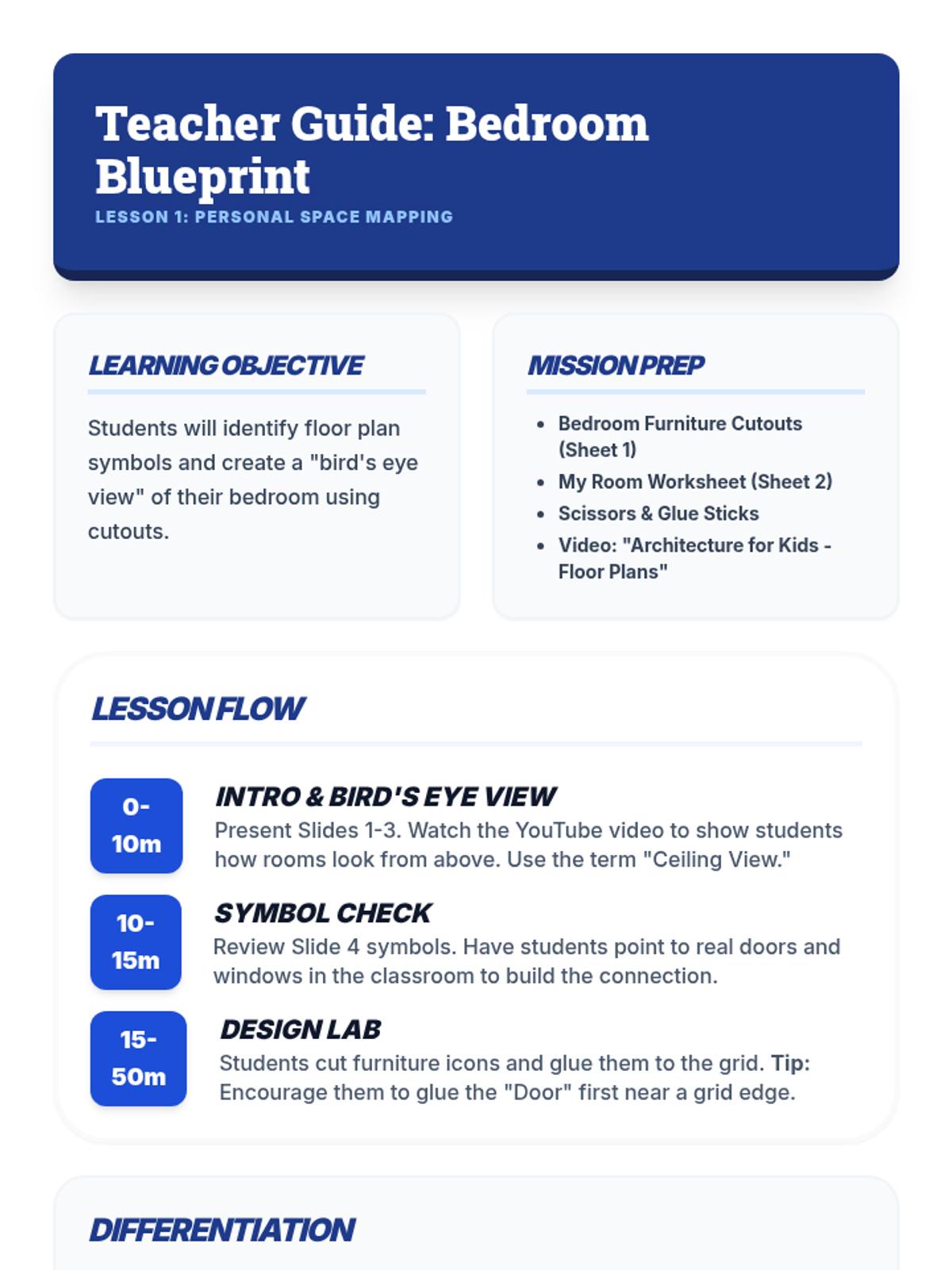
Students learn to identify common symbols and create a simplified floor plan of their own bedroom using cut-and-paste icons.