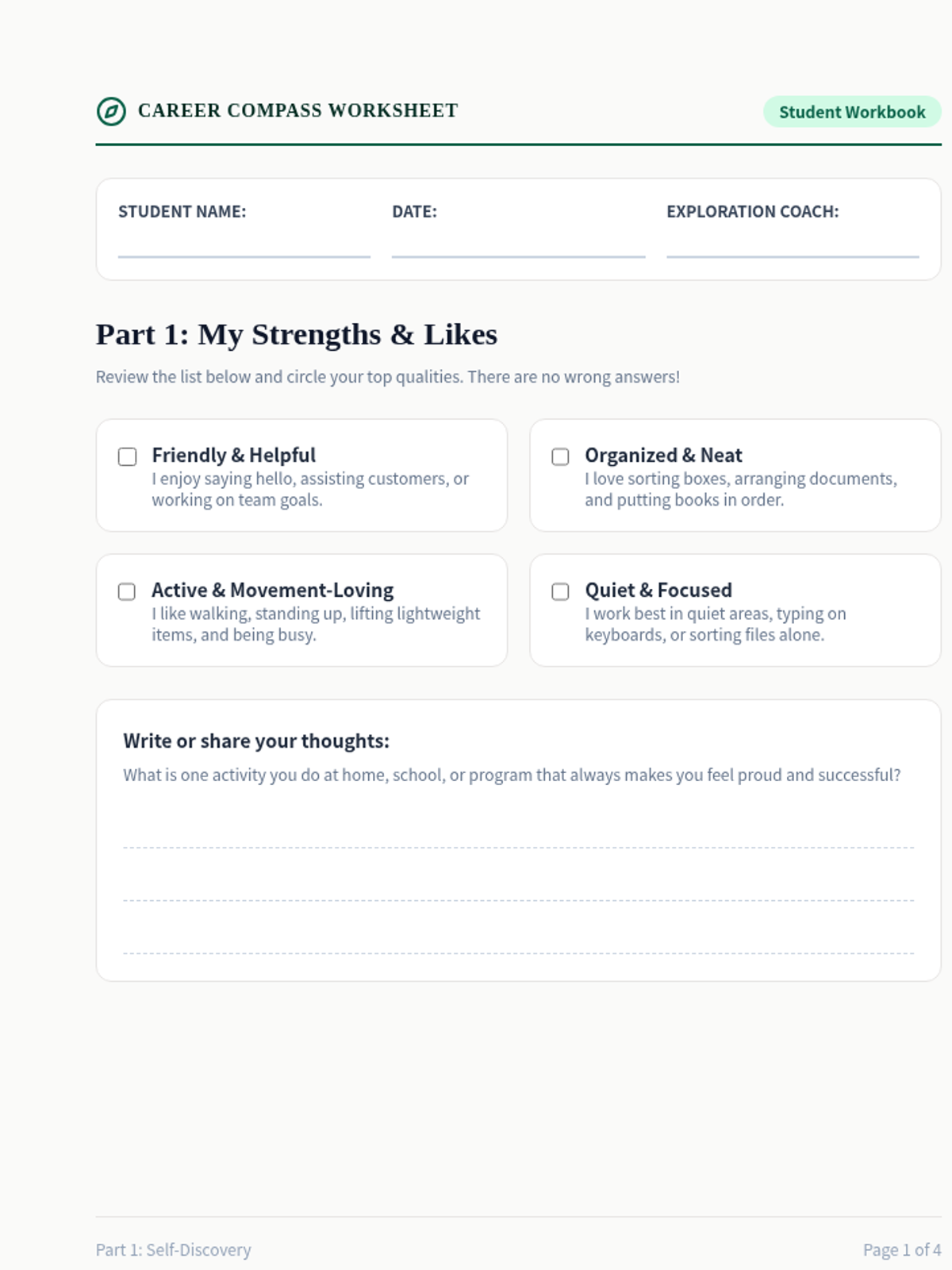
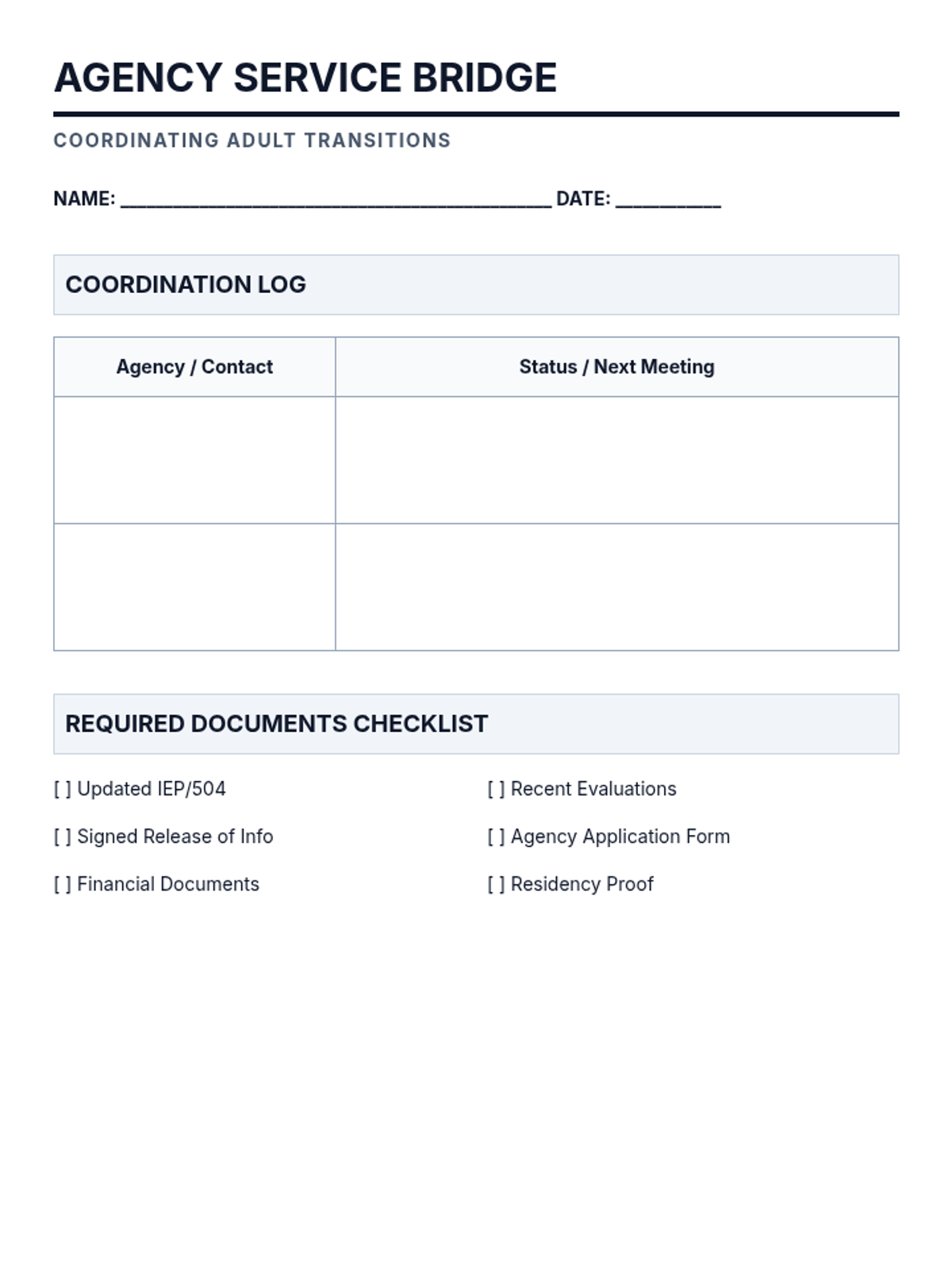
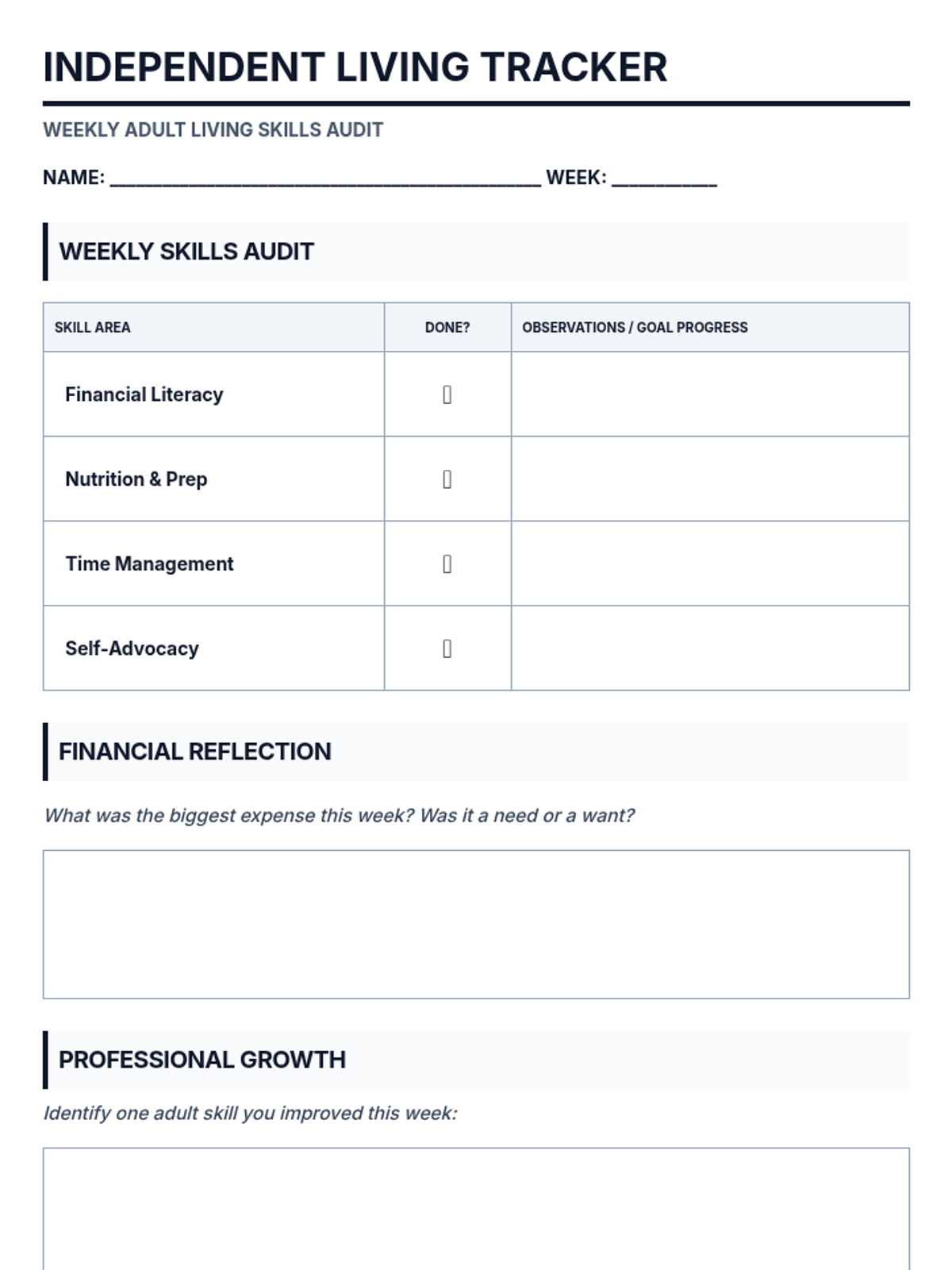
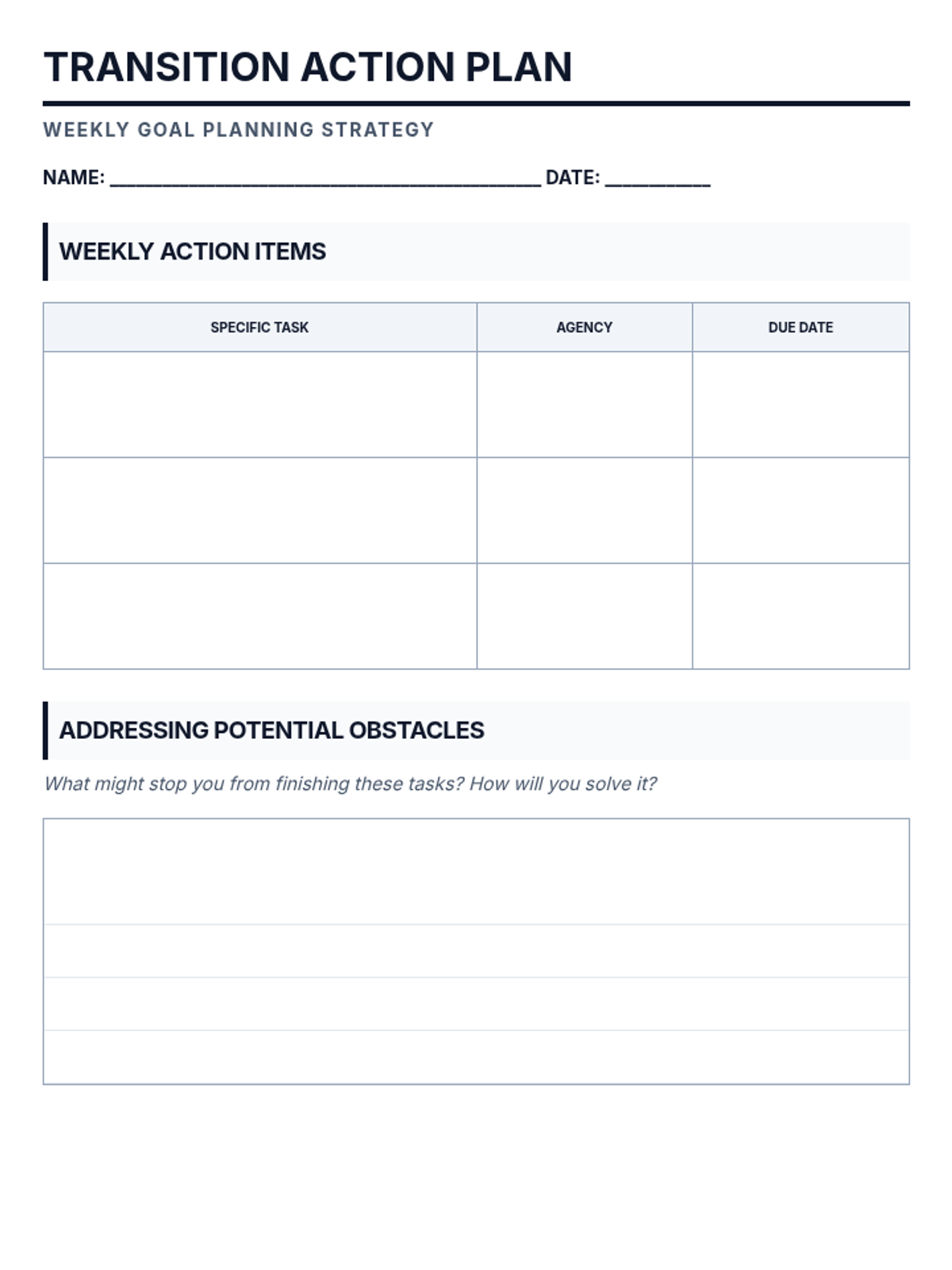
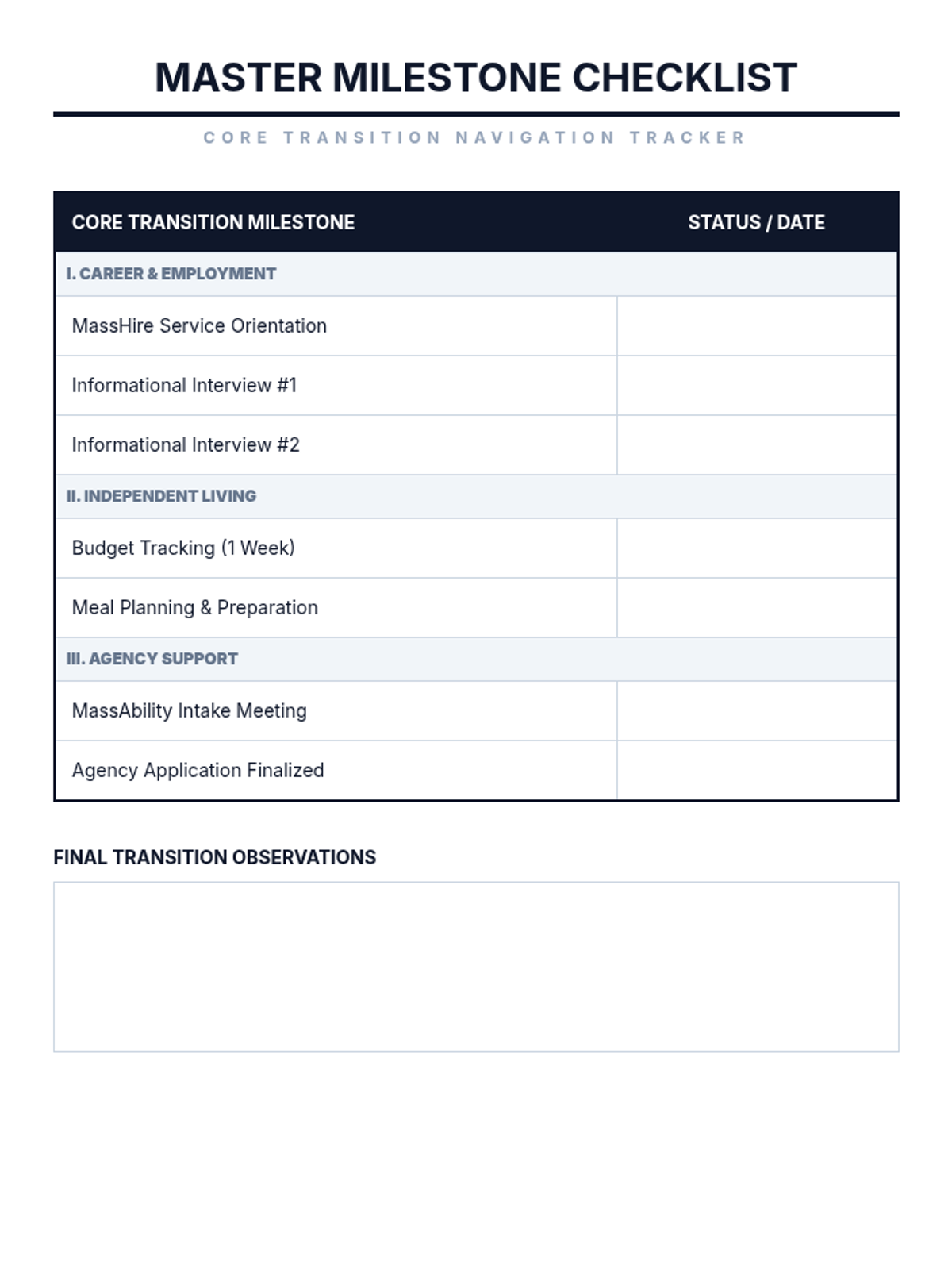
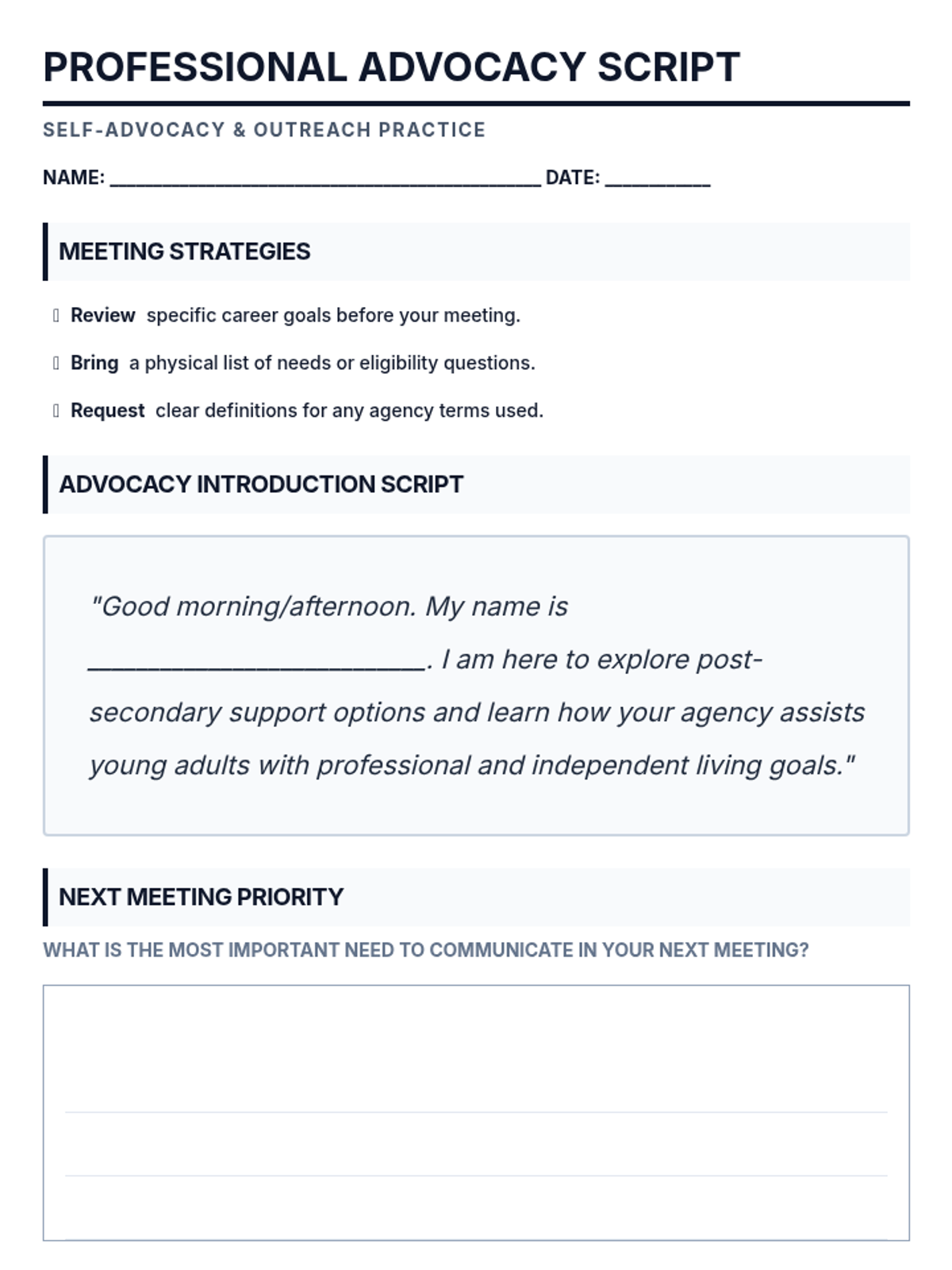
A comprehensive set of tools designed to help Julie, an adult with Cerebral Palsy, prepare for her ISP meeting by identifying mobility aids, adaptive technology, and self-advocacy strategies.
A functional academics lesson focused on student self-advocacy and interest-based planning for community and workplace skills.
A lesson designed for high school students with intellectual disabilities to explore how internal emotions are expressed externally, using characters from the movie Inside Out as a relatable framework. Students will practice identifying physical cues and behaviors associated with different feelings.
This lesson focuses on helping students who use AAC to visualize and communicate their long-term goals. It provides visual supports and a choice board to facilitate expression about their future aspirations.
A foundational lesson for students with intellectual disabilities to distinguish between living and non-living things using simple observations like growth, movement, and basic needs.
A middle school level special education lesson that challenges students to analyze the military and ethical reasoning behind the use of atomic weapons. Features comparative analysis of invasion vs. bombing and explores the long-term impact on global politics.
A highly scaffolded lesson for Tier 3 special education students exploring the end of WWII, the Manhattan Project, and the complex decision to use atomic weapons on Hiroshima and Nagasaki. Students use visual timelines, vocabulary cards, and structured sentence starters to analyze the ethical implications and historical impact of these events.
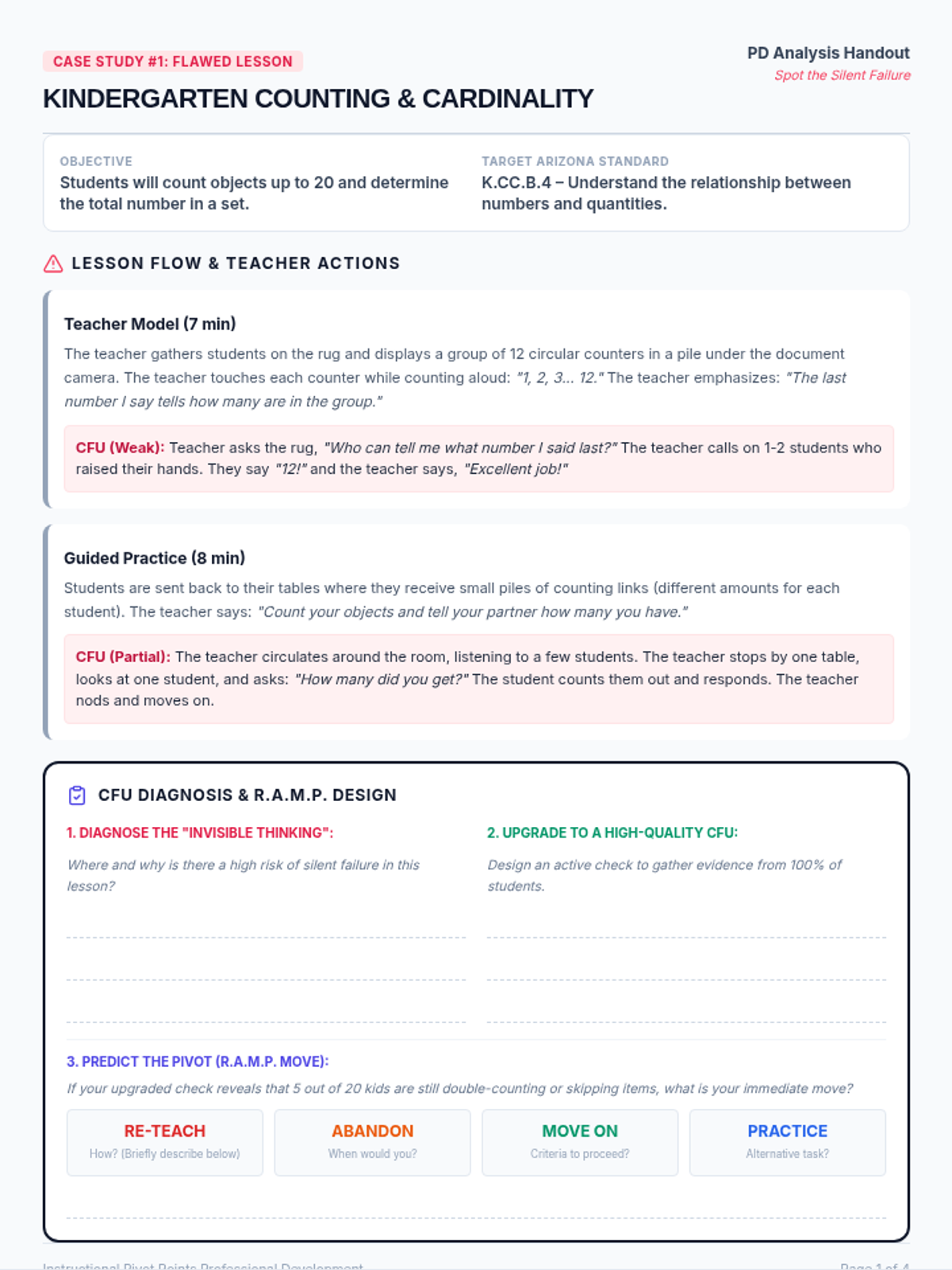
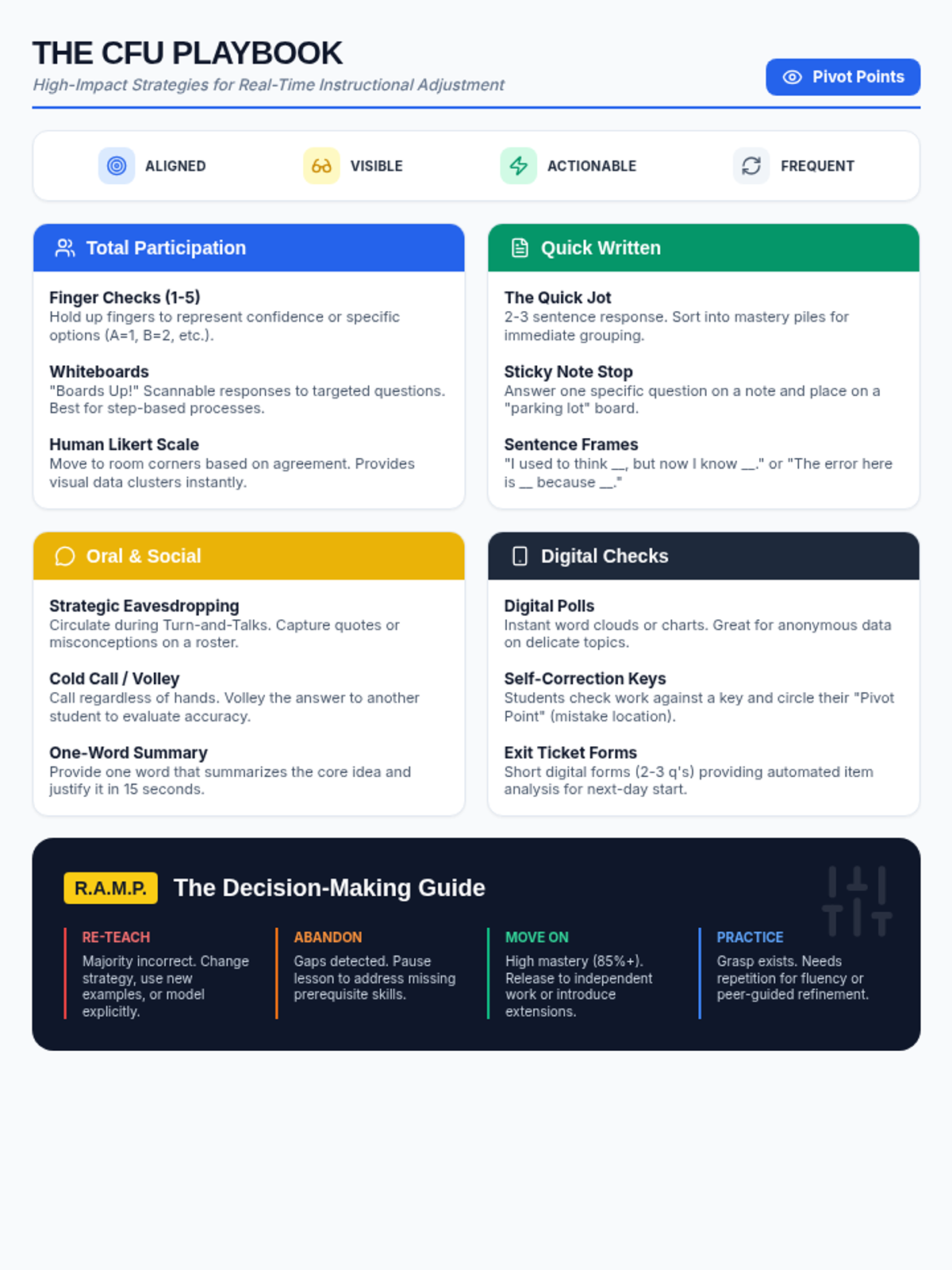
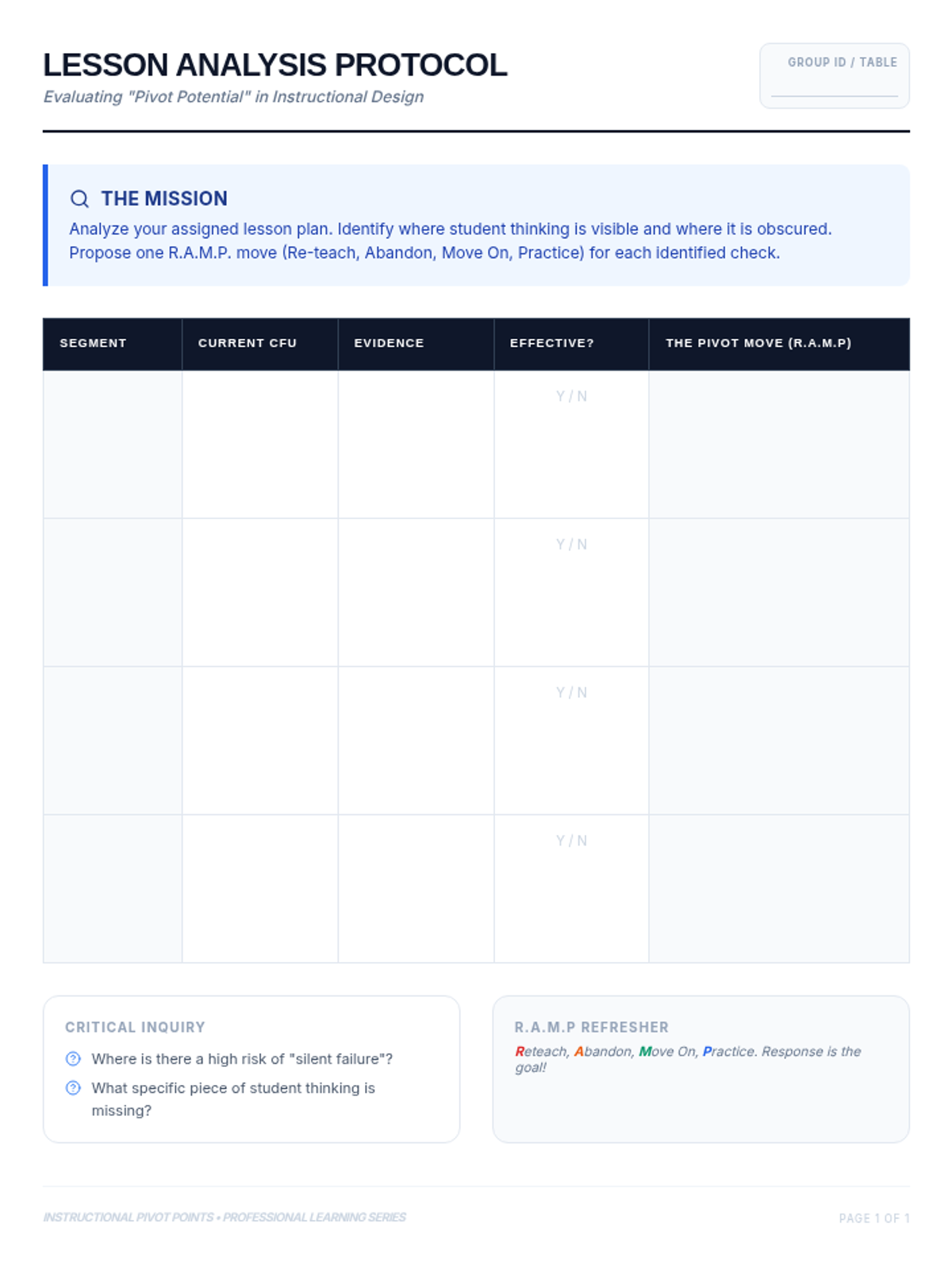
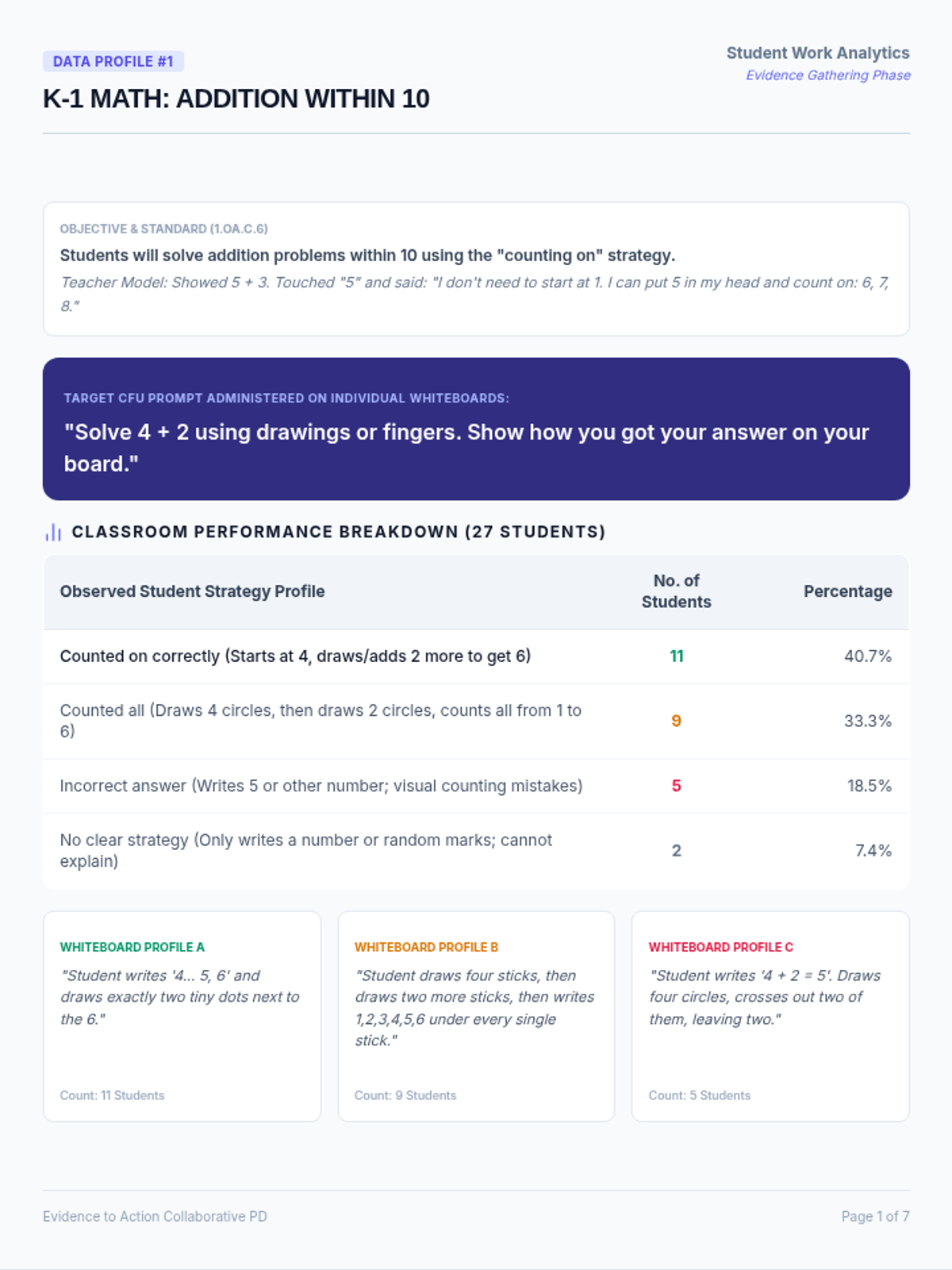
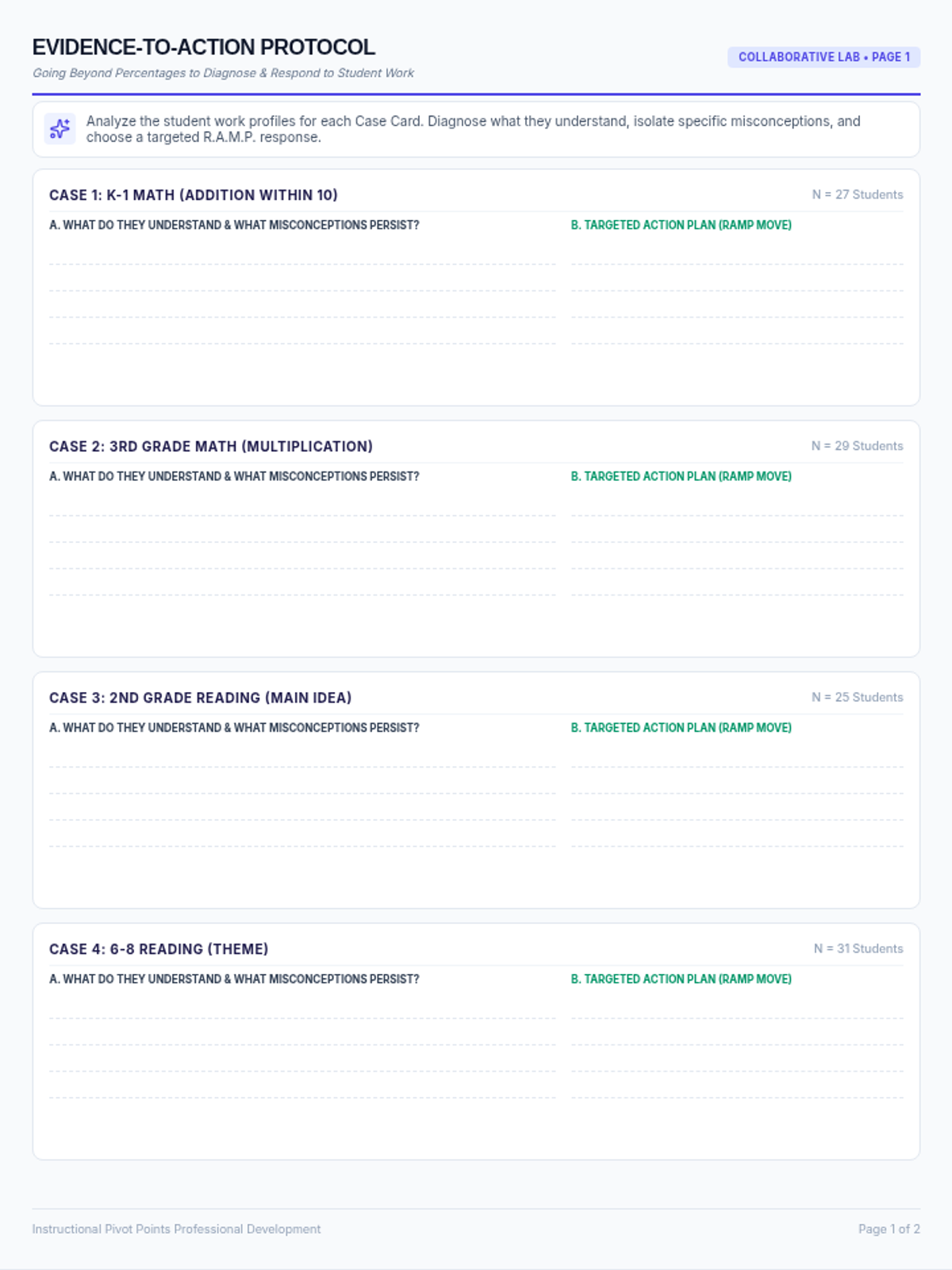
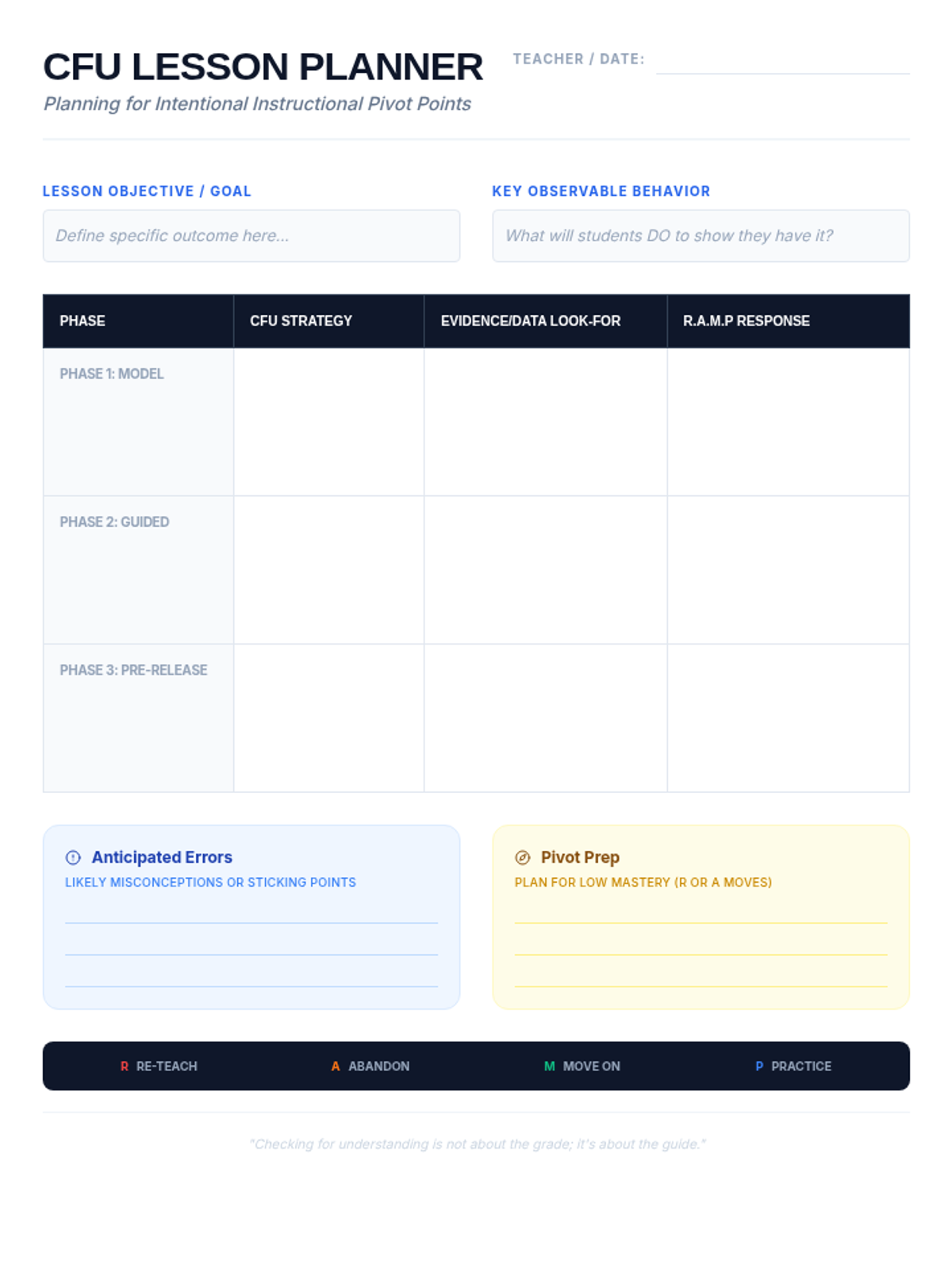
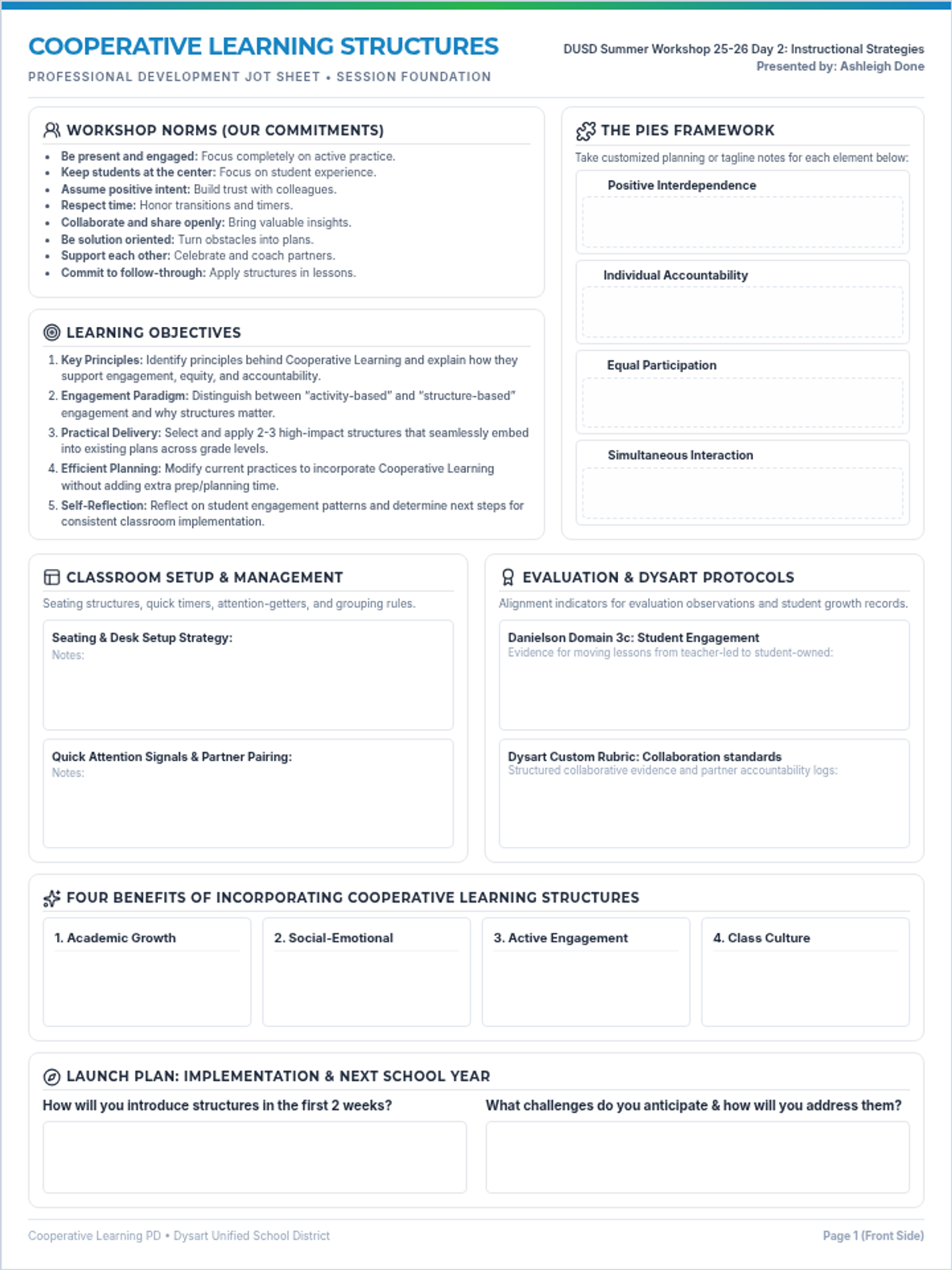
A professional development session designed to help educators translate raw student data into actionable instructional changes. Teachers will practice identifying trends and planning specific interventions based on real-world classroom data.
A comprehensive professional development session for school leaders on implementing Instructional Rounds. Participants will learn to move from evaluative observations to objective evidence gathering, focusing on the relationship between teacher, student, and task.
Resources for drafting meaningful IEP impact statements specifically for students with autism experiencing school refusal. This lesson provides pre-written examples and a structured framework for connecting sensory needs and behavioral rigidity to educational access.
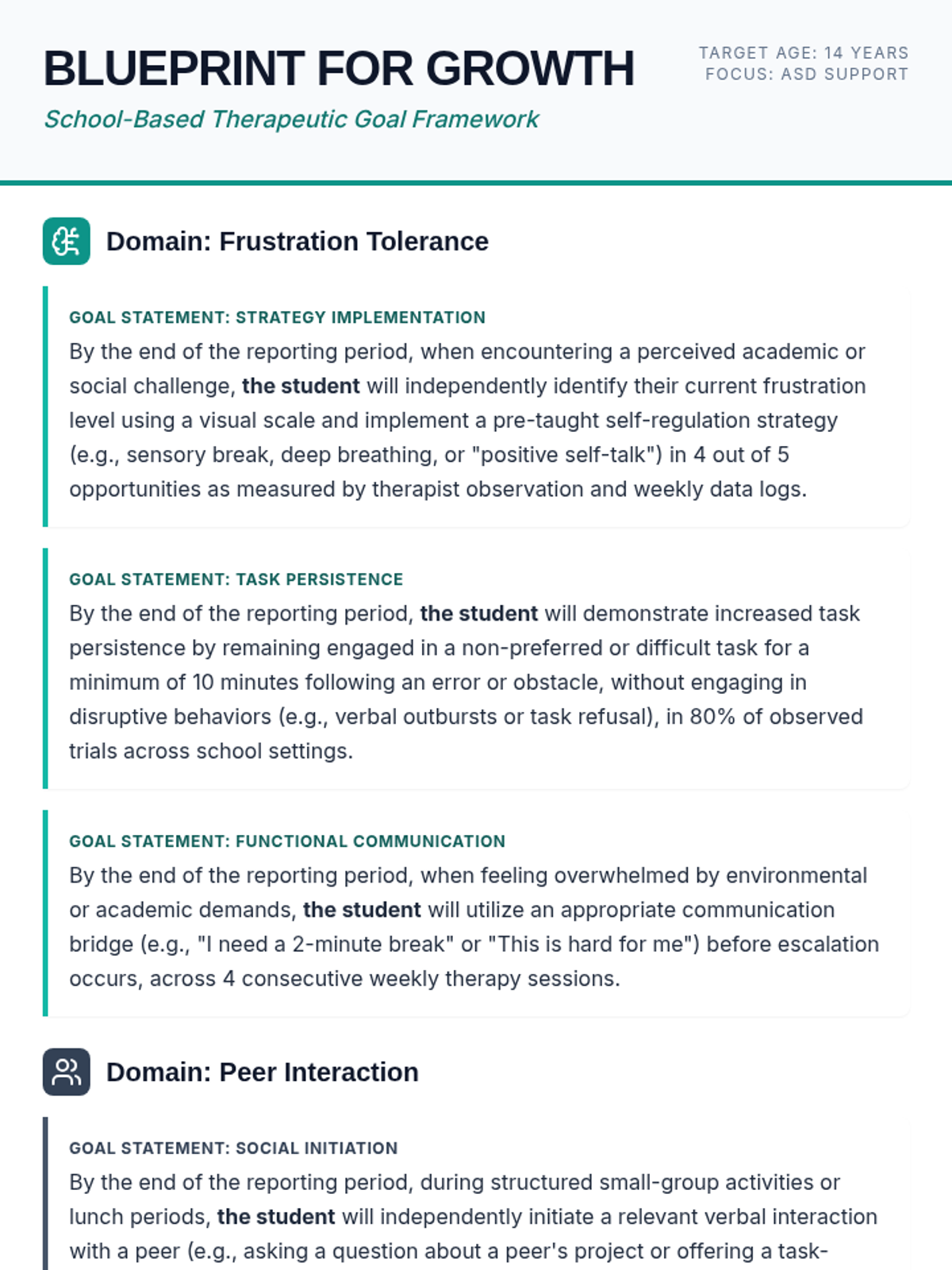
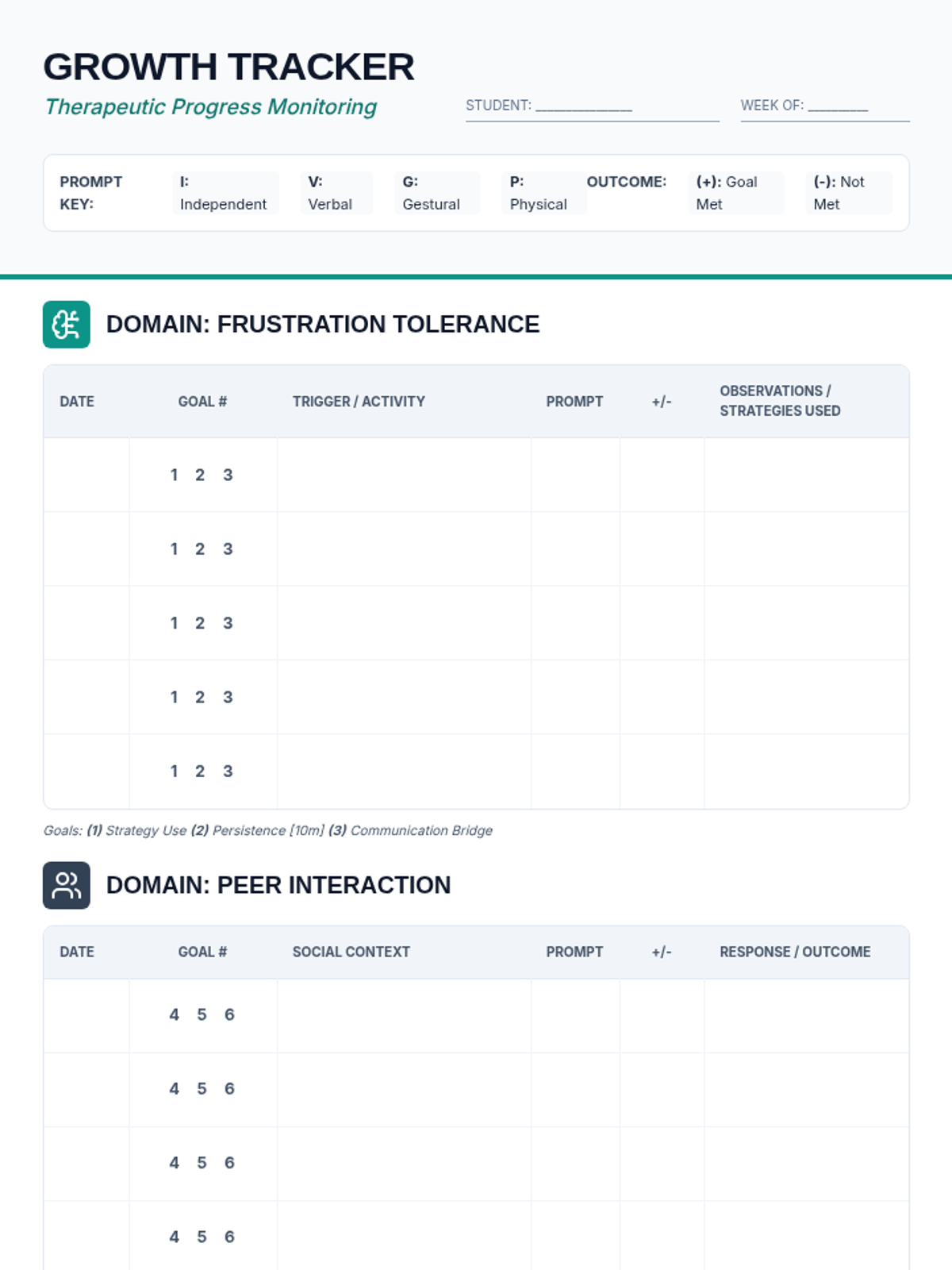
A comprehensive set of resources designed to support students experiencing school avoidance, including SMART IEP goals, instructional strategies for staff, and progress tracking tools for students.
This professional development lesson introduces school leaders and educators to the Collaborative Proactive Solutions (CPS) model. Participants will move from a compliance-based mindset to one focused on identifying lagging skills and solving problems collaboratively with students.
A comprehensive toolkit designed for a 9th-grade student to manage academic tasks and emotional regulation through structured planning and mindfulness strategies.
A creative art-based activity designed for middle school students who are hesitant to communicate verbally. This lesson uses a meteorological metaphor to help students map out their stressors and triggers through drawing rather than direct conversation.
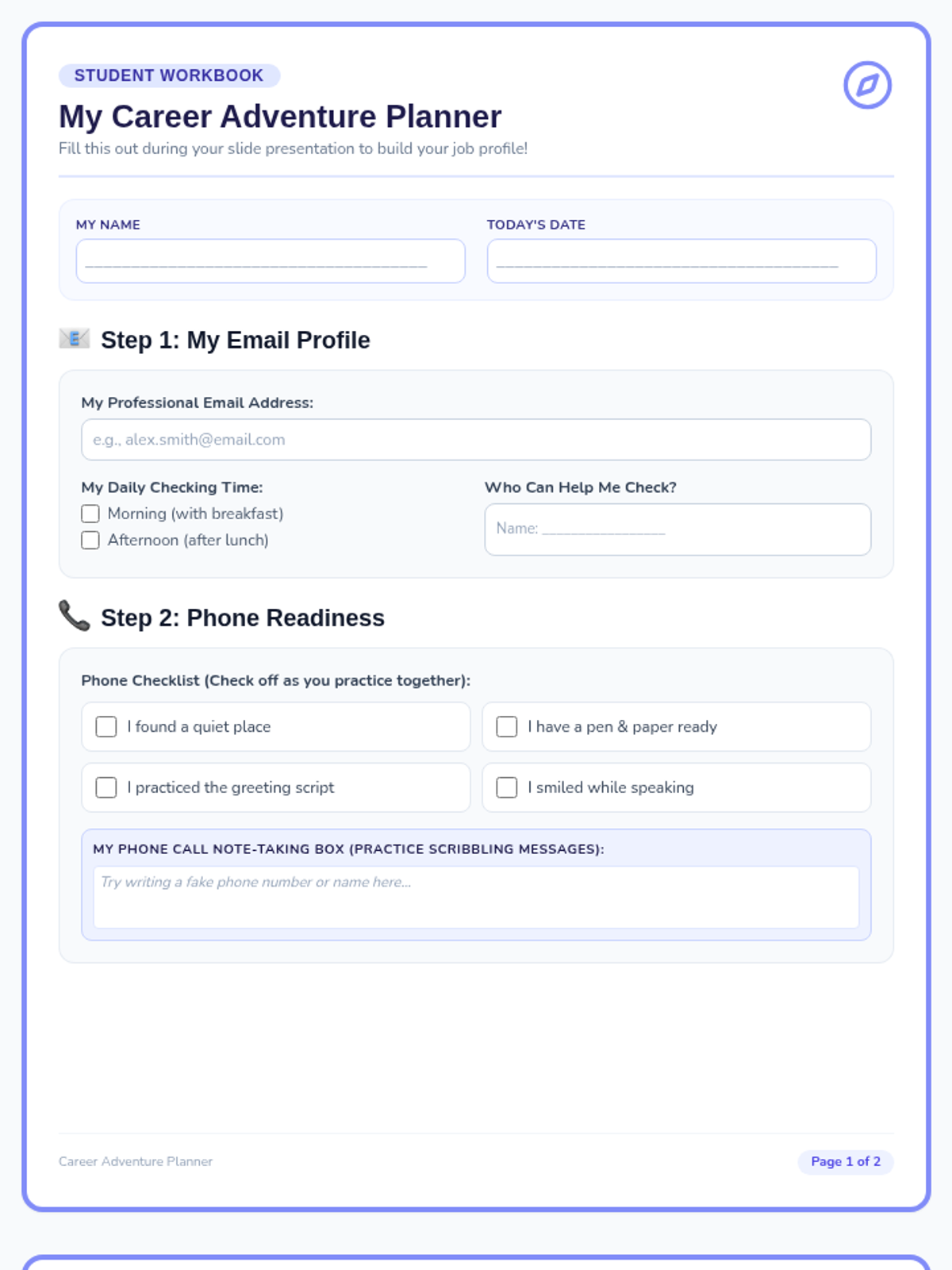
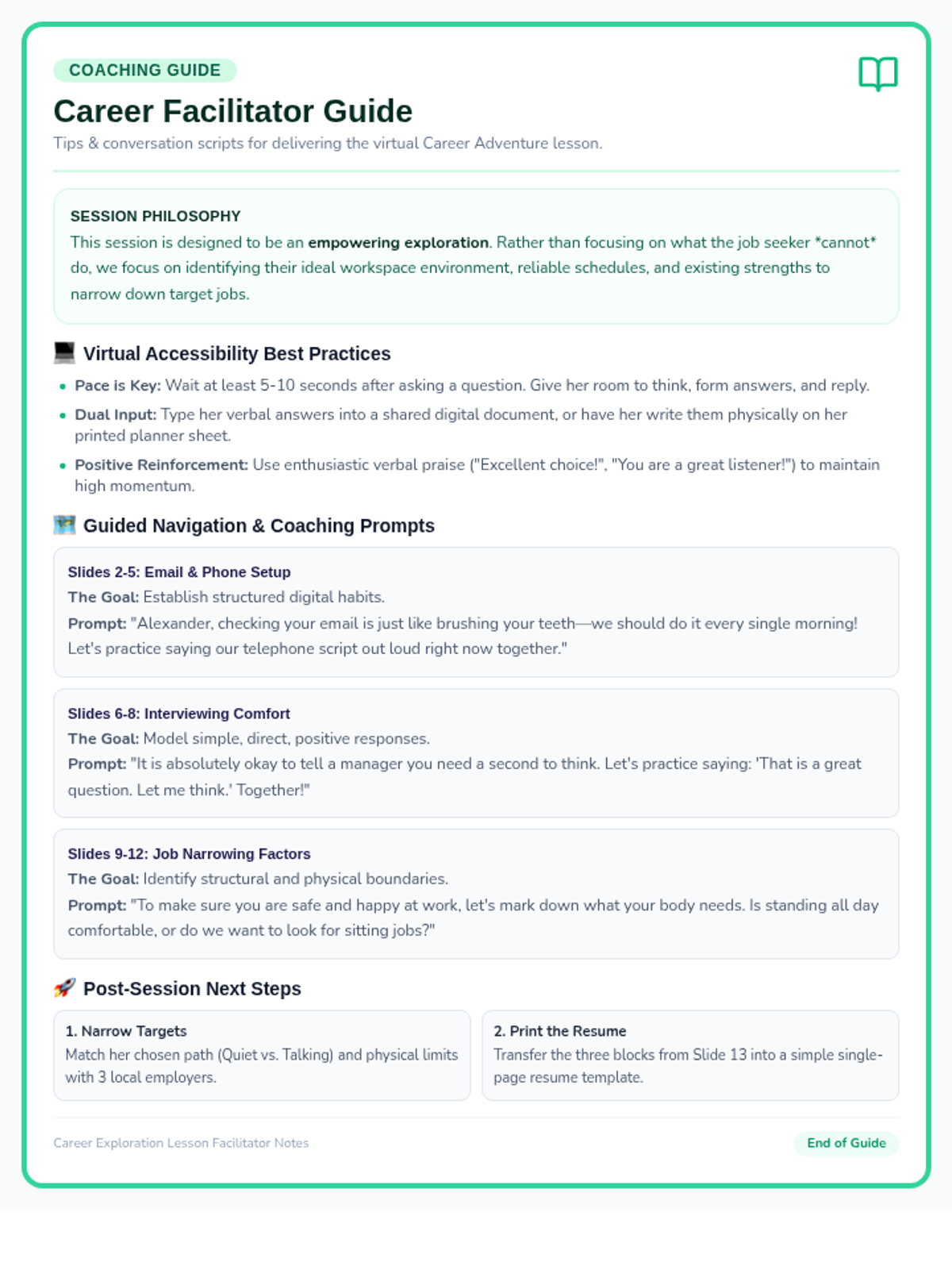
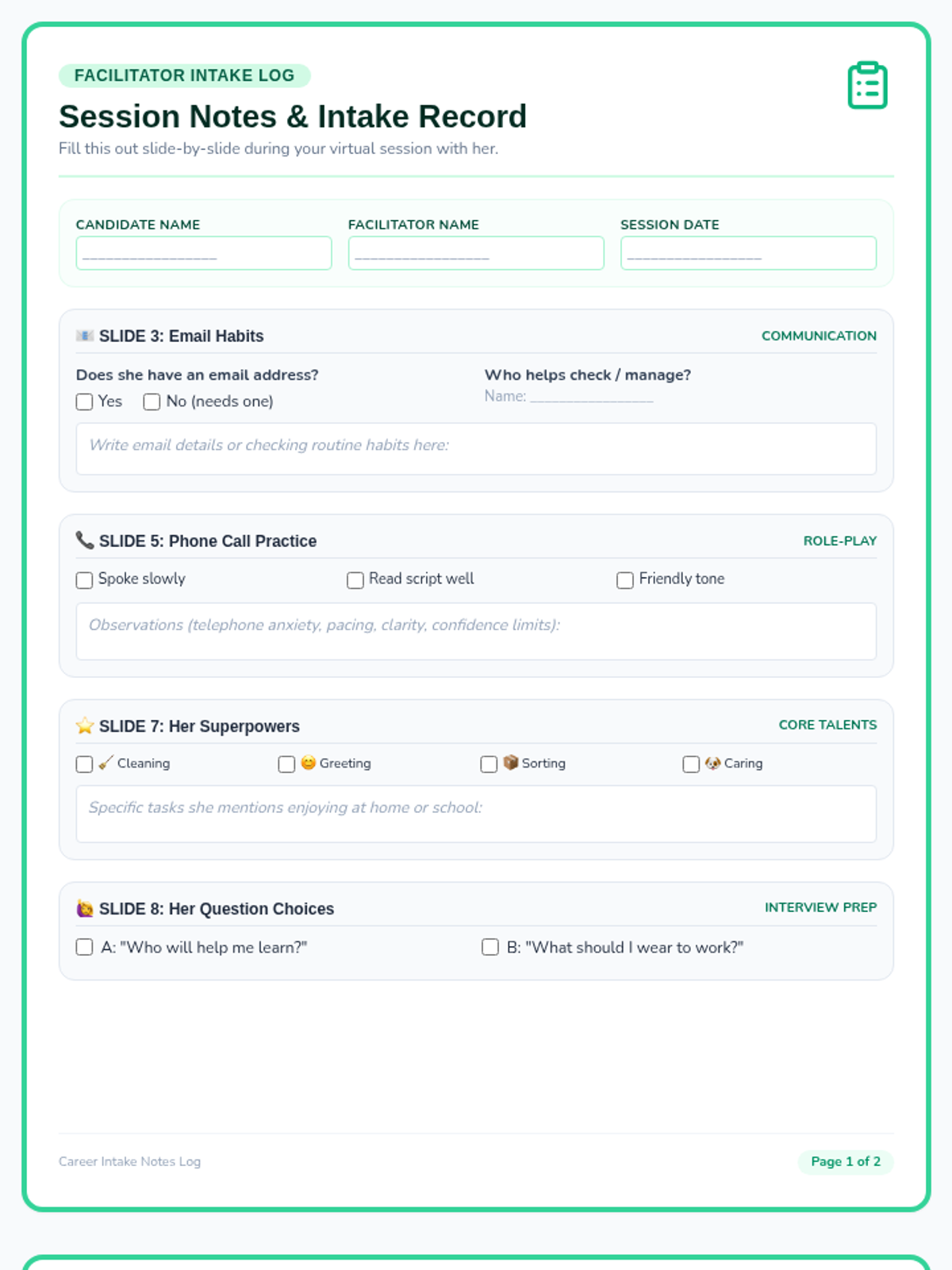
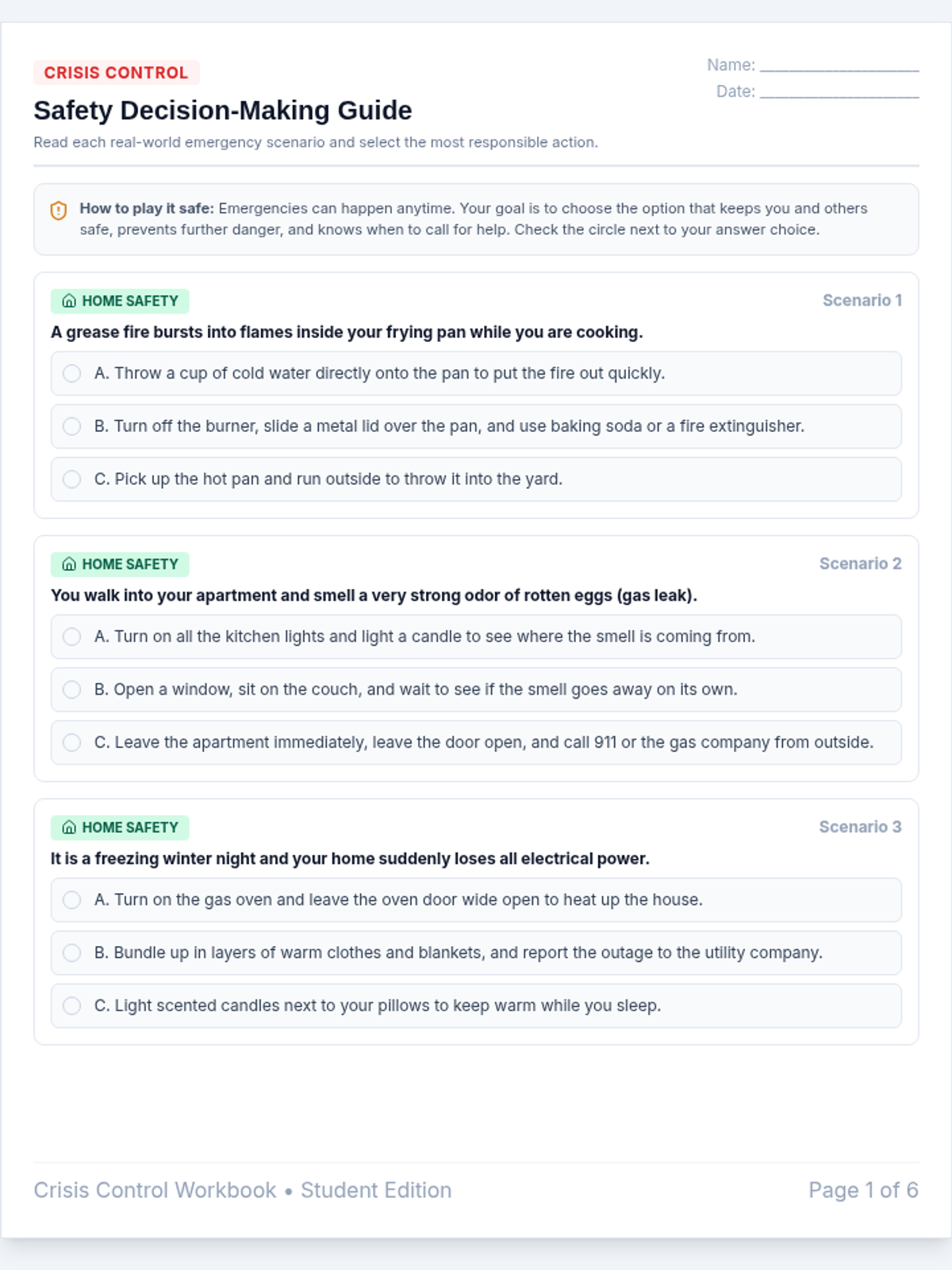
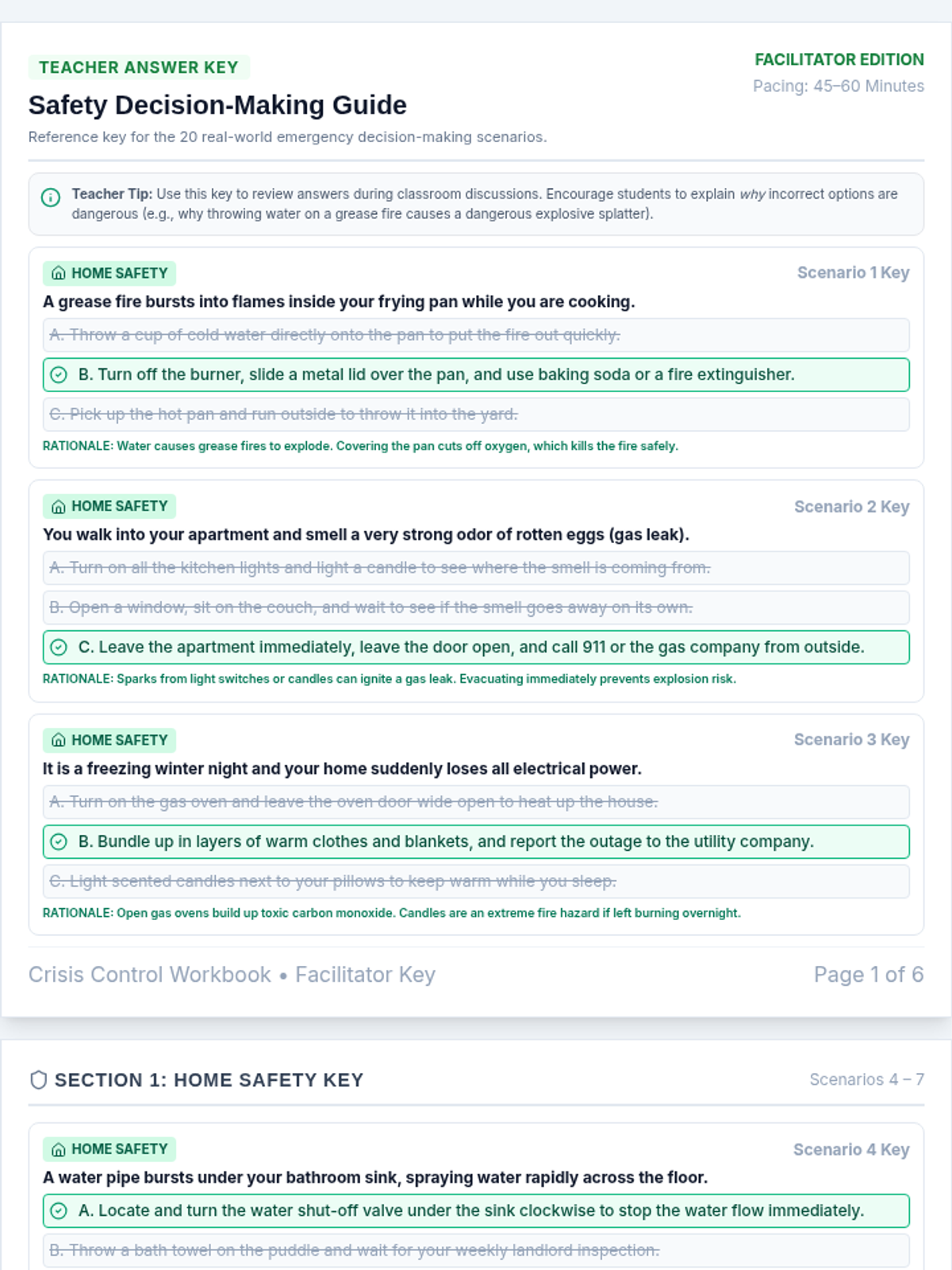
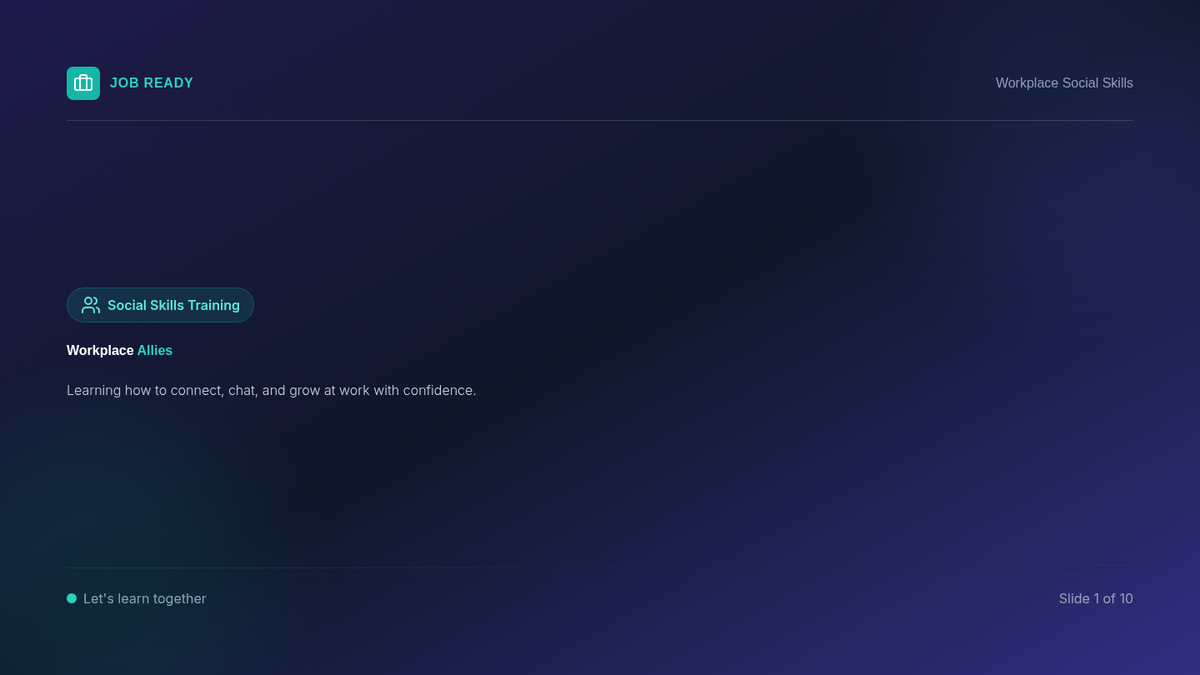
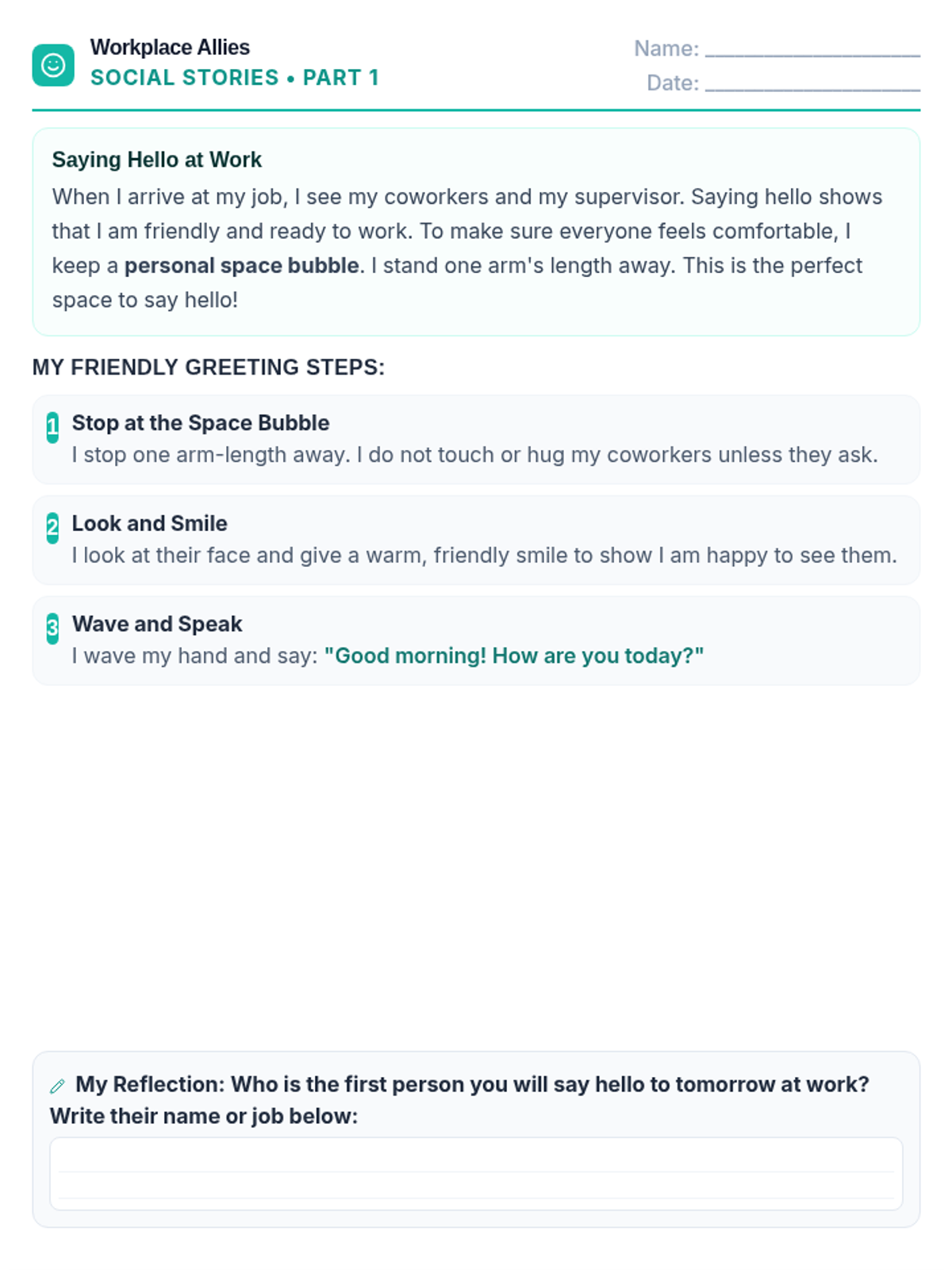
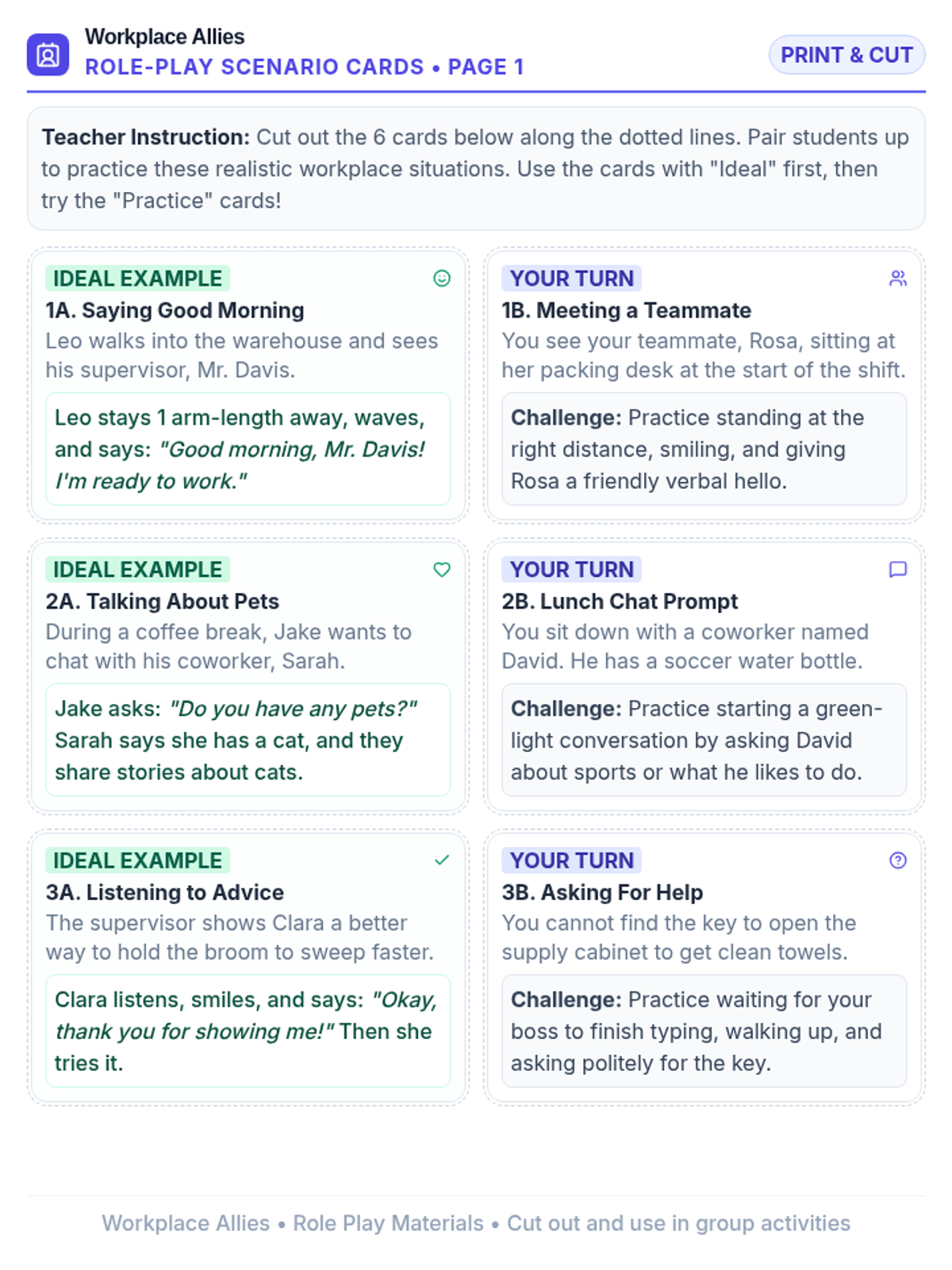
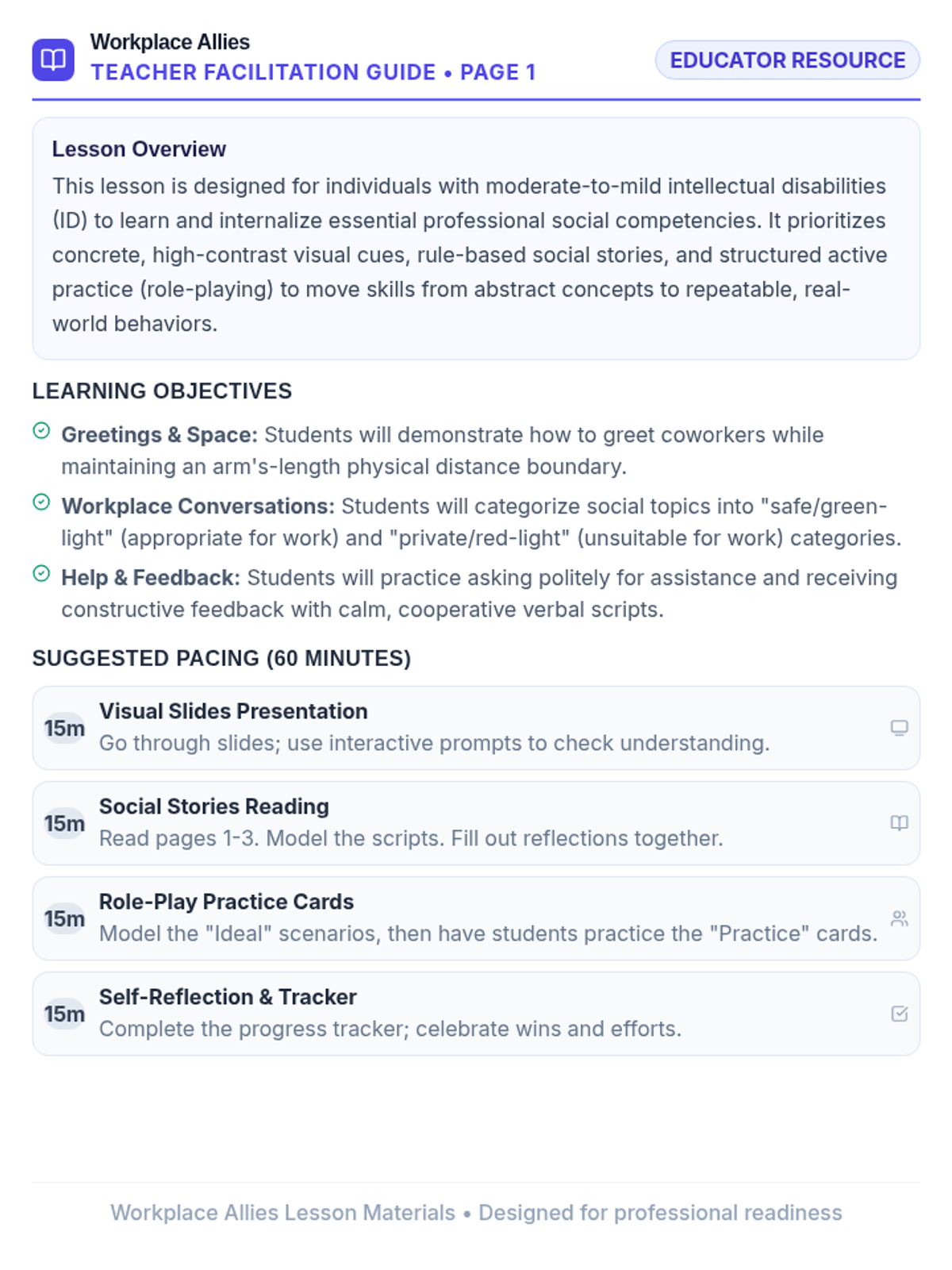
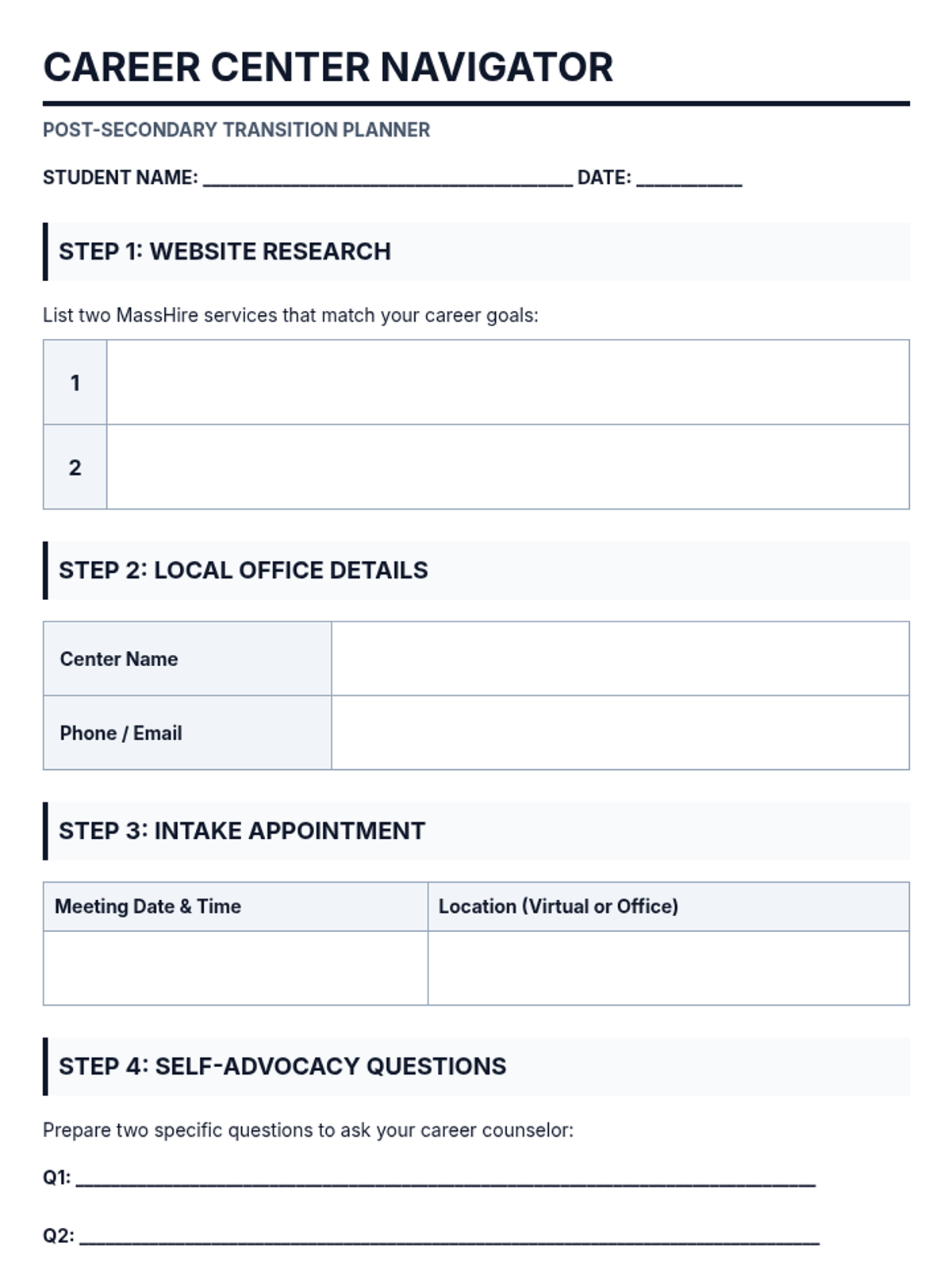
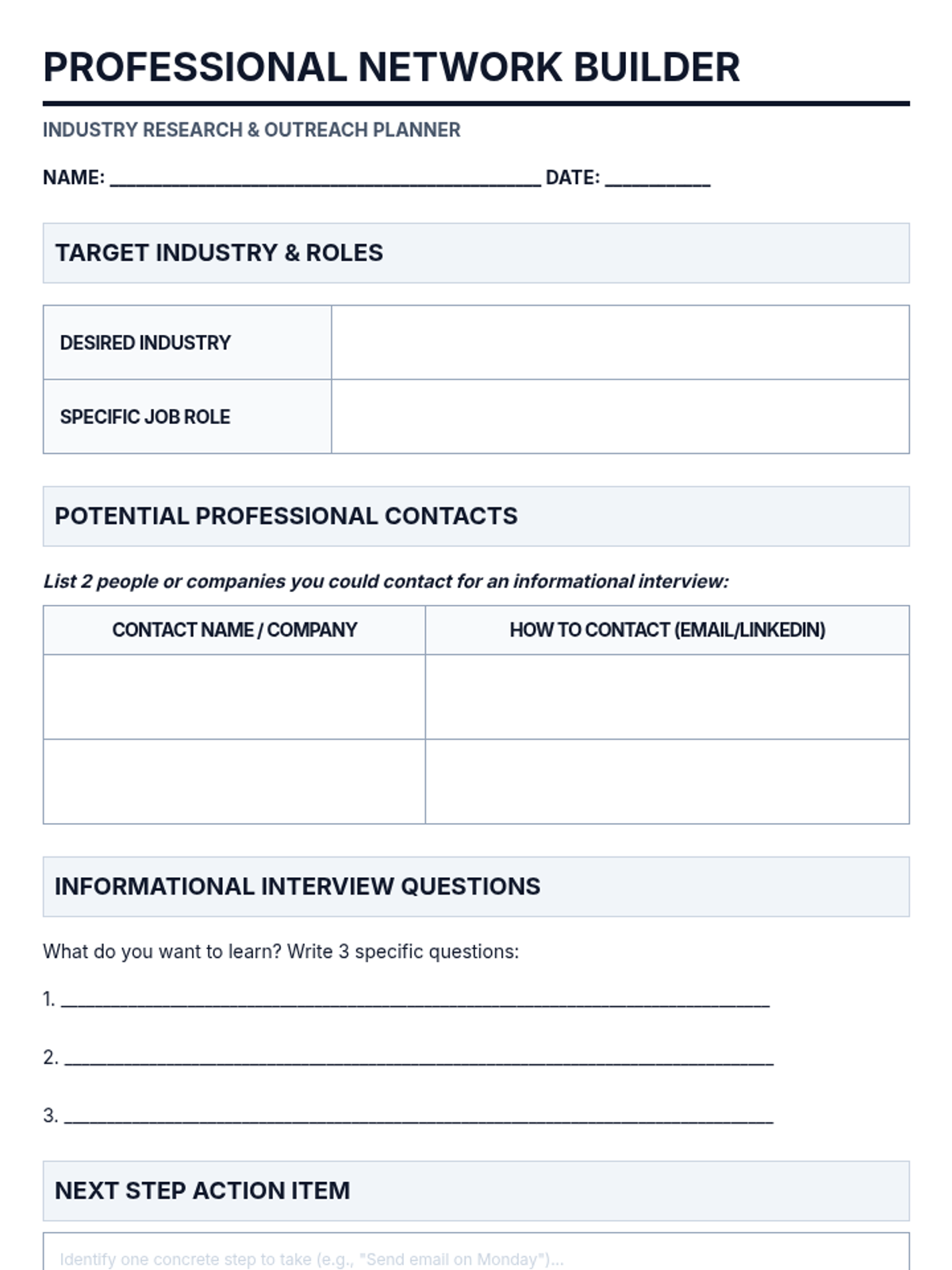
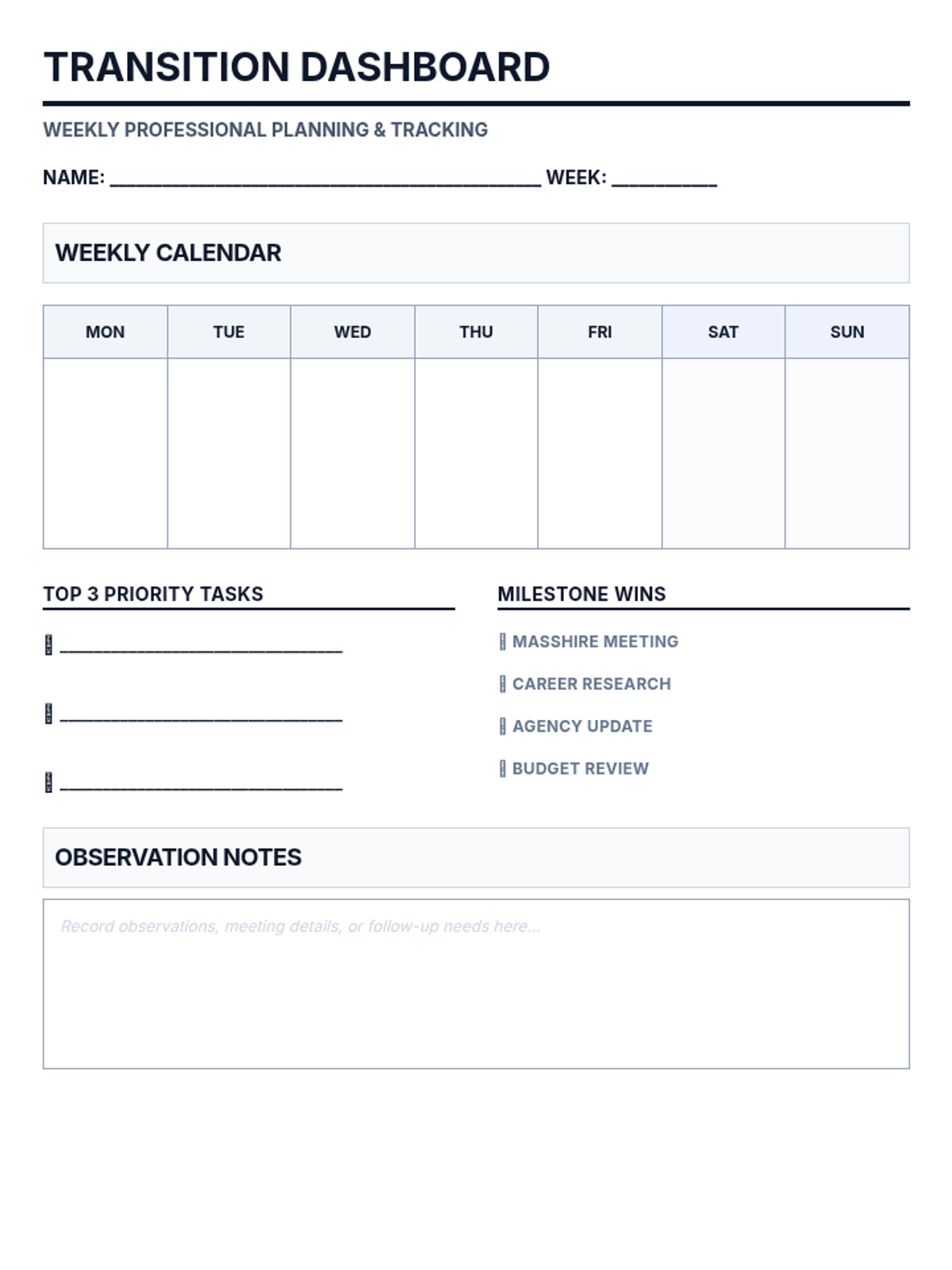
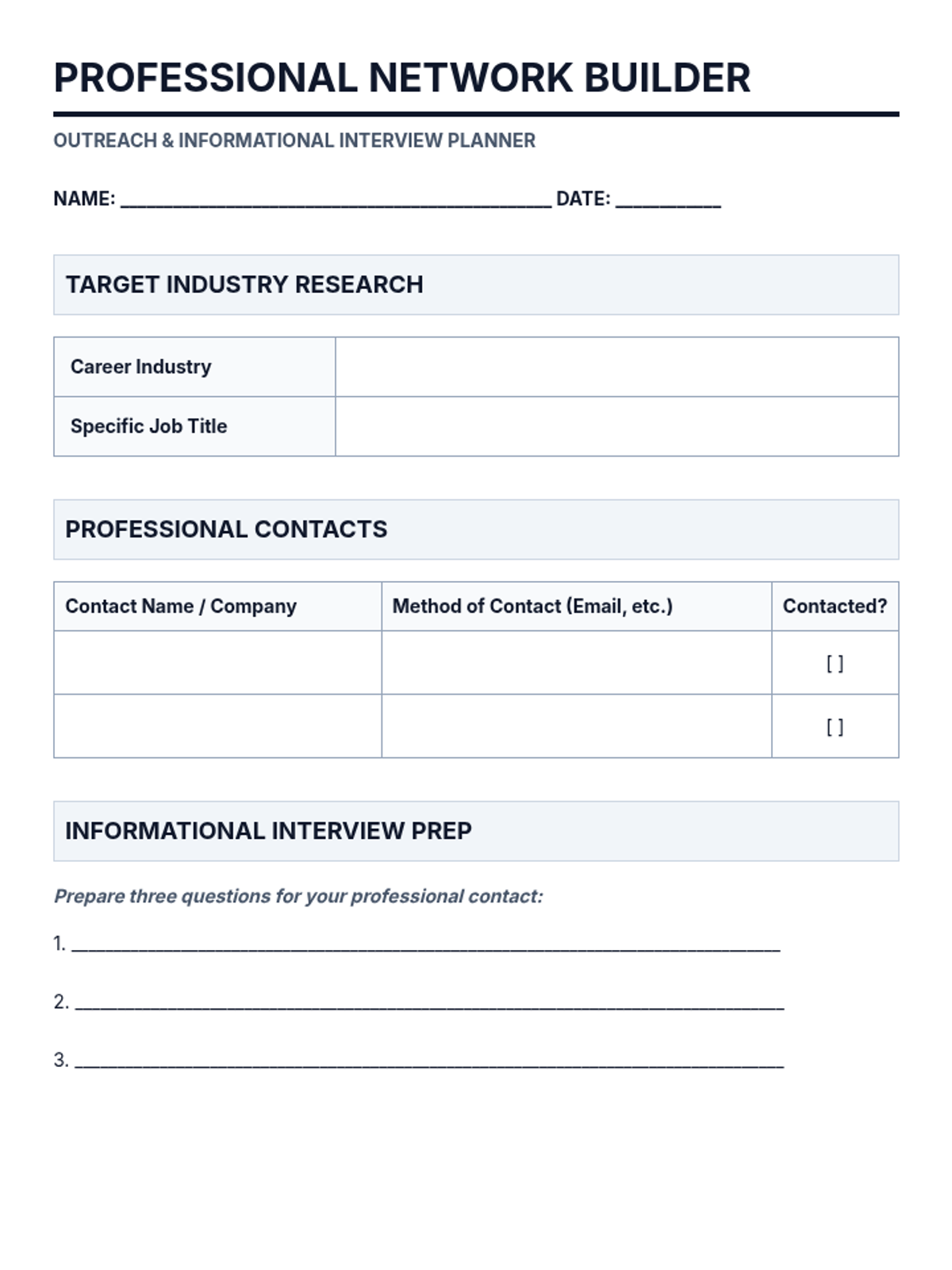
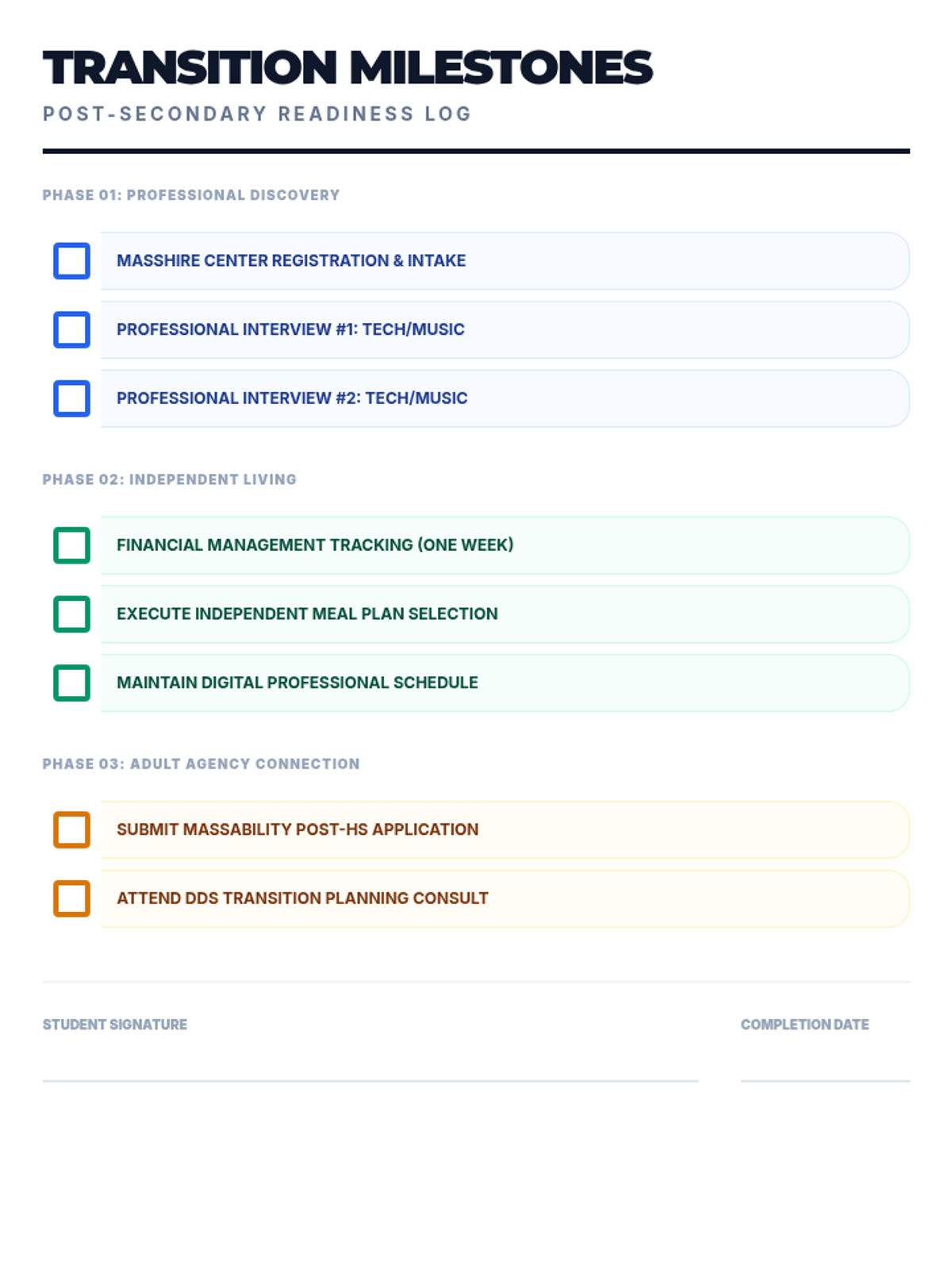
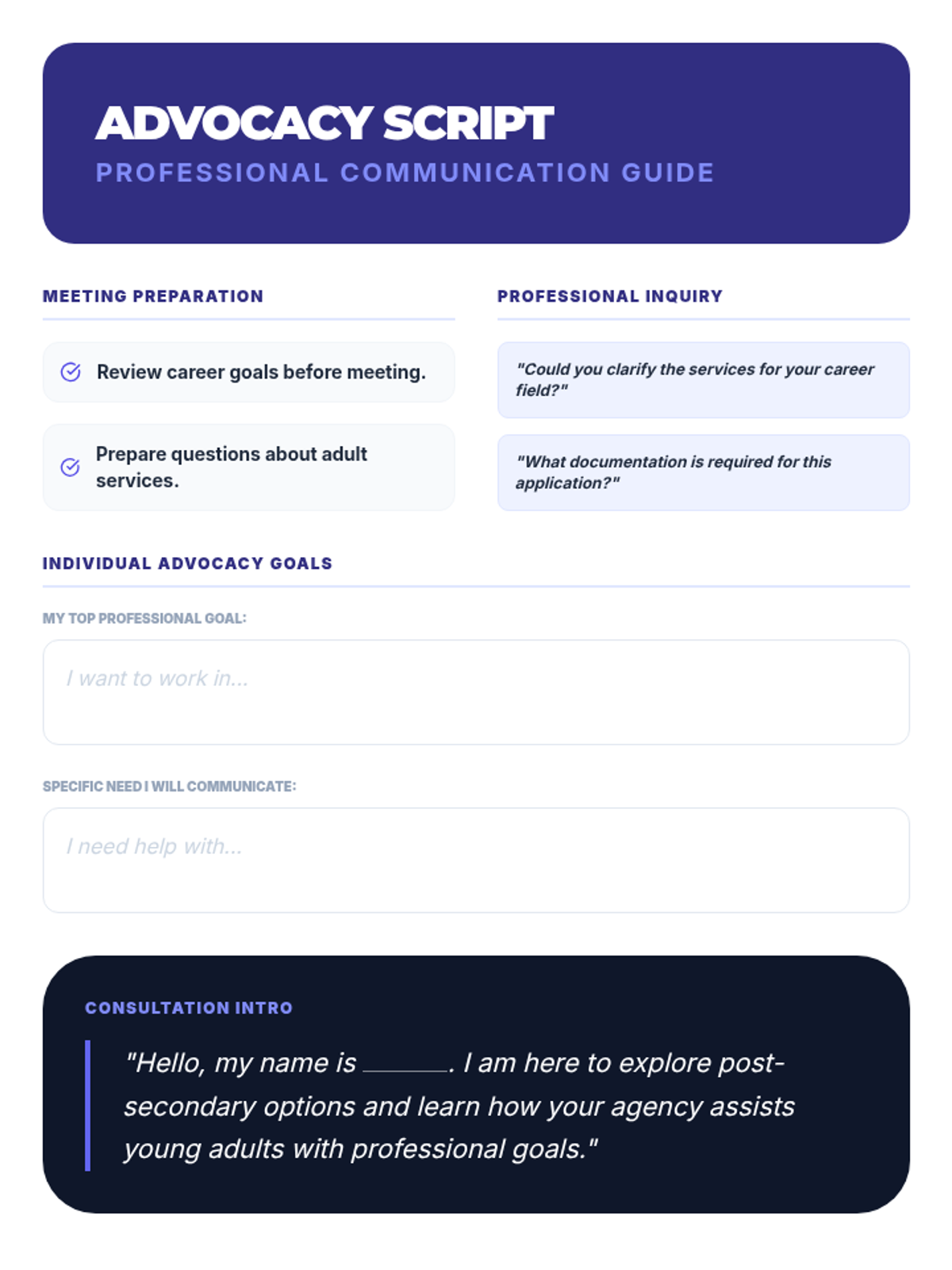
A comprehensive lesson for transition-age students focusing on the social and communication skills needed to land a job and succeed in a professional environment.
A simplified introduction to the Magna Carta for special education students, focusing on the limitation of royal power and the birth of basic rights through visual aids and modified texts.
A collection of modified 7th-grade math scope and sequence documents tailored for Tier 2 and Tier 3 student support.
A collection of modified scope and sequences designed to support students with diverse learning needs in 8th grade math topics, providing pathways for both Tier 2 and Tier 3 interventions.
A celebratory review session where students demonstrate their regulation skills in a mock transition challenge.
Practicing the "Stop and Think" skill from Brainwise to manage the impulse to react negatively during transitions.
Building a physical and mental toolbox of strategies to help move from the Yellow or Red Zone back to Green.
Identifying why stopping a preferred activity is hard and how our "Lizard Brain" reacts to transitions.
Mapping feelings to the four Zones of Regulation (Blue, Green, Yellow, Red) and connecting them to our physical body sensations.
Introduction to the Brainwise concept of the Wizard Brain (Prefrontal Cortex) and the Lizard Brain (Amygdala) using kindergarten-friendly language and visuals.
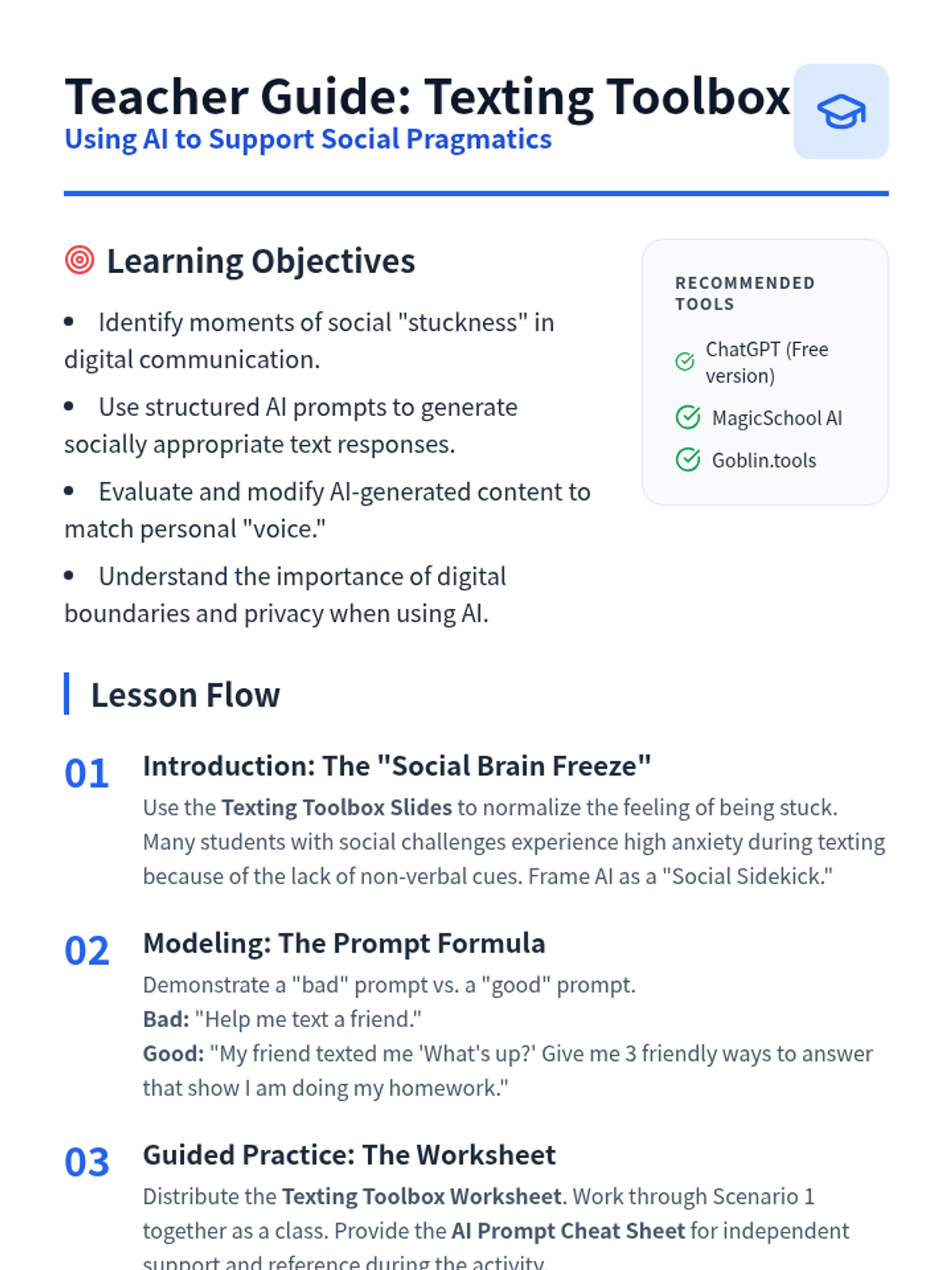
A behavior intervention focused on helping middle and high school students replace aggressive or inappropriate language with effective, professional communication strategies. This lesson provides tools for identifying triggers and 'upgrading' verbal responses in high-stakes situations.
A set of activities designed to help 1st grade students distinguish between and produce the sounds /sh/, /ch/, /s/, and /z/ using minimal pair contrasts.
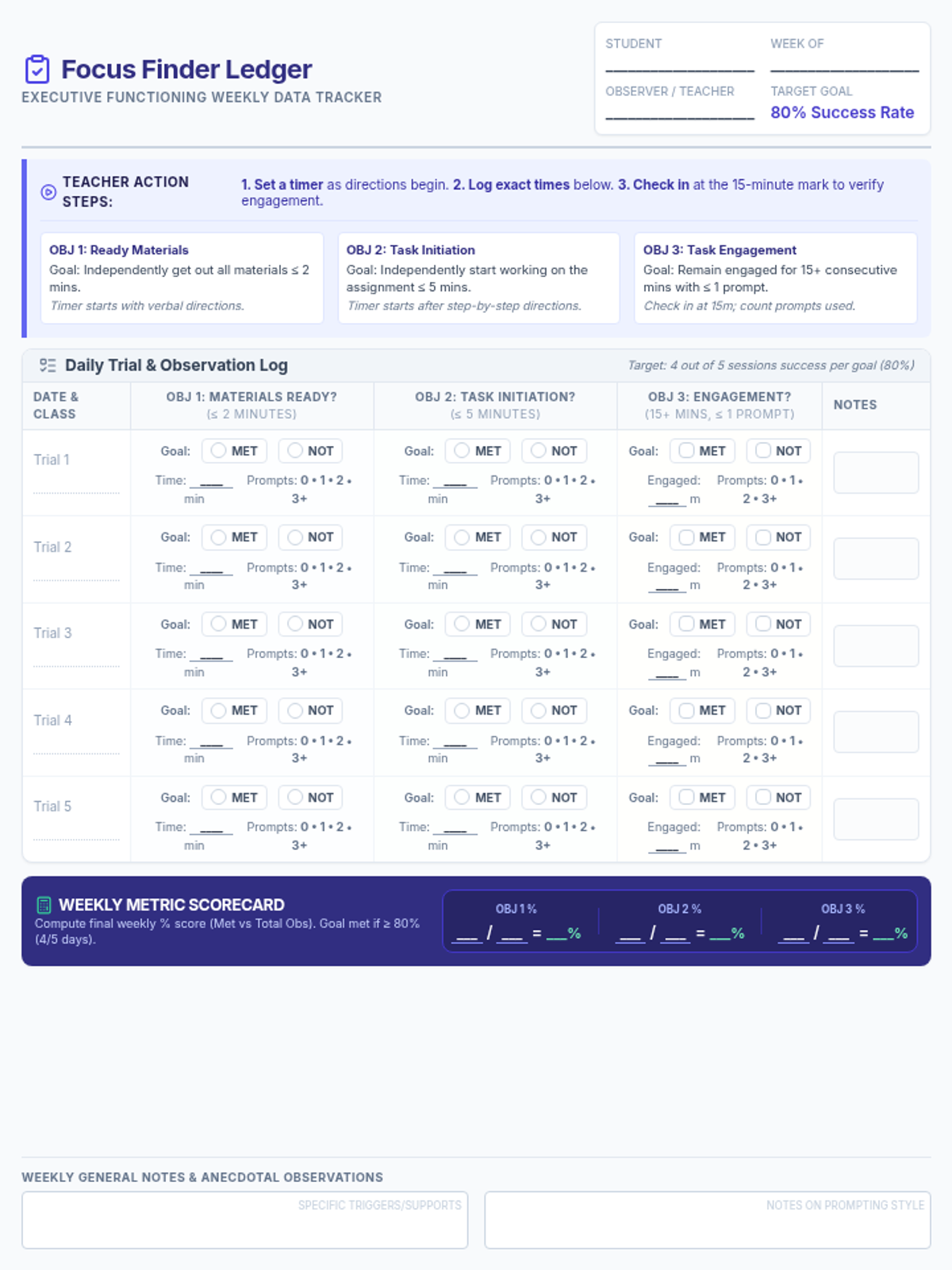
A 15-minute professional presentation for special education staff introducing a 10-week executive functioning module. The lesson focuses on the 'Brain Captain' metaphor, identifying strengths/needs, and the benefits of classroom and home integration.
A comprehensive 120-minute lesson designed for adults with IDD to understand HIPAA, focusing on personal privacy, protecting health information, and respecting the privacy of others through visual slides, interactive scenarios, and a sorting activity.