Students investigate why speech-to-text software makes mistakes and learn to categorize these errors into 'glitches' like wrong words, missing words, and spelling errors.
Cumulative review of the year's vocabulary and final progress monitoring to prepare for the transition to 5th grade.
Mastery of advanced multiple-meaning words and applying self-advocacy vocabulary in unstructured school settings.
Focusing on self-regulation vocabulary and identifying themes or 'lessons' in 3rd/4th grade level fiction.
Learning functional vocabulary for school-based transitions and academic vocabulary for story structure (rising action/climax).
Expanding the repertoire of multiple-meaning words and learning to use context clues to differentiate meanings in fiction.
Deepening academic vocabulary with a focus on character traits and descriptive adjectives for self-advocacy and story comprehension.
Focusing on social problem-solving, requesting help, and understanding conflict and resolution within fictional narratives.
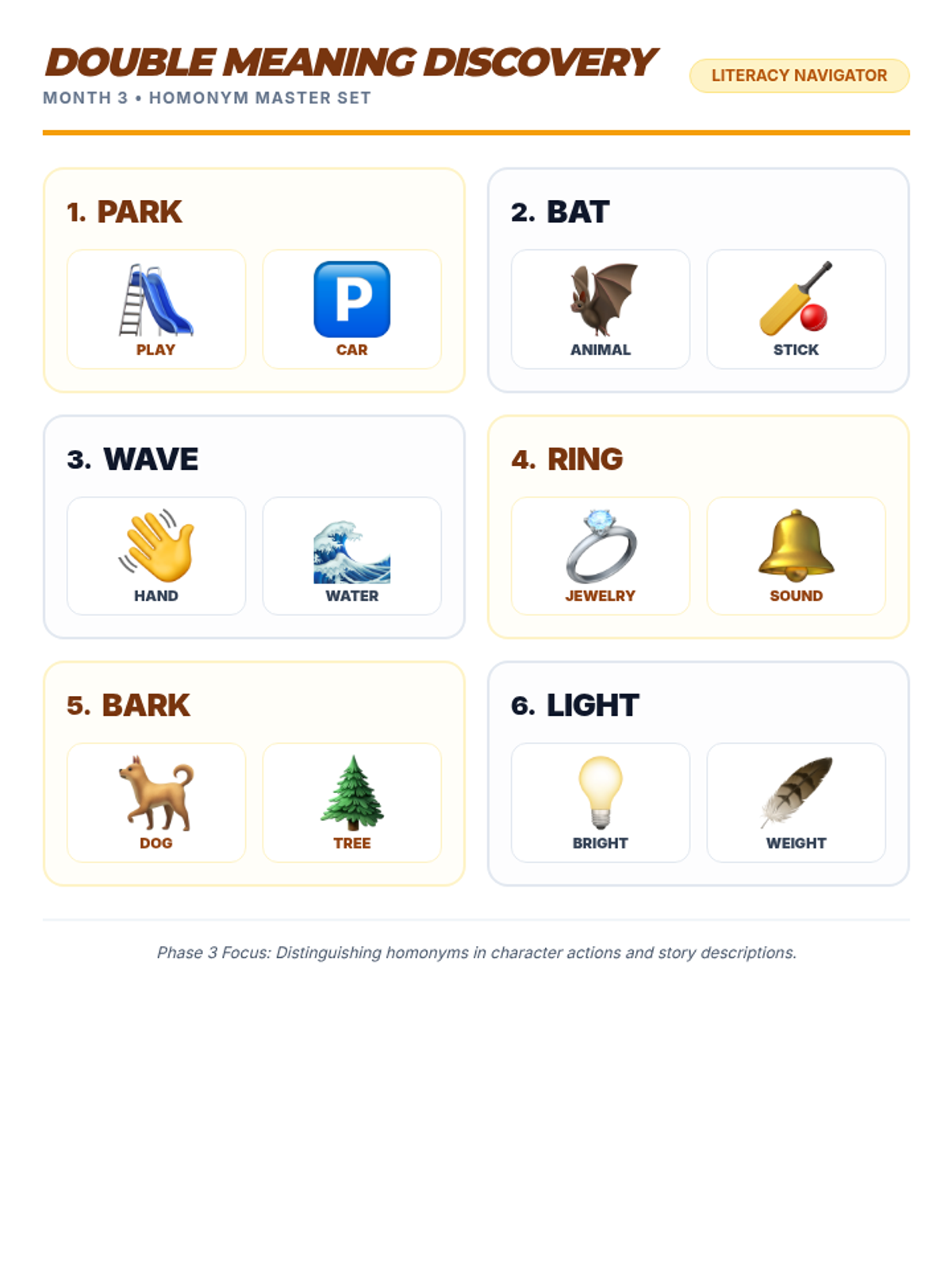
Introduction to high-frequency multiple-meaning words found in 3rd and 4th-grade texts with heavy visual support and functional application.
Focusing on identifying and expressing feelings for self-advocacy and understanding story plots through basic sequencing vocabulary.
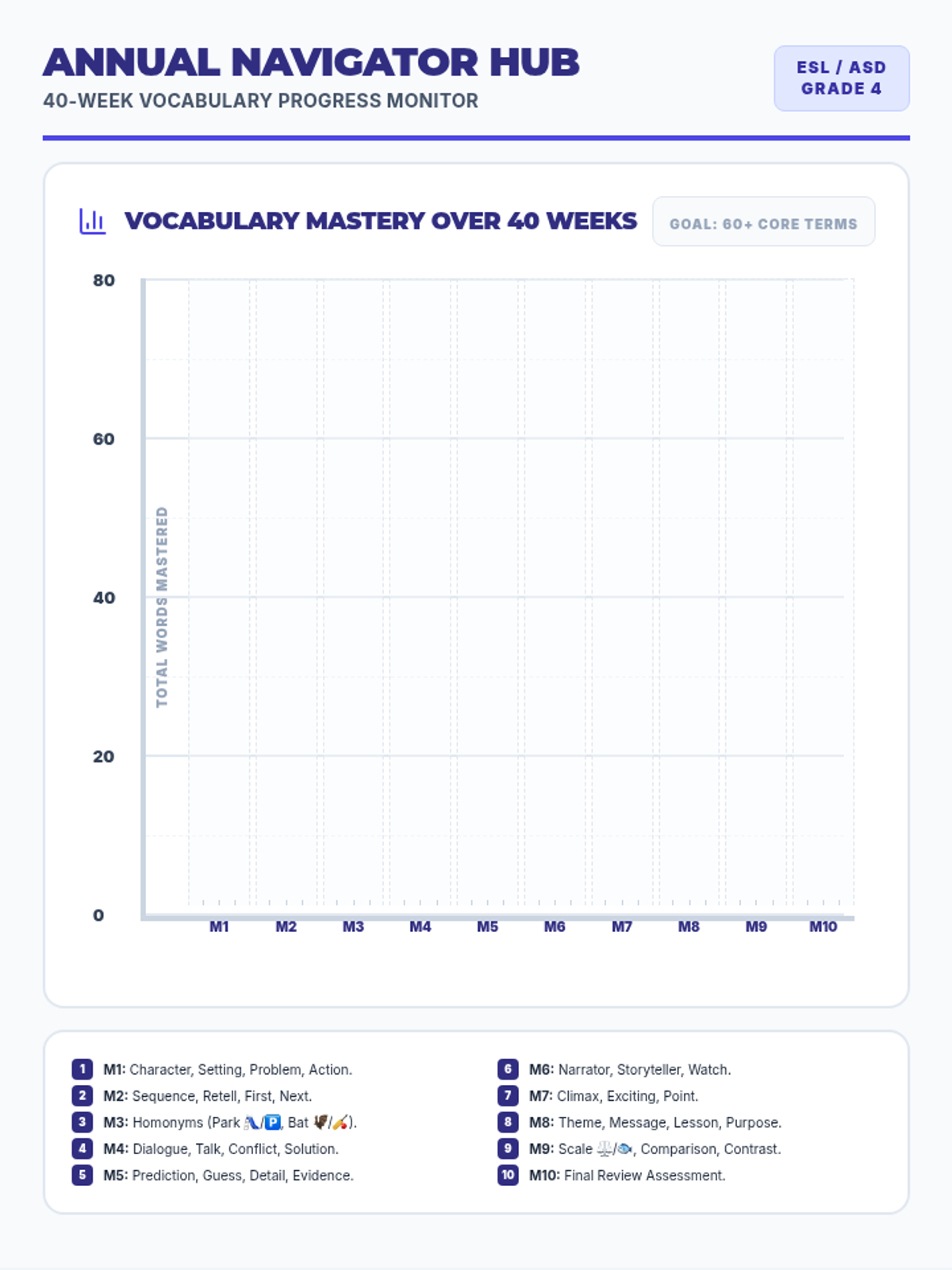
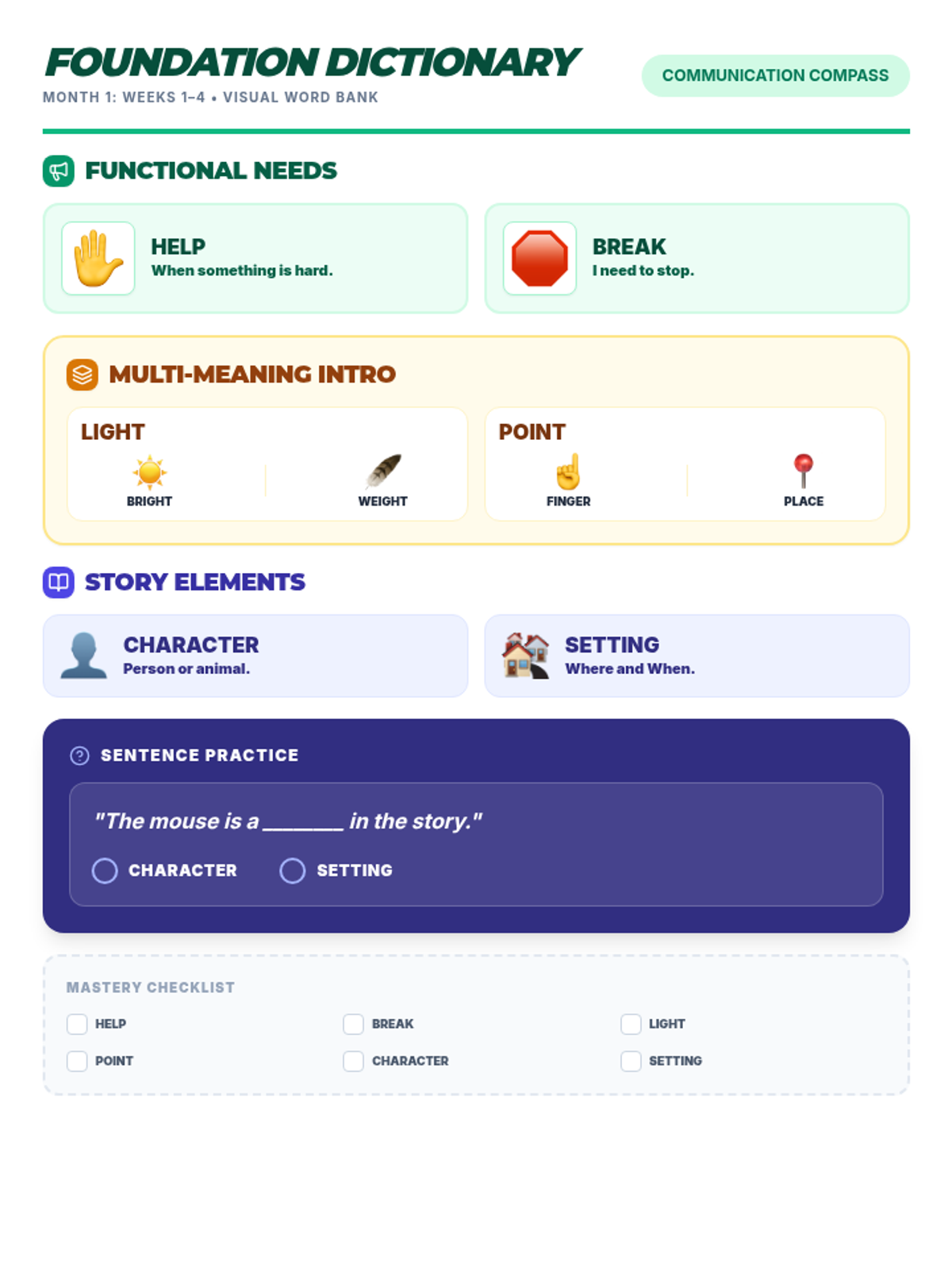
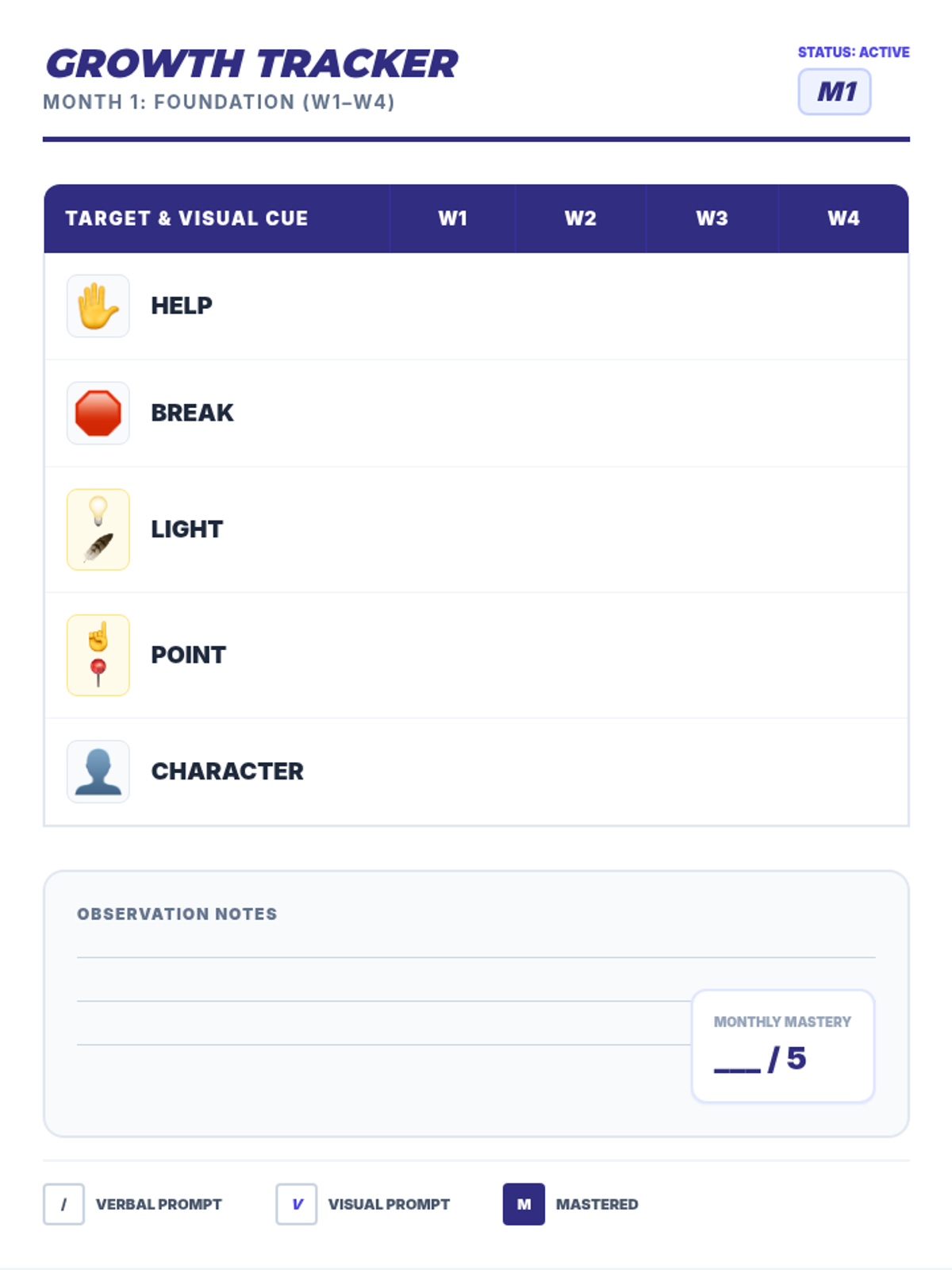
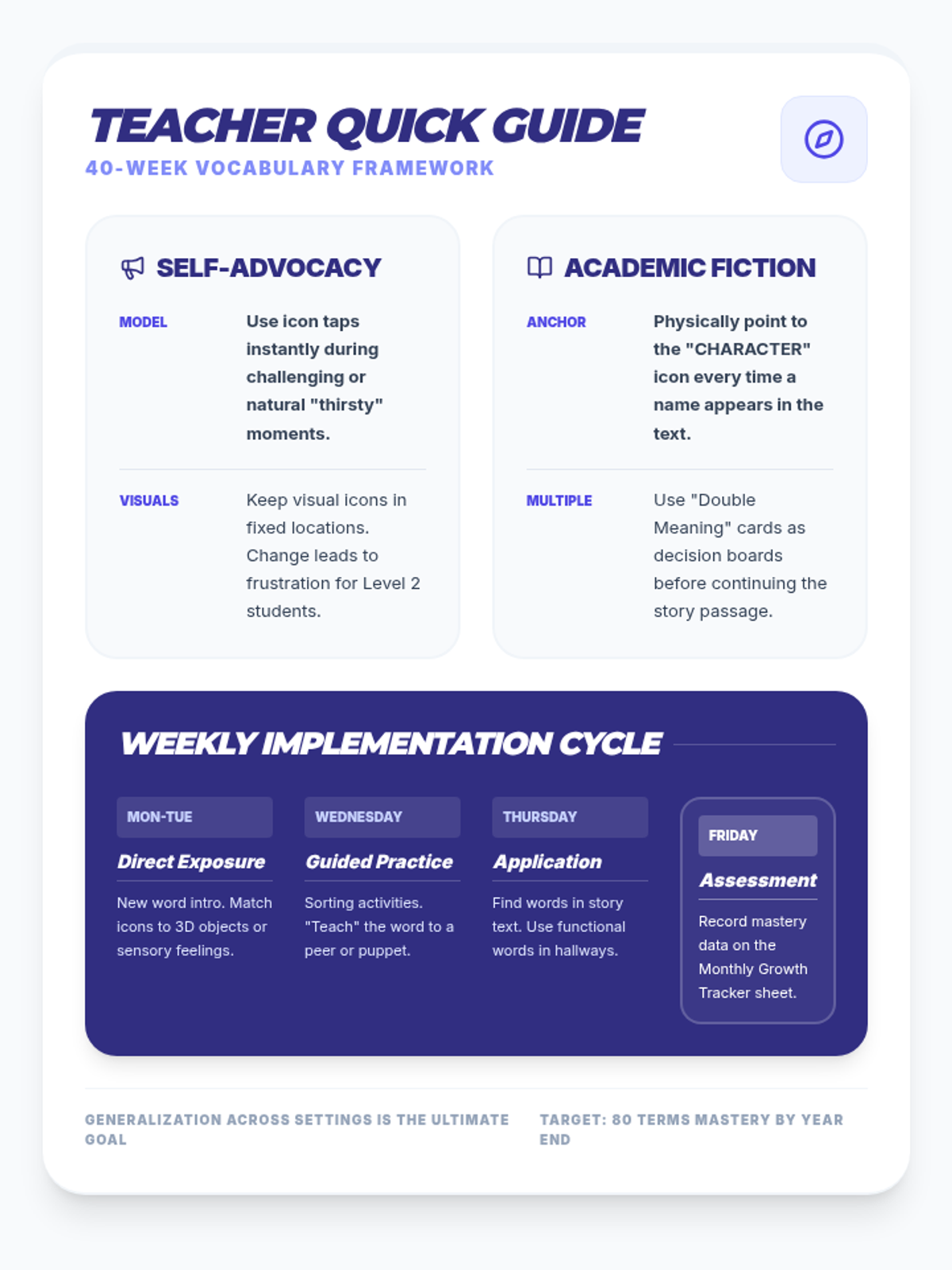
Establishing baseline skills in self-advocacy (needs/wants) and introductory fiction vocabulary (characters/settings) while initiating the 40-week progress monitoring system.
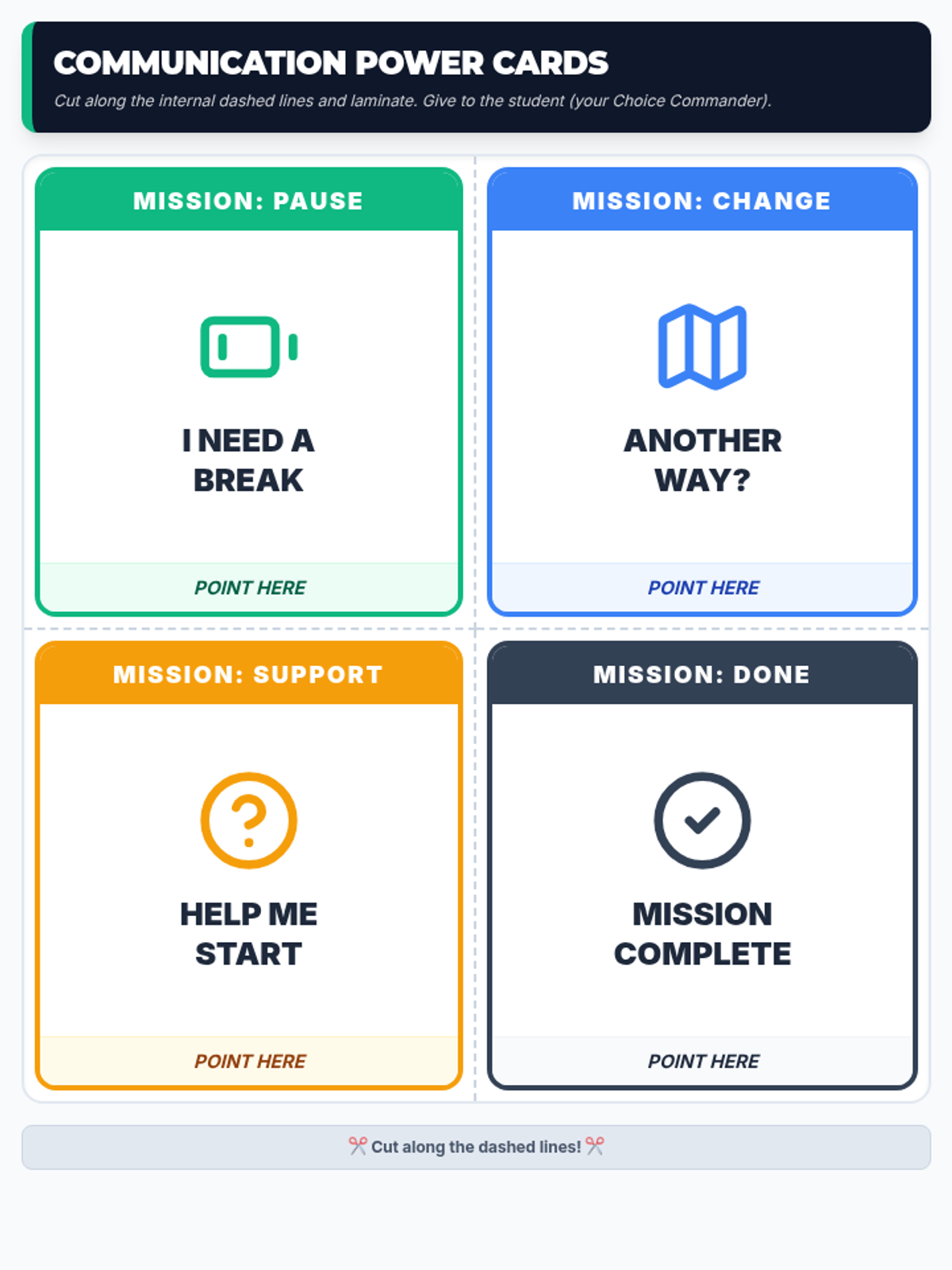
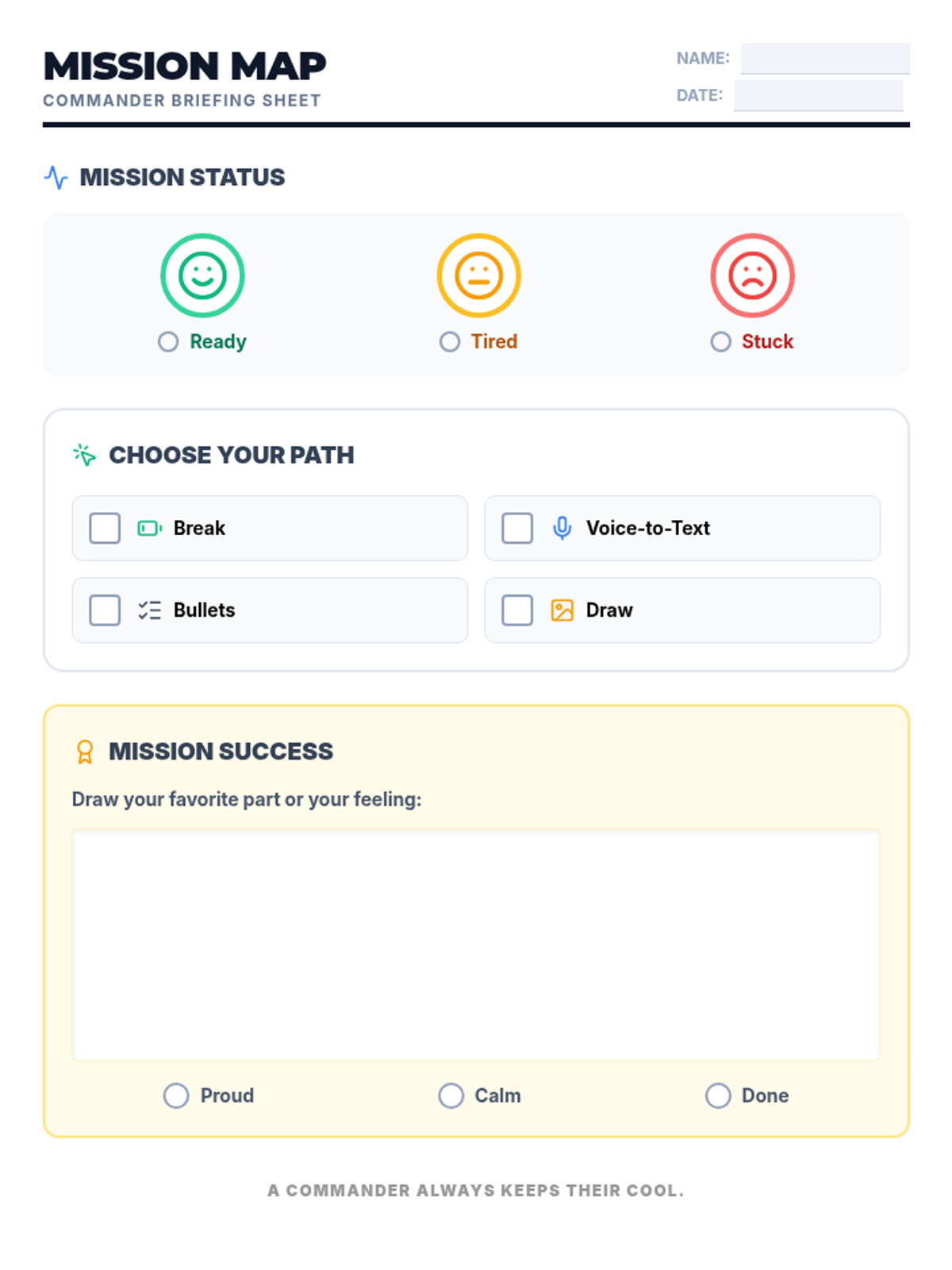
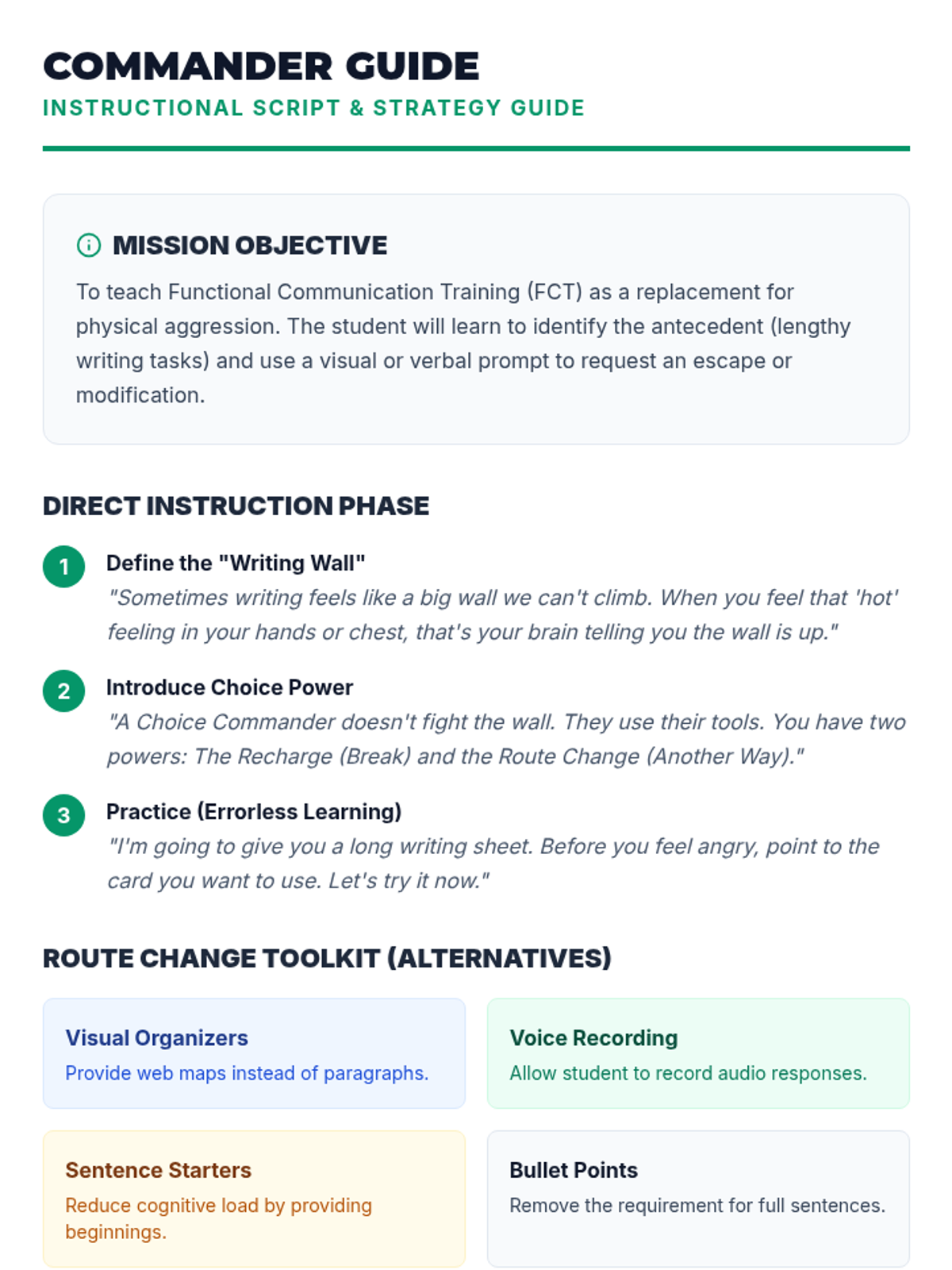
A specialized lesson designed to teach functional communication skills to a student who experiences frustration with writing. The lesson focuses on identifying 'writing walls' and using specific replacement behaviors—requesting a break or an alternative task—to maintain self-regulation.
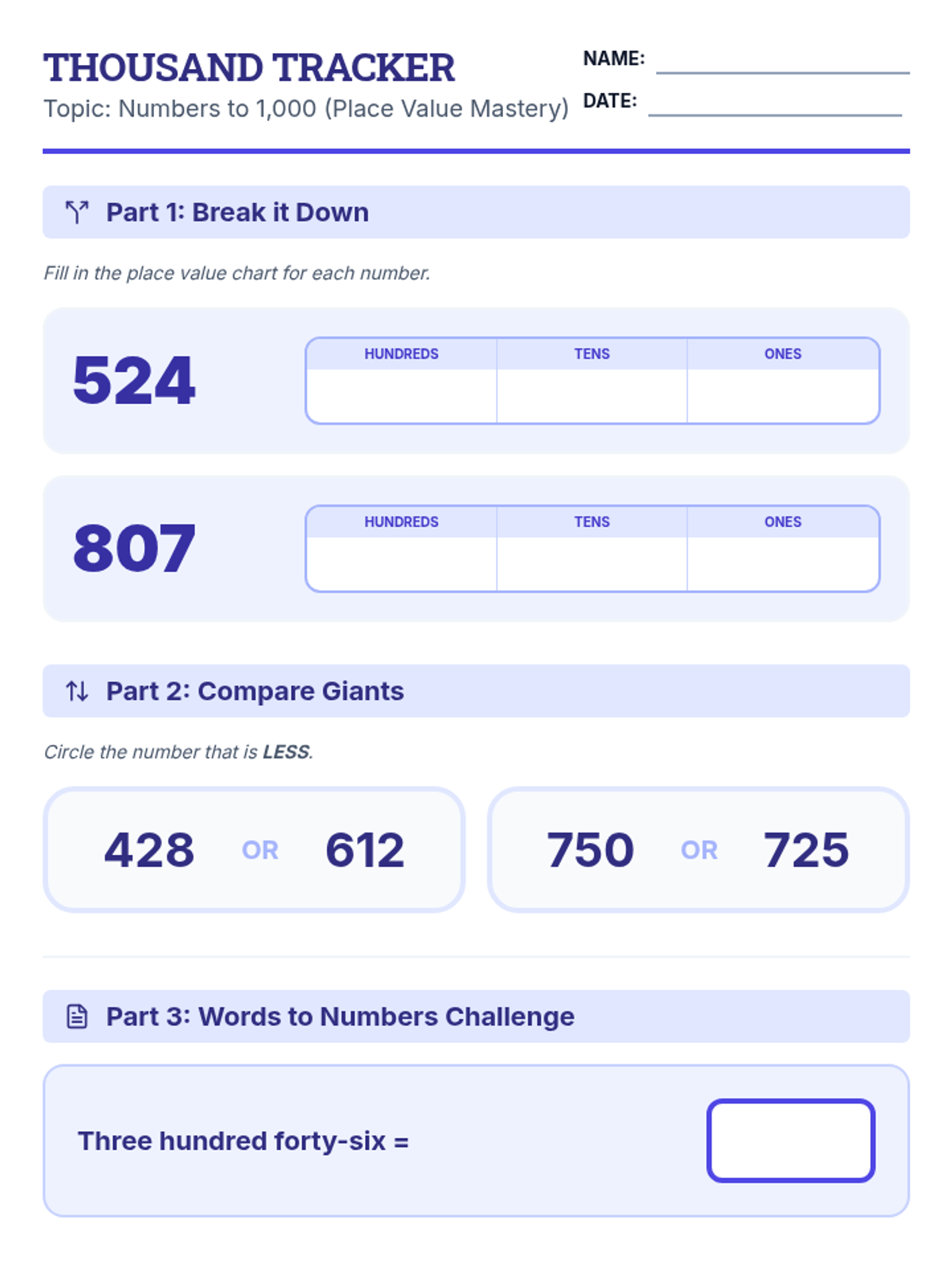
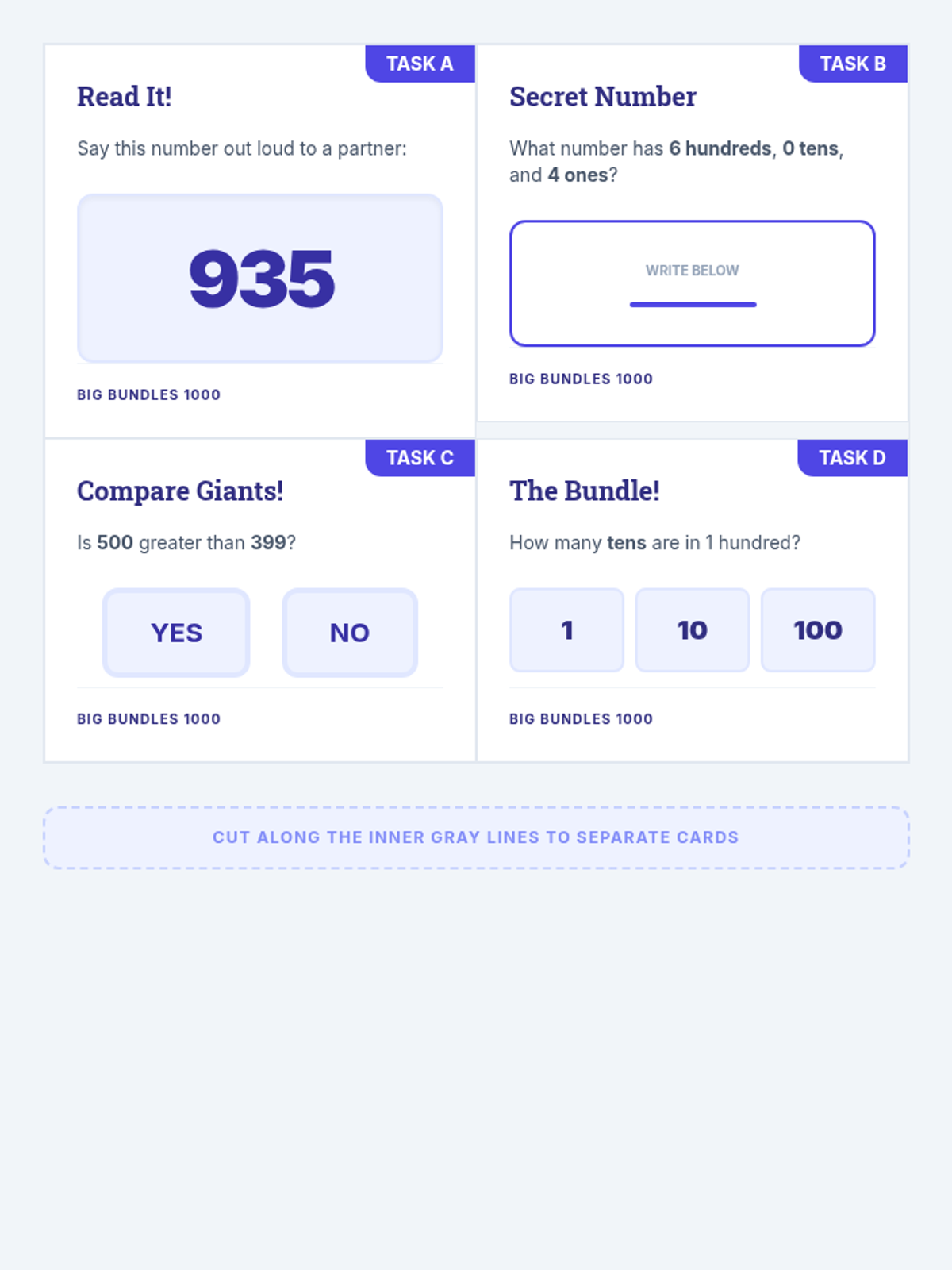
Expands number sense to 1,000, focusing on hundreds, tens, and ones with visual place value models and comparison strategies.
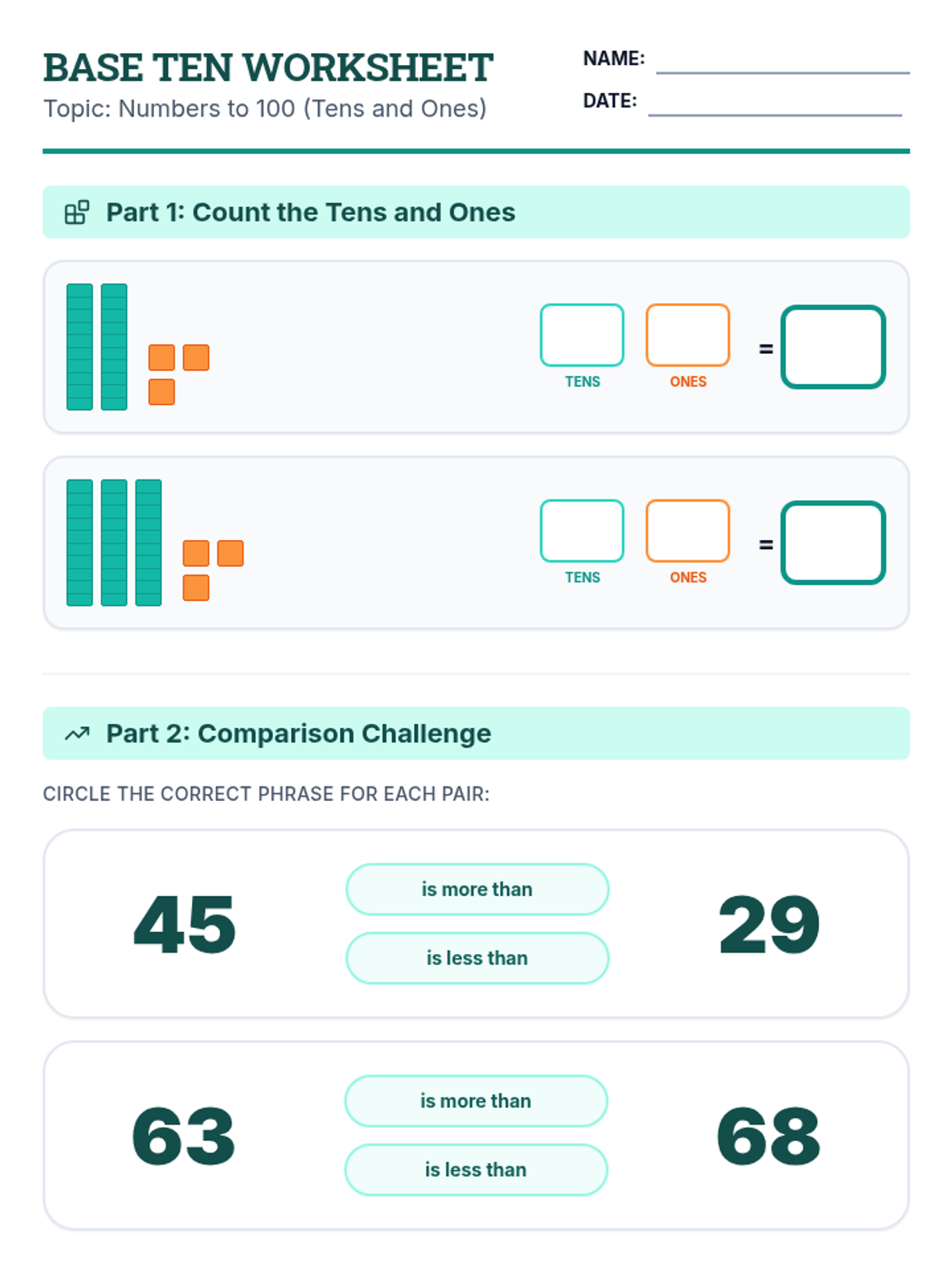
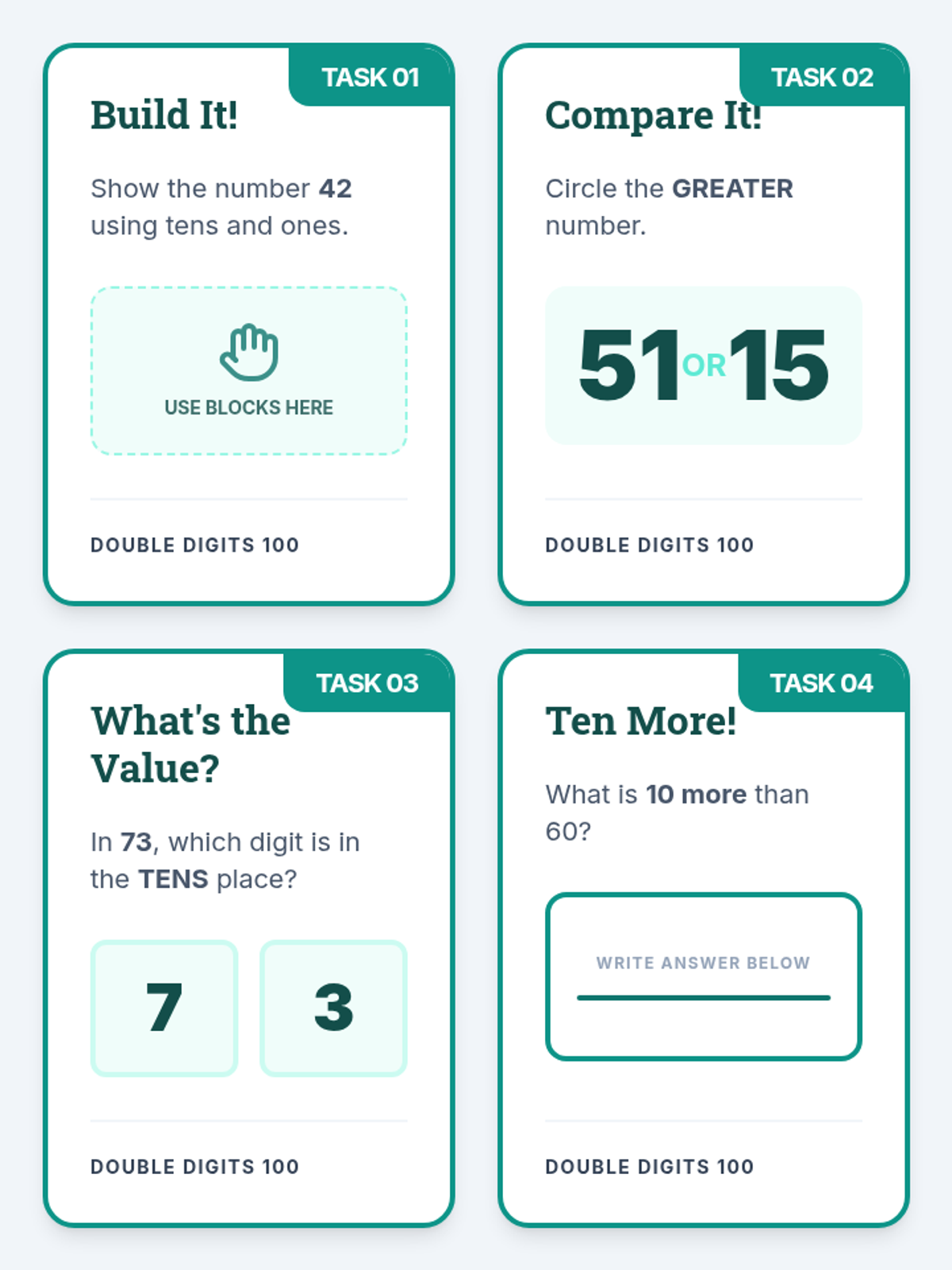
Introduces place value for numbers up to 100, using base-ten blocks (tens and ones) to help students visualize and compare larger values.
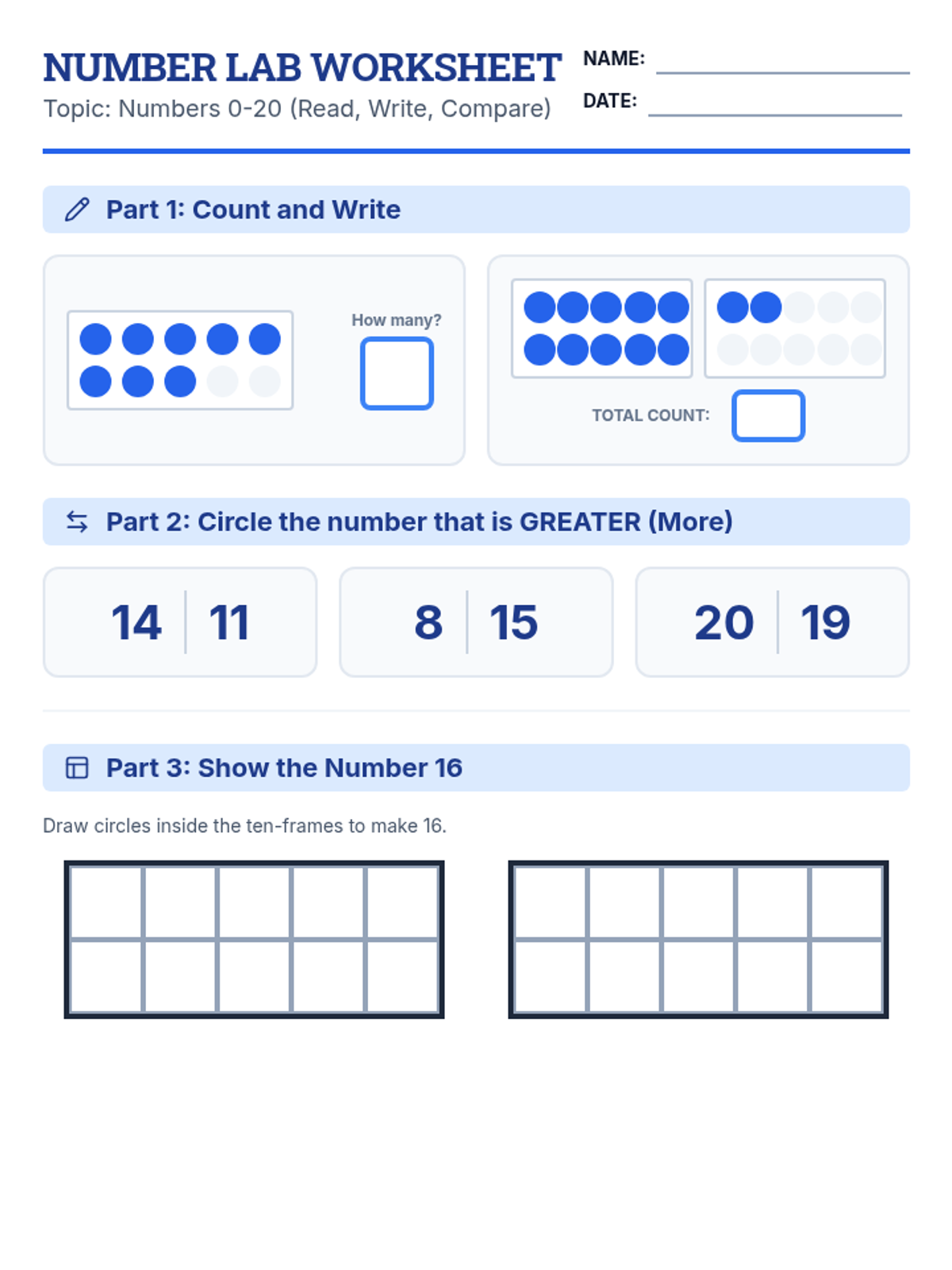
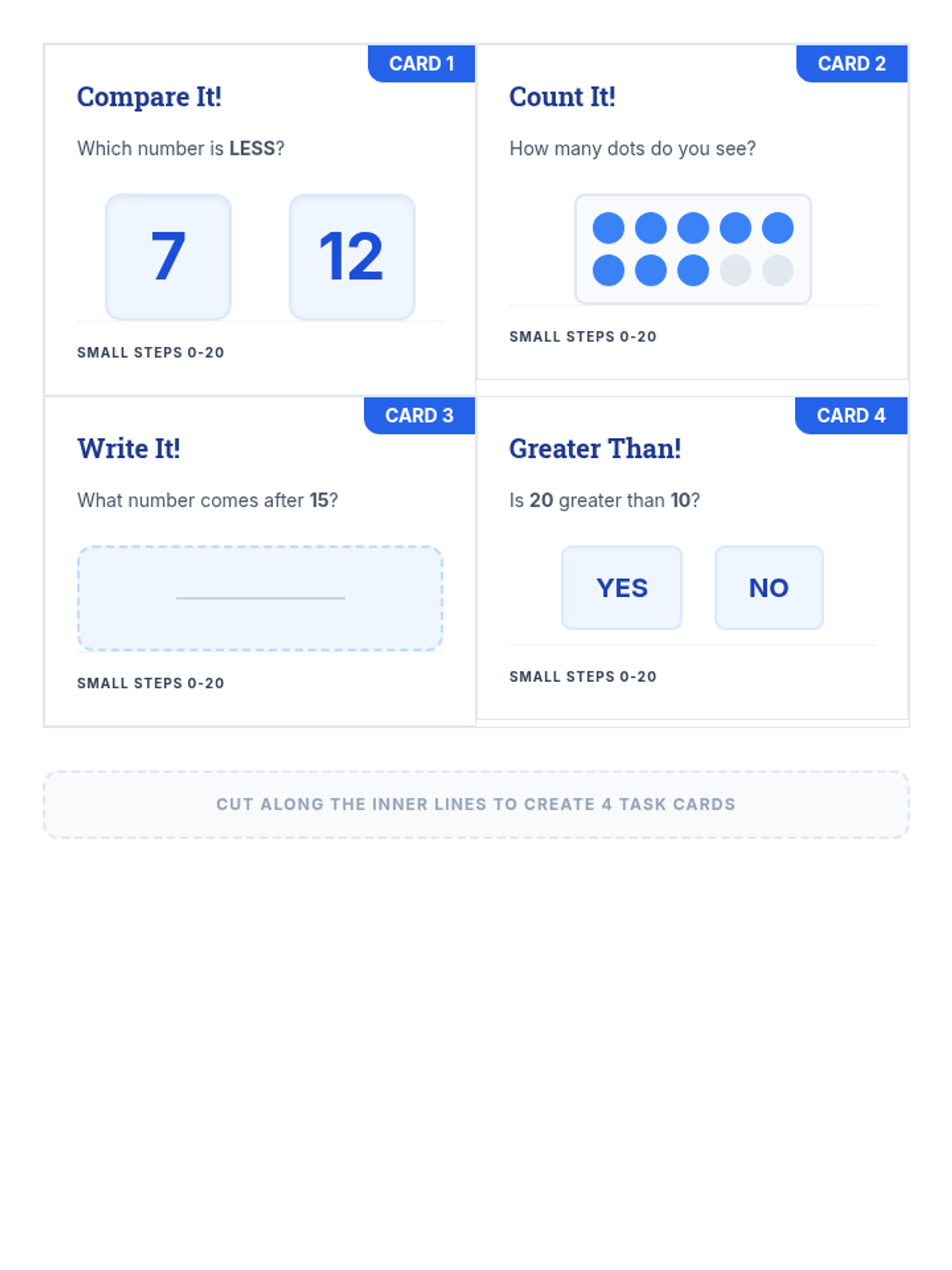
Focuses on reading, writing, and comparing numbers from 0 to 20 using ten-frames and counters to provide concrete visual support.
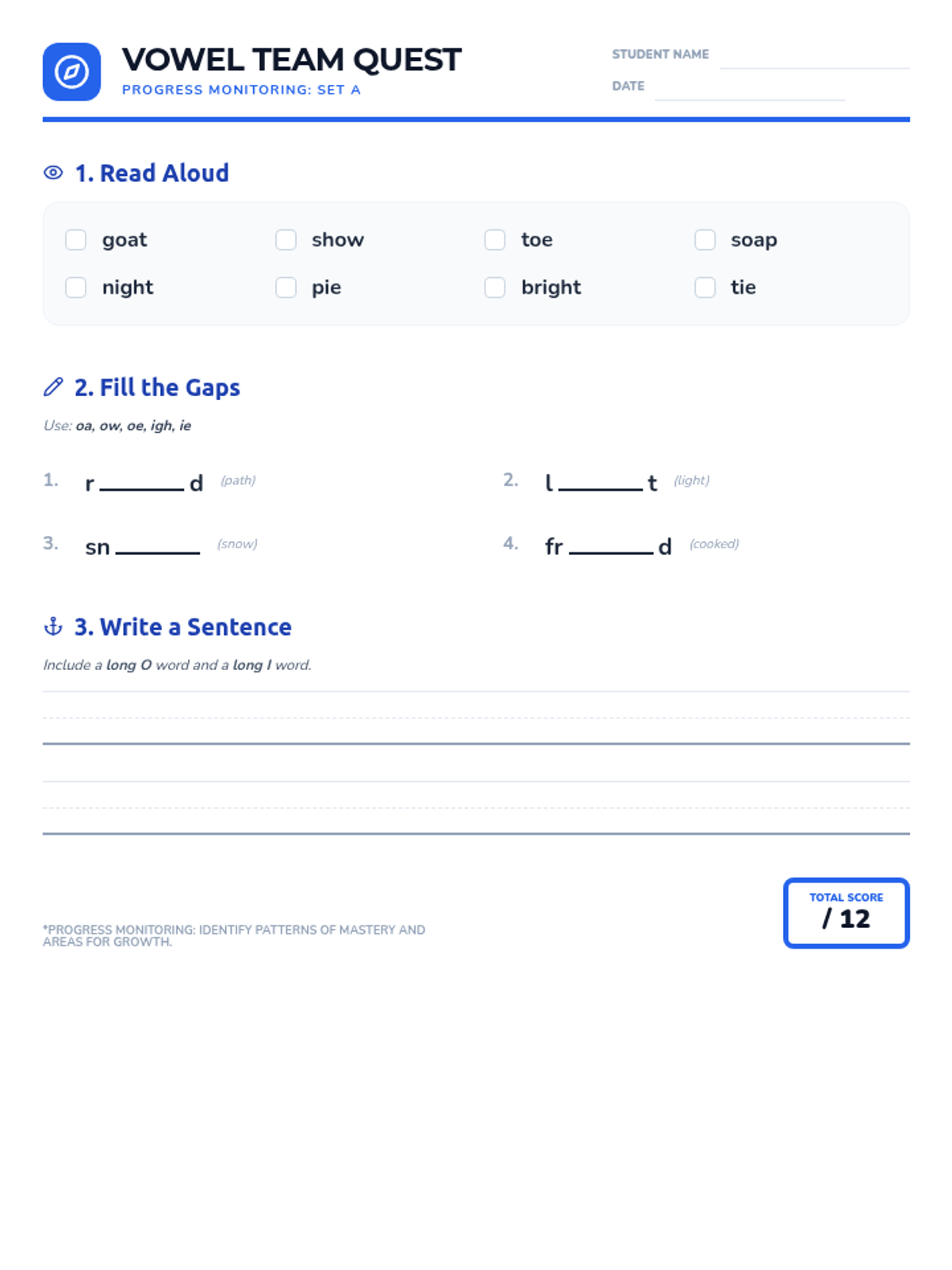
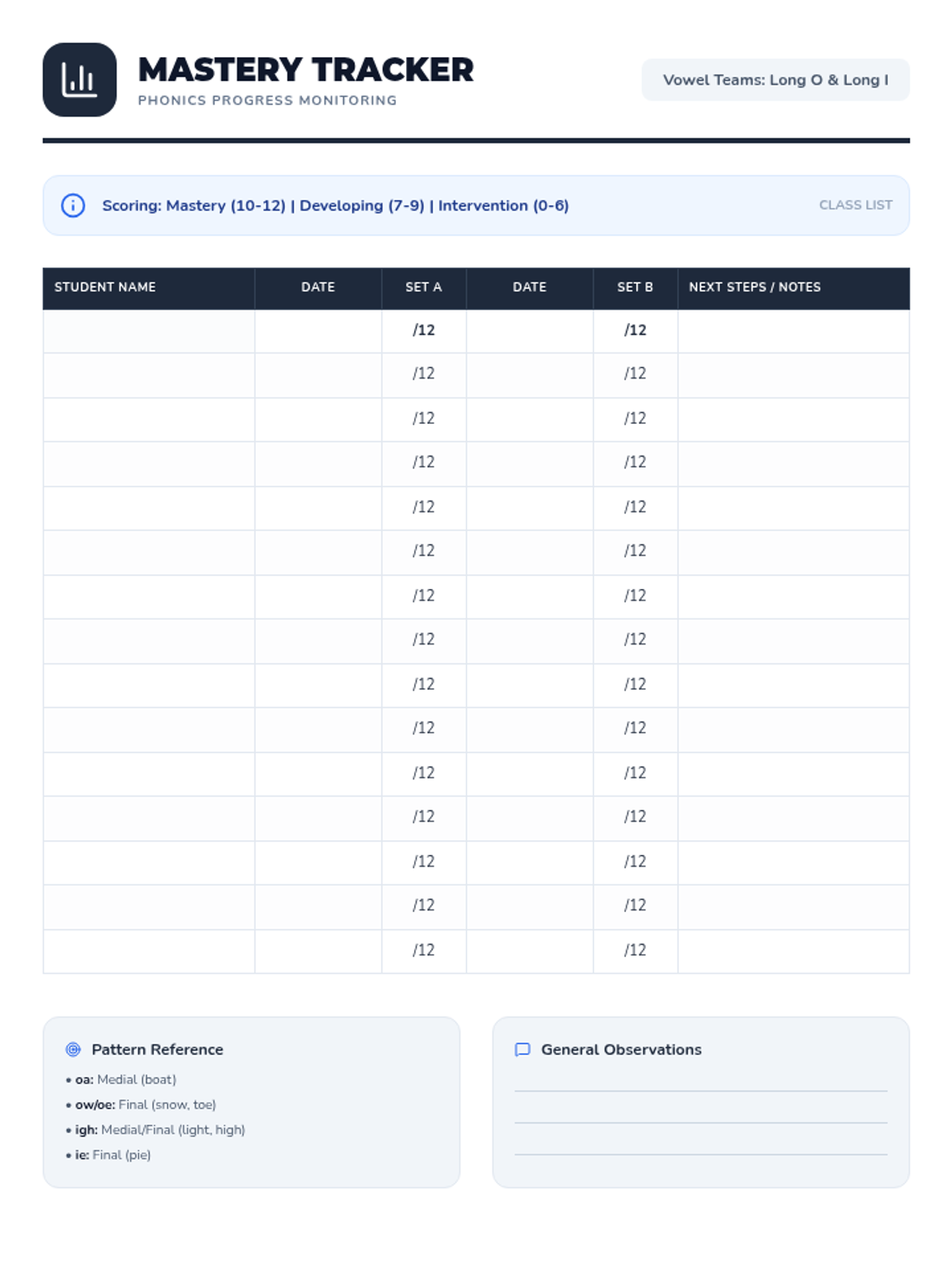
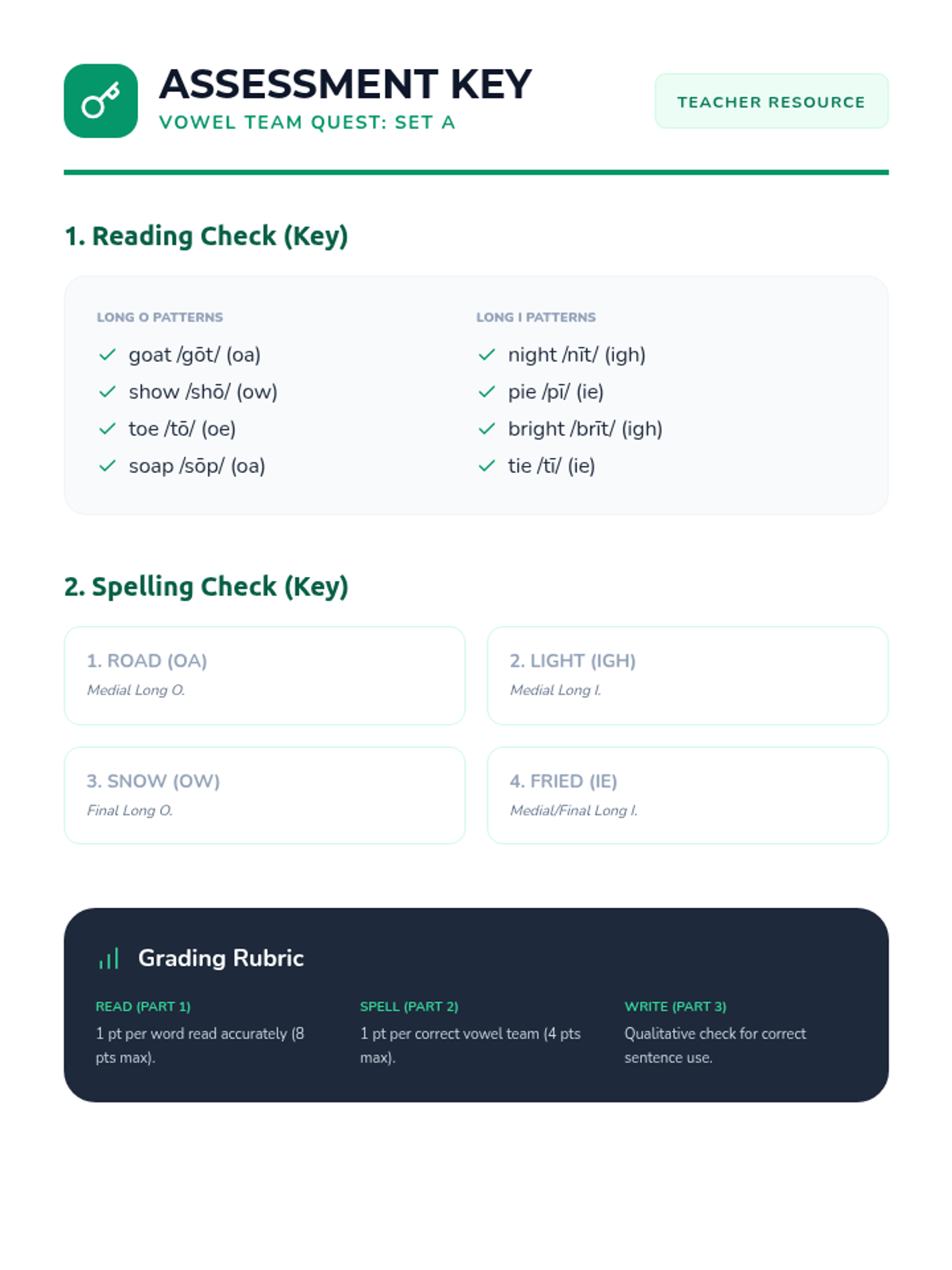
A literacy lesson focused on mastering vowel teams for long O (oa, ow, oe) and long I (ie, igh). Students will practice identifying, reading, and spelling words with these patterns through targeted progress monitoring.
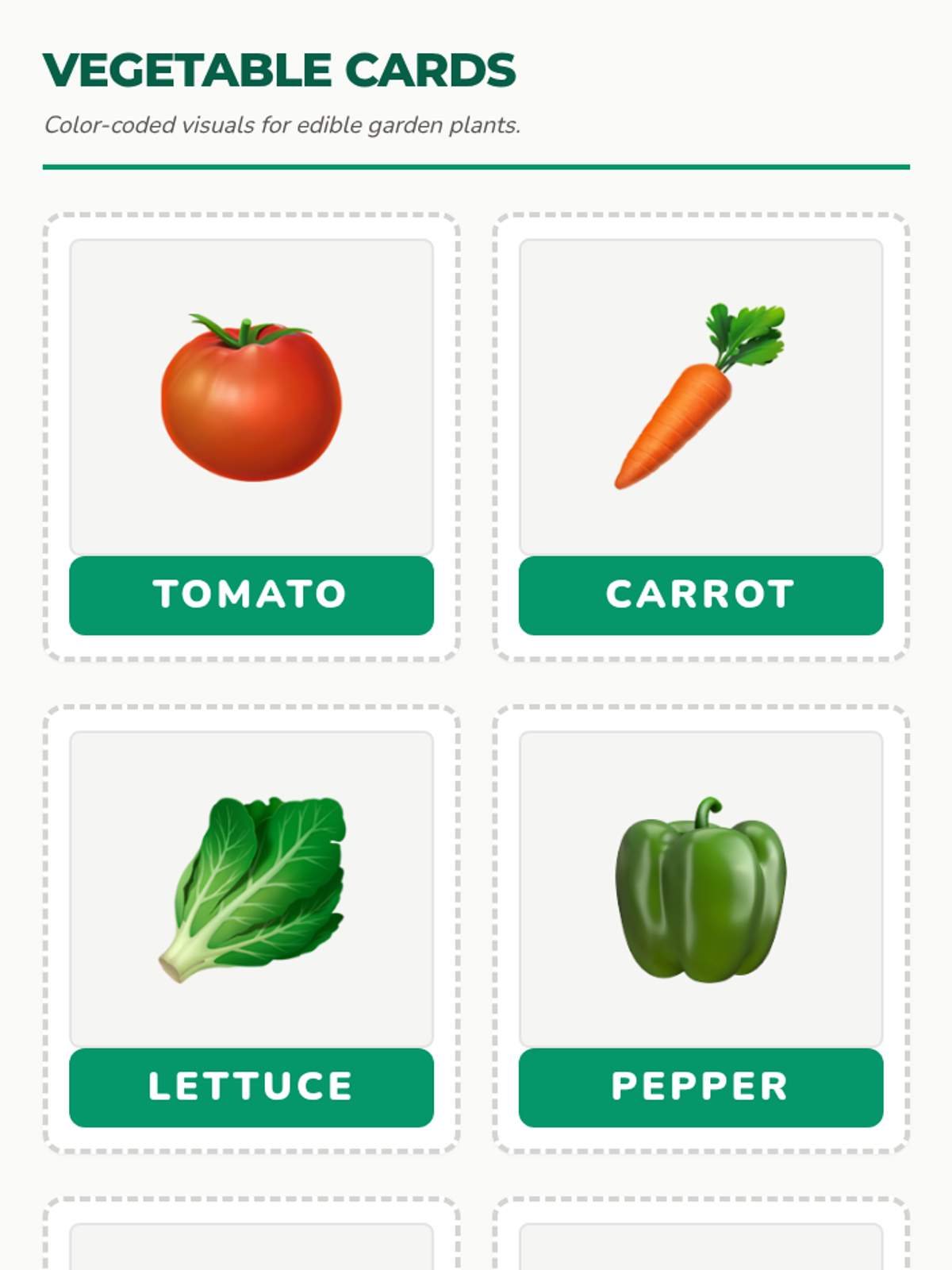
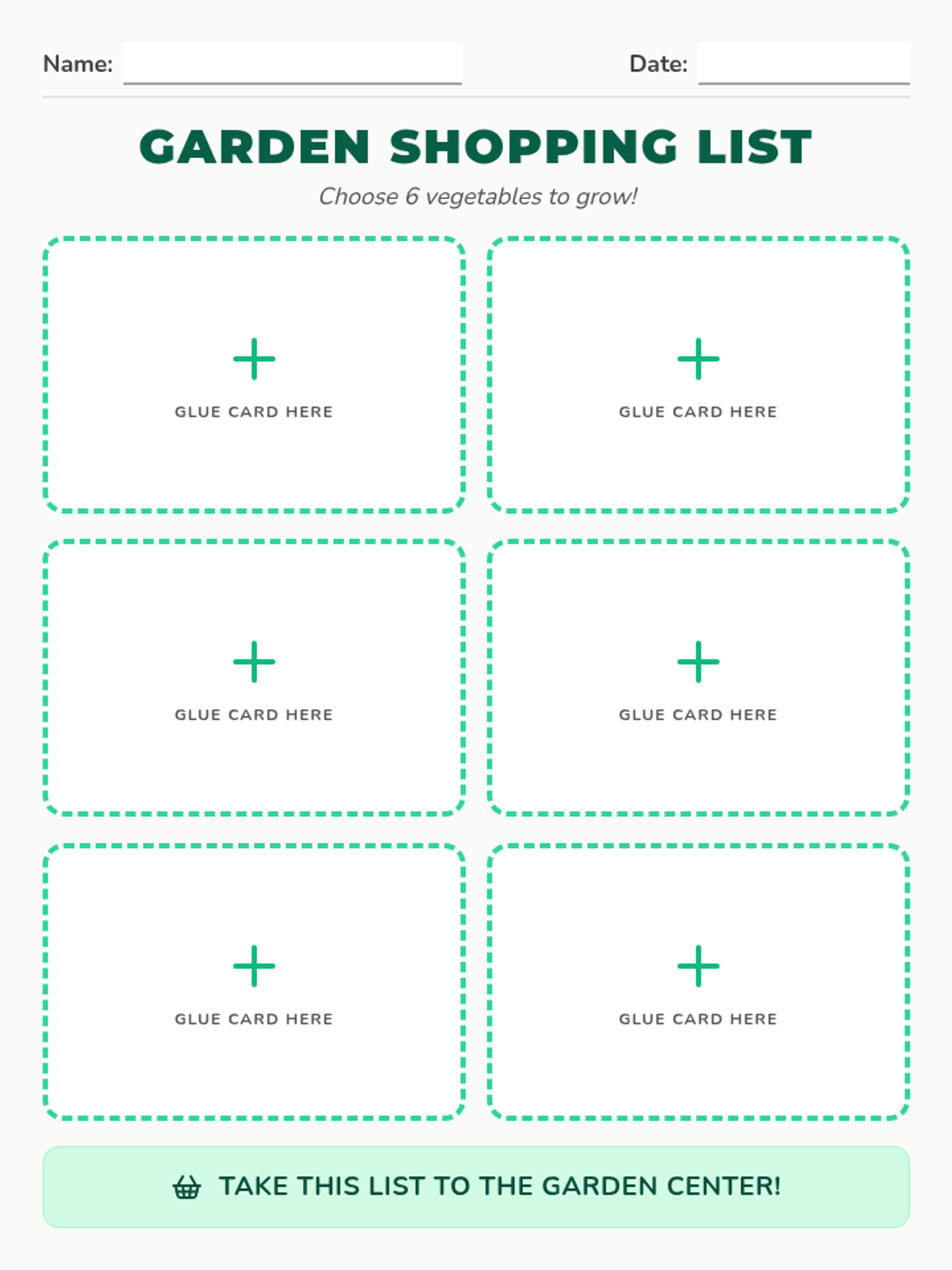
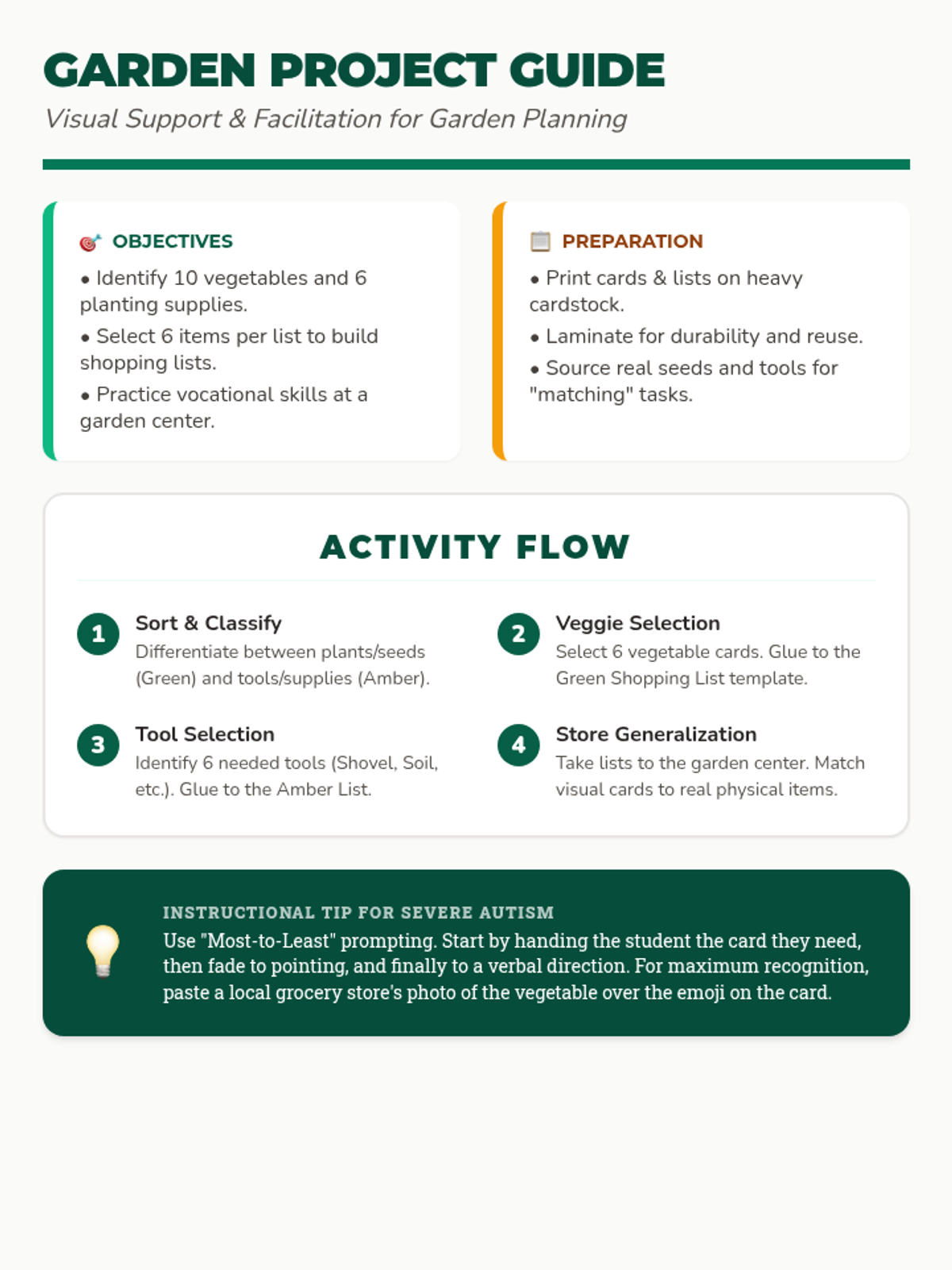
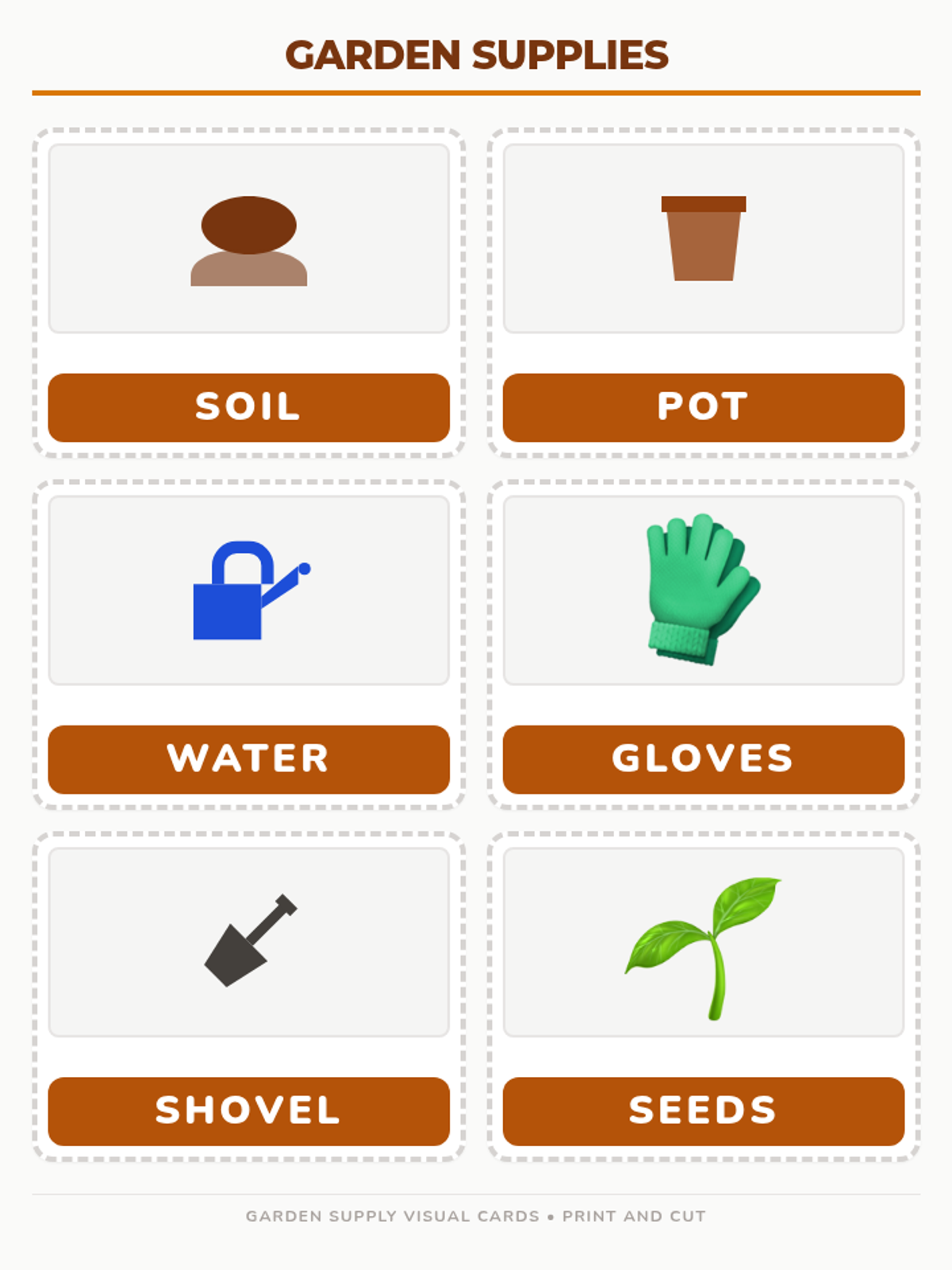
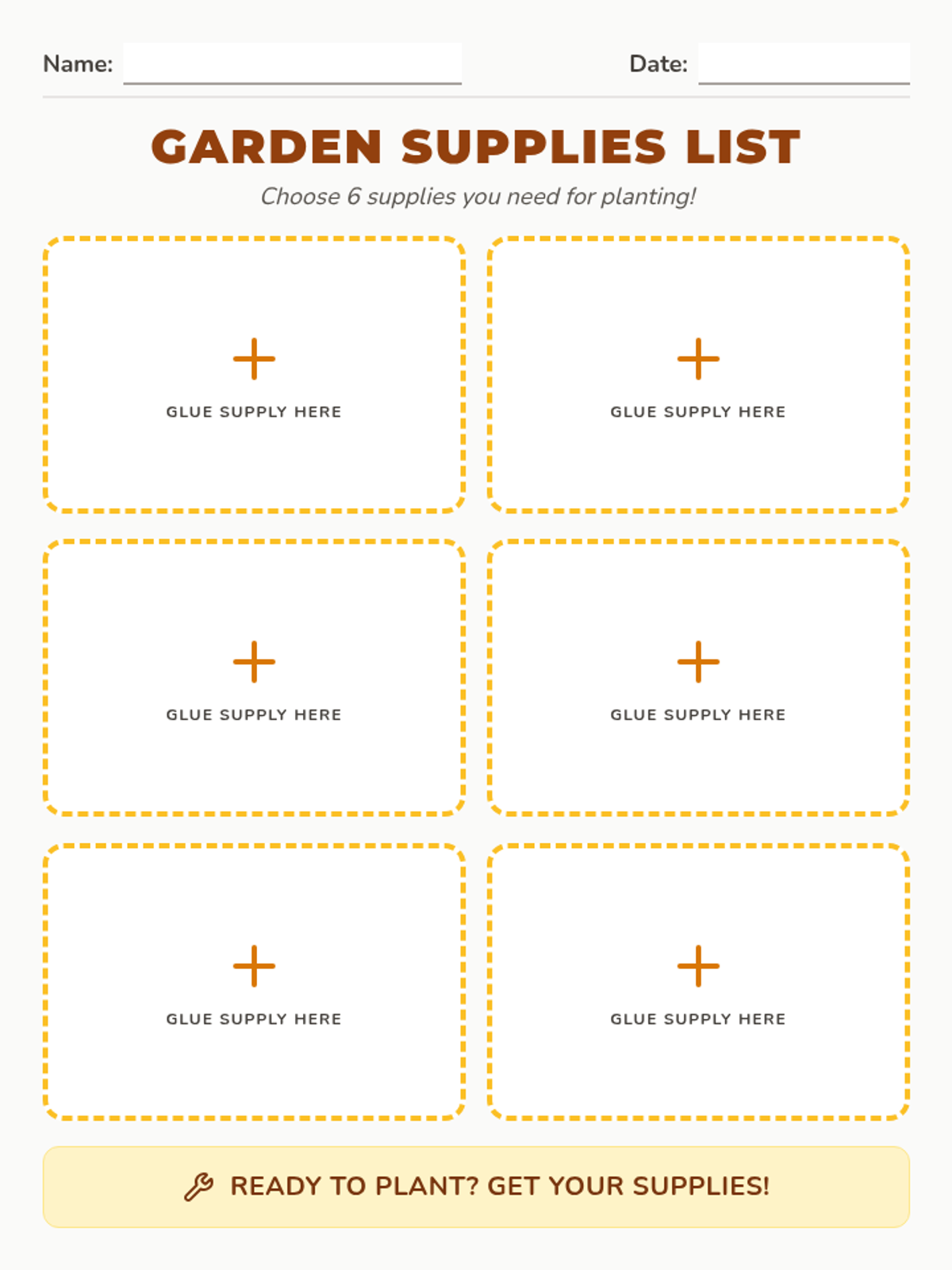
A hands-on activity for students to identify common garden vegetables and prepare a visual shopping list for a gardening project. This lesson focuses on visual recognition and functional life skills.
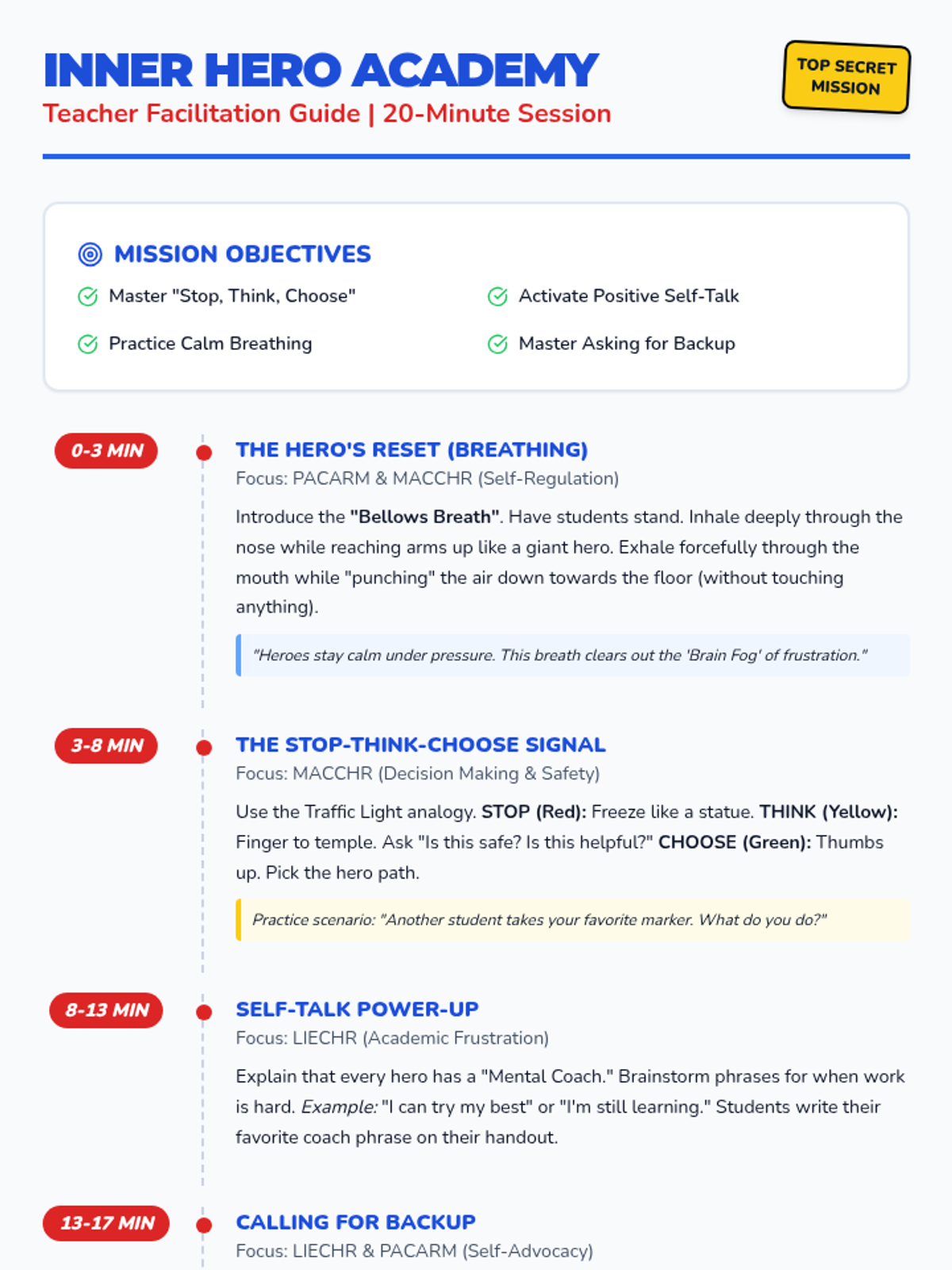
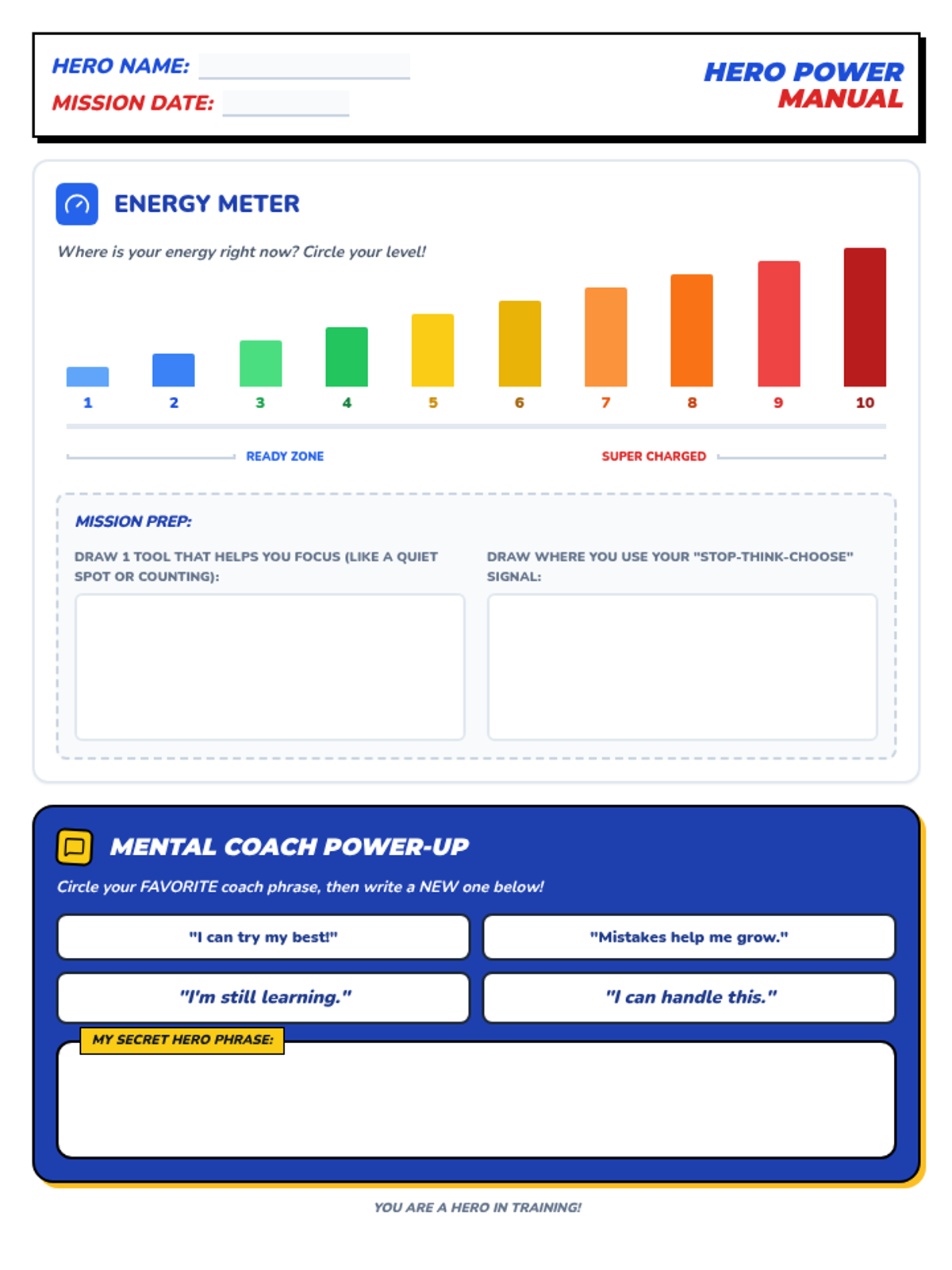
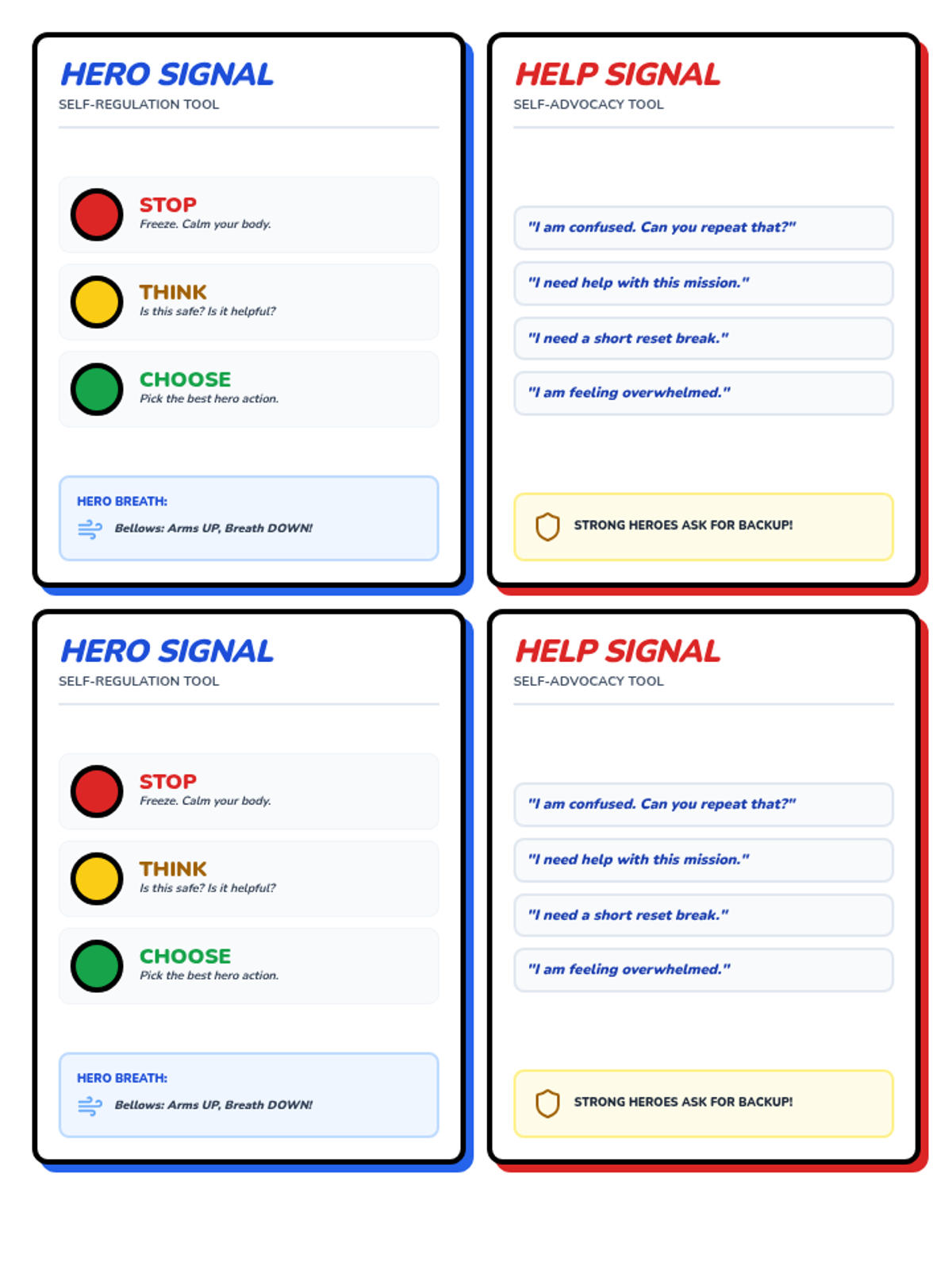
A 20-minute small group social-emotional learning lesson focusing on self-regulation, positive self-talk, and self-advocacy using the 'Inner Hero' theme. Designed for a mixed-grade group (2nd and 4th) to address IEP goals related to the Stop-Think-Choose method and asking for help.
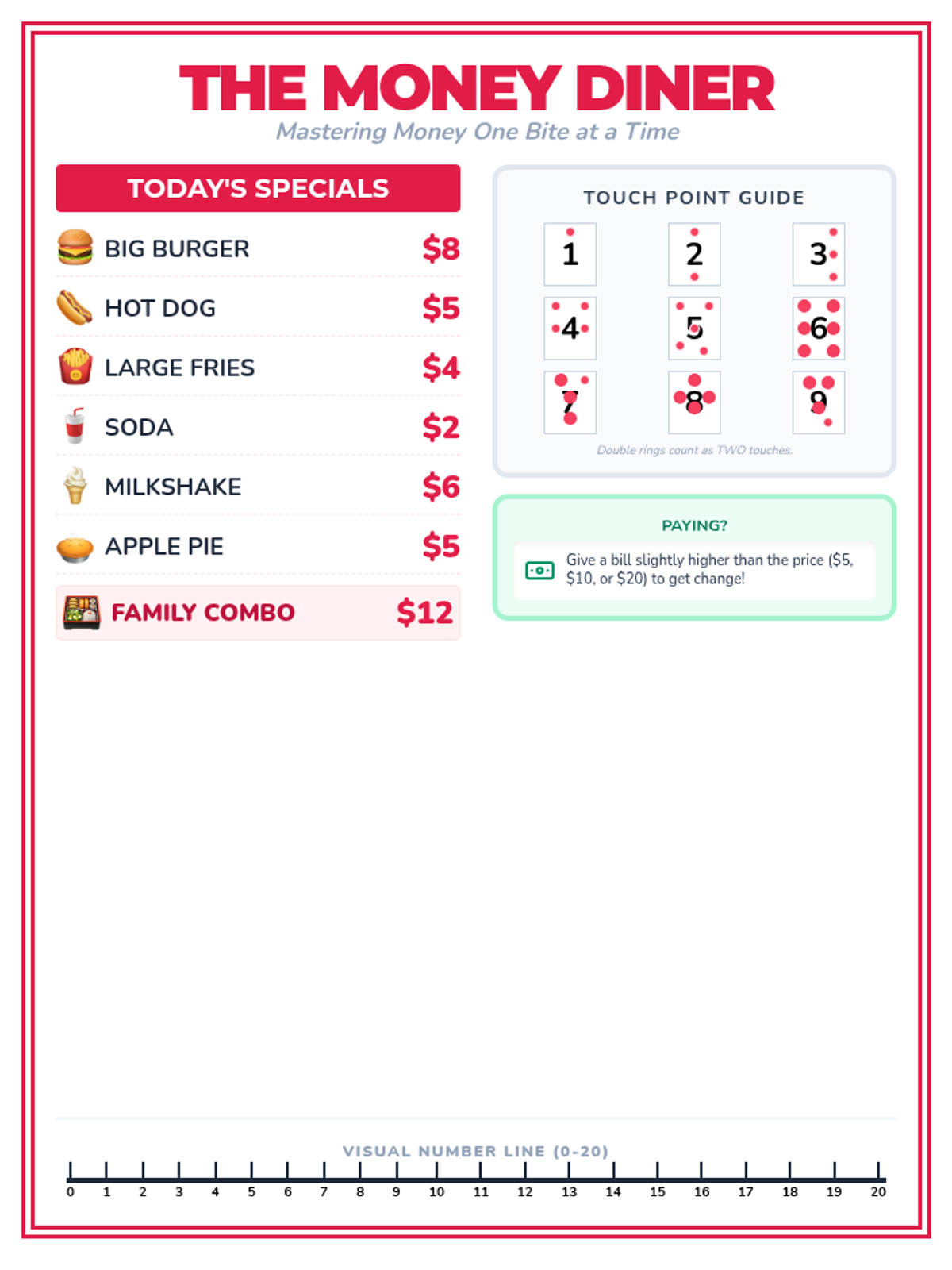
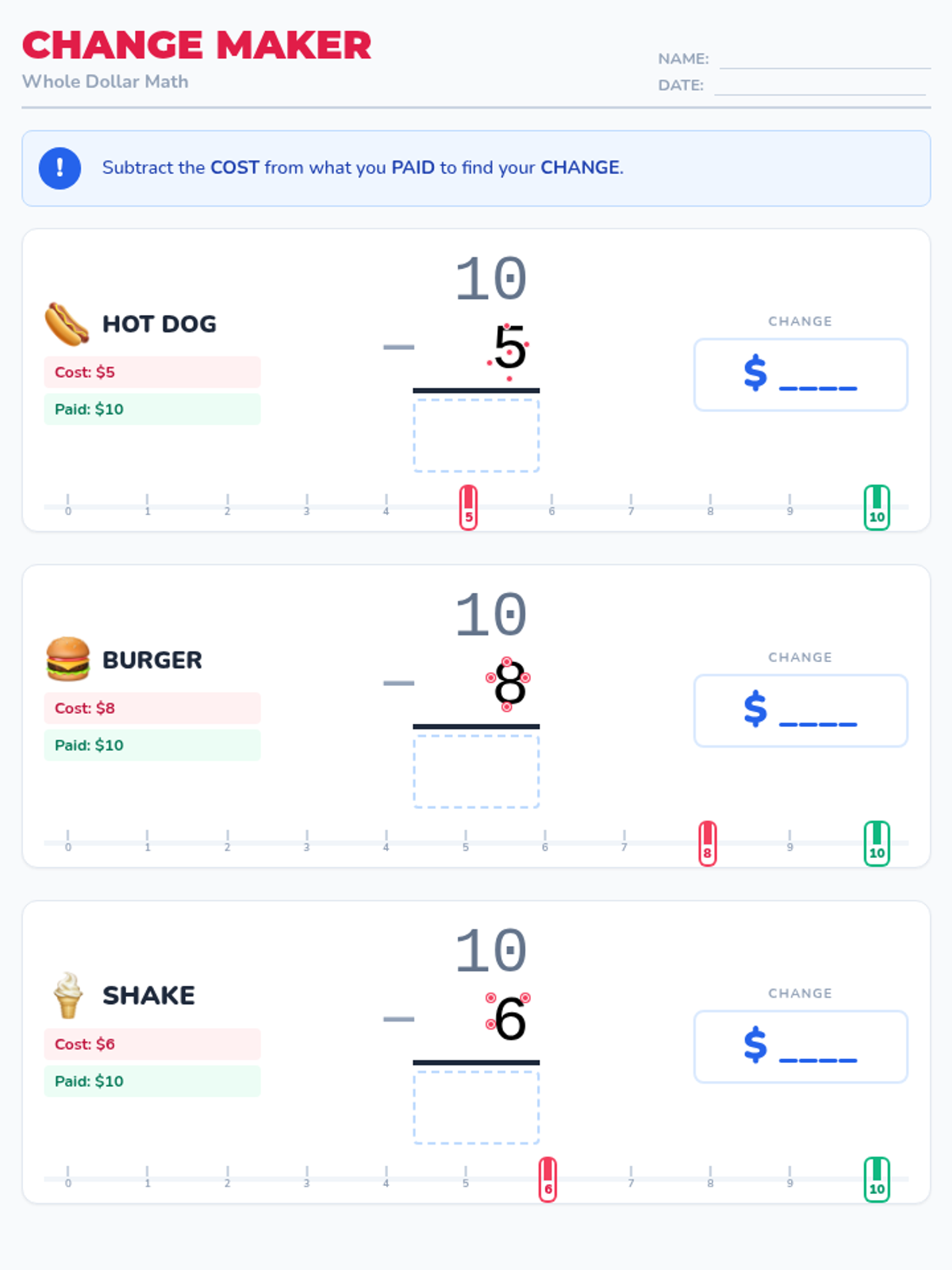
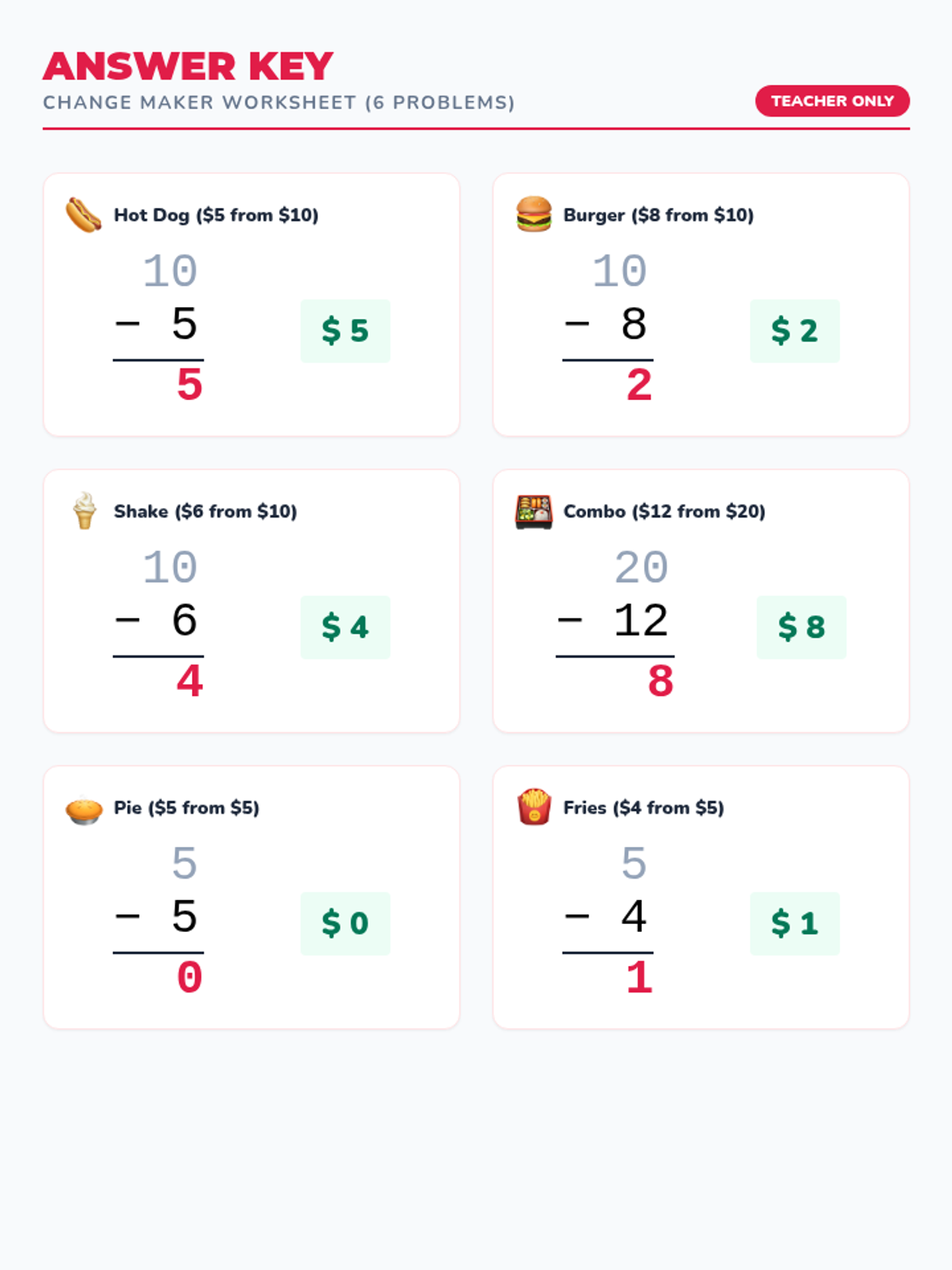
A functional math lesson focusing on calculating totals and change using whole dollar amounts. Designed with IEP supports including touch-points, visual number lines, and step-by-step guides for independent living skills.
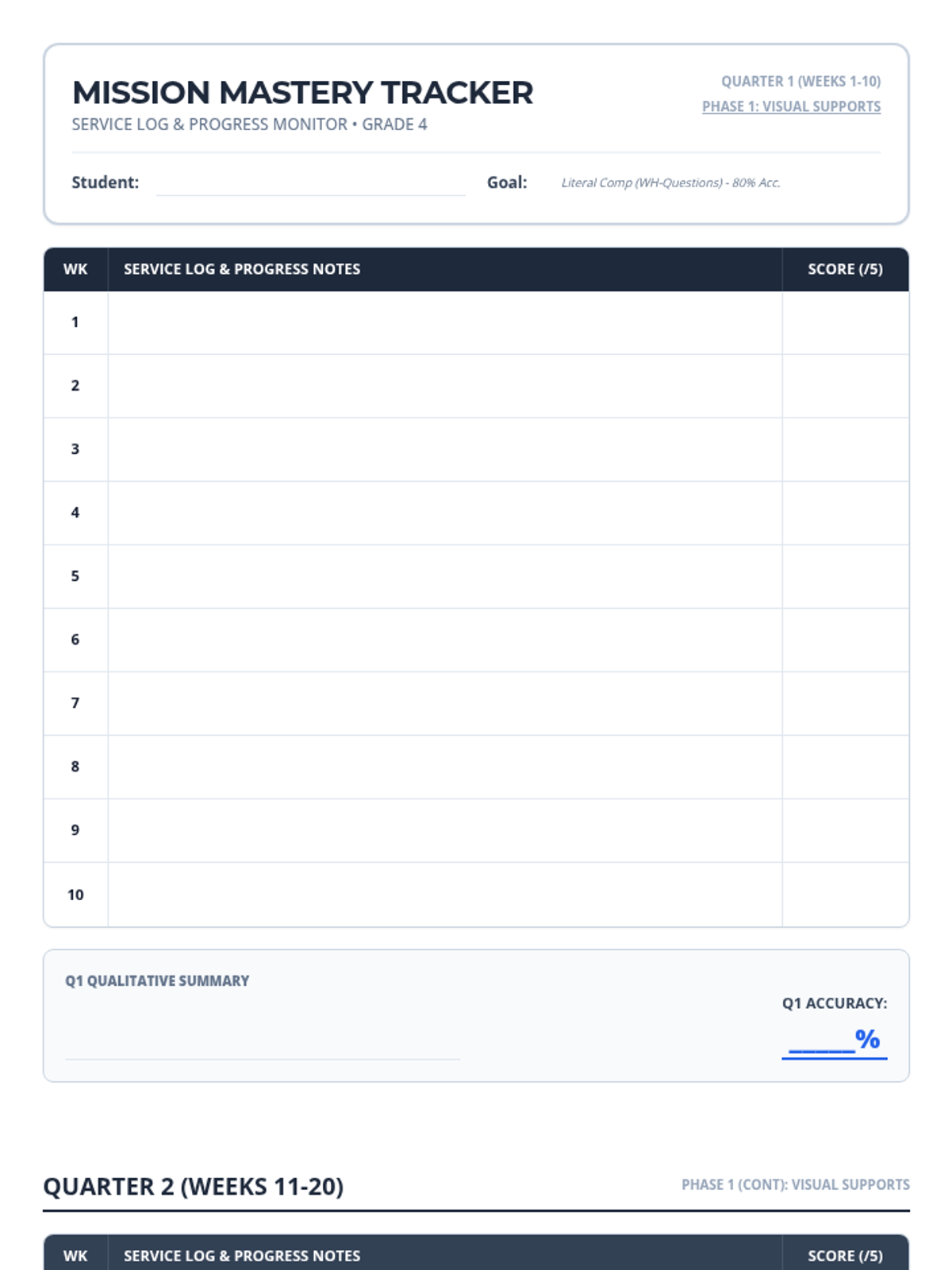
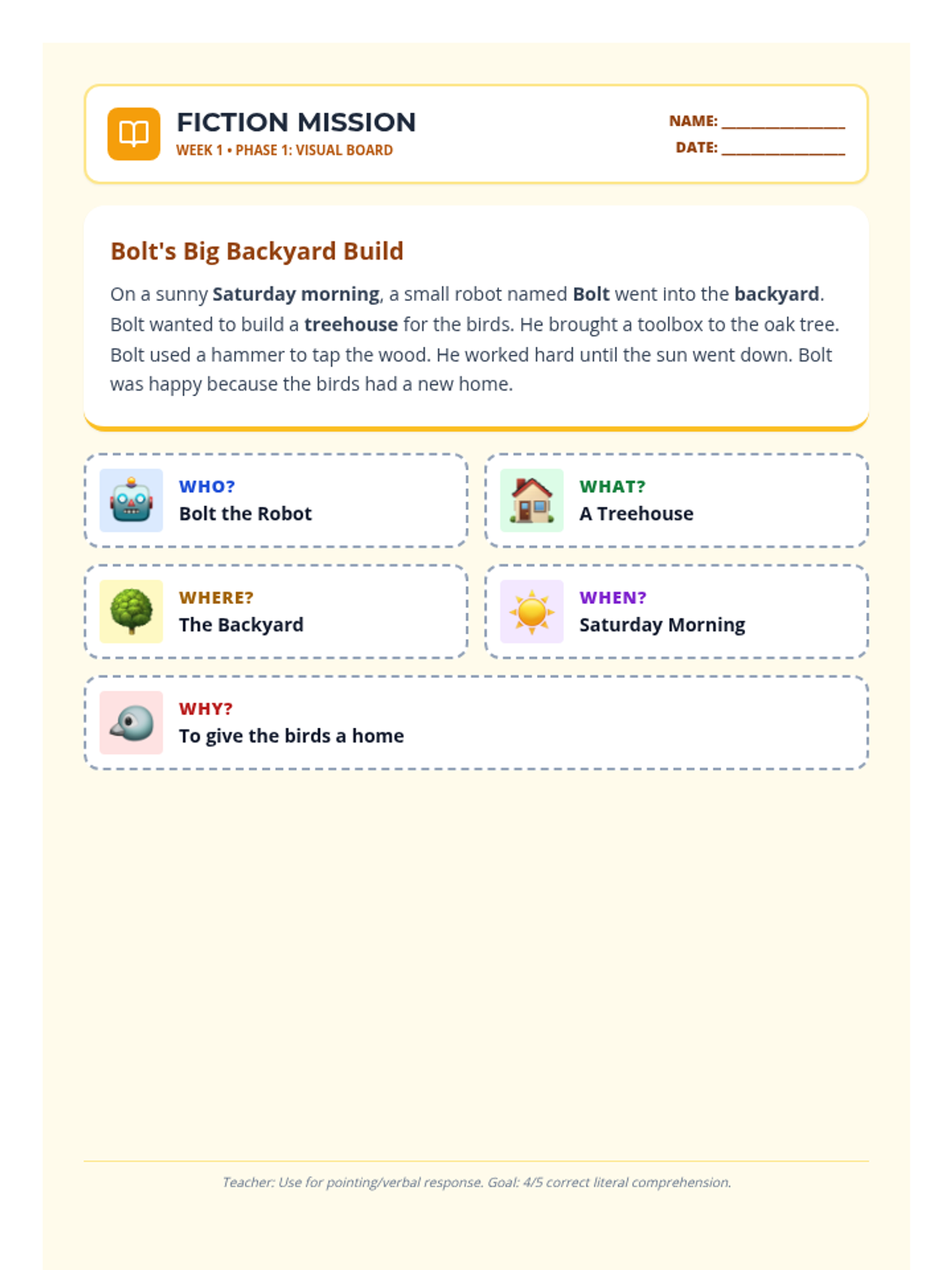
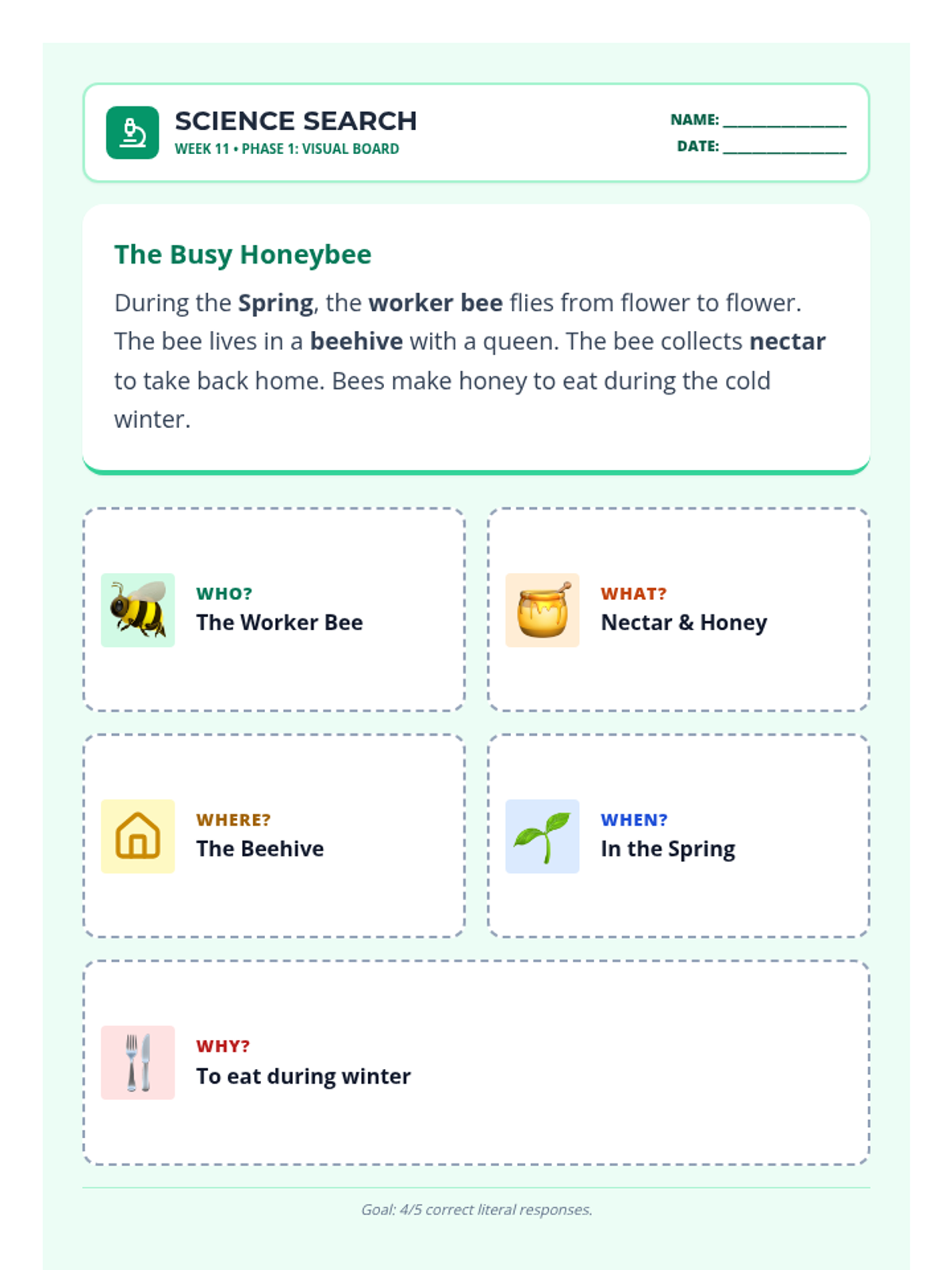
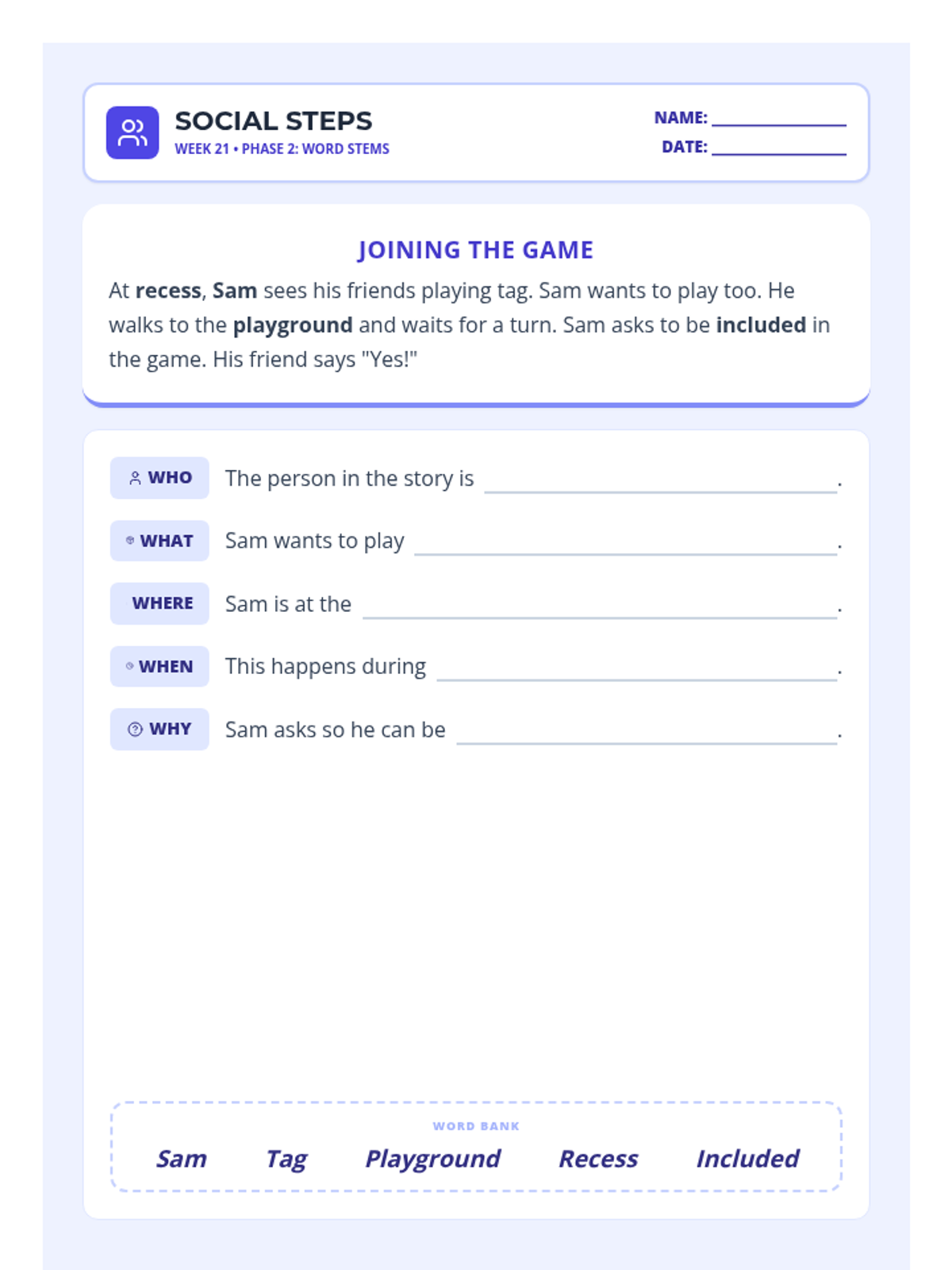
A comprehensive set of reading materials and tracking tools for a 4th grade student with Autism to improve literal comprehension.
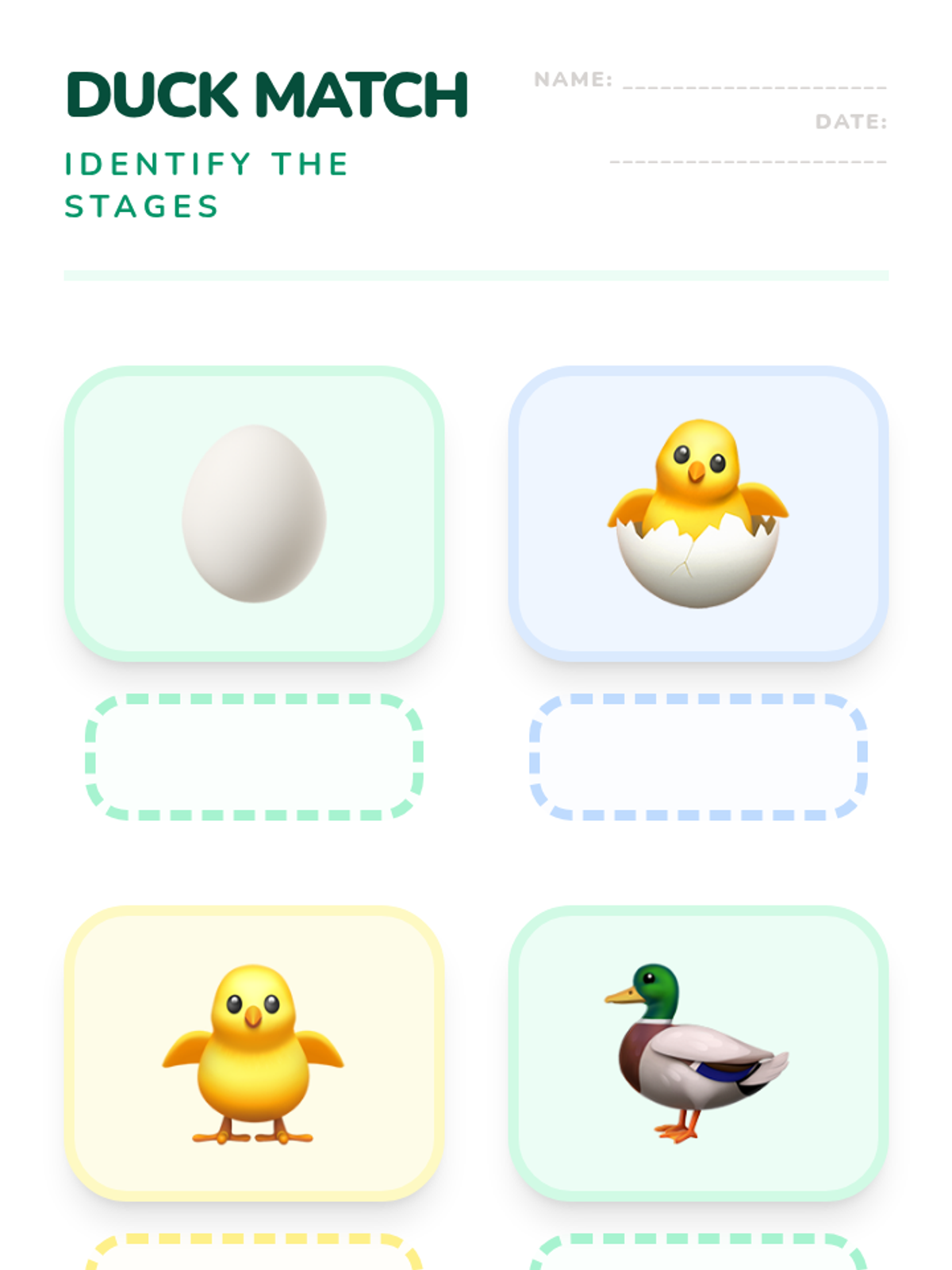
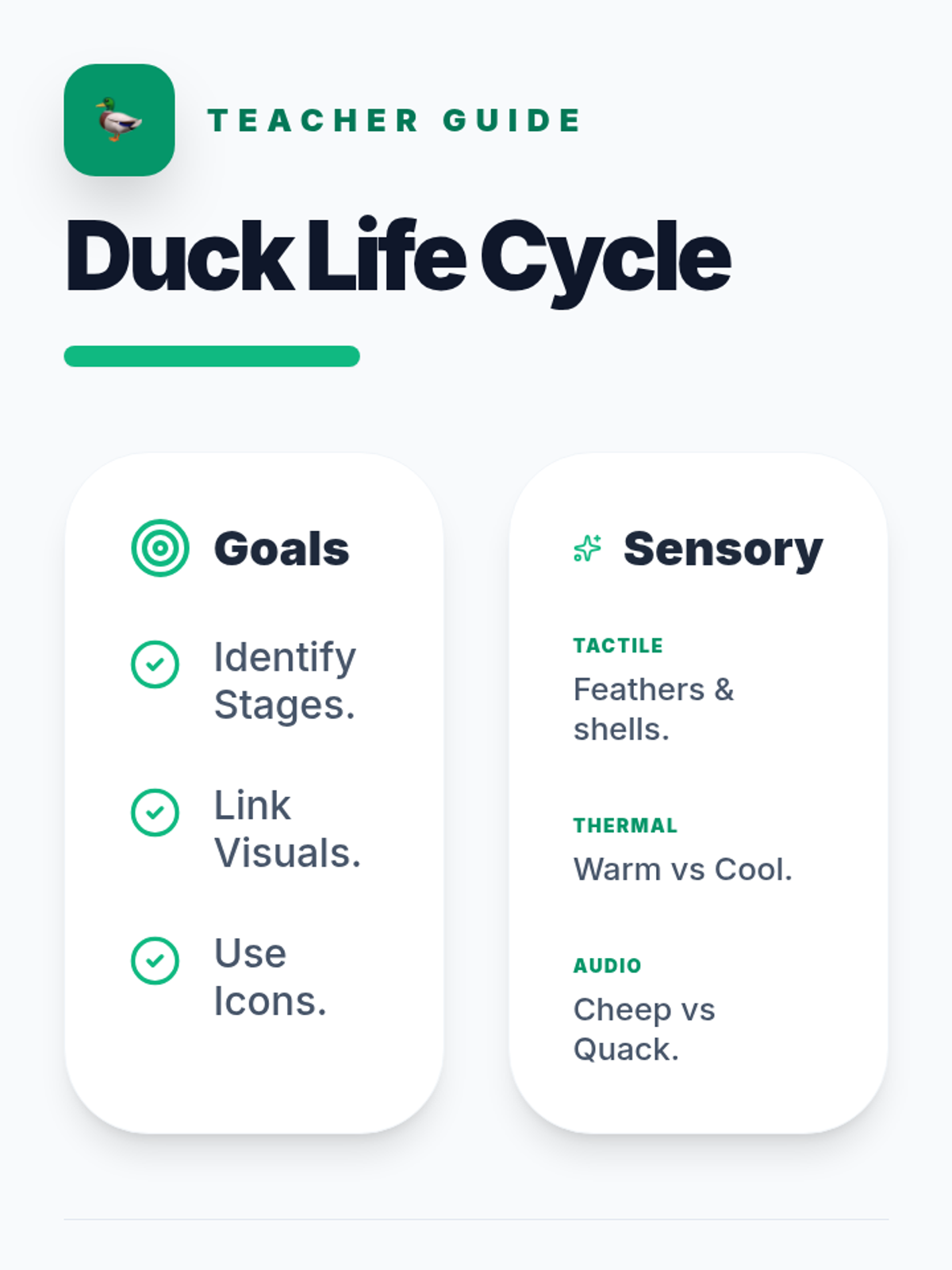
A specialized lesson designed for severe special needs students focusing on the developmental stages of a duck, from egg to adult. Includes adaptive visual supports and real-life imagery to aid comprehension and connection to the classroom incubator experience.
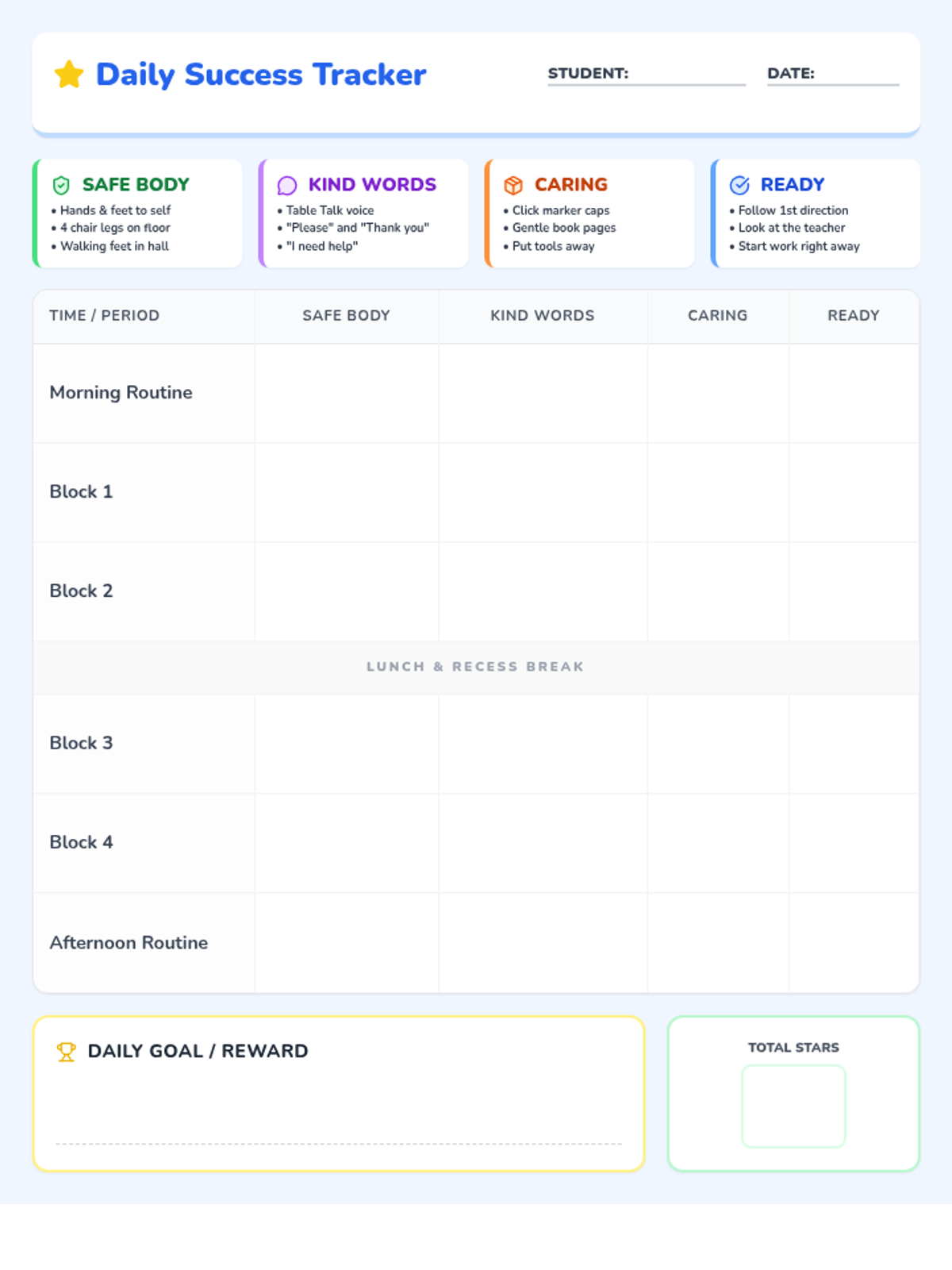
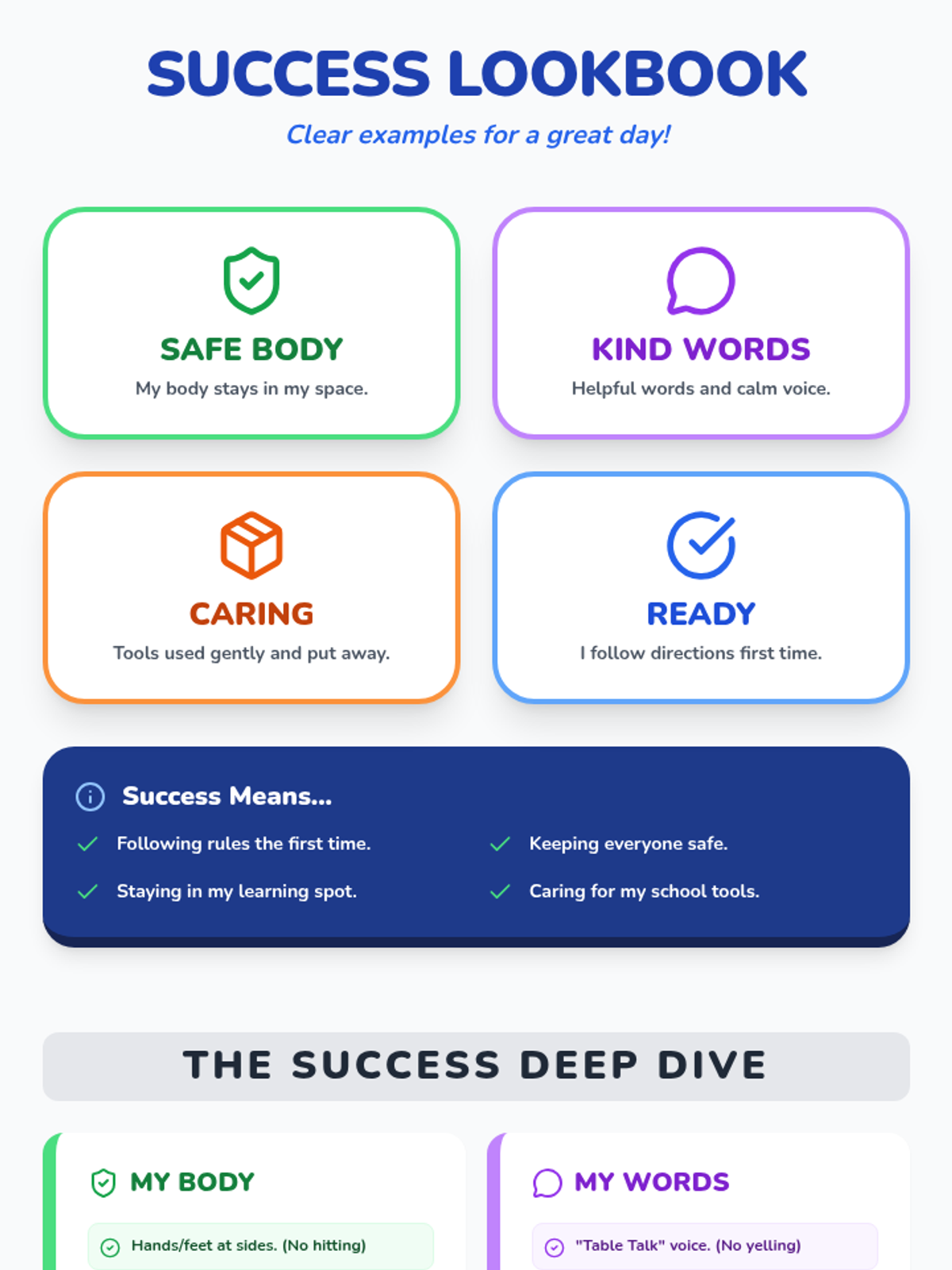
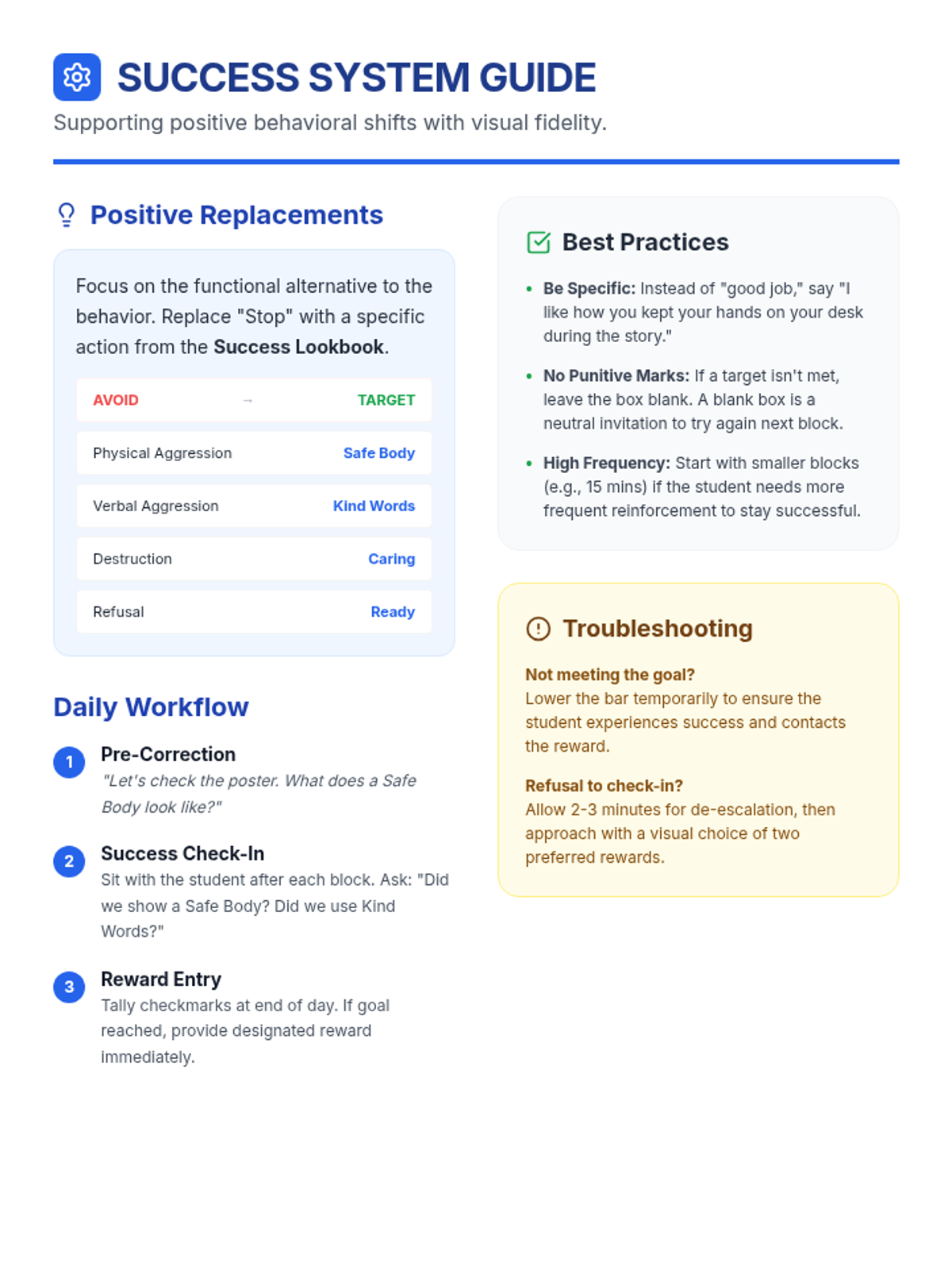
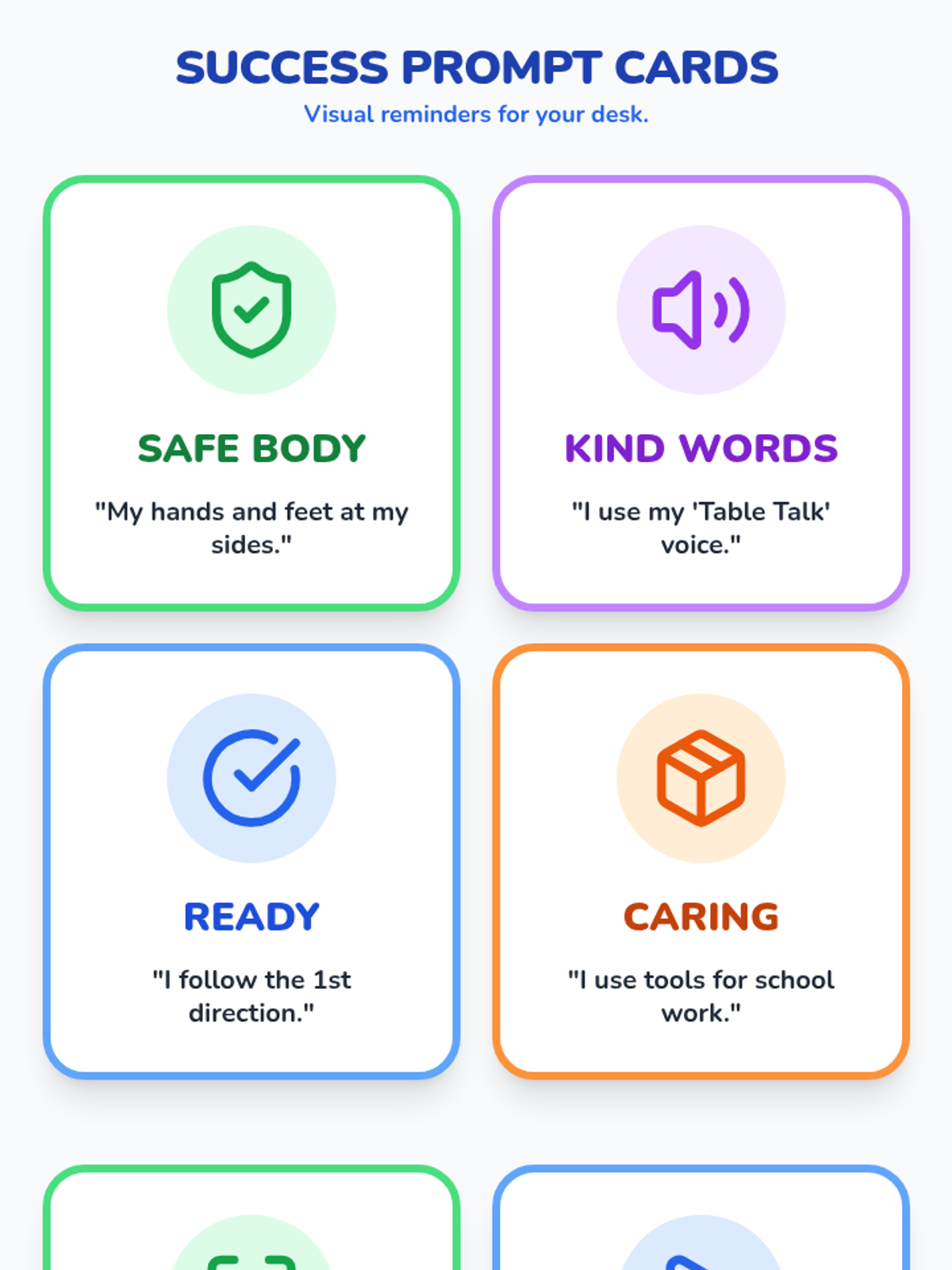
A positive, visual-first system for supporting student behavior expectations through daily tracking and clear, simple success criteria.
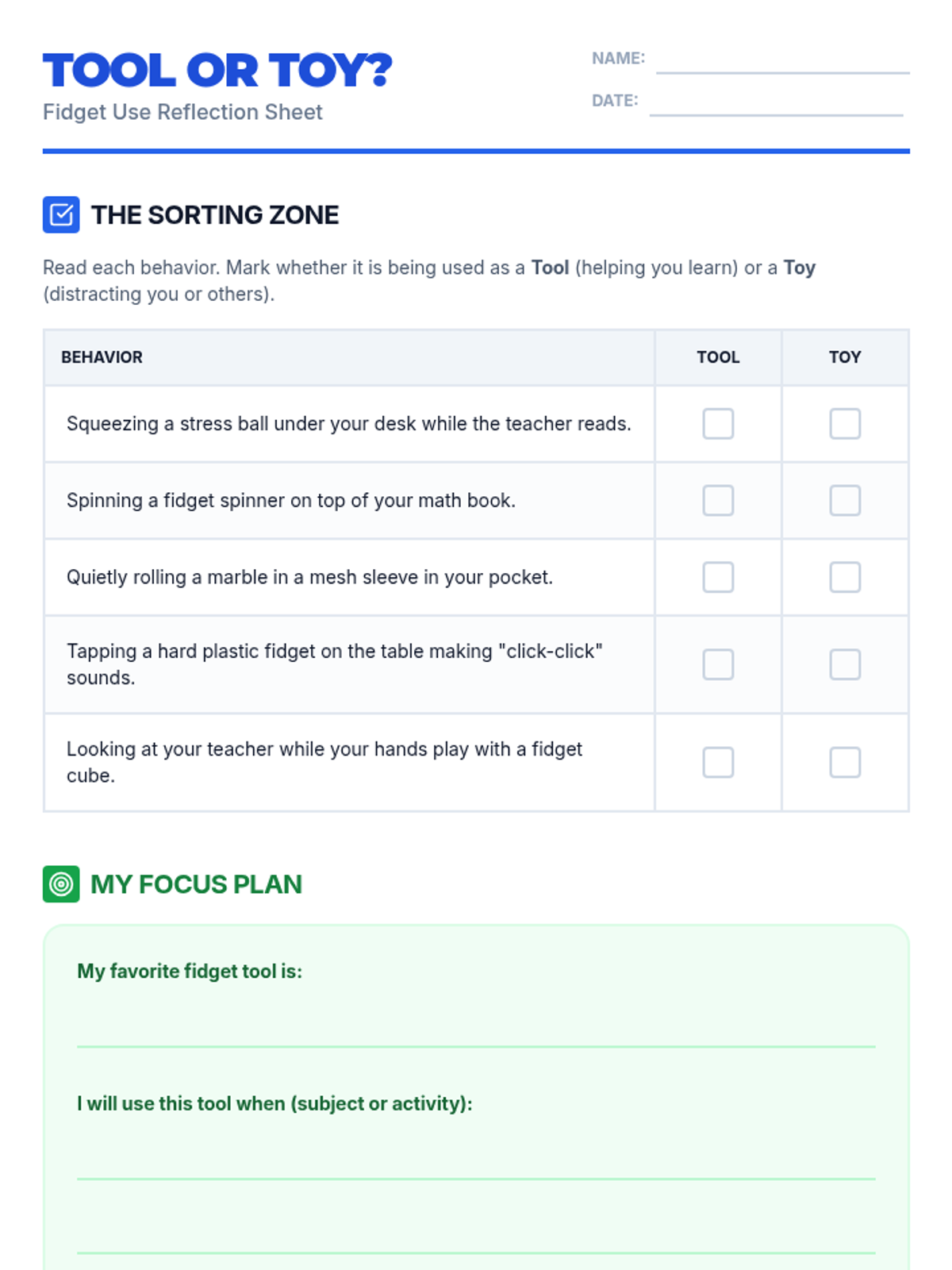
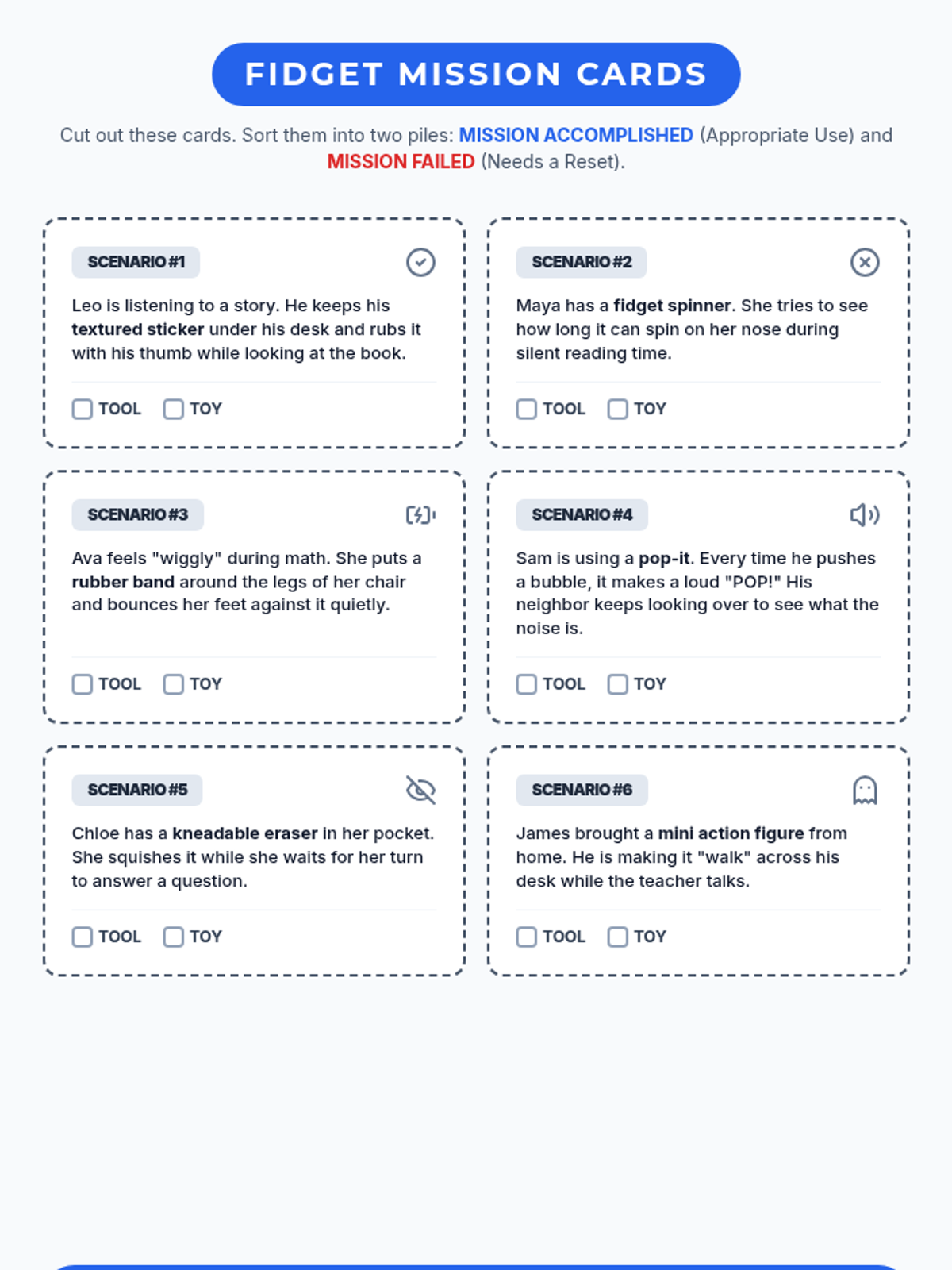
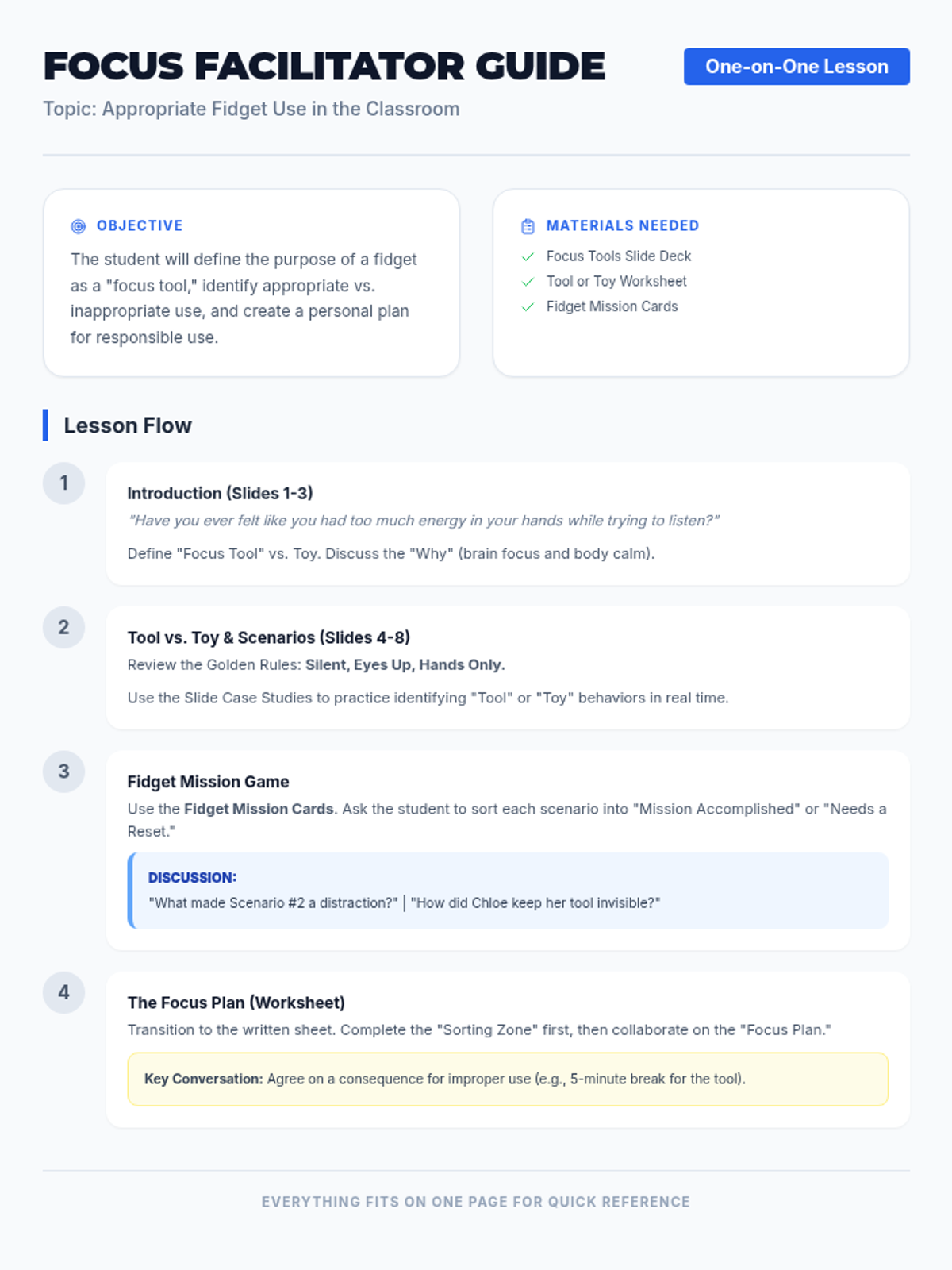
A one-on-one lesson designed to teach students the difference between fidgets as sensory tools and fidgets as toys, including practical rules and scenario-based practice.
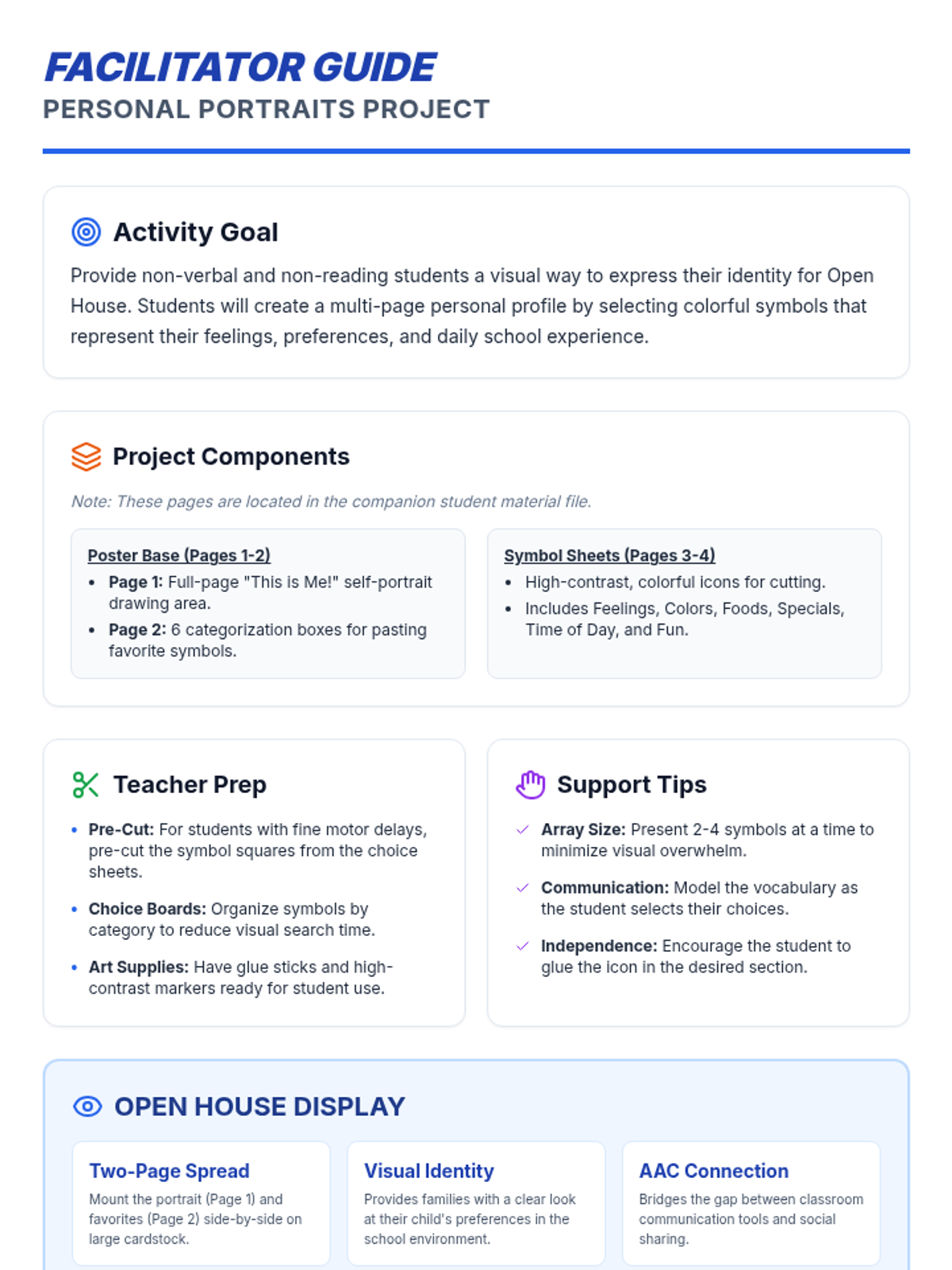
A symbol-based personal expression project designed for non-verbal and non-reading students to share their identity and emotions during Open House using a cut-and-paste format.
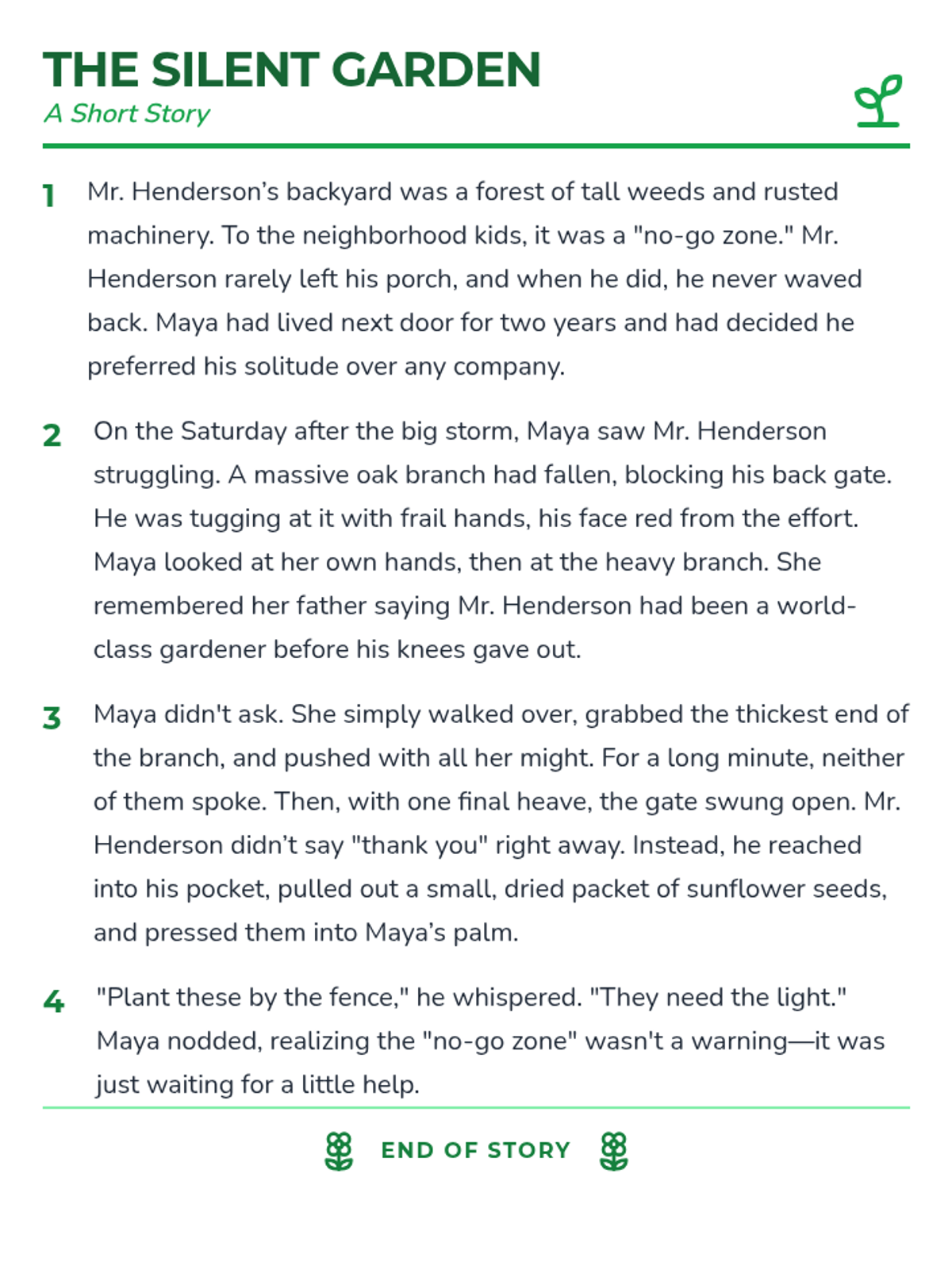
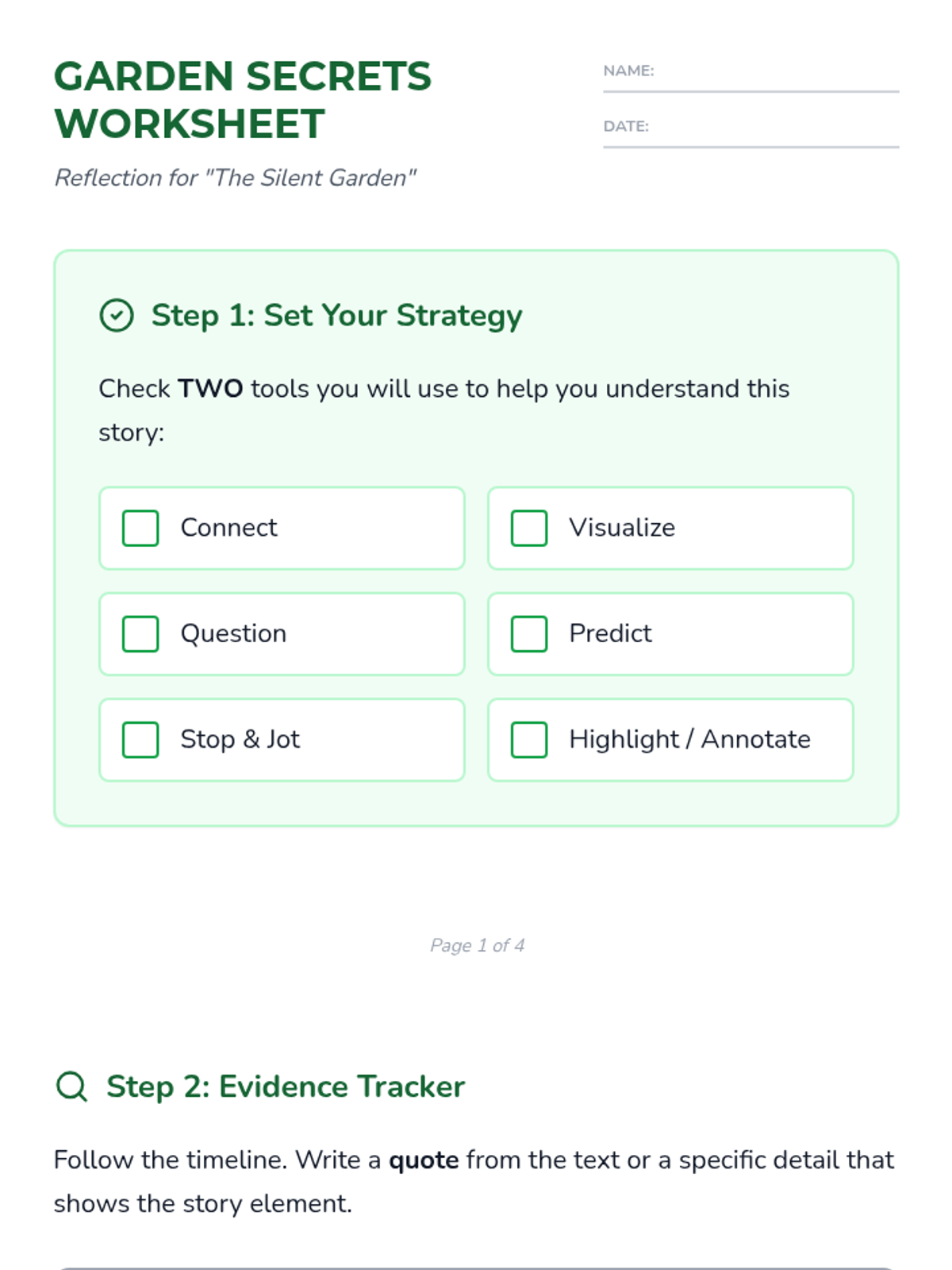
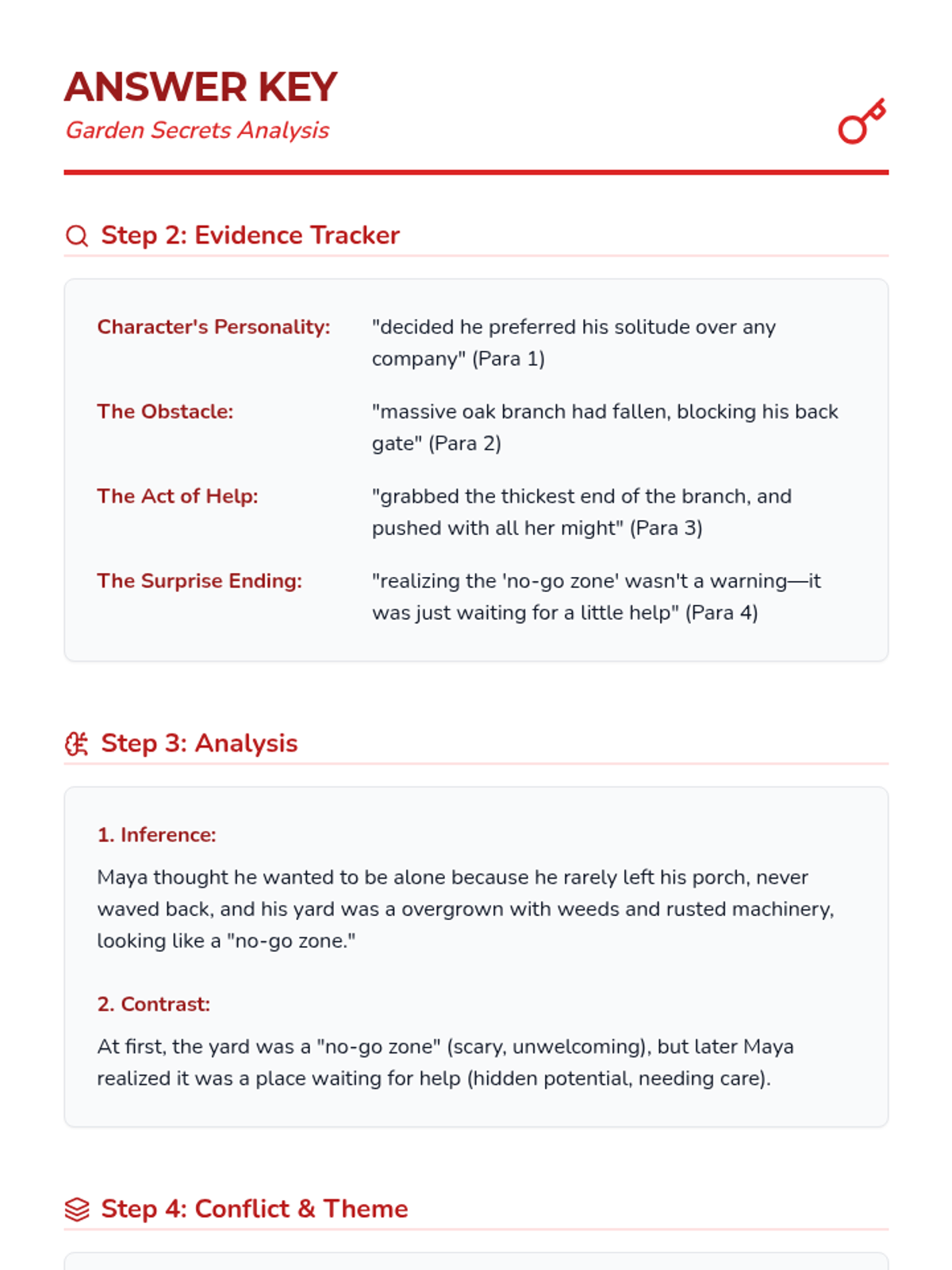
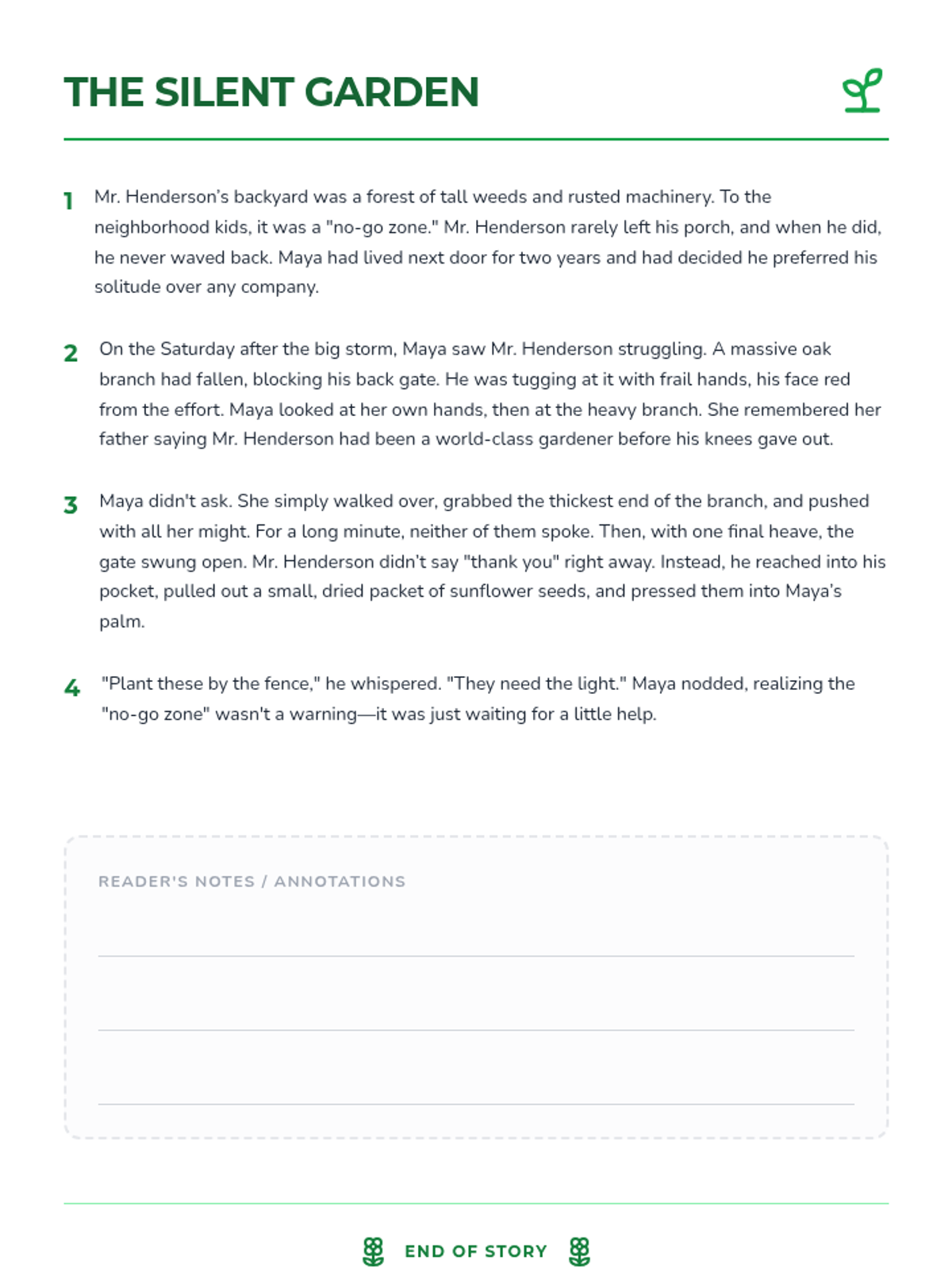
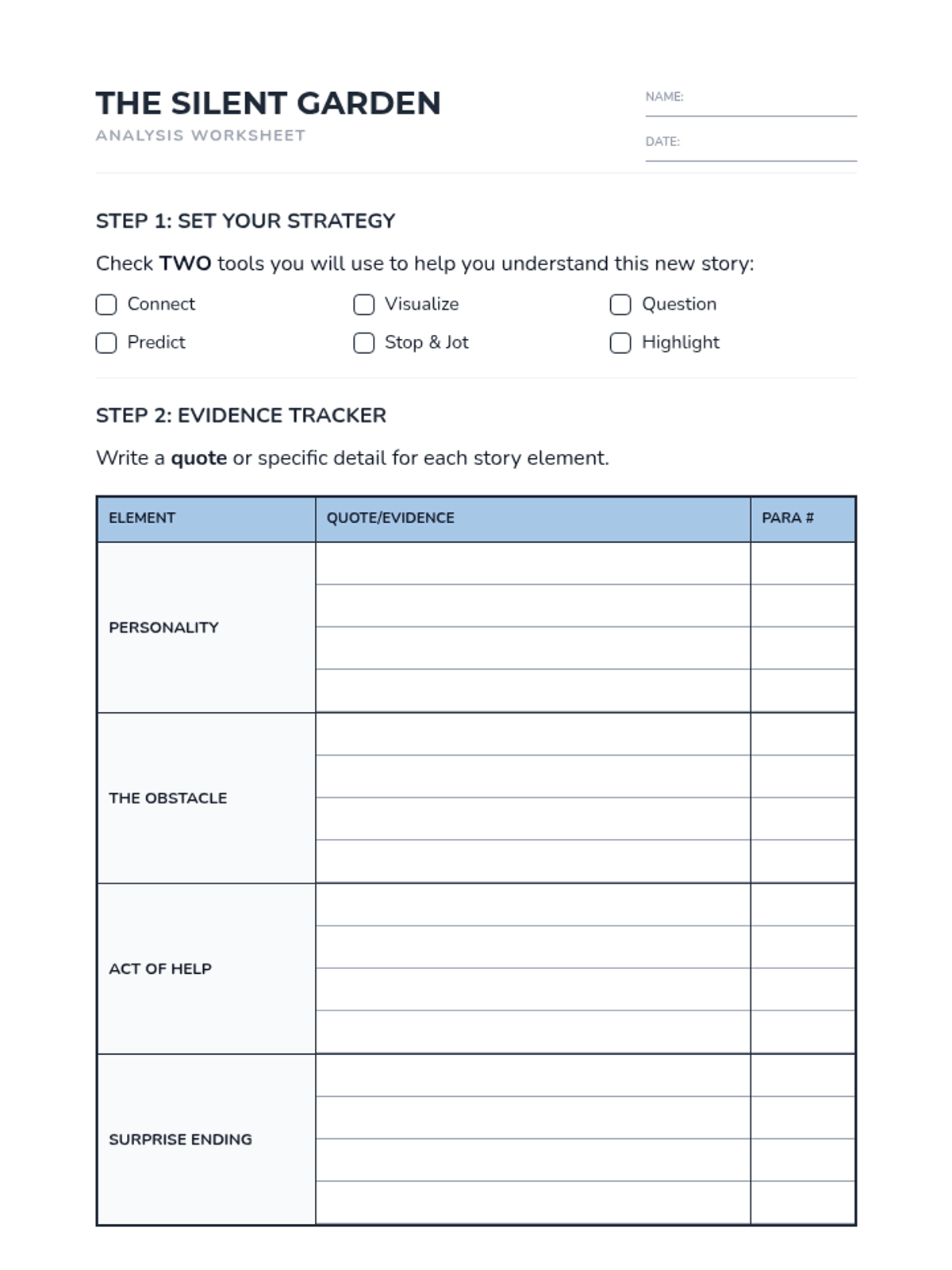
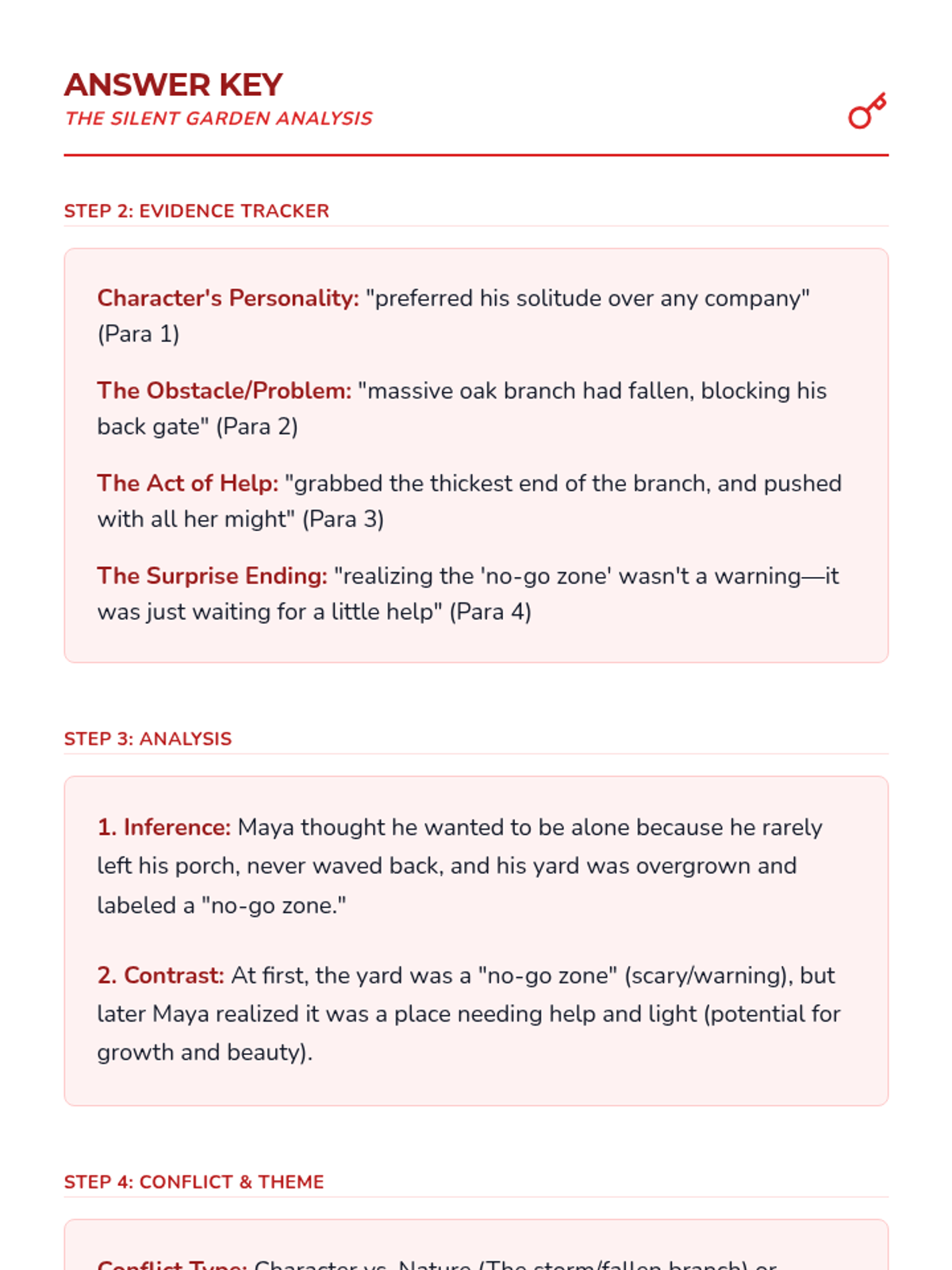
A reading comprehension lesson centered on 'The Silent Garden', focusing on character analysis, conflict types, and theme development with accommodations for special education needs.
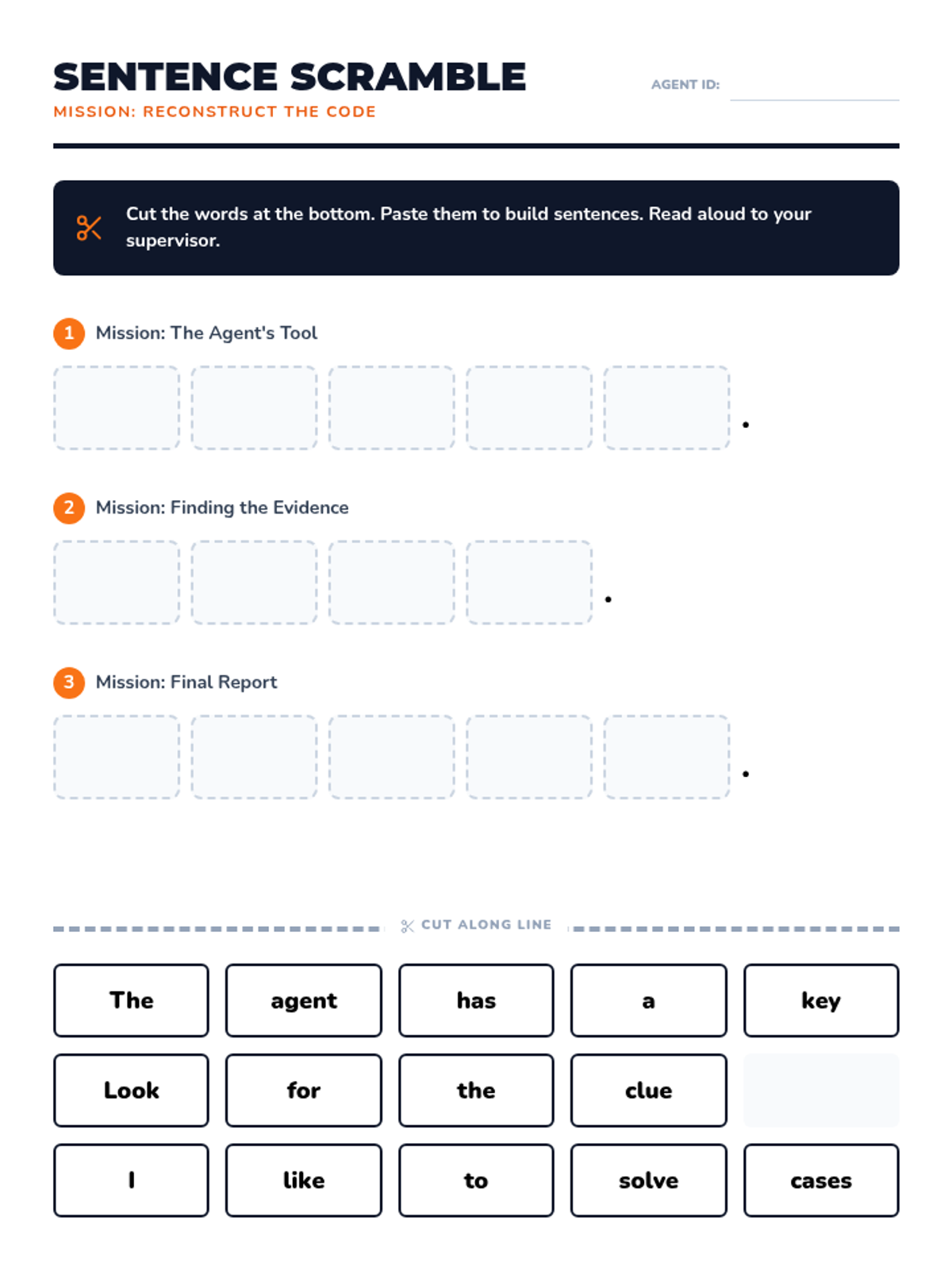
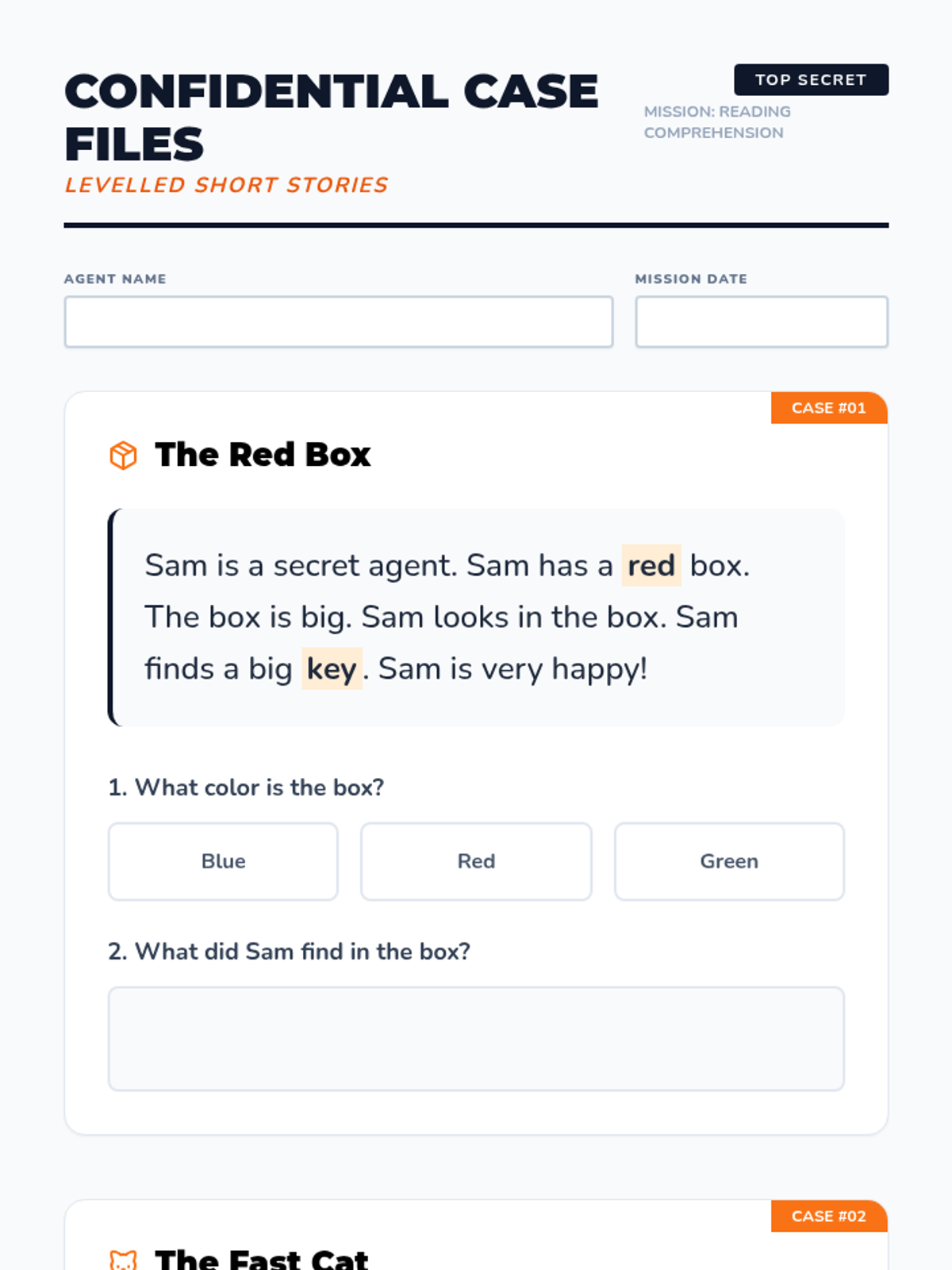
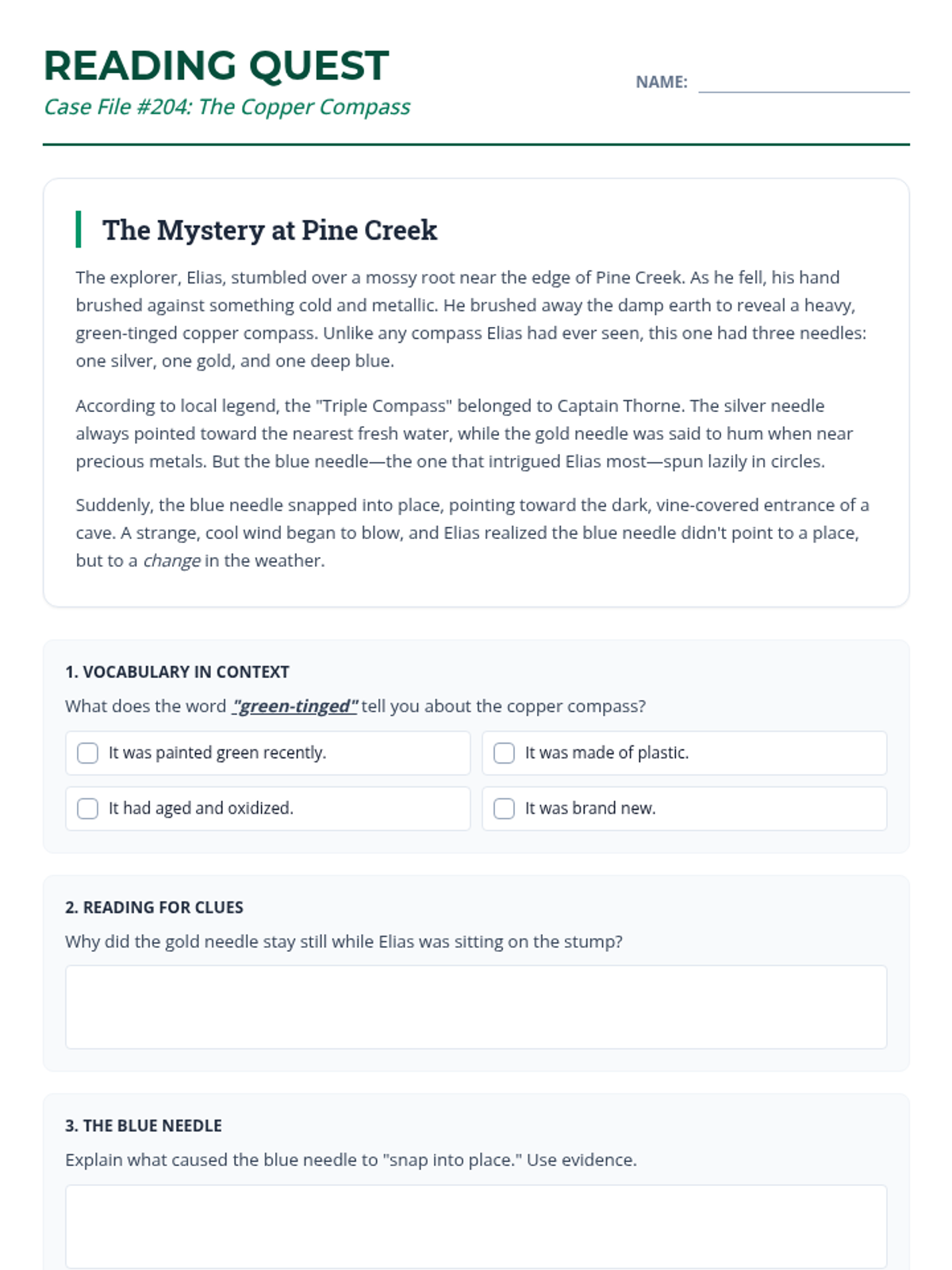
Combines reading skills into comprehension and syntax. Students build sentences and read short 'case files' to solve mysteries, focusing on understanding and sentence structure.
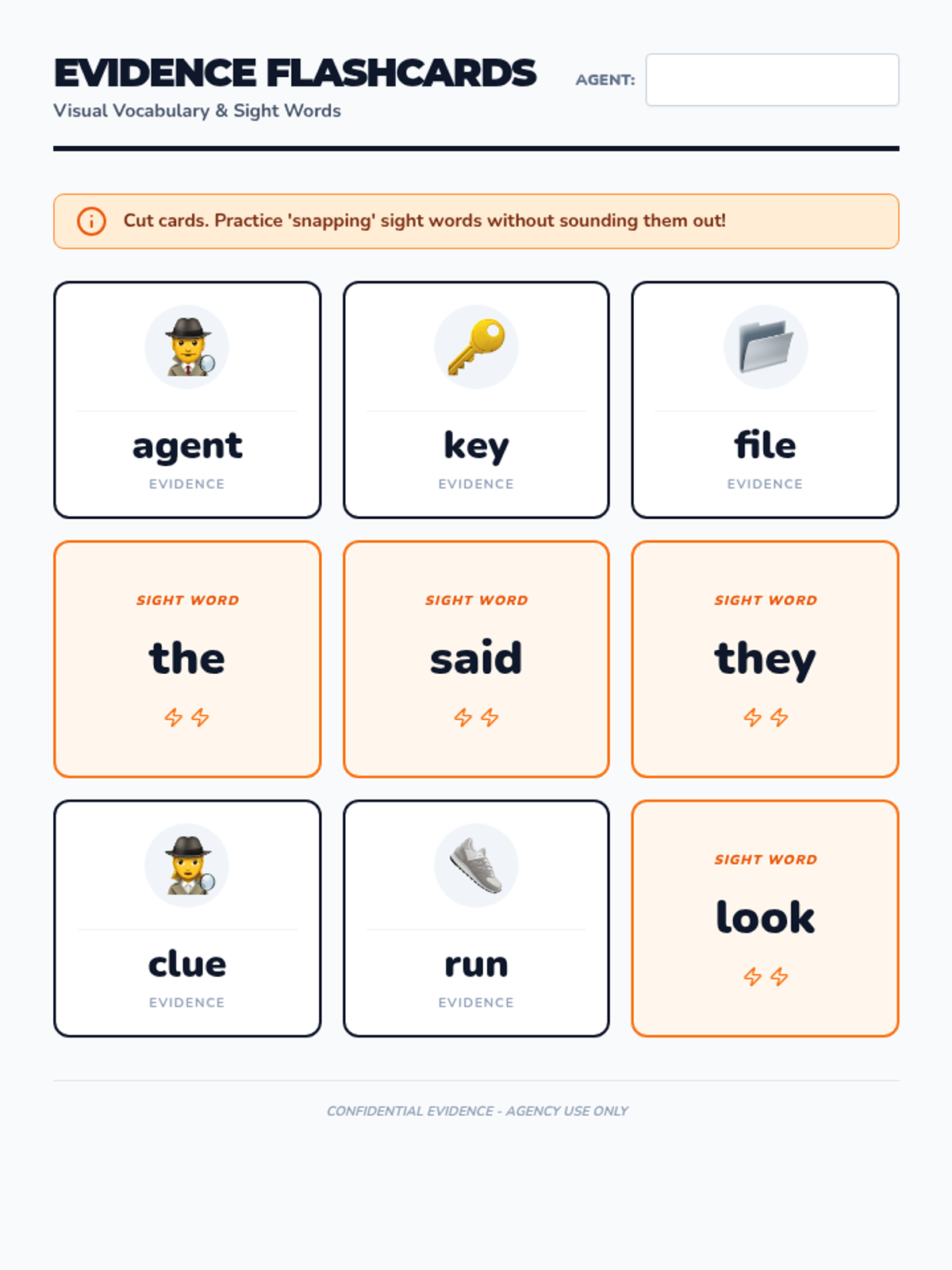
Focuses on sight word recognition and high-frequency word fluency. Agents build their 'Evidence Files' with visual vocabulary and practice recognizing words on sight.
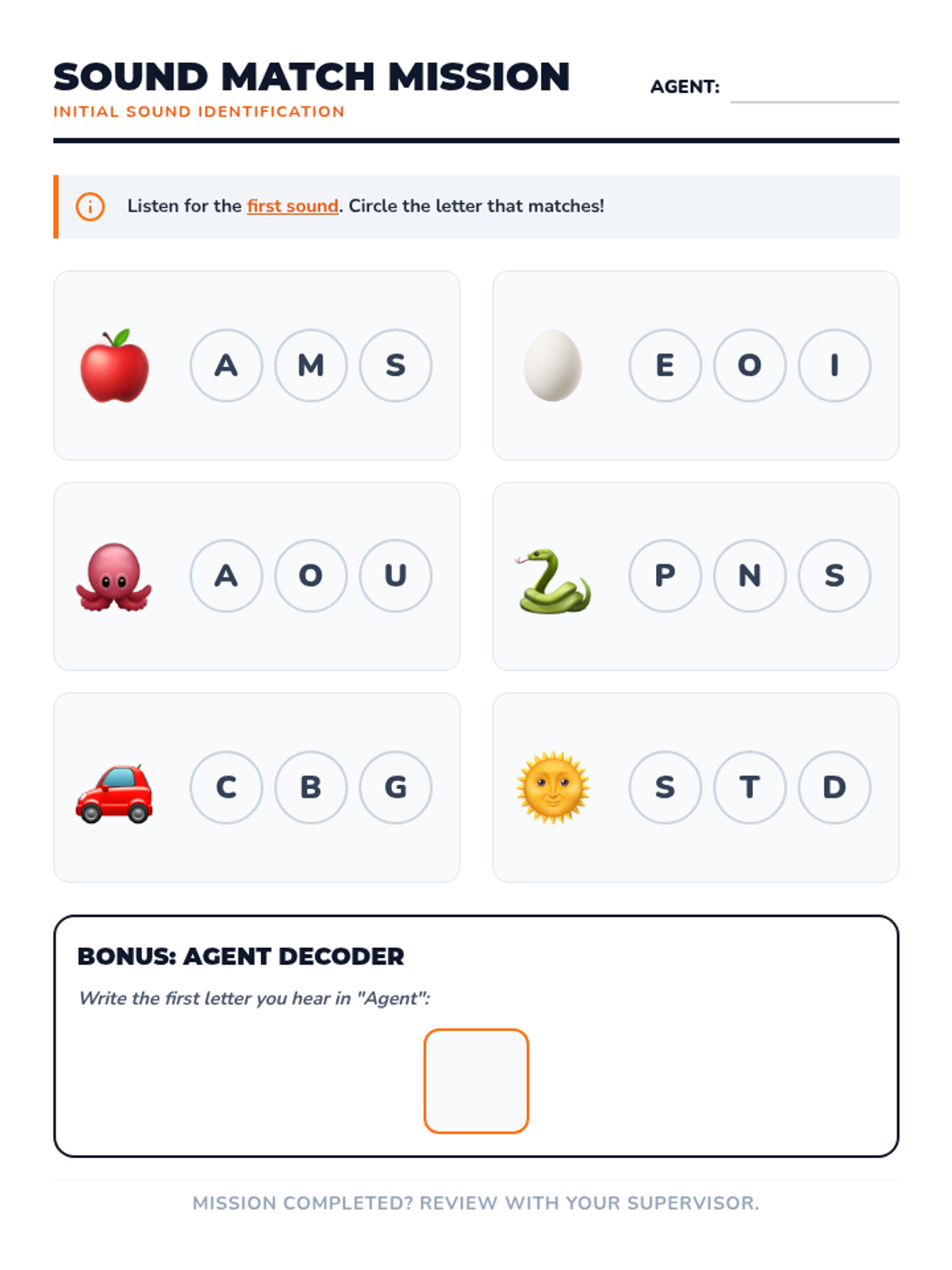
Focuses on phonemic awareness and letter-sound correspondence. Students learn to 'break the code' of sounds to form words using visual aids and interactive strategies.
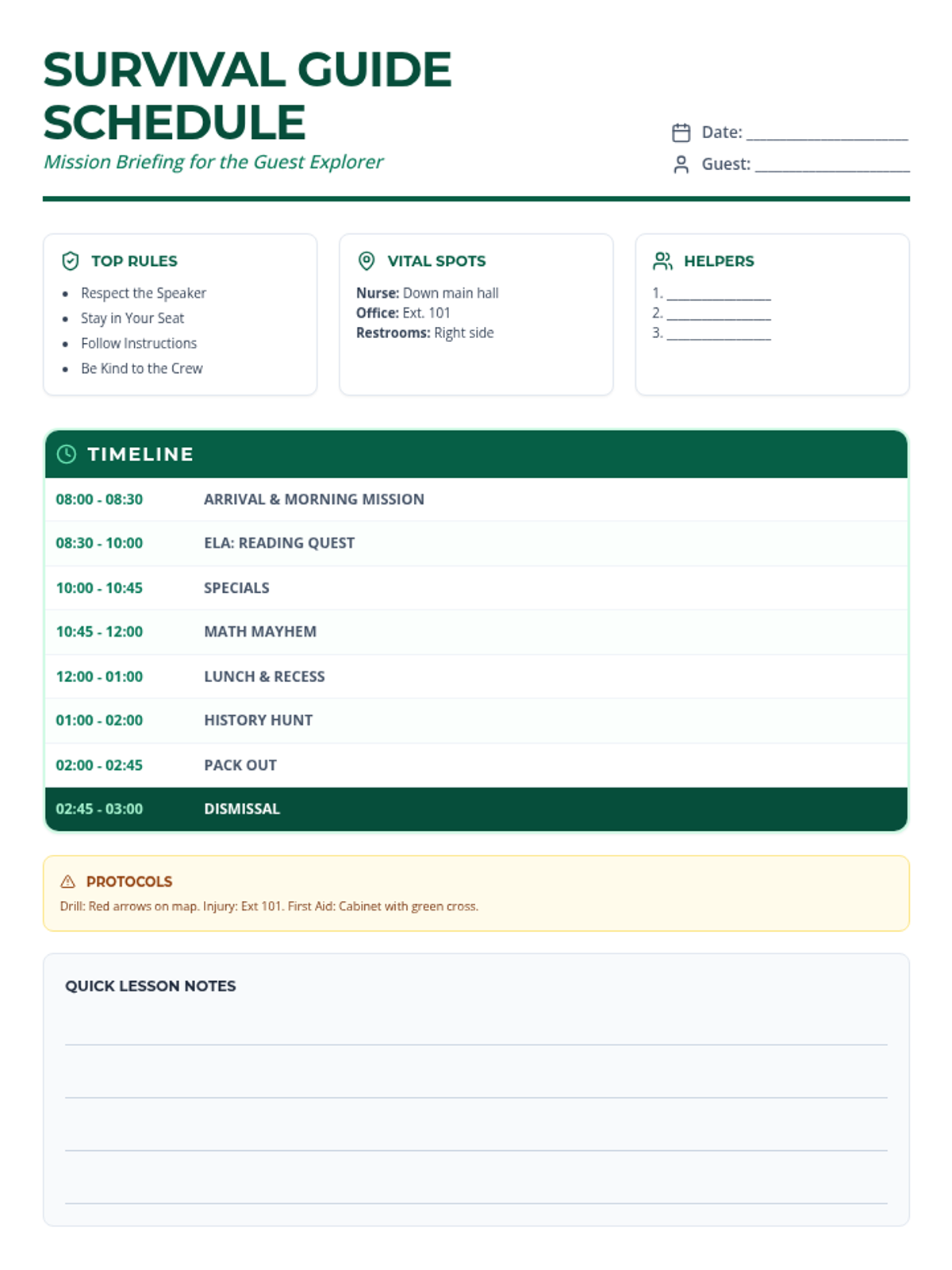
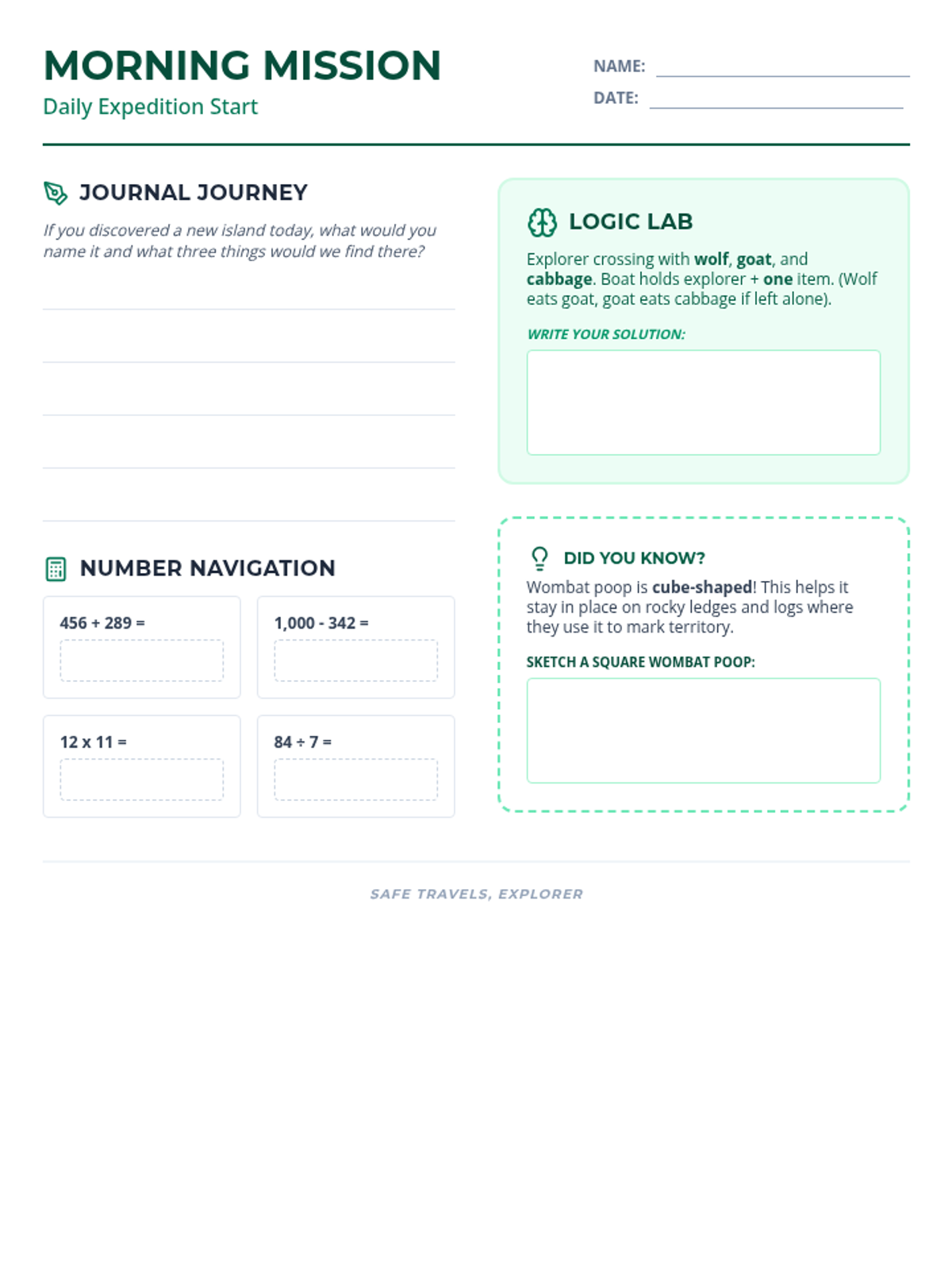
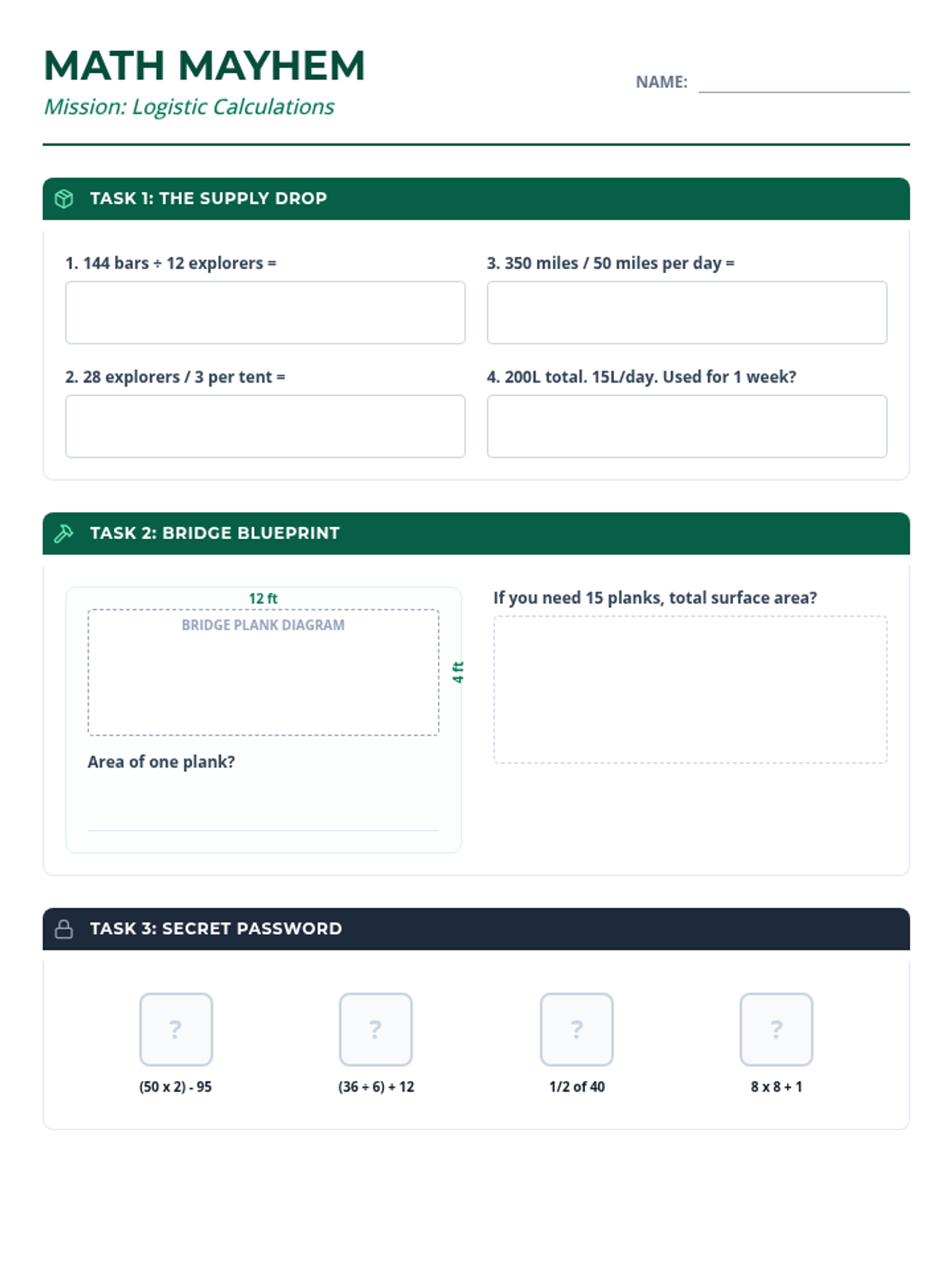
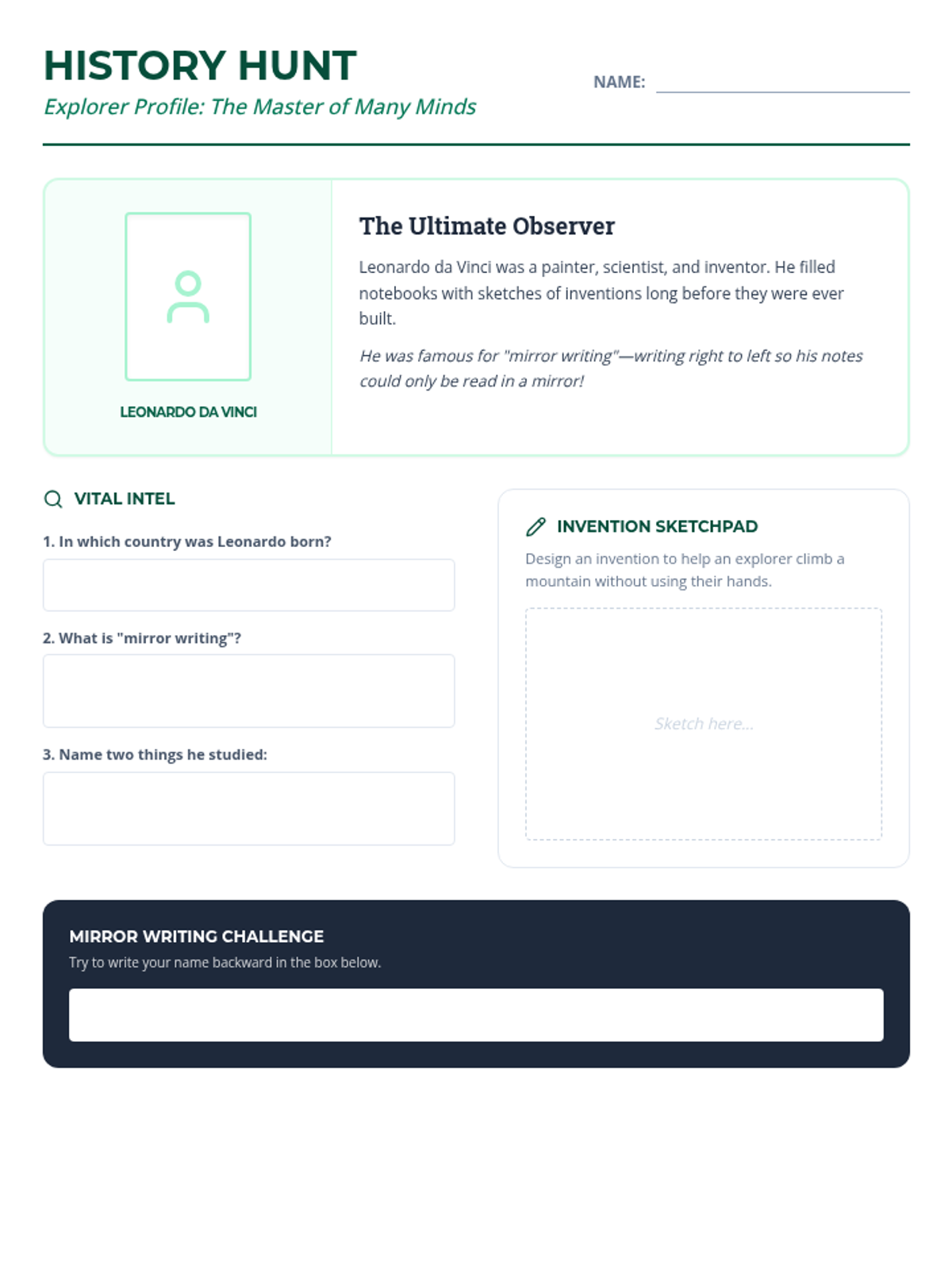
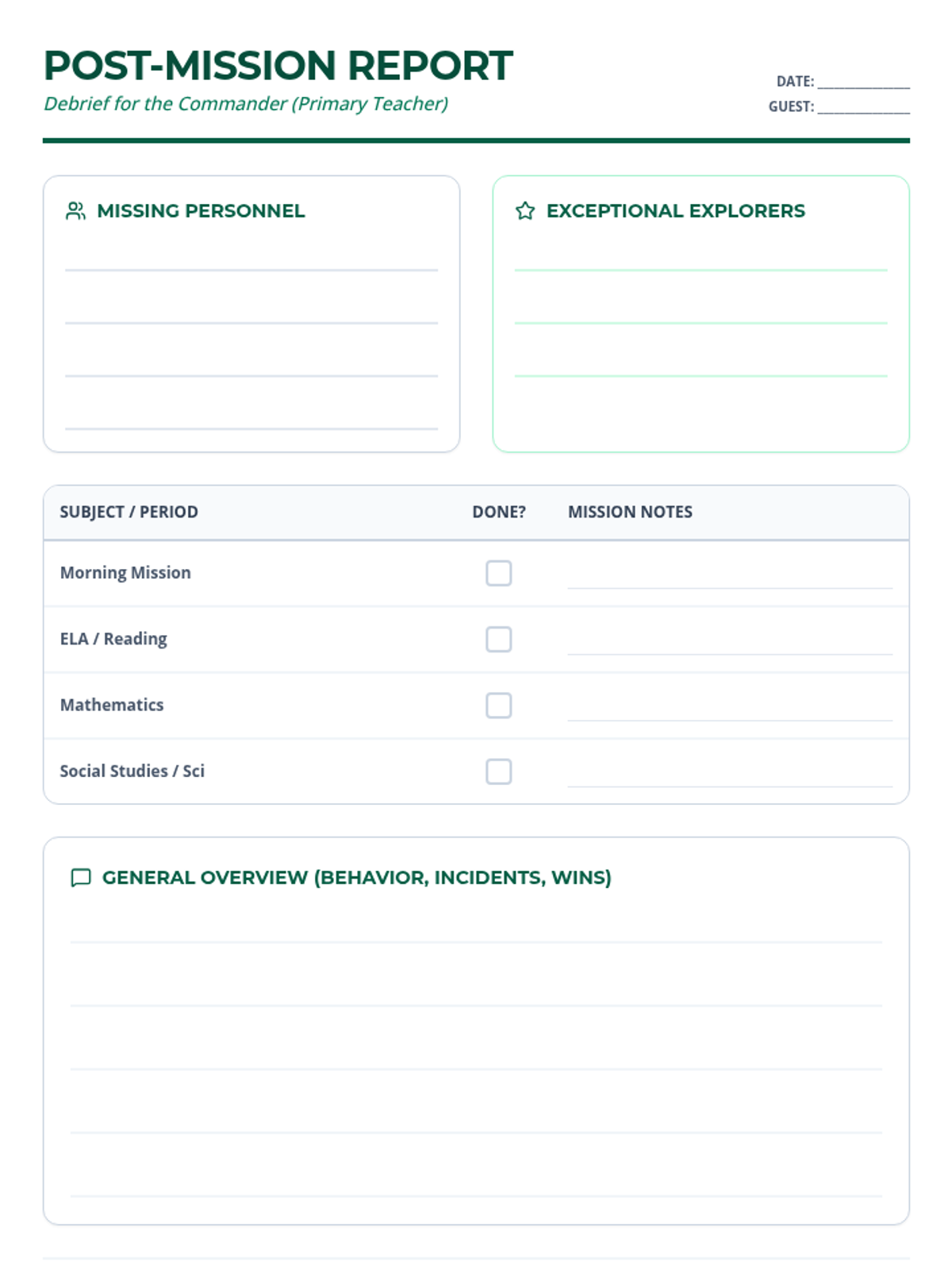
A comprehensive set of materials for a substitute teacher to manage a full school day, including a detailed schedule, morning work, core subject activities, and a reporting system.
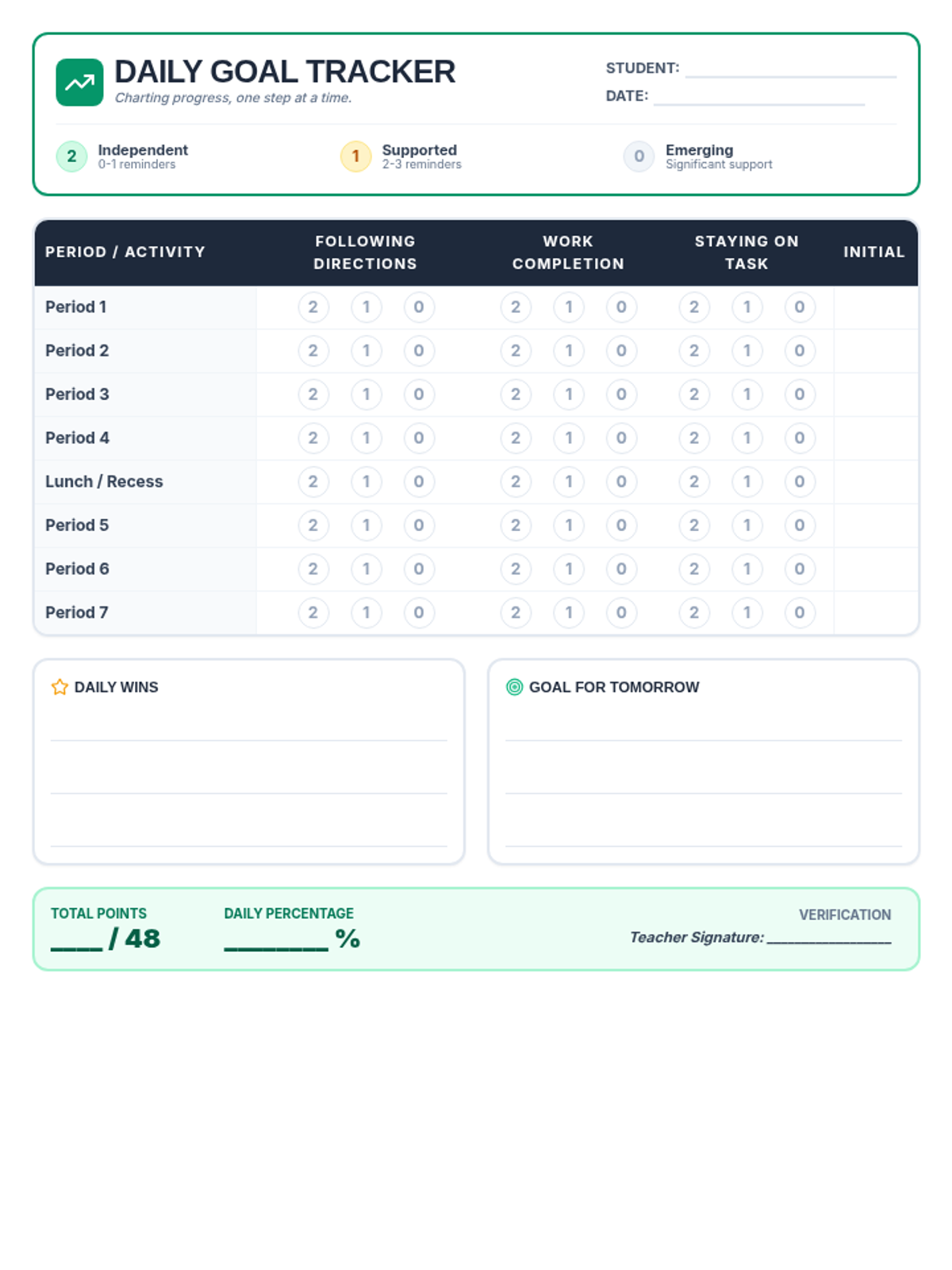
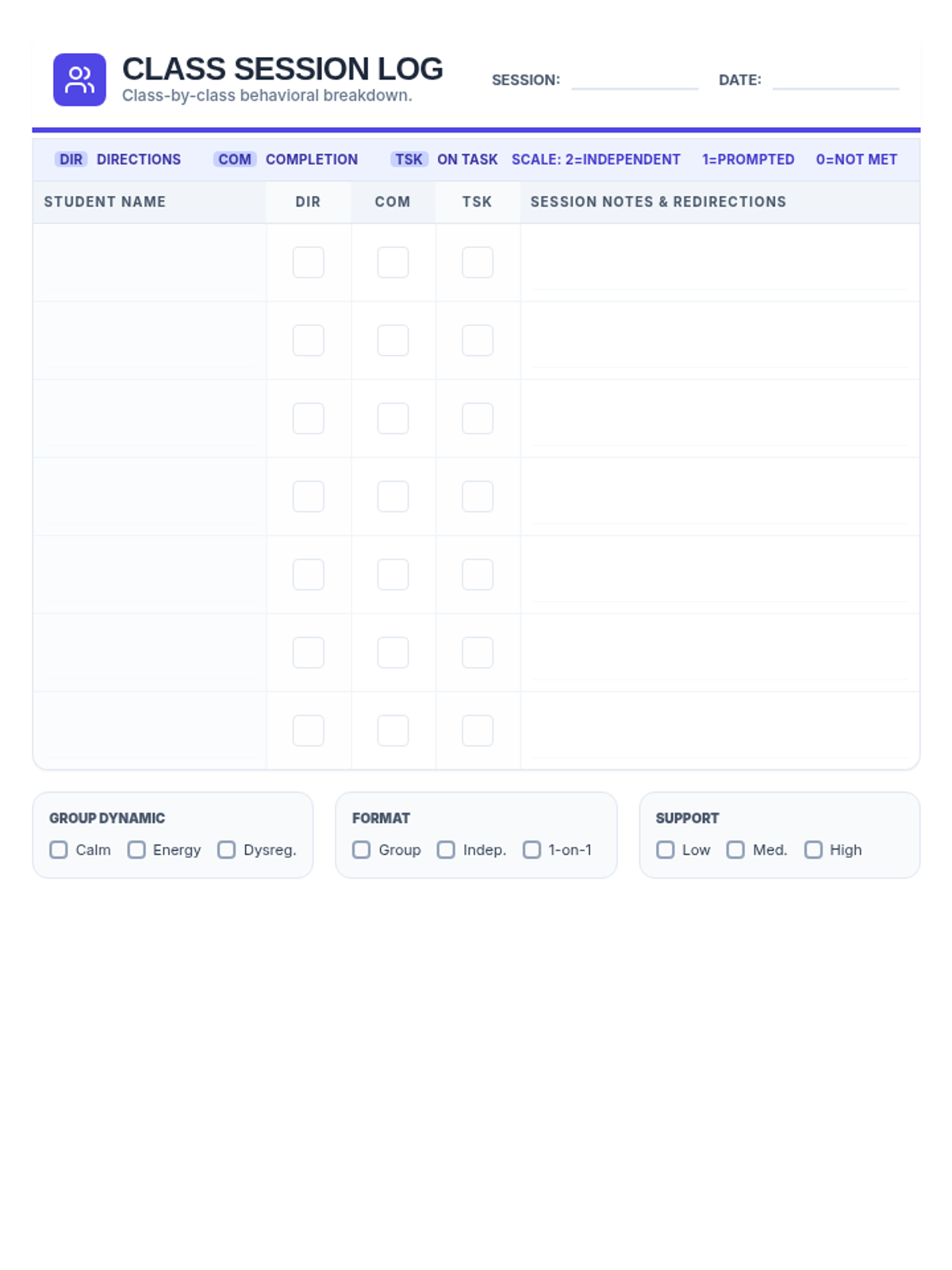
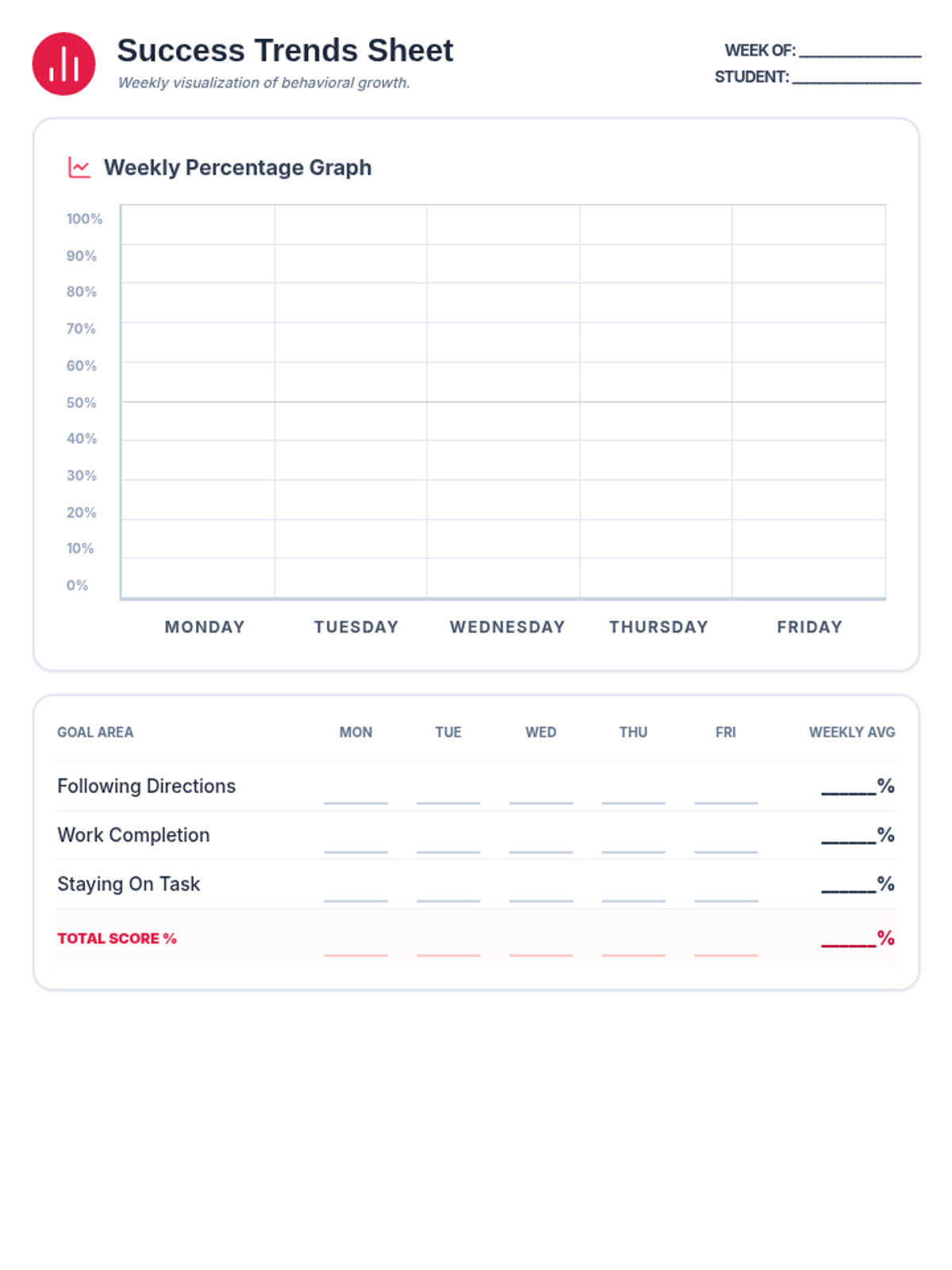
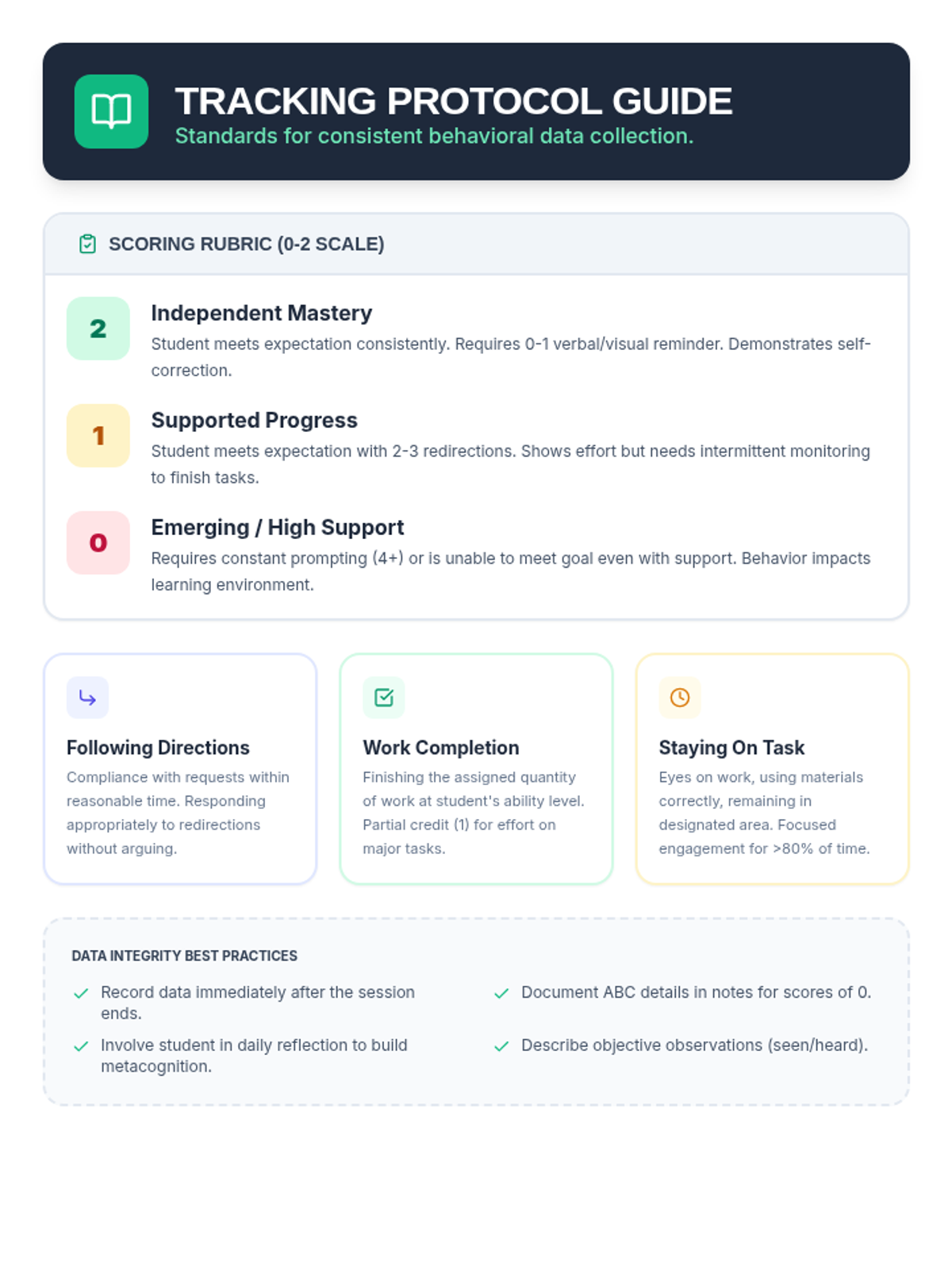
A comprehensive set of data tracking tools designed for special education settings to monitor student engagement, focus, and compliance with behavioral expectations throughout the school day.
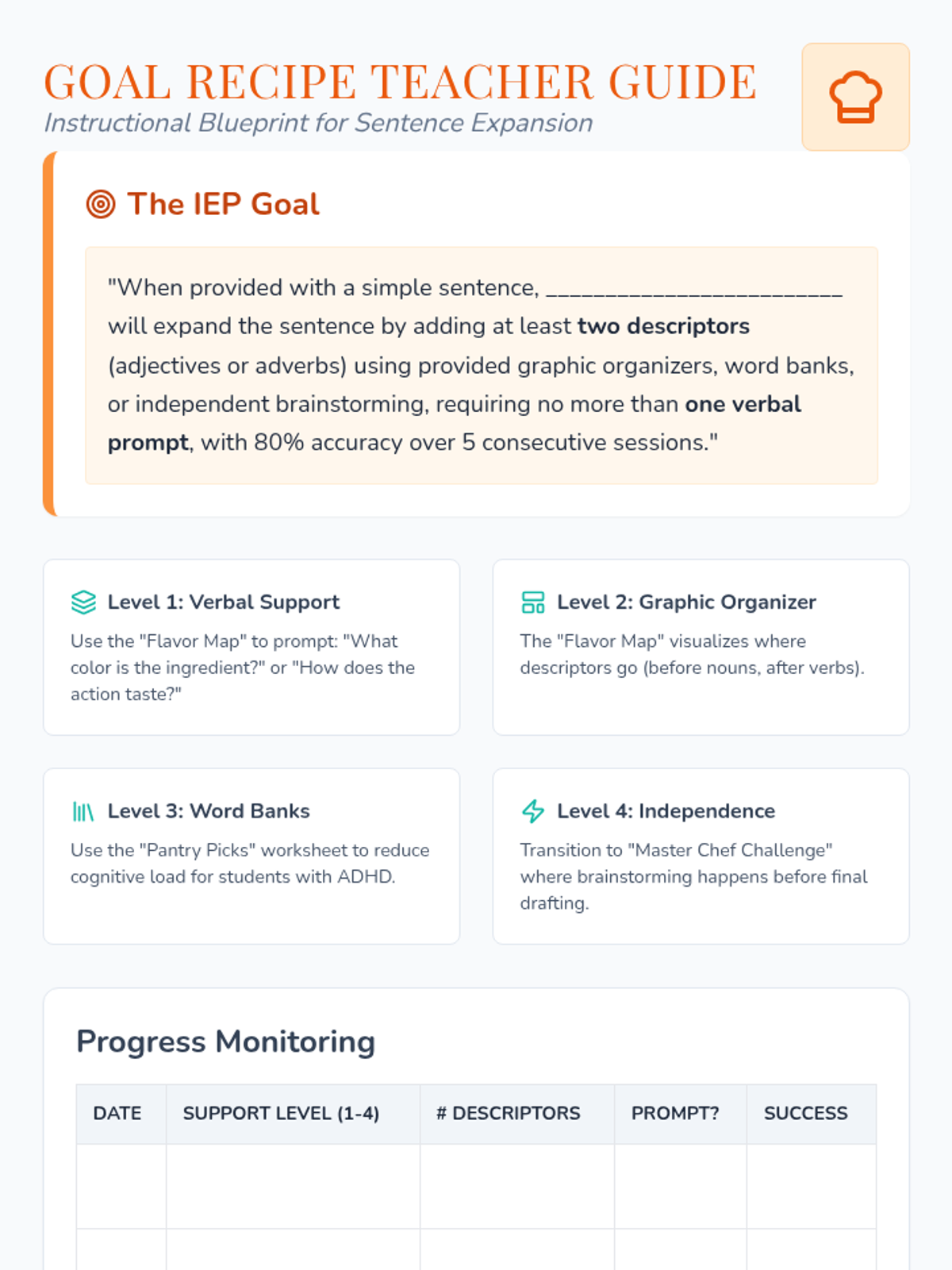
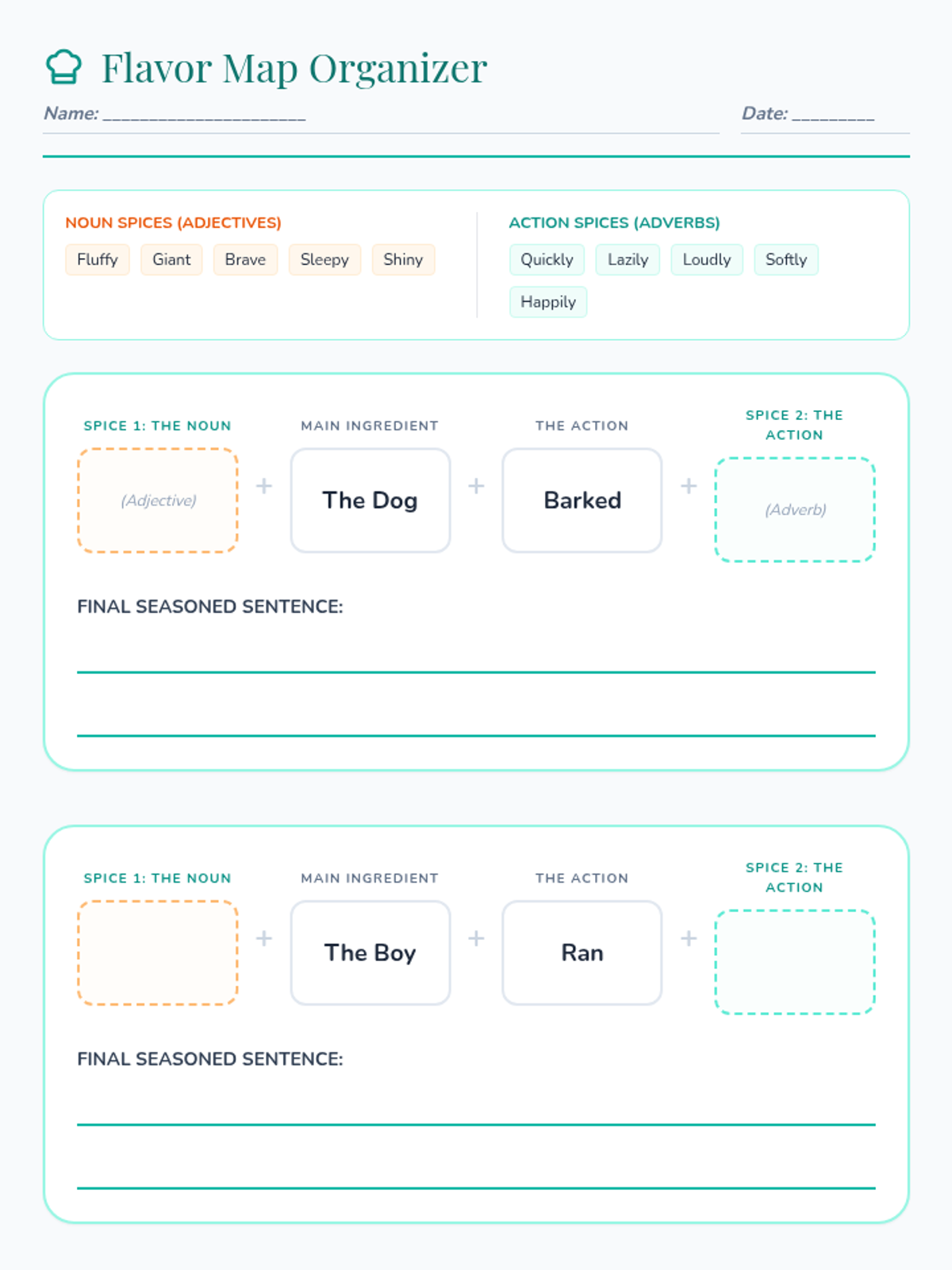
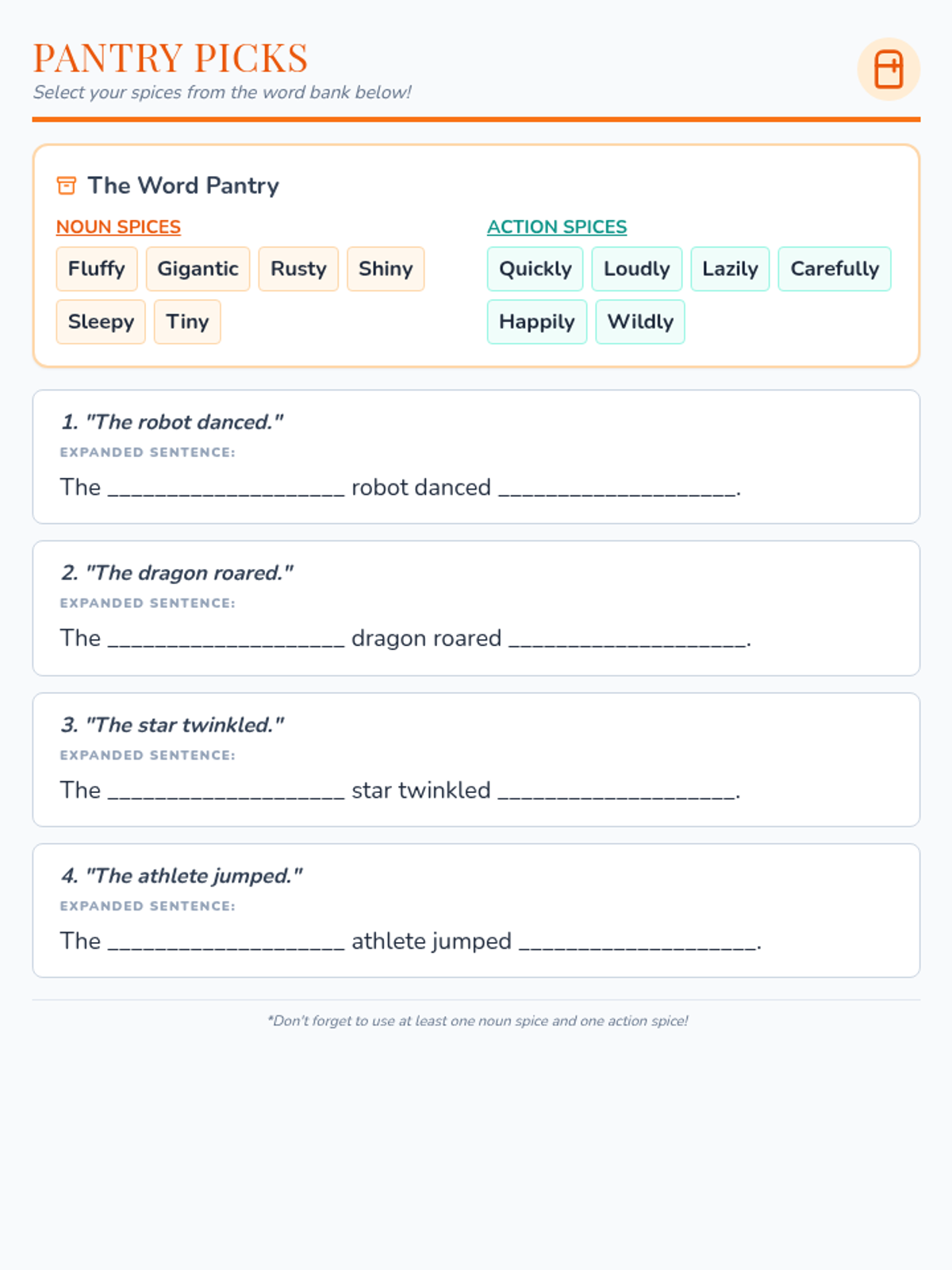
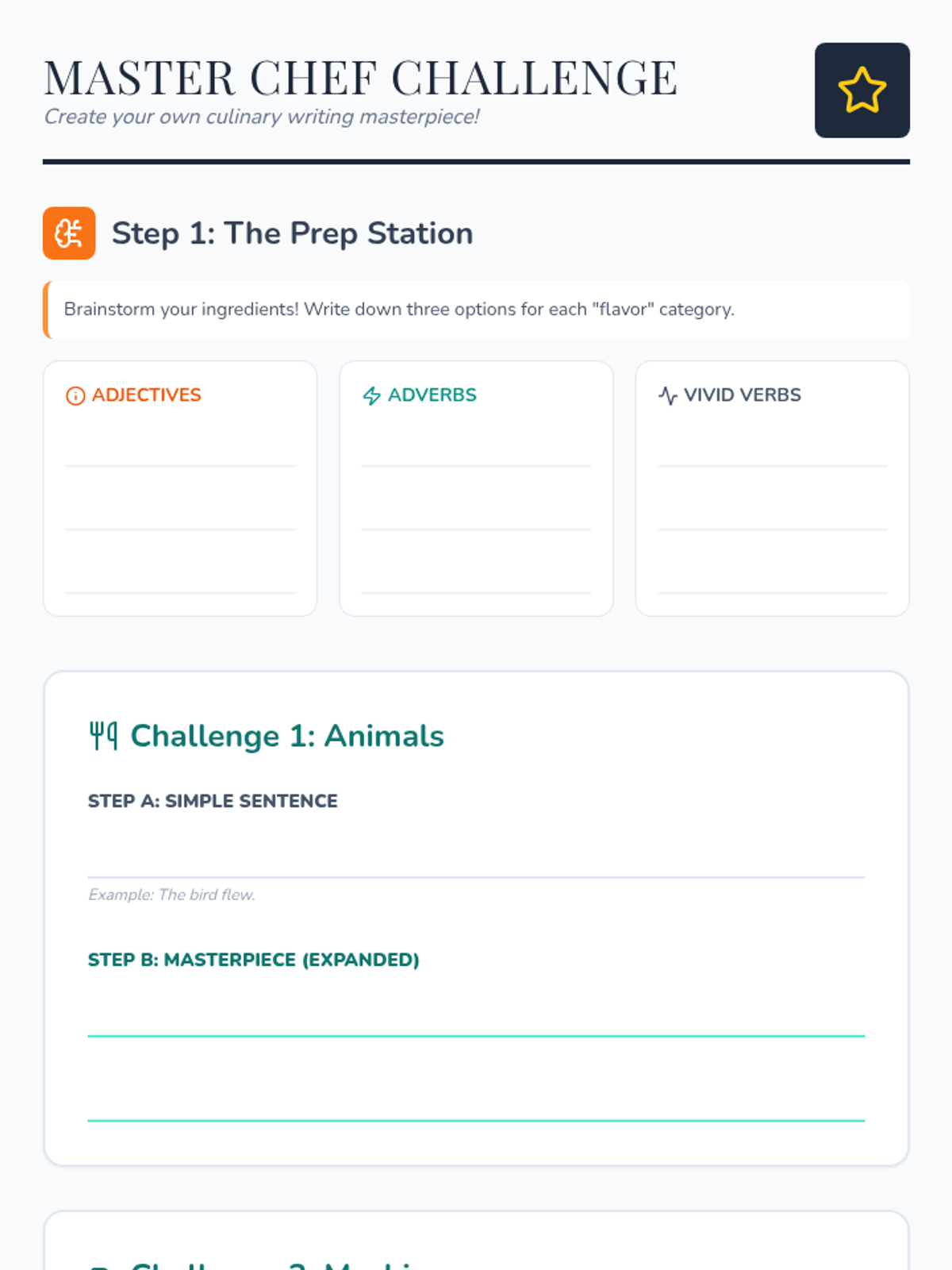
A lesson designed to help students with ADHD expand simple sentences using descriptors (adjectives and adverbs) through a culinary-themed scaffolding approach. Includes visual instruction, graphic organizers, word bank supports, and independent practice.
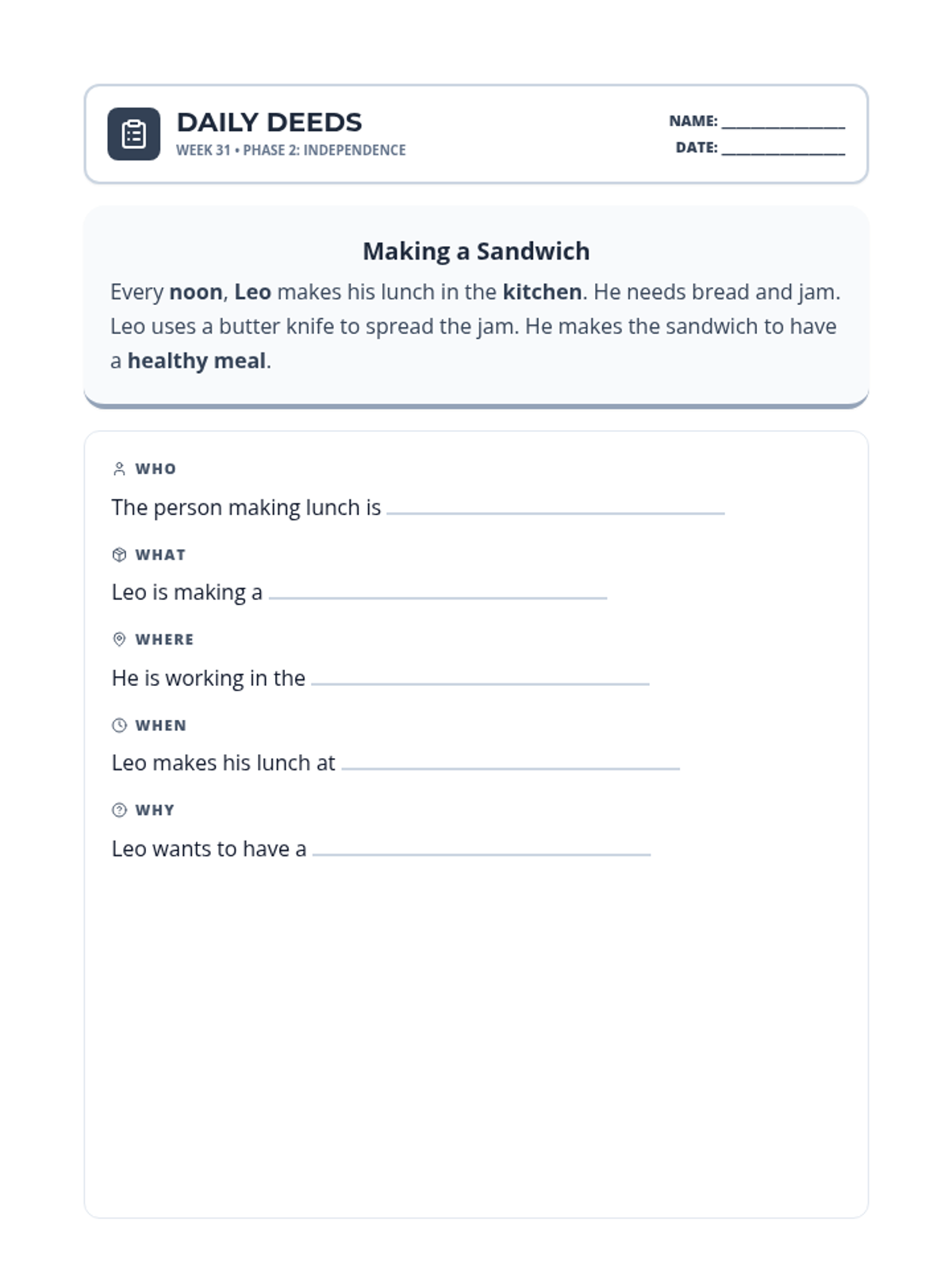
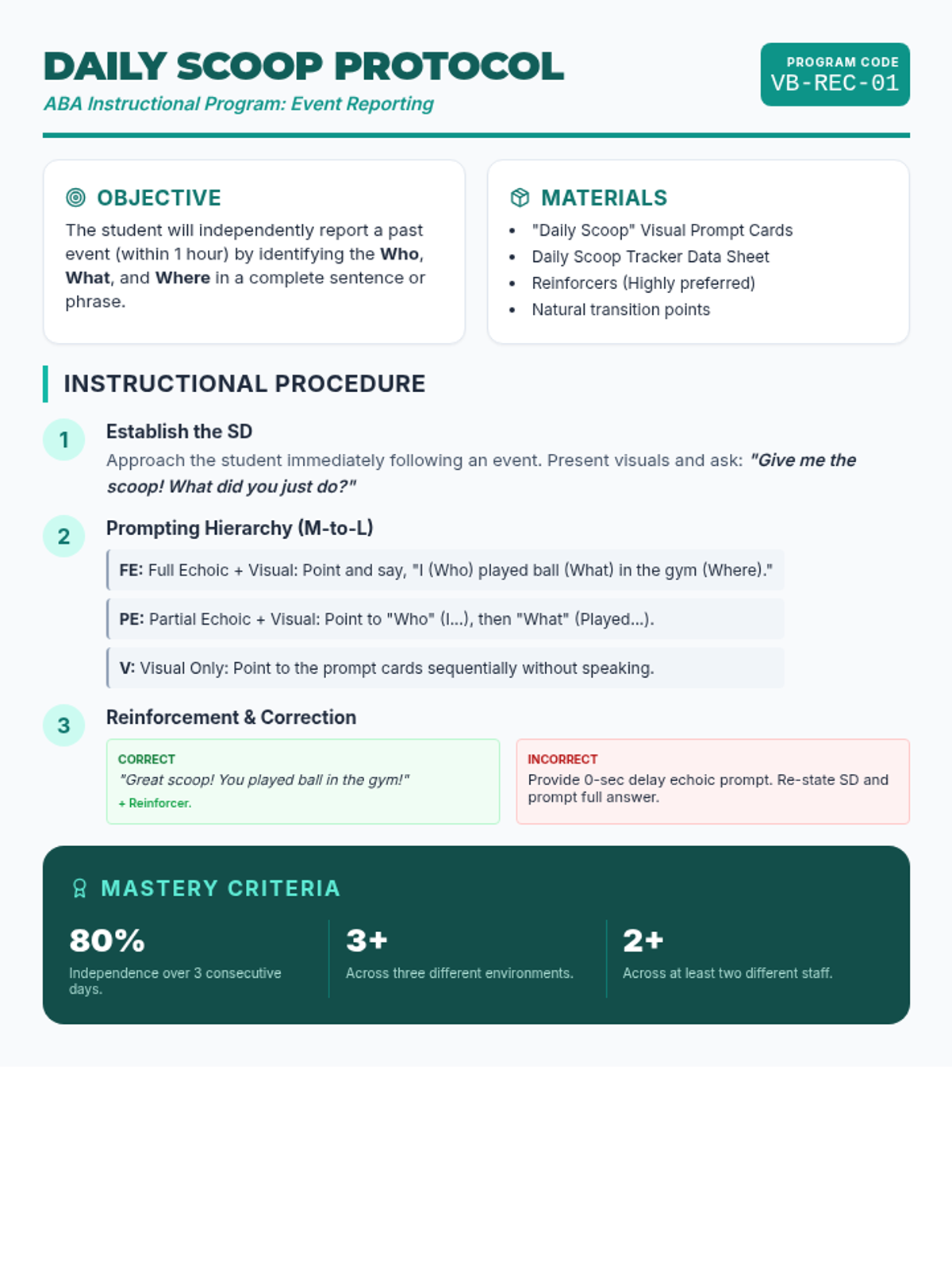
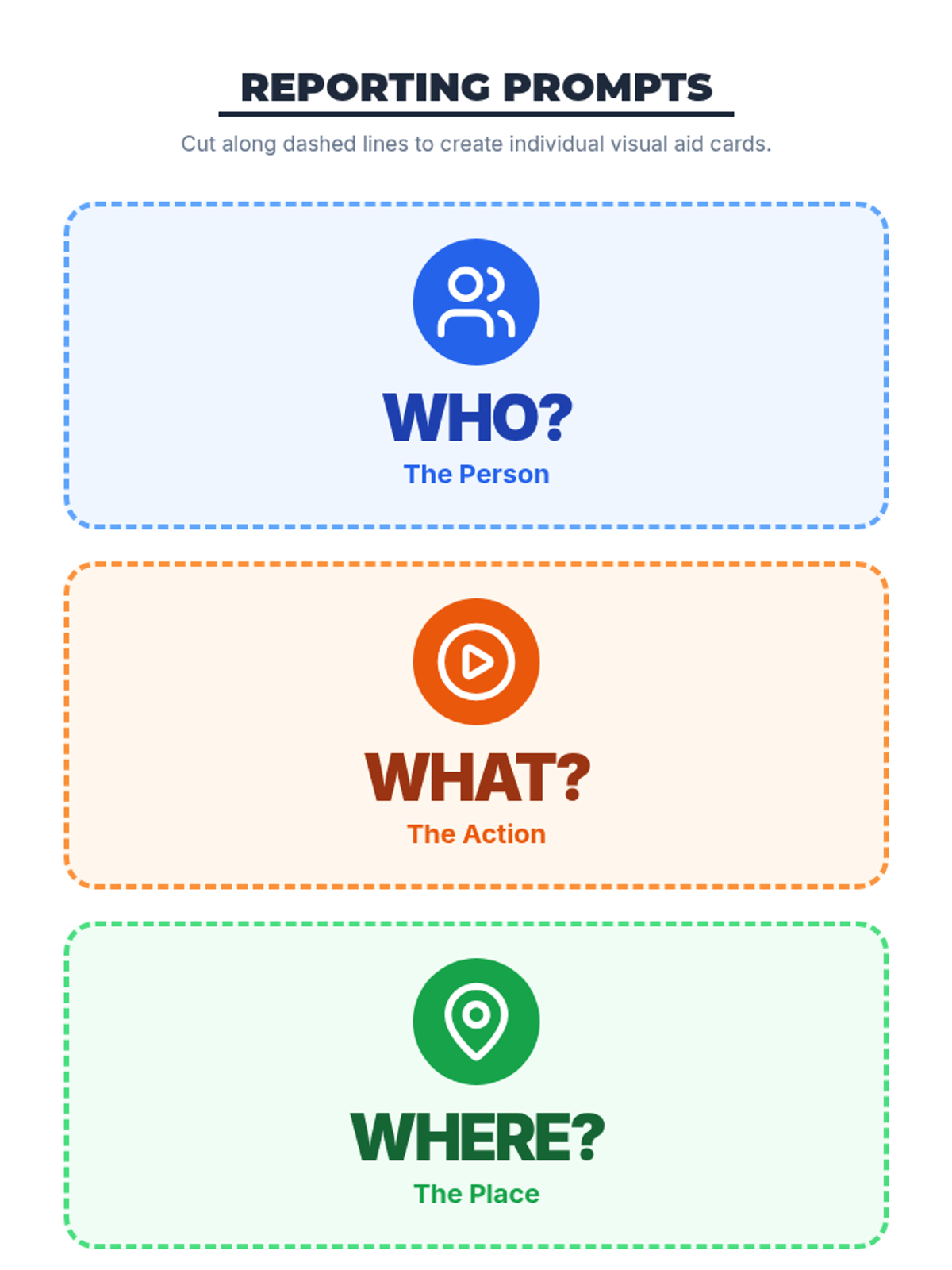
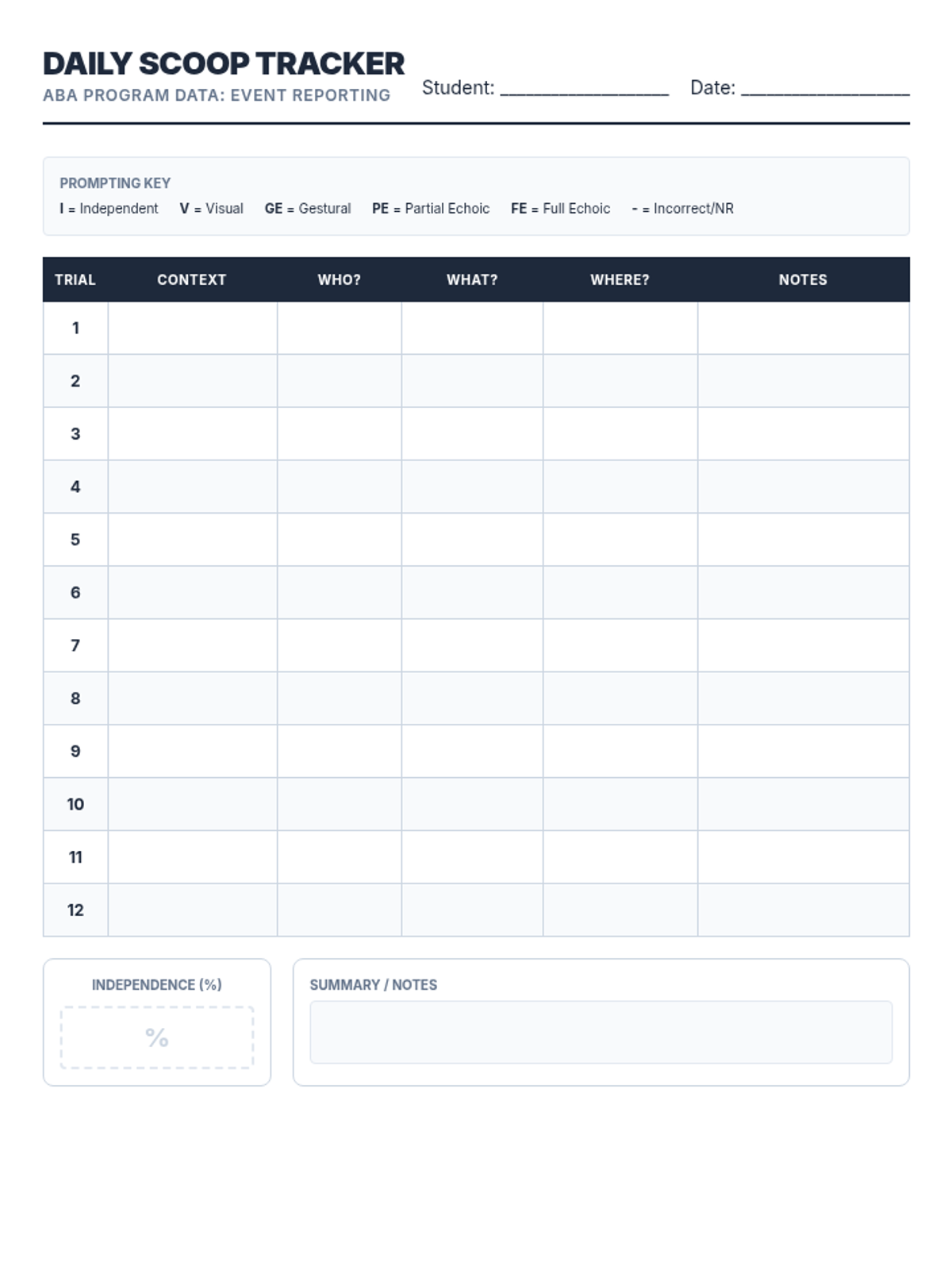
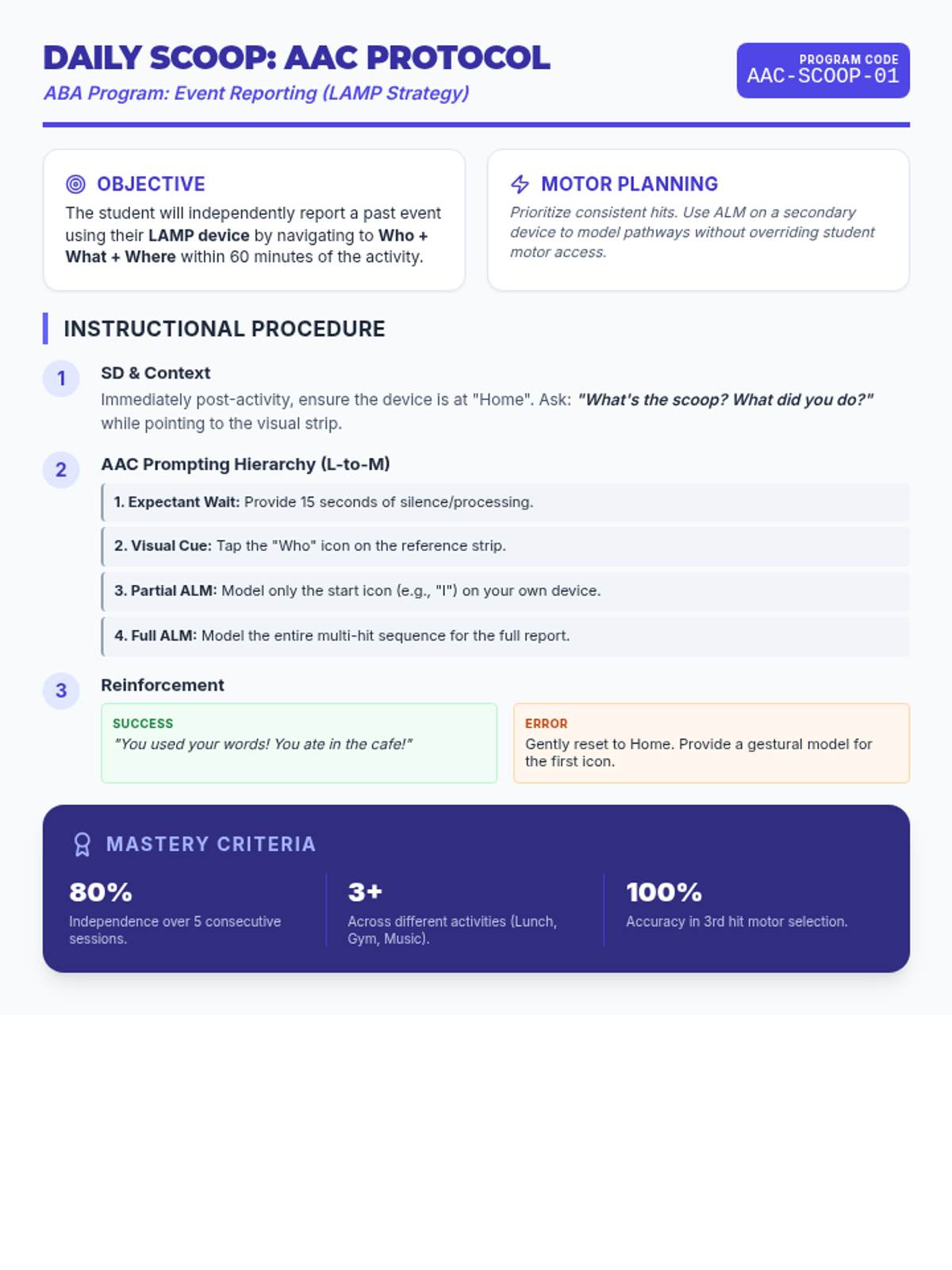
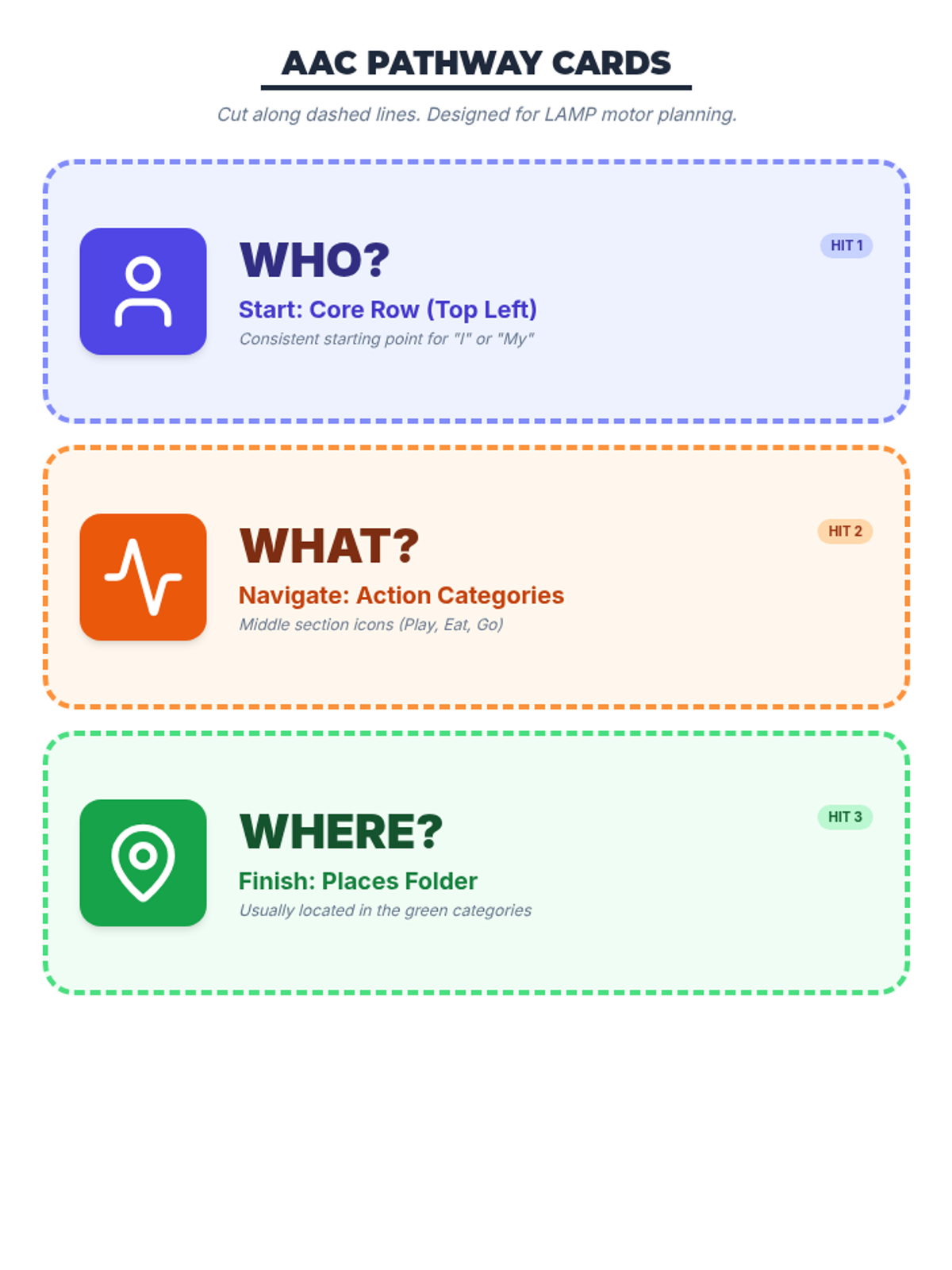
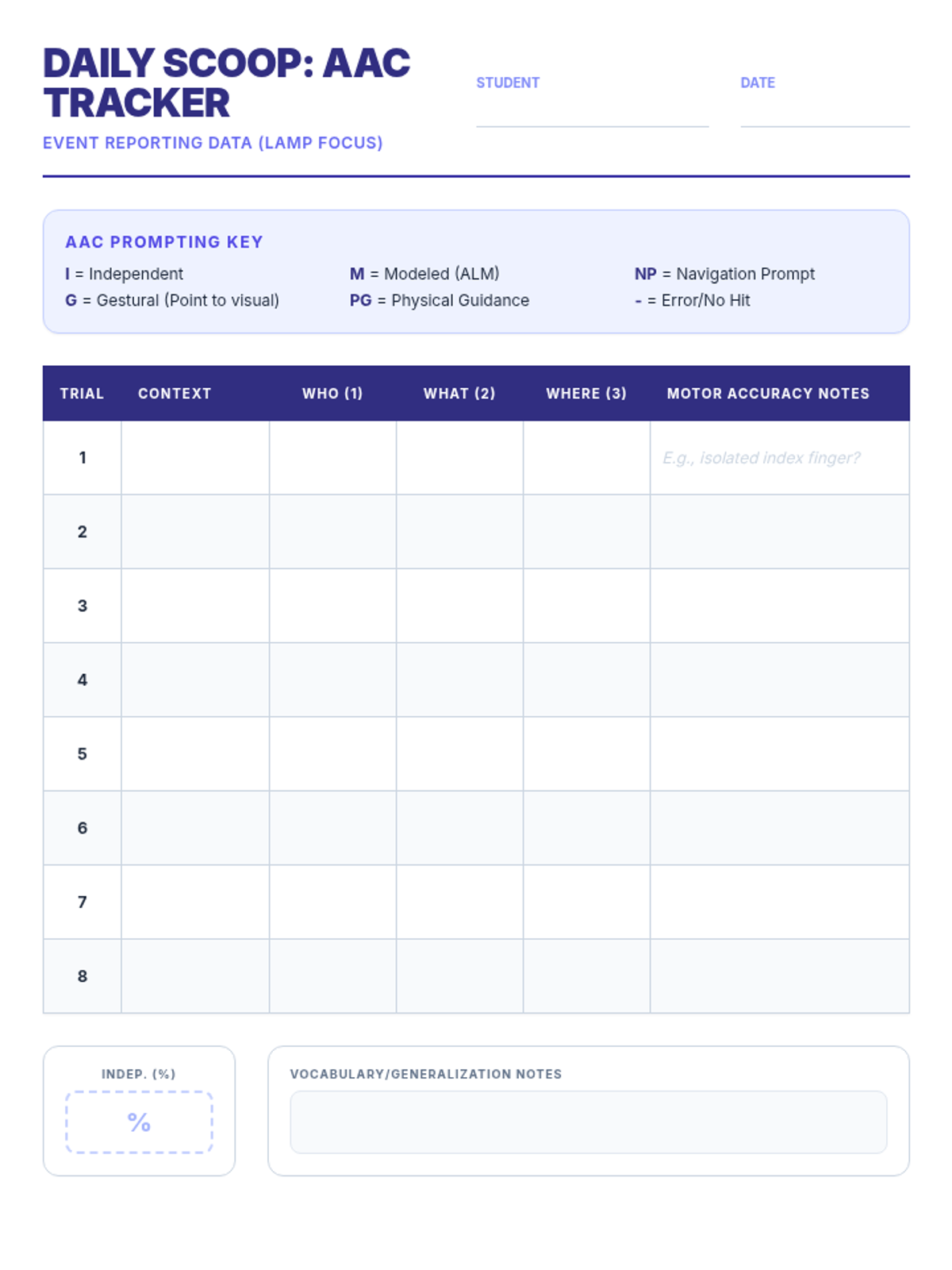
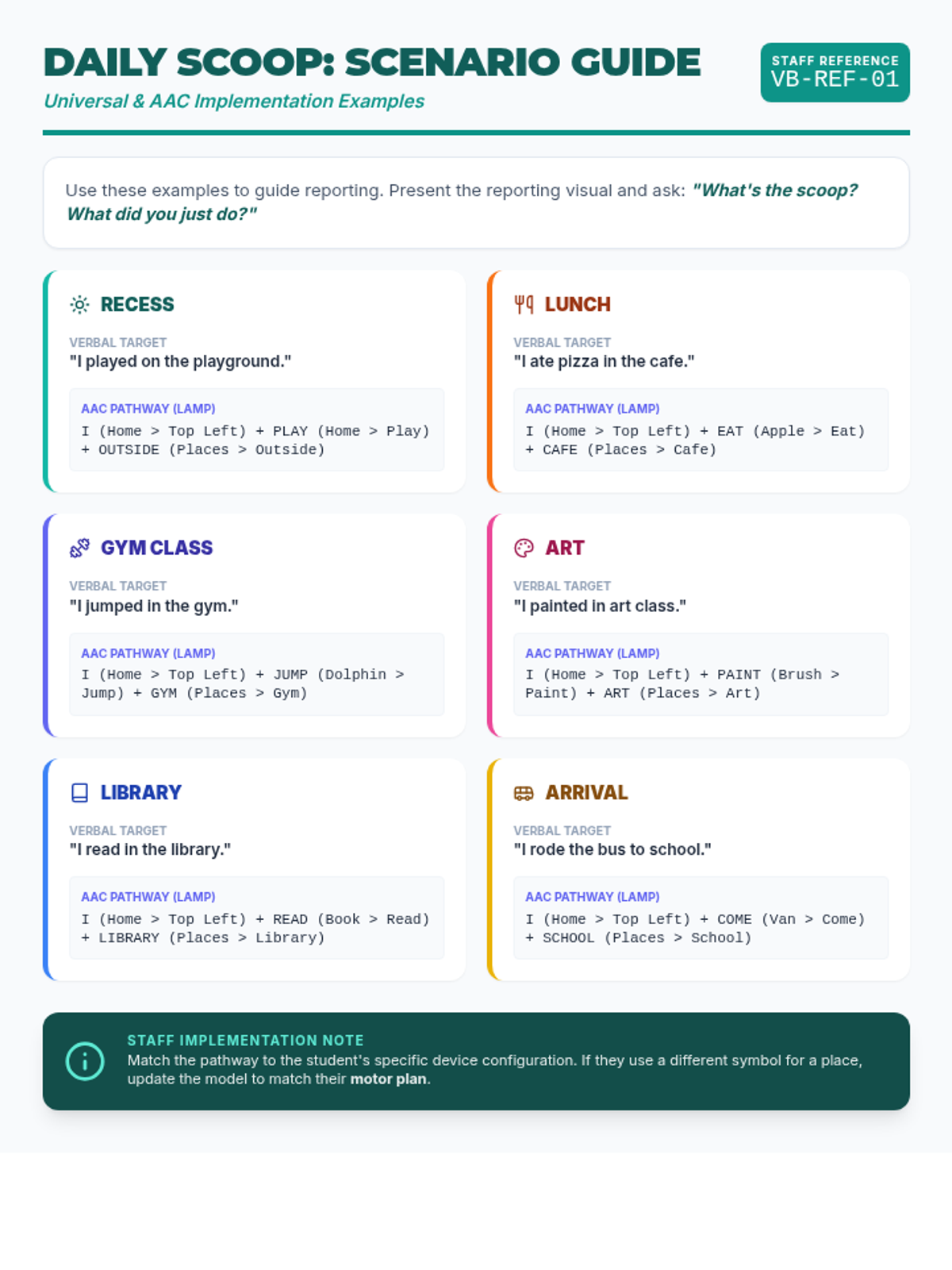
A comprehensive ABA-based program designed to teach students how to report past events using Who, What, and Where descriptors through structured prompting and fading.
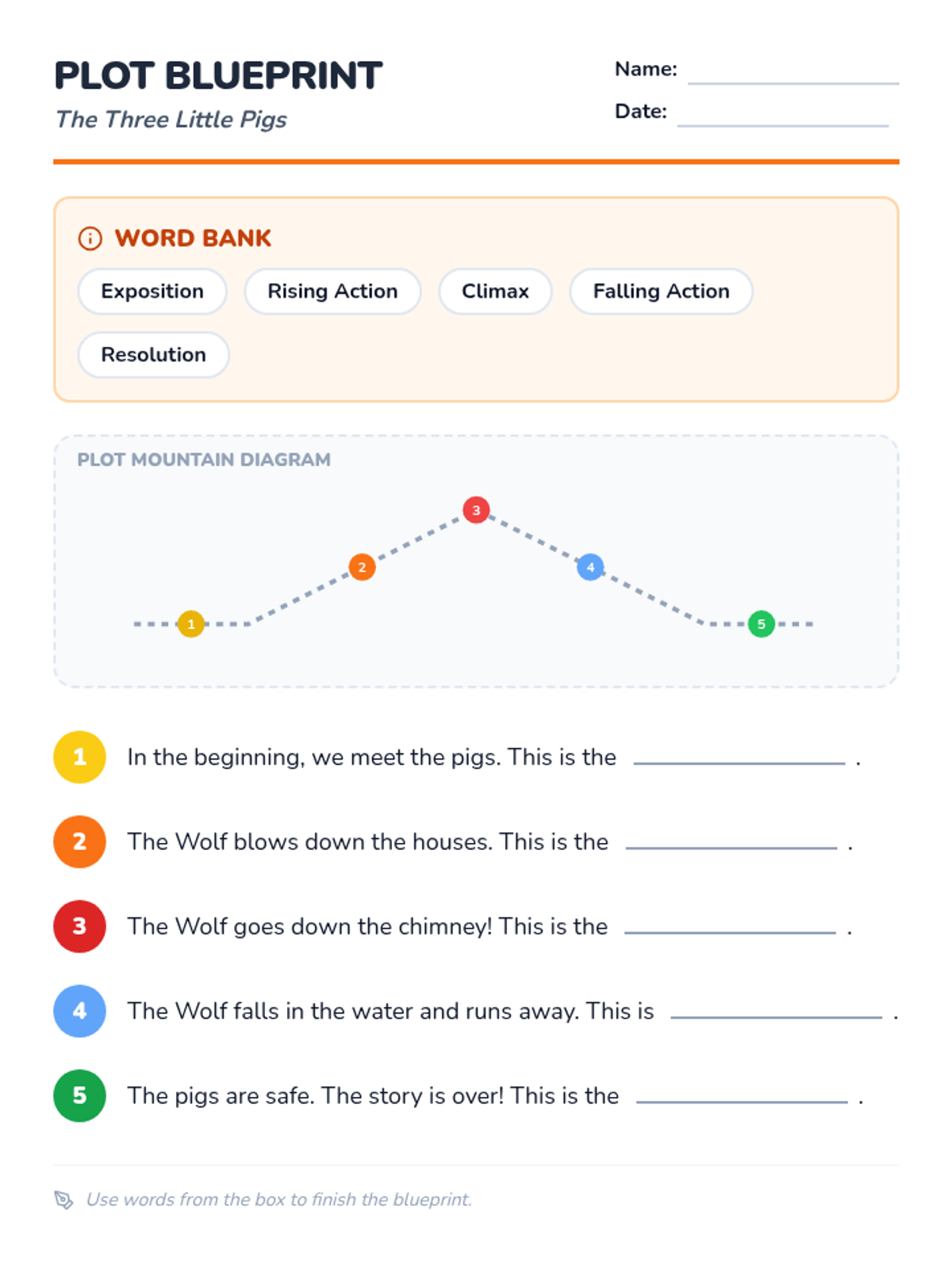
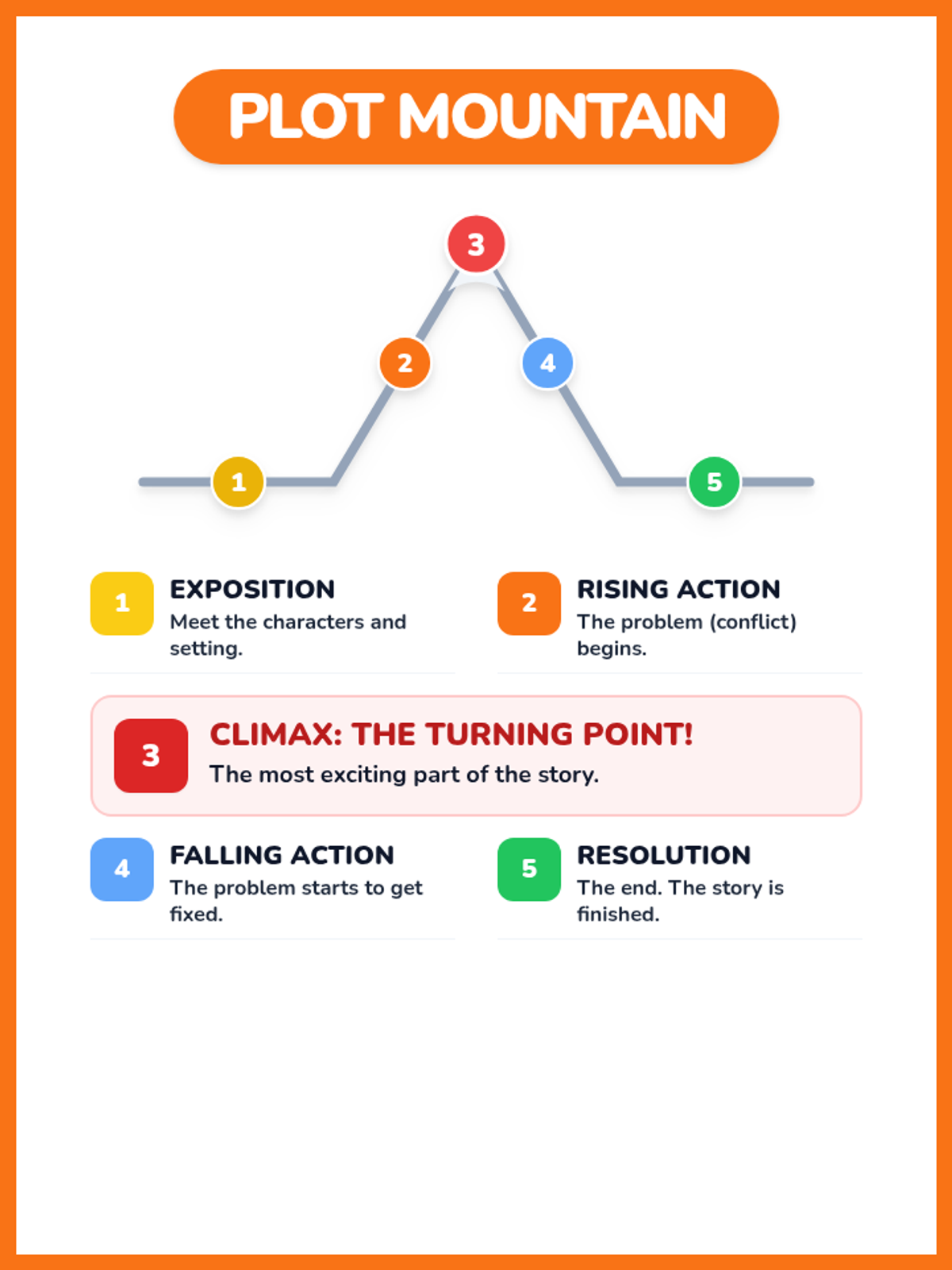
A simplified introduction to the elements of plot using the story of The Three Little Pigs, designed specifically for special education students.
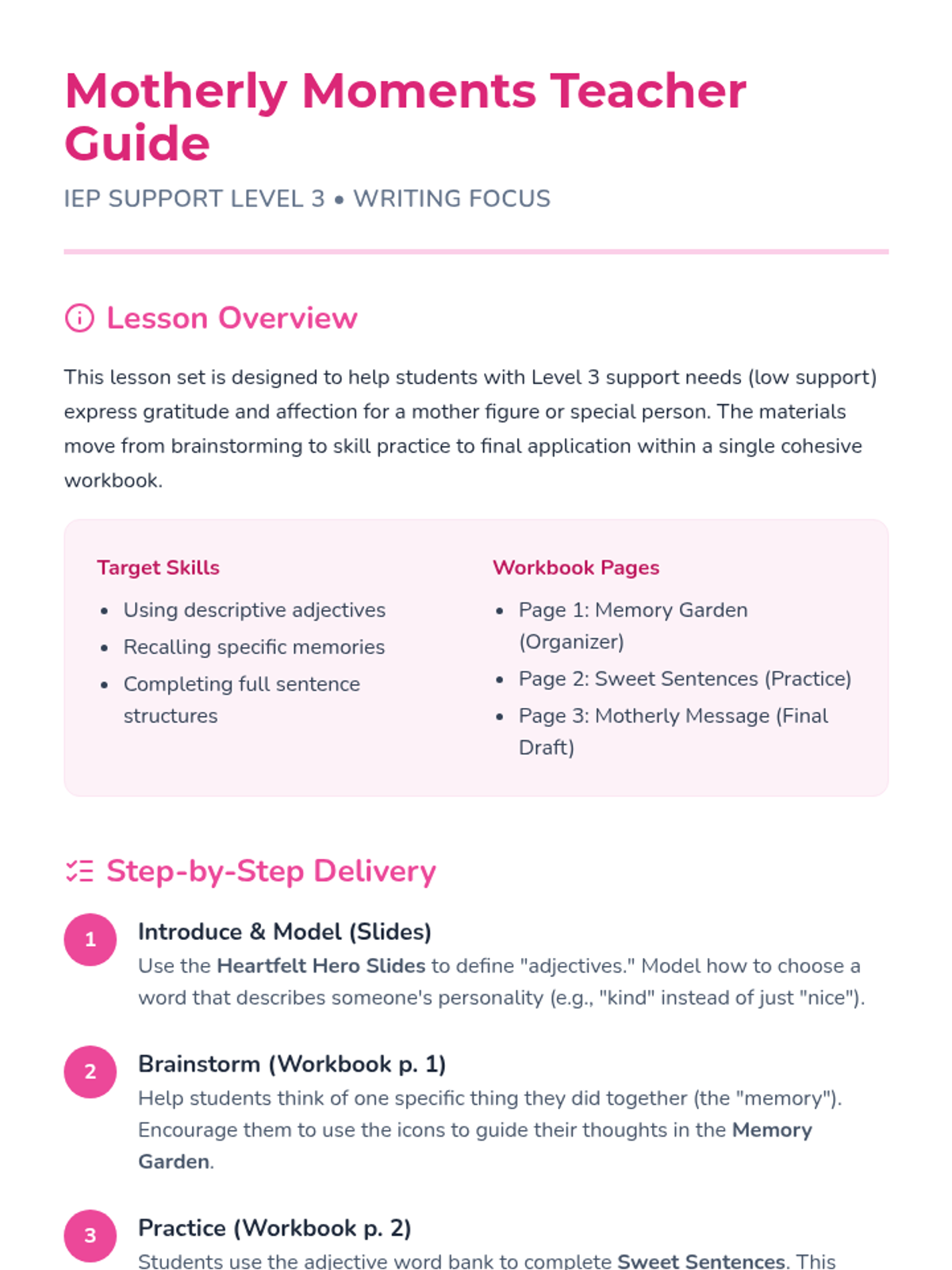
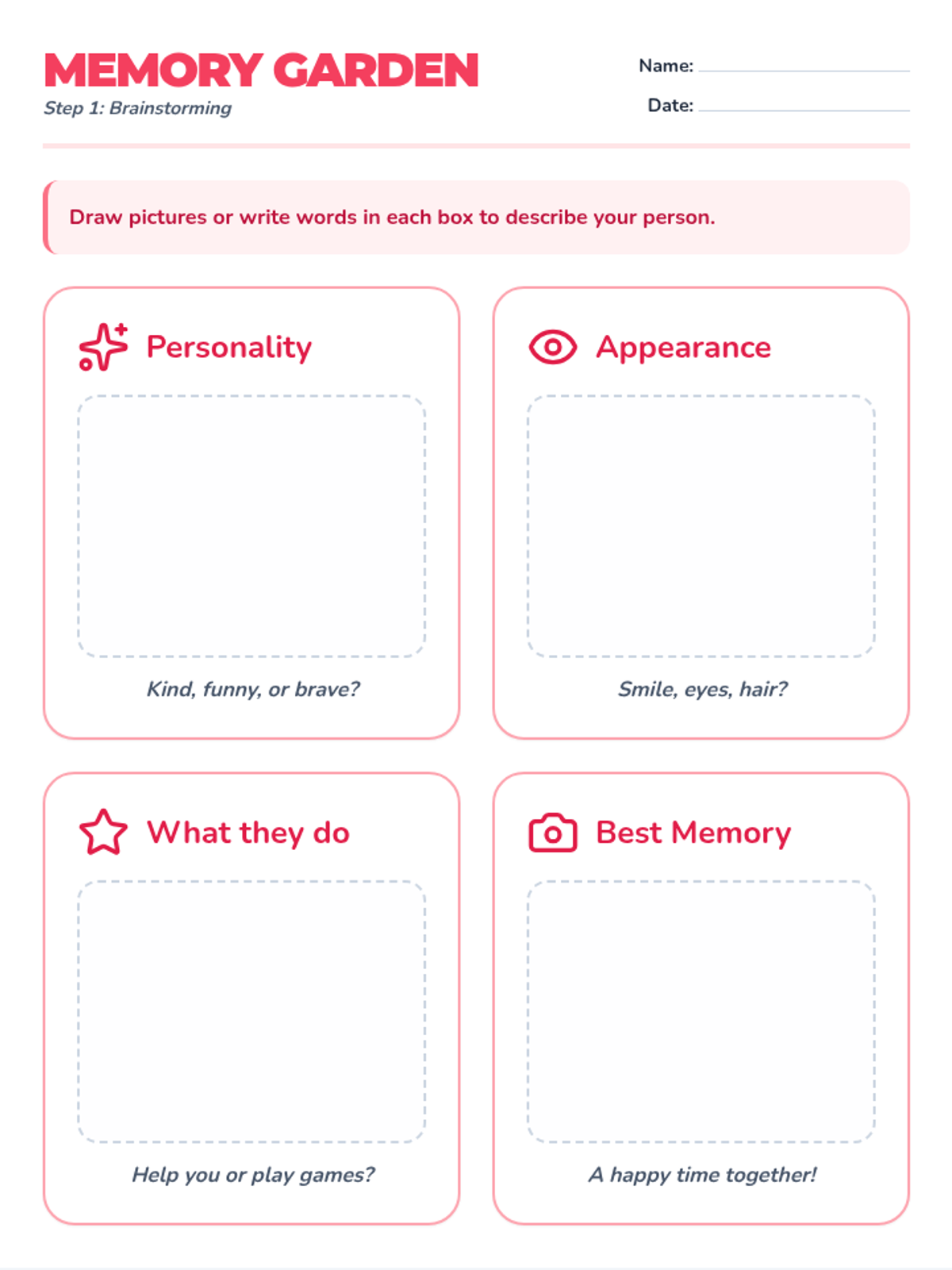
A Mother's Day writing unit designed for IEP Level 3 students, focusing on descriptive adjectives, personal memories, and sentence structure through visual scaffolding and structured templates.
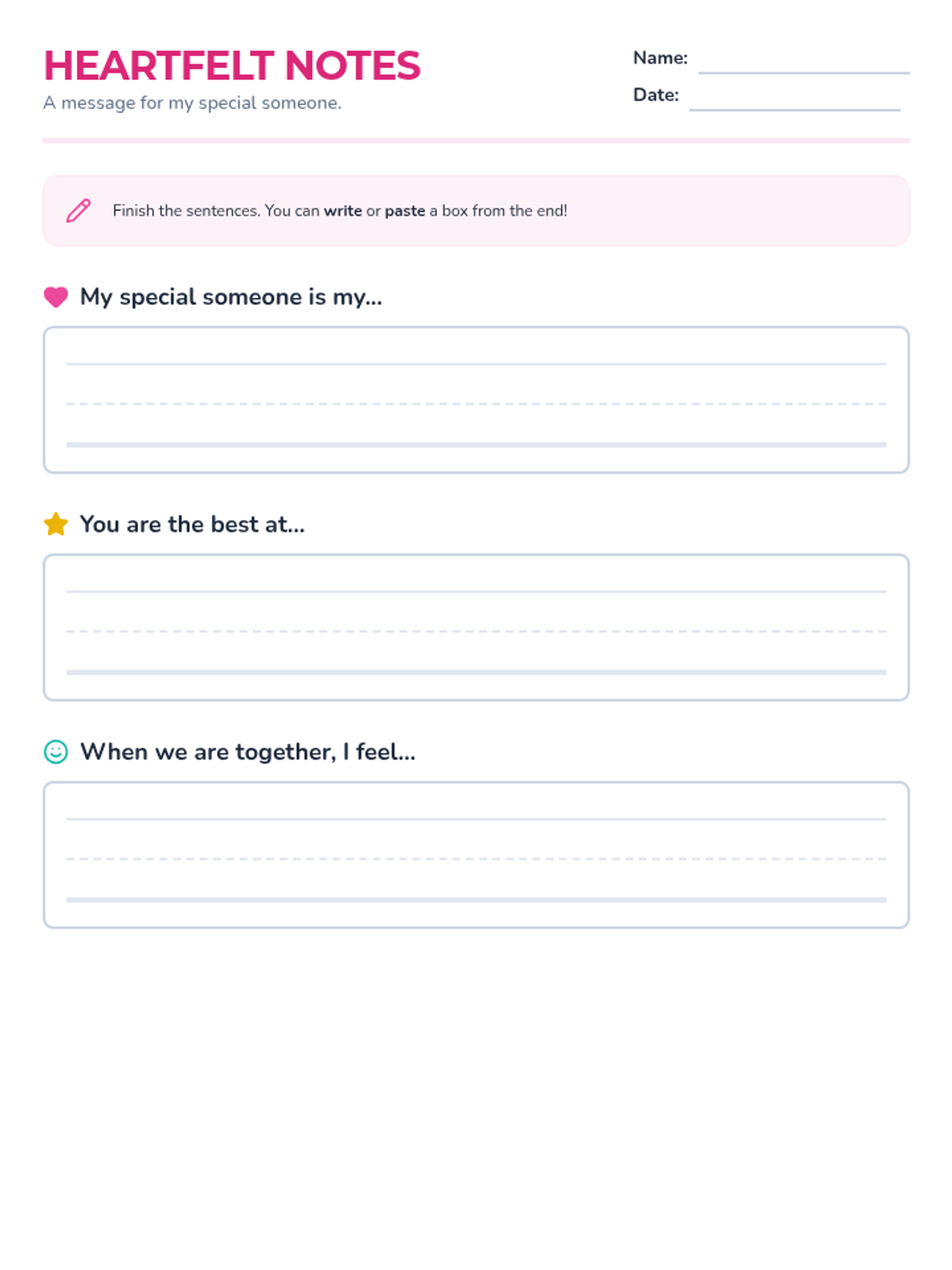
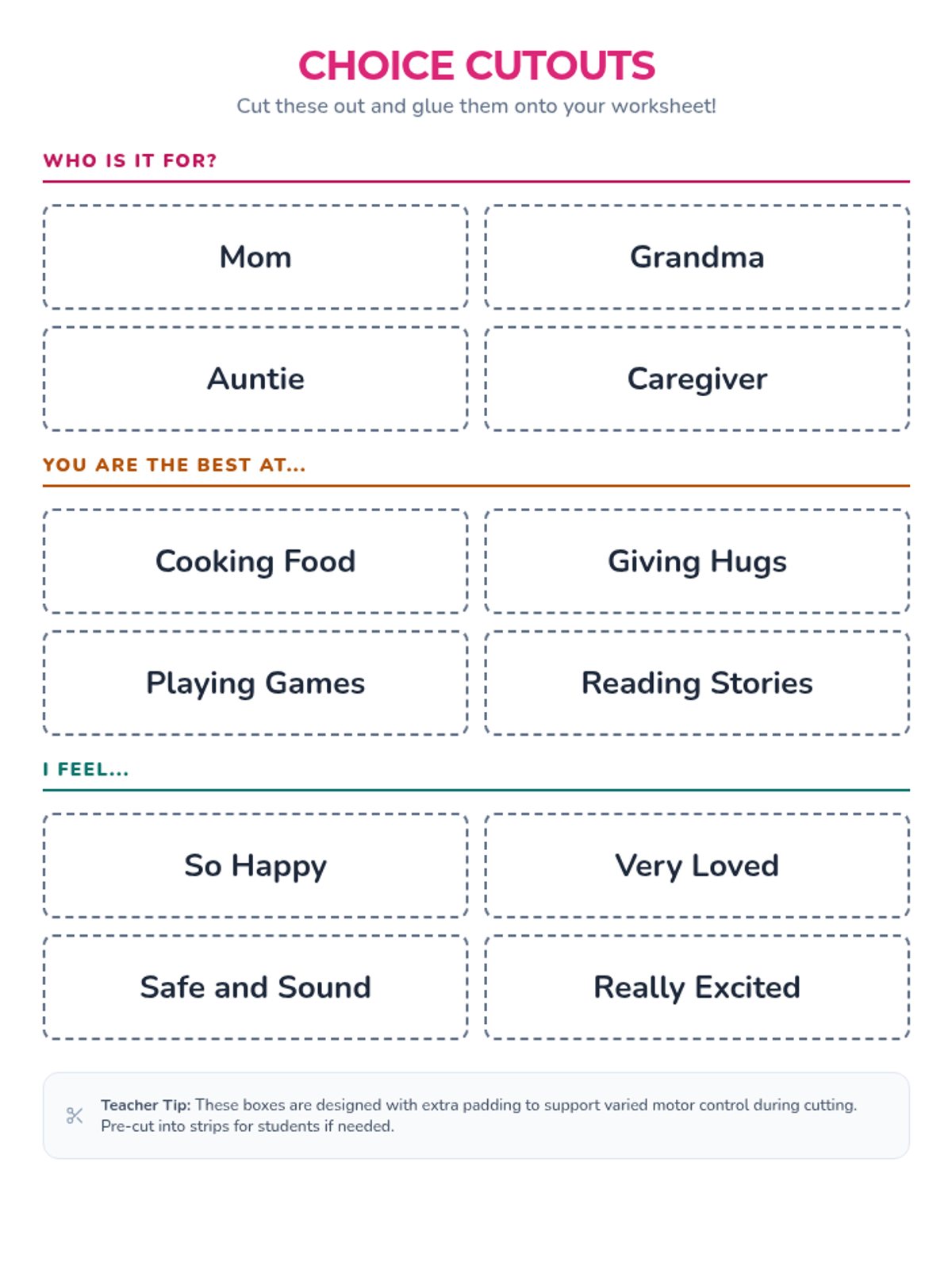
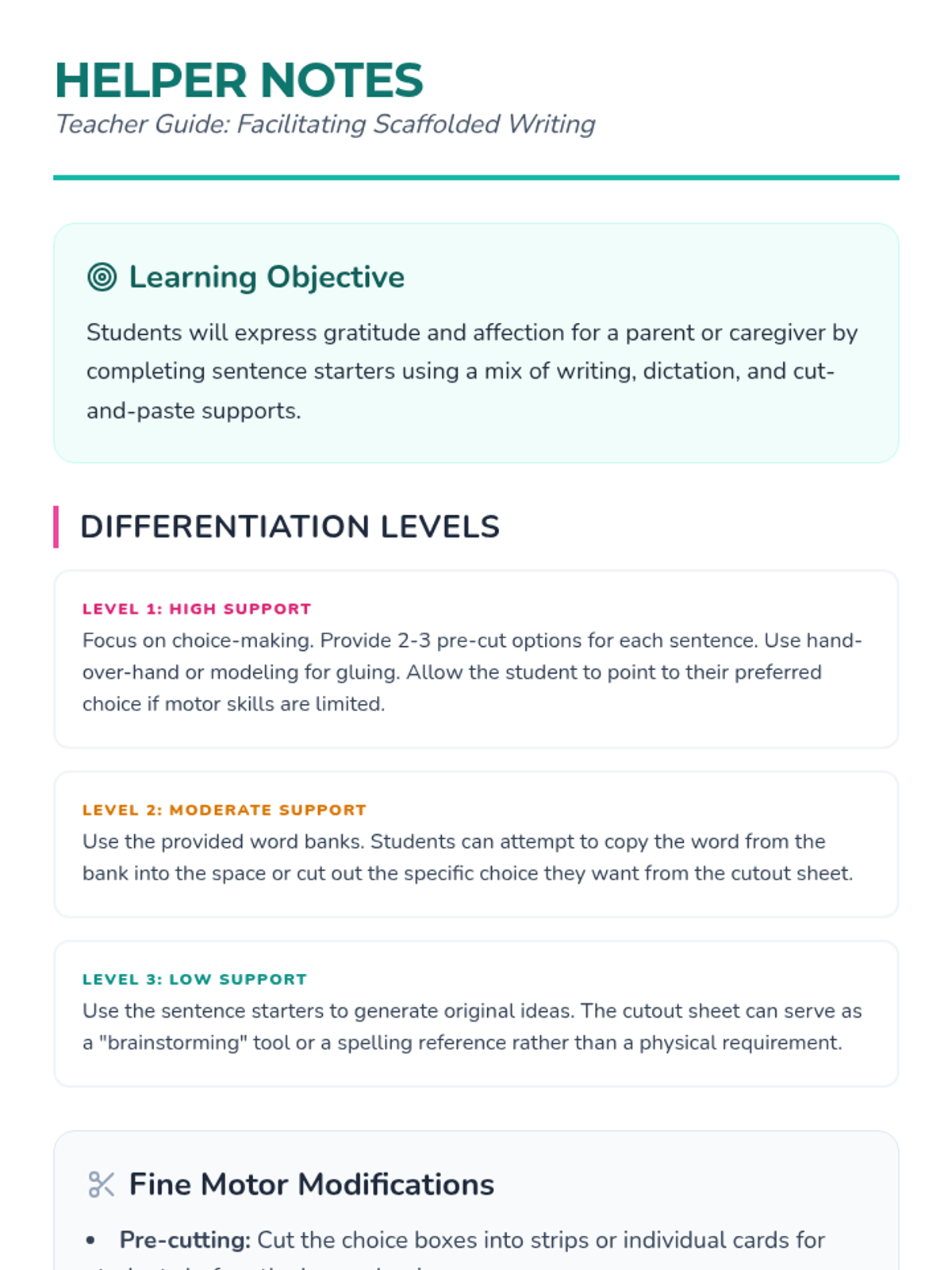
A scaffolded writing activity for Mother's Day and Caregiver Appreciation, specifically designed for students with IEPs. Includes sentence starters, word banks, and cut-and-paste options to support diverse learners in expressing gratitude.
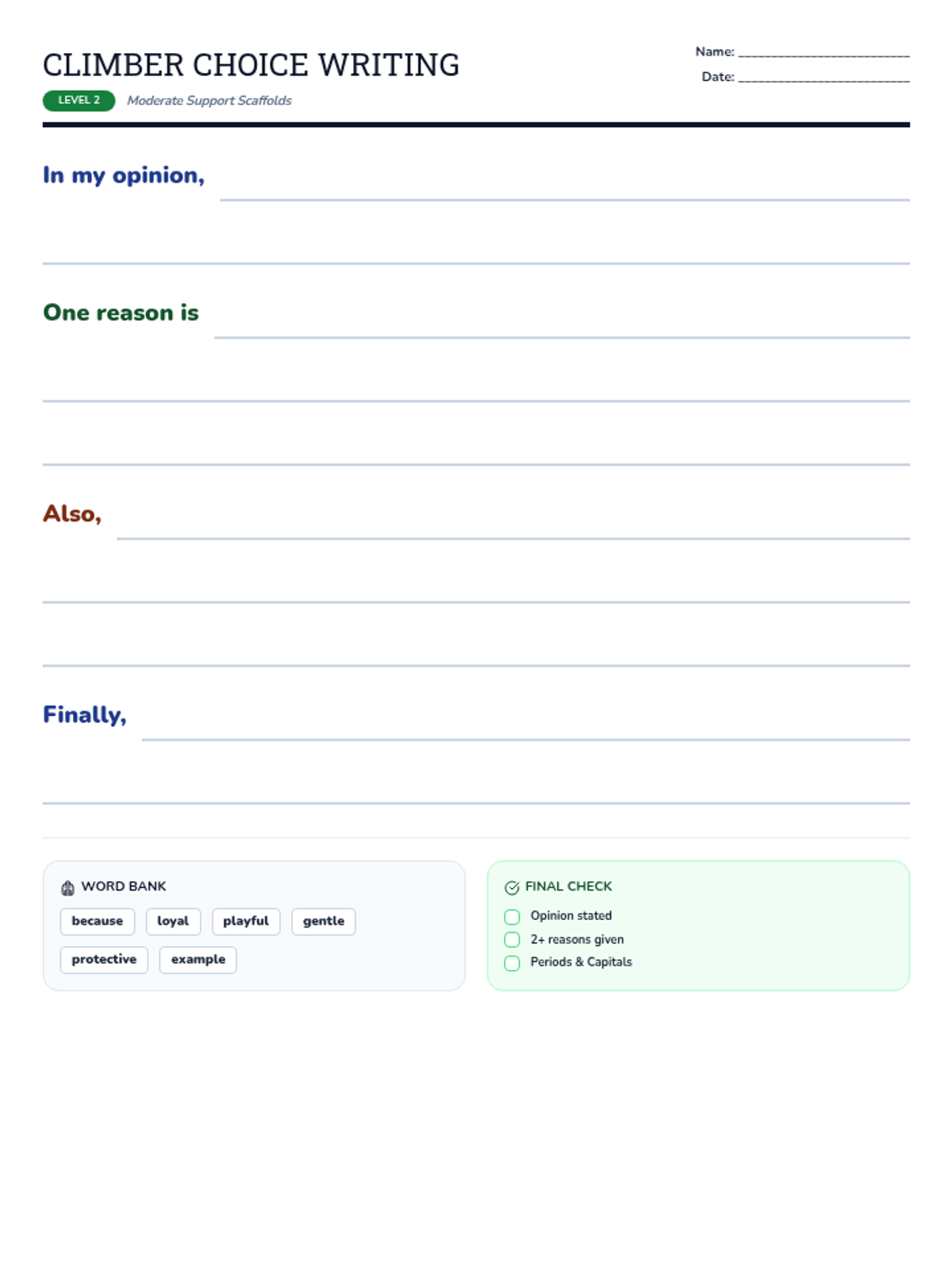
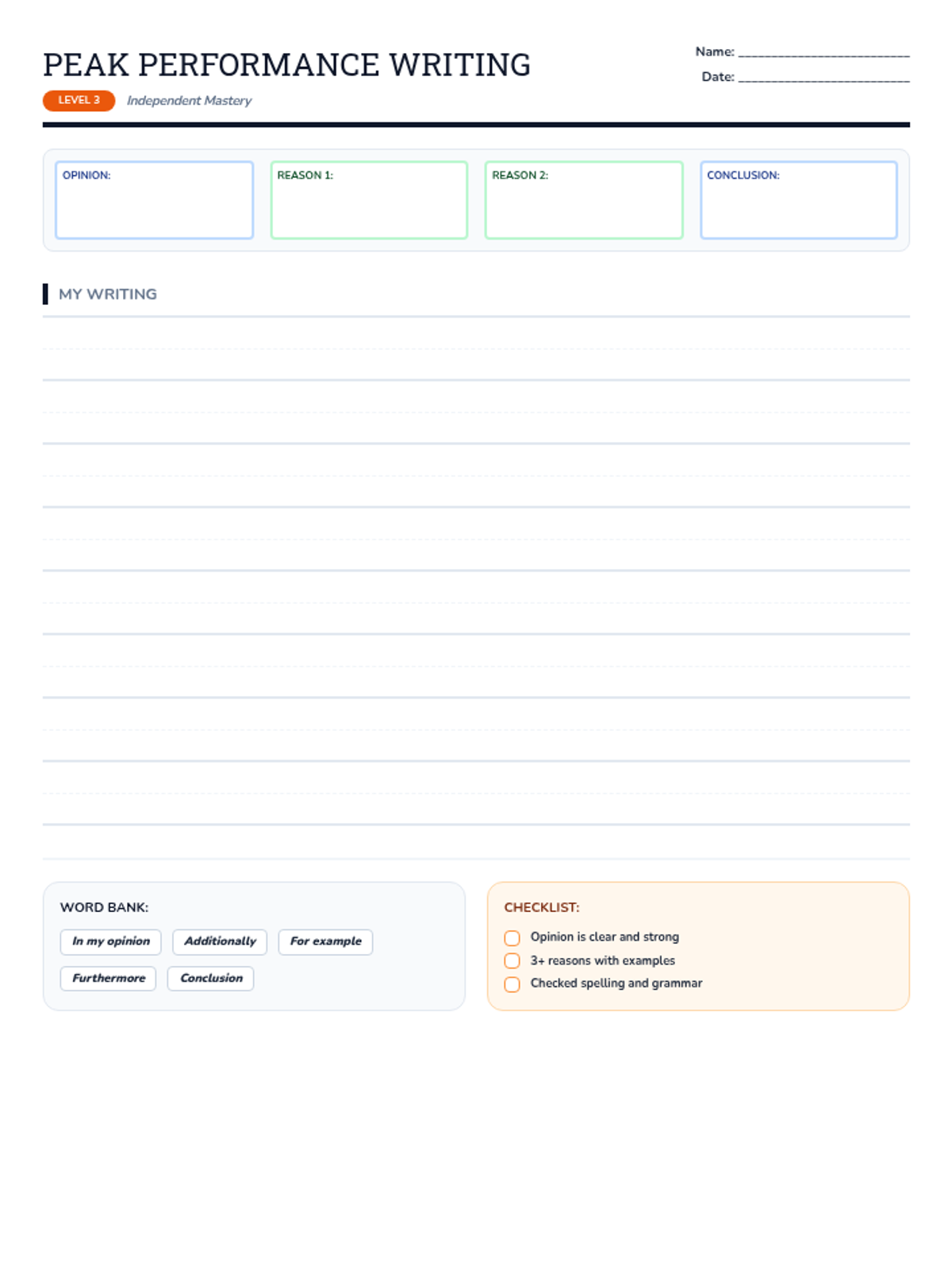
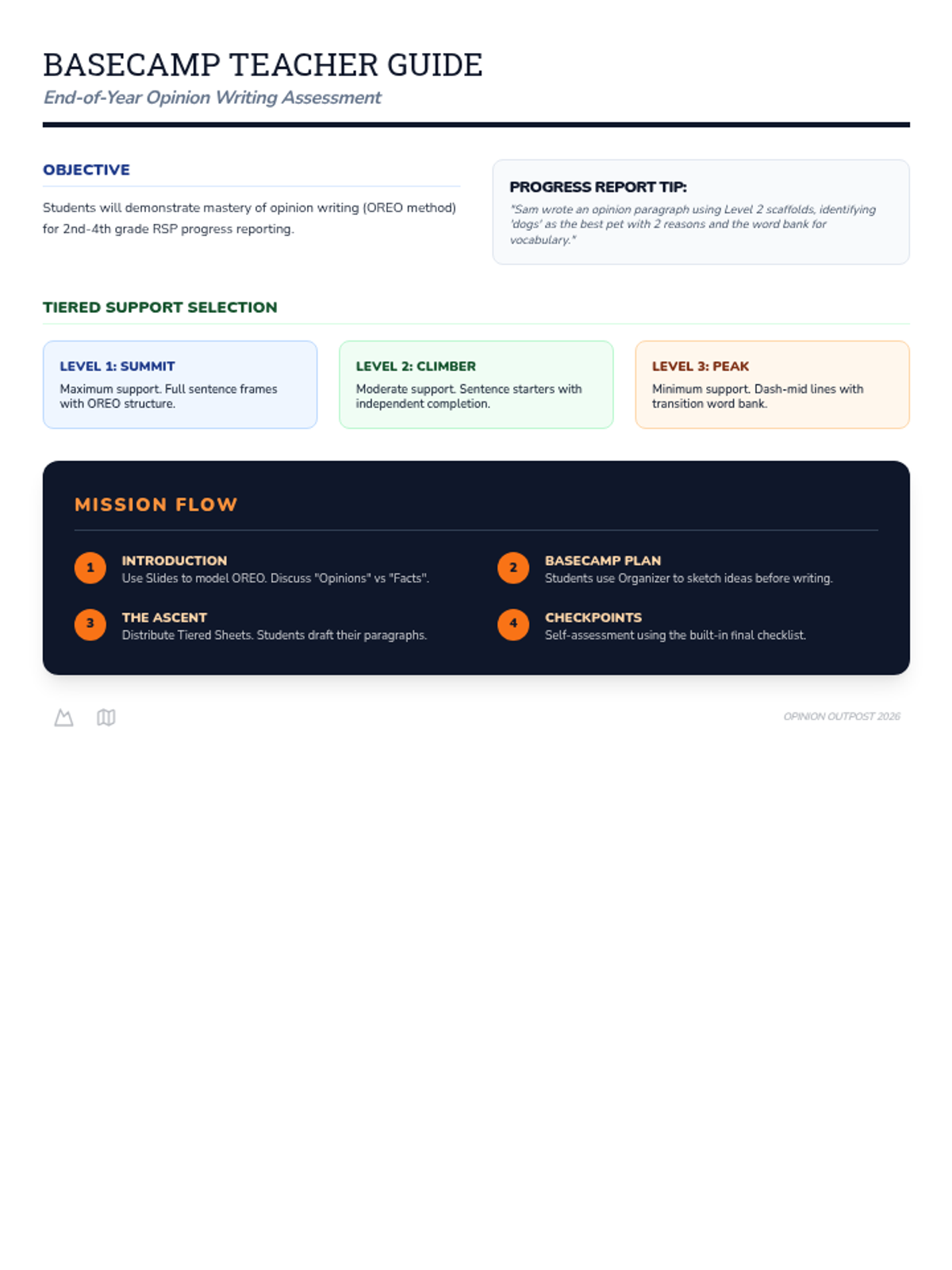
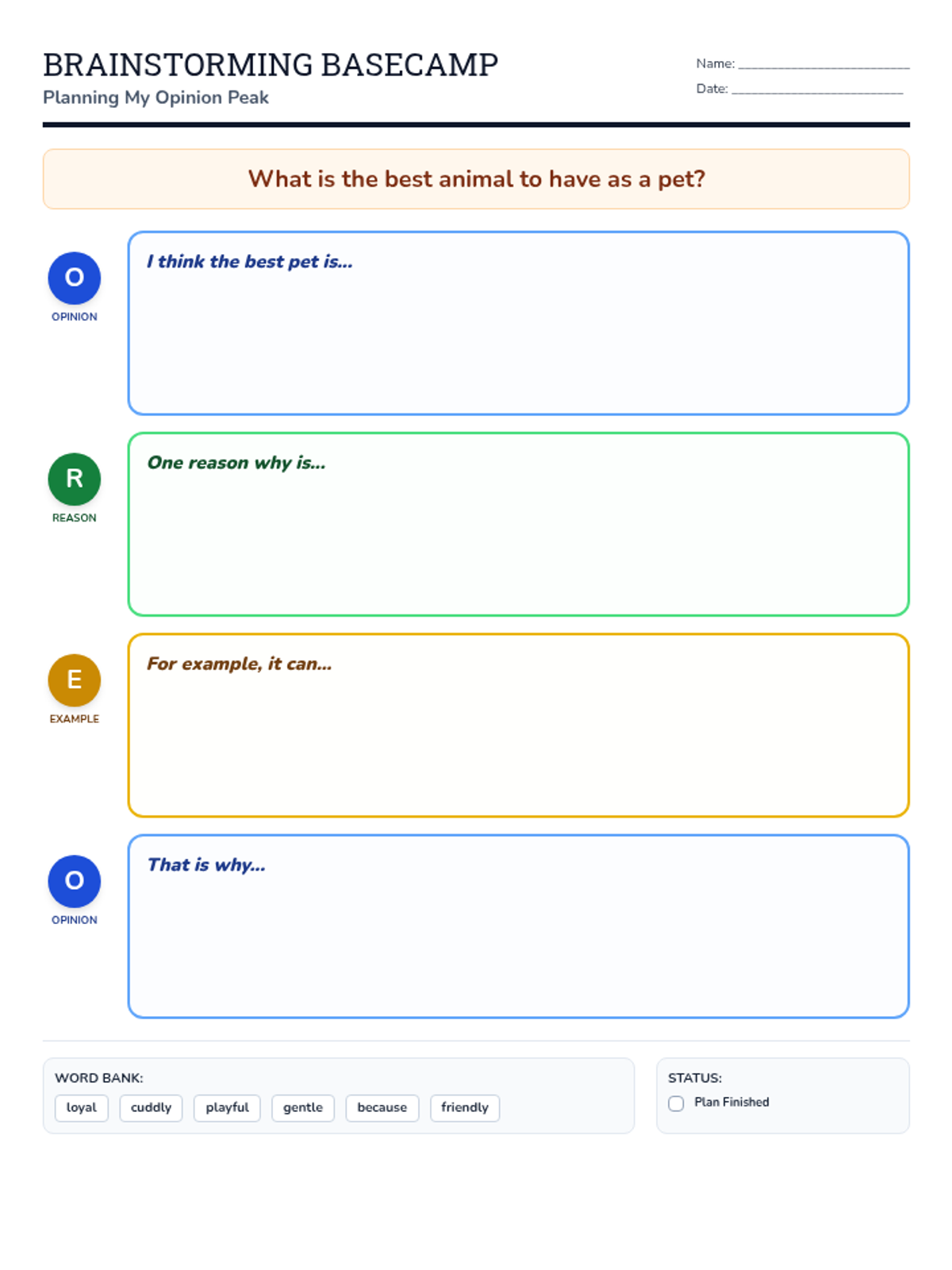
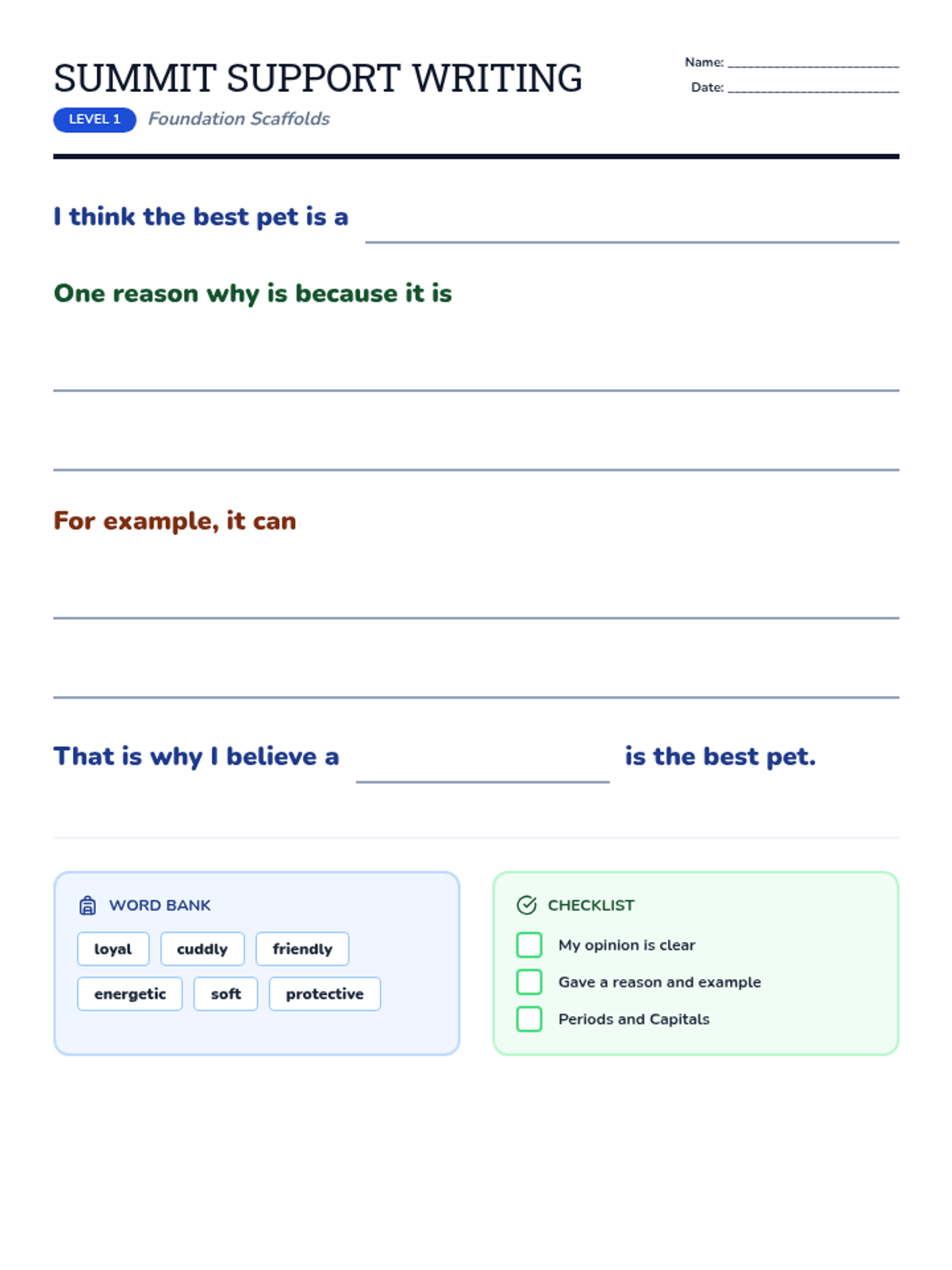
A scaffolded opinion writing lesson focused on 'The Best Pet', designed for 2nd-4th grade RSP students to demonstrate their year-end progress through differentiated writing tasks.
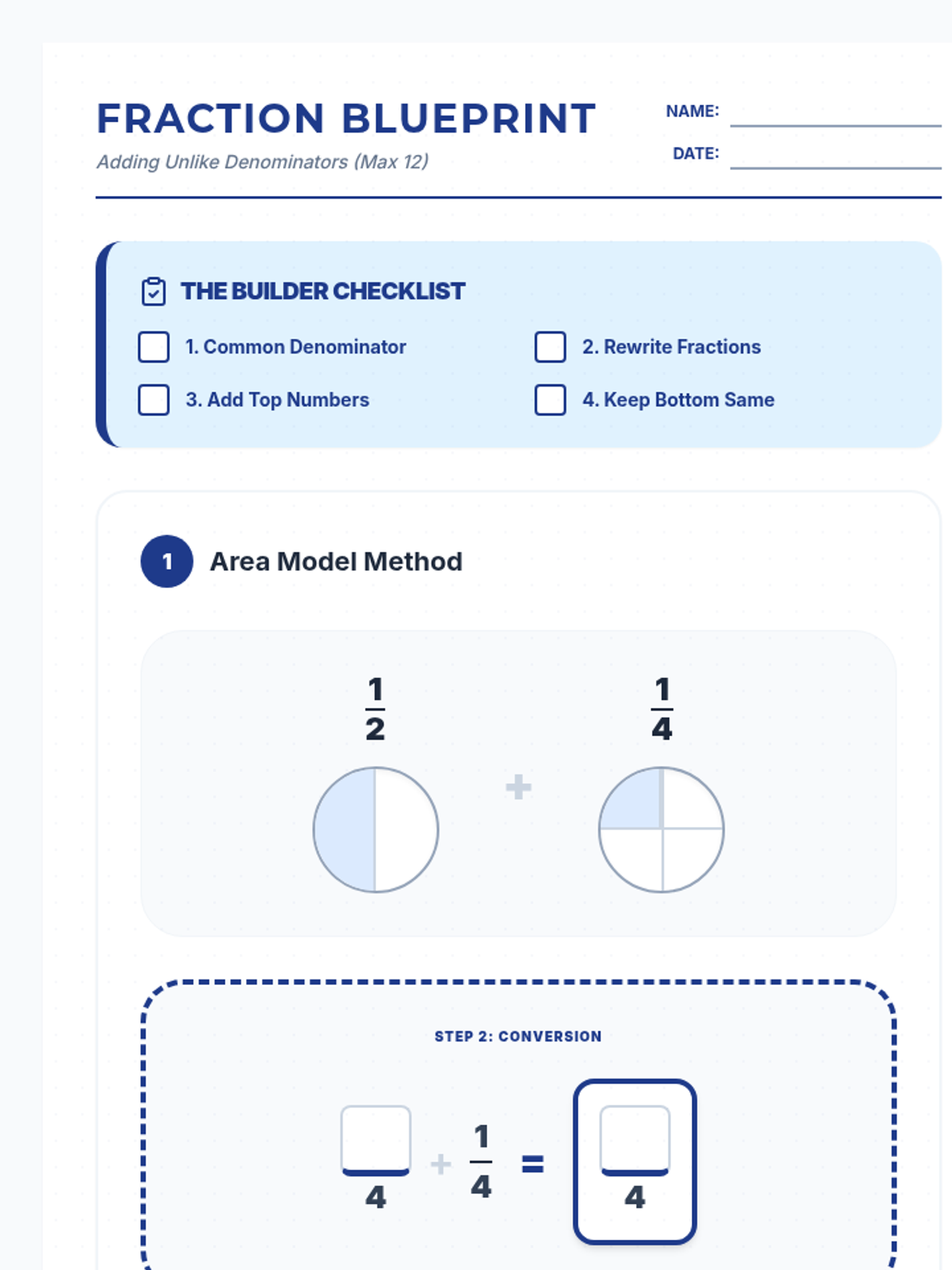
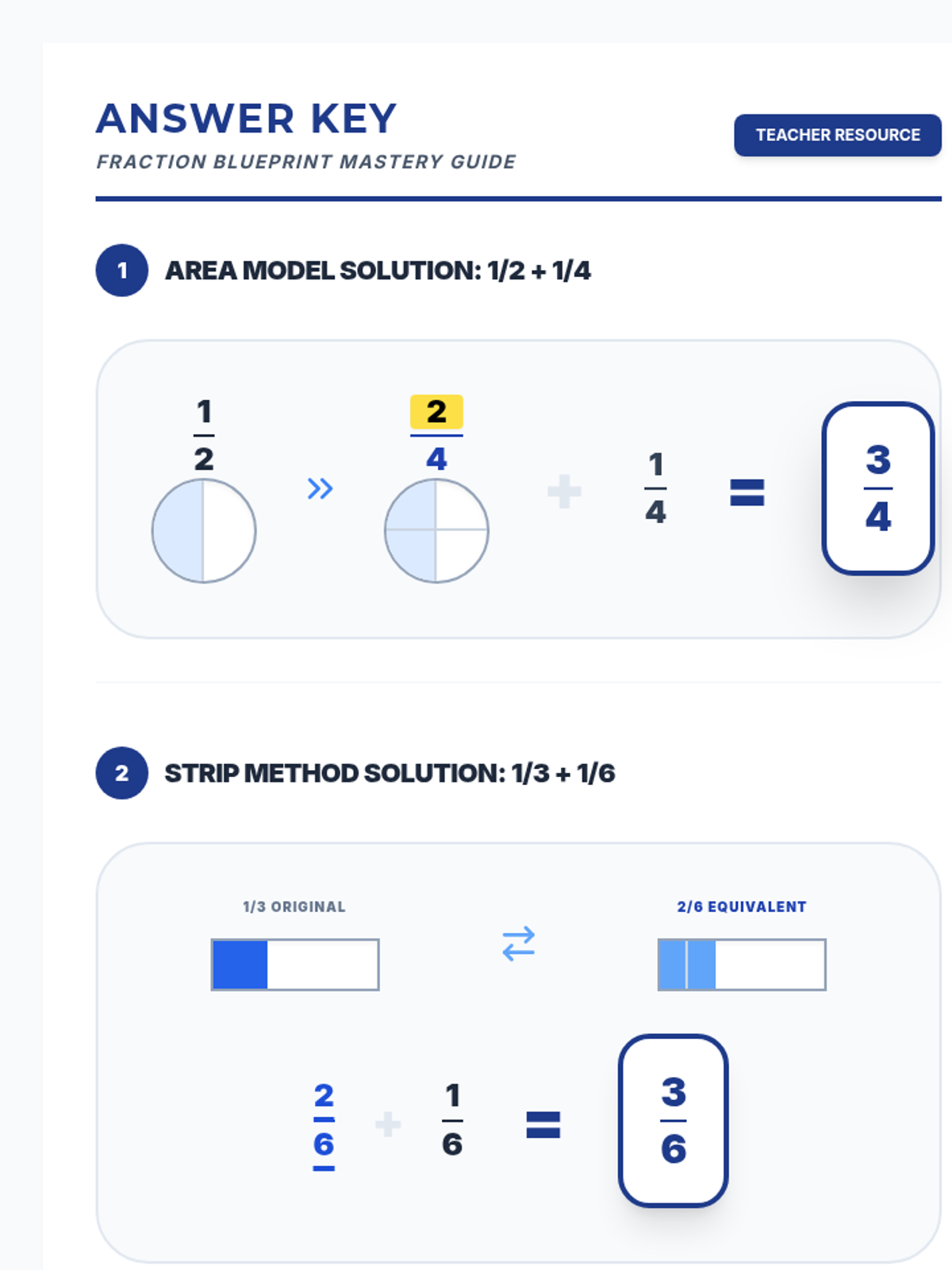
A specialized lesson for students with IEPs focused on adding fractions with unlike denominators using visual scaffolds like area models, fraction strips, and a step-by-step checklist. Content is limited to denominators up to 12 to ensure accessibility and mastery of the core concept.
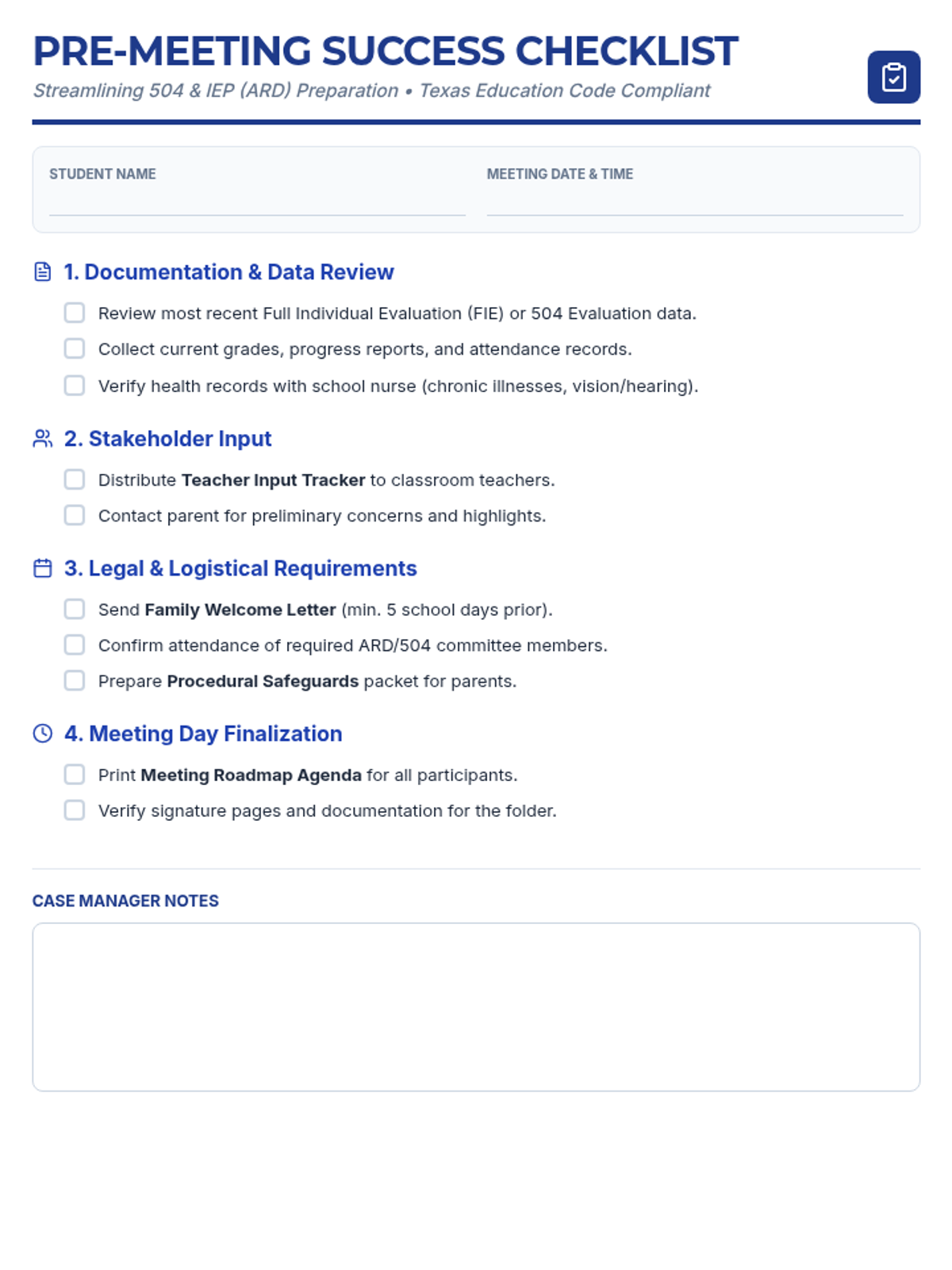
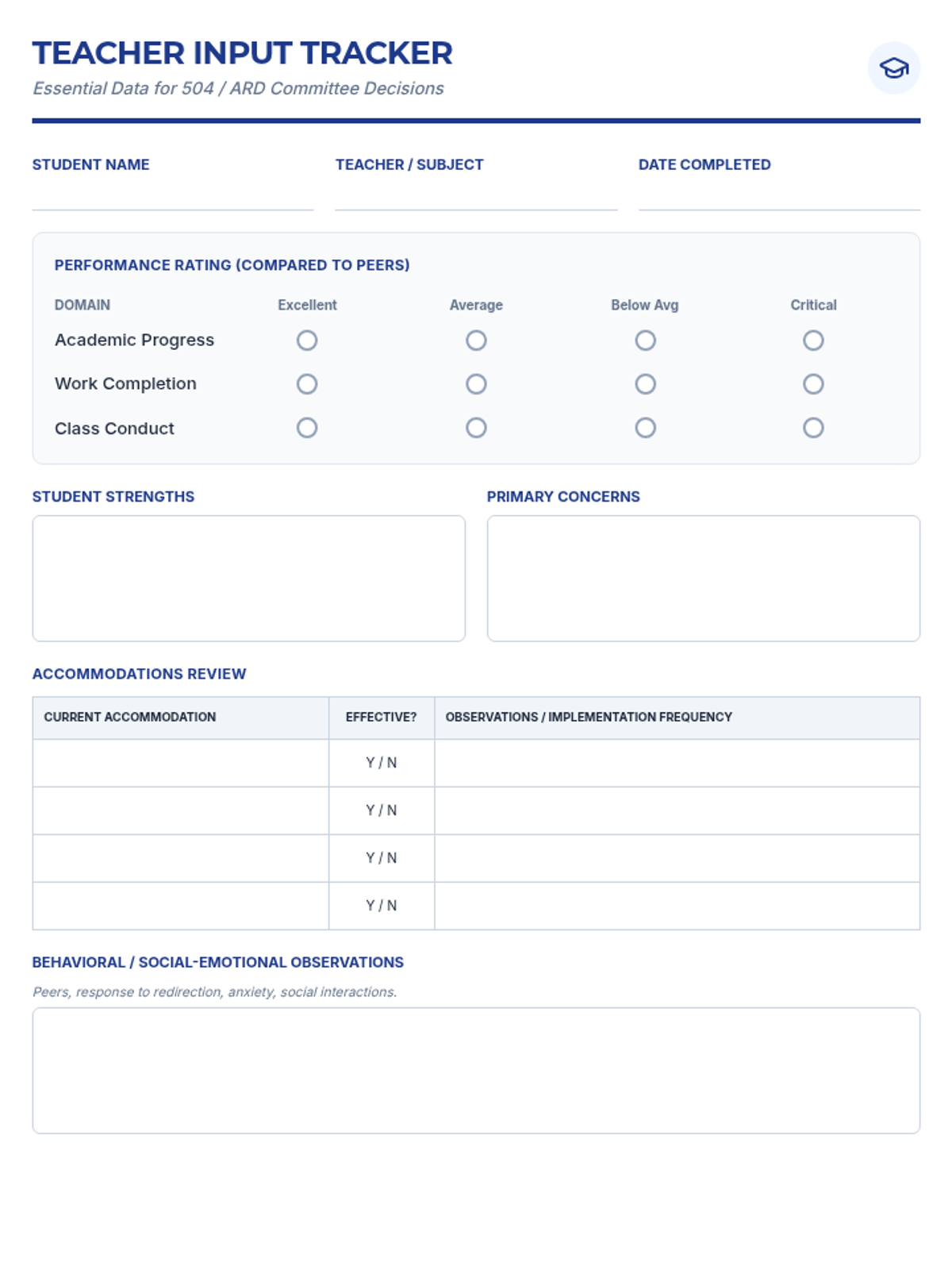
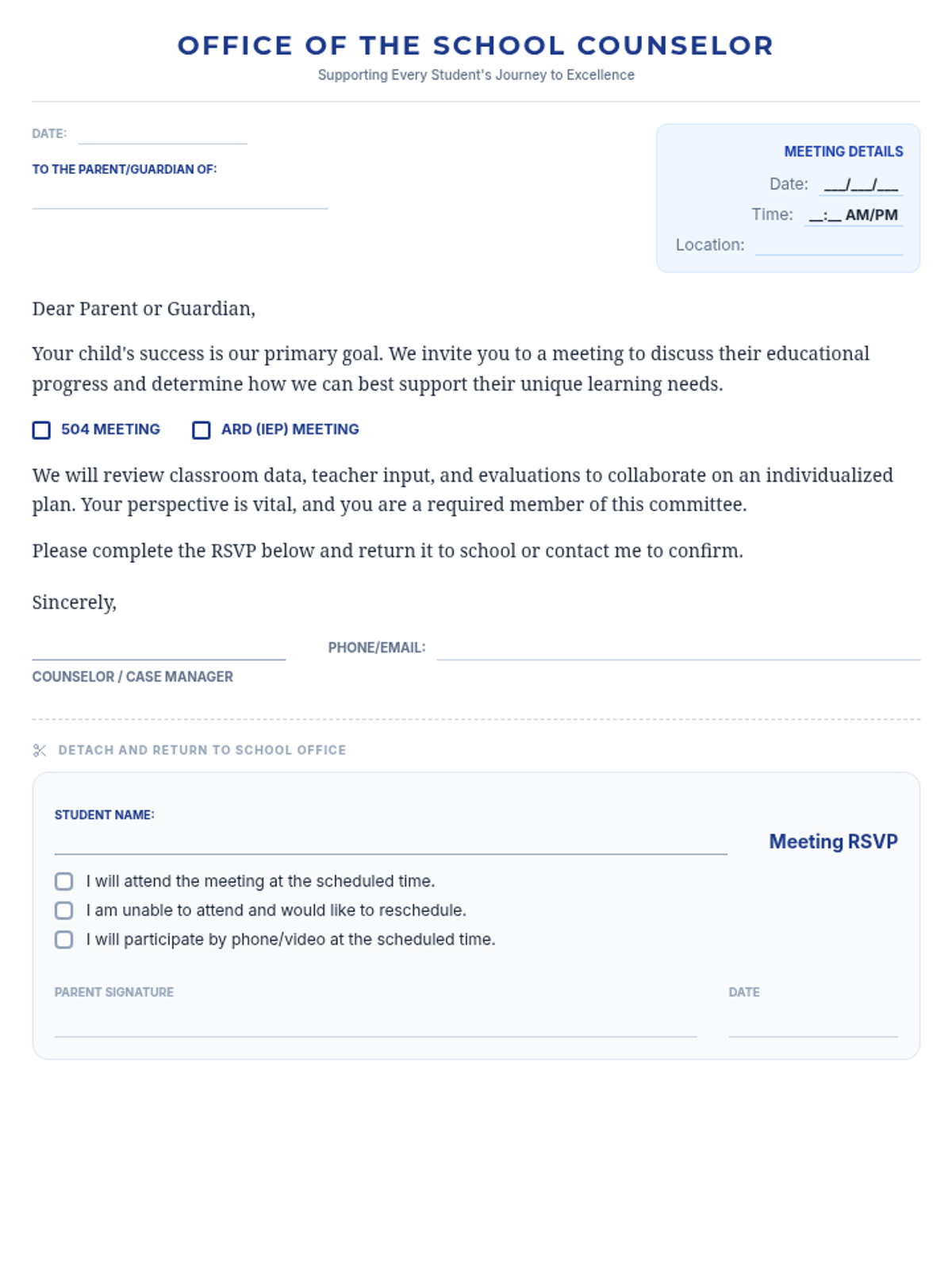
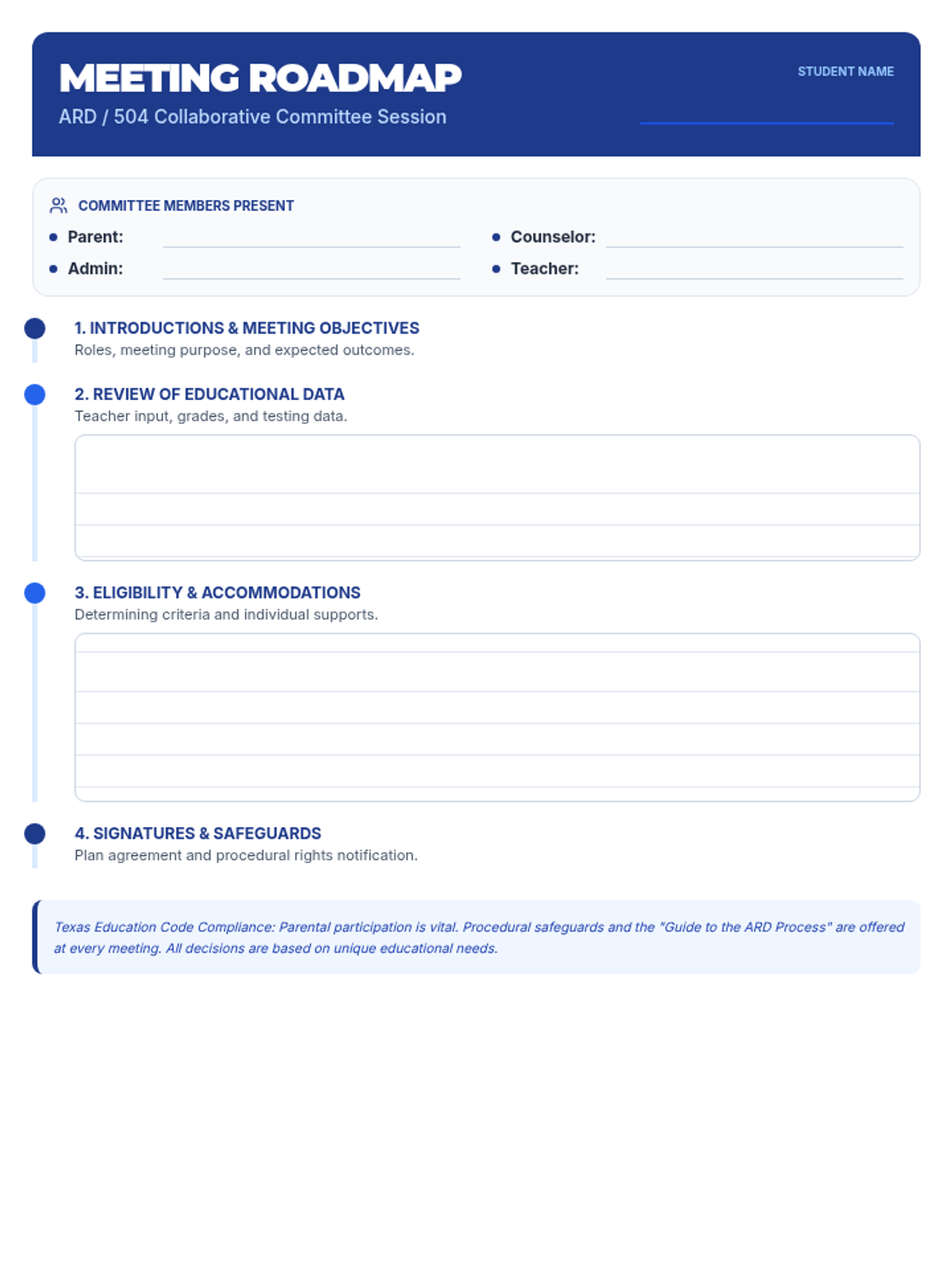
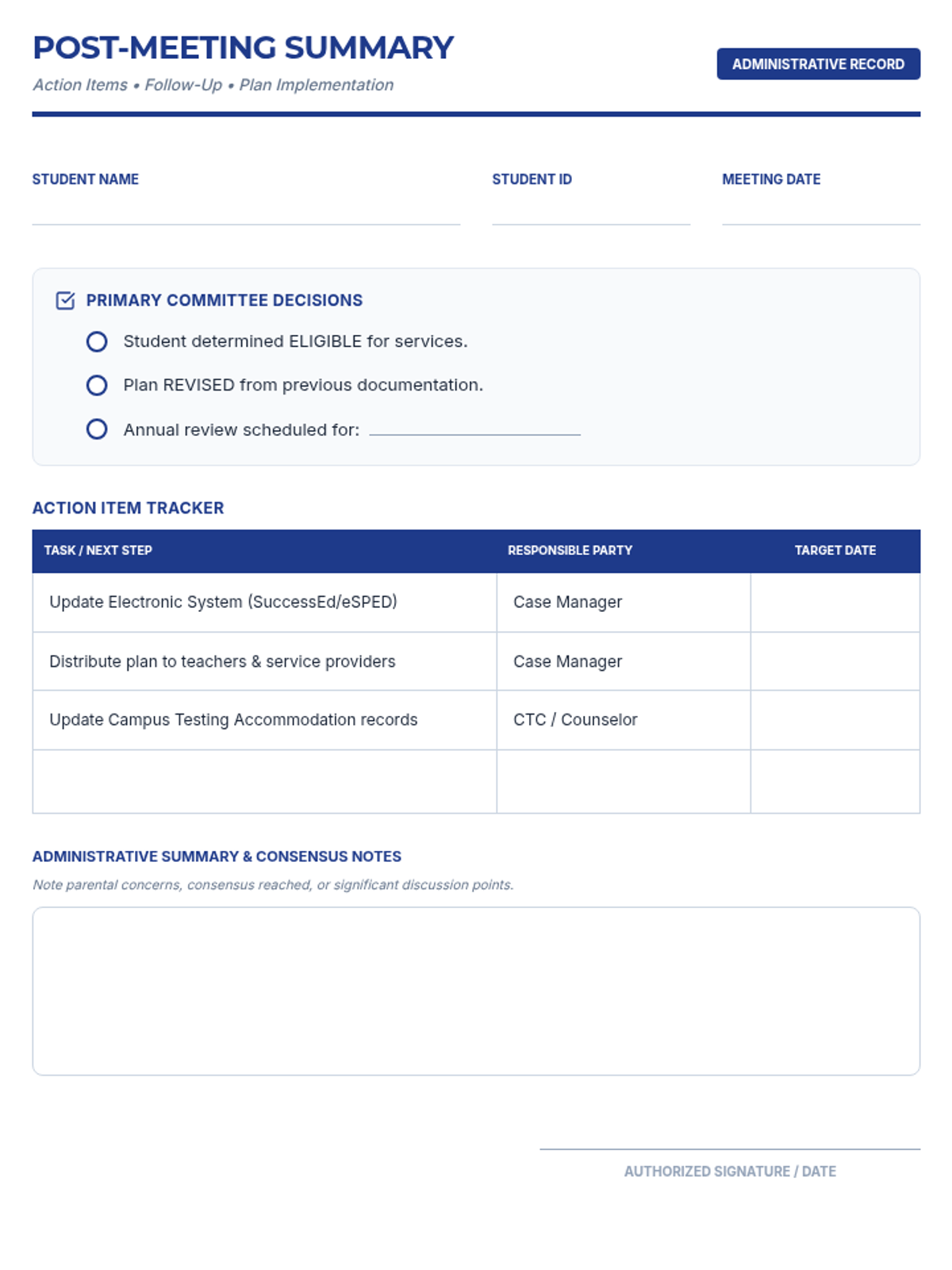
A comprehensive toolkit for elementary school counselors to streamline the 504 and IEP (ARD) process. This bundle includes data collection tools, communication templates, and meeting guides compliant with Texas Education Code standards.
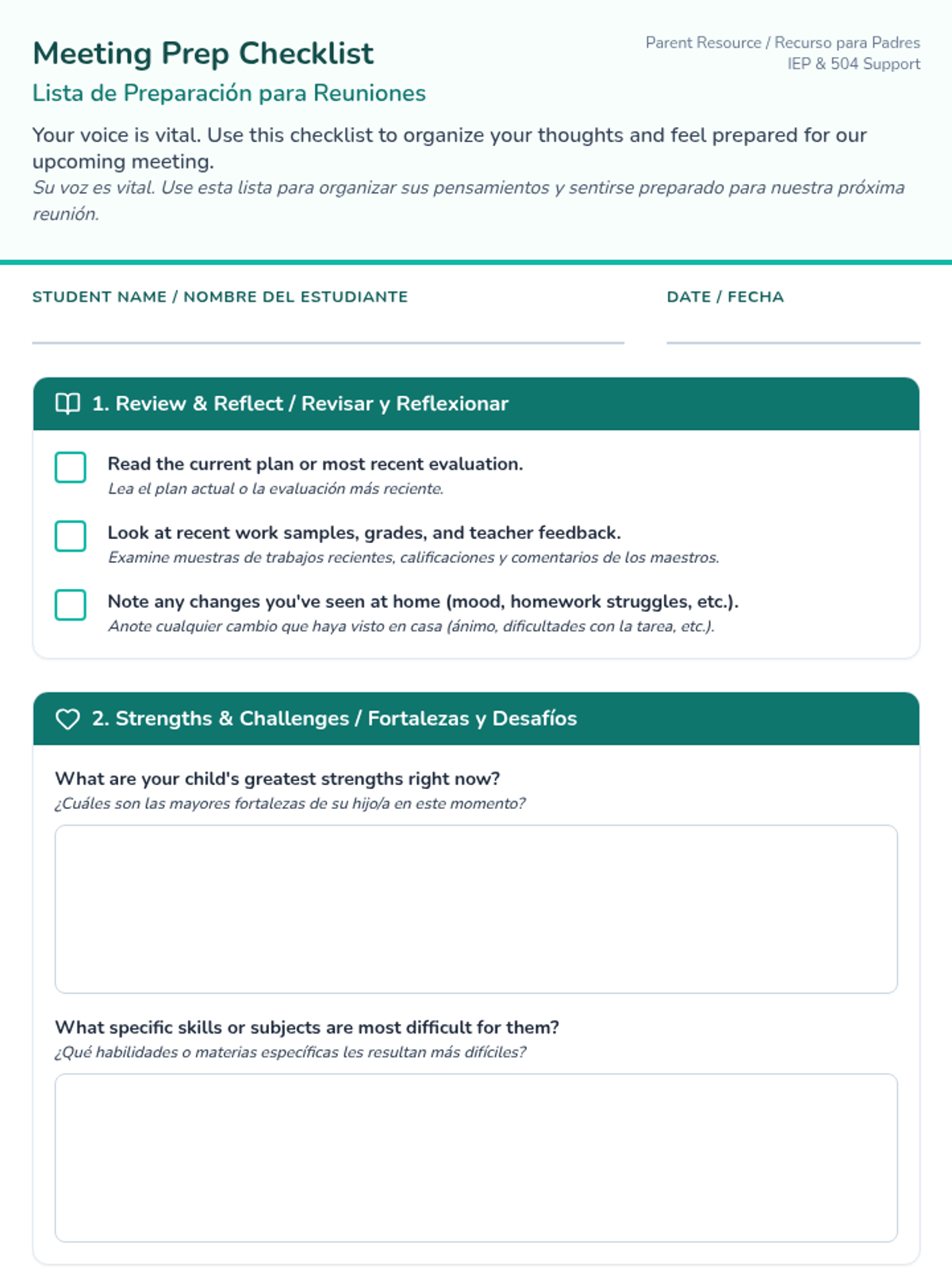
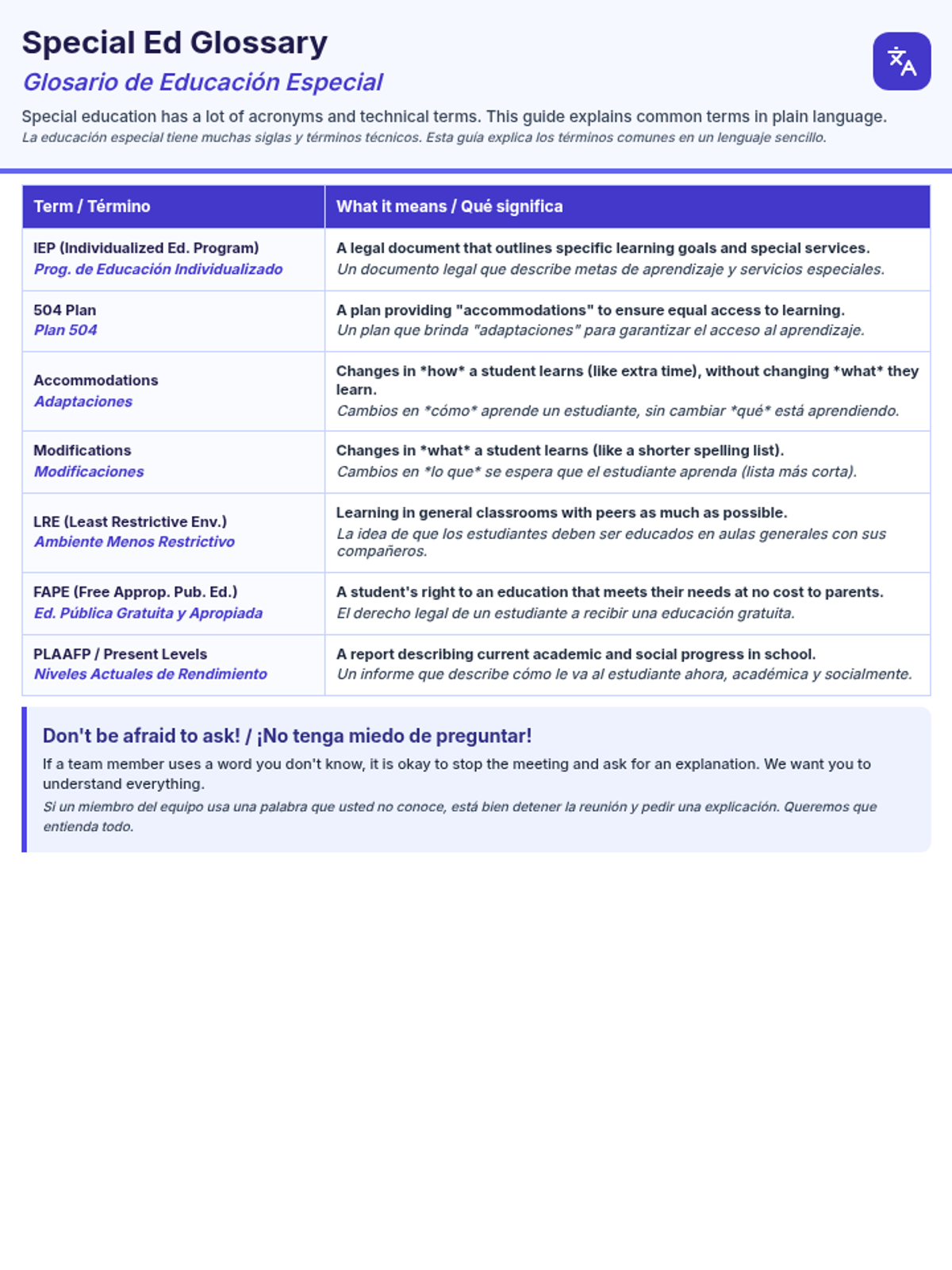
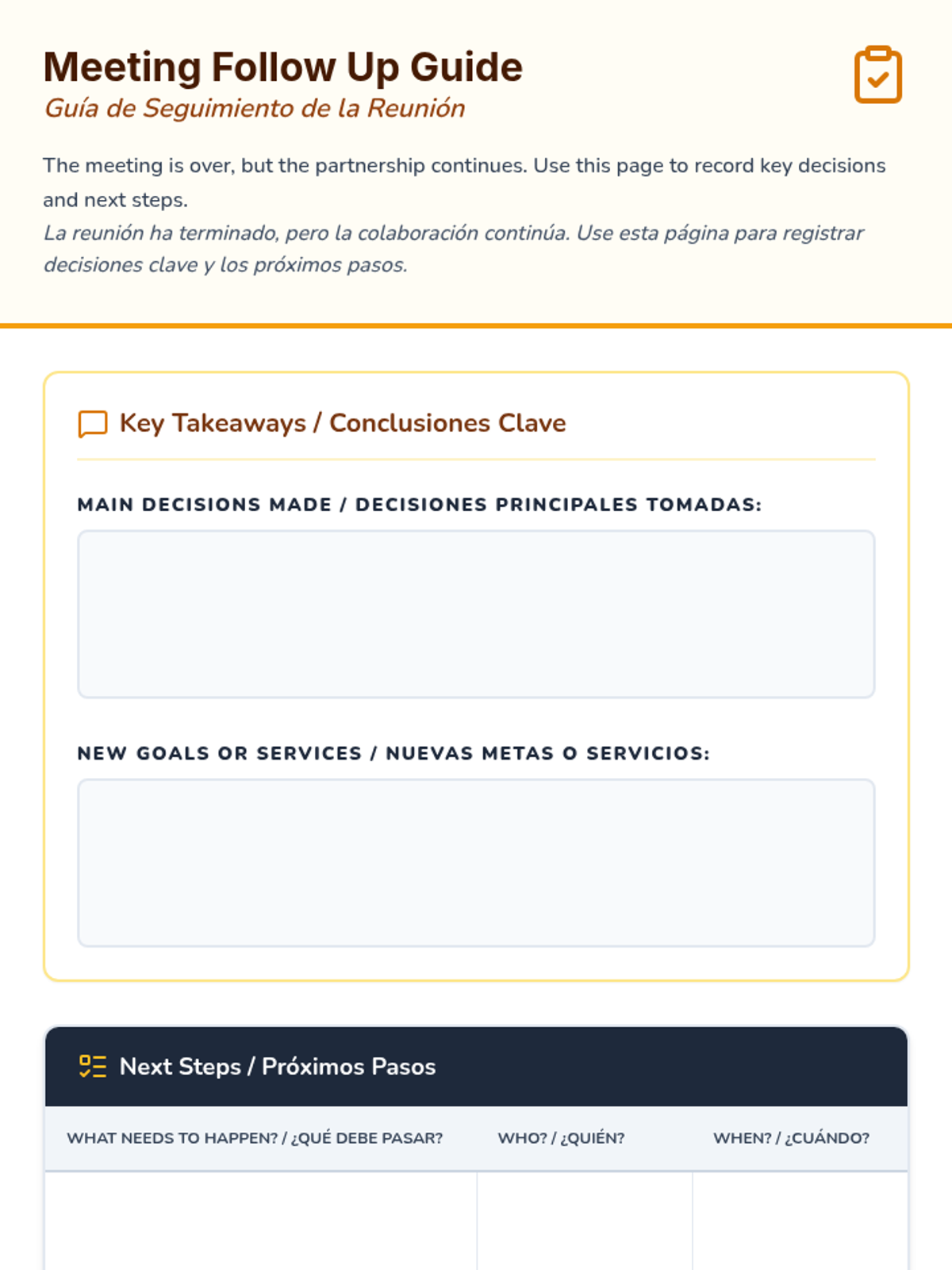
A comprehensive toolkit designed to empower parents during 504 and IEP meetings. It provides clear, bilingual resources to reduce anxiety and facilitate meaningful collaboration between home and school.
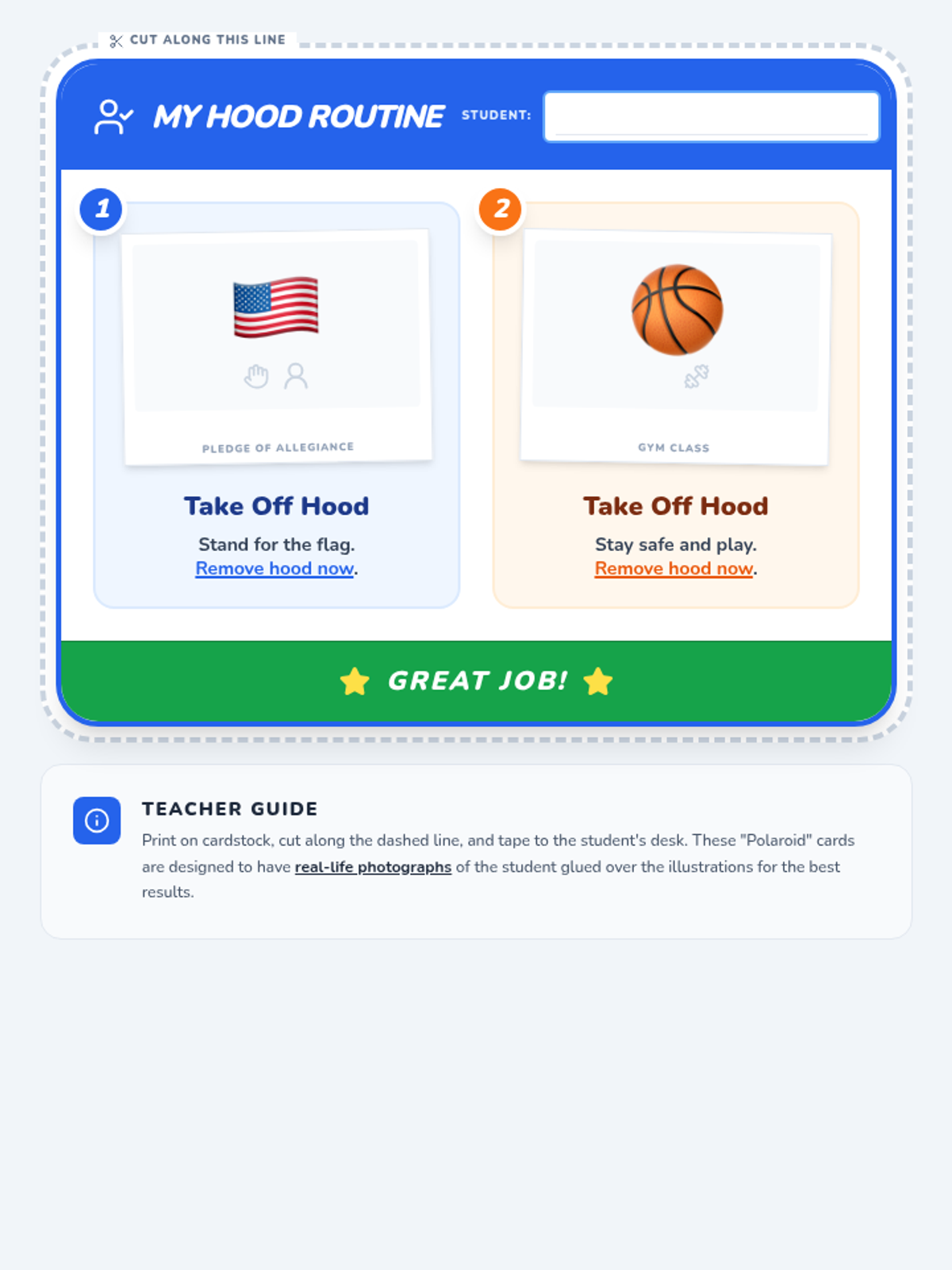
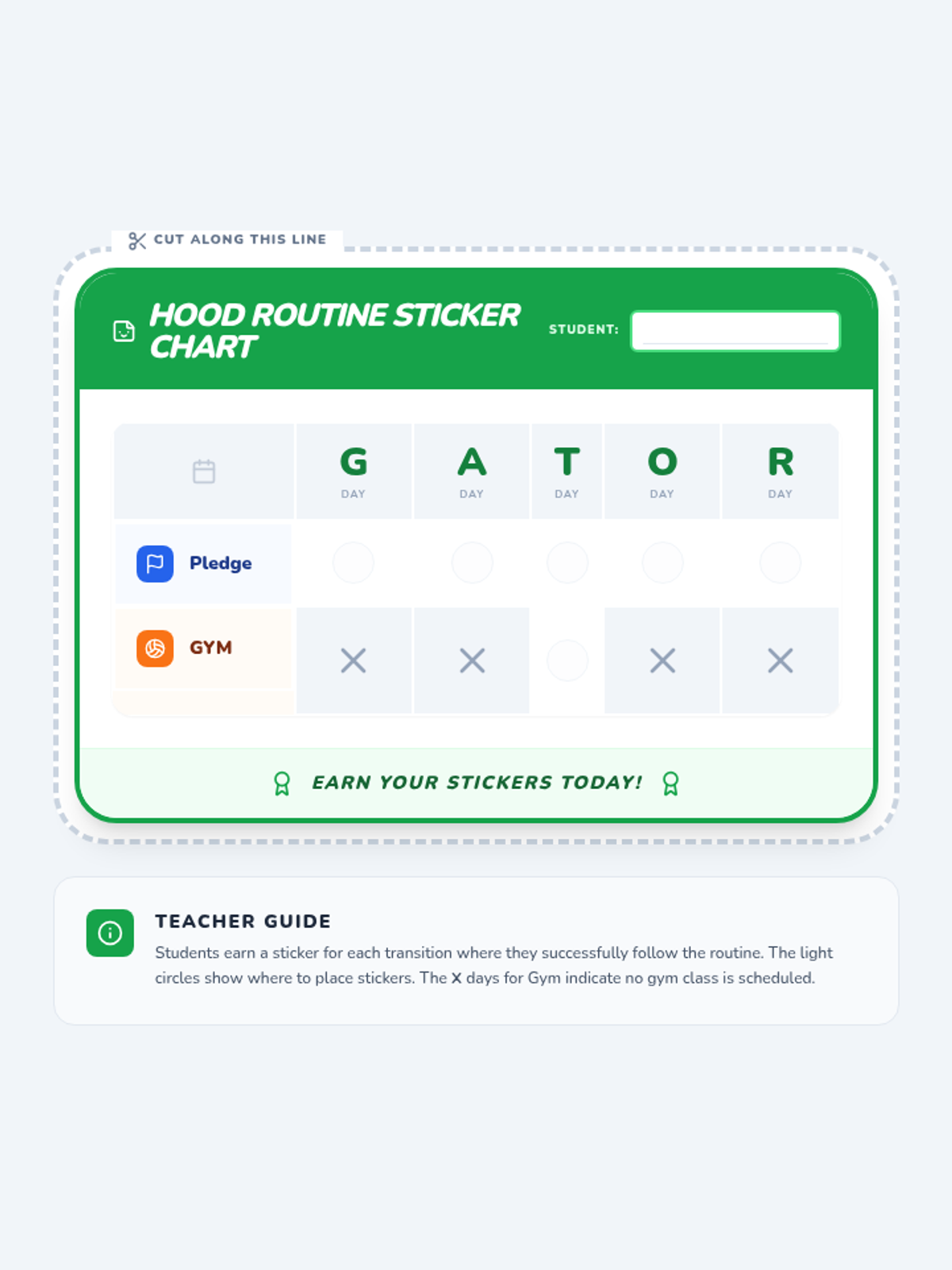
A set of visual tools to help students manage their hood routine, including a desk reminder card and a weekly sticker tracking chart.
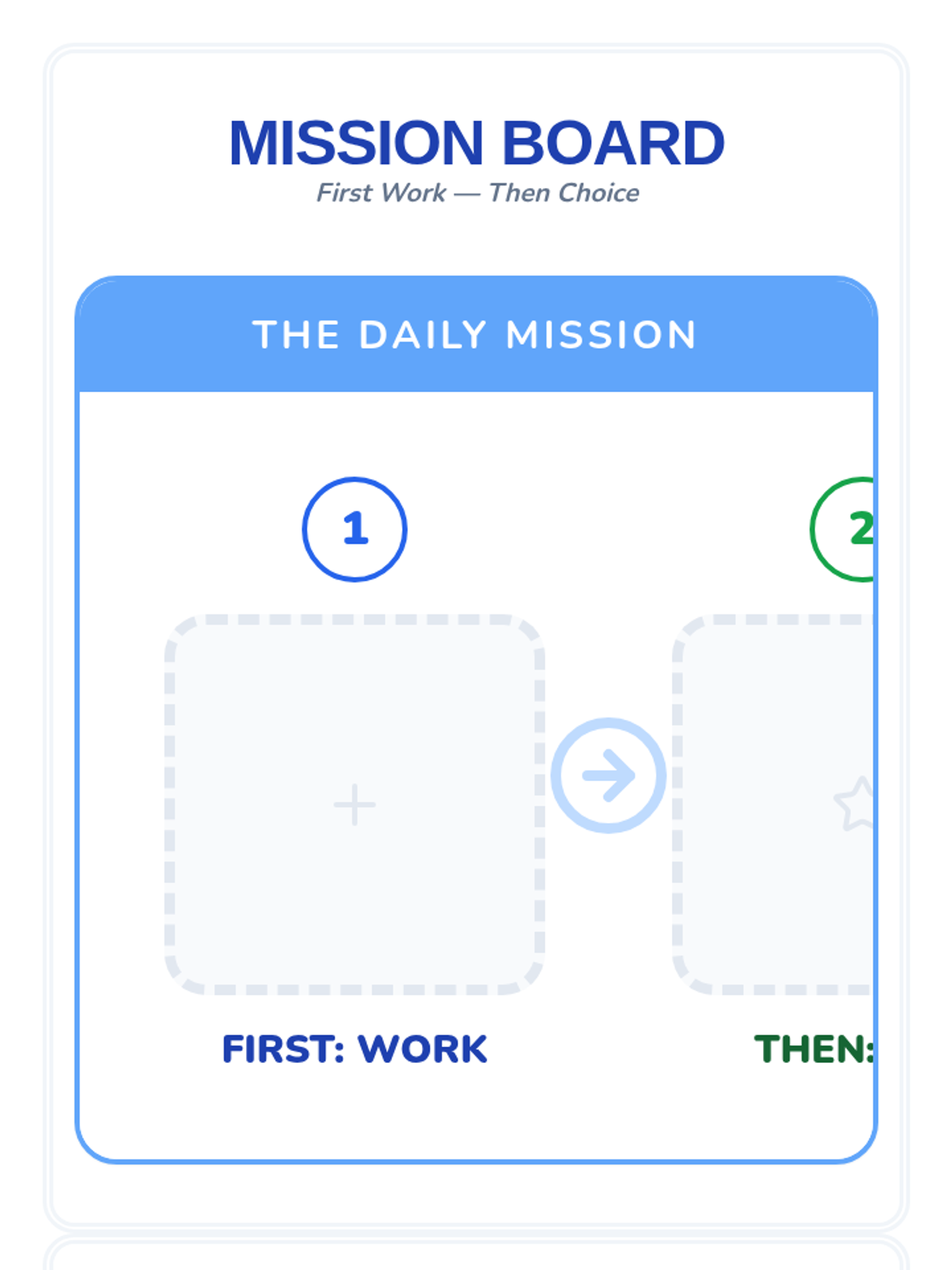
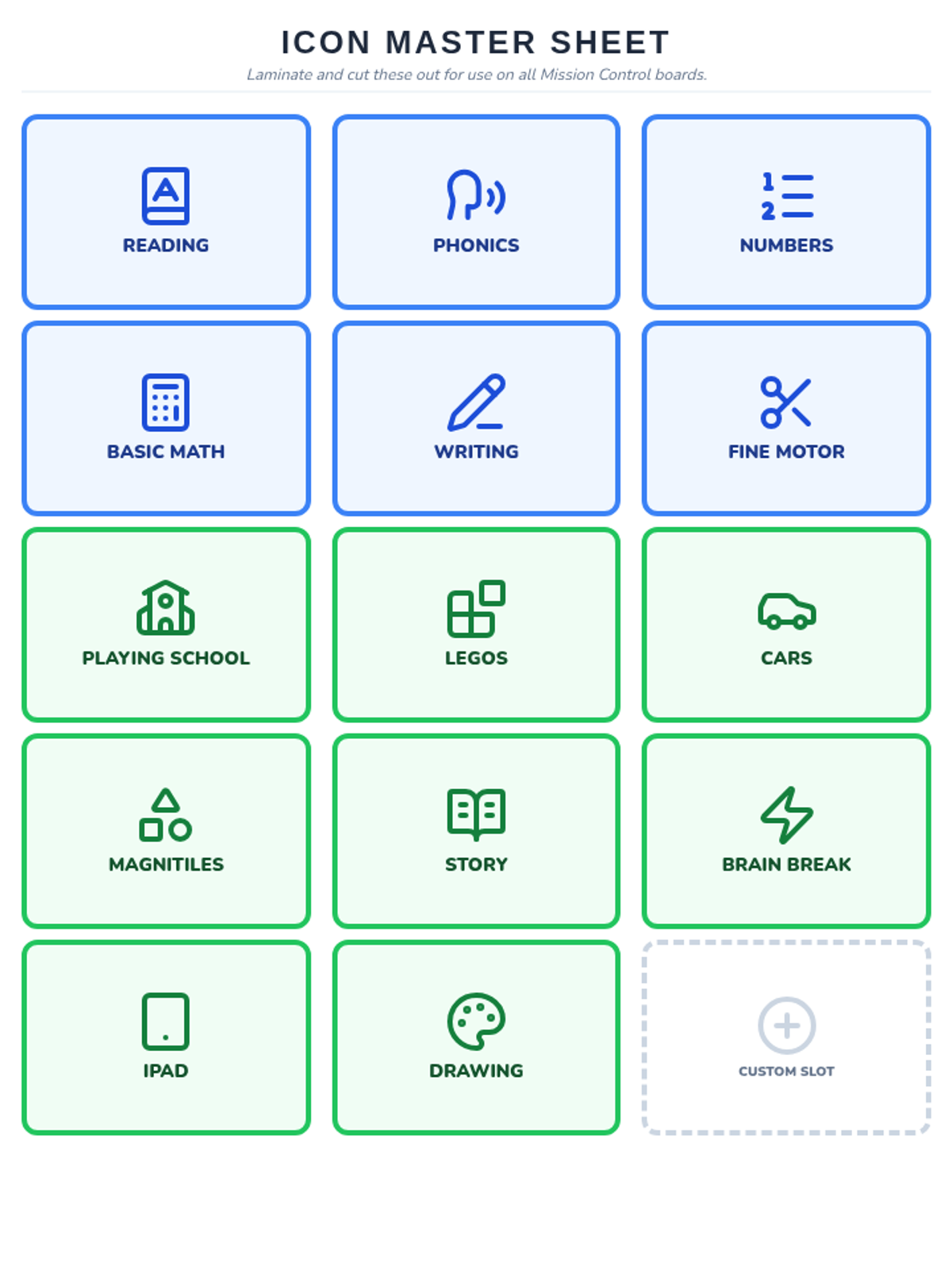
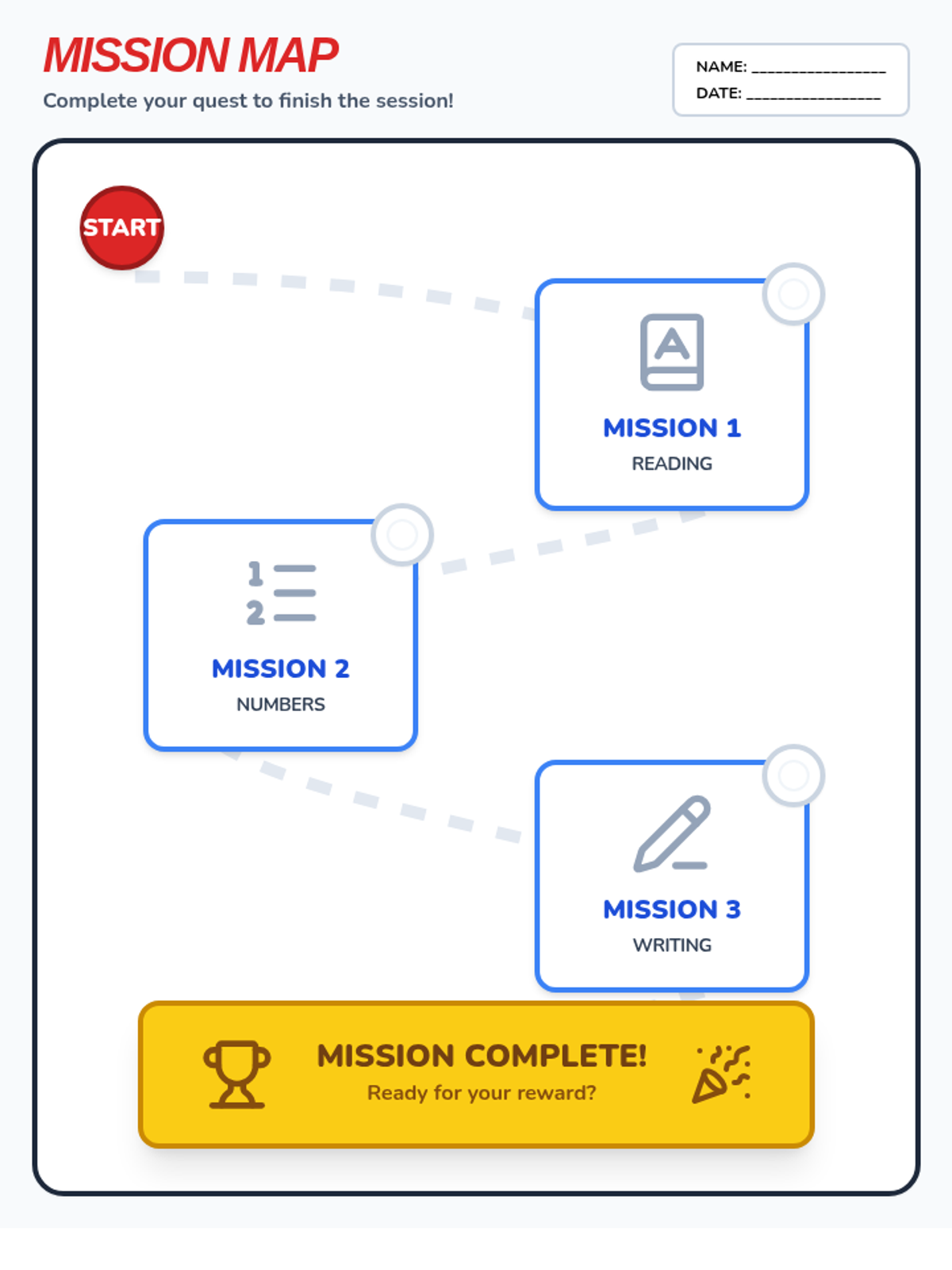
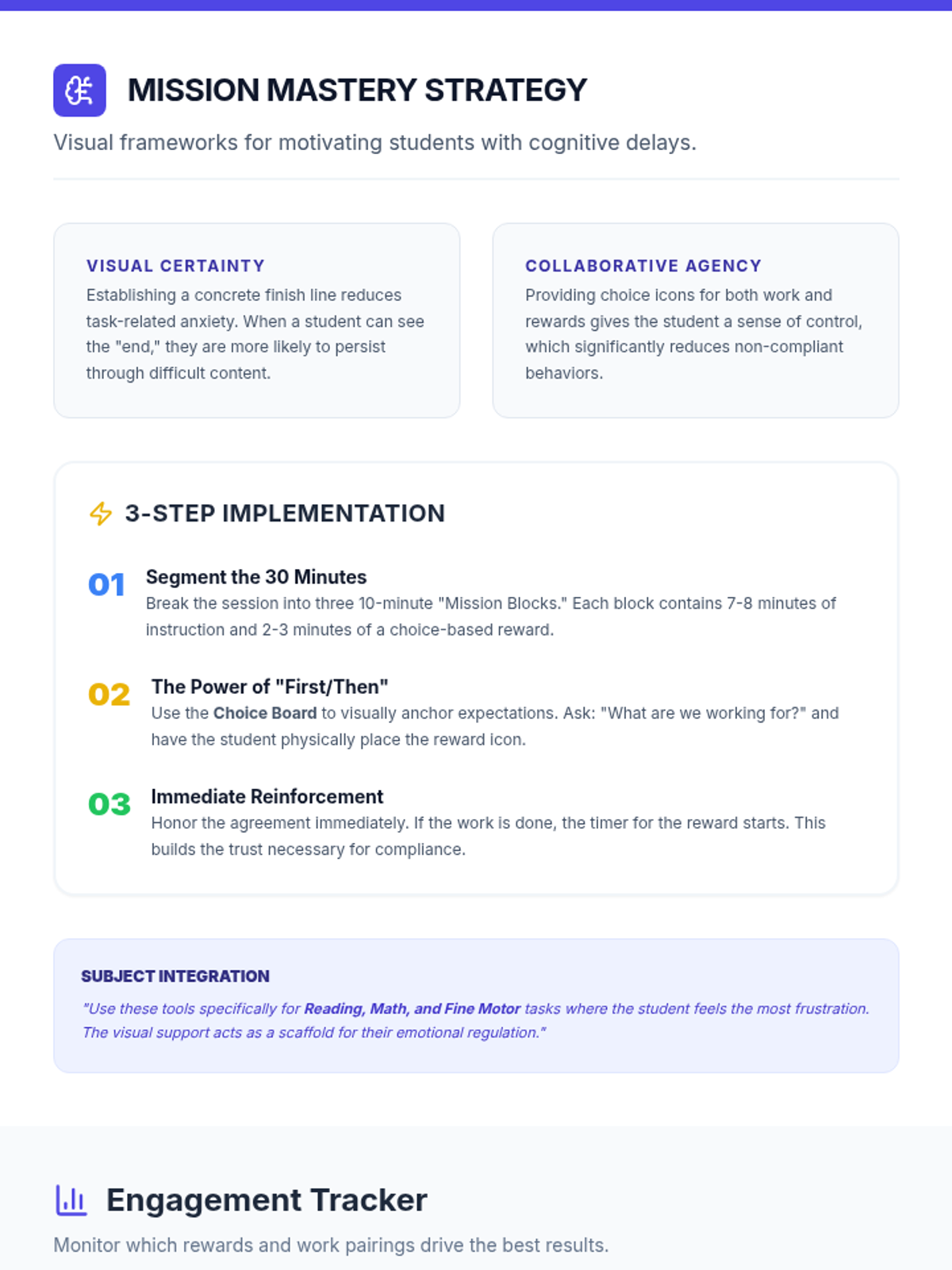
A comprehensive motivation system designed for students with cognitive delays, featuring visual choice boards and progress trackers to increase engagement in Reading, Math, and Fine Motor tasks.
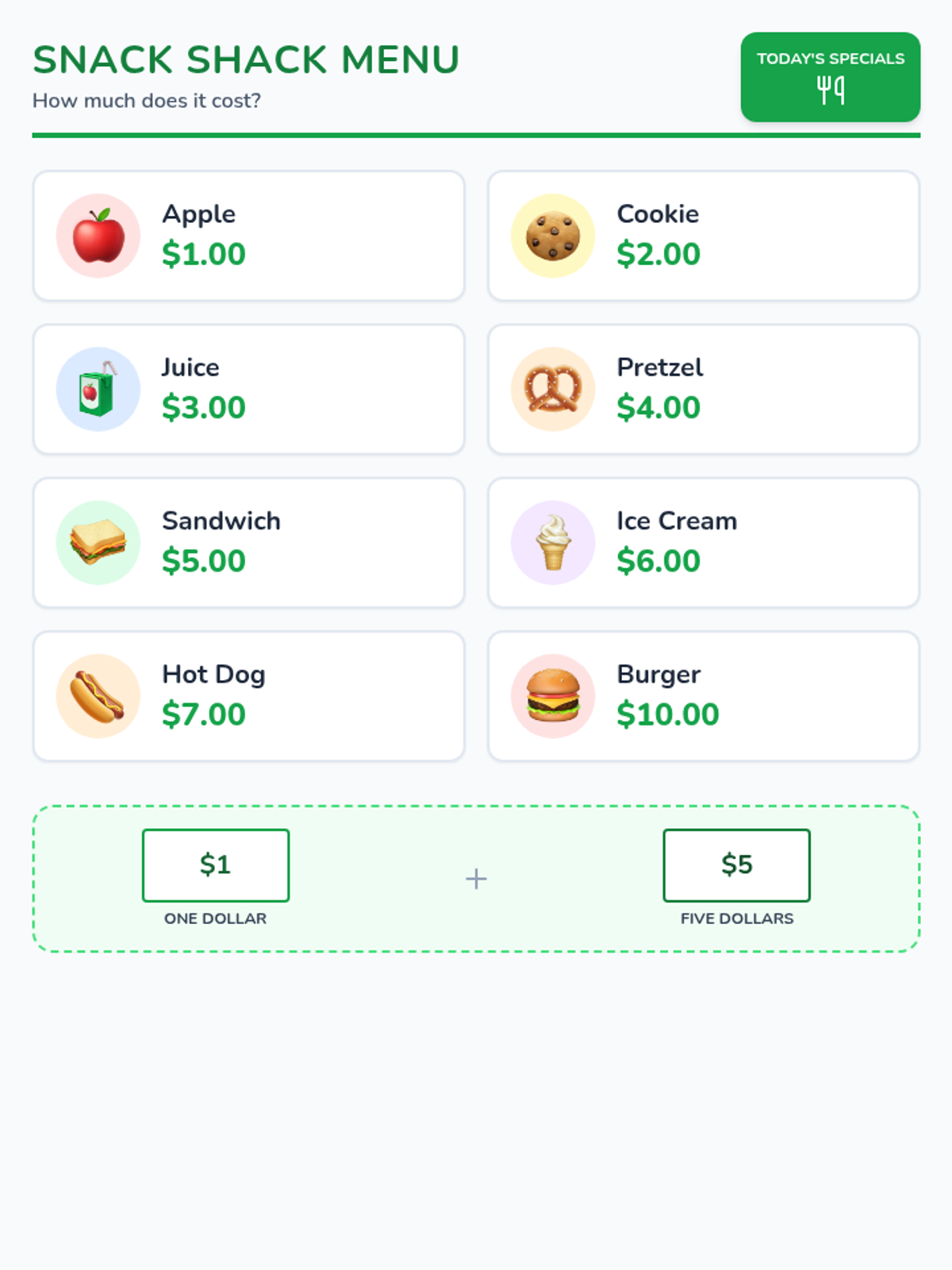
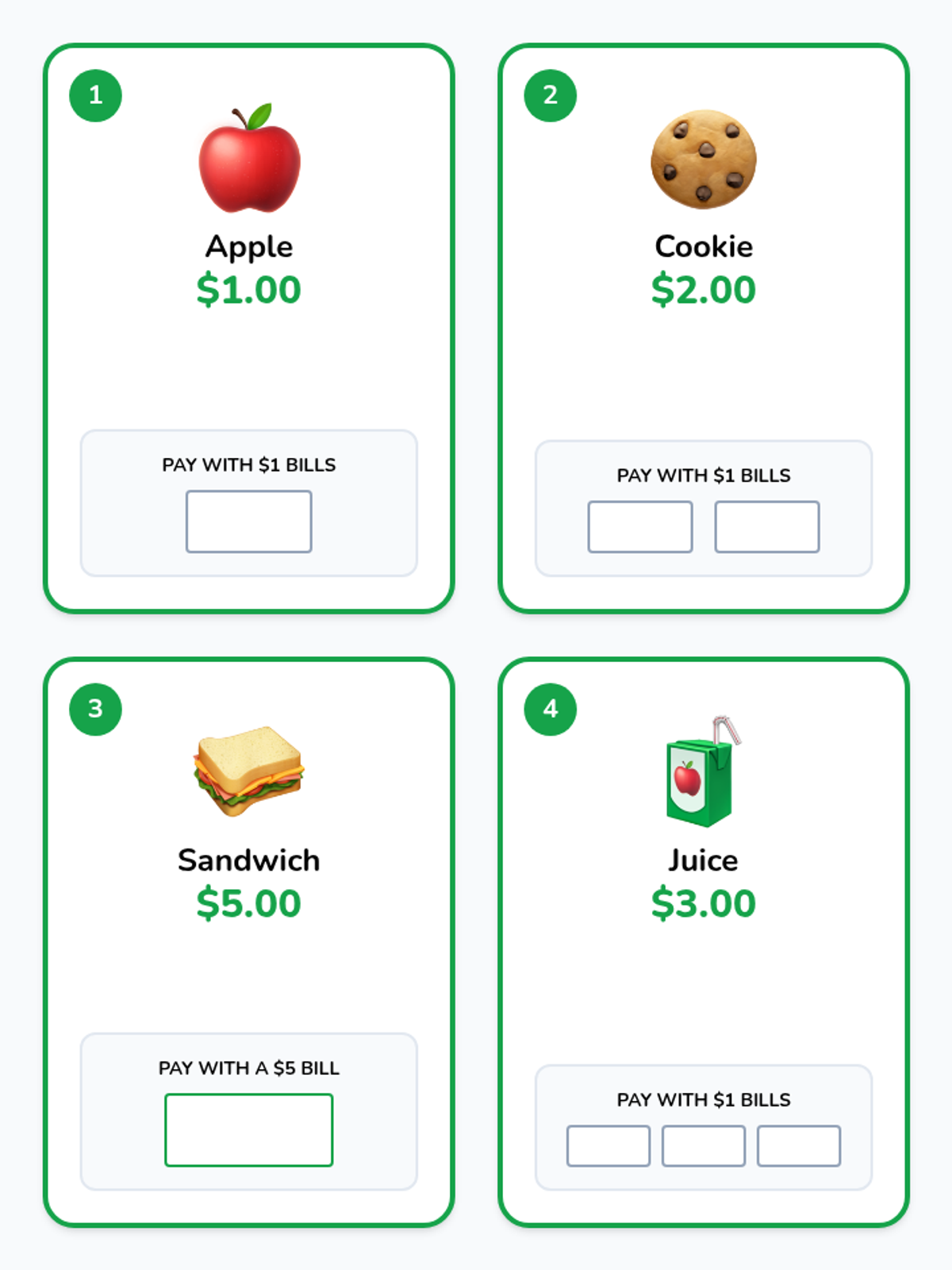
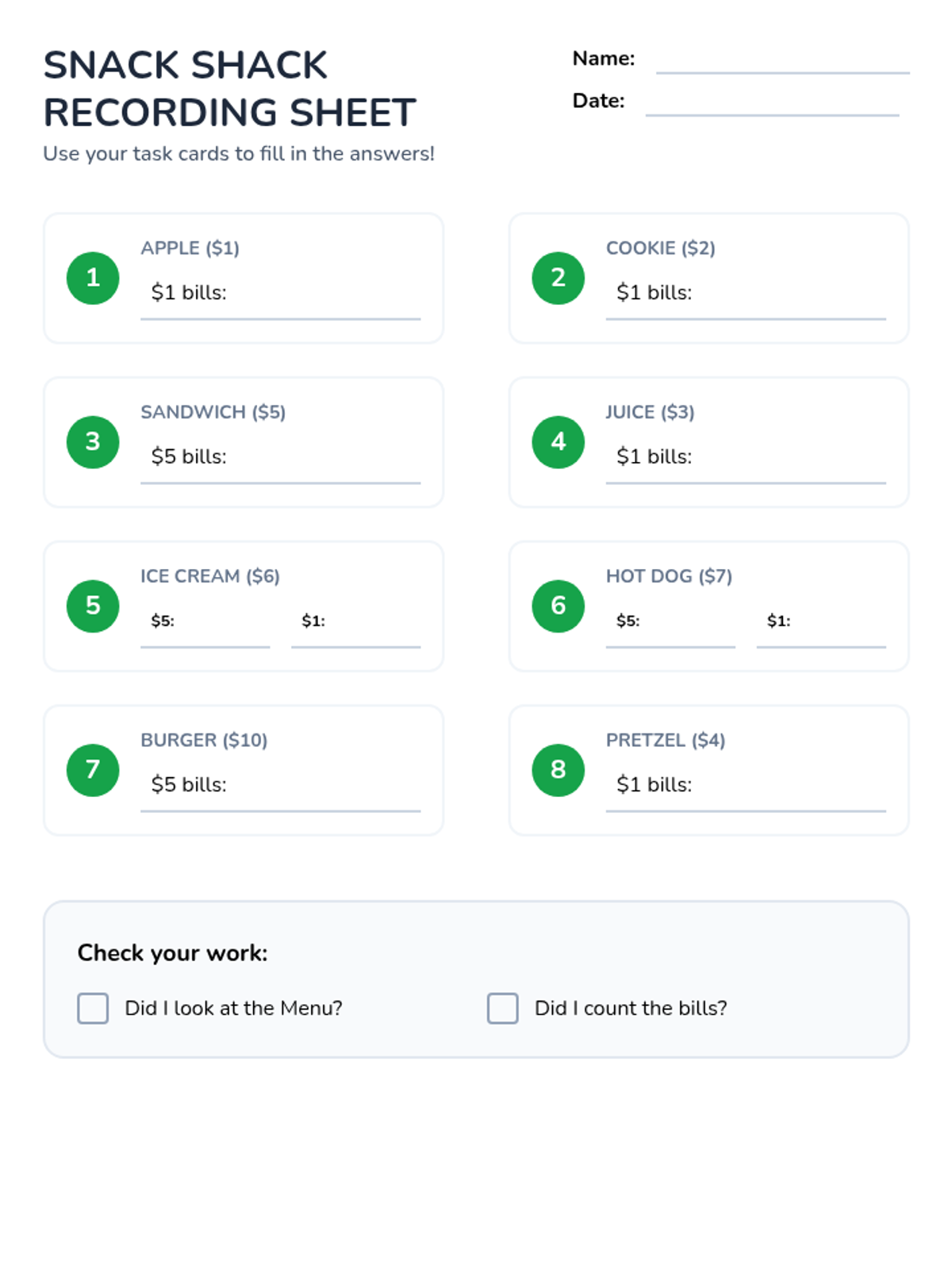
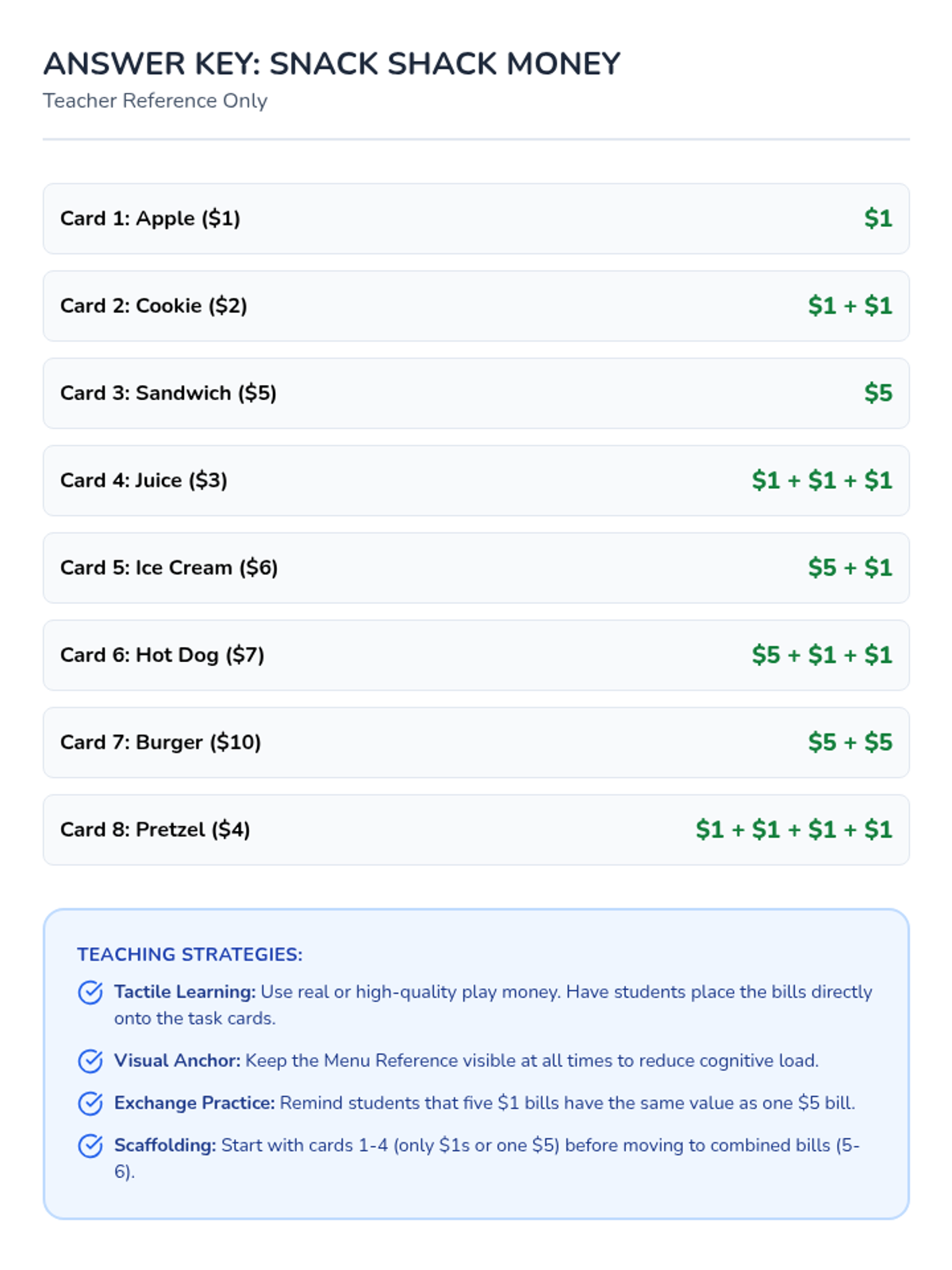
A practical money skills lesson focusing on identifying and using $1 and $5 bills to purchase snack items in a 'Snack Shack' scenario. Designed with visual supports for 4th-grade ASD students.