A one-on-one lesson designed to teach students the difference between fidgets as sensory tools and fidgets as toys, including practical rules and scenario-based practice.

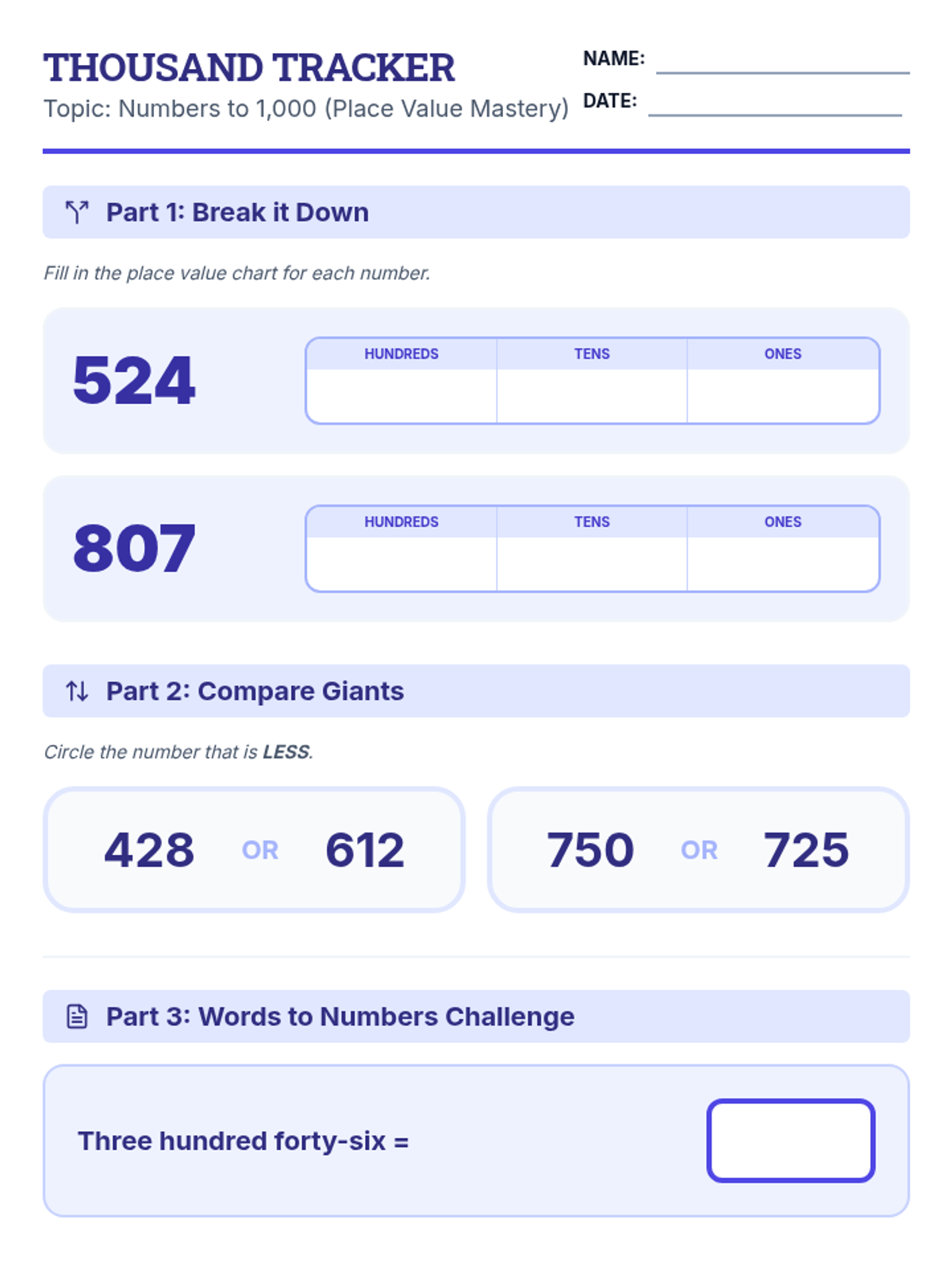
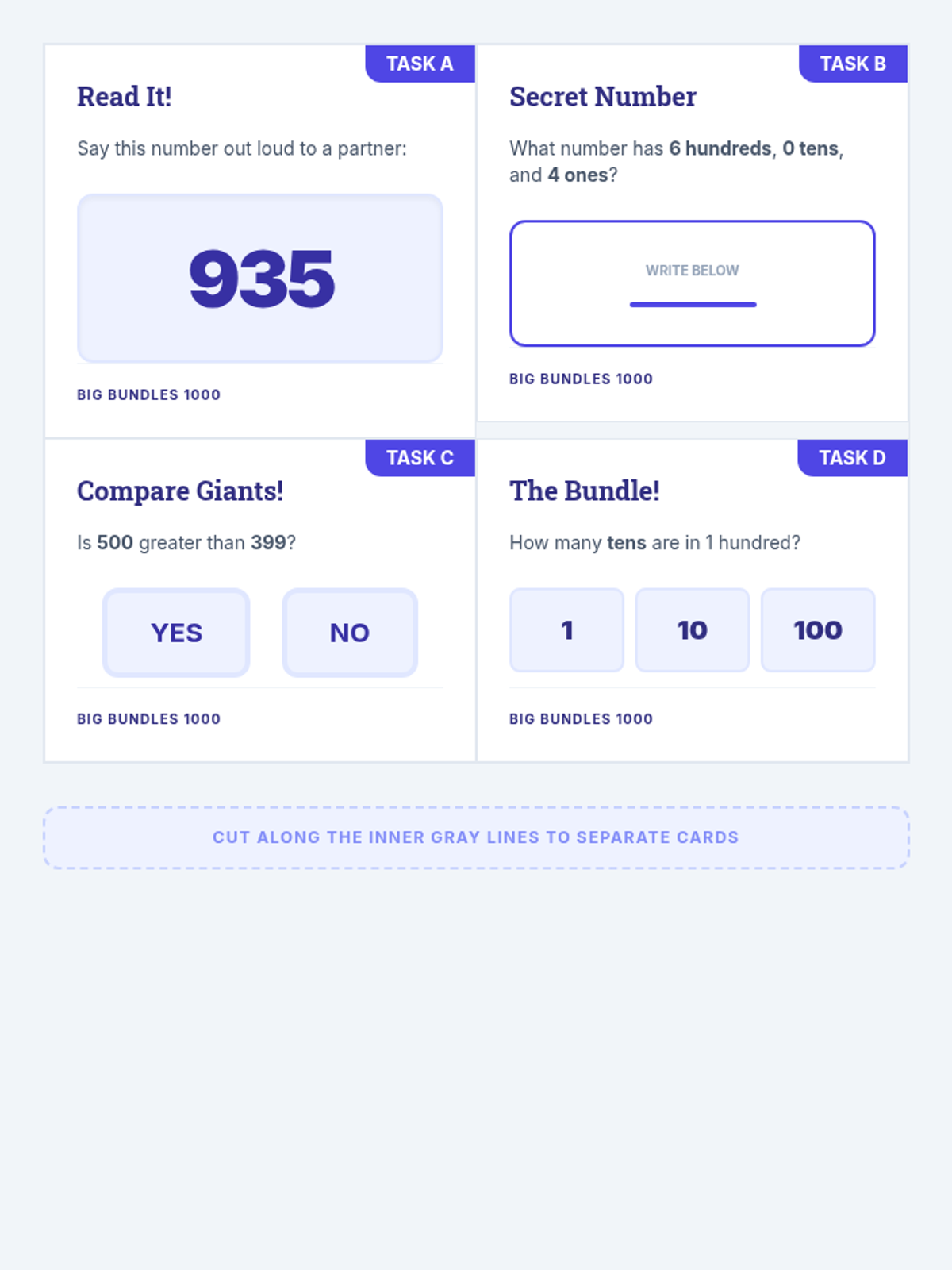
Expands number sense to 1,000, focusing on hundreds, tens, and ones with visual place value models and comparison strategies.
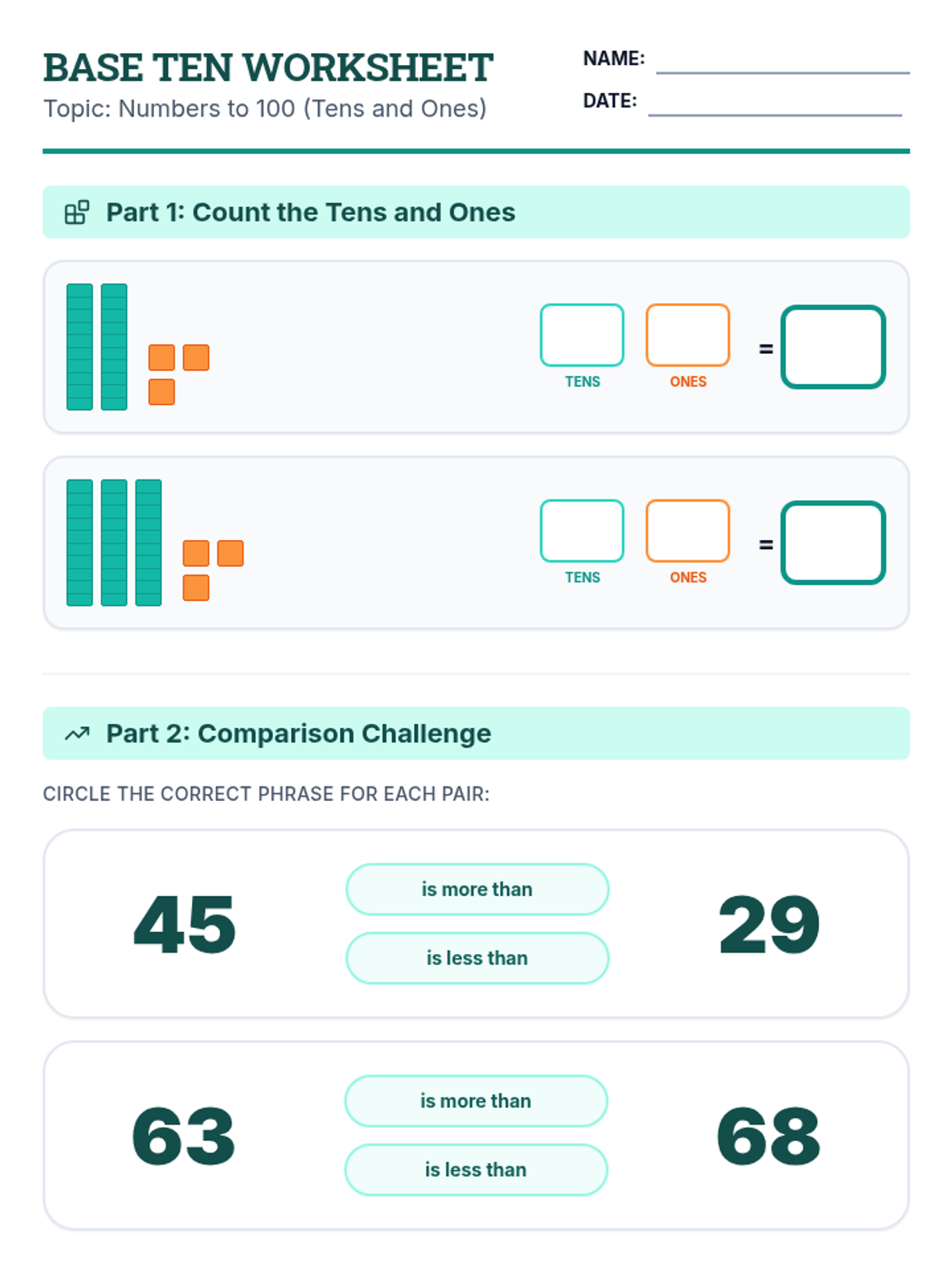
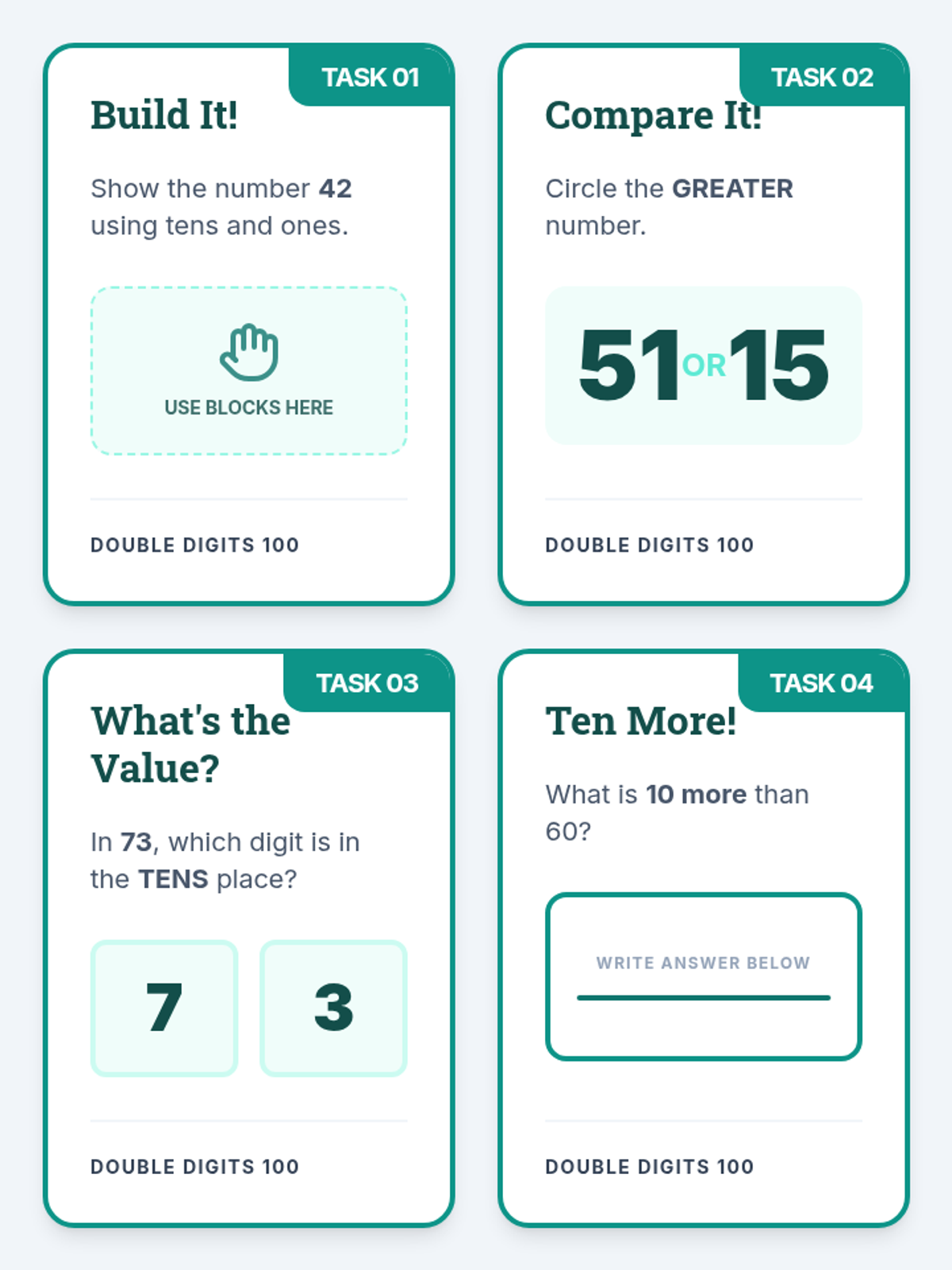
Introduces place value for numbers up to 100, using base-ten blocks (tens and ones) to help students visualize and compare larger values.
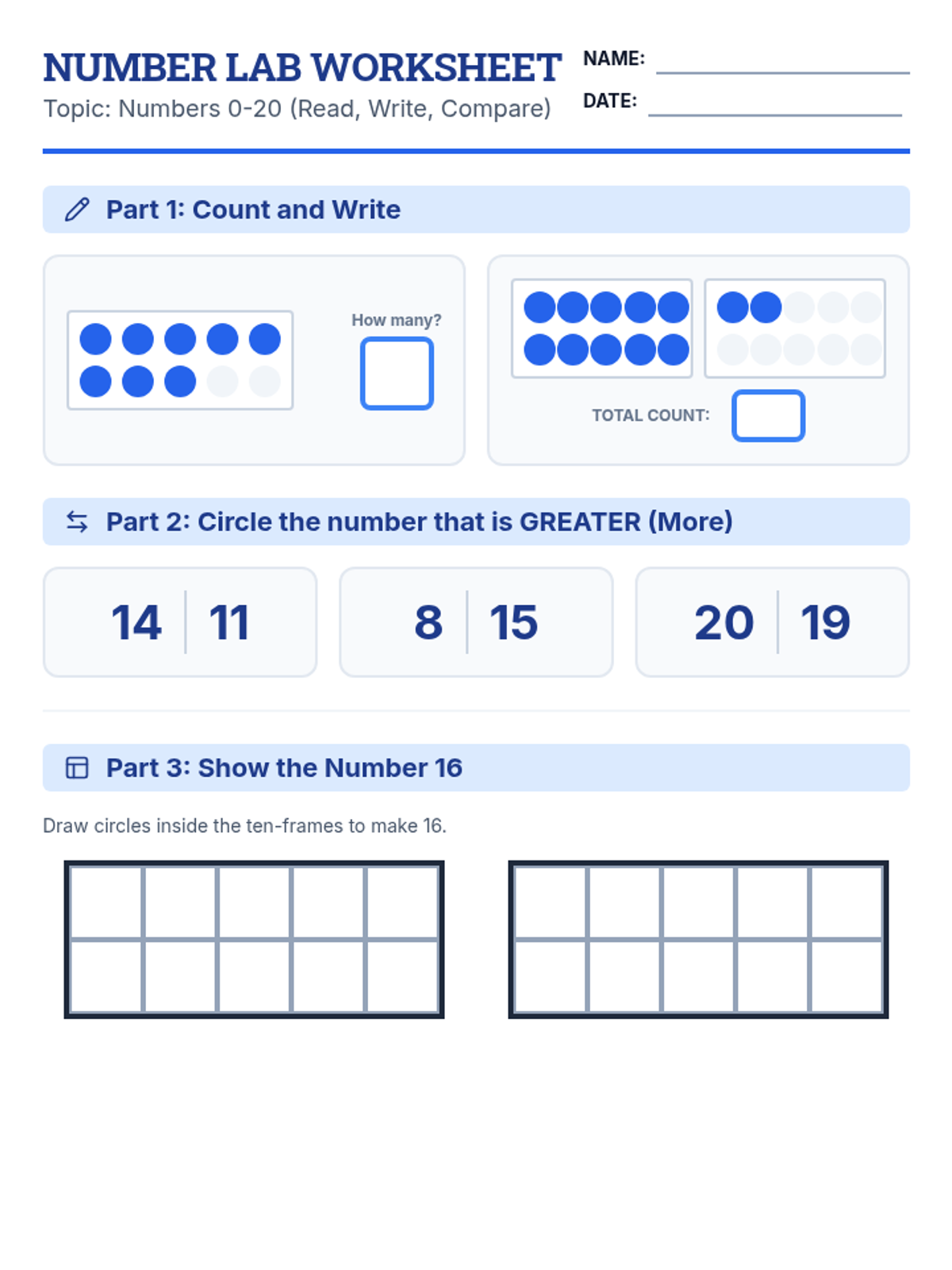
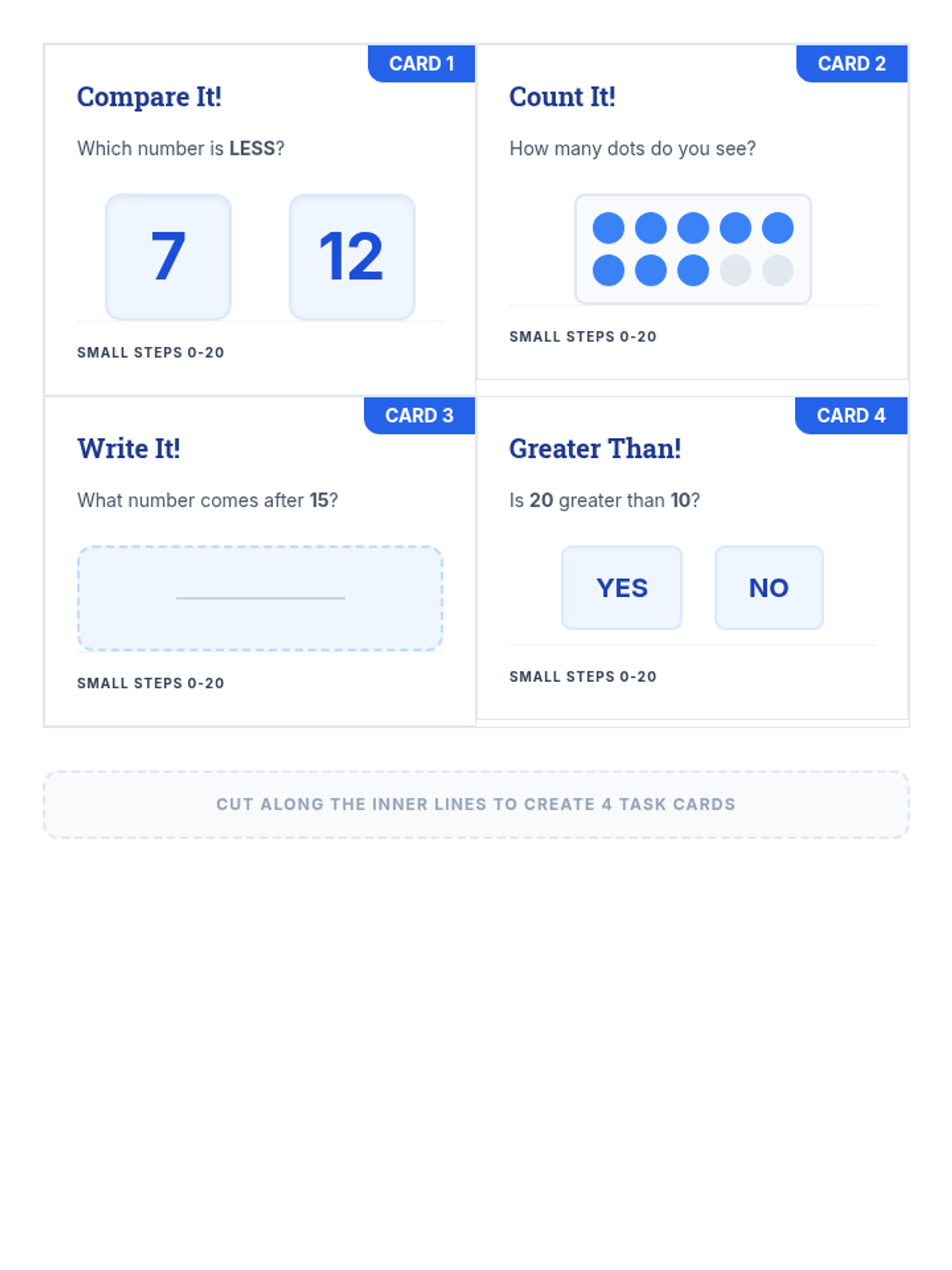
Focuses on reading, writing, and comparing numbers from 0 to 20 using ten-frames and counters to provide concrete visual support.
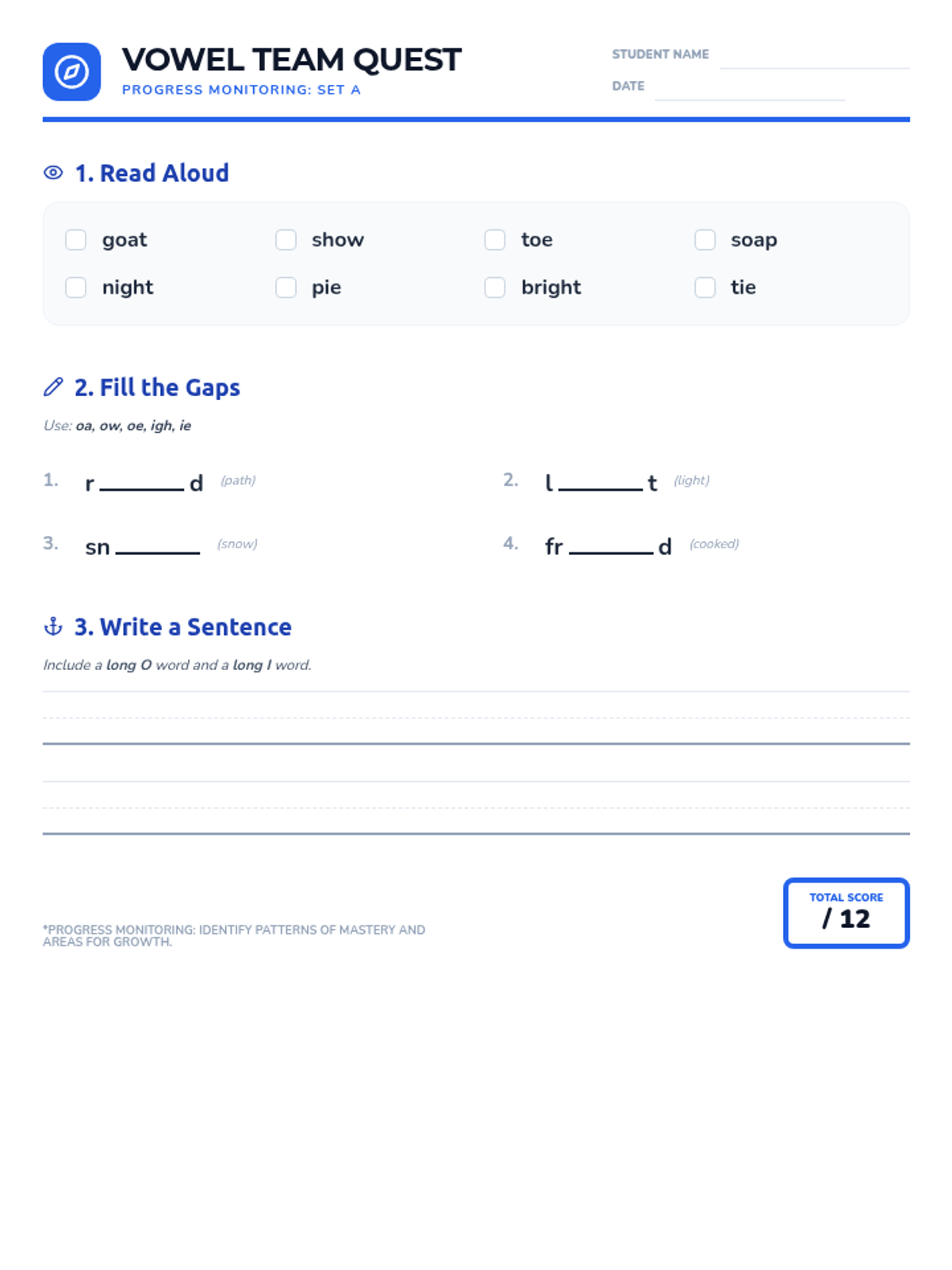
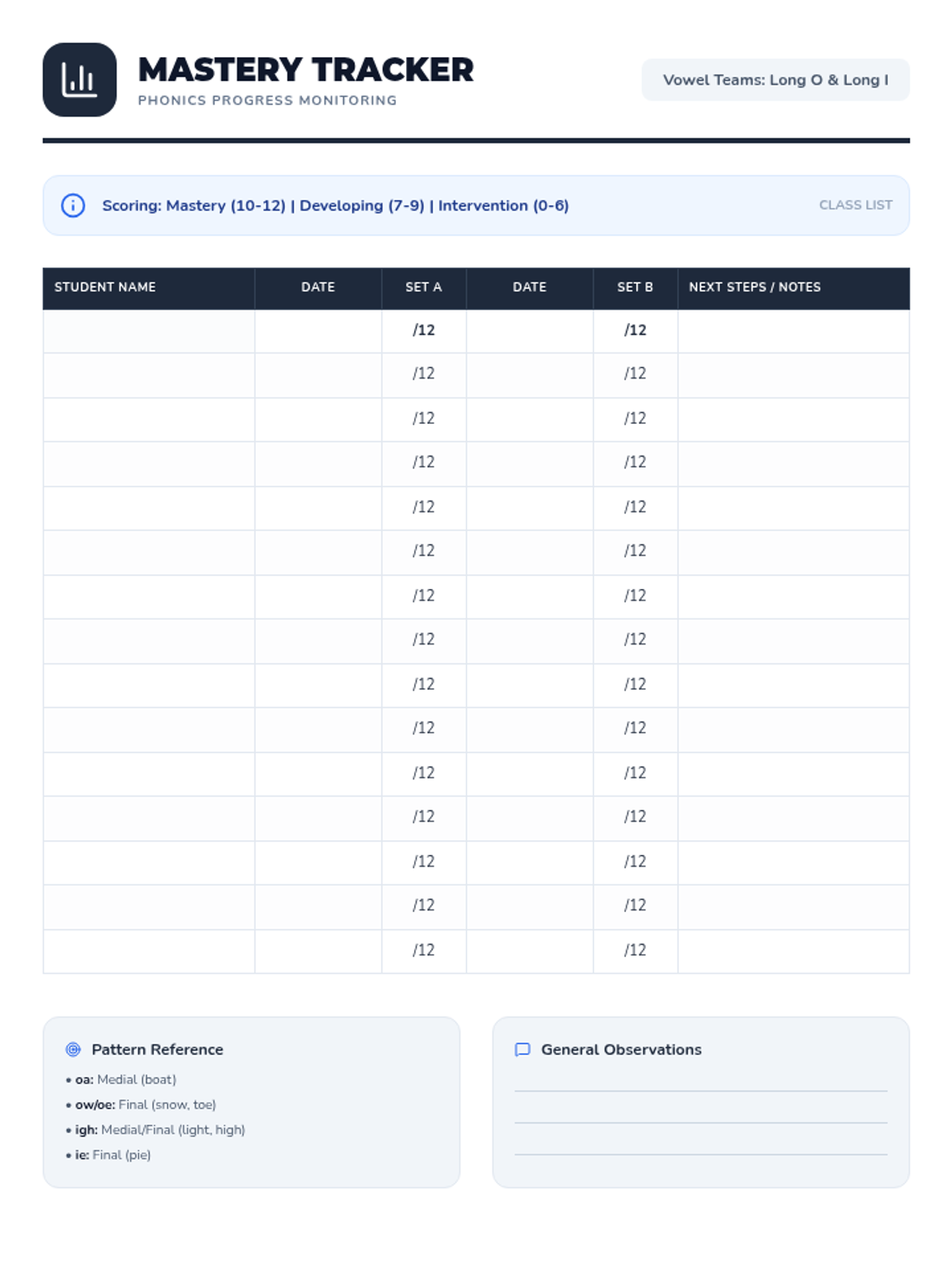
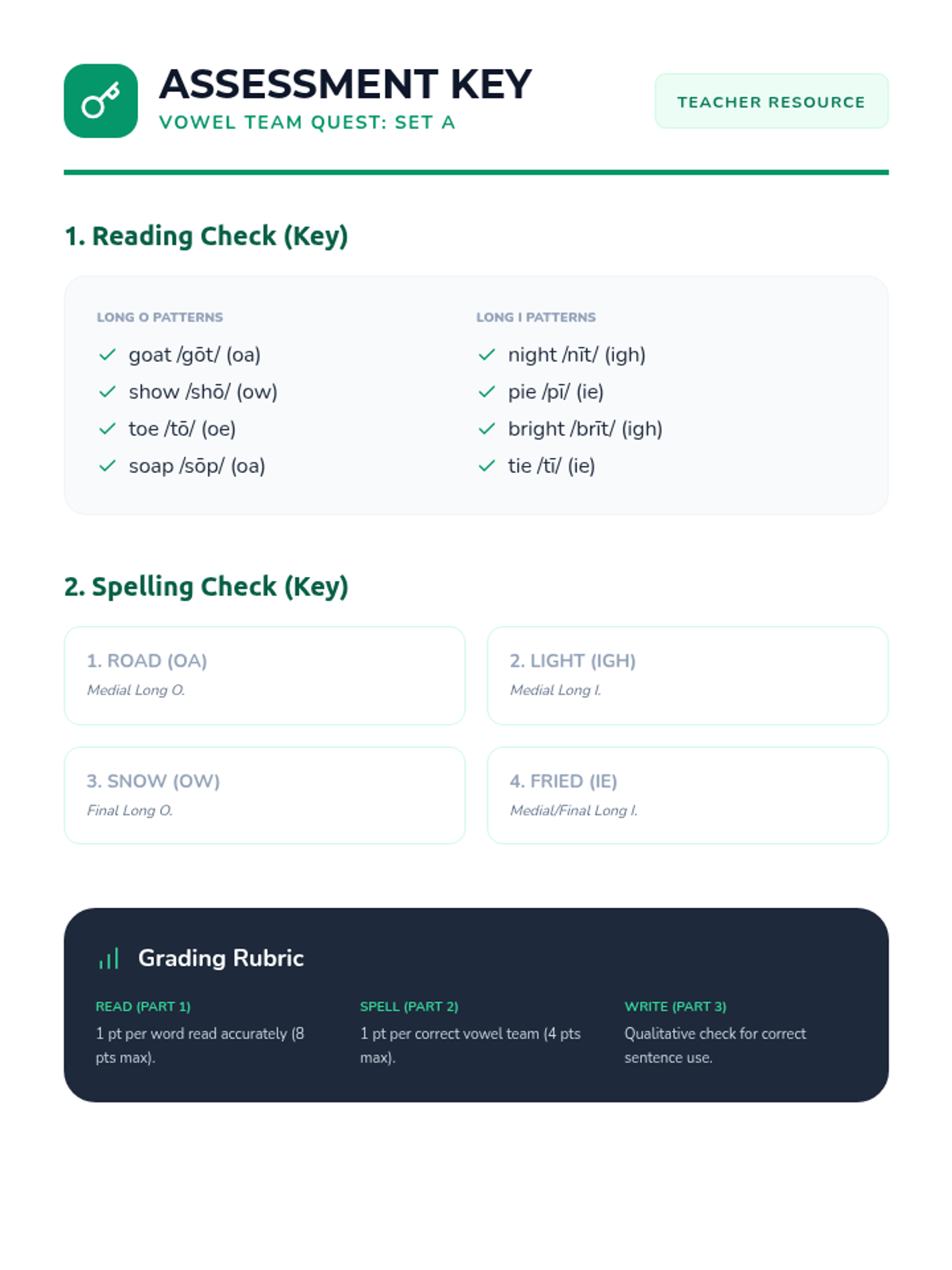
A literacy lesson focused on mastering vowel teams for long O (oa, ow, oe) and long I (ie, igh). Students will practice identifying, reading, and spelling words with these patterns through targeted progress monitoring.
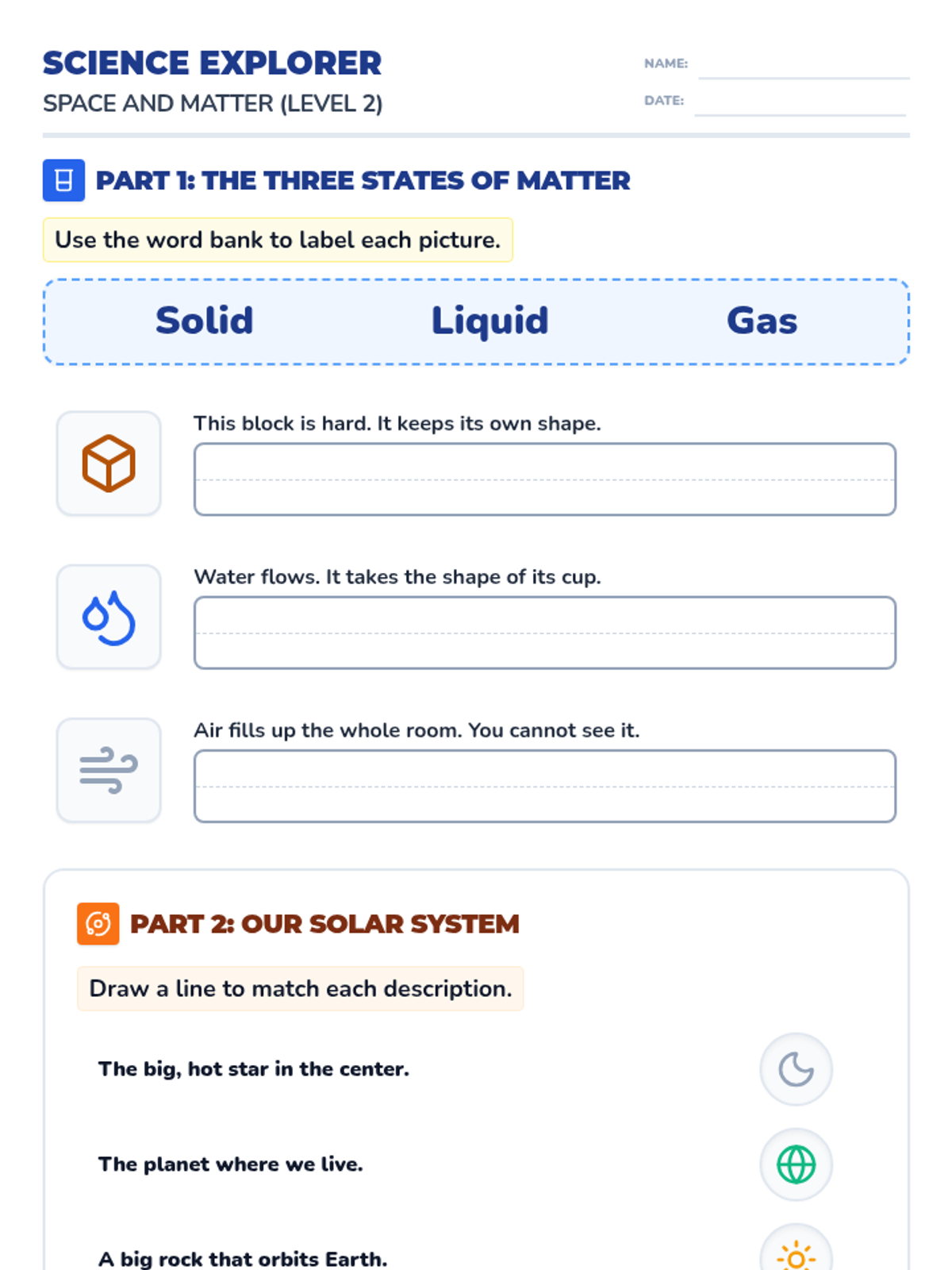
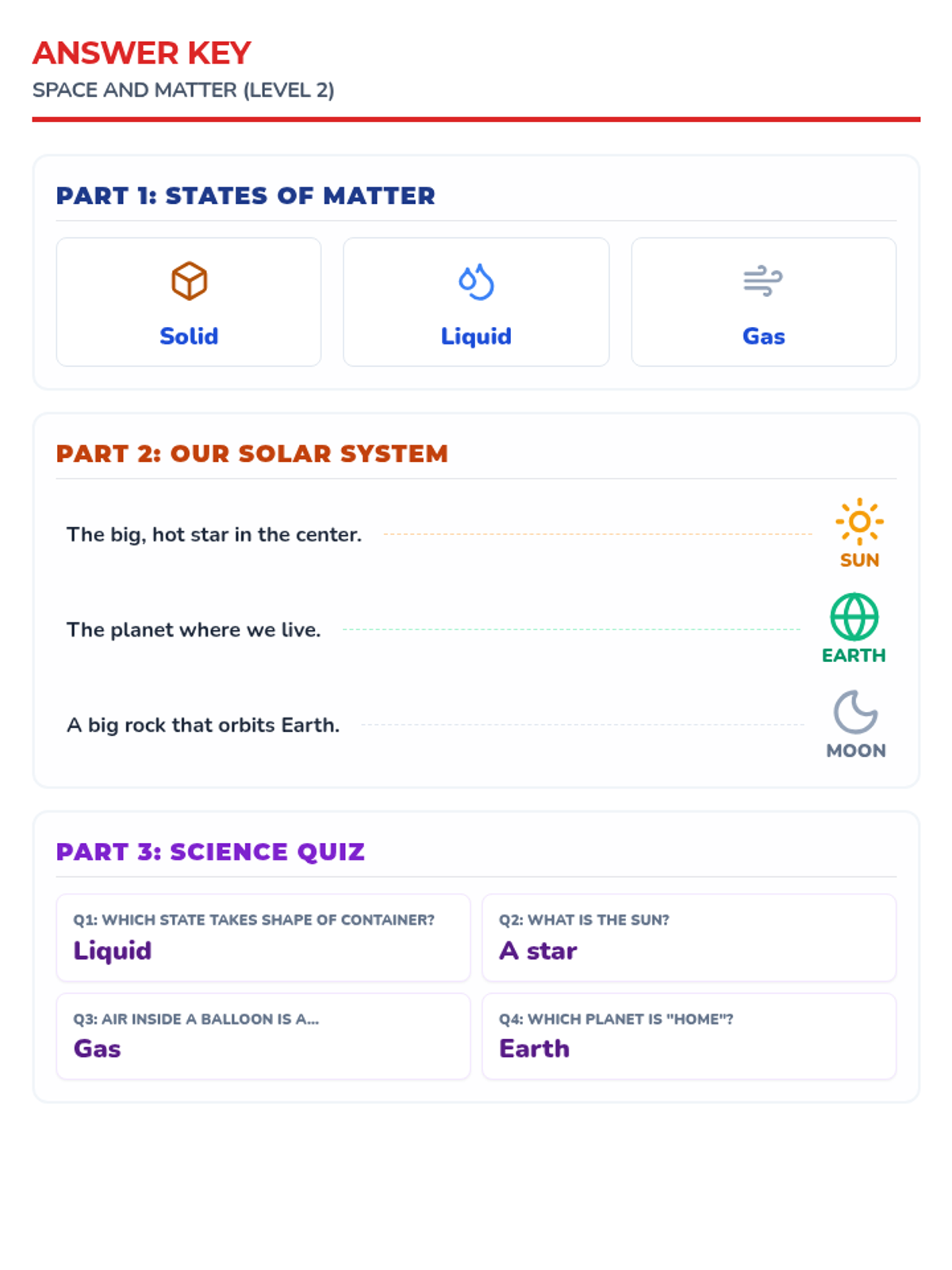
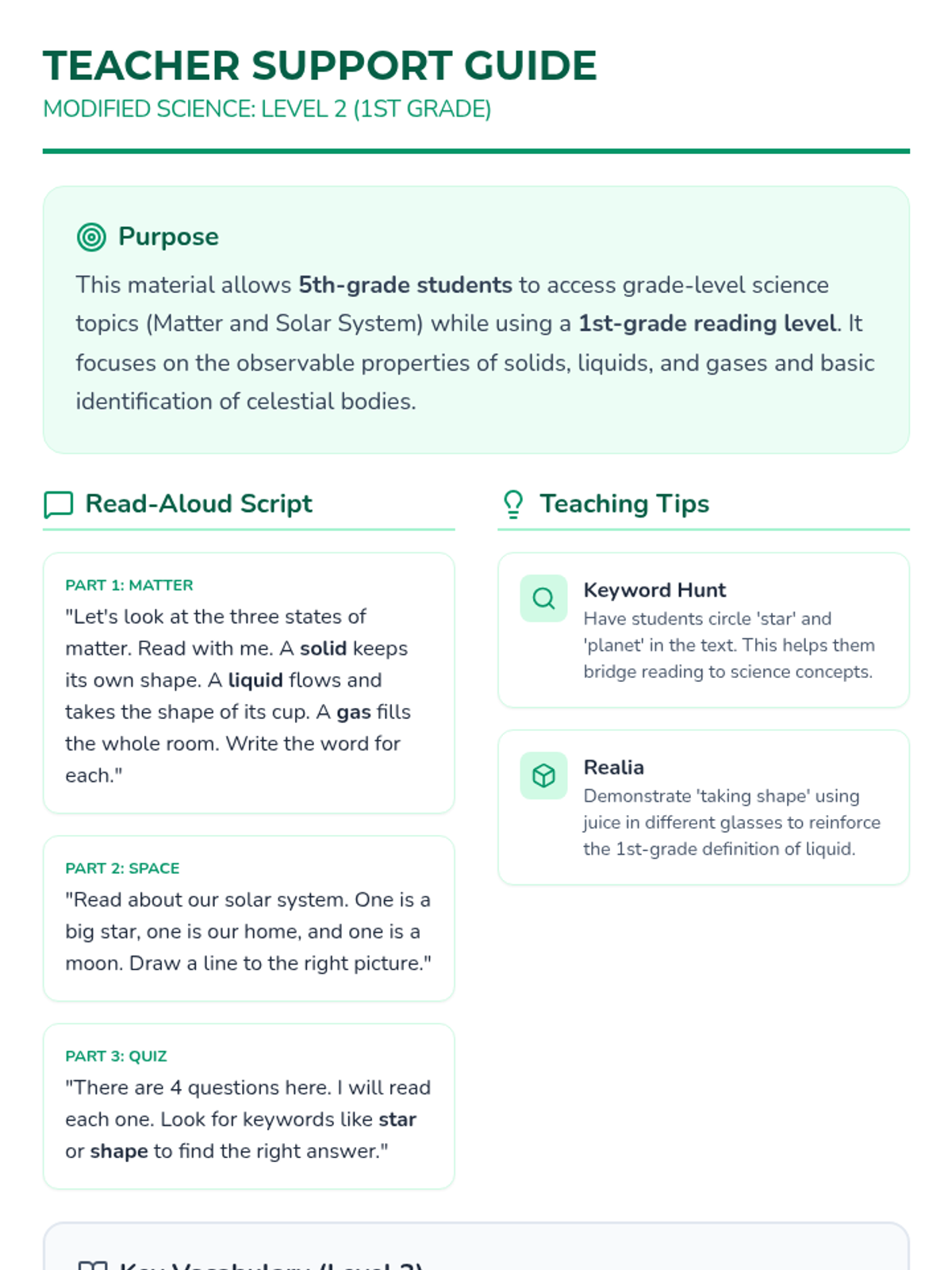
A modified science lesson covering the states of matter and the solar system, specifically designed for students with a kindergarten reading level to access 5th-grade concepts.
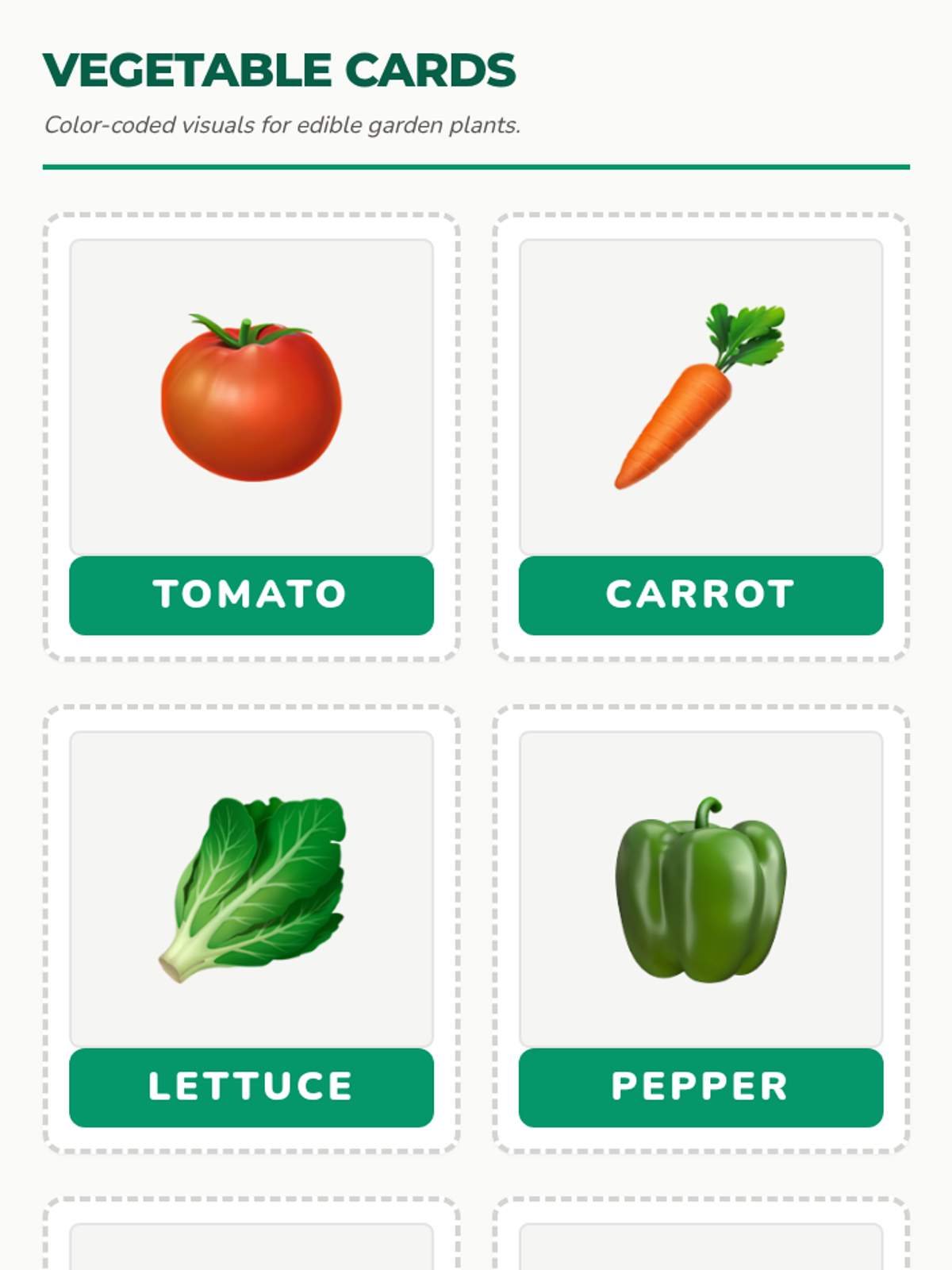
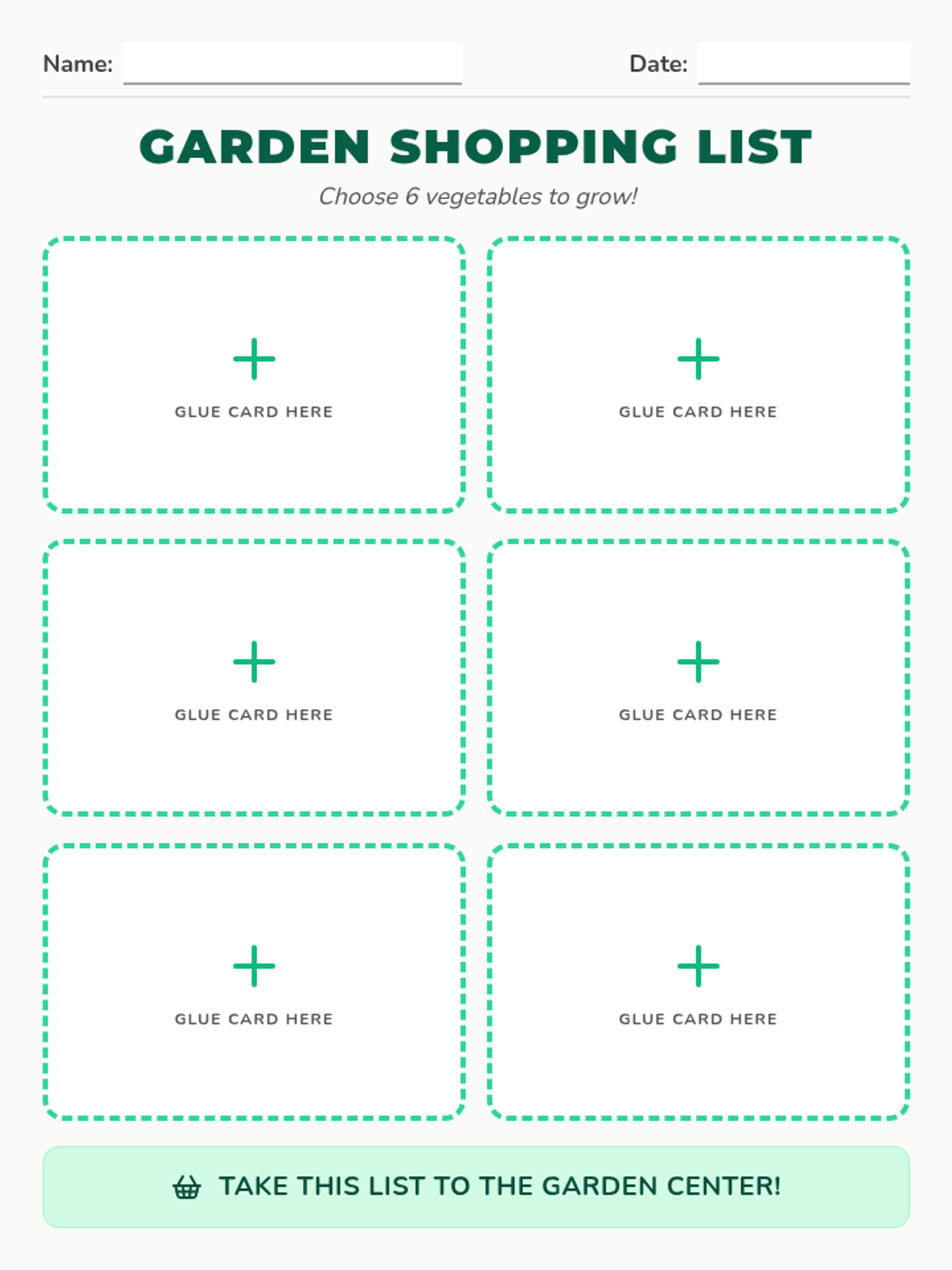
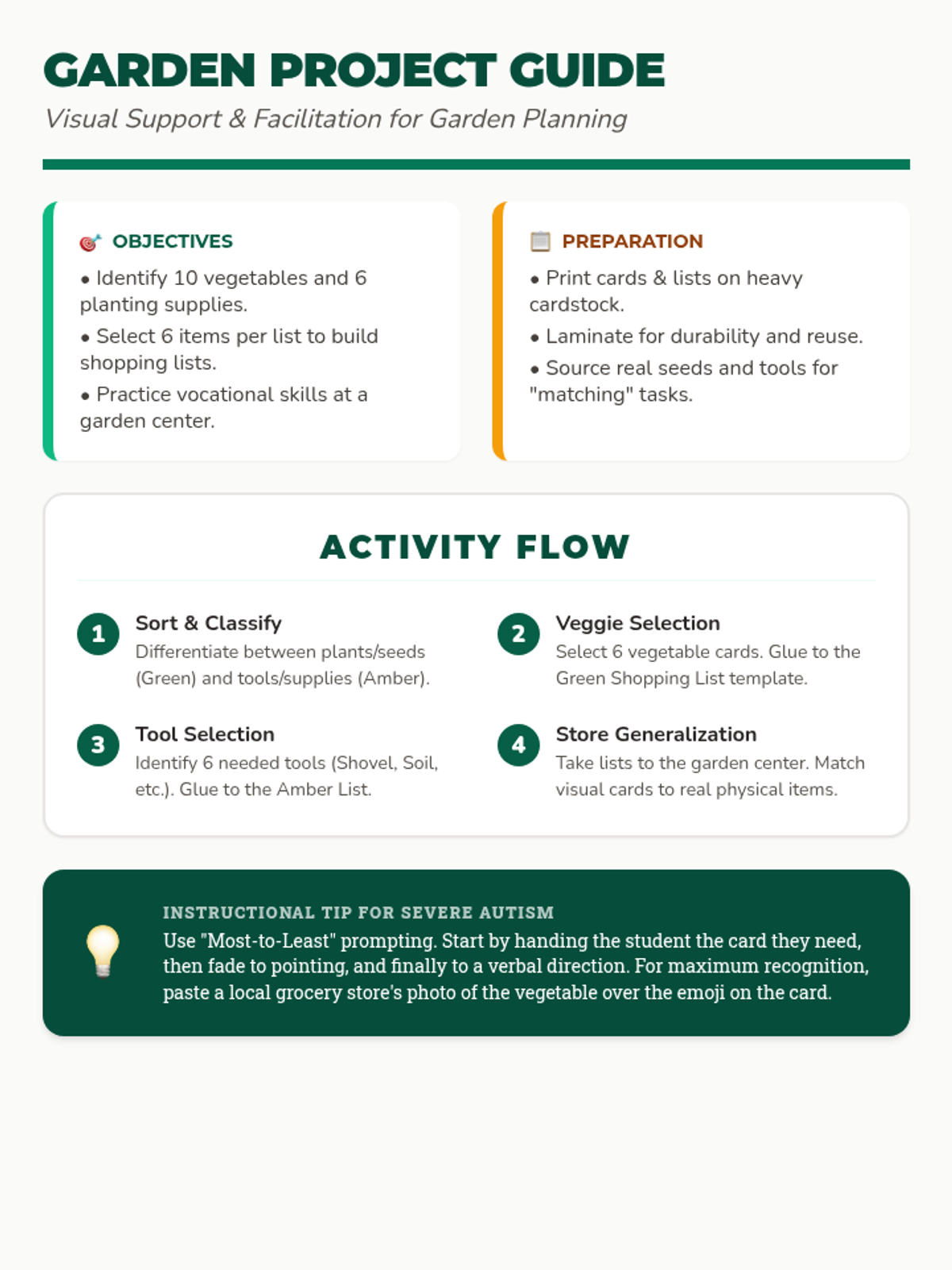
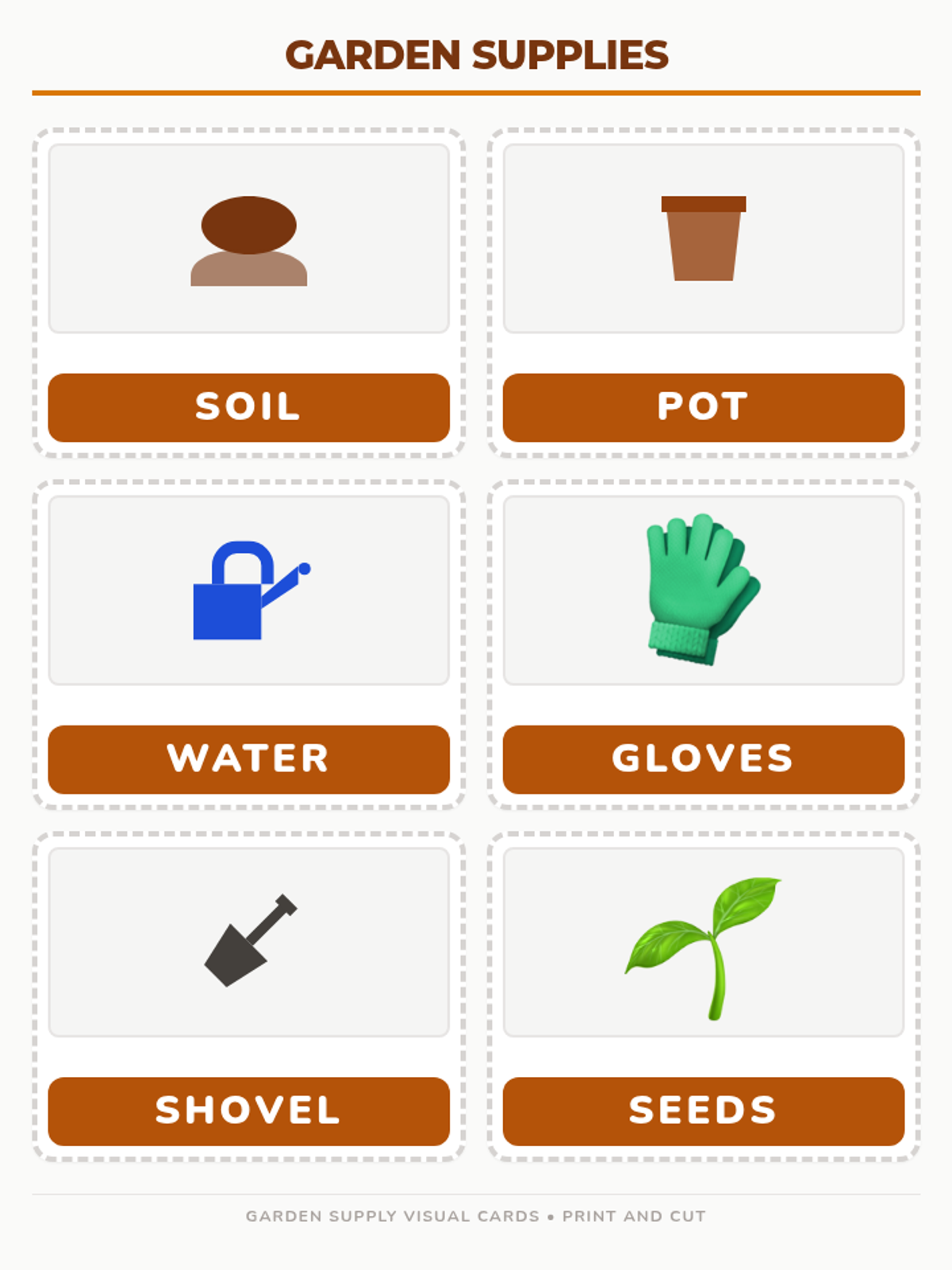
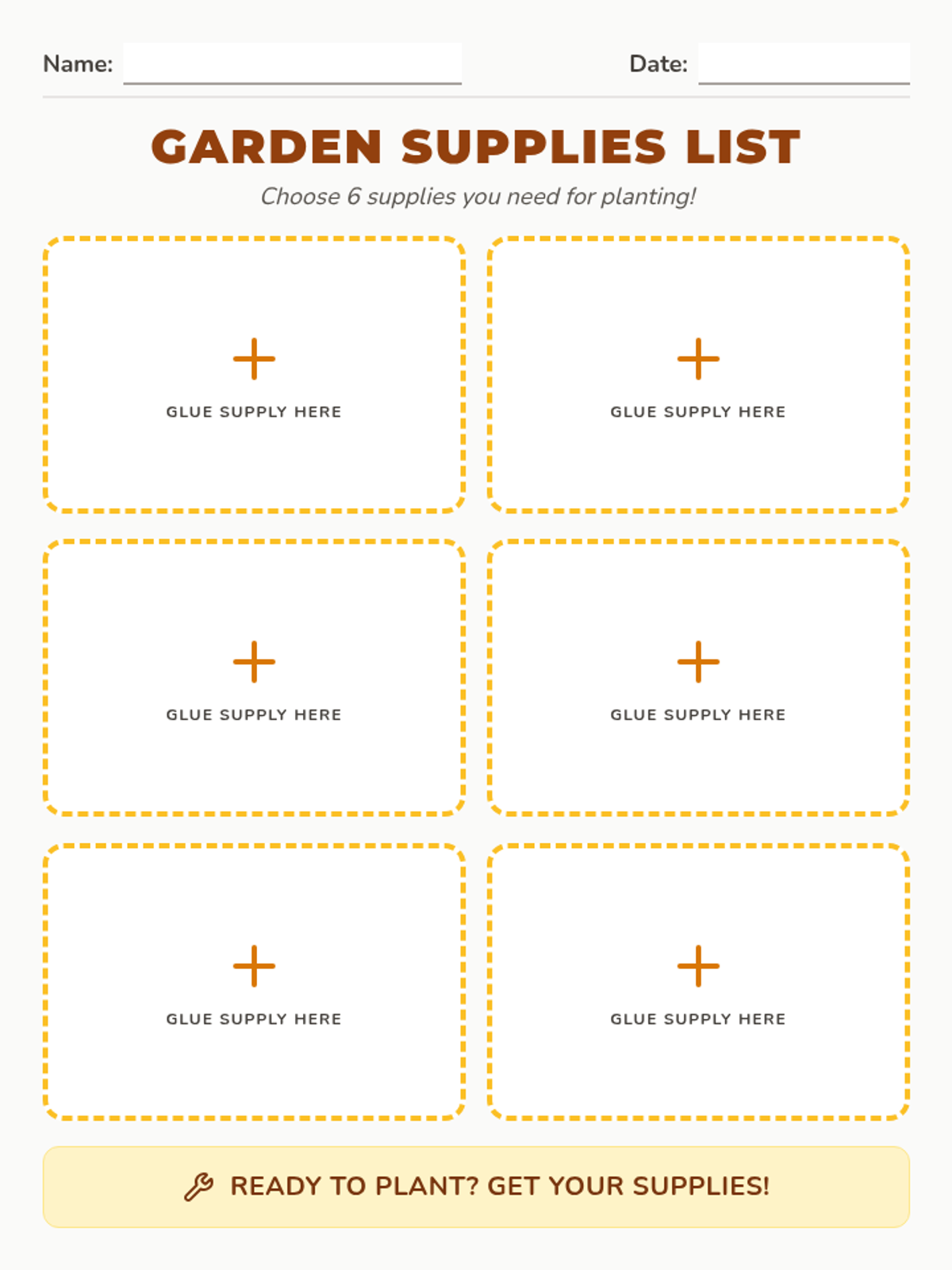
A hands-on activity for students to identify common garden vegetables and prepare a visual shopping list for a gardening project. This lesson focuses on visual recognition and functional life skills.
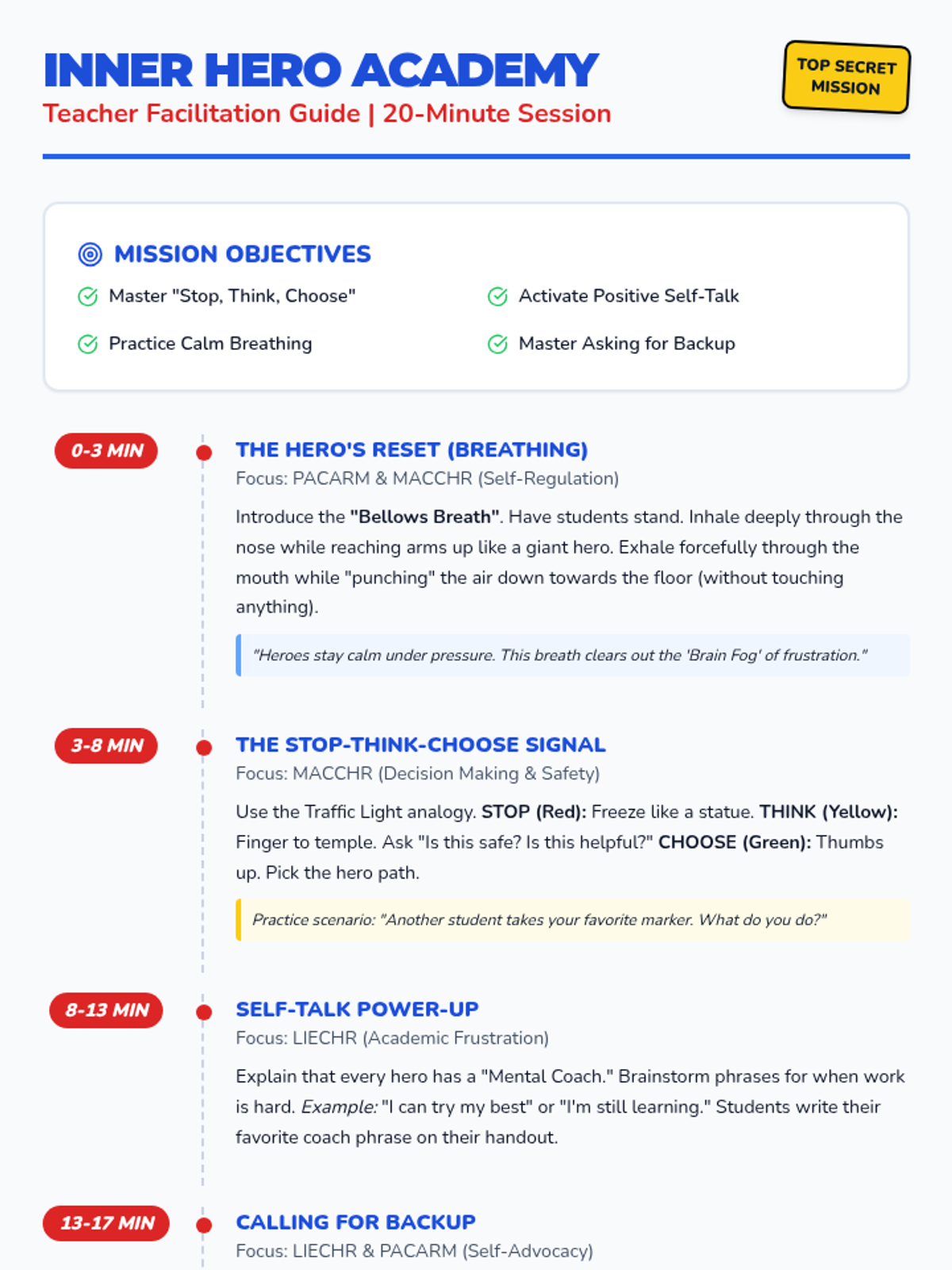
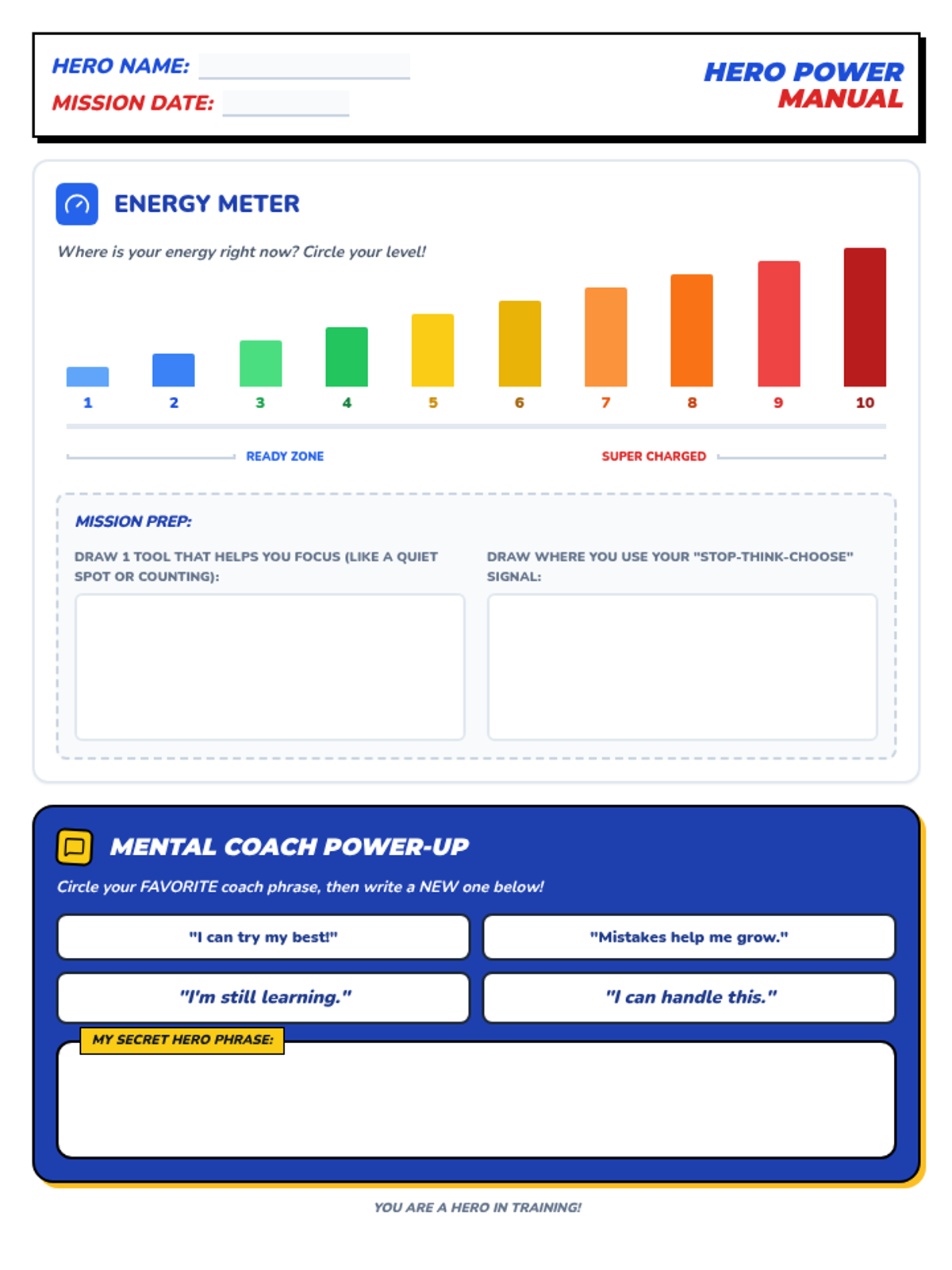
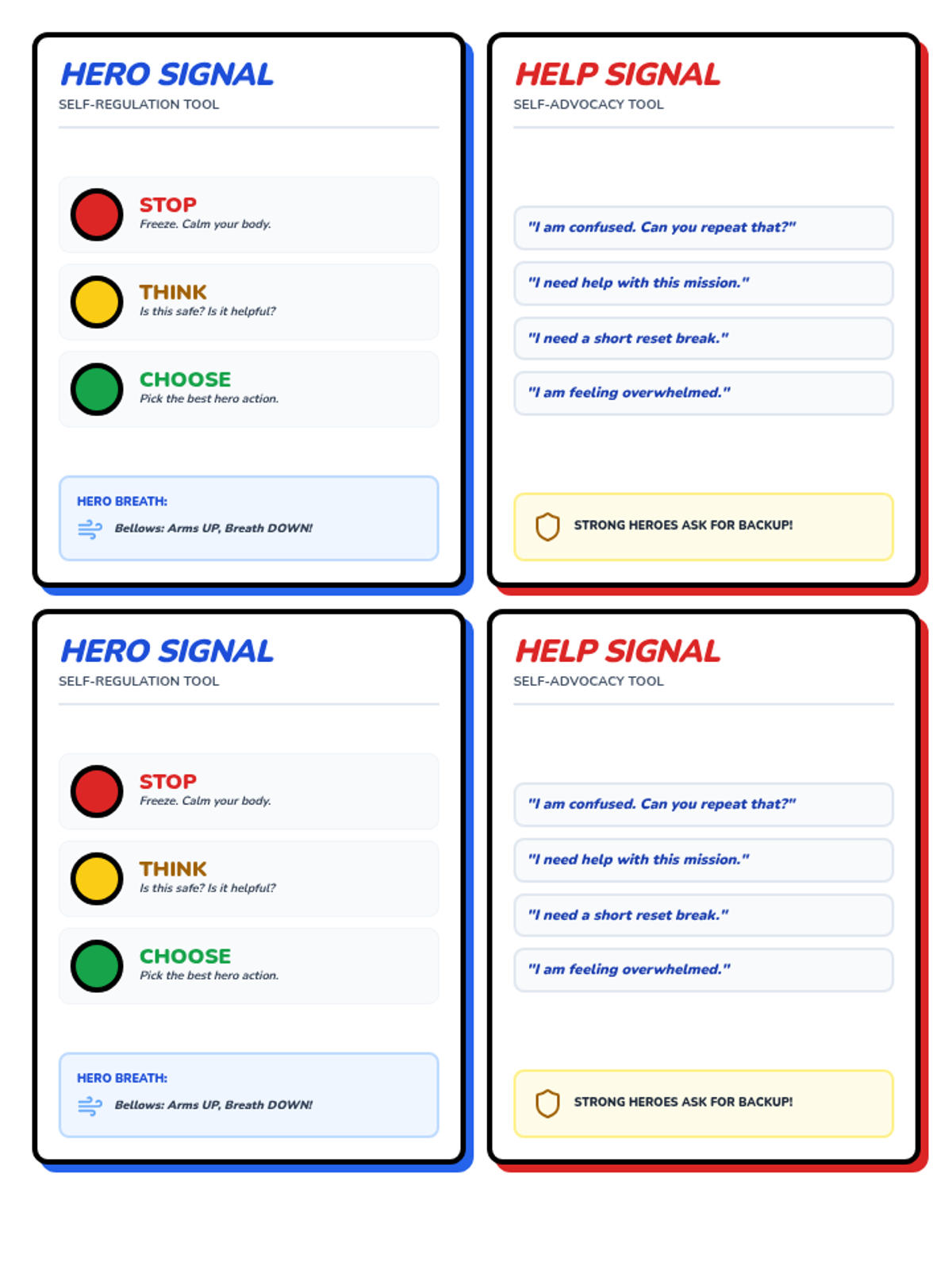
A 20-minute small group social-emotional learning lesson focusing on self-regulation, positive self-talk, and self-advocacy using the 'Inner Hero' theme. Designed for a mixed-grade group (2nd and 4th) to address IEP goals related to the Stop-Think-Choose method and asking for help.
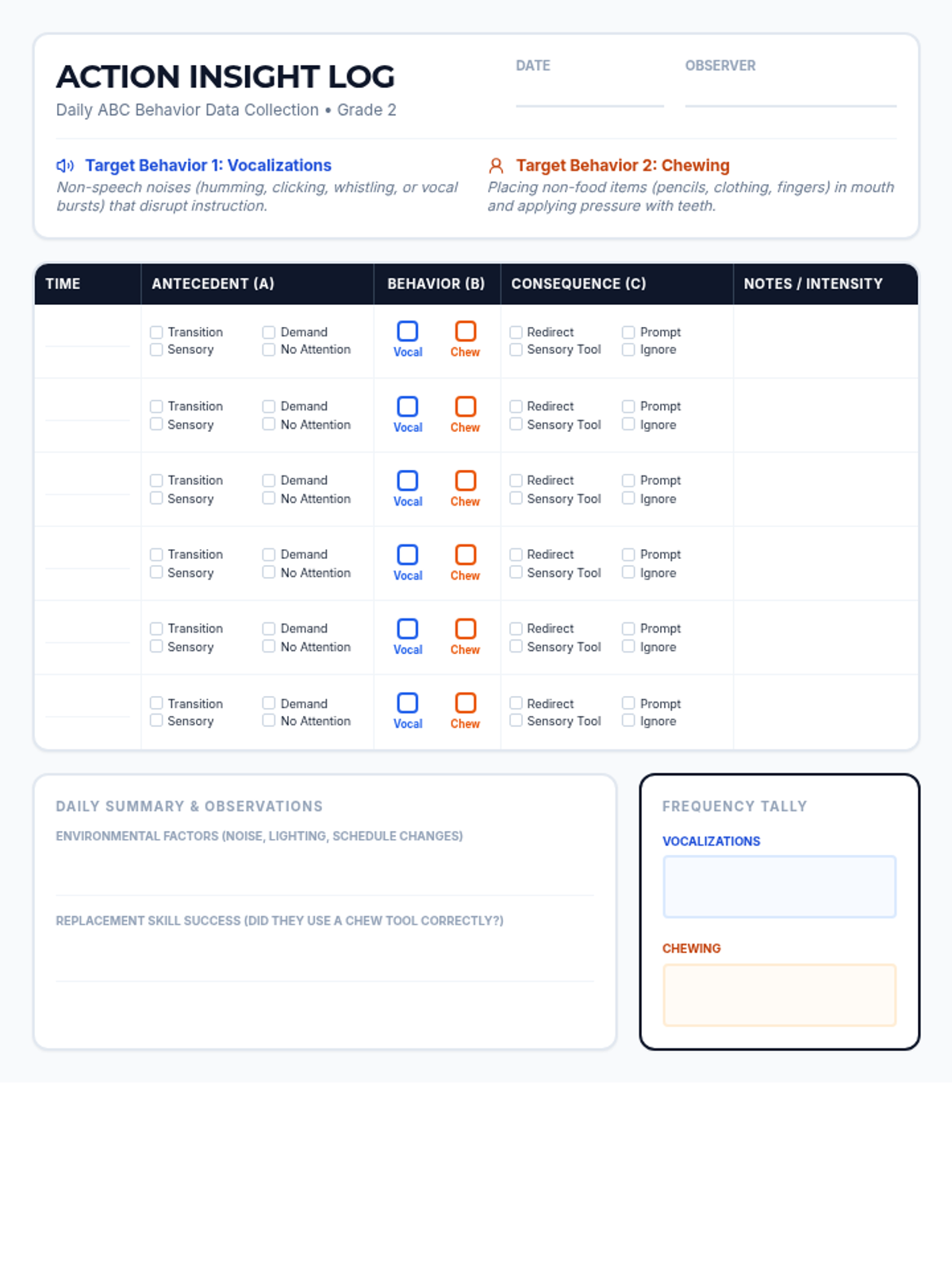
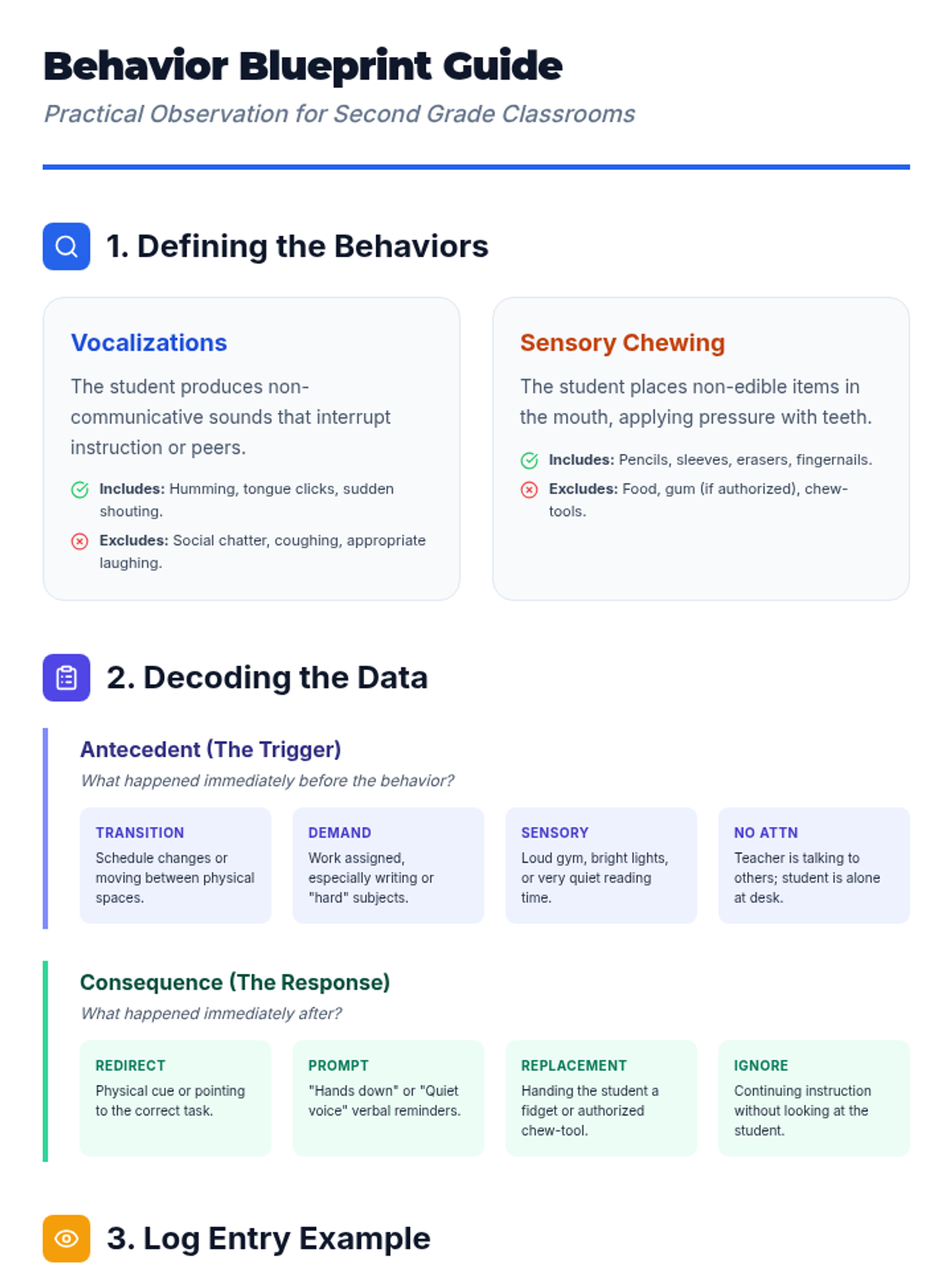
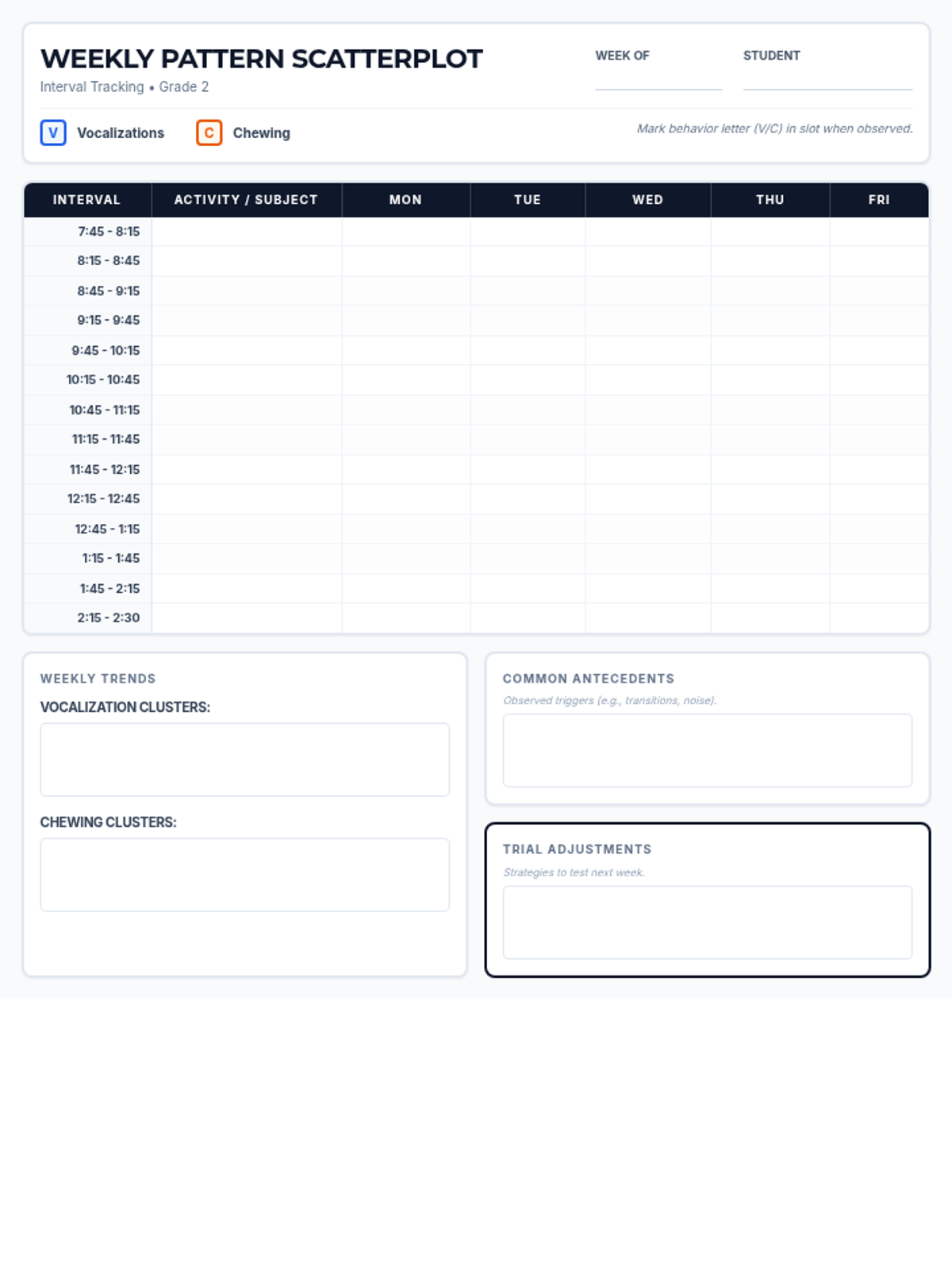
A comprehensive set of tools for tracking and understanding second-grade classroom behaviors, specifically focusing on off-task behaviors and noncompliance.
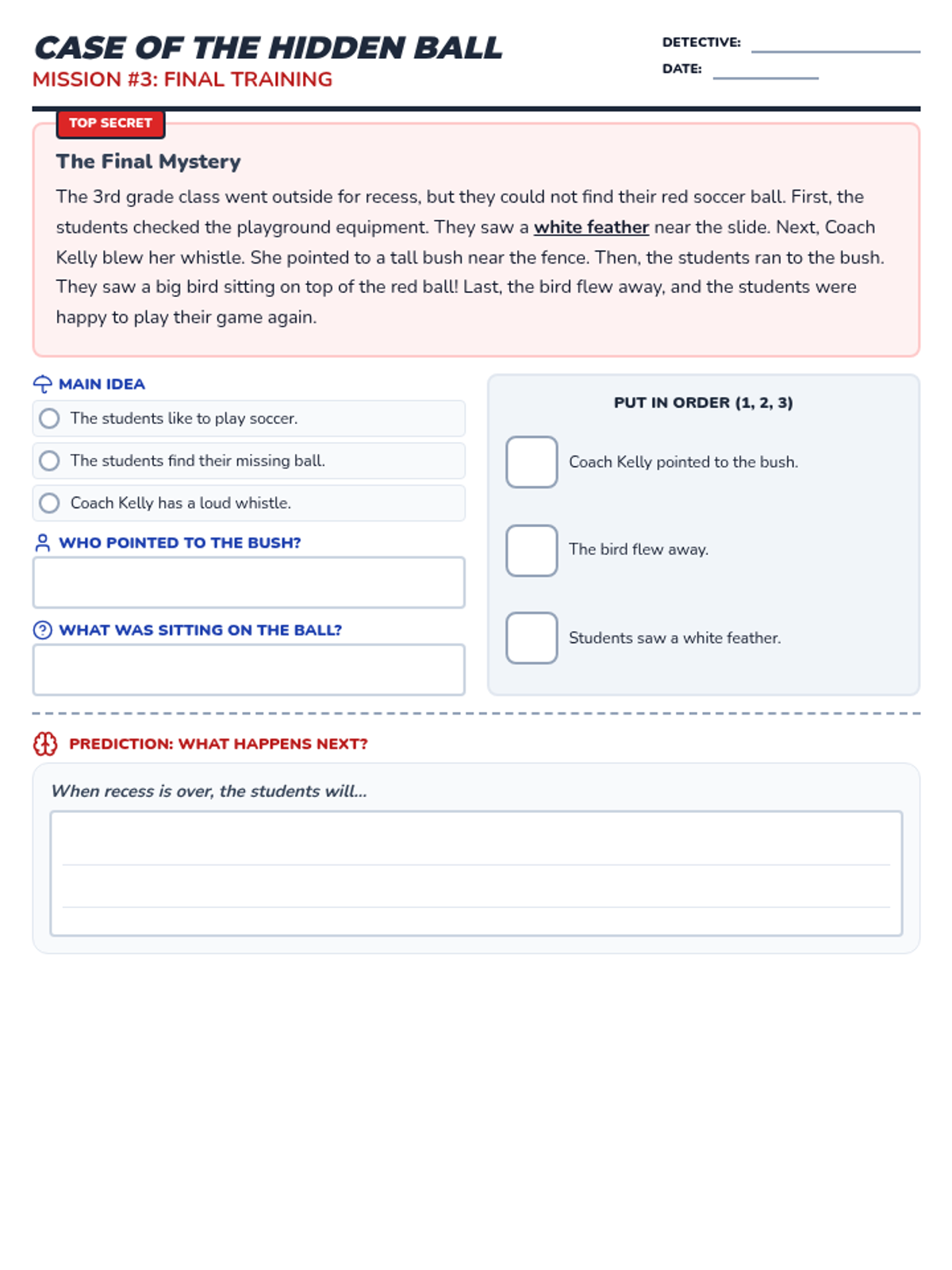
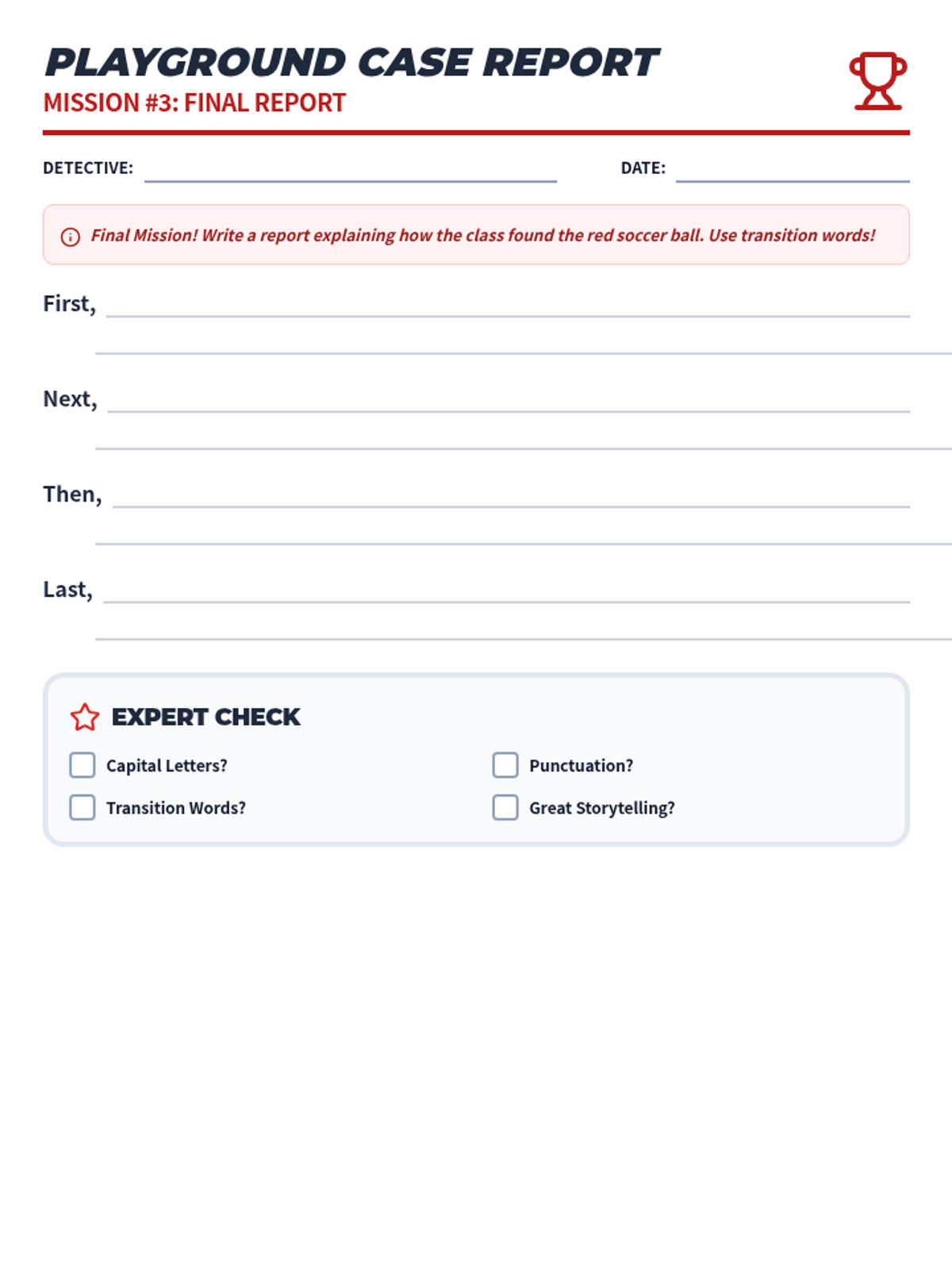
The final training mission, where students apply all their skills to solve the Case of the Hidden Playground Ball.
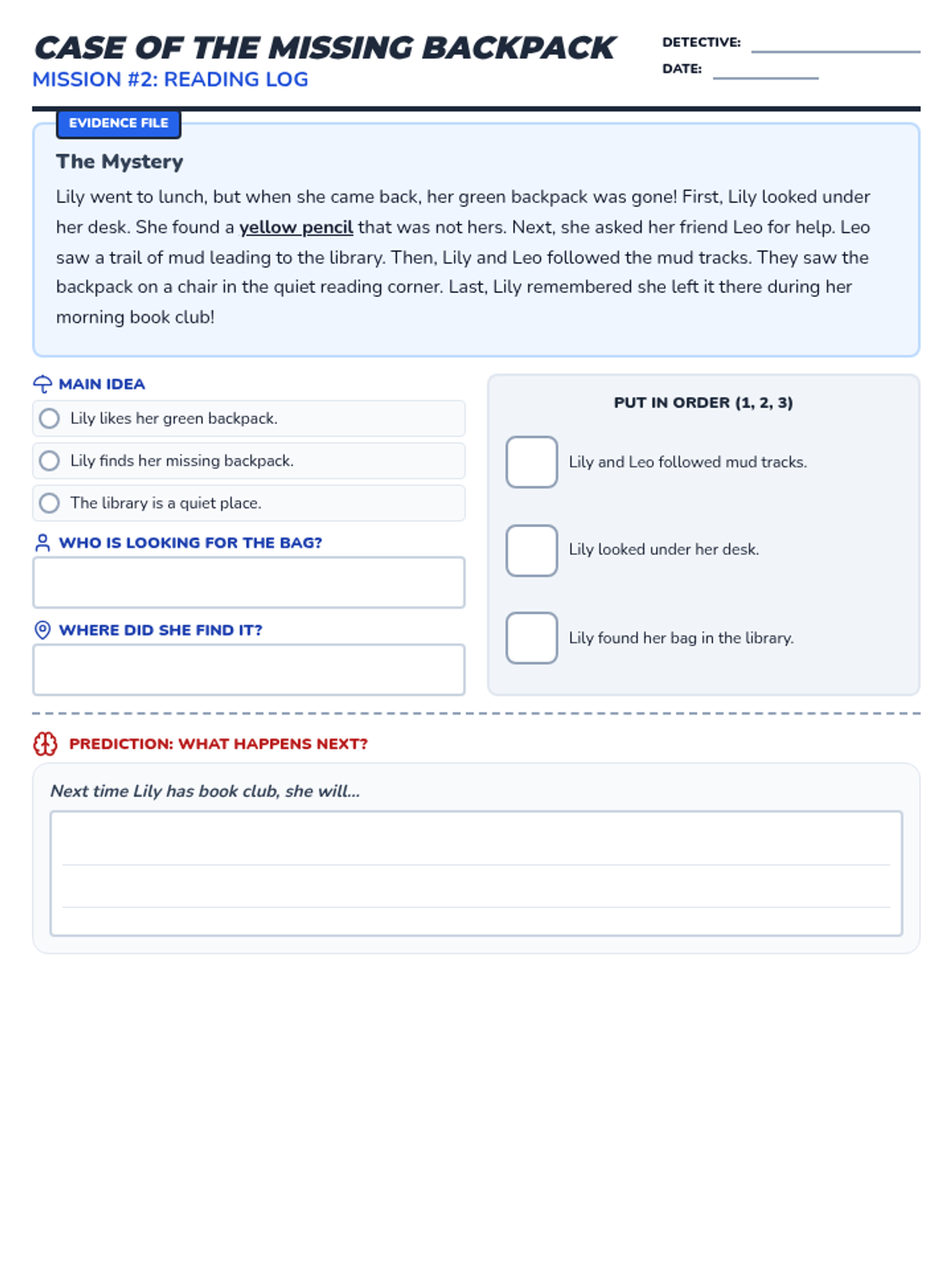
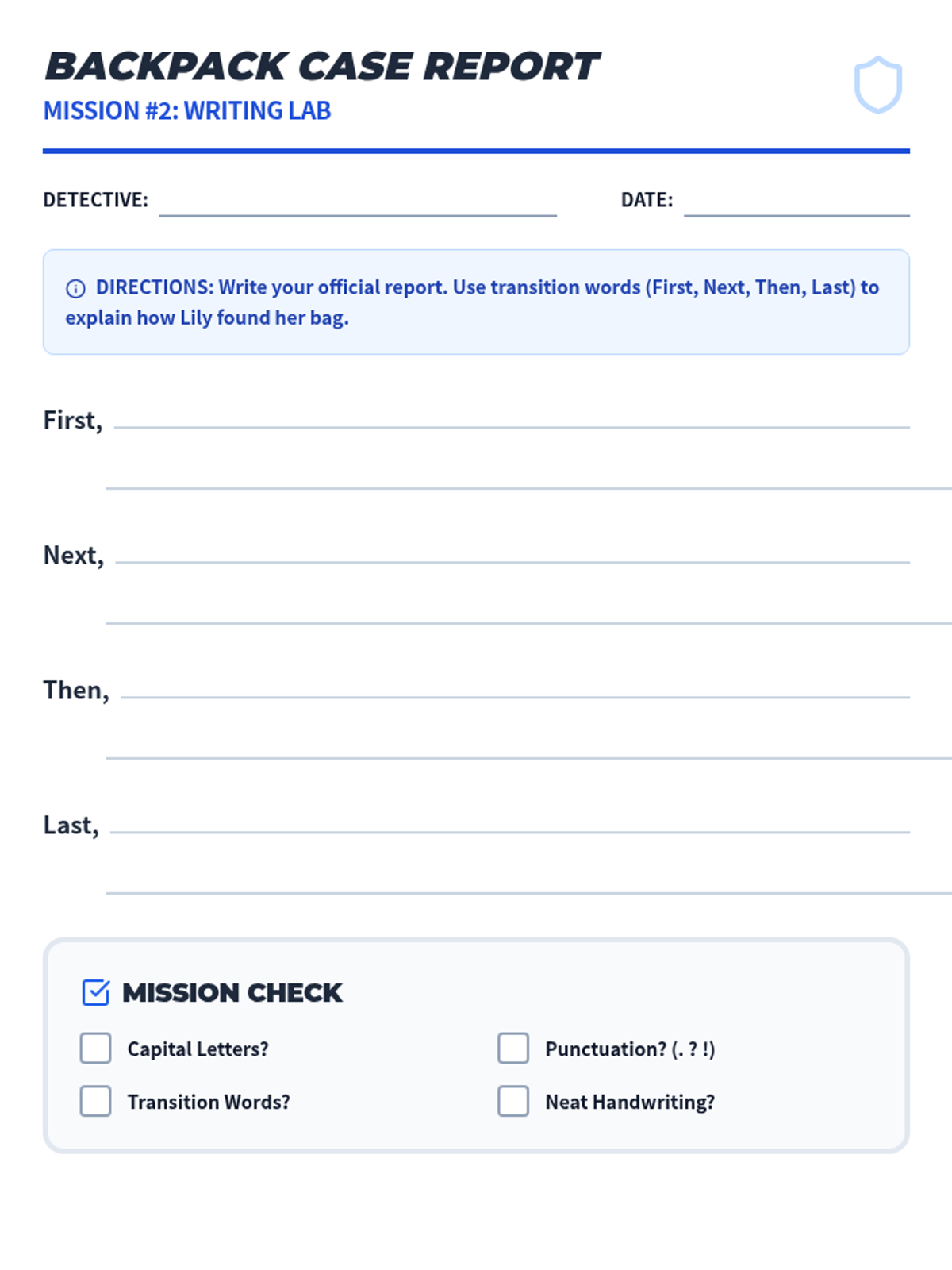
The second mission in the Detective Academy, focused on identifying character motives and sequencing events in the Case of the Missing Backpack.
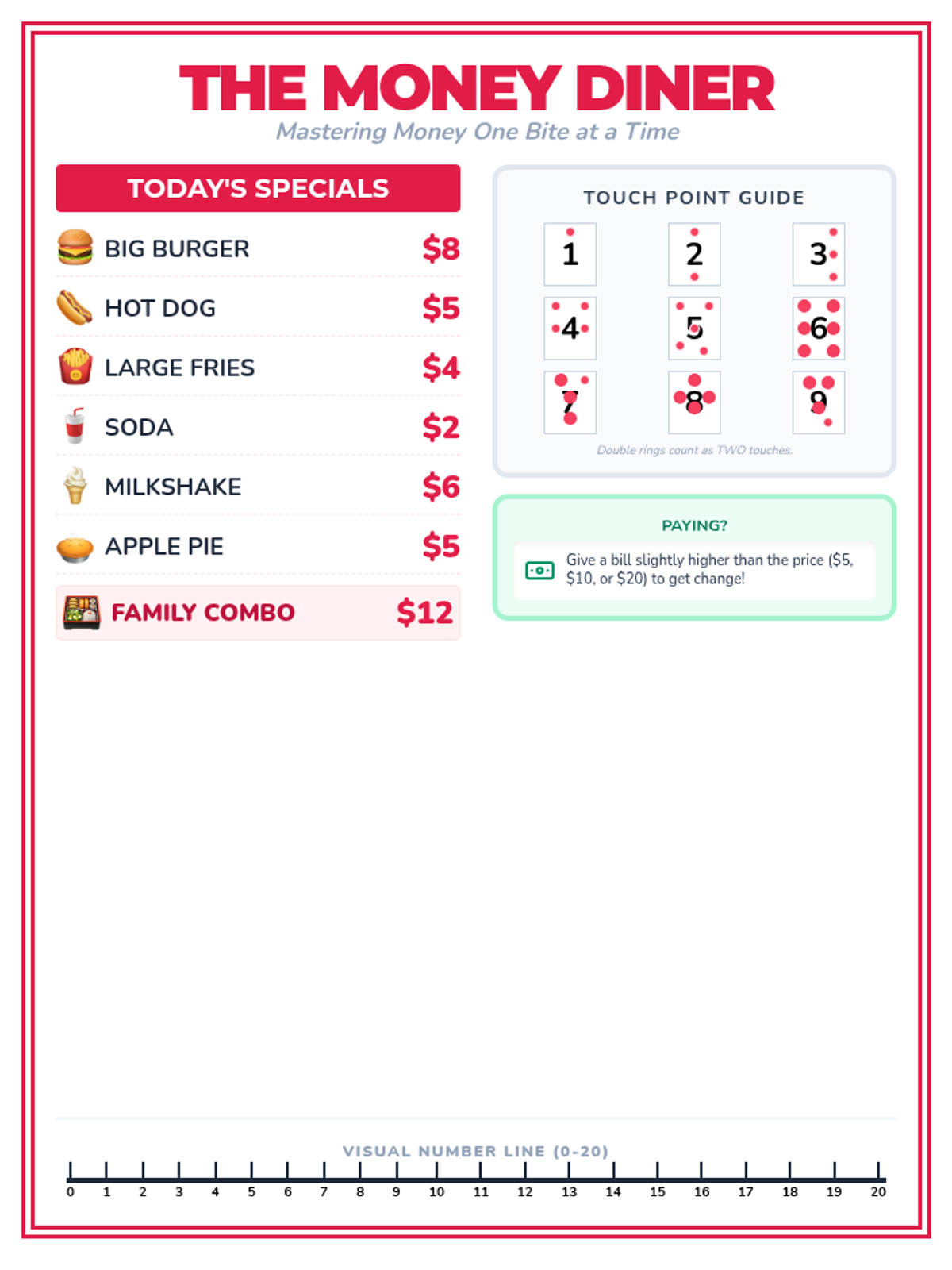
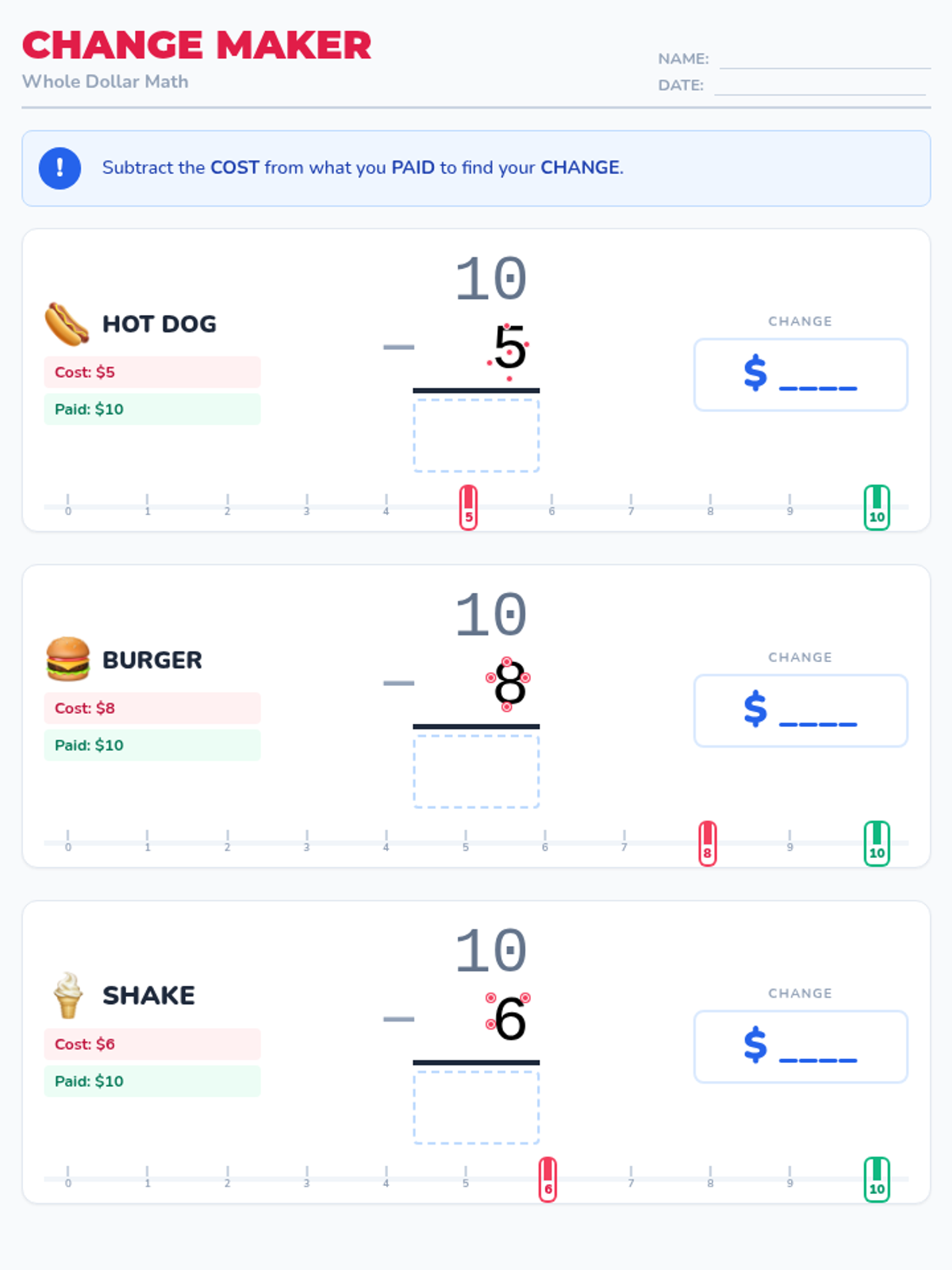
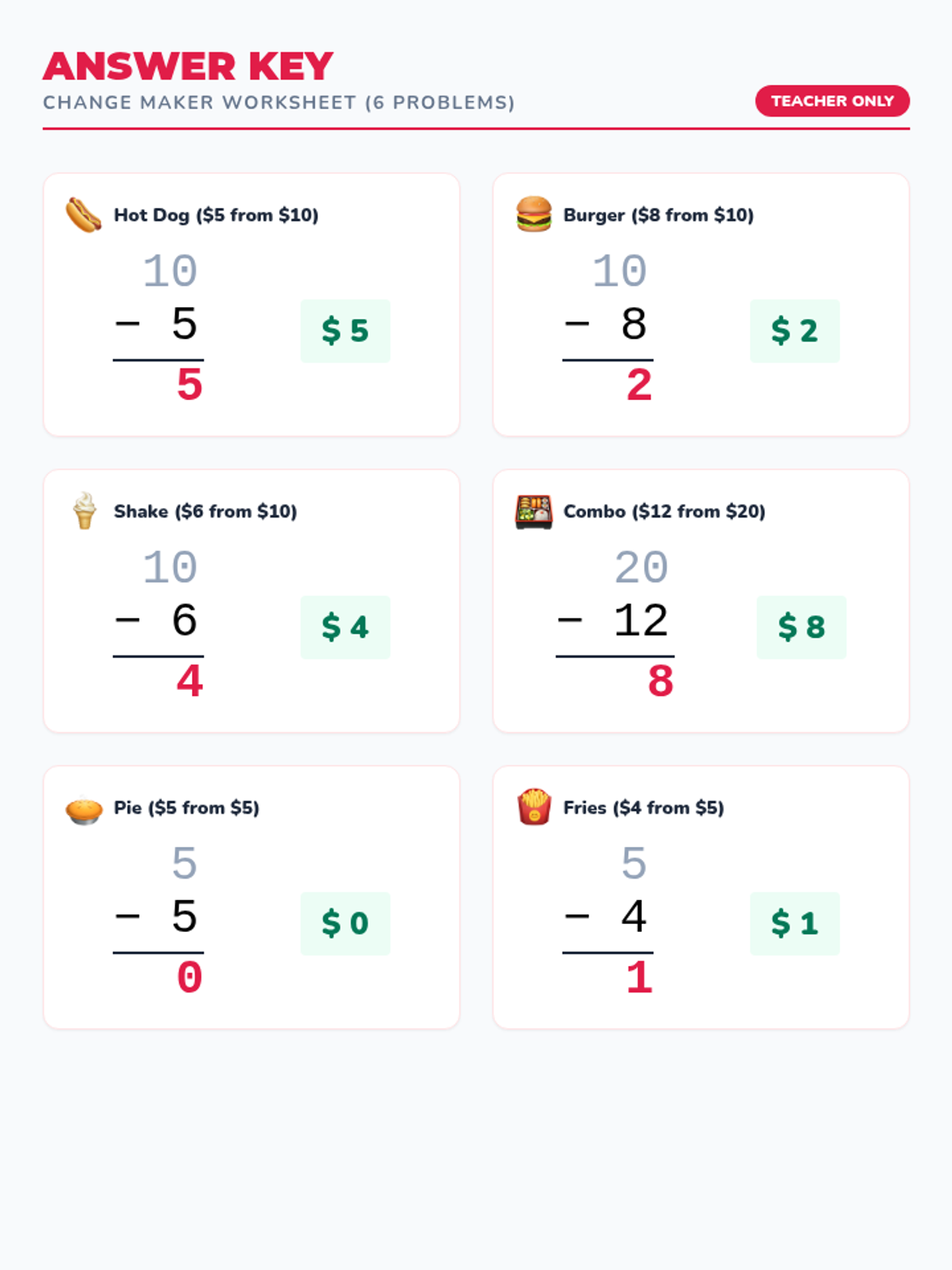
A functional math lesson focusing on calculating totals and change using whole dollar amounts. Designed with IEP supports including touch-points, visual number lines, and step-by-step guides for independent living skills.
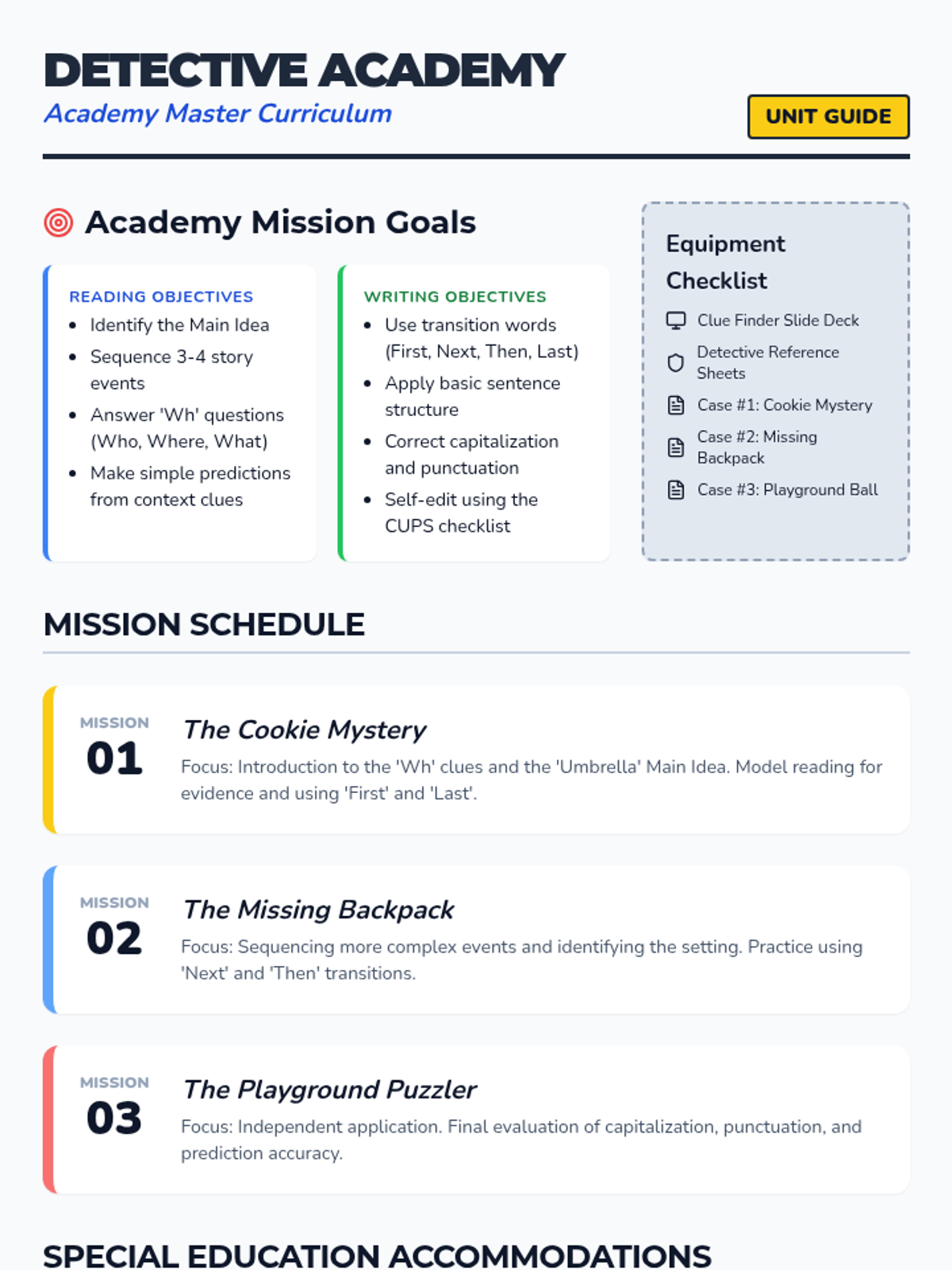
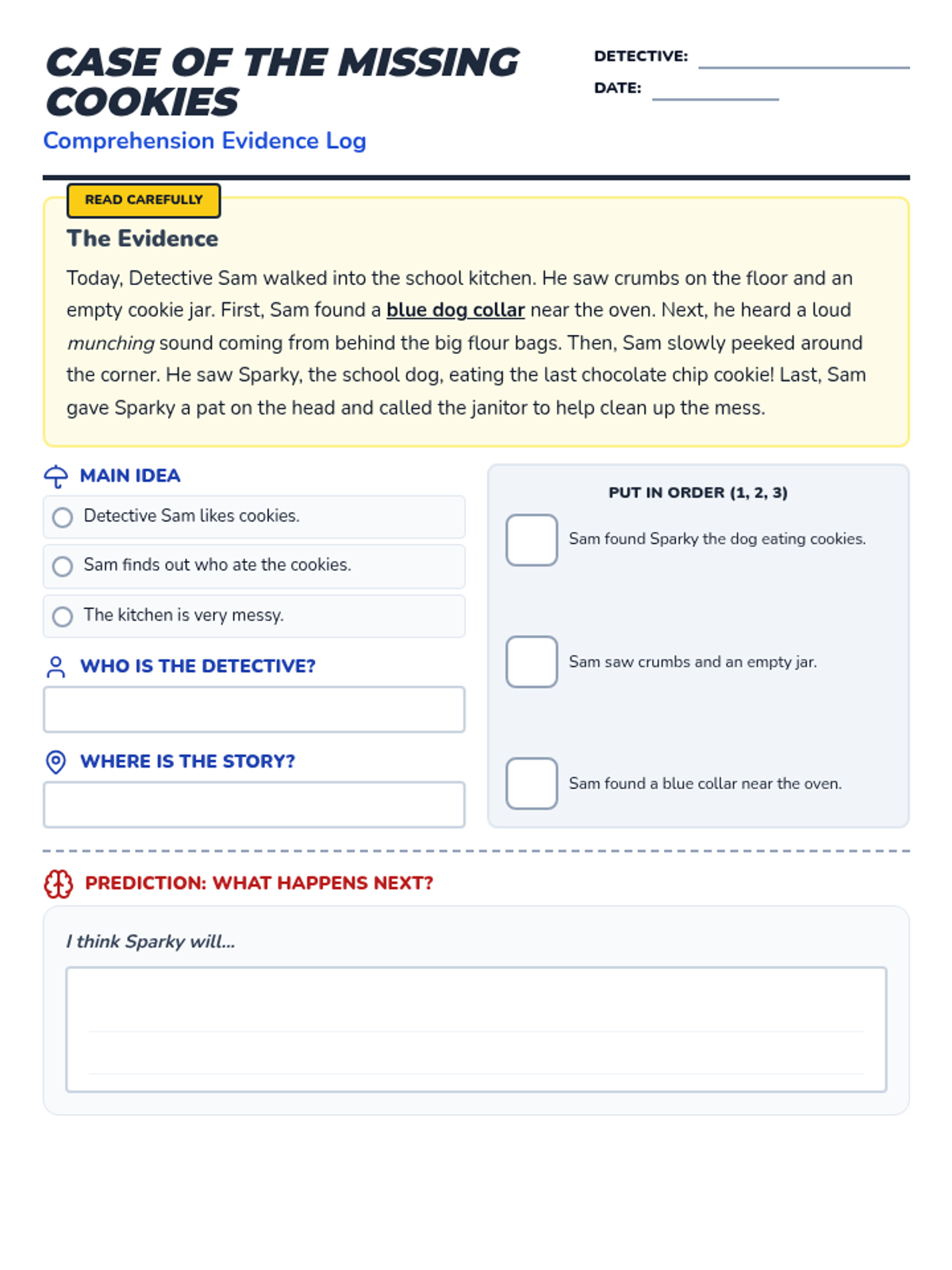
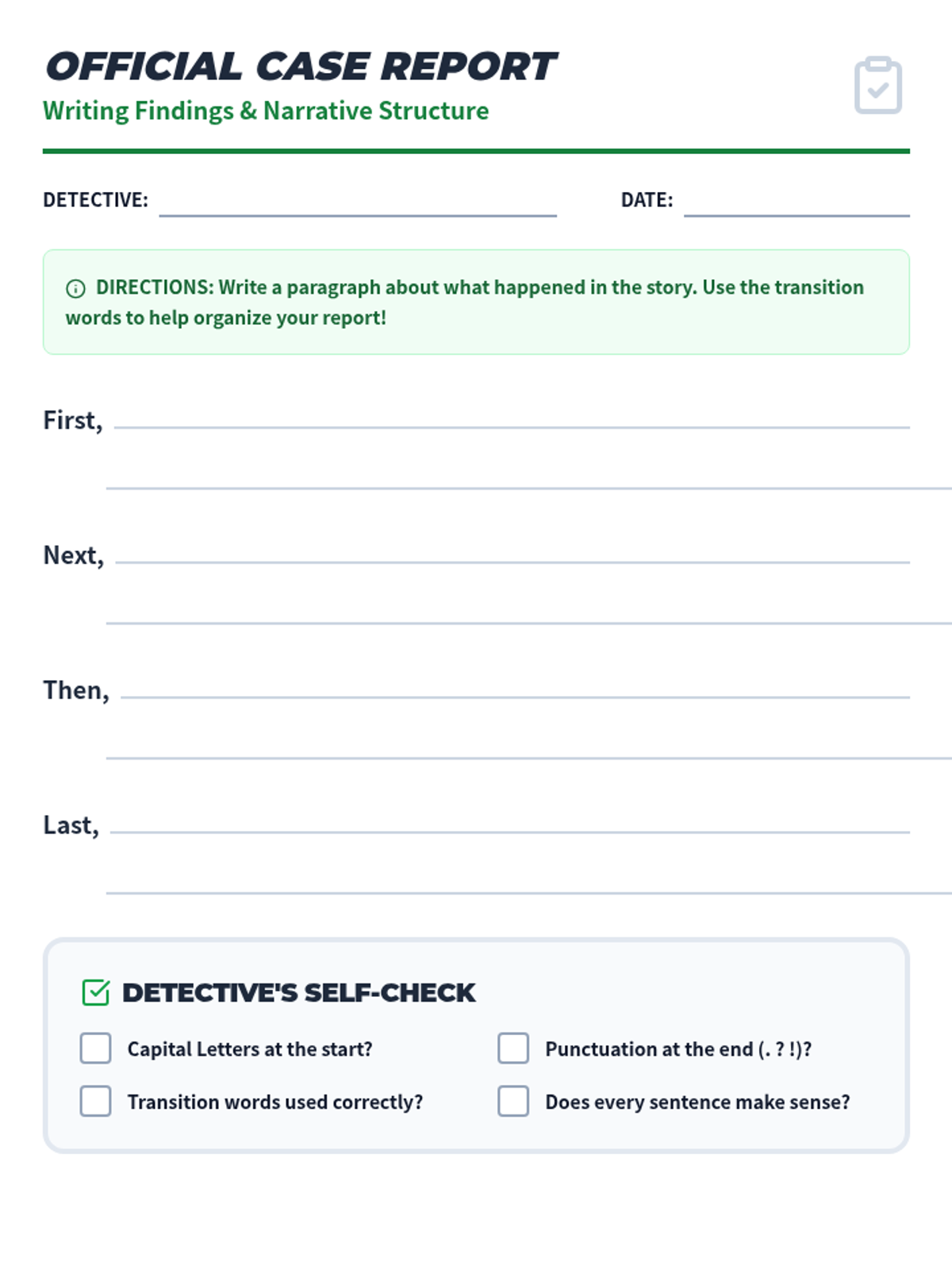
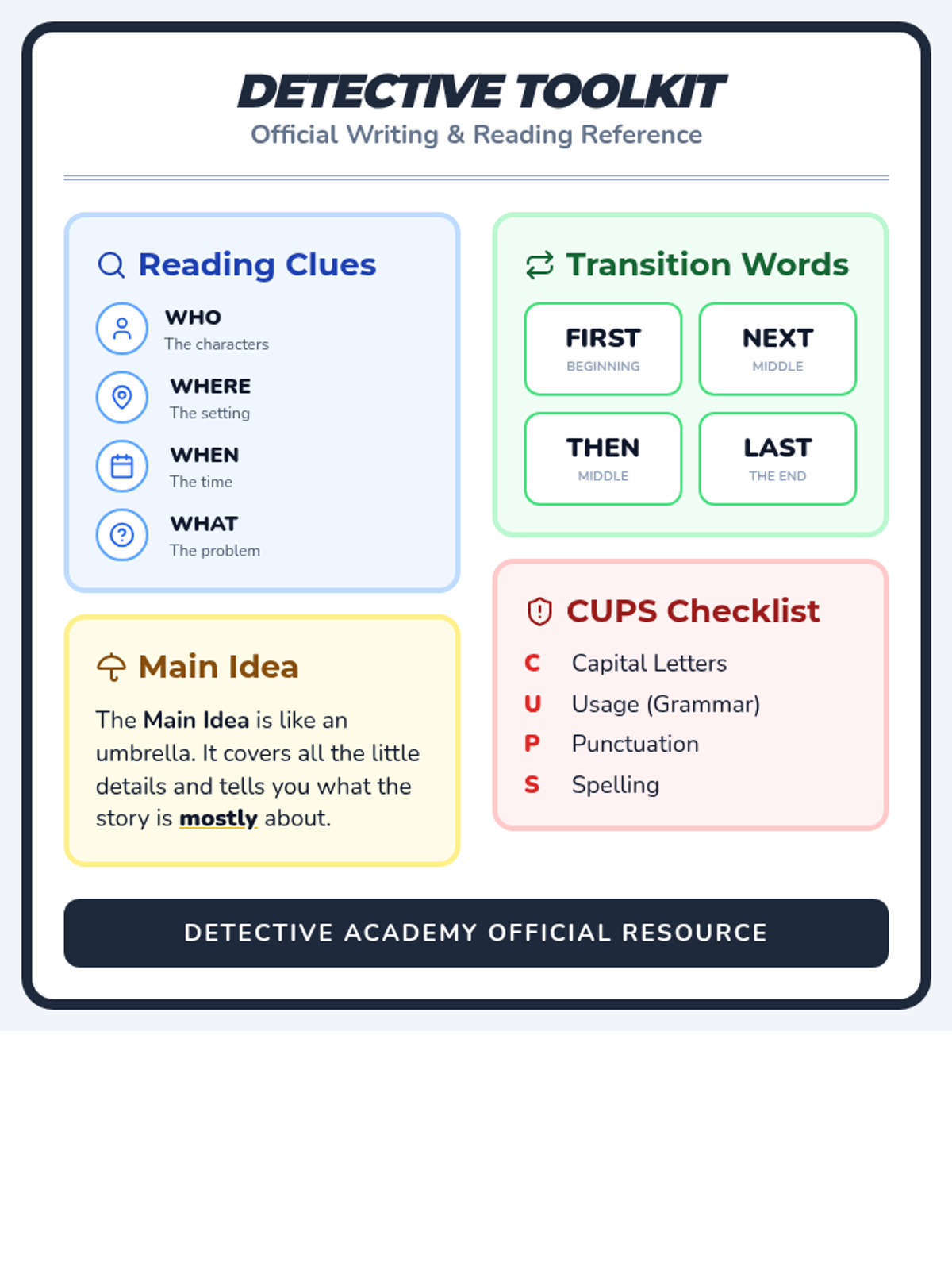
A comprehensive literacy lesson for 3rd-grade IEP students using a 'Detective Academy' theme to master sentence structure, paragraph building, and reading comprehension strategies.
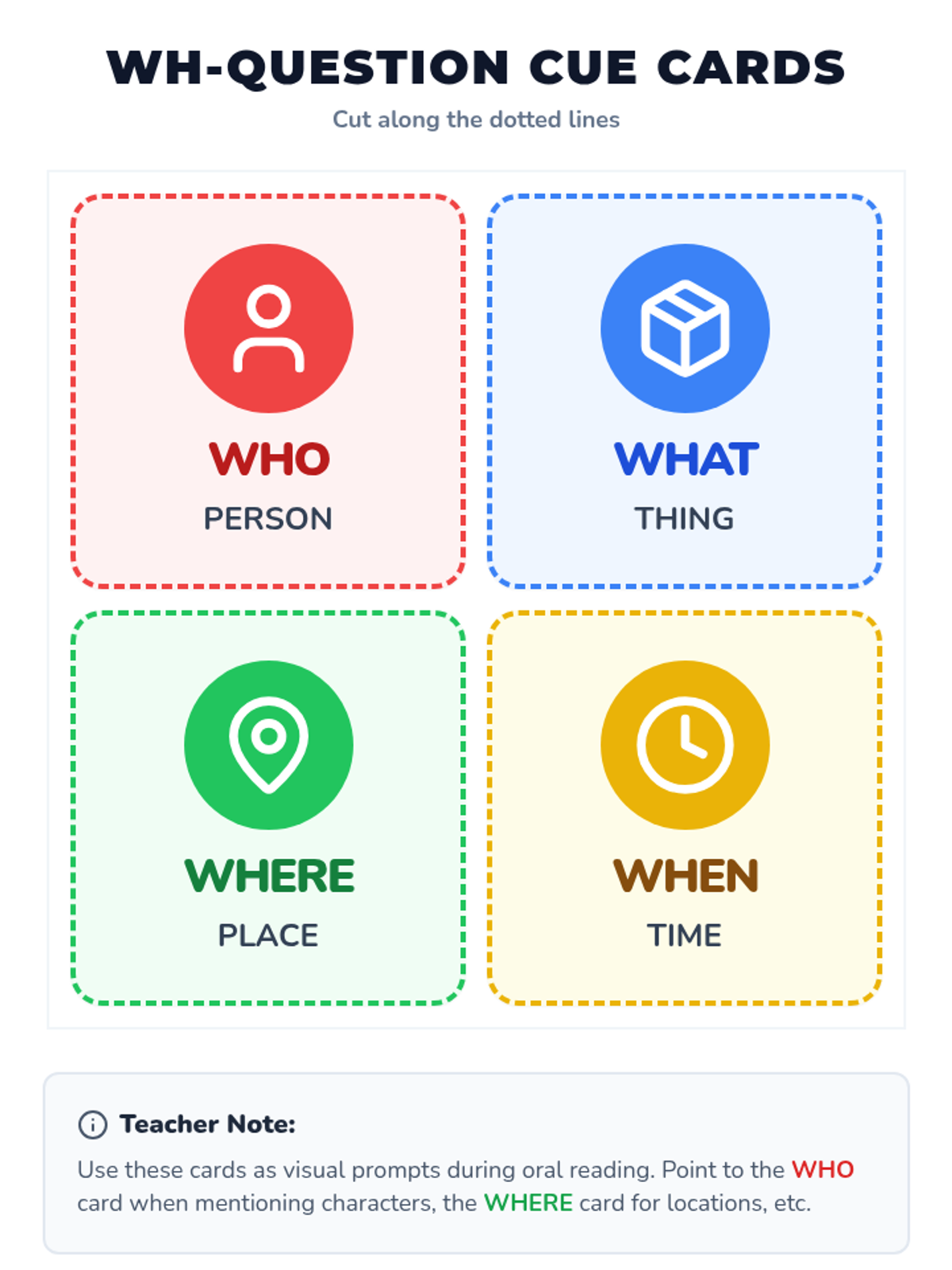
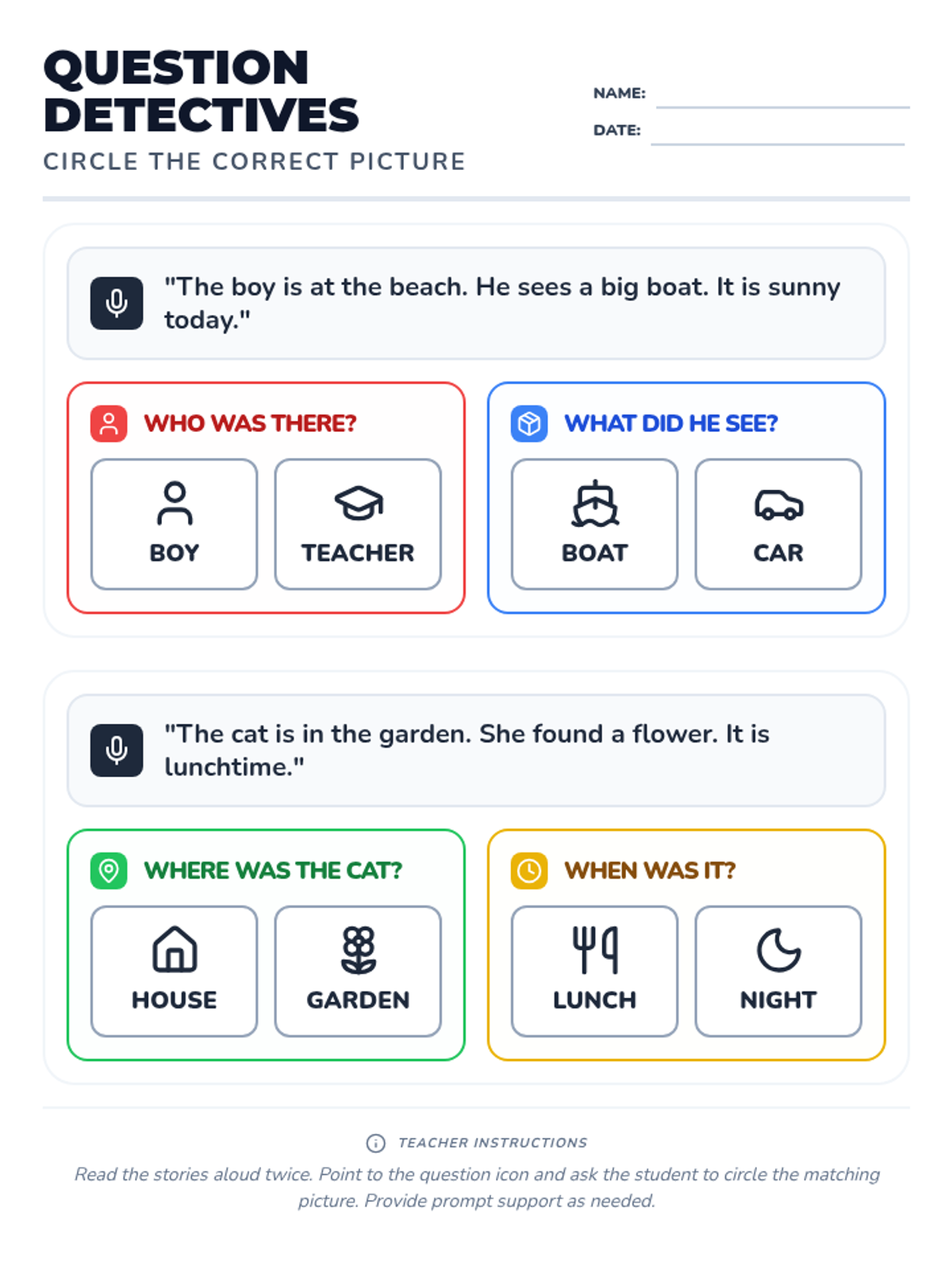
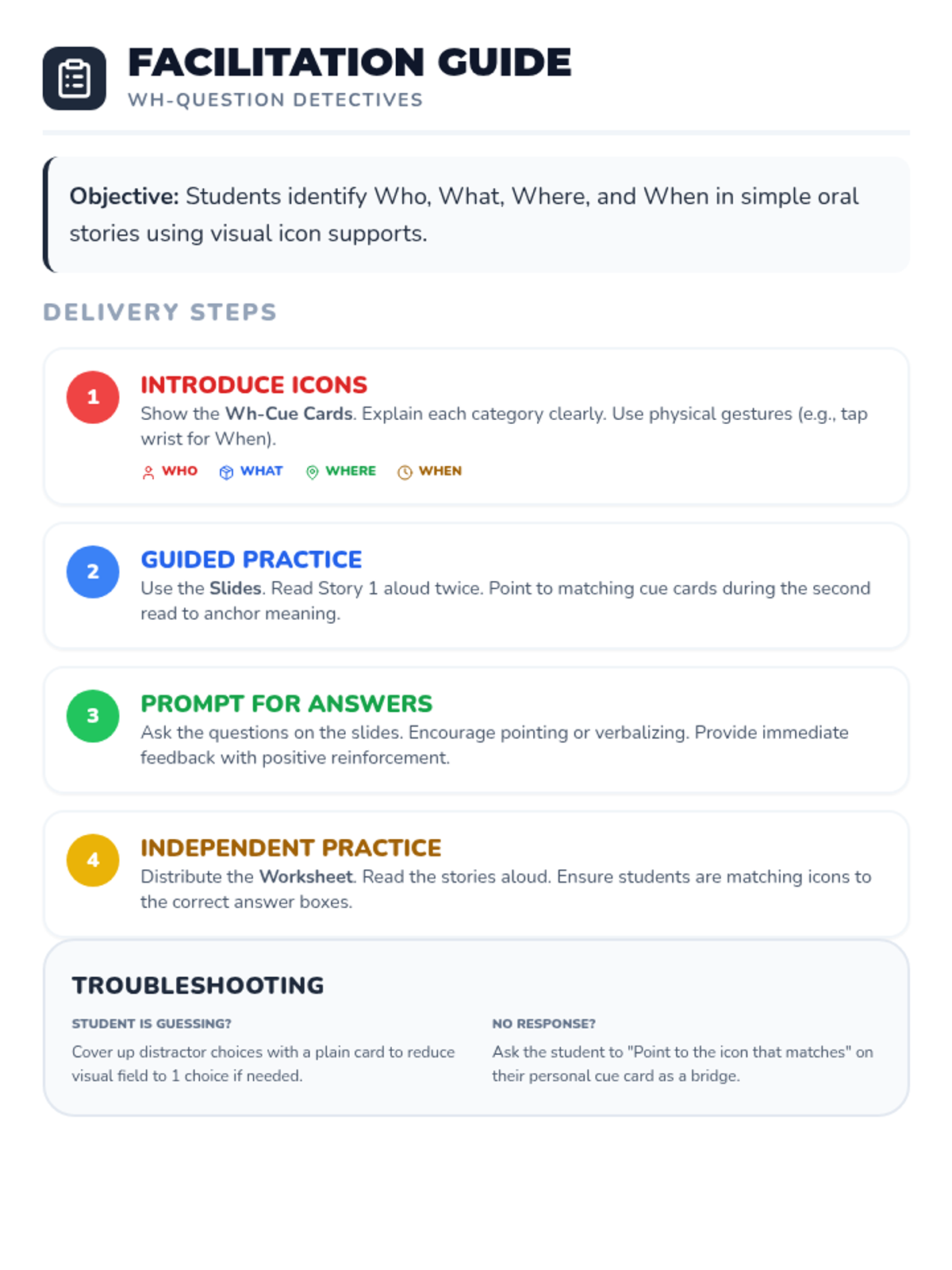
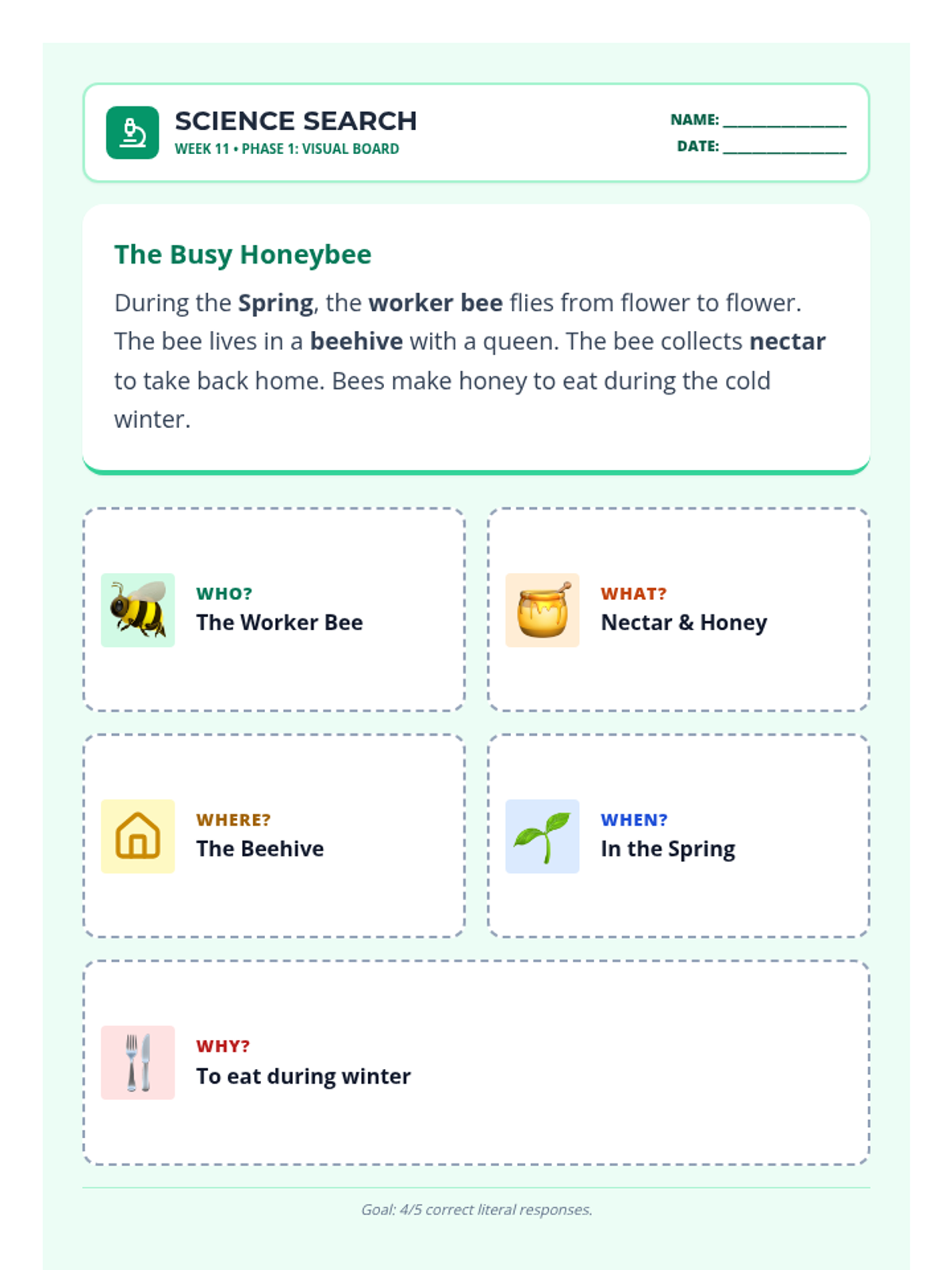
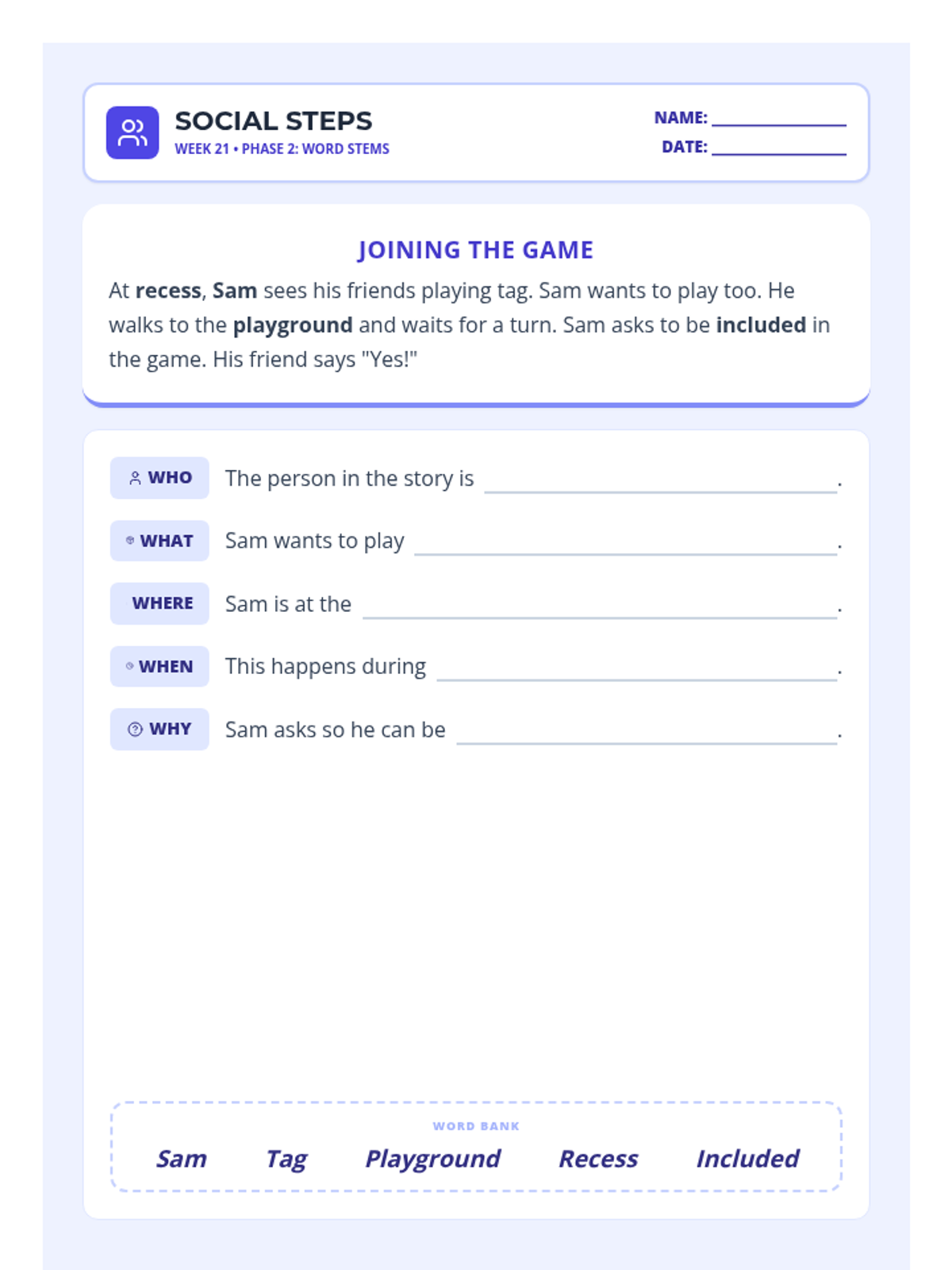
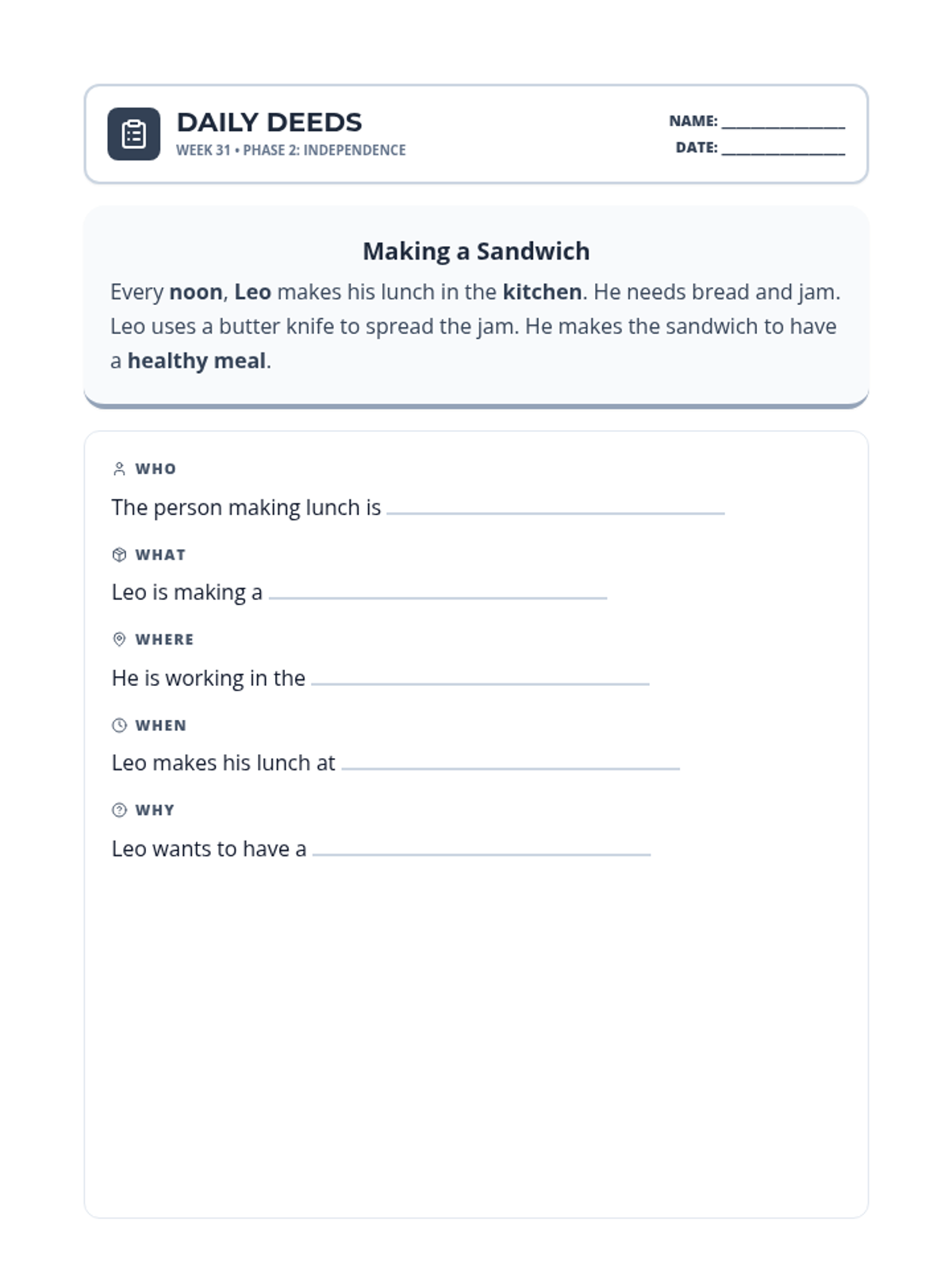
This lesson introduces the four primary question types (Who, What, Where, When) using 2-3 sentence stories. Students use visual icons to bridge the gap between spoken words and meaning.
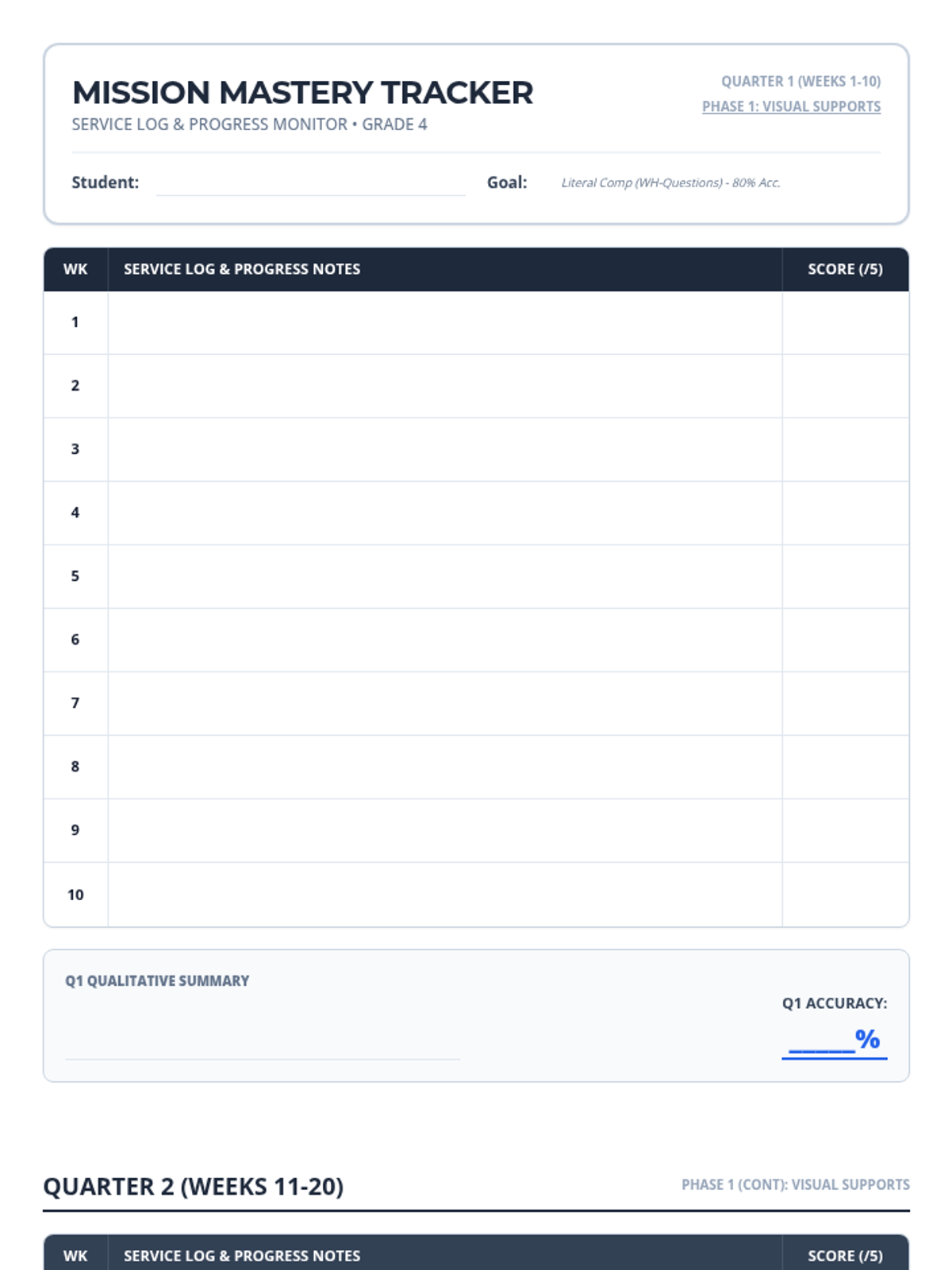
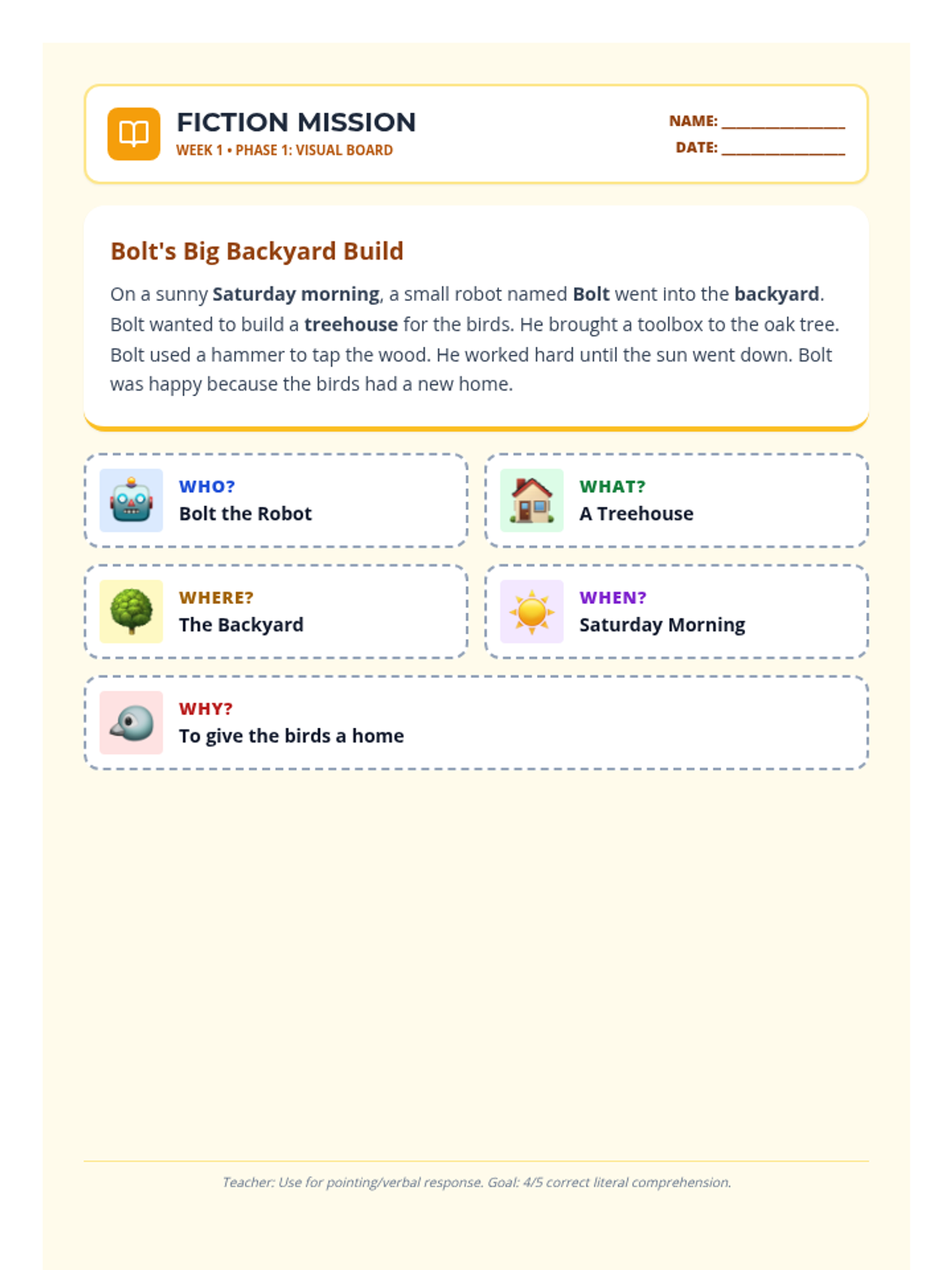
A comprehensive set of reading materials and tracking tools for a 4th grade student with Autism to improve literal comprehension.
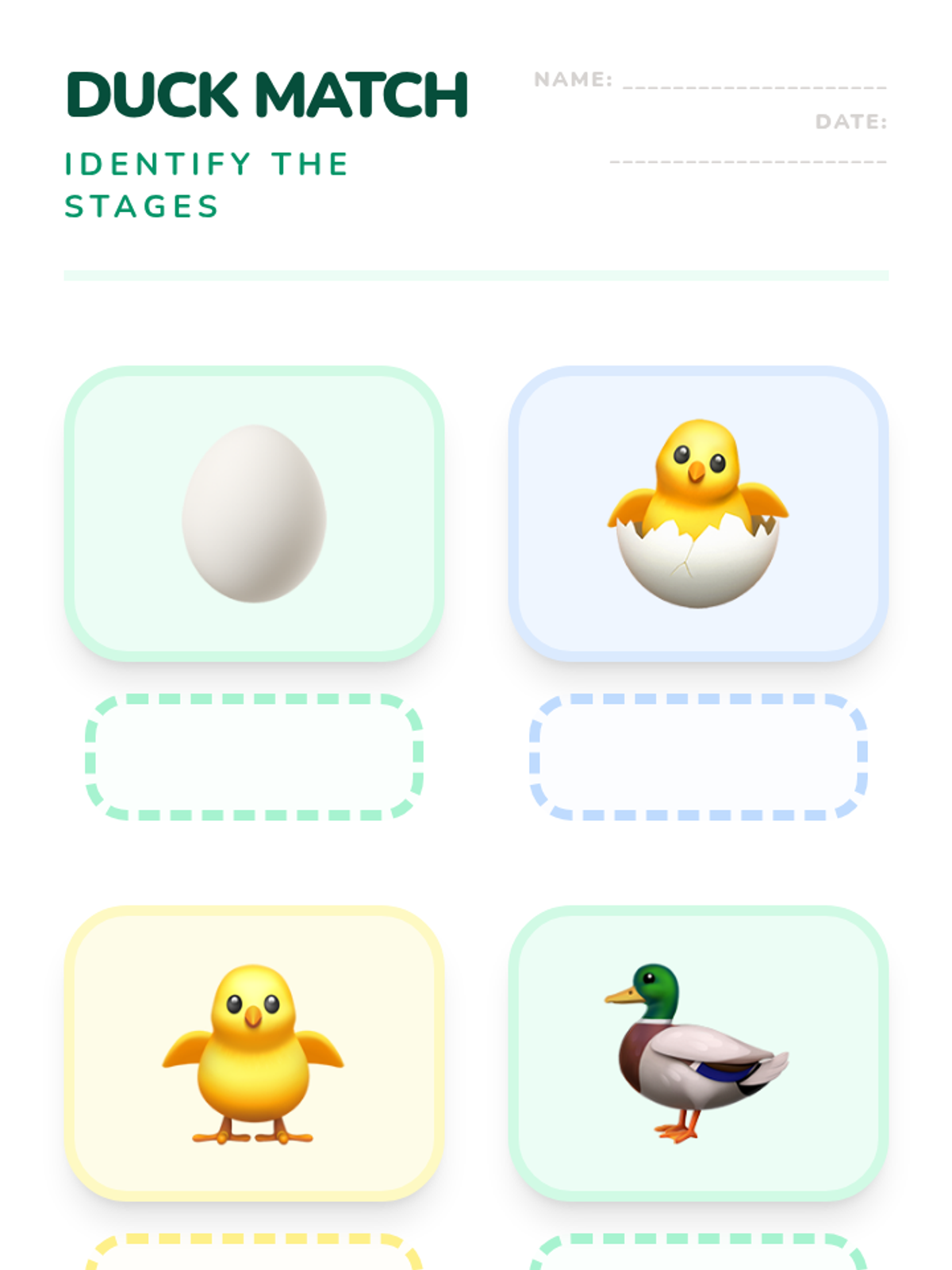
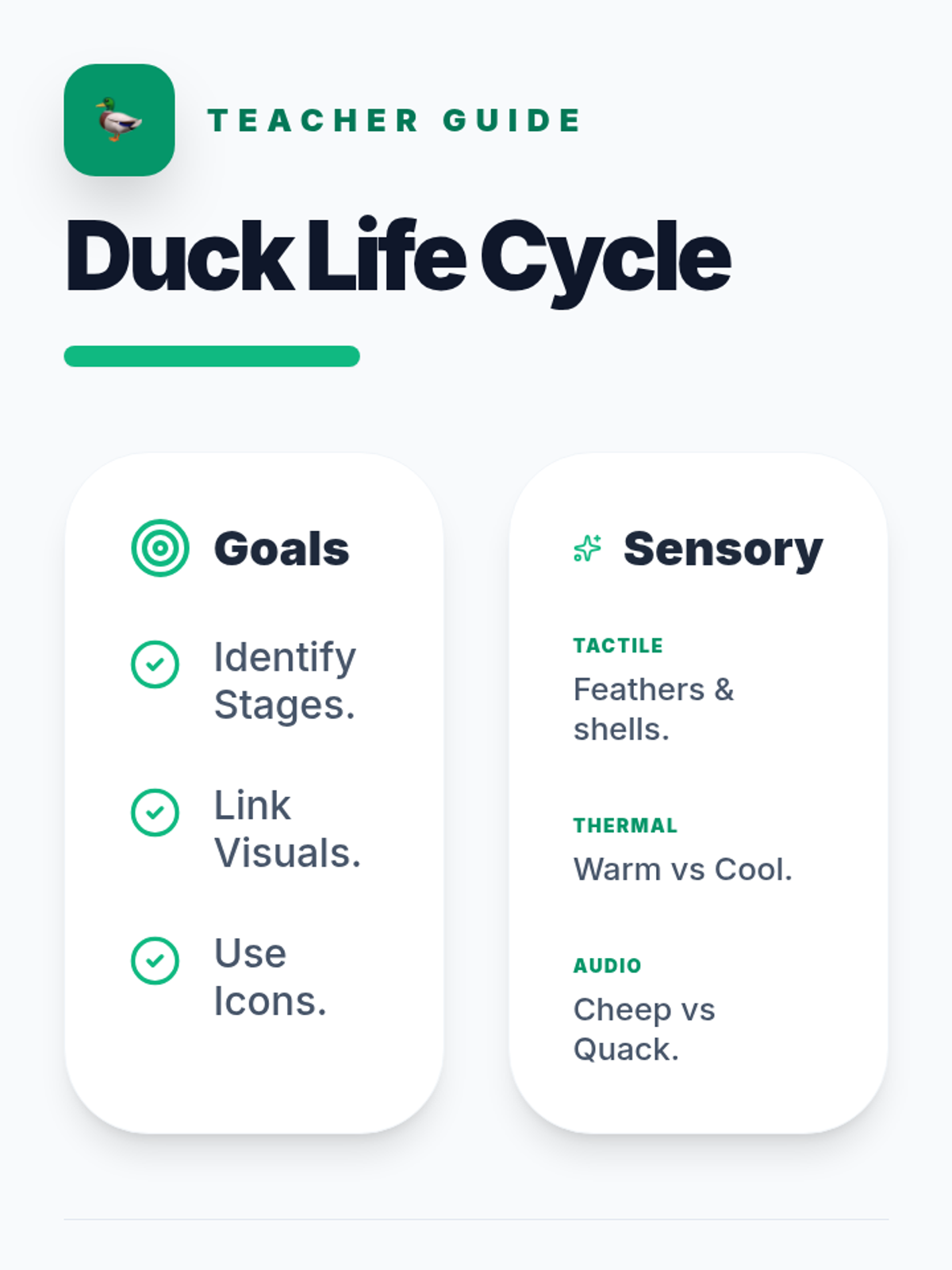
A specialized lesson designed for severe special needs students focusing on the developmental stages of a duck, from egg to adult. Includes adaptive visual supports and real-life imagery to aid comprehension and connection to the classroom incubator experience.
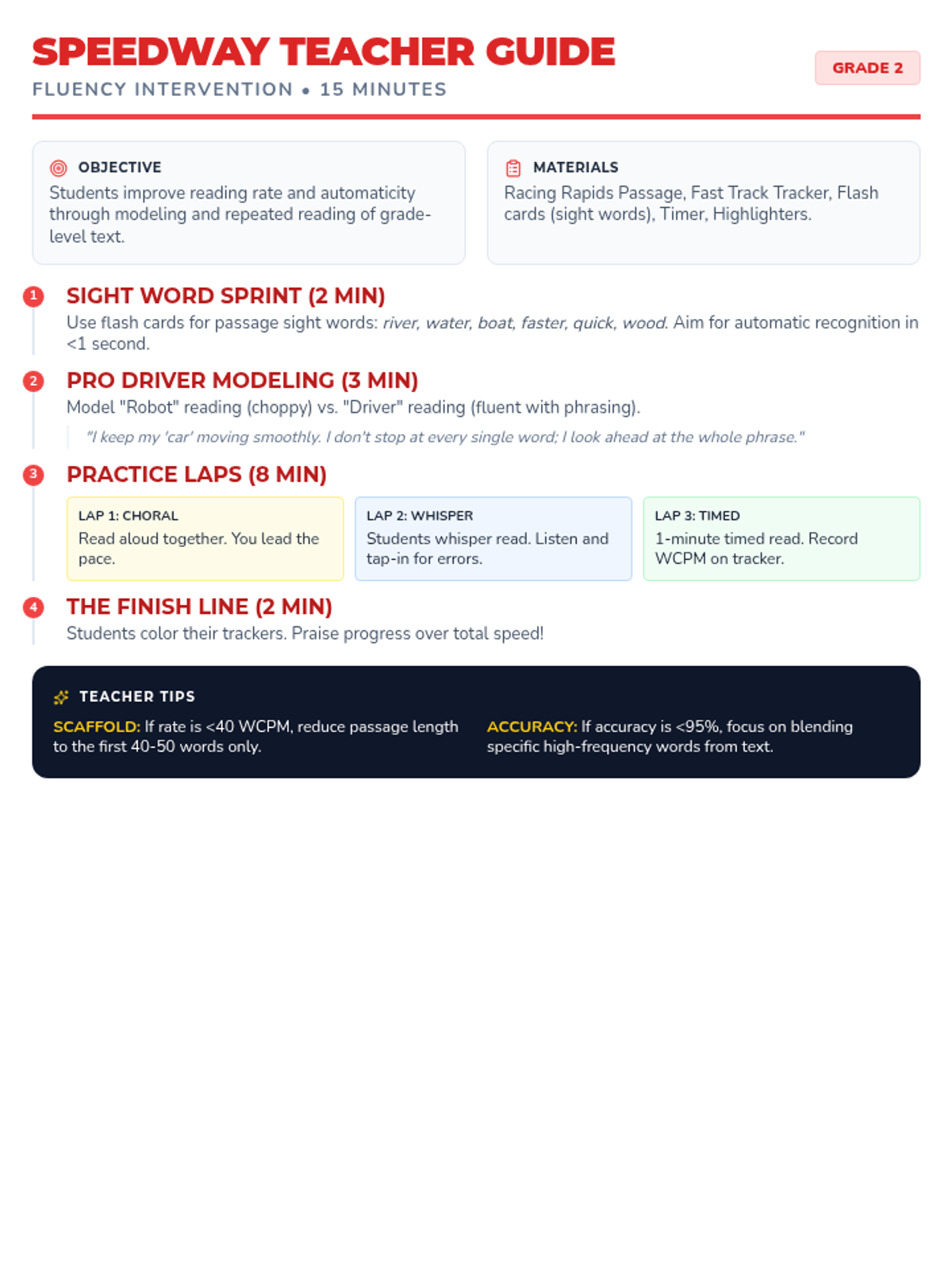
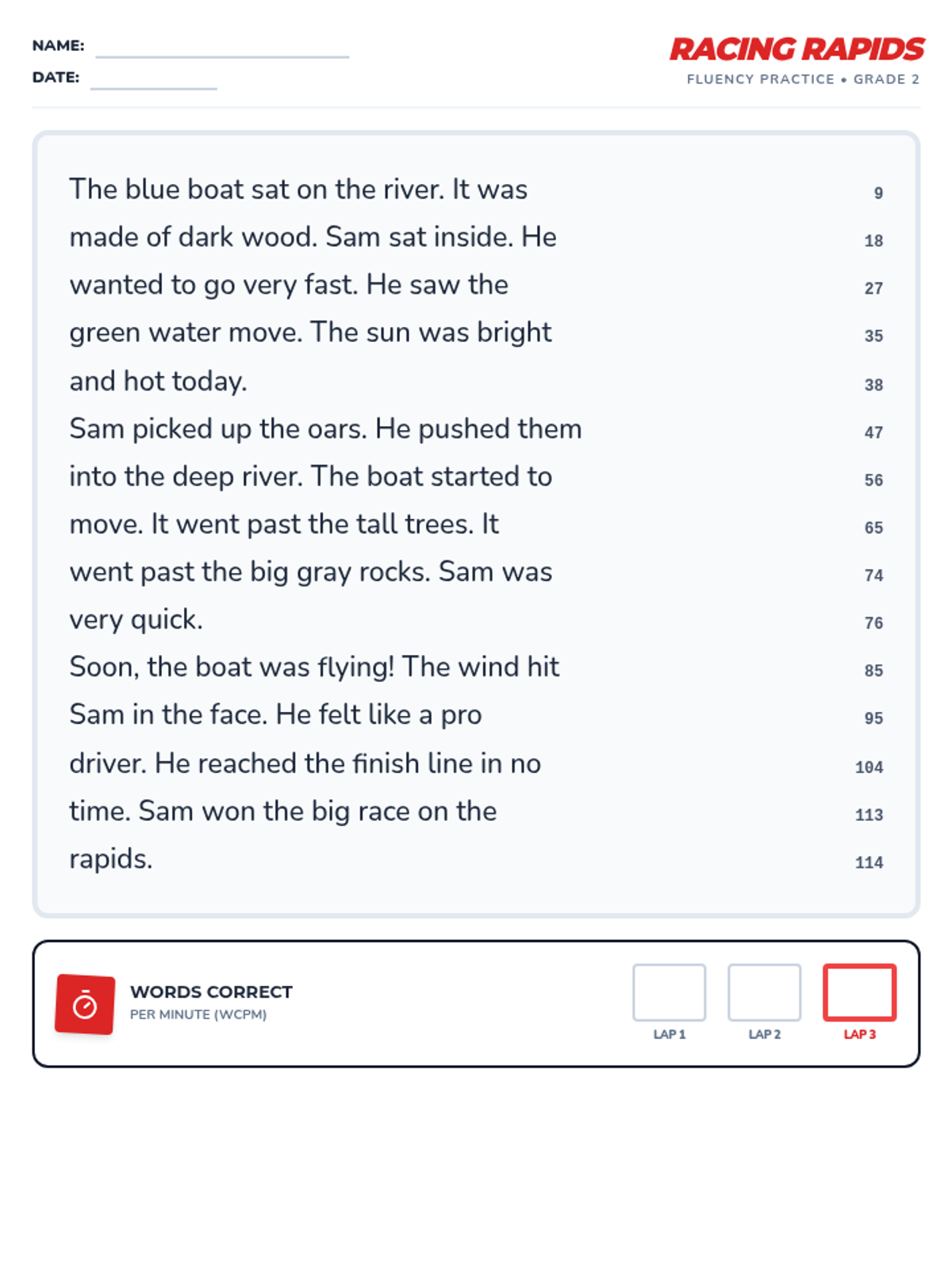
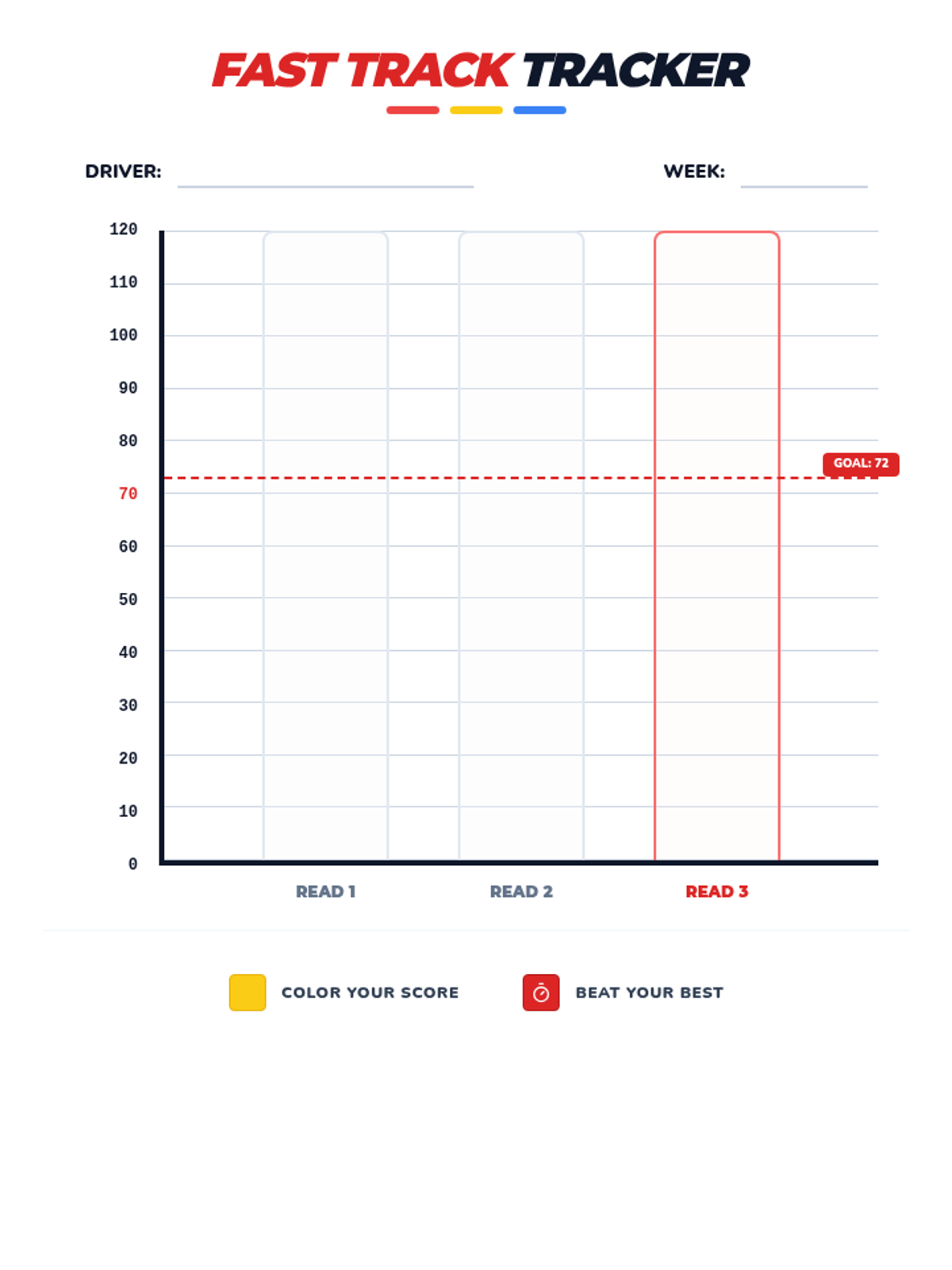
A targeted 15-minute small group intervention focusing on increasing oral reading rate and automaticity for 2nd grade students who are below mid-year DIBELS benchmarks.
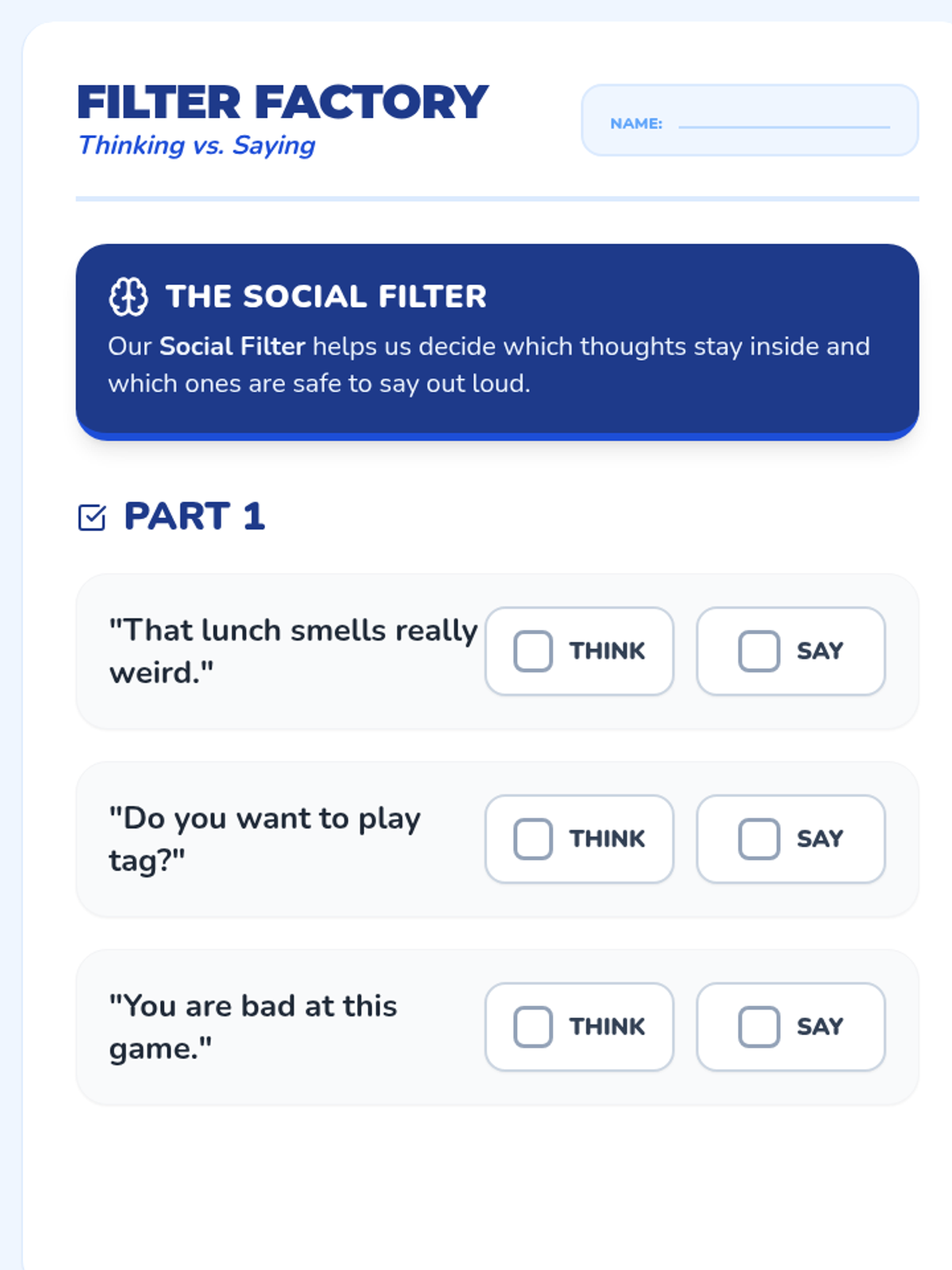
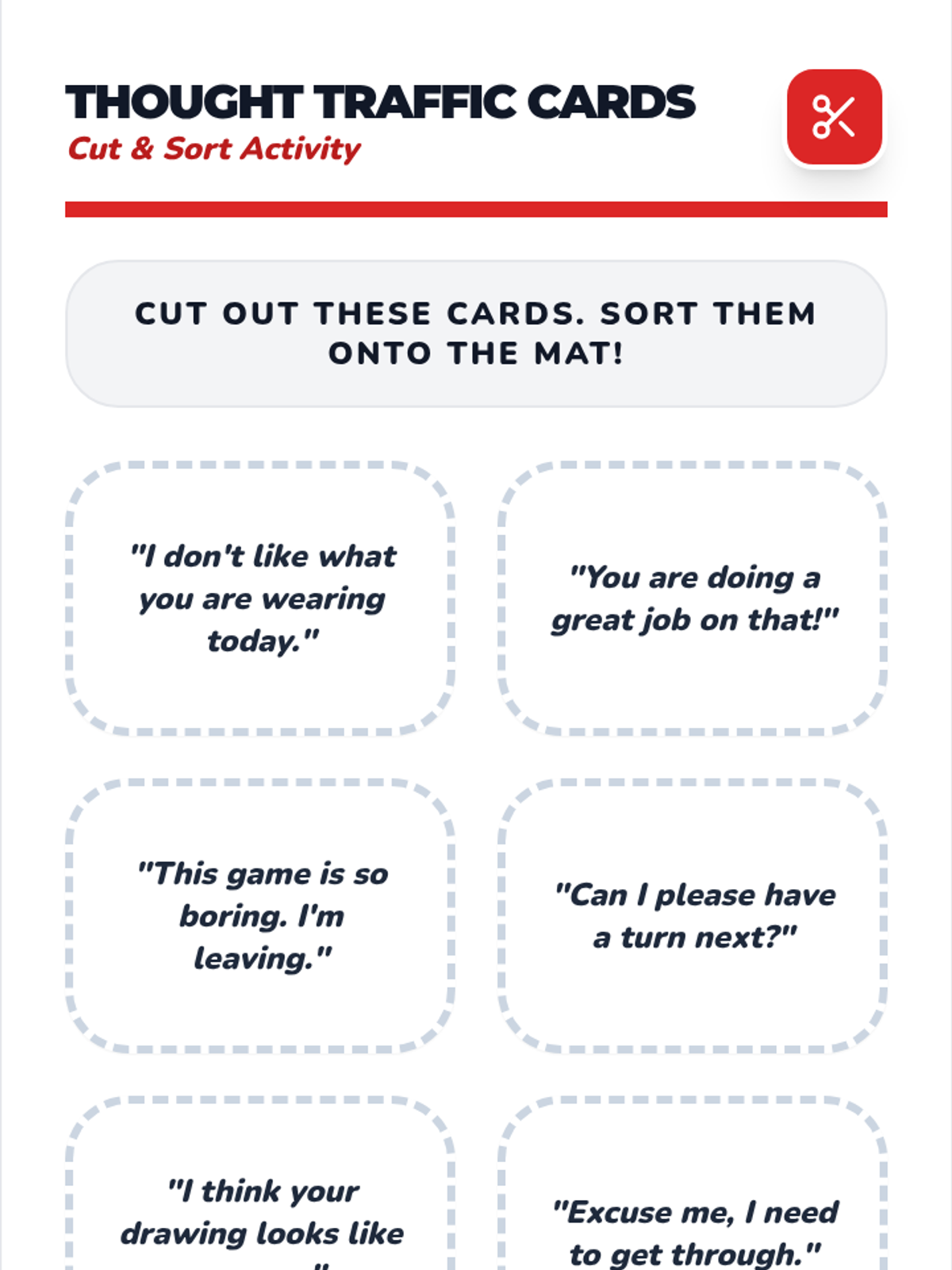
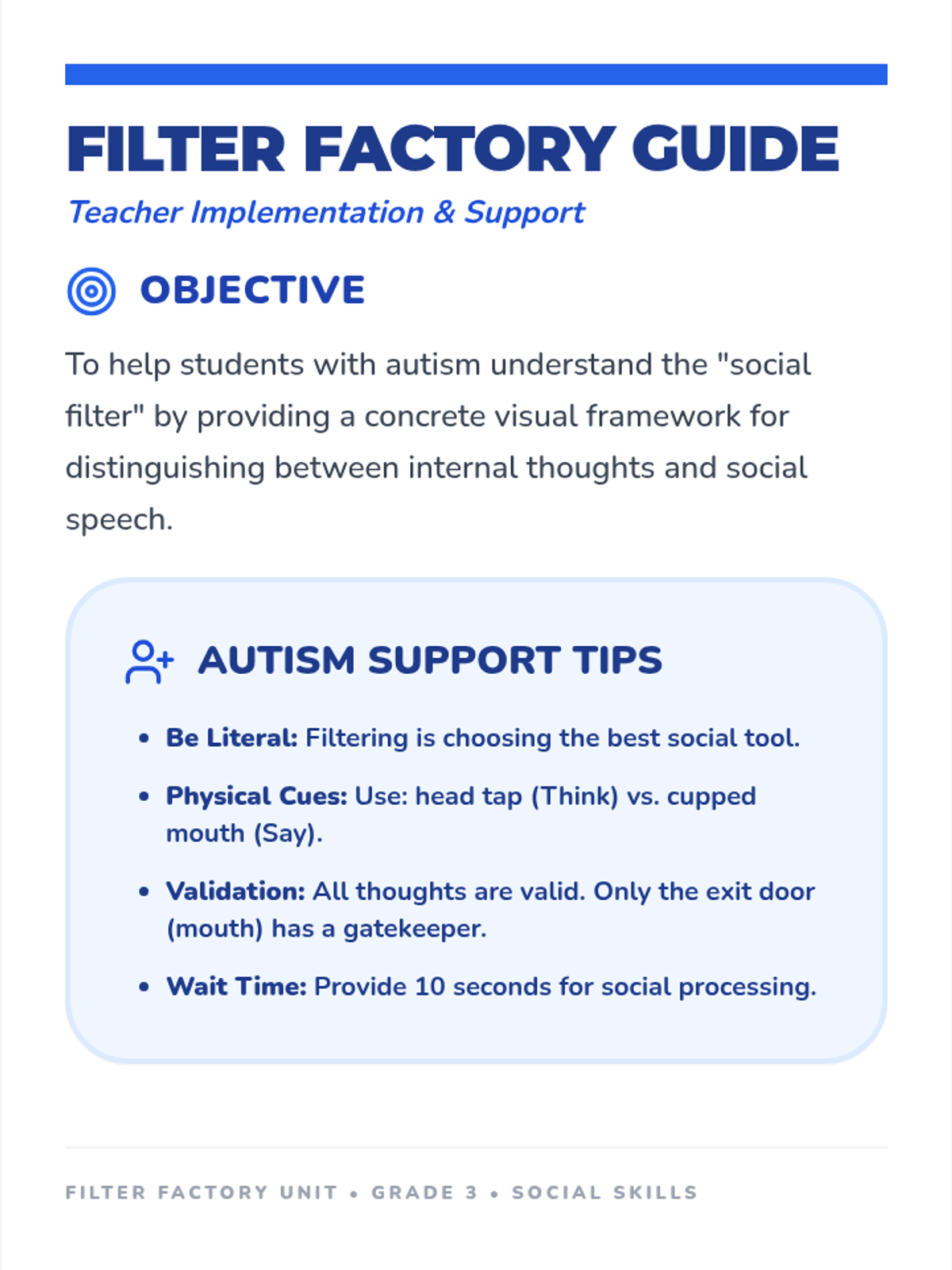
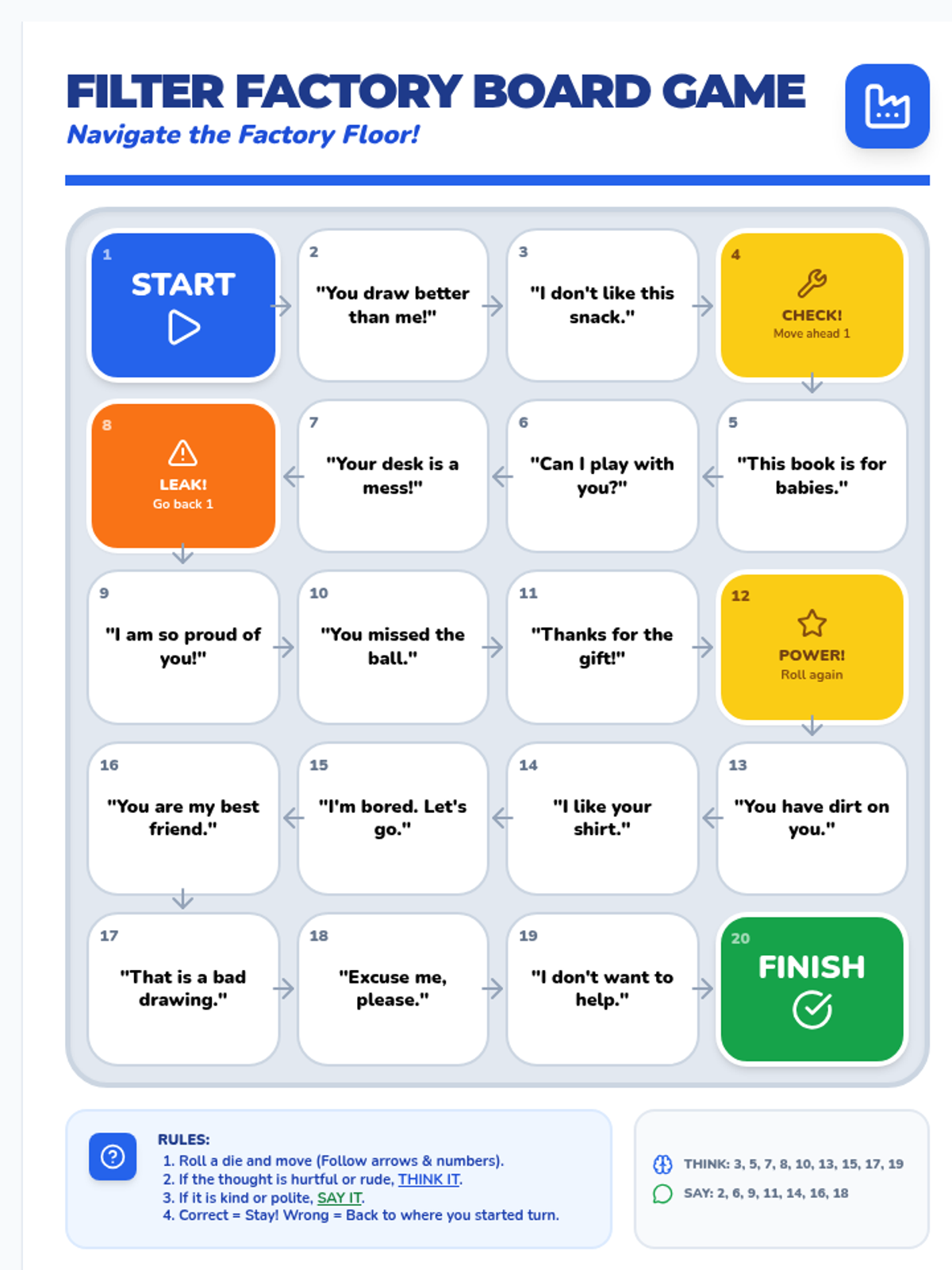
A visual, structured lesson for 3rd-grade students with autism to understand the concept of a 'social filter'—distinguishing between thoughts that should stay in our brains and words that can be said out loud.
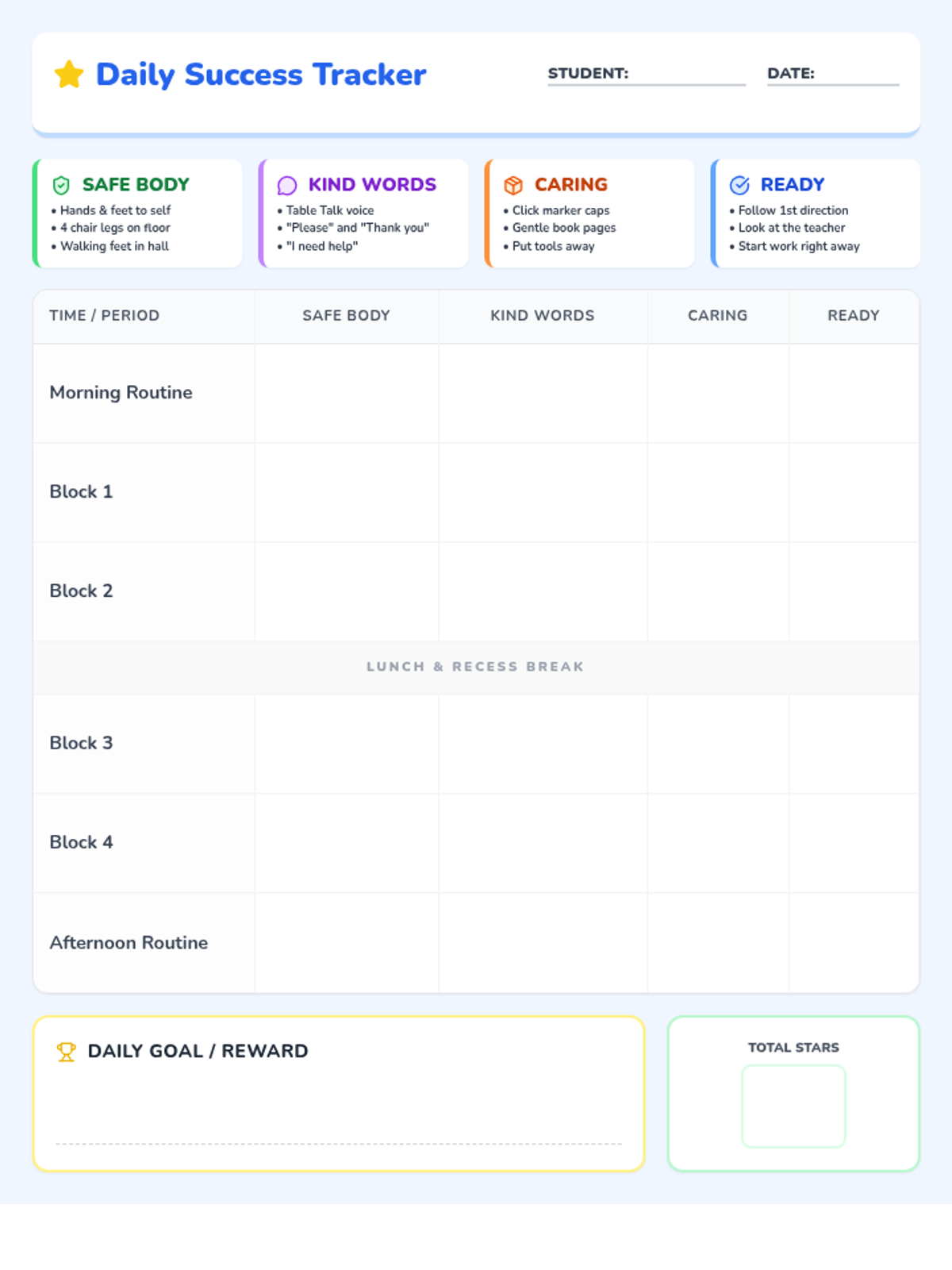
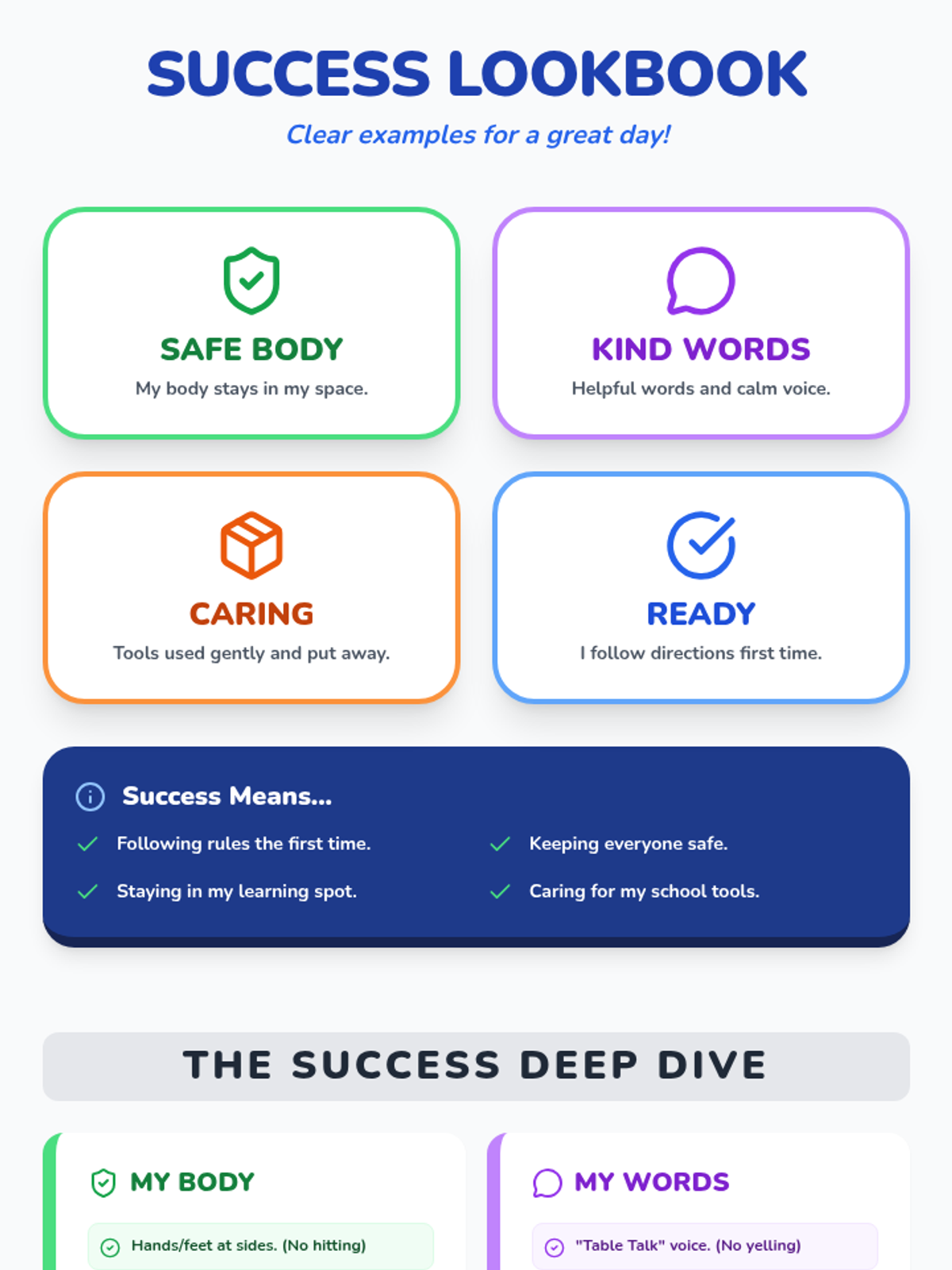
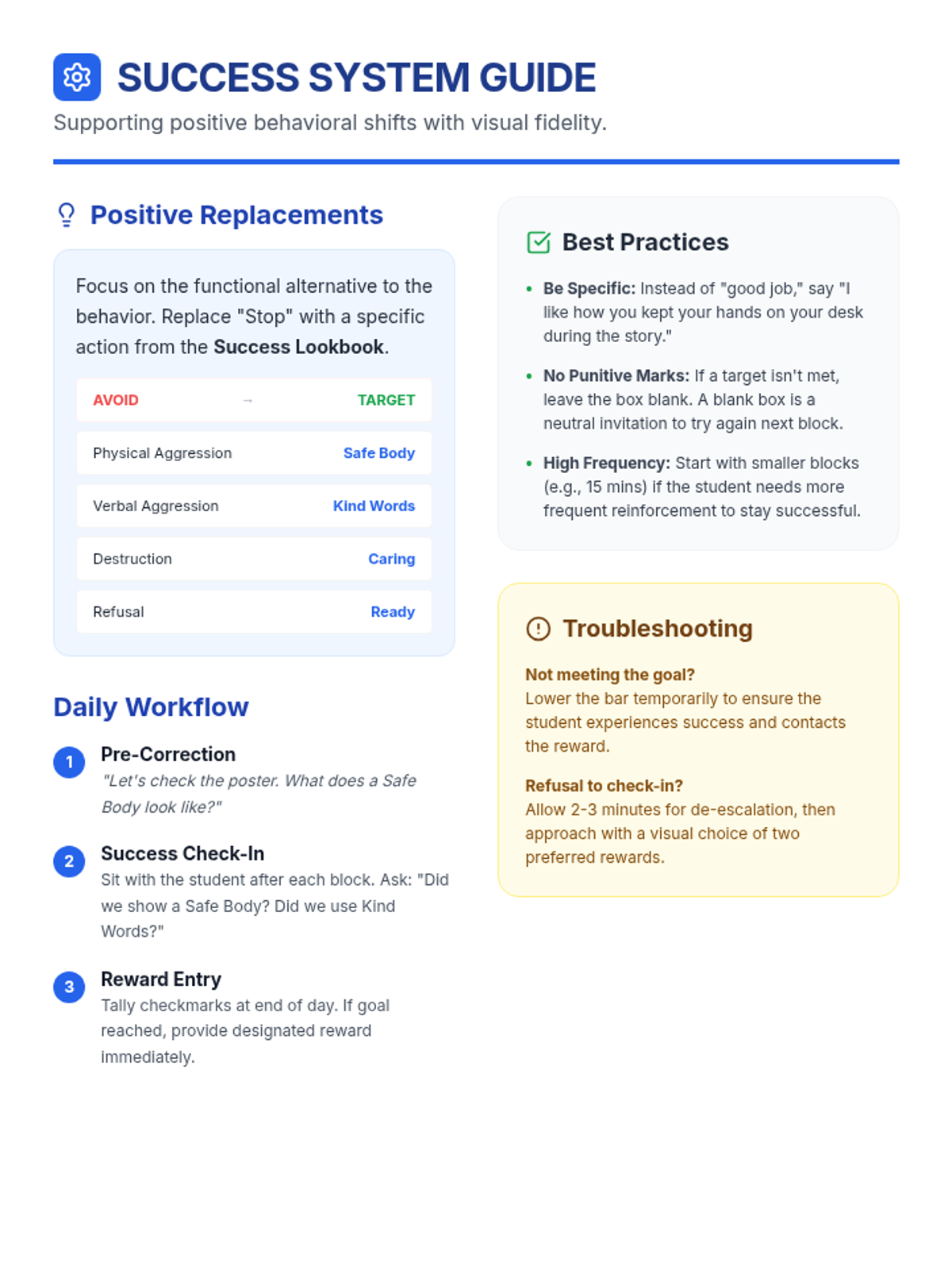
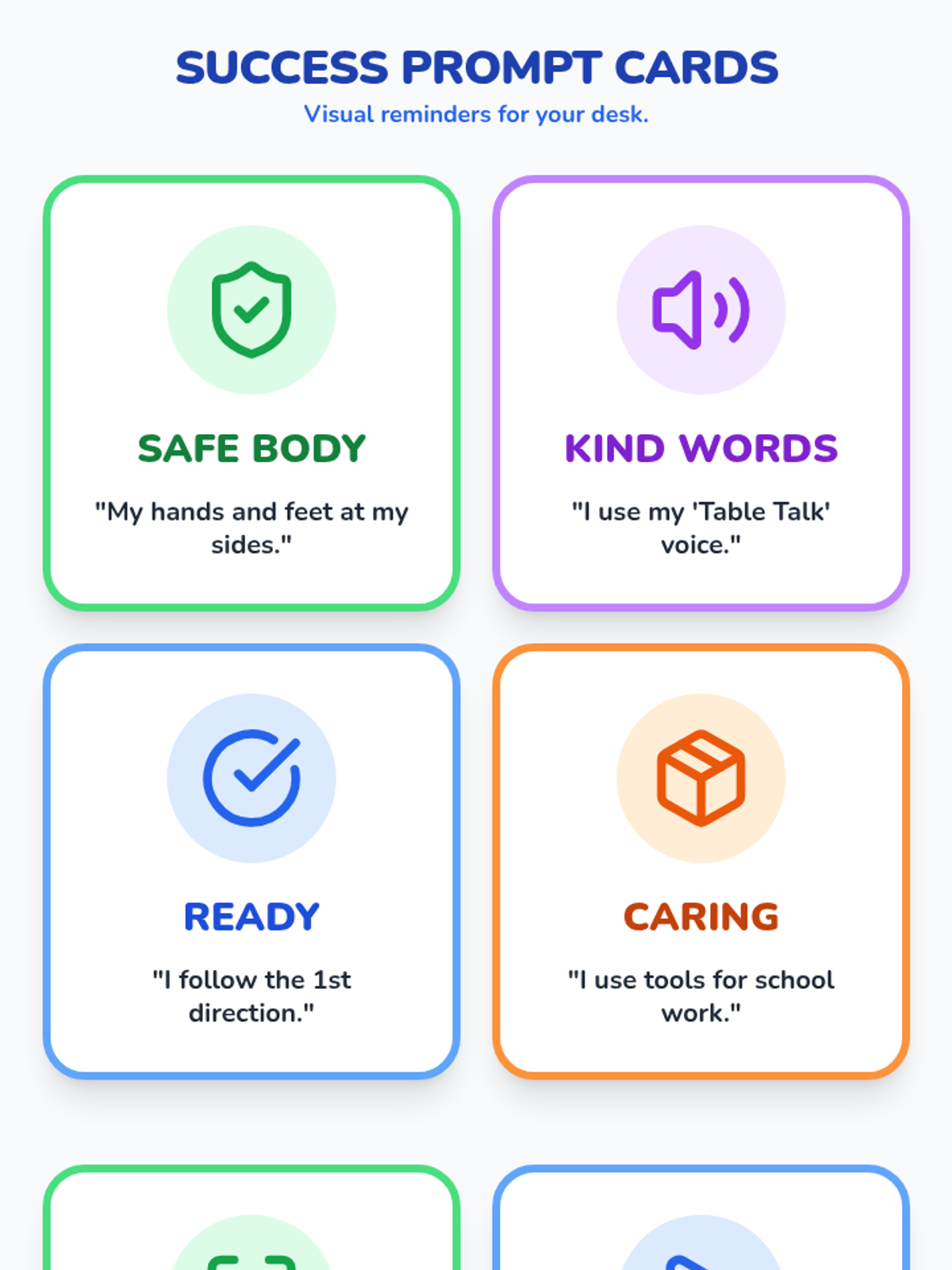
A positive, visual-first system for supporting student behavior expectations through daily tracking and clear, simple success criteria.
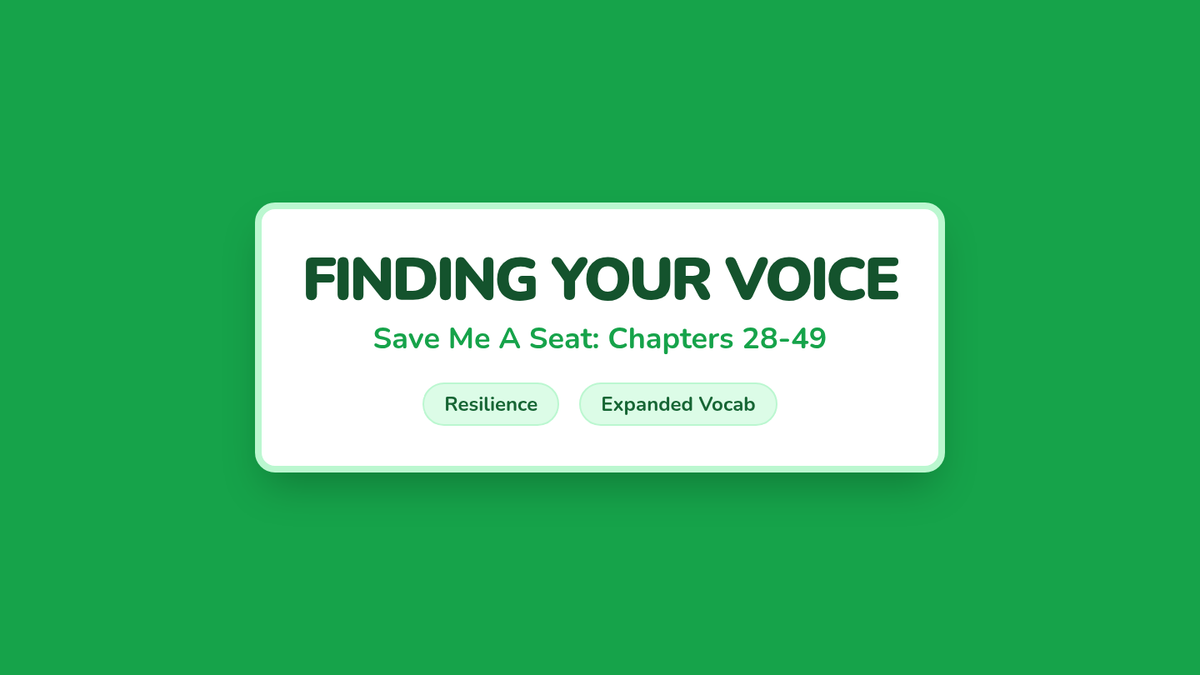
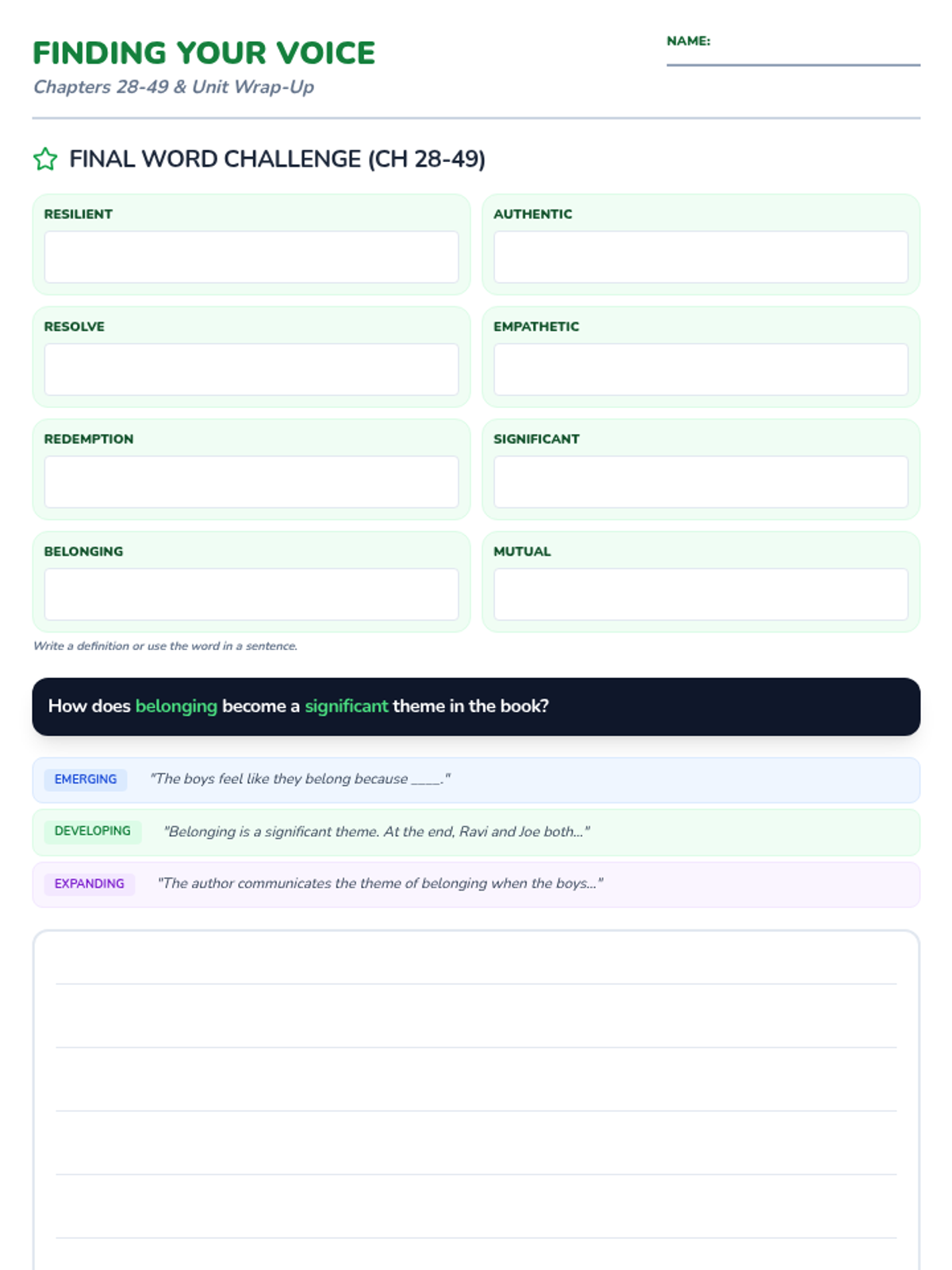
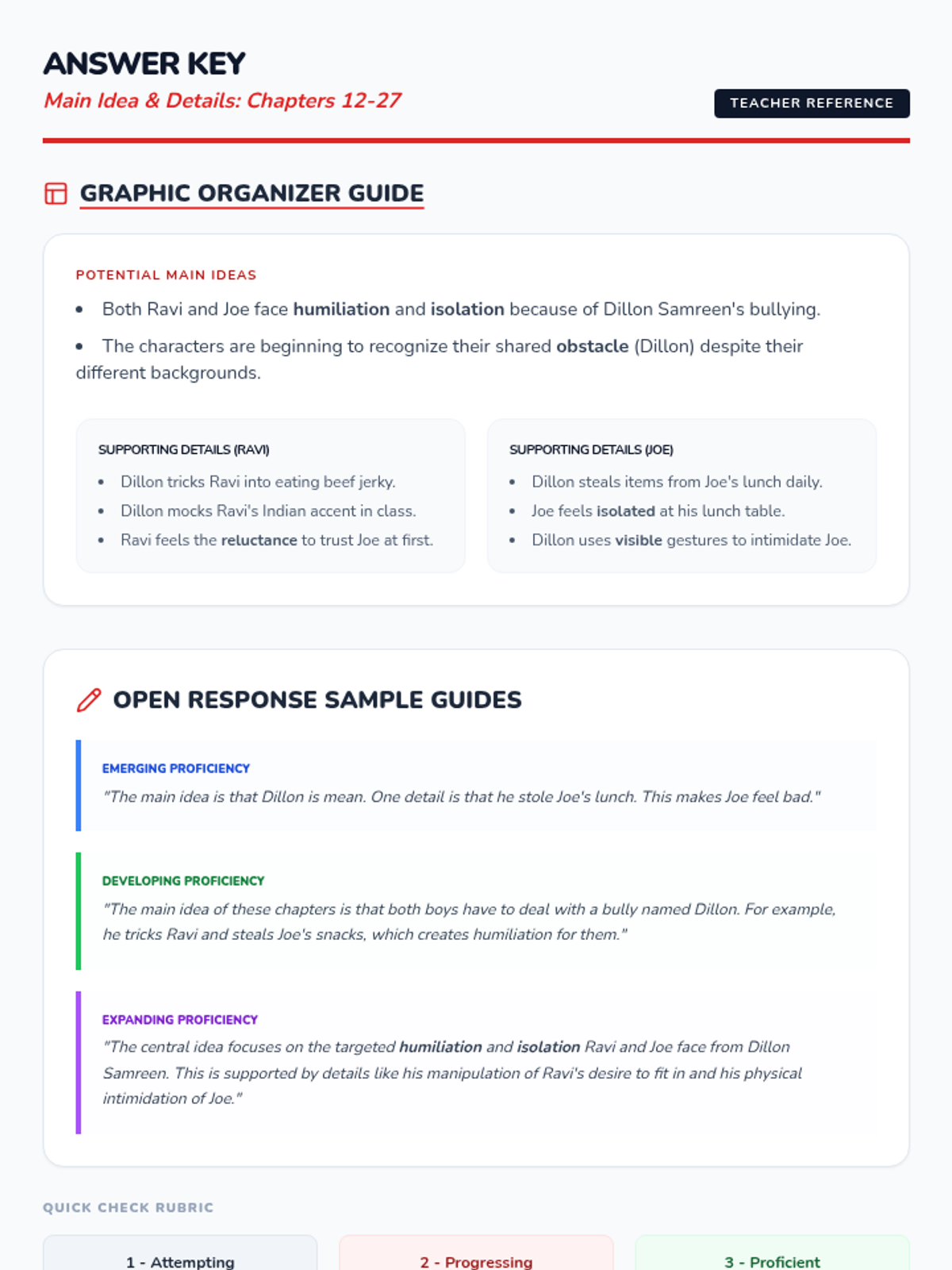
The resolution of the story where Joe and Ravi find common ground, focusing on the central themes of the book and vocabulary related to resilience and empathy.
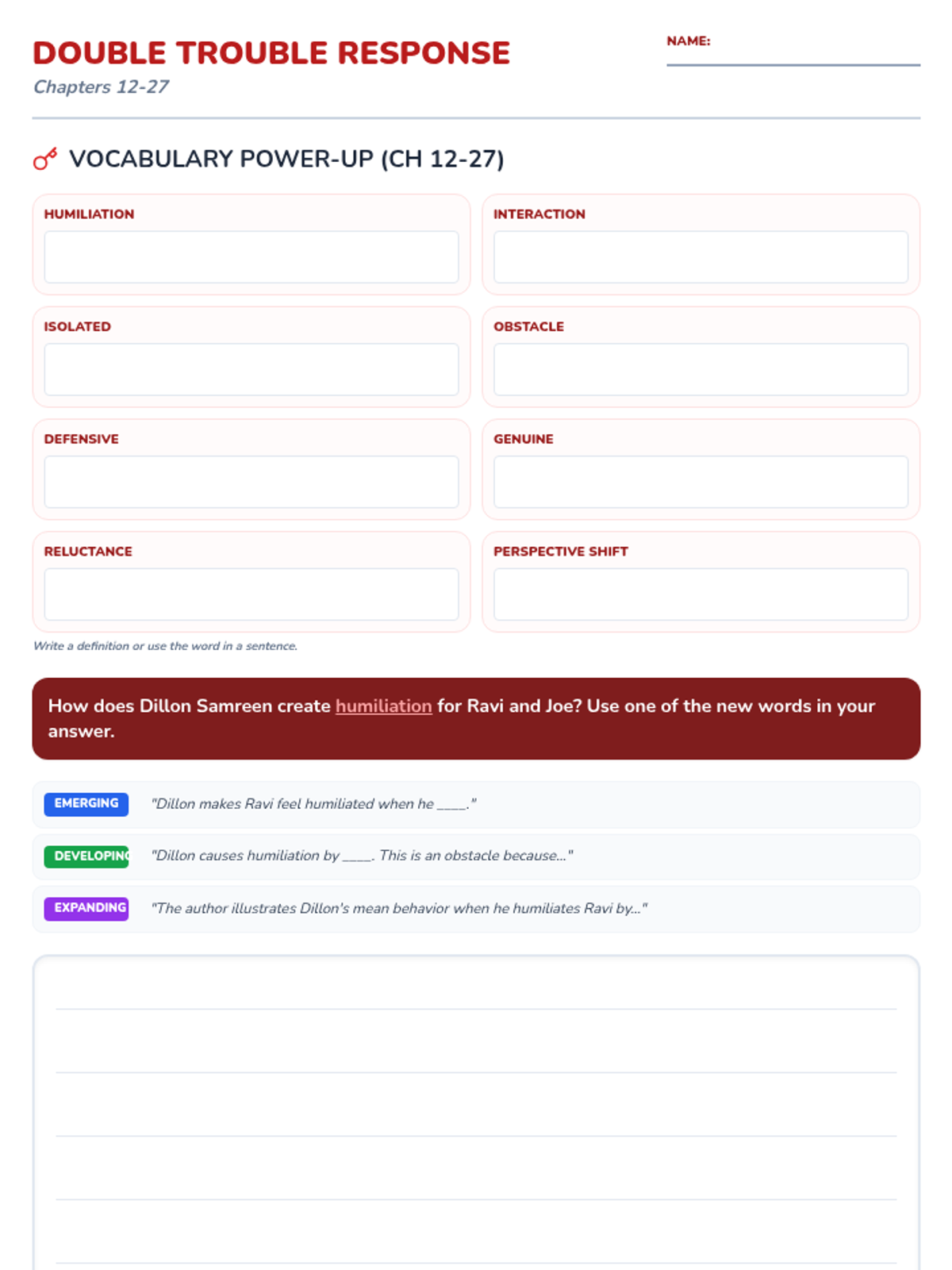
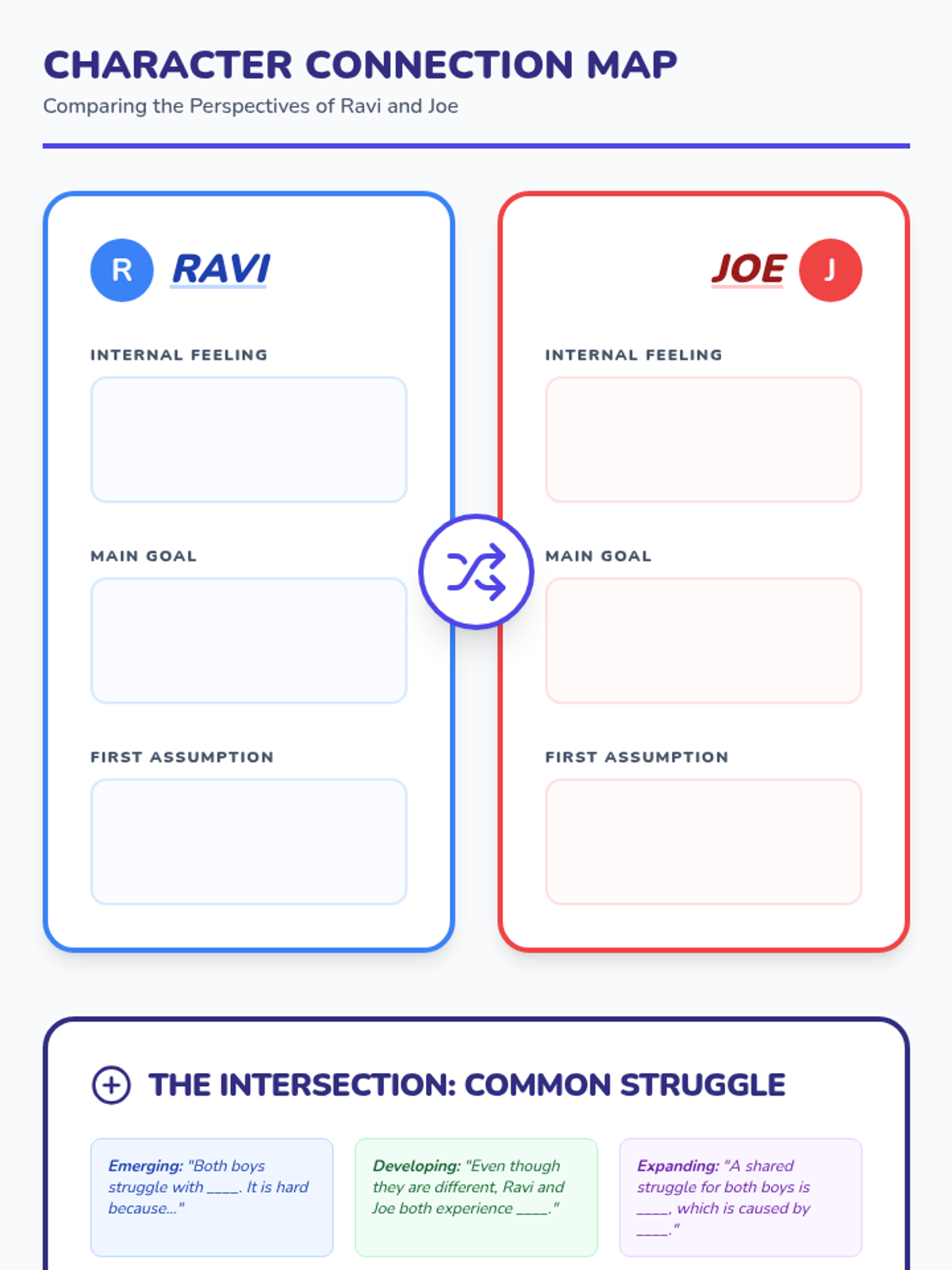
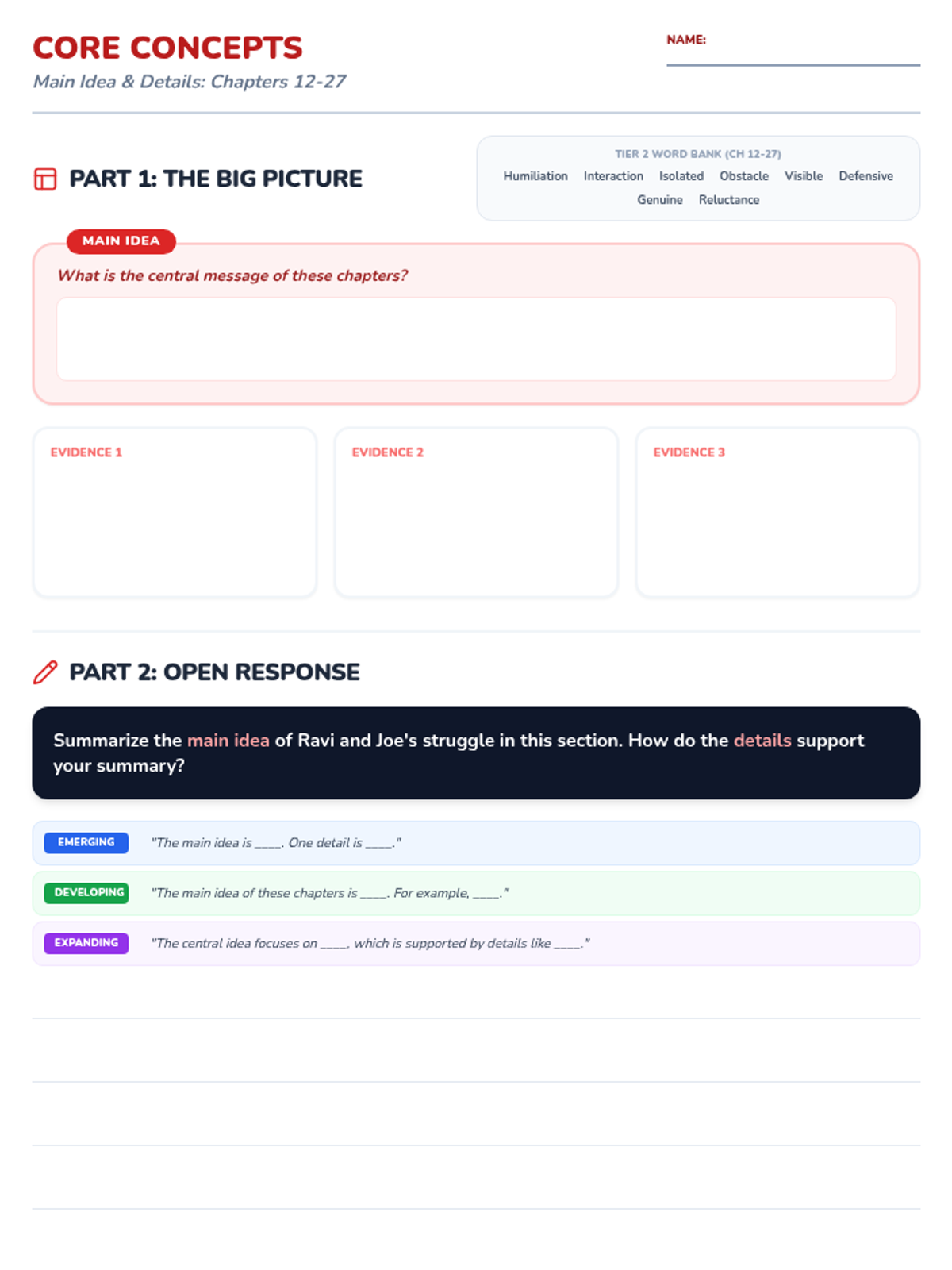
Exploration of the rising action, including the challenges both characters face with Dillon Samreen and their internal struggles, focusing on words related to conflict and perspective.
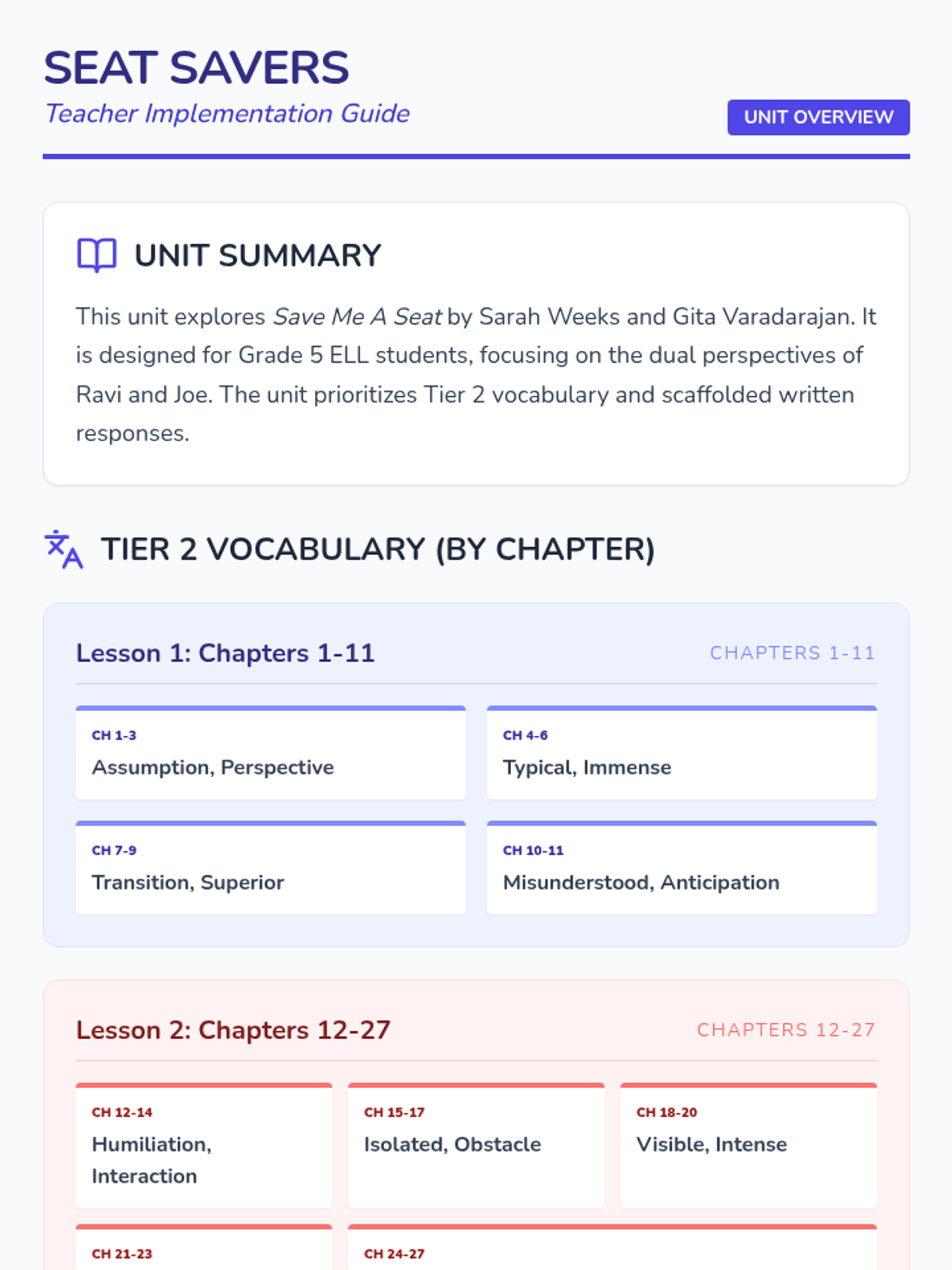
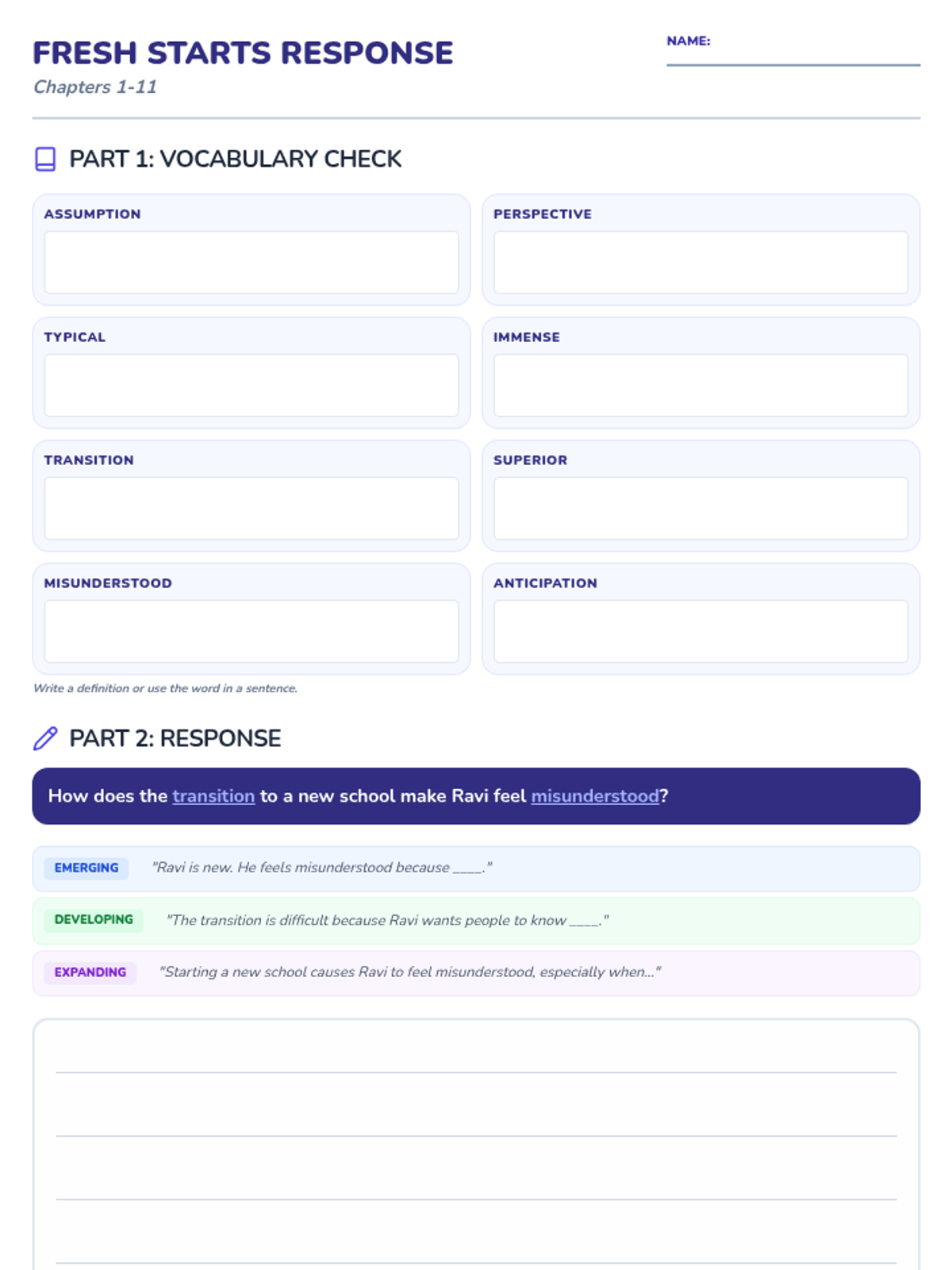
Introduction to Joe and Ravi, focusing on first impressions and the Tier 2 vocabulary related to starting a new school year and making assumptions.
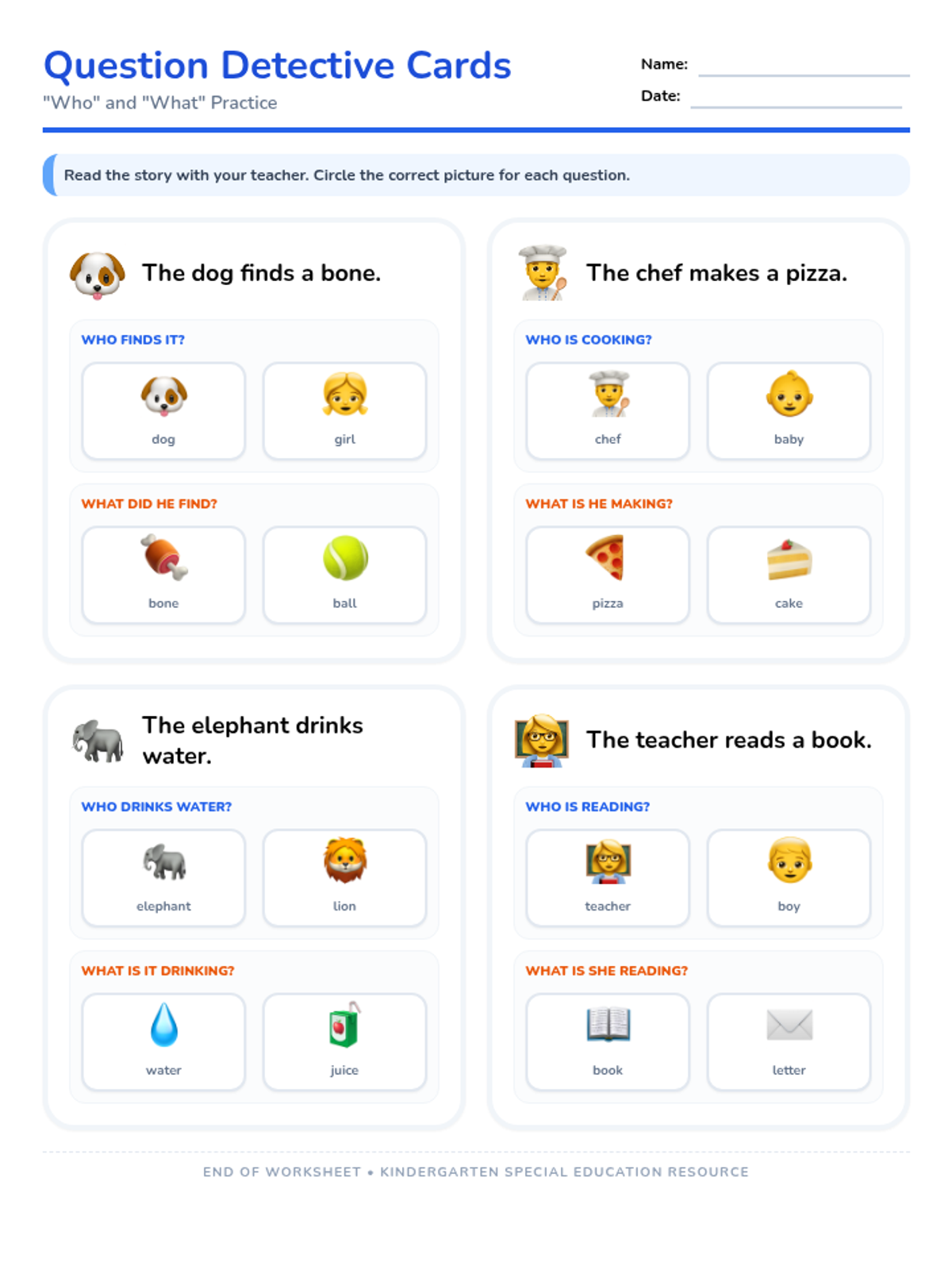
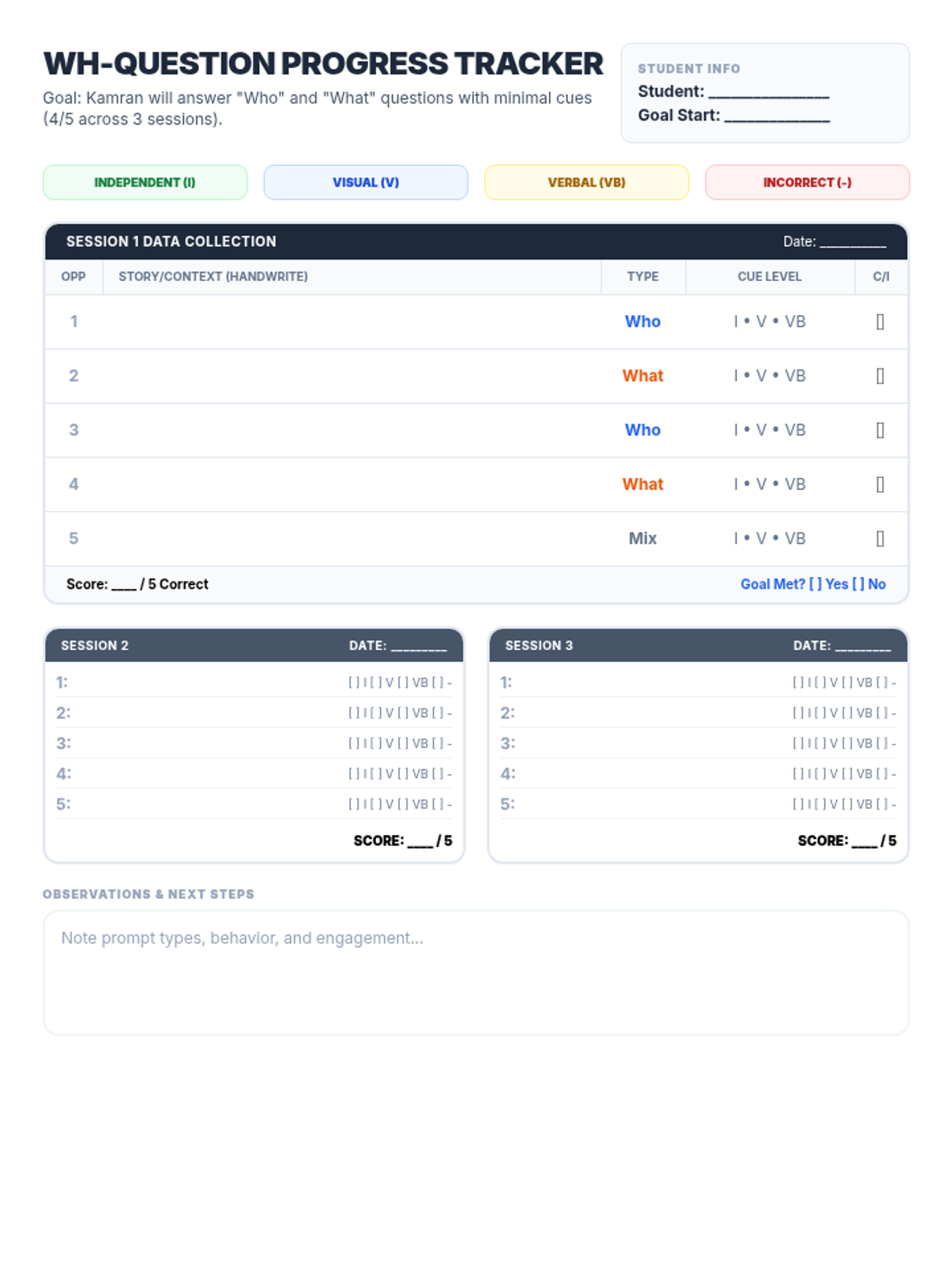
A lesson focused on answering 'who' and 'what' questions from short 1-2 sentence stories, specifically designed for kindergarten students with autism using visual supports and structured practice.
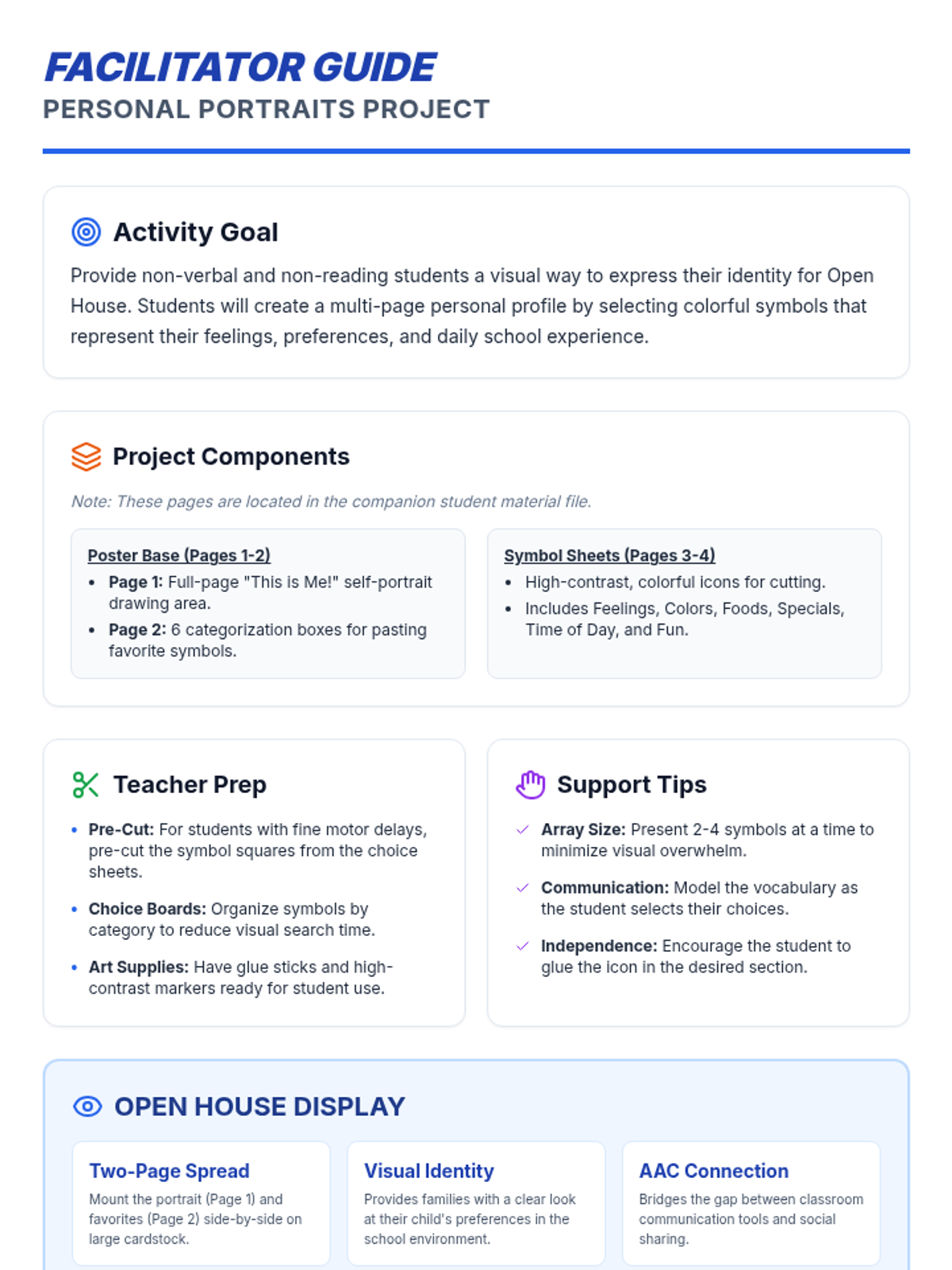
A symbol-based personal expression project designed for non-verbal and non-reading students to share their identity and emotions during Open House using a cut-and-paste format.
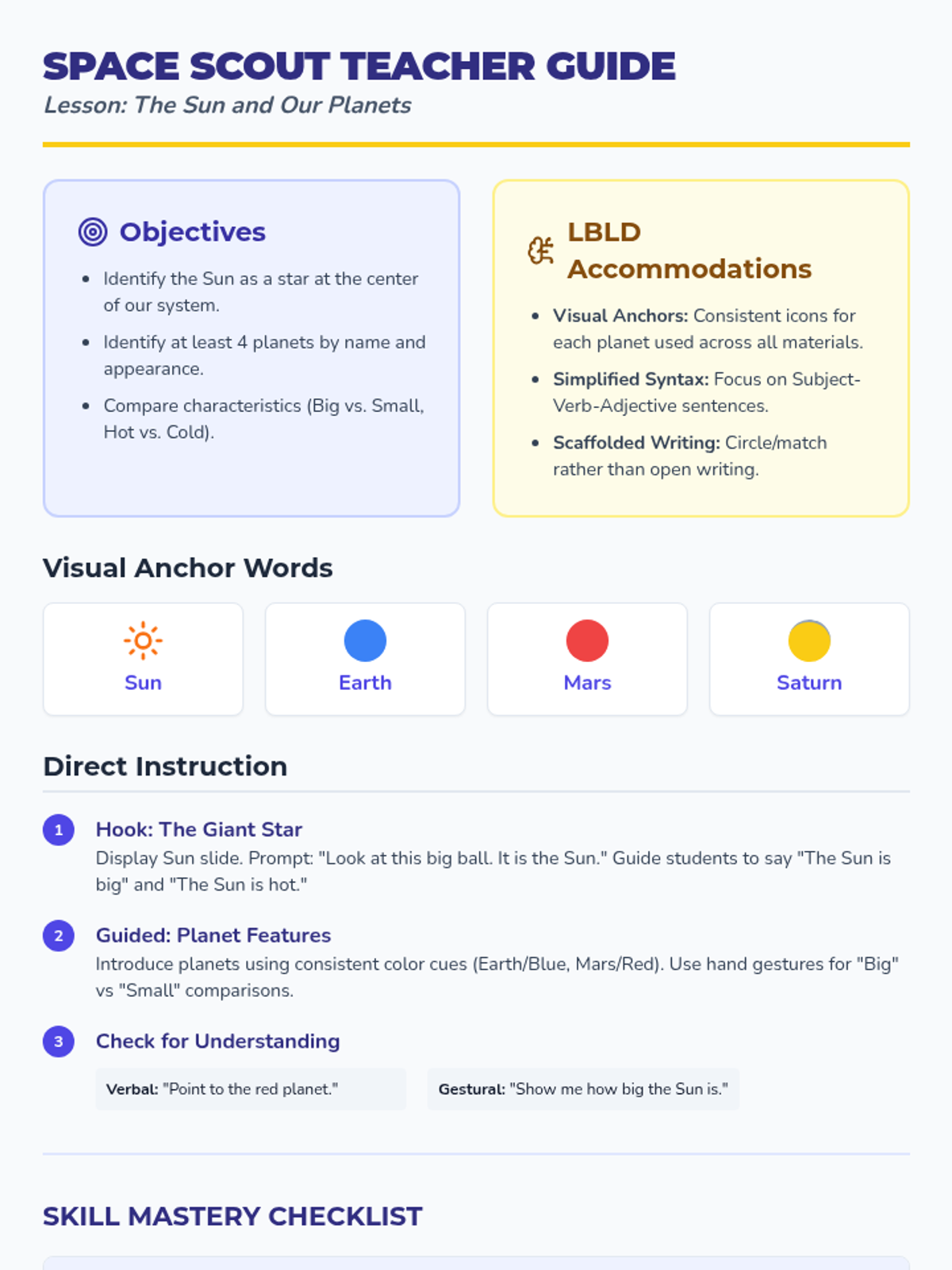
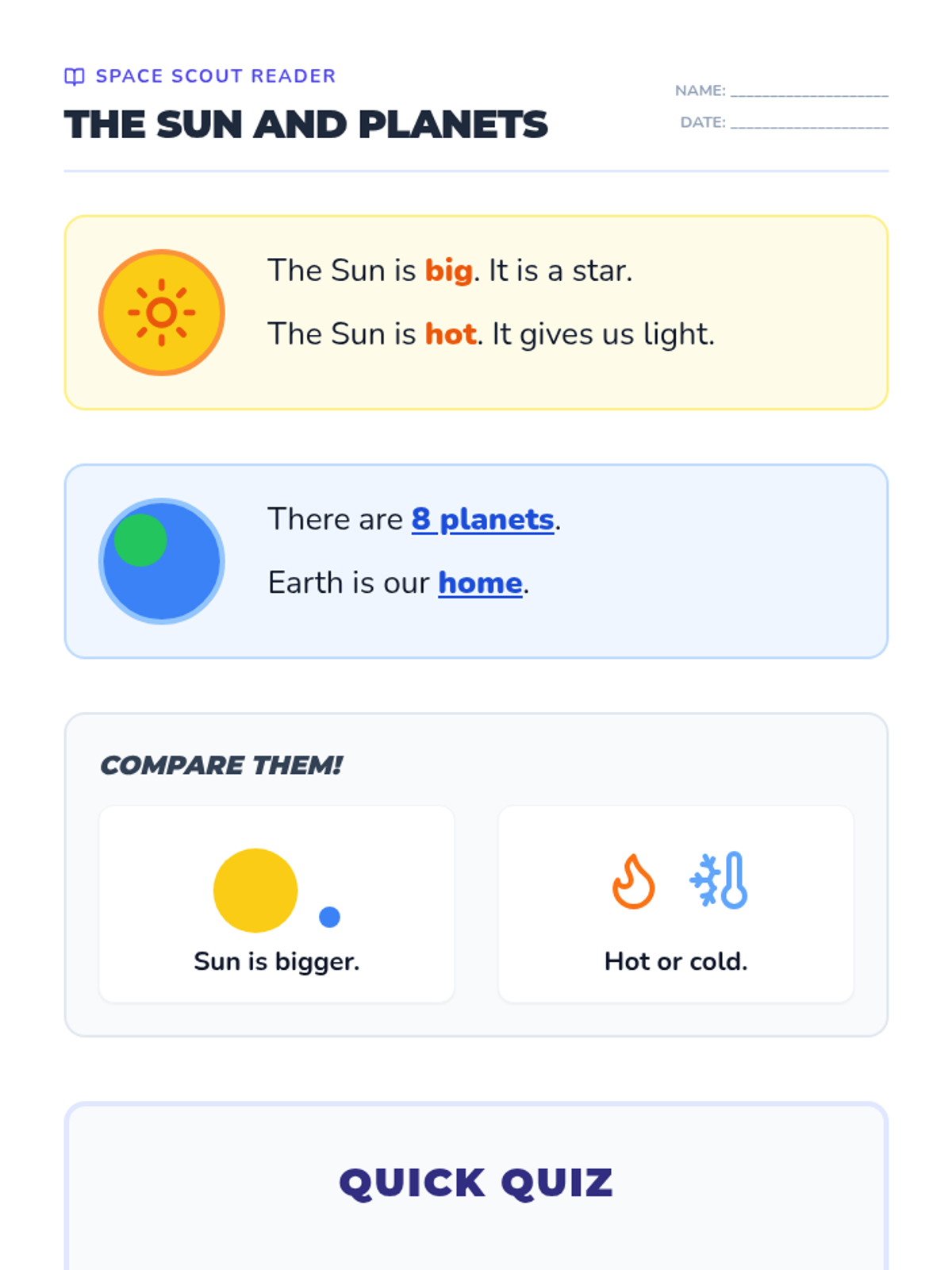
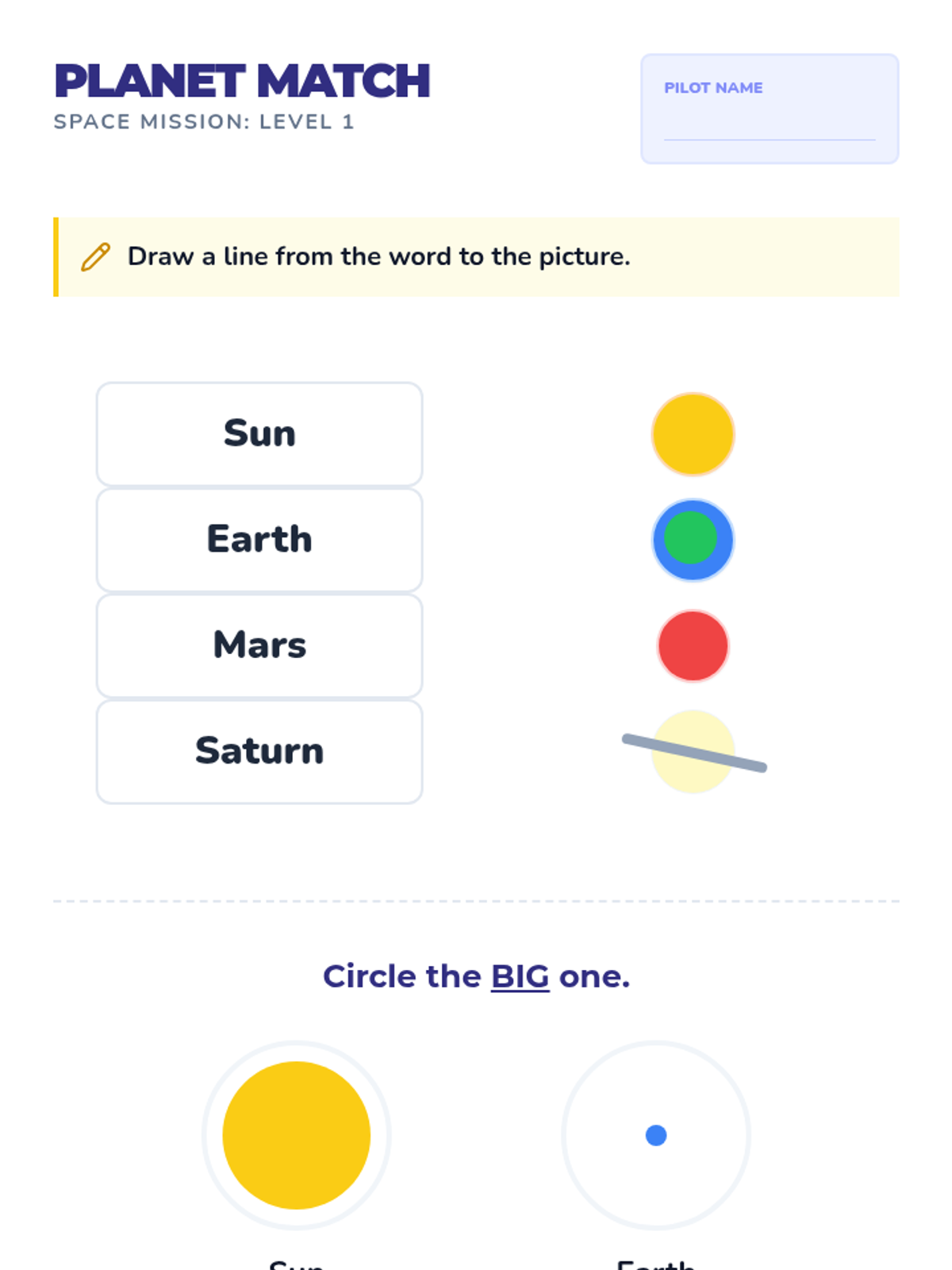
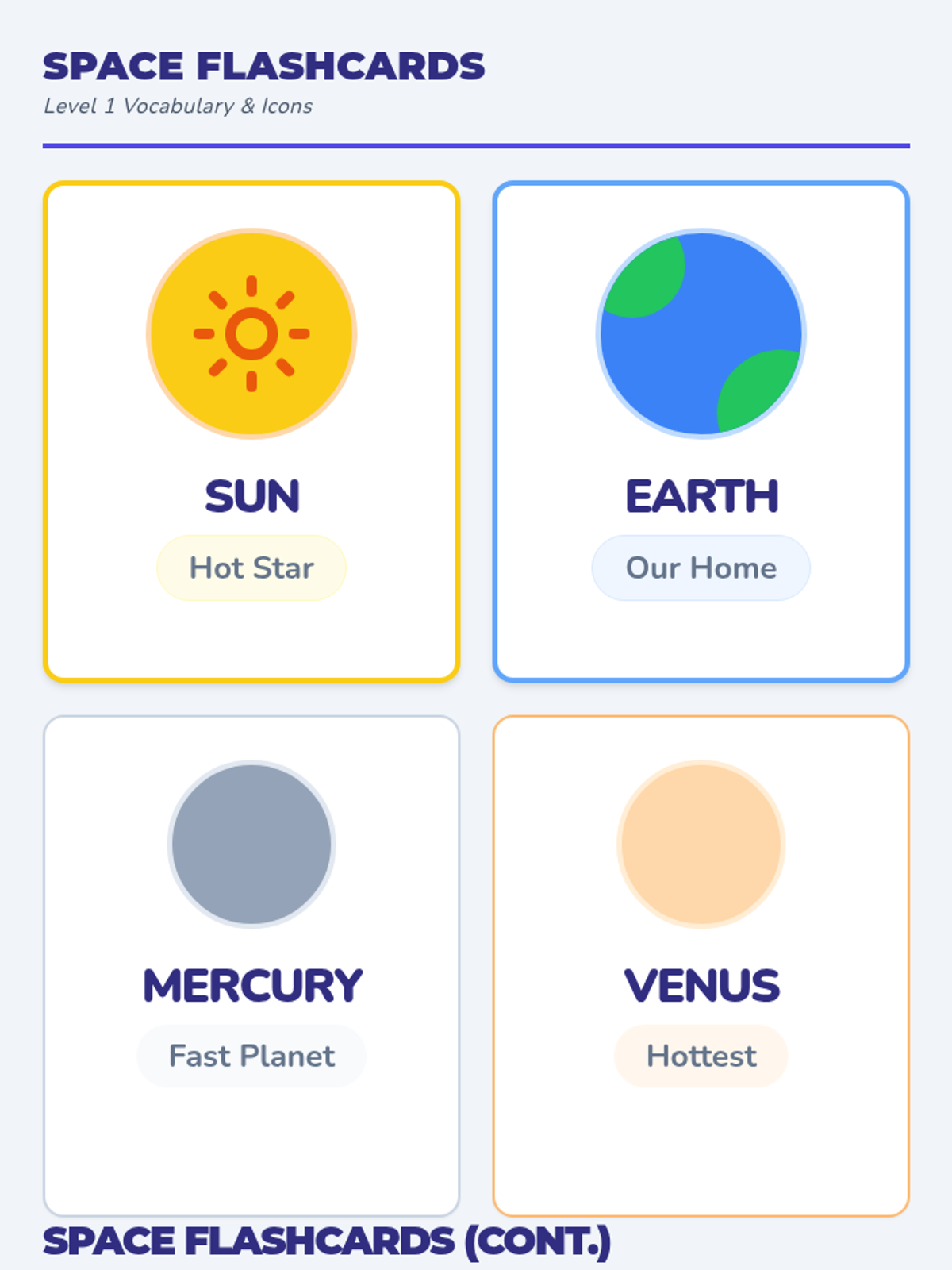
An introductory lesson on the Sun and the eight planets, using simplified language and heavy visual scaffolding to support readers at a first-grade level.
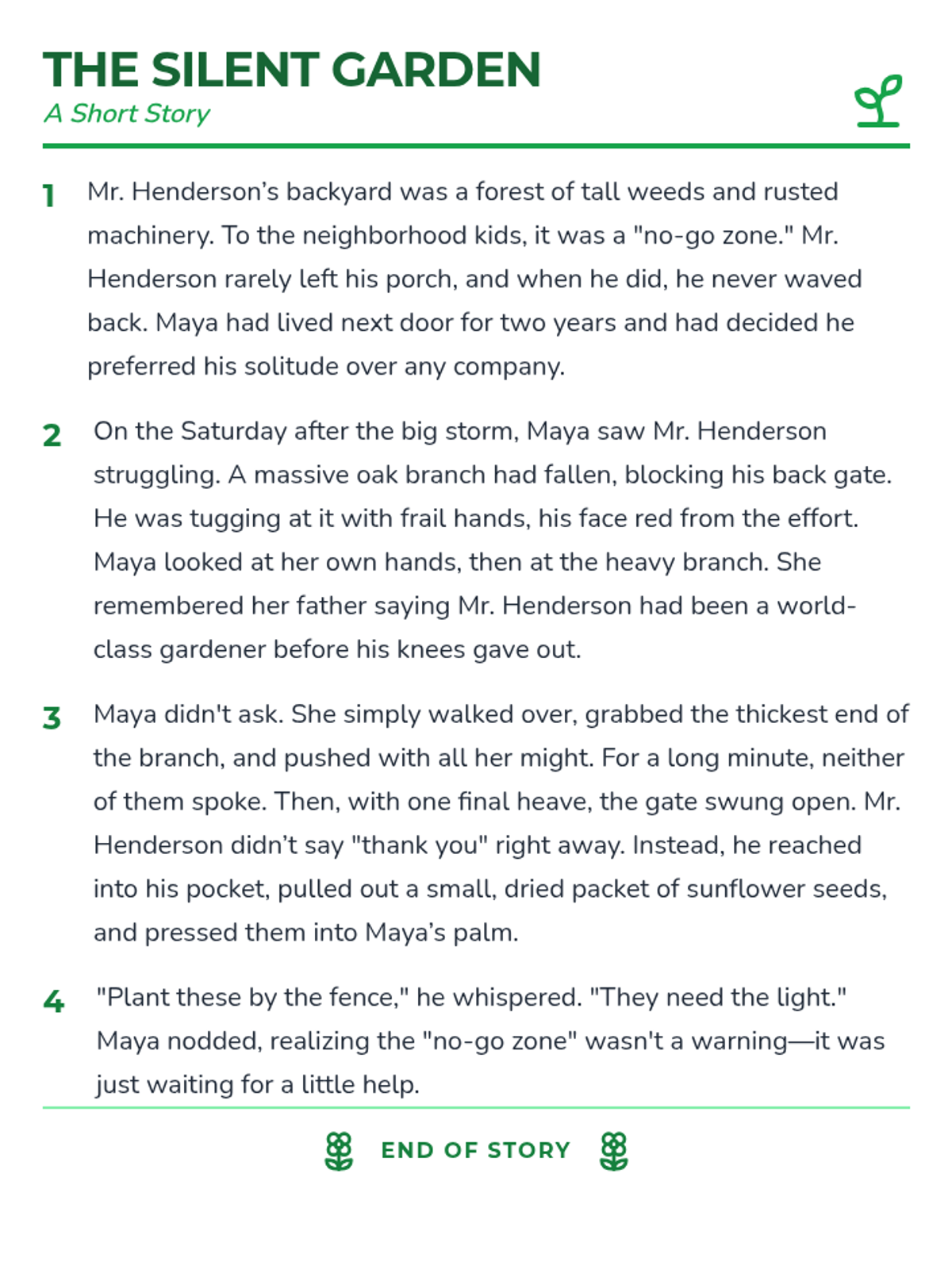
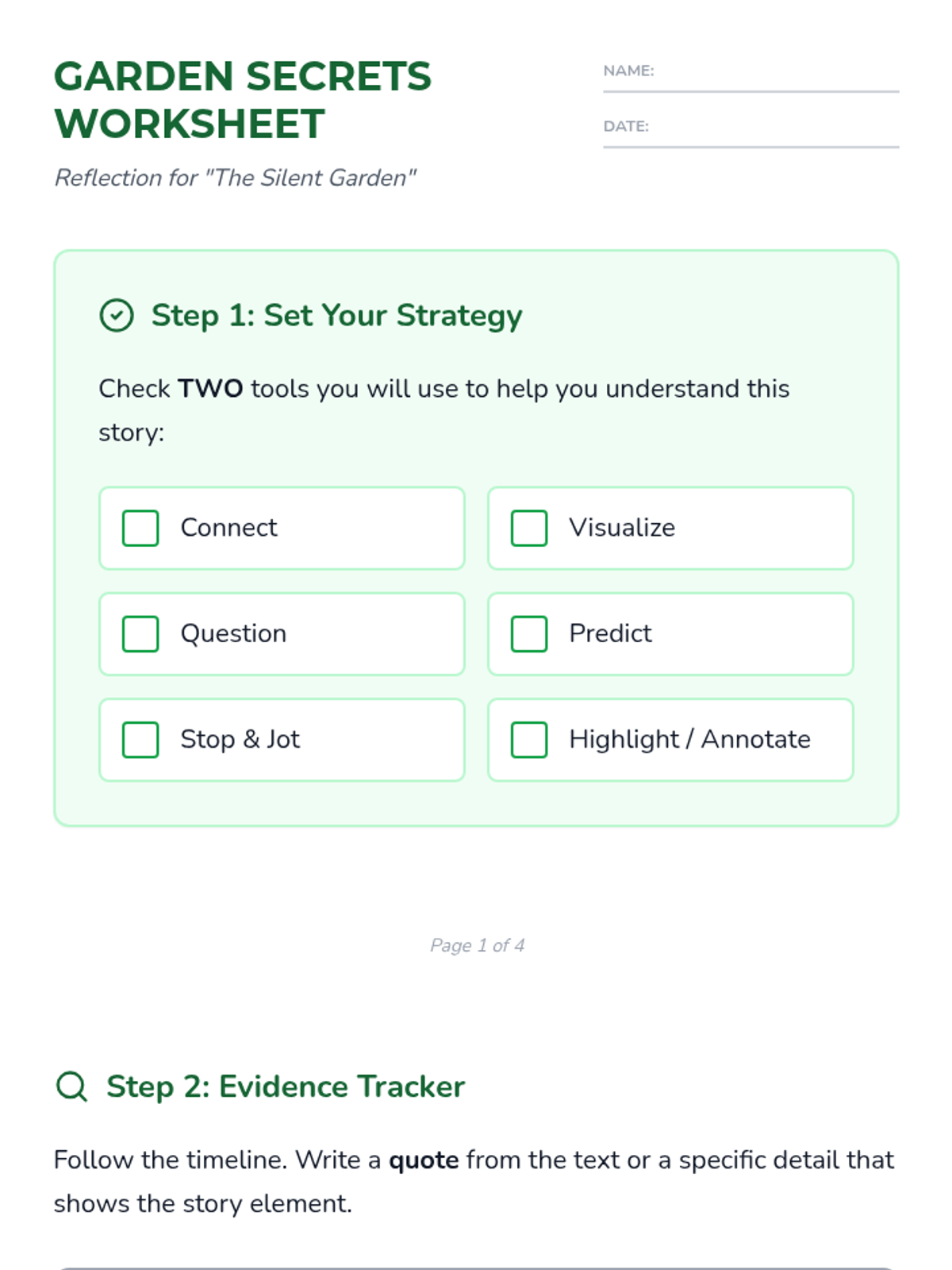
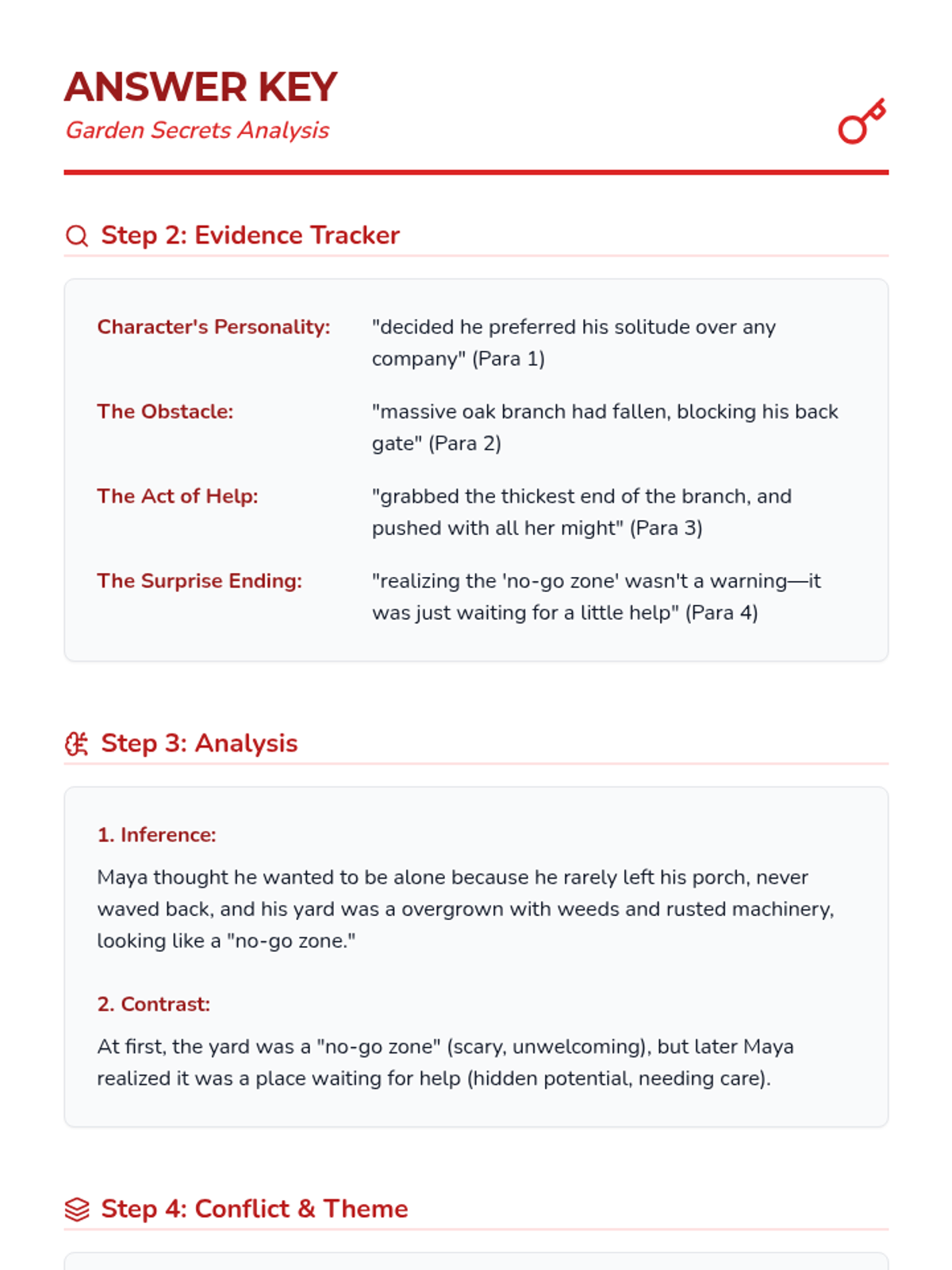
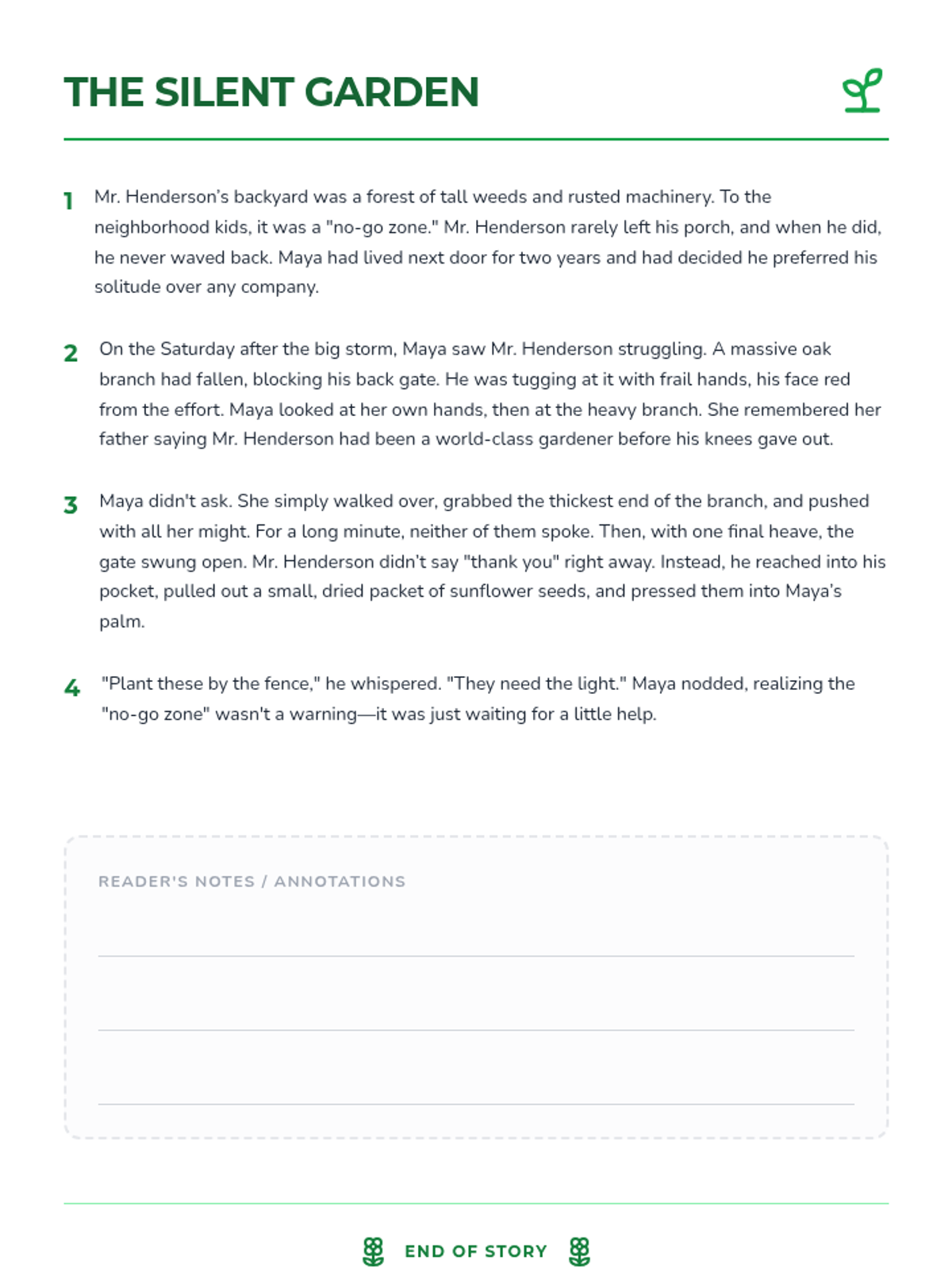
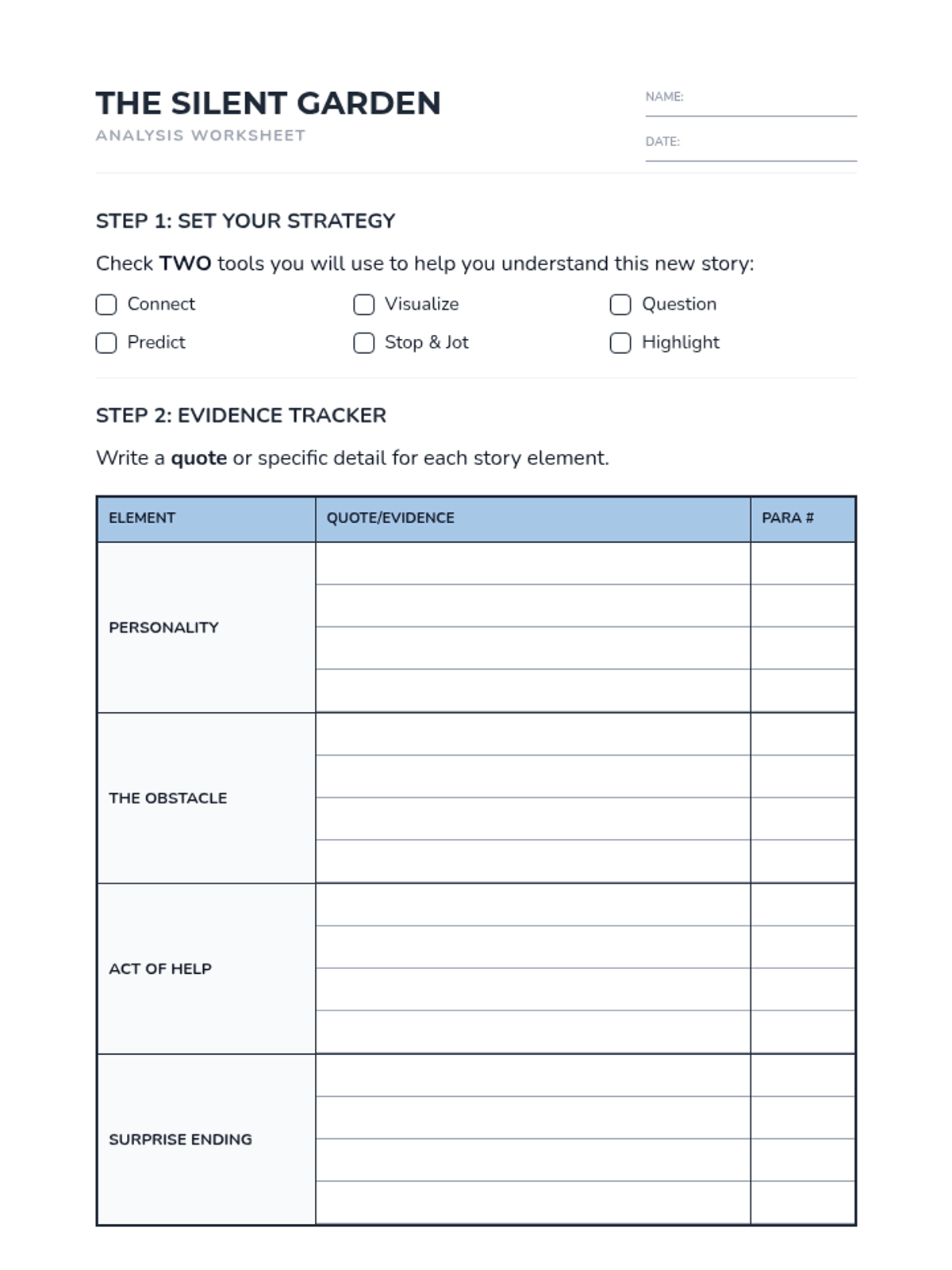
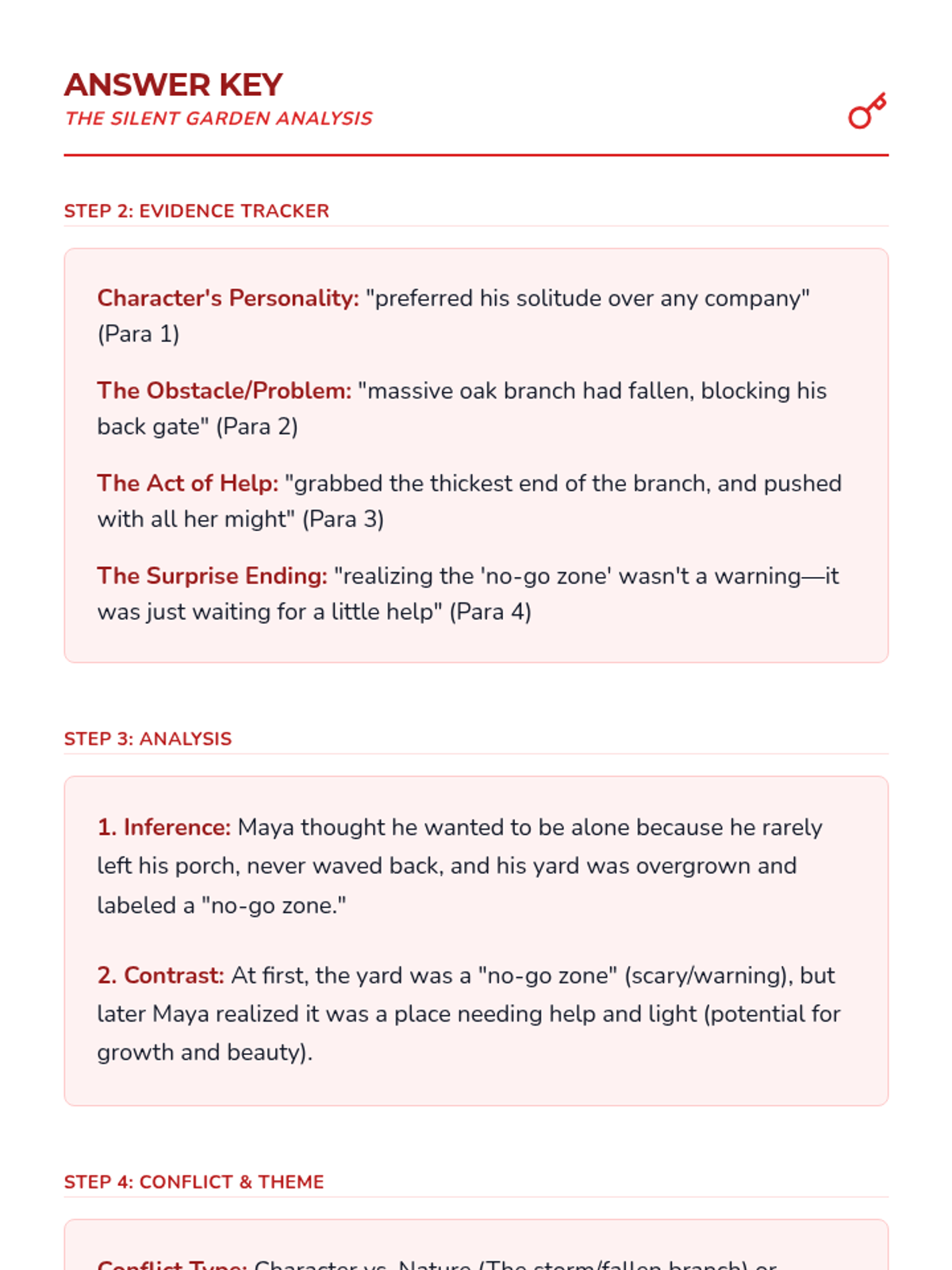
A reading comprehension lesson centered on 'The Silent Garden', focusing on character analysis, conflict types, and theme development with accommodations for special education needs.
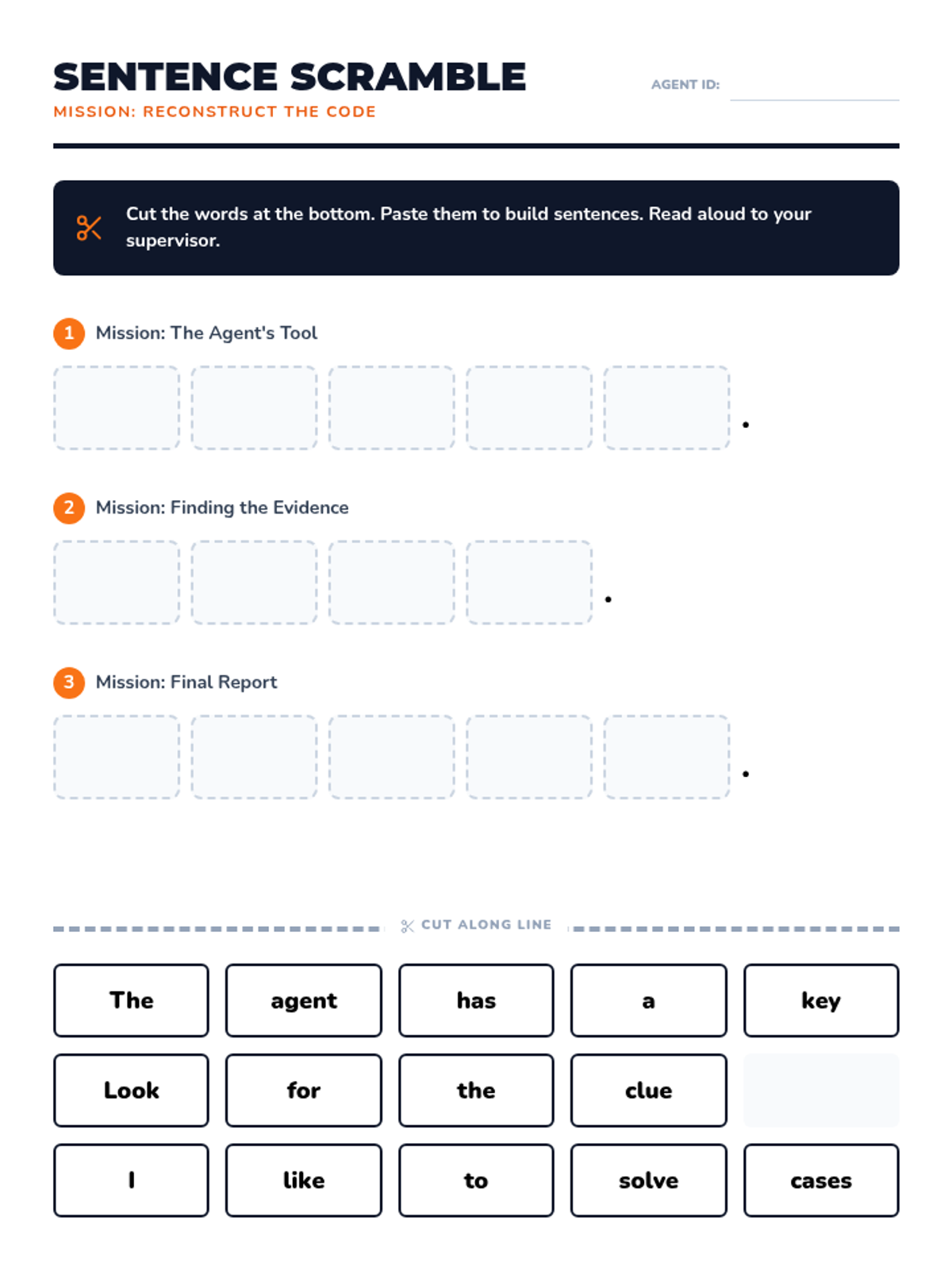
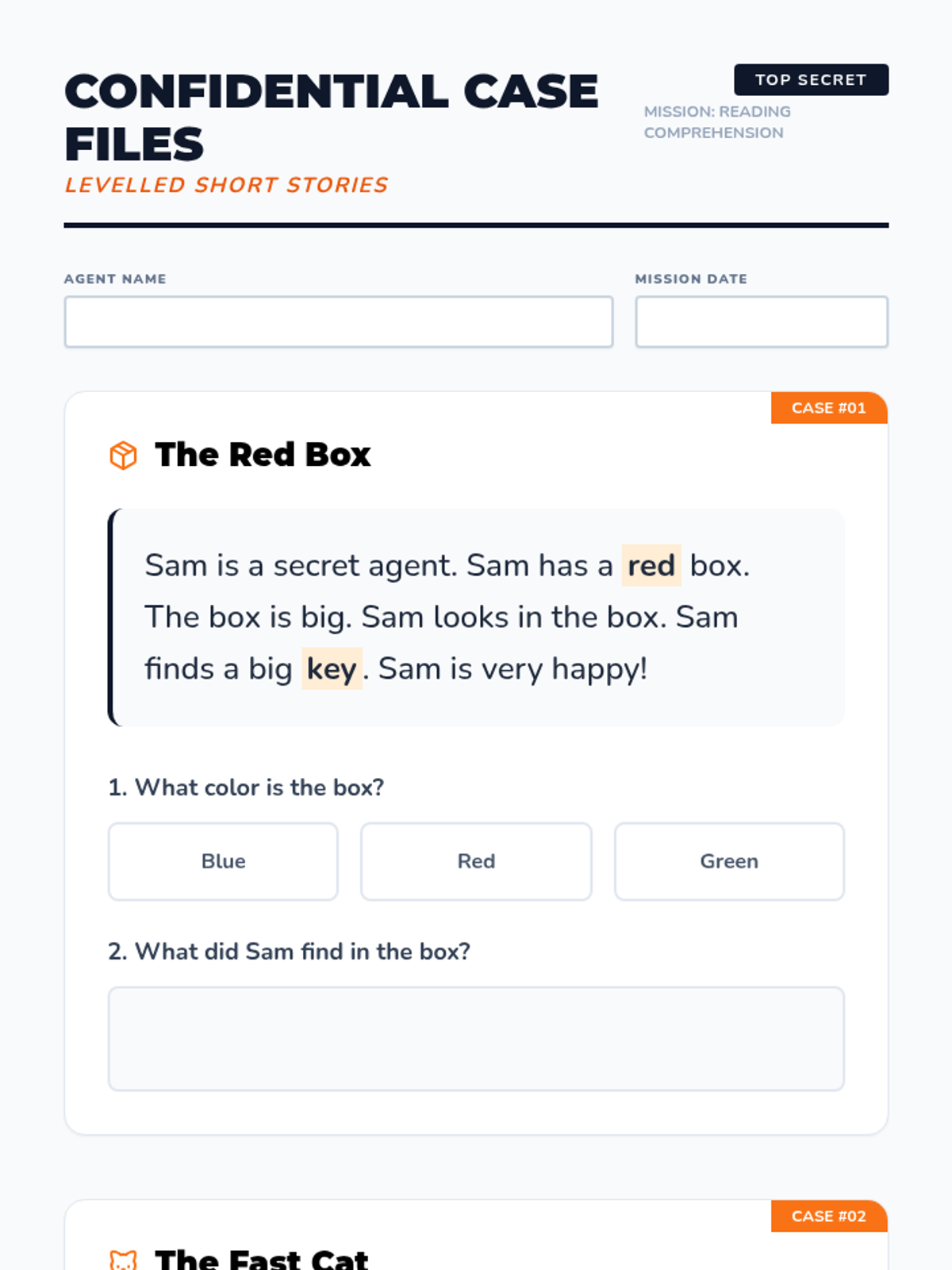
Combines reading skills into comprehension and syntax. Students build sentences and read short 'case files' to solve mysteries, focusing on understanding and sentence structure.
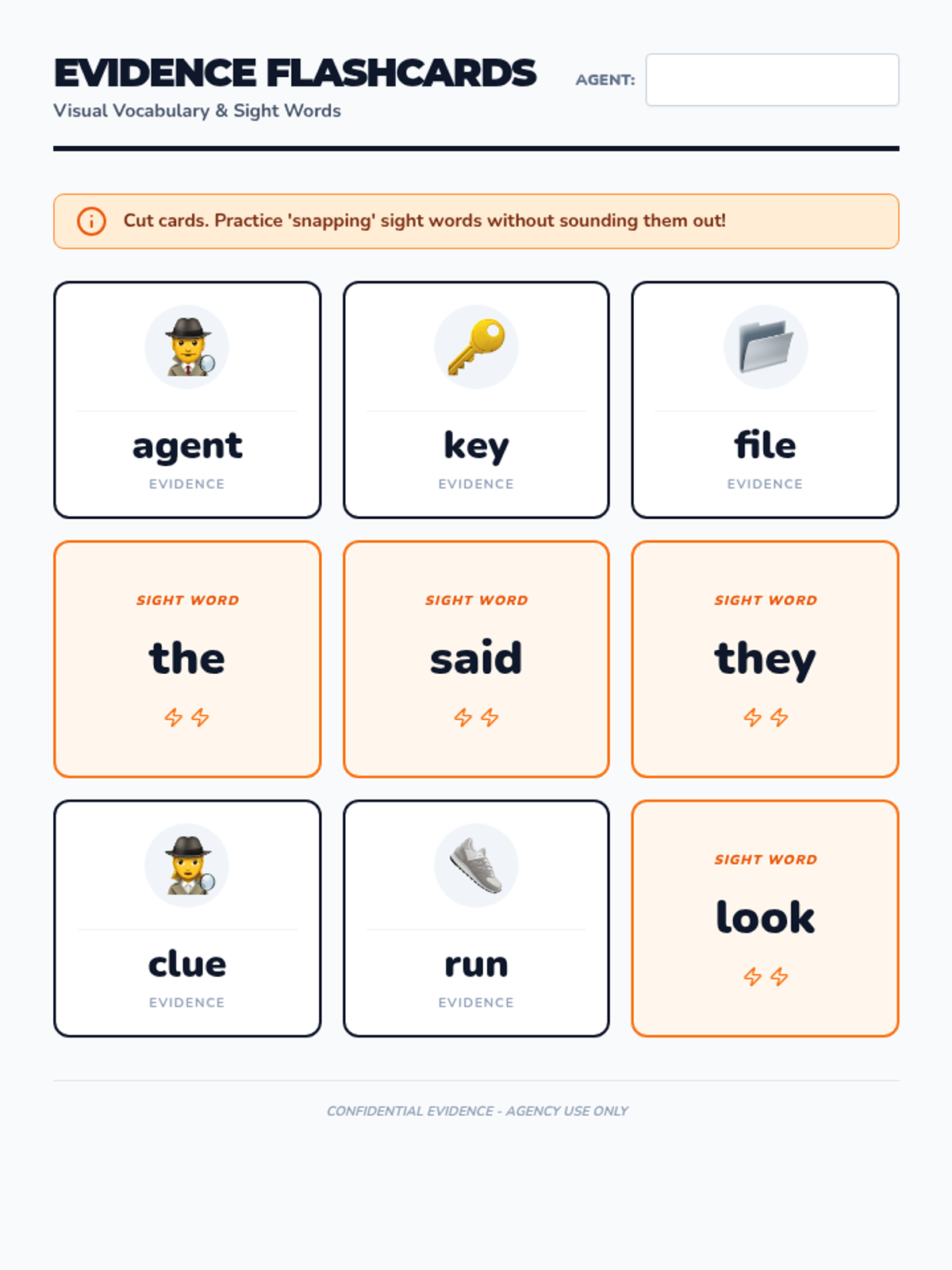
Focuses on sight word recognition and high-frequency word fluency. Agents build their 'Evidence Files' with visual vocabulary and practice recognizing words on sight.