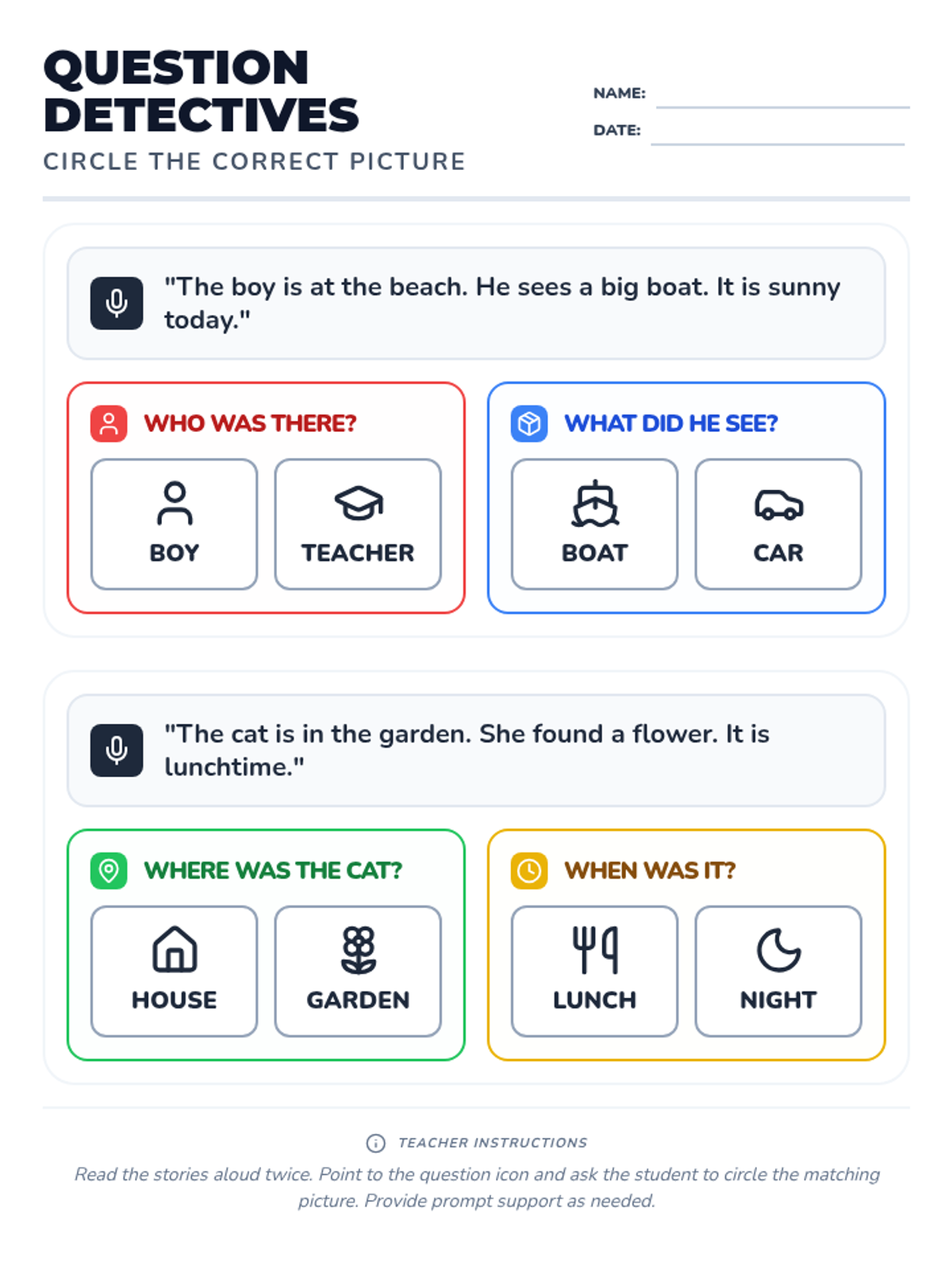
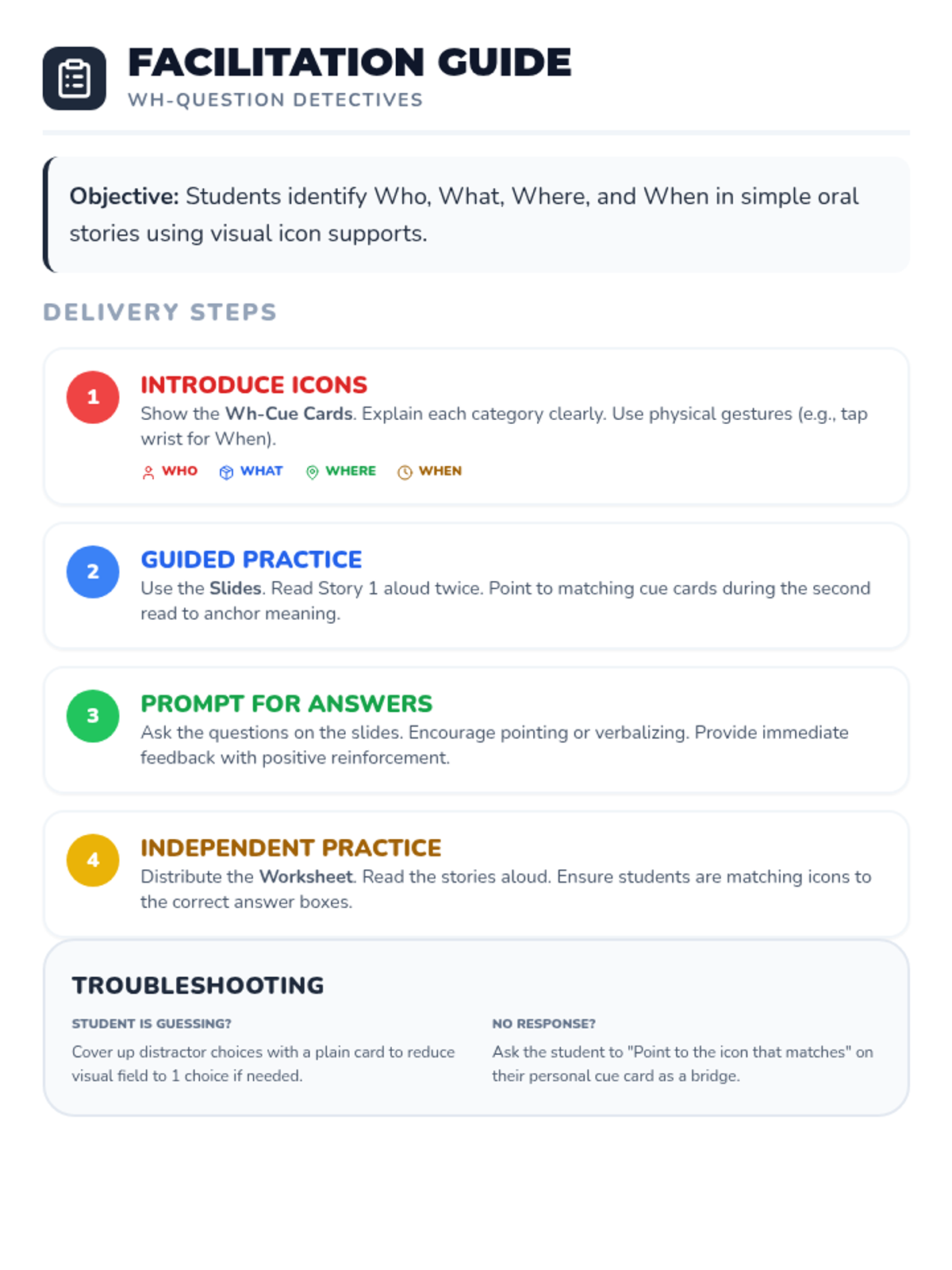
A lesson focused on answering 'who' and 'what' questions from short 1-2 sentence stories, specifically designed for kindergarten students with autism using visual supports and structured practice.
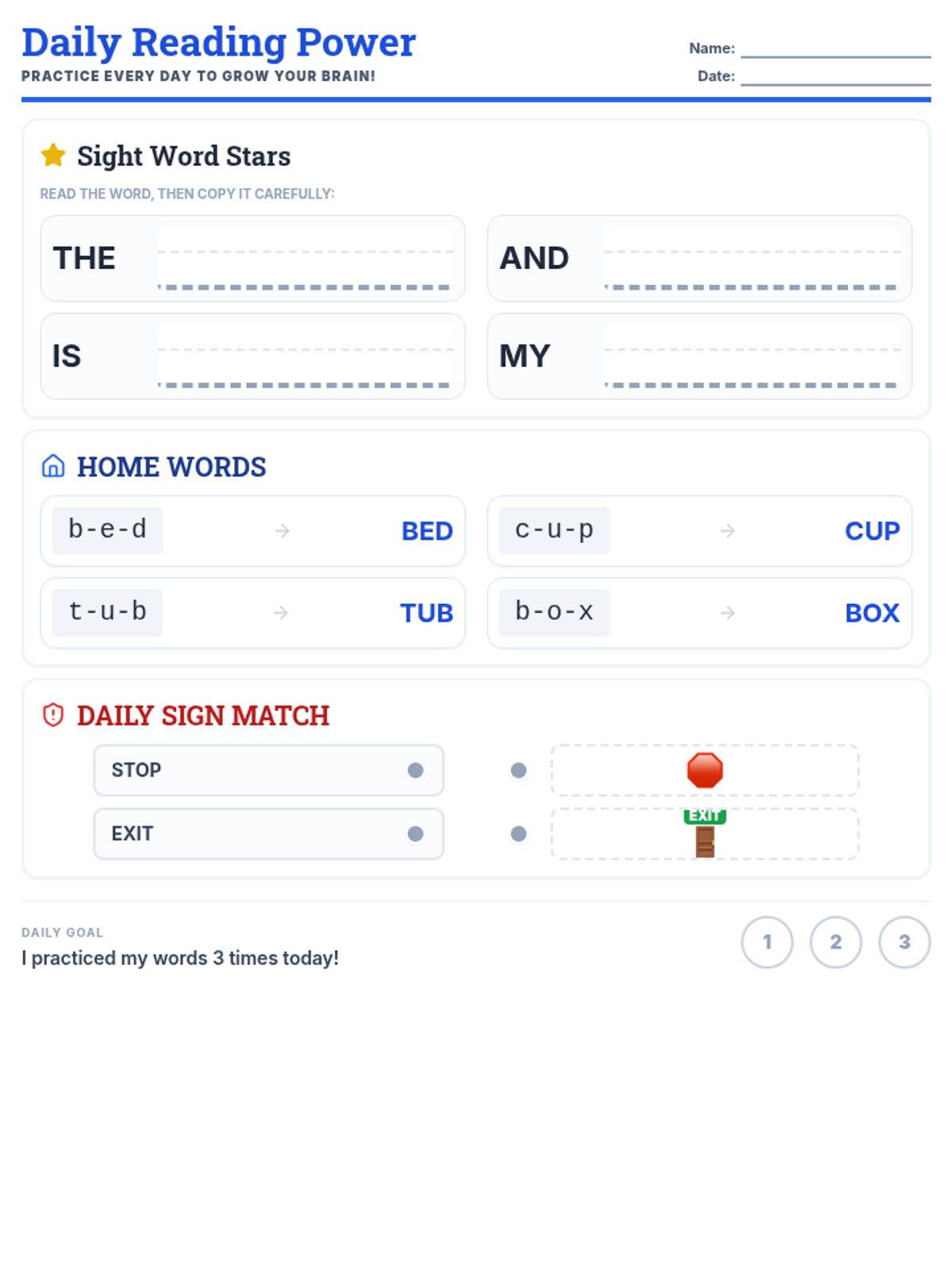
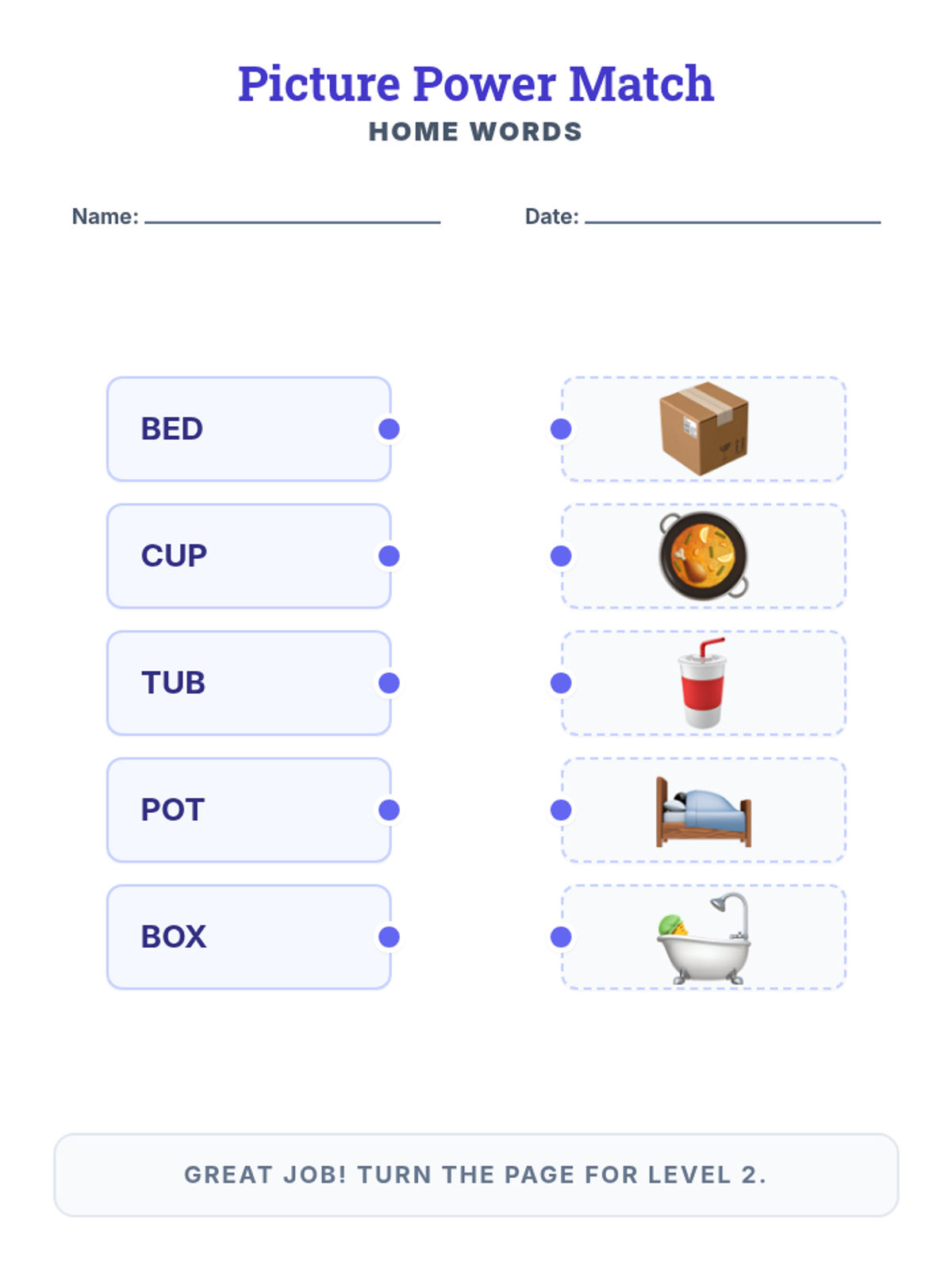
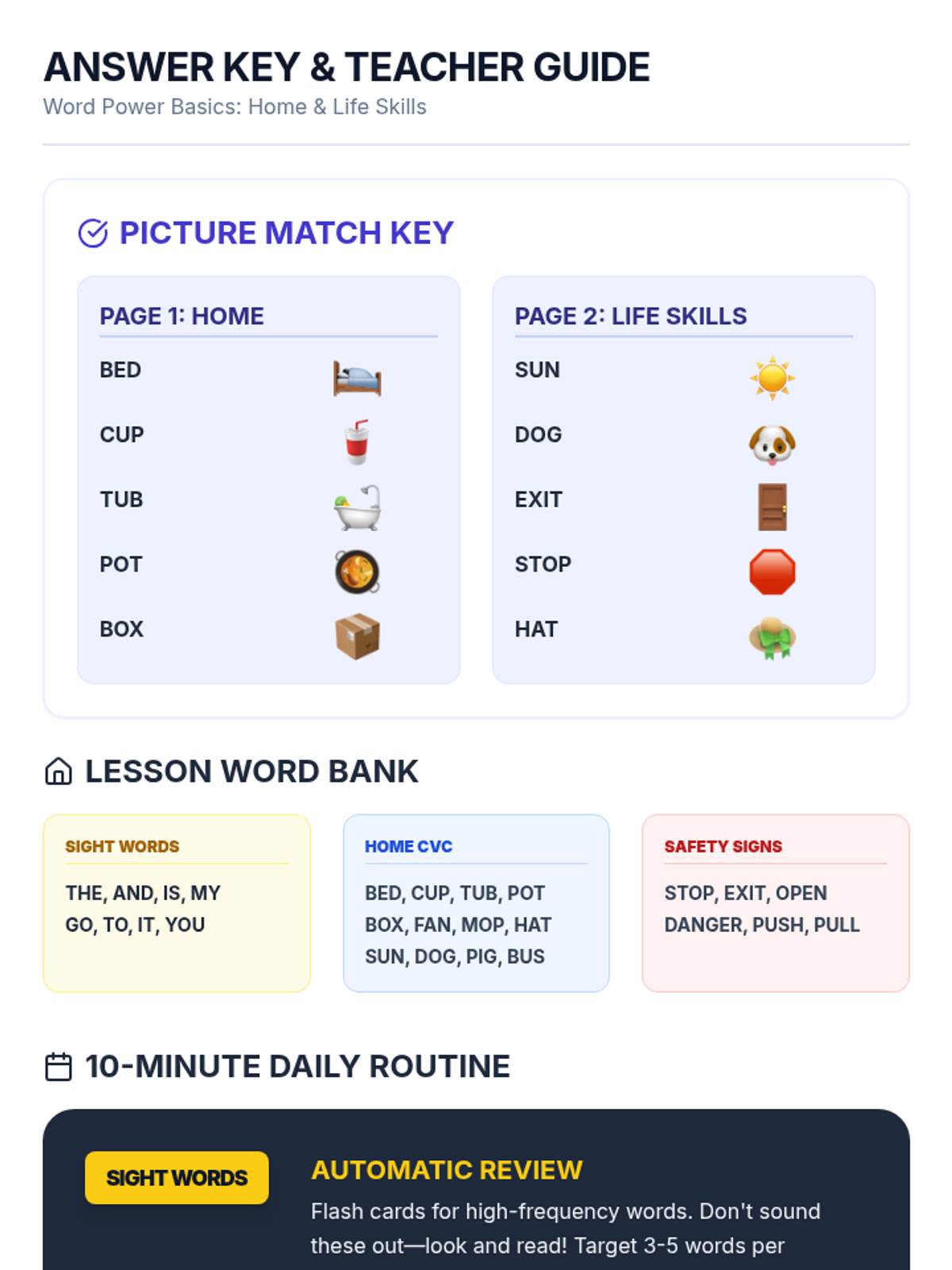
A foundational reading lesson focusing on essential CVC words, high-frequency sight words, and critical safety signs for daily life navigation.
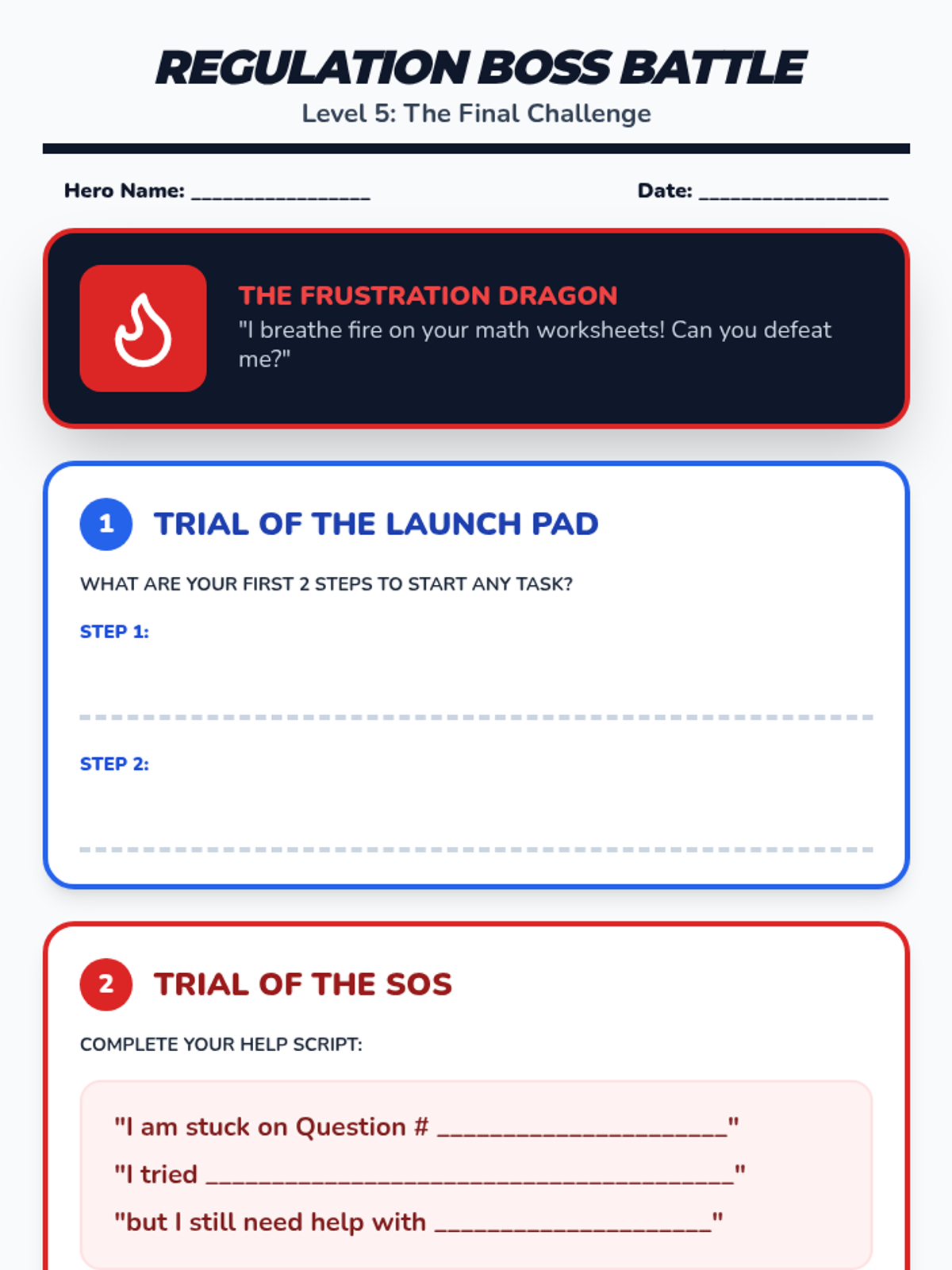
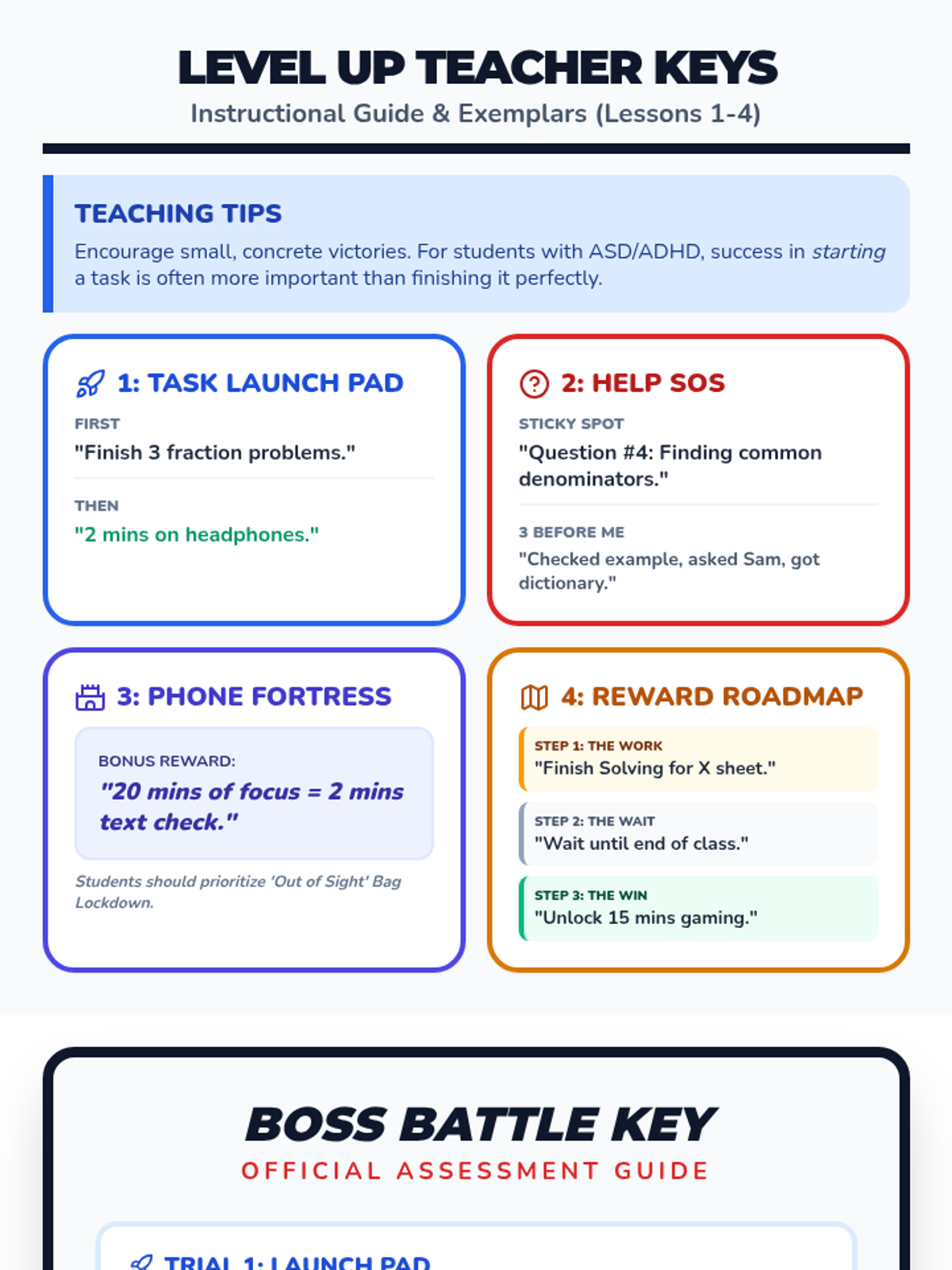
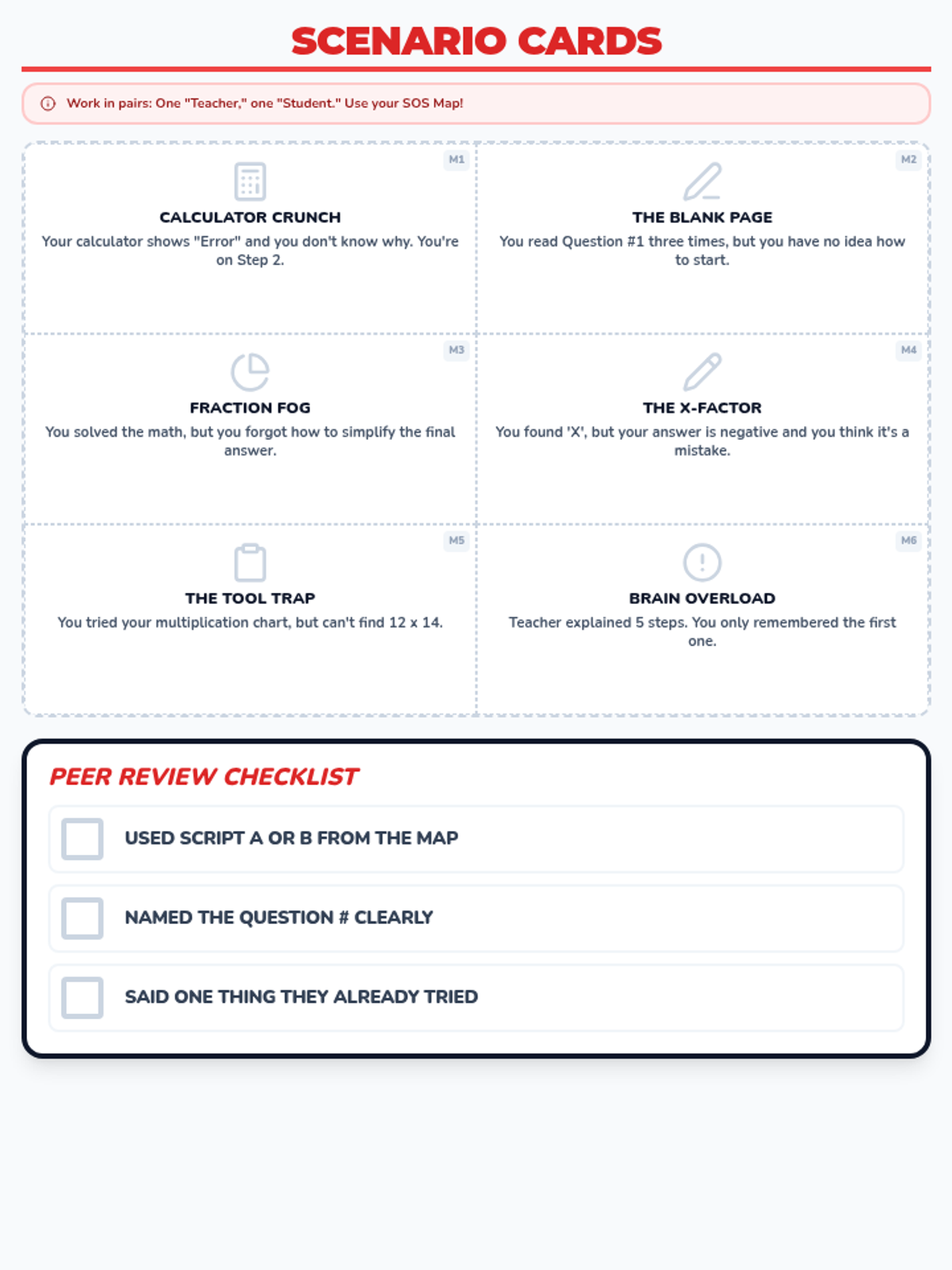
A cumulative 'Boss Battle' review where students use all their regulation tools to solve a series of math-related regulation challenges.
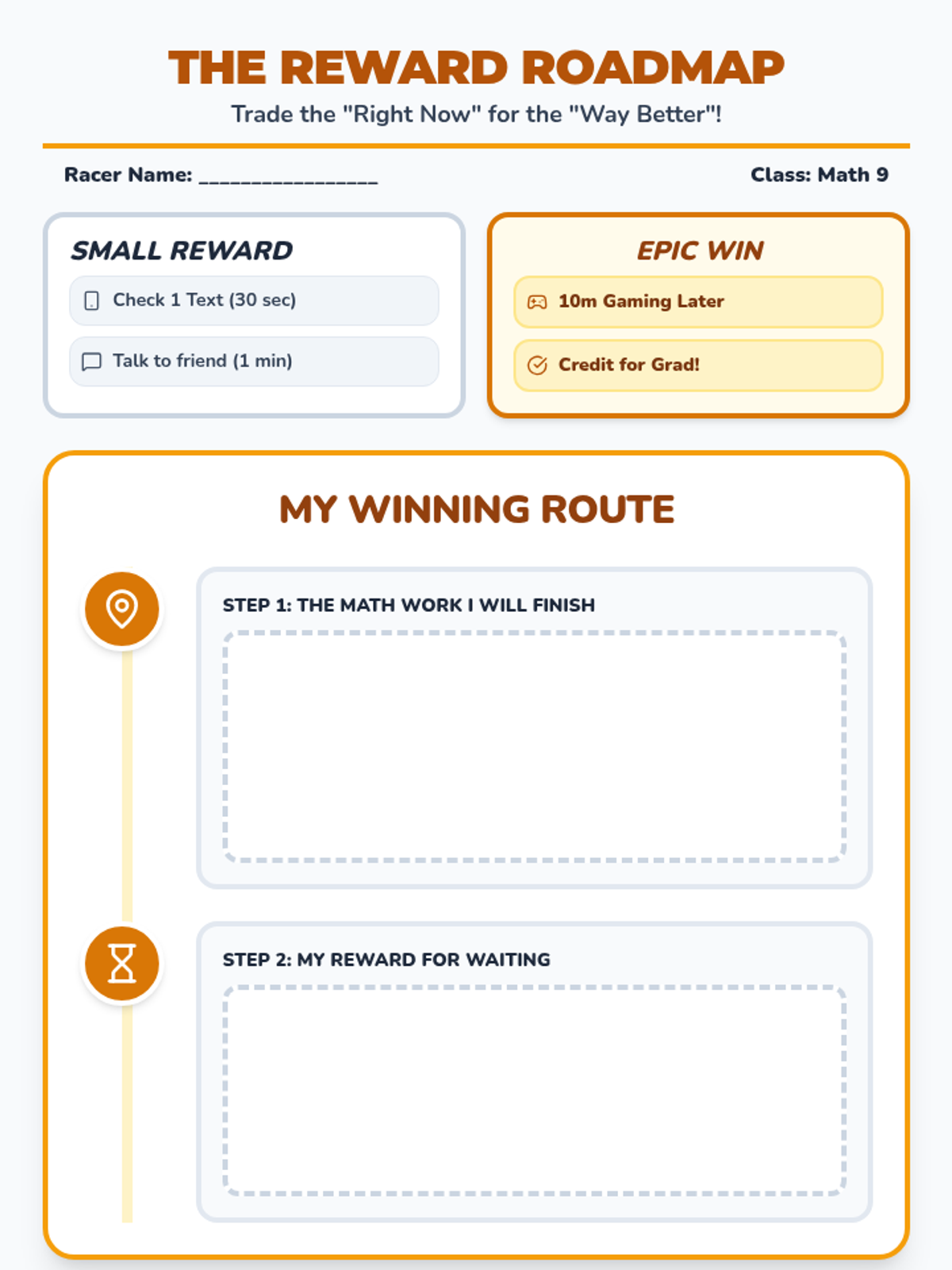
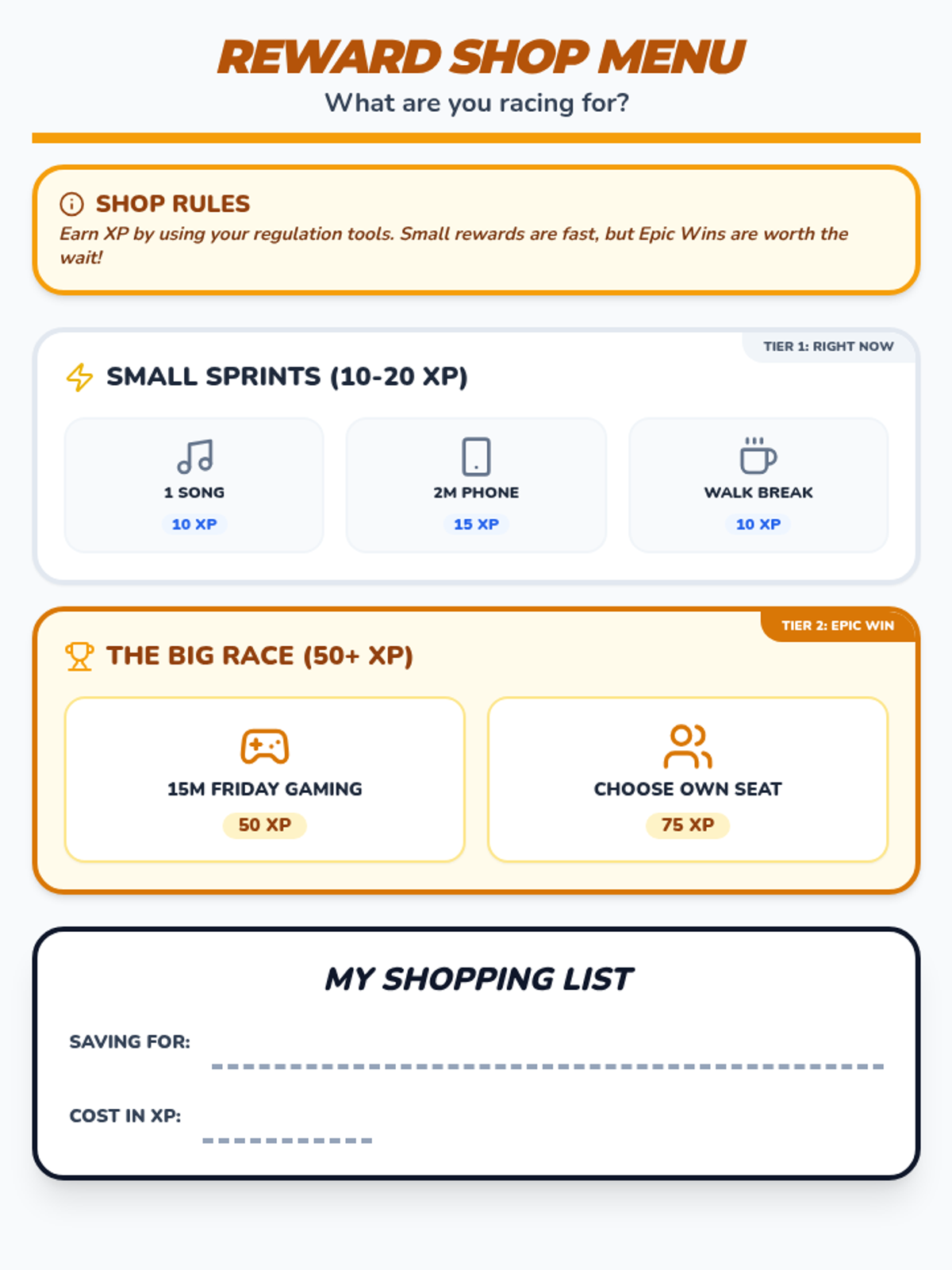
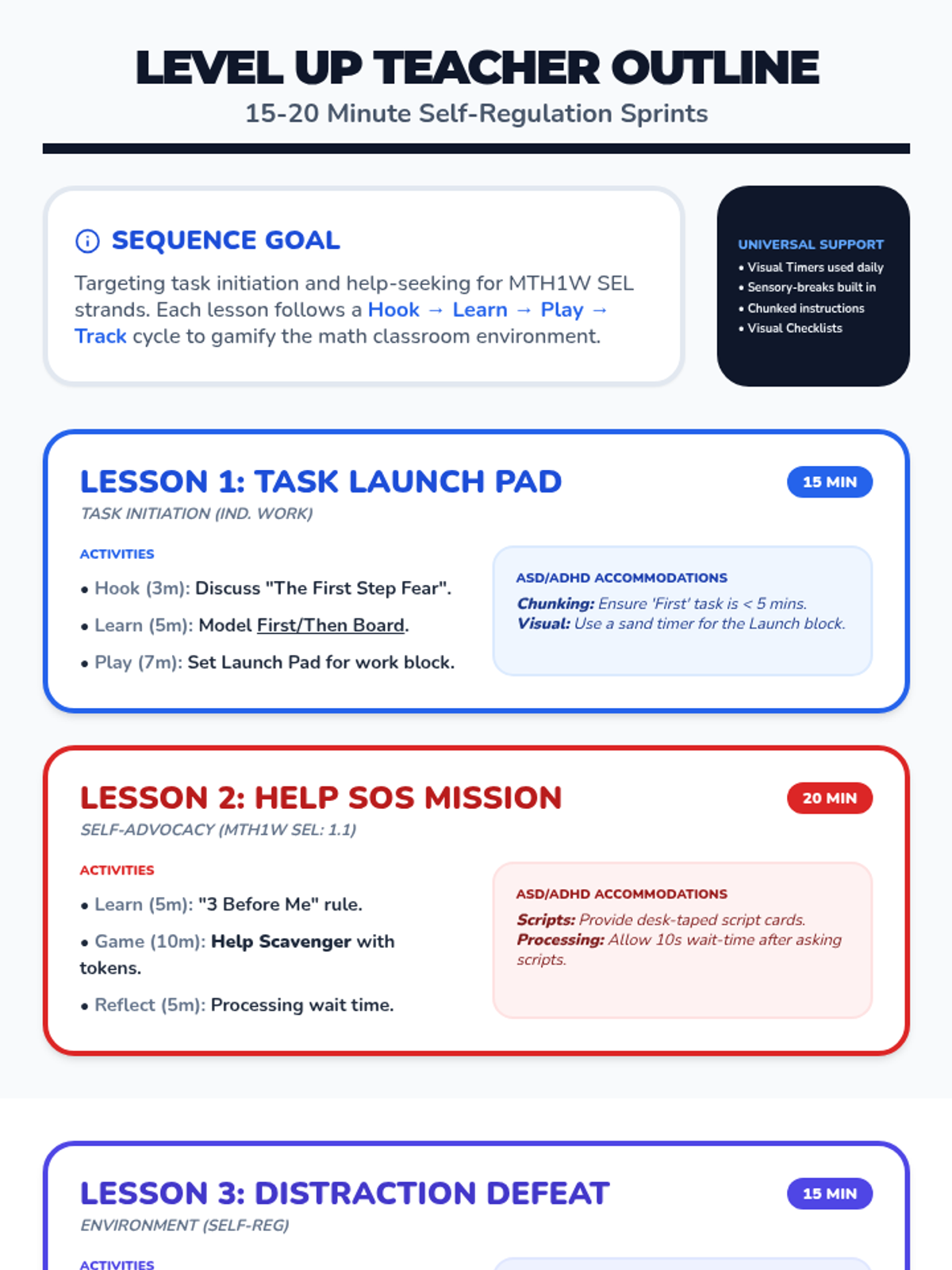
Explores delayed gratification through a 'Reward Roadmap' activity, teaching students to trade immediate distractions for long-term academic success.
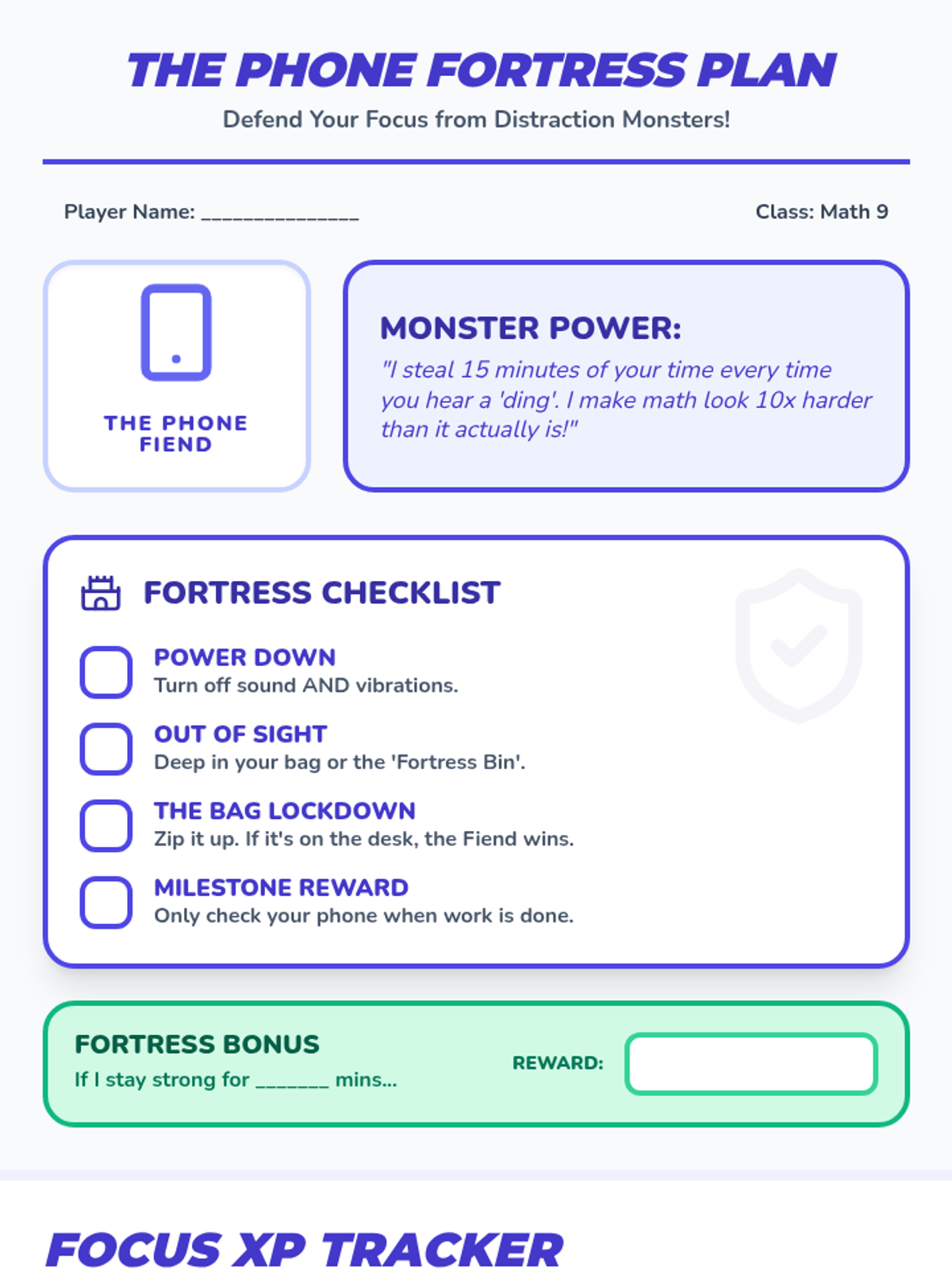
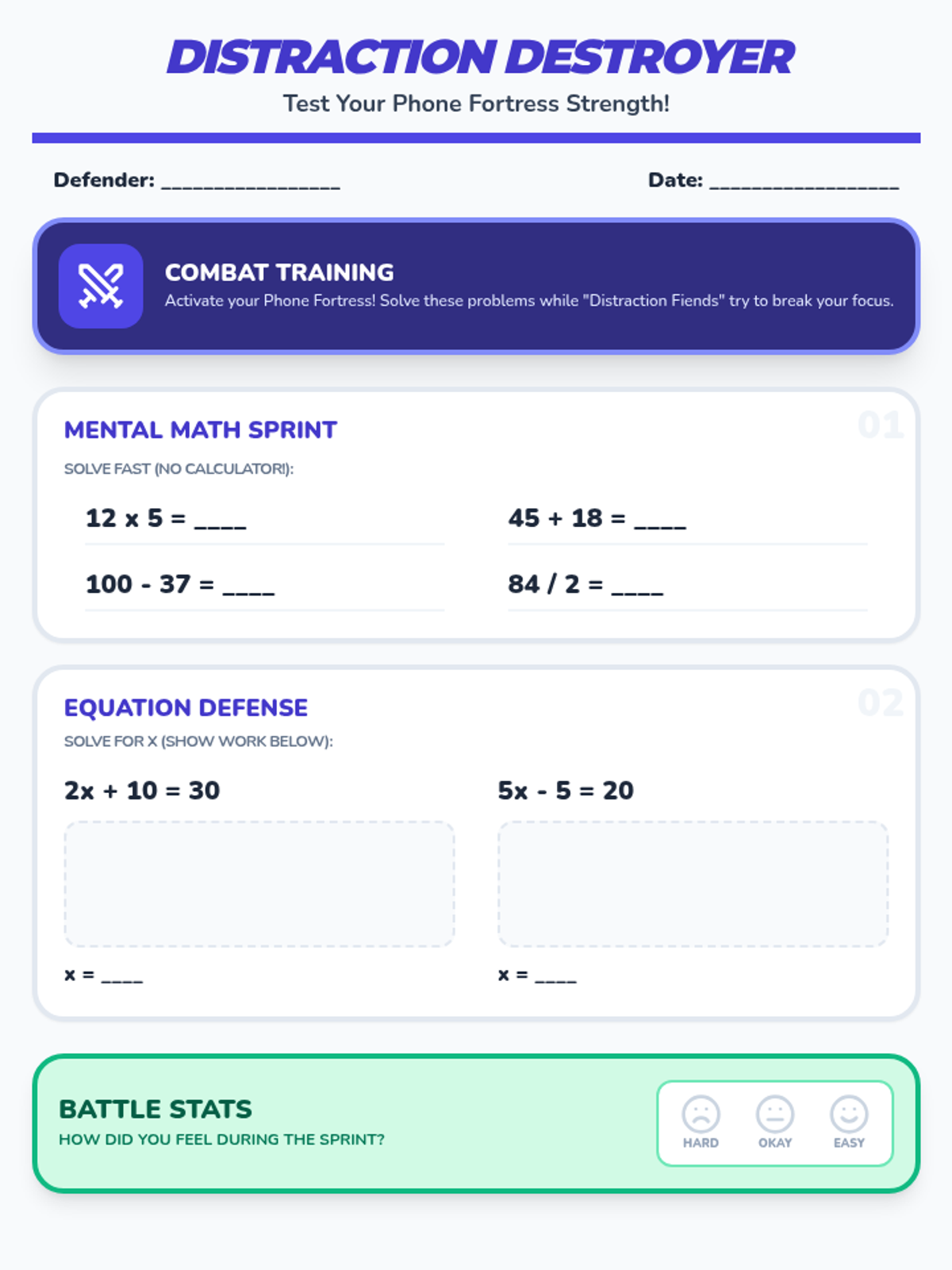
Students identify environmental distractions, specifically phones, and create a 'Phone Fortress' plan using visual checklists to maintain focus.
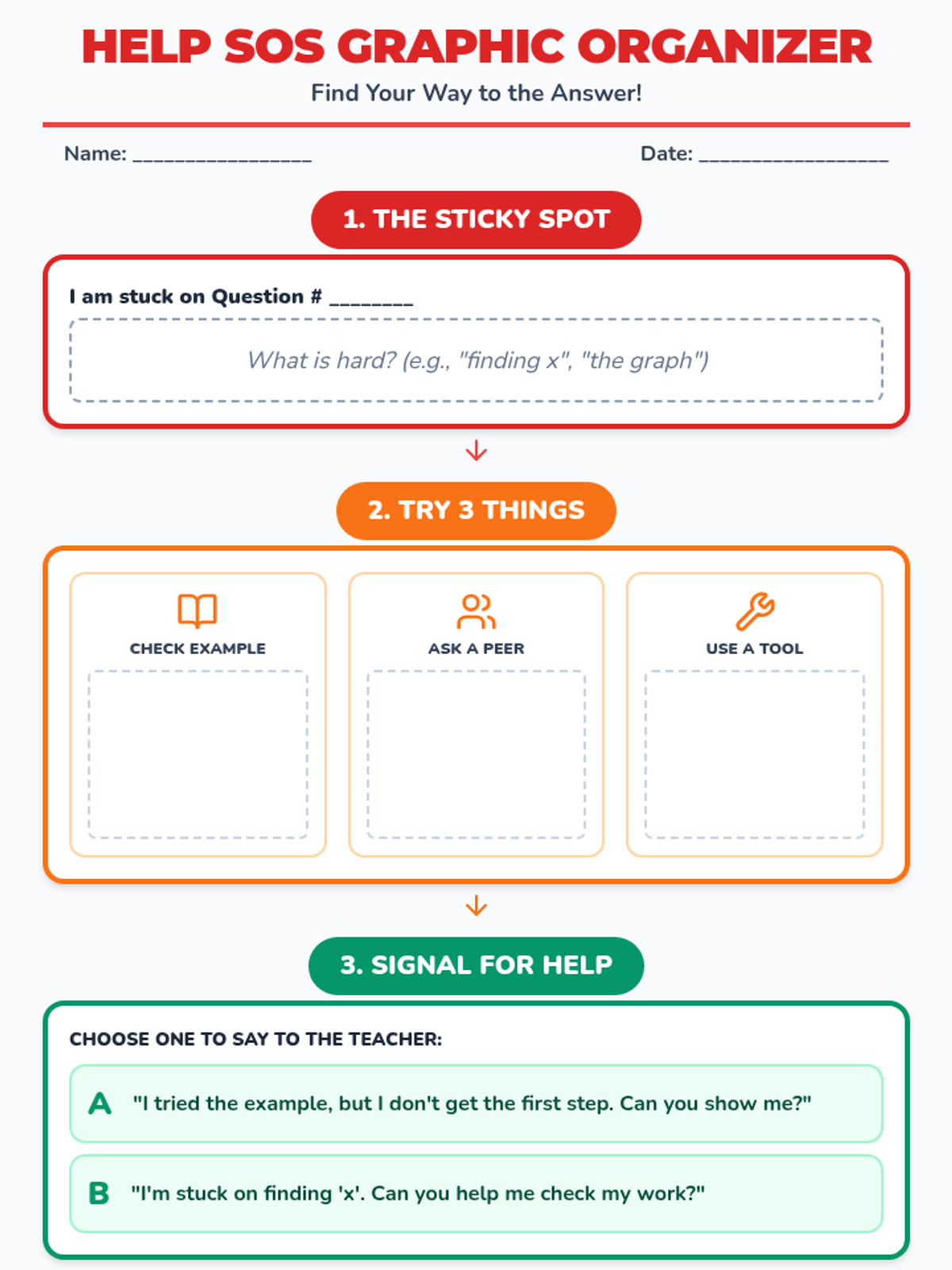
A gamified approach to recognizing when to ask for help and using a structured graphic organizer to communicate specific needs during math problem-solving.
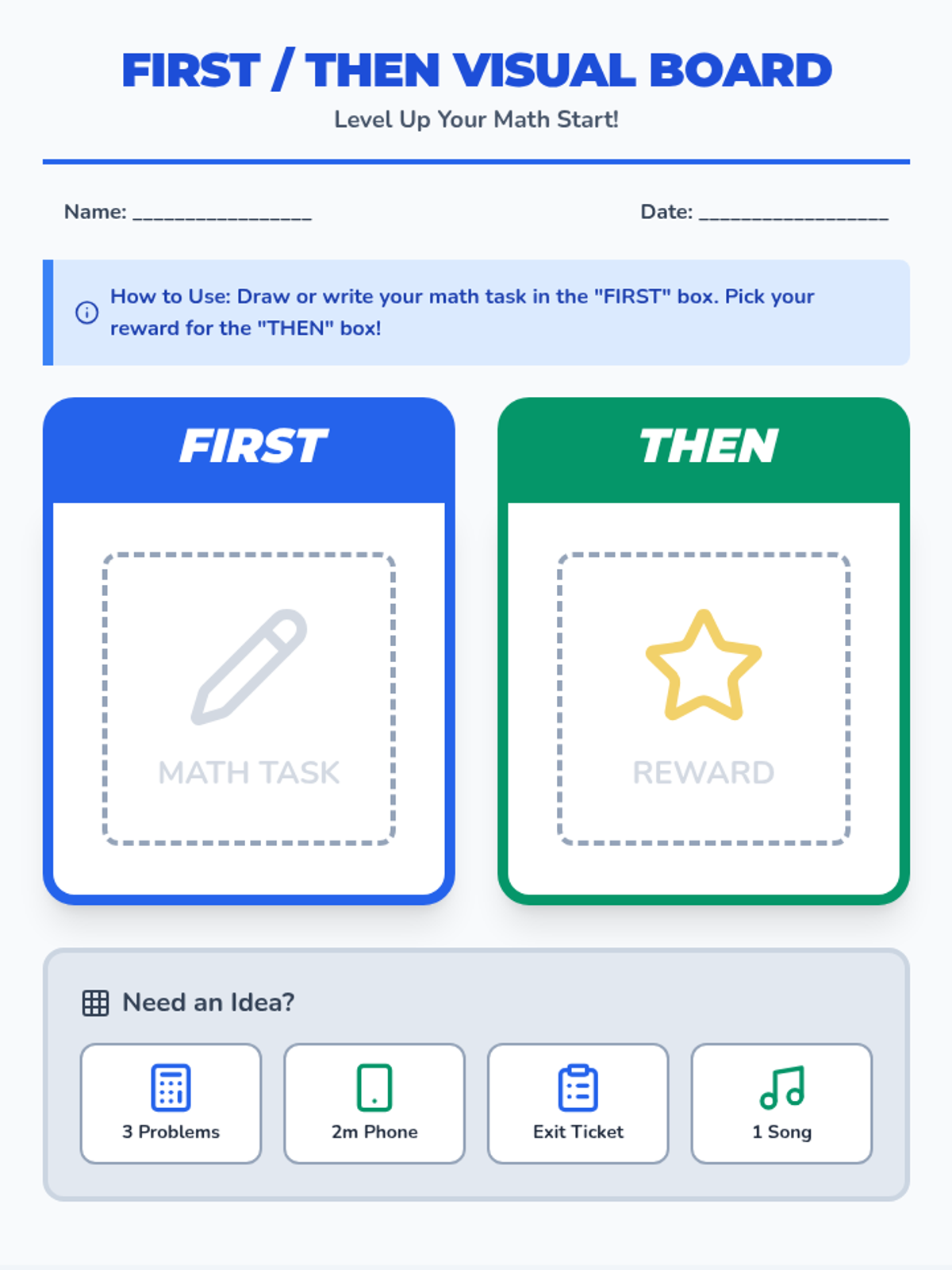
Students learn to use First/Then visual boards and illustrated checklists to overcome task initiation hurdles in math class.
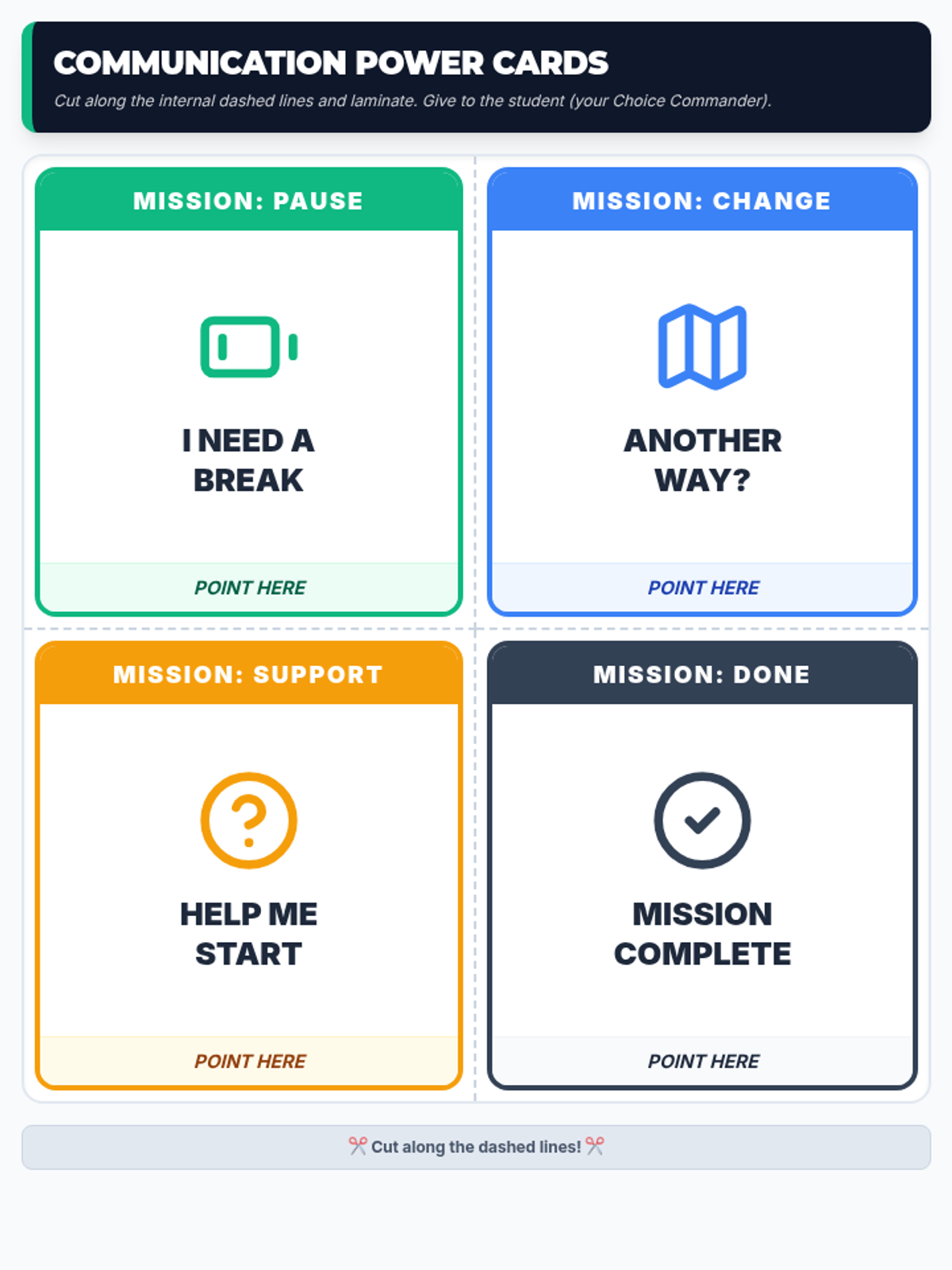
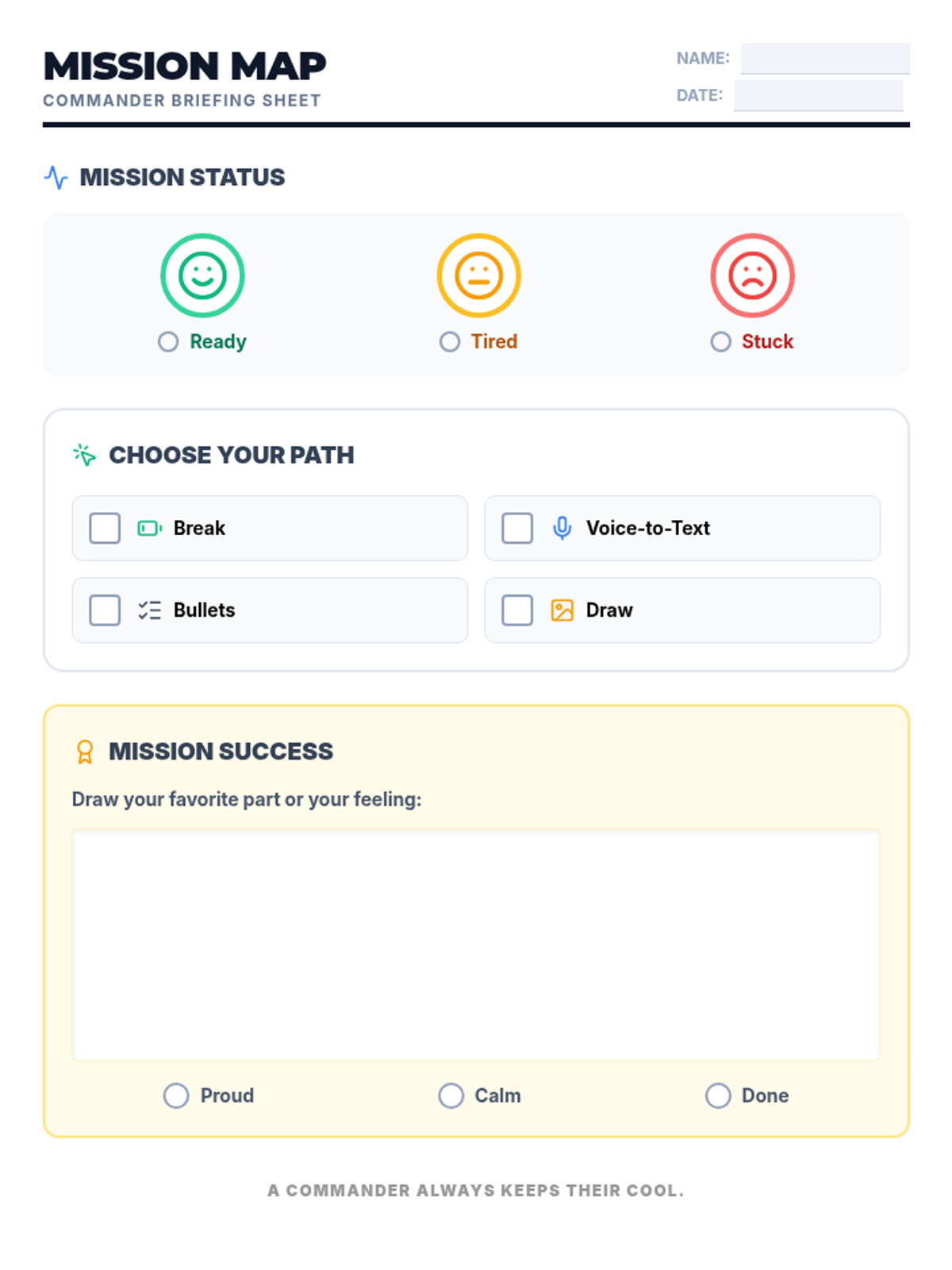
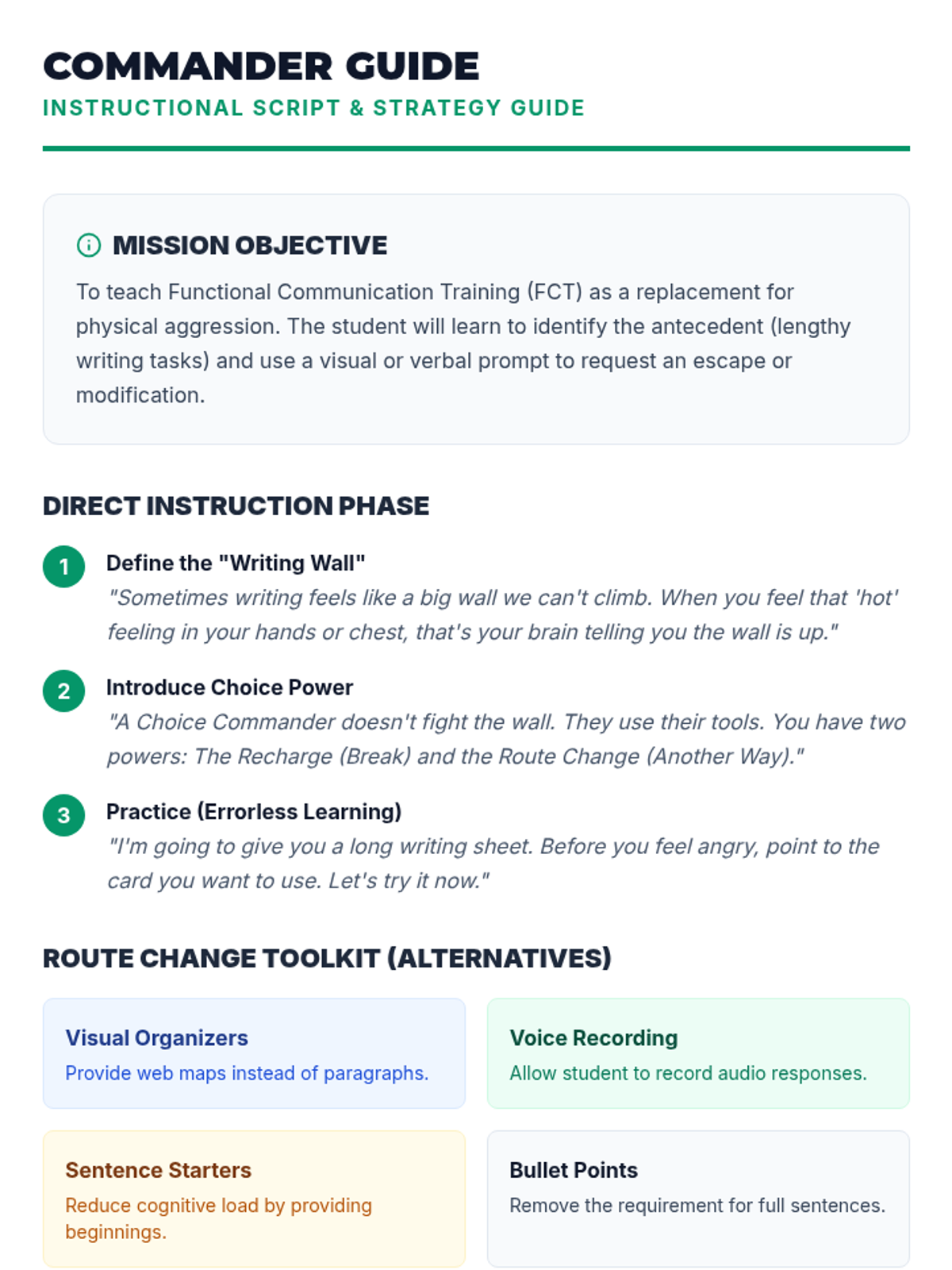
A specialized lesson designed to teach functional communication skills to a student who experiences frustration with writing. The lesson focuses on identifying 'writing walls' and using specific replacement behaviors—requesting a break or an alternative task—to maintain self-regulation.
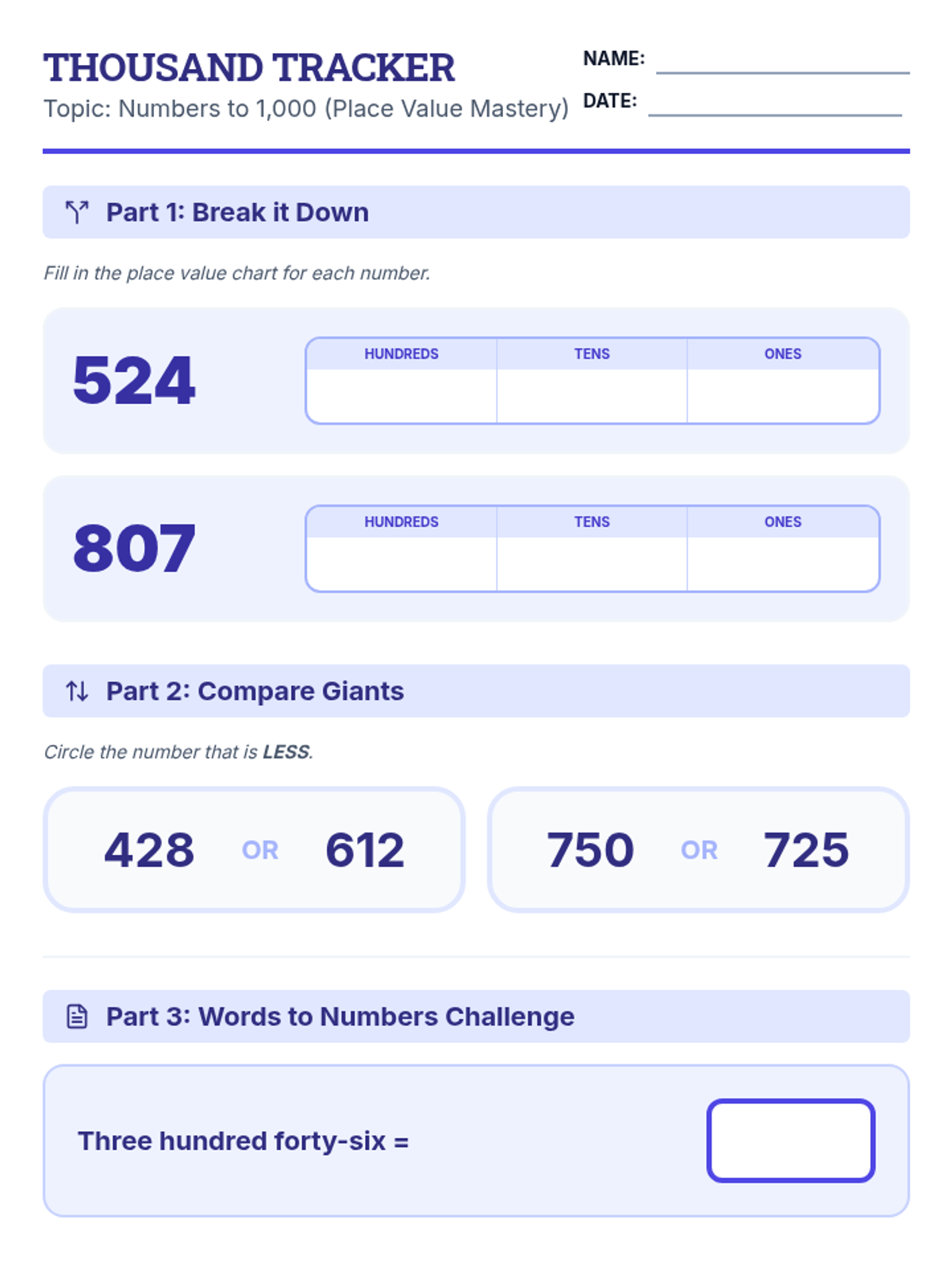
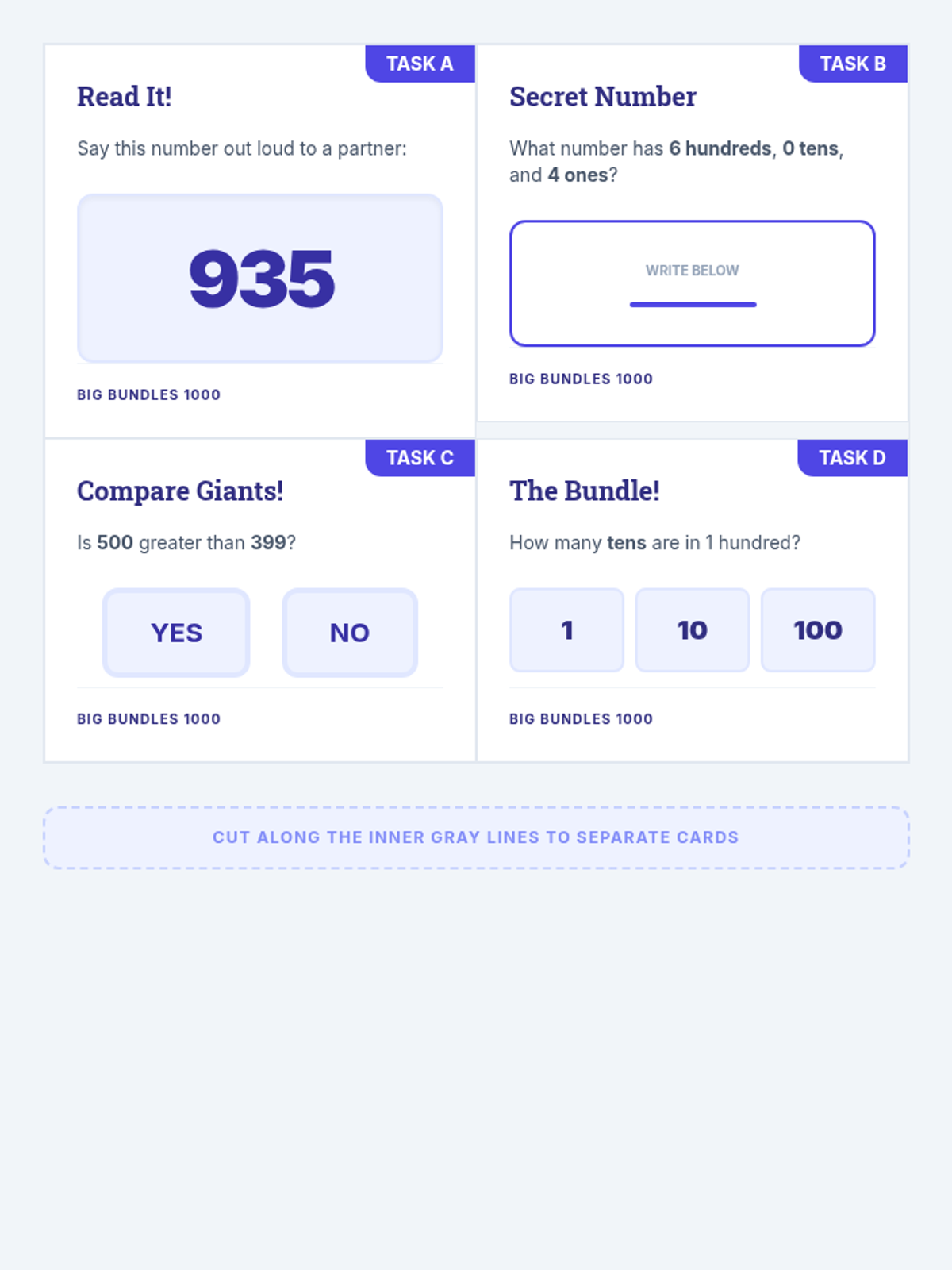
Expands number sense to 1,000, focusing on hundreds, tens, and ones with visual place value models and comparison strategies.
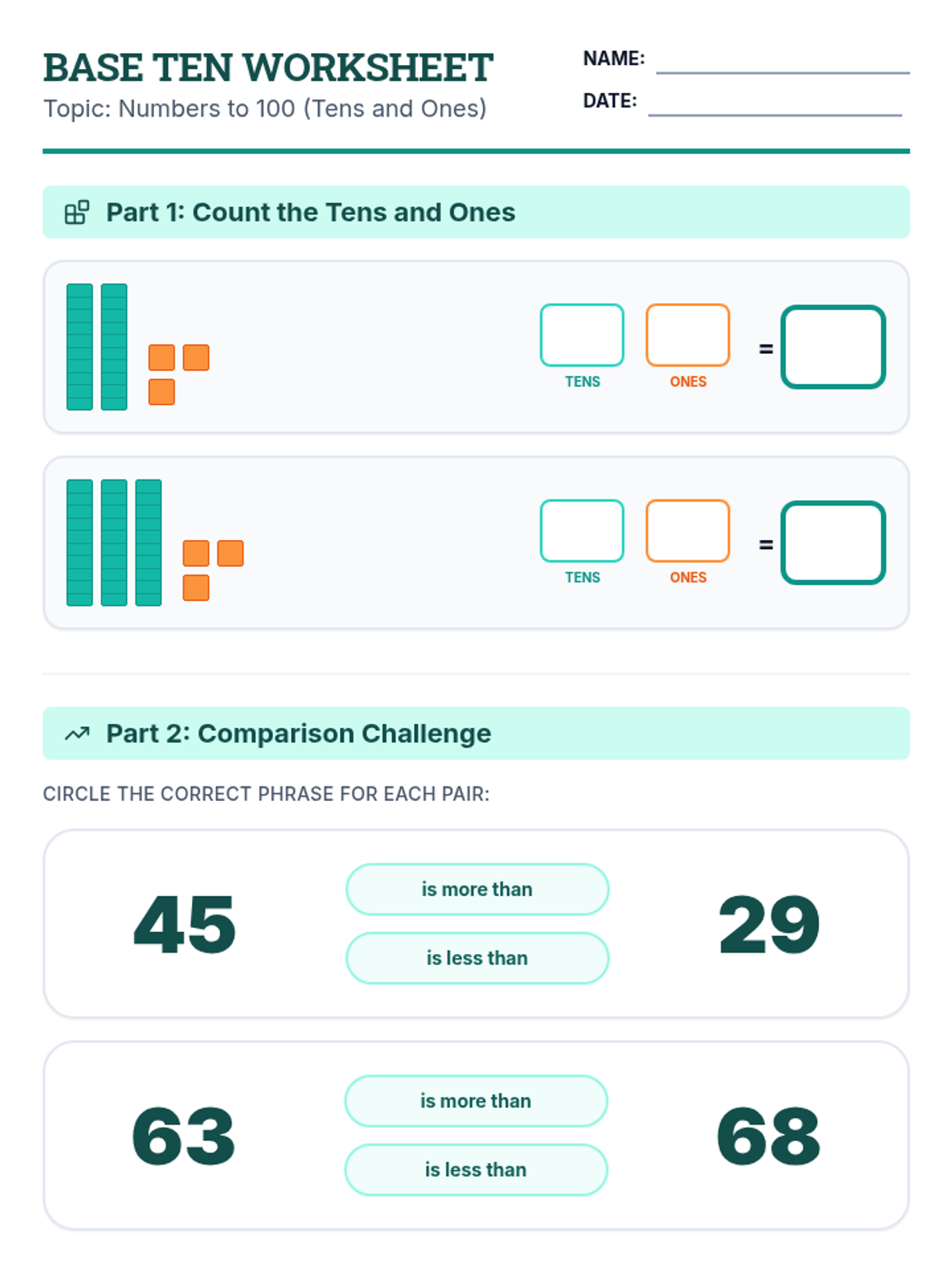
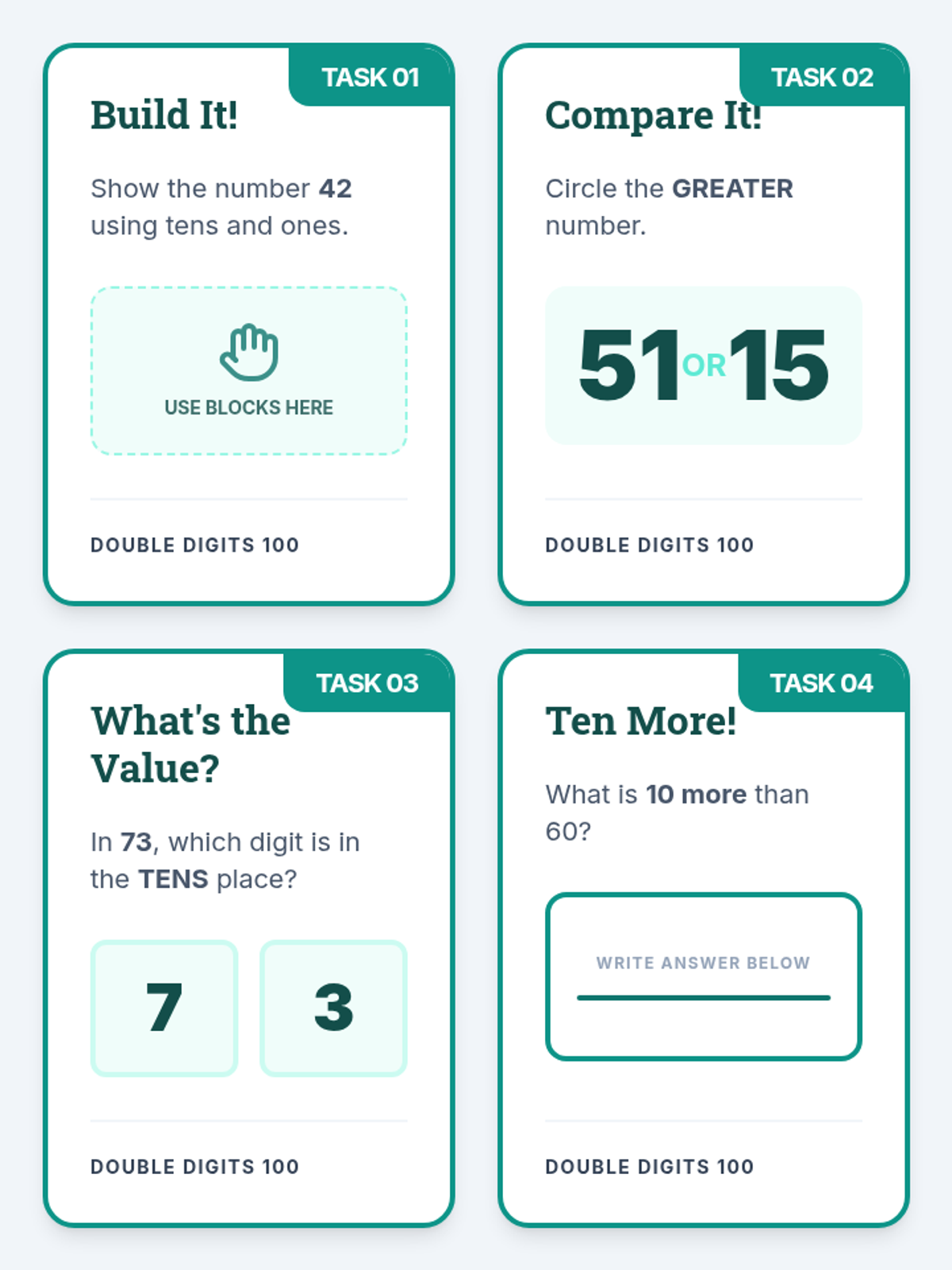
Introduces place value for numbers up to 100, using base-ten blocks (tens and ones) to help students visualize and compare larger values.
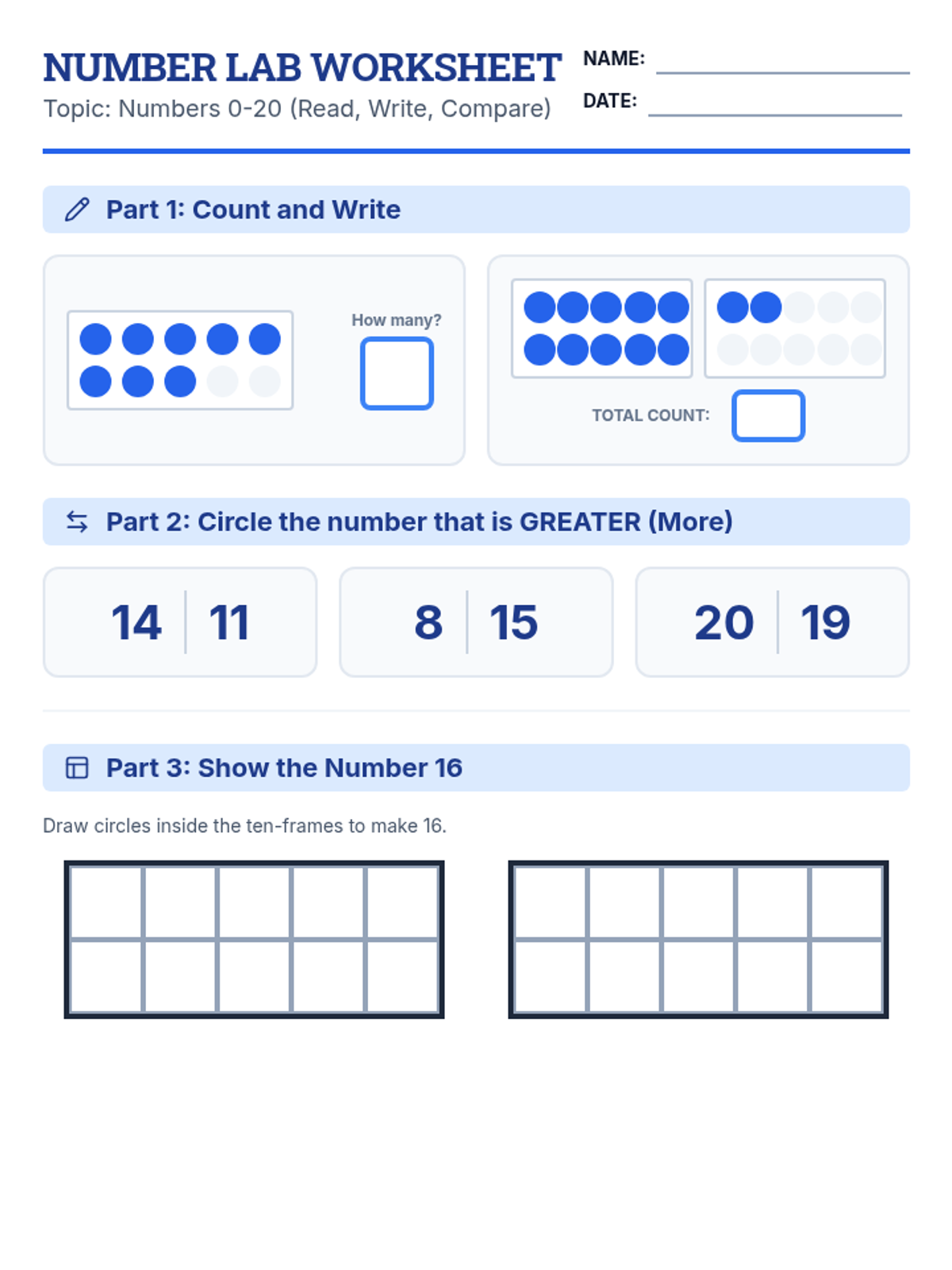
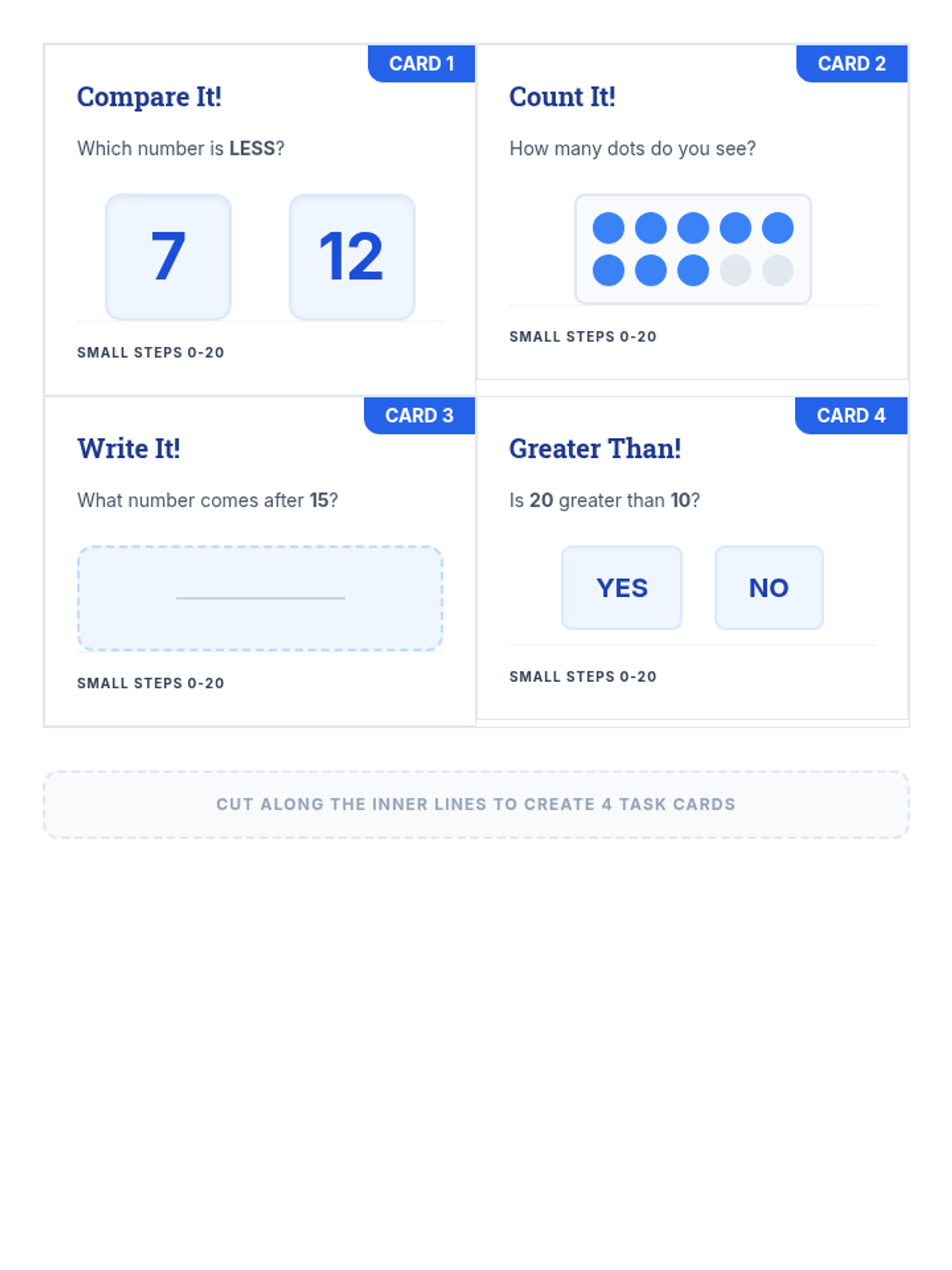
Focuses on reading, writing, and comparing numbers from 0 to 20 using ten-frames and counters to provide concrete visual support.
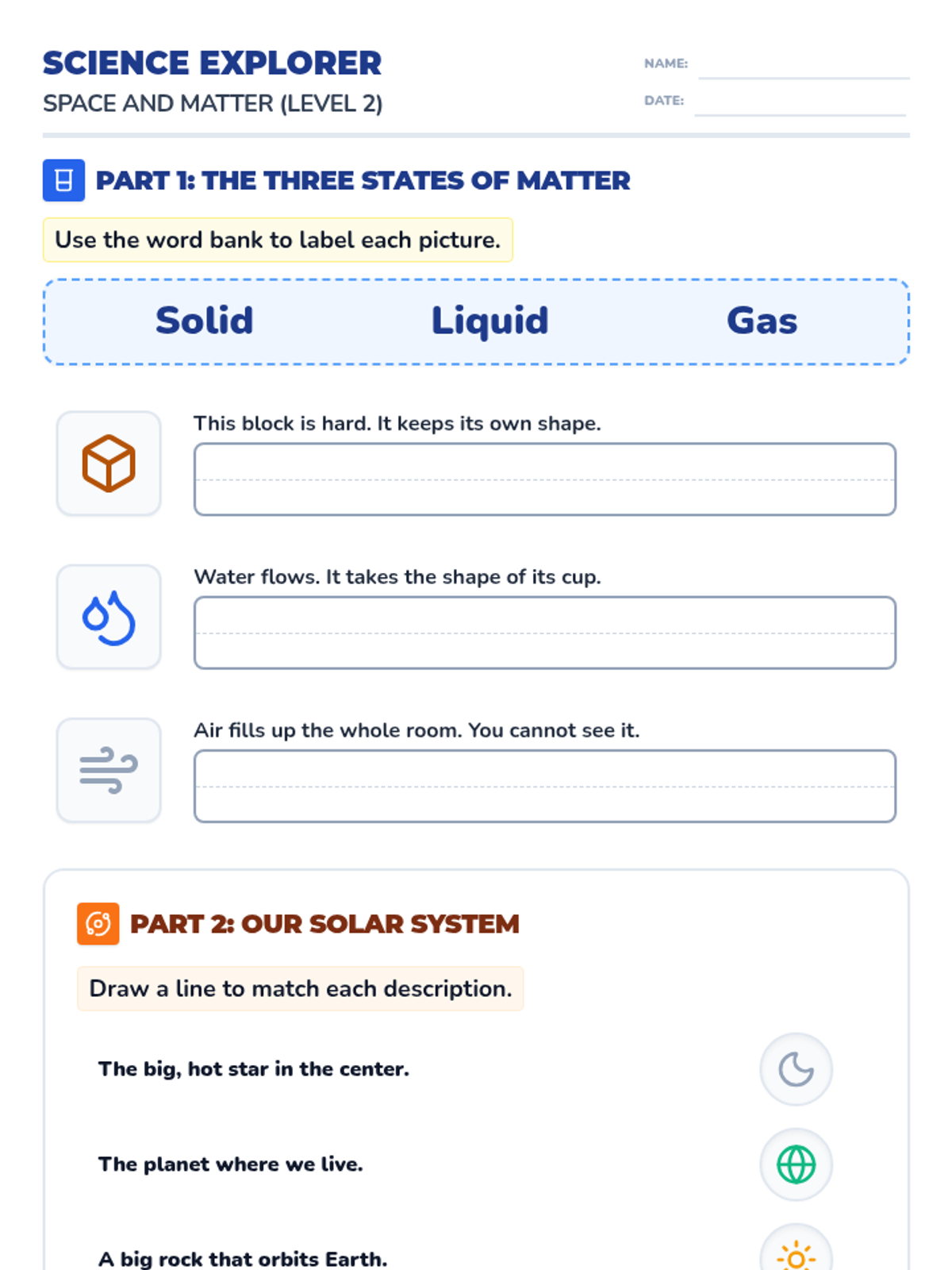
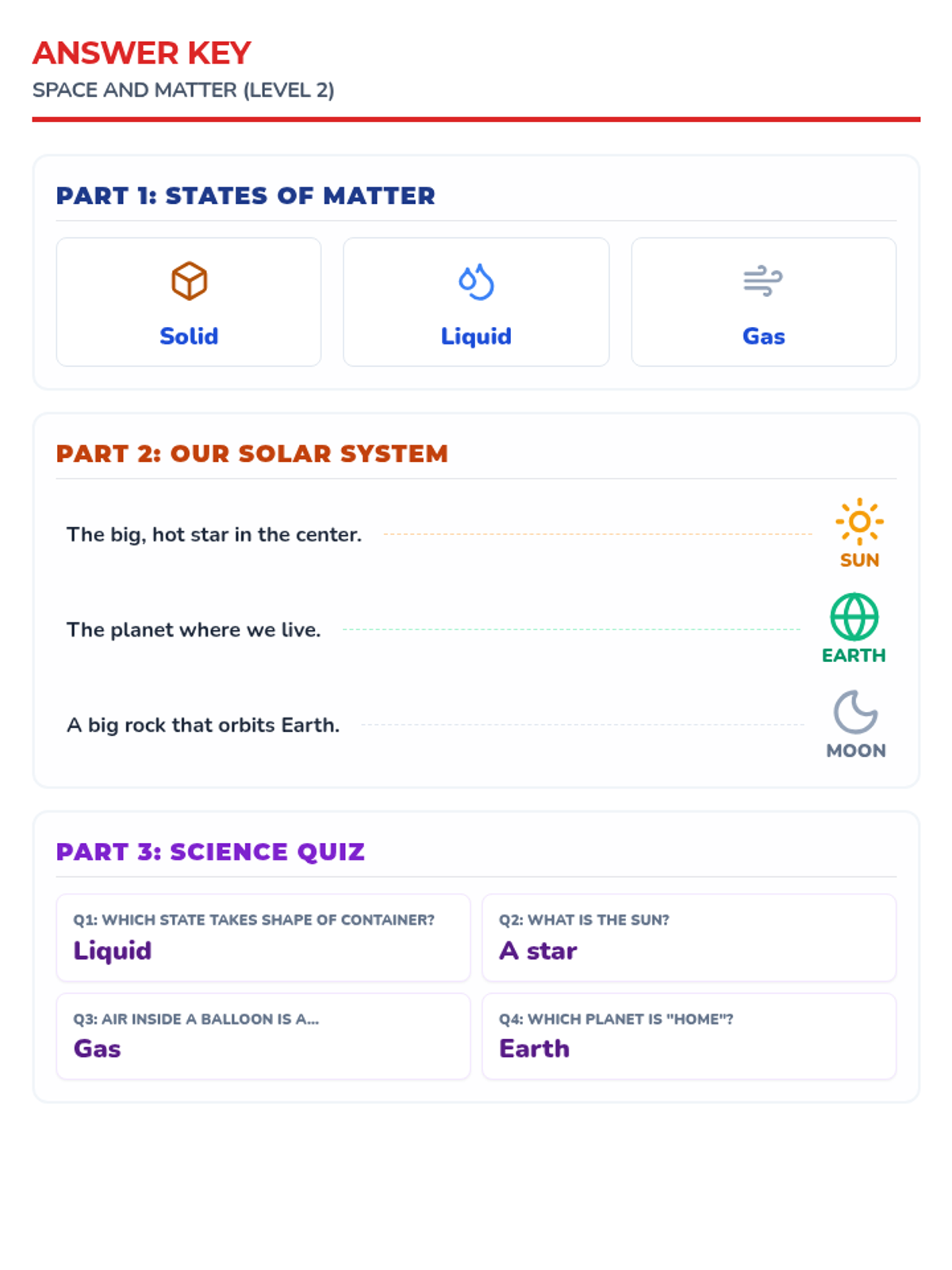
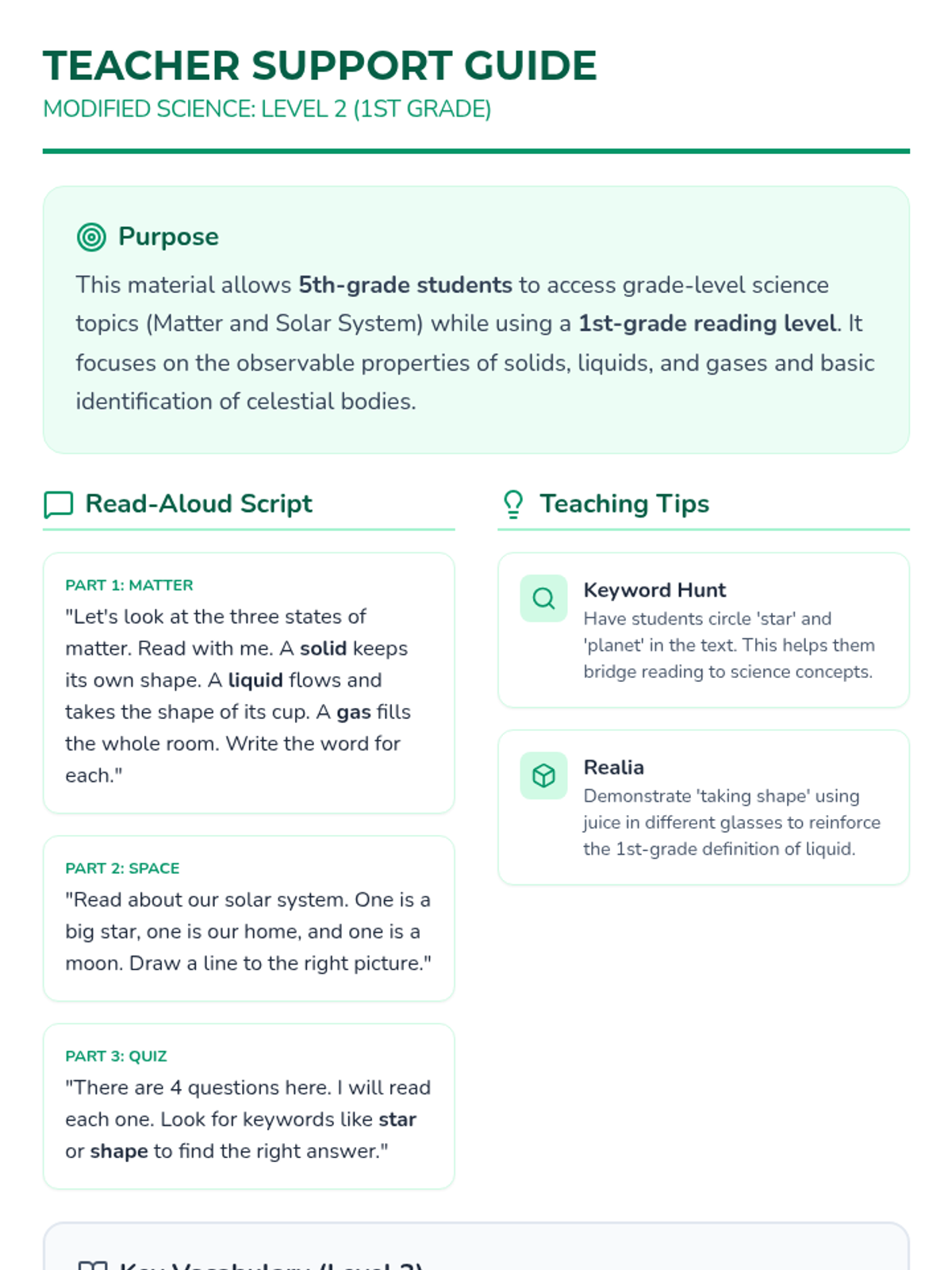
A modified science lesson covering the states of matter and the solar system, specifically designed for students with a kindergarten reading level to access 5th-grade concepts.
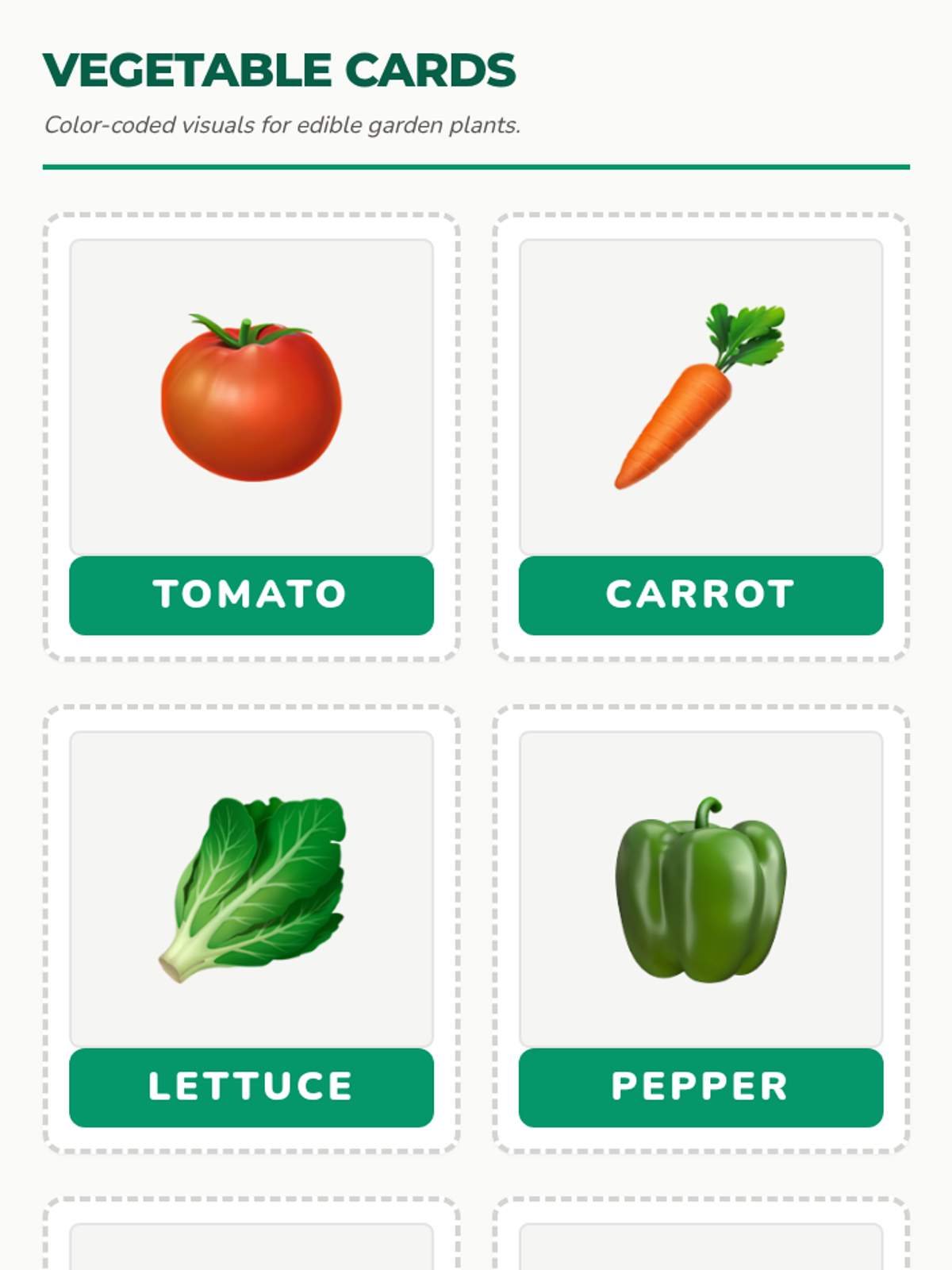
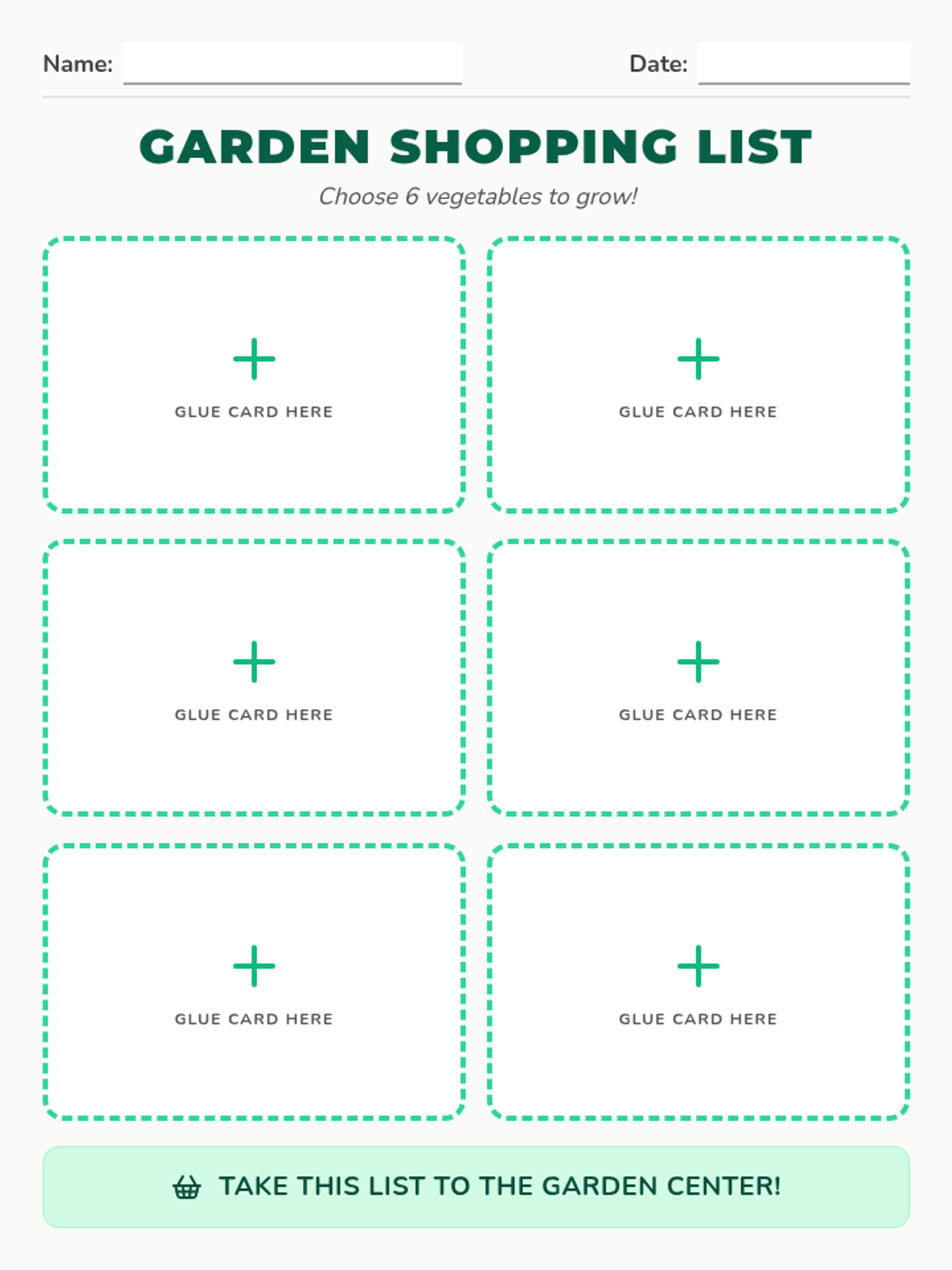
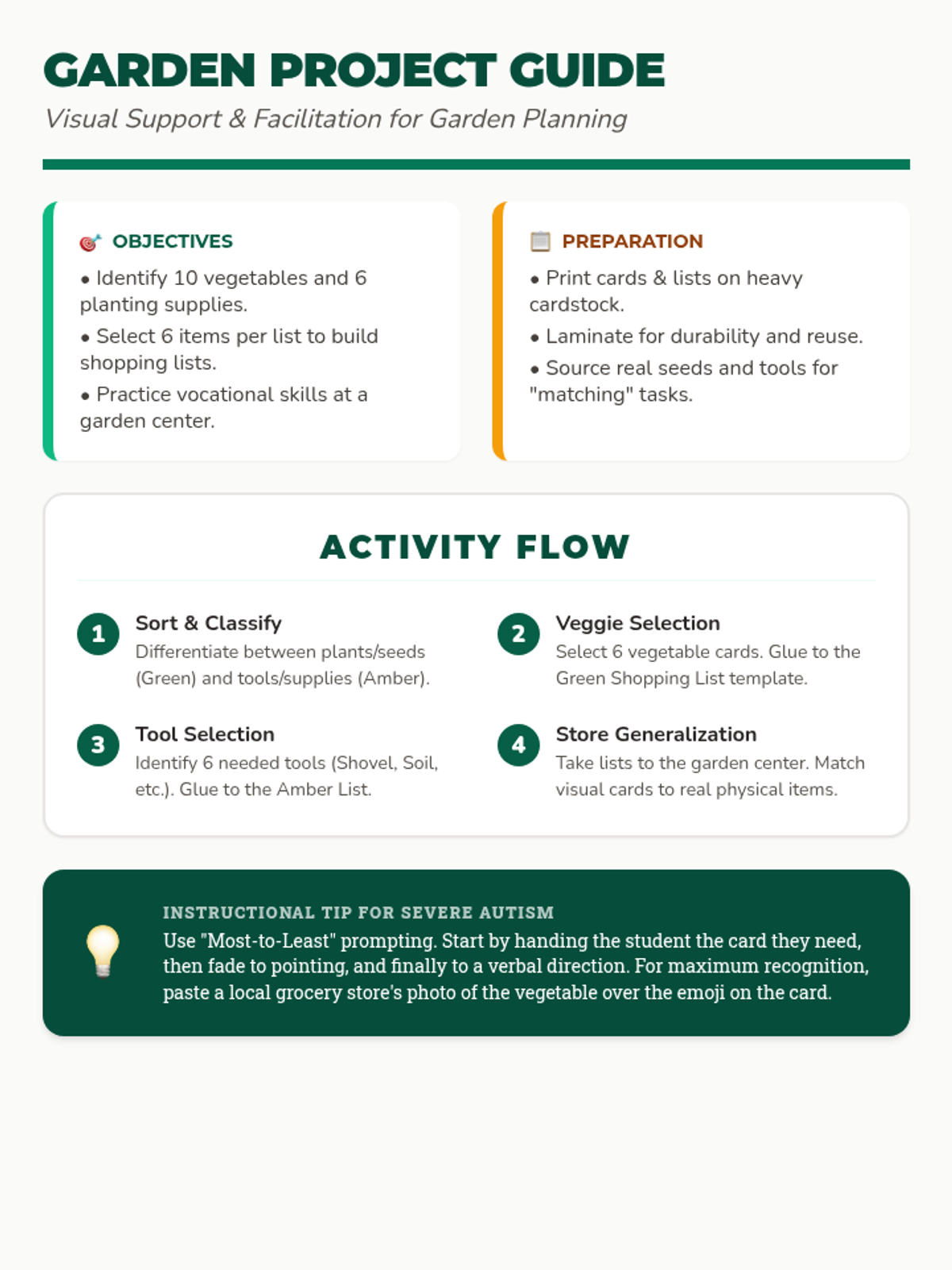
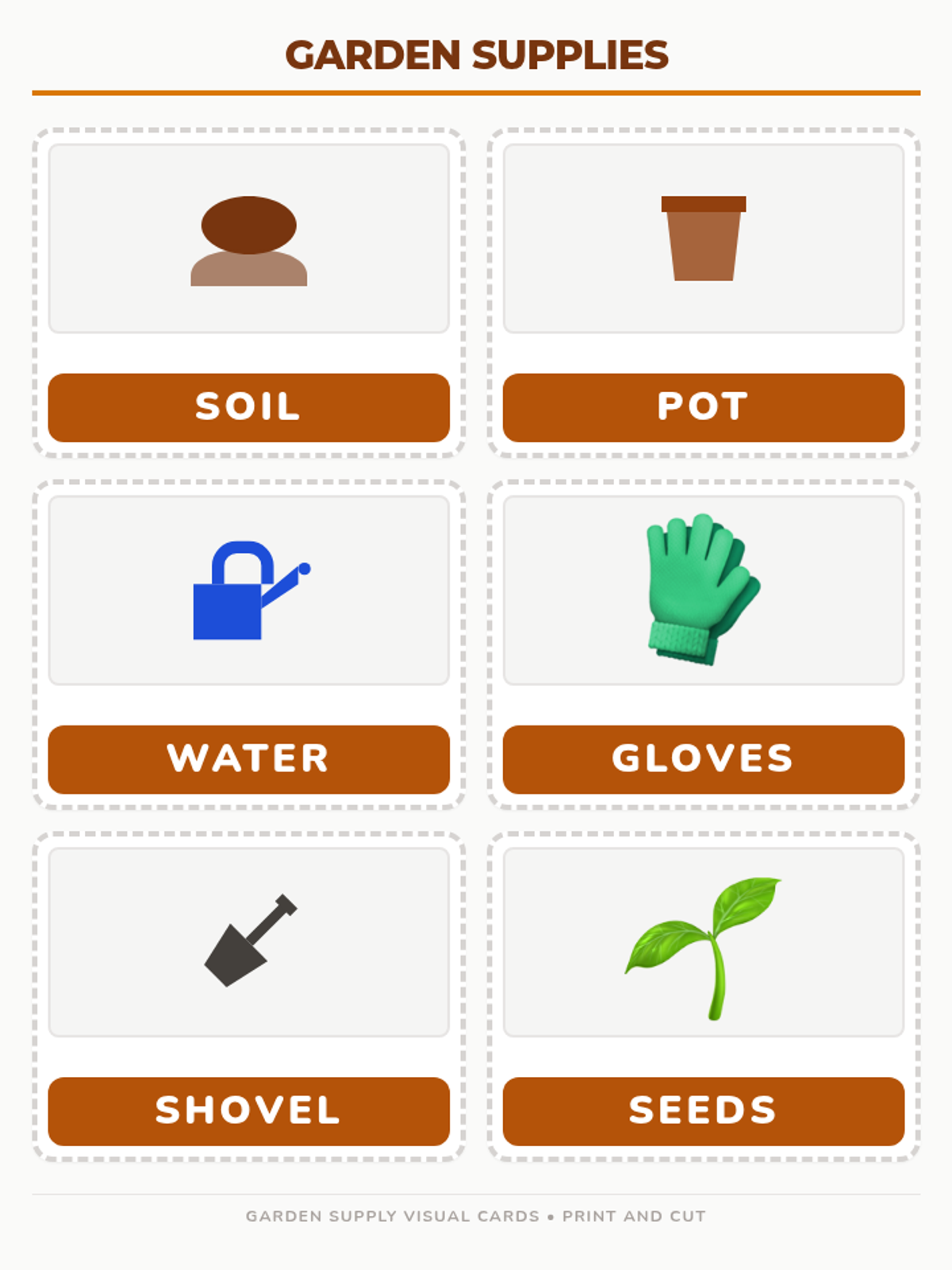
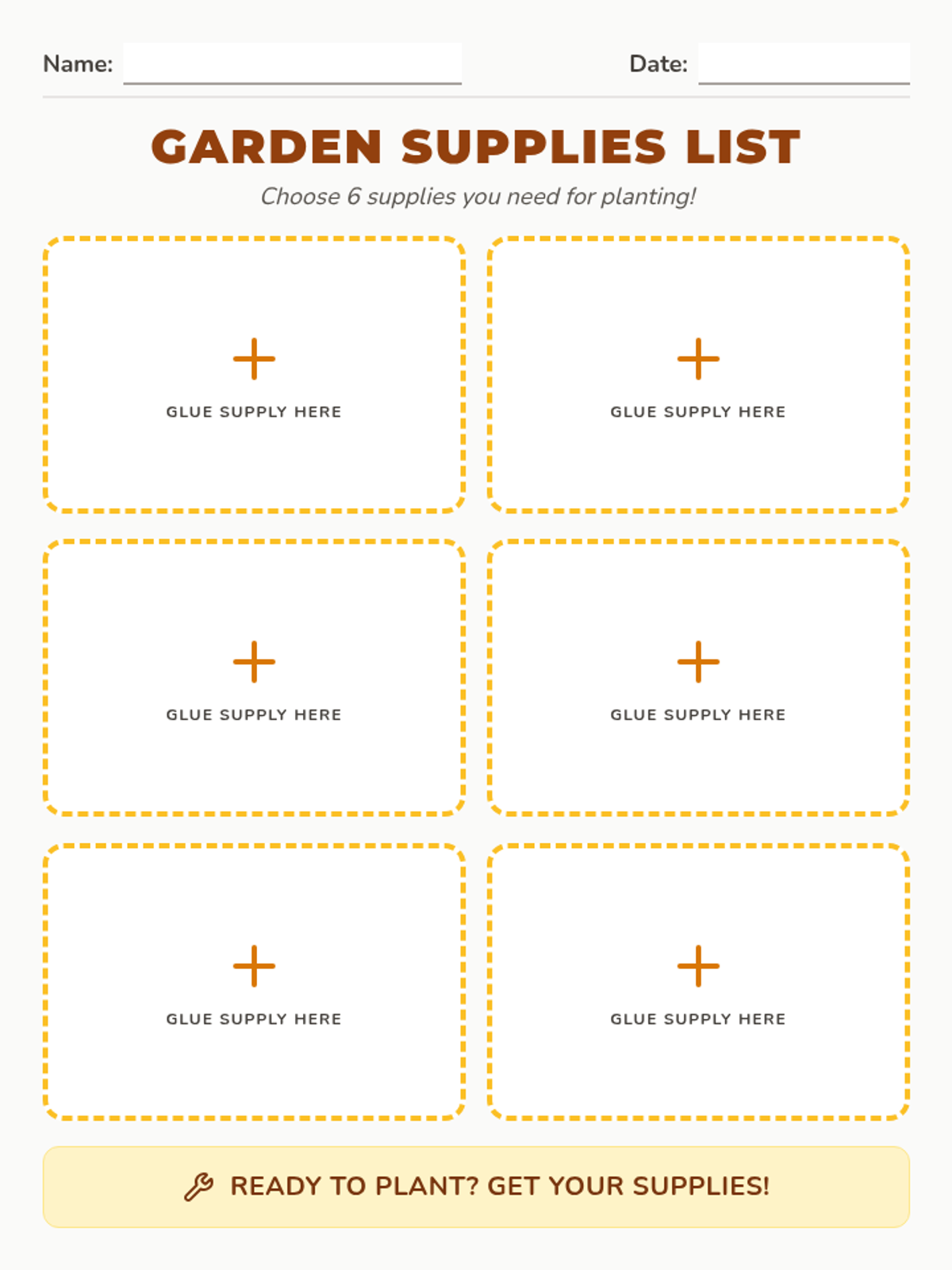
A hands-on activity for students to identify common garden vegetables and prepare a visual shopping list for a gardening project. This lesson focuses on visual recognition and functional life skills.
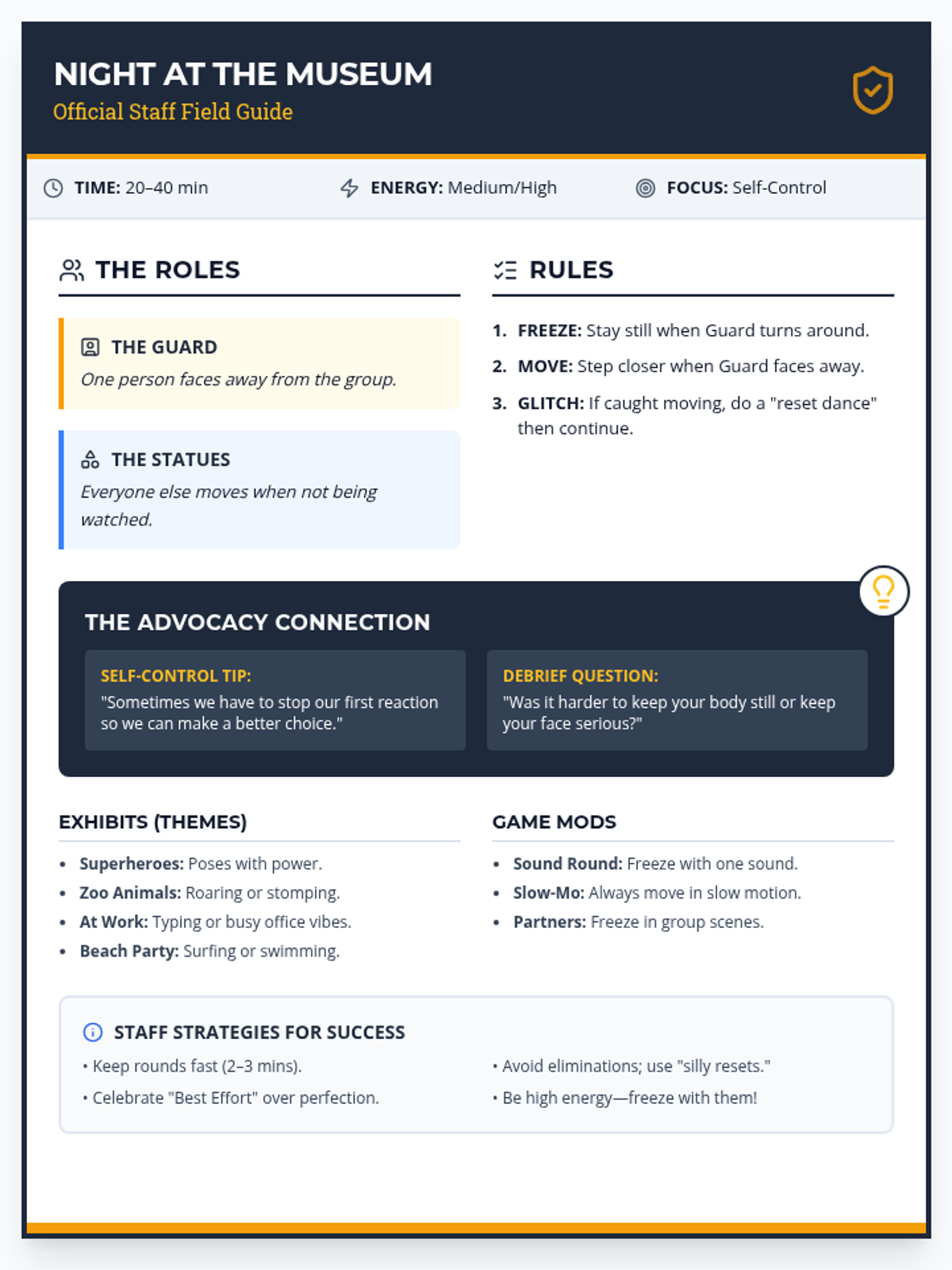
A collection of high-energy games designed to help adults with IDD practice self-control, listening, and teamwork in a social setting.
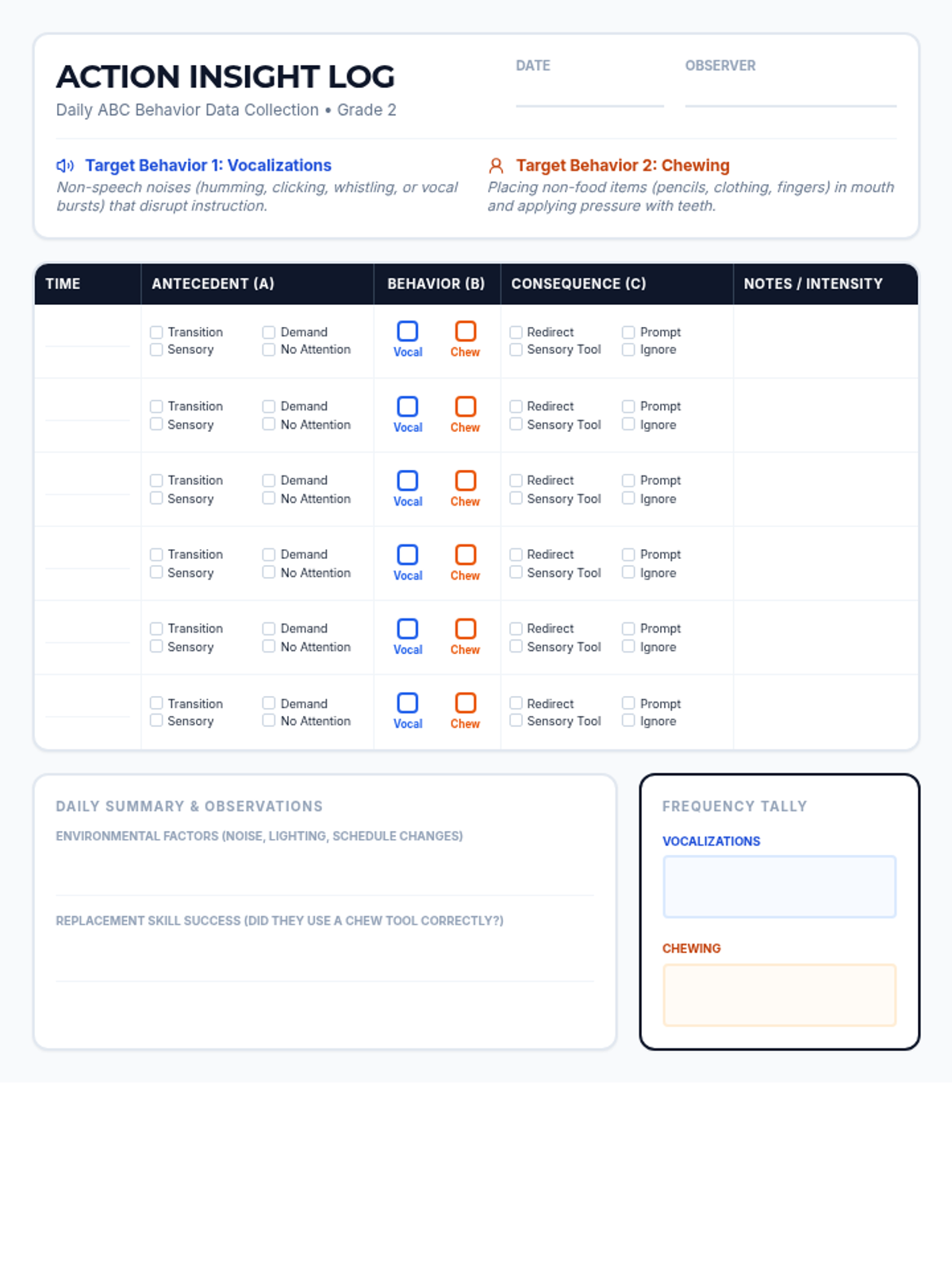
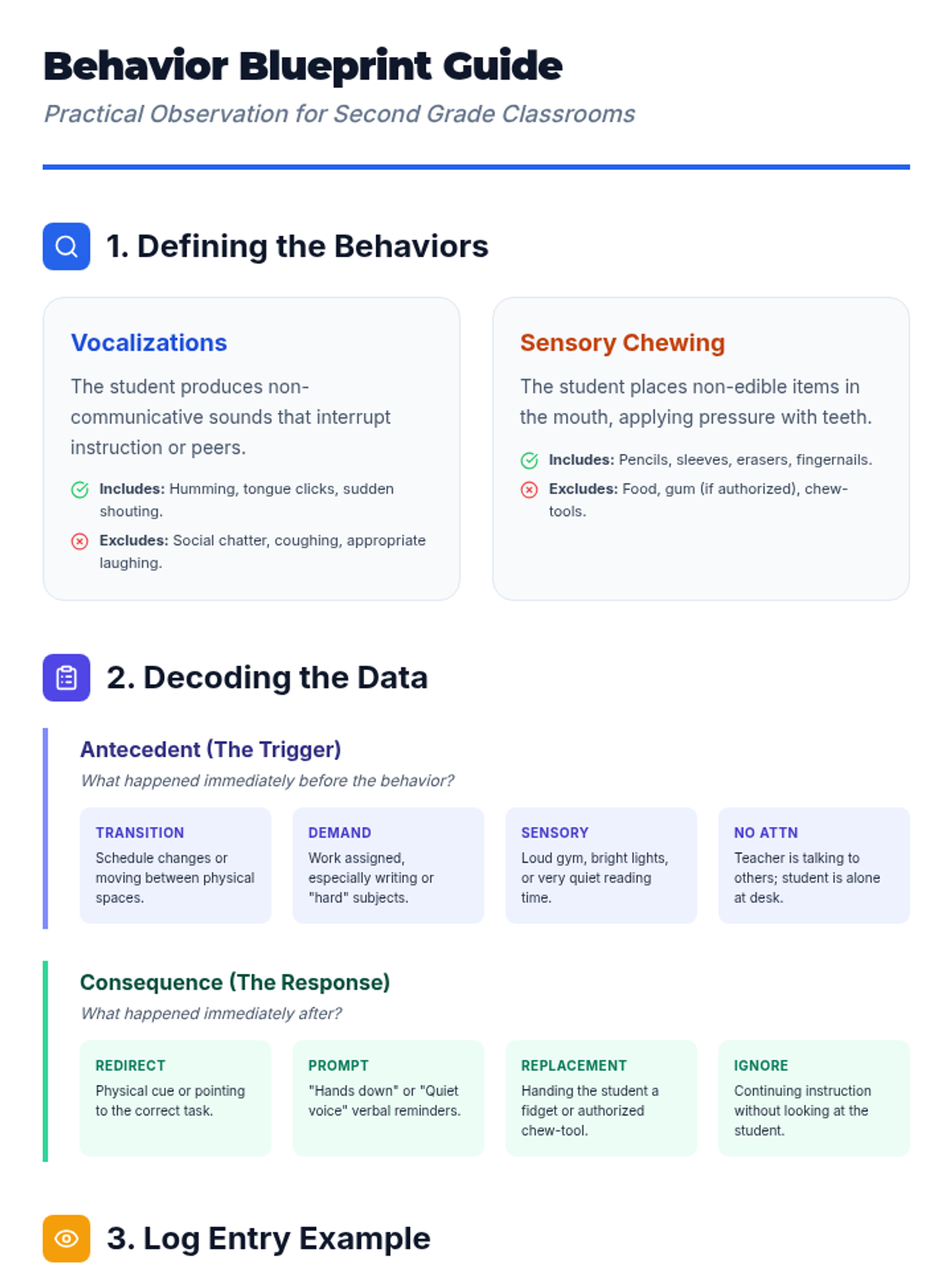
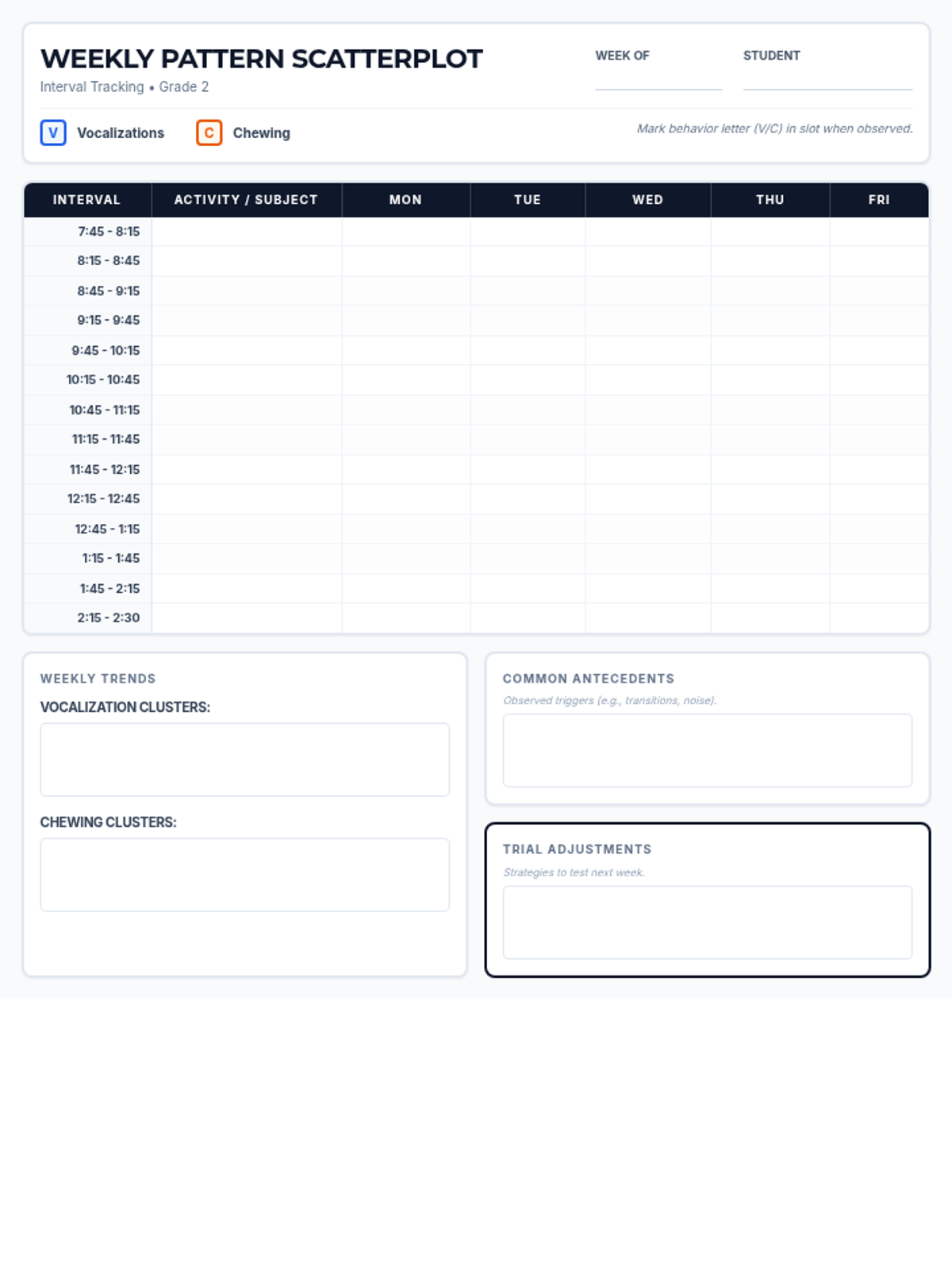
A comprehensive set of tools for tracking and understanding second-grade classroom behaviors, specifically focusing on off-task behaviors and noncompliance.
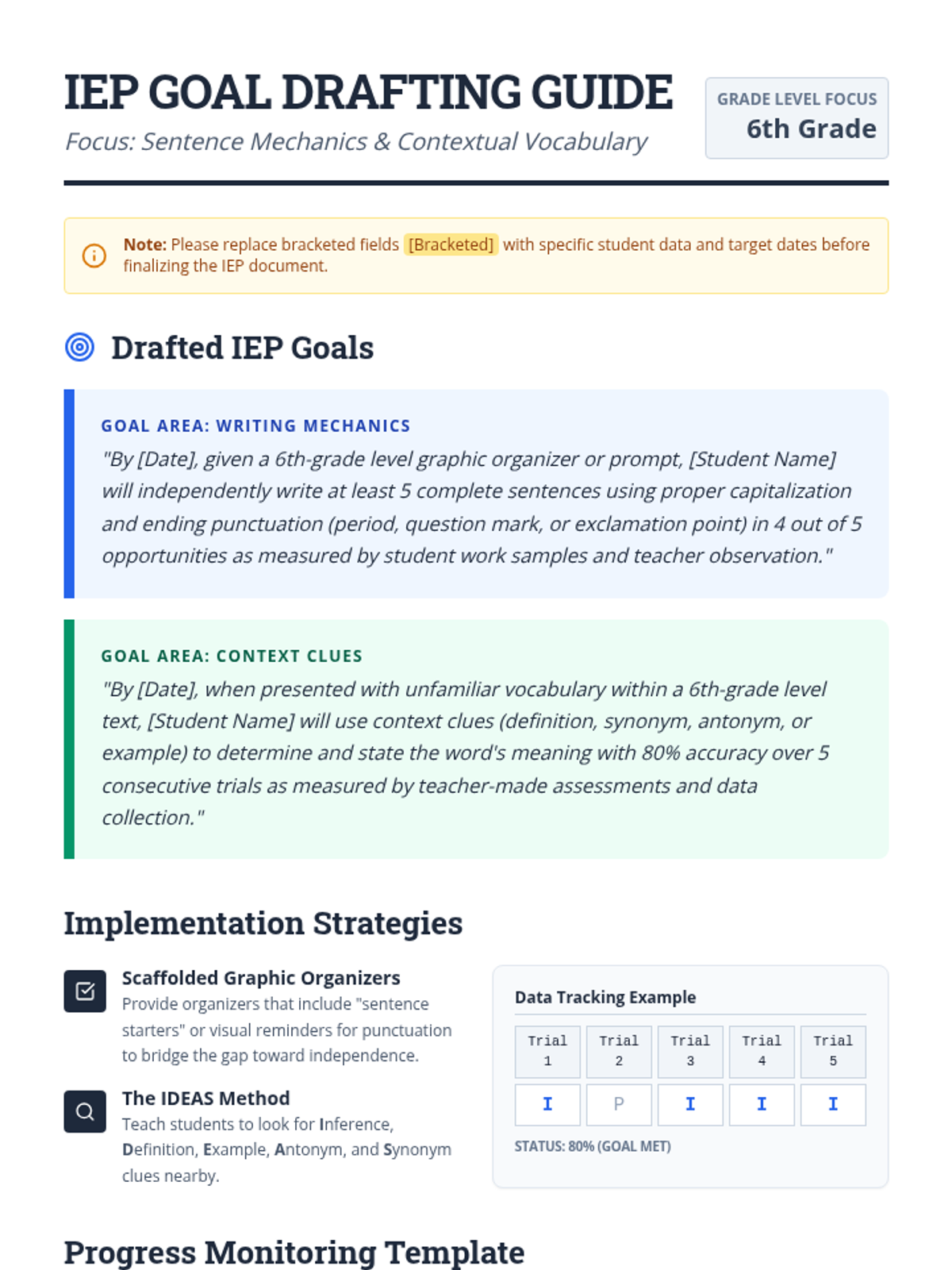
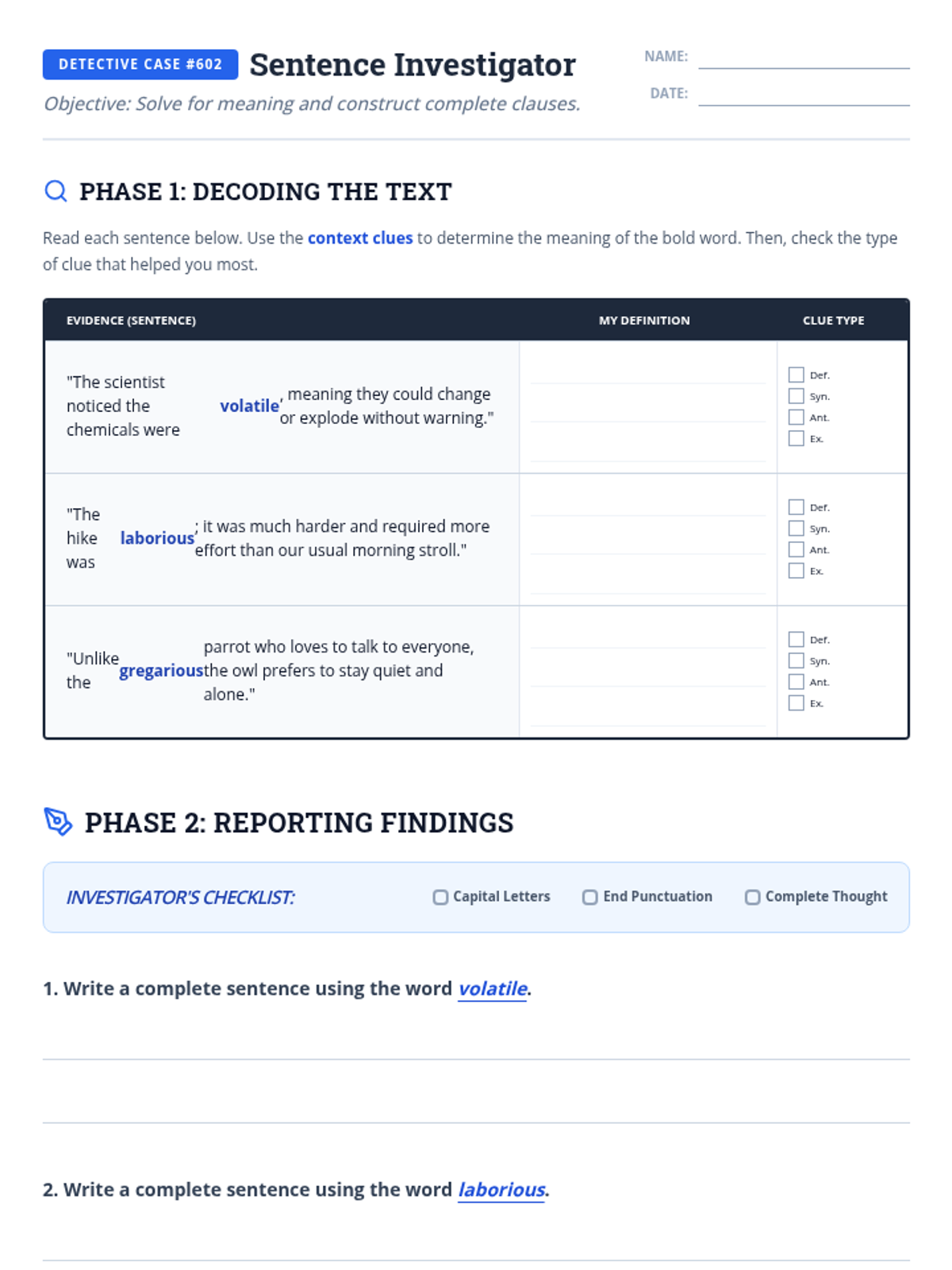
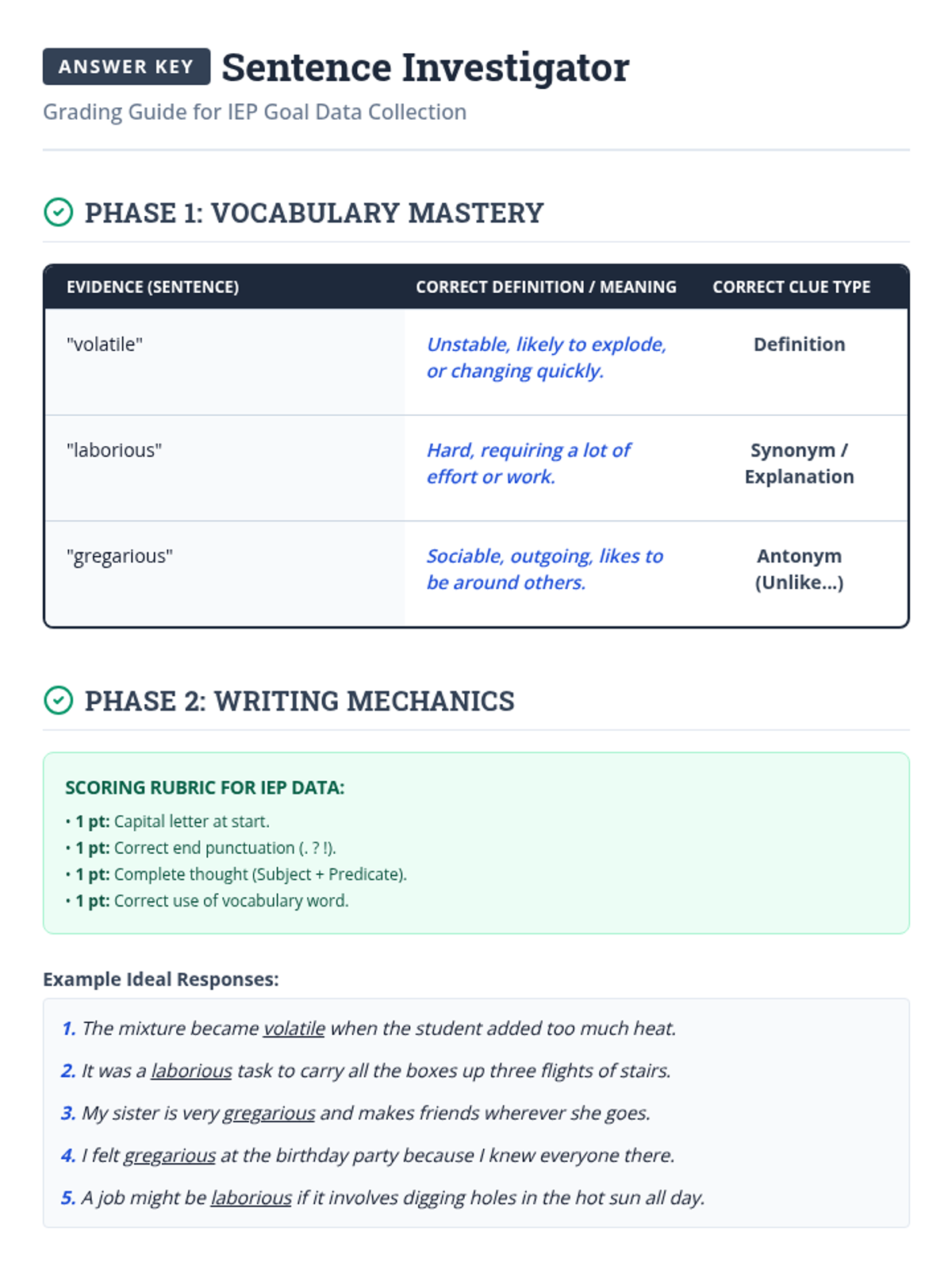
A targeted lesson on using context clues to define academic vocabulary and applying those words in syntactically correct, punctuated sentences.
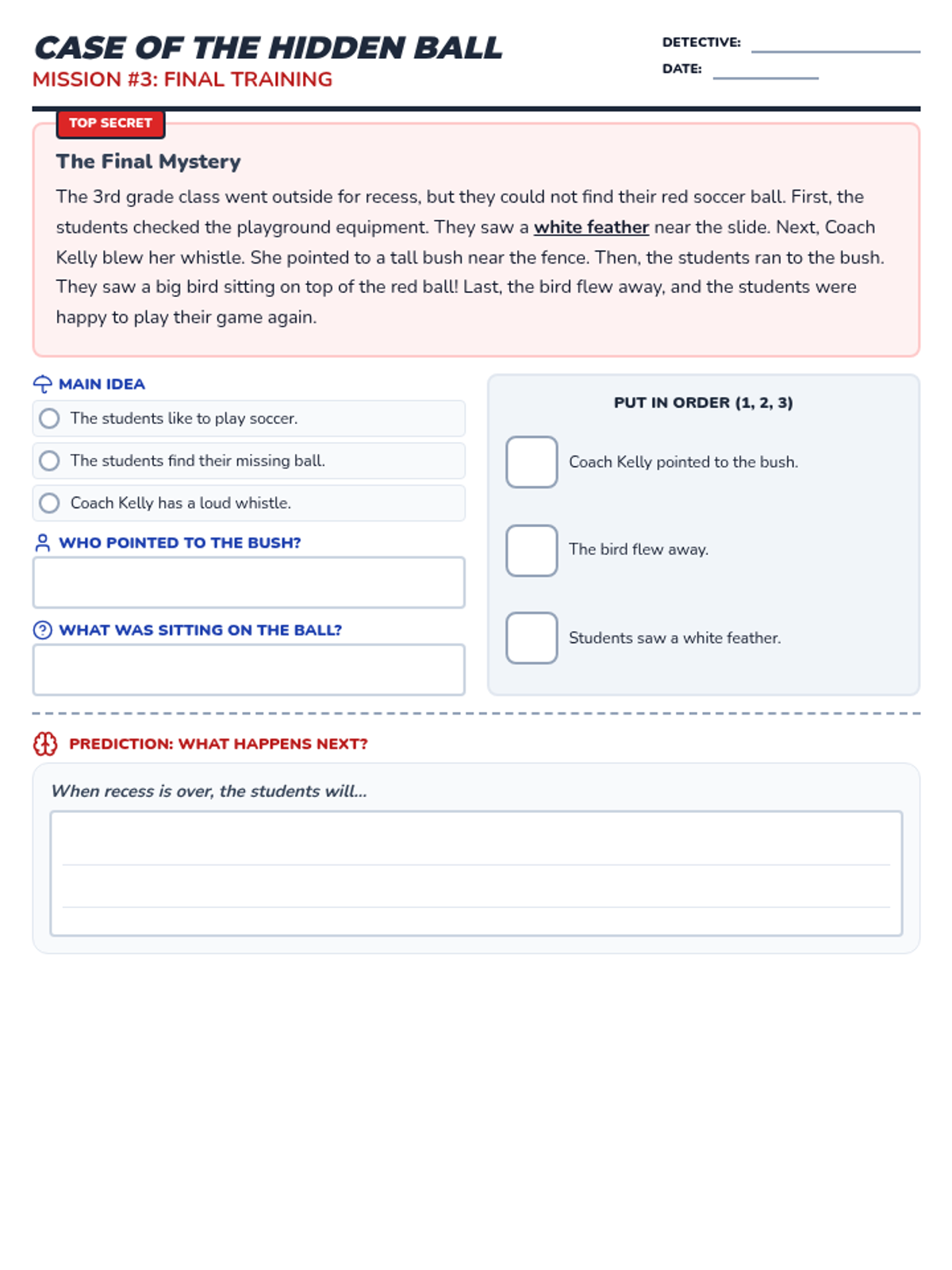
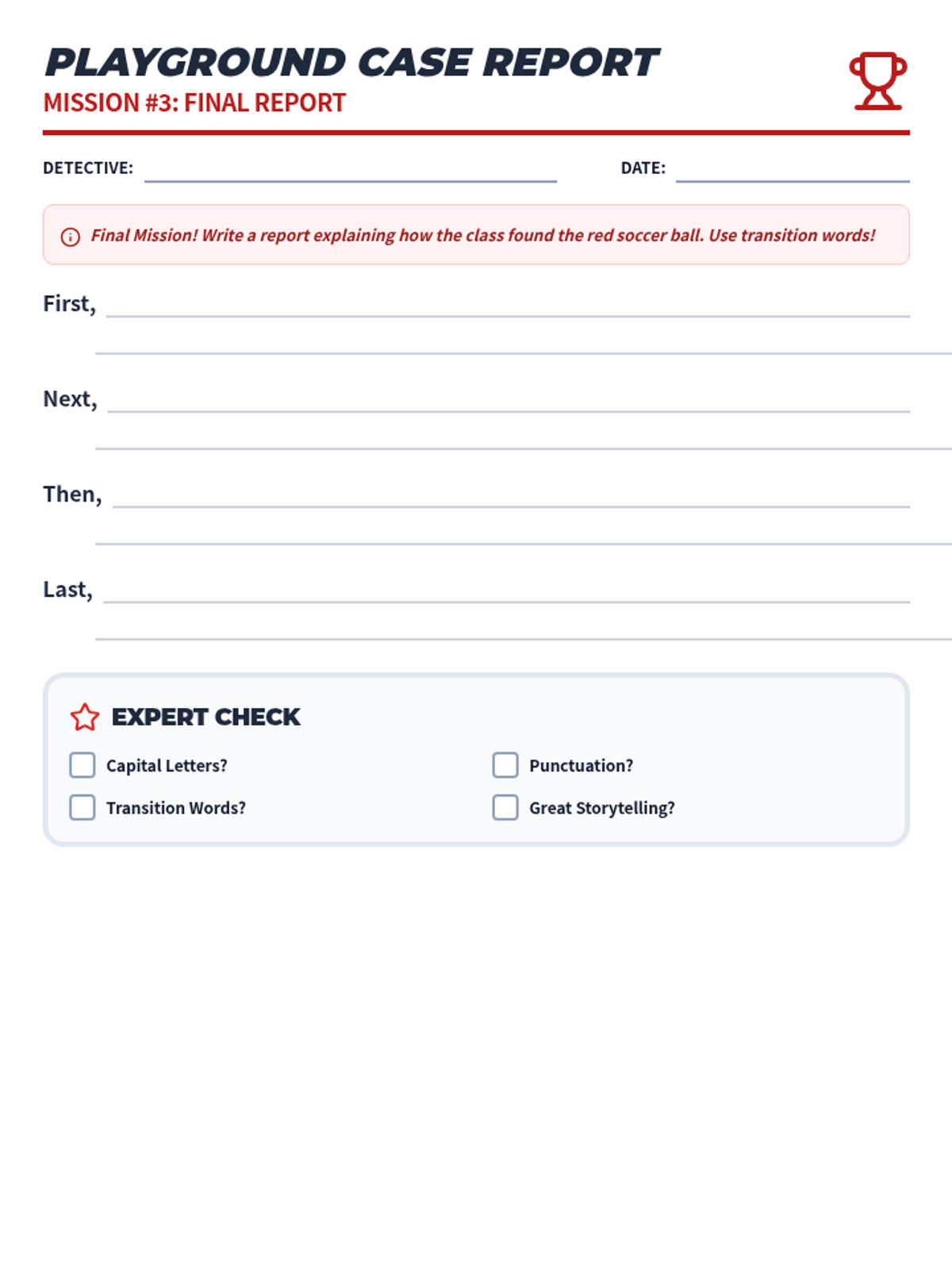
The final training mission, where students apply all their skills to solve the Case of the Hidden Playground Ball.
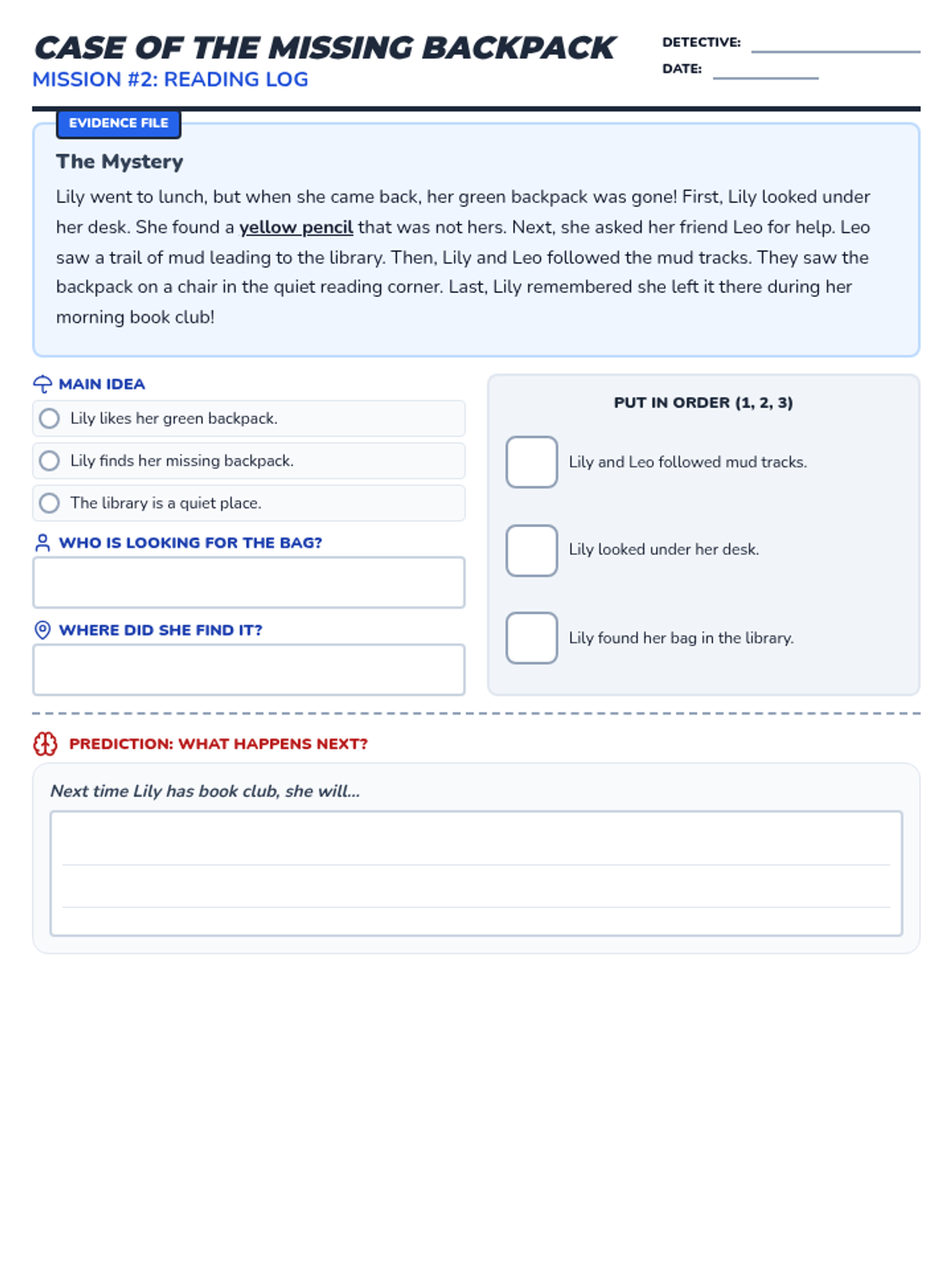
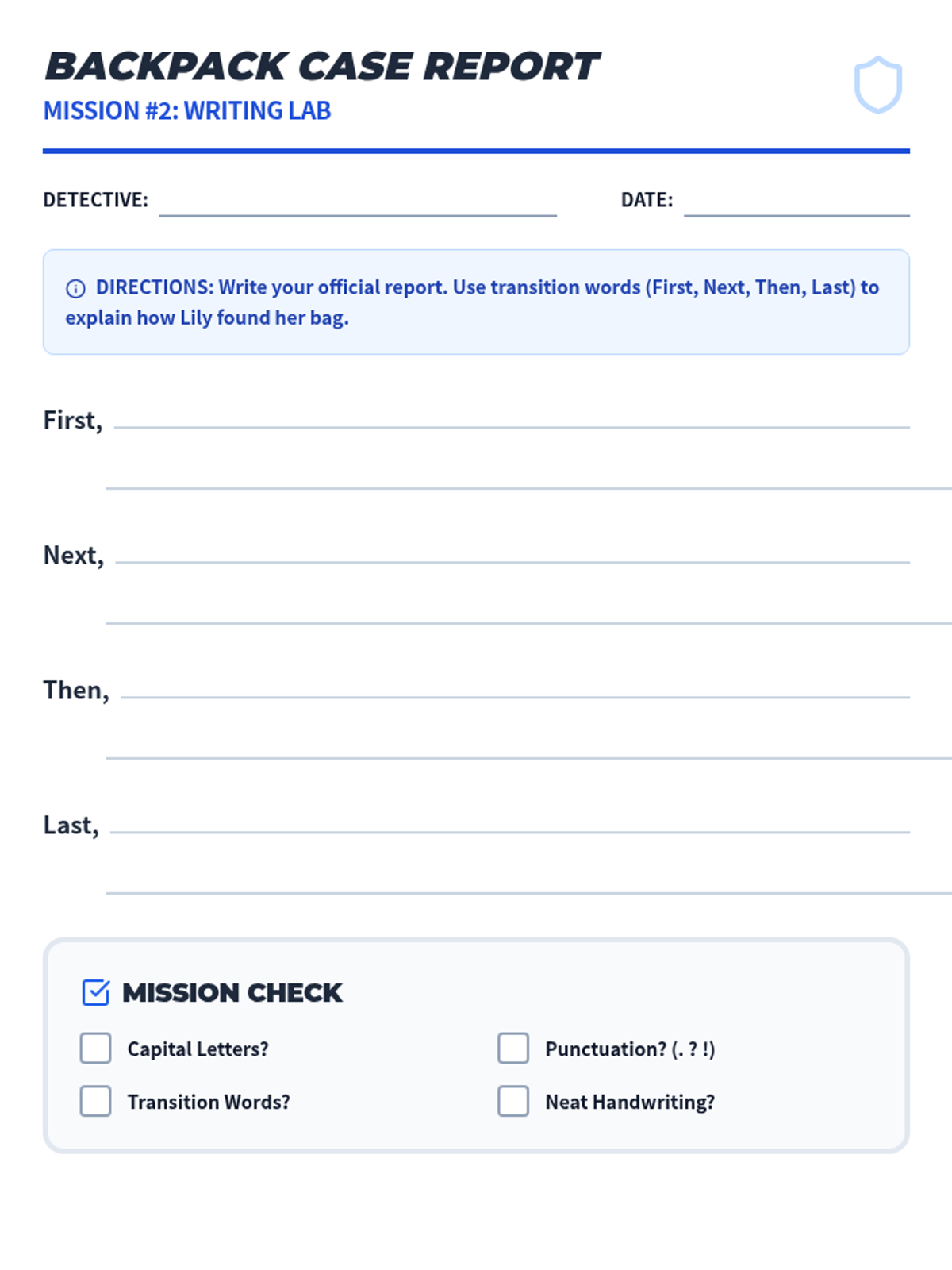
The second mission in the Detective Academy, focused on identifying character motives and sequencing events in the Case of the Missing Backpack.
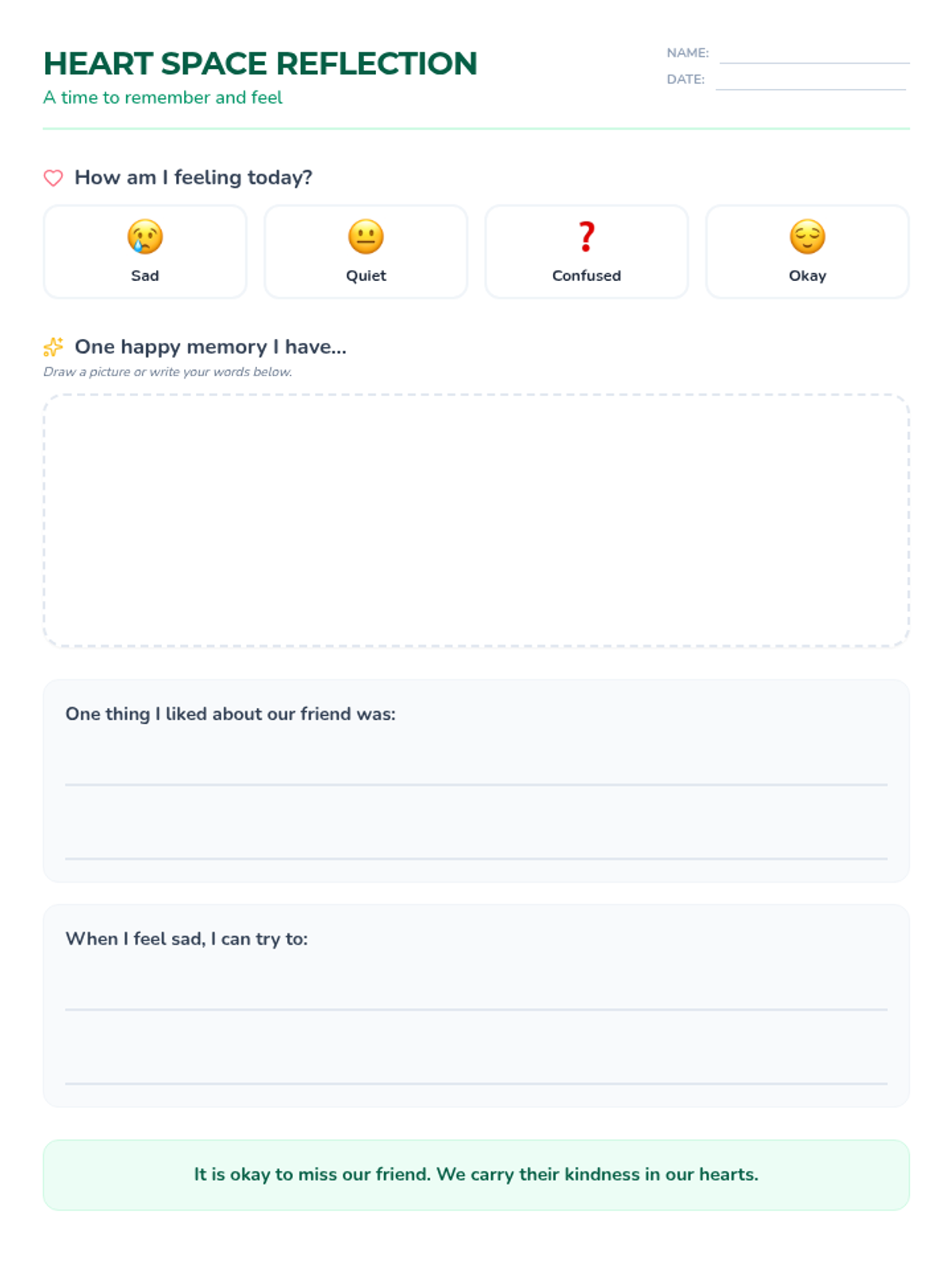
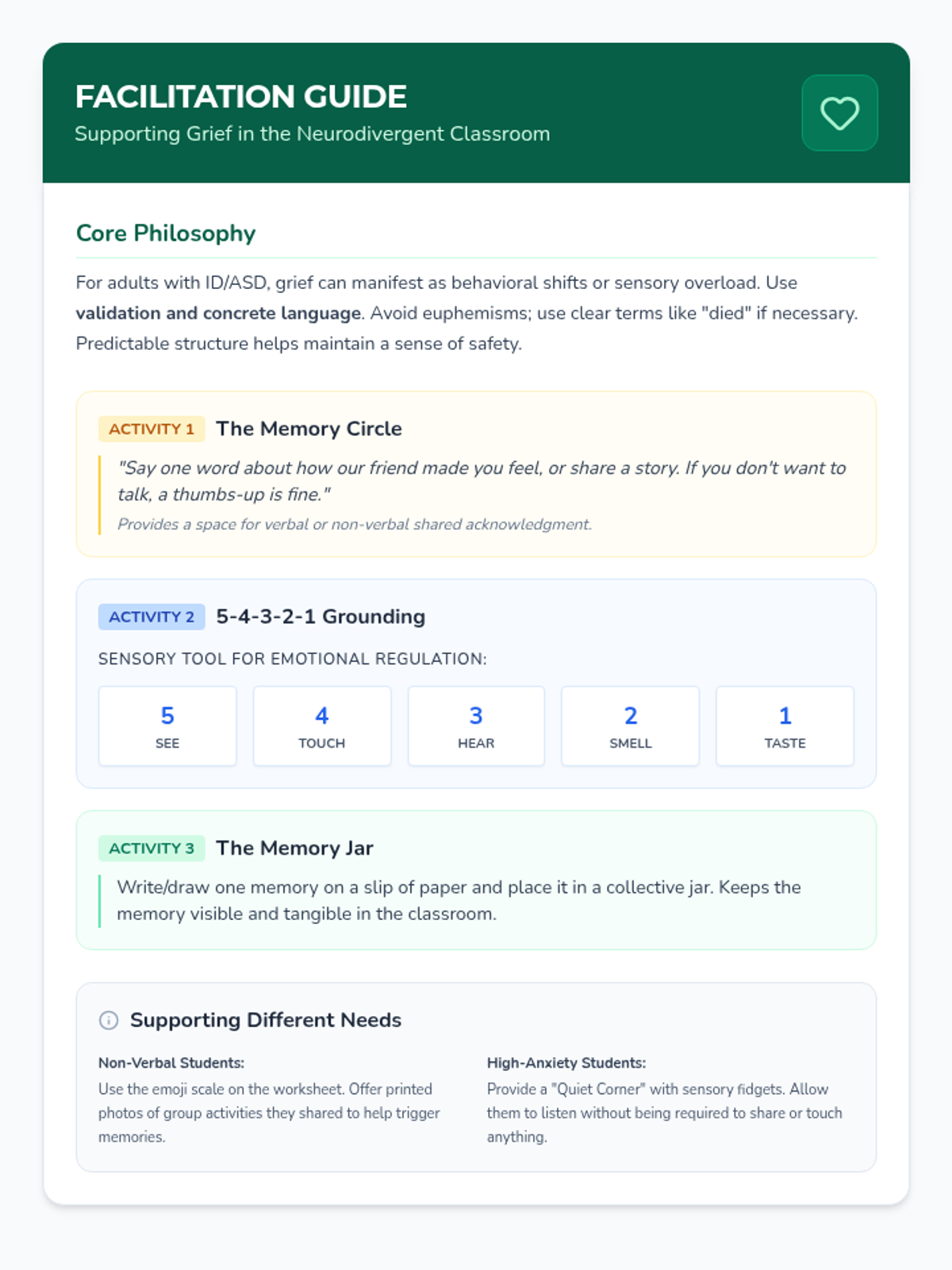
A gentle, supportive lesson designed for young adults with ID/ASD to process the loss of a staff member. It focuses on identifying emotions, sharing memories, and practicing simple coping strategies in a safe environment.
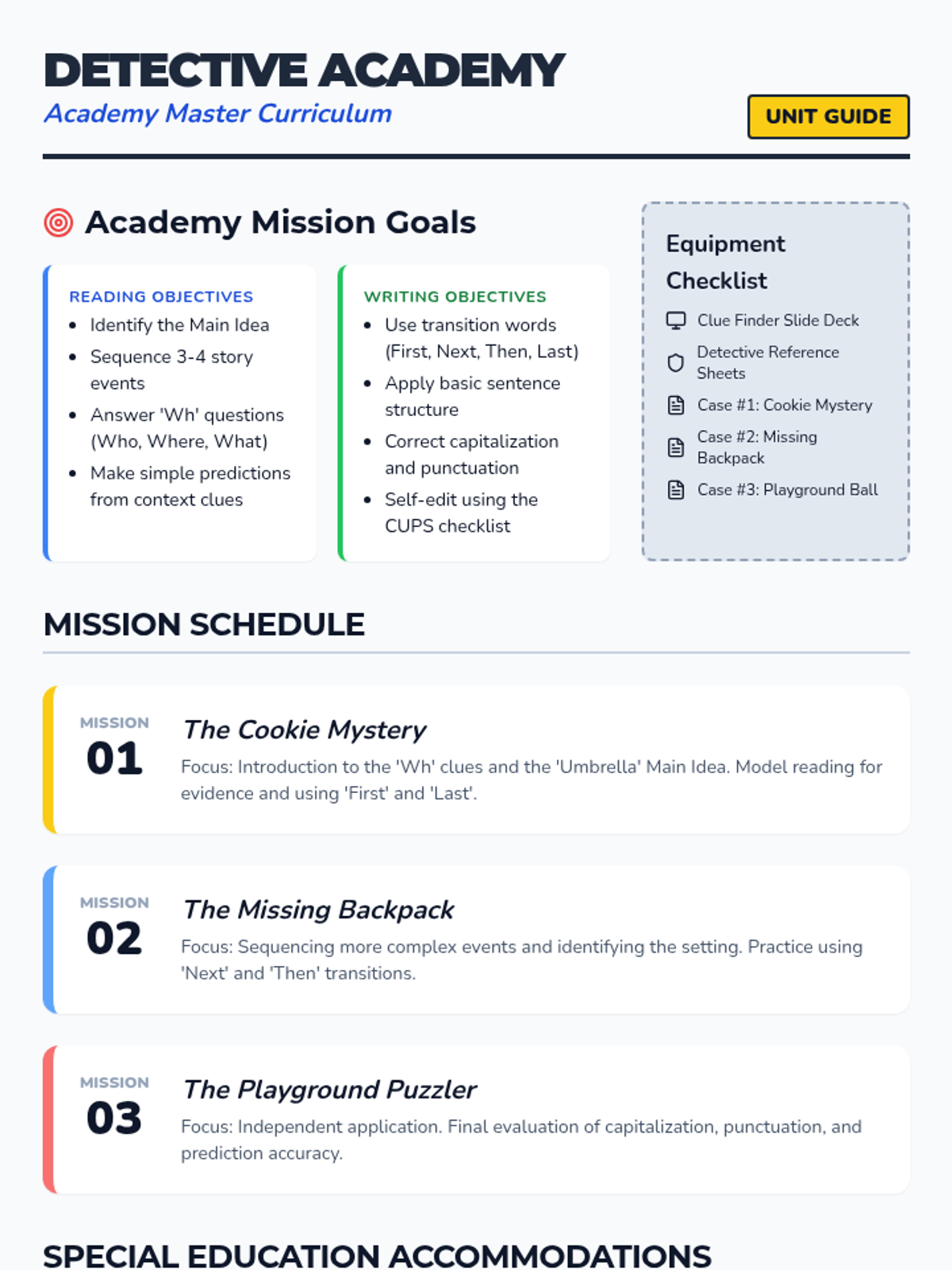
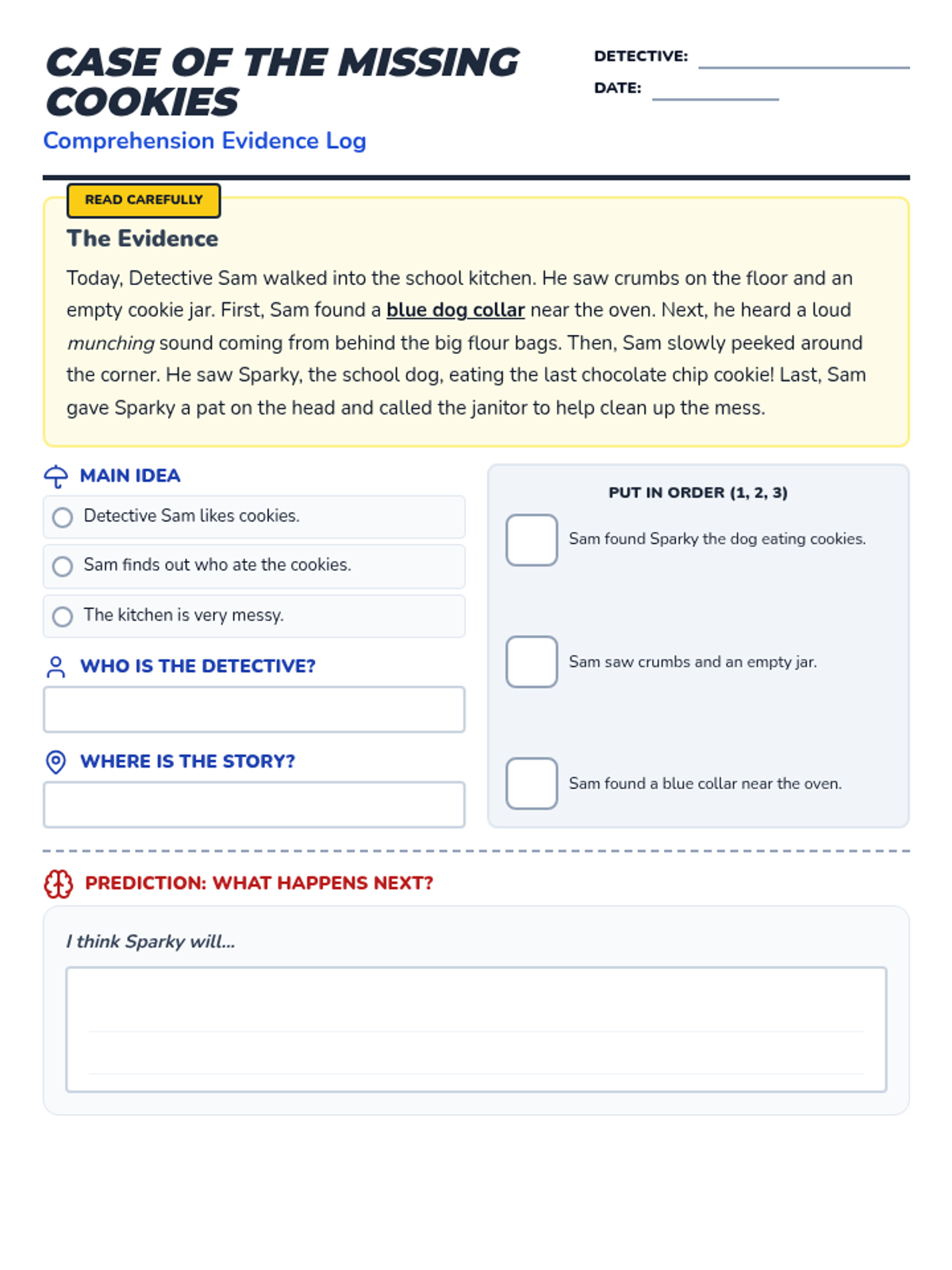
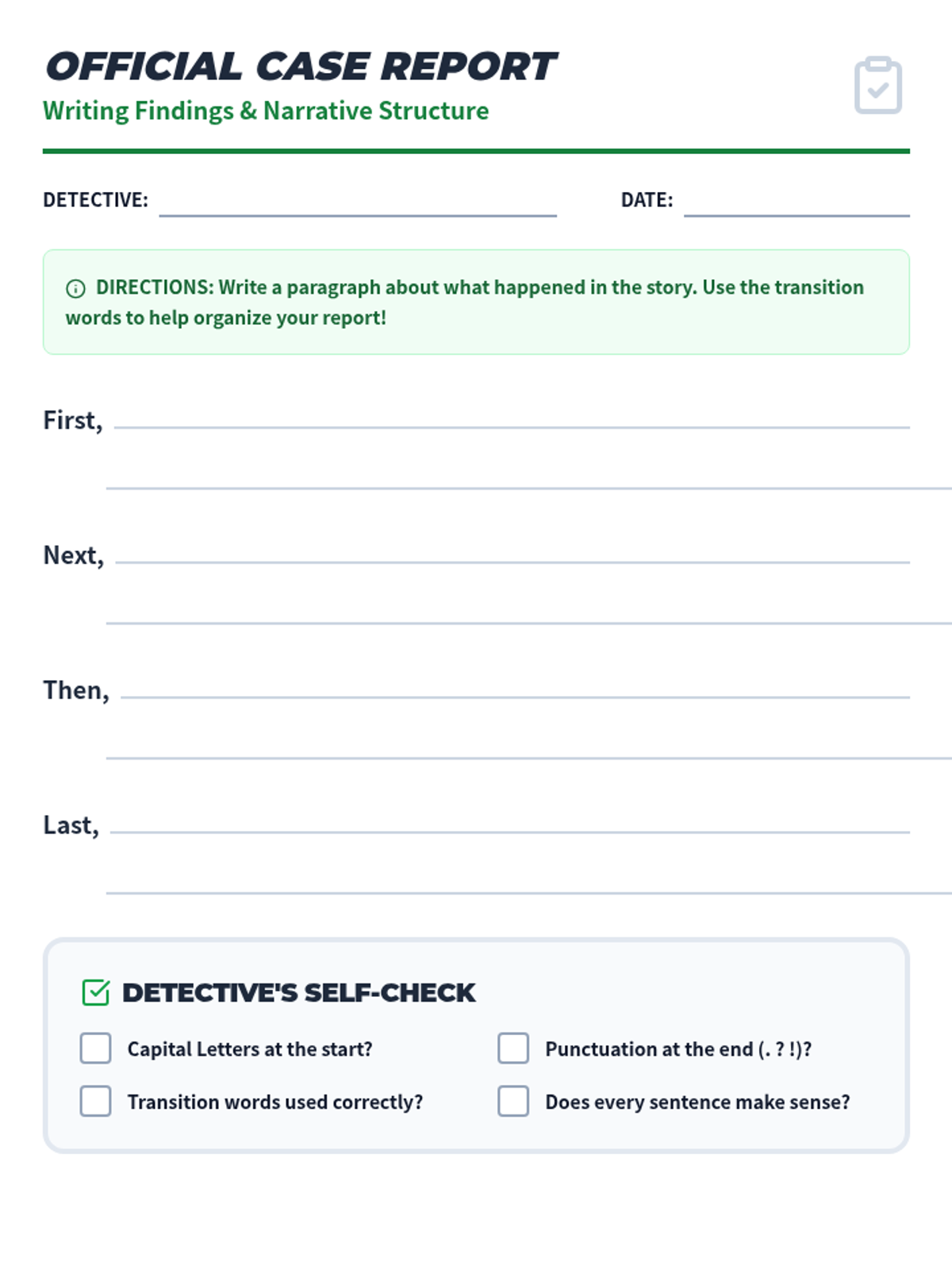
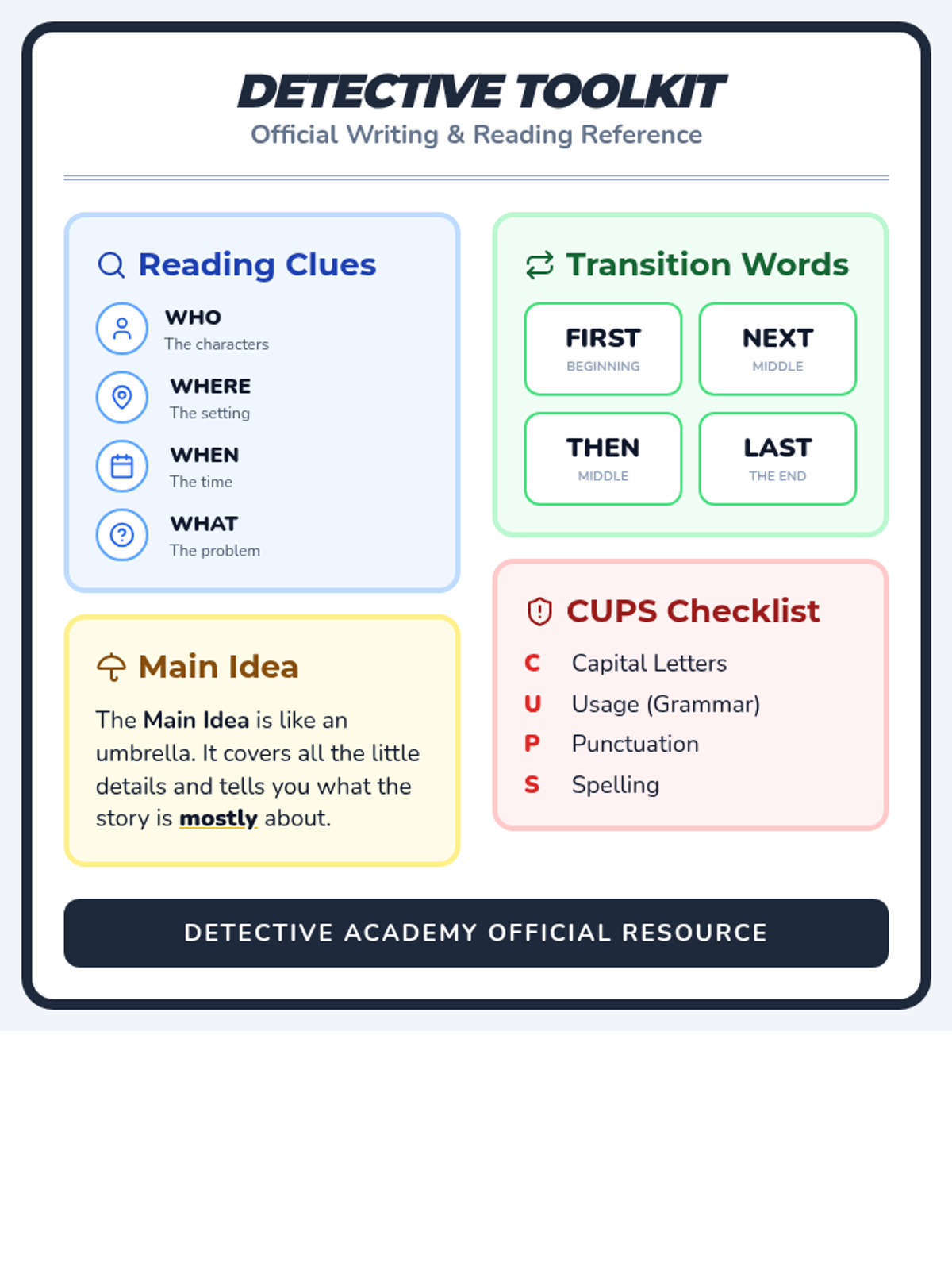
A comprehensive literacy lesson for 3rd-grade IEP students using a 'Detective Academy' theme to master sentence structure, paragraph building, and reading comprehension strategies.
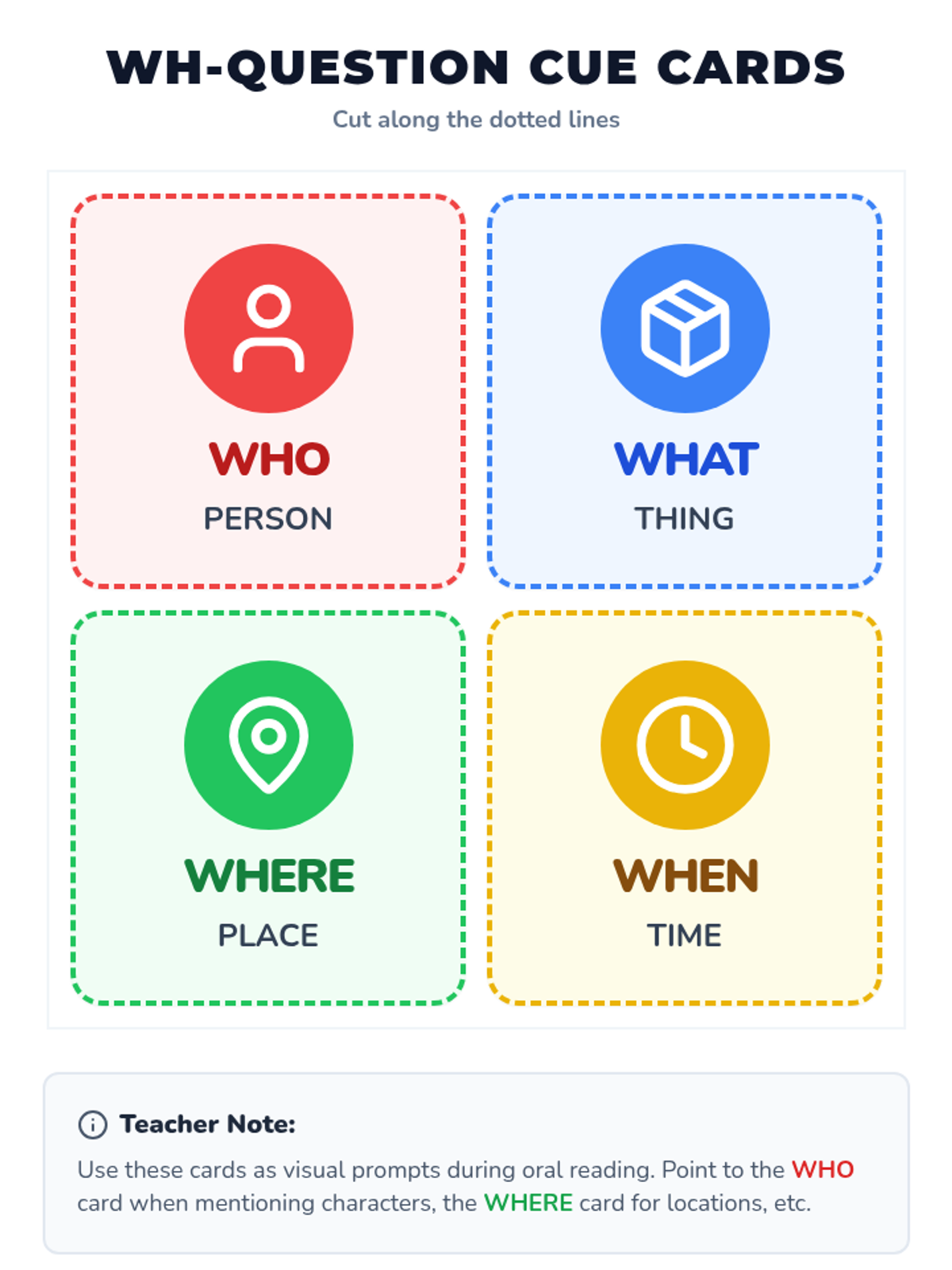
This lesson introduces the four primary question types (Who, What, Where, When) using 2-3 sentence stories. Students use visual icons to bridge the gap between spoken words and meaning.
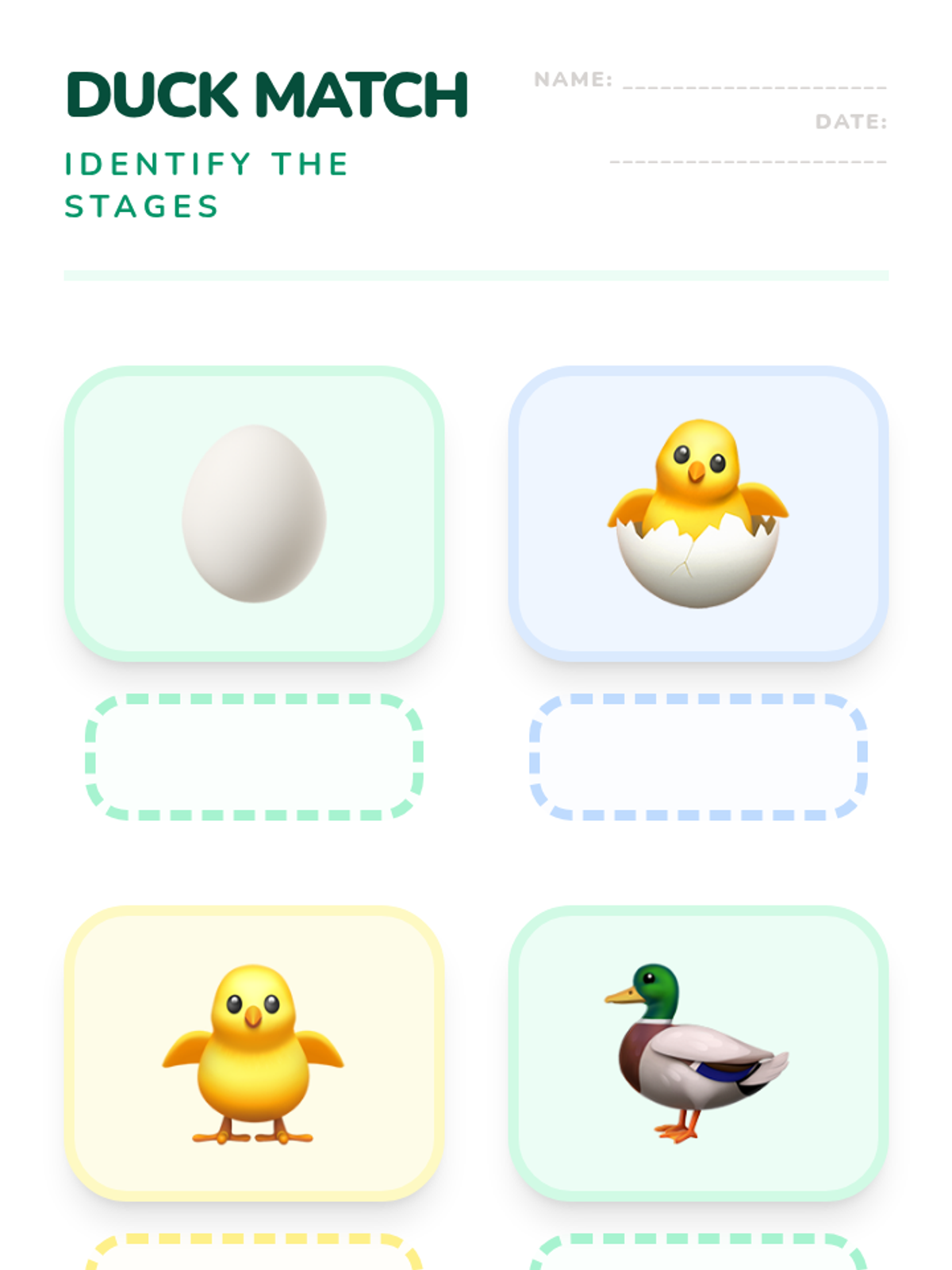
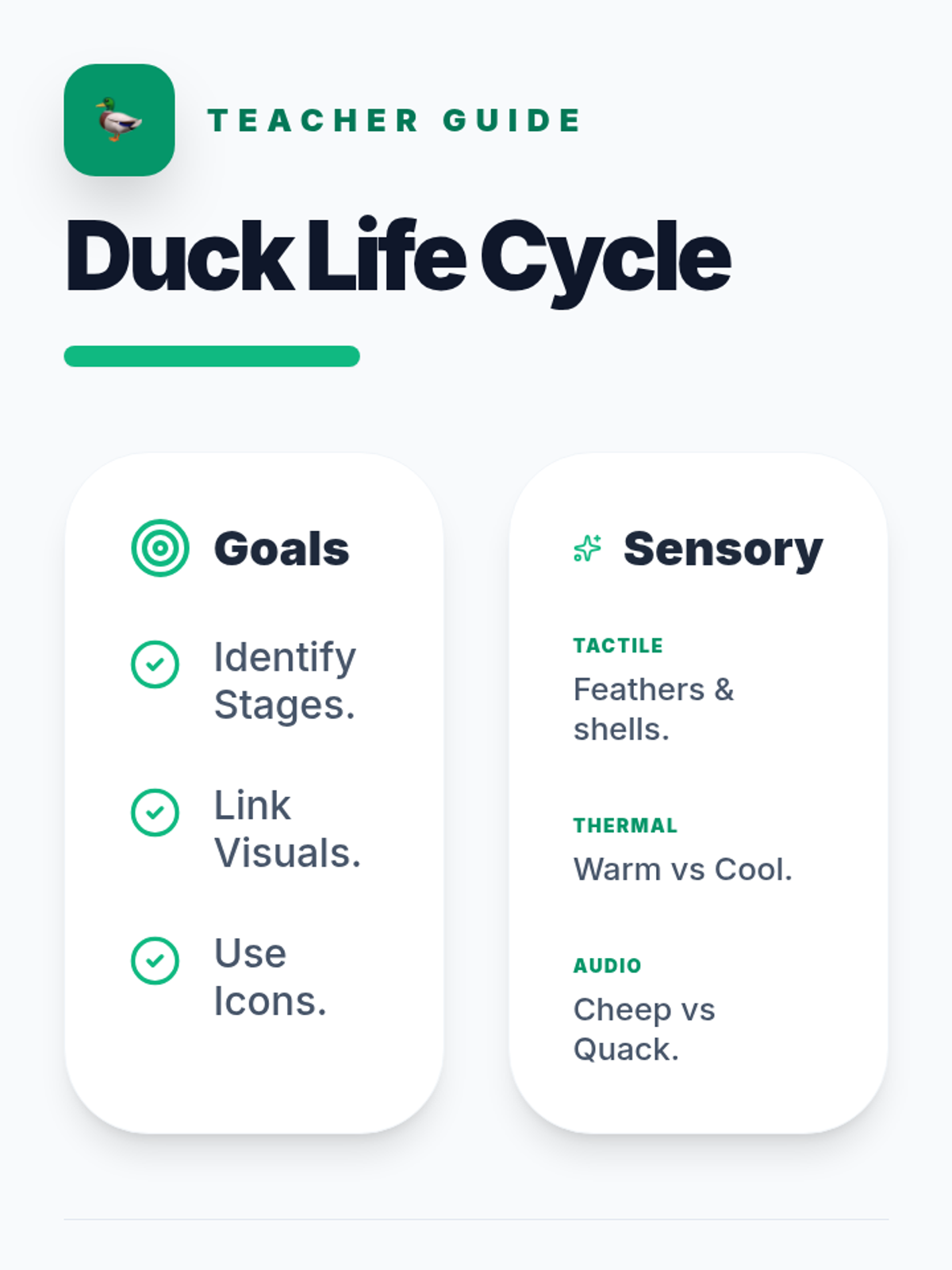
A specialized lesson designed for severe special needs students focusing on the developmental stages of a duck, from egg to adult. Includes adaptive visual supports and real-life imagery to aid comprehension and connection to the classroom incubator experience.
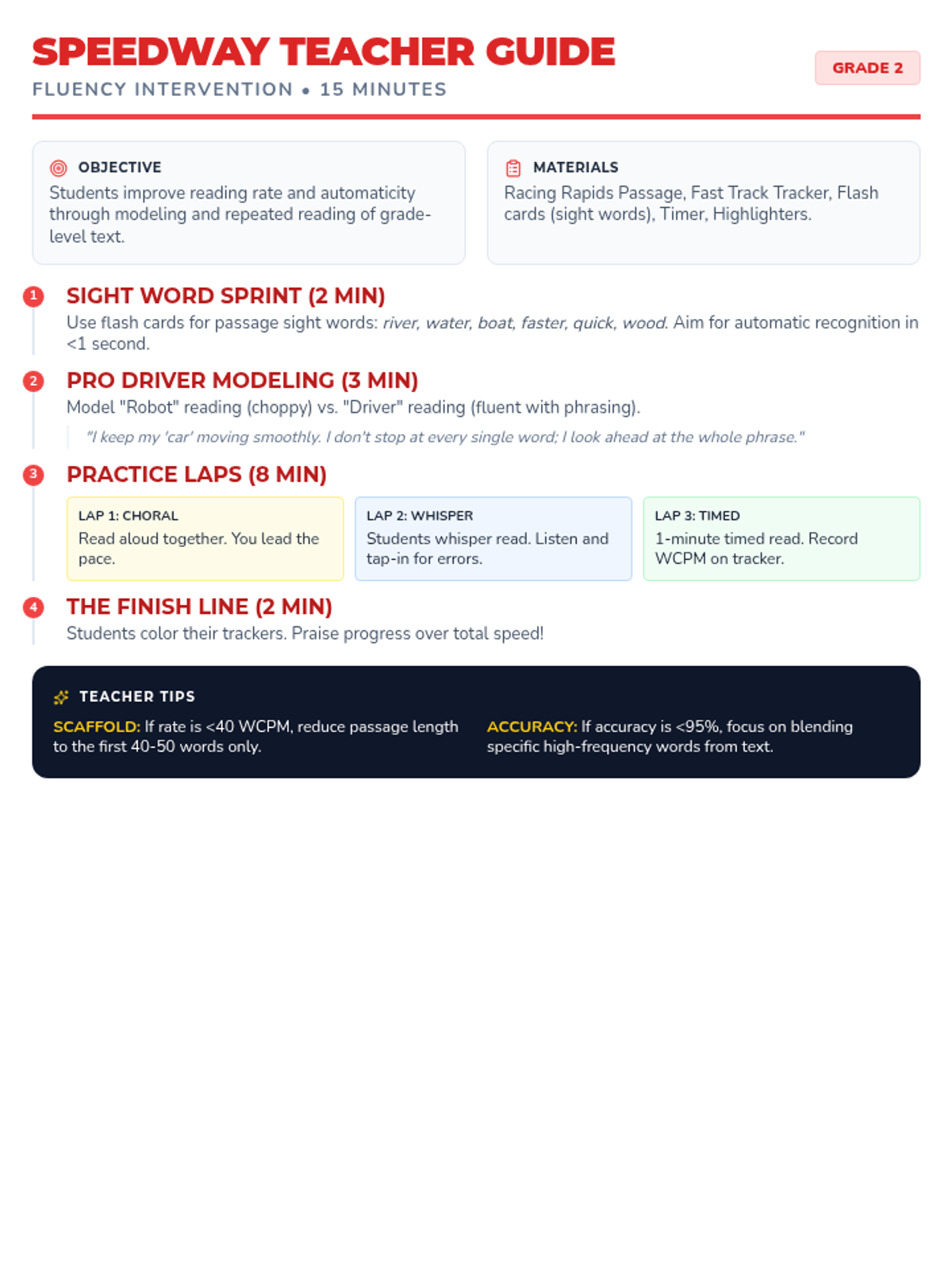
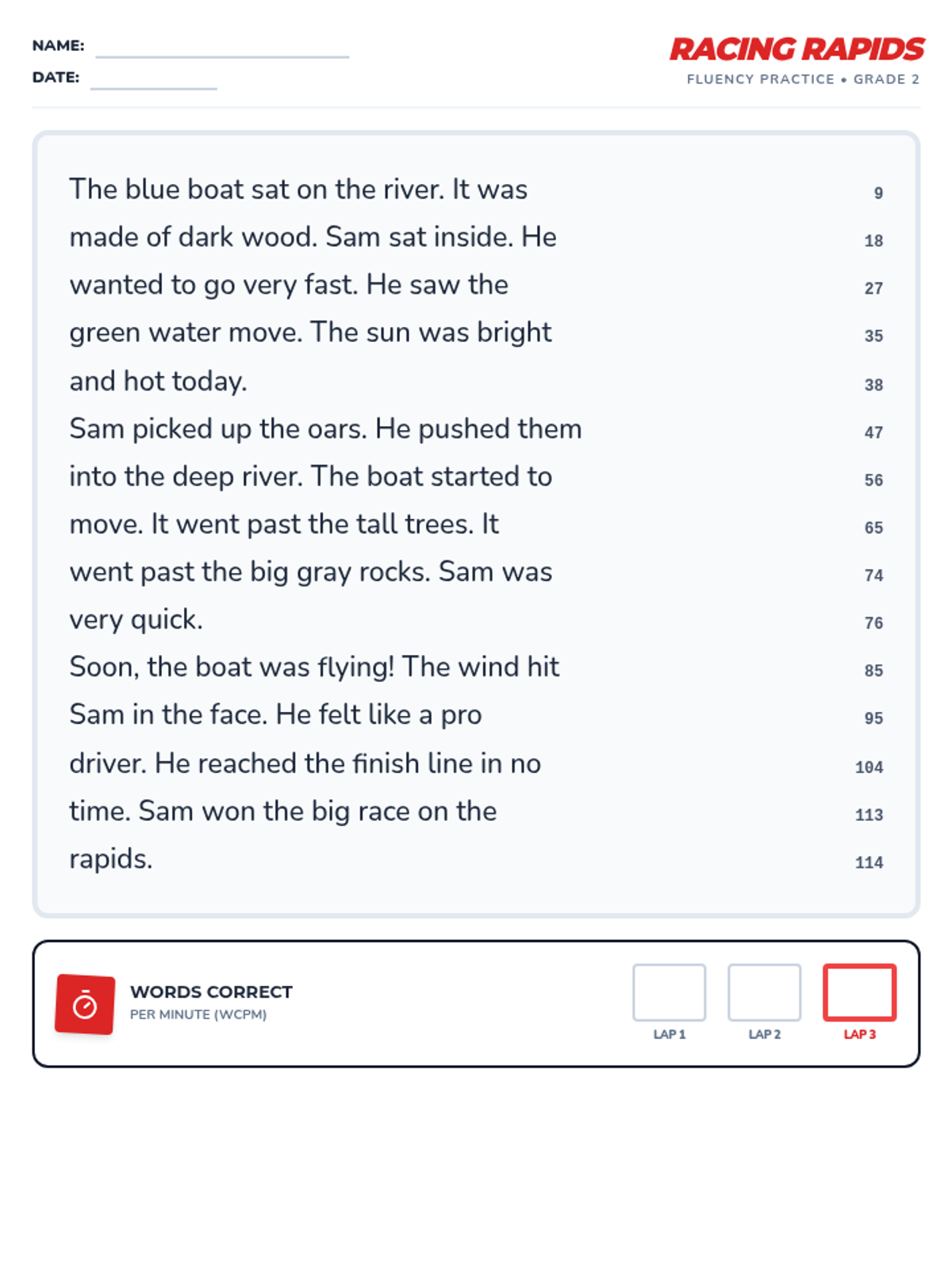
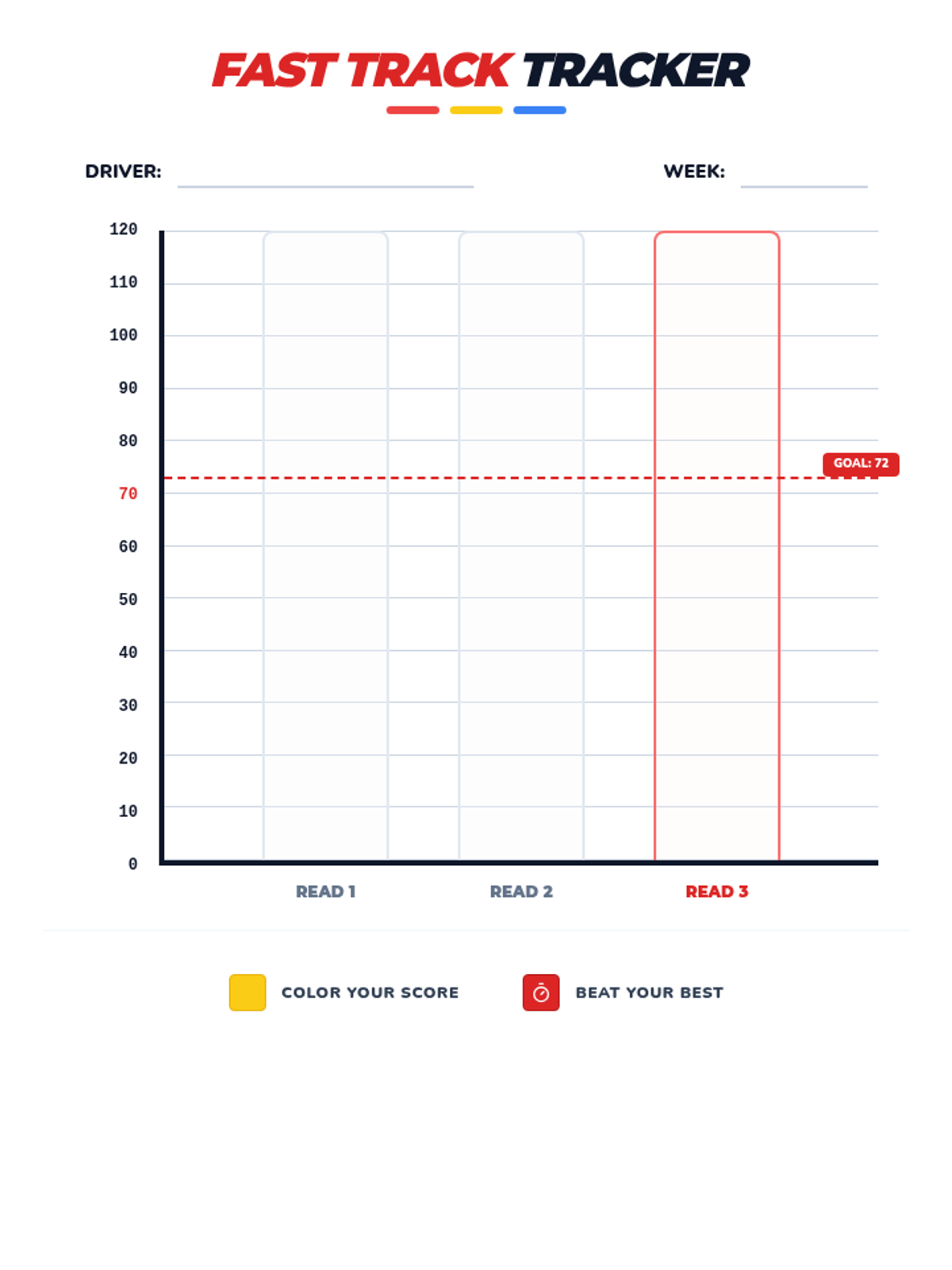
A targeted 15-minute small group intervention focusing on increasing oral reading rate and automaticity for 2nd grade students who are below mid-year DIBELS benchmarks.
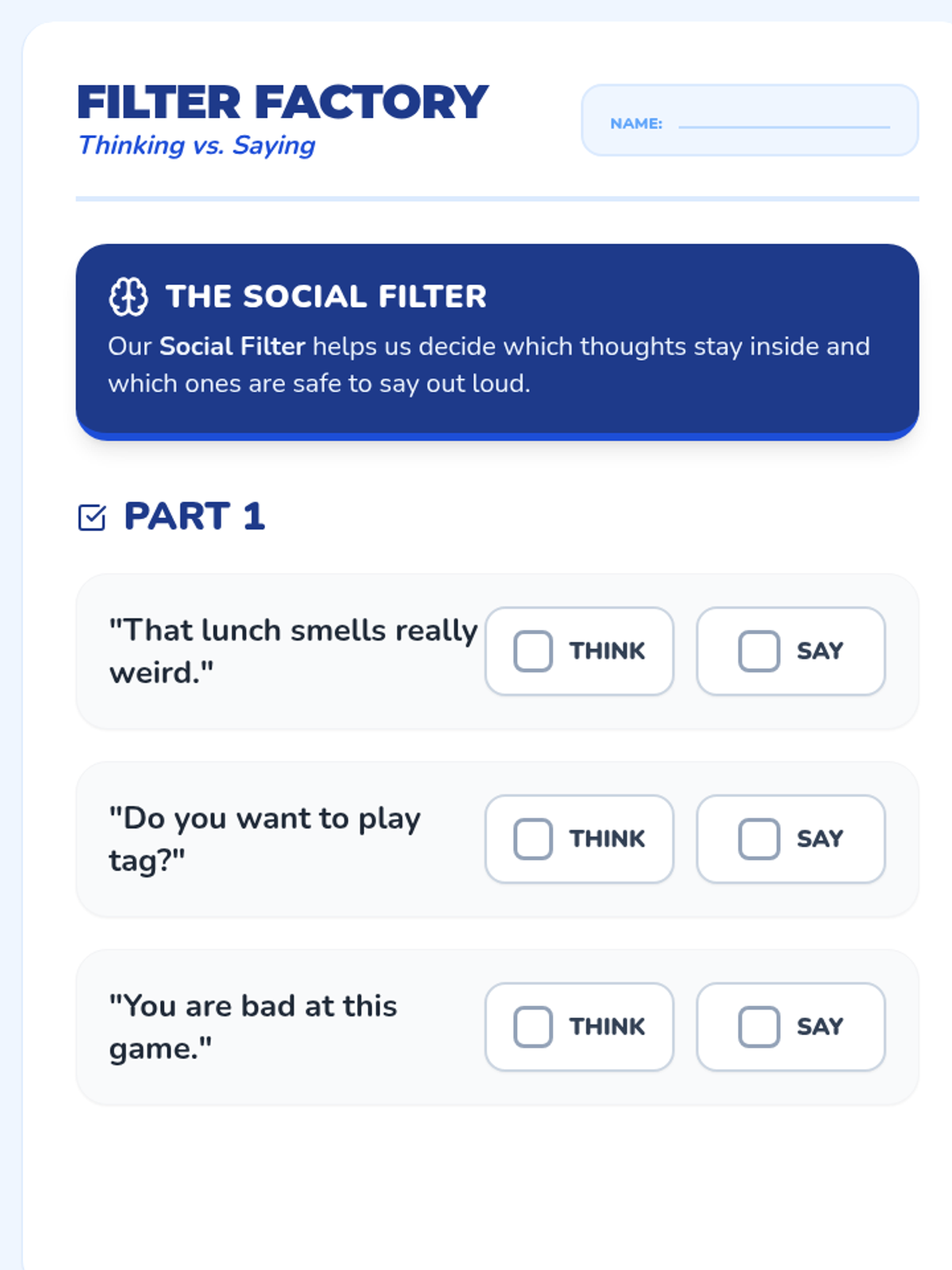
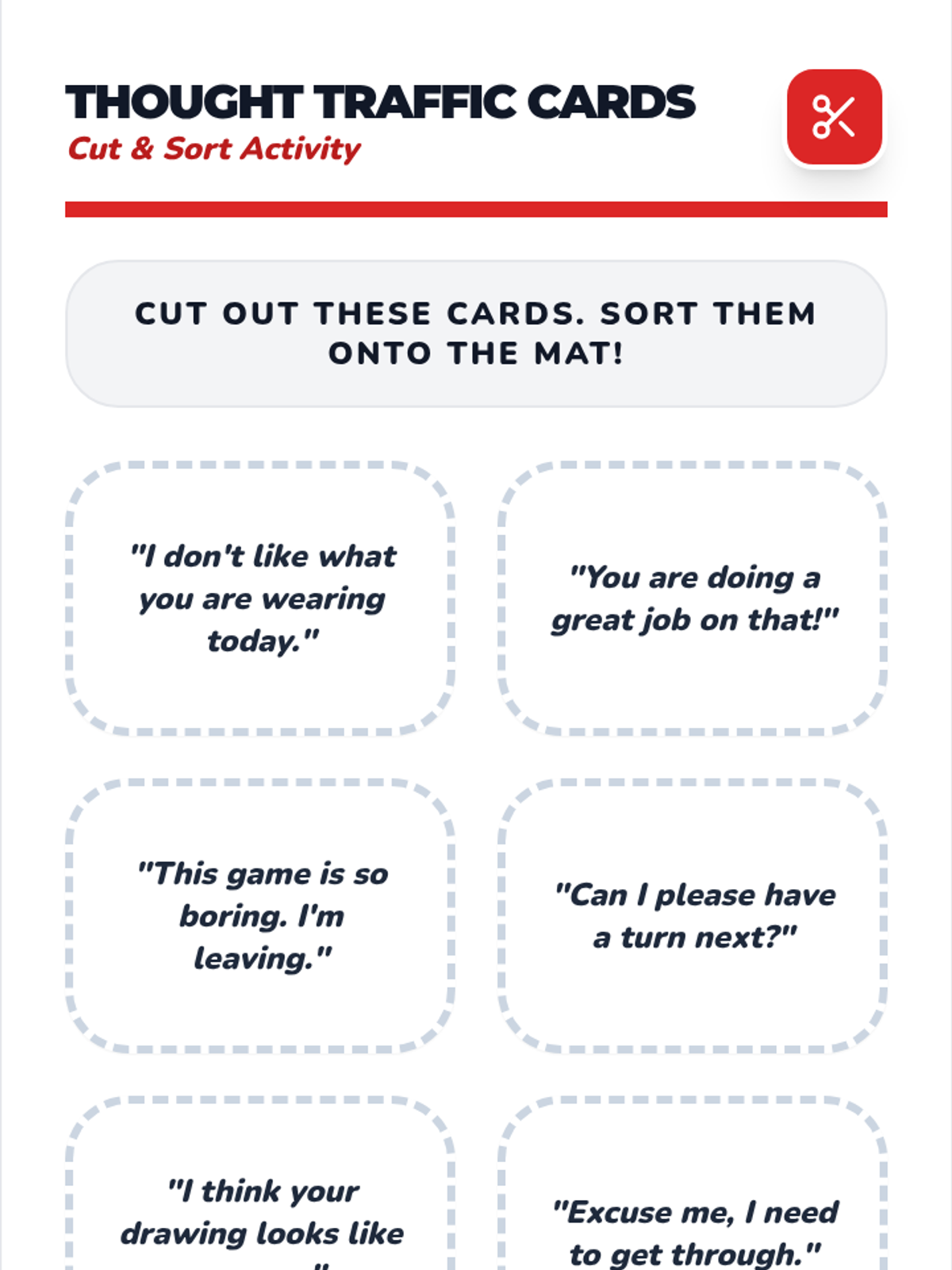
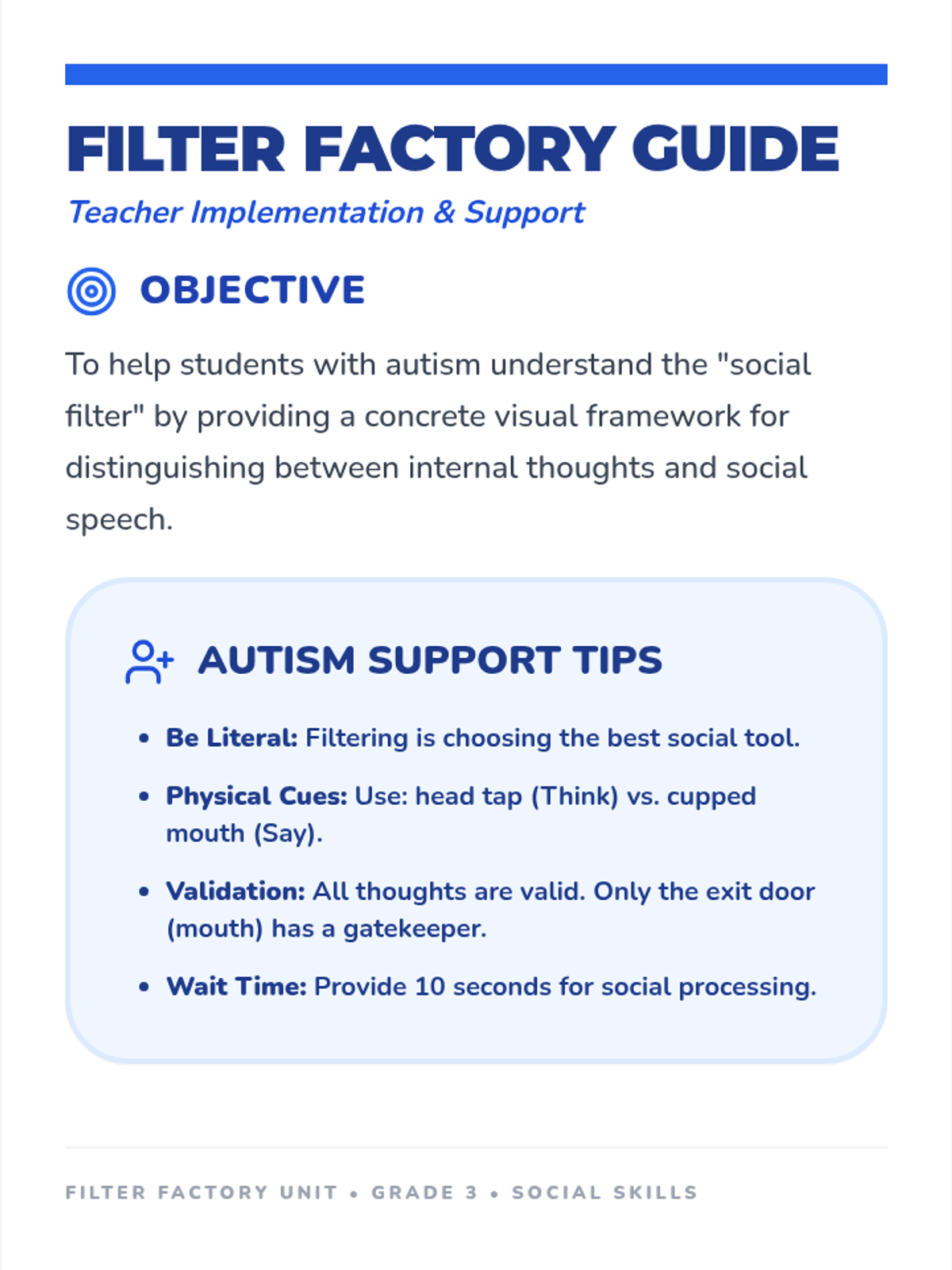
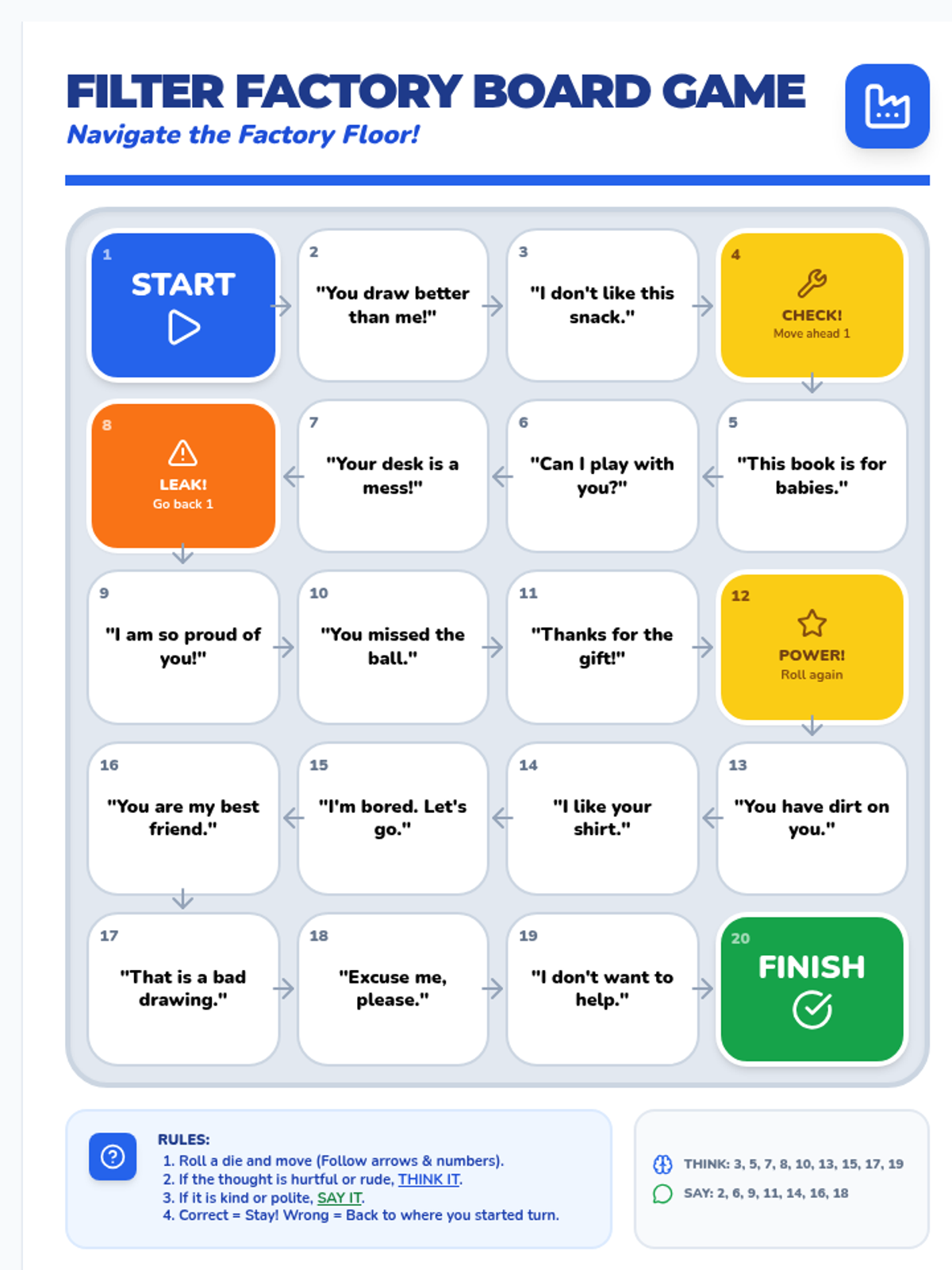
A visual, structured lesson for 3rd-grade students with autism to understand the concept of a 'social filter'—distinguishing between thoughts that should stay in our brains and words that can be said out loud.
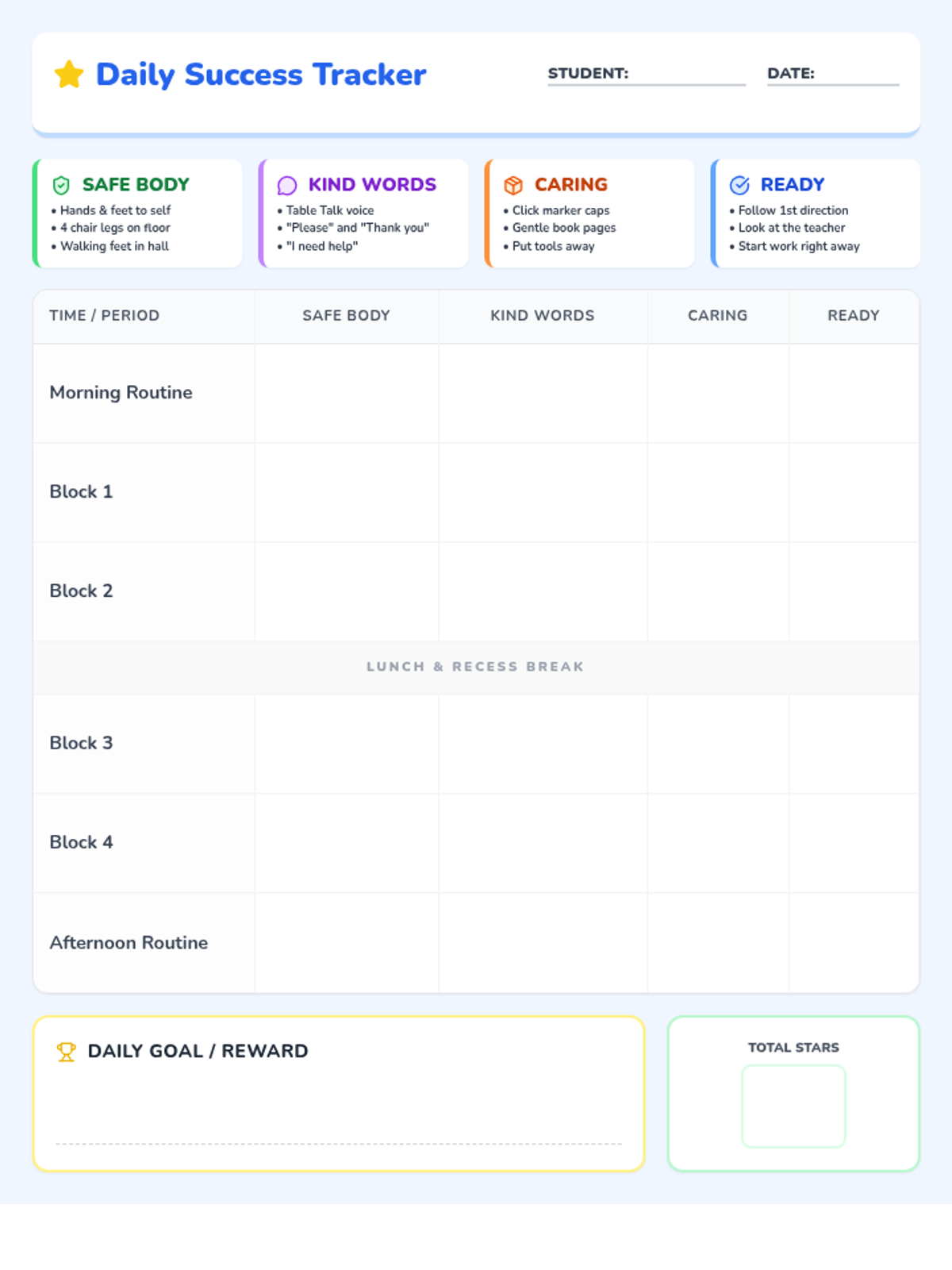
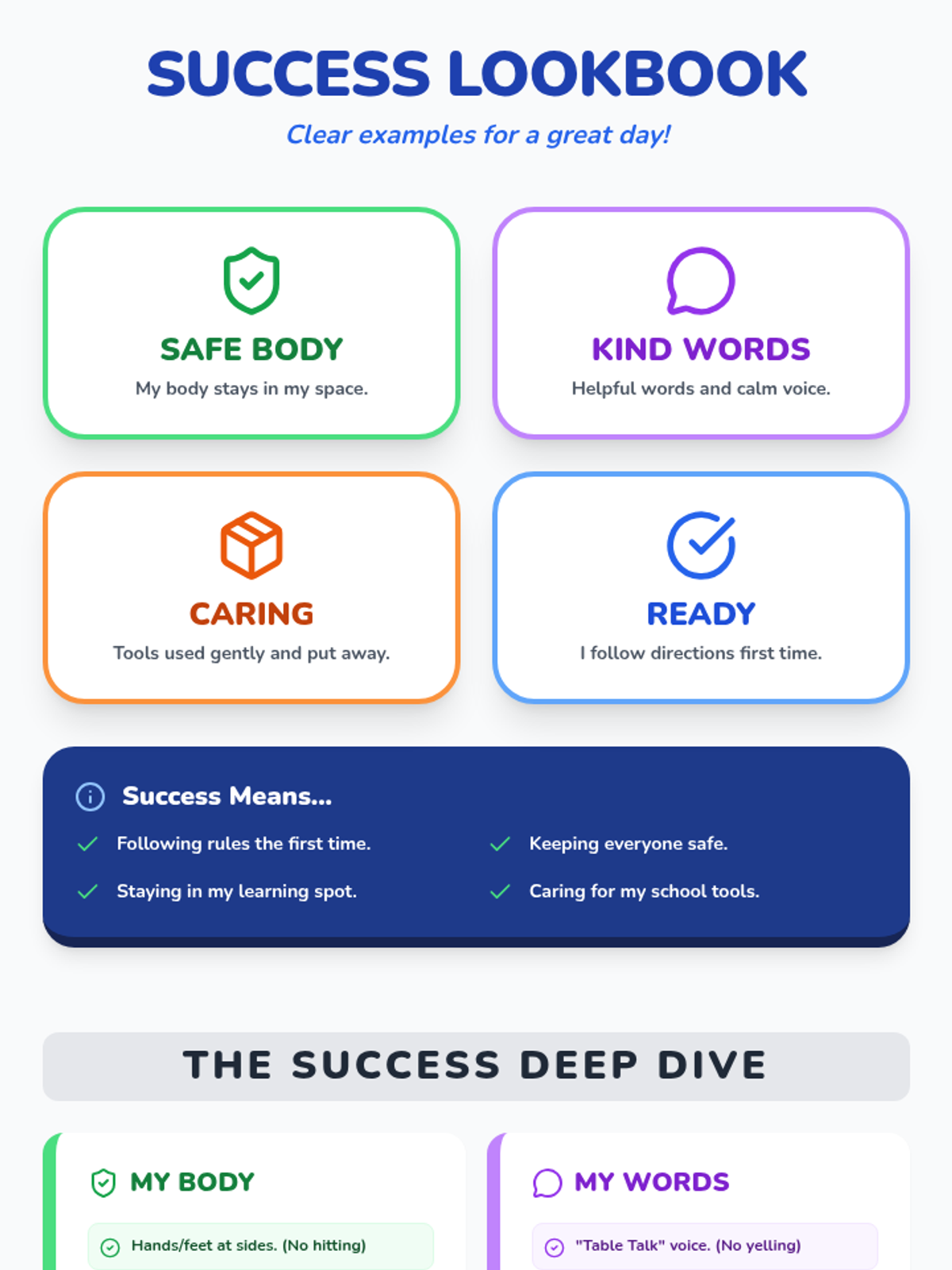
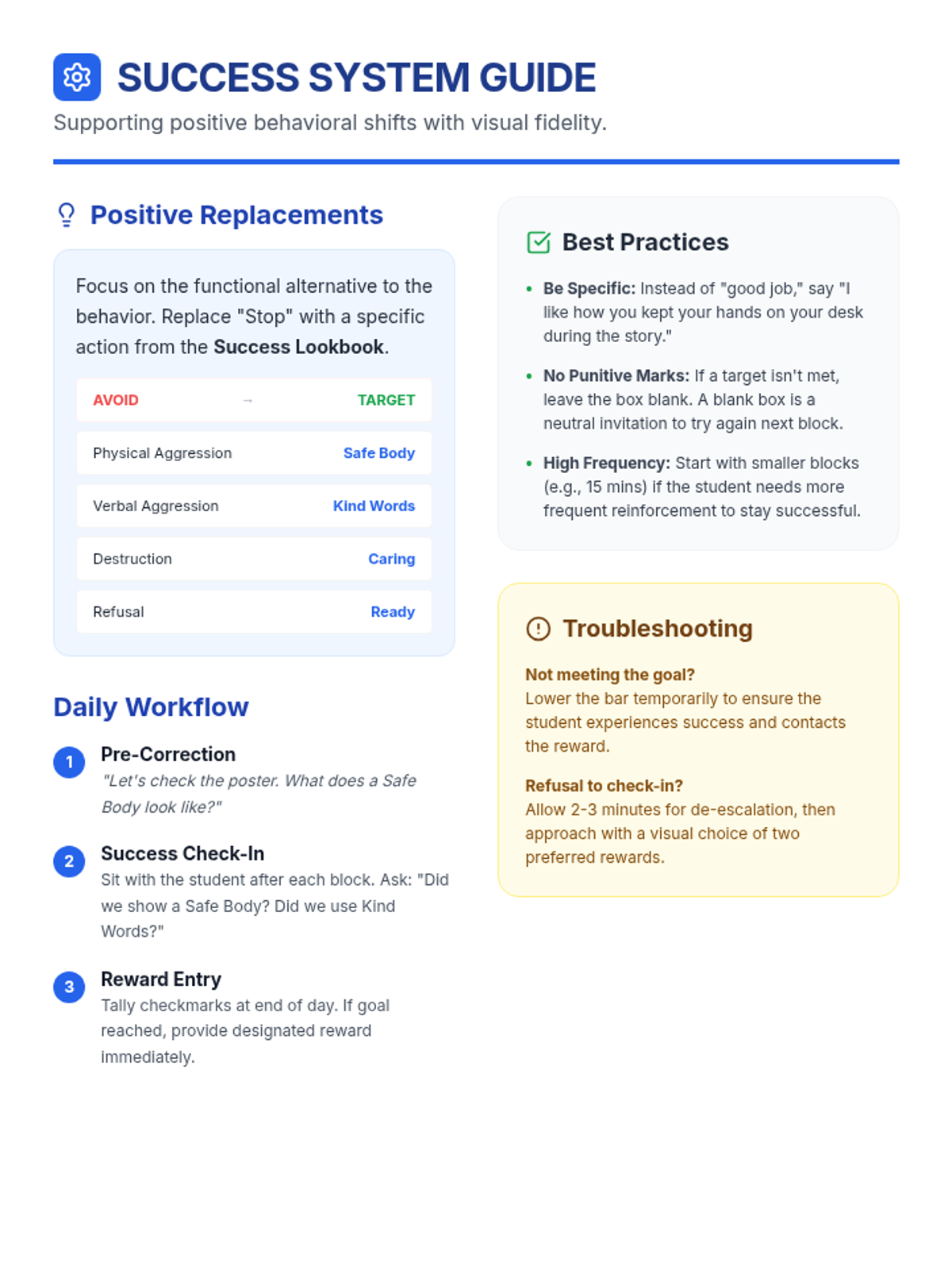
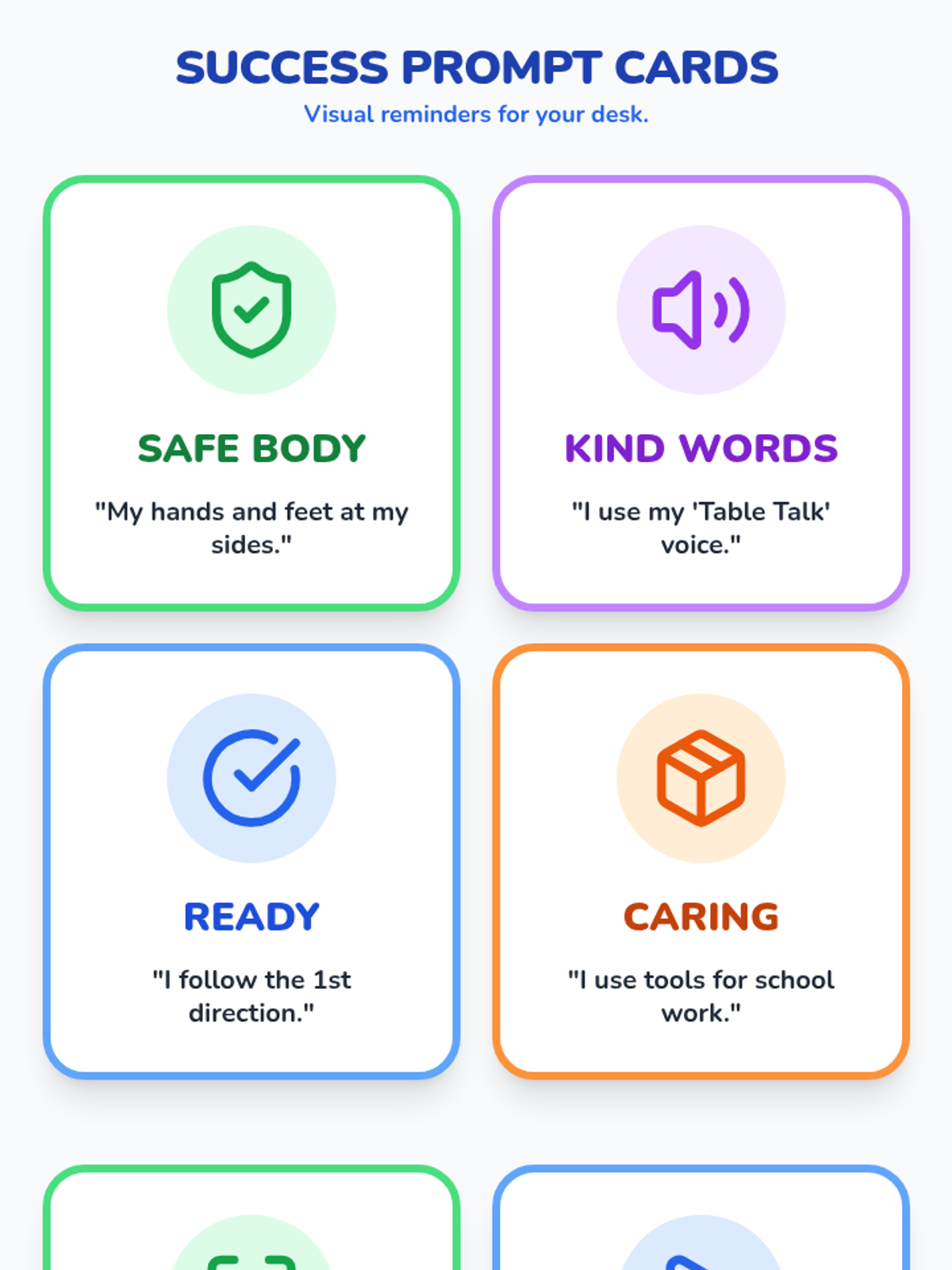
A positive, visual-first system for supporting student behavior expectations through daily tracking and clear, simple success criteria.
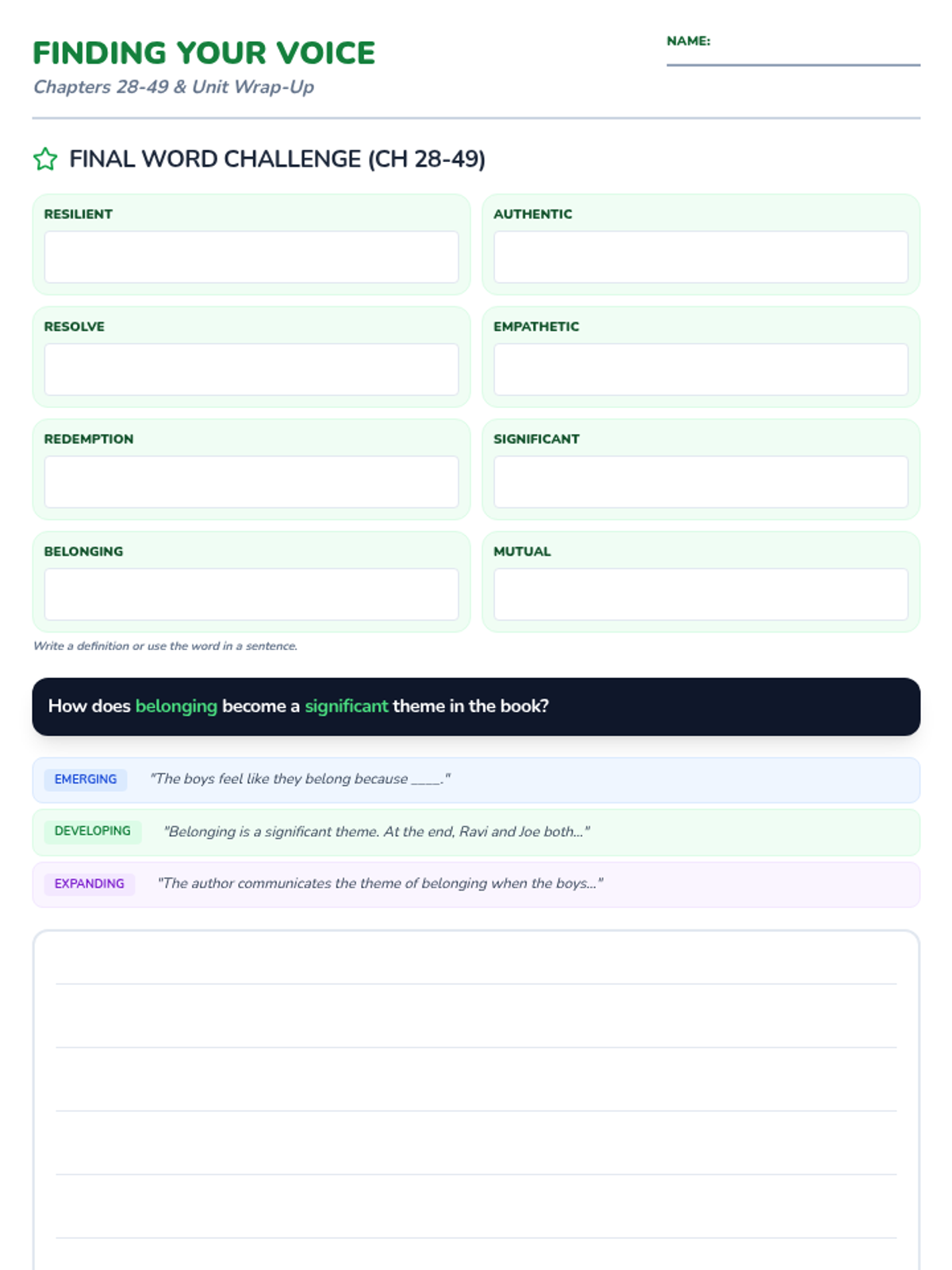
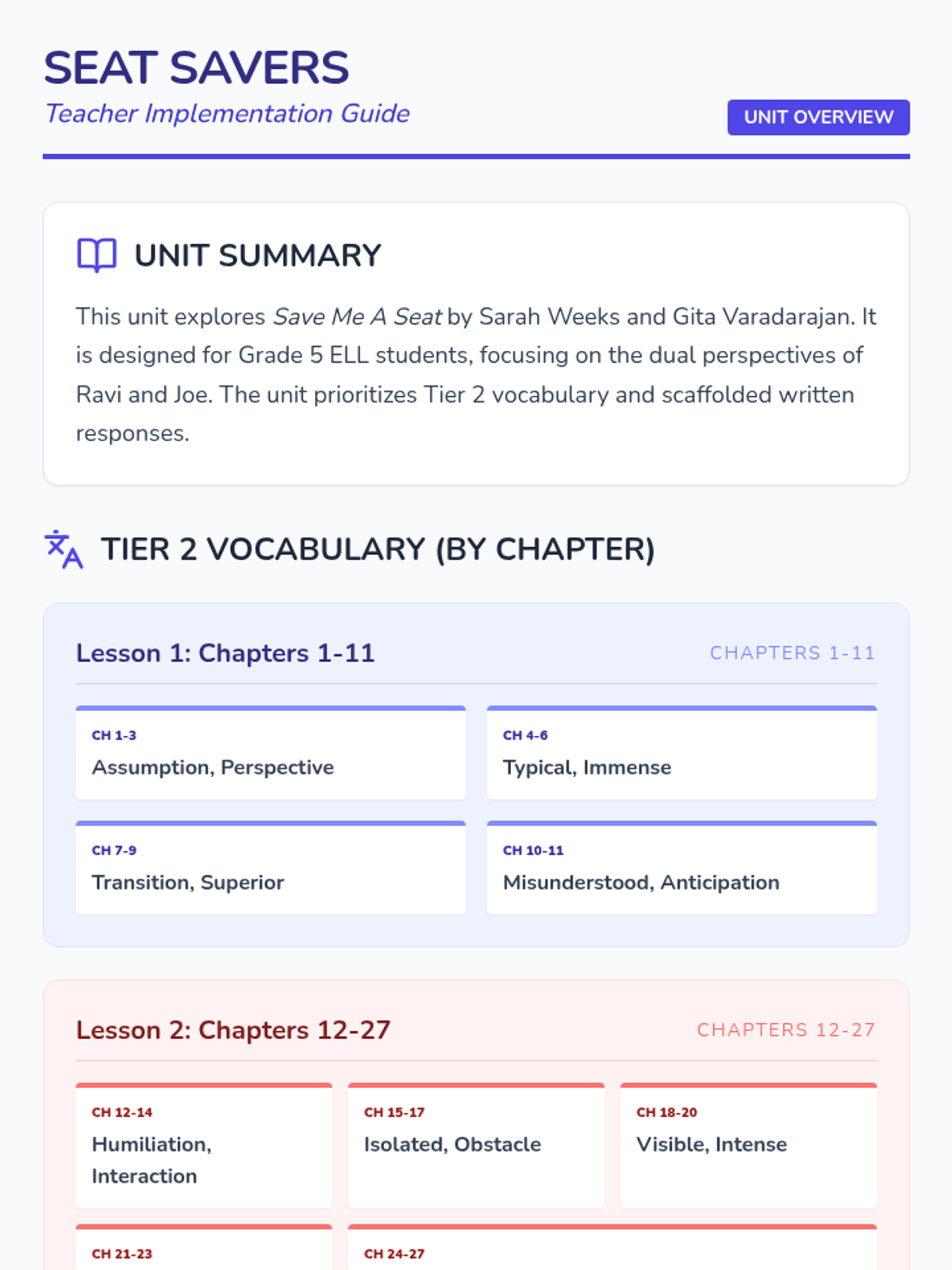
The resolution of the story where Joe and Ravi find common ground, focusing on the central themes of the book and vocabulary related to resilience and empathy.
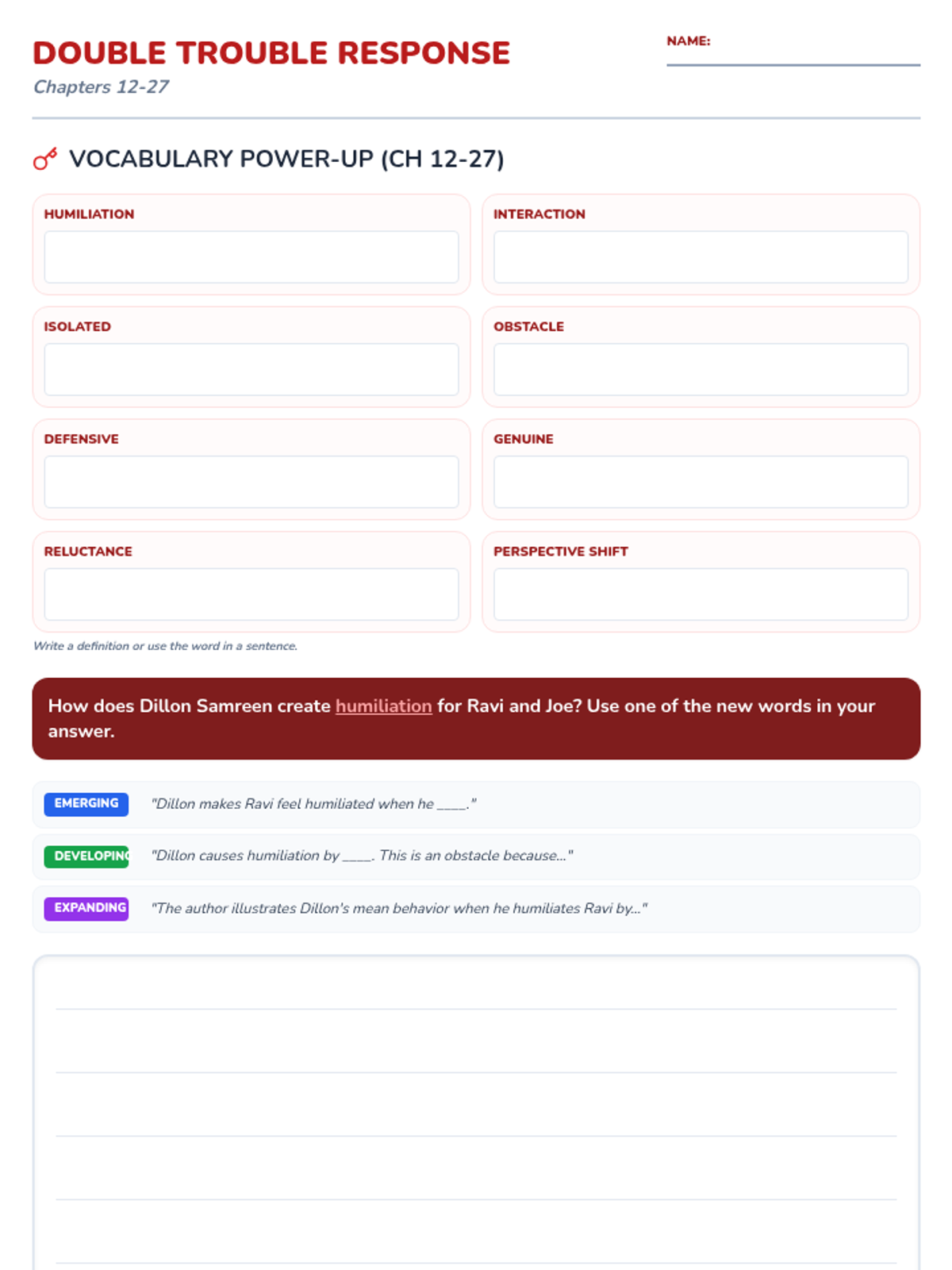
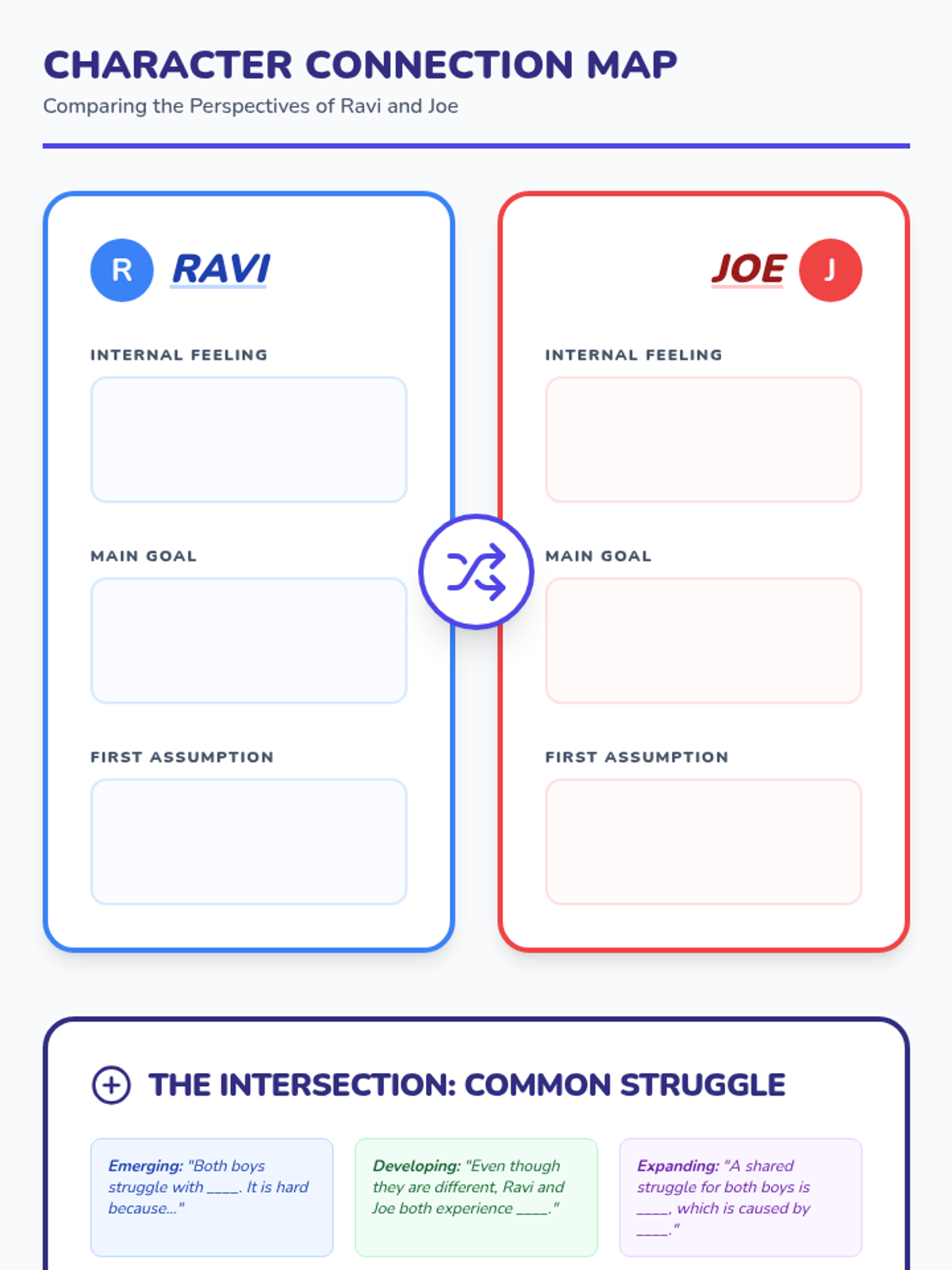
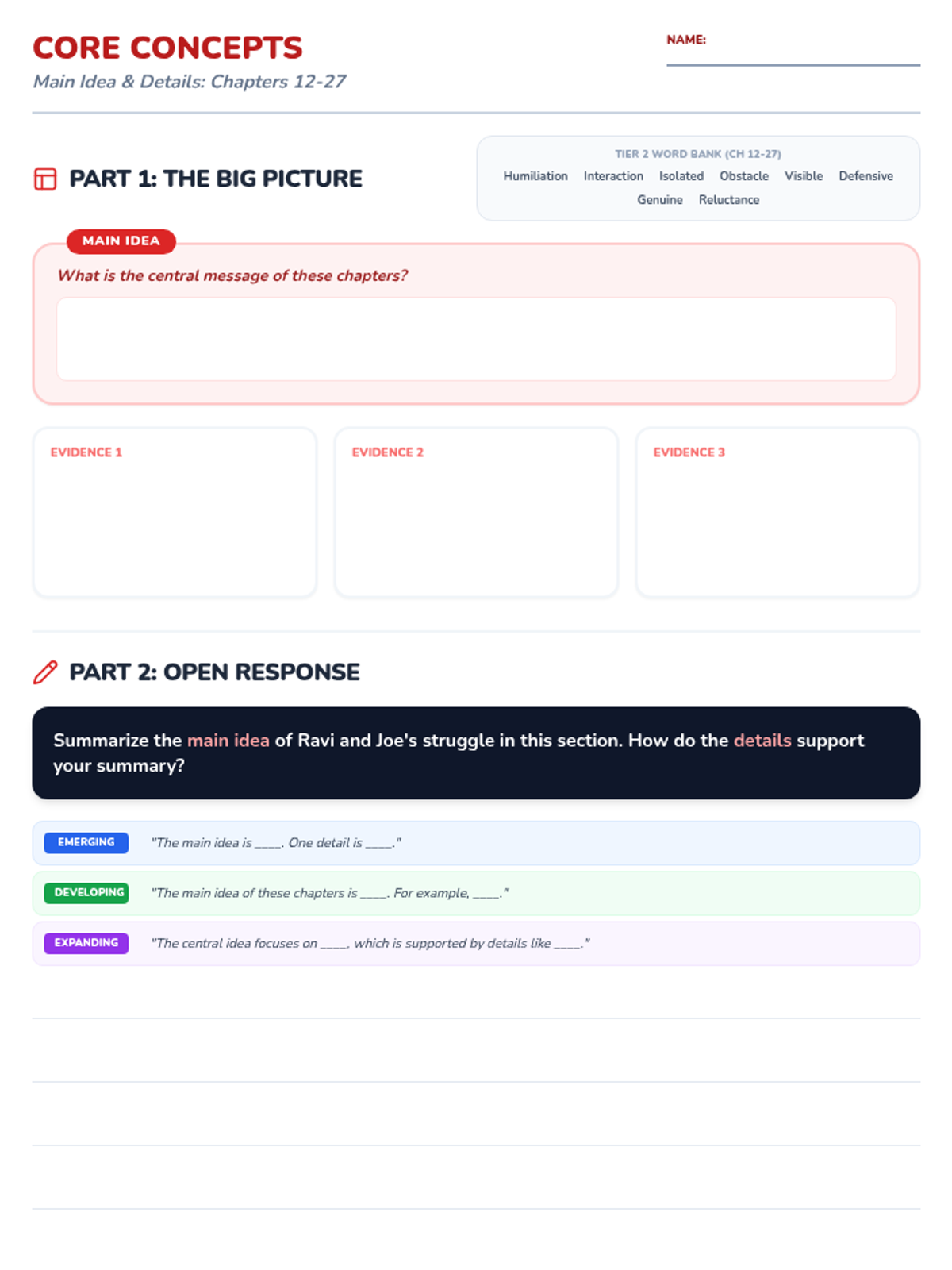
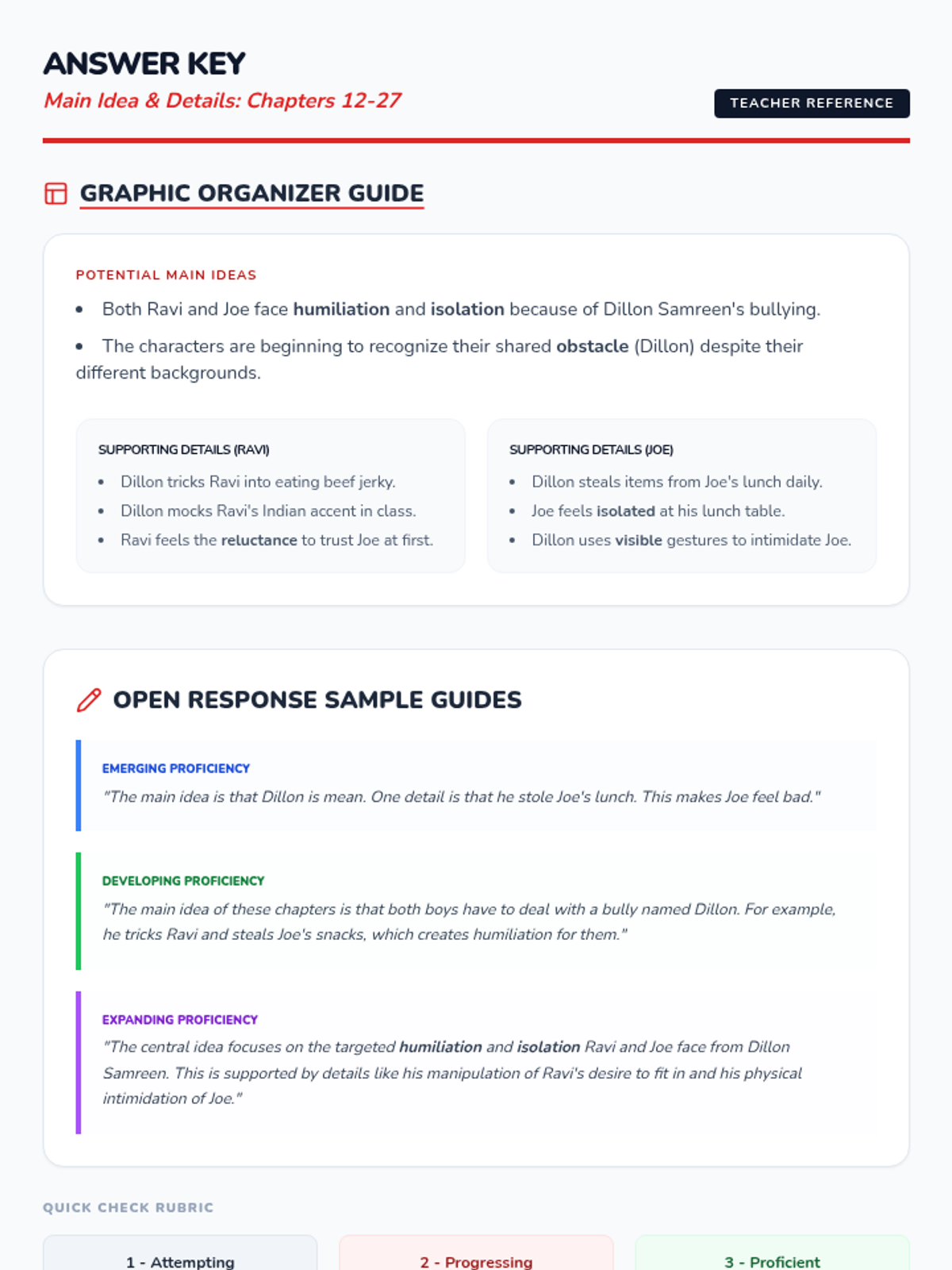
Exploration of the rising action, including the challenges both characters face with Dillon Samreen and their internal struggles, focusing on words related to conflict and perspective.
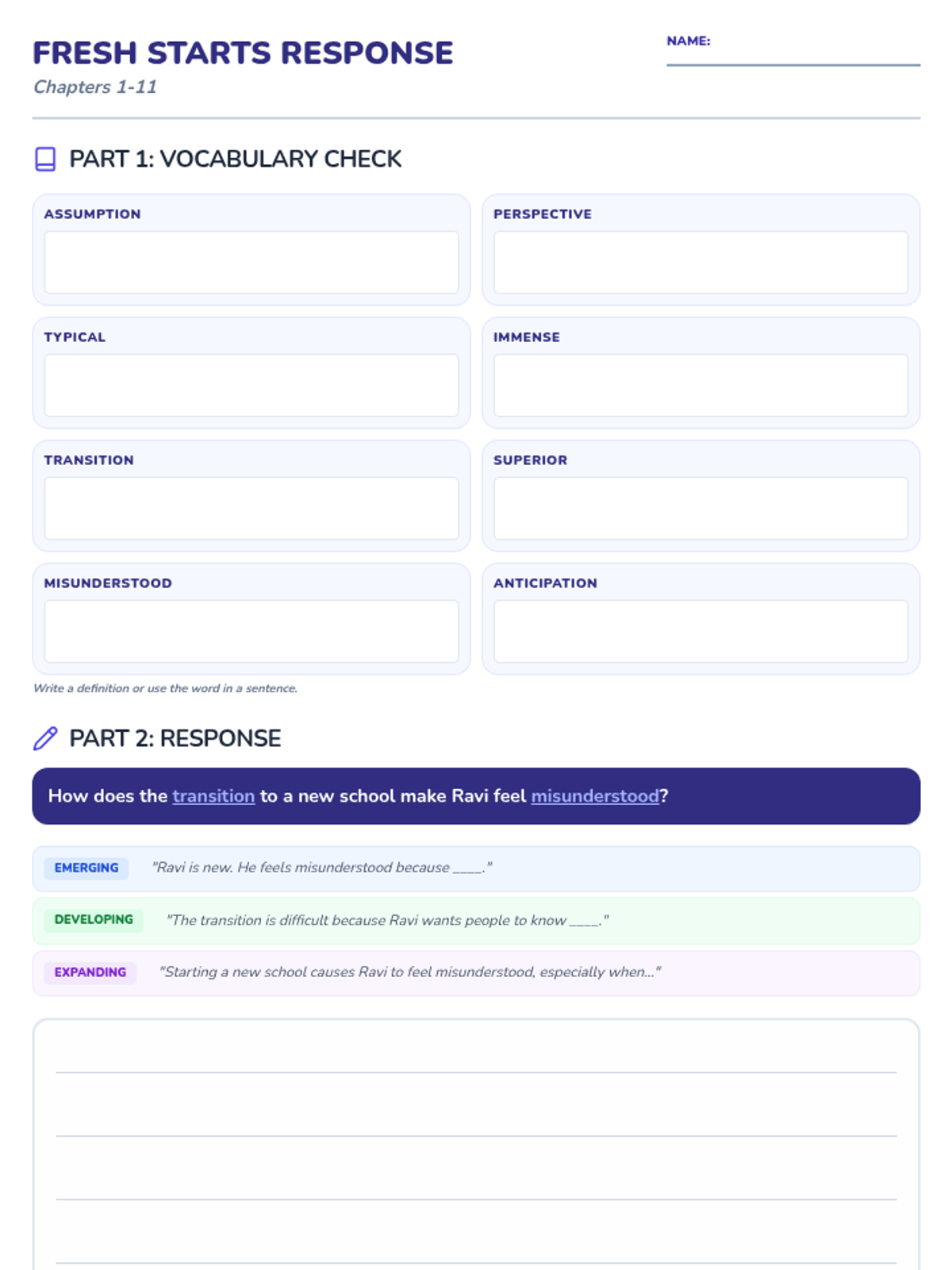
Introduction to Joe and Ravi, focusing on first impressions and the Tier 2 vocabulary related to starting a new school year and making assumptions.
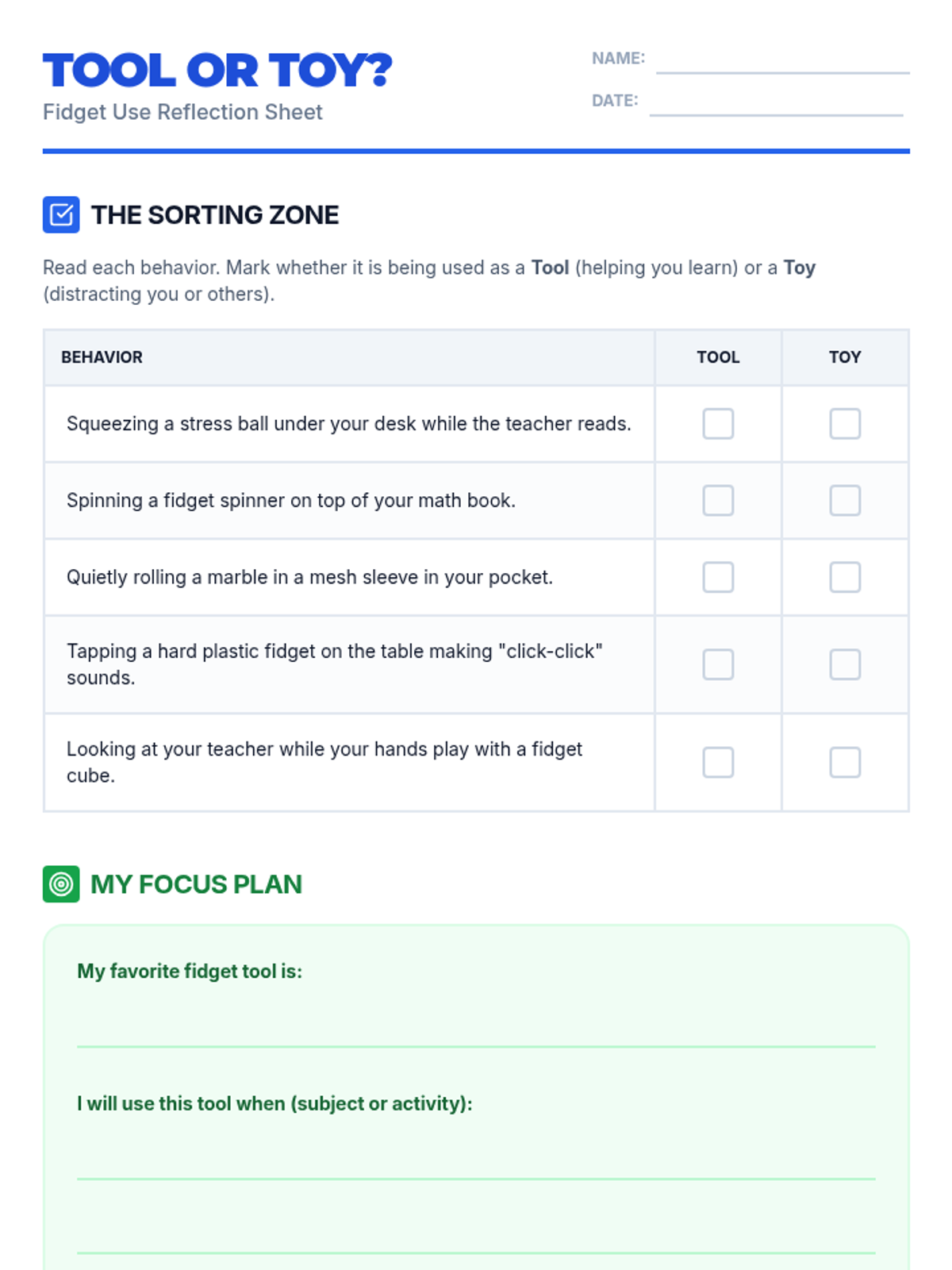
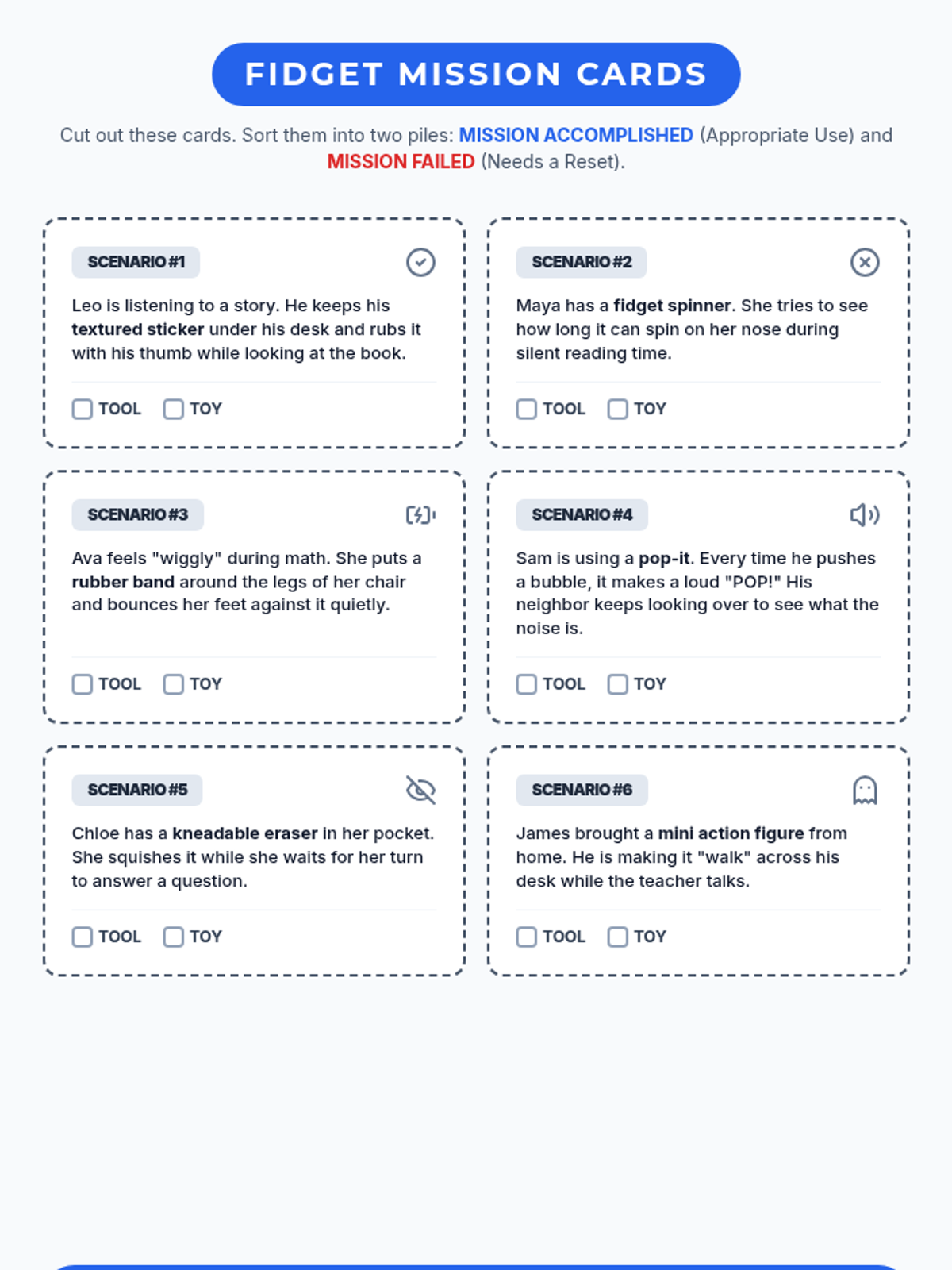
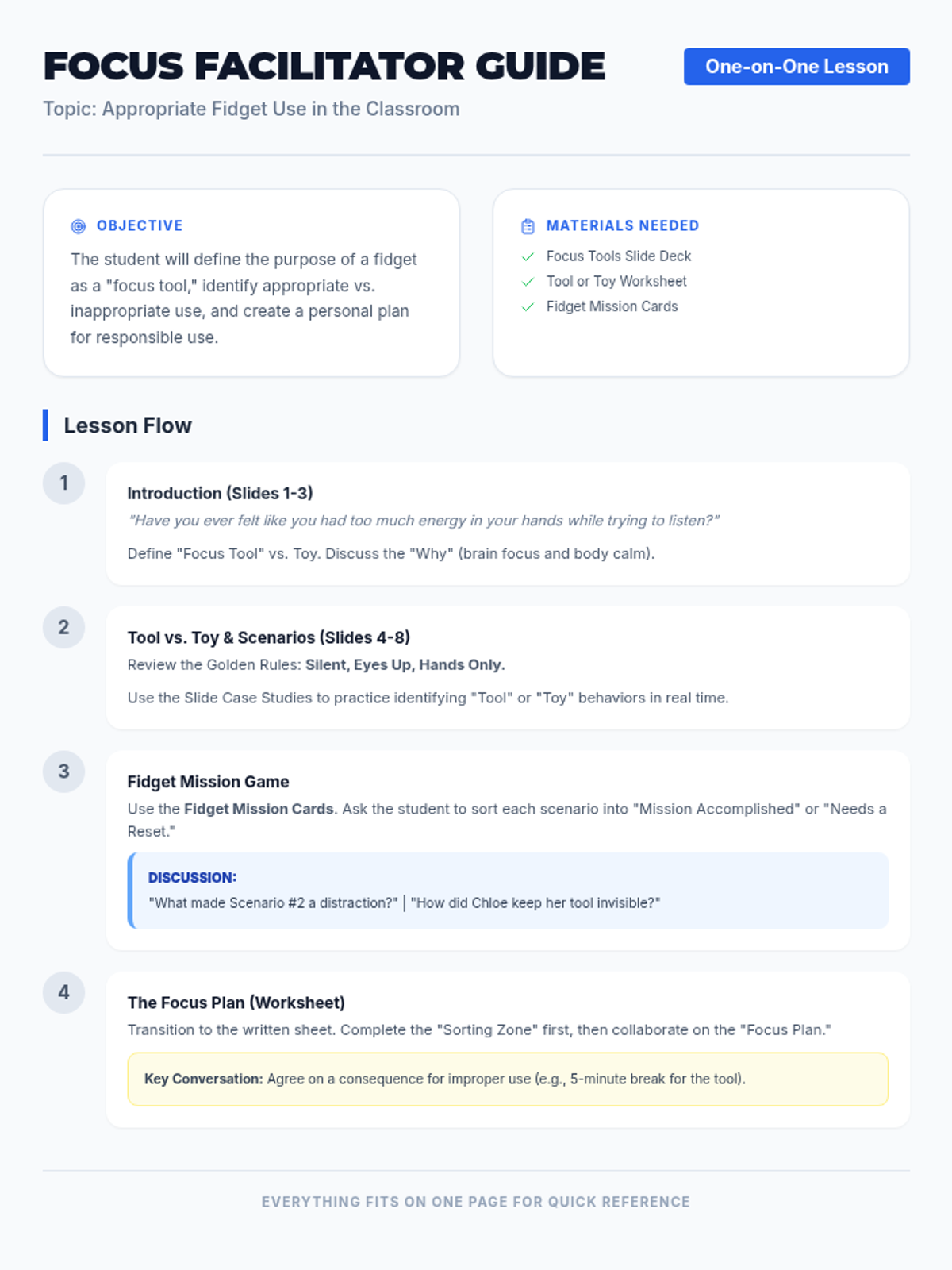
A one-on-one lesson designed to teach students the difference between fidgets as sensory tools and fidgets as toys, including practical rules and scenario-based practice.
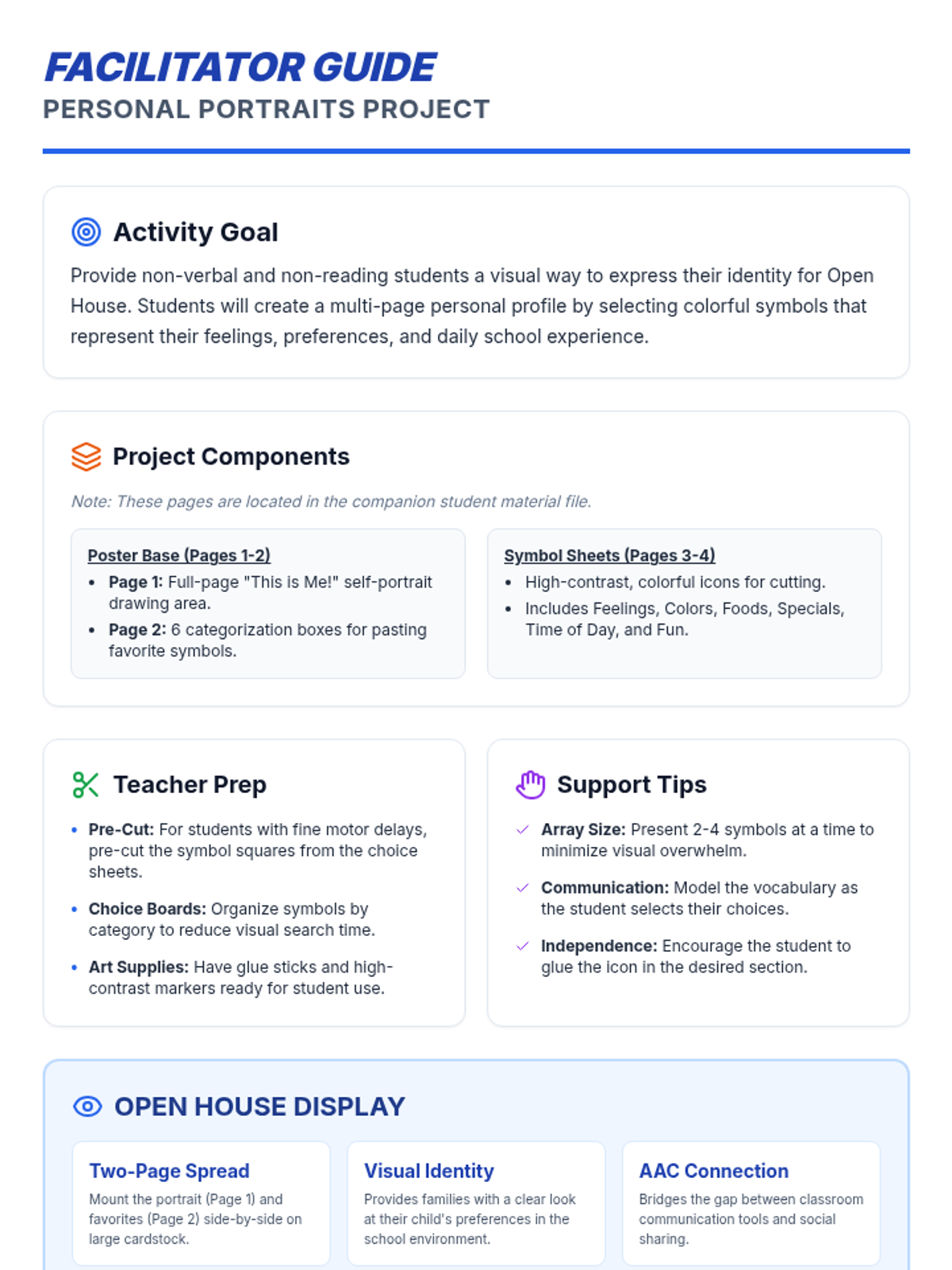
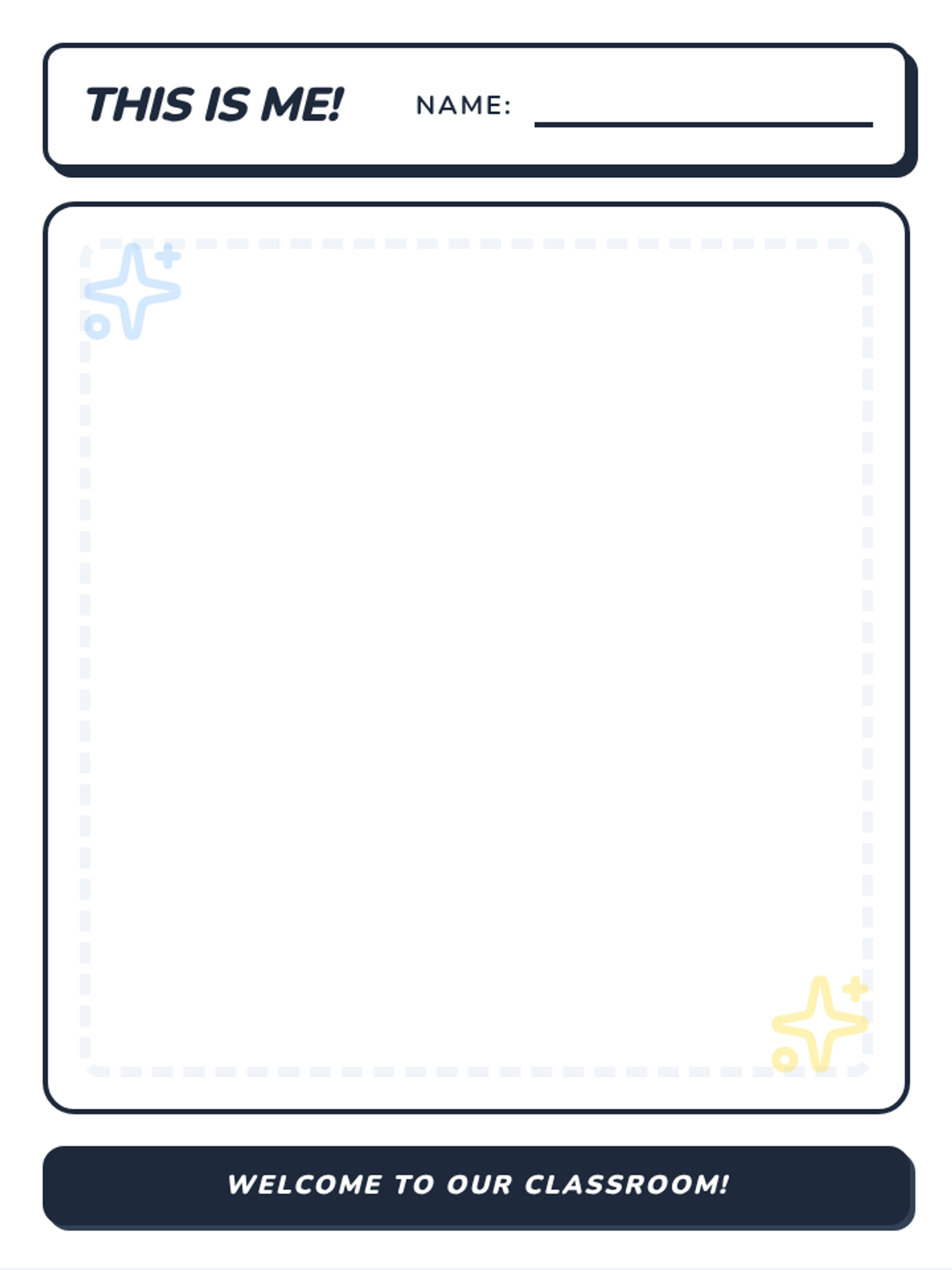
A symbol-based personal expression project designed for non-verbal and non-reading students to share their identity and emotions during Open House using a cut-and-paste format.