A foundational reading lesson focusing on essential CVC words, high-frequency sight words, and critical safety signs for daily life navigation.
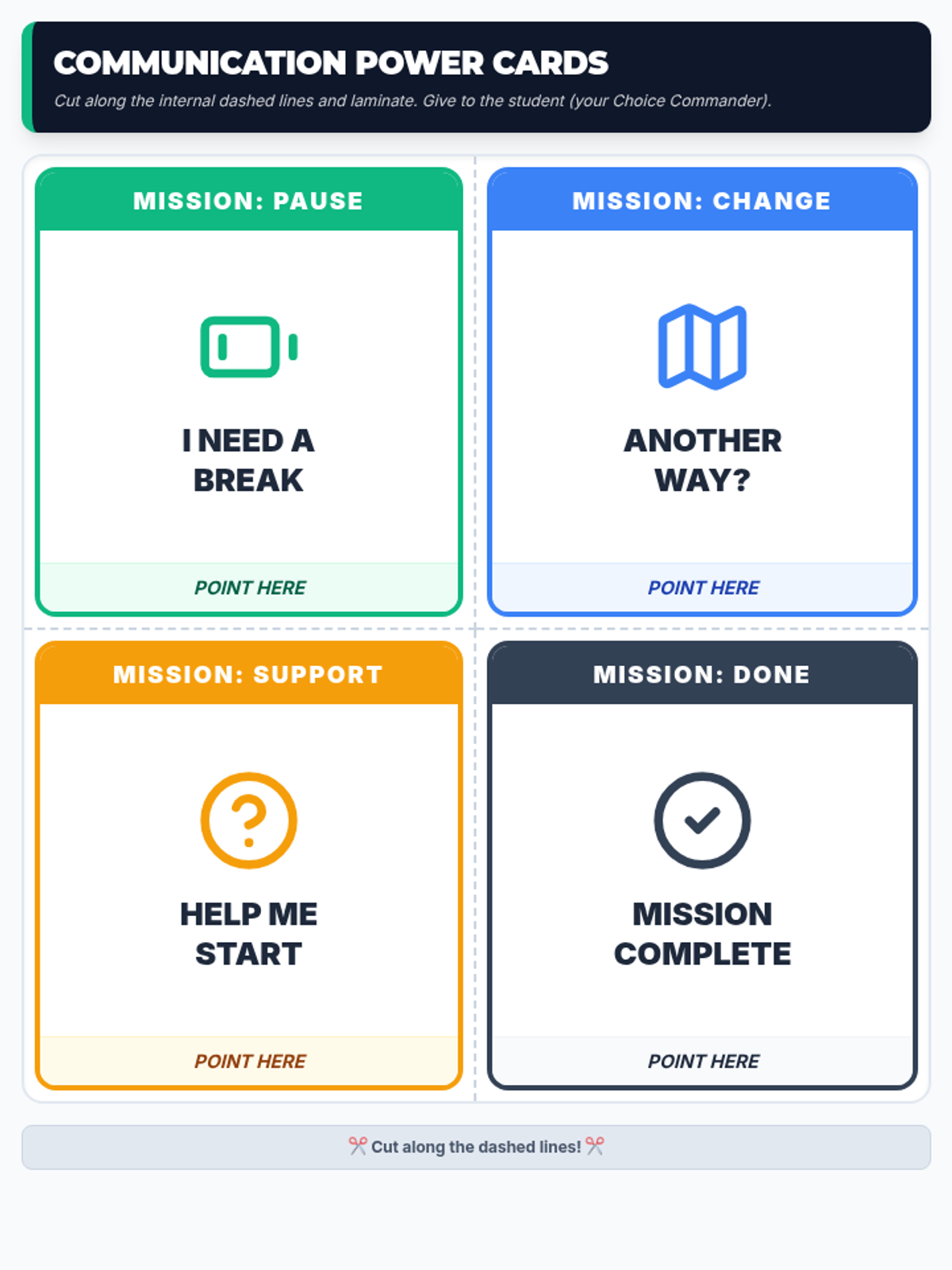
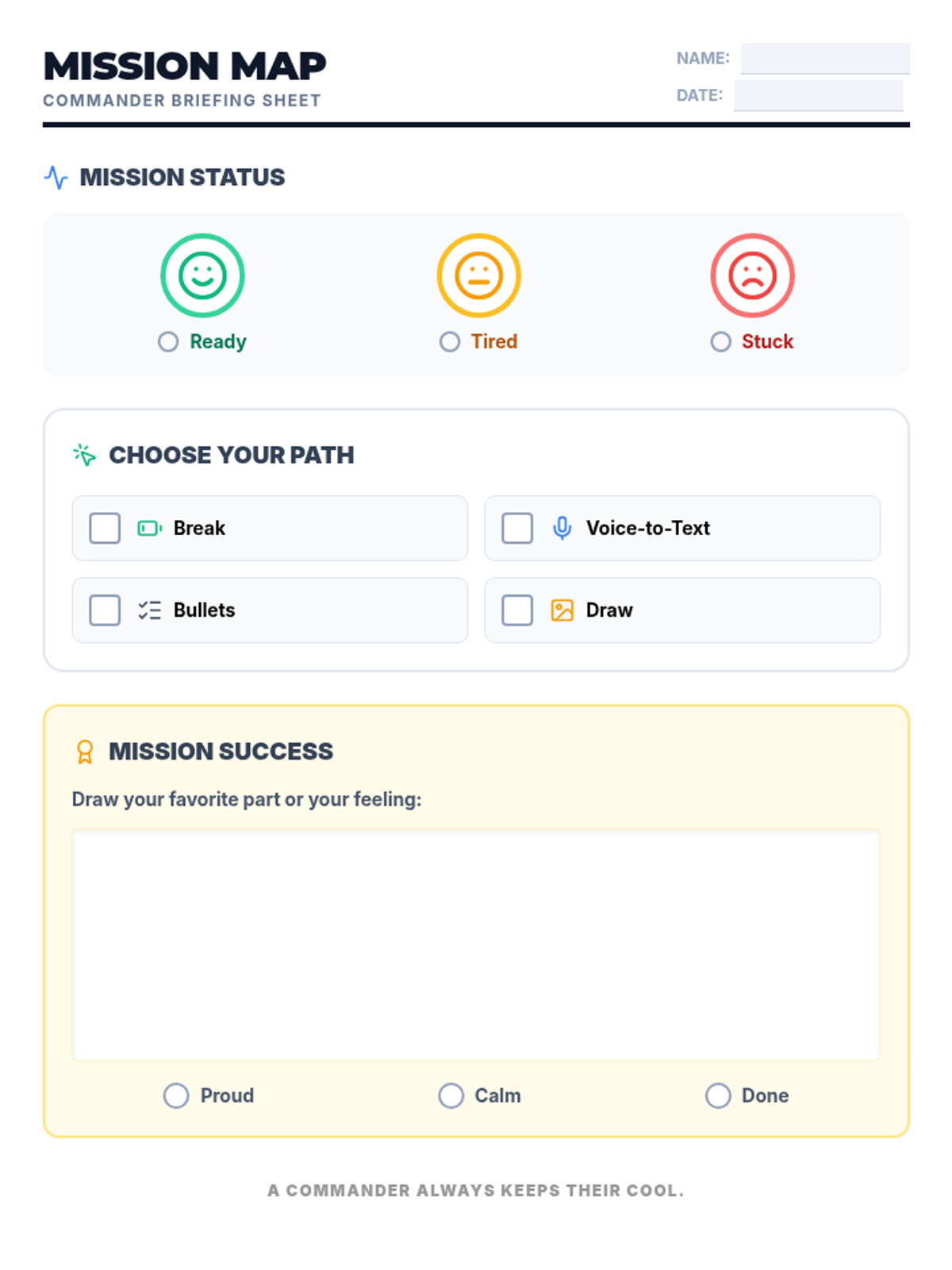
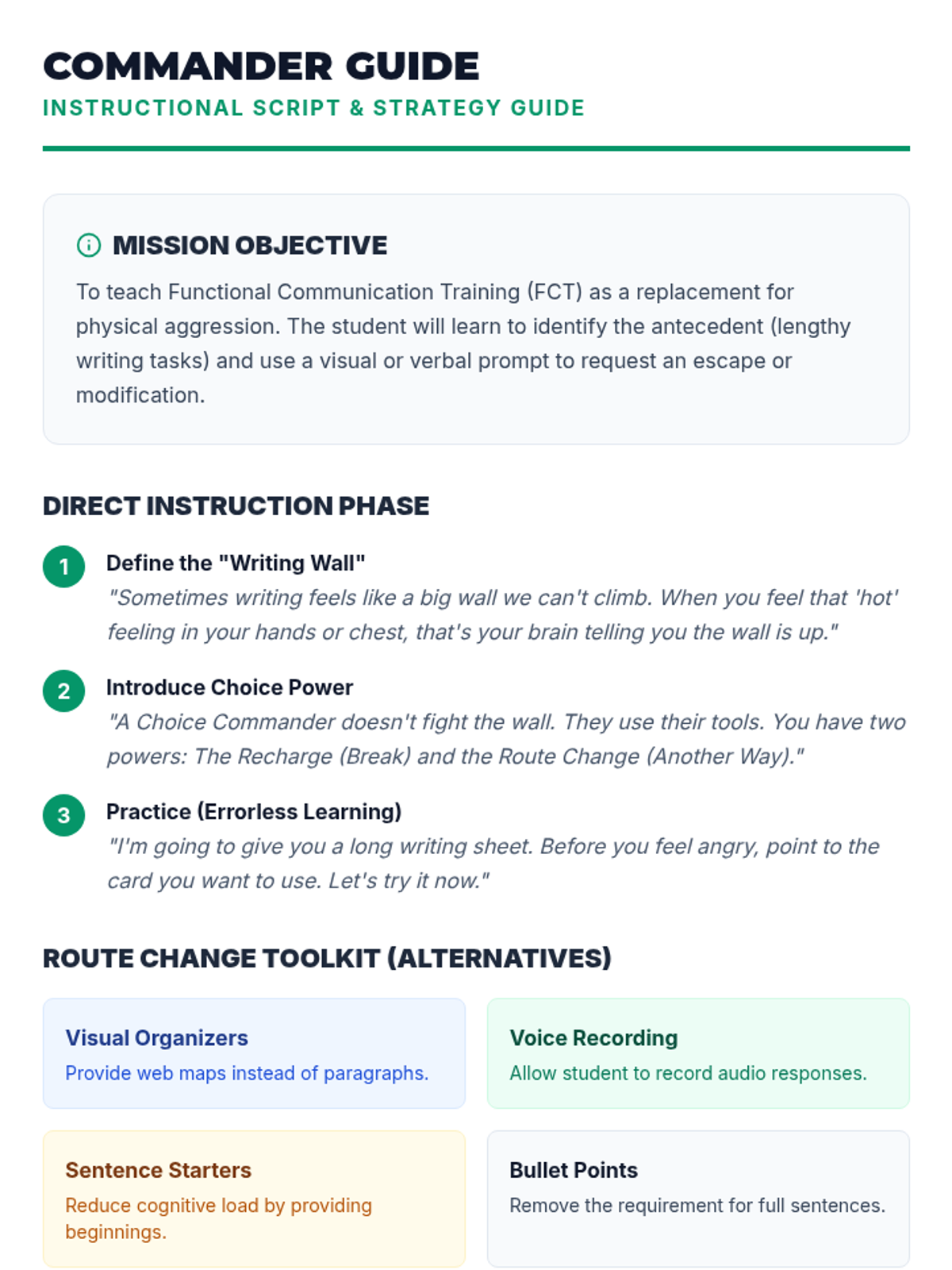
A specialized lesson designed to teach functional communication skills to a student who experiences frustration with writing. The lesson focuses on identifying 'writing walls' and using specific replacement behaviors—requesting a break or an alternative task—to maintain self-regulation.
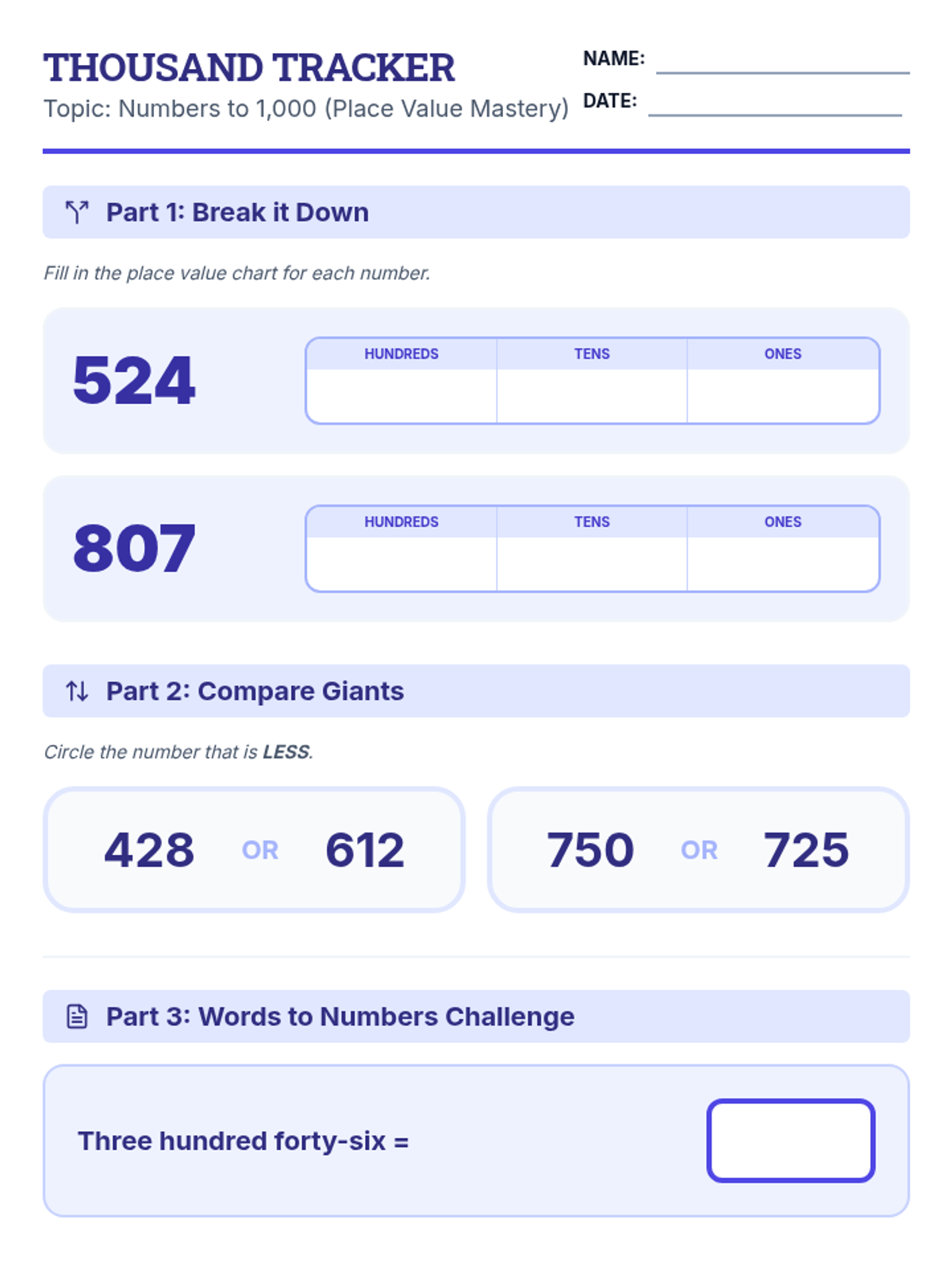
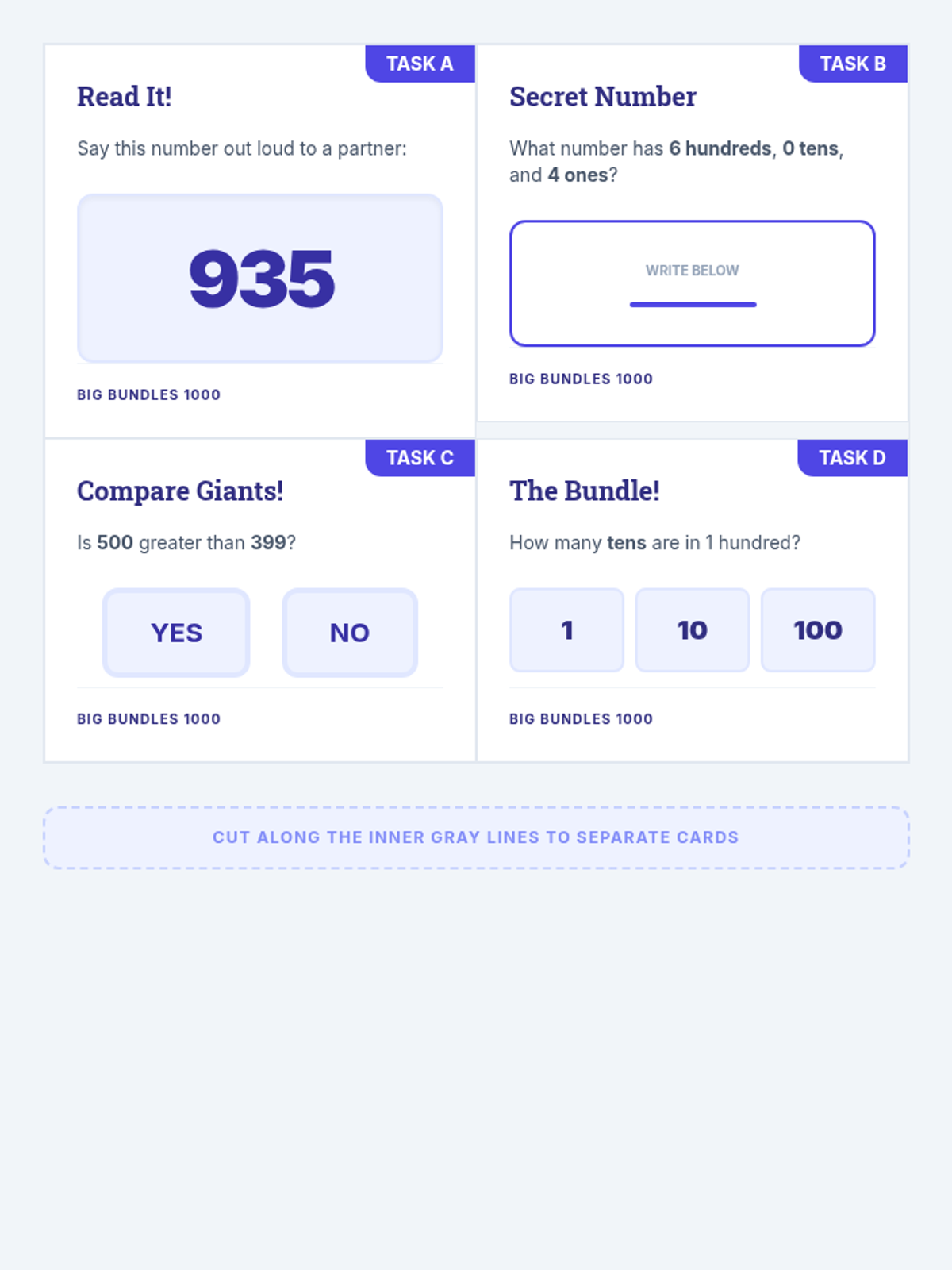
Expands number sense to 1,000, focusing on hundreds, tens, and ones with visual place value models and comparison strategies.
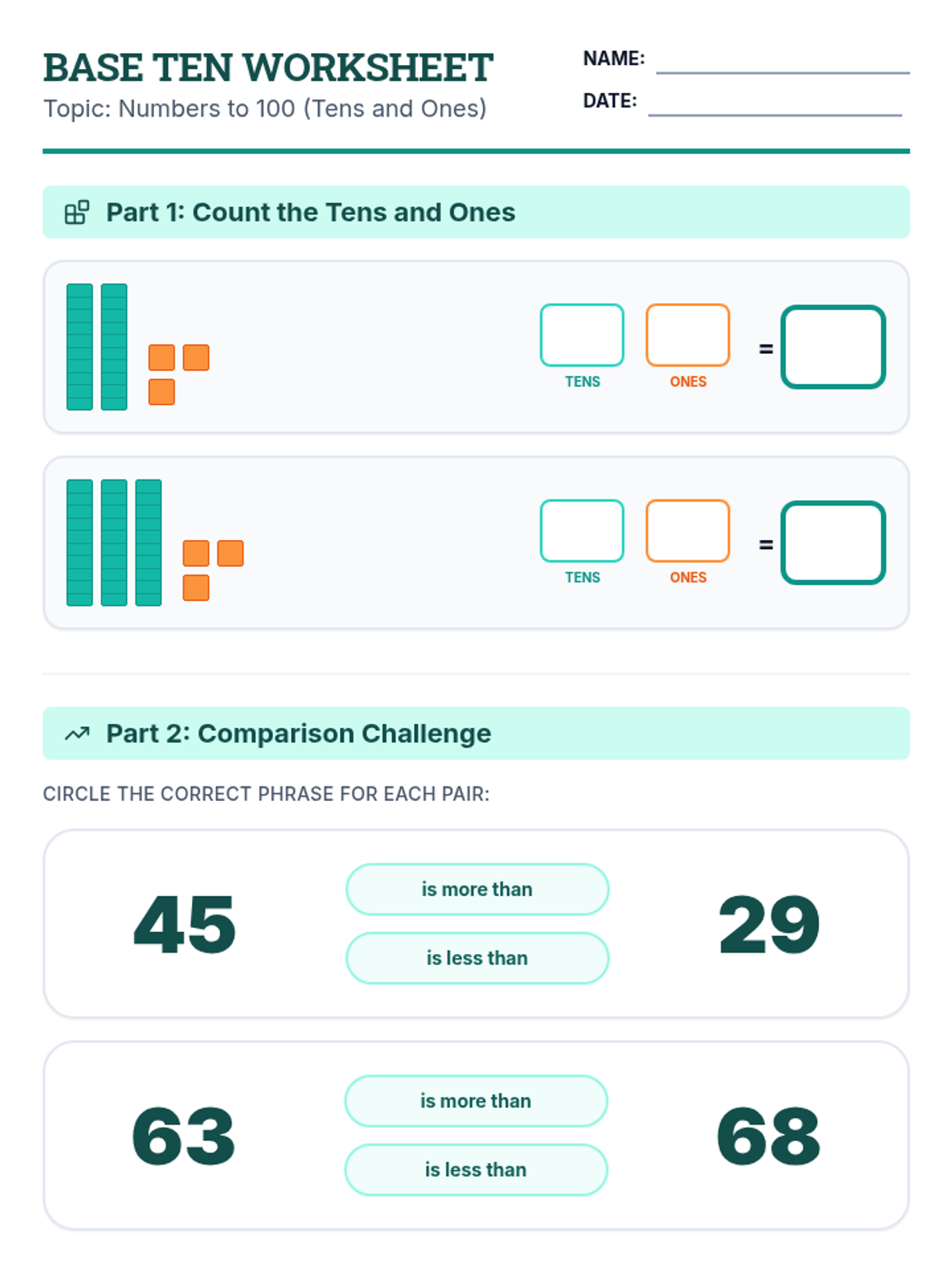
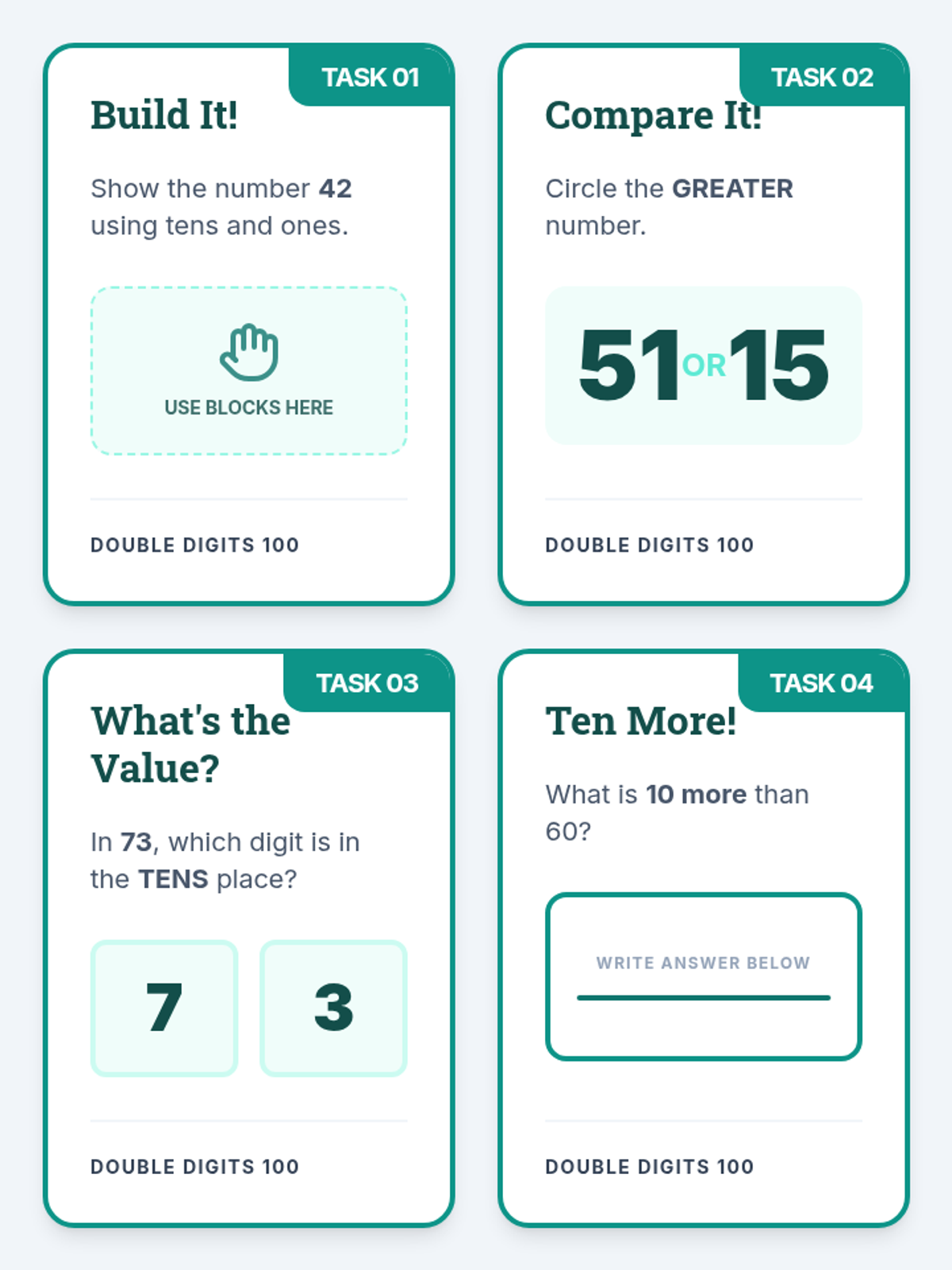
Introduces place value for numbers up to 100, using base-ten blocks (tens and ones) to help students visualize and compare larger values.
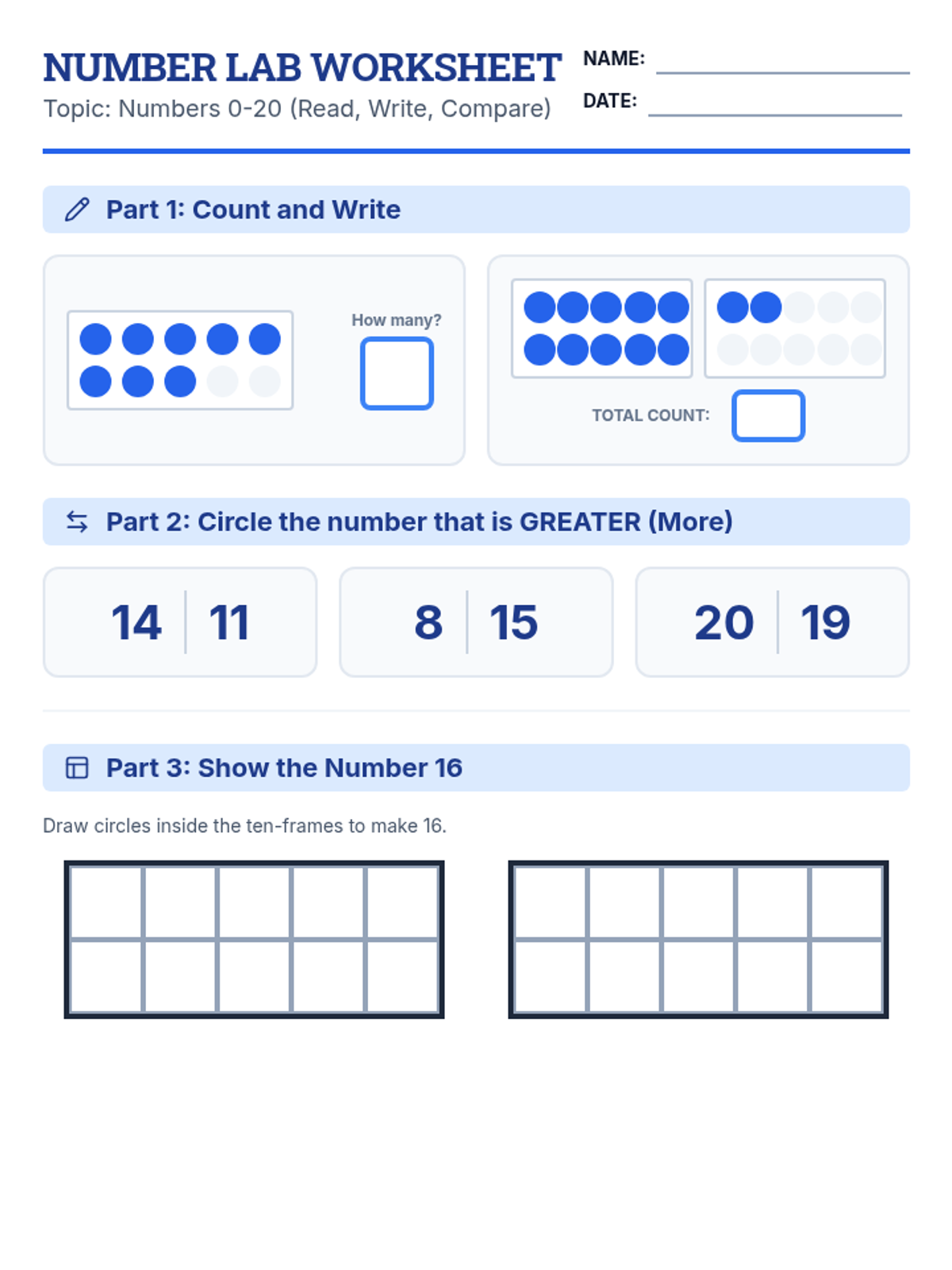
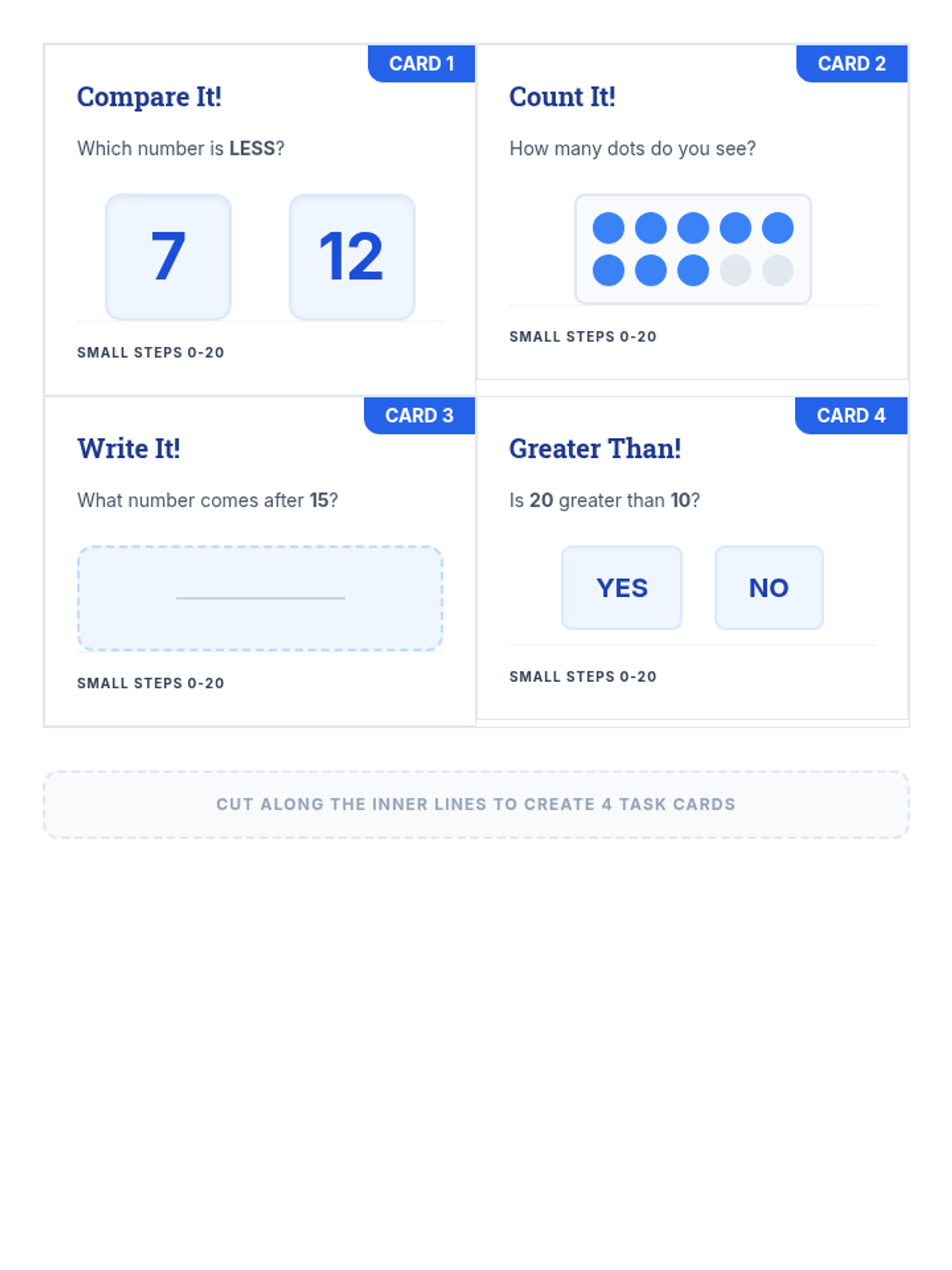
Focuses on reading, writing, and comparing numbers from 0 to 20 using ten-frames and counters to provide concrete visual support.
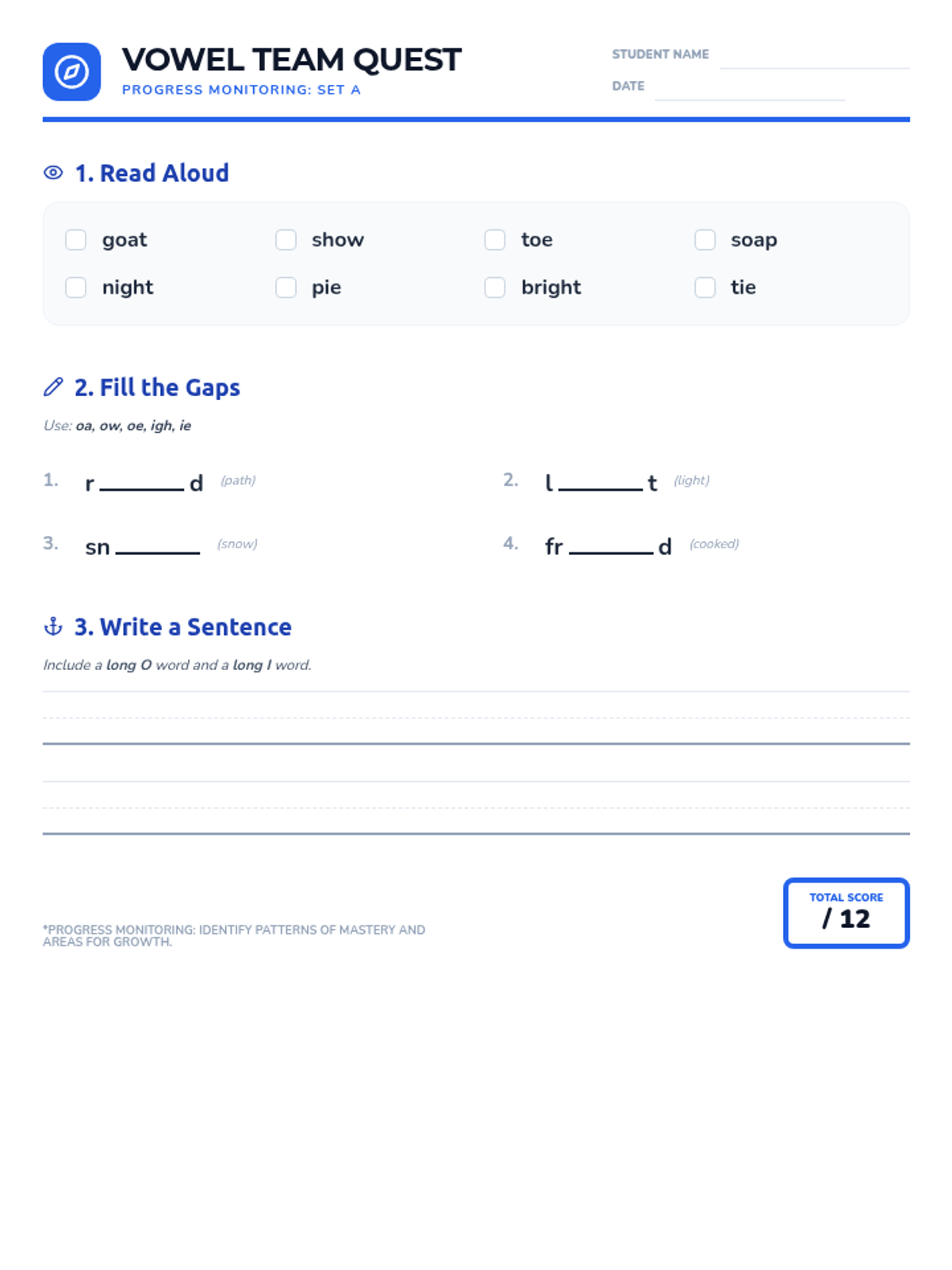
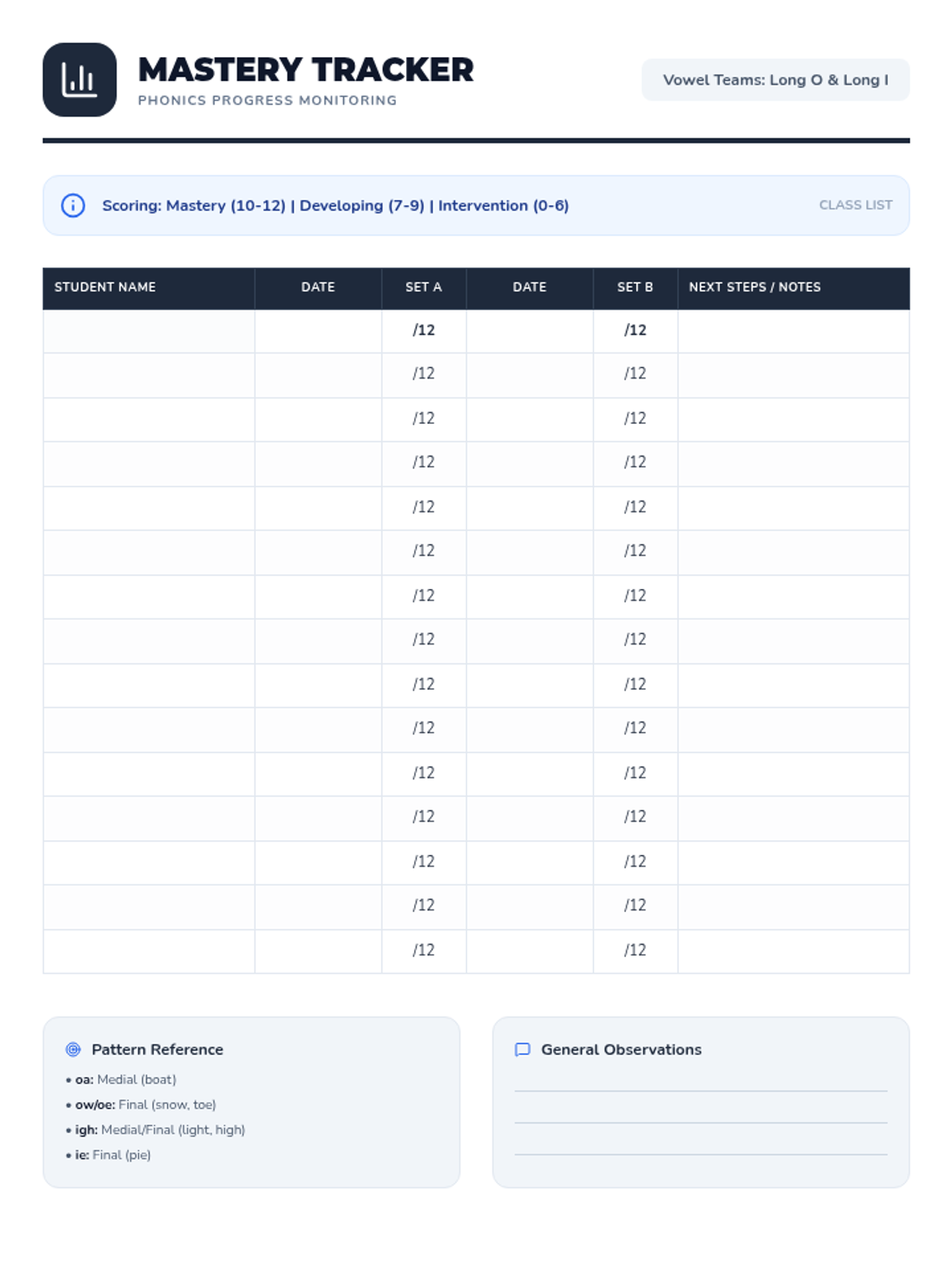
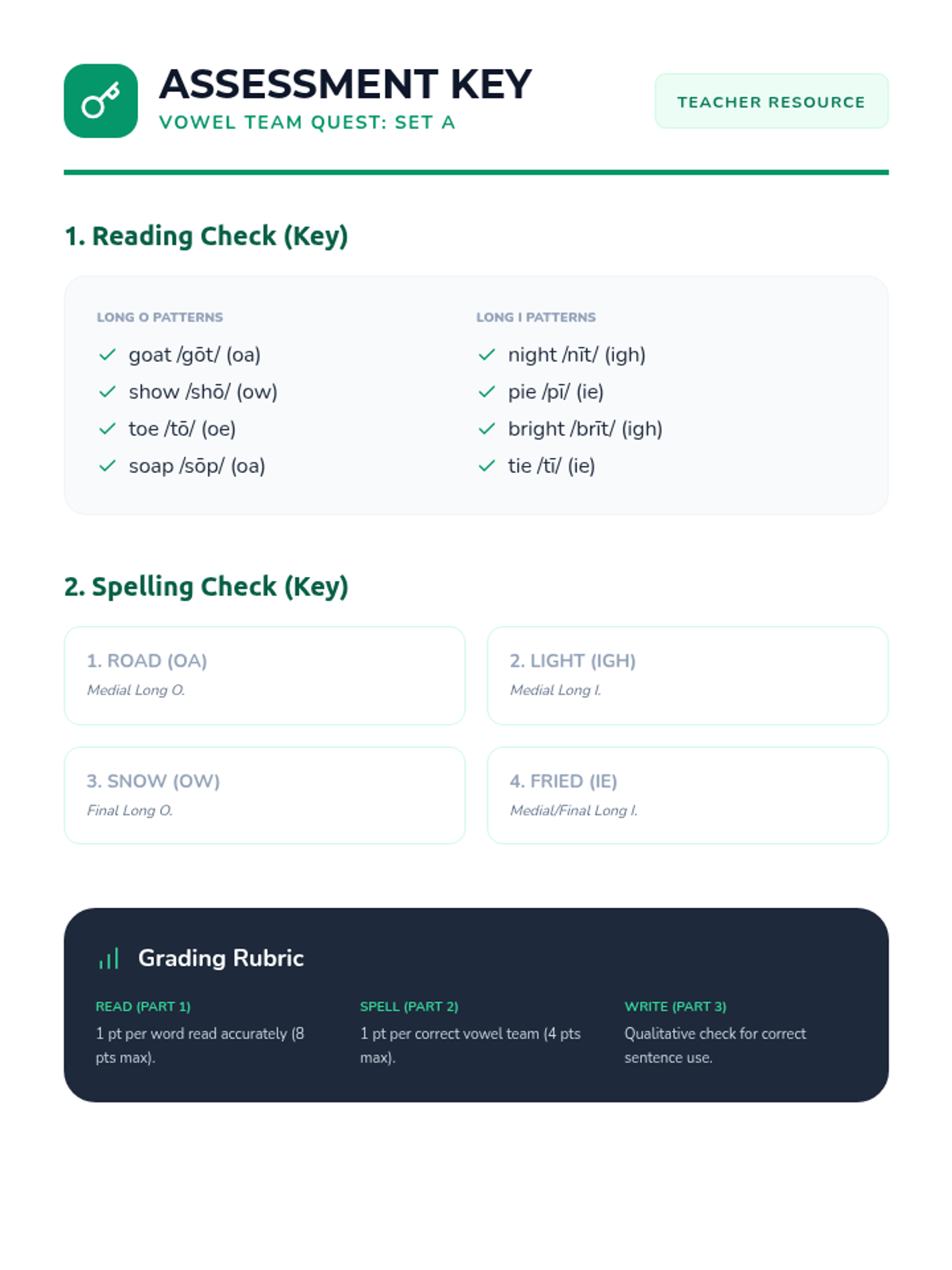
A literacy lesson focused on mastering vowel teams for long O (oa, ow, oe) and long I (ie, igh). Students will practice identifying, reading, and spelling words with these patterns through targeted progress monitoring.
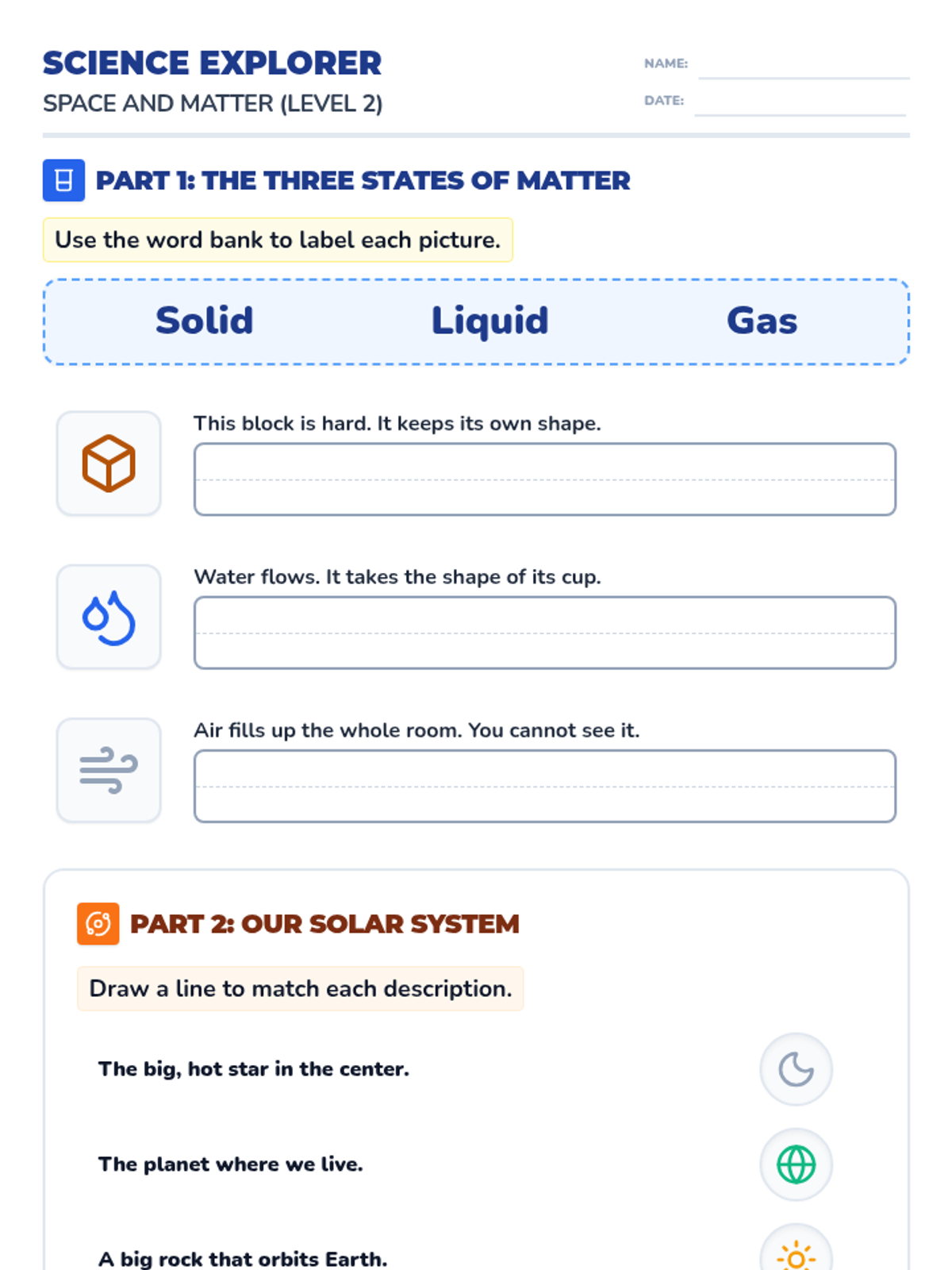
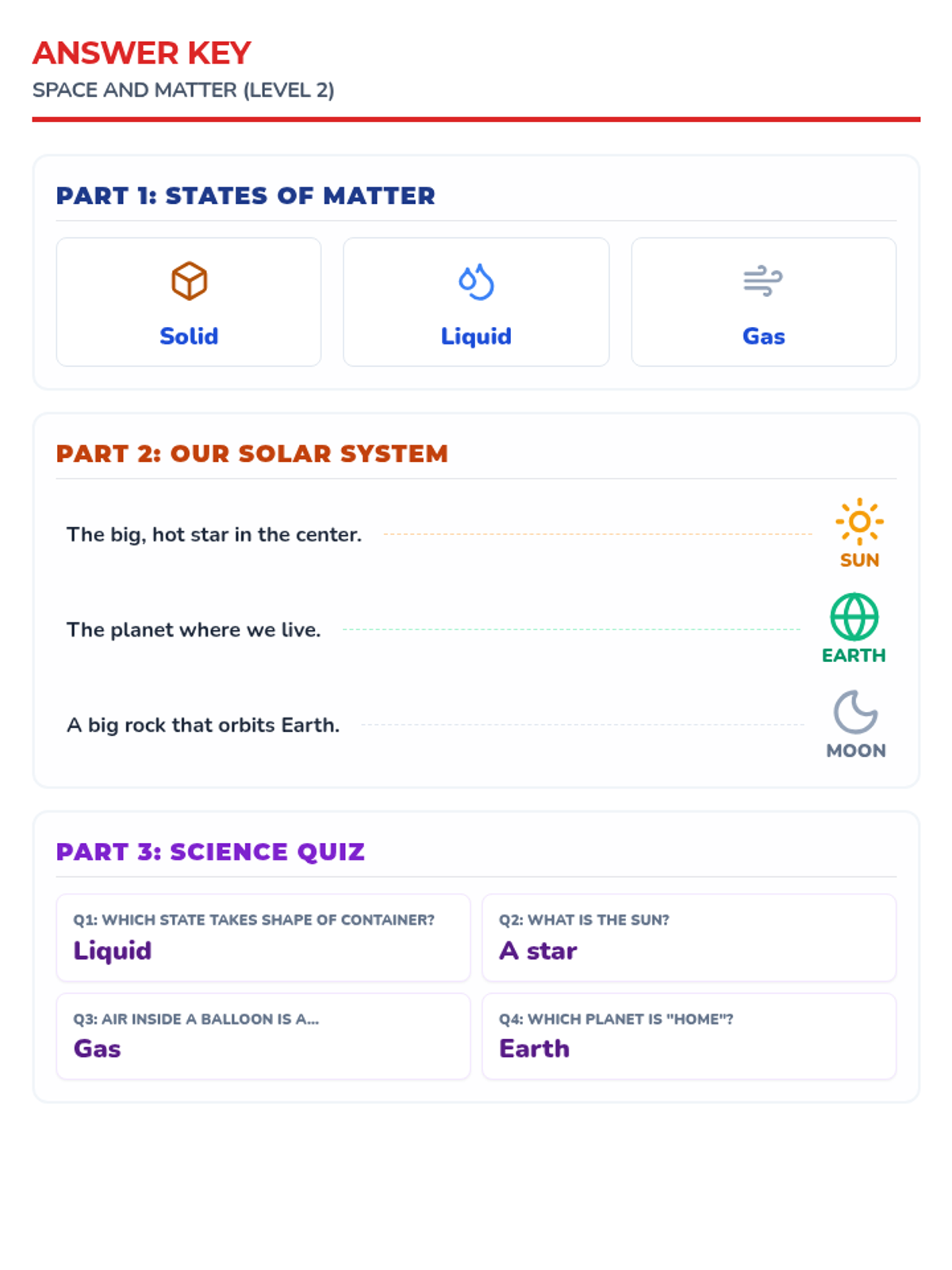
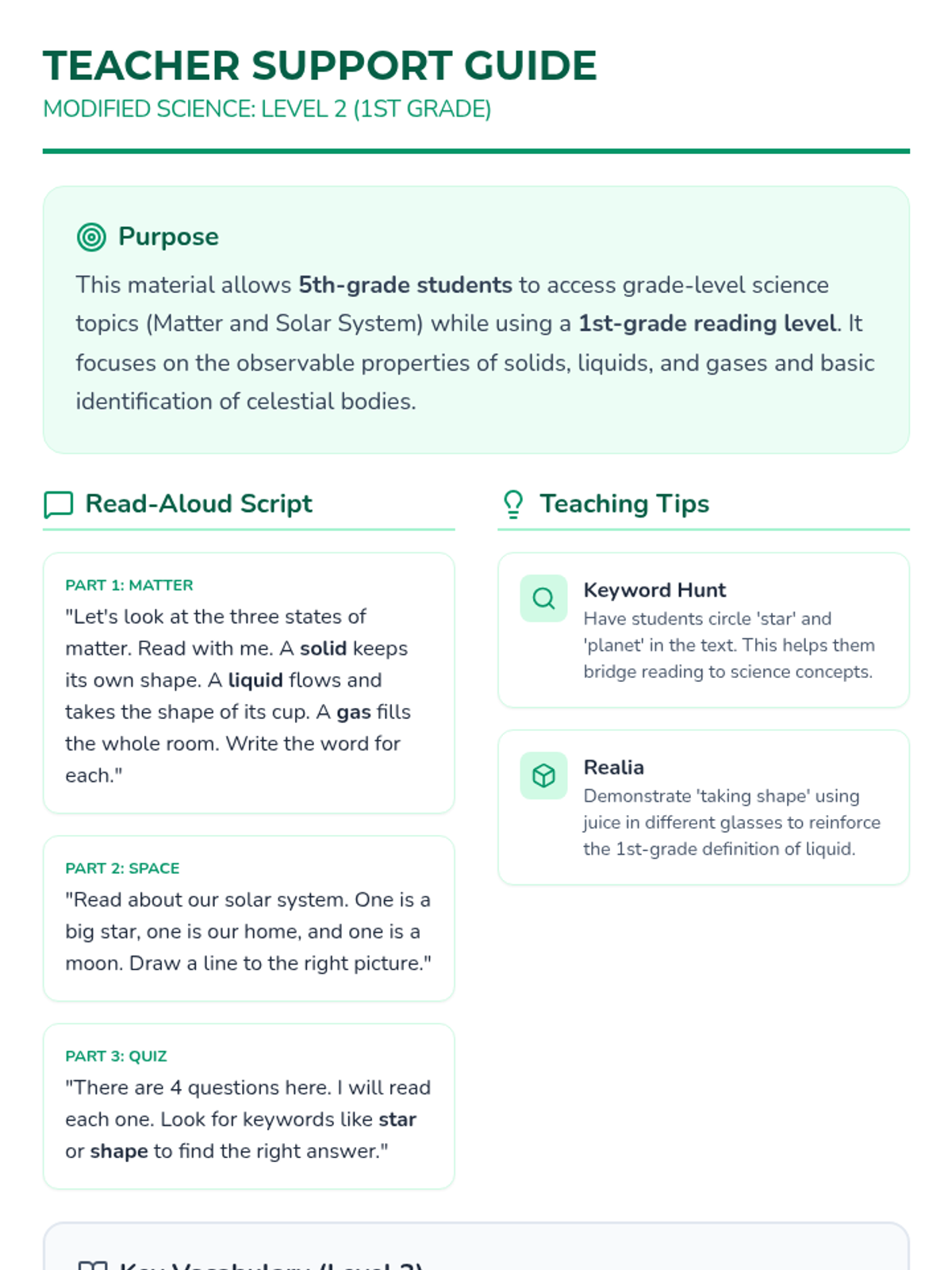
A modified science lesson covering the states of matter and the solar system, specifically designed for students with a kindergarten reading level to access 5th-grade concepts.
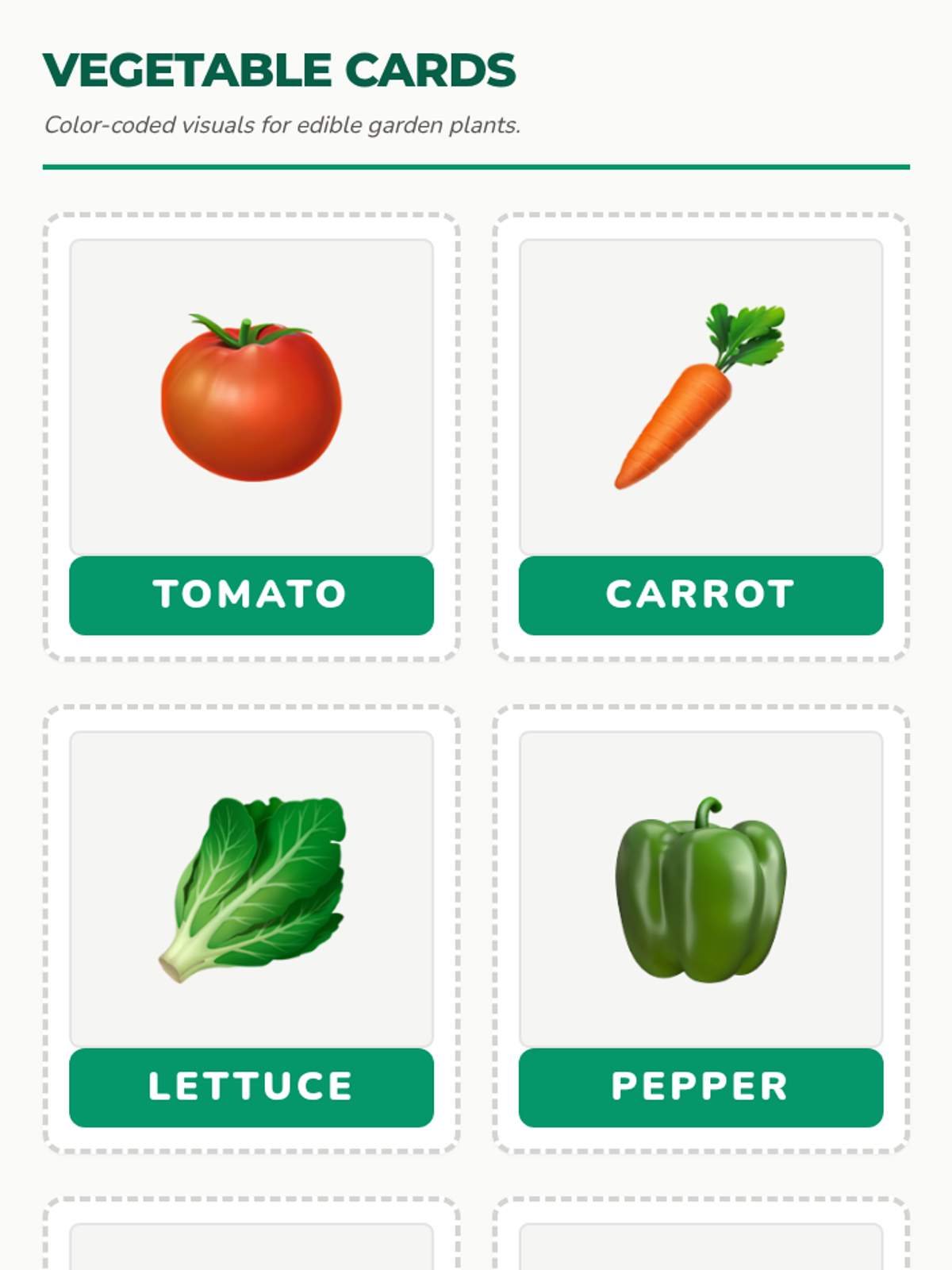
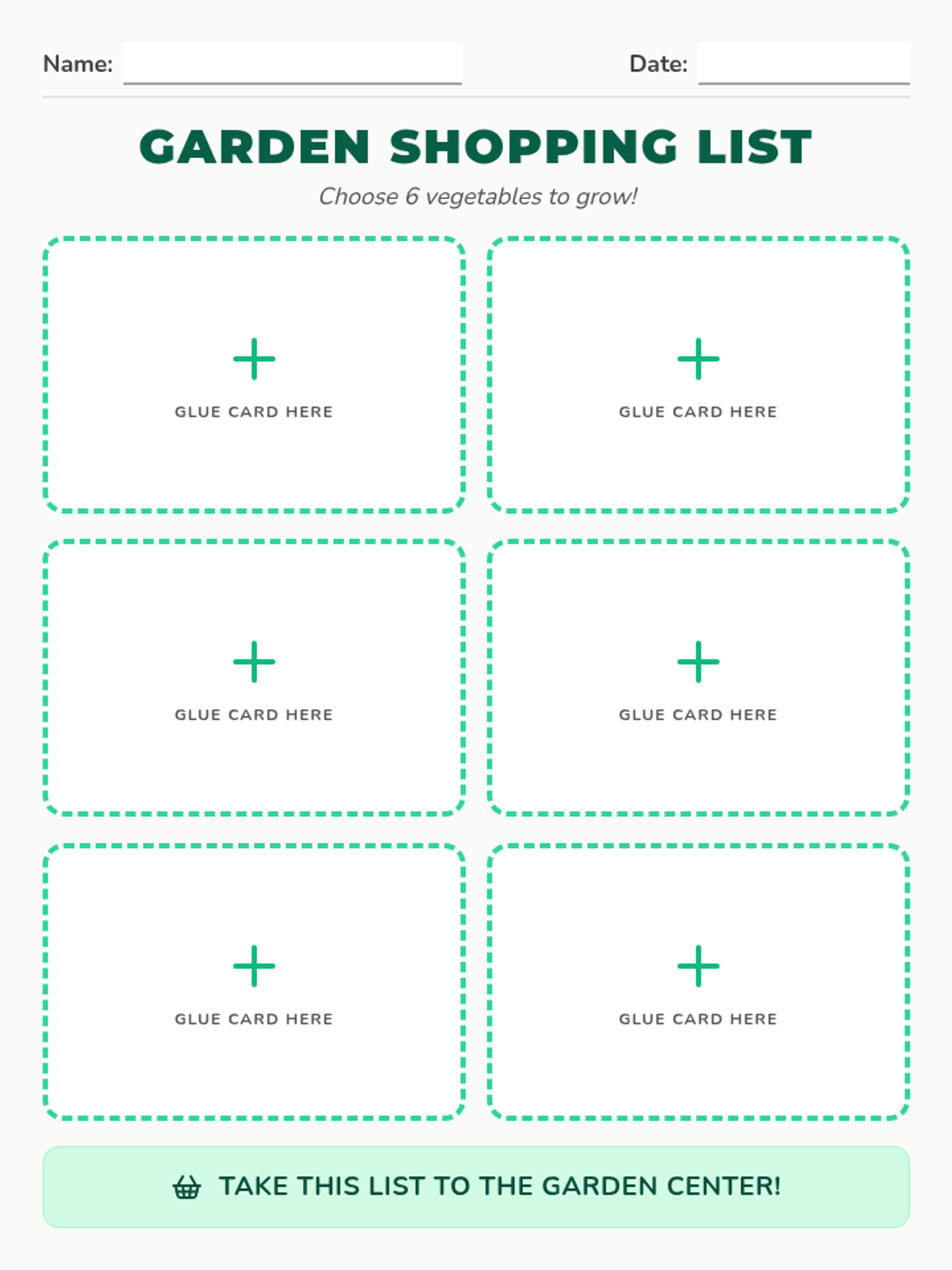
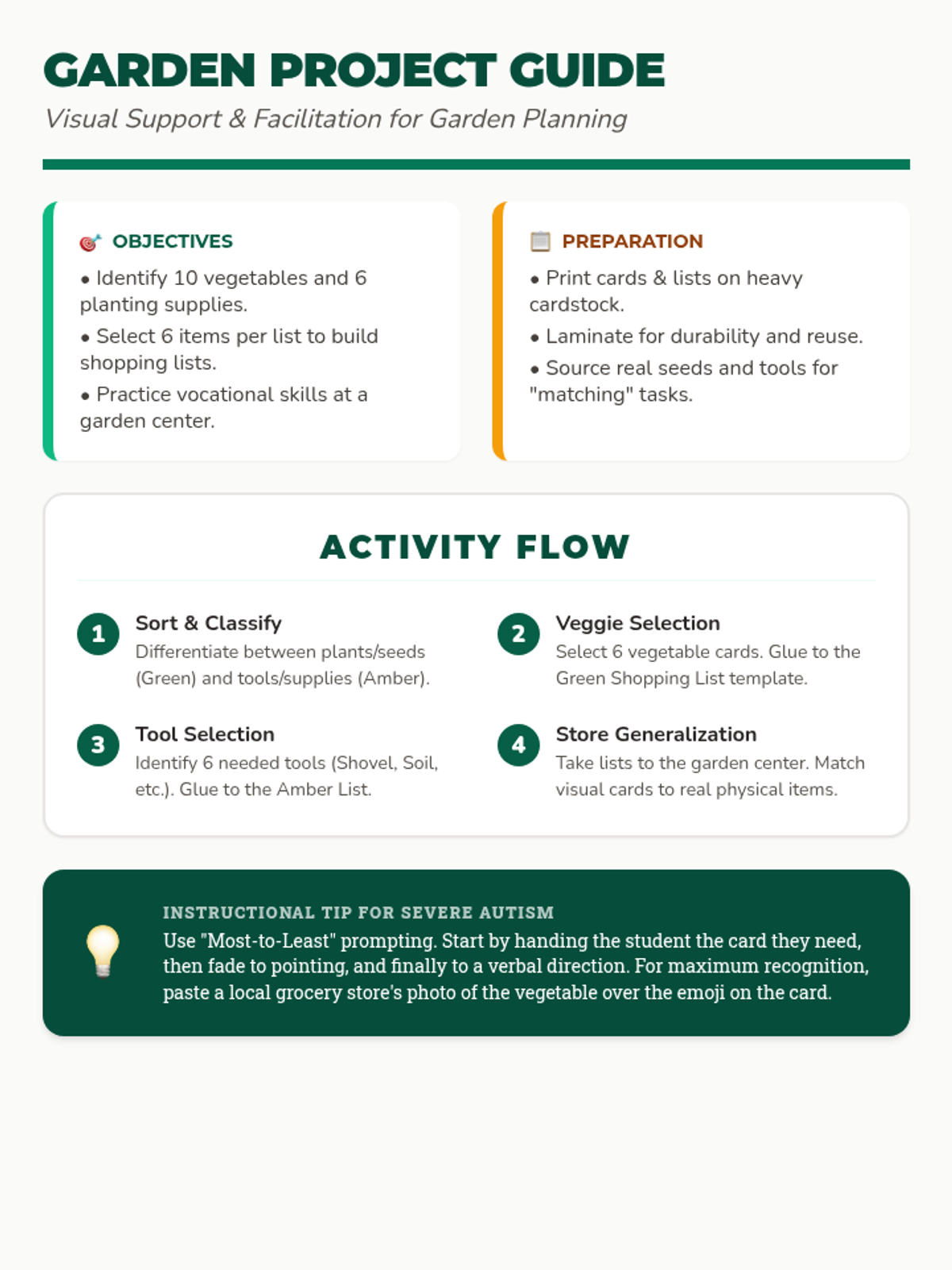
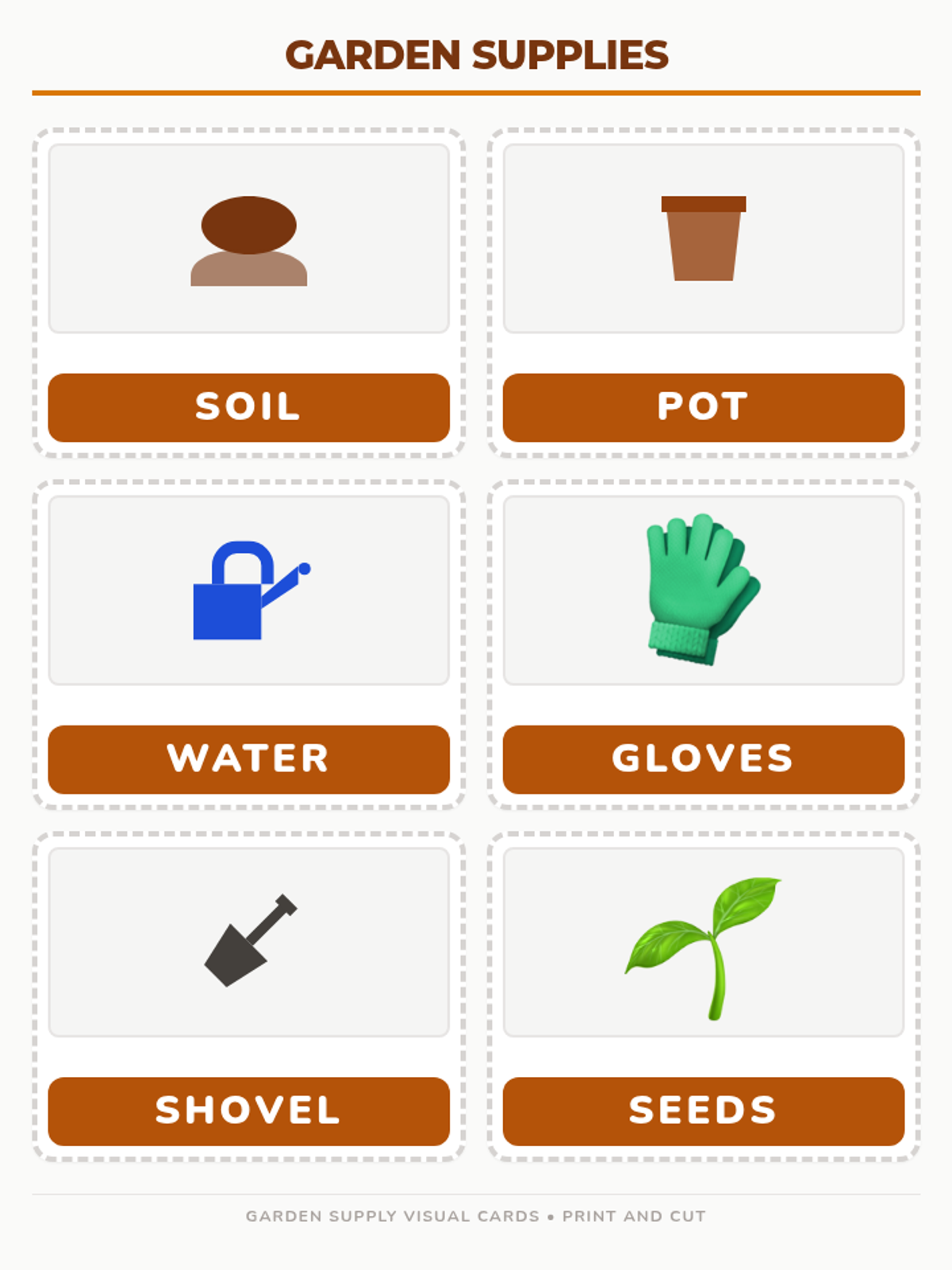
A hands-on activity for students to identify common garden vegetables and prepare a visual shopping list for a gardening project. This lesson focuses on visual recognition and functional life skills.
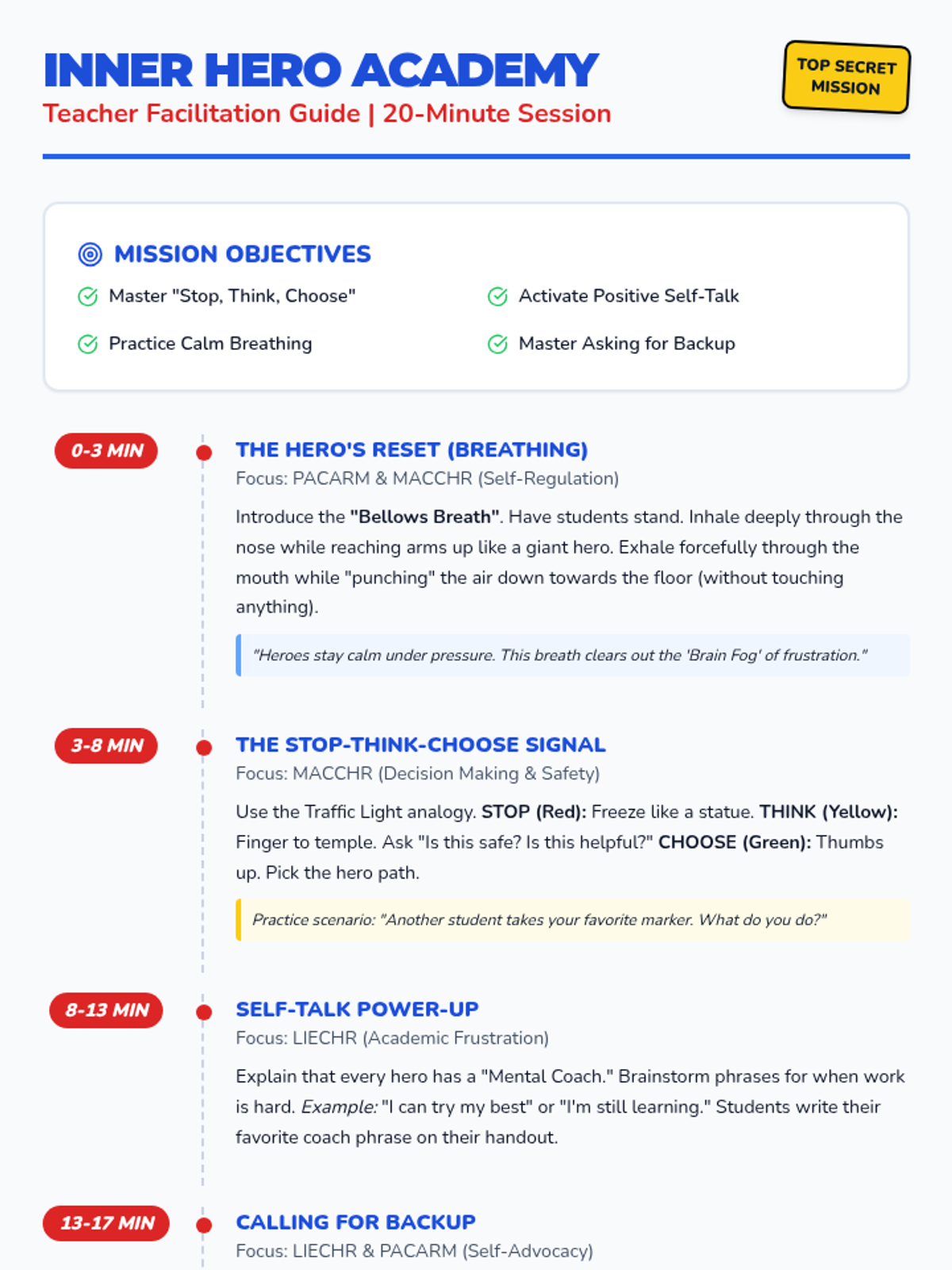
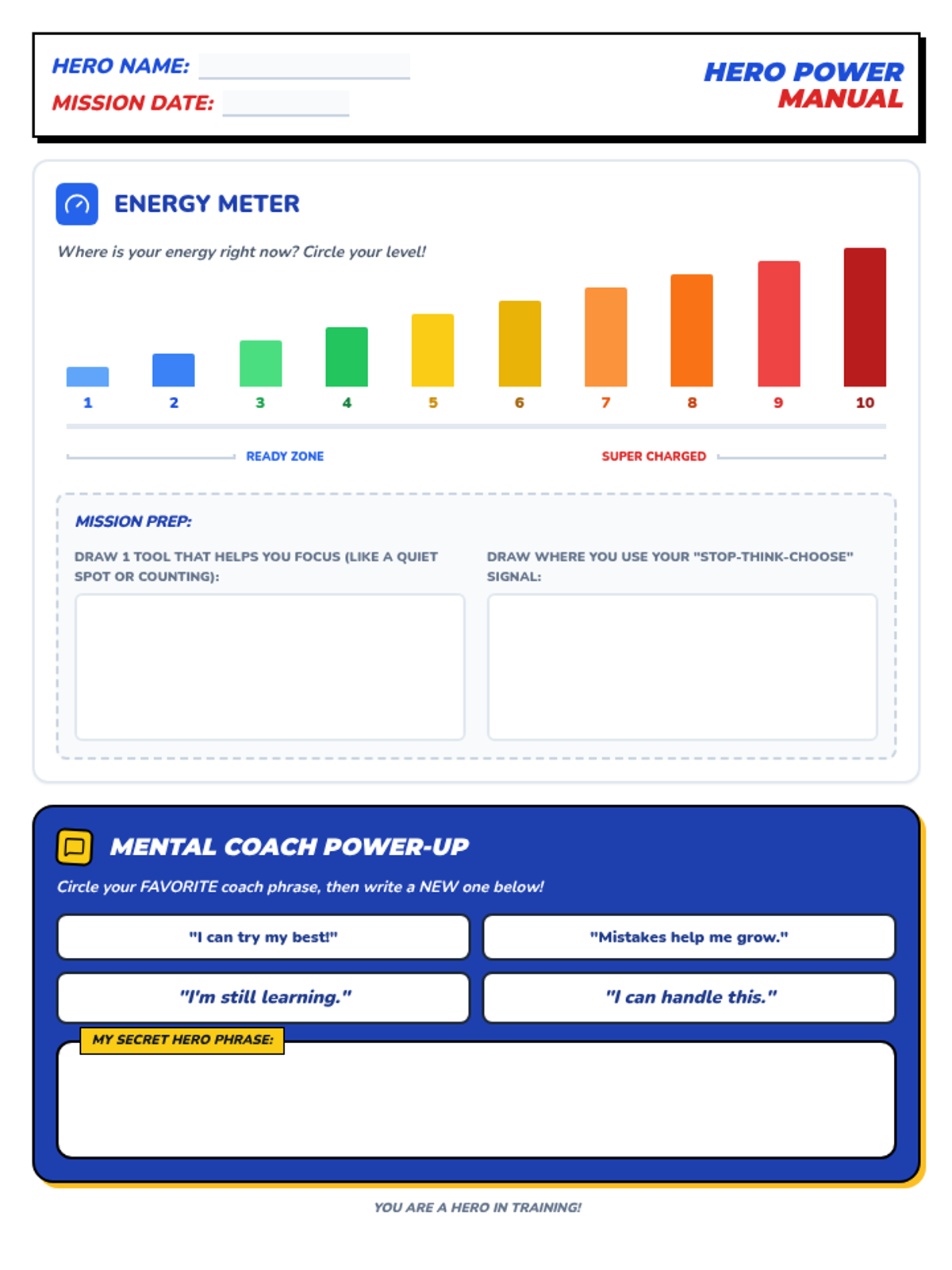
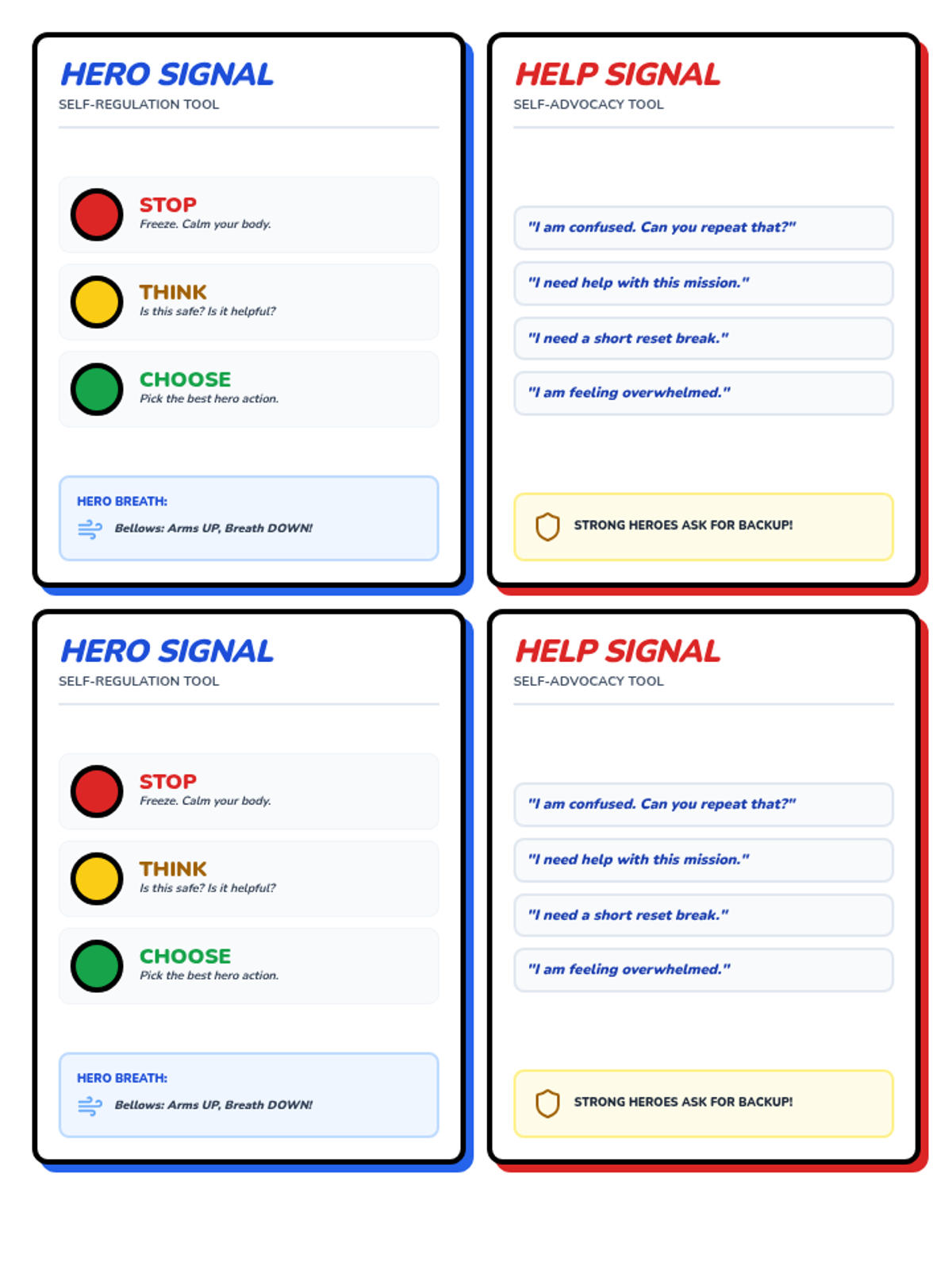
A 20-minute small group social-emotional learning lesson focusing on self-regulation, positive self-talk, and self-advocacy using the 'Inner Hero' theme. Designed for a mixed-grade group (2nd and 4th) to address IEP goals related to the Stop-Think-Choose method and asking for help.
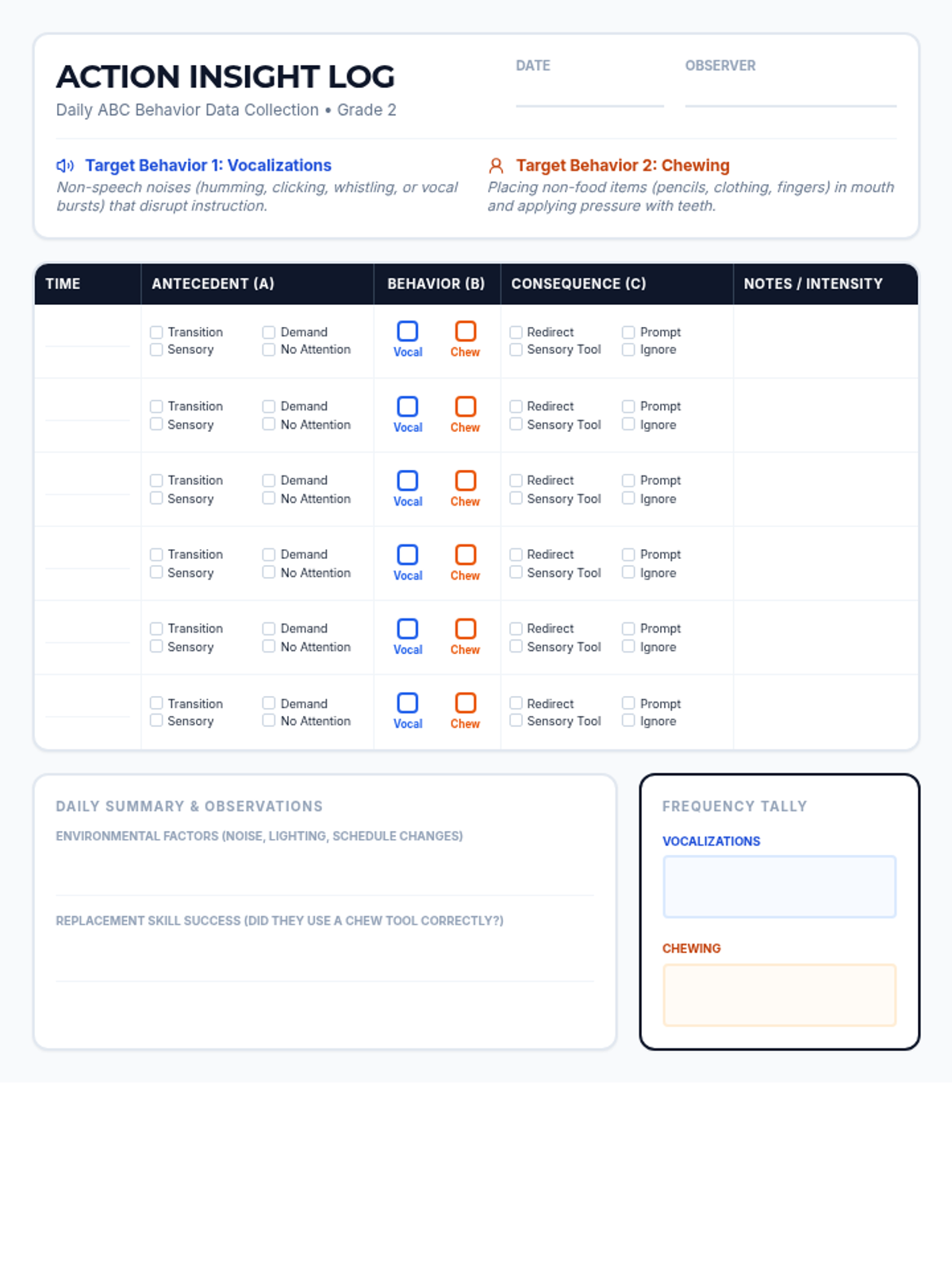
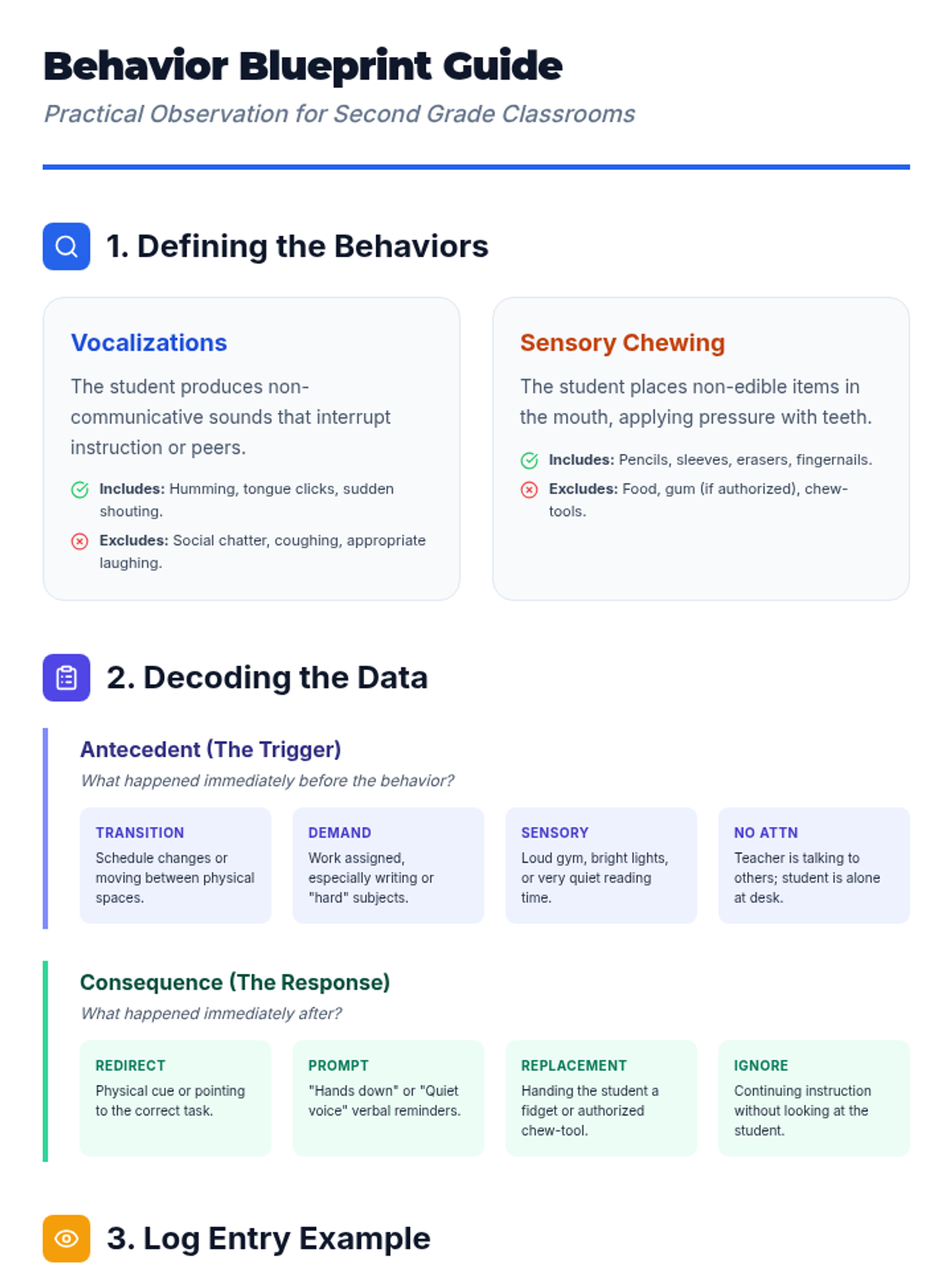
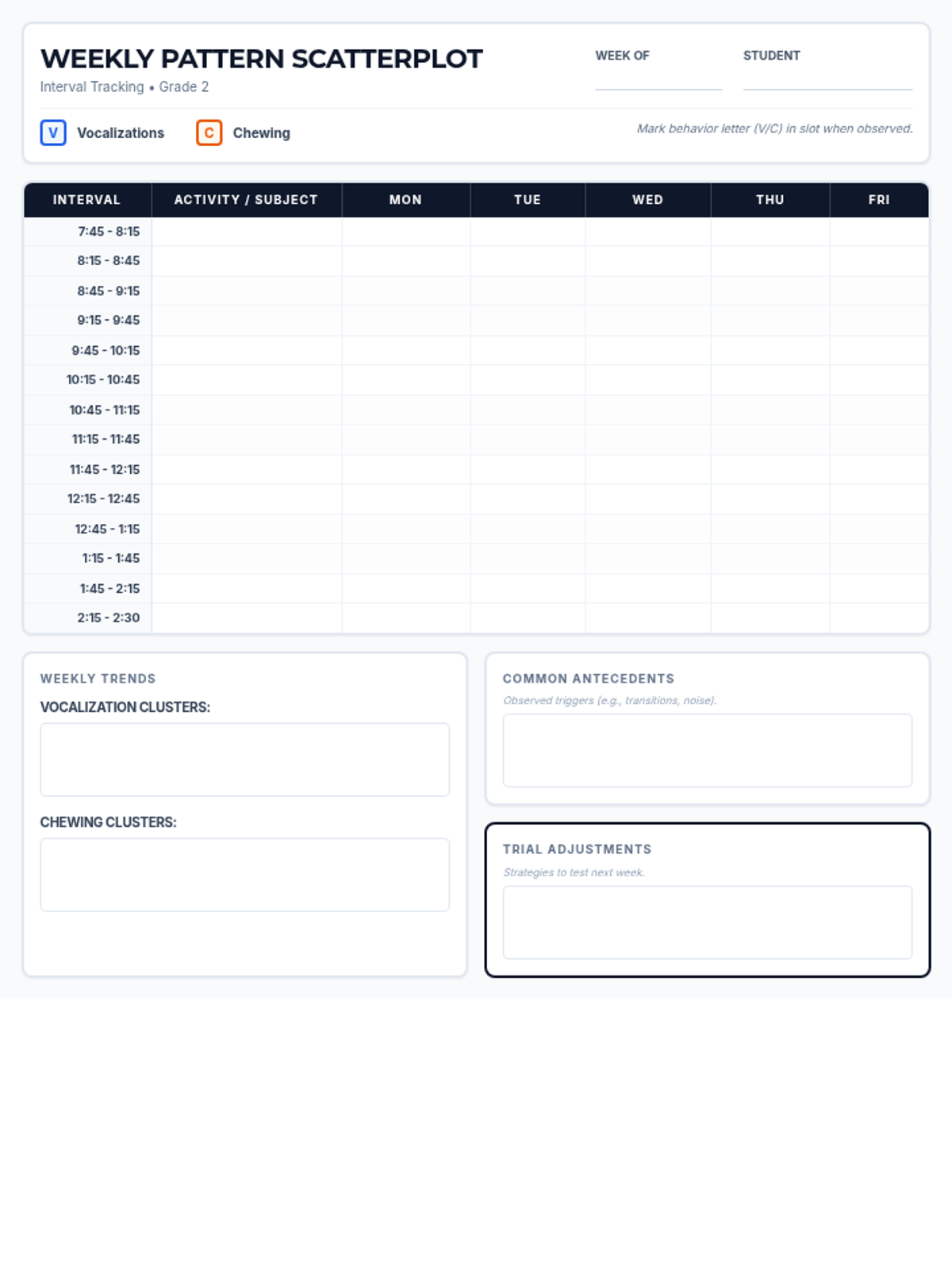
A comprehensive set of tools for tracking and understanding second-grade classroom behaviors, specifically focusing on off-task behaviors and noncompliance.
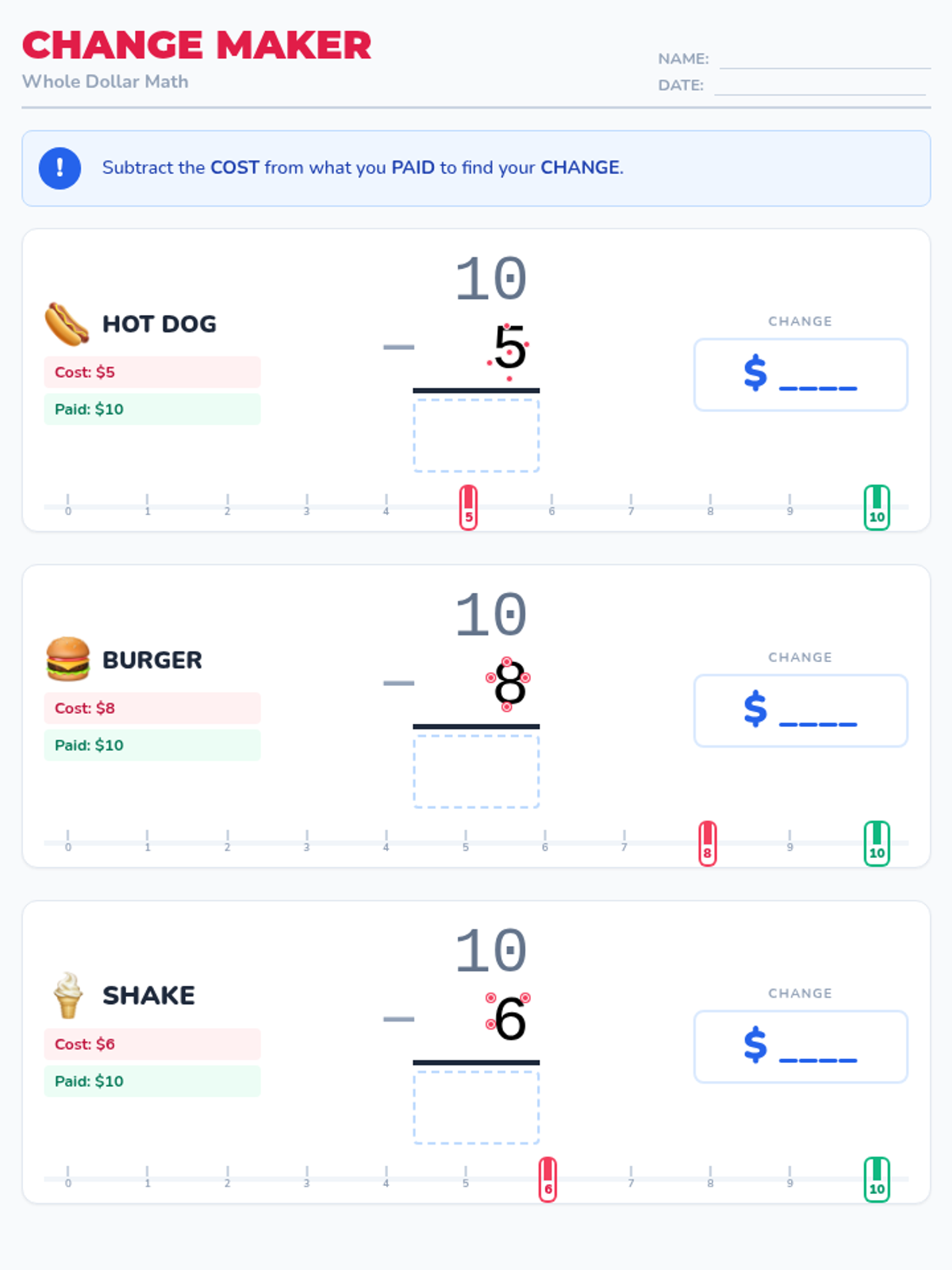
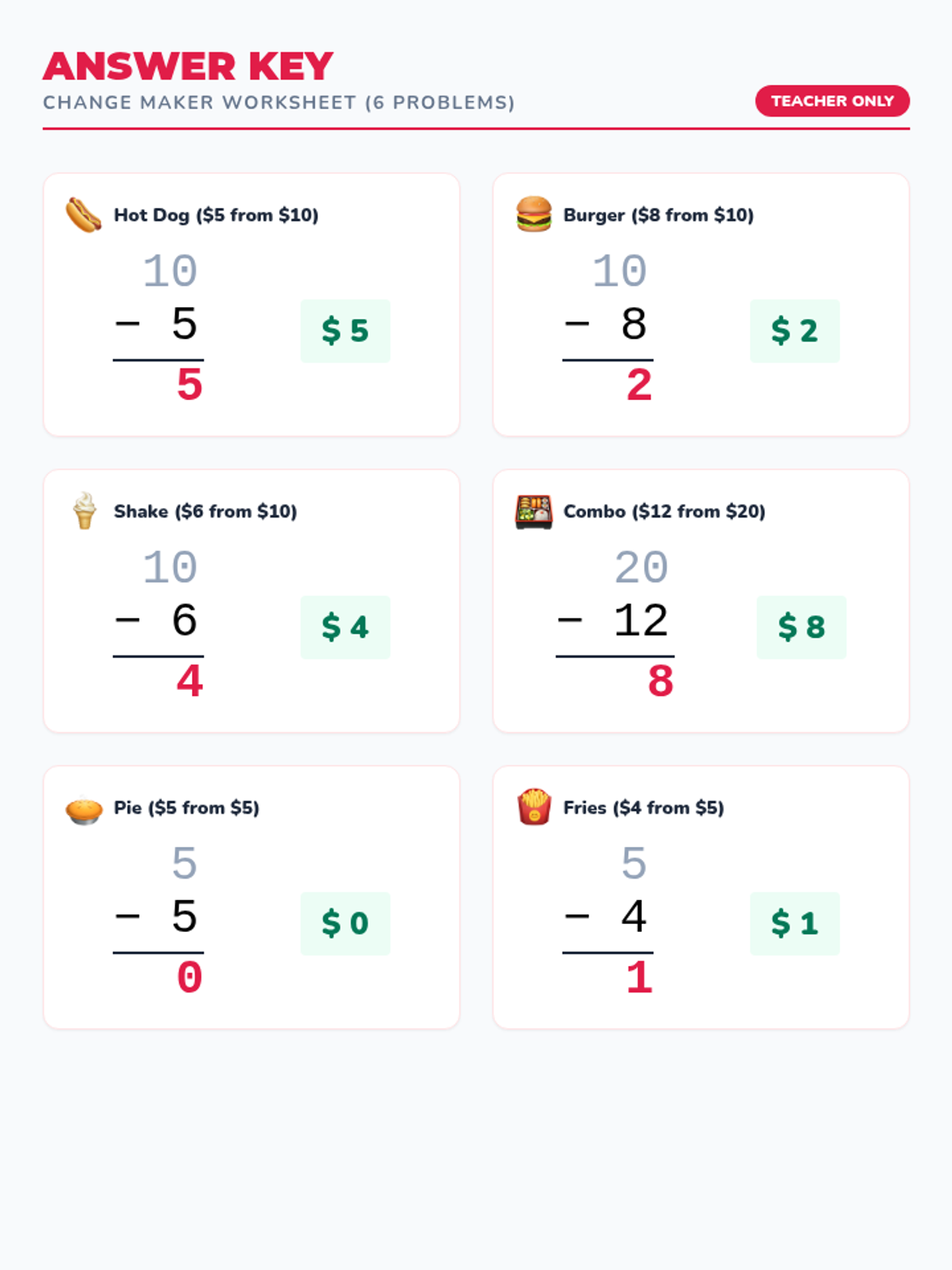
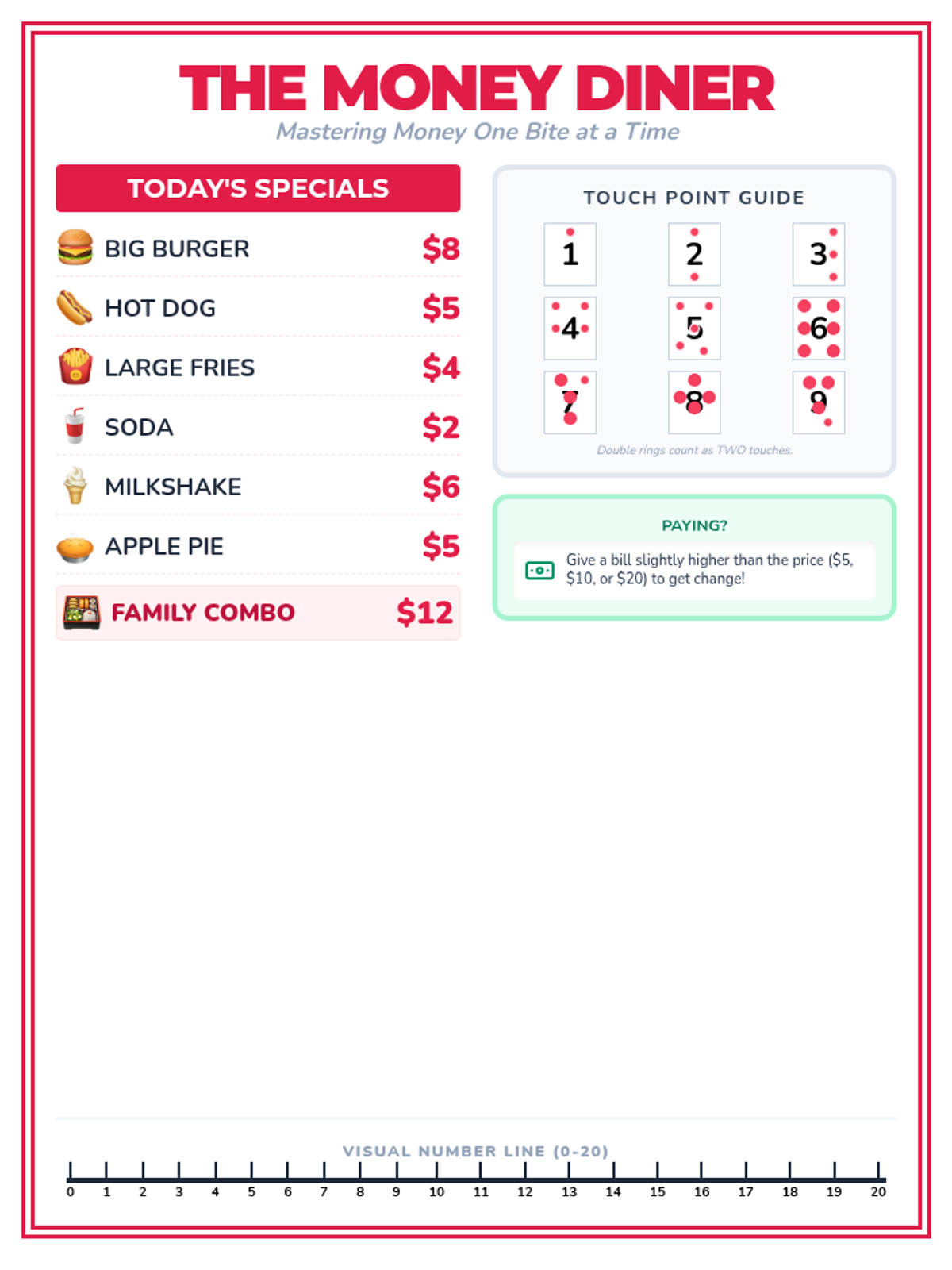
A functional math lesson focusing on calculating totals and change using whole dollar amounts. Designed with IEP supports including touch-points, visual number lines, and step-by-step guides for independent living skills.
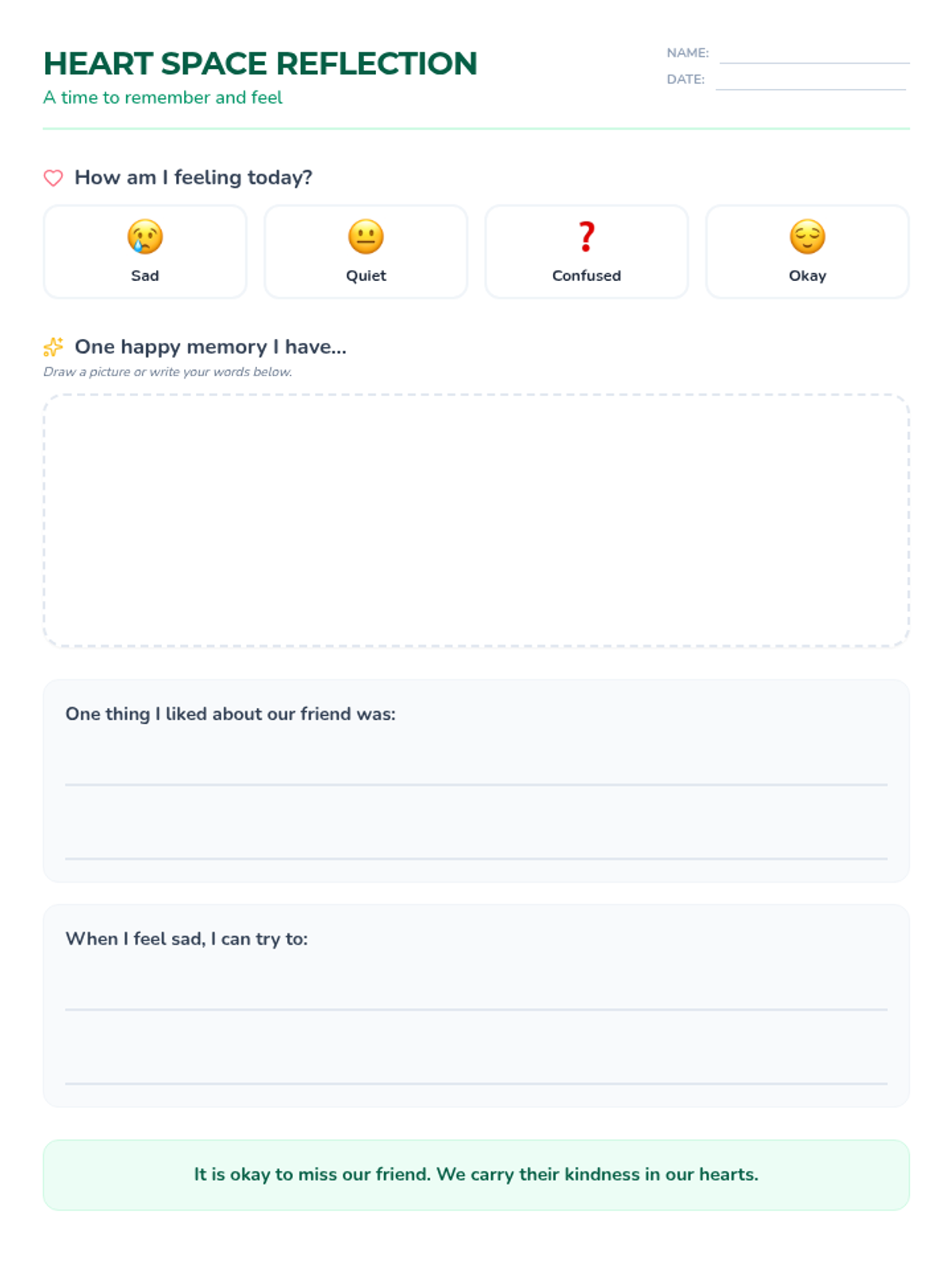
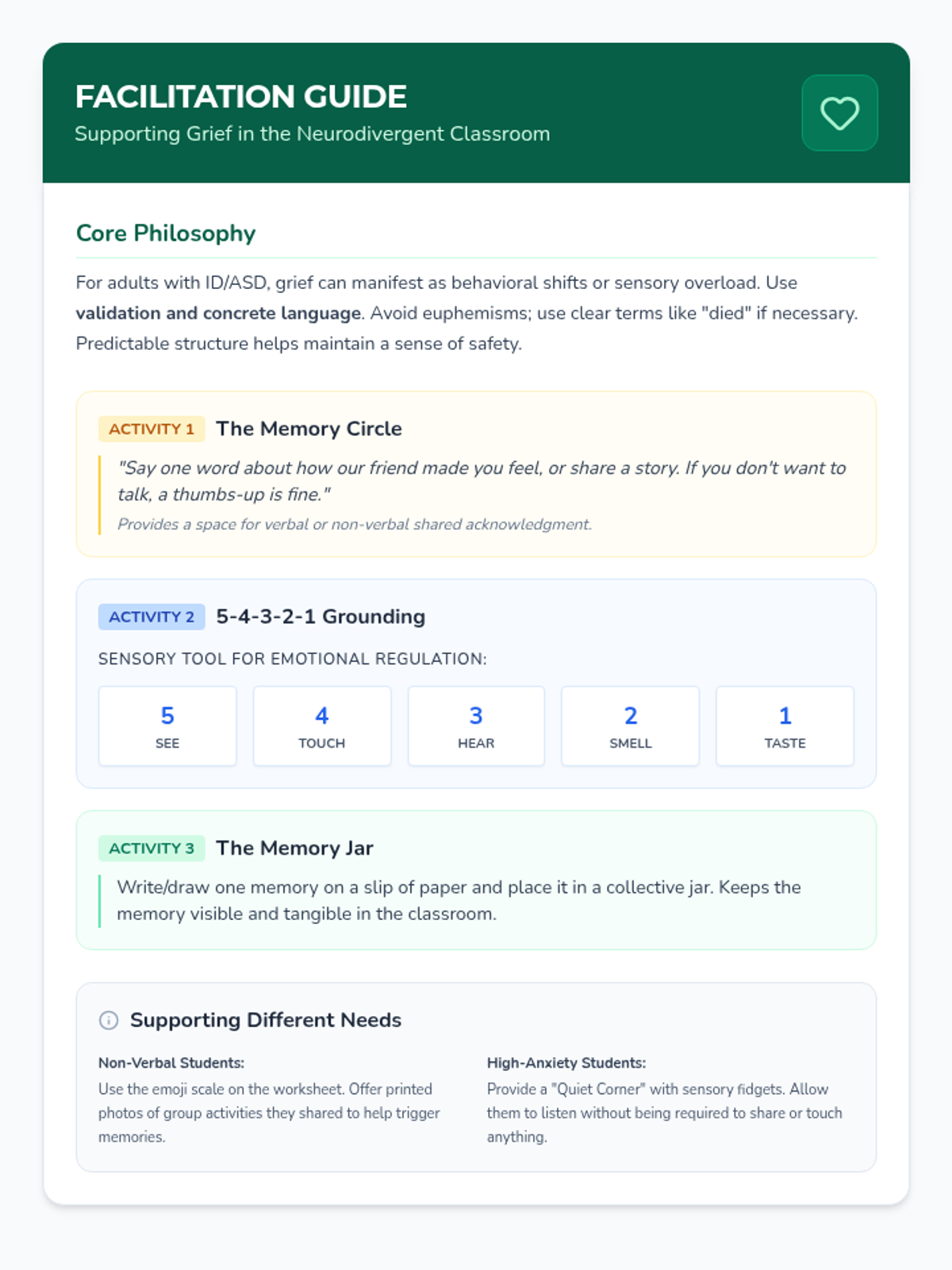
A gentle, supportive lesson designed for young adults with ID/ASD to process the loss of a staff member. It focuses on identifying emotions, sharing memories, and practicing simple coping strategies in a safe environment.
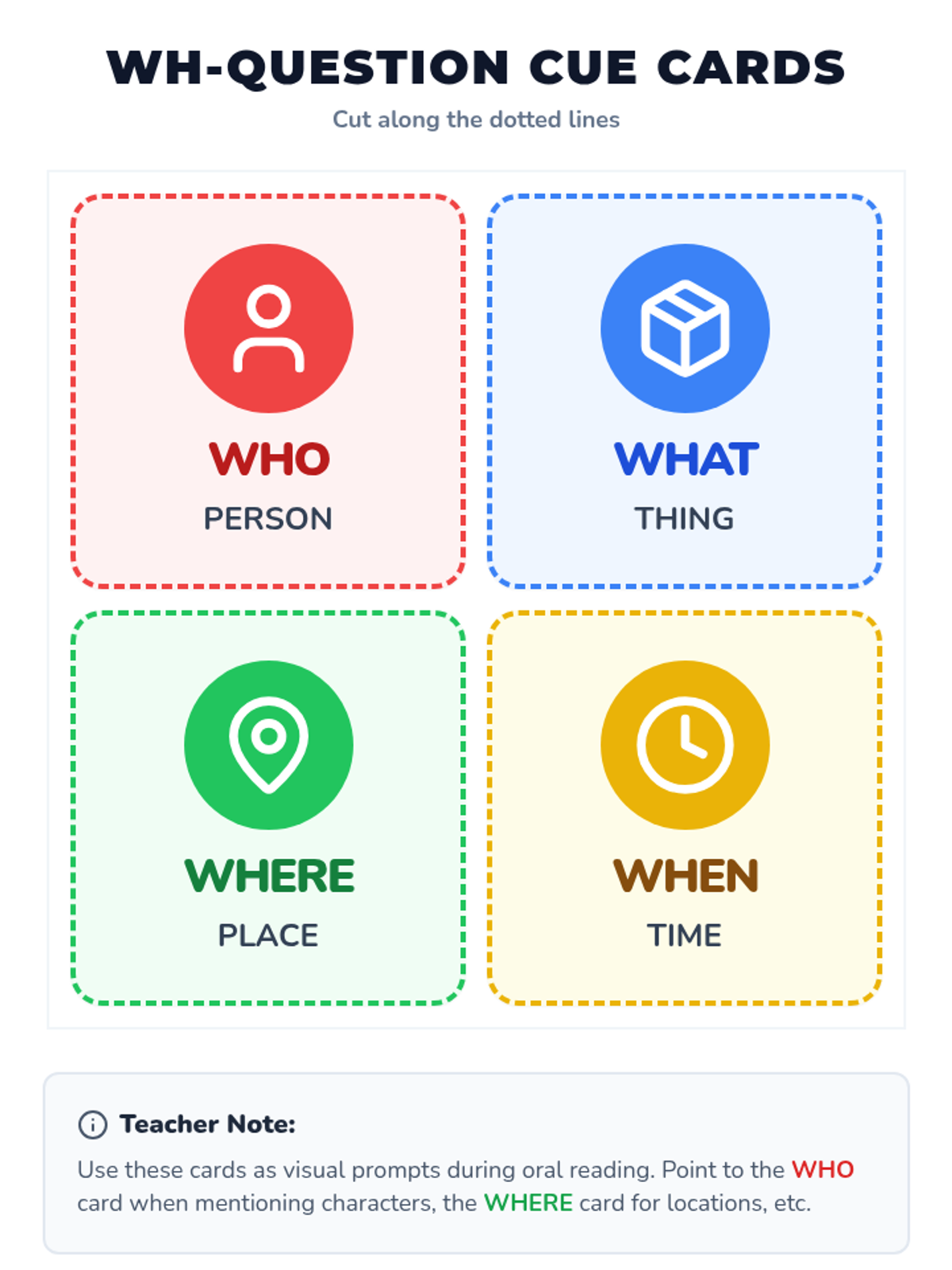
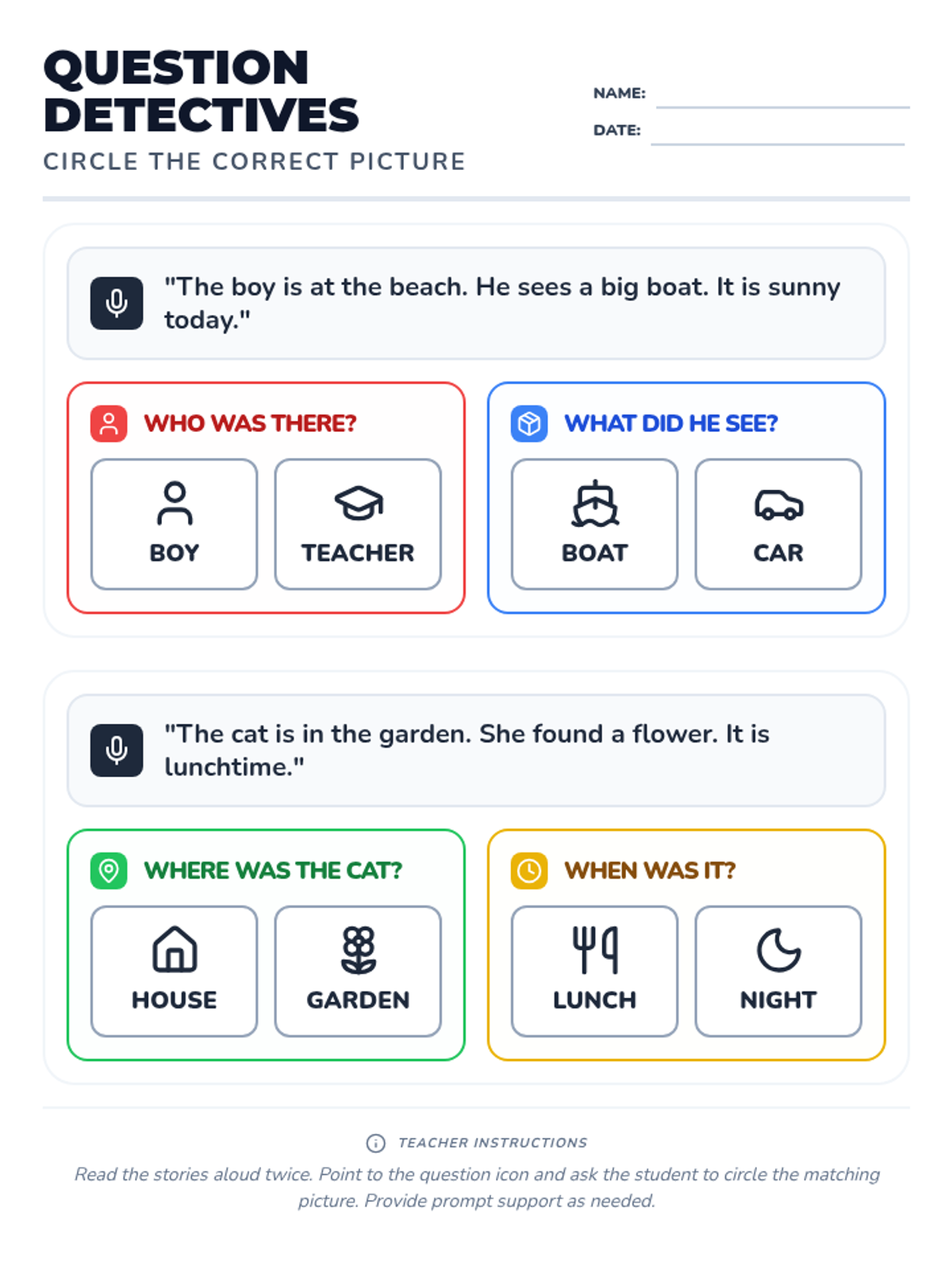
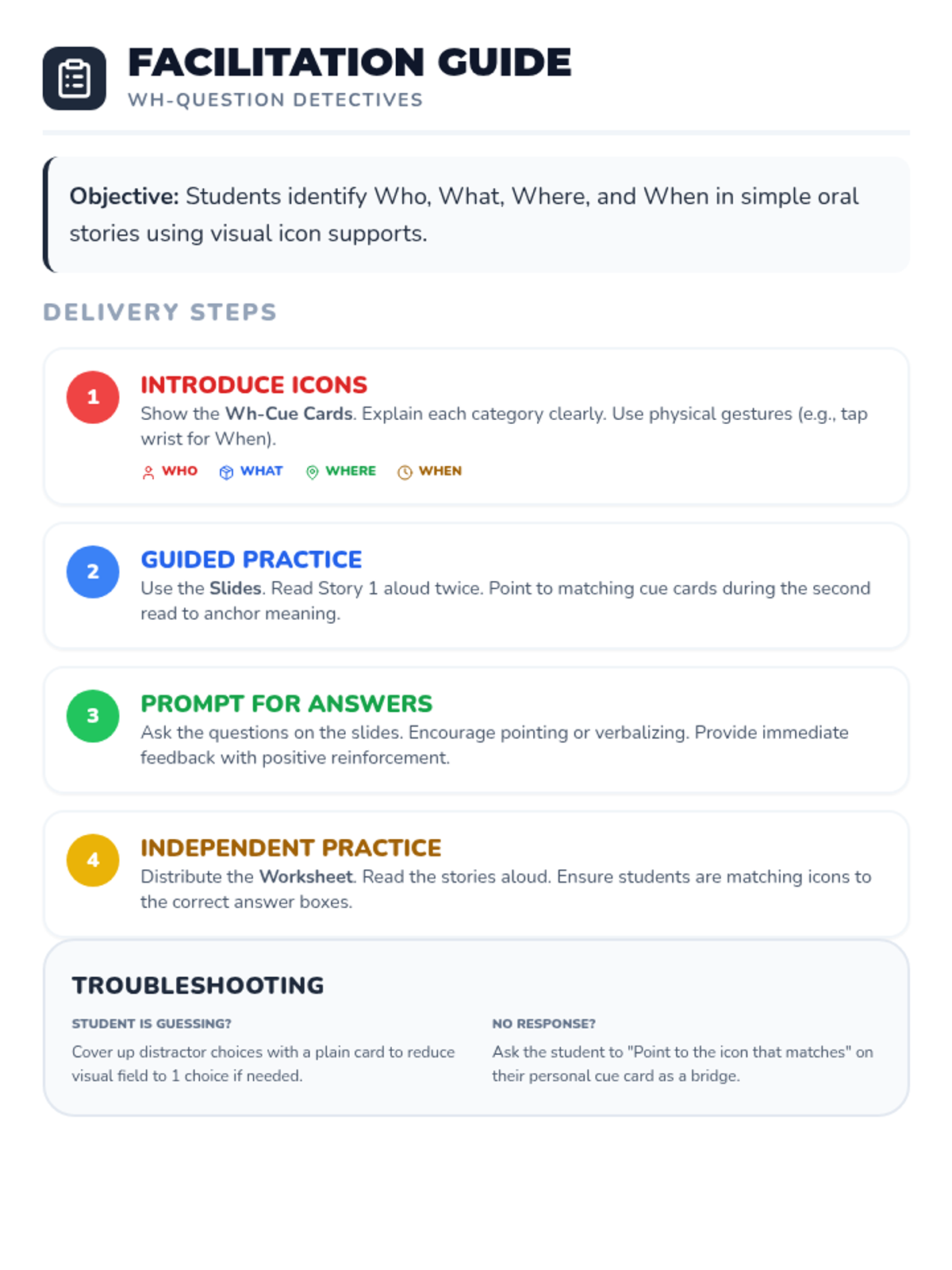
This lesson introduces the four primary question types (Who, What, Where, When) using 2-3 sentence stories. Students use visual icons to bridge the gap between spoken words and meaning.
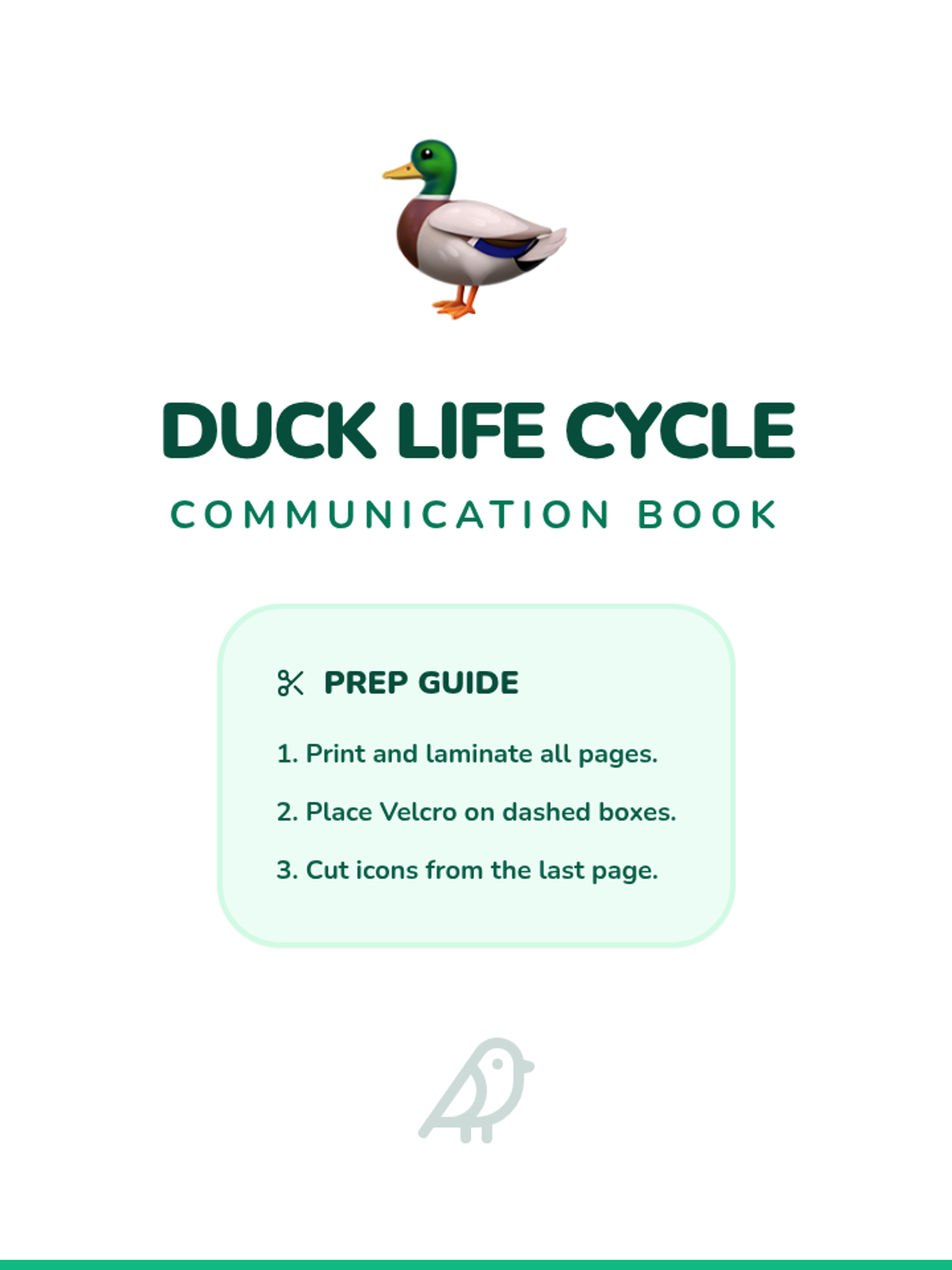
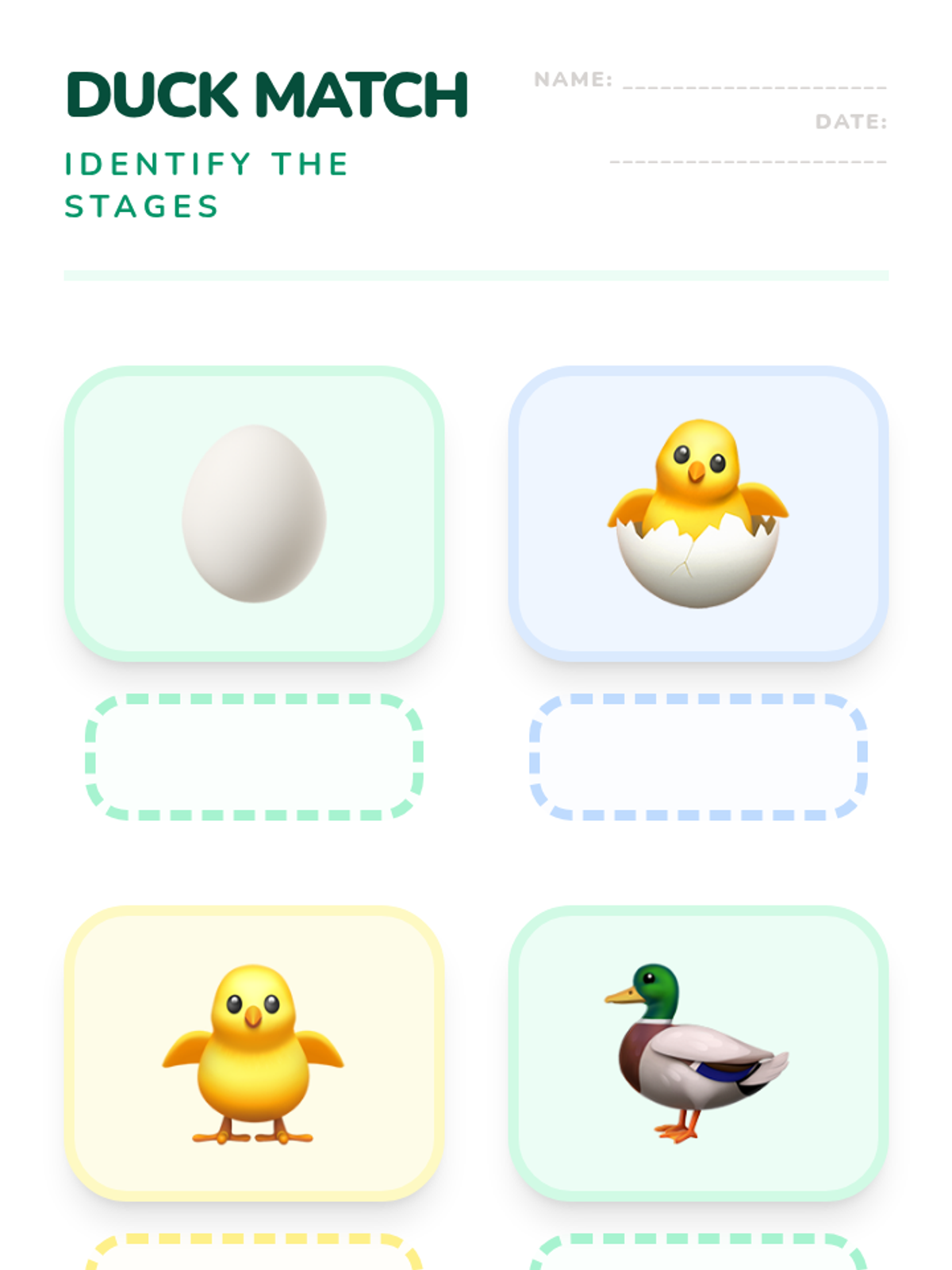
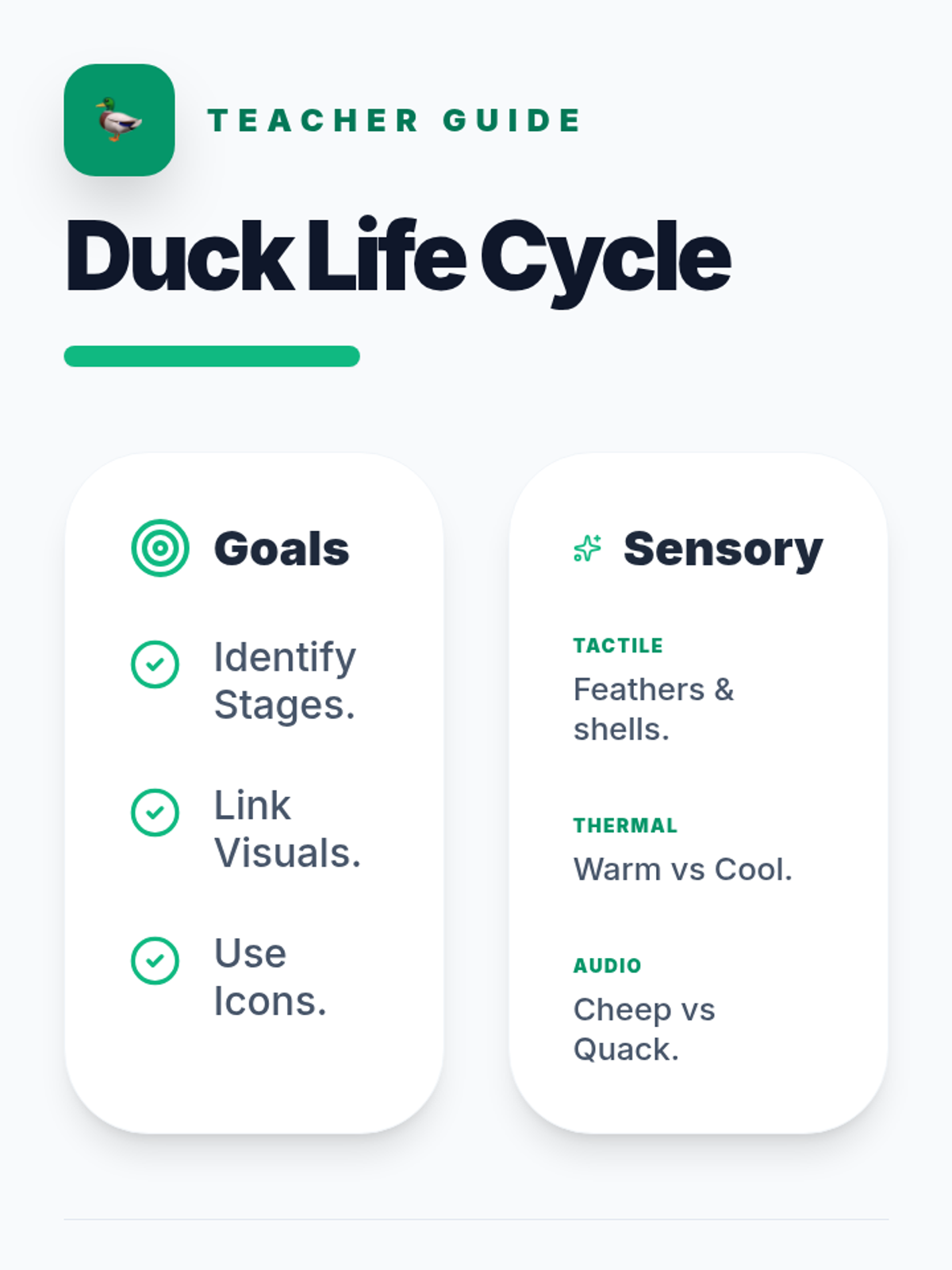
A specialized lesson designed for severe special needs students focusing on the developmental stages of a duck, from egg to adult. Includes adaptive visual supports and real-life imagery to aid comprehension and connection to the classroom incubator experience.
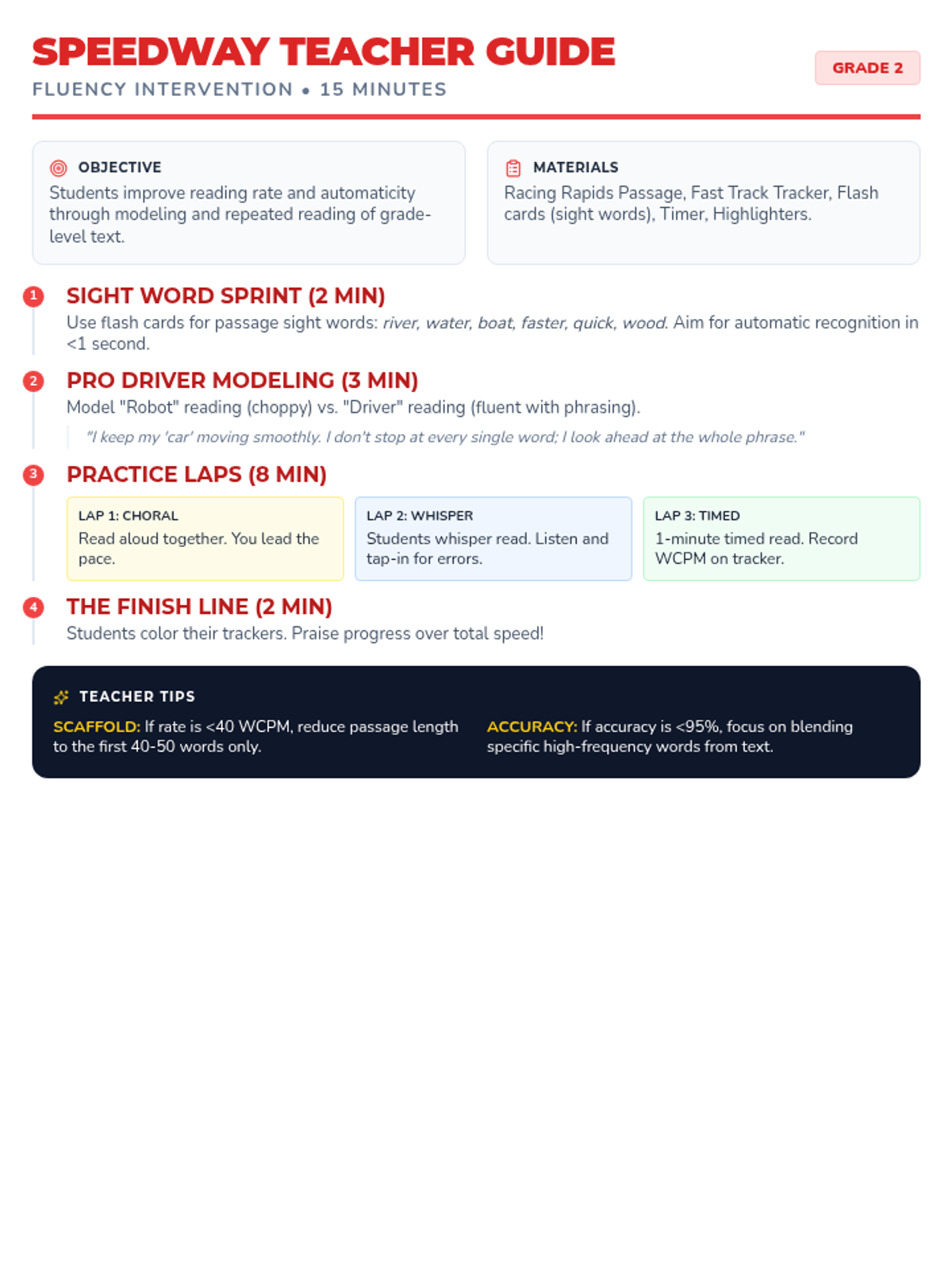
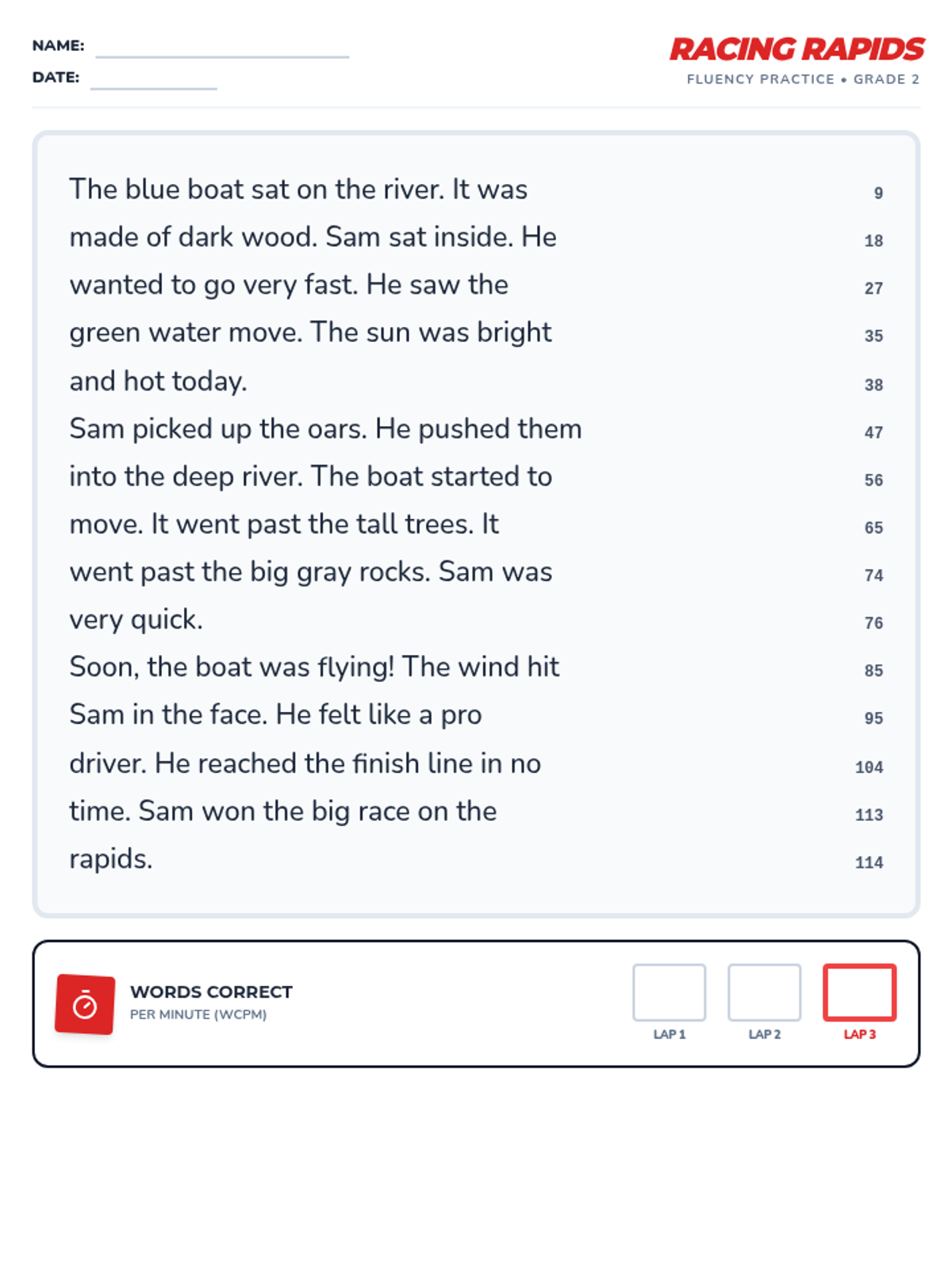
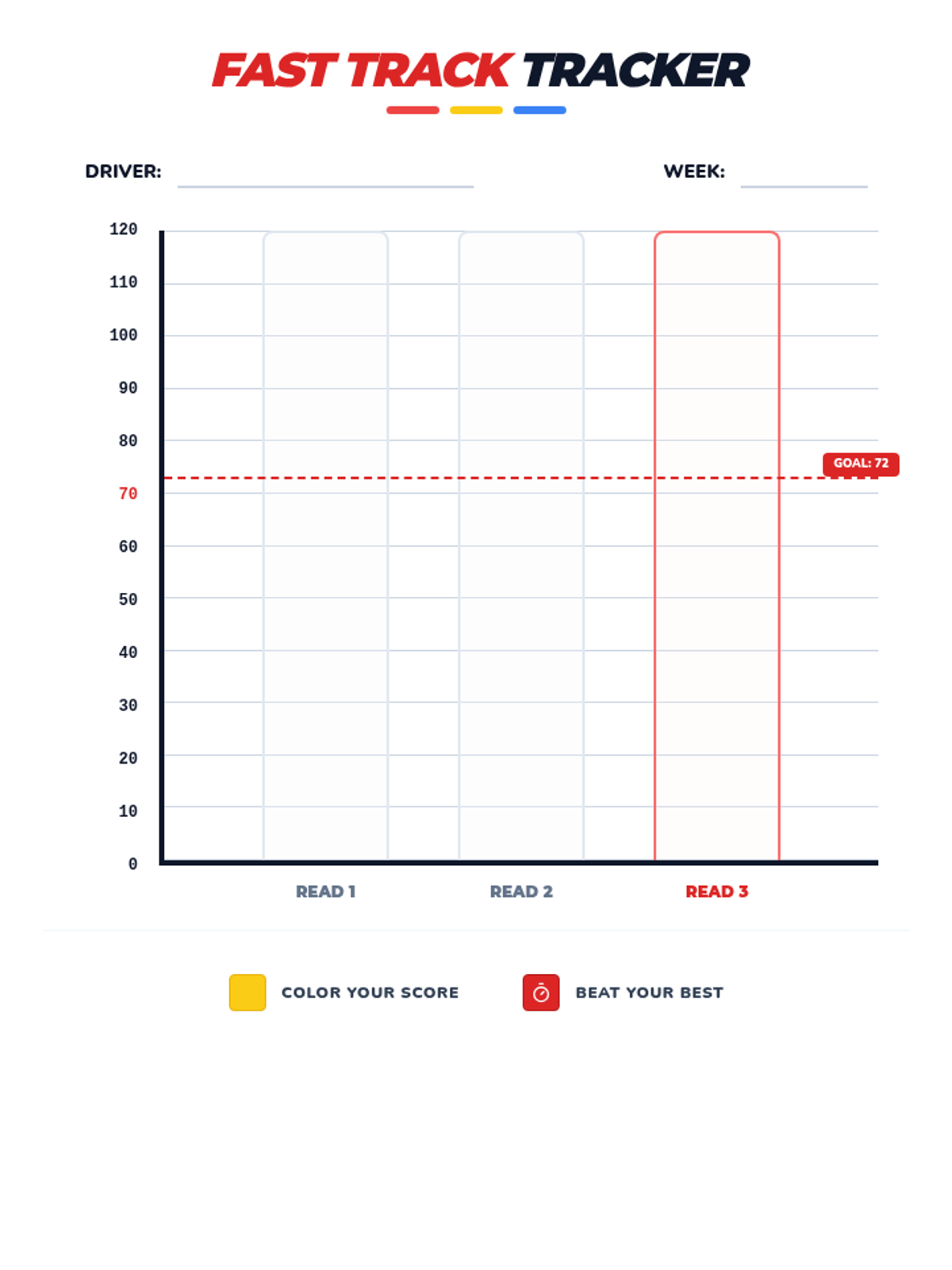
A targeted 15-minute small group intervention focusing on increasing oral reading rate and automaticity for 2nd grade students who are below mid-year DIBELS benchmarks.
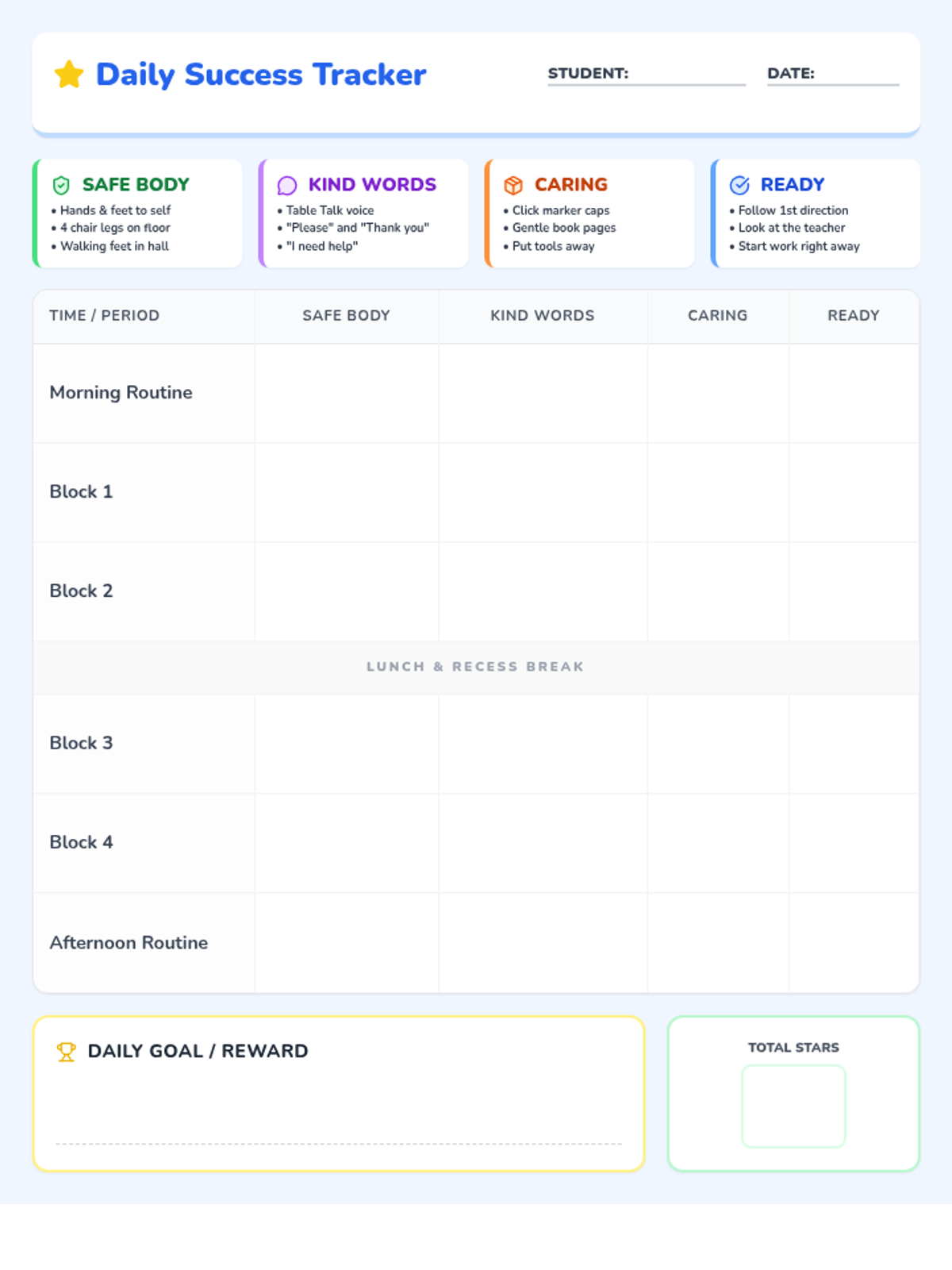
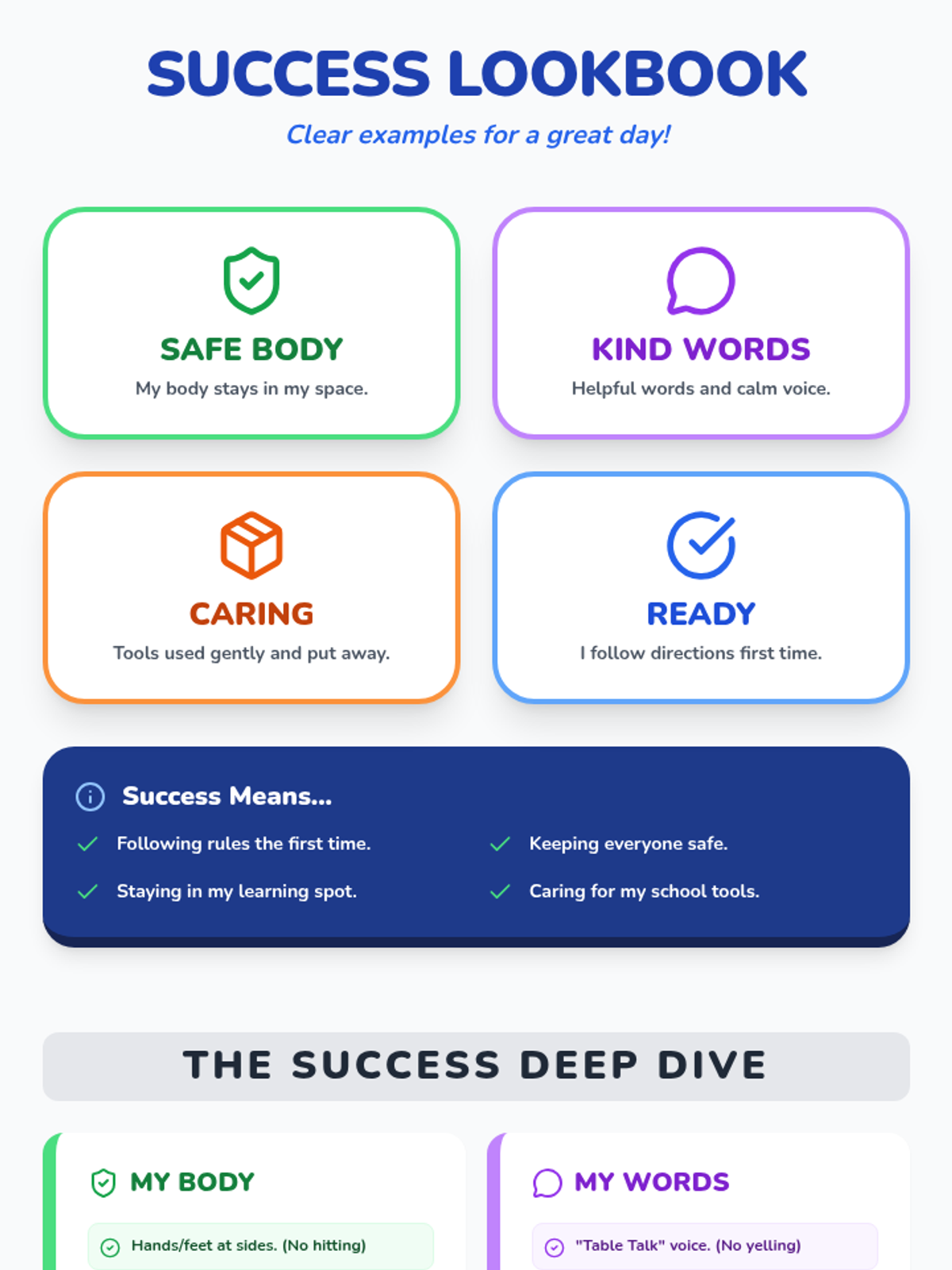
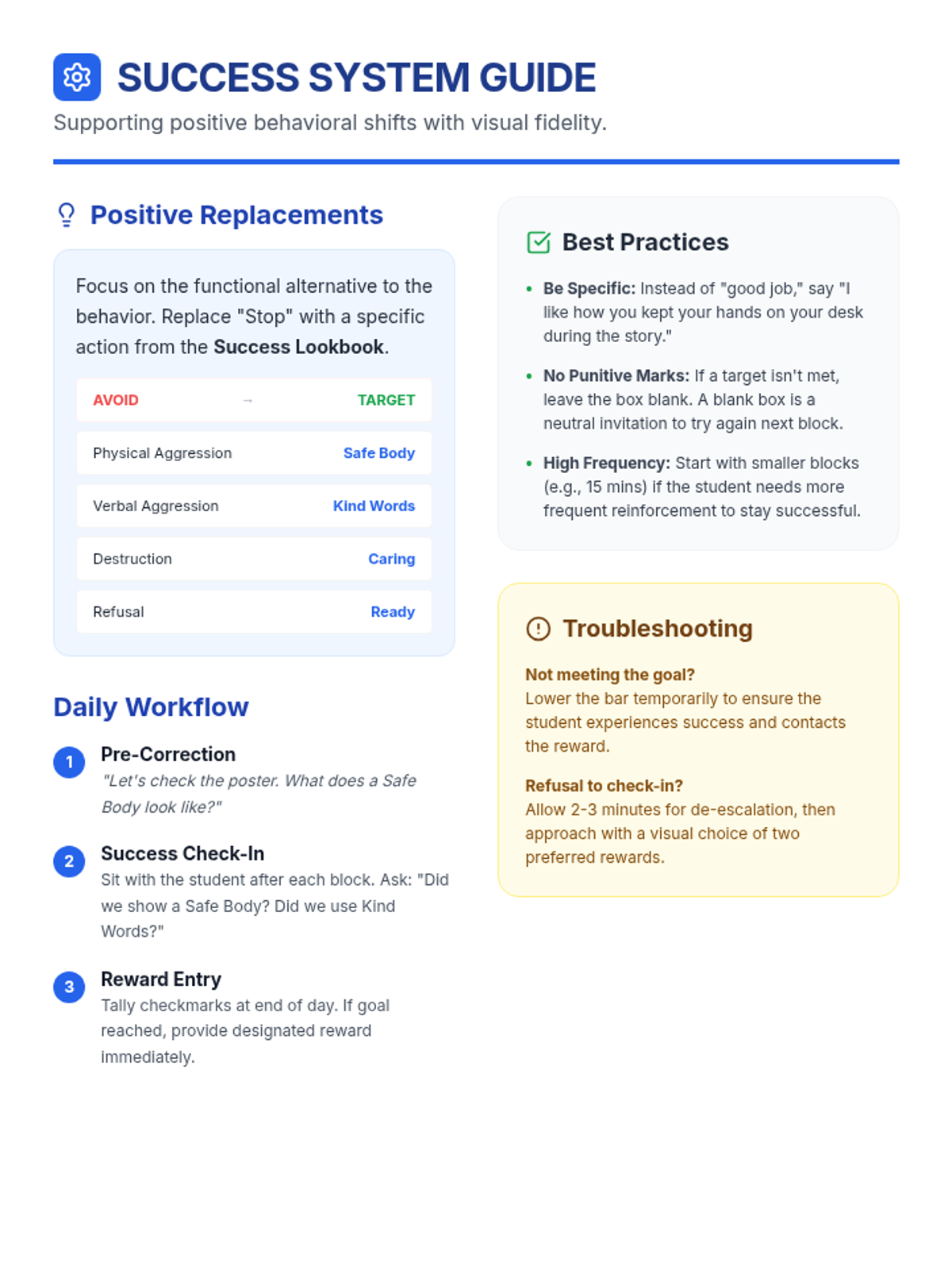
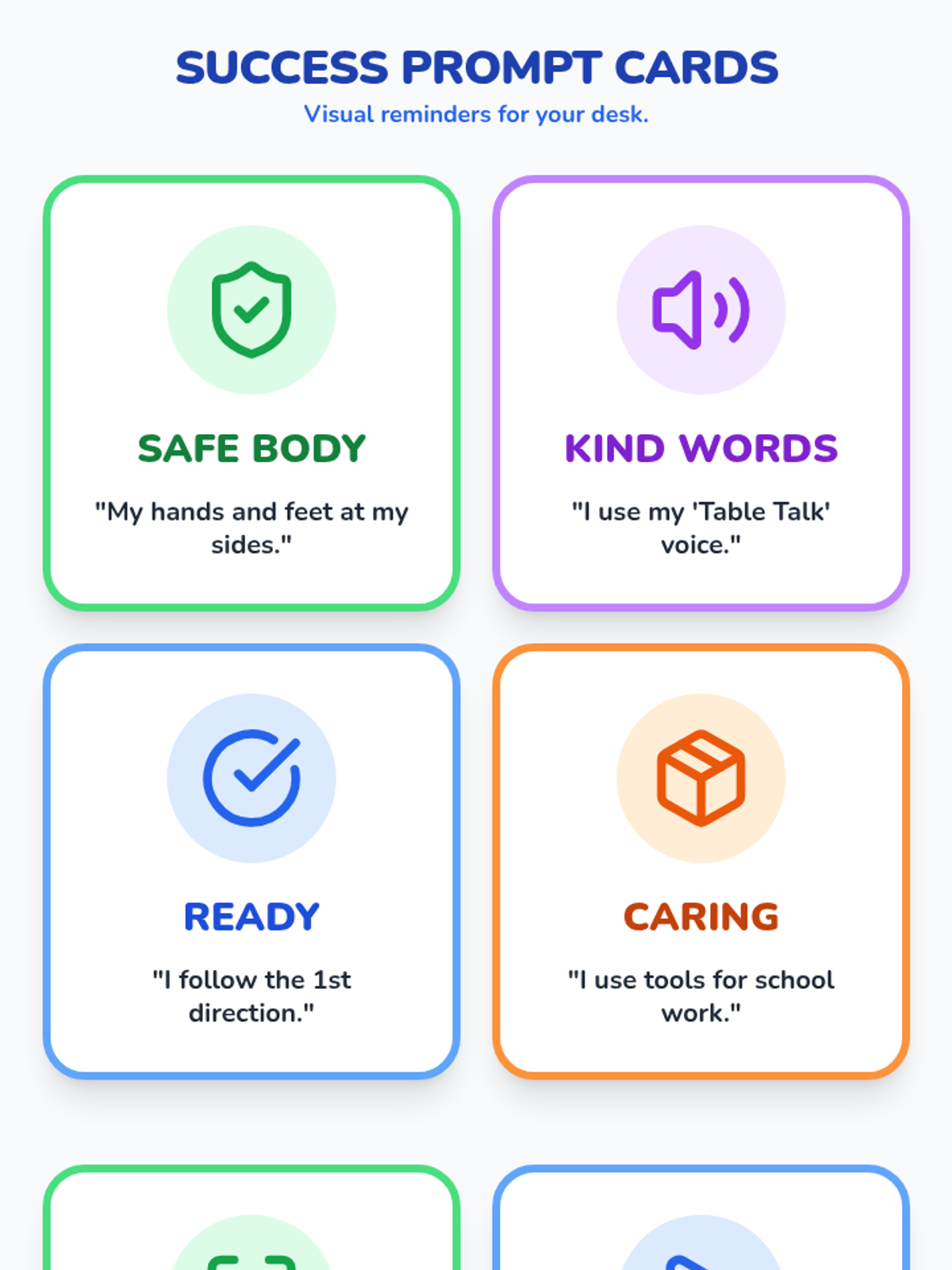
A positive, visual-first system for supporting student behavior expectations through daily tracking and clear, simple success criteria.
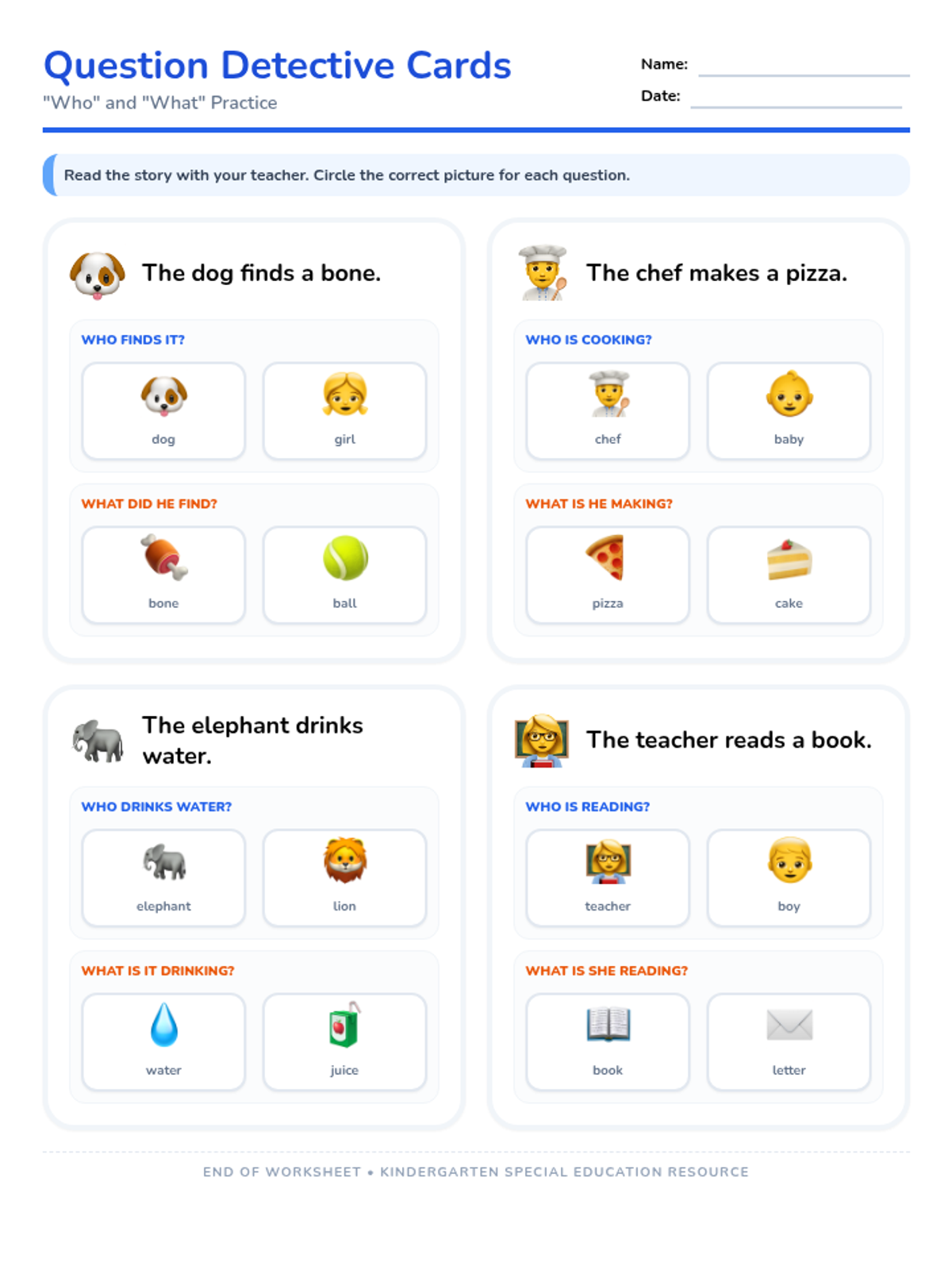
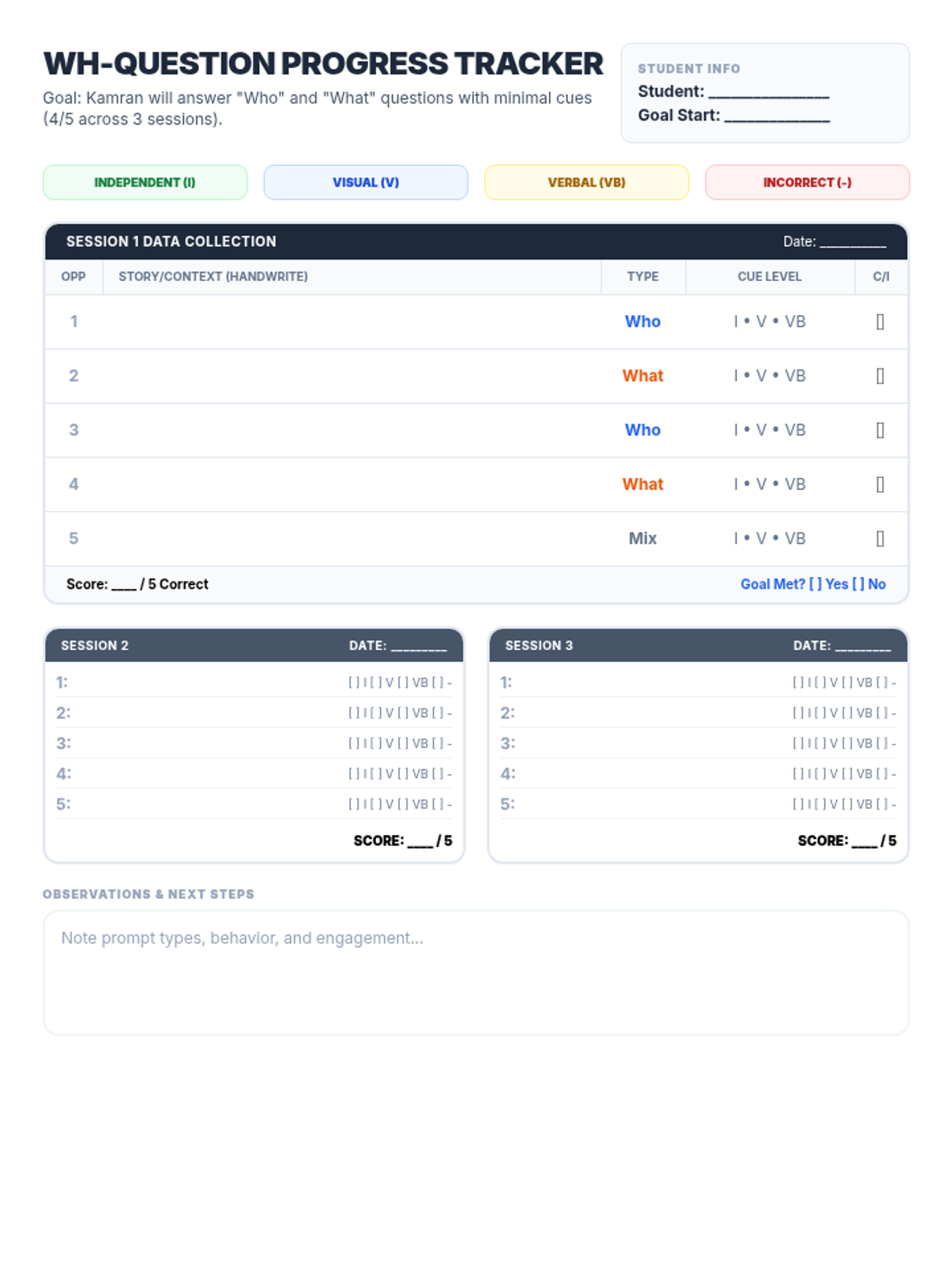
A lesson focused on answering 'who' and 'what' questions from short 1-2 sentence stories, specifically designed for kindergarten students with autism using visual supports and structured practice.
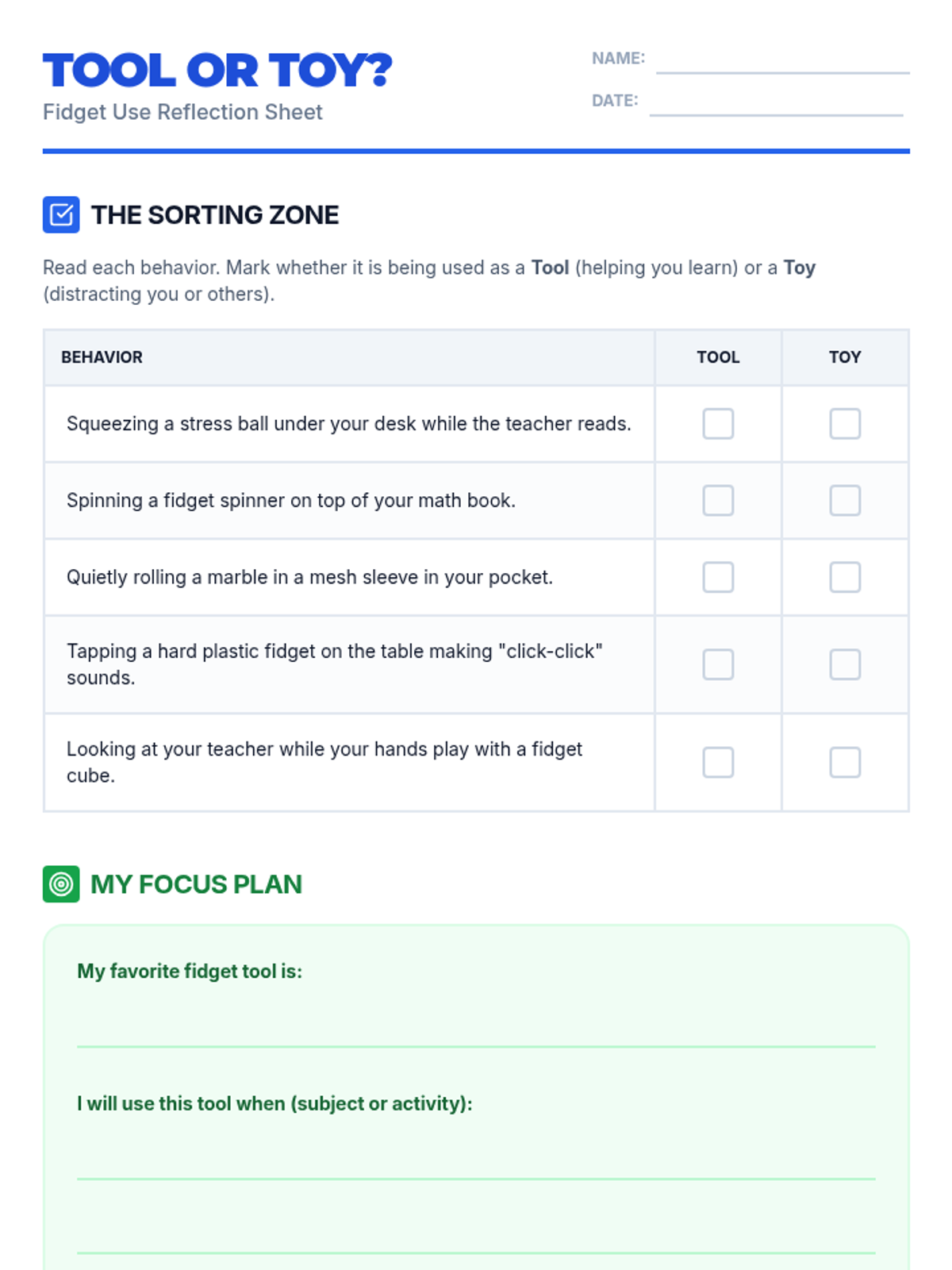
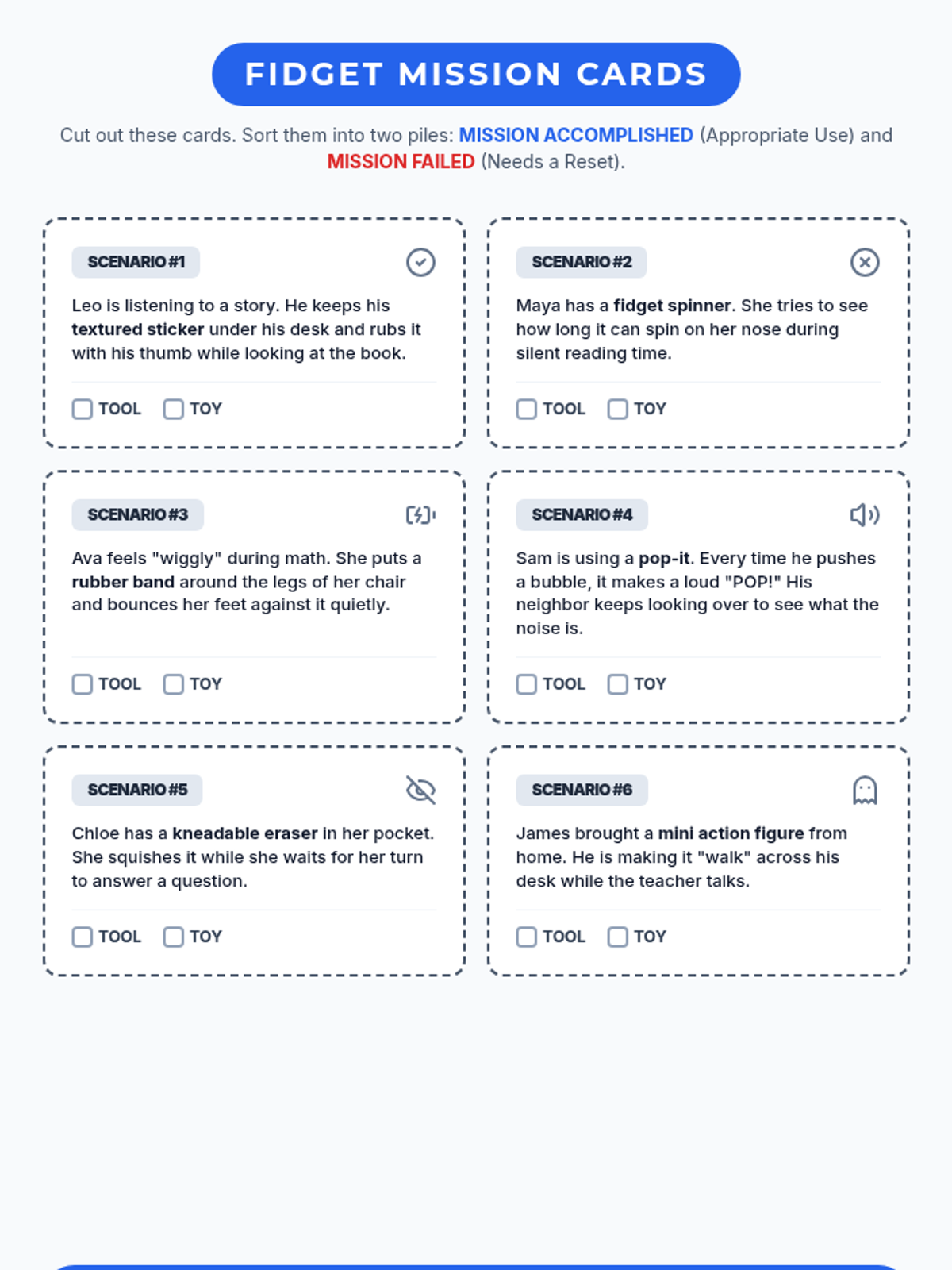
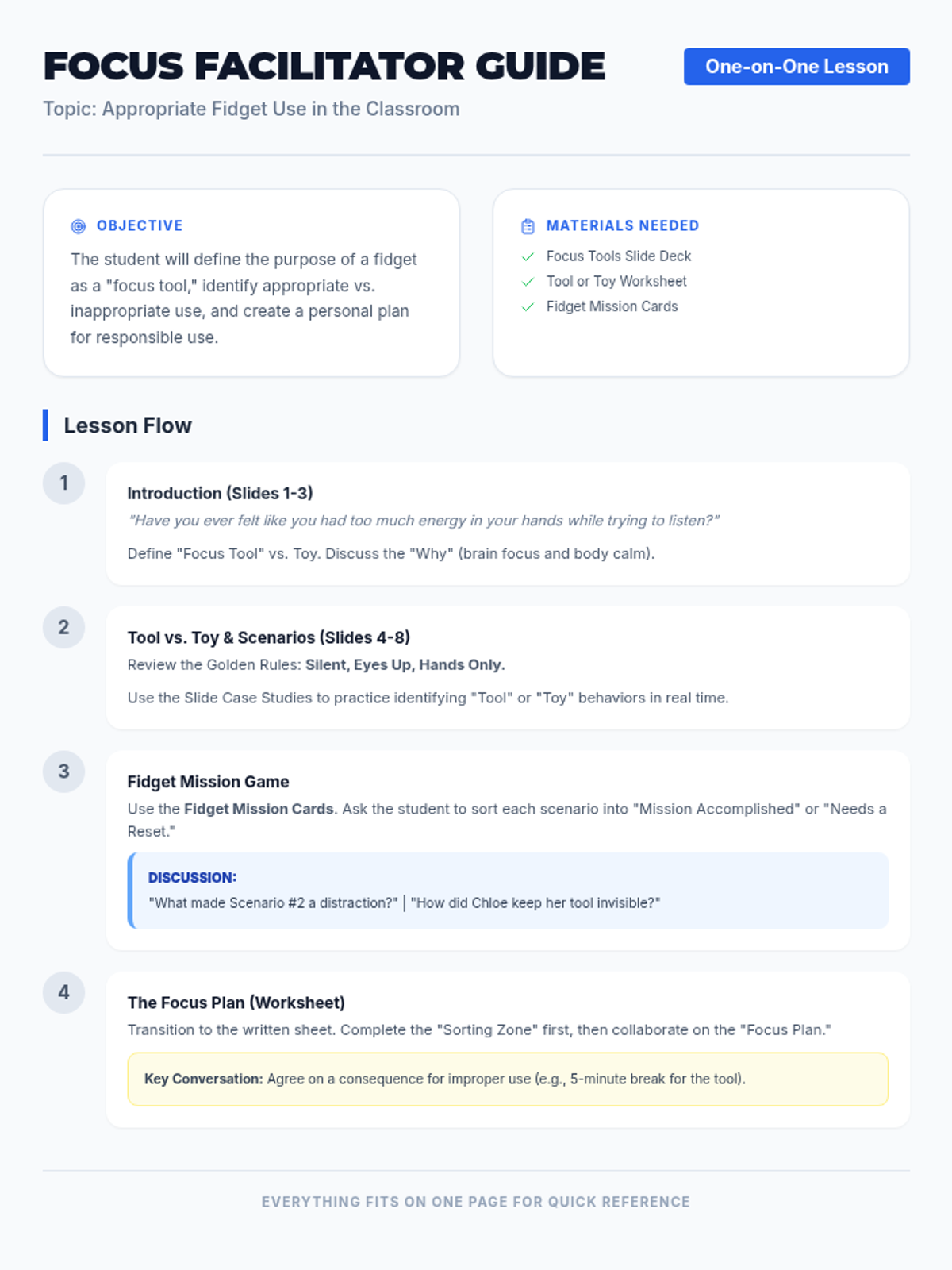
A one-on-one lesson designed to teach students the difference between fidgets as sensory tools and fidgets as toys, including practical rules and scenario-based practice.
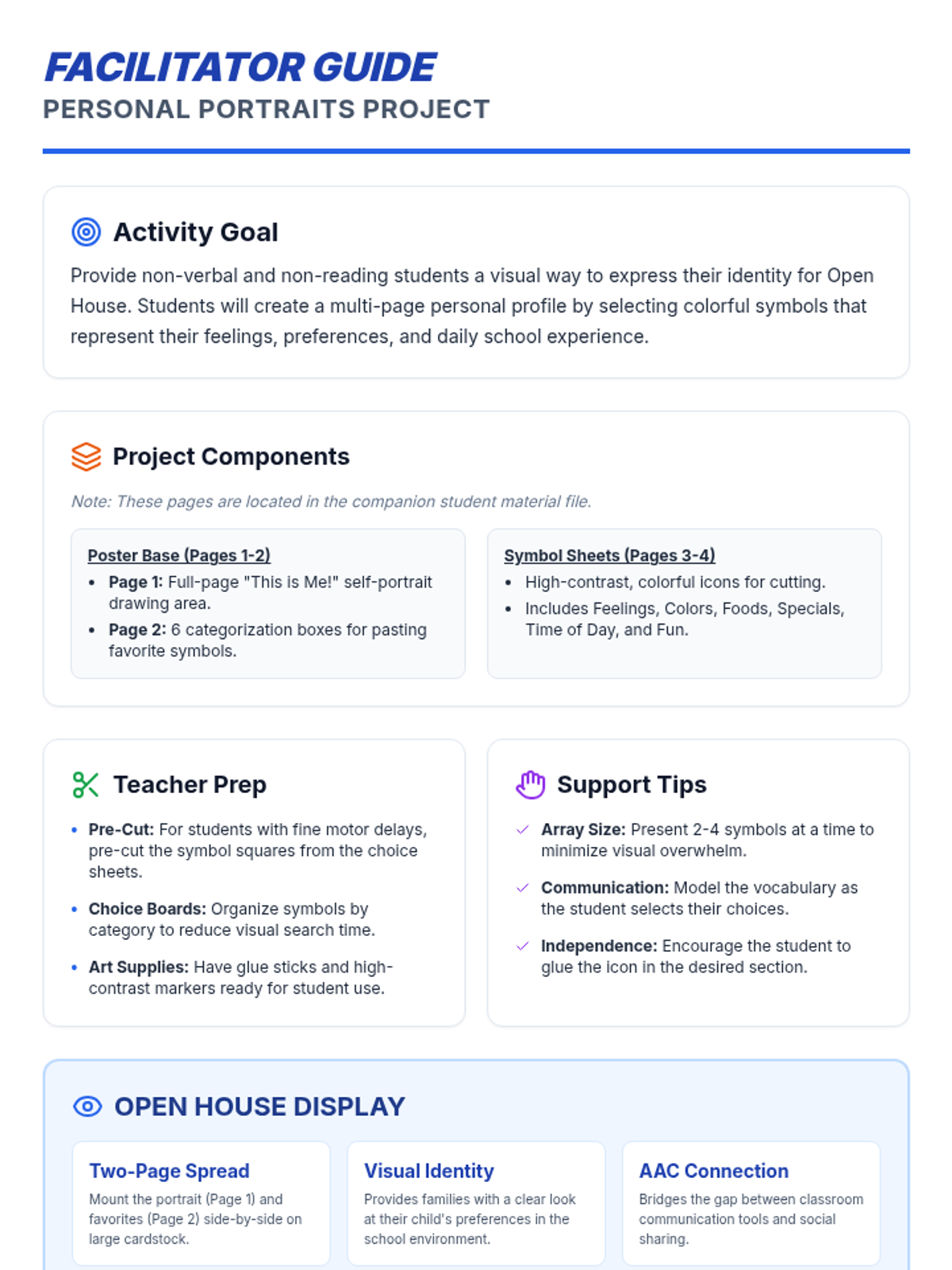
A symbol-based personal expression project designed for non-verbal and non-reading students to share their identity and emotions during Open House using a cut-and-paste format.
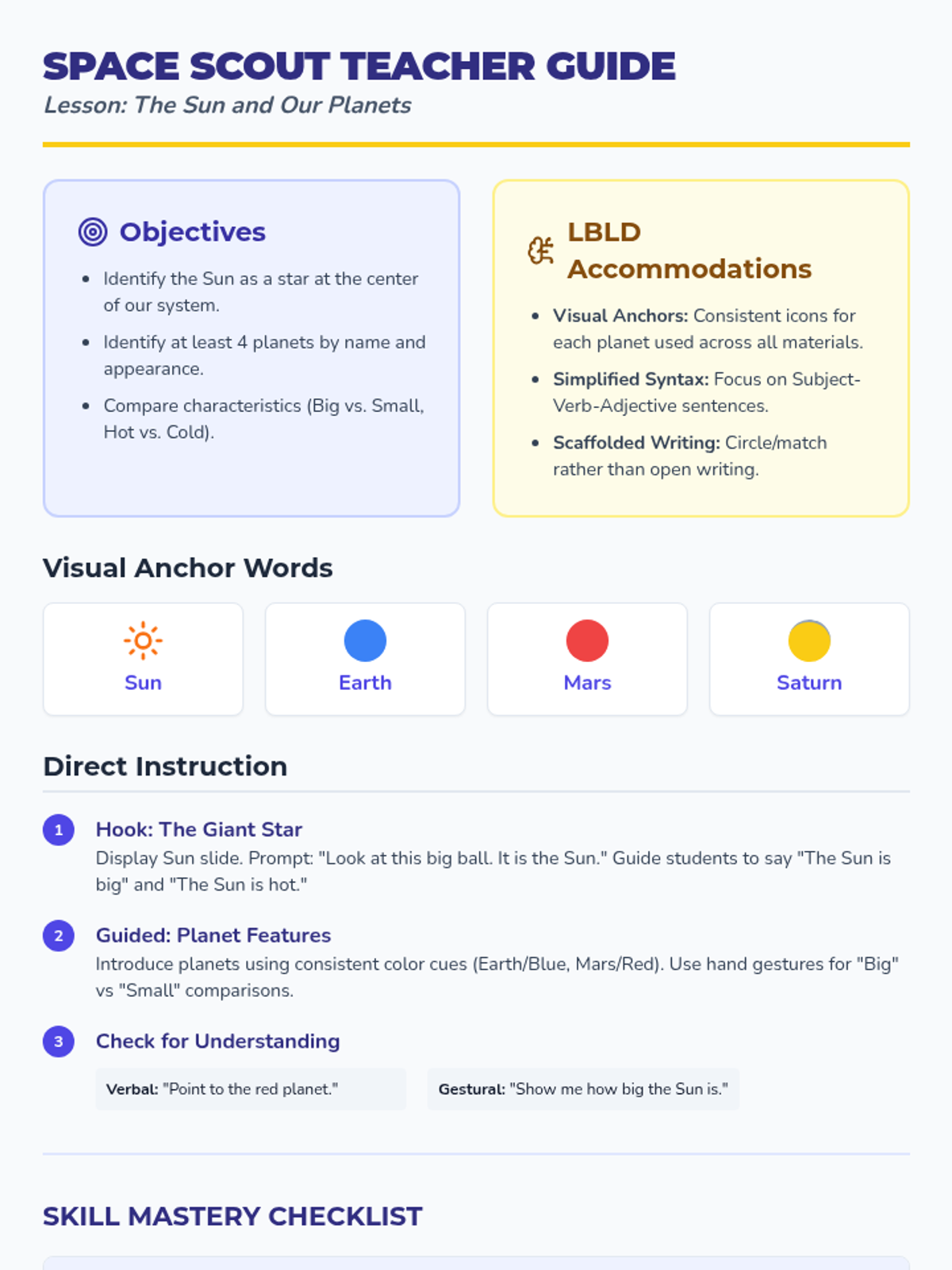
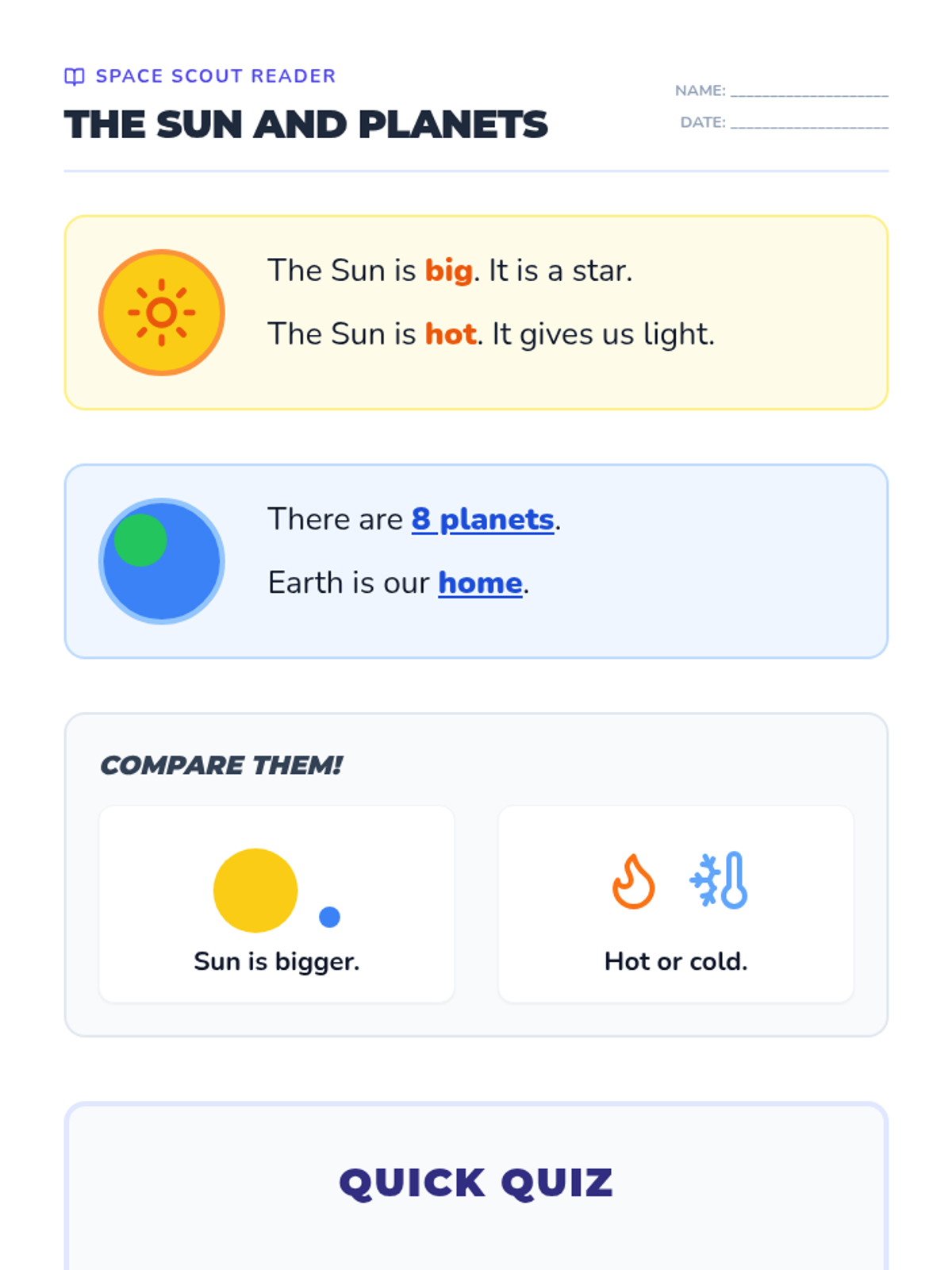
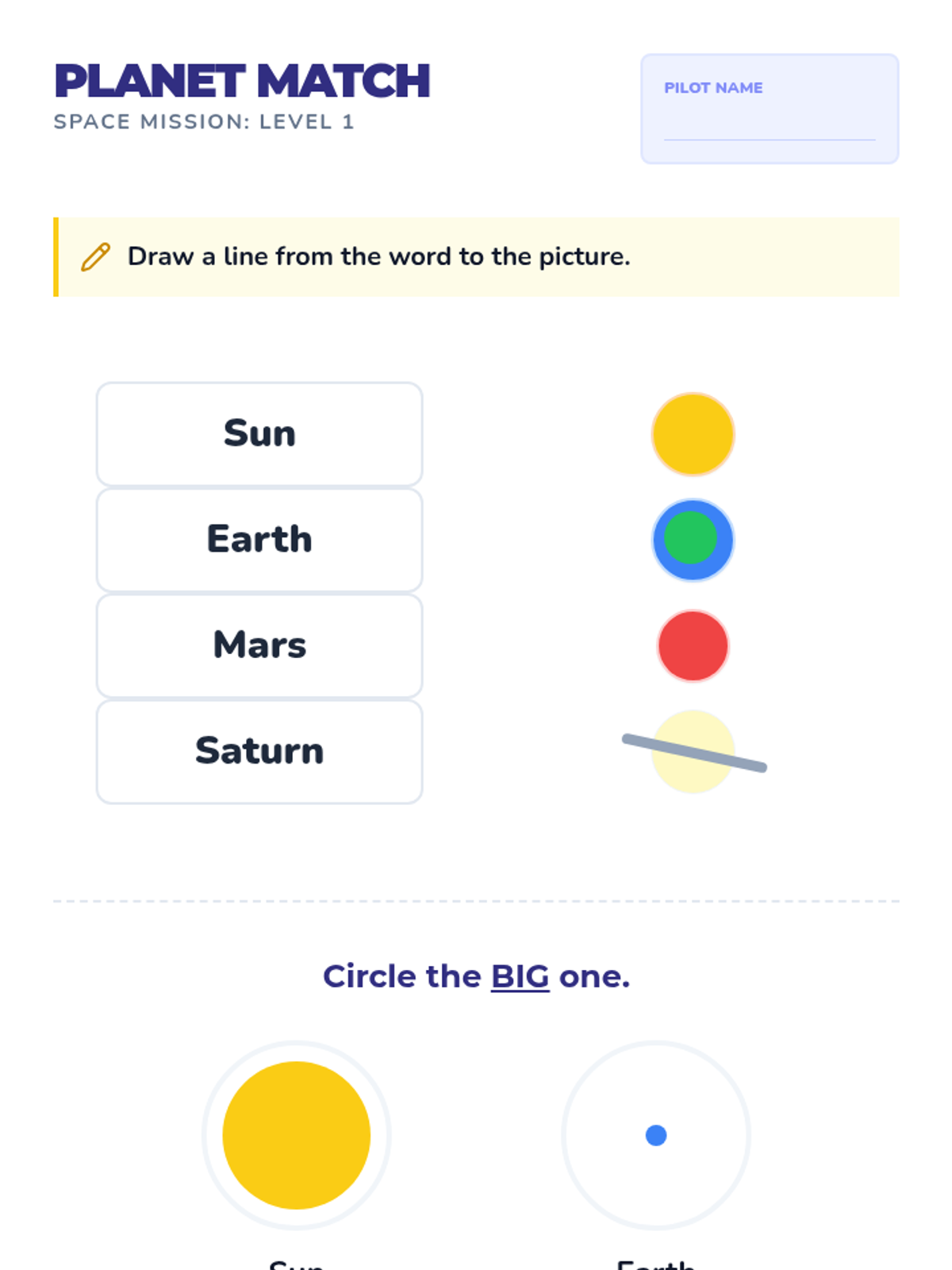
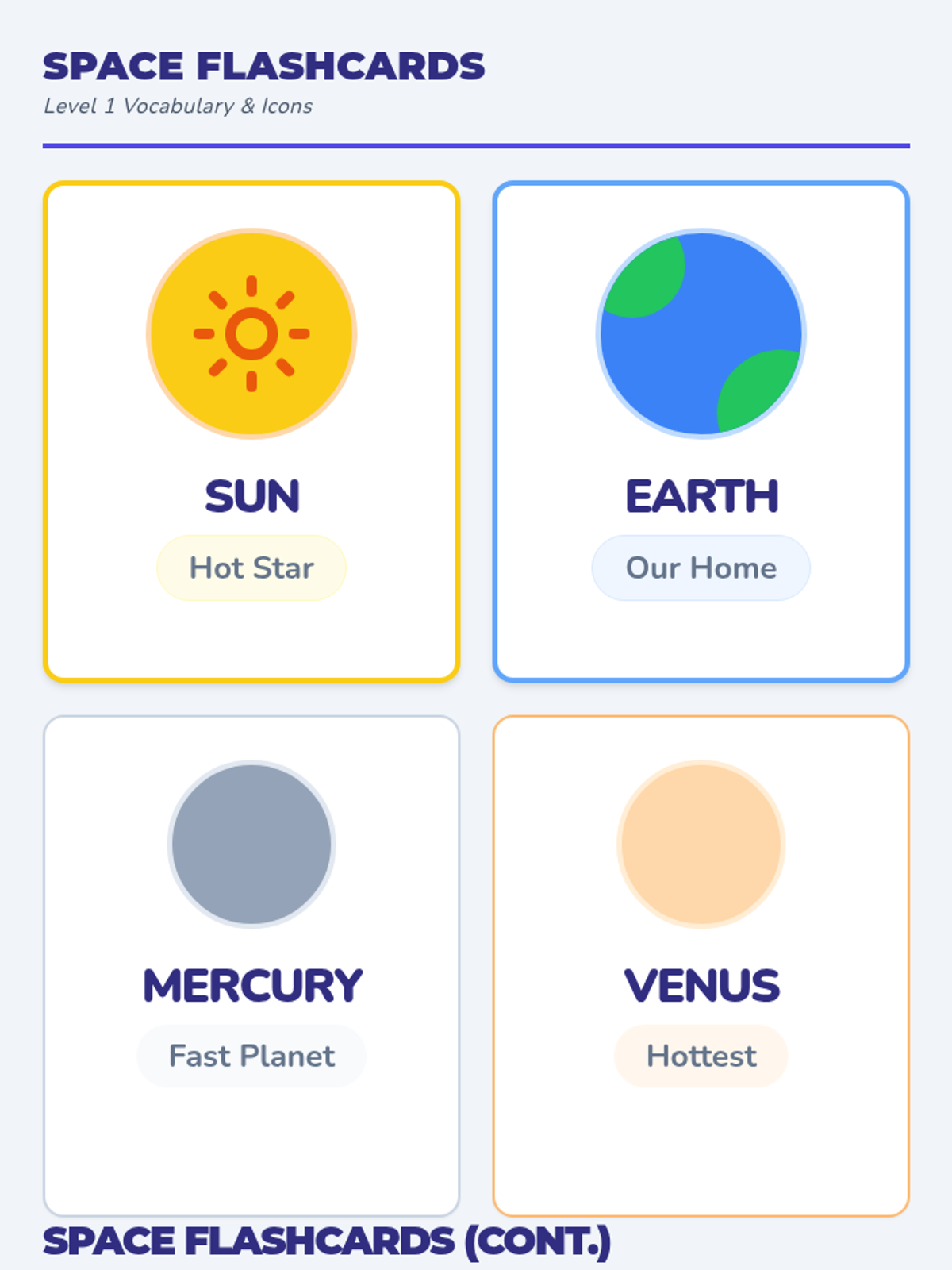
An introductory lesson on the Sun and the eight planets, using simplified language and heavy visual scaffolding to support readers at a first-grade level.
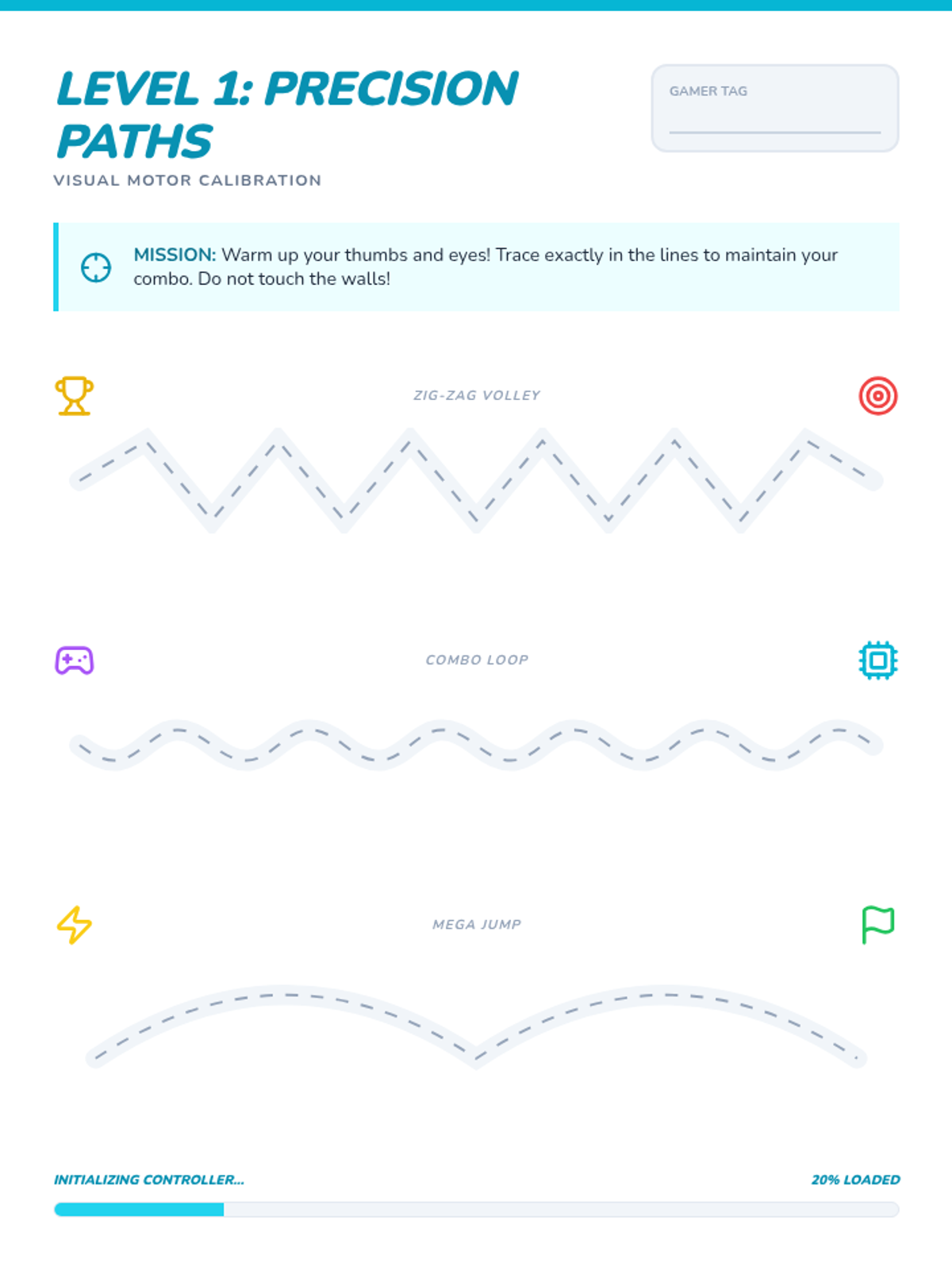
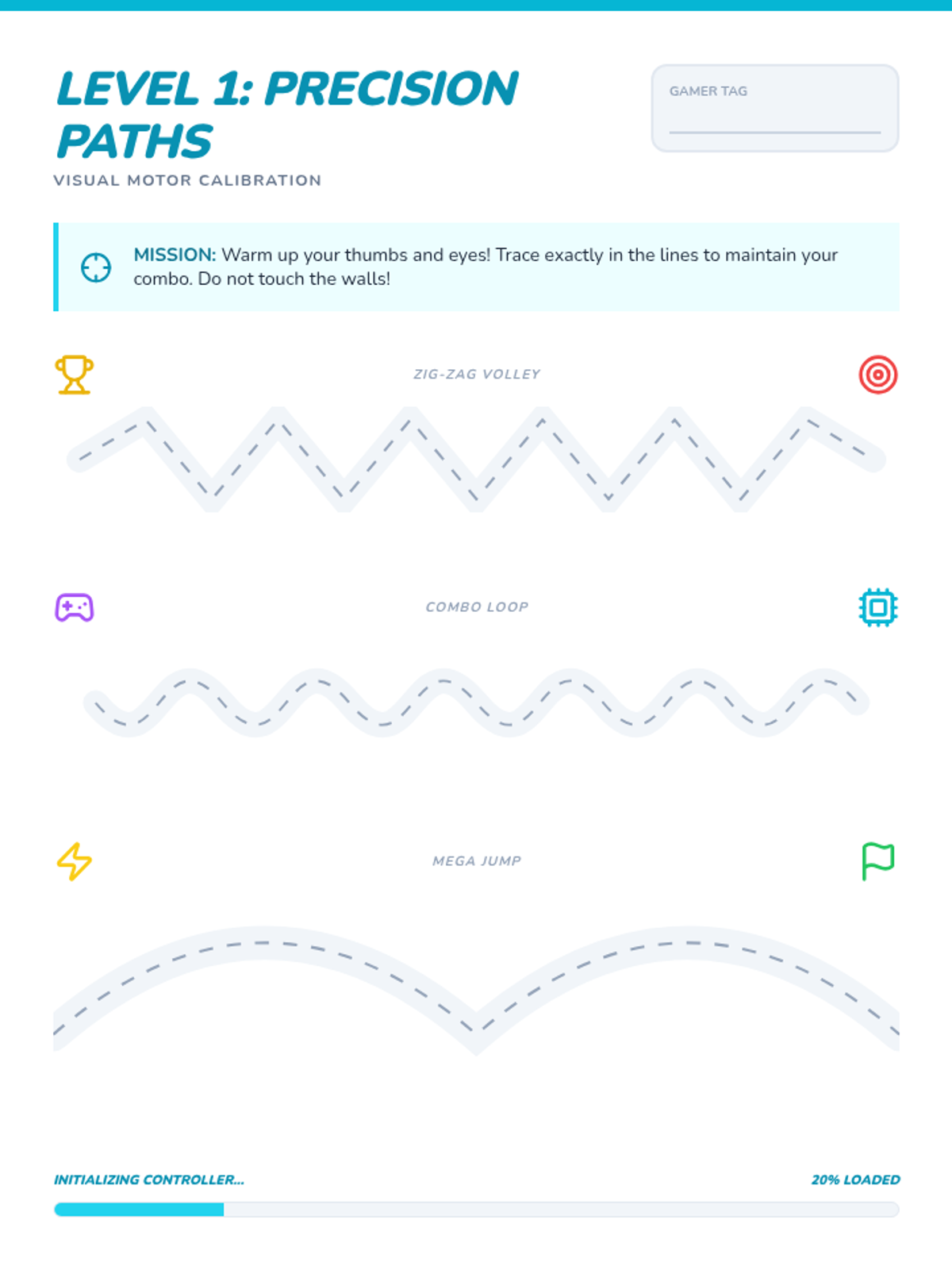
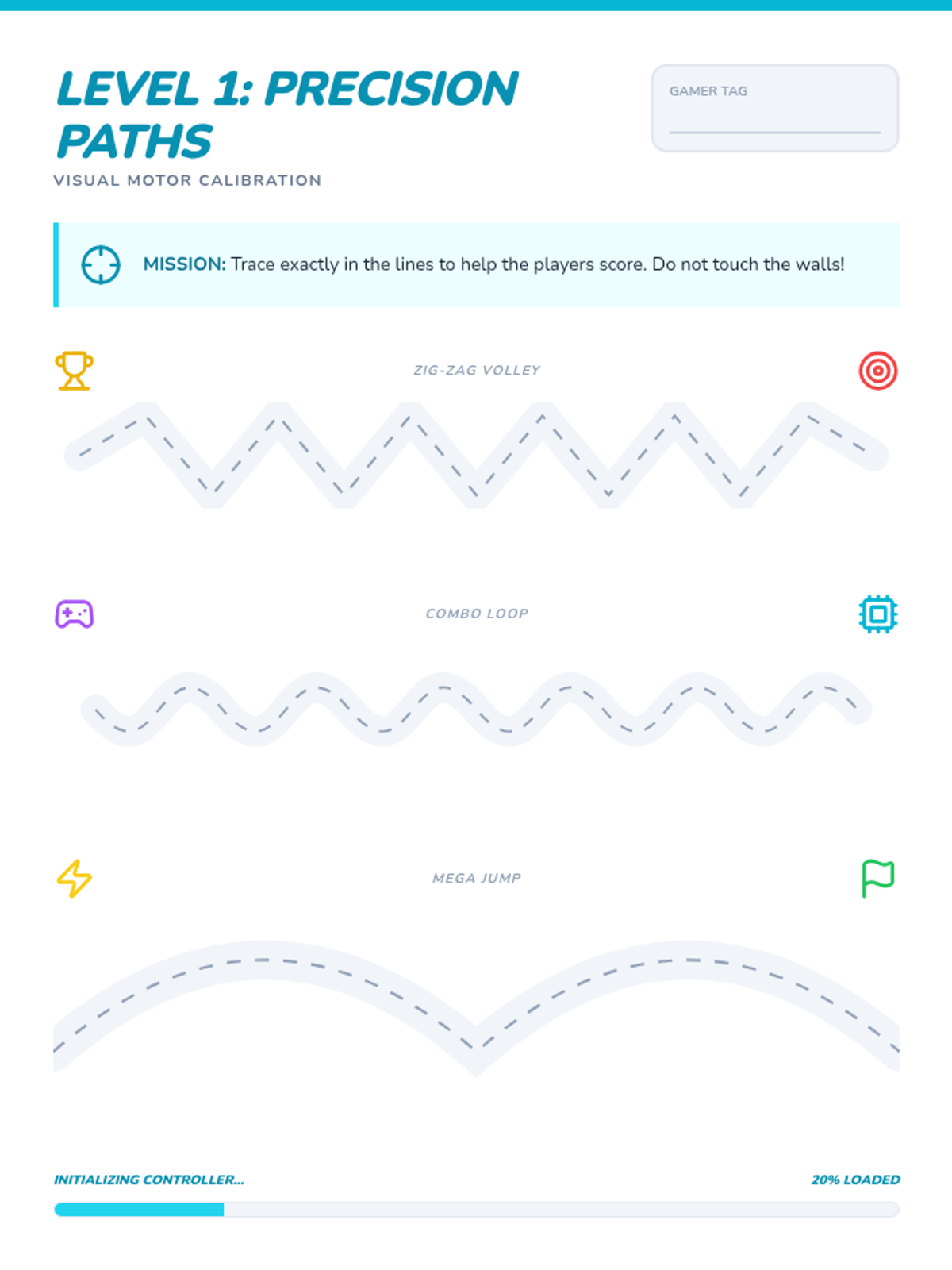
A handwriting lesson designed for a 2nd grade boy, using a gaming theme to practice letter formation and visual motor accuracy.
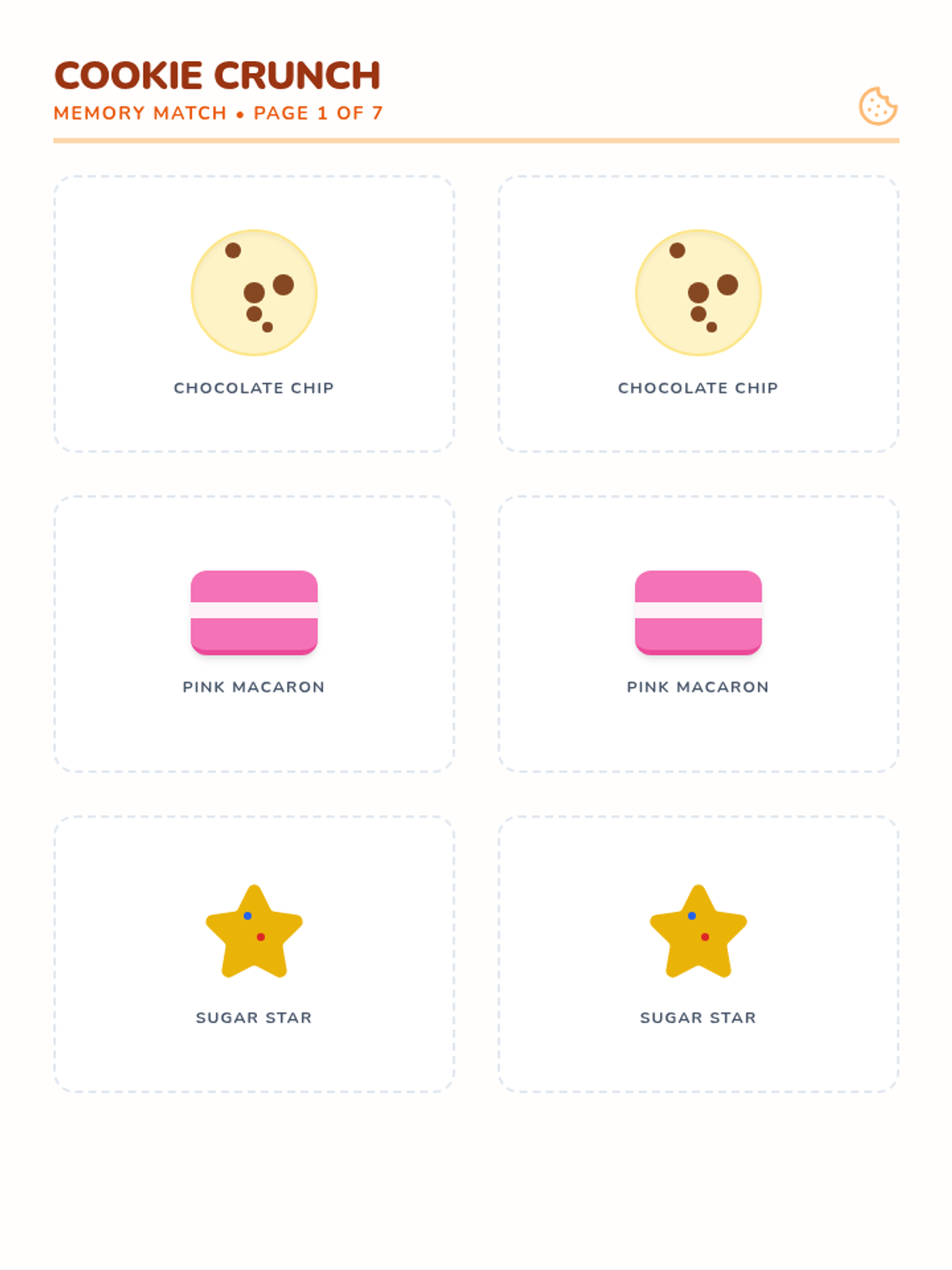
A hands-on memory and matching game featuring 20 unique cookie designs to build visual discrimination and memory skills.
A comprehensive developmental activity booklet for lower elementary students themed around Mother's Day. It focuses on occupational therapy goals including visual-perceptual skills, fine motor precision, cutting, and pre-writing strokes.
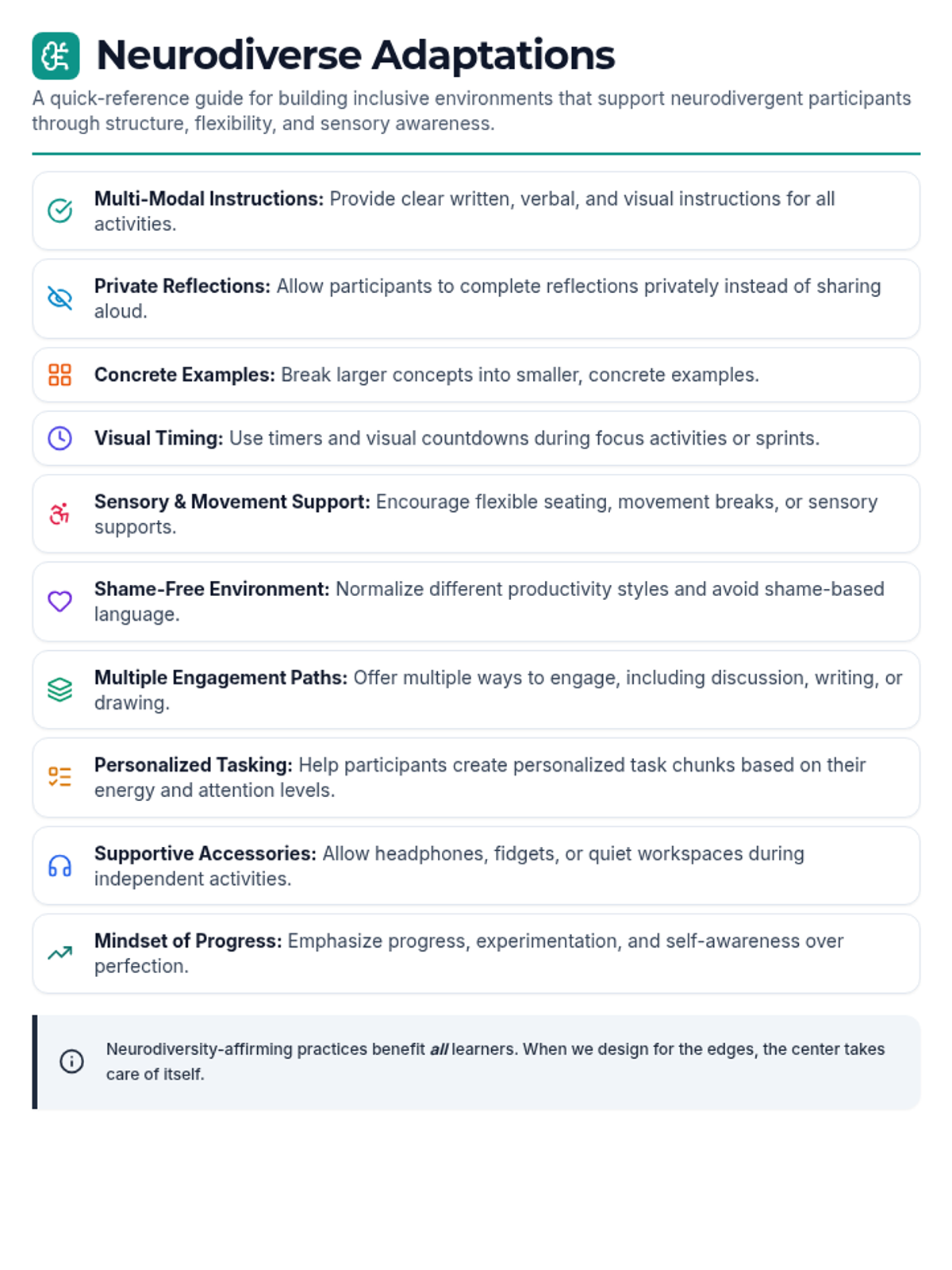
A foundational guide for facilitators to create inclusive, neurodiverse-friendly environments through practical adaptations and mindful language.
A 10-page developmental activity booklet for lower elementary students, focusing on occupational therapy goals like visual-perceptual skills, fine motor precision, cutting, and pre-writing strokes themed around May flowers, bees, and butterflies.
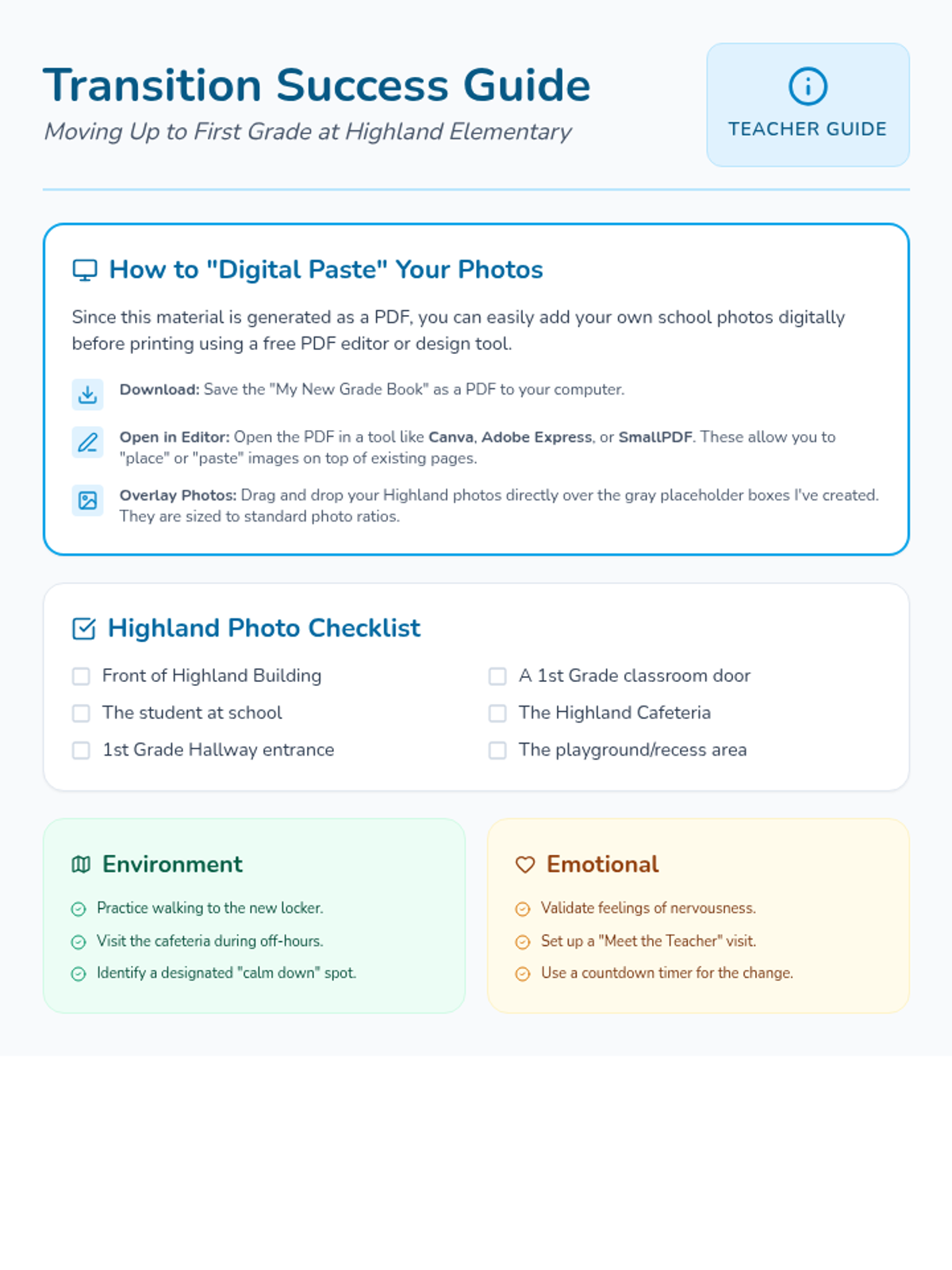
A supportive lesson focused on helping a kindergarten student with autism transition smoothly to first grade at Highland Elementary. Includes a social story, a printable personal book, and a teacher facilitation guide.
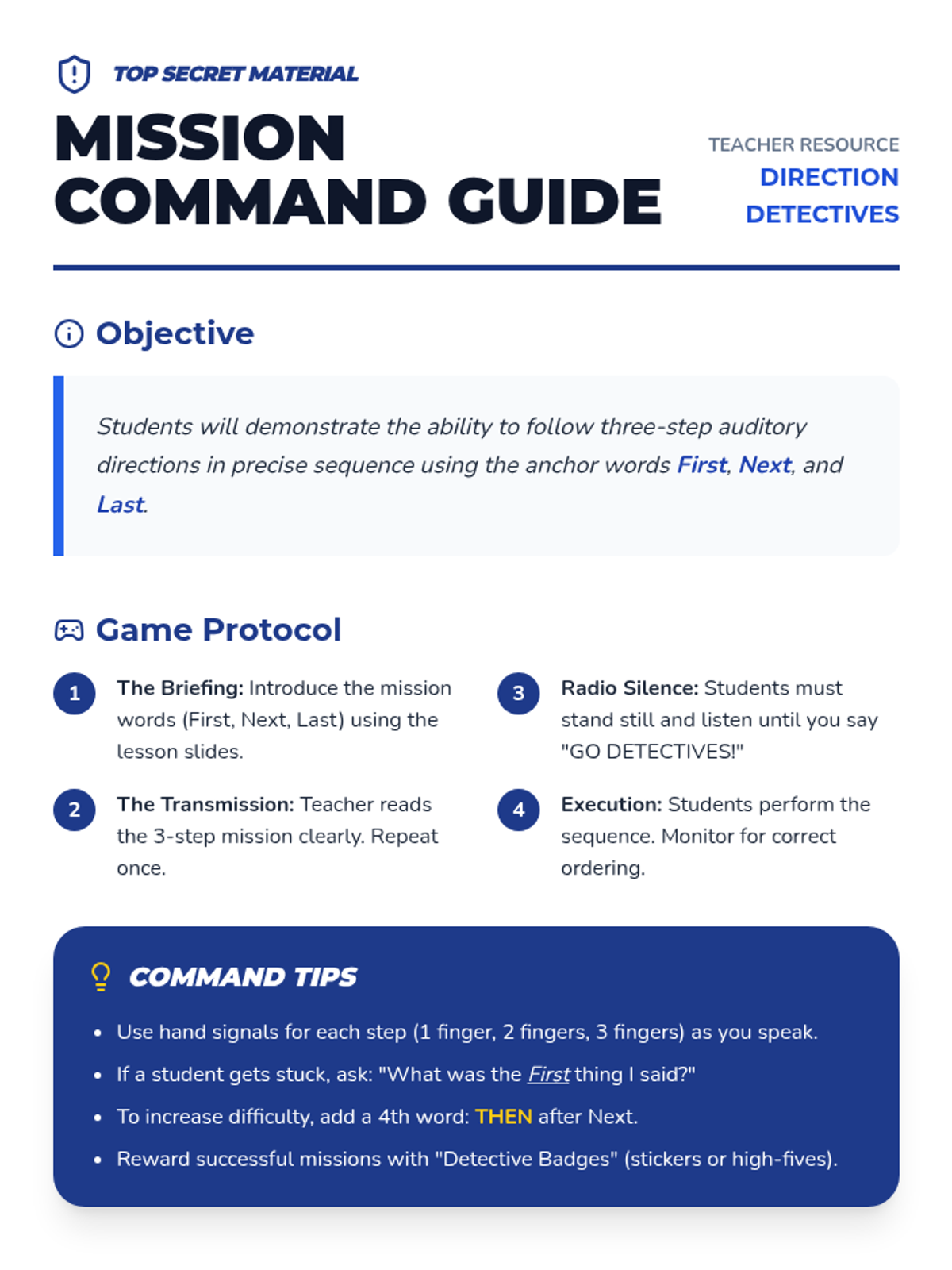
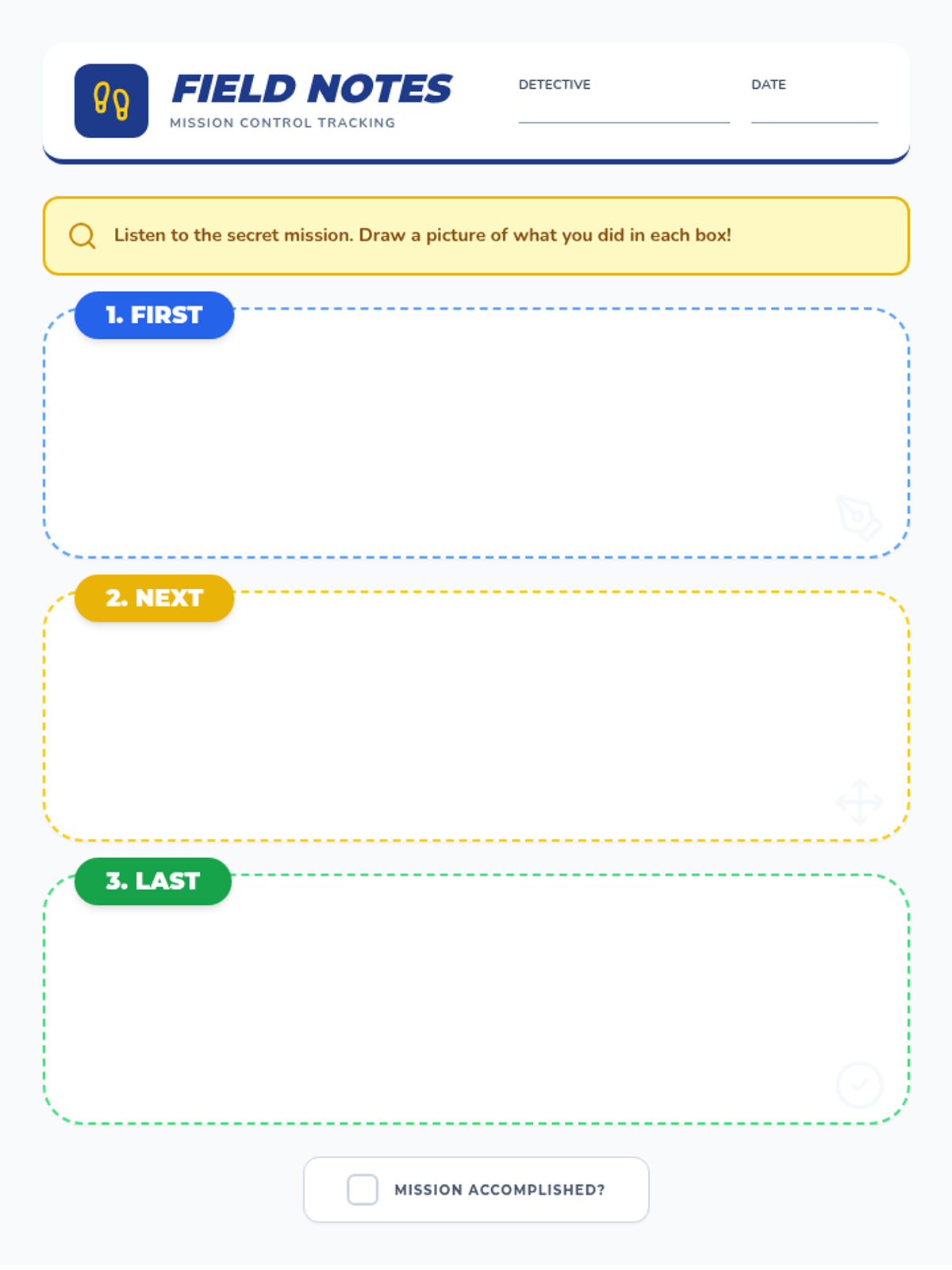
A lesson focused on teaching 1st graders how to follow multi-step directions using First, Next, and Last sequencing through a high-energy interactive game.