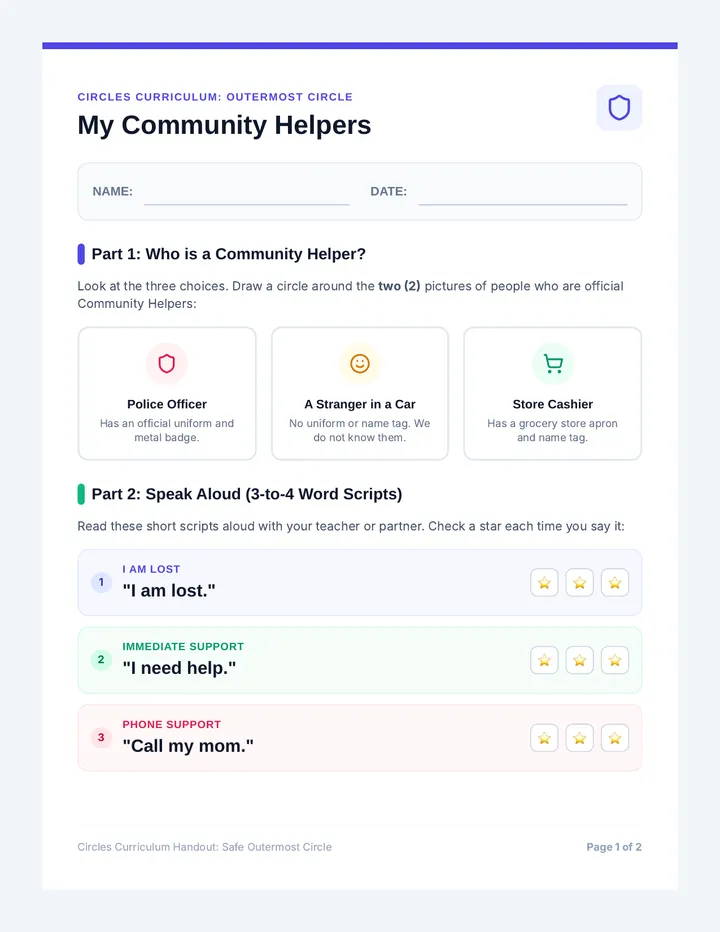
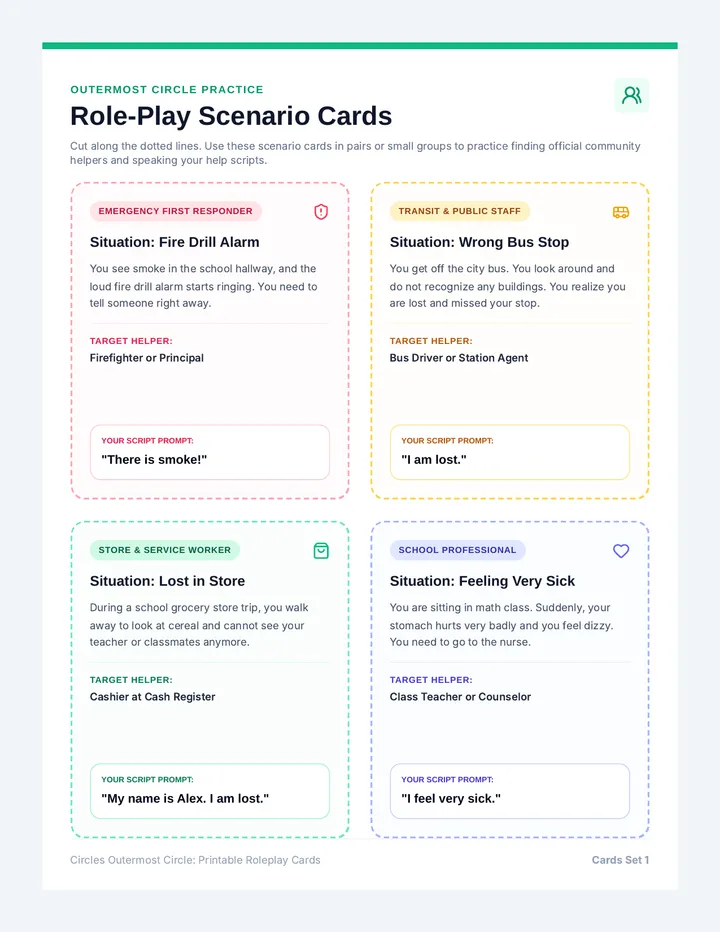
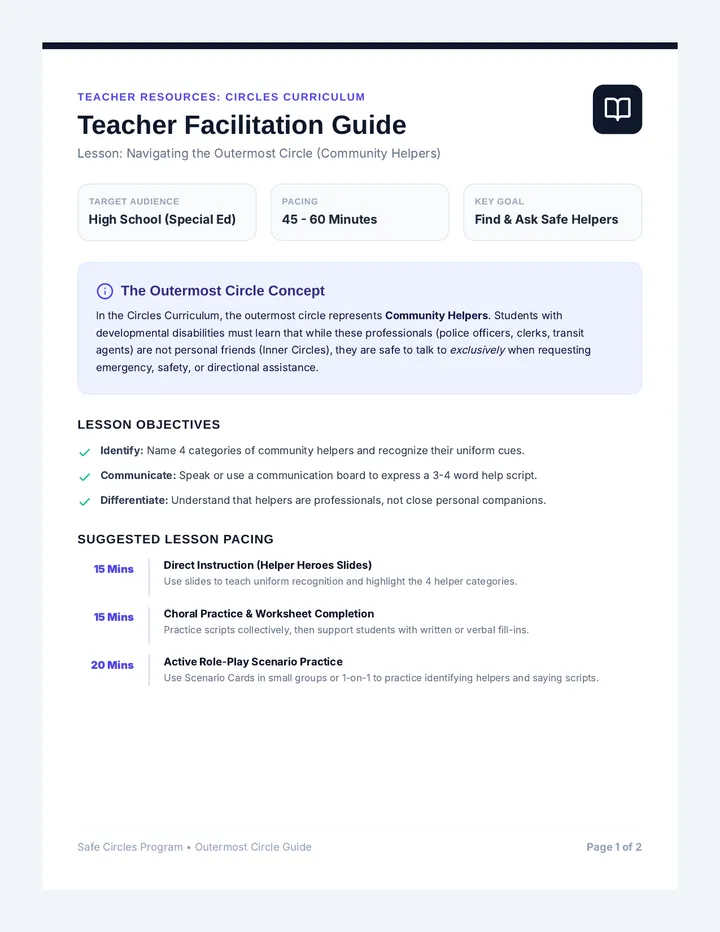
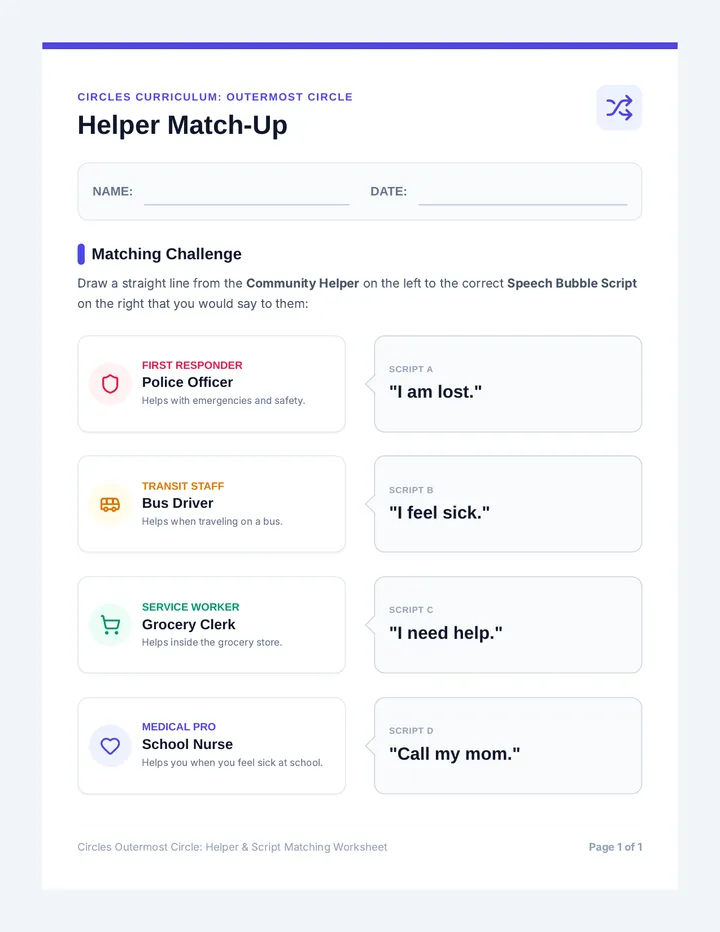
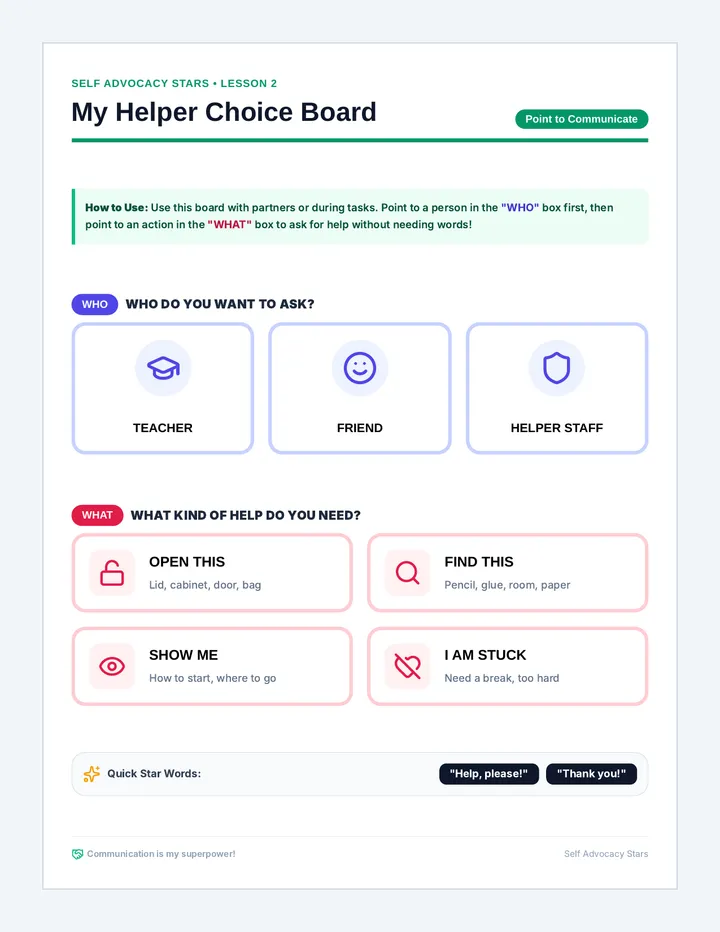
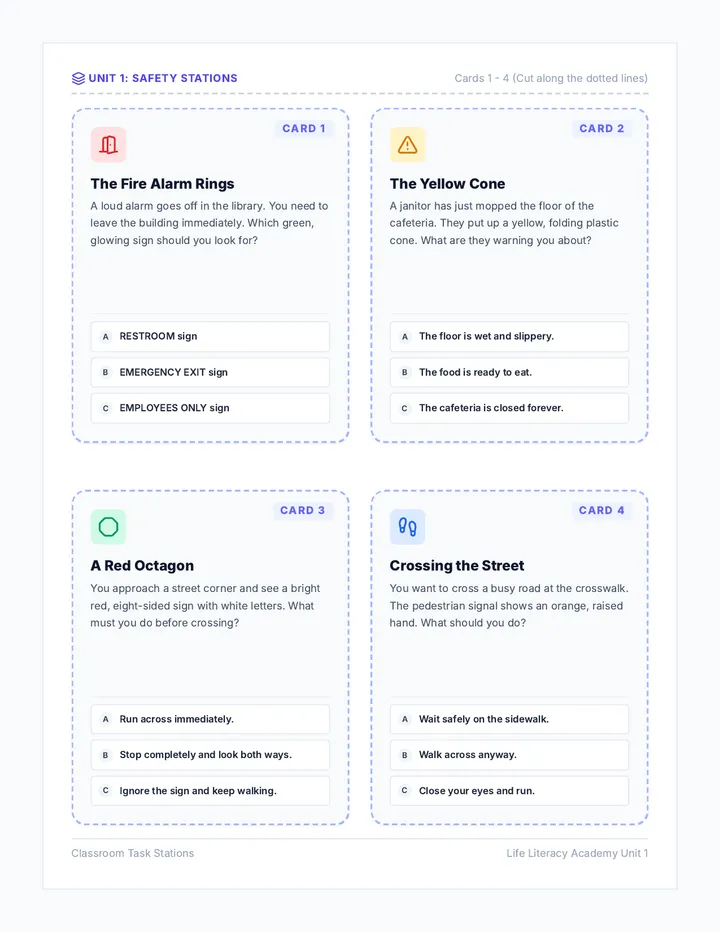
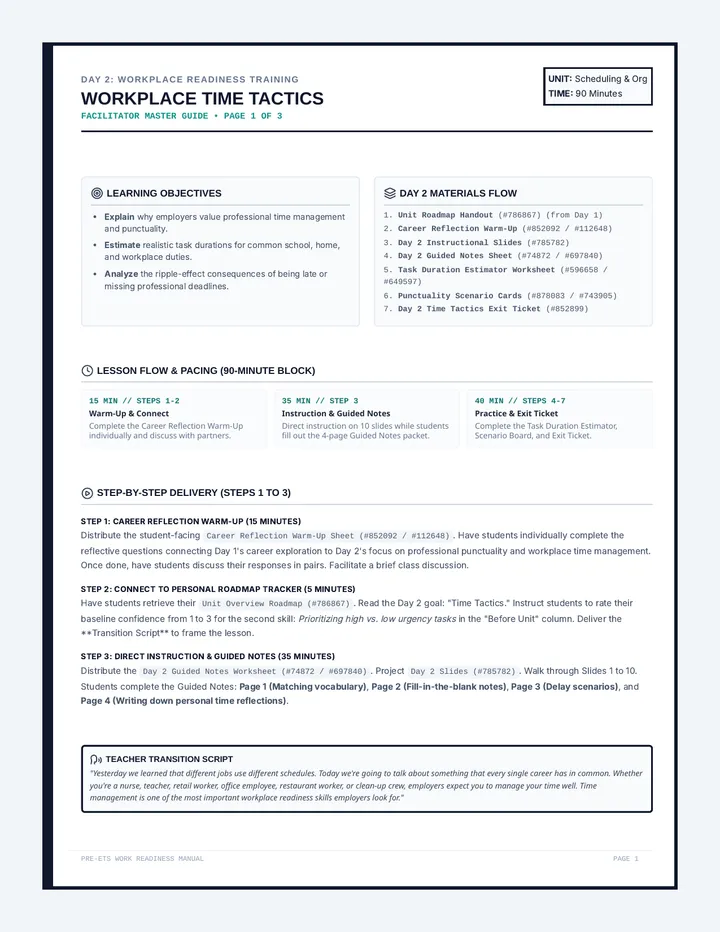
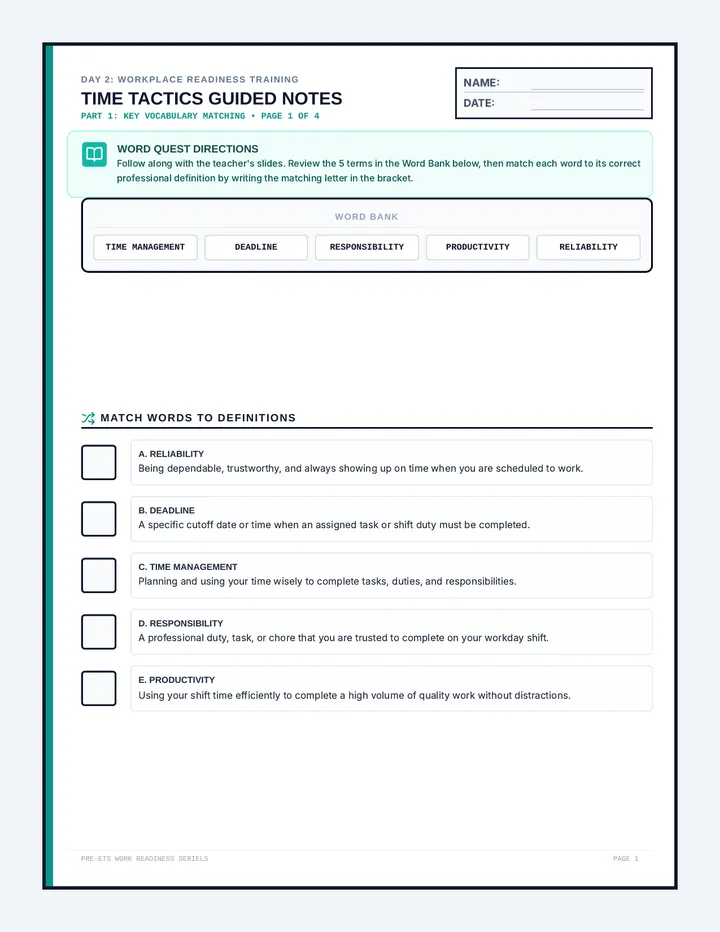
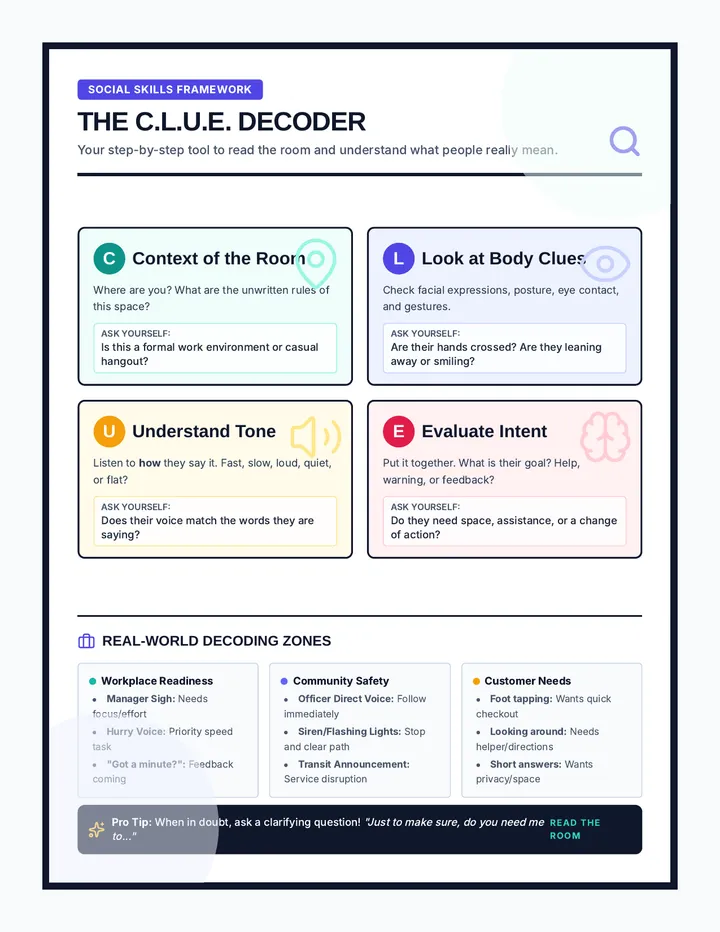
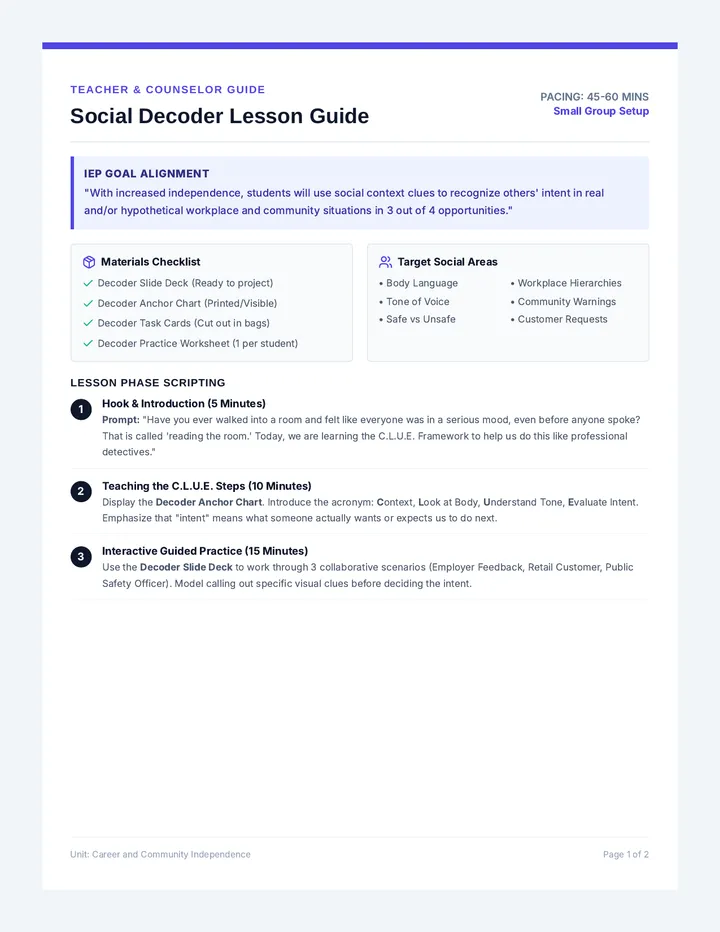
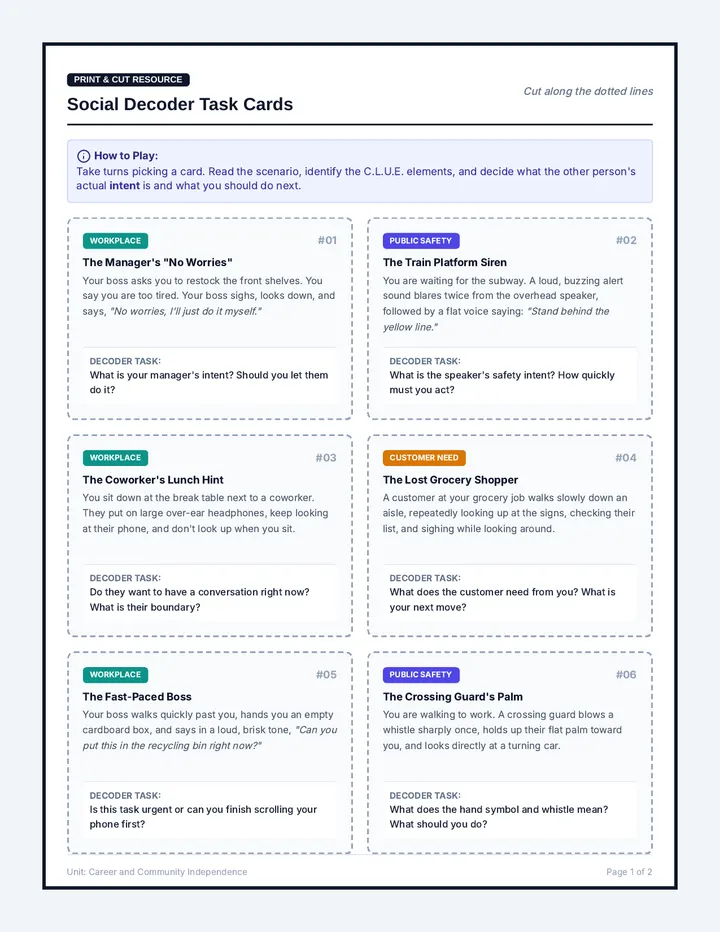
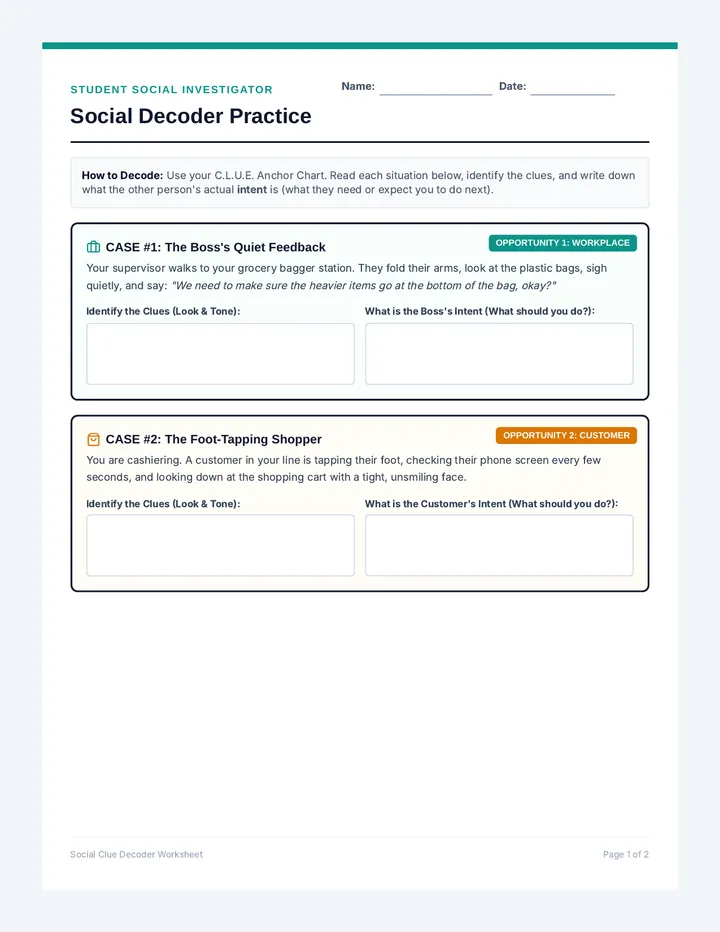
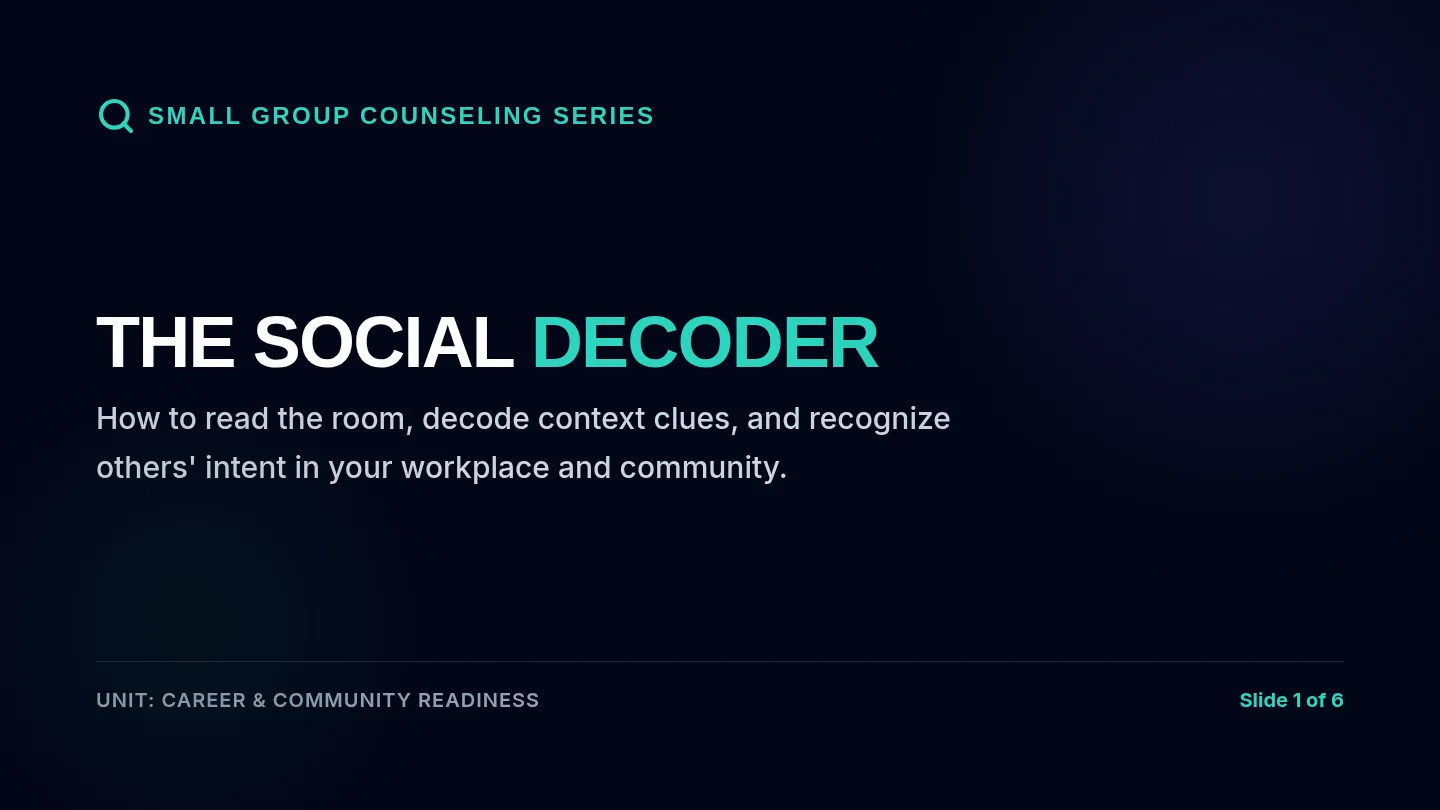
A comprehensive social skills lesson designed for high school students with special needs, focusing on identifying when and how to ask for help in class, school, and the community.
A 45-minute targeted lesson focusing on the mechanics of conversation: starting, maintaining, and ending interactions, along with body language and non-verbal cues.
A comprehensive lesson designed for high school students with disabilities to master self-advocacy skills. Students learn about their legal rights under IDEA, how to identify and request accommodations, and practical strategies for active participation in their own IEP meetings.
A comprehensive training and implementation suite for high school SPED teachers and interventionists. It covers the science of de-escalation, identifying triggers, and provides practical tools for student reflection and crisis management.
A functional math lesson focusing on real-world budgeting, expense tracking, and smart shopping for high school students with diverse learning needs. Students learn to differentiate between needs and wants, calculate monthly totals, and compare prices to make informed financial decisions.
This lesson introduces high school students to core executive functioning skills, including planner usage, task chunking, and strategies to overcome task initiation barriers.
This lesson introduces the 'Blueprint' method for paragraph writing, focusing on the roles of the topic sentence, supporting details, and conclusion through visual organizers and structured sentence frames.
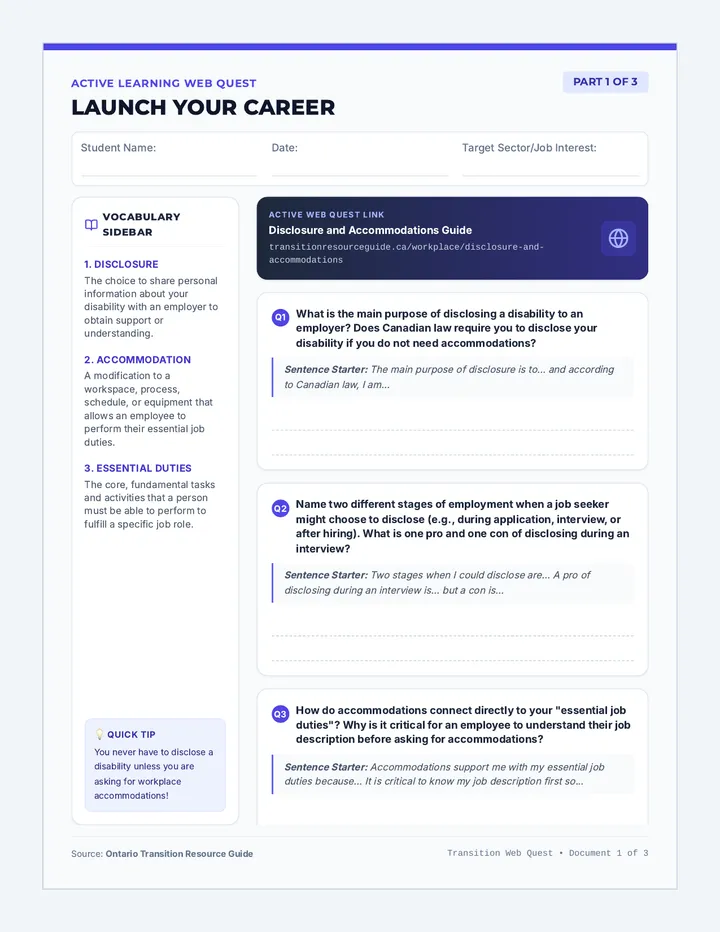
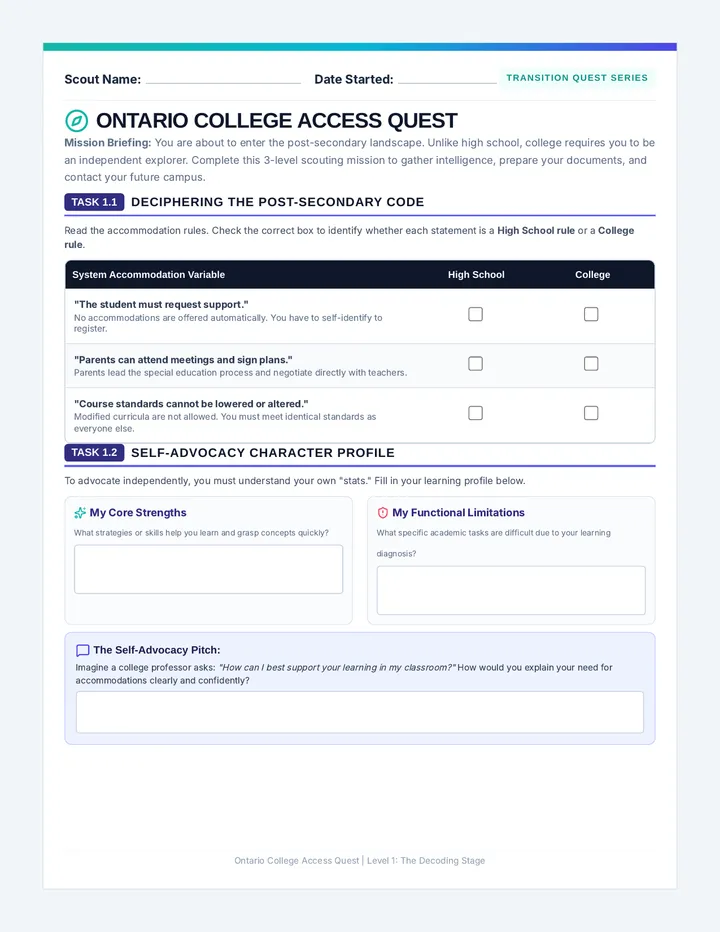
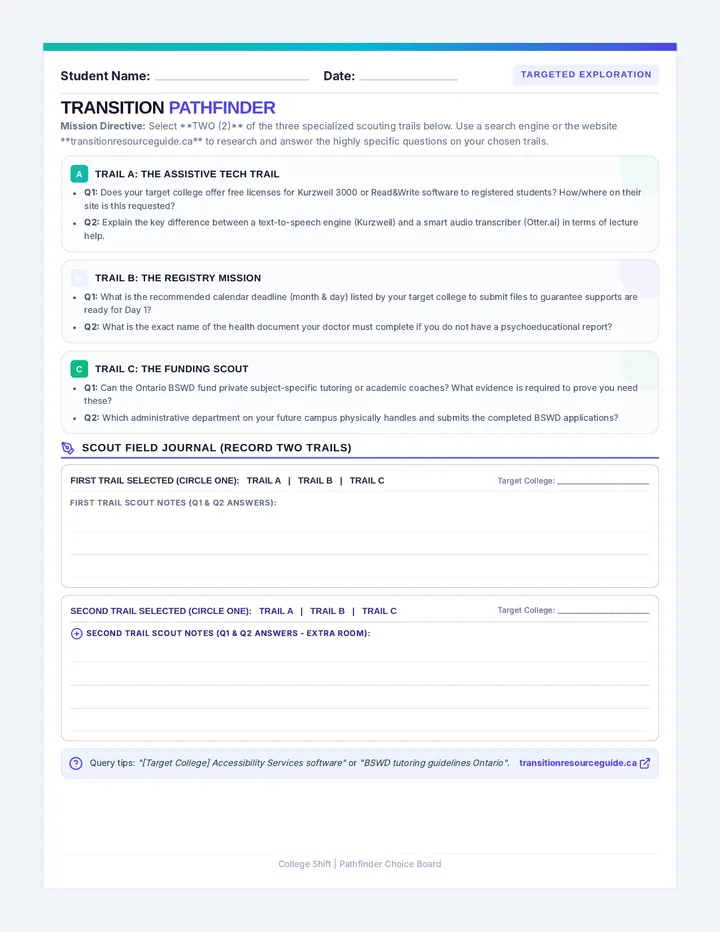
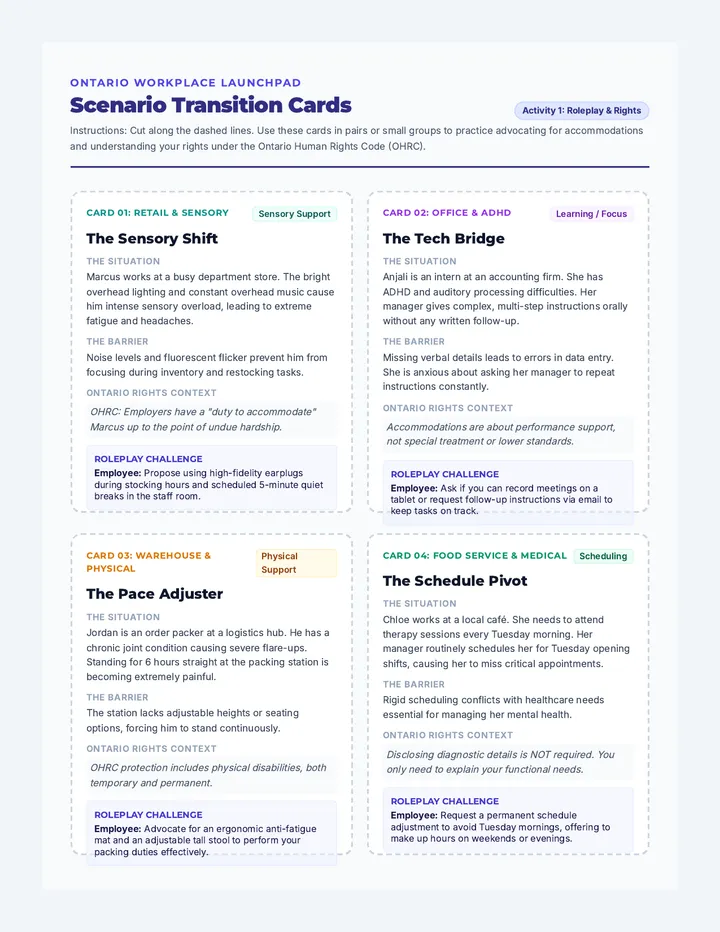
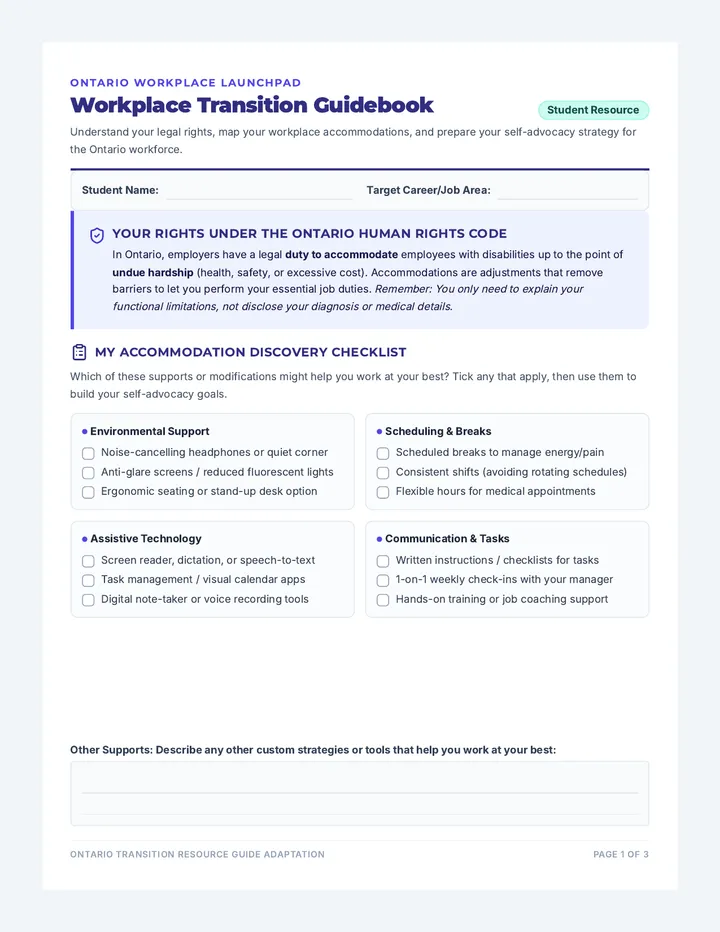
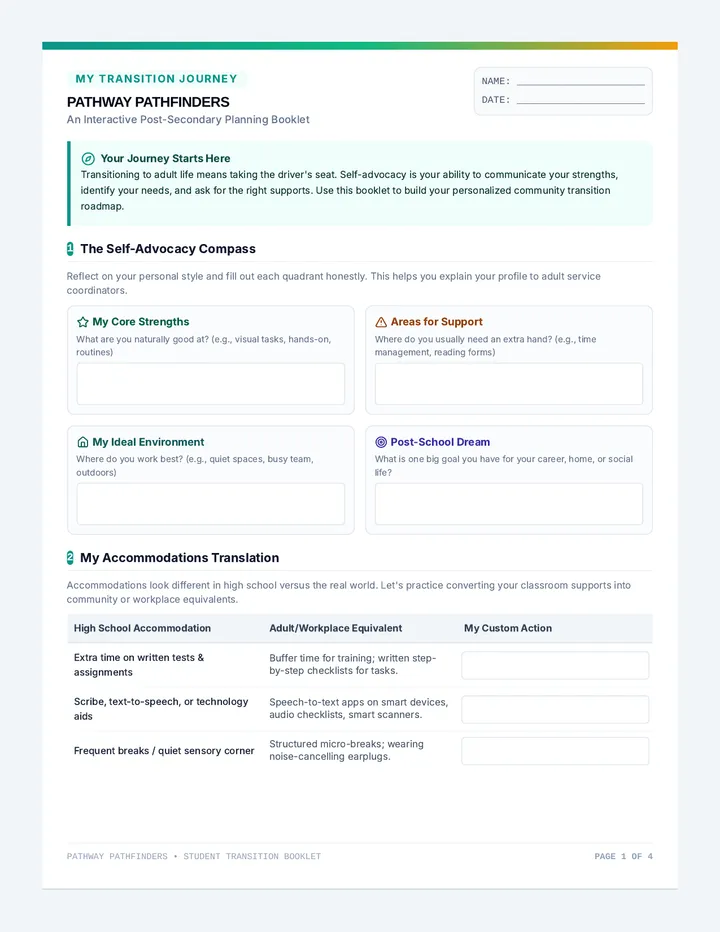
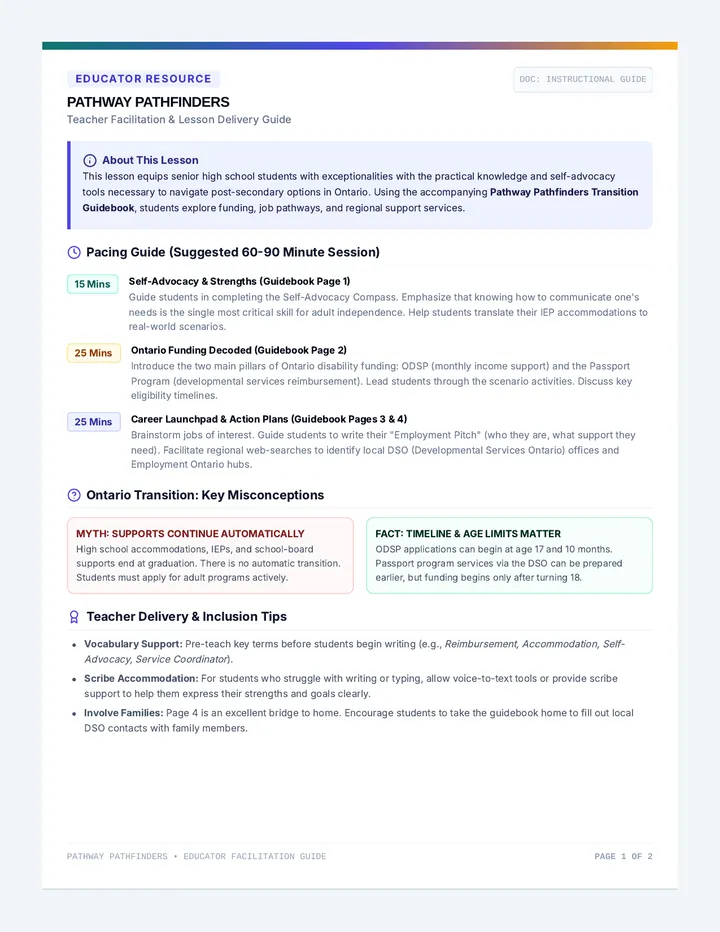
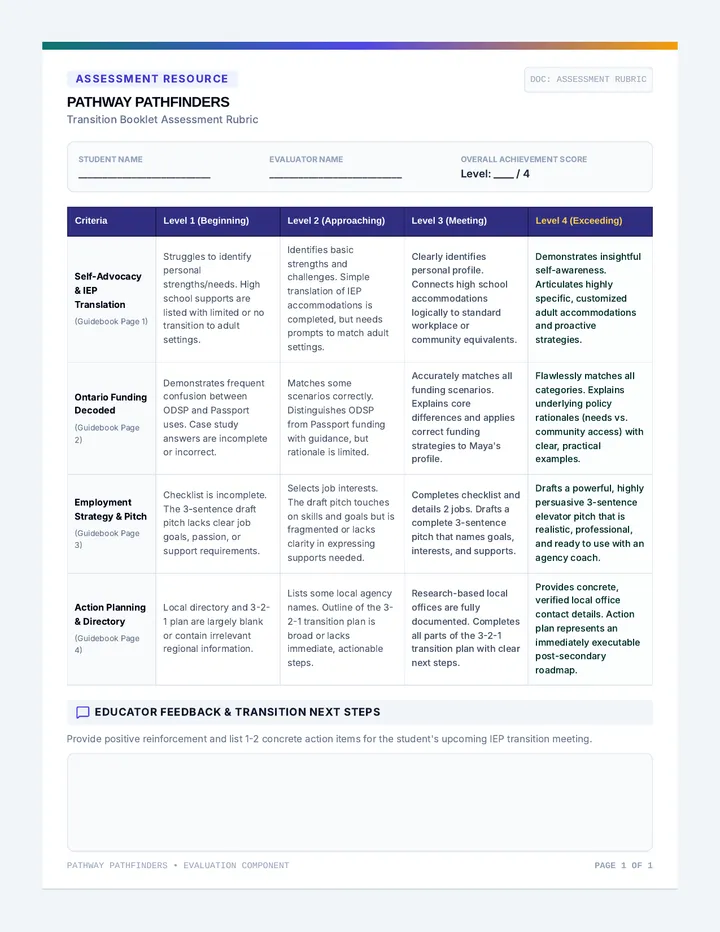
A comprehensive transition planning lesson for high school students with disabilities, focusing on IDEA requirements, Massachusetts-specific resources, and student-led IEP preparation. Students will explore postsecondary goals, transition services, and self-advocacy skills through a 'blueprint' themed curriculum.
A comprehensive SPED-focused lesson for high schoolers on active reading strategies, including annotation, summarization, and graphic organizers, with scaffolded grade-level text practice.
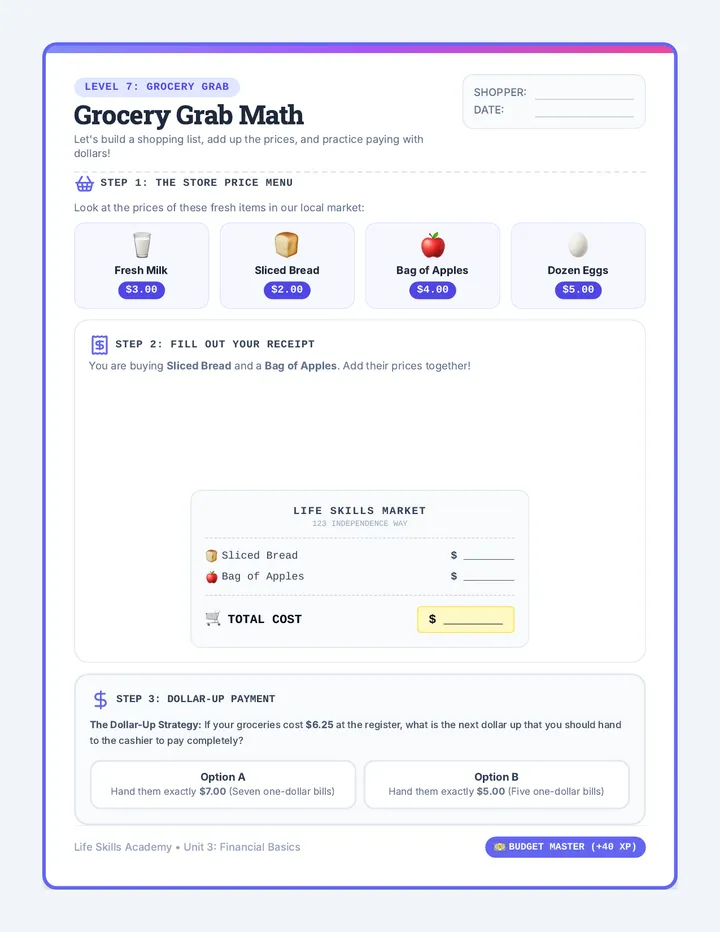
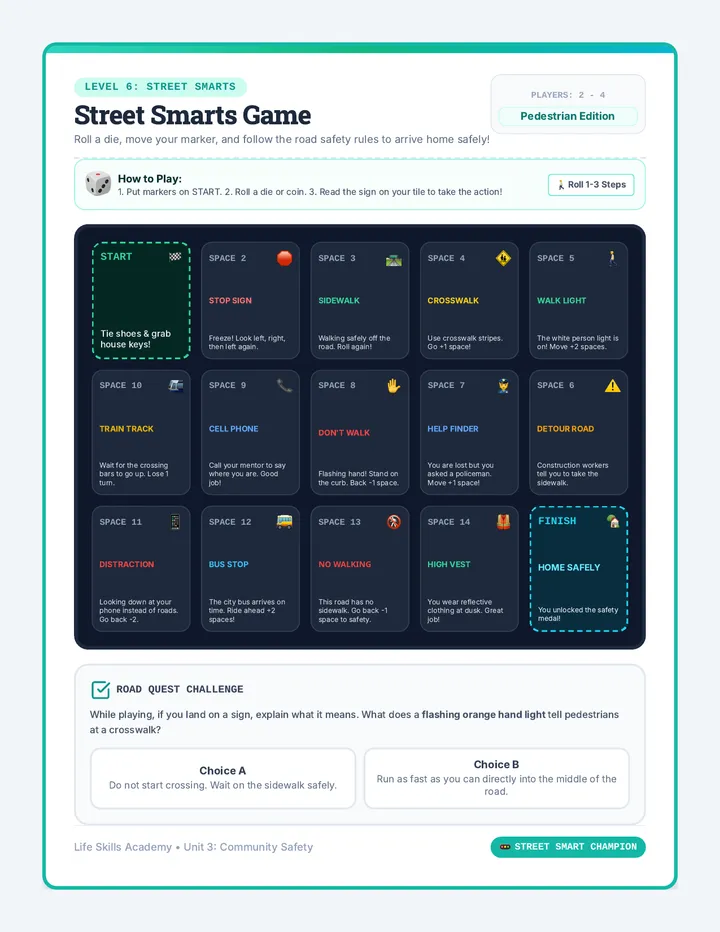
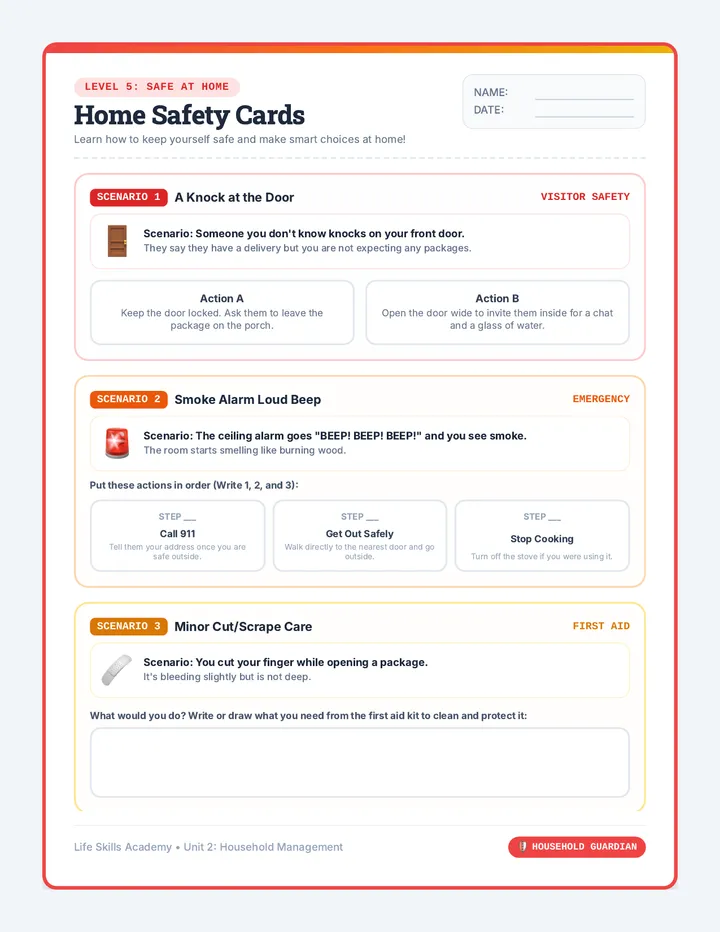
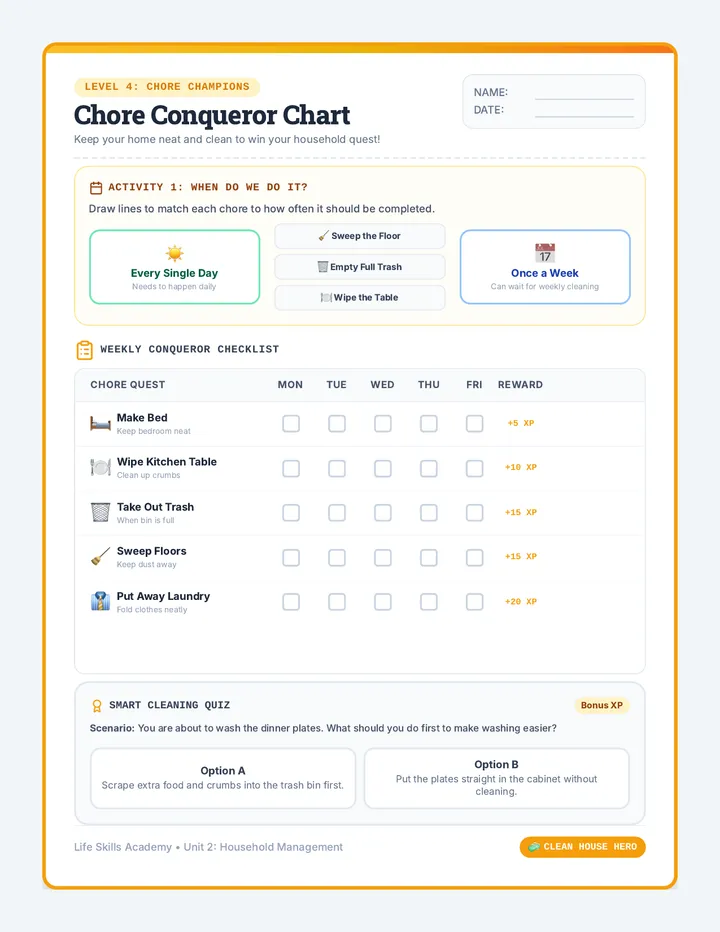
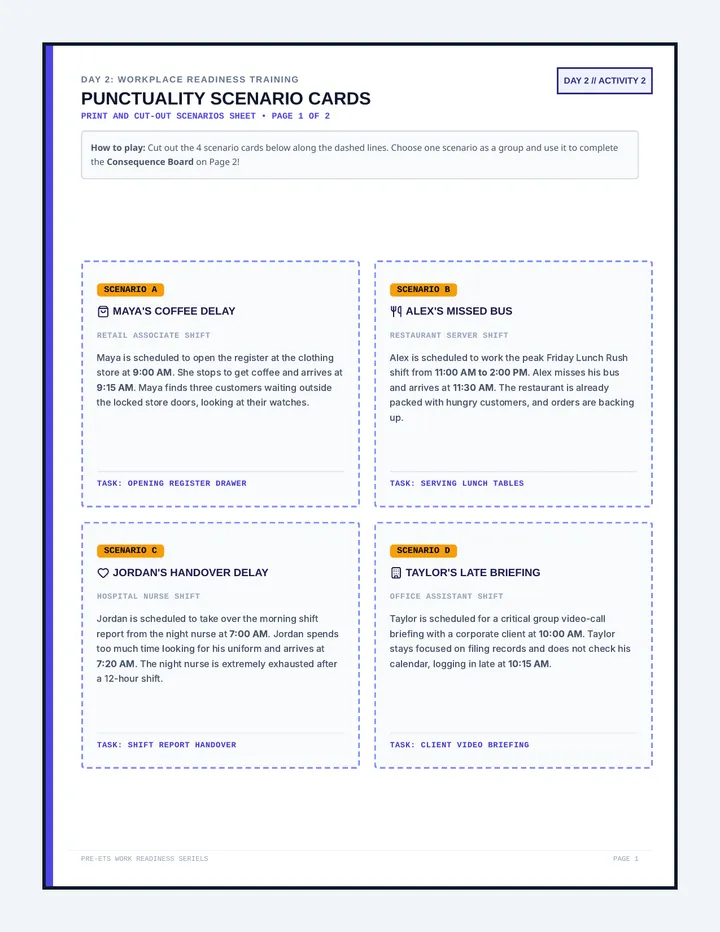
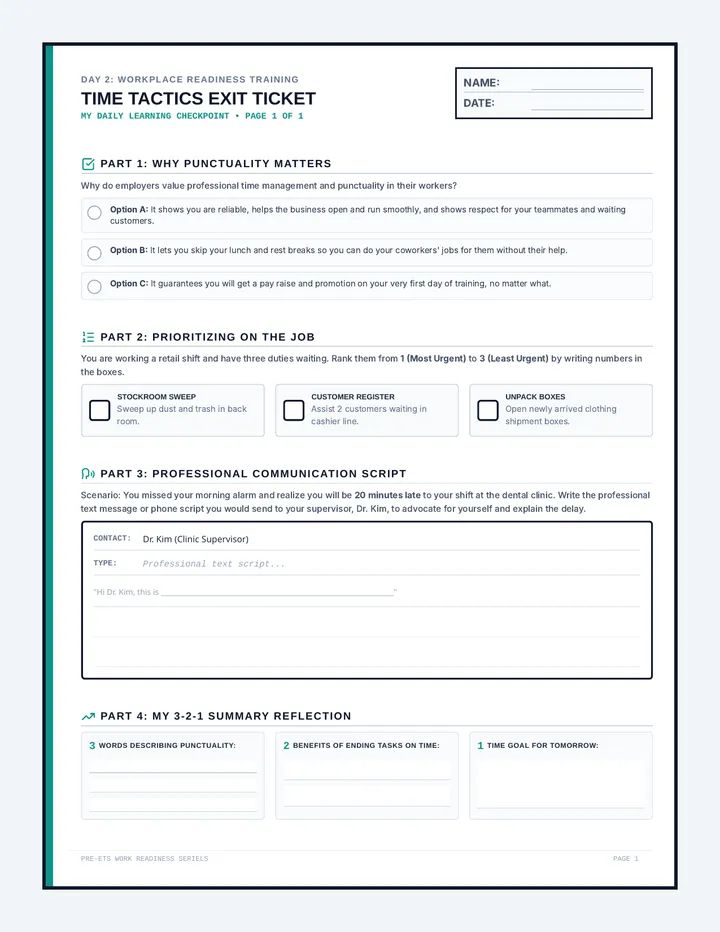
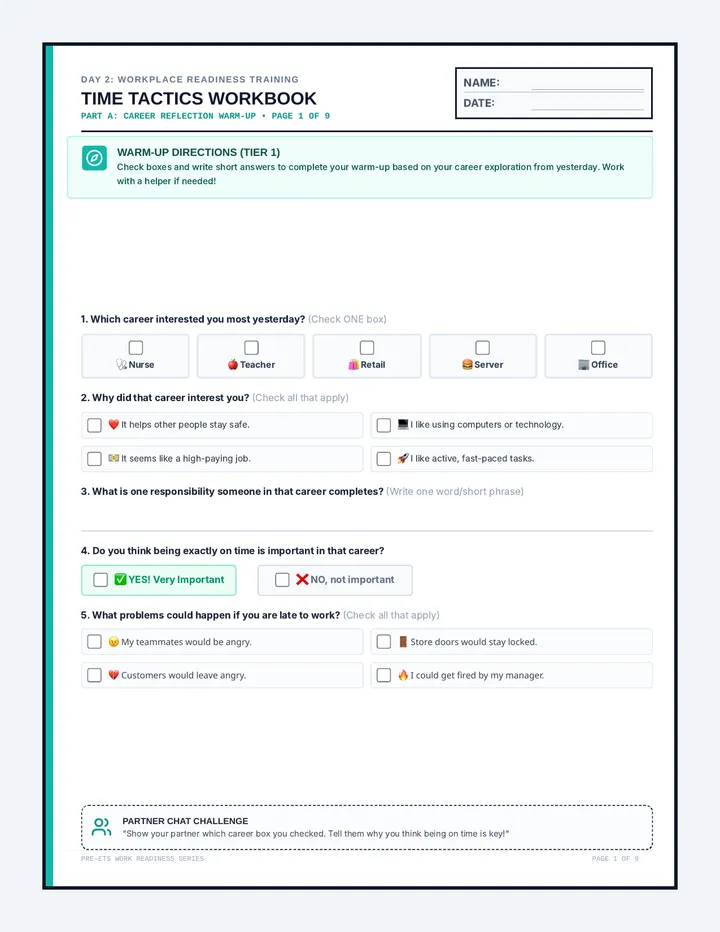
A comprehensive transition lesson for high school students focusing on four pillars of independent living: meal planning and cooking safety, laundry and household chores, time management, and community navigation. Includes visual supports and task analysis for functional life skills.
A comprehensive social skills training lesson focusing on conversation, perspective-taking, and conflict resolution for high school students with social-emotional IEP goals. Includes interactive scenarios, self-reflection tools, and a clear rubric for progress monitoring.
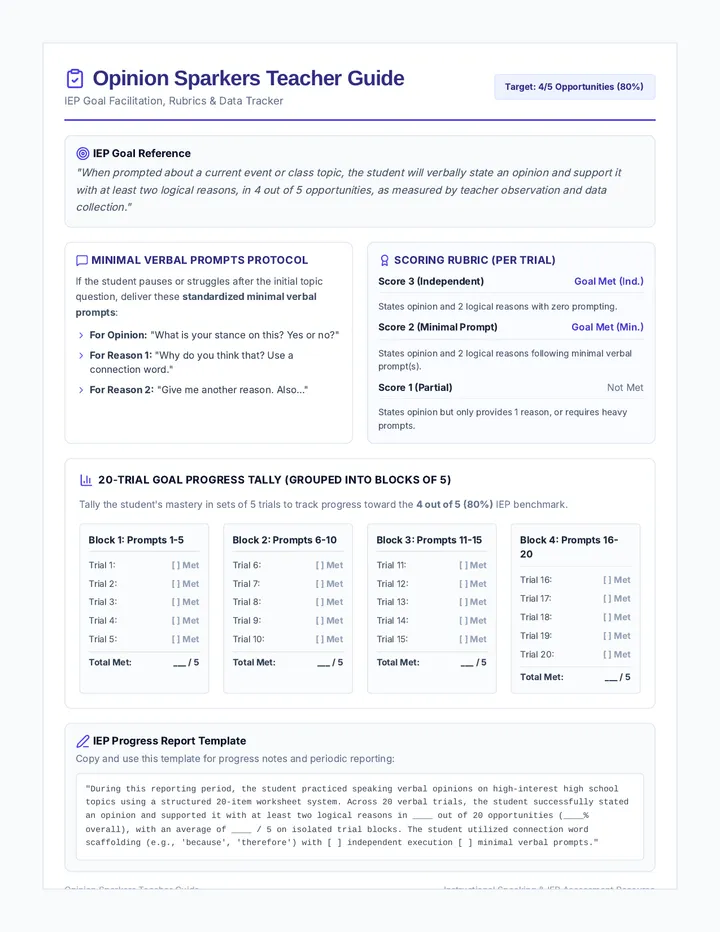
A comprehensive guide for high school SPED teachers on mastering IEP progress monitoring. Covers CBMs, behavior tracking methods, and data visualization techniques to ensure compliant and effective instruction.
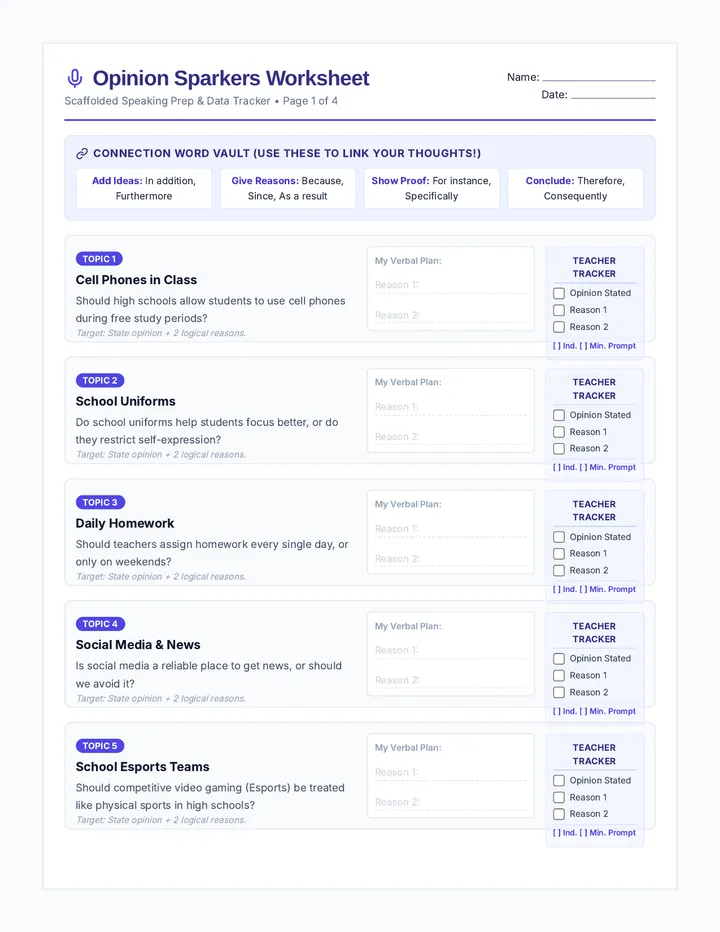
Prepares the student for speaking in varied contexts and with new communication partners through simulated scenarios.
Develops short, functional phrases through predictable scripts and collaborative reading.
Uses forced-choice questions and one-word prompts to elicit the first instances of verbalization.
Introduces non-speech vocalizations (humming, sound effects, breath control) to build comfort with vocal cord engagement.
A comprehensive set of tools for teachers and occupational therapists to identify, score, and support students with sensory processing needs. Includes a screening checklist, a simplified scoring guide, and a classroom strategies handout.
This lesson teaches high school students on the autism spectrum the fundamentals of sportsmanship, focusing on emotional regulation during wins and losses through social stories and interactive scenarios.
Develops sustained focus and signal filtering strategies to protect the brain's neural spotlight from internal and external noise.
Focuses on self-monitoring and metacognitive awareness, teaching students how to audit their own cognitive performance and adjust strategies mid-mission.
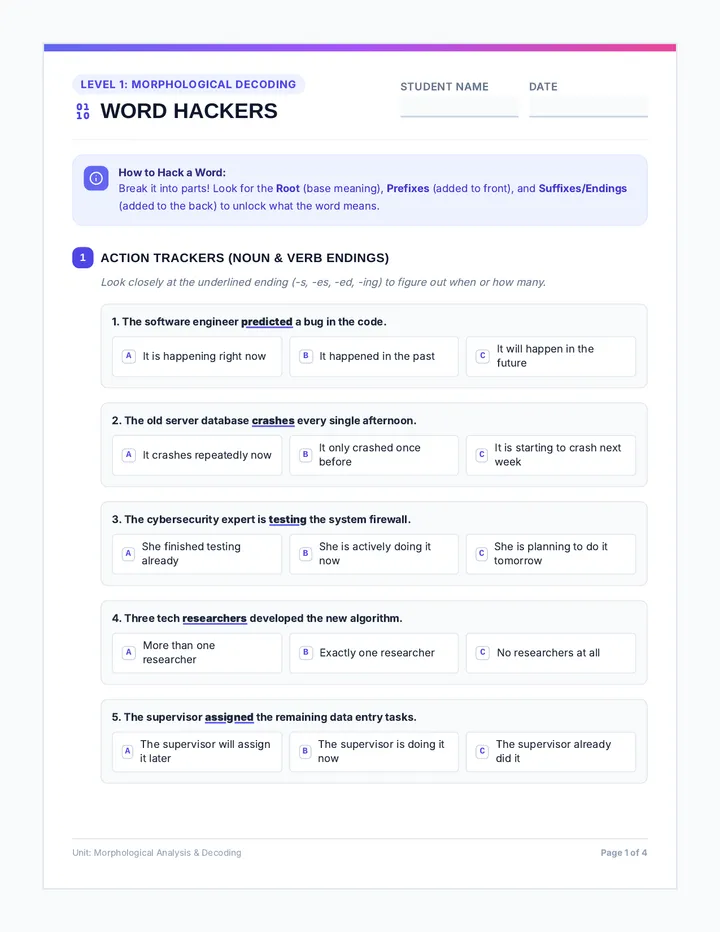
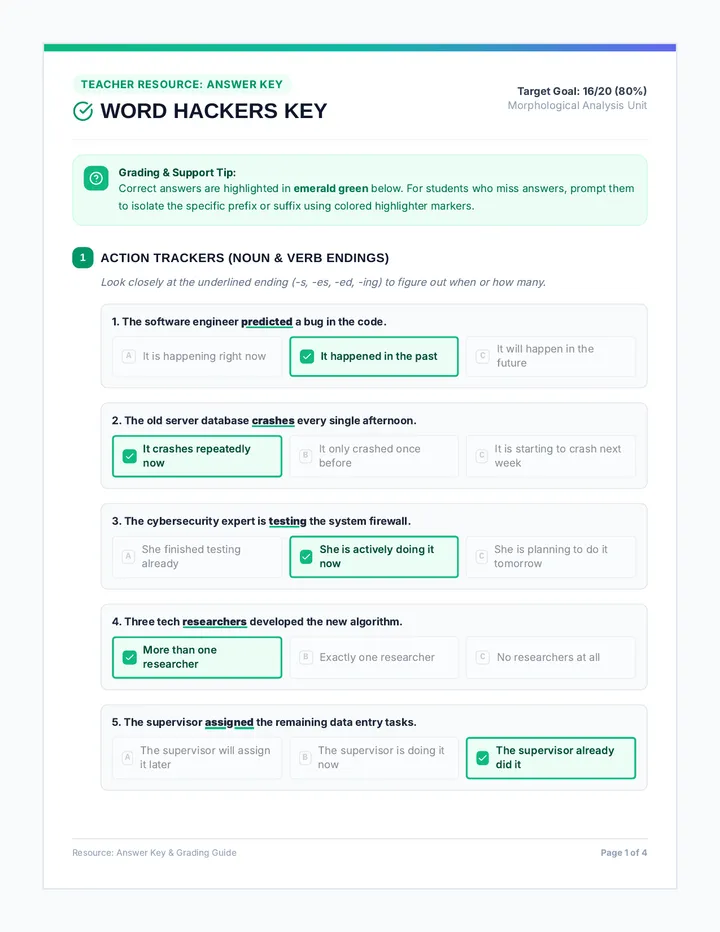
An introductory lesson on combining like terms designed for special education students, focusing on visual coding, shape-sorting strategies, and step-by-step guided practice.
A vocabulary-focused station activity for Chapter 1 of 'Night' by Elie Wiesel, designed for 10th-grade students with ADHD and SLD. The lesson uses multisensory approaches to reinforce meaning, context, and visual representation of key terms.
A cumulative review of the Cognitive Command framework, where students synthesize their skills into a personalized executive function handbook for future use.
Develops the 'cognitive brake' to manage impulsive reactions and implement pause protocols to improve inhibitory control.
Optimizes the brain's 'mental whiteboard' through chunking and visualization techniques to improve information retention during multi-step tasks.
Enhances cognitive flexibility and the ability to shift mindsets when encountering obstacles, fostering resilient problem-solving frameworks.
Addresses the 'activation energy' required to start tasks, utilizing neuroscience strategies to overcome procrastination and limbic system resistance.
Covers the sequencing and prioritization of complex tasks, teaching students how to deconstruct large projects into manageable neural pathways.
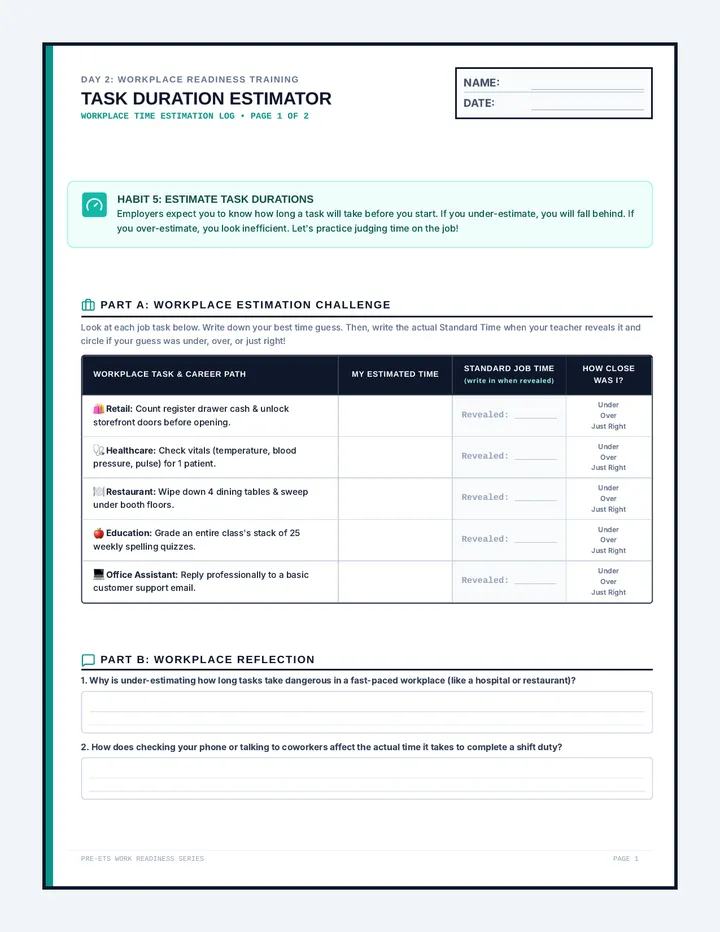
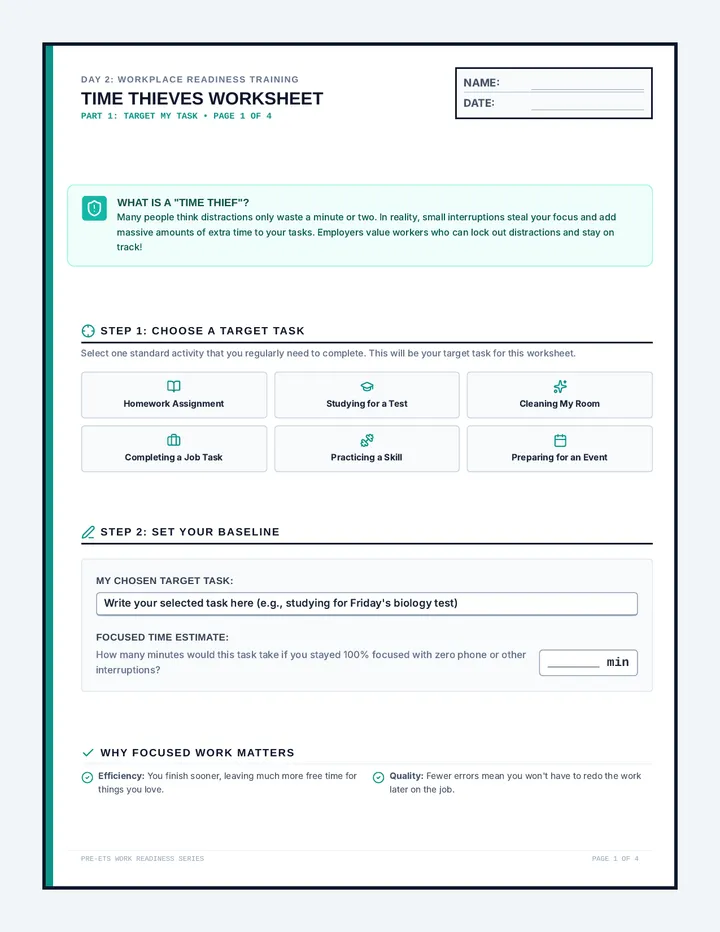
Explores temporal awareness and the estimation of task duration, providing tools to navigate deadlines and combat the 'planning fallacy.'