A lesson focused on practicing the vocalic /r/ sound in the high-frequency words 'where' and 'there' through engaging, 2nd-grade level stories.
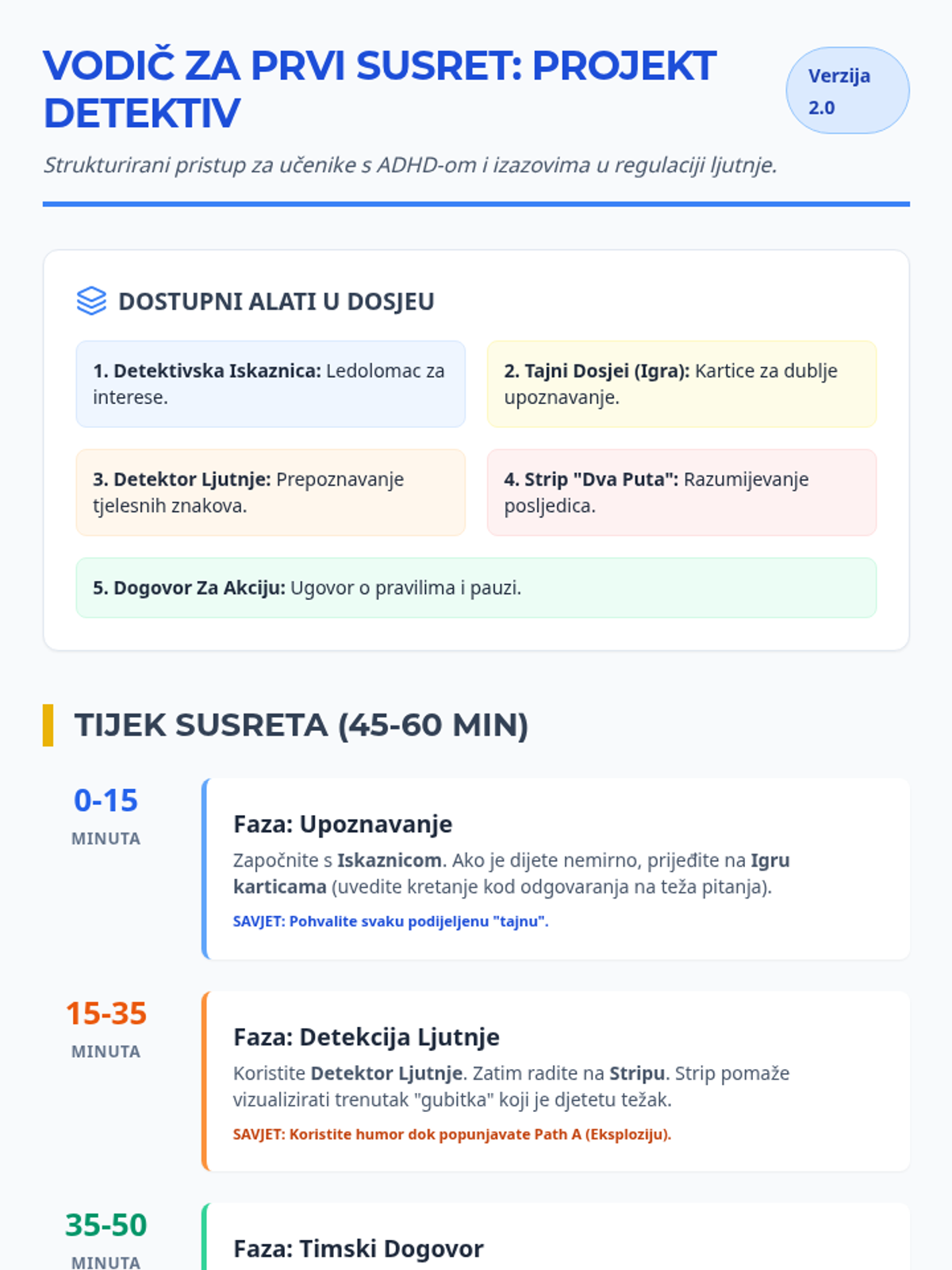
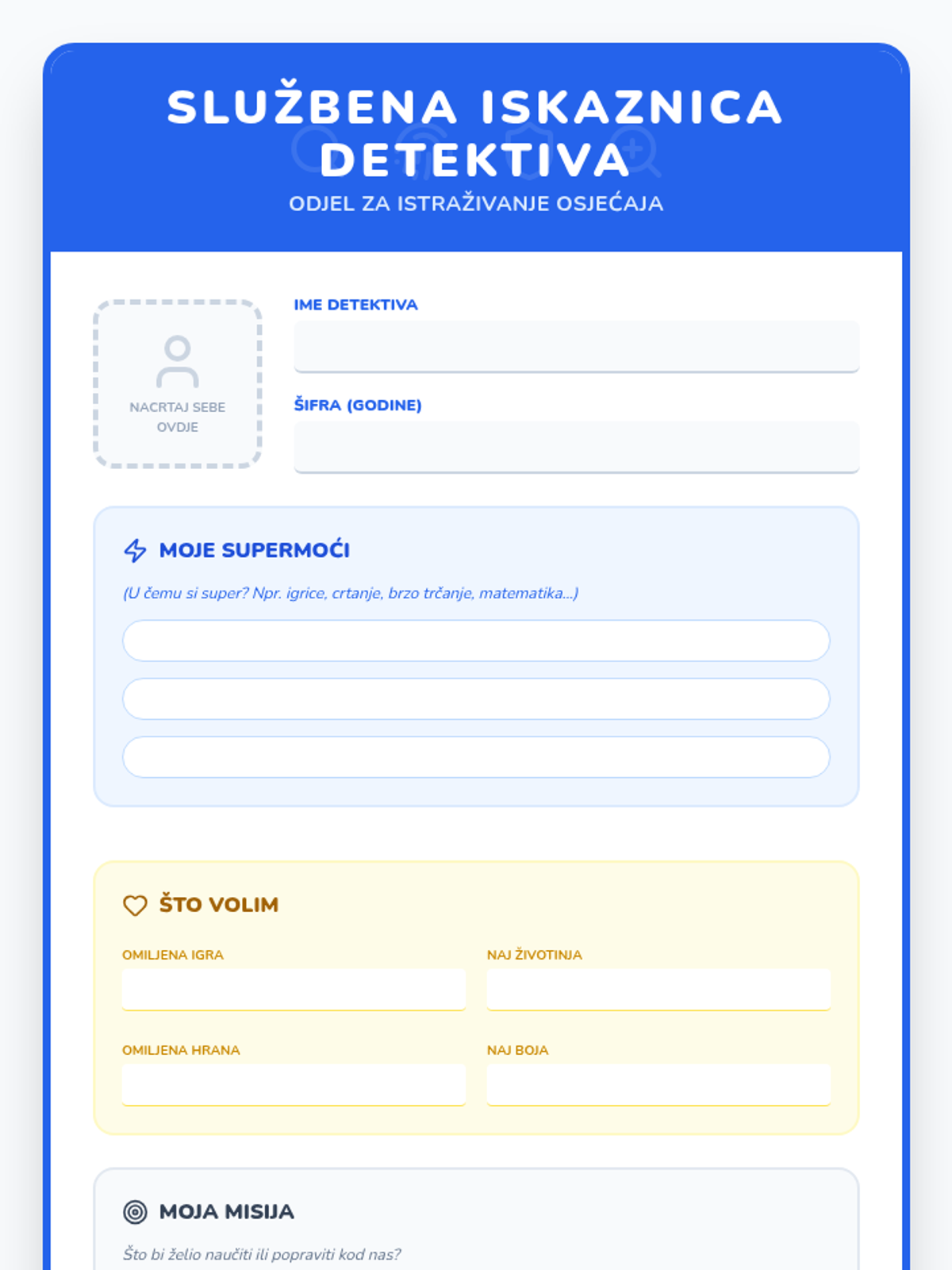
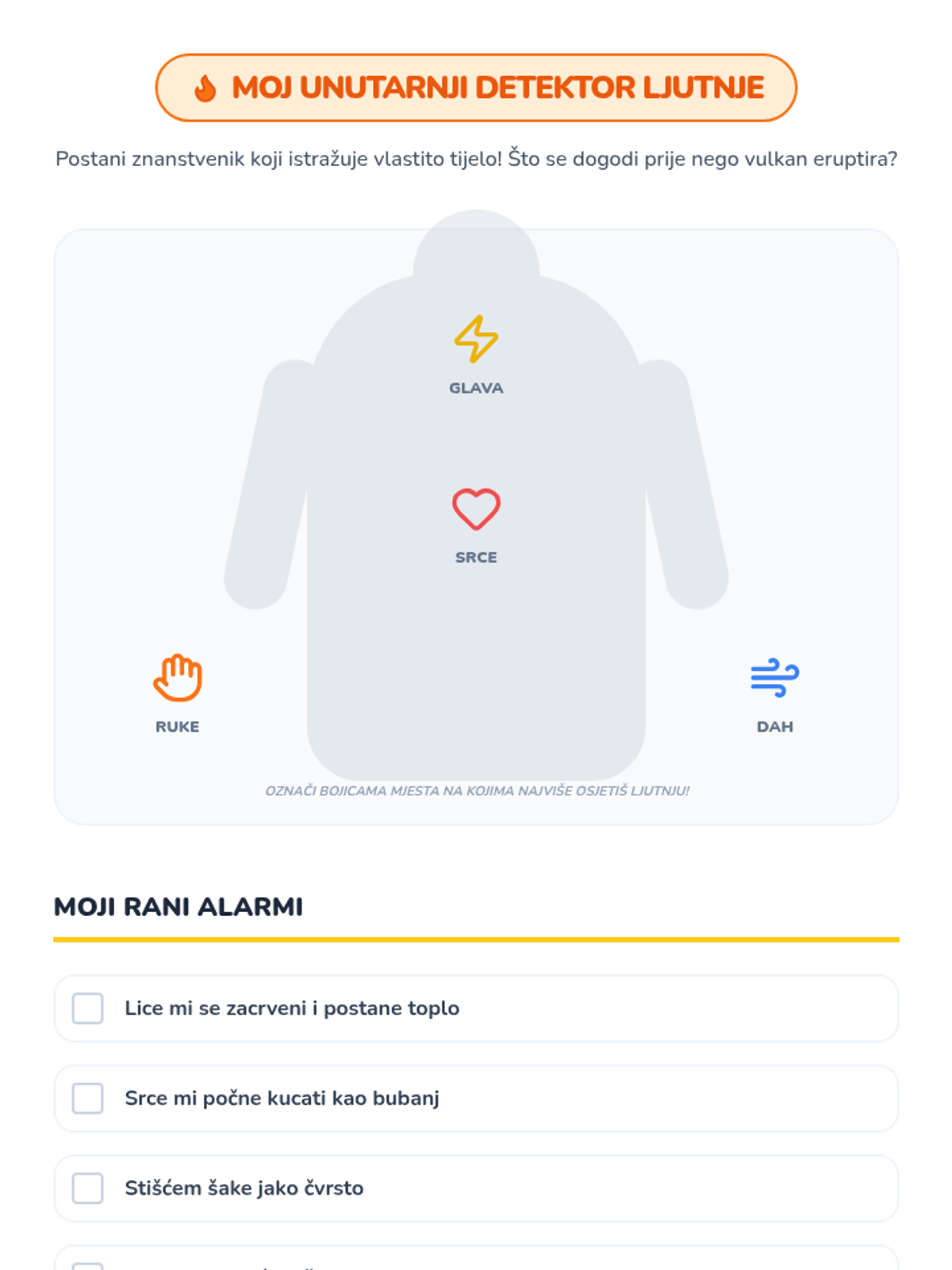
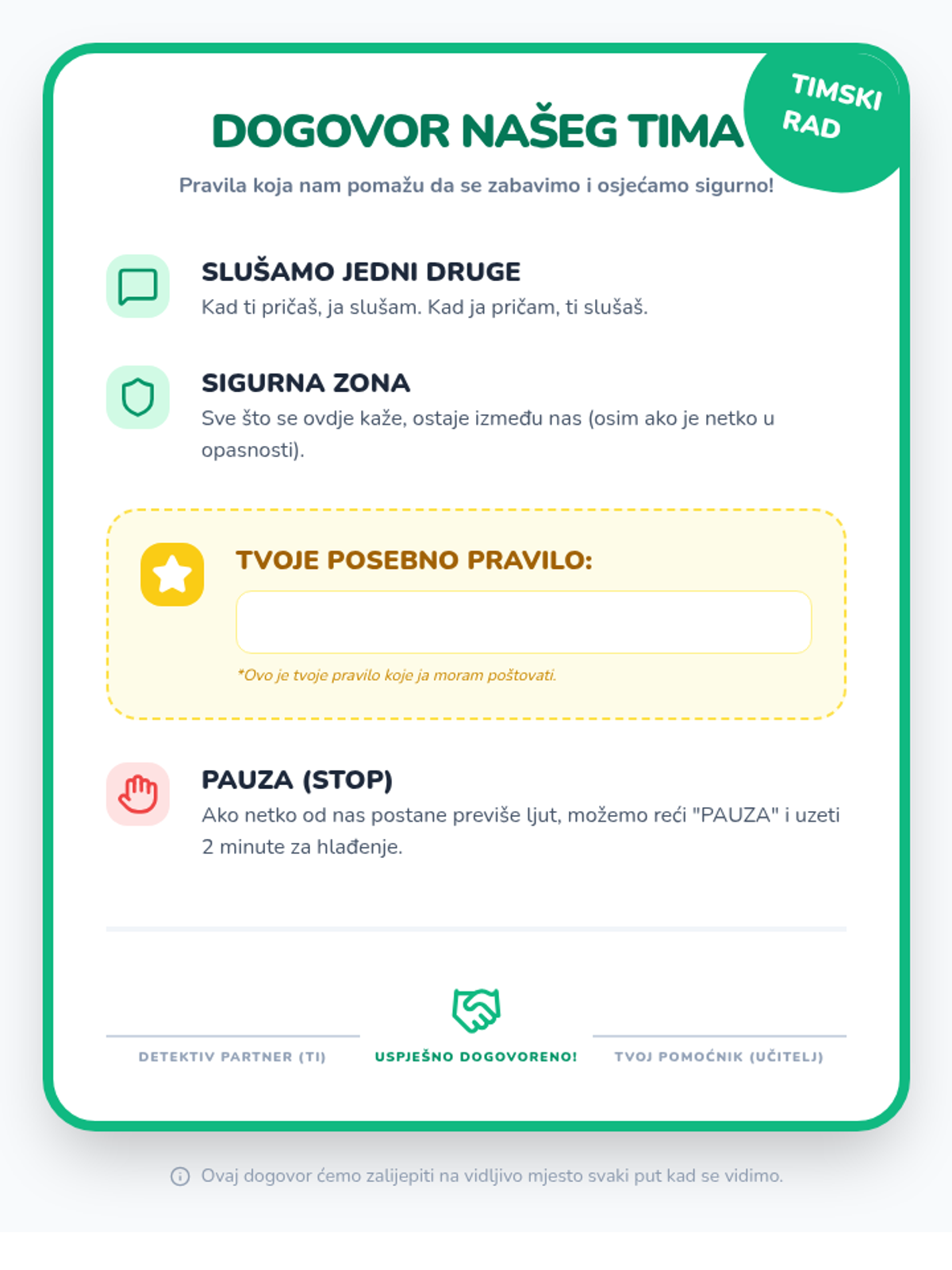
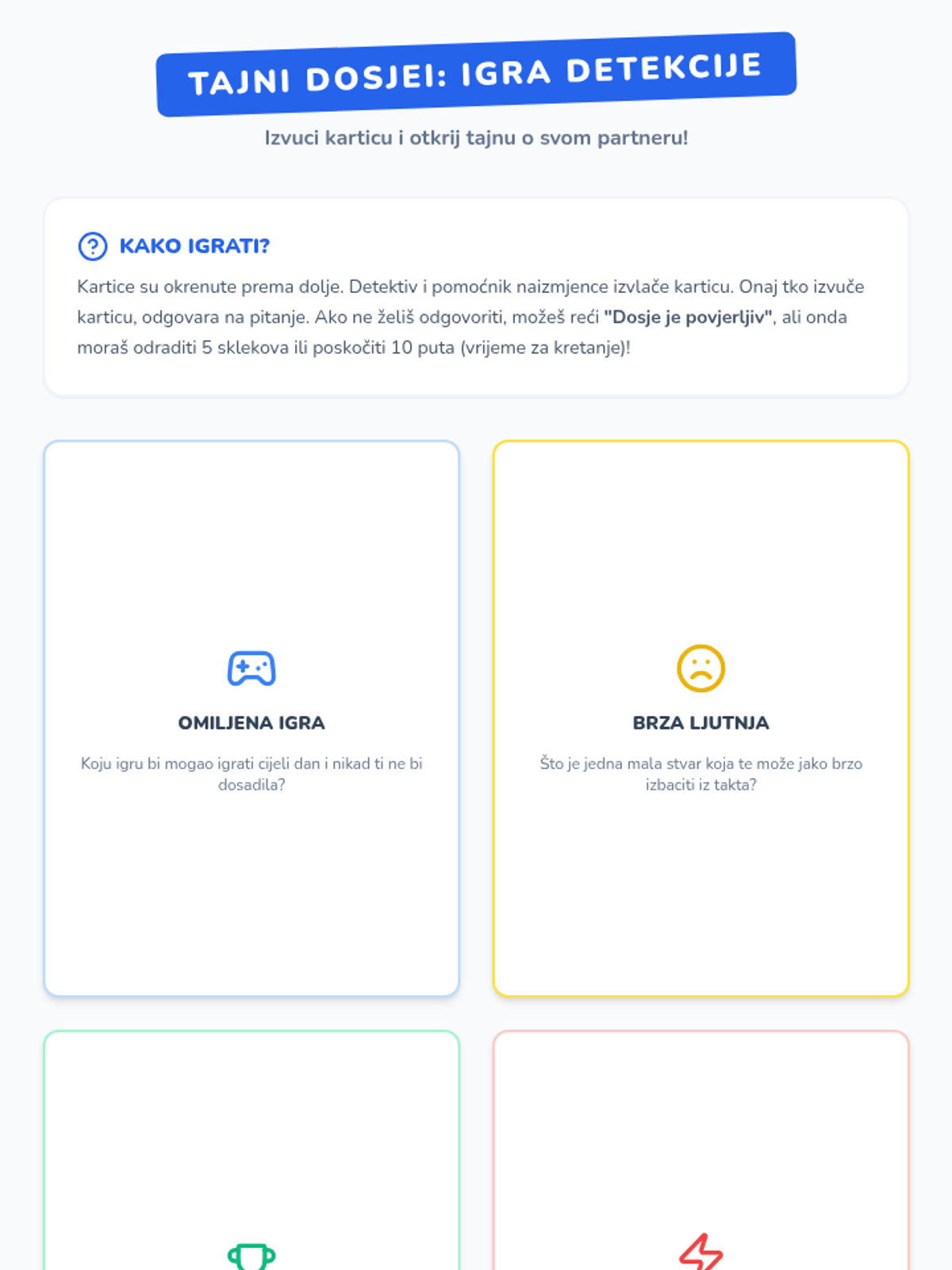
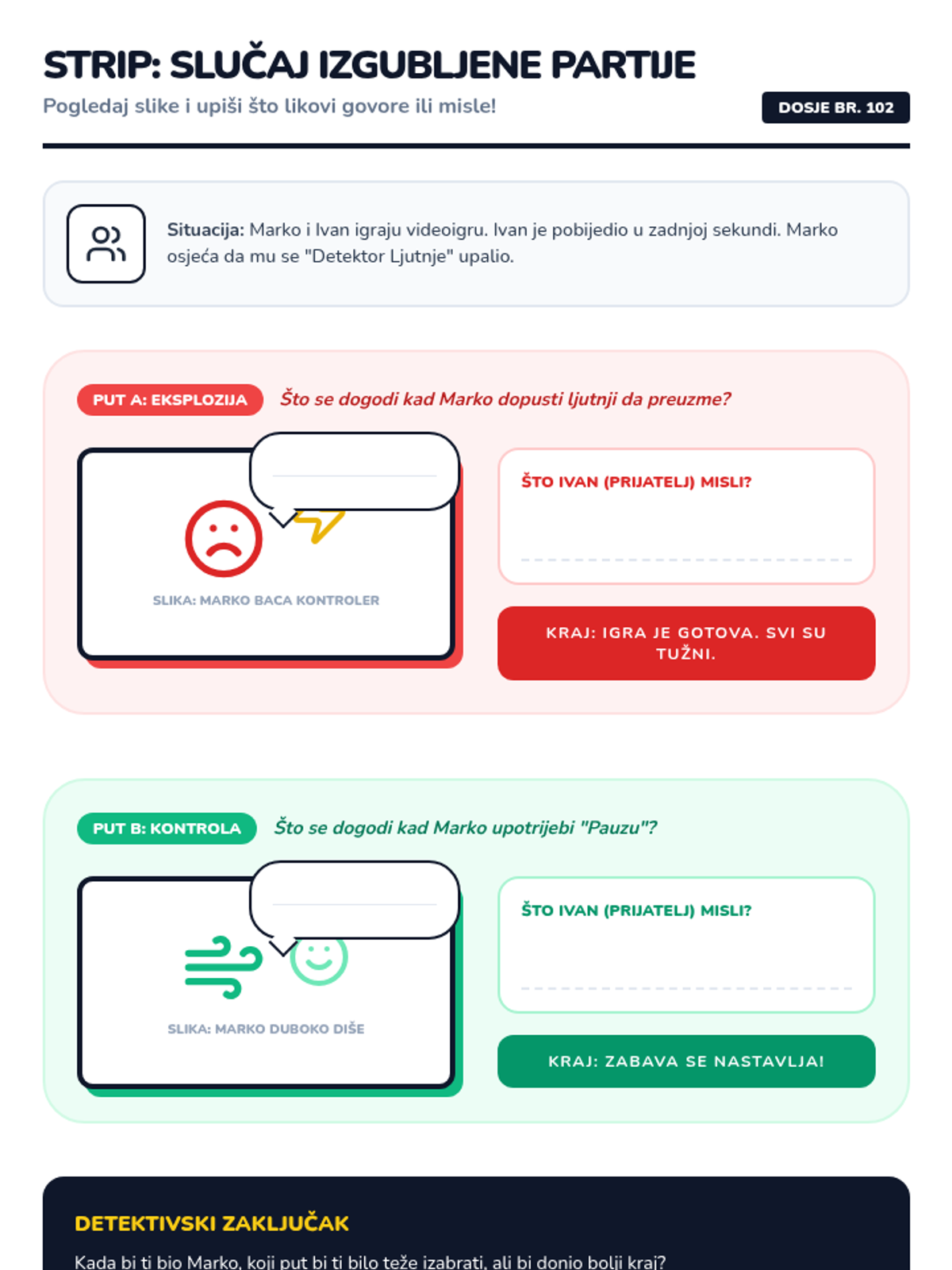
Uvodni susret usmjeren na izgradnju povjerenja, upoznavanje i početak rada na prepoznavanju tjelesnih znakova ljutnje kroz detektivsku temu.
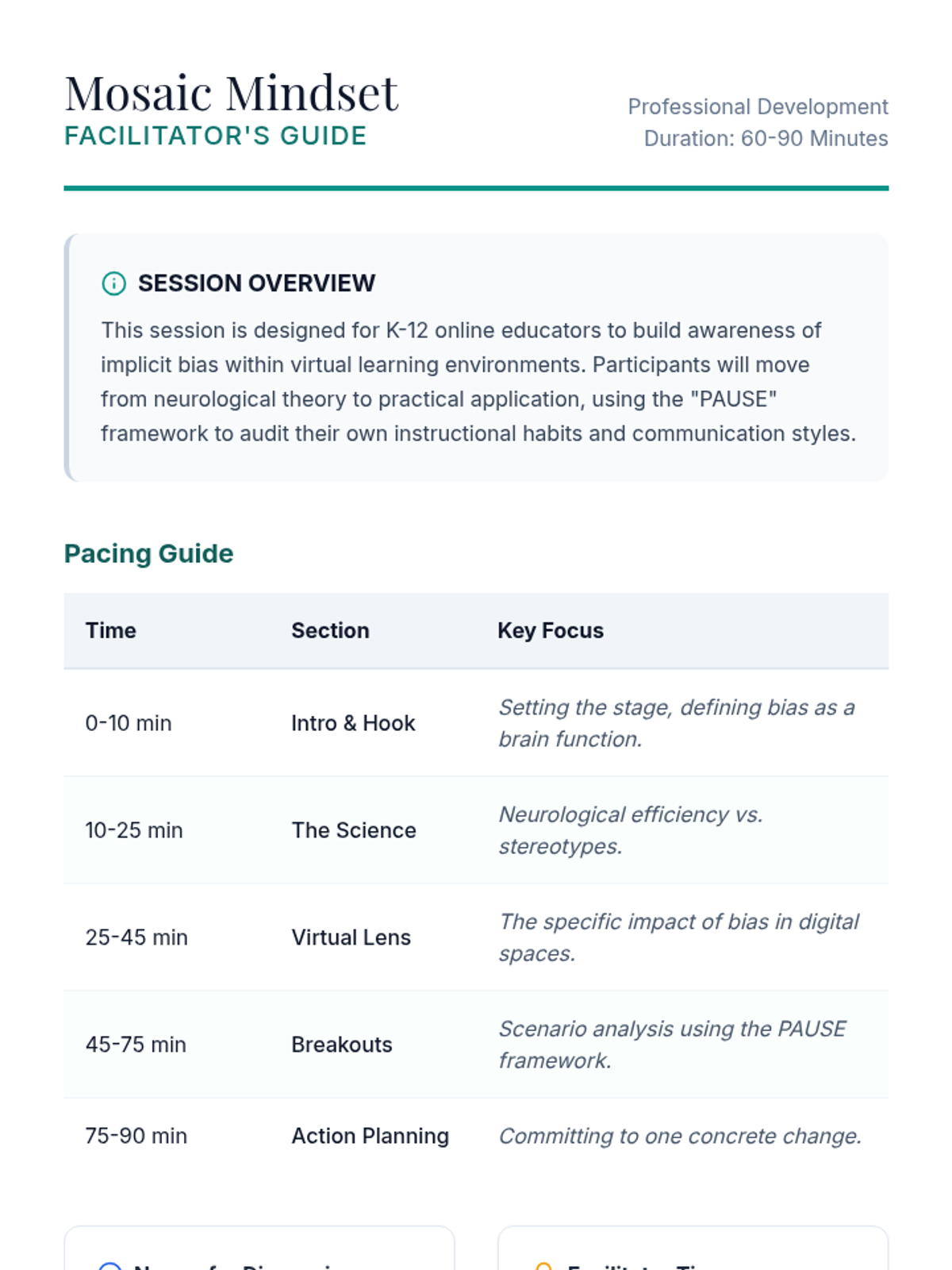
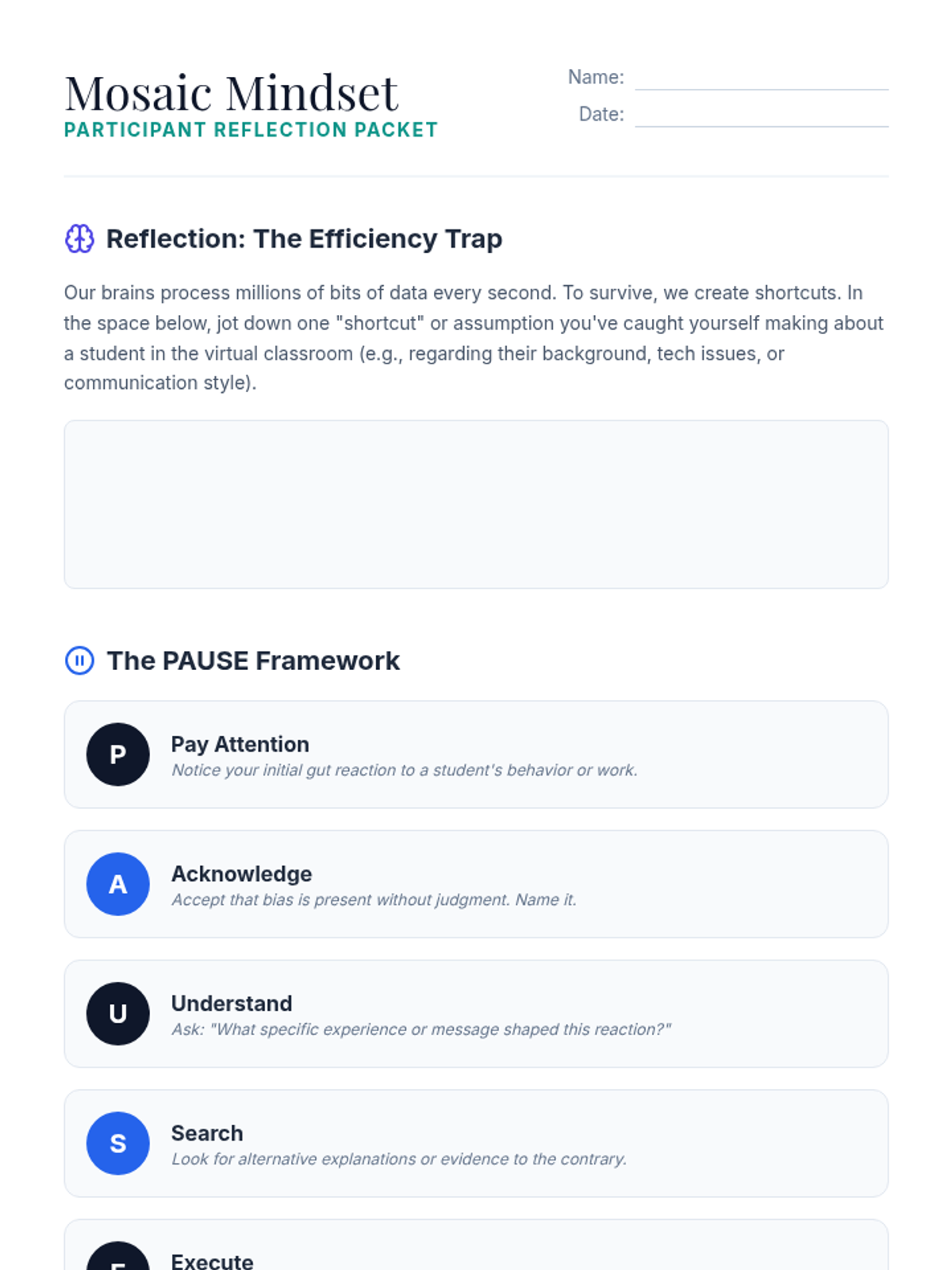
A comprehensive professional development session for K-12 online educators focusing on identifying and mitigating implicit bias in virtual learning environments. This lesson covers the neuroscience of bias, its impact on student outcomes, and actionable strategies for equitable digital instruction.
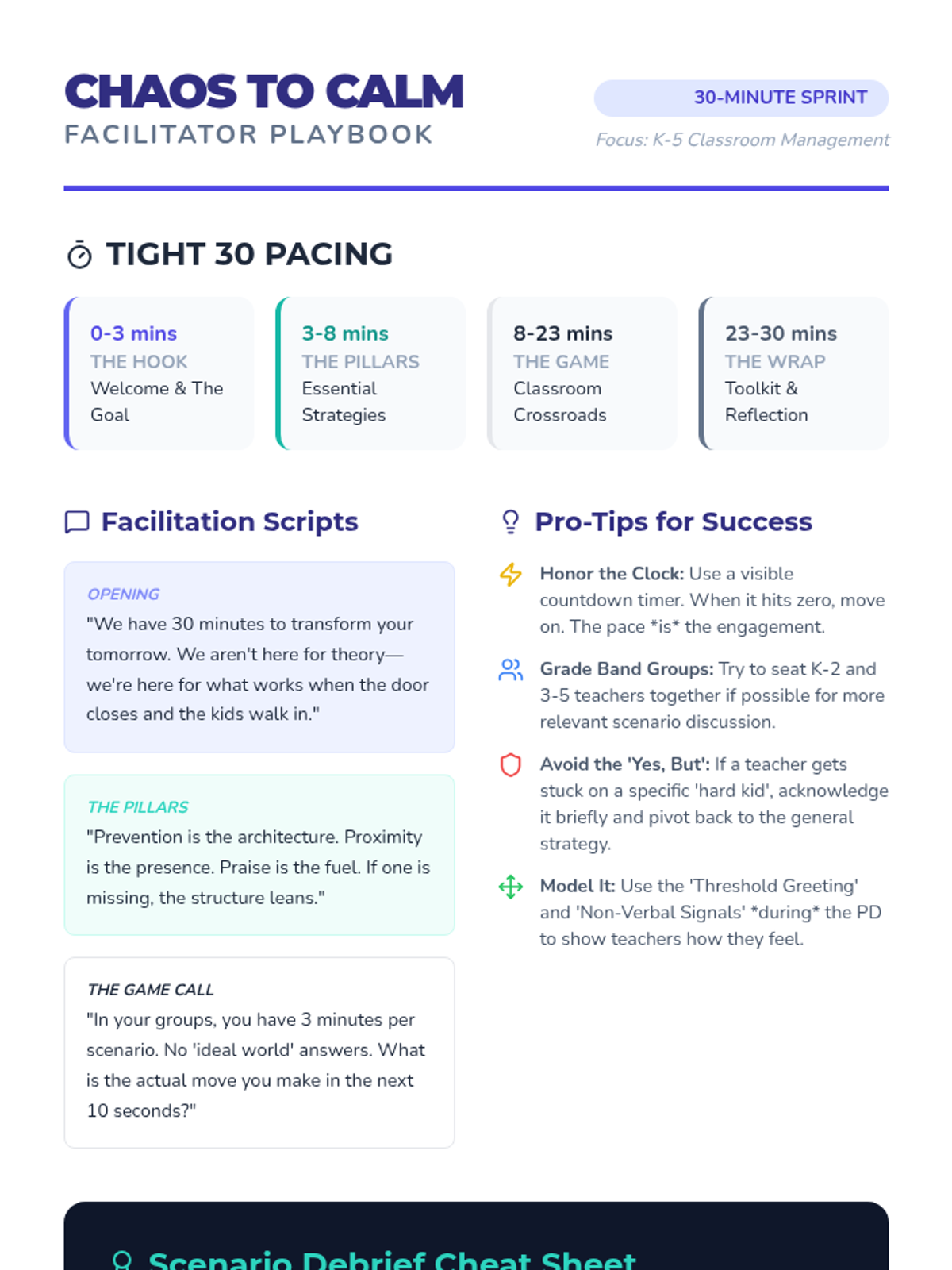
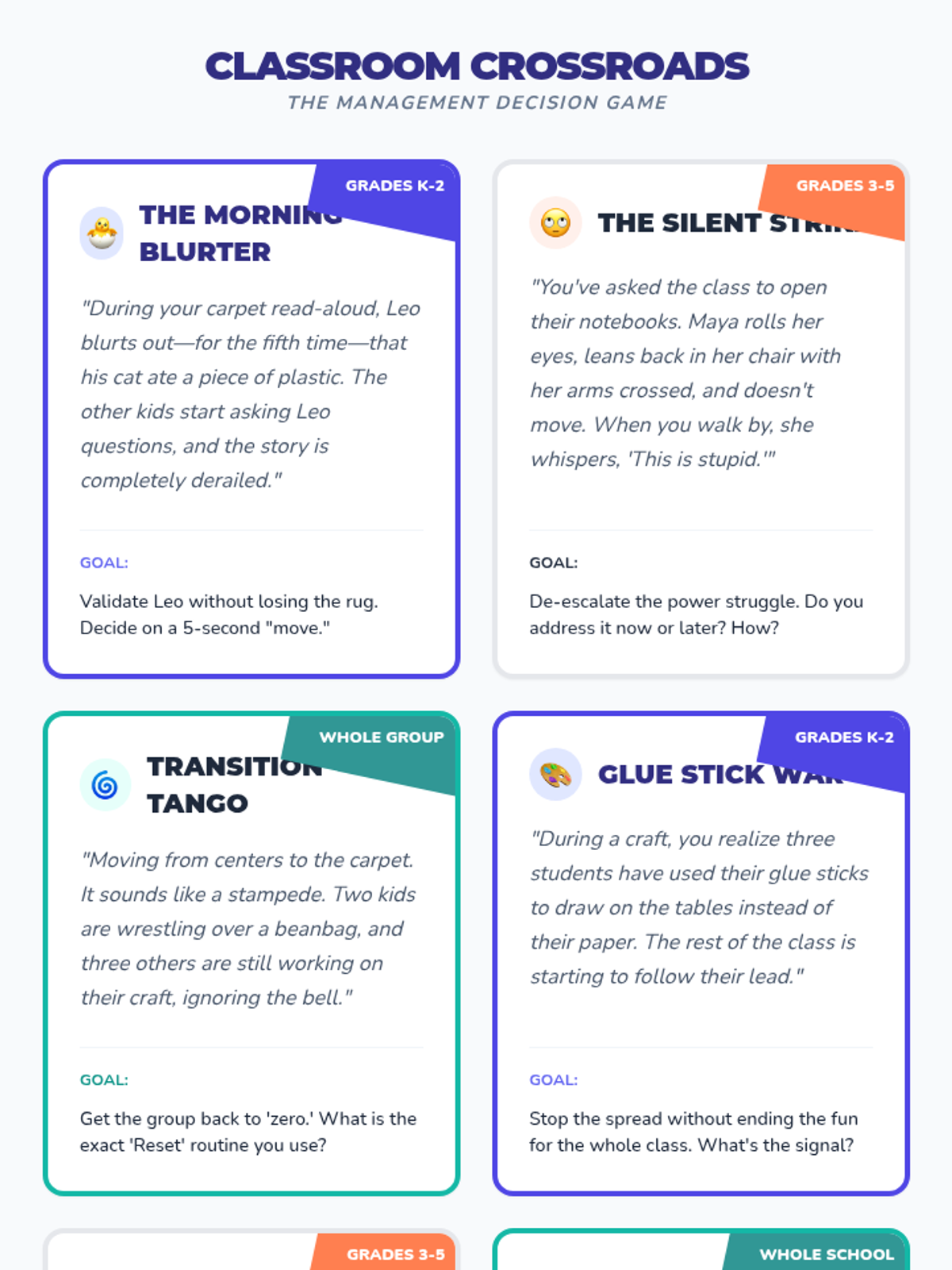
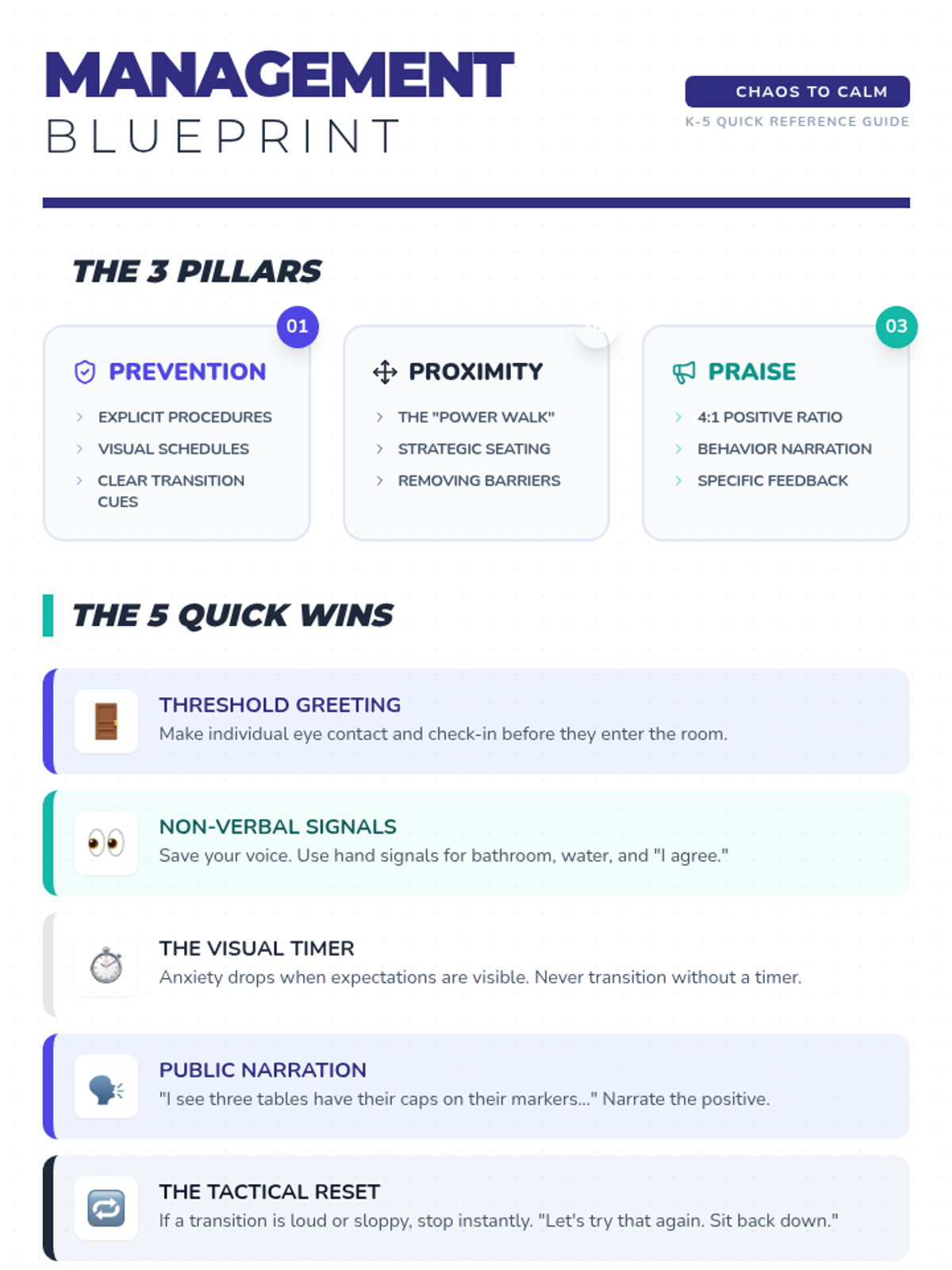
A fast-paced, 30-minute professional development session designed to give K-5 teachers practical classroom management strategies and collaborative problem-solving opportunities through the "Classroom Crossroads" game.
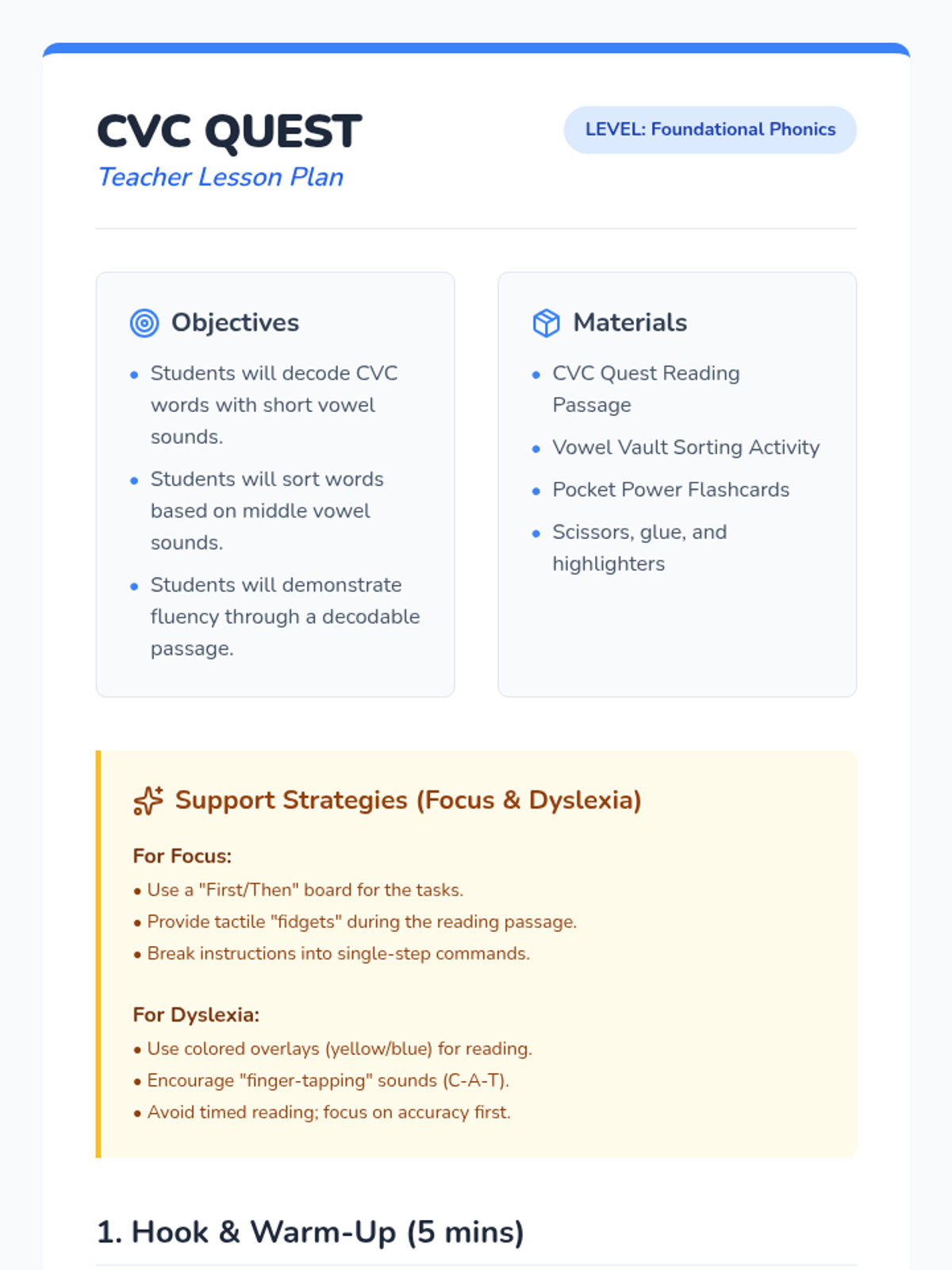
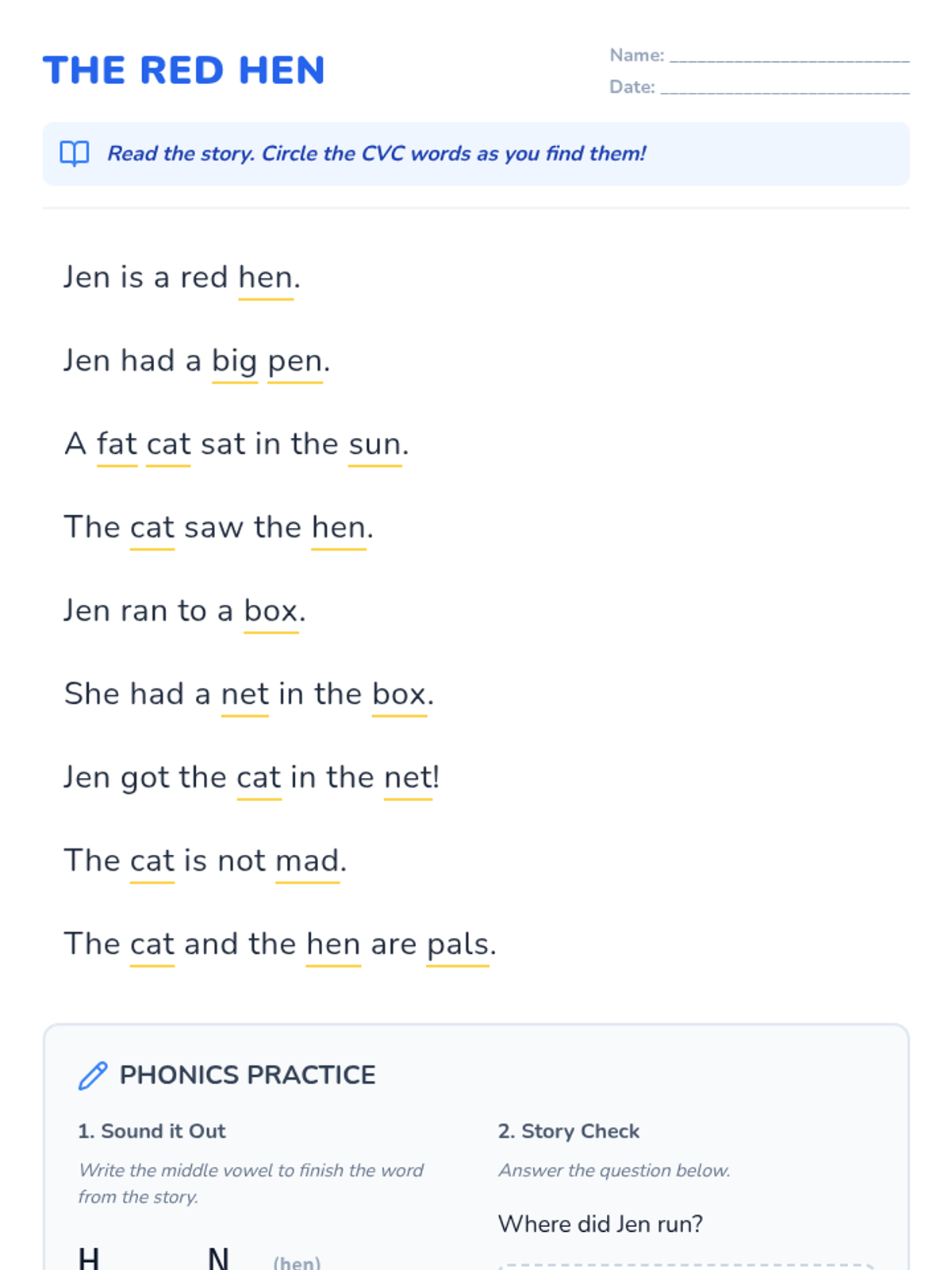
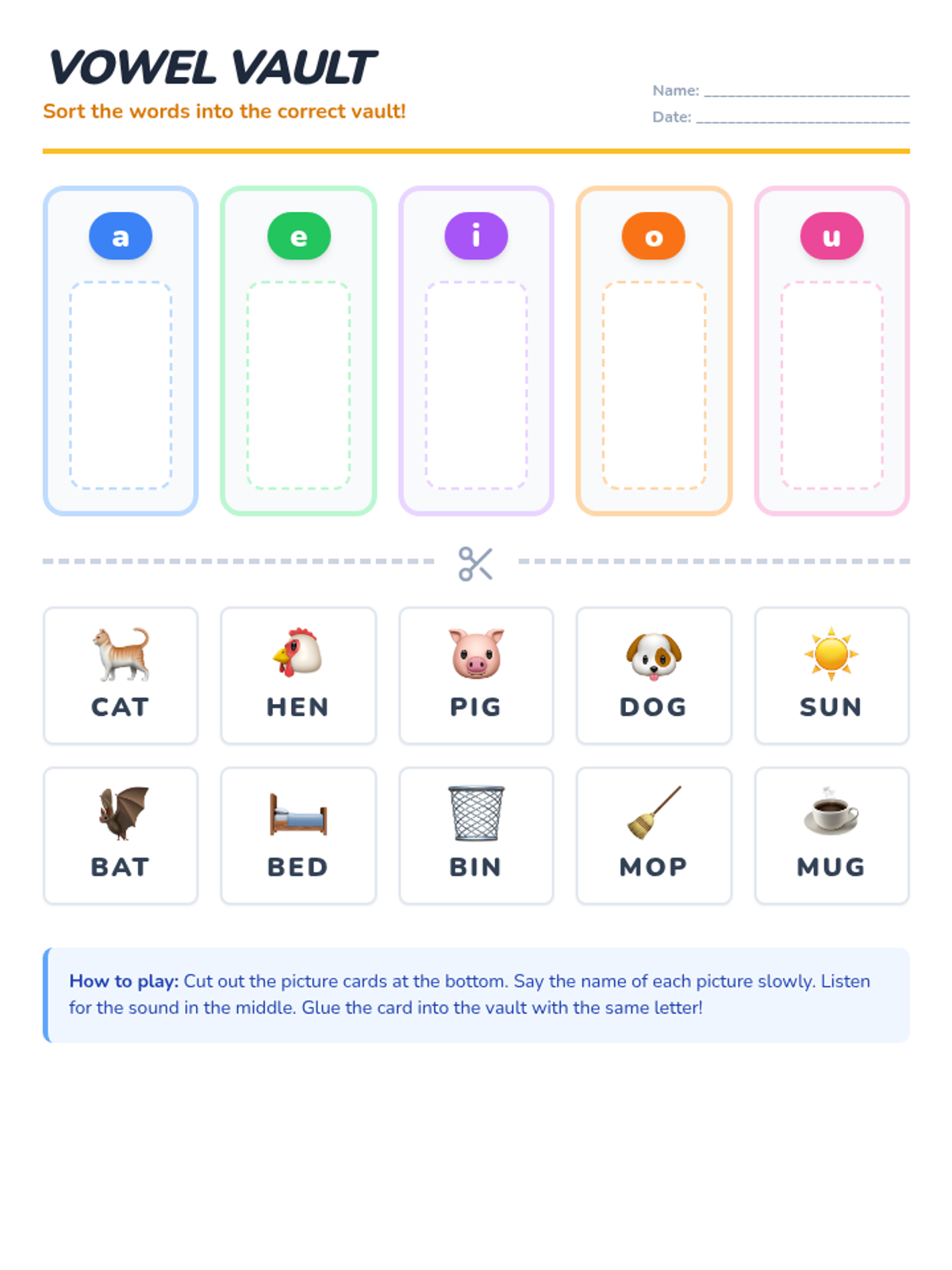
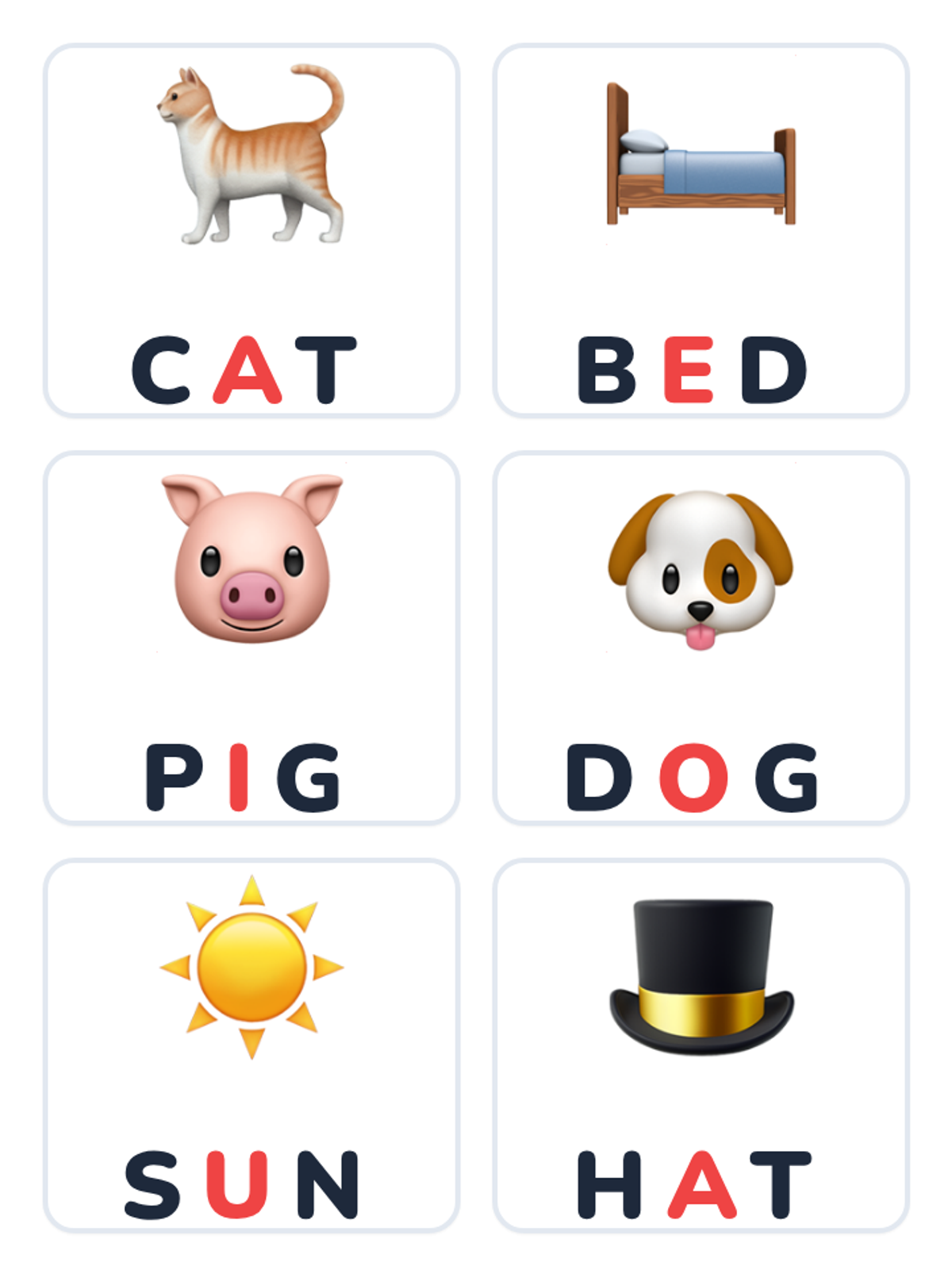
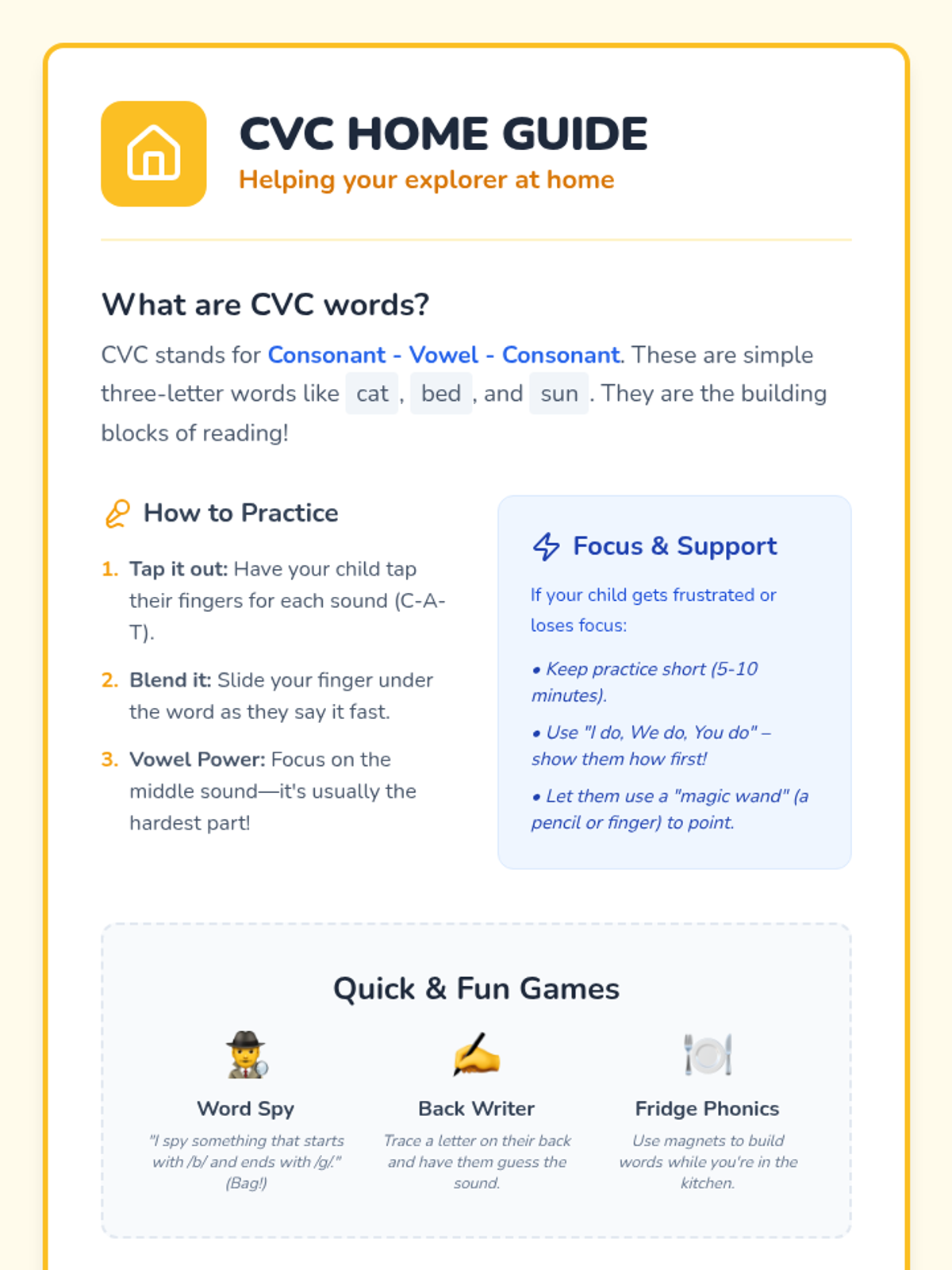
A foundational phonics lesson focusing on CVC (Consonant-Vowel-Consonant) words through decodable reading, multi-sensory sorting, and visual flashcards, with specific strategies for students with ADHD and dyslexia.
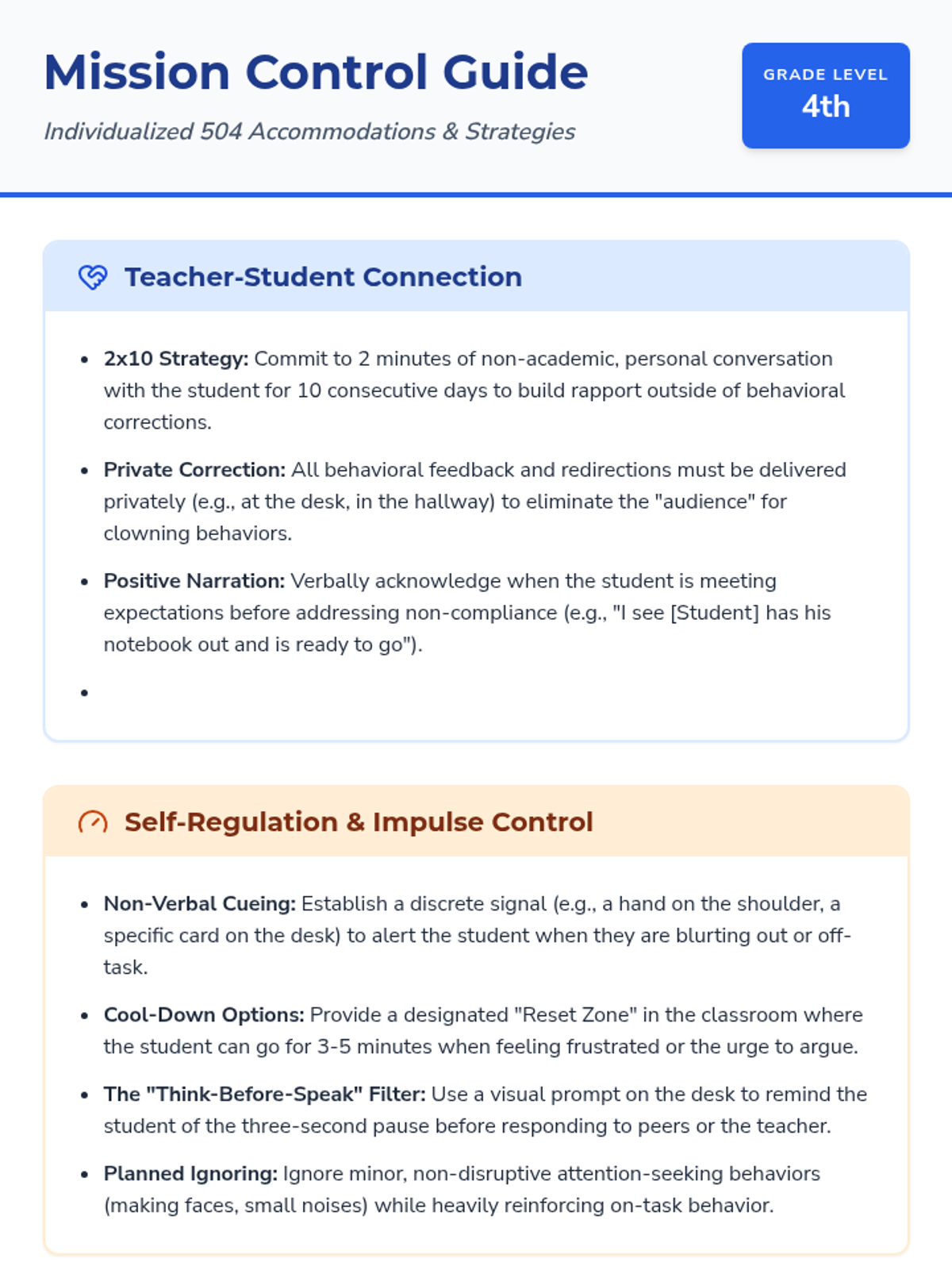
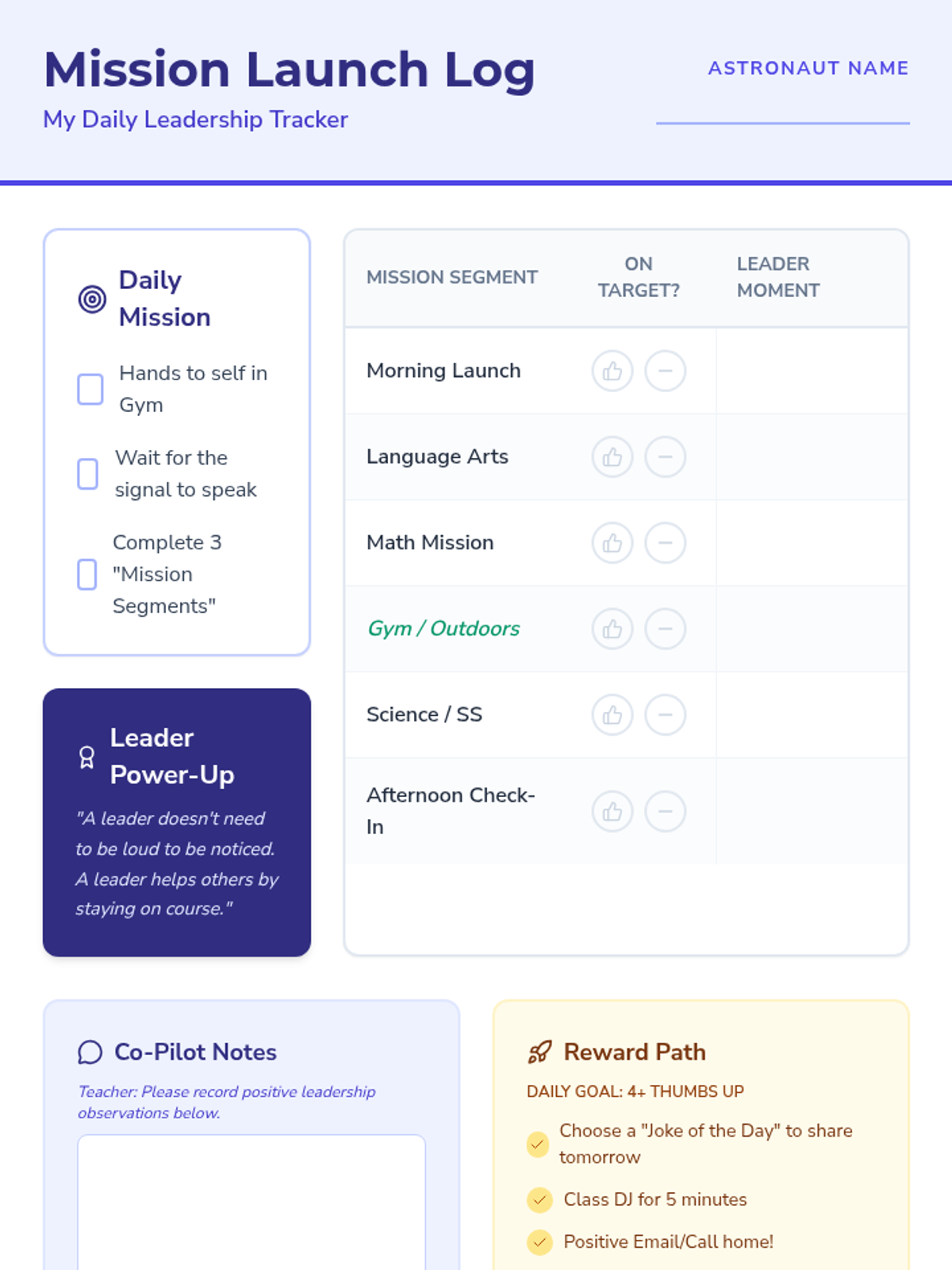
A comprehensive set of 504 accommodations and implementation tools for a 4th-grade student struggling with teacher rapport, peer boundaries, and attention-seeking behaviors. The lesson focuses on shifting peer attention from disruptive to positive leadership roles.
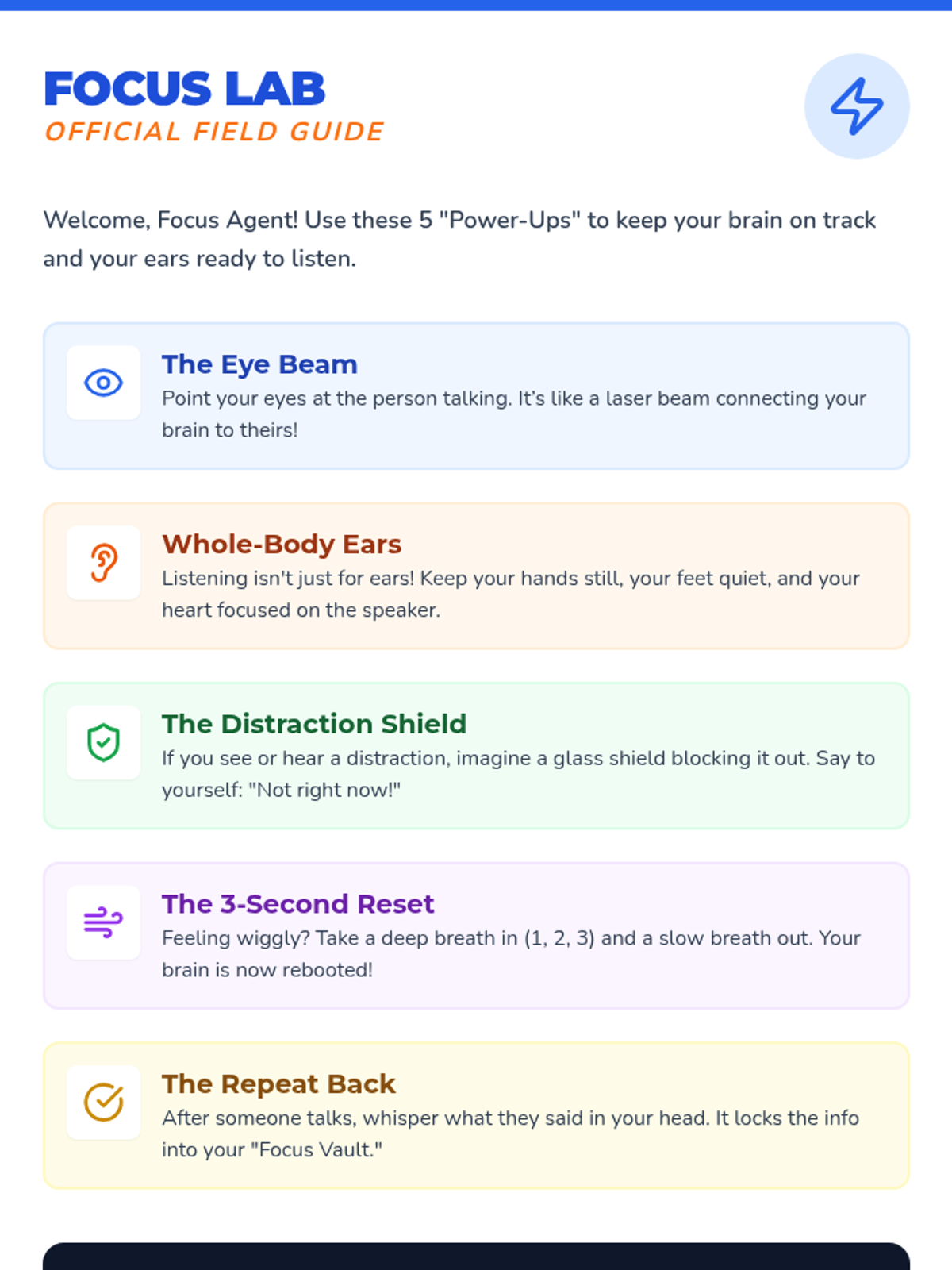
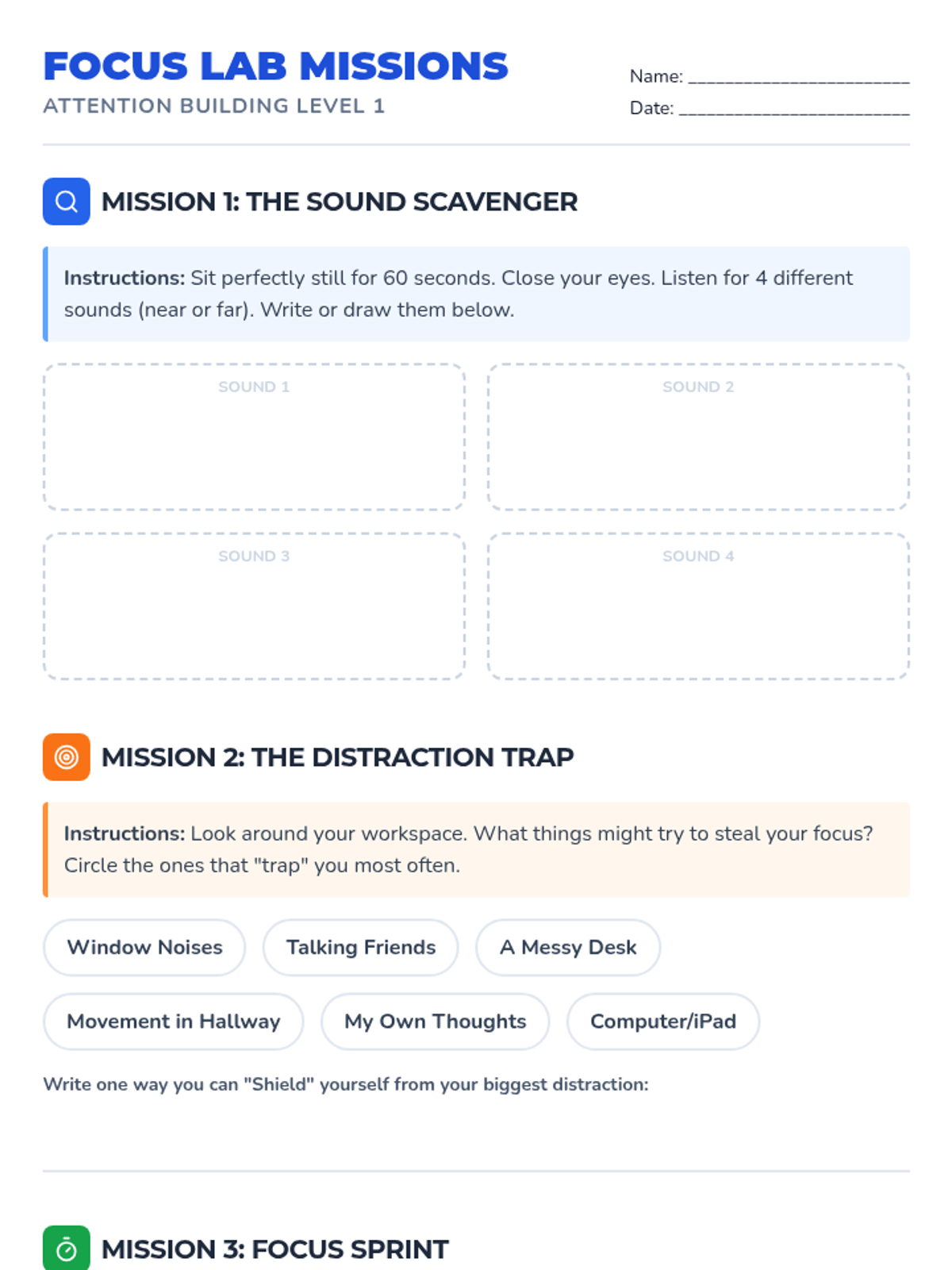
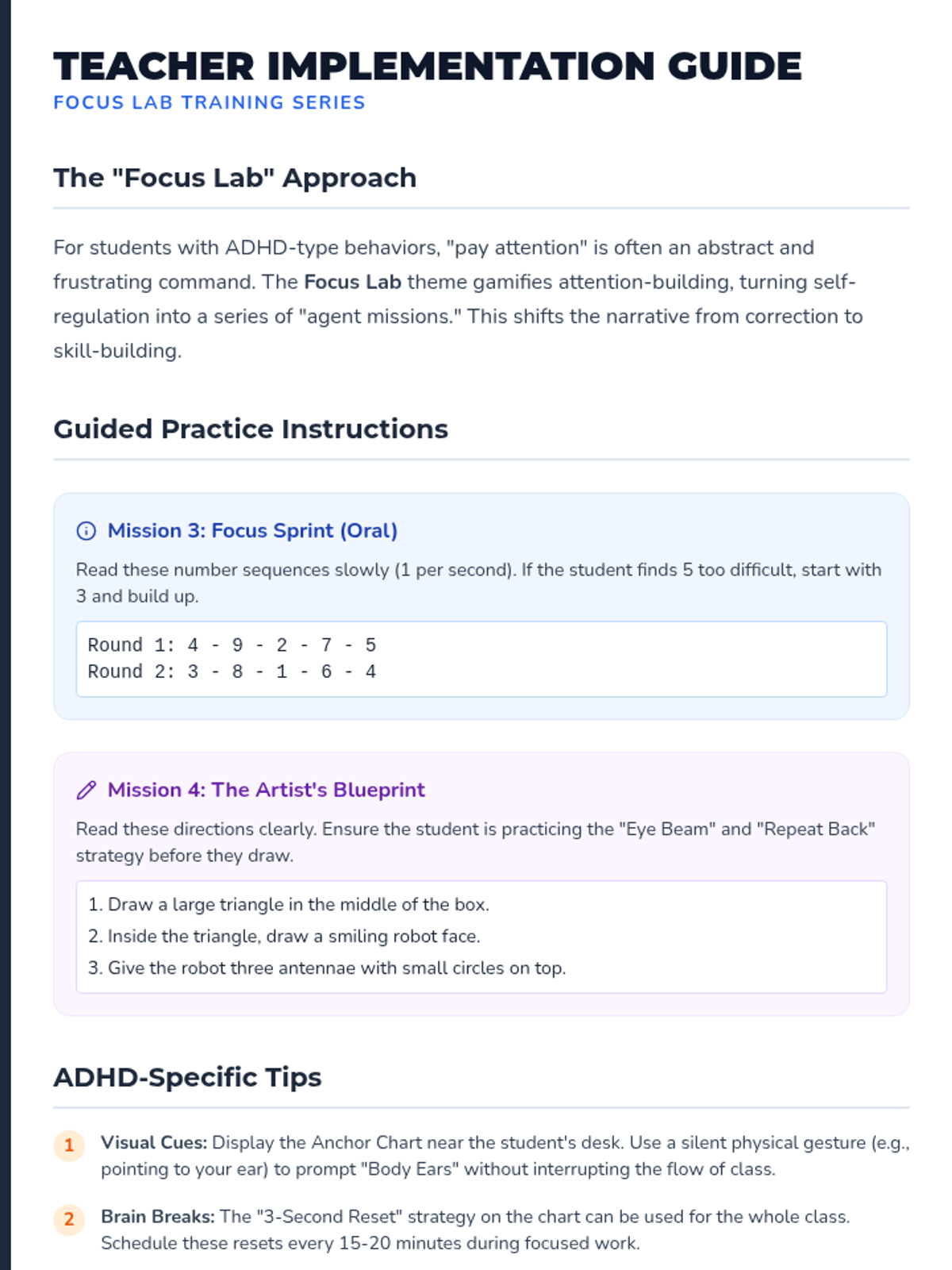
A set of tools and activities designed for a 3rd grade student to build attention, practice active listening, and manage environmental distractions through a 'Focus Lab' theme.
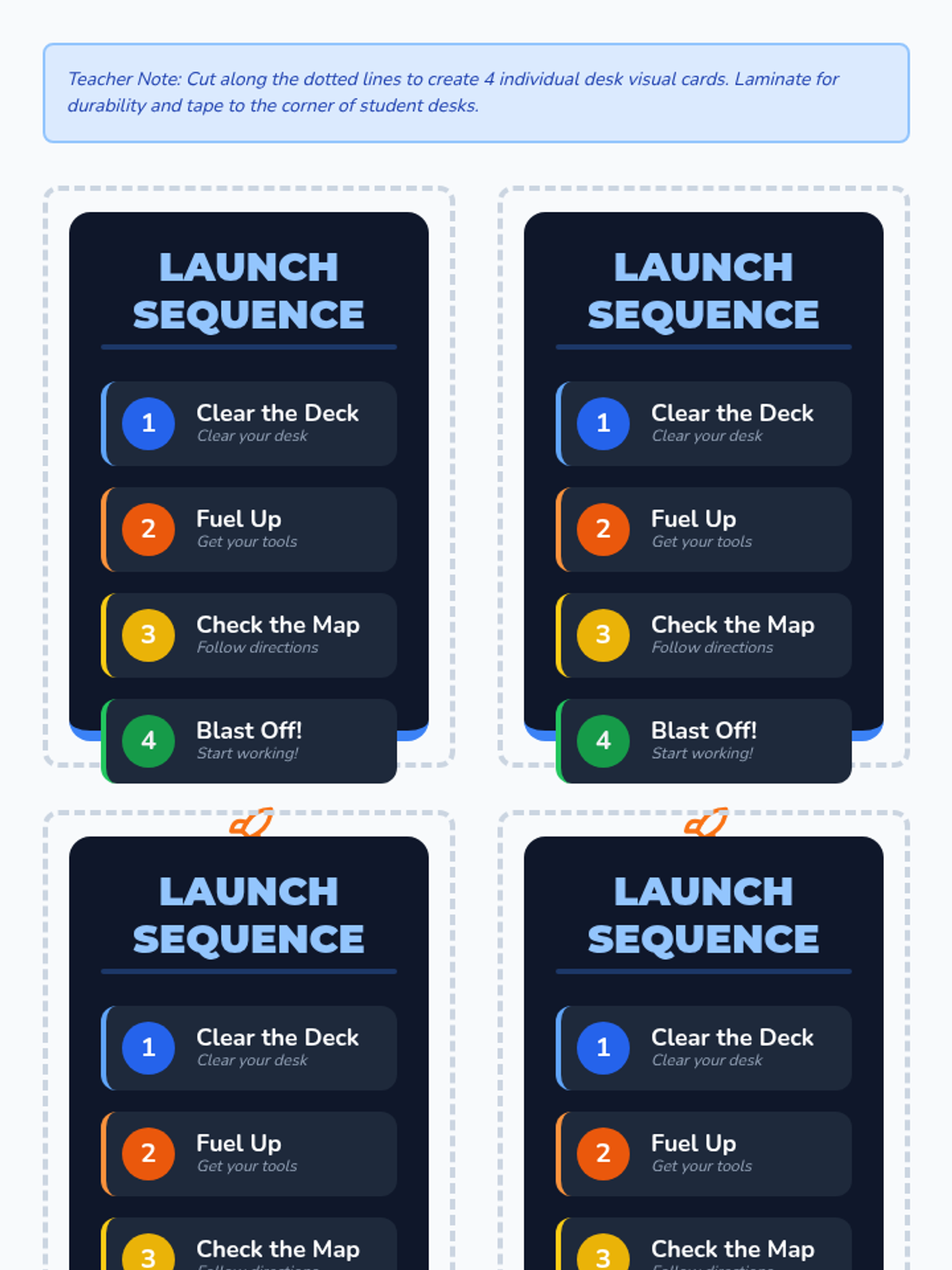
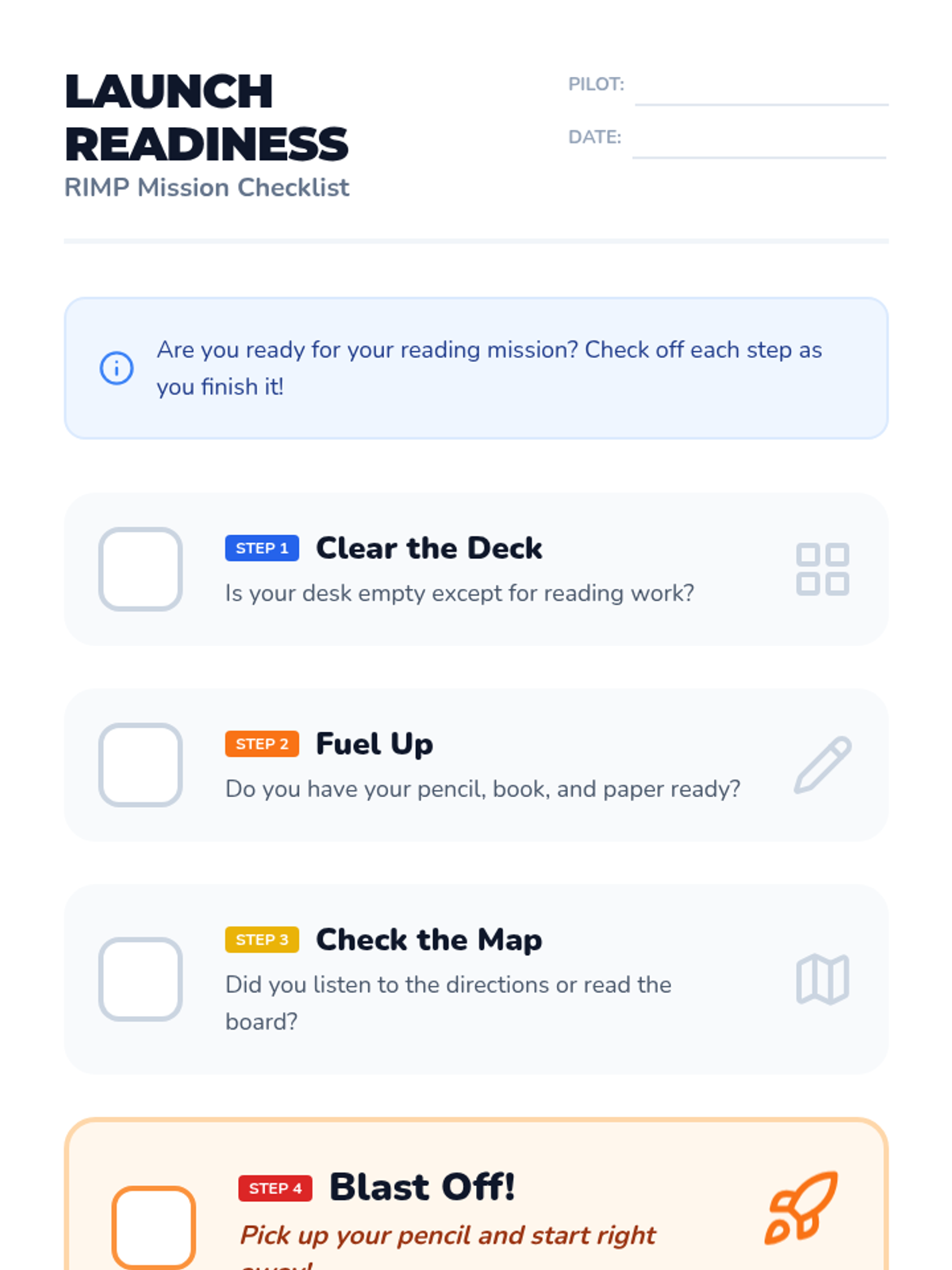
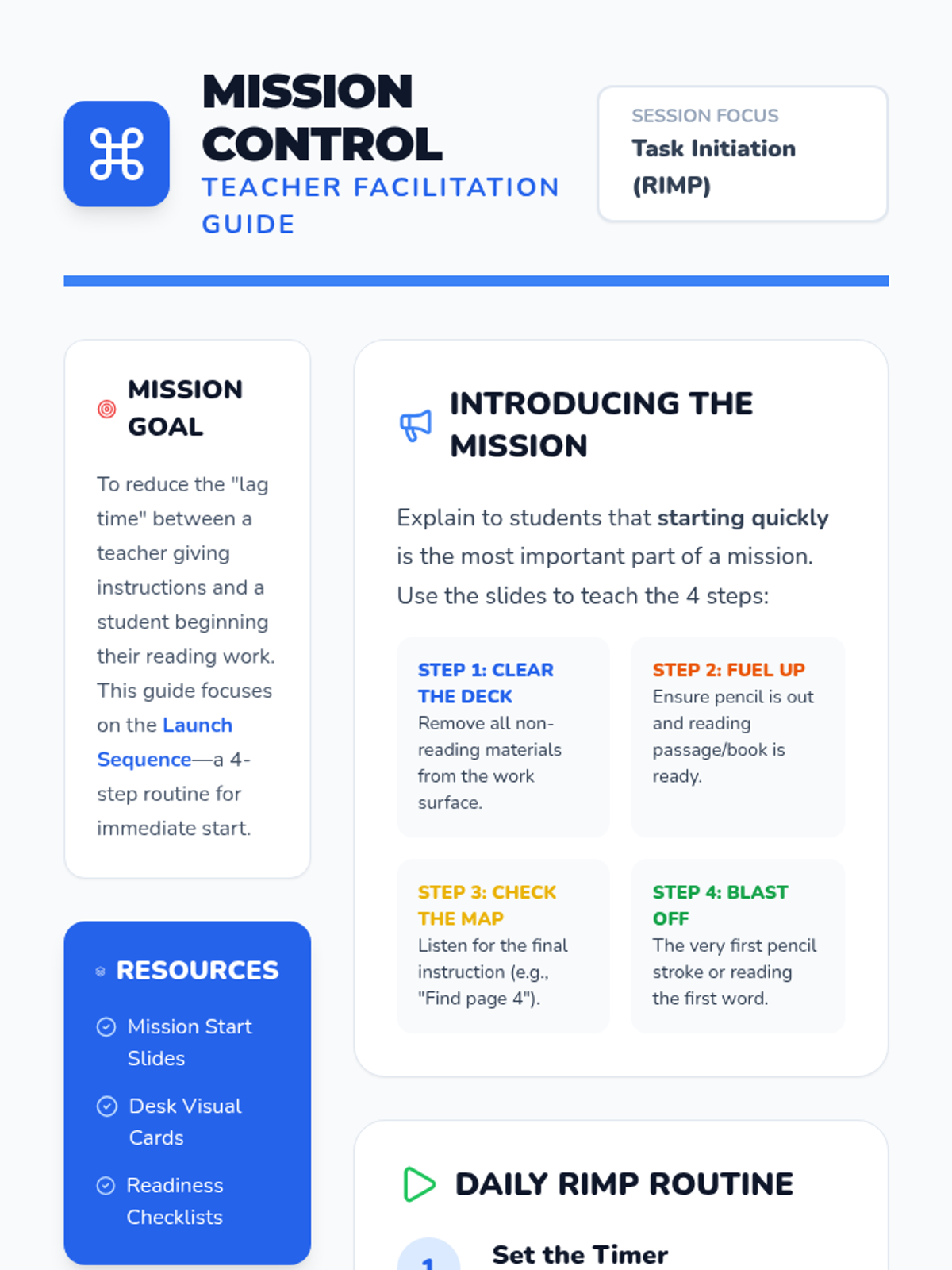
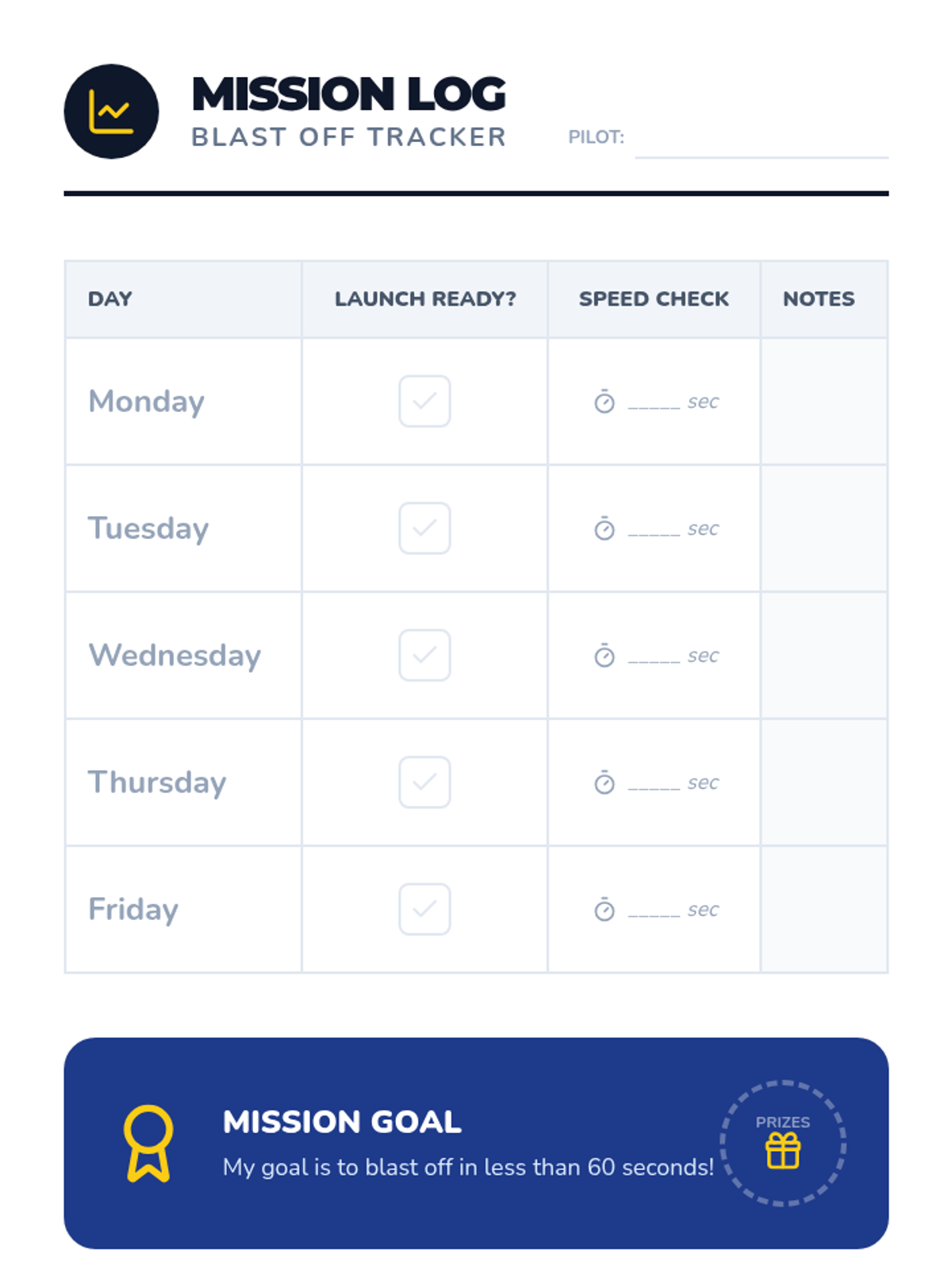
A lesson designed to help 1st-grade students master the skill of task initiation during Reading Intervention Monitoring Plan (RIMP) sessions using a 'Space Mission' theme. Students learn the four-step 'Launch Sequence' to get started on their work immediately.
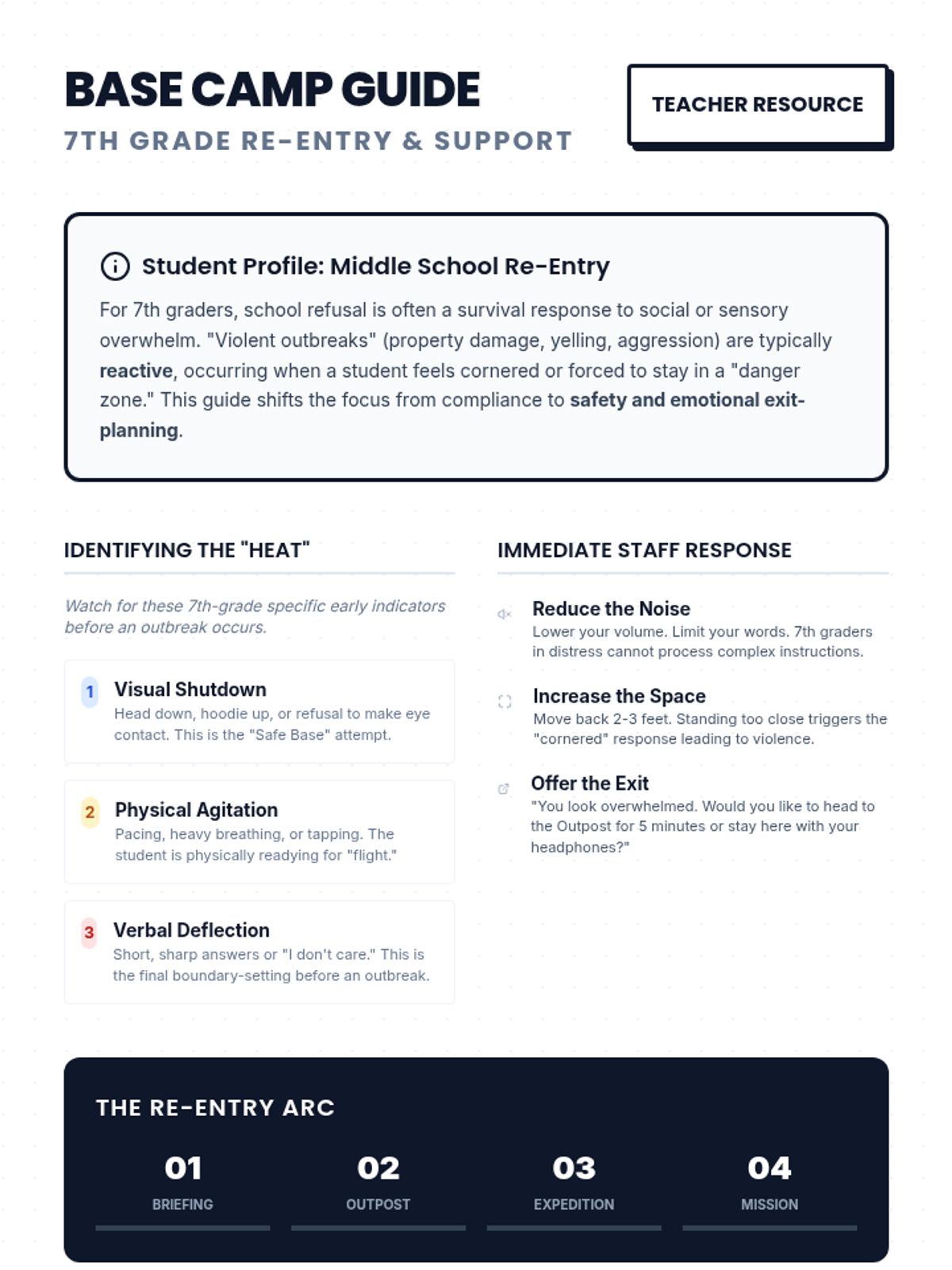
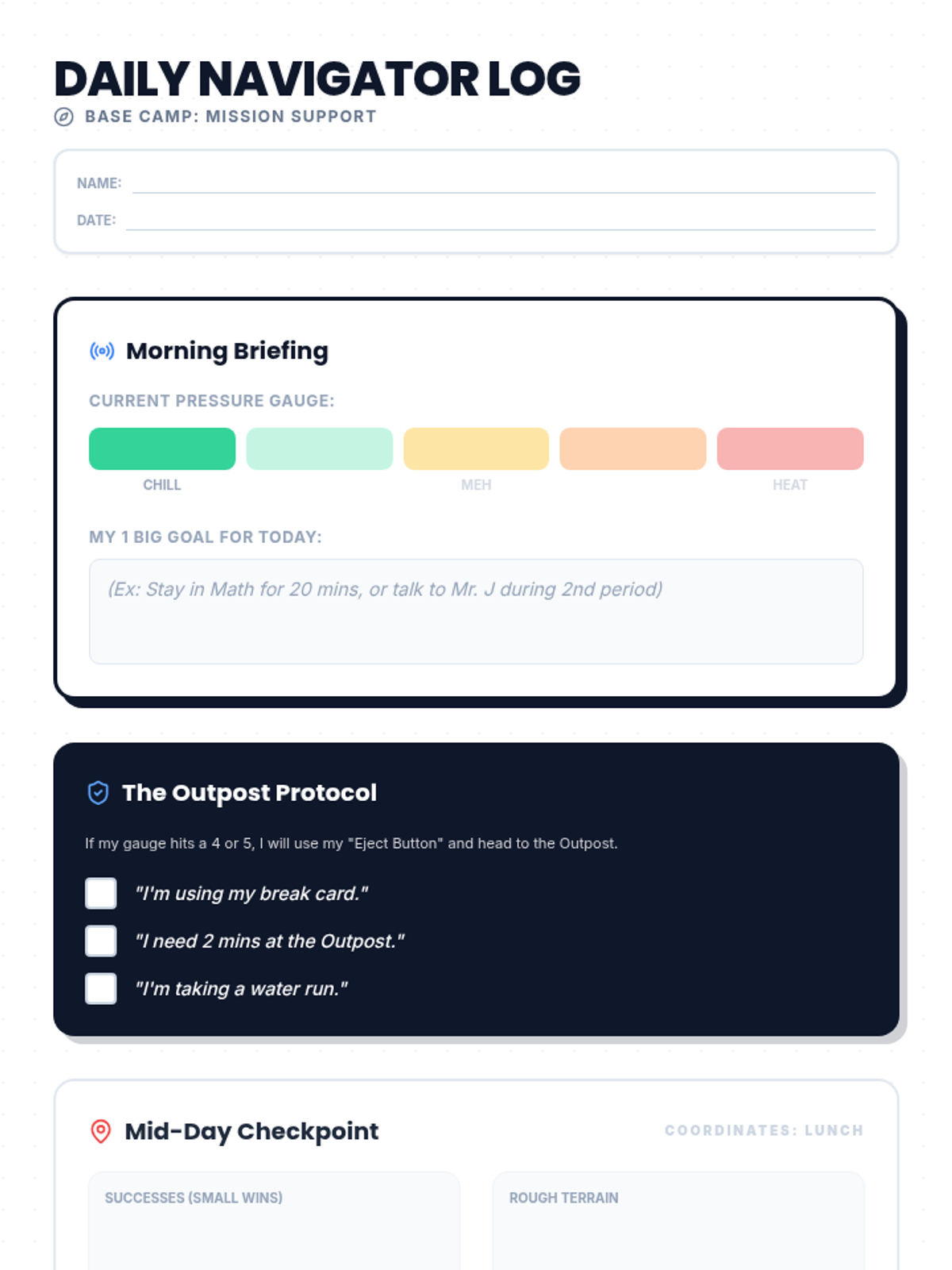
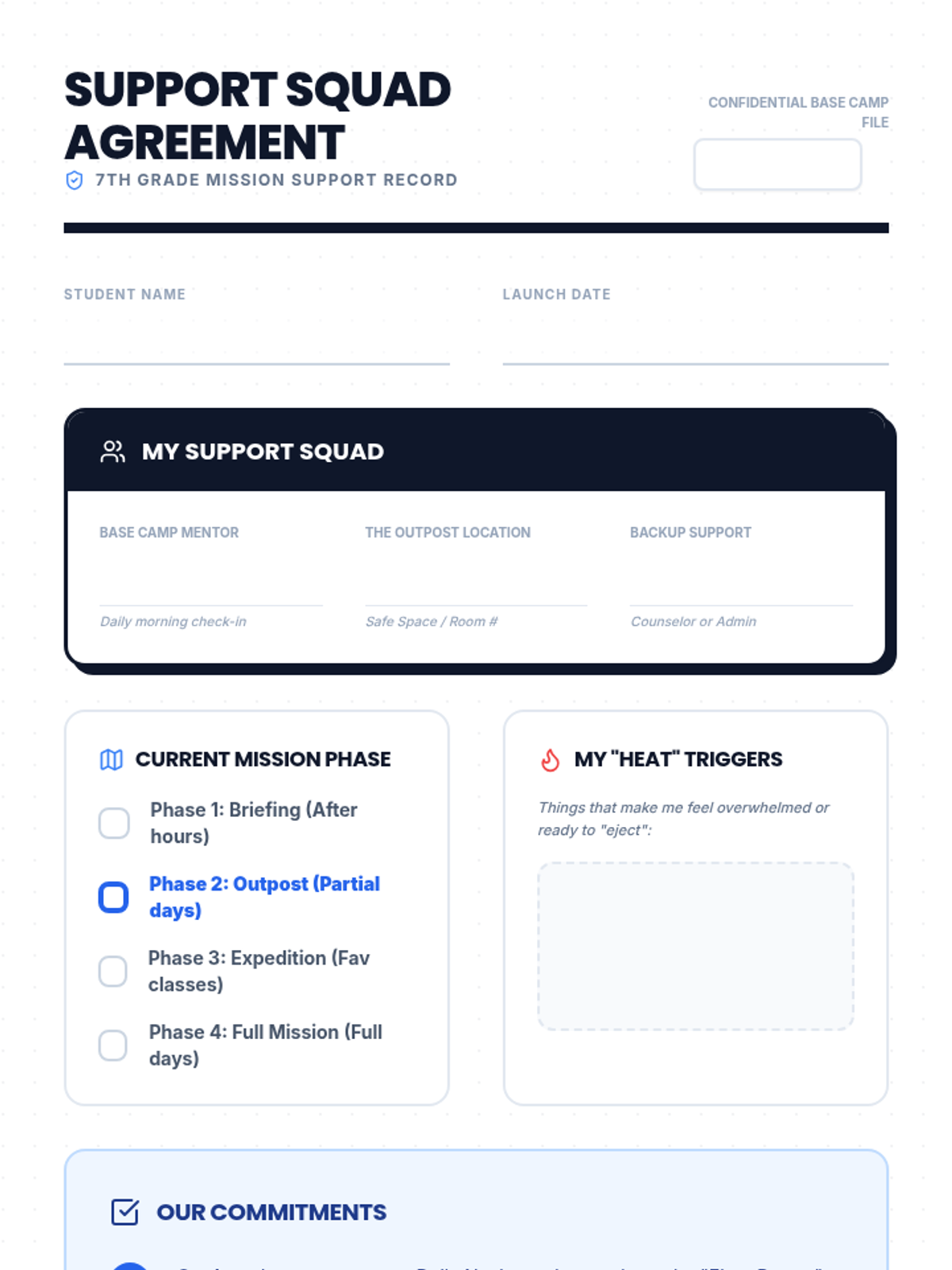
Focuses on the initial reentry for a 7th-grade student, establishing a safe physical space, identifying early warning signs of frustration, and building a supportive adult-student team.
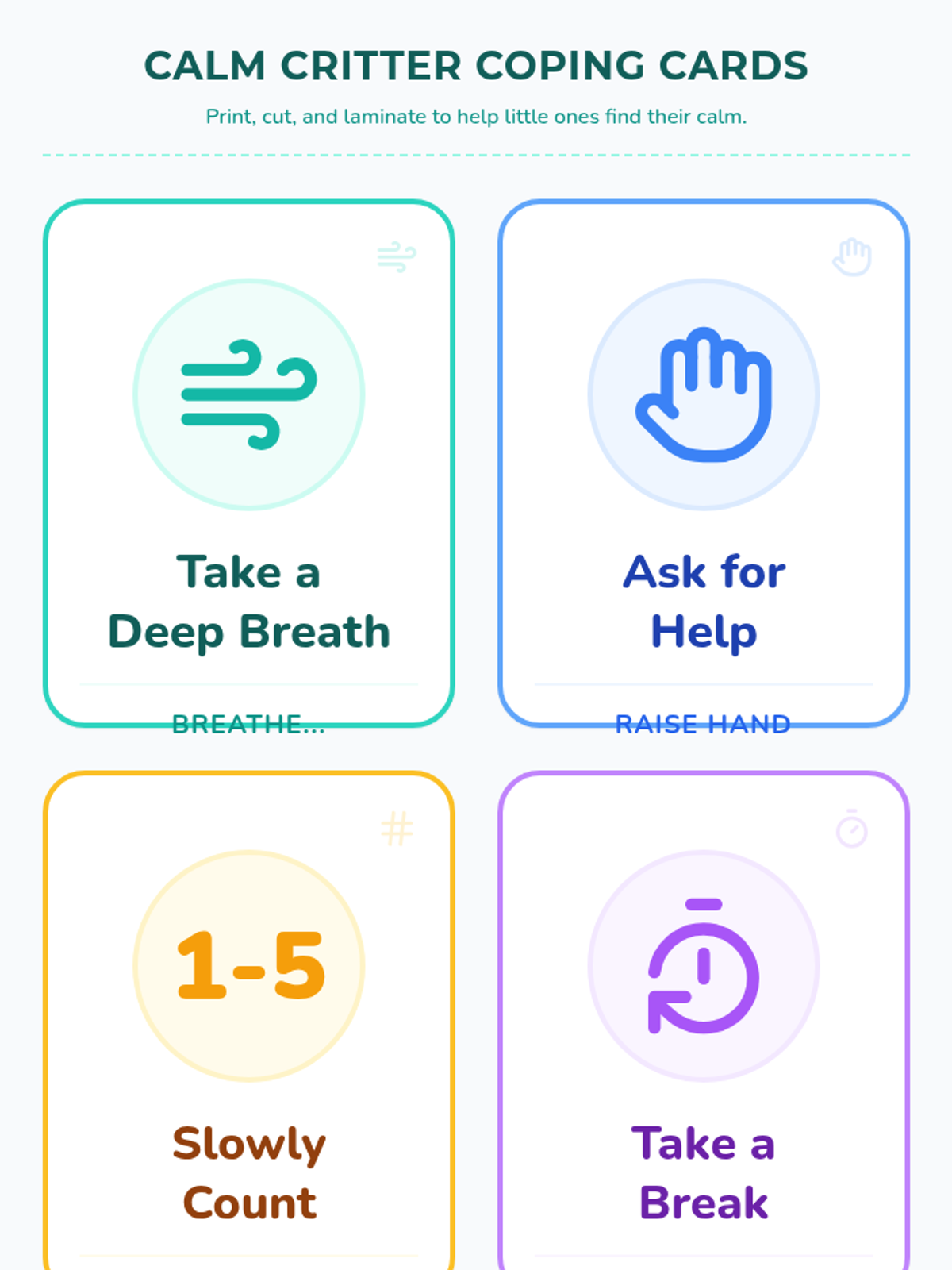
A collection of foundational tools to help Pre-K students identify emotions and learn basic calming strategies like deep breathing and requesting breaks.
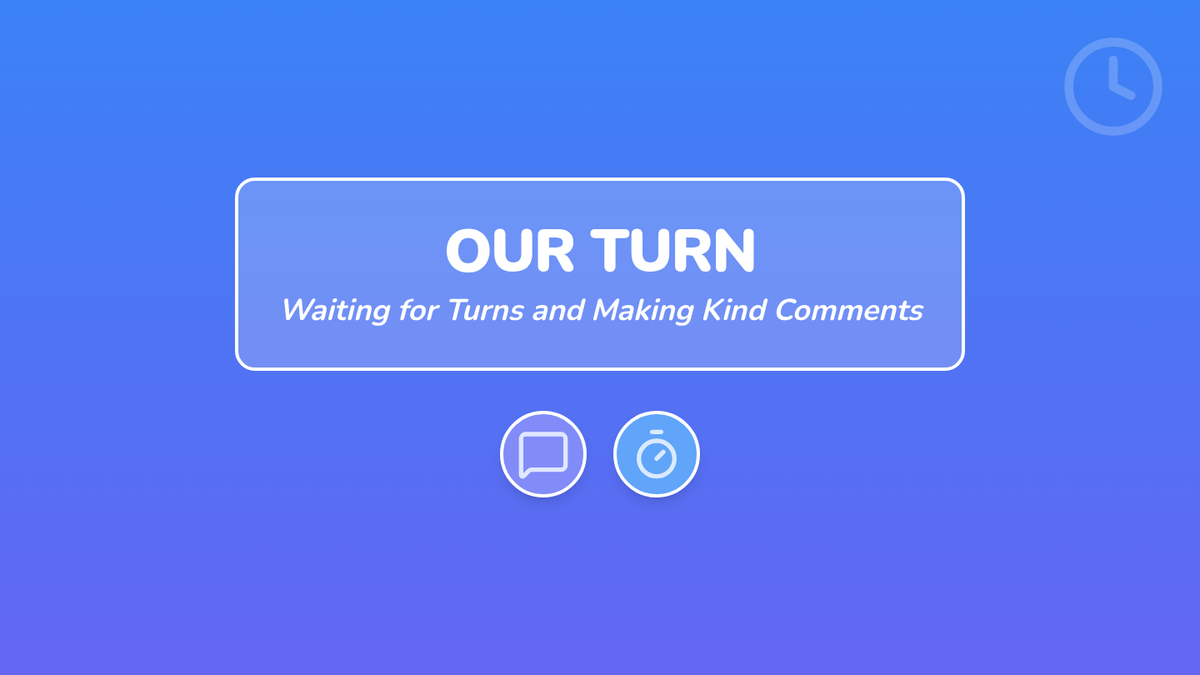
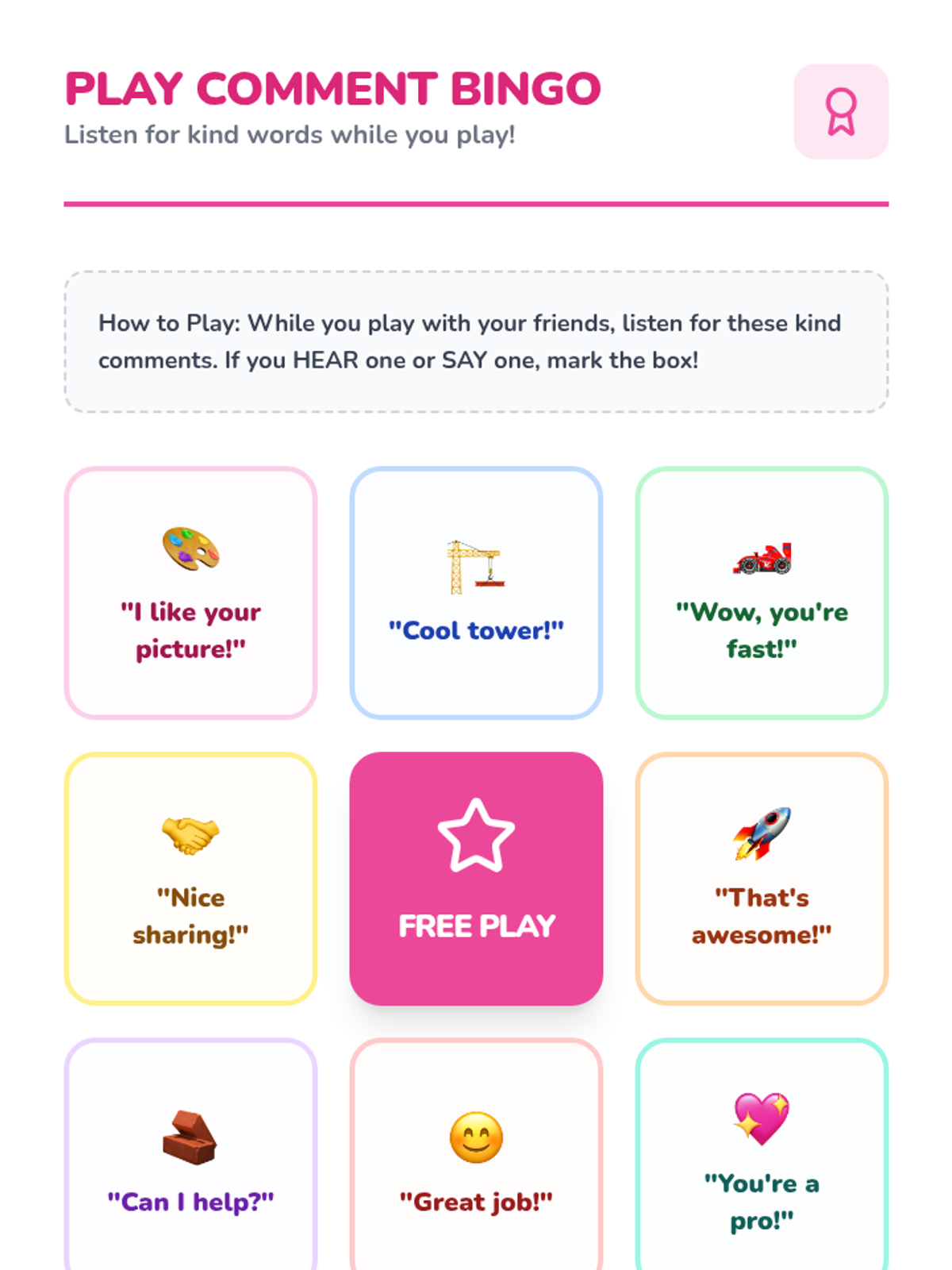
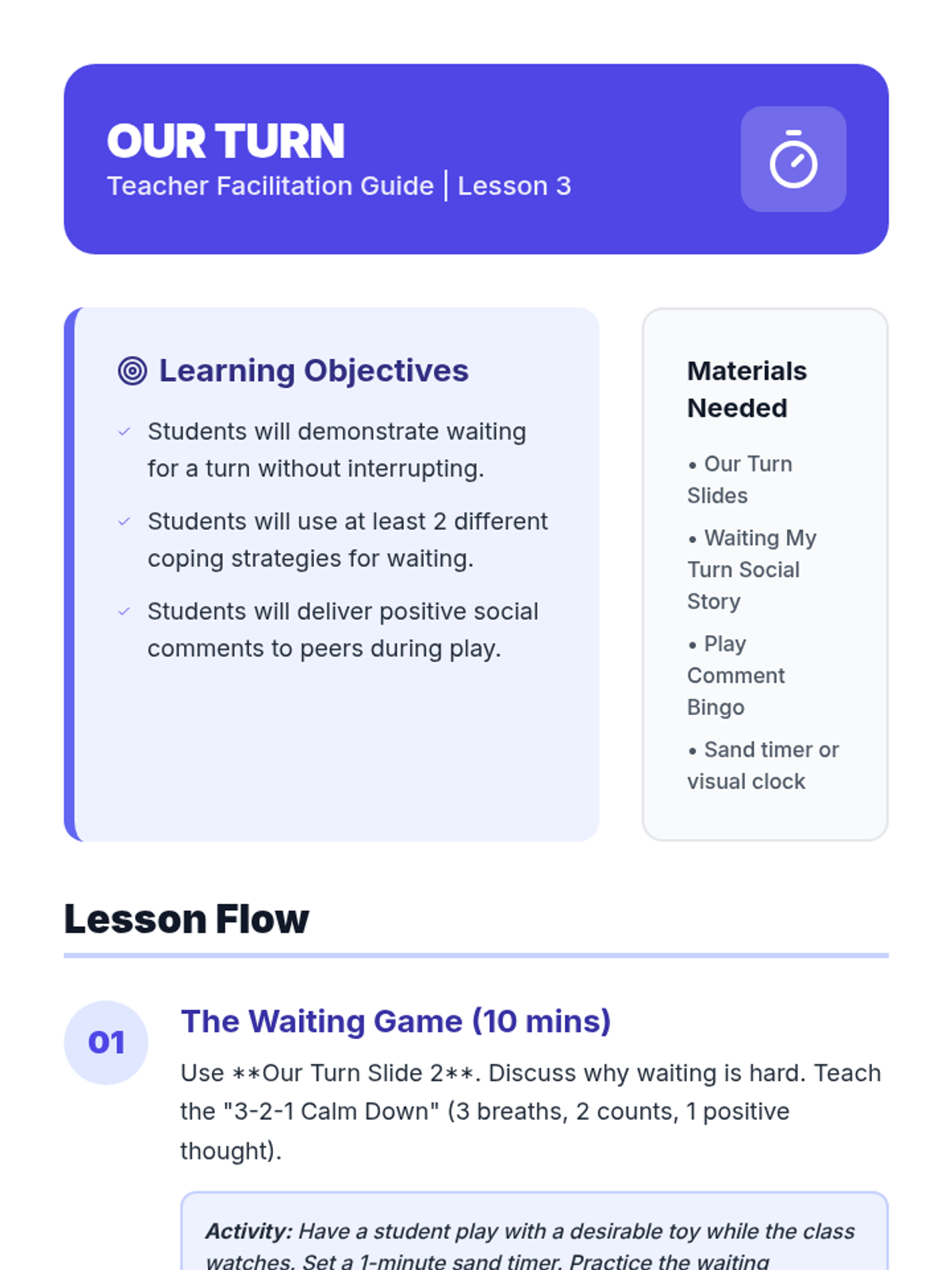
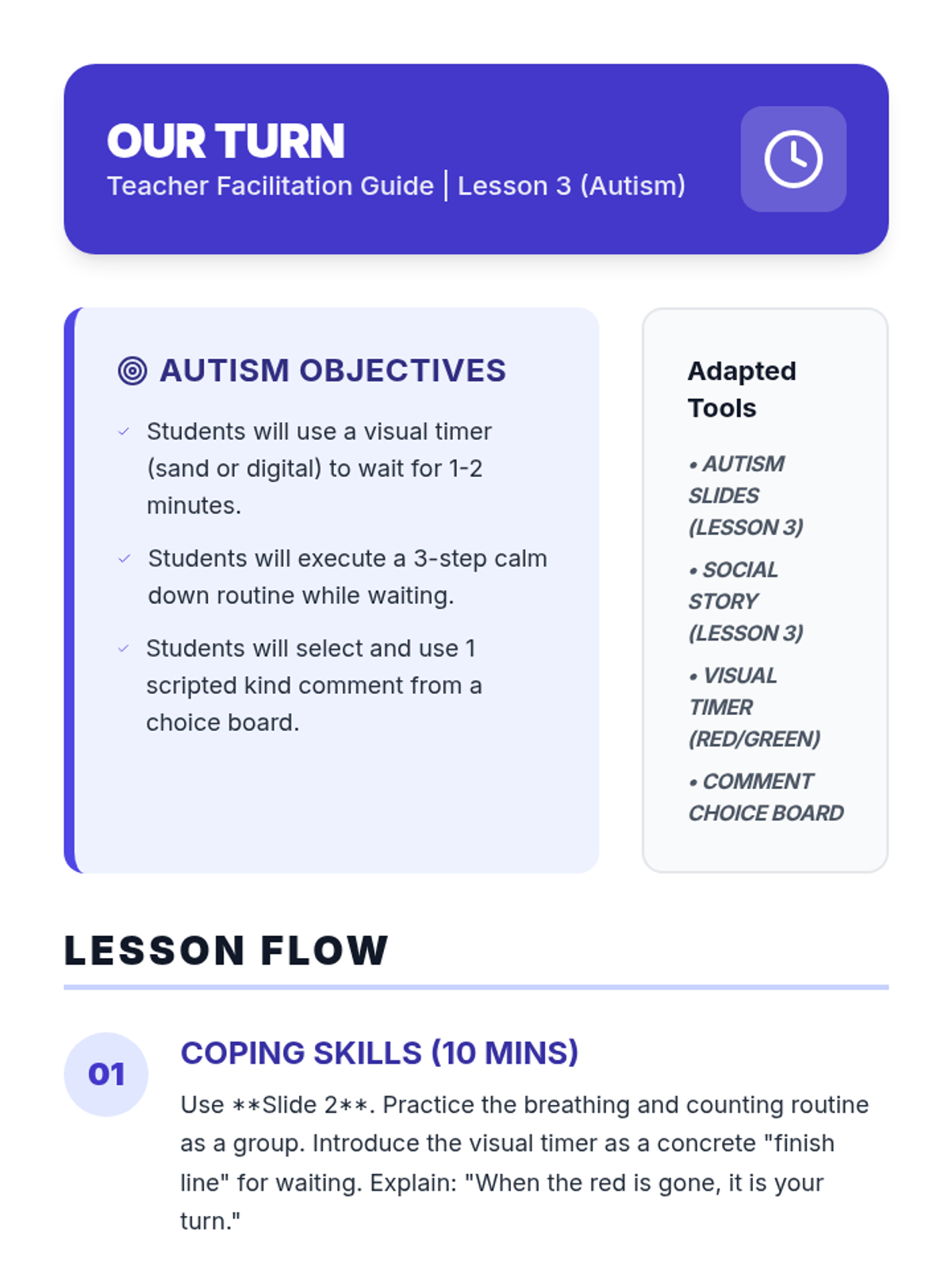
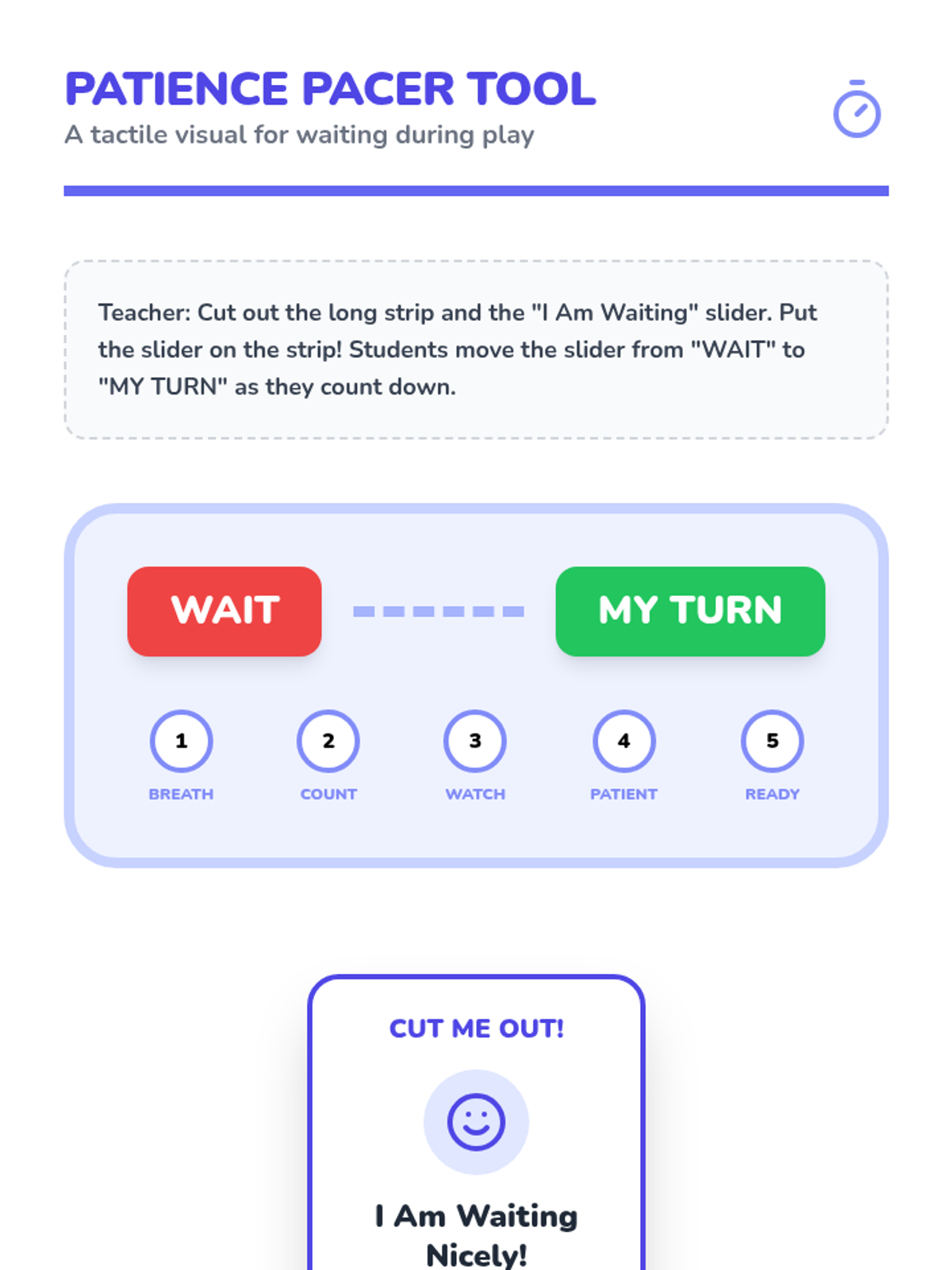
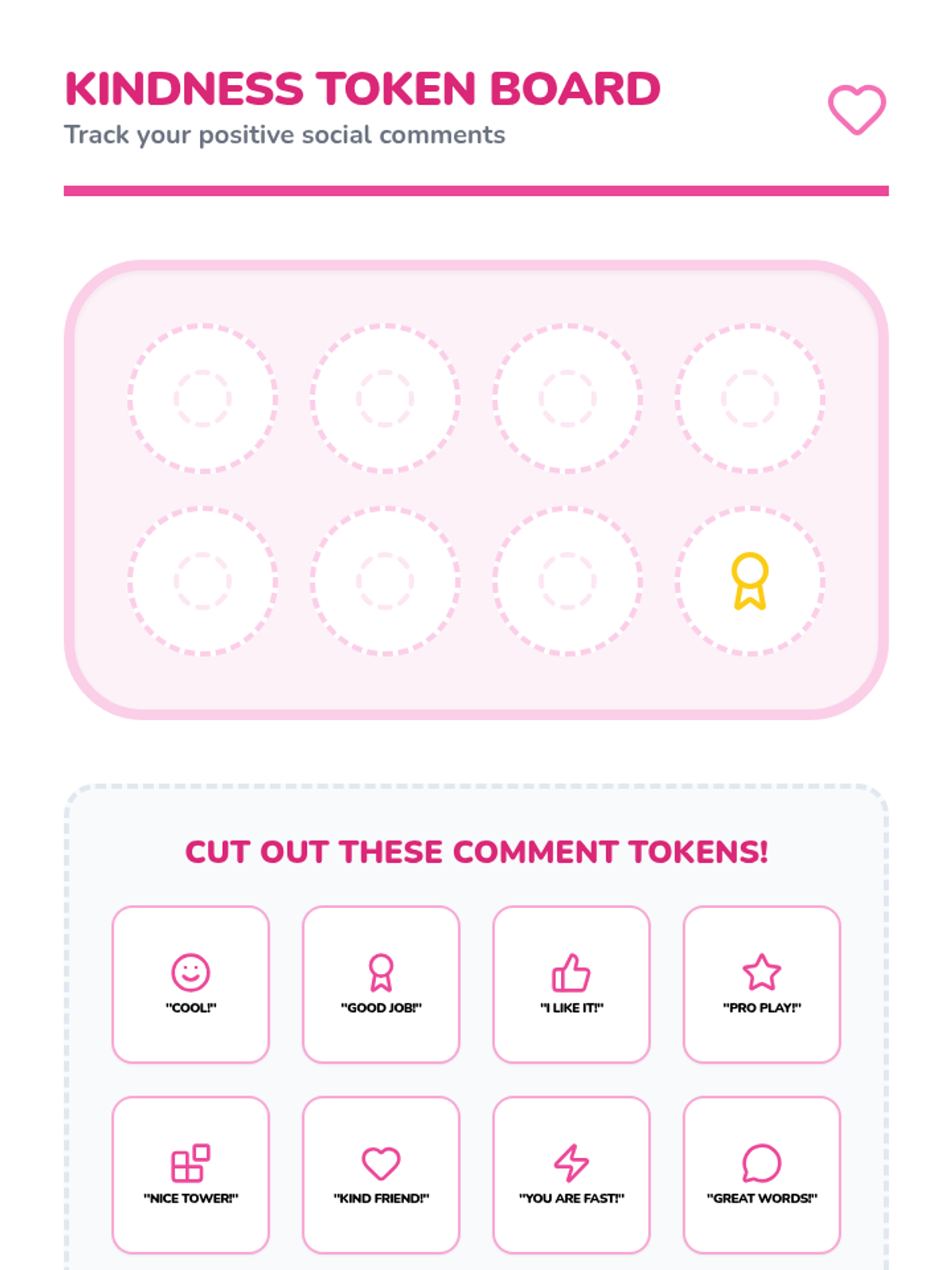
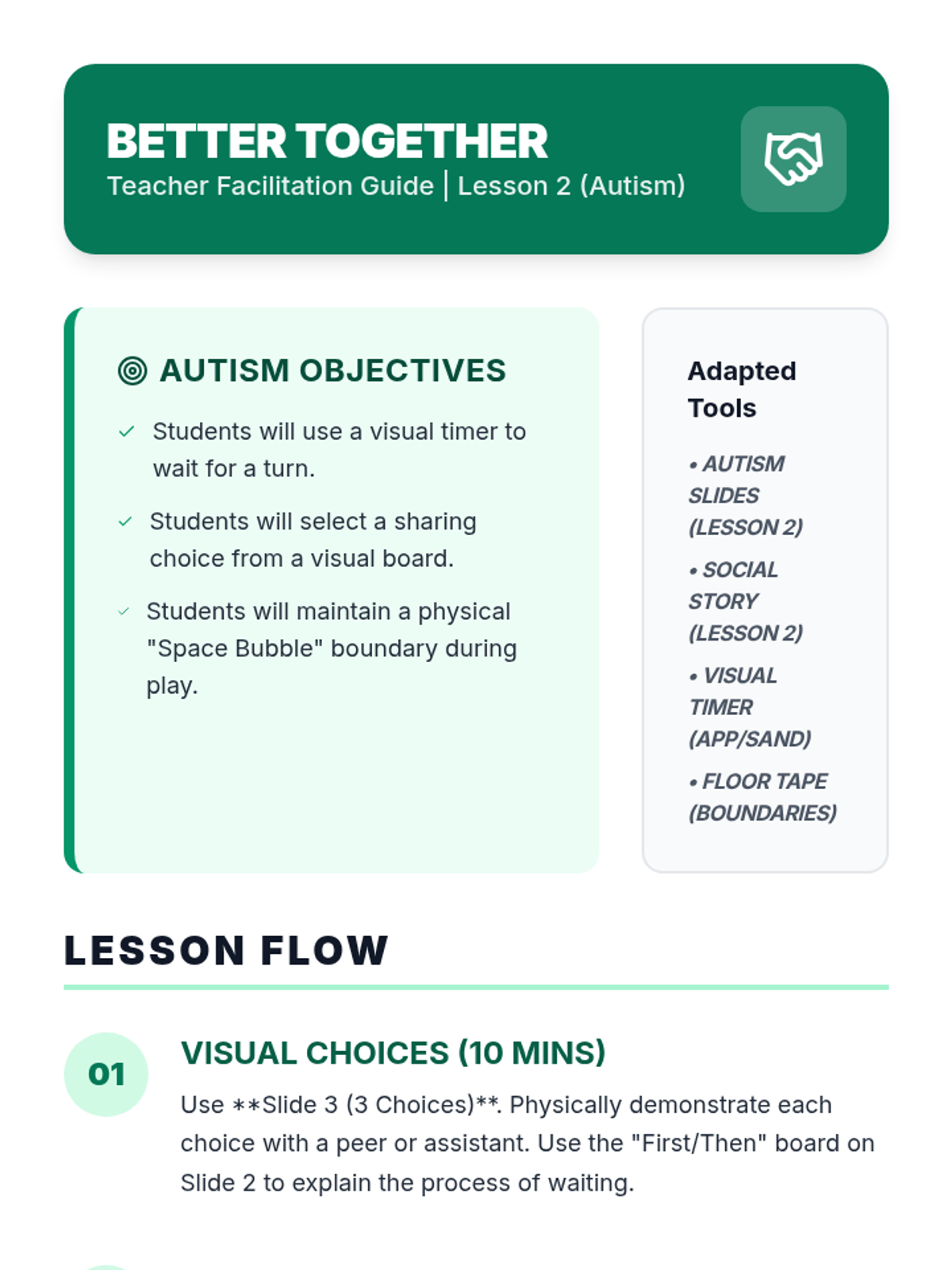
Focuses on the dynamics of group play, including waiting for a turn and making positive comments about others' play.
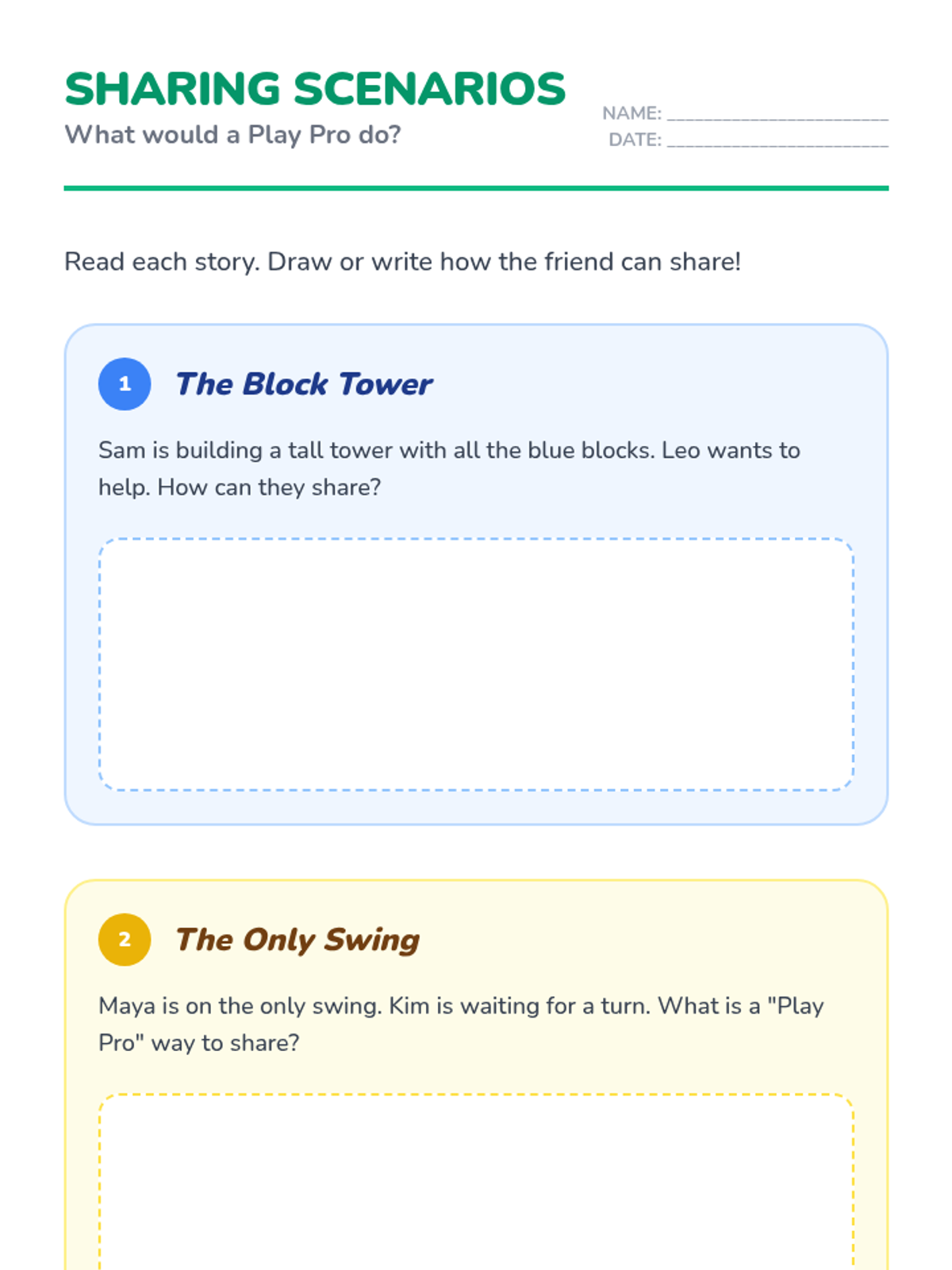
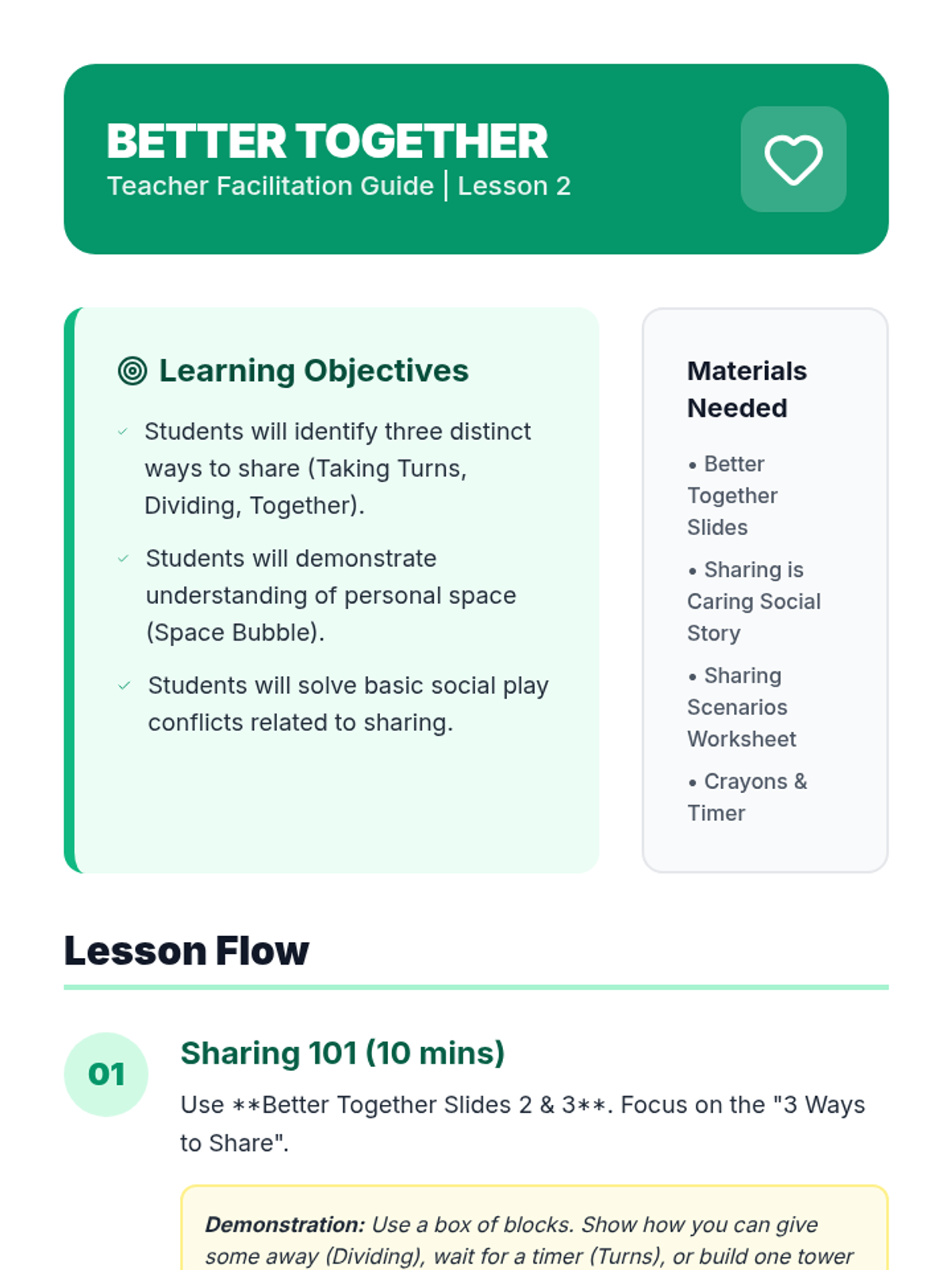
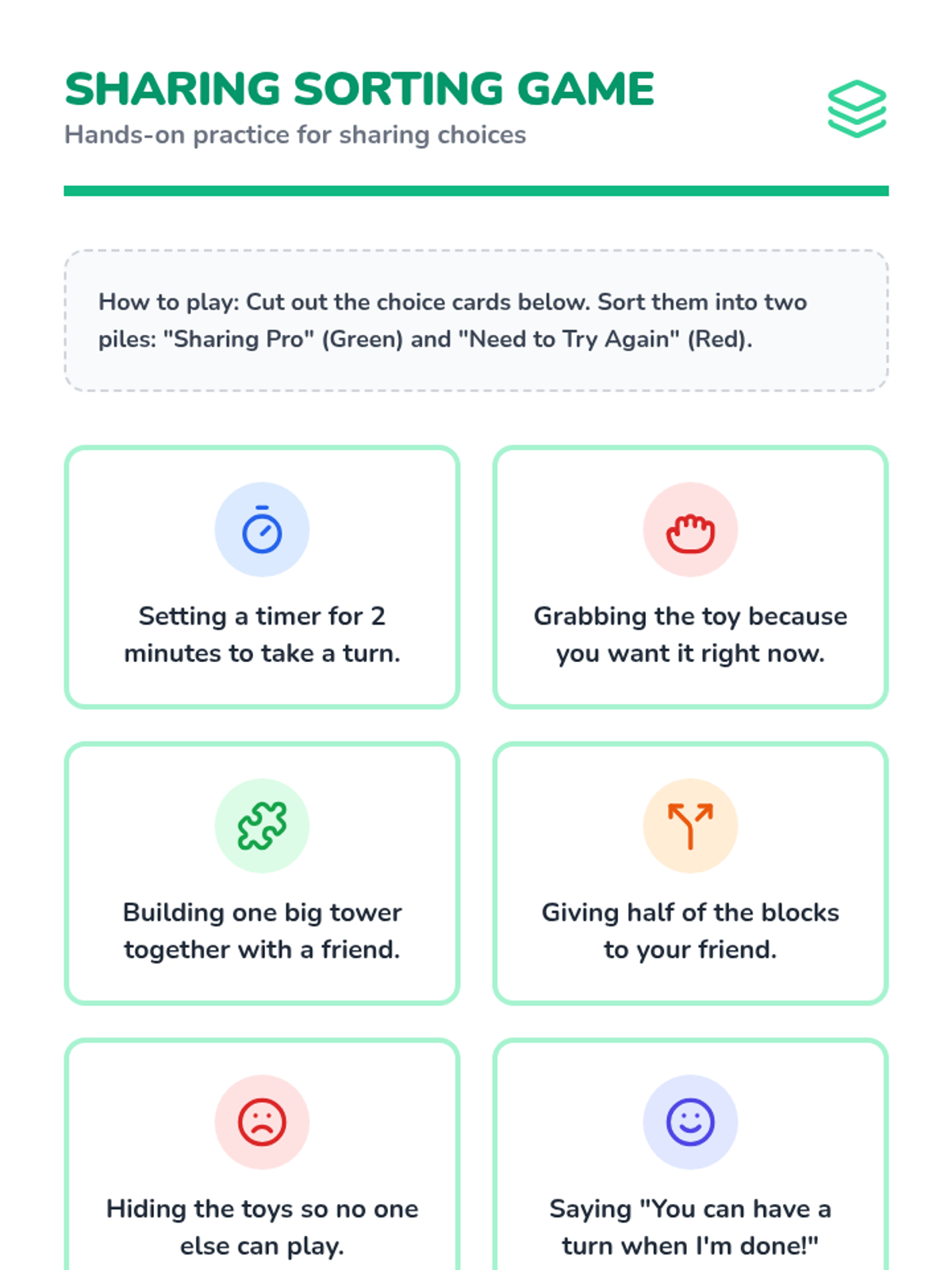
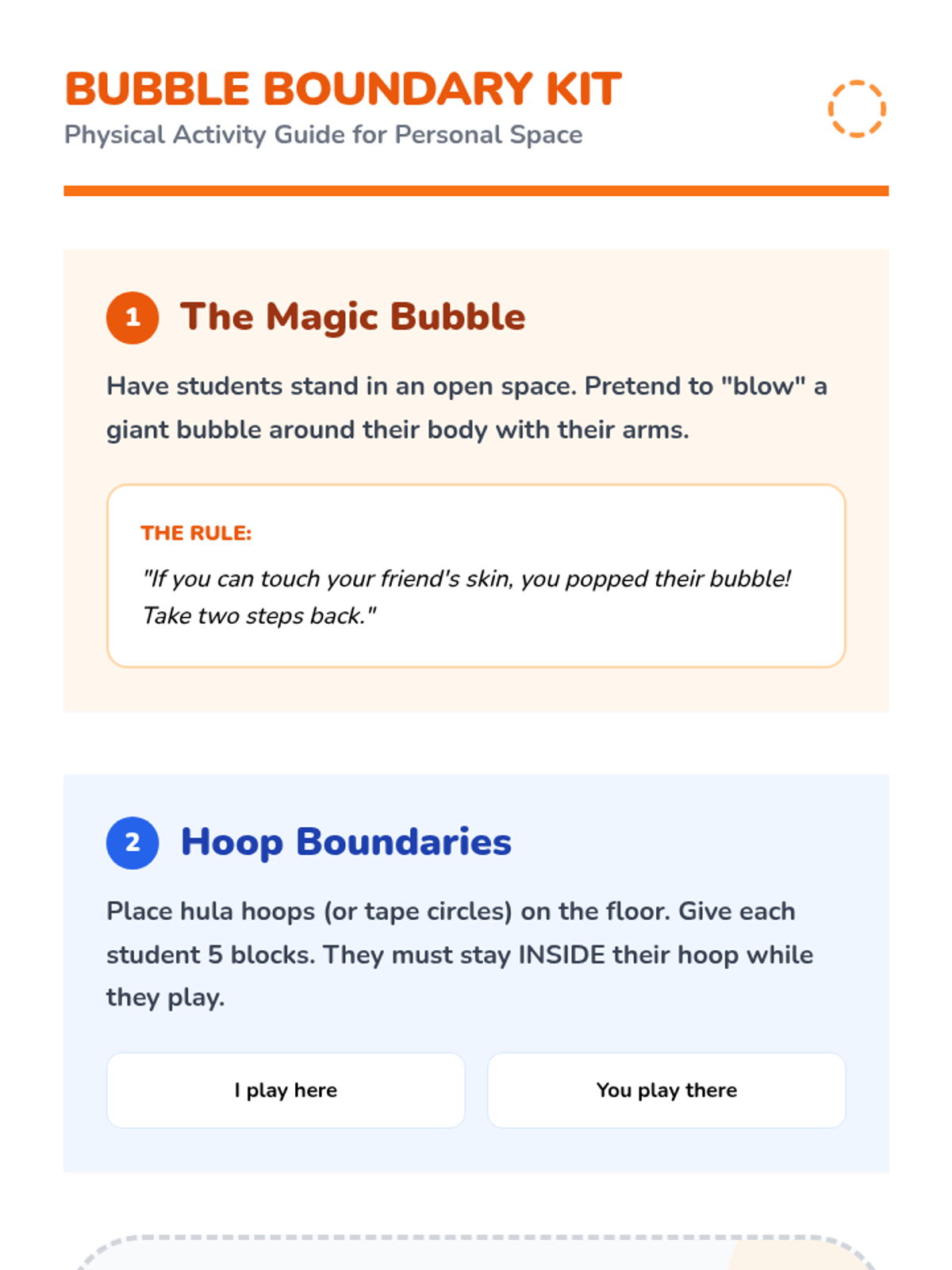
This lesson covers the essentials of interacting during play, specifically focusing on how to share toys and space with others.
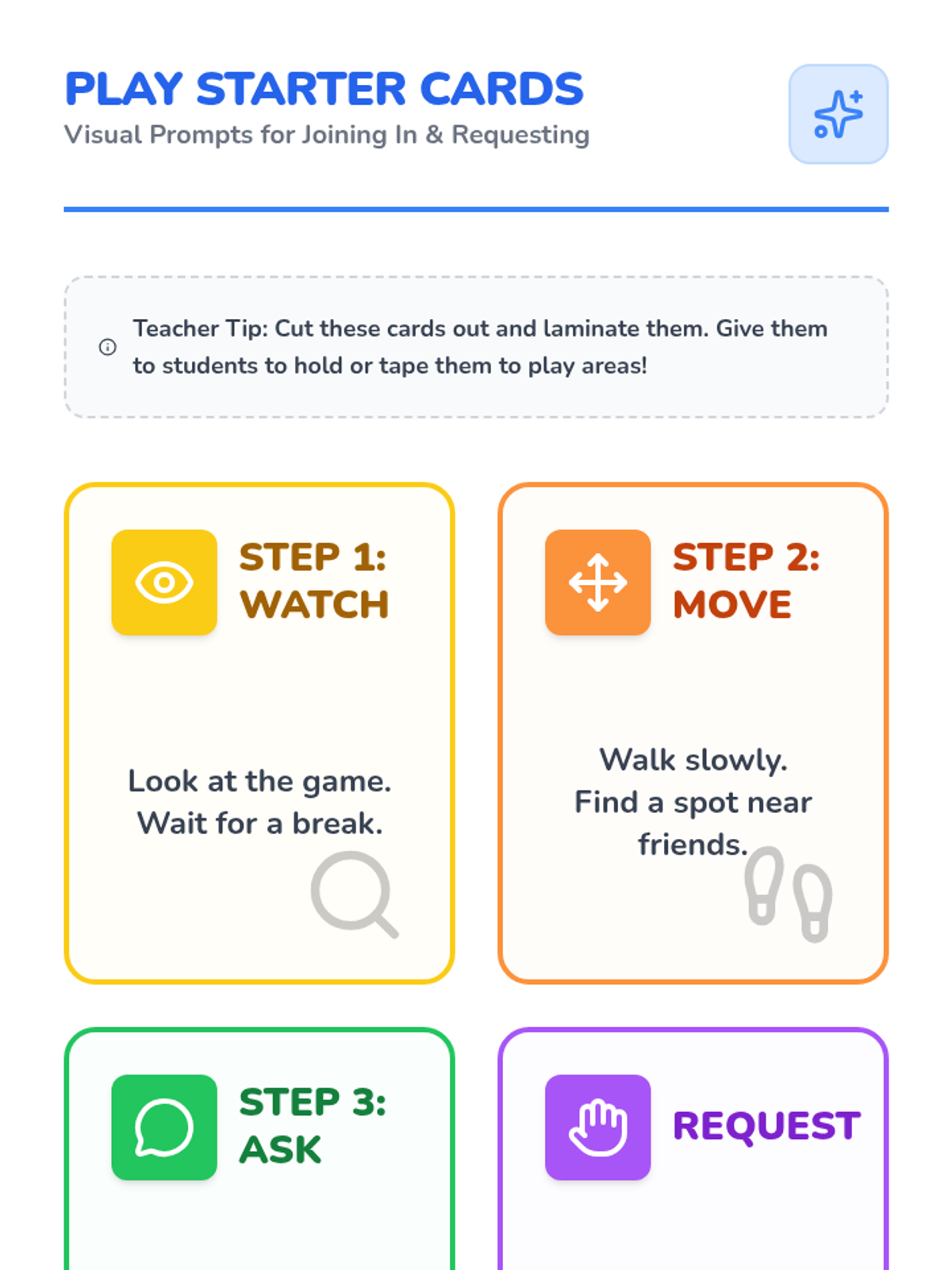
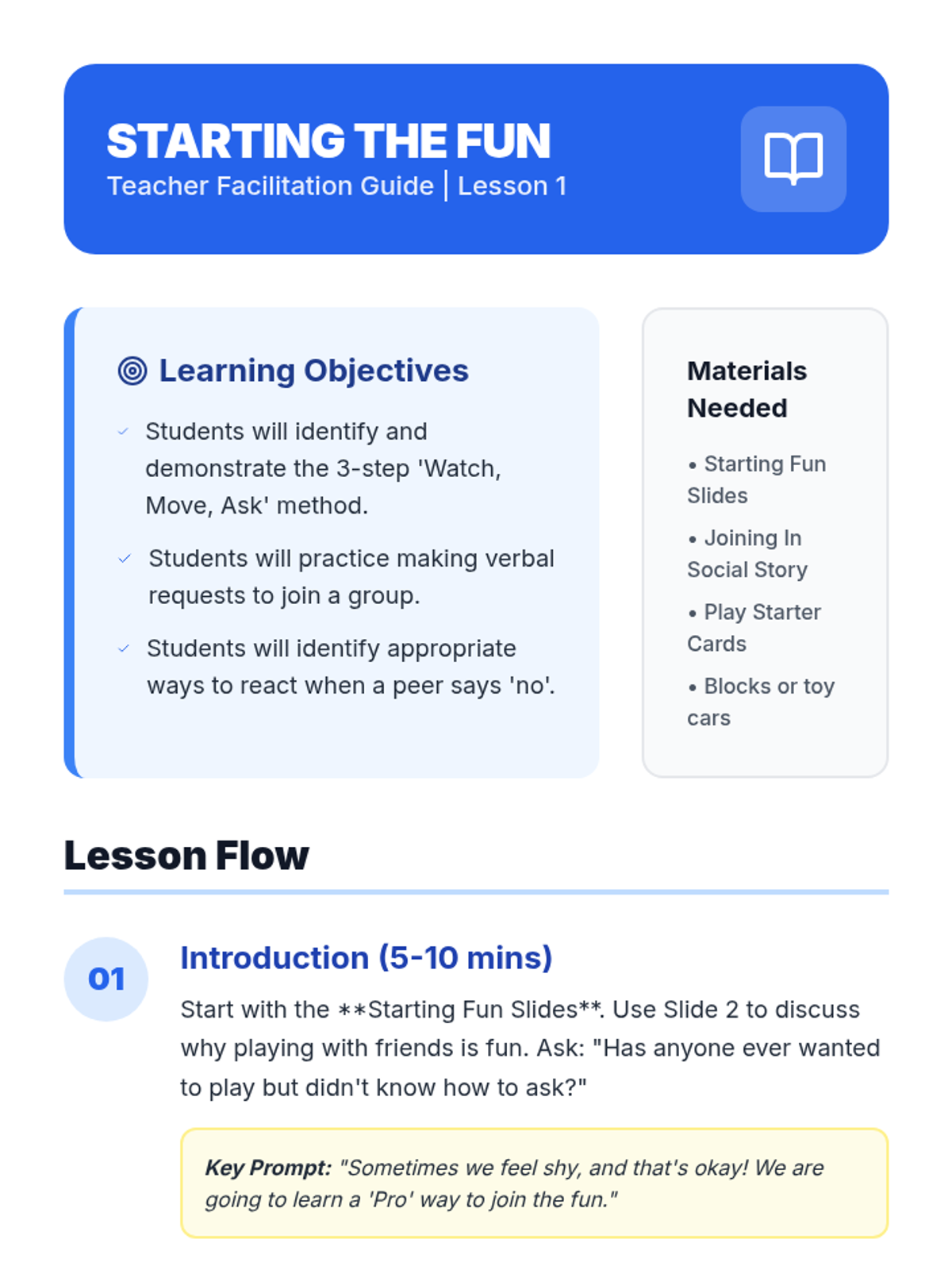
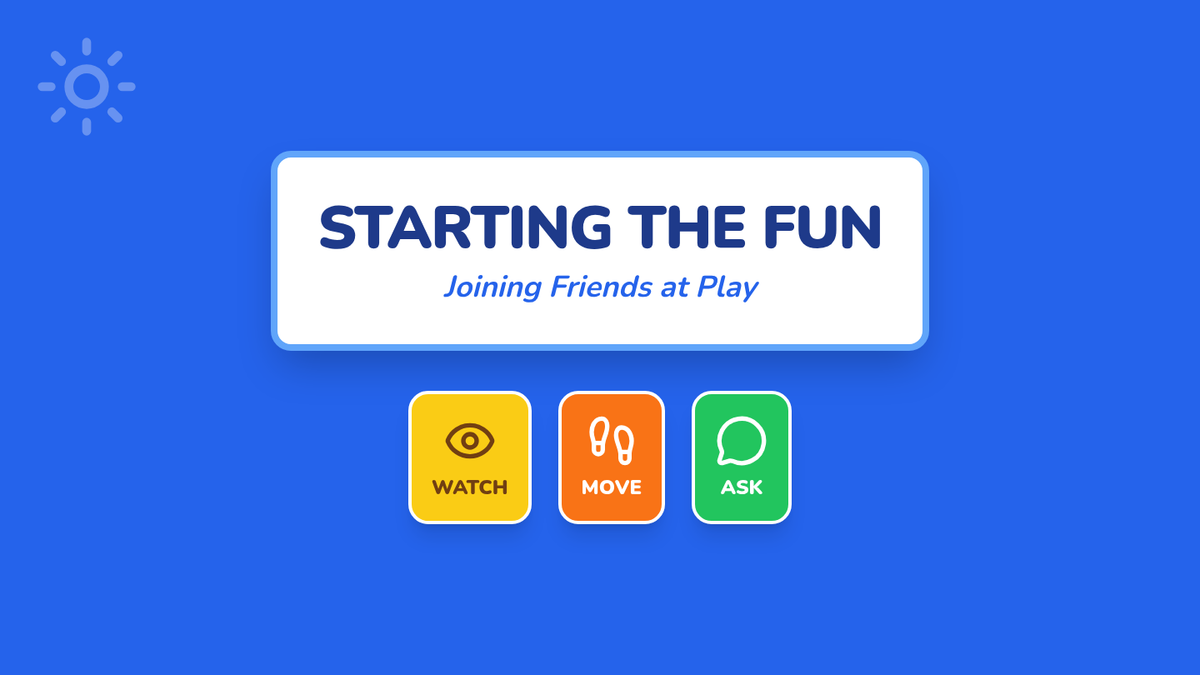
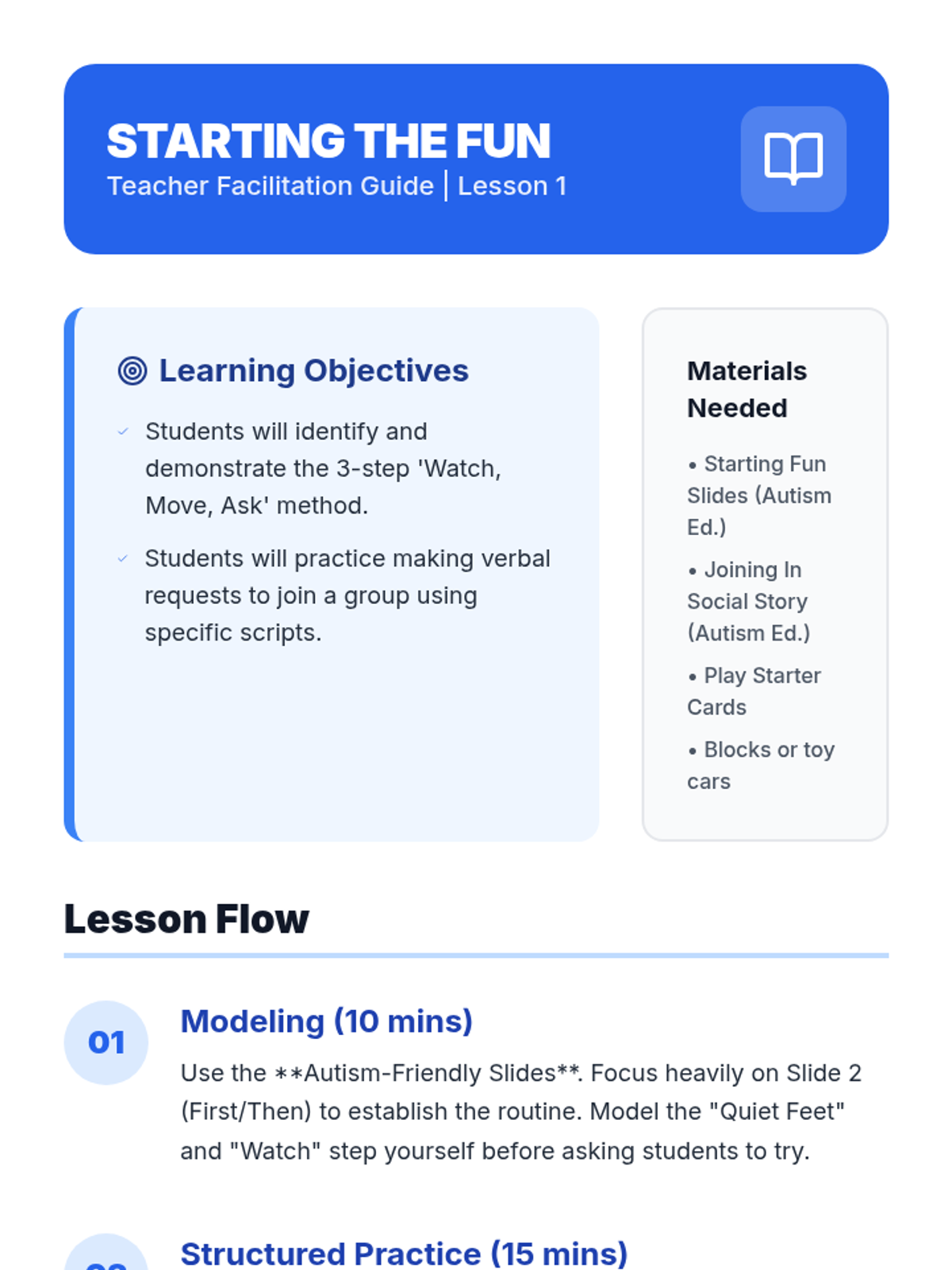
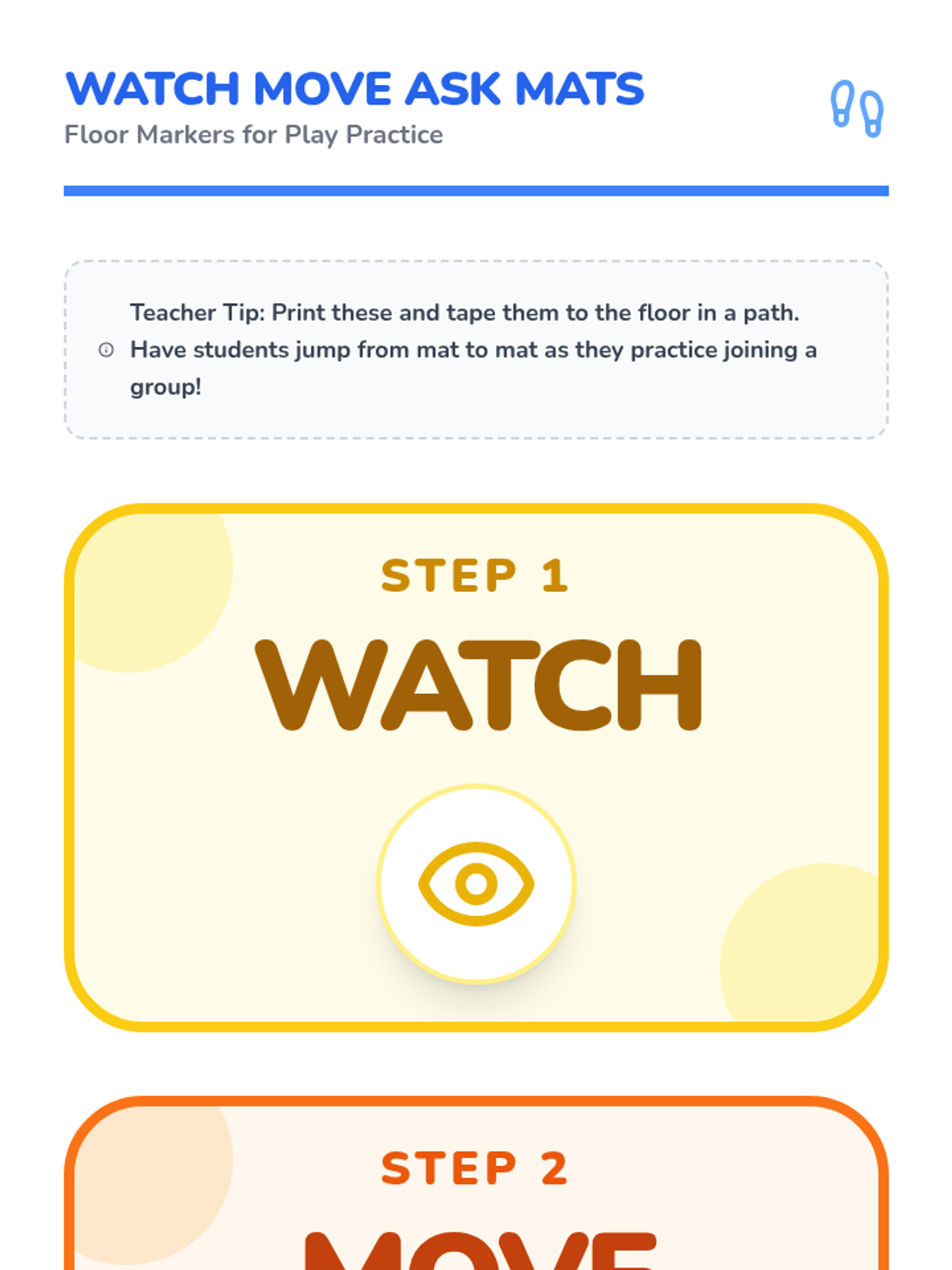
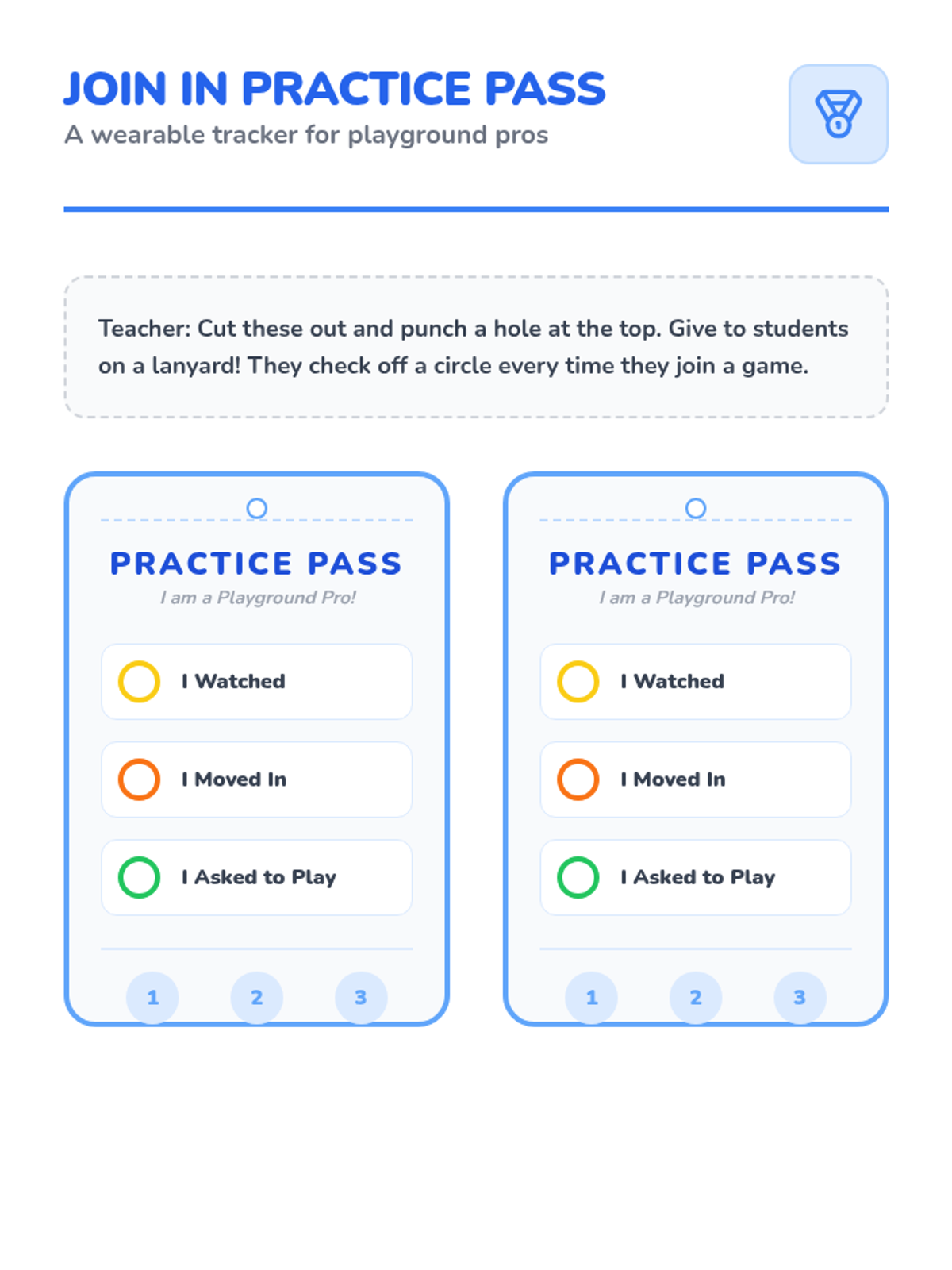
This lesson focuses on how to initiate play and make clear requests to join others. Students will learn the three-step 'Watch, Wait, and Ask' method.
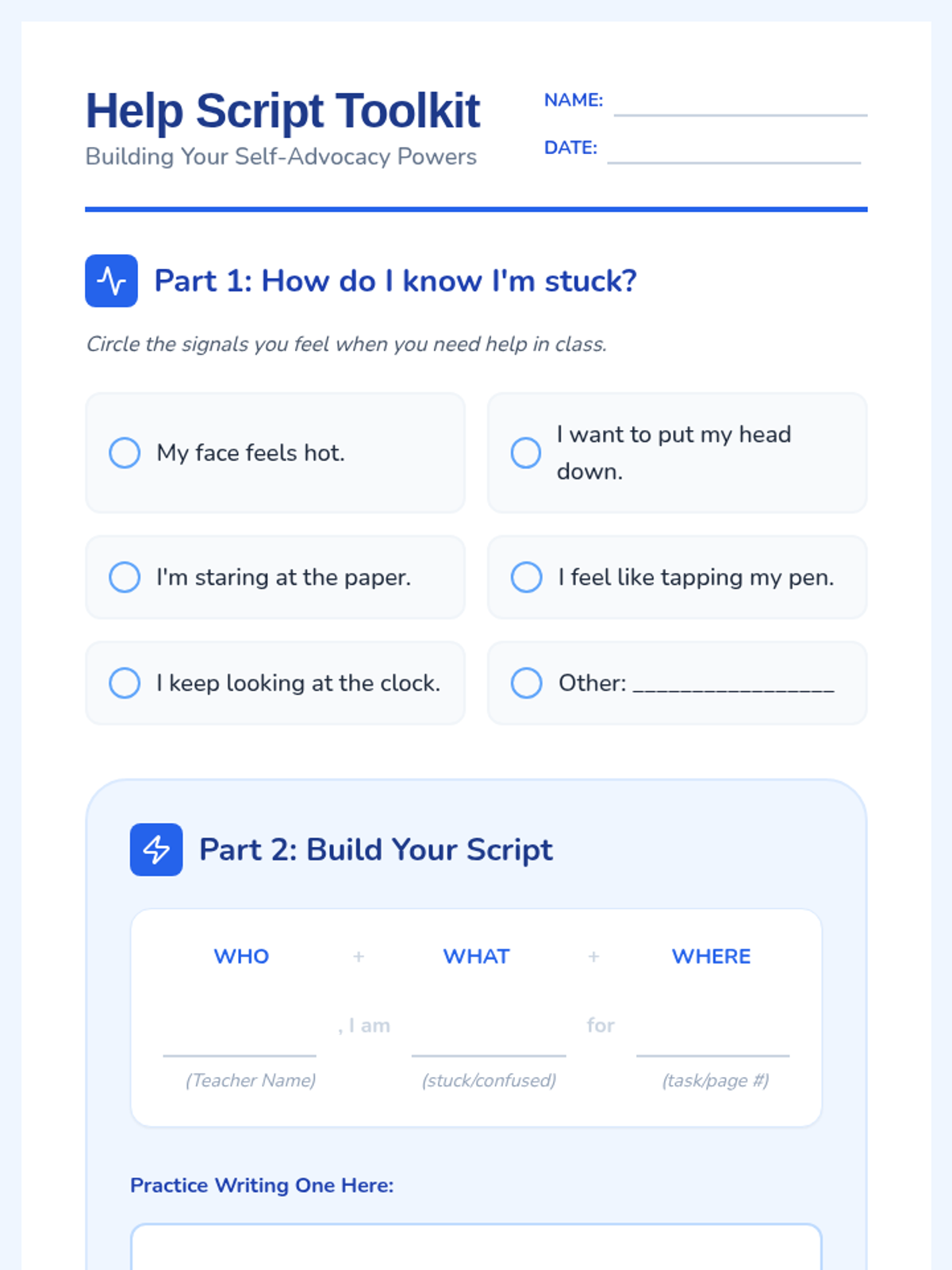
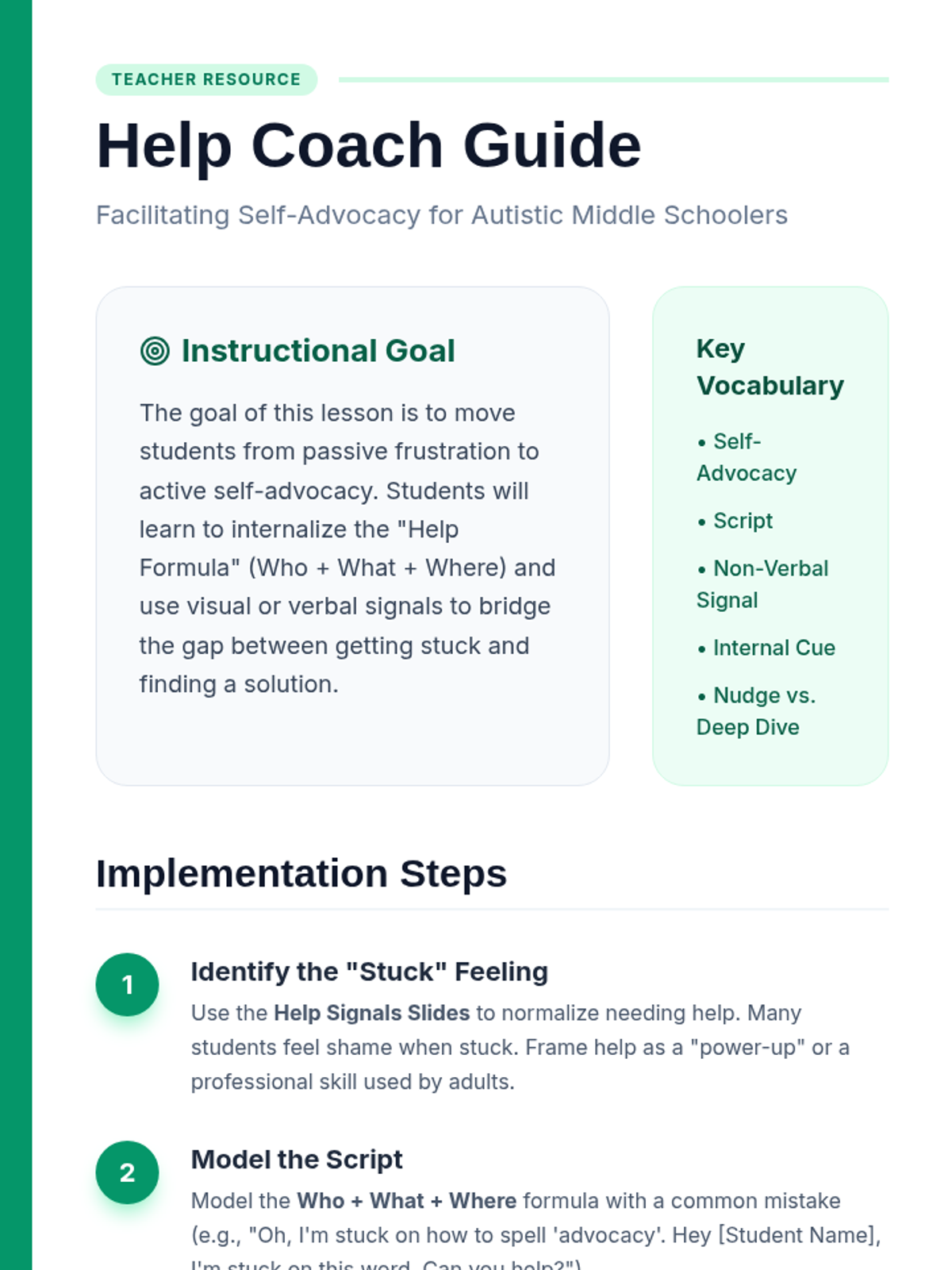
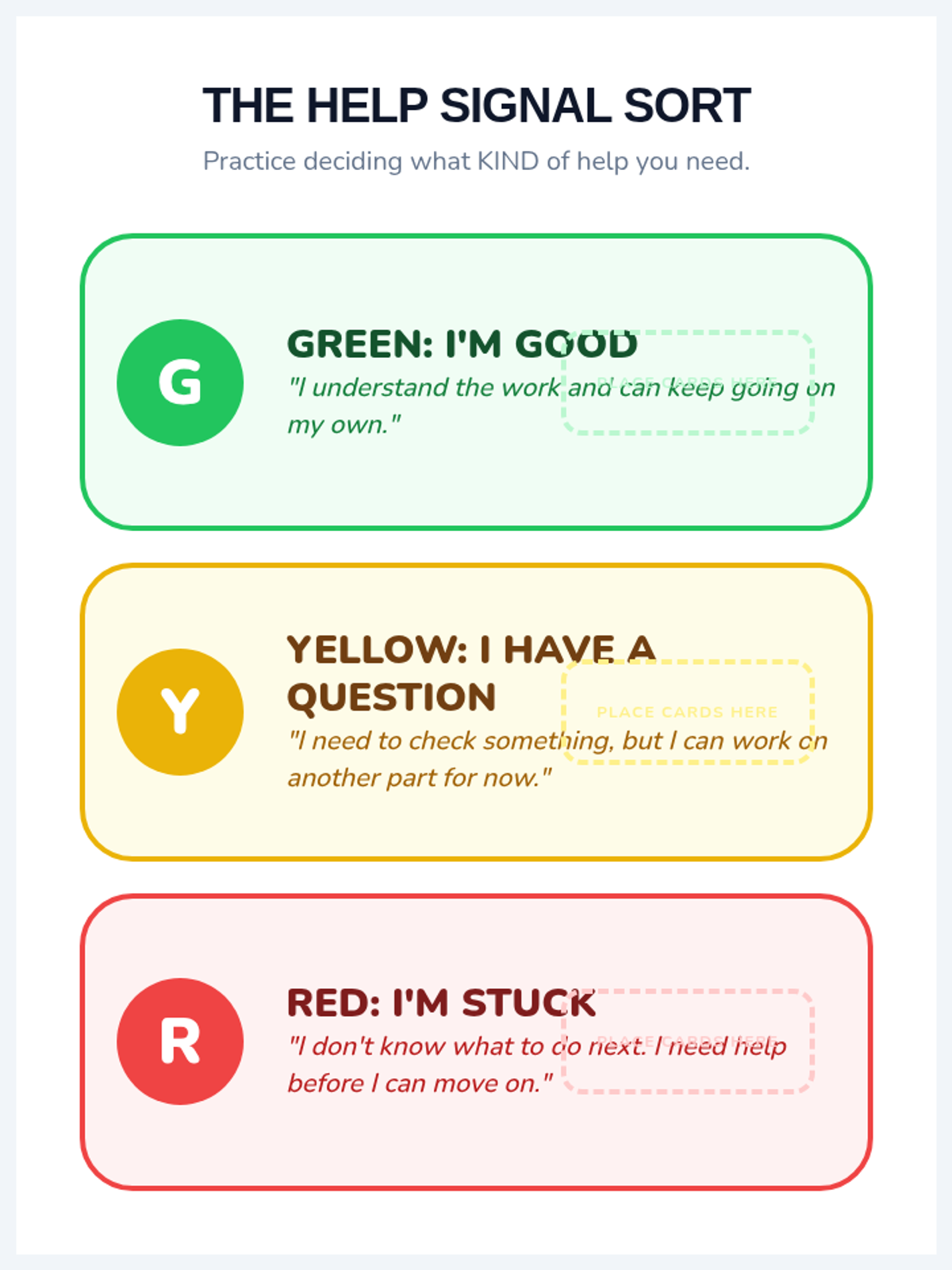
This lesson focuses on teaching middle school students with autism how to recognize when they need help and provides them with concrete scripts and strategies to advocate for themselves in the classroom.
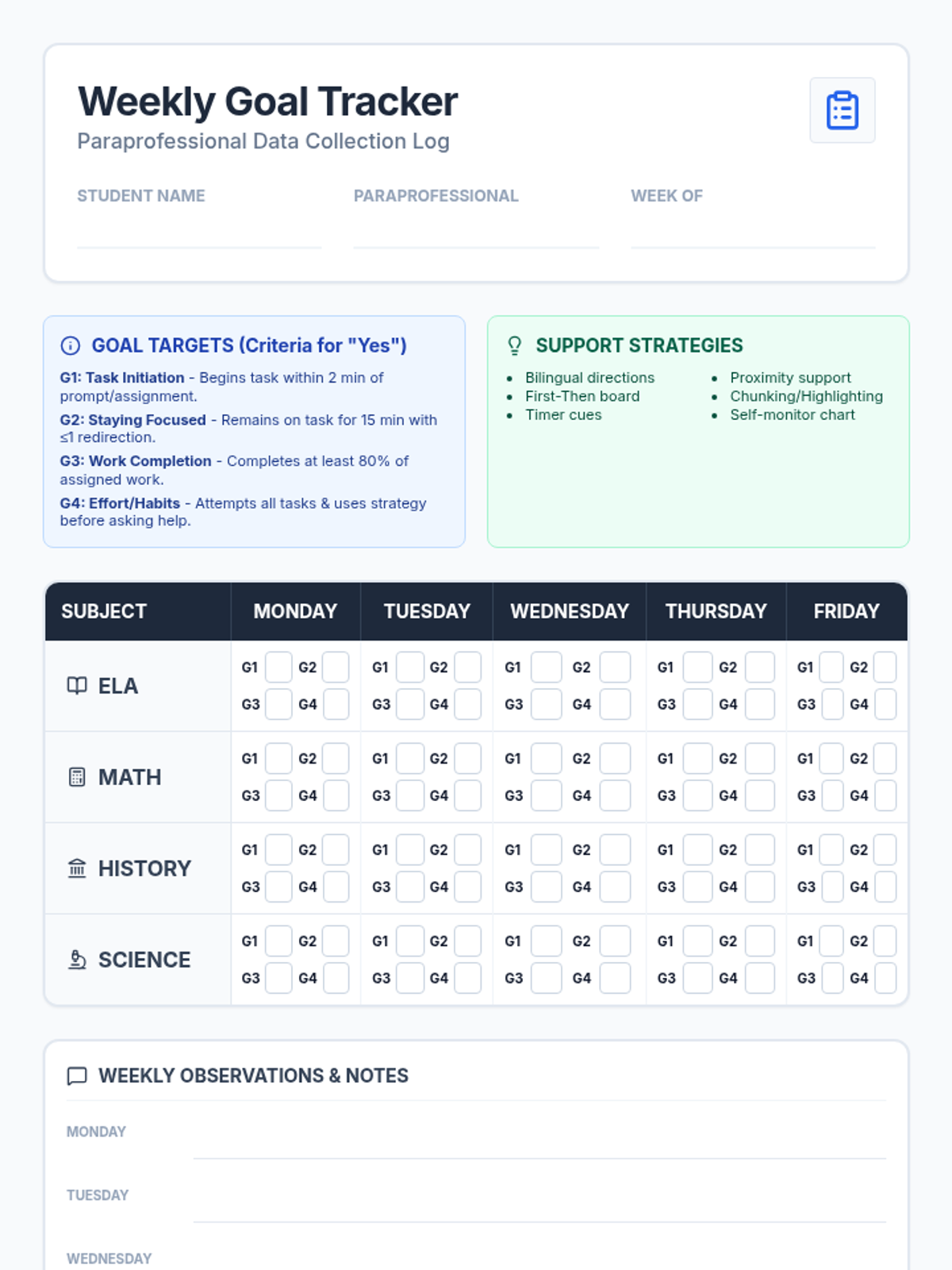
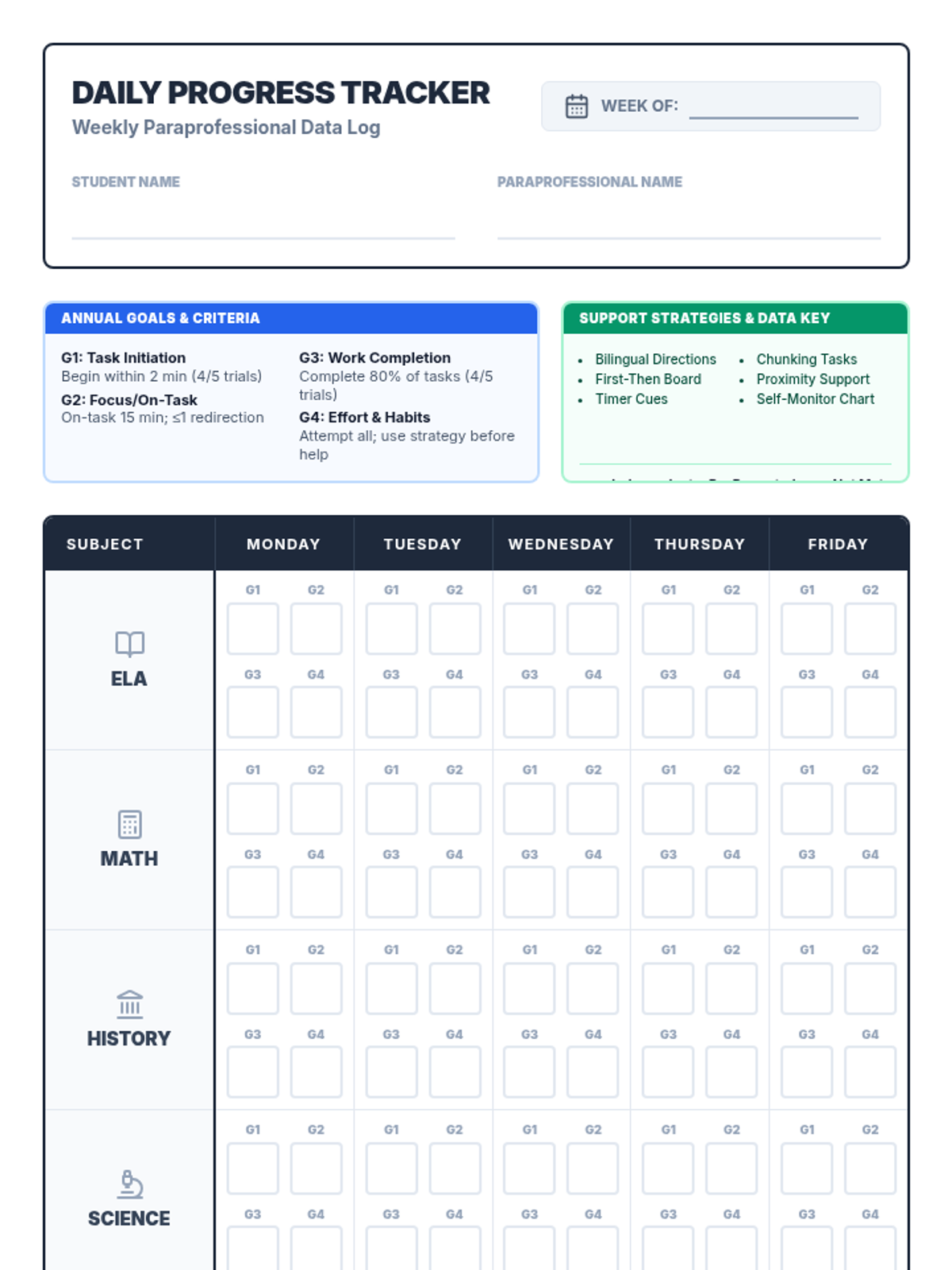
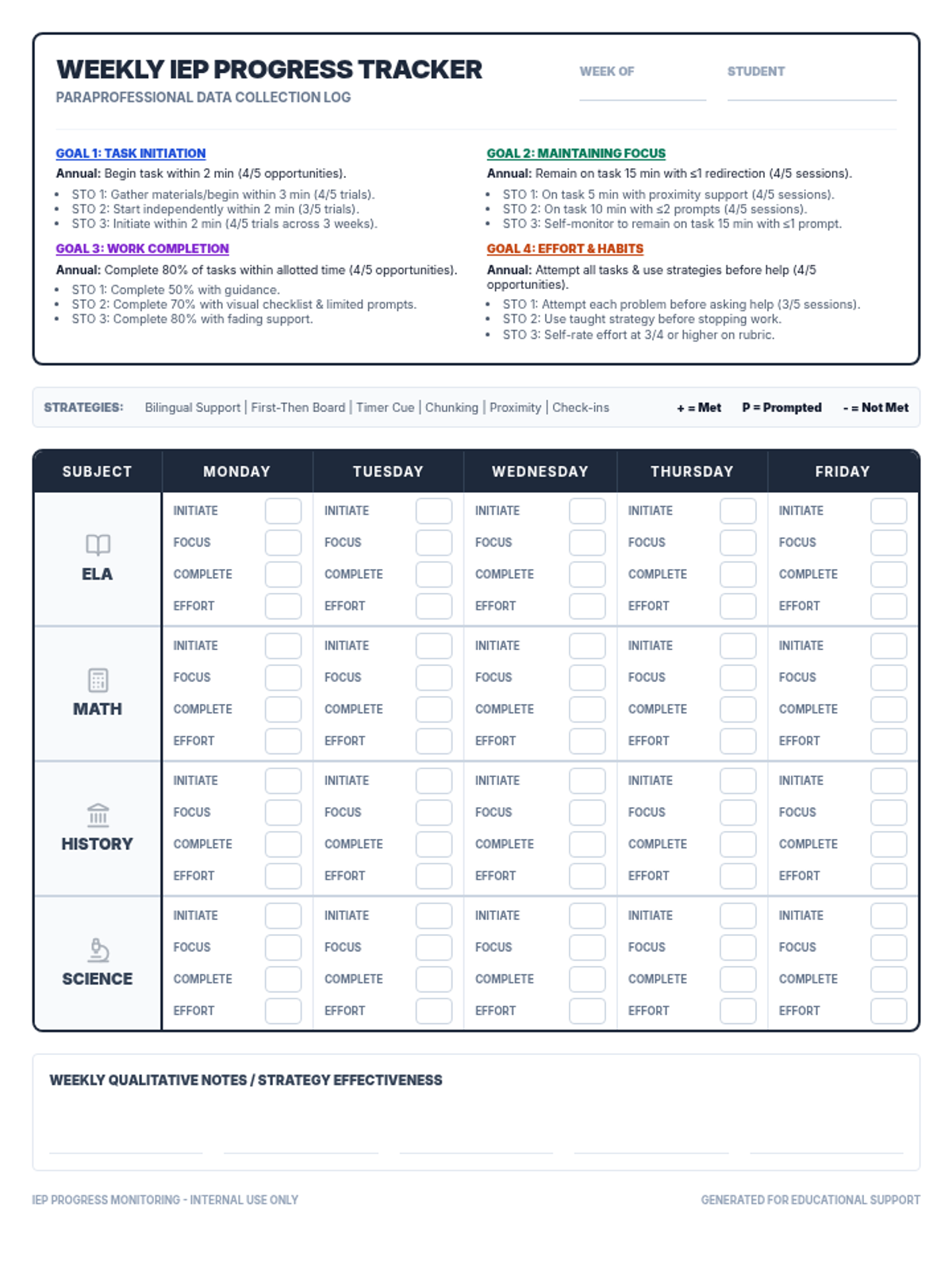
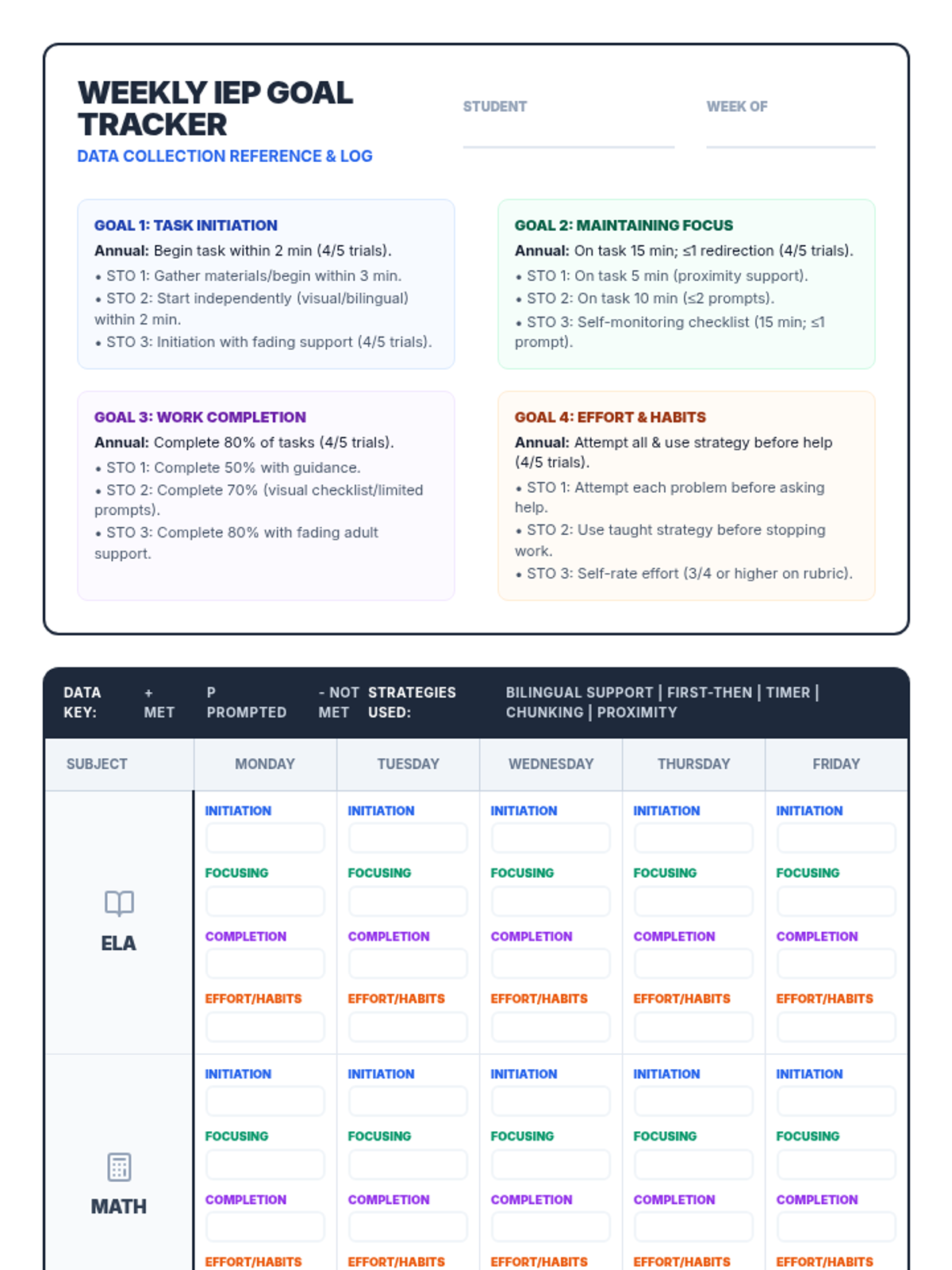
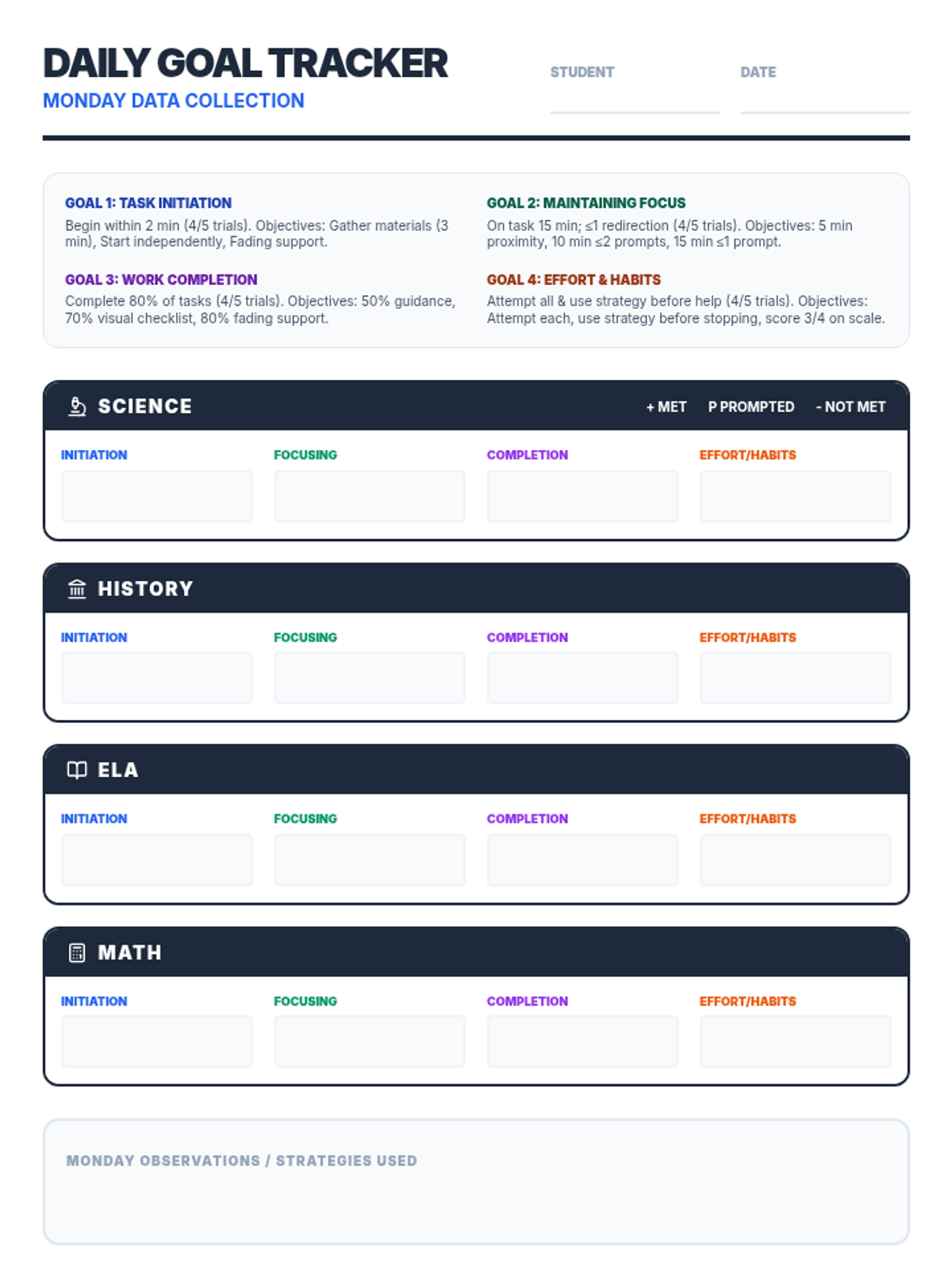
A set of data collection tools designed for paraprofessionals to track specific student IEP goals across core subjects throughout the school week.
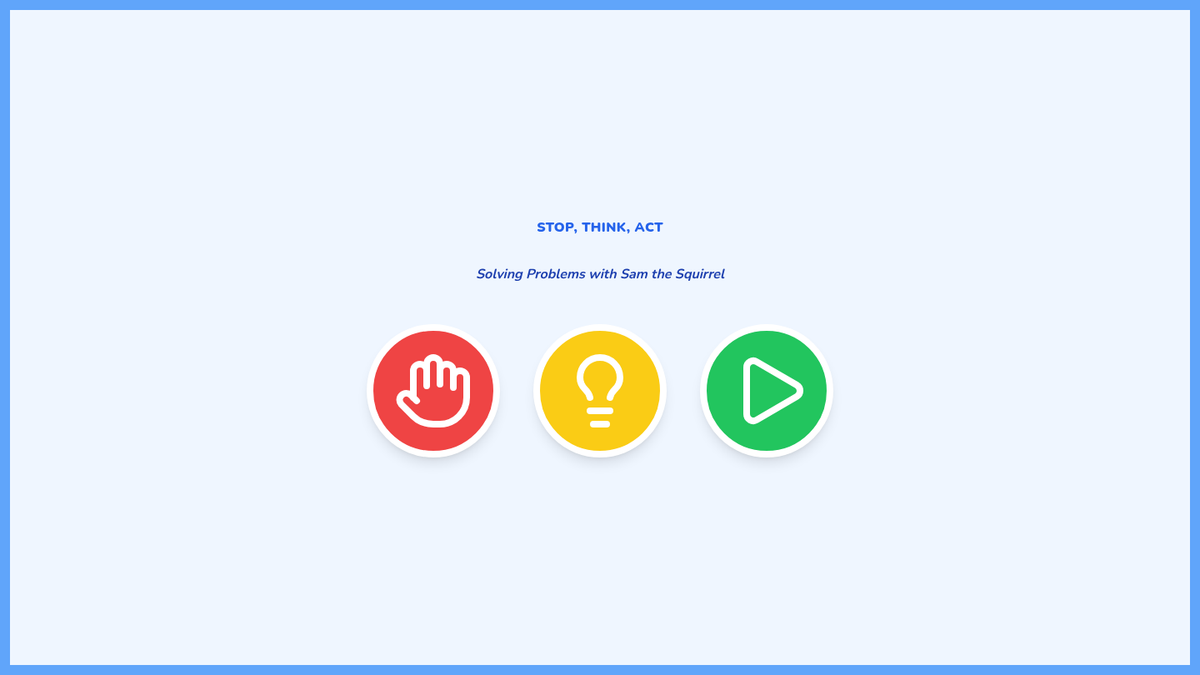
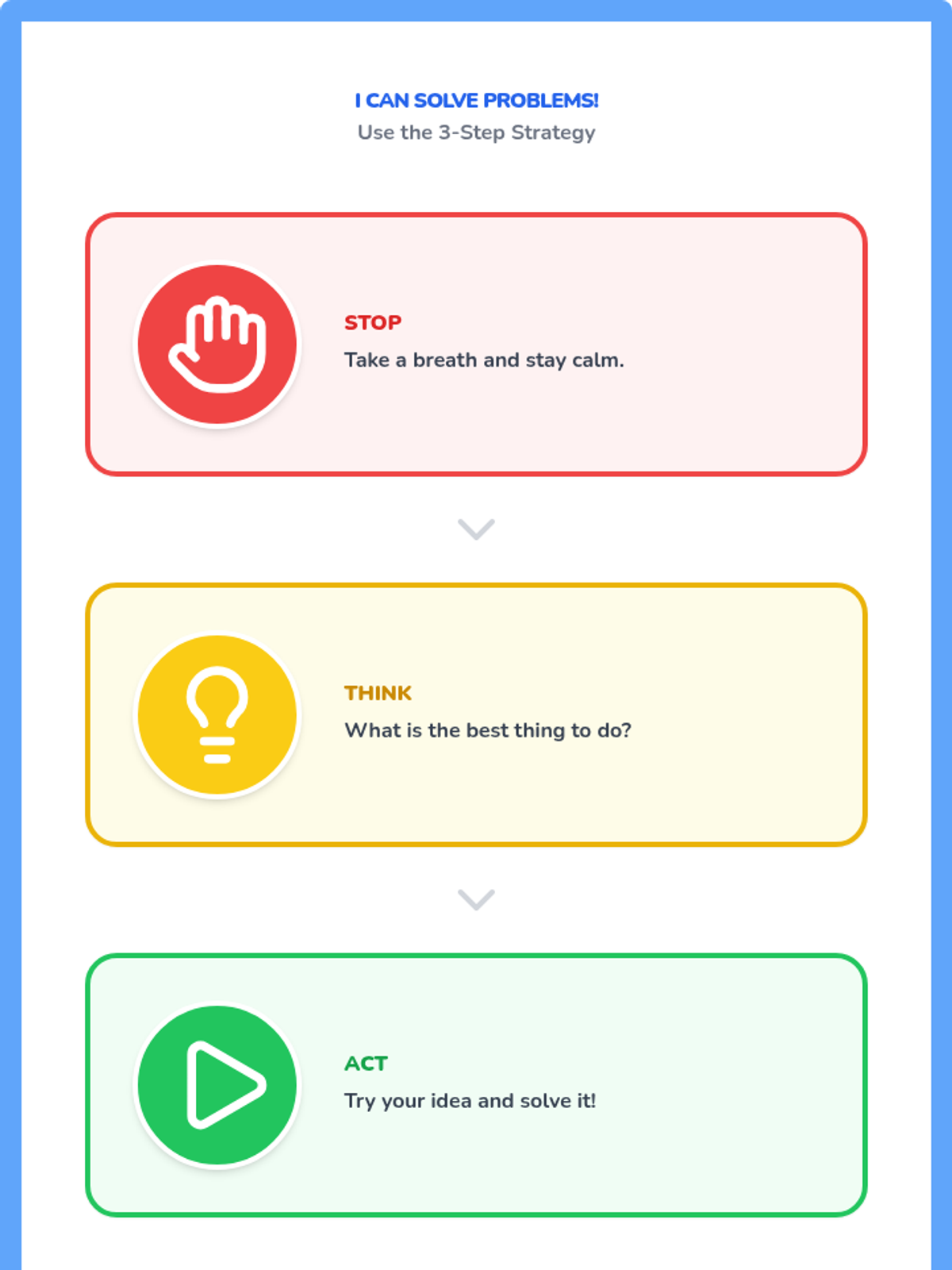
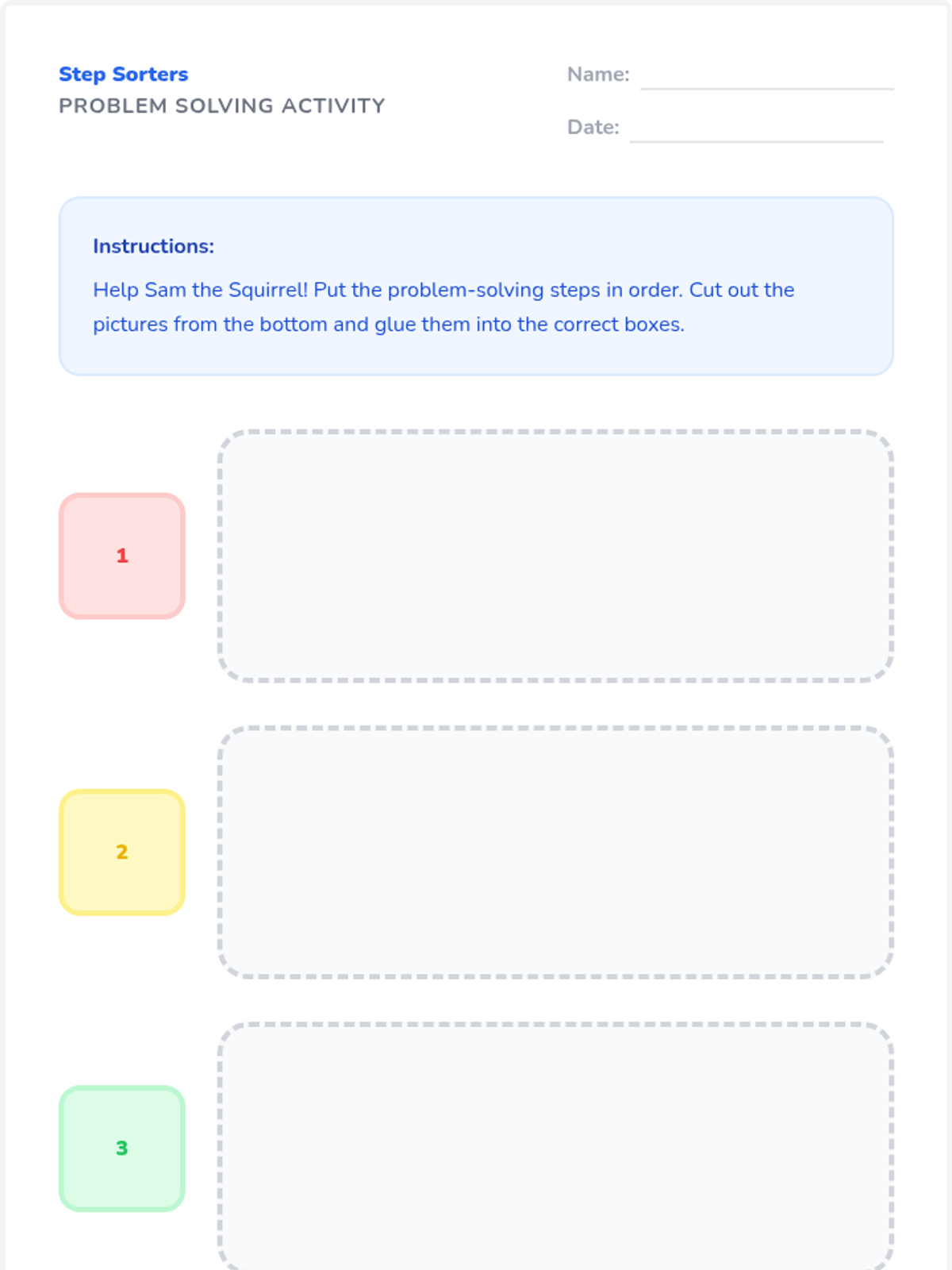
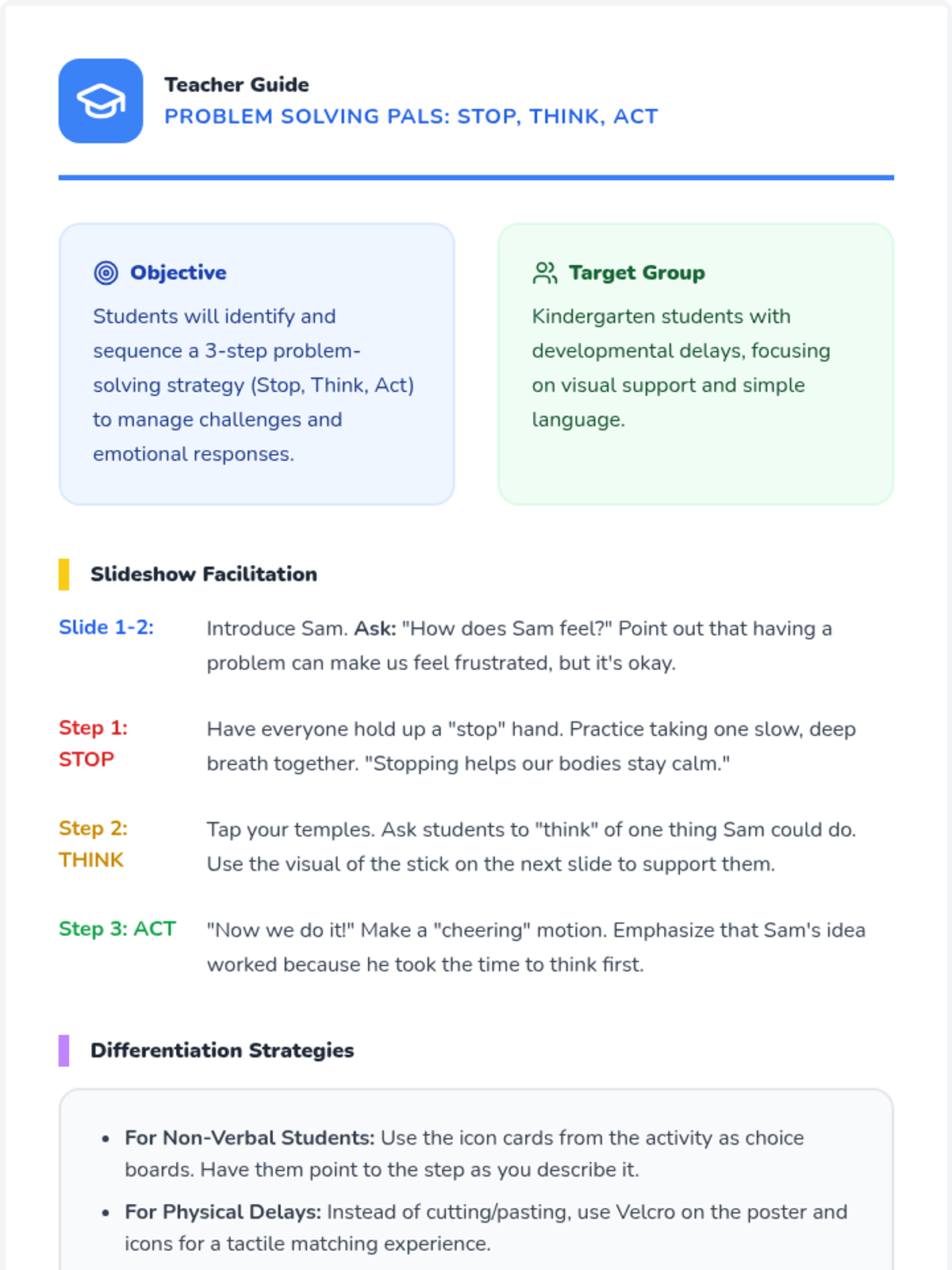
A foundational lesson for kindergarteners with developmental delays focusing on a simple 3-step problem-solving strategy: Stop, Think, and Act. Includes a narrative slide deck and visual aids to reinforce the concepts.
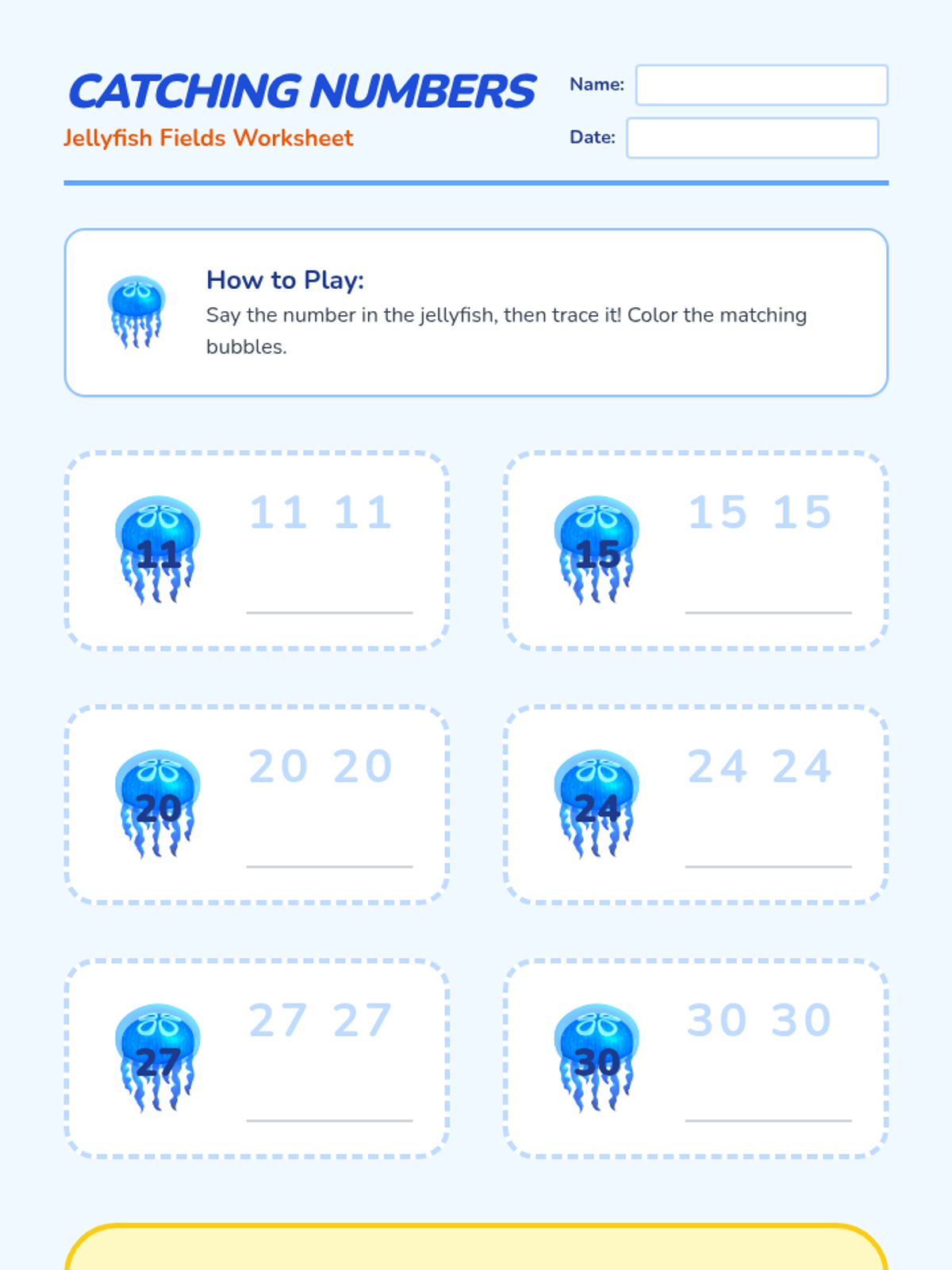
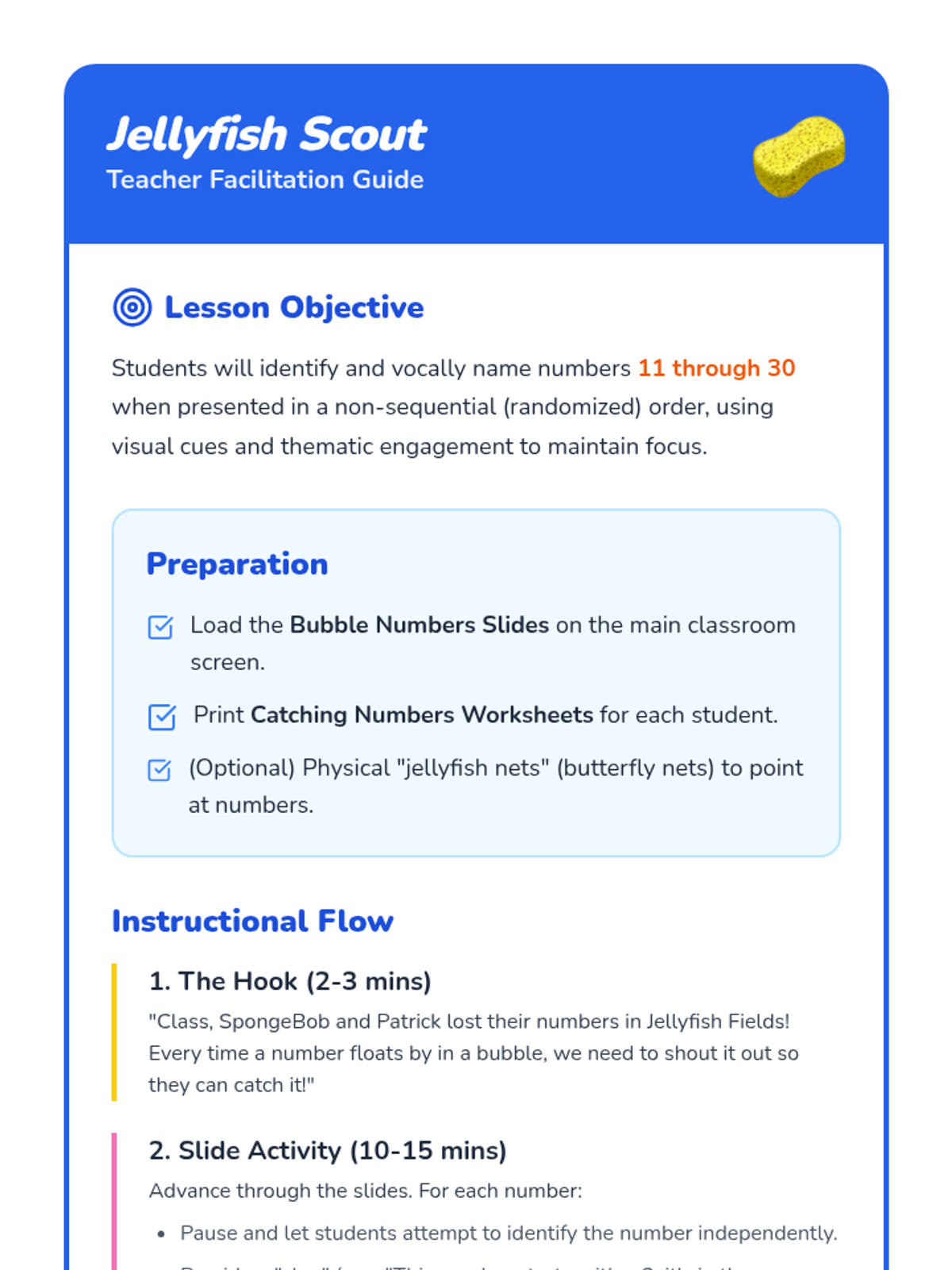
A fun, SpongeBob-themed lesson designed for K-2 special education students to identify and practice numbers 11-30 in a non-sequential, engaging format set in Bikini Bottom.
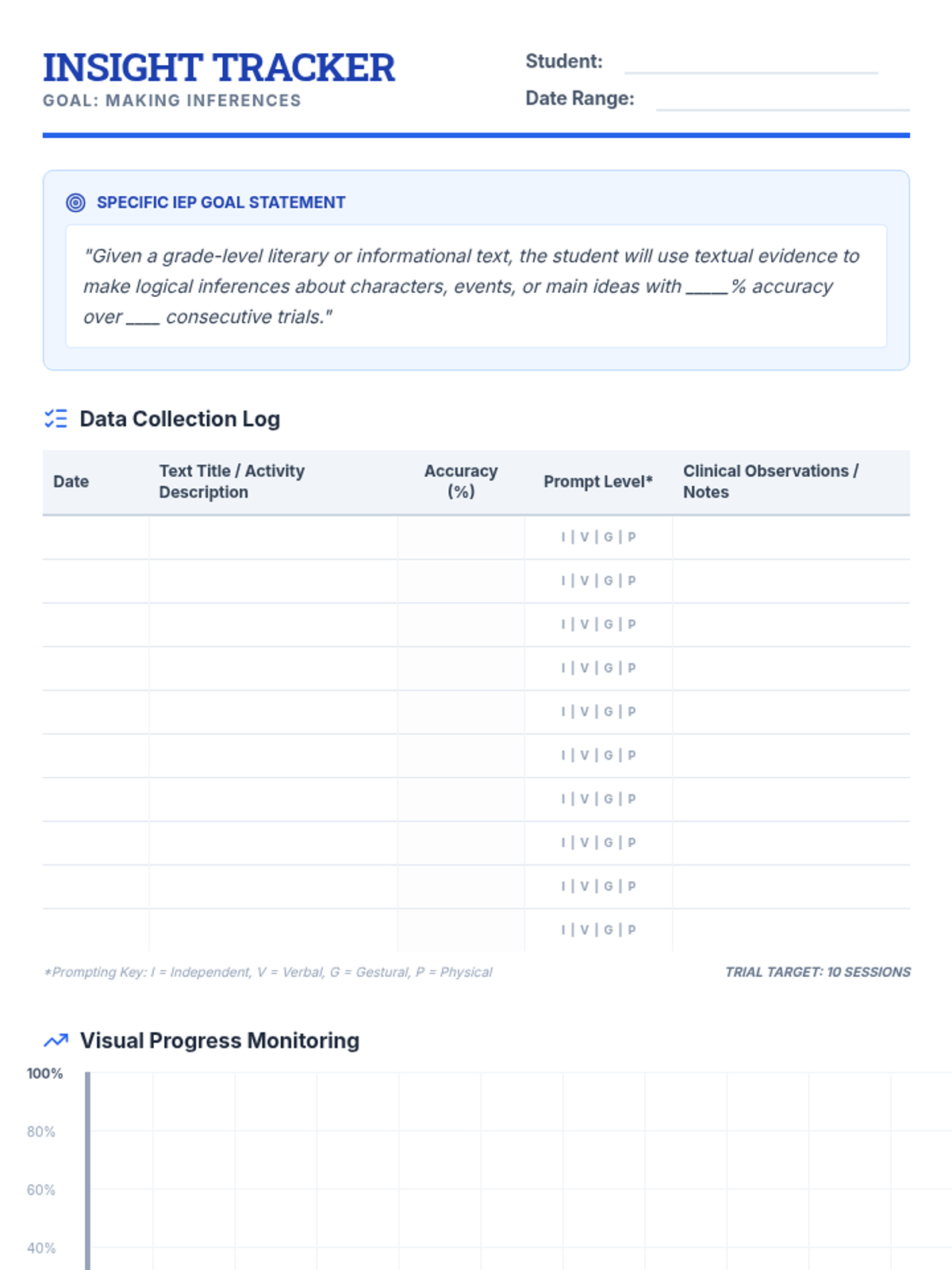
A collection of resources for tracking and monitoring progress on specific literacy IEP goals, including data collection and visual graphing tools.
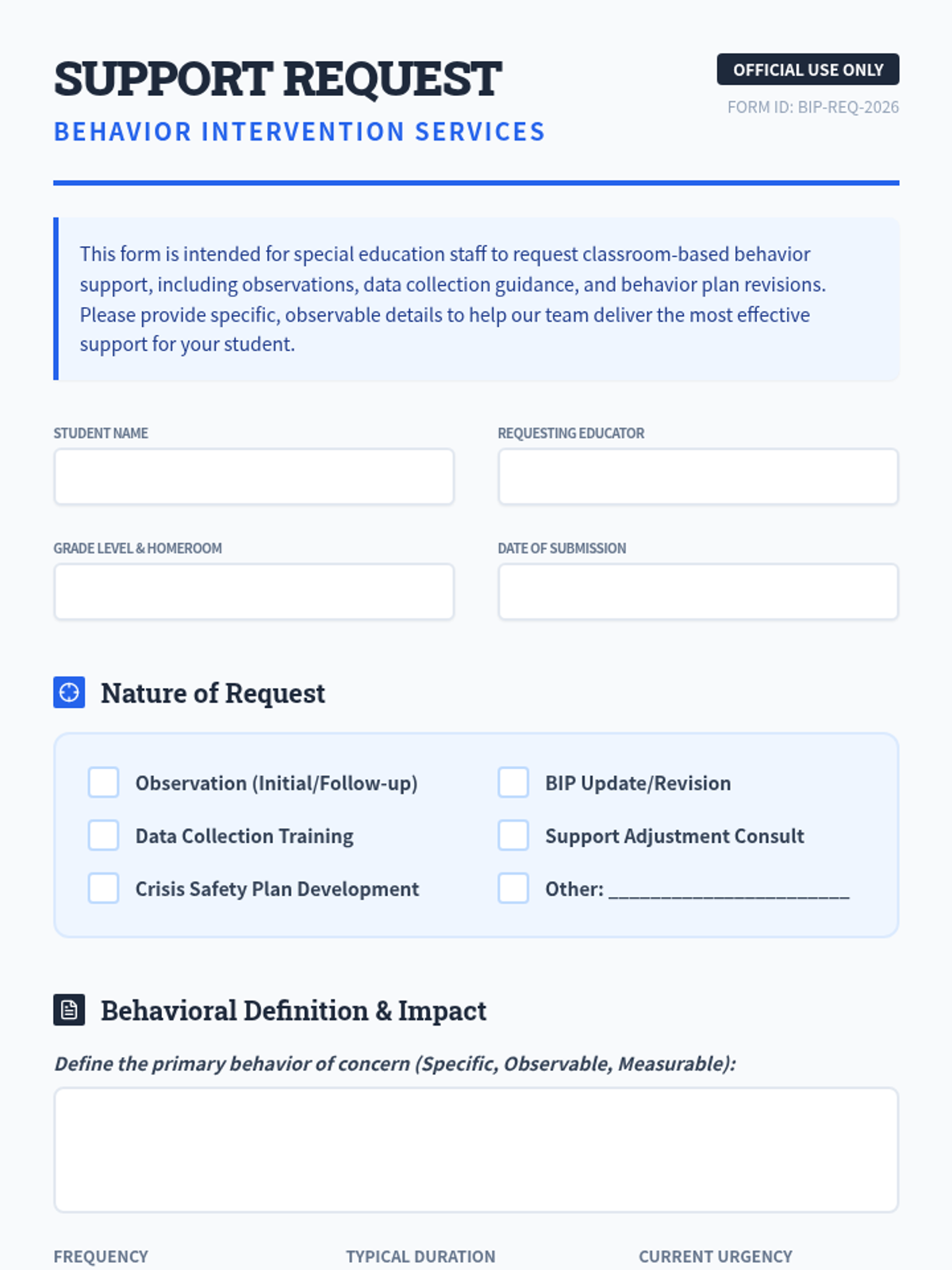
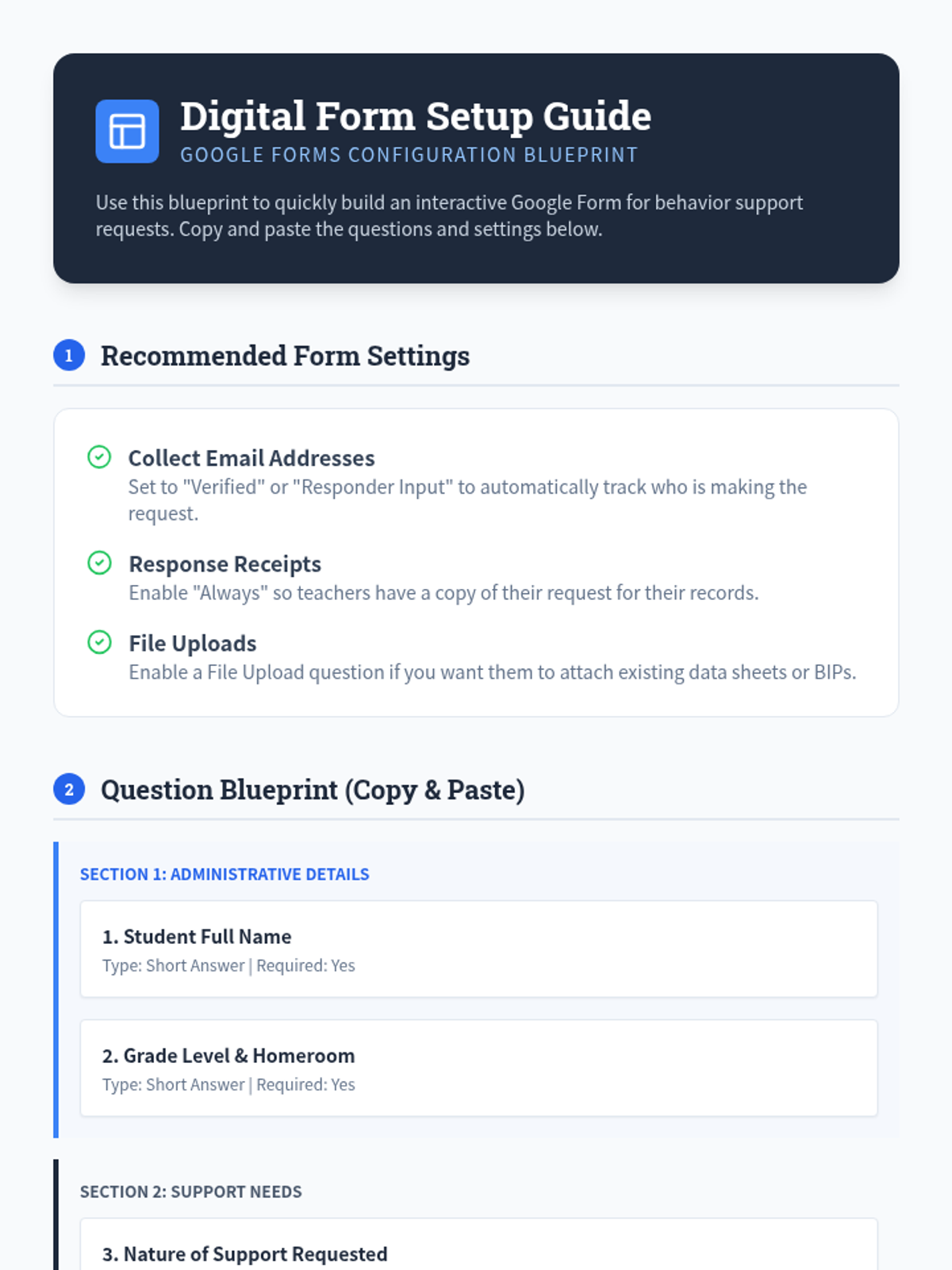
A set of resources for special education teachers to request and set up behavior support systems, including a formal request form and a guide for digital implementation.
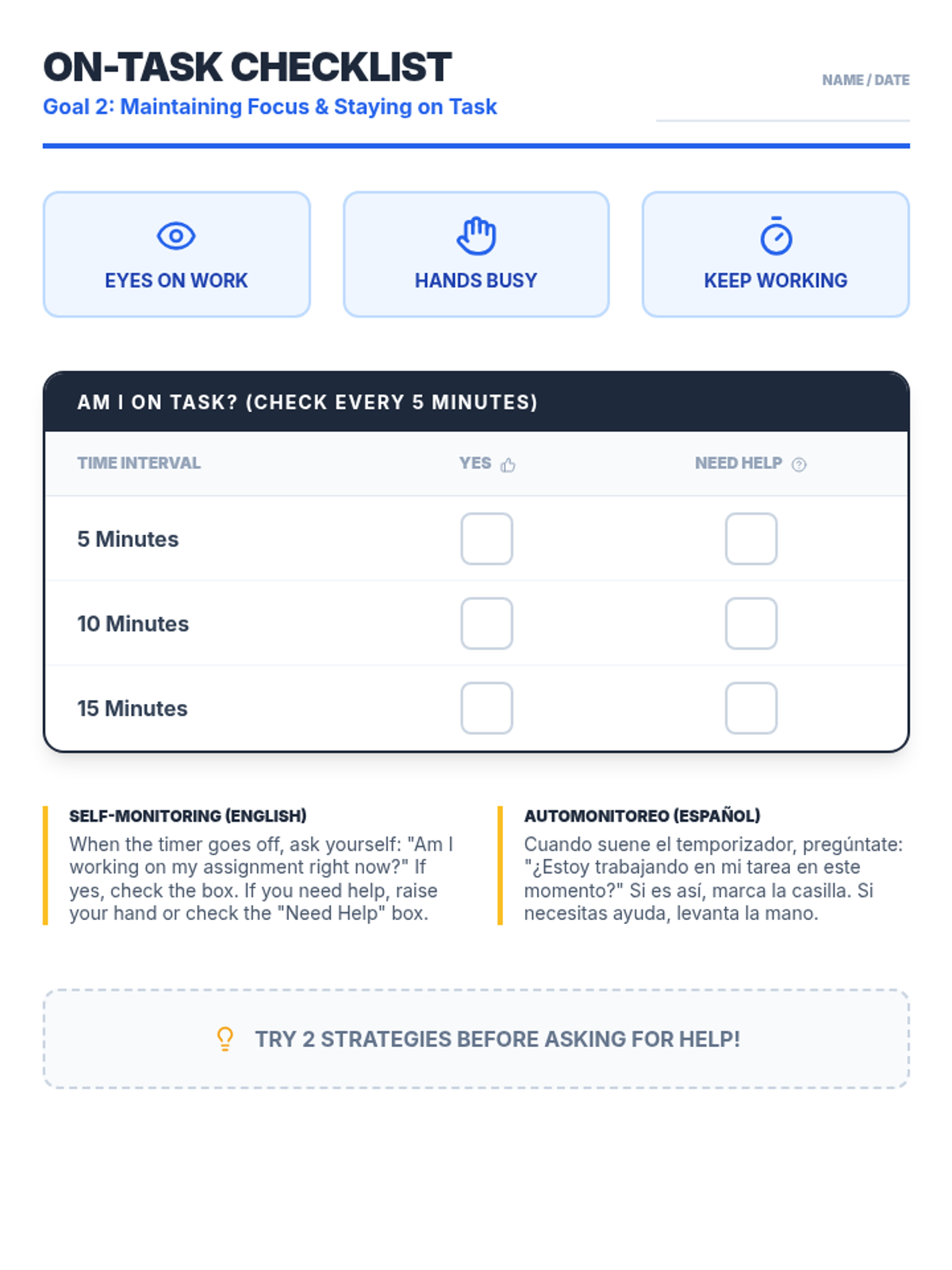
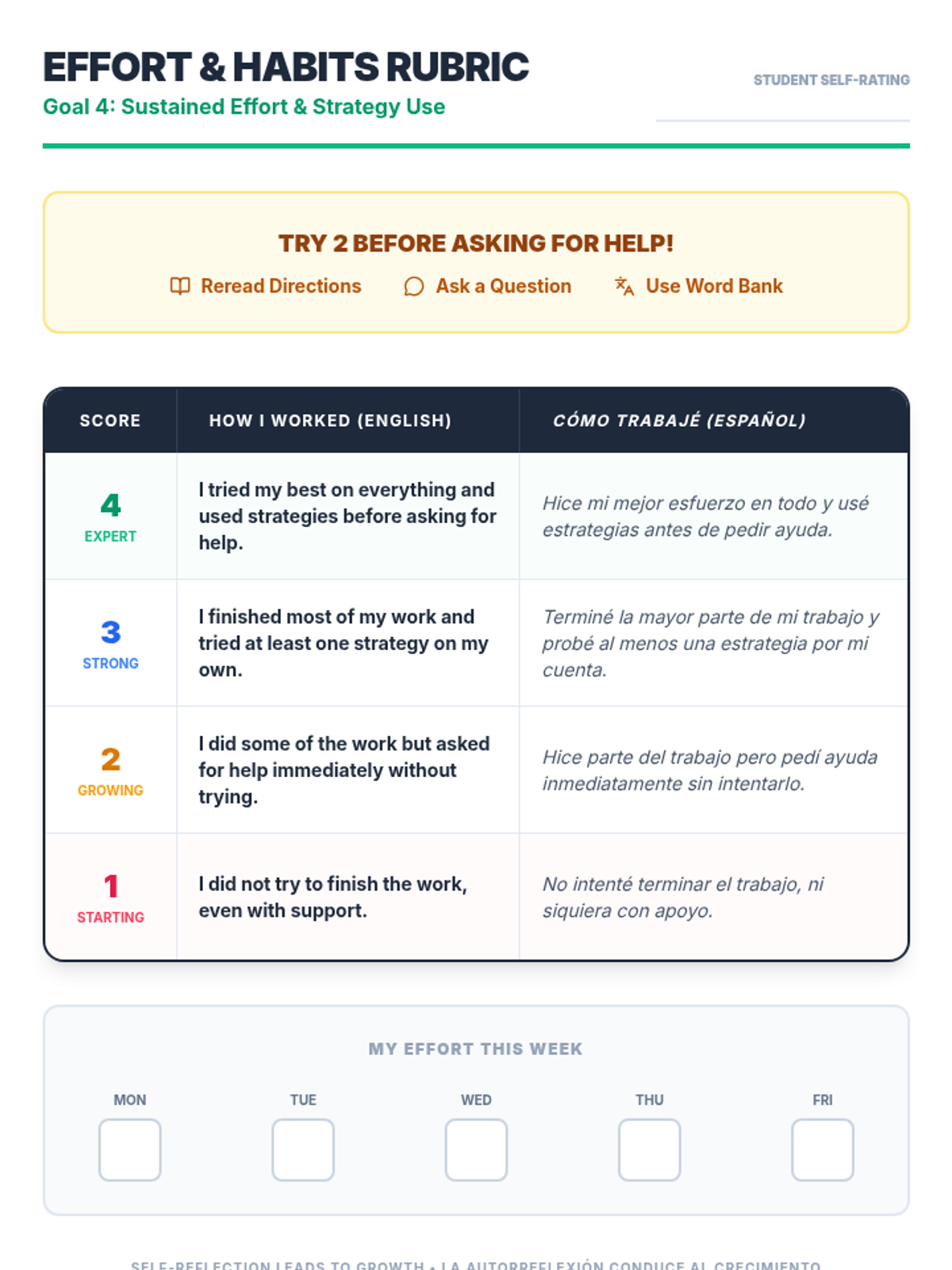
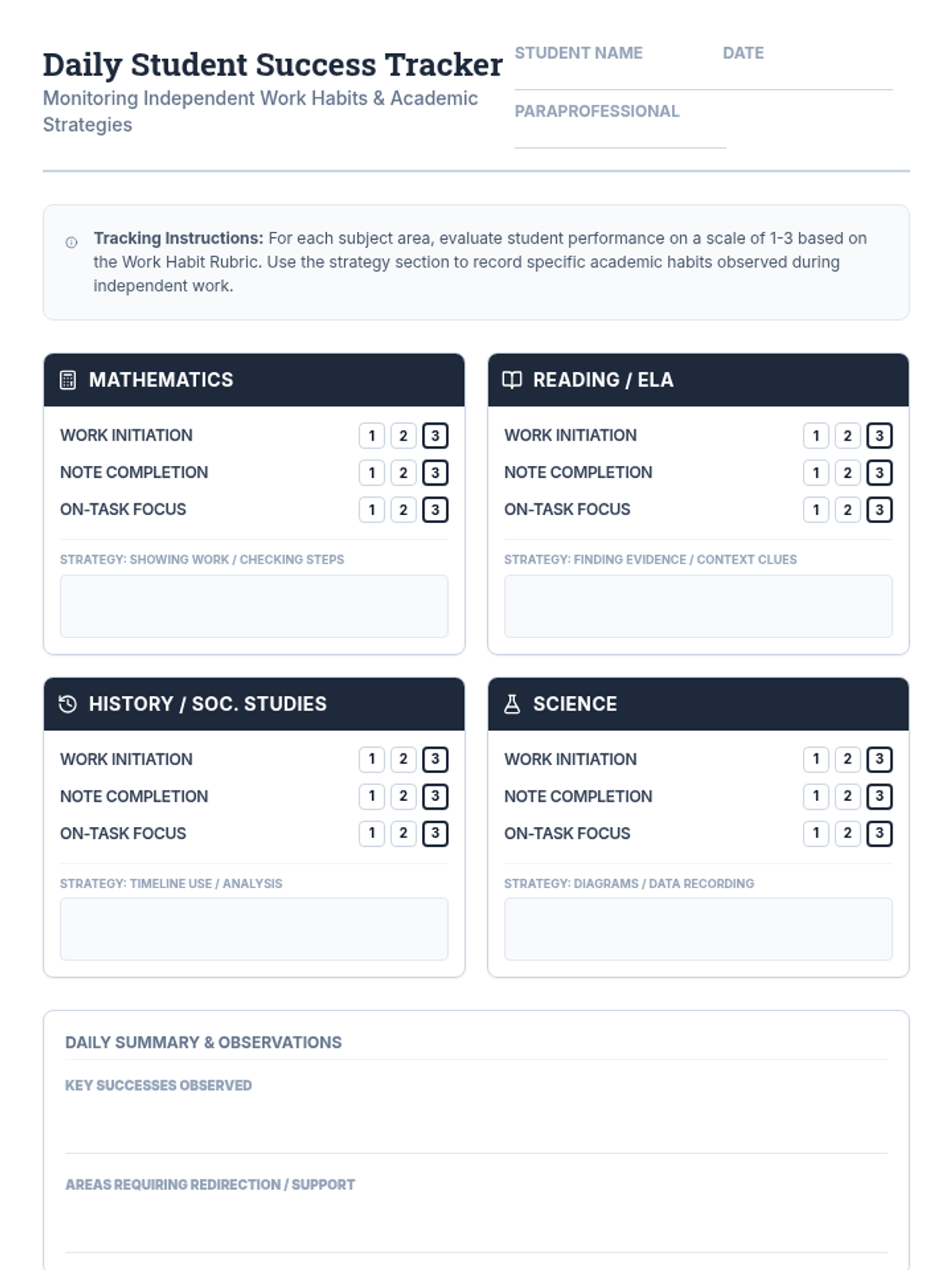
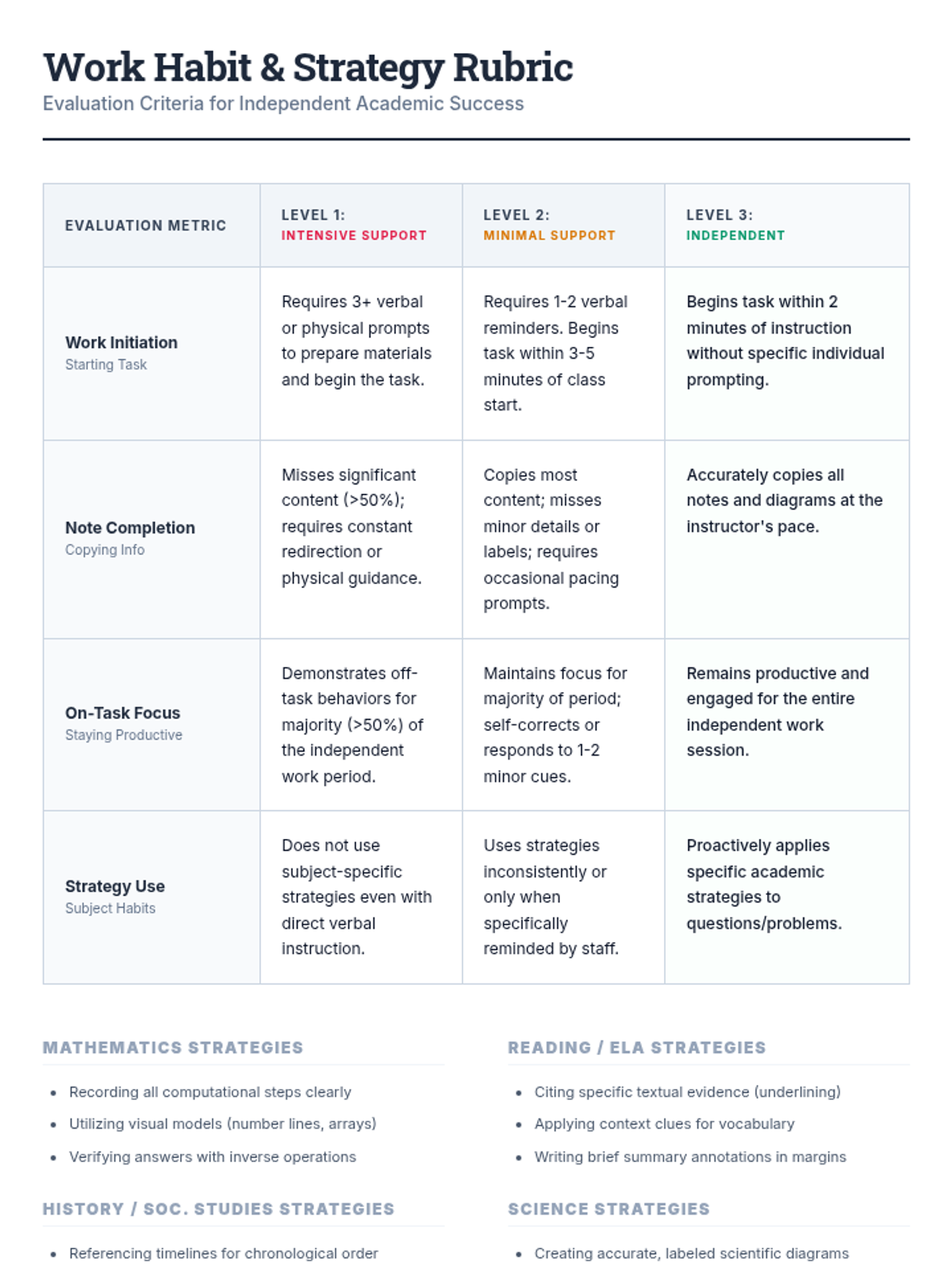
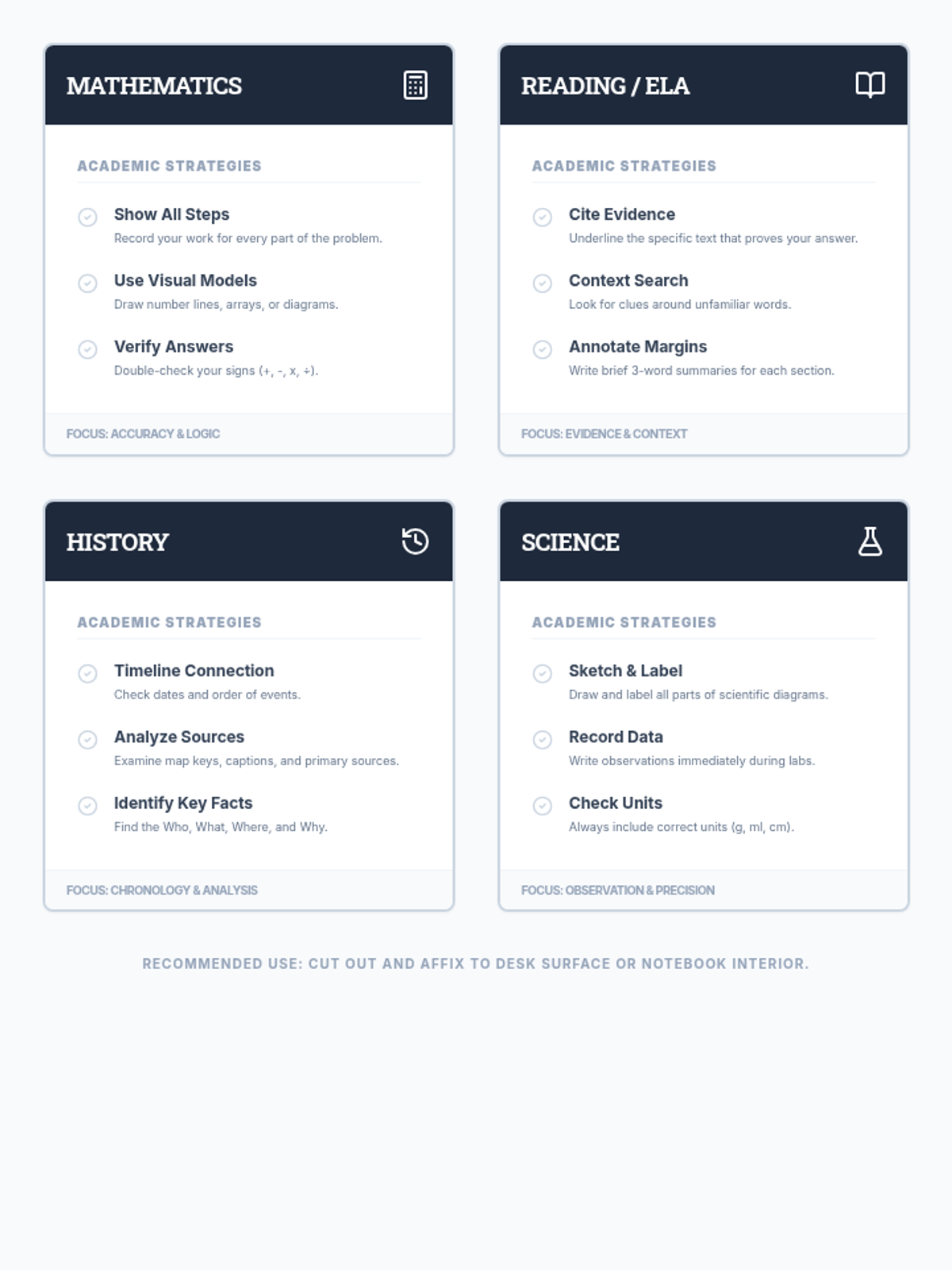
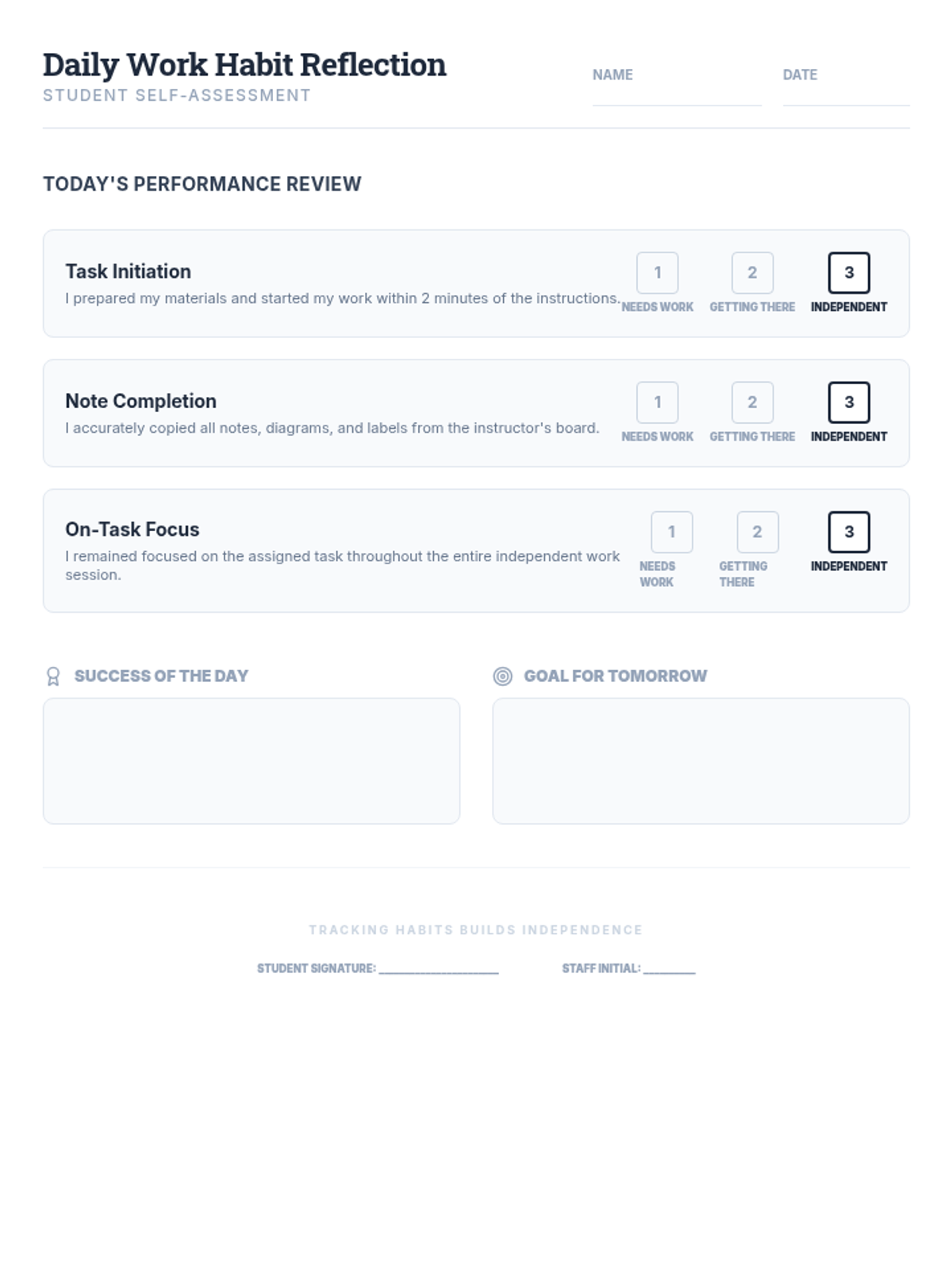
A collection of resources designed to support students in developing independent work habits, focus, and subject-specific strategies through paraprofessional-led tracking and reflection.
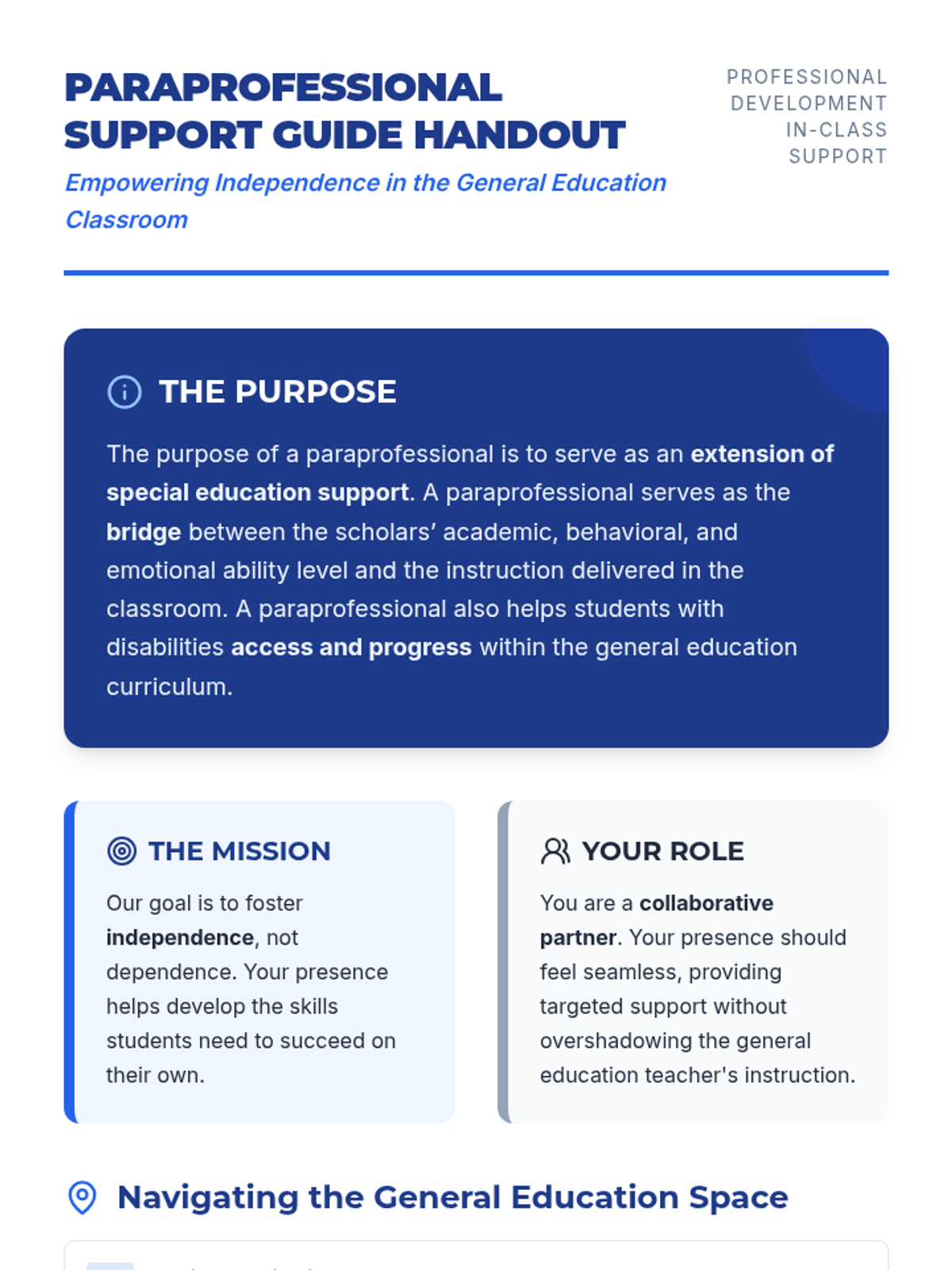
A professional development resource designed to clarify roles and expectations for paraprofessionals supporting students in inclusive general education settings.
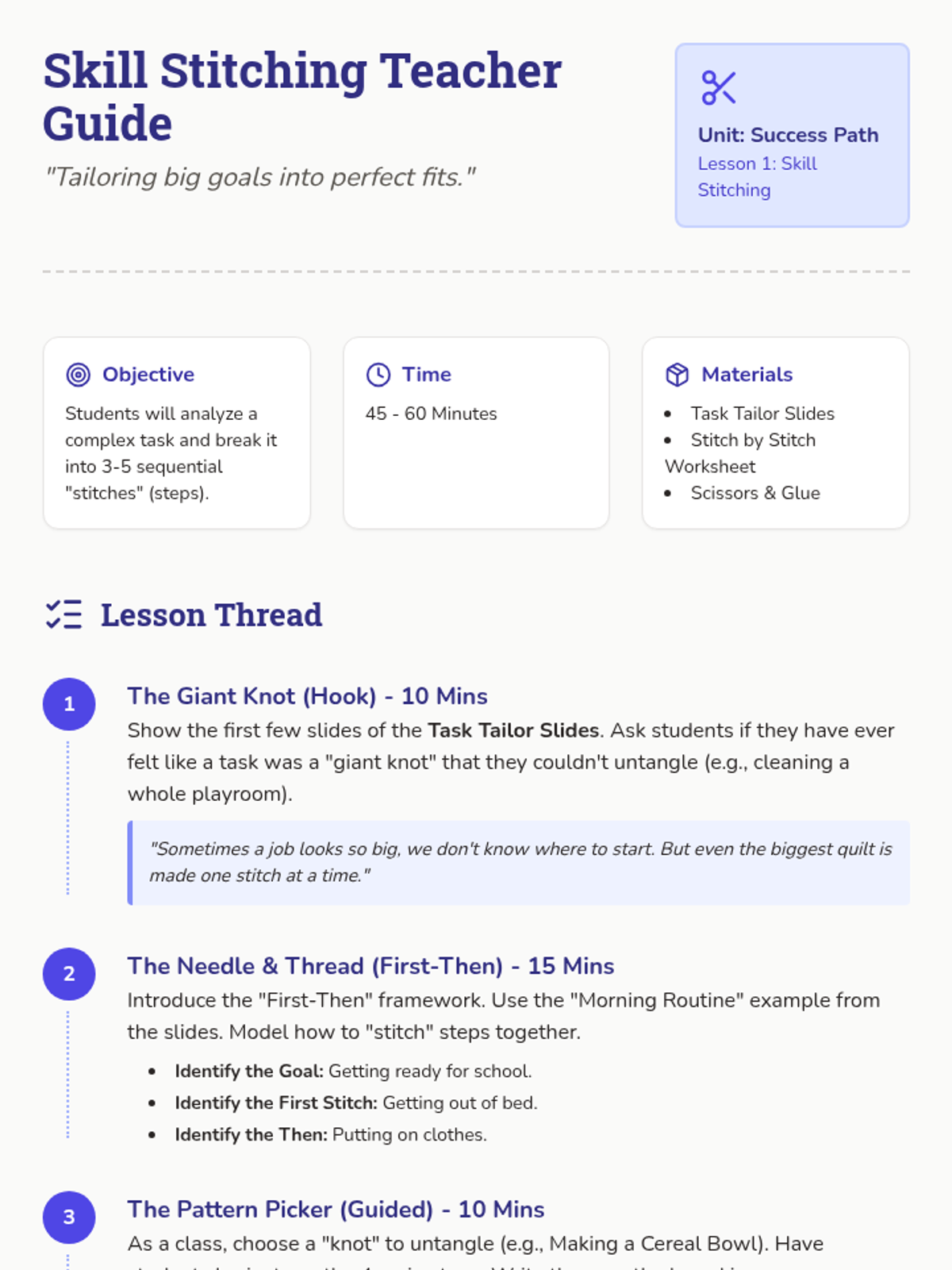
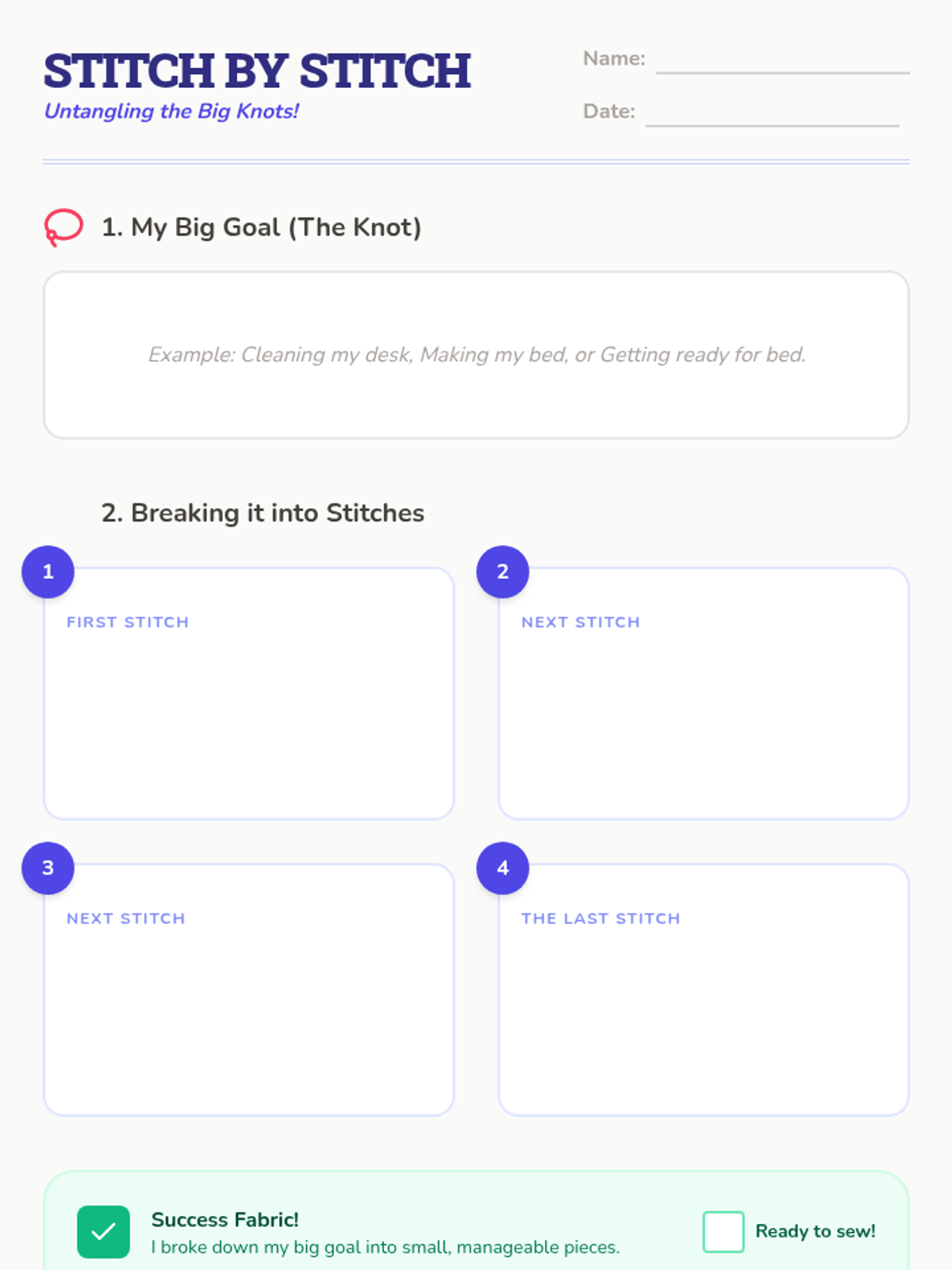
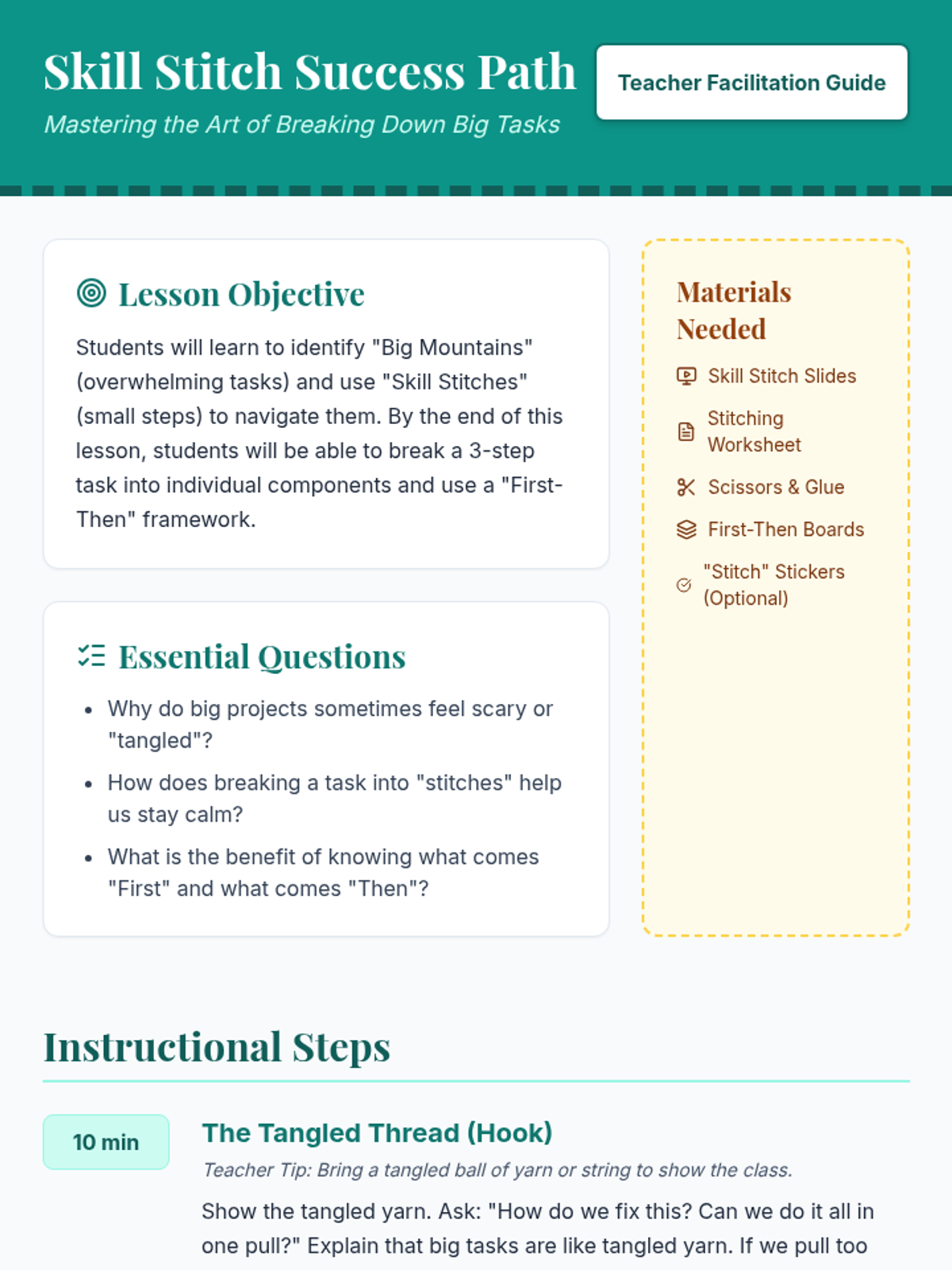
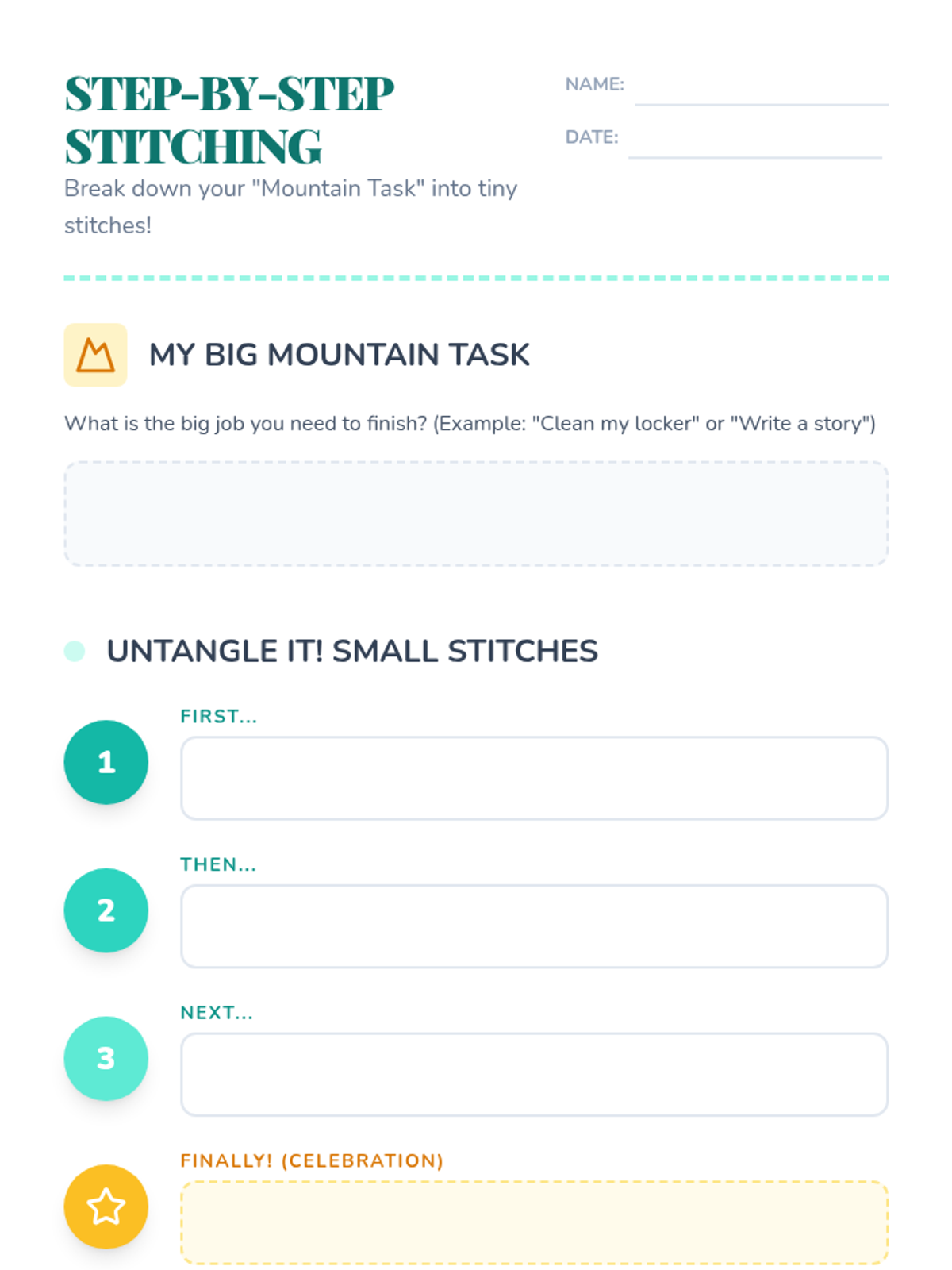
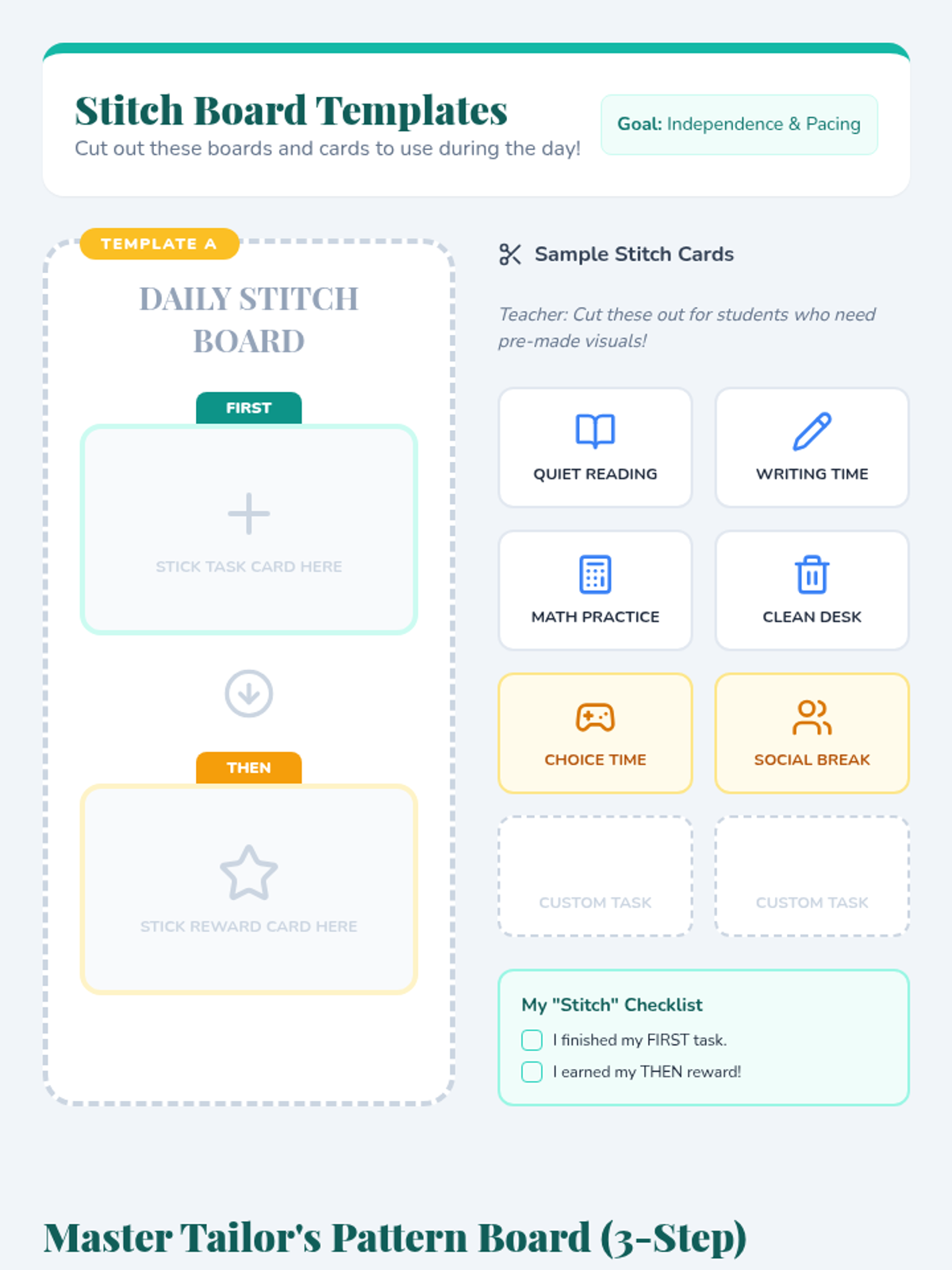
Students learn the art of 'skill stitching'—breaking down overwhelming tasks into small, manageable pieces. The lesson introduces the 'First-Then' concept and visual sequencing to promote independence.
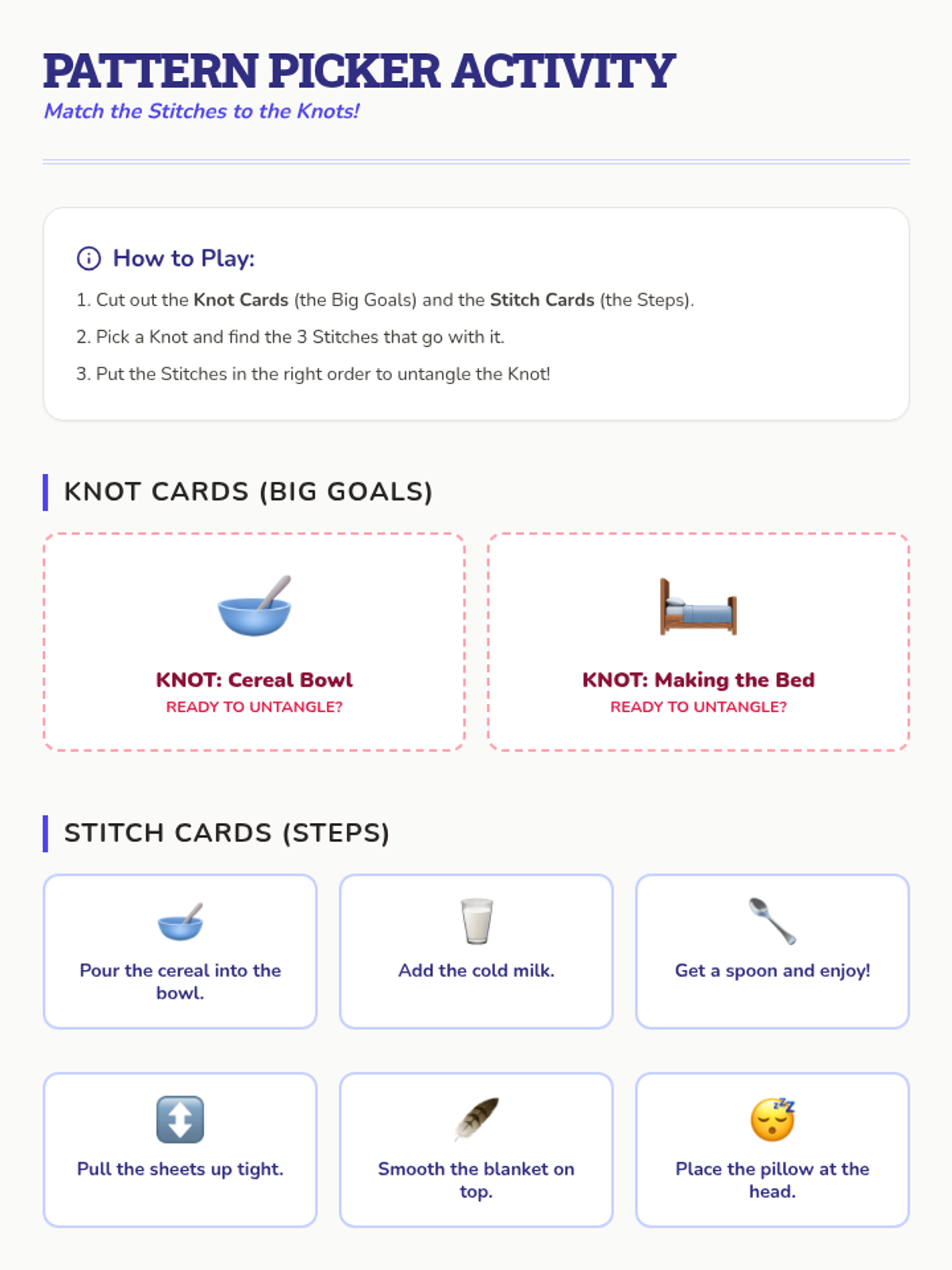
This lesson helps students develop executive functioning skills by learning how to break large, overwhelming tasks into small, 'stitch-sized' steps using visual aids and first-then logic.