A simple, visually-driven lesson designed for non-verbal ESL students to identify and match bird body parts using physical cards and a matching board.
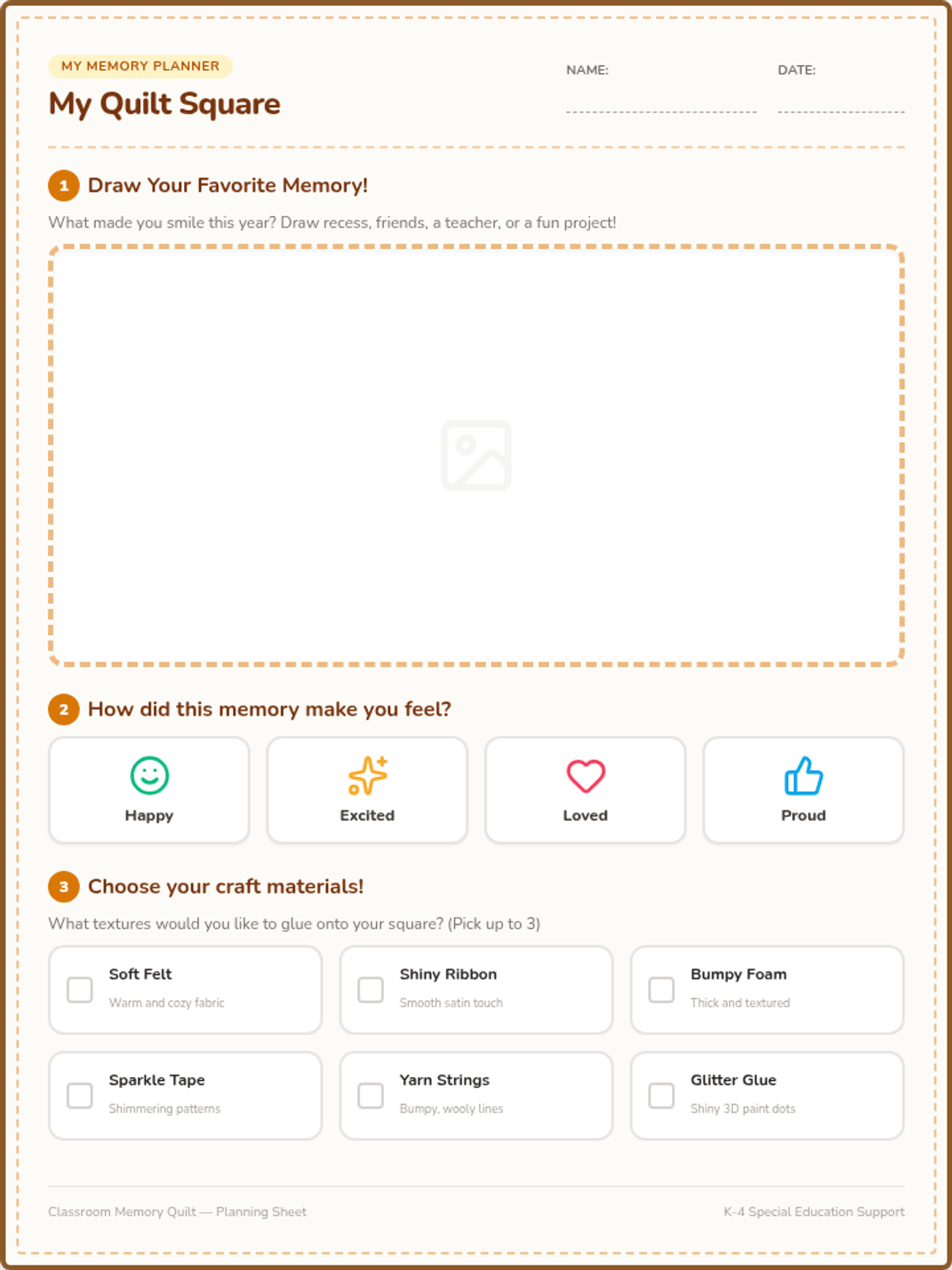
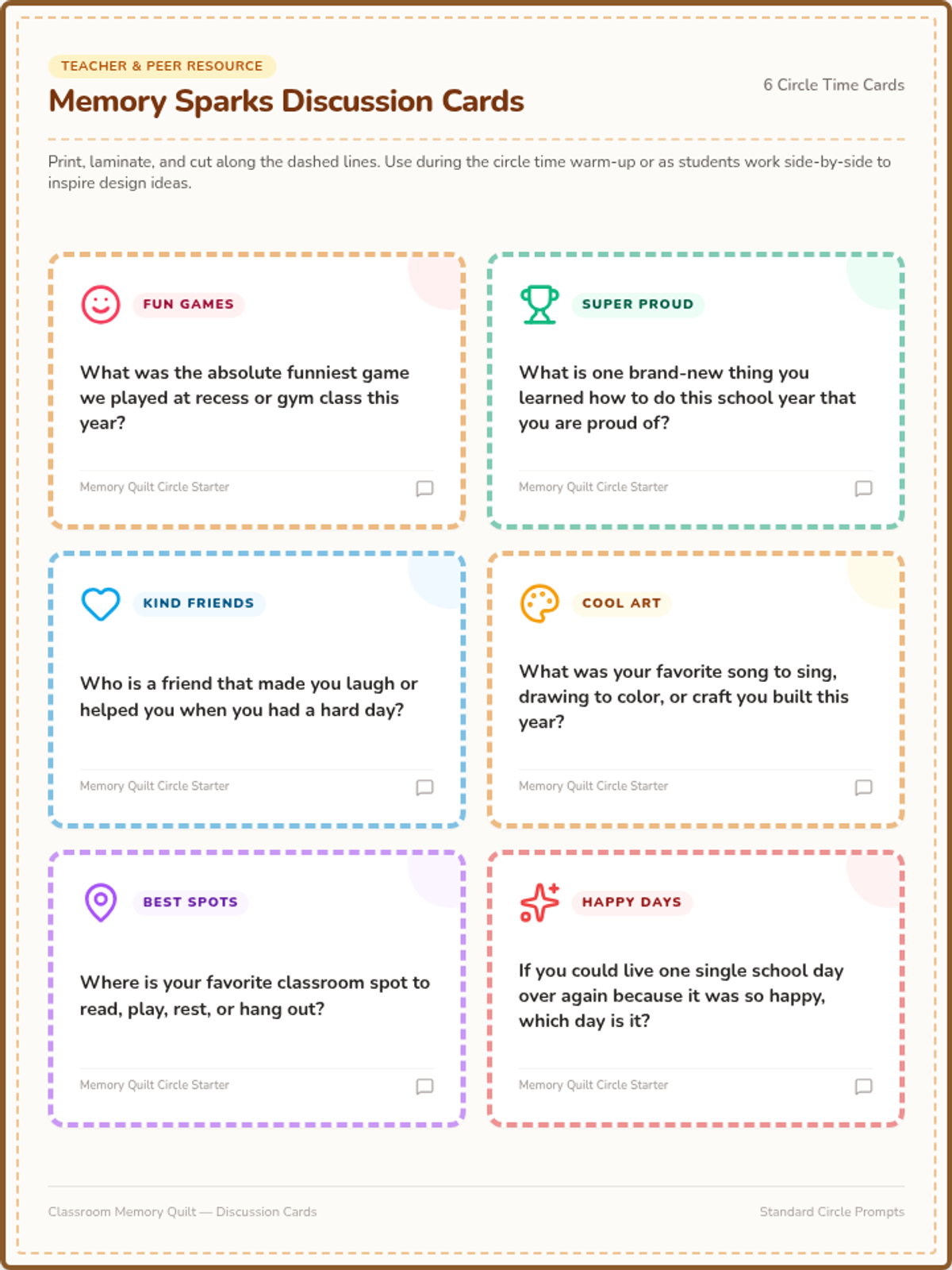
A sensory-friendly collaborative arts and reflection lesson for K-4 special education students to celebrate school year achievements and memories by building a paper quilt.
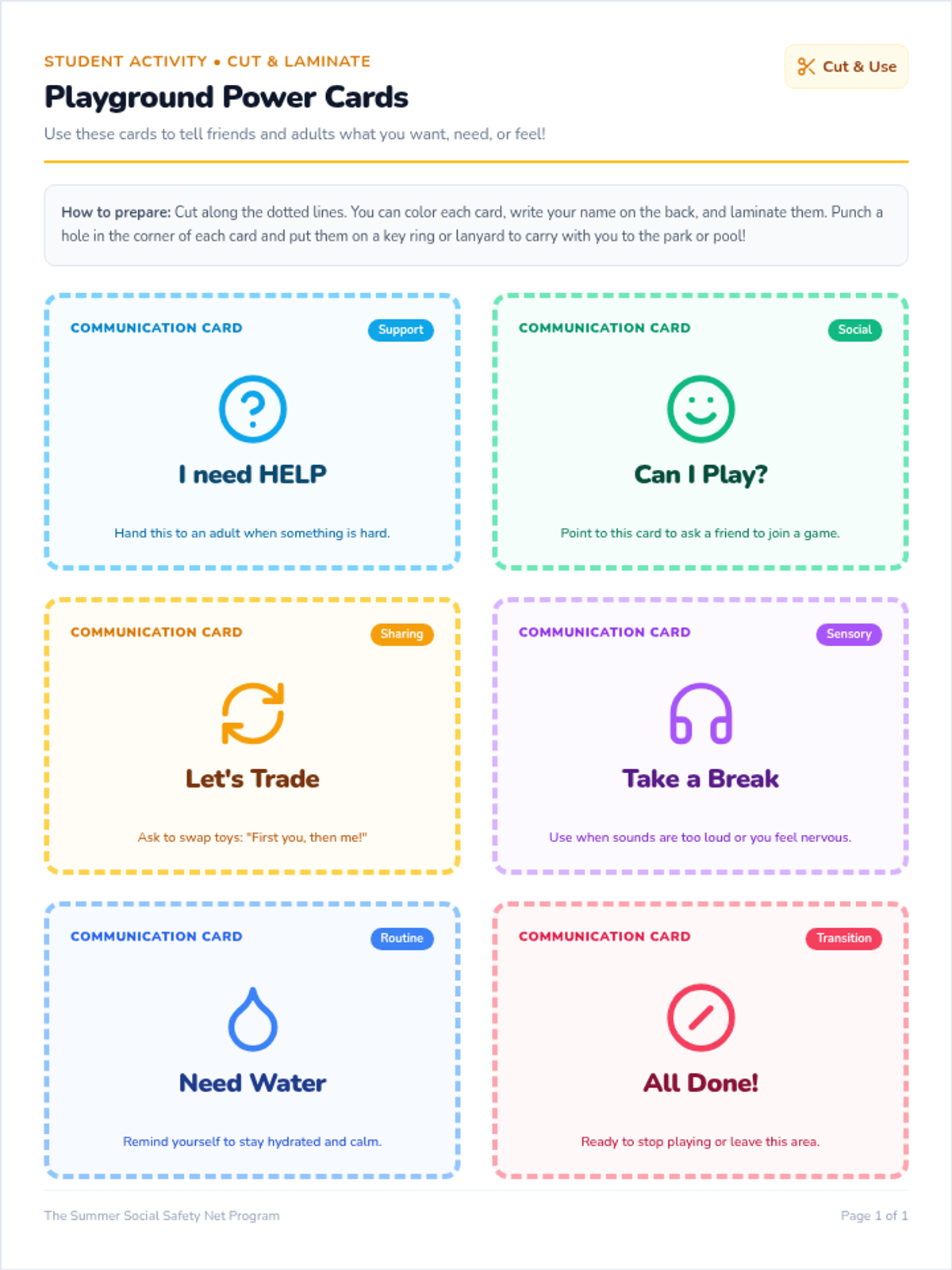
A comprehensive social skills and routine-building lesson for K-4 students with autism or social communication needs. The lesson uses social narratives, interactive role-play, and visual aids to help students practice requesting help, sharing, and navigating unstructured play environments like parks and pools during summer break.
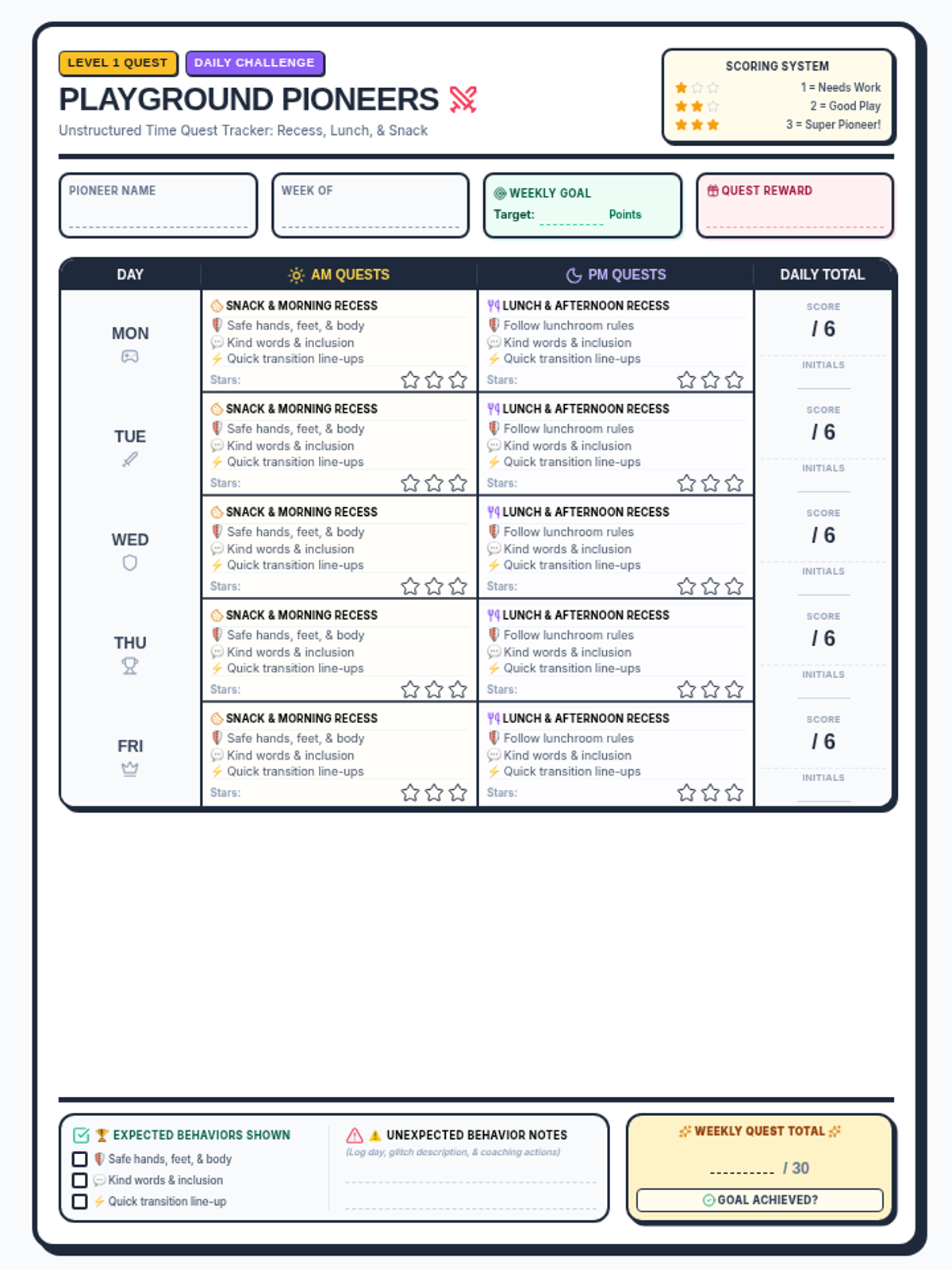
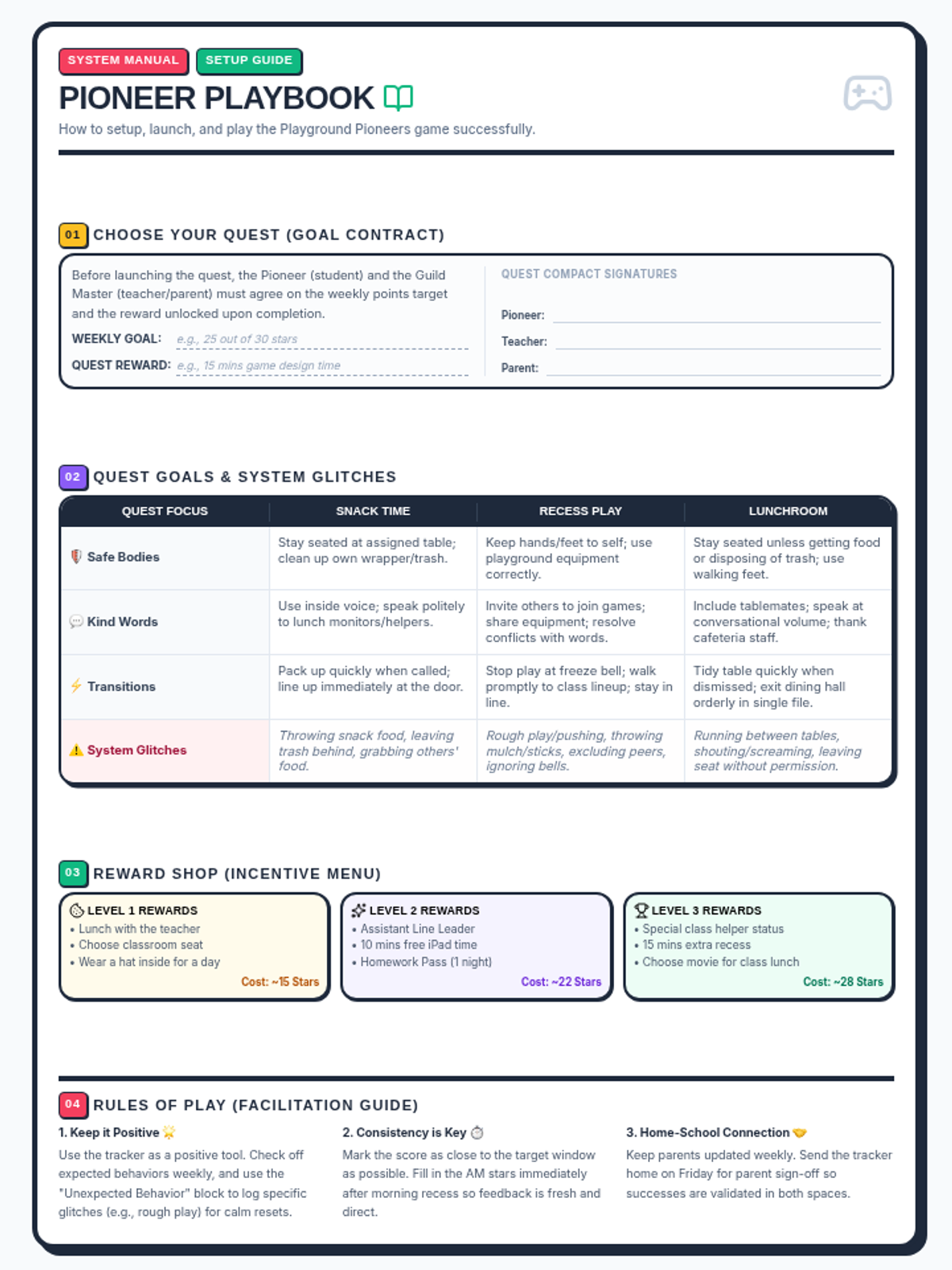
A gamified behavior tracking and support system designed to structure unstructured school times like recess, lunch, and snack. It includes a weekly AM/PM point-tracking chart and a goal-setting setup guide to promote positive peer interactions, safe play, and self-regulation.
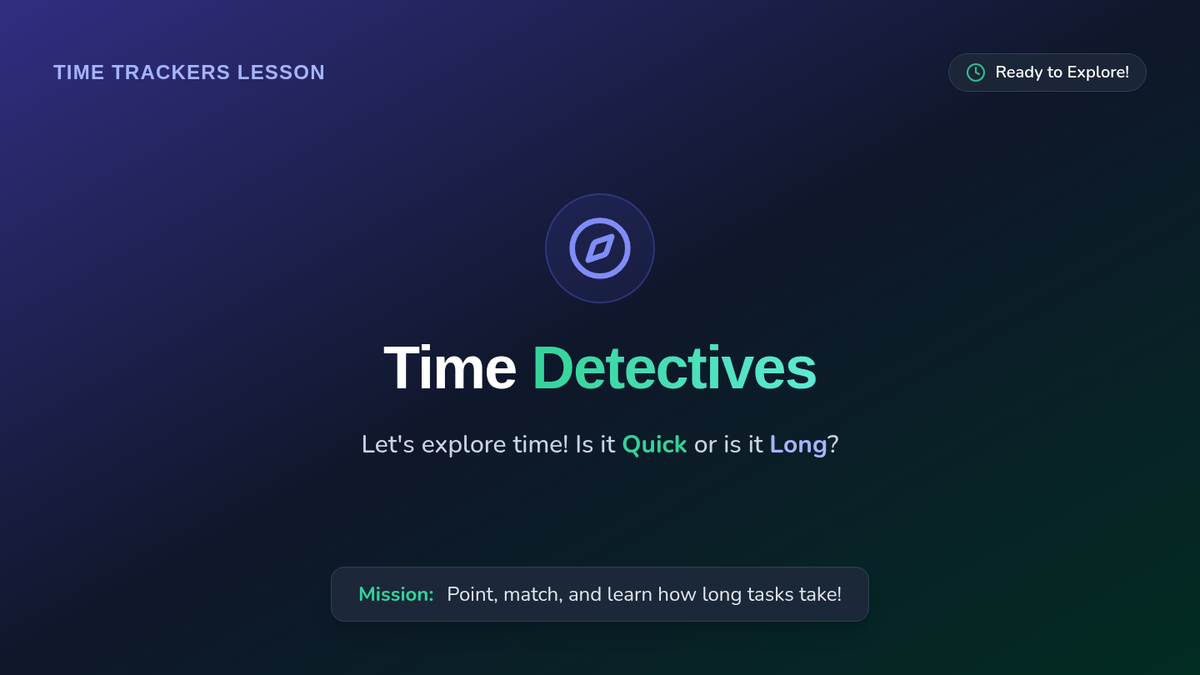
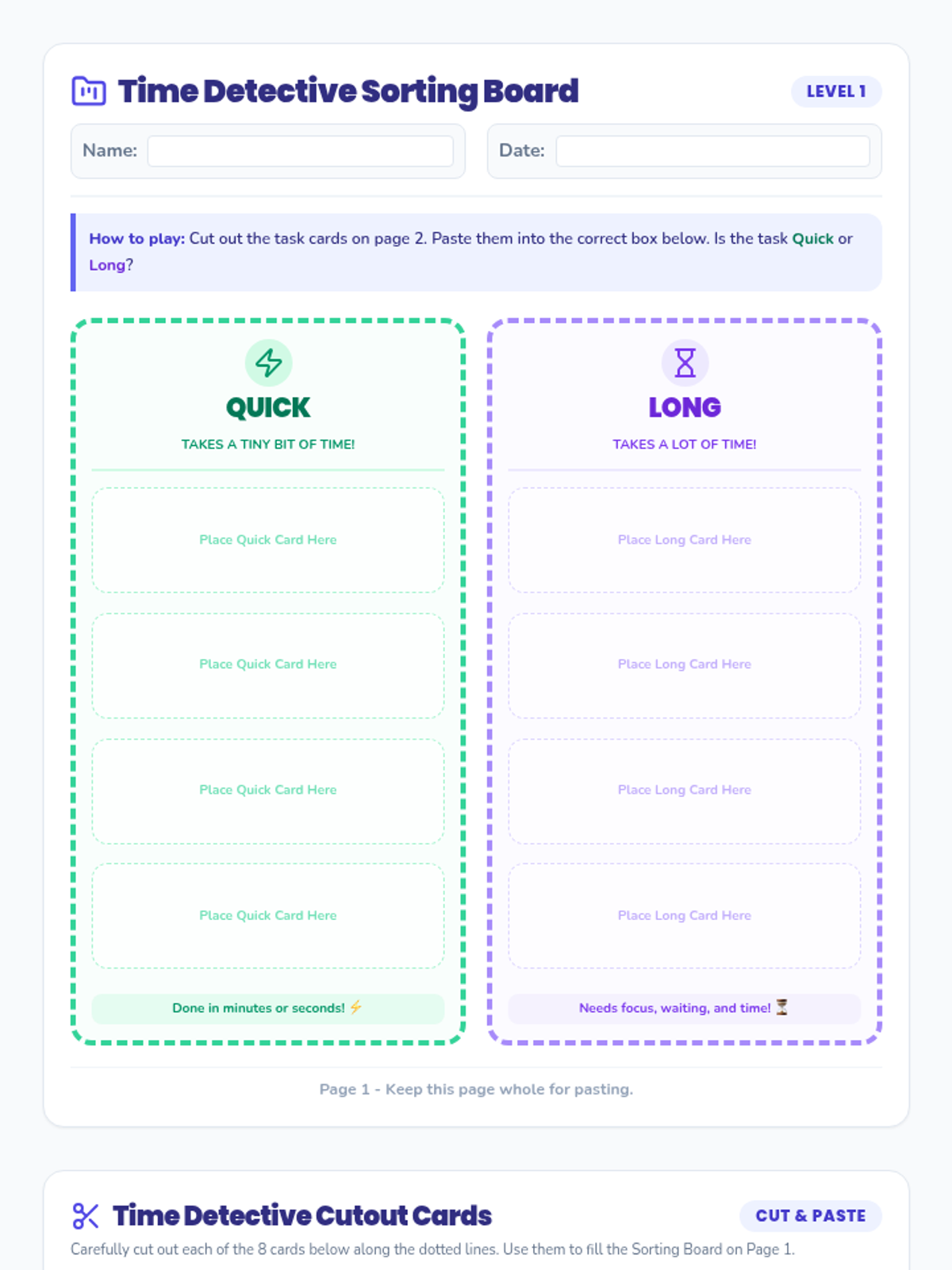
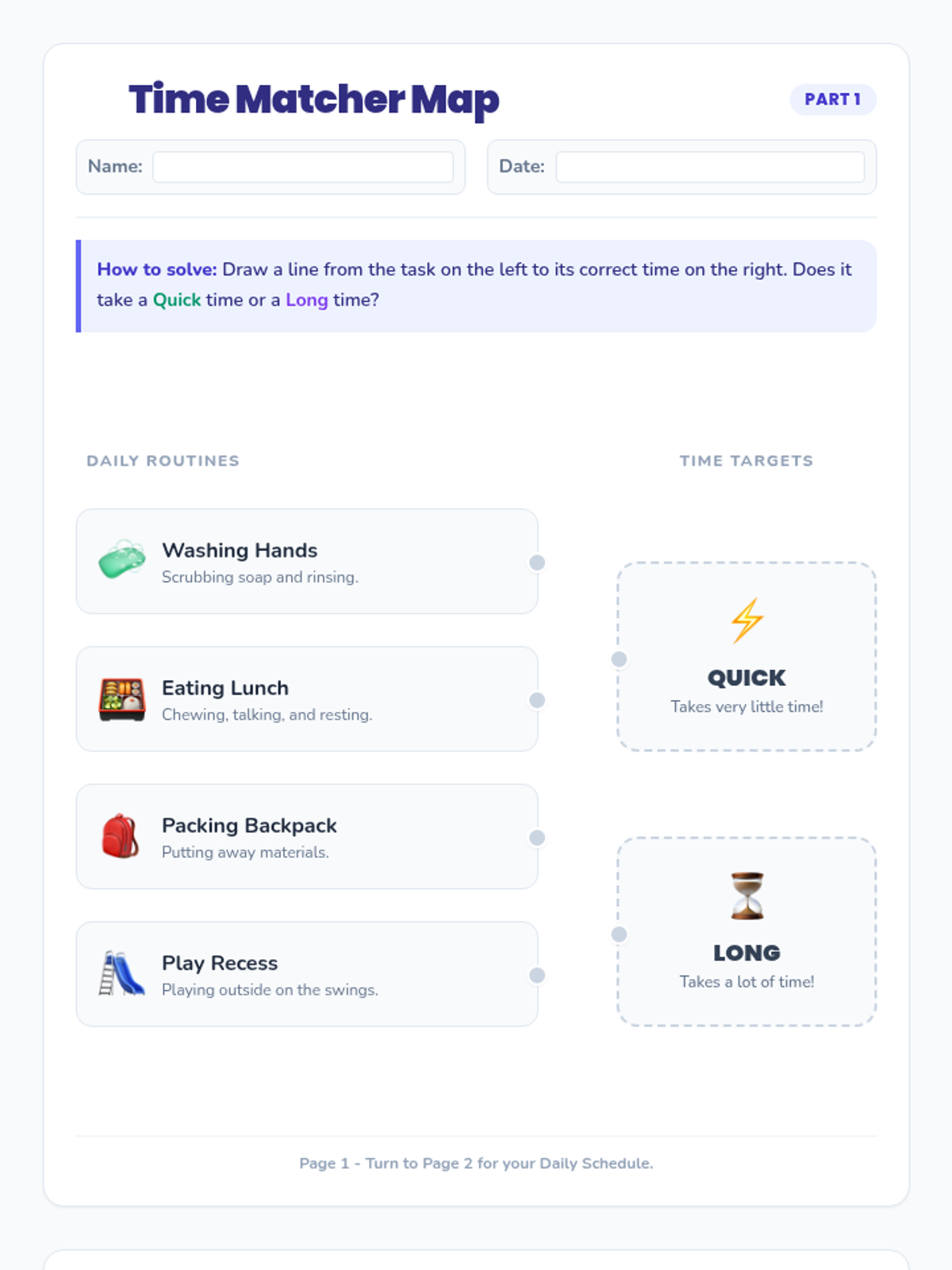
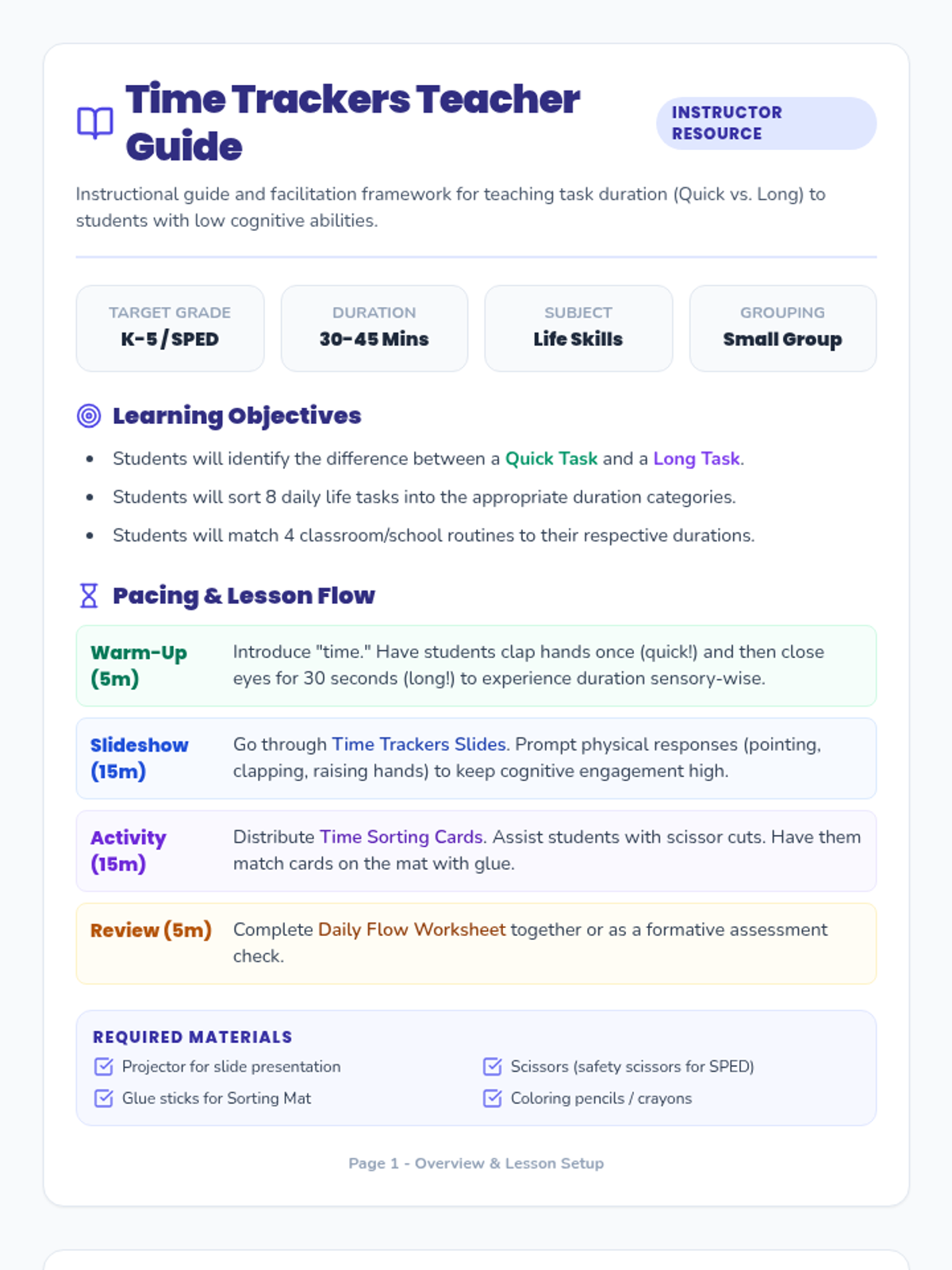
A special education lesson designed to teach students with low cognitive abilities how to estimate and understand task durations (quick vs. long tasks) using highly visual, interactive, and structured activities.
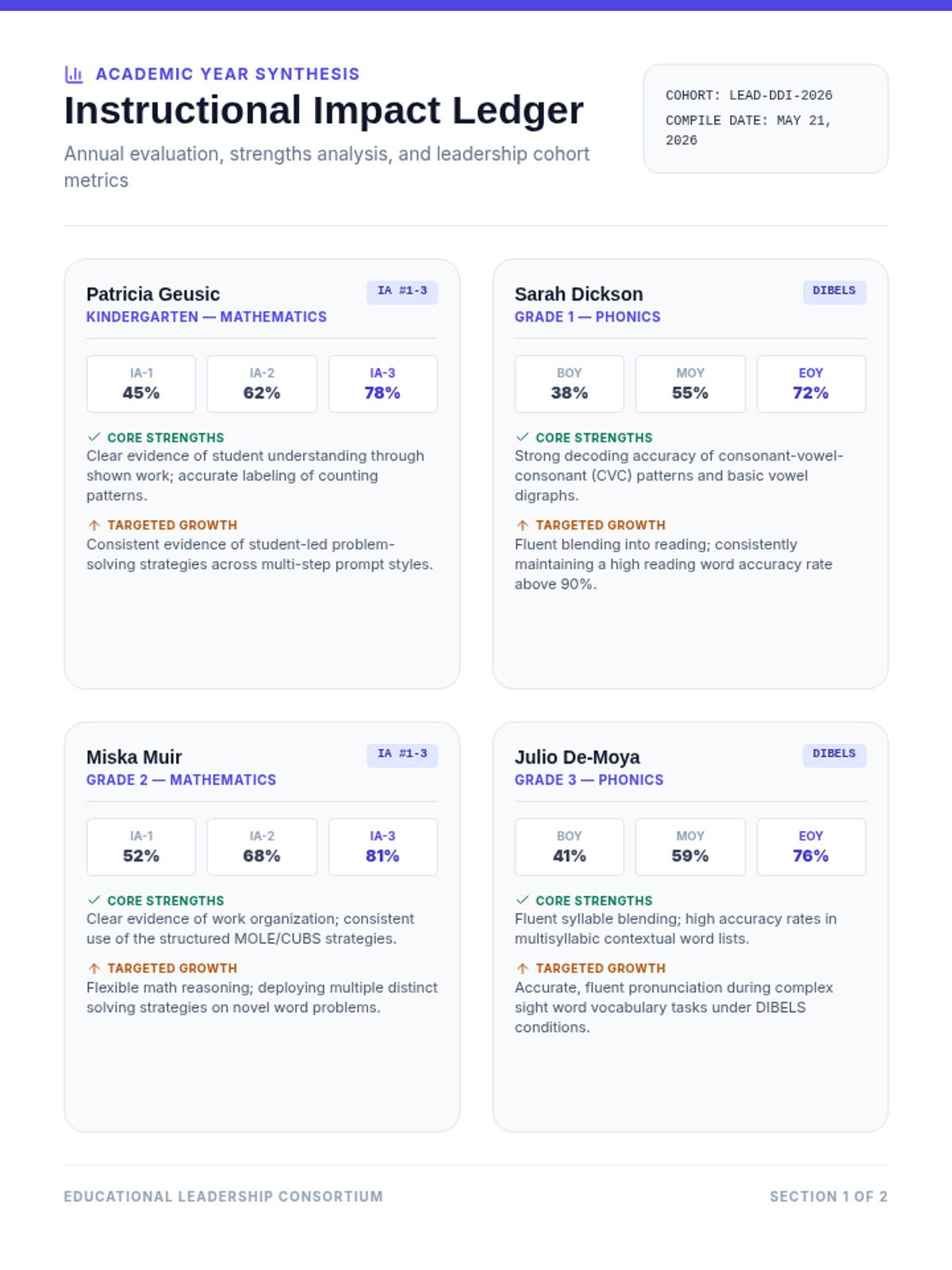
An advanced data reflection and tracking module for educational leaders to systematically assess grade-level performance and plan organizational next steps.
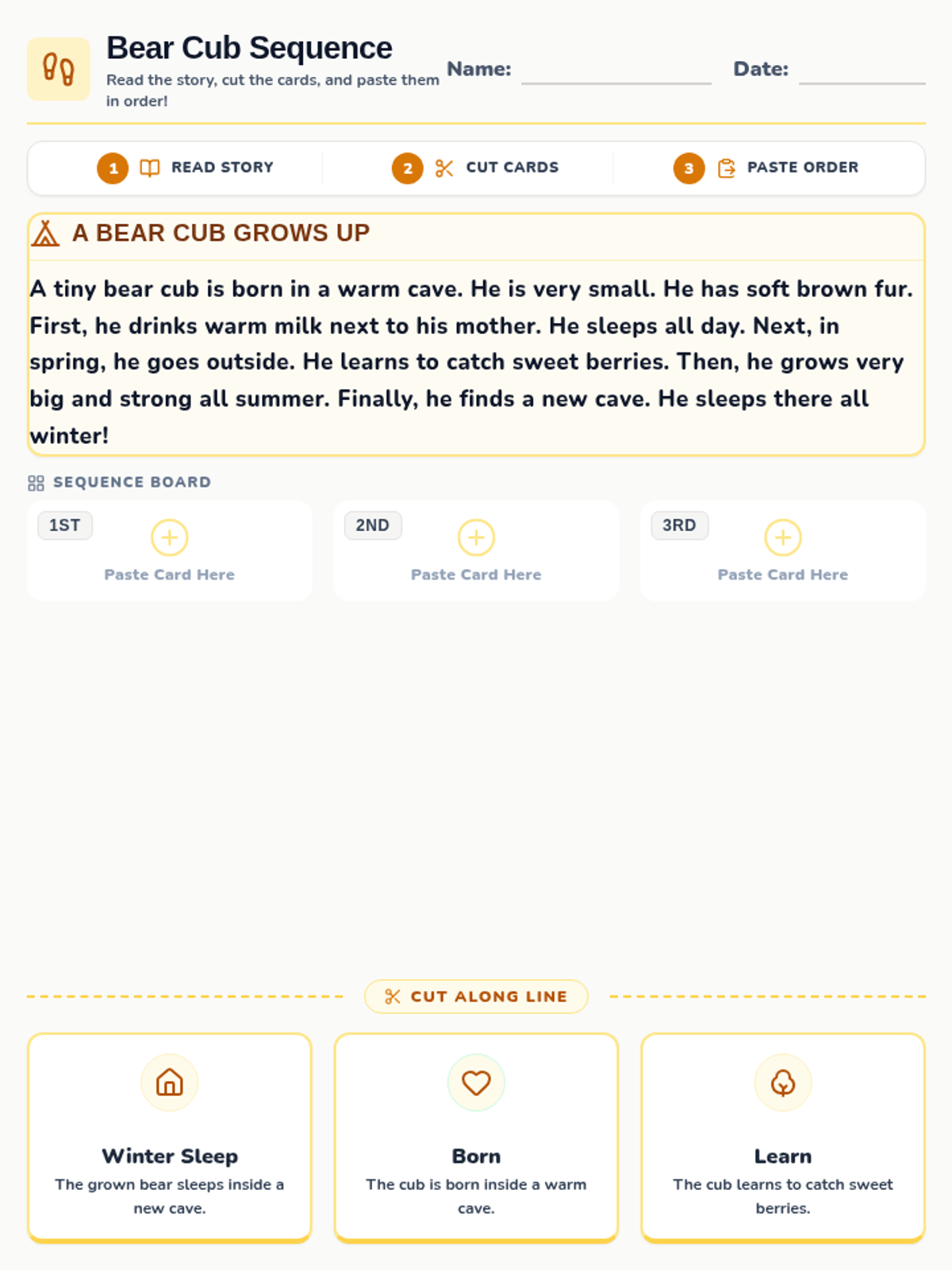
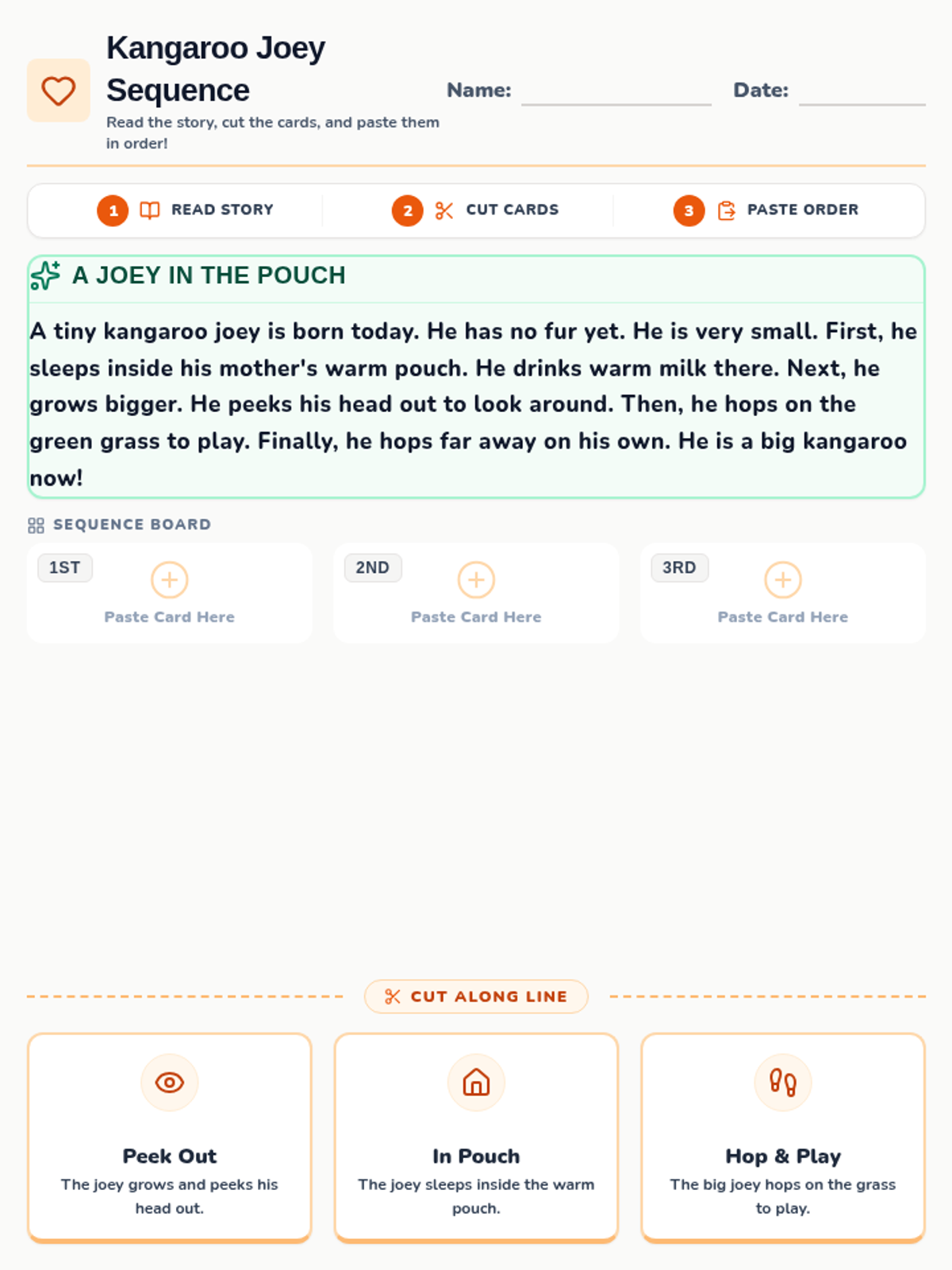
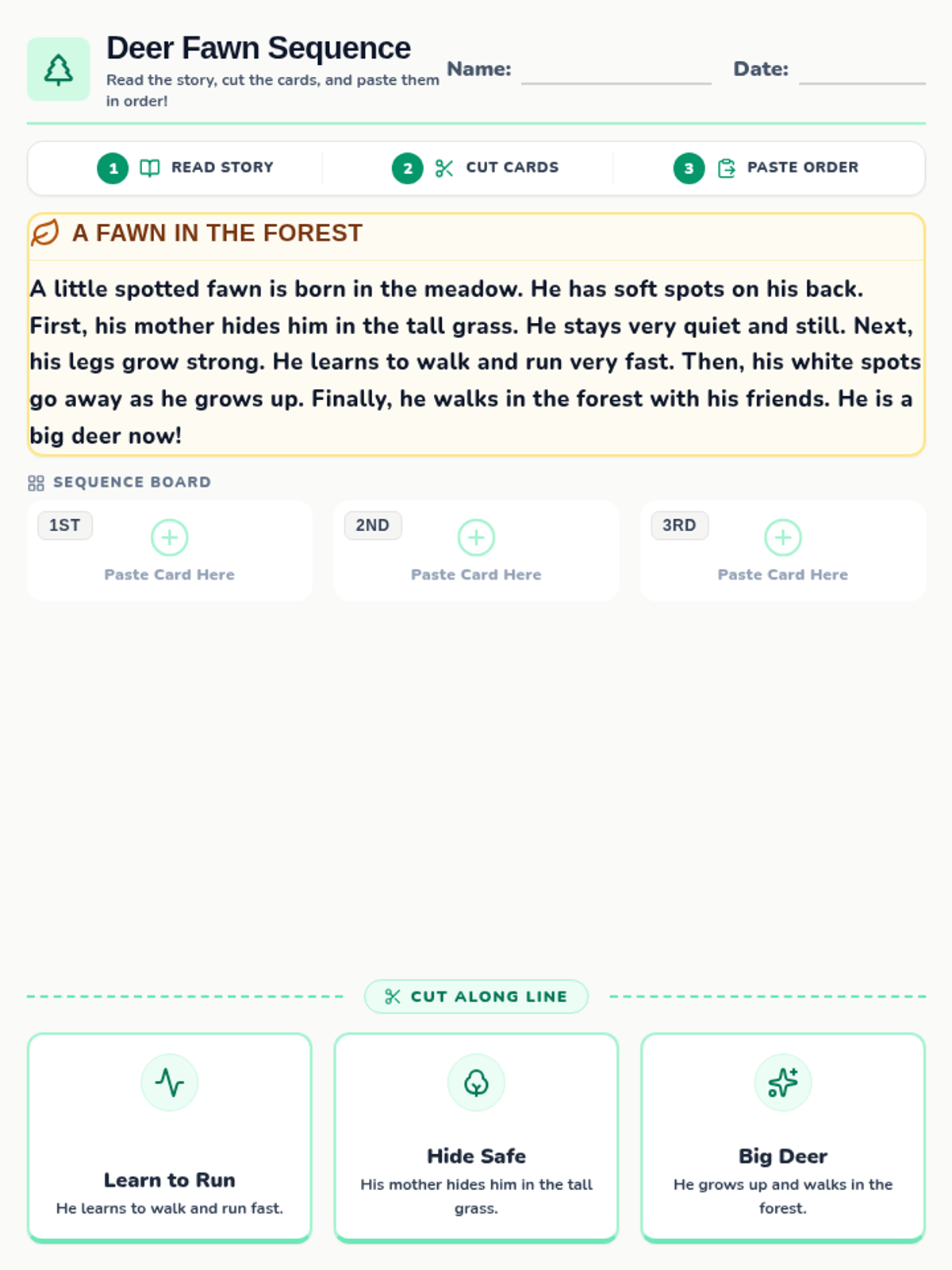
A structured, high-visual lesson designed for students with autism to practice 3-step sequencing using different animal life cycles. Includes printable worksheets with matching card designs.
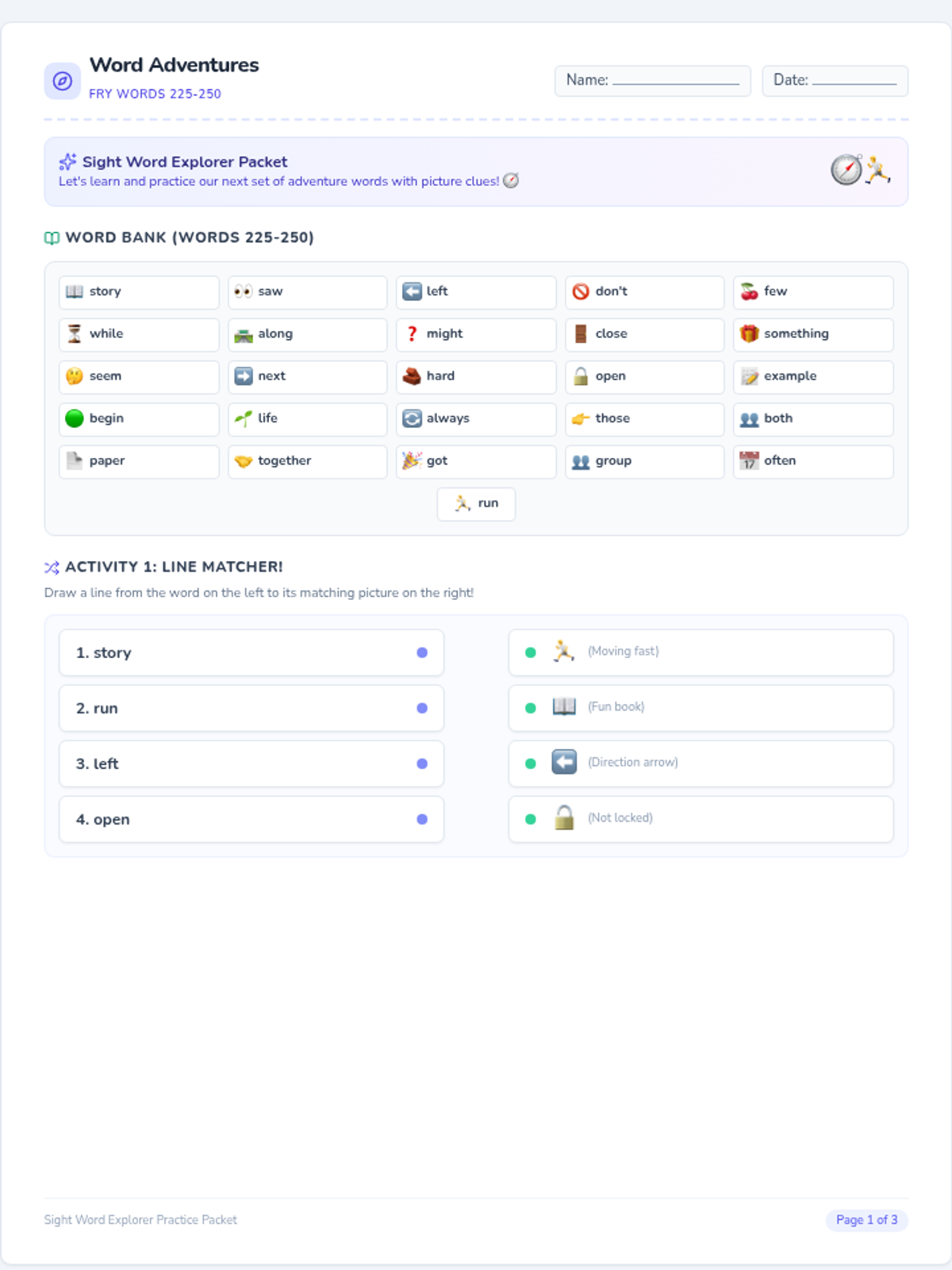
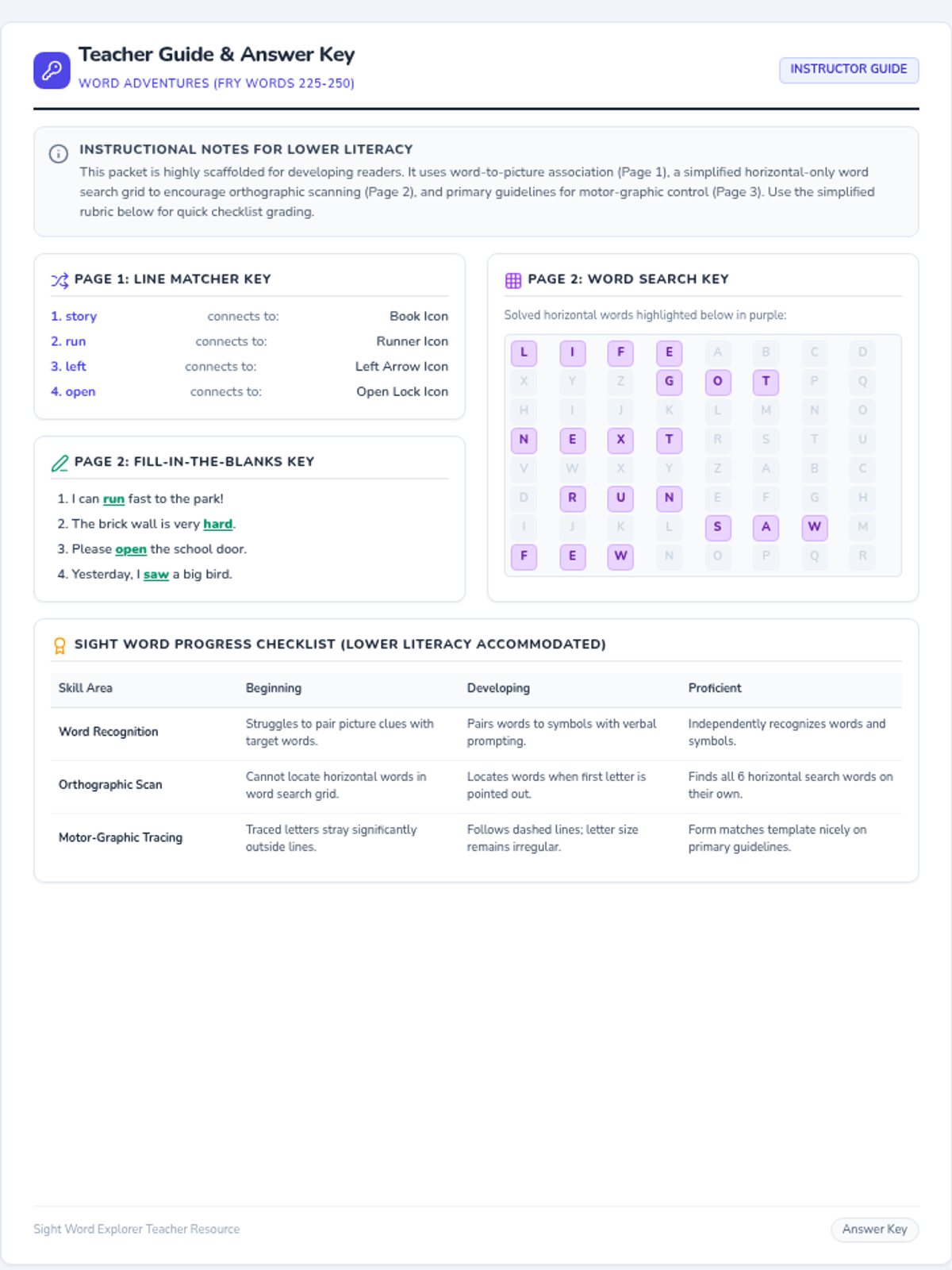
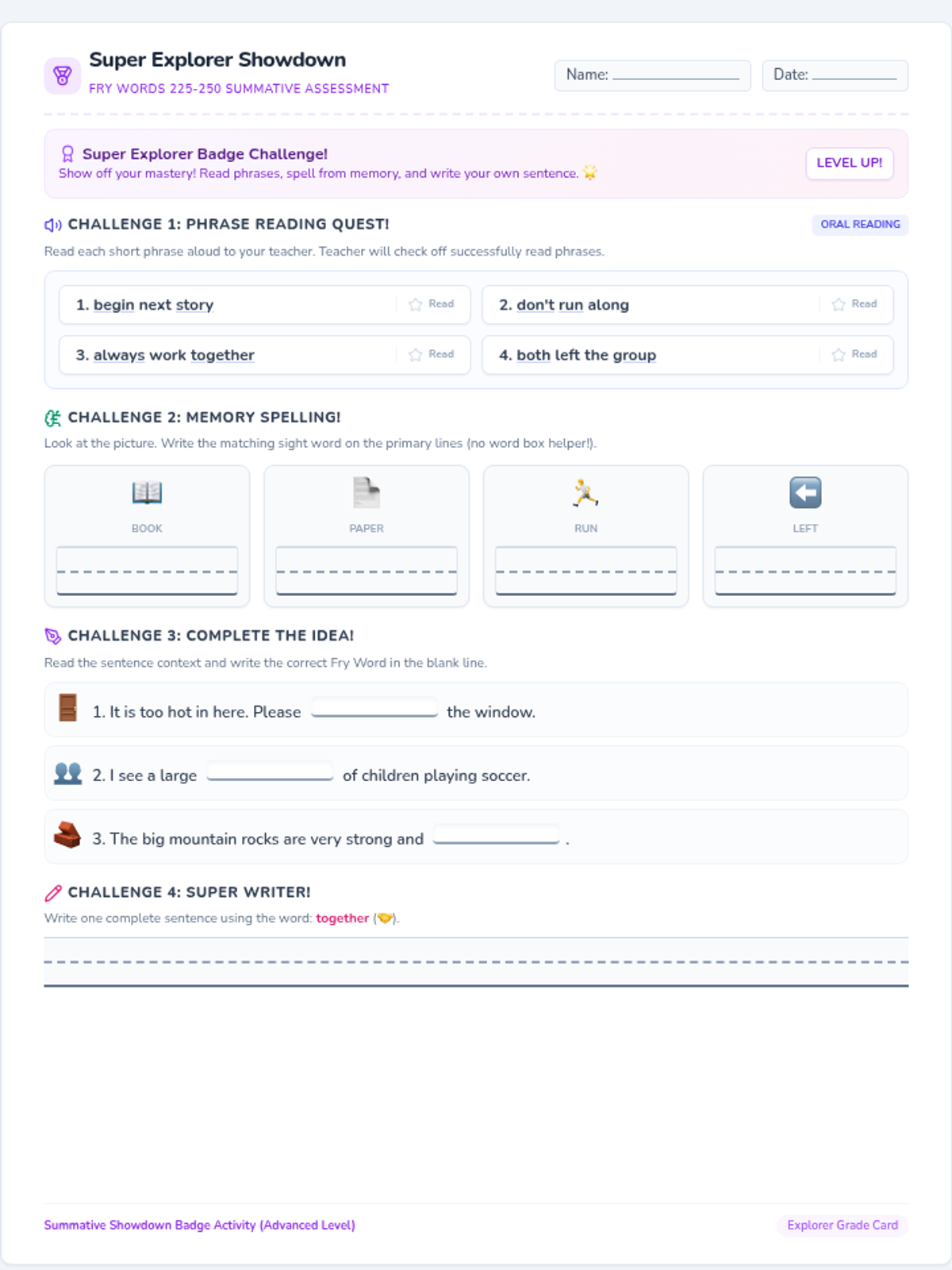
A highly visual and scaffolded sight word lesson focusing on Fry Words 225-250. Includes a multi-page student practice packet with picture clues and a complete teacher answer key and assessment guide.
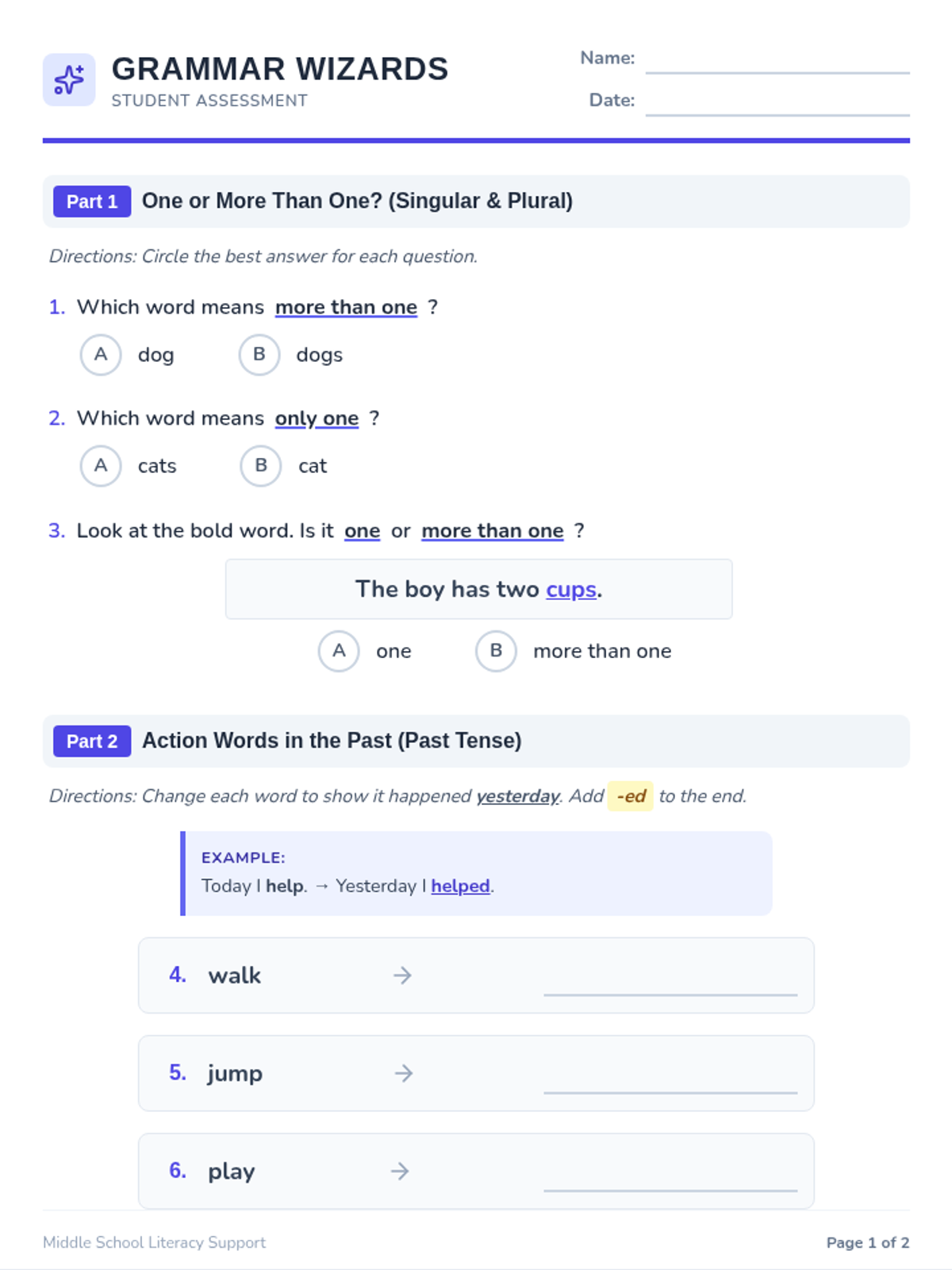
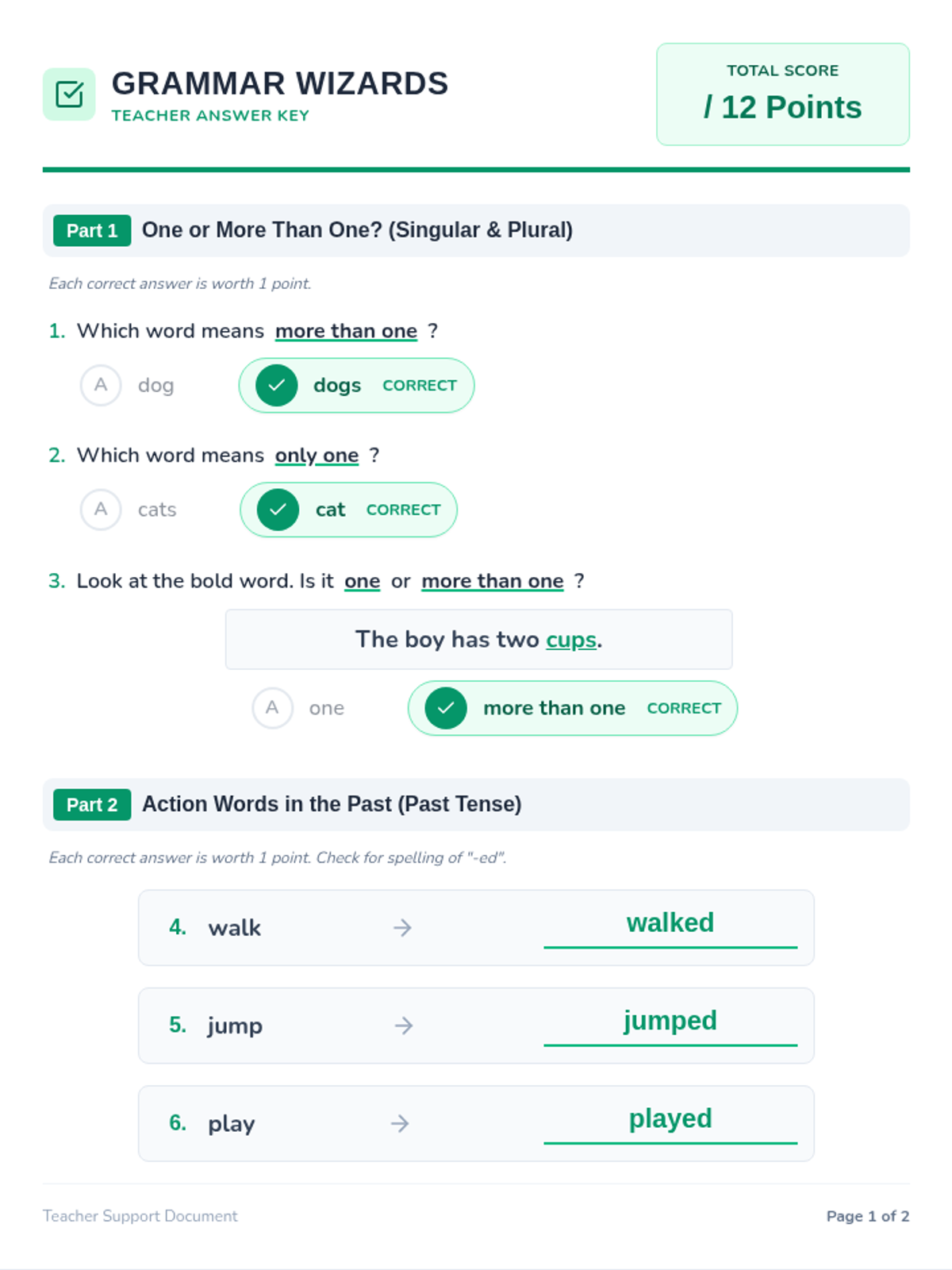
A grammar assessment designed for middle school students in a self-contained classroom reading at a first-grade level. The quiz covers past-tense verbs, common/proper nouns, singular/plural nouns, and identifying parts of speech (noun, verb, adjective) in simple context, complete with a teacher answer key.
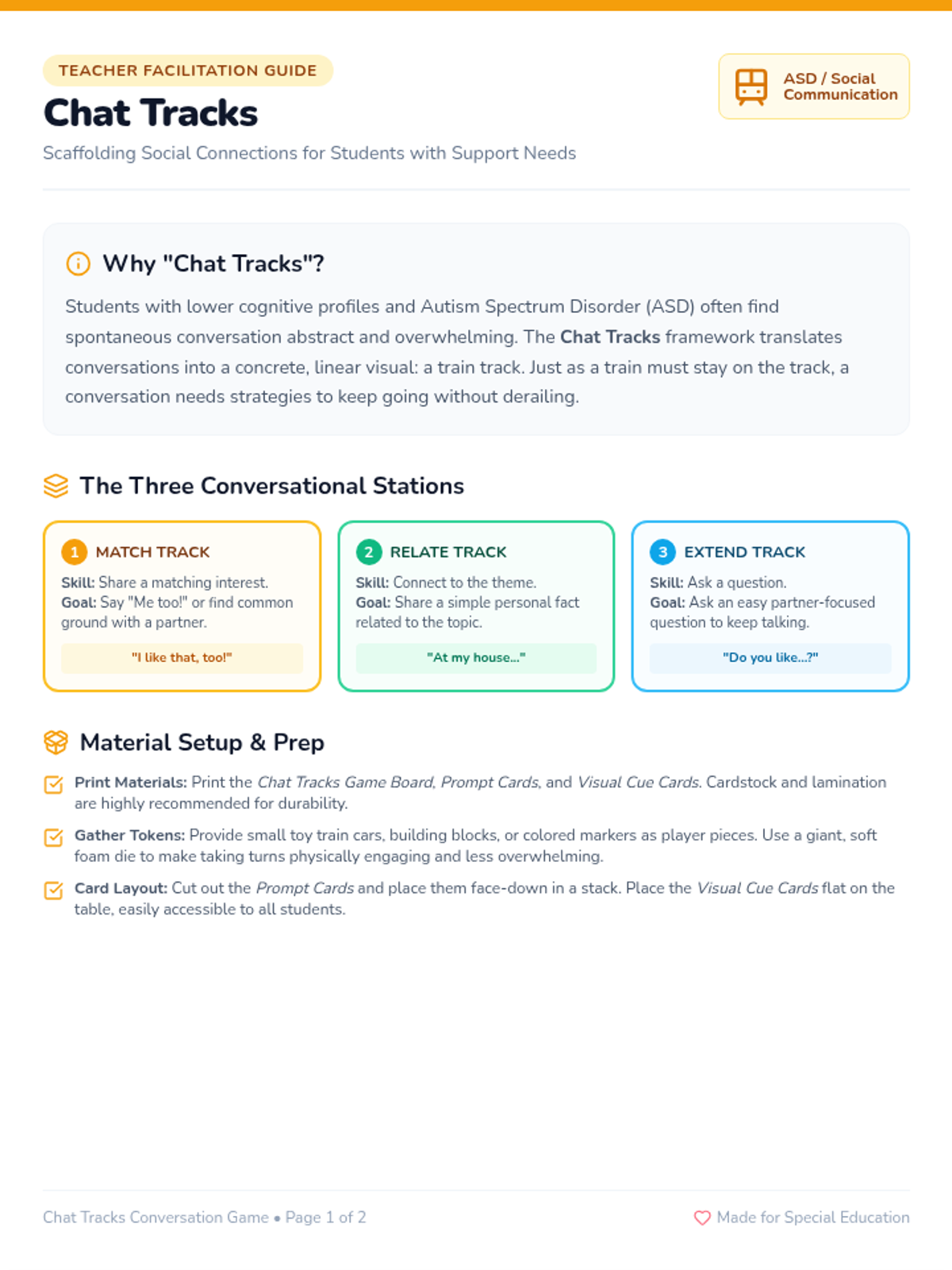
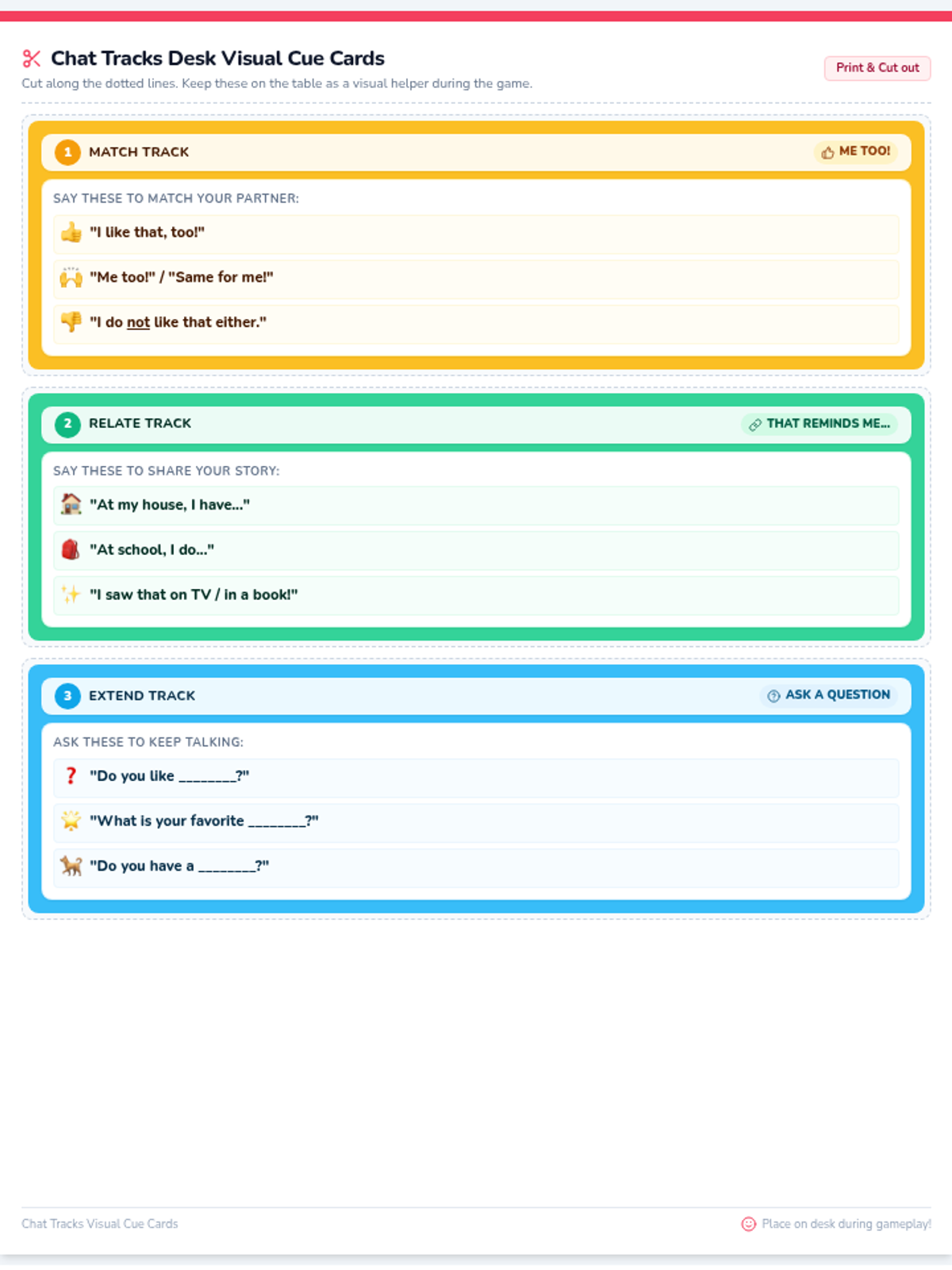
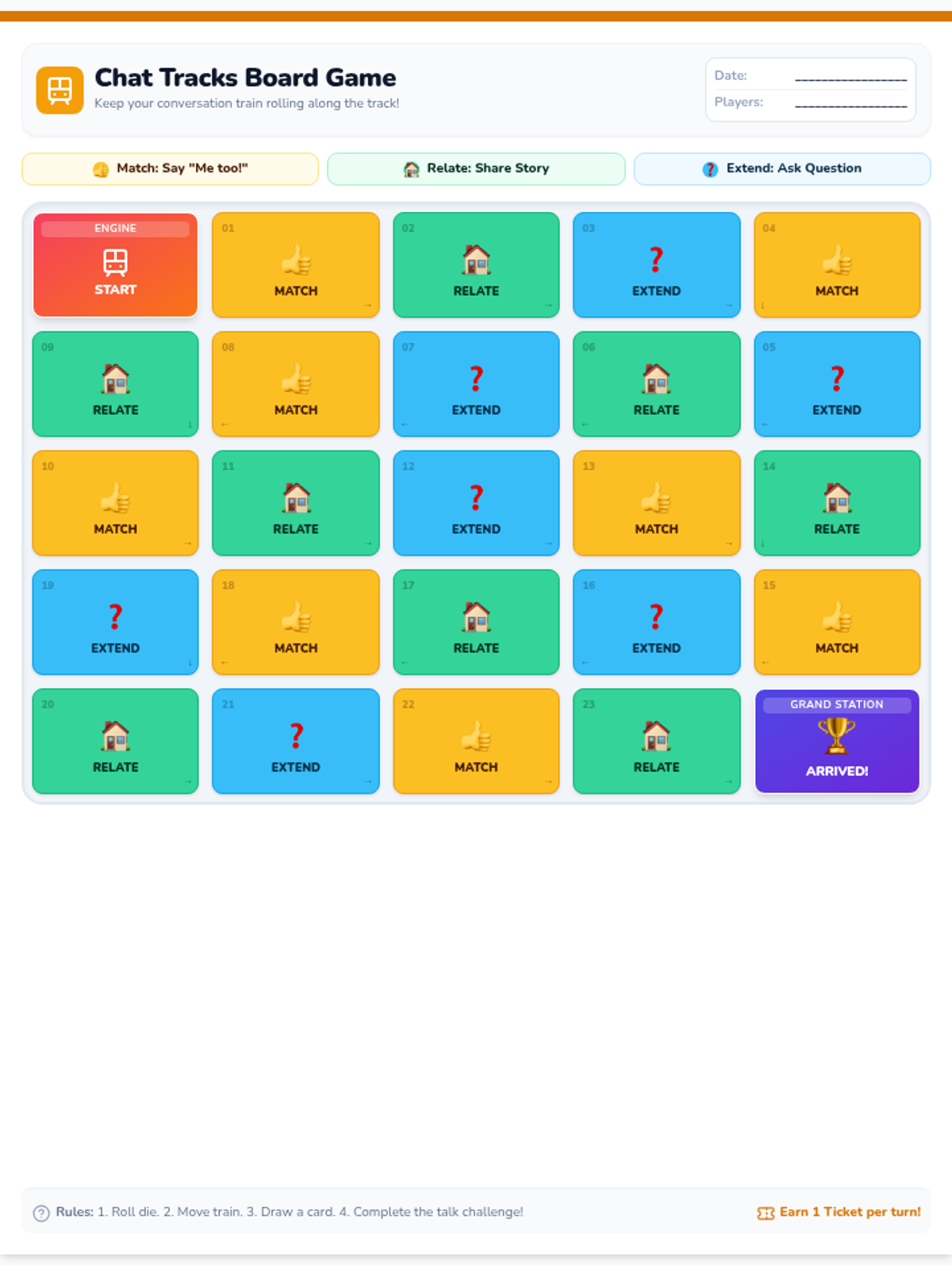
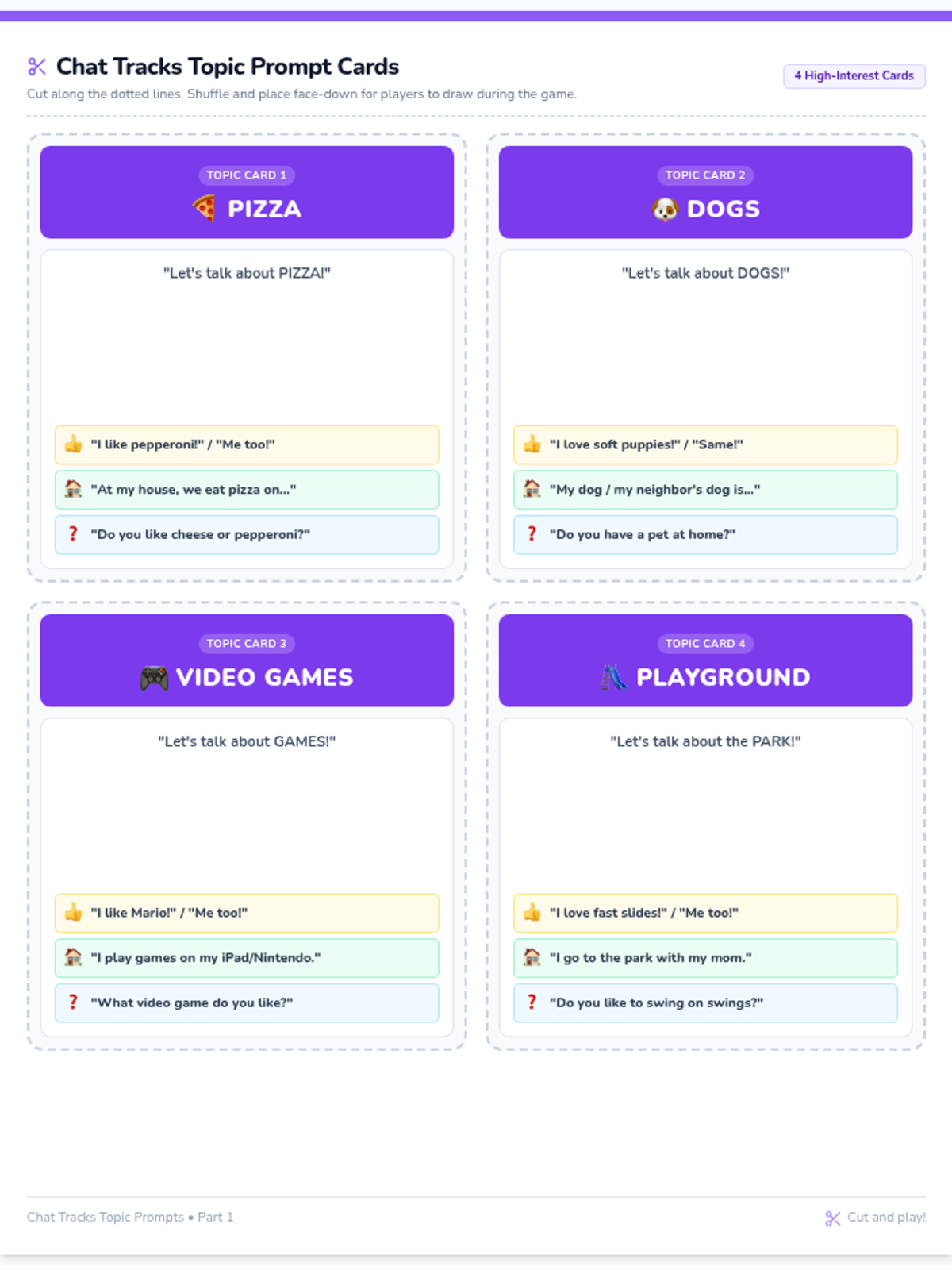
A structured, visual-first conversational game designed for speech therapists, special education teachers, and paraprofessionals to support low-cognitive students with Autism Spectrum Disorder (ASD). The lesson uses a concrete train-track motif to scaffold three essential conversational skills: sharing matching interests, relating to topics, and extending dialogue.
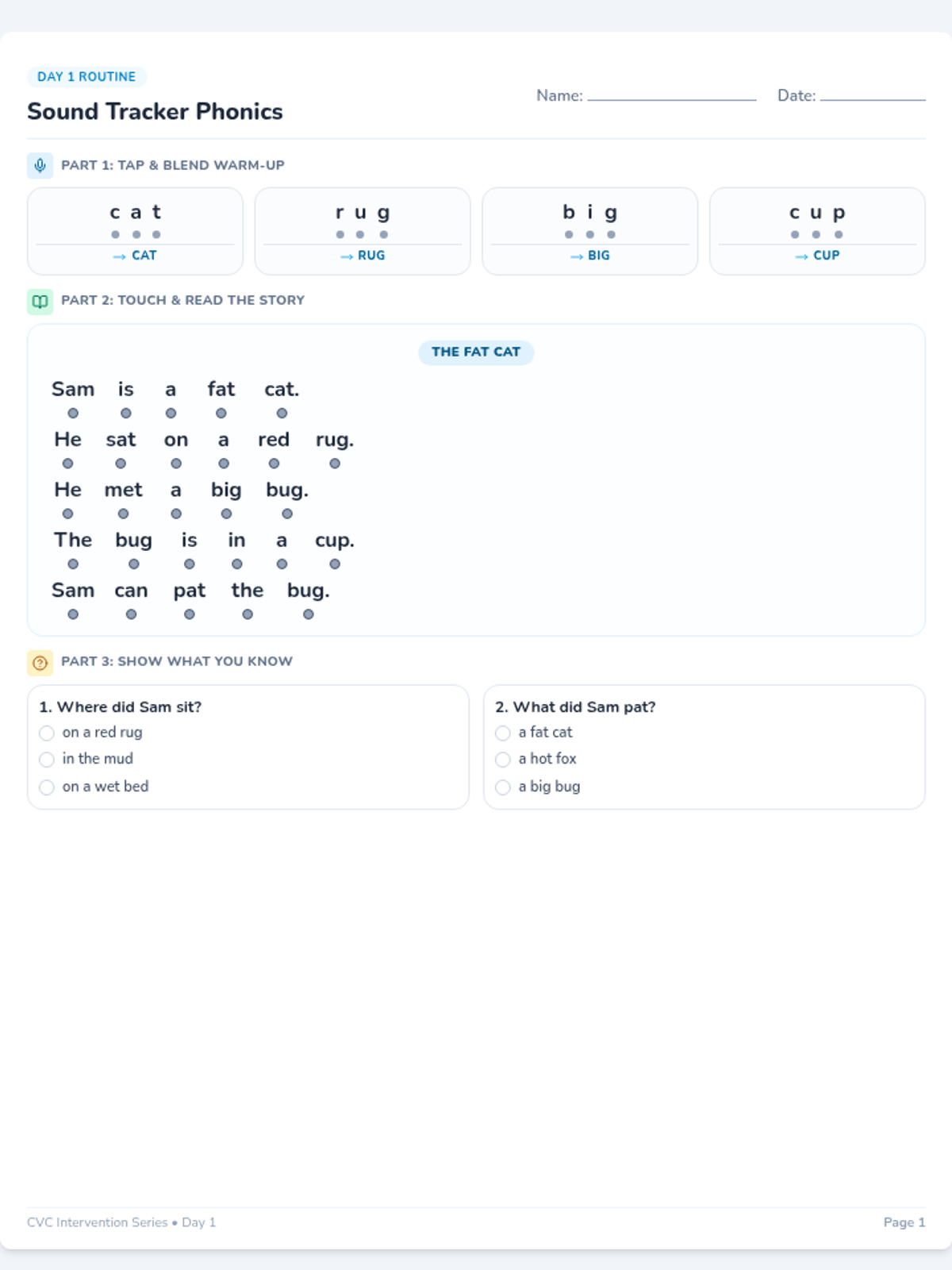
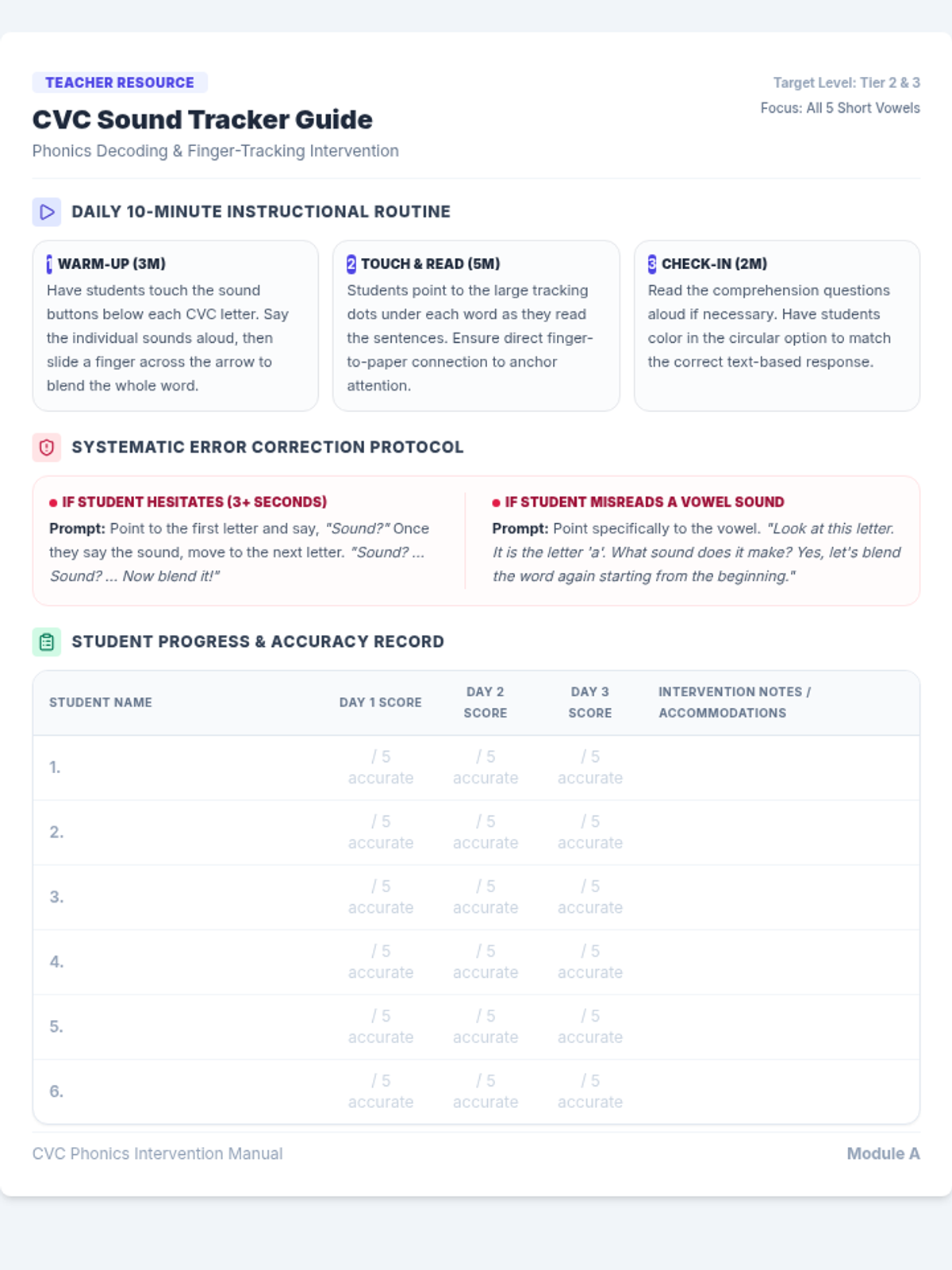
A comprehensive mixed-CVC decoding intervention sequence targeting all five short vowel sounds. Includes student-facing tracking worksheets and a detailed teacher facilitation guide with error correction routines and a progress tracking rubric.
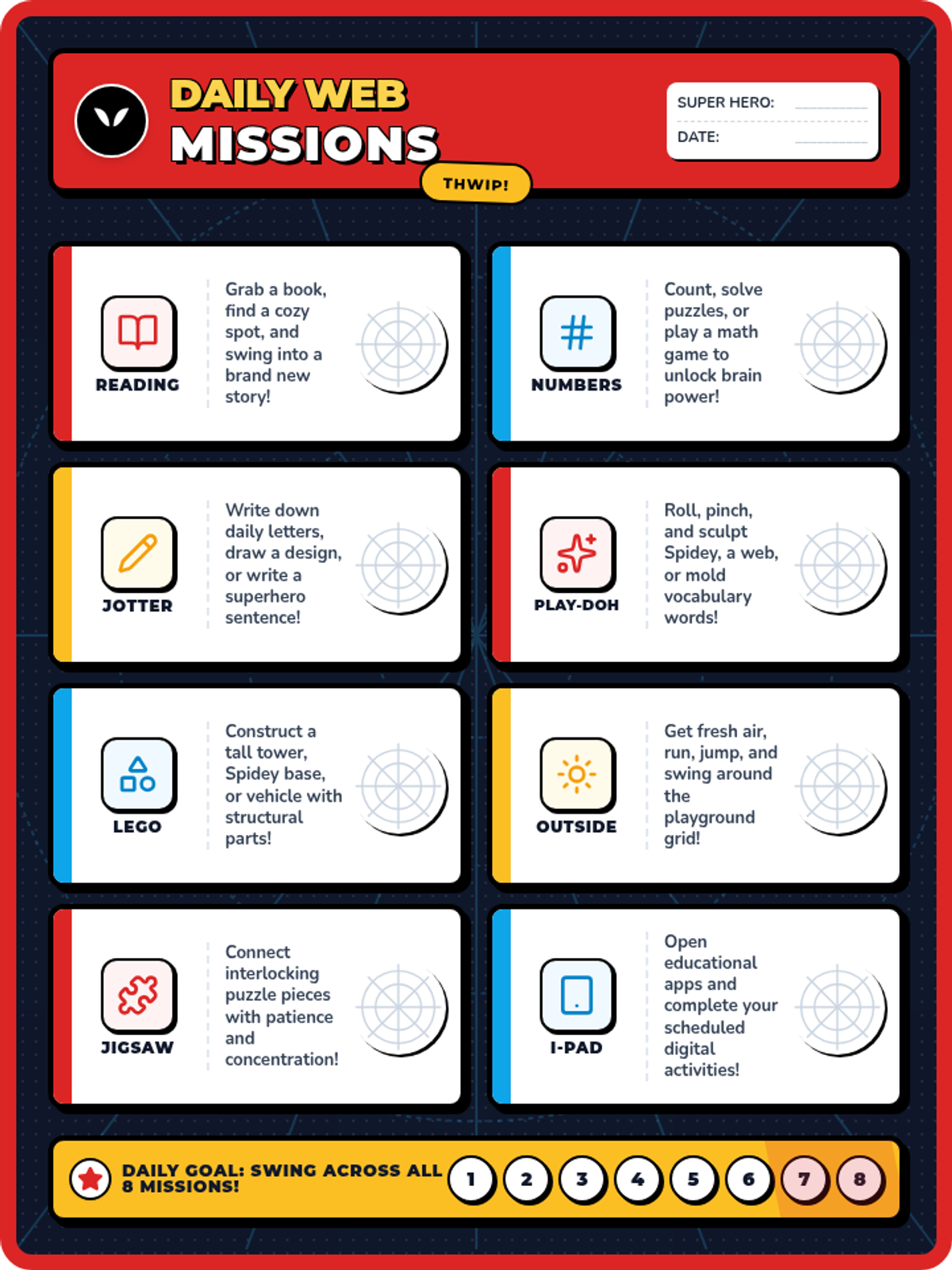
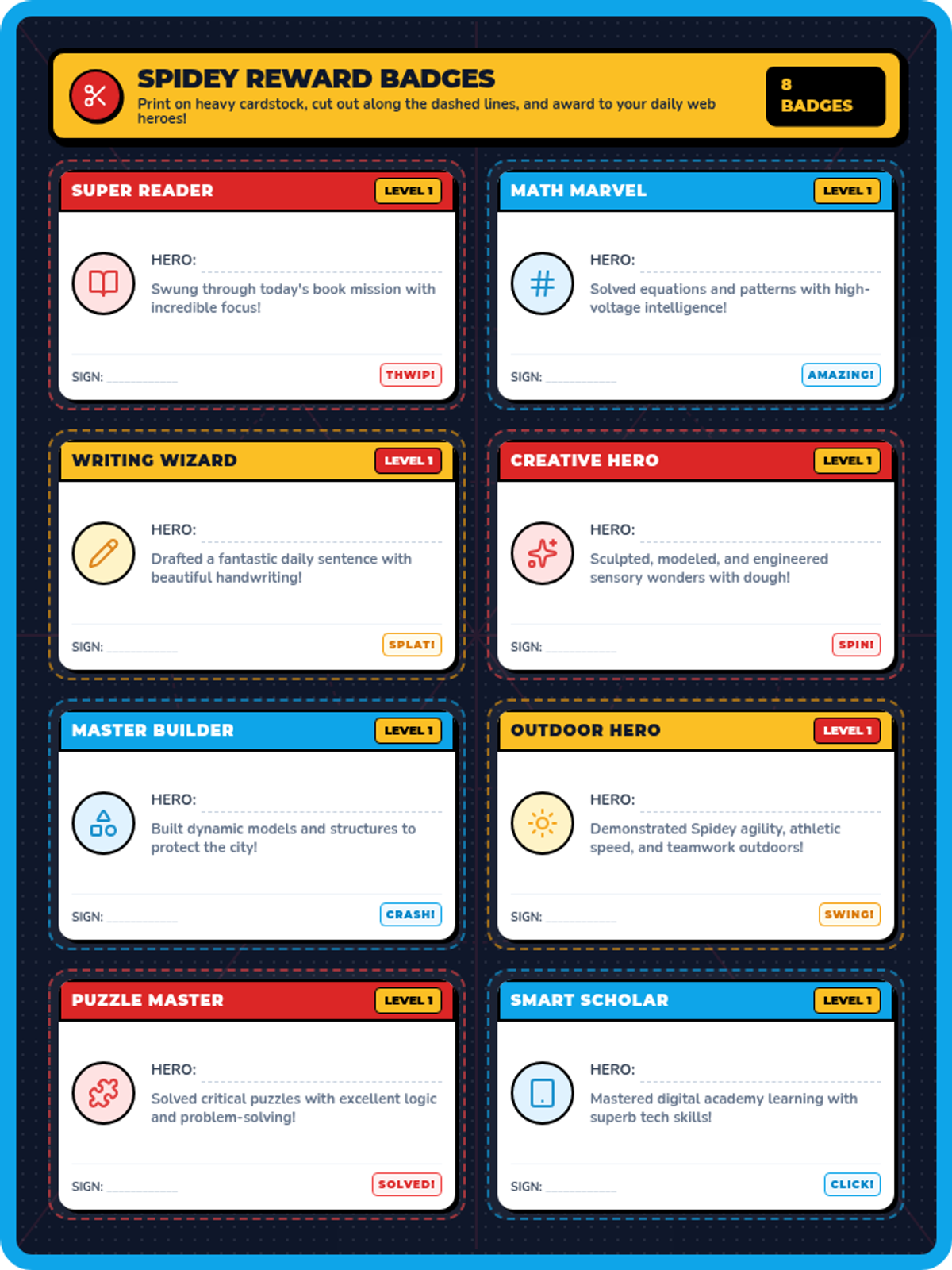
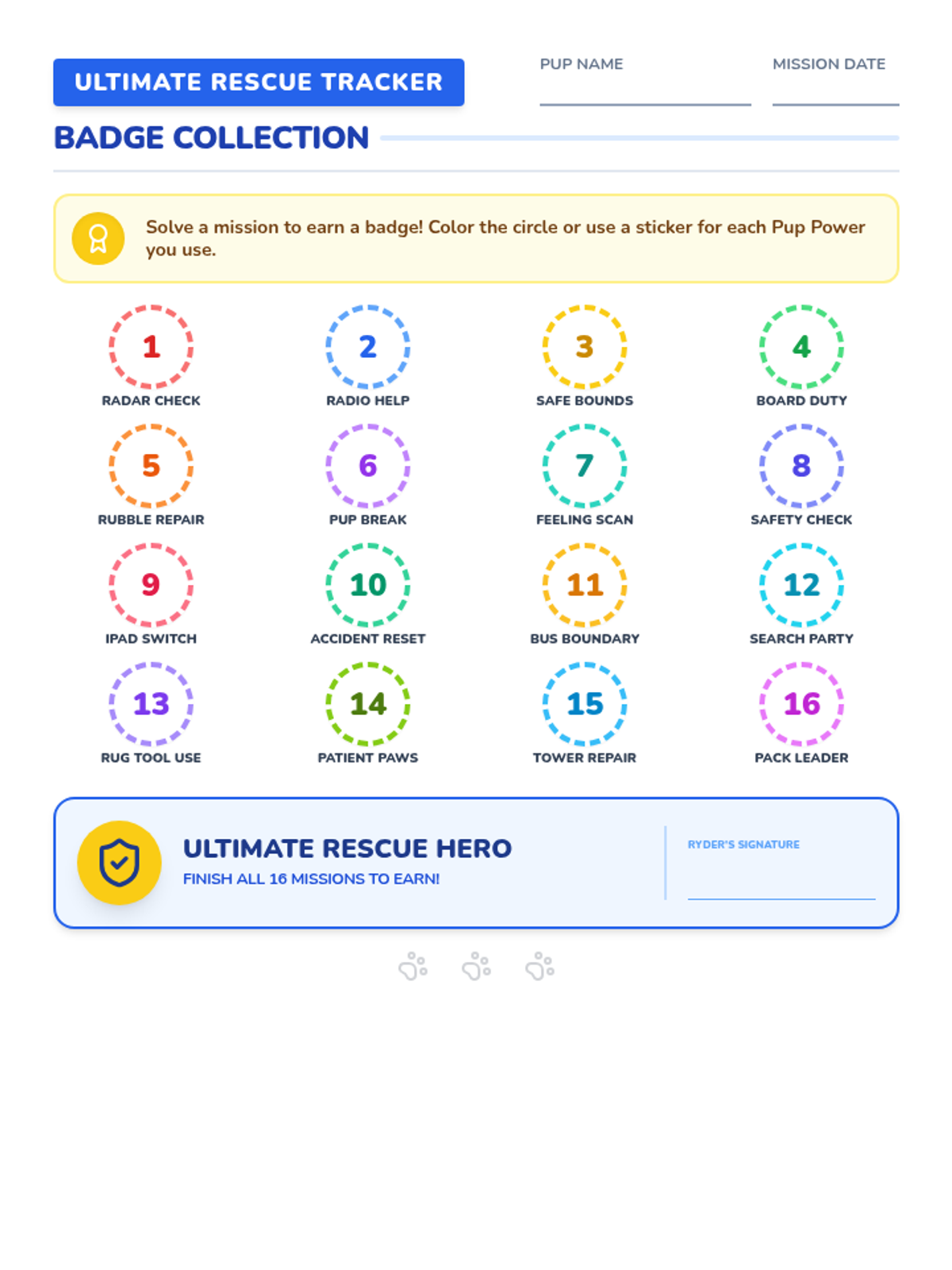
A structured classroom routine lesson featuring a Spider-Man themed tracking board and matching printable reward badges designed to motivate daily task completion.
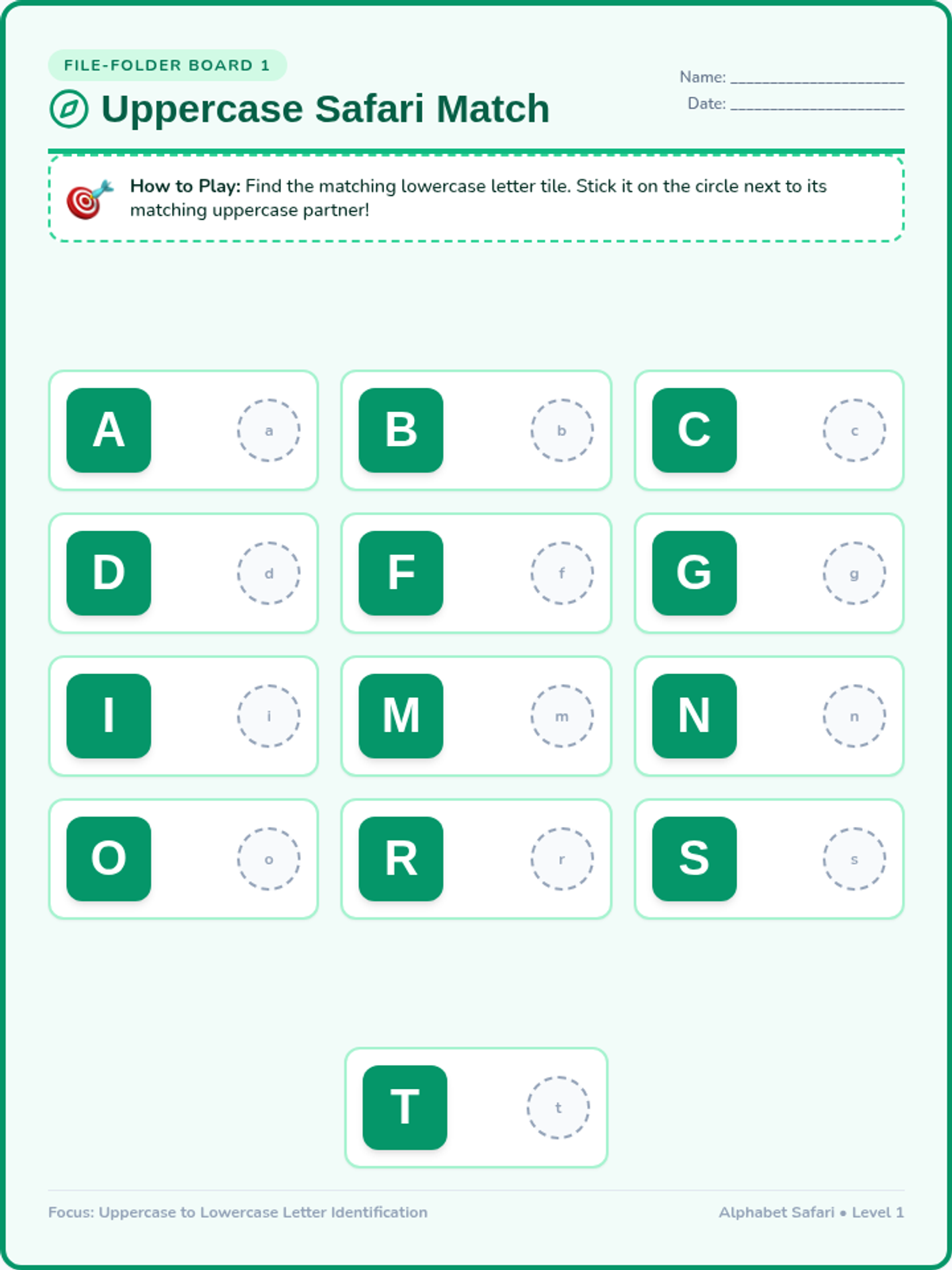
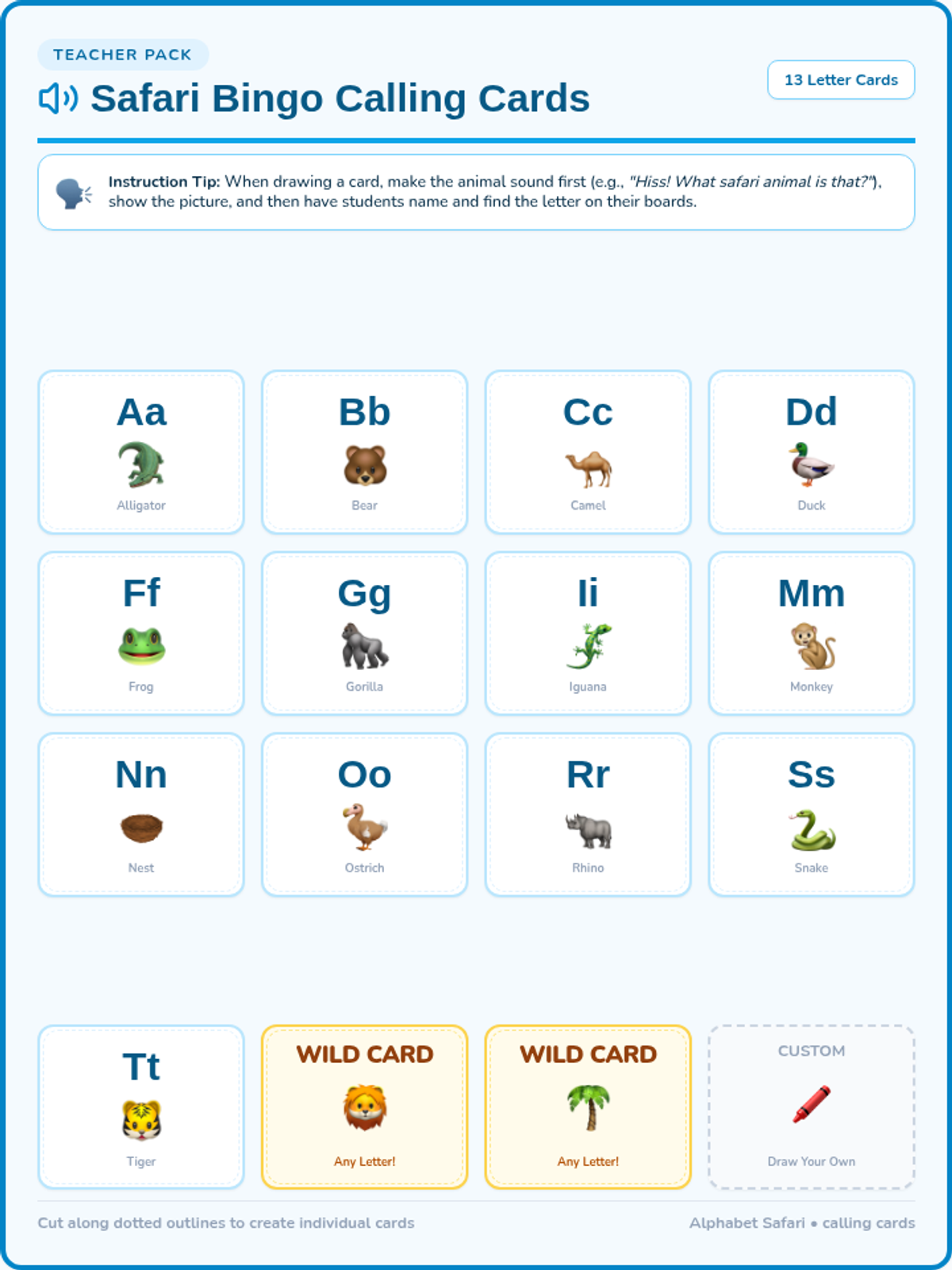
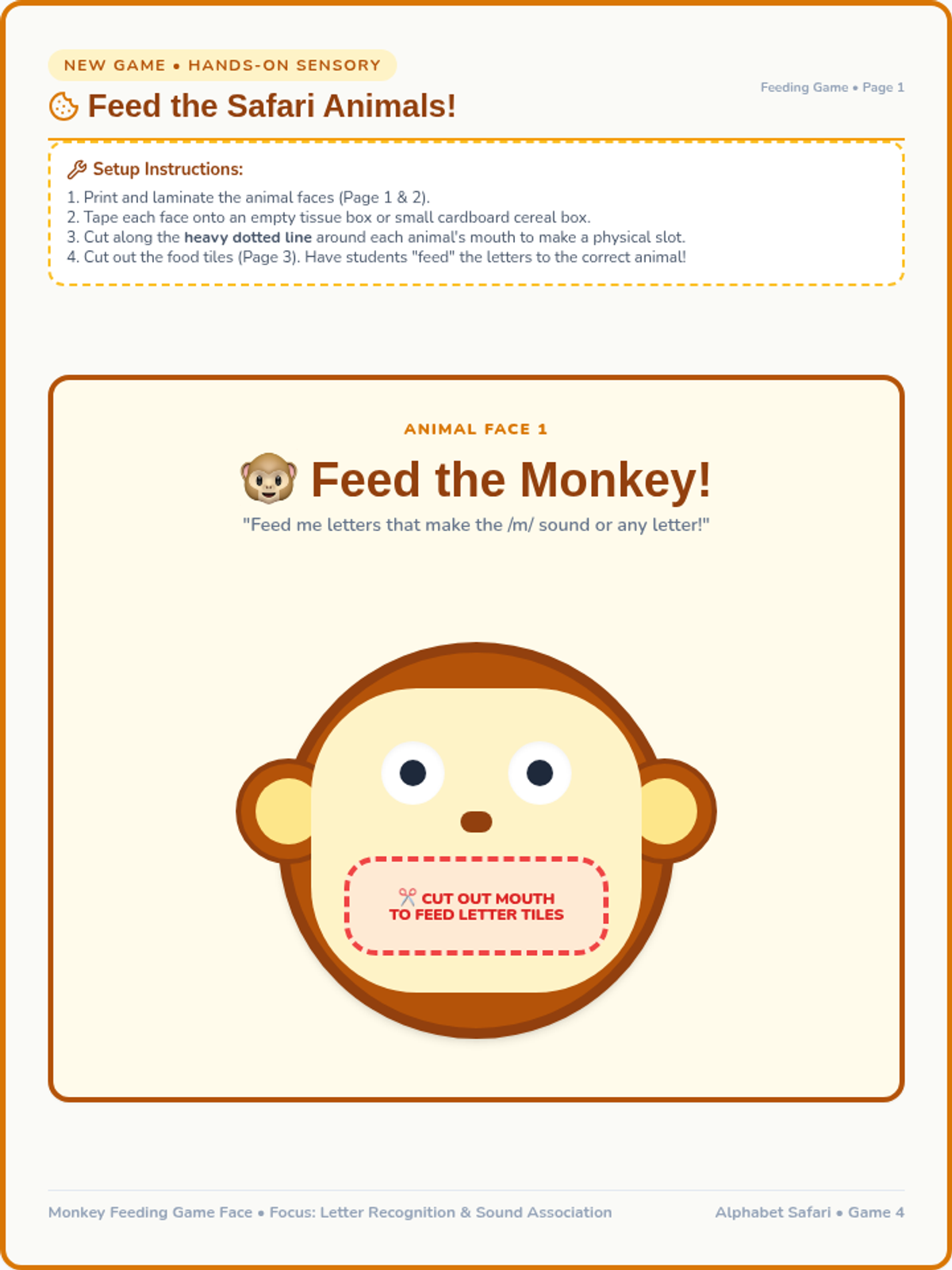
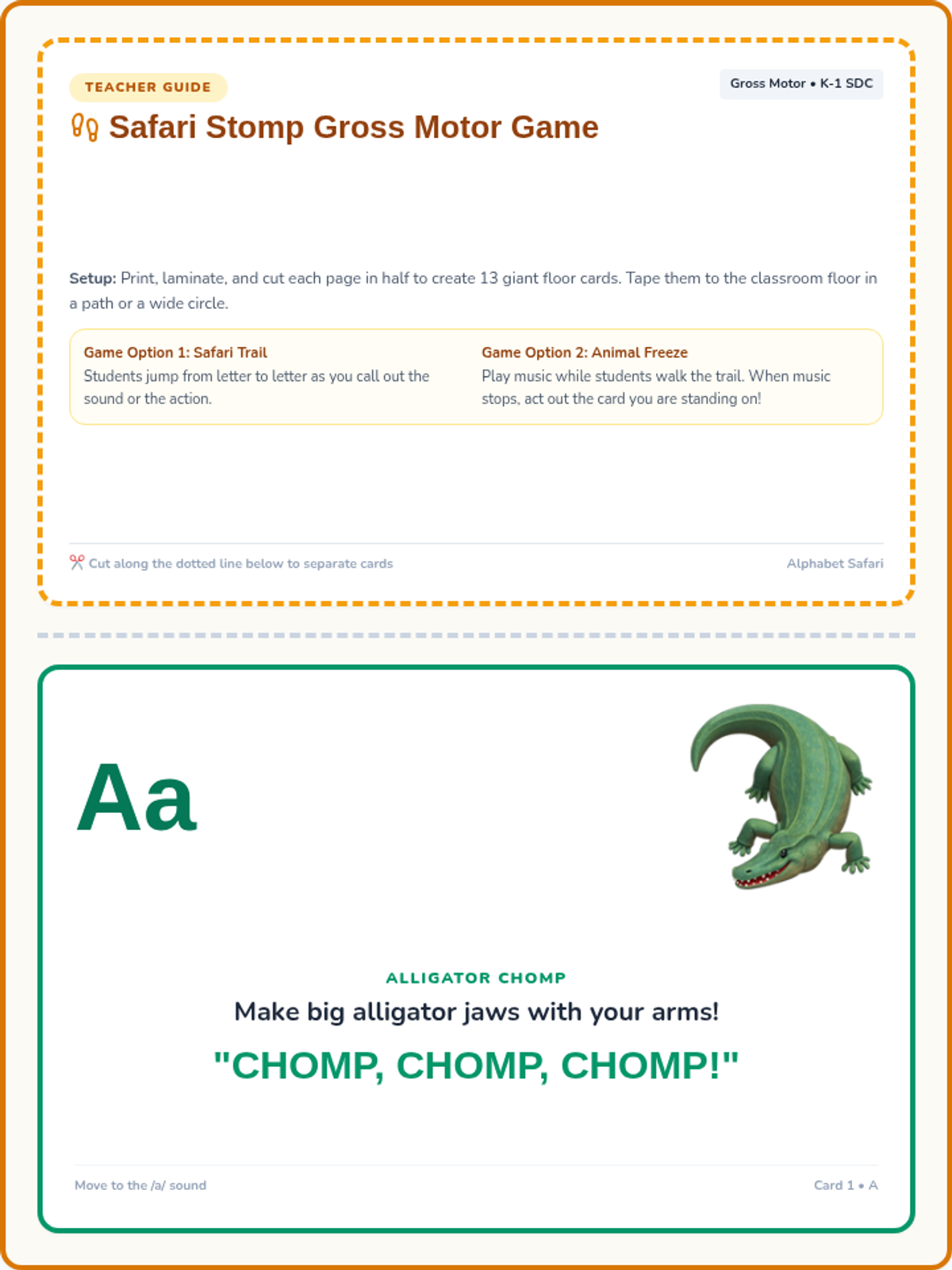
A multi-sensory letter review suite designed specifically for Kindergarten and 1st Grade SDC students, featuring hands-on, highly visual, and movement-based games to master the letters A, B, C, D, F, G, I, M, N, O, R, S, and T.
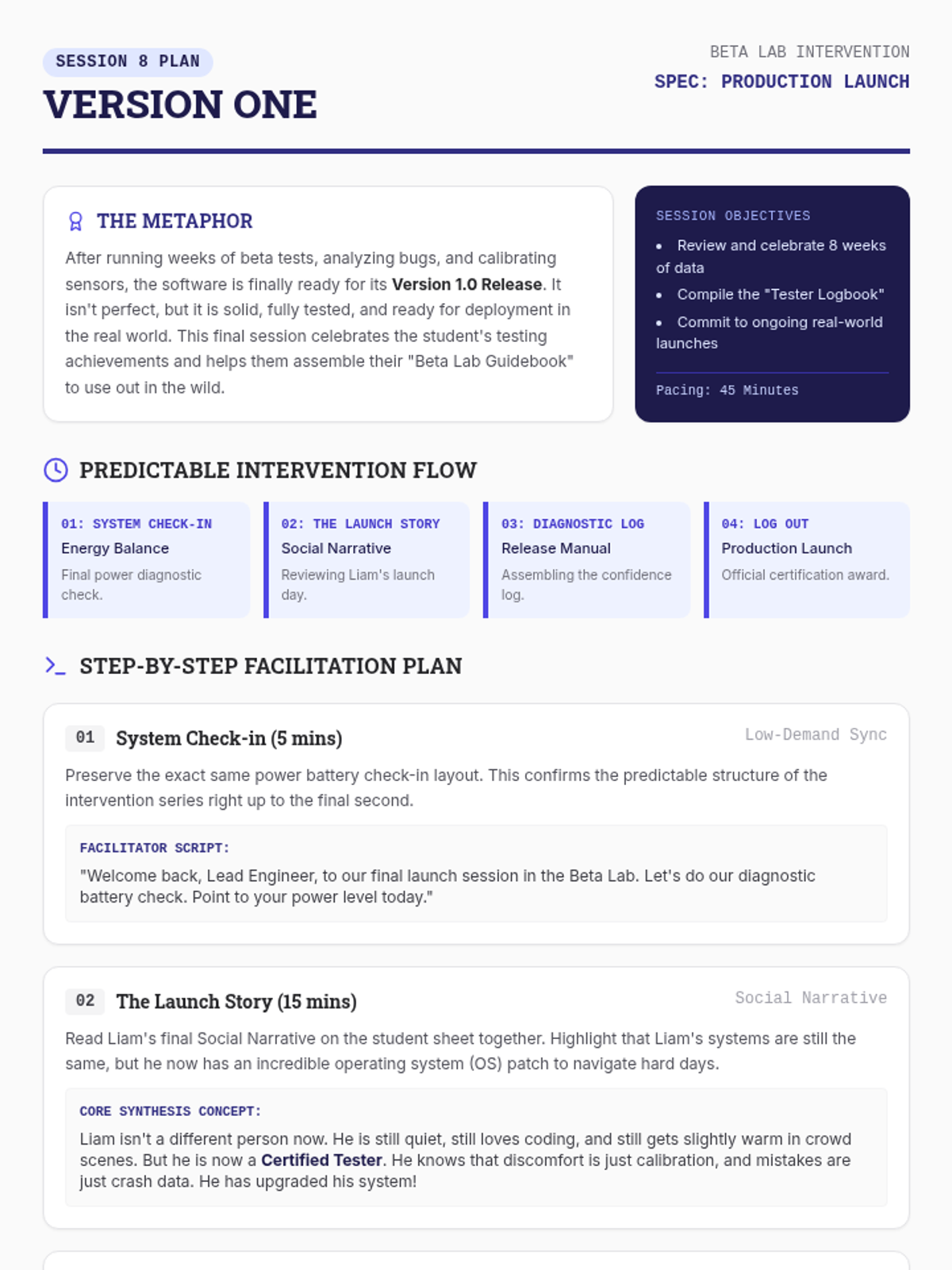
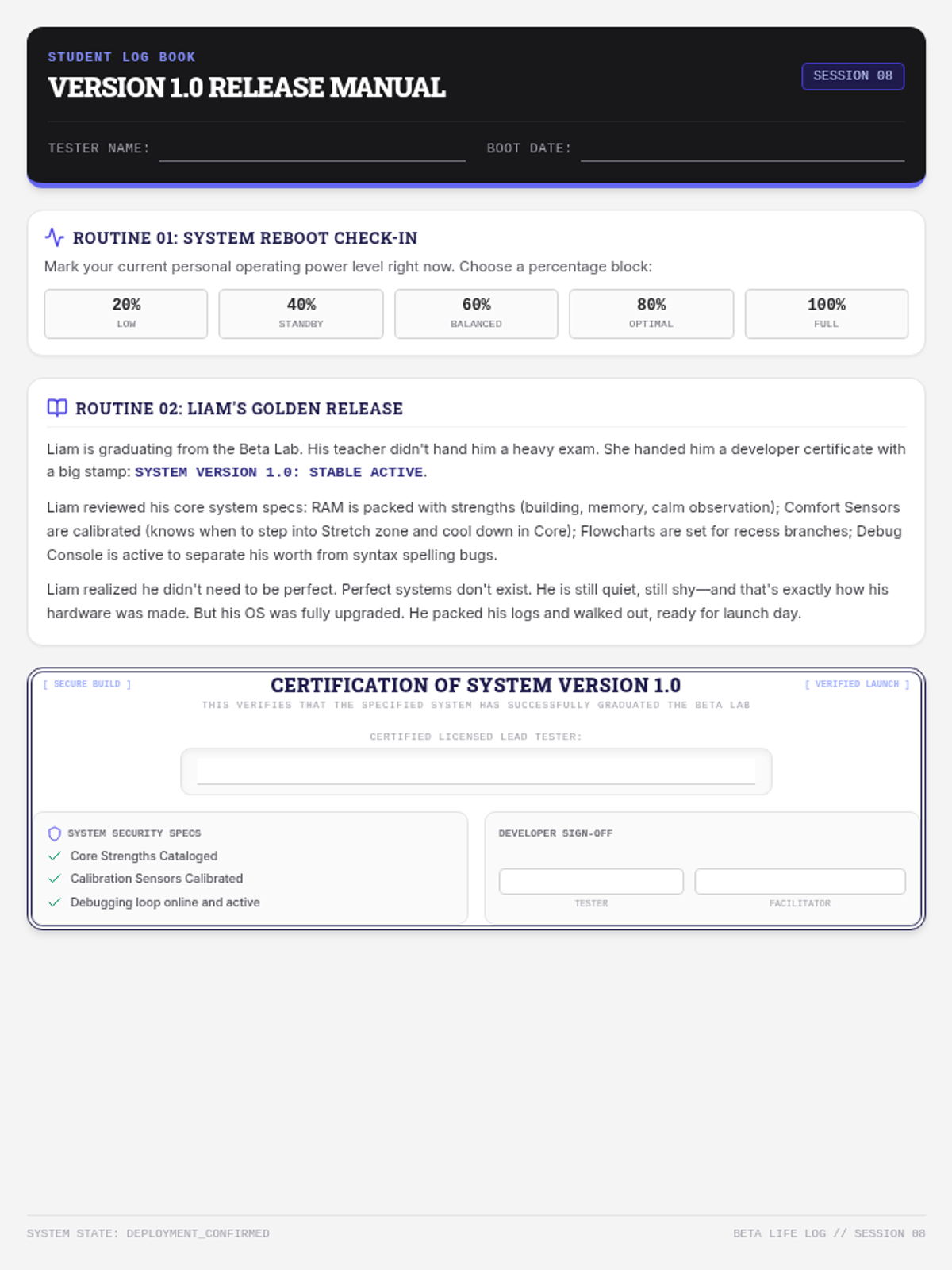
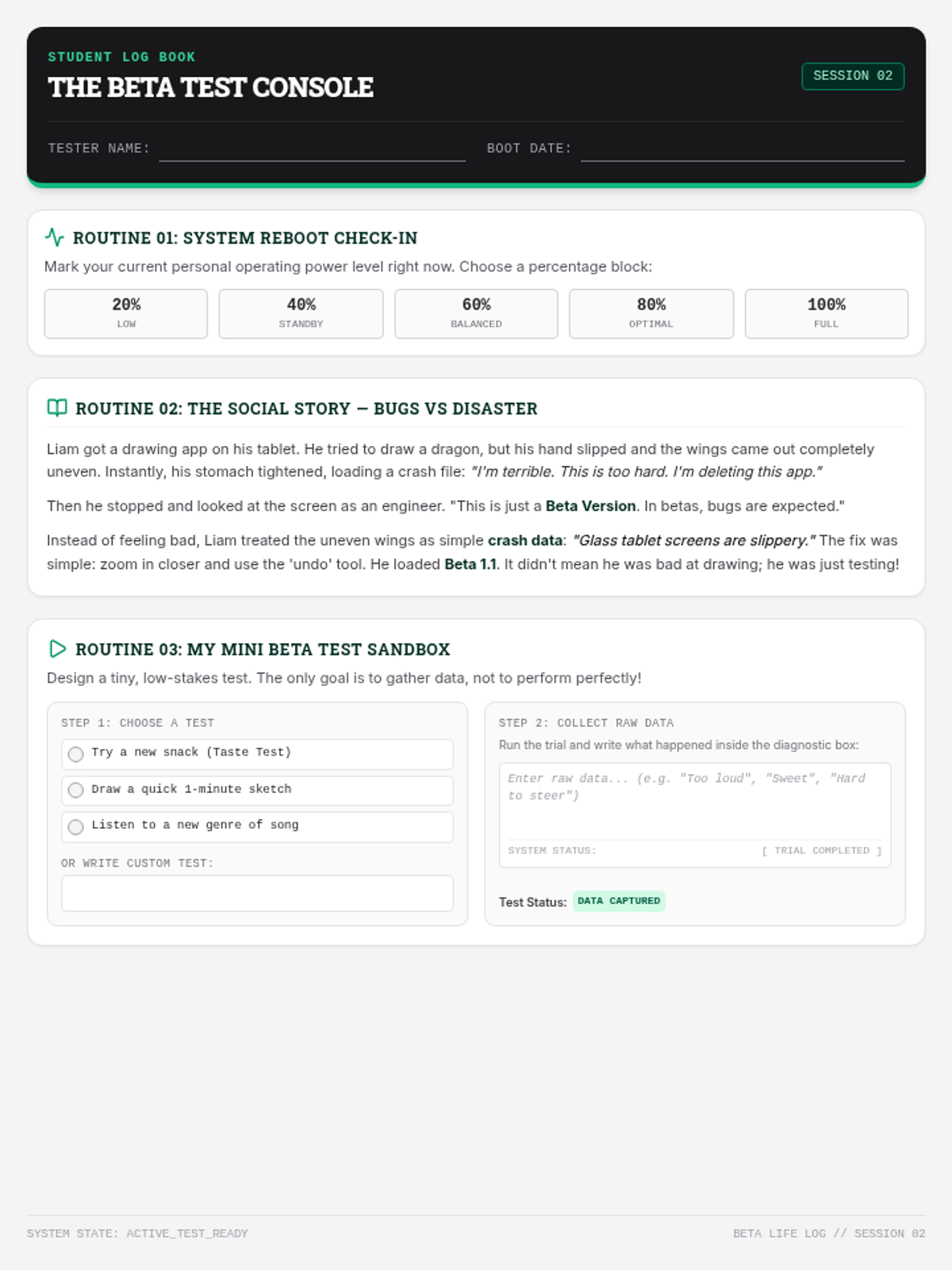
Session 8 synthesizes the 8-week journey. The student compiles their logs into a personalized confidence guide and celebrates their testing achievements.
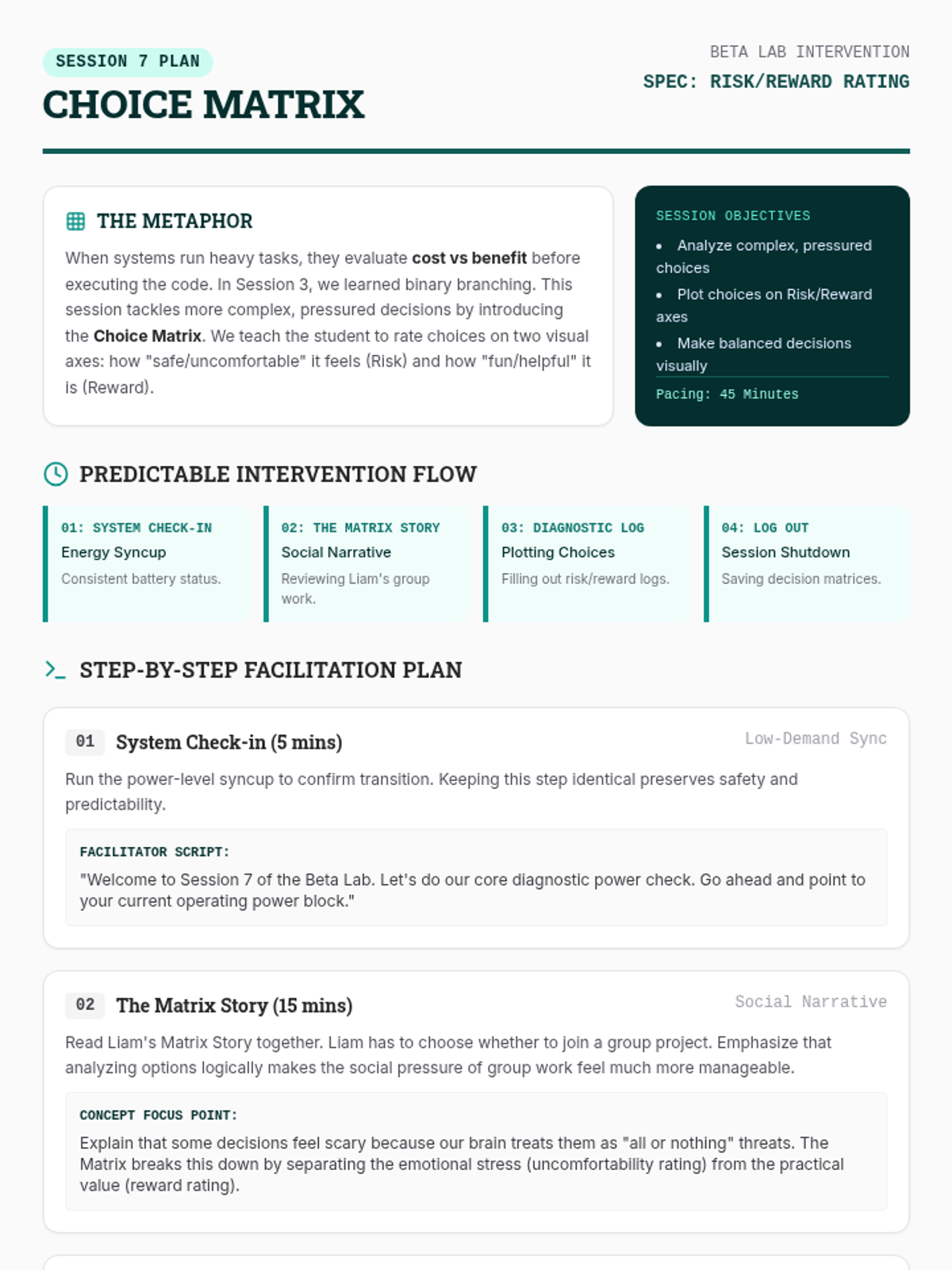
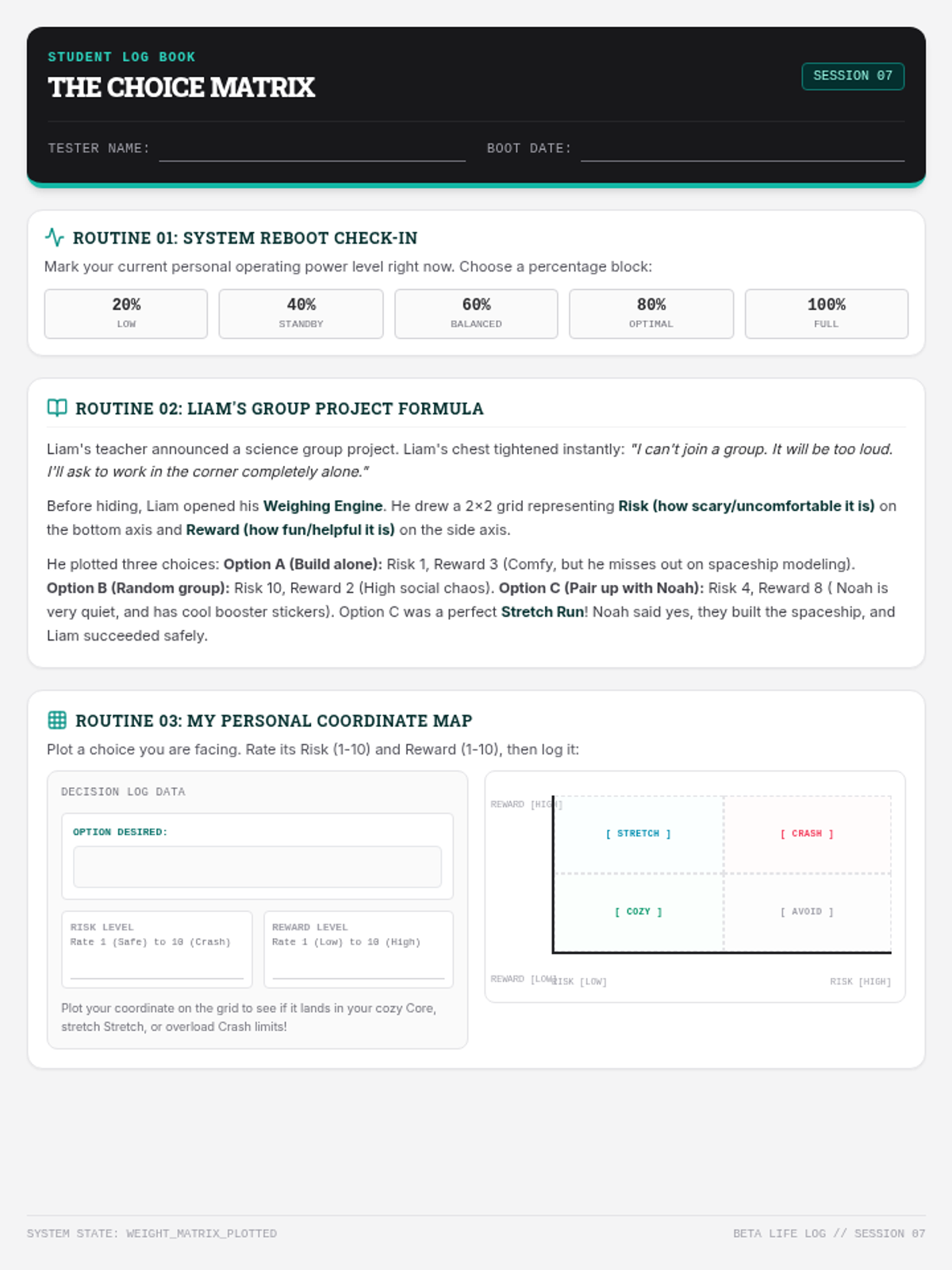
Session 7 explores more complex decisions under pressure, teaching the student how to weigh risks and rewards using a simple visual rating tool.
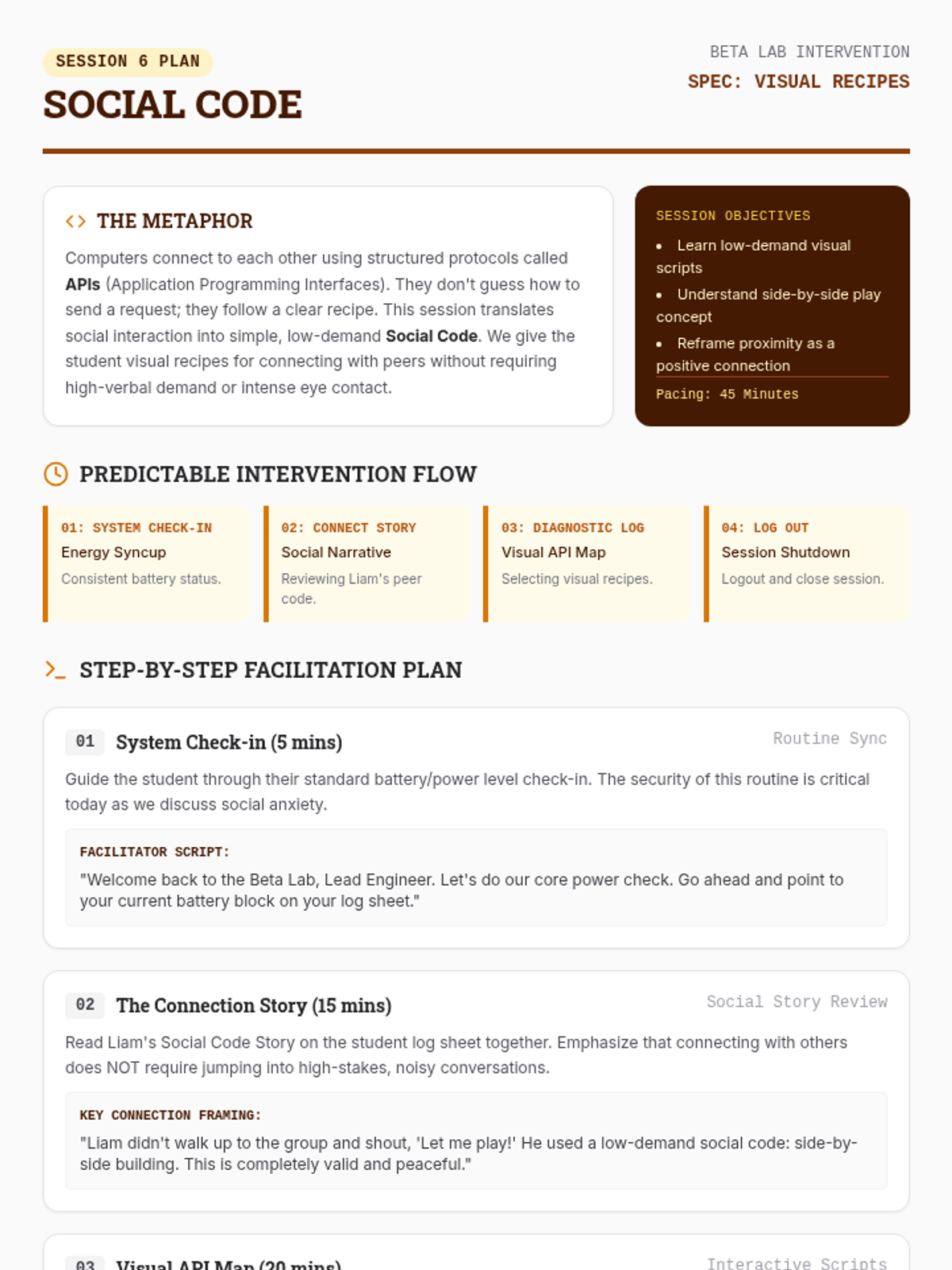
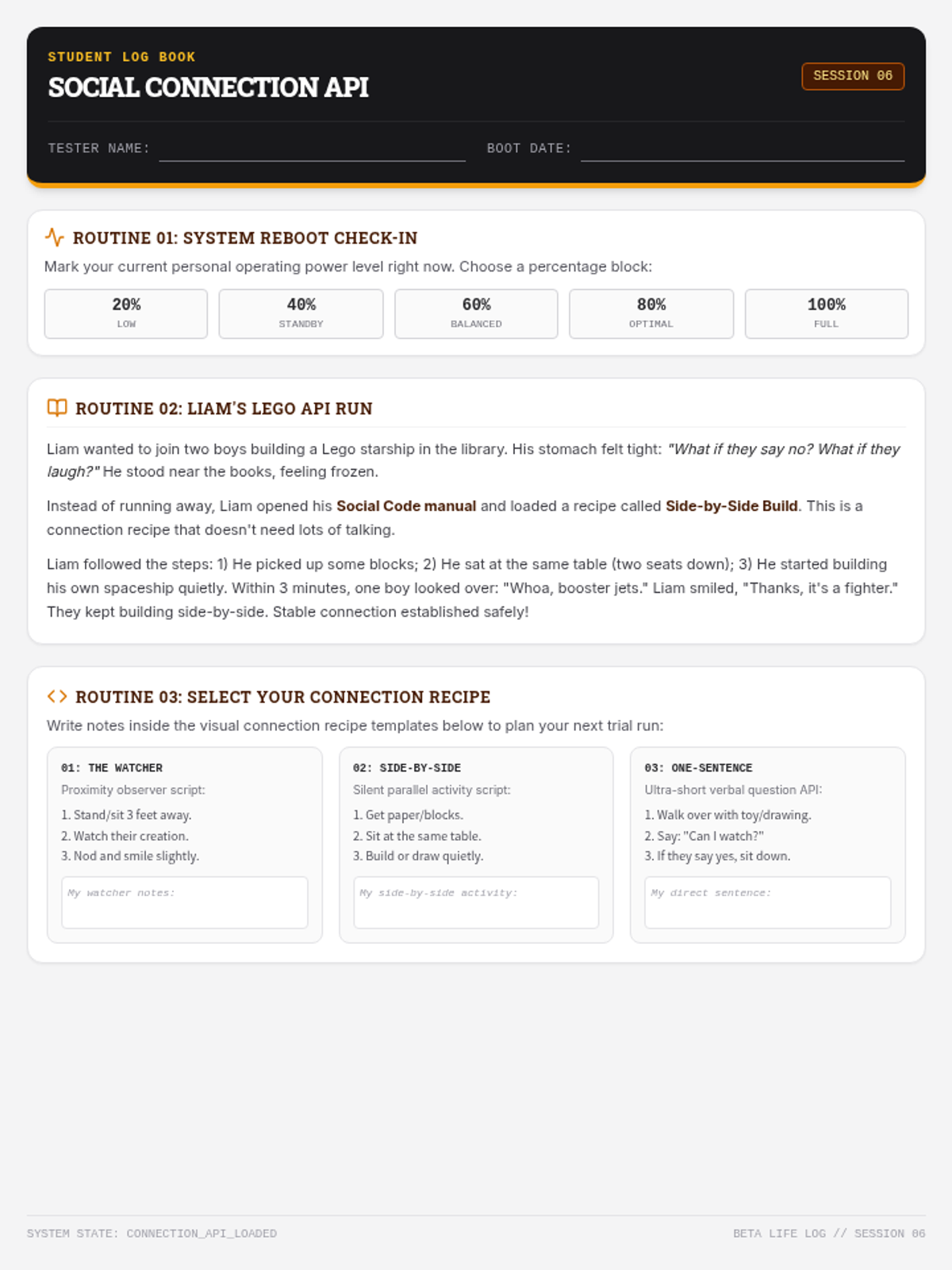
Session 6 addresses social interactions. The student learns low-demand social scripts and structured visual recipes for peer connection.
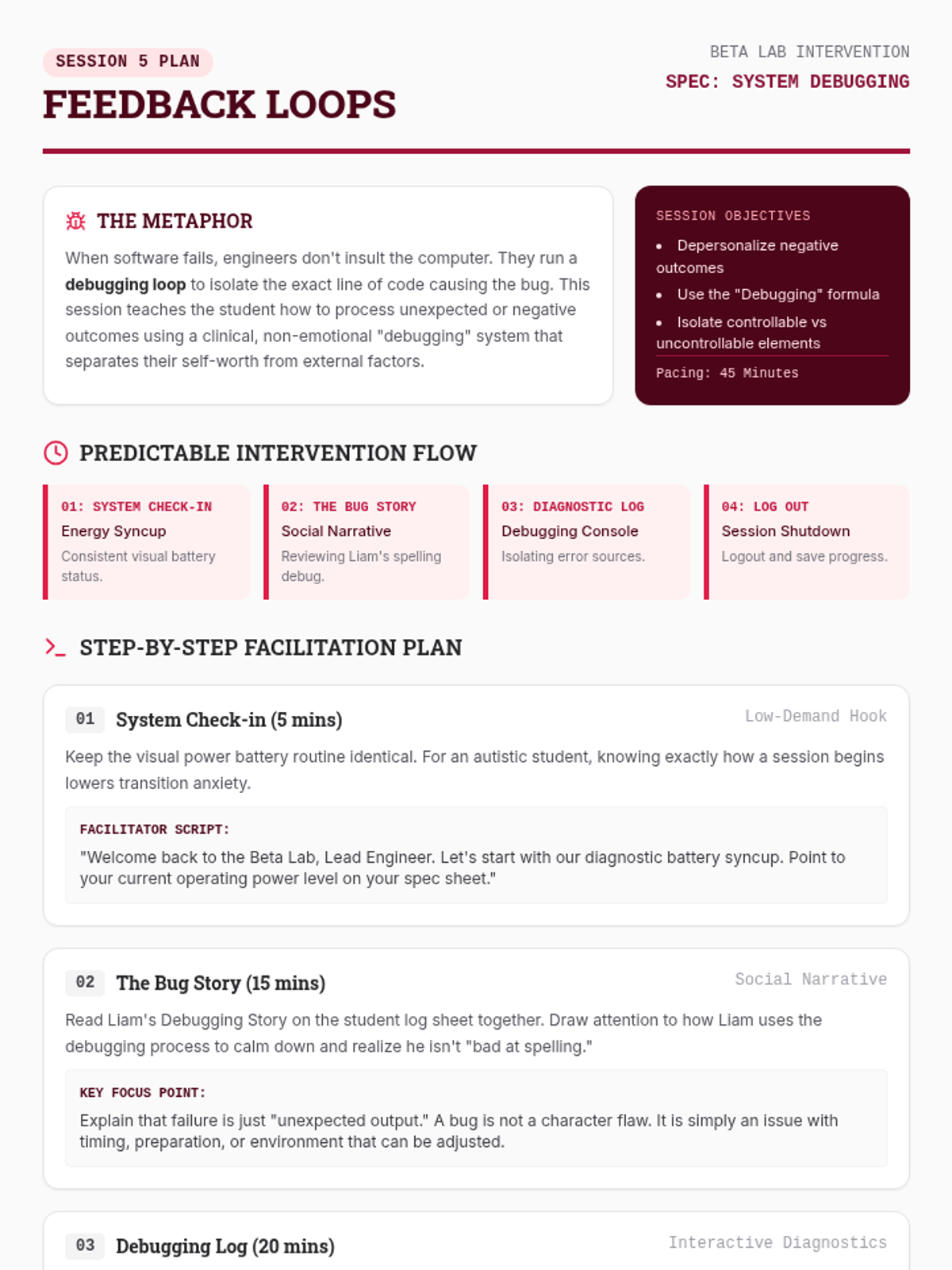
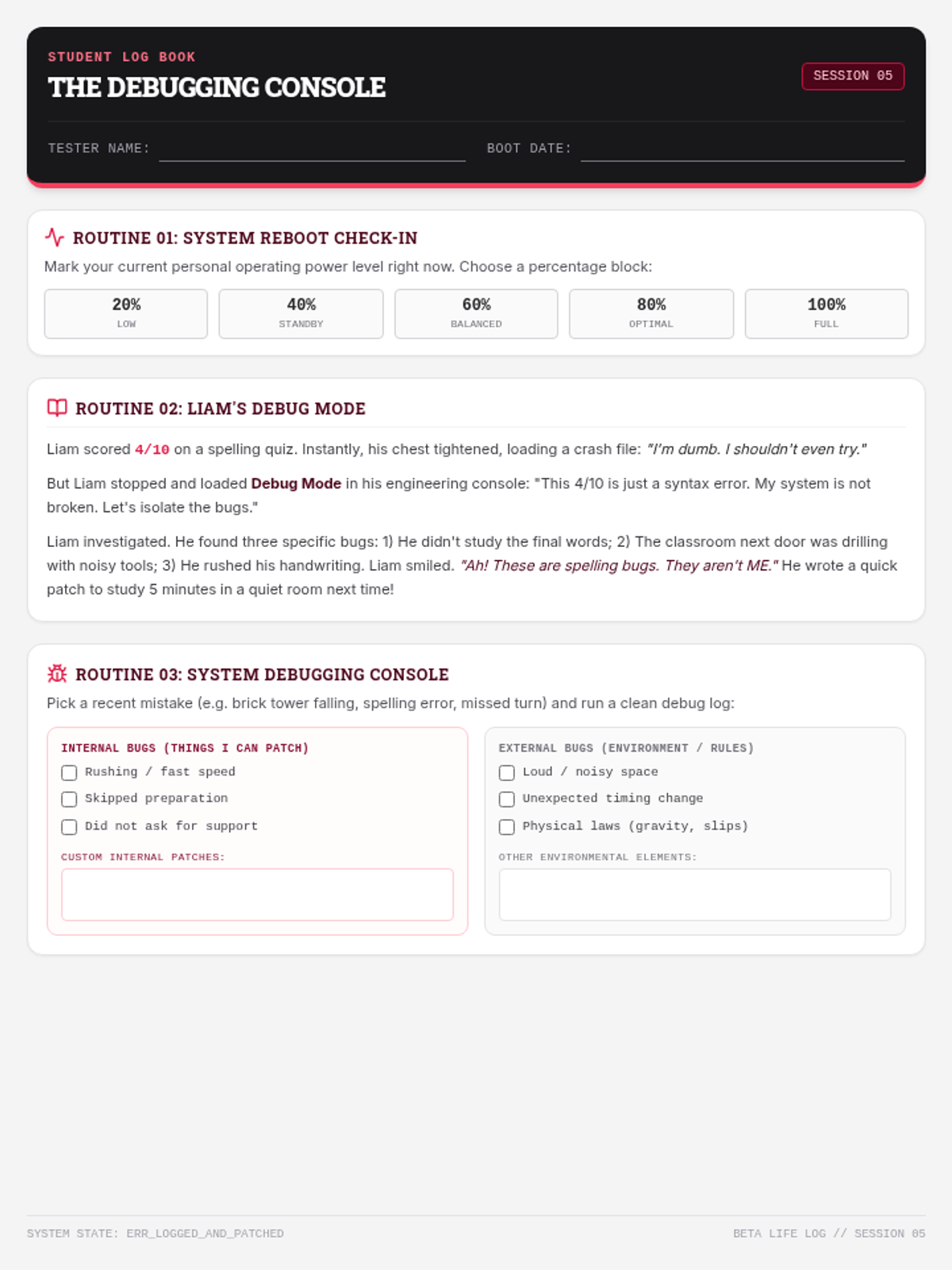
Session 5 covers processing unexpected outcomes. The student learns to analyze results without self-blame, using a structured "trail debugging" framework.
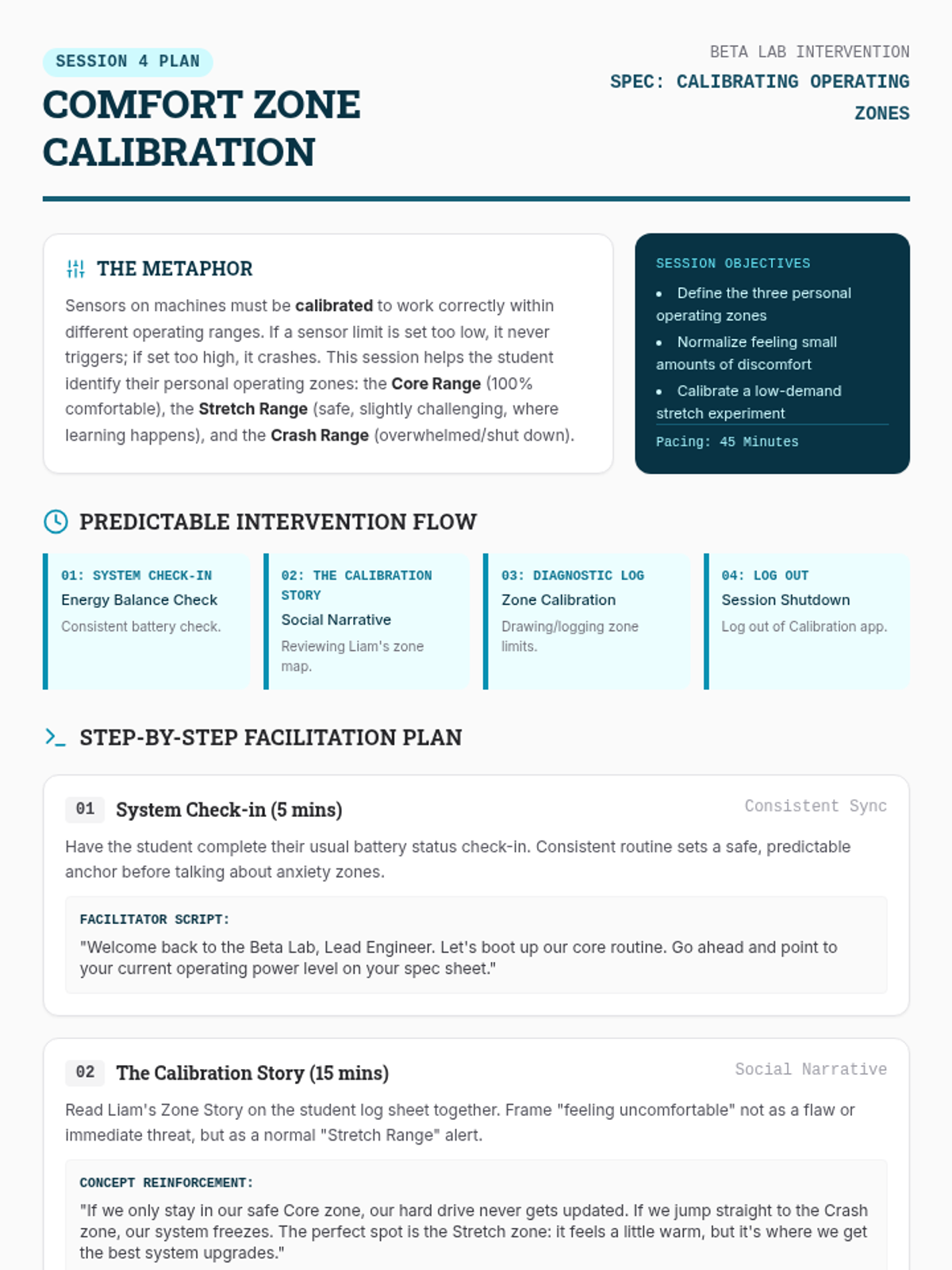
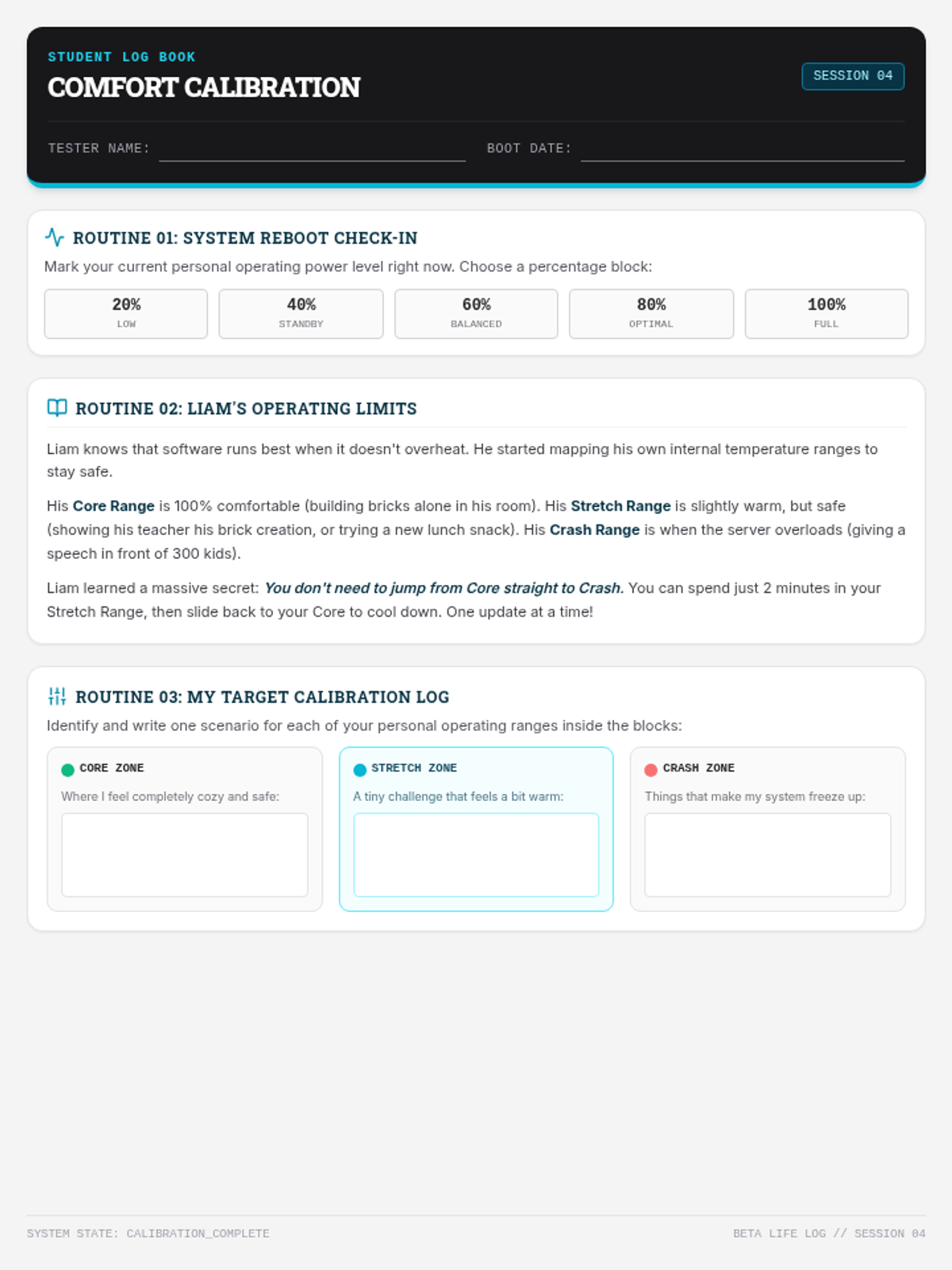
Session 4 focuses on gradually expanding the comfortable operating zone by setting up and running tiny, controlled trials in a safe environment, mapping Core, Stretch, and Storm zones.
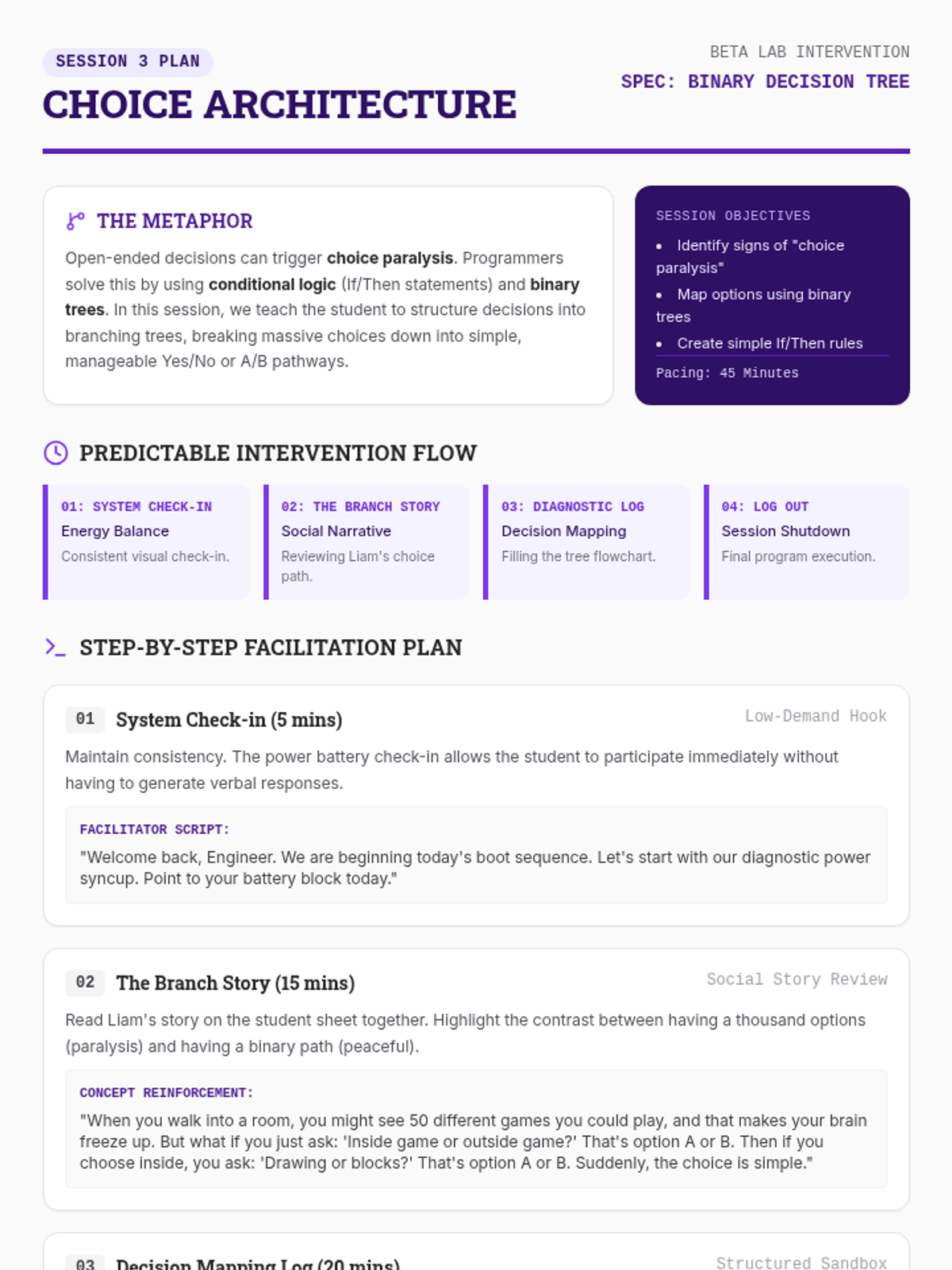
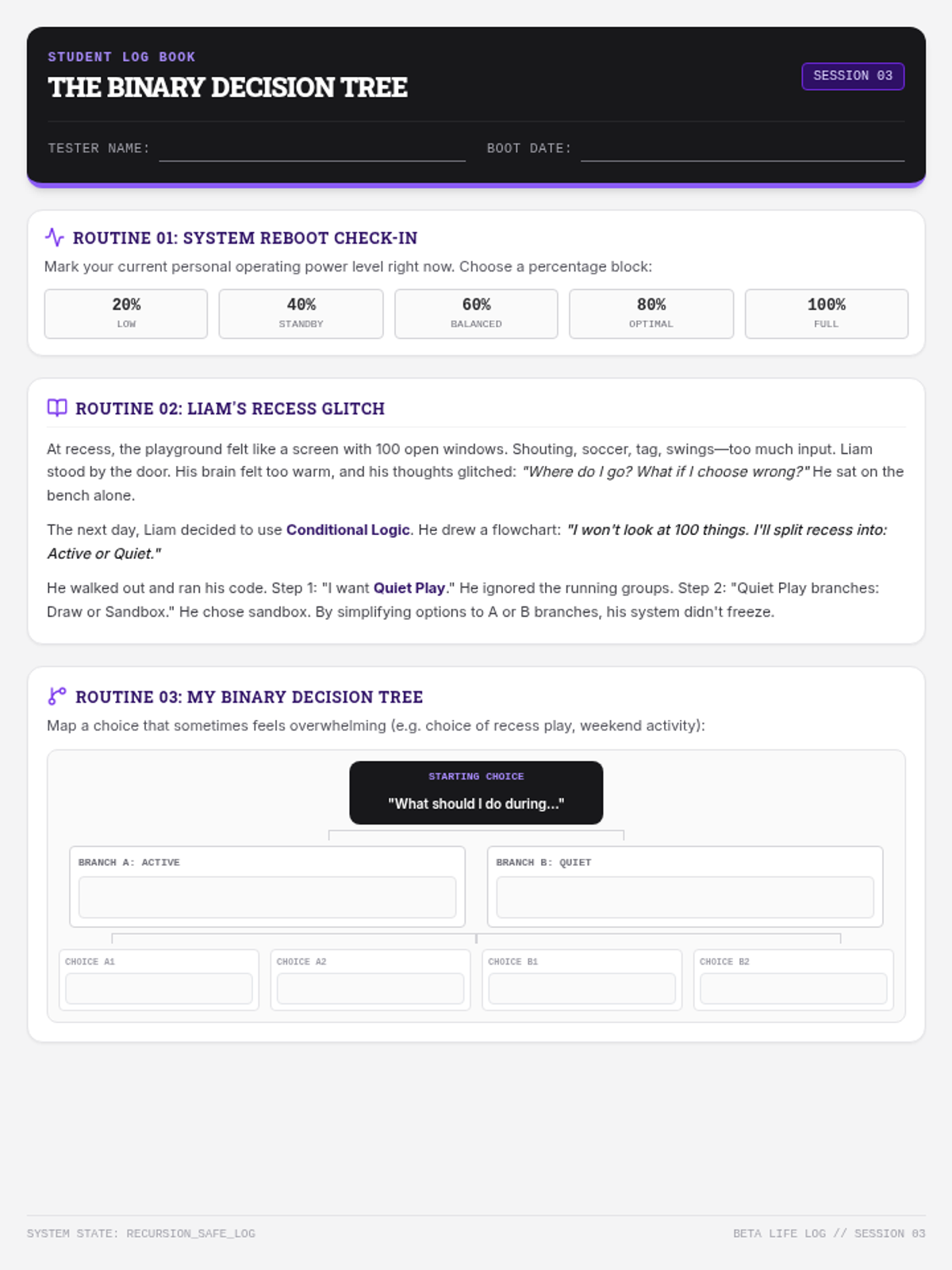
Session 3 introduces structured decision-making. The student learns to map decisions into binary "trail forks," reducing cognitive overload and paralysis.
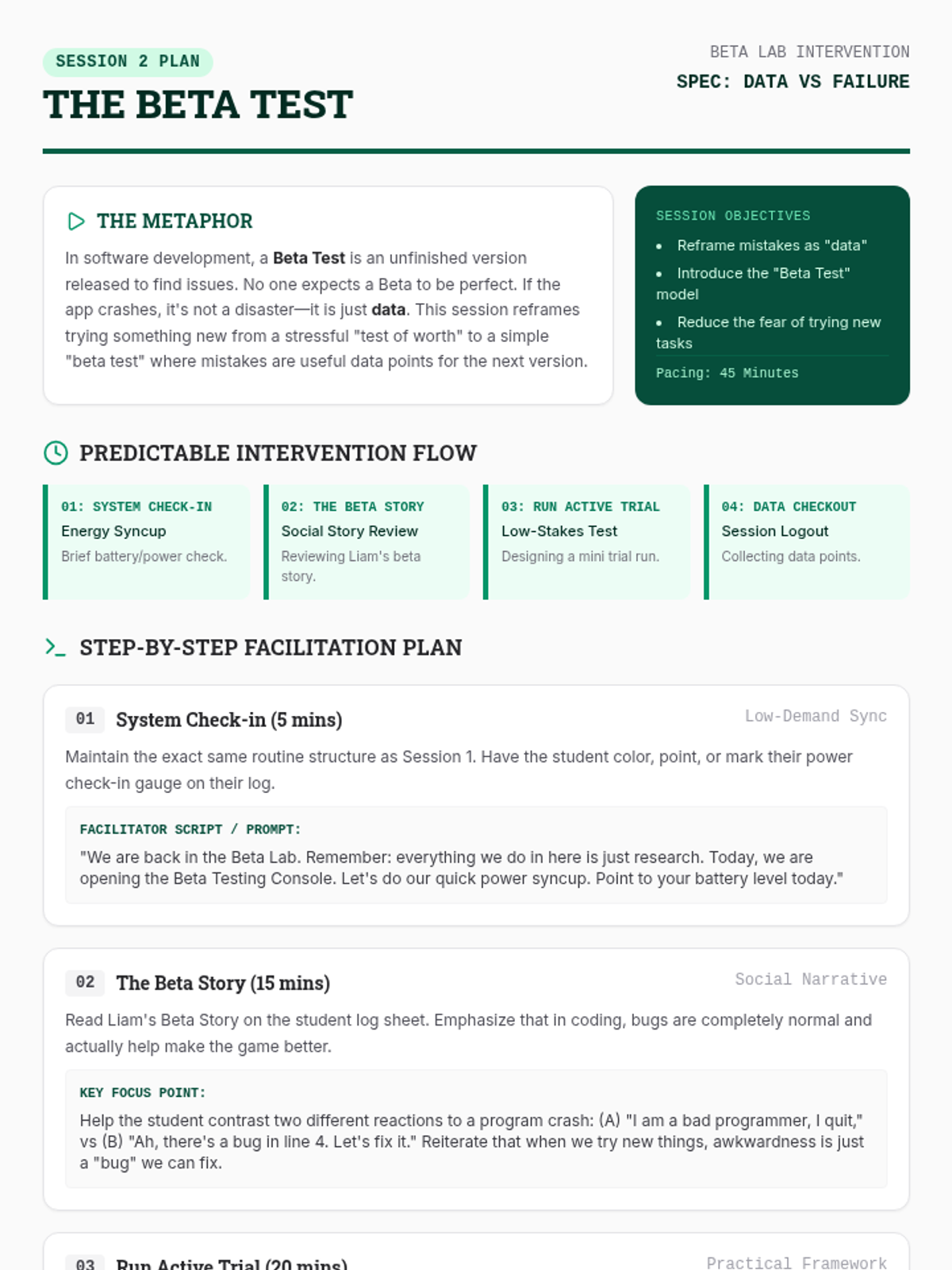
Session 2 re-frames the fear of trying new things. The student learns to treat new activities as low-stakes "scouting runs" where mistakes are just "terrain map data."
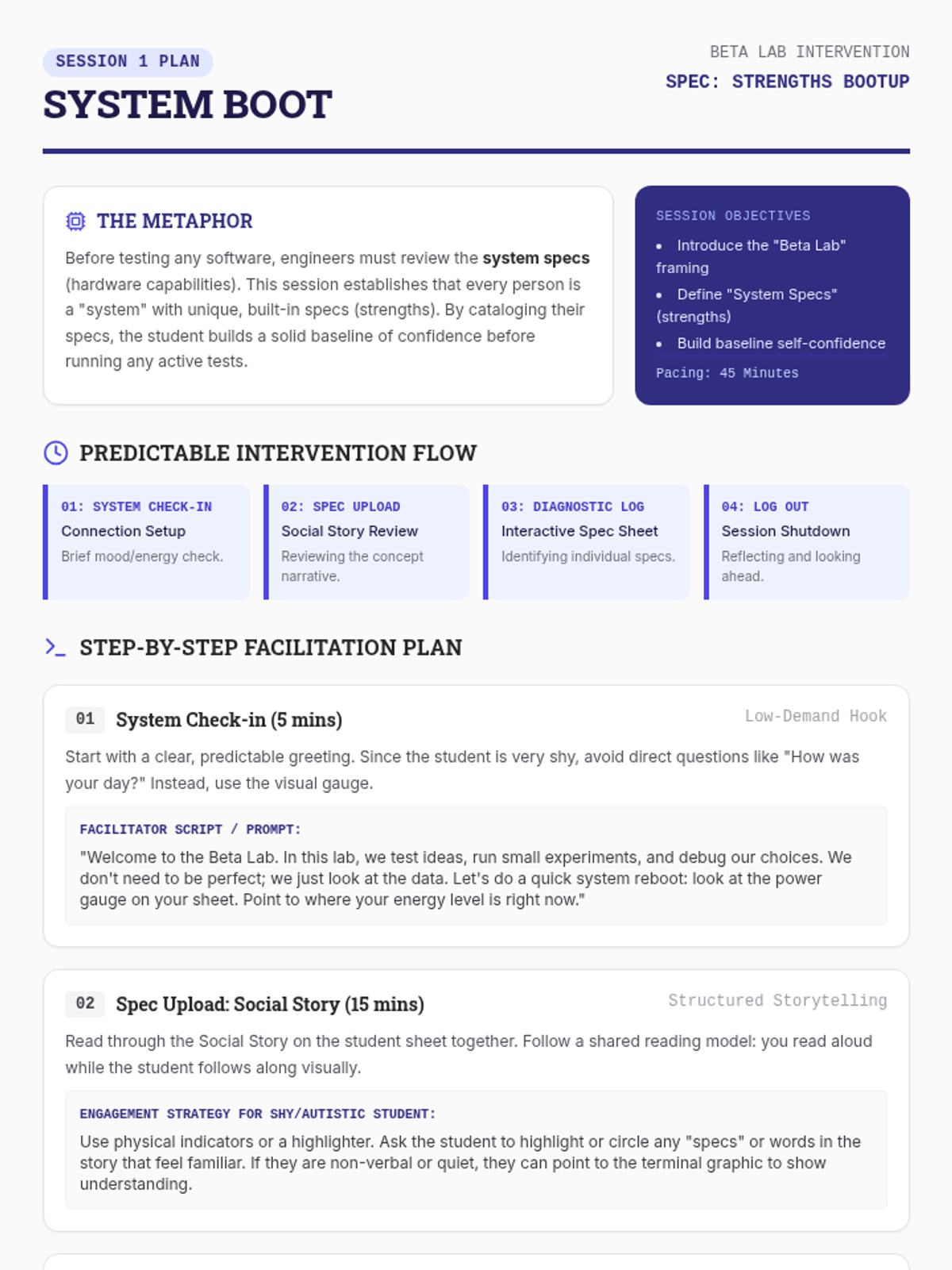
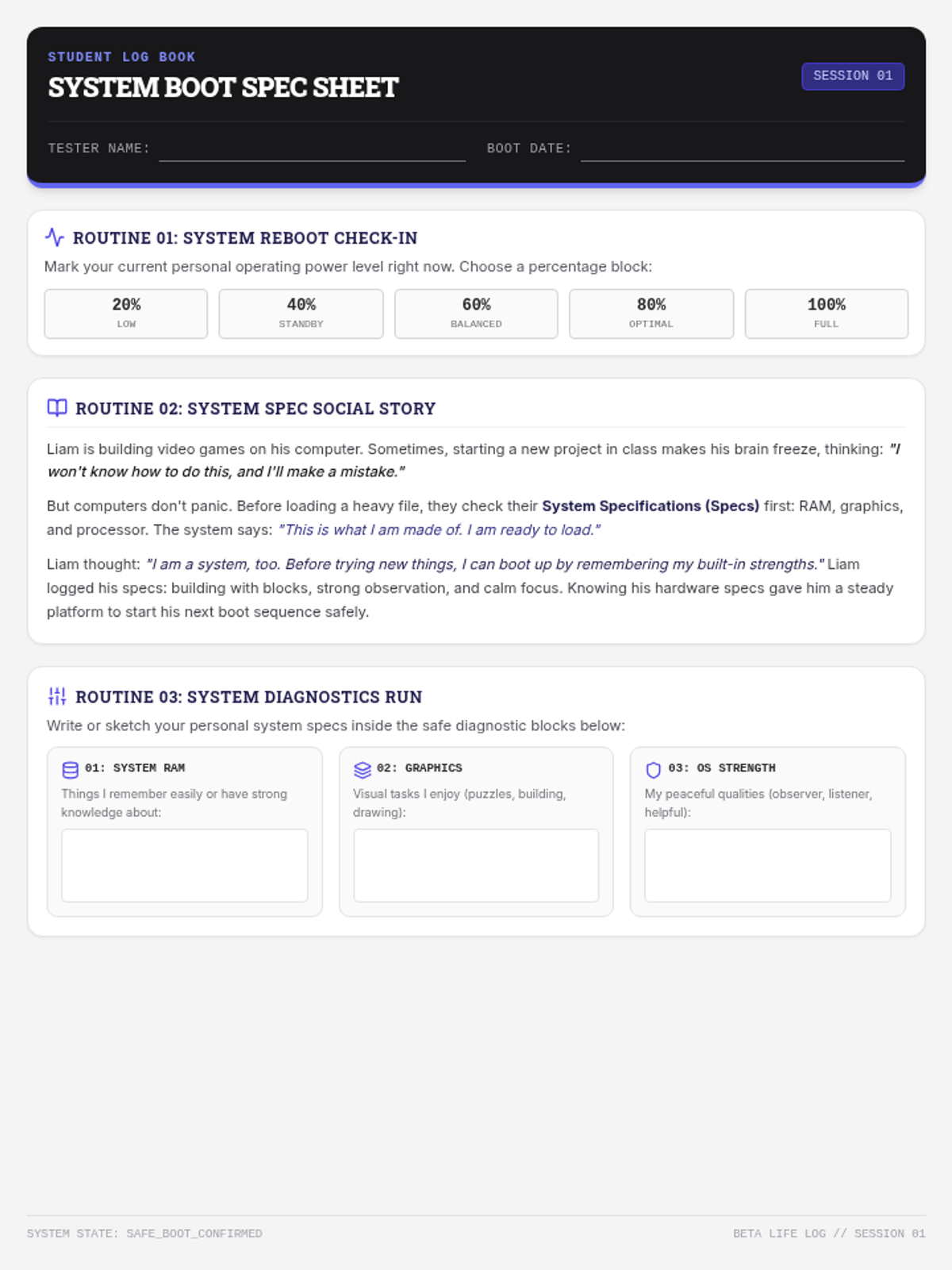
Session 1 establishes the "Field Guide" and "Wildwood Scouting" metaphor, helping the student identify their individual strengths as "field gear specs" to build baseline confidence.
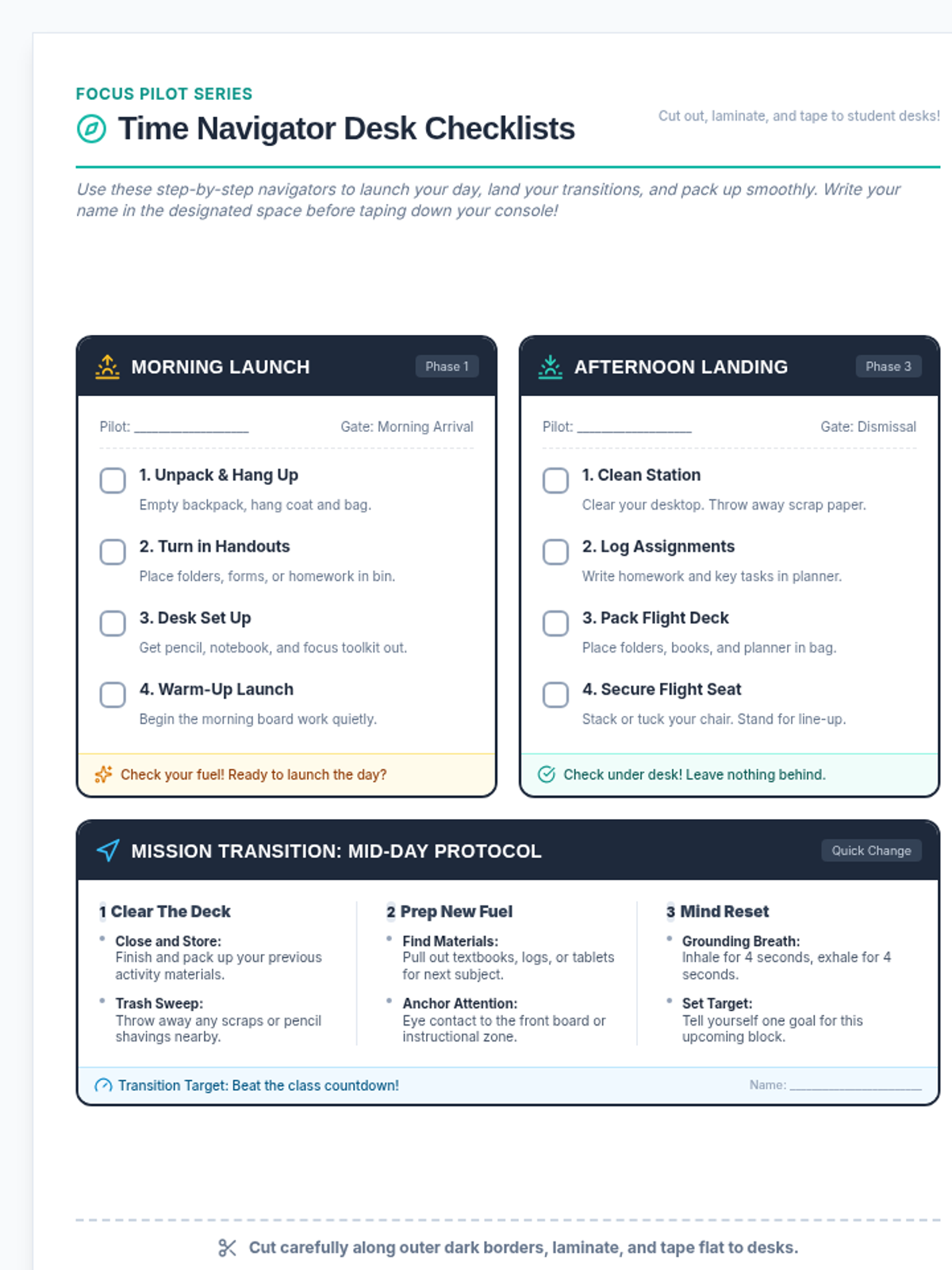
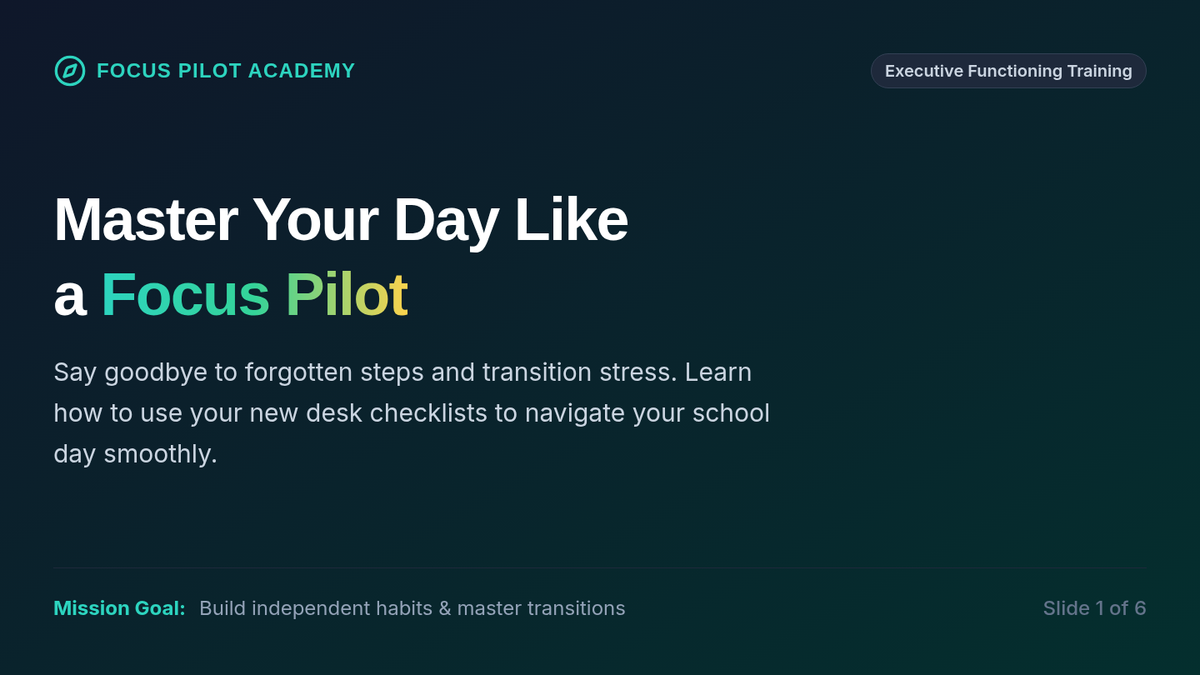
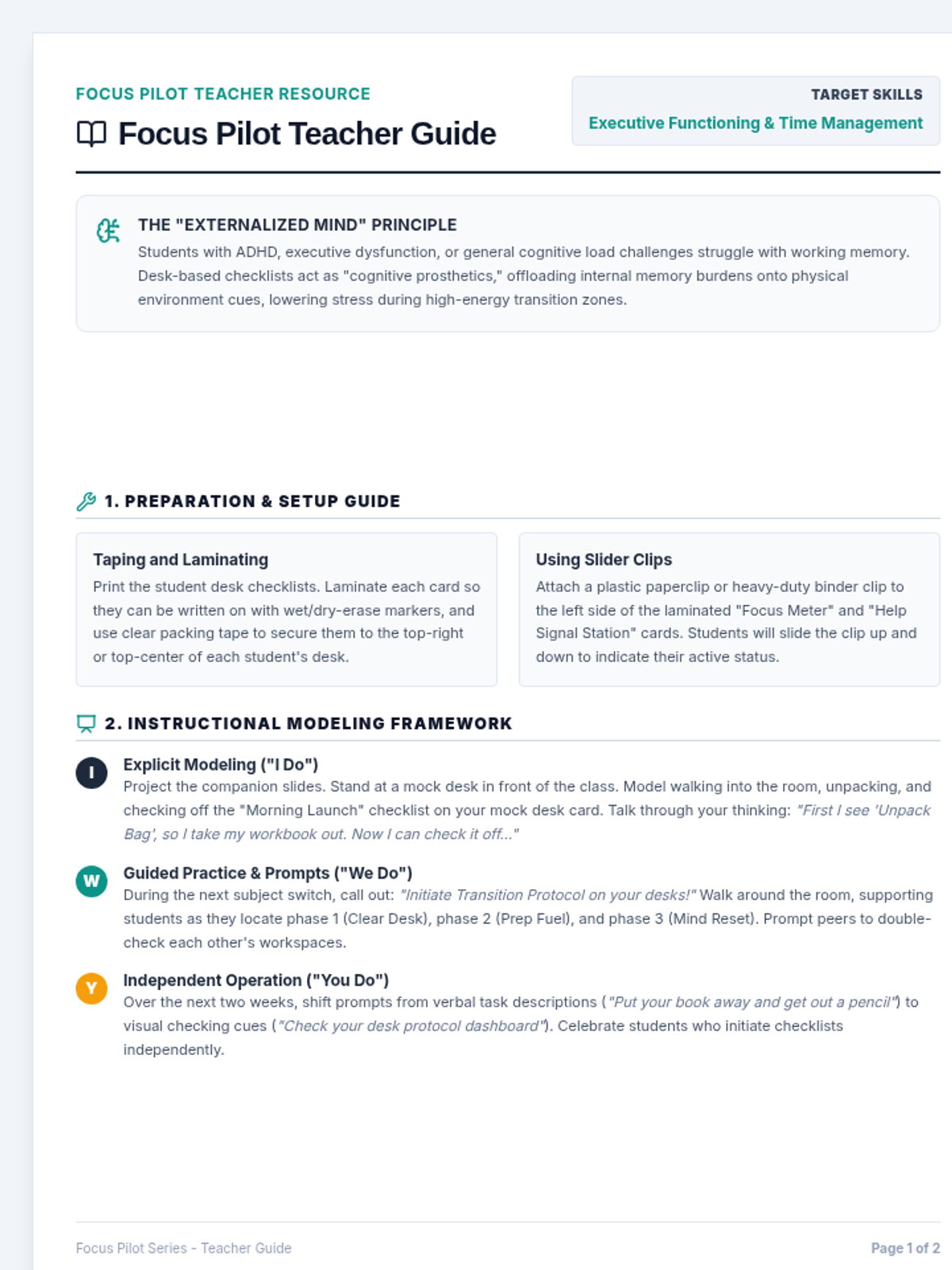
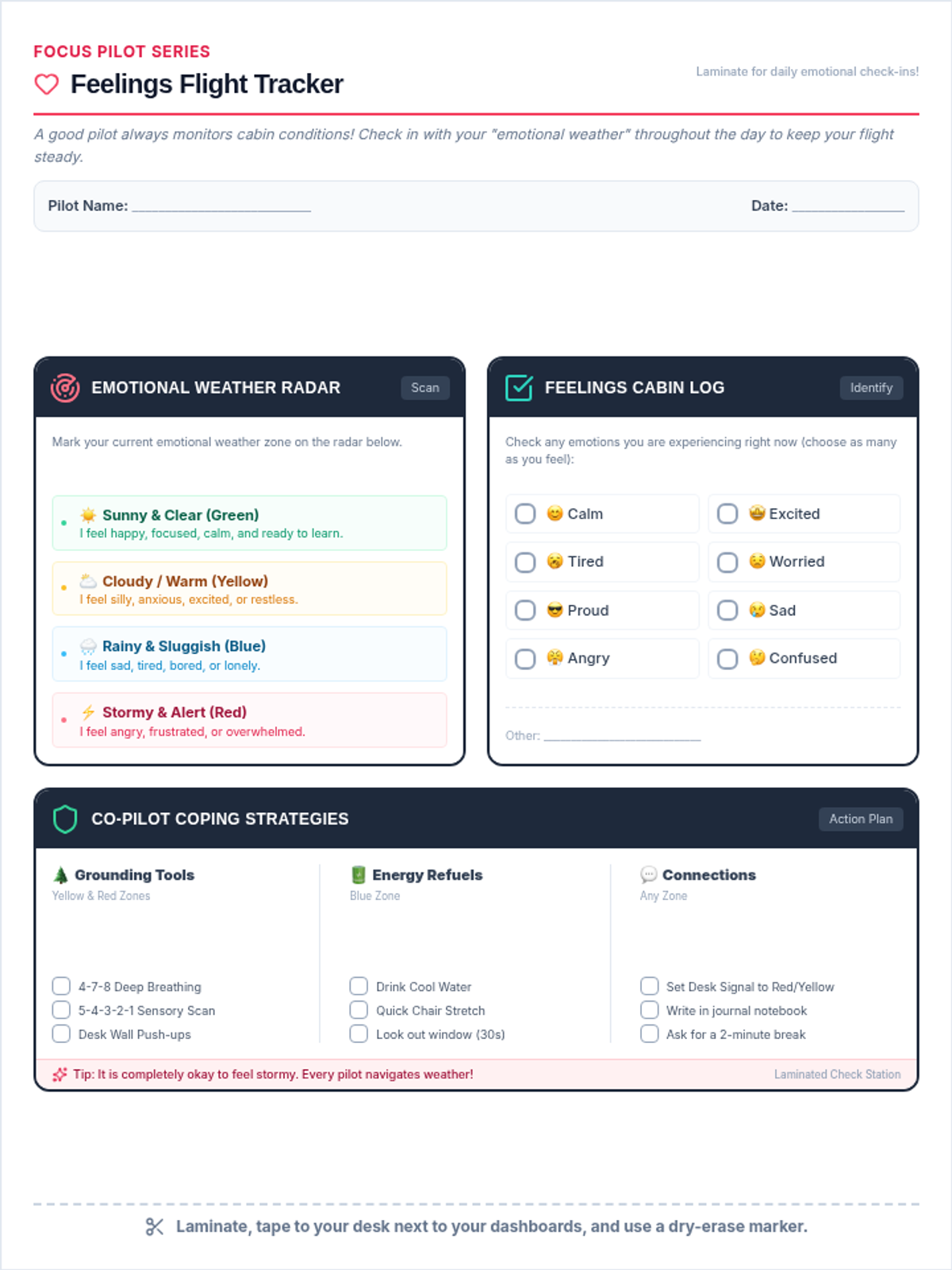
A collection of executive functioning resources designed to help students master school-day transitions, arrival, and dismissal routines using visual desk checklists, a modeled presentation, and a comprehensive teacher guide.
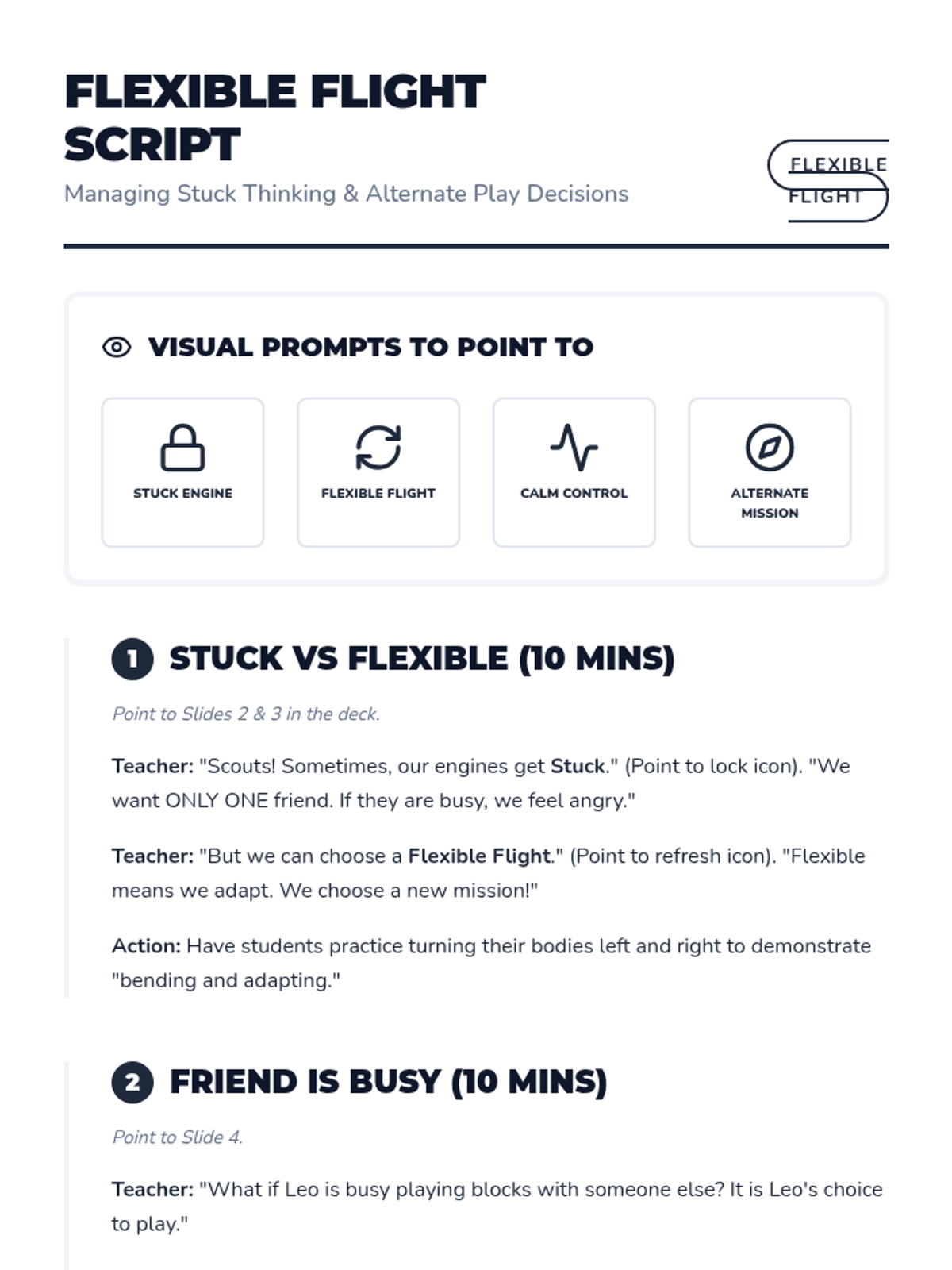
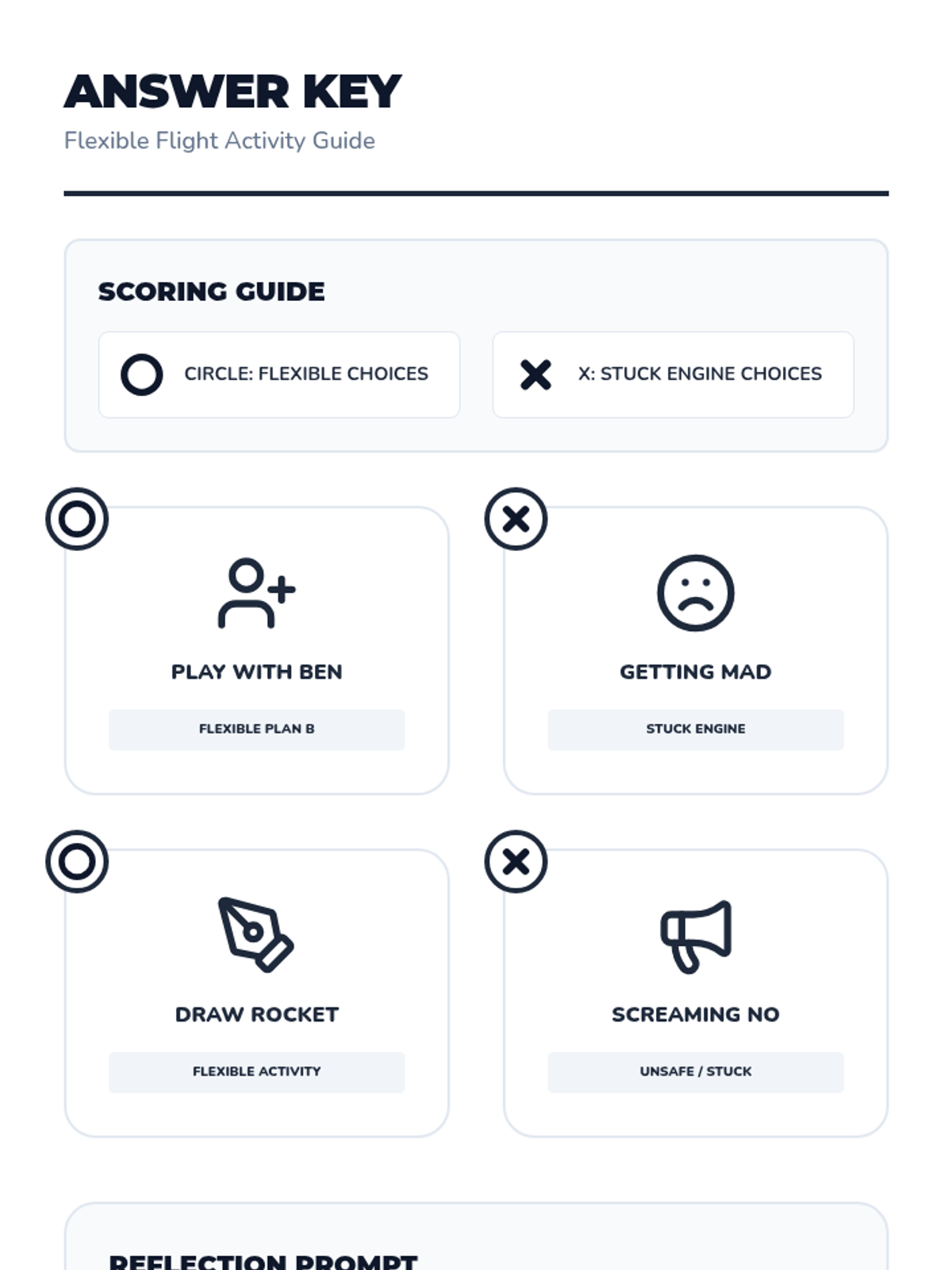
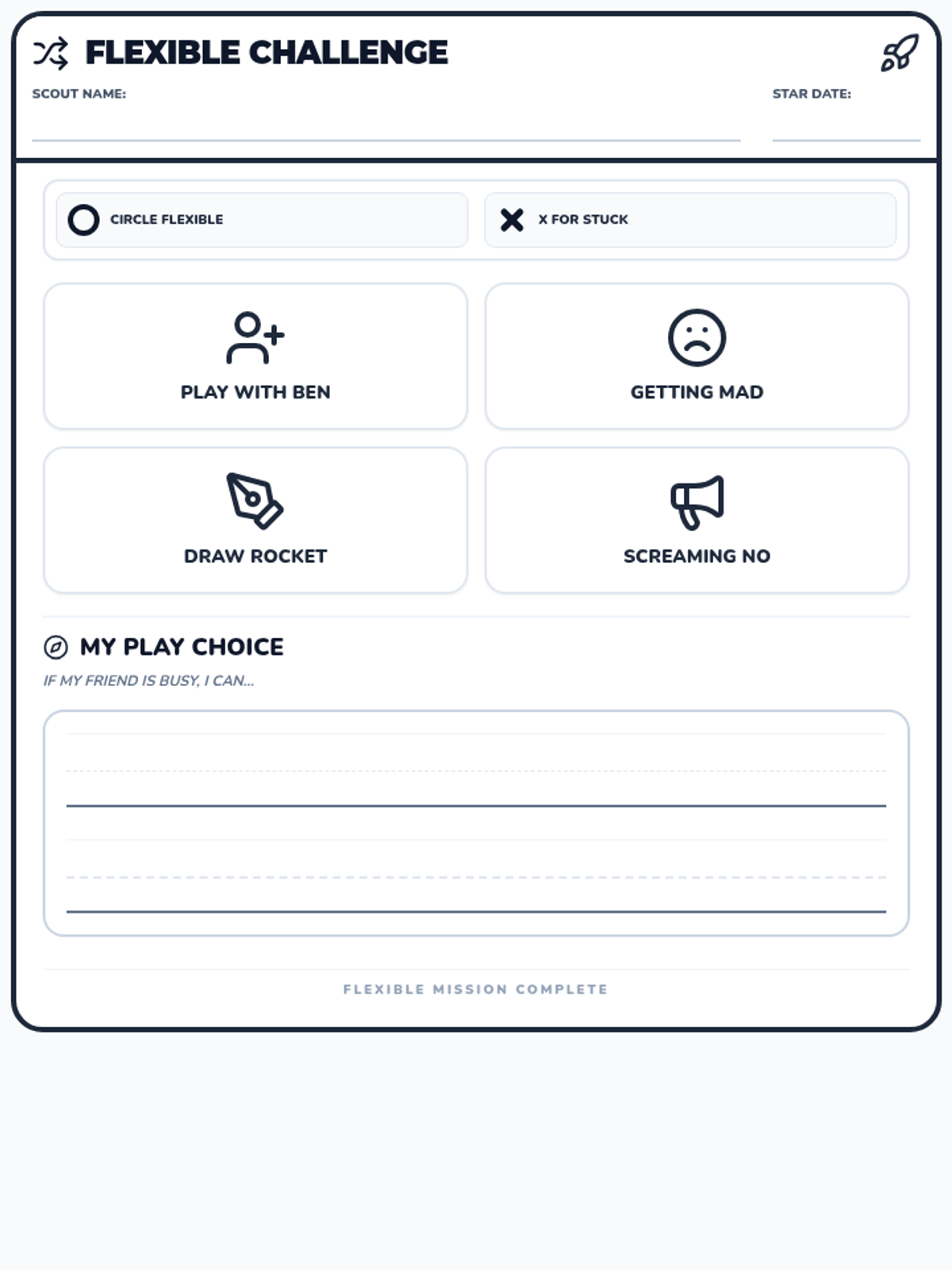
A 30-minute small group lesson for 1st graders focusing on flexible thinking and social flexibility. Teaches students how to handle when a preferred friend is unavailable and how to choose 'alternate missions' (other friends/activities) without getting stuck.
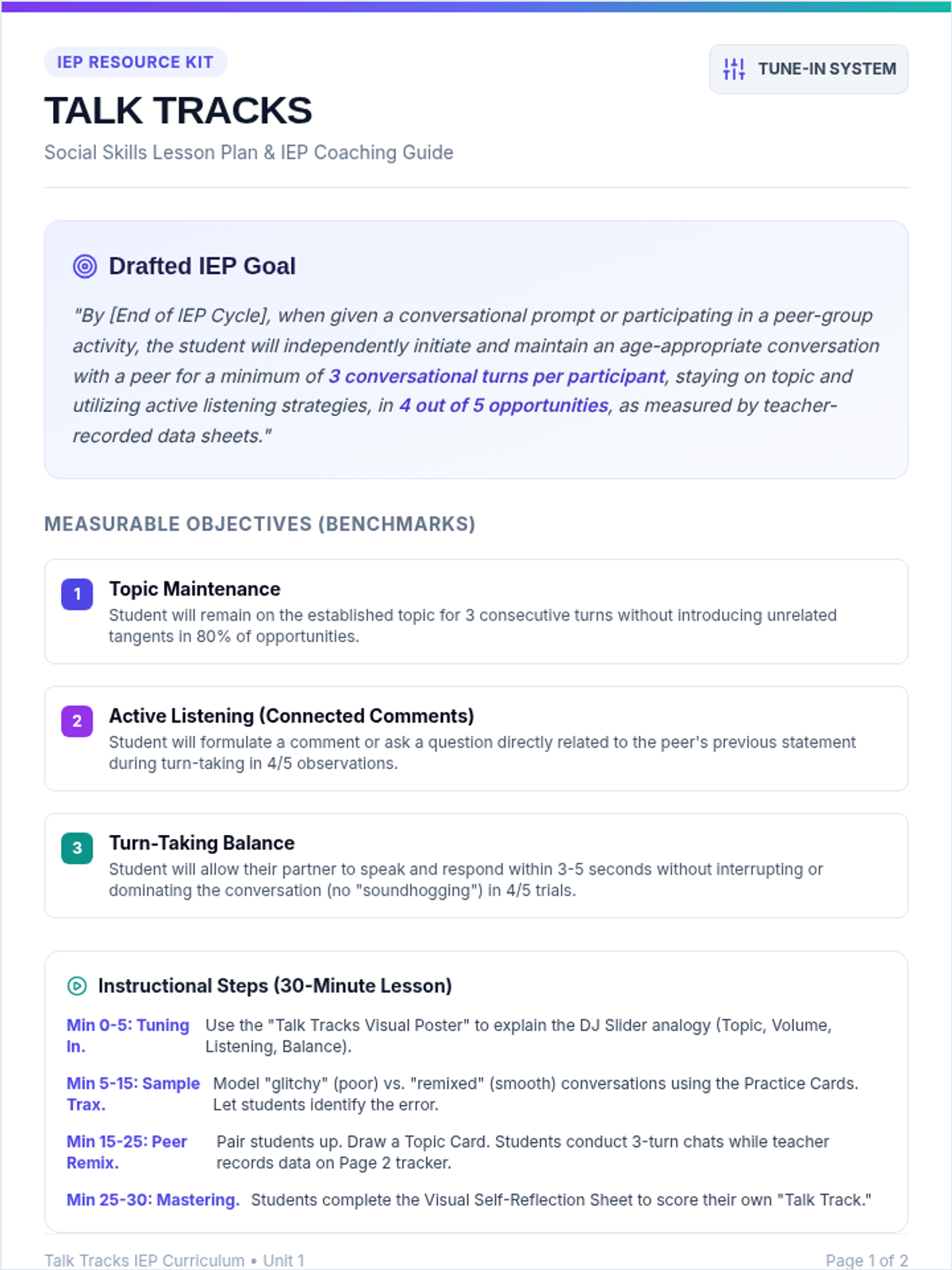
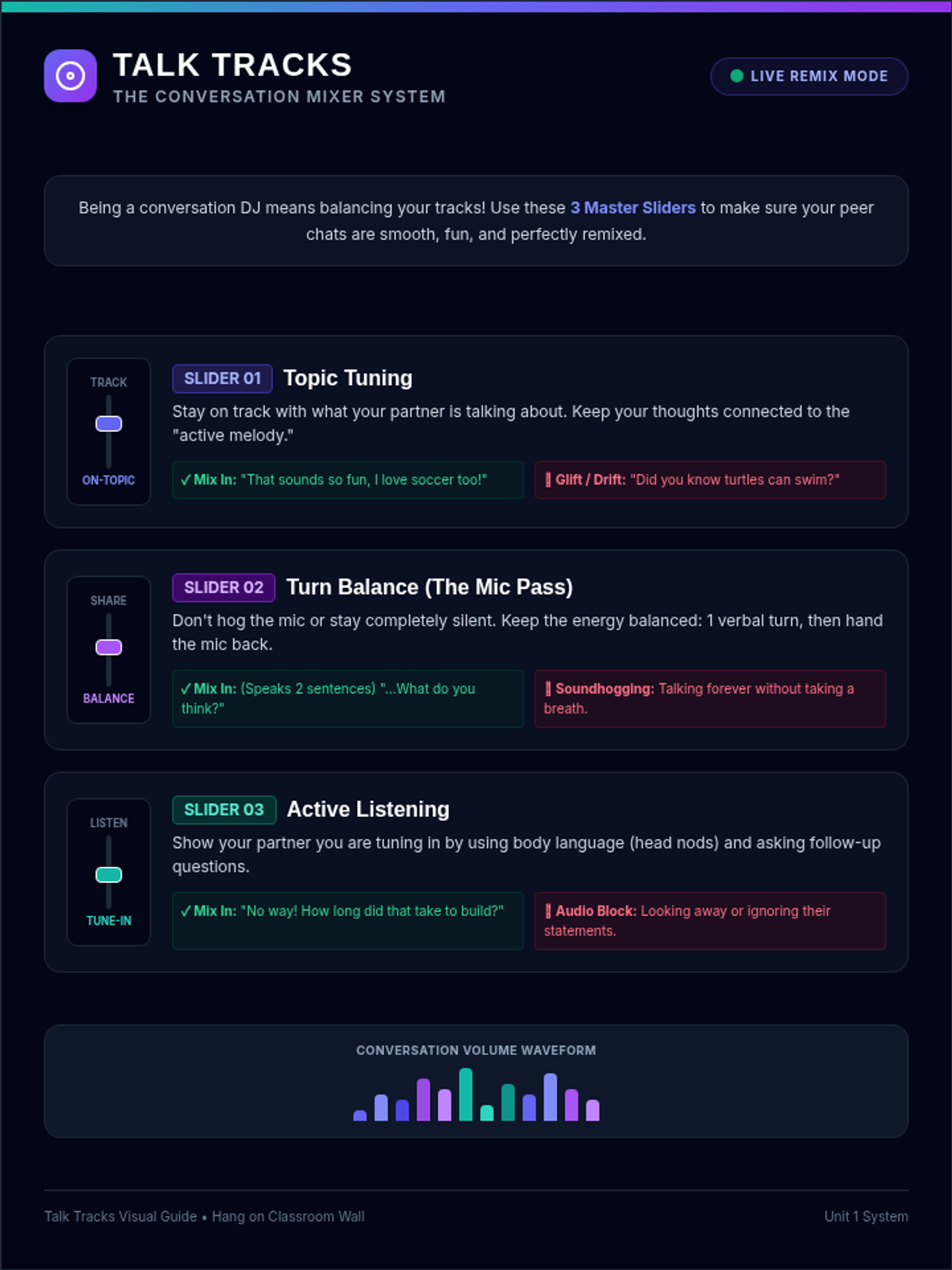
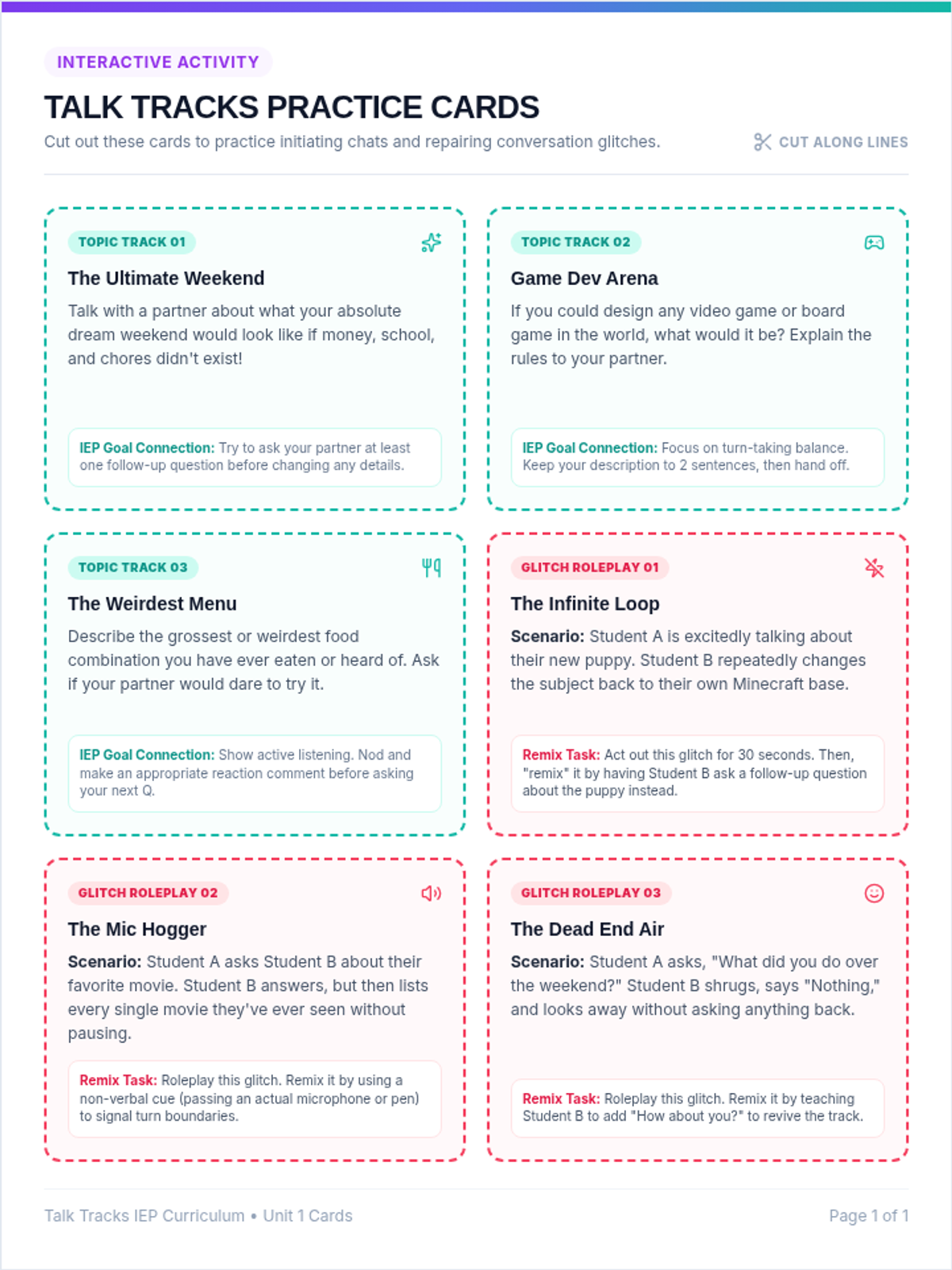
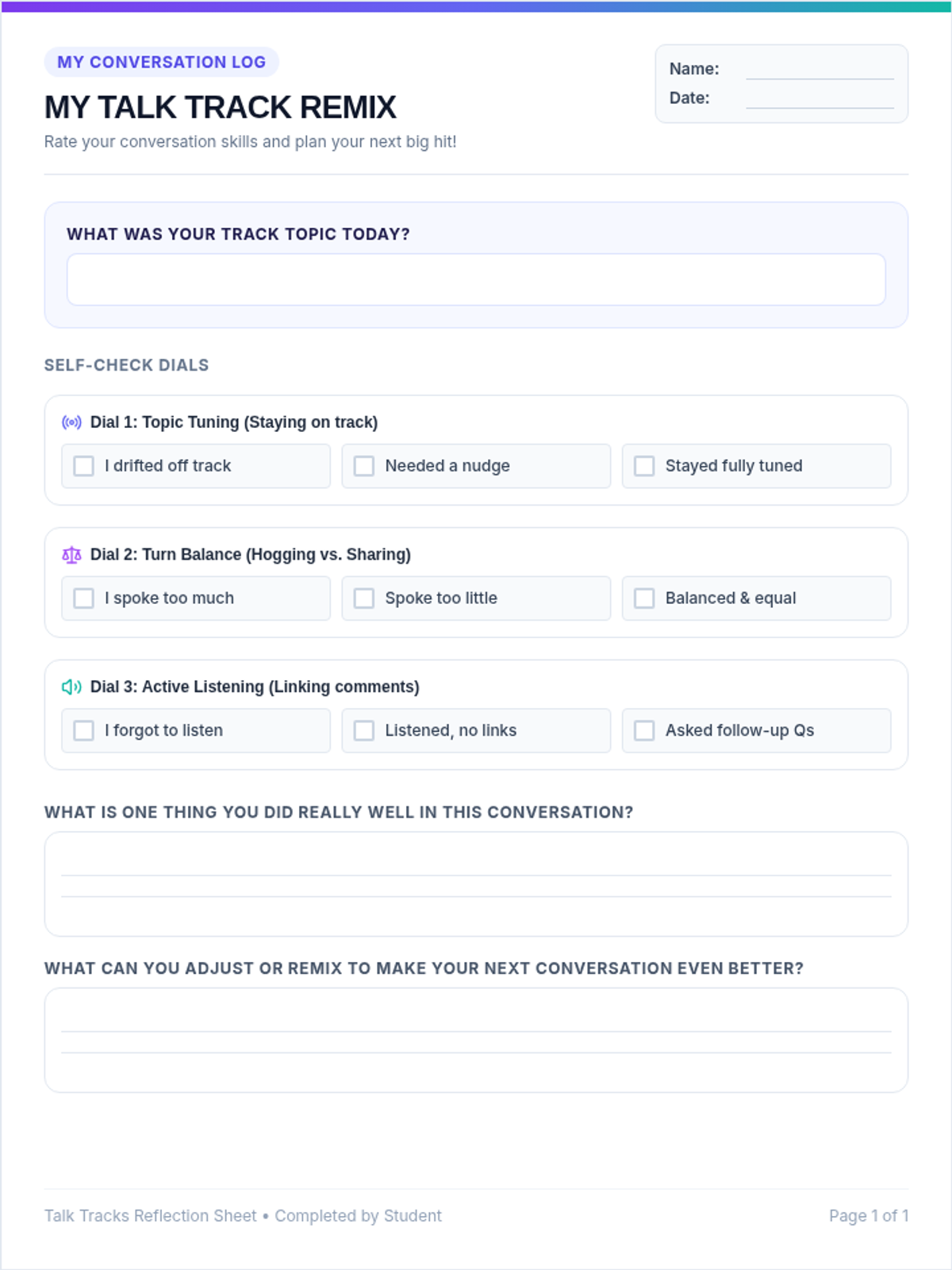
A comprehensive social skills lesson package designed to teach, practice, and track progress on conversational turn-taking, topic maintenance, and active listening for elementary and middle school students with social communication IEP goals.
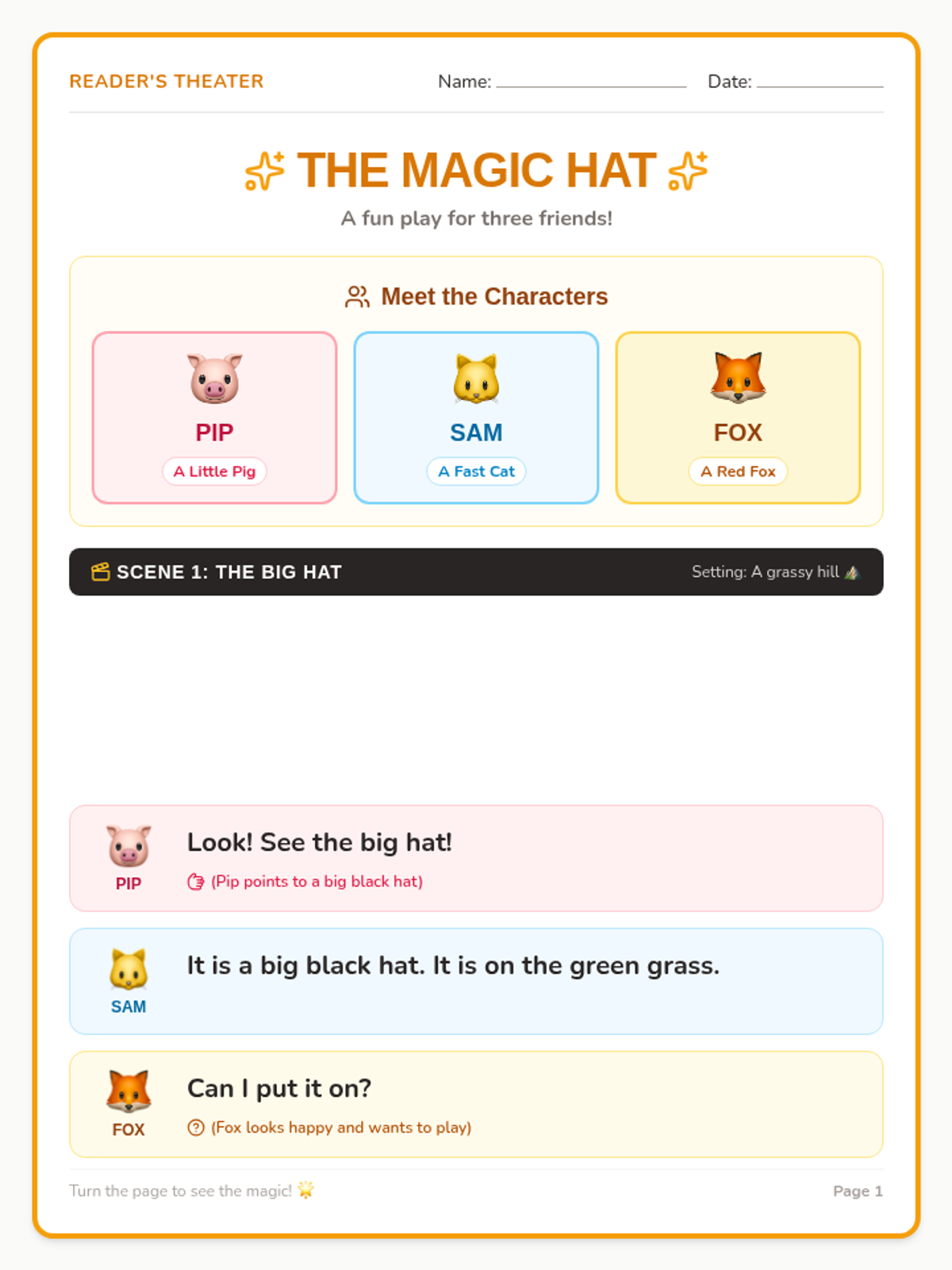
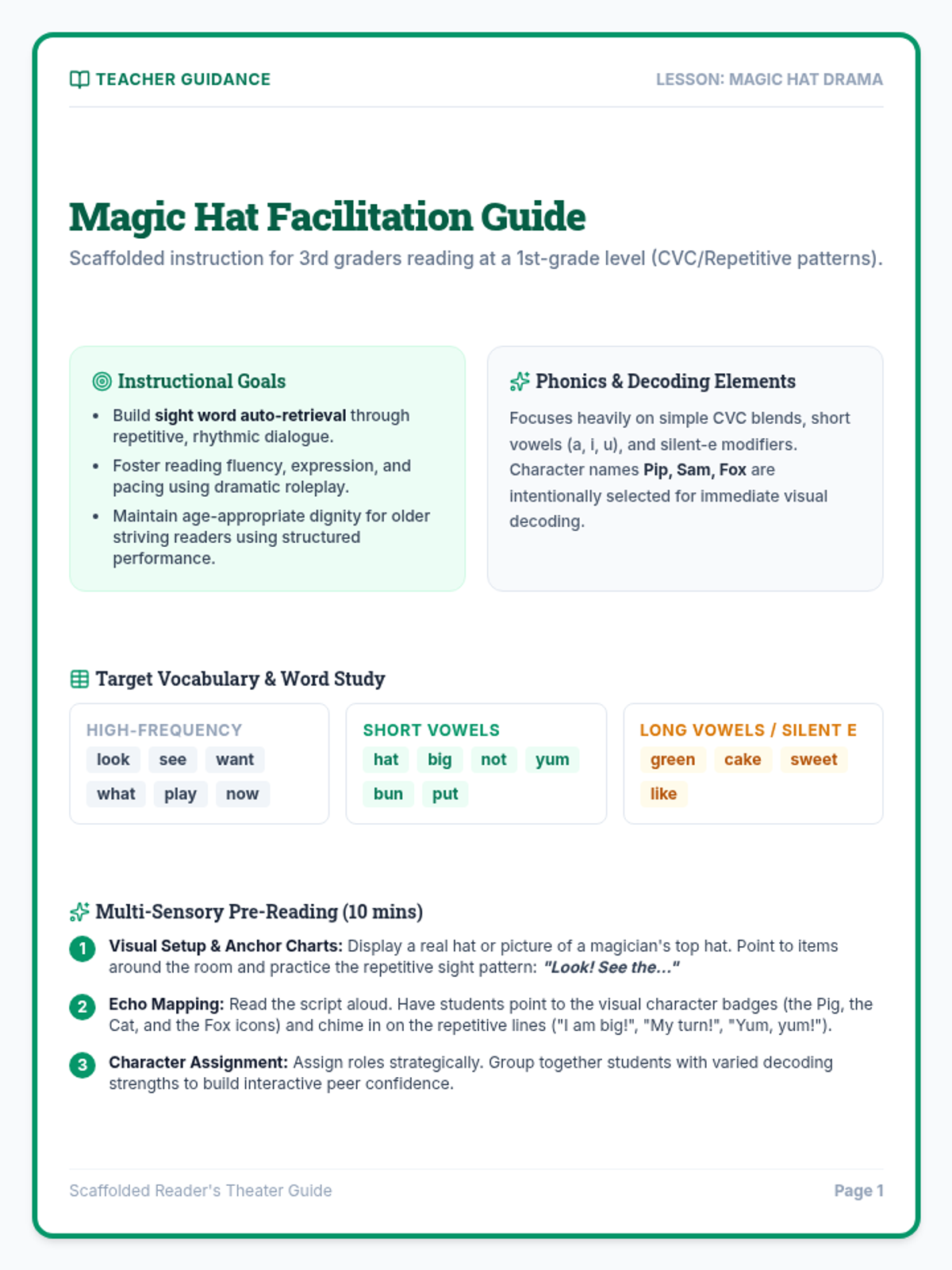
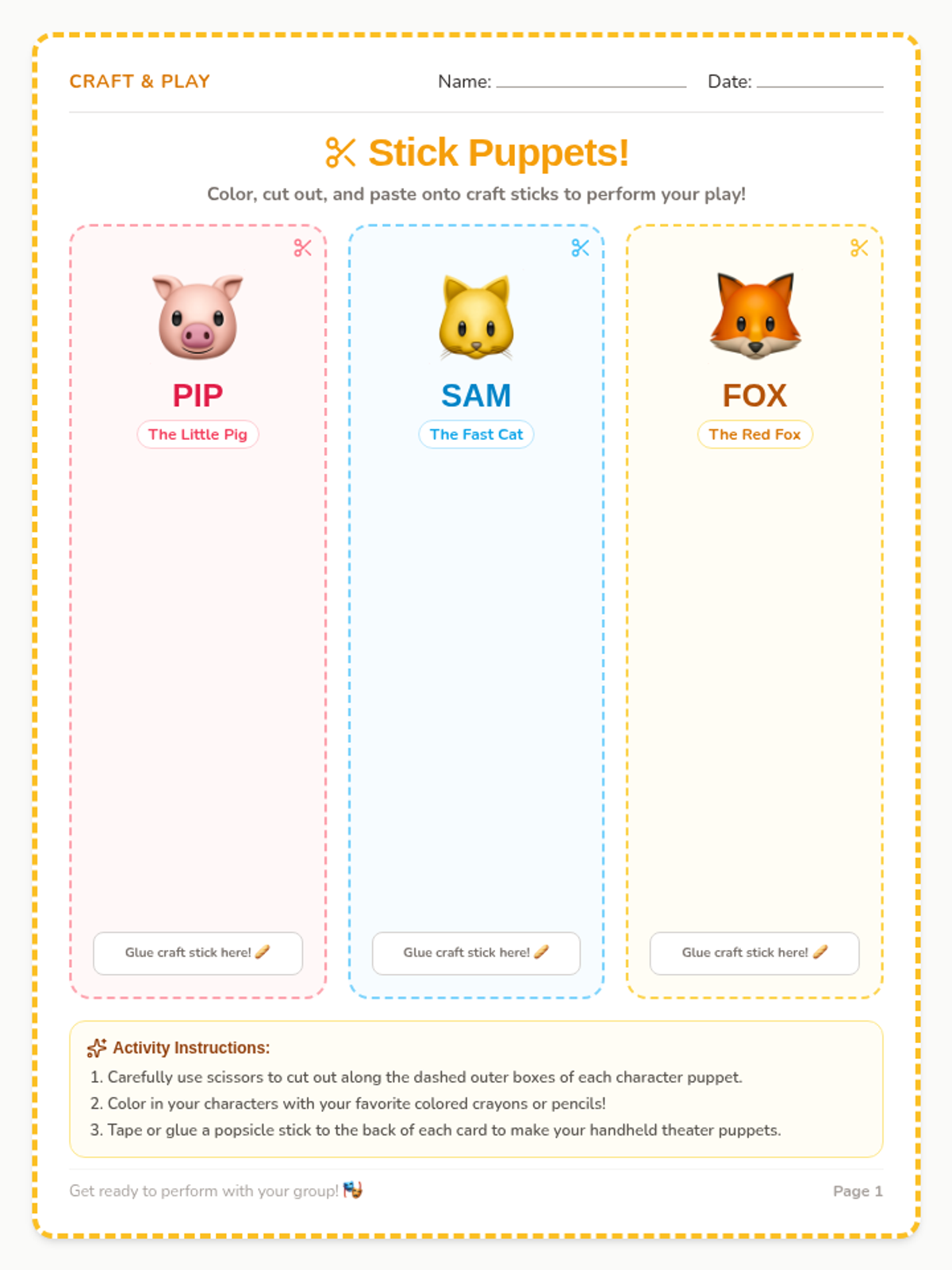
A highly visual reader's theater lesson tailored for third-grade students reading at a first-grade level. Features a simple, repetitive three-character play with rich visual cues, character badges, and scaffolded activities to build decoding confidence and fluency.
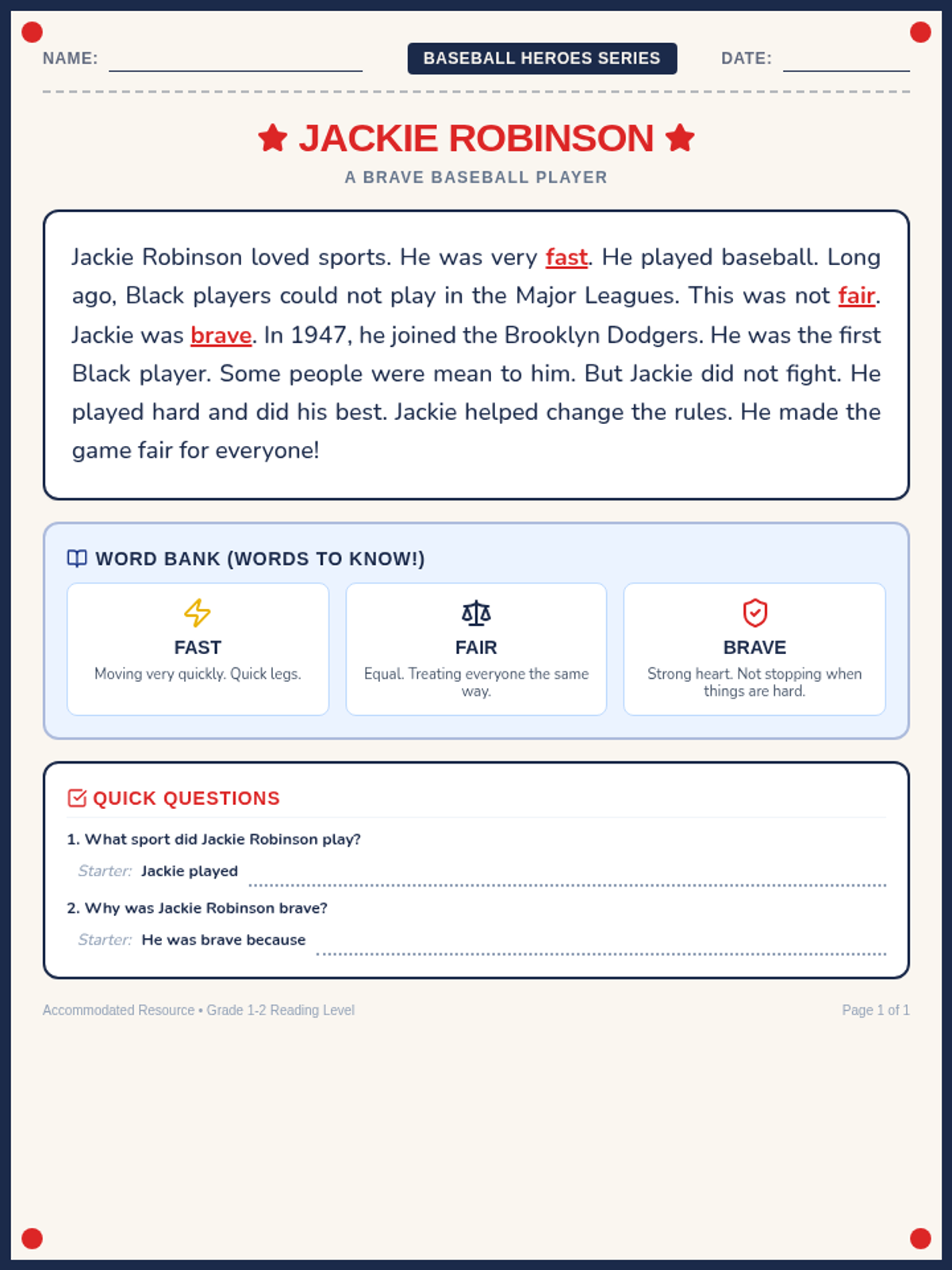
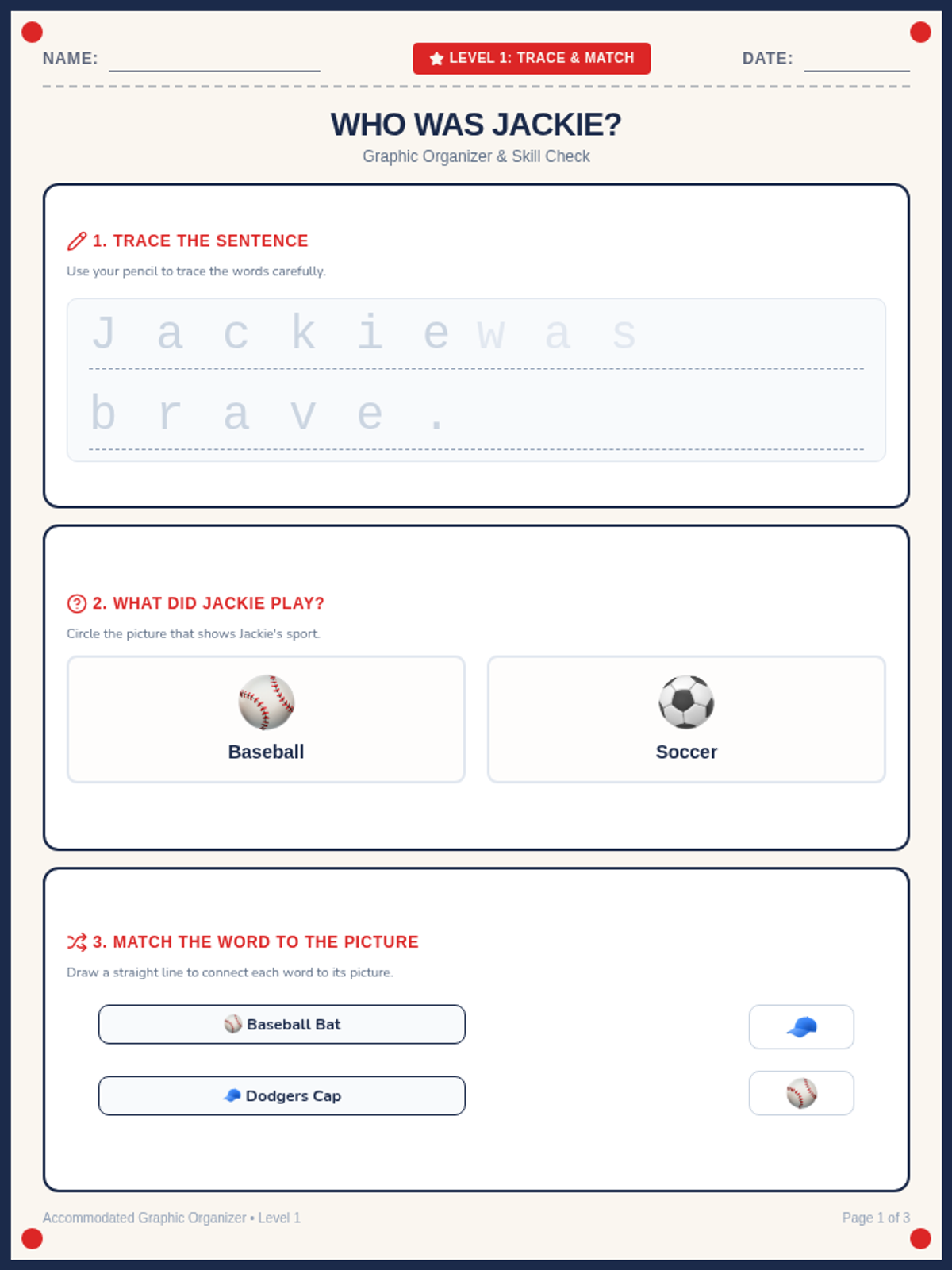
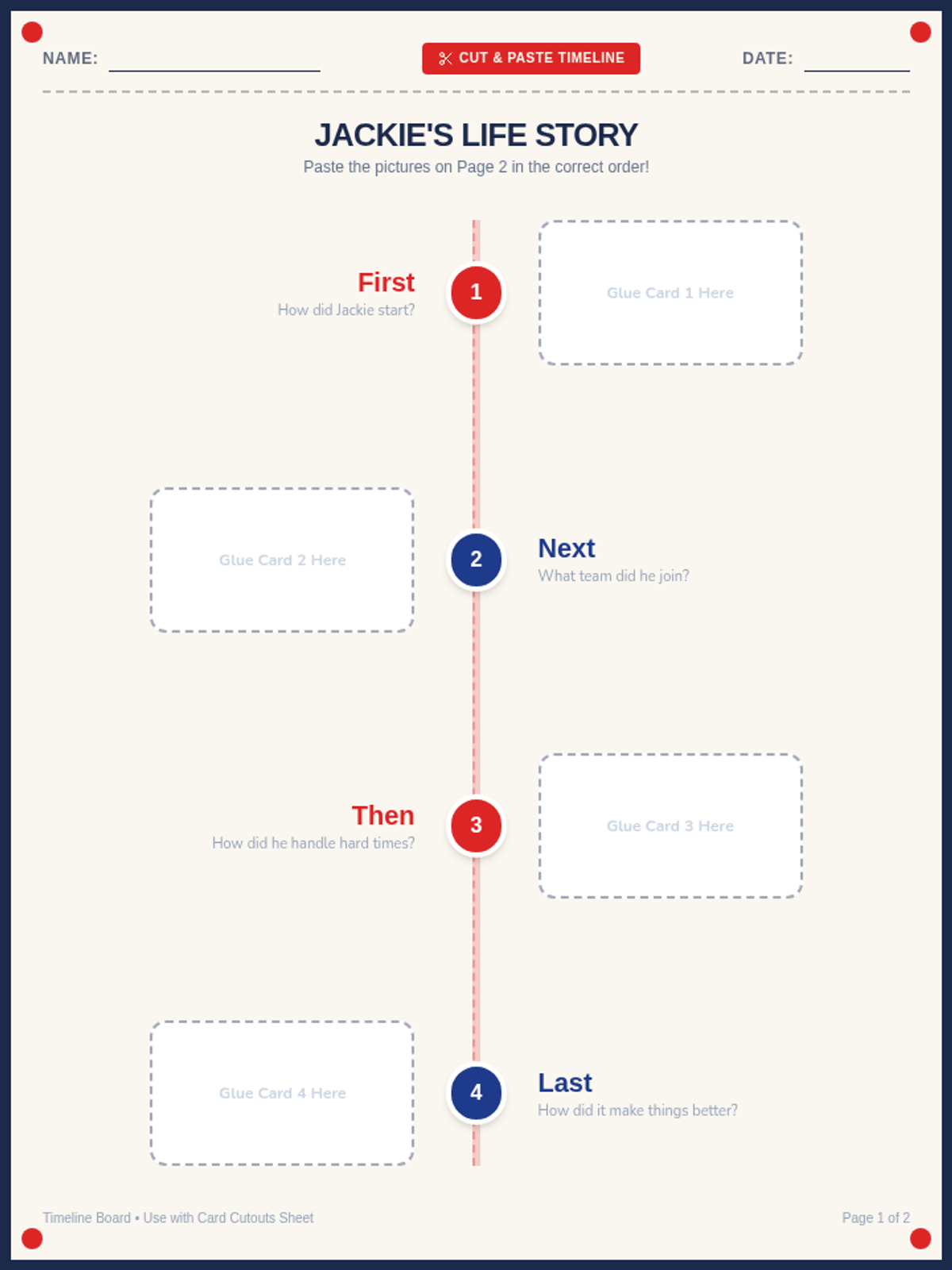
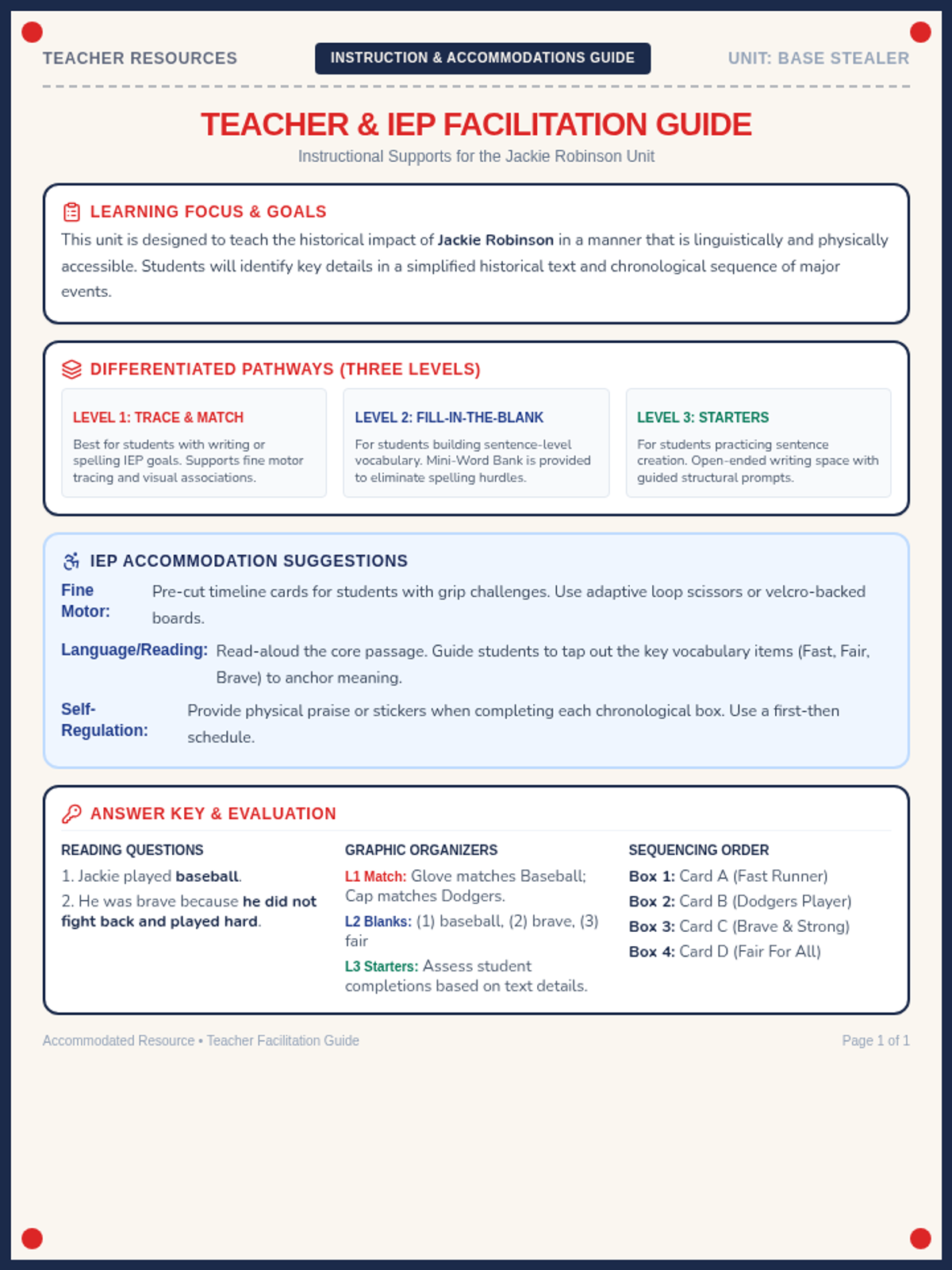
A highly accessible lesson on Jackie Robinson designed for 1st-2nd grade reading levels and IEP accommodations. Includes a simplified reading passage, three levels of differentiated graphic organizers, a visual cut-and-paste sequencing timeline, and a teacher guide.
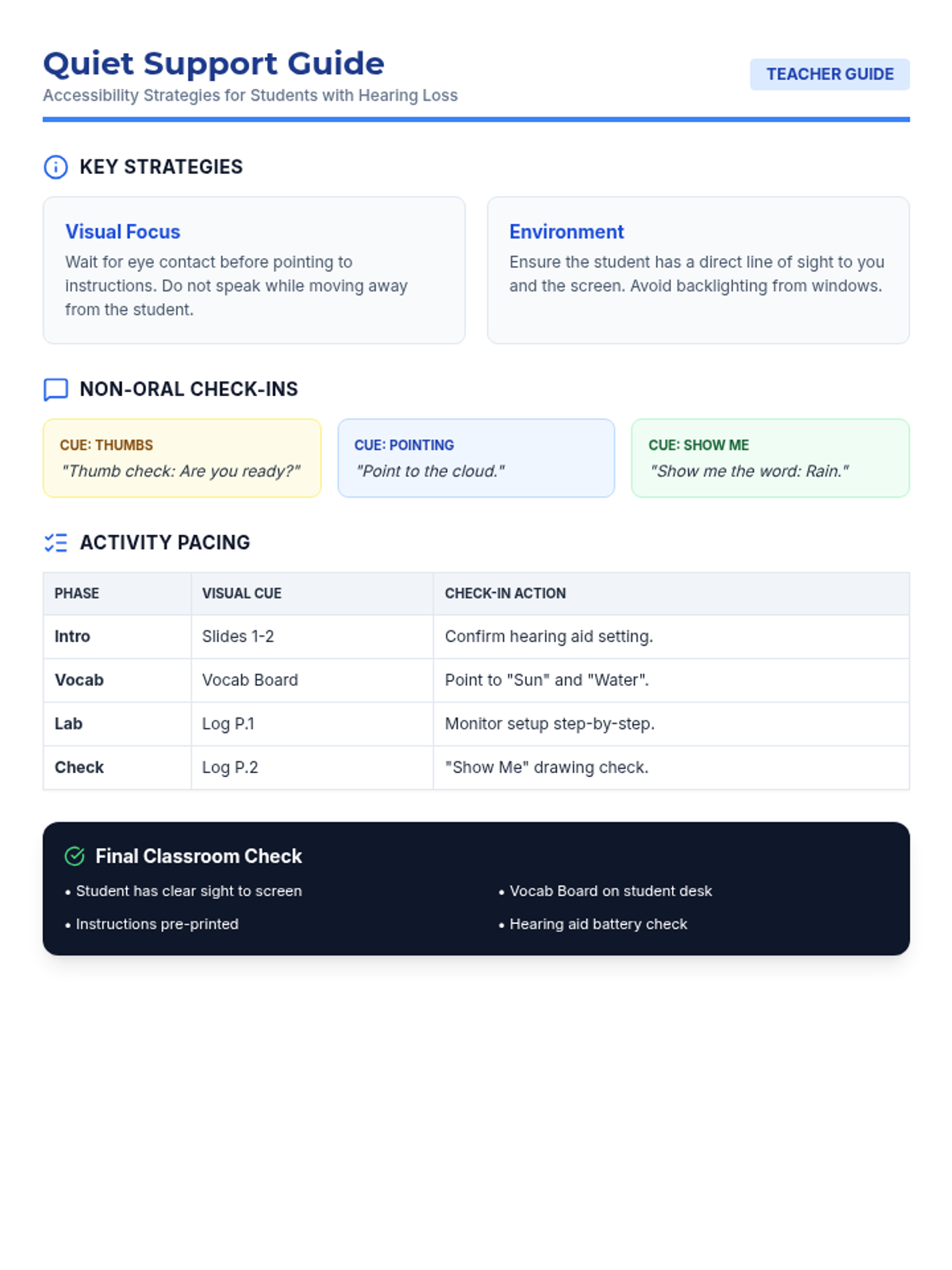
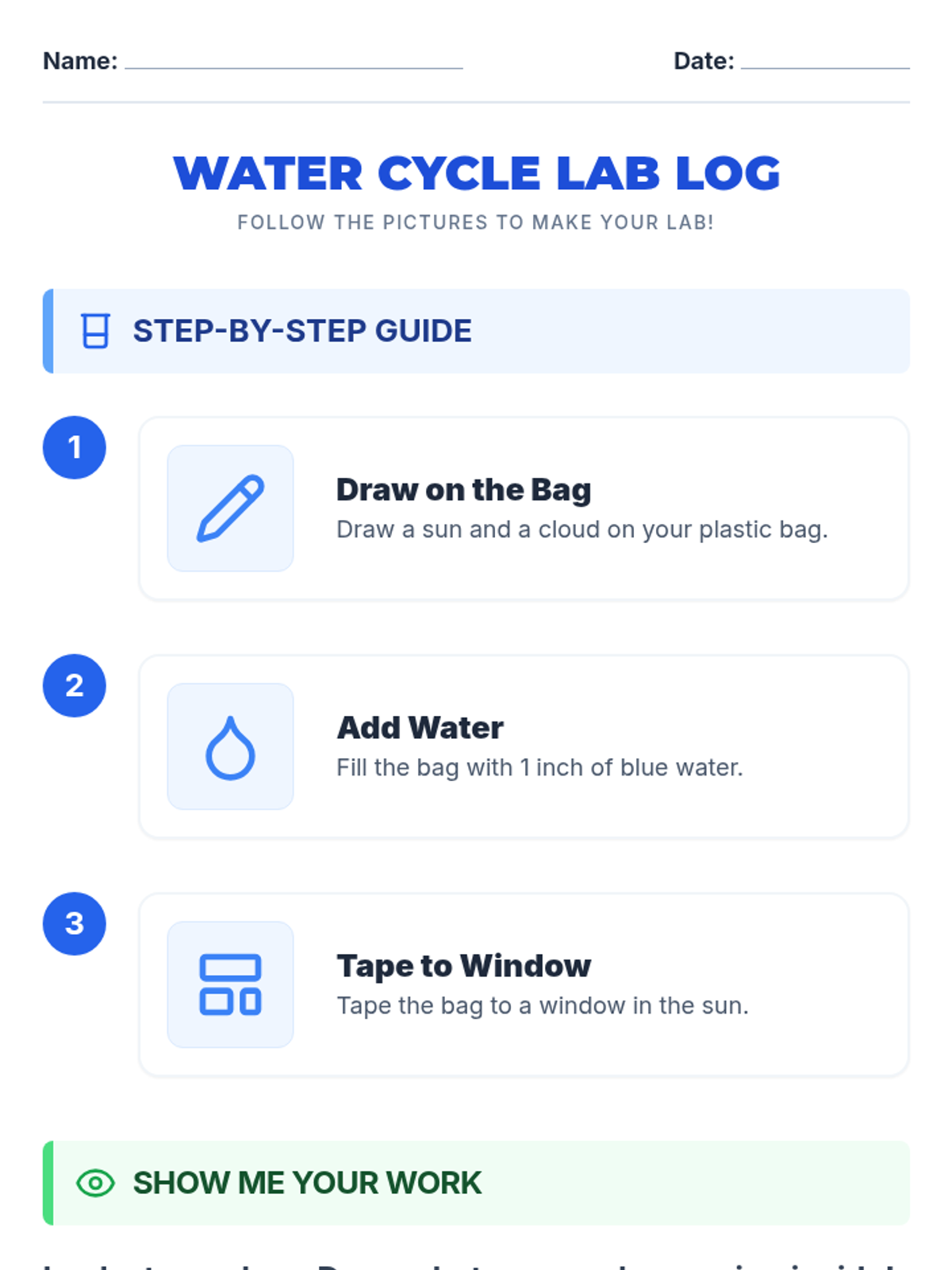
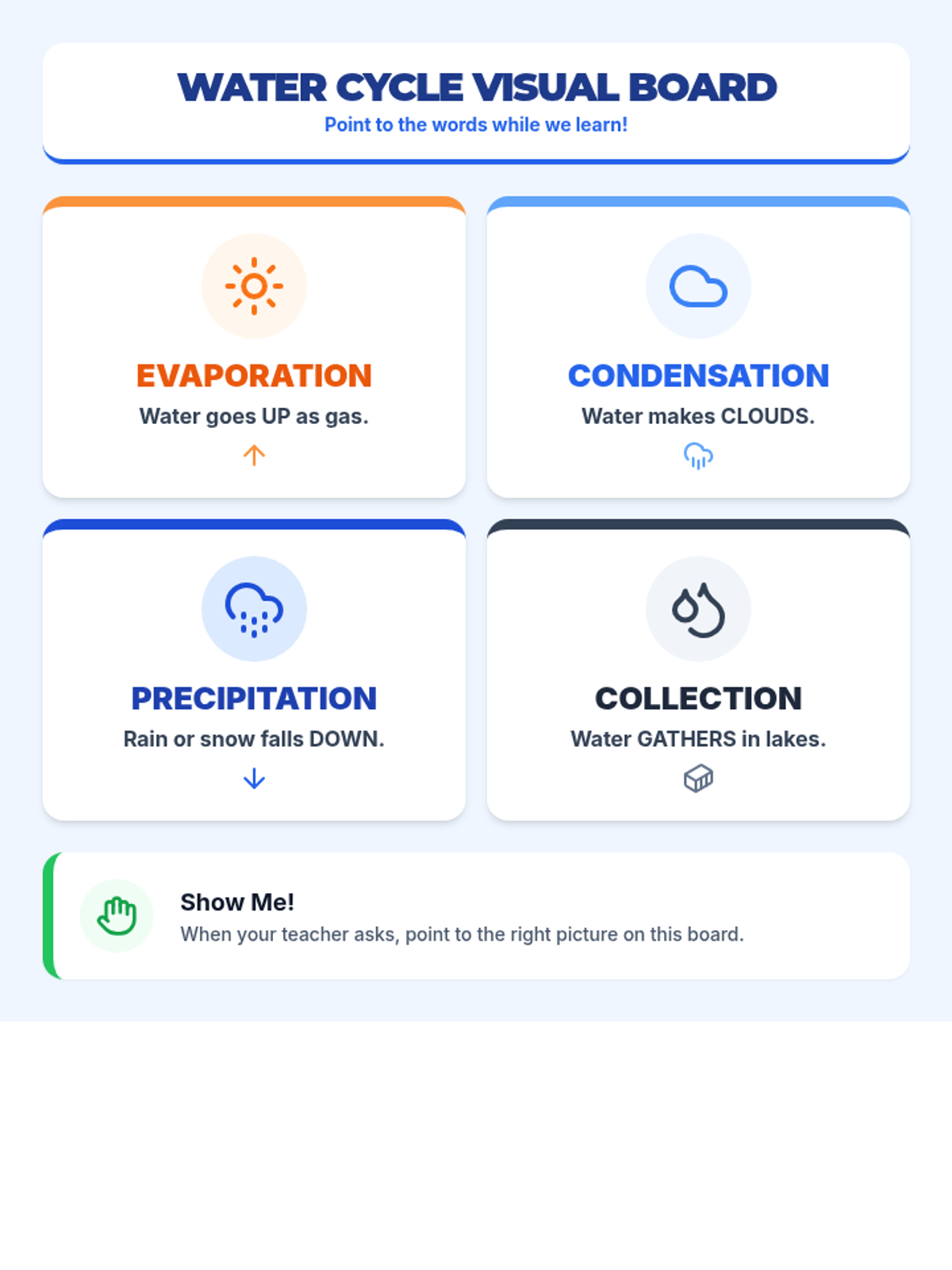
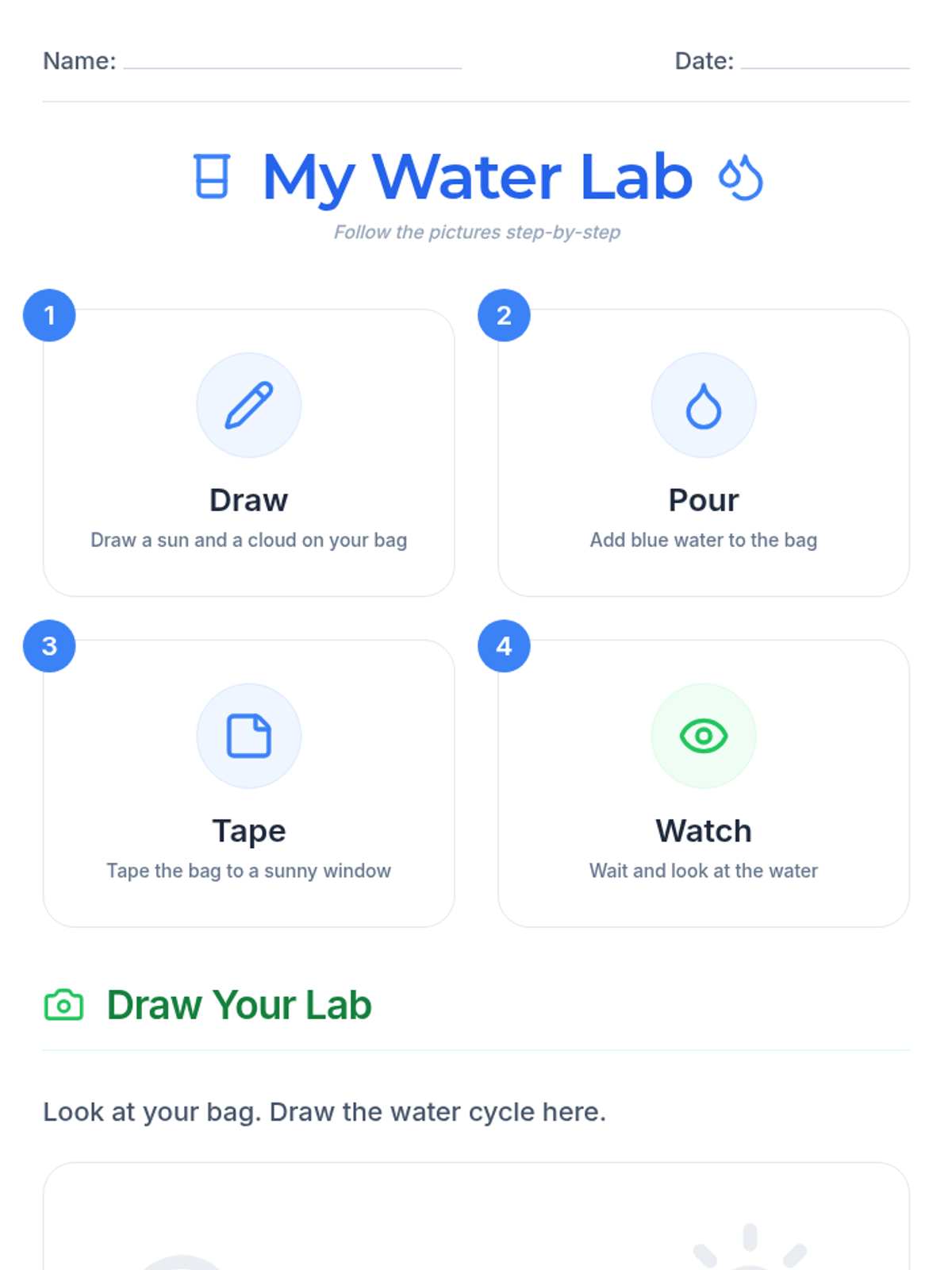
A visually-rich lesson on the water cycle designed for students with hearing loss. It emphasizes written instructions, picture cues, and non-oral understanding checks to ensure accessibility.
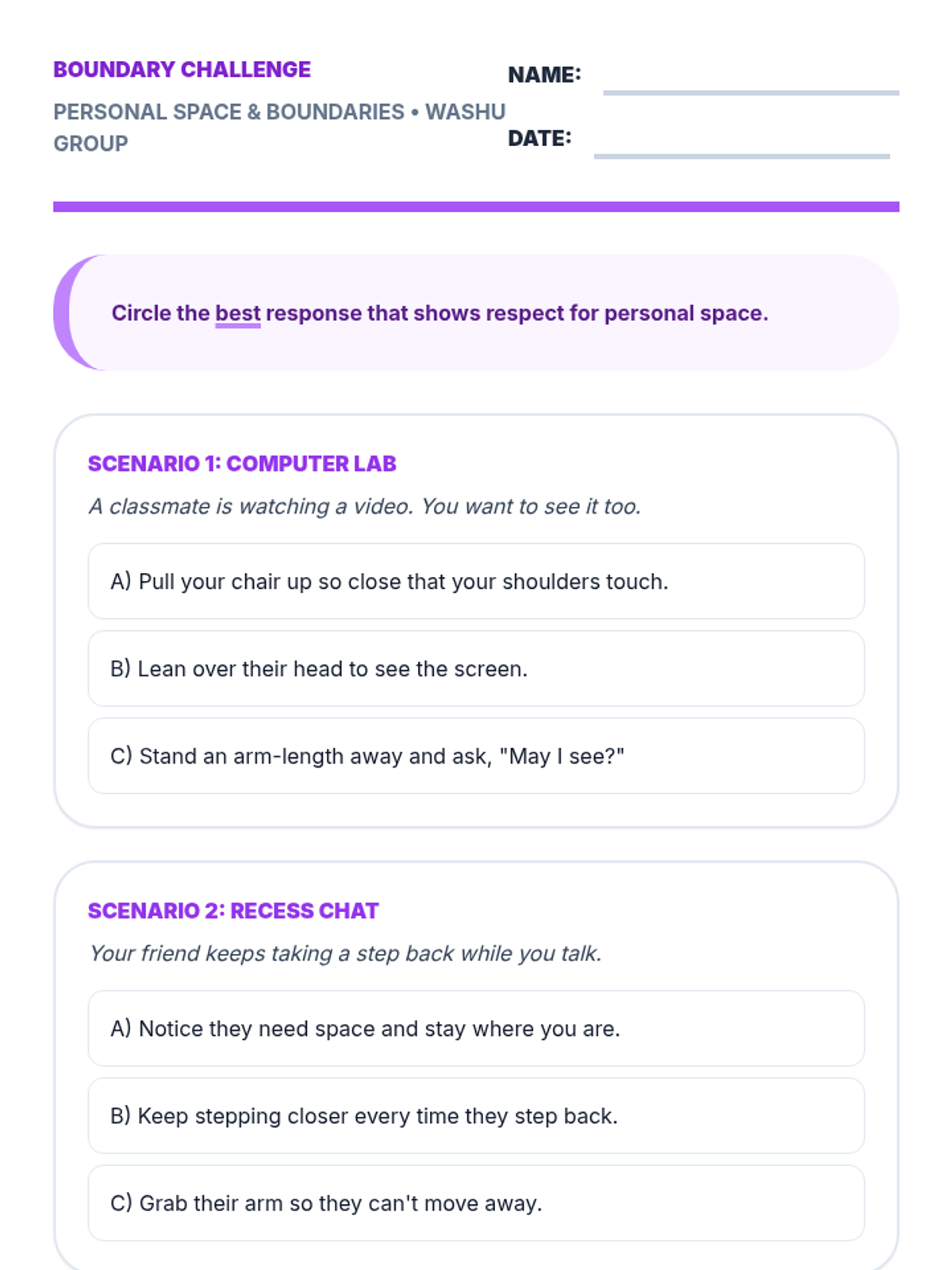
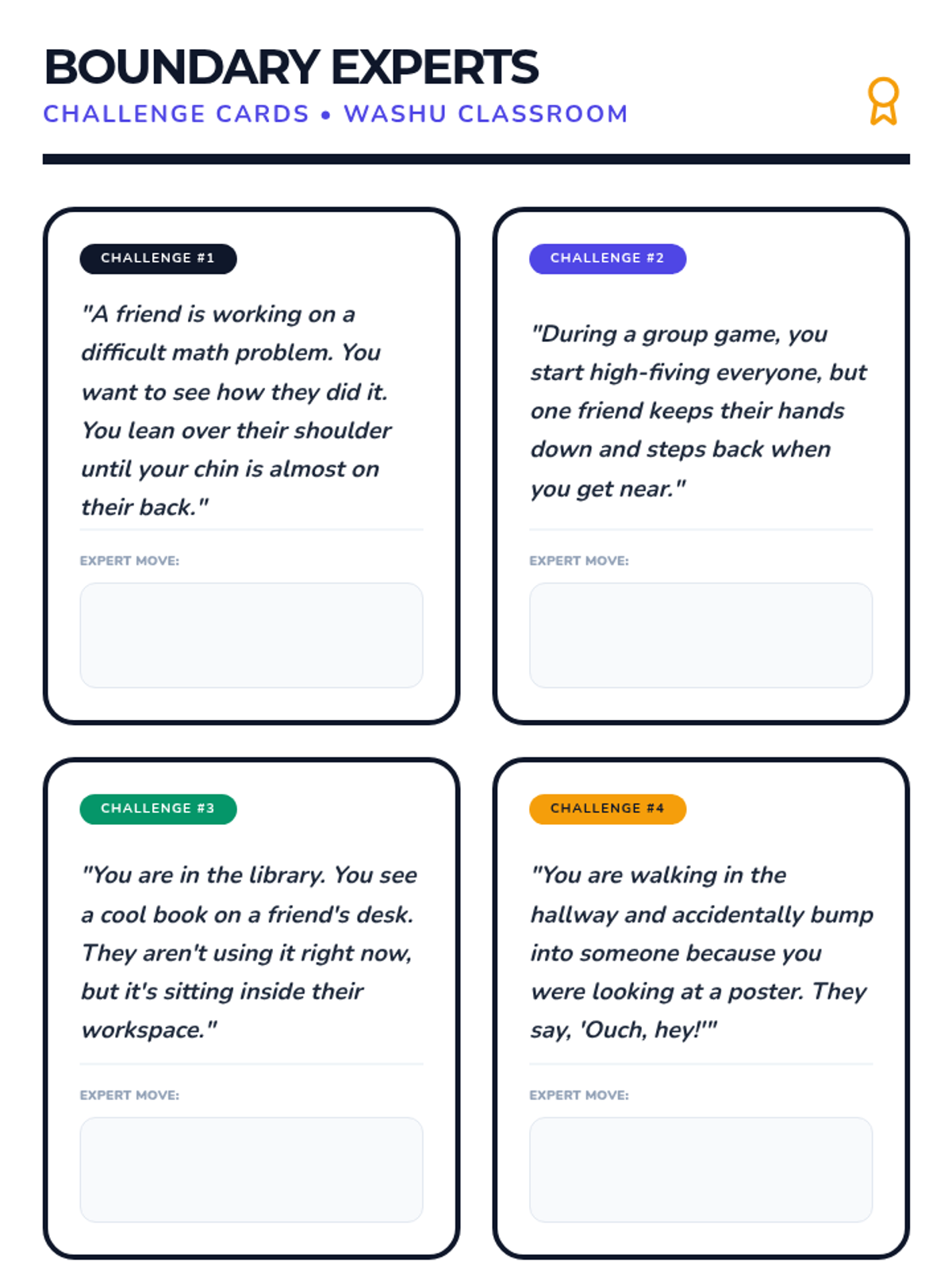
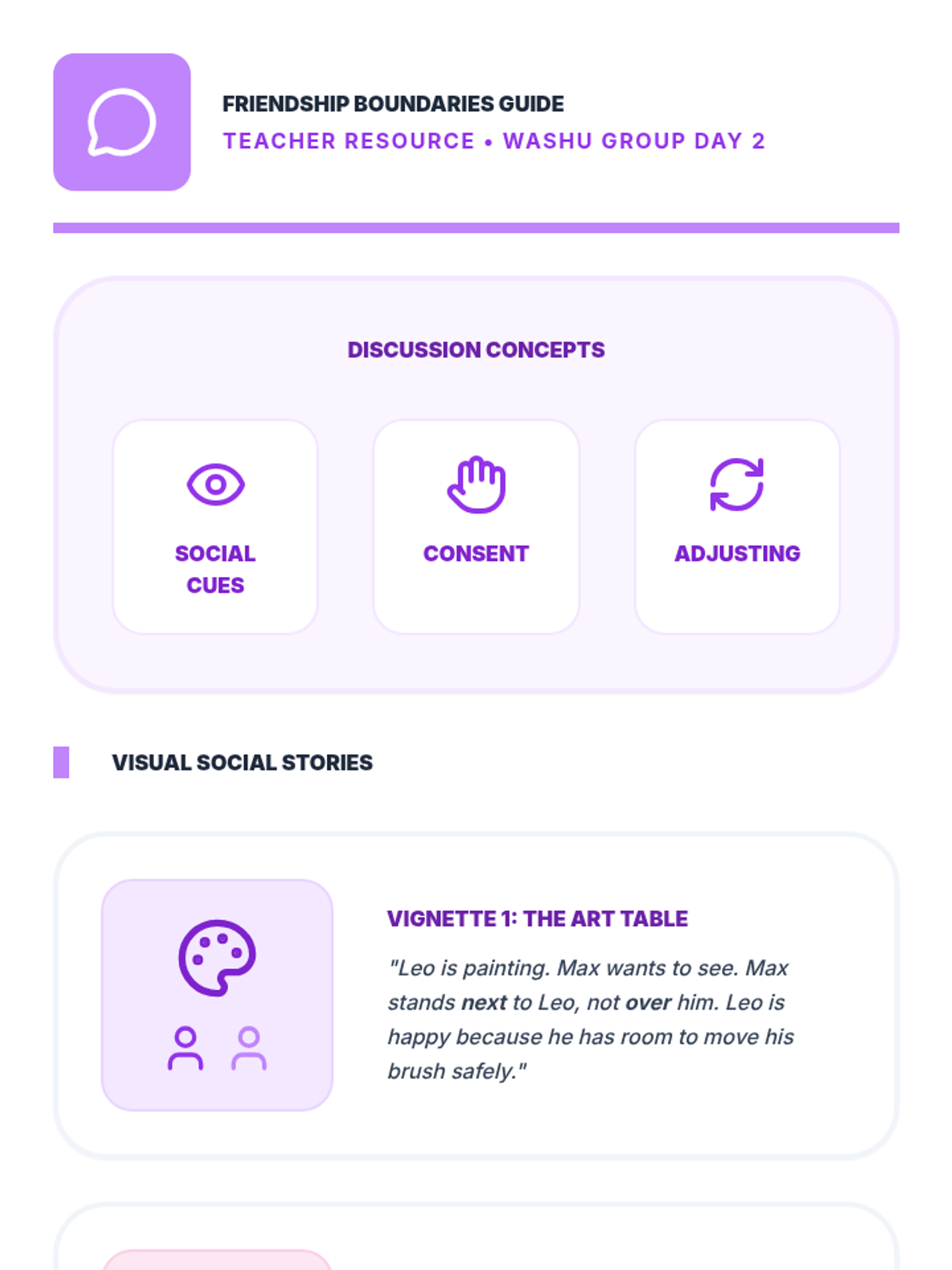
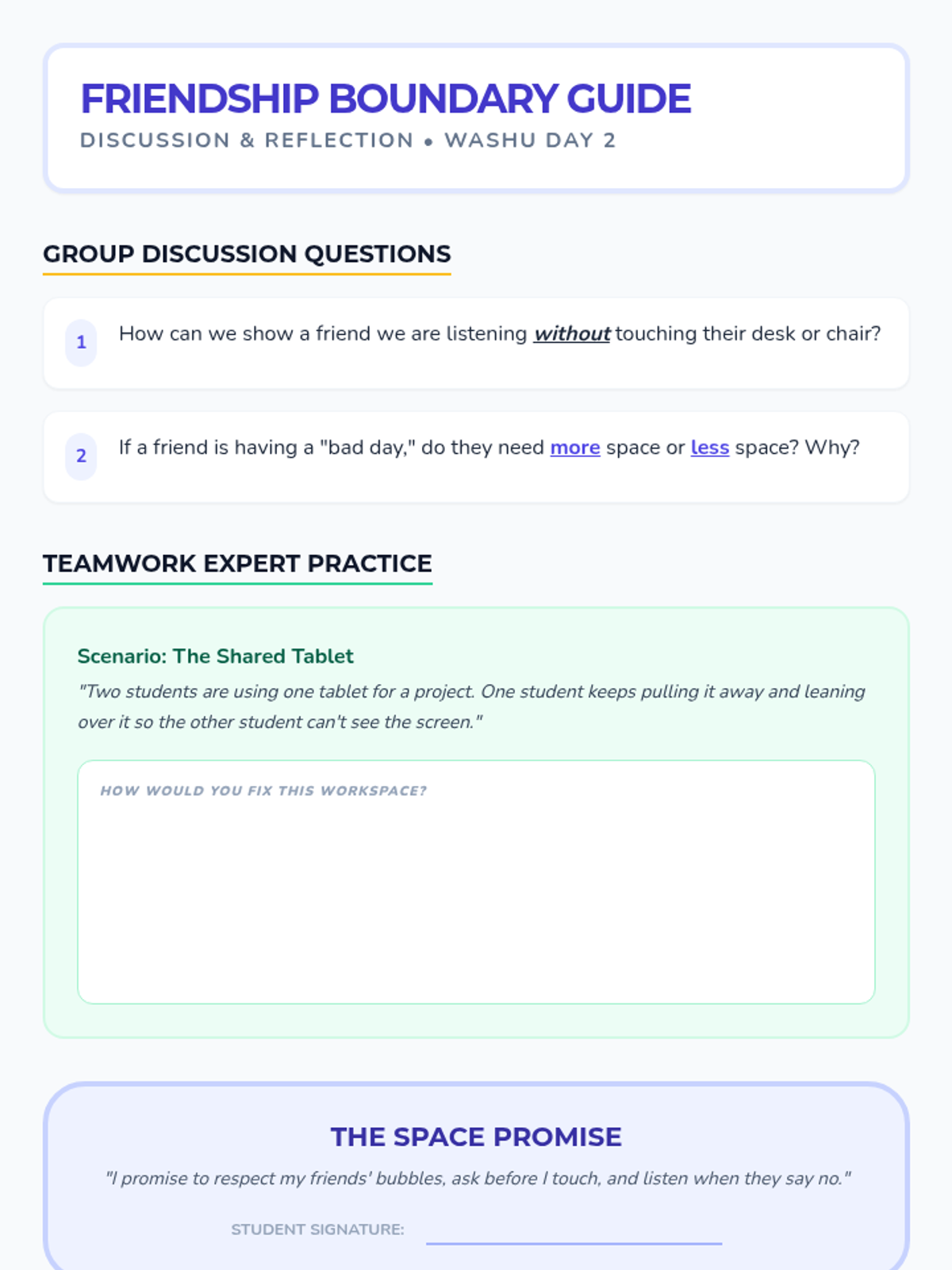
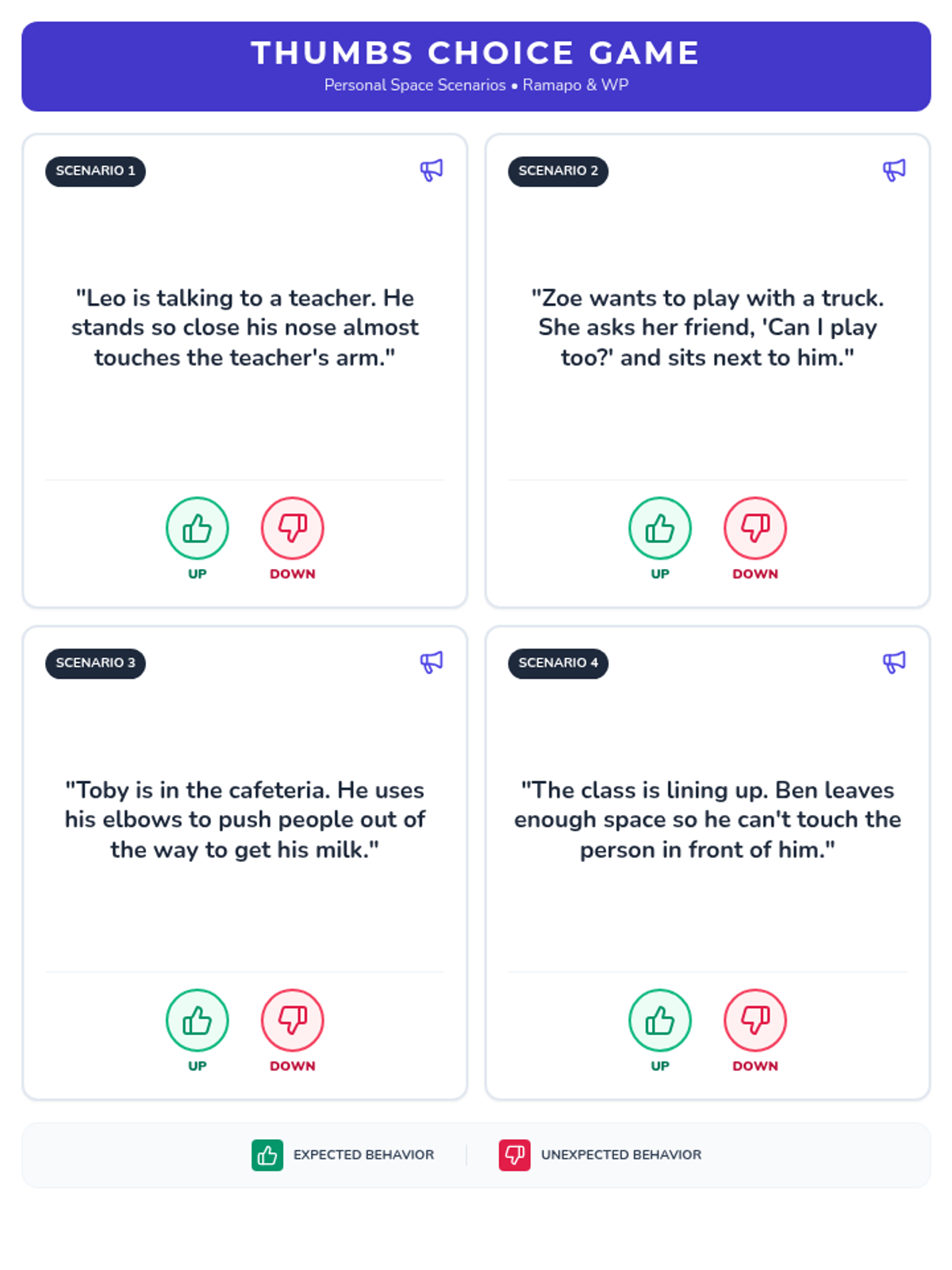
Advanced boundary application for WashU students, focusing on social challenges and respecting personal space within friendships and group work.
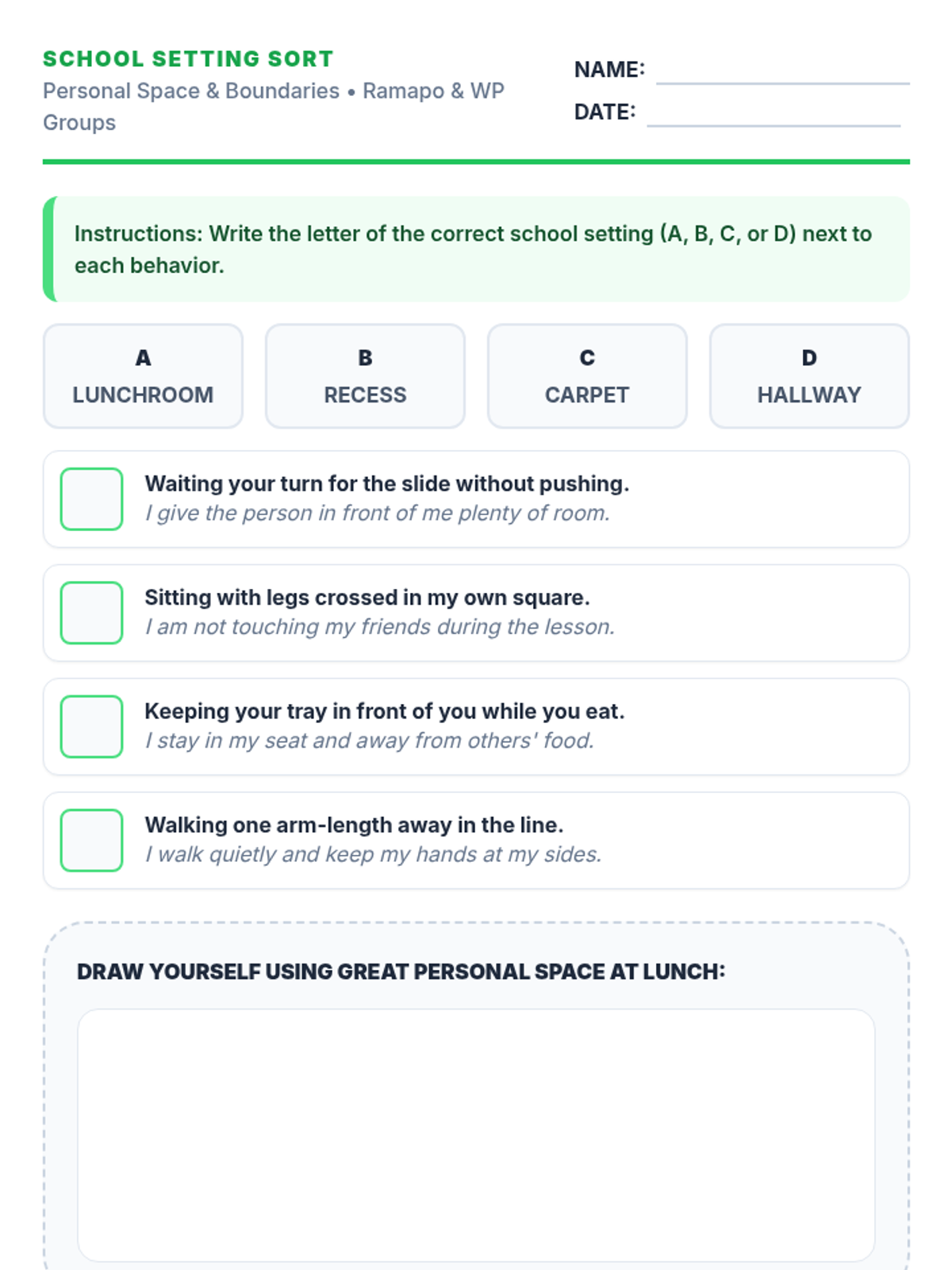
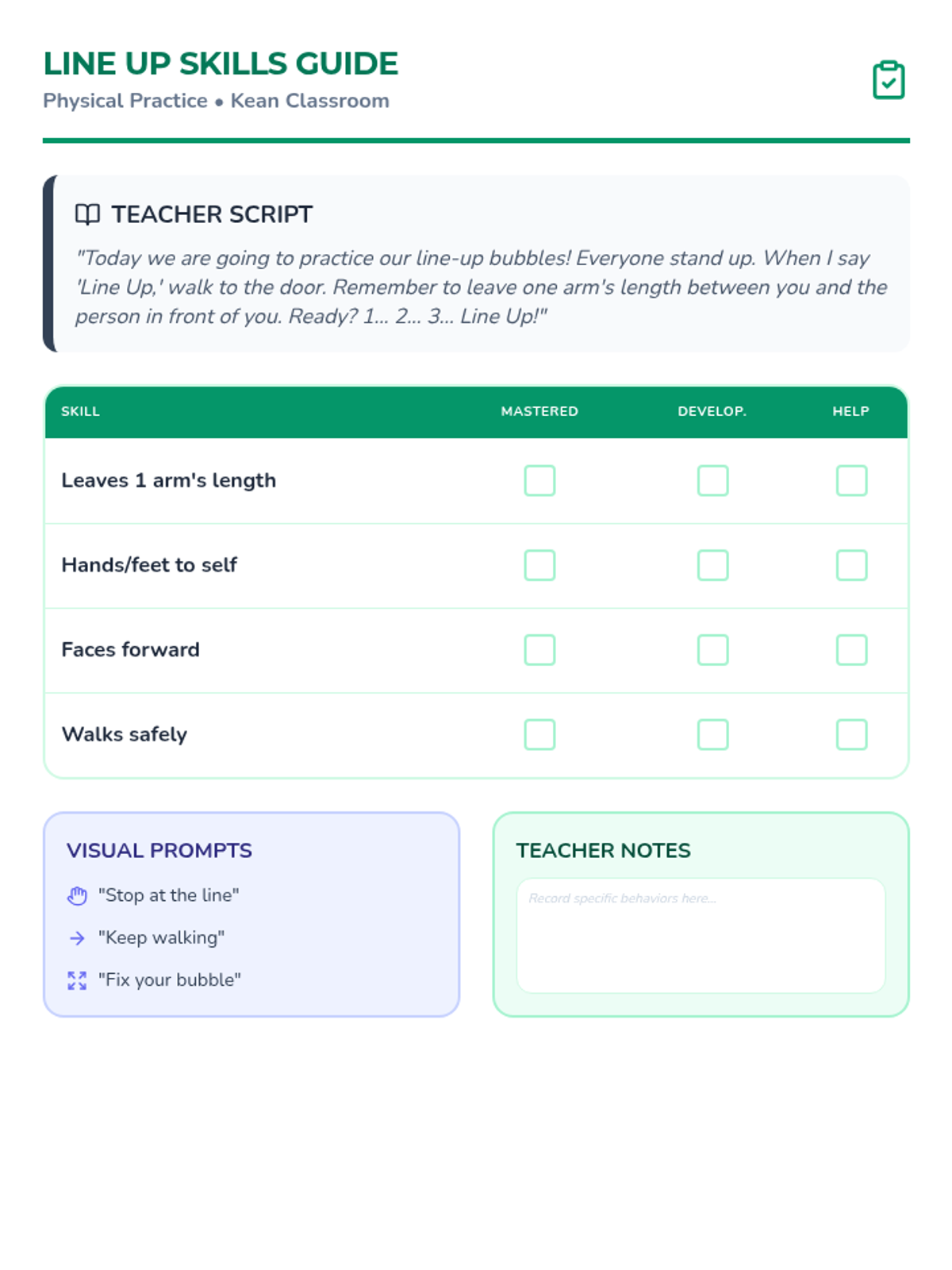
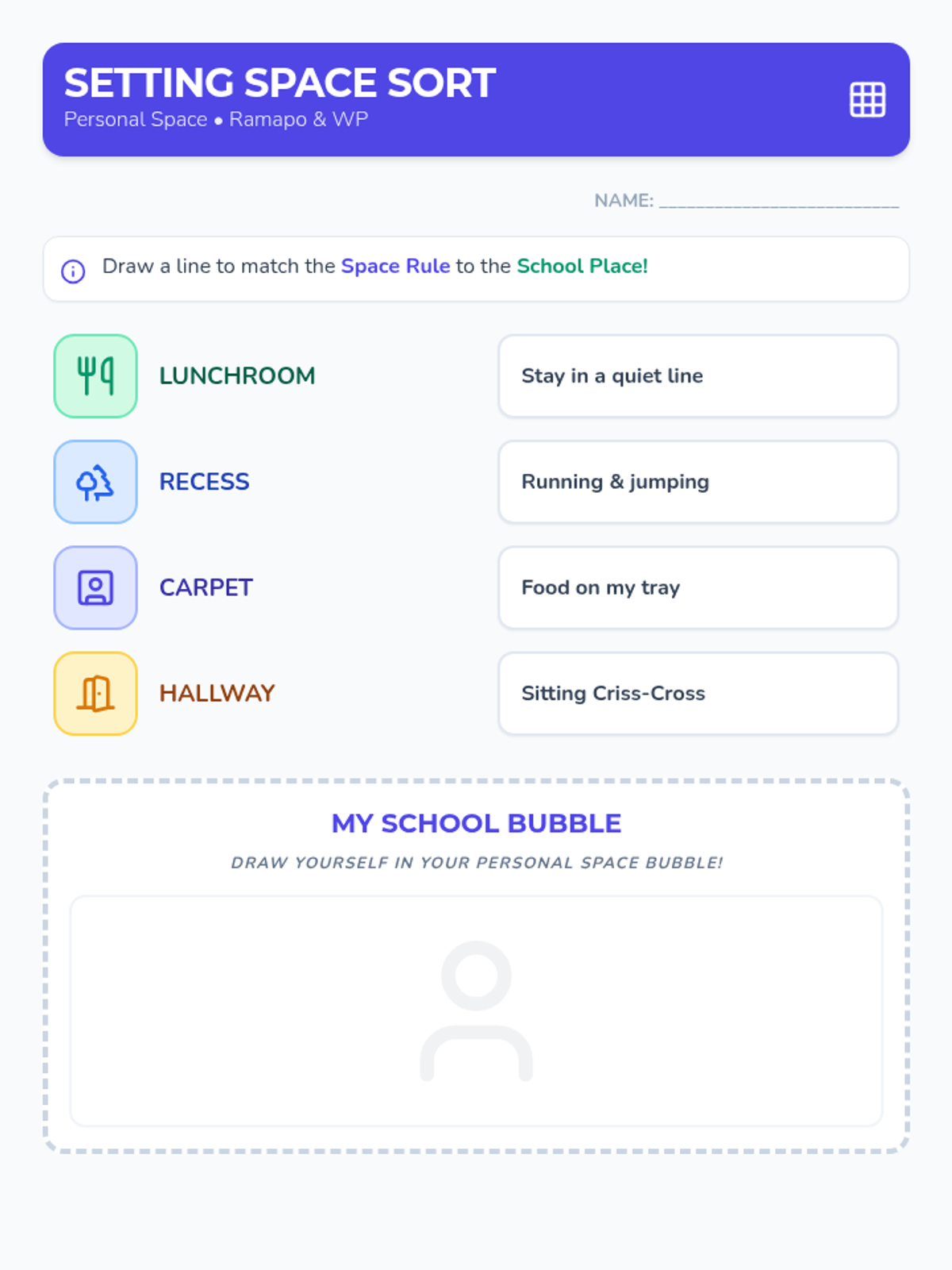
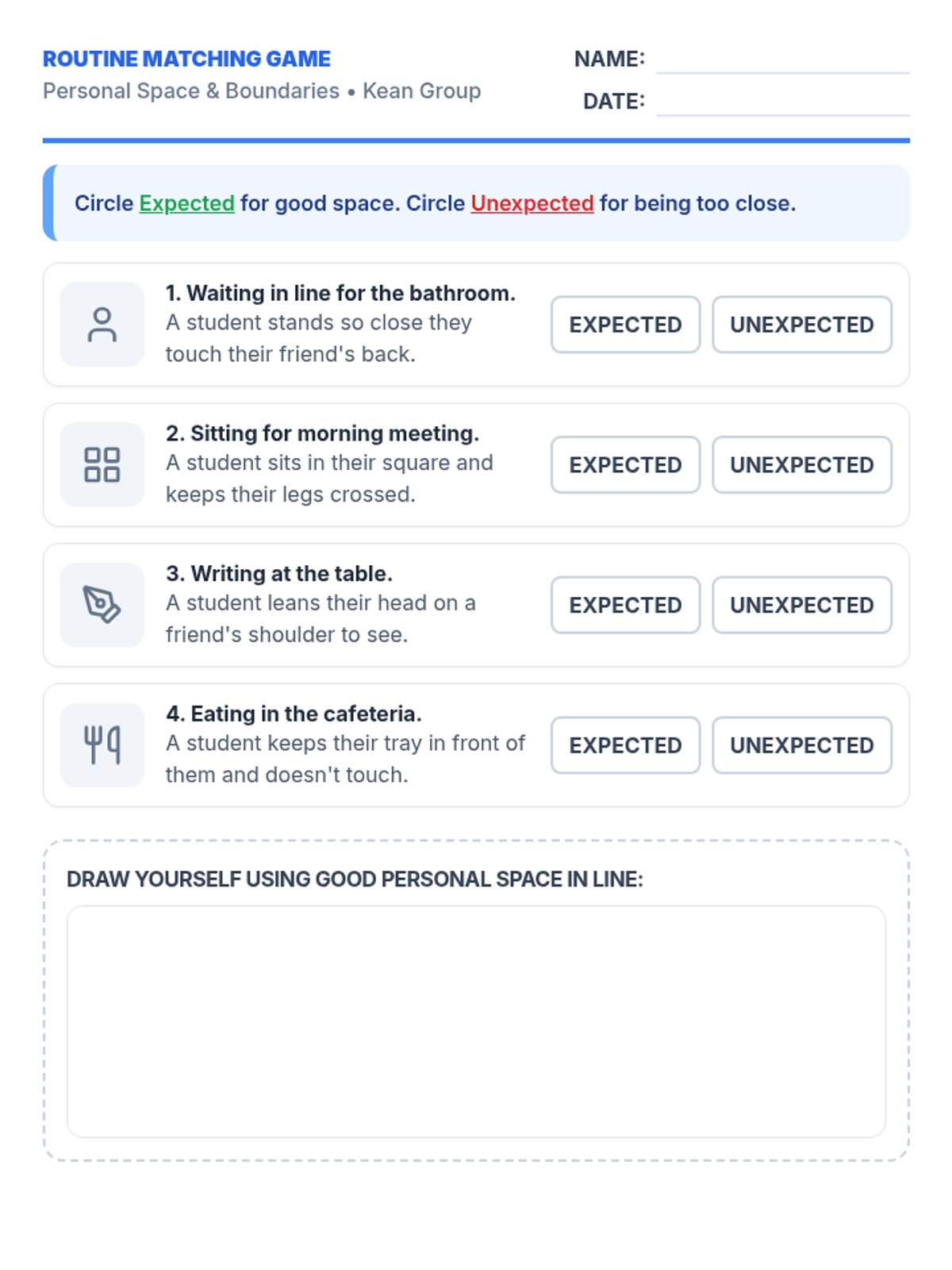
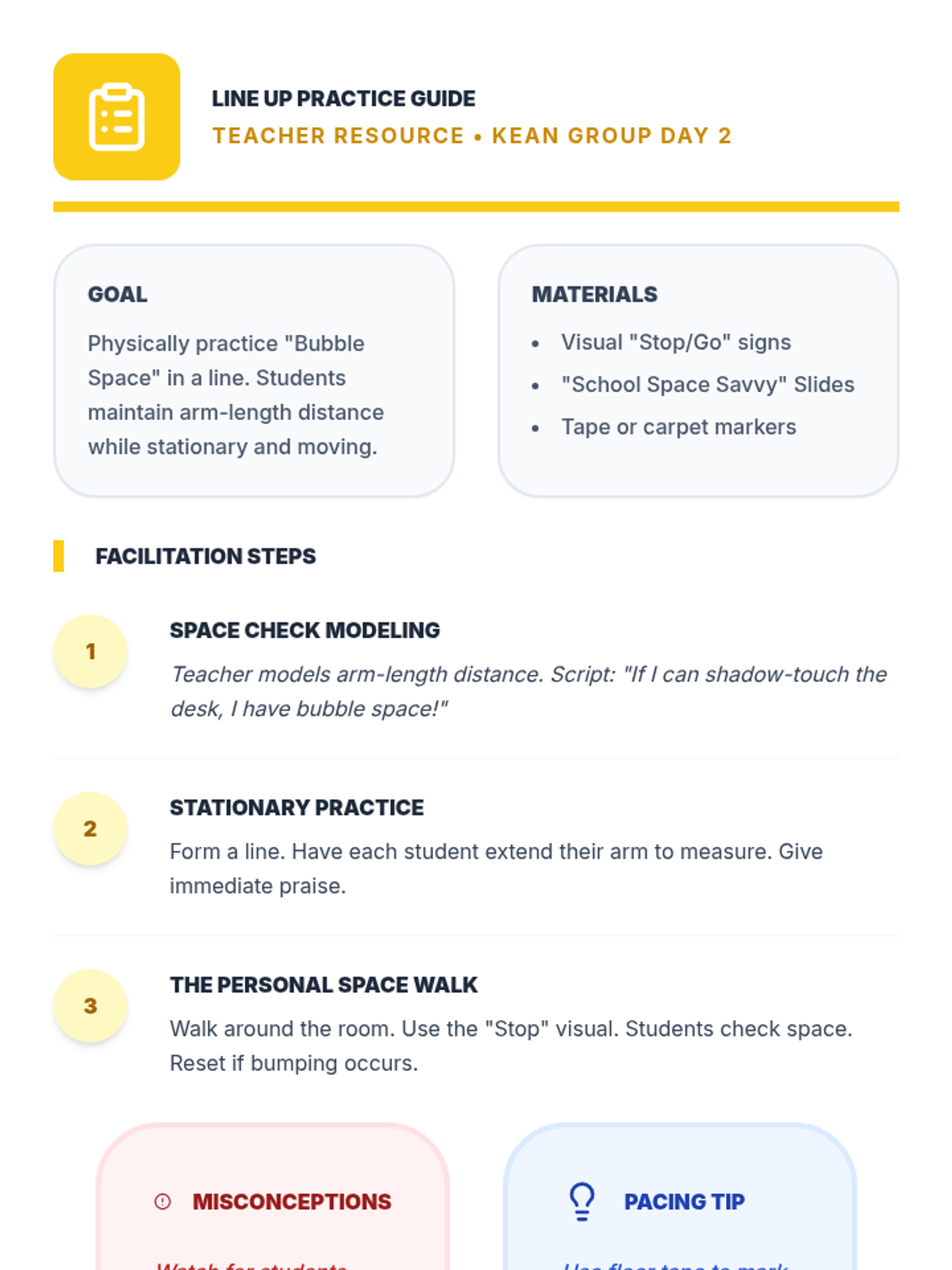
Involves hands-on practice for Kean (lining up) and sorting activities for Ramapo/WP to categorize expected vs. unexpected behaviors in specific school settings.
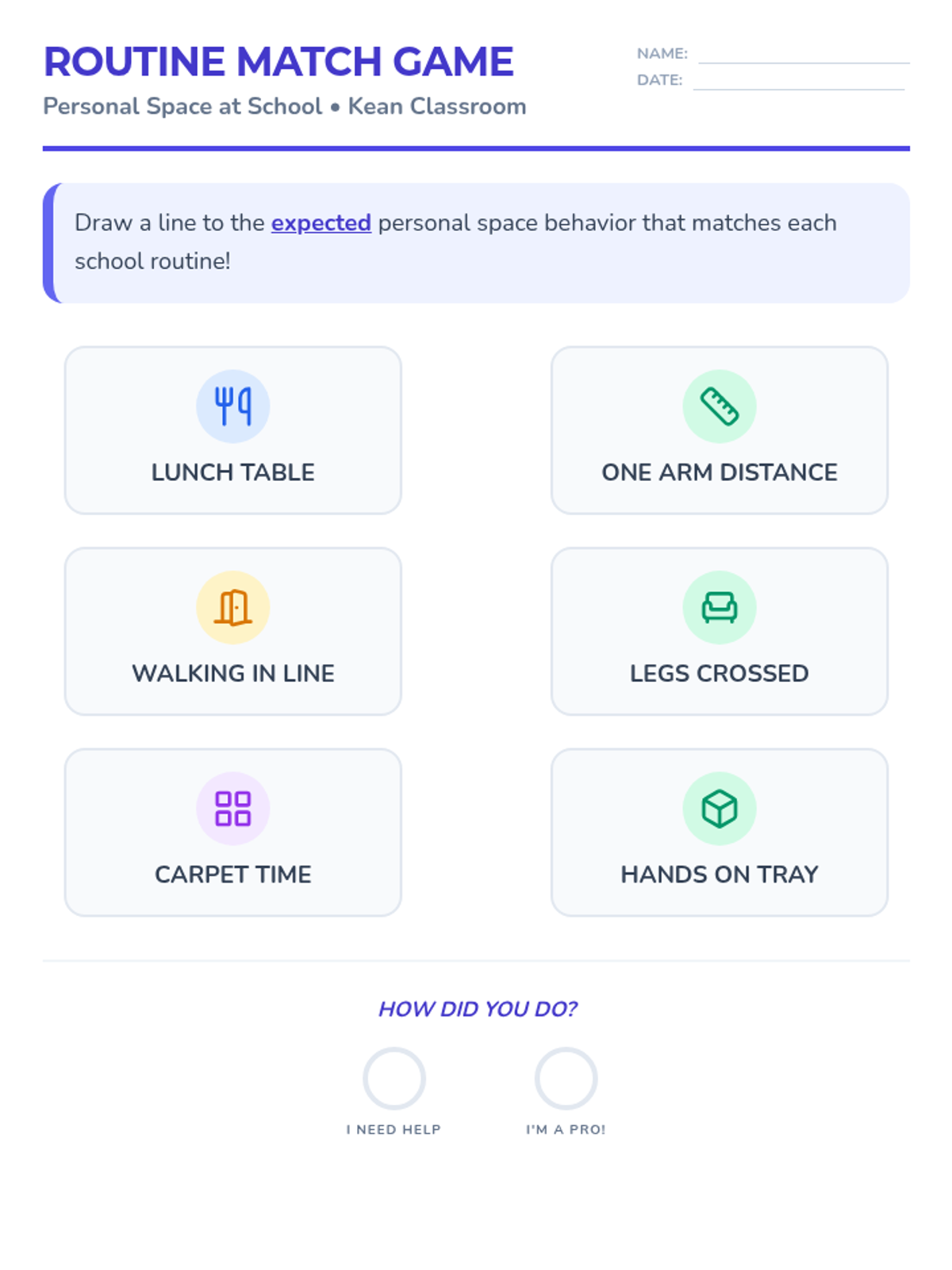
Focuses on identifying and practicing correct personal space behaviors during school routines such as lunch, recess, and transitions for Kean, Ramapo, and WP students.
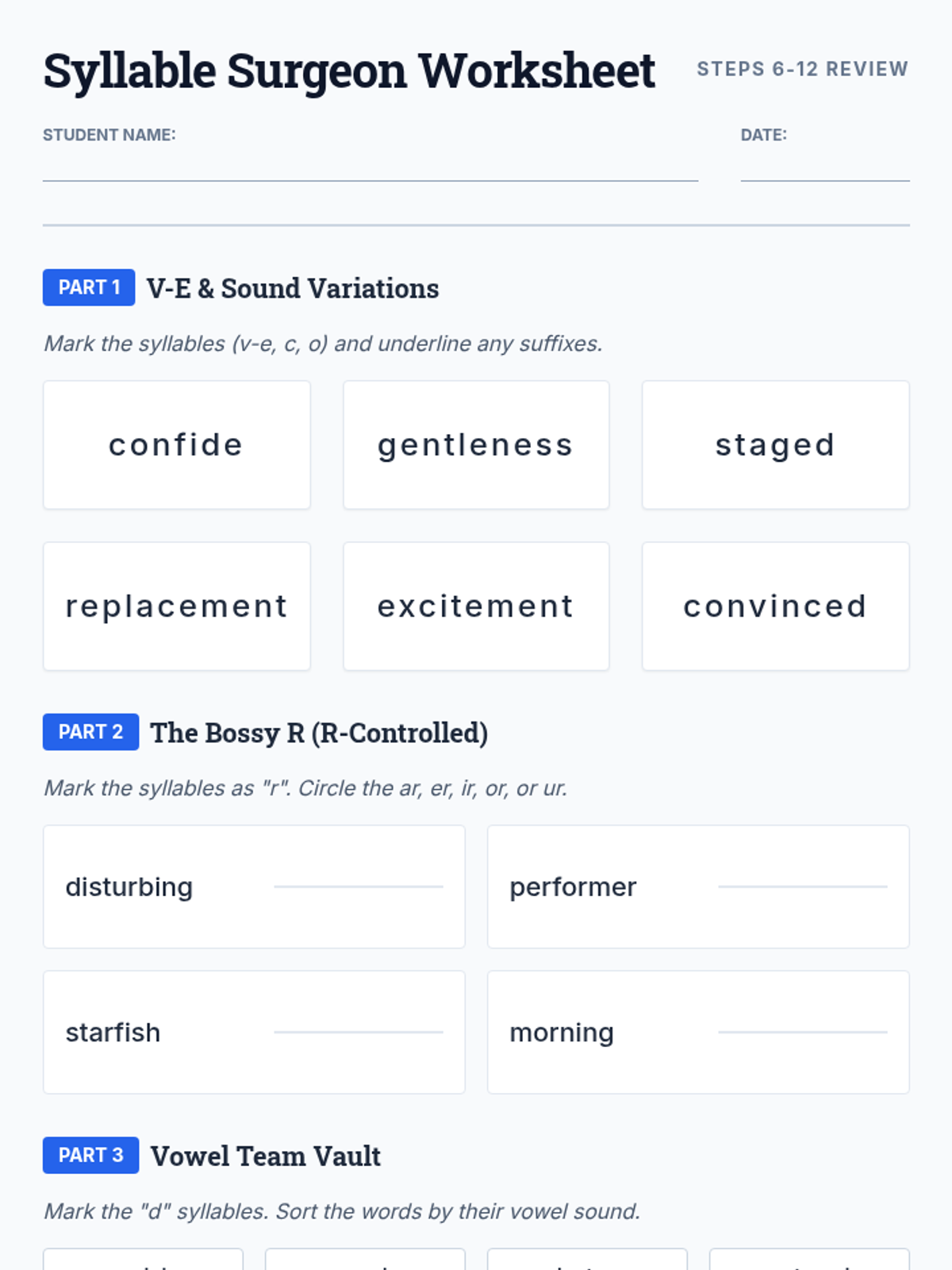
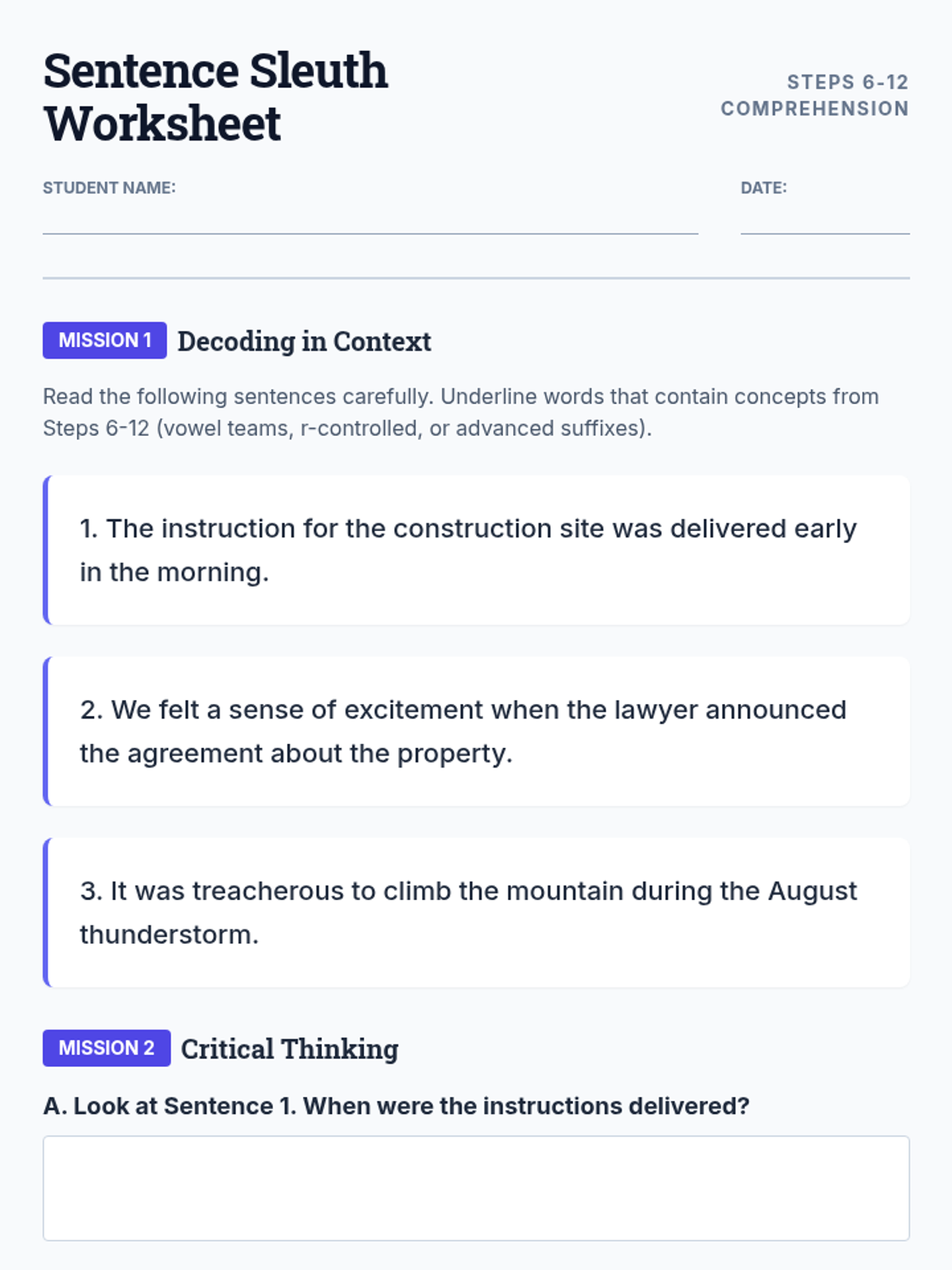
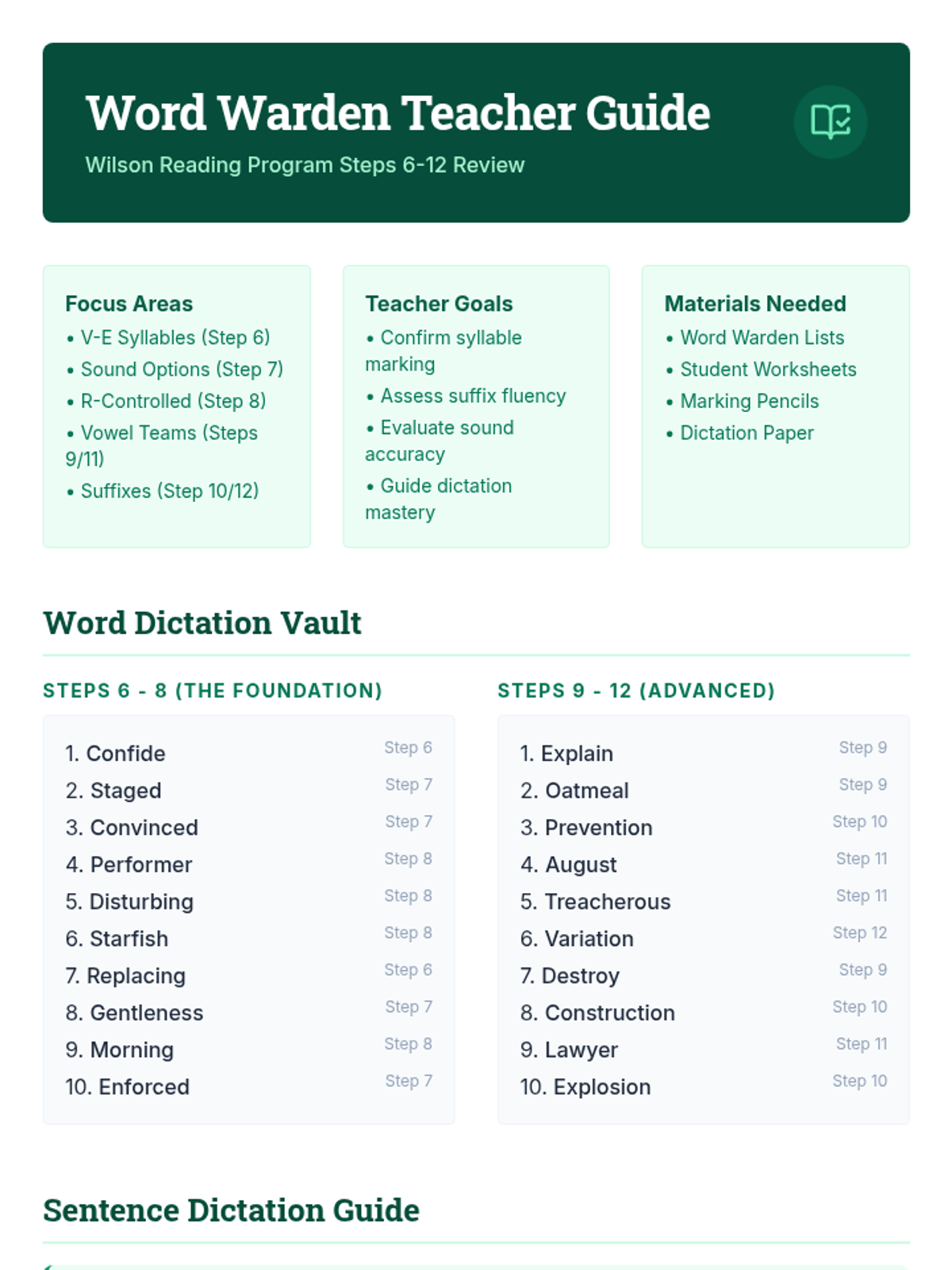
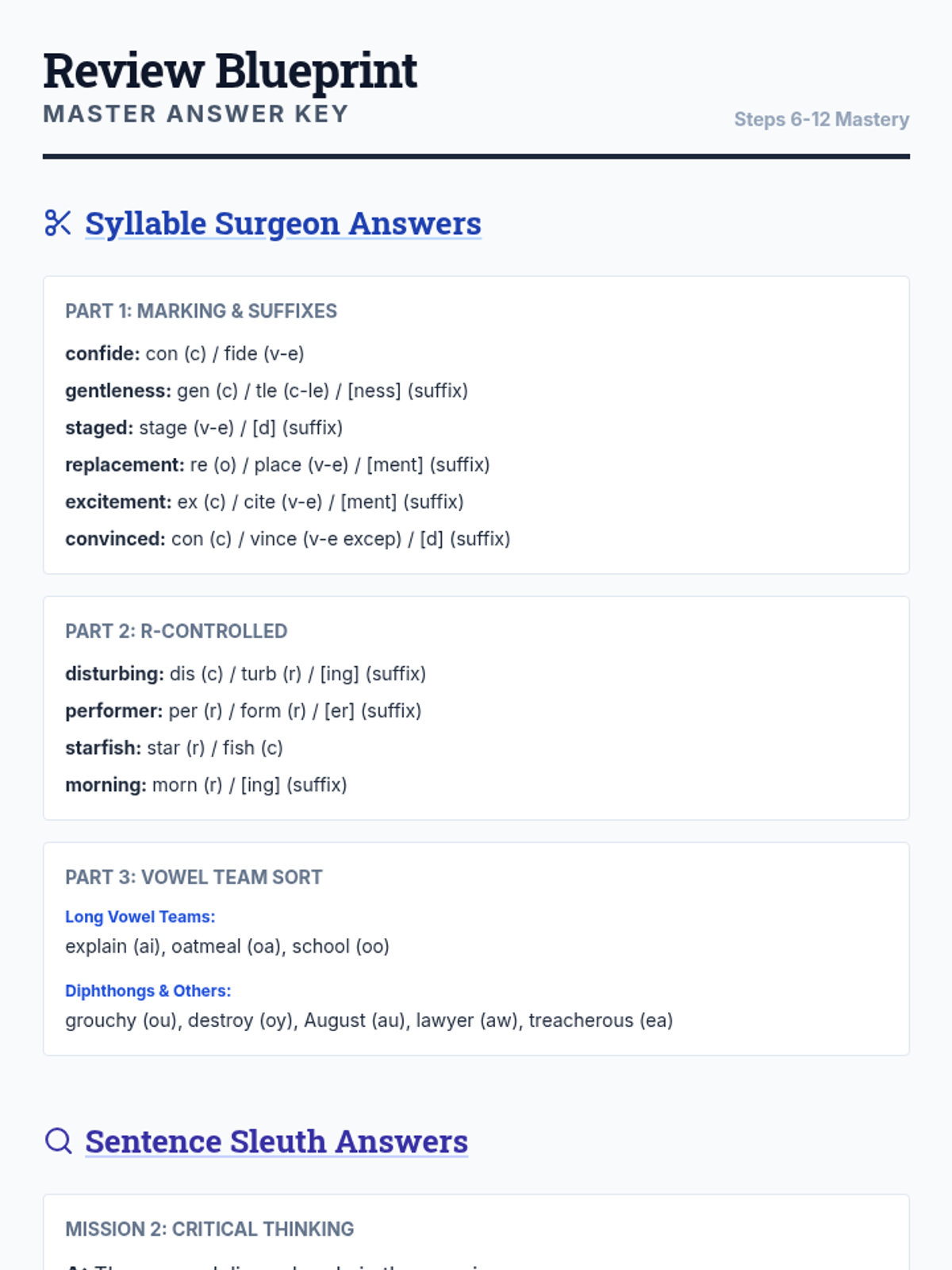
A comprehensive review unit for Wilson Reading Program Steps 6 through 12, focusing on syllable marking, complex suffix patterns, r-controlled vowels, and vowel digraphs.
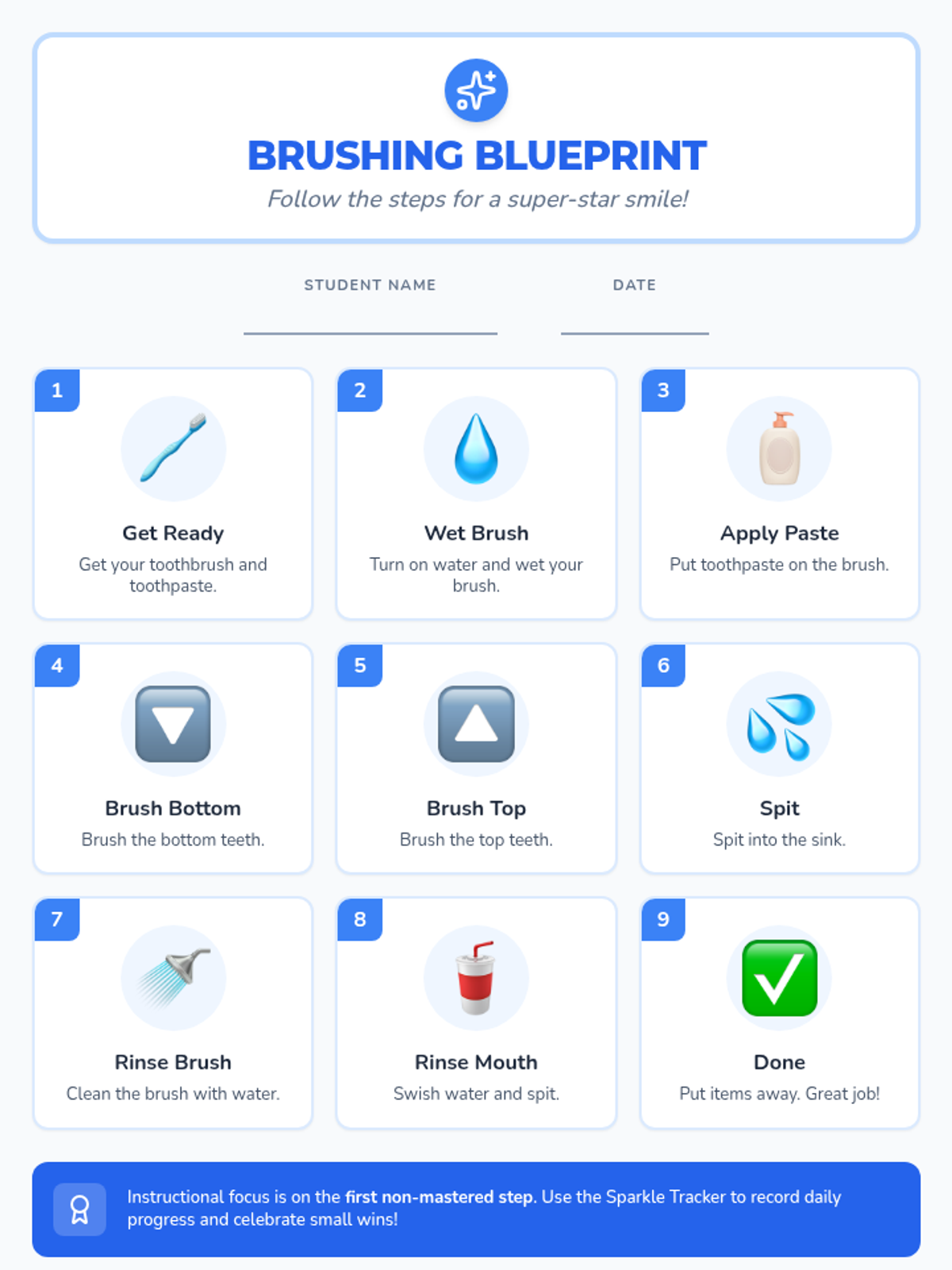
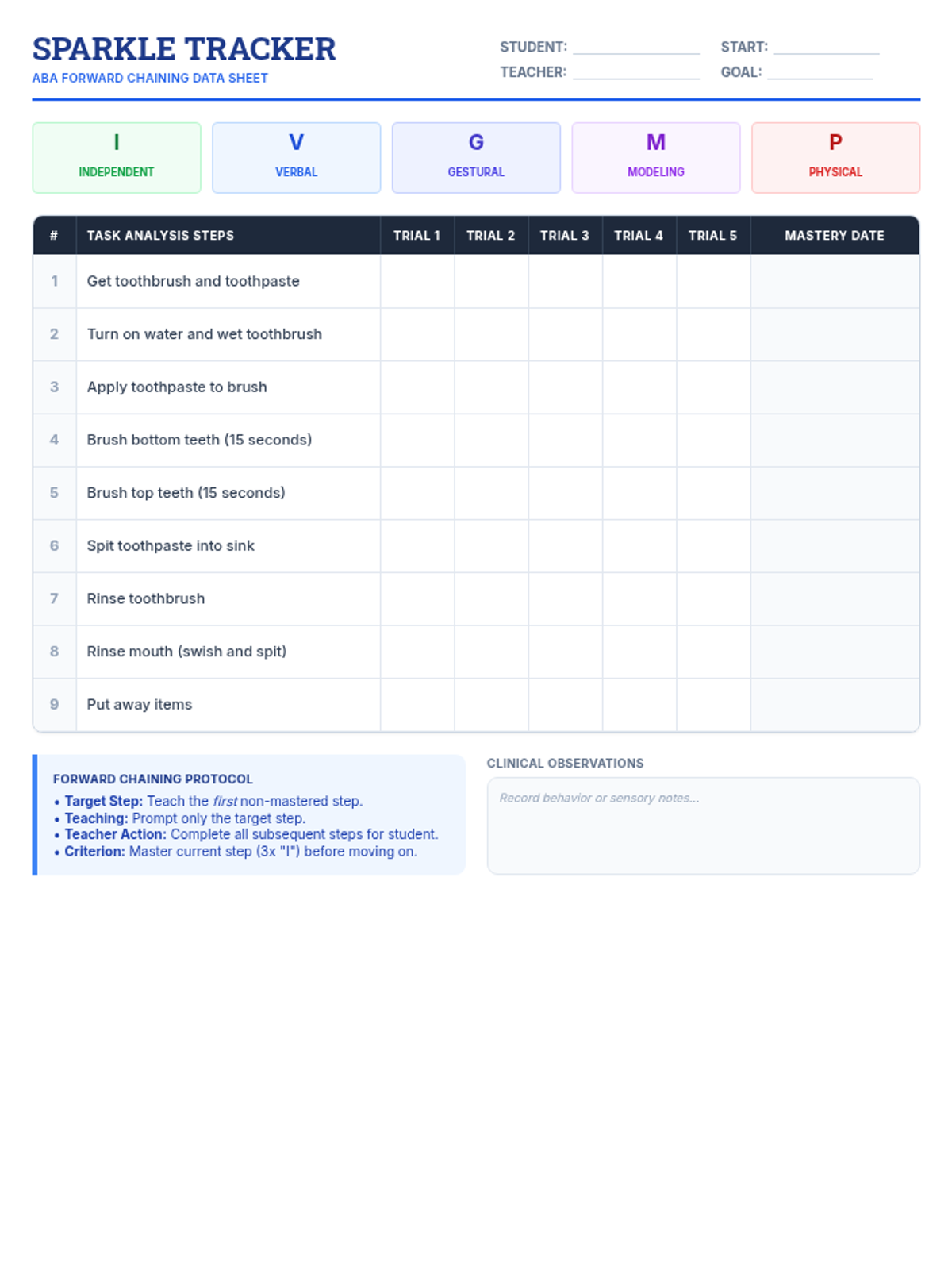
A comprehensive ABA program for teaching independent tooth brushing using a forward chaining approach, complete with visual aids and data tracking.
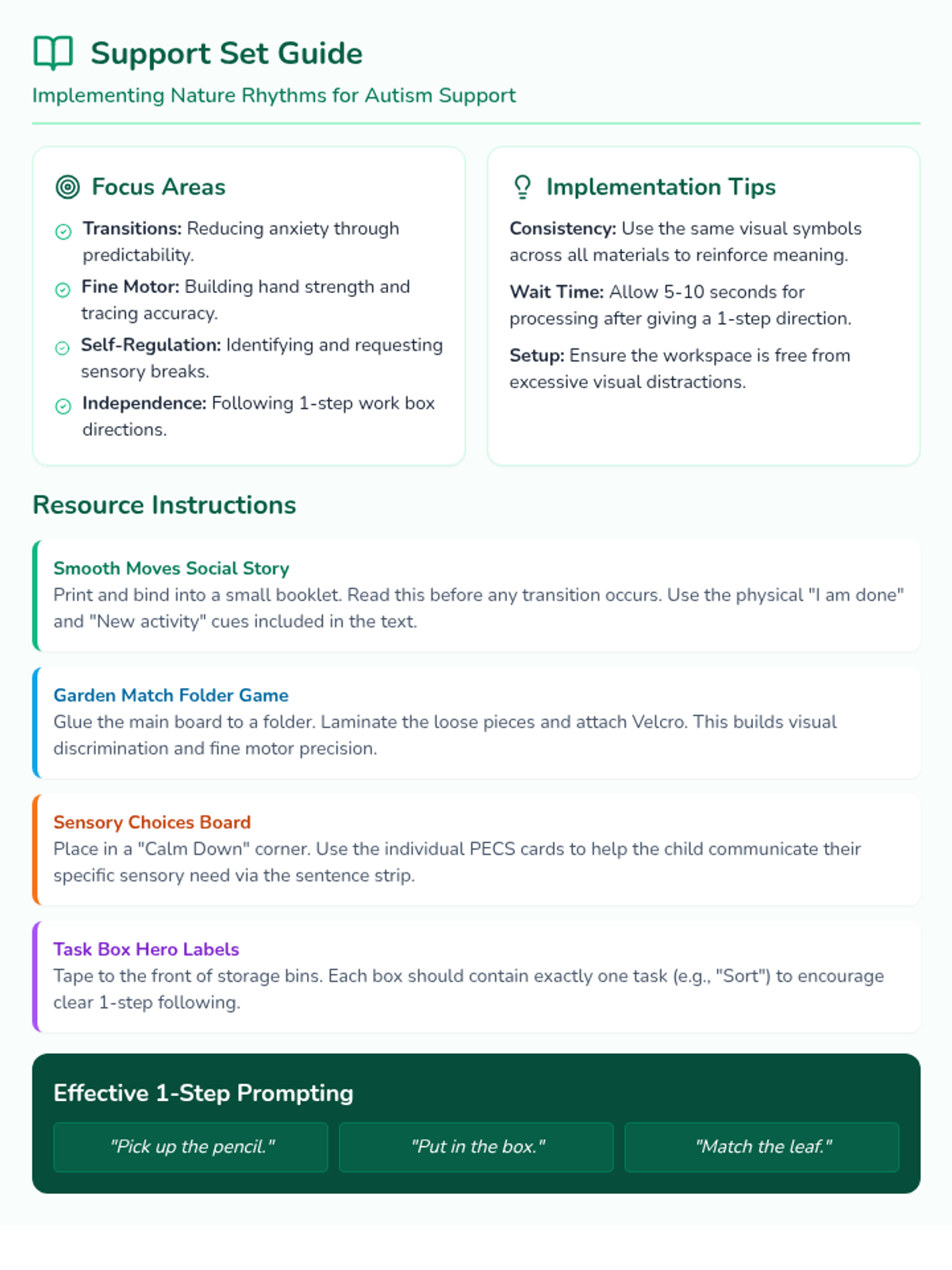
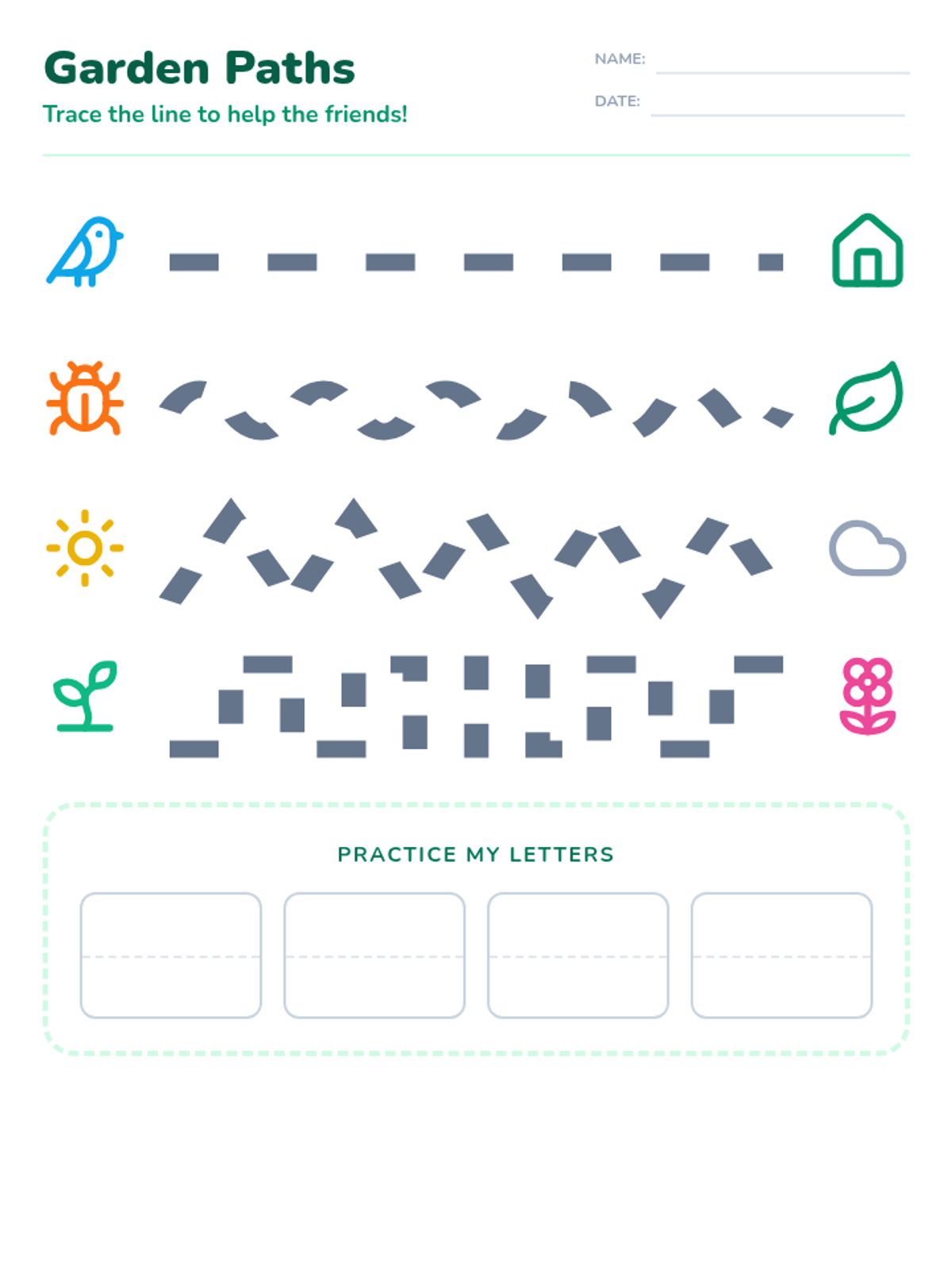
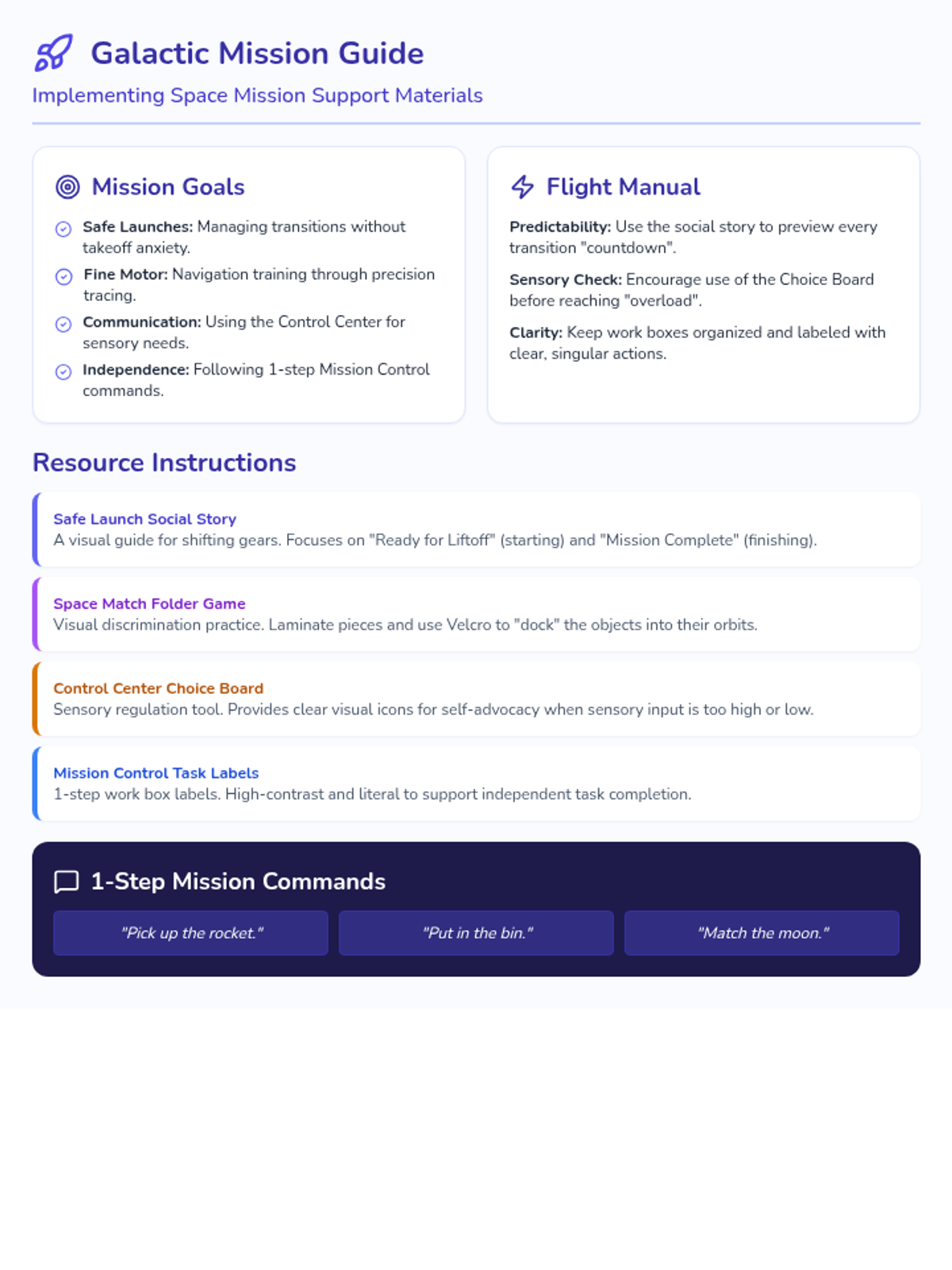
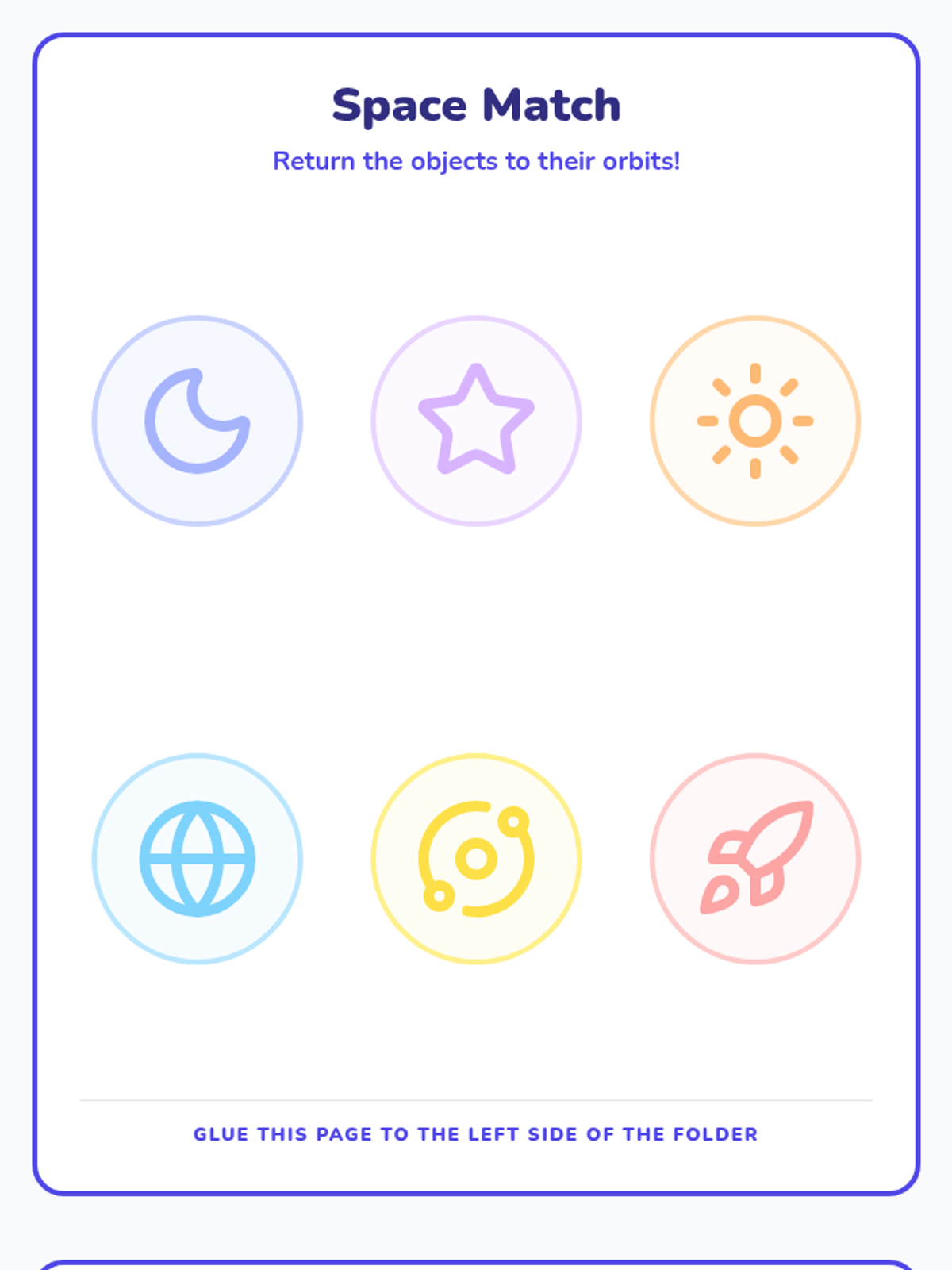
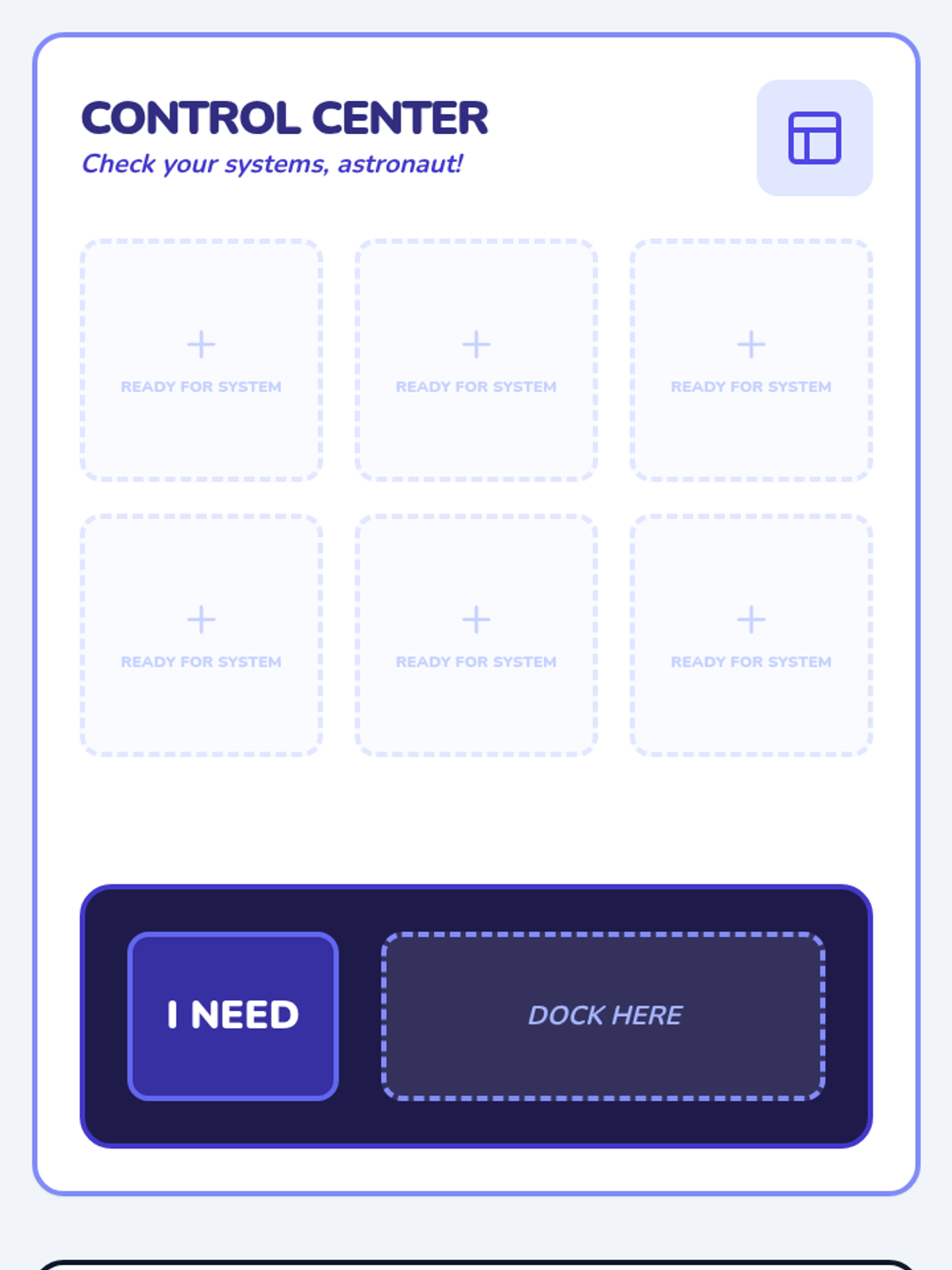
A collection of supportive tools and activities designed to help autistic children navigate transitions, communicate needs, and develop fine motor skills through a calming nature-themed aesthetic.
A final review and celebration of skills learned, focusing on generalizing behaviors to new settings.
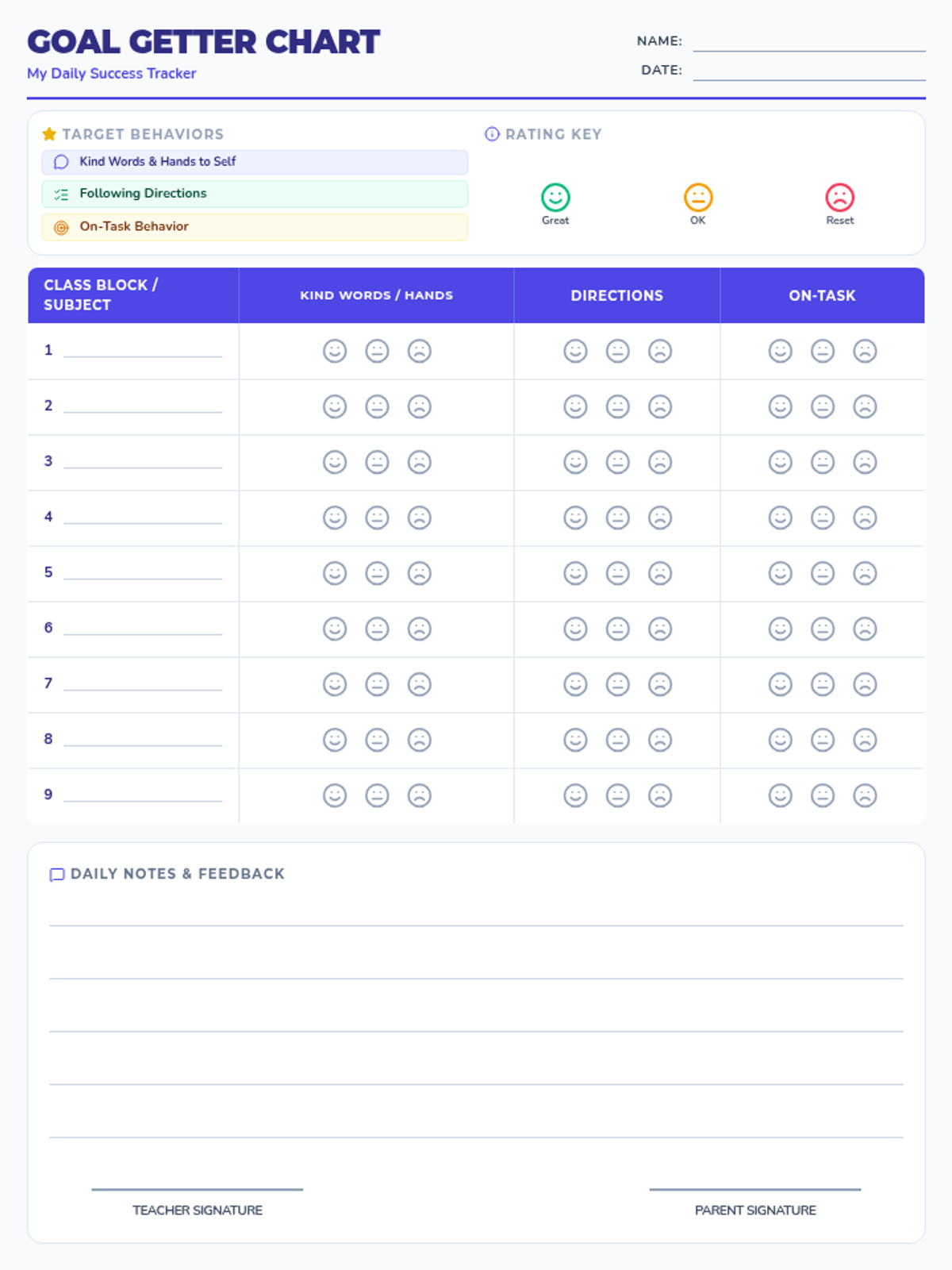
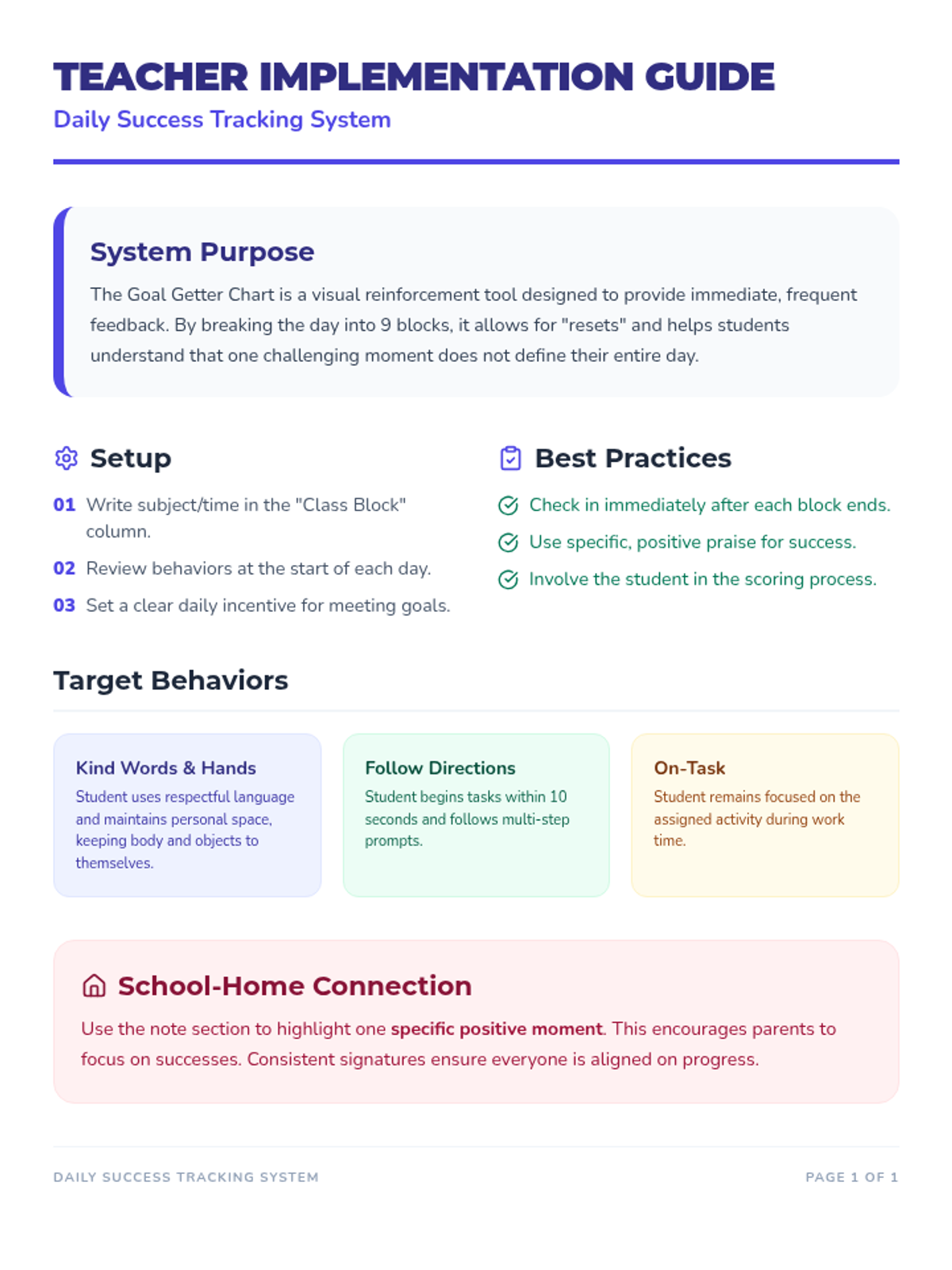
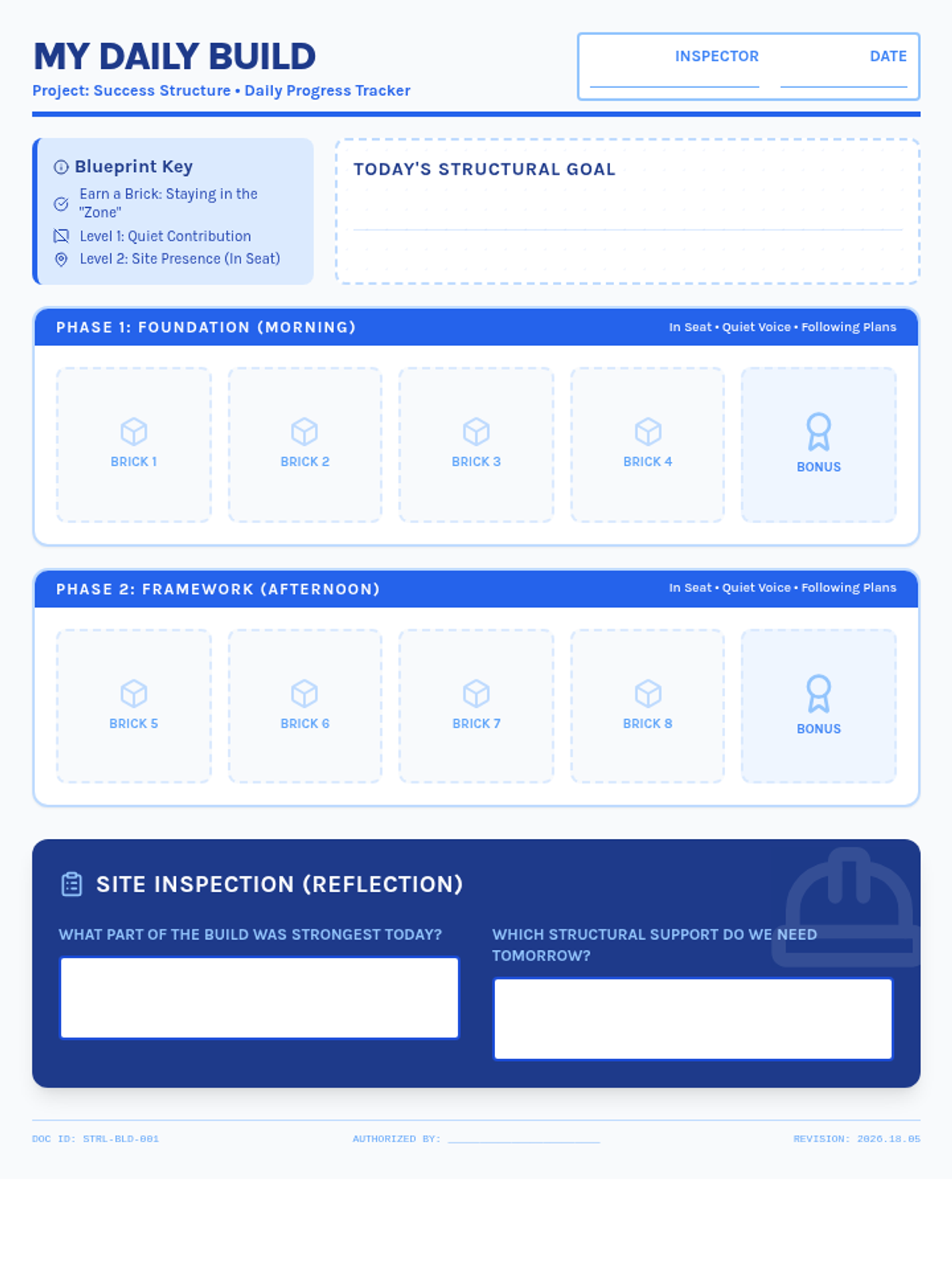
A daily behavior tracking system designed to help students visualize and monitor their social and academic goals through a 9-block school day.
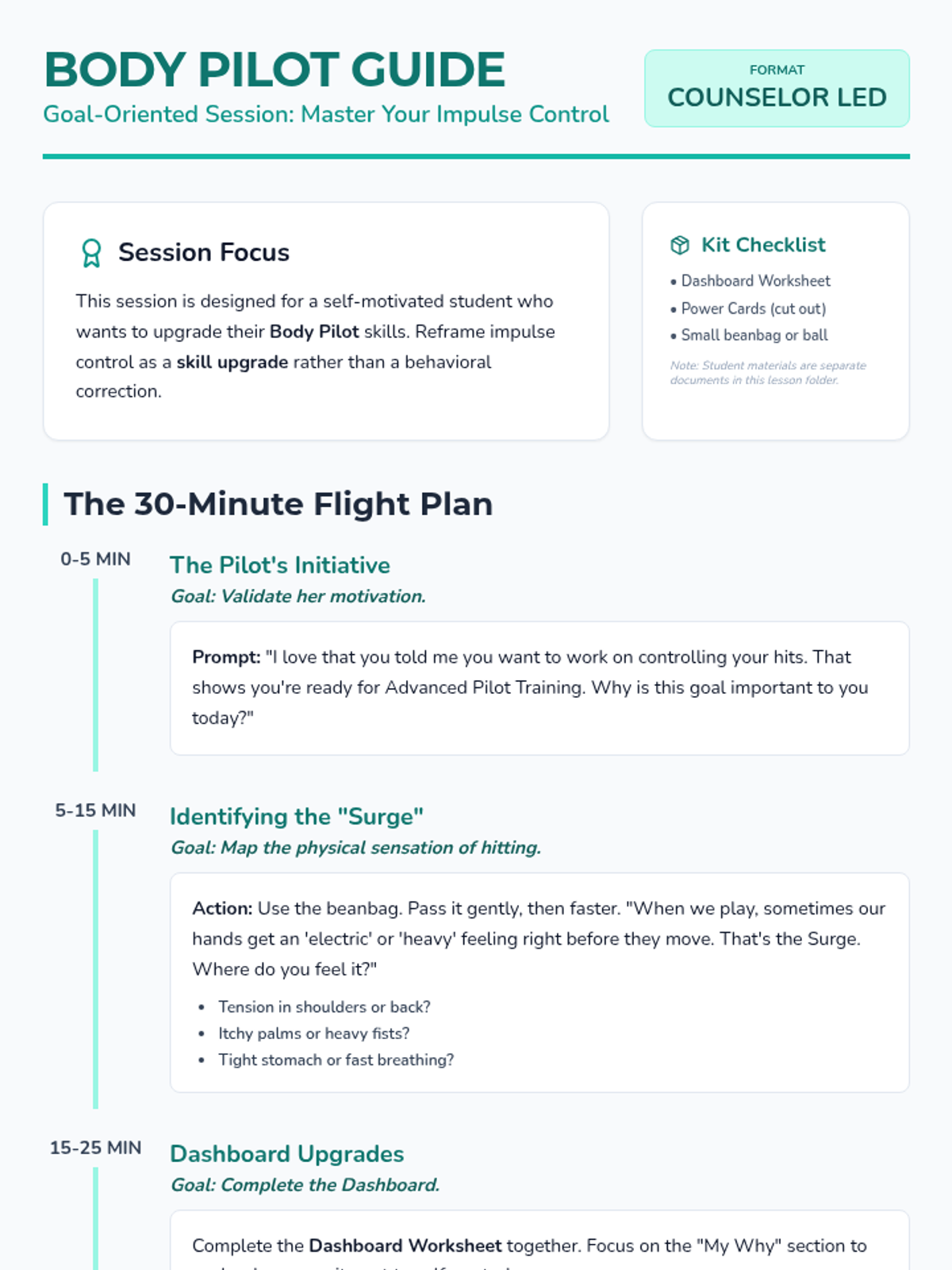
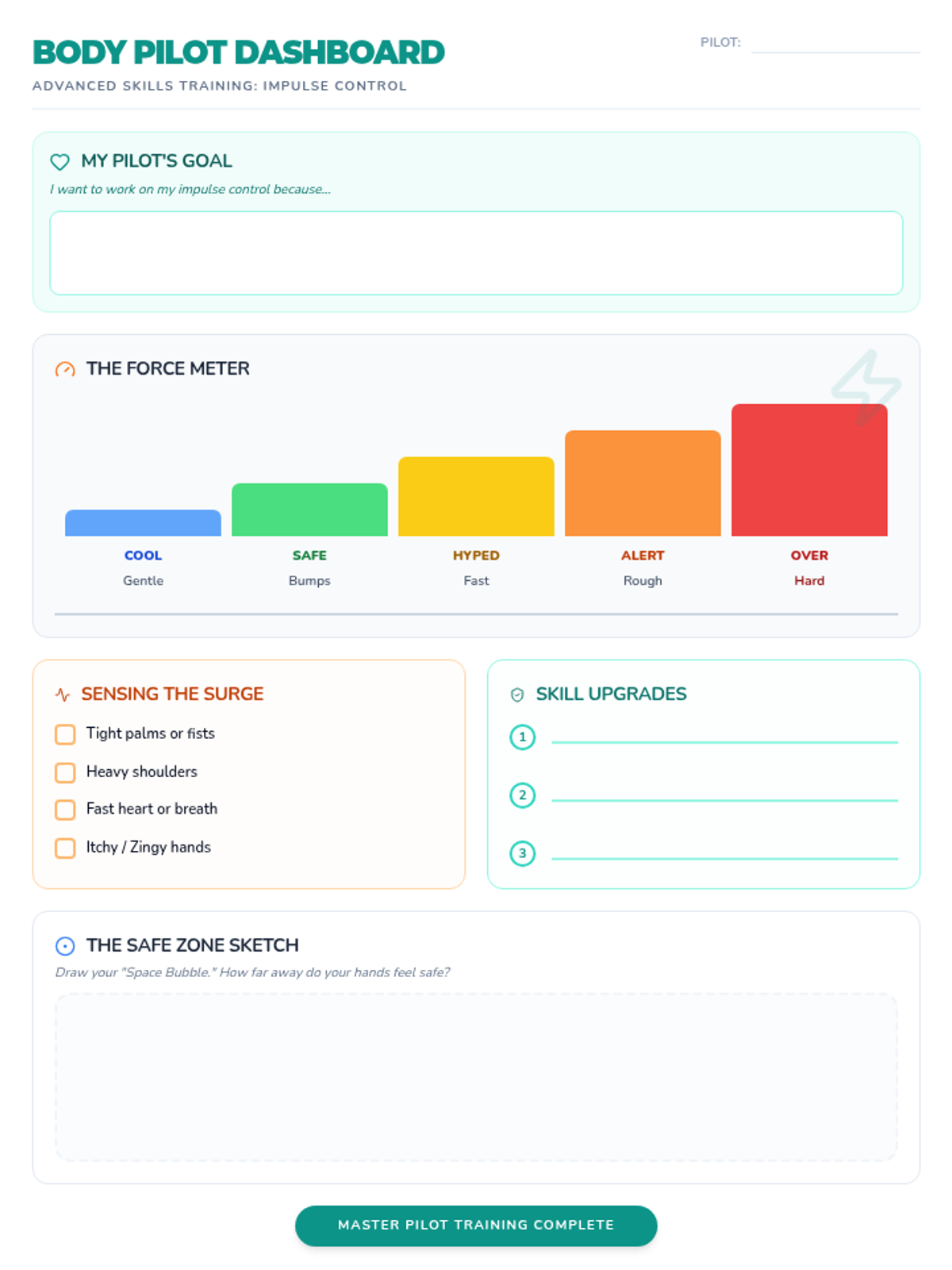
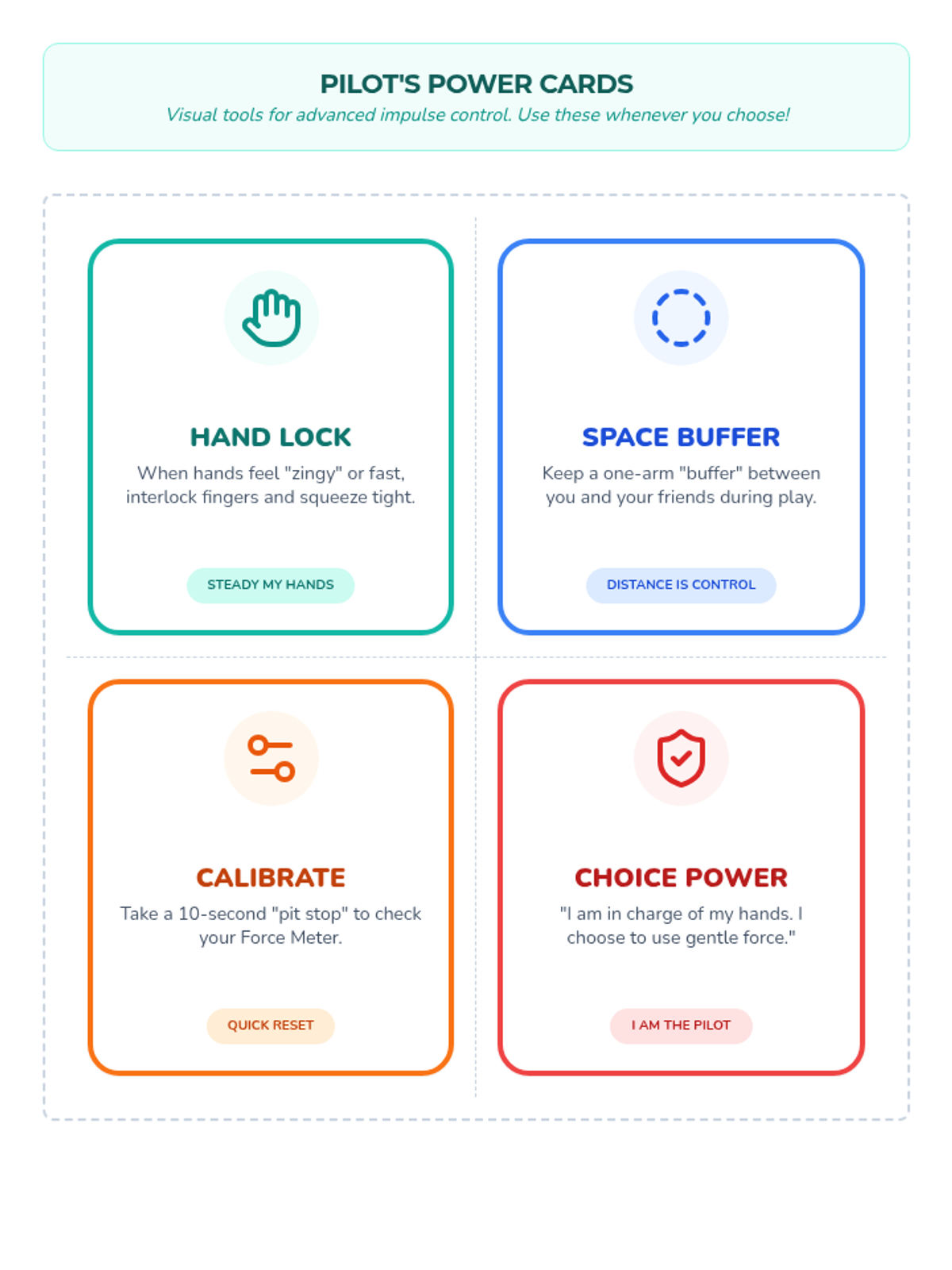
A 30-minute counseling session focused on helping students with autism understand and control physical impulses, specifically addressing 'play fighting' and personal space boundaries using the 'Body Pilot' metaphor.
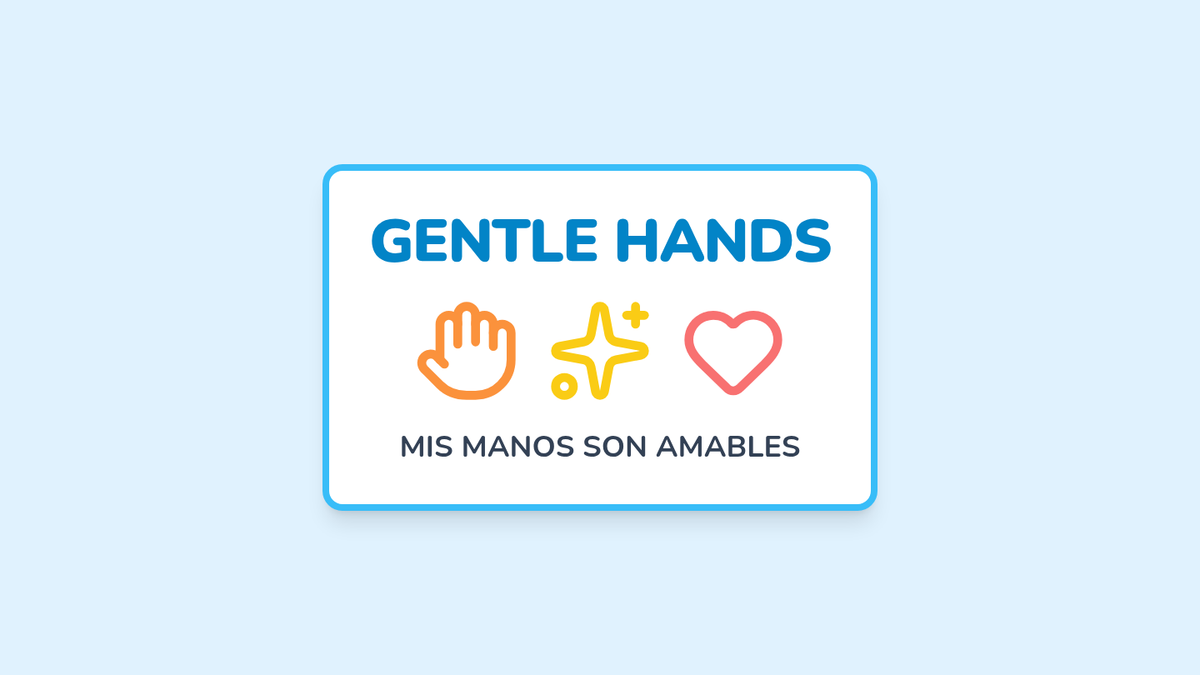
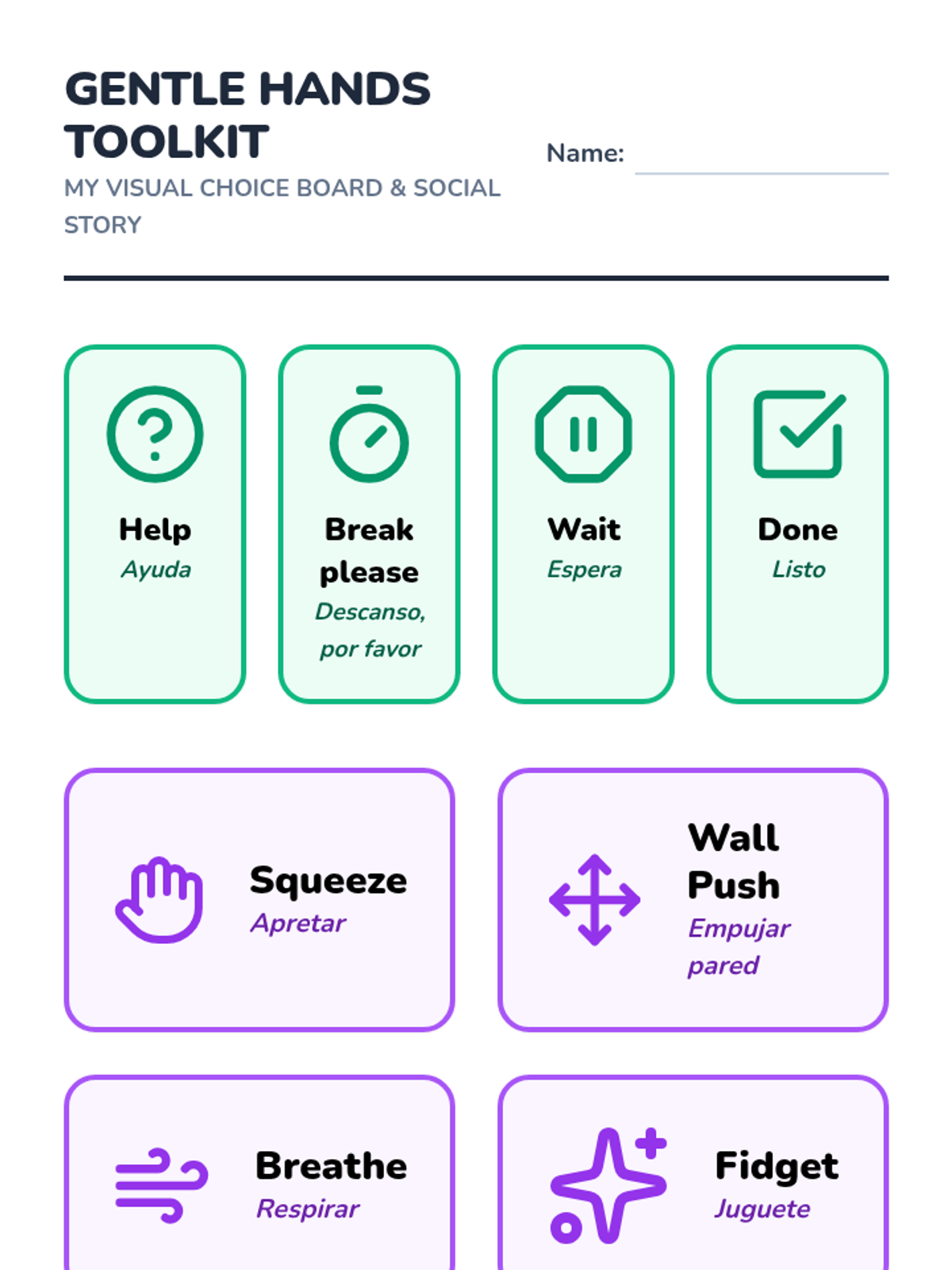
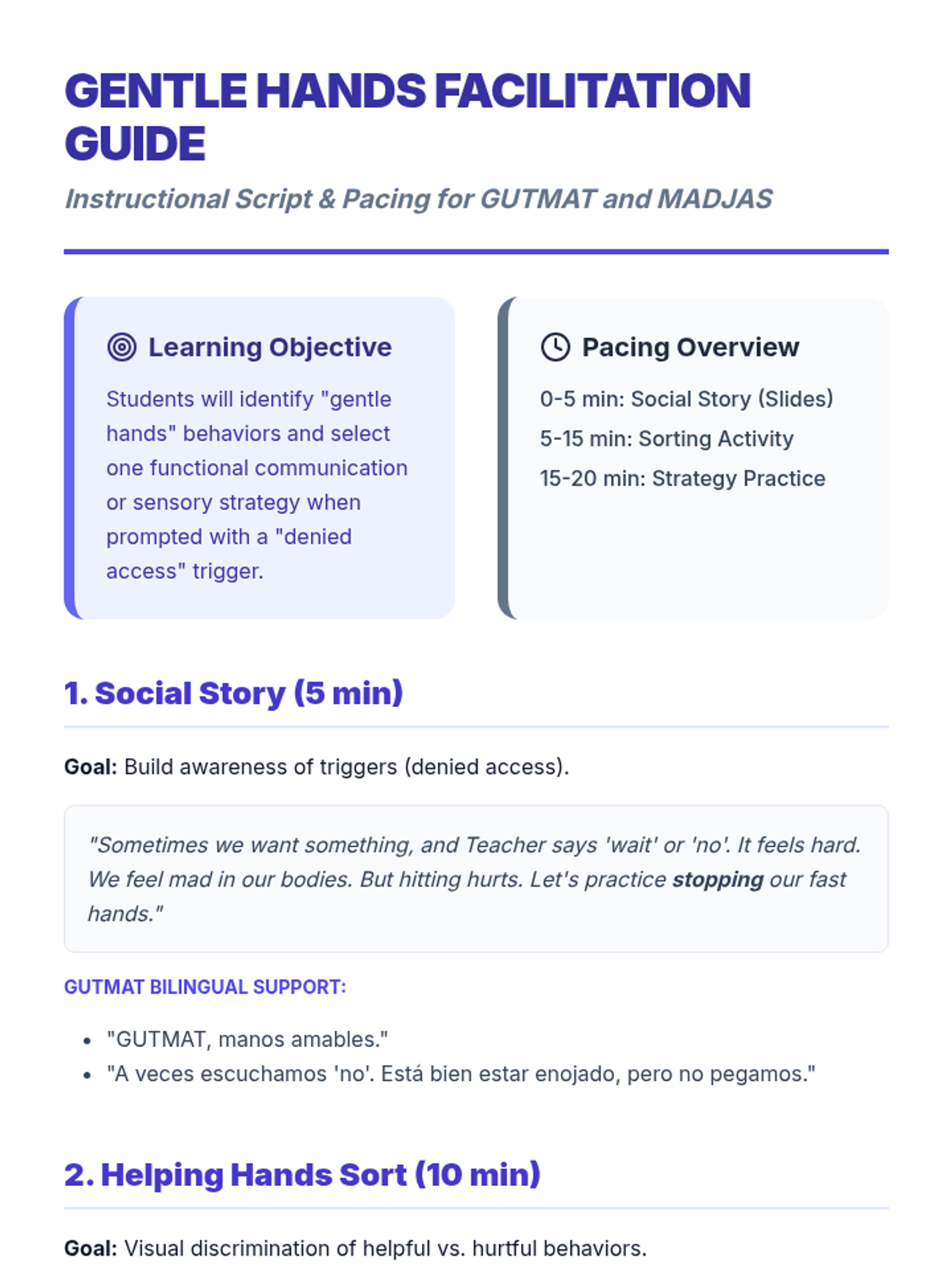
A 20-minute intensive counseling lesson focused on 'Gentle Hands' and 'Hands to Self' techniques. Includes a social story, role-play scenarios, and a visual choice board to replace hitting with functional communication.
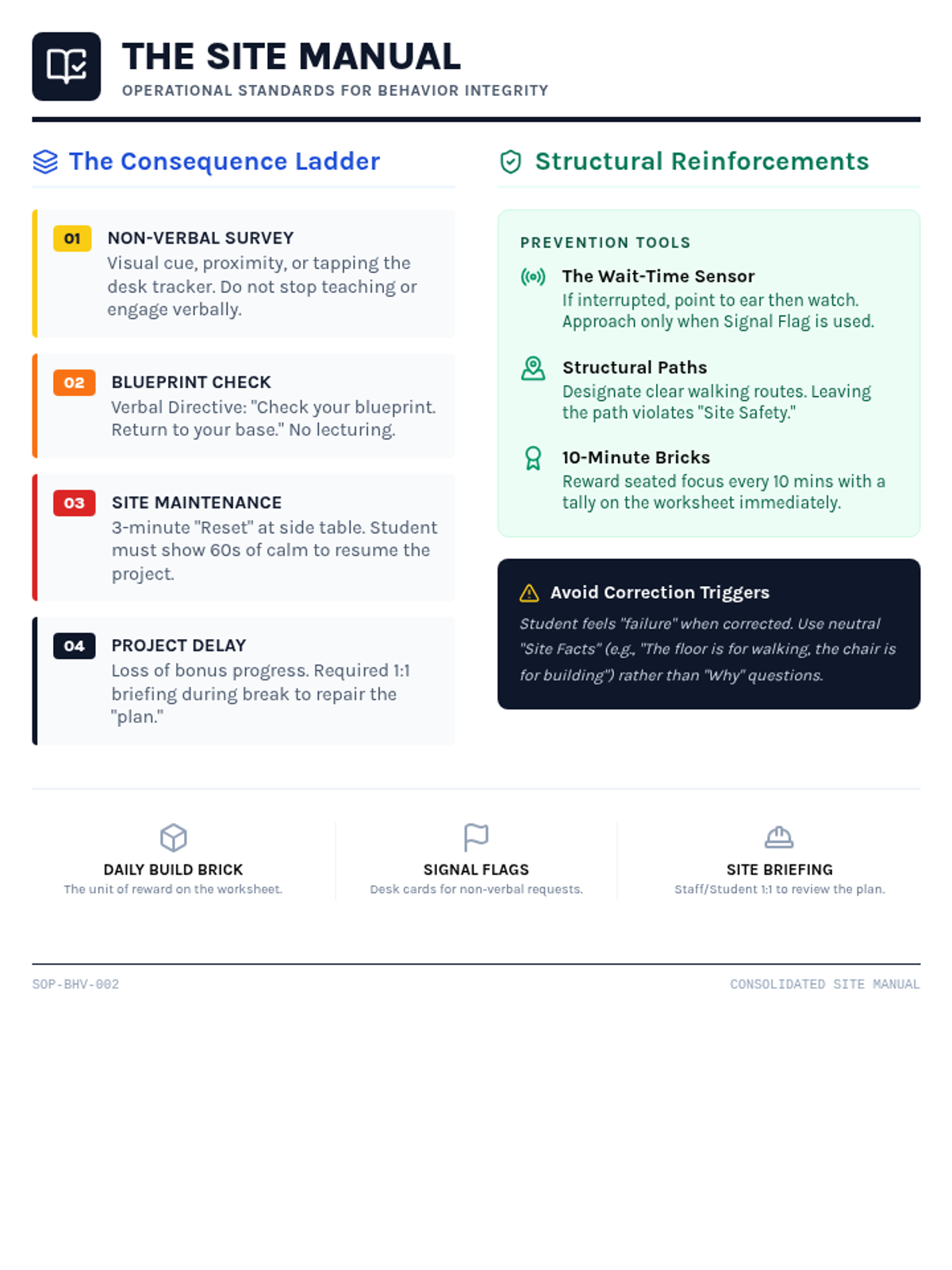
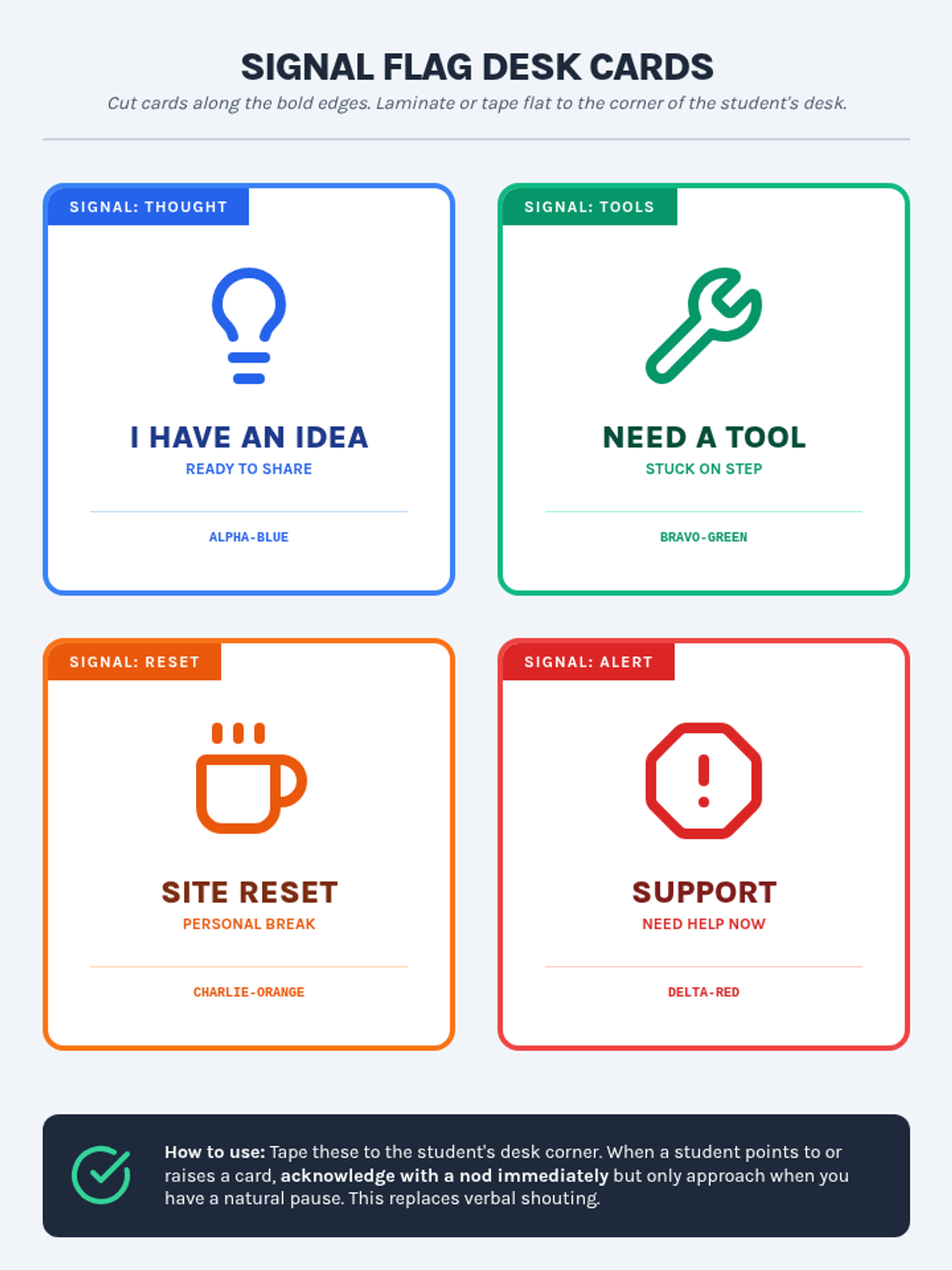
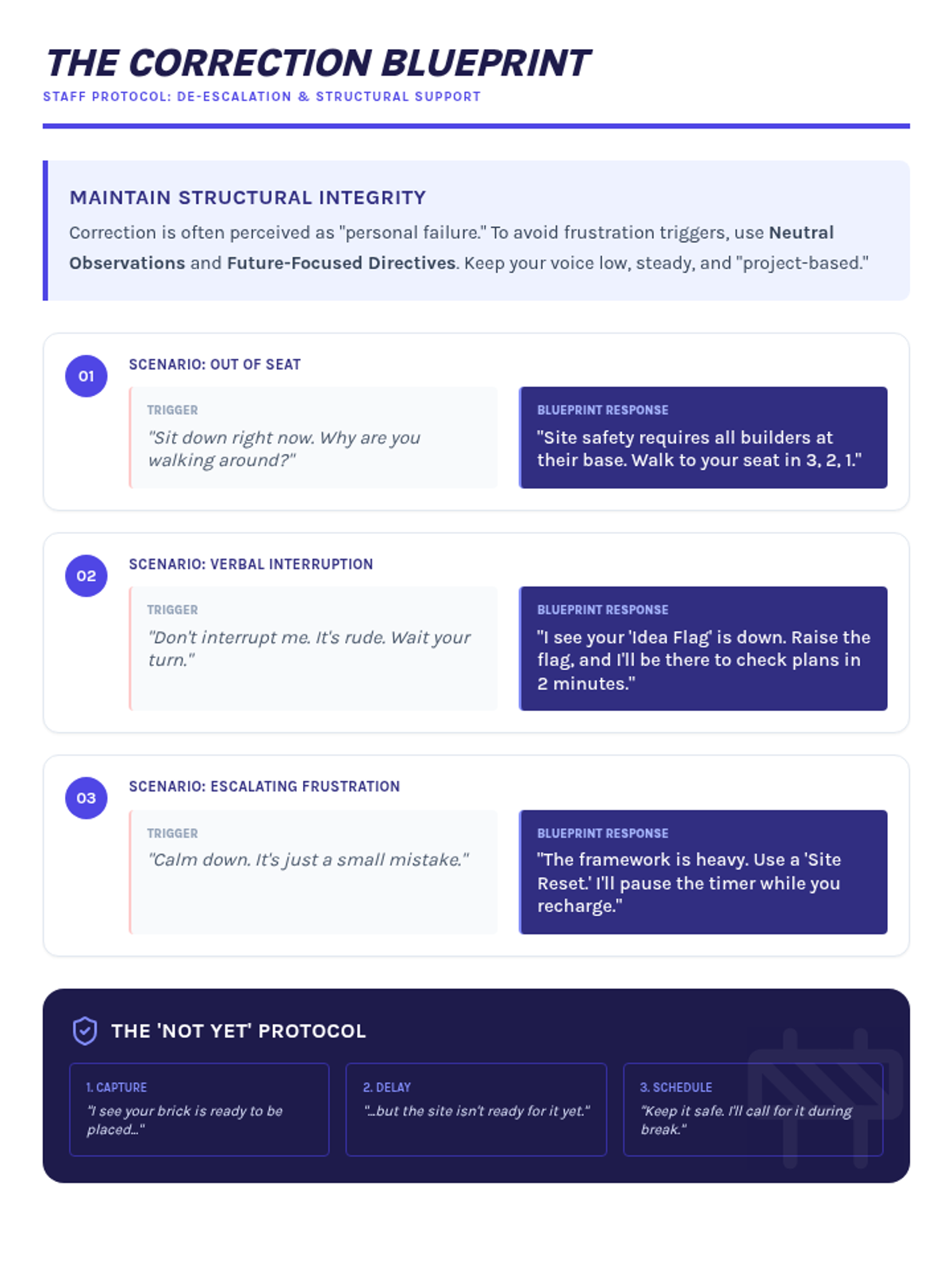
Focuses on the immediate implementation of behavioral structures to reduce interruptions and manage seat-staying through visual mapping and clear staff protocols.
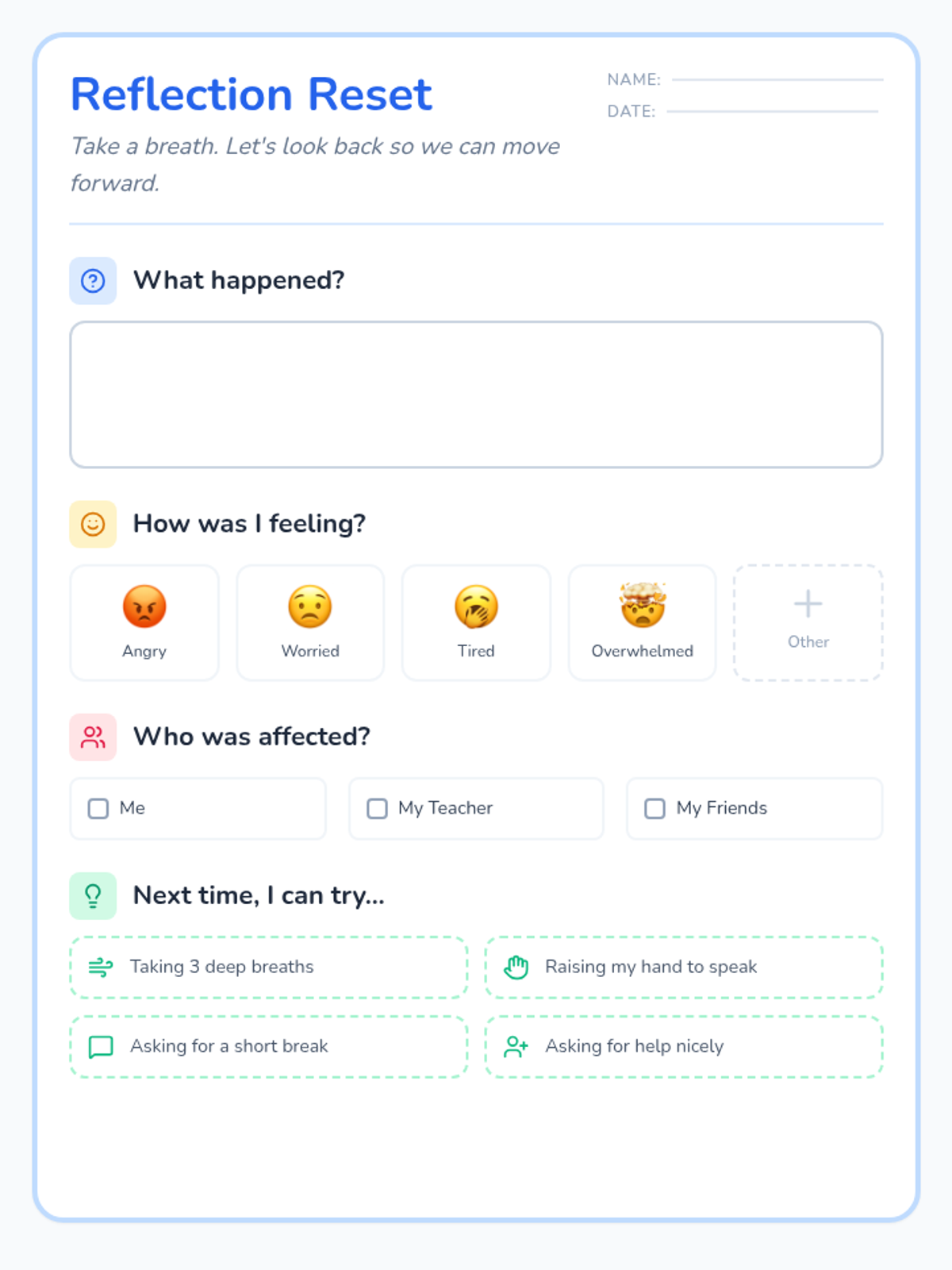
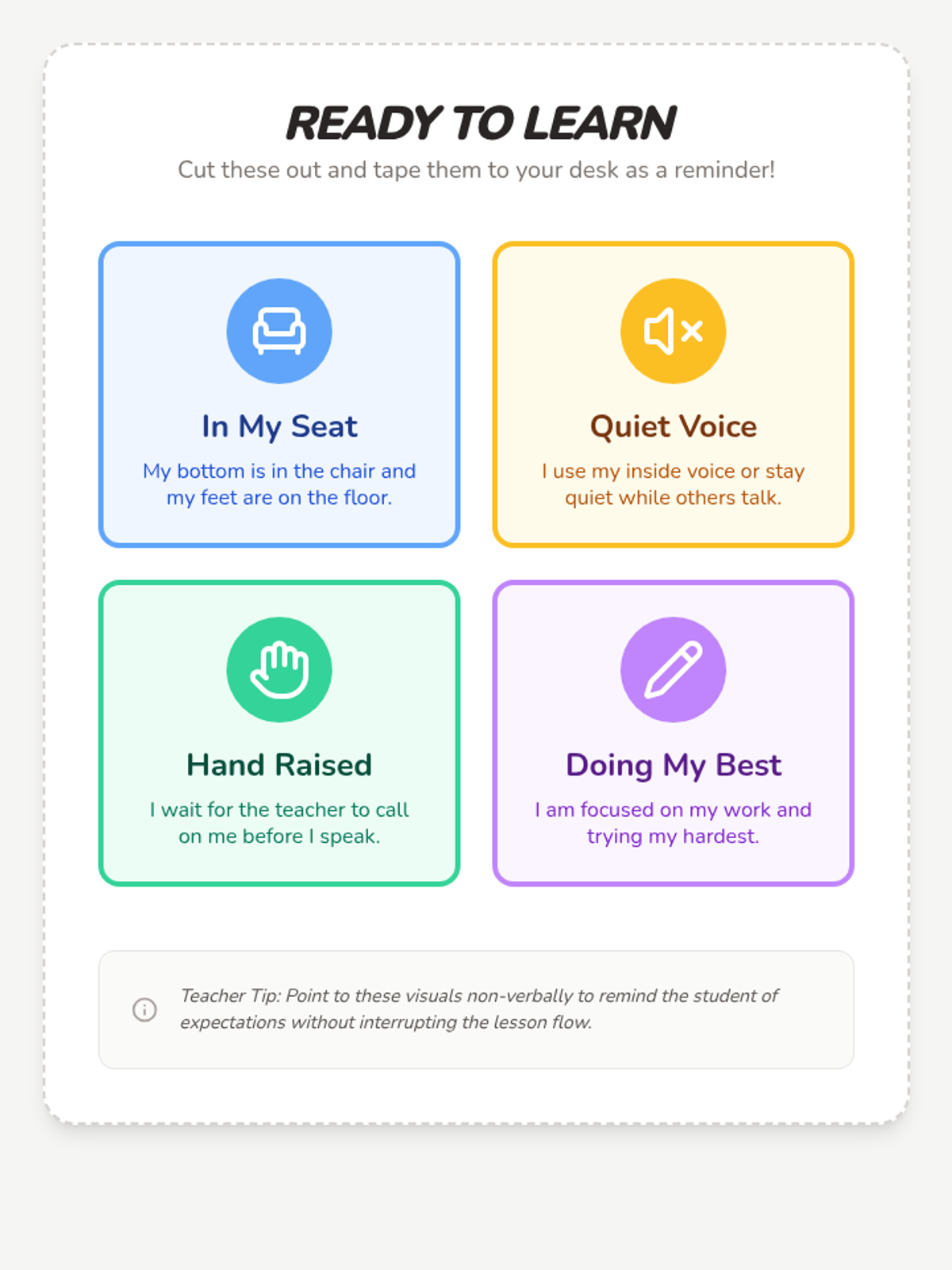
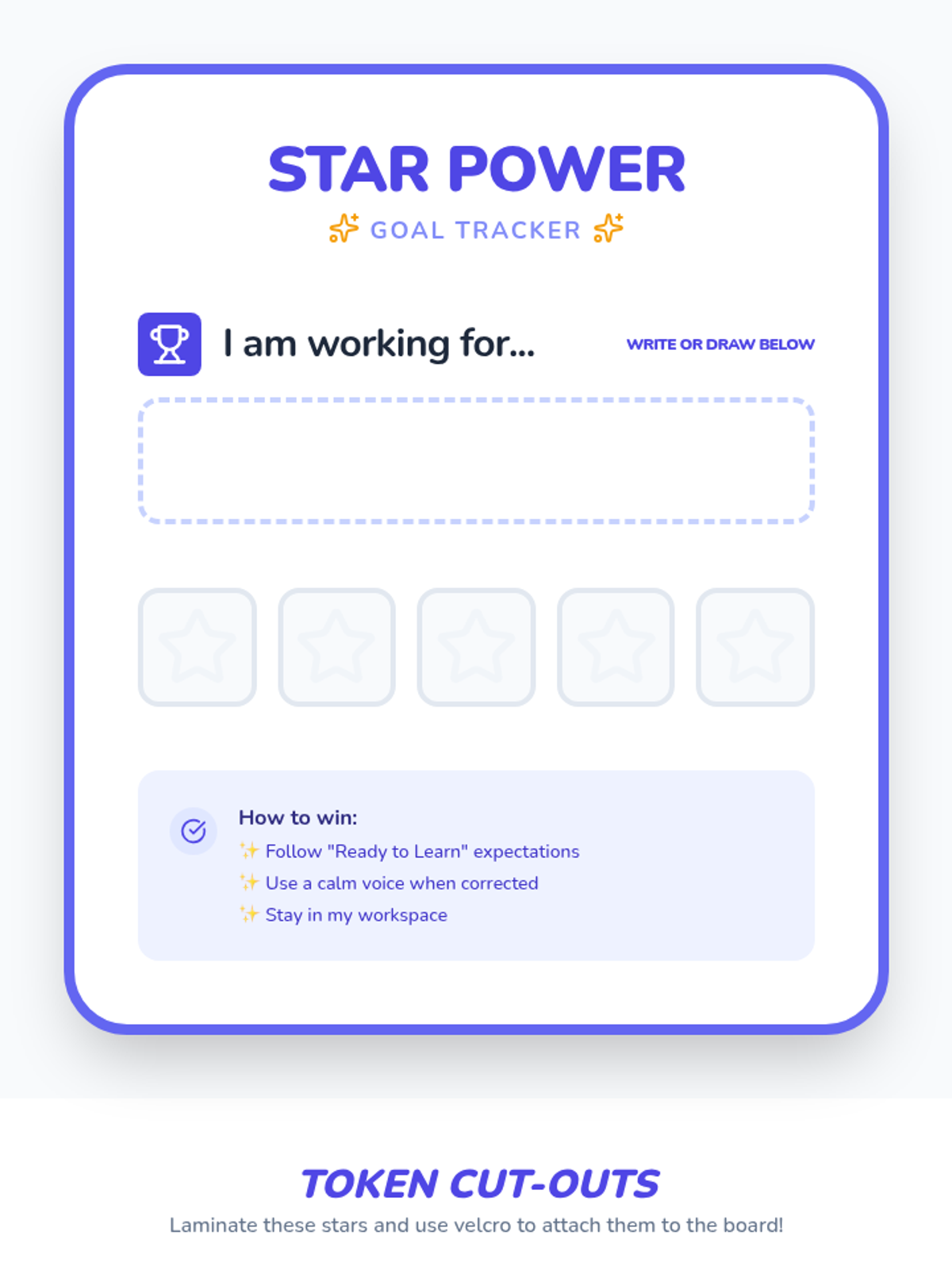
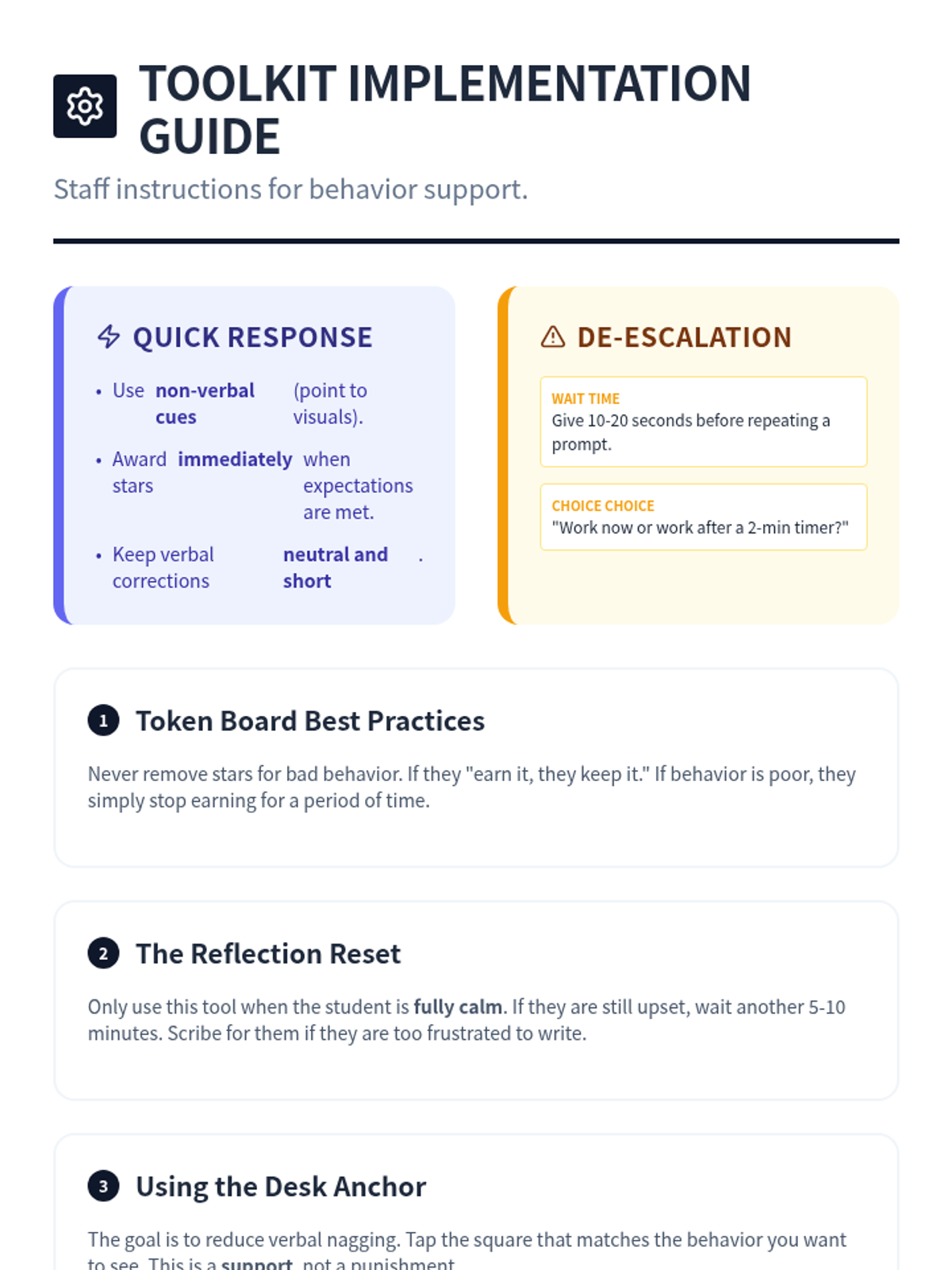
A practical toolkit of behavioral supports designed to help students stay focused, manage frustration, and track progress toward positive choices.
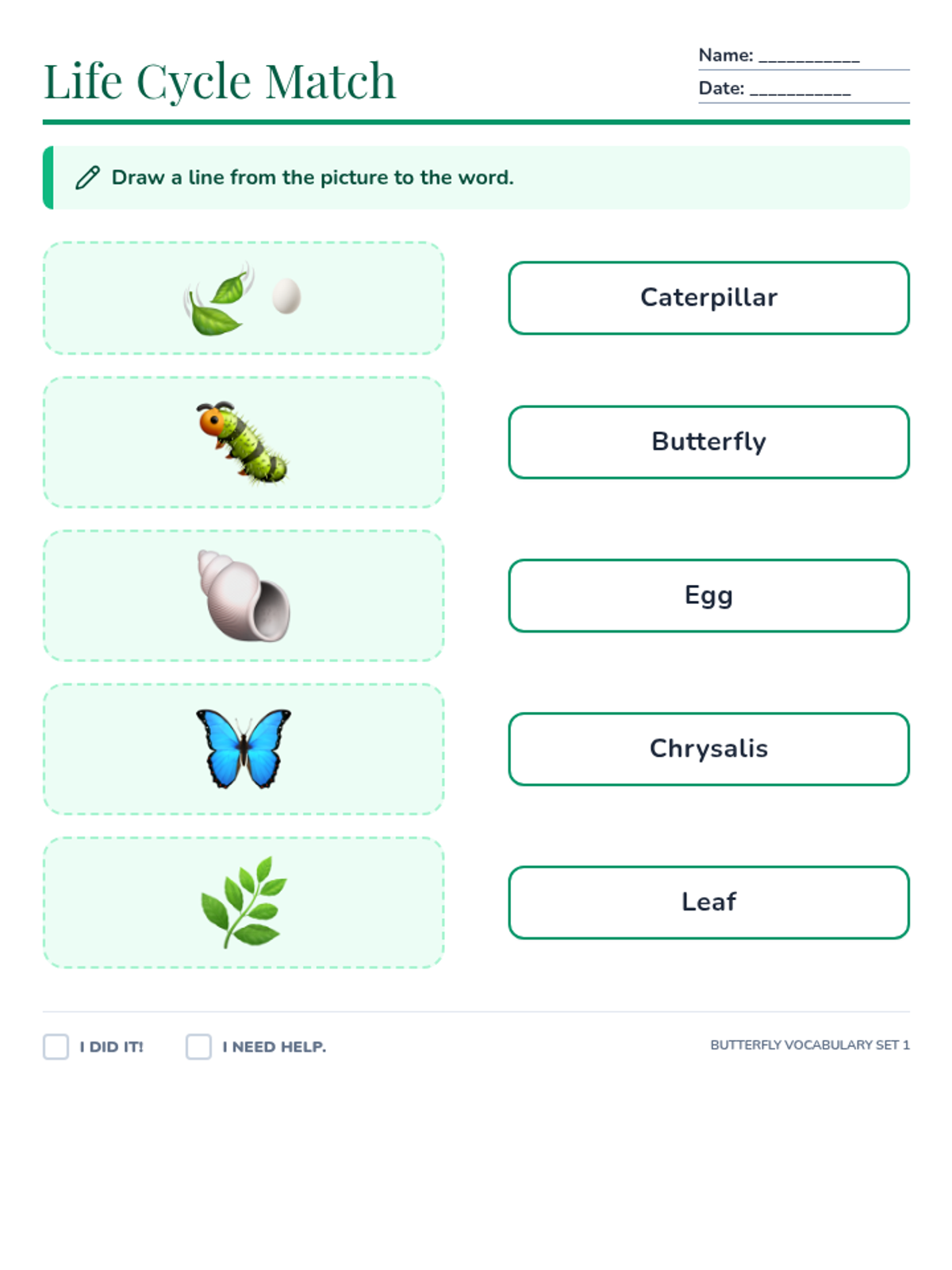
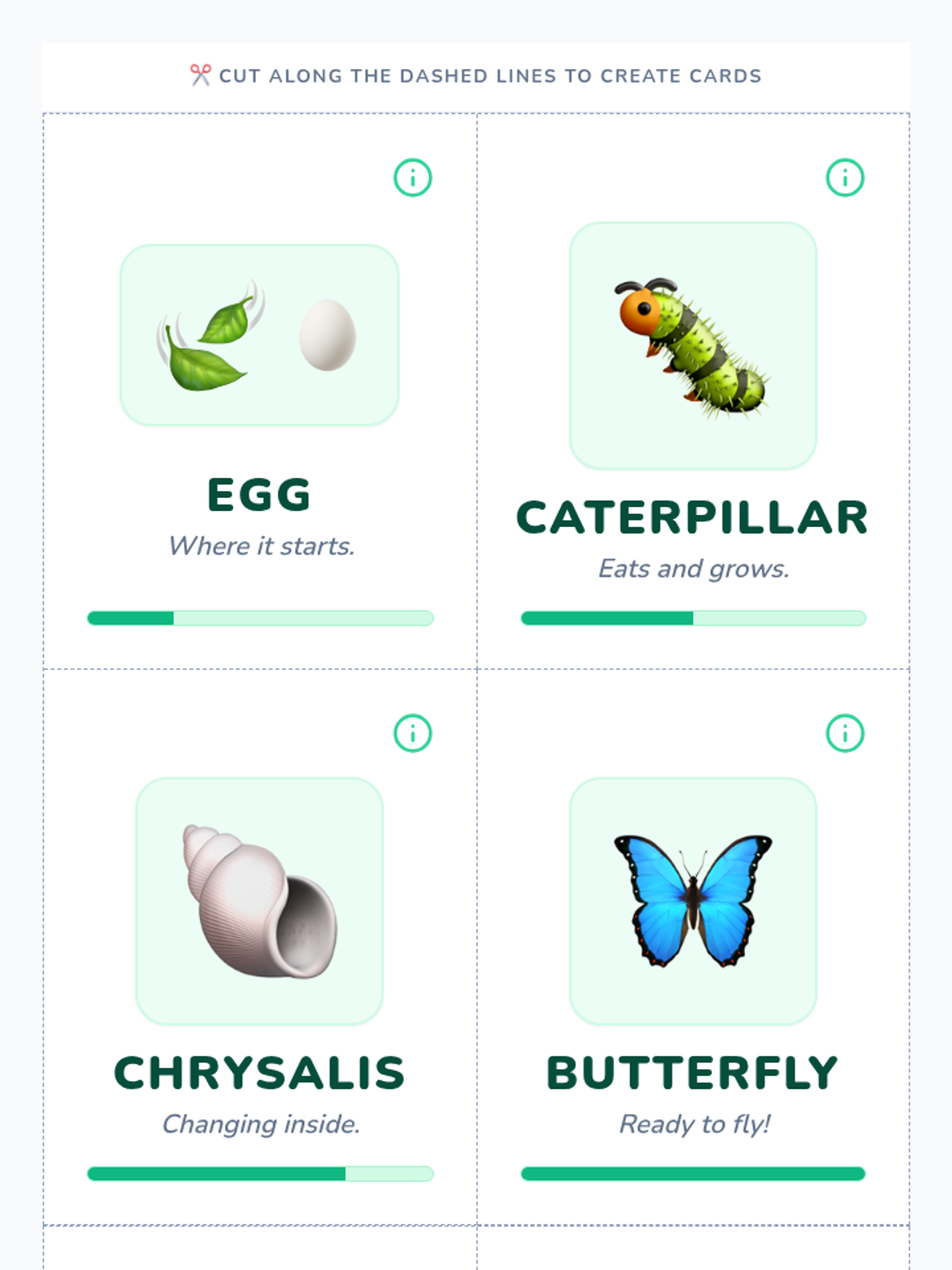
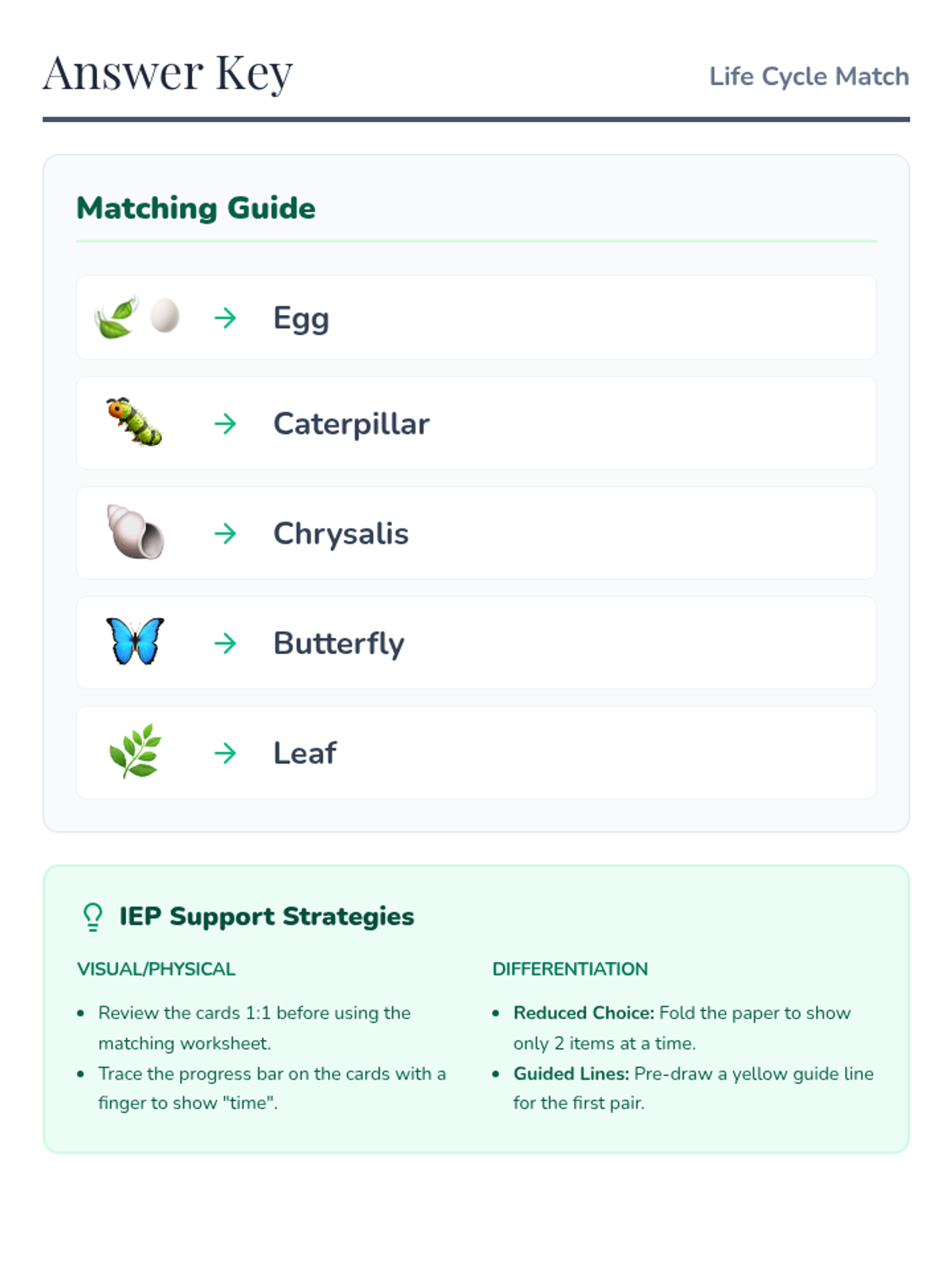
A focused vocabulary lesson on the life cycle of a butterfly, designed with visual supports and simplified language for students with IEPs.
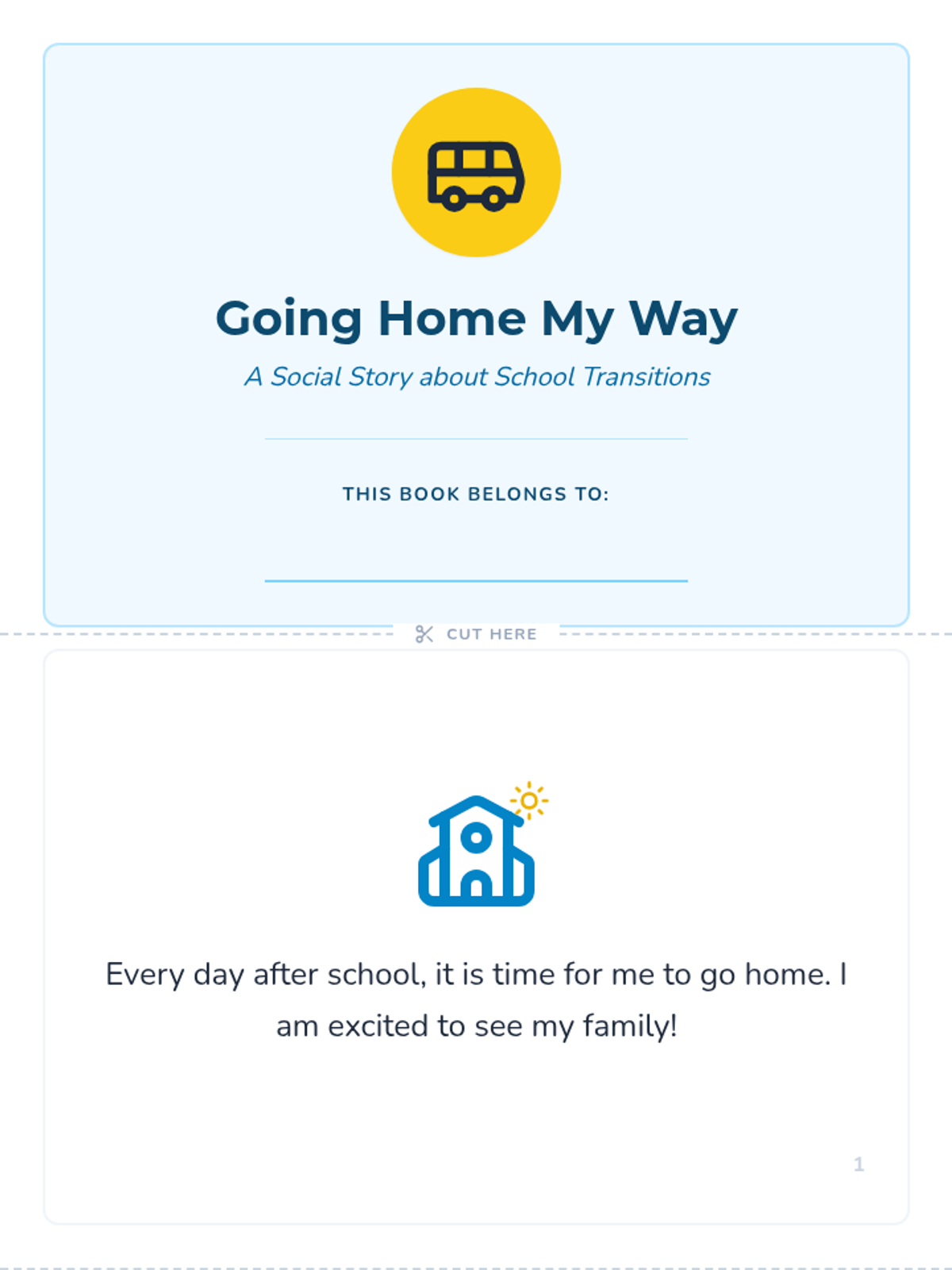
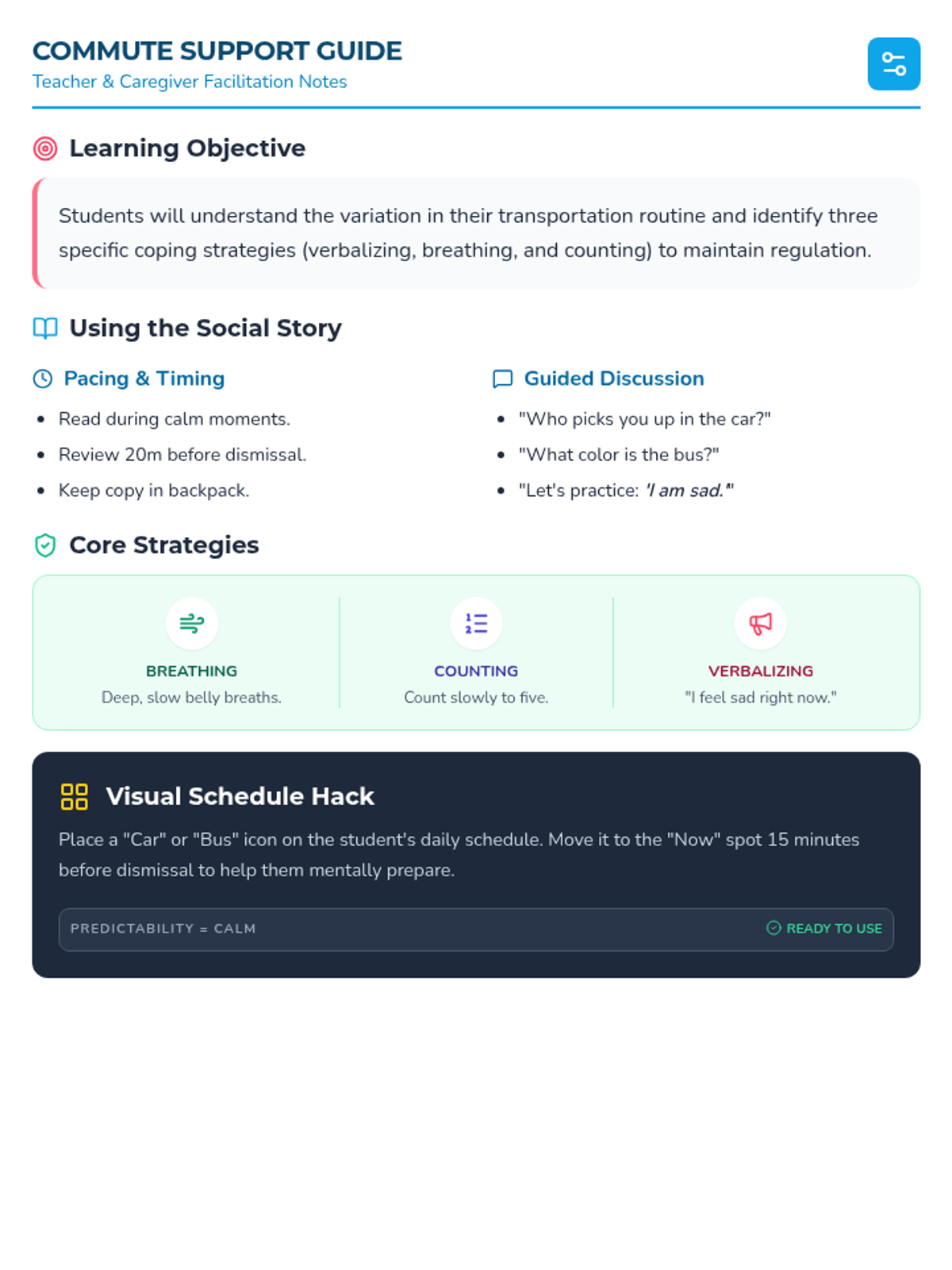
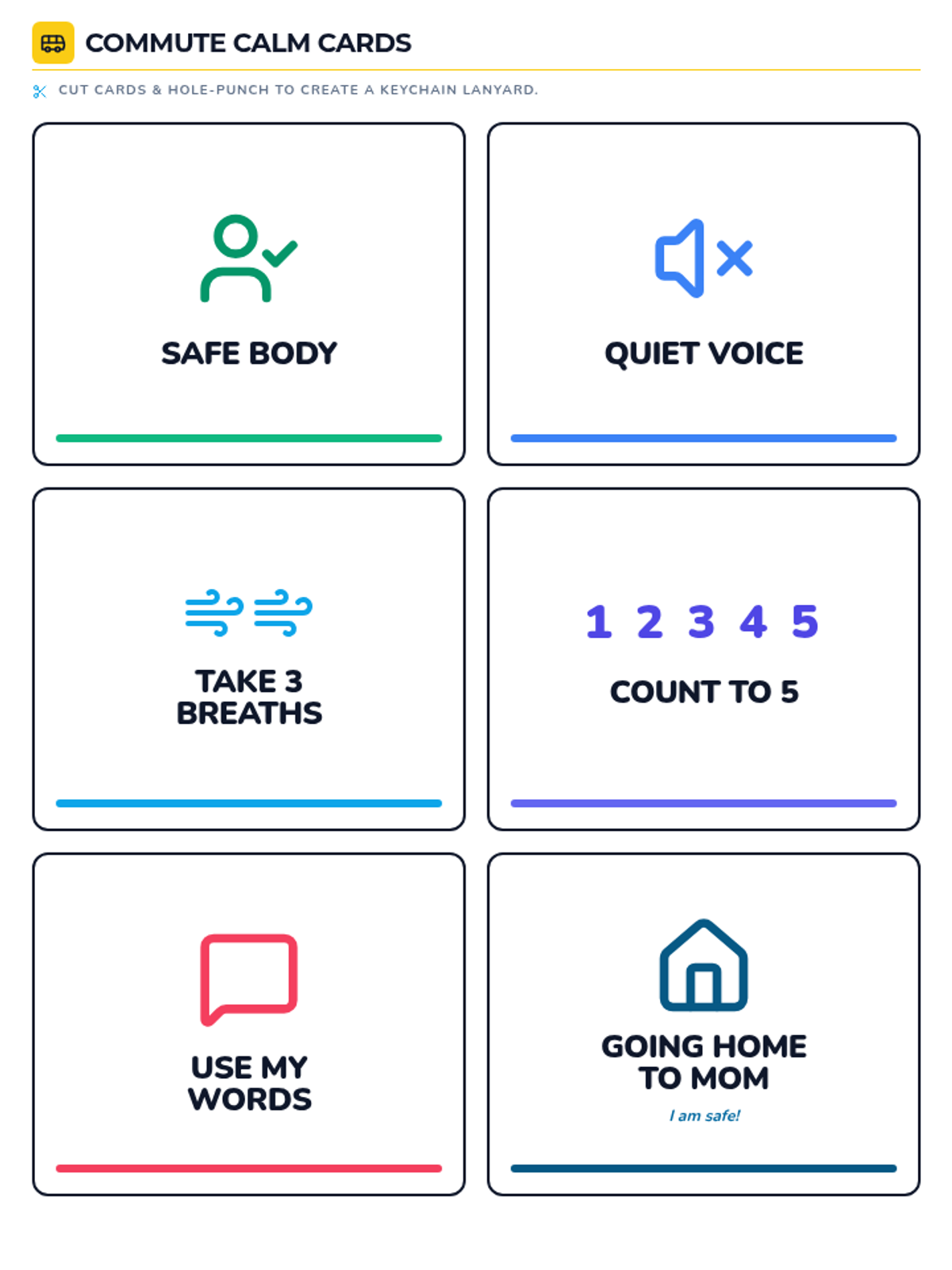
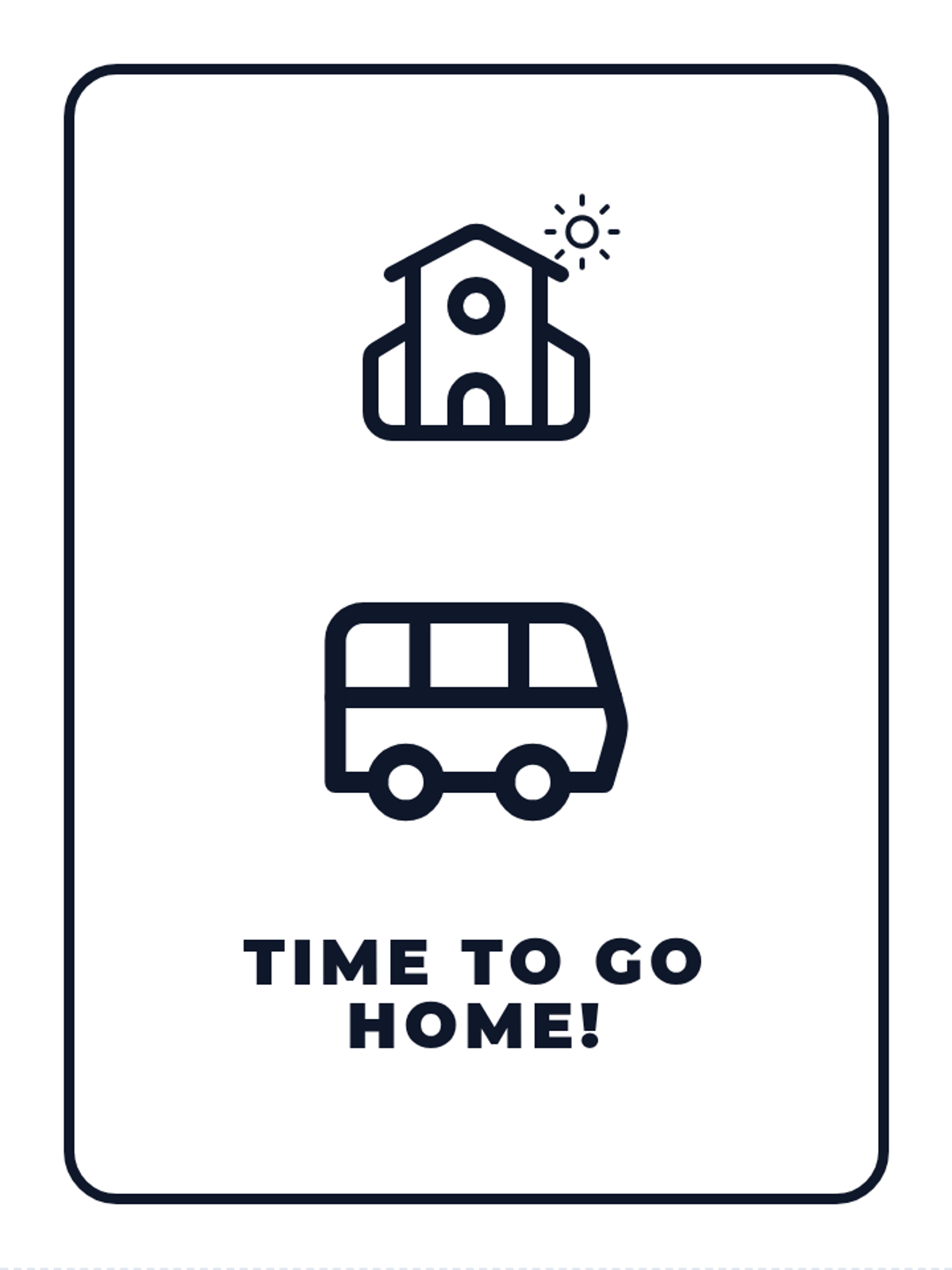
A supportive lesson designed to help students navigate changes in their after-school routine, focusing on the transition between being picked up by a parent and taking the bus. Includes a personalized social story and coping strategies for emotional regulation during transit.