A comprehensive lesson on identity theft designed for high school special education students, focusing on recognizing red flags and protecting personal information through practical scenarios and visual aids.
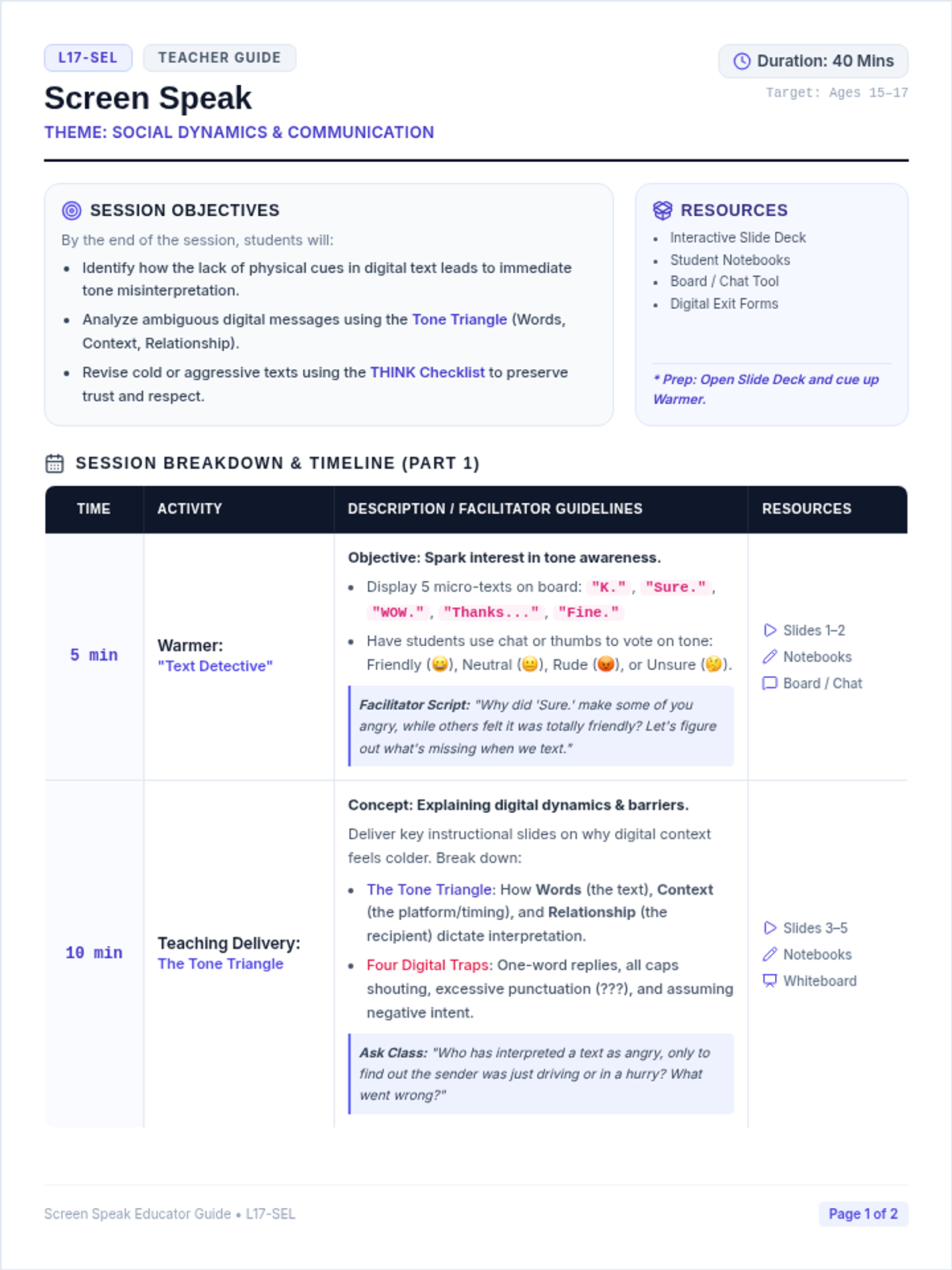
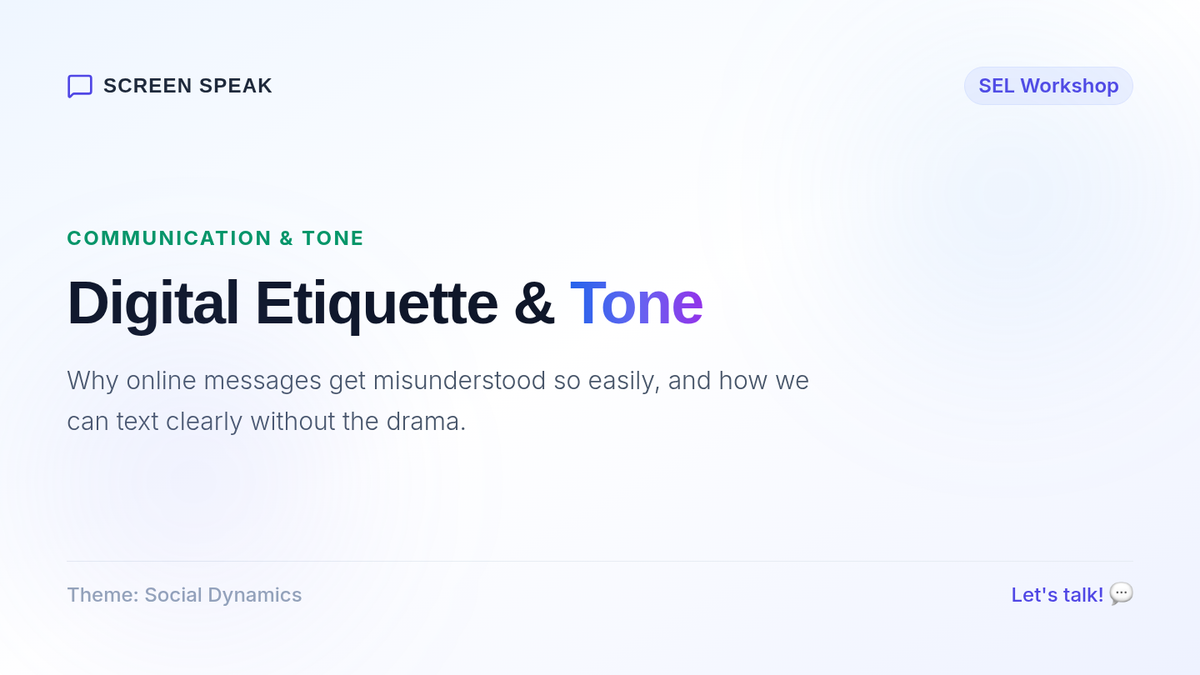
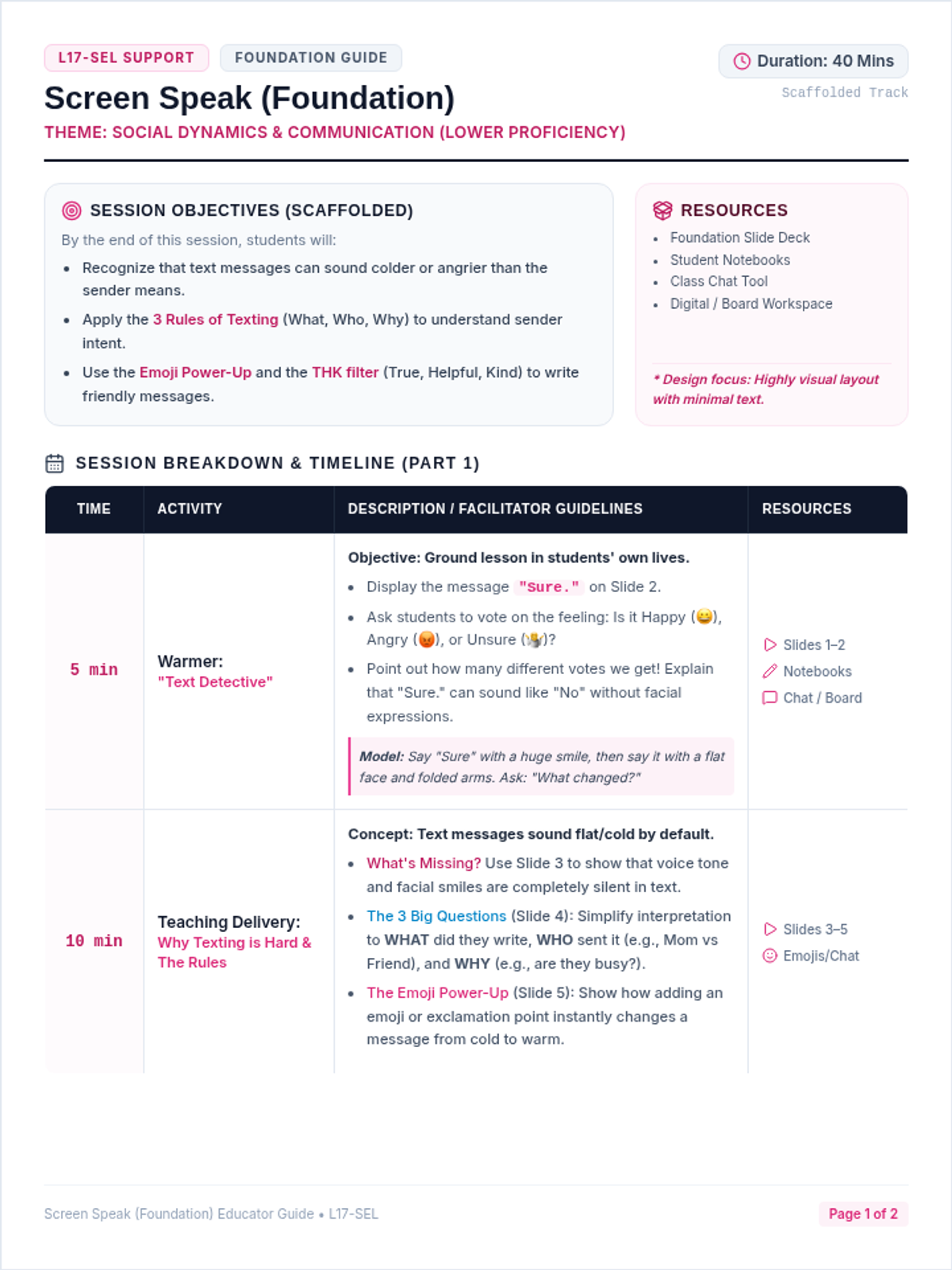
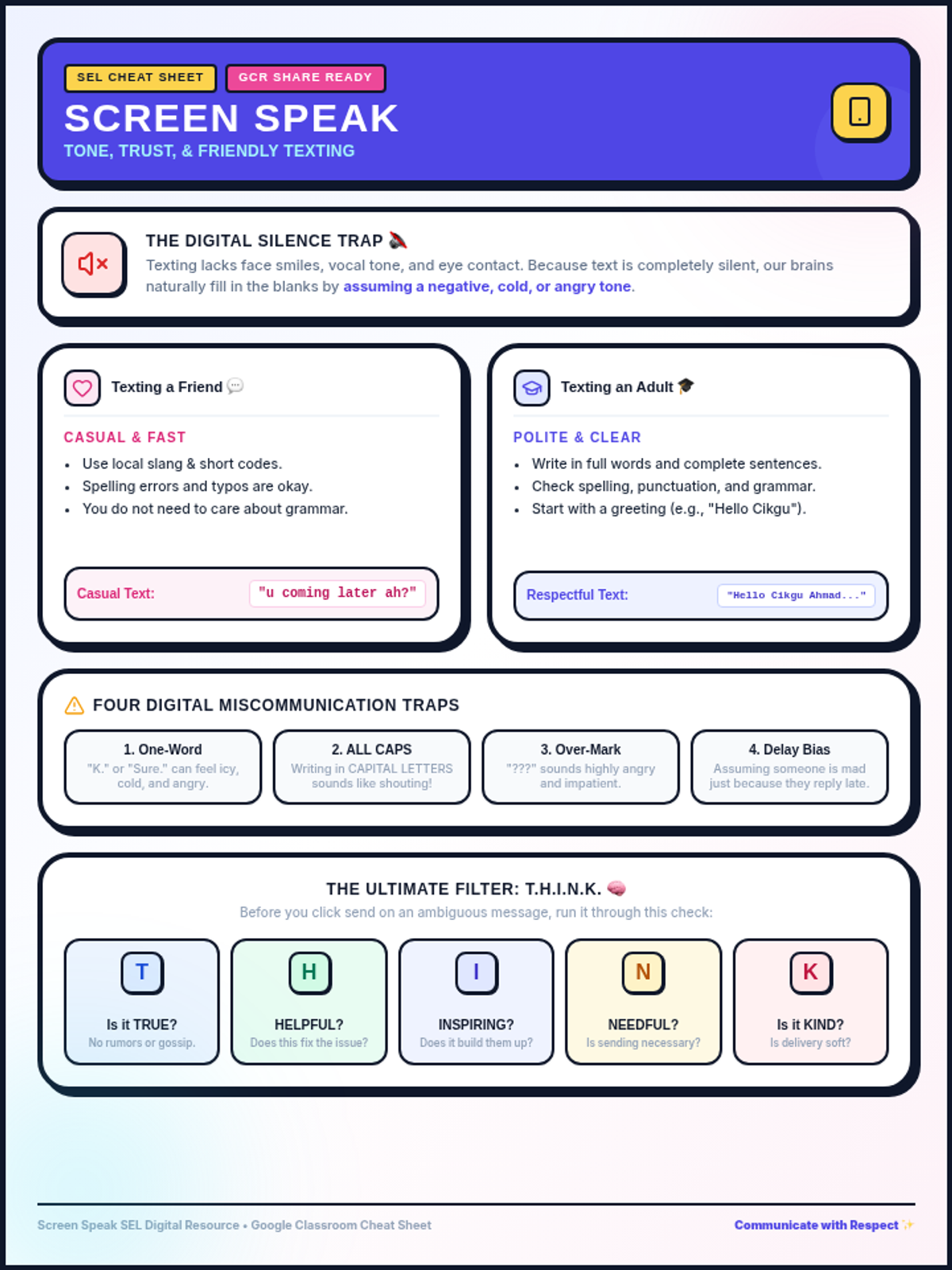
A comprehensive SEL lesson bundle on digital etiquette, tone misinterpretation, and respectful online communication for teens aged 13-17. Includes an interactive slide deck and an elegant table-formatted teacher facilitation guide.
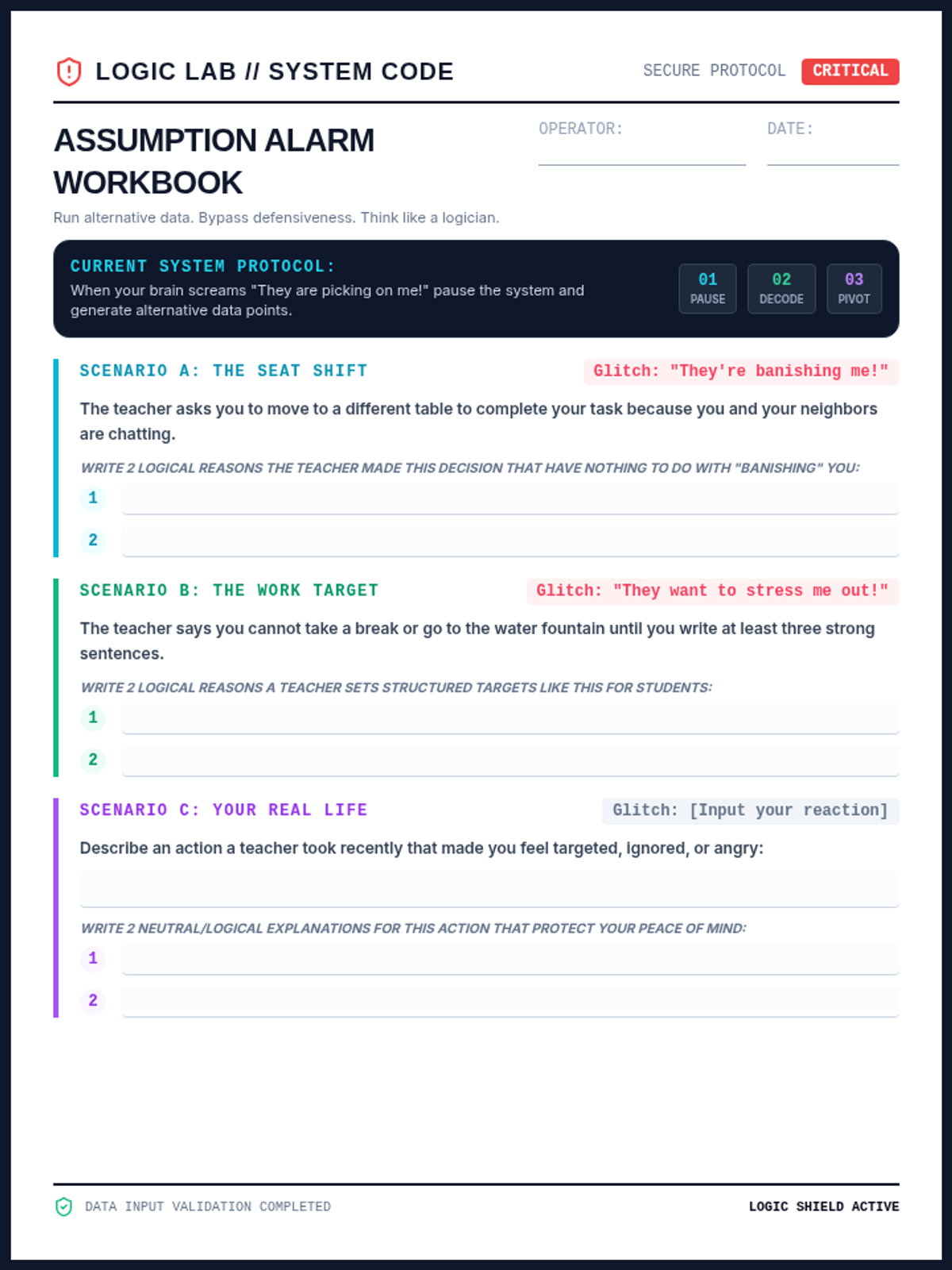
A sharp, logic-forward 1-to-1 session designed to help a student break down negative assumptions, understand the logical purpose of school rules, and develop alternative explanations for teacher actions.
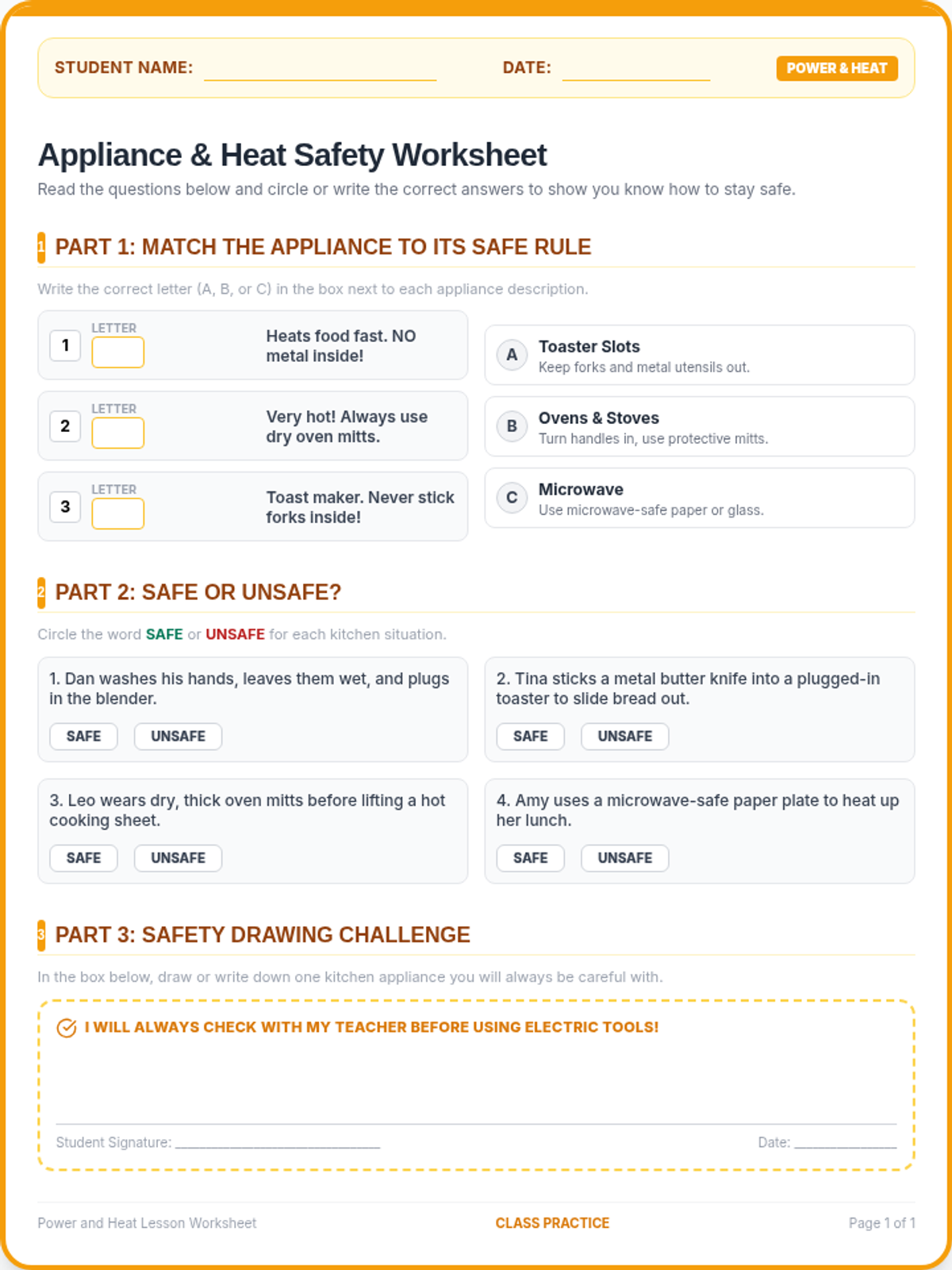
A comprehensive lesson focusing on heat safety, general kitchen appliances (microwaves, ovens, toasters, blenders), and electrical safety. It includes interactive visual slides and a matching worksheet tailored for high school special needs students.
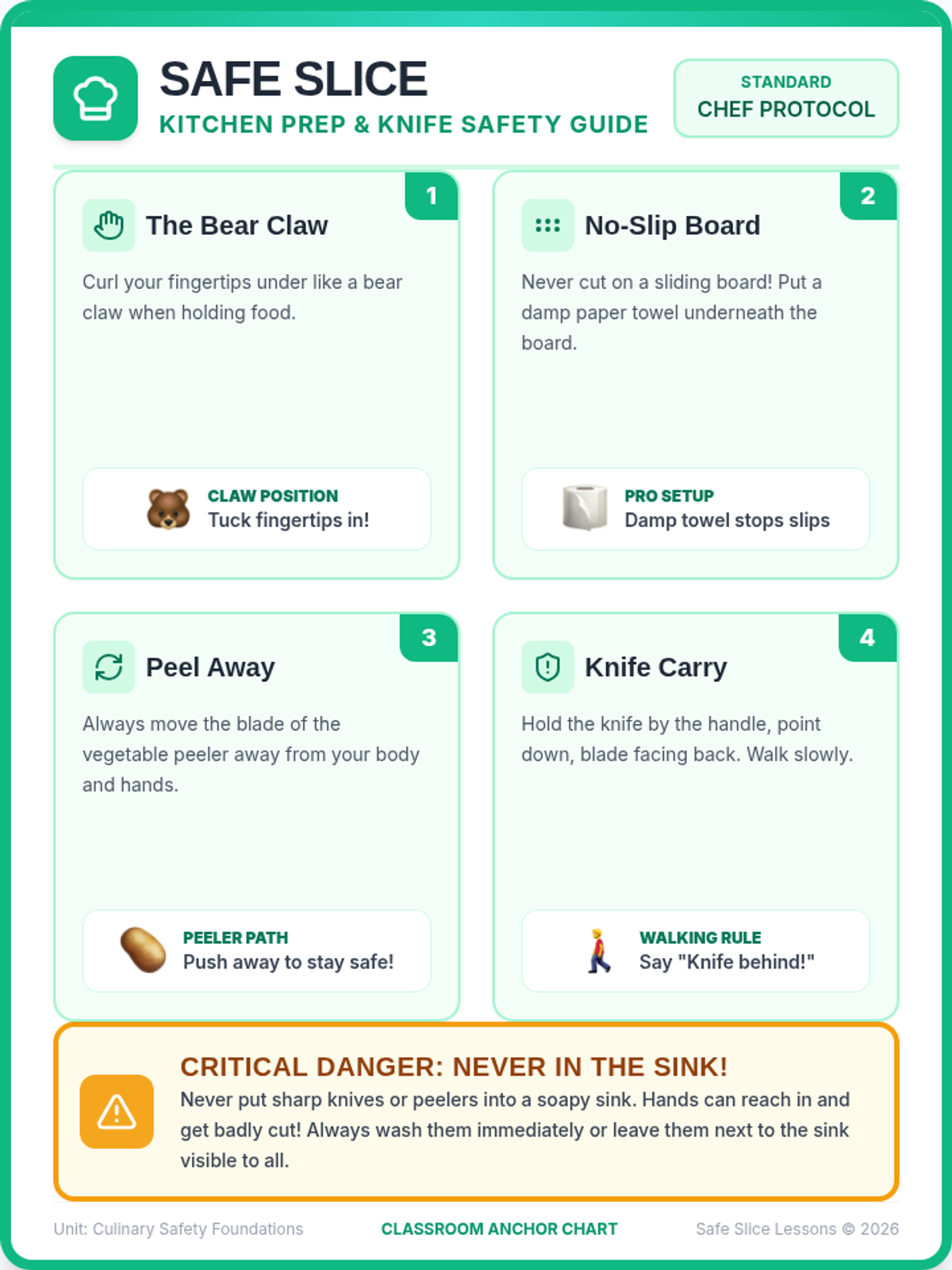
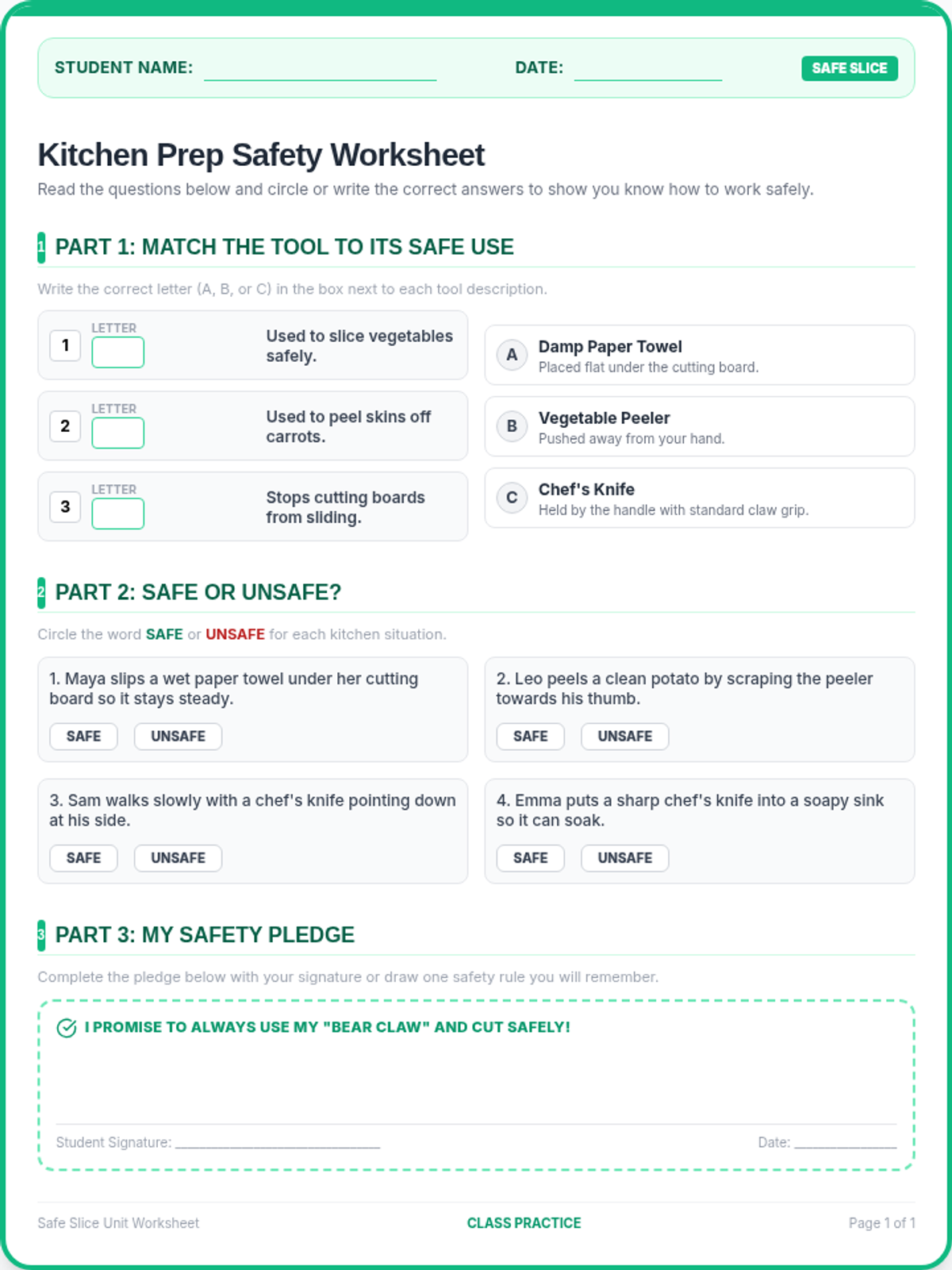
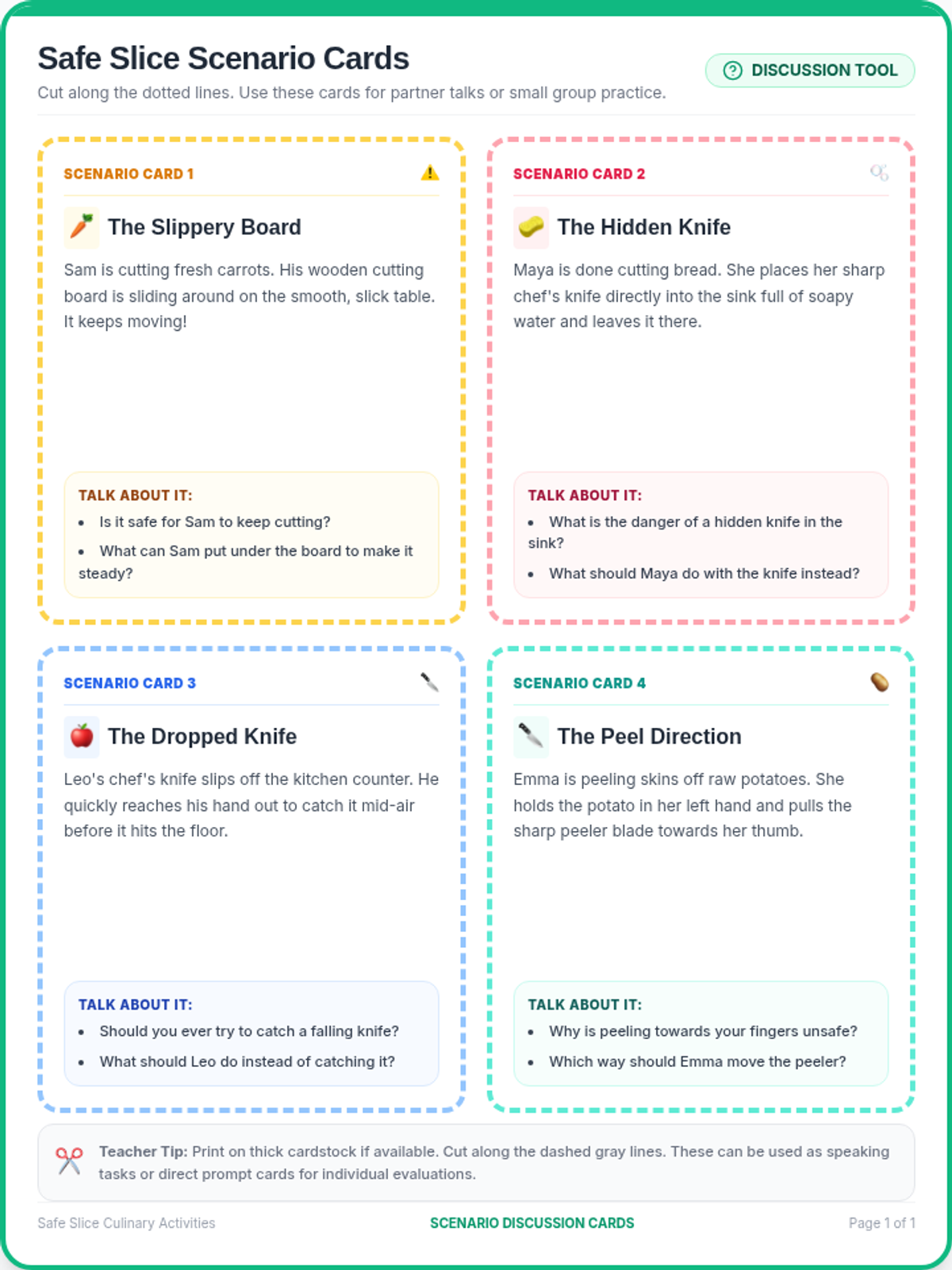
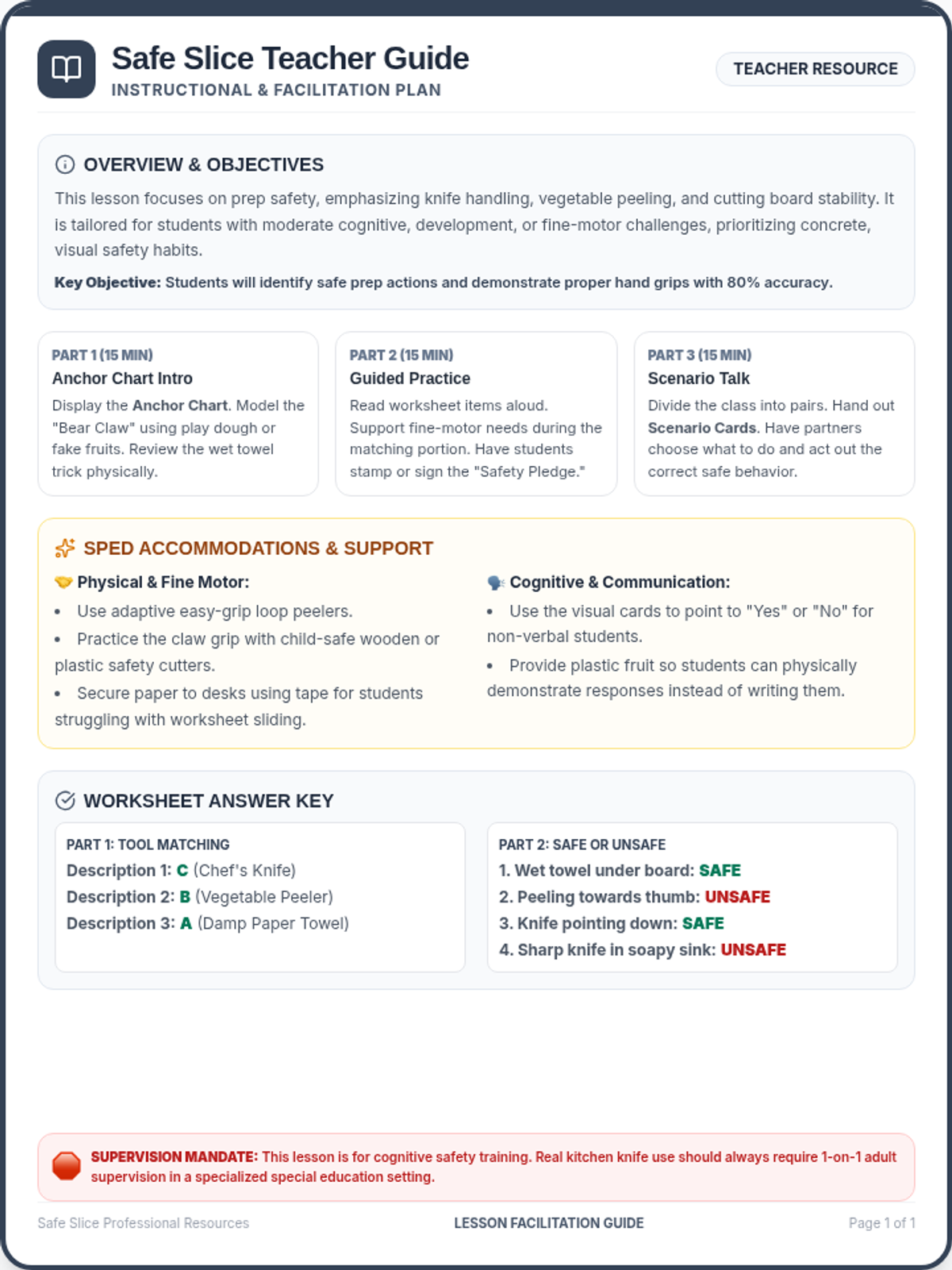
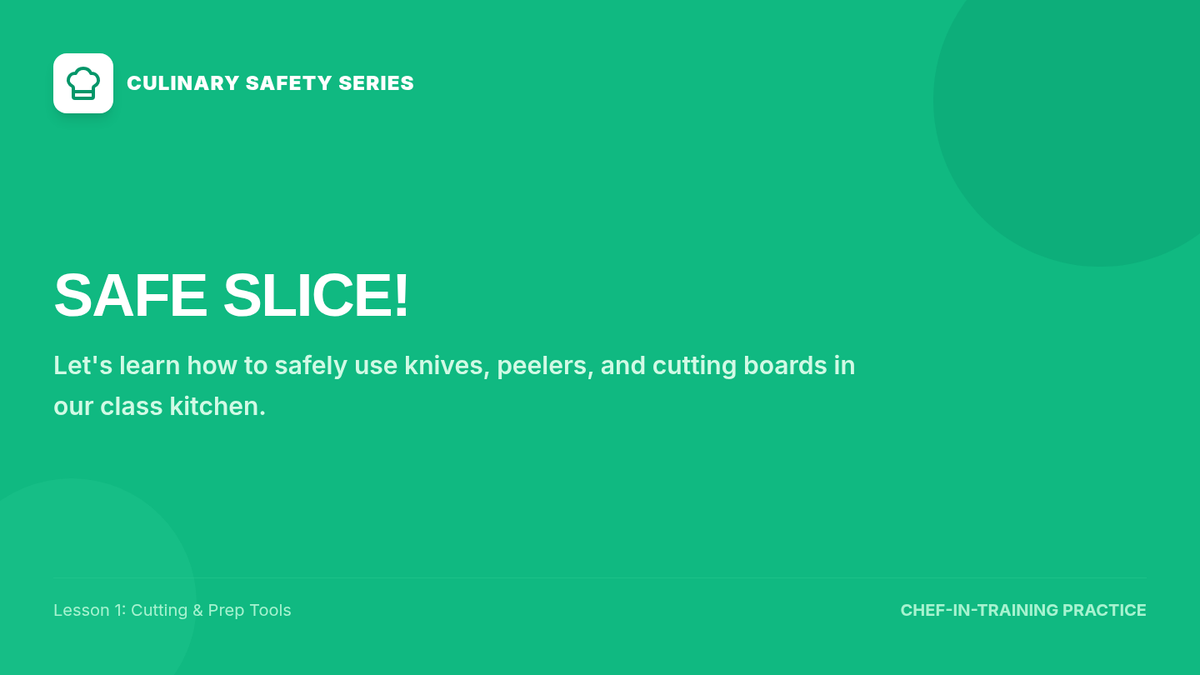
A comprehensive kitchen safety lesson focusing on cutting and preparation tools, designed for high school special education students. It includes visual guides, matching practice, and real-world scenario cards to teach knife safety, peeling, and cutting board stability.
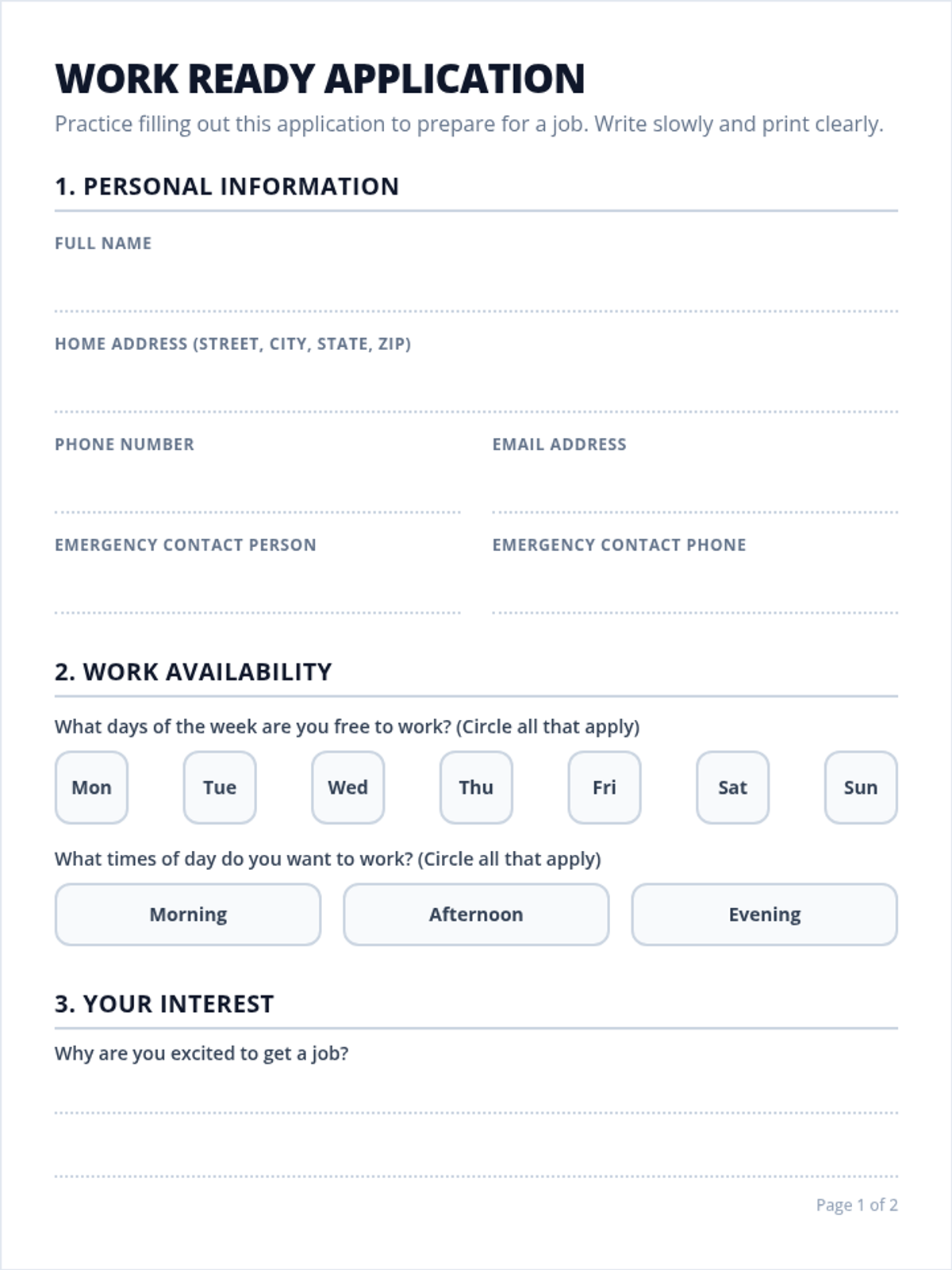
An introductory lesson designed to prepare high school special needs students for entering the workforce by understanding how to fill out a job application, identifying personal strengths, and recognizing supportive accommodations.
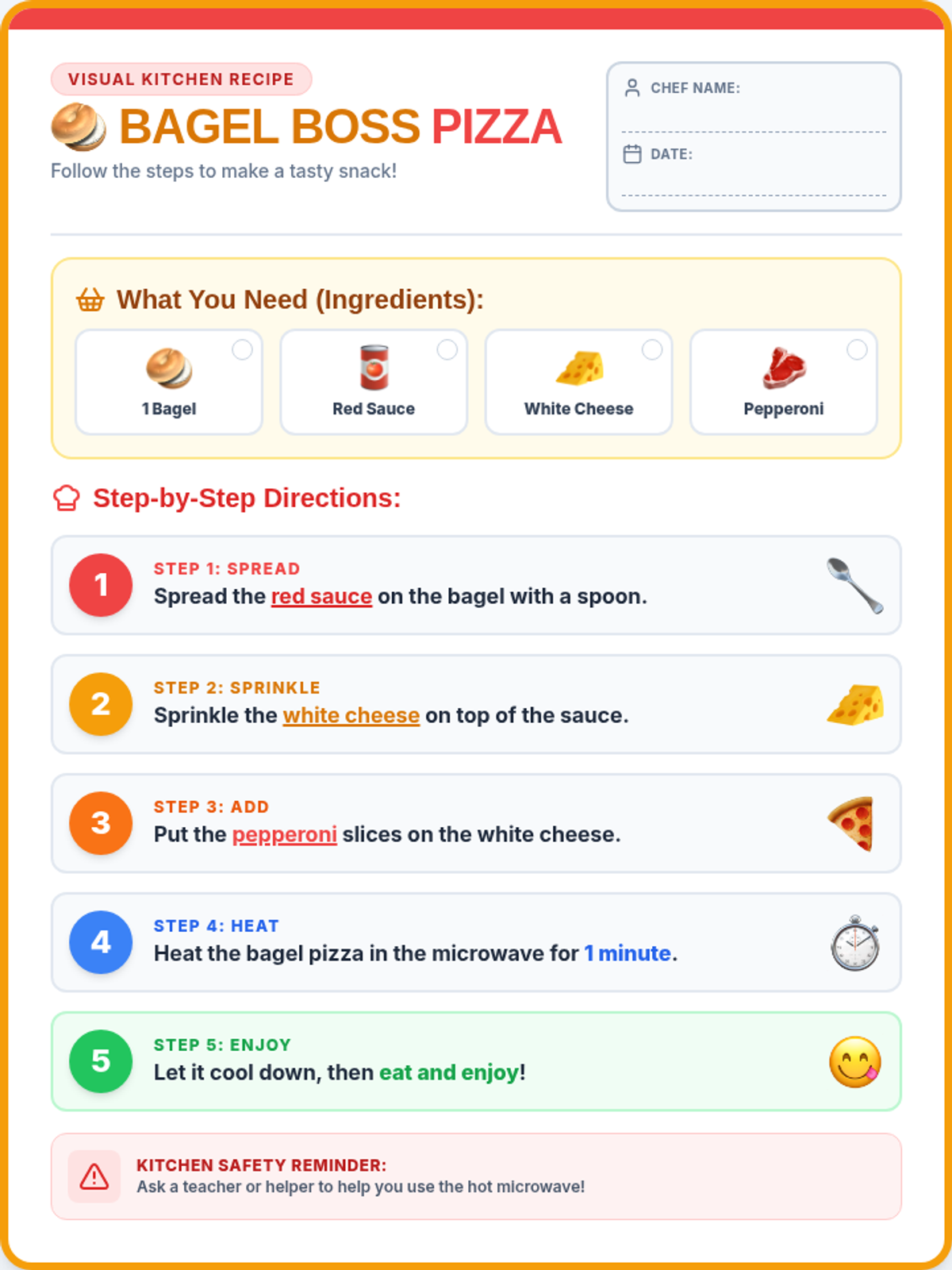
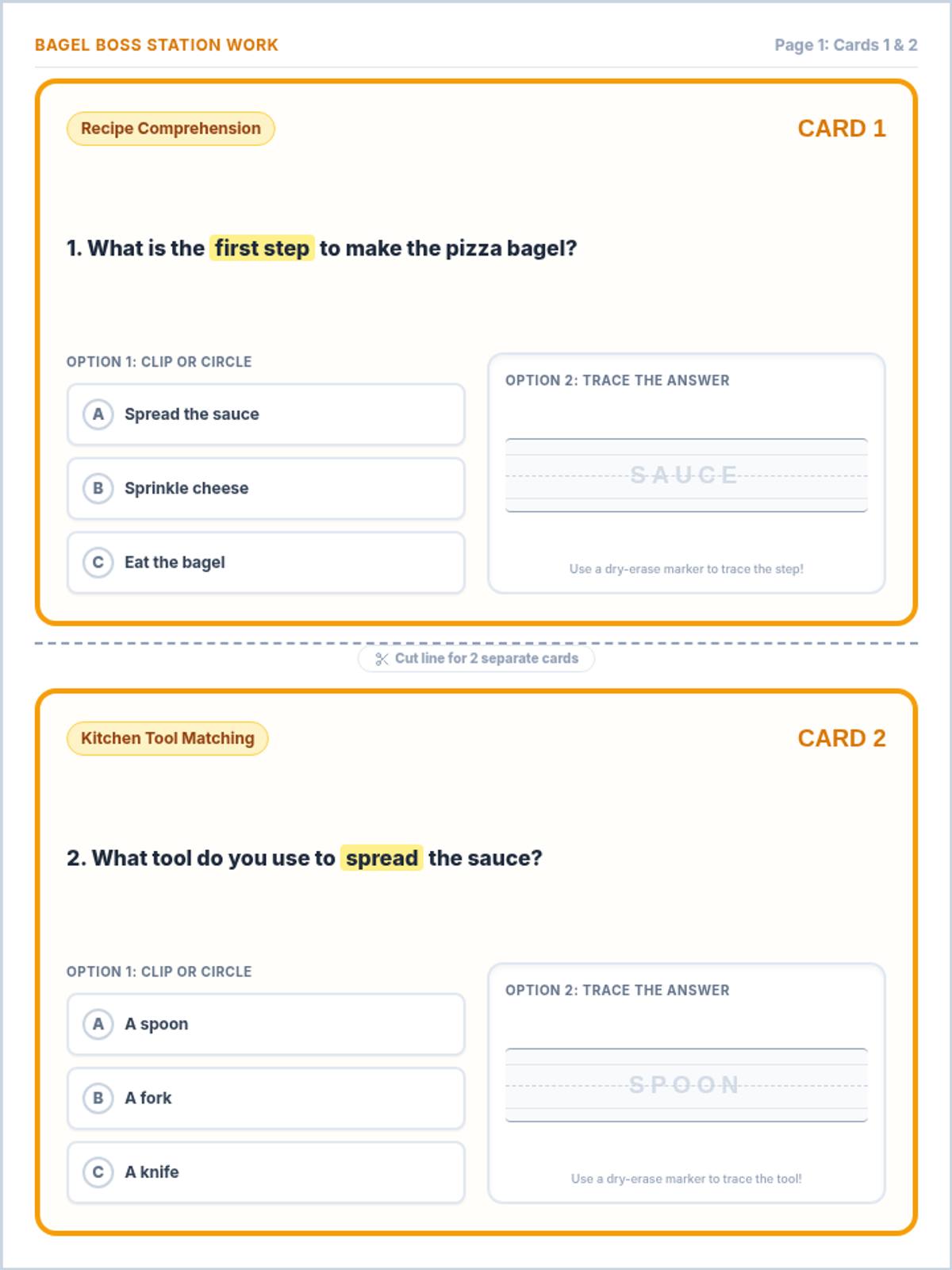
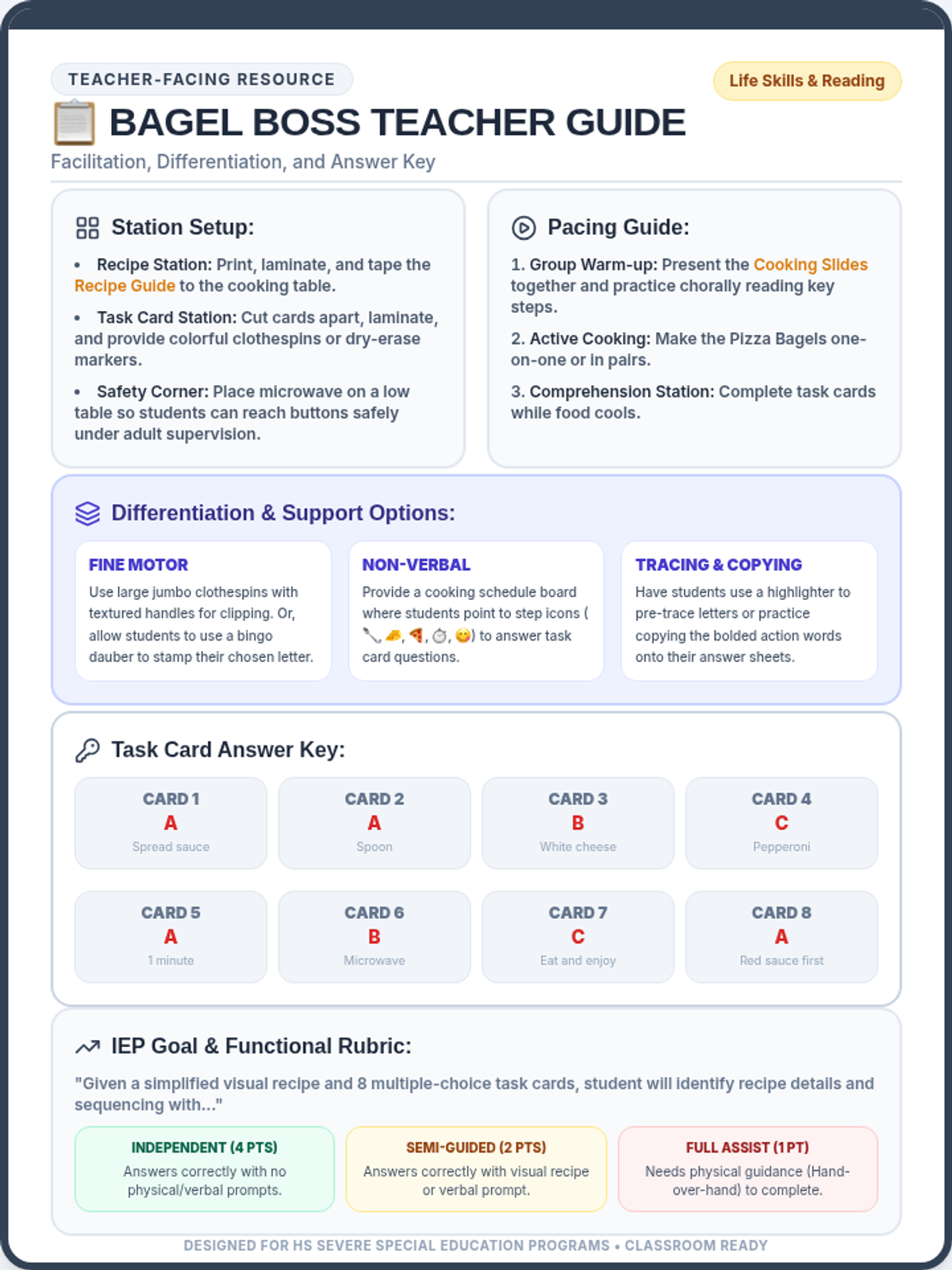
A highly visual, step-by-step cooking and comprehension lesson for students with severe special needs. Students learn to read a simplified recipe for Pizza Bagels and answer functional text comprehension questions using reusable task cards with tracing, copying, or clip-card options.
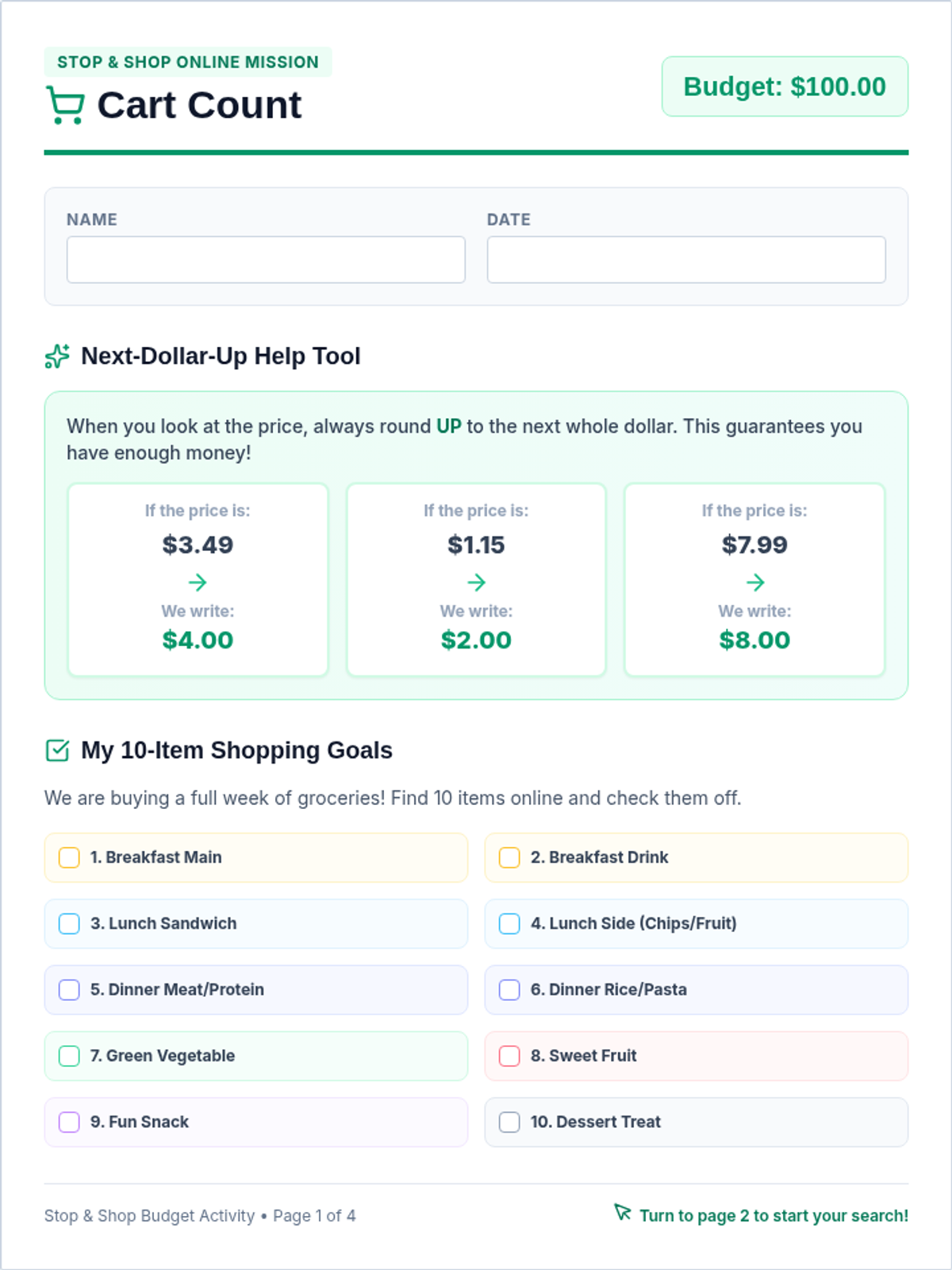
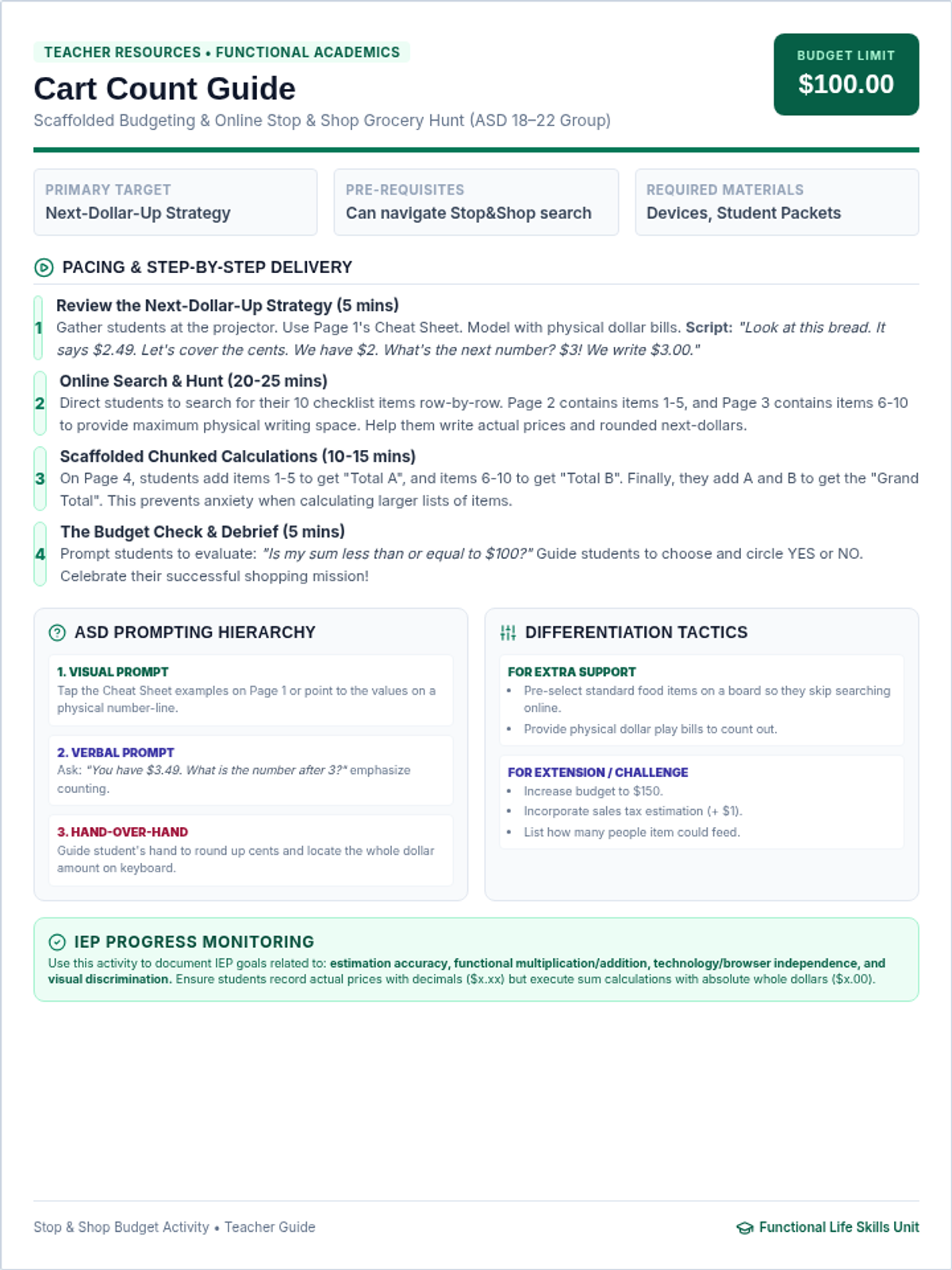
A highly scaffolded functional math lesson where students use the next-dollar-up estimation strategy to shop online at Stop & Shop, planning meals and staying strictly within a budget.
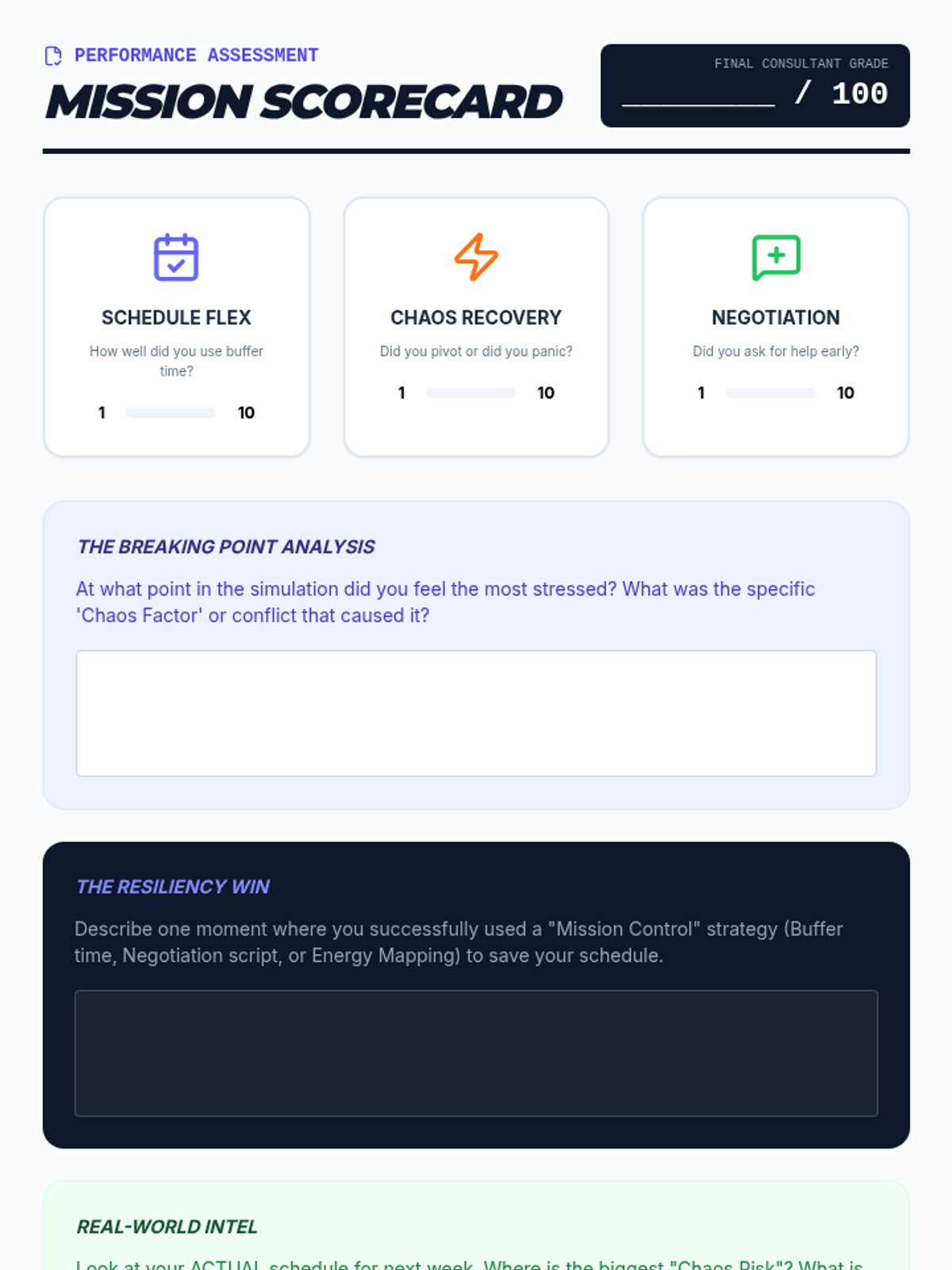
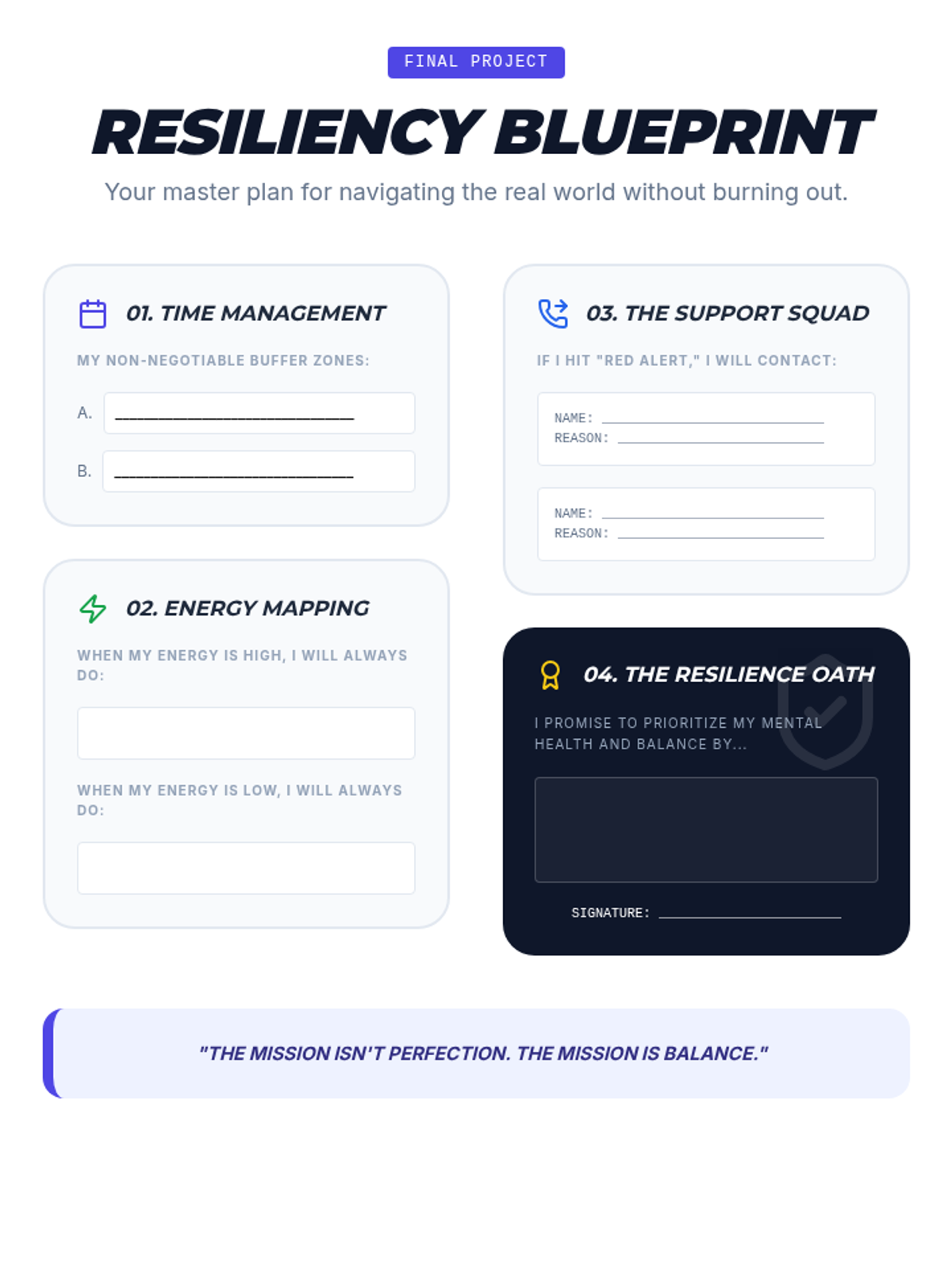
A final reflection on the simulation where students analyze their performance, identify breaking points, and create a long-term strategy for real-world balance.
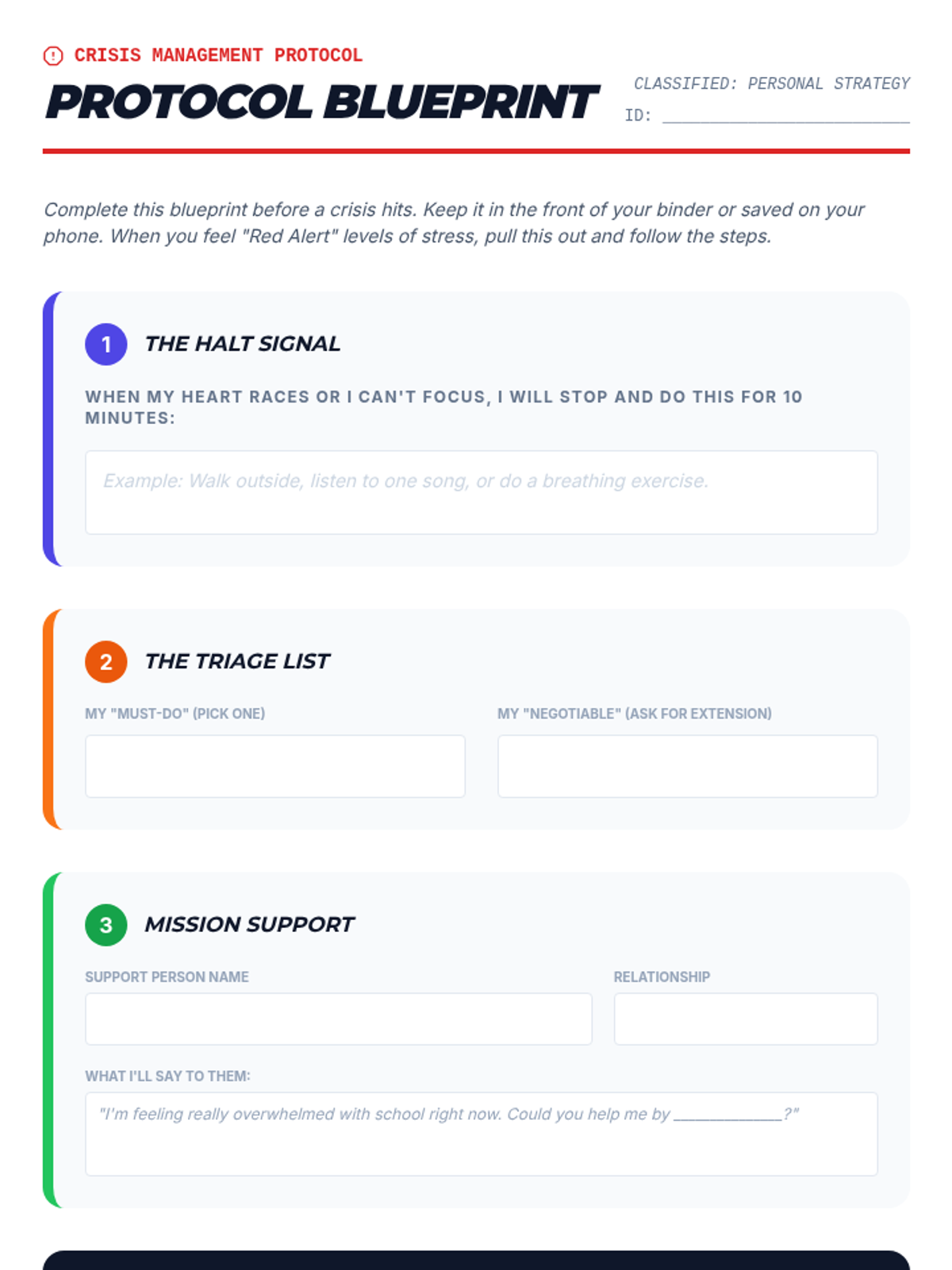
Students create a personal 'Emergency Protocol' for overwhelming situations, learning how to prioritize tasks to drop and identifying support systems for recovery.
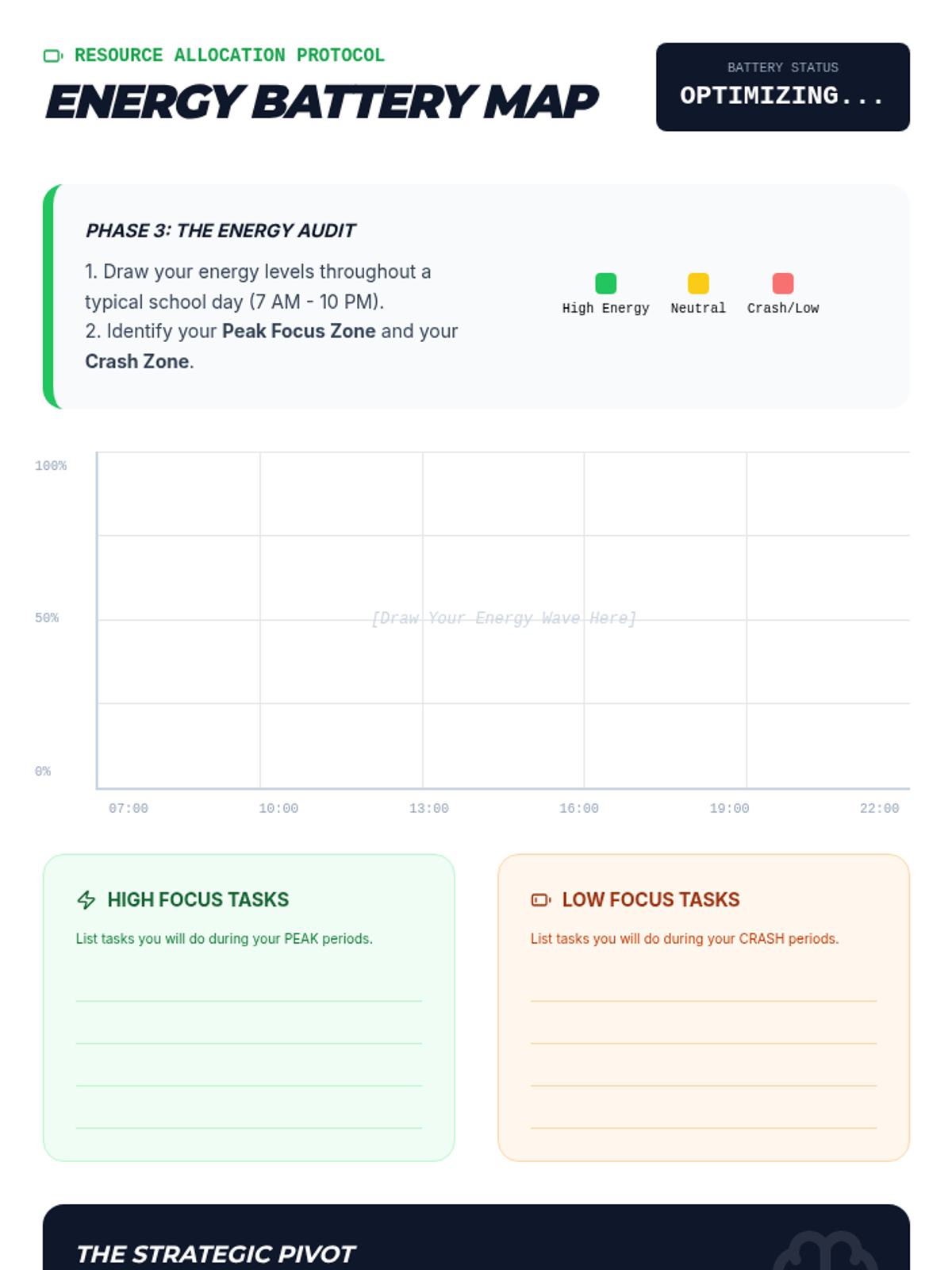
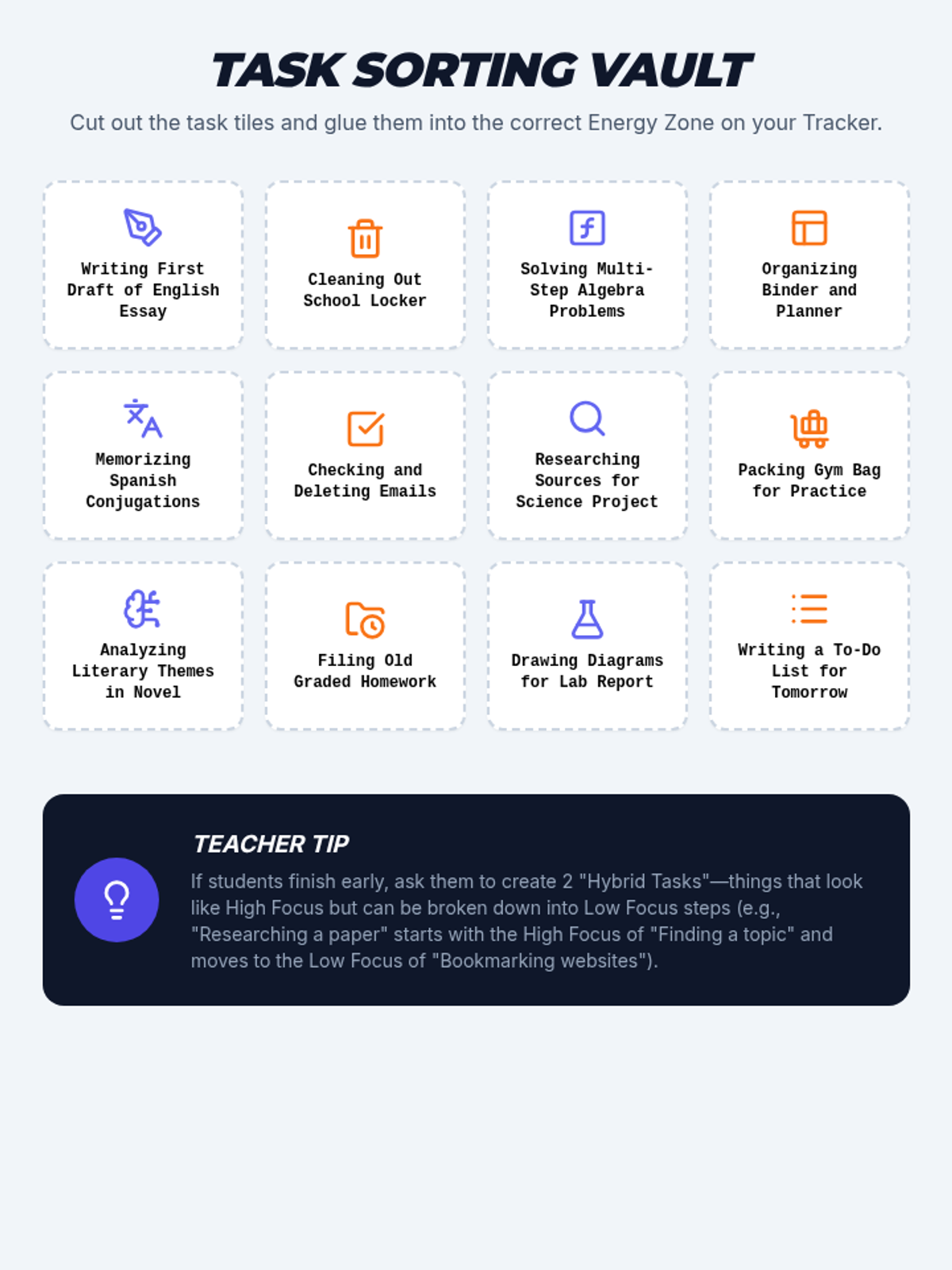
Students analyze their personal energy cycles to match high-demand tasks with high-energy periods, moving beyond simple time management to strategic resource allocation.
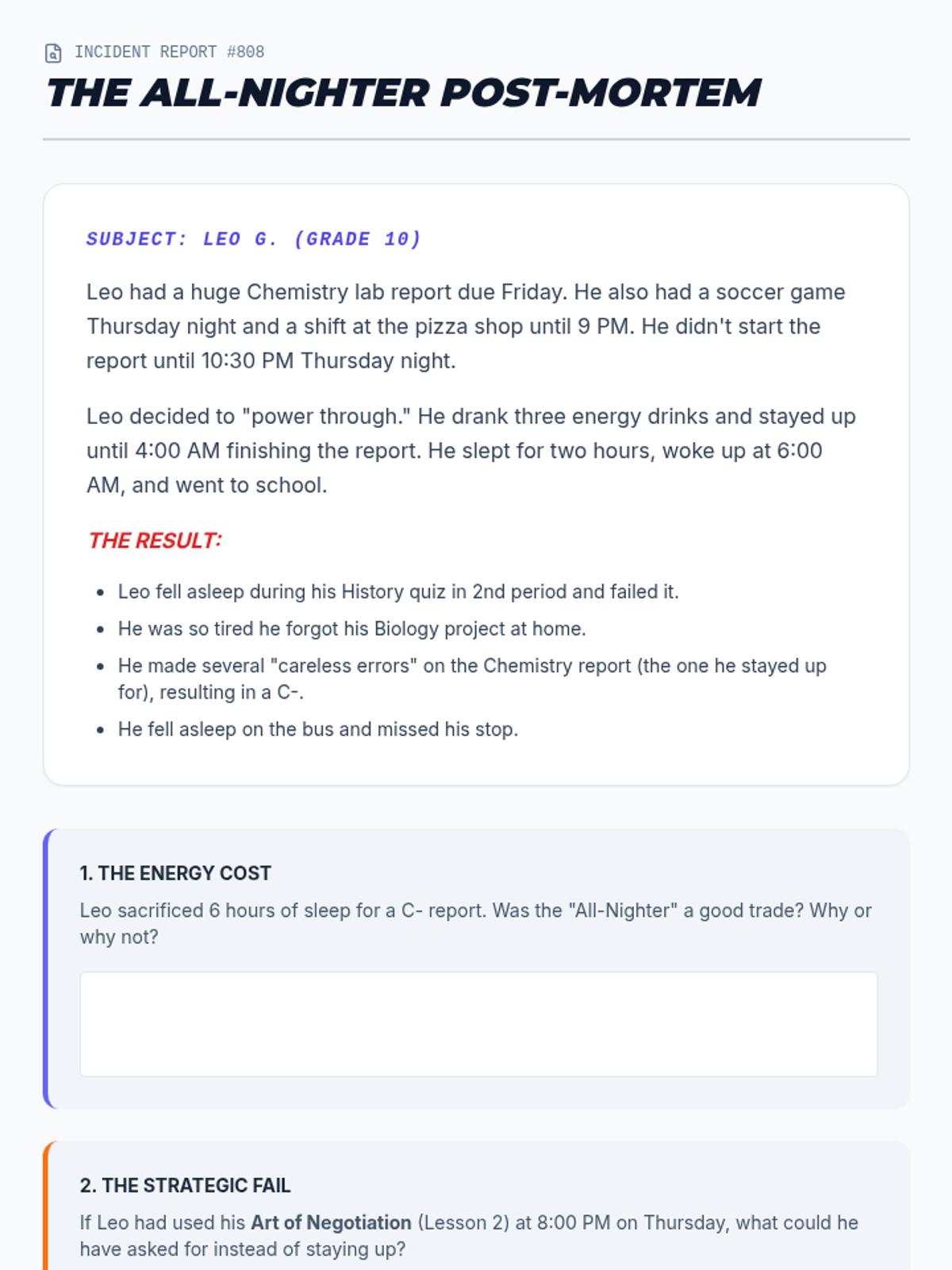
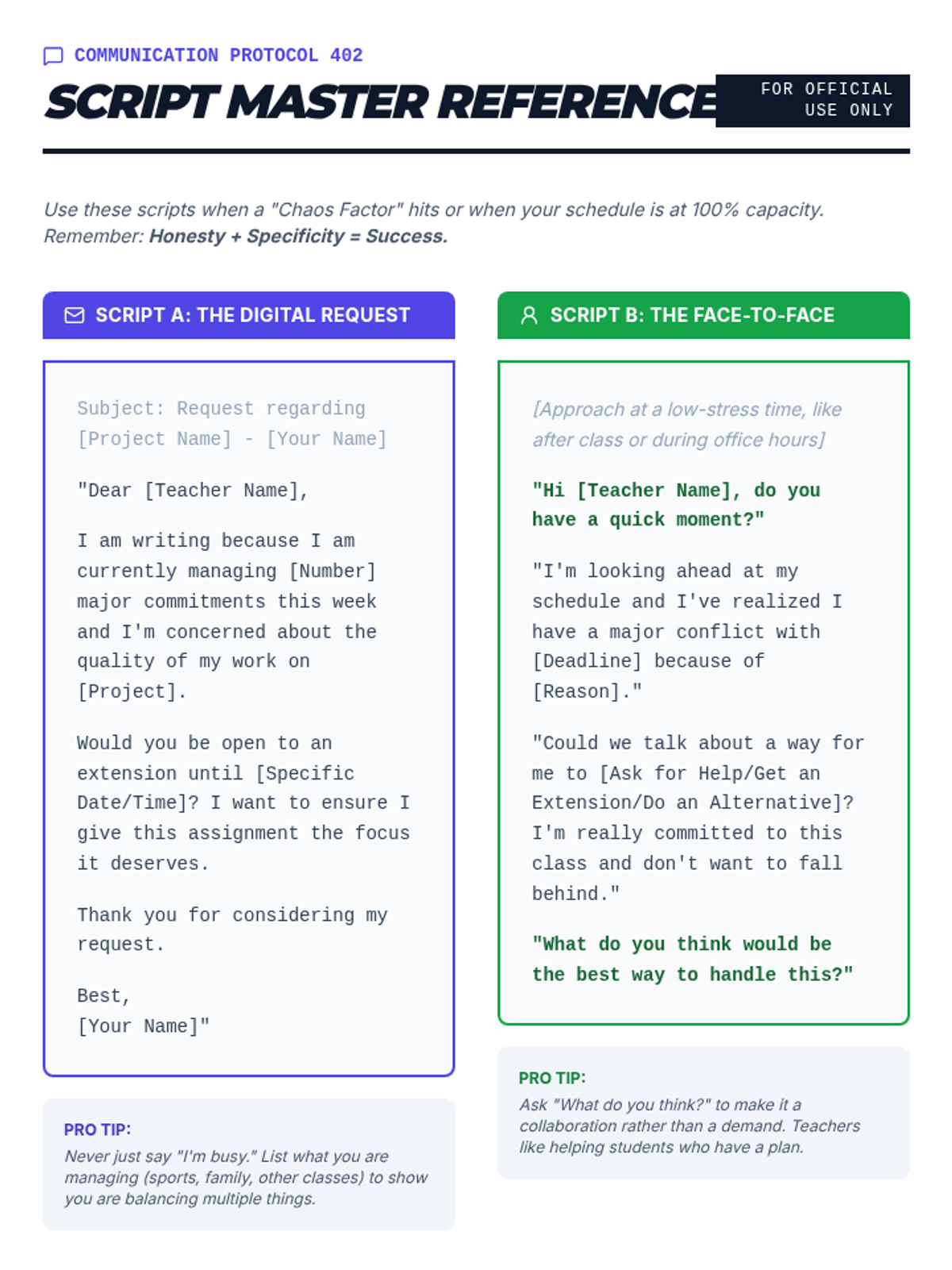
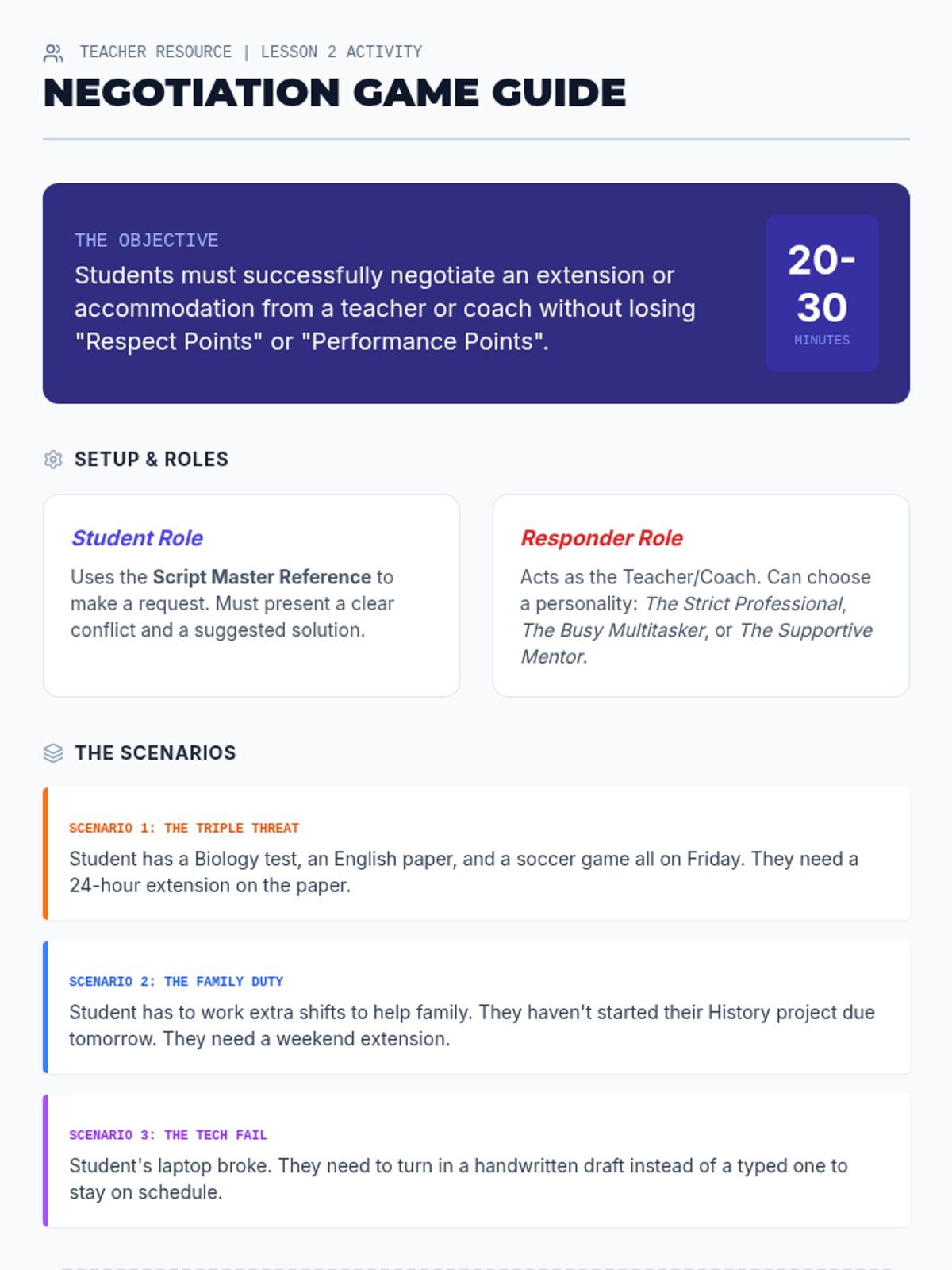
Focuses on professional communication and the distinction between hard and soft deadlines. Students practice scripts to negotiate extensions and help before a crisis occurs.
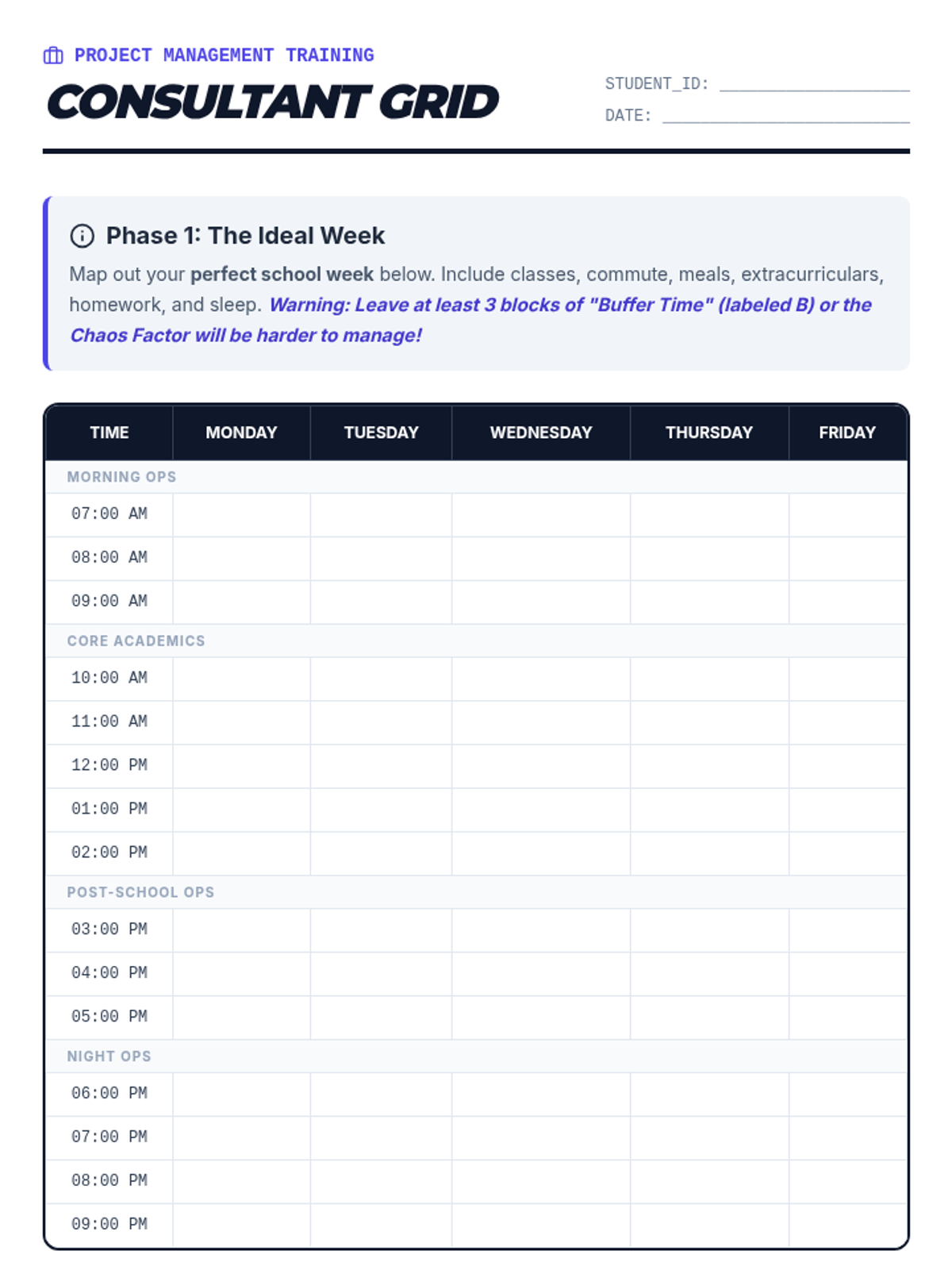
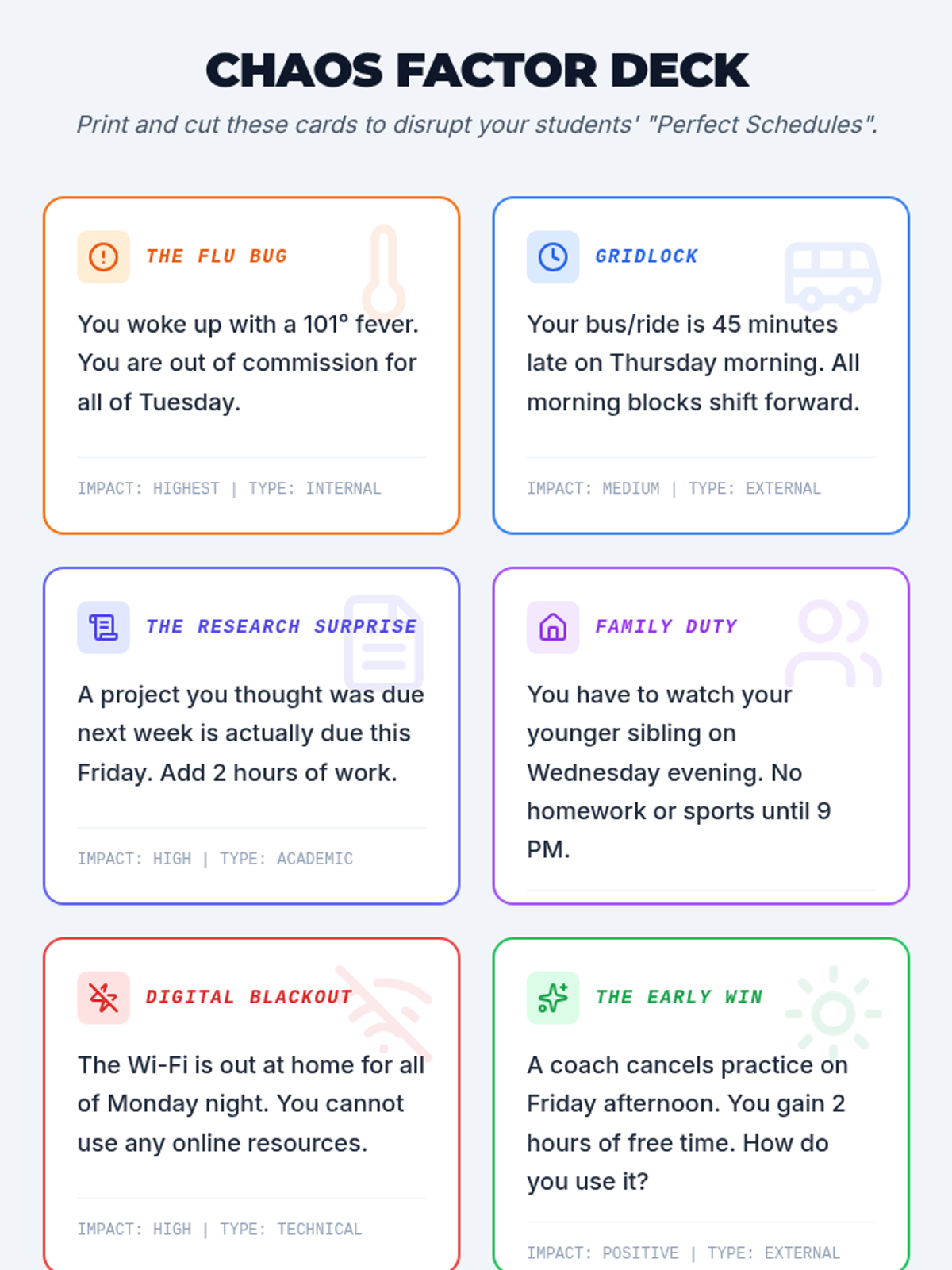
Students design an ideal weekly schedule and are immediately introduced to the 'Chaos Factor'—unpredictable life events that disrupt plans. They identify the need for buffer time and flexible scheduling.
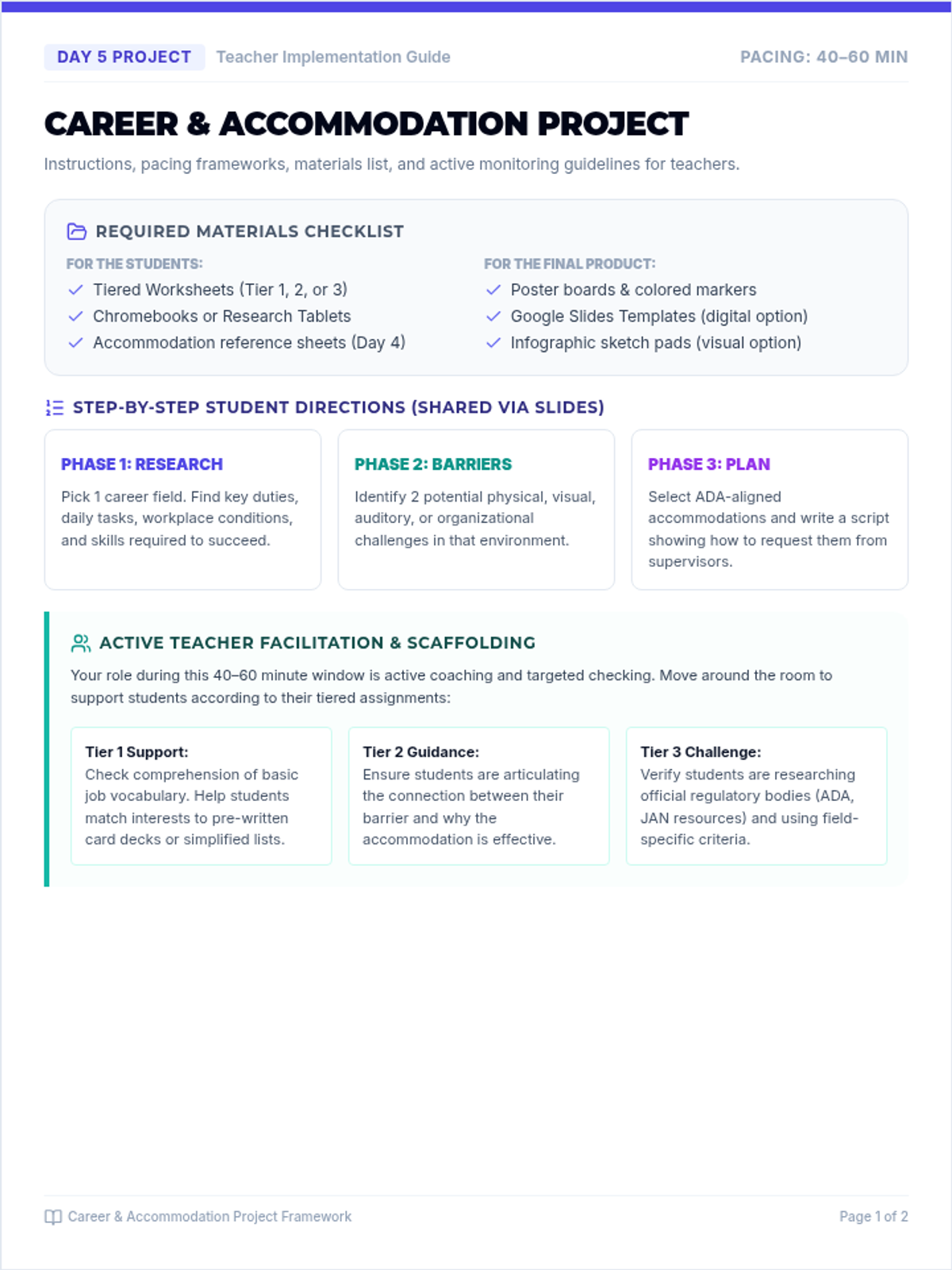
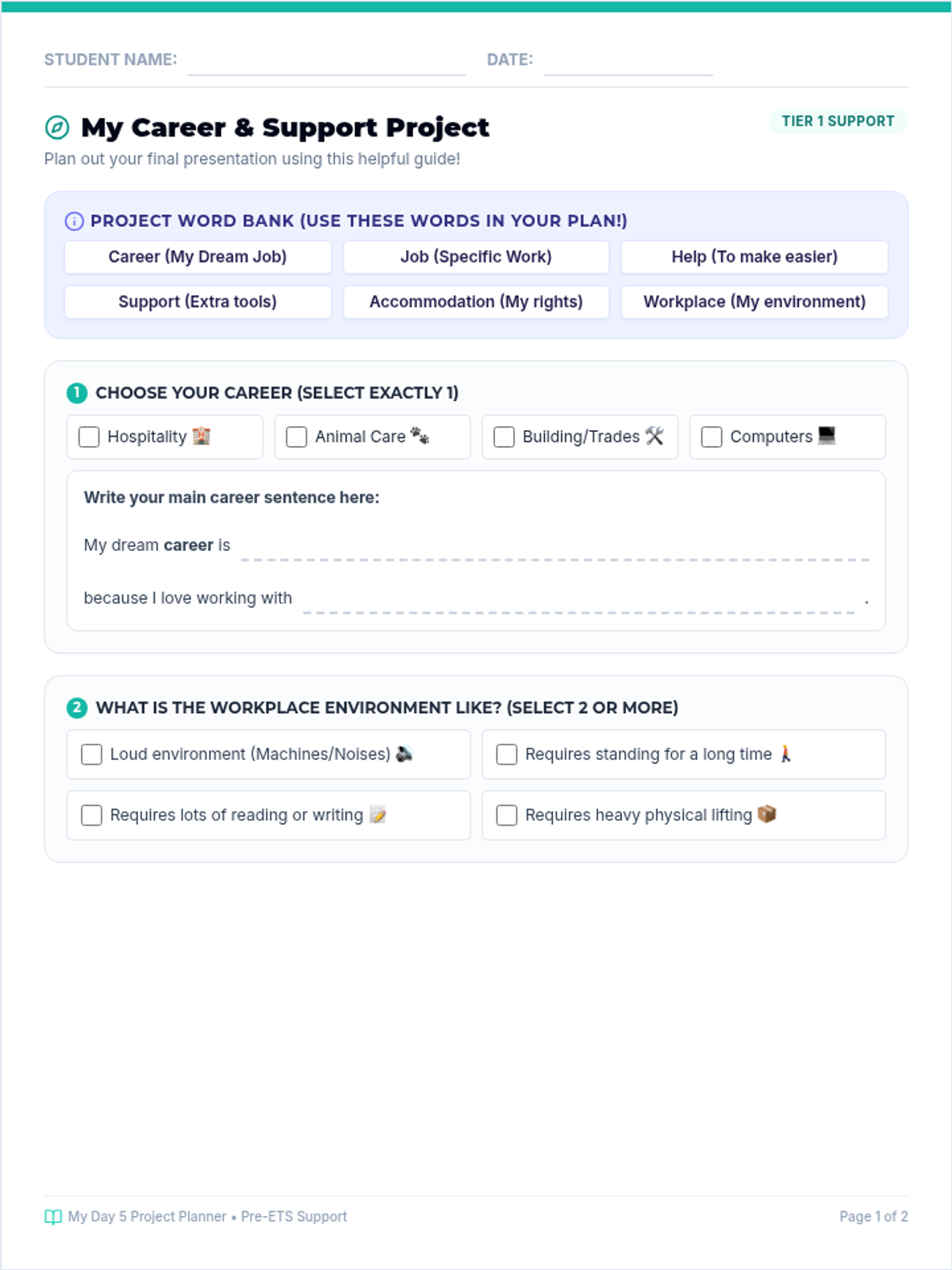
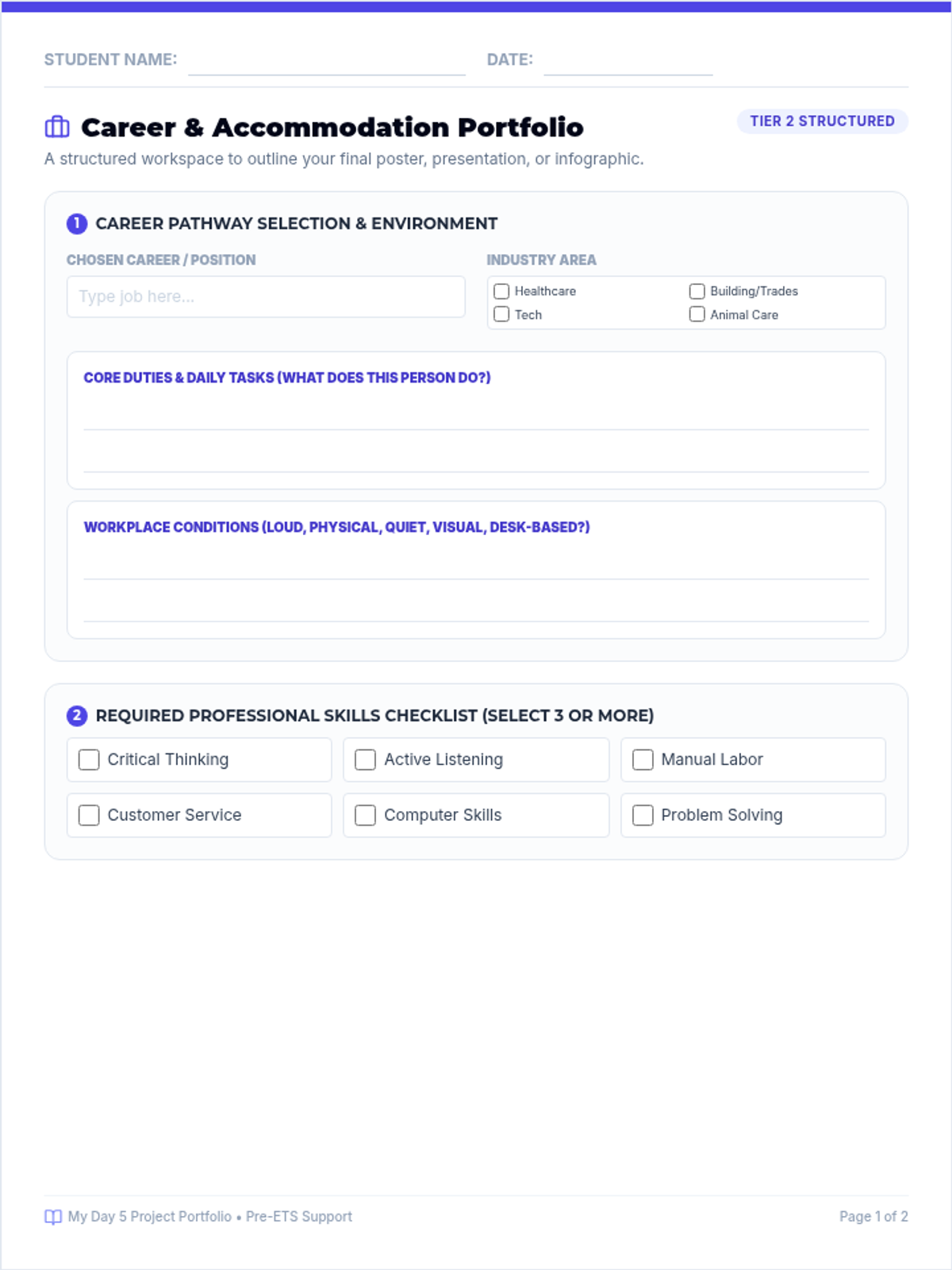
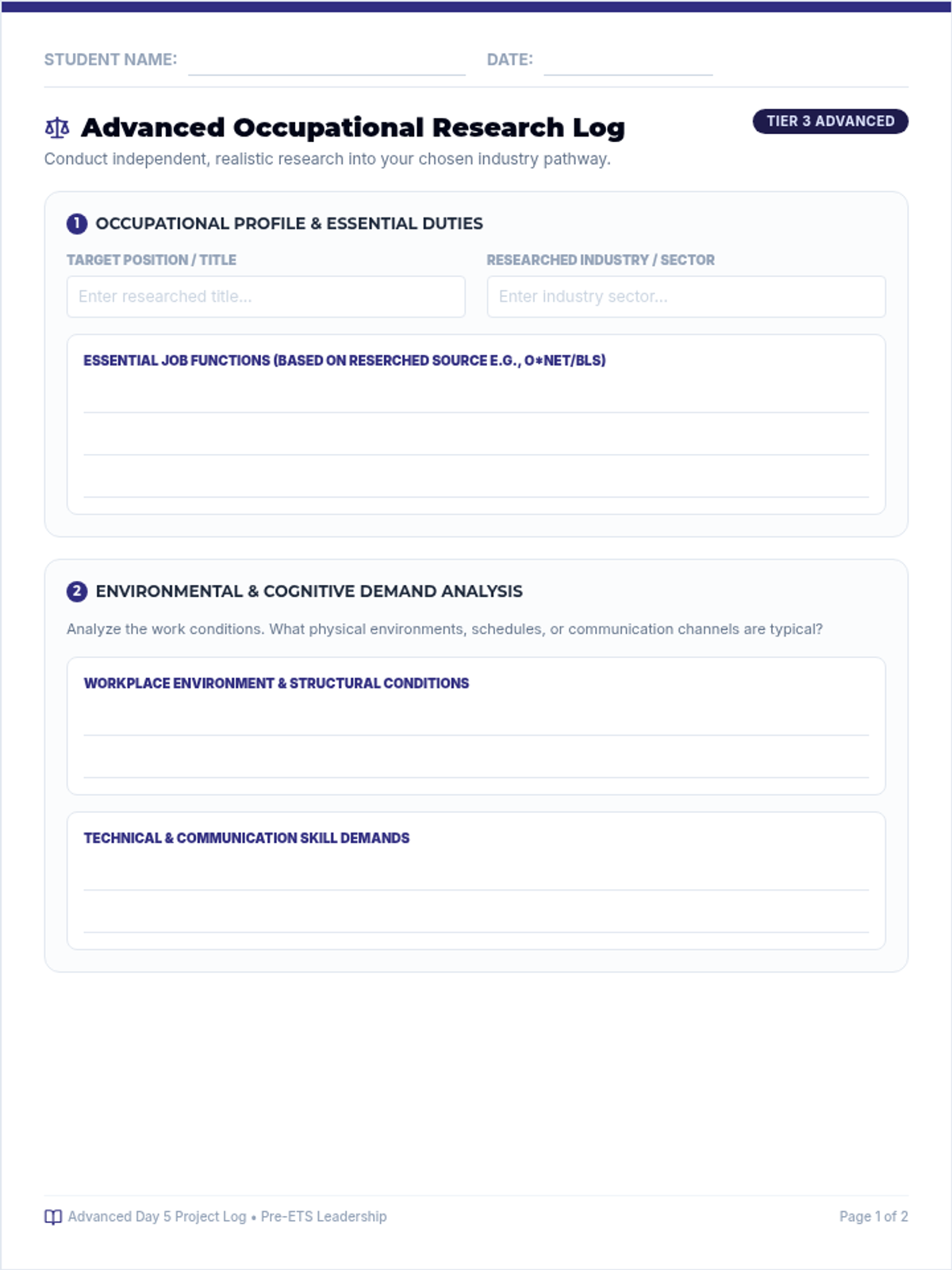
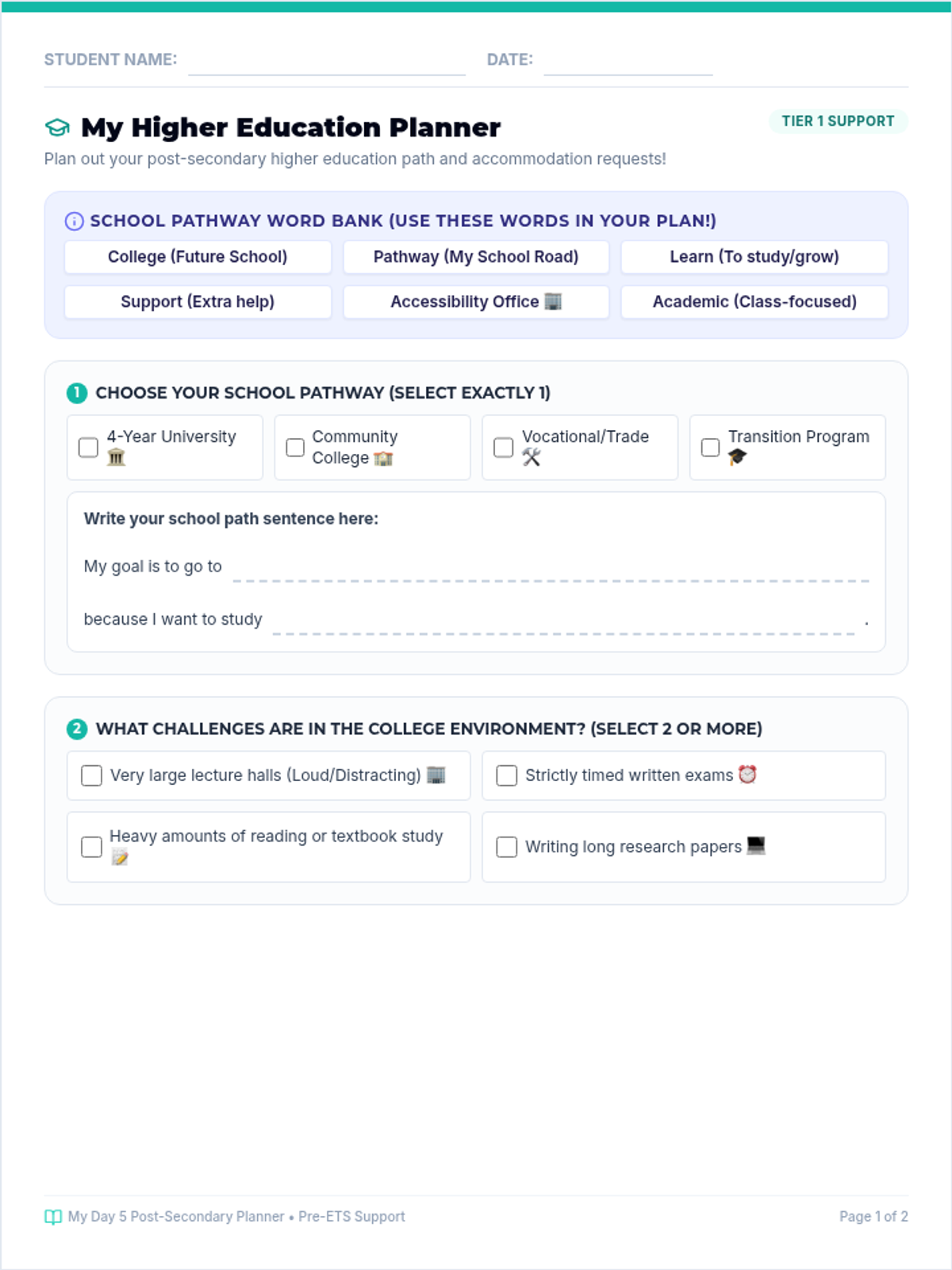
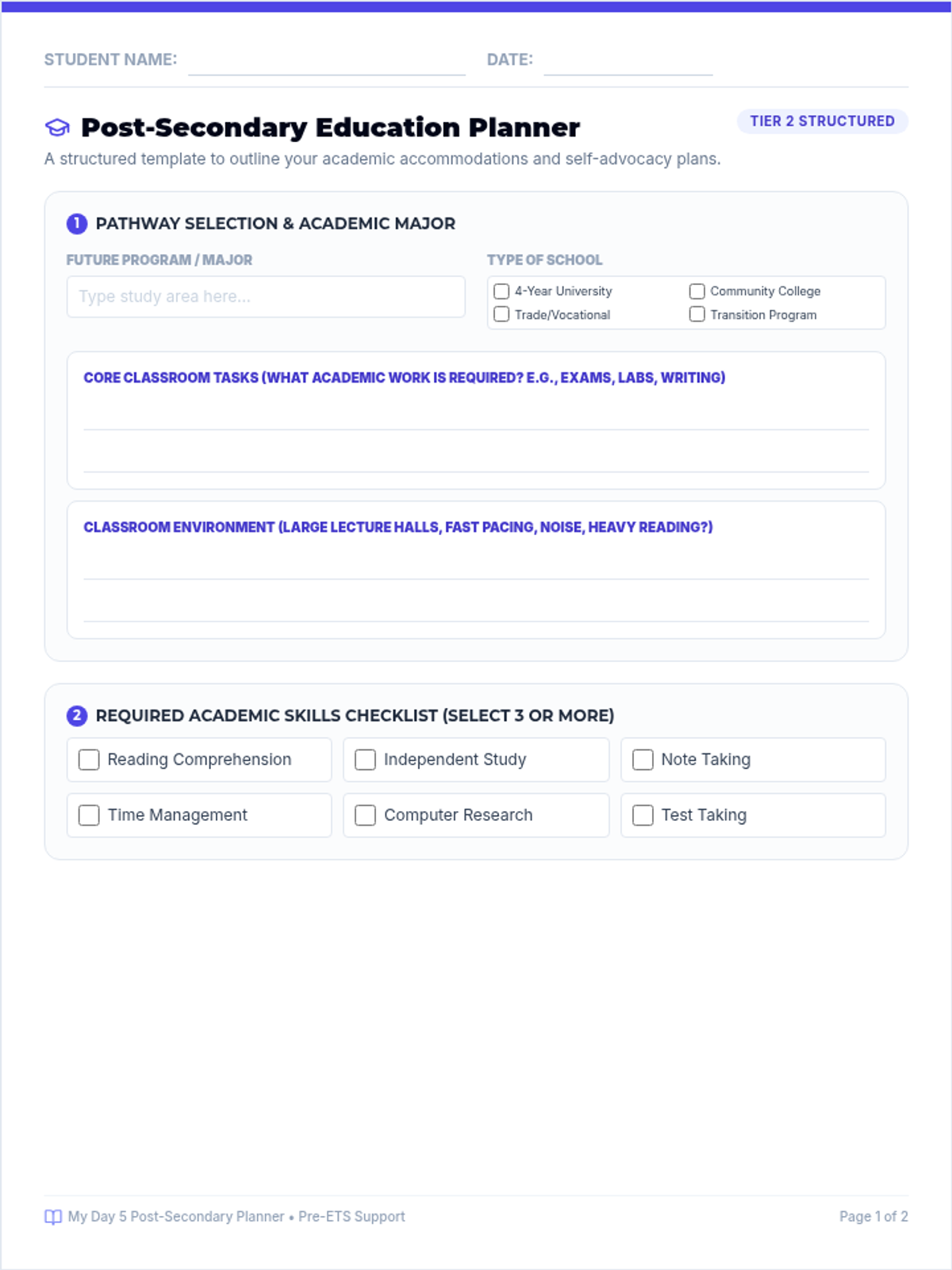
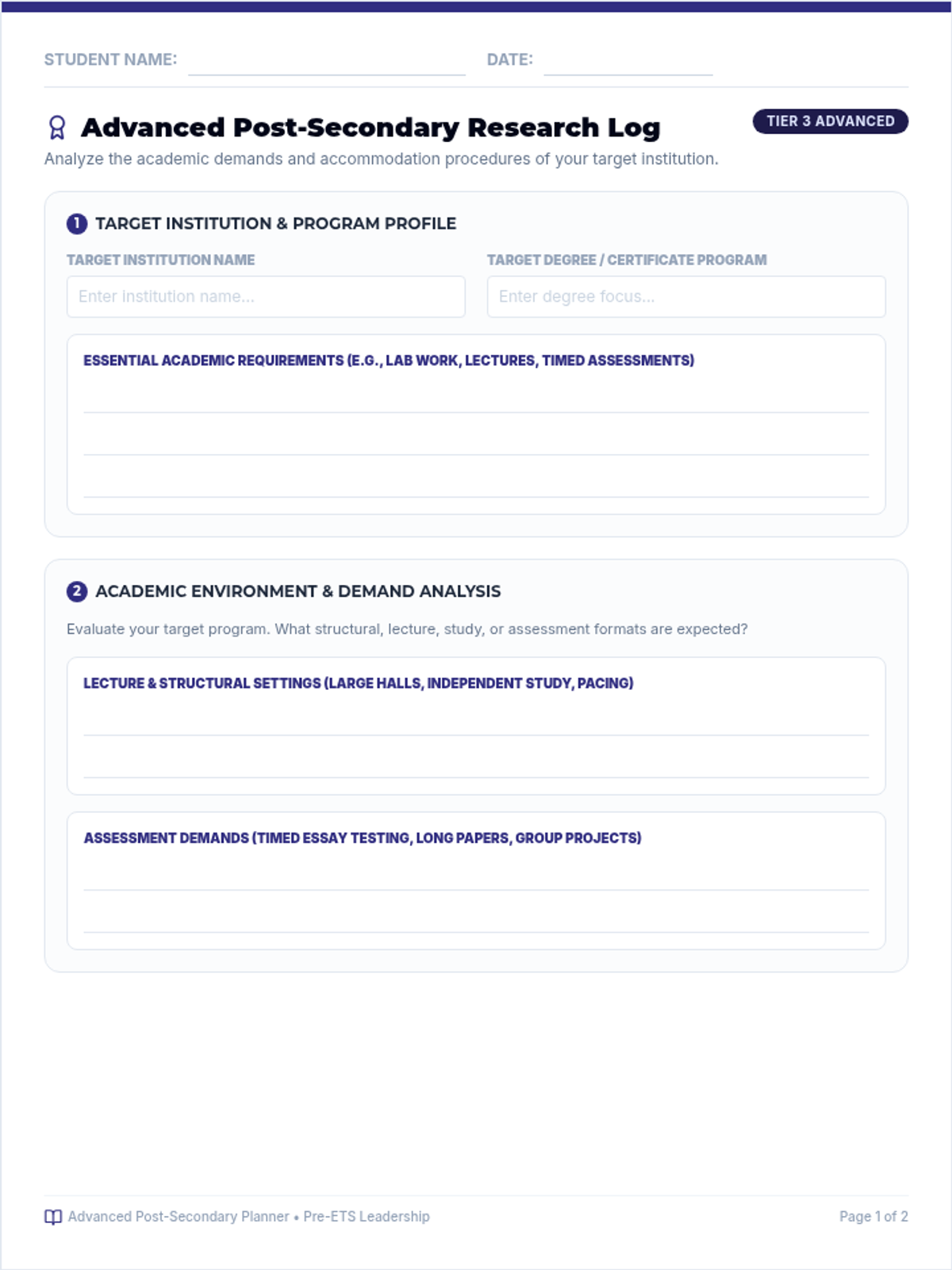
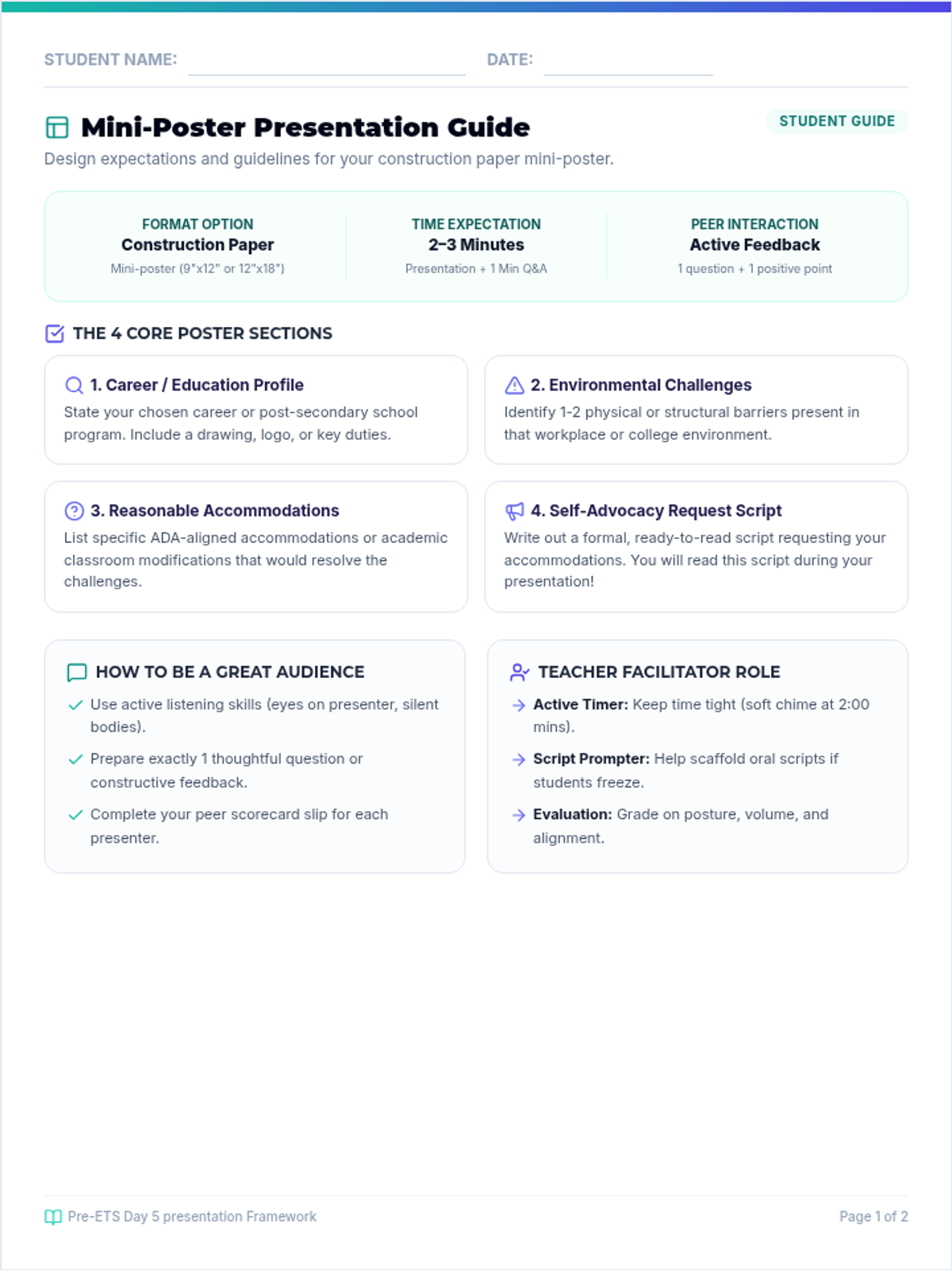
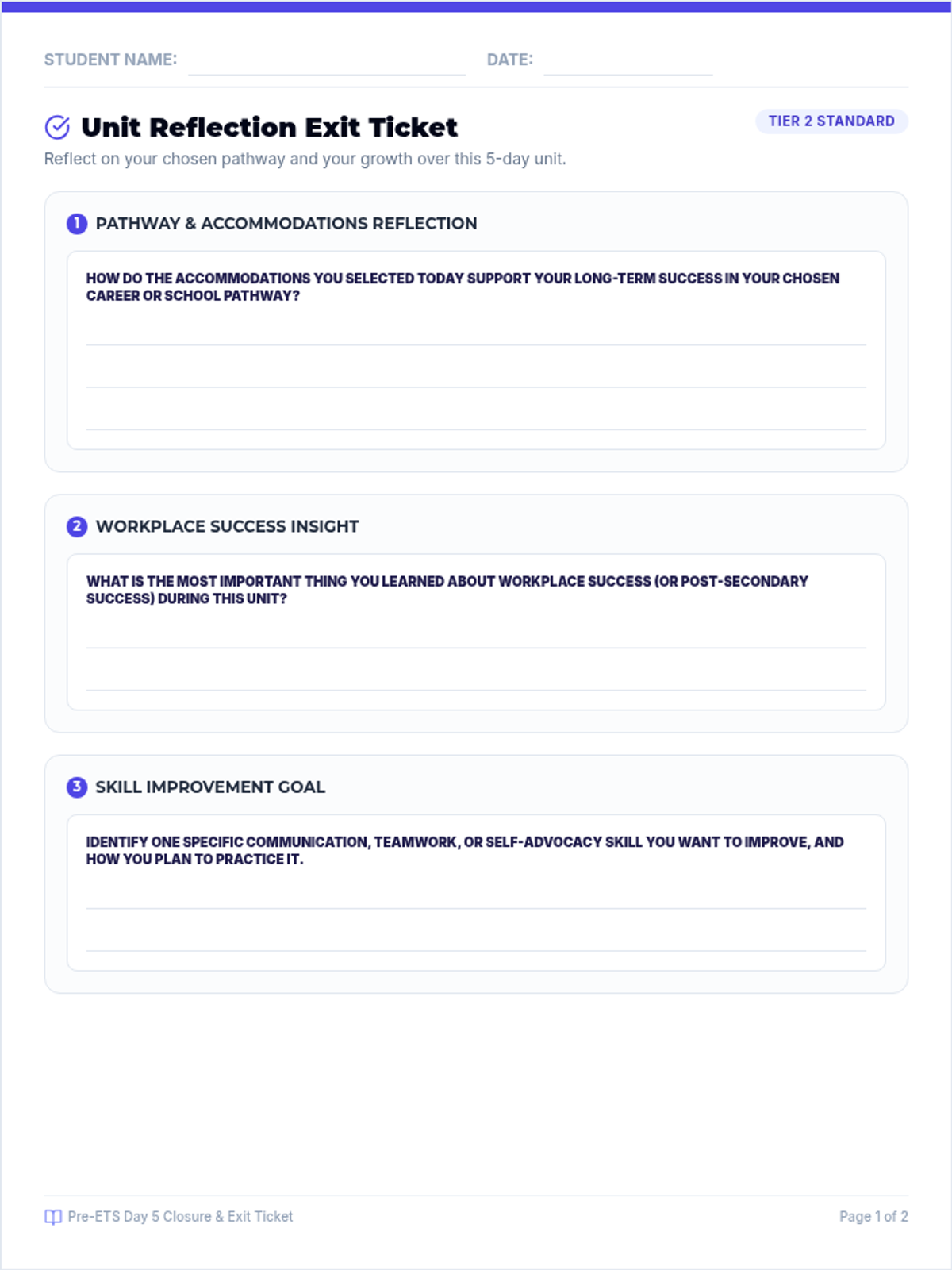
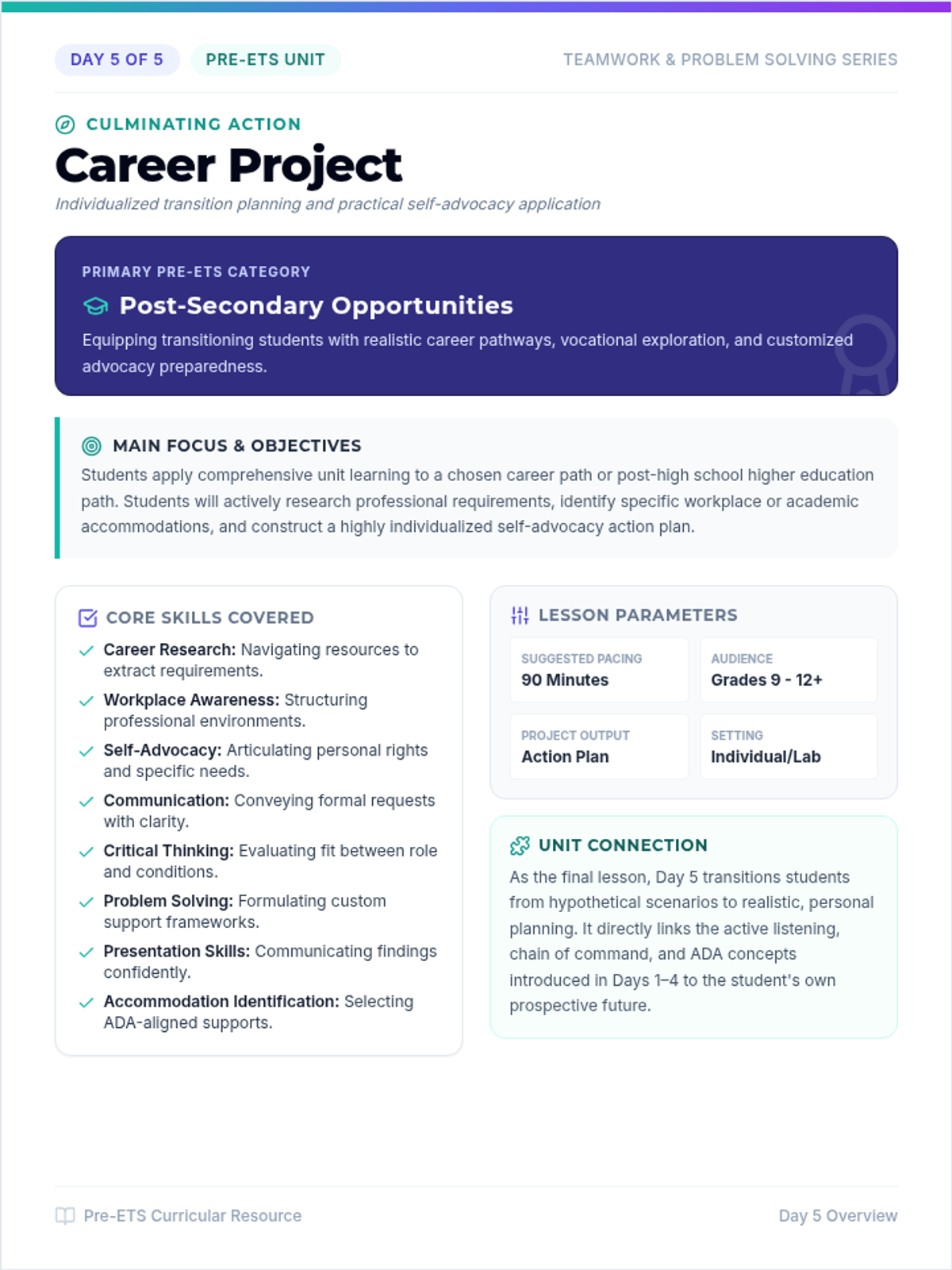
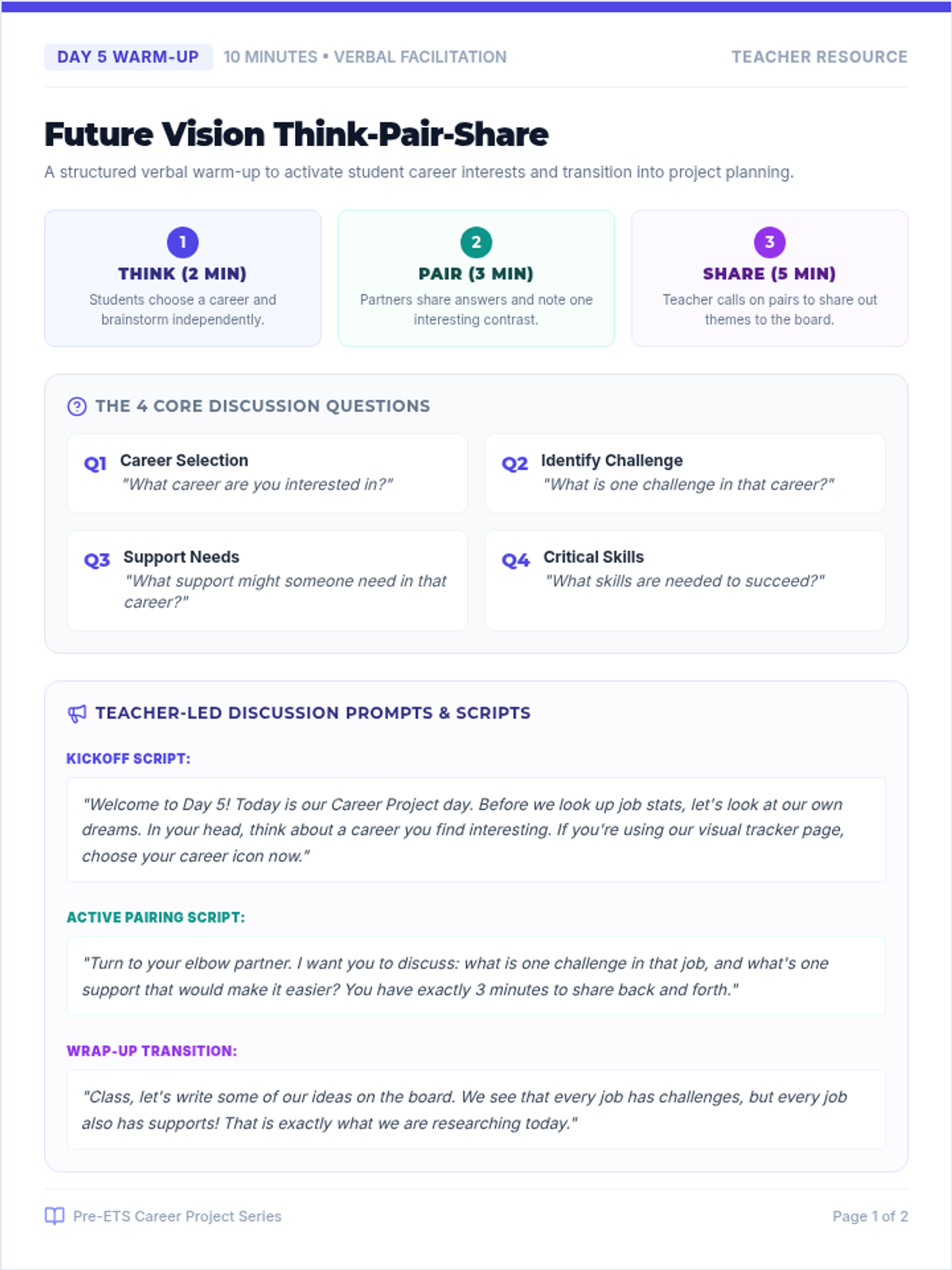
Students apply unit learning to a chosen career or post-secondary education path, identifying workplace accommodations and constructing a self-advocacy plan.