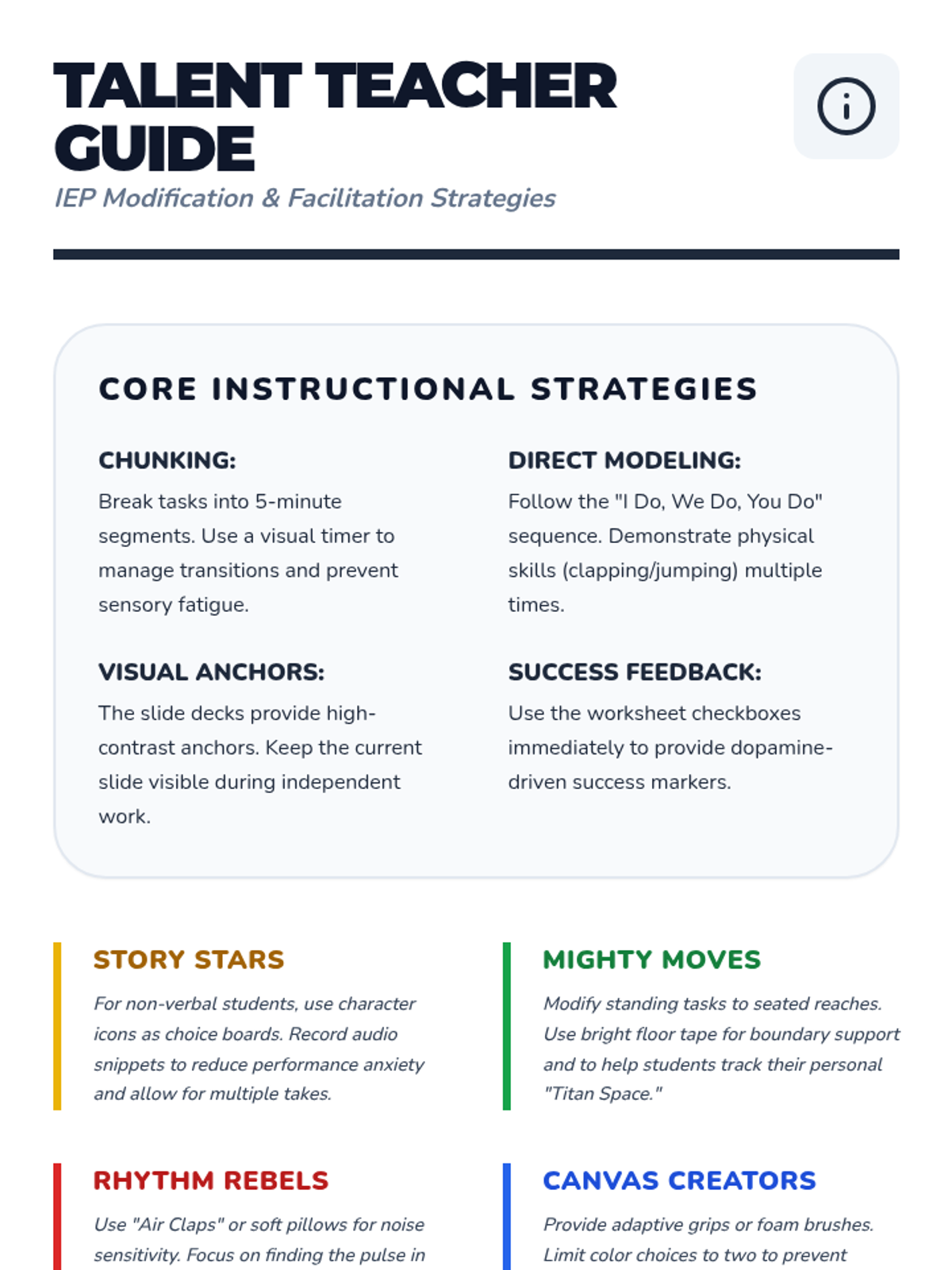
A comprehensive lesson on navigating social interactions with community helpers, focusing on functional scripts, boundary setting, and problem-solving. Students will practice through role-play and visual guides.
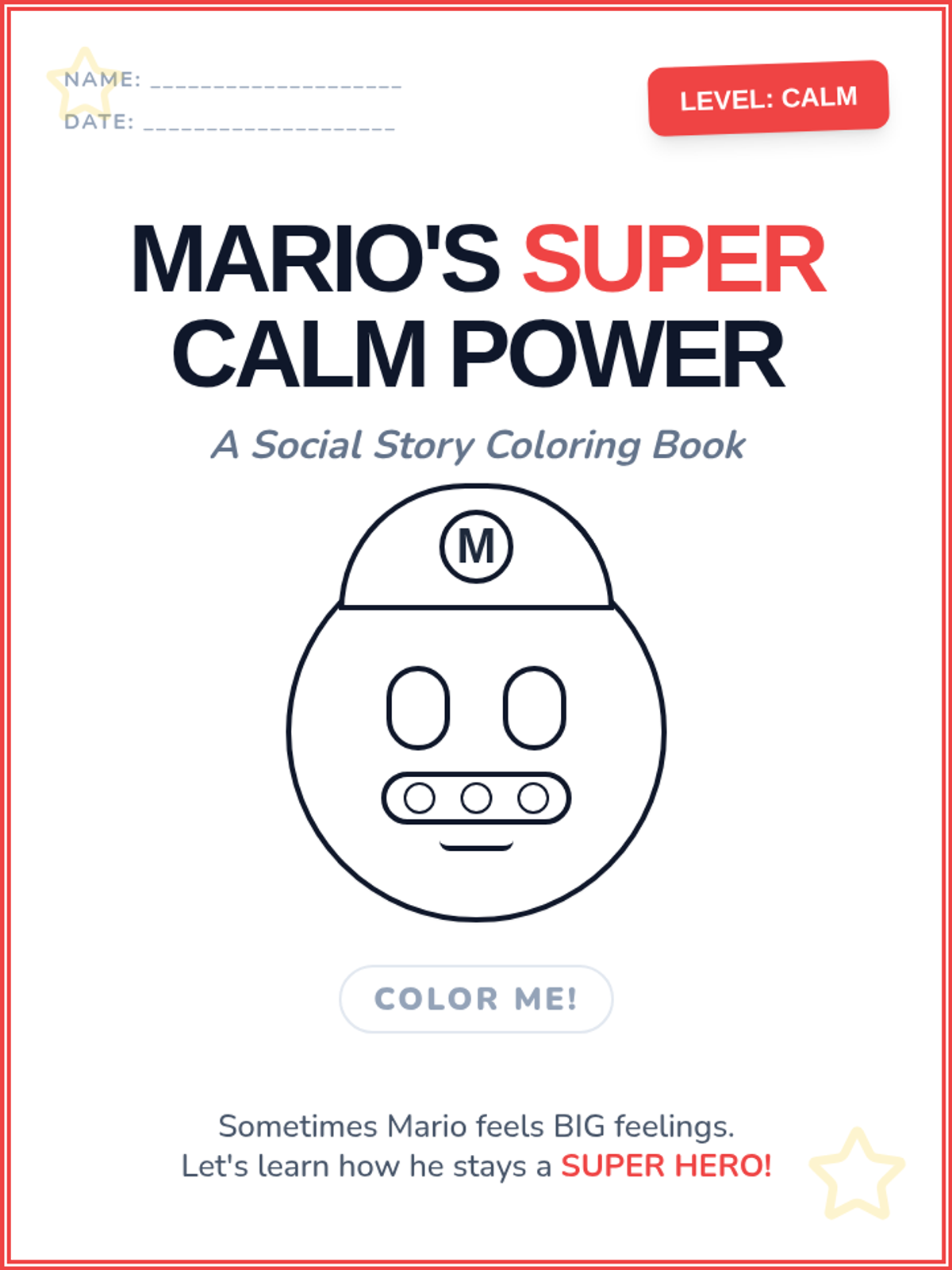
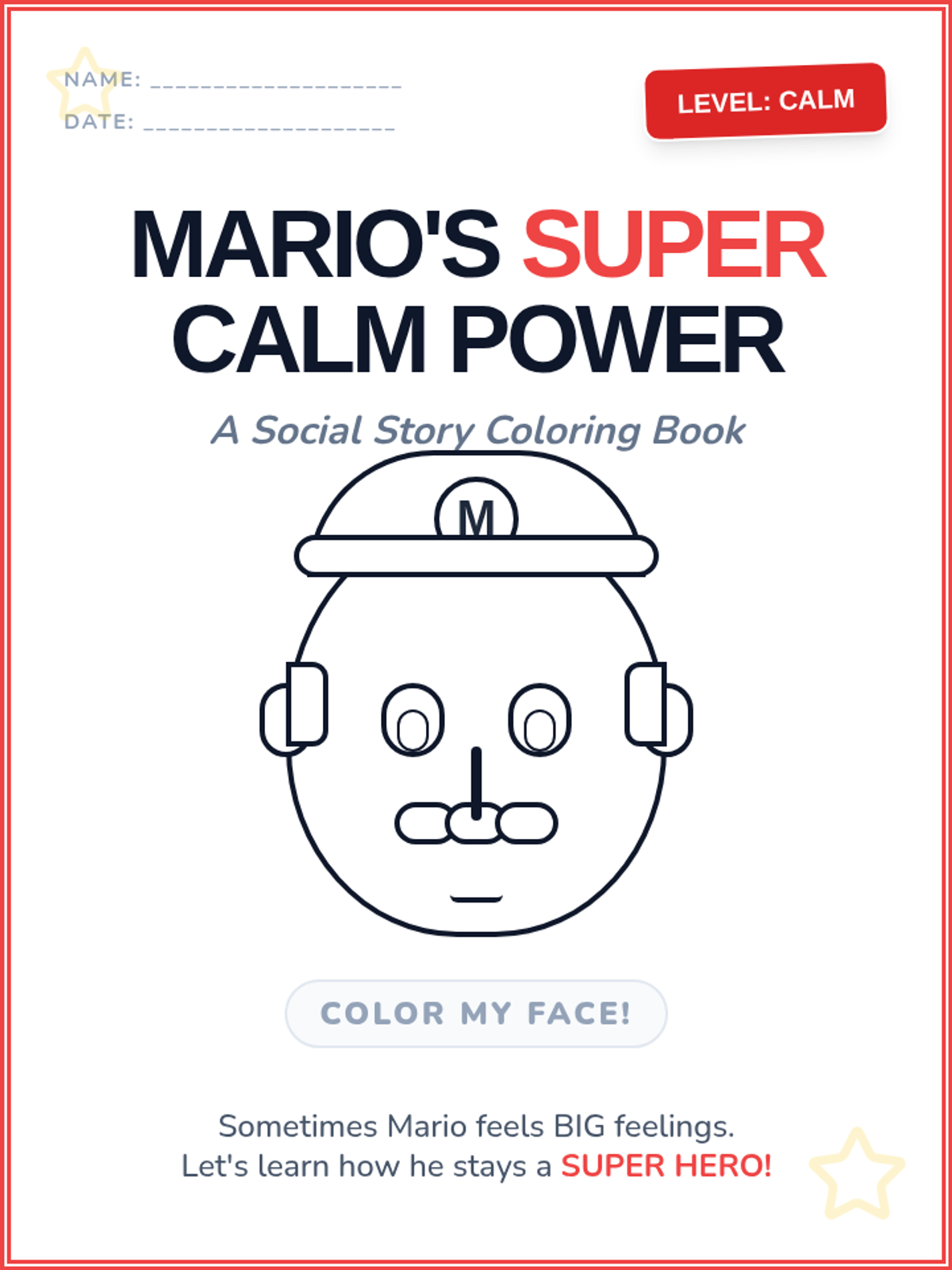
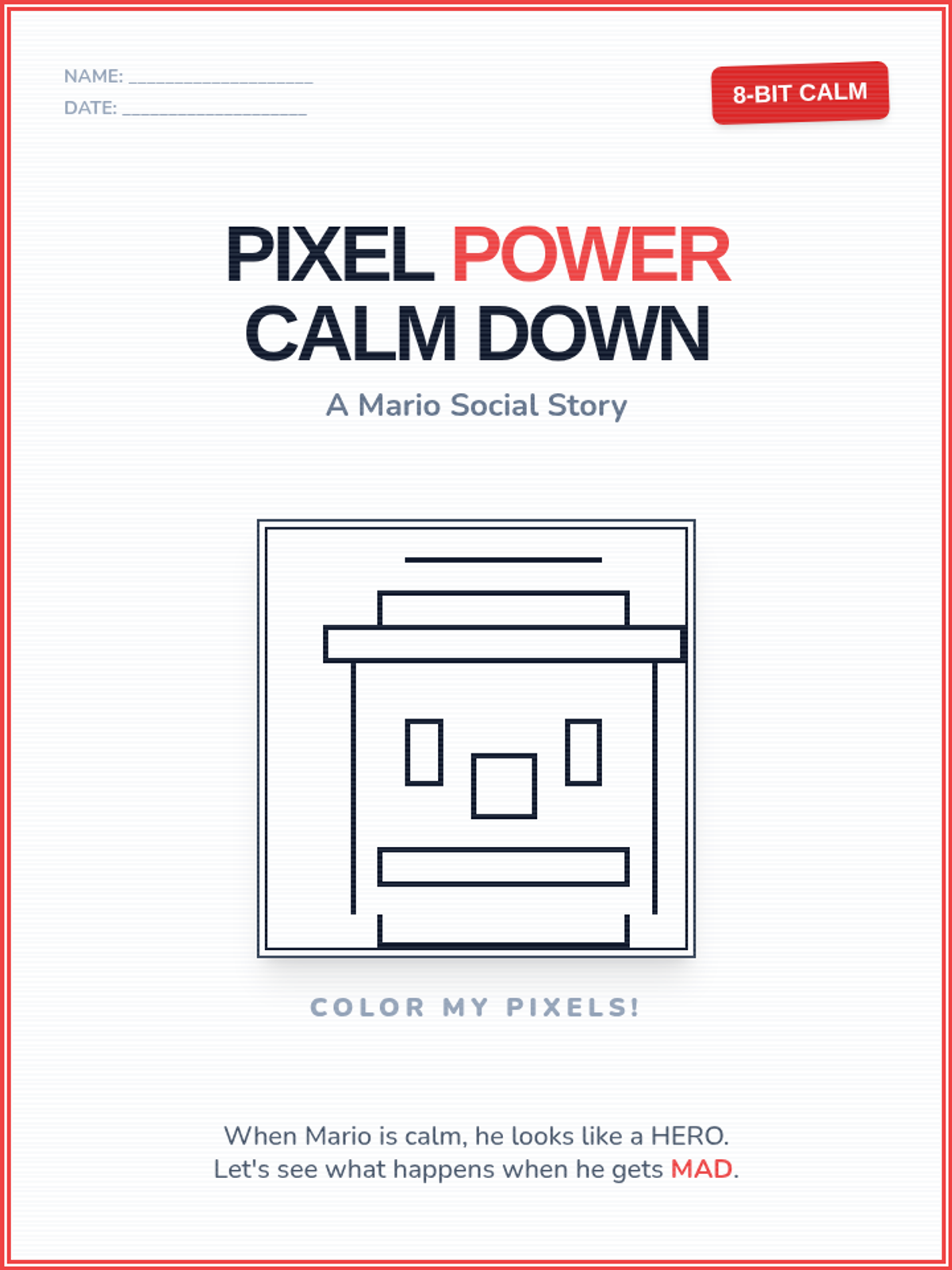
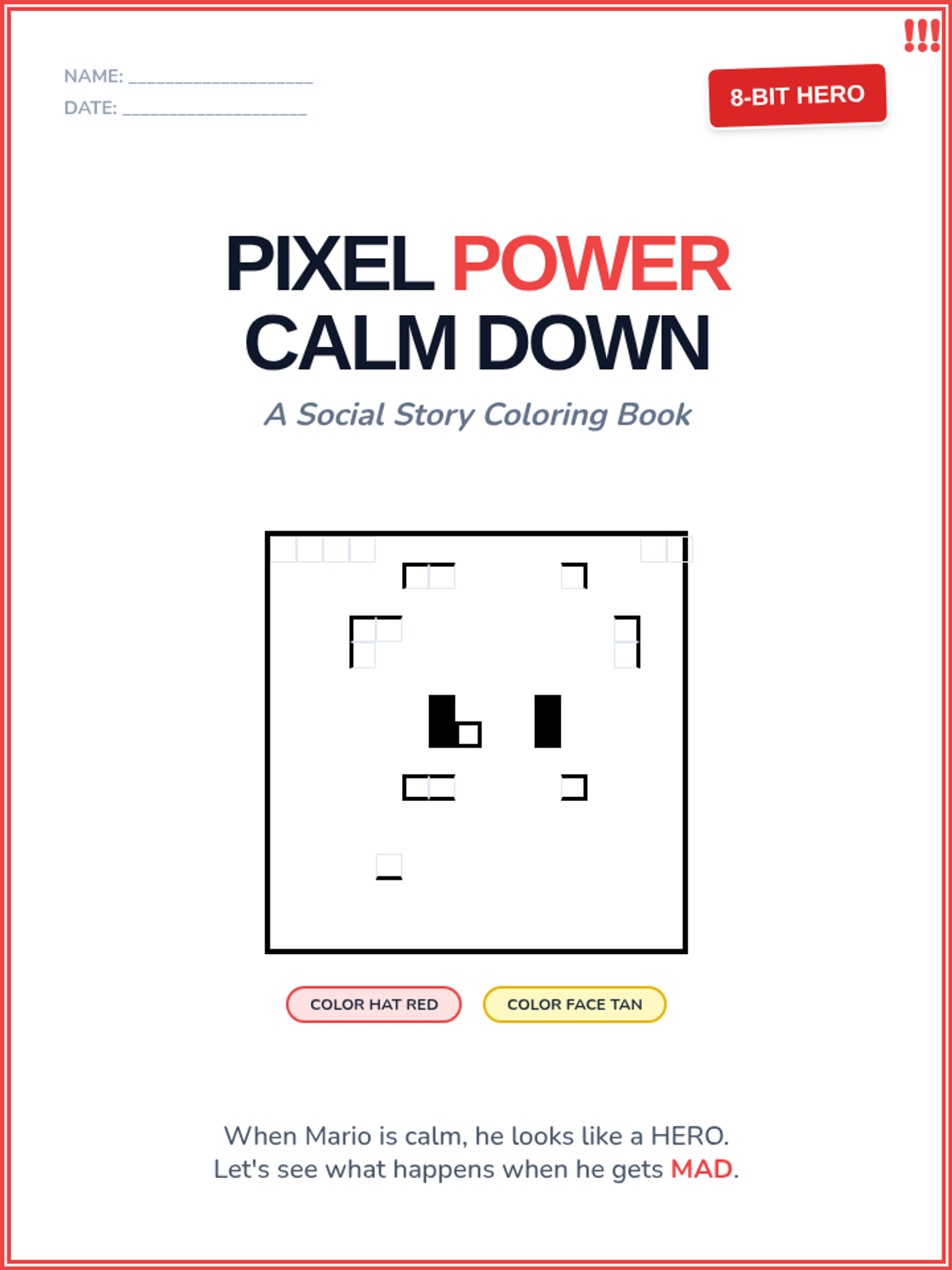
A 5-page coloring social story helping students identify anger and use calming strategies alongside Mario.
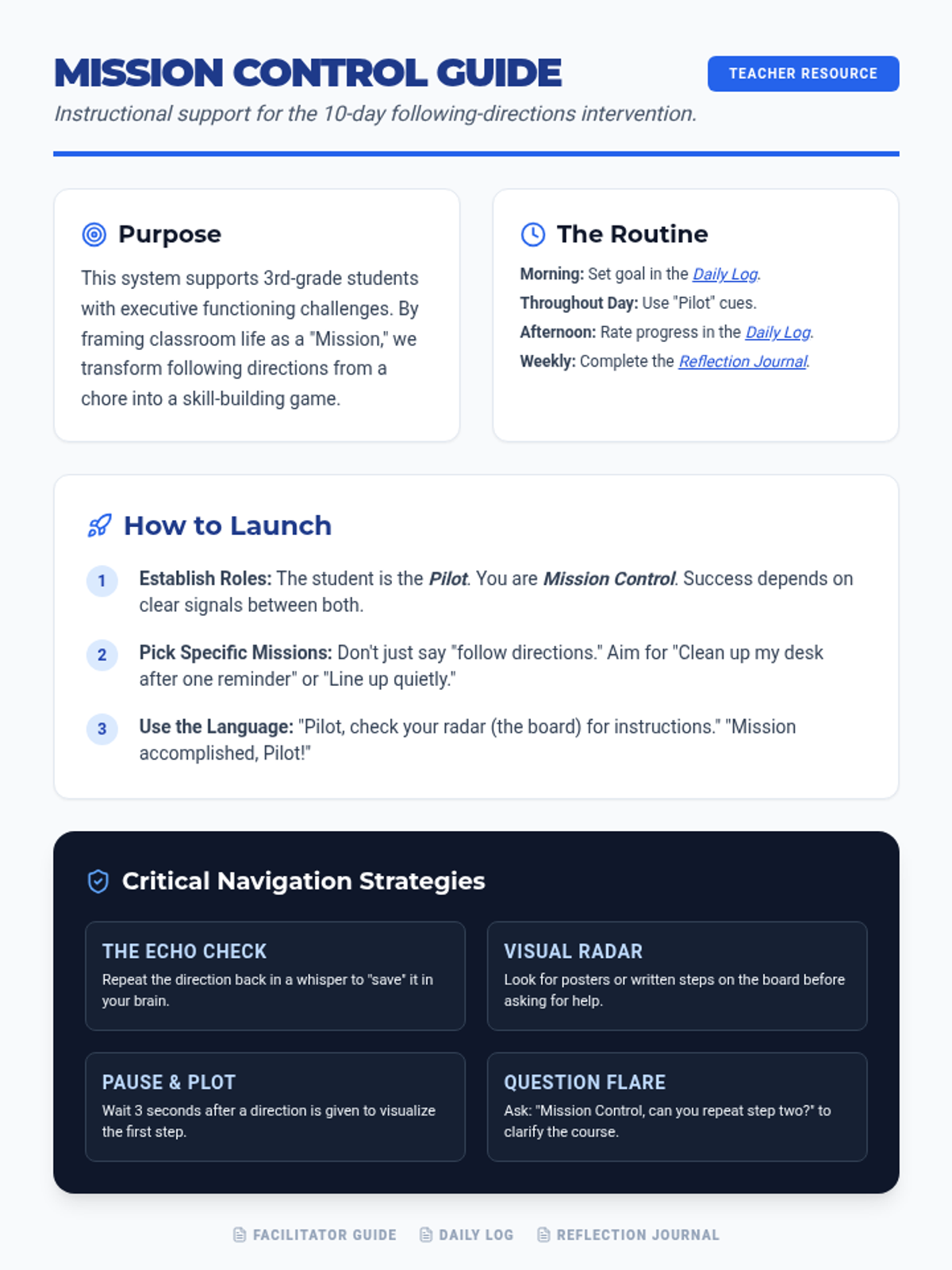
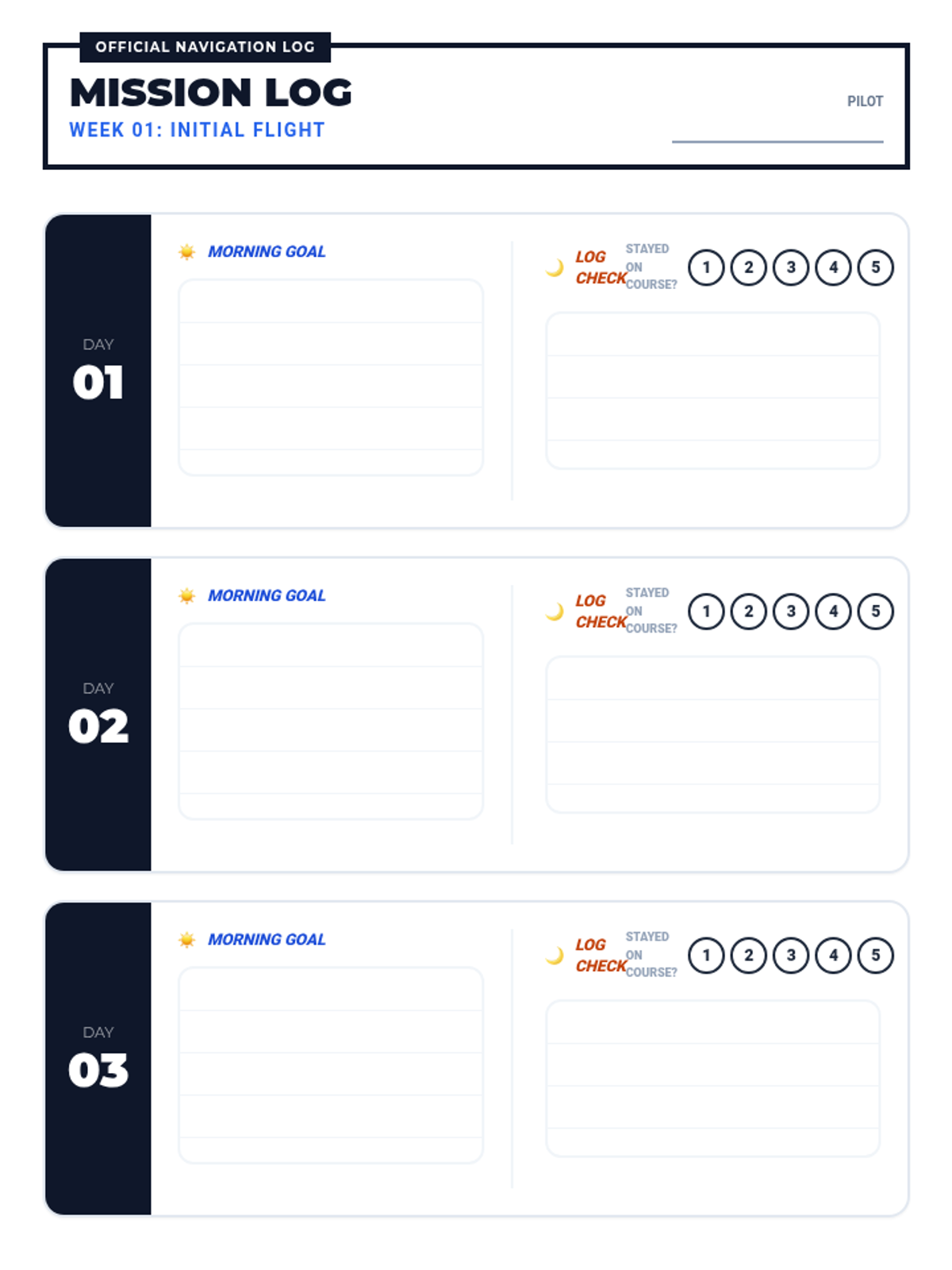
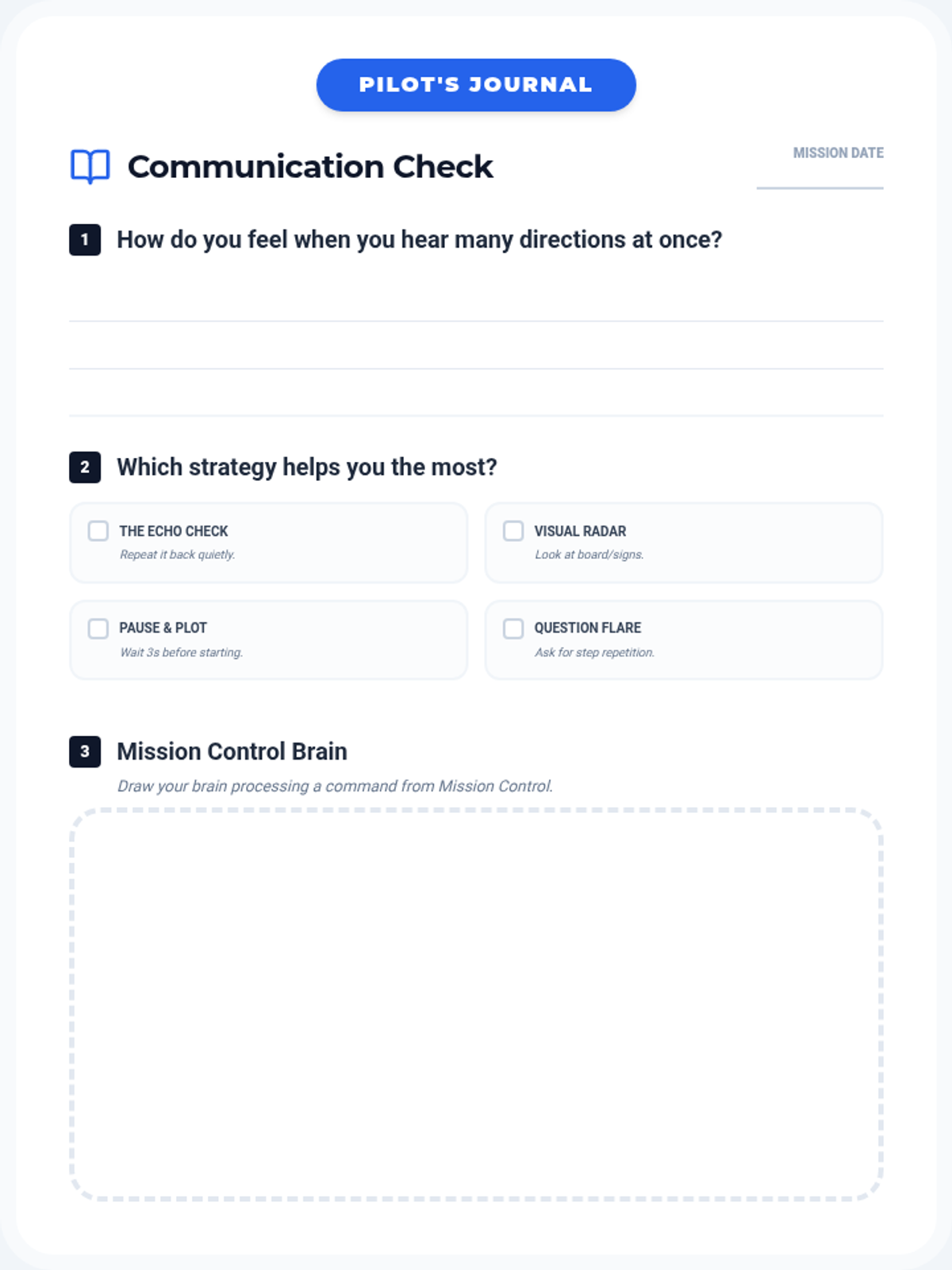
A structured two-week intervention designed to help 3rd-grade students improve their ability to follow directions through daily goal-setting and reflection.
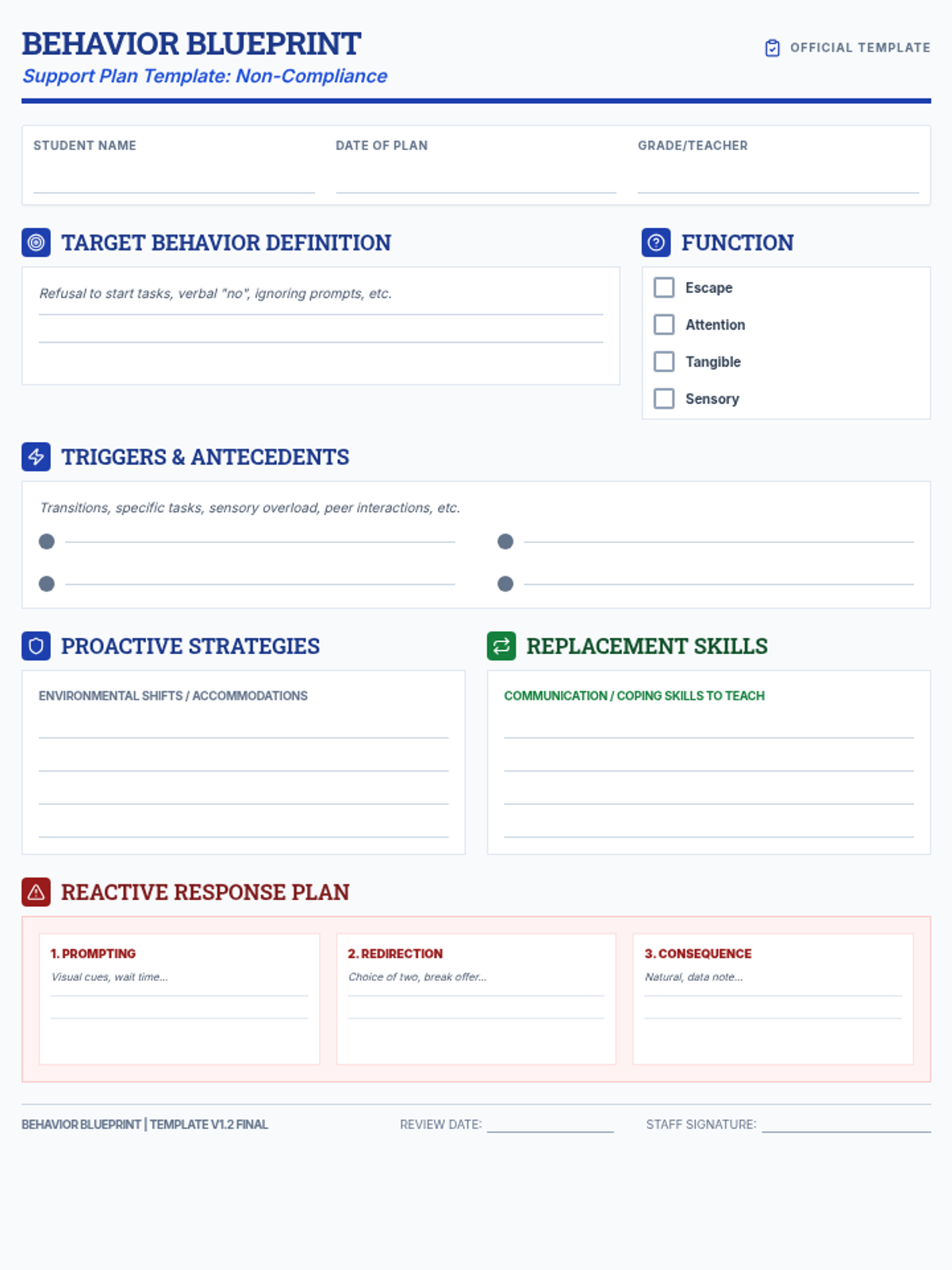
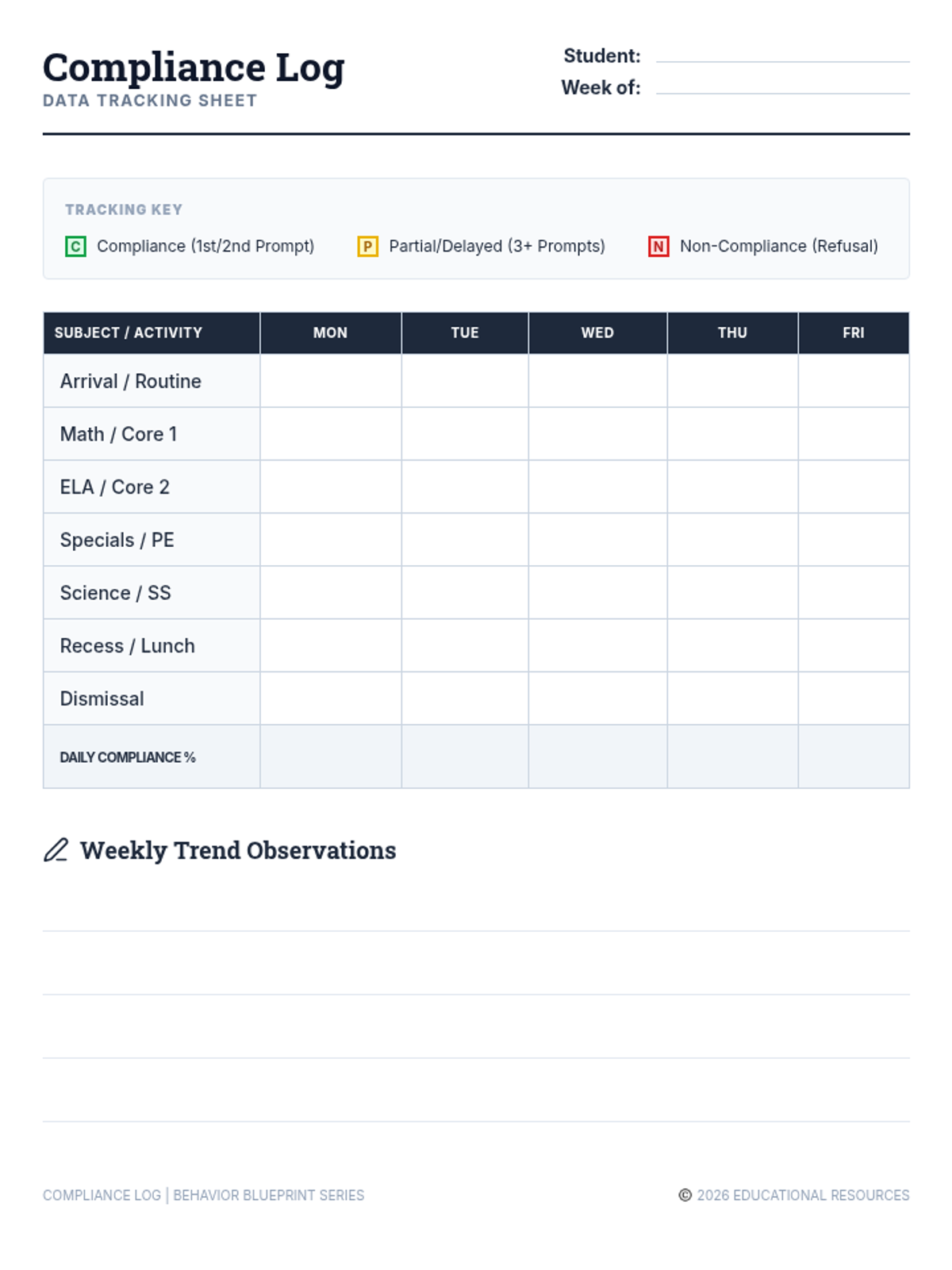
A professional and structured set of templates for creating and monitoring Behavior Support Plans, specifically designed for managing non-compliance in the classroom.
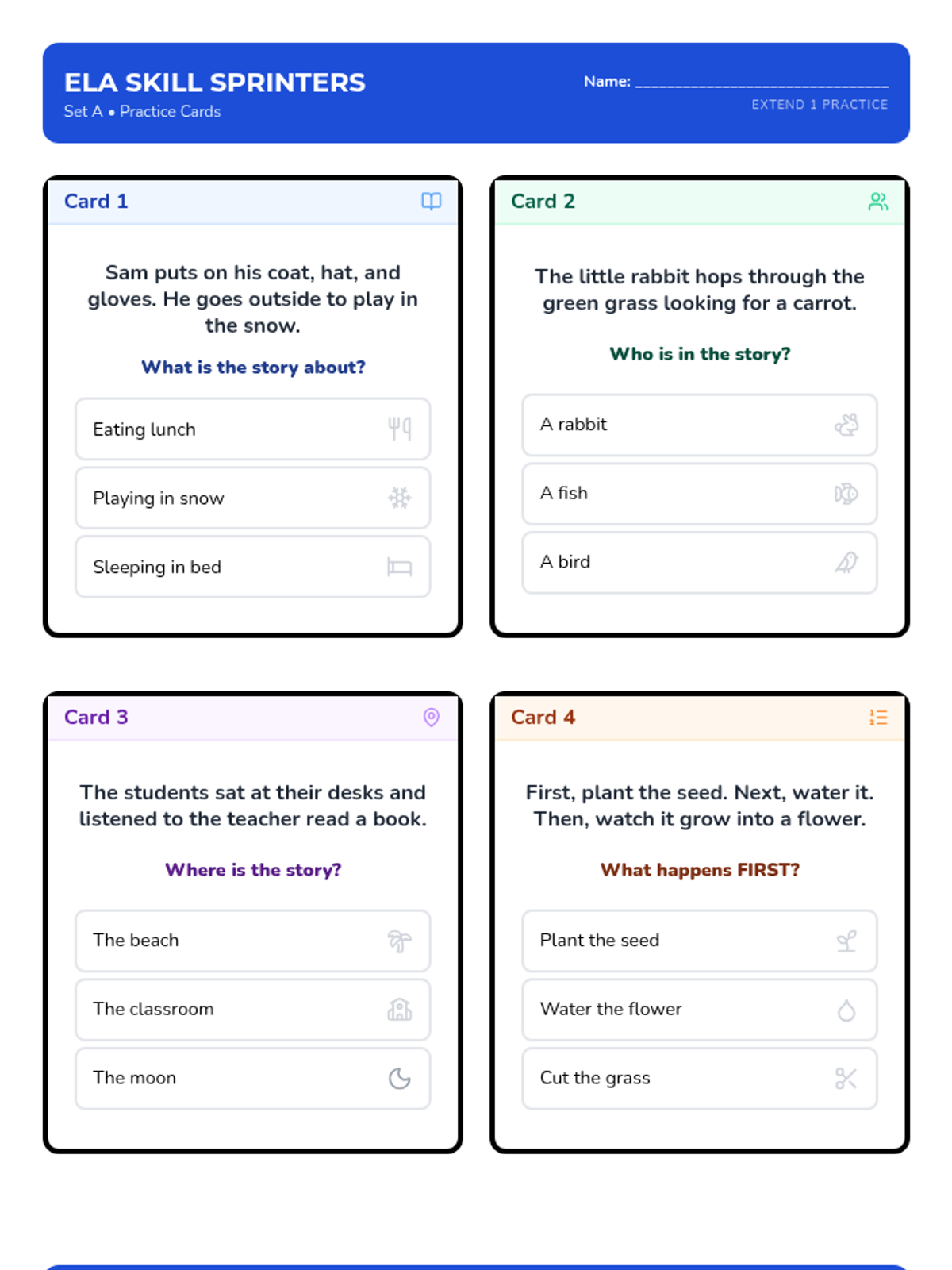
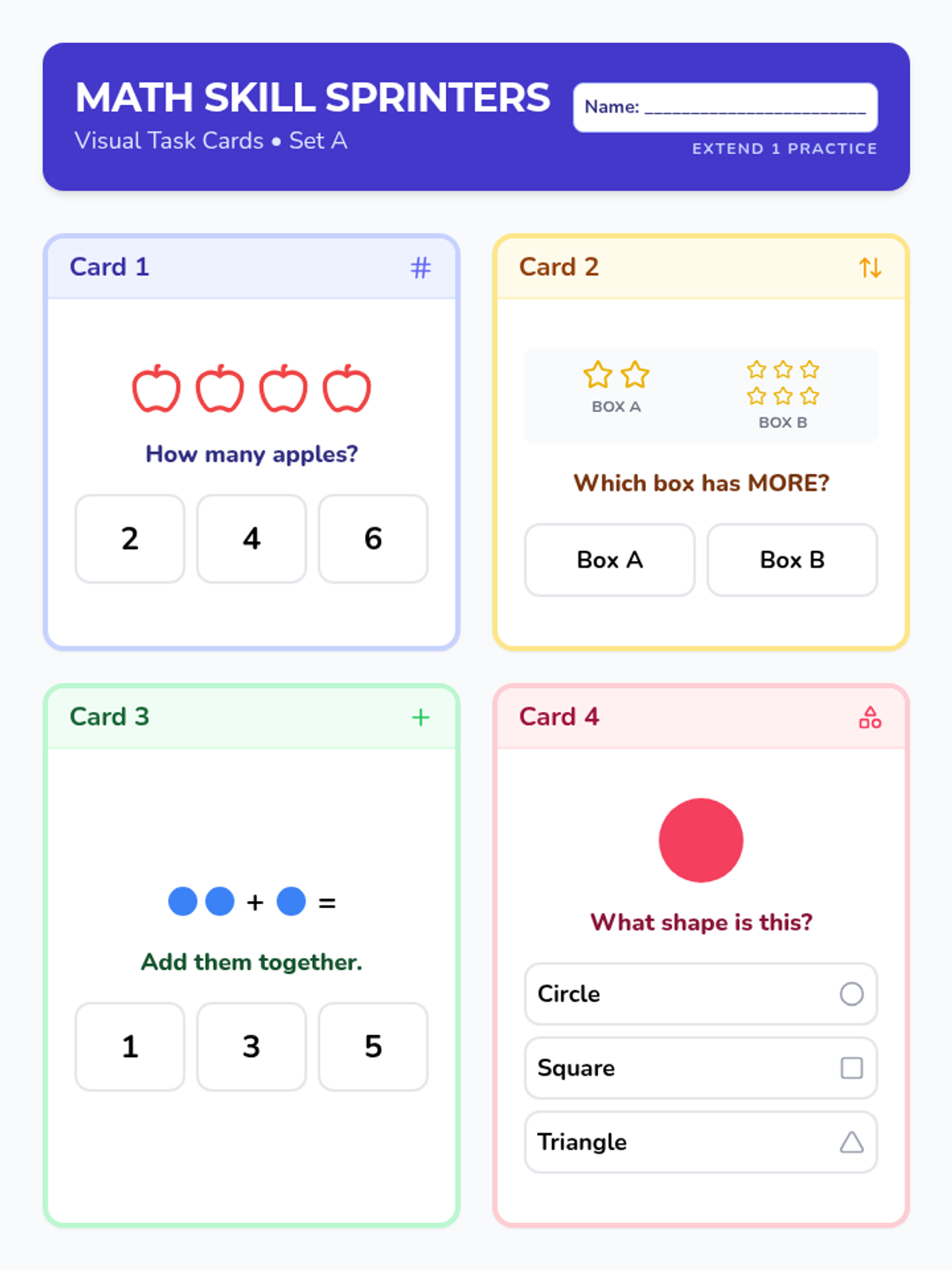
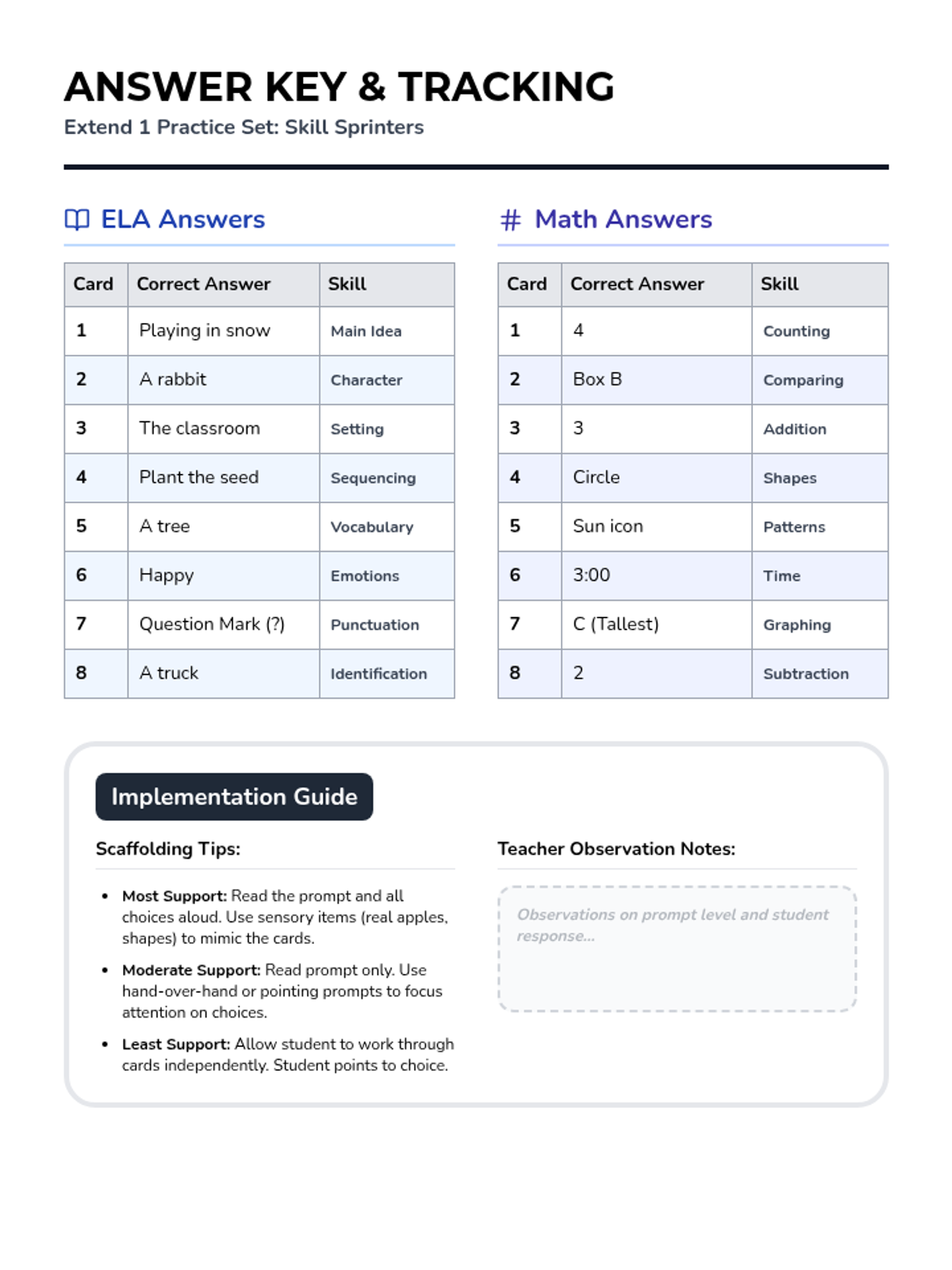
A set of ELA and Math visual task cards designed for students preparing for the Extend 1 alternate assessment, featuring high-contrast visuals and simplified choices.
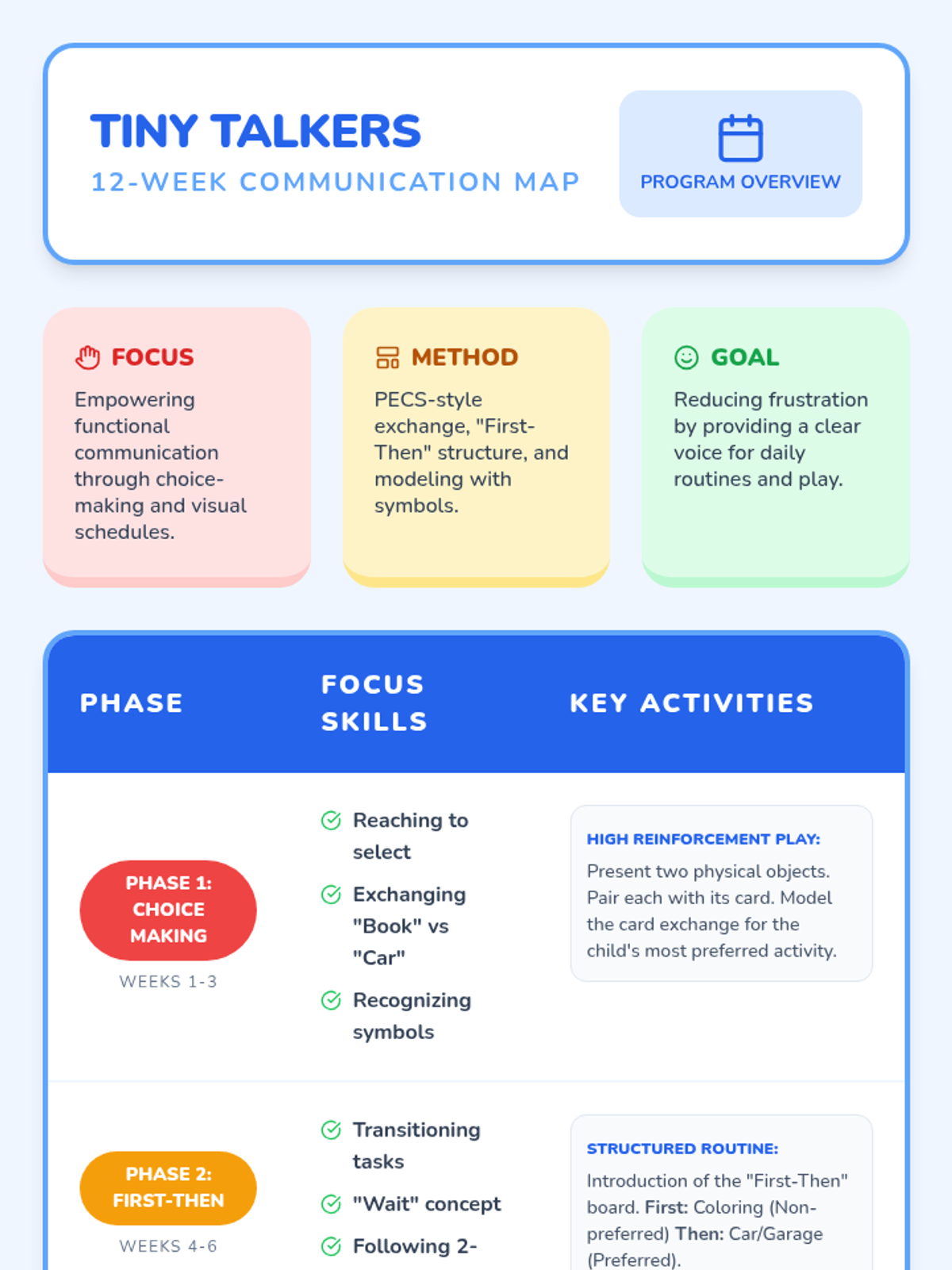
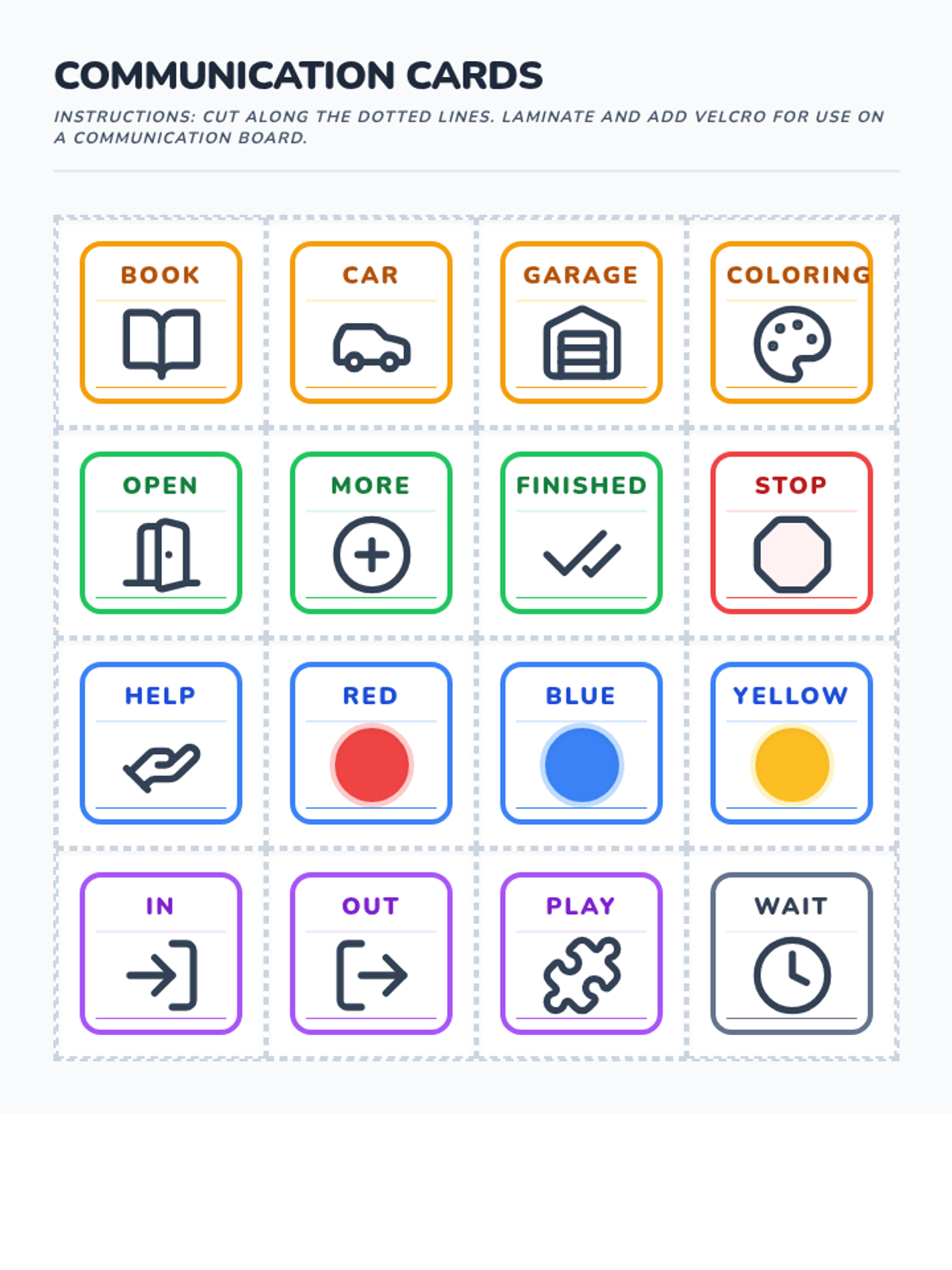
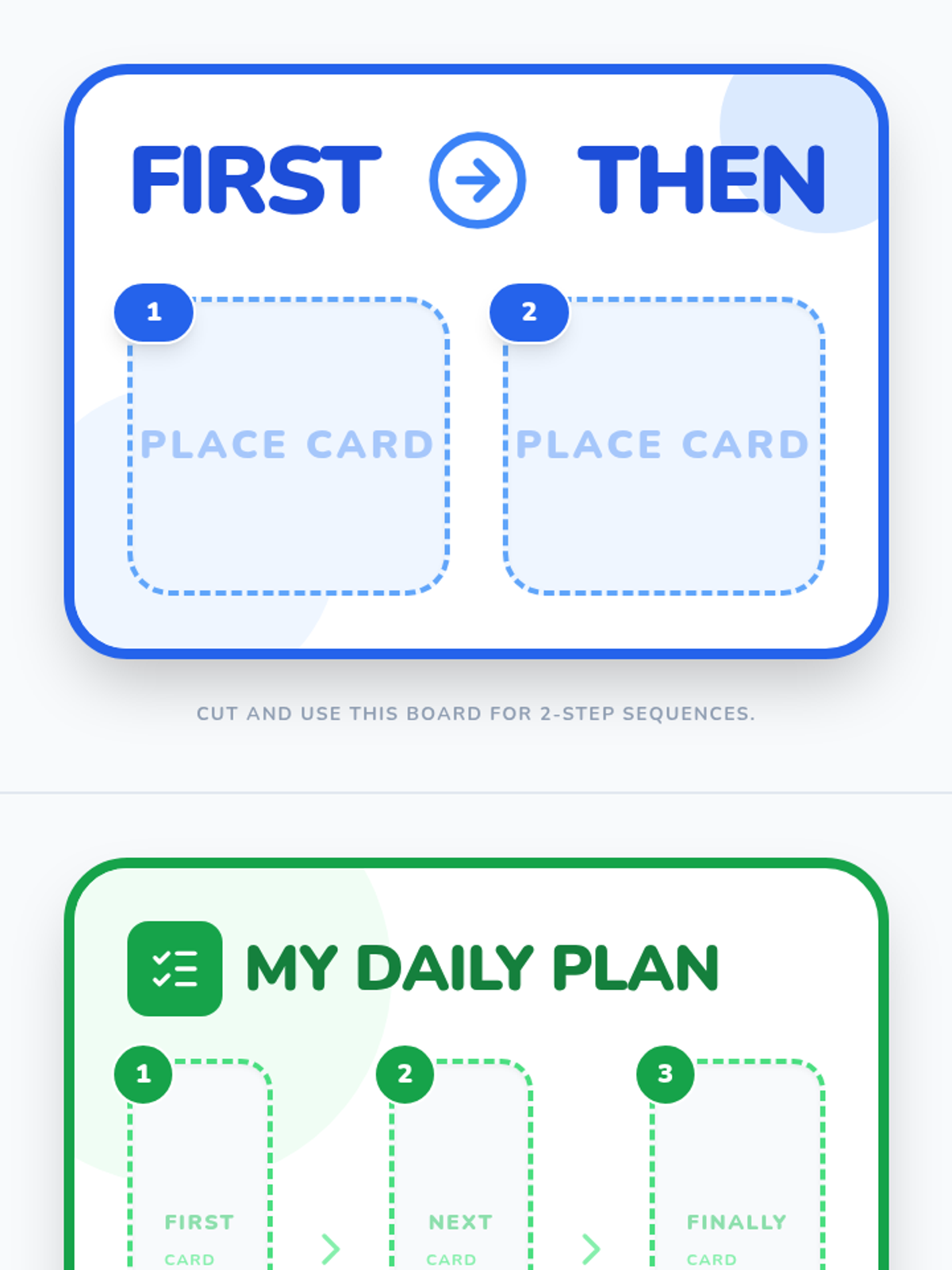
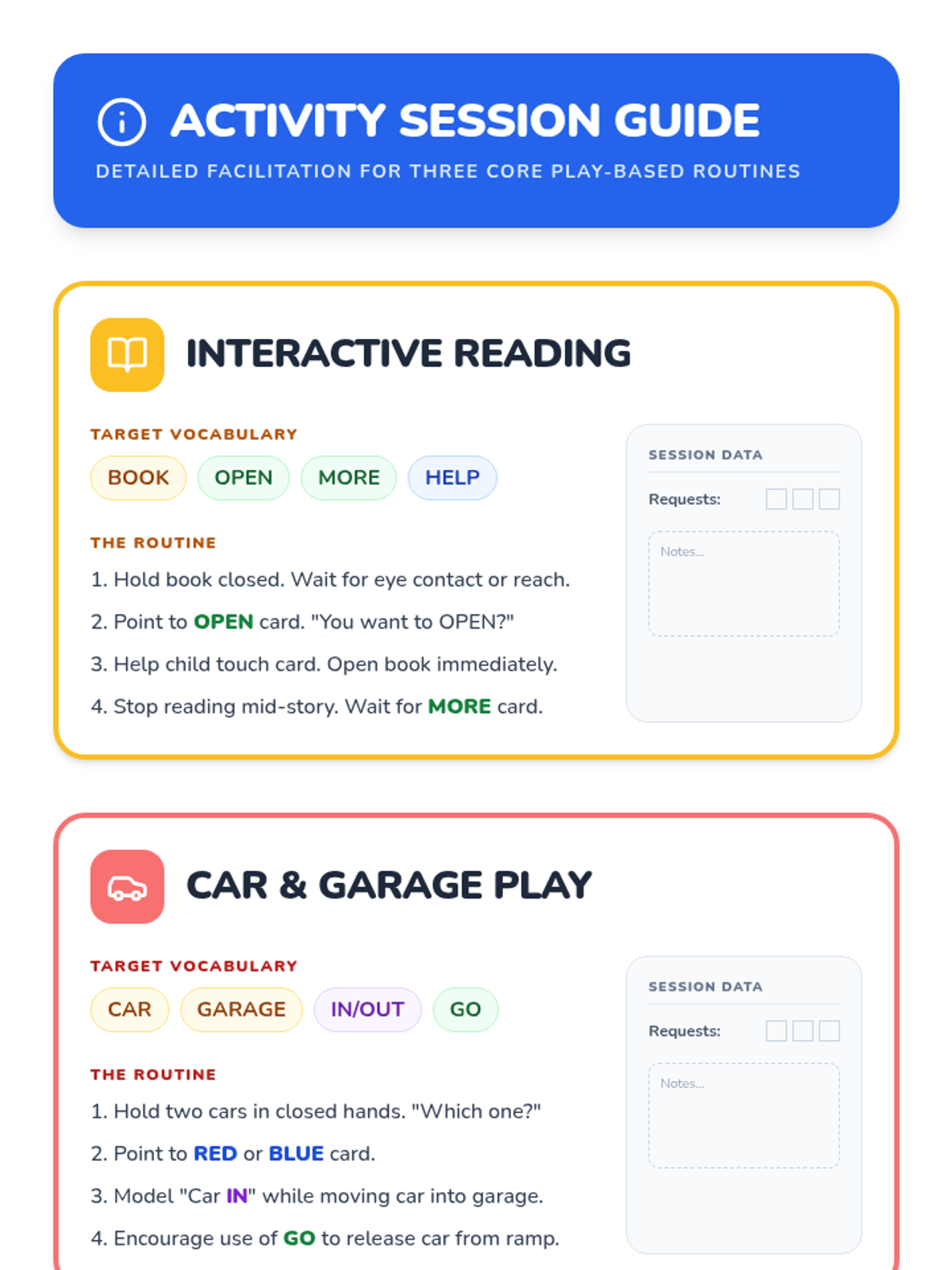
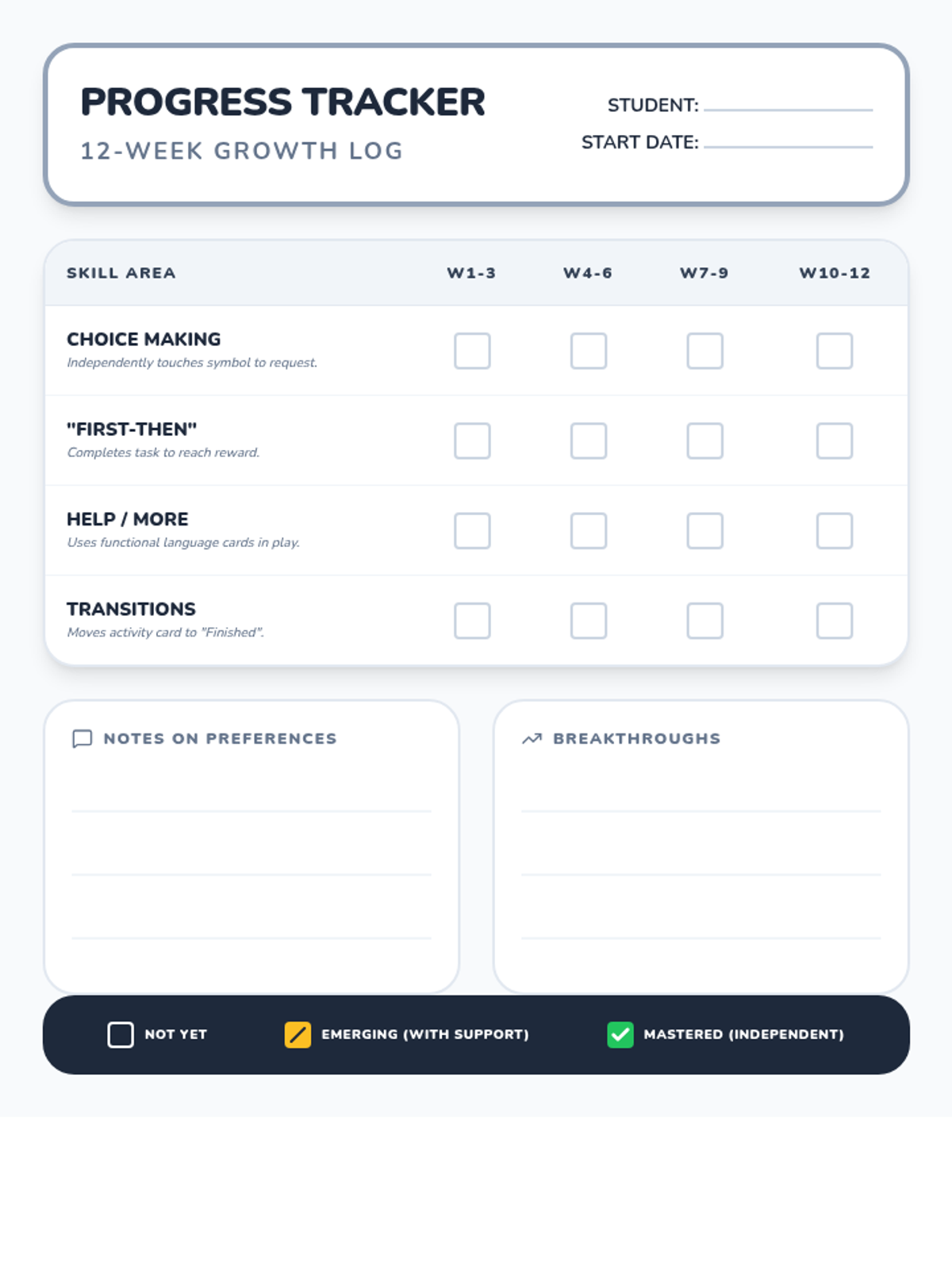
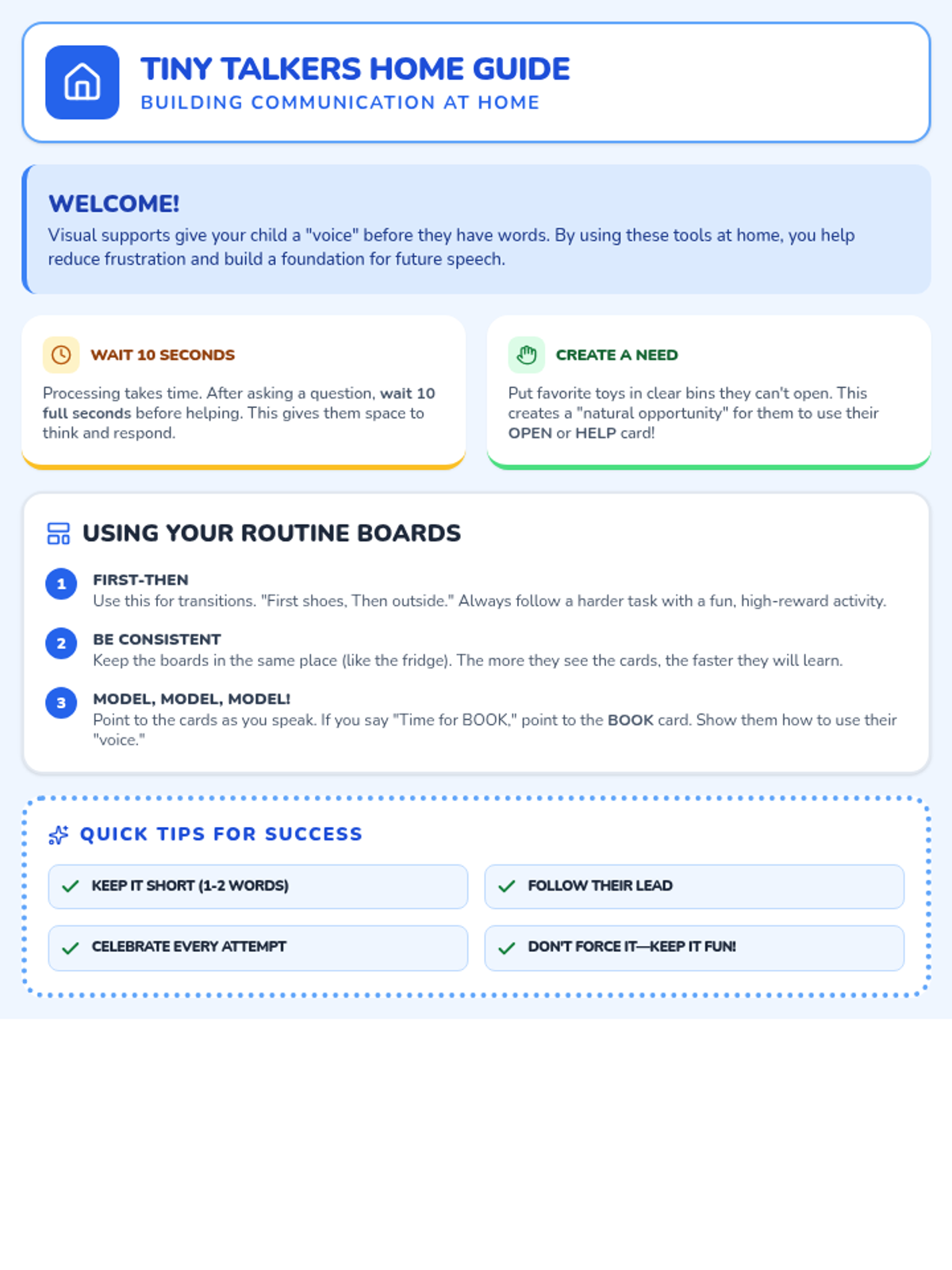
A 12-week communication and routine-building program for nonverbal early intervention, focusing on choice-making and visual schedules.
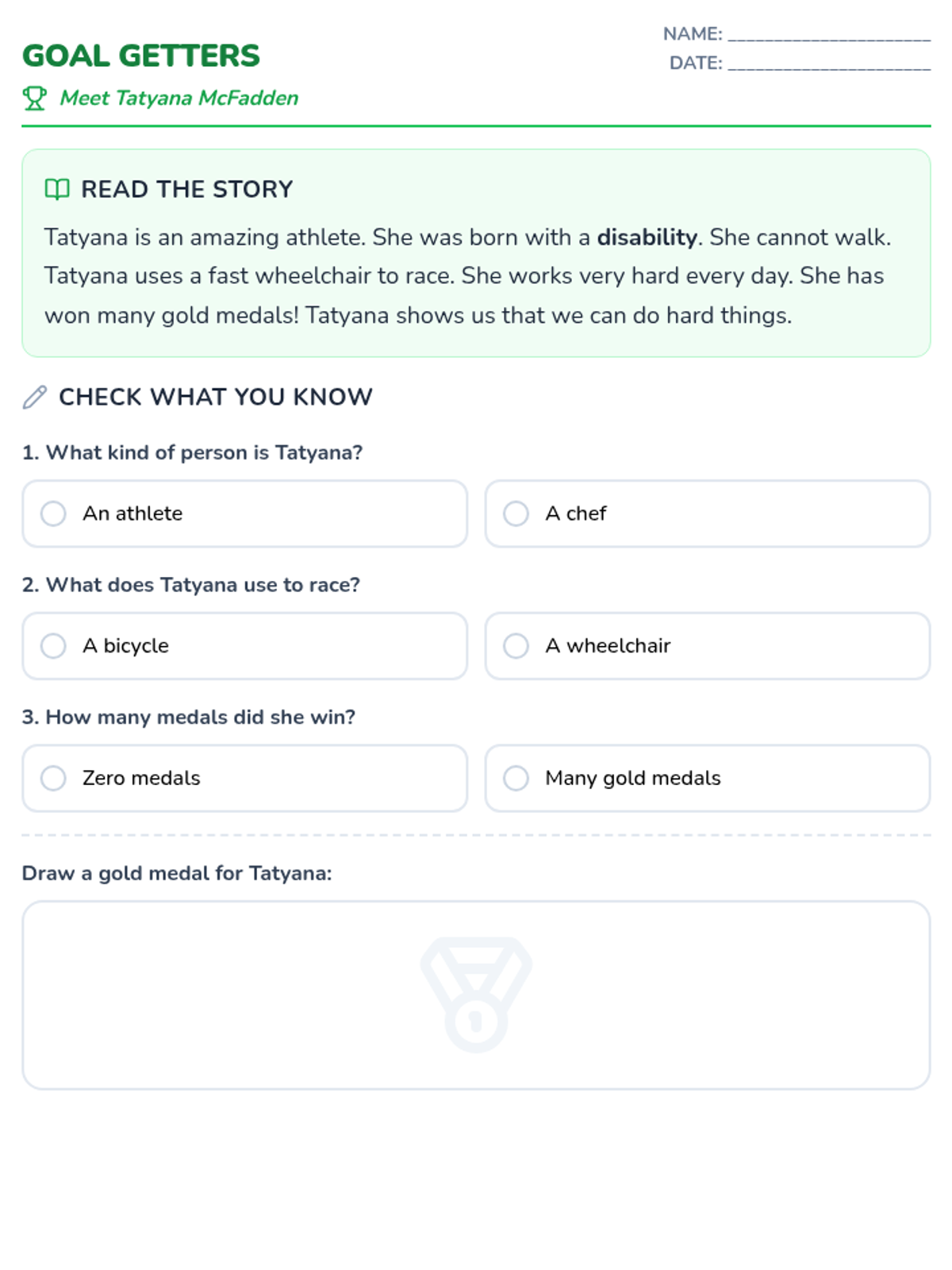
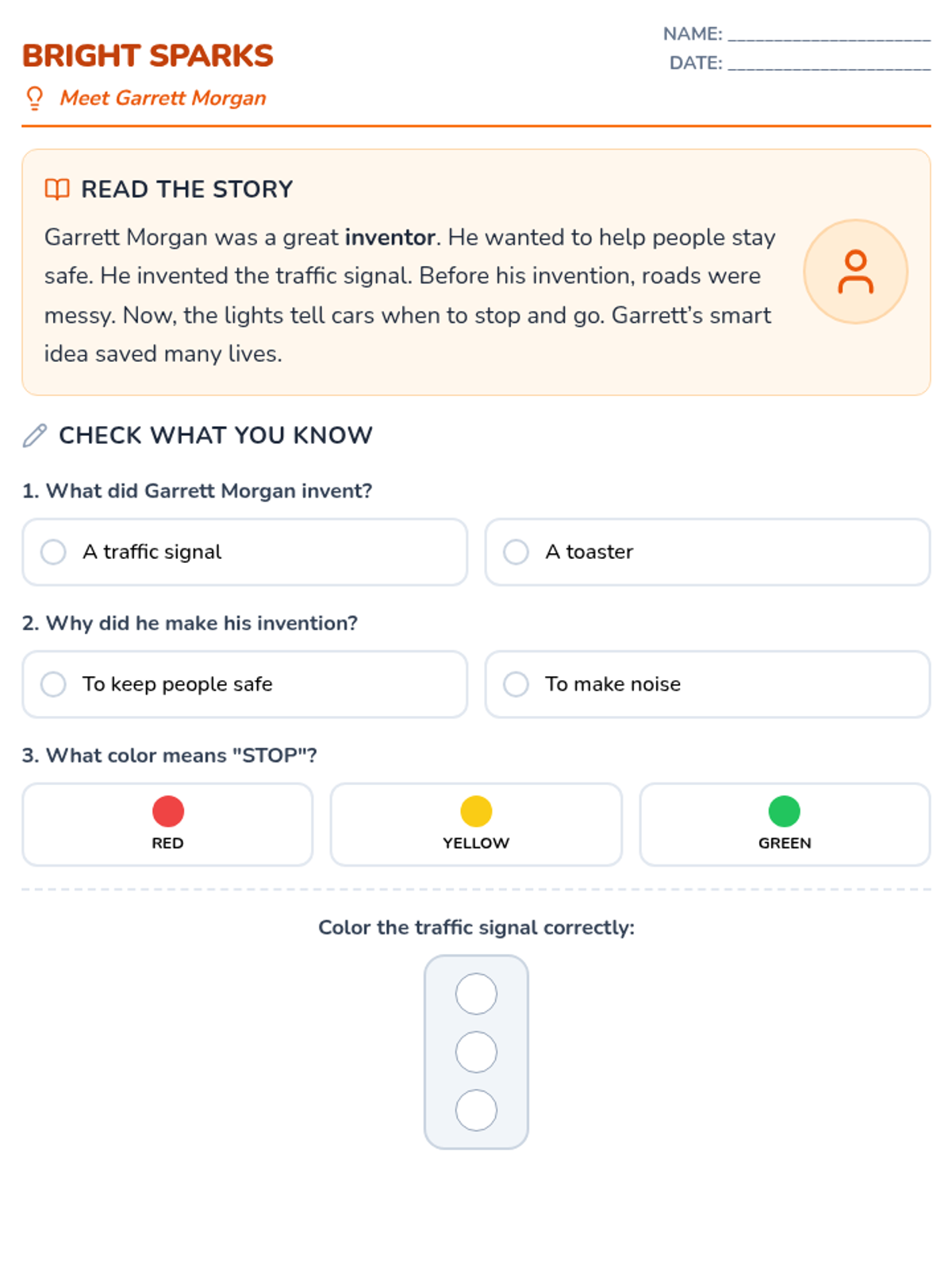
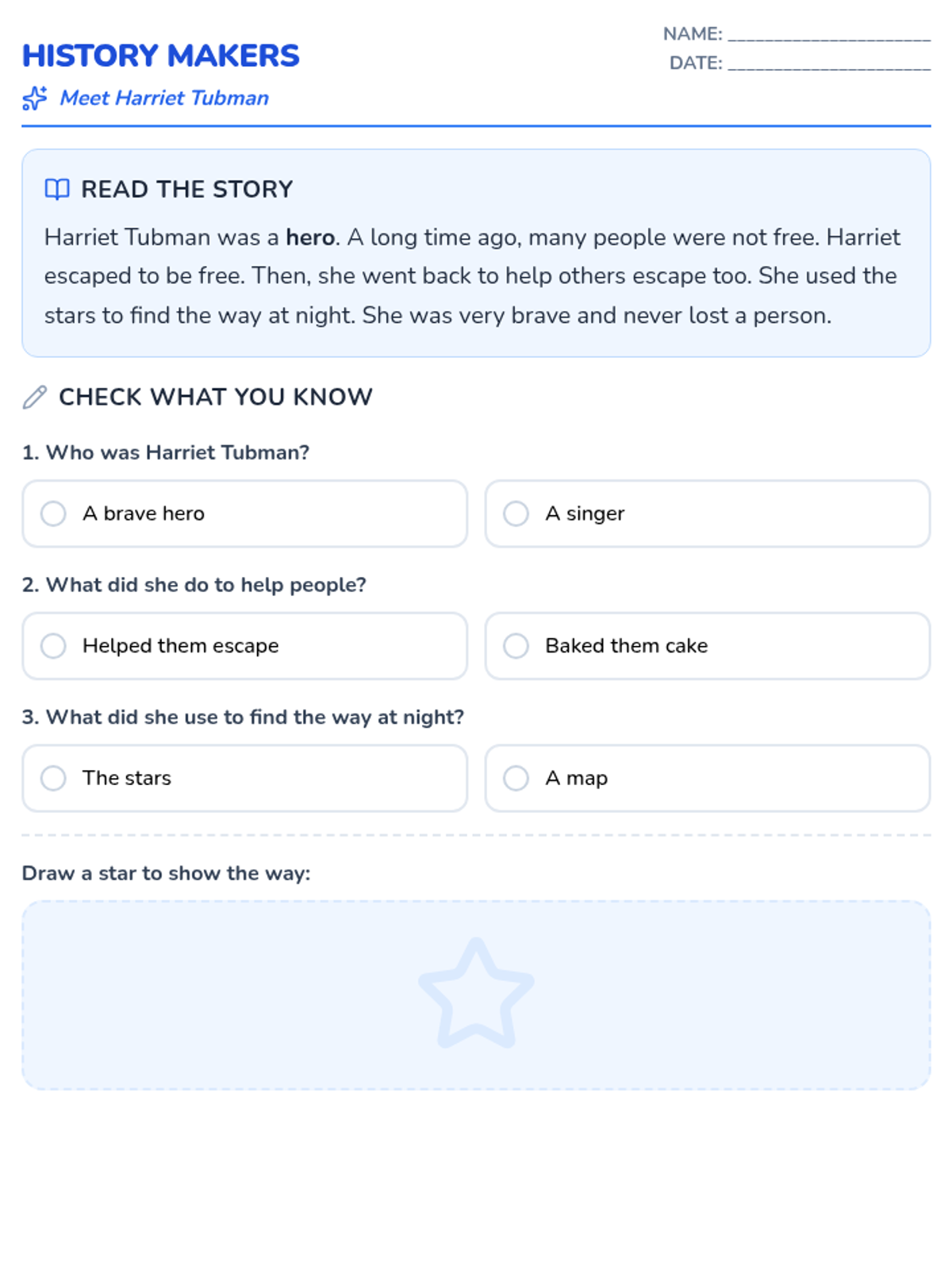
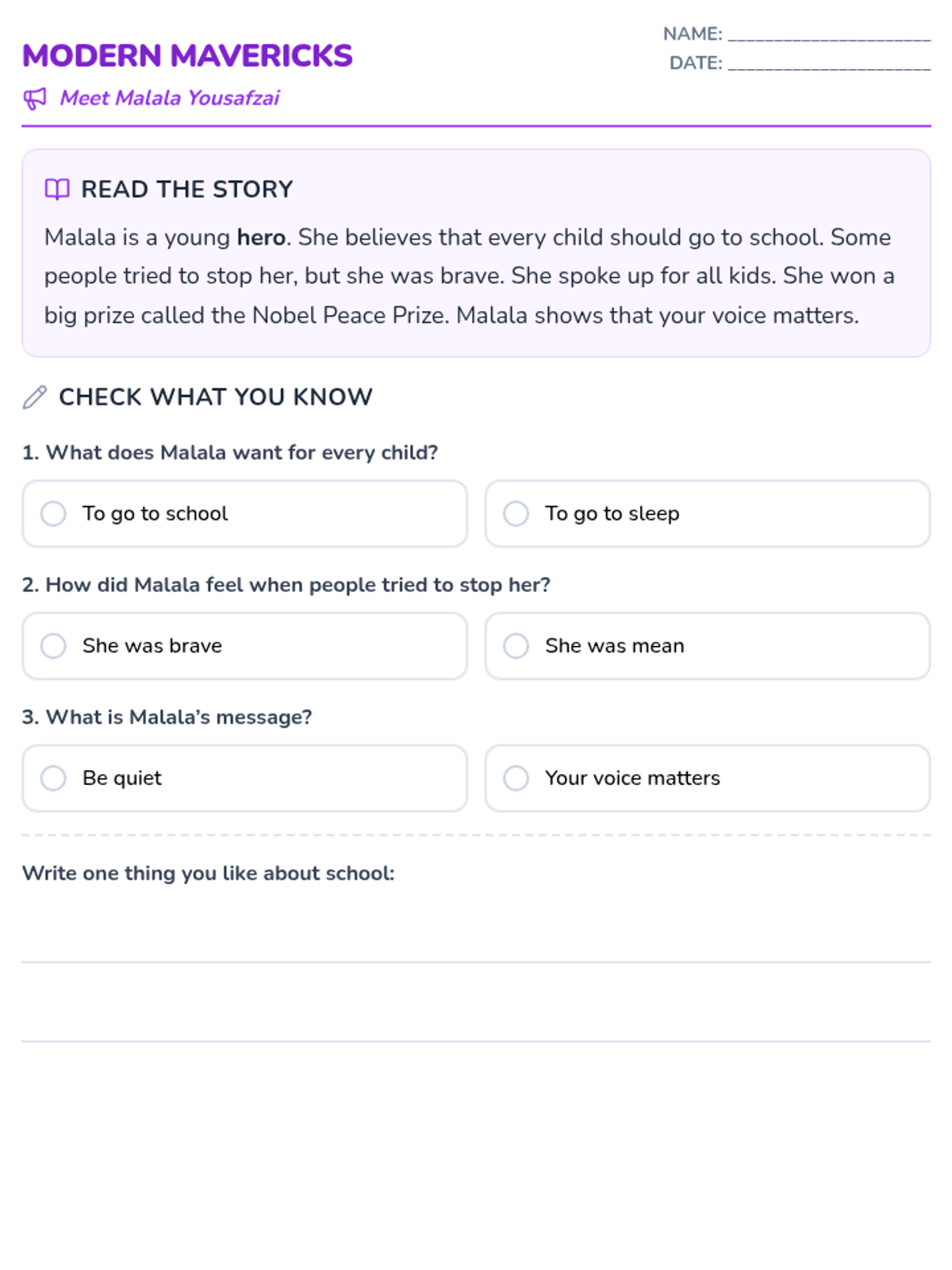
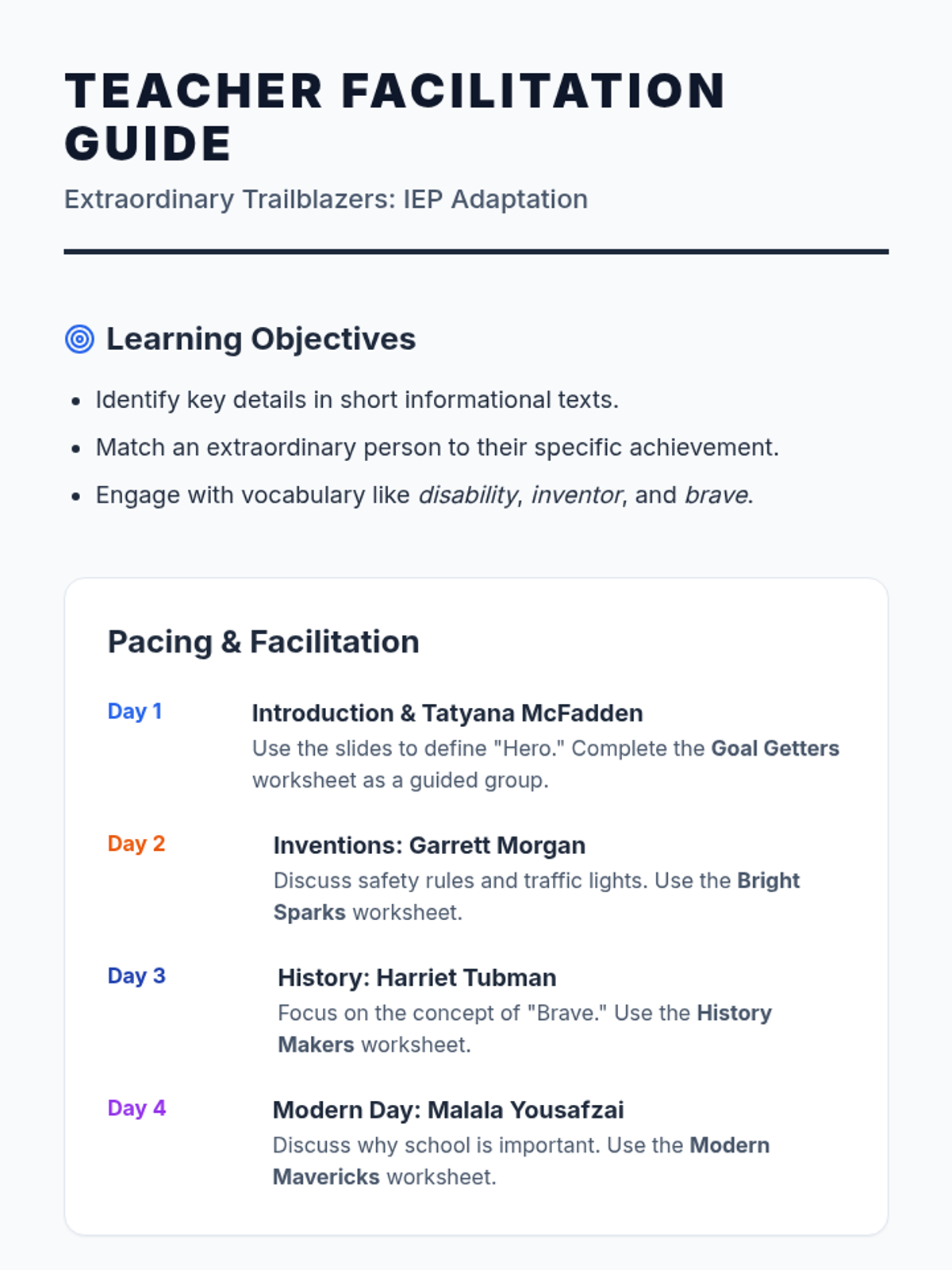
A collection of reading comprehension resources featuring diverse trailblazers, including athletes with disabilities, inventors, and historical figures, designed specifically for students with IEPs.
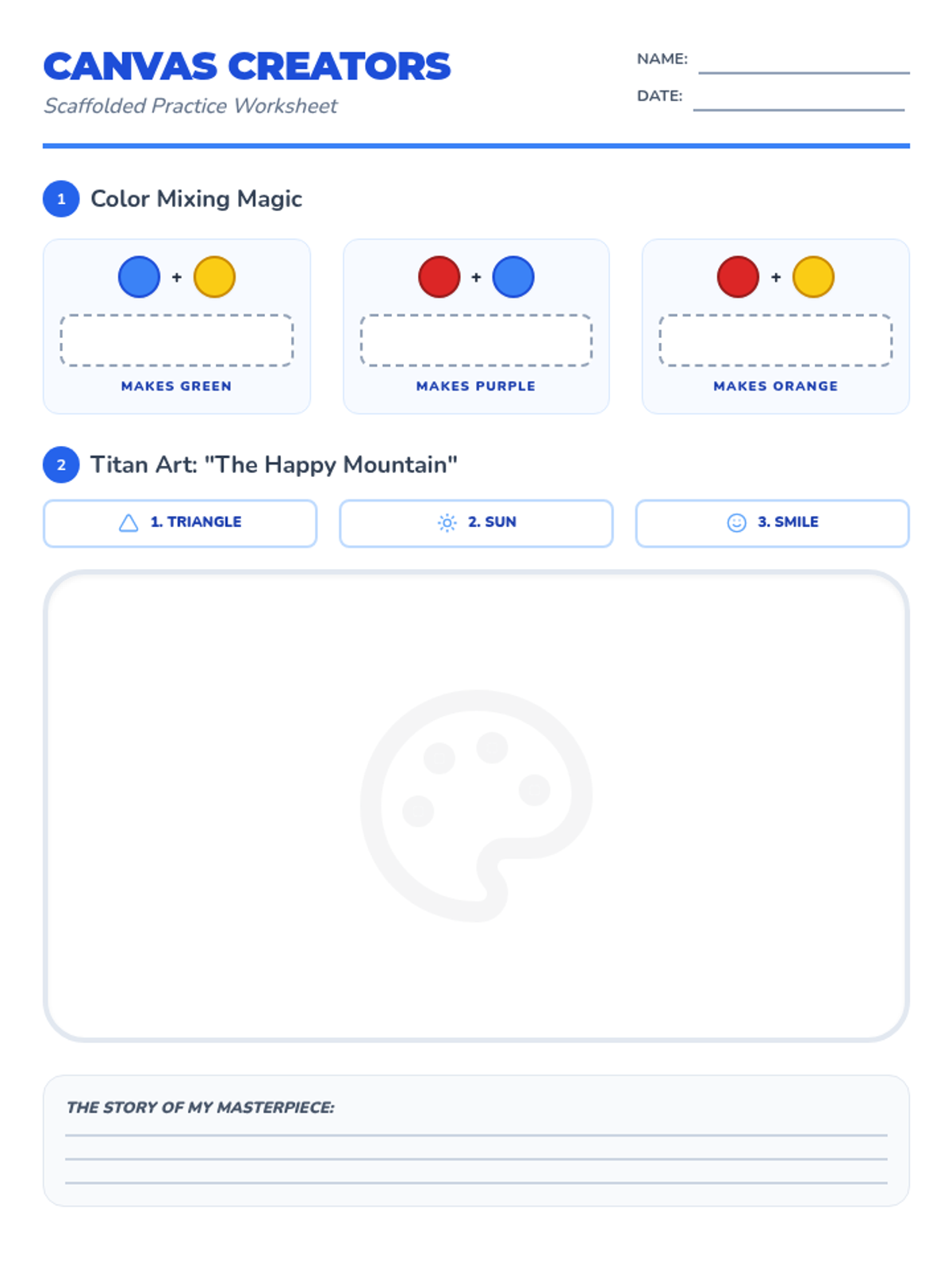
Students express themselves through visual arts by exploring color, shape, and emotion with step-by-step creative prompts.
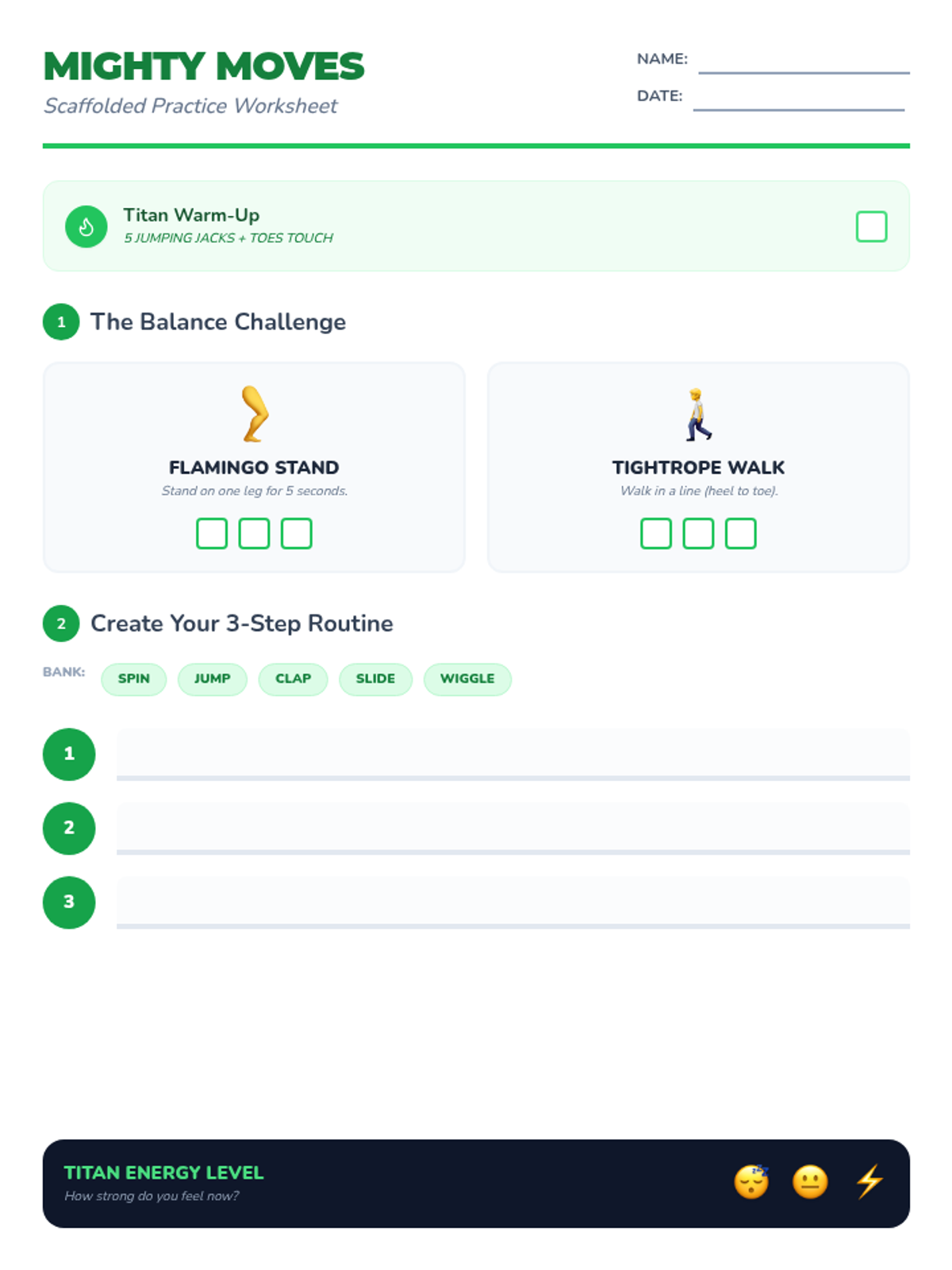
Students develop body awareness and athletic skills through guided movement sequences and balance challenges focused on motor control.
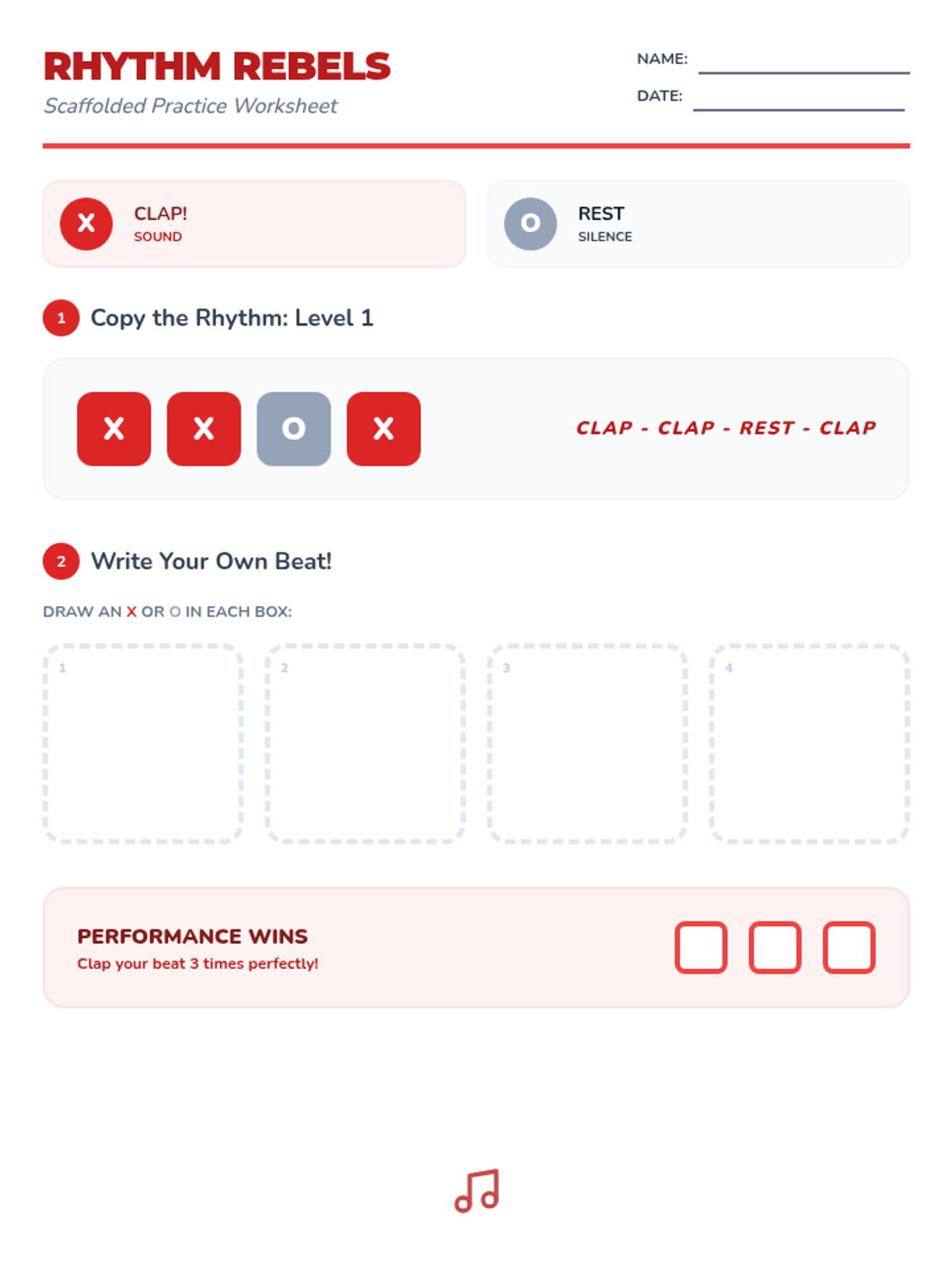
Students explore rhythm and percussion through visual beat patterns and clapping sequences designed for coordination and timing.
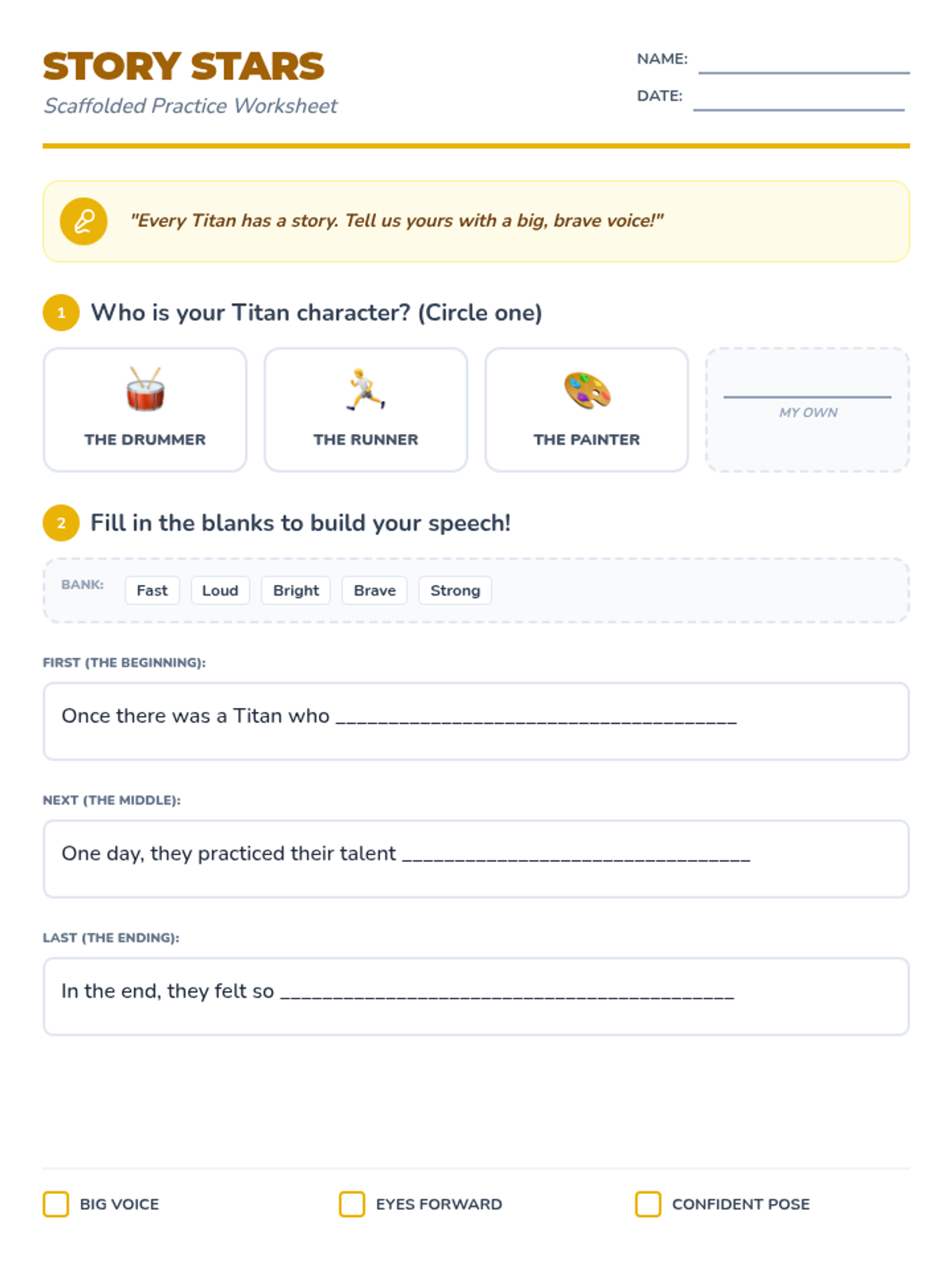
Students learn the basics of storytelling and public speaking using a simple "First, Next, Last" framework and visual prompts to build confidence.
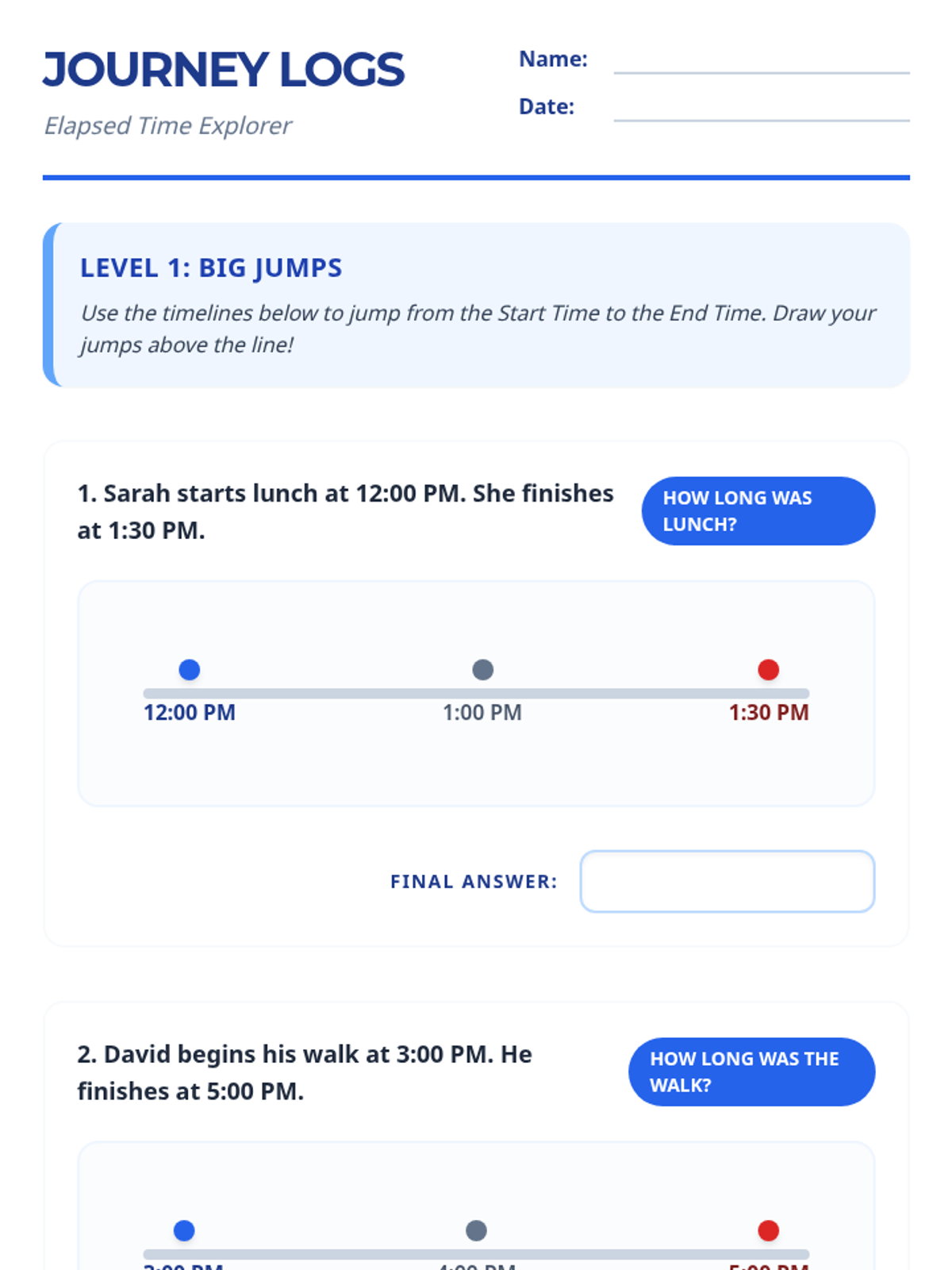
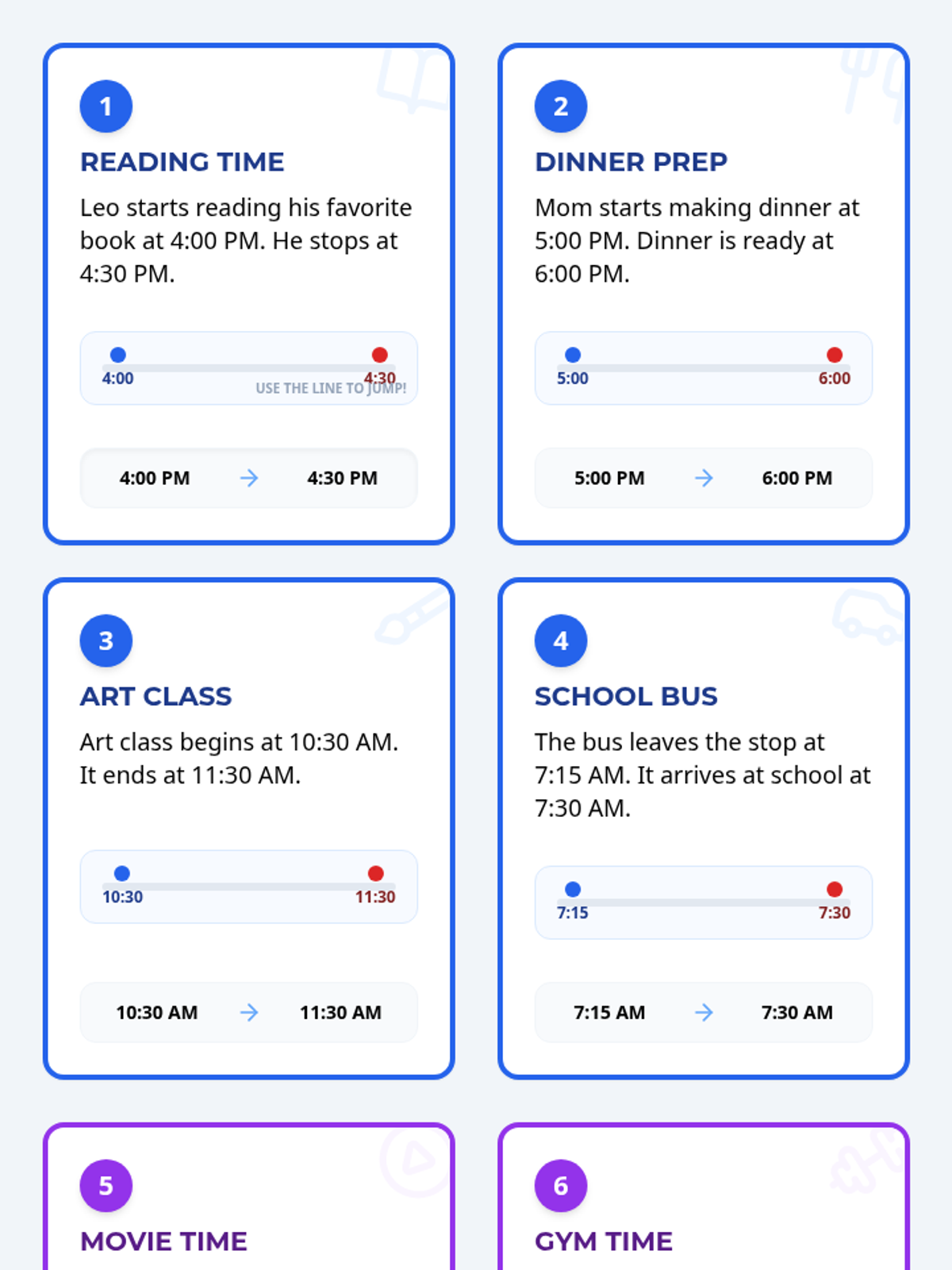
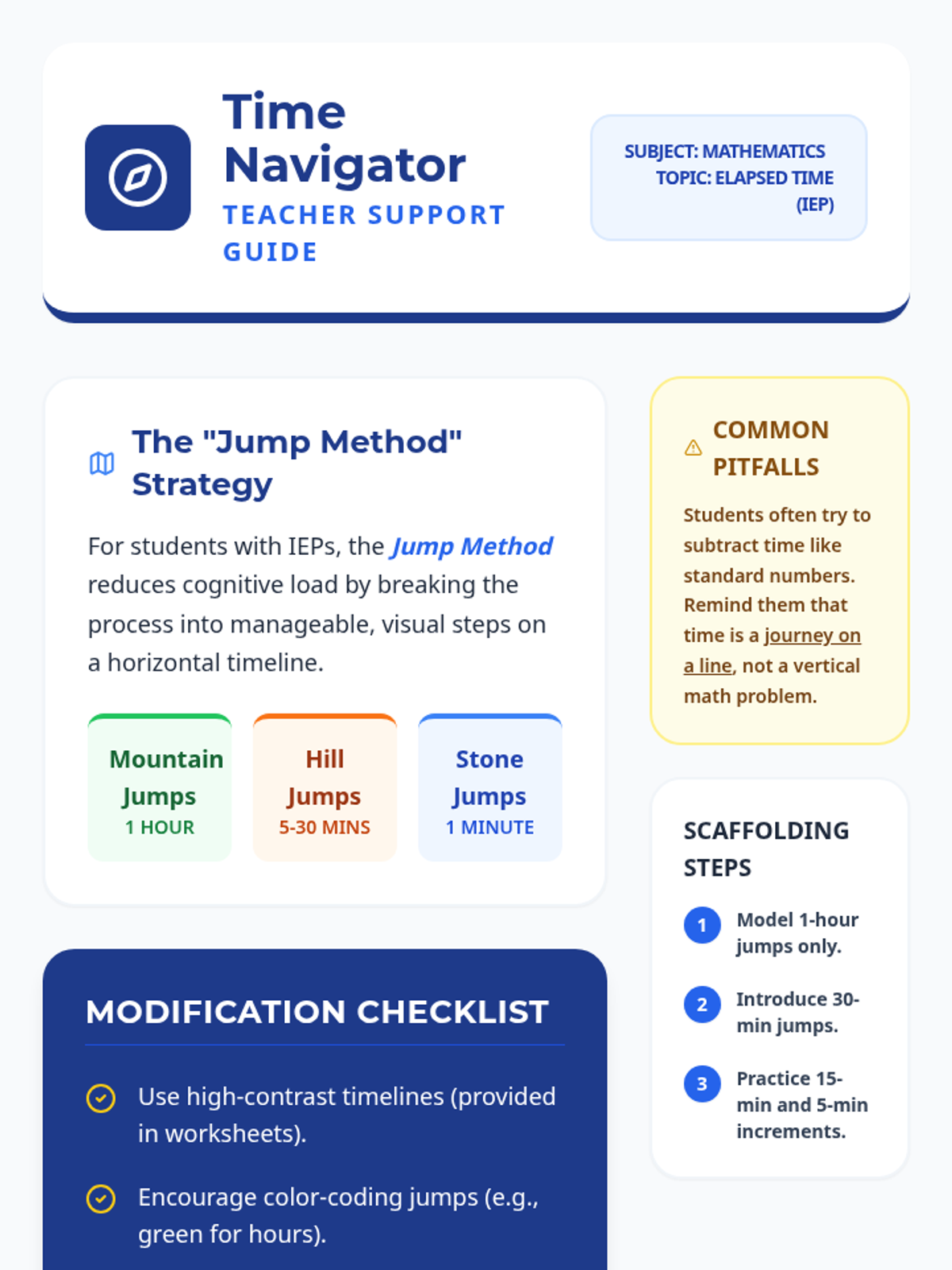
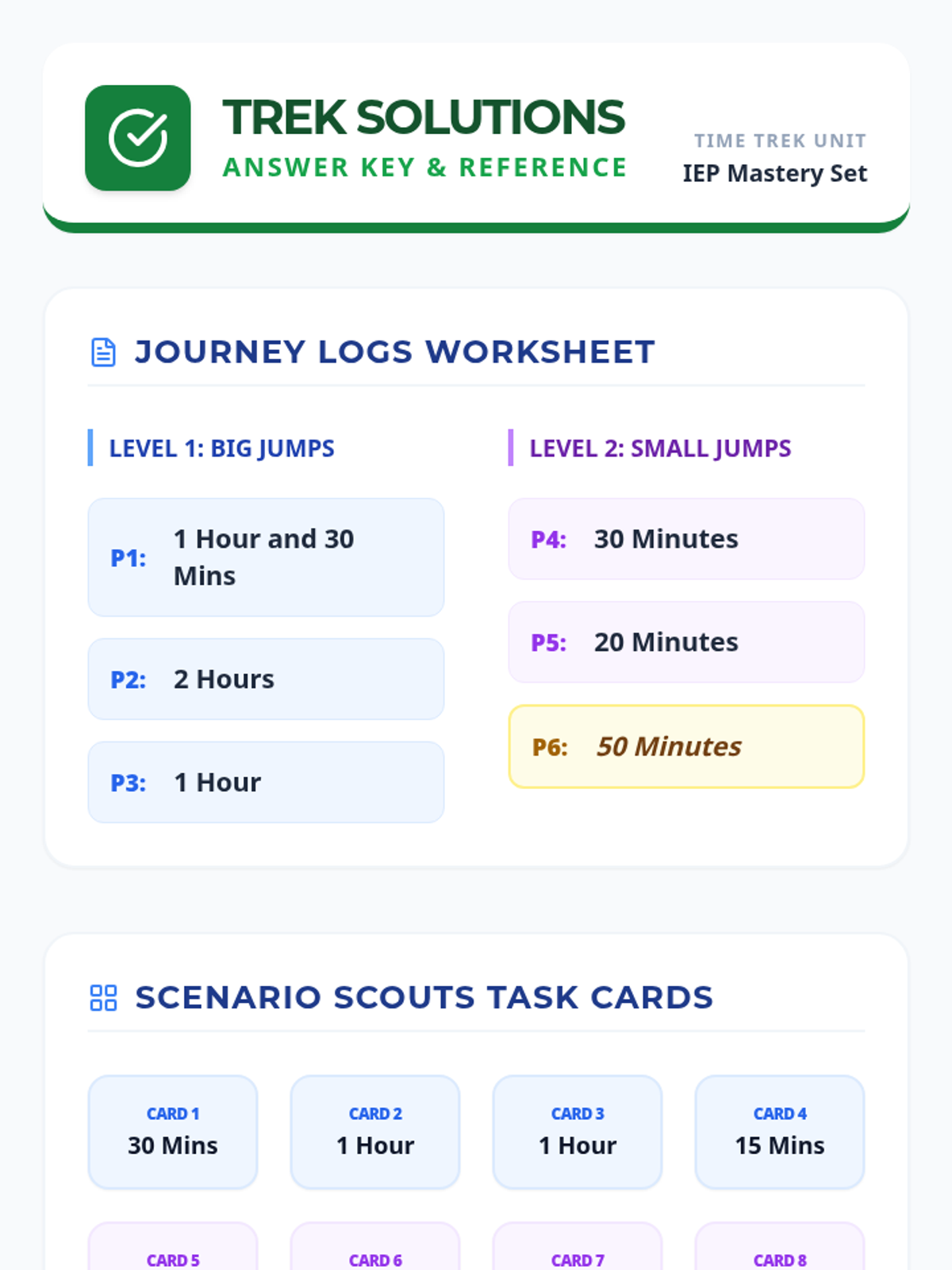
A visual-heavy lesson focused on teaching elapsed time using timelines and incremental steps (hour, quarter, 5-minute) for students with IEPs.
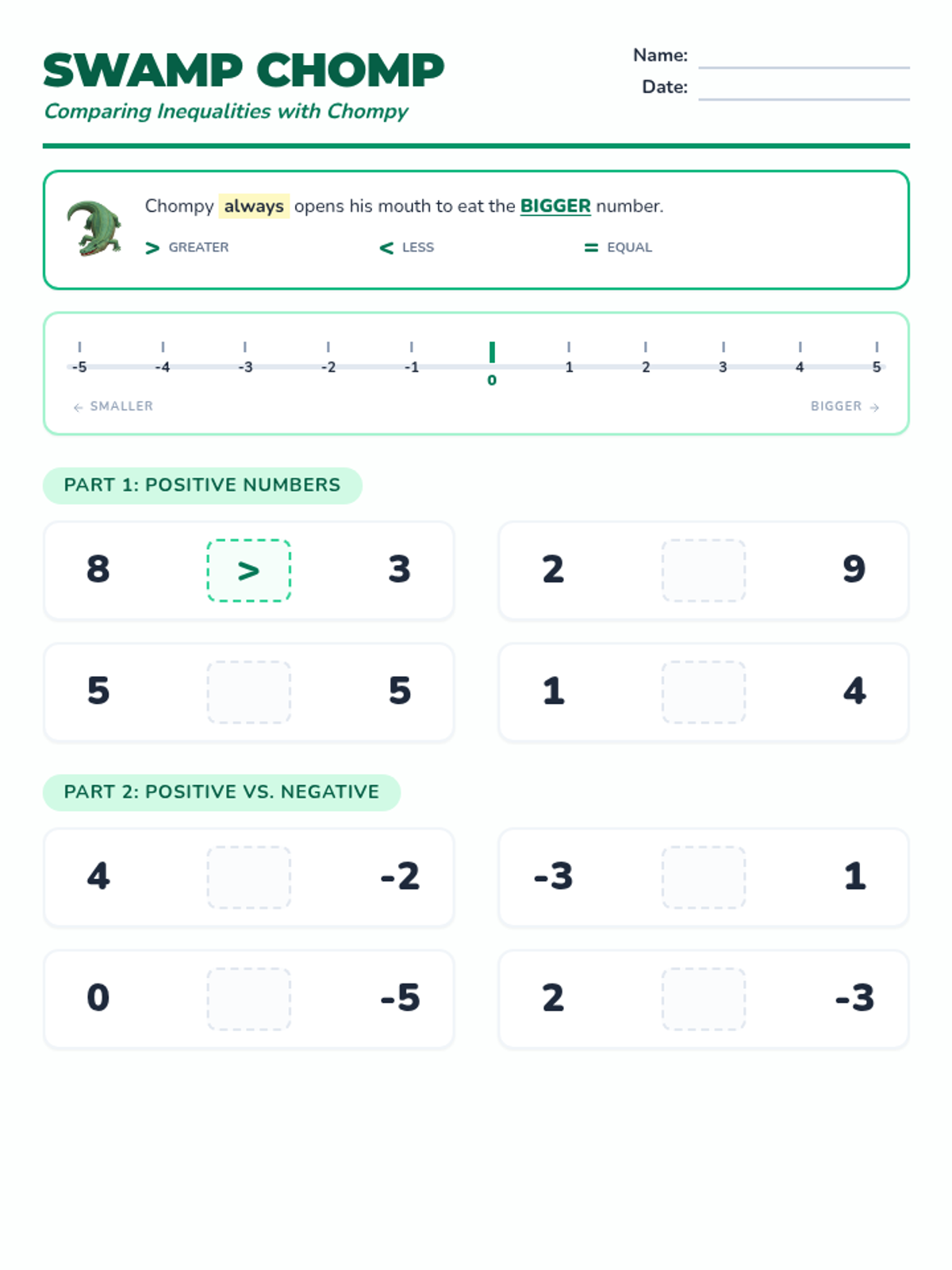
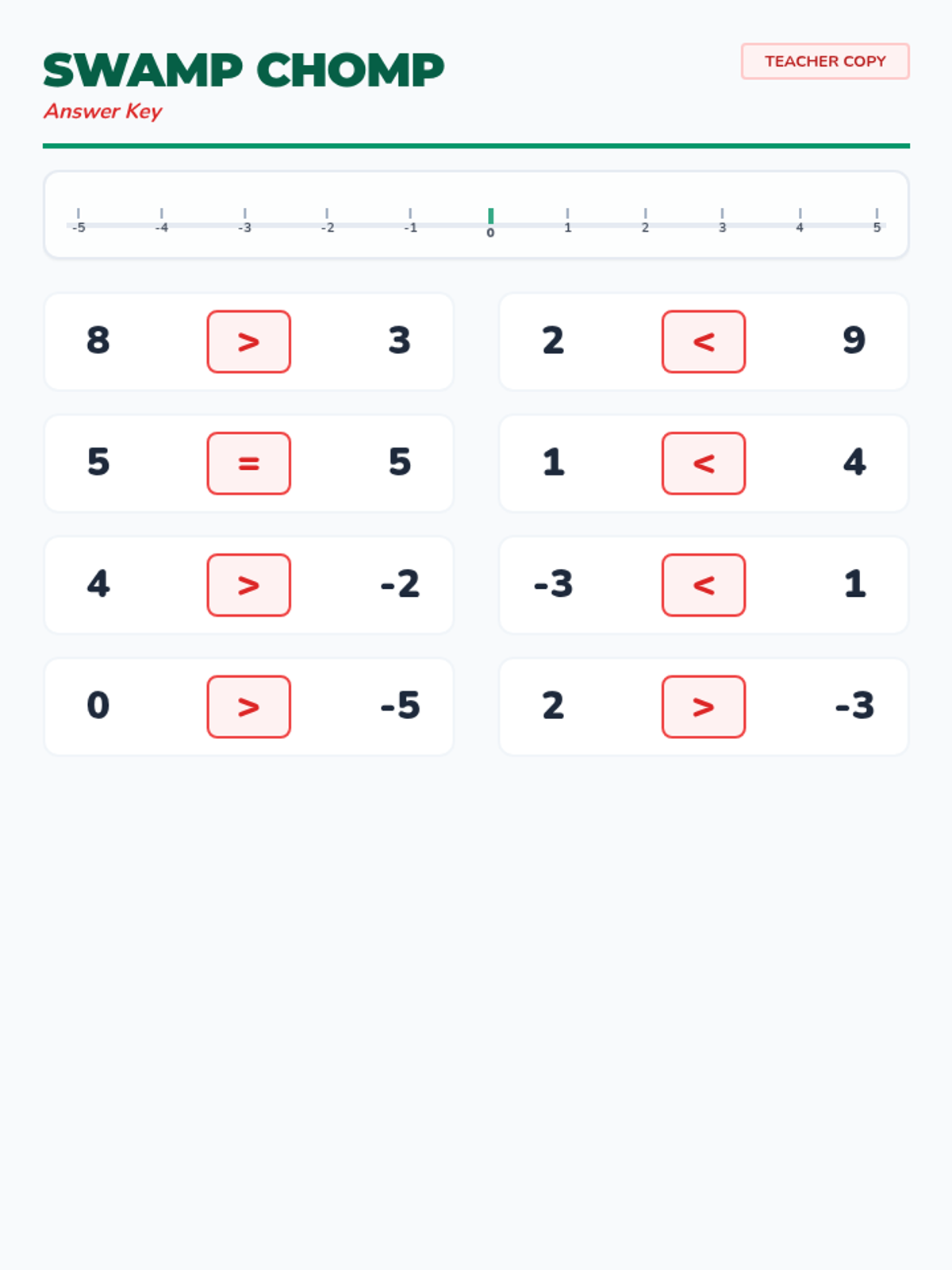
A scaffolded lesson on comparing single-digit and negative numbers using alligator mouth visuals and number lines, designed for students with IEP accommodations.
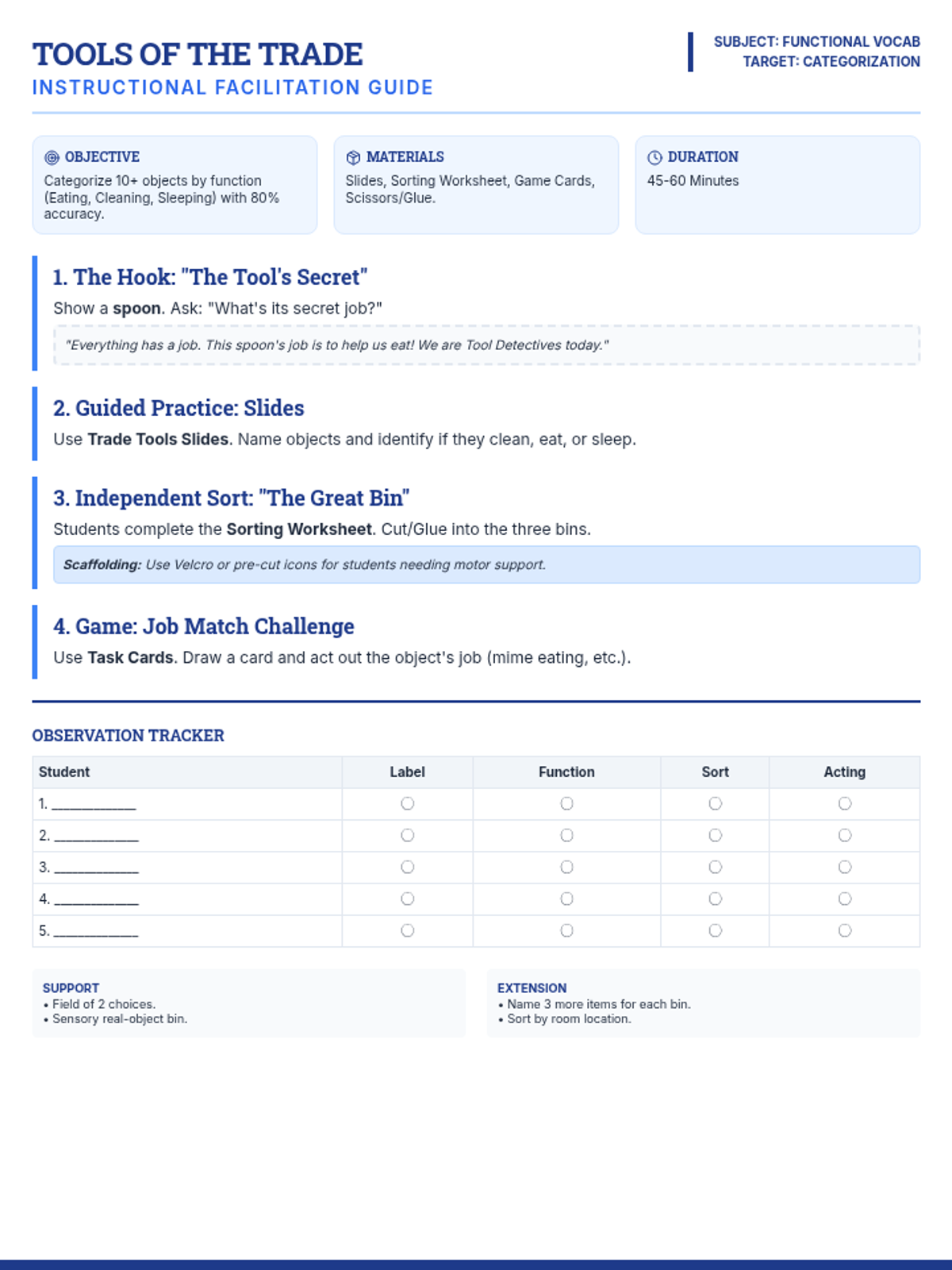
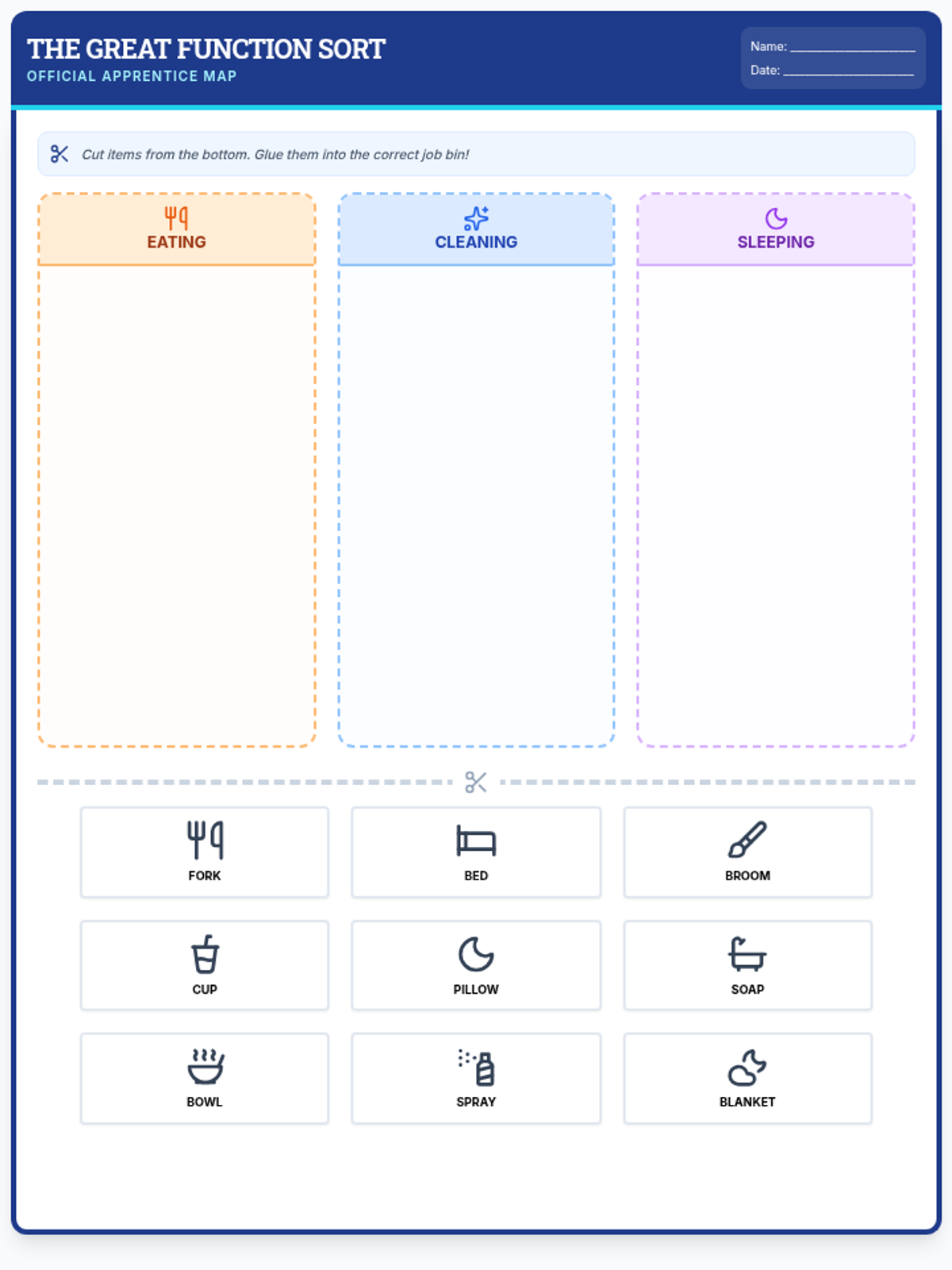
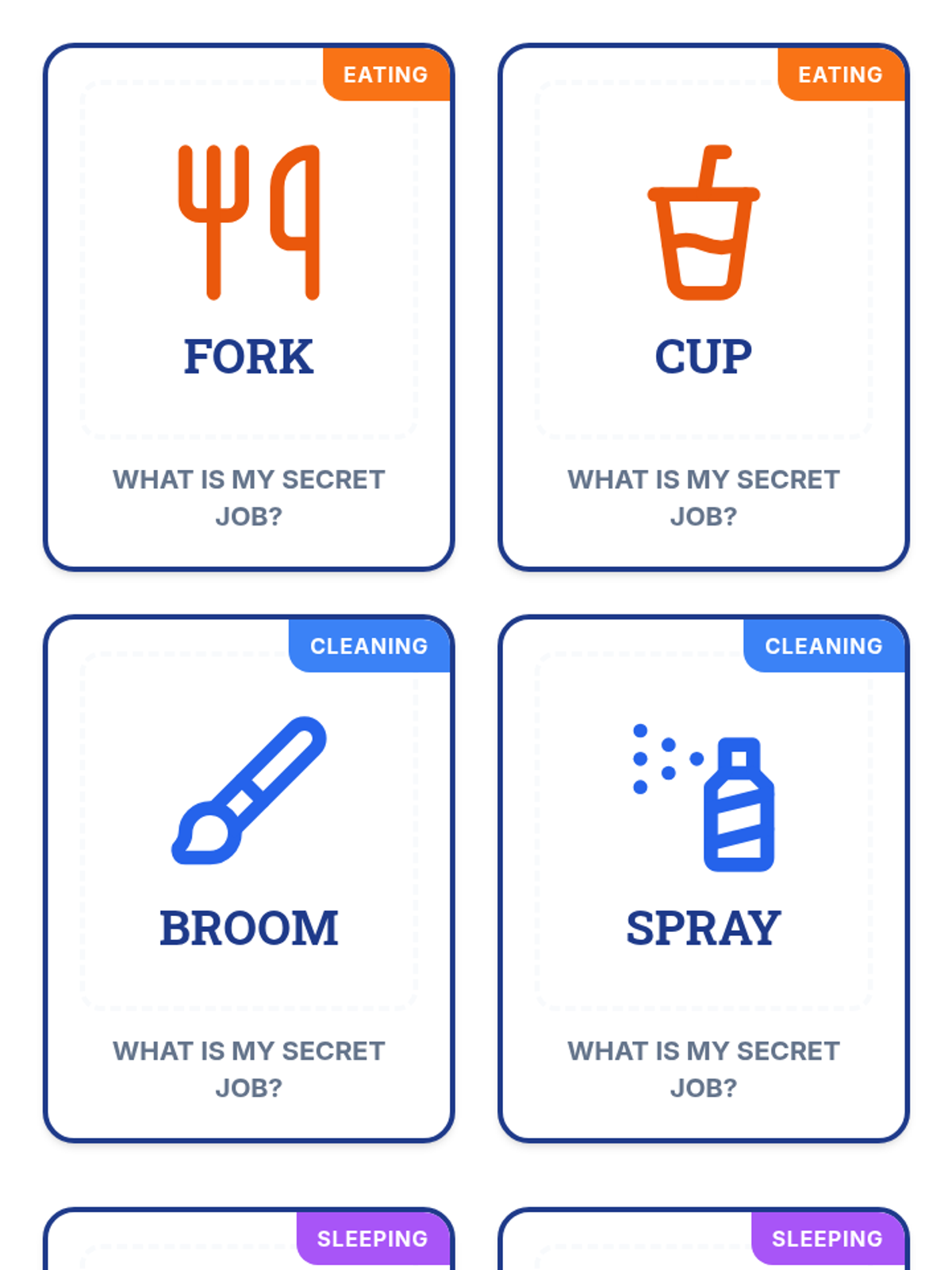
A hands-on lesson for students with communication delays to categorize common objects by their functional use (eating, cleaning, sleeping) to build semantic networks and logical reasoning.
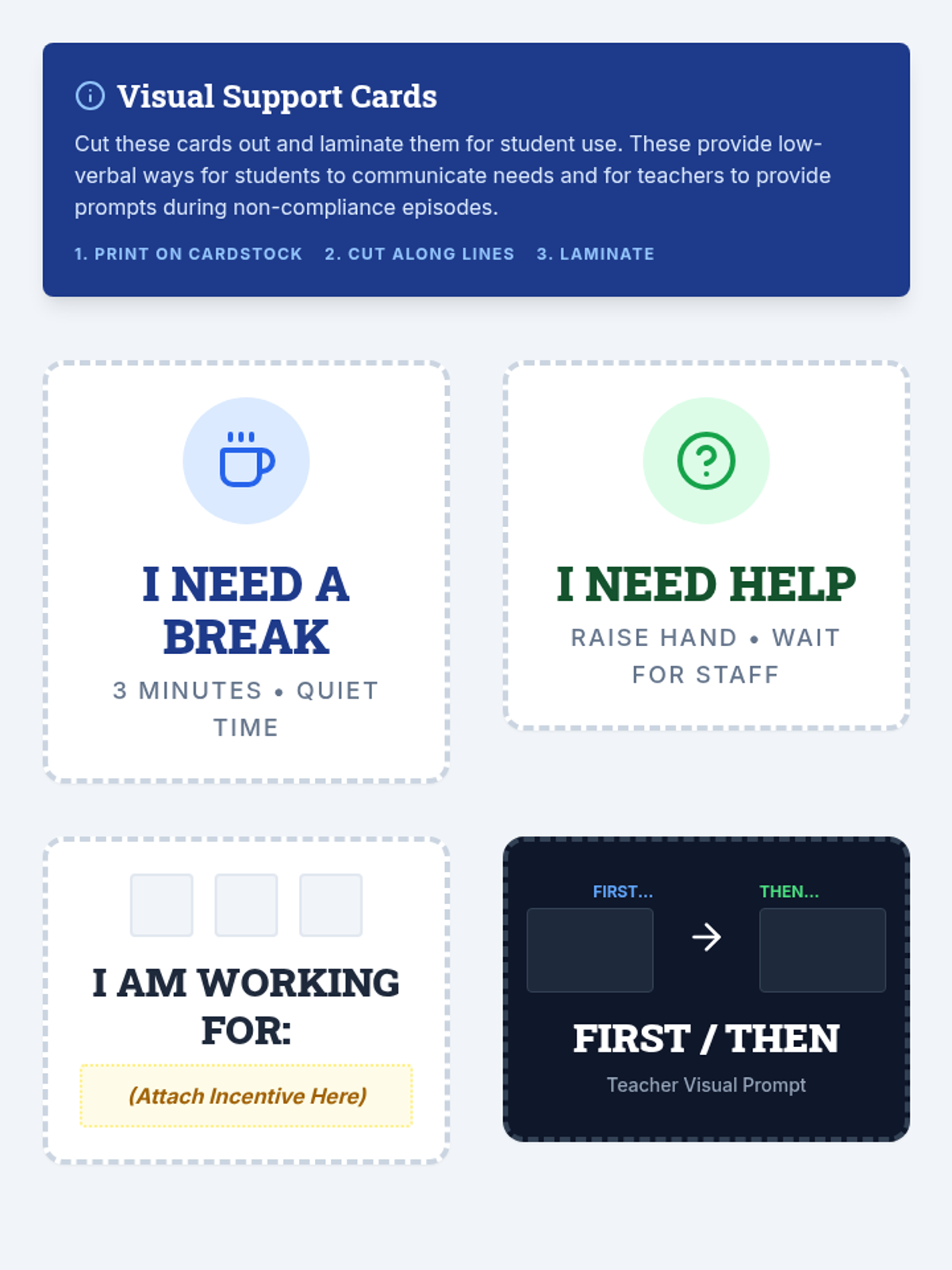
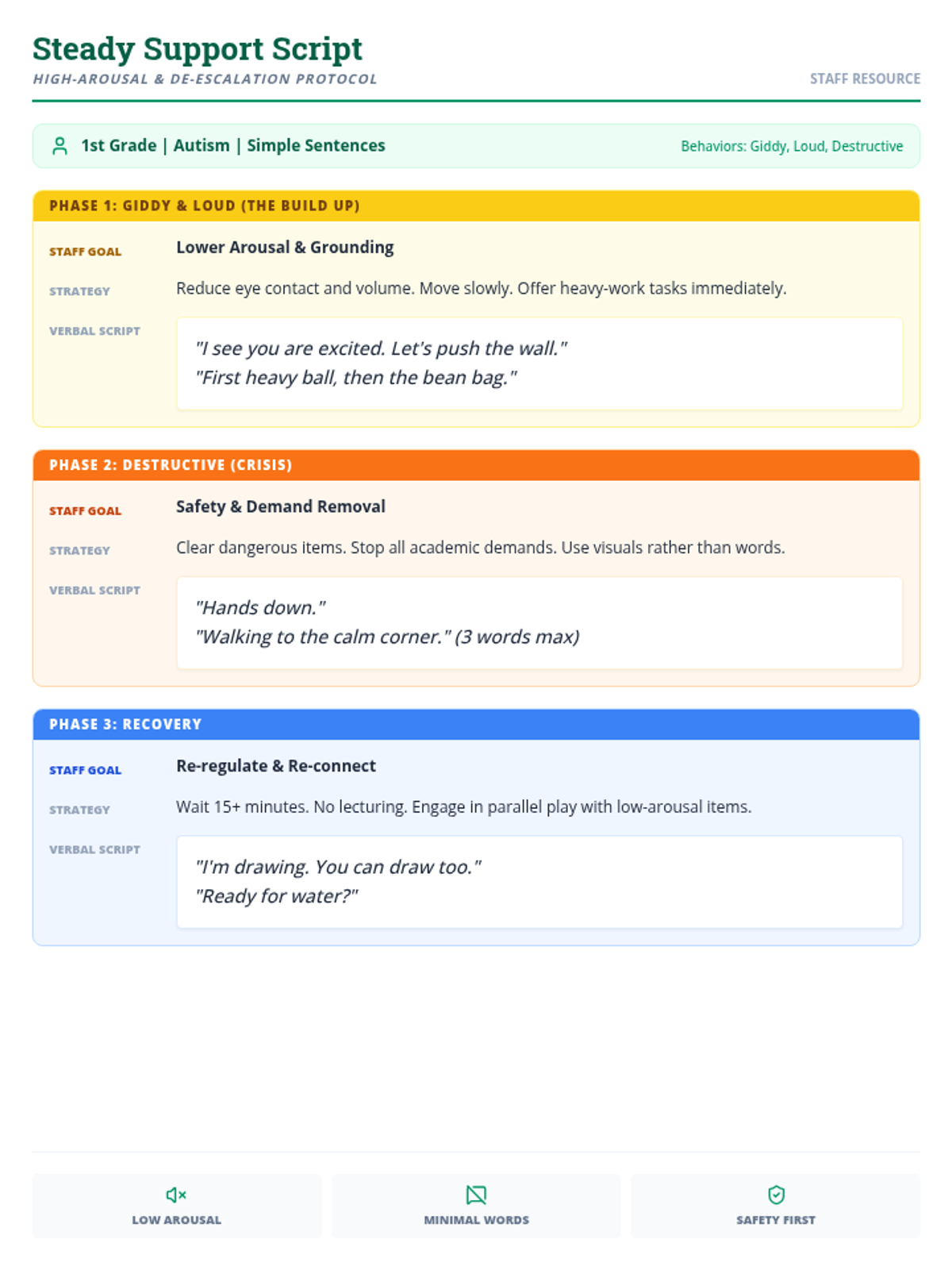
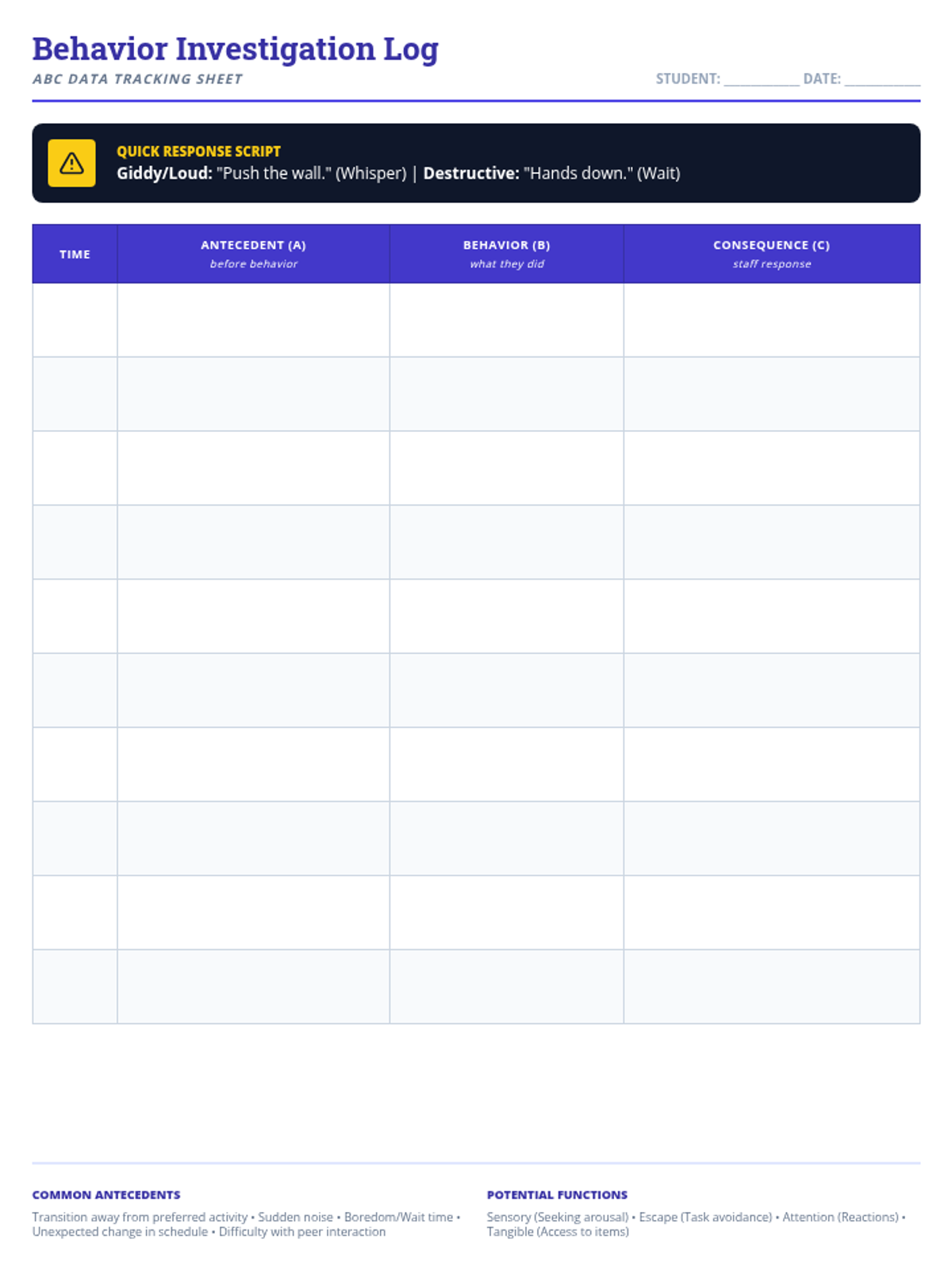
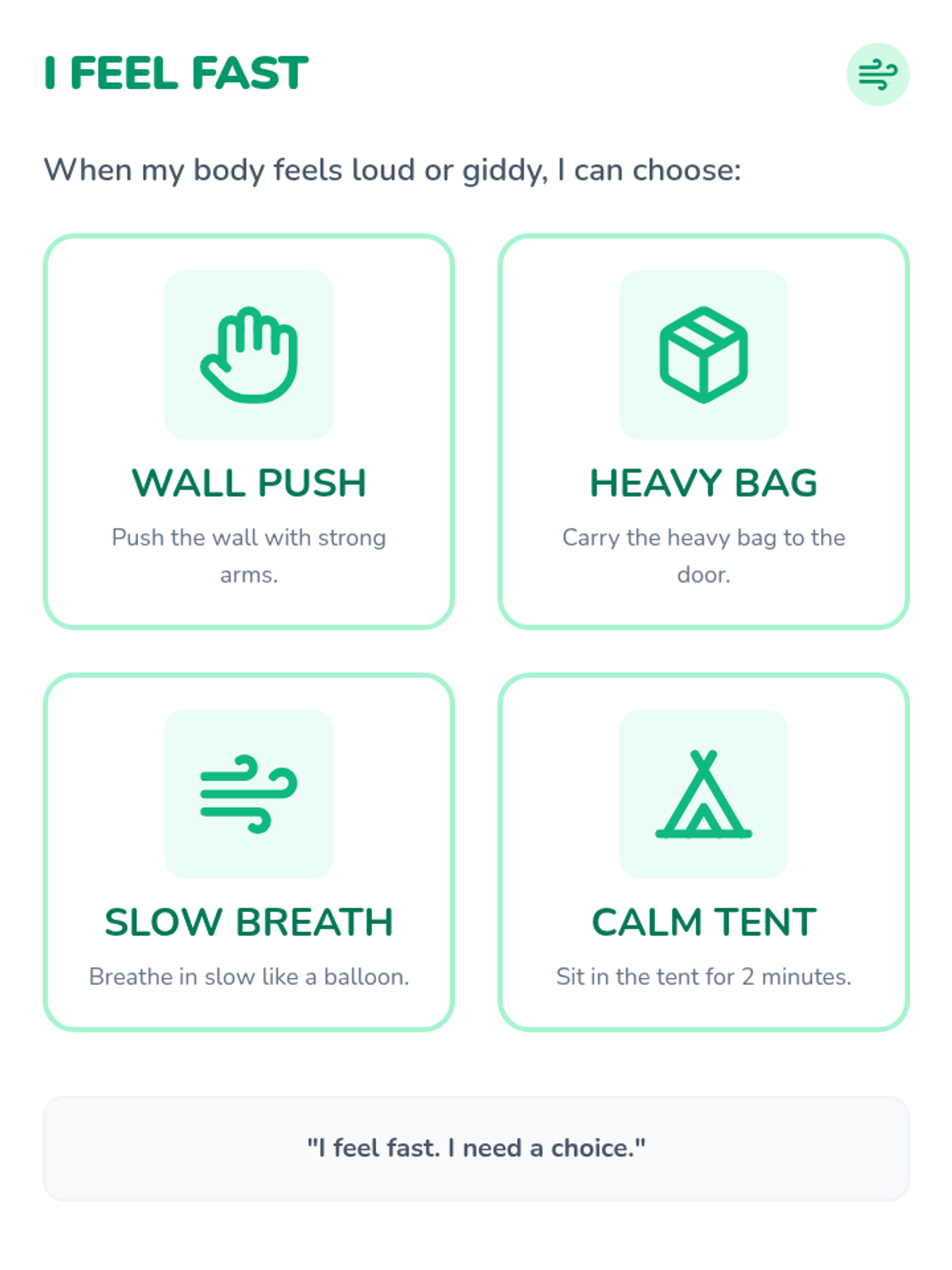
A comprehensive toolkit for staff to manage high-arousal behaviors in a 1st grade student with autism, focusing on de-escalation scripts, visual supports, and data collection.
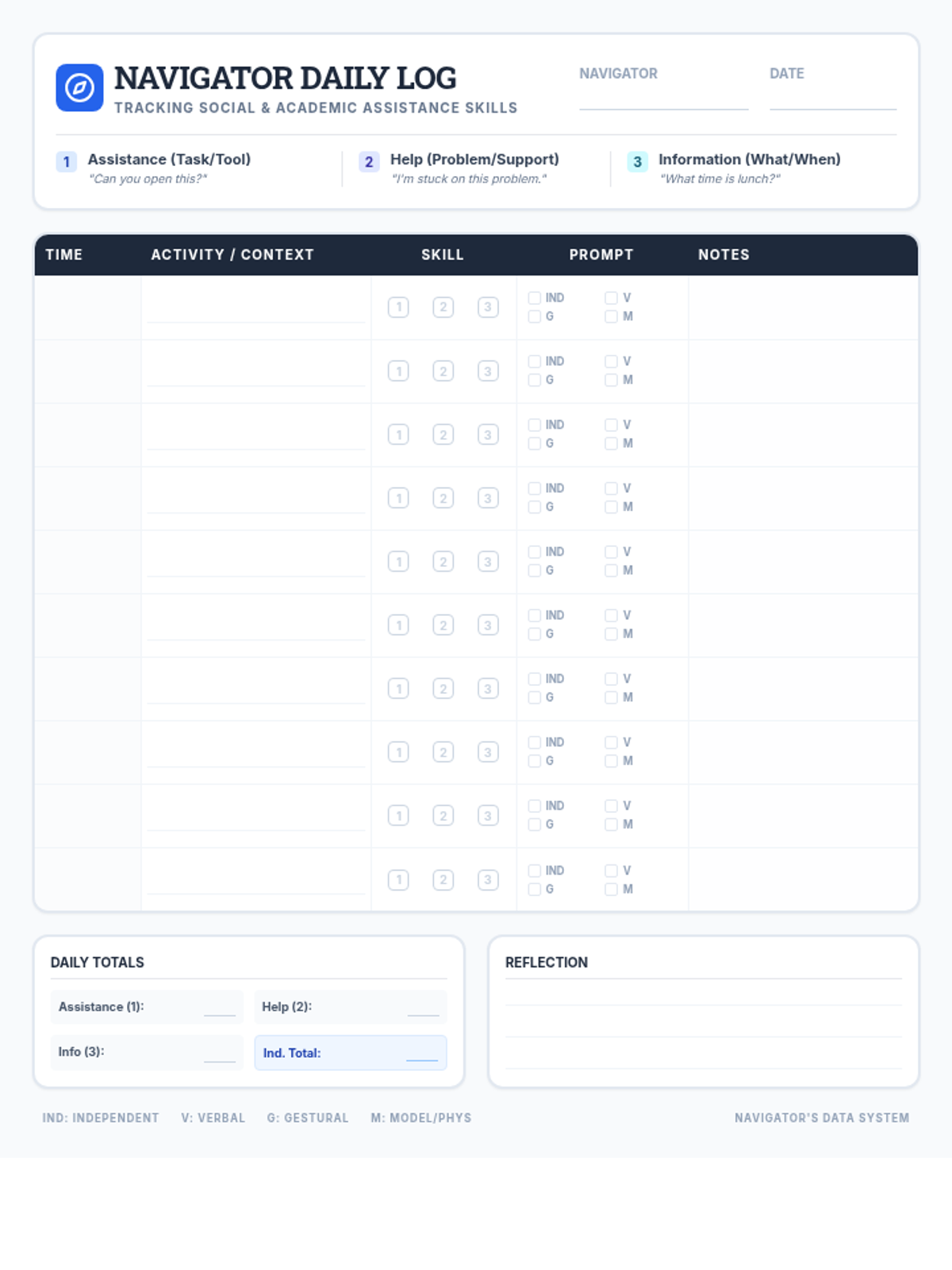
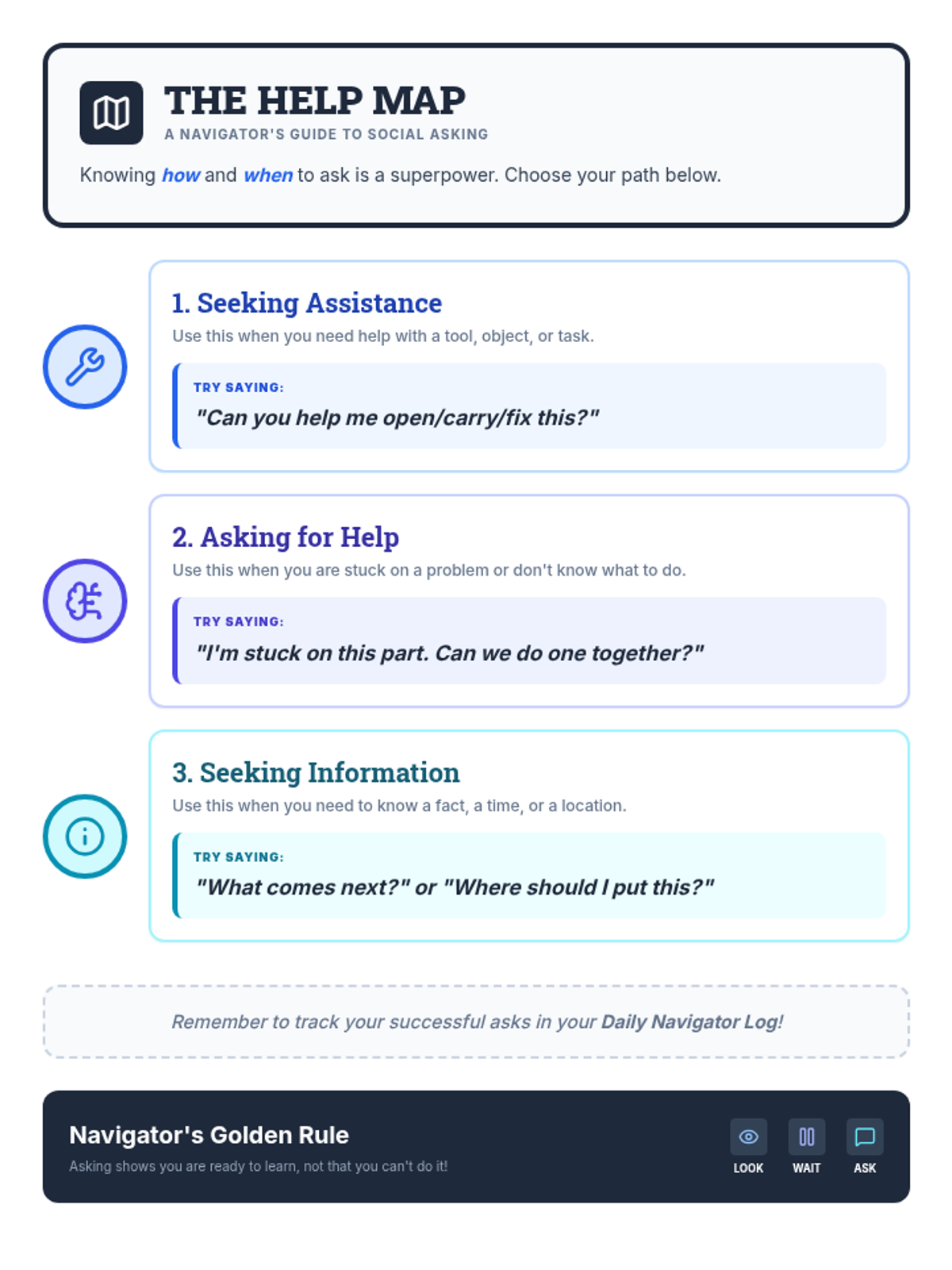
A lesson focused on developing and tracking functional communication skills, specifically seeking help and information in social and academic settings.
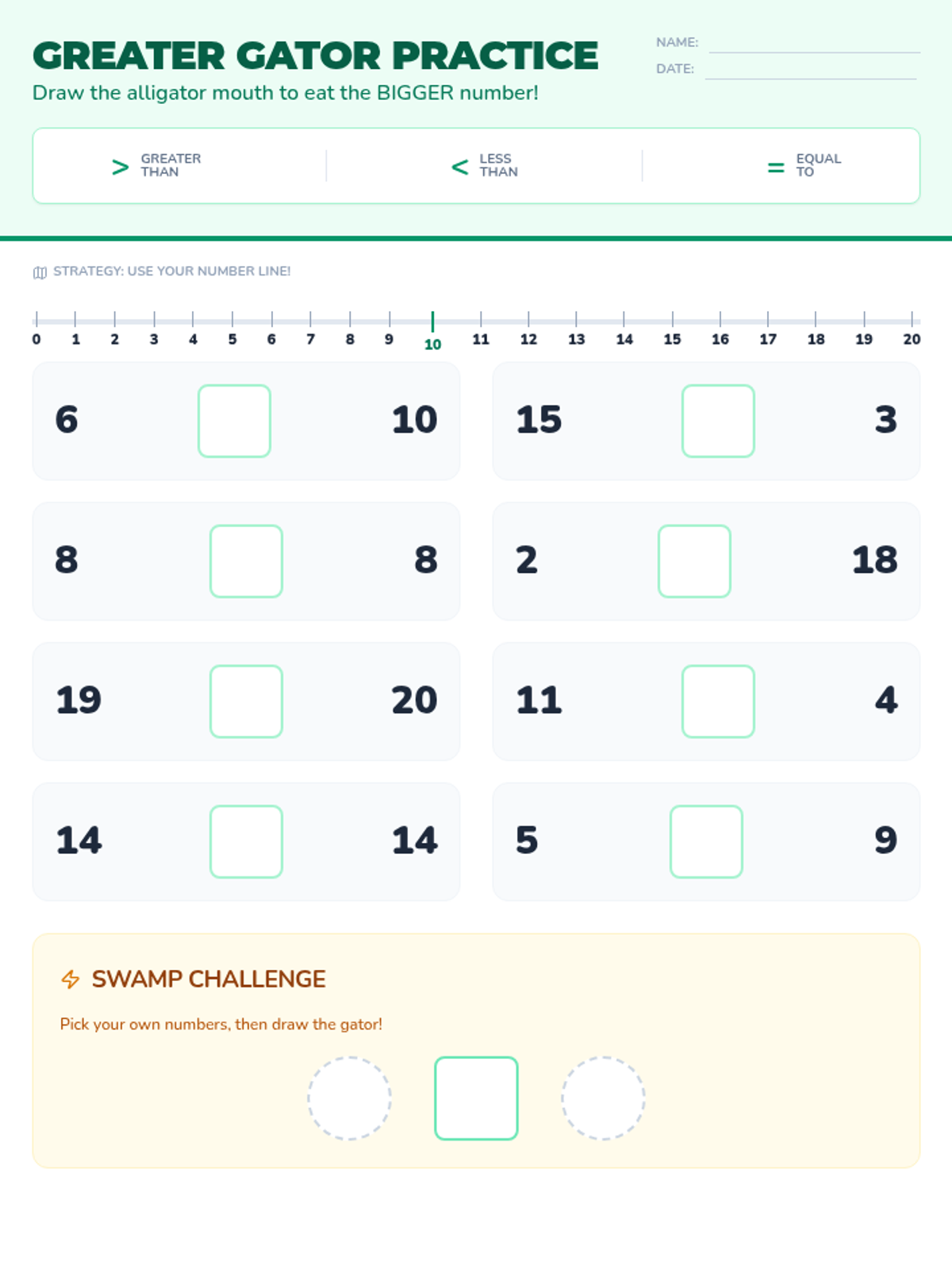
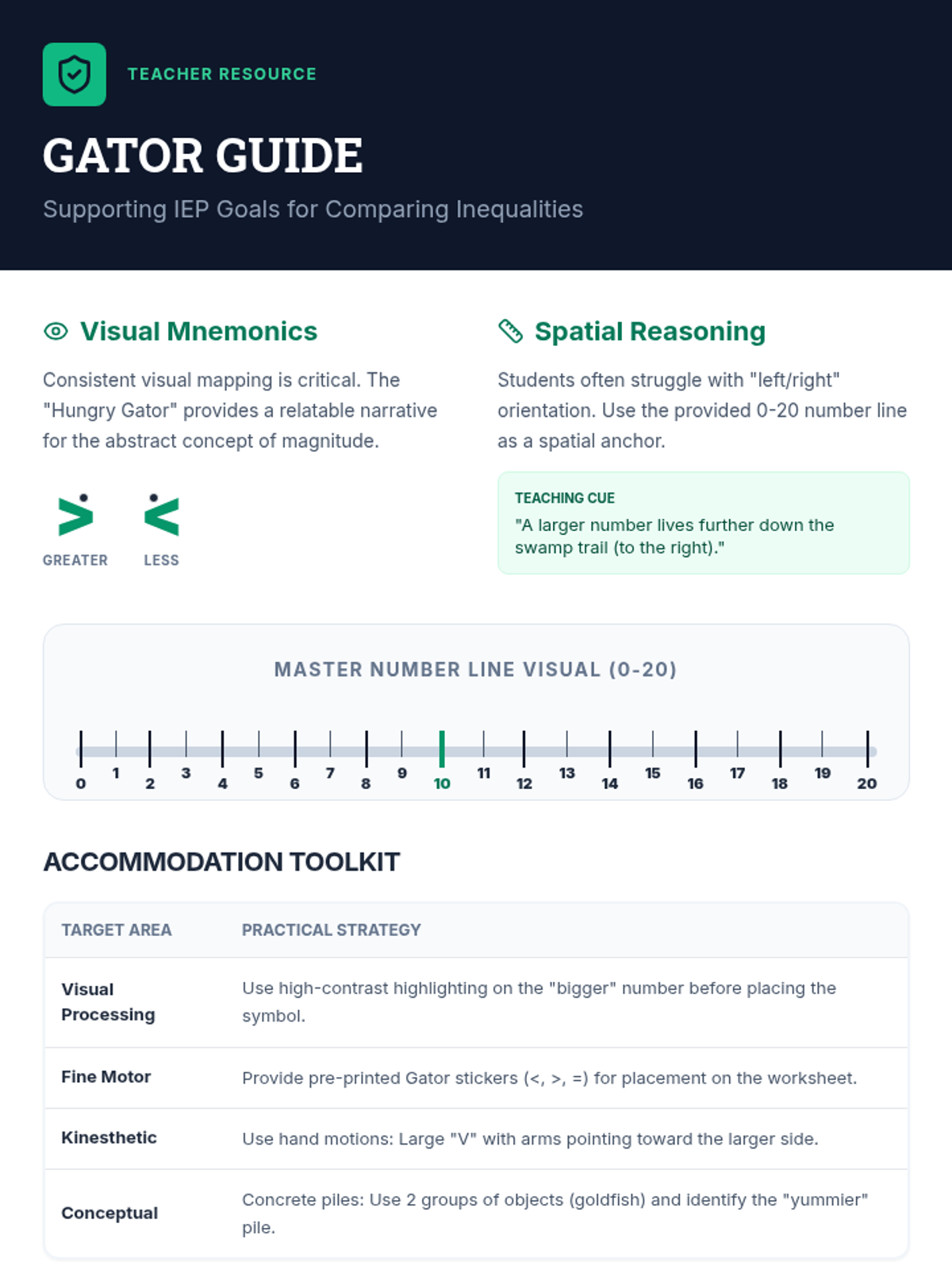
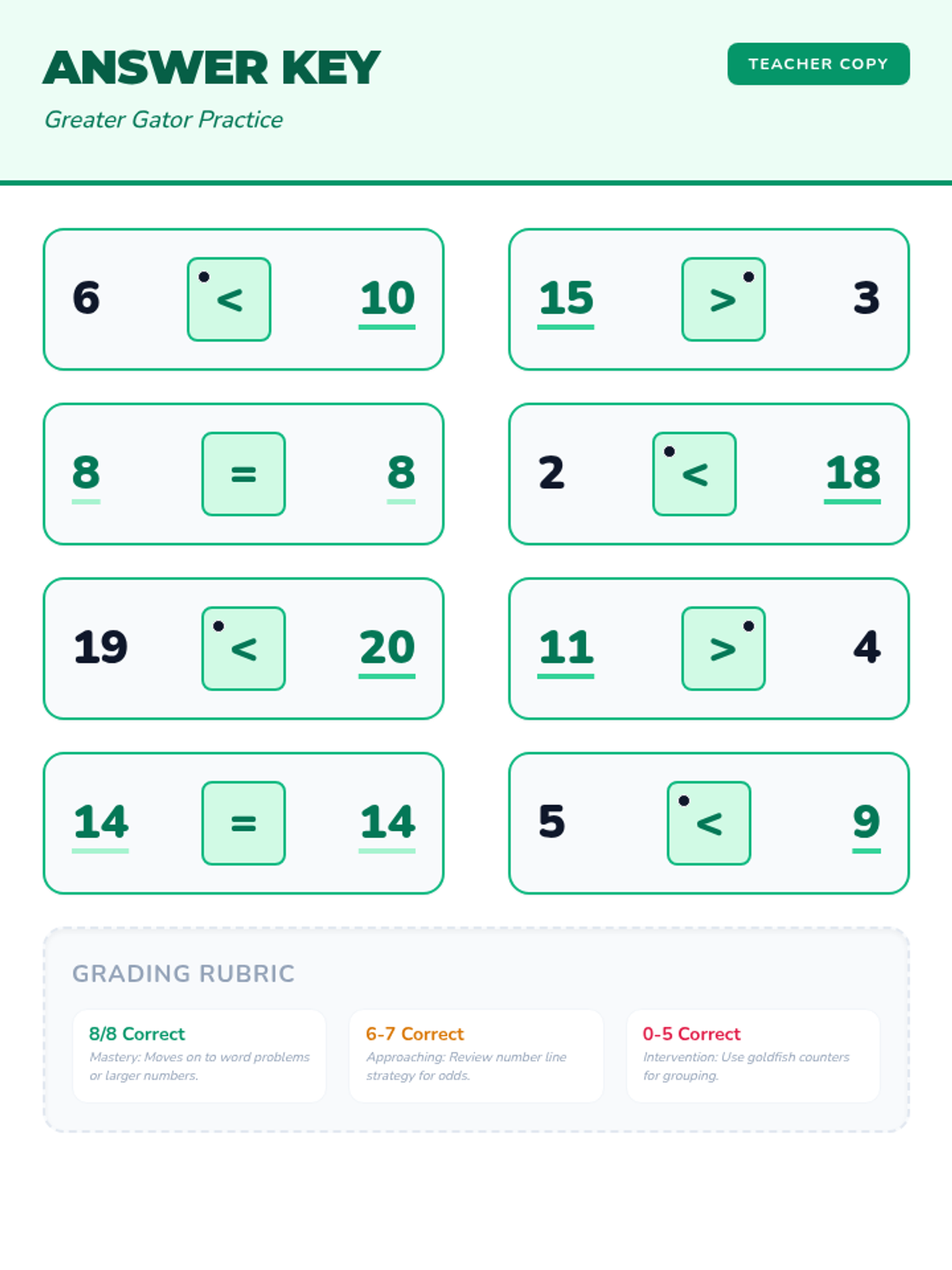
A foundational lesson on comparing inequalities for students with IEPs, utilizing high-contrast visuals, number lines (0-20), and the classic alligator mouth mnemonic to build conceptual understanding and mastery.
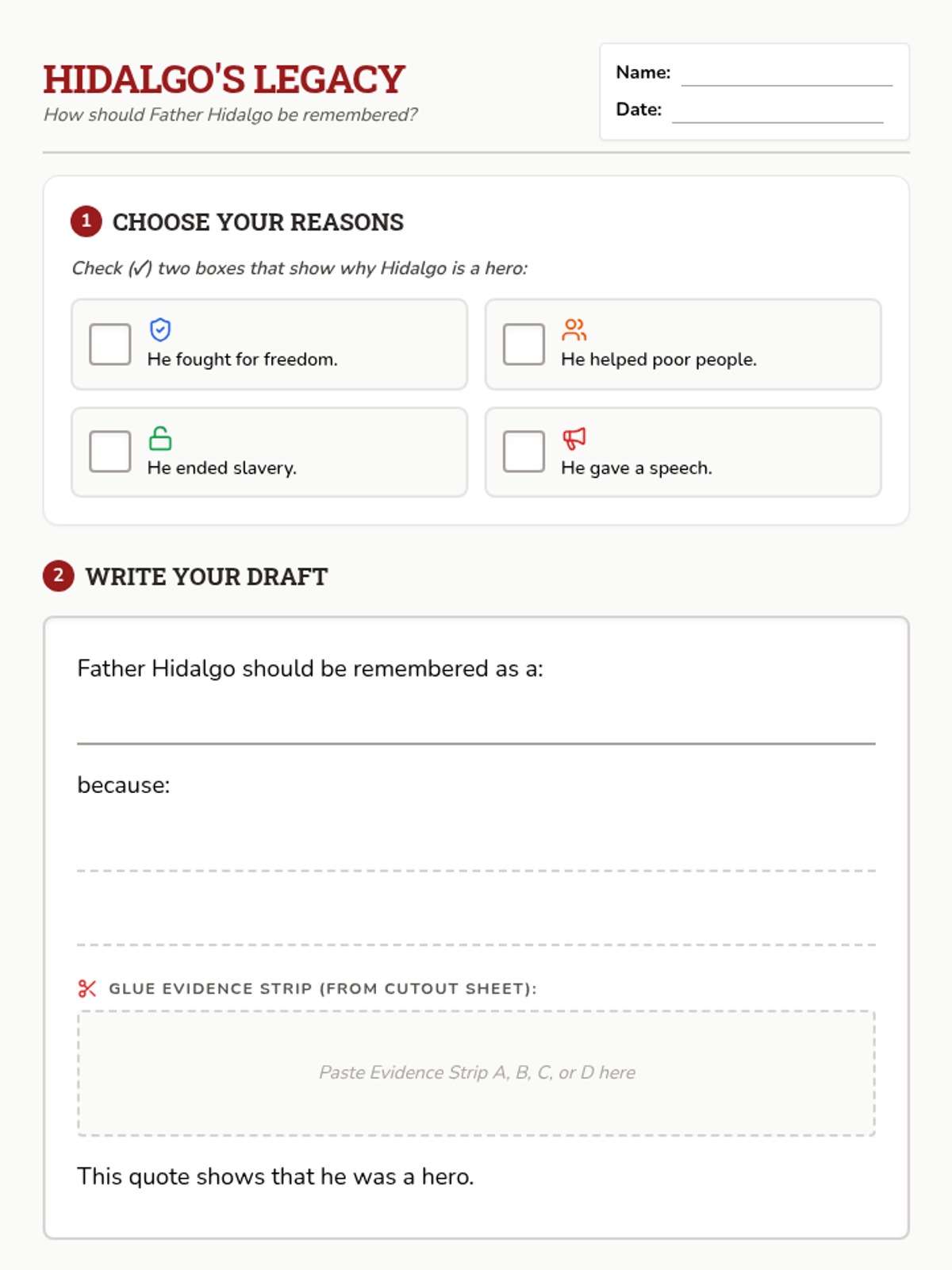
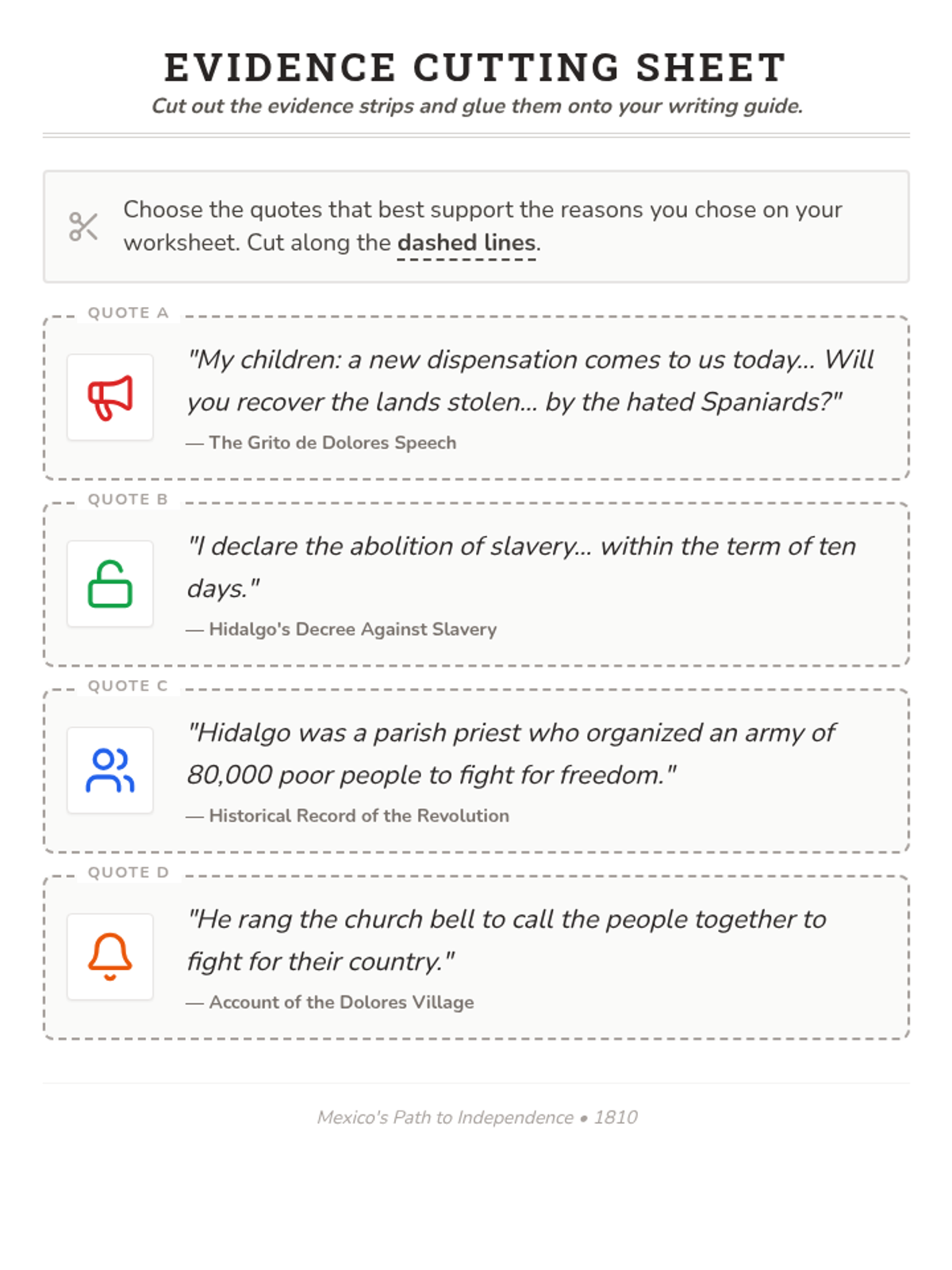
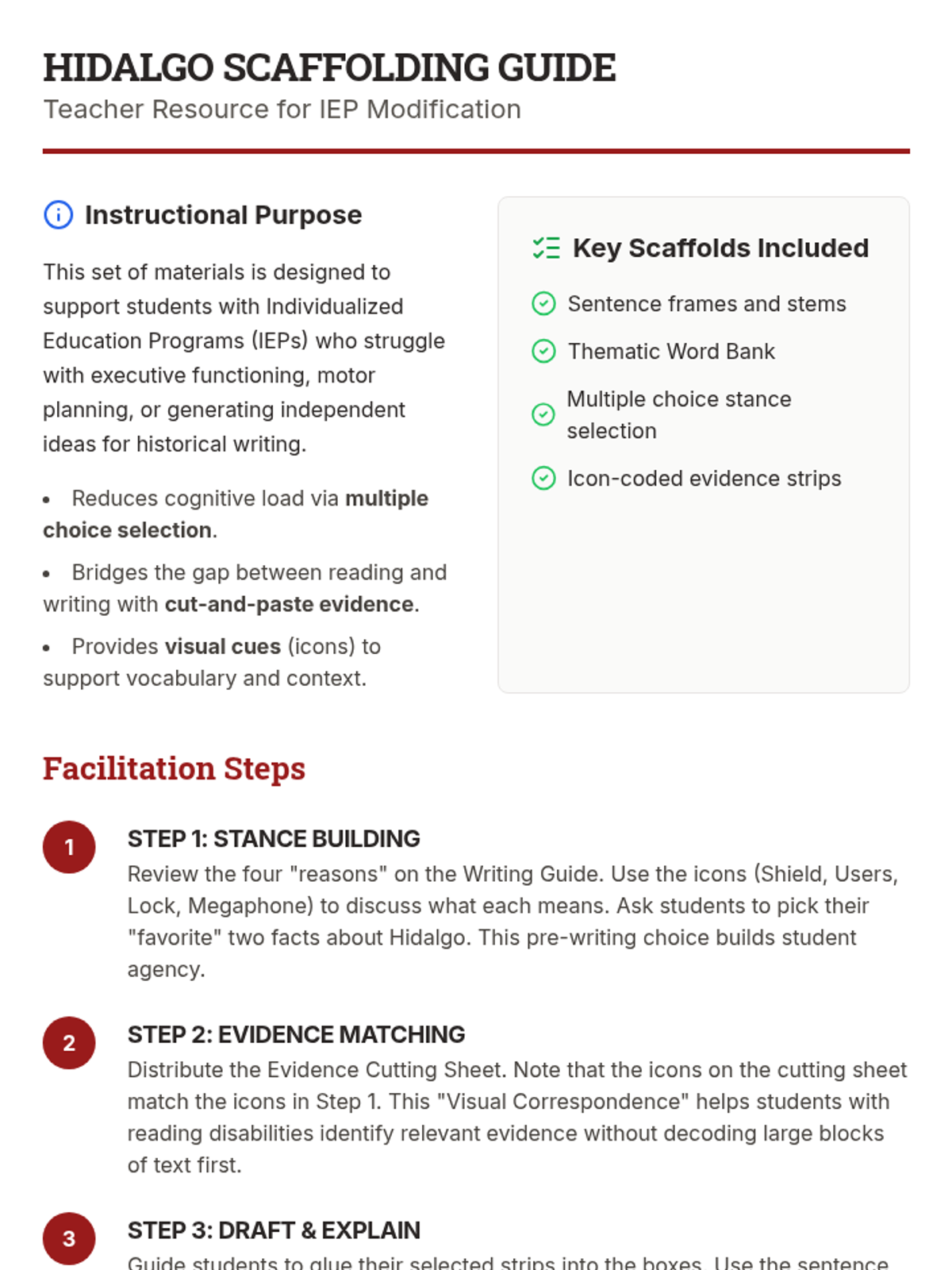
A modified writing lesson for IEP students focusing on the legacy of Father Hidalgo through structured scaffolds, visual supports, and hands-on evidence selection.
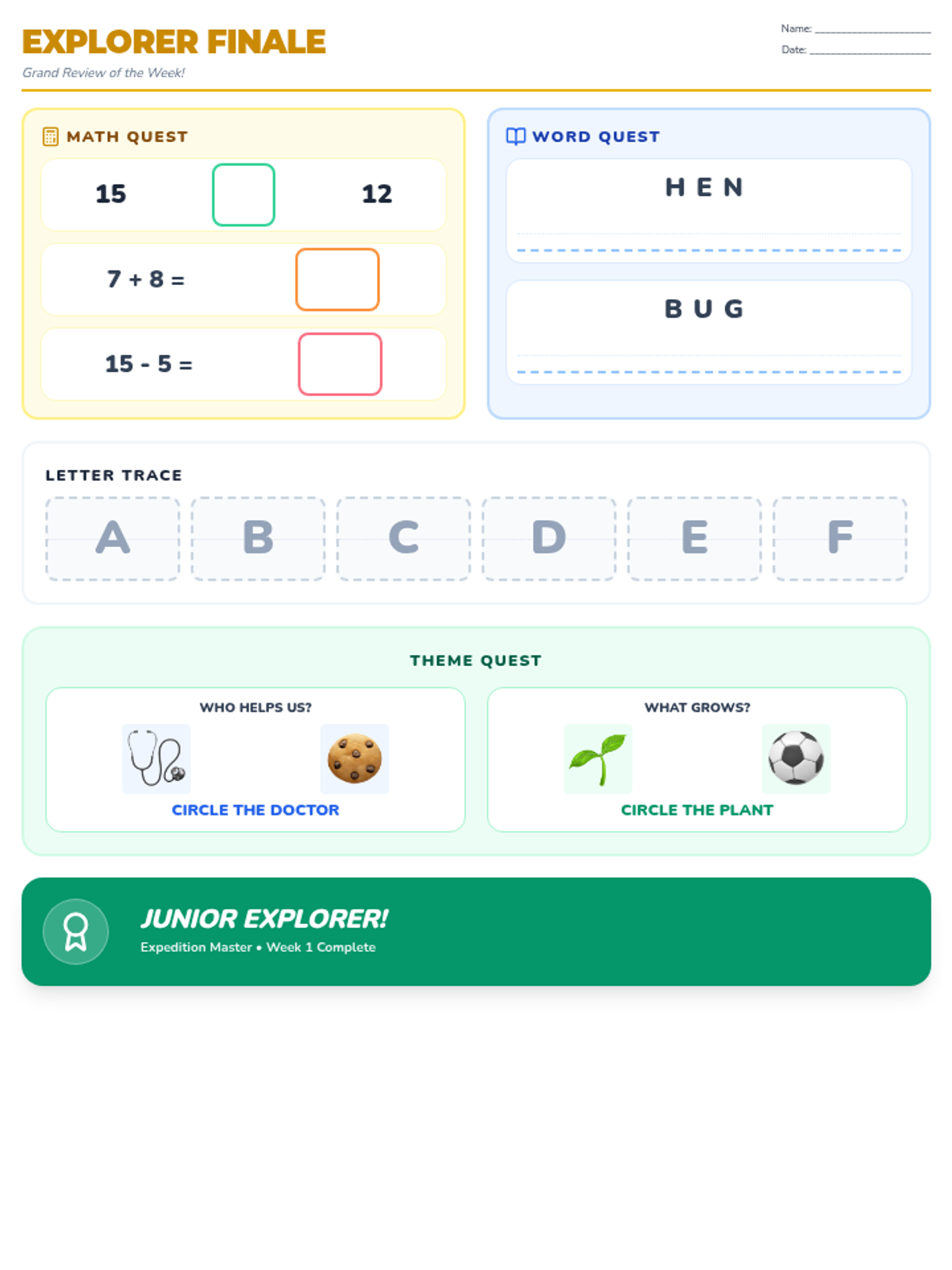
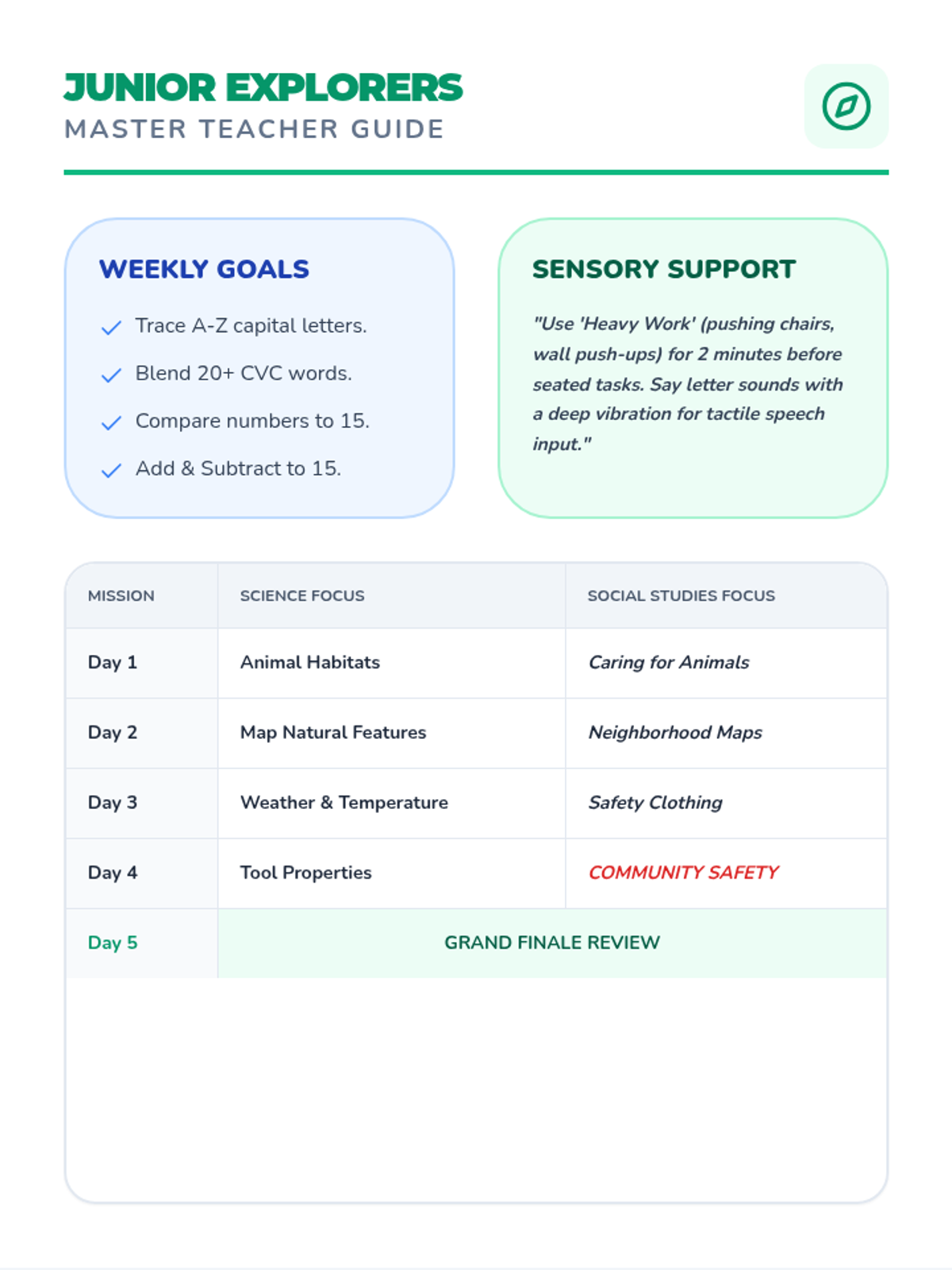
A cumulative review of the week's skills including letter recognition, CVC words, and comparison problems.
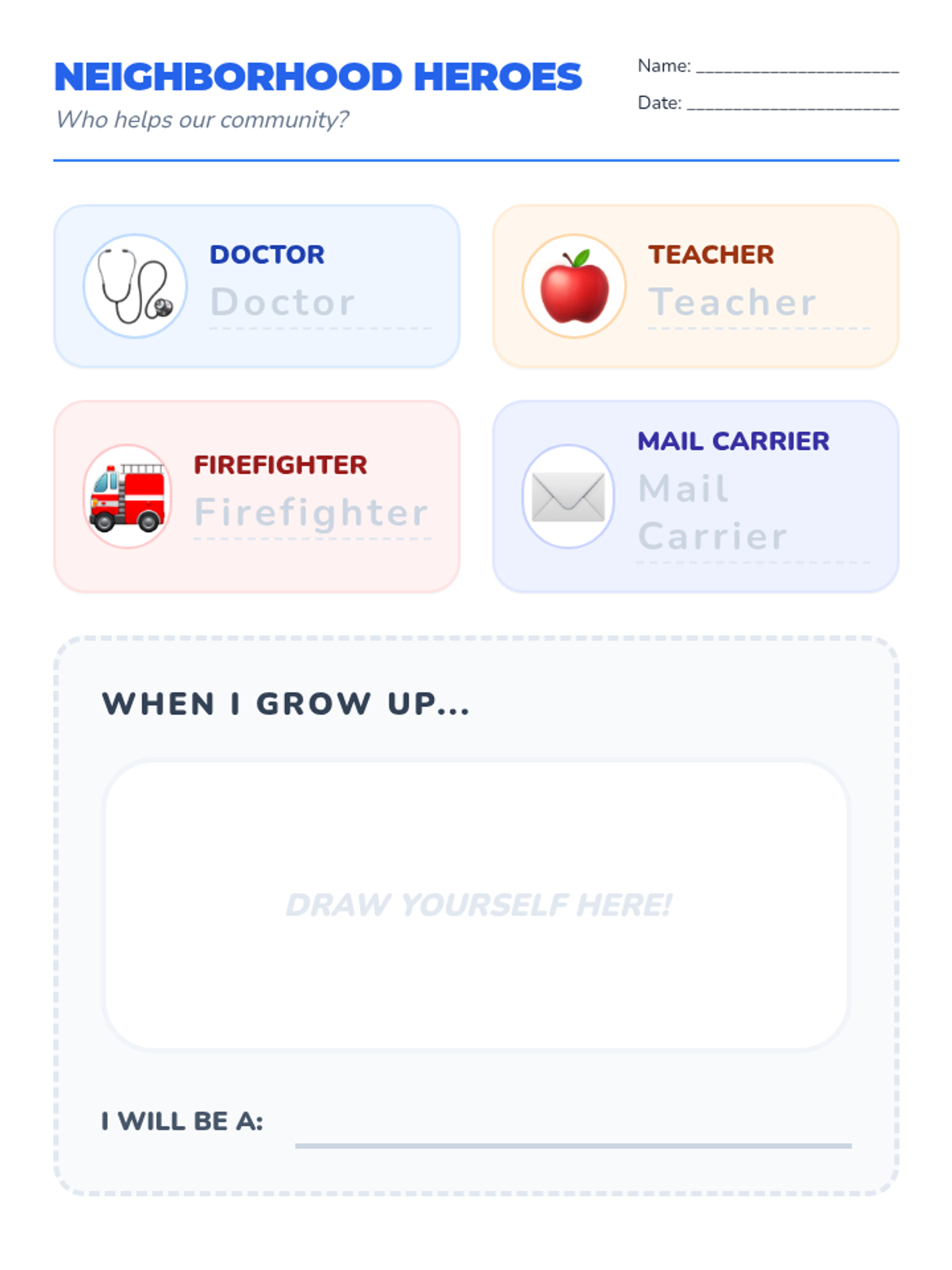
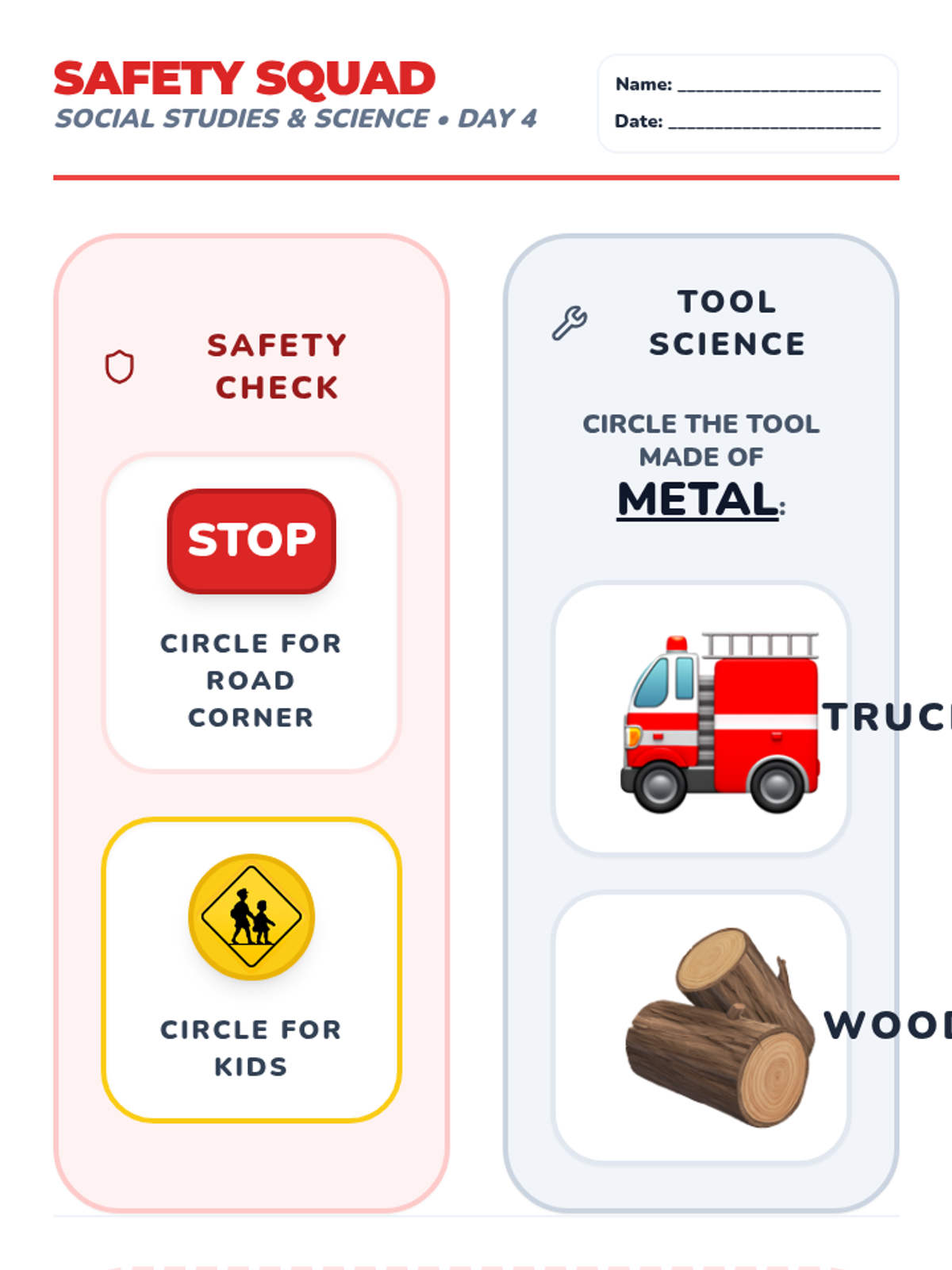
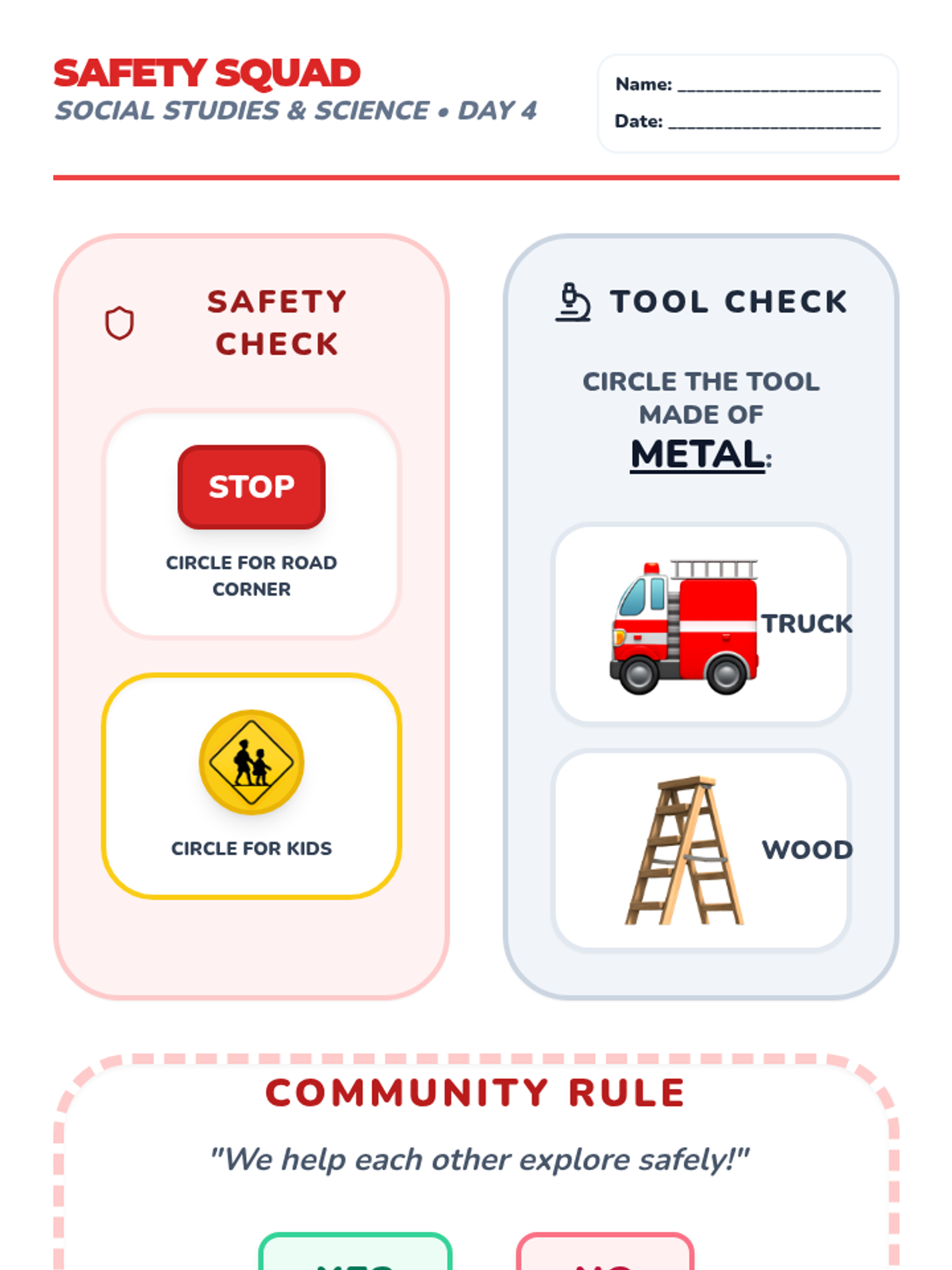
Mixed math practice and an introduction to community helpers in the local neighborhood.
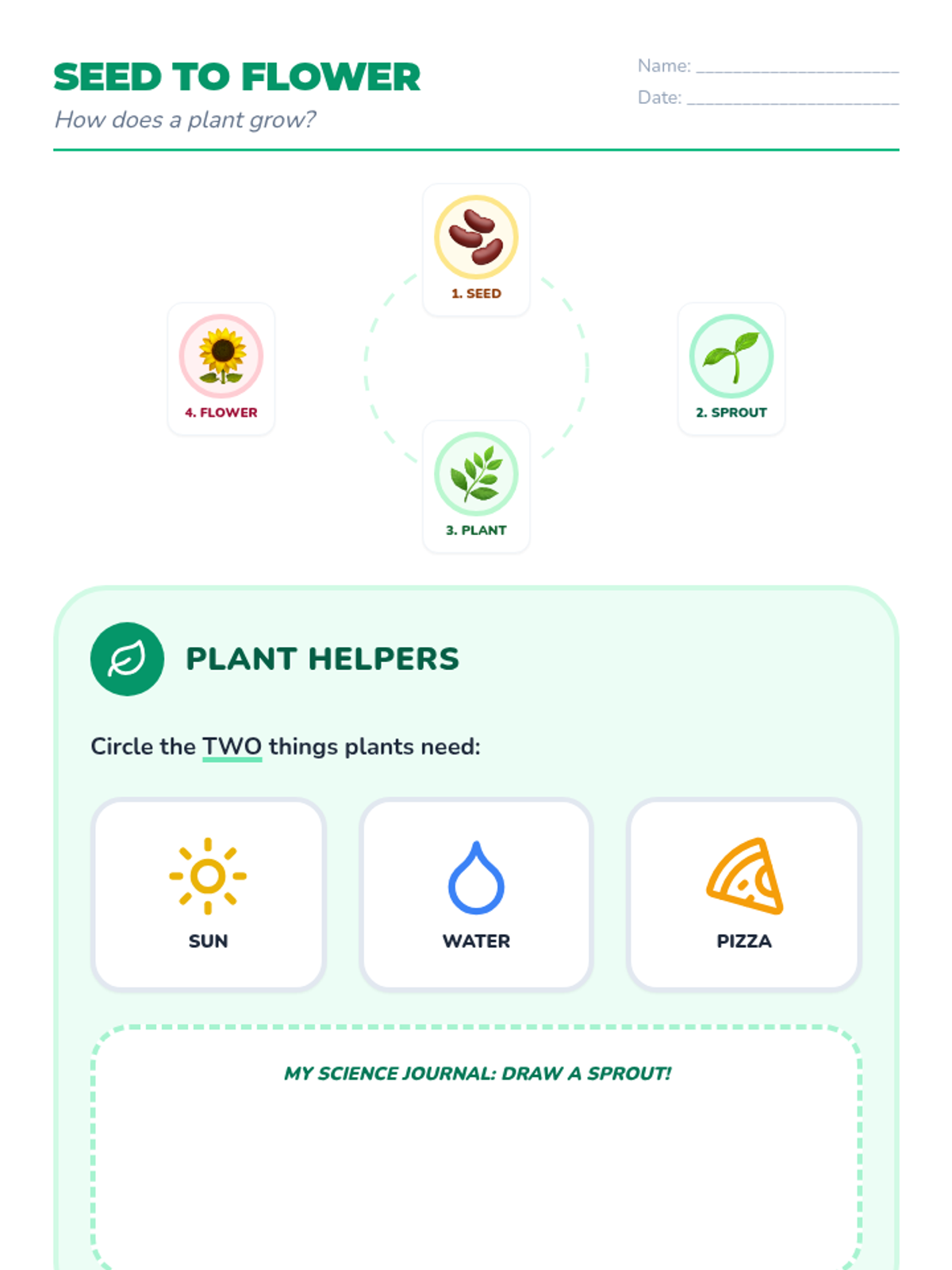
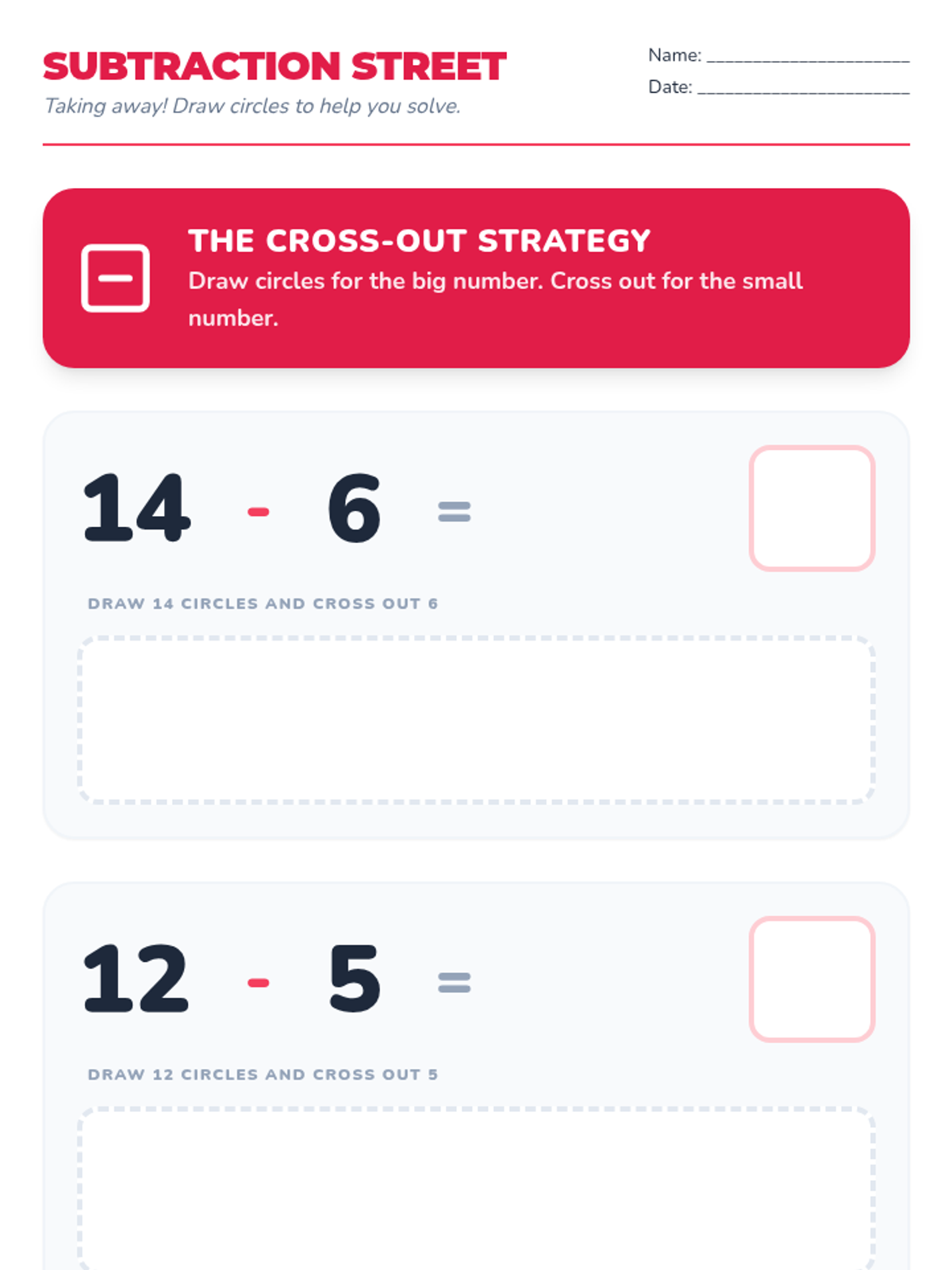
Exploring subtraction within 15 and the life cycle of plants through visual and tactile instruction.
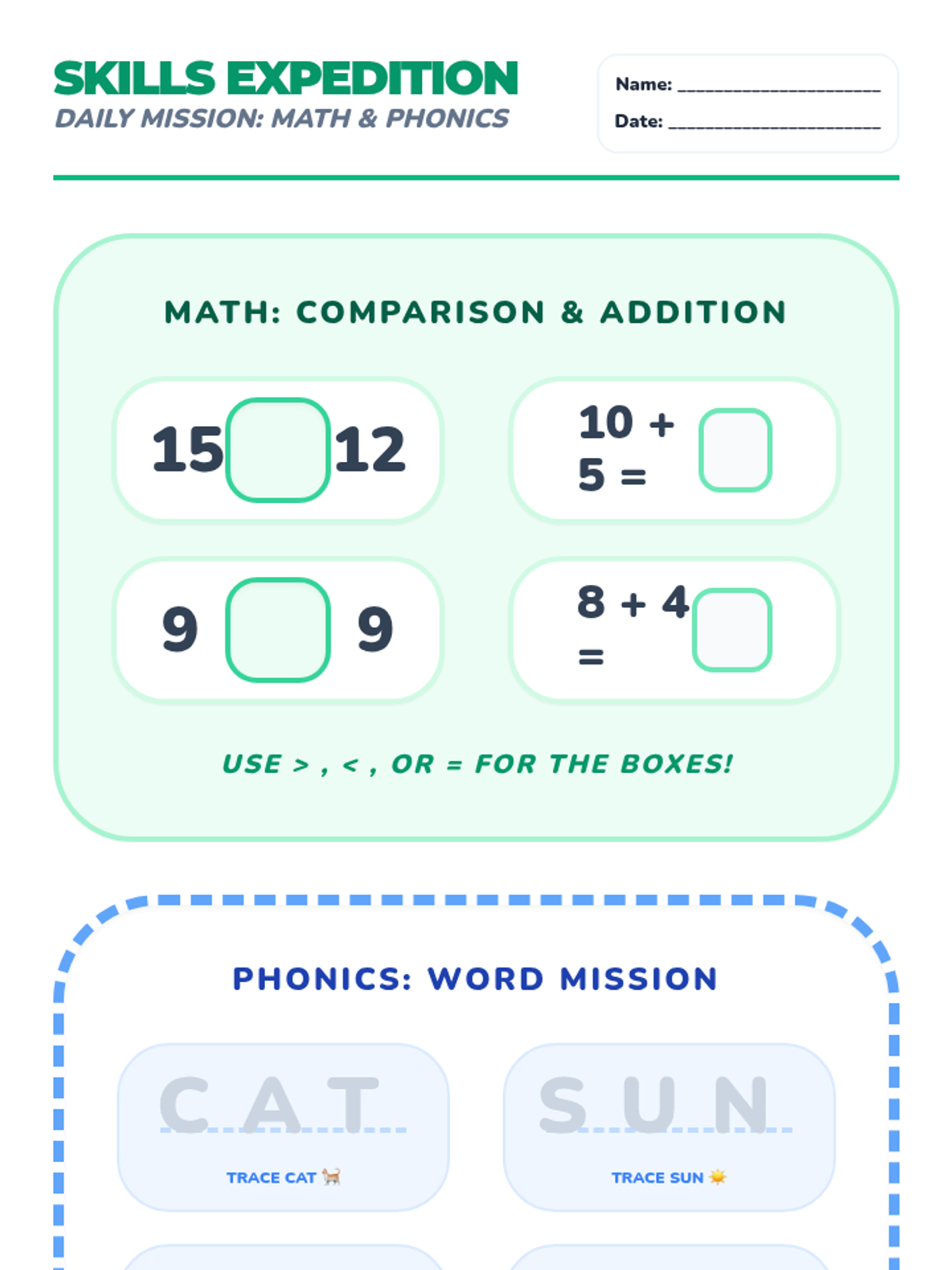
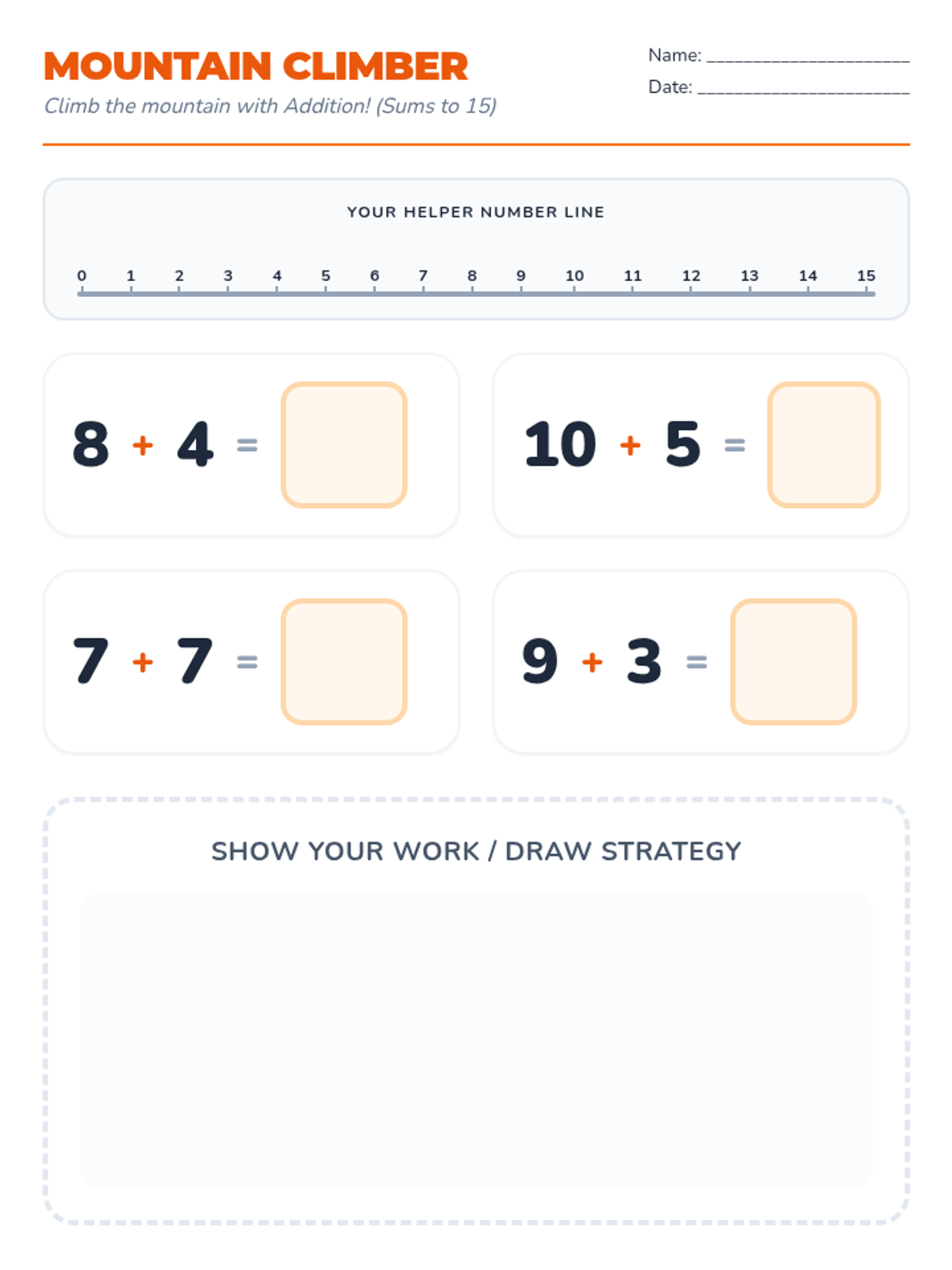
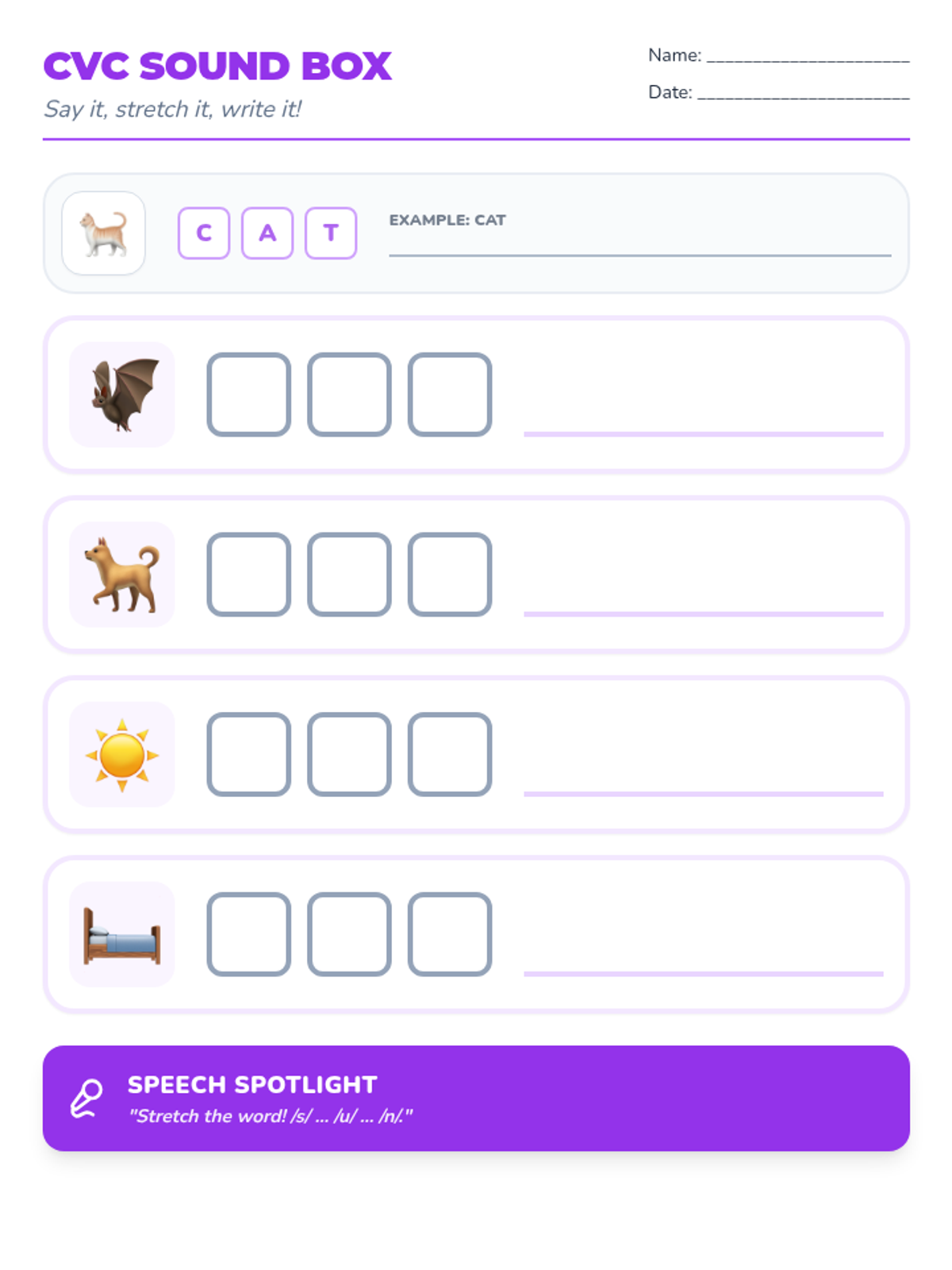
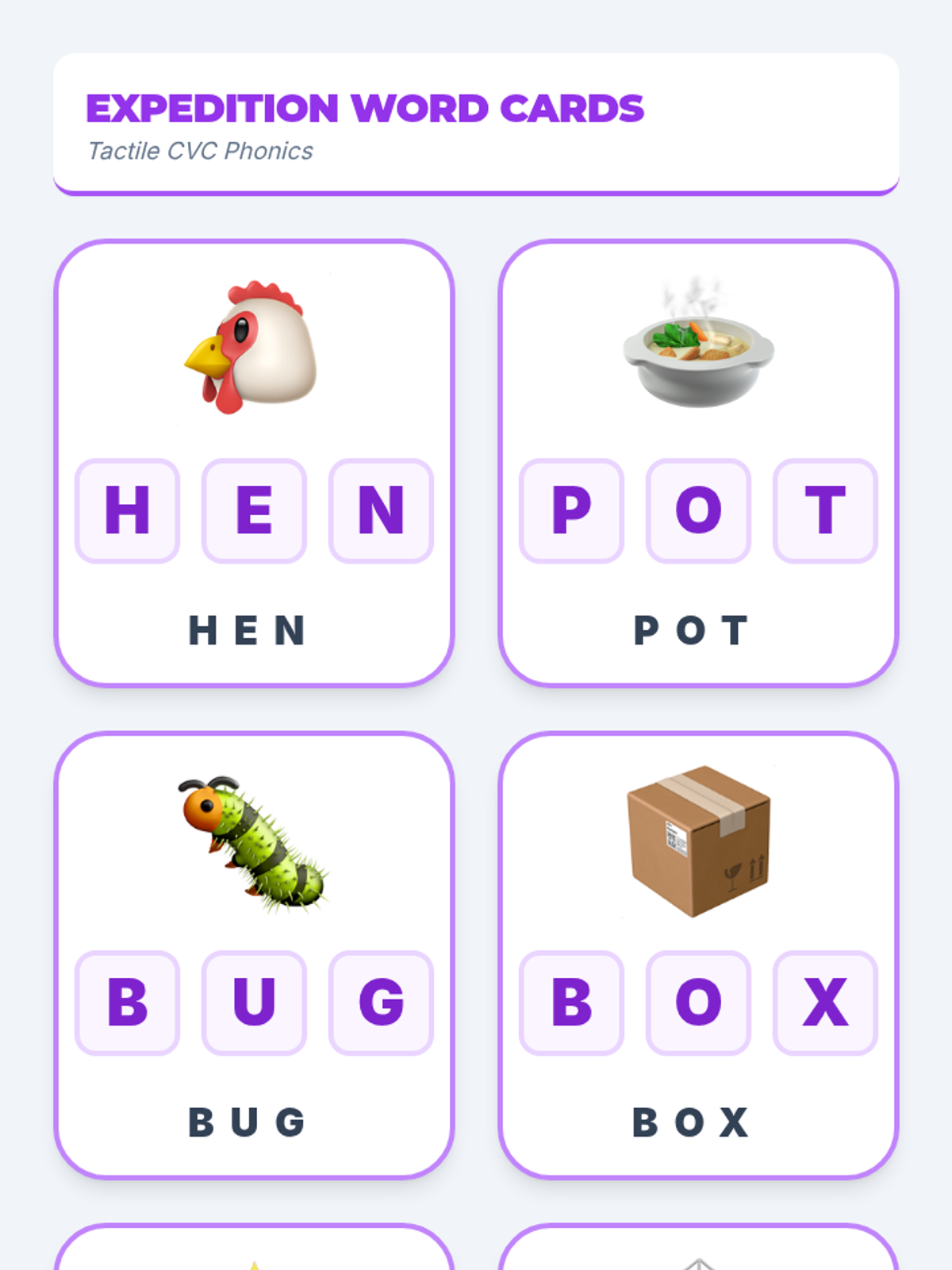
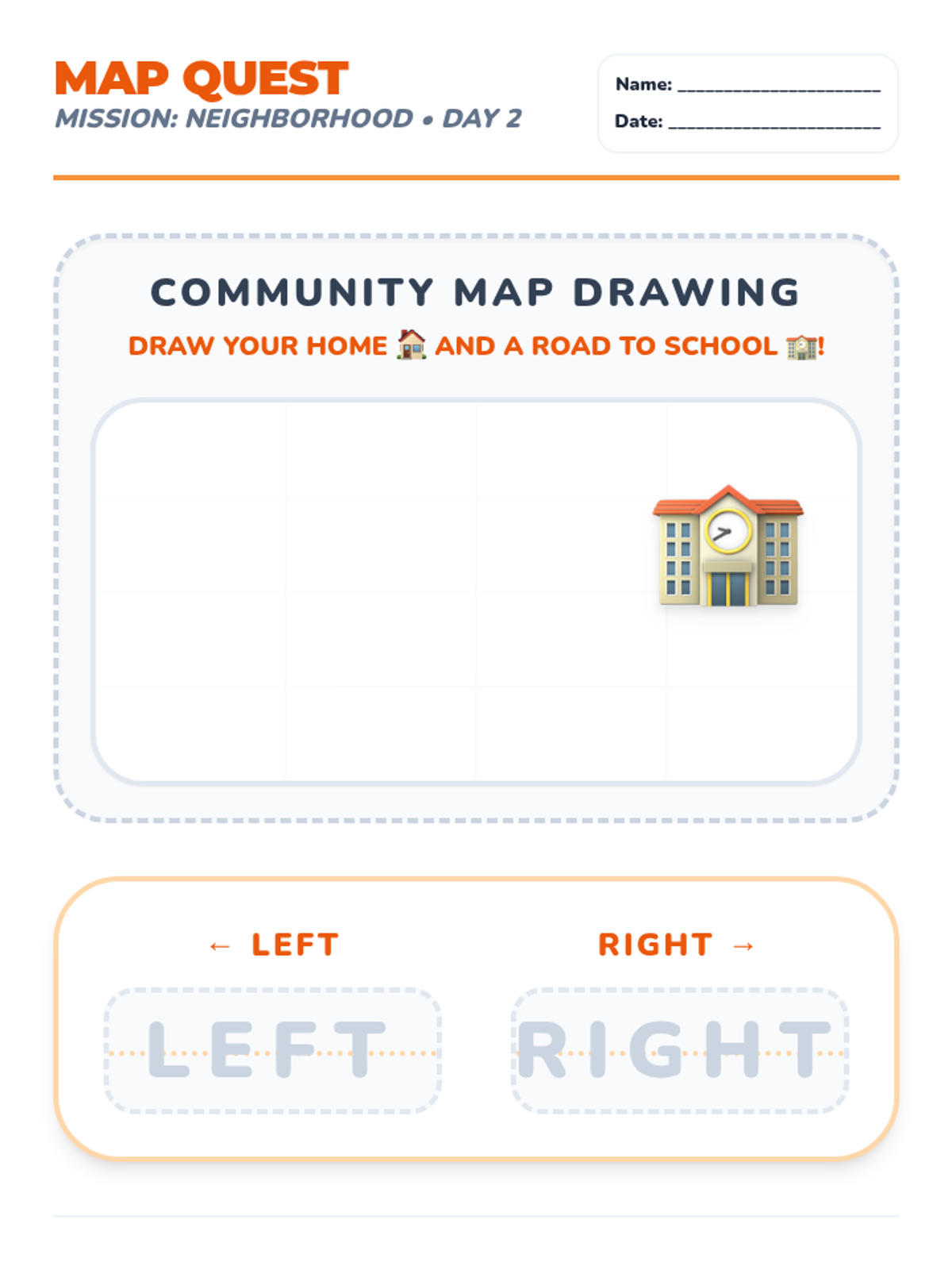
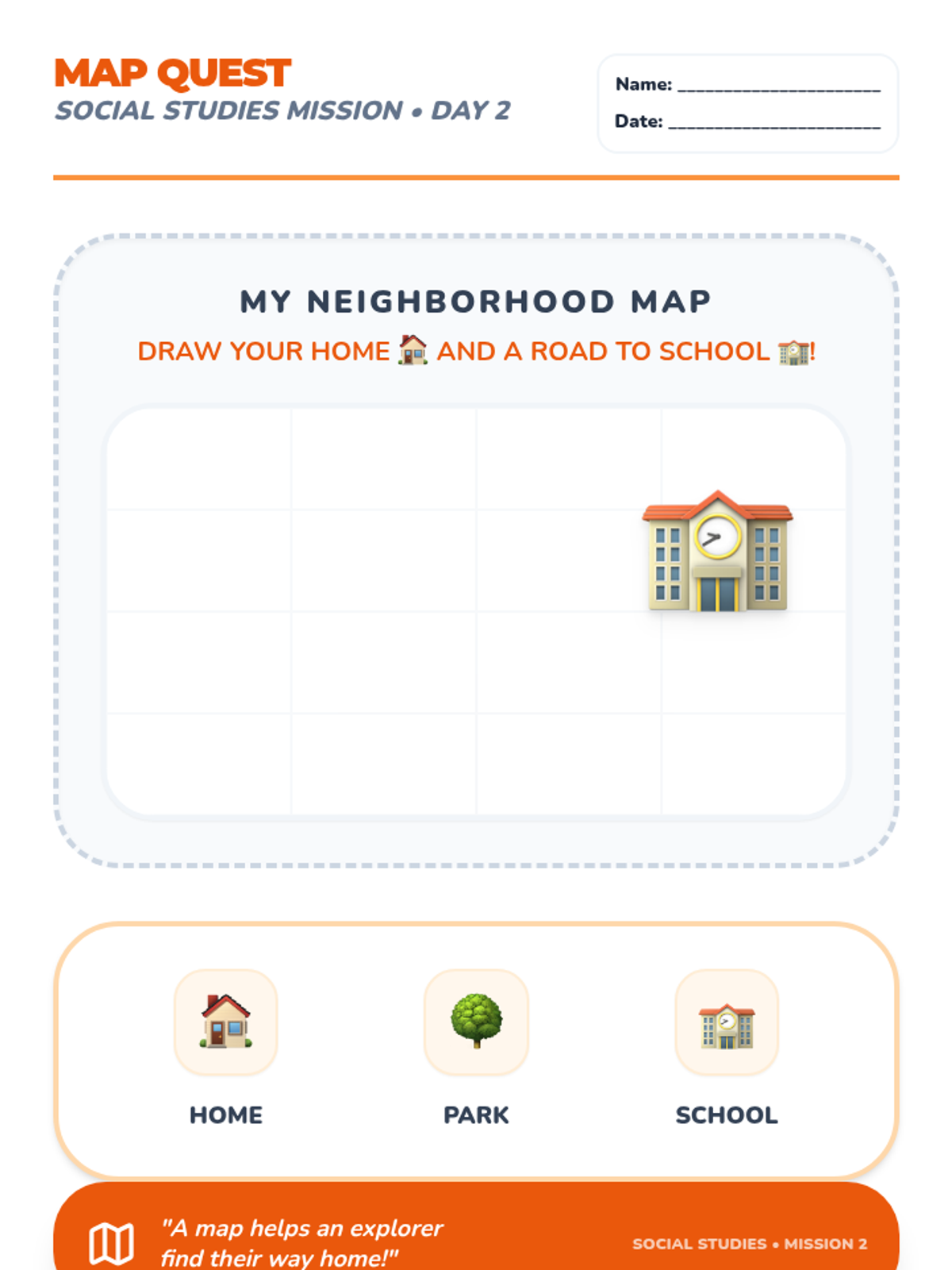
Focusing on addition up to 15 and CVC word construction with a social studies lesson on basic map skills and neighborhood geography.
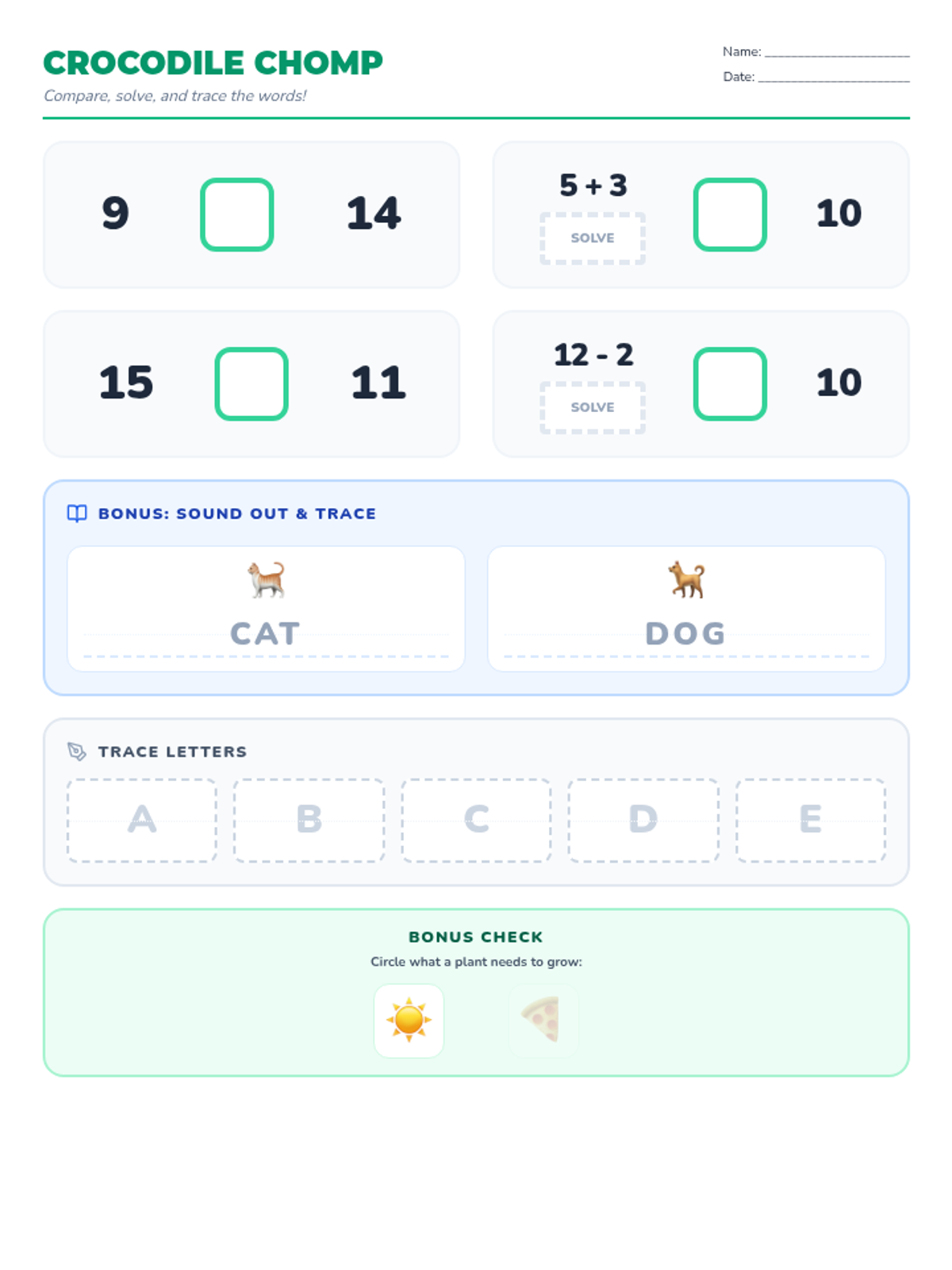
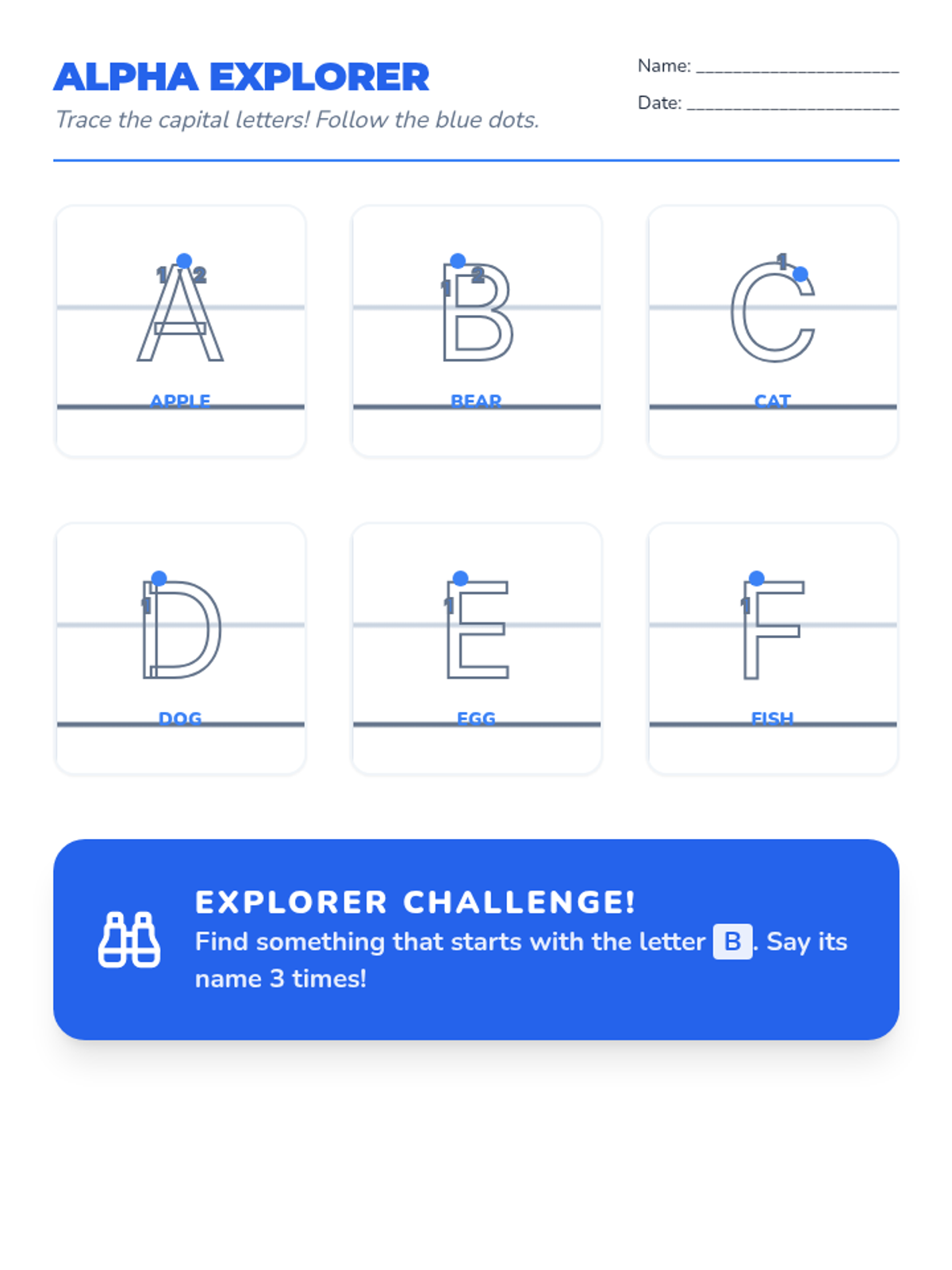
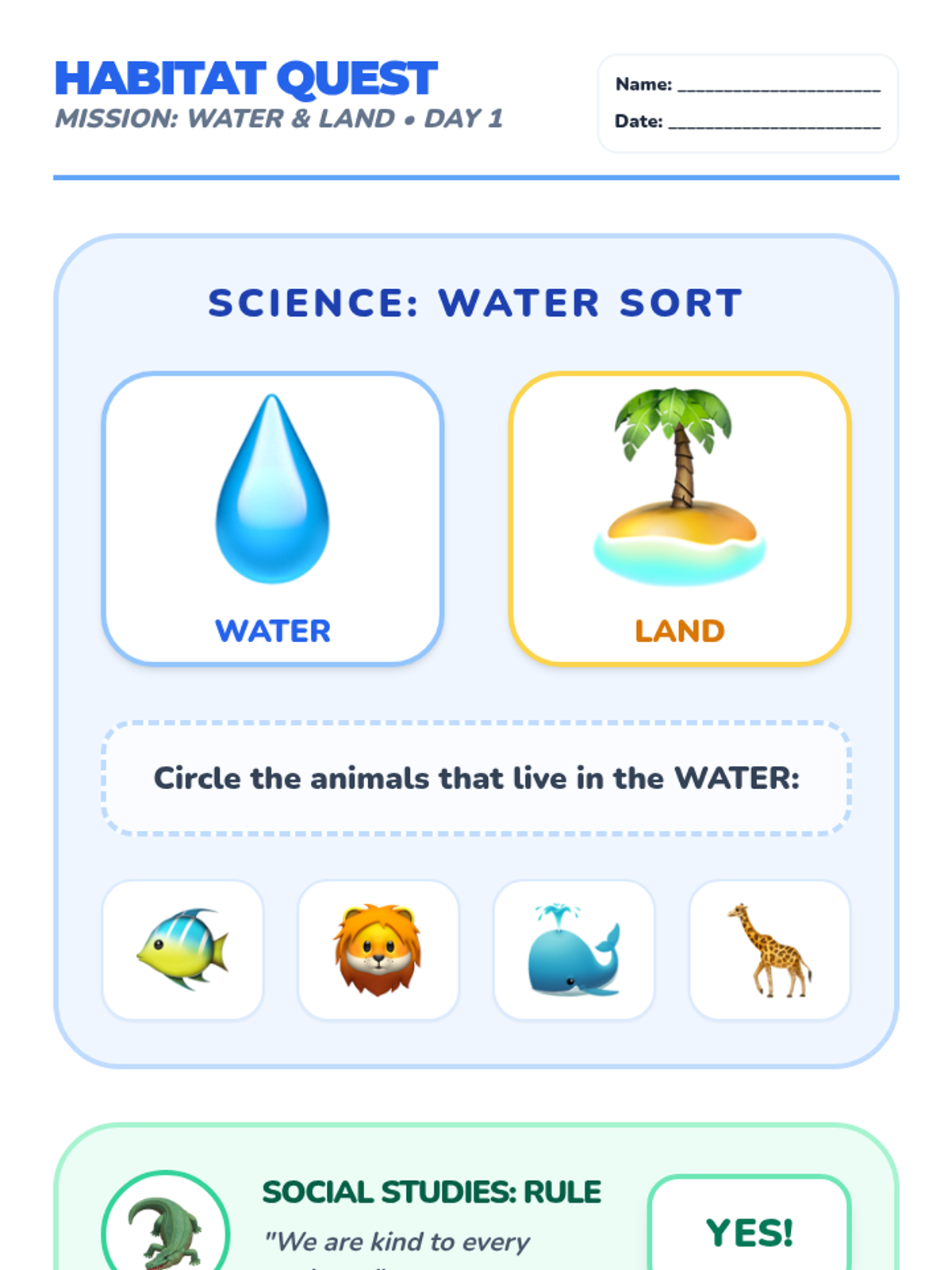
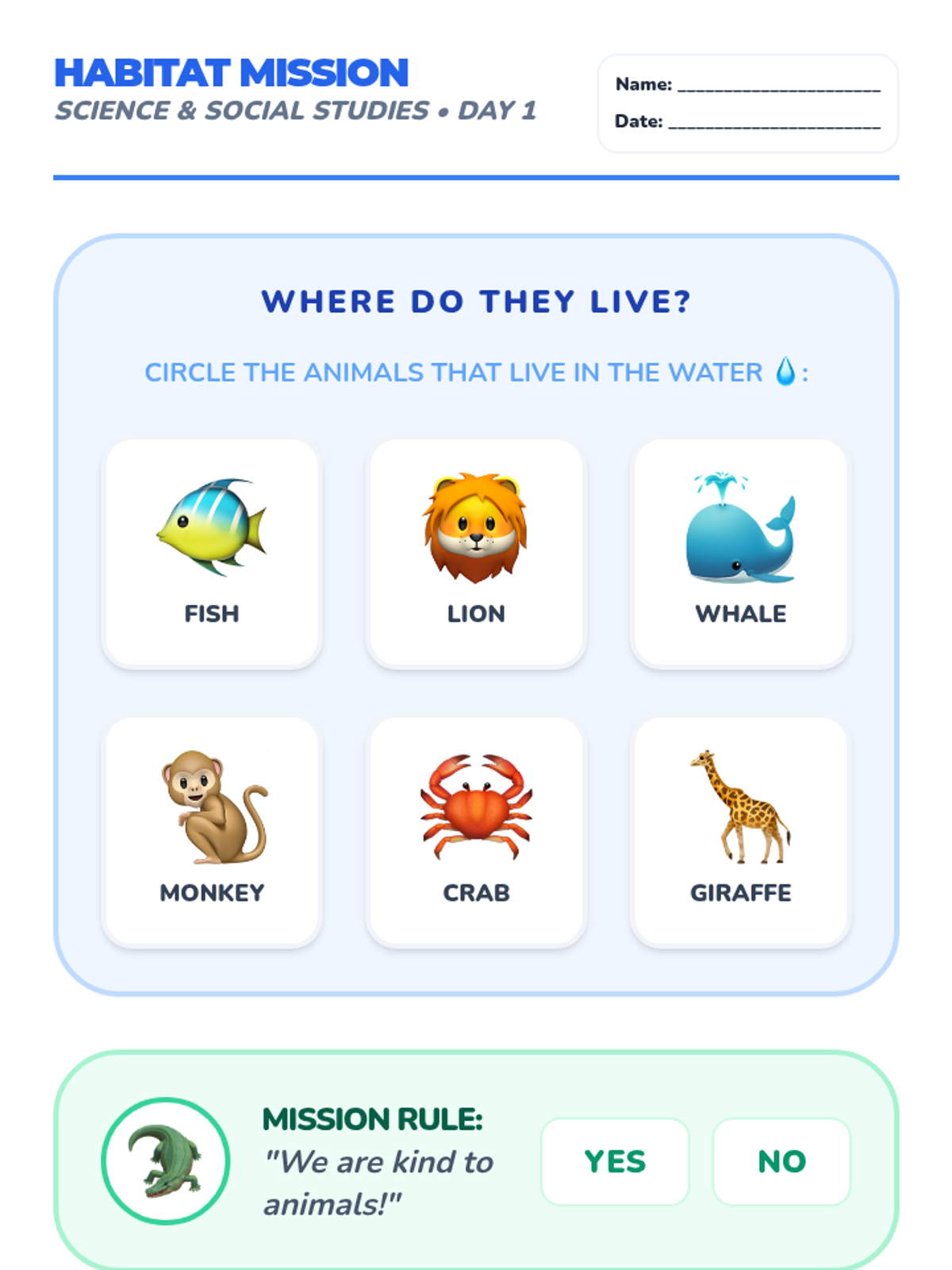
Introduction to comparing numbers using greater than, less than, and equal to, alongside capital letter tracing and a science exploration of animal habitats focusing on crocodiles.
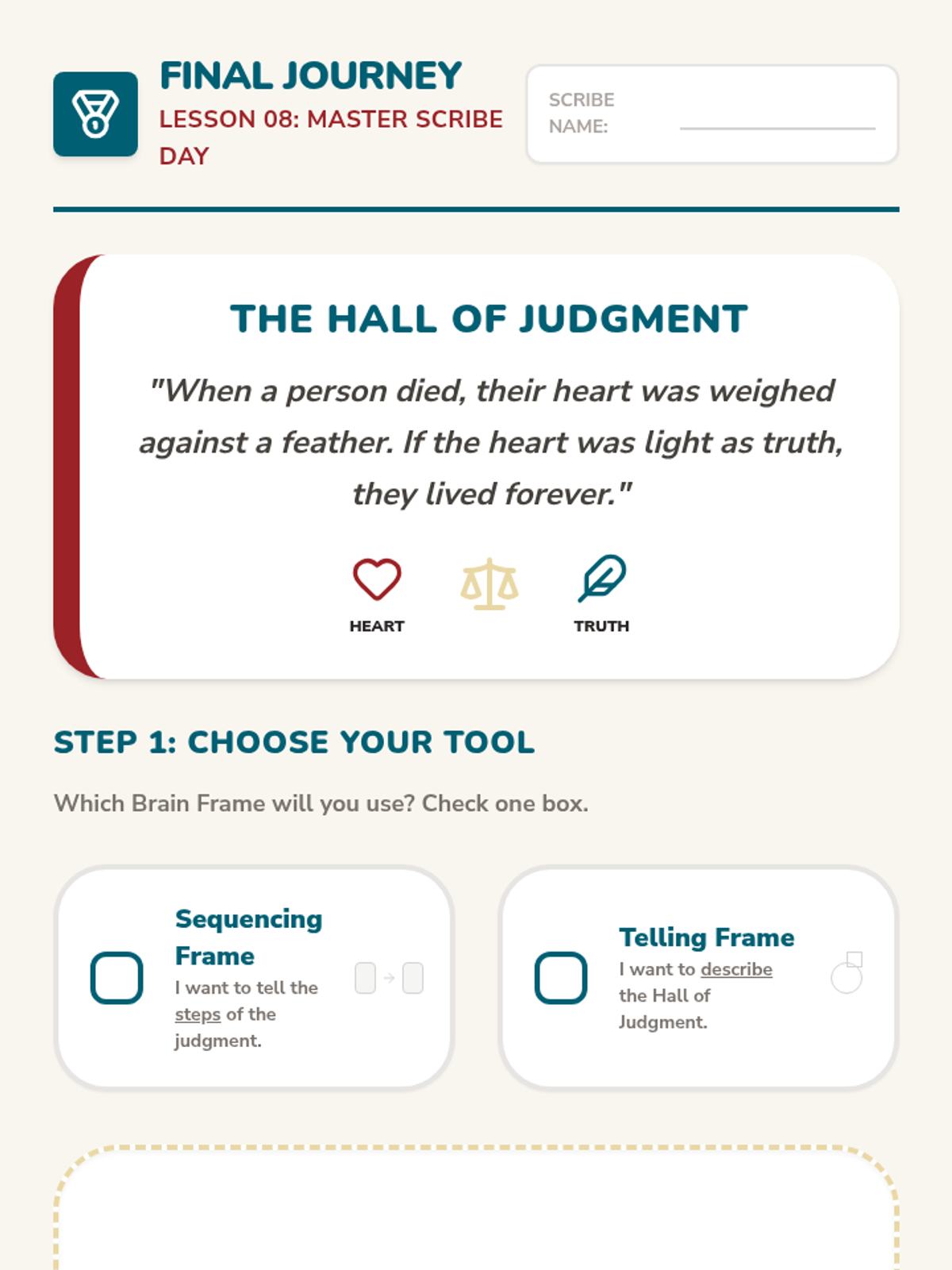
Independent application of a Brain Frame to describe the Hall of Ma'at. Provides choice and structured review of all frames.
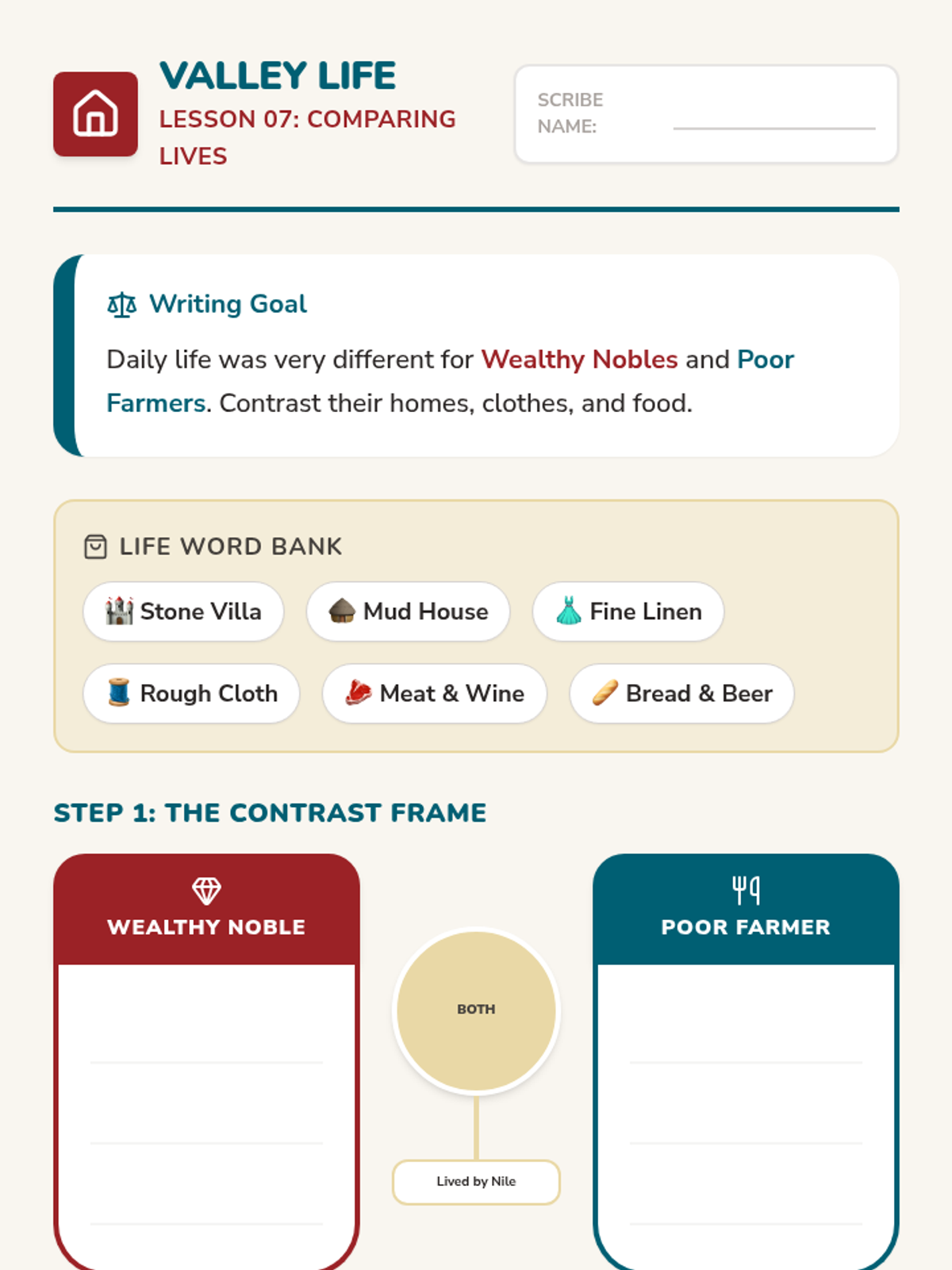
Comparing daily life of rich and poor Egyptians. Focuses on specific contrasting words like 'but' and 'different' for 4th grade writers.
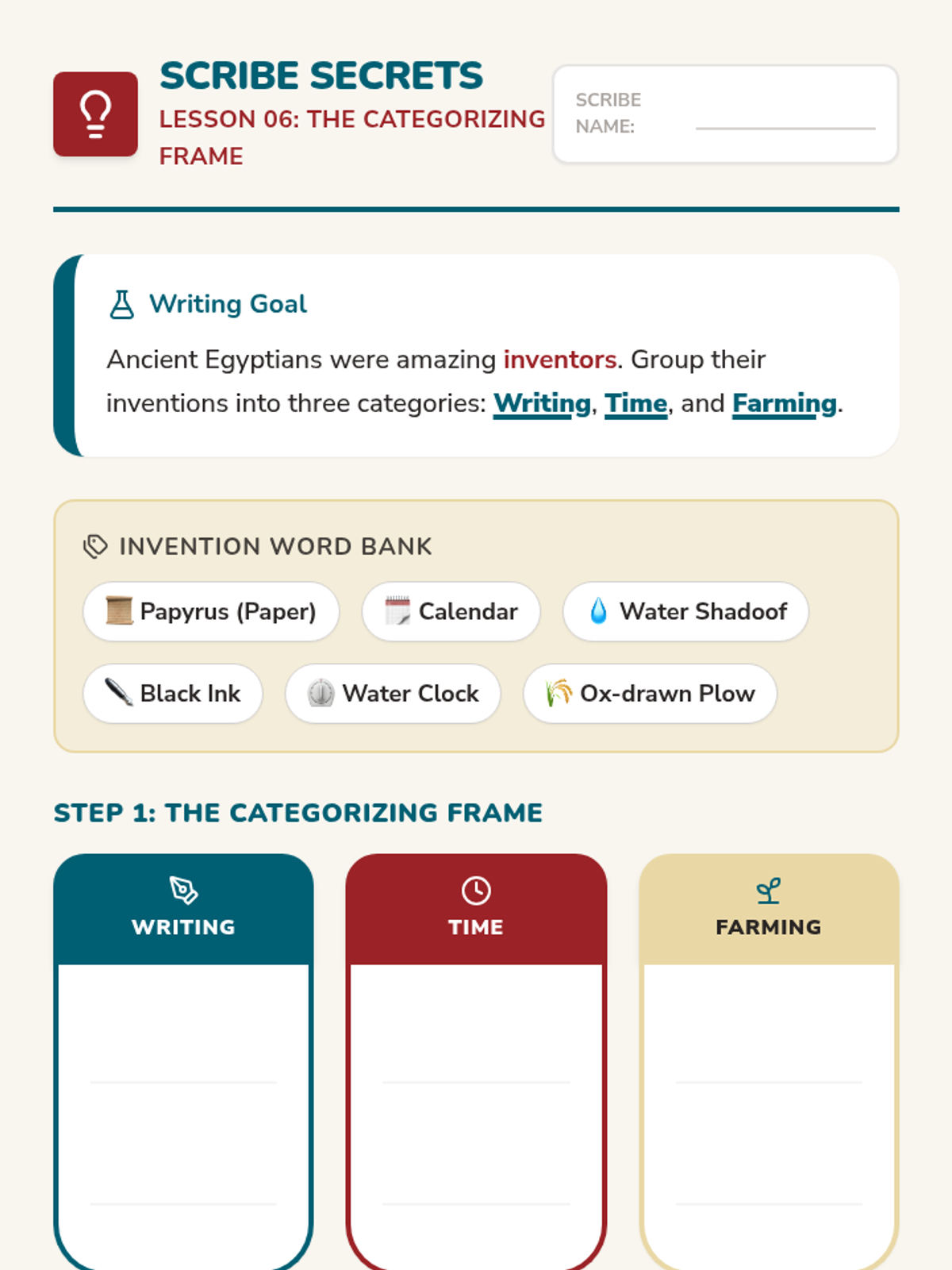
Using a Categorizing Frame to group Egyptian inventions. Focuses on word-to-category matching and guided drafting.
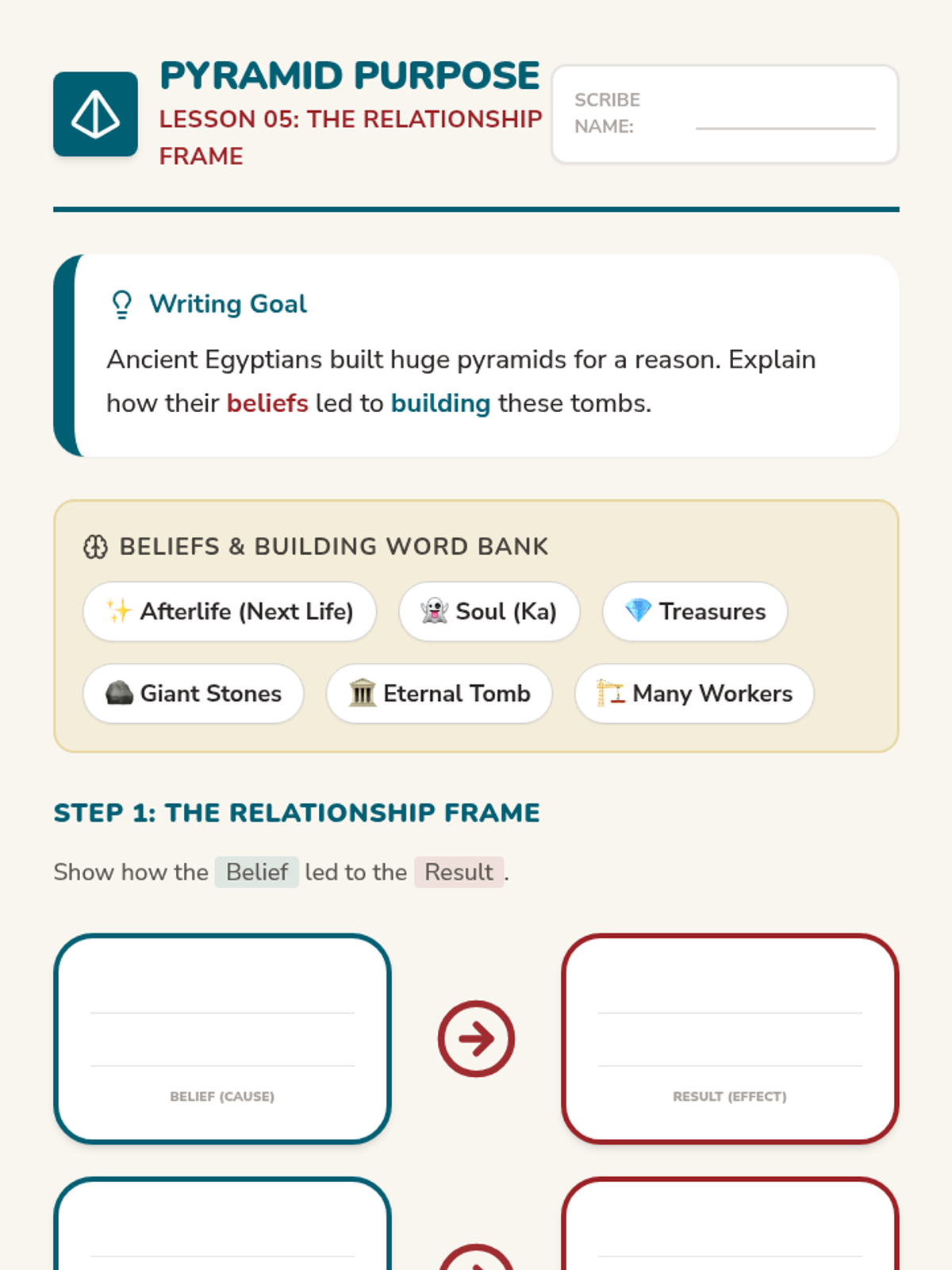
Understanding why pyramids were built using a Relationship Frame (Cause and Effect). Uses simplified concepts and clear visual connections.
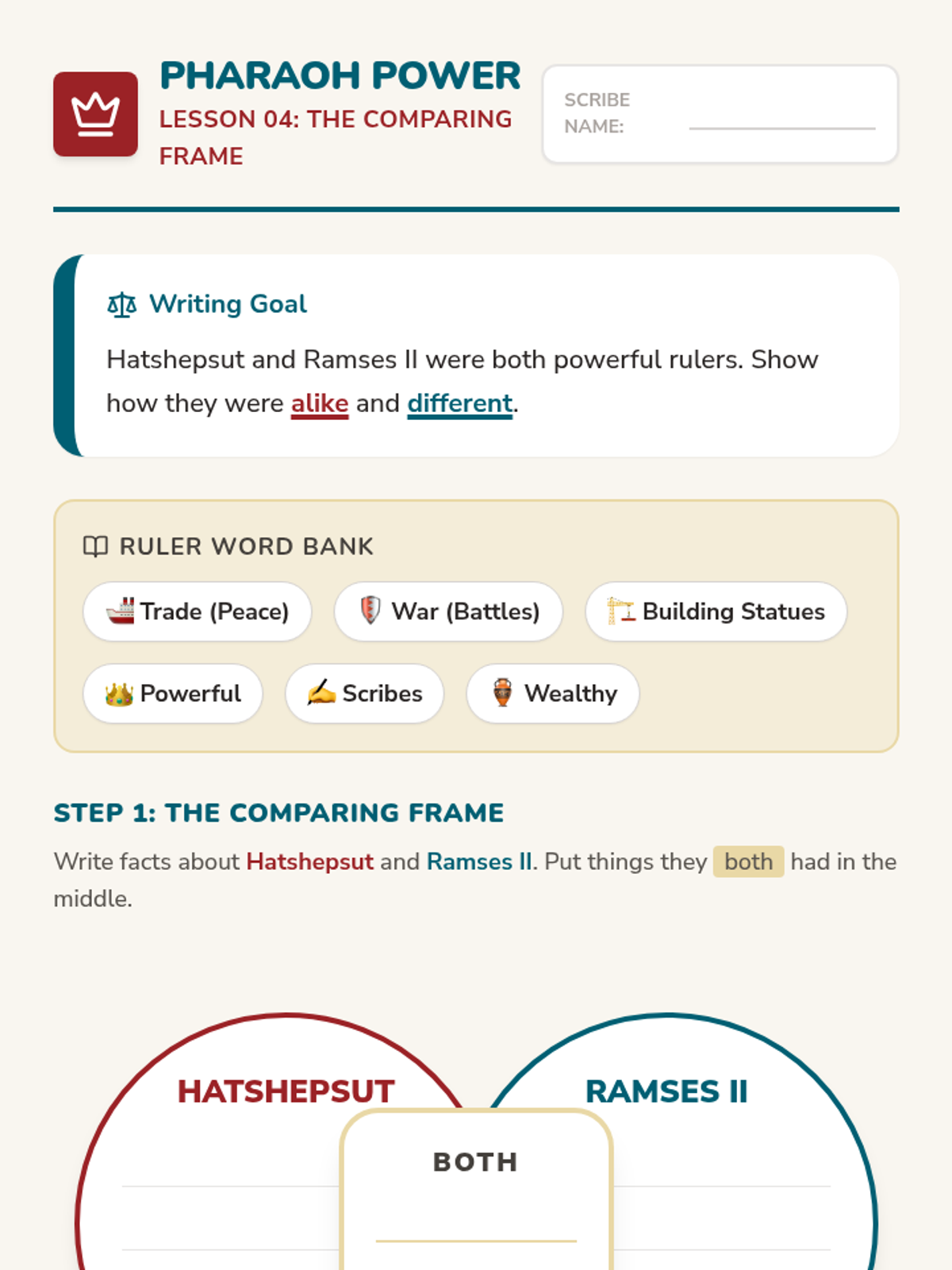
Comparing the lives of Hatshepsut and Ramses II using a Comparing Frame. Provides clear visual contrasts and sentence-level supports.
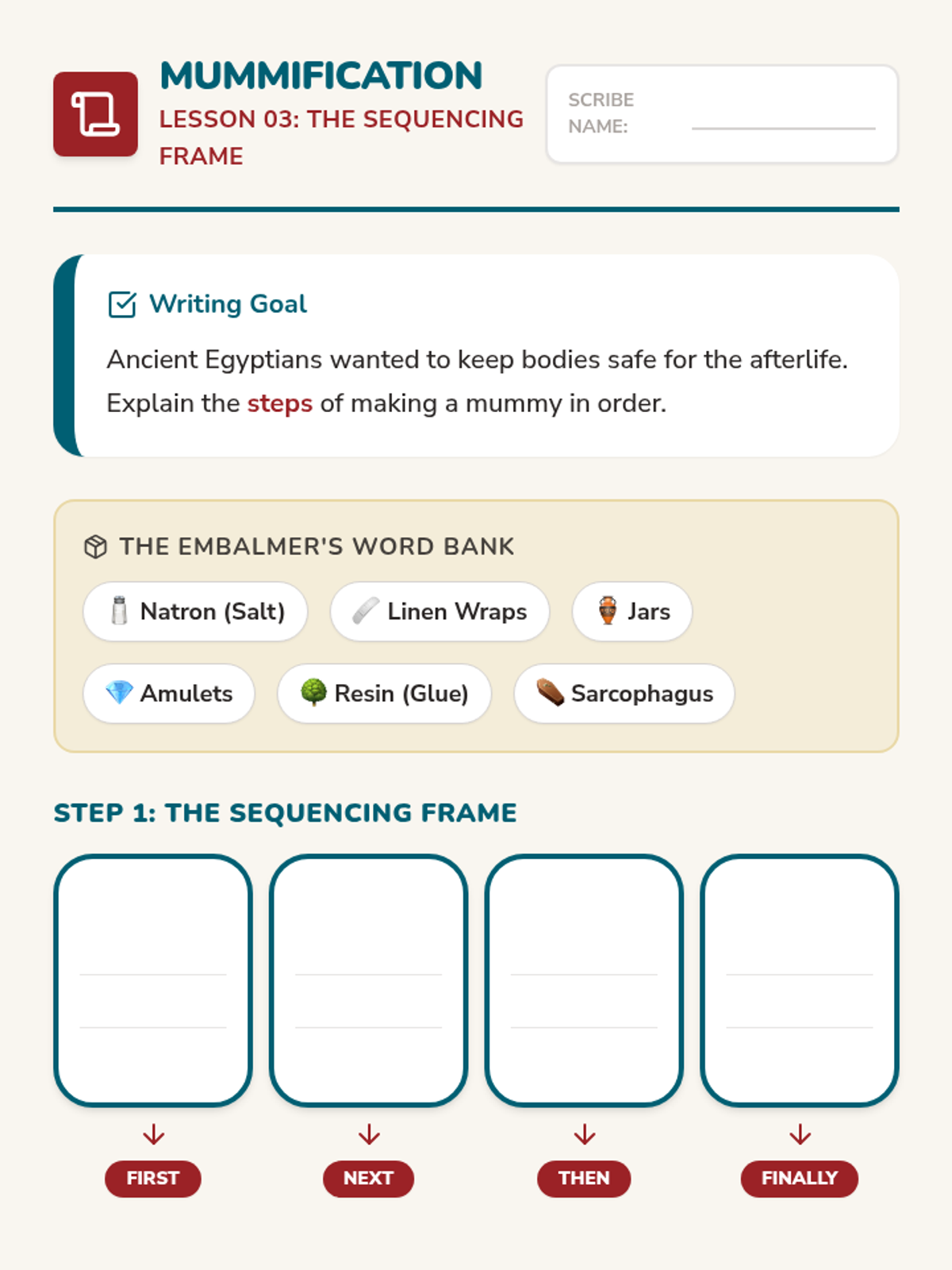
Exploring the steps of mummification using the Sequencing Frame. Emphasizes chronological transition words with visual cues.