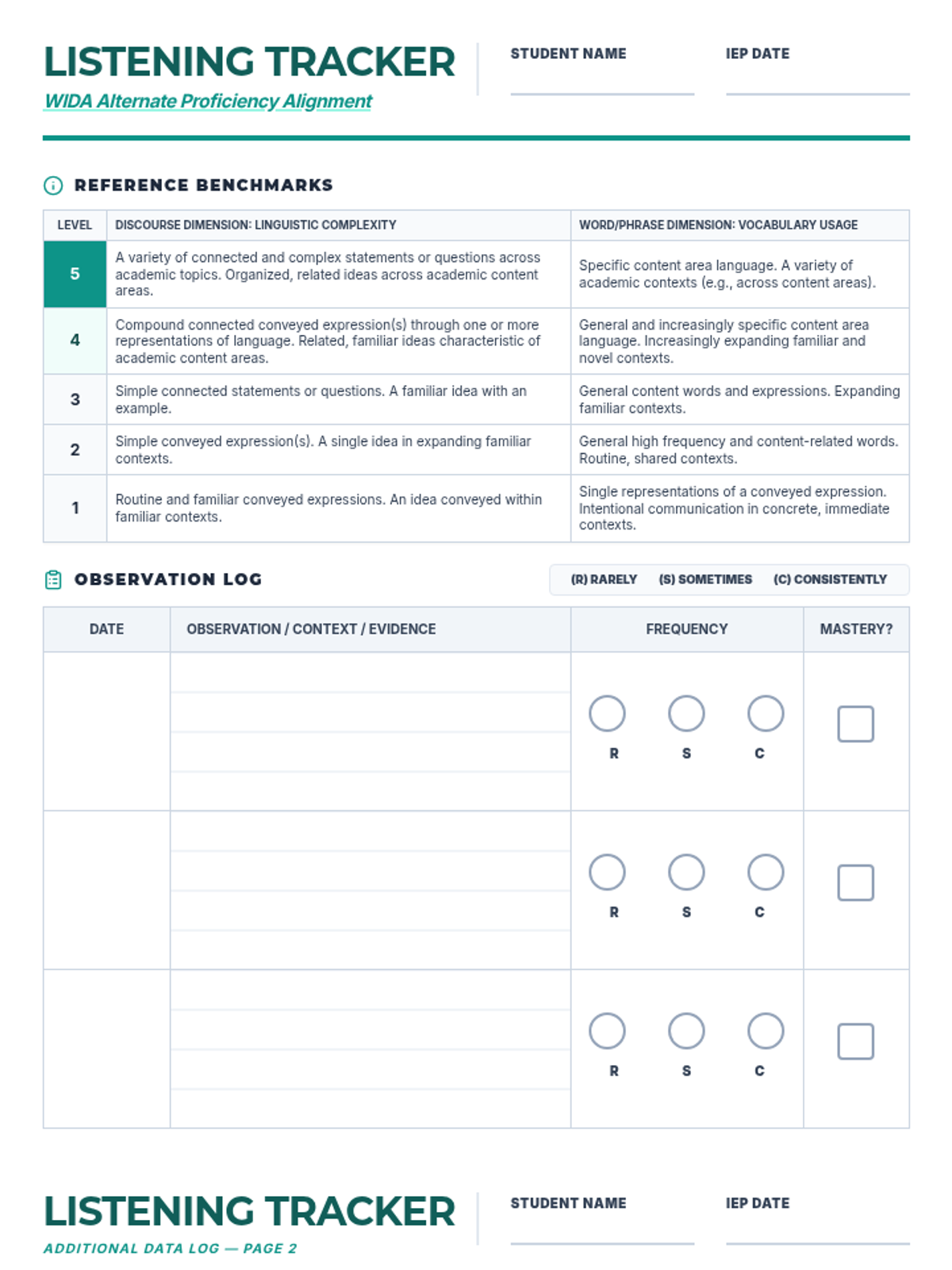
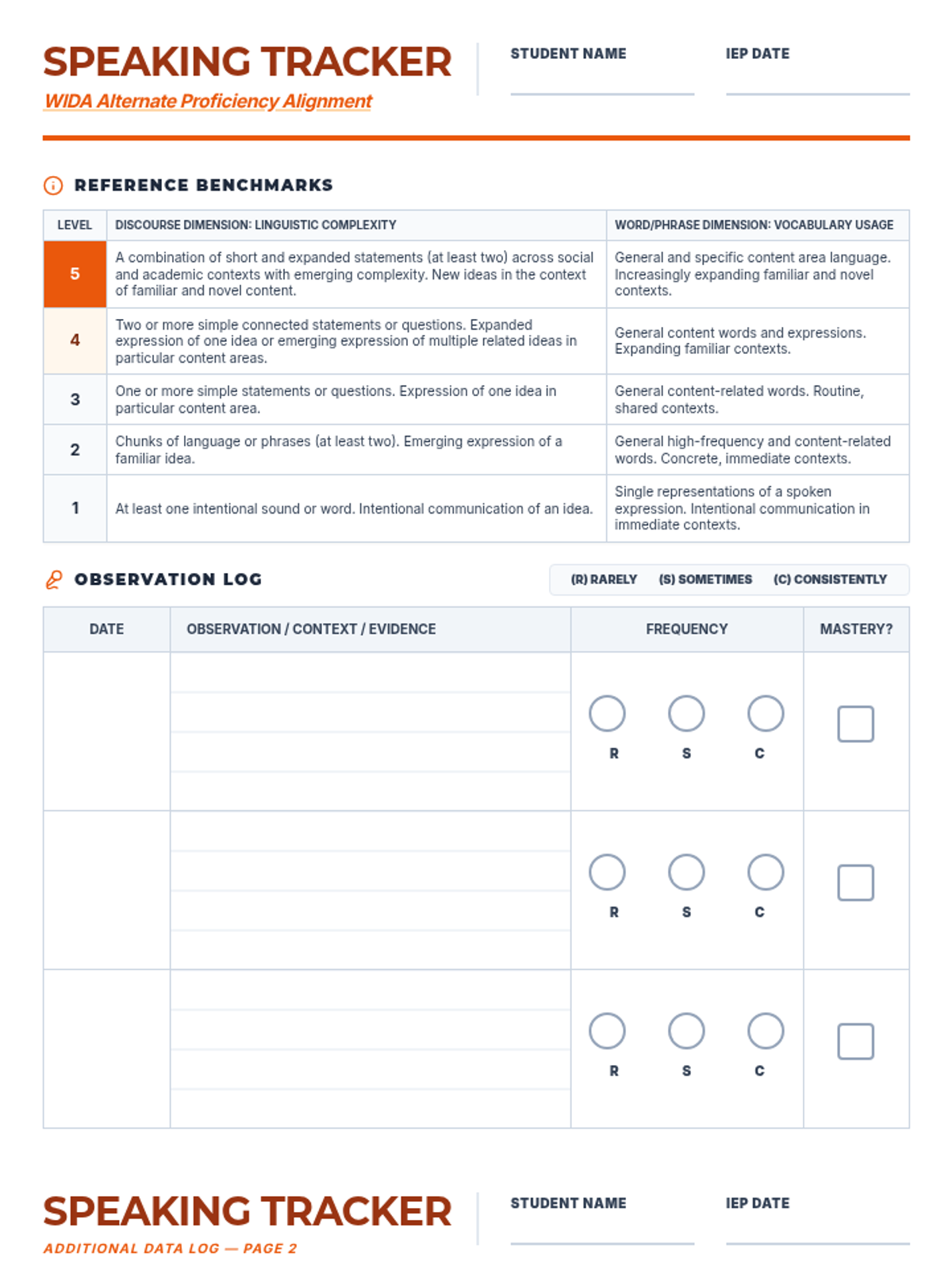
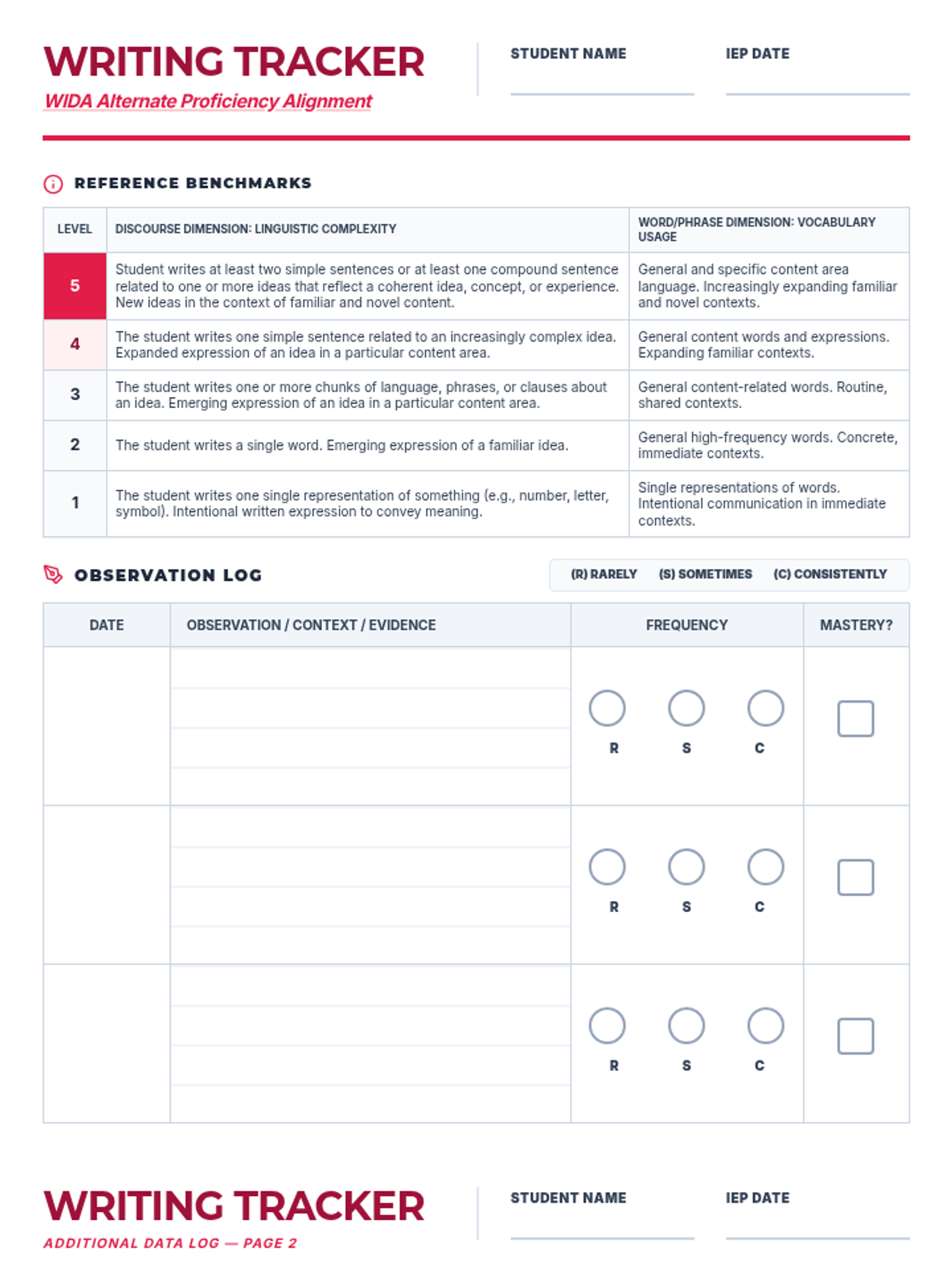
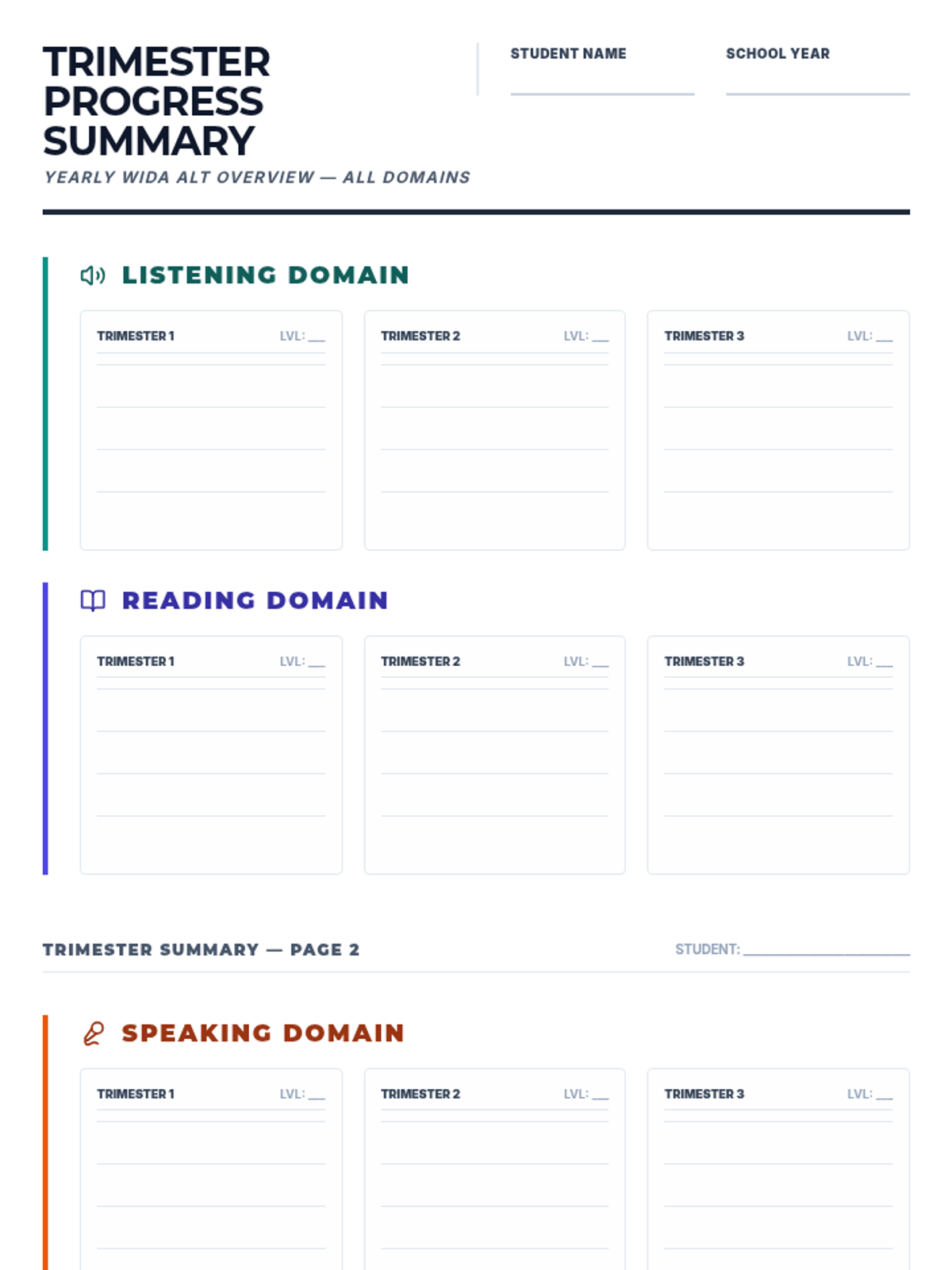
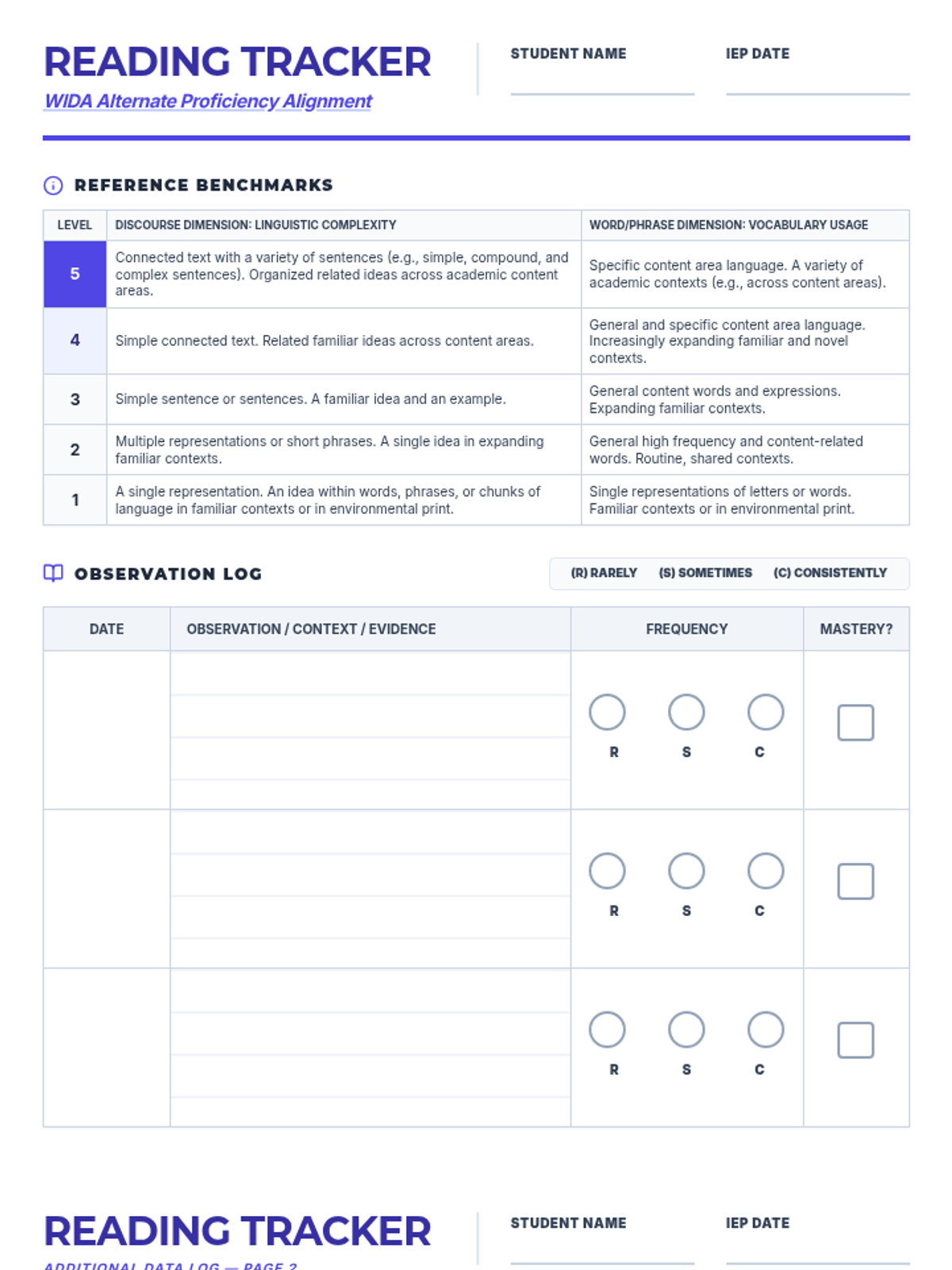
The foundational tracking materials for an Alt ELD student binder, including overview sheets, observation logs, and work sample documentation.
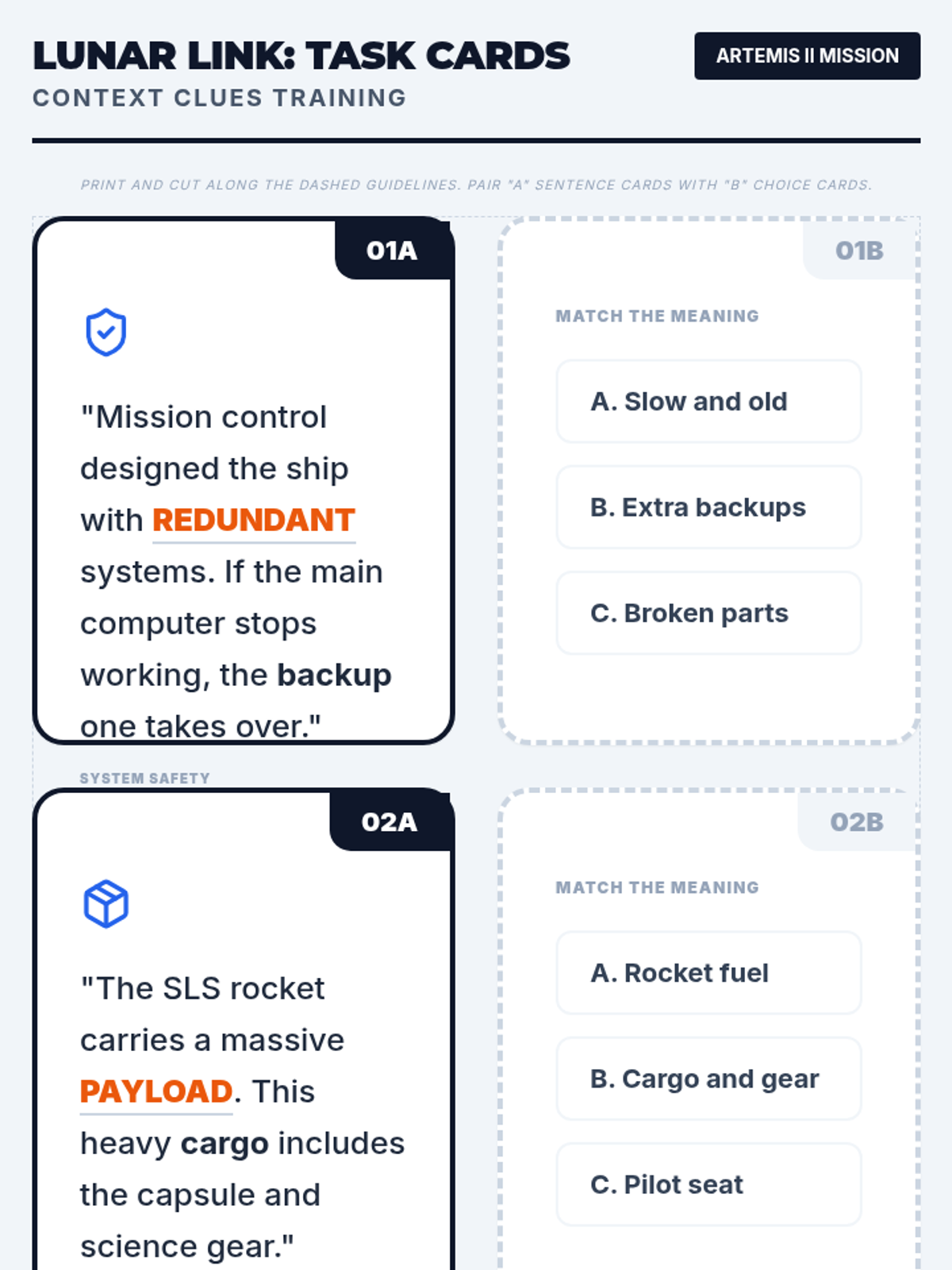
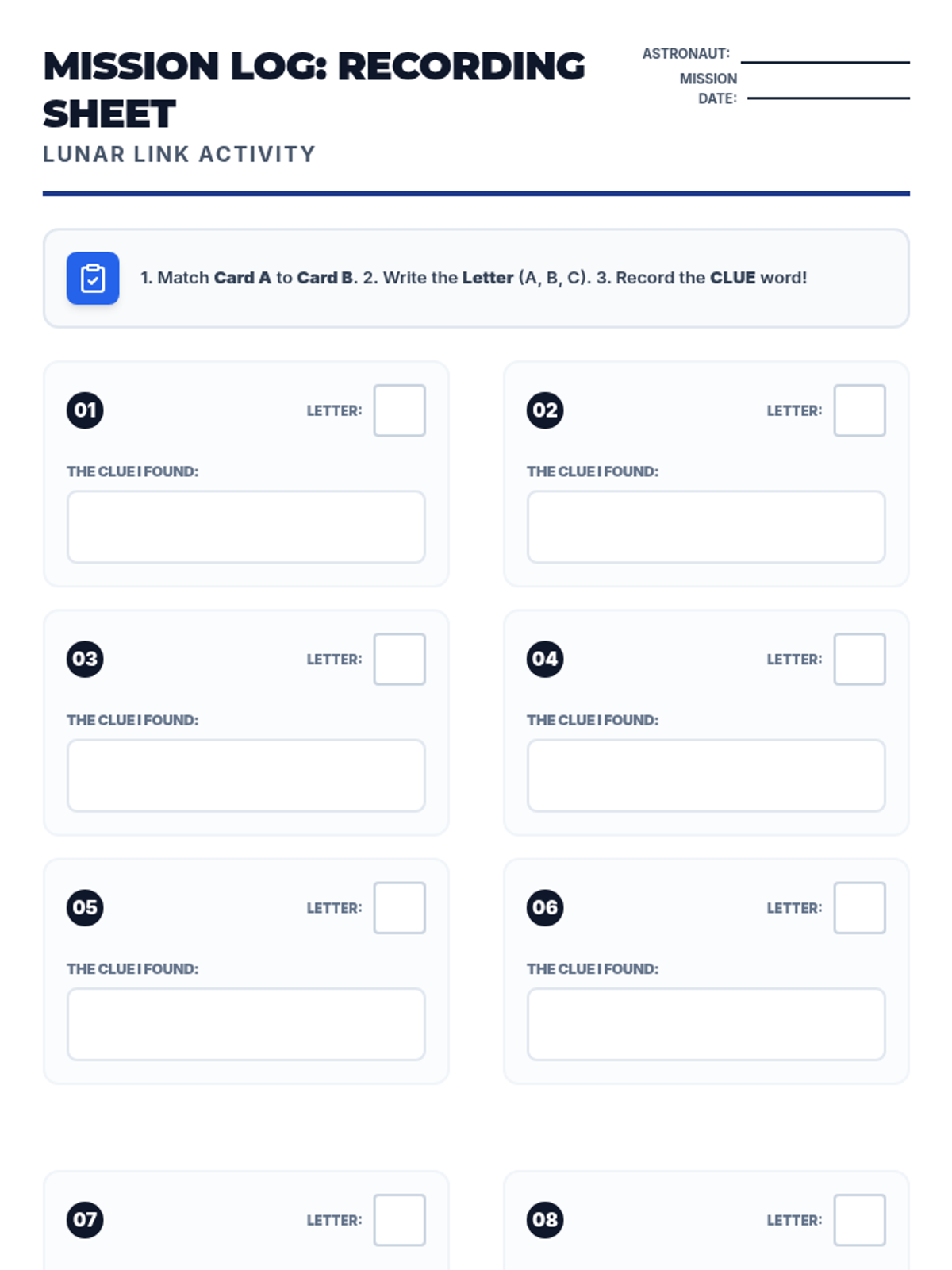
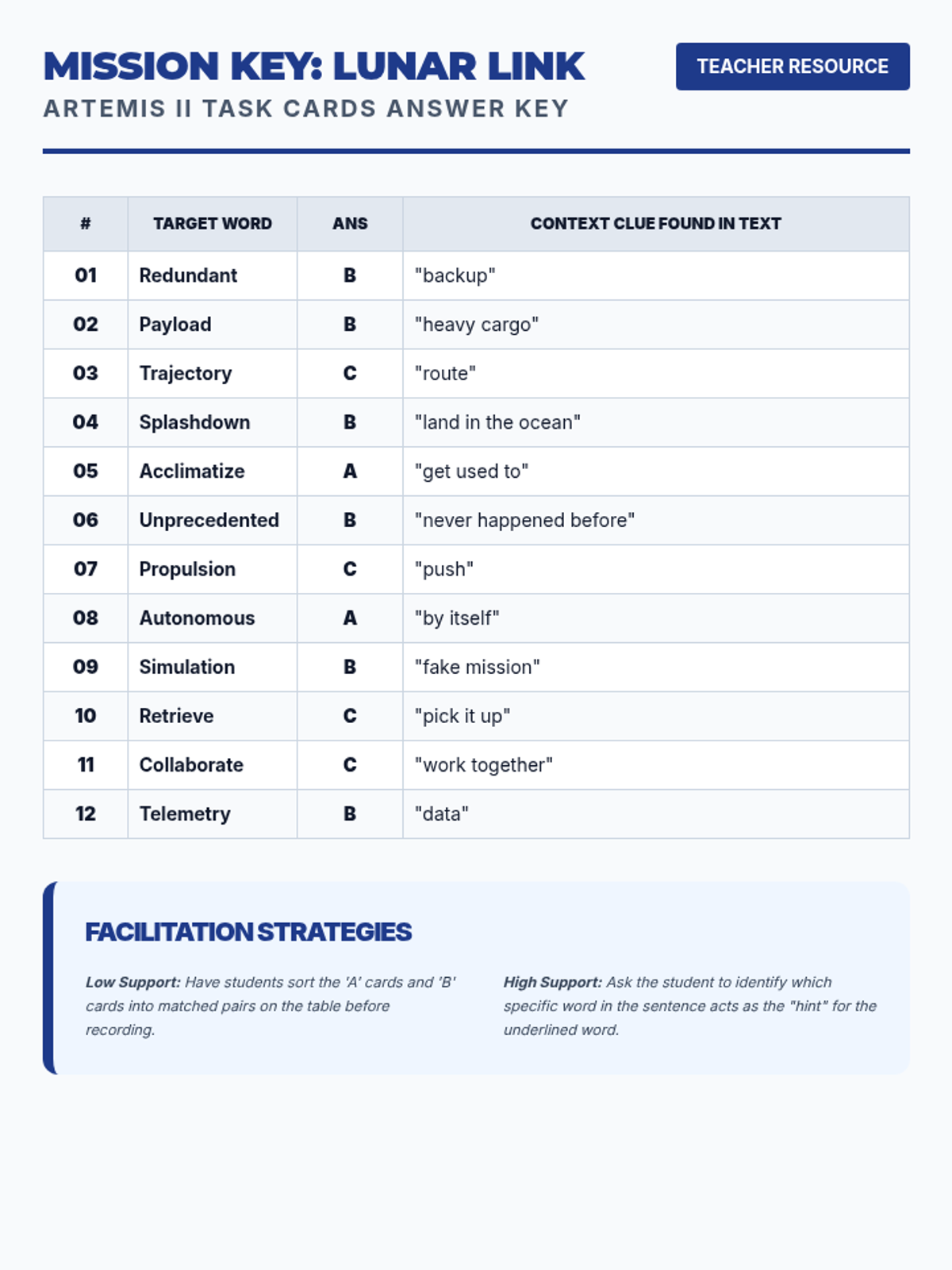
A vocabulary reinforcement lesson using task cards. Students match mission sentences with their corresponding multiple-choice definitions using context clues.
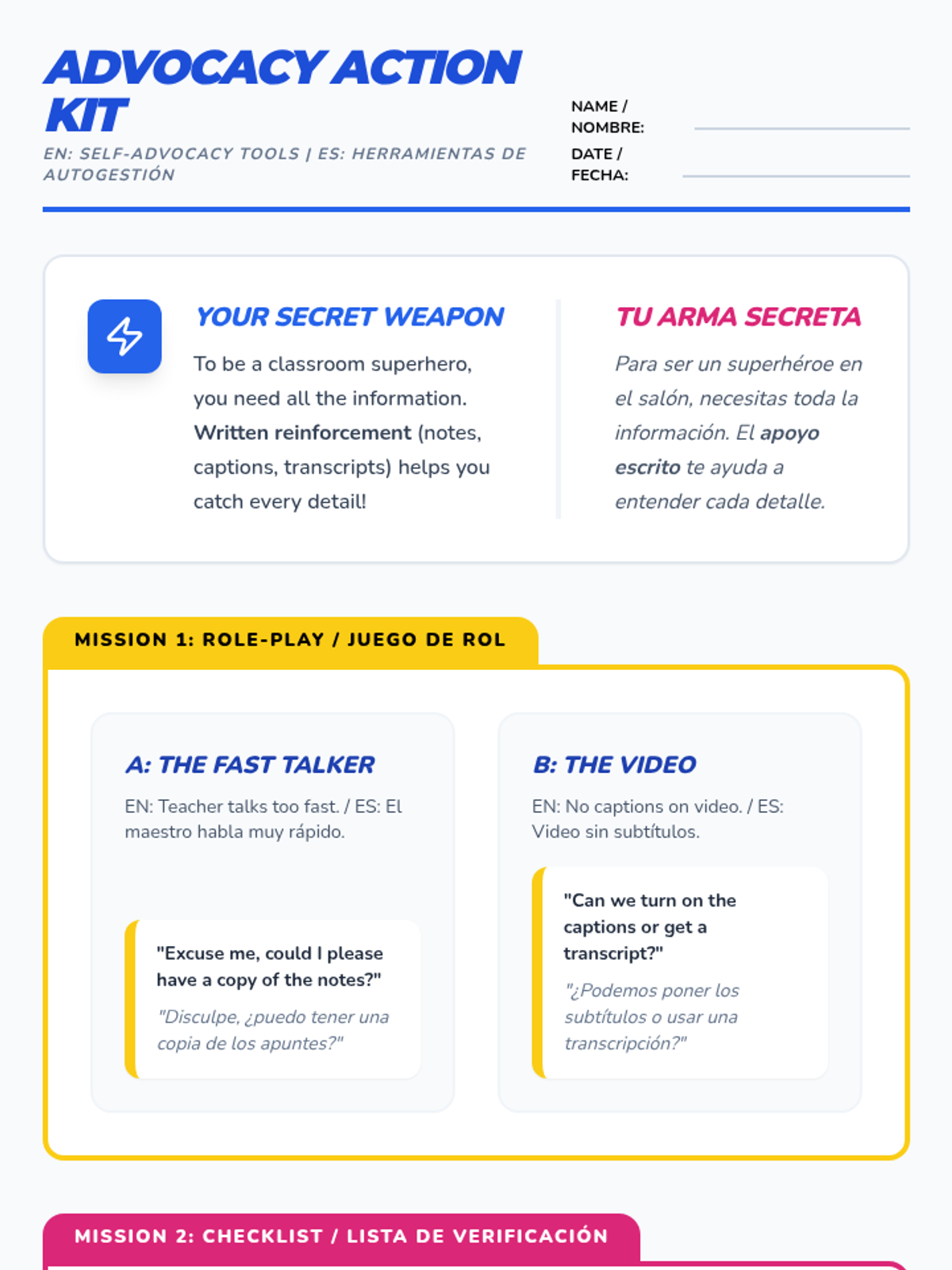
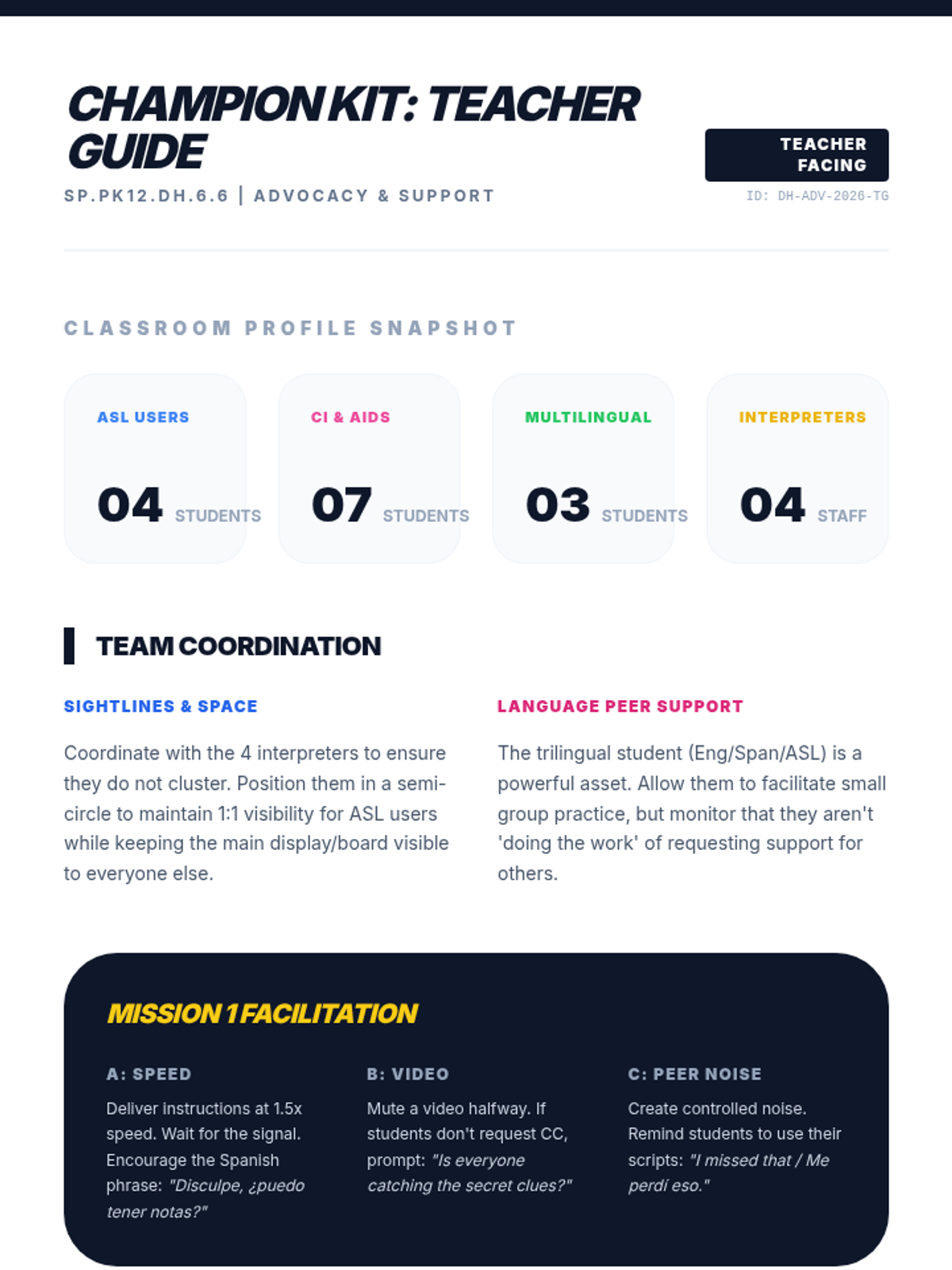
A lesson focused on empowering students with hearing loss to self-advocate for written instructional reinforcements like transcripts and closed captions.
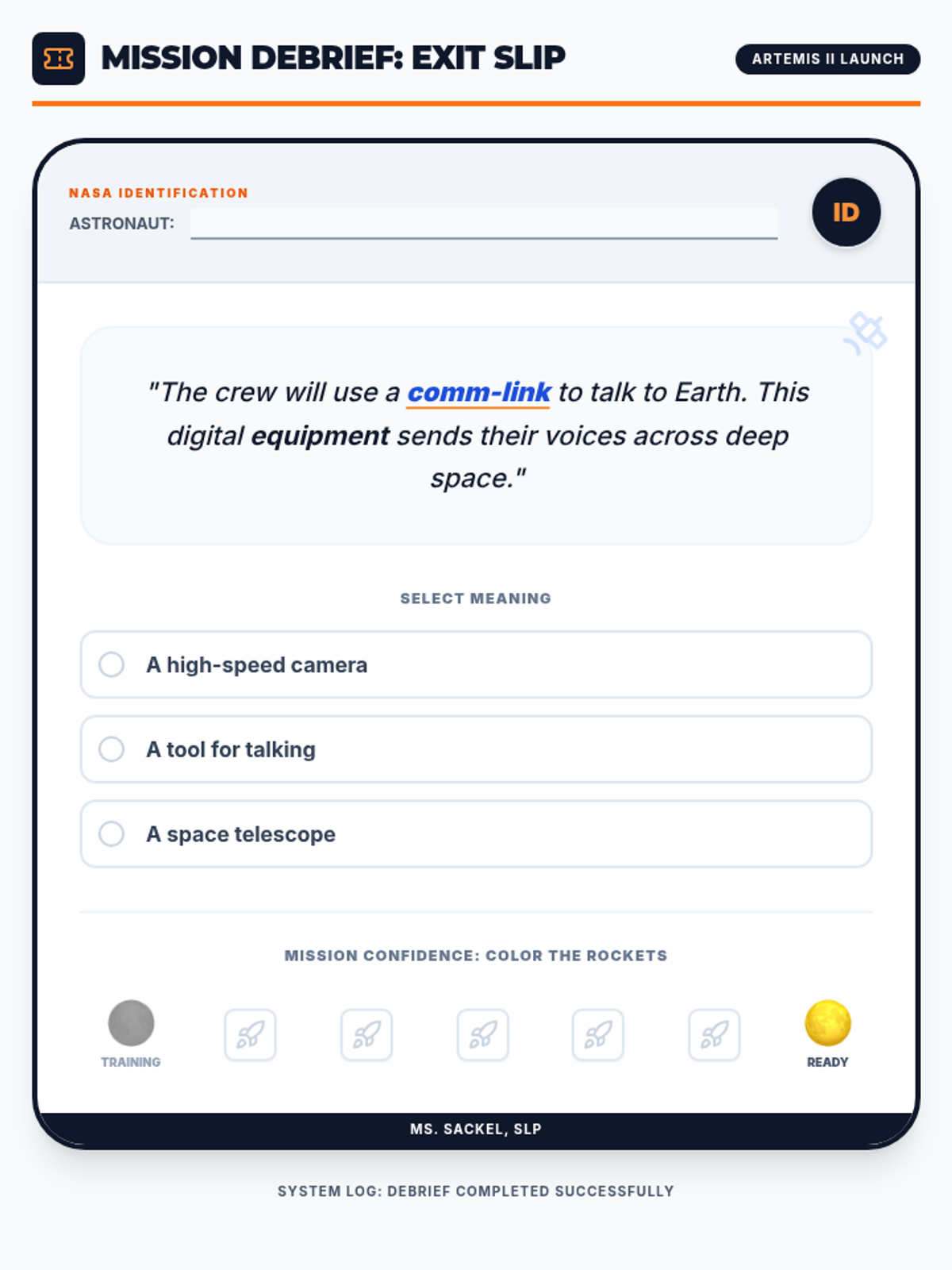
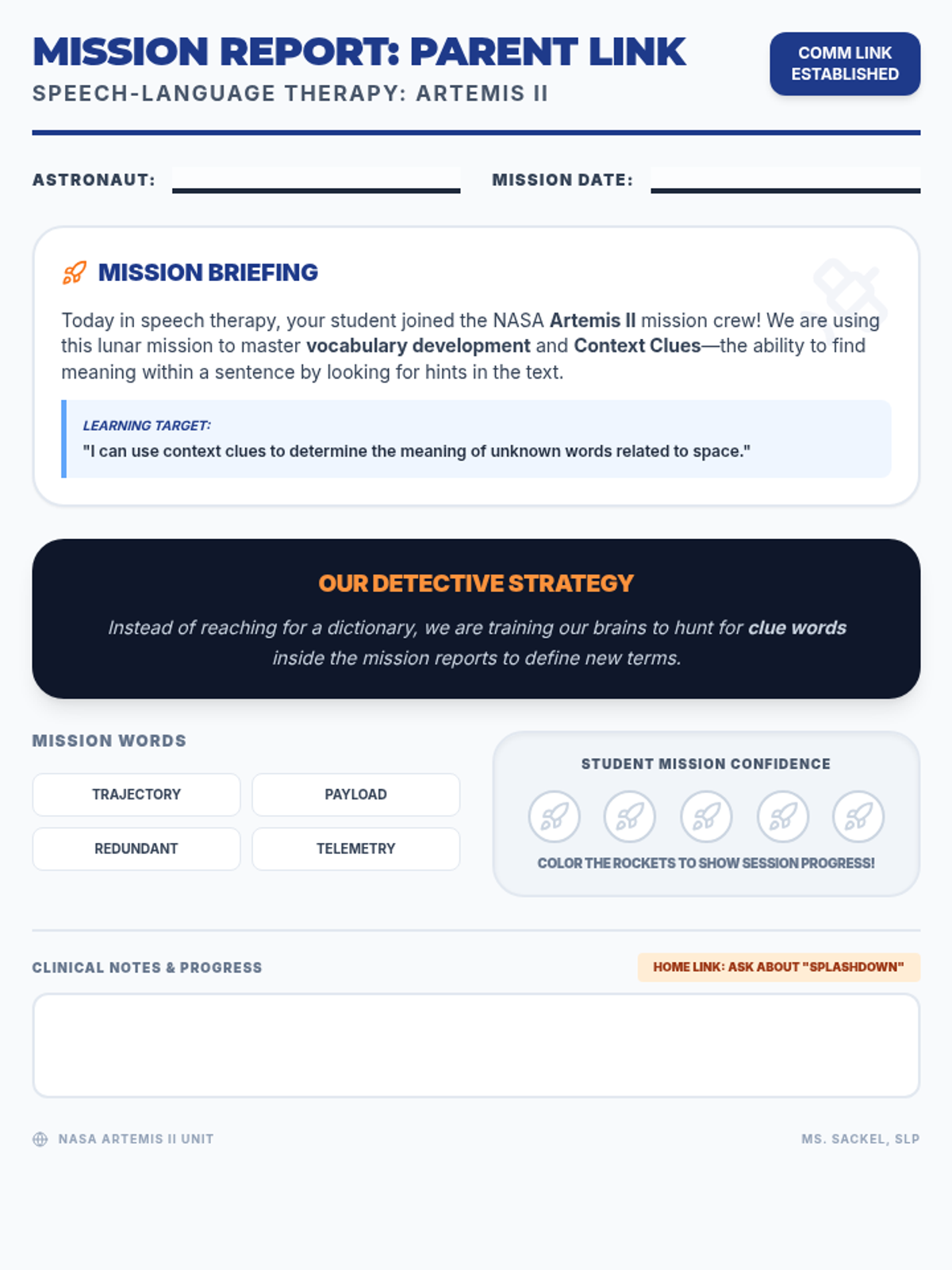
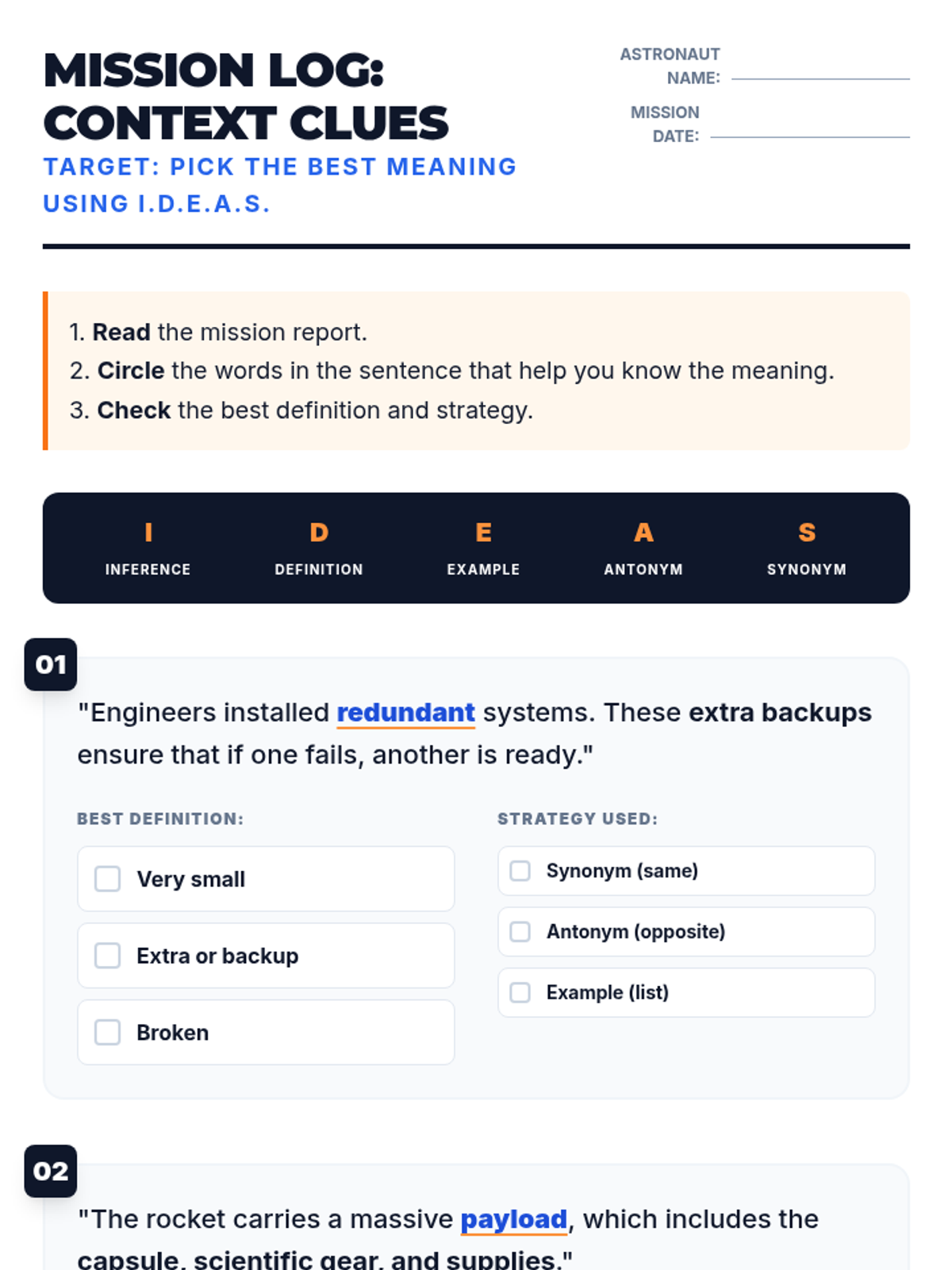
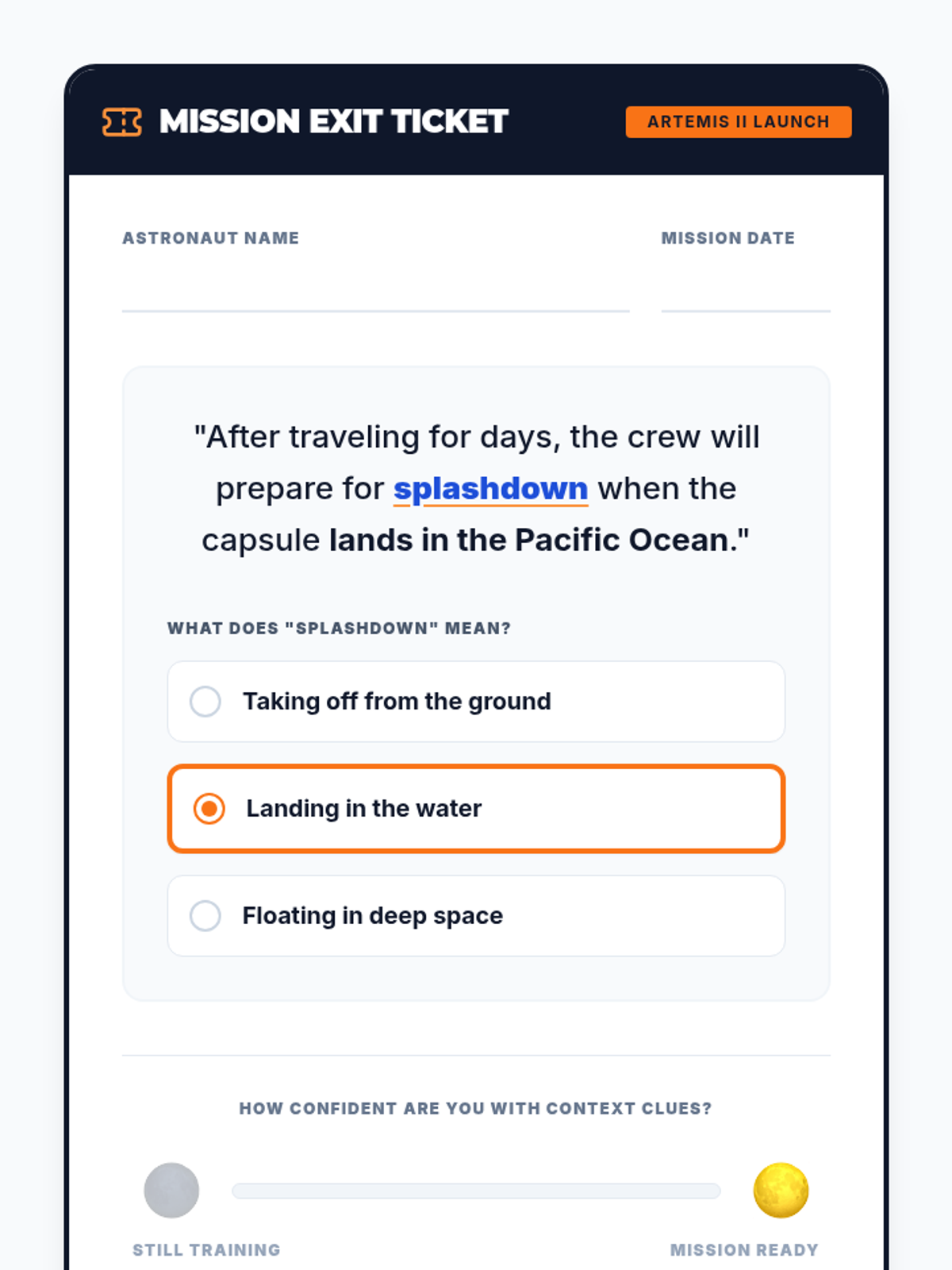
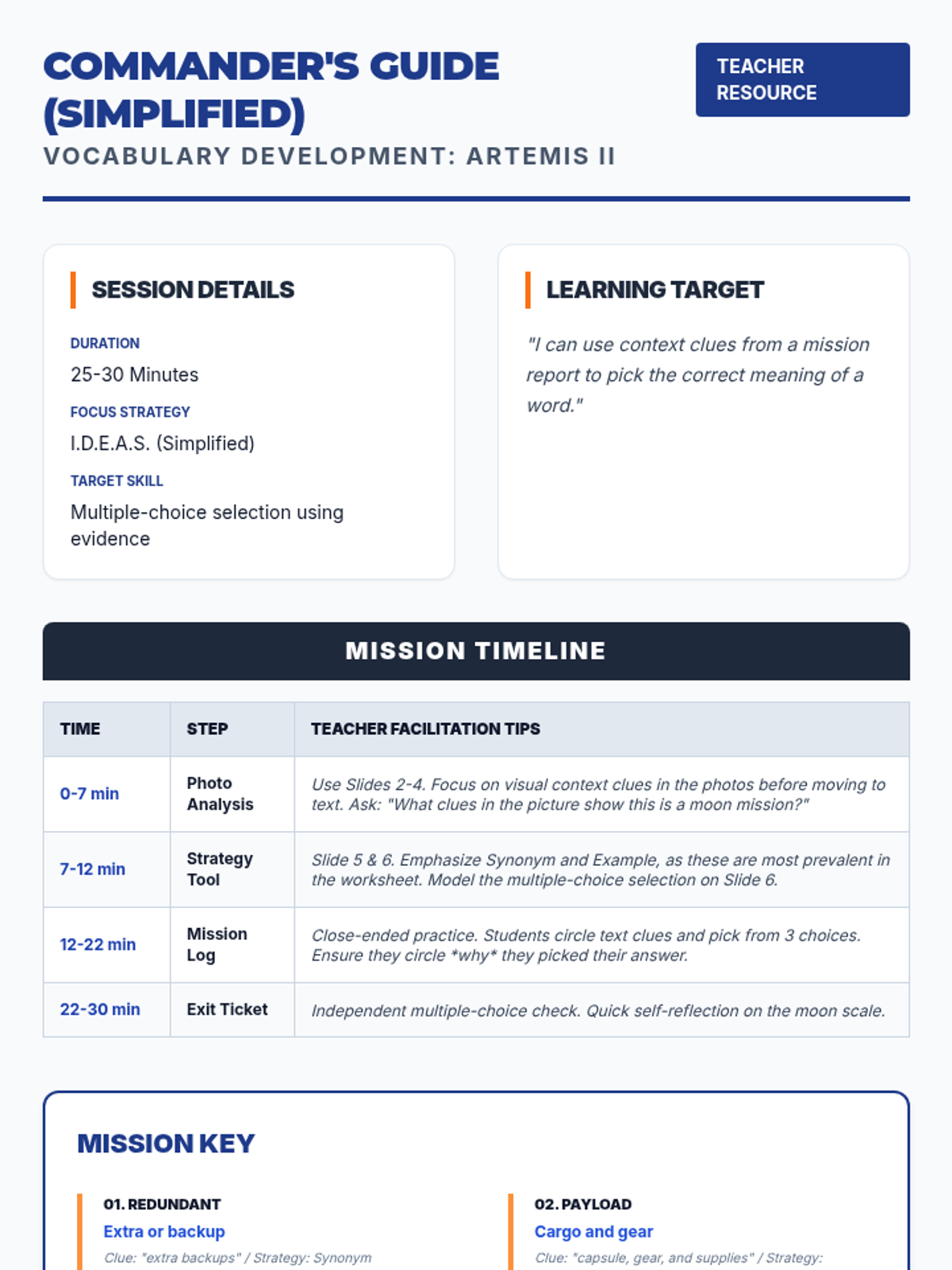
A vocabulary-focused speech-language therapy lesson for middle schoolers centered on the Artemis II mission. Students learn to use context clues (IDEAS) to decipher mission-specific terminology.
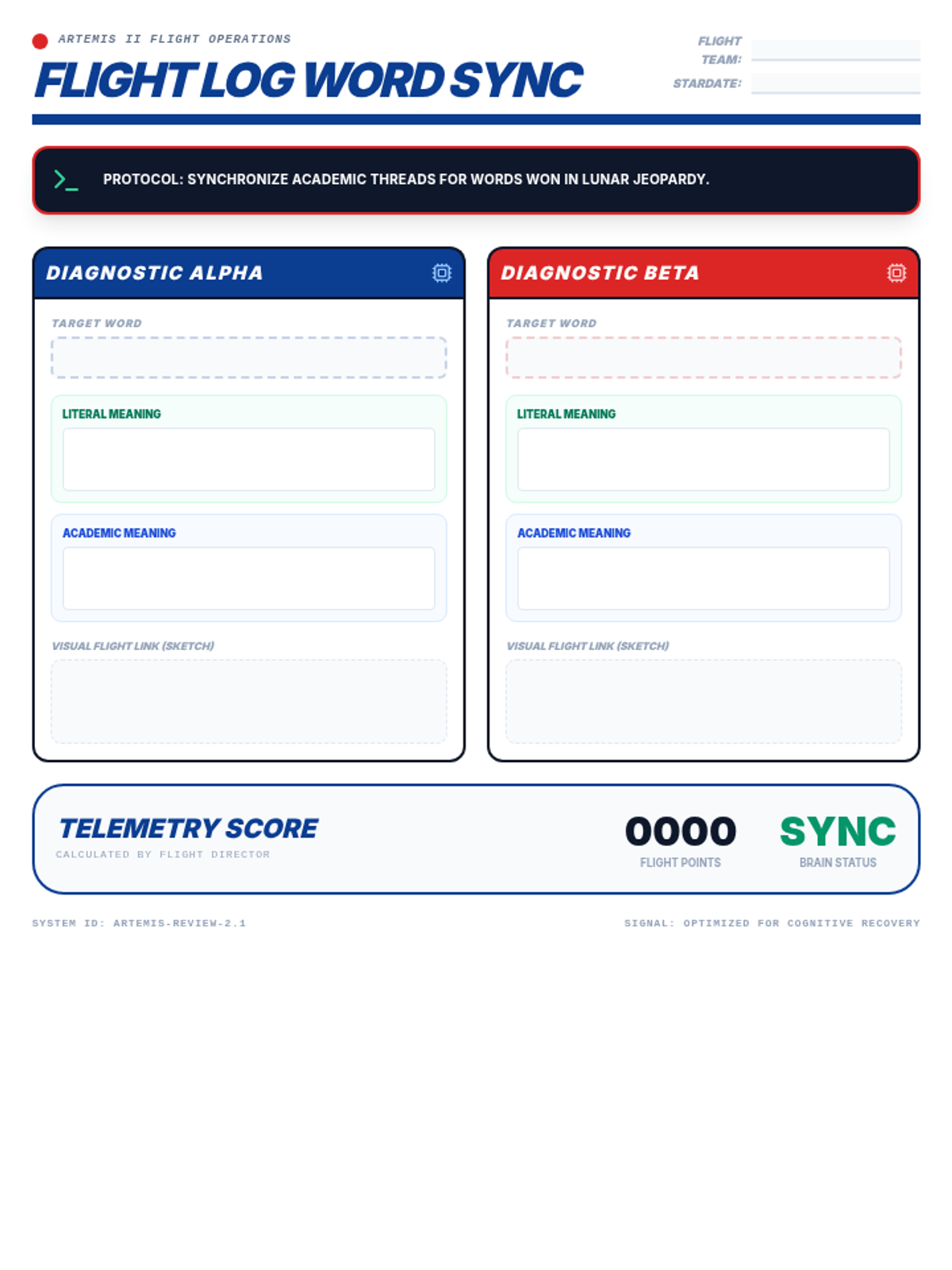
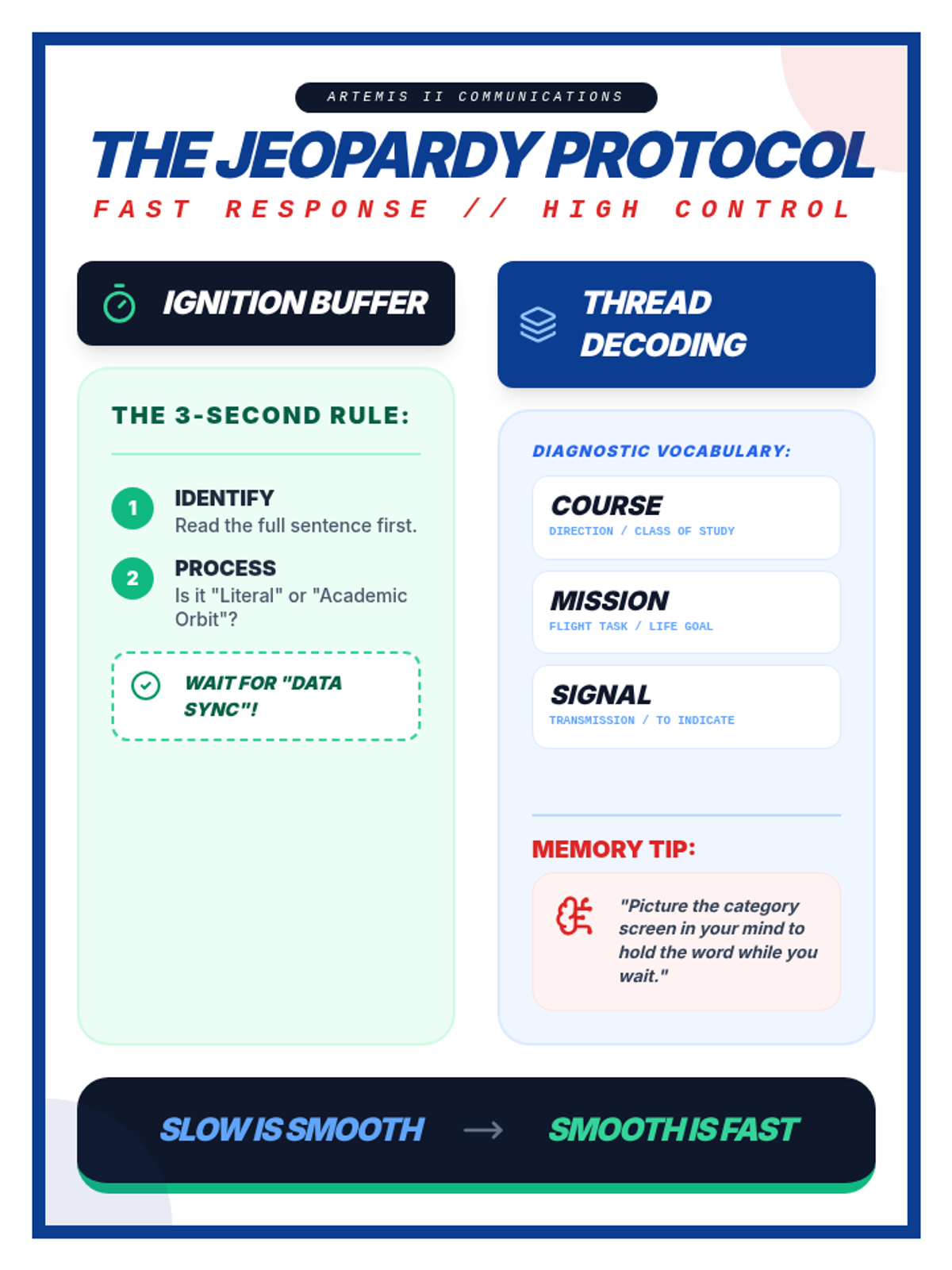
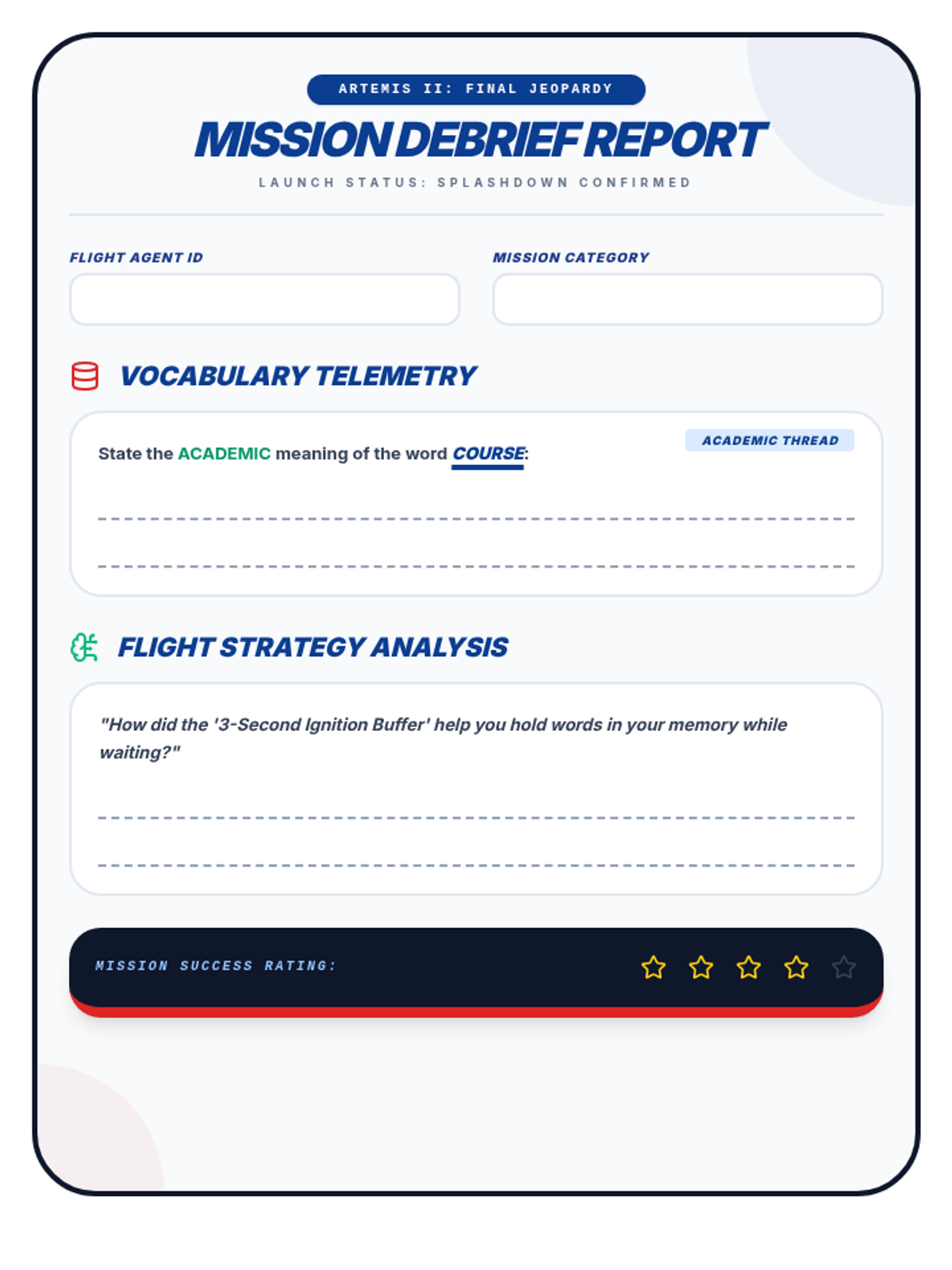
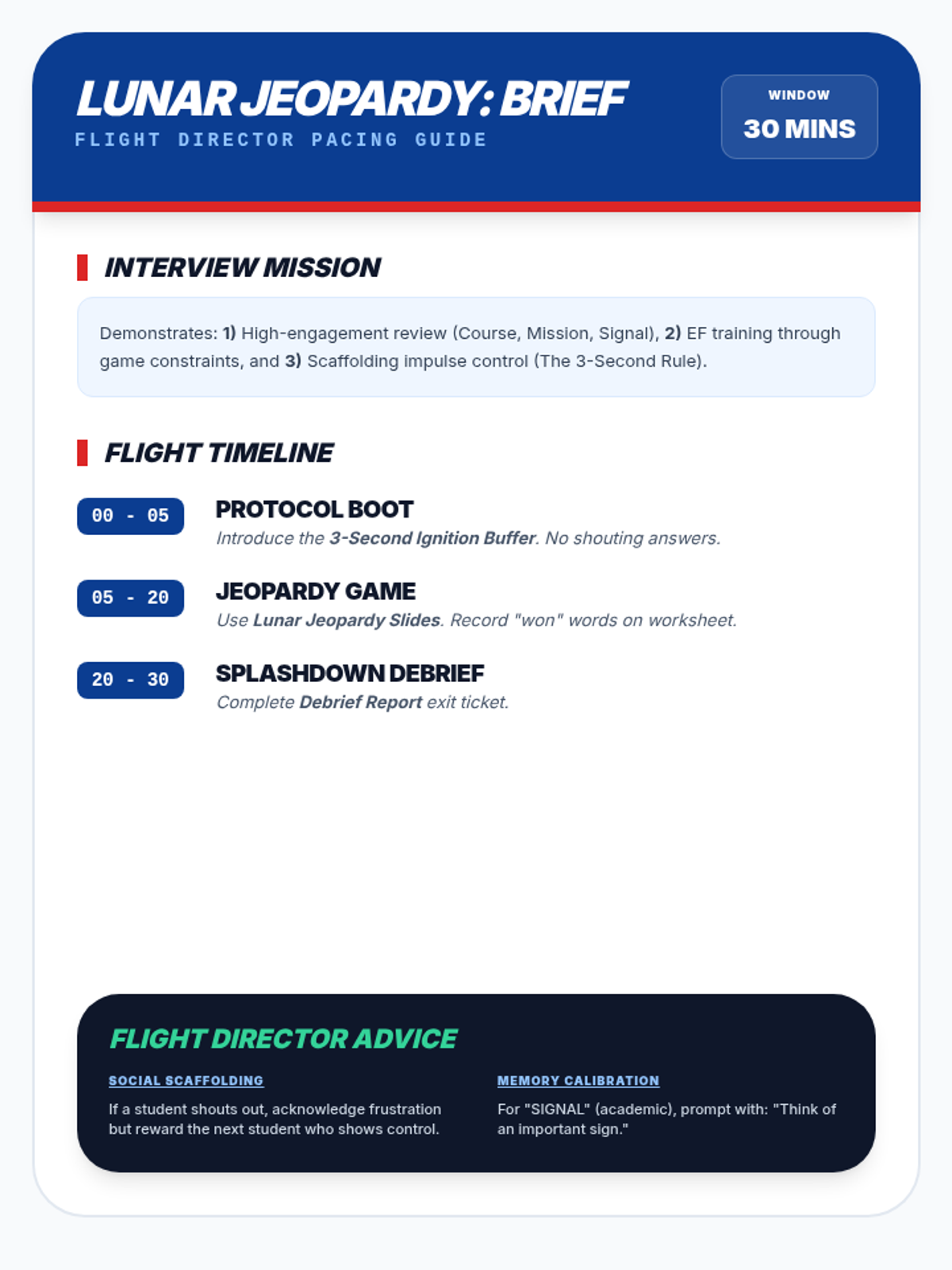
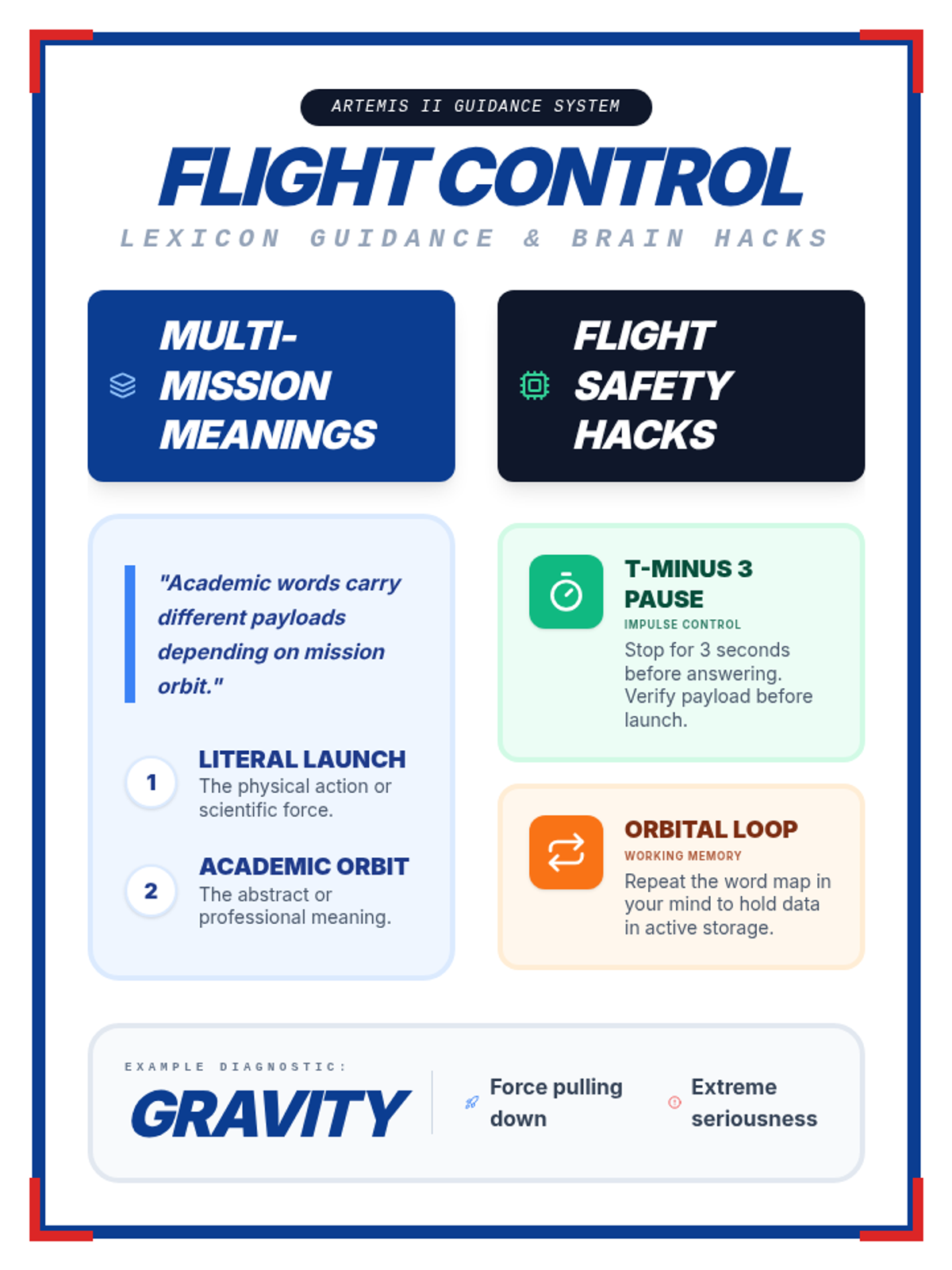
A high-stakes, fast-paced vocabulary review lesson themed around the Artemis II launch. Students compete in a 'Lunar Jeopardy' game to master Tier 2 words while practicing 'Flight Control' impulse hacks and working memory strategies. Designed for a 30-minute demonstration.
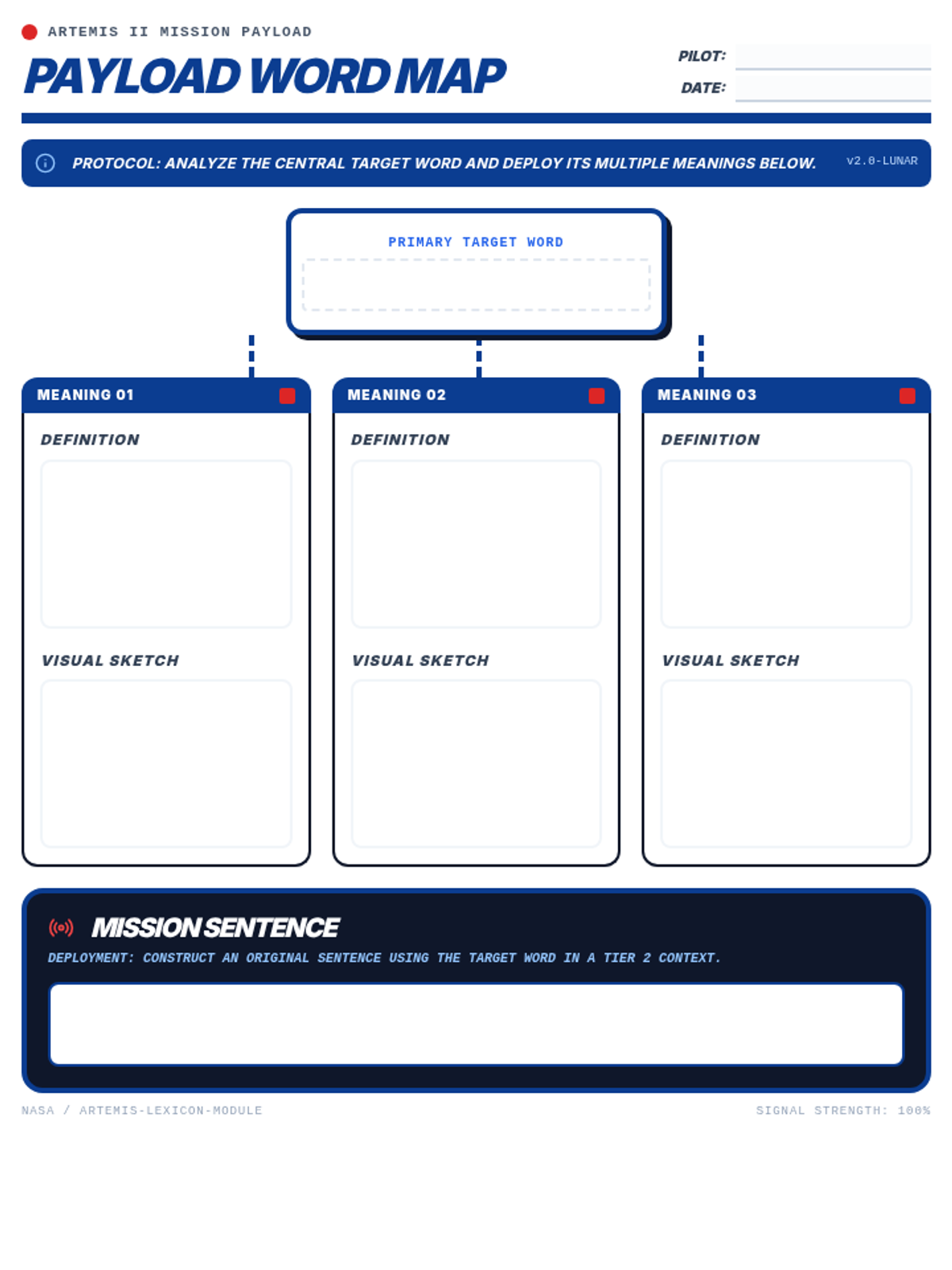
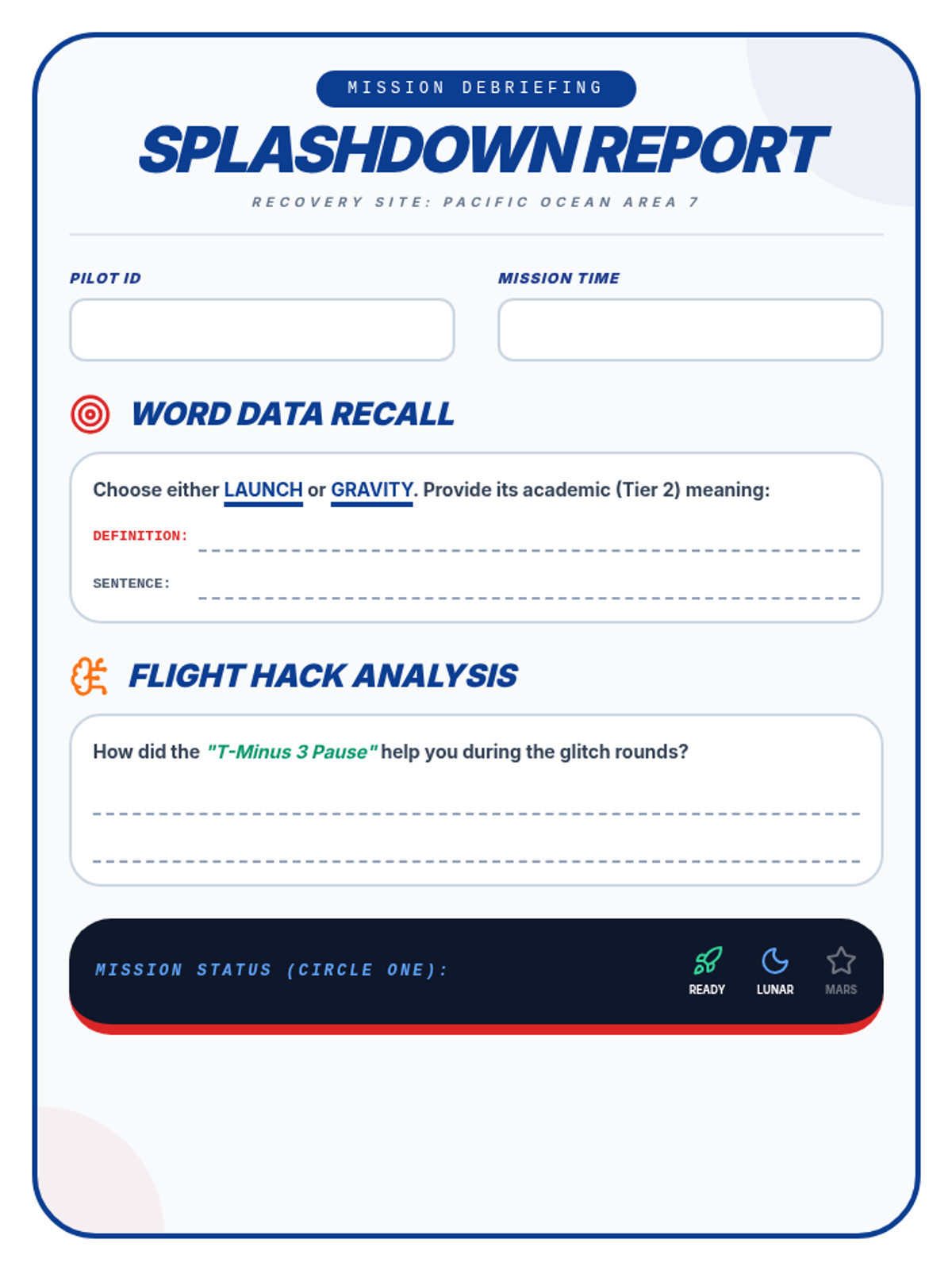
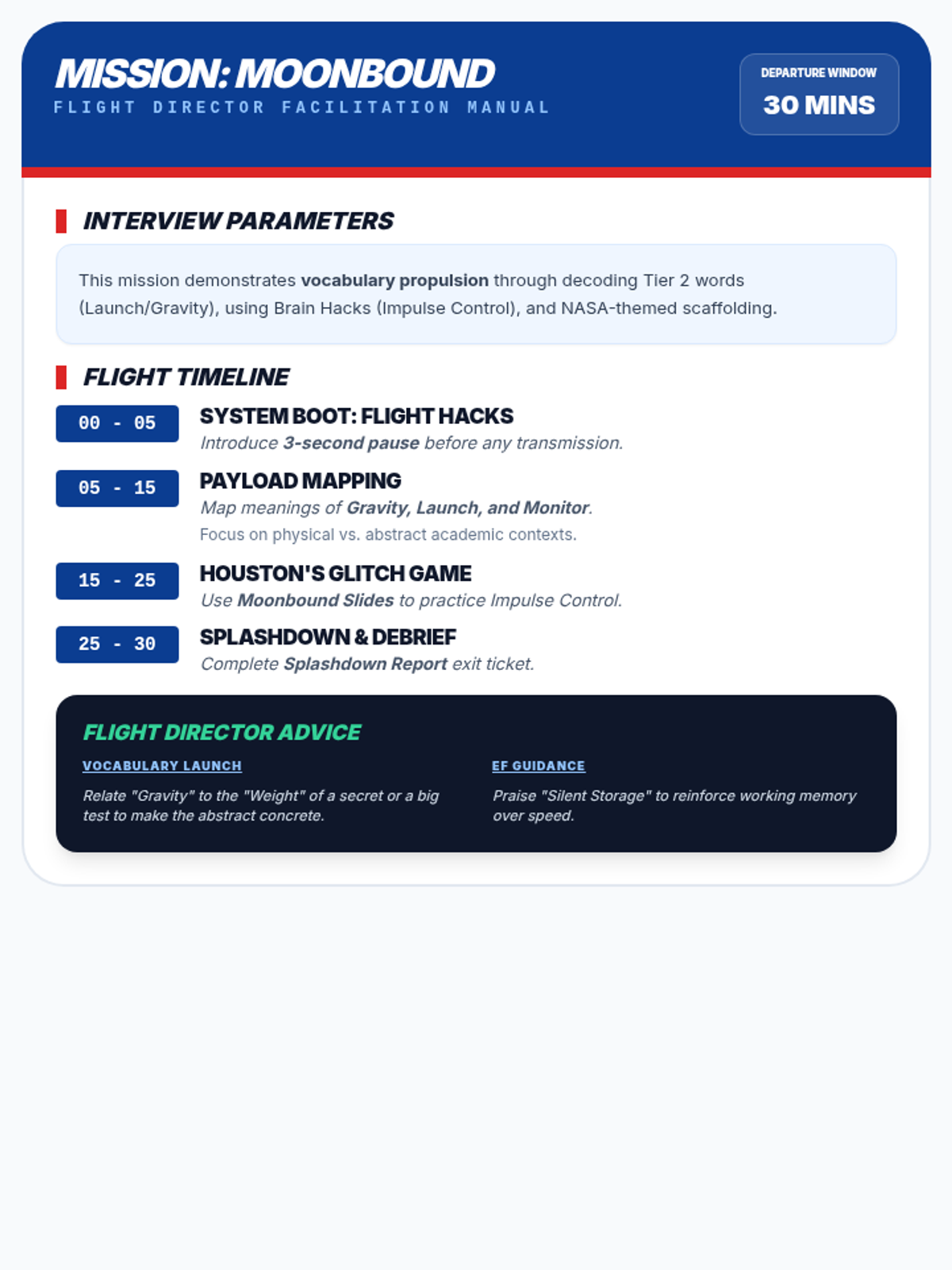
A high-energy vocabulary mission themed around the Artemis II NASA moon launch. Students master Tier 2 multiple meaning words while using 'Flight Control' brain hacks for impulse control and working memory. Designed for a 30-minute interview demonstration.
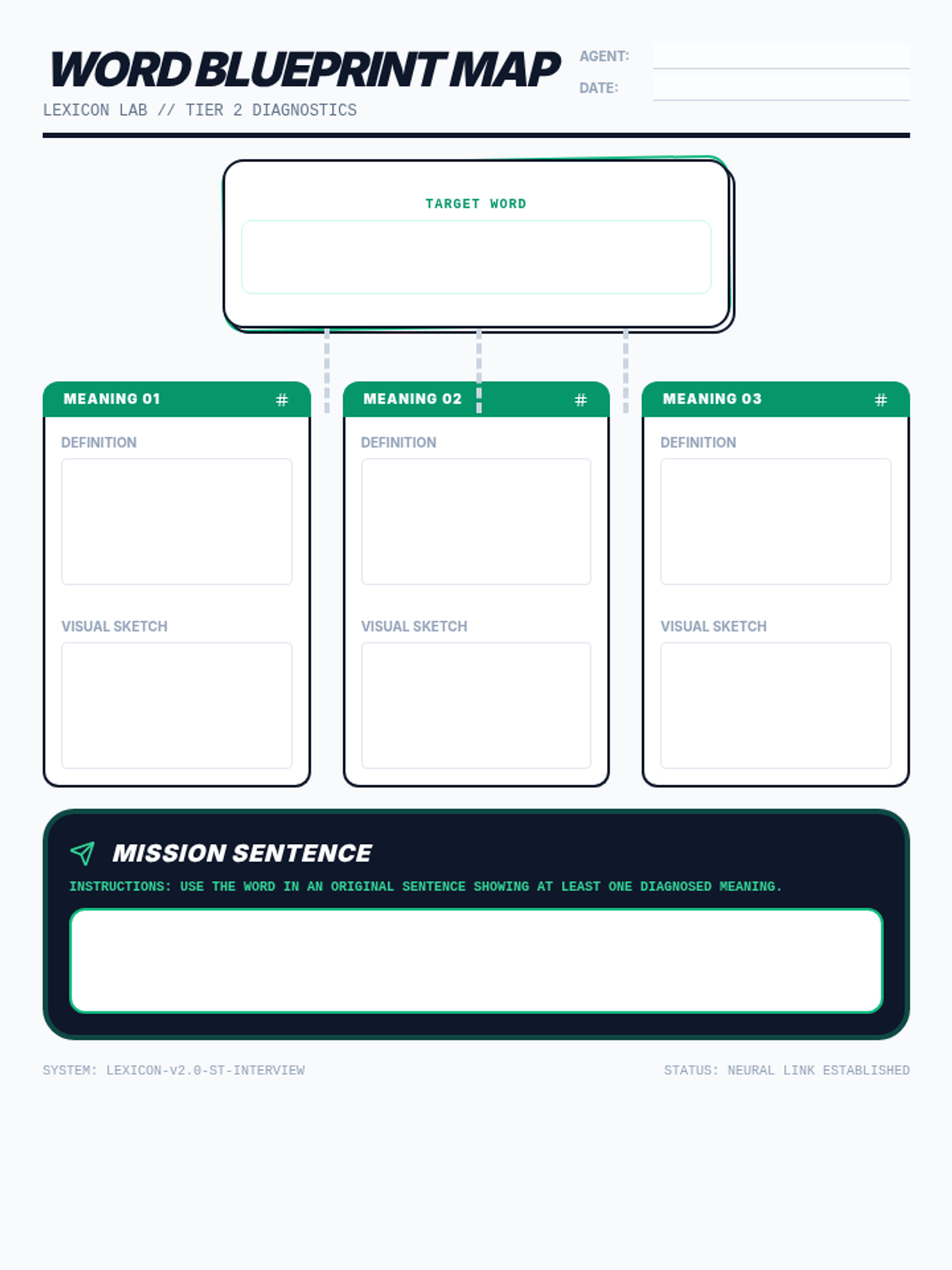
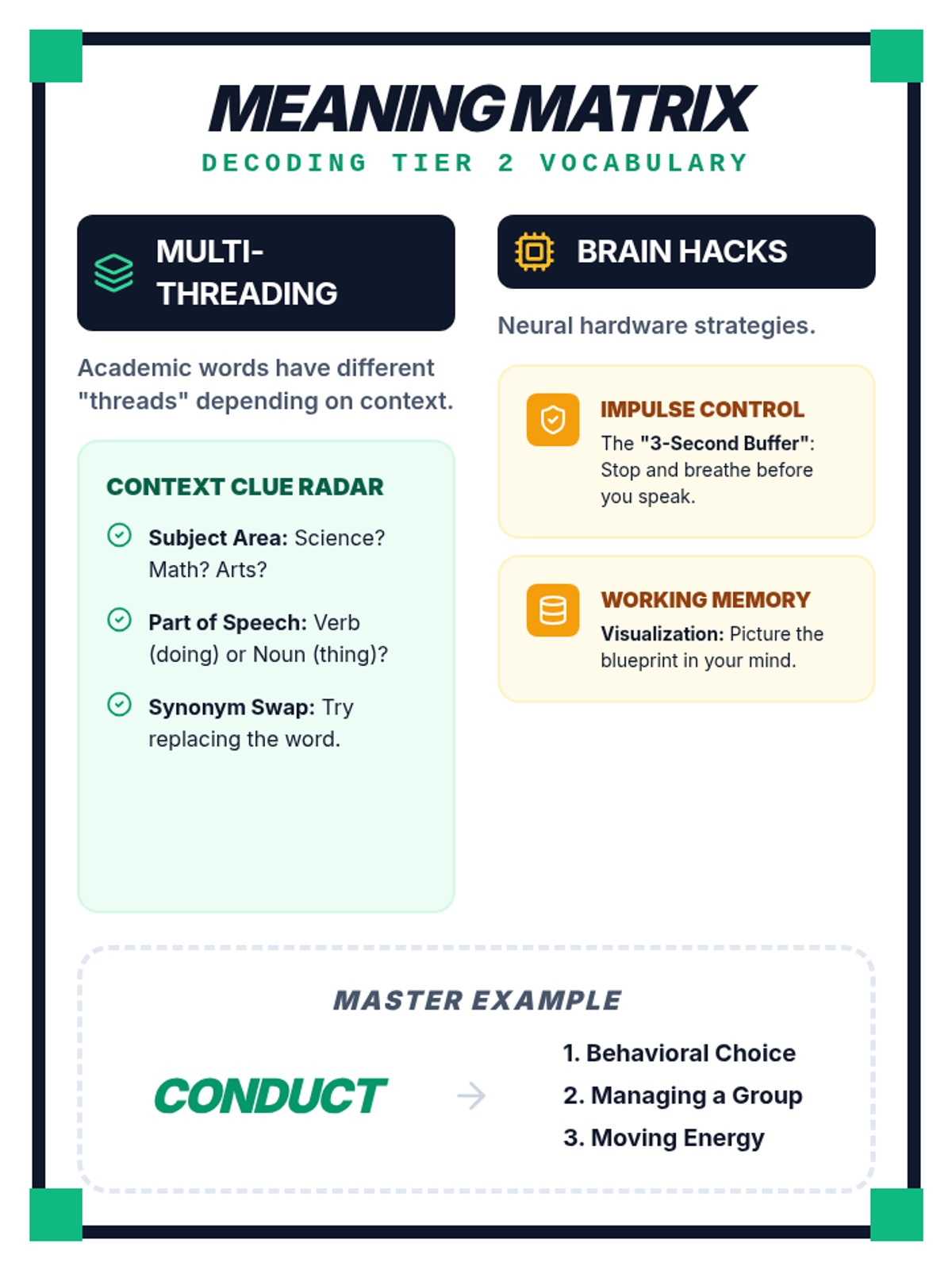
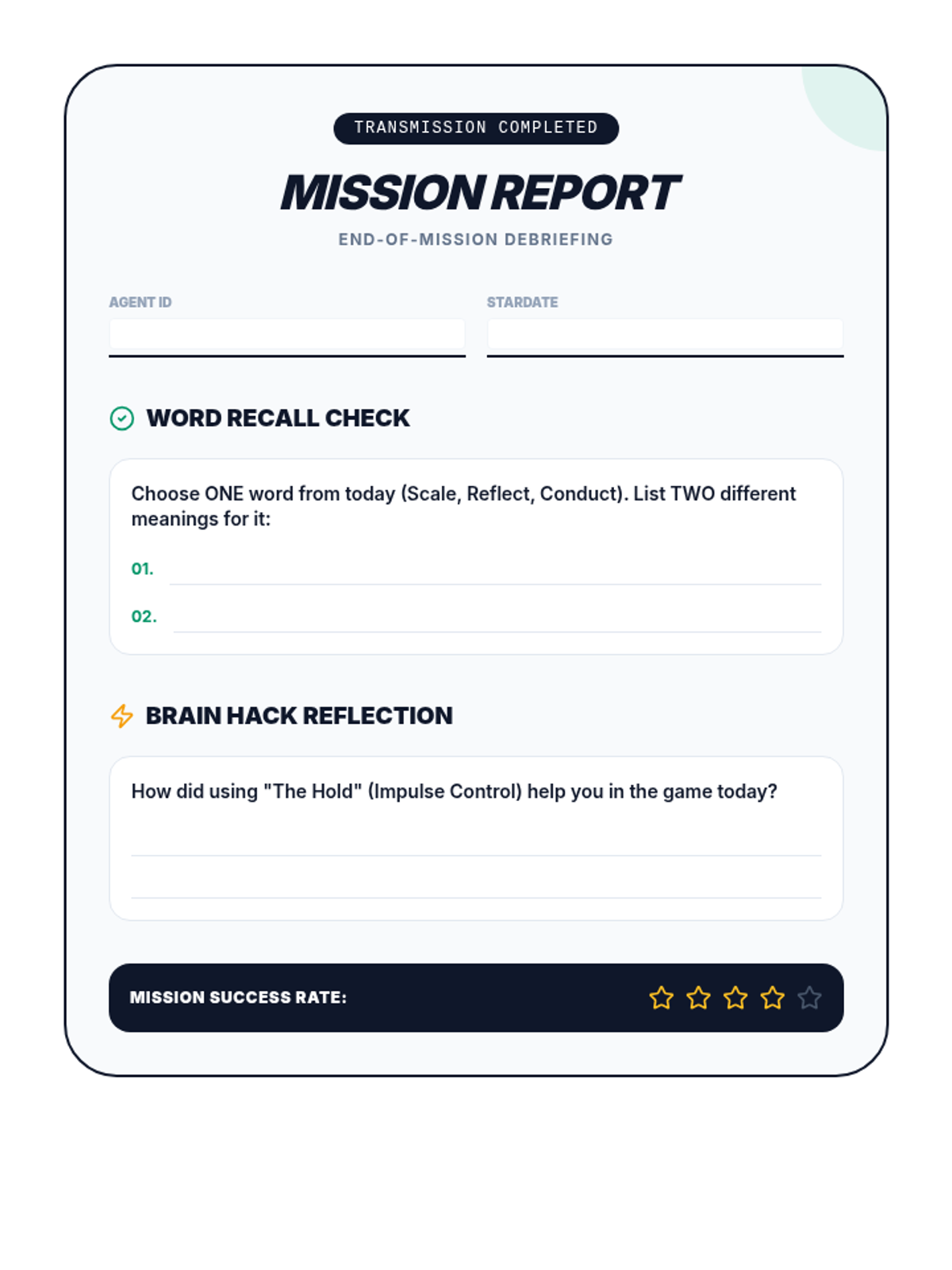
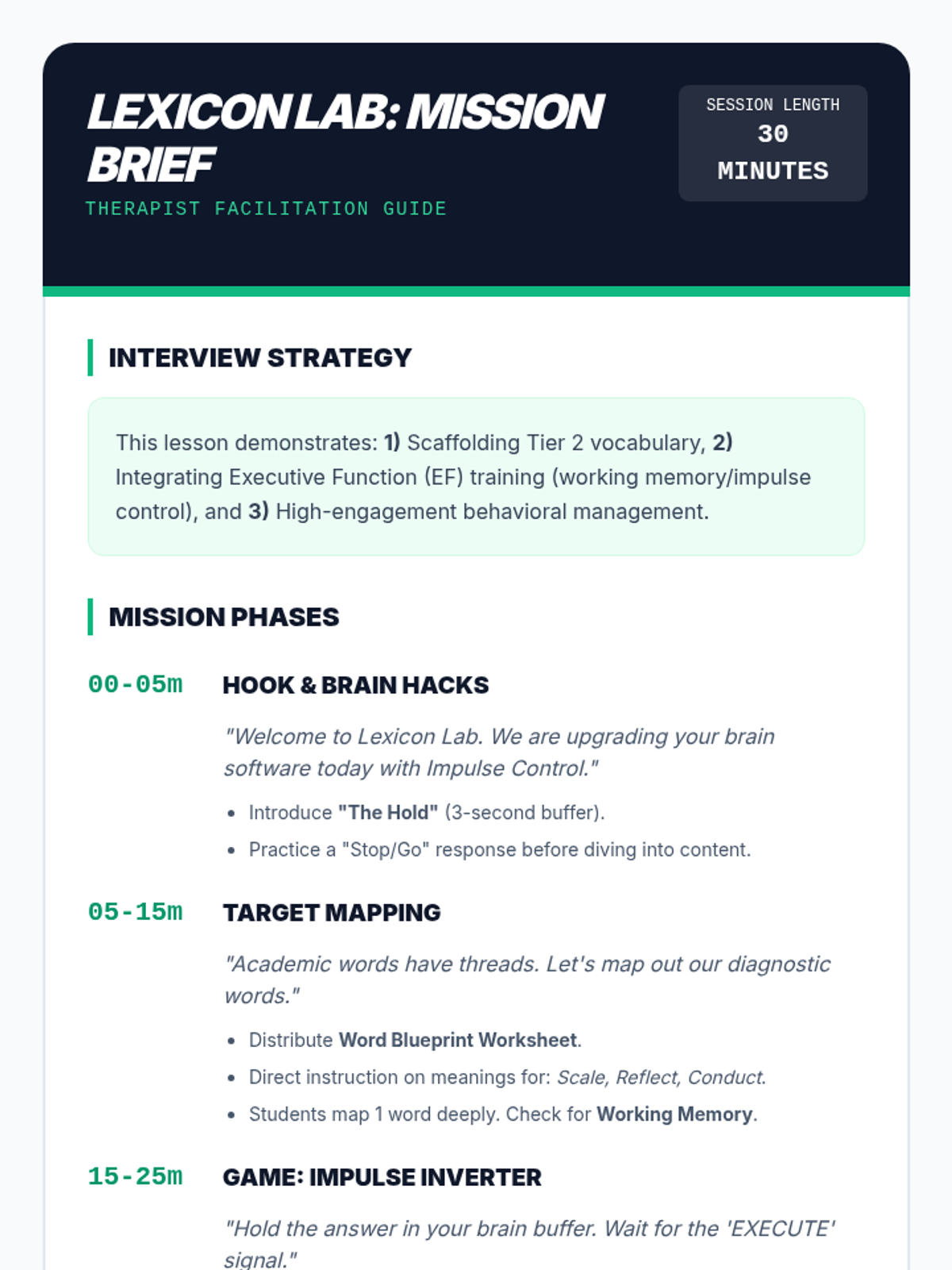
A fast-paced, high-engagement vocabulary lesson for middle schoolers focusing on Tier 2 academic terms and multiple meaning words, integrated with executive function 'brain hacks' for impulse control and working memory. Designed for a 30-minute speech therapy session or interview demonstration.
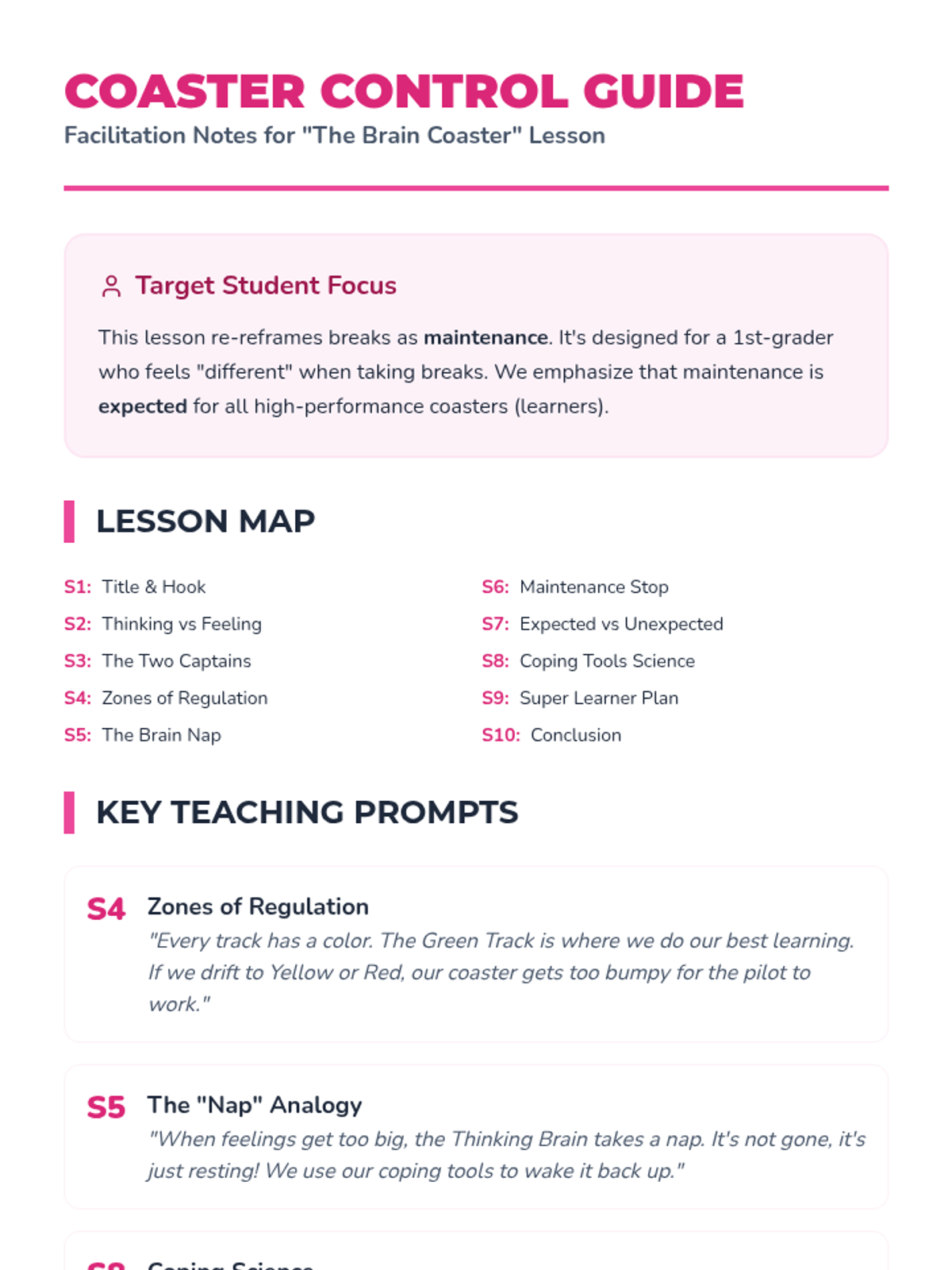
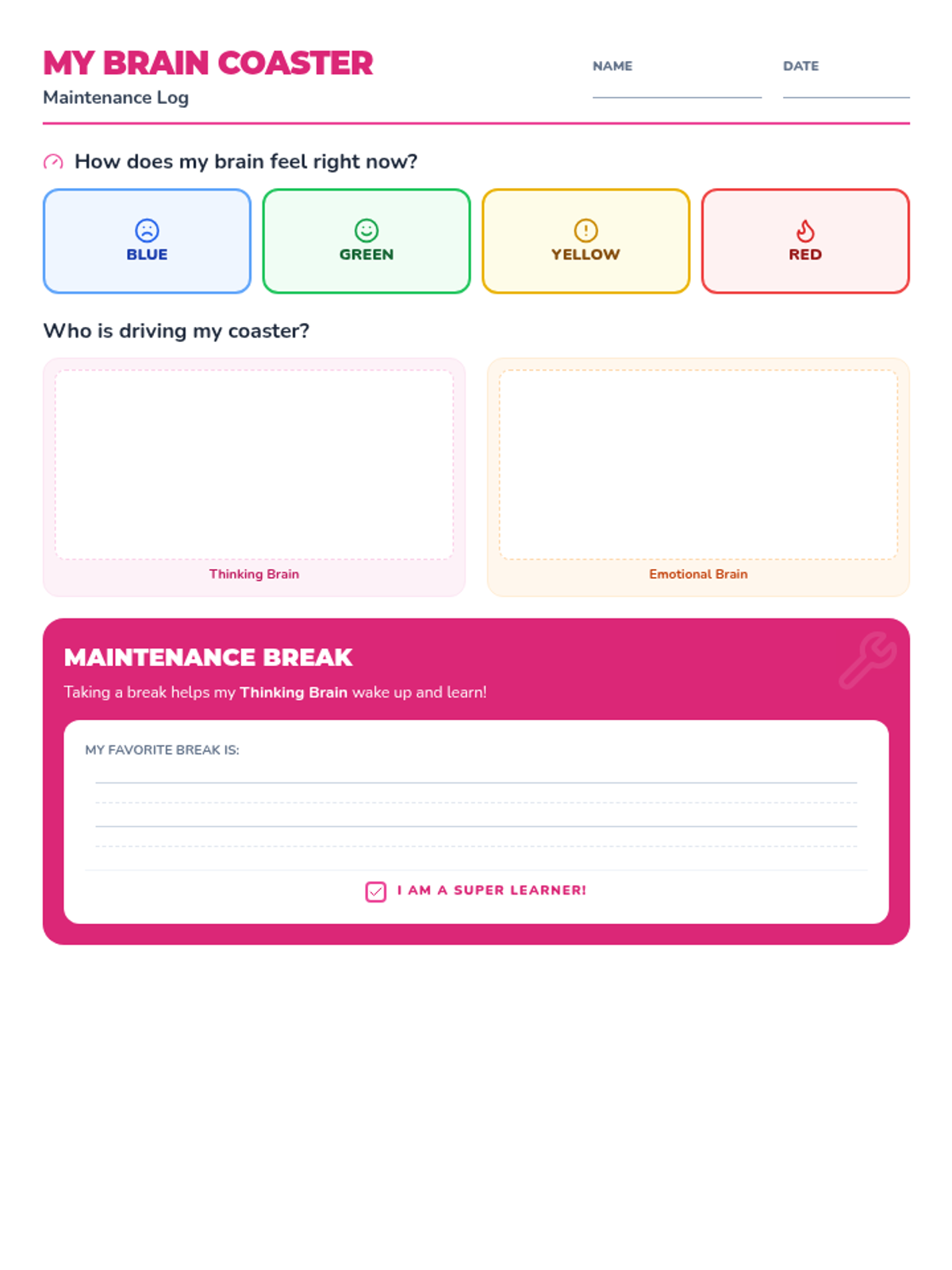
A social-emotional learning lesson designed for a 1st-grade student with autism, using a rollercoaster theme and Social Thinking language to explain the science of brain regulation and the value of breaks.
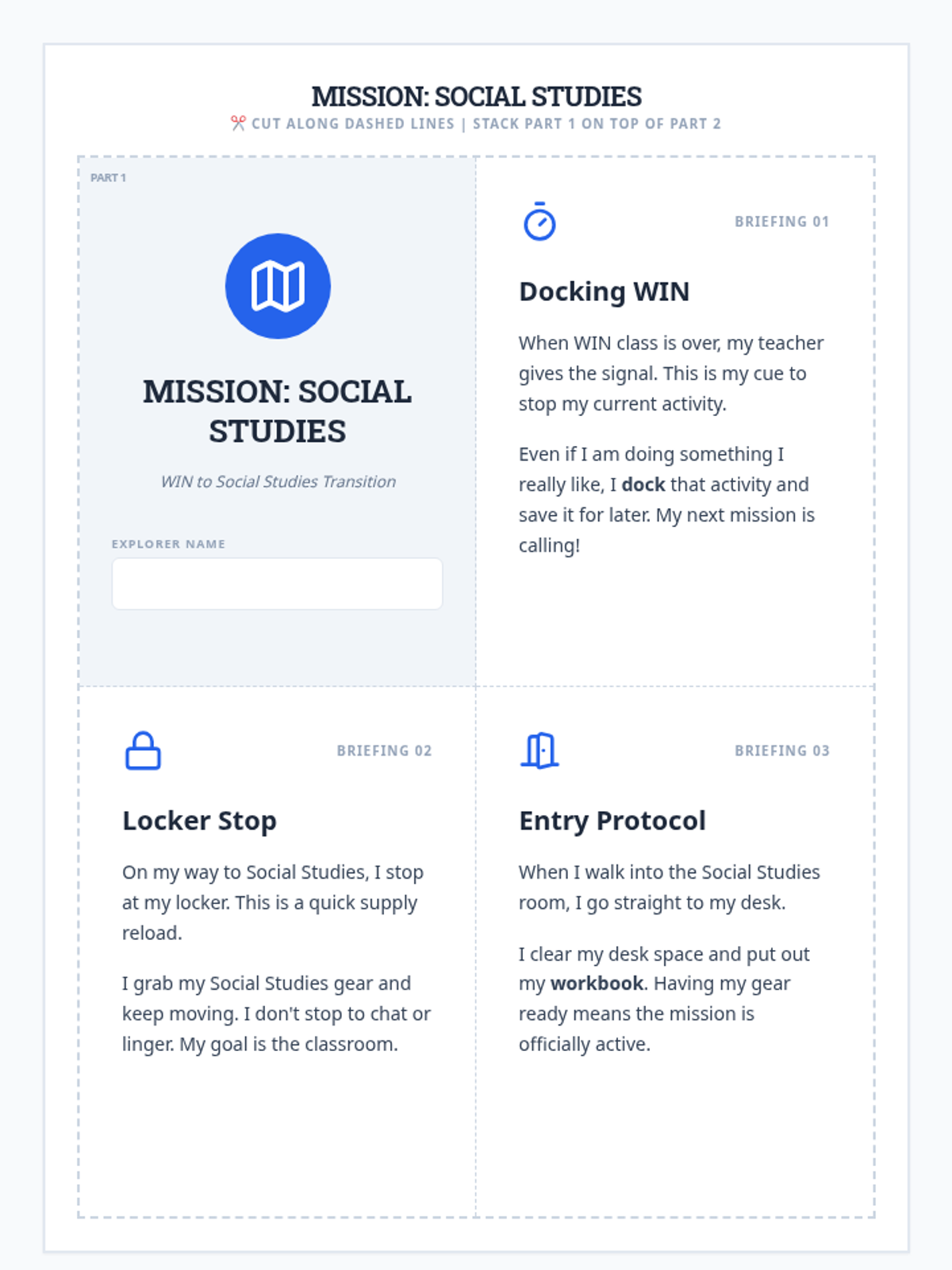
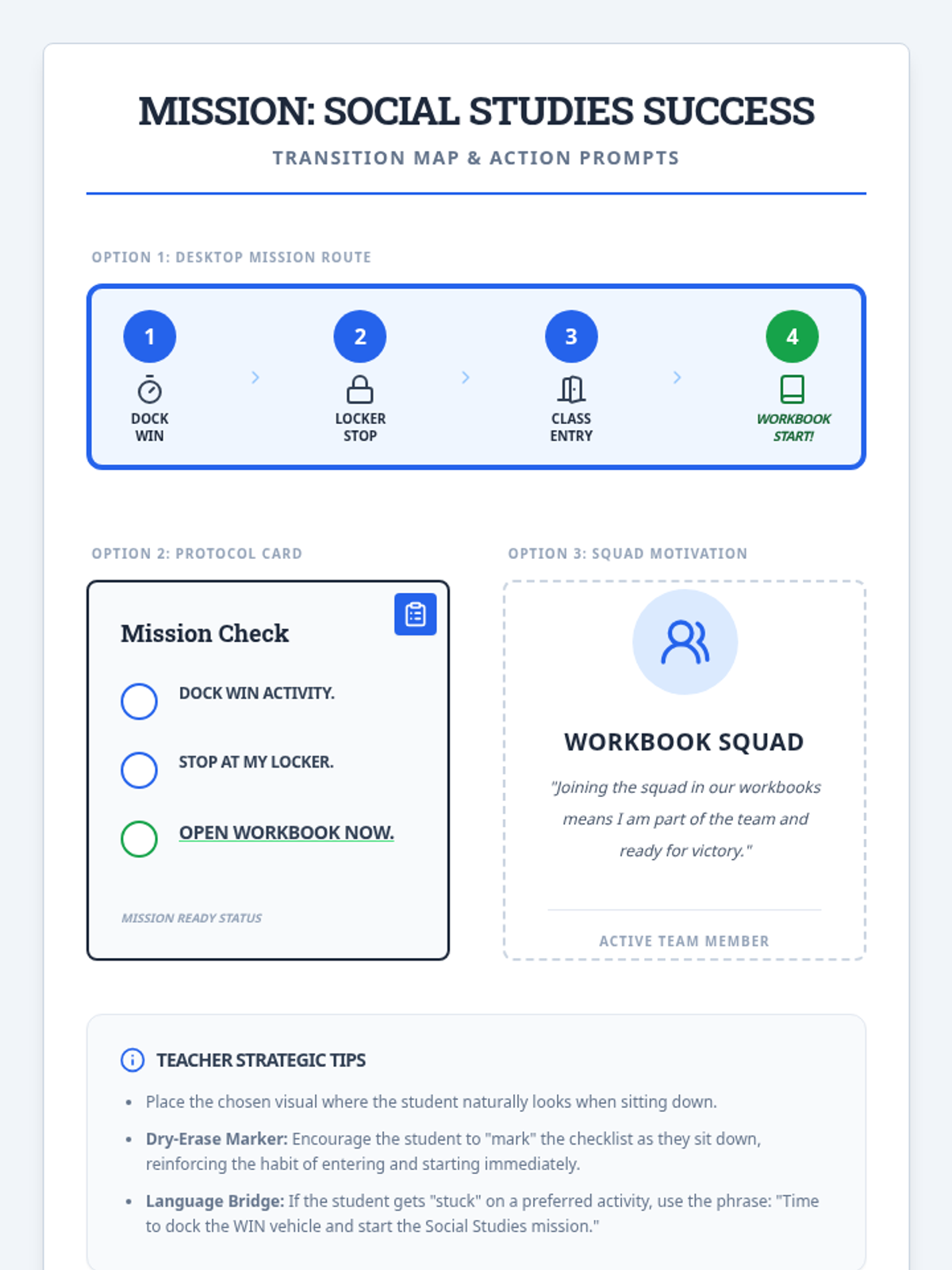
A social story and visual support set designed to help a 5th-grade student transition smoothly into Social Studies and begin tasks immediately. The materials use a 'Mission' theme to make classroom expectations engaging and clear.
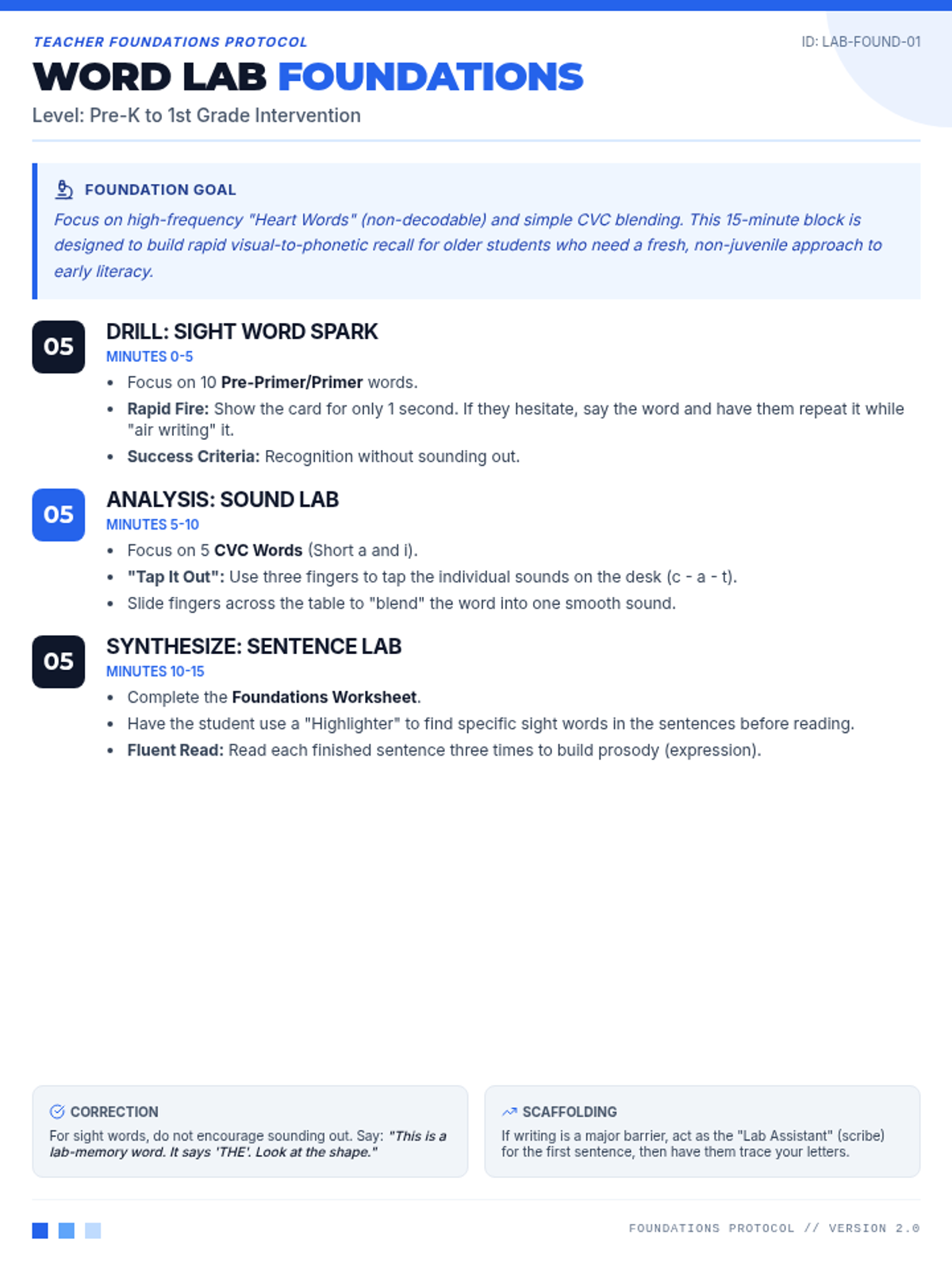
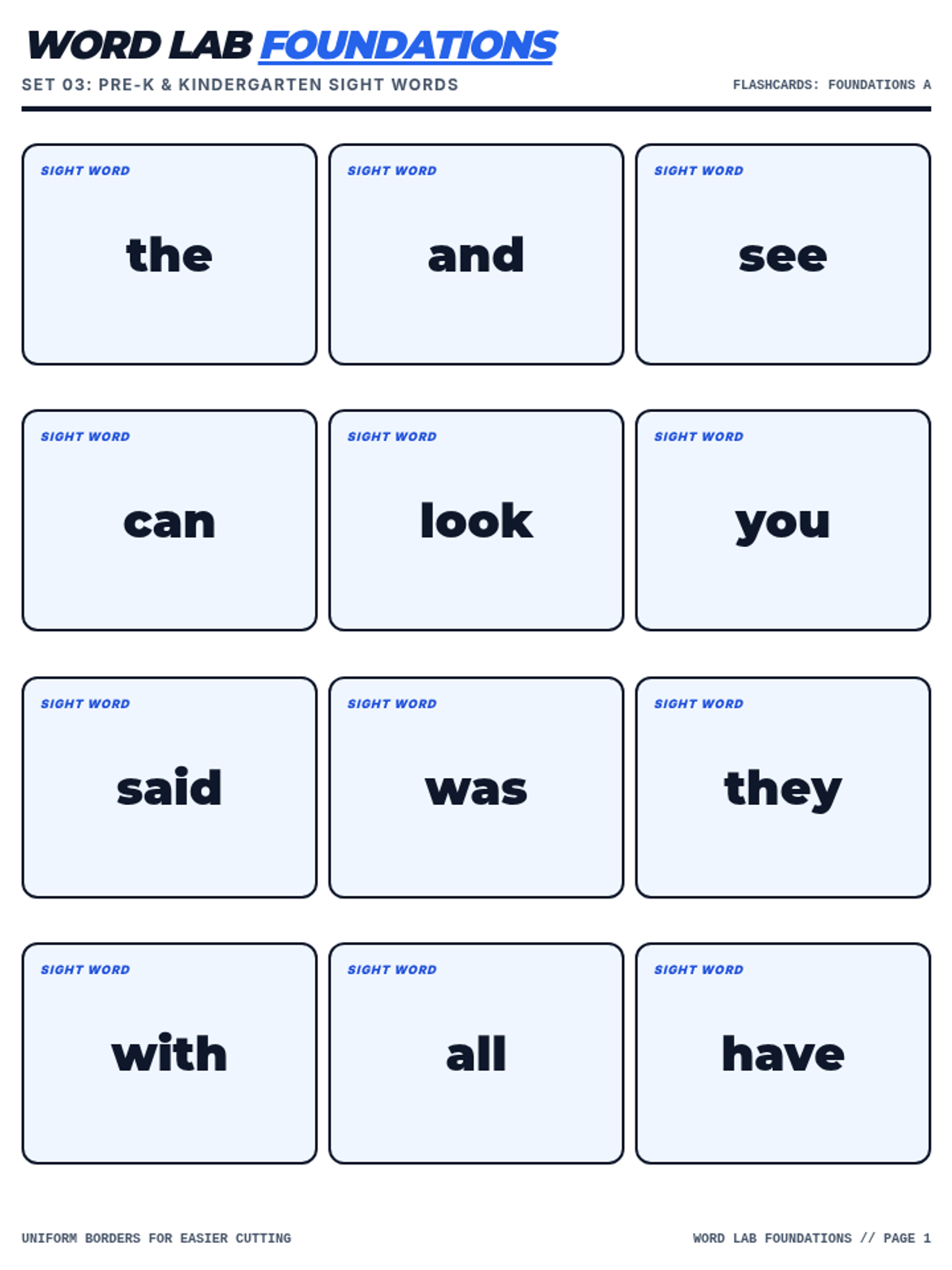
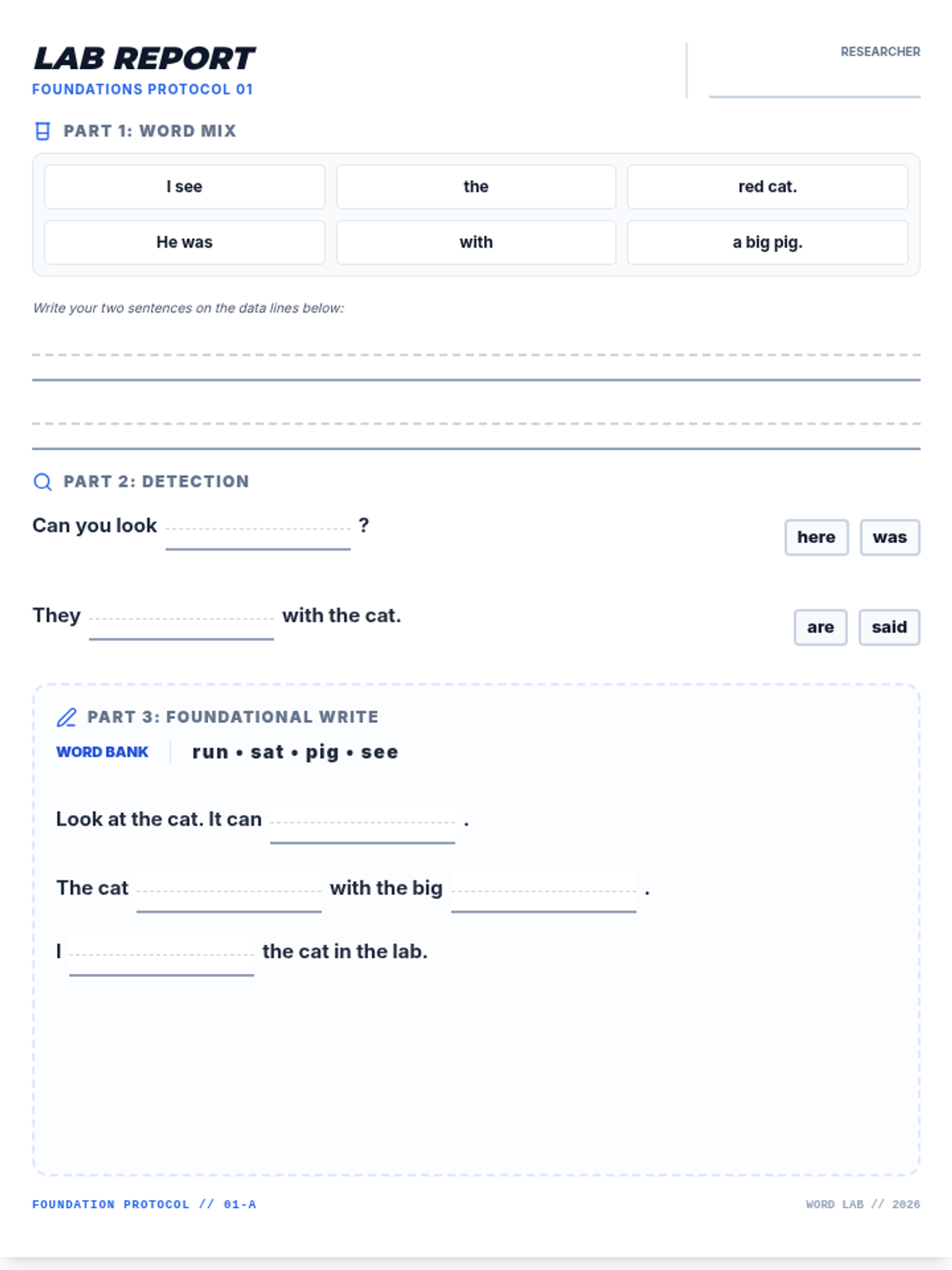
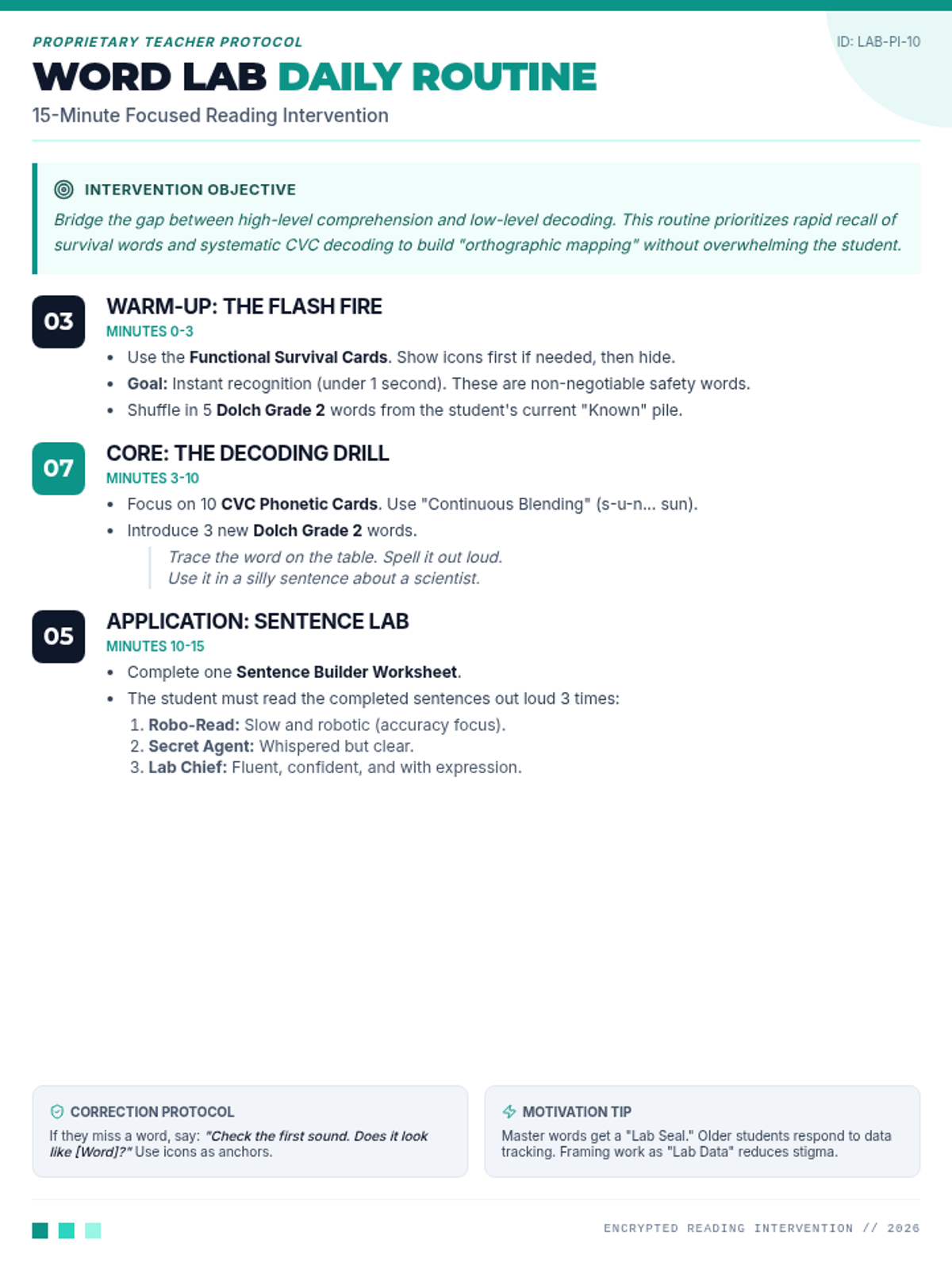
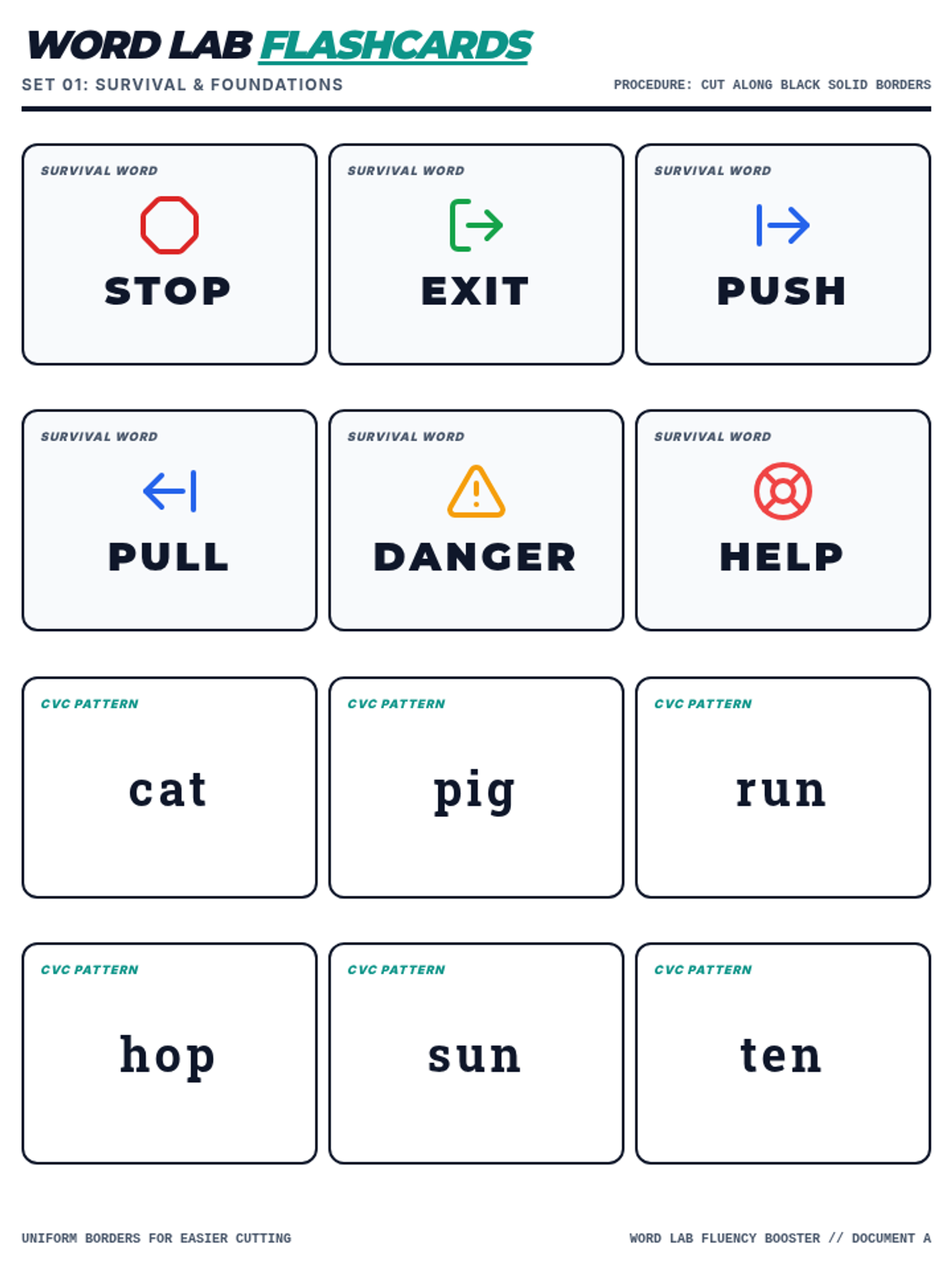
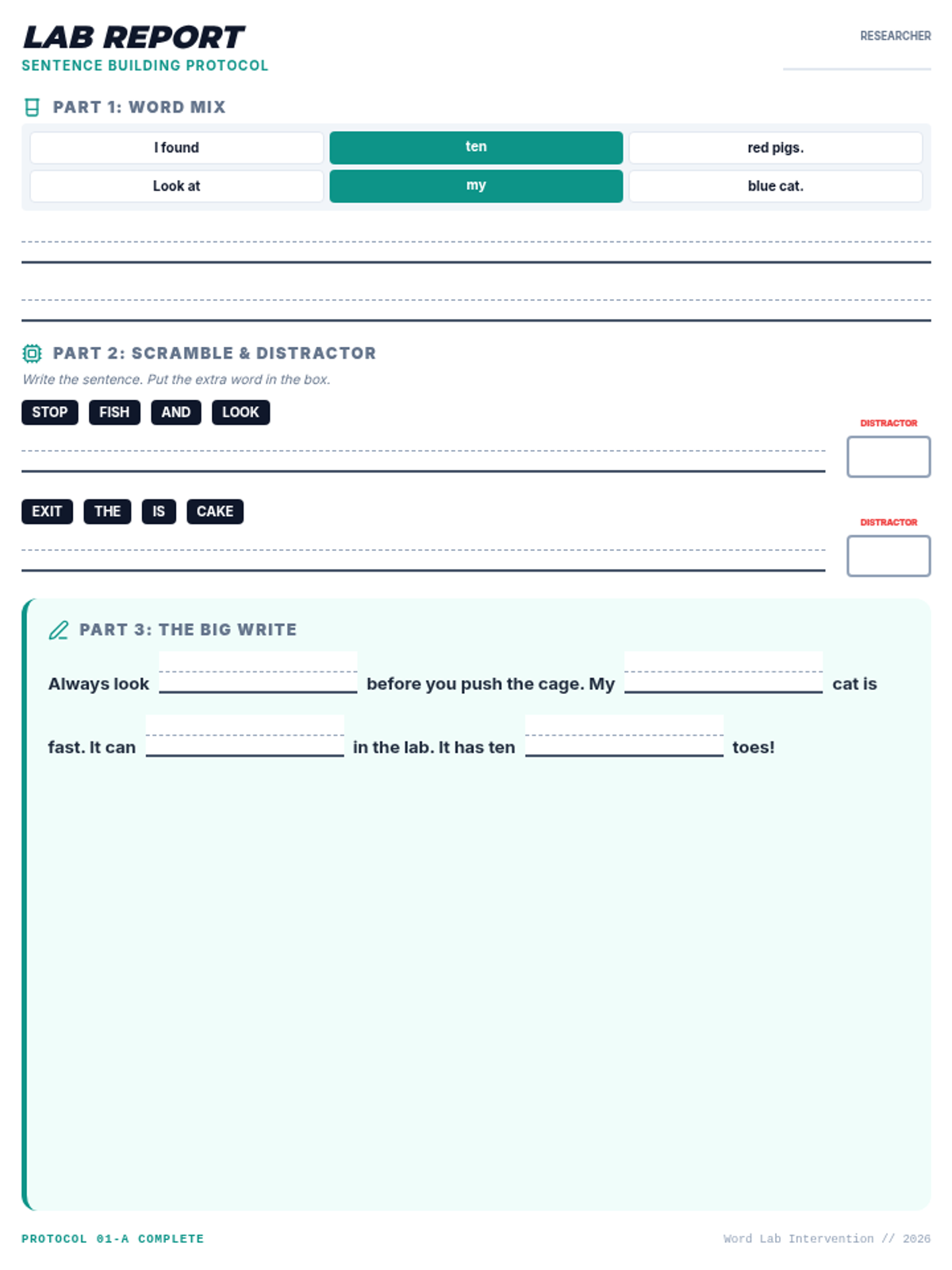
A focused 15-minute daily reading intervention designed for older students (age 10+) struggling with decoding and sight word recall. This lesson combines CVC phonetics, functional survival words, and high-frequency Dolch Second Grade vocabulary using a 'Word Lab' theme to keep the content age-appropriate and engaging.
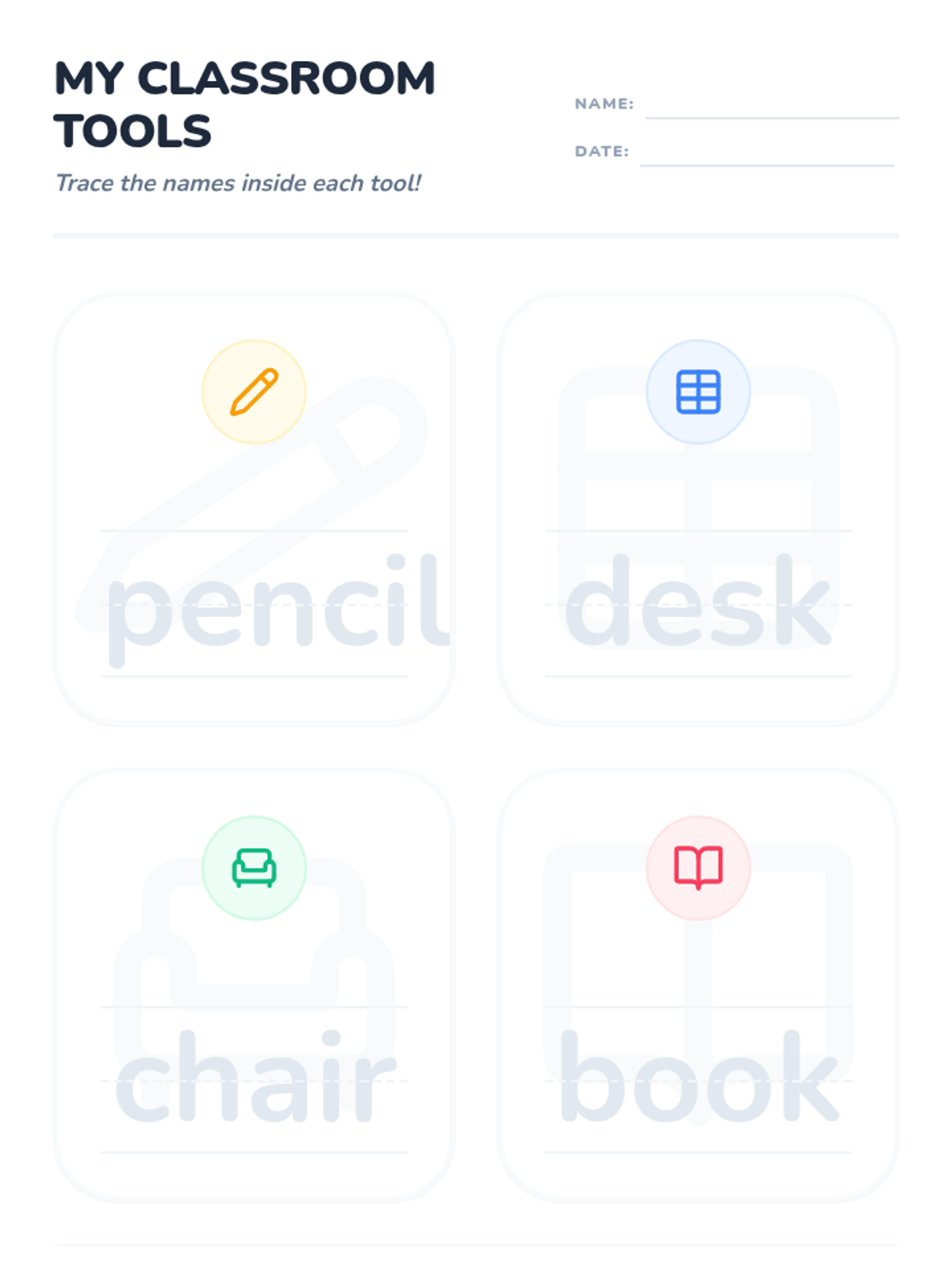
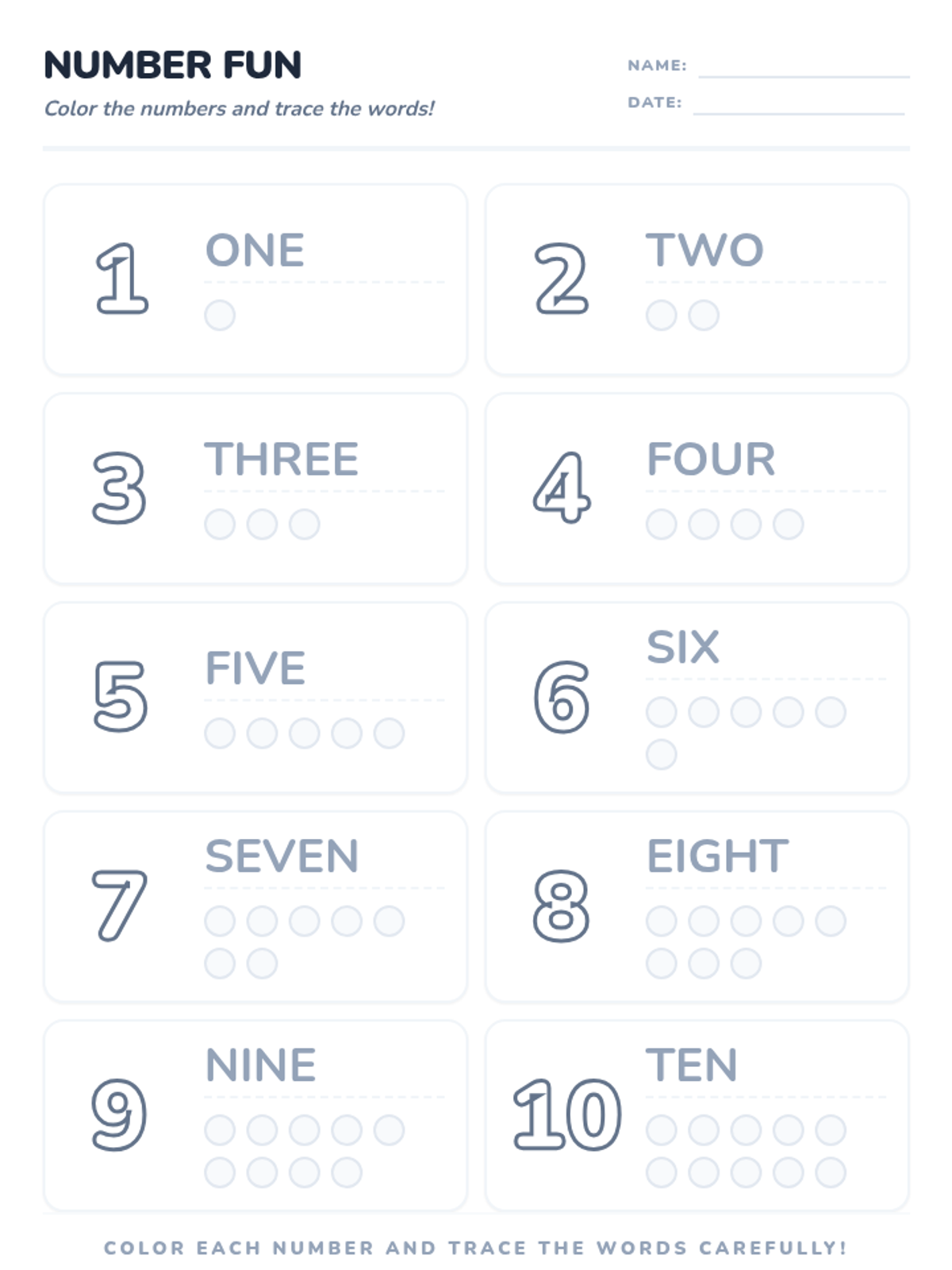
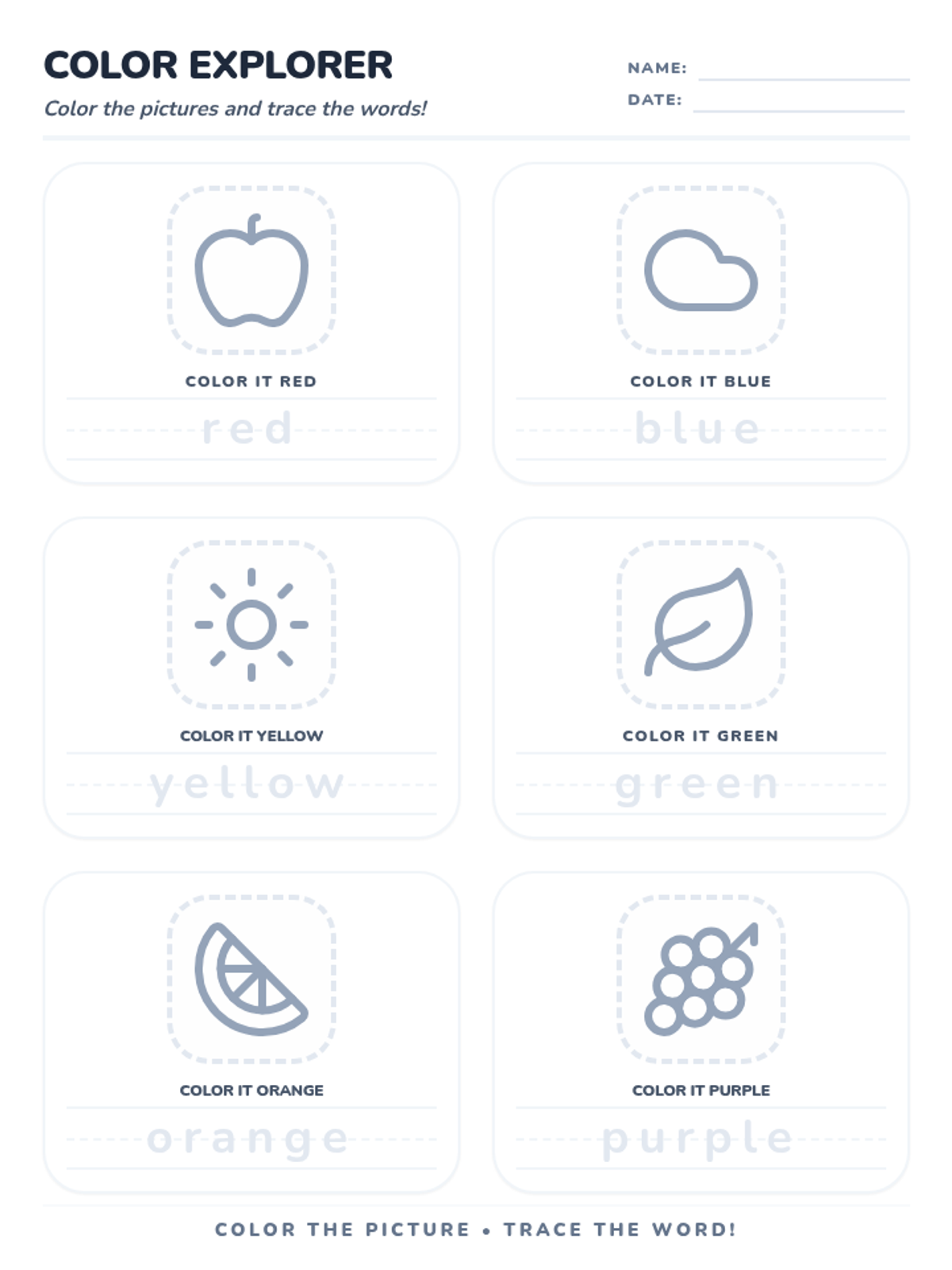
A collection of foundational worksheets for early learners focusing on classroom vocabulary and basic numeracy.
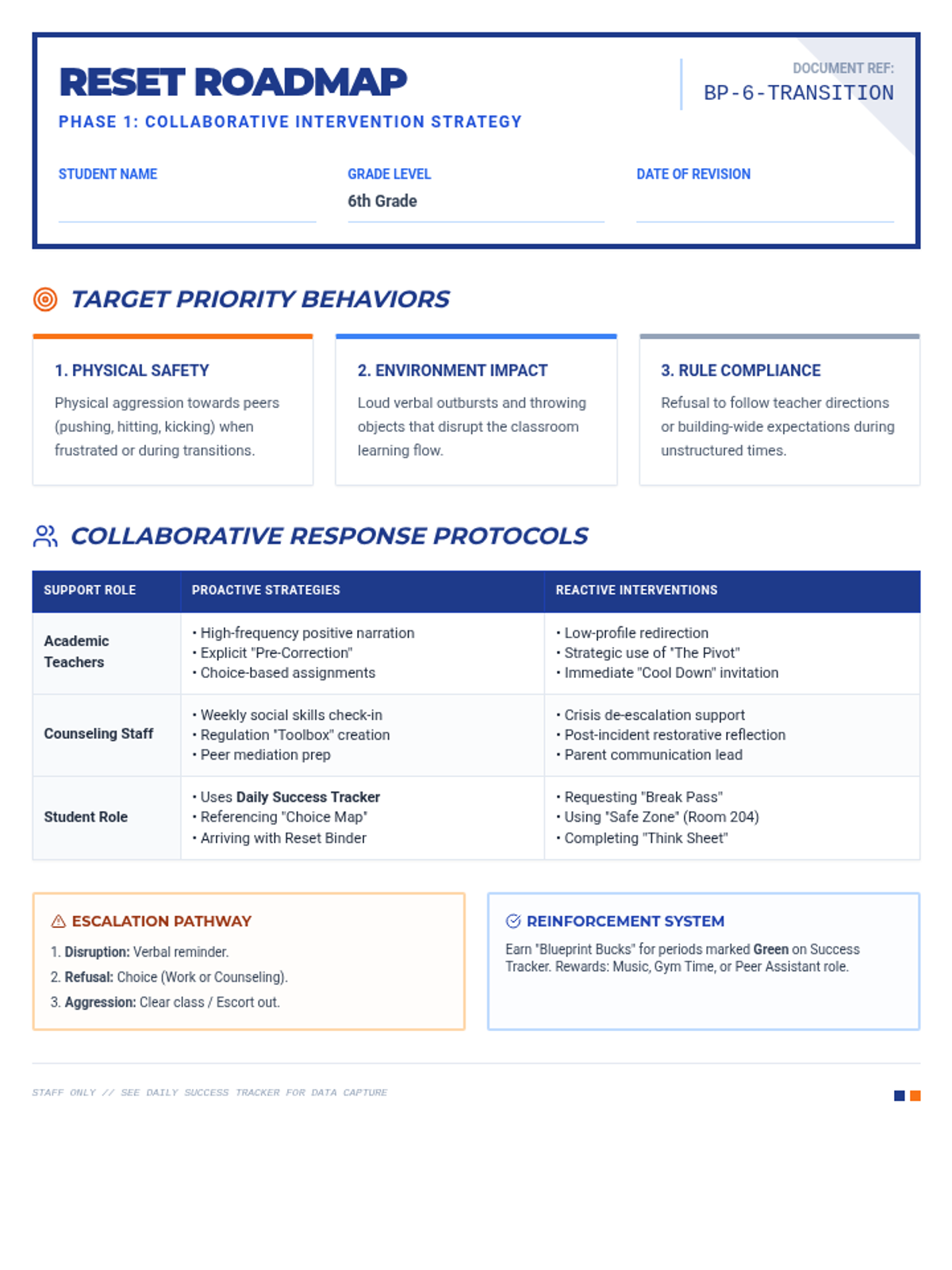
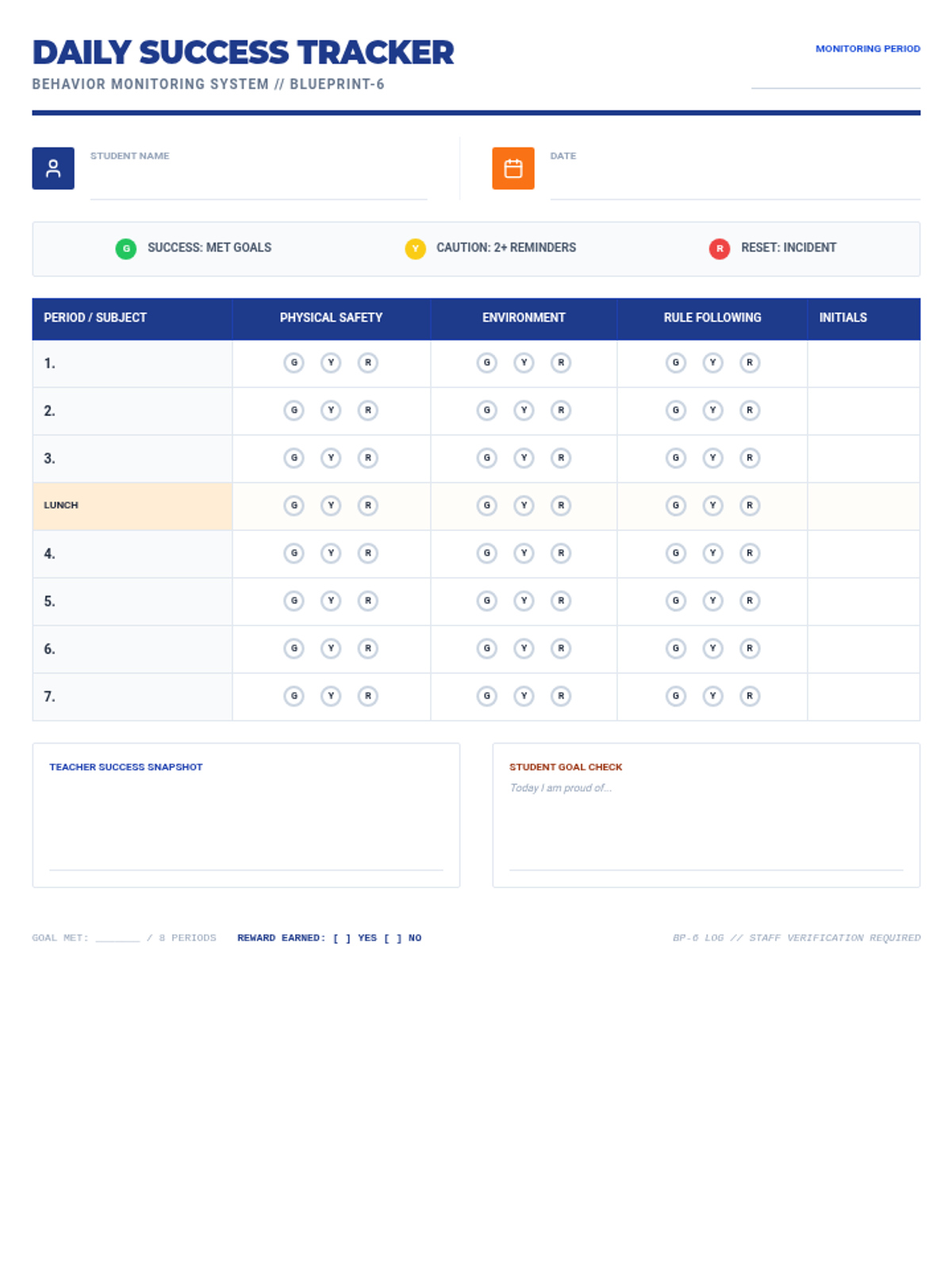
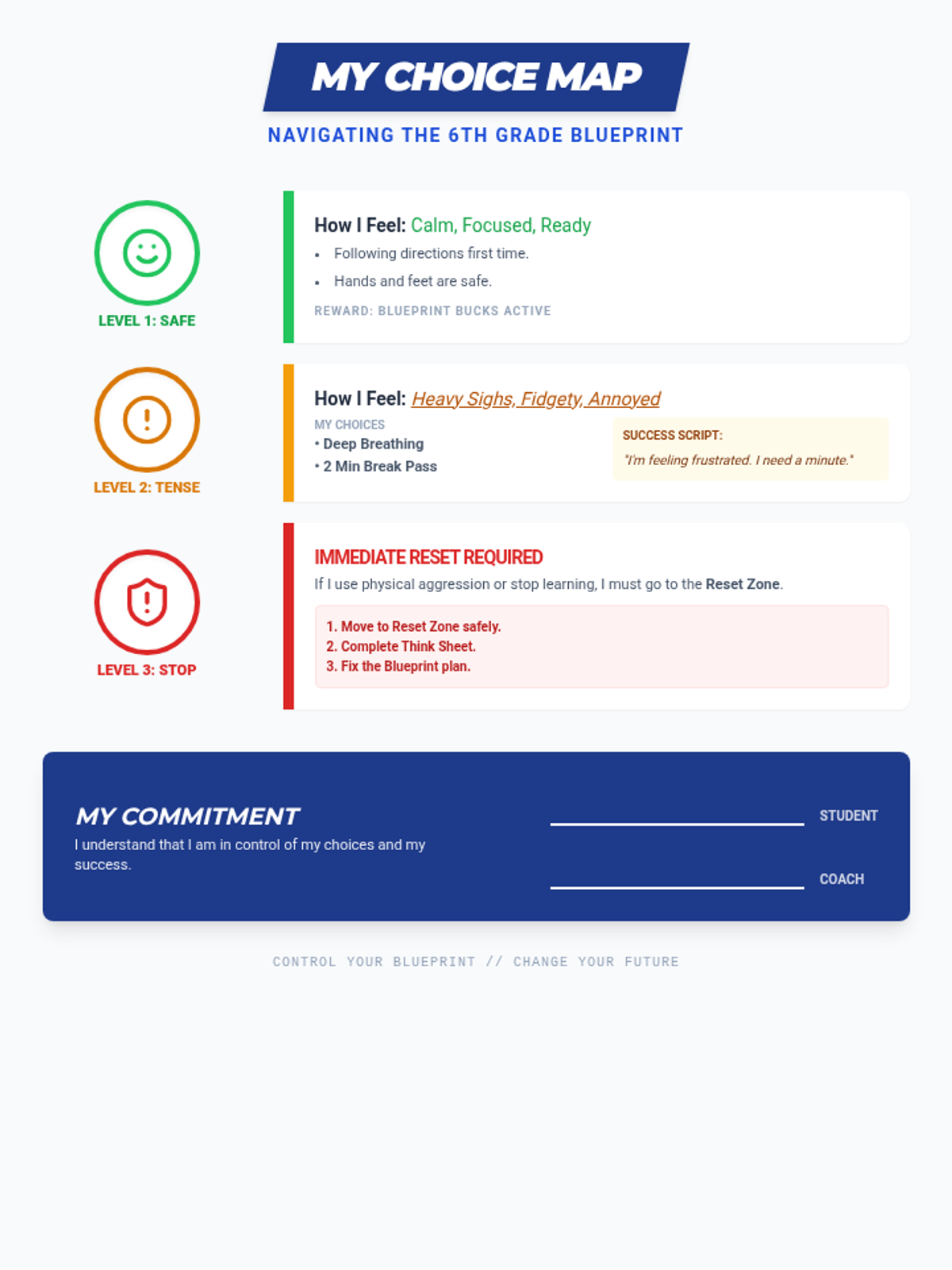
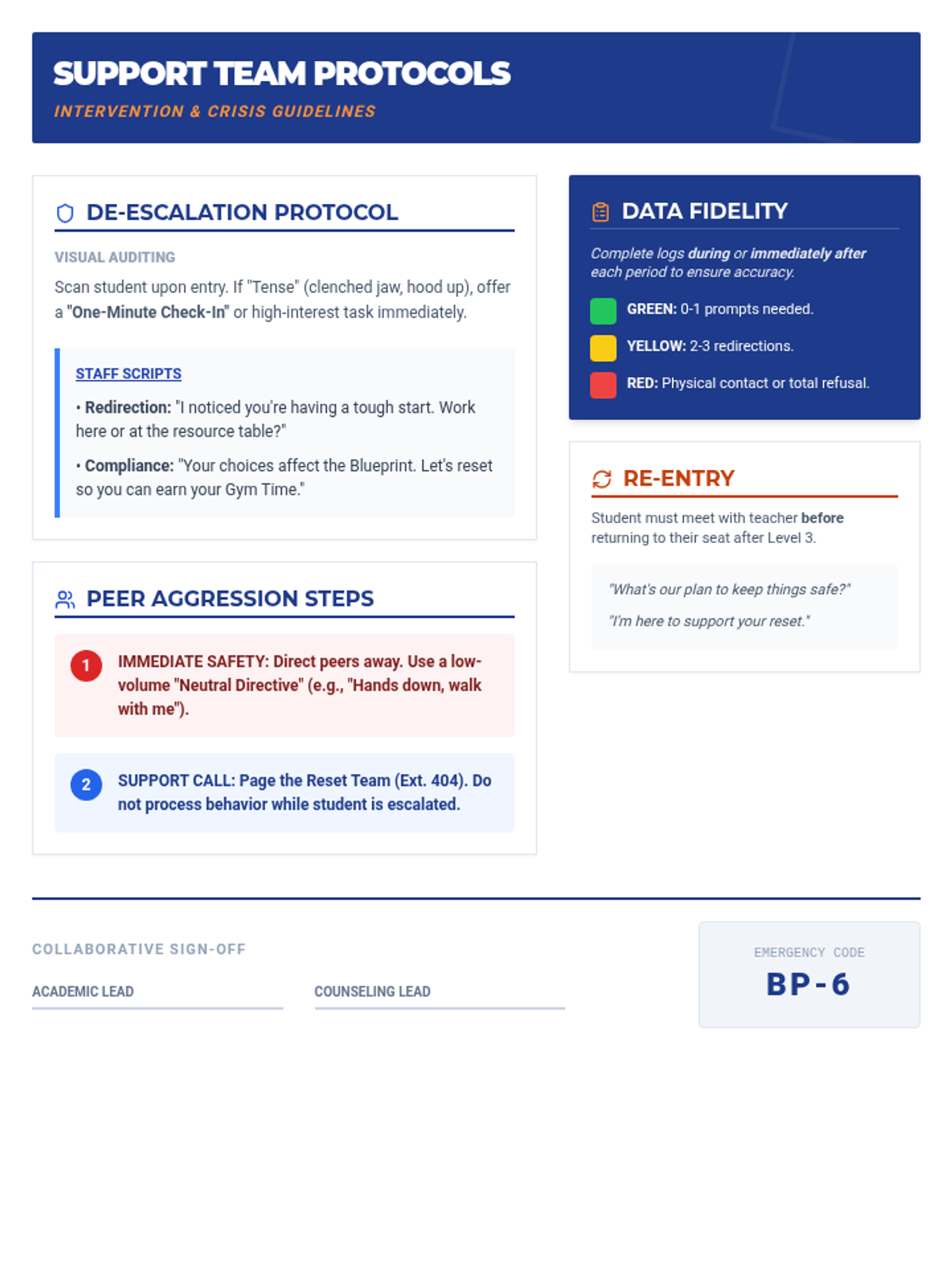
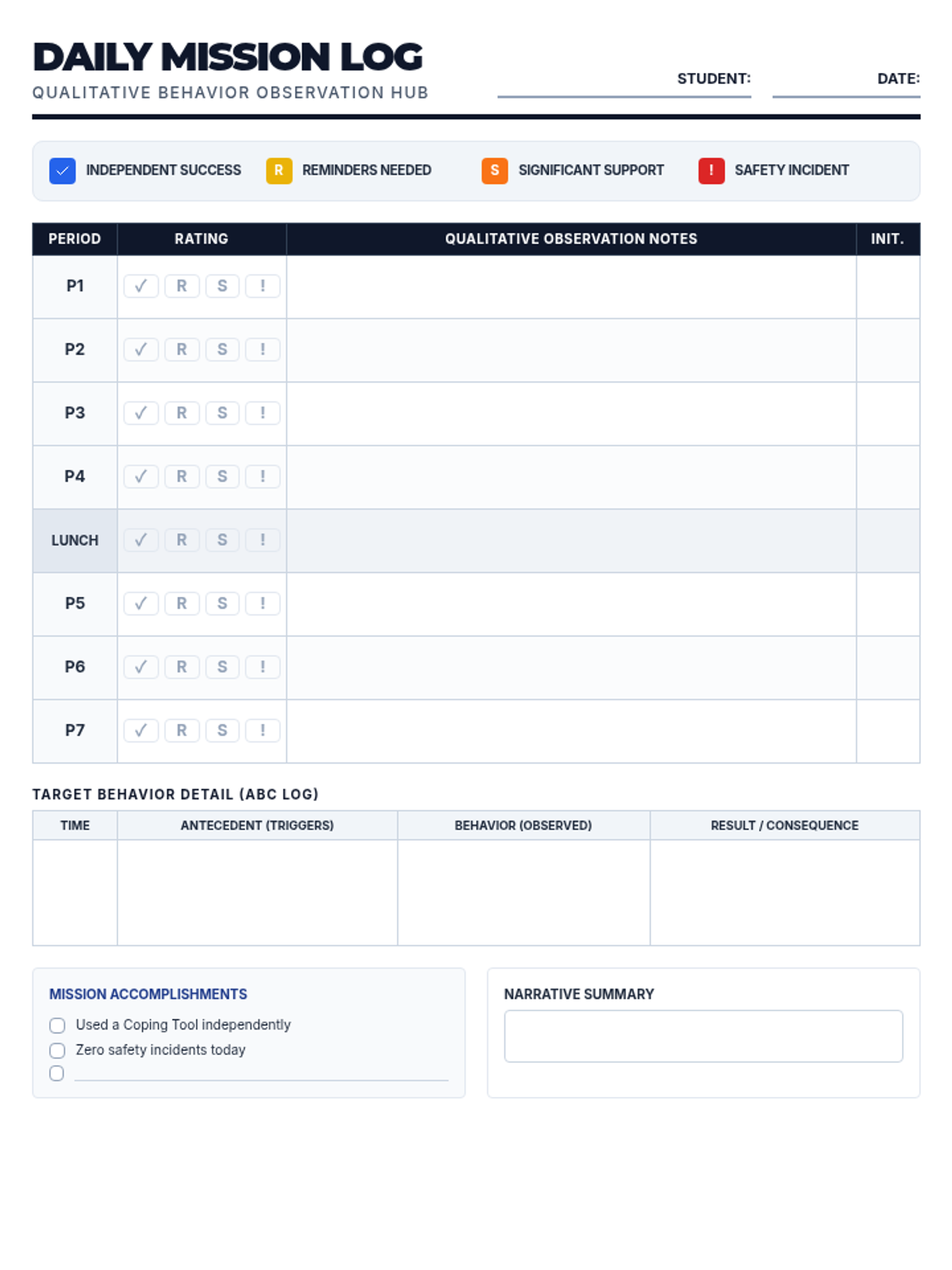
A comprehensive behavior intervention suite for a 6th-grade student struggling with physical aggression and rule-following. It includes collaborative planning documents, daily data tracking, and student-facing regulation tools.
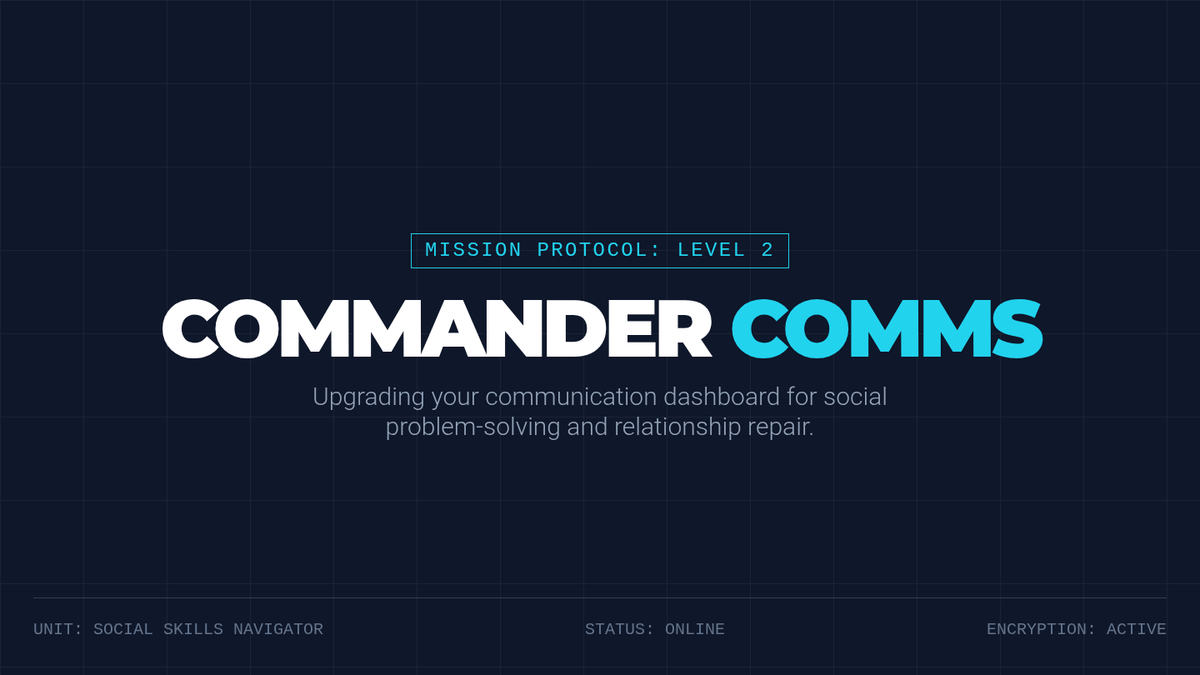
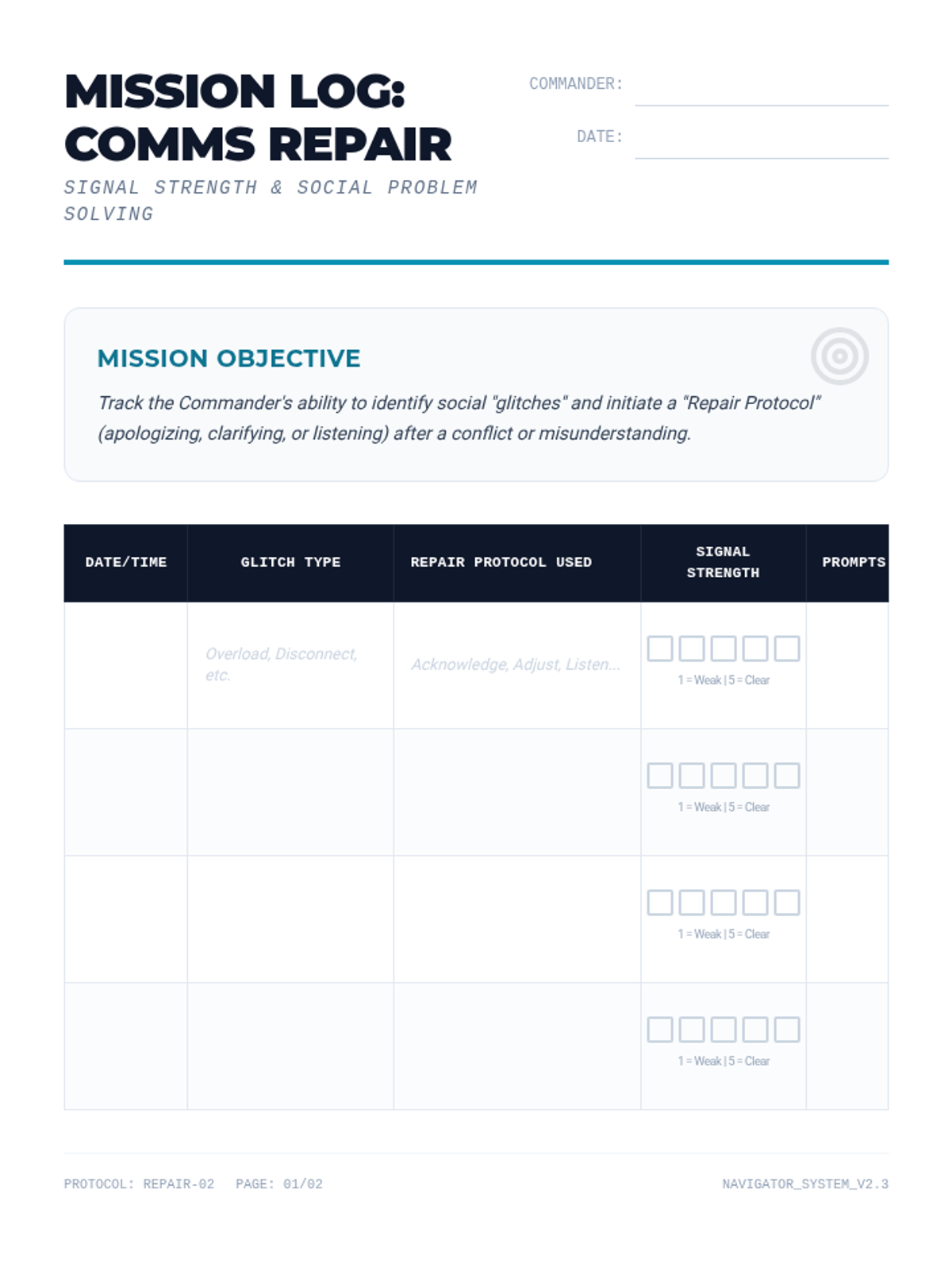
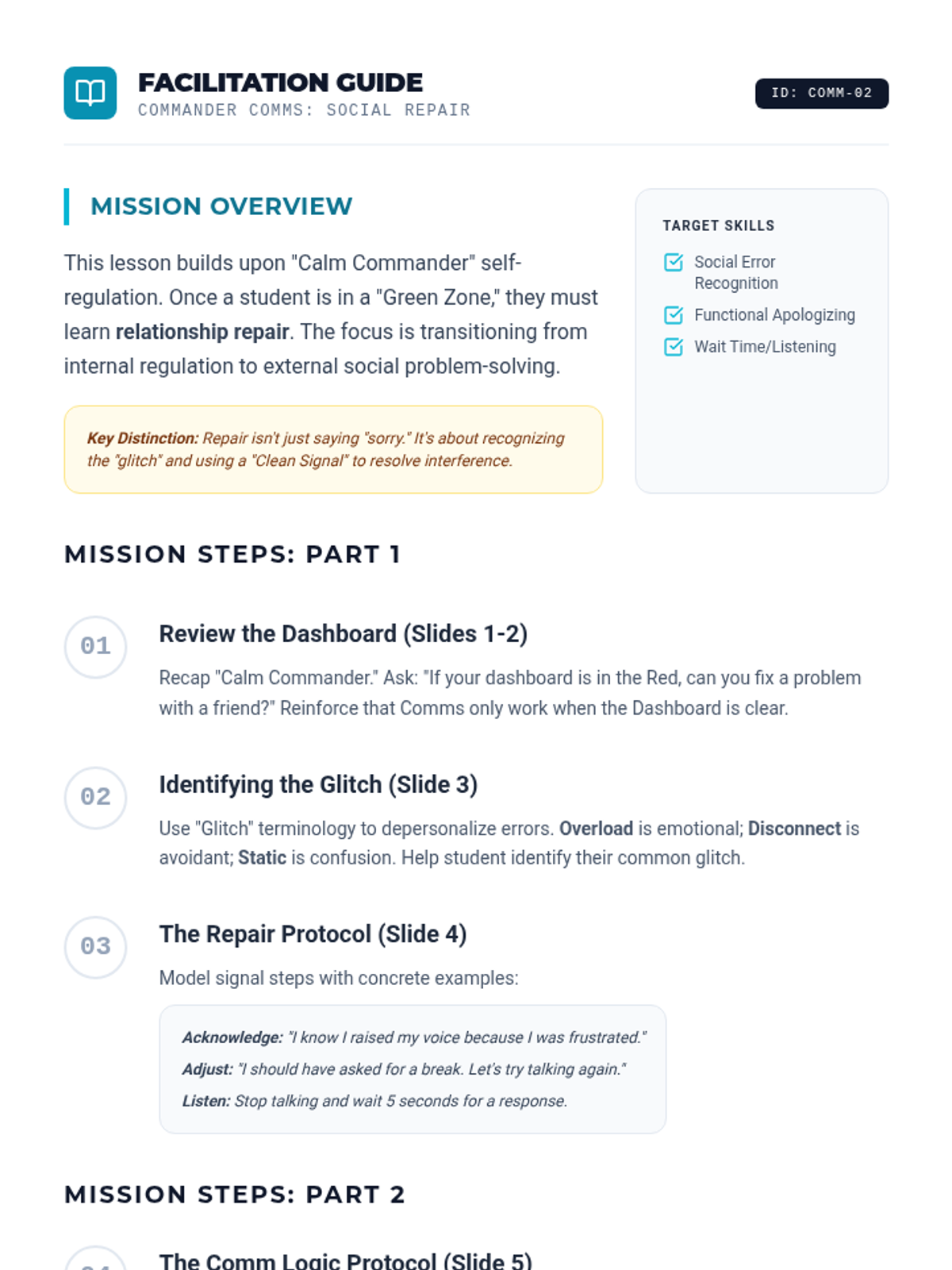
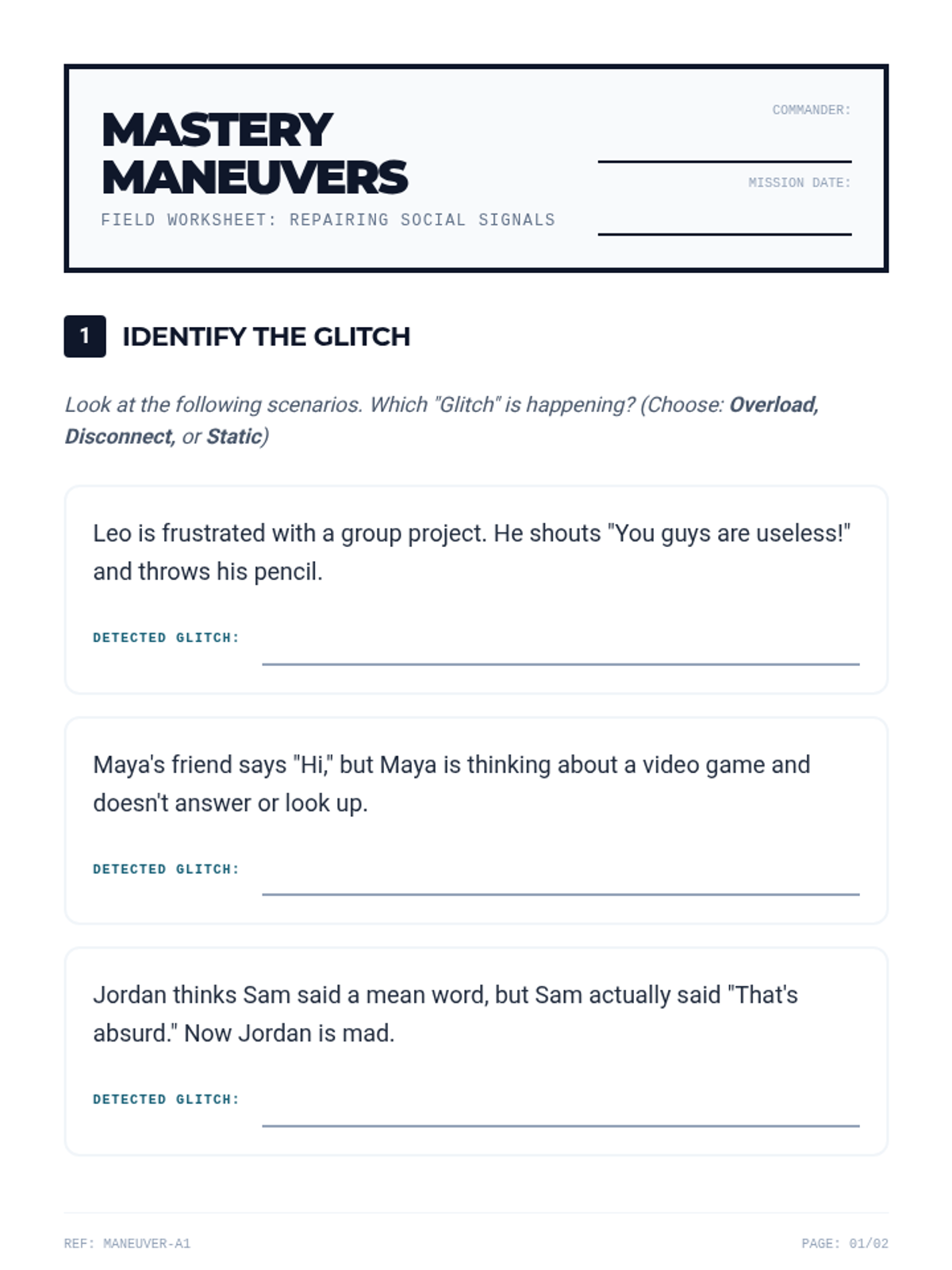
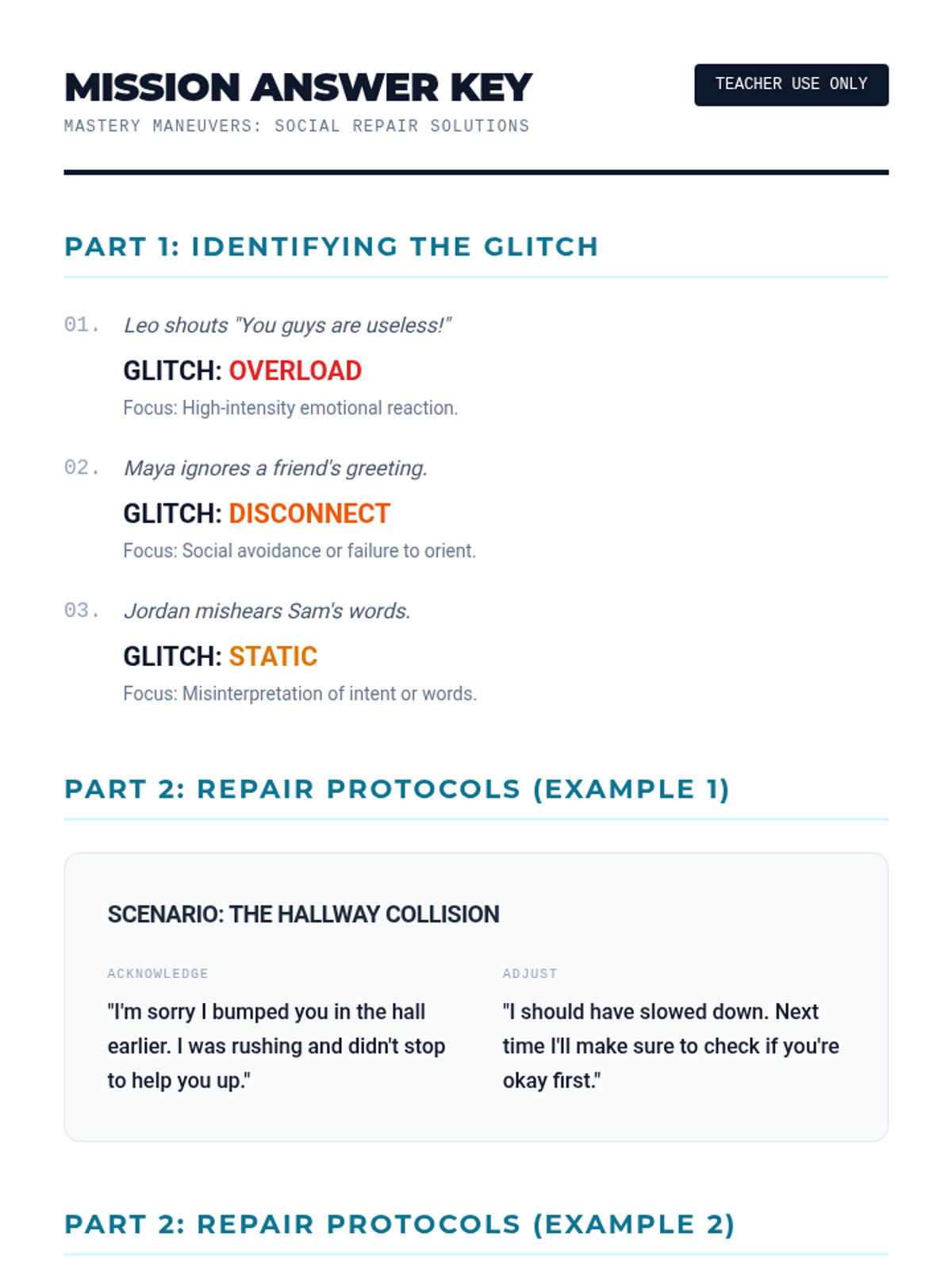
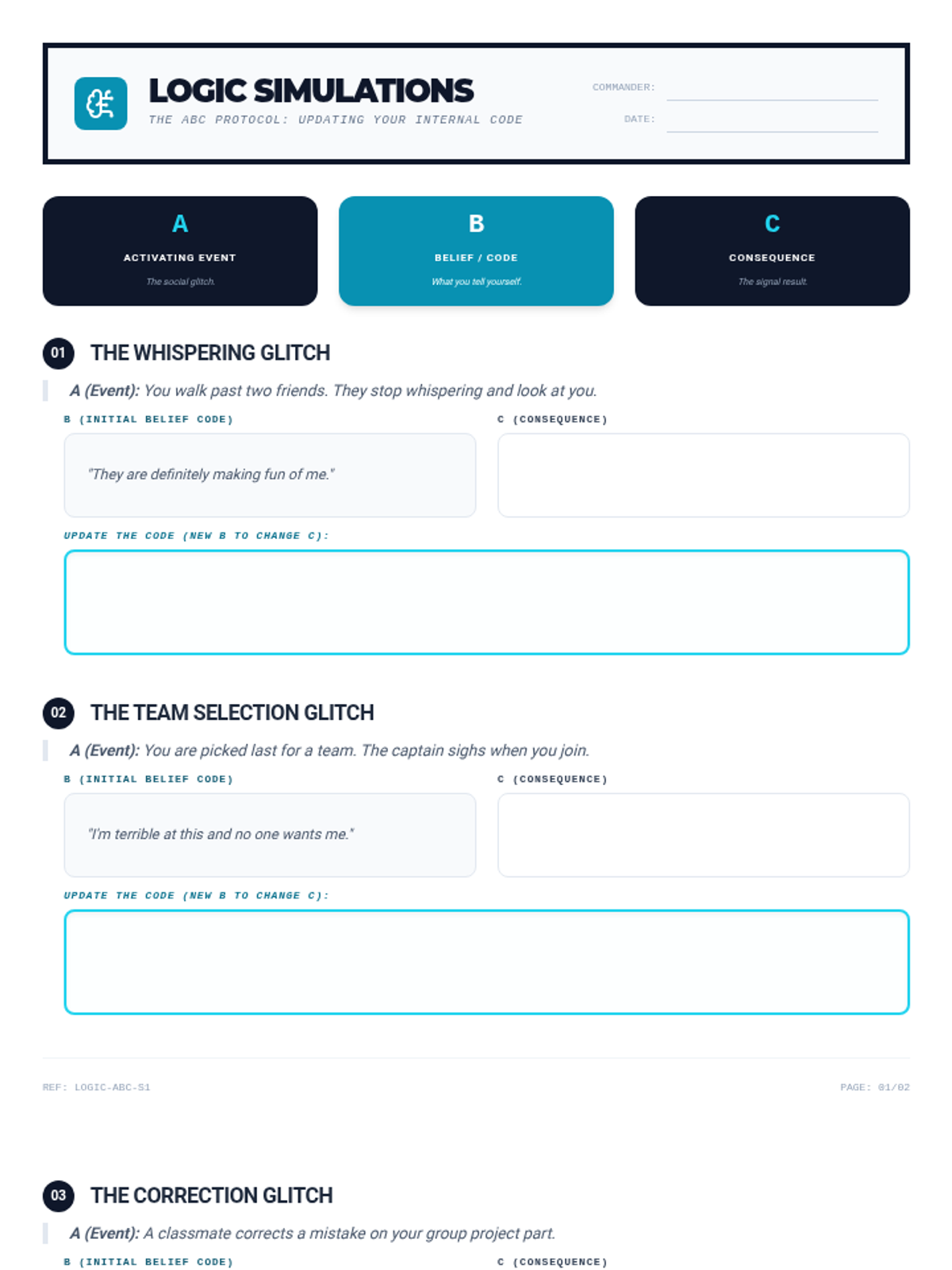
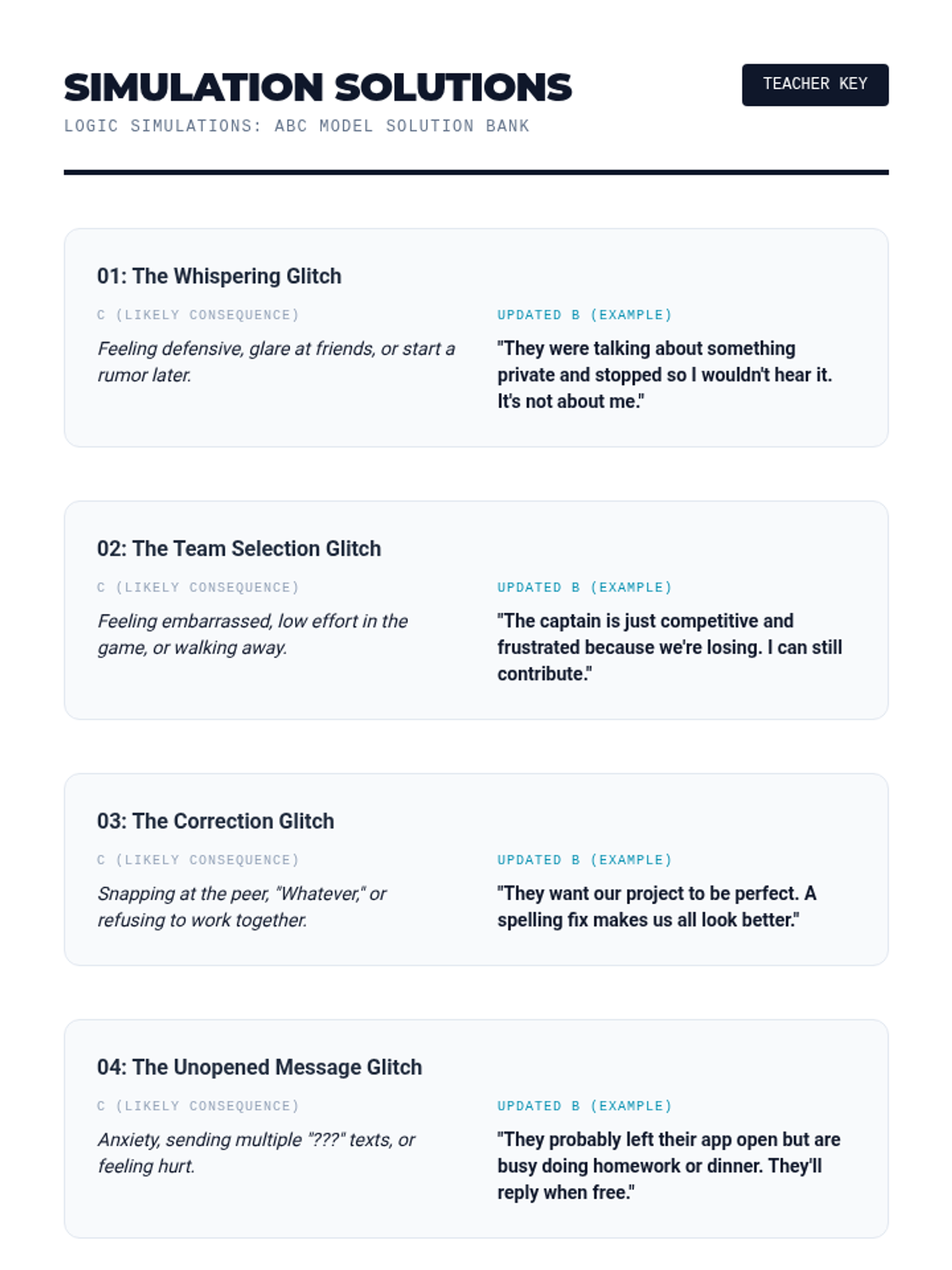
A follow-up lesson in the Calm Commander series focusing on social problem-solving and communication 'protocols' to repair relationships and resolve conflicts effectively.
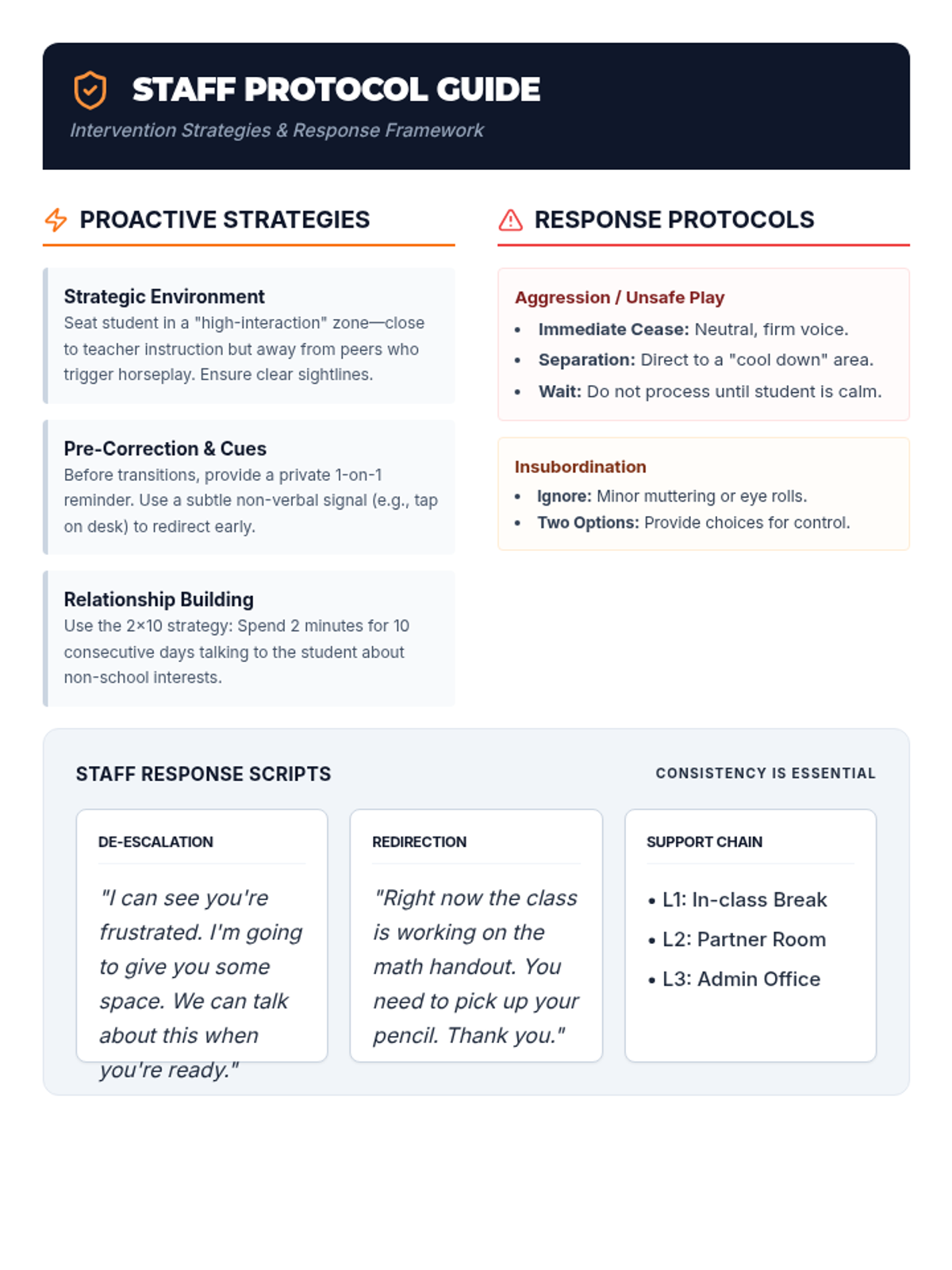
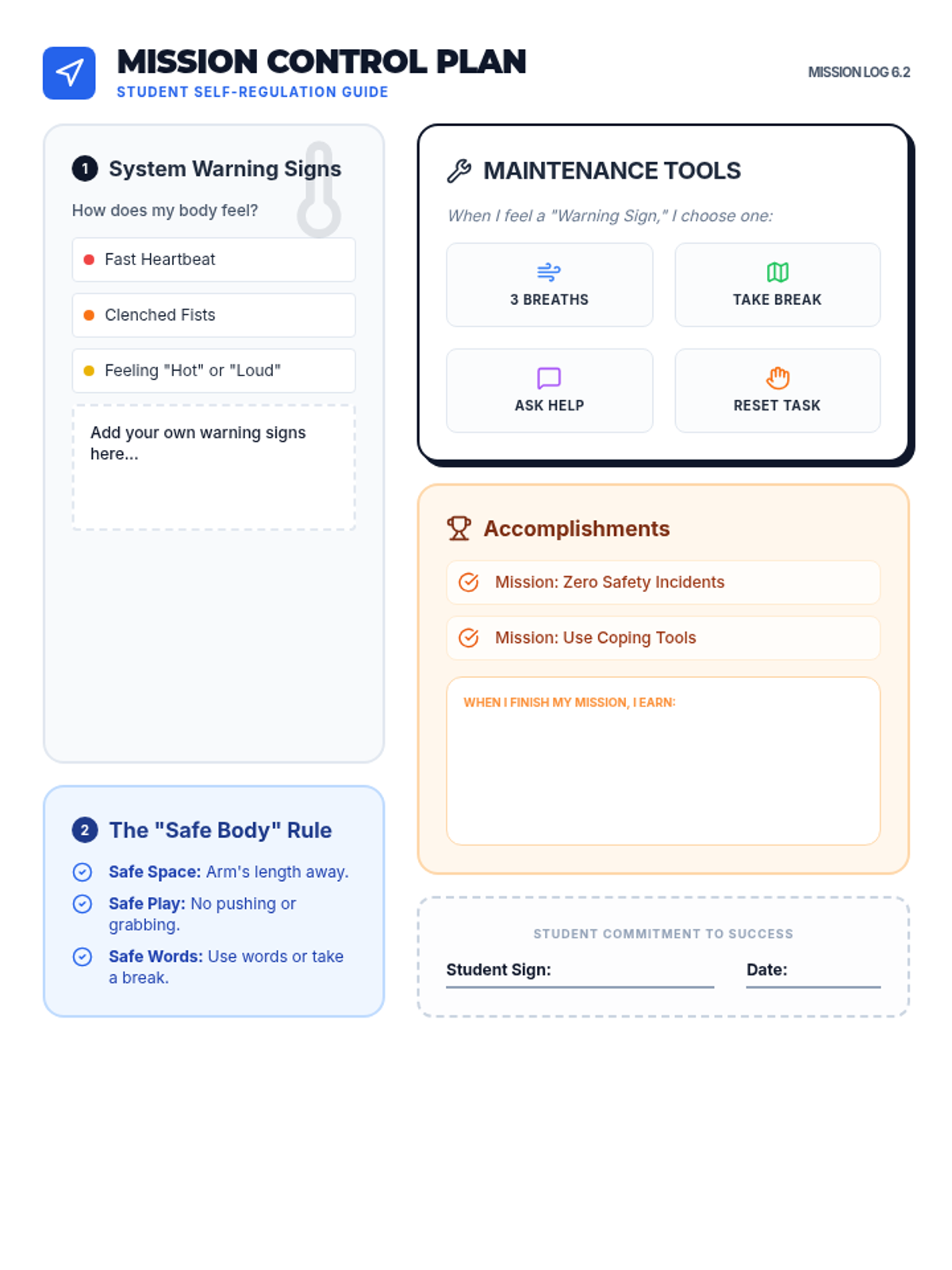
A comprehensive behavior support package for a 6th-grade student struggling with physical aggression, disruption, and rule-following. Includes a data tracking tool, staff intervention strategies, and a student-centered self-regulation plan.
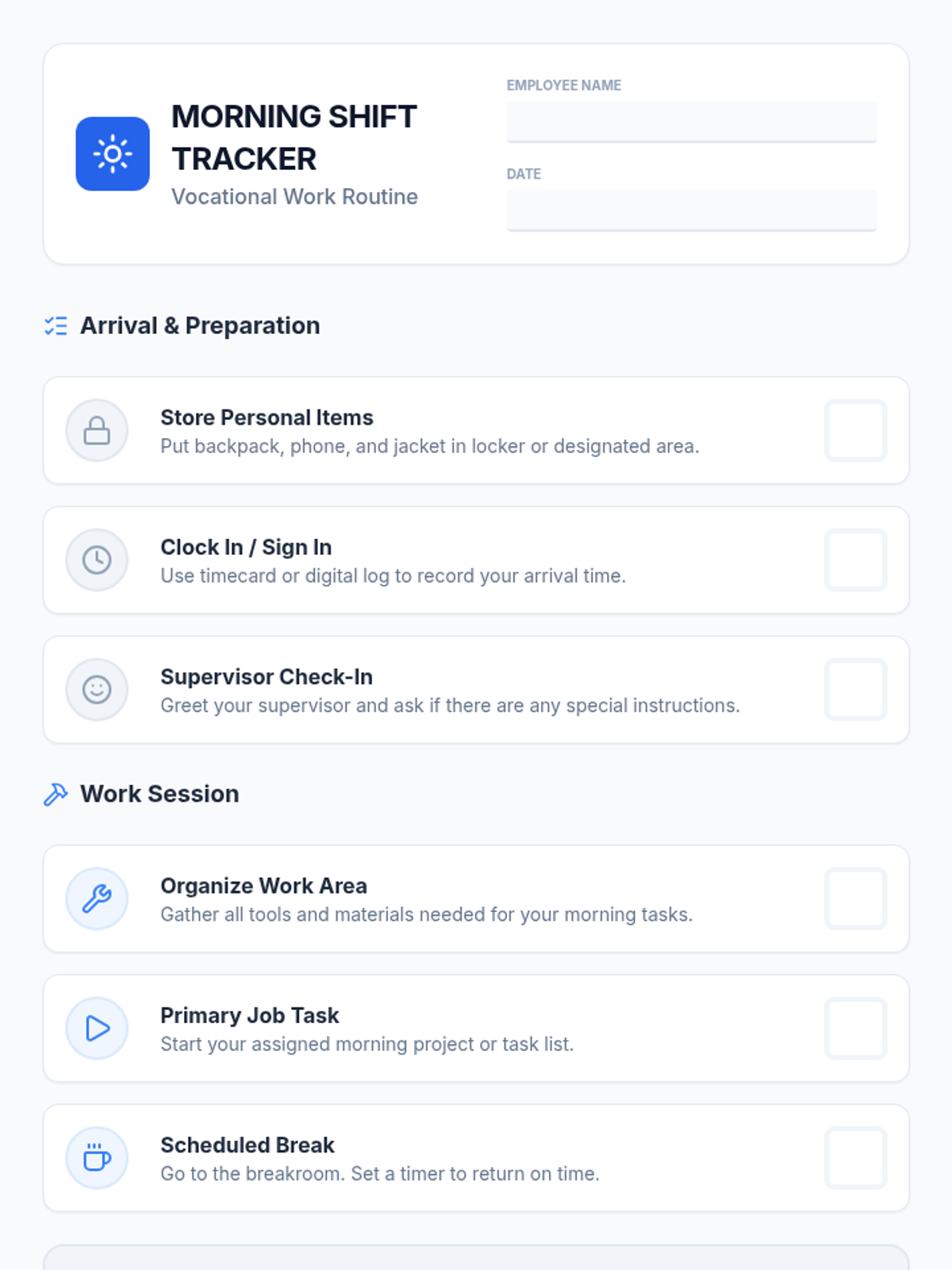
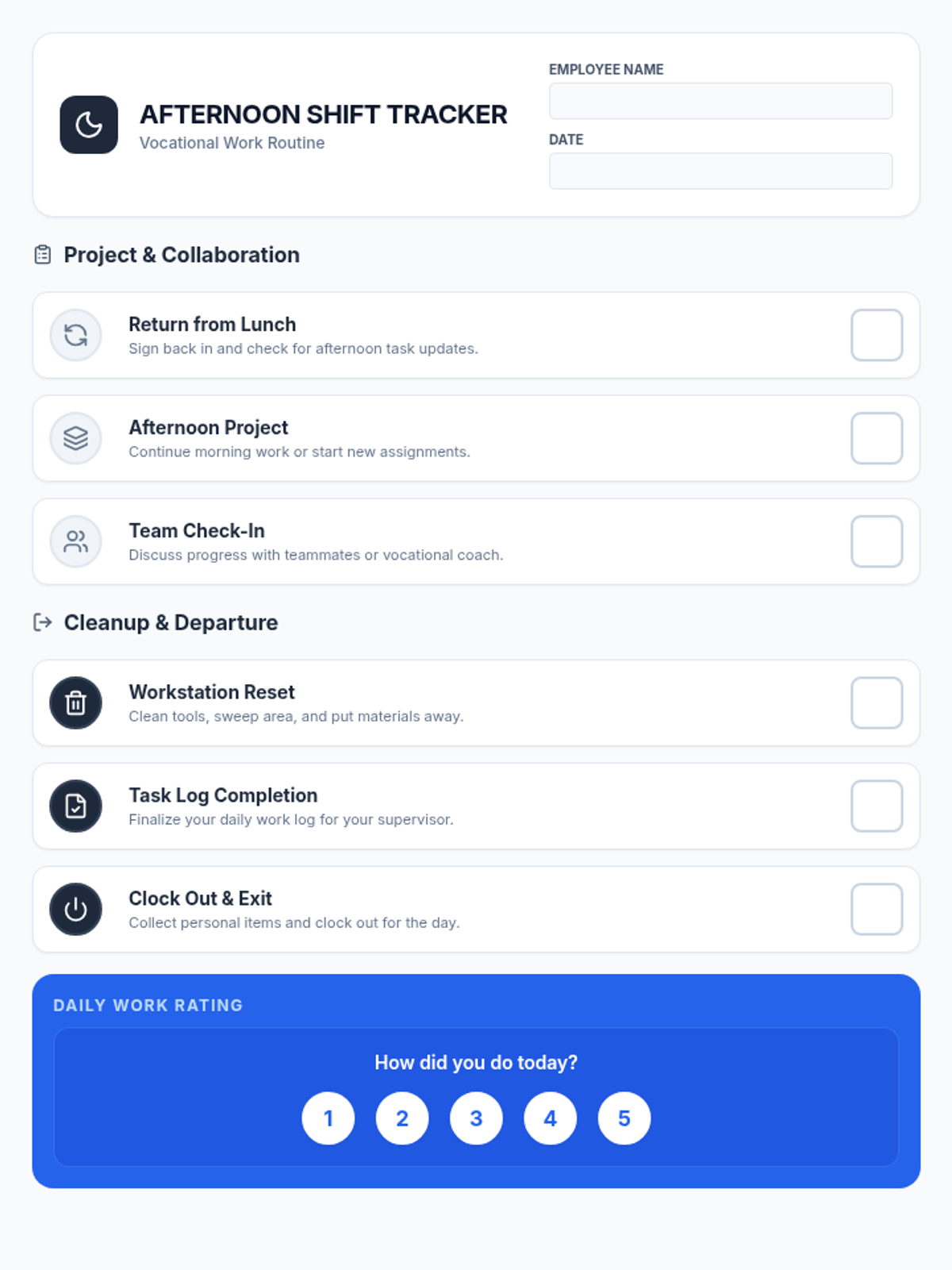
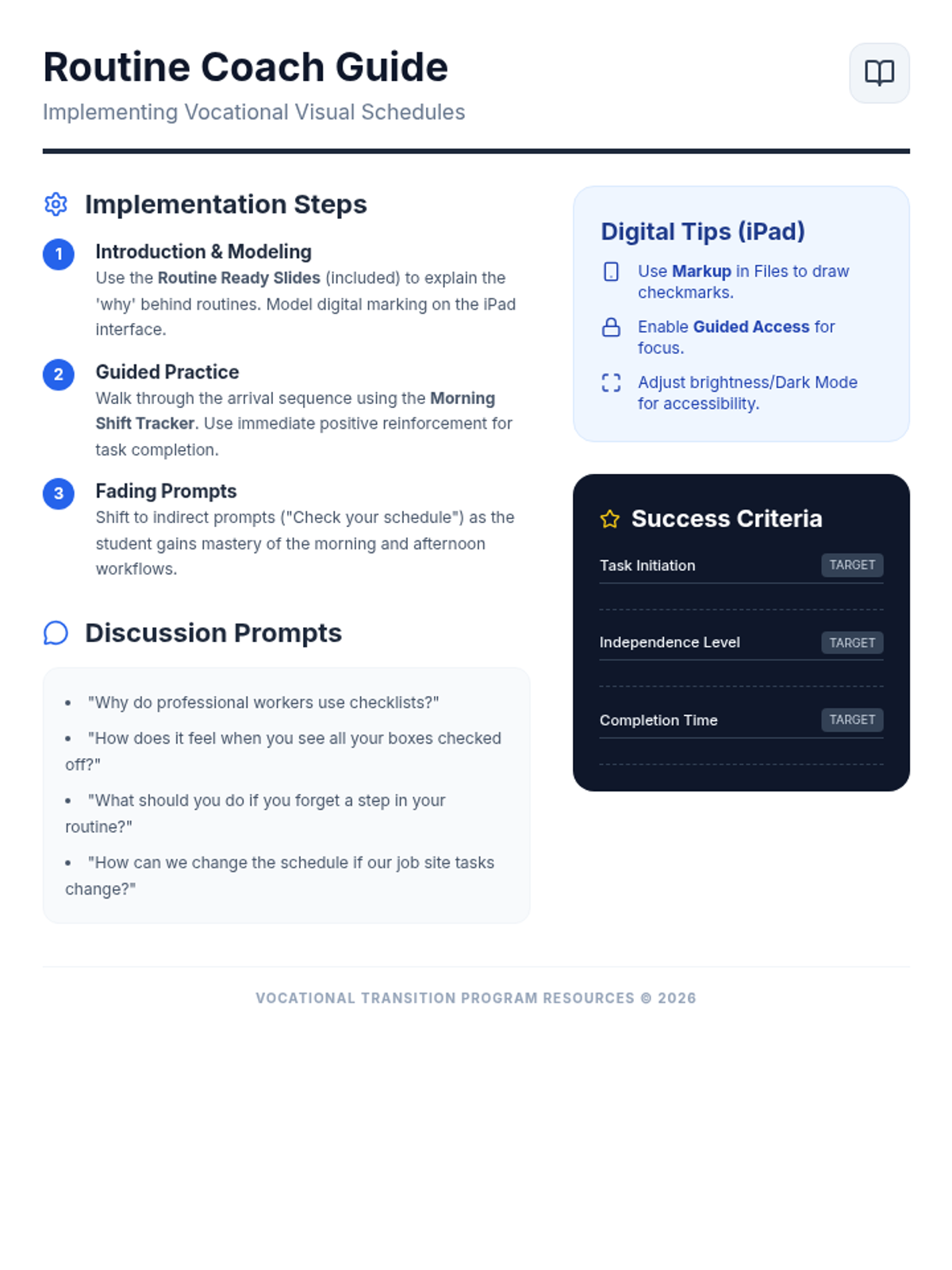
A comprehensive vocational training unit focused on establishing and maintaining daily routines for high school students in transition programs. This lesson provides visual supports and tracking tools designed for digital use on iPads or print.
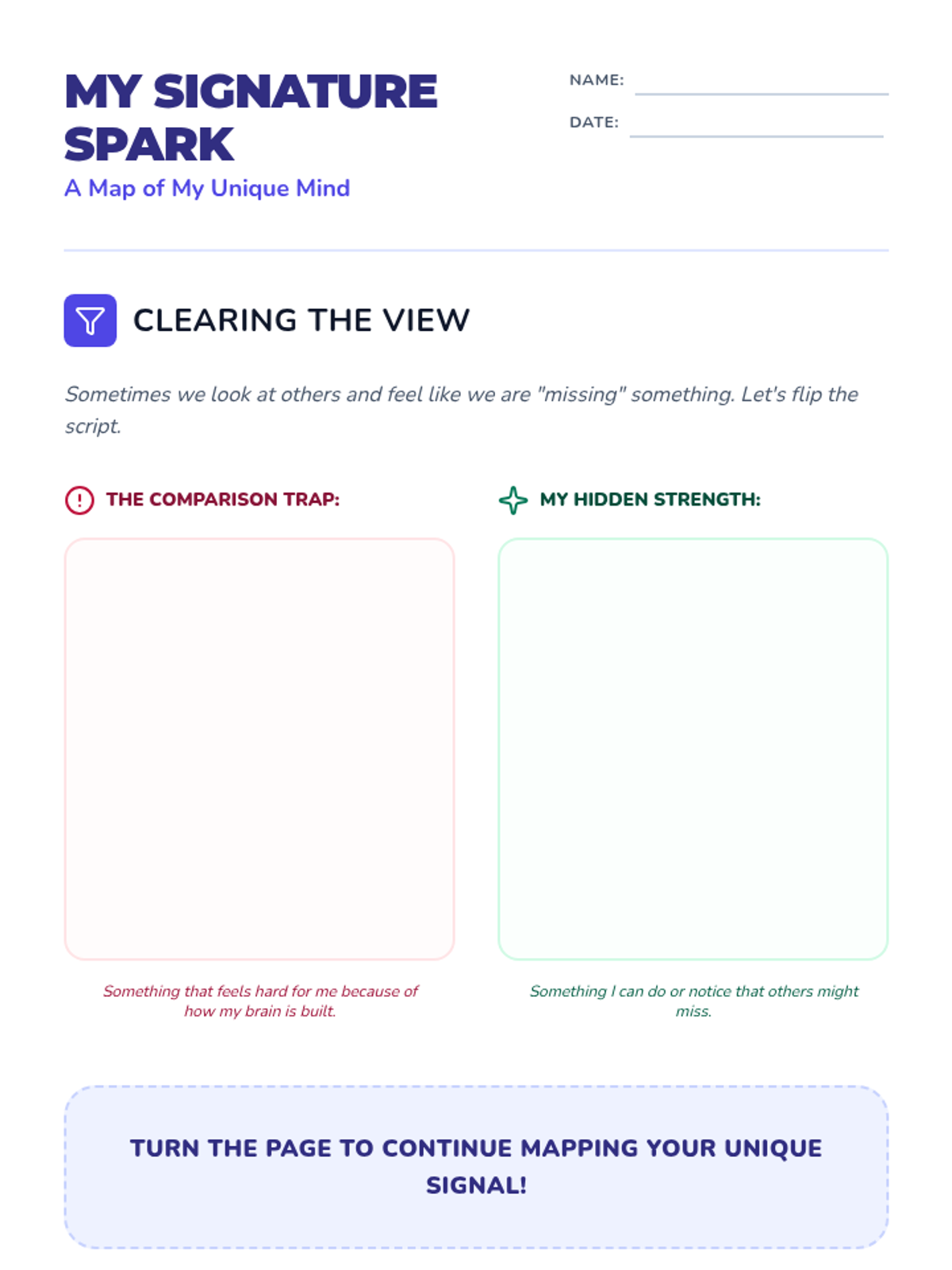
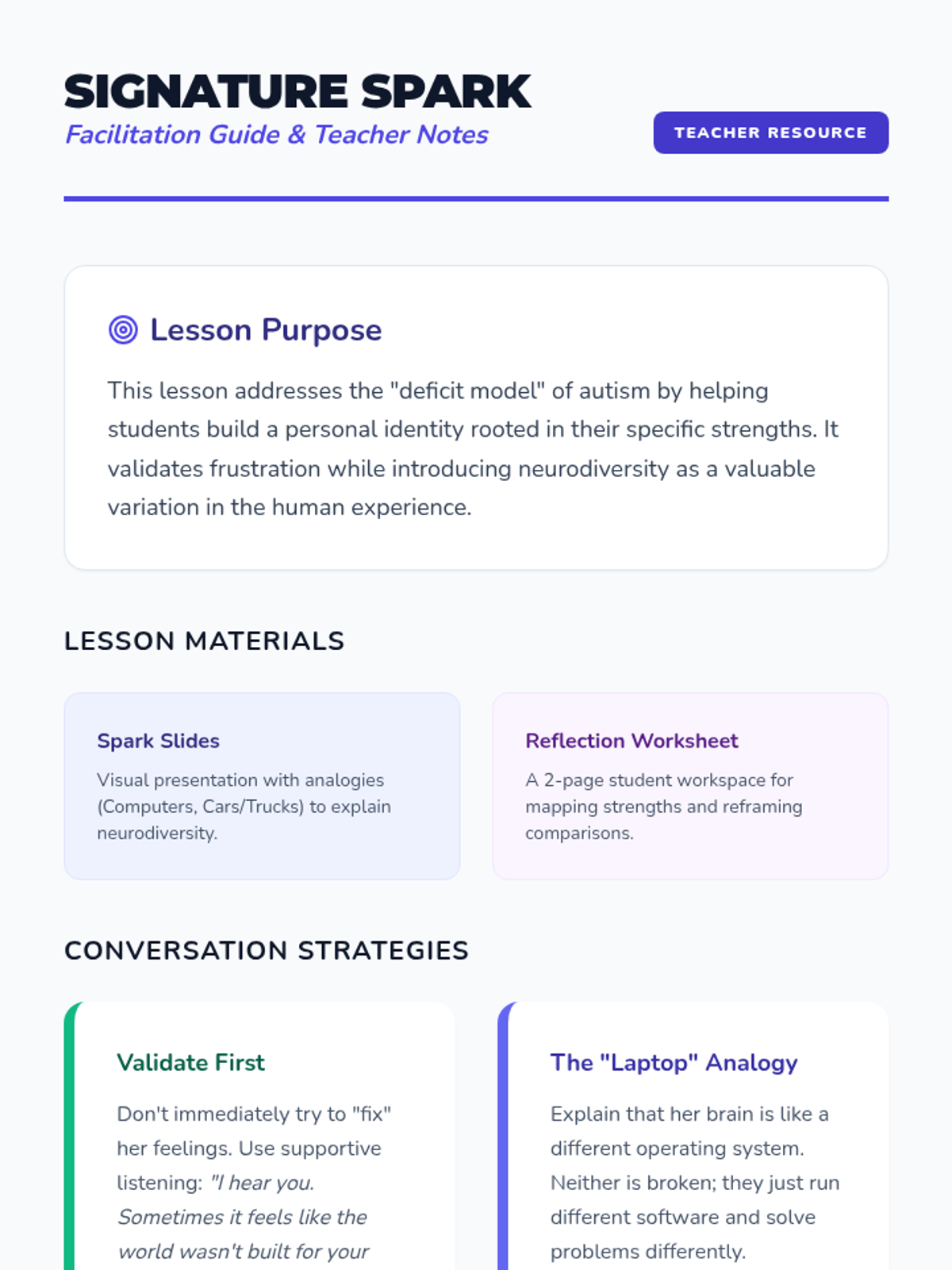
A sensitive and empowering lesson designed to help 5th-grade students on the autism spectrum embrace their unique neurobiology and move away from harmful comparisons with neurotypical peers.
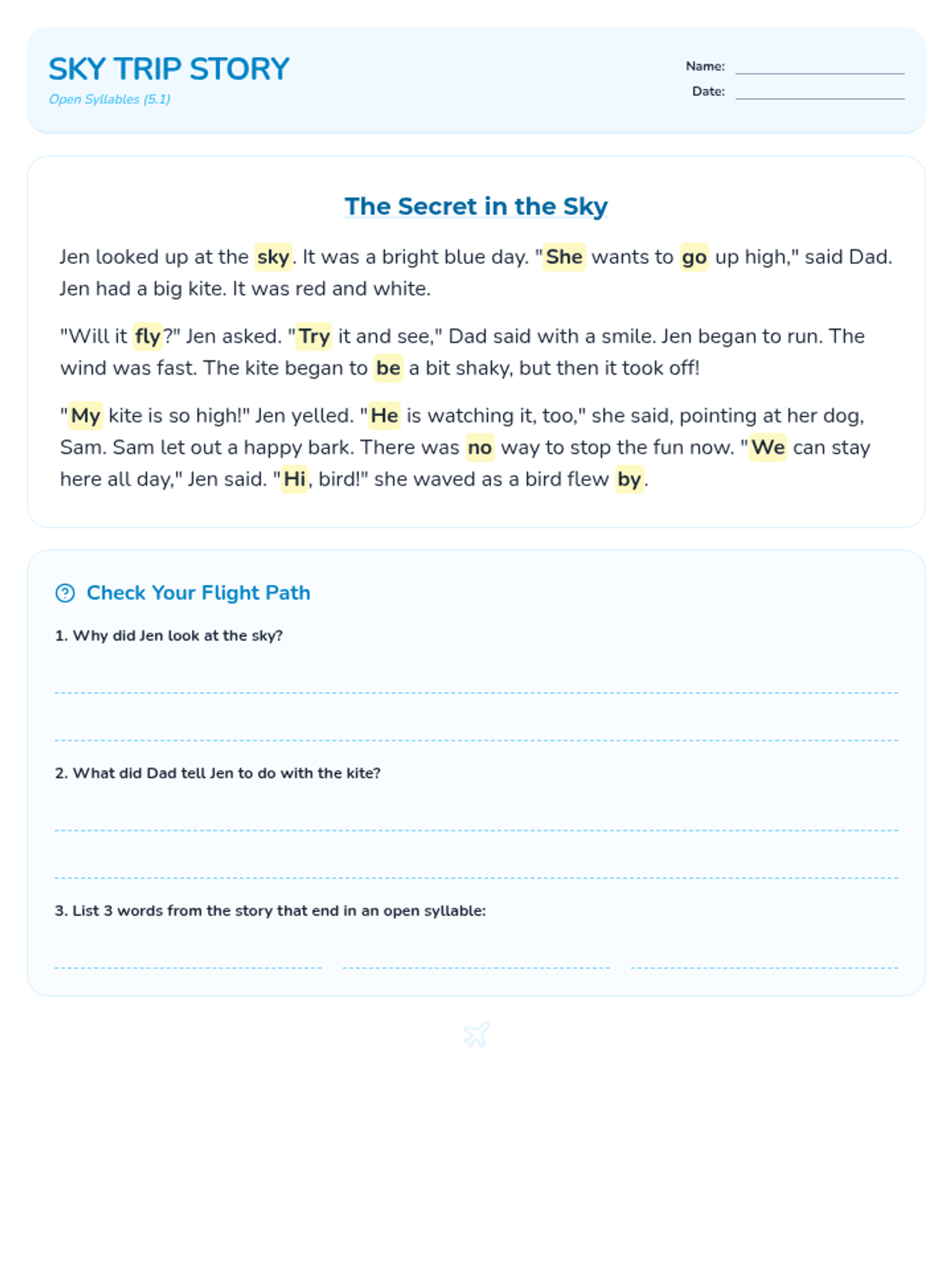
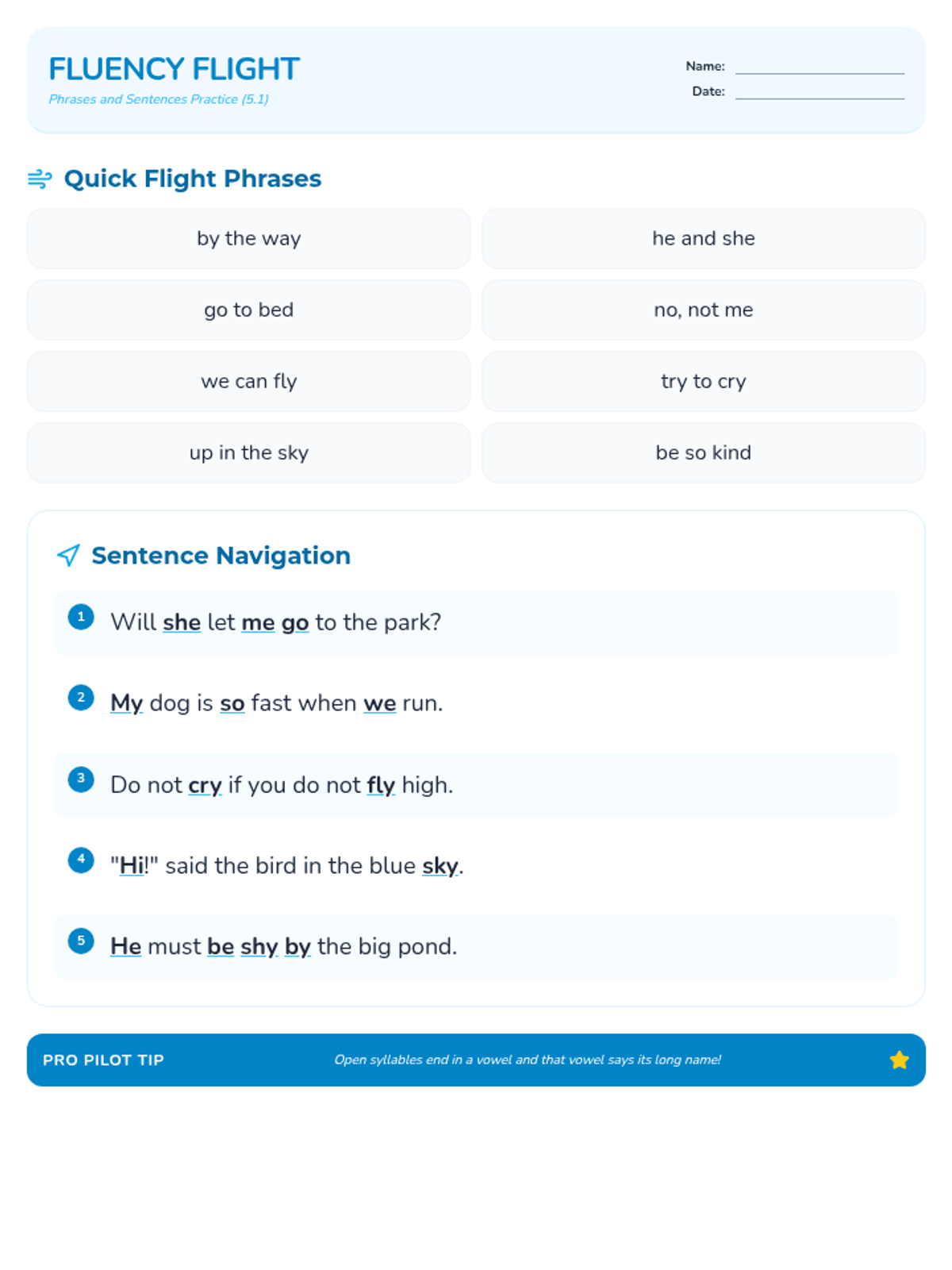
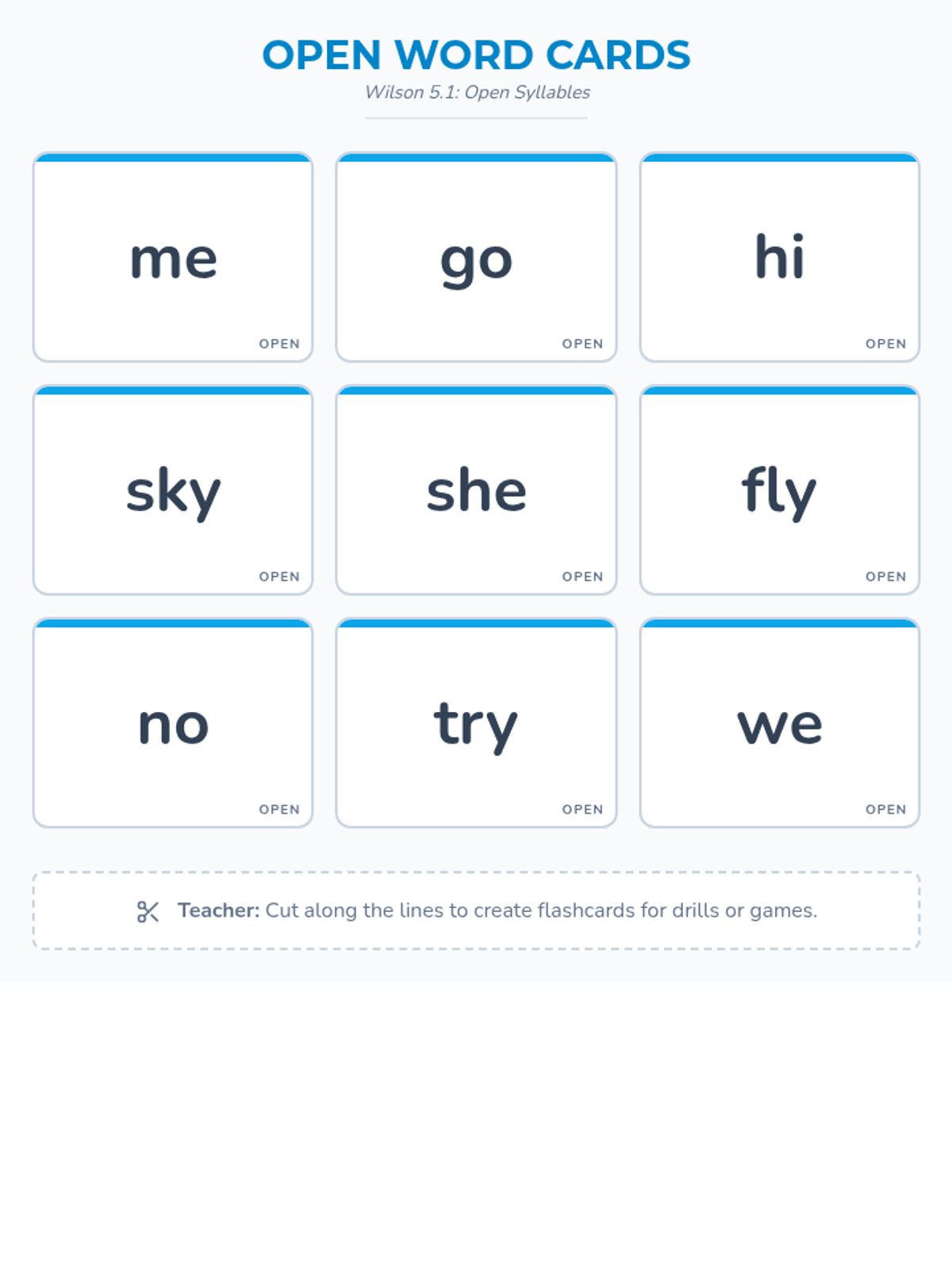
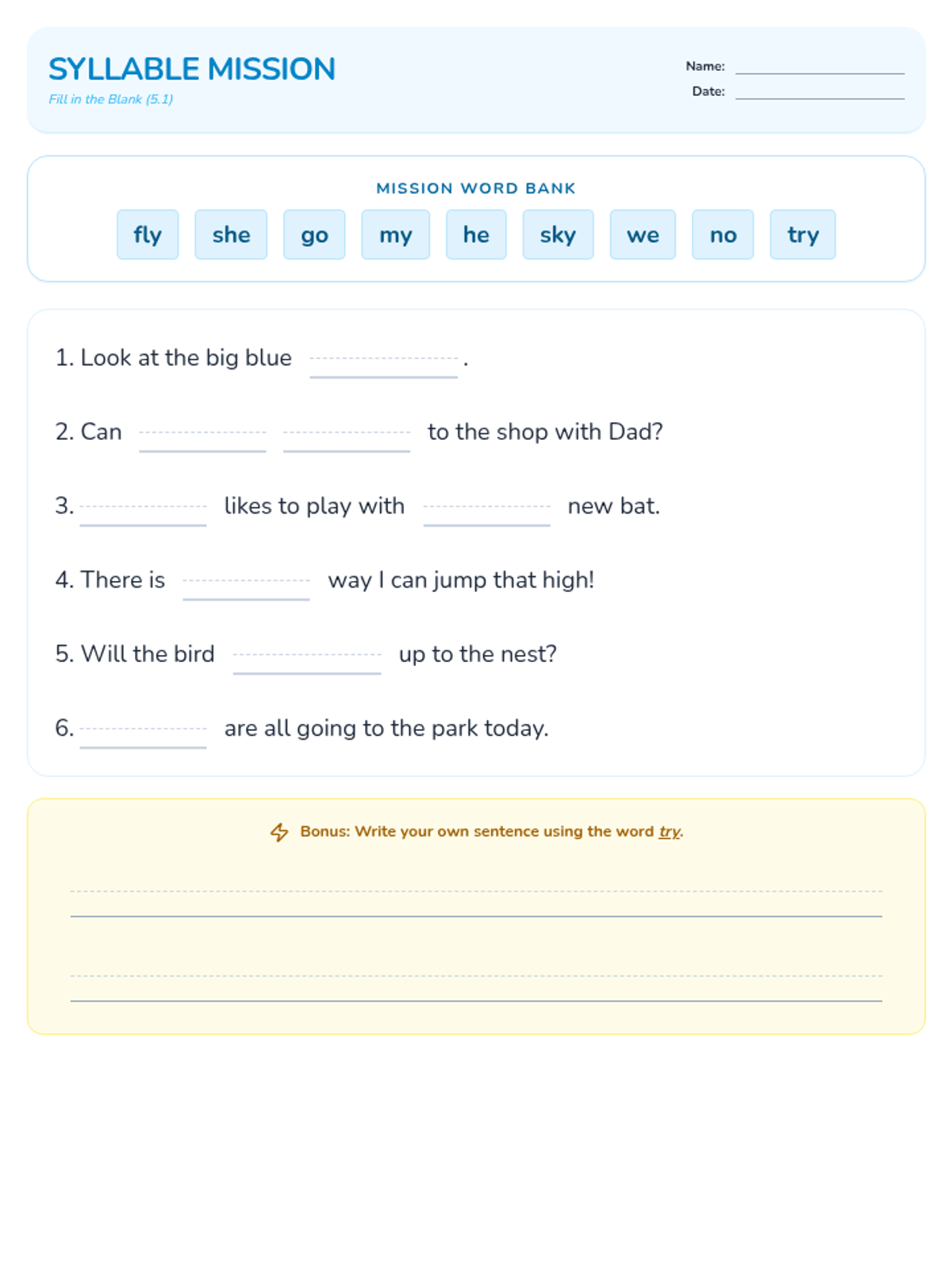
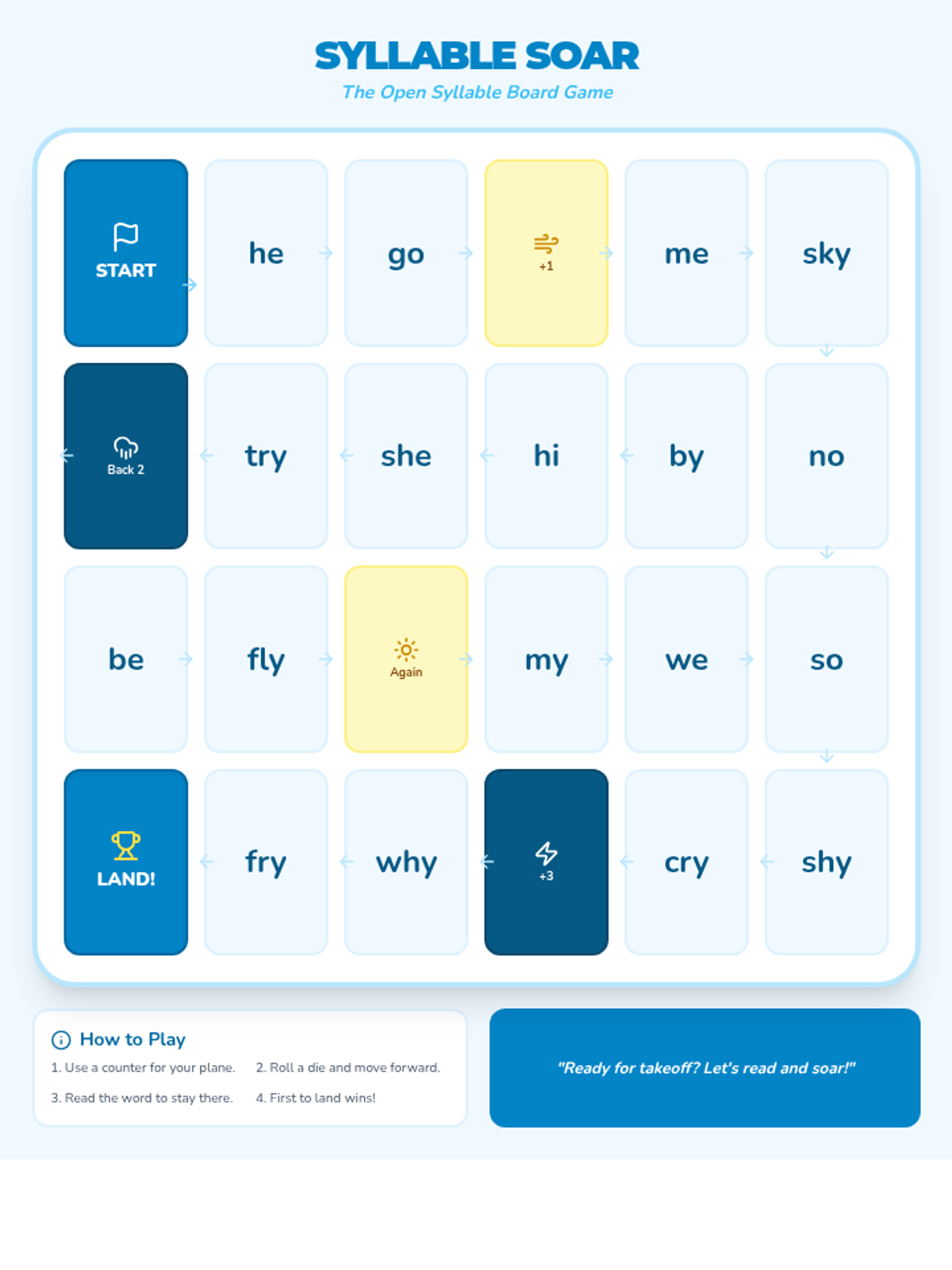
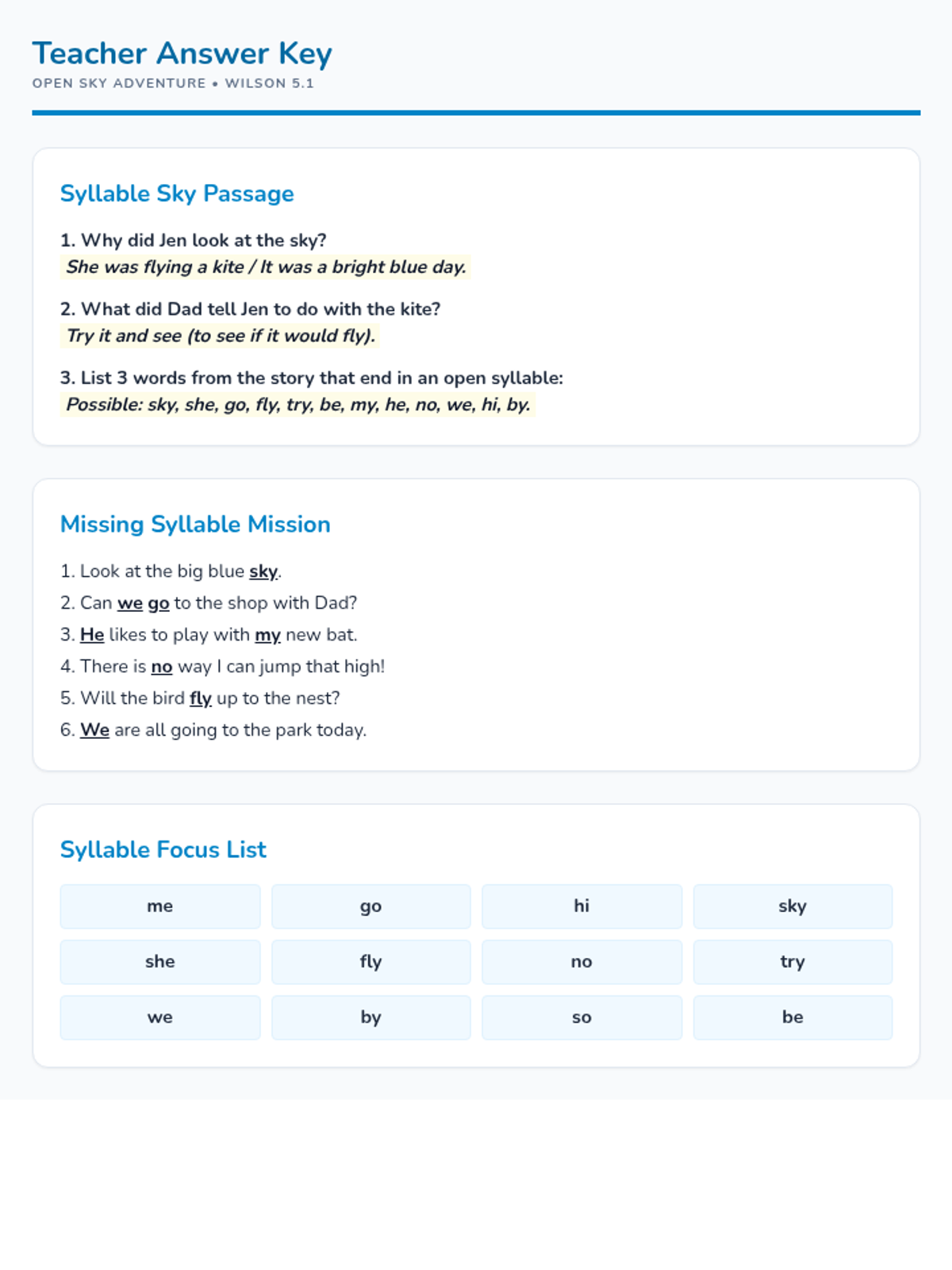
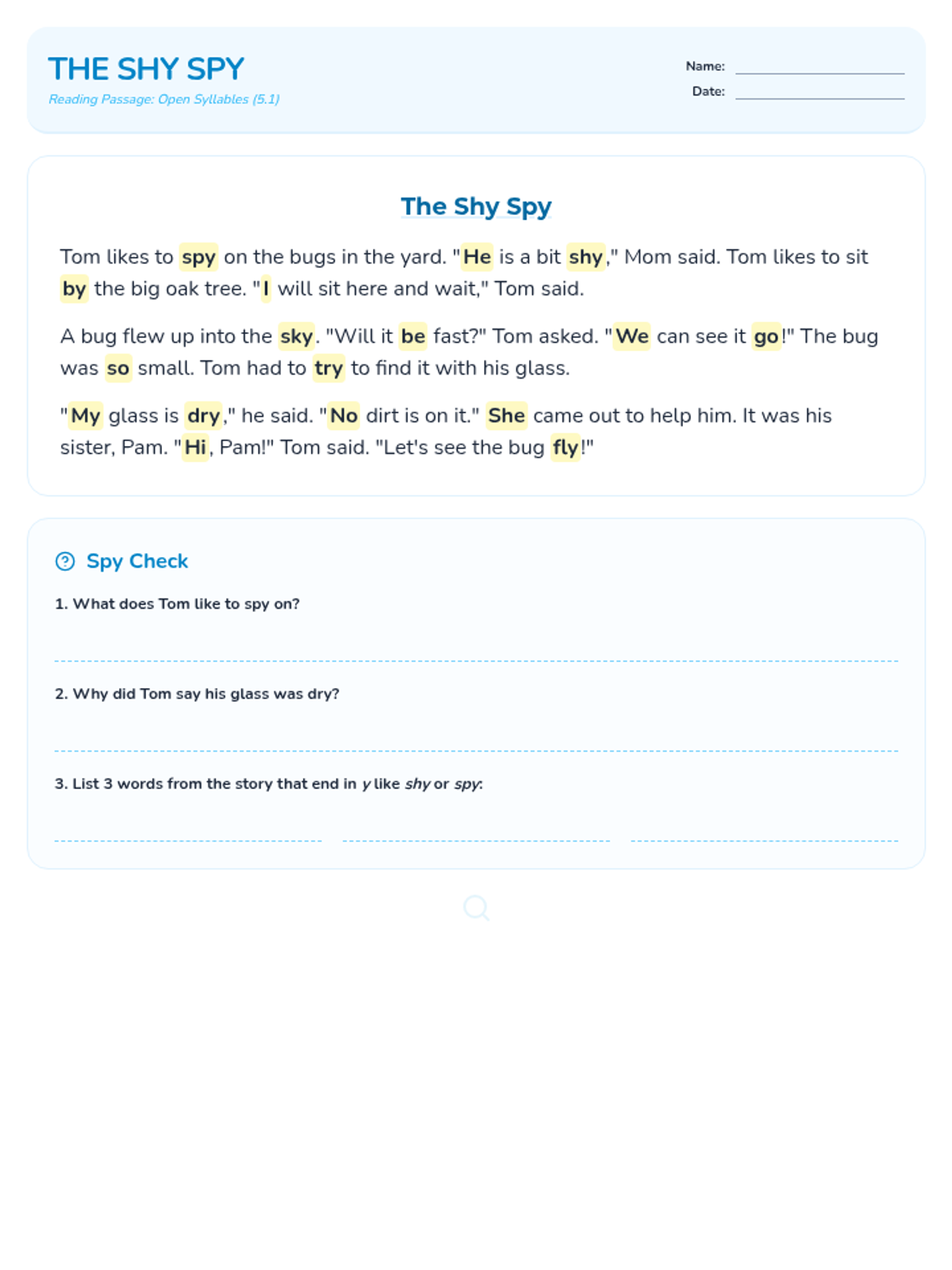
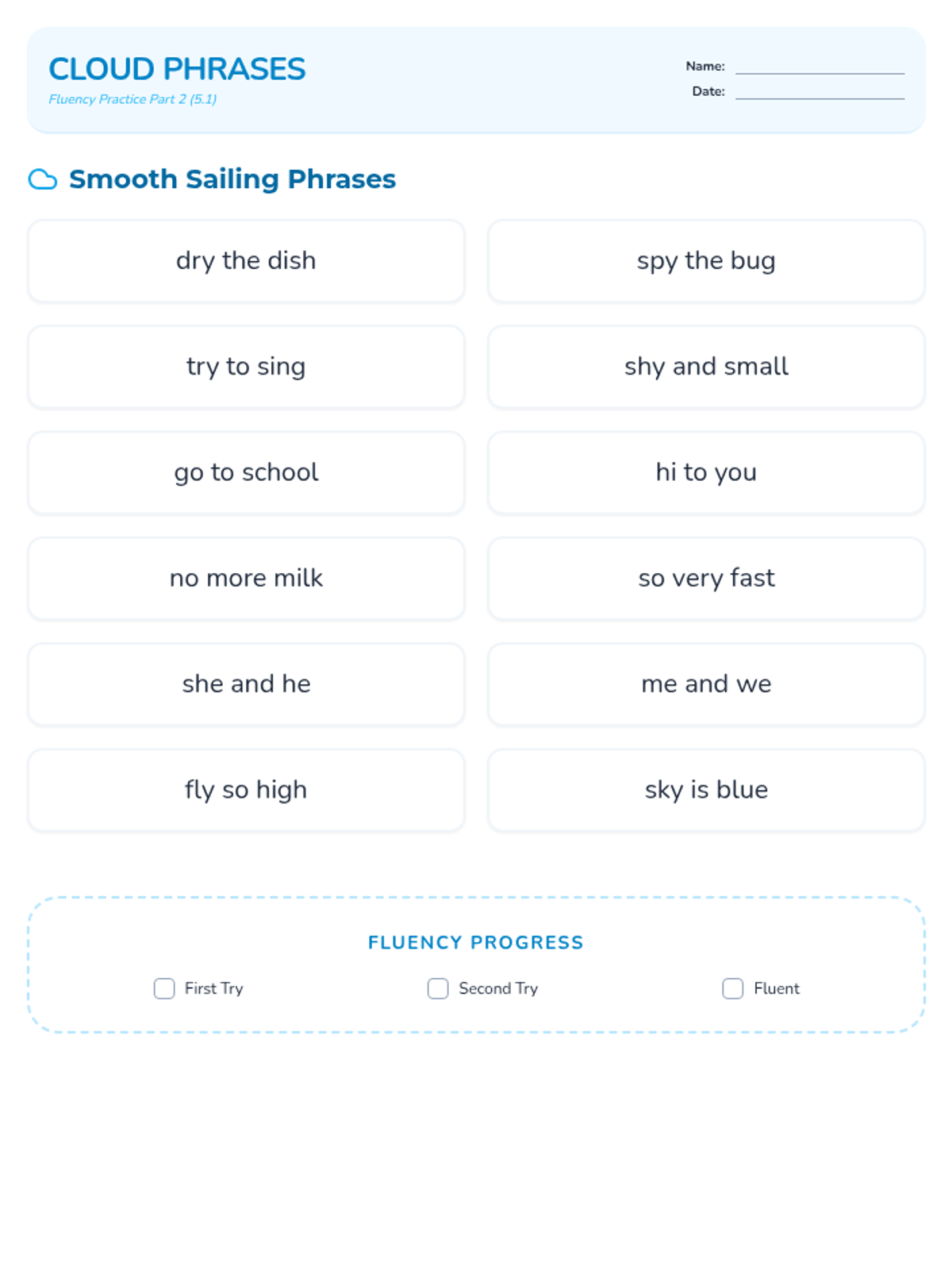
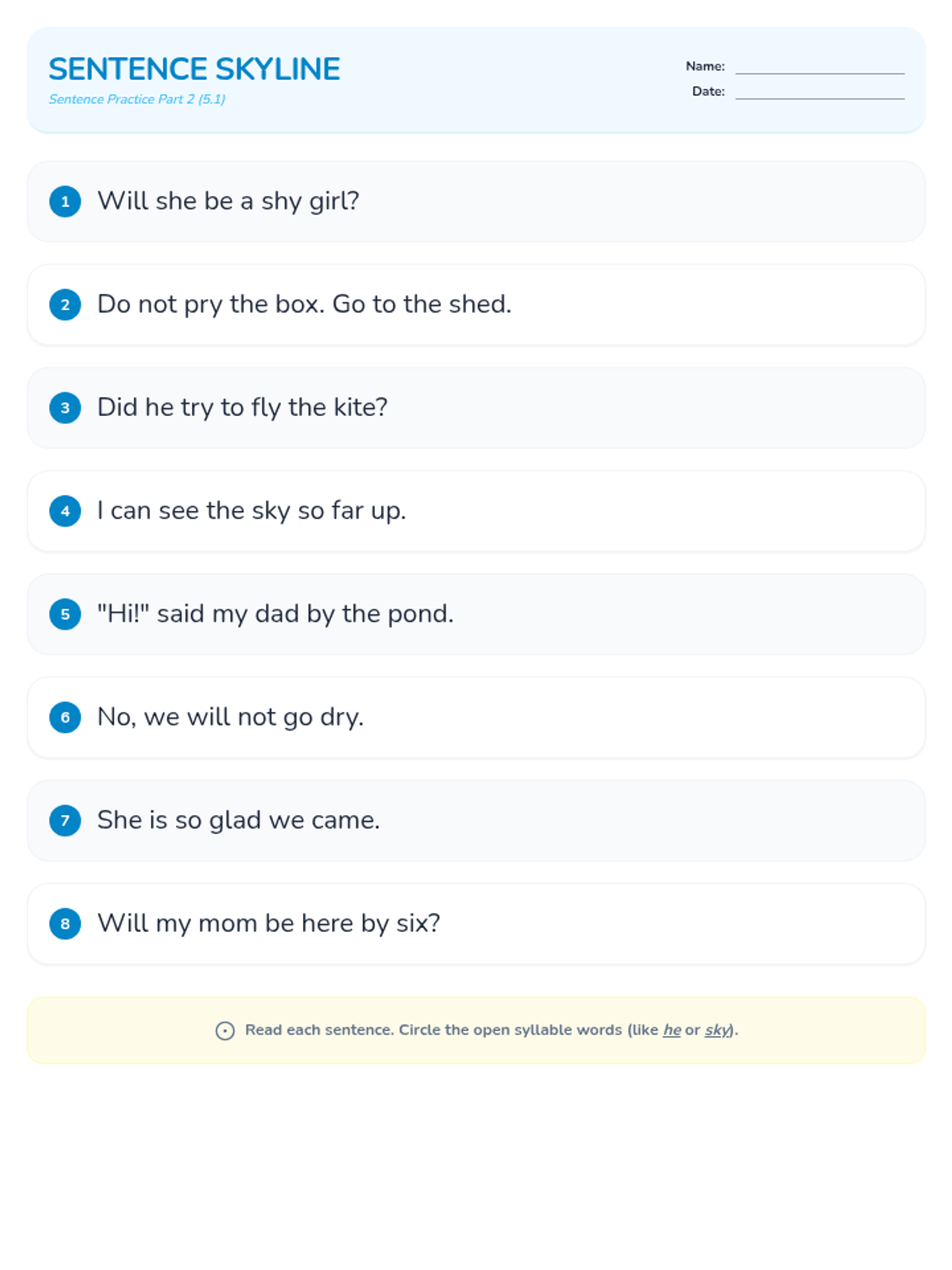
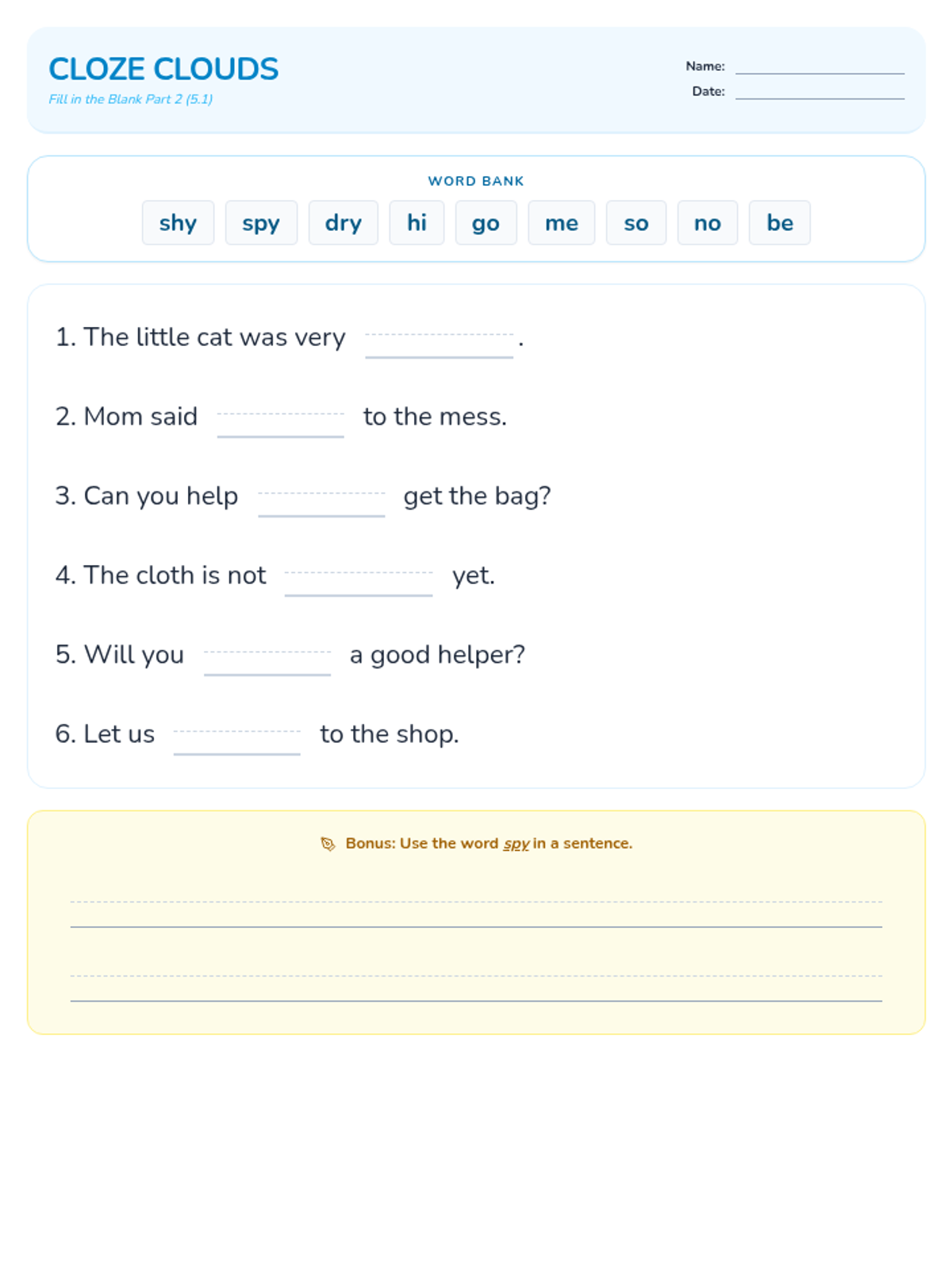
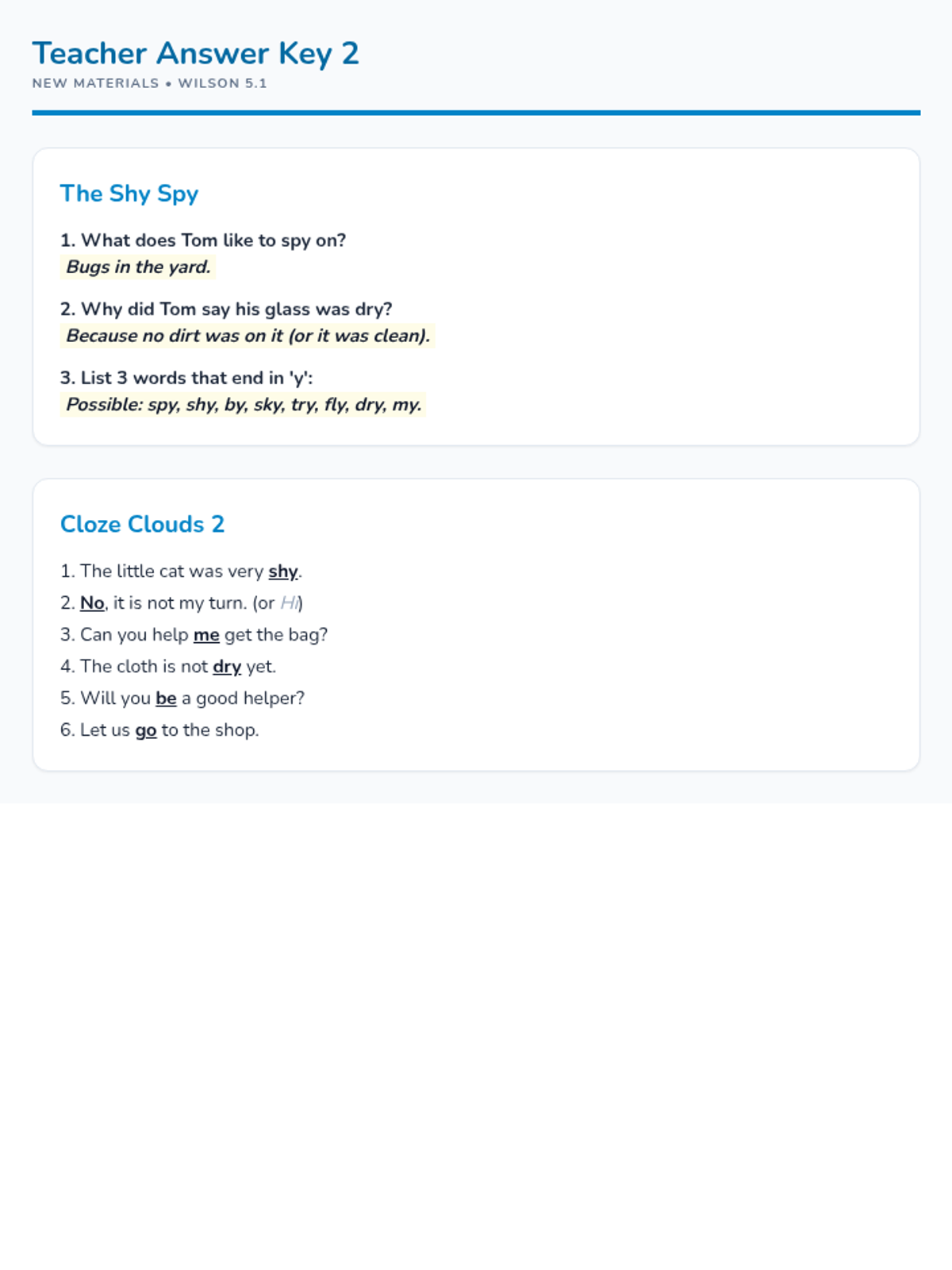
A comprehensive lesson on Wilson 5.1 open syllables, featuring a reading passage, fluency practice, word cards, and a sky-themed board game for 2nd grade students.
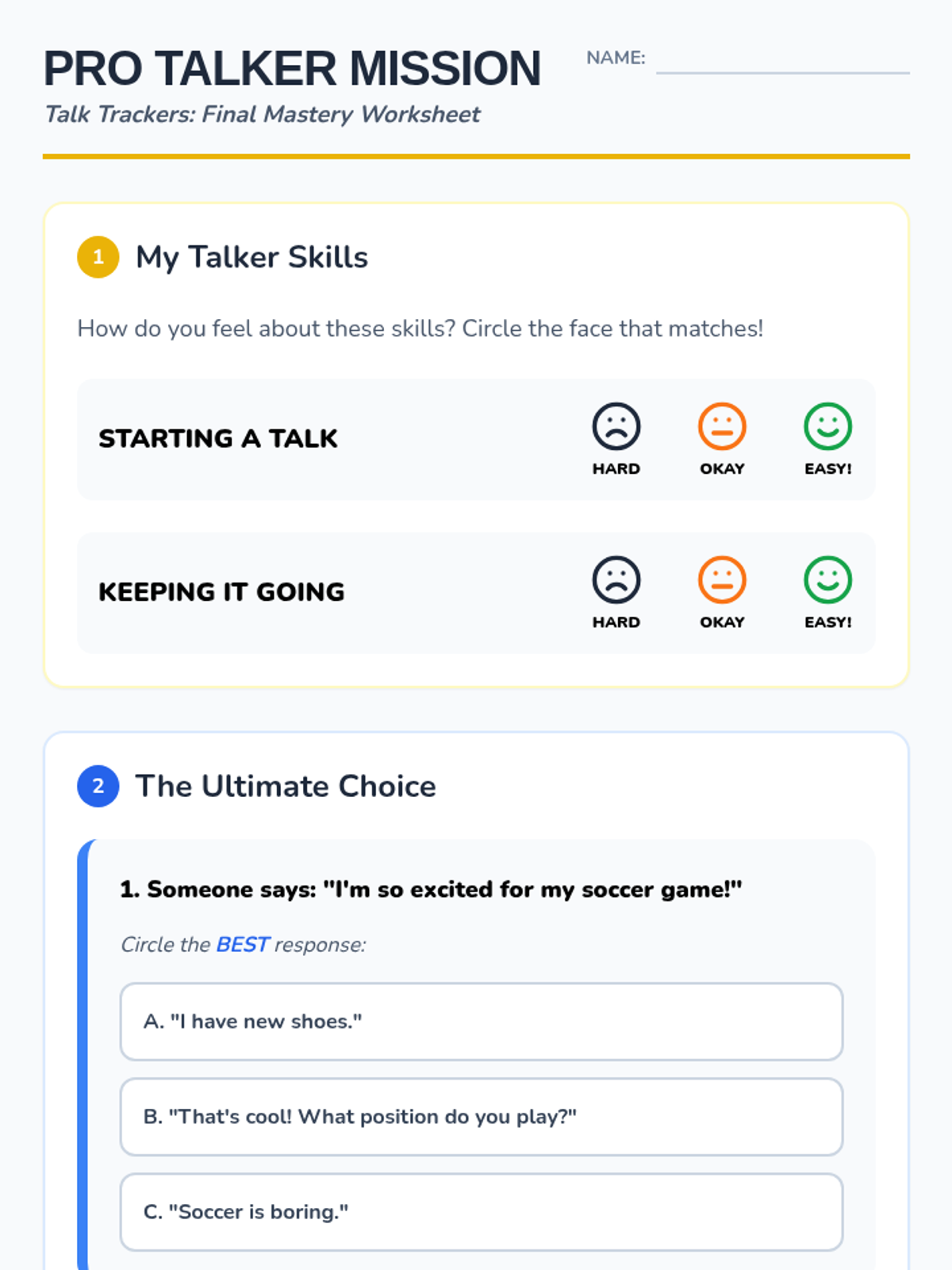
A comprehensive review of all previous skills through rapid-fire scenarios and a final mastery challenge.
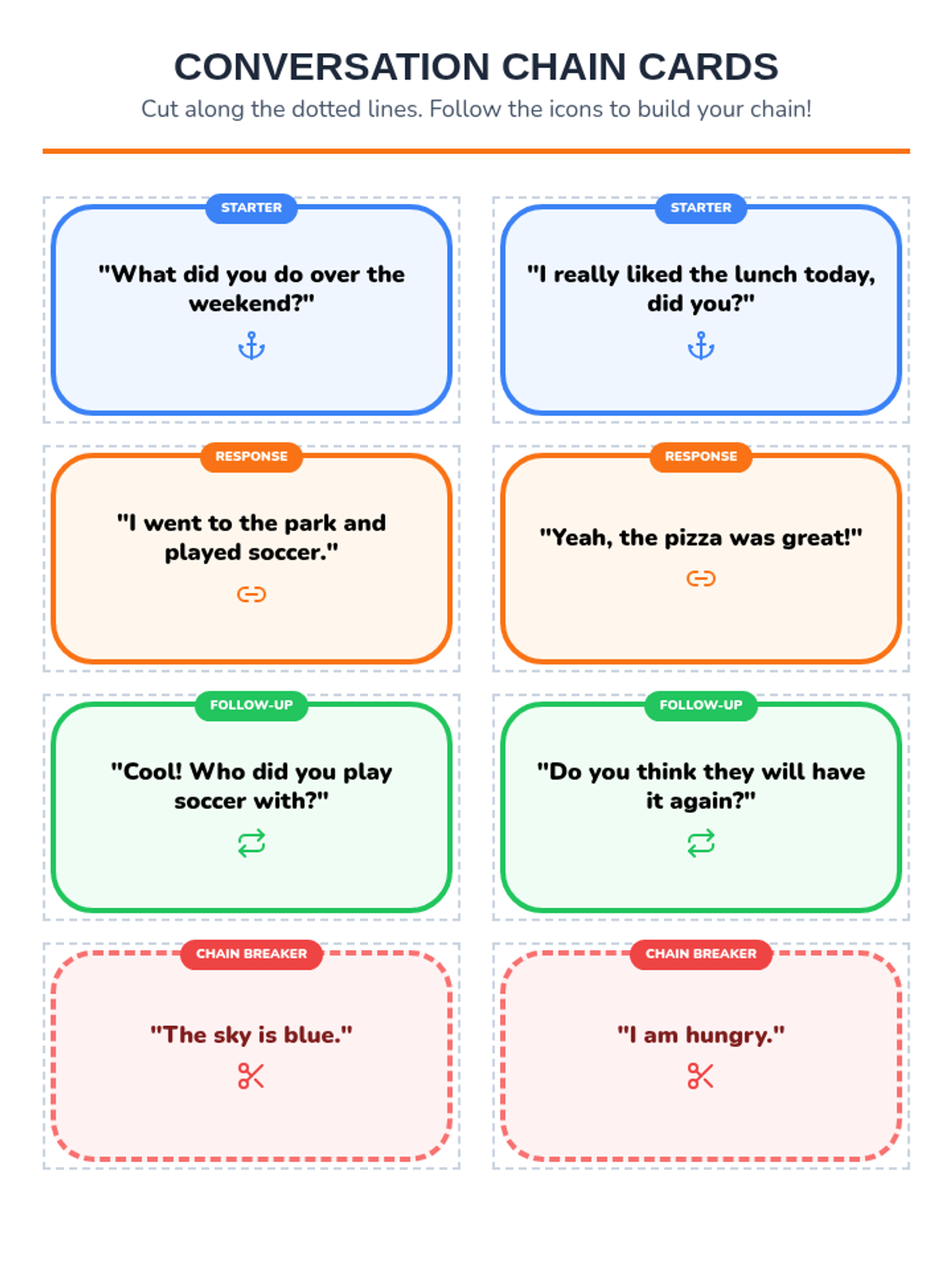
Introduces the concept of the "Conversation Chain" and focuses on appropriate responding to keep the social link strong.
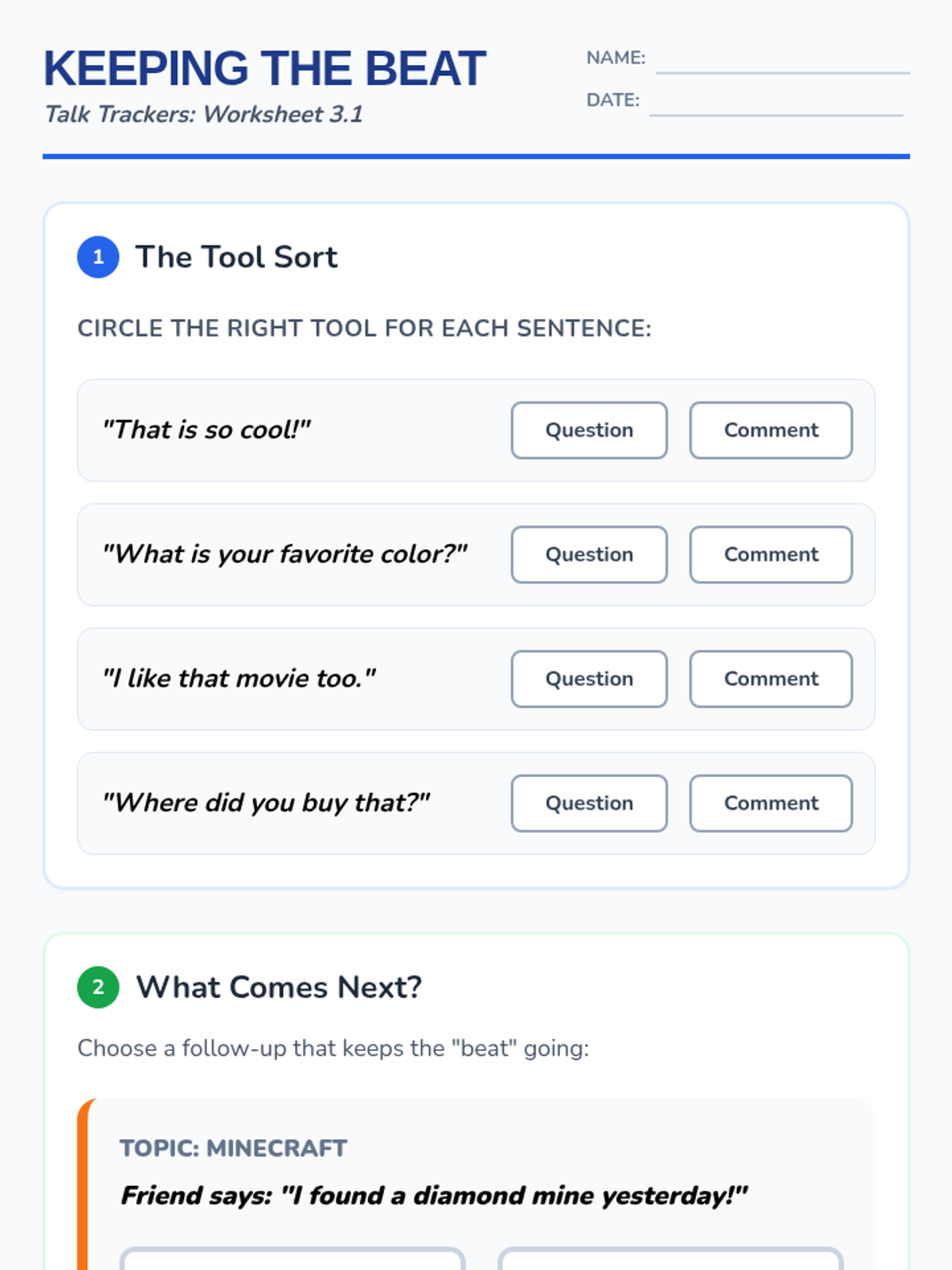
Teaches the difference between questions and comments and how to use them to keep a conversation moving forward.
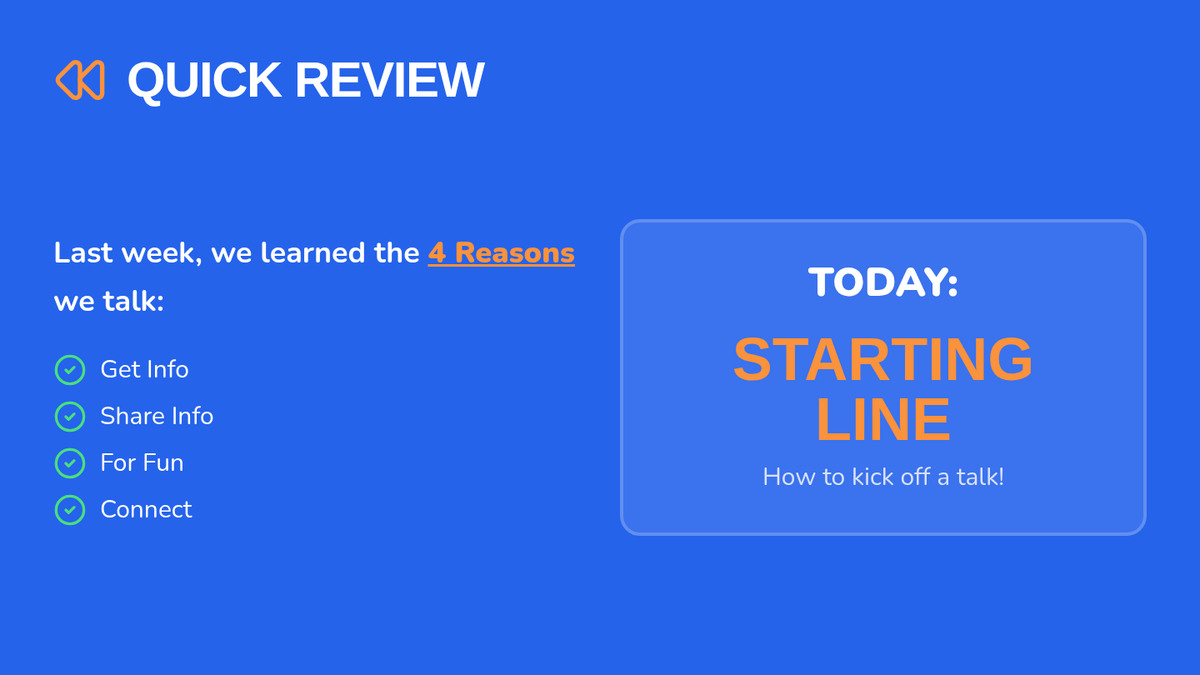
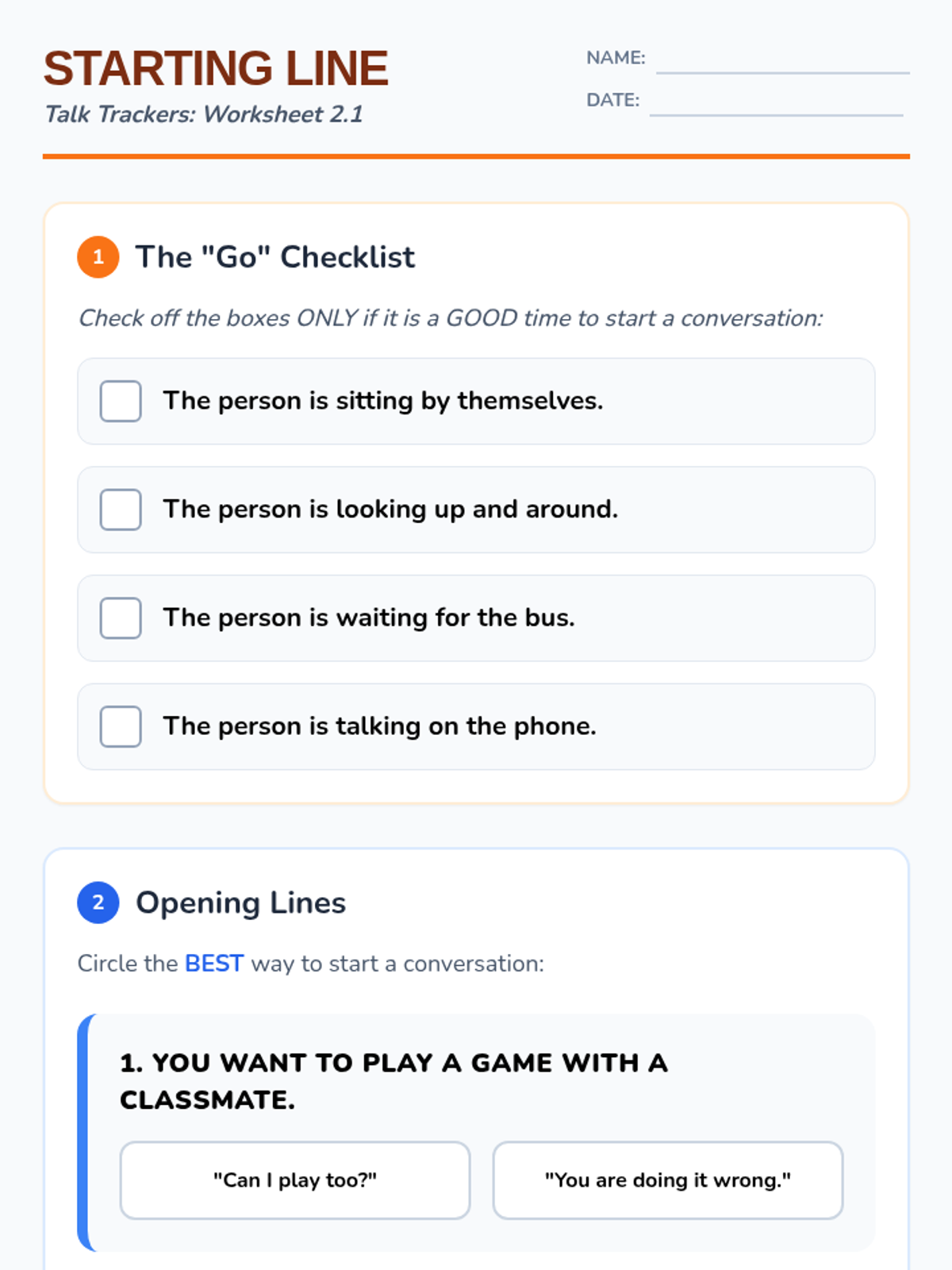
Focuses on how to choose the right person and time to start a conversation, including physical approach and opening lines.
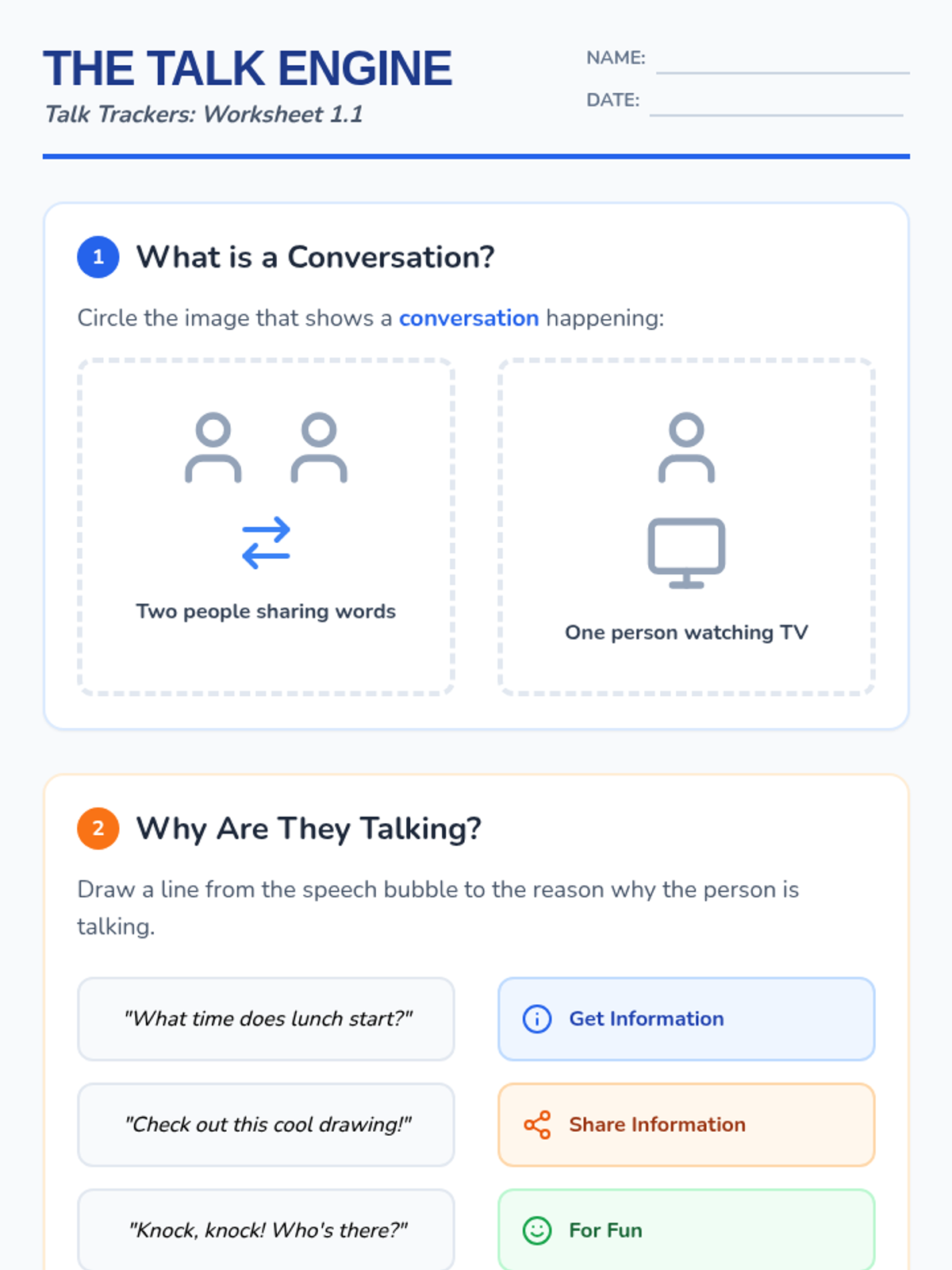
Explores the definition of a conversation and the various reasons why we talk to others, such as sharing information or having fun.
A set of comprehensive goal tracking and progress monitoring documents aligned with the WIDA Alternate Proficiency Level Descriptors for students with significant cognitive disabilities.
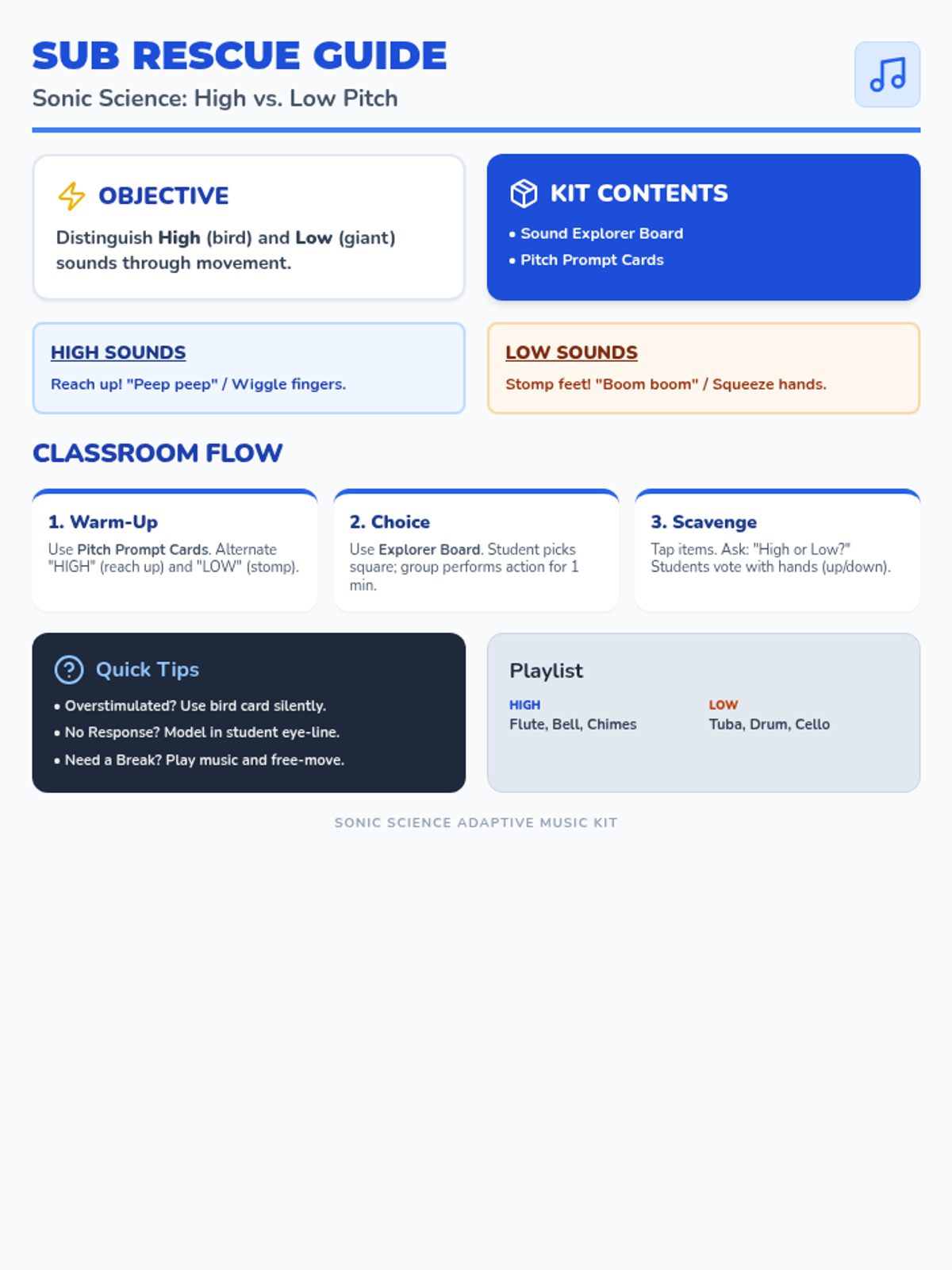
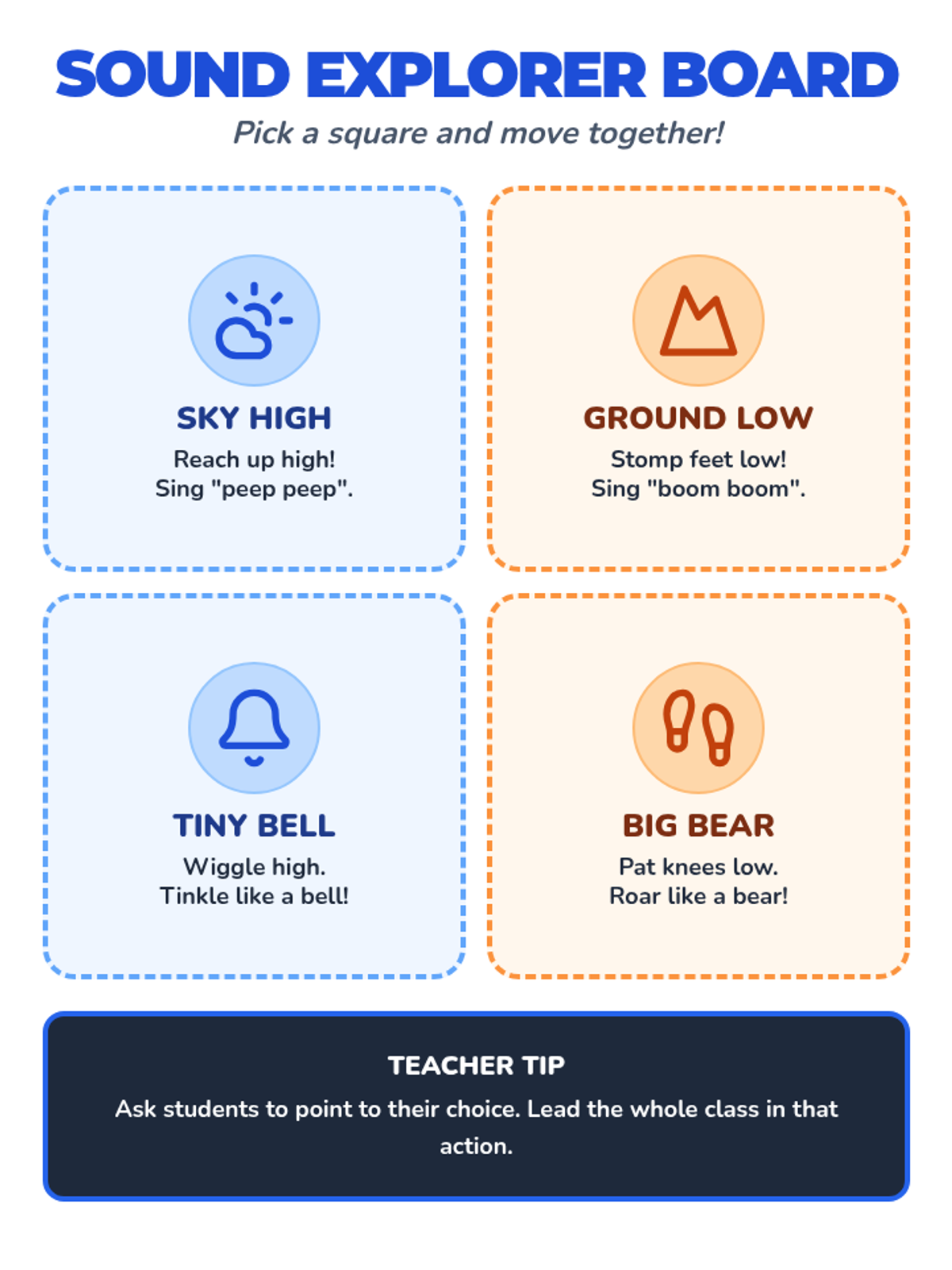
A lesson focused on distinguishing between high and low pitches through movement, tactile exploration, and visual aids, designed specifically for adaptive life skills environments where independent work is facilitated through whole-group choice.
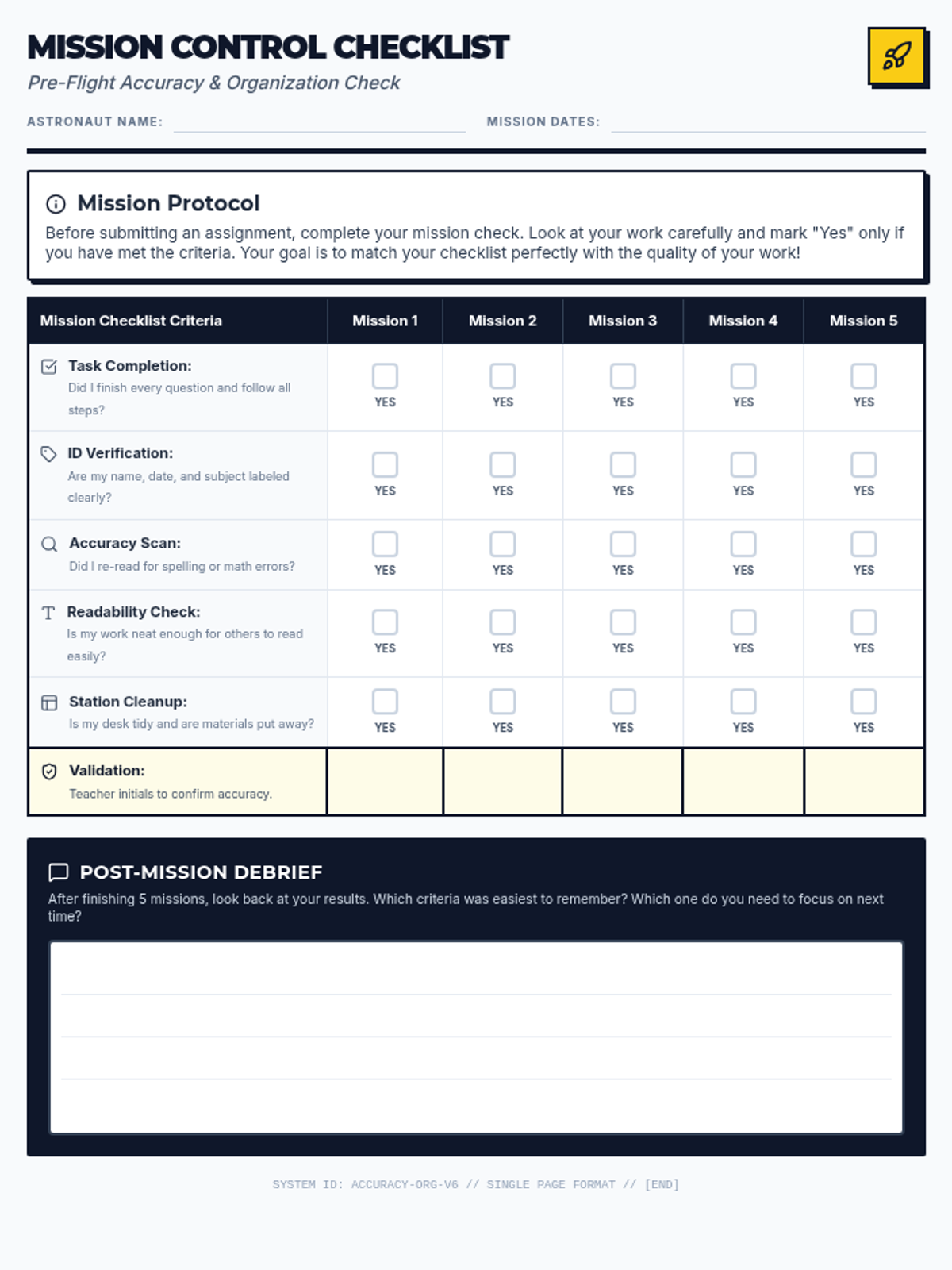
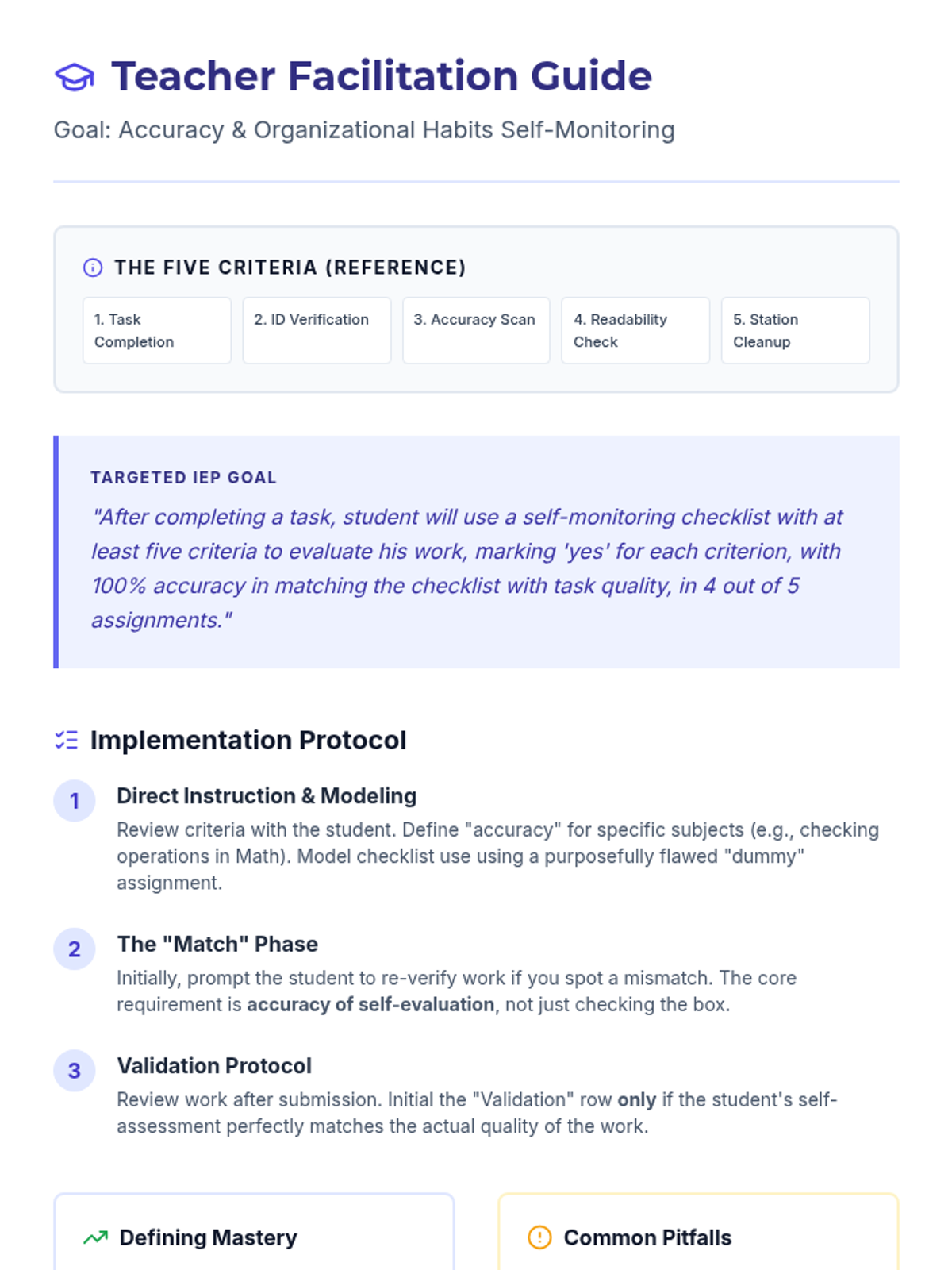
A self-monitoring system designed to help 5th-grade students build independence in accuracy and organization. The lesson includes a multi-day tracking checklist and a teacher guide for implementing IEP goals related to self-evaluation.