Working in pairs with a visual barrier between them, students give and follow single-step directions to arrange distinct objects on a grid. This emphasizes the need for precise, isolated instructions.
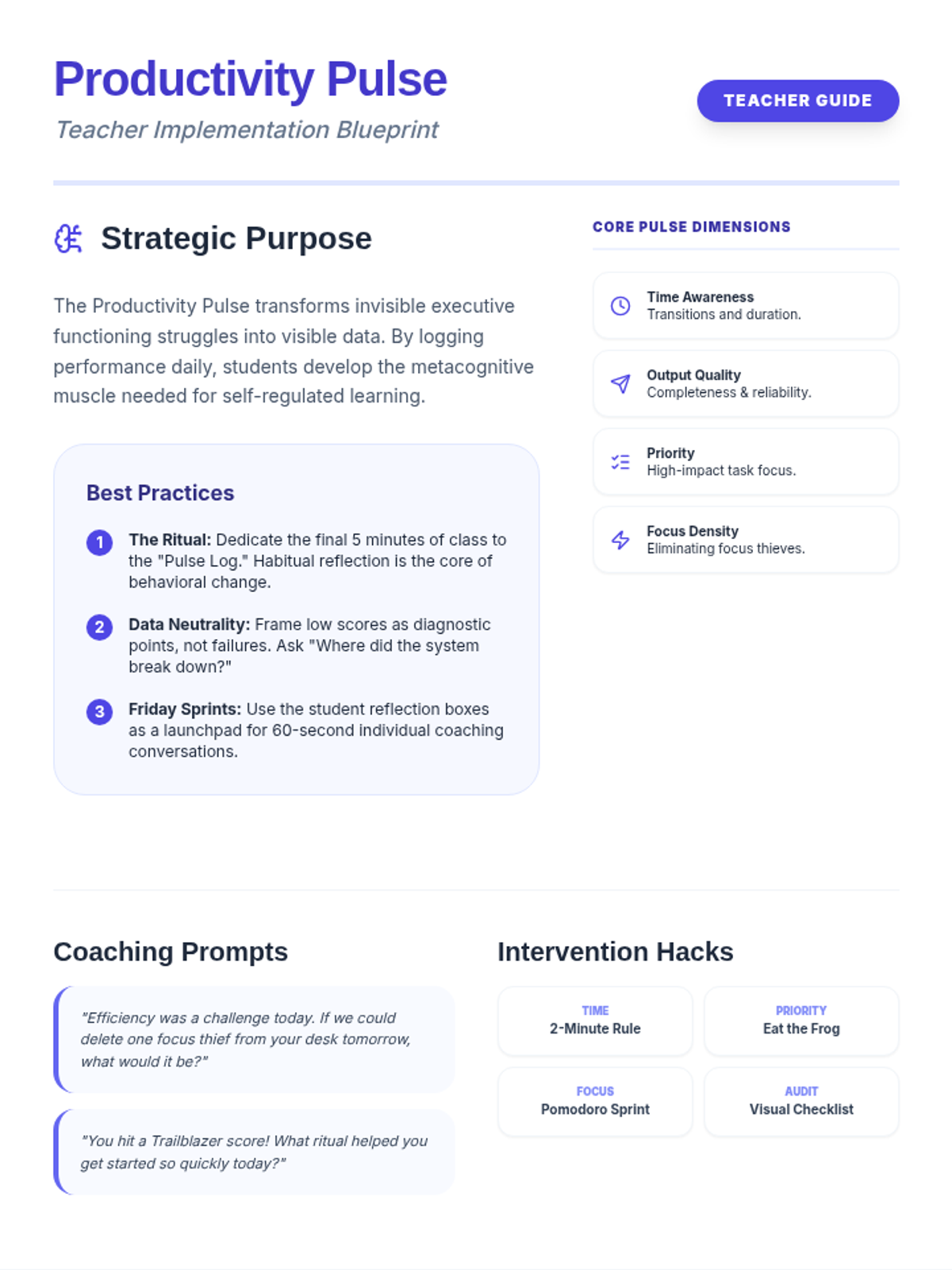
A weekly routine for students to track and reflect on self-created executive functioning goals, promoting metacognition and self-regulation.
A daily habit-building system for students to monitor their readiness, preparation, and work effort across all subjects. Includes student trackers and teacher implementation guides to foster accountability and self-regulation.
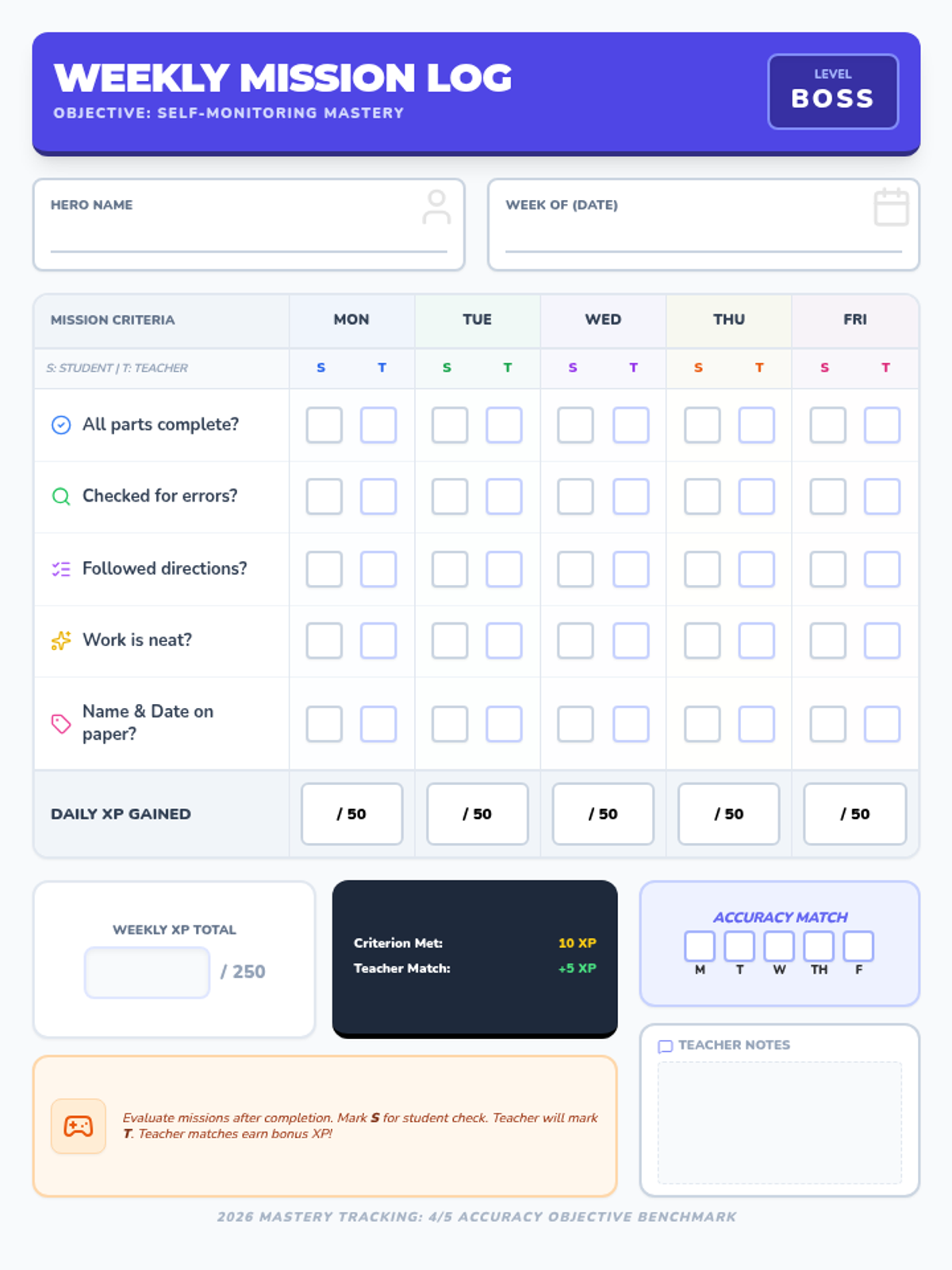
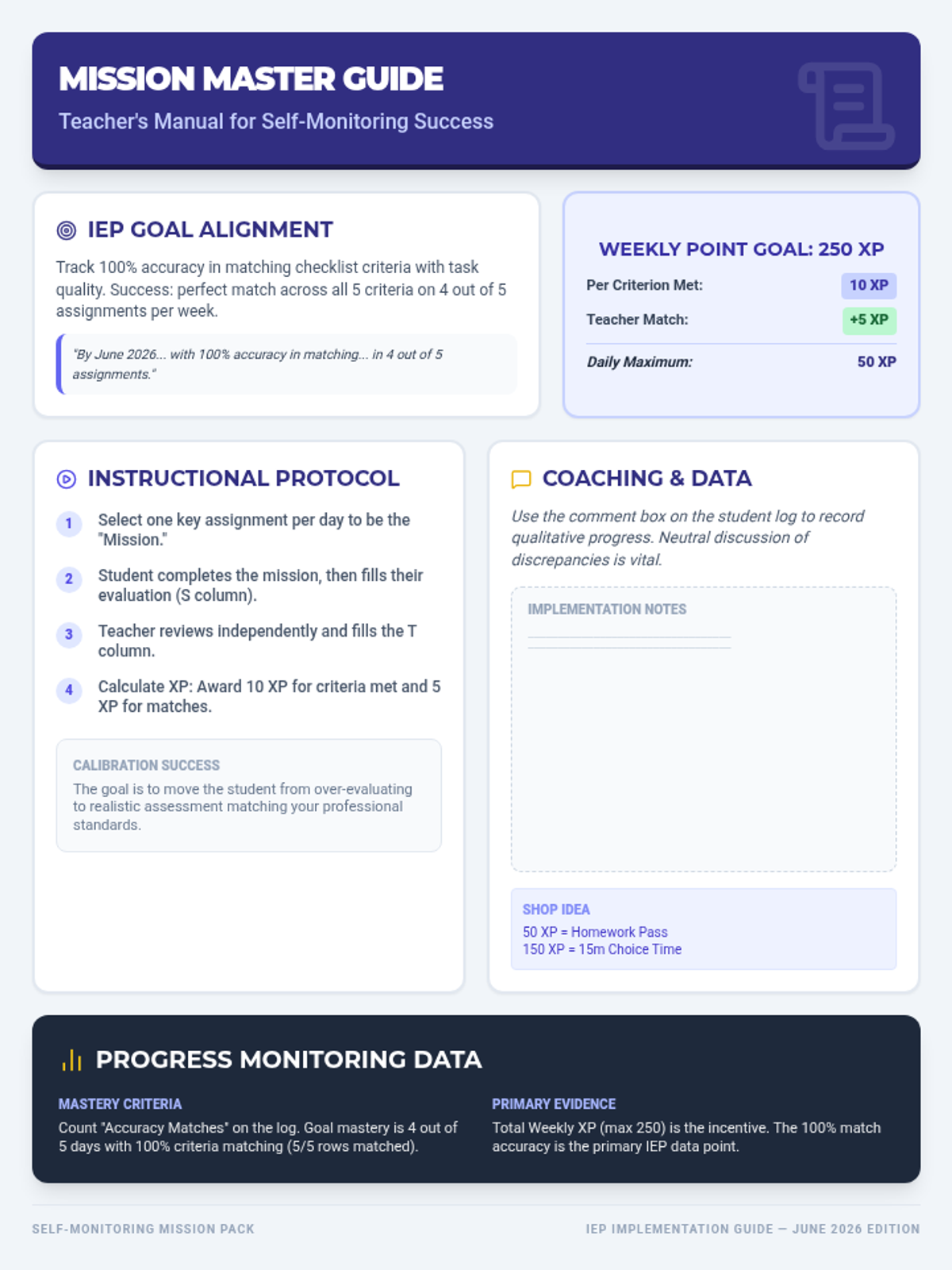
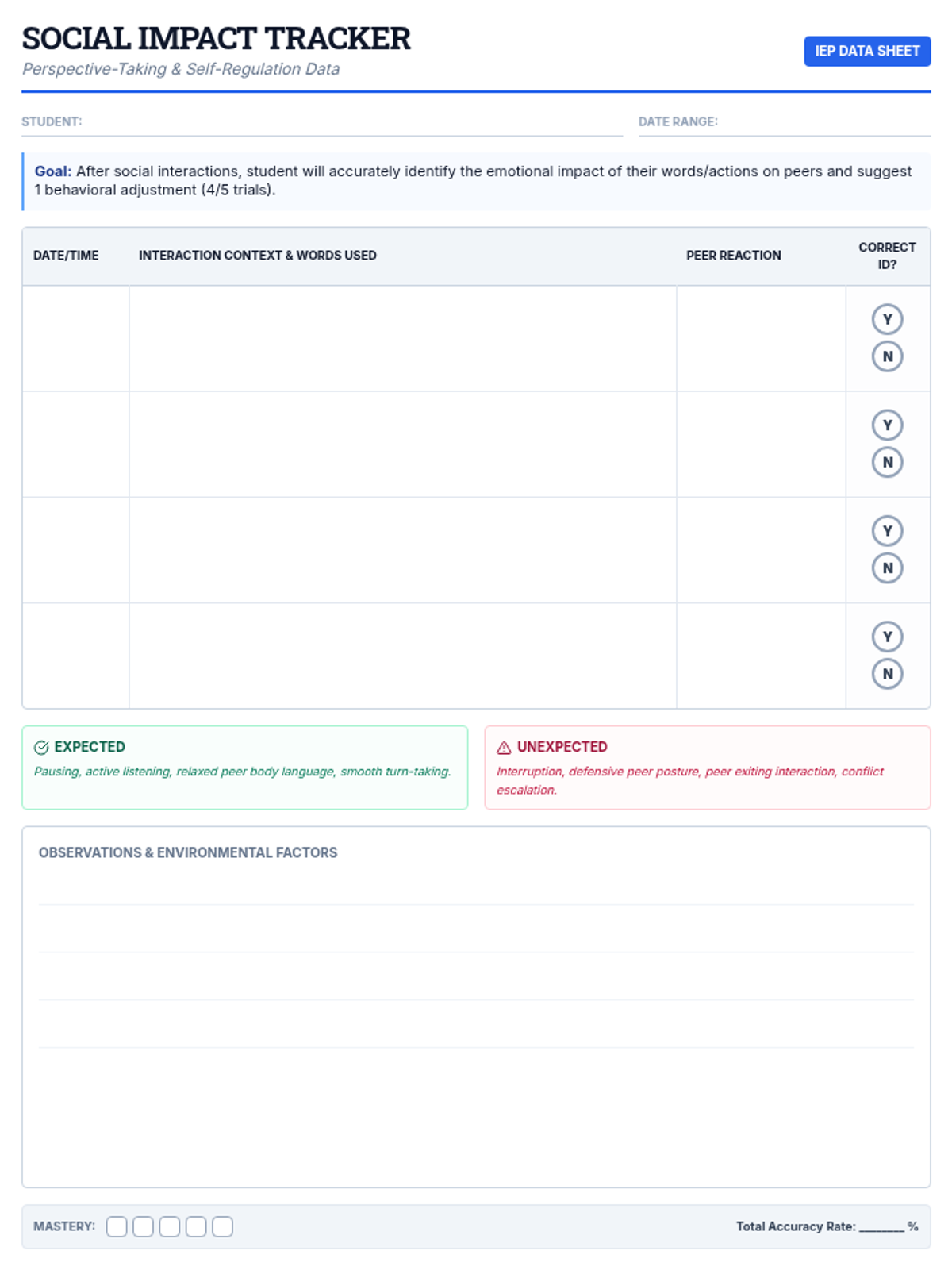
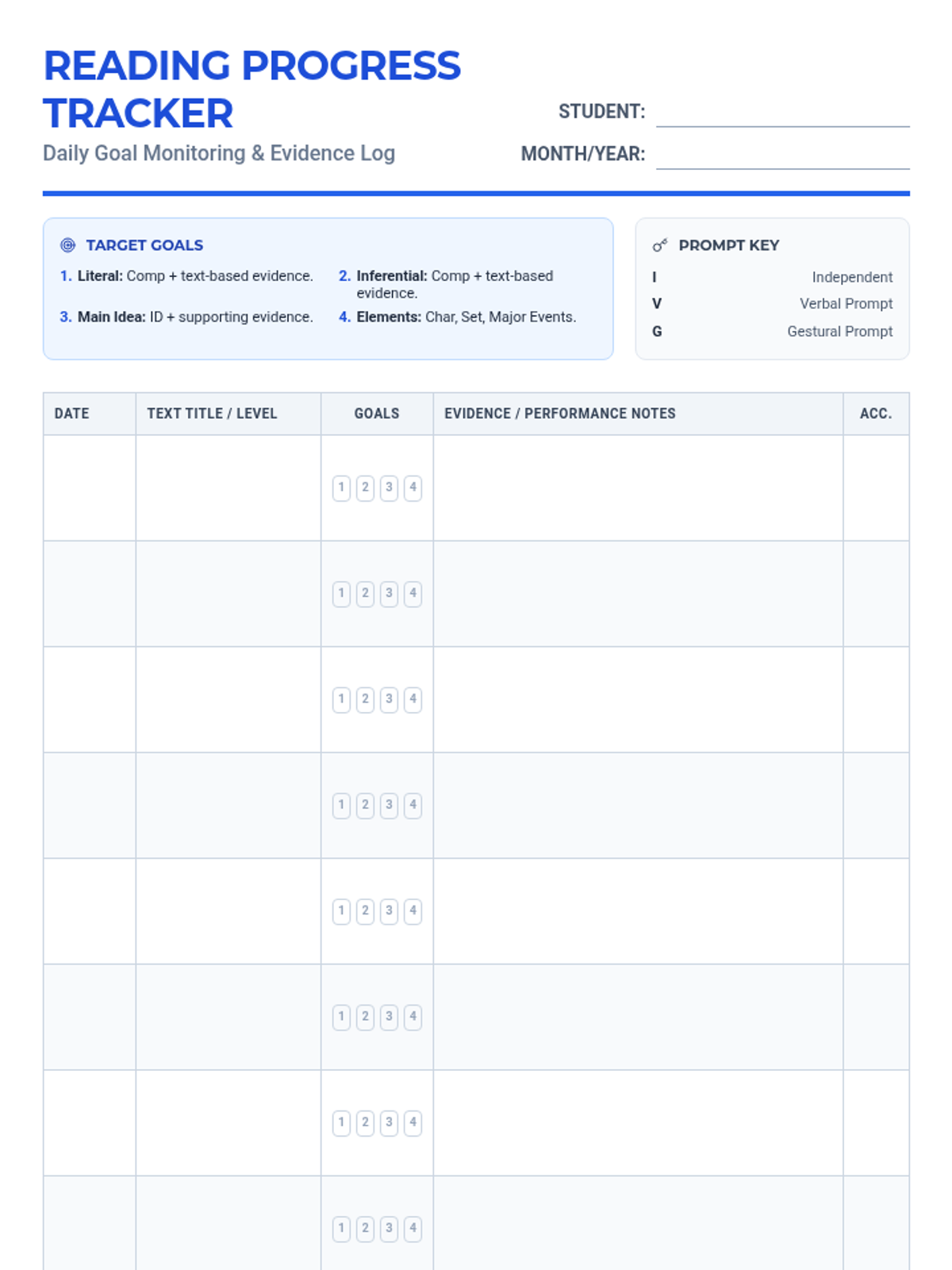
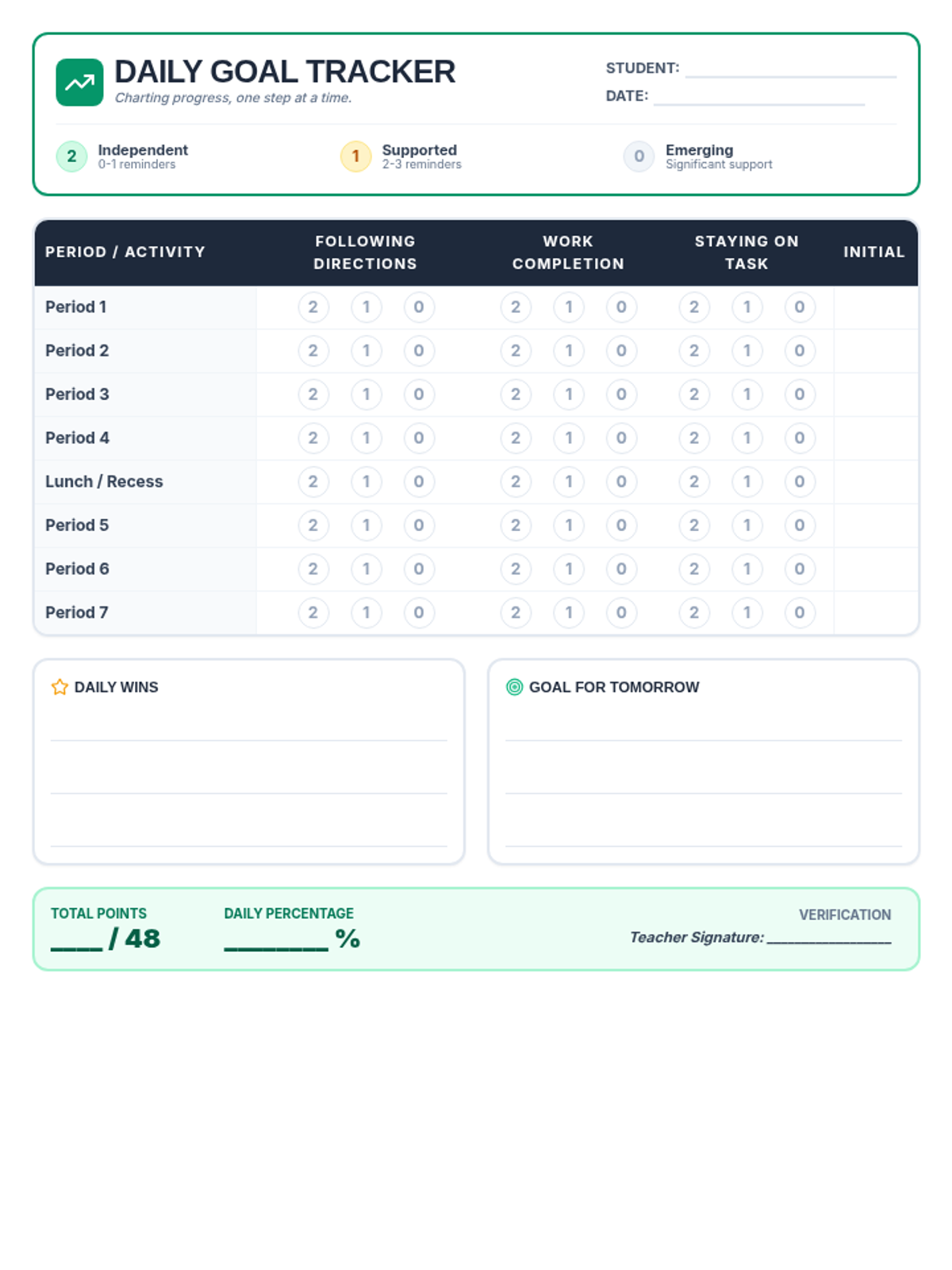
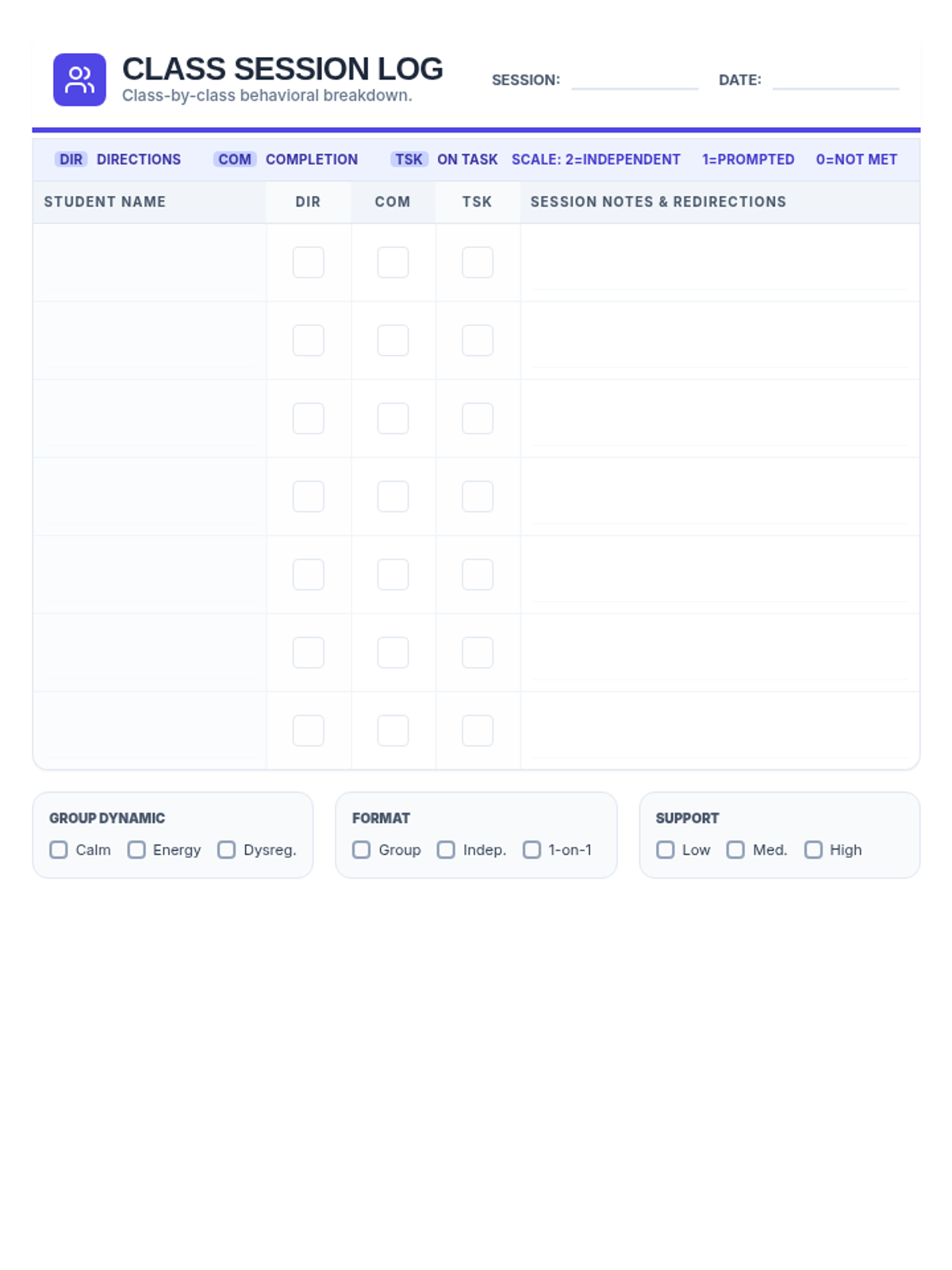
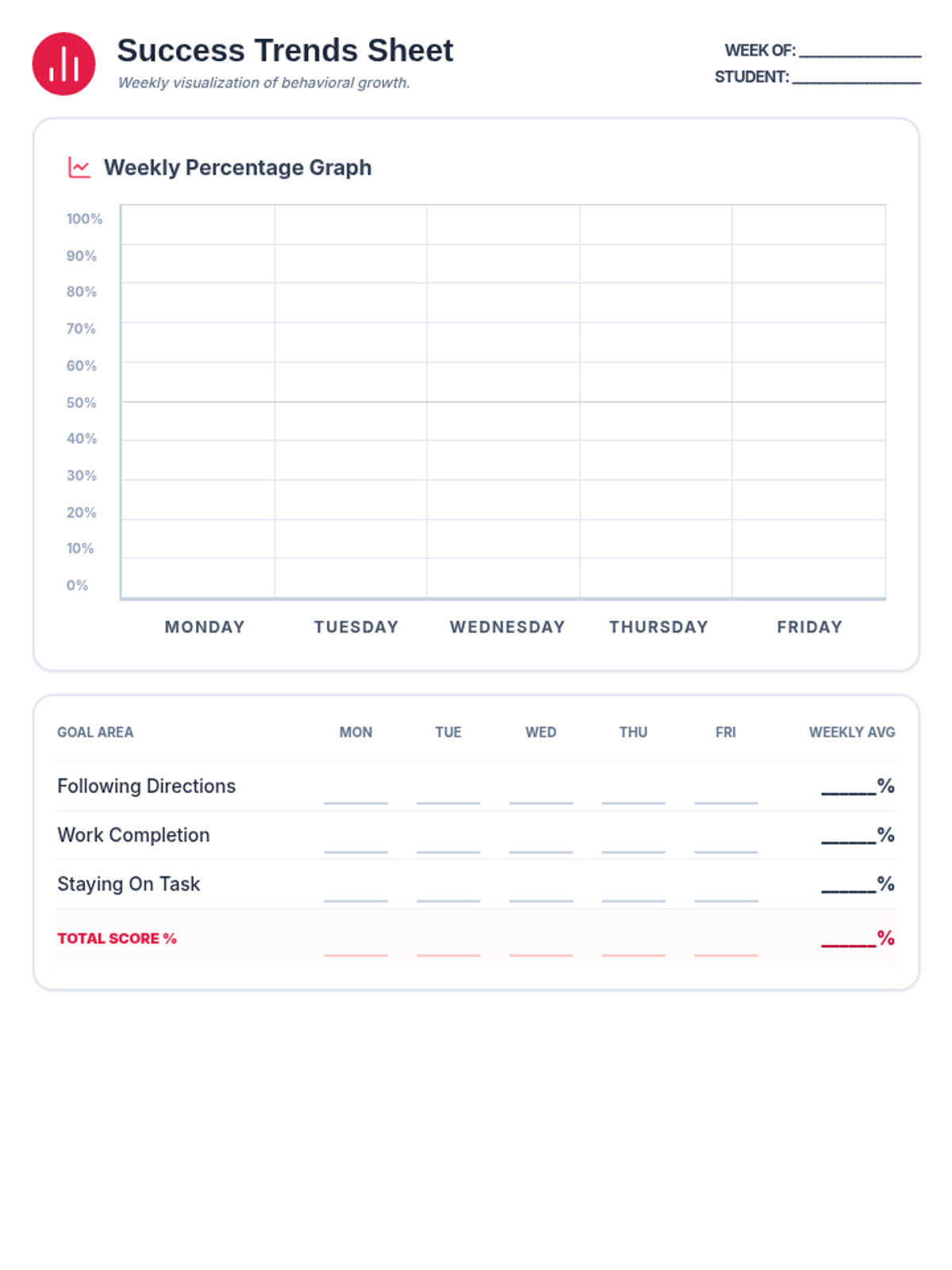
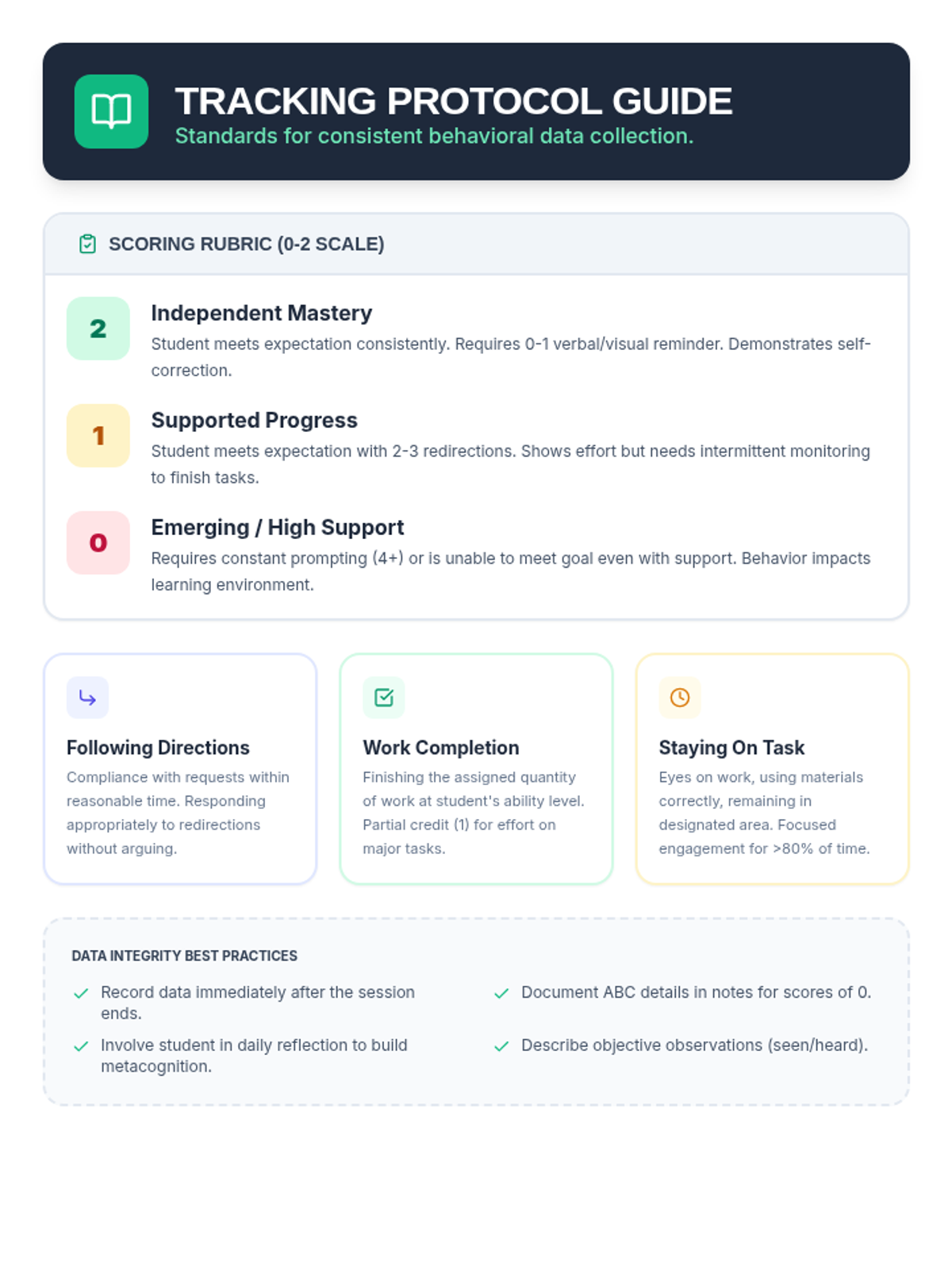
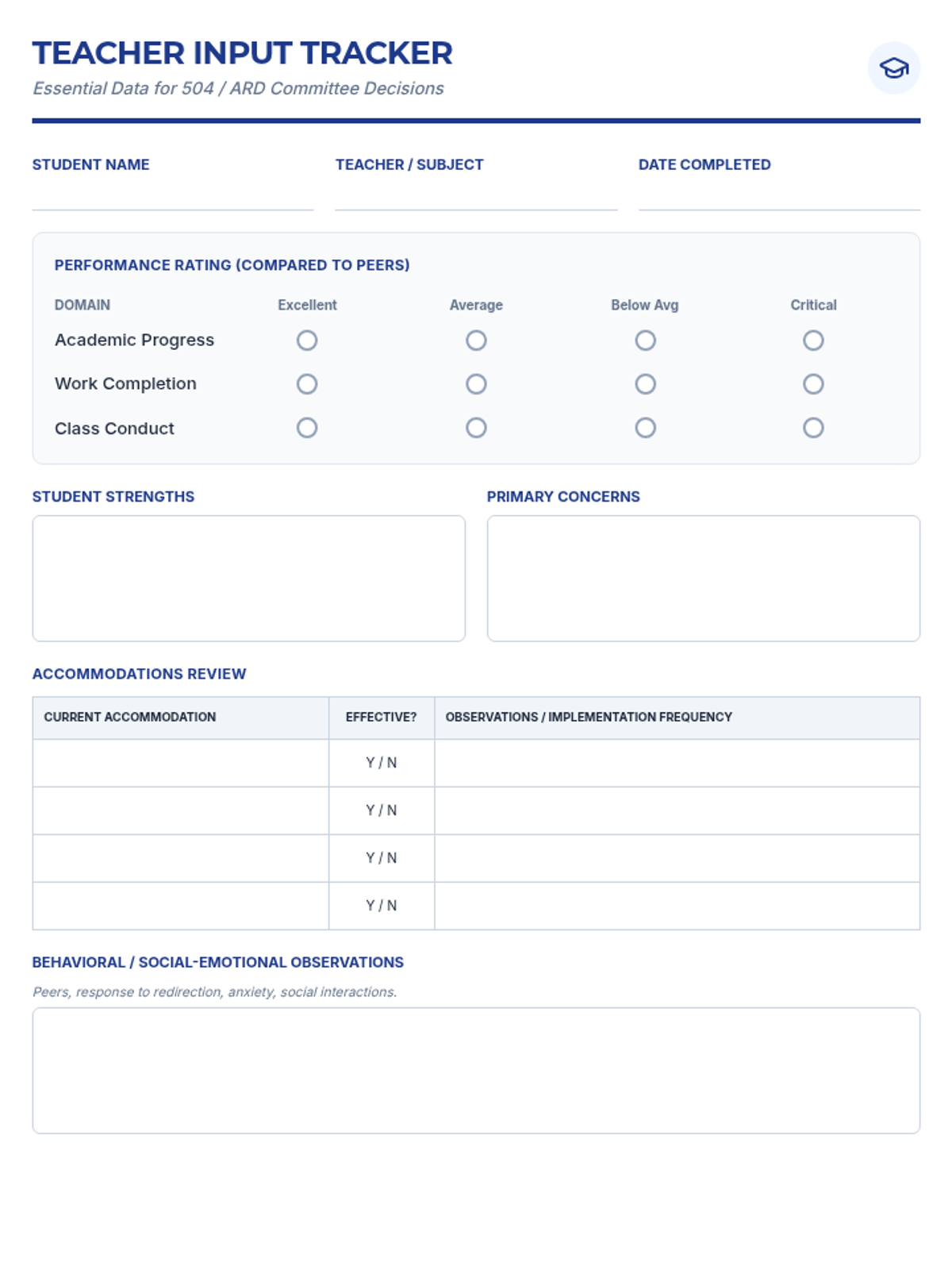
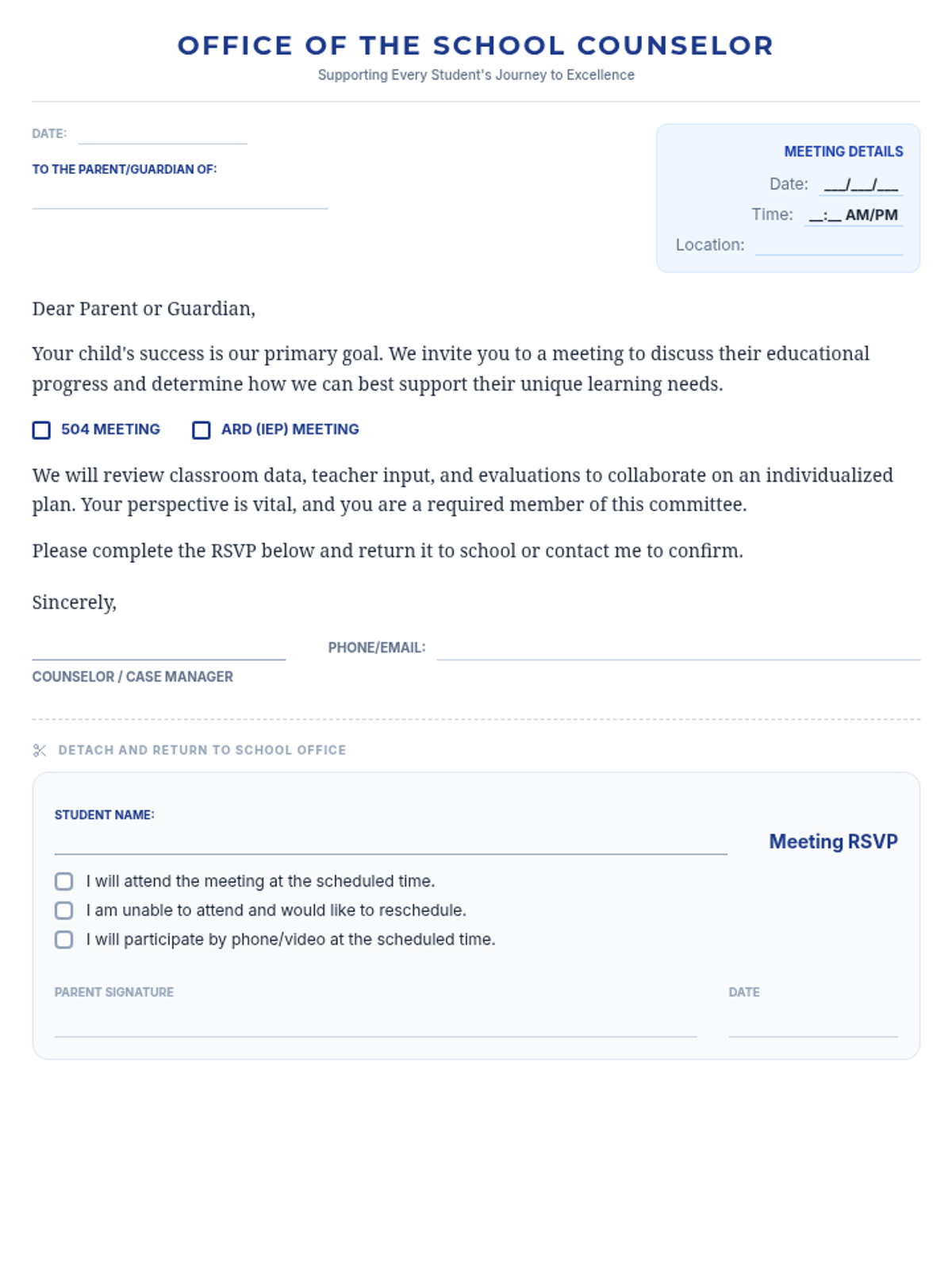
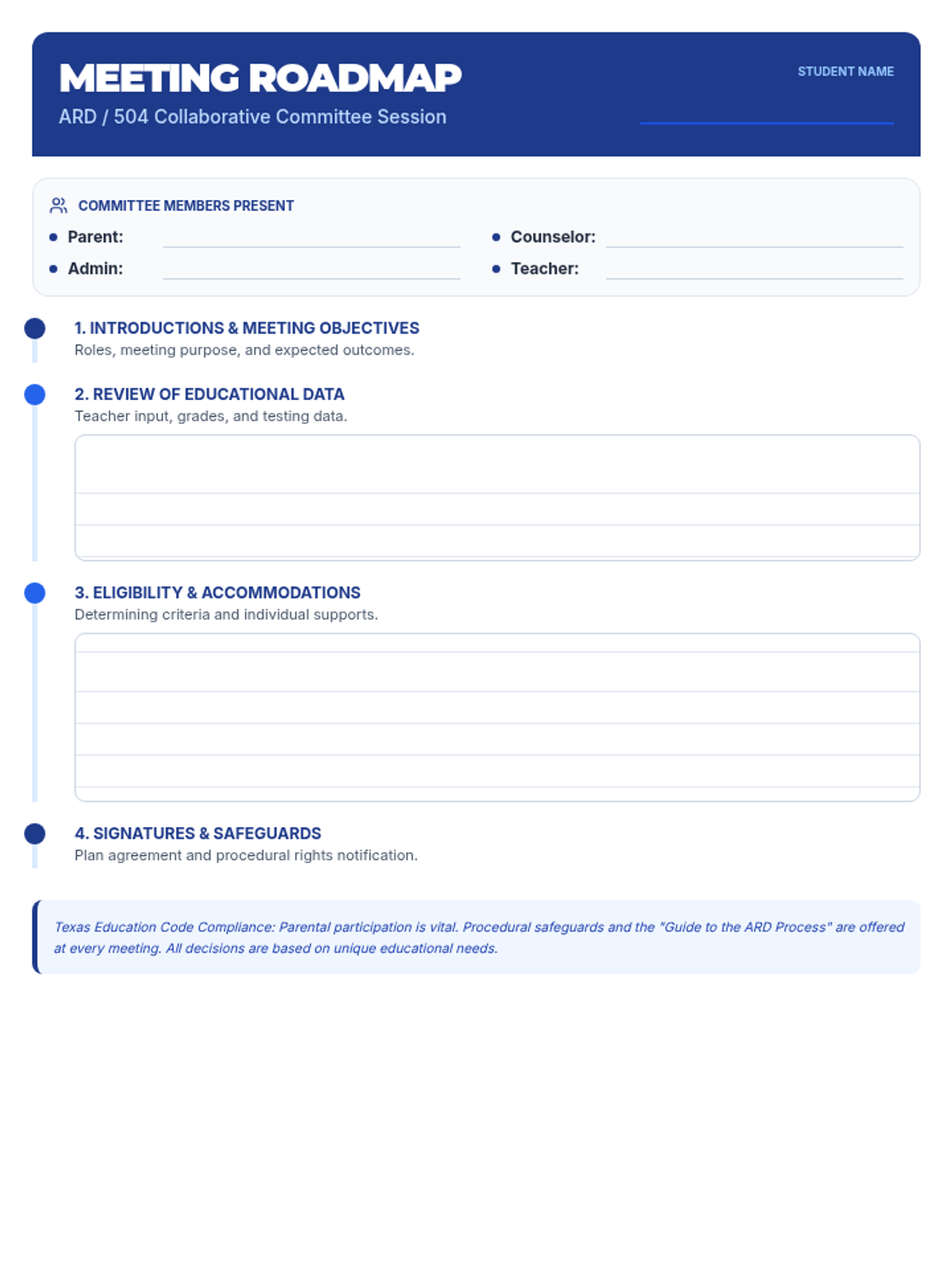
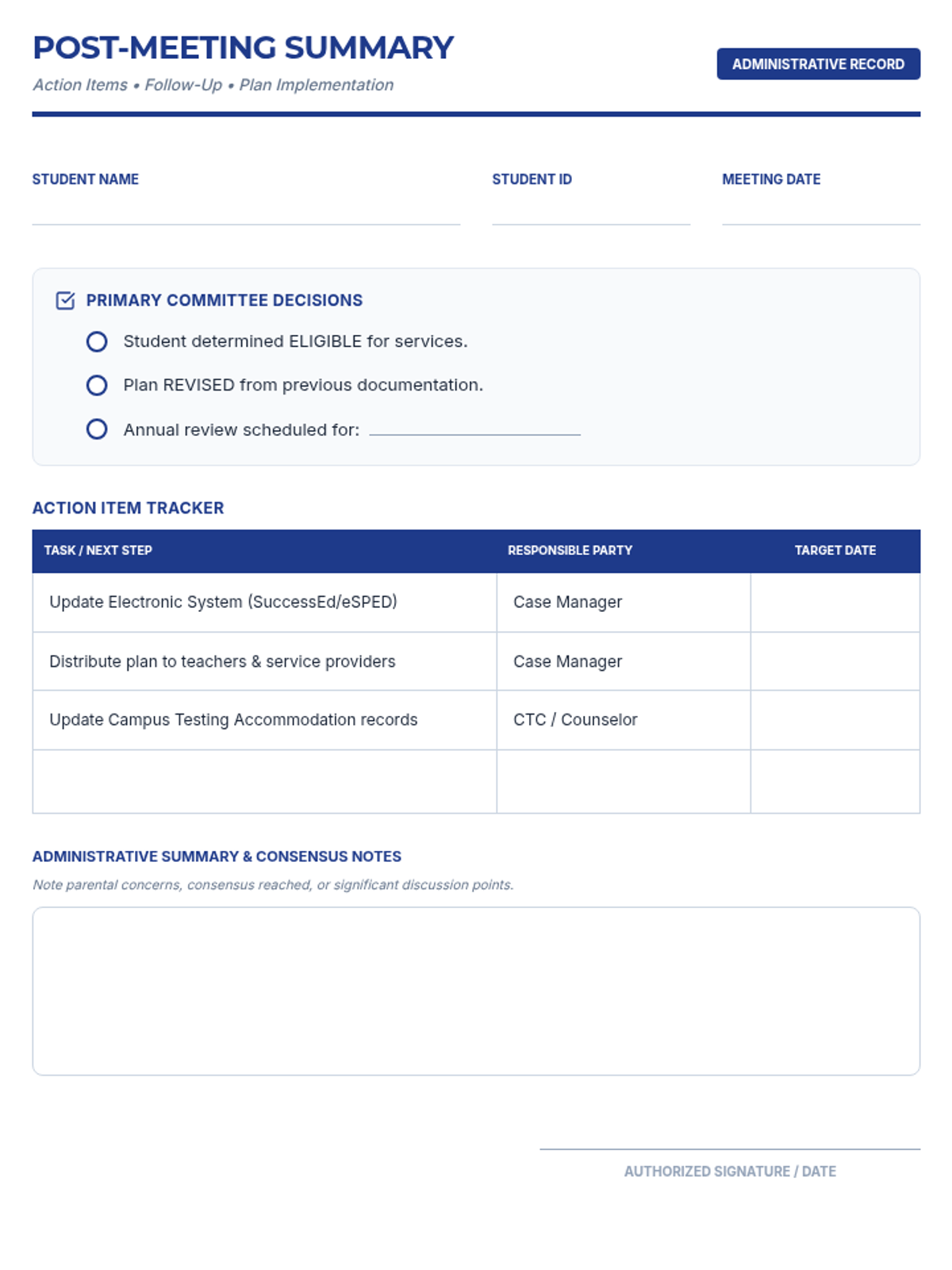
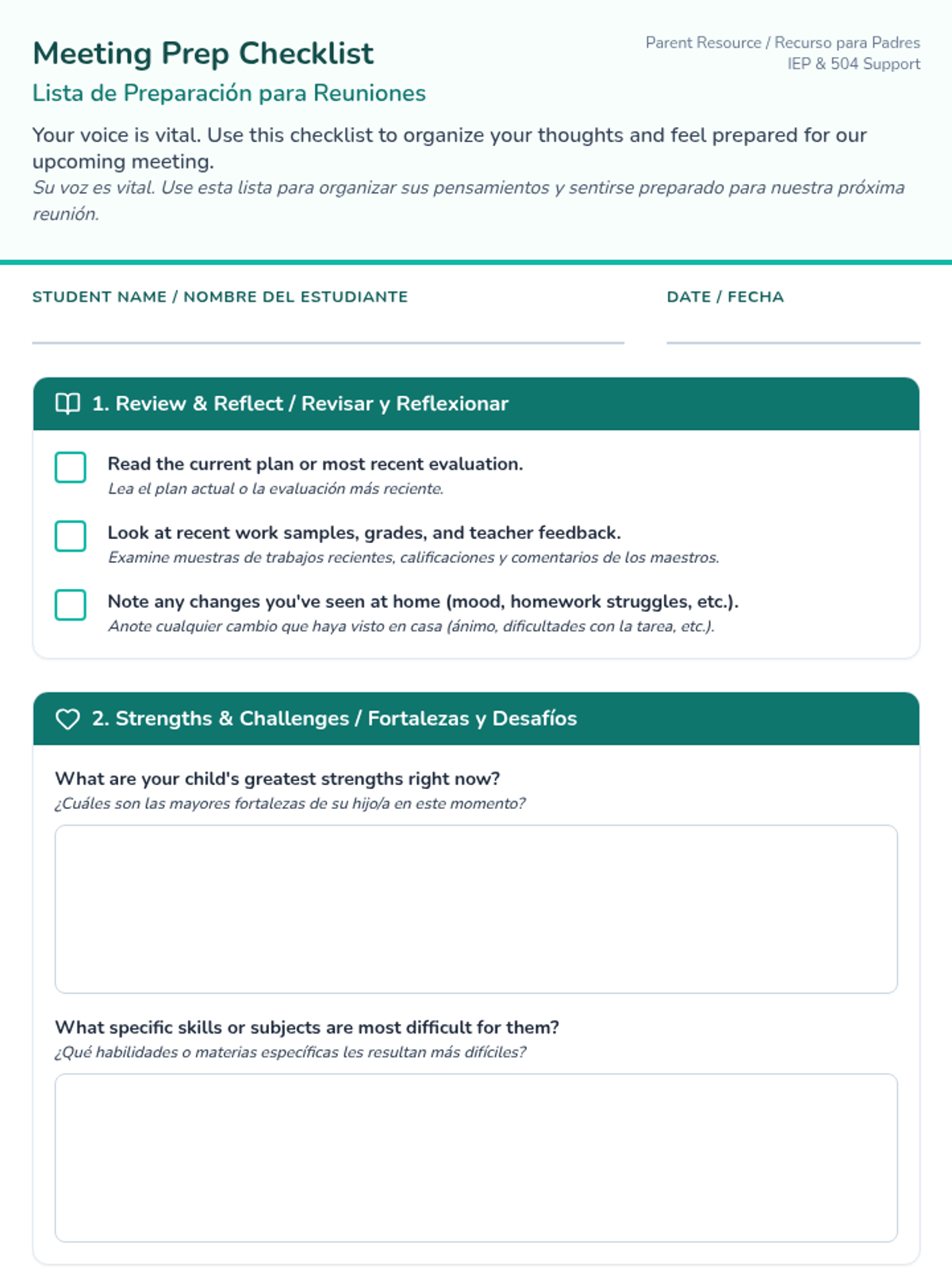
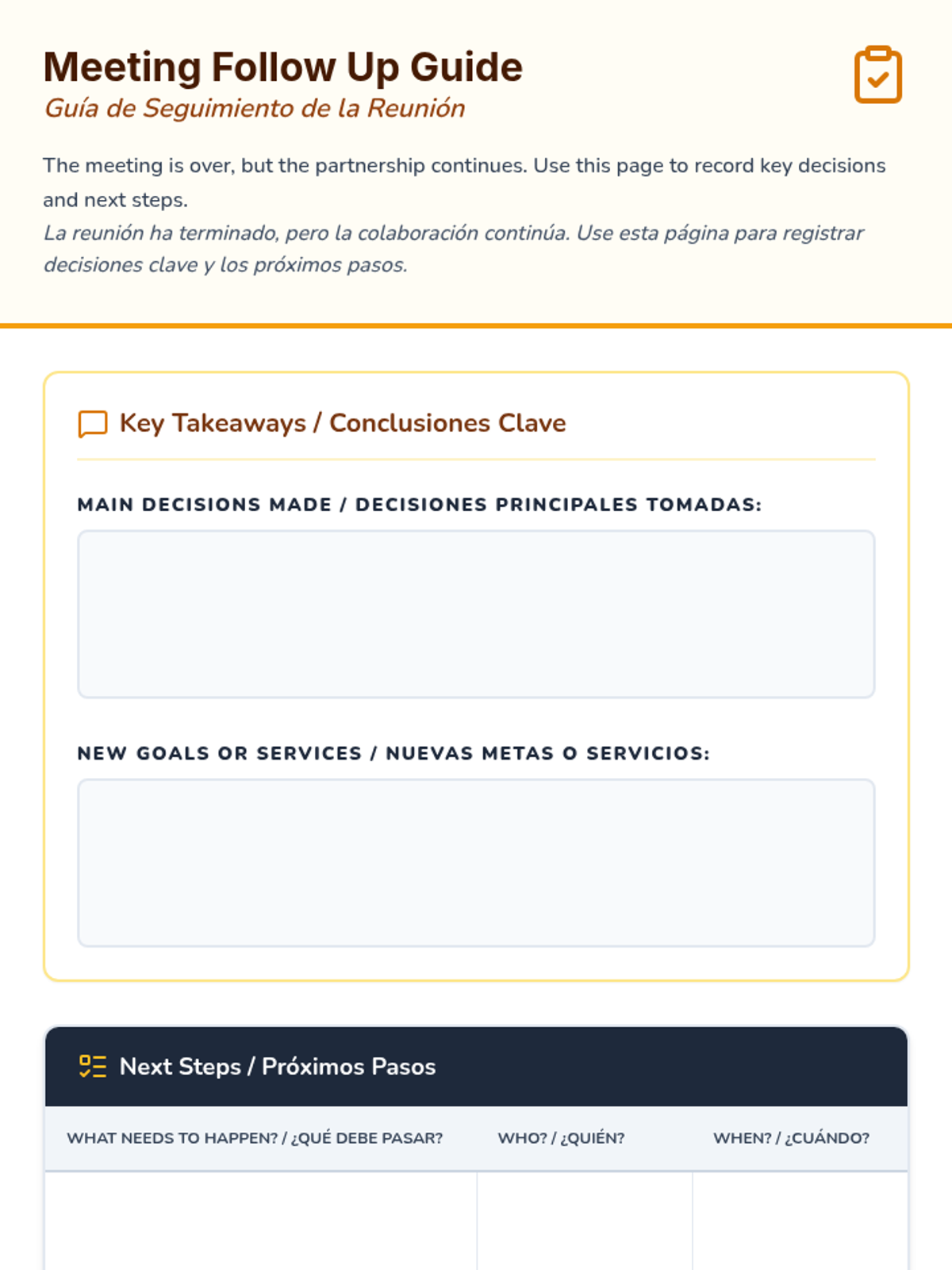
A comprehensive set of templates for special education teachers to track and document student progress toward IEP goals across academic, functional, and behavioral domains.
A simplified independent work packet about the myth of Orpheus and Eurydice, designed for middle school students at a second-grade reading level. The lesson explores the power of music, love, and the consequences of looking back through accessible texts and structured comprehension tasks.
A comprehensive set of resources for middle school students to master the vocalic /IRE/ sound in all word positions and syllable lengths, featuring a word vault, flashcards, and interactive discussion prompts.
Establishing a weekly planning routine and reflecting on personal executive function tools for long-term success.
Developing time estimation skills and learning how to break large projects into manageable chunks.
Transitioning to digital organization using Google Calendar, reminders, and managing digital clutter.
Mastering physical organization systems including binders, lockers, and study spaces using color-coding strategies.
Learning how to create actionable checklists and prioritize tasks effectively using the 'Brain Dump' method.
Introduction to the concept of executive function as the 'brain's boss' and the importance of planning for middle school success.
Students establish a recurring weekly routine to review their systems, celebrate wins, and prep for the week ahead.
Students identify "focus thieve" and learn the Pomodoro technique for sustained task completion.
Students organize digital files and learn basic email management to prevent "digital overwhelm."
Students learn to categorize and clear physical clutter in lockers and backpacks to reduce transition stress.
Students learn how to integrate their tasks and project steps into a daily and weekly planner system.
Students develop the skill of 'time sensing' by estimating task duration and accounting for transitions and distractions.
Students practice the 'chunking' method to turn overwhelming projects into manageable, bite-sized steps.
Students learn to categorize tasks using a priority matrix to identify what needs immediate attention versus what can wait.
A comprehensive resource kit for the 'Neuro Command Academy' 10-week curriculum, including high-impact TPT product pages and standards-aligned guides.
A comprehensive set of tools designed to help teenagers master executive functioning skills, focusing on task management, environmental organization, and self-monitoring using a high-tech, tactical aesthetic.
Students explore how personal hygiene and grooming habits impact the 'Zones' of their coworkers and supervisors in a professional environment.
A comprehensive final assessment suite for Romeo and Juliet designed for SPED students, featuring visual supports, graphic organizers, and scaffolded vocabulary tasks.