A lesson focused on teaching and tracking specific academic habits such as workspace organization, planner usage, and text annotation to increase student independence in the general education setting.
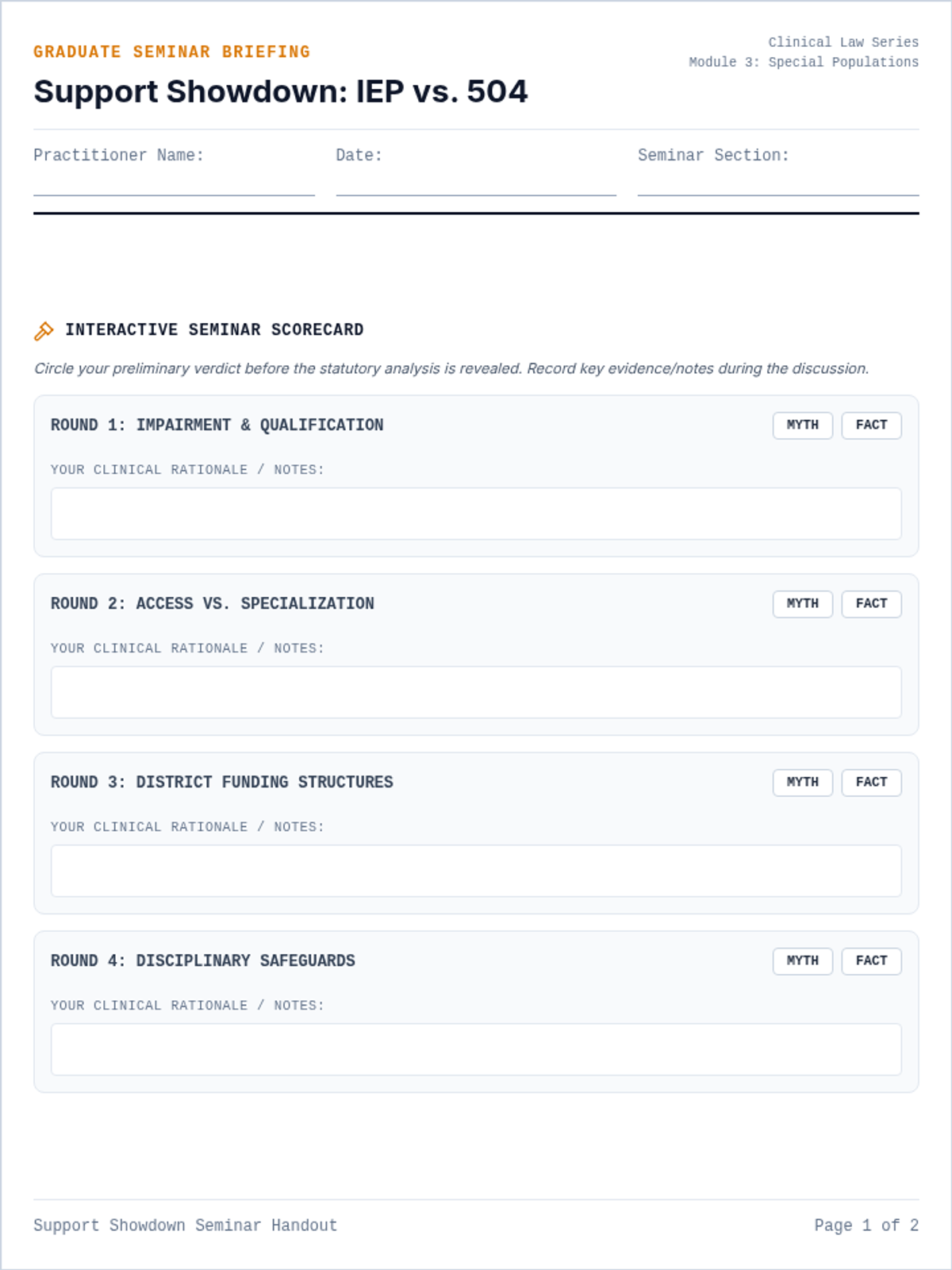
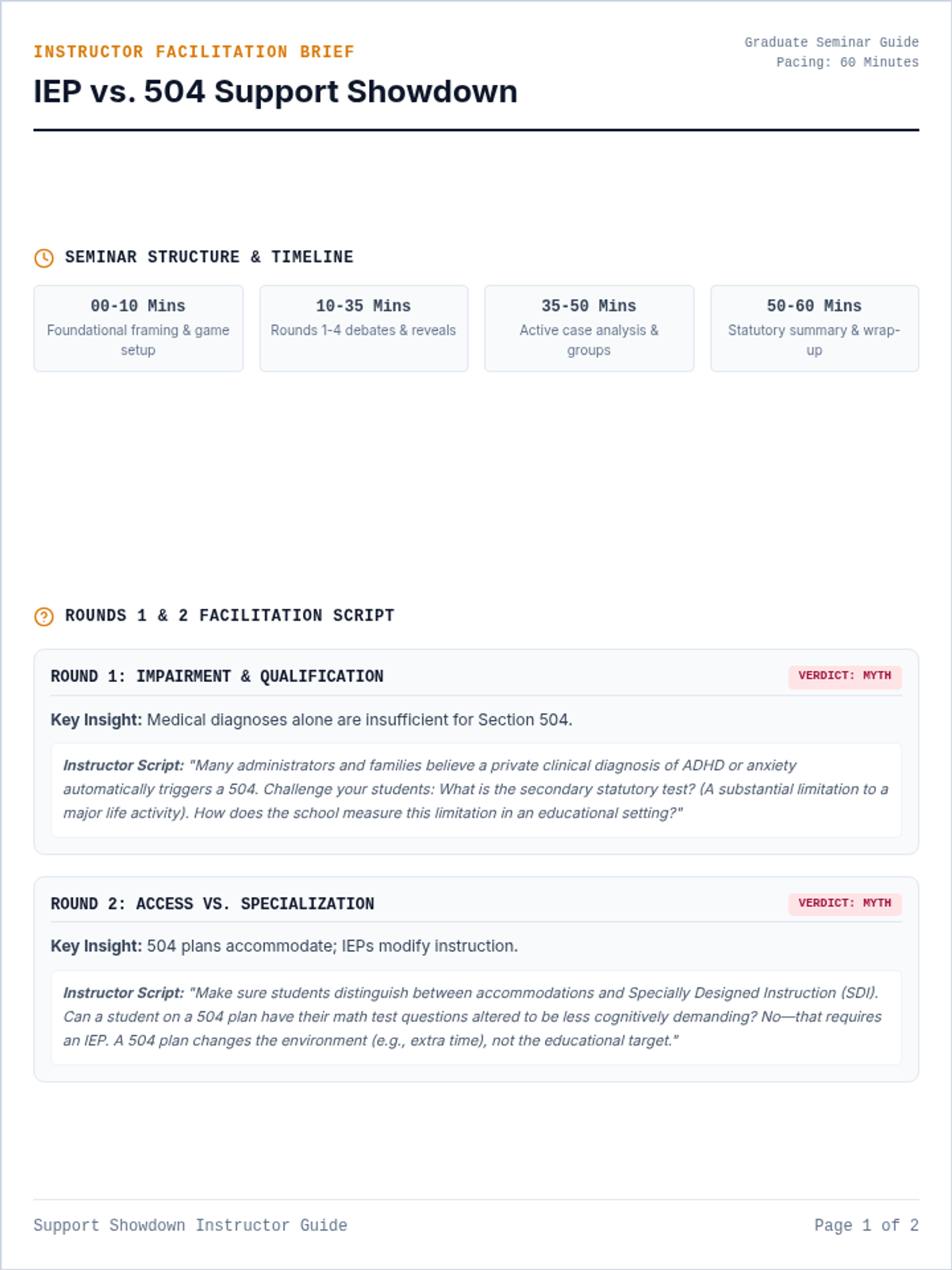
A graduate-level seminar lesson comparing IEPs and 504 plans through an interactive Myth vs. Fact collaborative trivia game. The lesson includes a high-impact presentation, a professional comparison handout, and an instructor facilitation guide with statutory deep-dives.
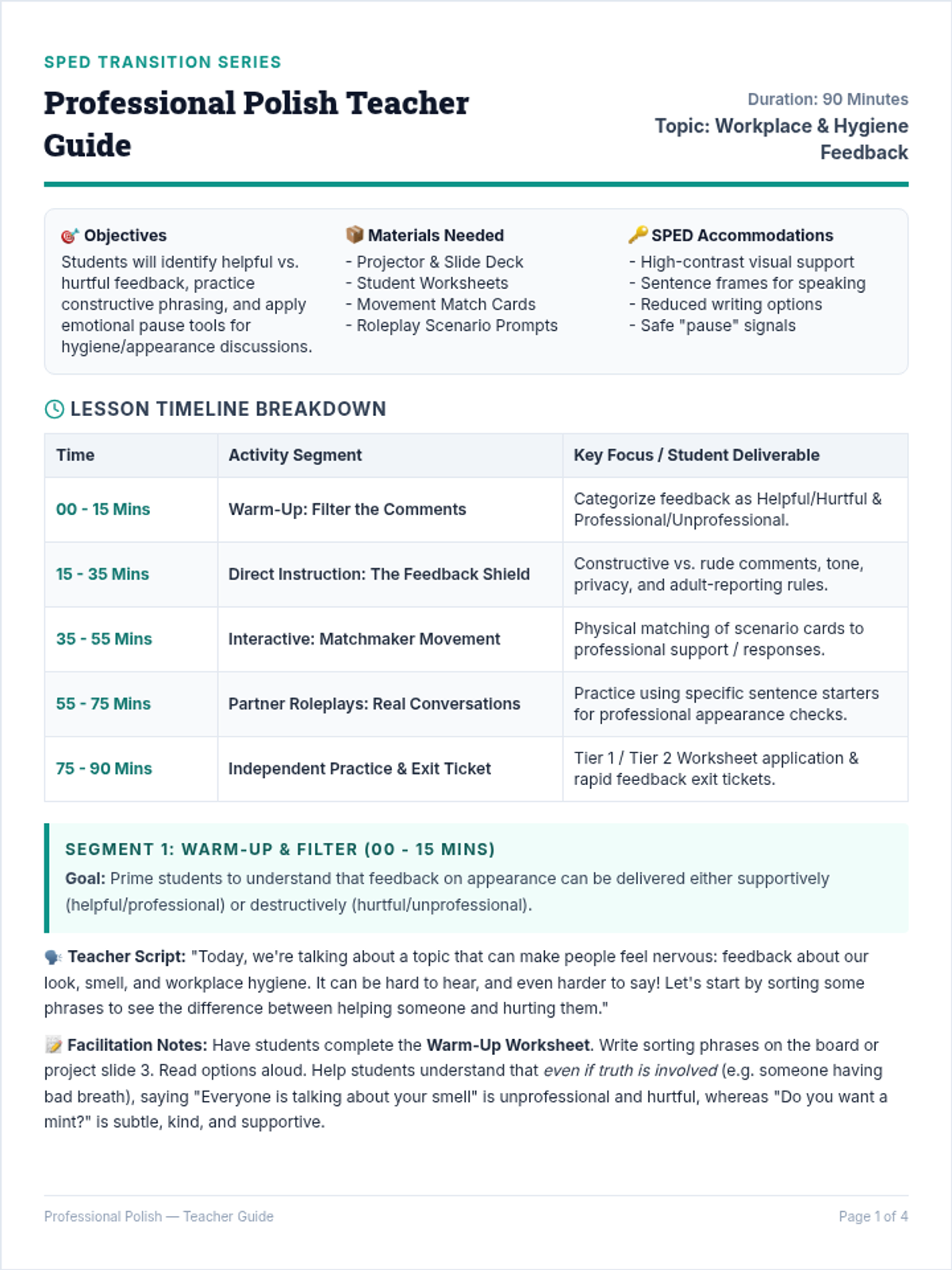
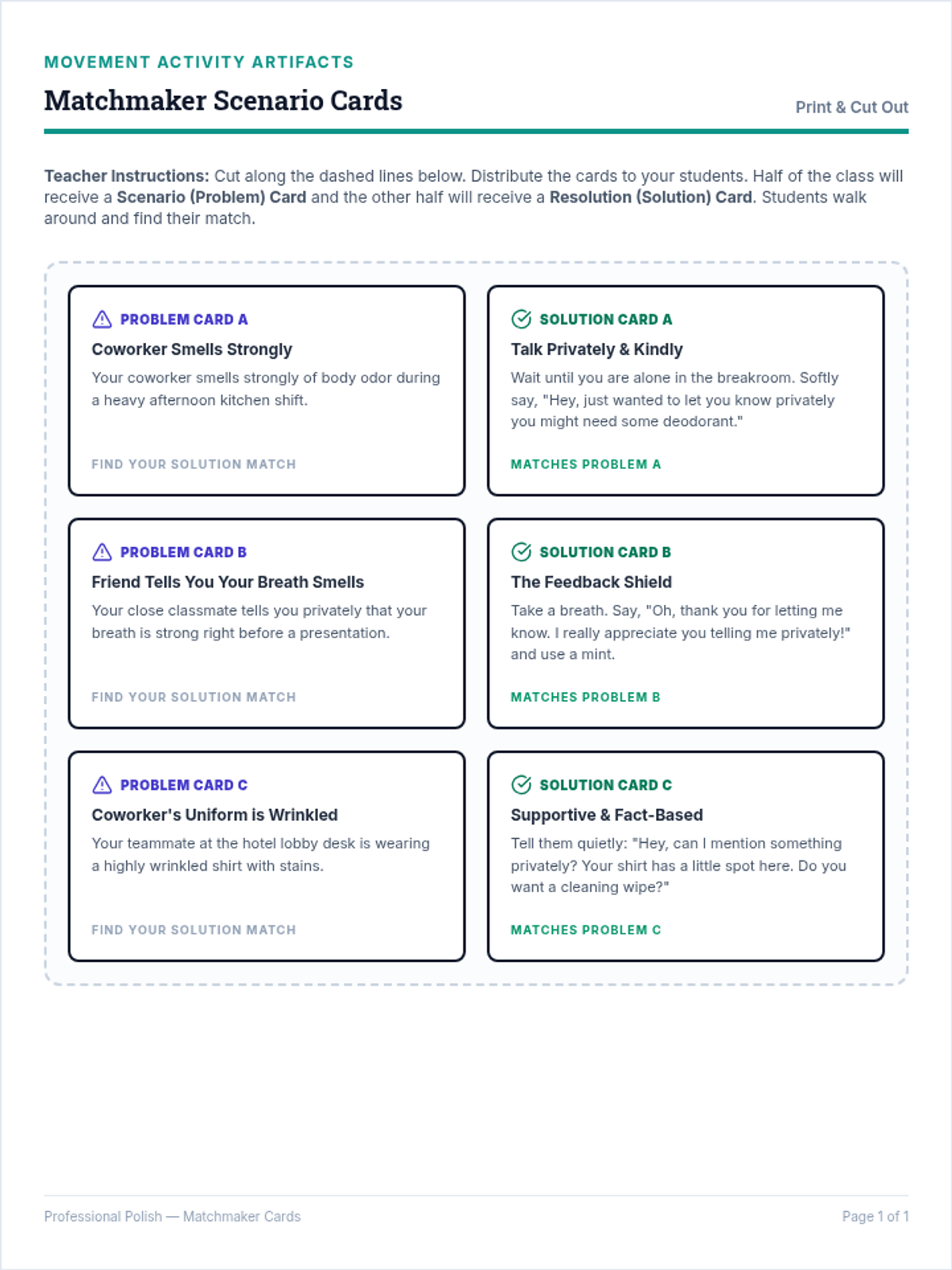
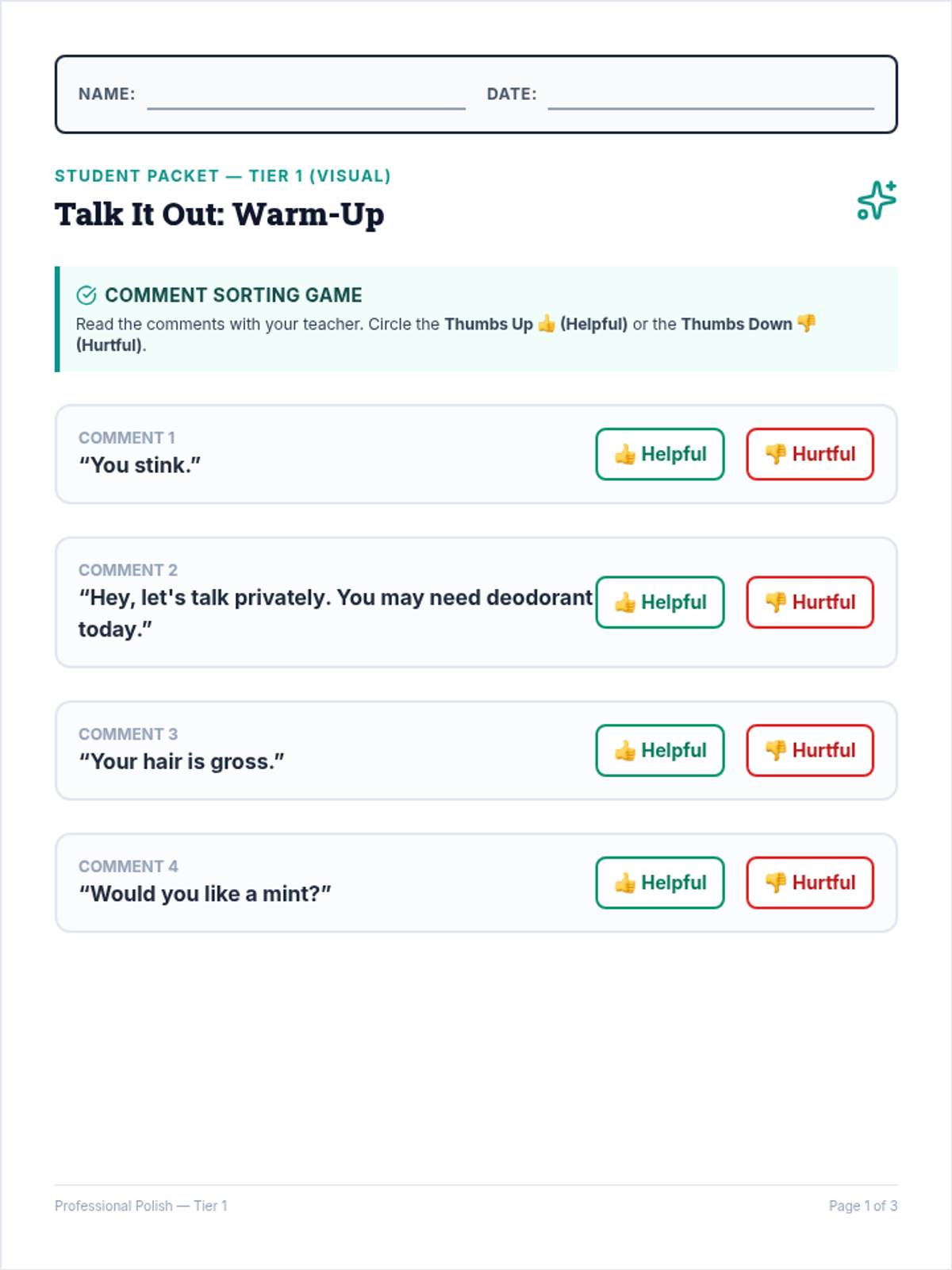
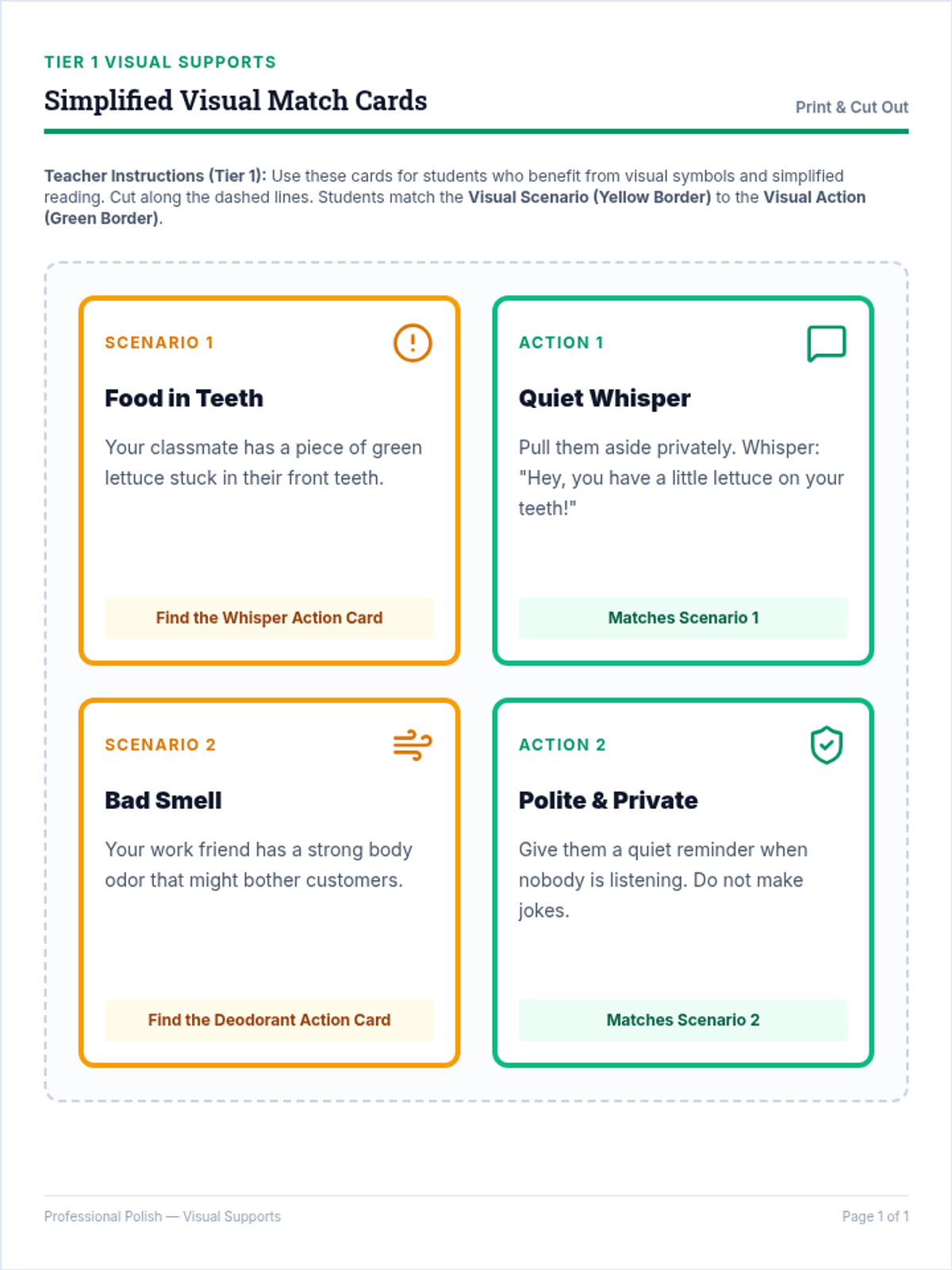
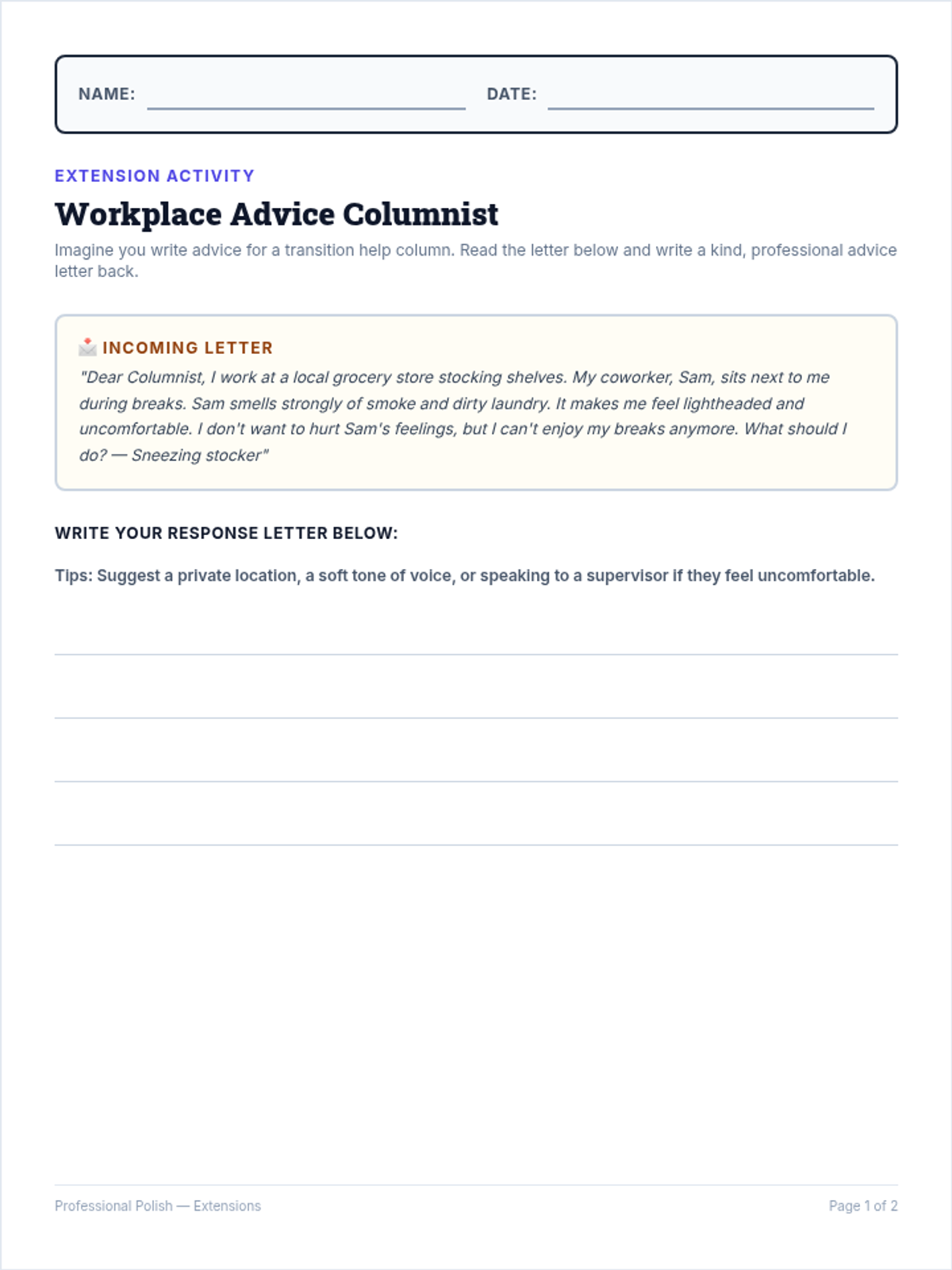
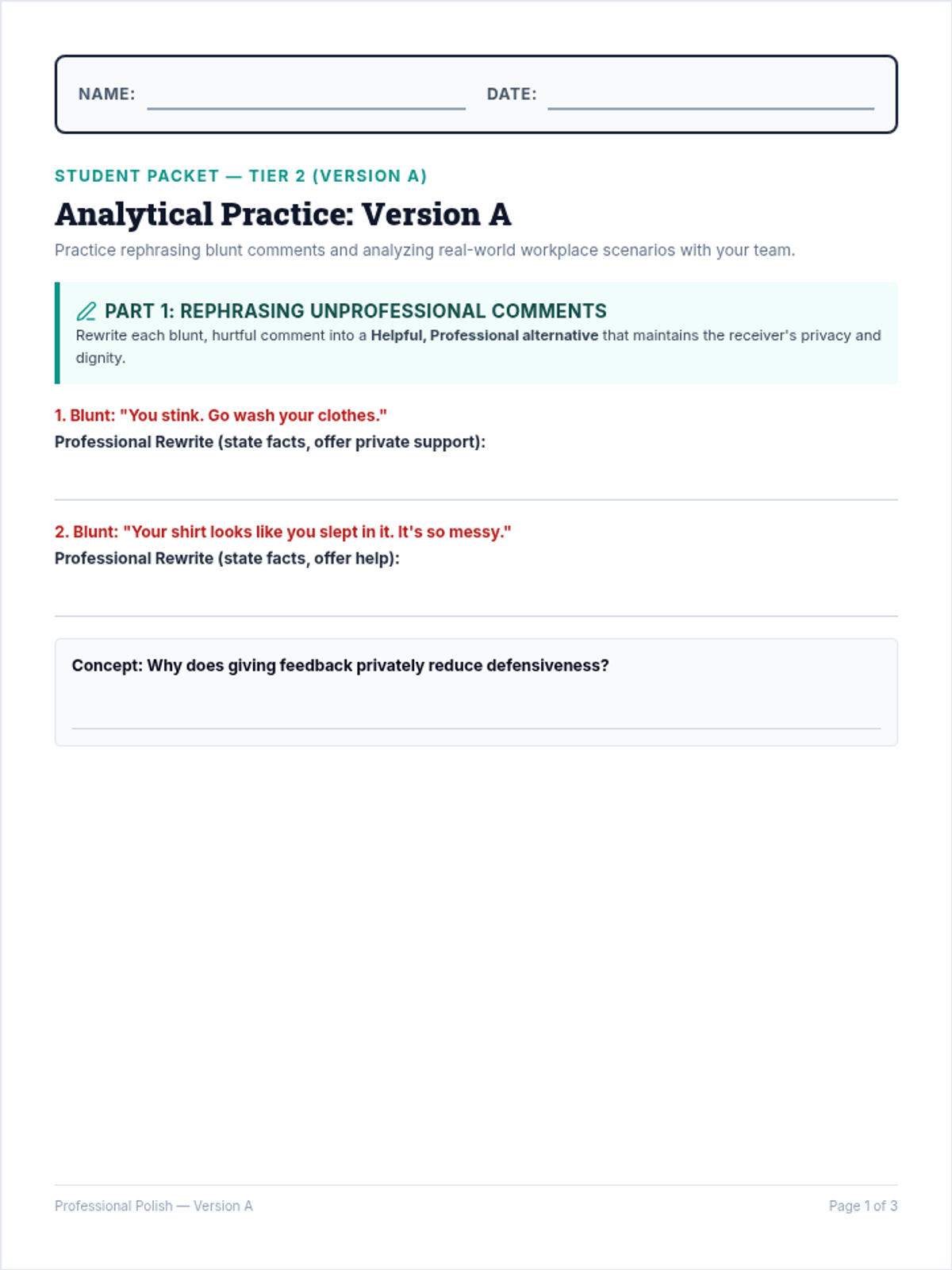
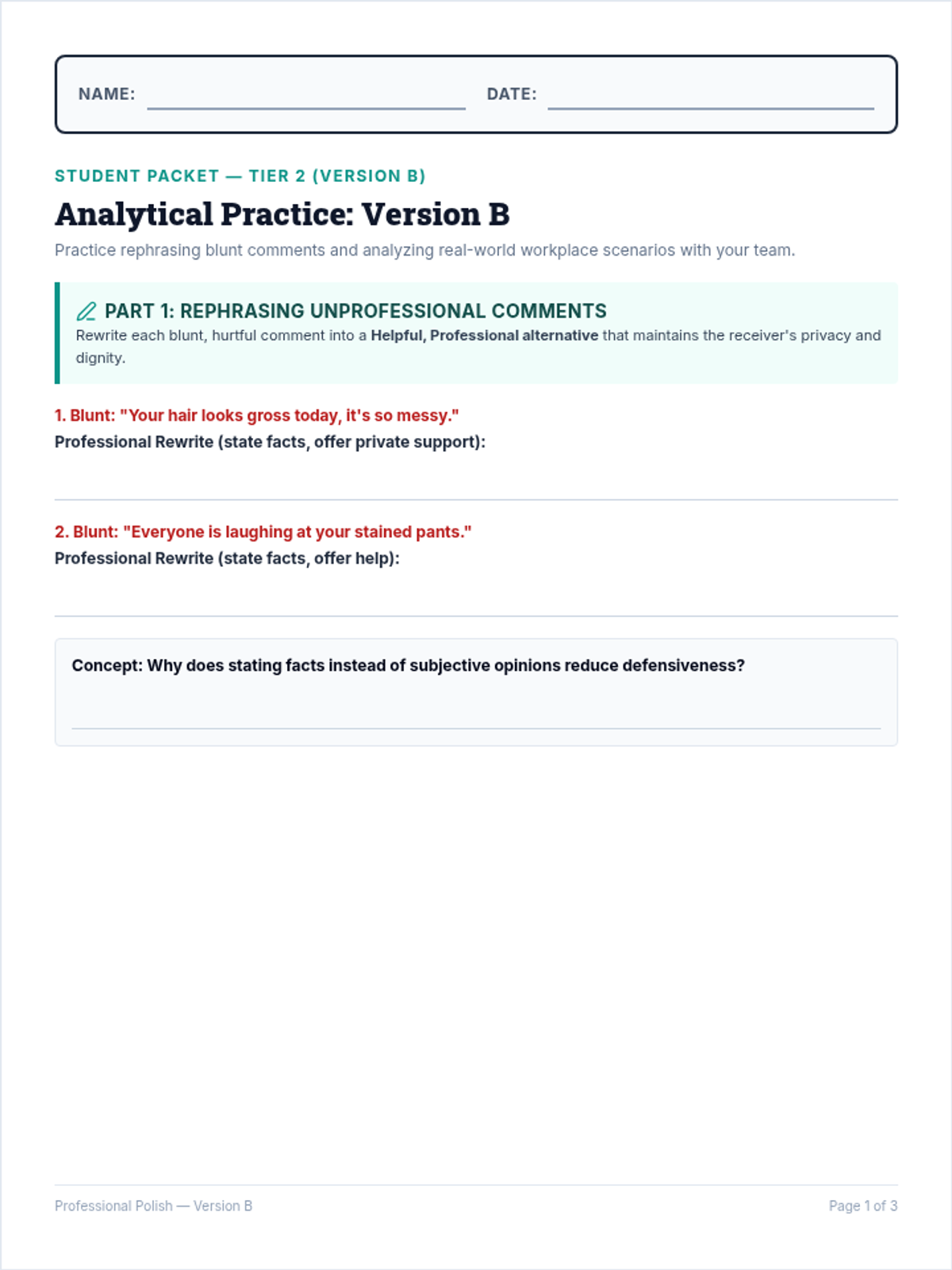
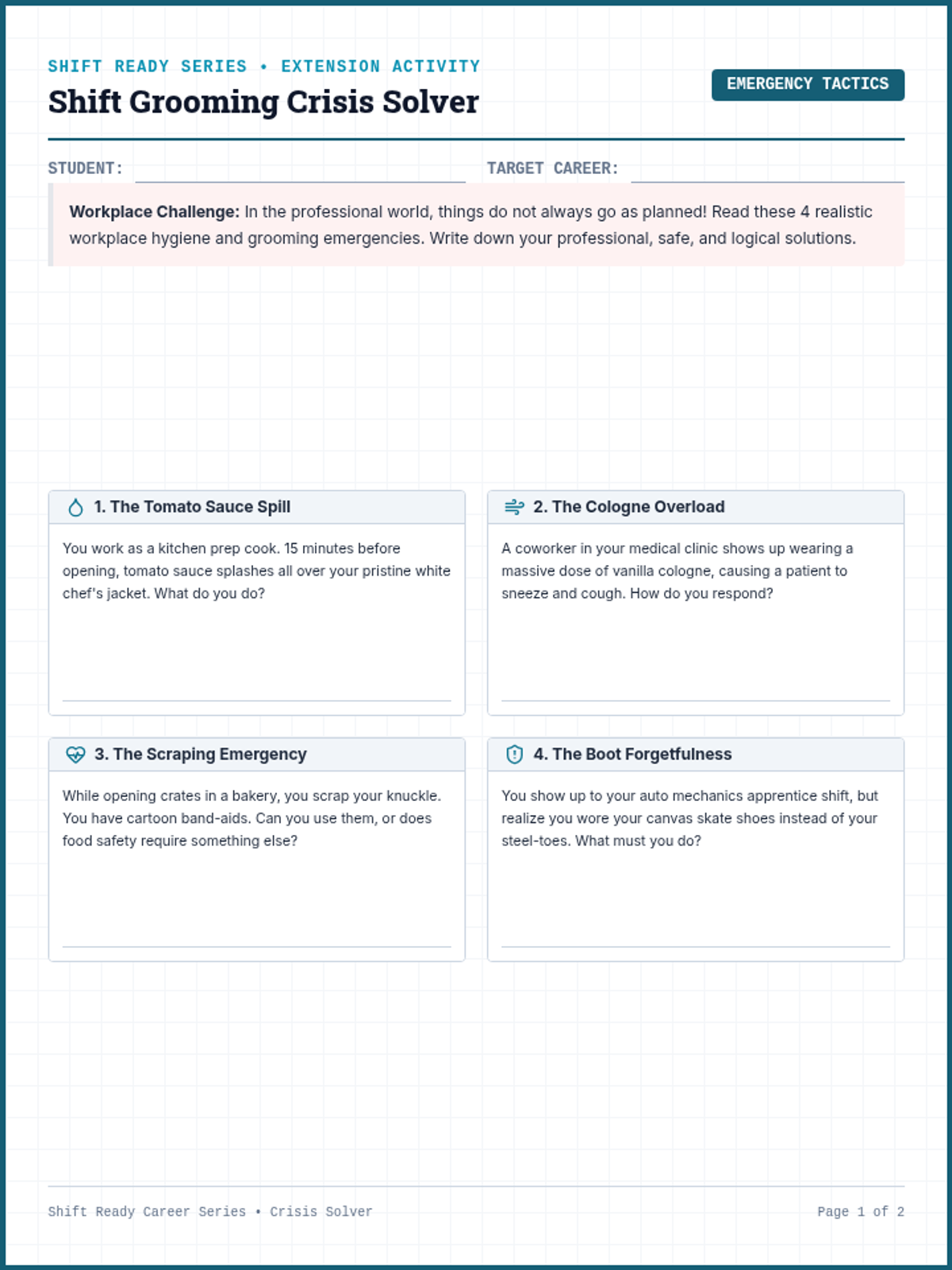
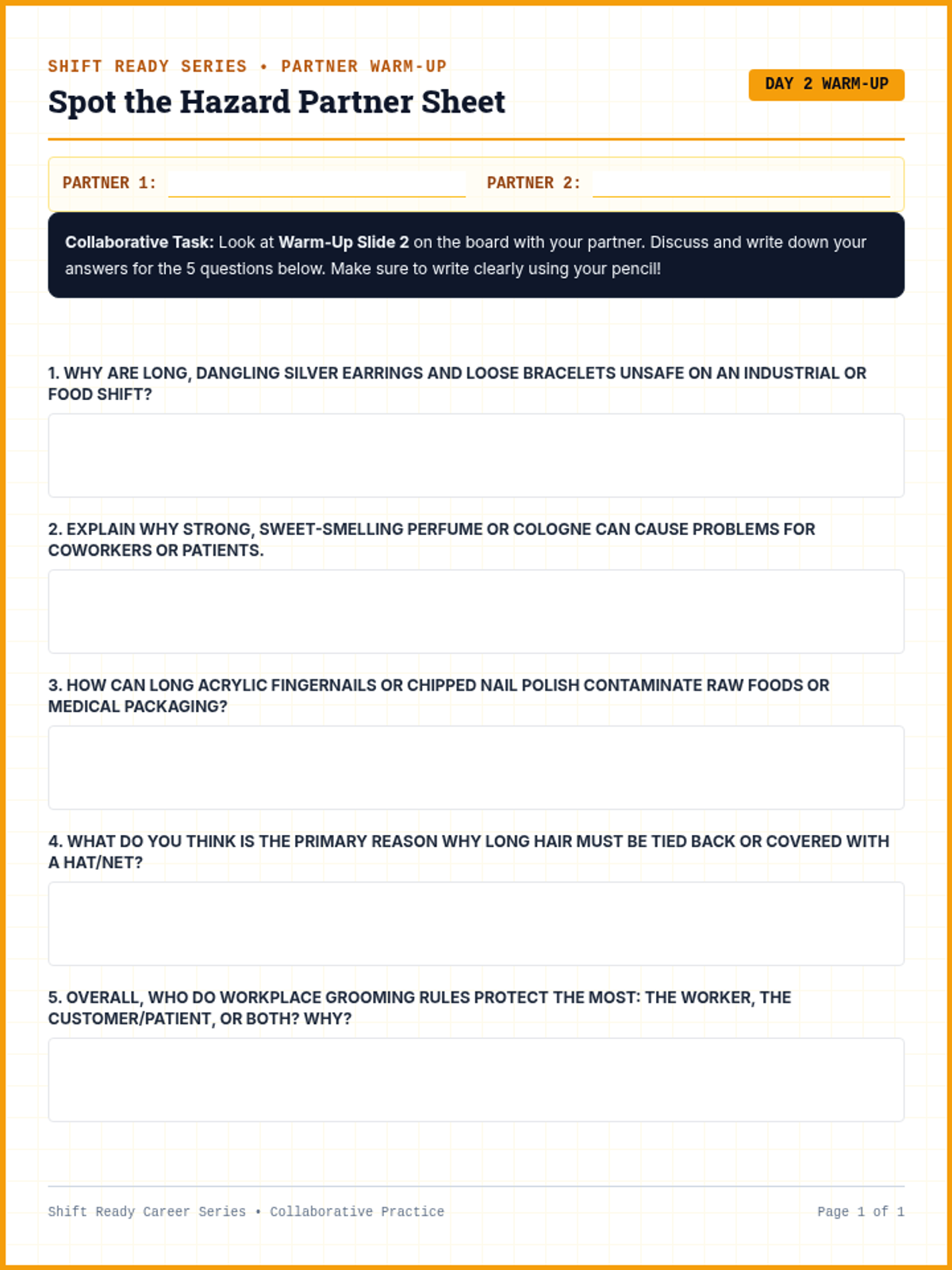
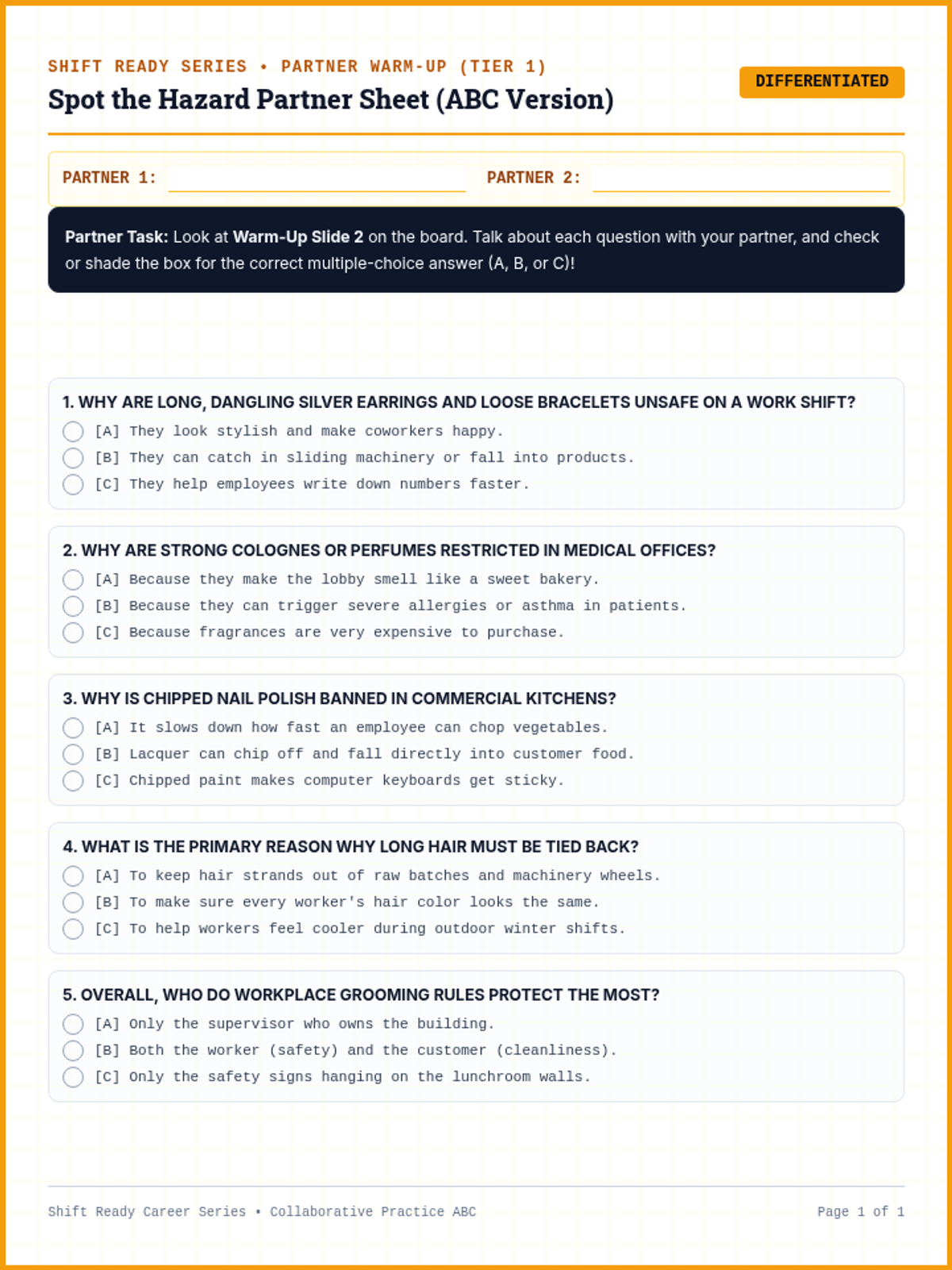
A comprehensive SPED-focused transition lesson about navigating sensitive feedback regarding personal hygiene, grooming, and appearance in workplace and social settings.
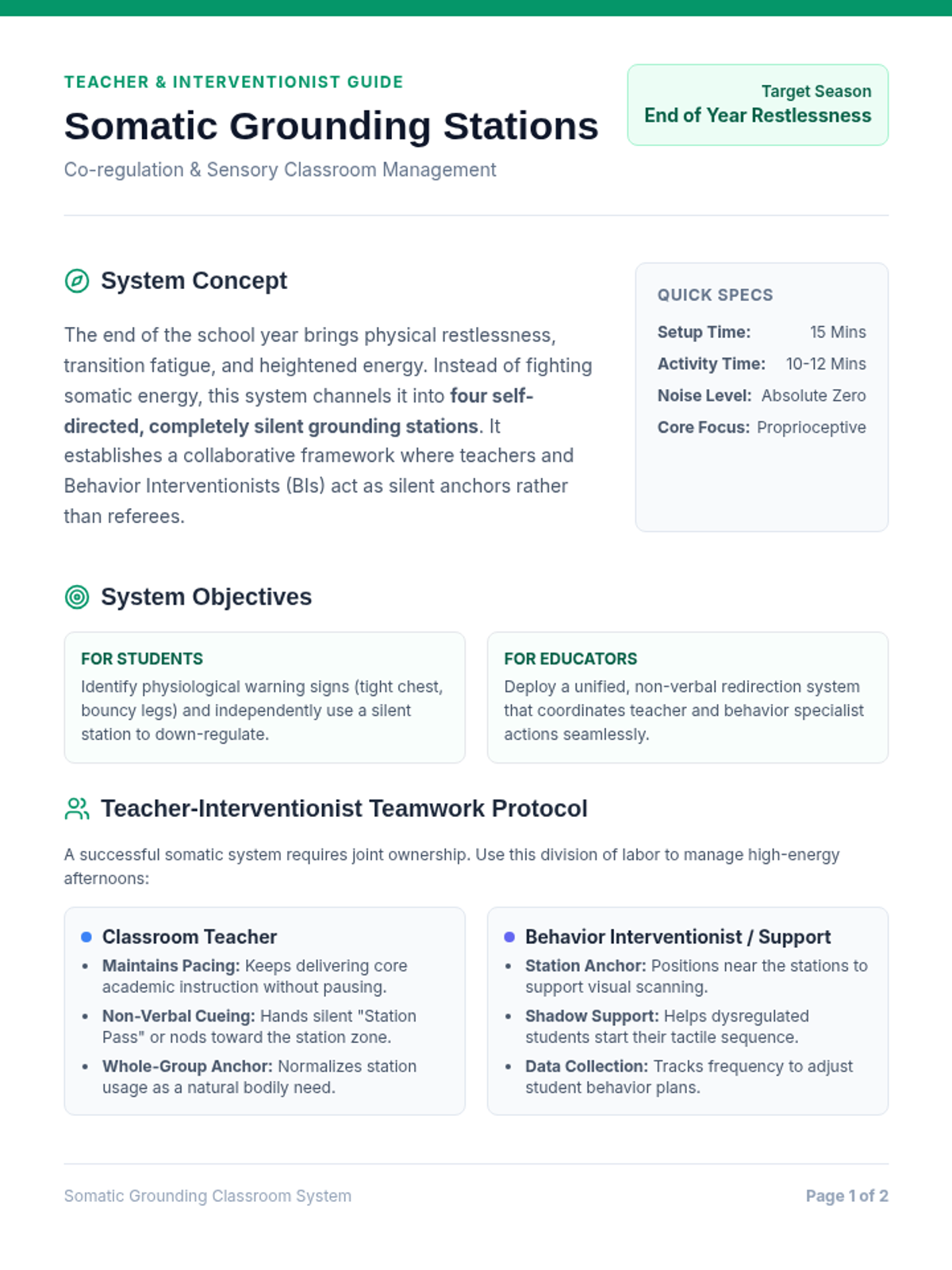
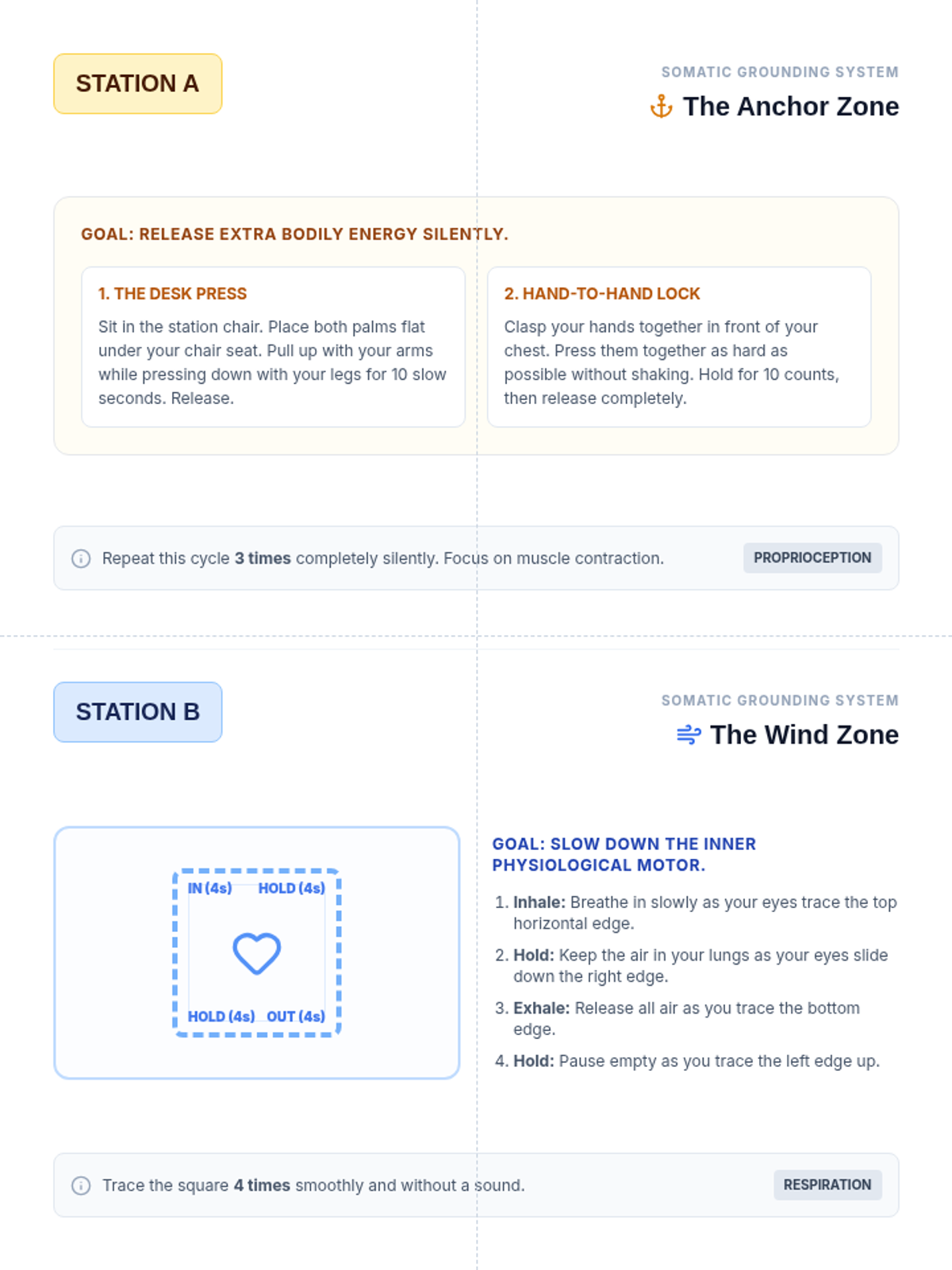
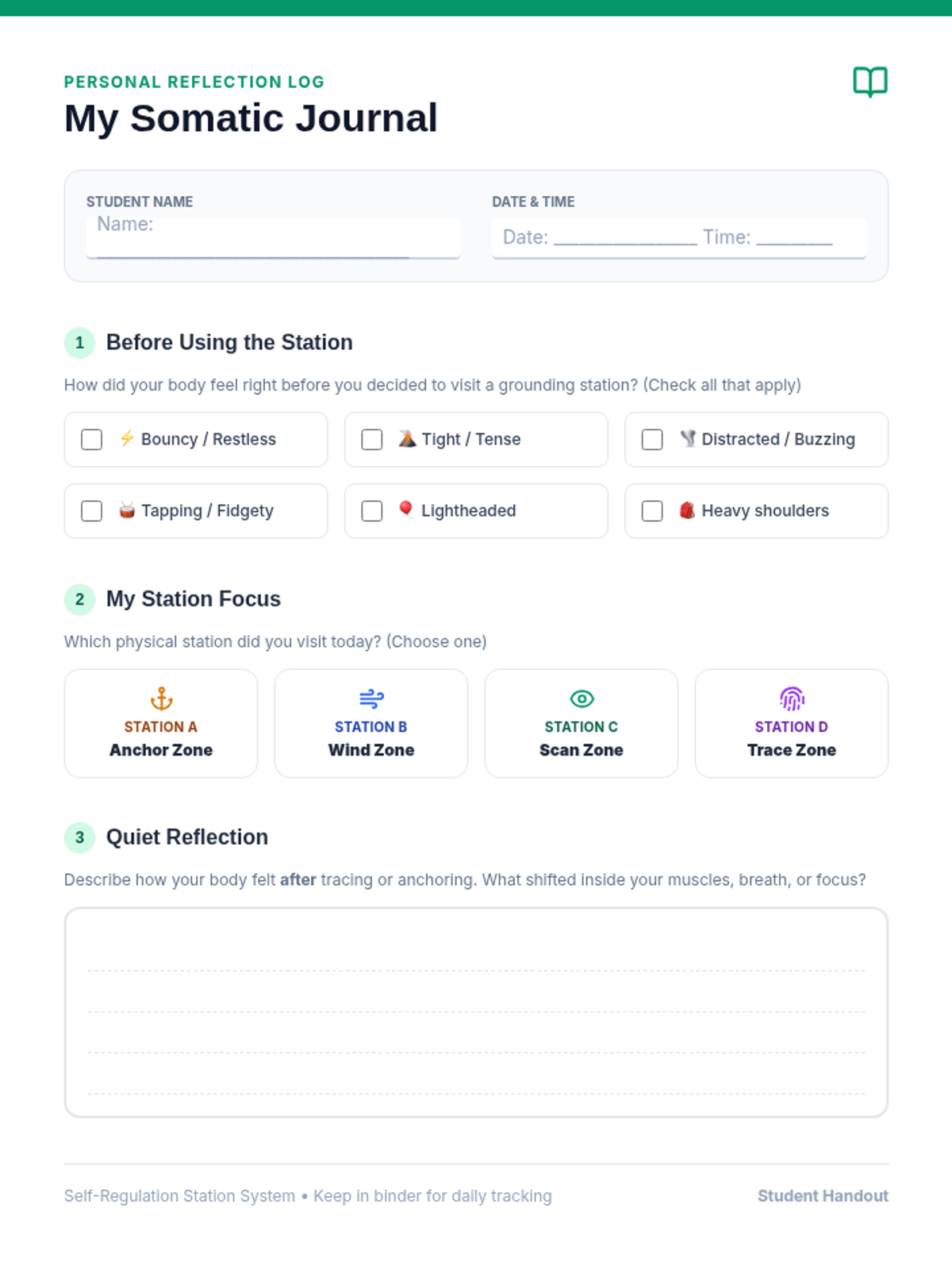
A sensory-based regulation system lesson designed to establish quick, silent coping zones in classrooms during high-energy periods, facilitating collaboration between teachers and behavior interventionists.
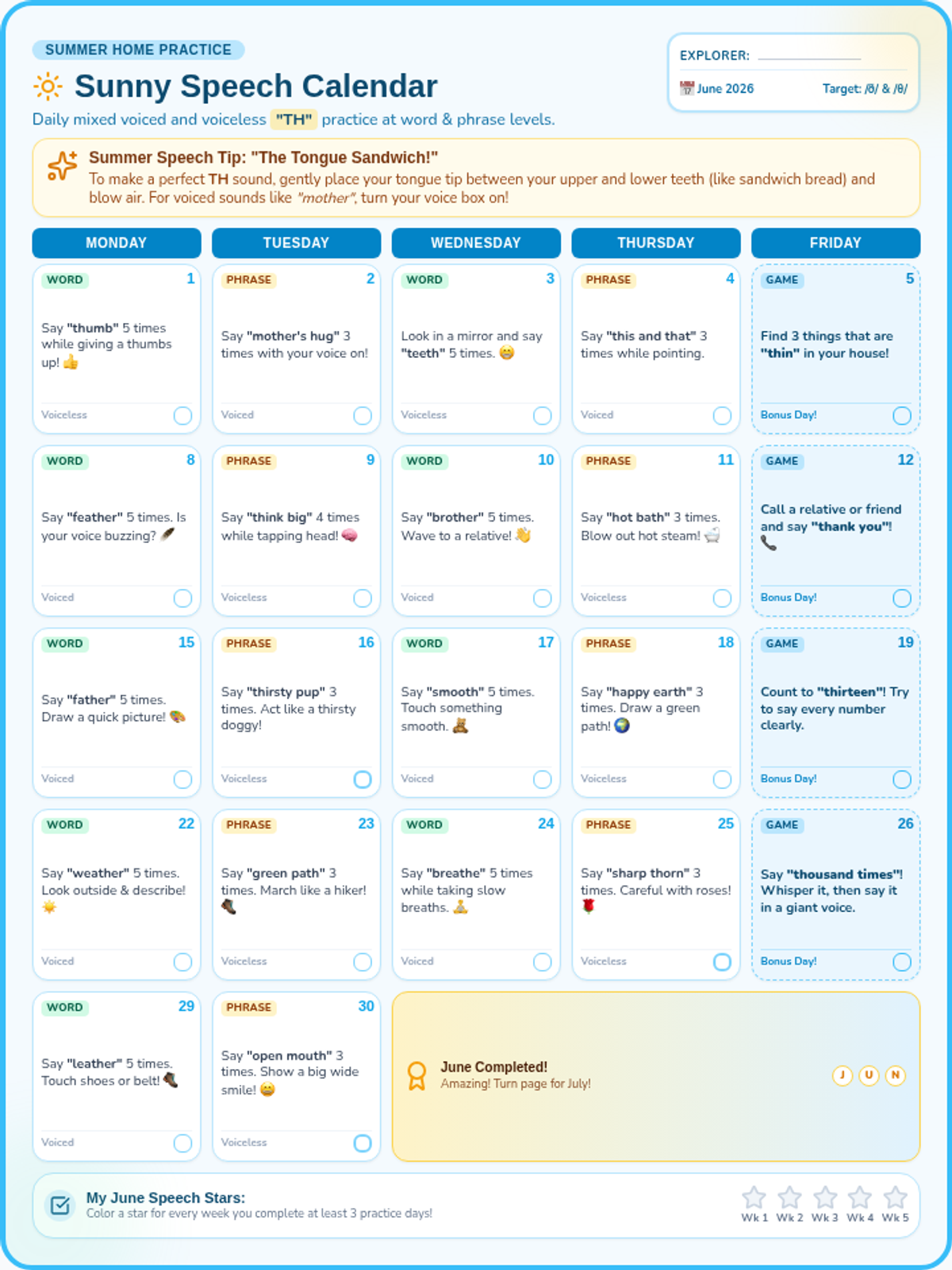
A 2-month summer speech calendar program for June and July 2026 designed to support students in practicing mixed voiced and voiceless TH sounds at the word and phrase levels through quick, engaging daily home activities.
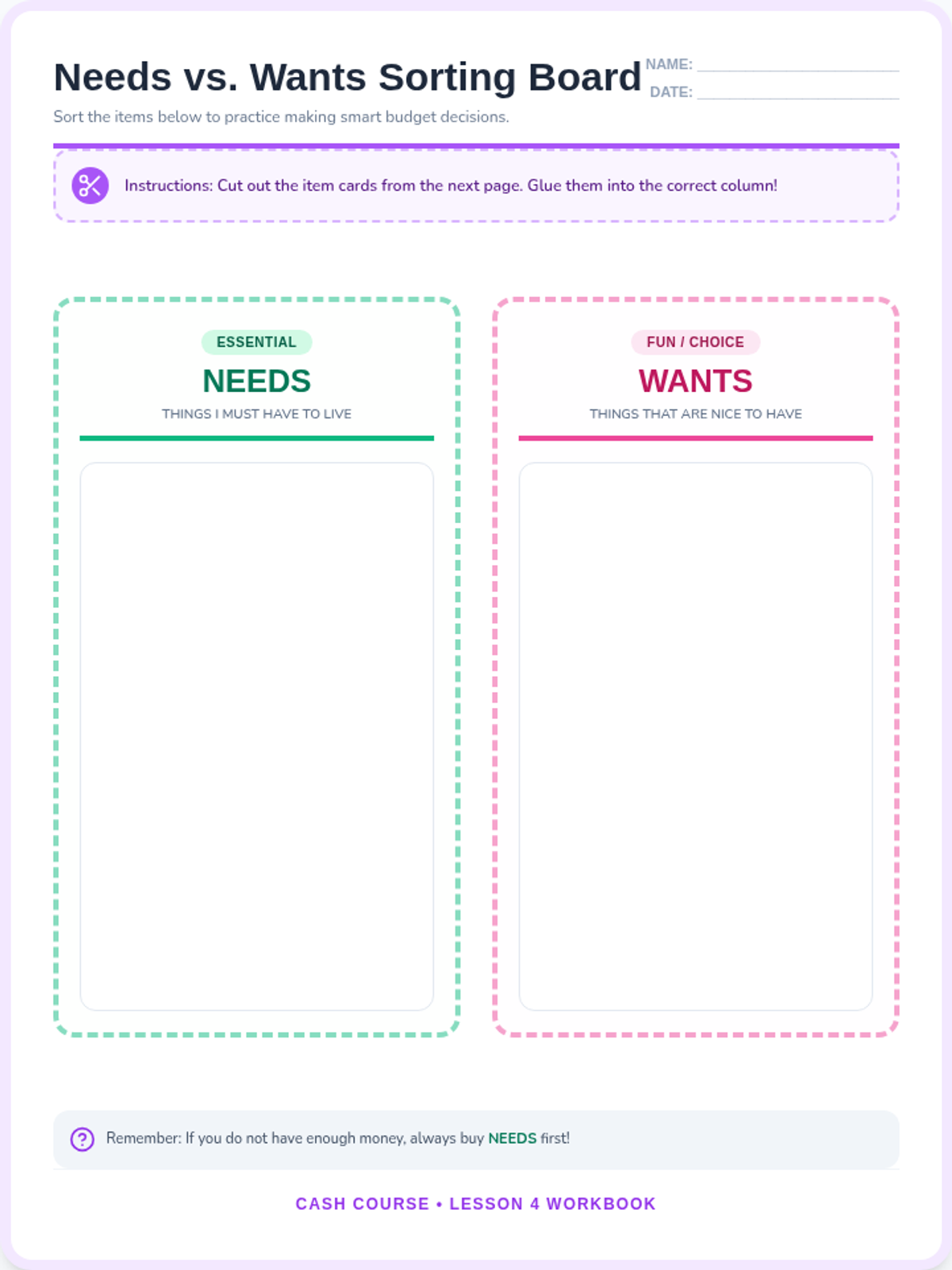
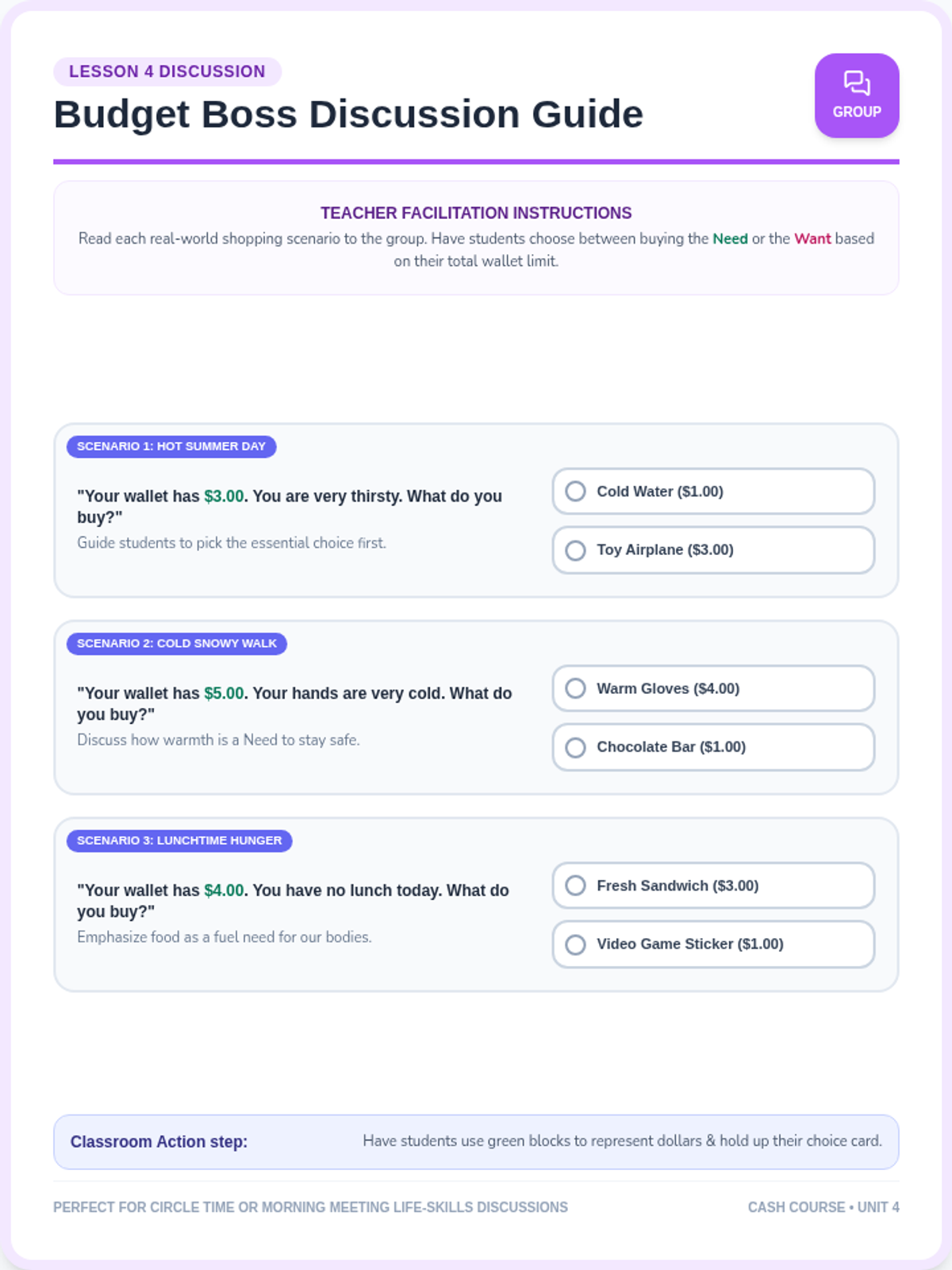
Teaches students to distinguish between essential items (needs) and non-essential items (wants), and guides them through making simple purchases within a fixed budget.
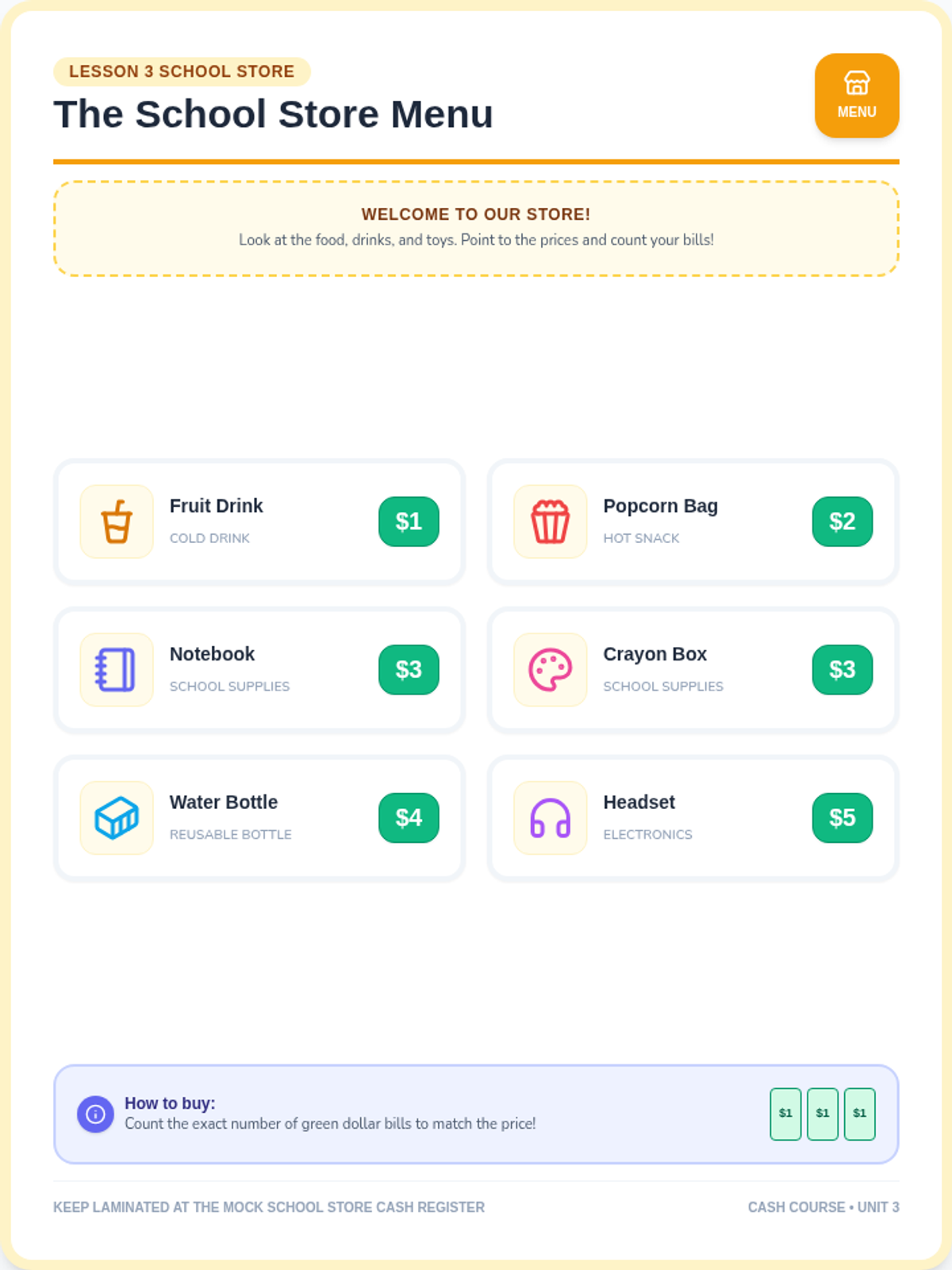
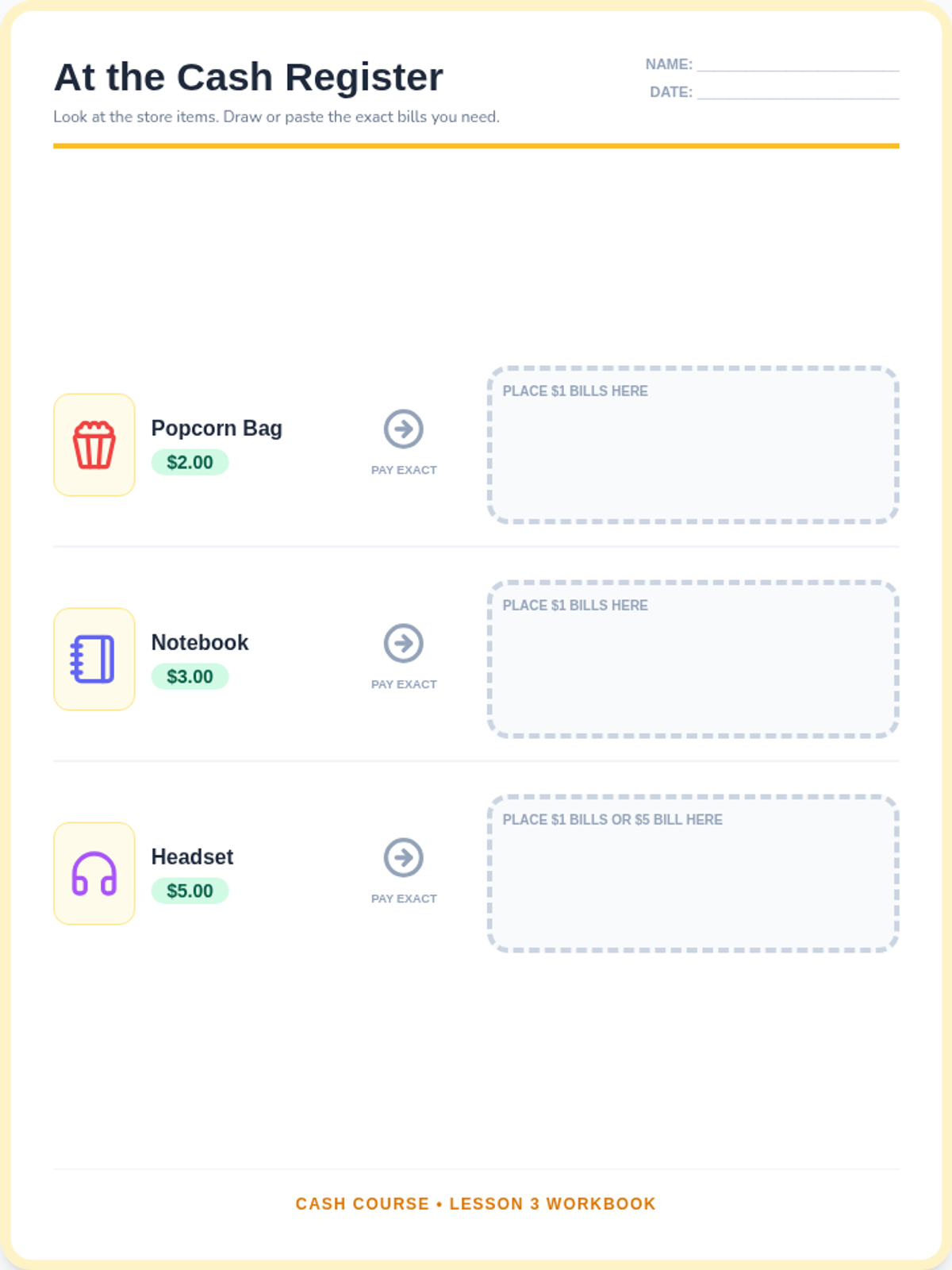
Students practice making simple exact transactions up to five dollars, simulating visual school store scenarios to build independent living skills.
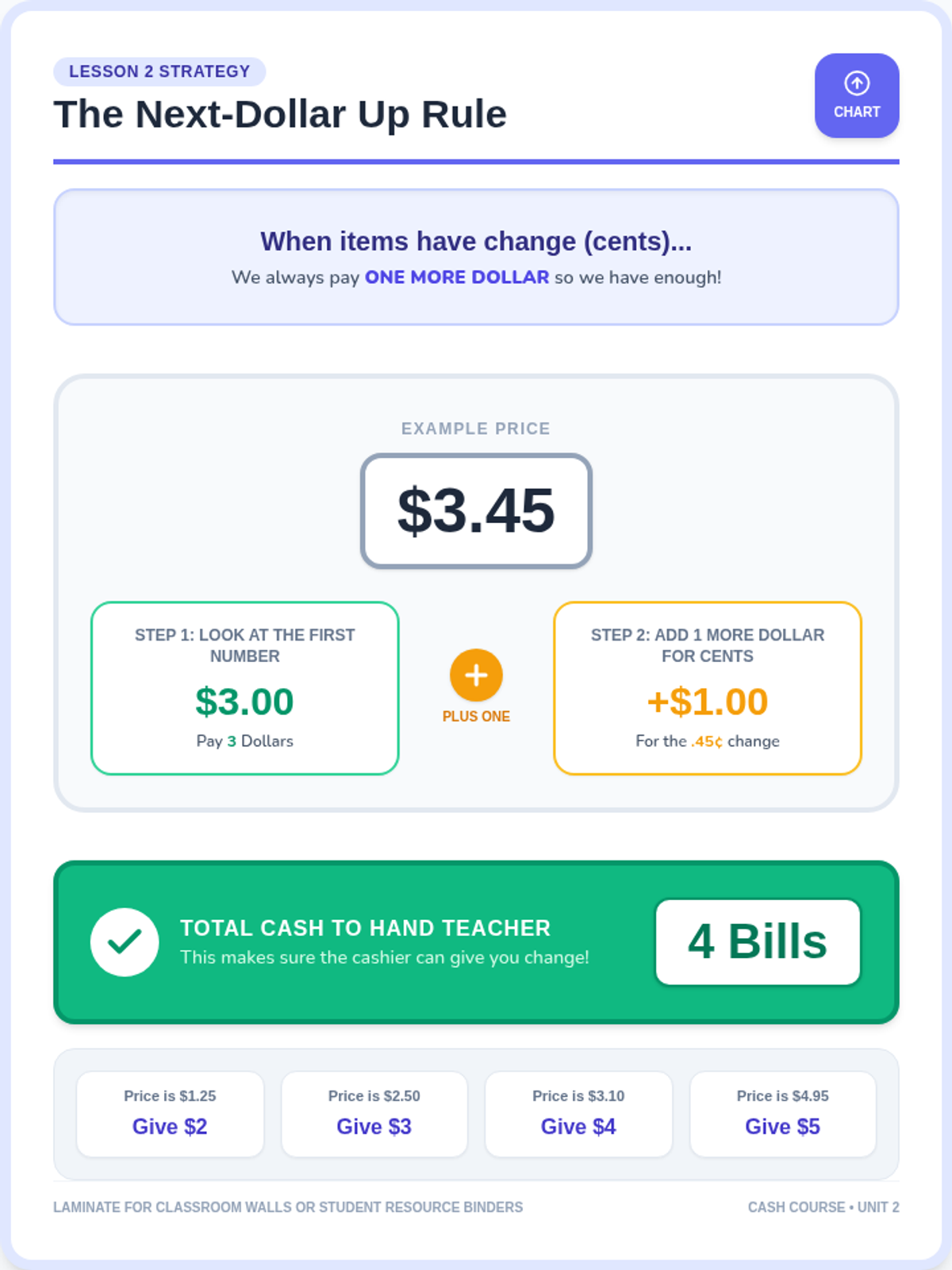
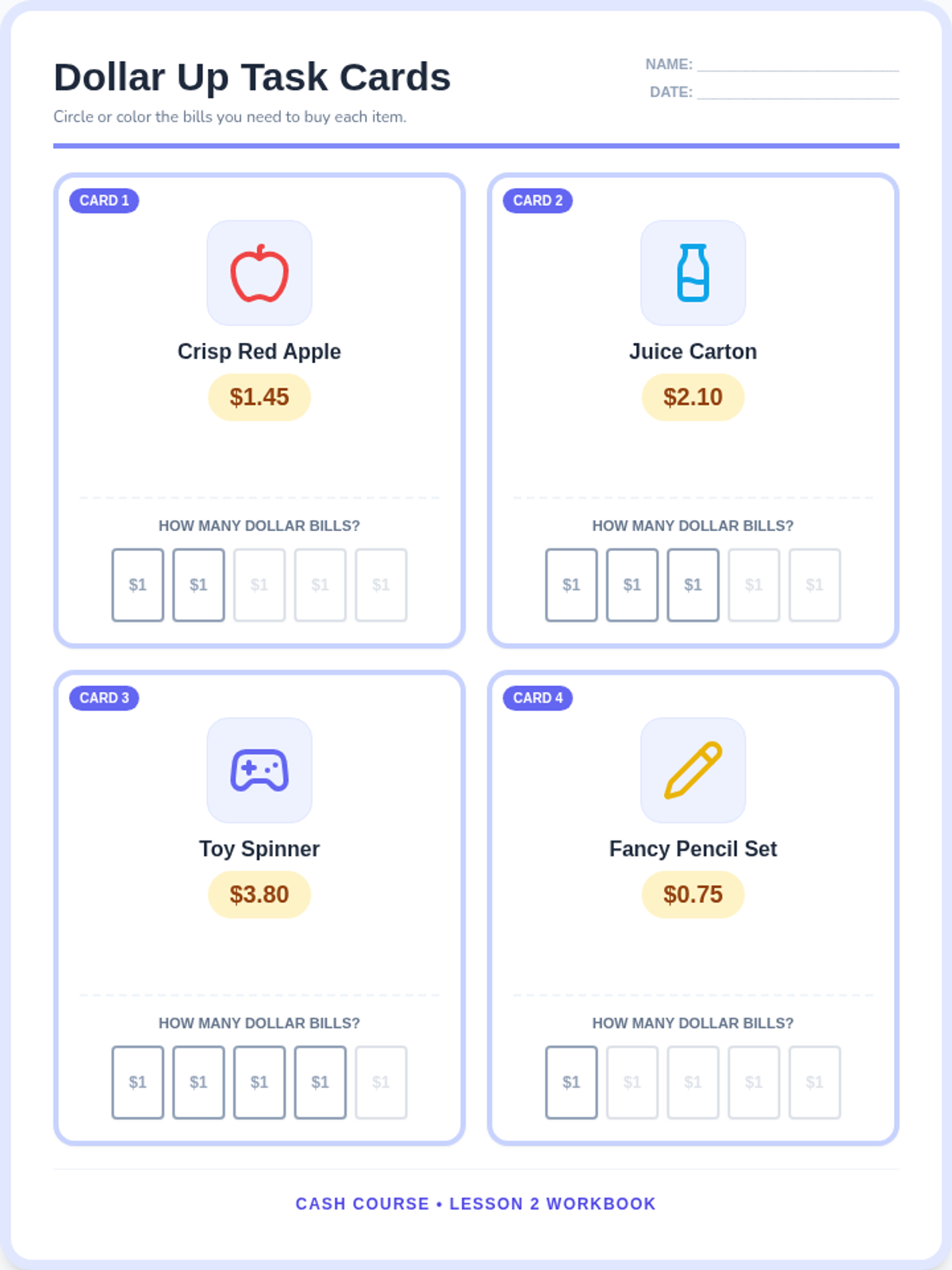
Introduces the Next-Dollar Up strategy, teaching students with cognitive and learning disabilities how to determine how many one-dollar bills to pay for items with decimal prices.
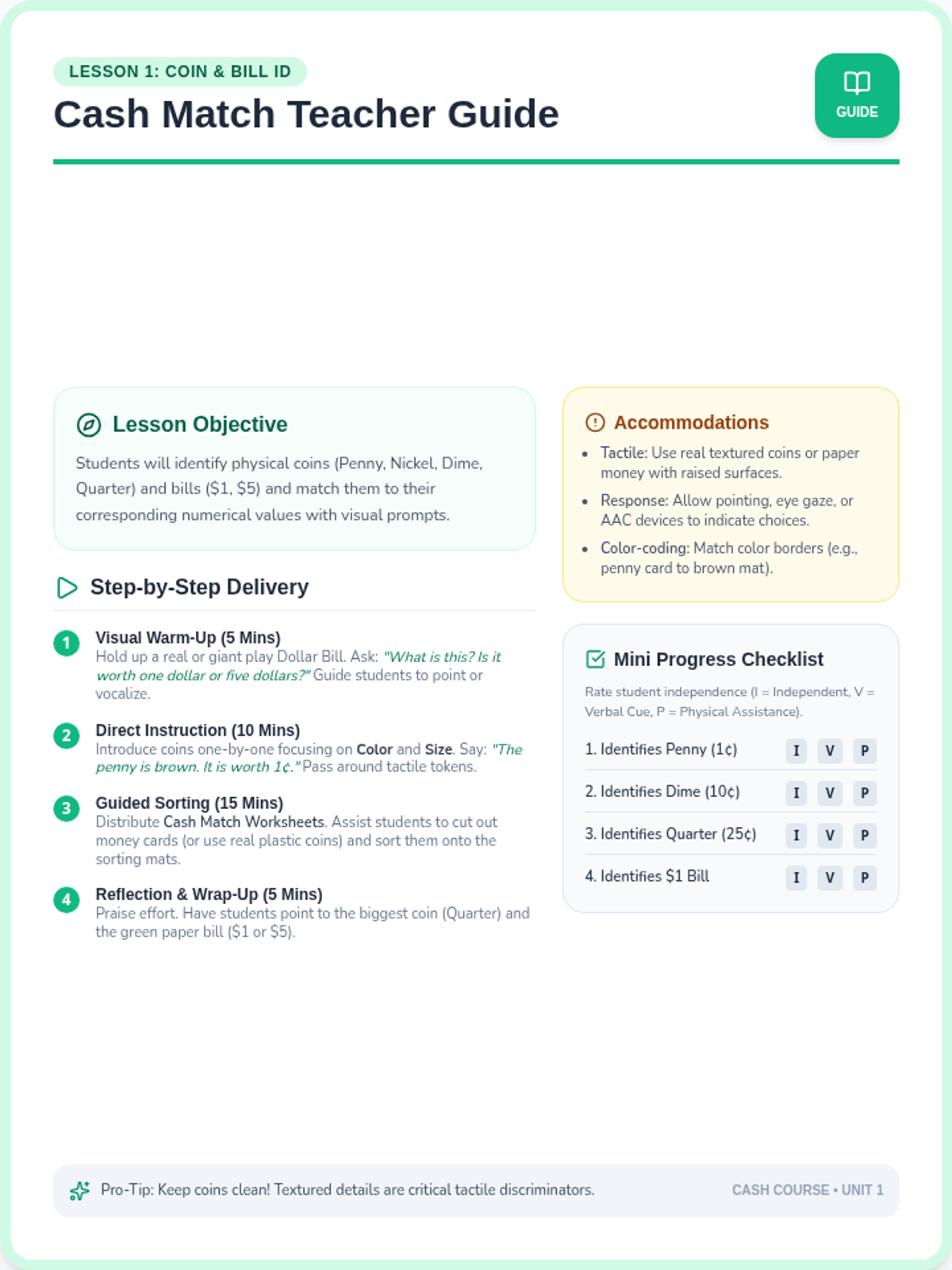
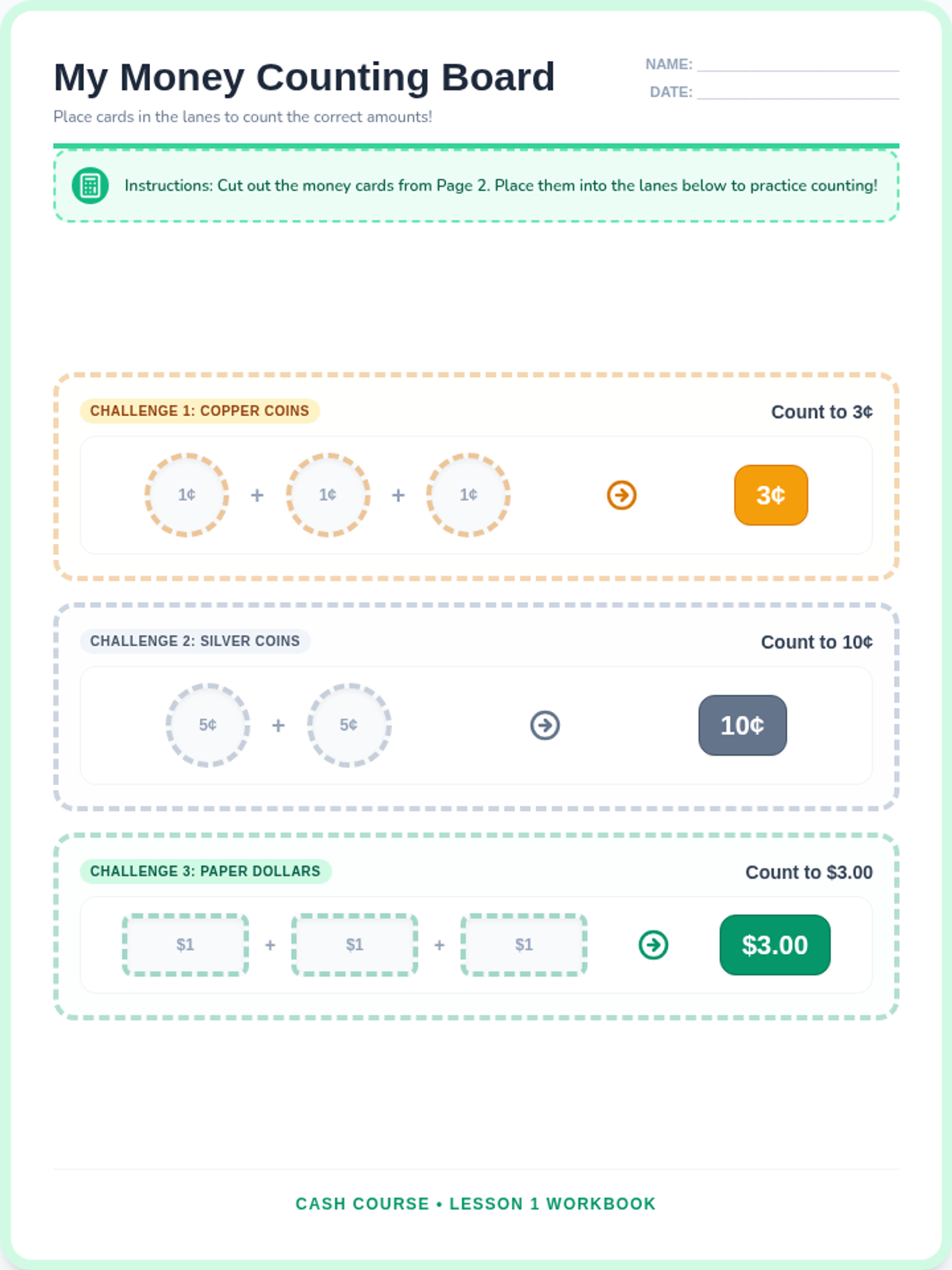
Focuses on recognizing physical coins and bills, matching them to their numeric values, and sorting money in physical or visual formats for students with significant cognitive disabilities.
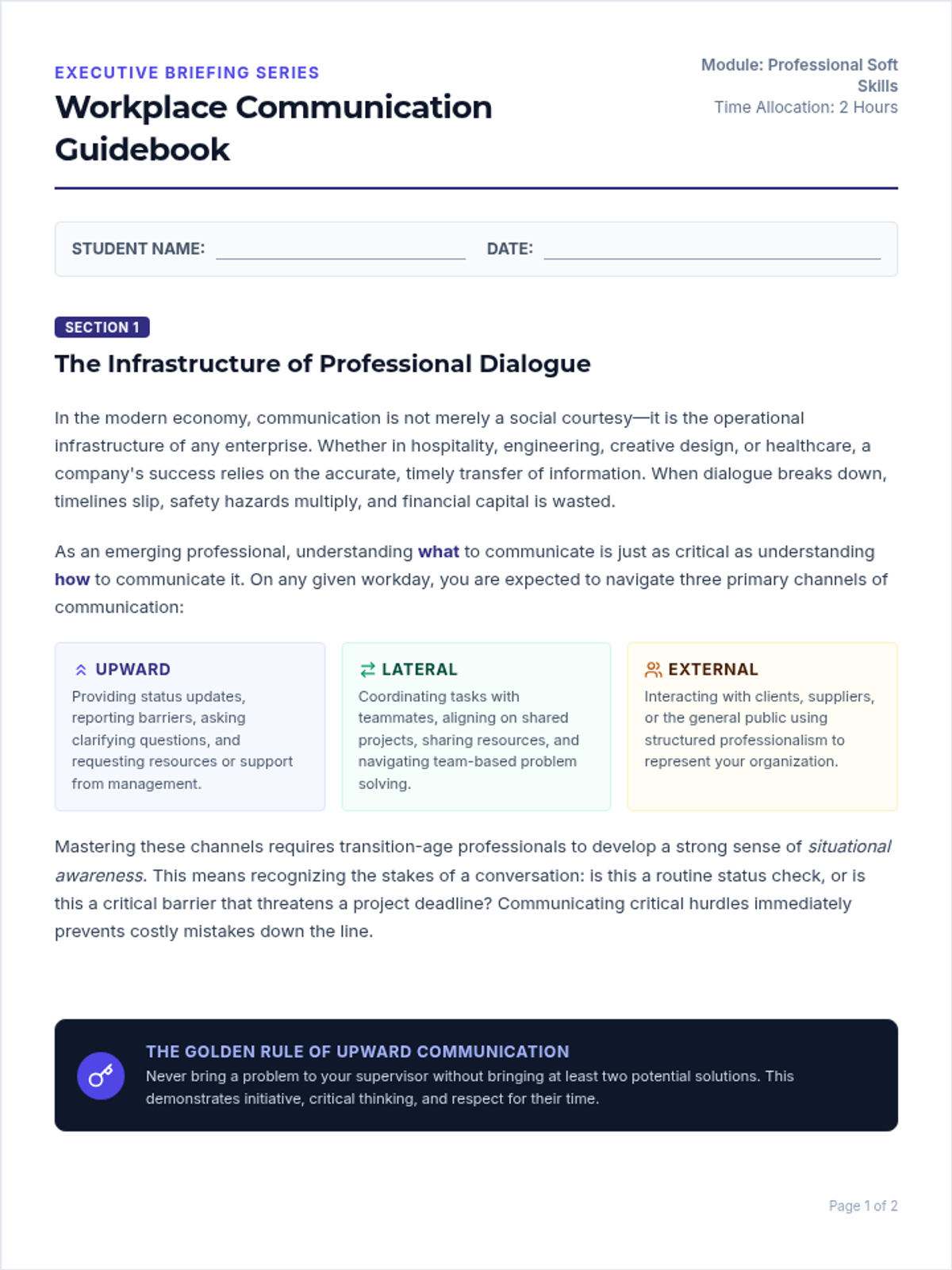
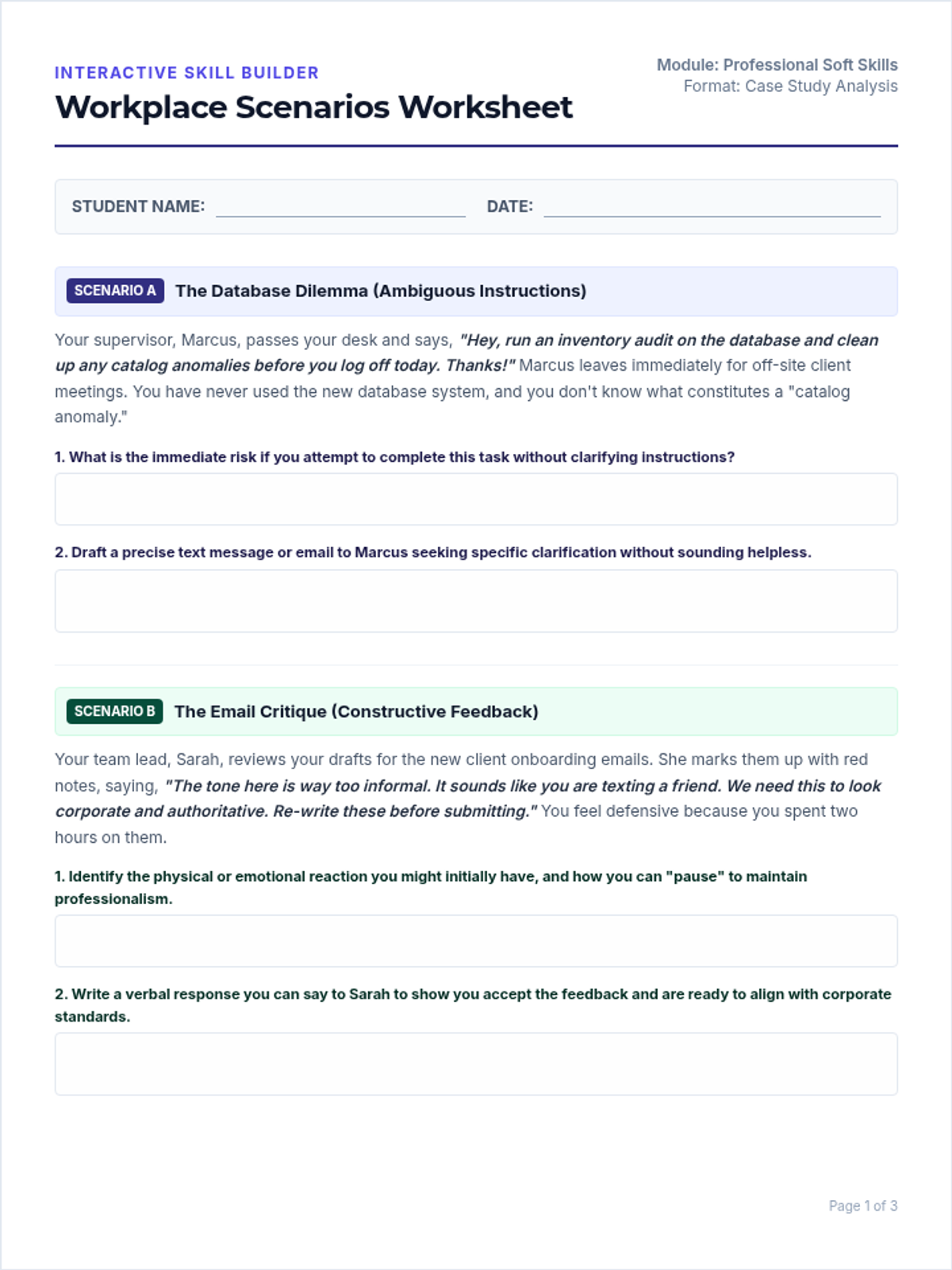
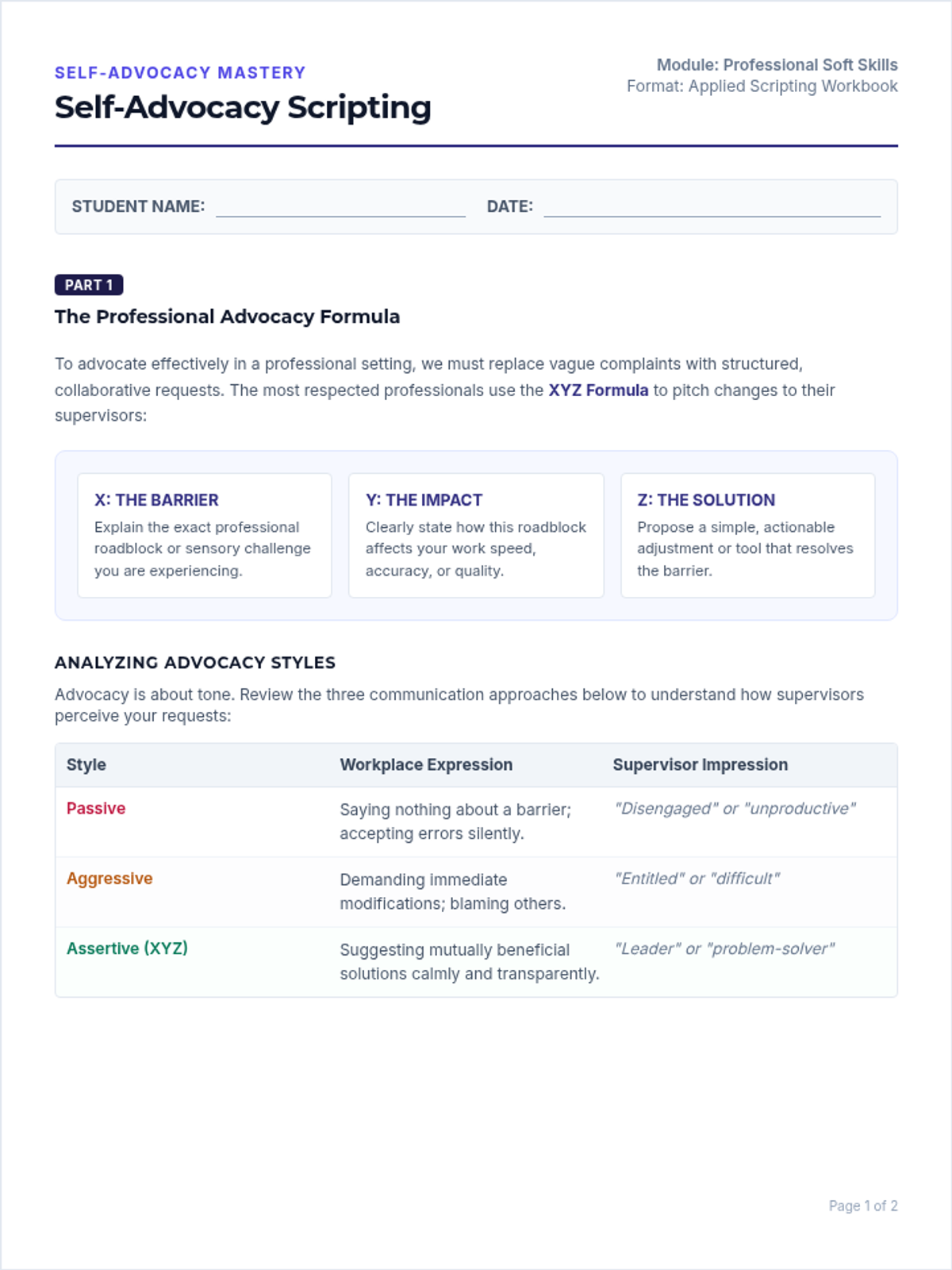
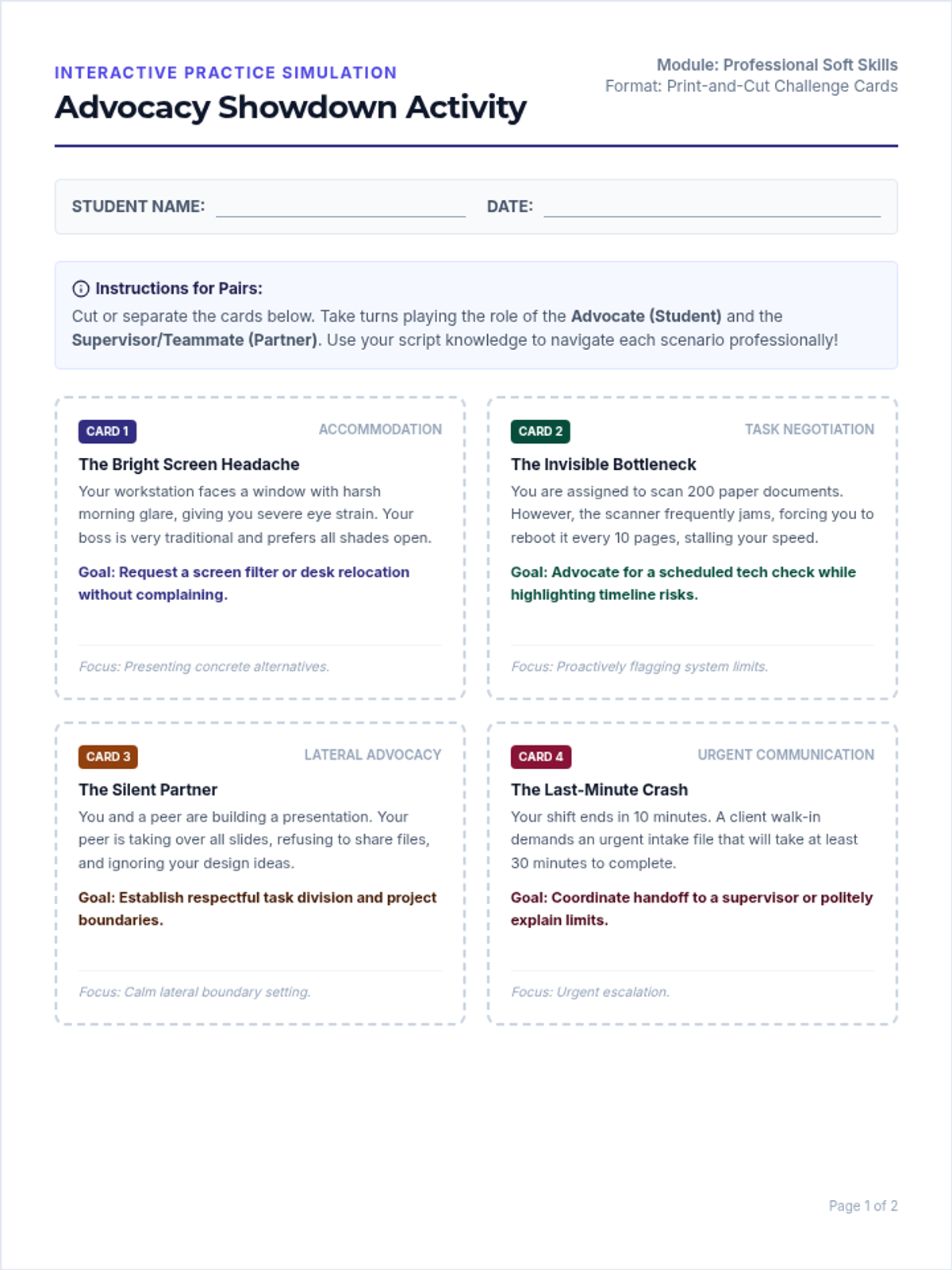
An advanced 2-hour lesson bundle for transition-age youth focusing on professional communication, workplace advocacy, and navigating accommodation requests with confidence and clarity.
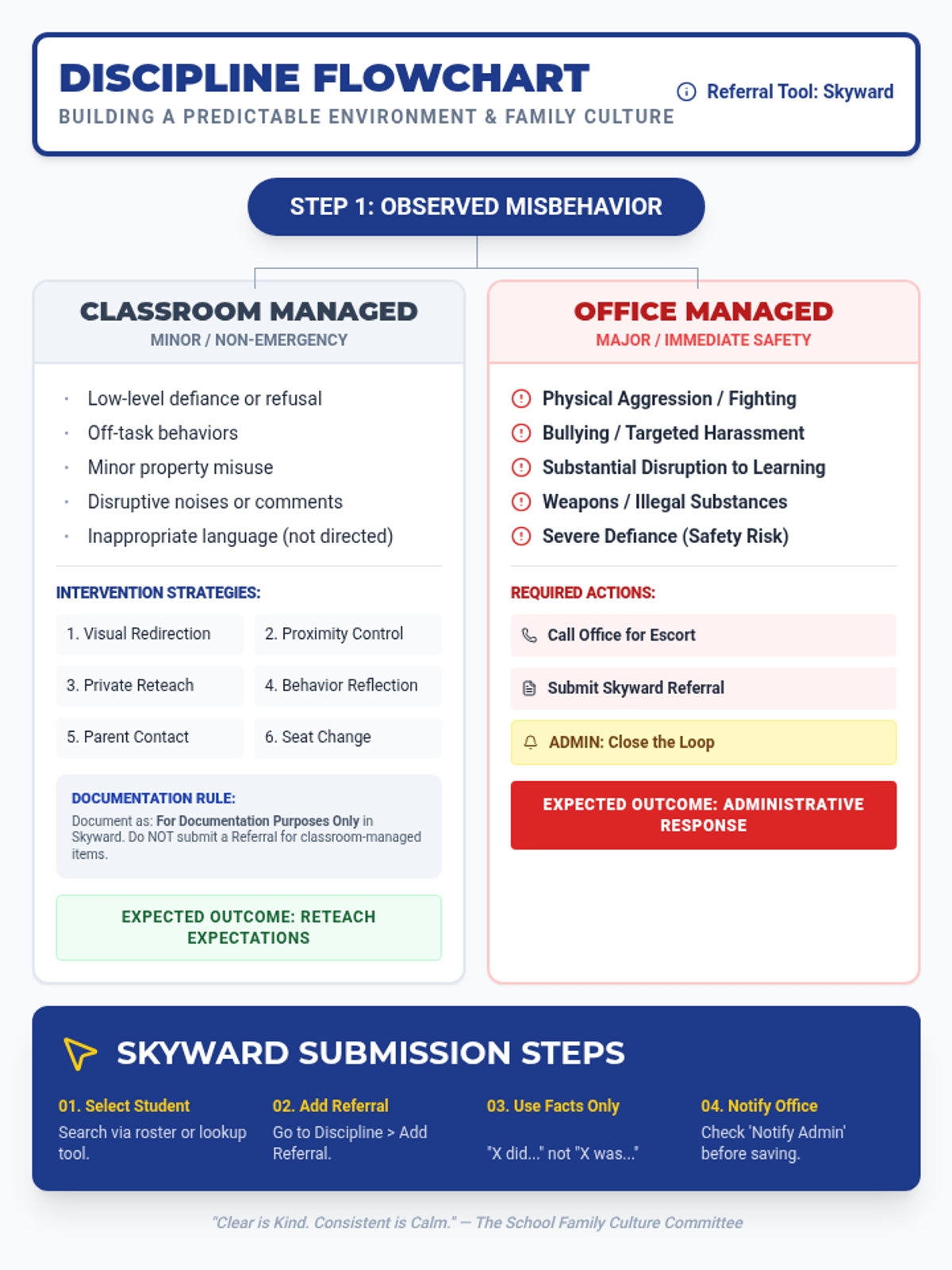
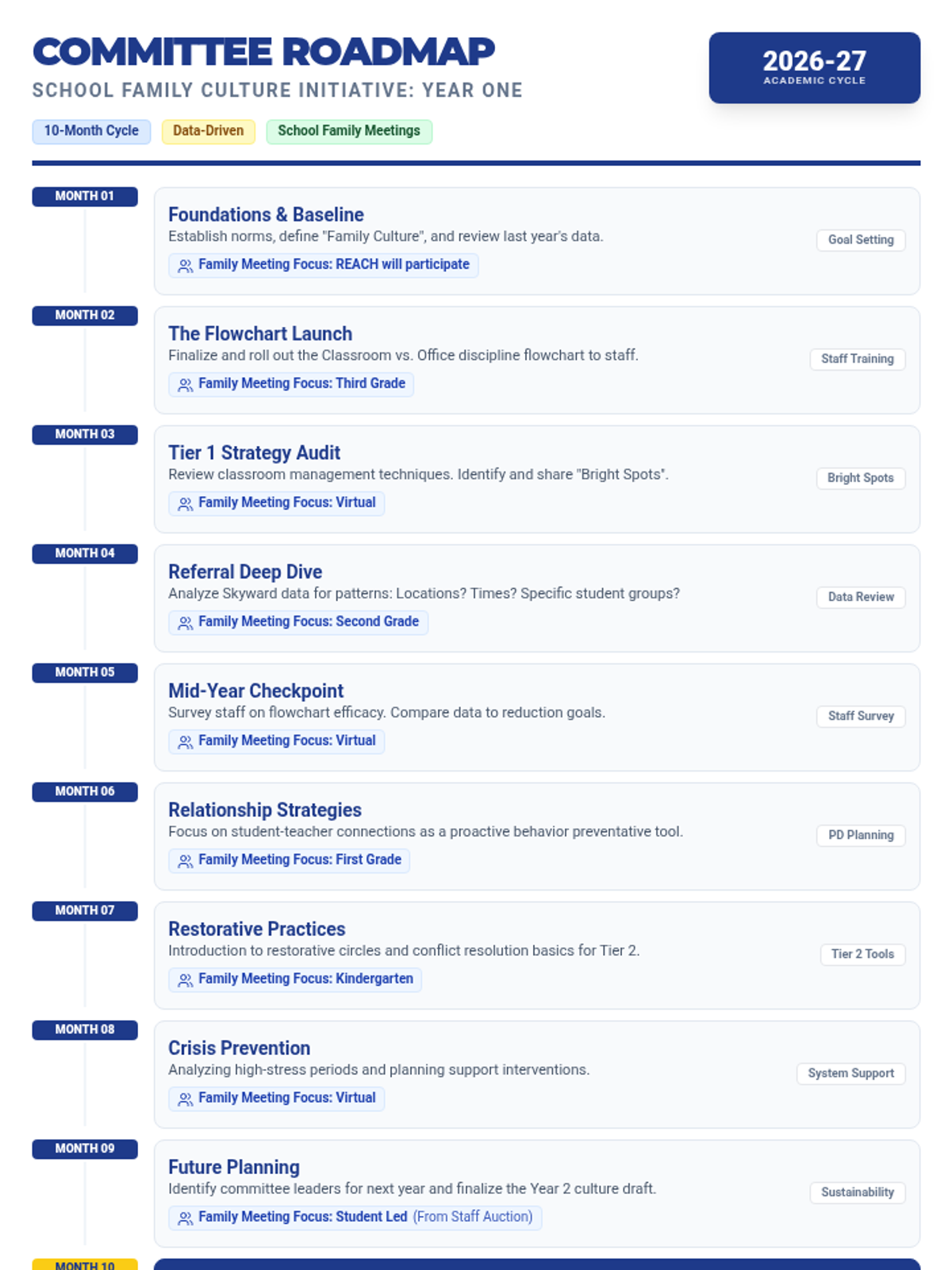
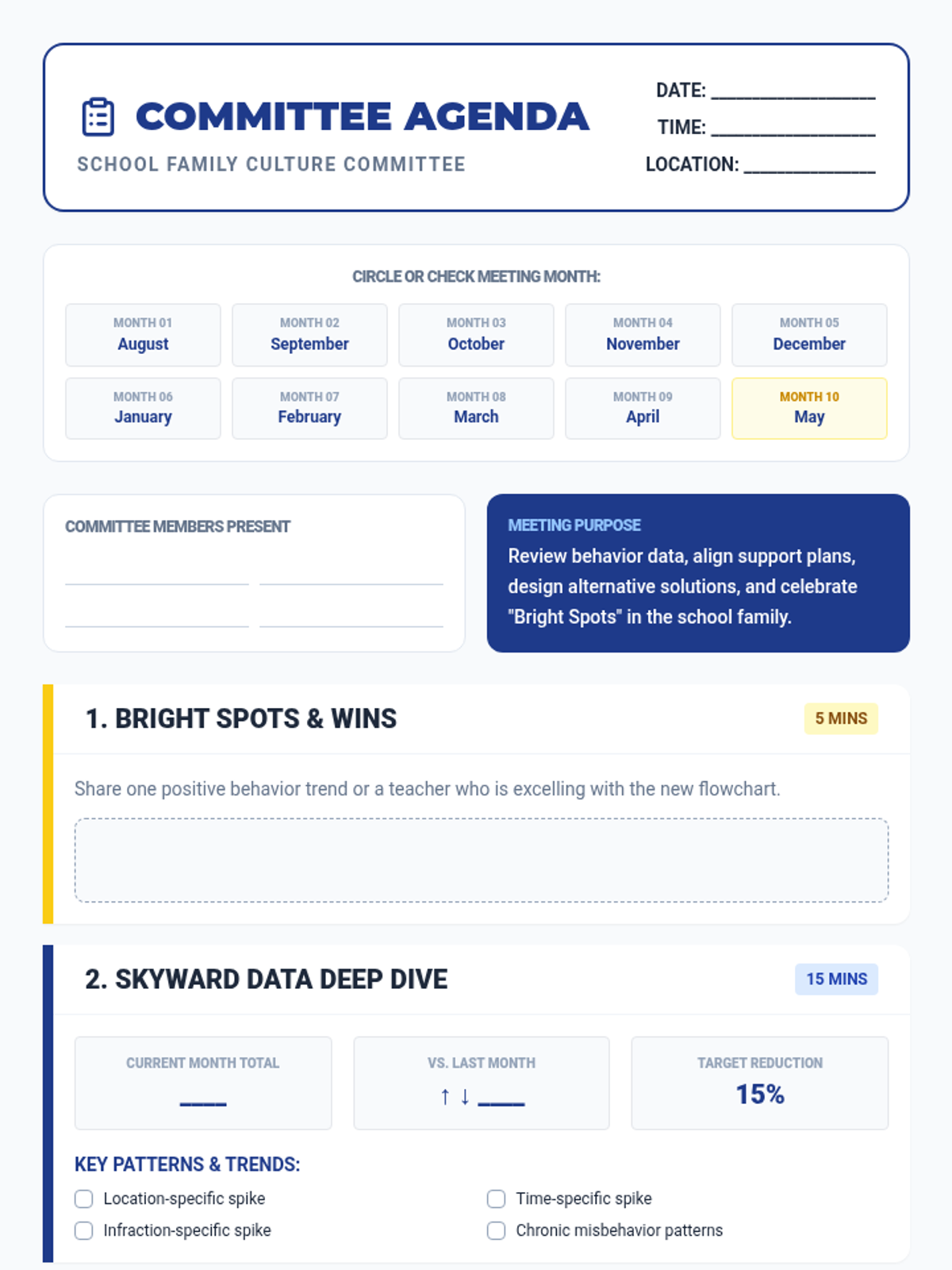
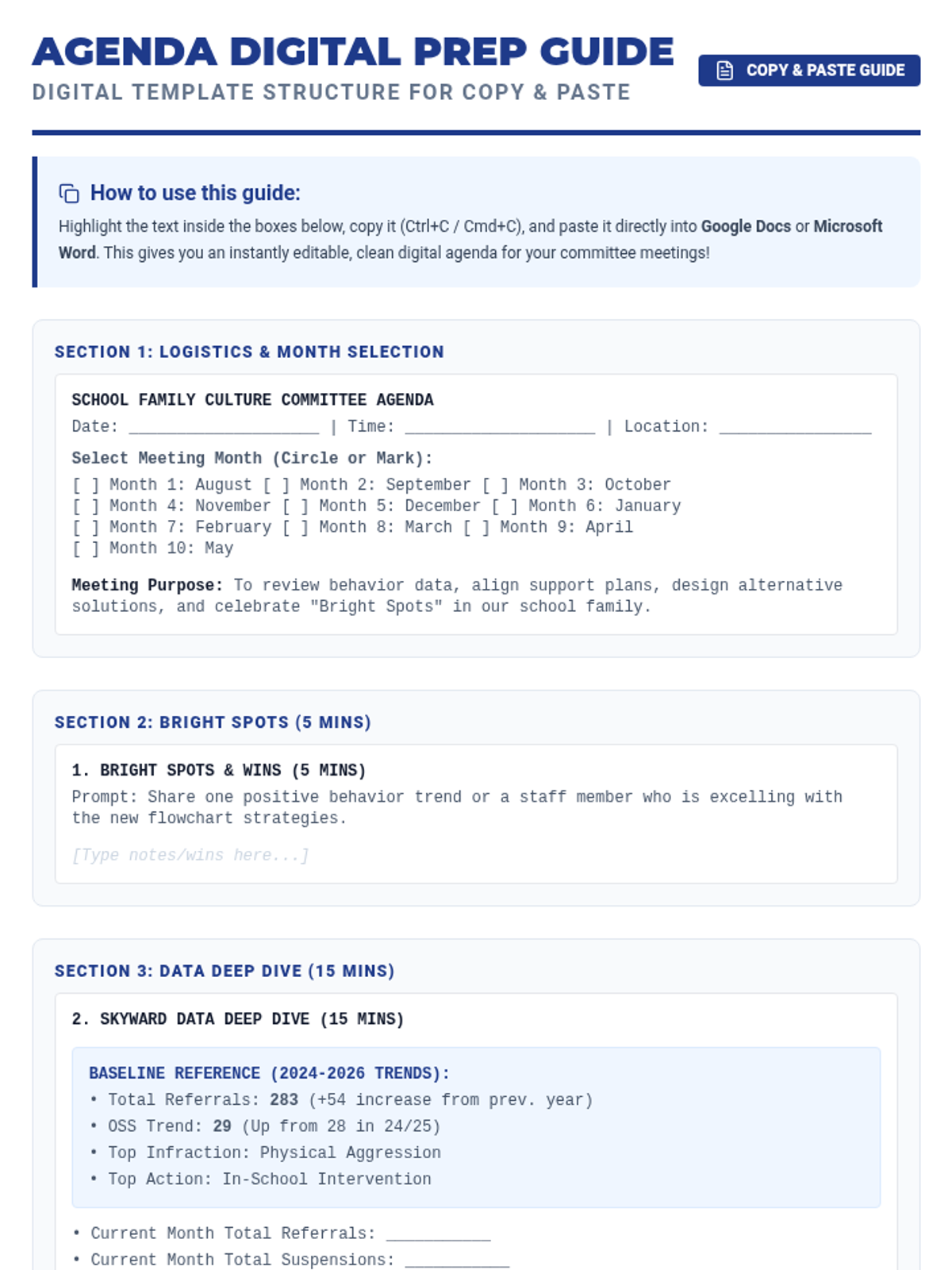
A comprehensive set of resources to launch and sustain a School Family Culture committee focused on improving discipline outcomes and school climate through clear expectations and data-driven decision making.
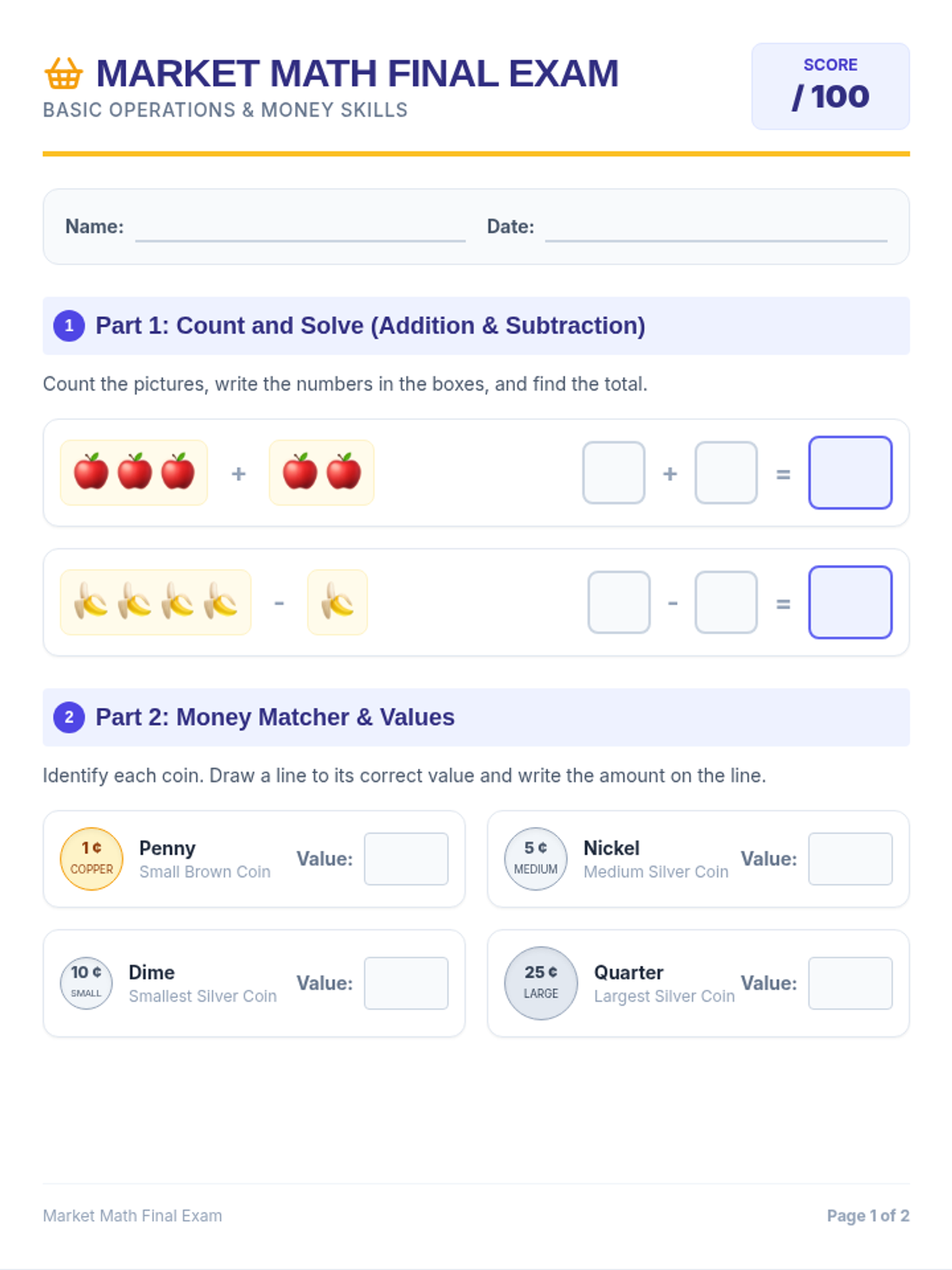
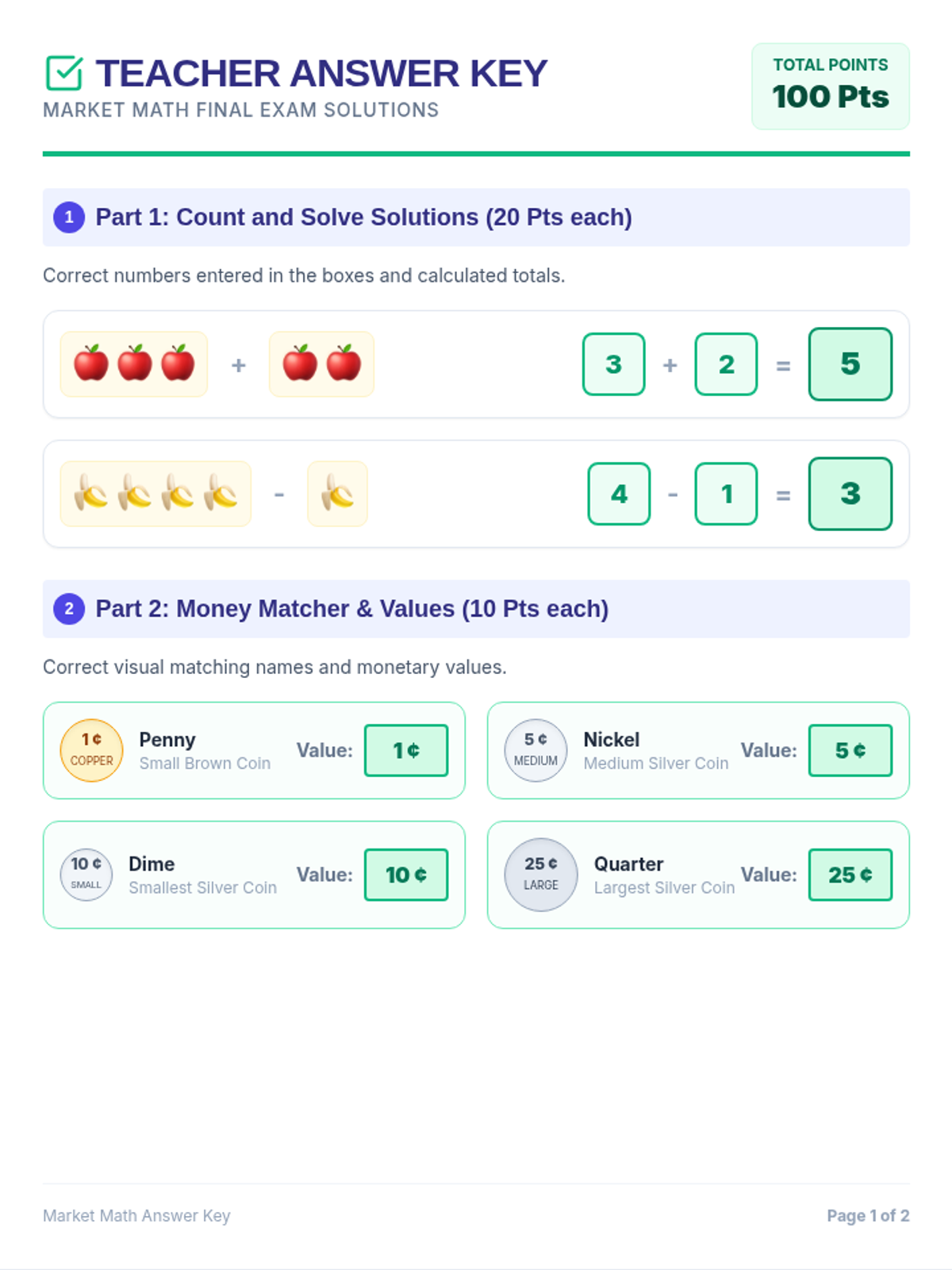
A comprehensive final exam lesson covering basic addition, subtraction, coin identification, and functional life skills grocery shopping math with visual support.
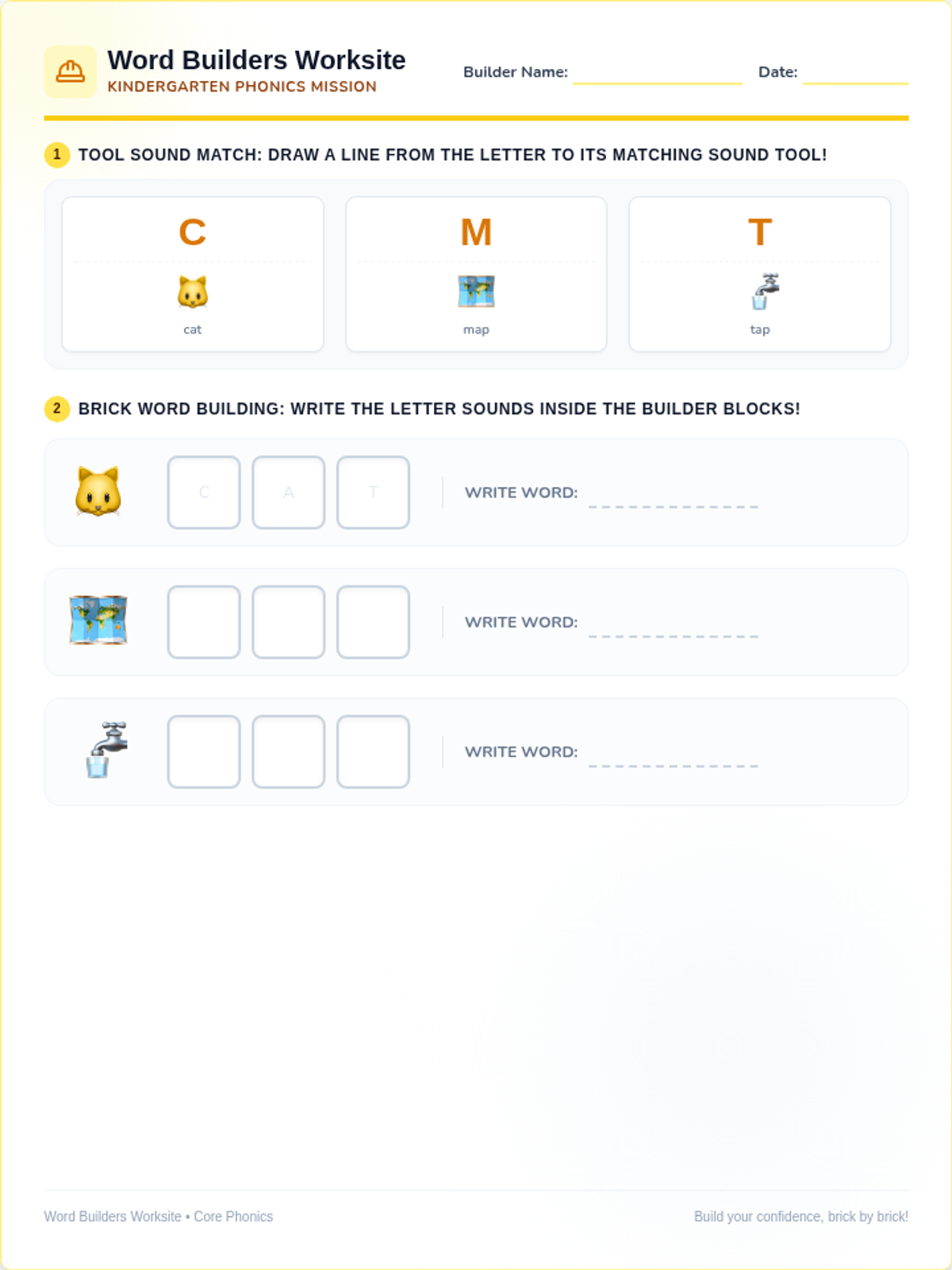
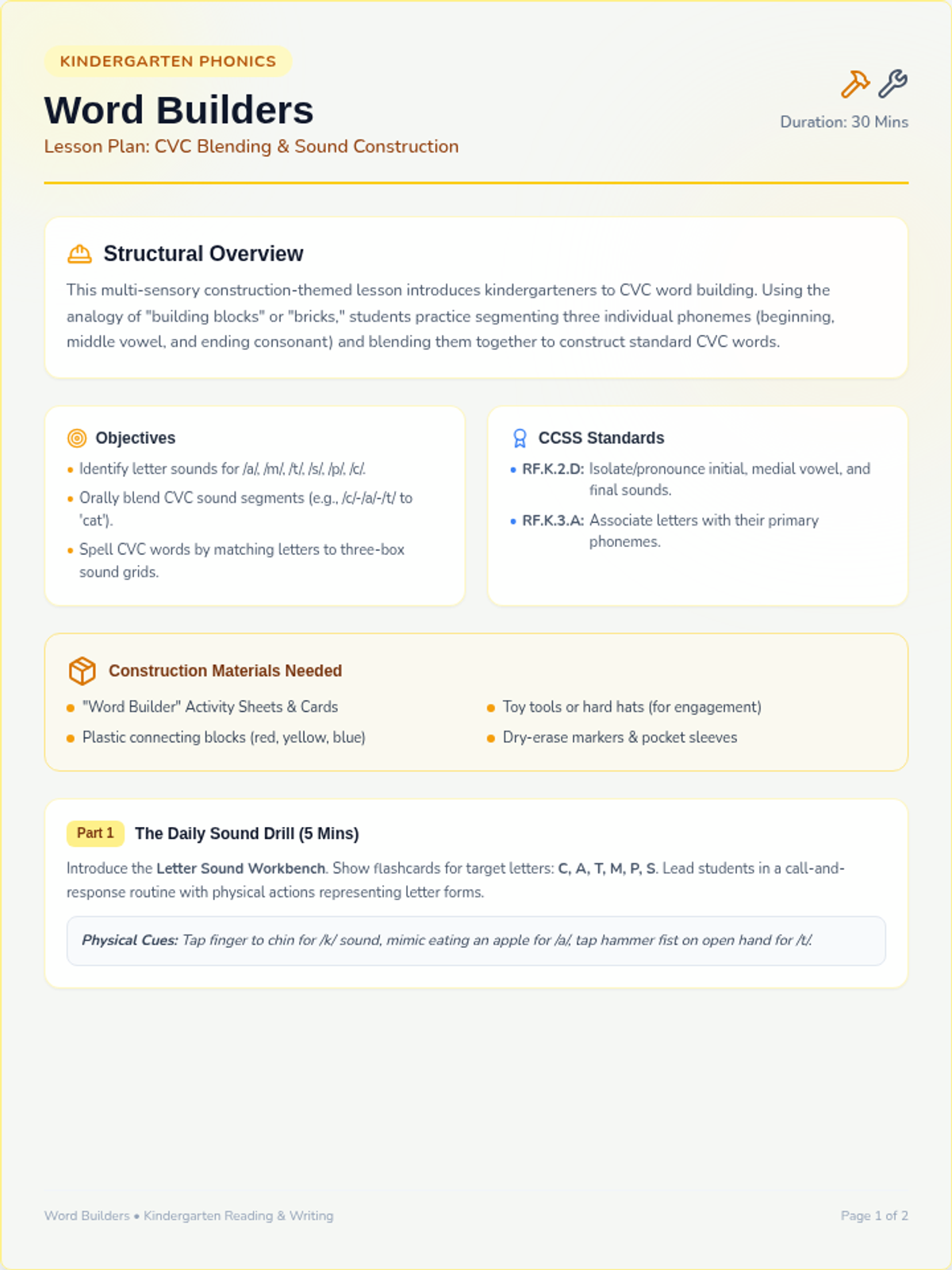
A foundational early literacy lesson helping kindergarteners identify letters, master letter sounds, and practice blending CVC and high-frequency words.
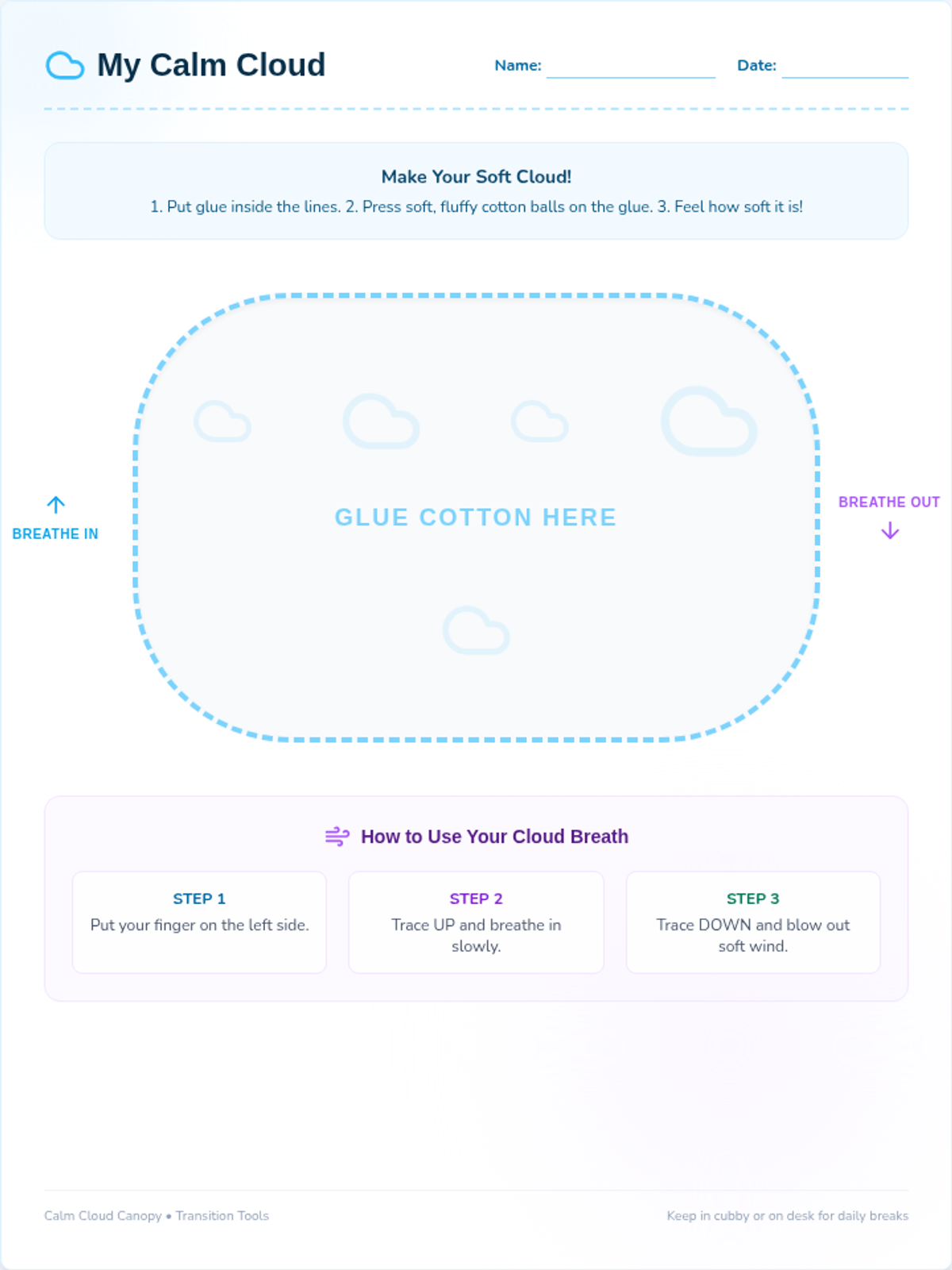
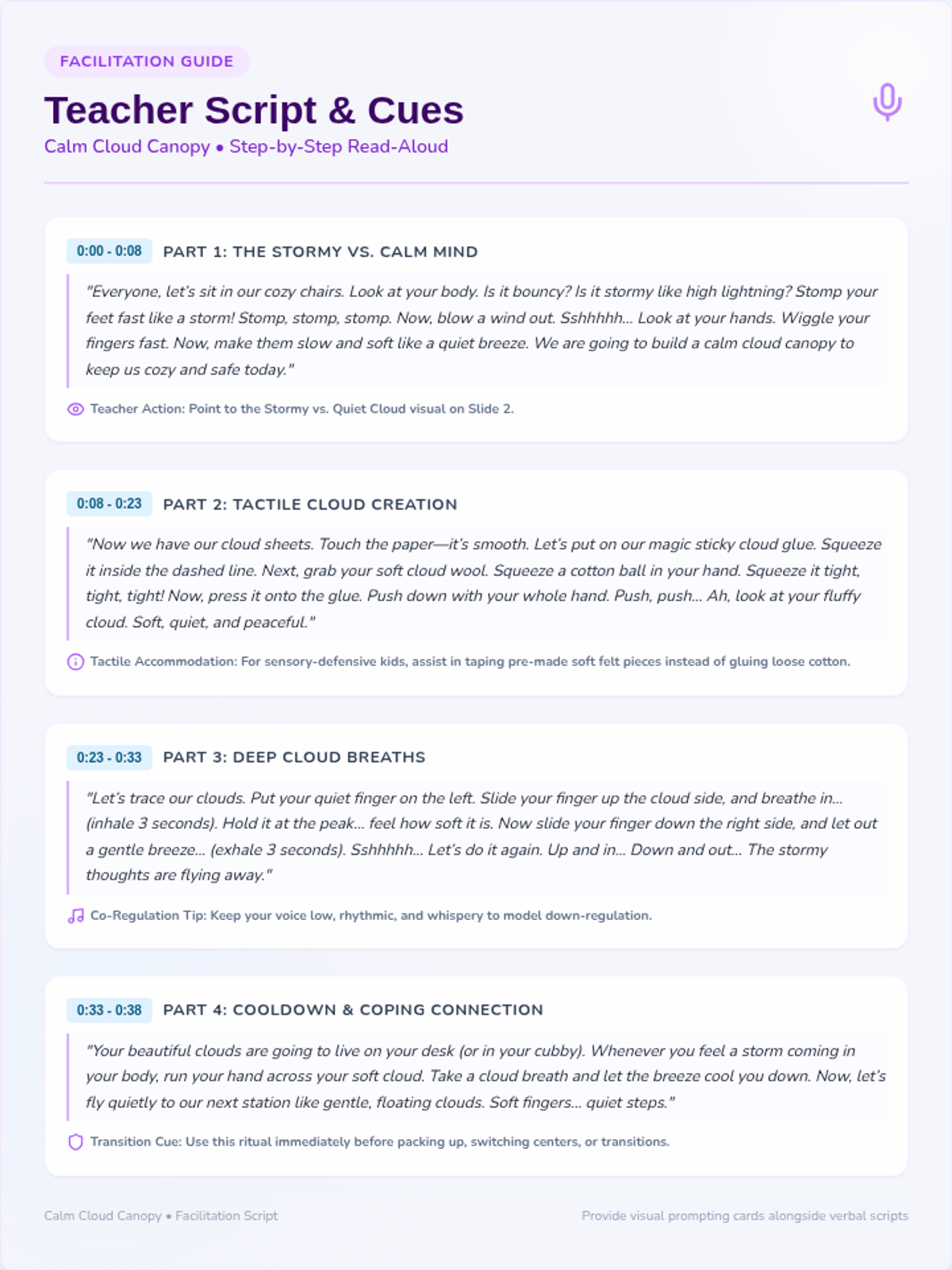
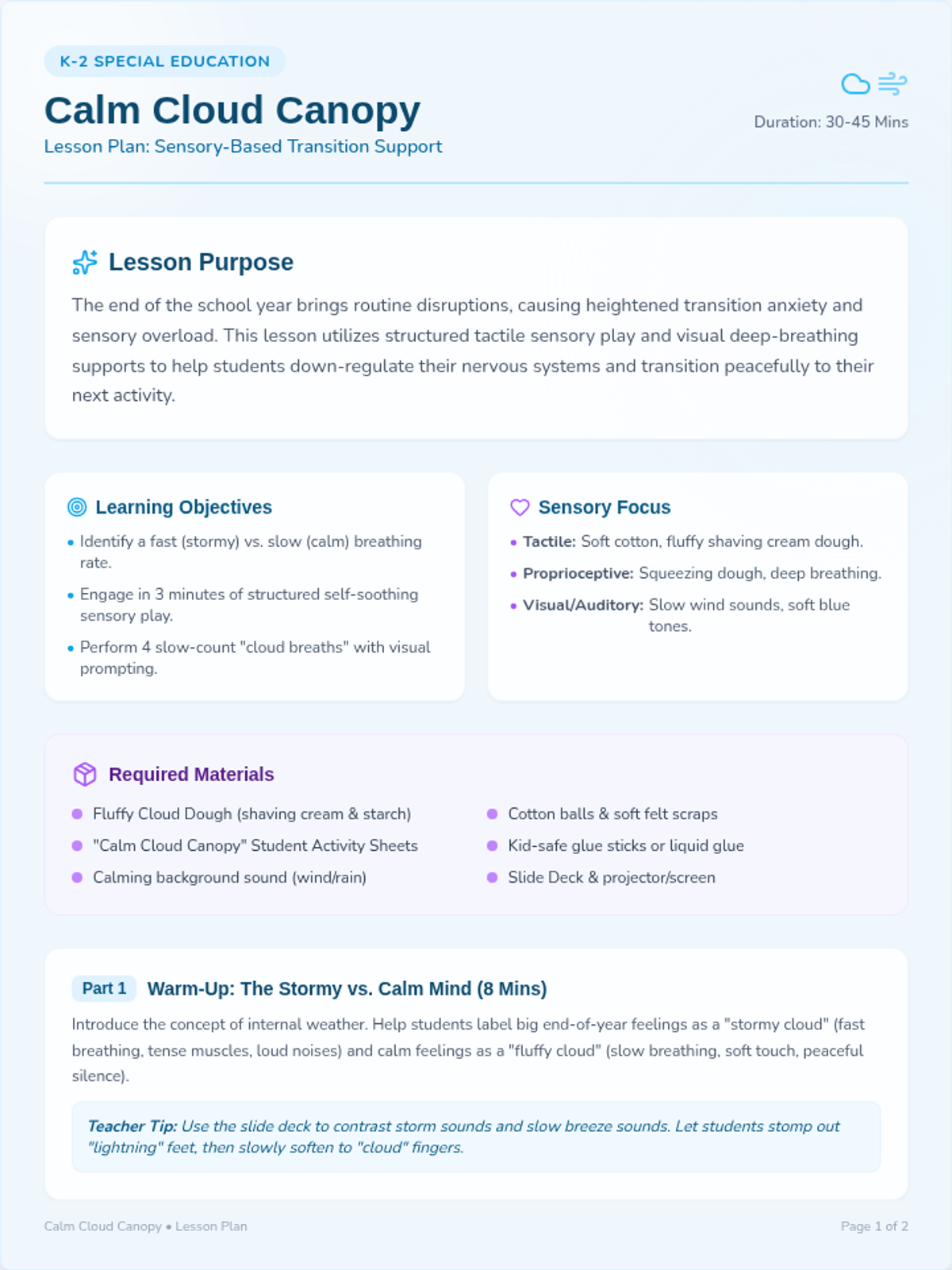
A sensory-focused lesson helping K-2 special education students manage transition anxiety and sensory overload through tactile cloud play and deep breathing simulation.
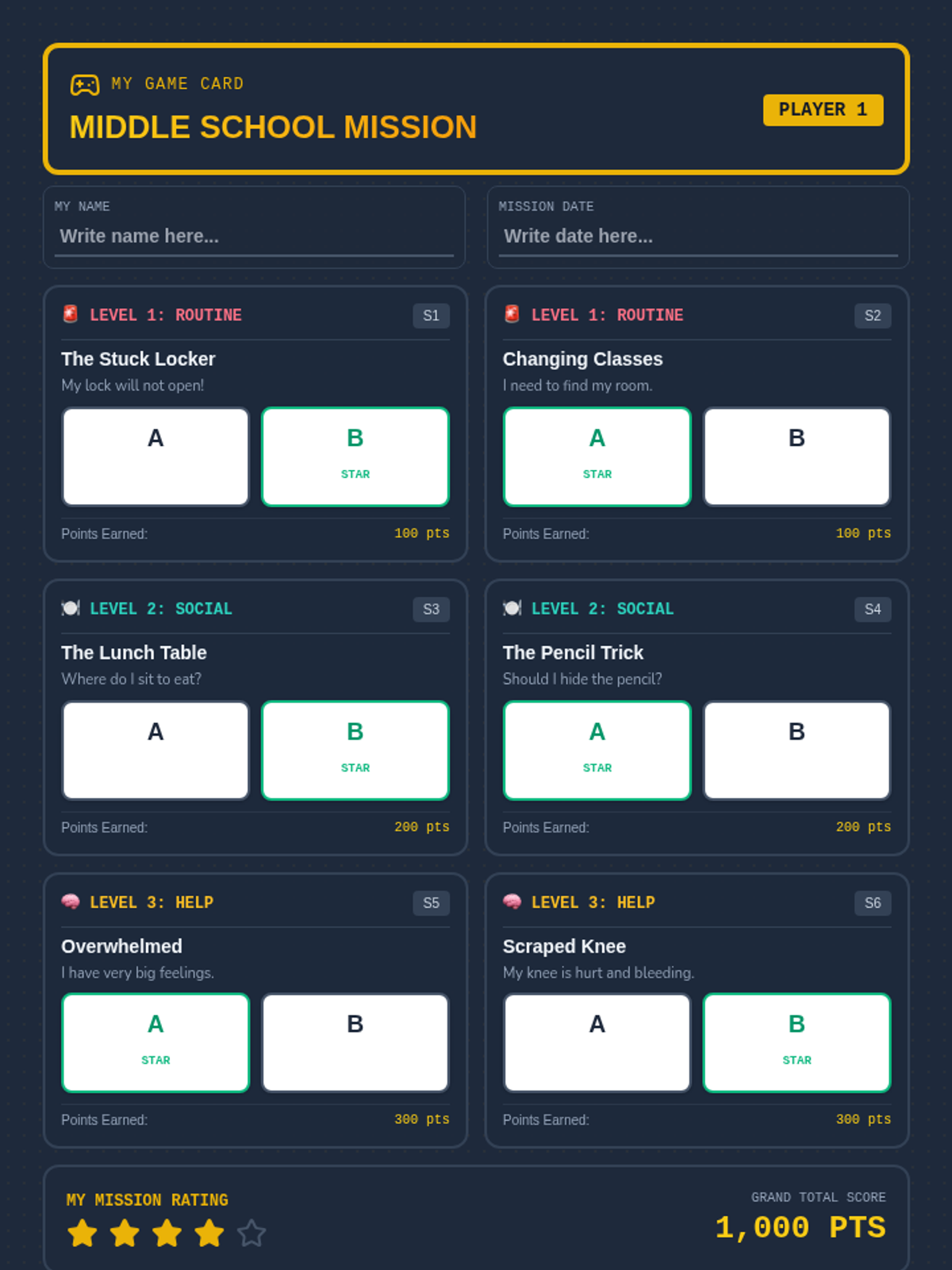
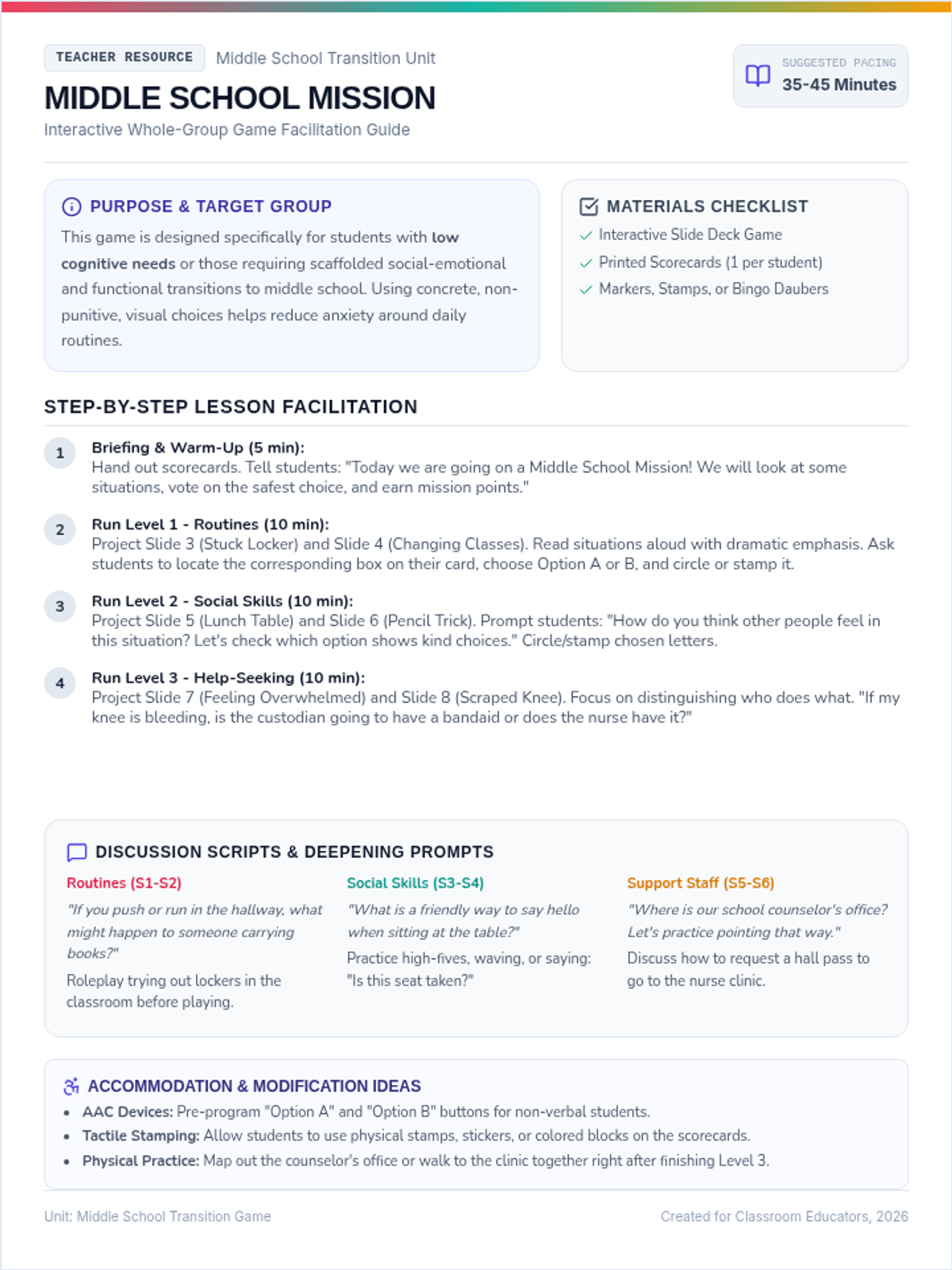
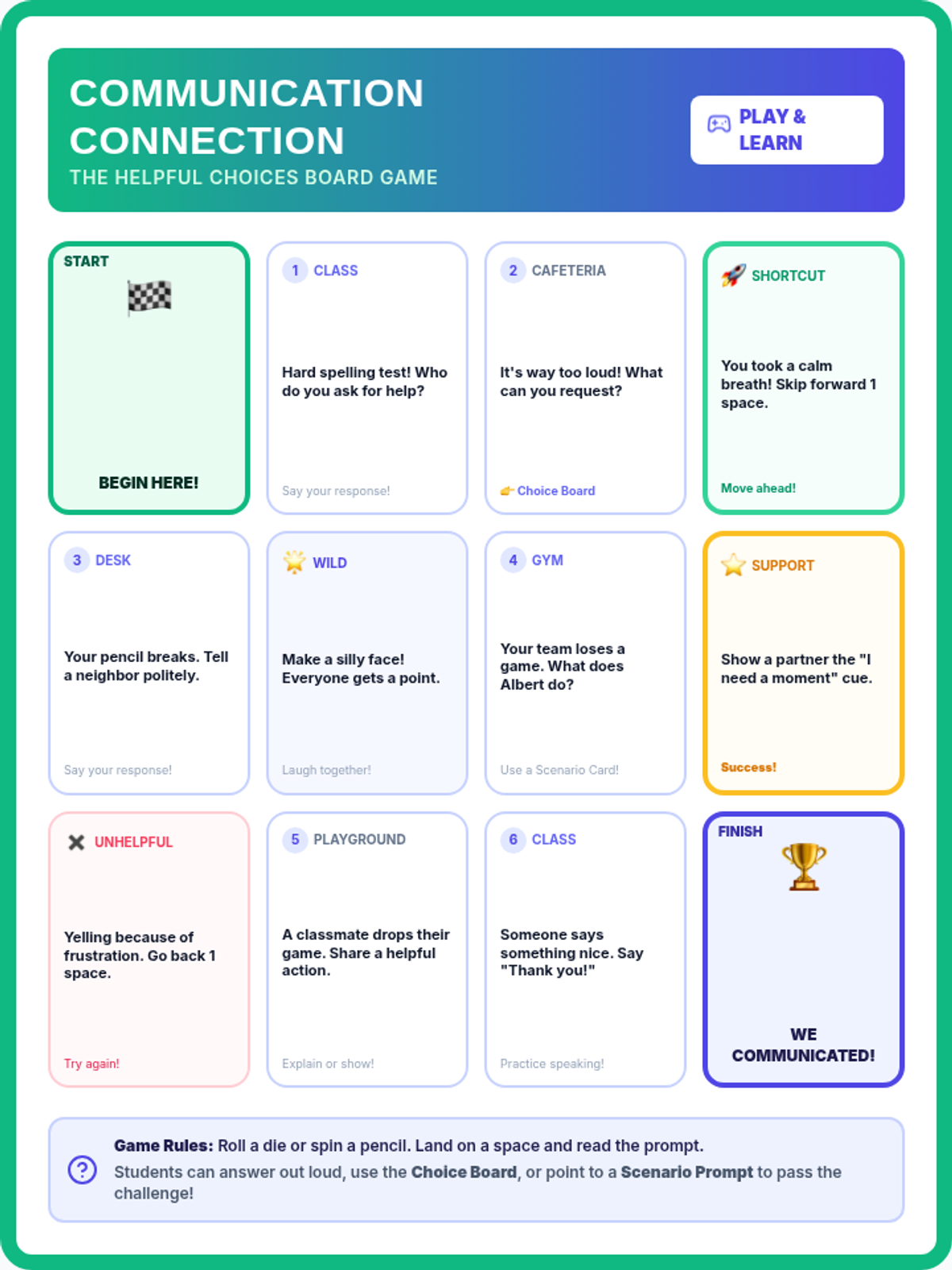
An interactive, game-based transition unit for middle school students with low cognitive needs. It teaches essential routines, social-emotional skills, and support systems through guided scenario-based choices.
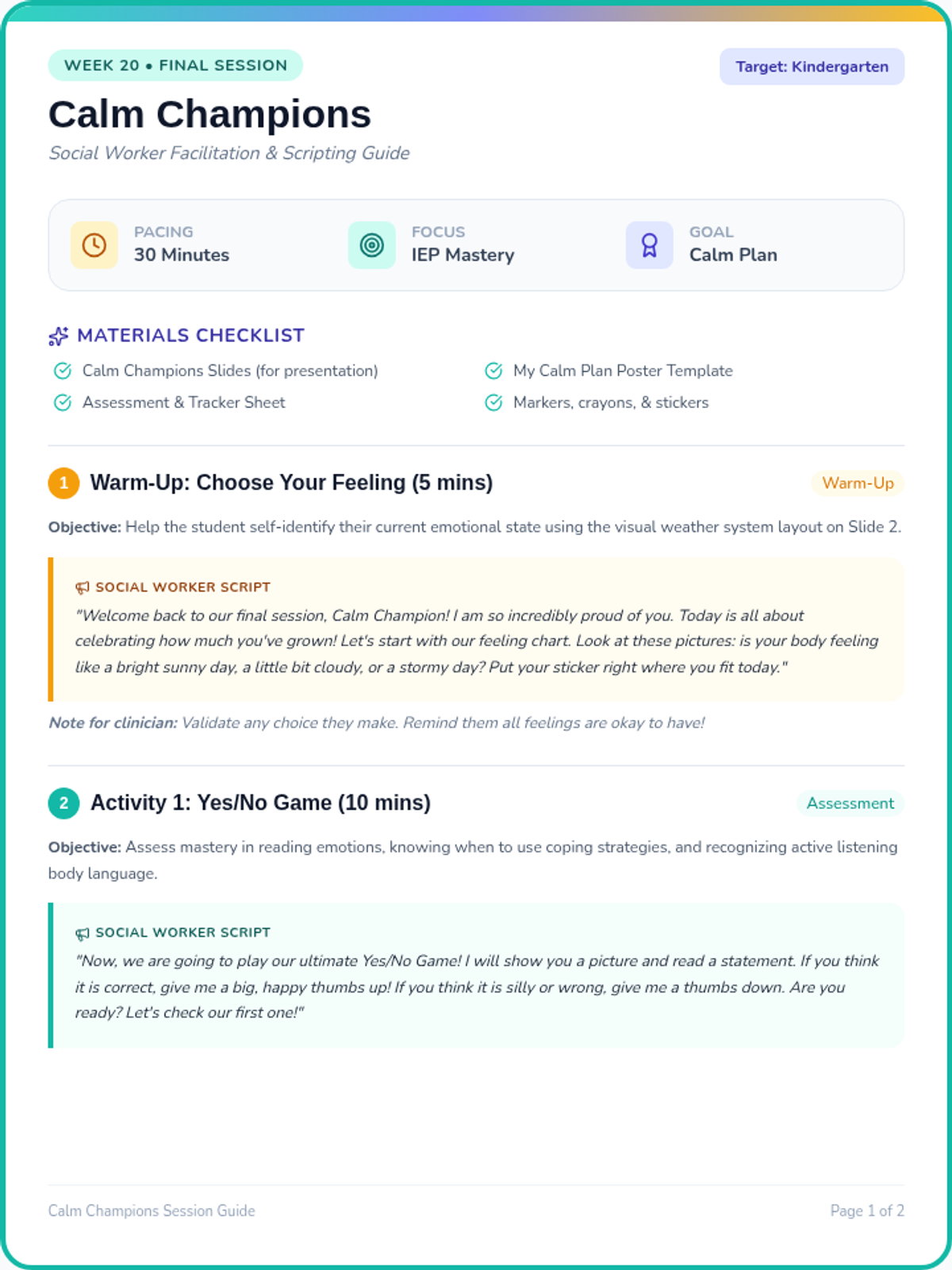
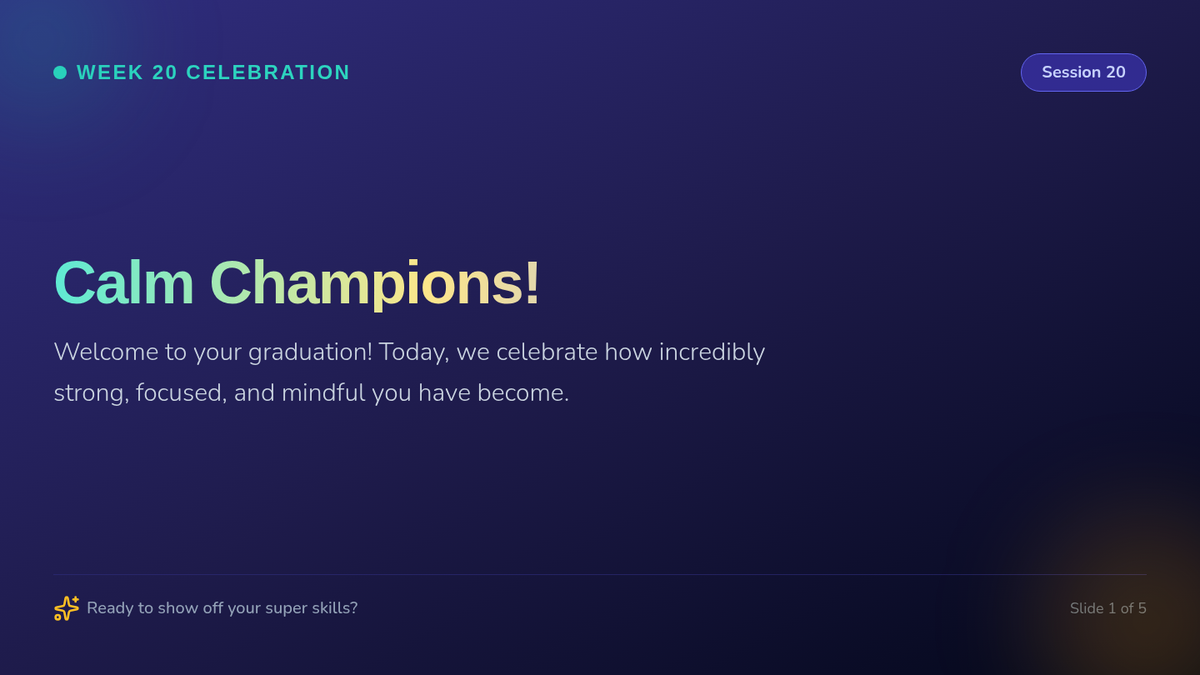
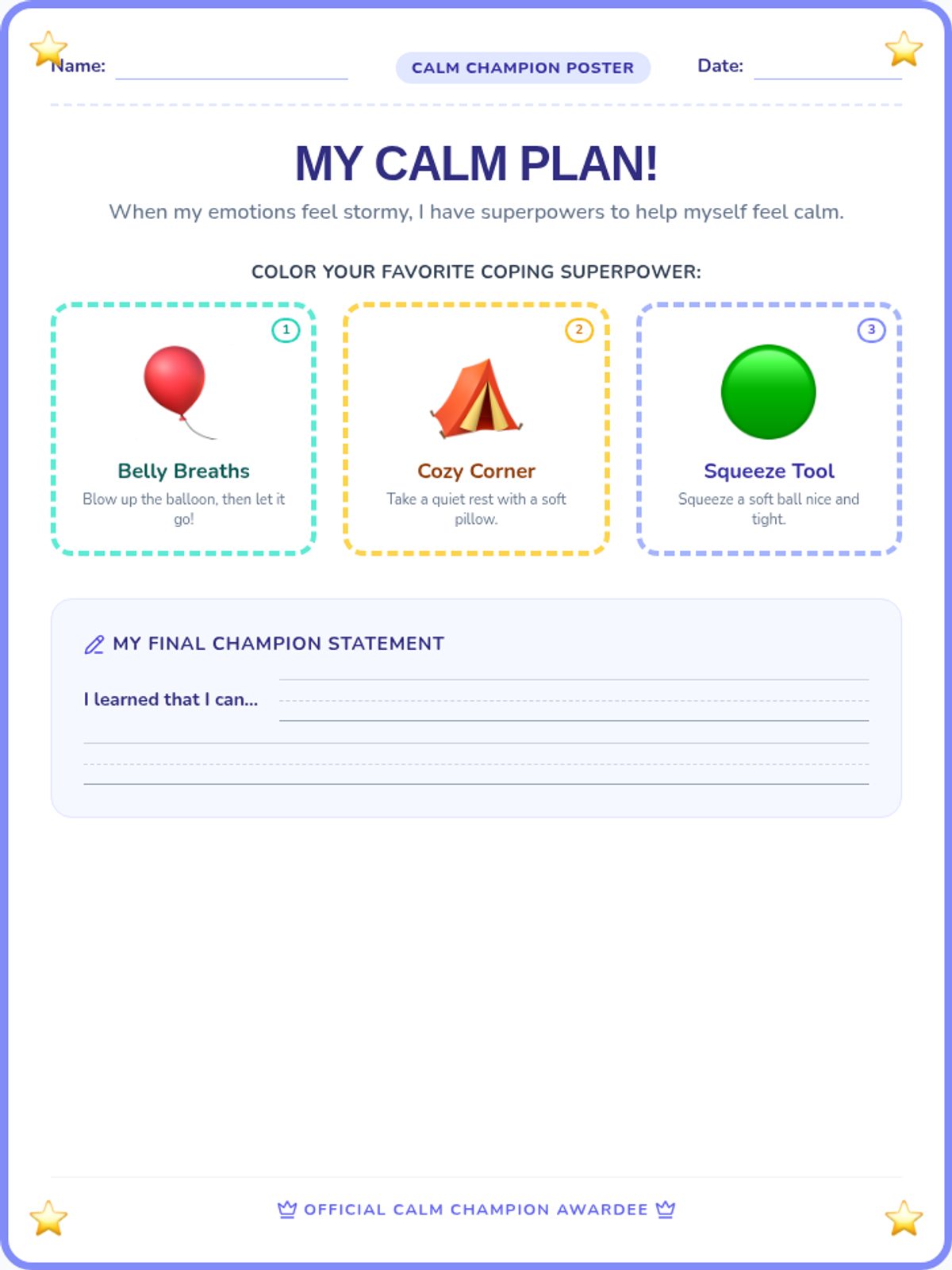
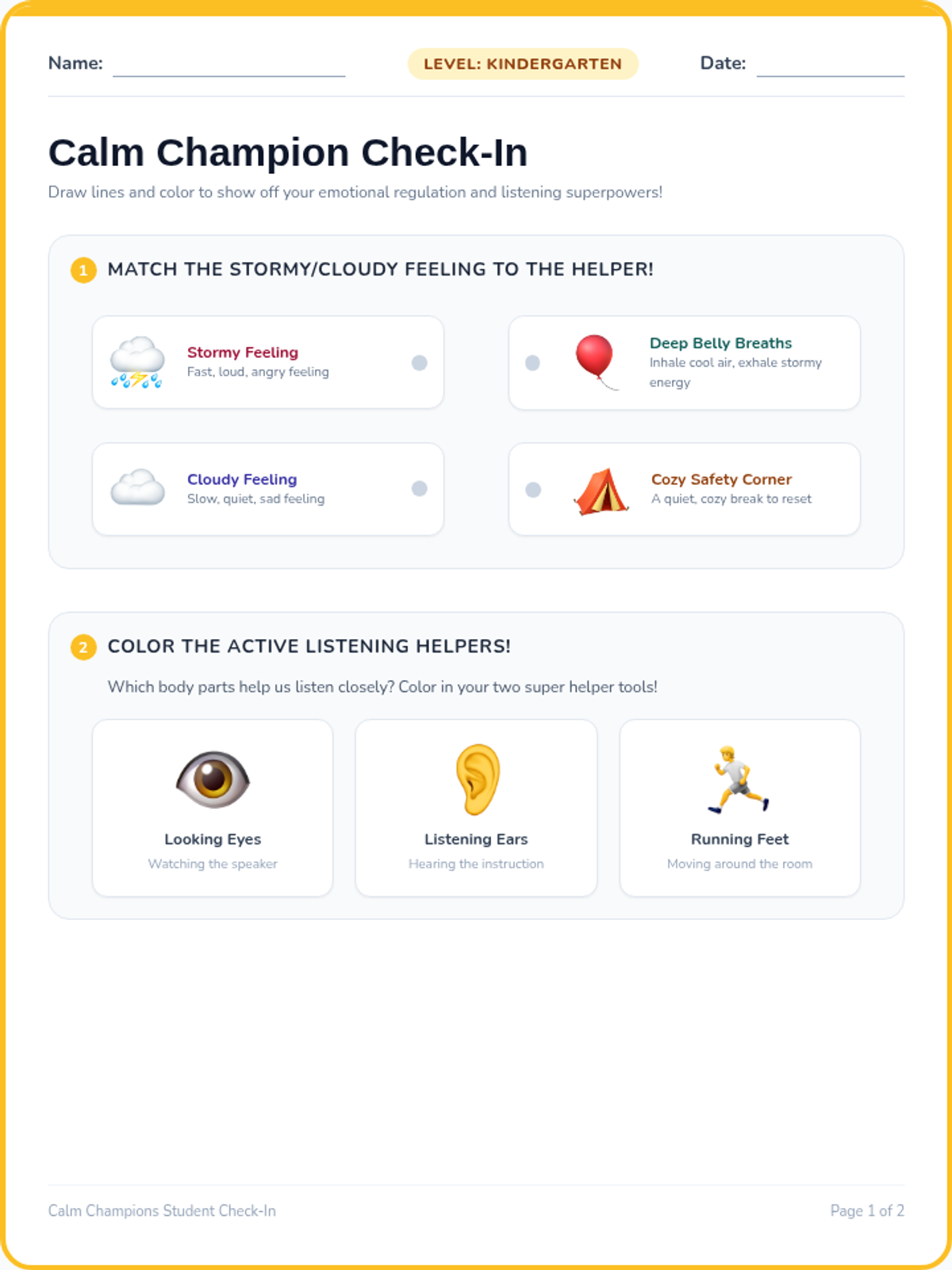
A celebration and final assessment session for Kindergarten students focusing on emotional regulation, coping strategies, and listening skills. Includes a slide presentation, visual assessment, calming plan, and data tracking tools.
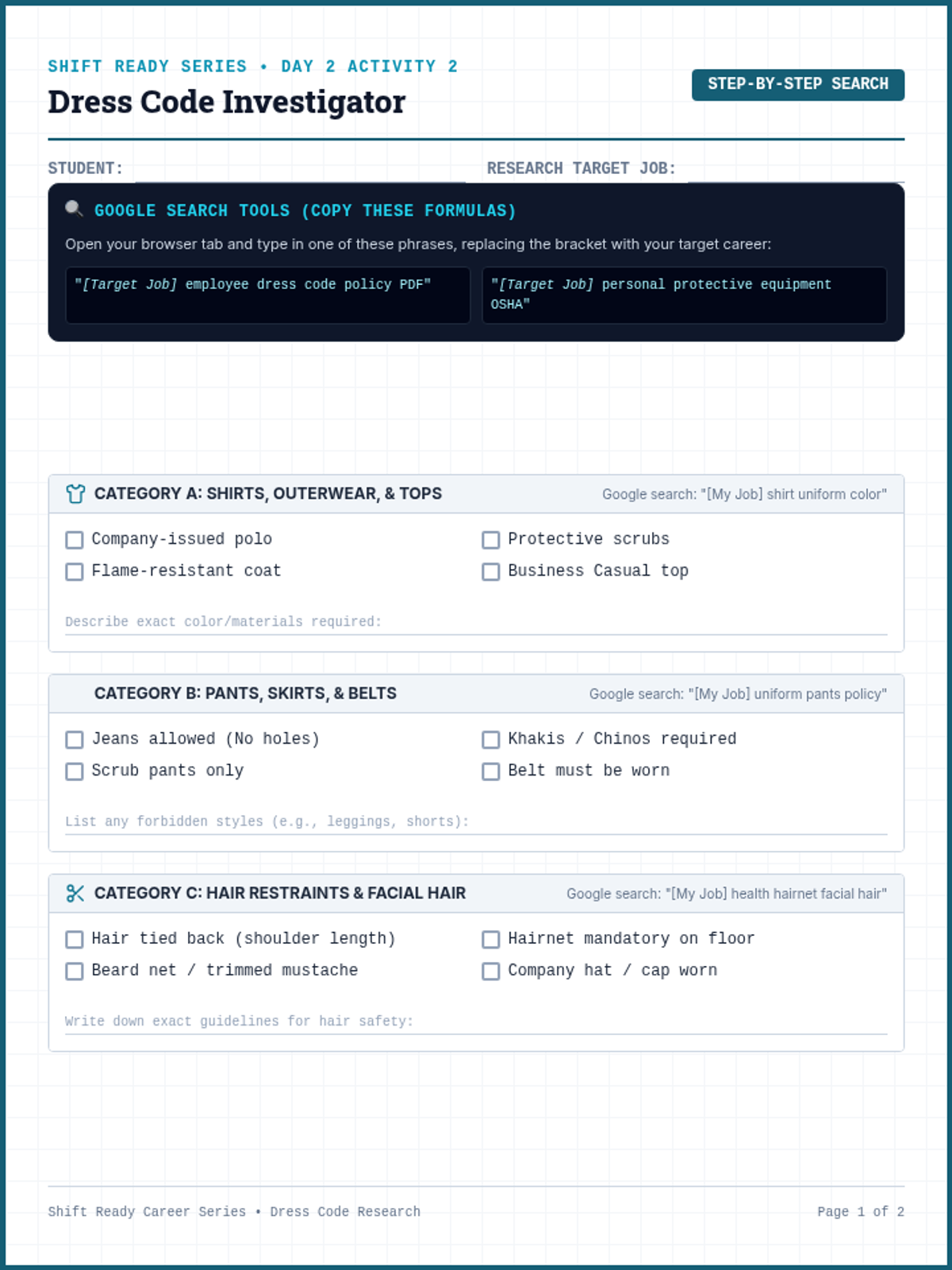
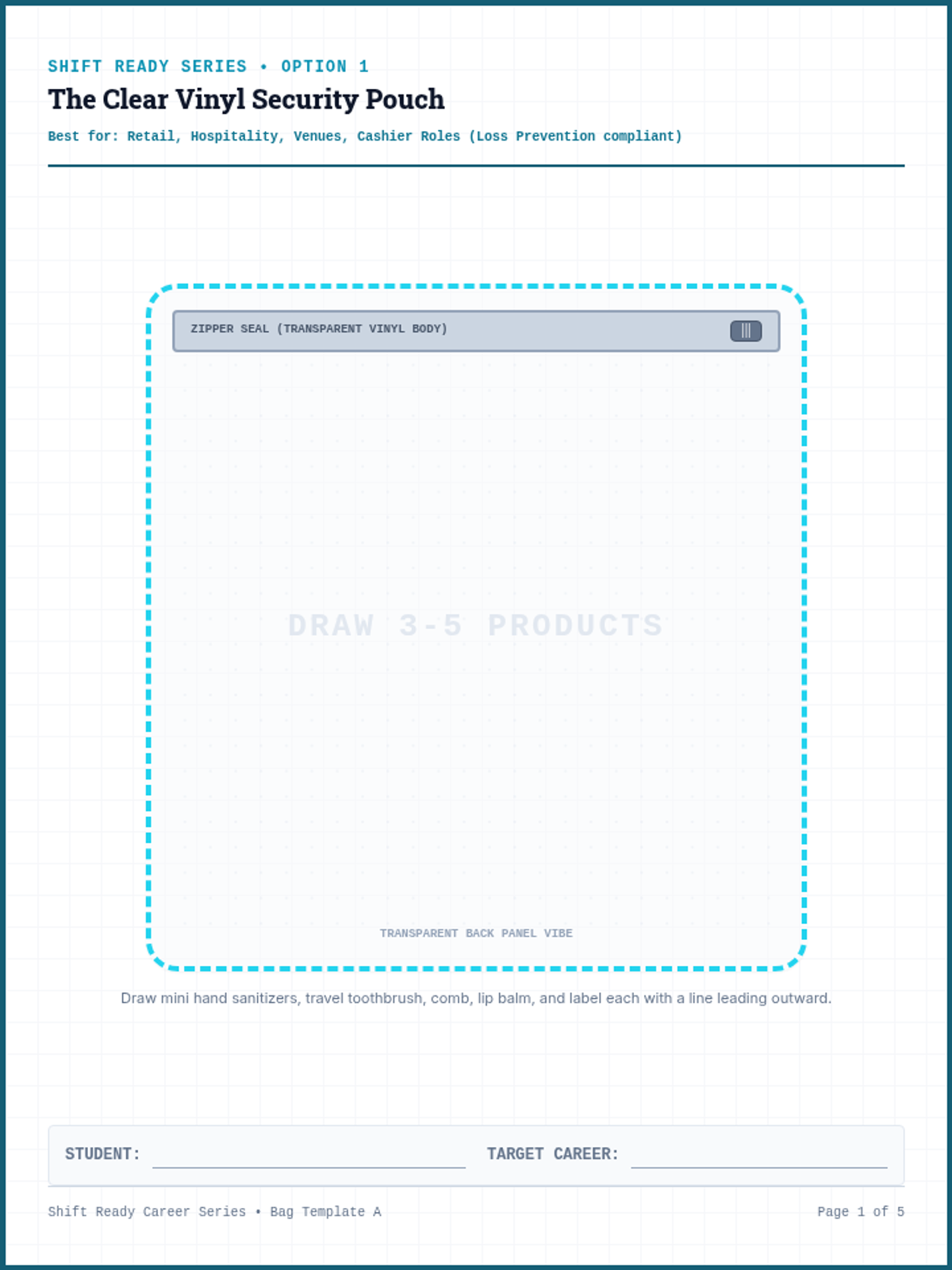
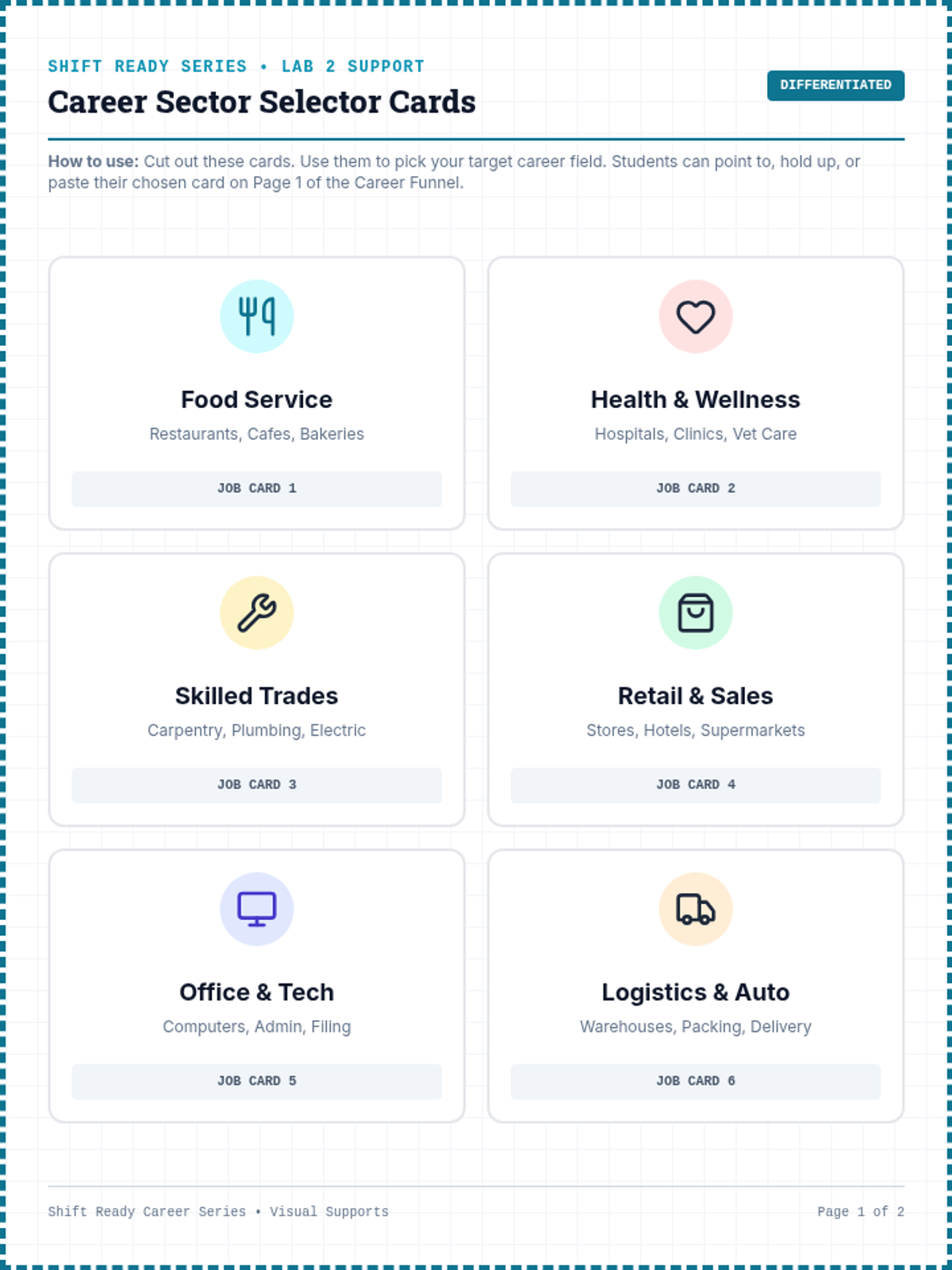
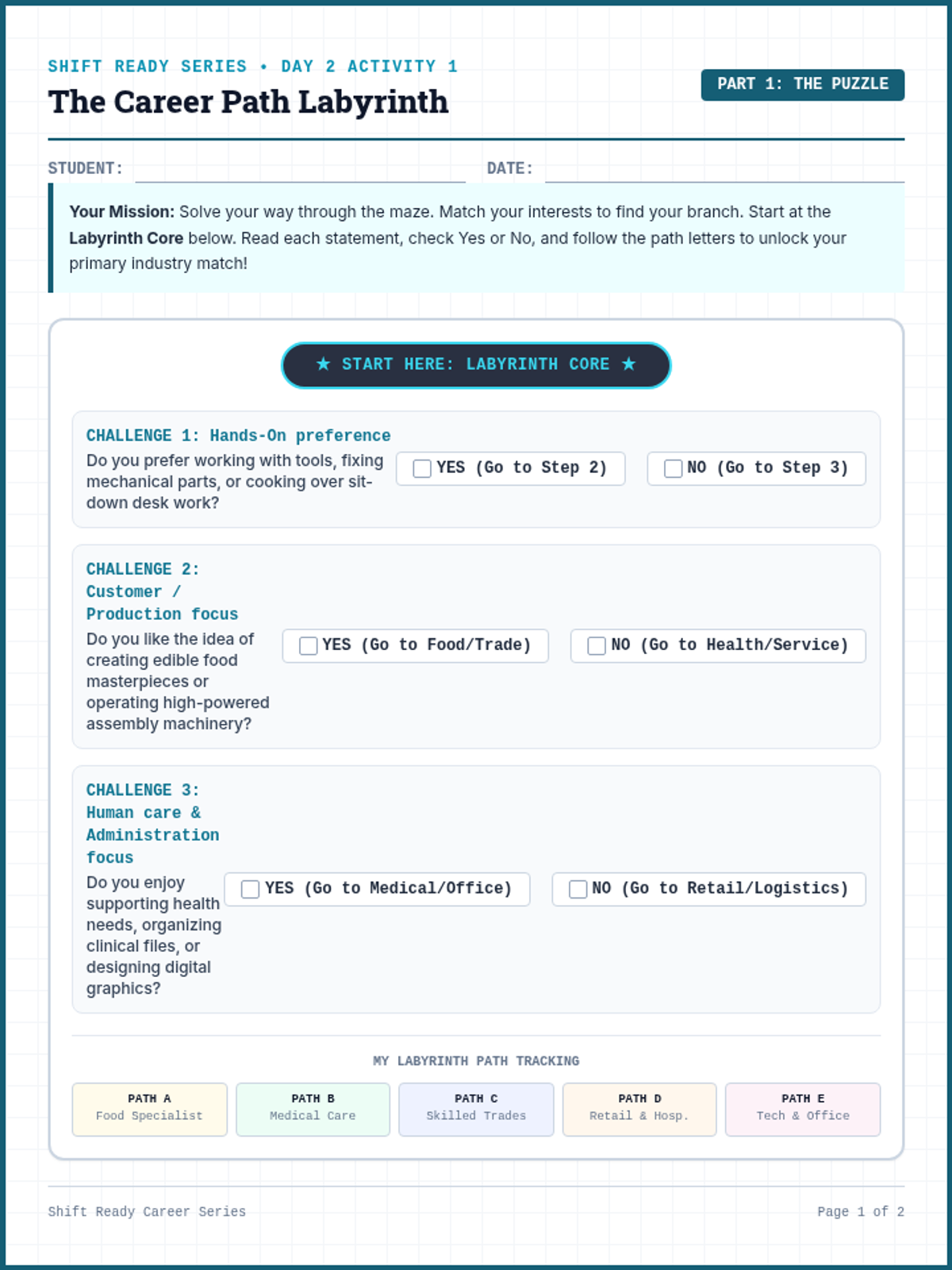
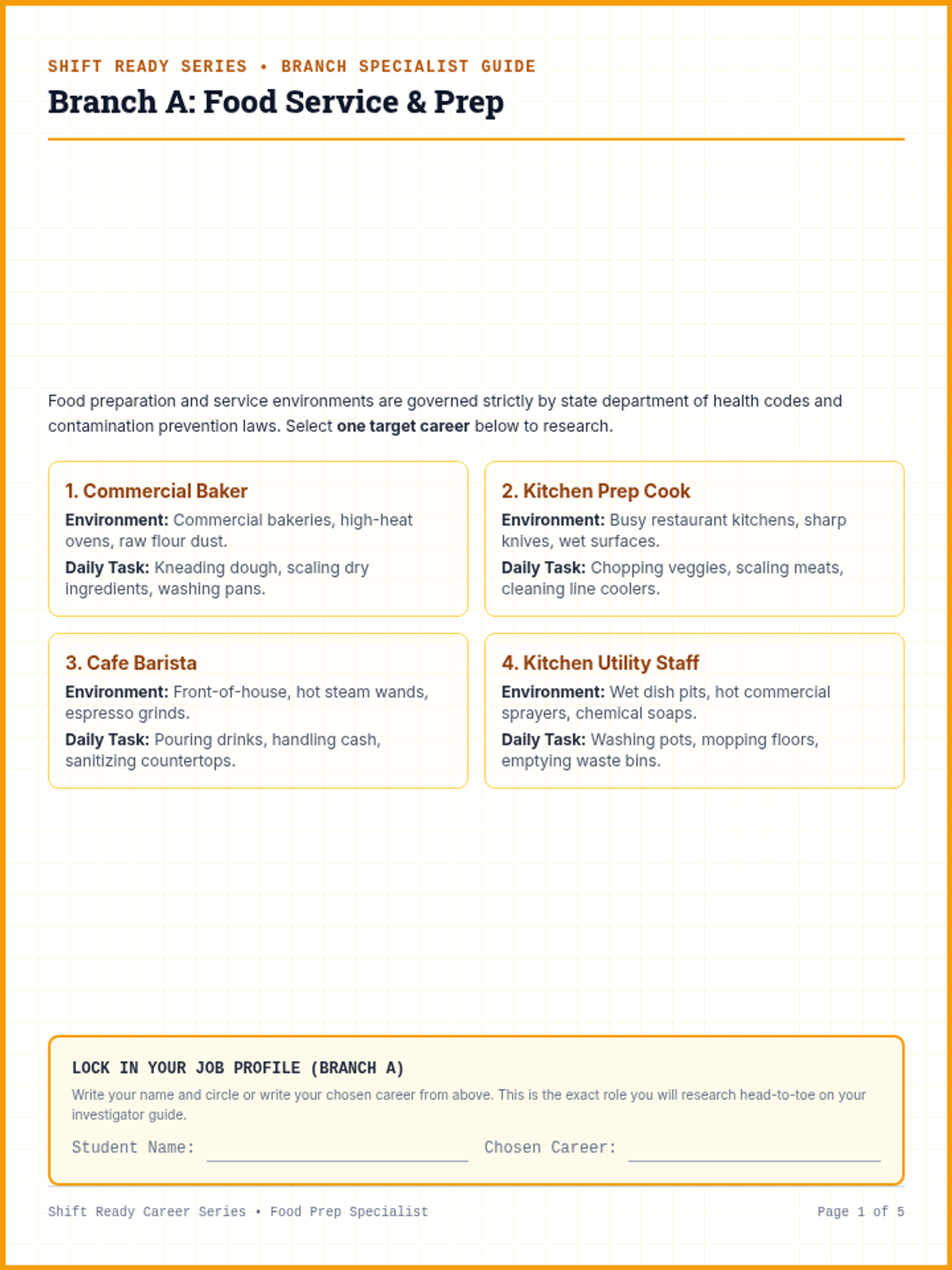
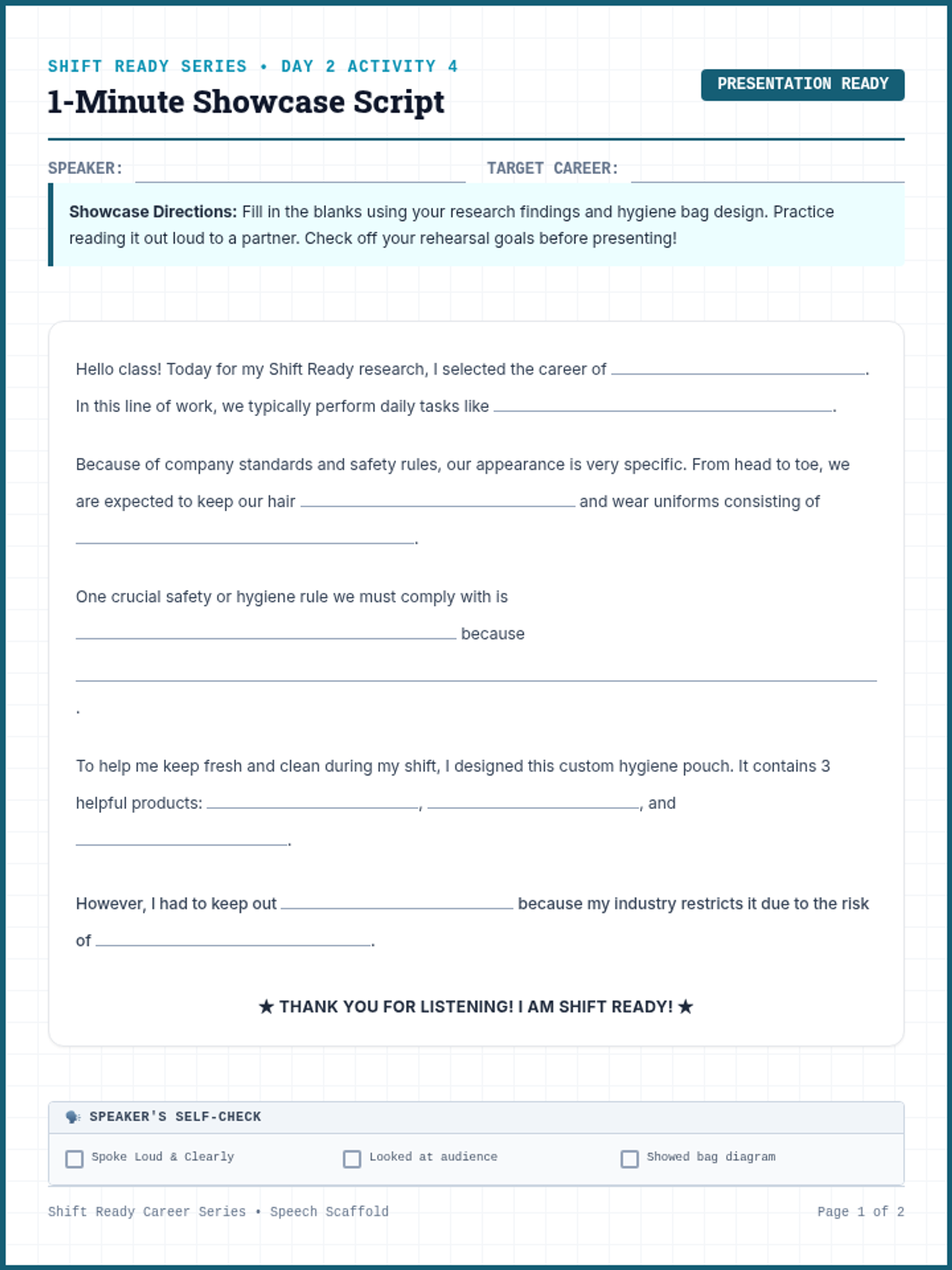
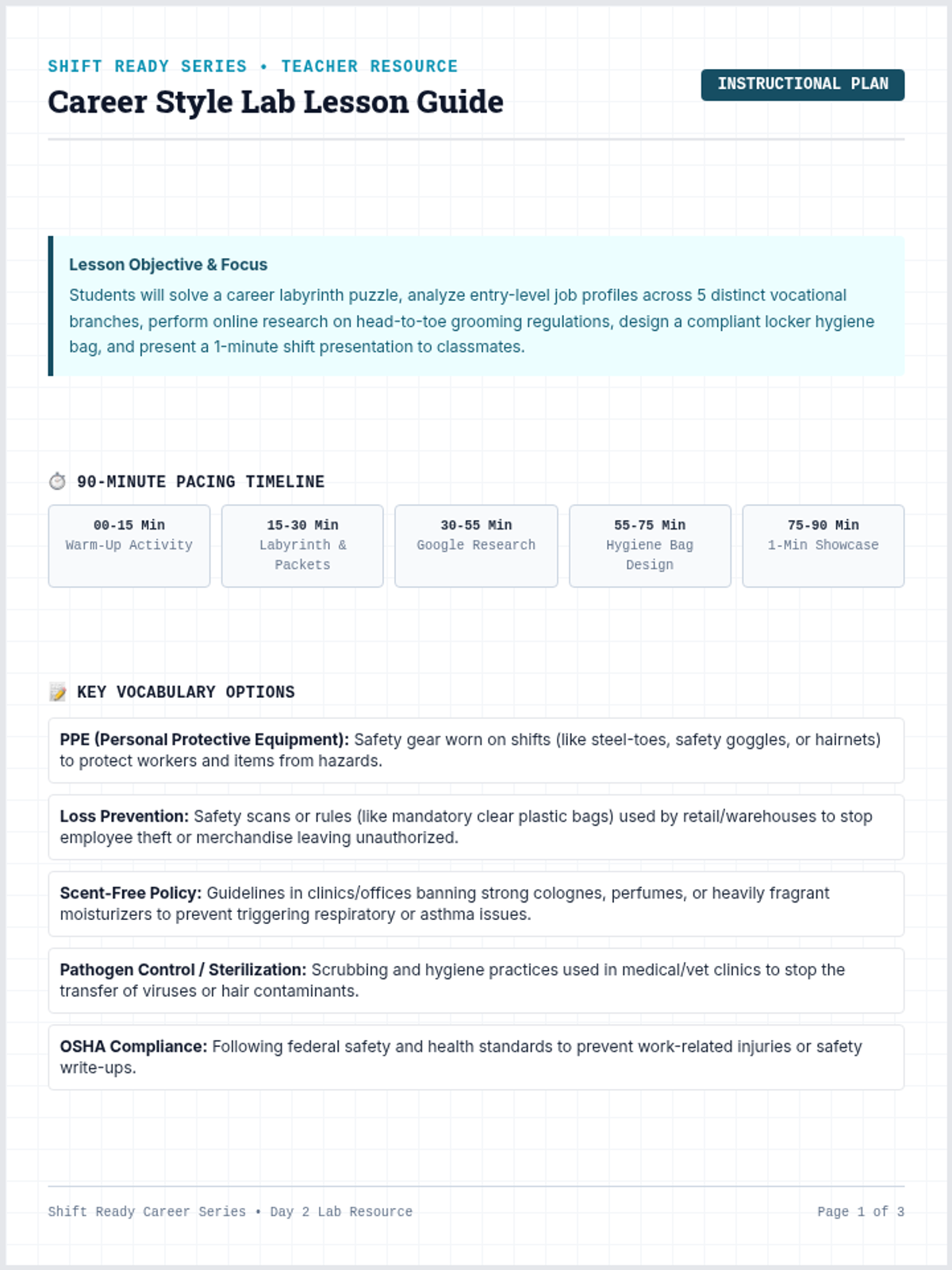
A guided research lesson for transition students to narrow down a career interest, research hygiene/apparel rules from head to toe, design a workplace-appropriate grooming bag, and present findings using a structured 1-minute presentation script.
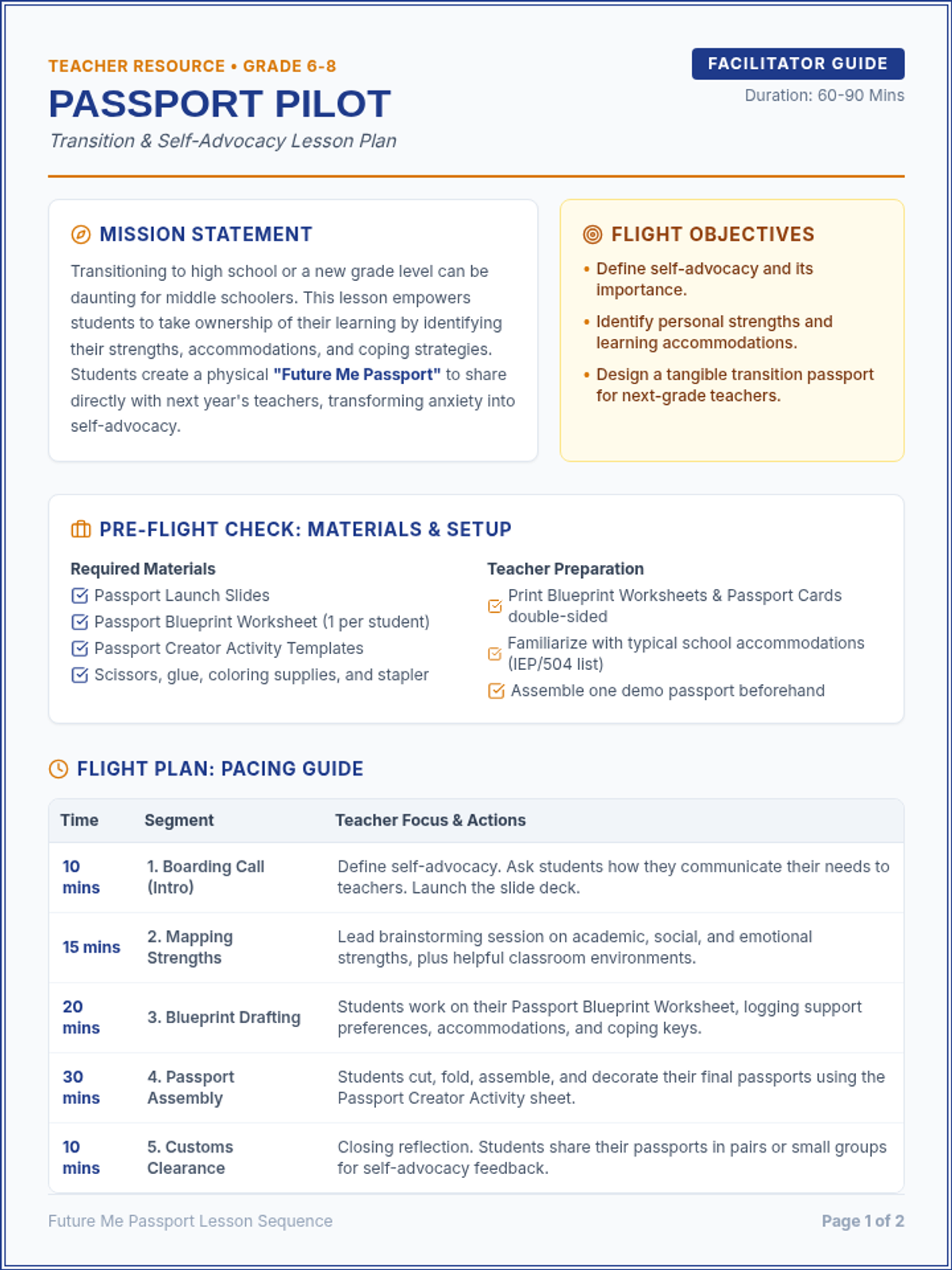
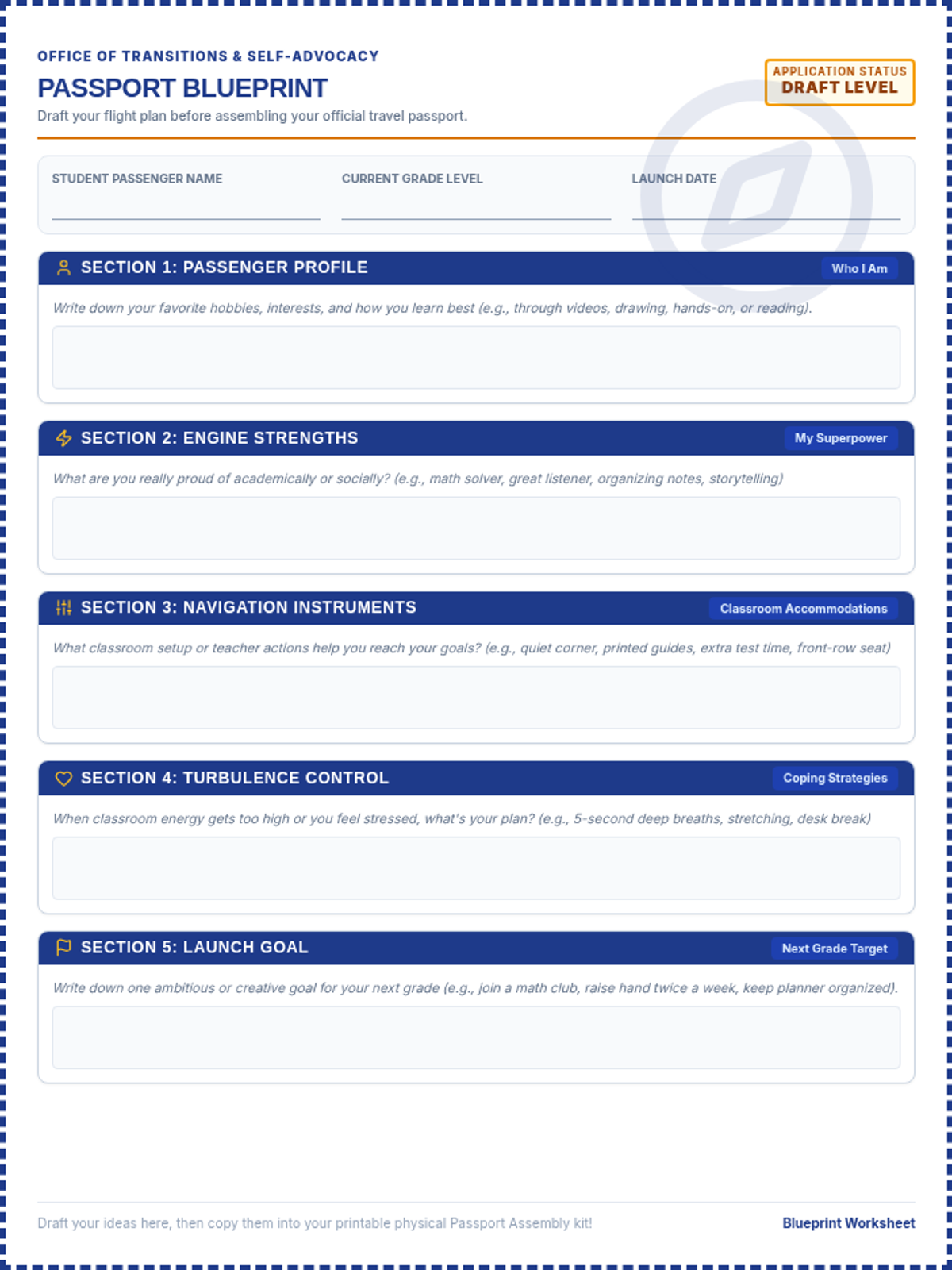
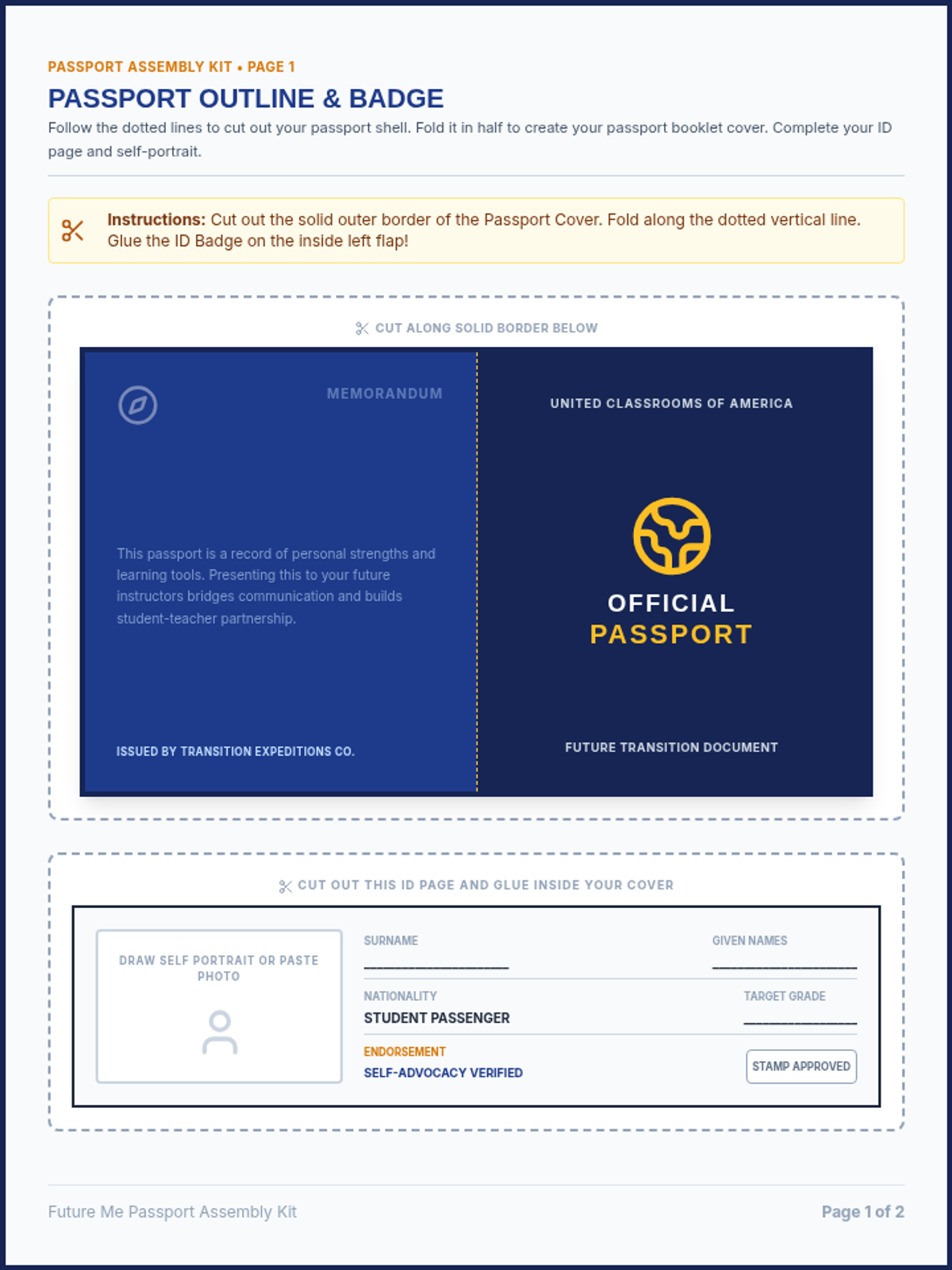
A self-advocacy and transition planning lesson where middle school students discover their strengths, identify necessary accommodations, and design a 'Transition Passport' to present to their future teachers.
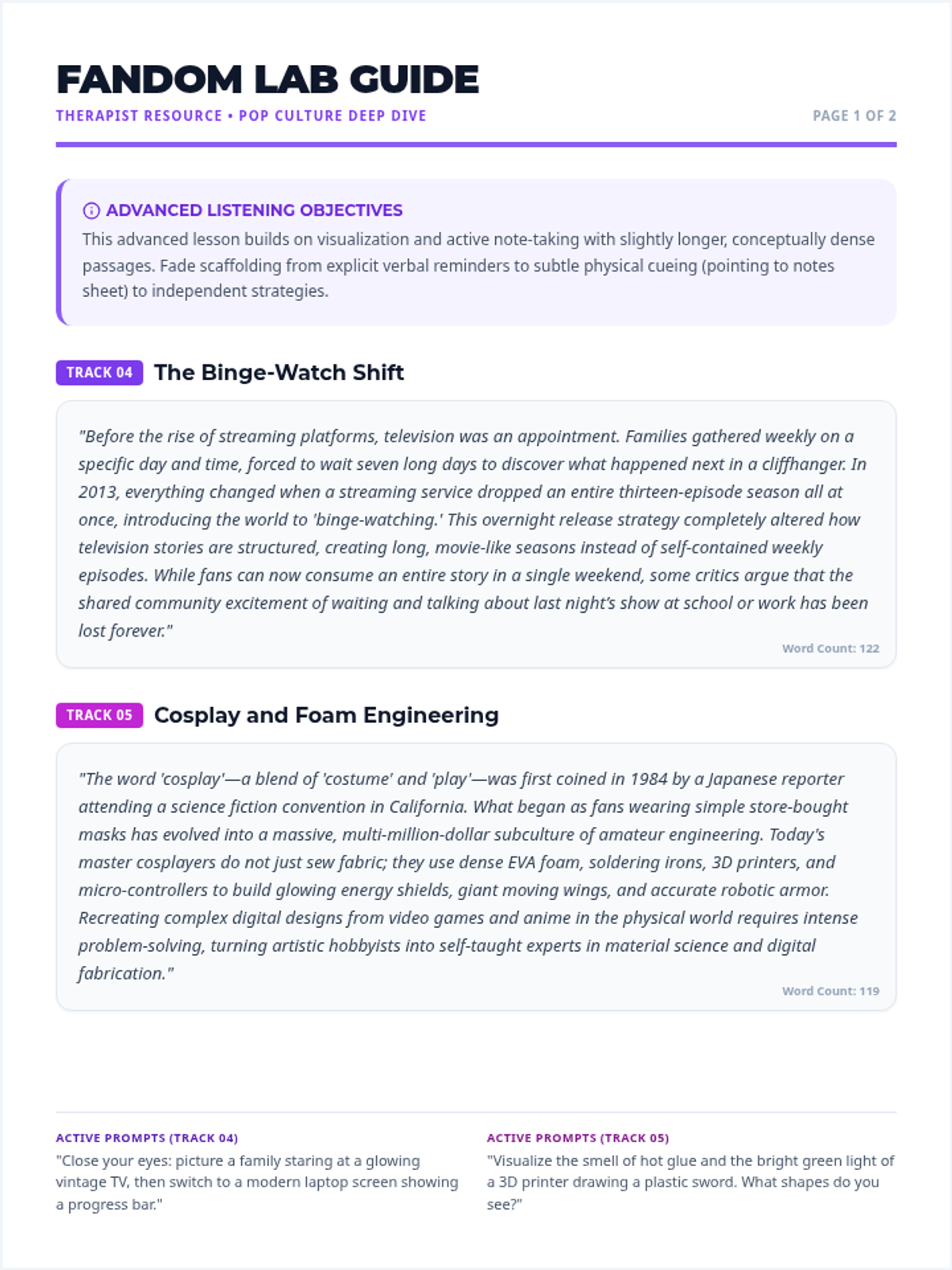
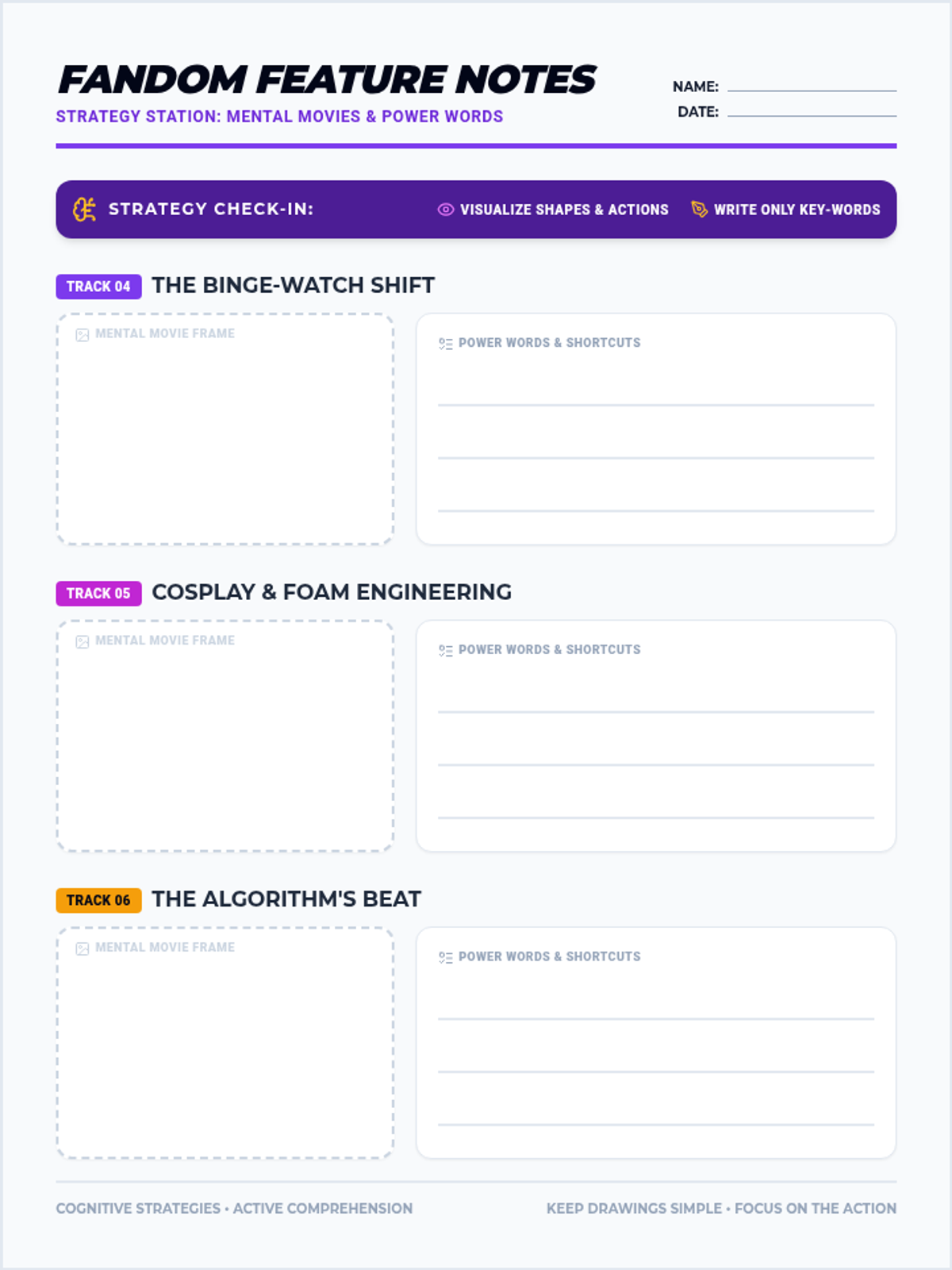
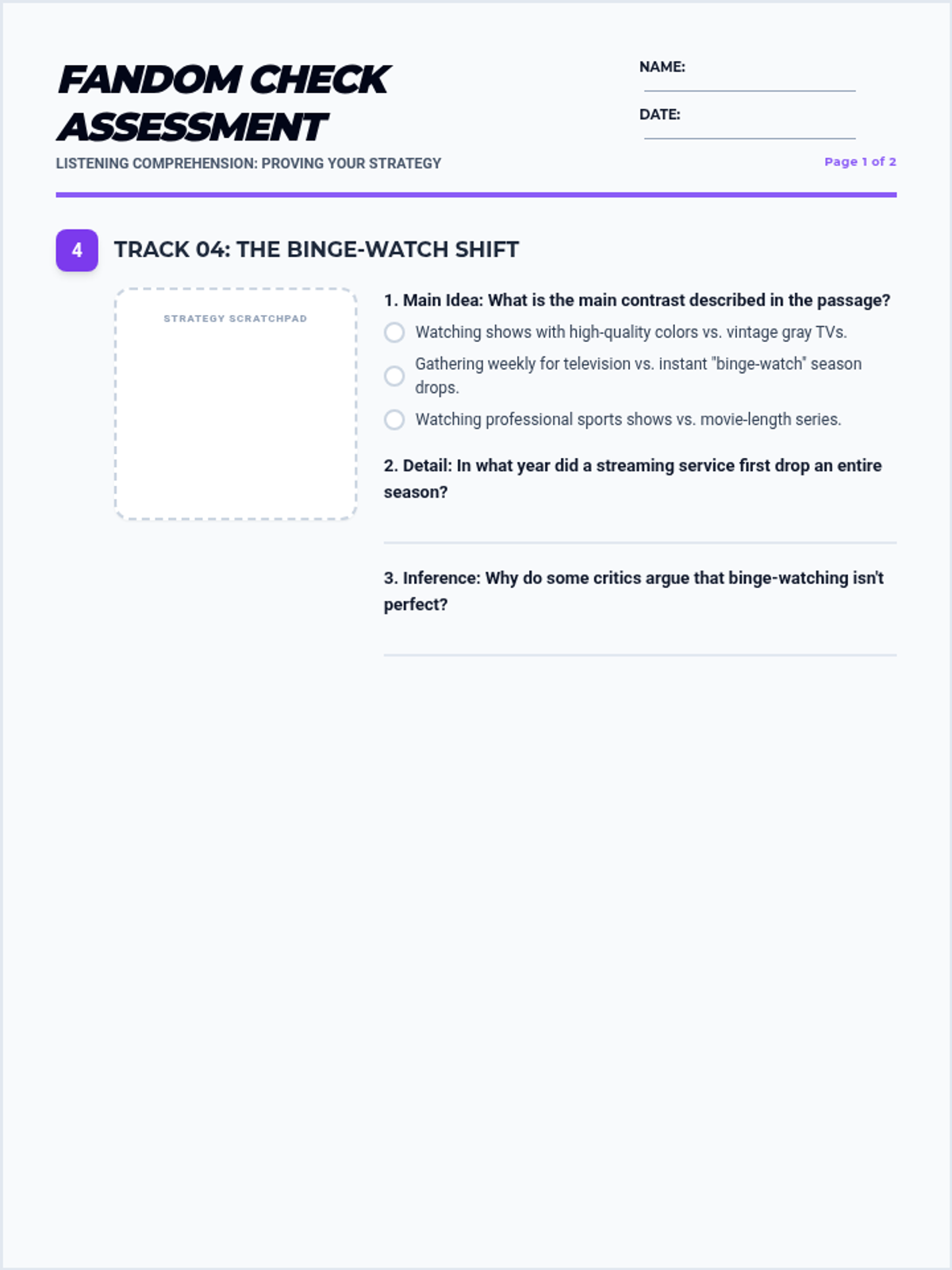
An advanced listening comprehension lesson building on visualization and active note-taking strategies with longer oral passages, denser pop culture topics, and an increased volume of targeted comprehension questions.
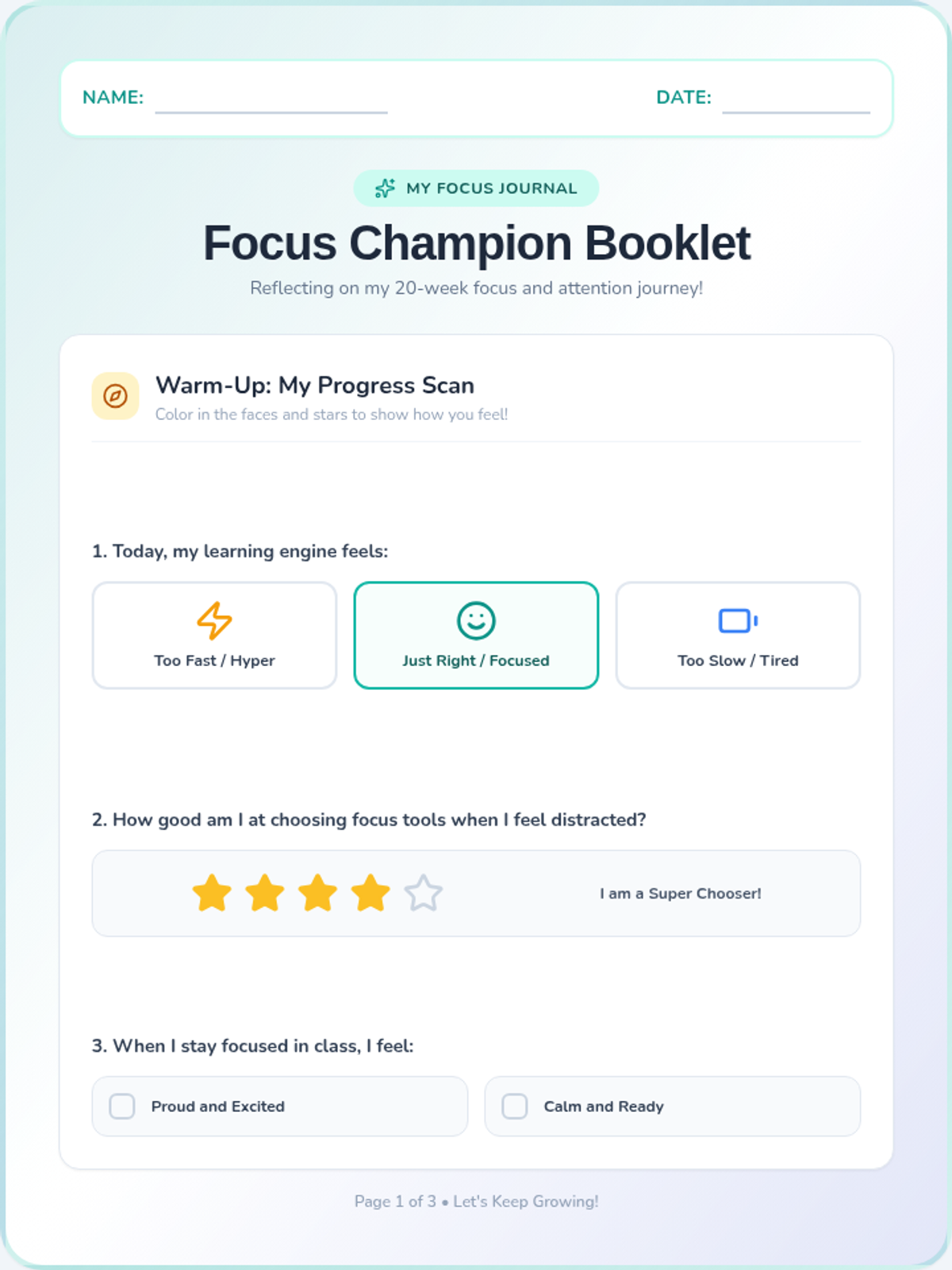
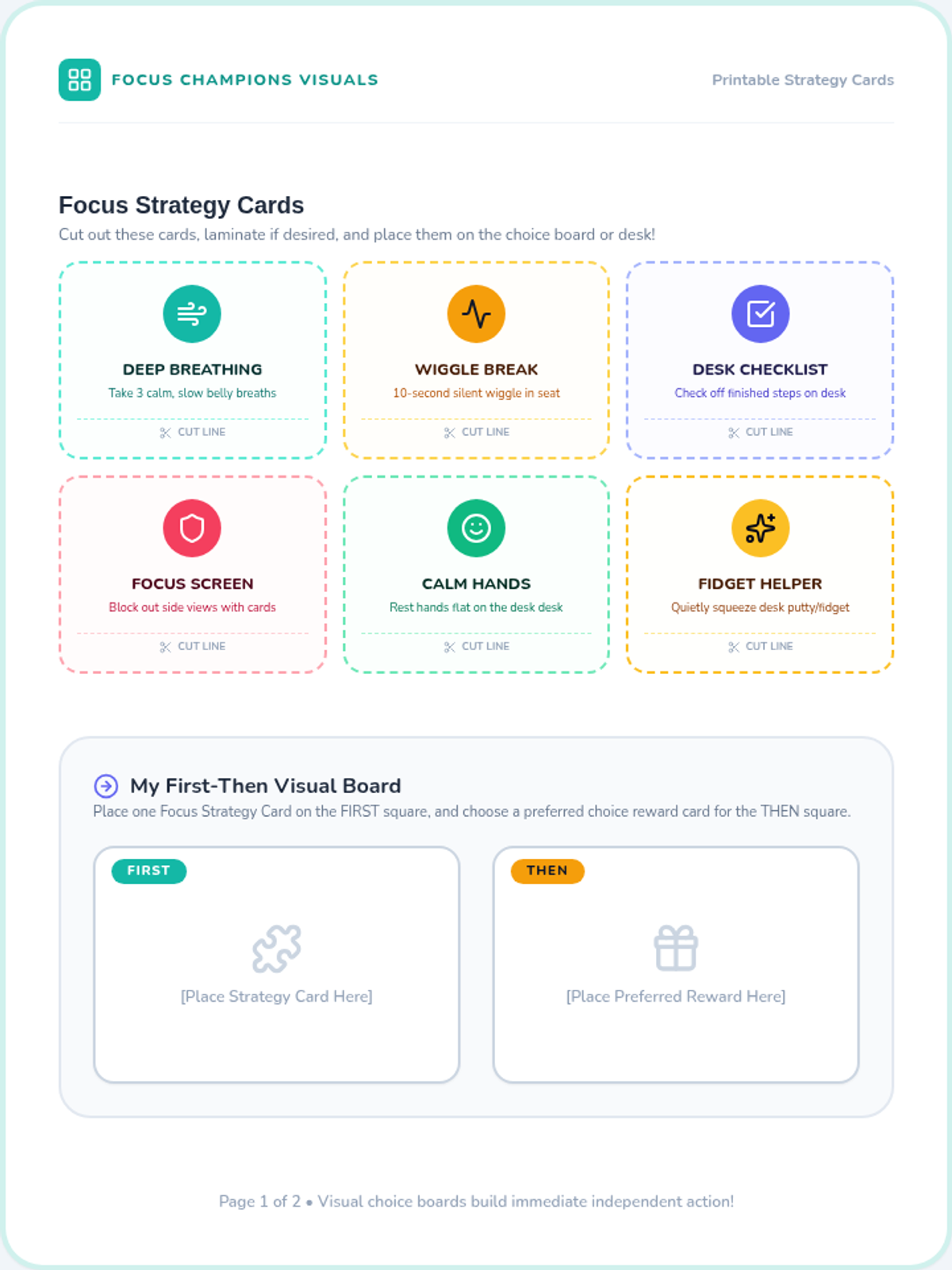
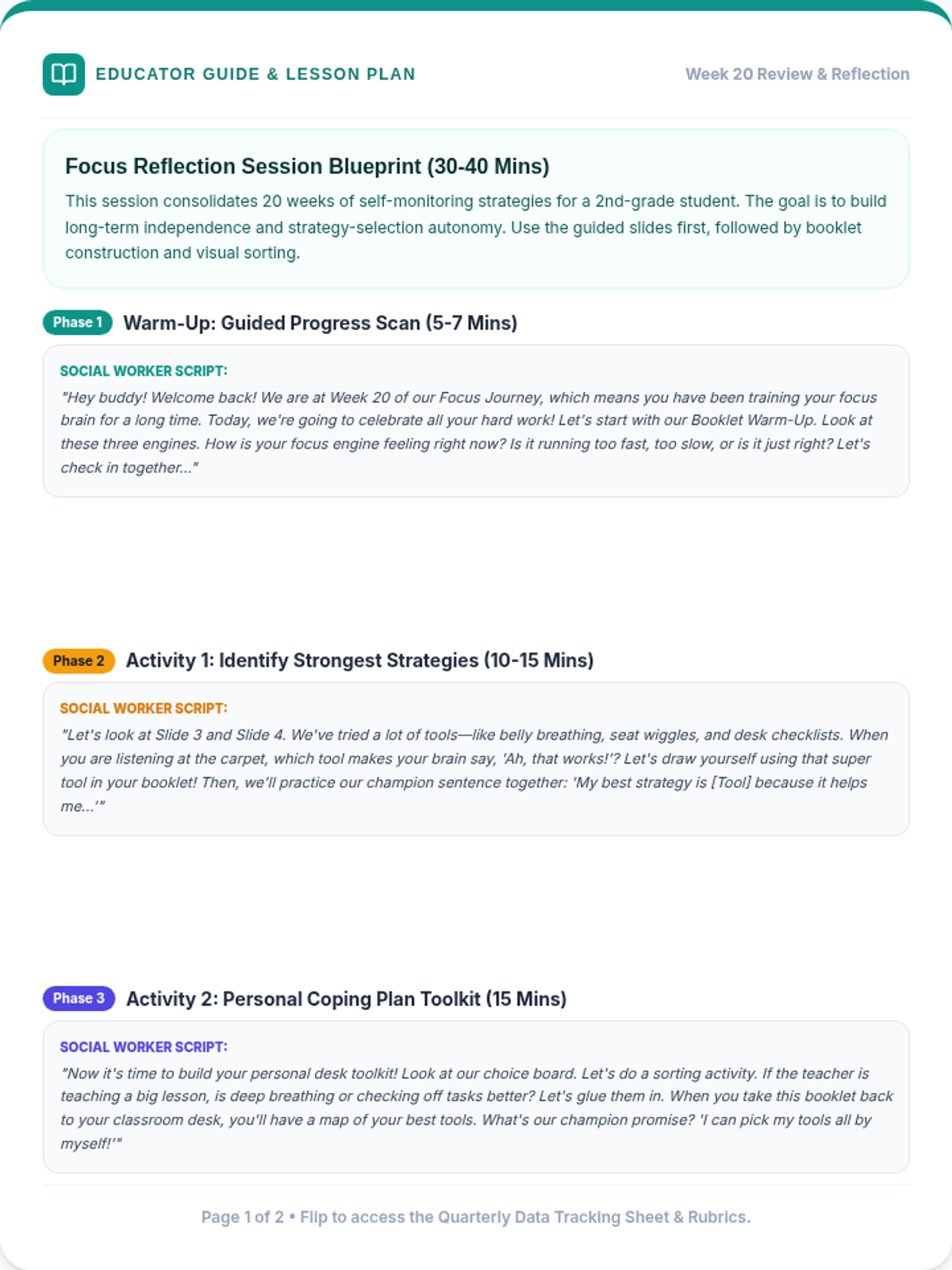
A self-reflection and coping strategy consolidation unit for a 2nd-grade student struggling with sustained attention. Includes a guided social story presentation, an interactive reflection booklet, visual strategy cards, and a comprehensive educator guide with an integrated data tracking system.
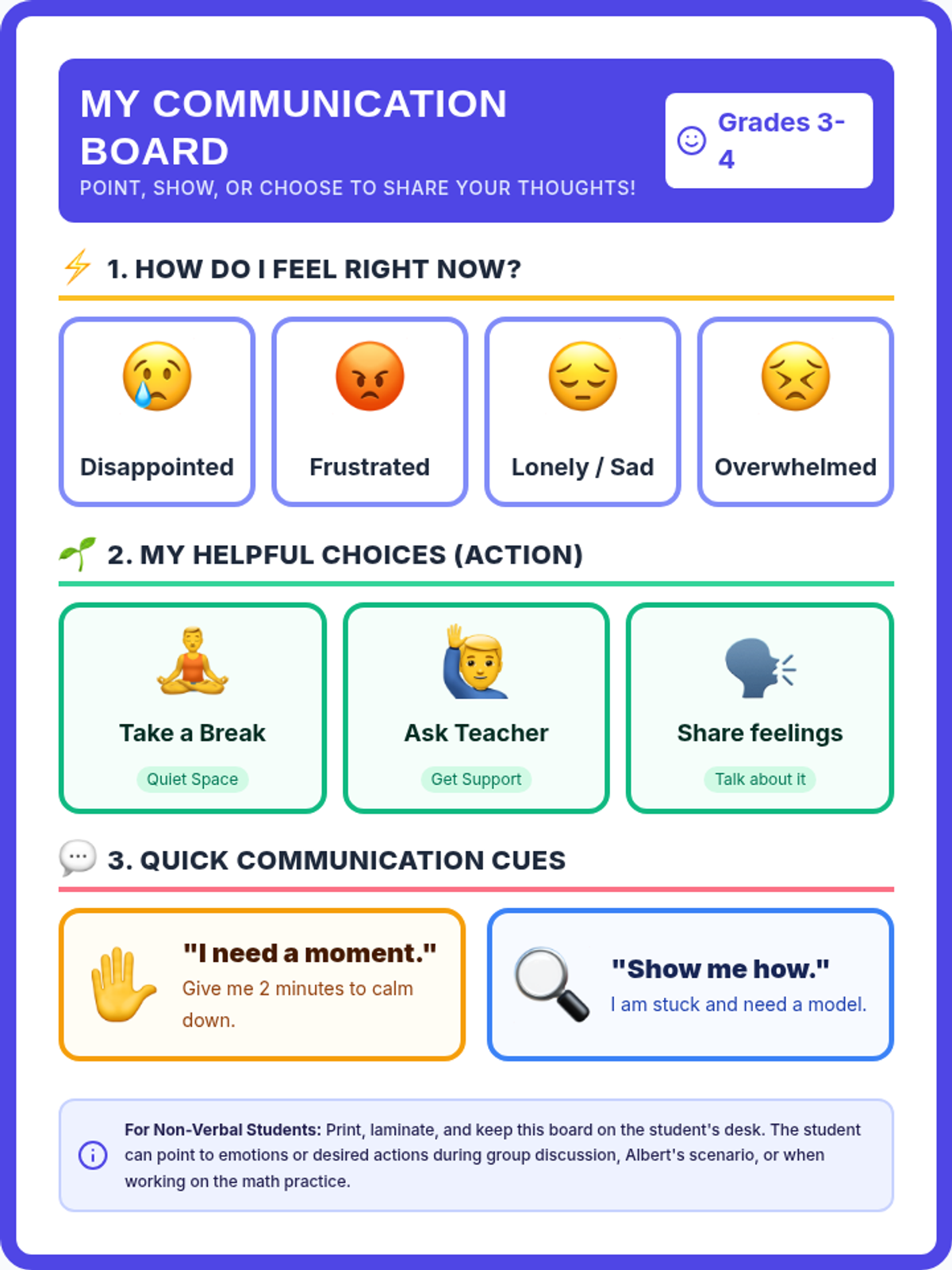
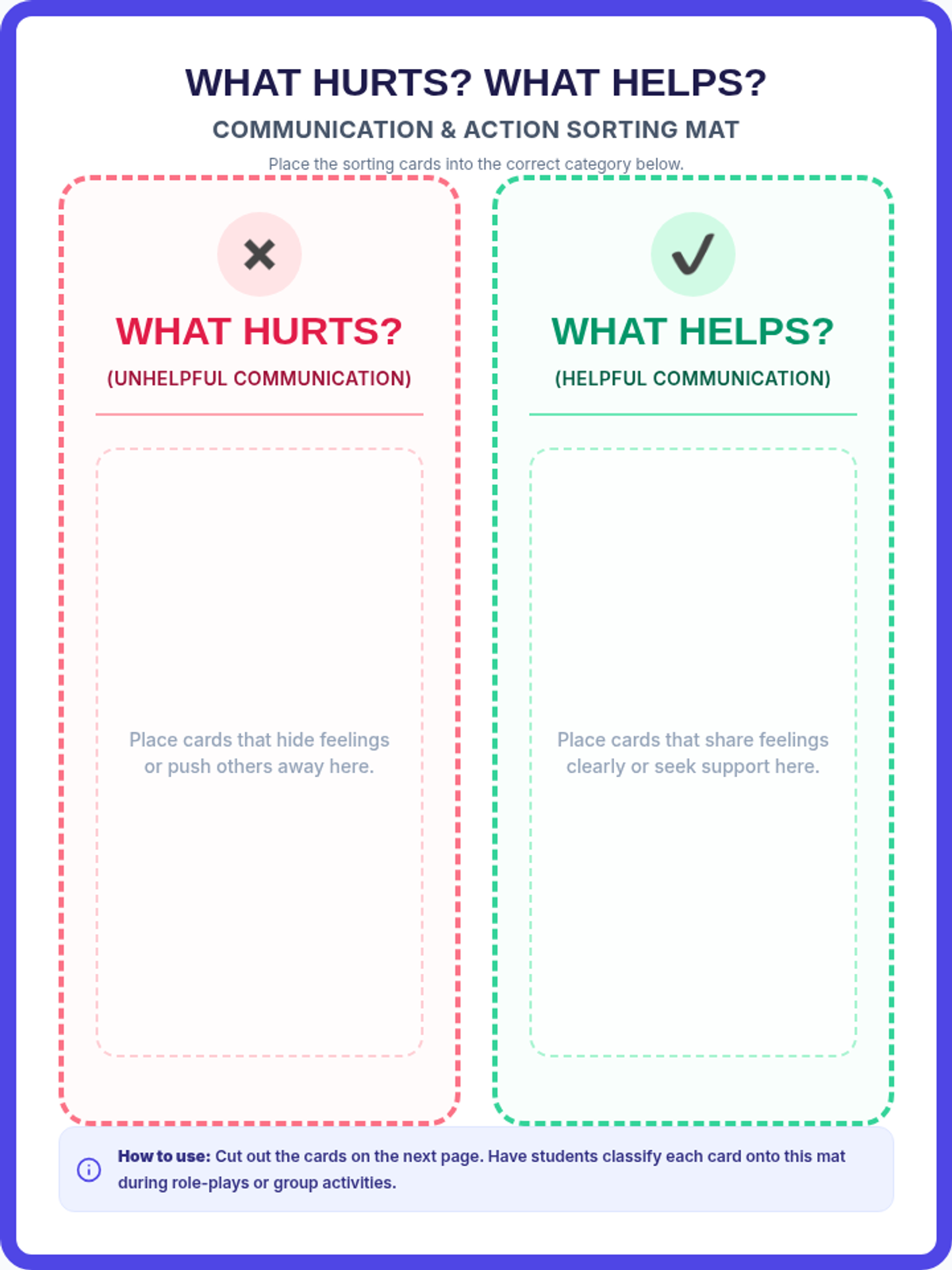
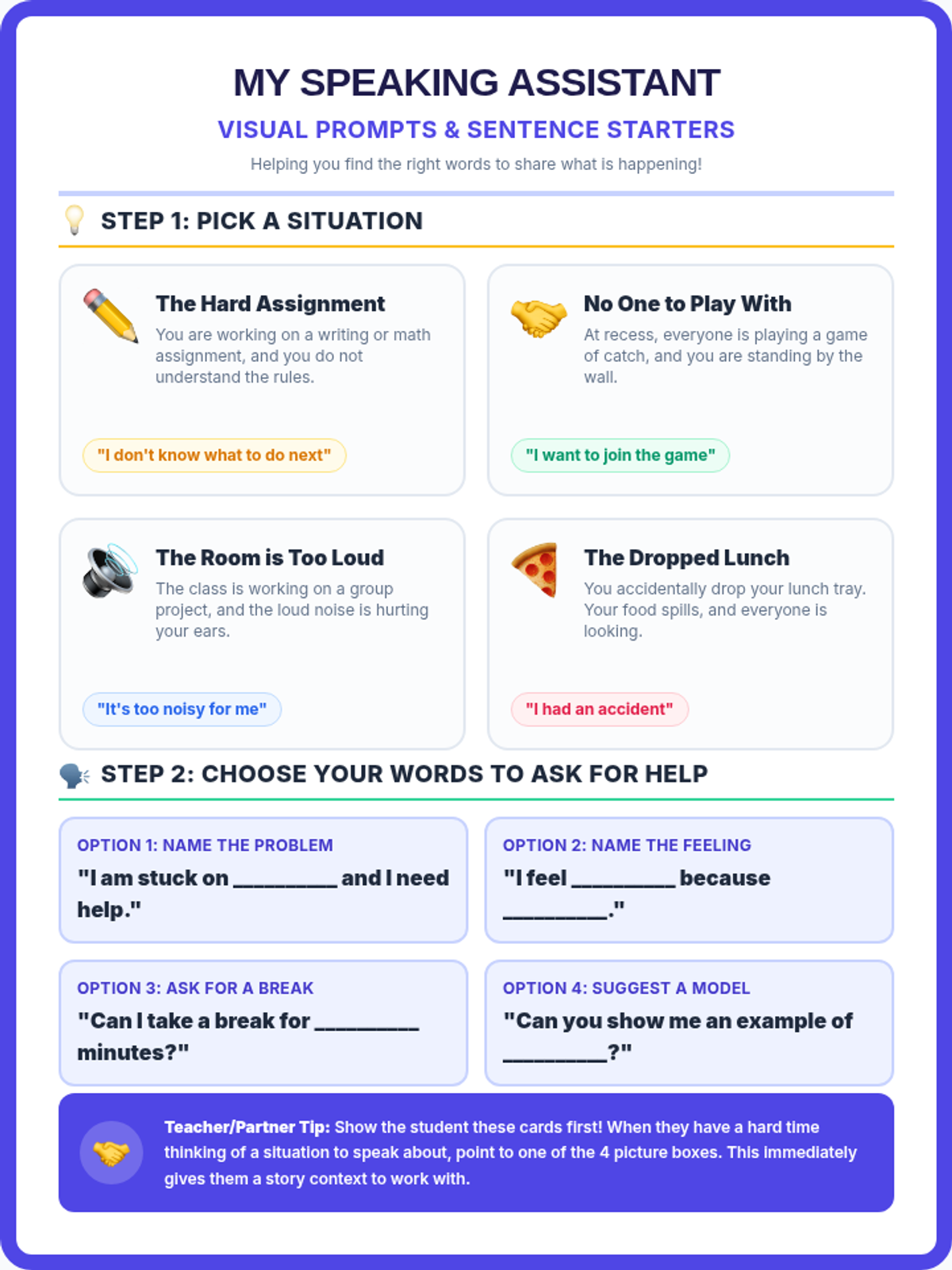
A visual, highly structured social-emotional learning lesson focusing on helpful vs. unhelpful communication. Tailored for 3rd and 4th graders, with explicit non-verbal communication supports (visual boards, sorting cards) to fully include students with autism.
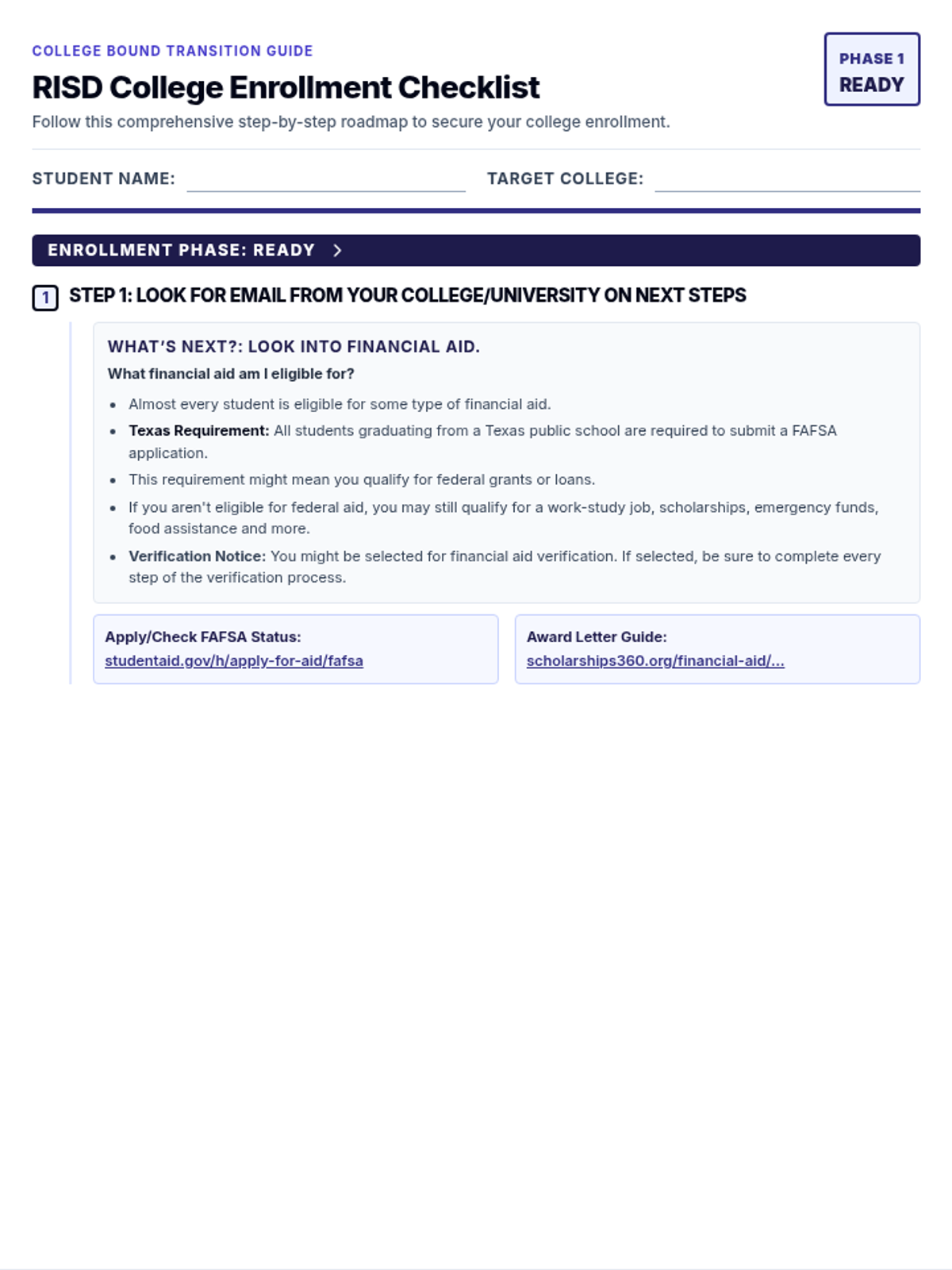
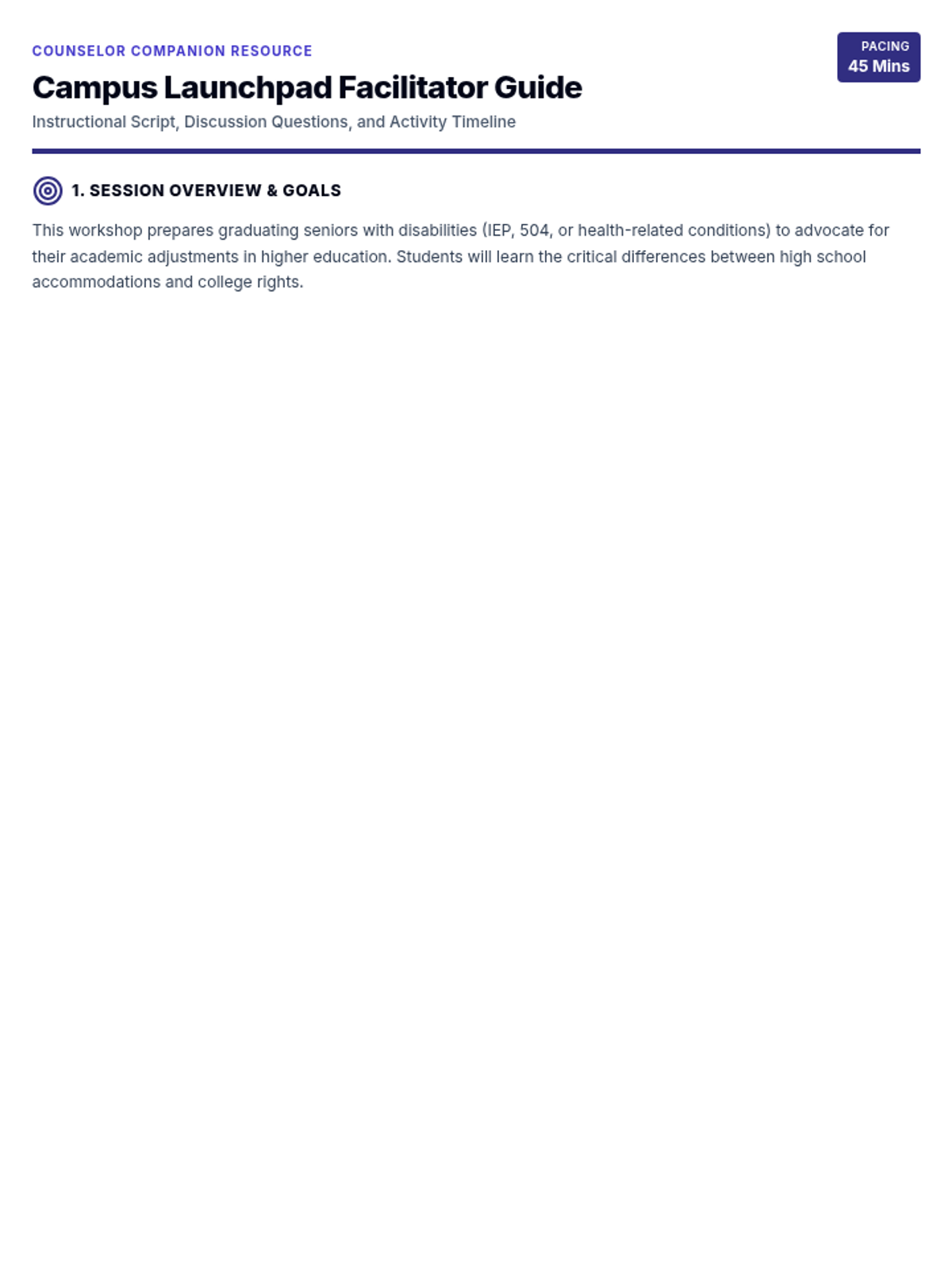
A transition lesson designed to help graduating high school seniors navigate college campus resources, master self-advocacy, and successfully secure academic adjustments.
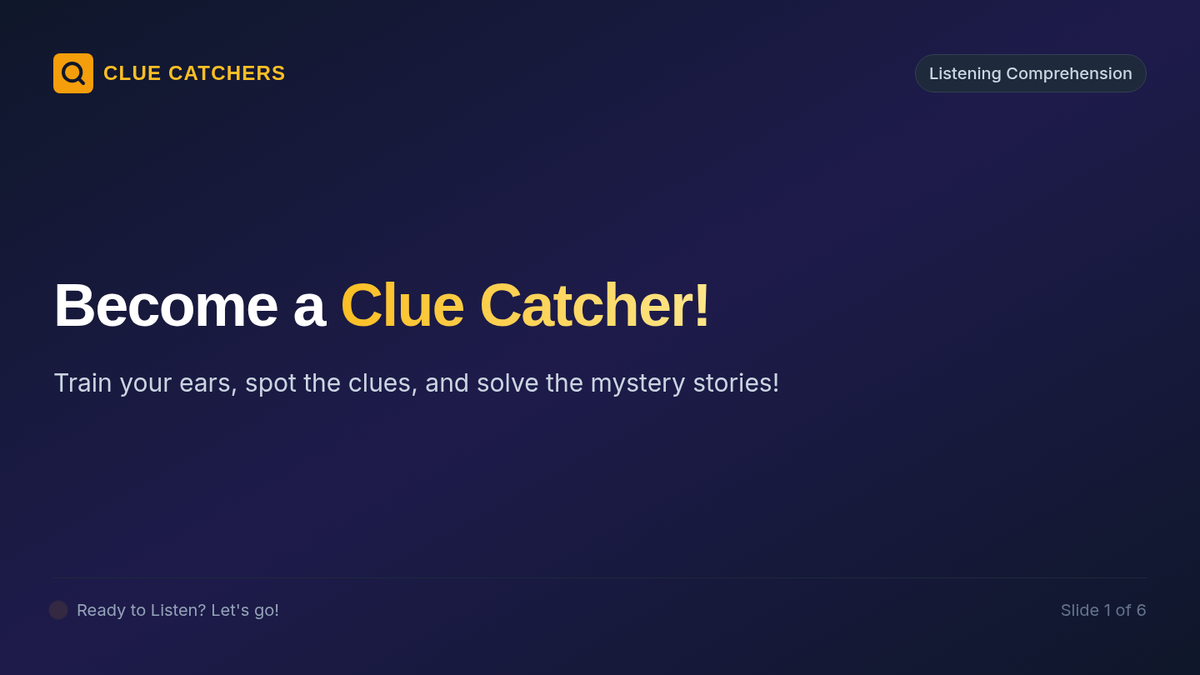
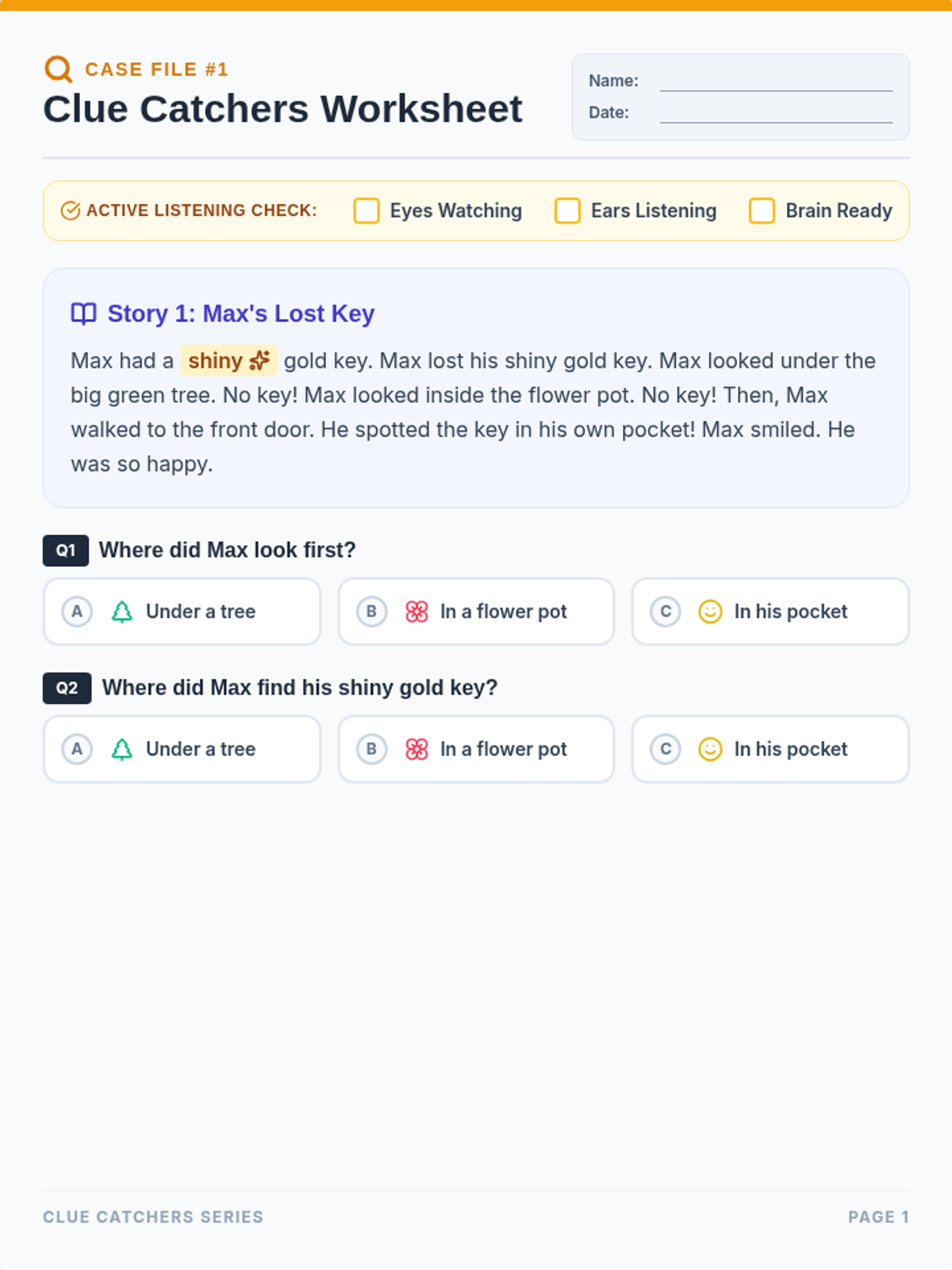
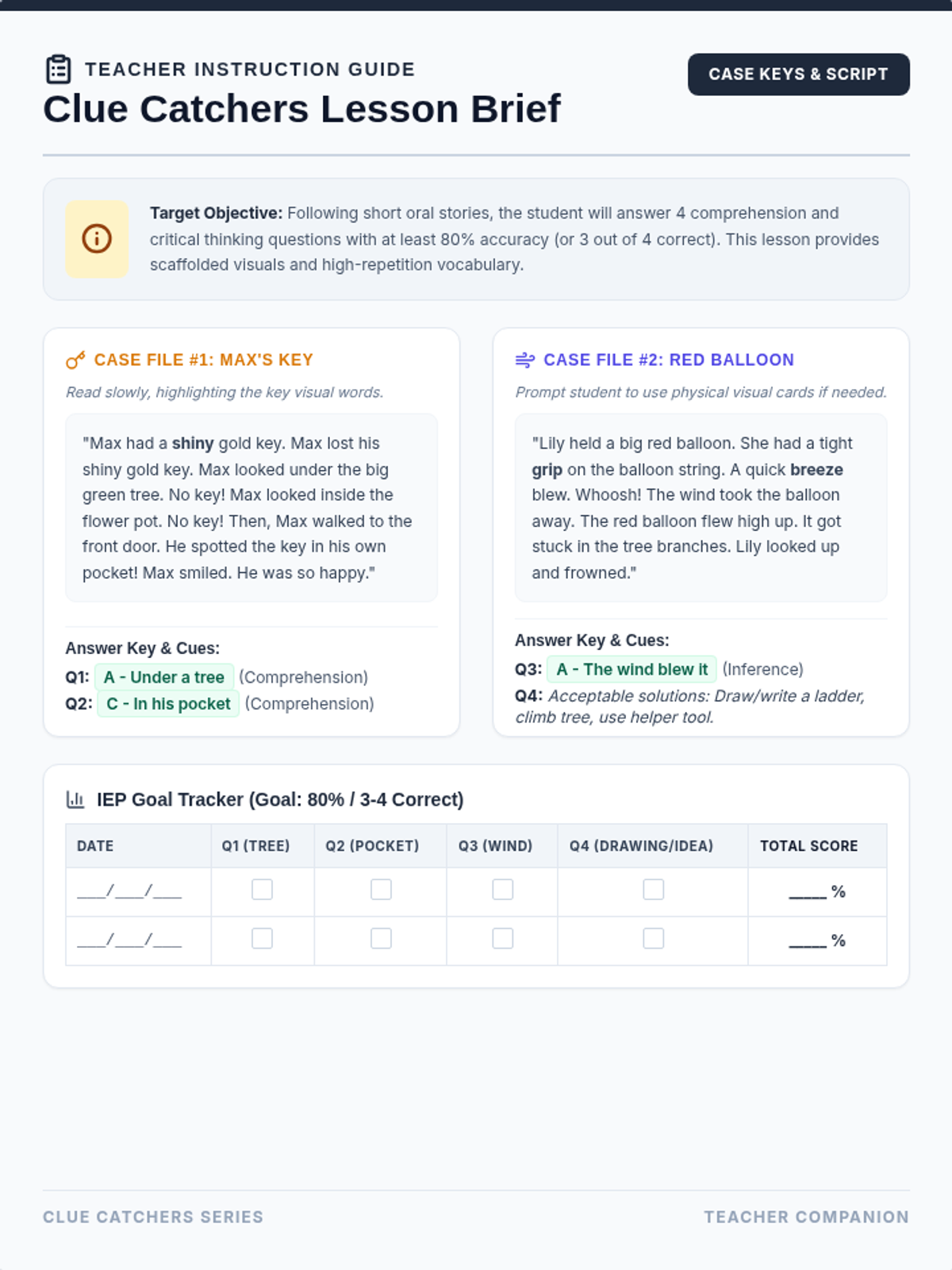
A specialized listening comprehension lesson designed for third-grade students requiring visual supports and simplified text structures. Features engaging short stories read aloud by the teacher, supported by an interactive slide deck and visual-aid student worksheets.
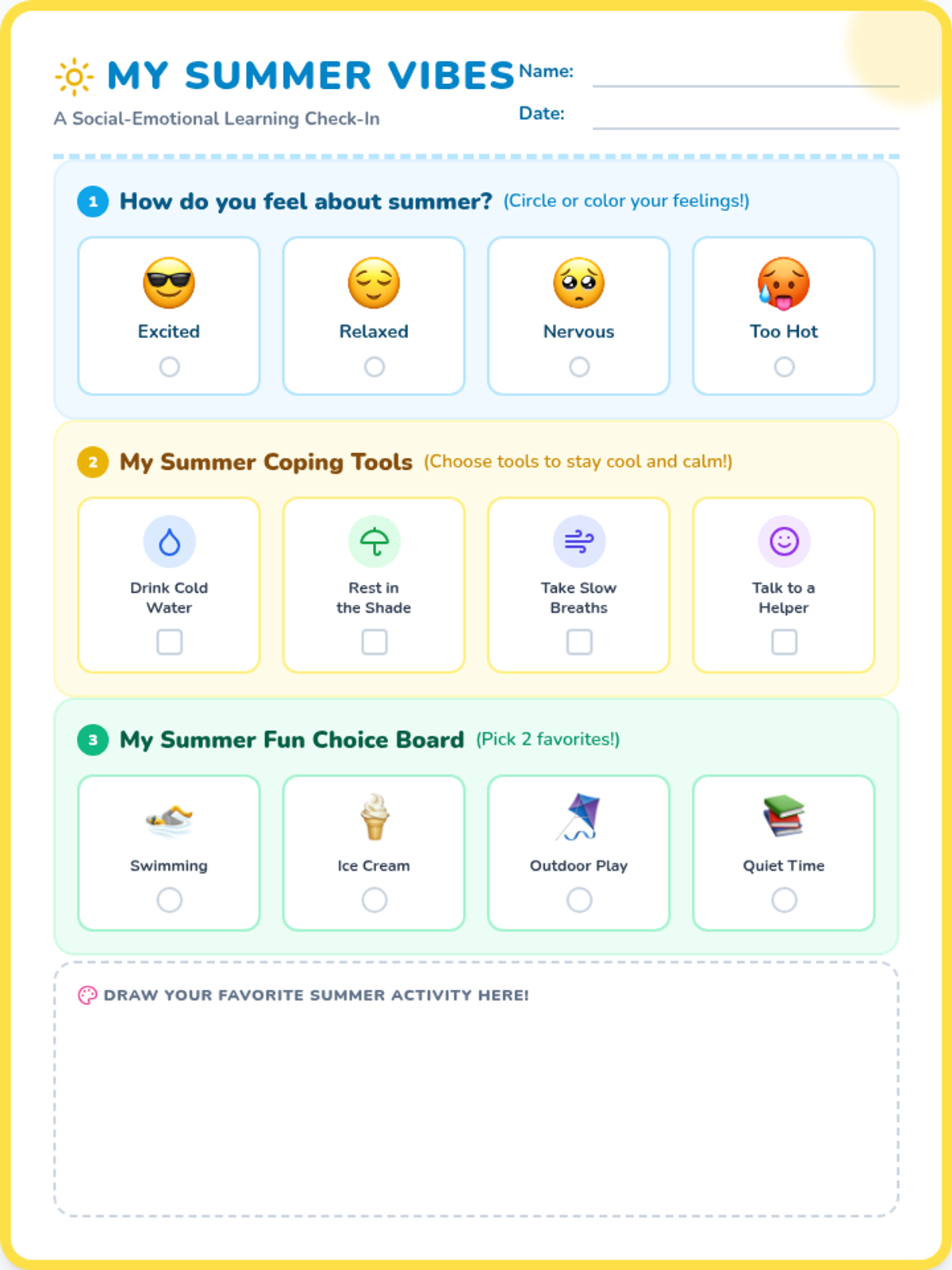
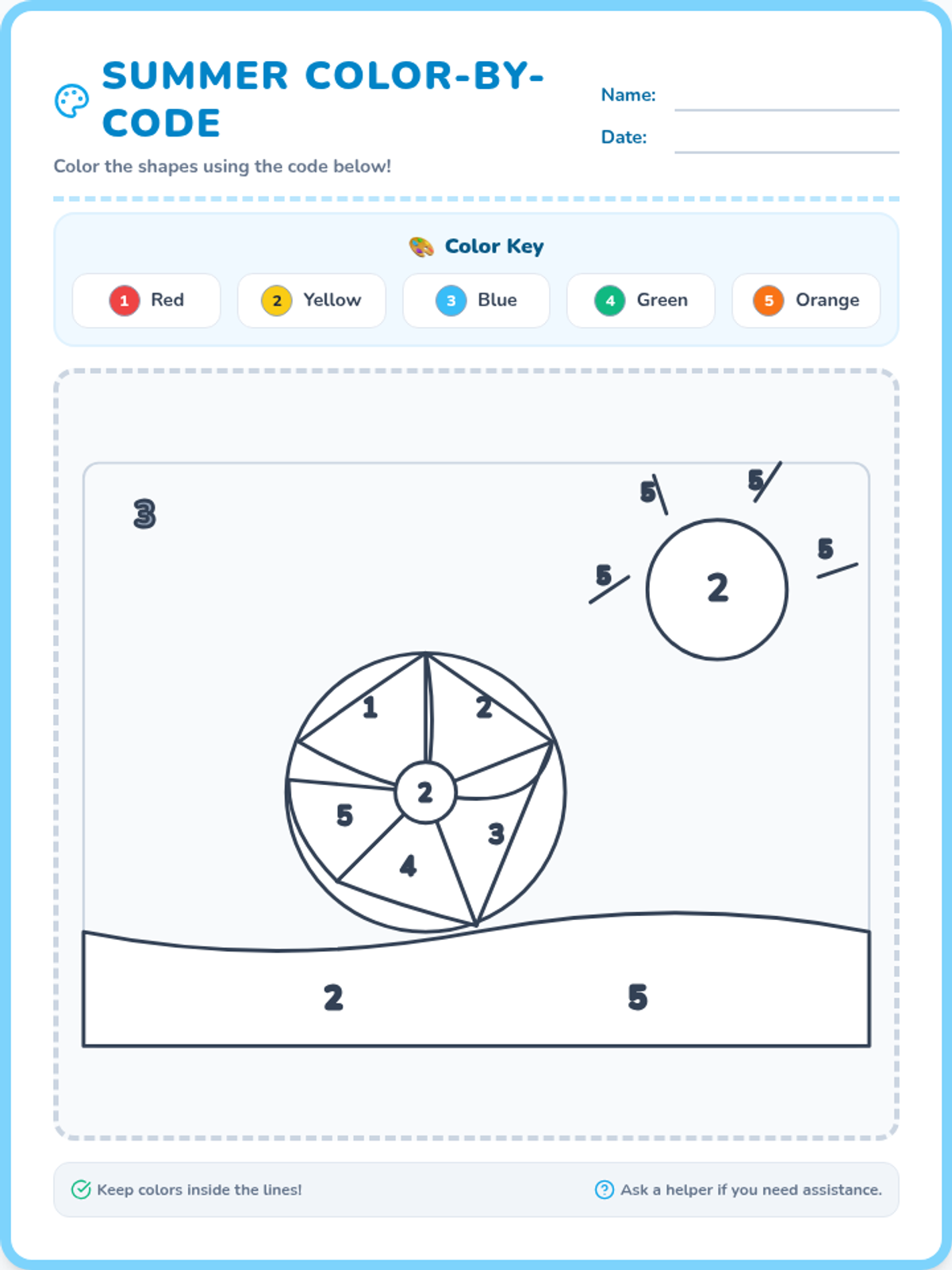
A specialized social-emotional lesson designed for special education students to explore summer-themed feelings, identify healthy coping skills, and practice visual discrimination through themed color-by-code sheets.
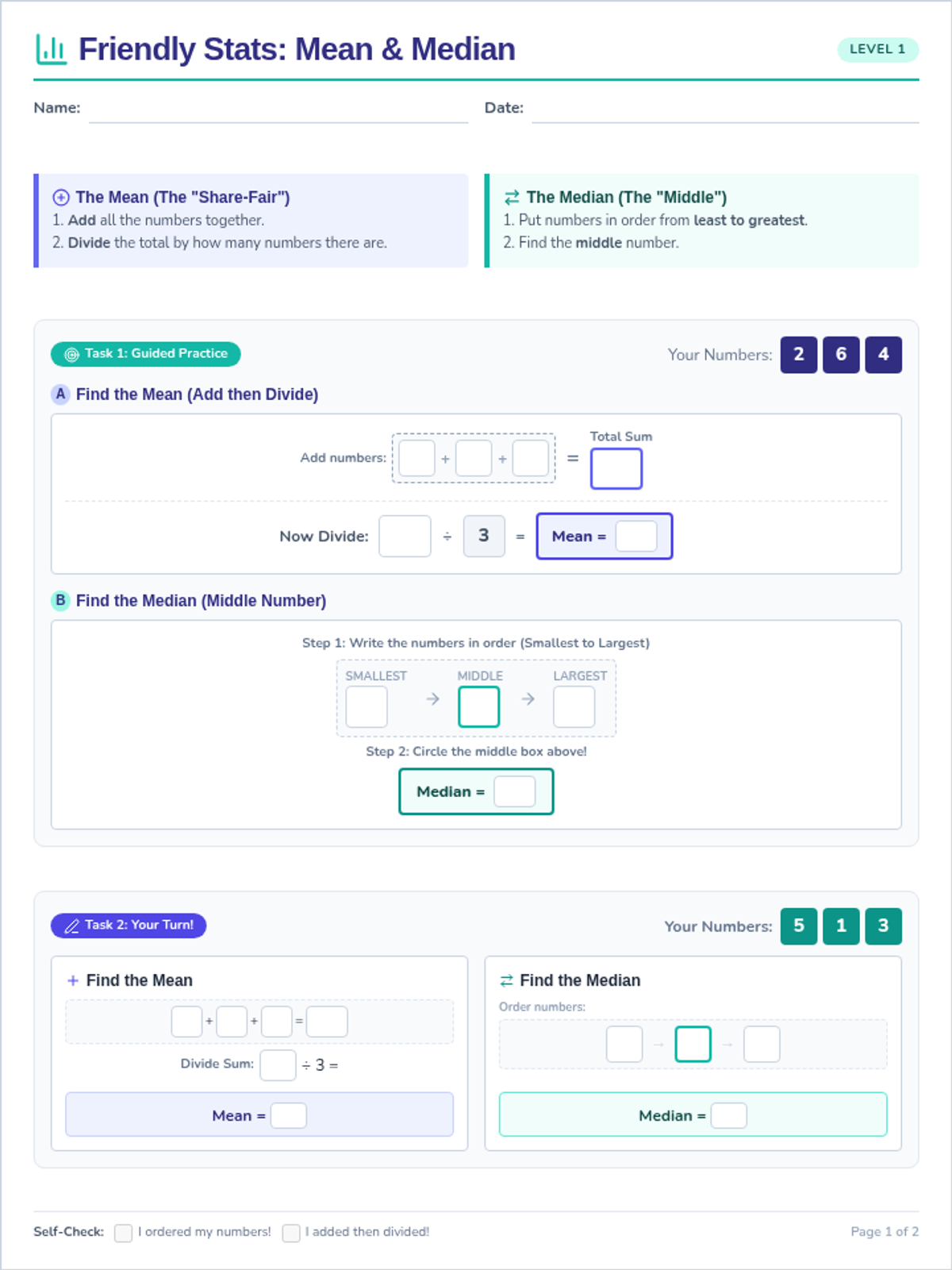
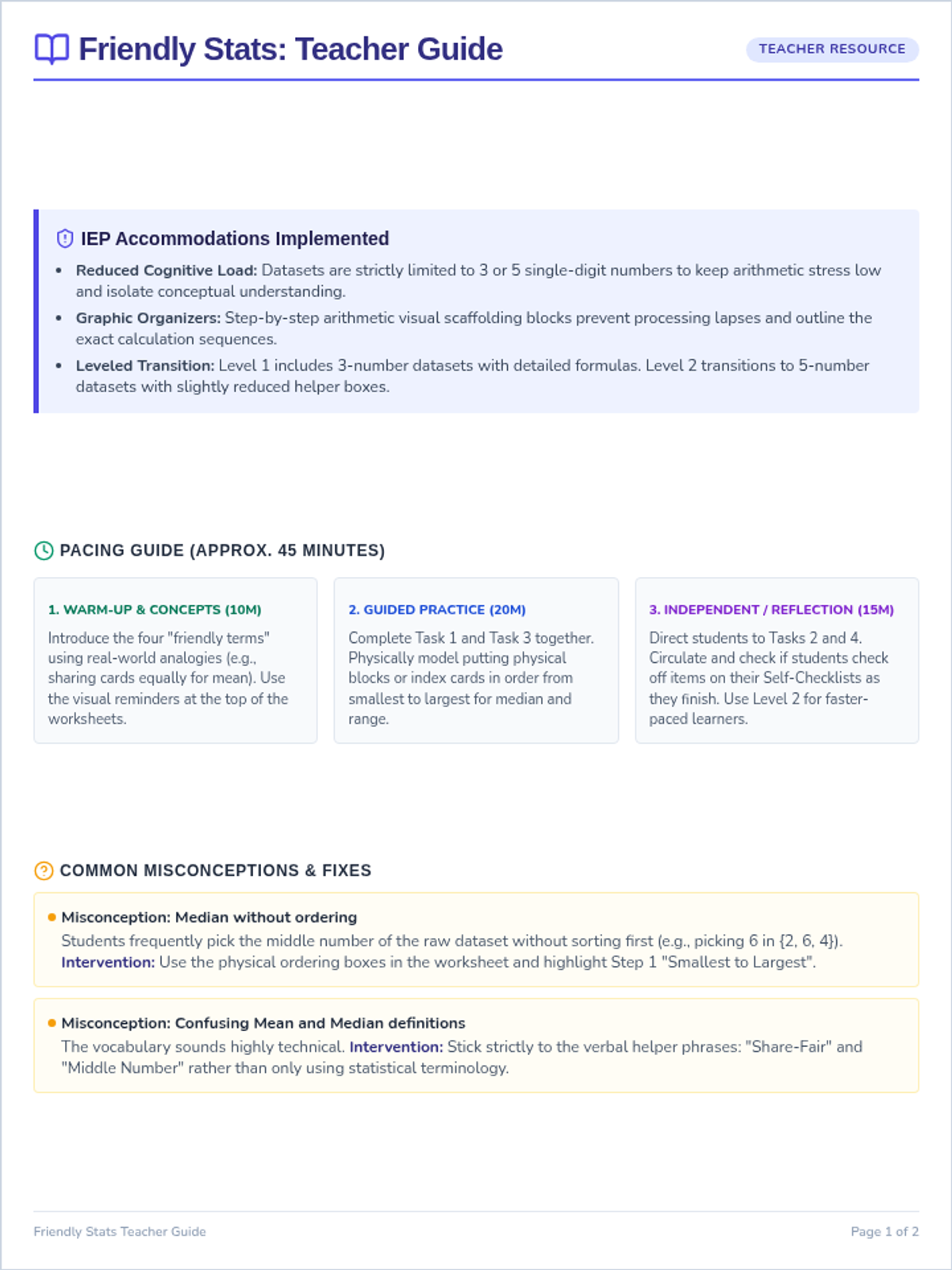
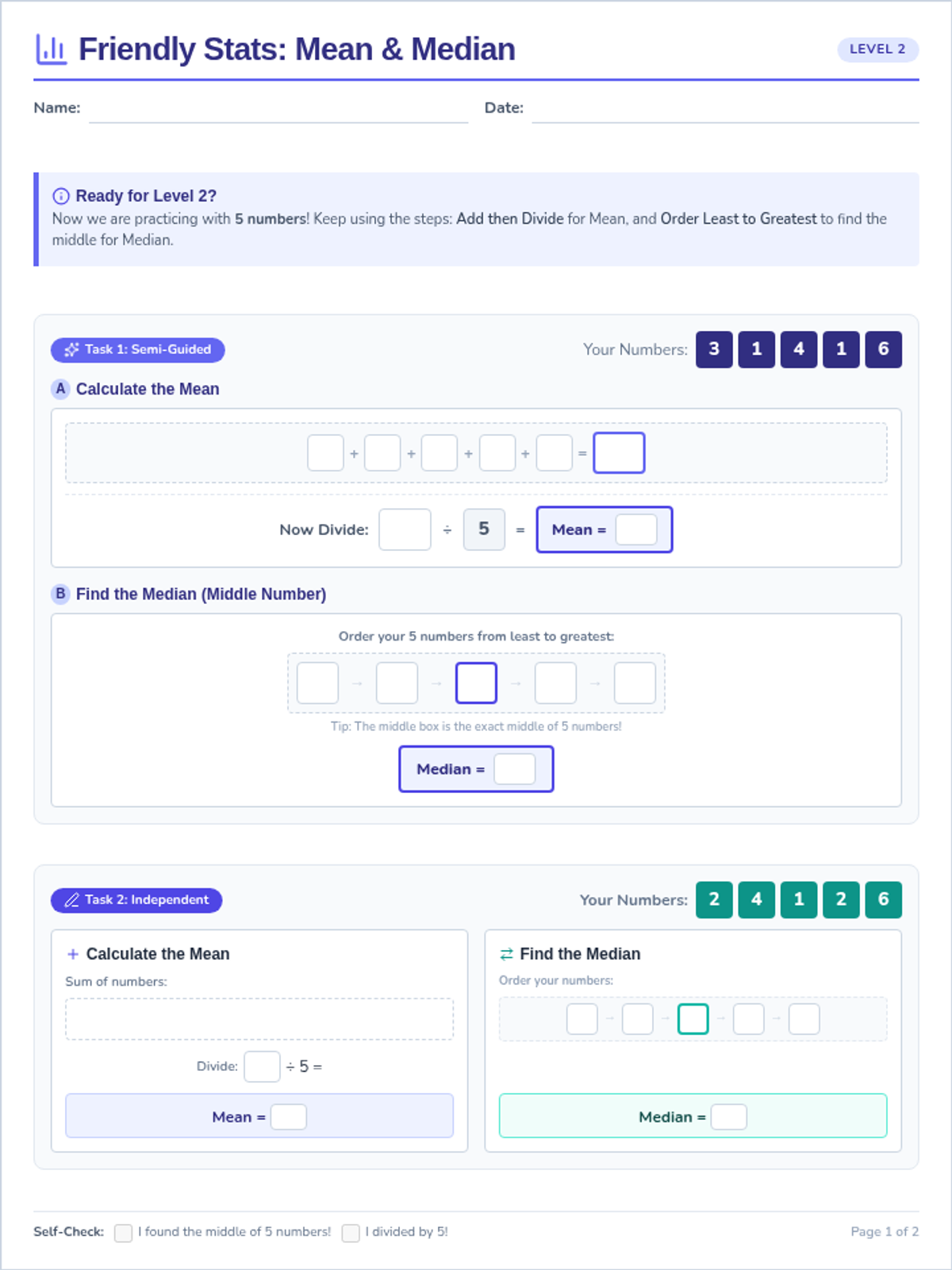
A highly scaffolded lesson on finding the mean, median, mode, and range using small, single-digit datasets (3-5 numbers) designed specifically for students with IEP accommodations.
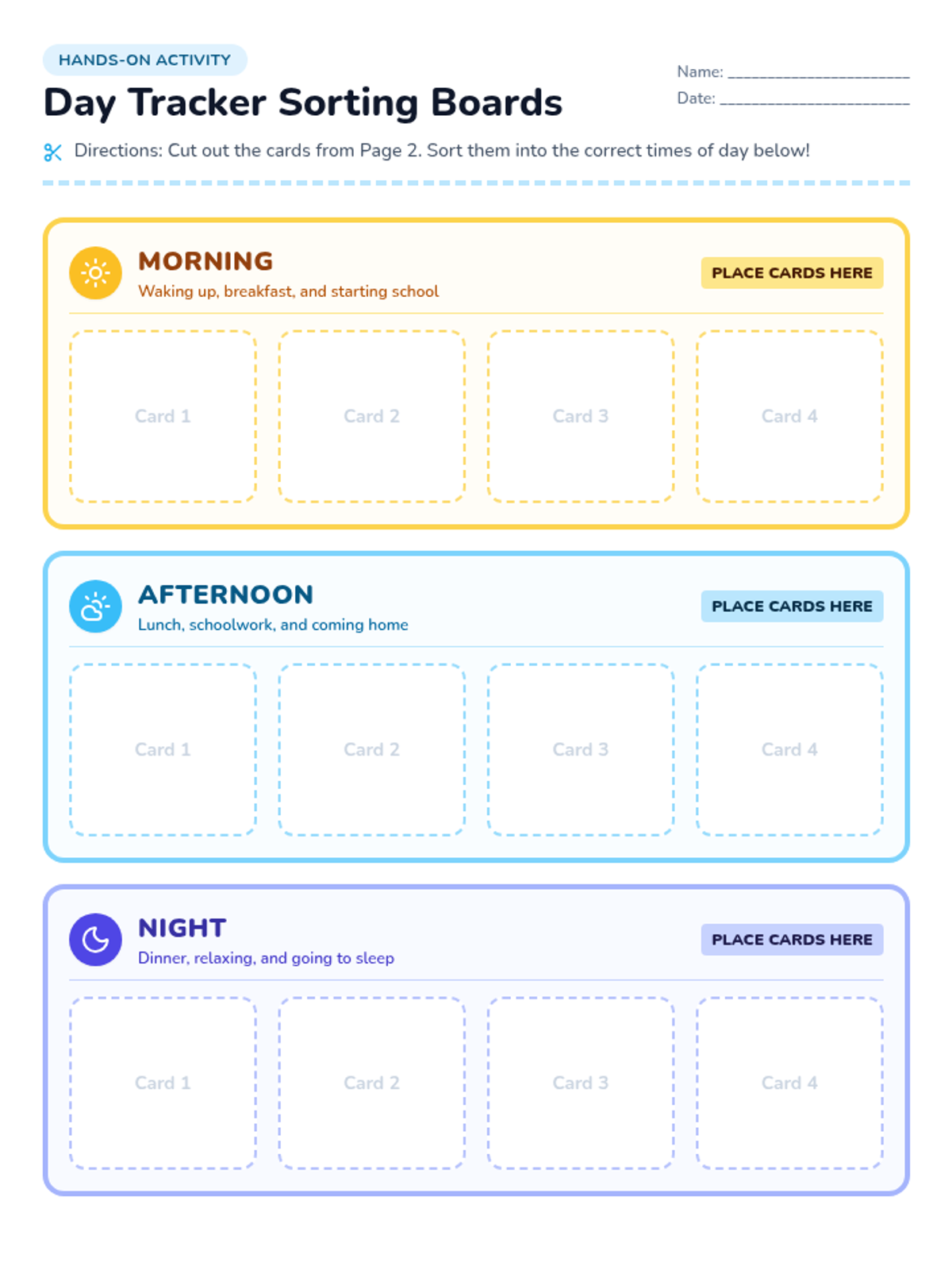
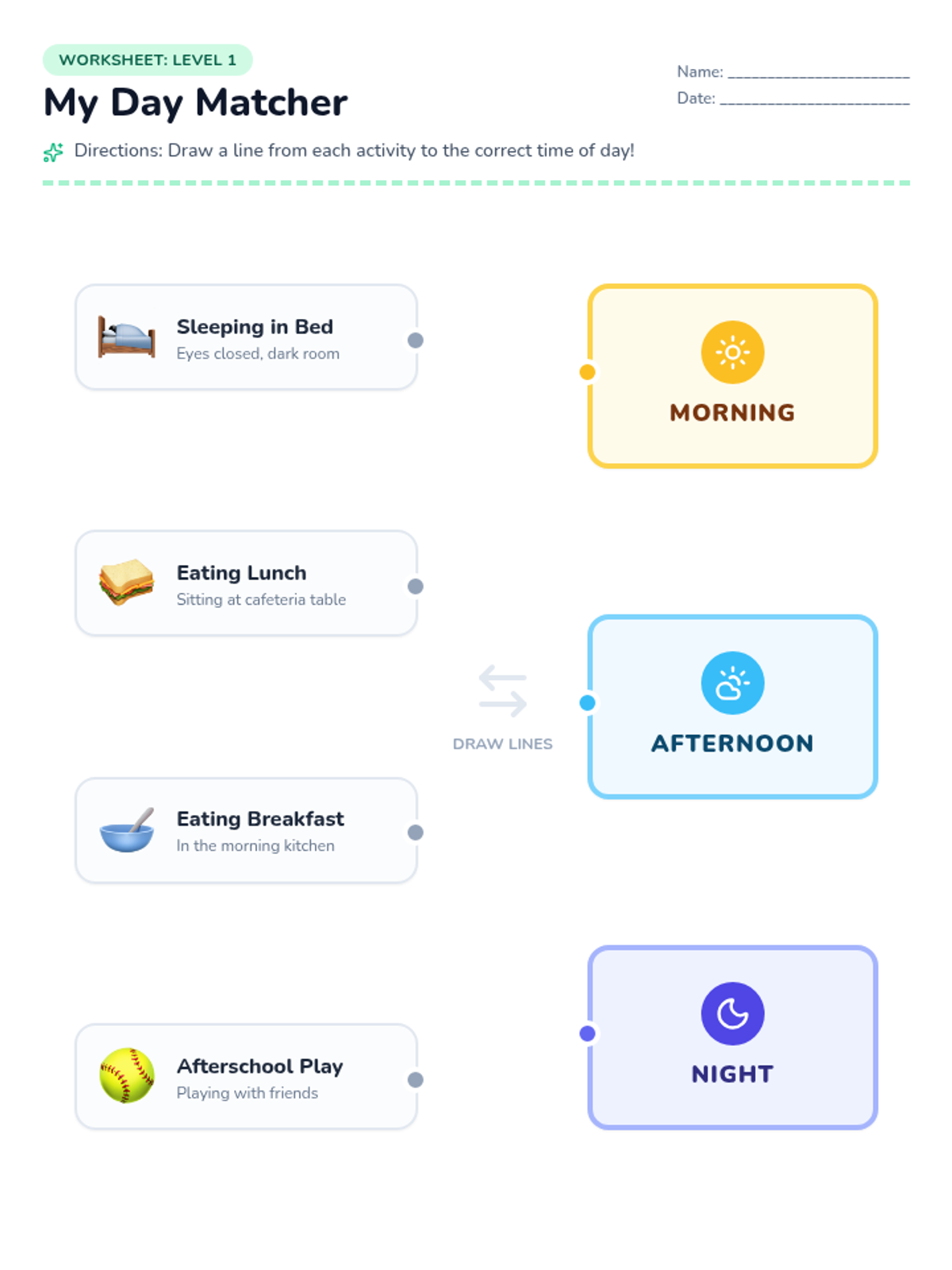
A lesson designed for 6th-grade students with low cognitive abilities to master basic time management. It uses structured visual supports, hands-on sorting cards, and simplified matching worksheets to connect times of day (morning, afternoon, night) and hours to daily school and home routines.
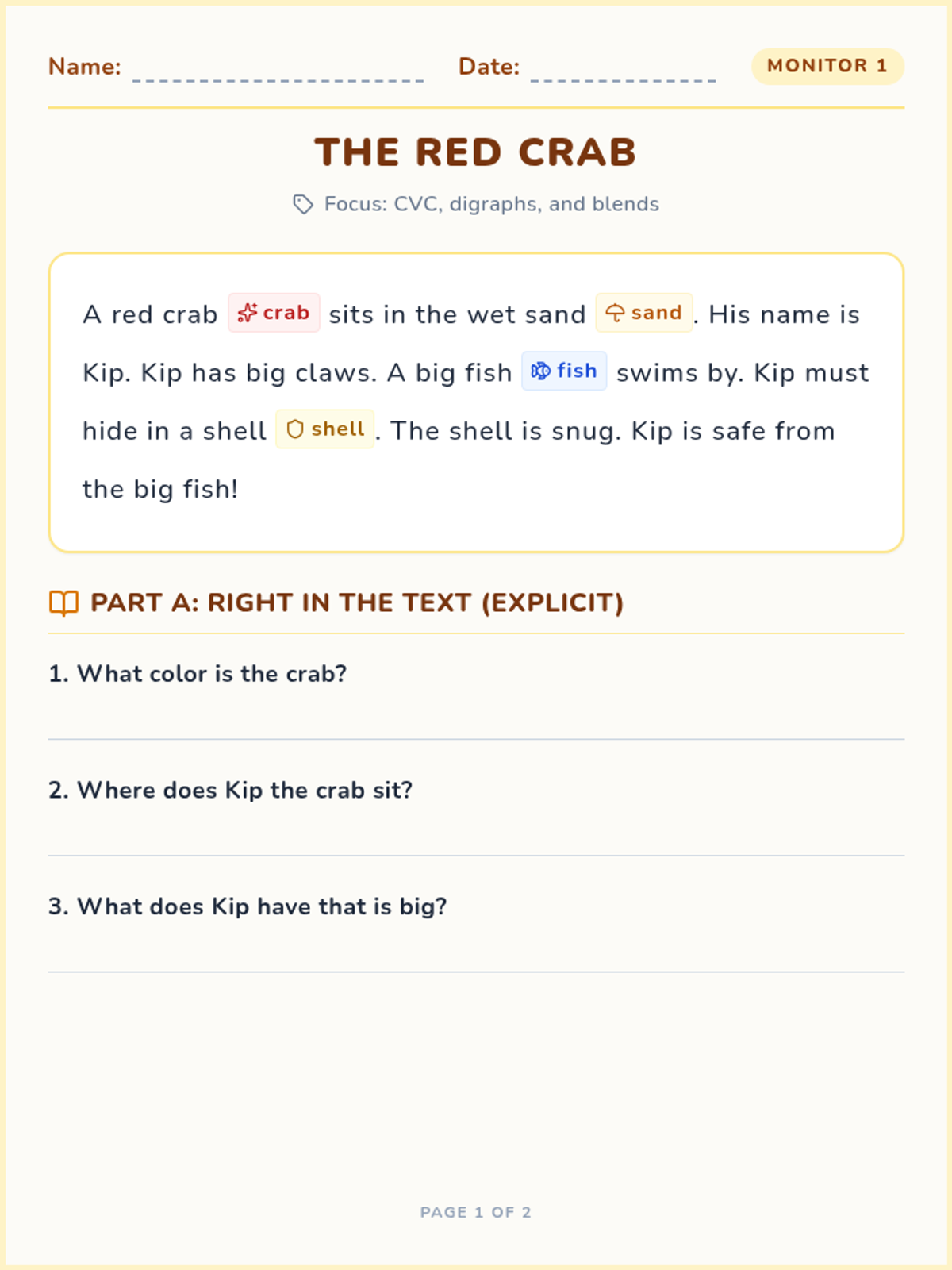
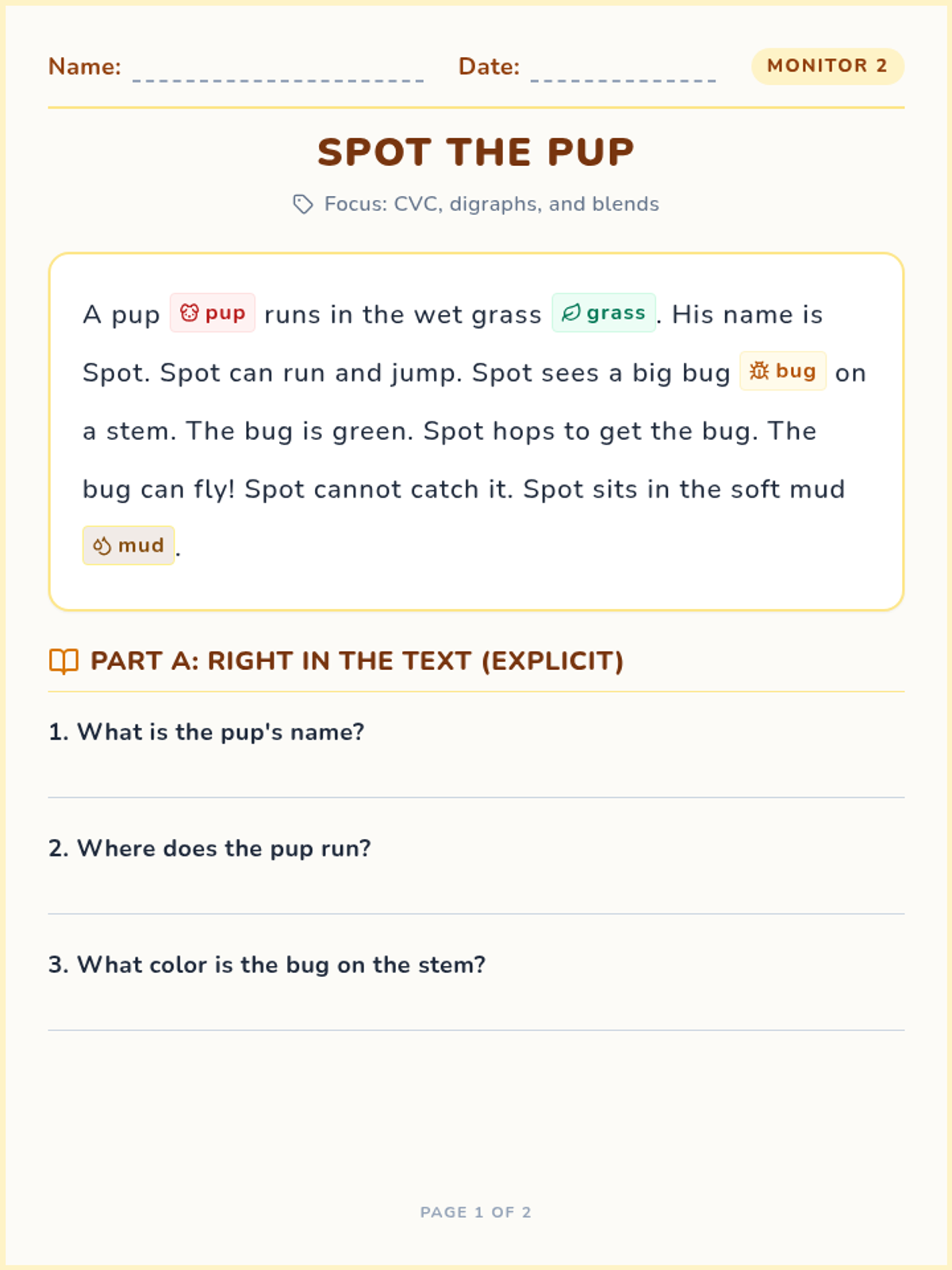
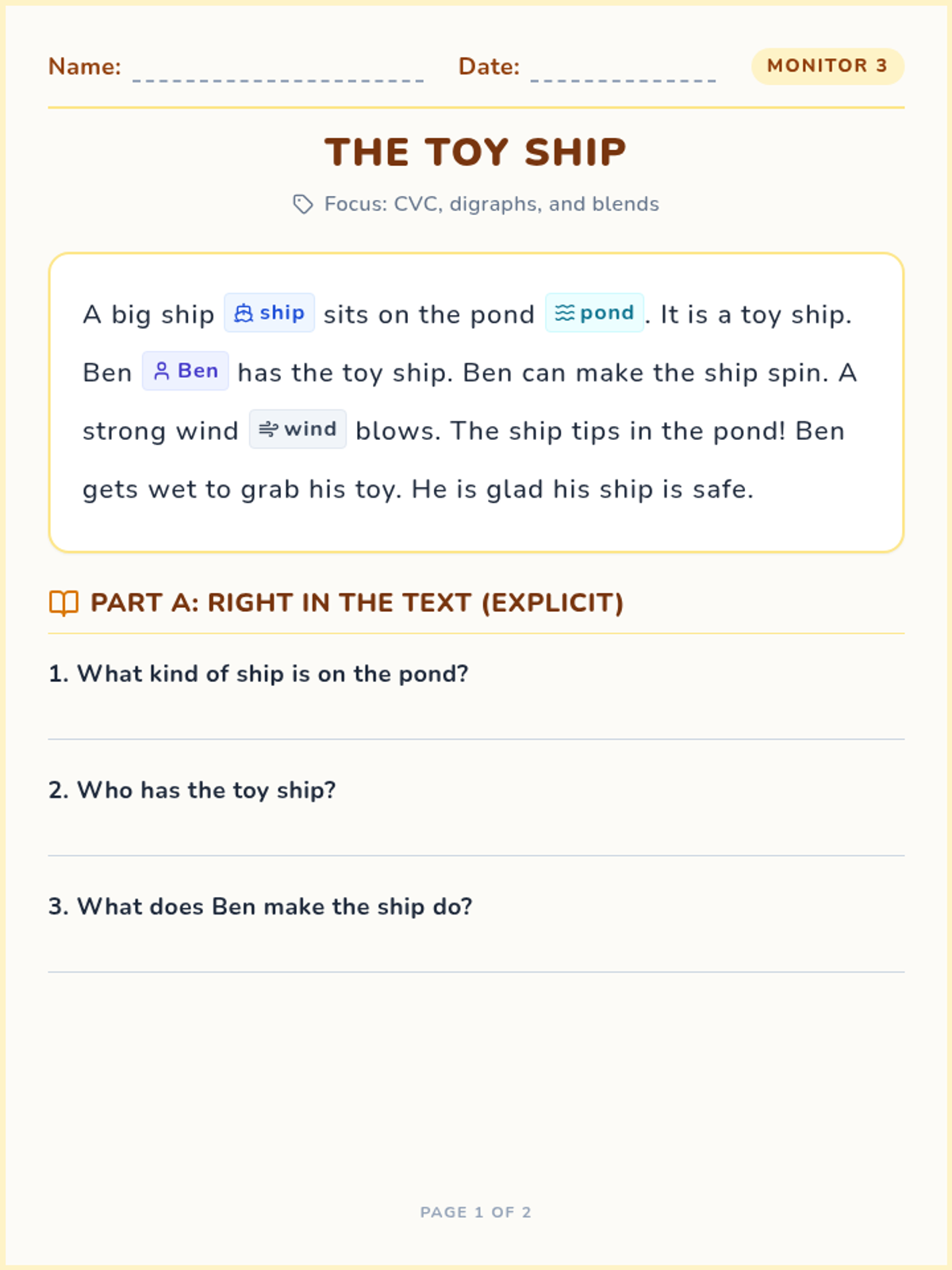
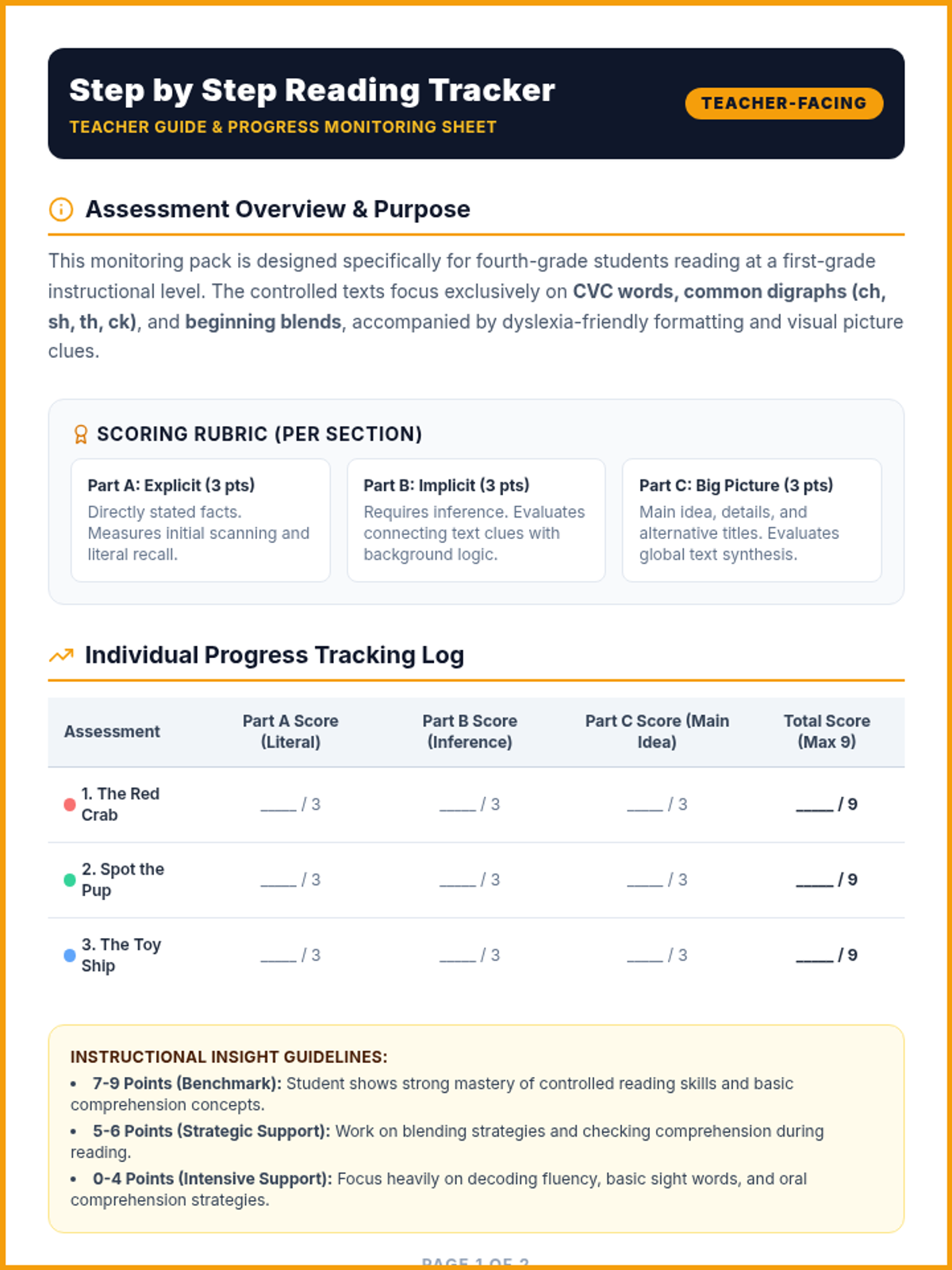
A progress monitoring pack with three phonics-controlled reading comprehension assessments and a comprehensive teacher scoring guide, customized with dyslexia-friendly visual supports for fourth-grade students reading at a first-grade level.
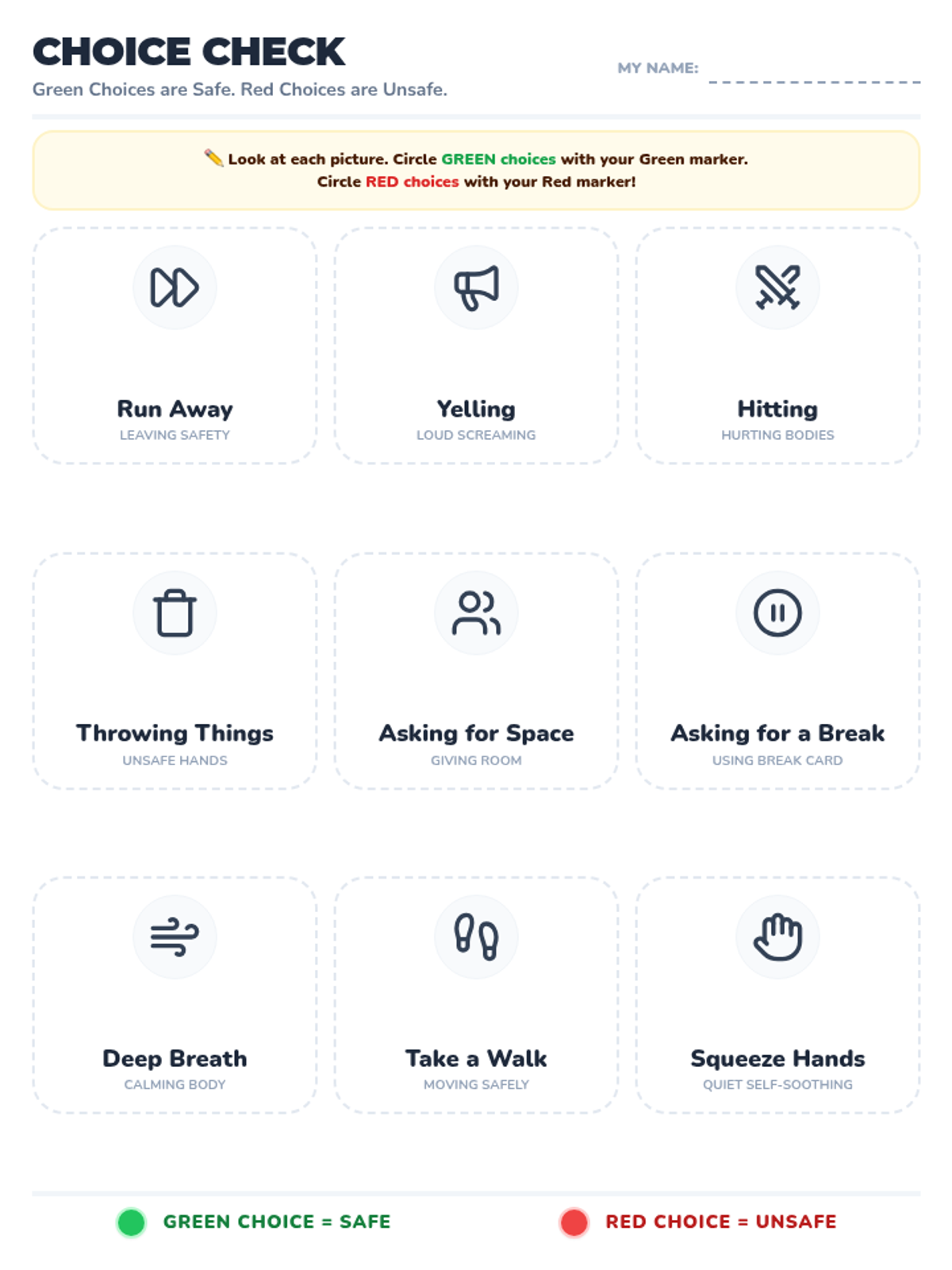
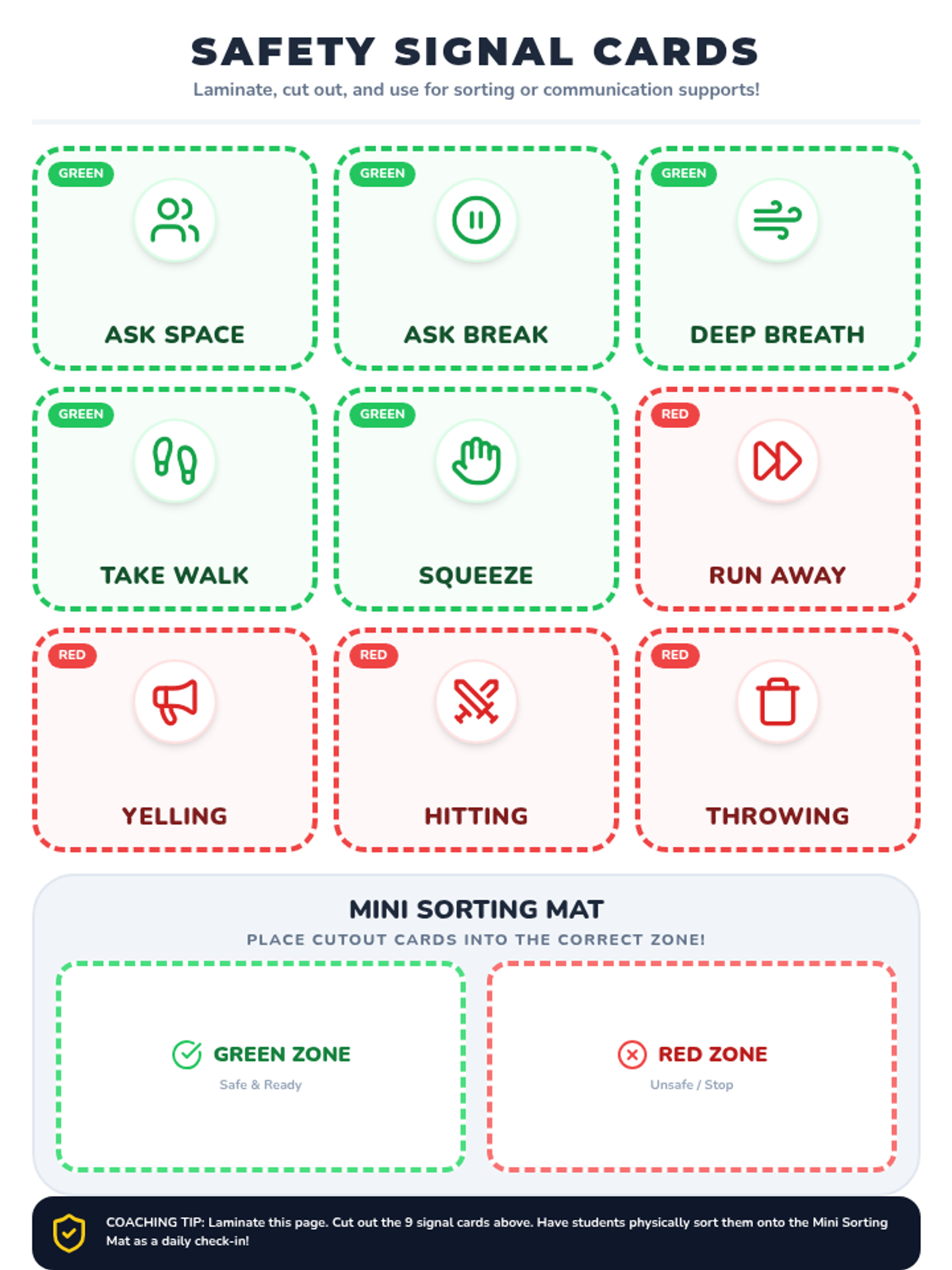
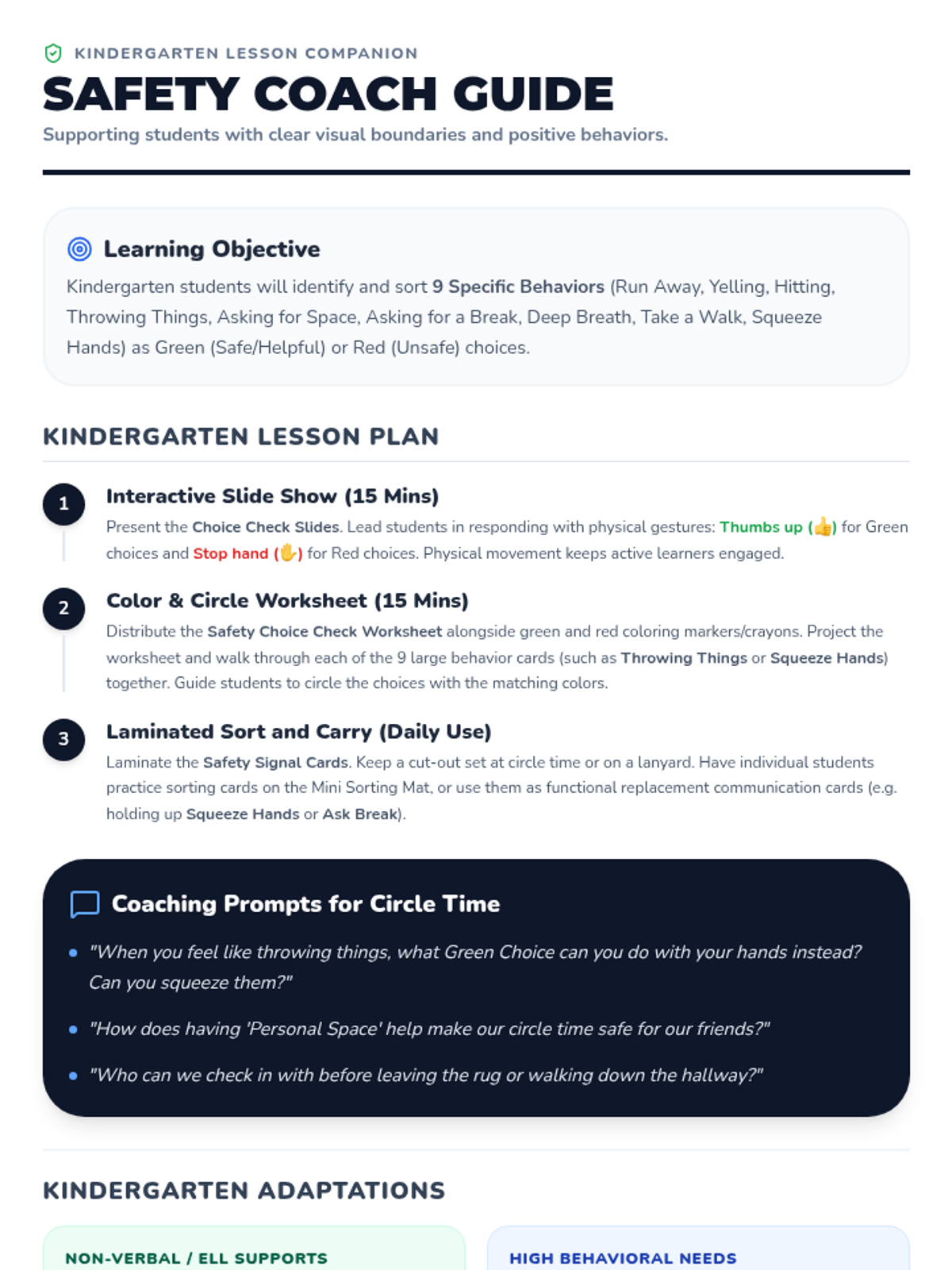
This lesson teaches students to distinguish between safe (Green) and unsafe (Red) behaviors through visual sorting and discussion. It focuses on functional communication and self-regulation skills like asking for breaks and maintaining personal space.
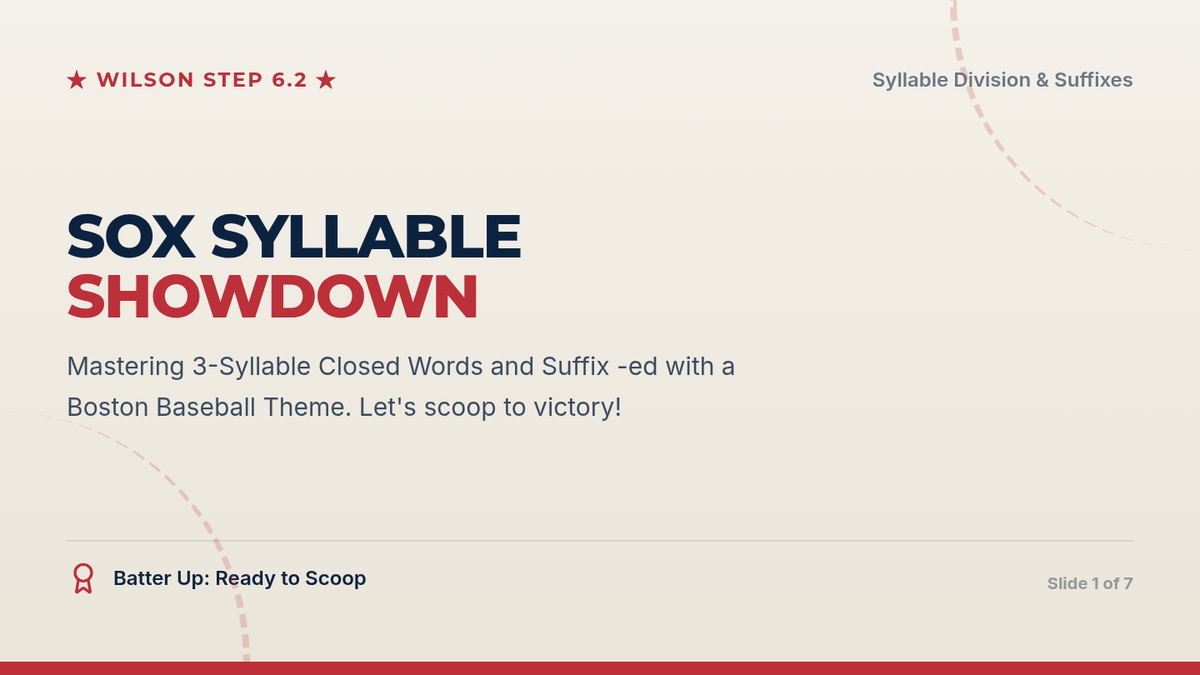
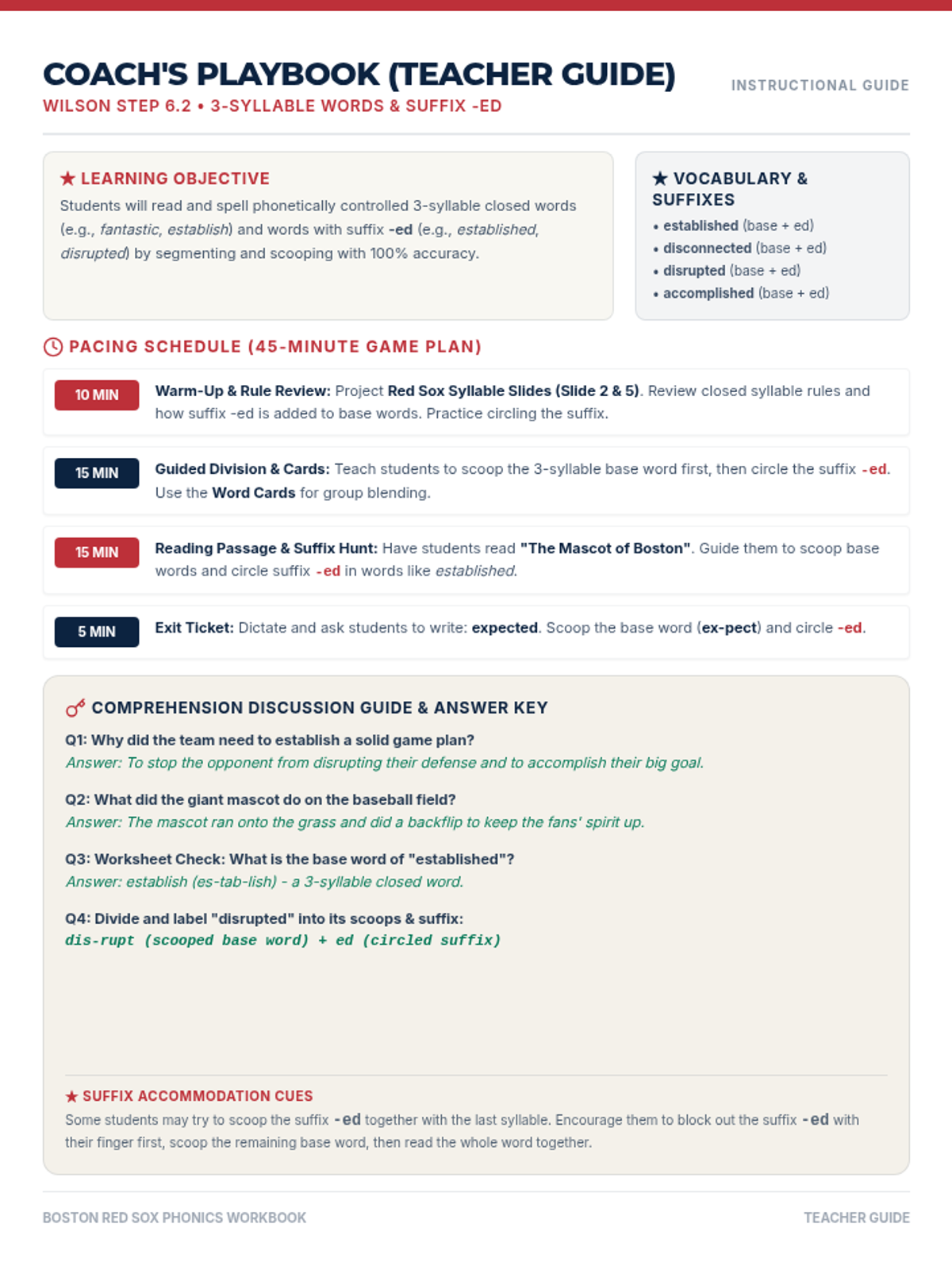
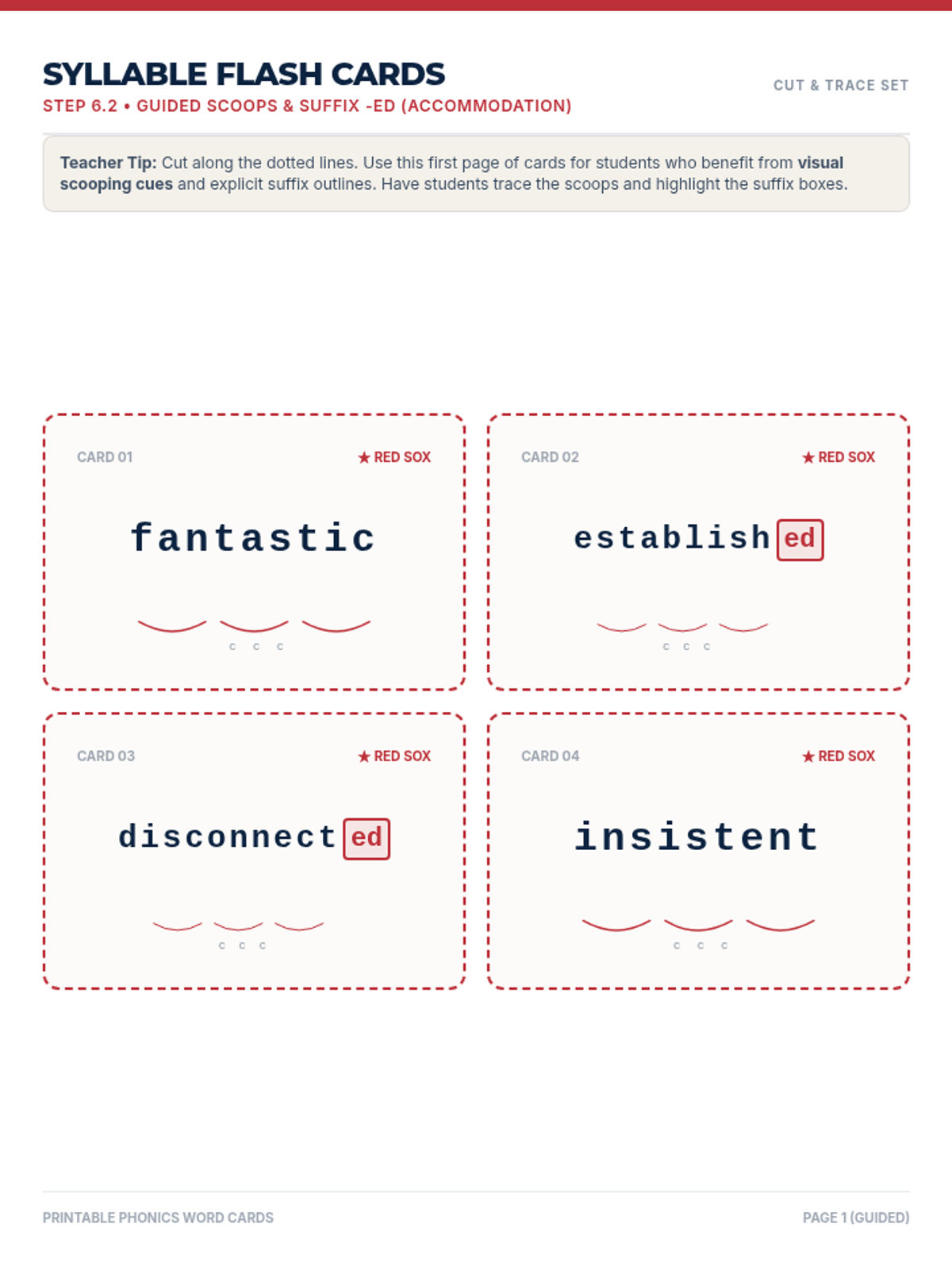
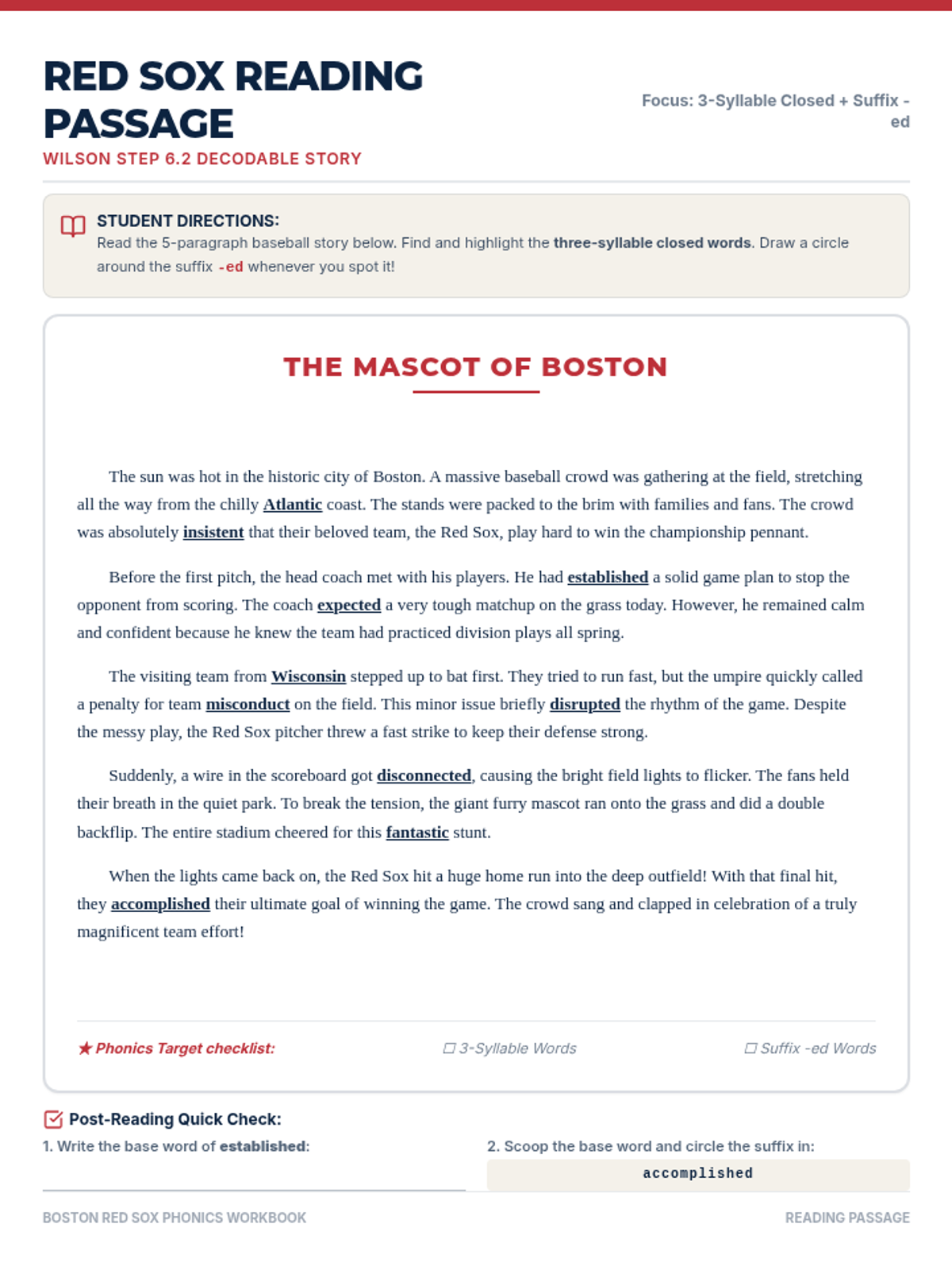
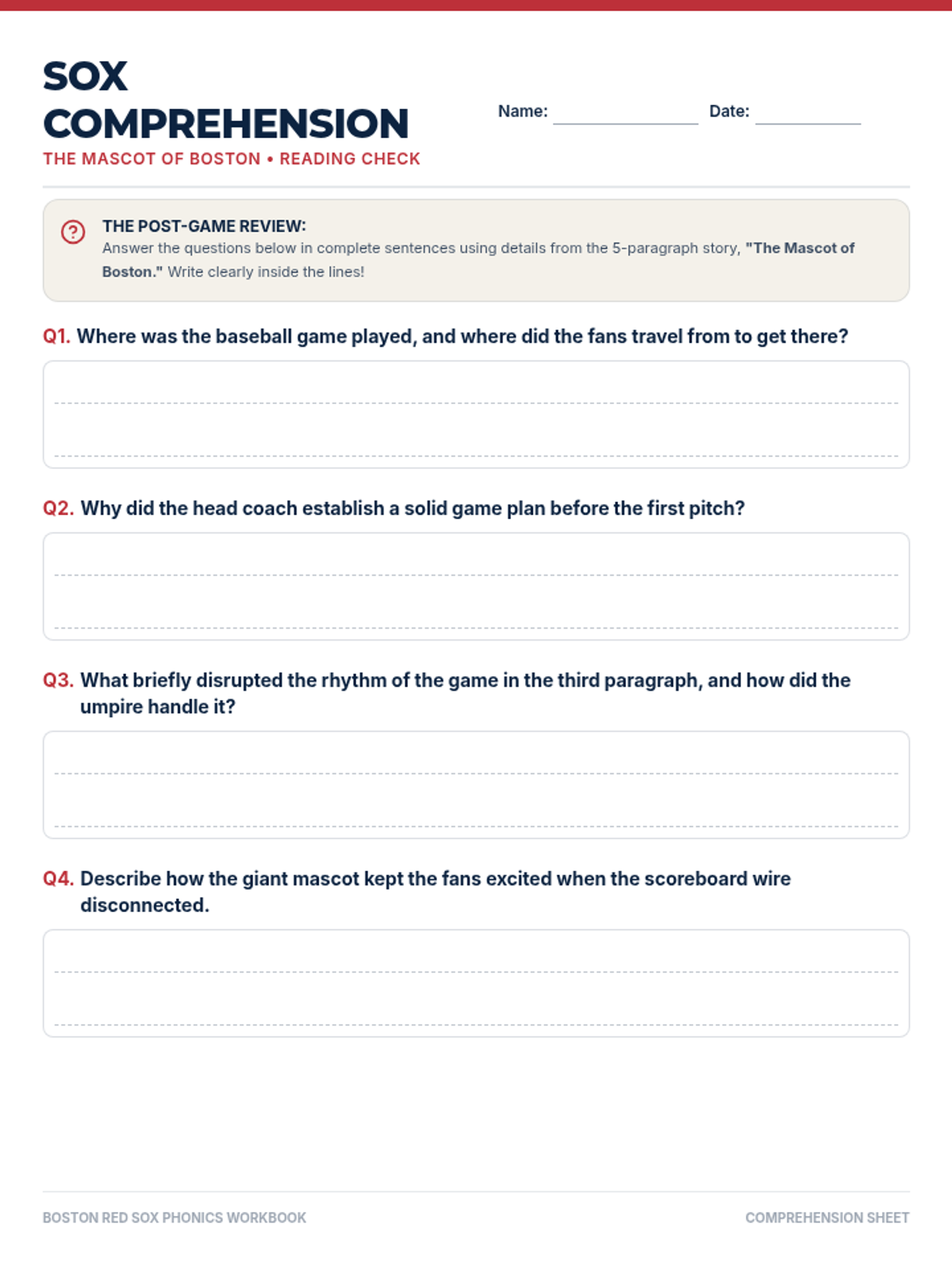
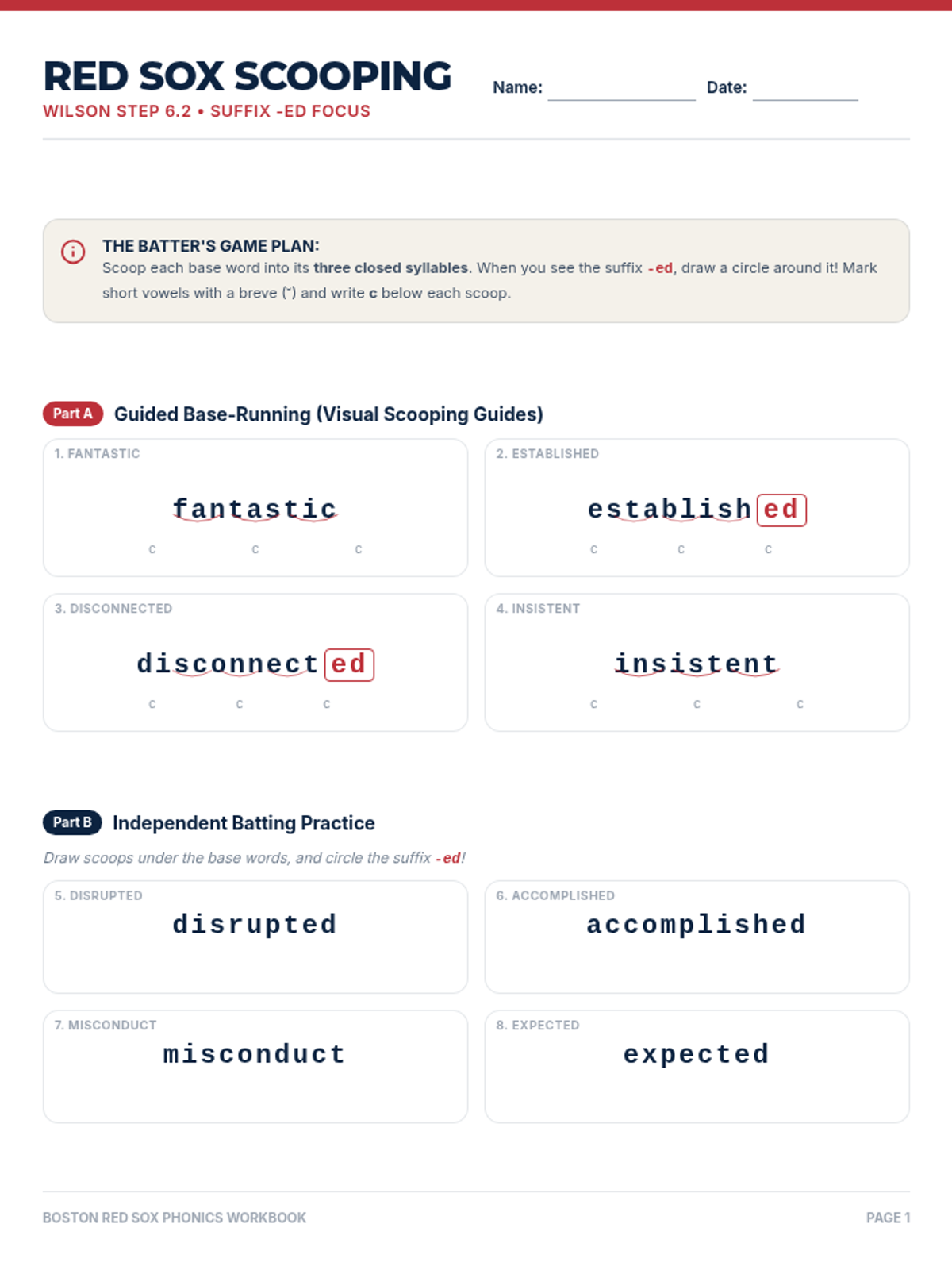
A comprehensive Wilson Step 6.2 lesson focusing on 3-syllable closed words, themed around the Boston Red Sox. Includes a slide deck, scooping worksheets, word cards, and a teacher guide with comprehension questions.
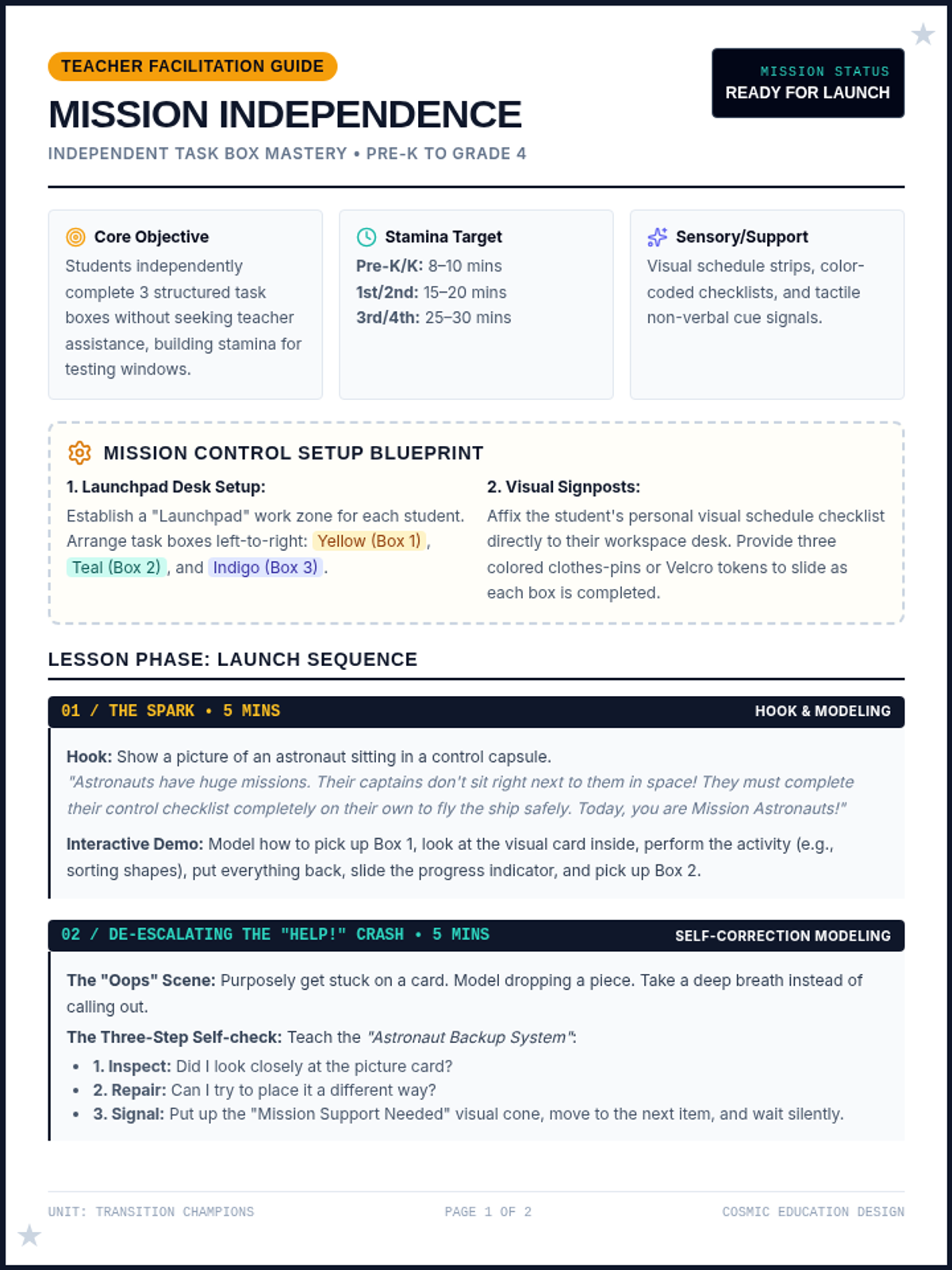
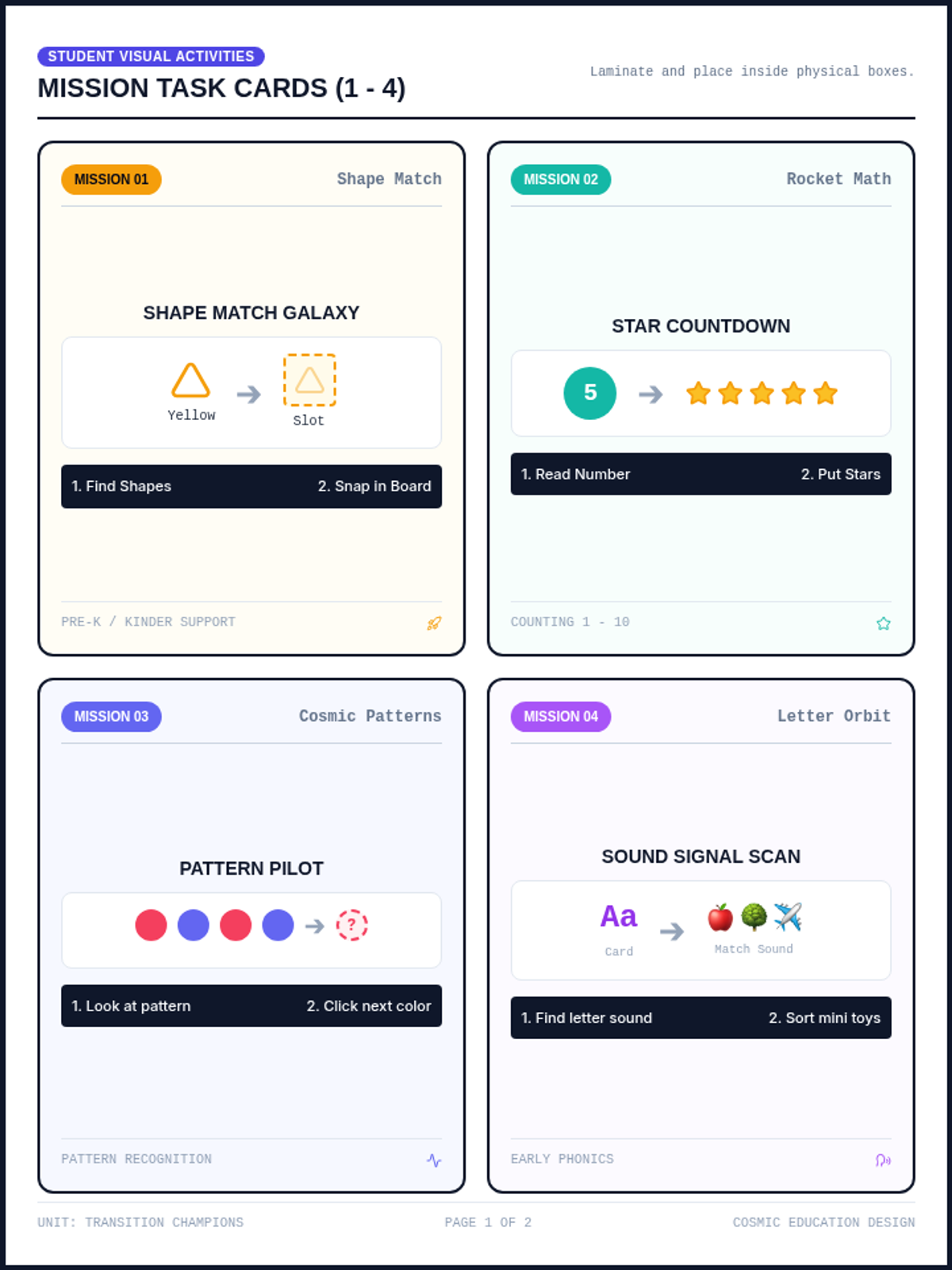
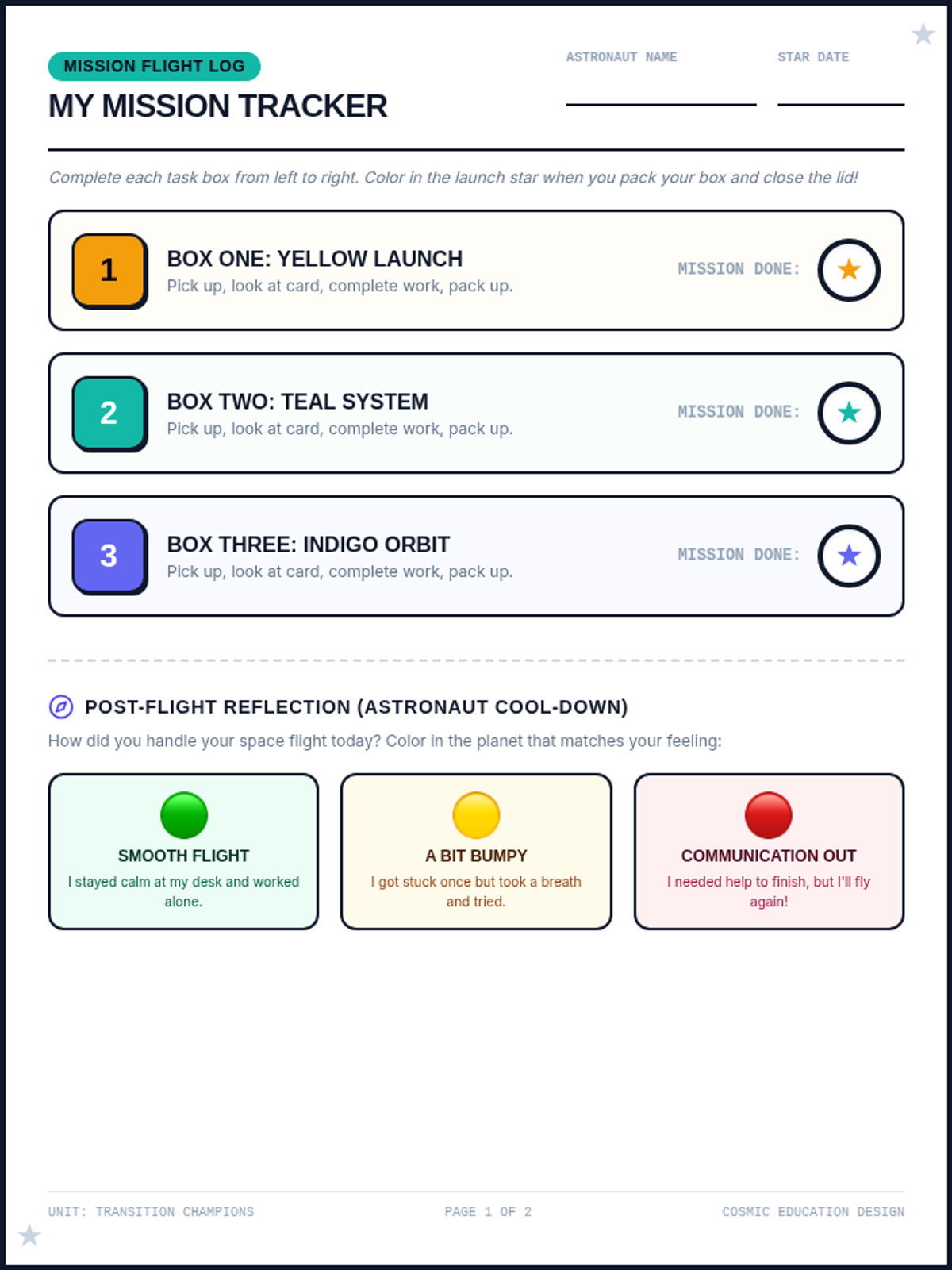
A lesson designed for Pre-K to 4th-grade students with diverse needs to master independent task boxes. This lesson builds self-regulation, transition stamina, and self-monitoring skills during end-of-year testing or busy transition periods using a structured 'Mission Independence' space-explorer theme.