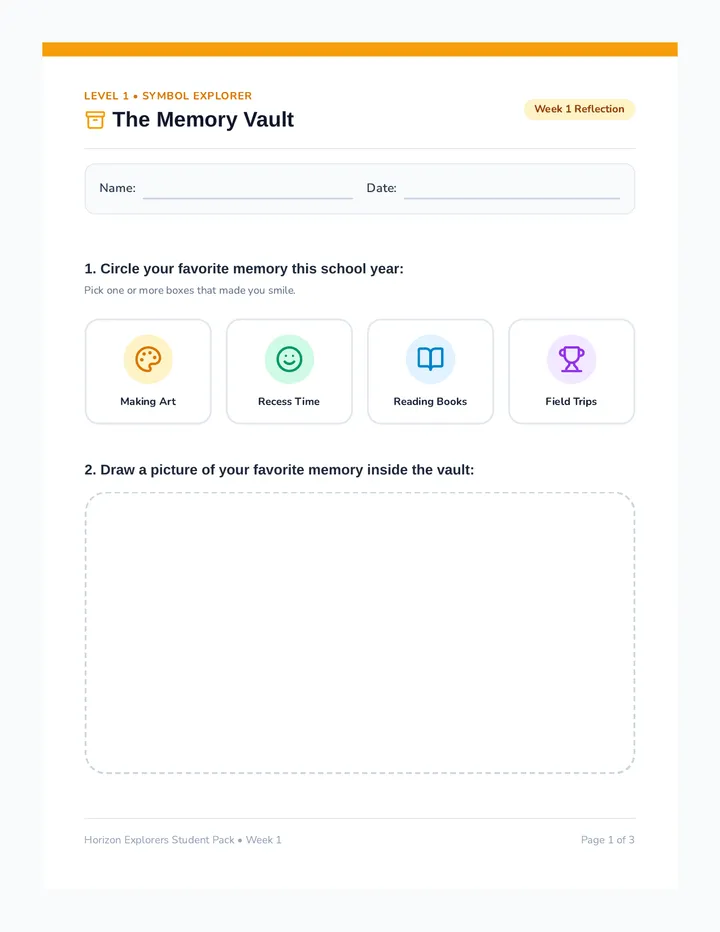
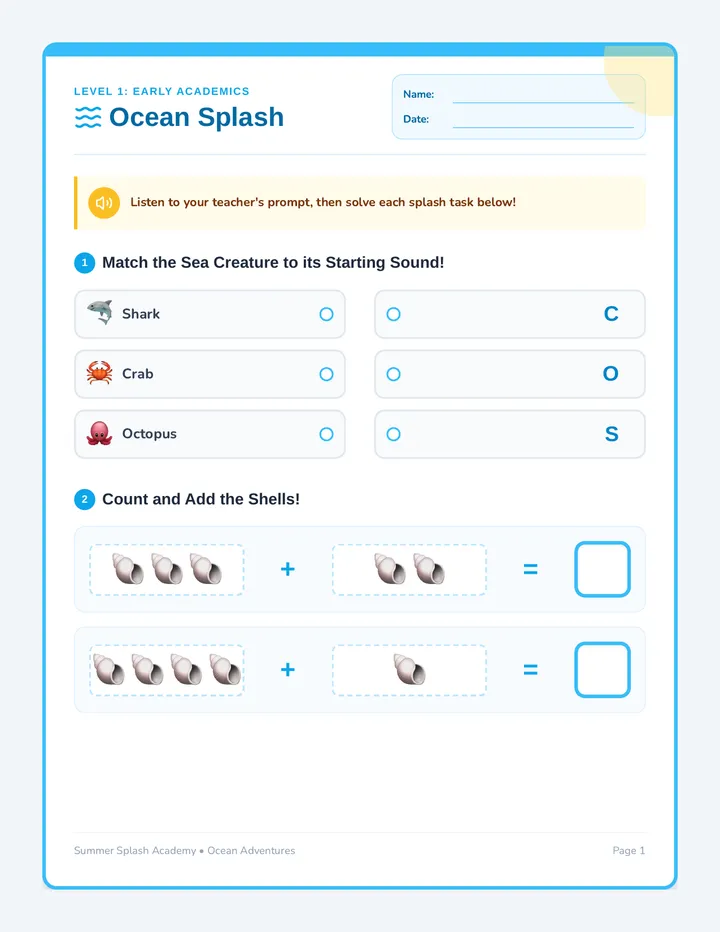
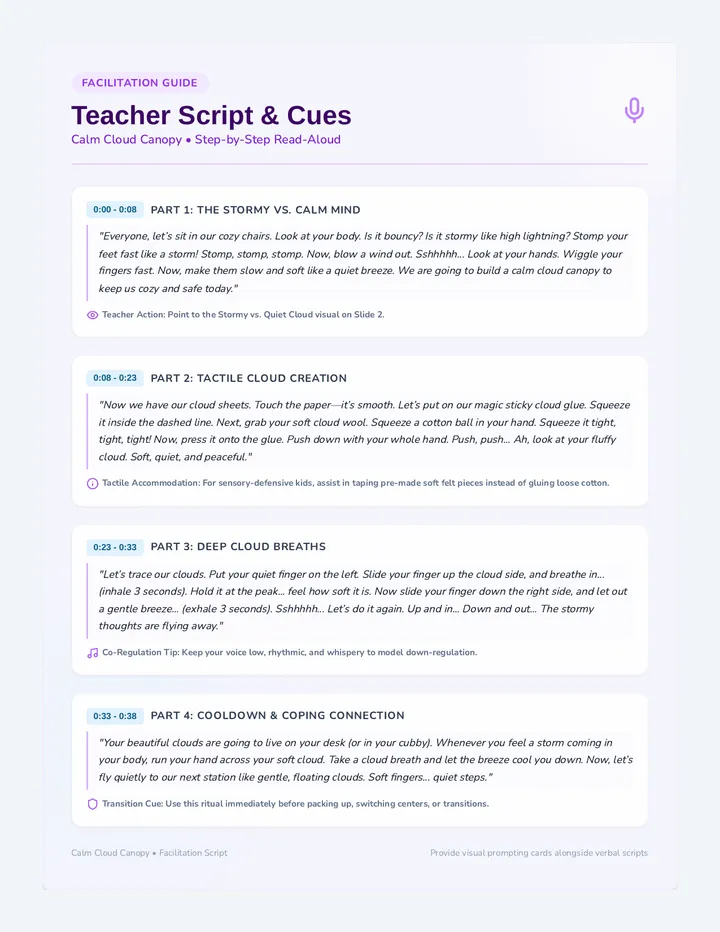
A foundational sequence for 1st-grade students needing academic support to develop visualization skills by anchoring mental imagery in the five senses. Students move from concrete sensory experiences to abstract text-based visualization.
A specialized ELA sequence designed for resource room settings, focusing on core comprehension skills like main idea, inference, and summary with high levels of scaffolding.
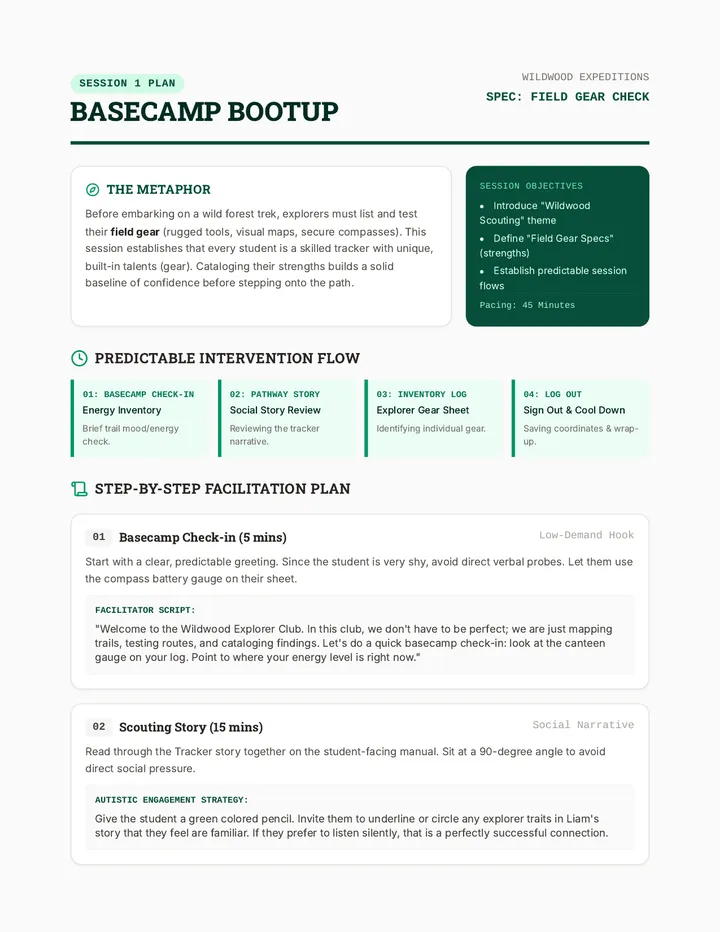
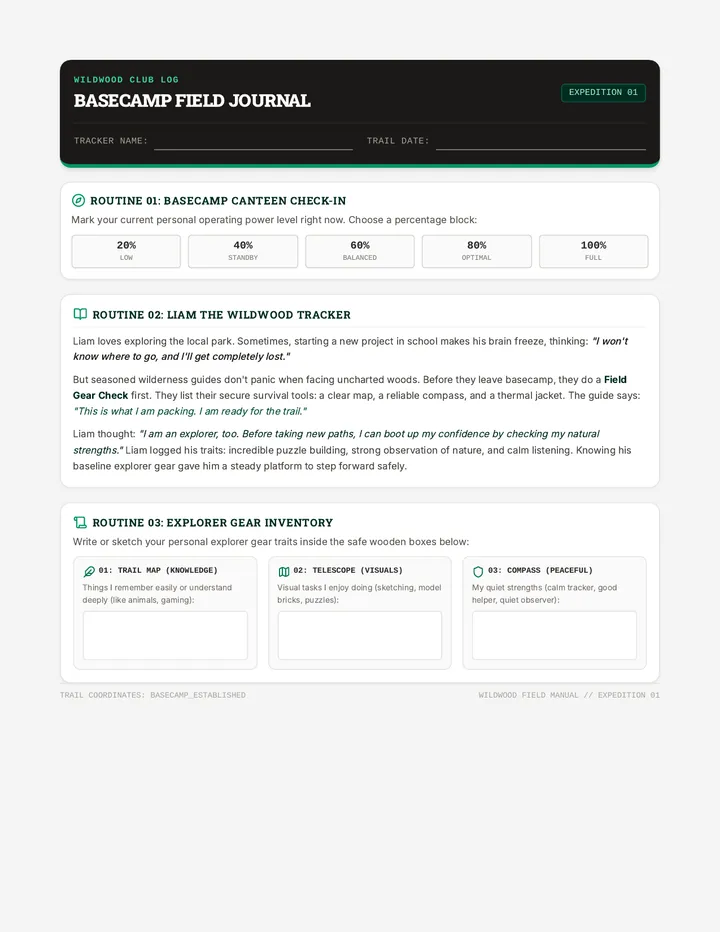
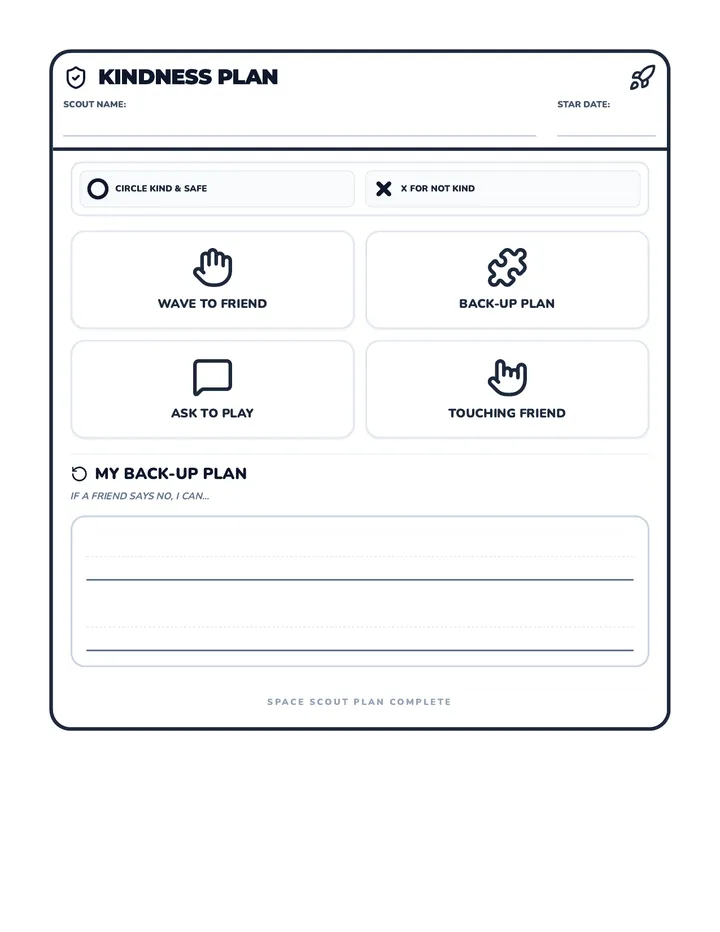
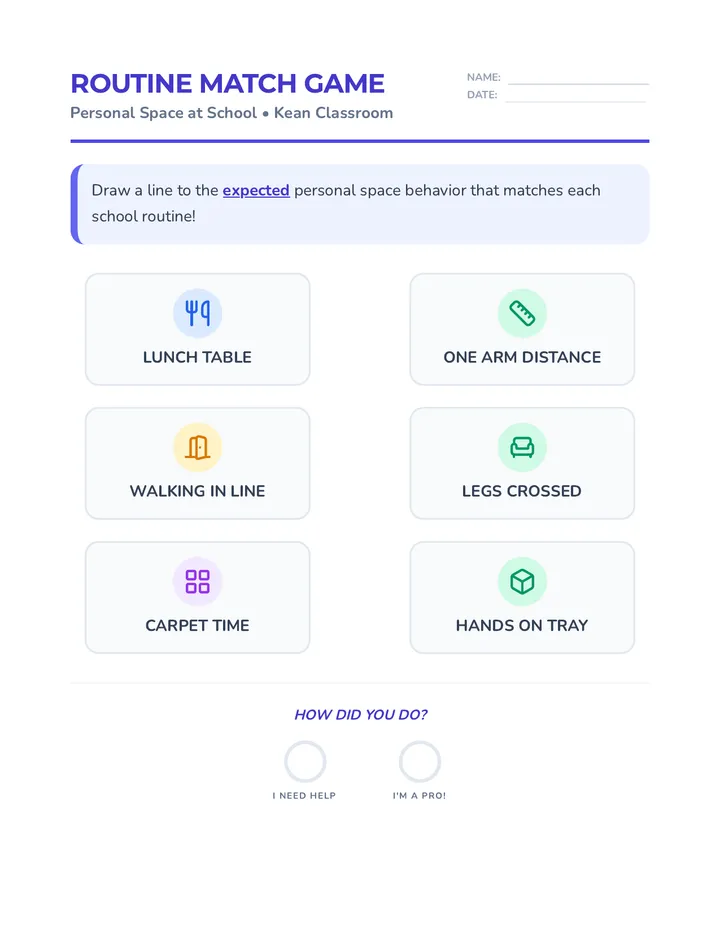
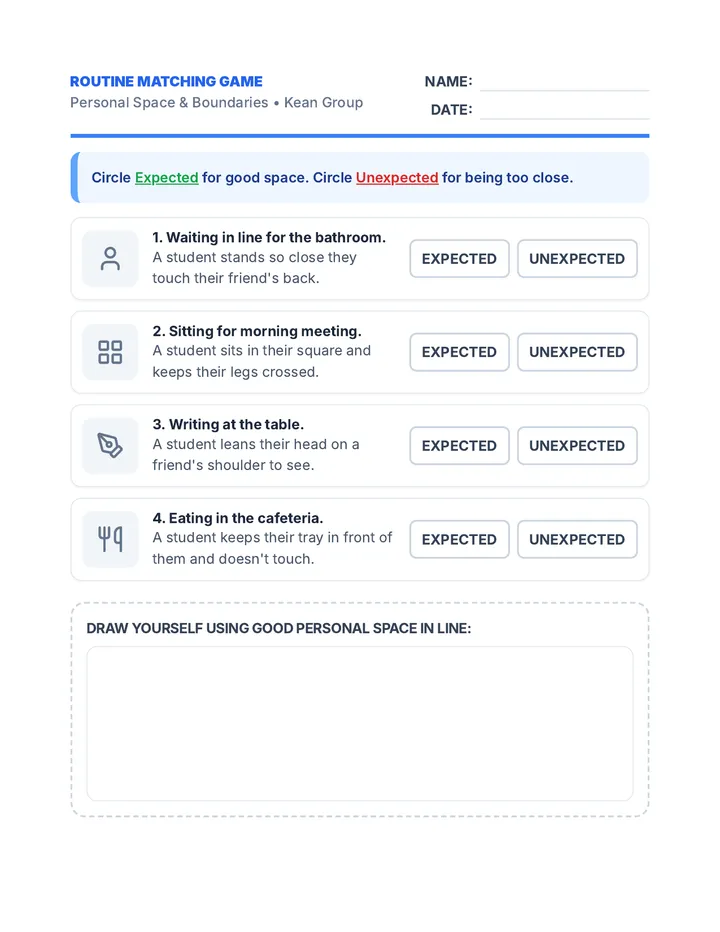
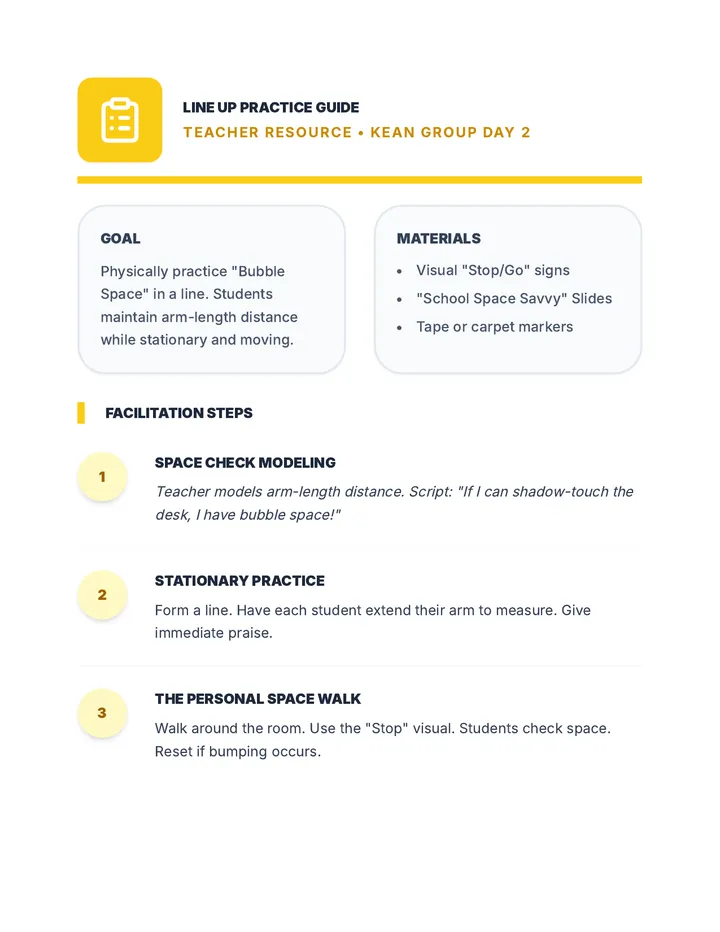
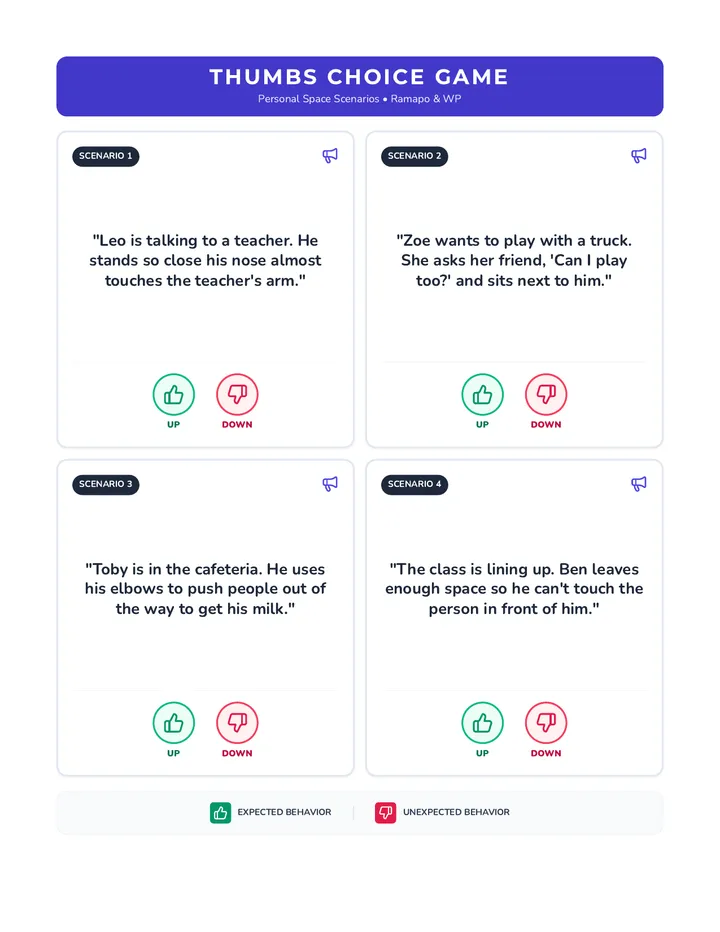
A series of resources designed to help students with autism navigate social boundaries, specifically focusing on blurting out and staying on-task during group lessons.
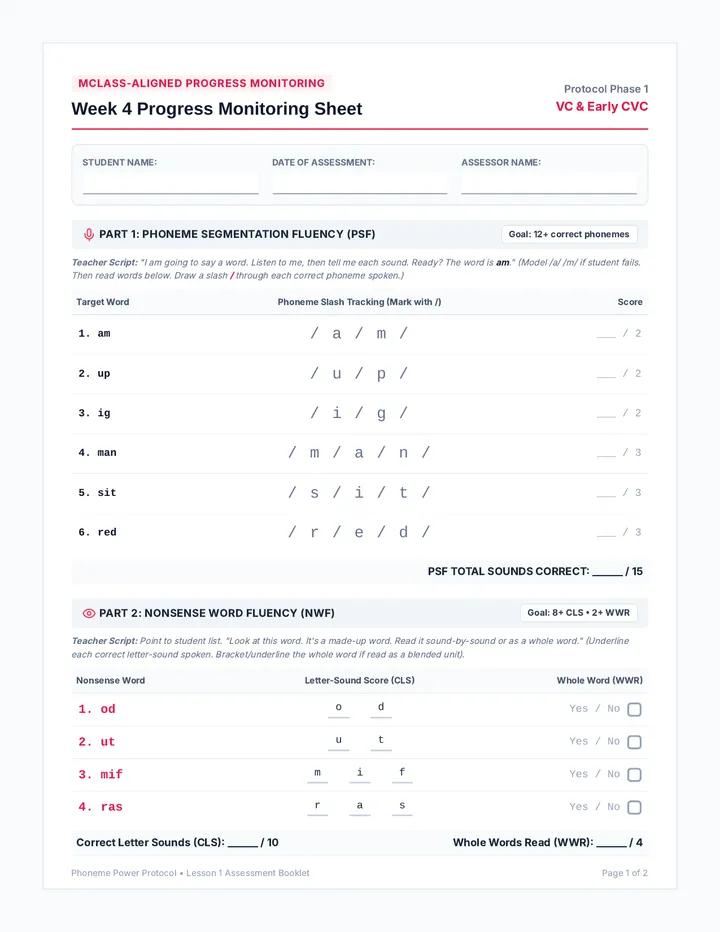
A collection of essential assessment and progress monitoring tools for elementary students across core subjects like math and reading.
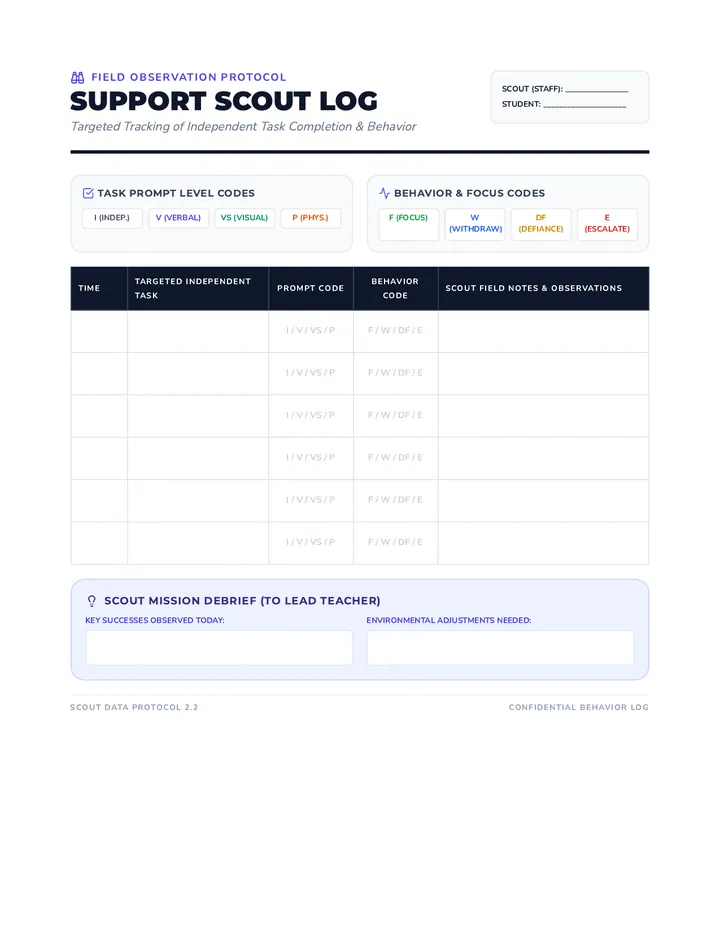
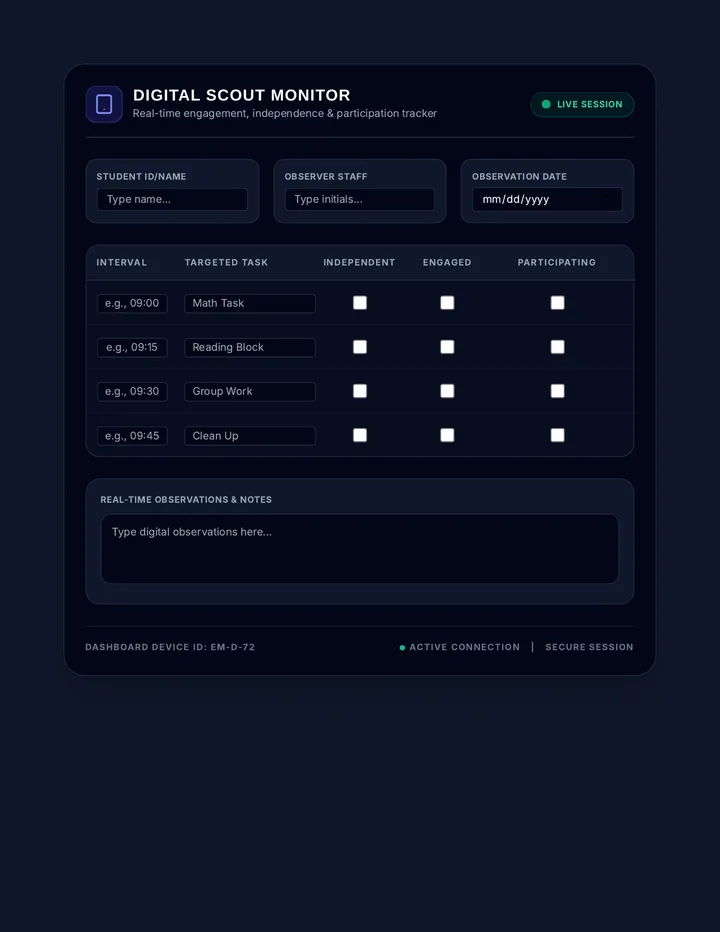
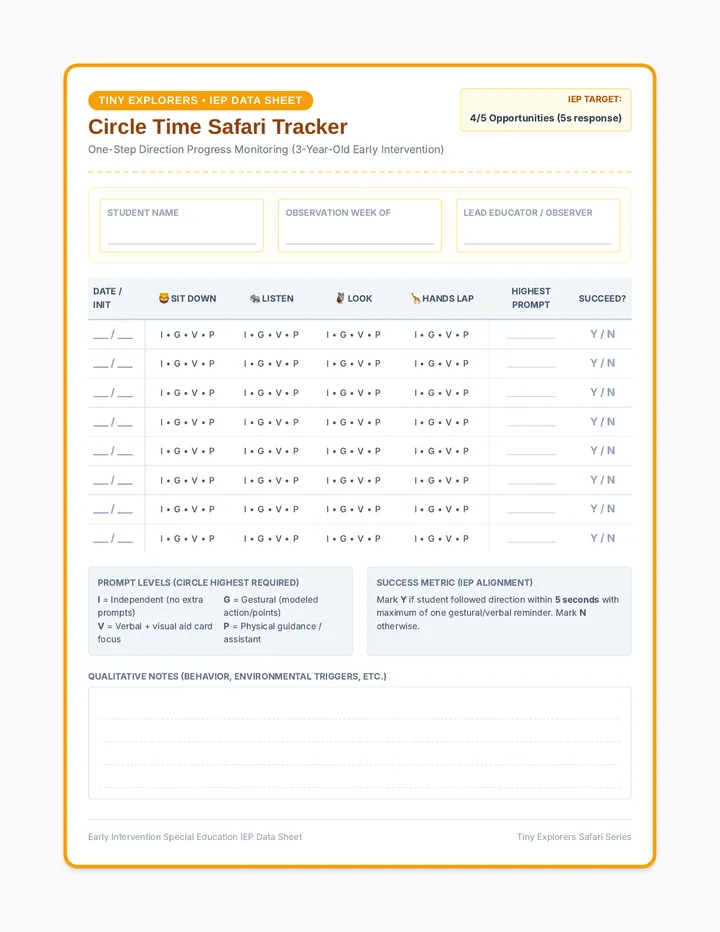
A collection of tools and guides for educators to monitor student behavior and progress, facilitating clear communication between school and home.
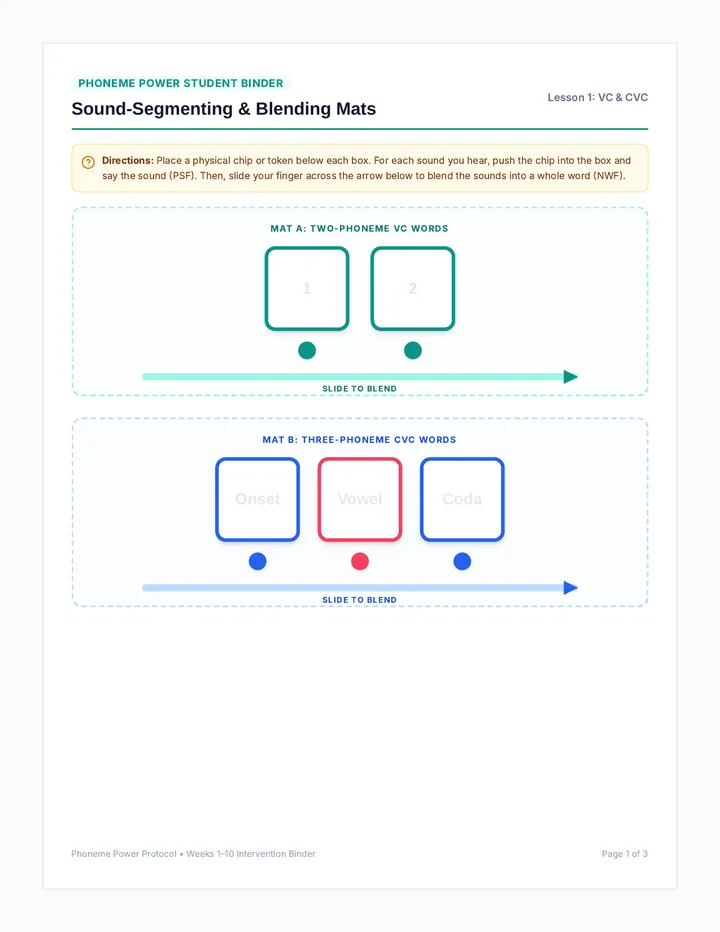
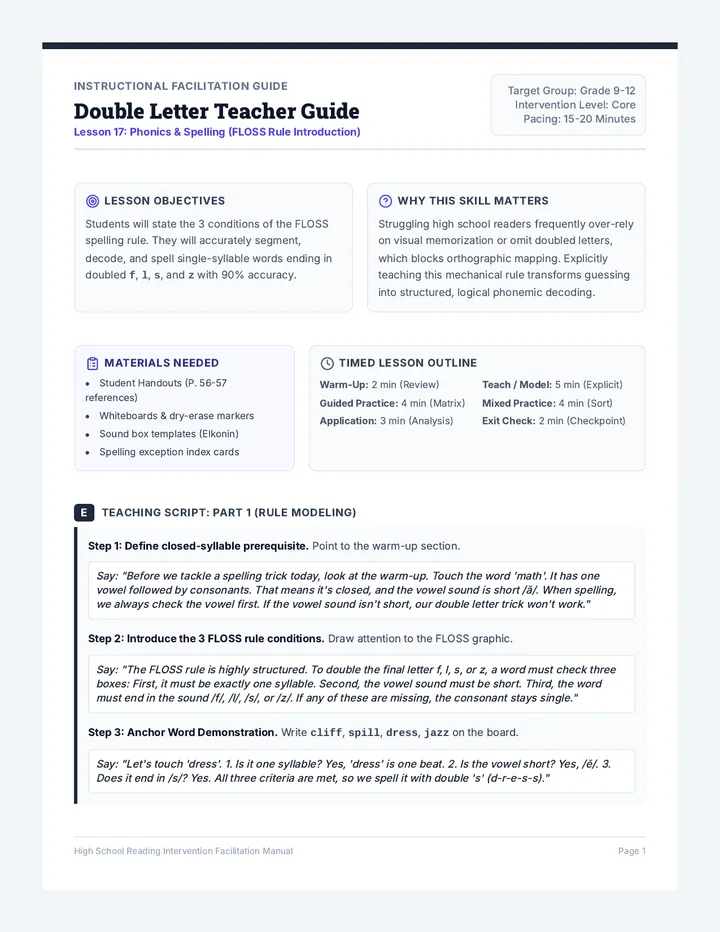
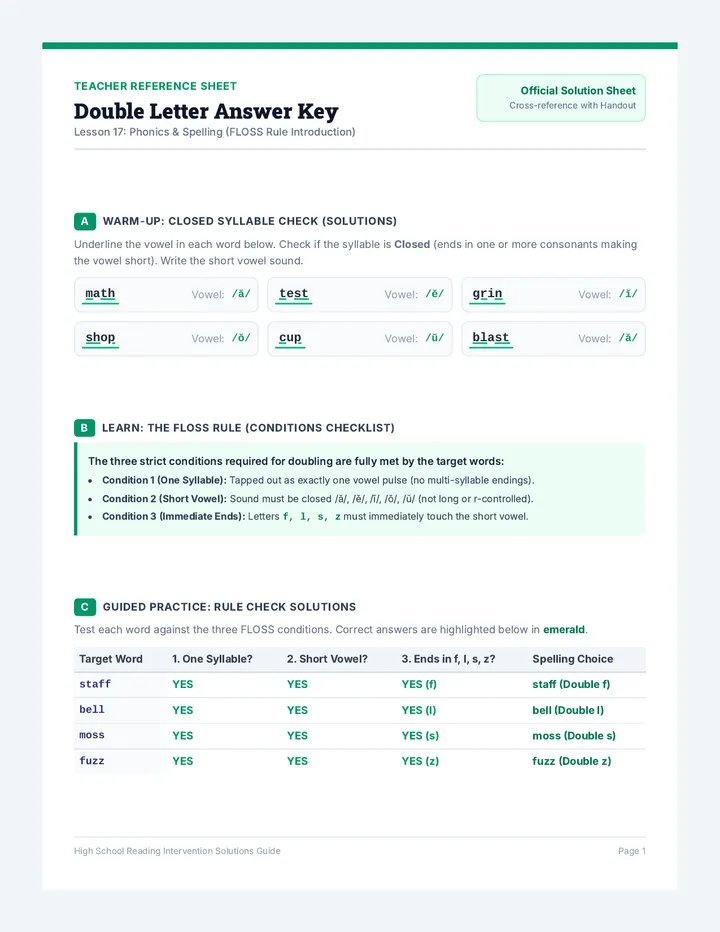
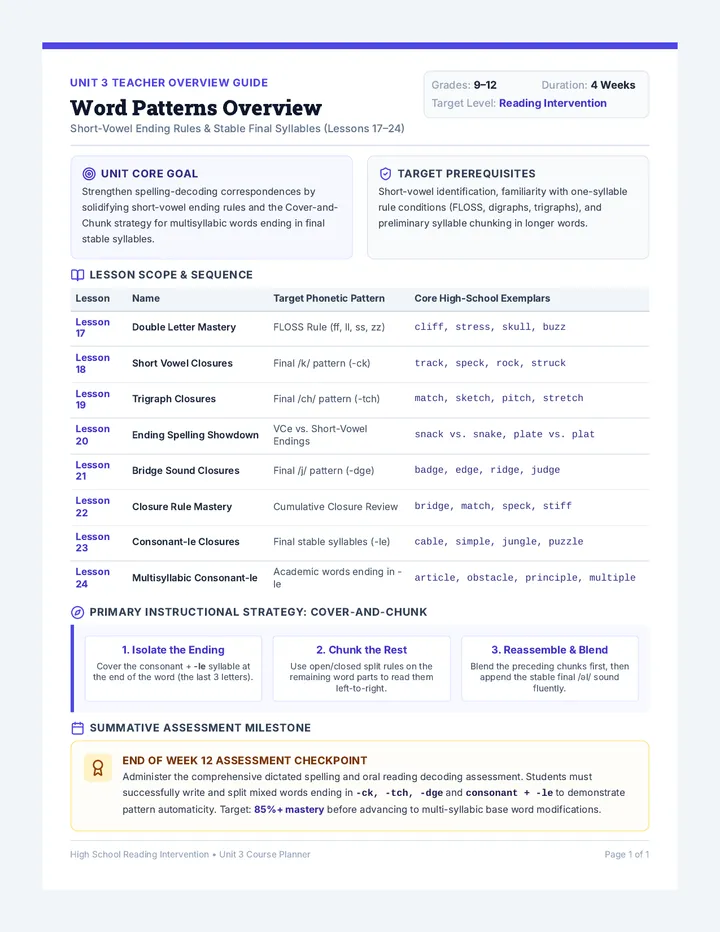
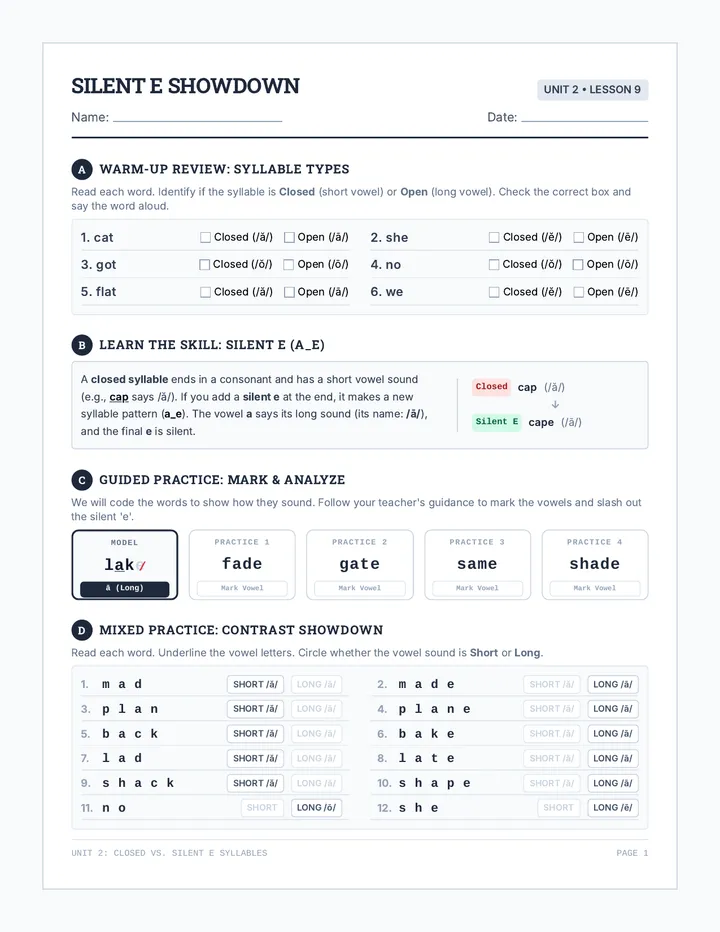
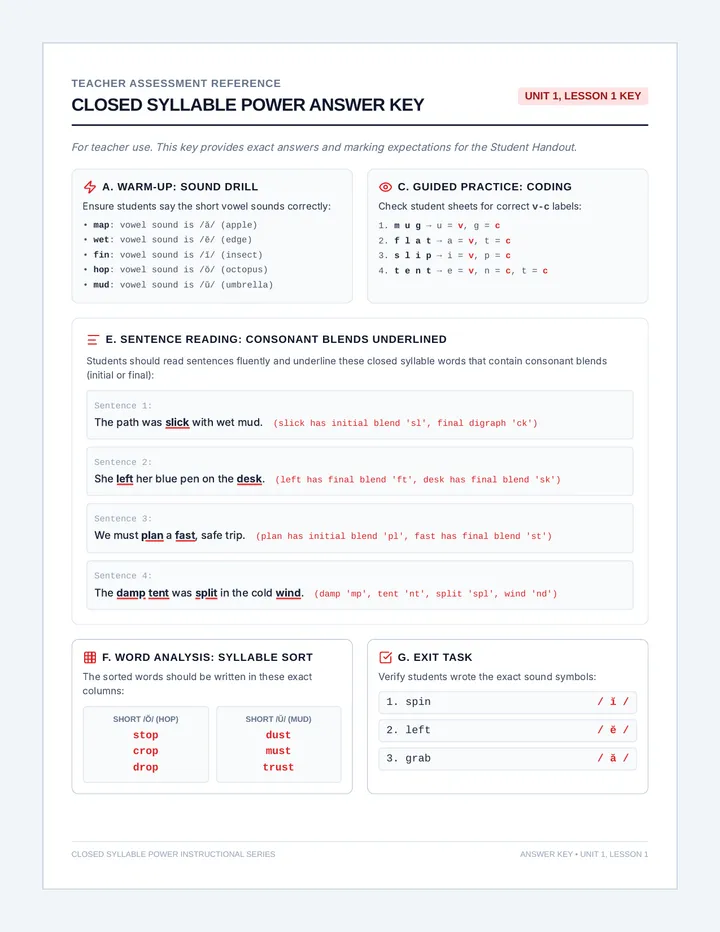
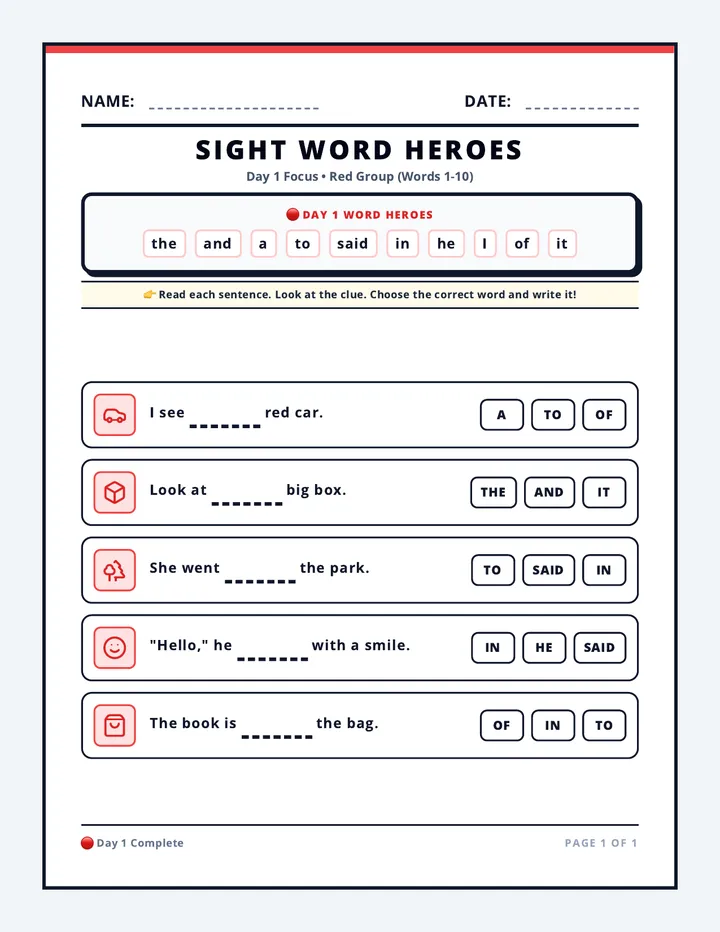
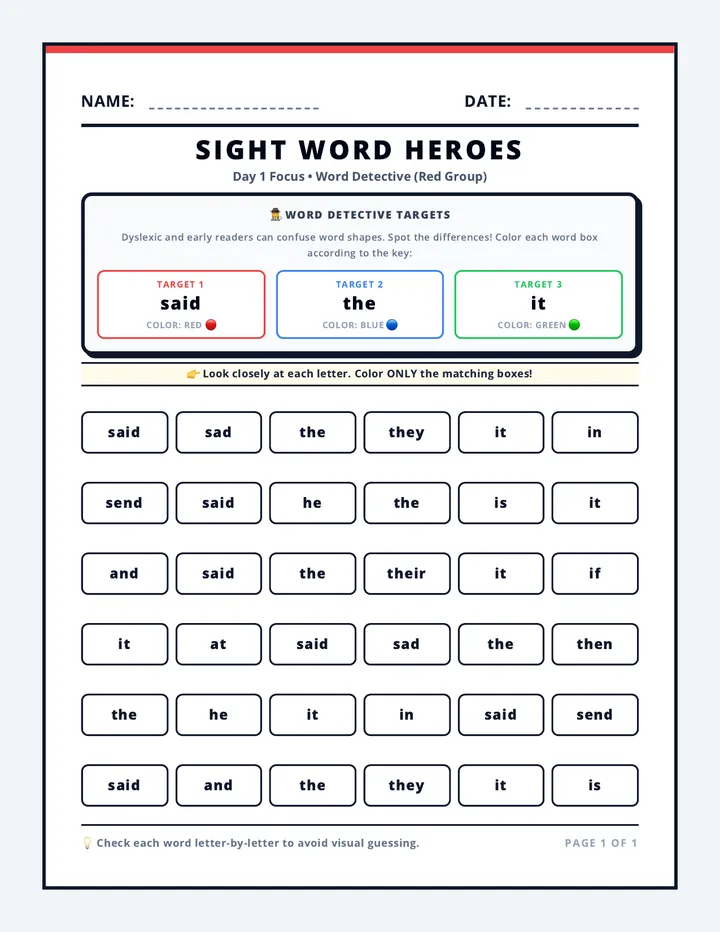
A 5-day intensive review of all short vowel sounds (a, e, i, o, u) using the 'Vowel Voyagers' theme. Includes daily phonemic awareness, word building, decodable reading, and heart word mastery.
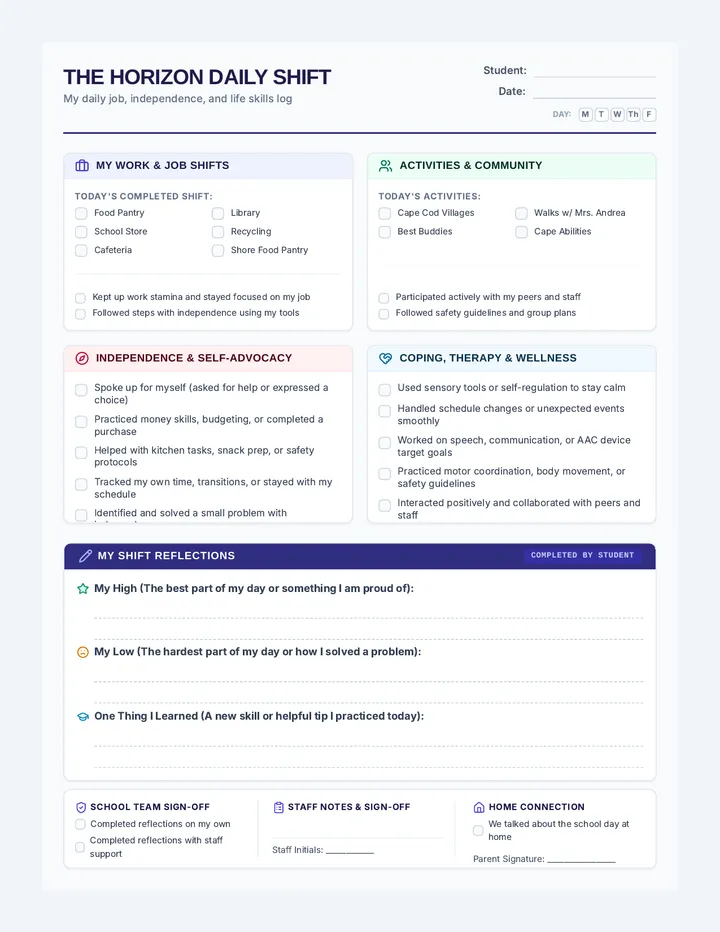
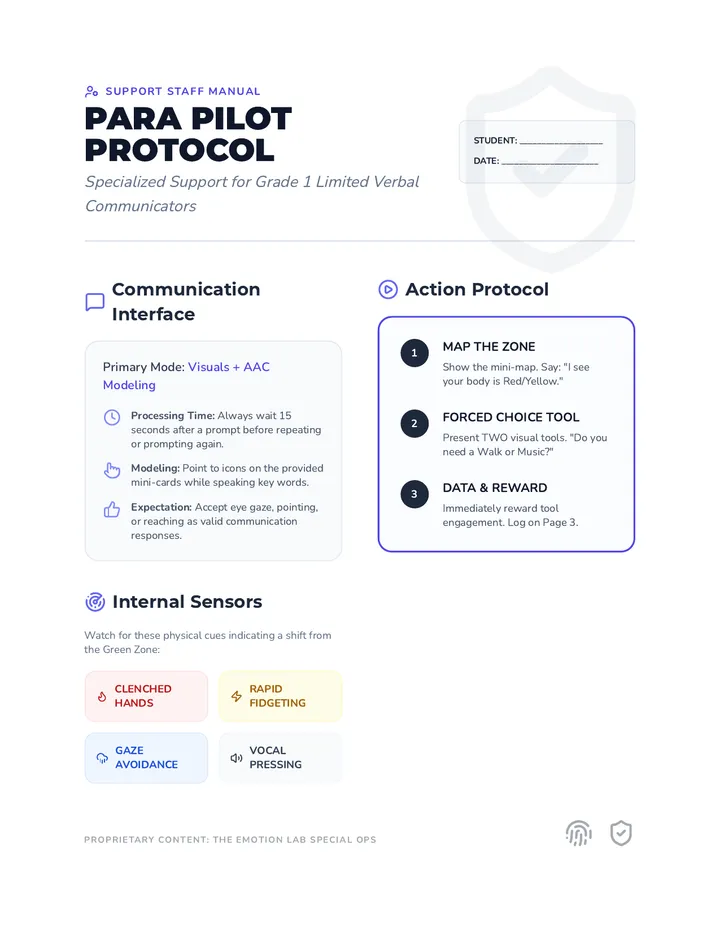
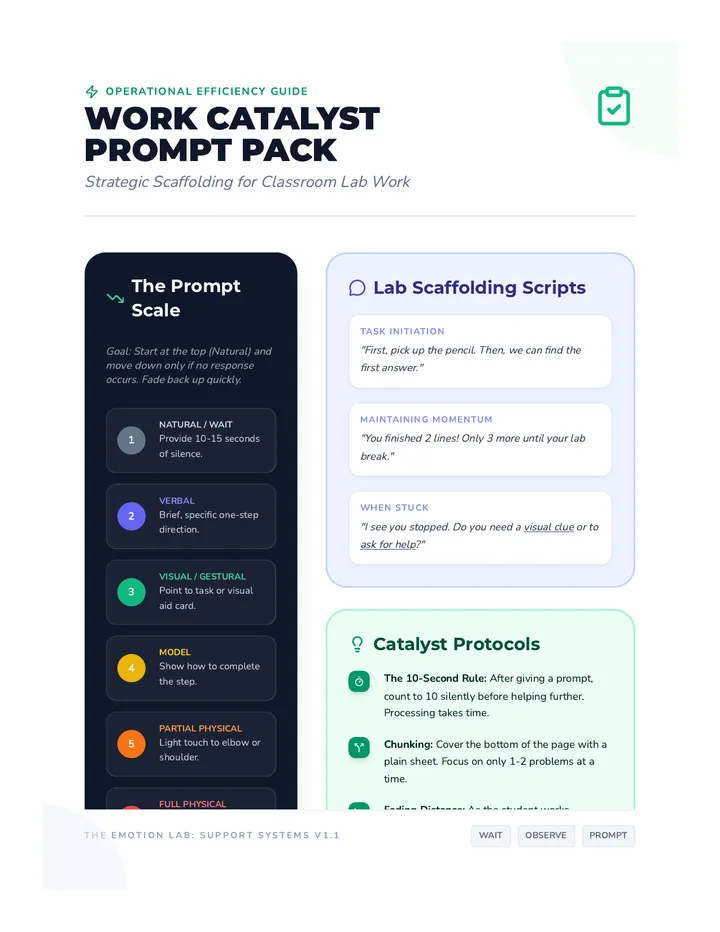
A comprehensive program for students receiving paraprofessional support to build independence through work completion strategies and academic organizational habits.
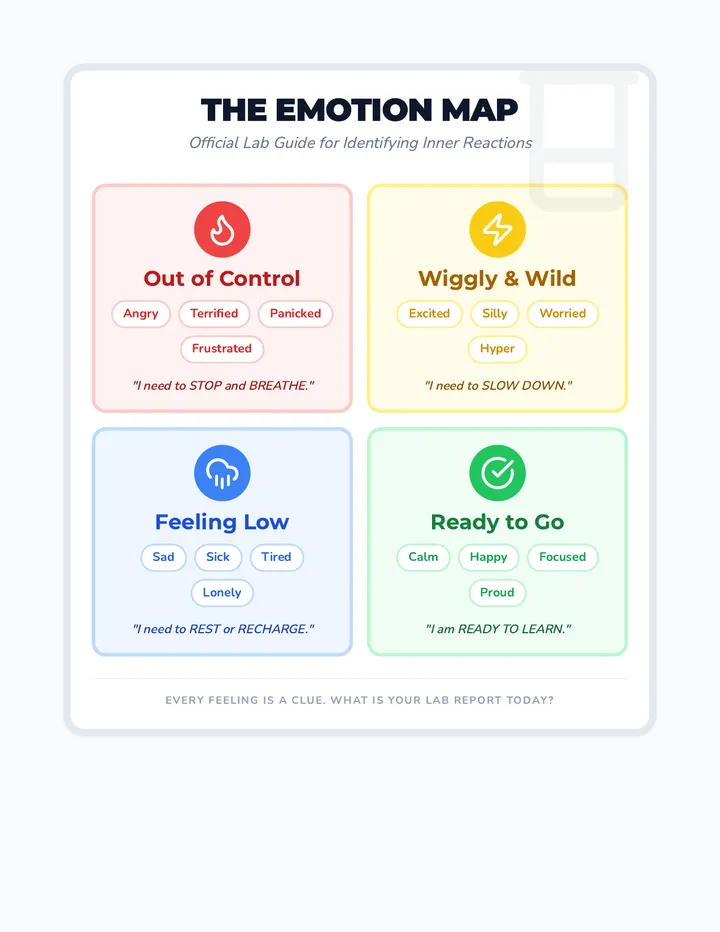
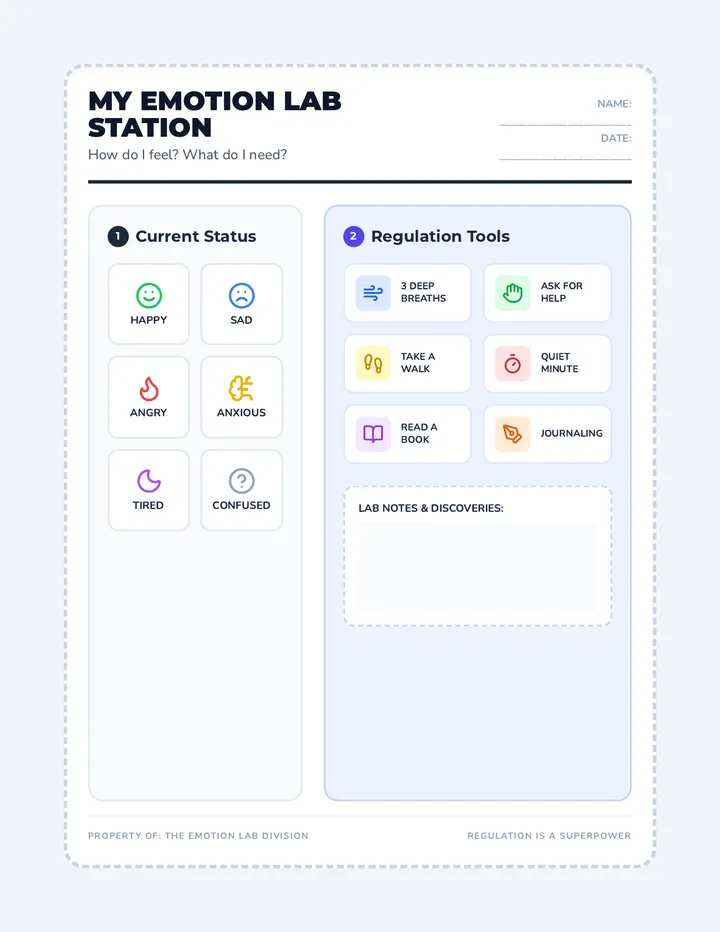
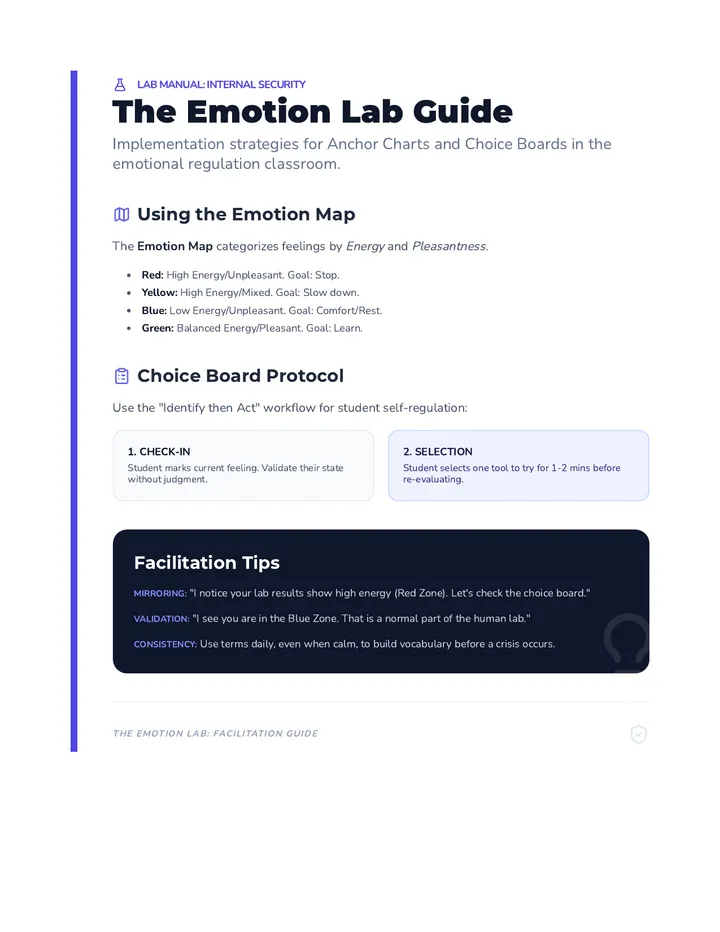
A 6-week individual behavior intervention sequence for 1st grade students struggling with emotional regulation, elopement, and attention-seeking behaviors. The sequence focuses on identifying feelings, sizing problems, and using functional communication to seek attention appropriately.
A comprehensive series of 30-minute lessons tailored for different grade levels (K-10) to foster understanding, empathy, and advocacy regarding autism and neurodiversity. Each lesson uses age-appropriate literature to ground the conversation.
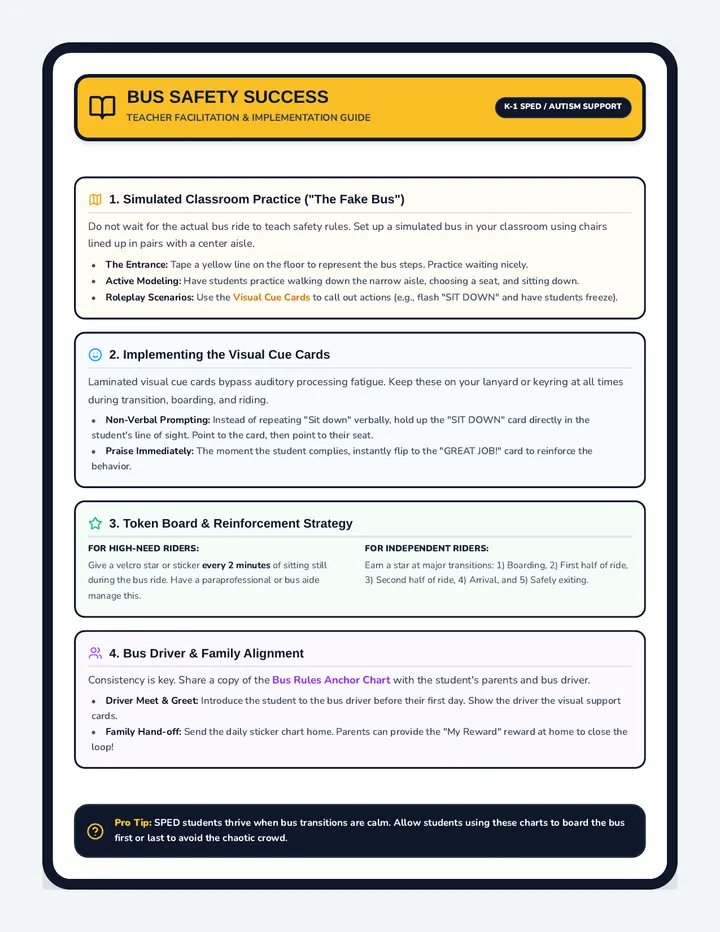
A comprehensive training module for paraprofessionals to support K-8 students in sensory regulation. It focuses on identifying internal states, building sensory menus, and implementing proactive breaks to maintain a 'ready to learn' zone.
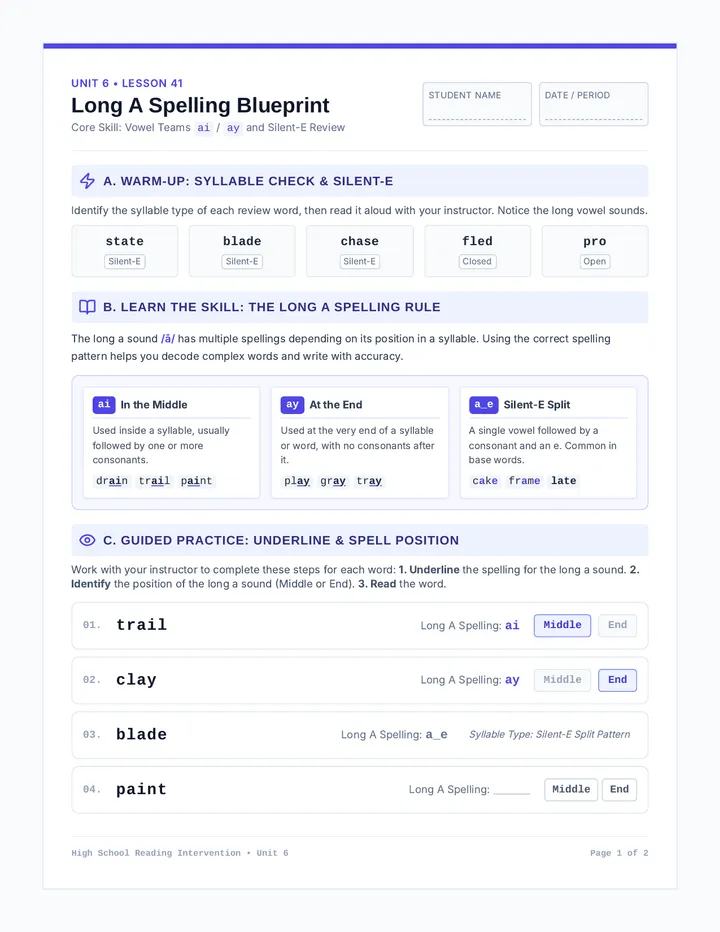
A series of thematic handwriting programs designed to improve fine motor skills and penmanship through daily practice sessions centered around fascinating educational topics like biology and history.
A comprehensive enhancement of a Grade 1 curriculum scope and sequence, integrating WIDA Key Language Uses (Inform, Narrate, Argue, Explain) and language features for EL proficiency levels 1-5 across Social Studies and Science units.
A comprehensive WIDA-aligned curriculum framework for Grade 1, mapping existing social studies and science units to the four Key Language Uses (Inform, Narrate, Explain, Argue) with specific ELD-SI expectation codes.
A comprehensive curriculum framework for primary English Language Learners, aligning theme-based social studies and science units with WIDA's four Key Language Uses: Narrate, Inform, Explain, and Argue. This sequence provides instructional scaffolding for students at proficiency levels 1-3.
A three-part vocabulary intervention for 5th graders focusing on context clues and inferencing through a serialized mystery story. Each 15-minute session builds decoding skills and narrative comprehension.
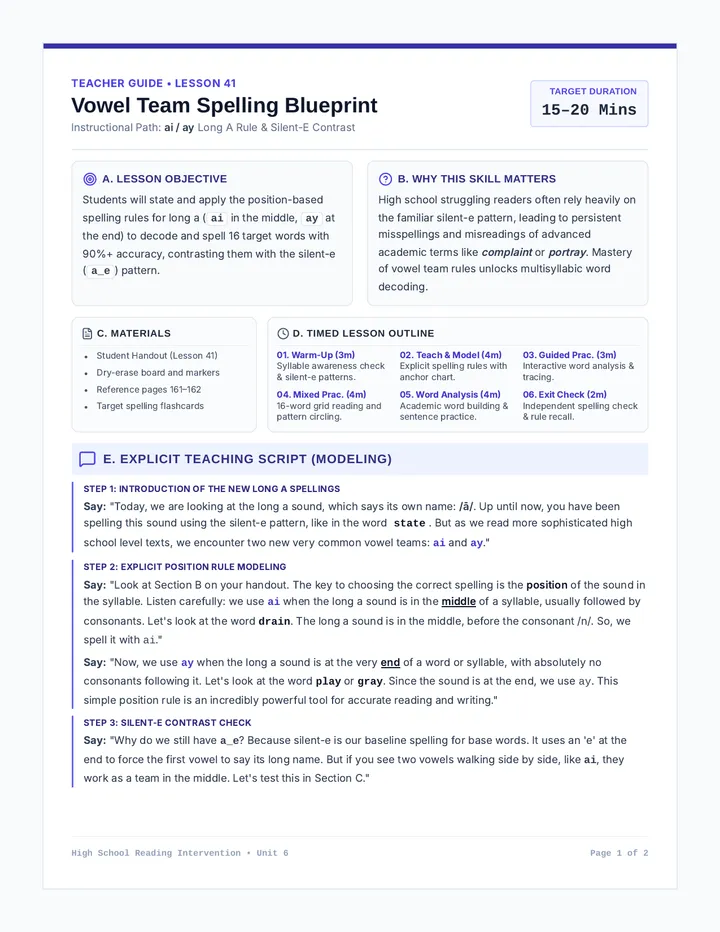
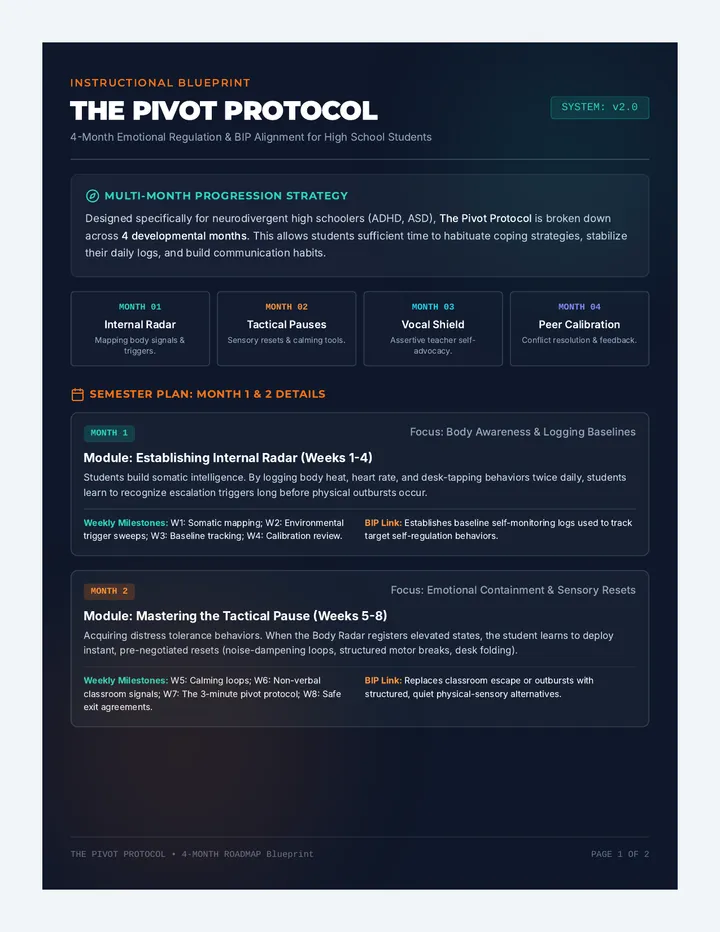
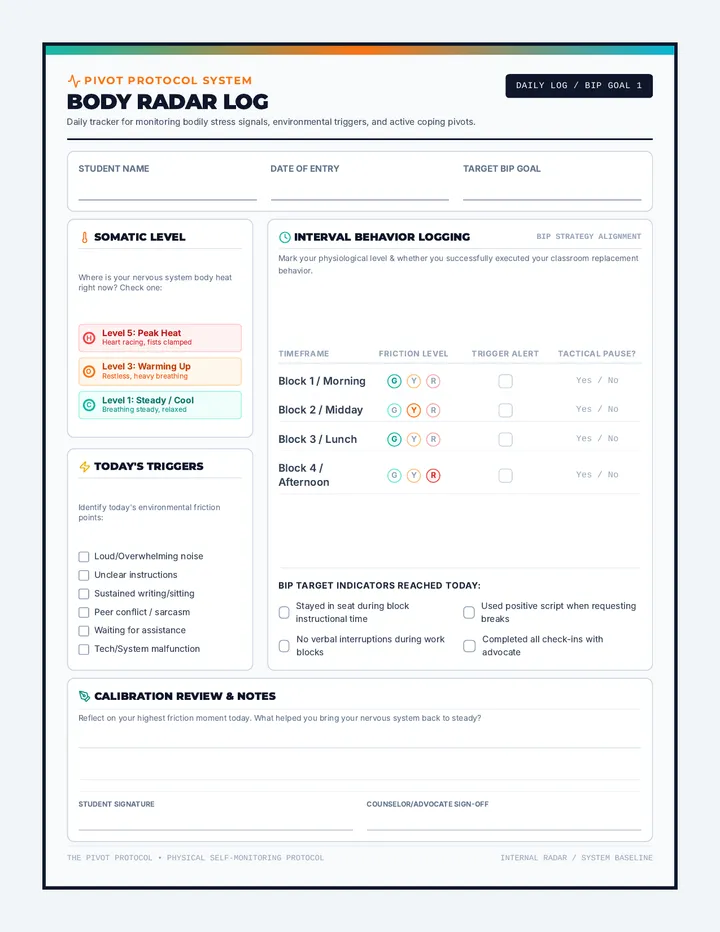
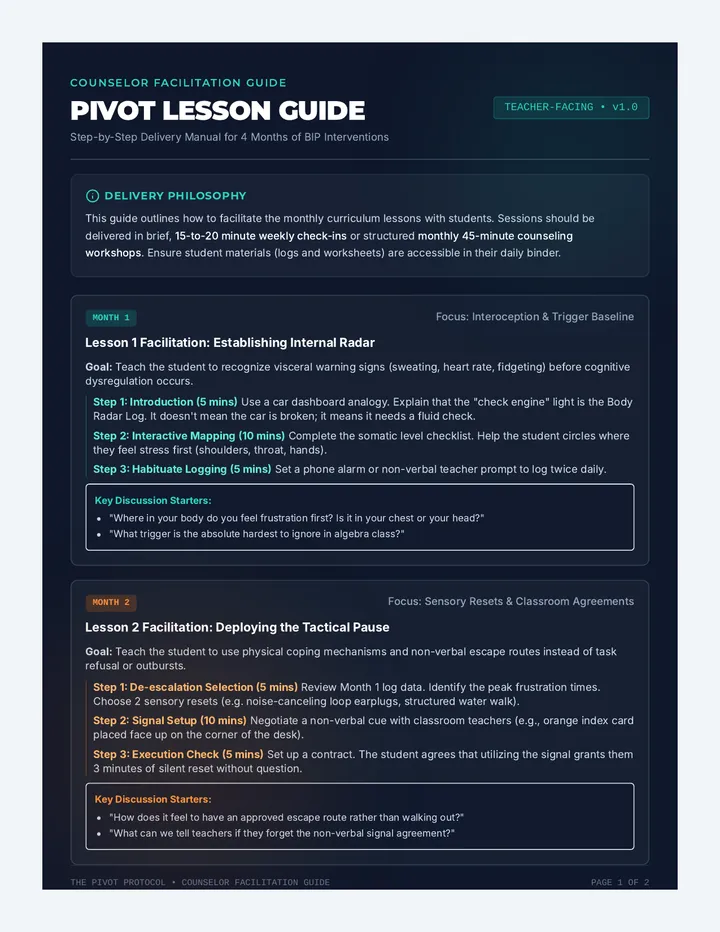
A sophisticated 8-lesson intervention designed for high school students to transition from defiant avoidance to self-regulated resets through professional advocacy and executive functioning strategies.
A comprehensive 8-lesson intervention using the Prevent, Teach, Reinforce (PTR) model to help students transition from defiant avoidance to self-regulated break-taking.
A comprehensive set of errorless learning resources focused on basic academic skills for students with special needs. The materials are designed to minimize frustration and promote independent work habits through high-success tasks.
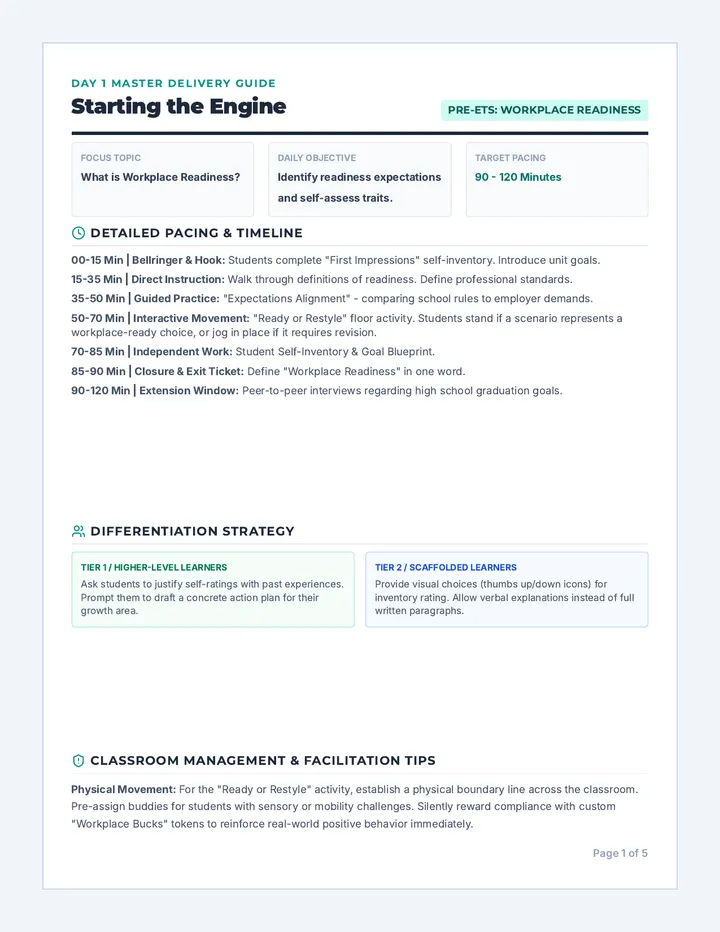
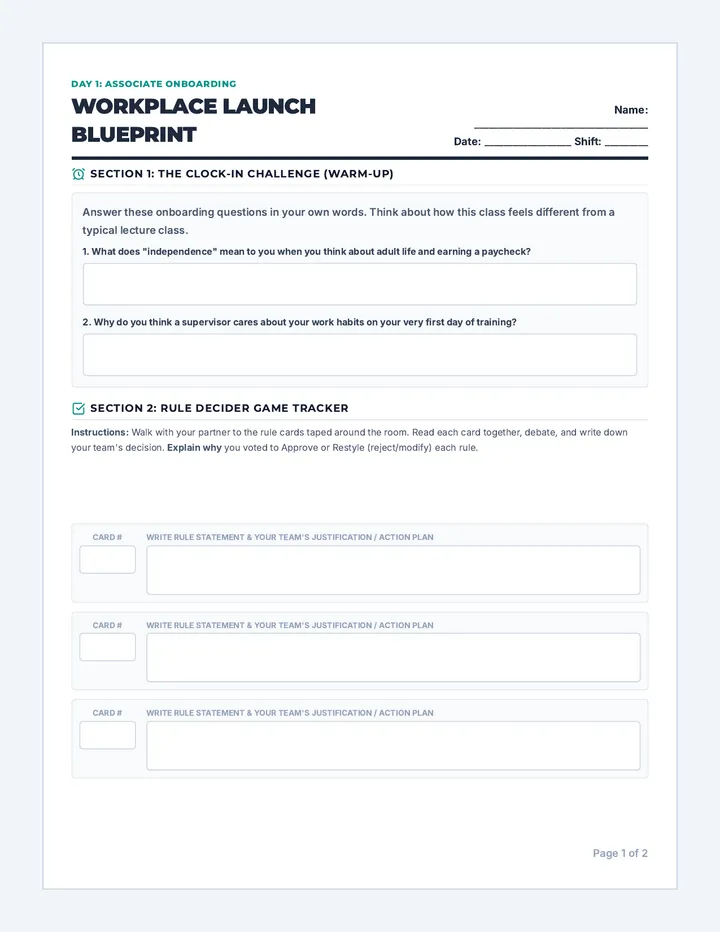
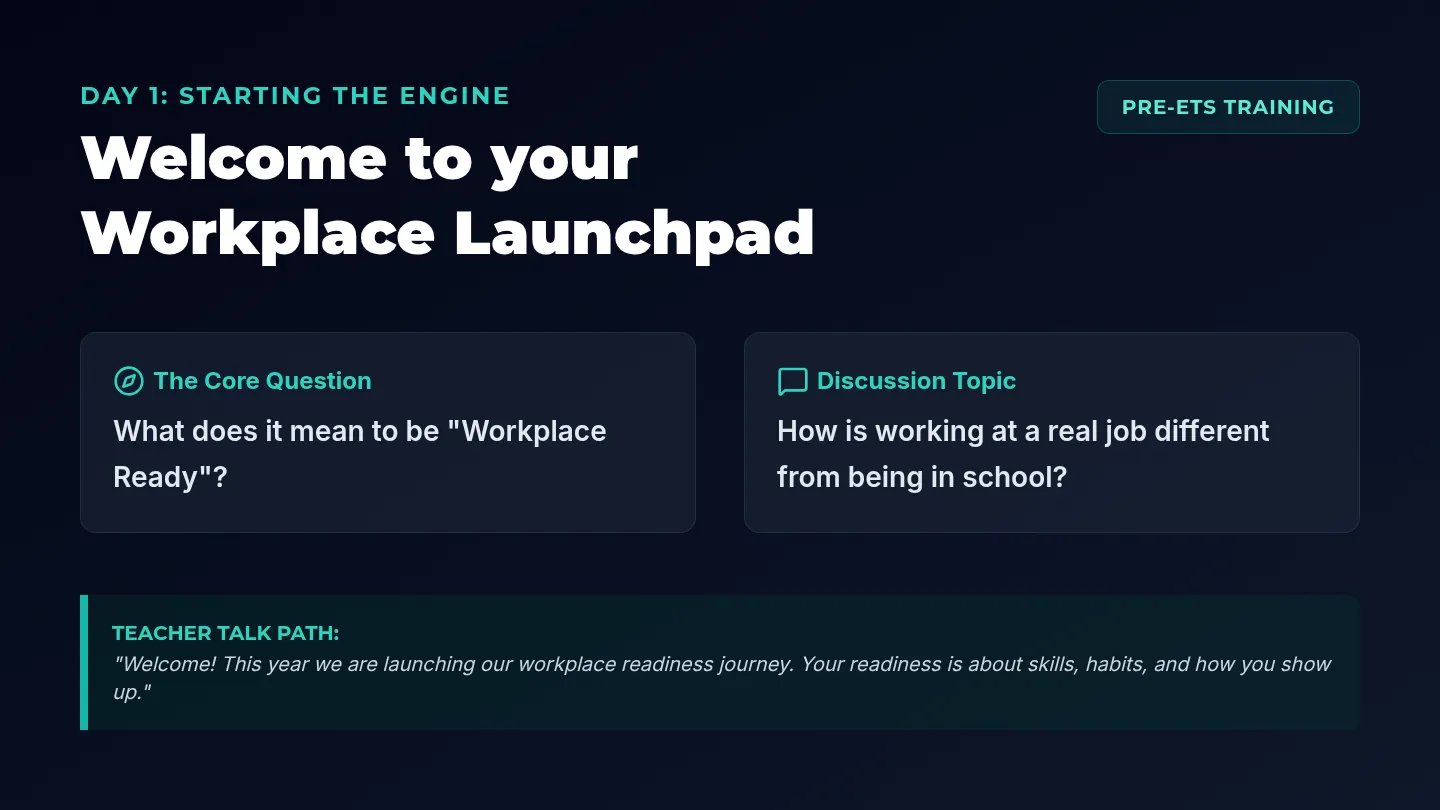
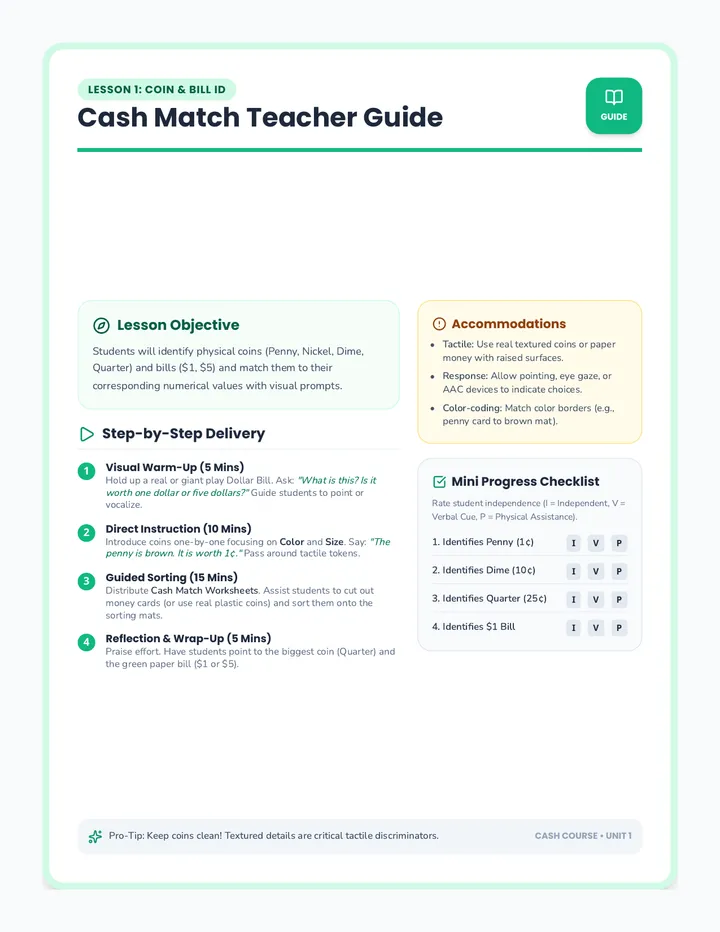
A comprehensive year-long curriculum designed to empower students with essential life skills for independence, focusing on financial literacy, social communication, and real-world simulations.
A comprehensive 5-lesson module designed to teach foundational housekeeping skills, focusing on safety, equipment identification, procedural cleaning, and professional work habits.
A sequence designed to help neurodivergent students navigate unexpected schedule changes with logic-based social stories and visual tools.
A 3-lesson unit designed for non-verbal students on the autism spectrum to identify and differentiate between four core emotions: happy, sad, angry, and scared. Each lesson utilizes high-contrast emoji illustrations and real-life photographic concepts to bridge the gap between symbols and human expression.
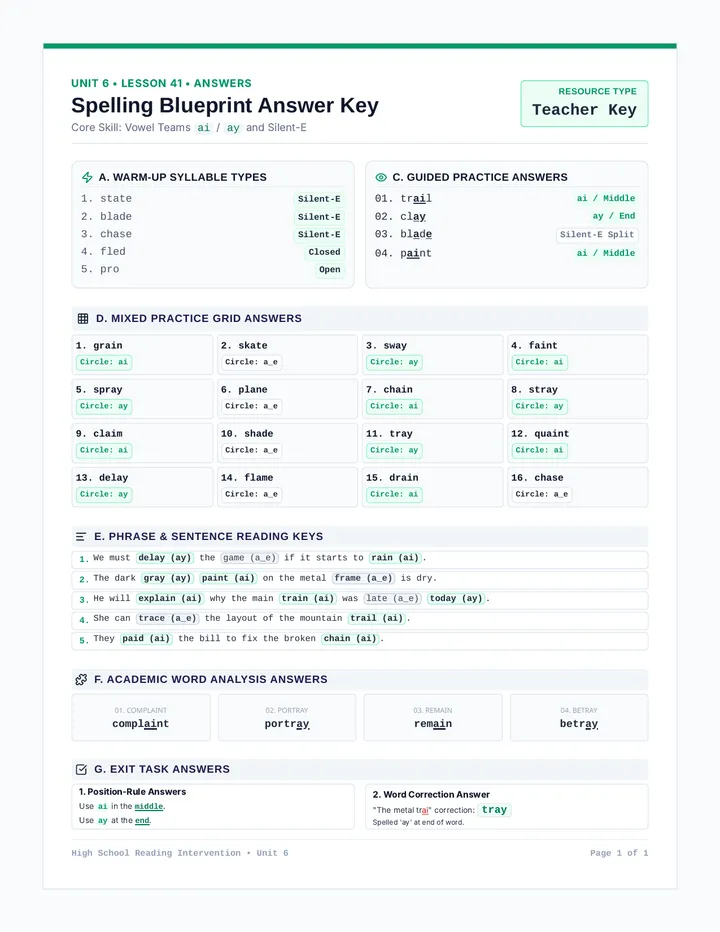
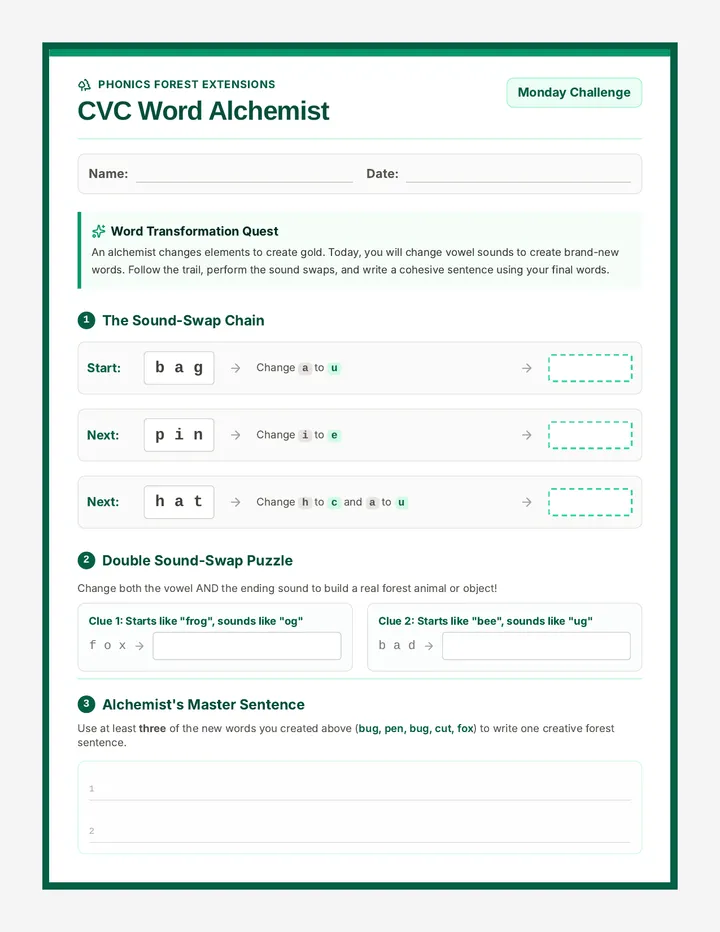
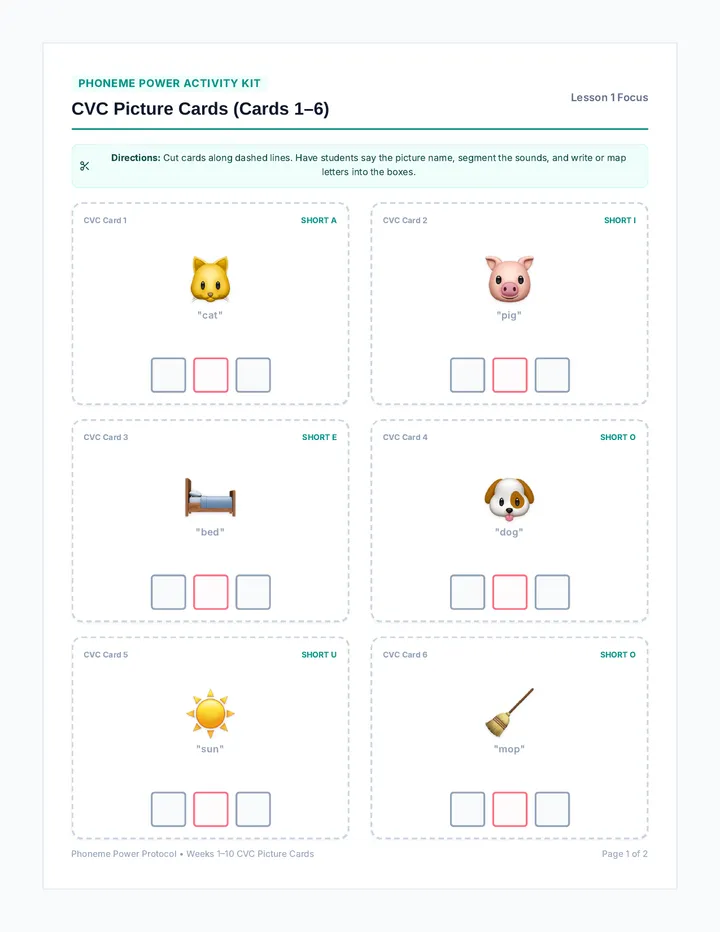
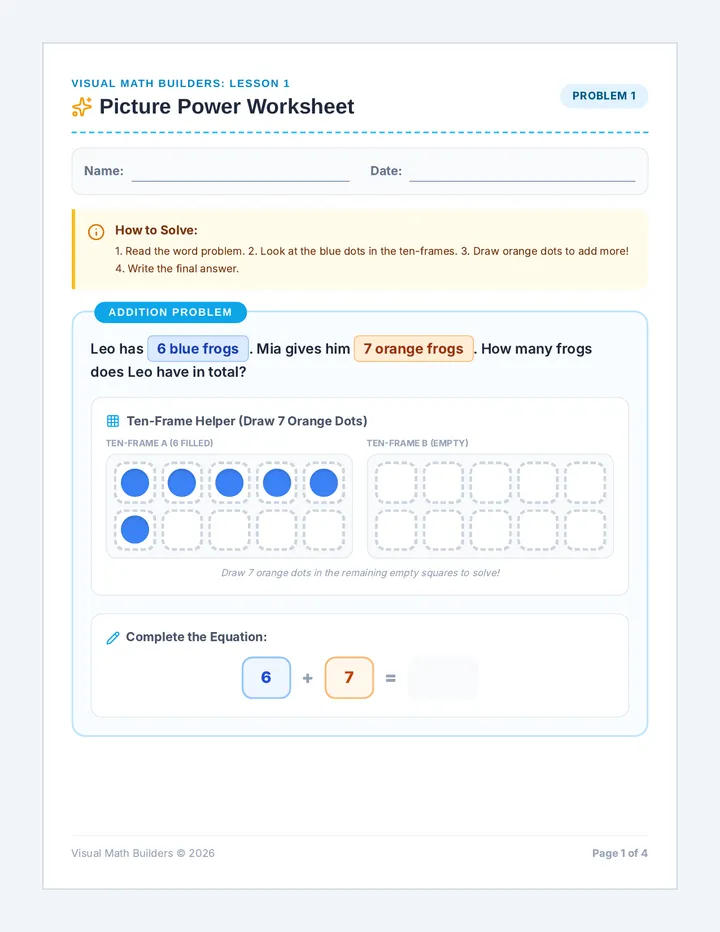
A comprehensive 5-day program designed for a first-grade student with Down syndrome, focusing on fine motor skills, phonics, CVC word building, and foundational math (addition and subtraction within 20). The sequence integrates letter tracing, social-behavioral goals, and scissor proficiency through structured, repetitive activities.
A modified series of lessons exploring bird body parts and their functions, specifically designed for students in sub-separate settings. This unit focuses on basic identification, shared research, and simple informative writing using visual supports and simplified tasks aligned with MA standards W.K.2, W.K.7, and W.K.8.
A comprehensive suite of resources for high school special education teachers to manage their caseload, internalize IEPs, and establish strong family and co-teaching partnerships during the first month of school.
A comprehensive framework for K-5 RSP math instruction, including a California Common Core aligned scope and sequence of power standards and a leveled placement diagnostic.
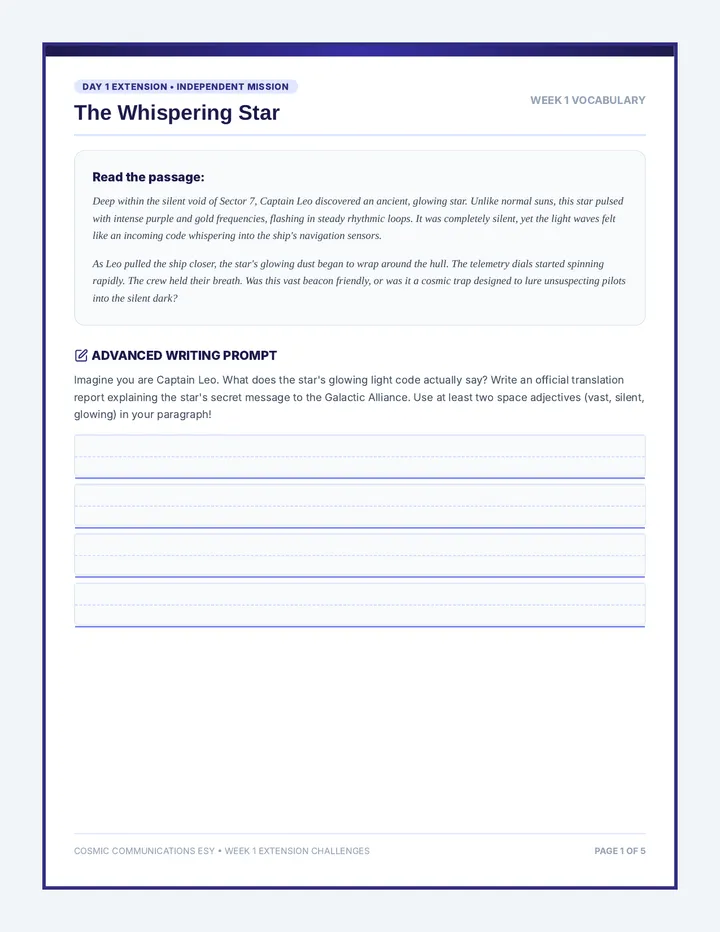
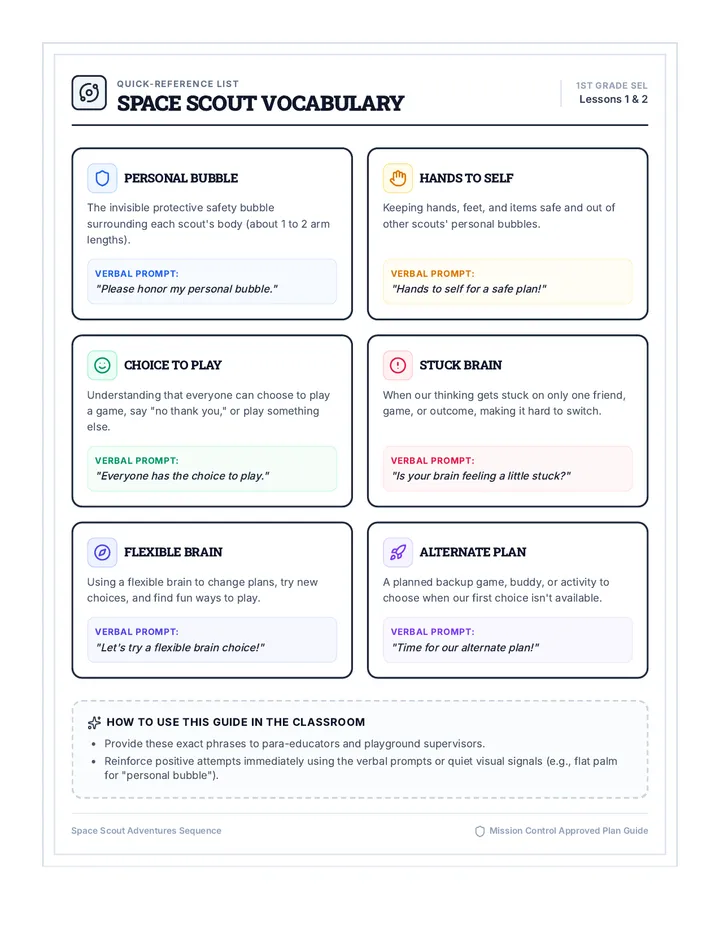
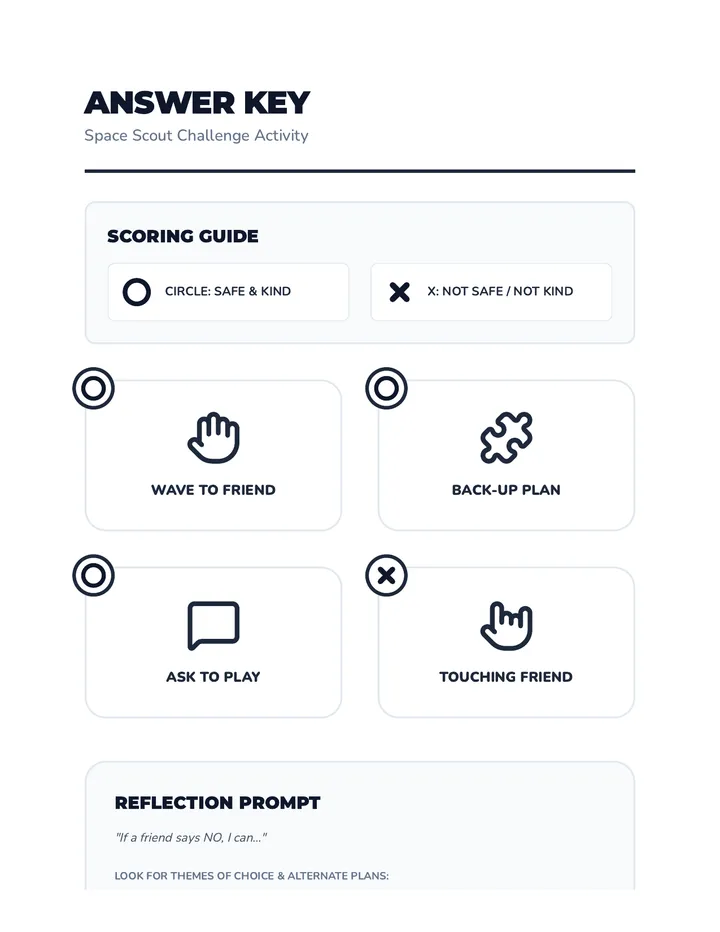
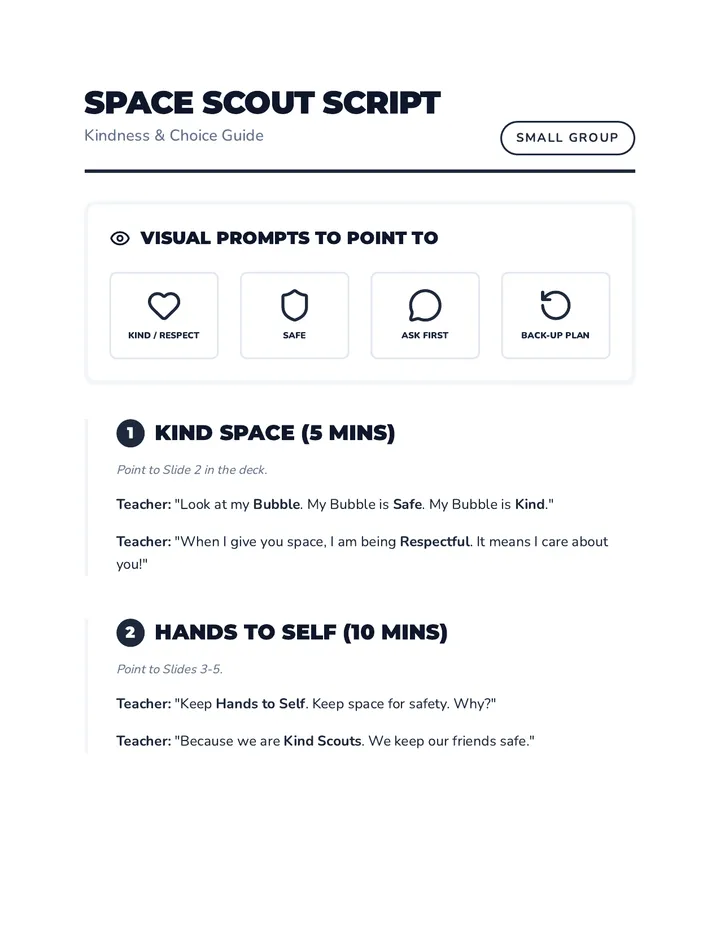
A three-part social skills series using space metaphors to help a student expand her social circle, develop a flexible mindset about learning time, and practice working with different peers. The lessons emphasize that while a special friend is a 'bright star,' learning missions often require giving friends space and joining a 'new crew' to succeed.
A comprehensive collection of resources for K-12 educators and staff focusing on trauma-informed care, social-emotional learning, neurodiversity, and crisis intervention. Includes training slides, student worksheets, clinical templates, and parent guides.
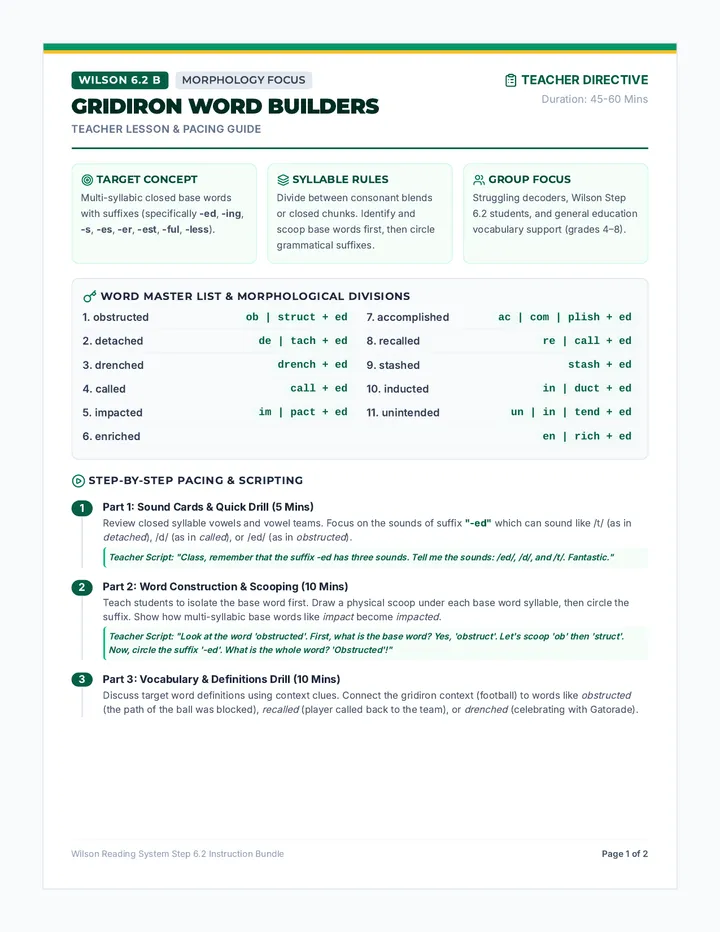
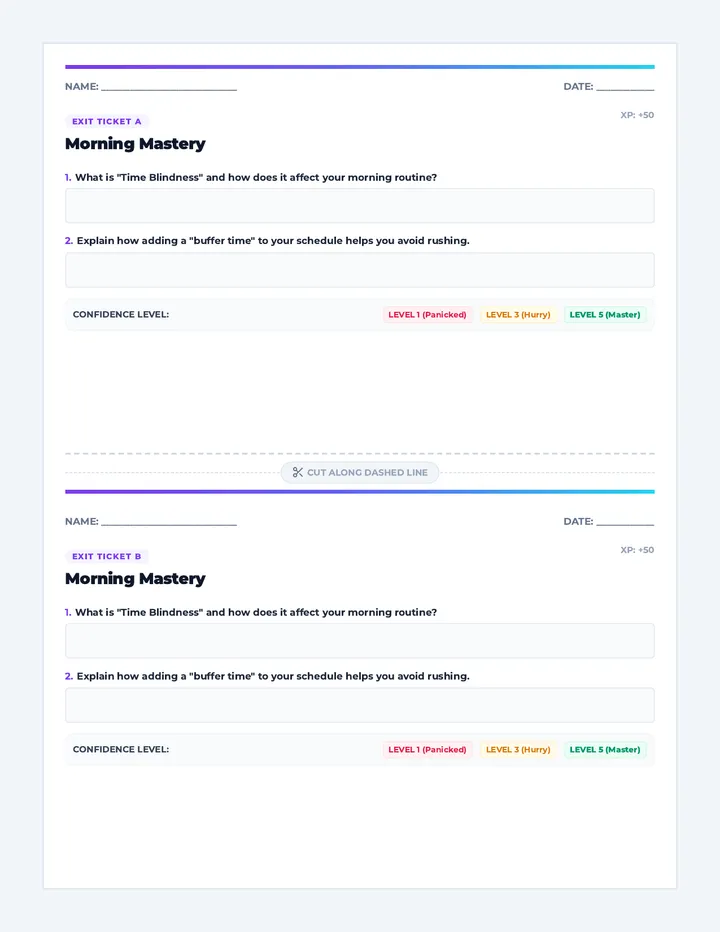
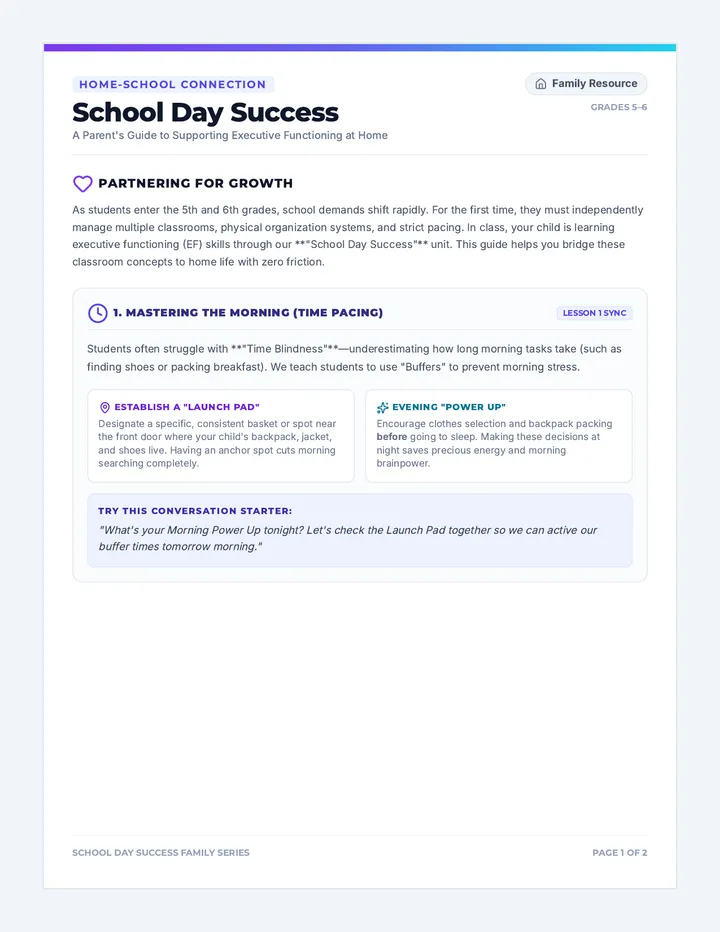
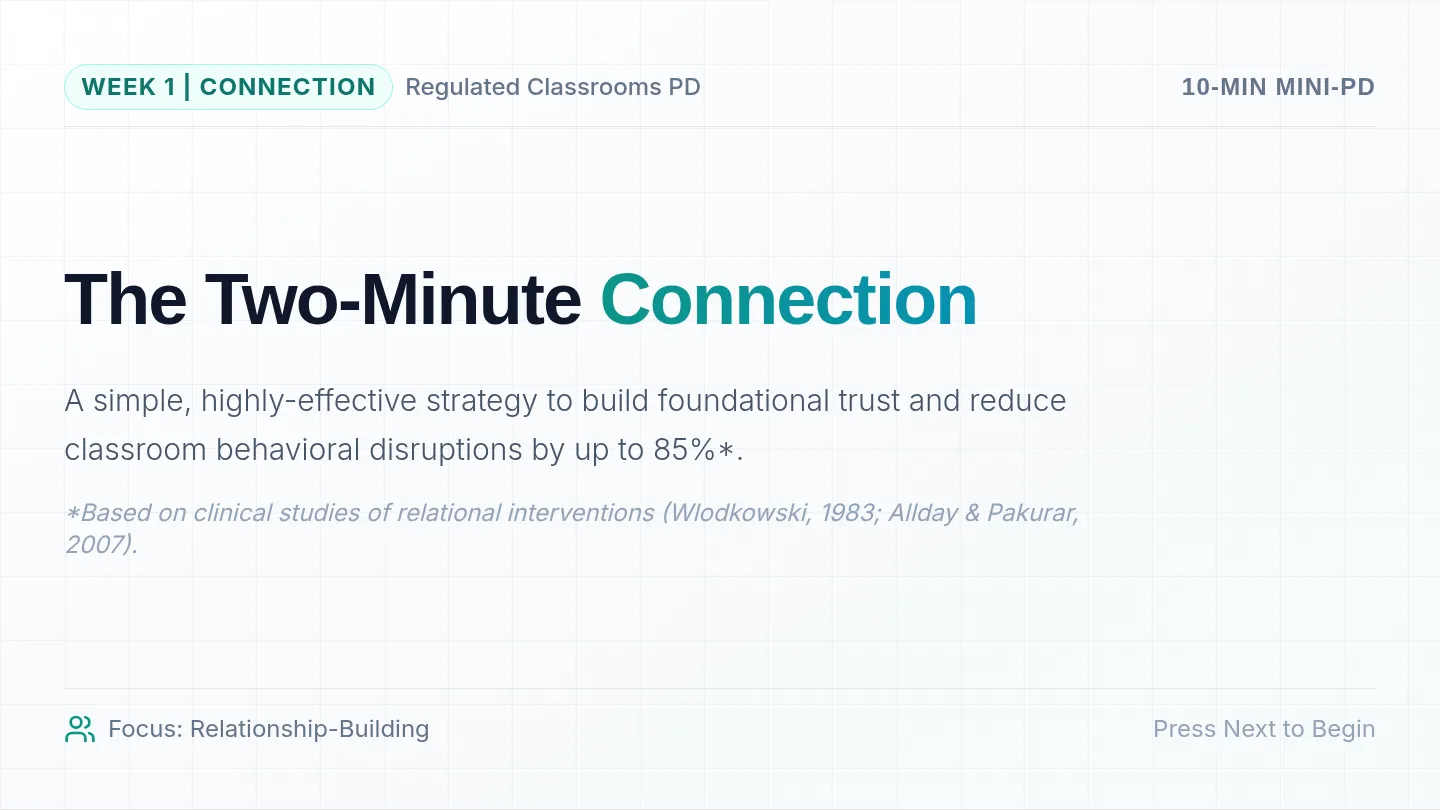
A professional development series designed to equip educational support staff with practical, grade-appropriate strategies for improving student independence and executive skills.
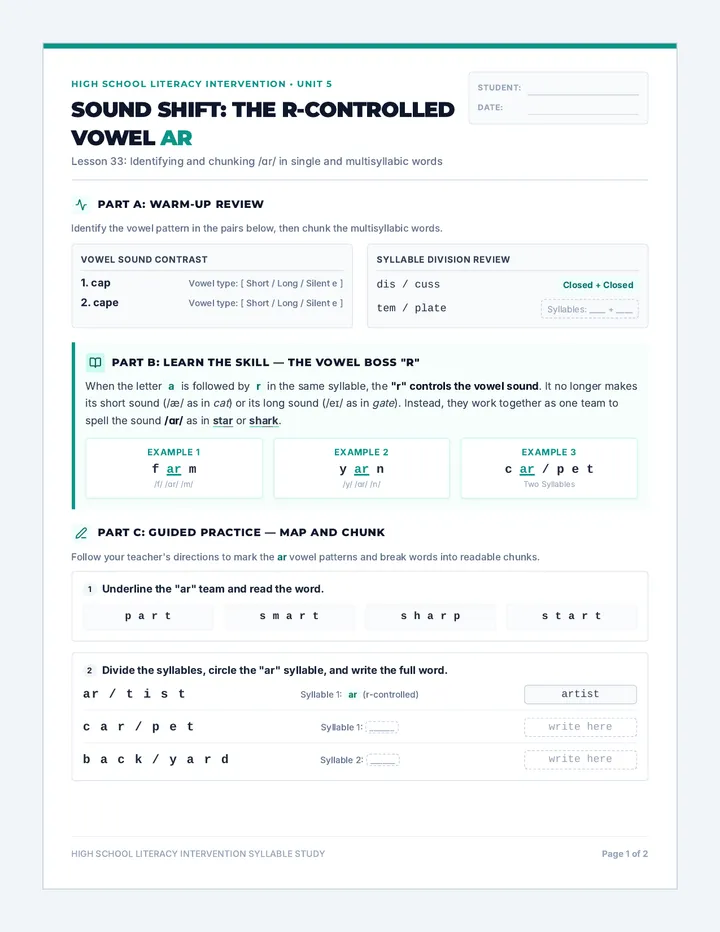
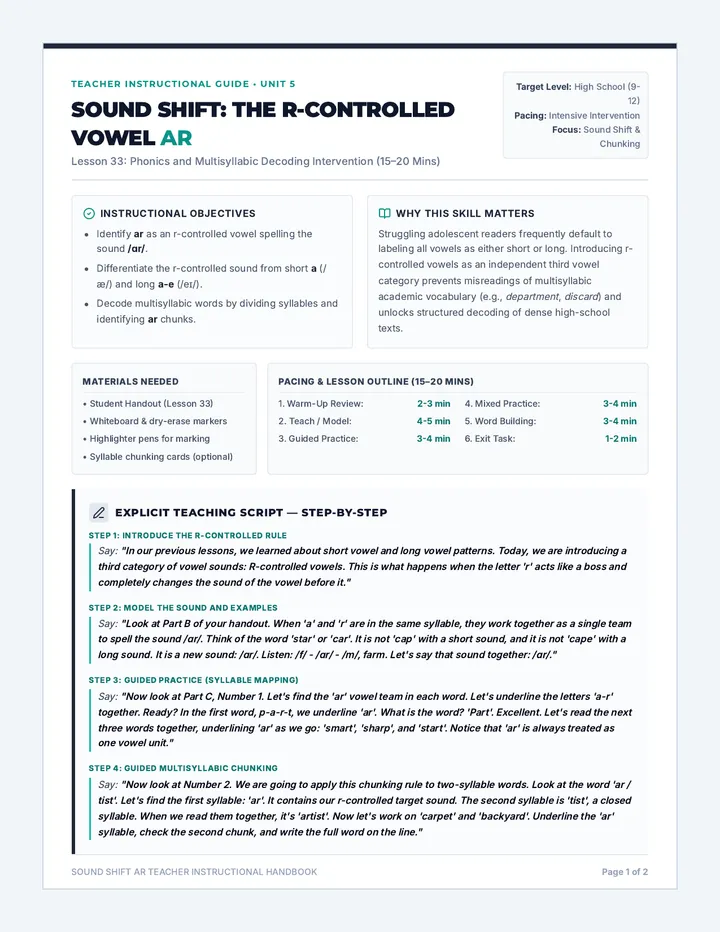
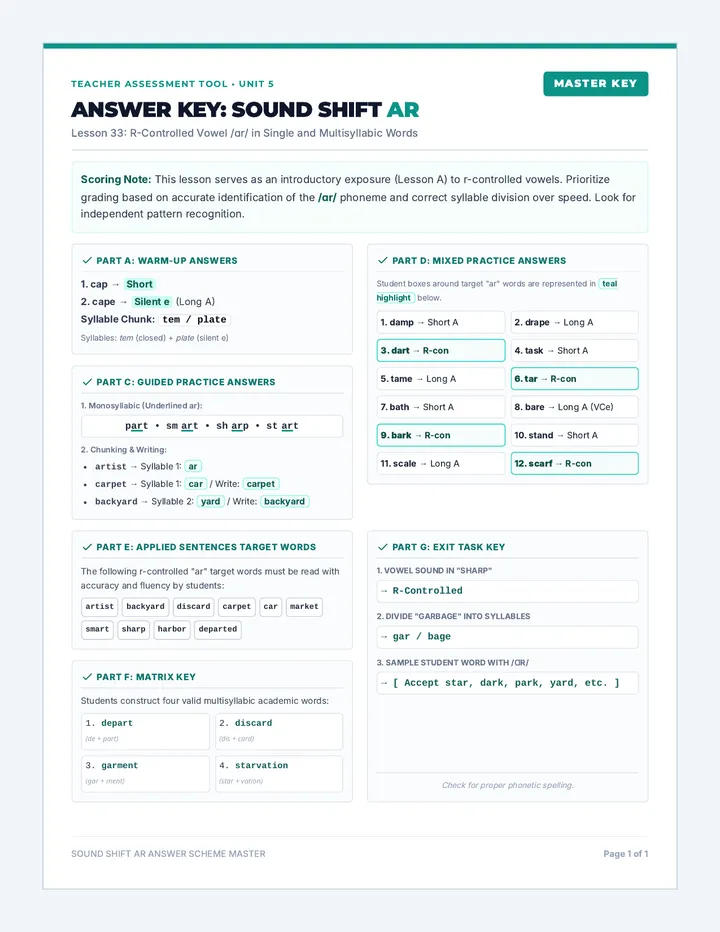
A collection of themed lessons and reading passages designed to help early elementary students master the vocalic /or/ sound through engaging narratives and structured tracking.
A comprehensive K-5 Media Center curriculum spanning August to May. Each month features a thematic unit integrating library skills (Dewey Decimal System, research, digital citizenship), literacy (poetry, biographies, informational texts), and STEM/Maker Space challenges. Resources are differentiated for K-2 and 3-5.
Essential classroom management tools and visual supports for special education settings to promote student independence and reduce anxiety.
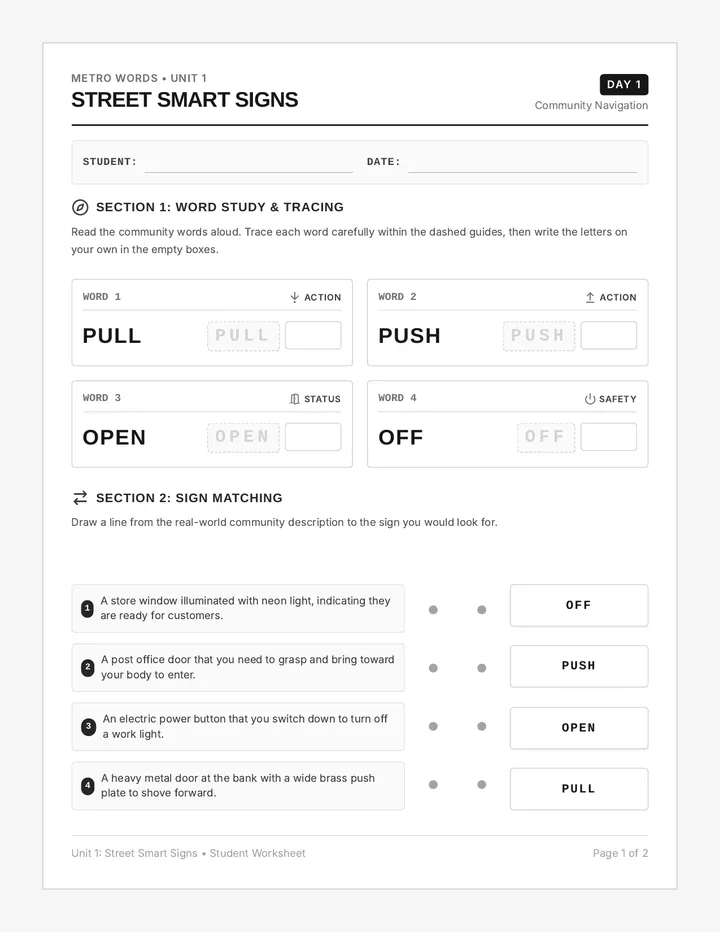
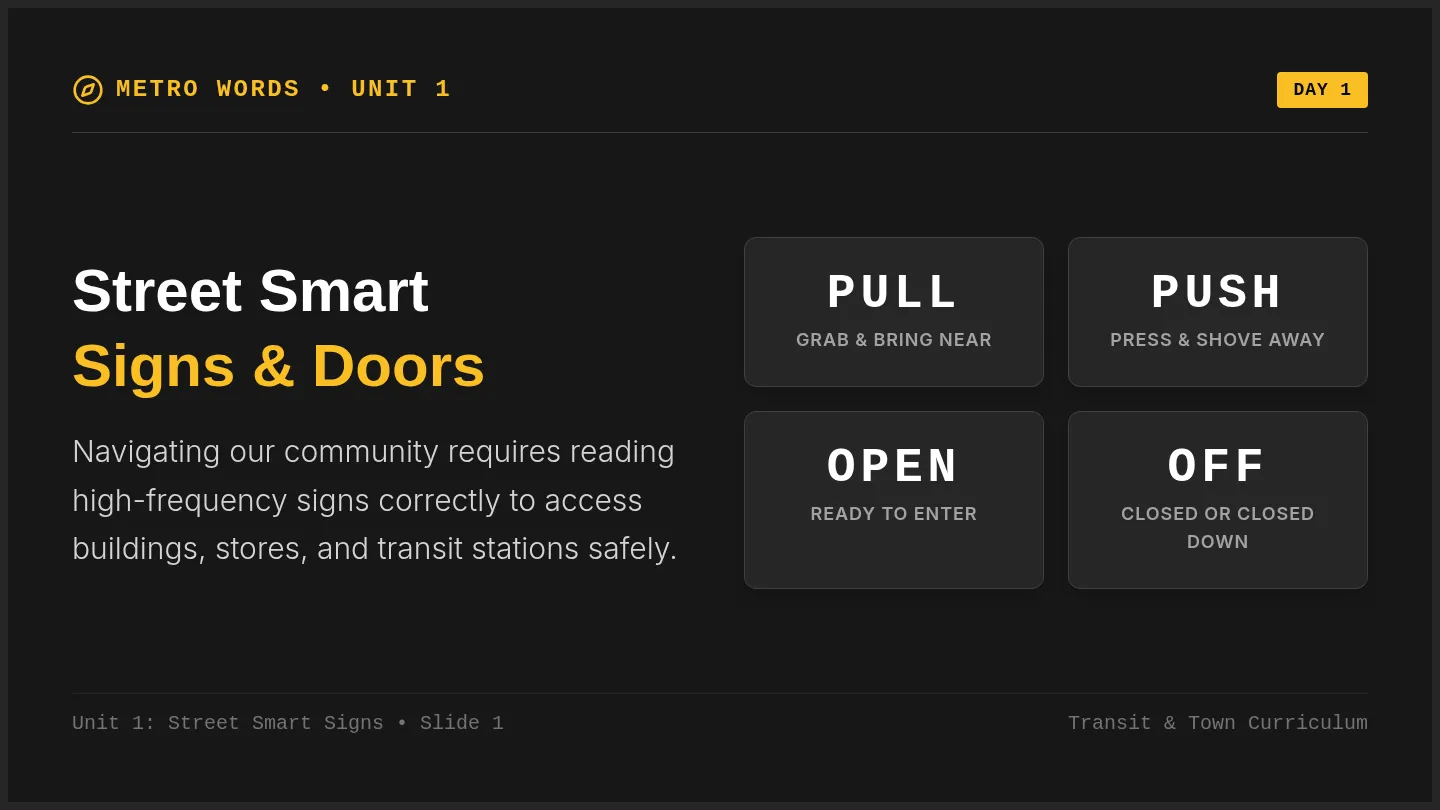
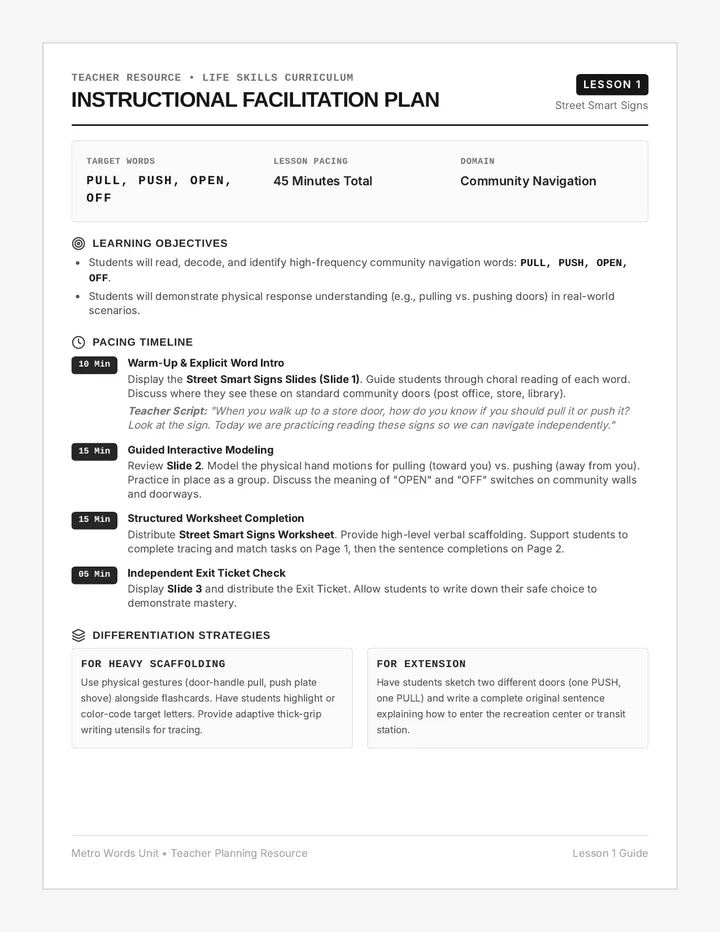
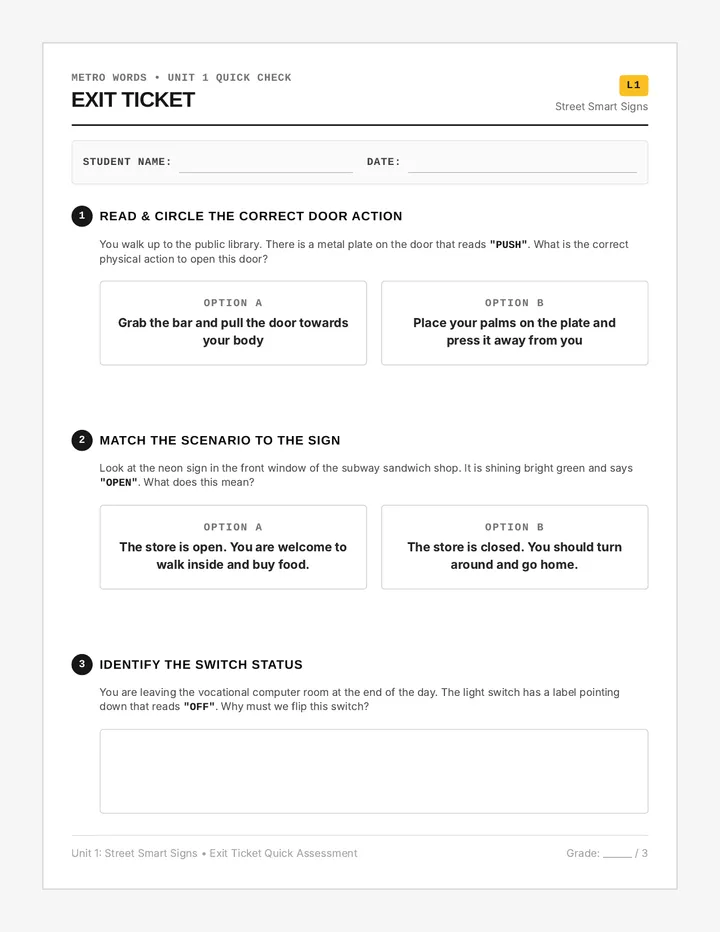
A series of lessons and materials designed to help students master common sight words and simple vocabulary found in everyday environments like the kitchen, grocery store, and home.
A comprehensive set of behavioral support tools for a 3rd-grade student, including a formal intervention plan, a daily report card, a visual choice board, and a behavior contract, all centered around a 'Mission Control' theme.
A social-emotional learning unit designed for elementary students with Autism to decode and apply unspoken social rules in various environments. The unit uses a 'Social Code Breakers' theme to make abstract social expectations concrete through role-playing, movement, and visual supports.
A comprehensive social boundaries curriculum designed for students with intellectual and developmental disabilities, based on the Circles model of intimacy and relationship levels.
A social skills series designed for students with Autism to navigate conversation boundaries, understand privacy levels, and build authentic connections without relying on exaggerated stories or private disclosures.
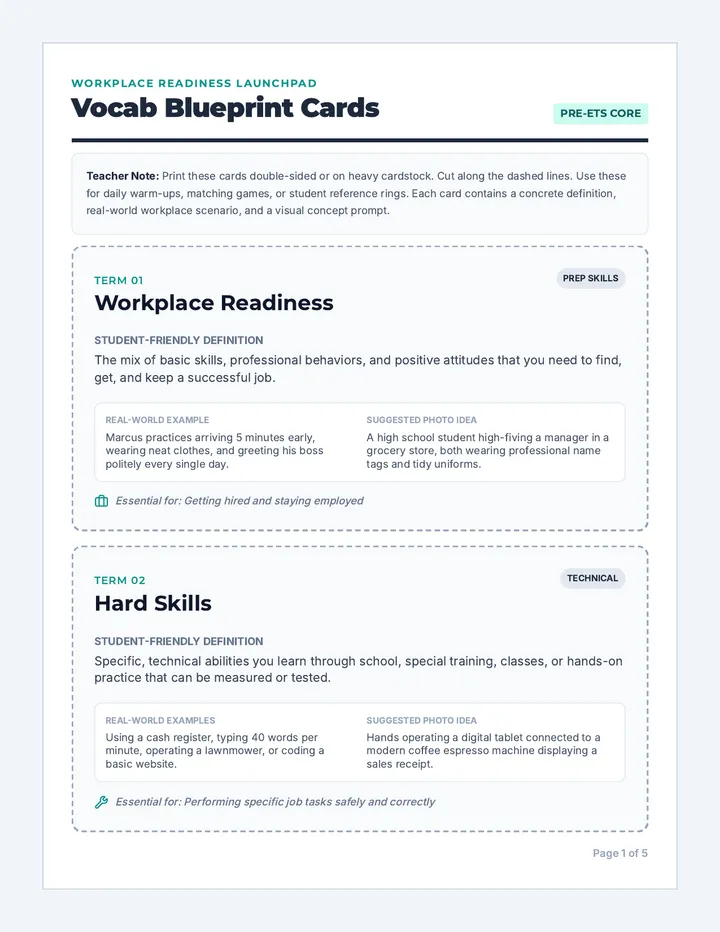
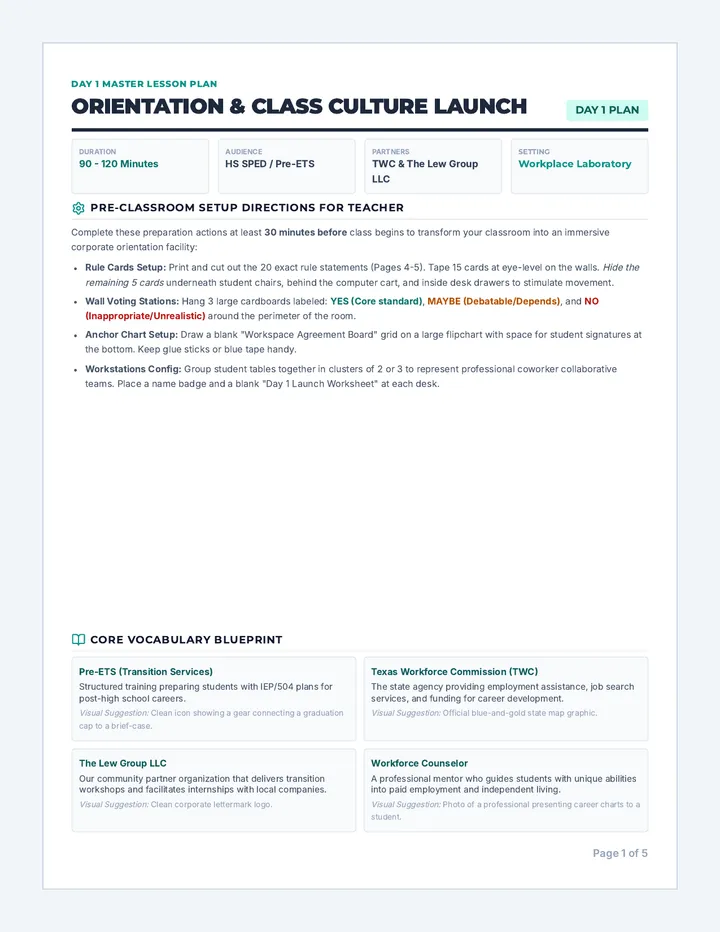
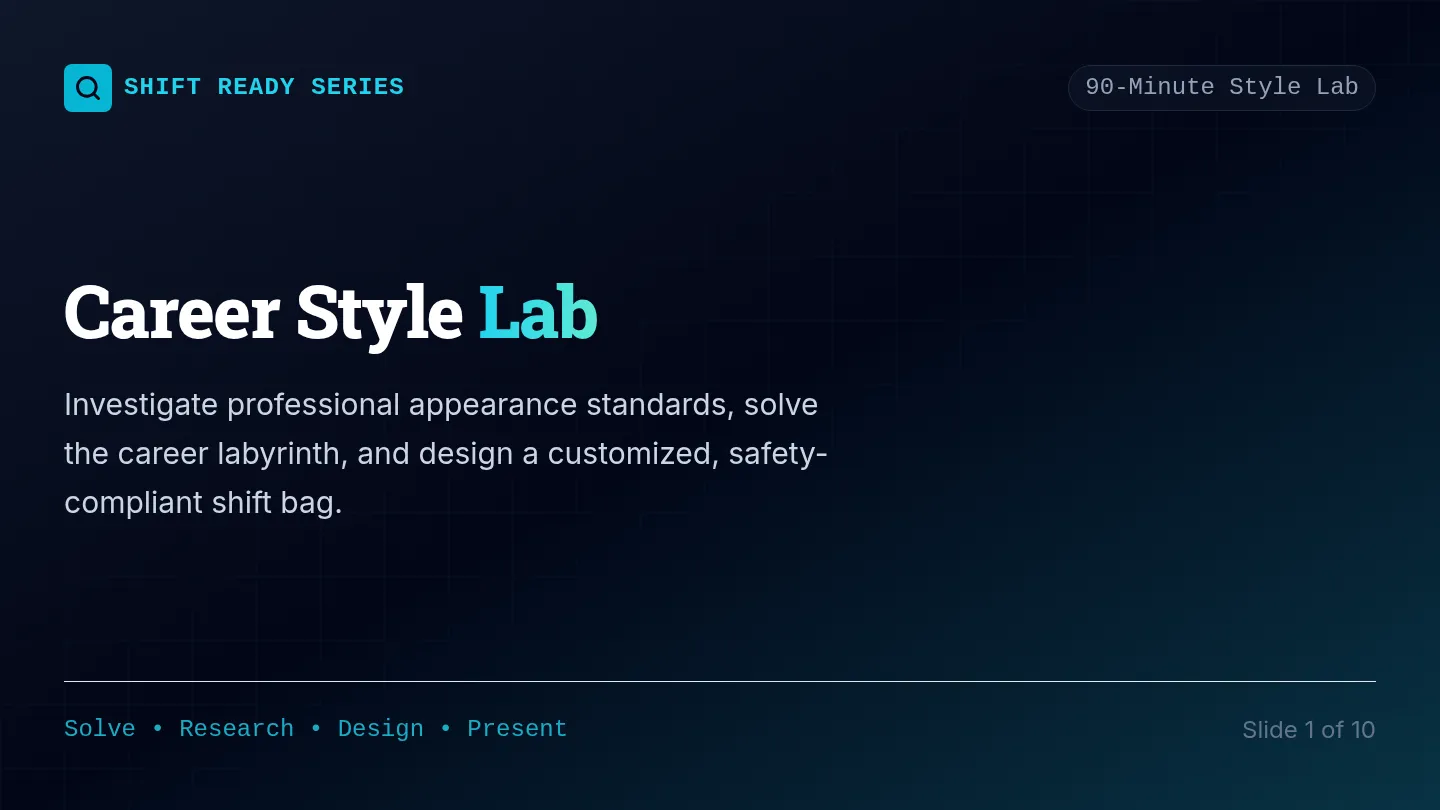
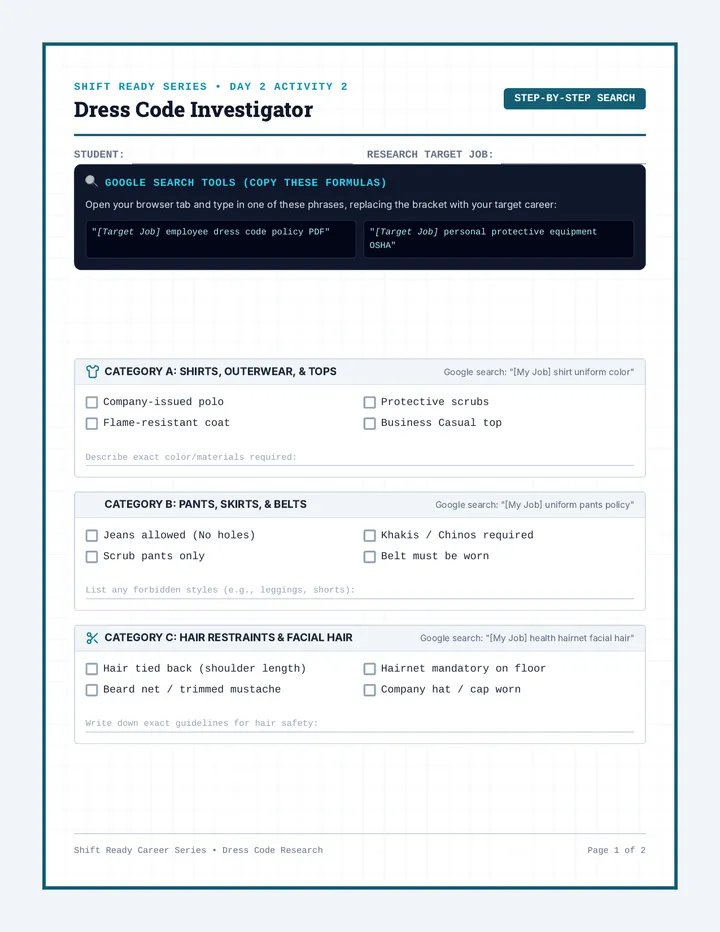
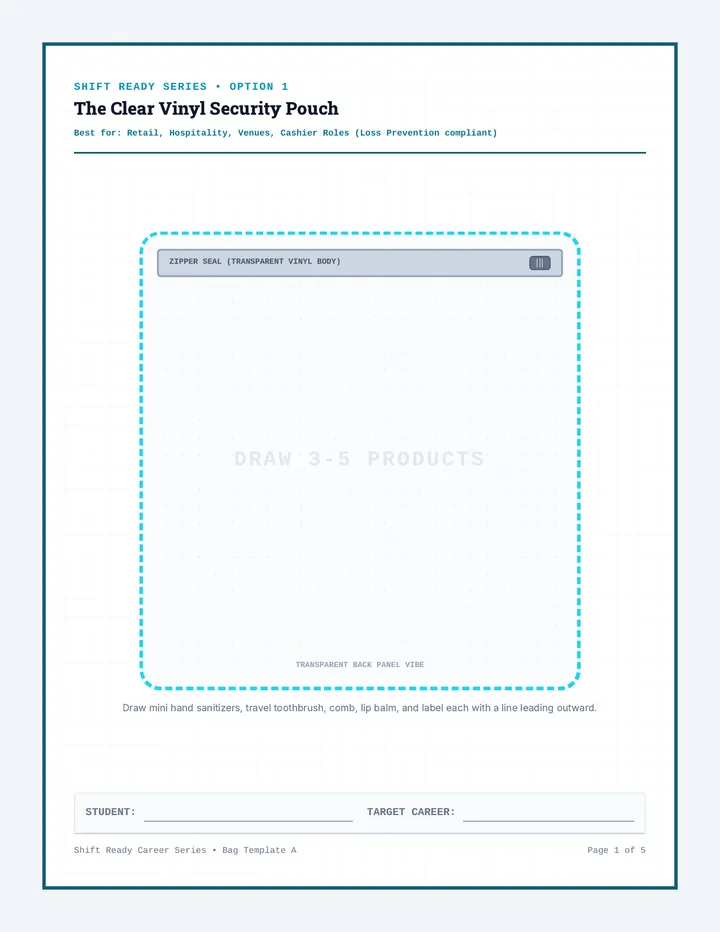
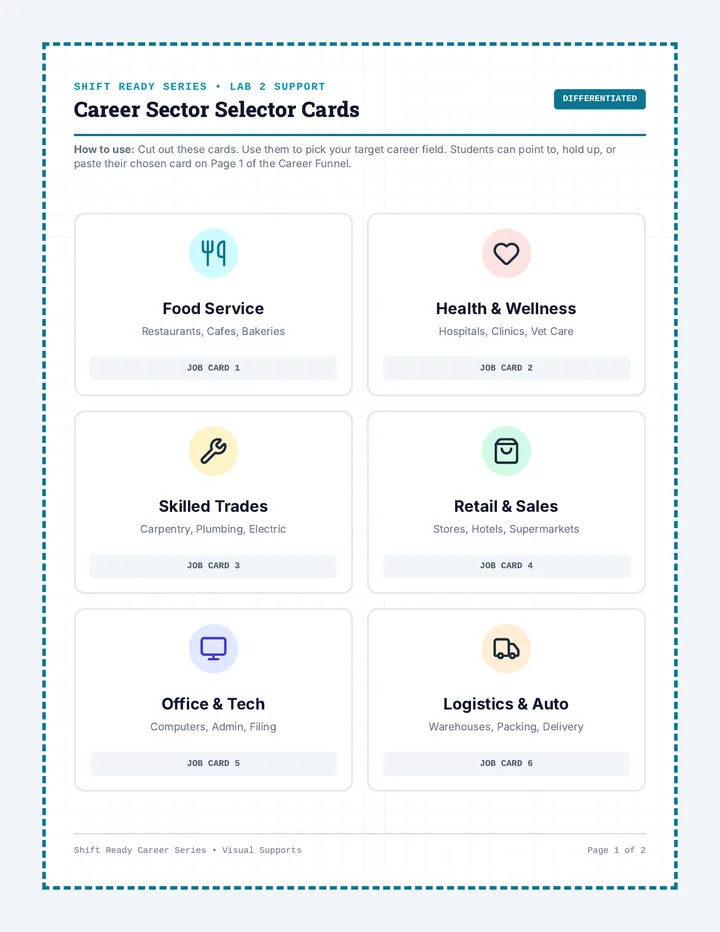
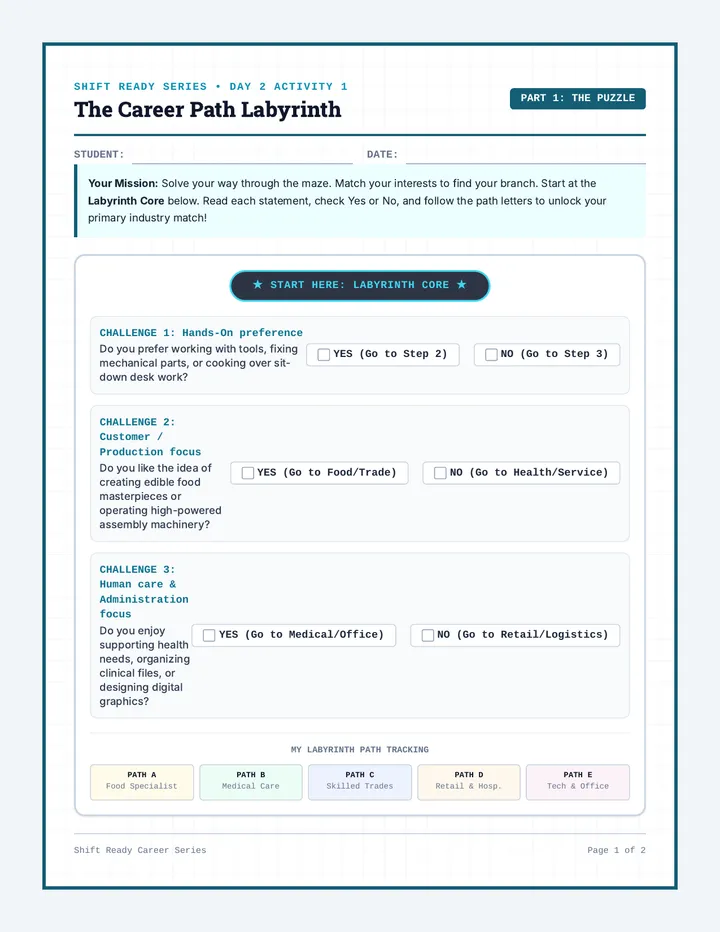
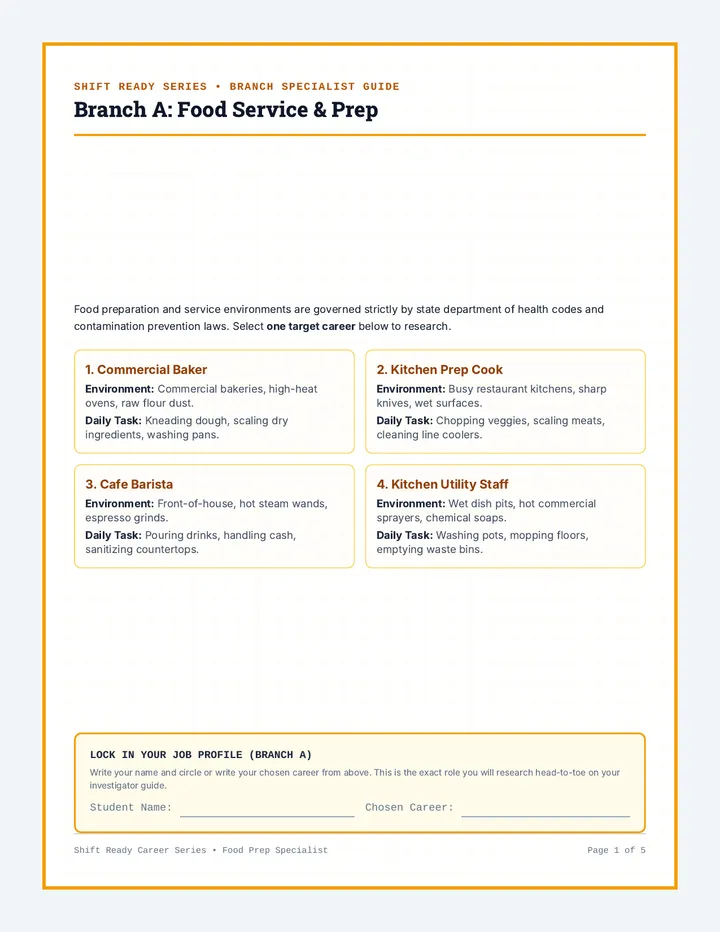
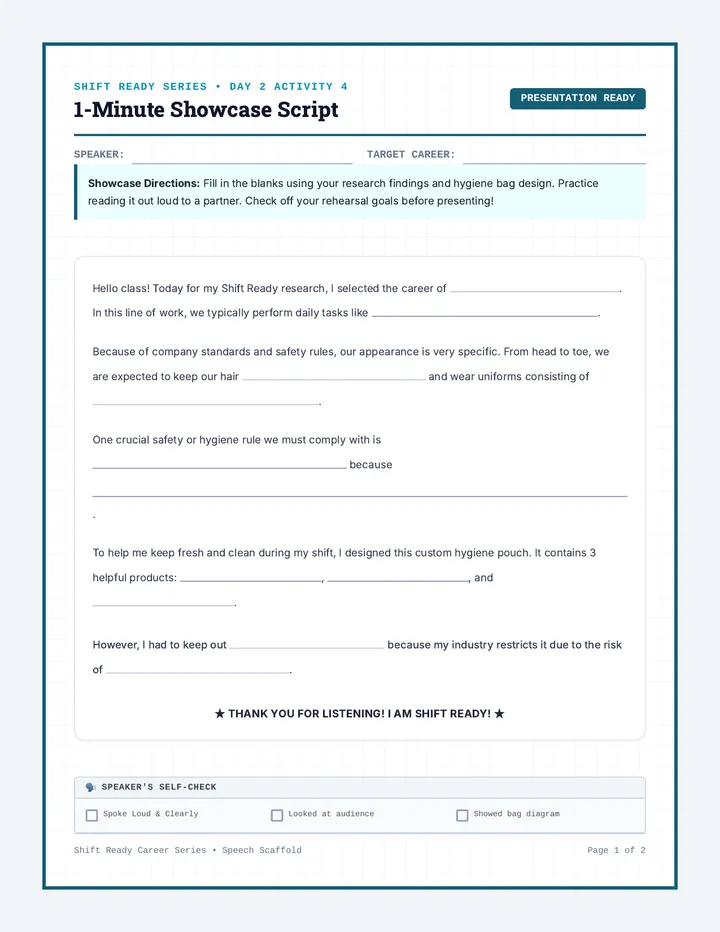
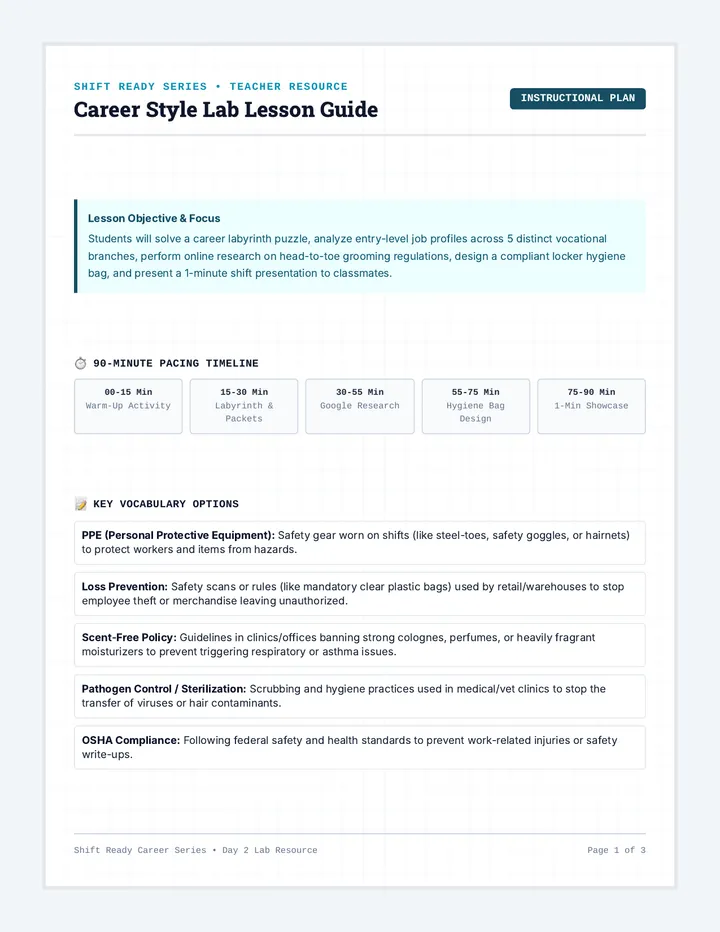
A 4-session career exploration program designed for high school students with significantly low cognitive profiles, focusing on hands-on, repetitive vocational skills through visual aids and role-playing.
A series of cognitive development activities for children with autism, focusing on categorization, discrimination, and attribute identification.
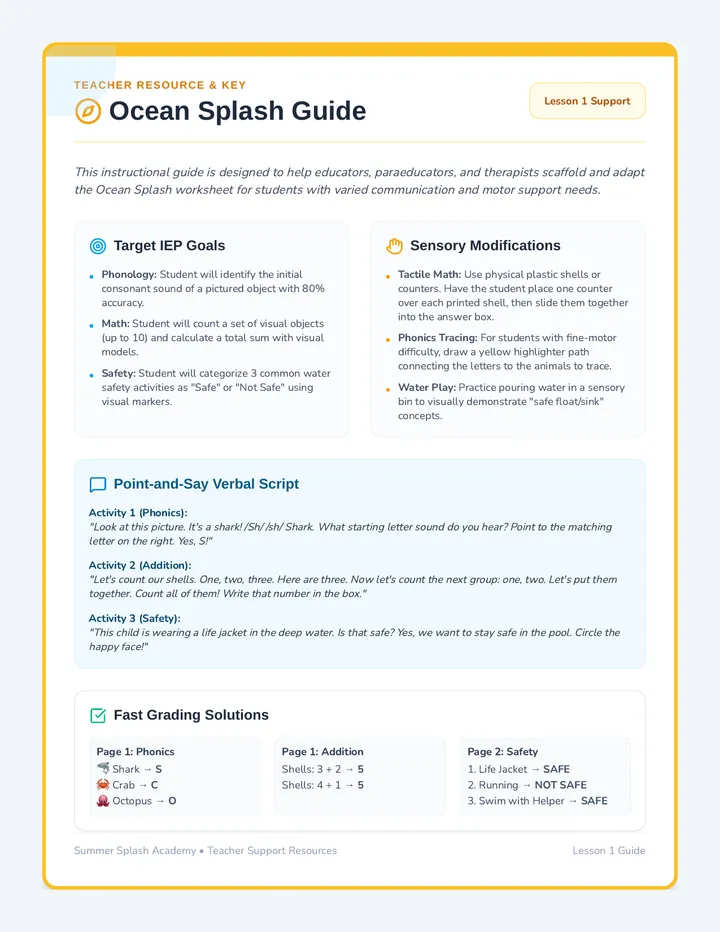
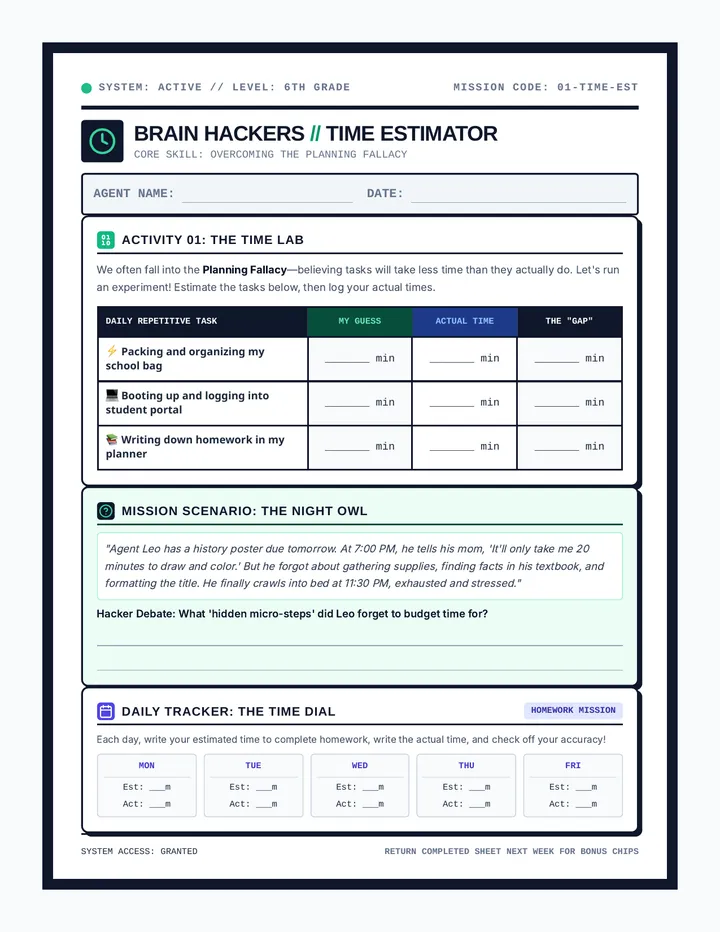
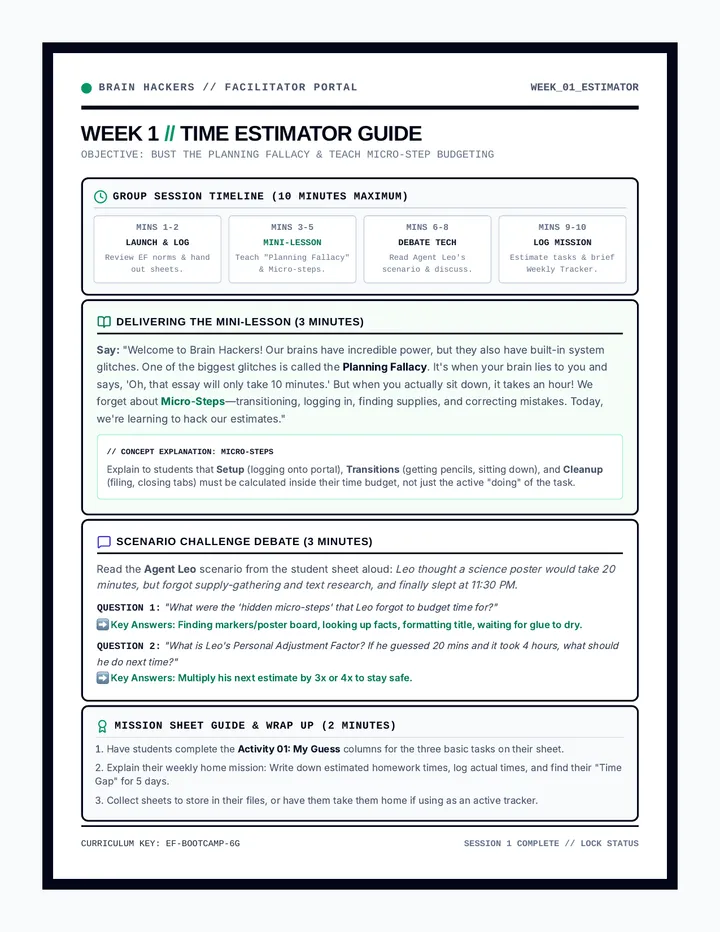
A module designed to help students master temporal processing and visual sequencing through the lens of time travel and detective work. Students learn to organize daily routines and understand cause-and-effect relationships using visual prompts.
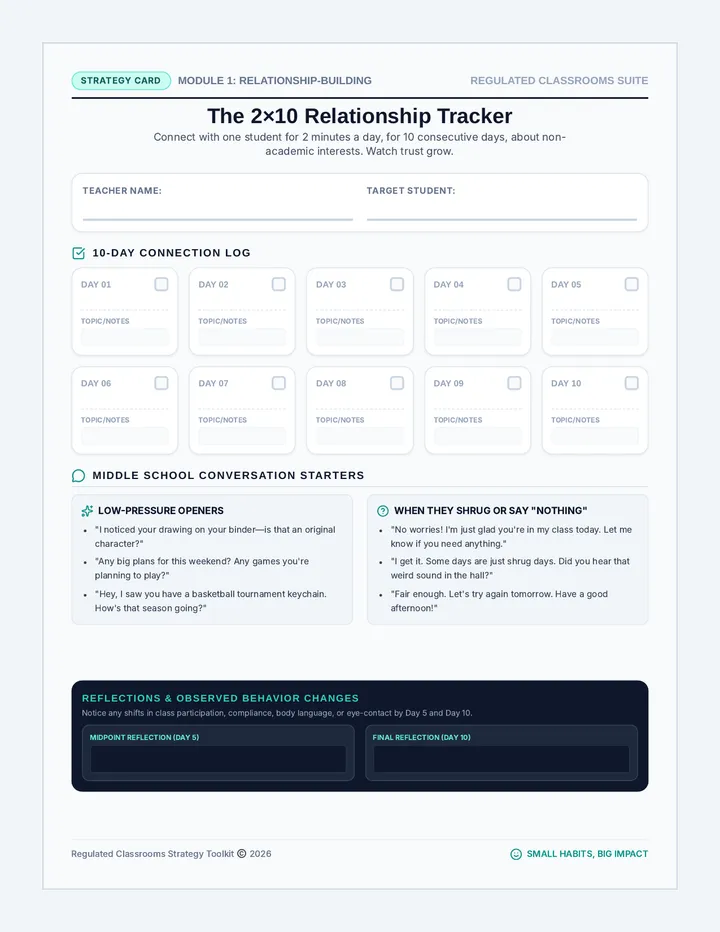
A multi-subject weekly unit designed for first-grade special education, focusing on foundational literacy, numeracy, social-emotional skills, and earth sciences through sensory-rich, visual instruction.