A comprehensive path for students to master word reading fluency through all 20 DIBELS 8th Edition Progress Monitoring lists. Using a 'Word Wizard' theme, students track their progress and master high-frequency and decoding words.
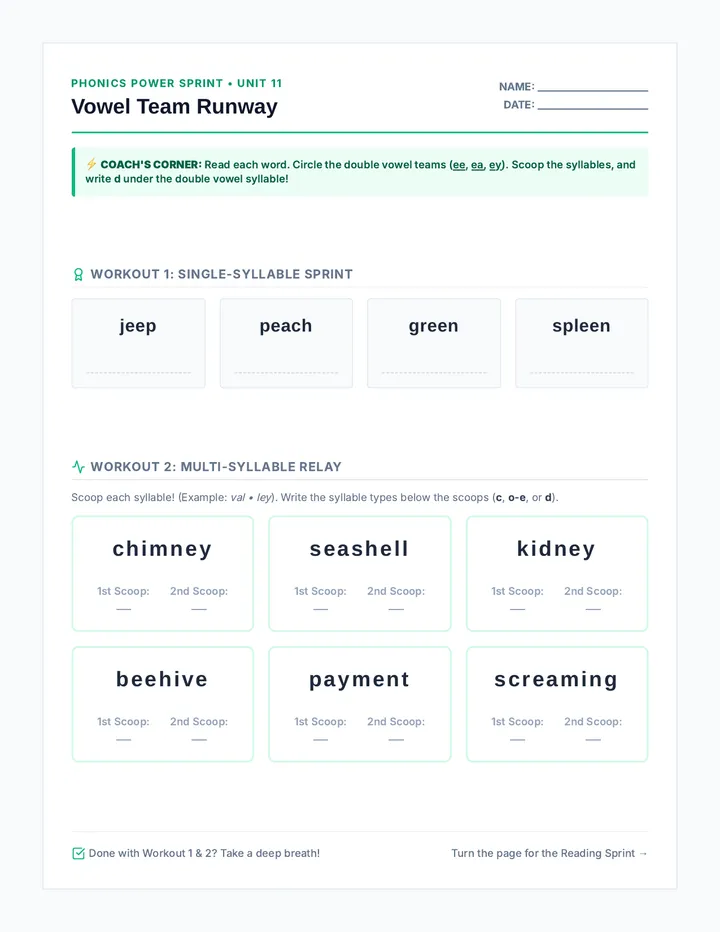
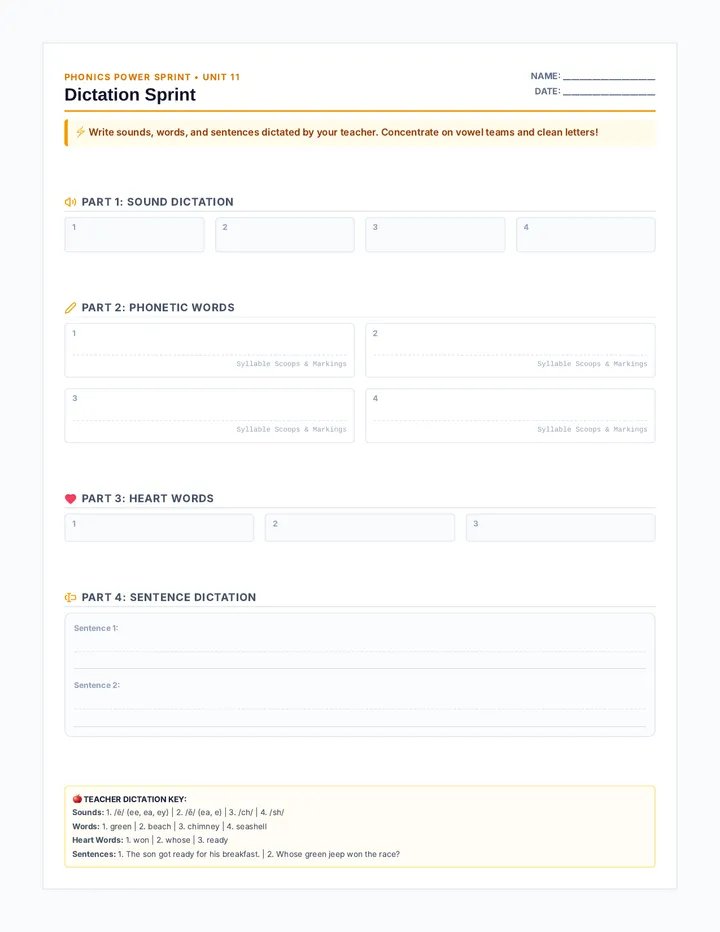
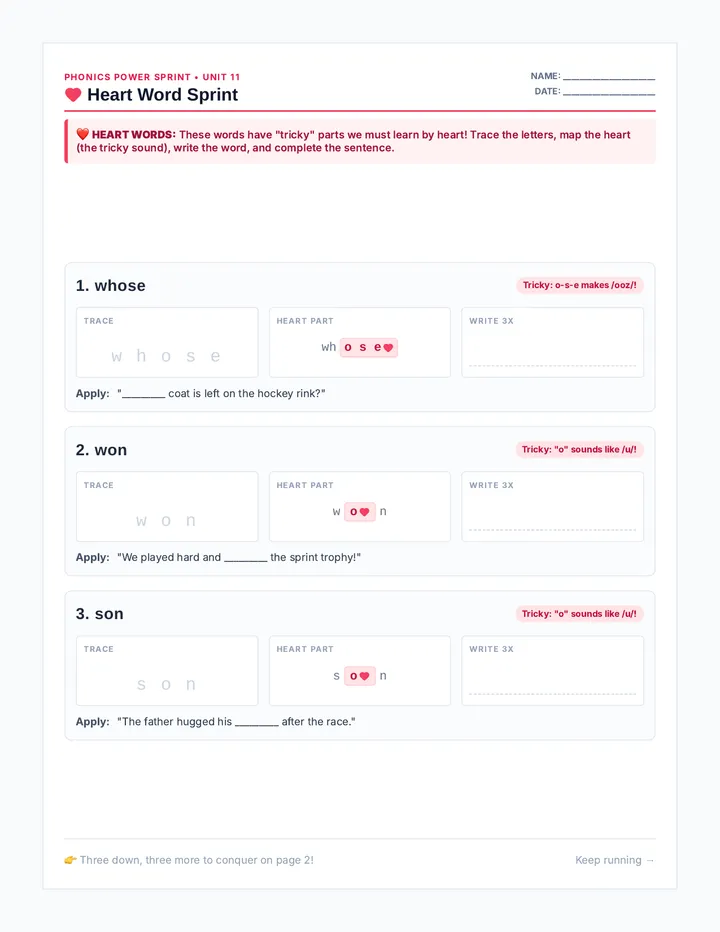
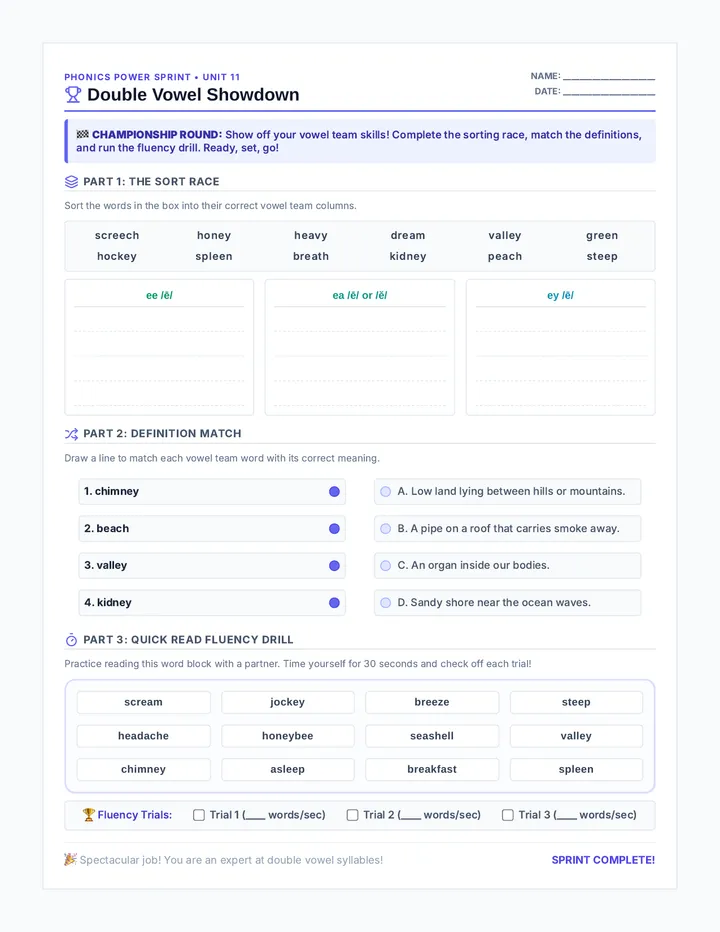
An accelerated, high-impact review of Fundations Level 2 phonics concepts, consolidating Units 11-17 into an intensive curriculum. This sequence focuses on double vowel syllables (vowel teams), multi-syllabic words, and essential high-frequency heart words to build rapid decoding and spelling mastery.
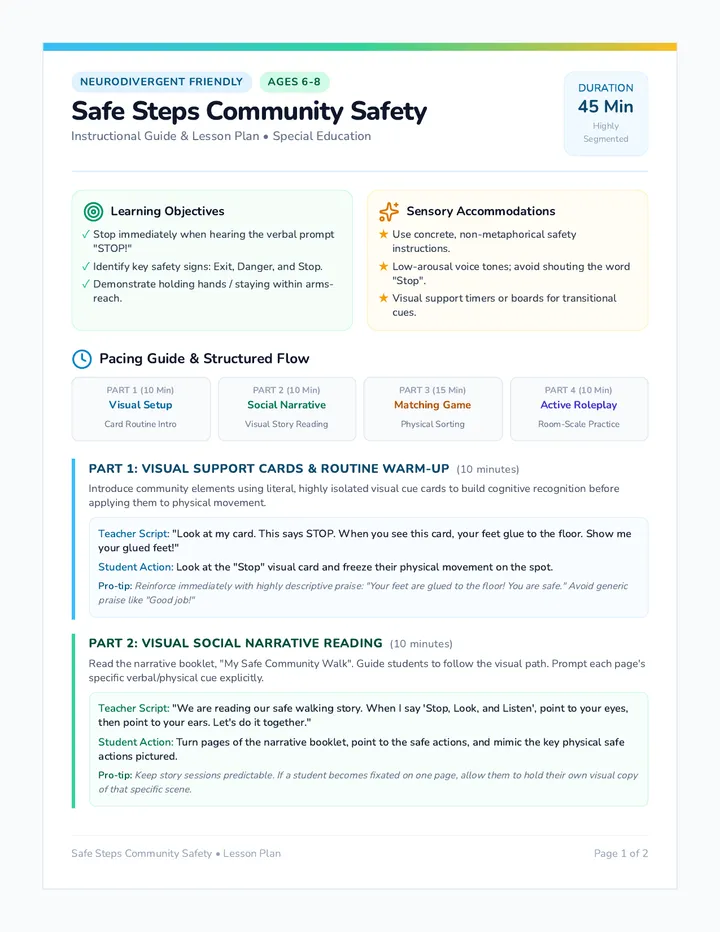
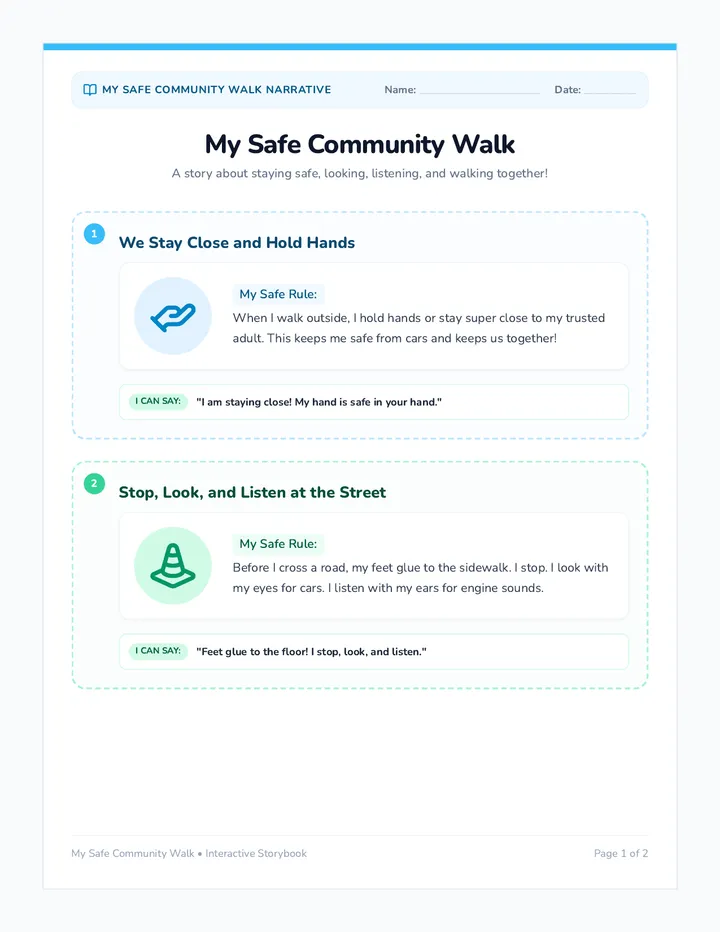
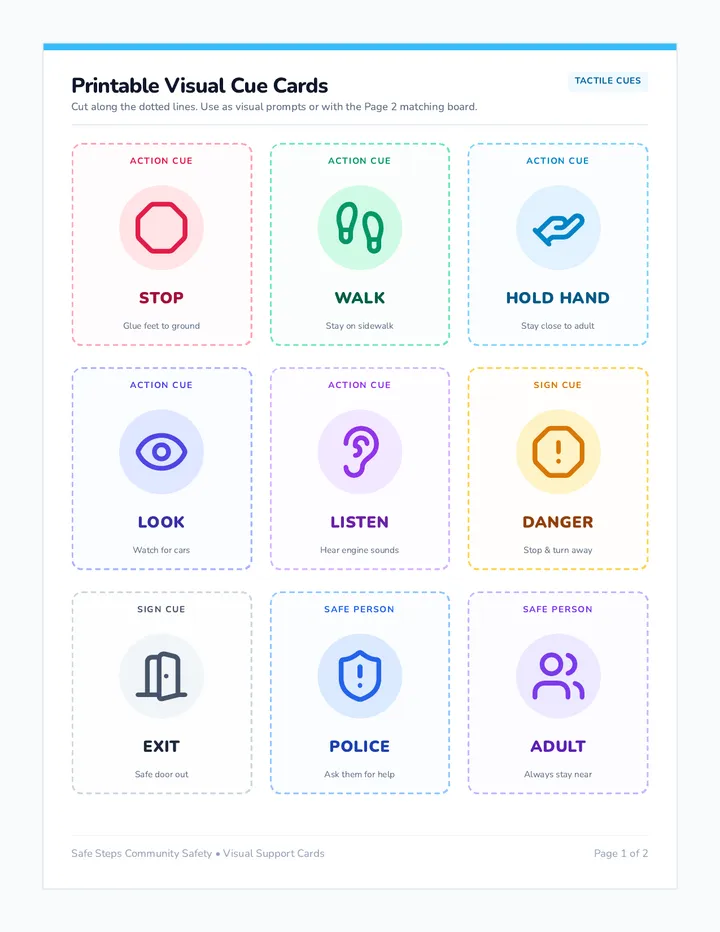
A comprehensive, sensory-friendly community safety sequence designed for young learners with autism, covering walking safety, traffic rules, getting lost, and parking lot awareness.
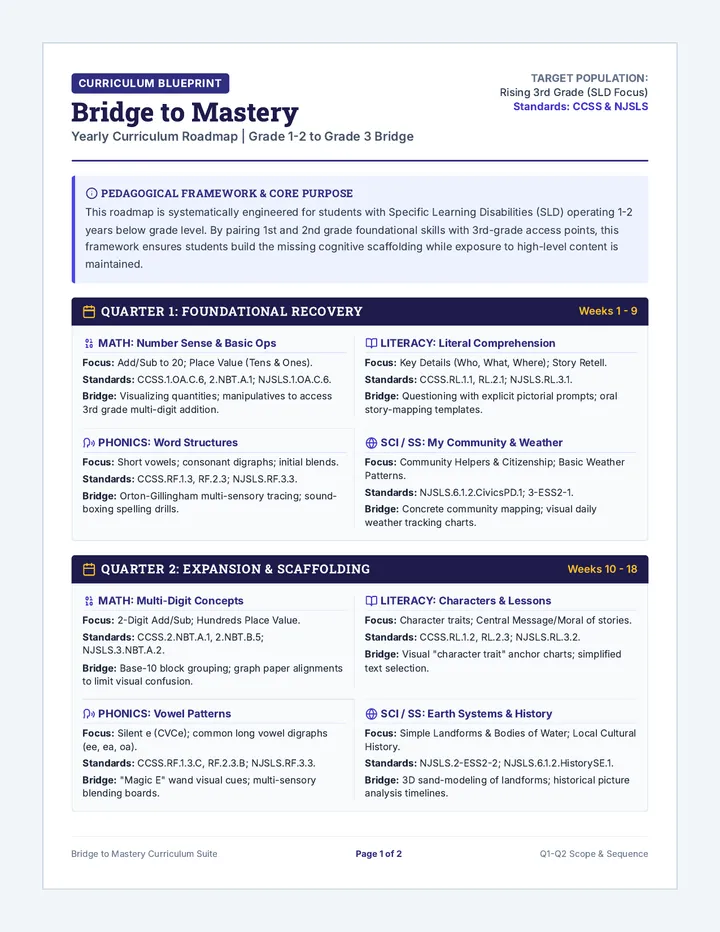
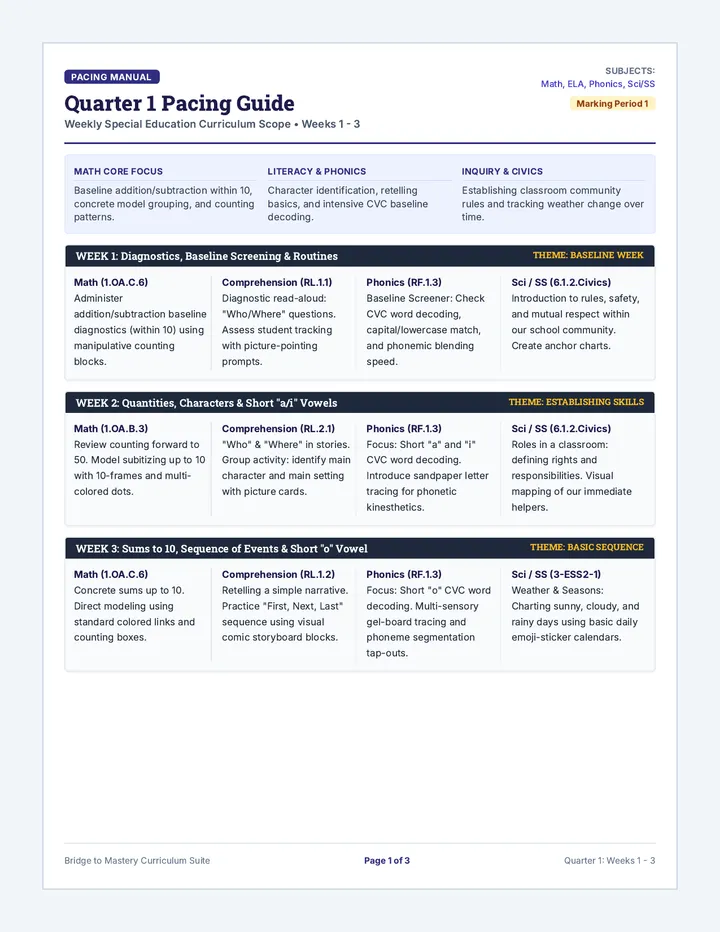
A comprehensive curriculum roadmap and detailed Quarter 1 pacing guide designed for rising 3rd-grade students with SLD operating at a 1st-to-2nd grade level. It includes diagnostic baseline screens and specialized lesson templates for self-contained special education settings, bridging CCSS and NJSLS.
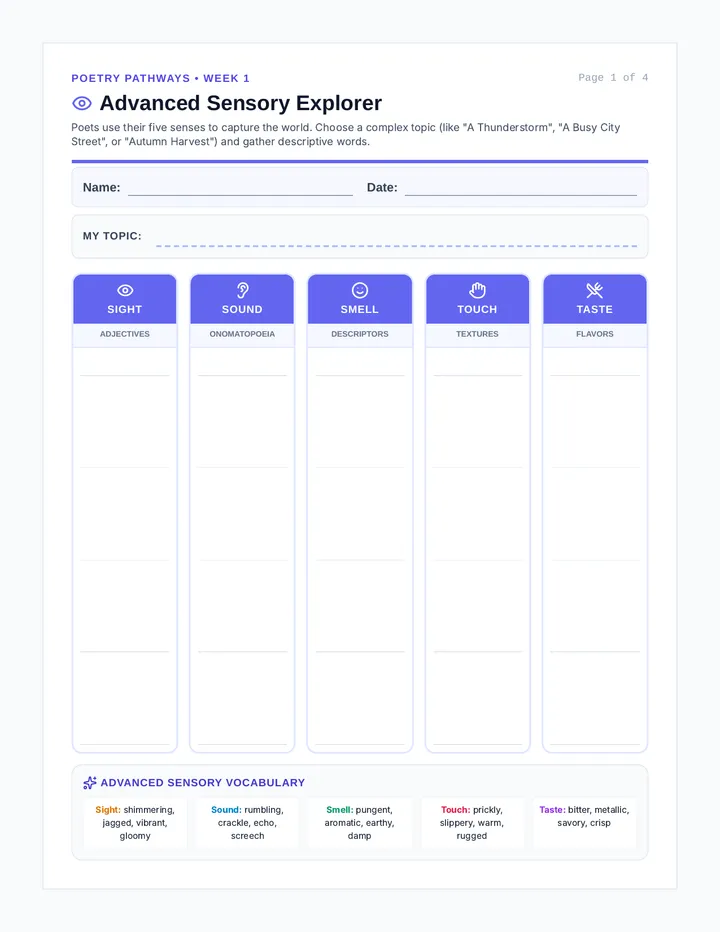
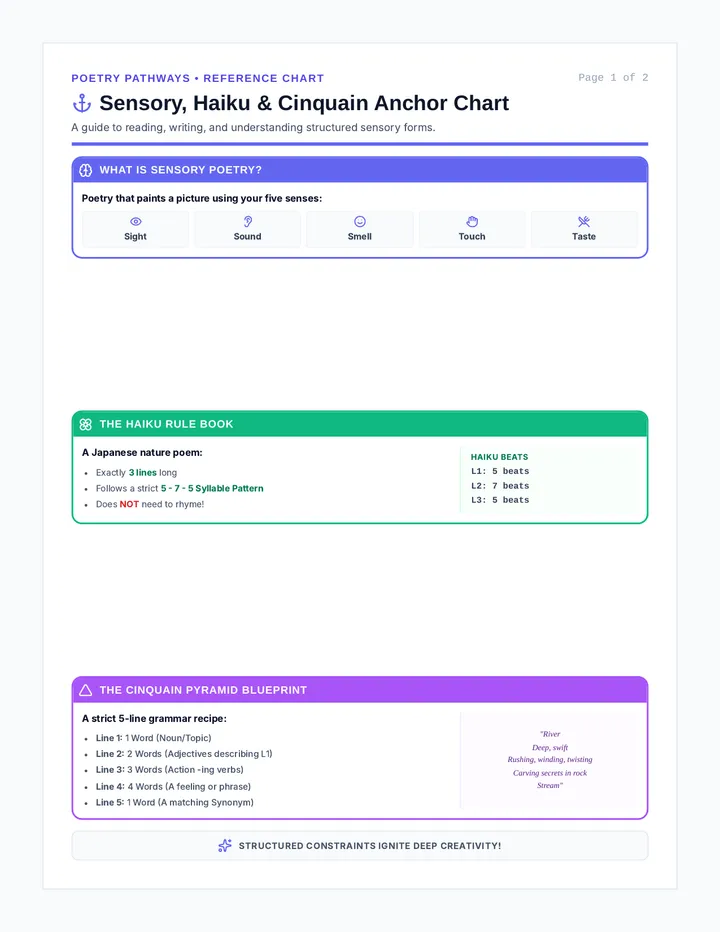
A comprehensive 4-week poetry curriculum designed for students requiring high structure and visual supports. It covers diverse poetry types (Haiku, Color, Acrostic, Couplets, Concrete, Free Verse, and Metaphor/Simile) with scaffolds like word banks, sentence frames, and graphic organizers.
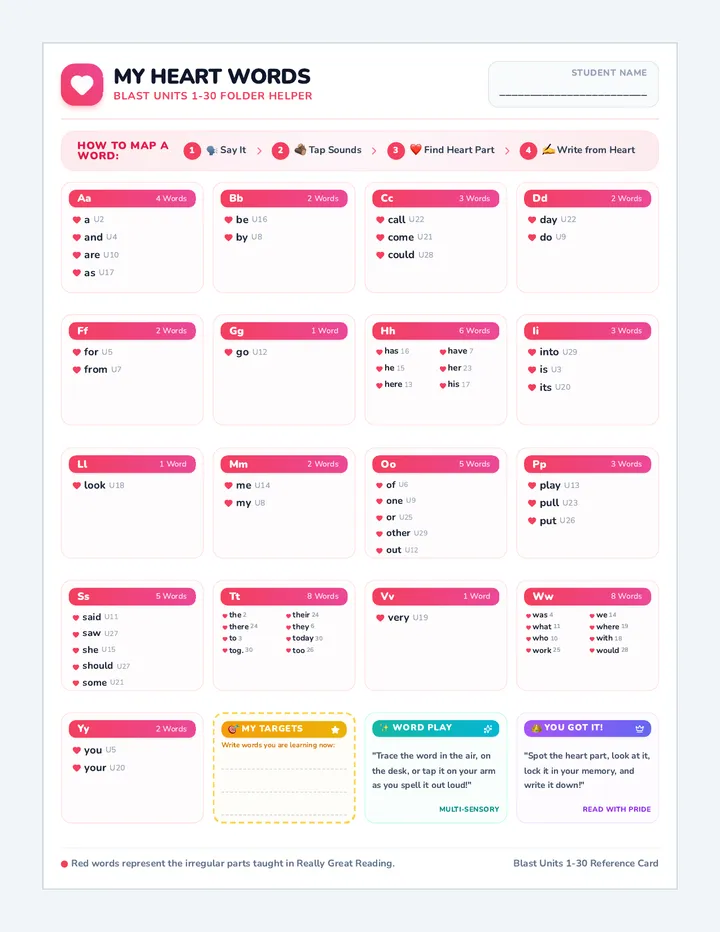
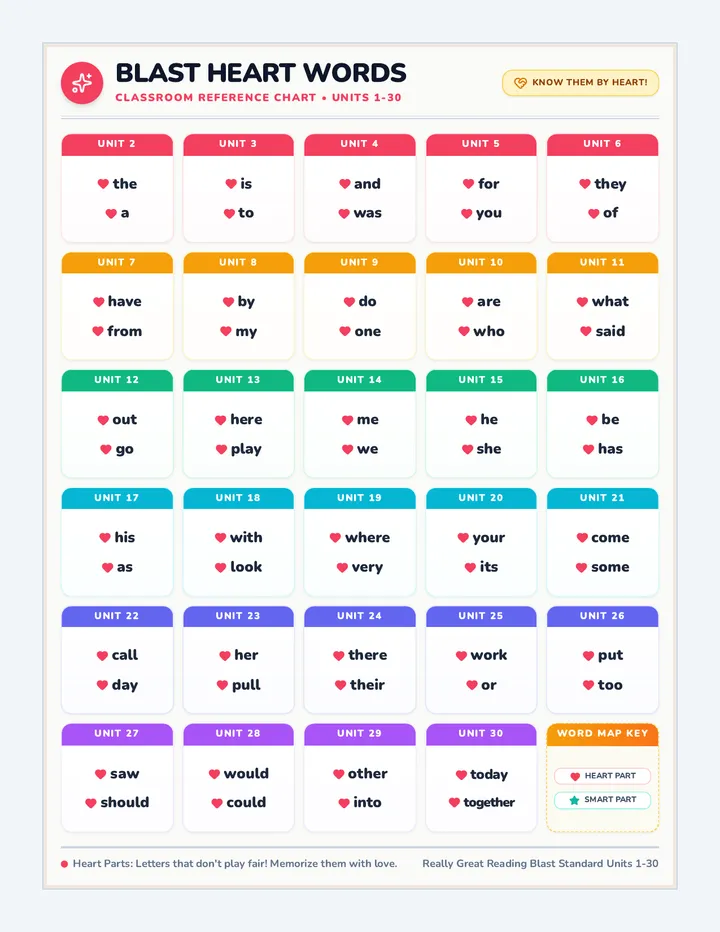
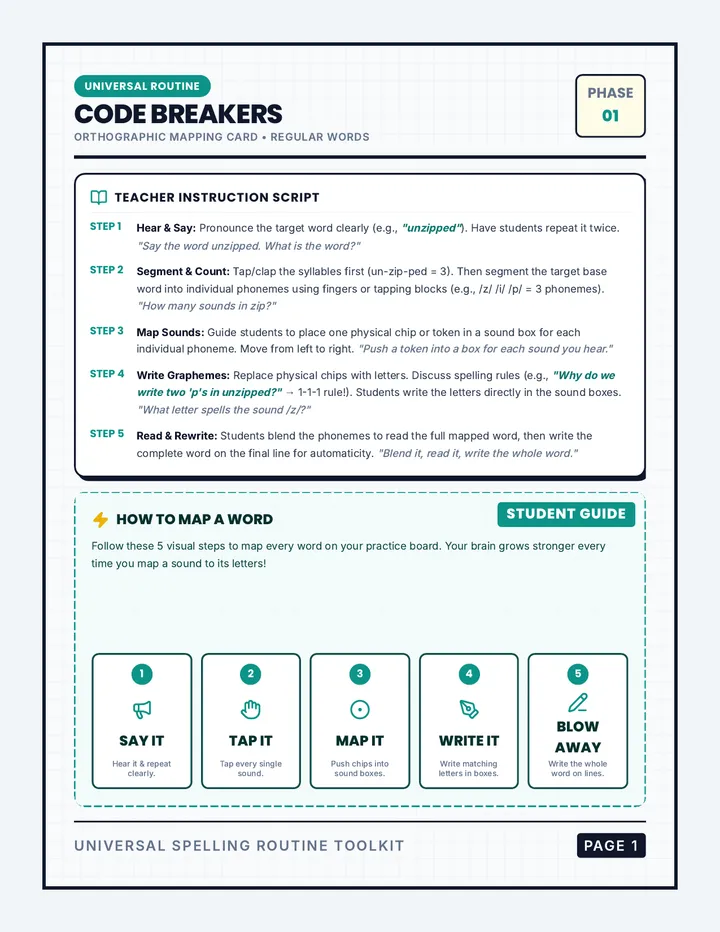
A complete suite of orthographic mapping references and student folder aids for Really Great Reading curricula, featuring both Countdown and Blast levels.
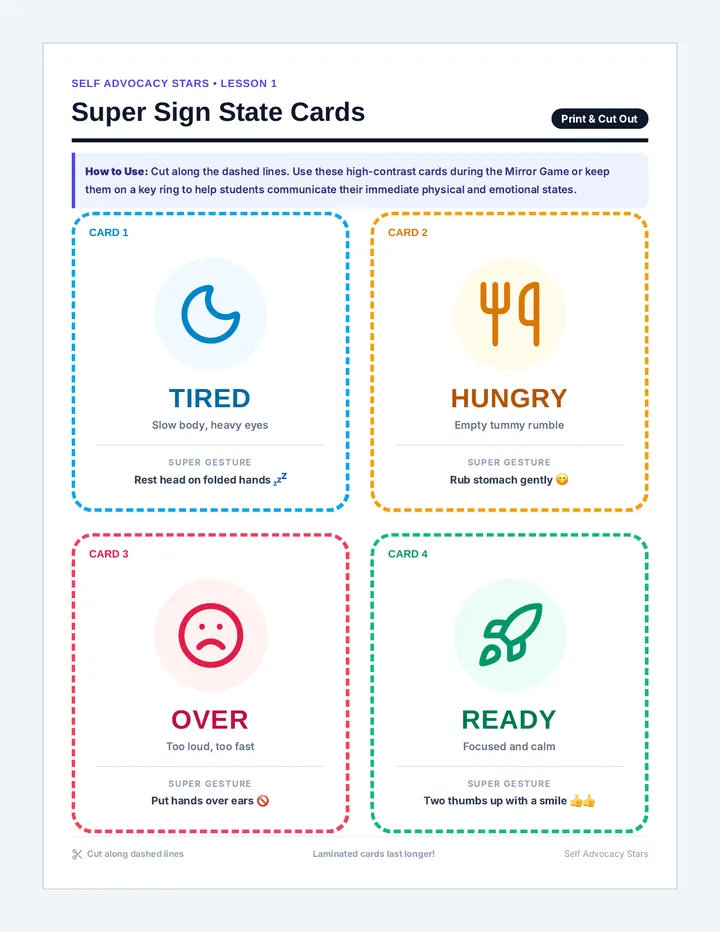
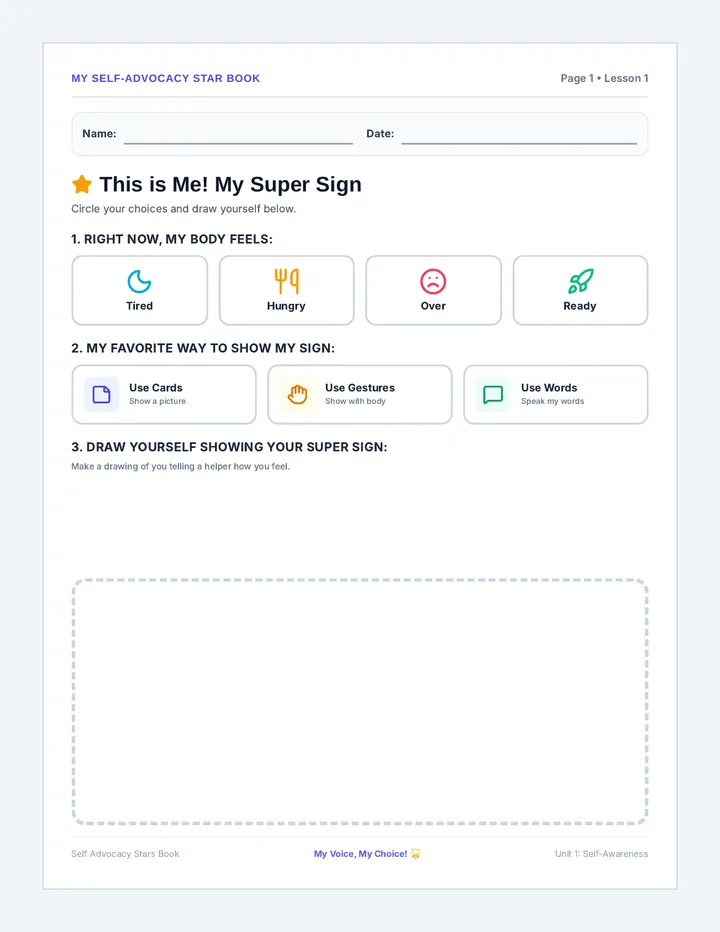
A visual and interactive self-advocacy curriculum designed specifically for students with intellectual disabilities and diverse communication styles. This foundational series empowers students to express feelings, request assistance, and make independent choices through highly structured group games, partner interactions, and individual visual communication books.
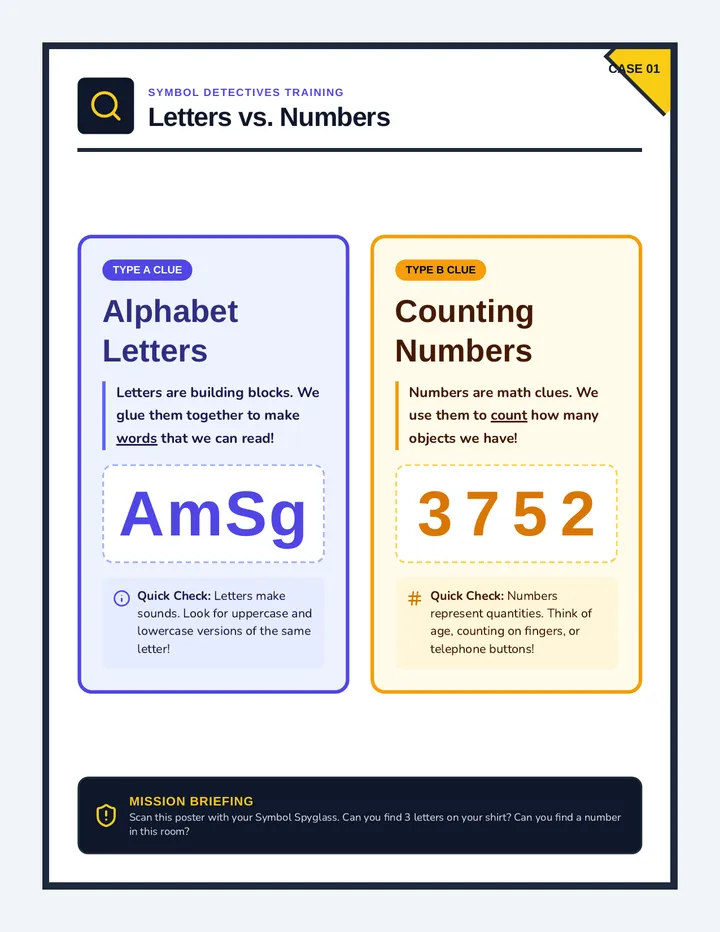
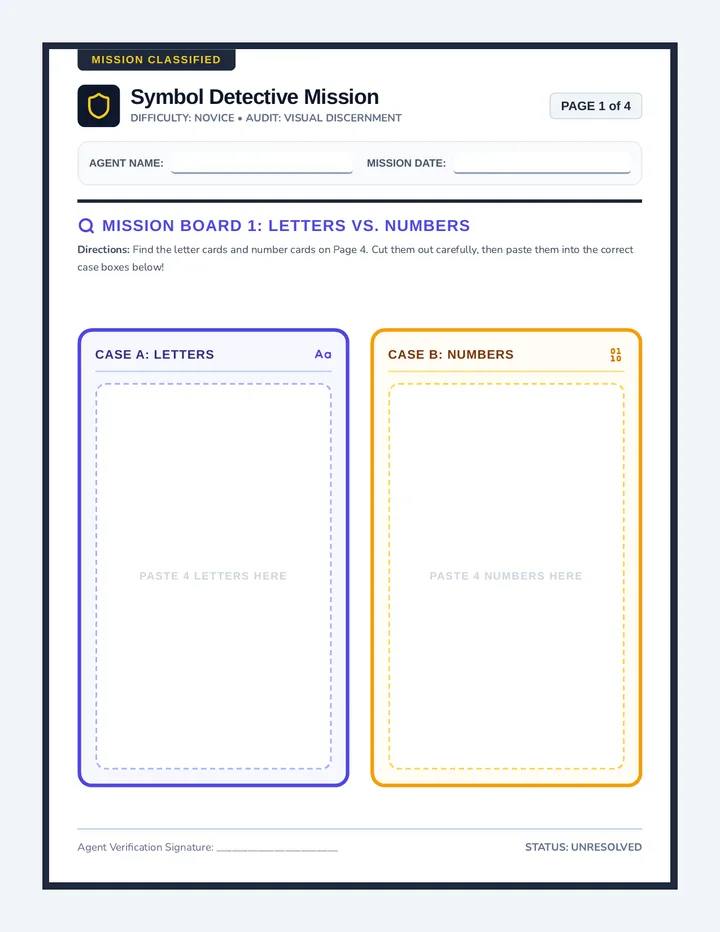
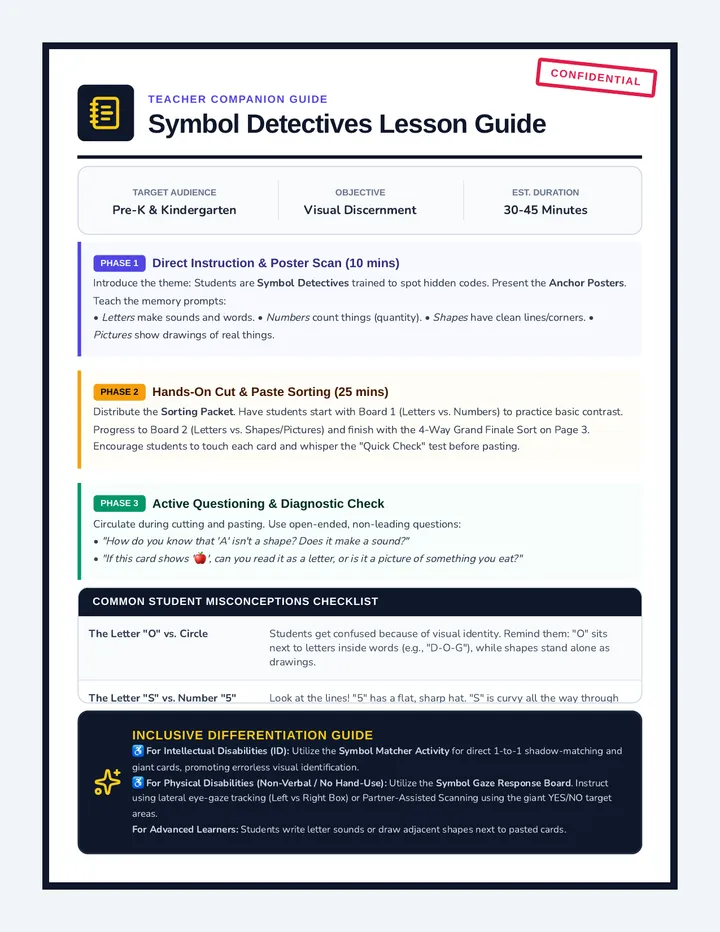
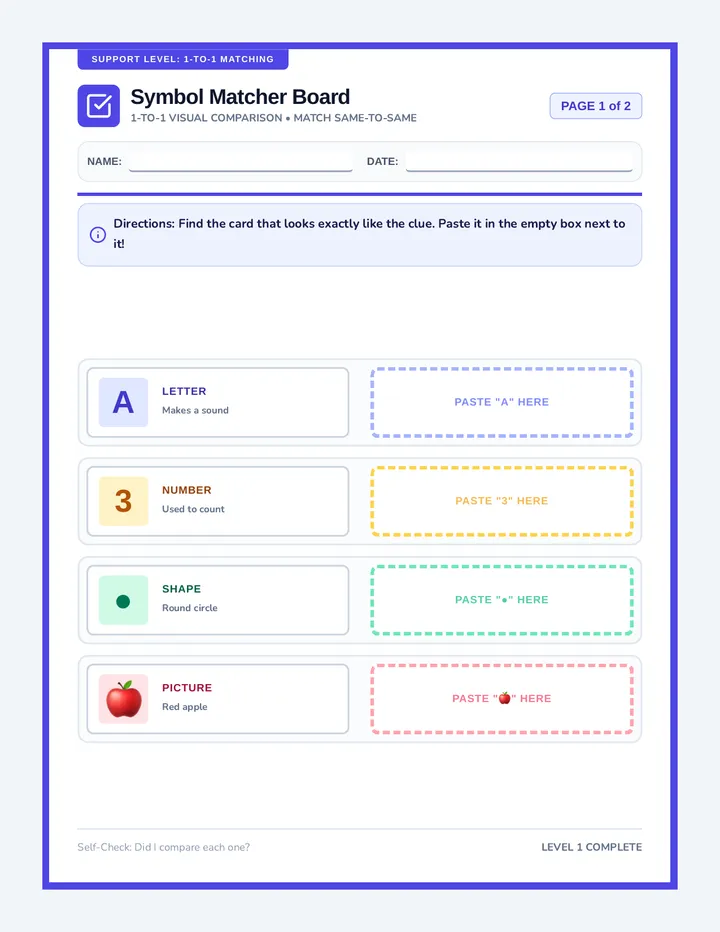
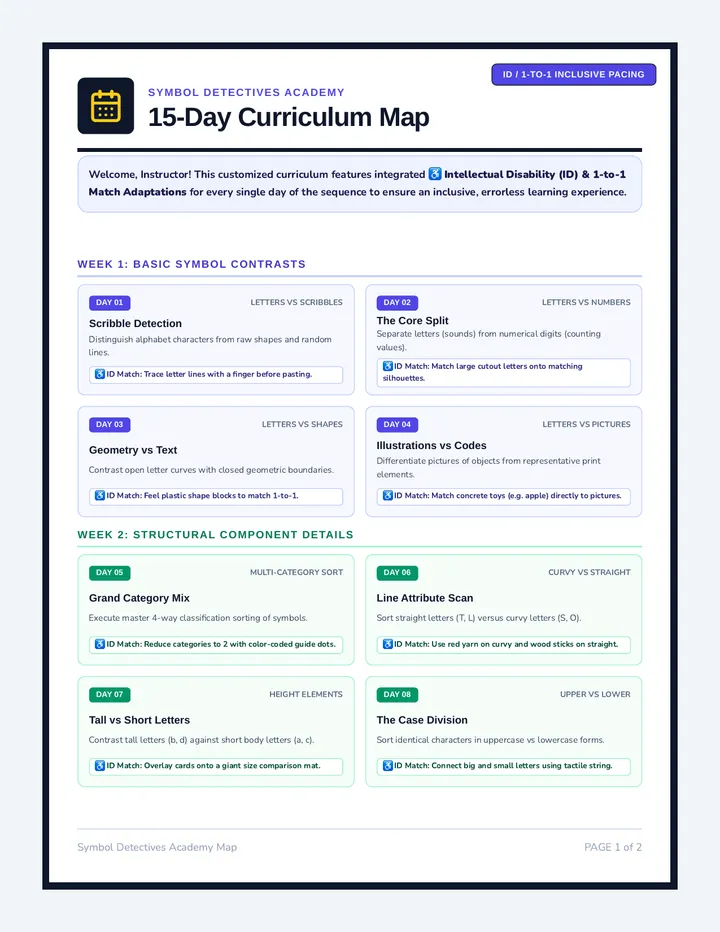
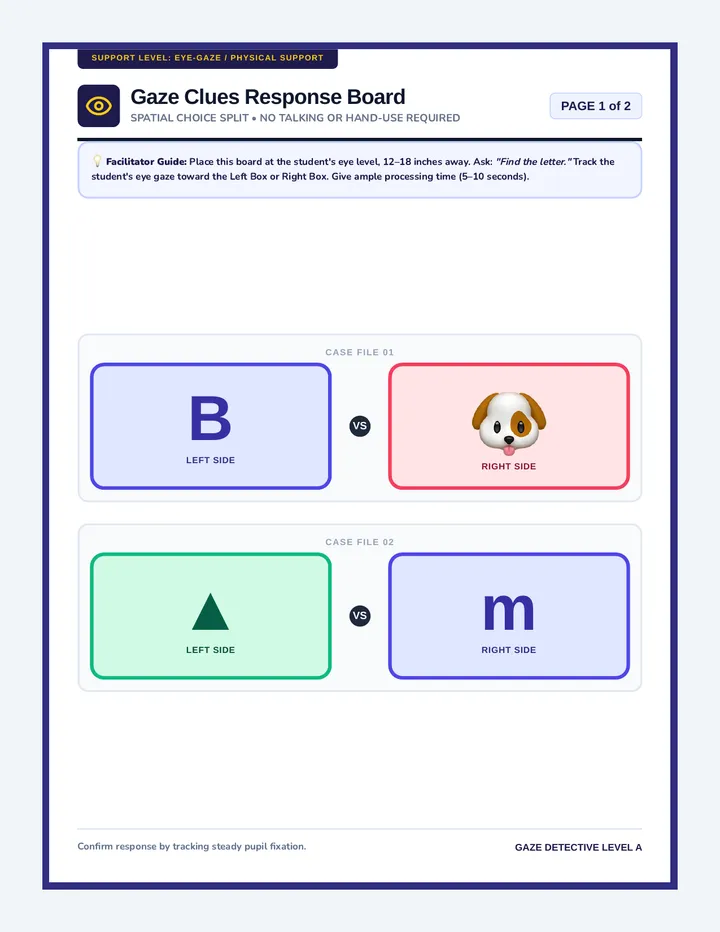
A systematic 15-day visual discernment sequence designed for early learners to master symbol identification. Over 15 days, students progress from simple letter-versus-object contrasts to complex character comparisons, similarity checks, and functional print identification.
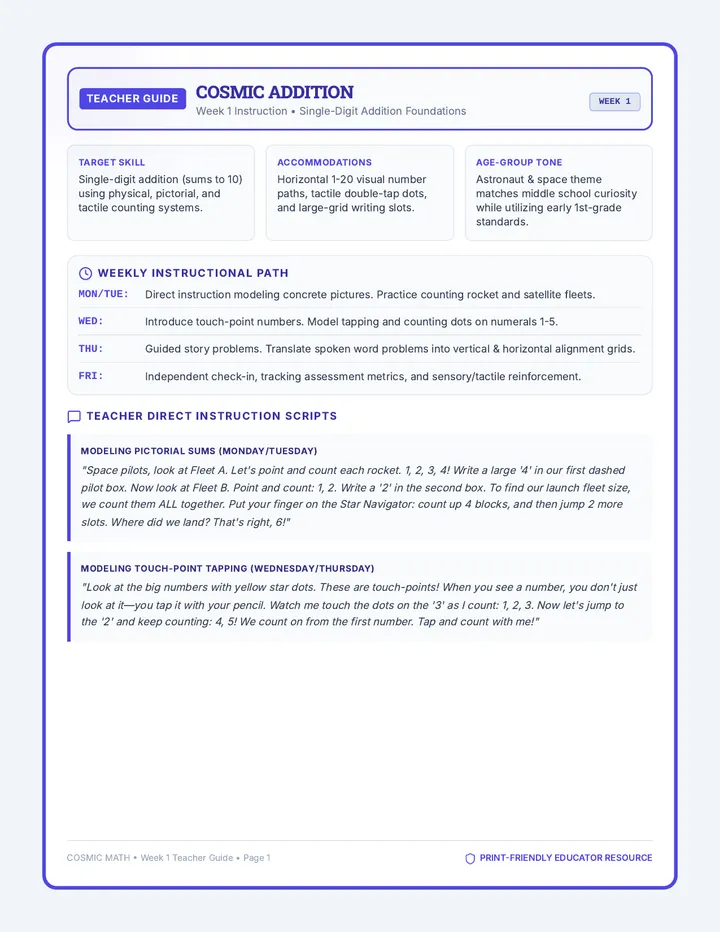
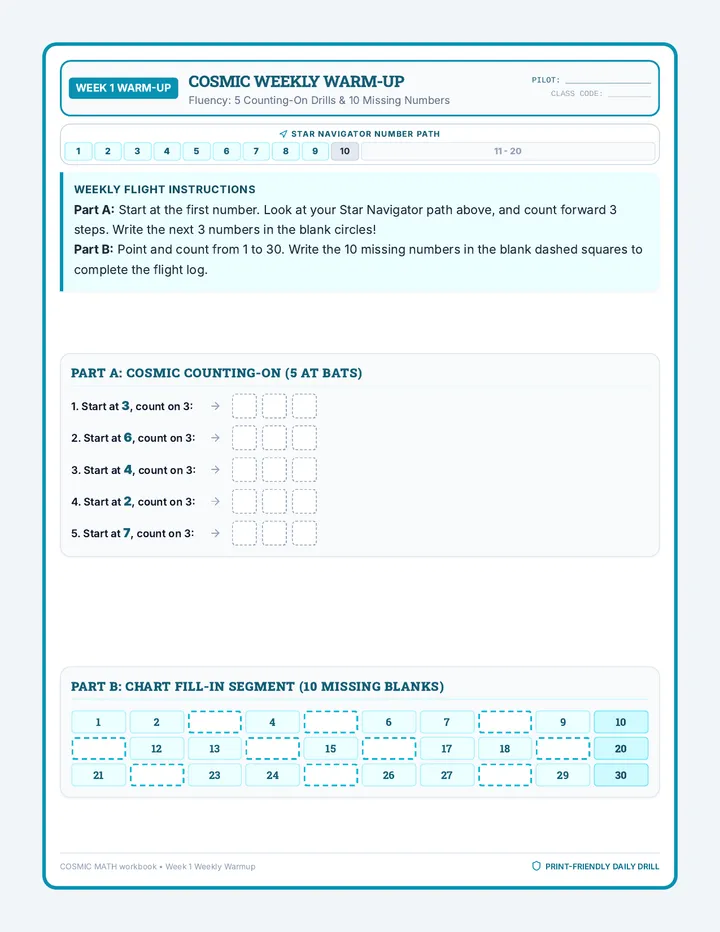
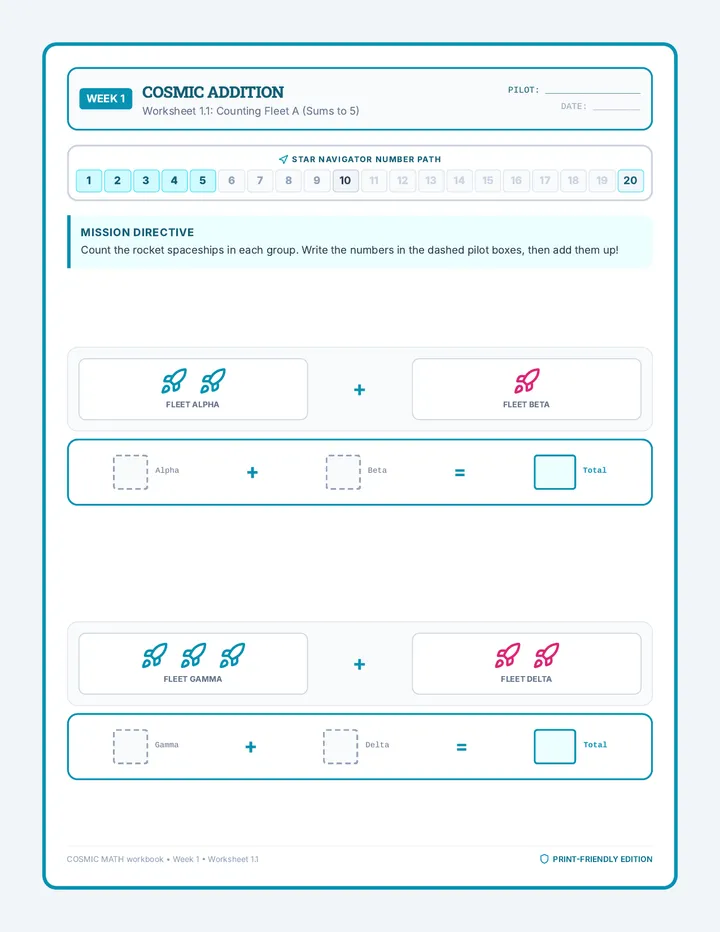
A 4-week math workbook and instructional sequence themed around outer space exploration, specifically designed for middle school students with disabilities (SWDs) working at an early 1st-grade level. Features embedded touch-points, base-ten icons, visual number paths, and age-appropriate space exploration visuals to teach single-digit operations, place value, and patterns.
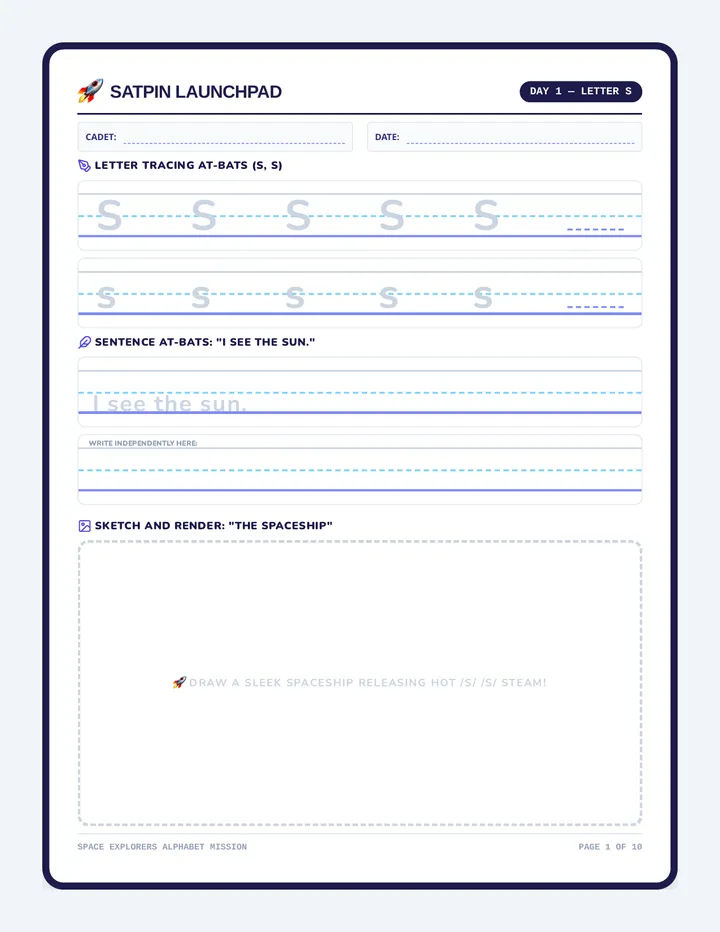
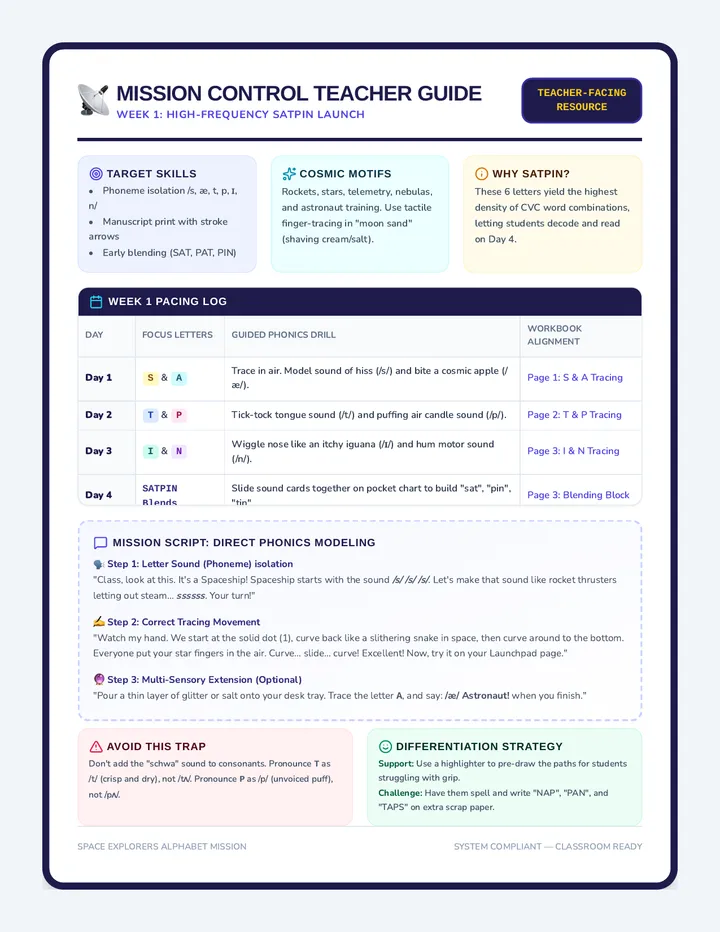
A 4-week ELA workbook and instructional sequence themed around outer space exploration. Focuses on letter recognition, sounds, foundational handwriting, and early phonics using SATPIN, the full A-Z, vowels and consonants, and tricky letter pairs.
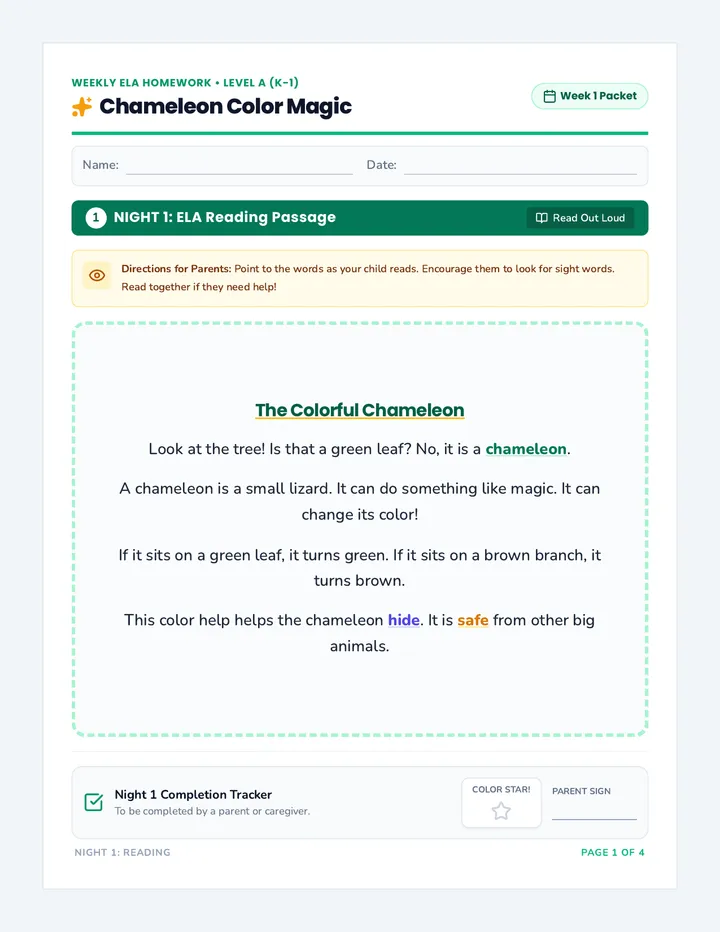
Weekly ELA homework packets focused on high-interest animal adaptations for elementary students (K-5). Each packet contains four nights of structured work: Night 1 (Reading), Night 2 (Vocabulary), Night 3 (Comprehension Activity), and Night 4 (Comprehension Questions), customized with visual icons, sentence frames, and simplified tracking guides for varying reading levels.
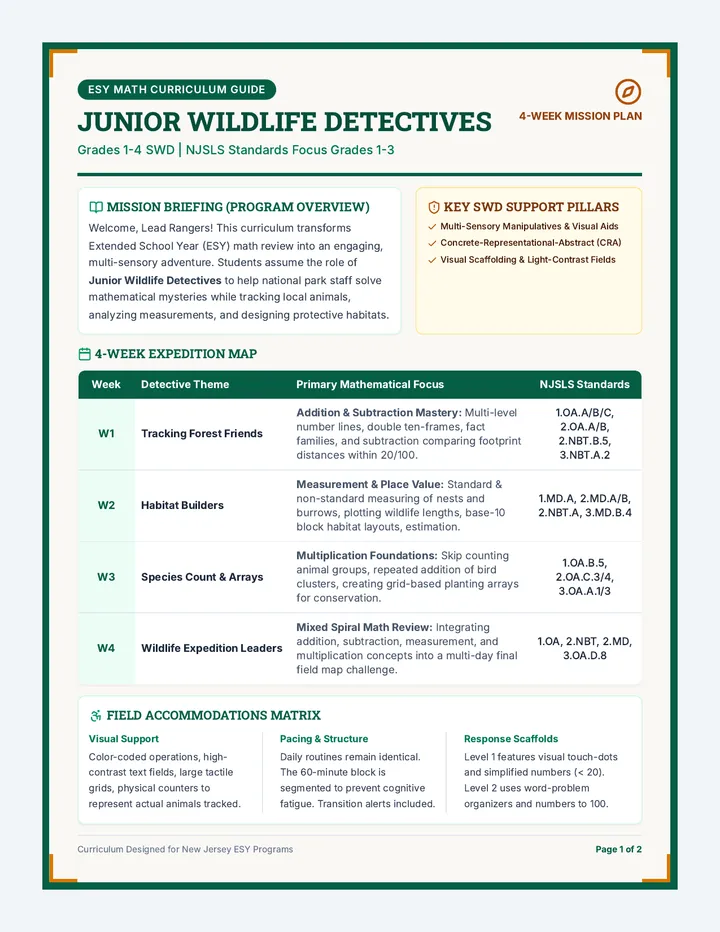
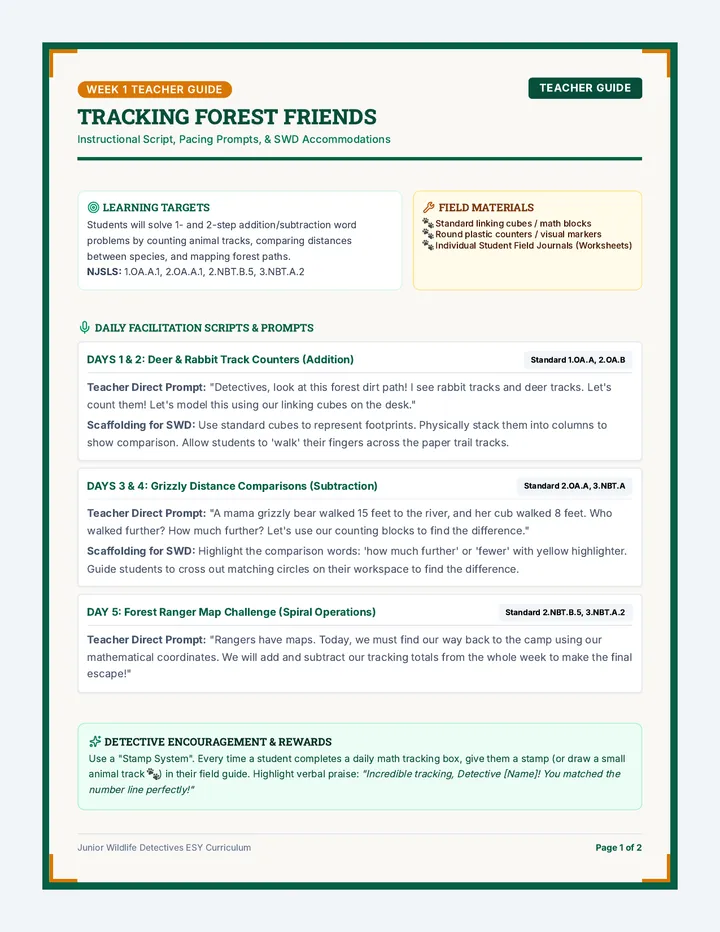
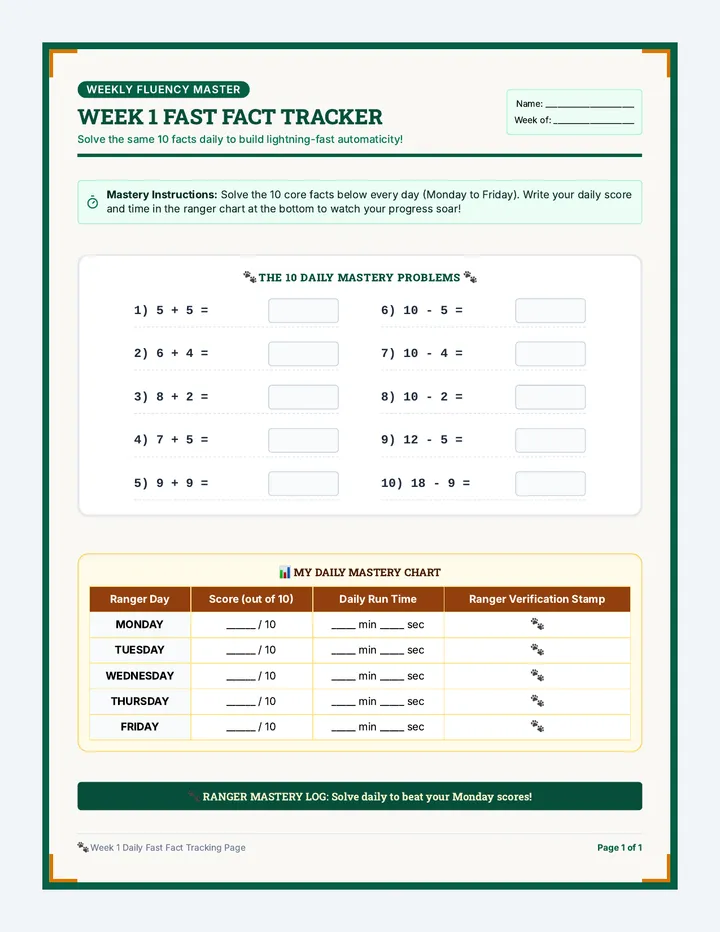
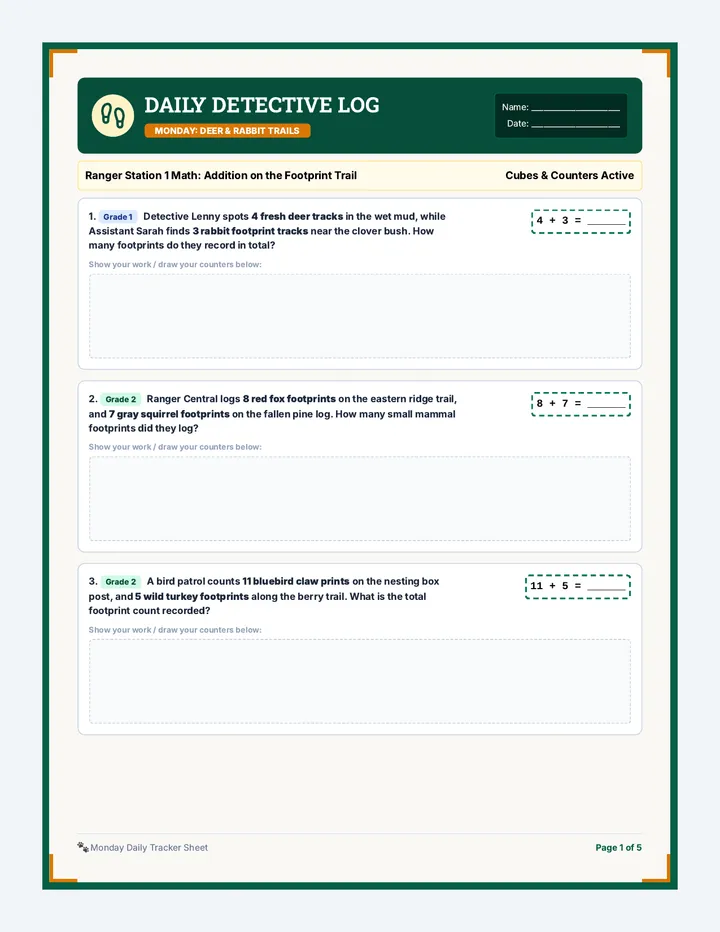
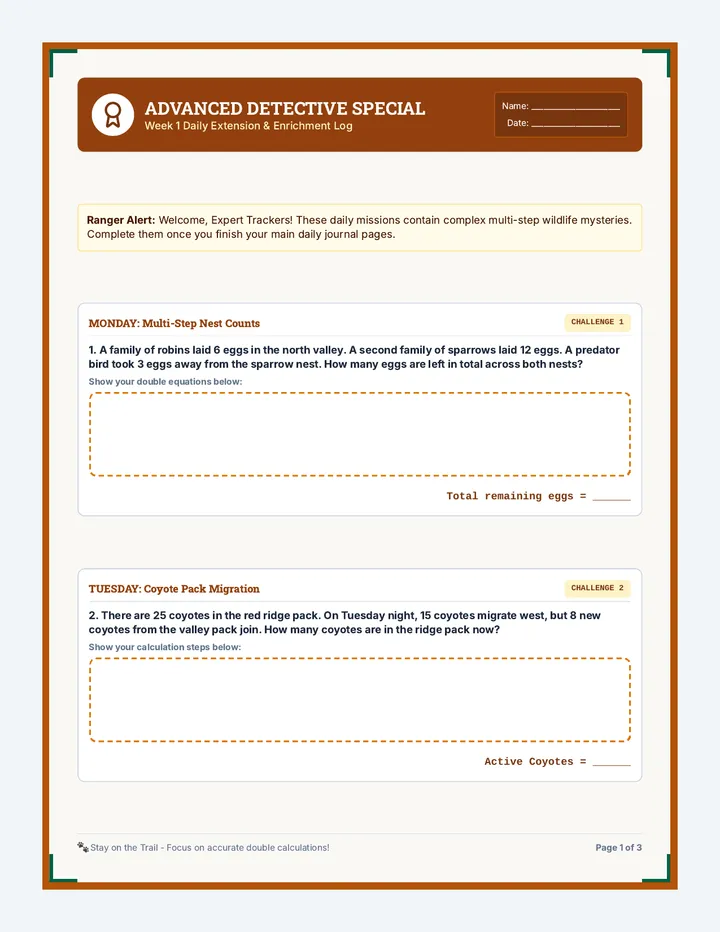
A 4-week Extended School Year (ESY) Math curriculum for Students with Disabilities (SWD) in grades 1-4. Using an engaging 'Junior Wildlife Detectives' theme, students track animals, measure habitats, and categorize species while mastering addition, subtraction, place value, and multiplication foundations aligned with NJ Student Learning Standards (NJSLS) for grades 1-3.
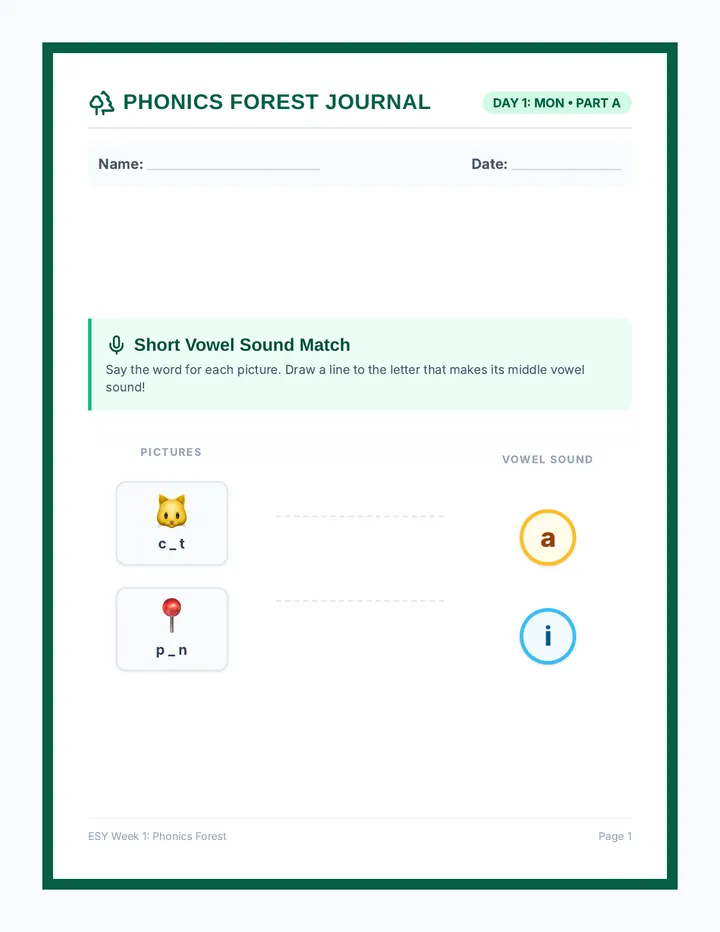
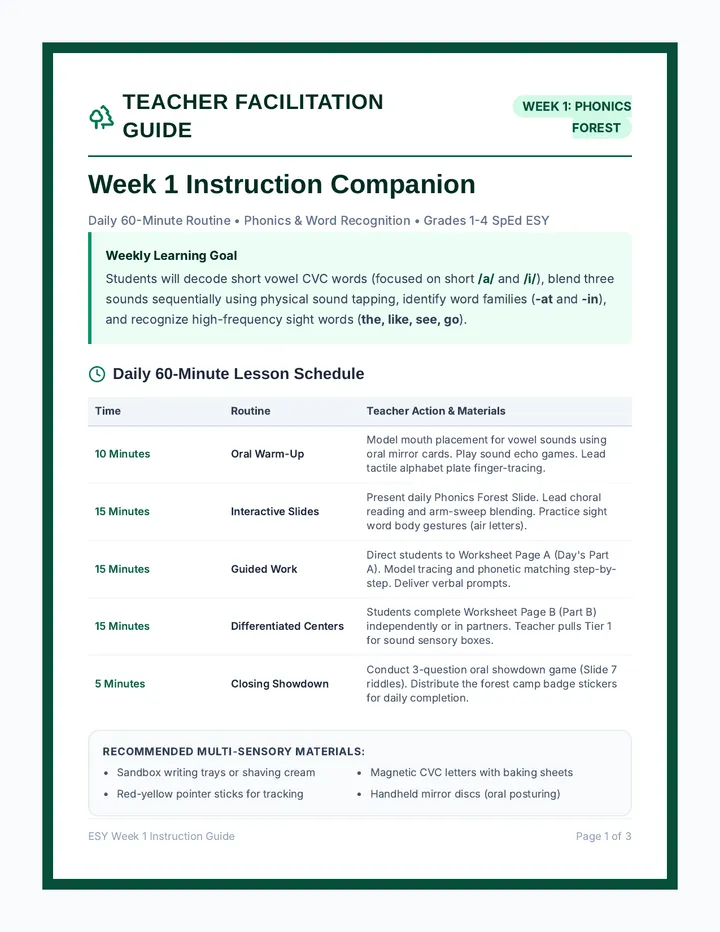
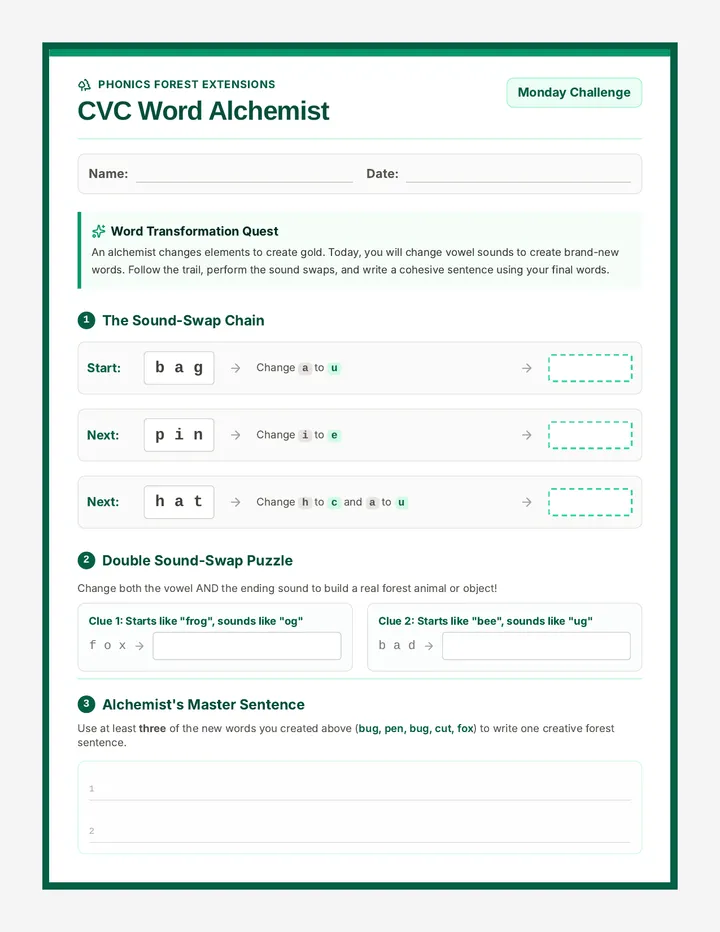
A comprehensive 4-week ELA curriculum designed for Special Education Extended School Year (ESY) programs, serving grades 1-4 with differentiated activities, daily visual slides, and hands-on, multi-sensory support.
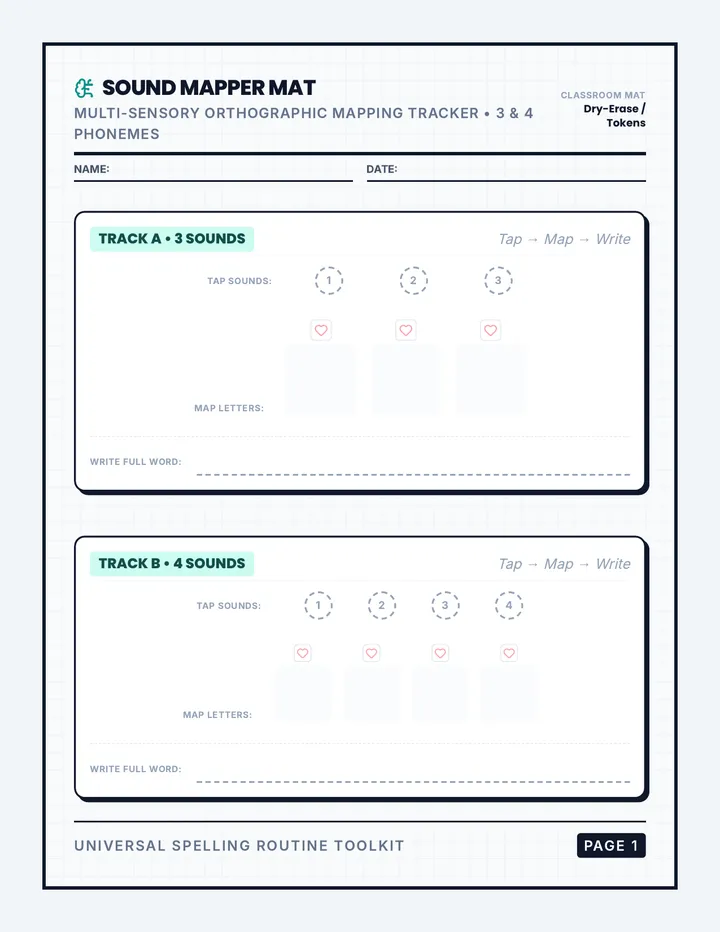
A comprehensive Science of Reading-aligned spelling program designed to build orthographic mapping, syllable juncture automaticity, complex vowel team knowledge, morphological awareness, and multisyllabic decoding skills. Includes universal routine kits, teacher instructional guides, and structured student practice sheets.
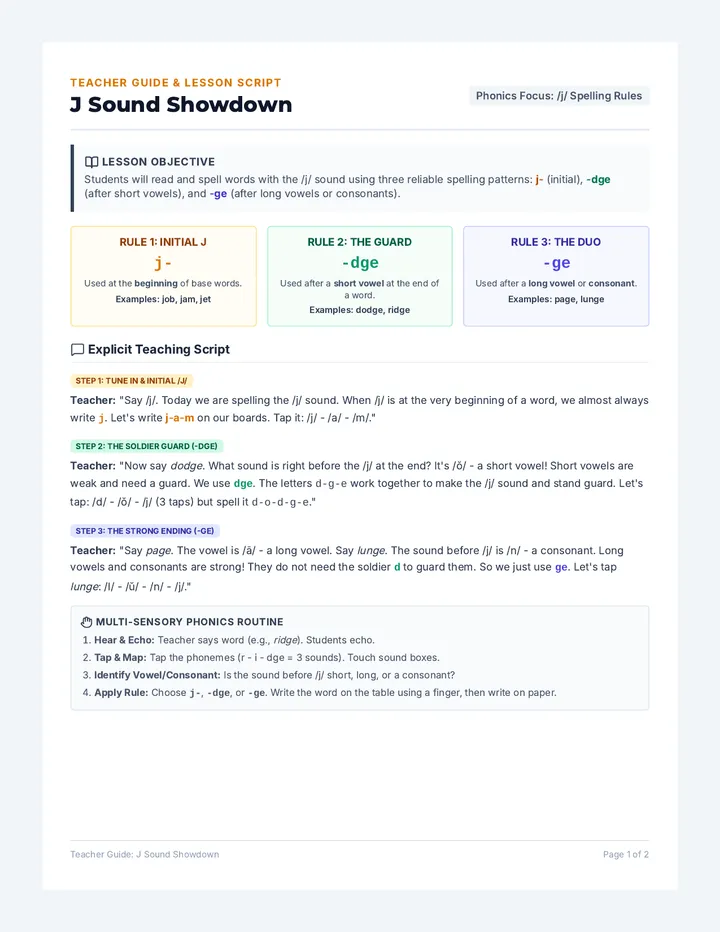
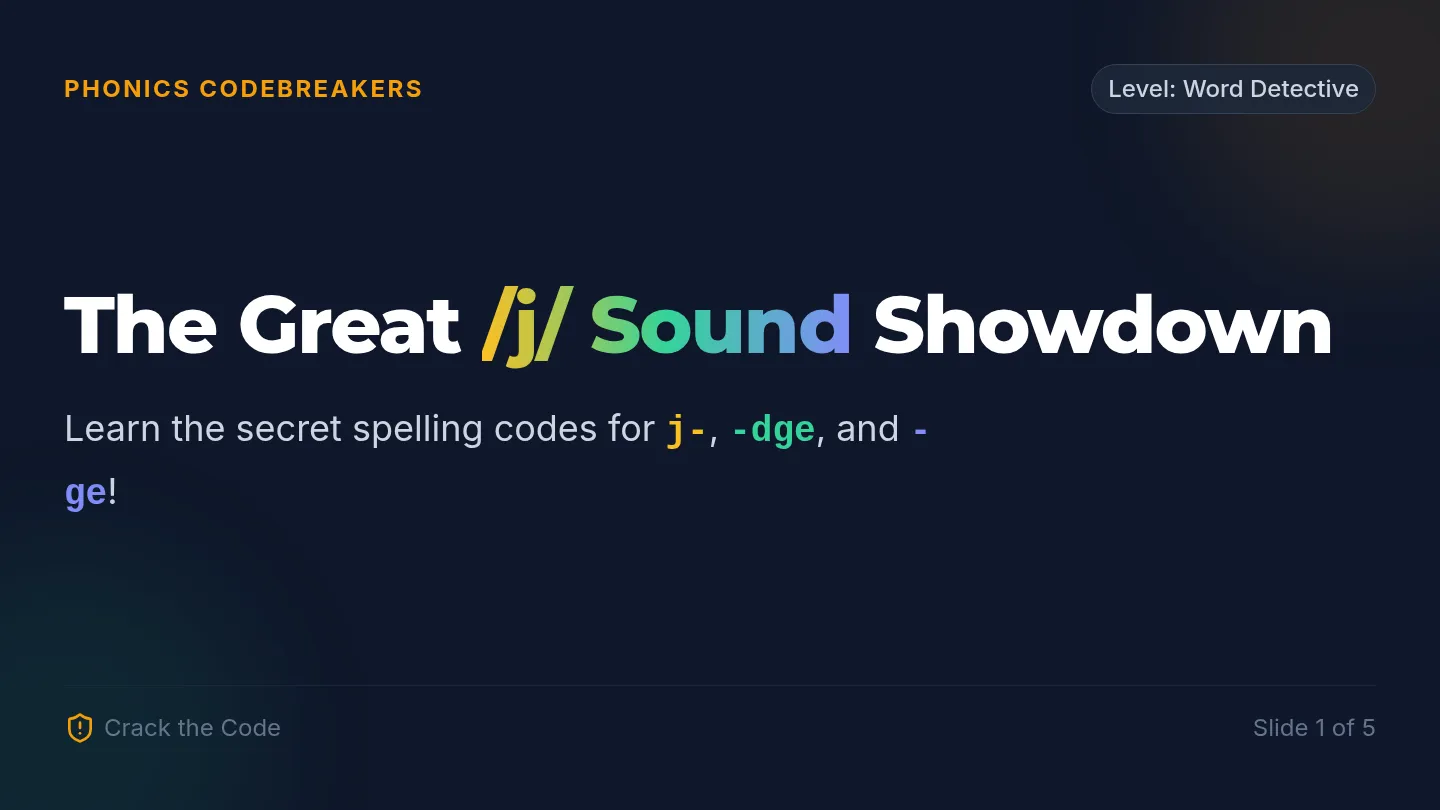
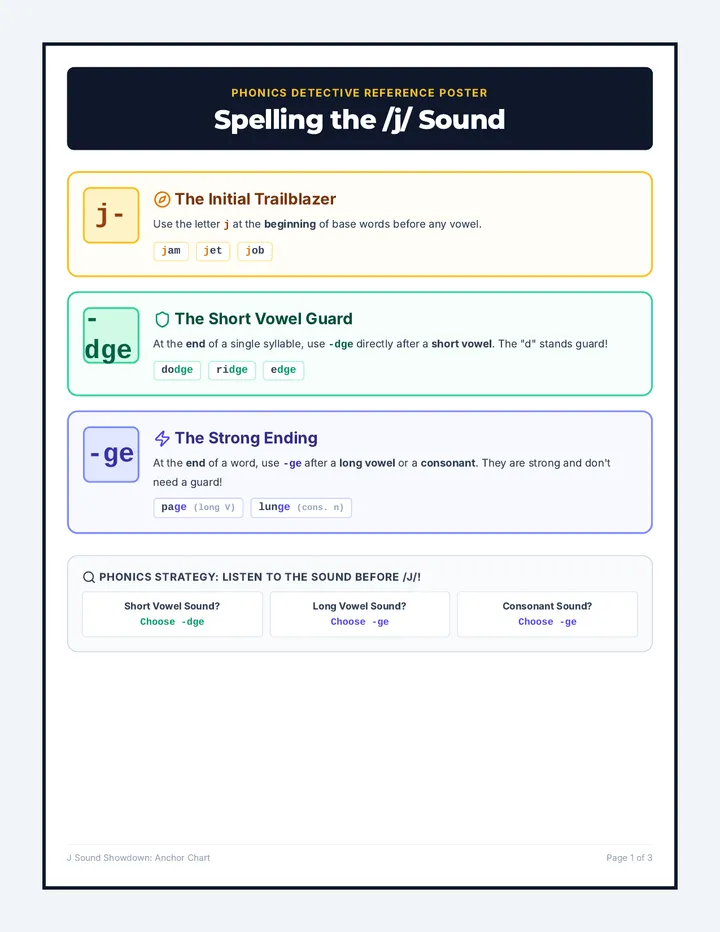
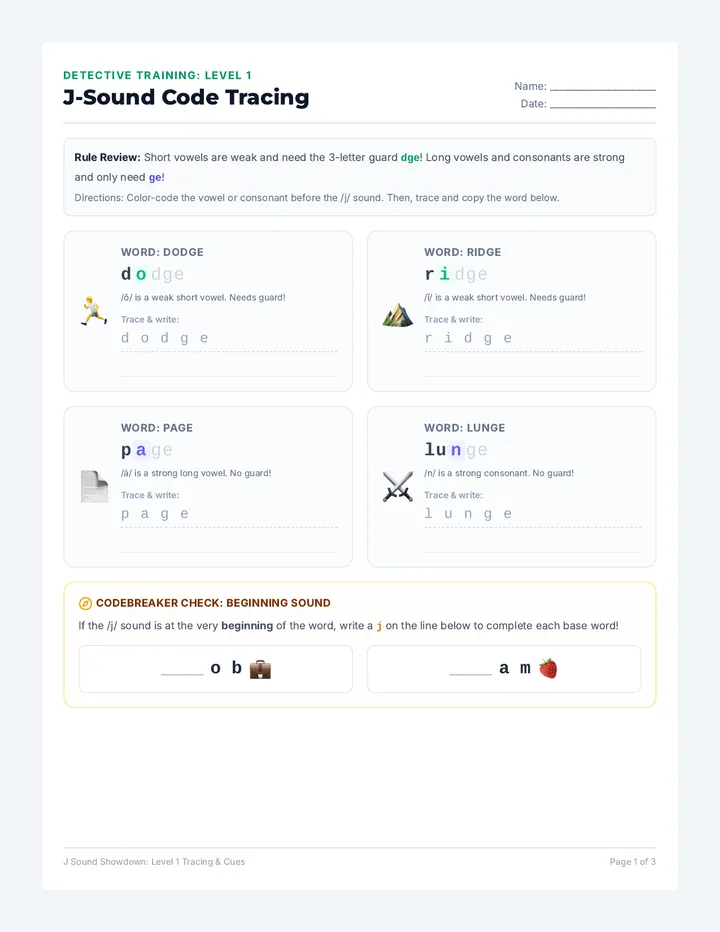
A spelling and phonics sequence exploring spelling patterns for the soft G /j/ sound, covering initial J, terminal -dge and -ge, and the soft G triggers GE, GI, and GY.
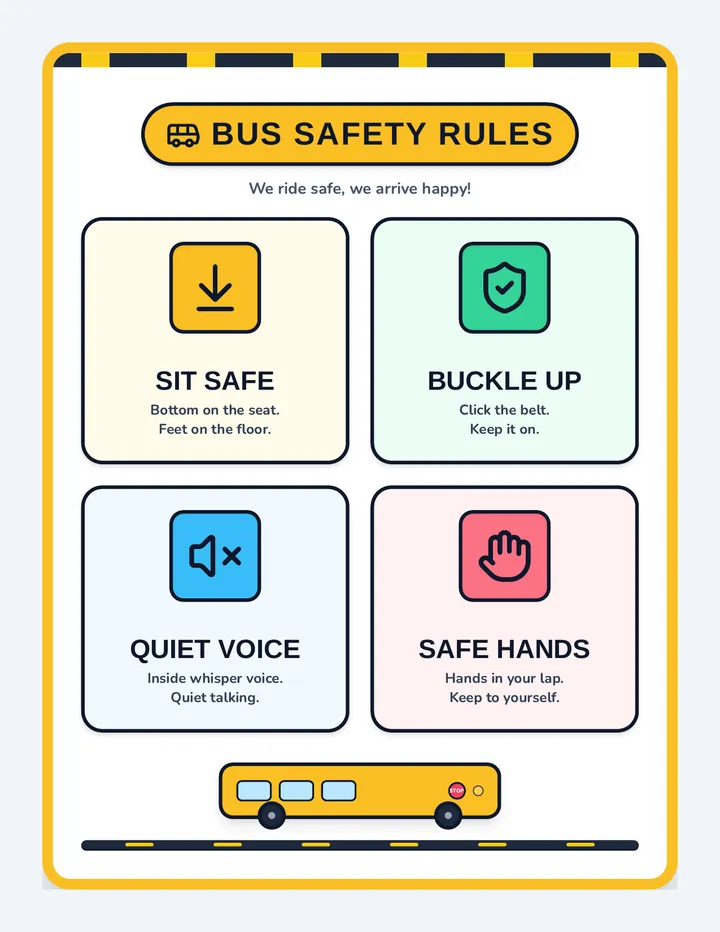
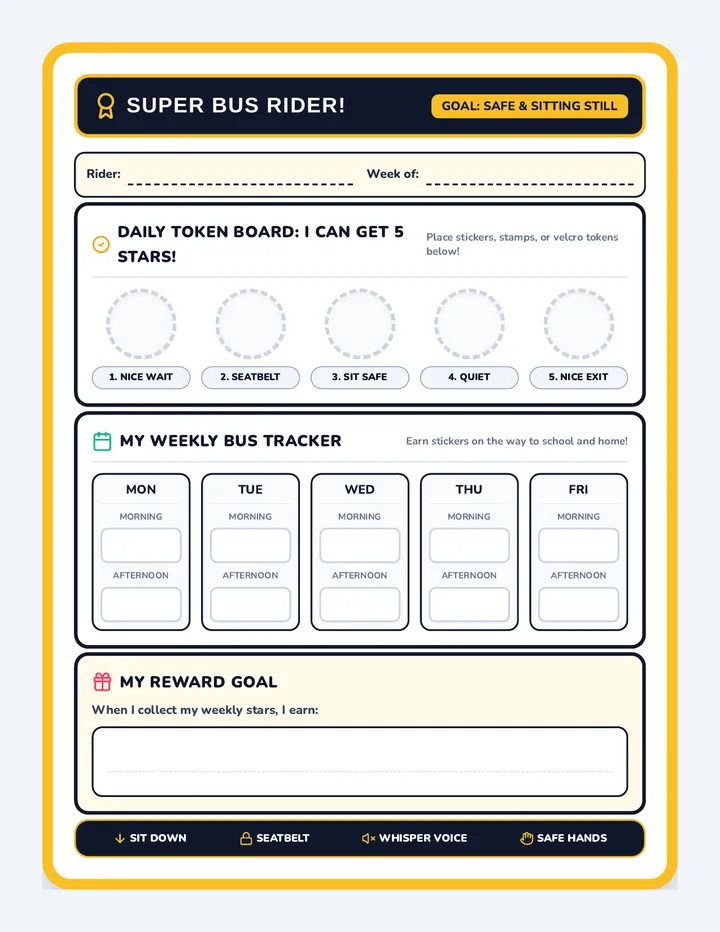
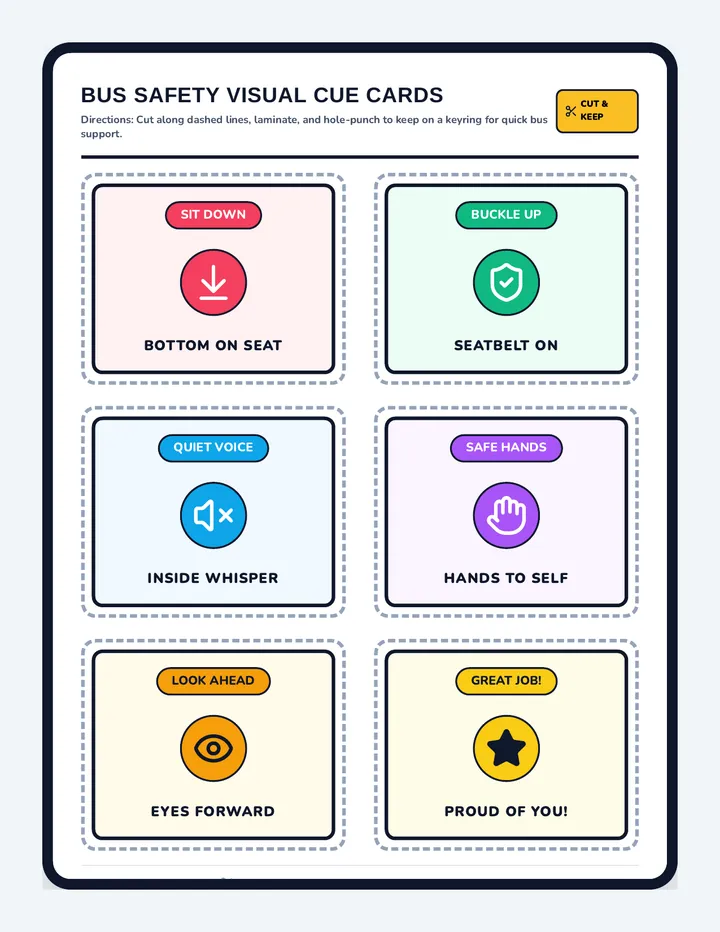
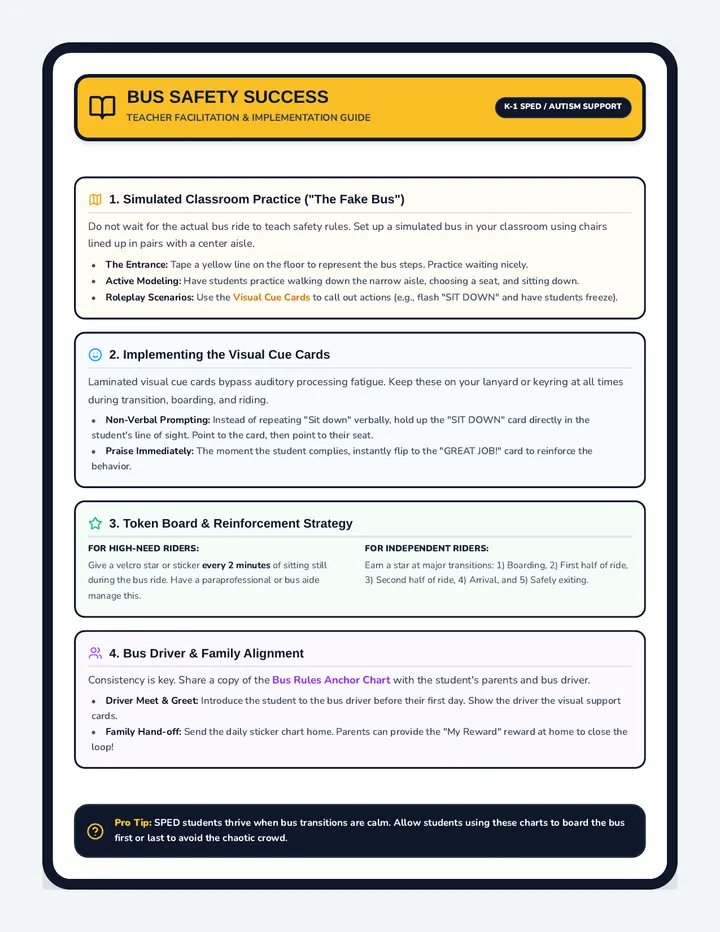
A comprehensive visual support and behavior management sequence designed for K-1 SPED students to teach, reinforce, and track physical safety, self-regulation, and safe body boundaries across different school settings.
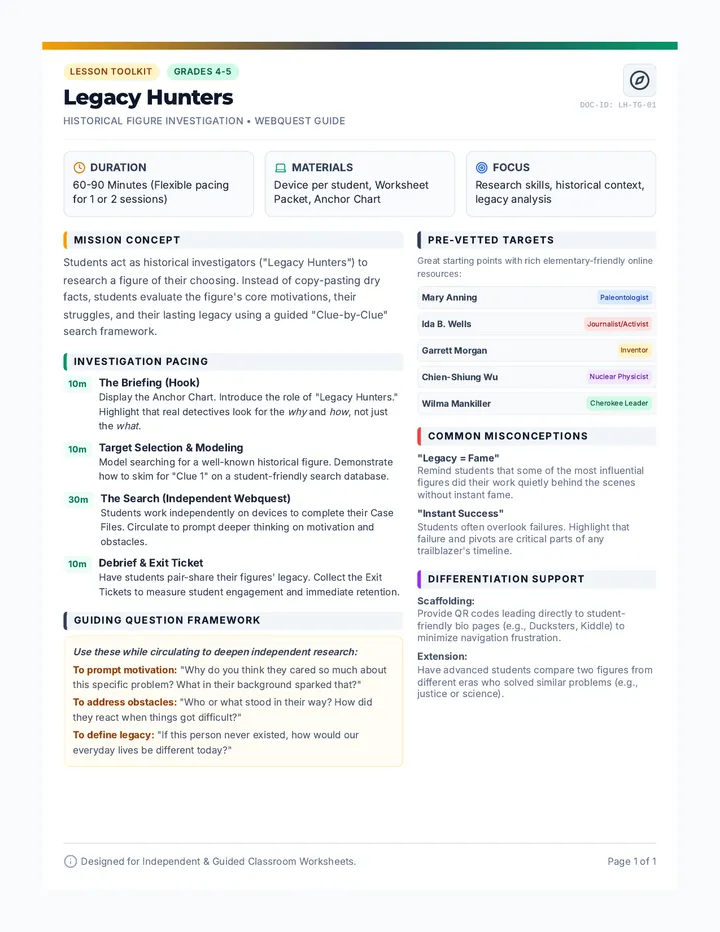
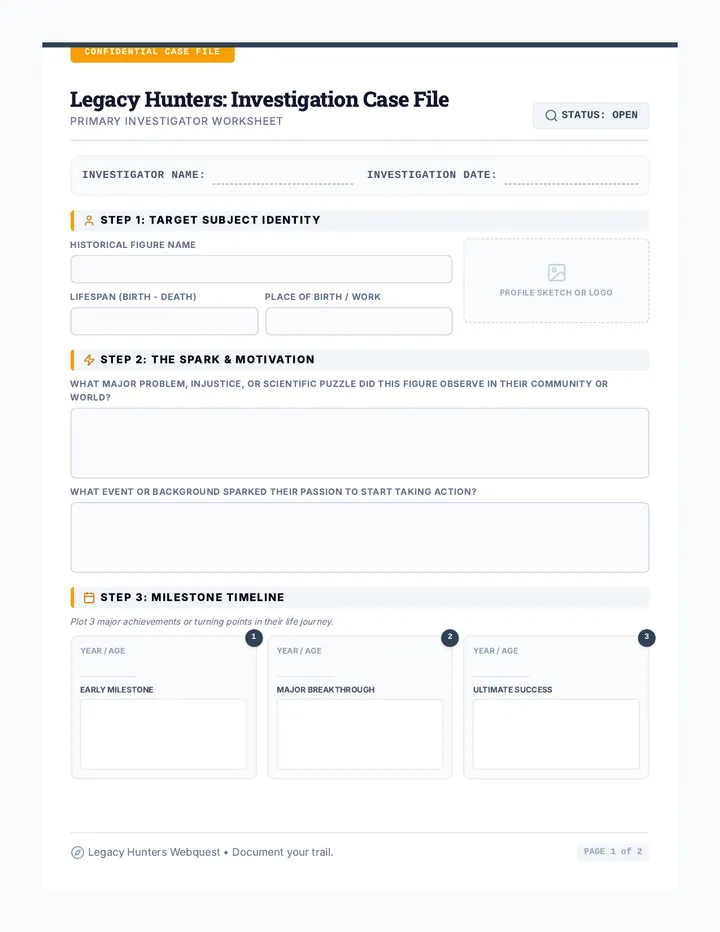
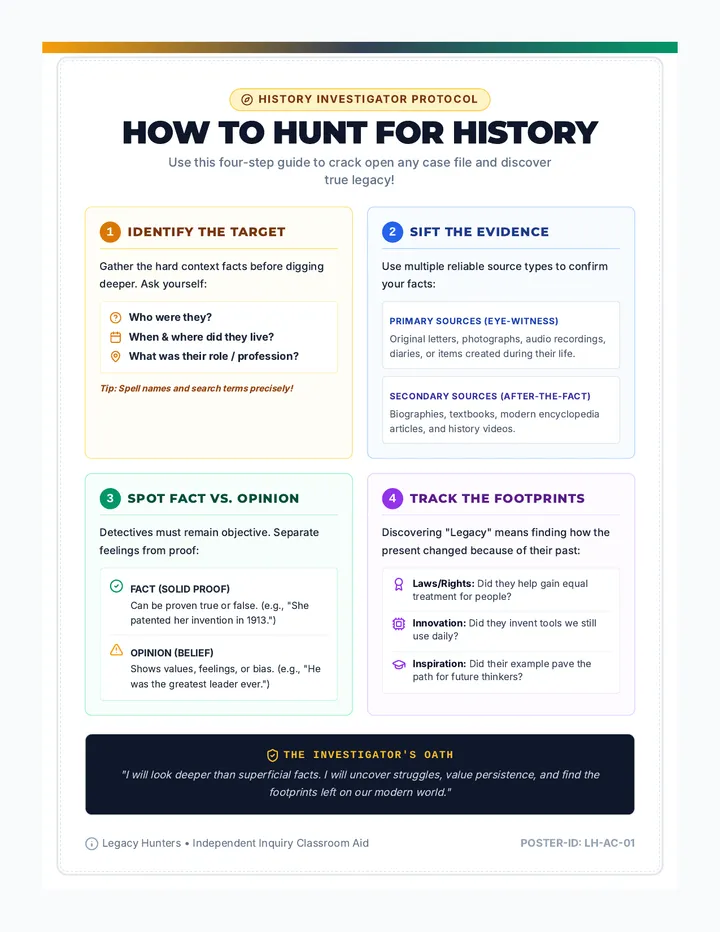
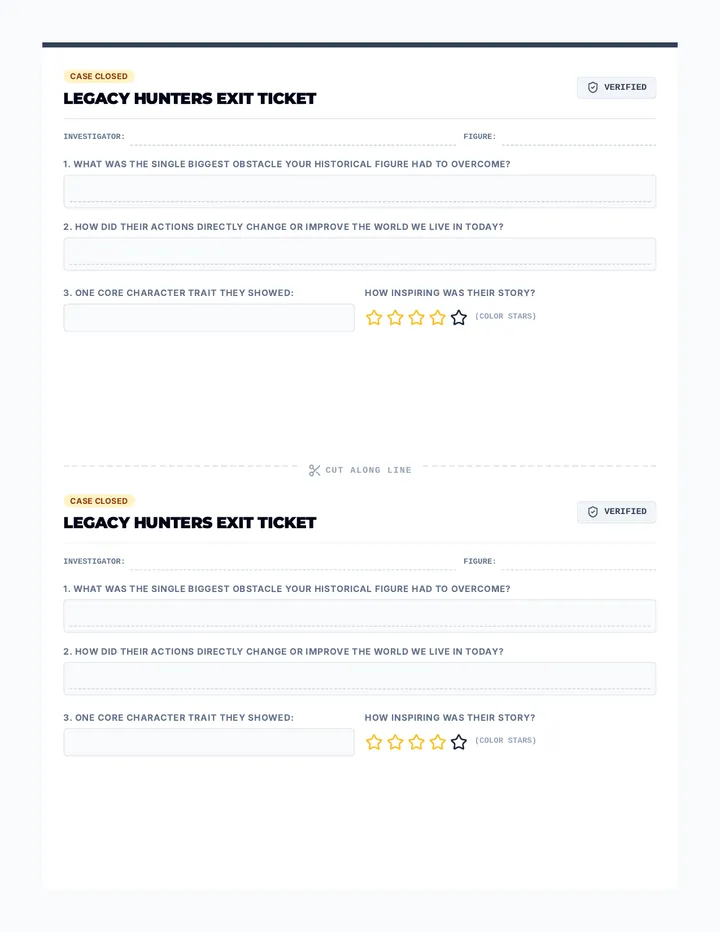
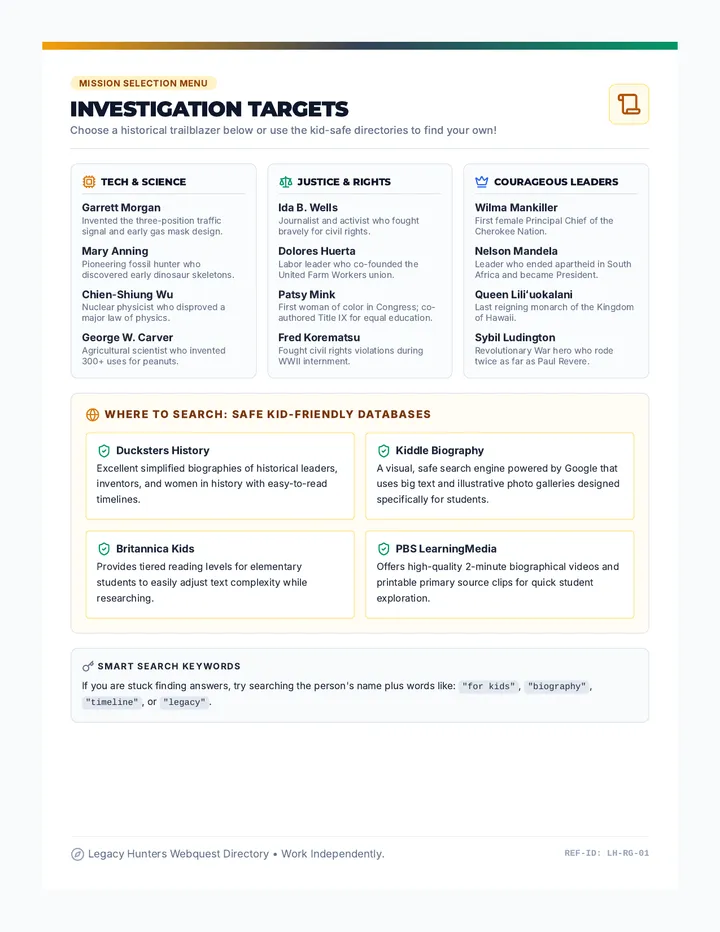
A multi-disciplinary sequence of independent research, literature, and presentation projects designed to build late-elementary student autonomy, critical thinking, and creative communication skills.
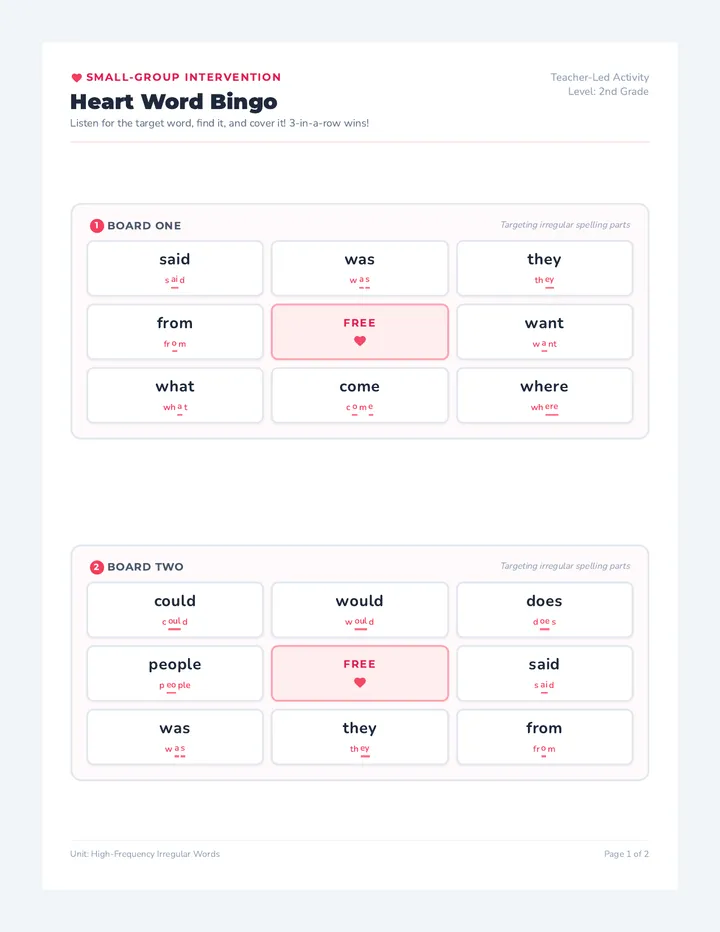
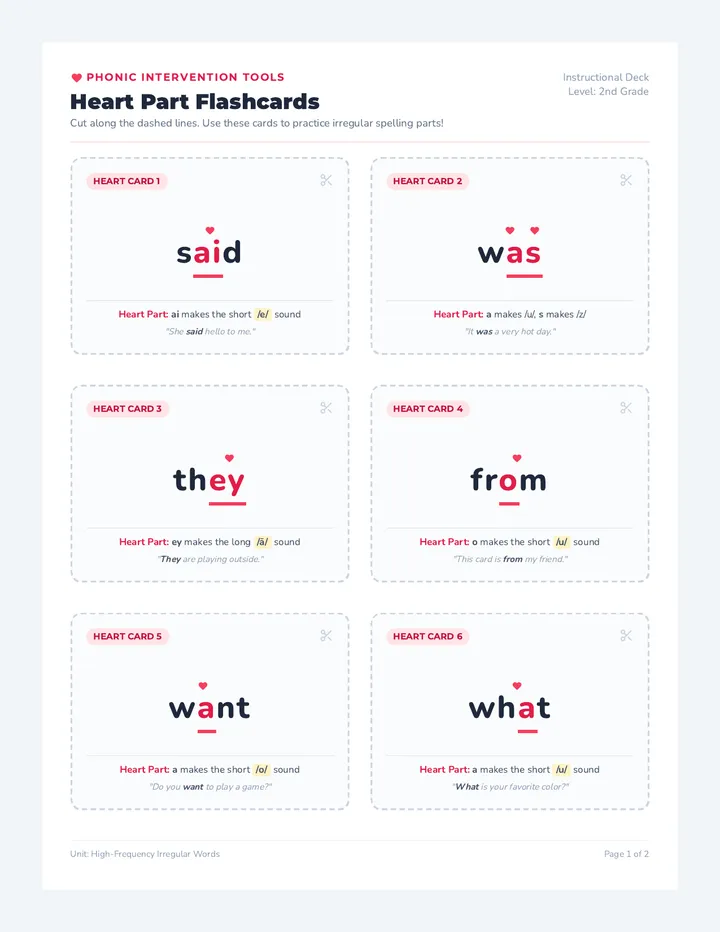
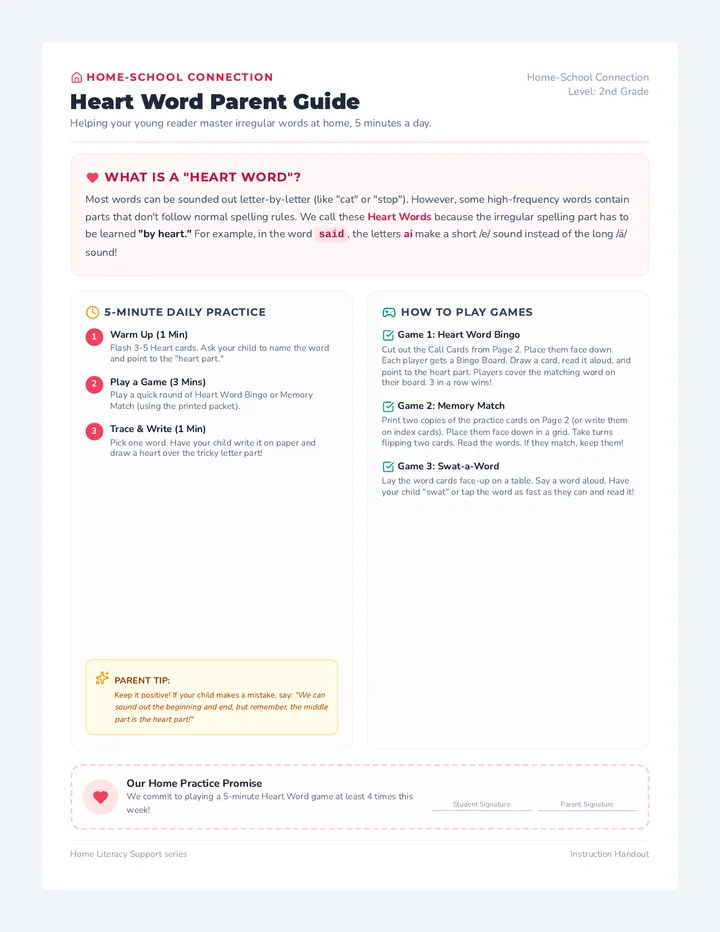
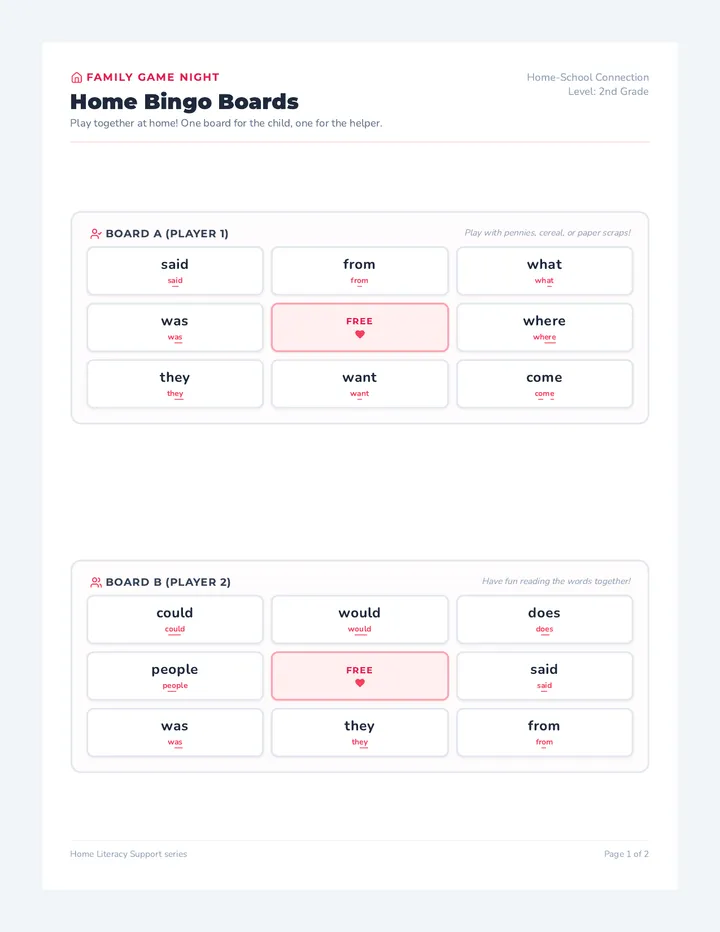
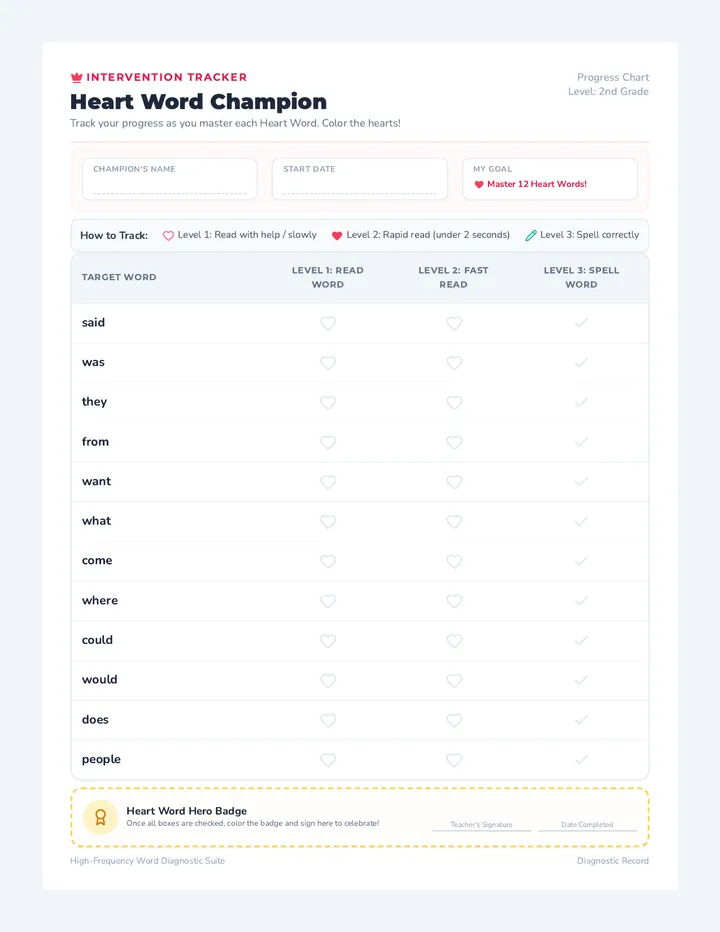
An intervention sequence designed to help struggling second-grade students master irregular high-frequency words ('Heart Words') through high-repetition game-based practice at school and home.