An advanced sequence for graduate students focusing on the rigorous process of Functional Behavioral Assessment (FBA), from indirect assessment critique to experimental logic and hypothesis synthesis.
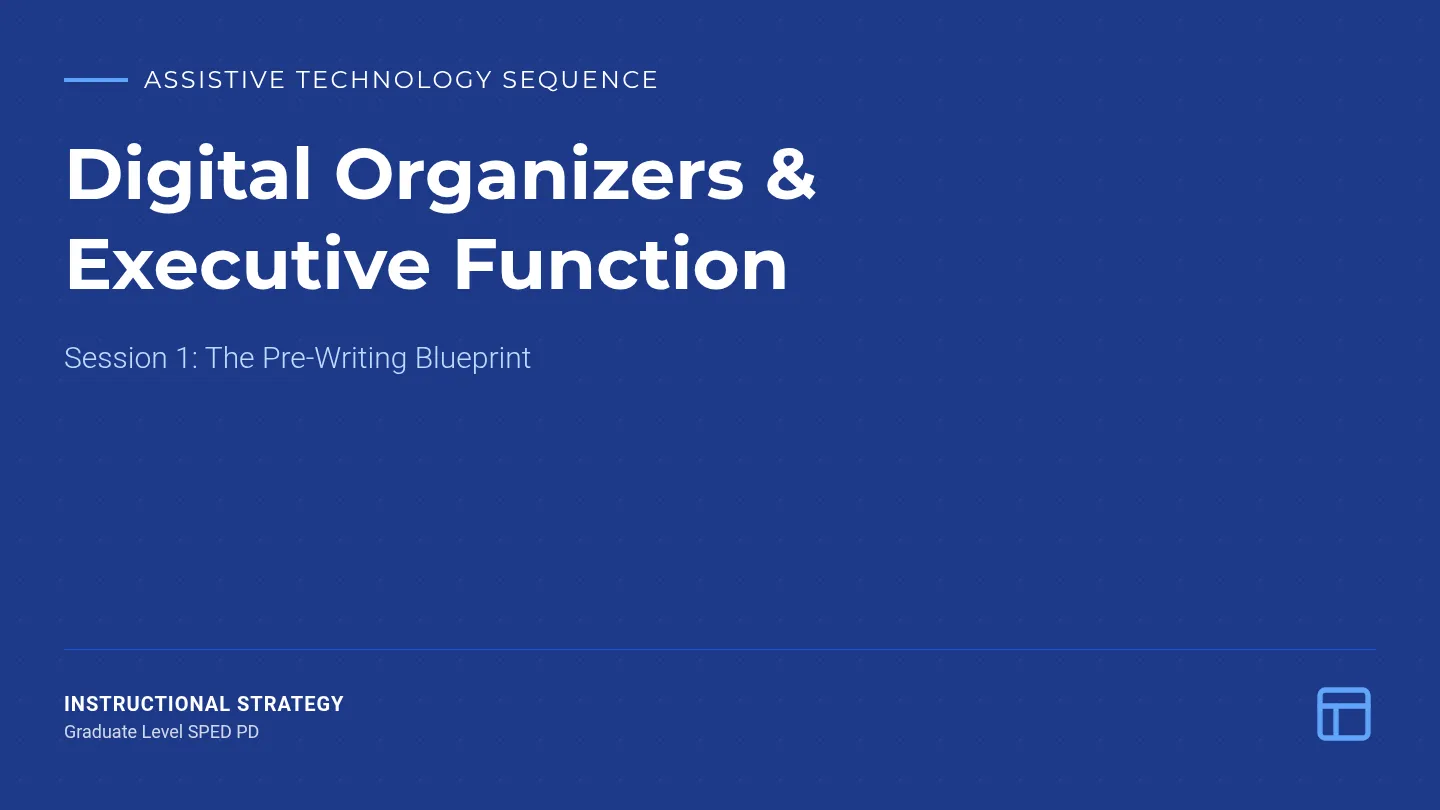
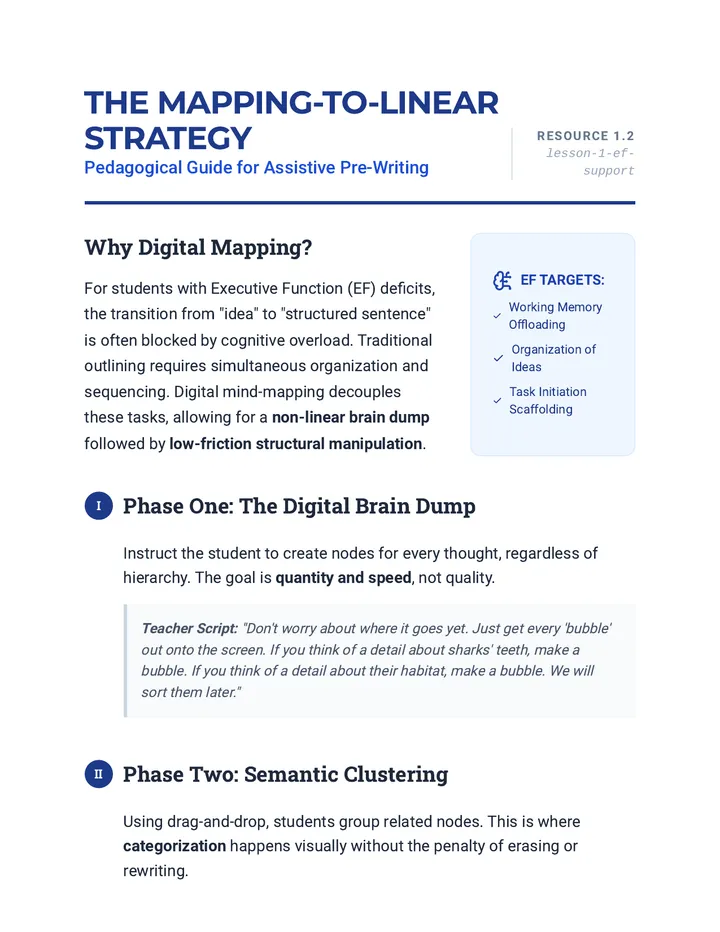
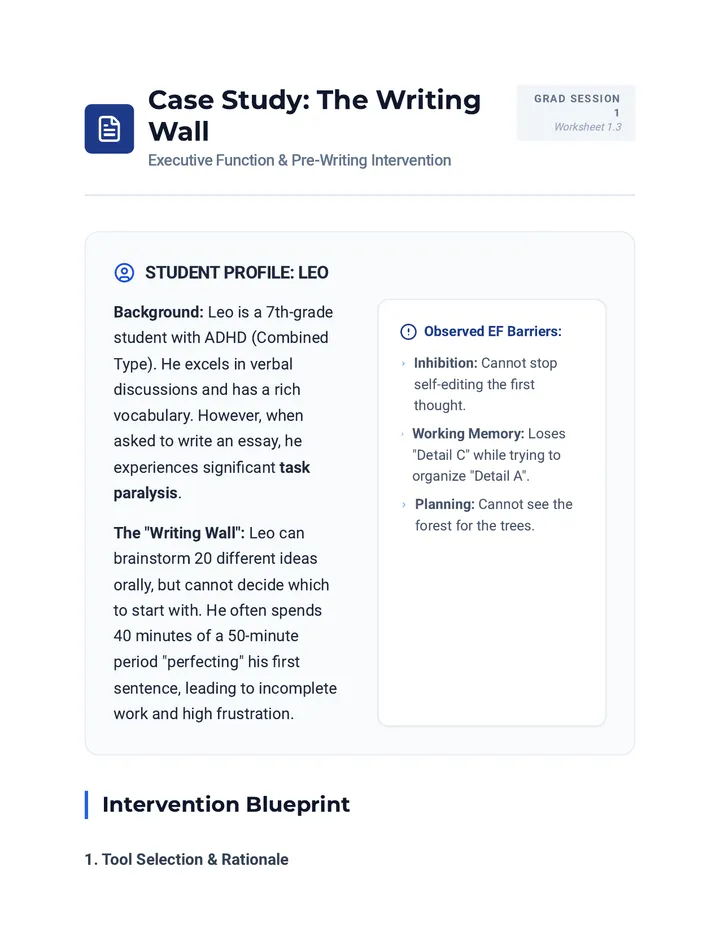
A comprehensive graduate-level sequence focused on the pedagogical implementation of assistive writing technology. It shifts the focus from tool selection to instructional methodologies that scaffold digital organizers, dictation, and text-to-speech for student autonomy.
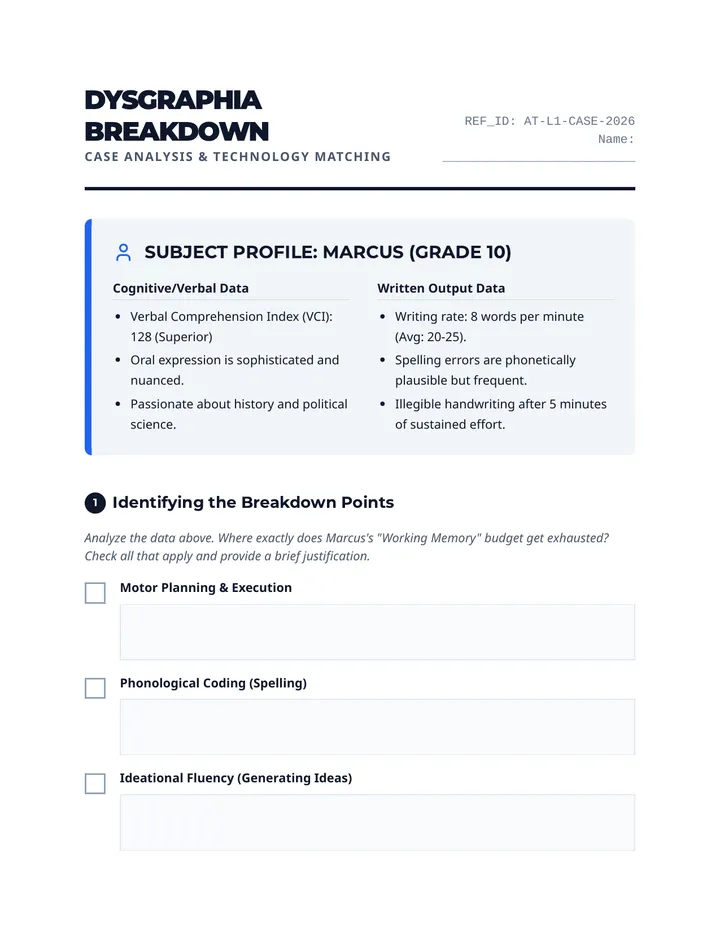
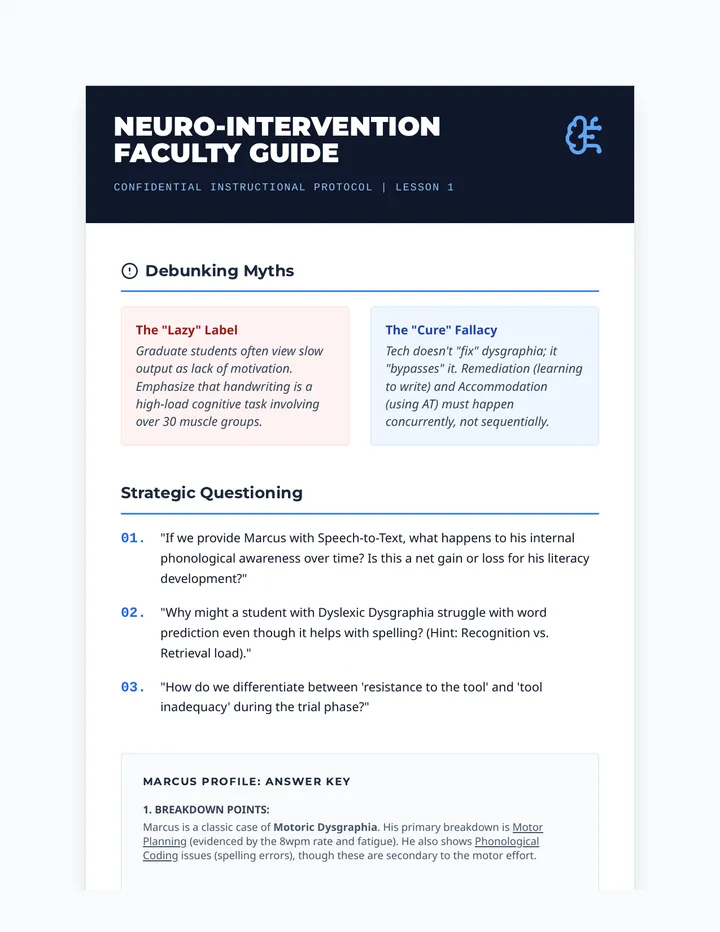
This graduate-level sequence prepares educators to evaluate and select assistive writing technologies using evidence-based frameworks like SETT. It covers the neurology of dysgraphia, technical analysis of speech-to-text and word prediction, and the legal requirements for IEP implementation.
A comprehensive graduate-level course on diagnosing and remediating failures within behavioral token economies, covering satiation, security, hoarding, and response costs.
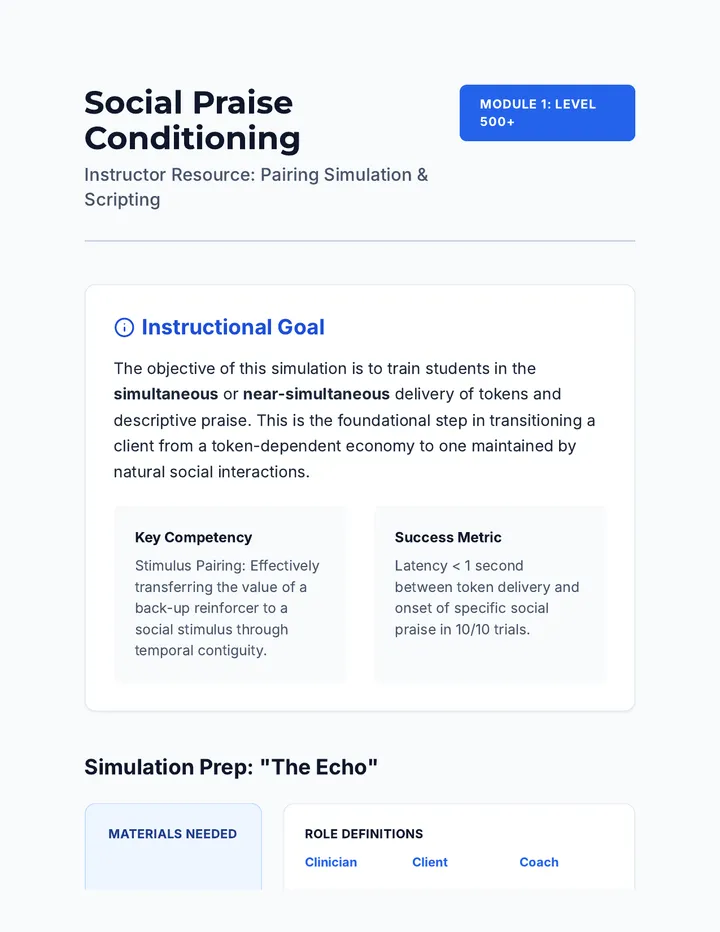
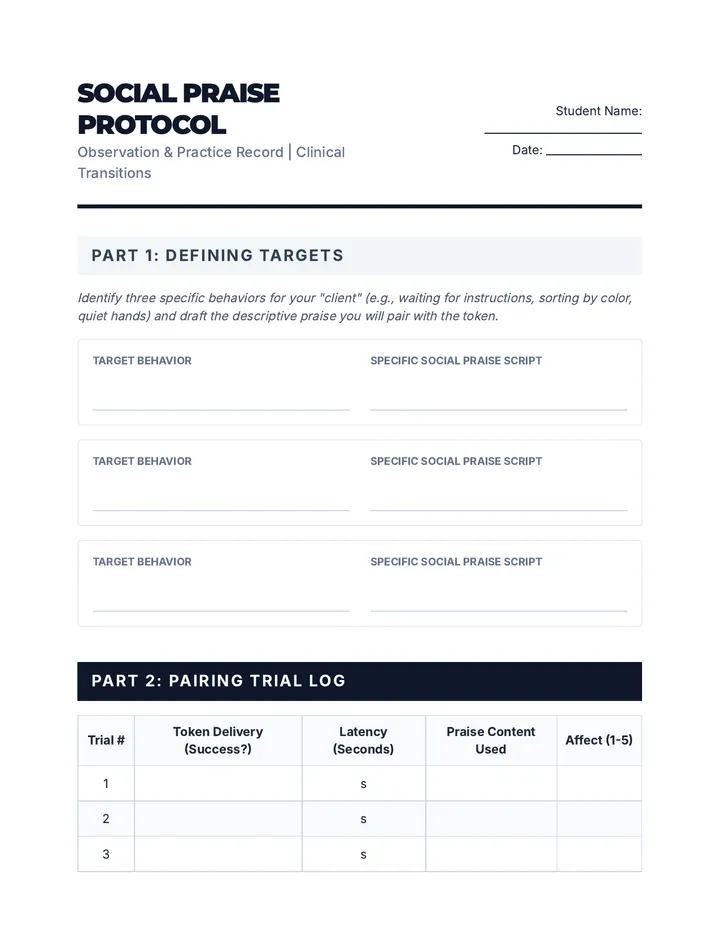
A graduate-level sequence focused on the clinical transition from contrived token systems to natural reinforcement, covering social praise conditioning, schedule thinning, level systems, self-monitoring, and long-term exit strategies.
A comprehensive graduate-level course on designing, operationalizing, and ethically implementing token economies. Students progress from defining target behaviors with precision to navigating complex behavioral economic principles and ethical safeguards, culminating in a complete professional implementation manual.
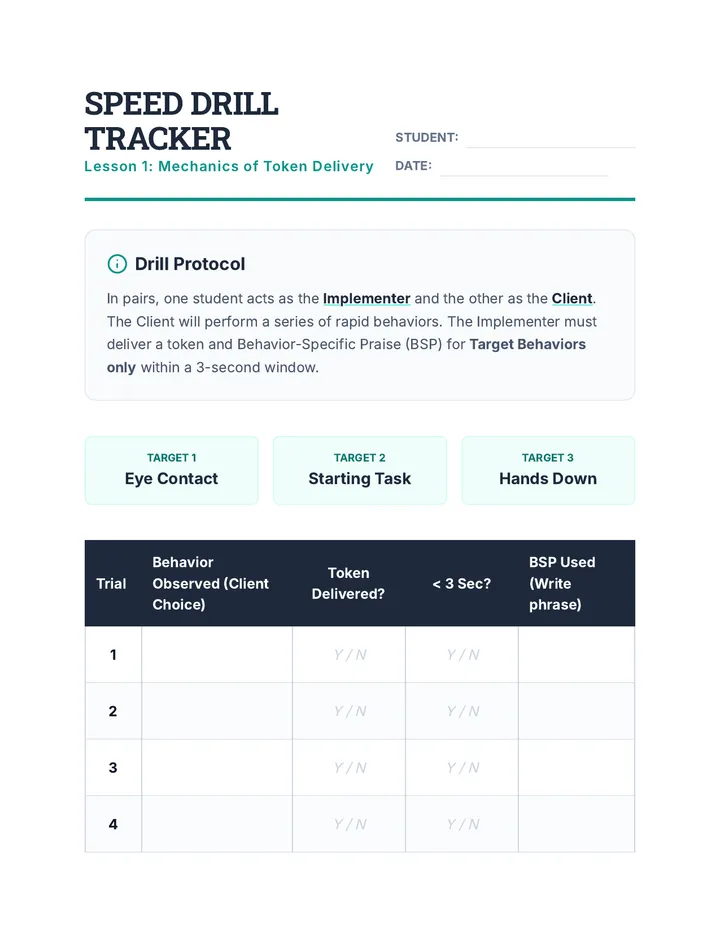
A graduate-level sequence focused on the implementation phase of token economies, emphasizing data-driven decision making, treatment fidelity, and the mechanics of behavioral reinforcement. Students move from basic delivery skills to complex data analysis and system adjustment.
This graduate-level sequence focuses on the explicit instruction of text highlighting and annotation strategies. It prepares future special educators and coaches to move beyond 'assigning' annotation toward systematically 'teaching' it through cognitive modeling, guided practice, and implementation fidelity monitoring.
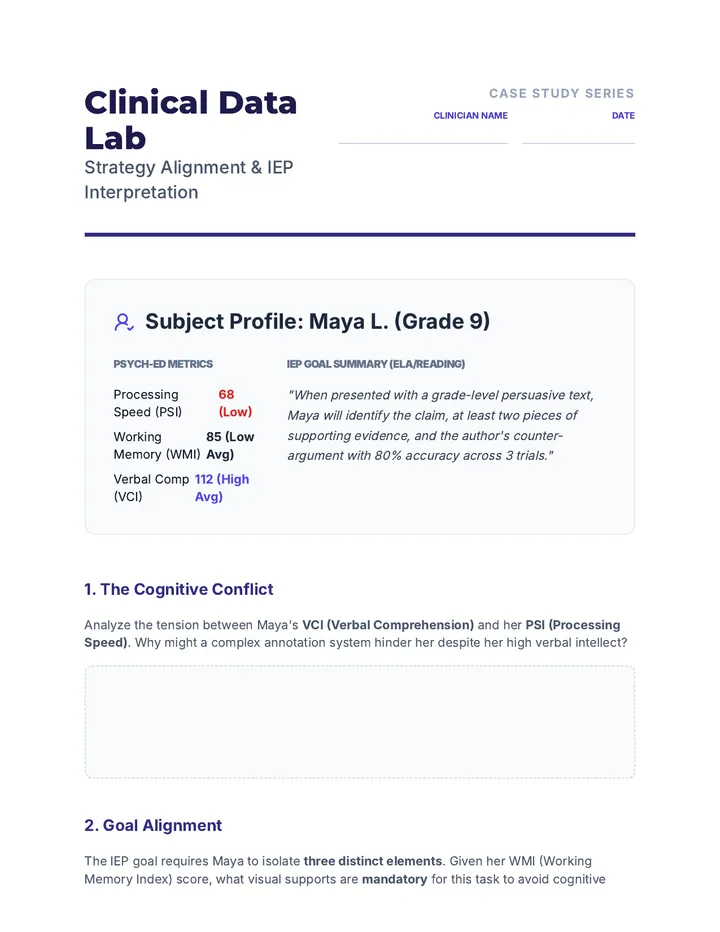
A graduate-level professional development sequence focused on designing customized text annotation and highlighting protocols for students with diverse learning needs, specifically targeting executive function and processing speed deficits.
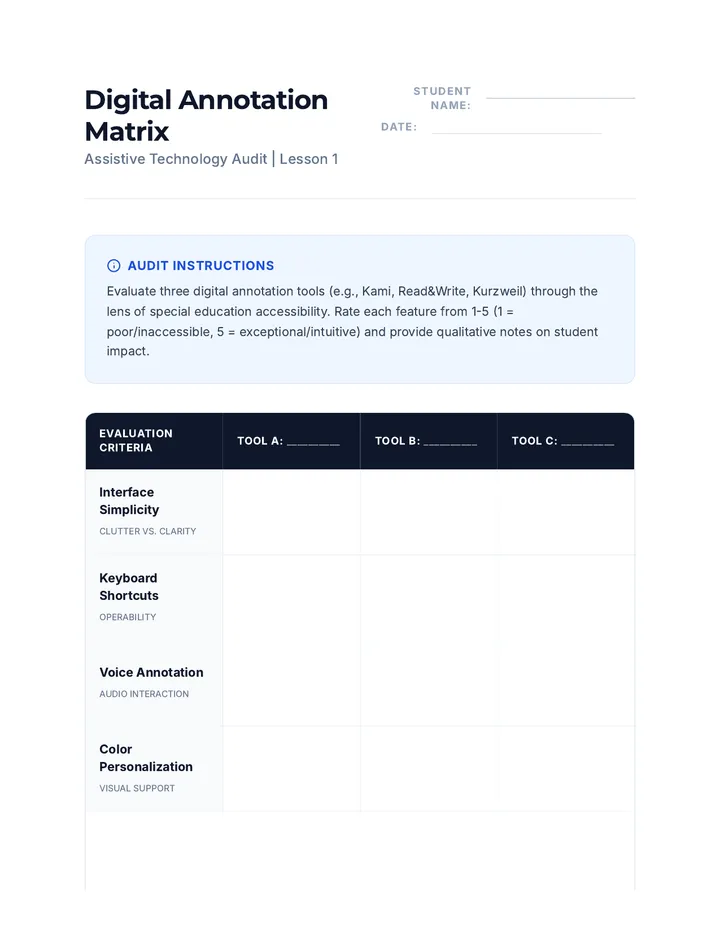
This sequence explores how graduate students can leverage assistive technology for digital annotation, moving from basic tool audits to advanced data extraction and AI integration to support students with disabilities.
A graduate-level sequence exploring the cognitive science of text highlighting and annotation, focusing on memory, cognitive load, and evidence-based interventions for students with learning disabilities.
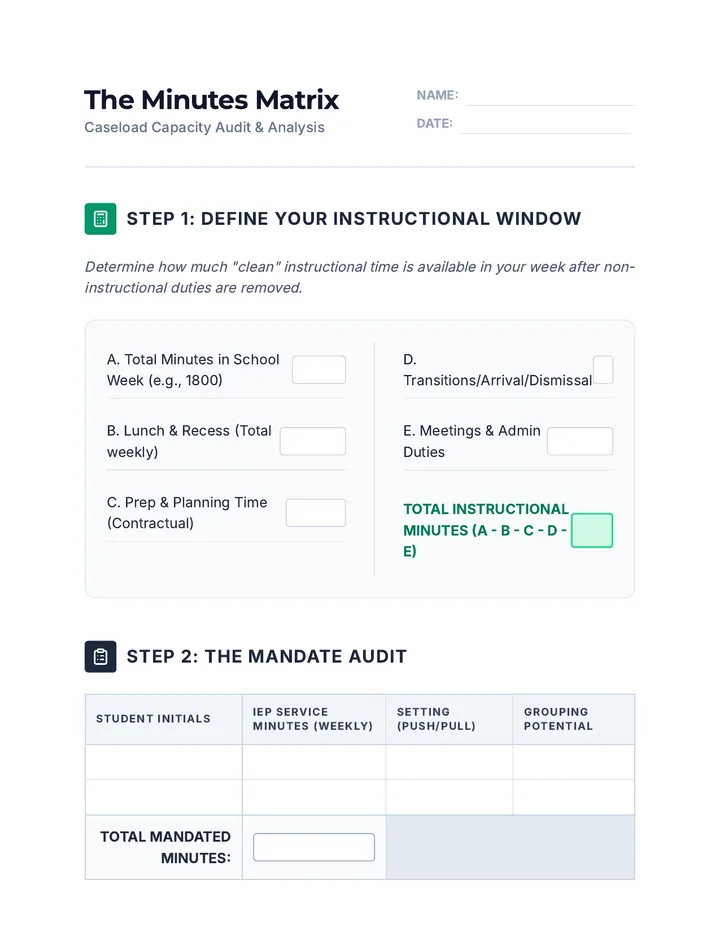
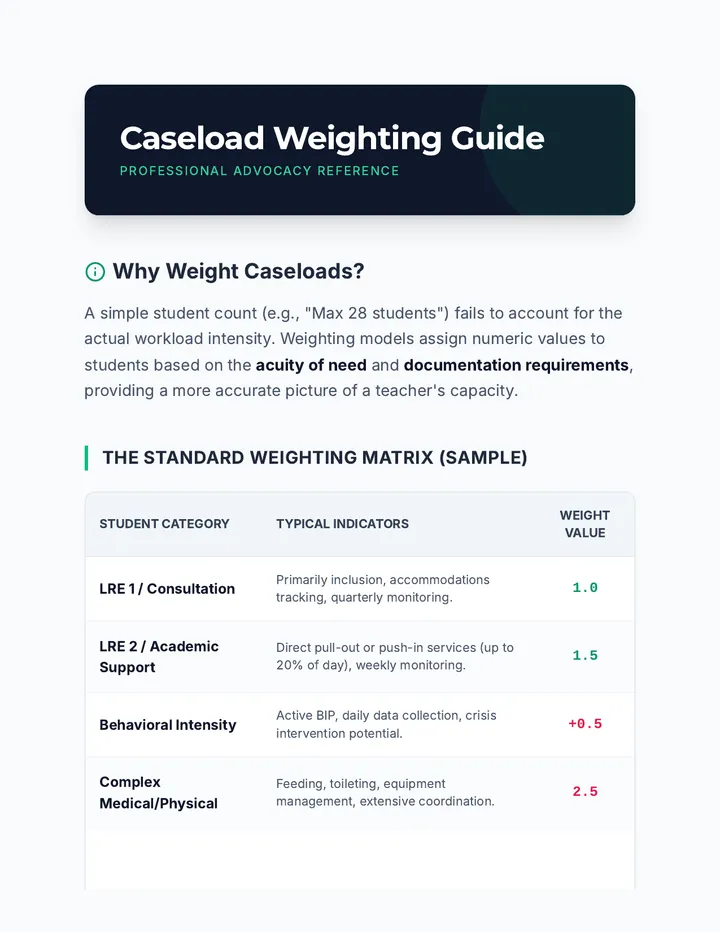
This sequence equips graduate-level special education students with the systems-thinking and logistical skills required to manage complex caseloads. It covers the mathematical realities of service delivery, the strategic selection of instructional models, master scheduling, and compliance-driven contingency planning.
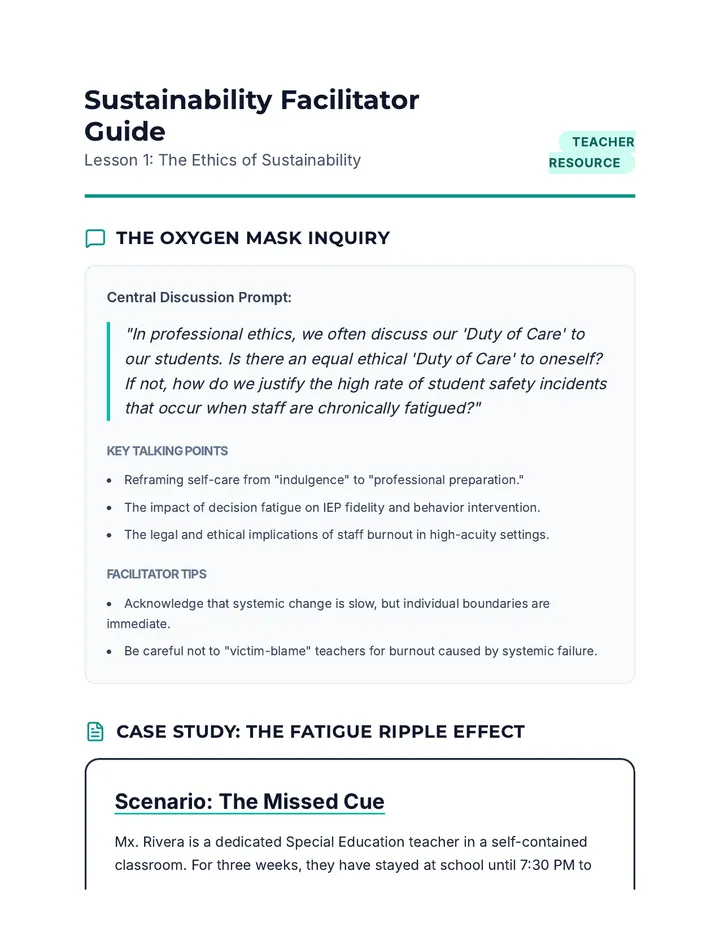
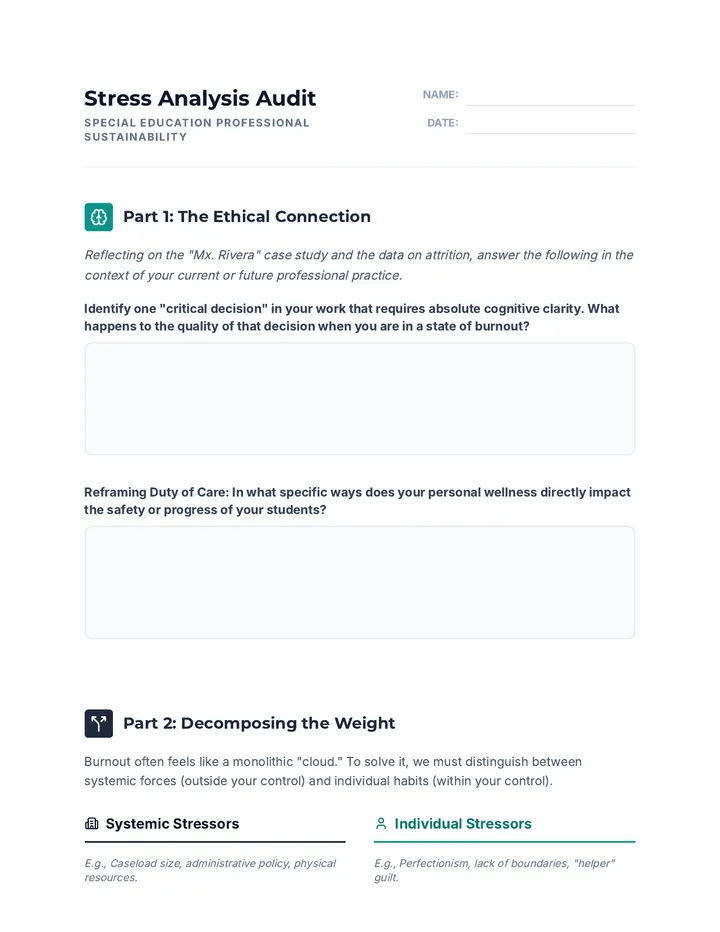
A comprehensive graduate-level sequence designed to combat special education attrition by reframing self-care as a professional ethical competency. This inquiry-based unit moves students from systemic analysis of burnout to the creation of a personalized, sustainable professional lifestyle plan.
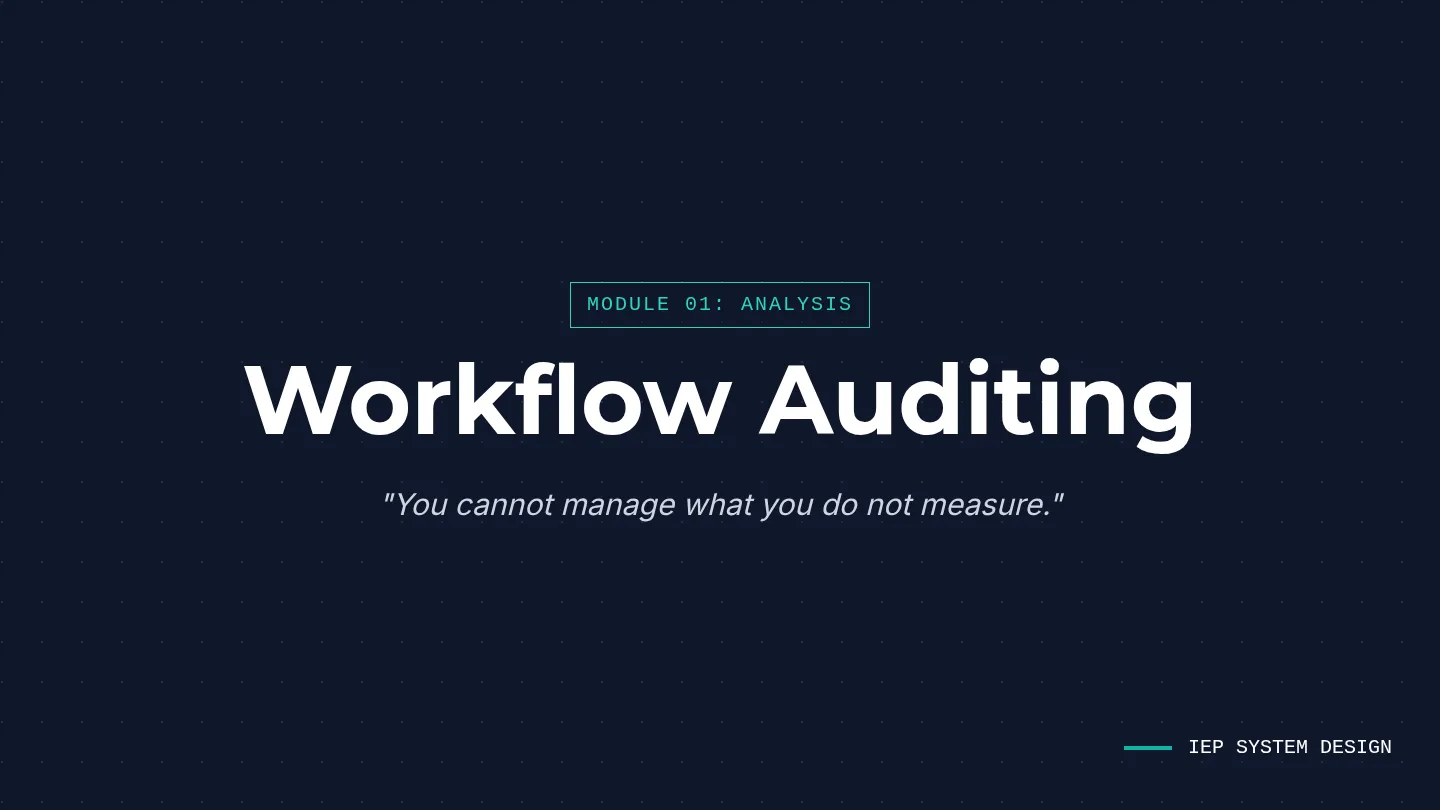
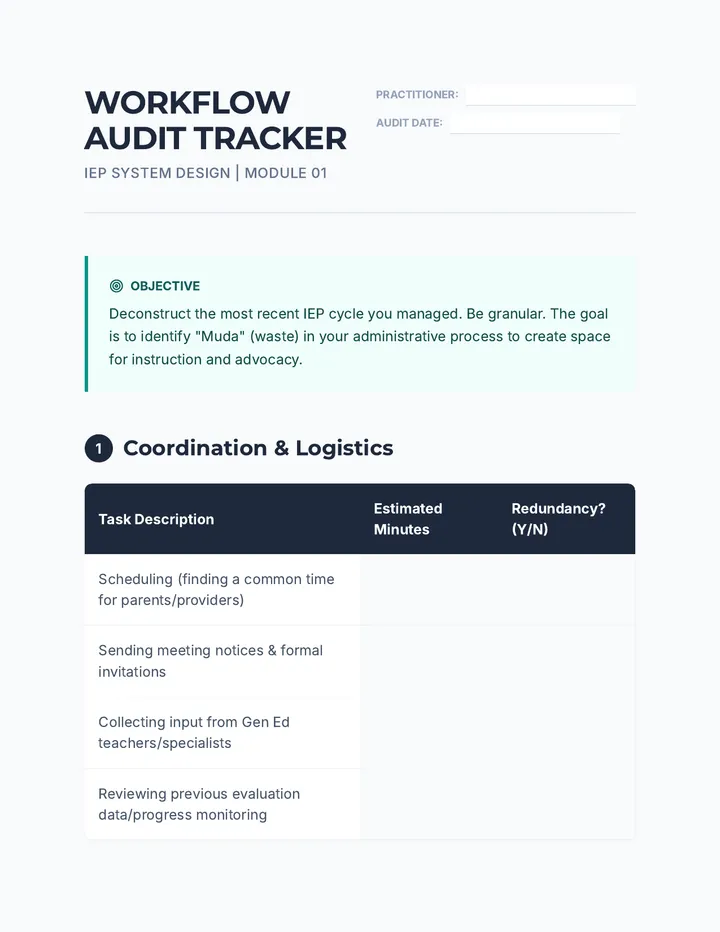
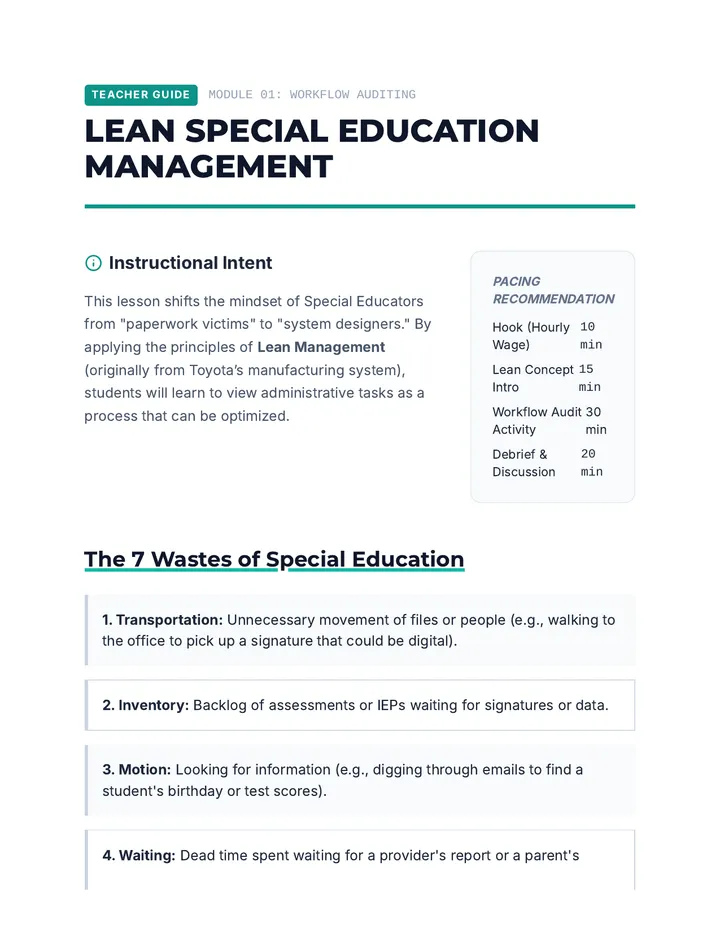
A graduate-level sequence focused on the mechanics of administrative compliance in Special Education. Students will design and implement a comprehensive IEP workflow system using project management principles, automation, and deep work strategies to prevent burnout and ensure 100% legal compliance.