A two-part small-group phonics sequence for Grade 3 students (reading at 1st-2nd grade level). Part 1 focuses on Silent e (VCe) patterns, and Part 2 focuses on R-controlled vowel patterns.
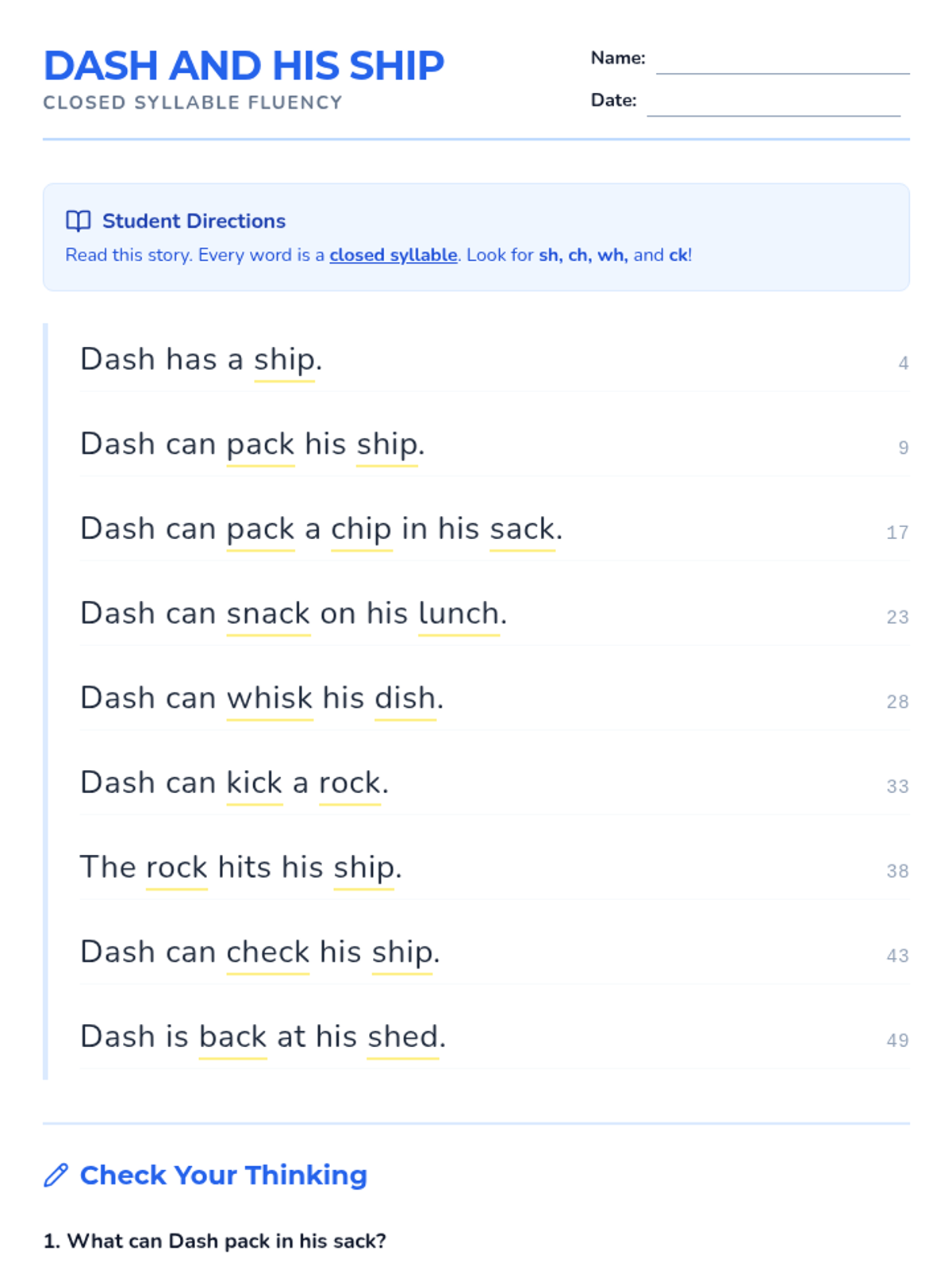
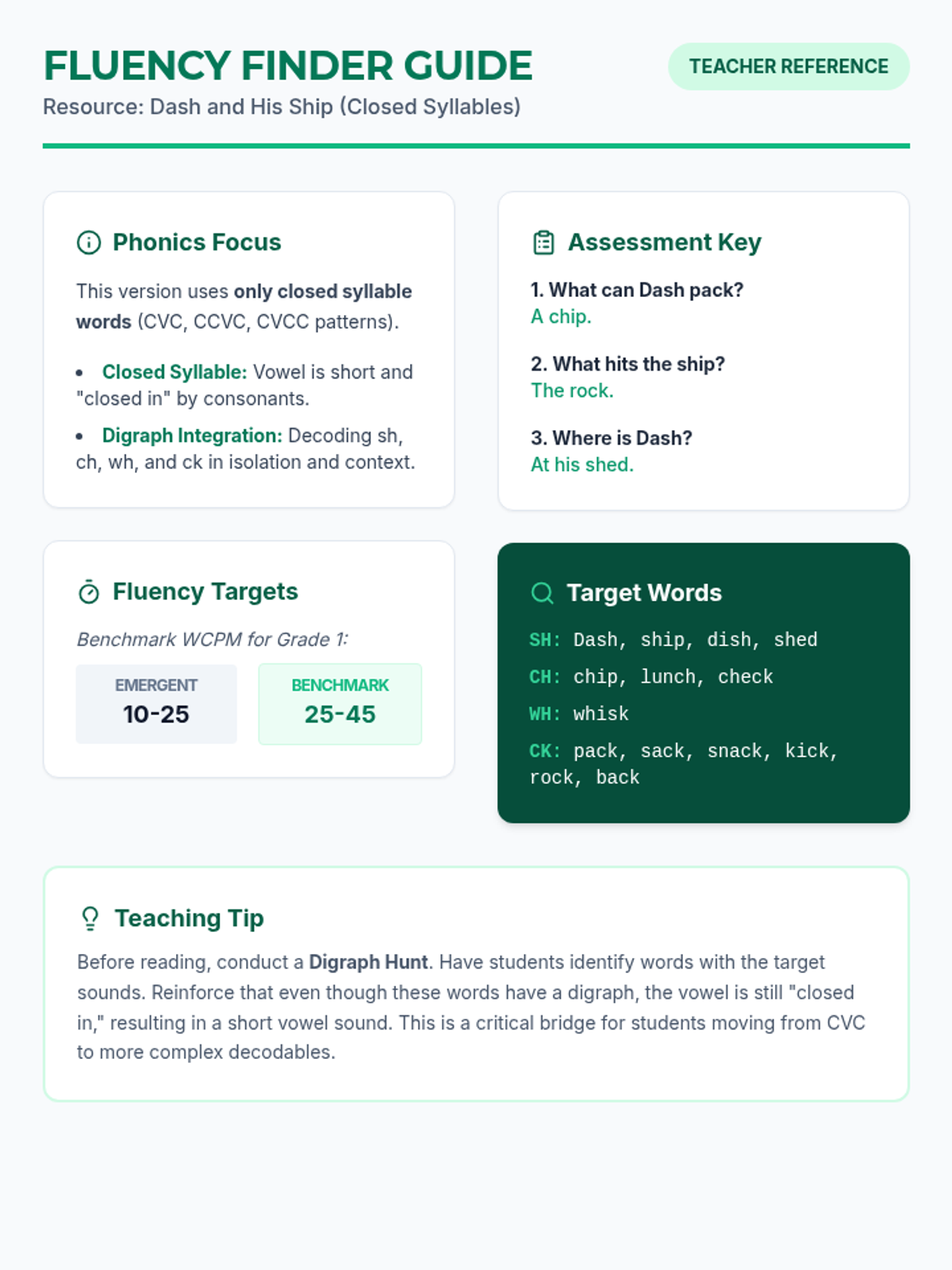
A foundational phonics lesson focusing on identifying and reading words with the digraphs wh, sh, ch, and ck within a beach-themed narrative. Students will practice oral reading fluency and basic reading comprehension.
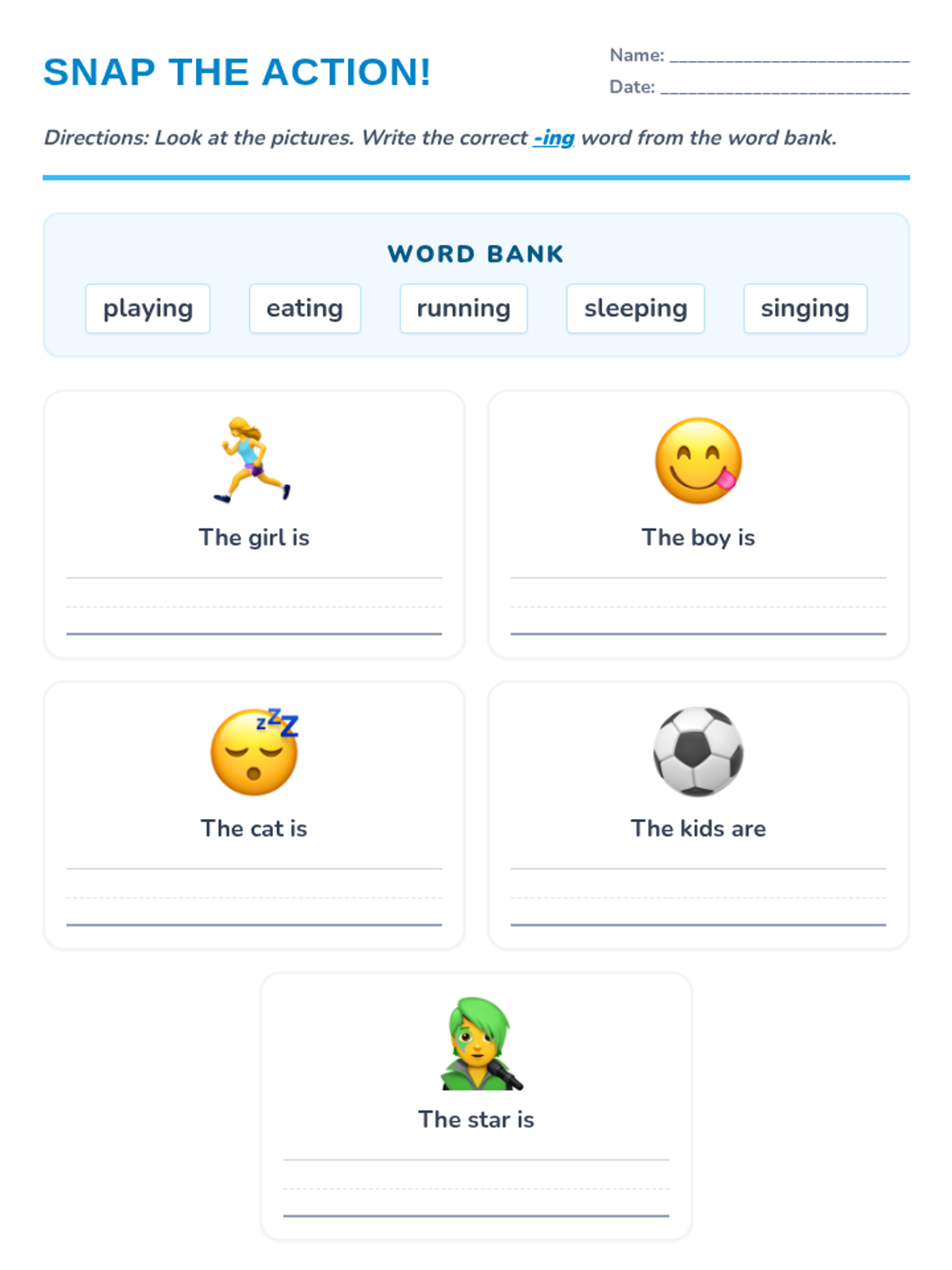
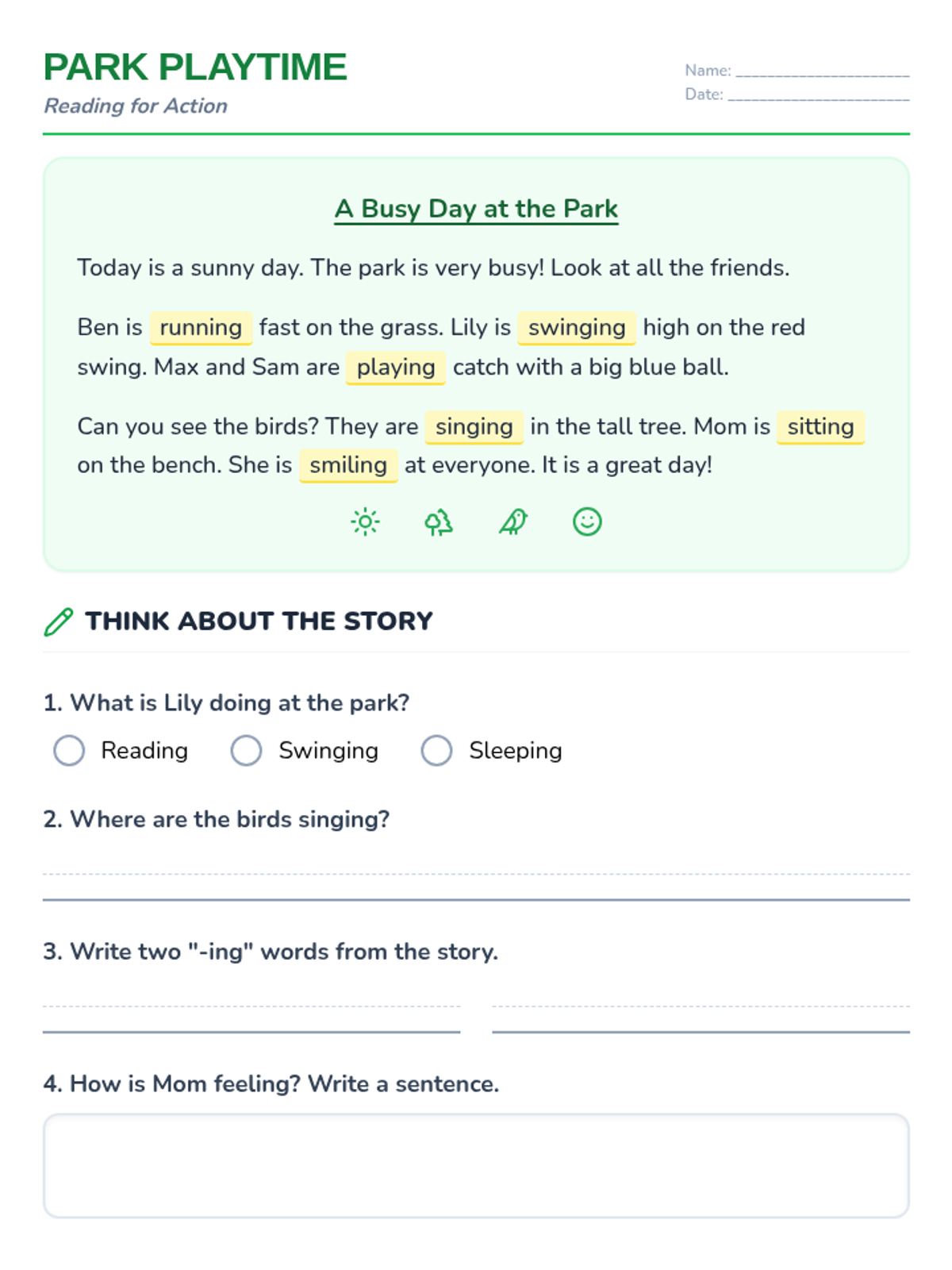
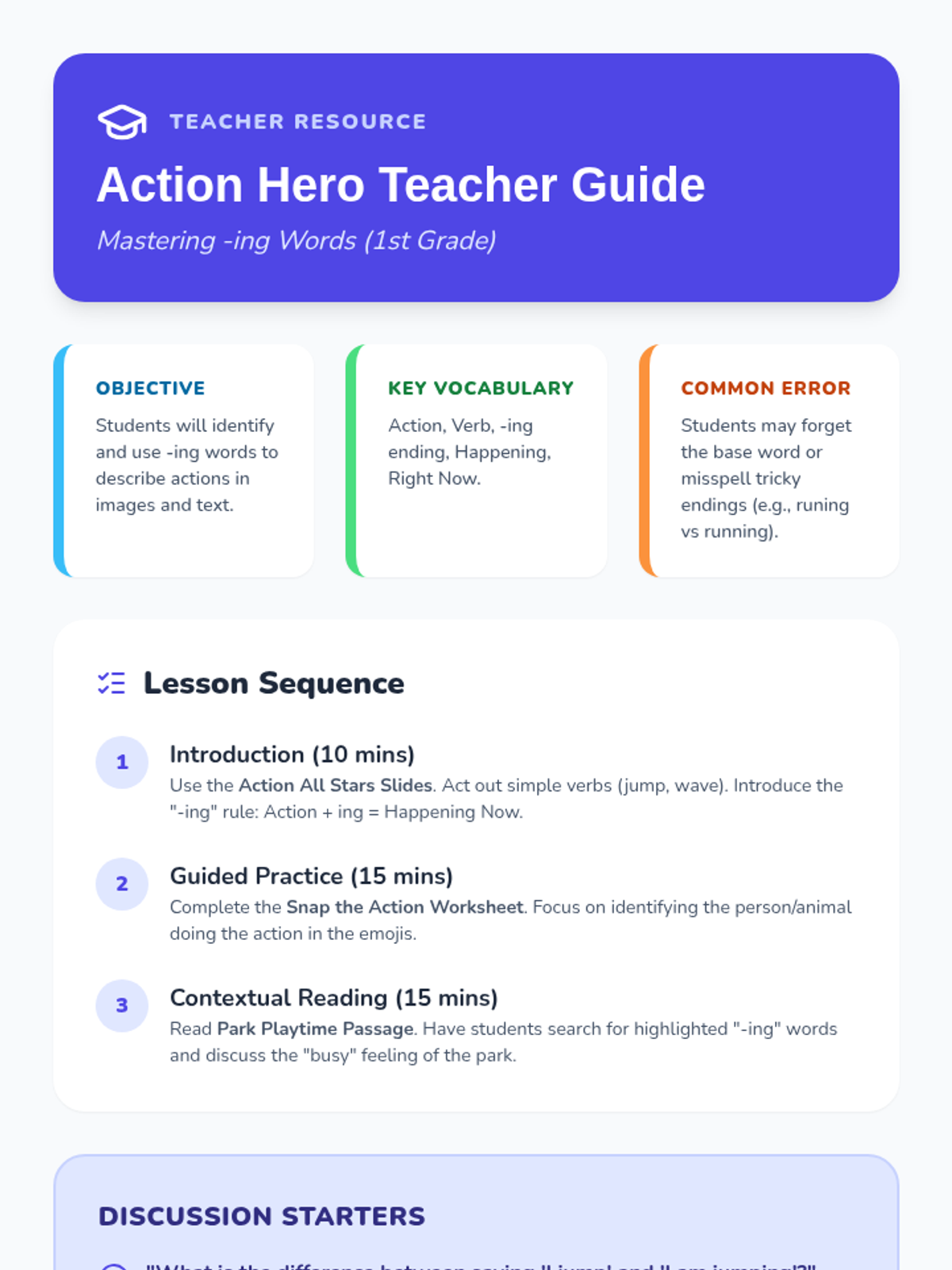
A first-grade lesson focused on identifying and using -ing words to describe ongoing actions through visual aids and reading.
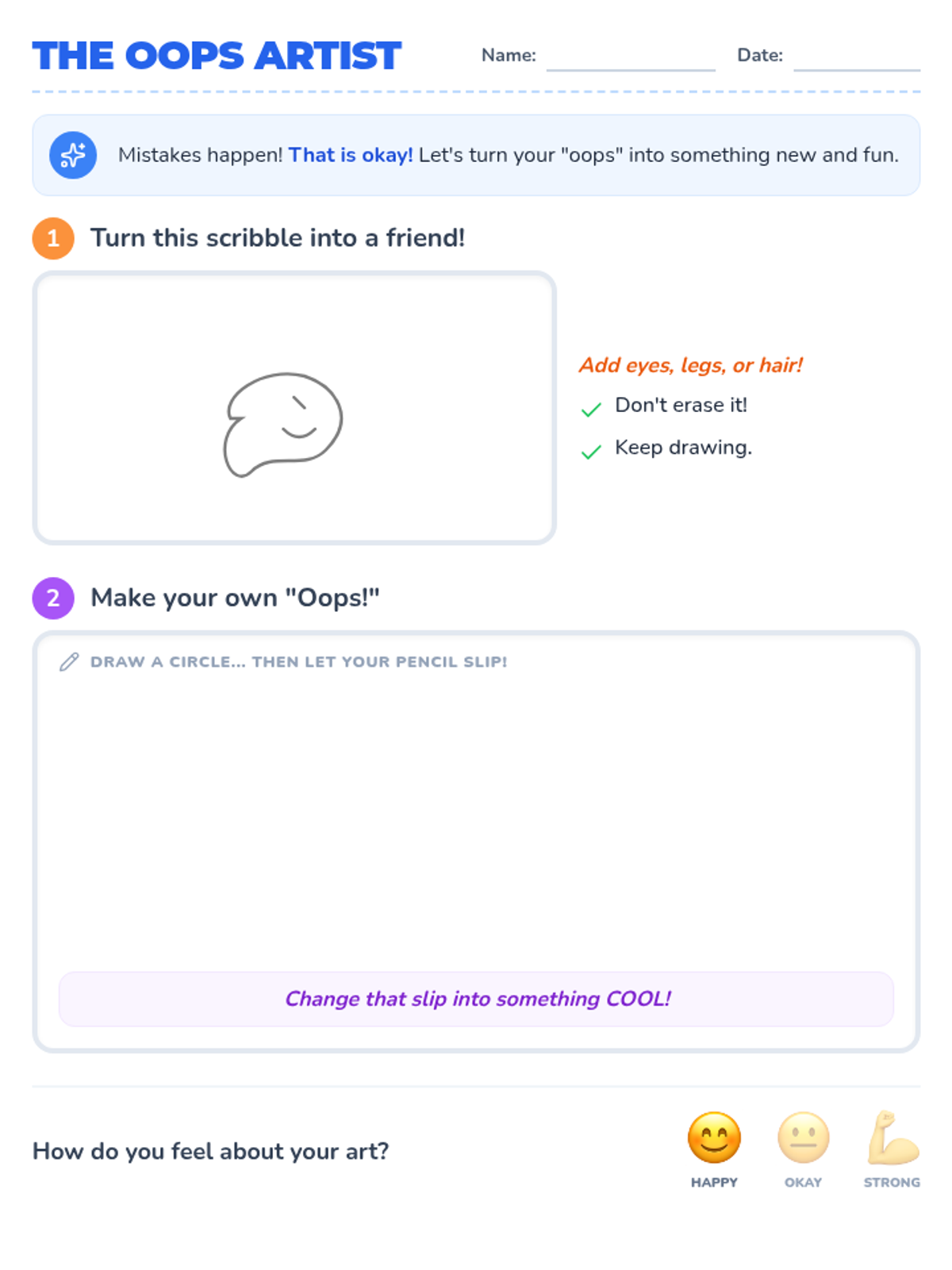
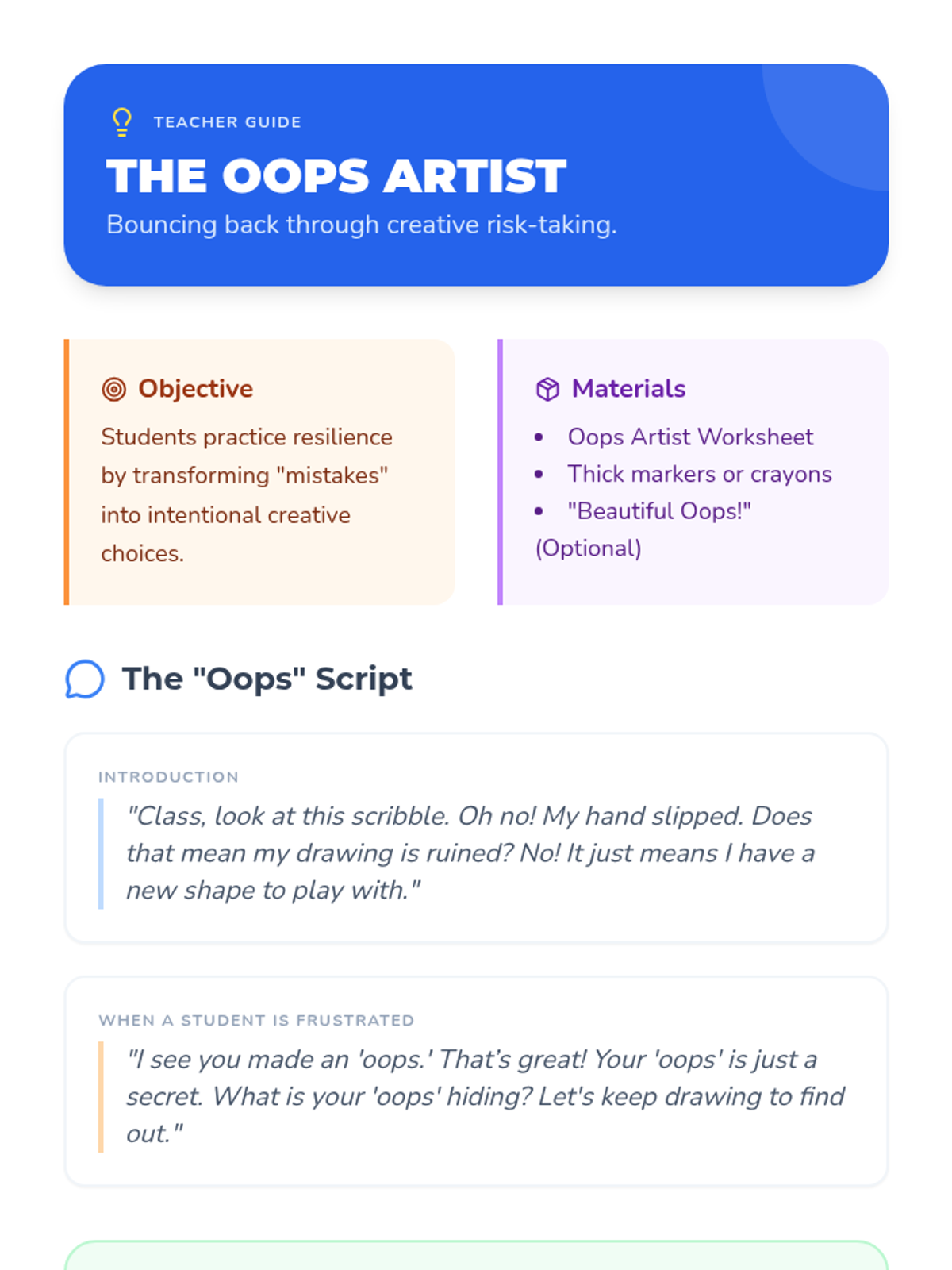
A creative drawing lesson for first graders with low cognitive profiles, focusing on resilience and turning 'mistakes' into something new. Students practice 'bouncing back' by transforming scribbles and ink blots into imaginative artwork.
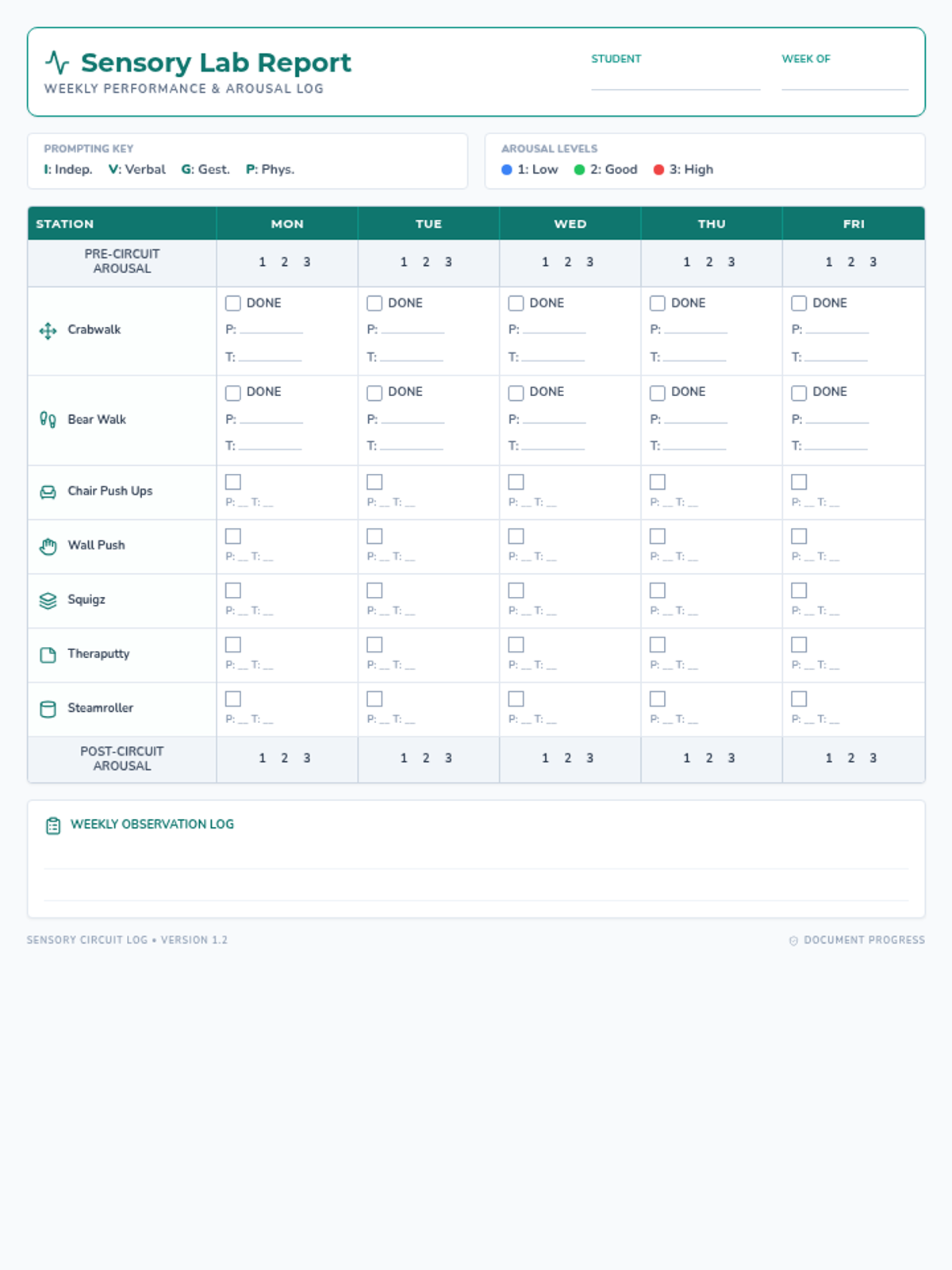
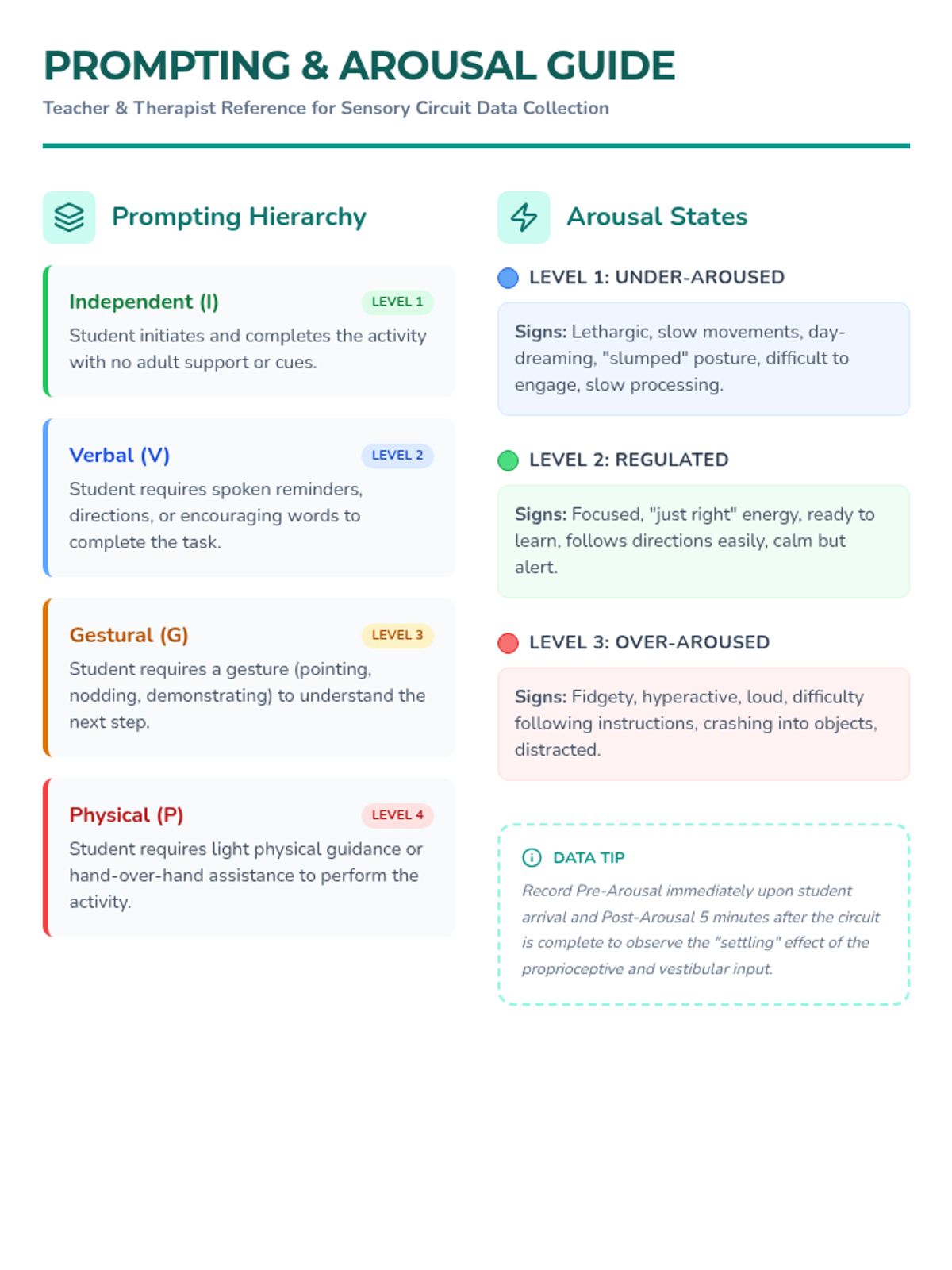
A comprehensive set of tools for monitoring and documenting student progress through a sensory circuit, including a weekly tracking grid and a teacher's reference for prompting levels.
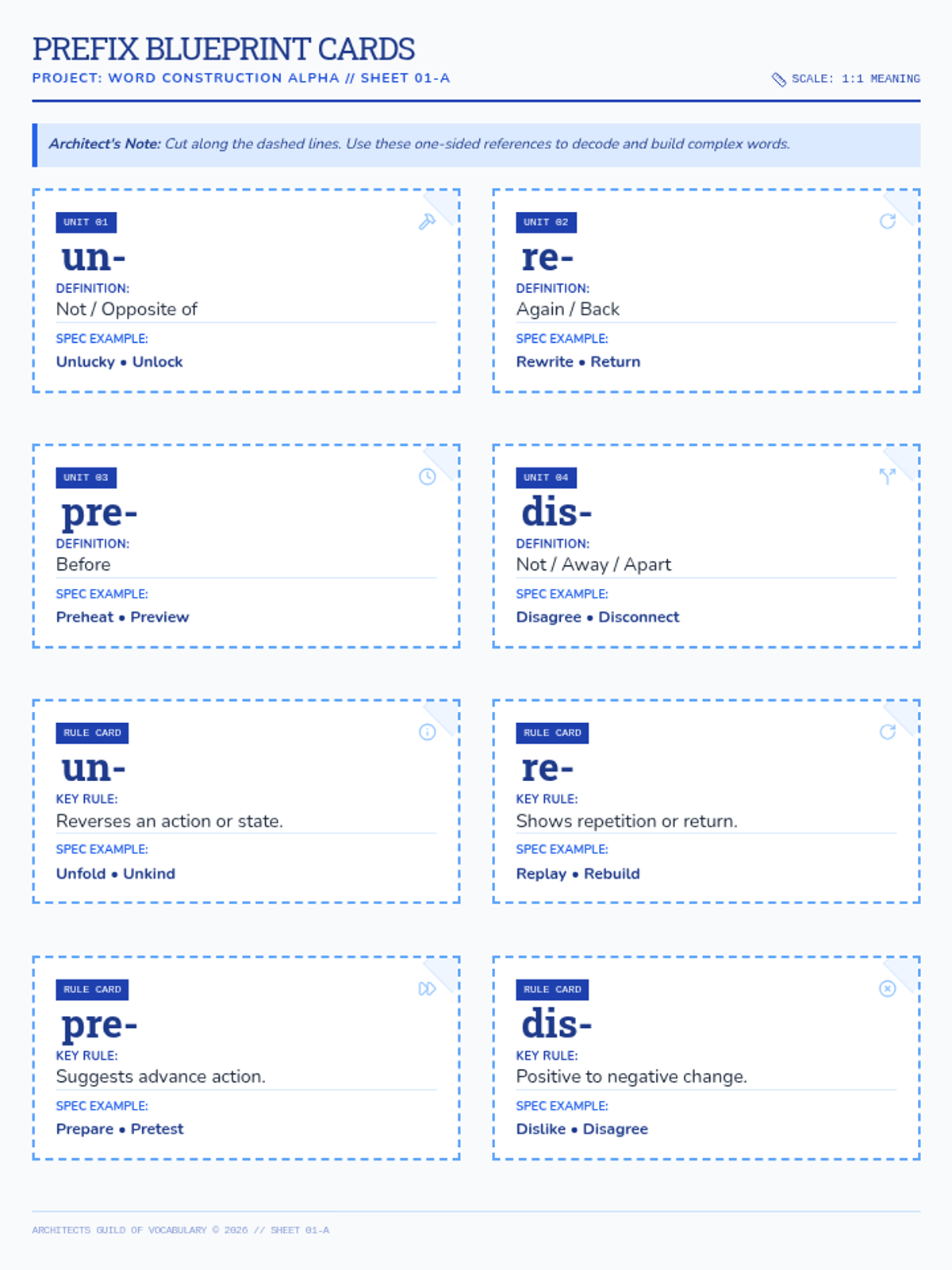
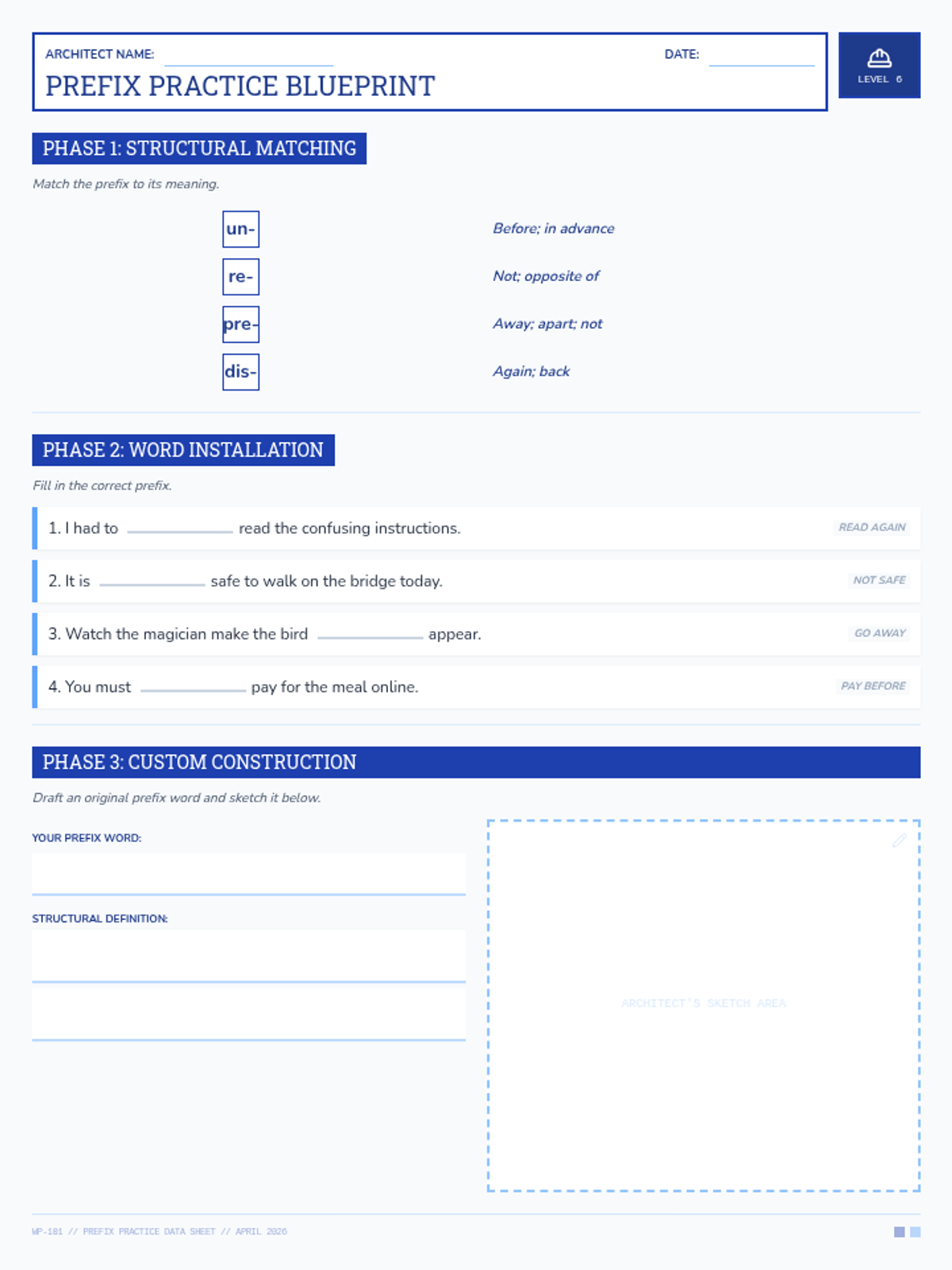
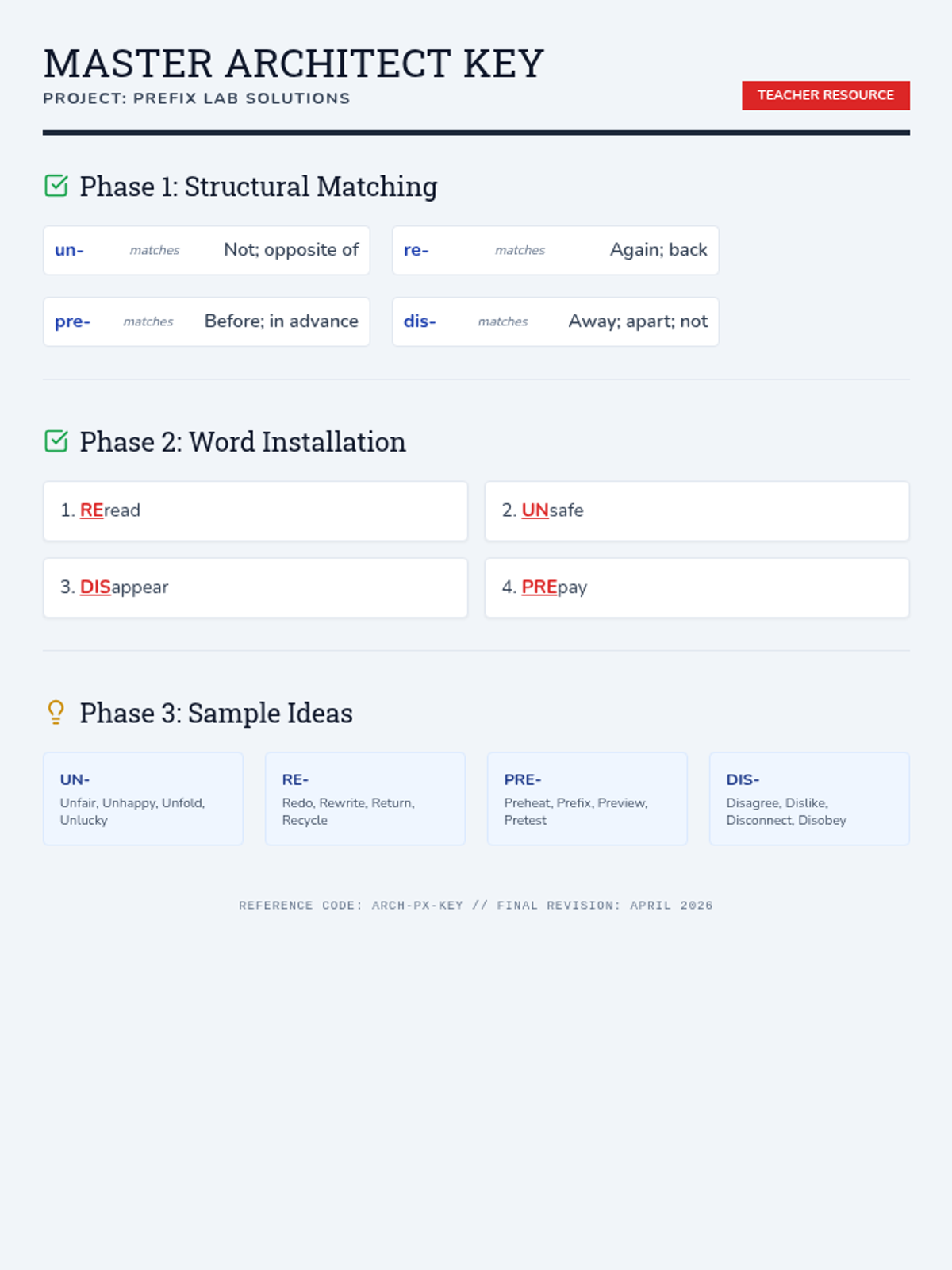
A foundational lesson on common prefixes (un-, re-, pre-, dis-) where students act as 'Word Architects' to build and deconstruct words.
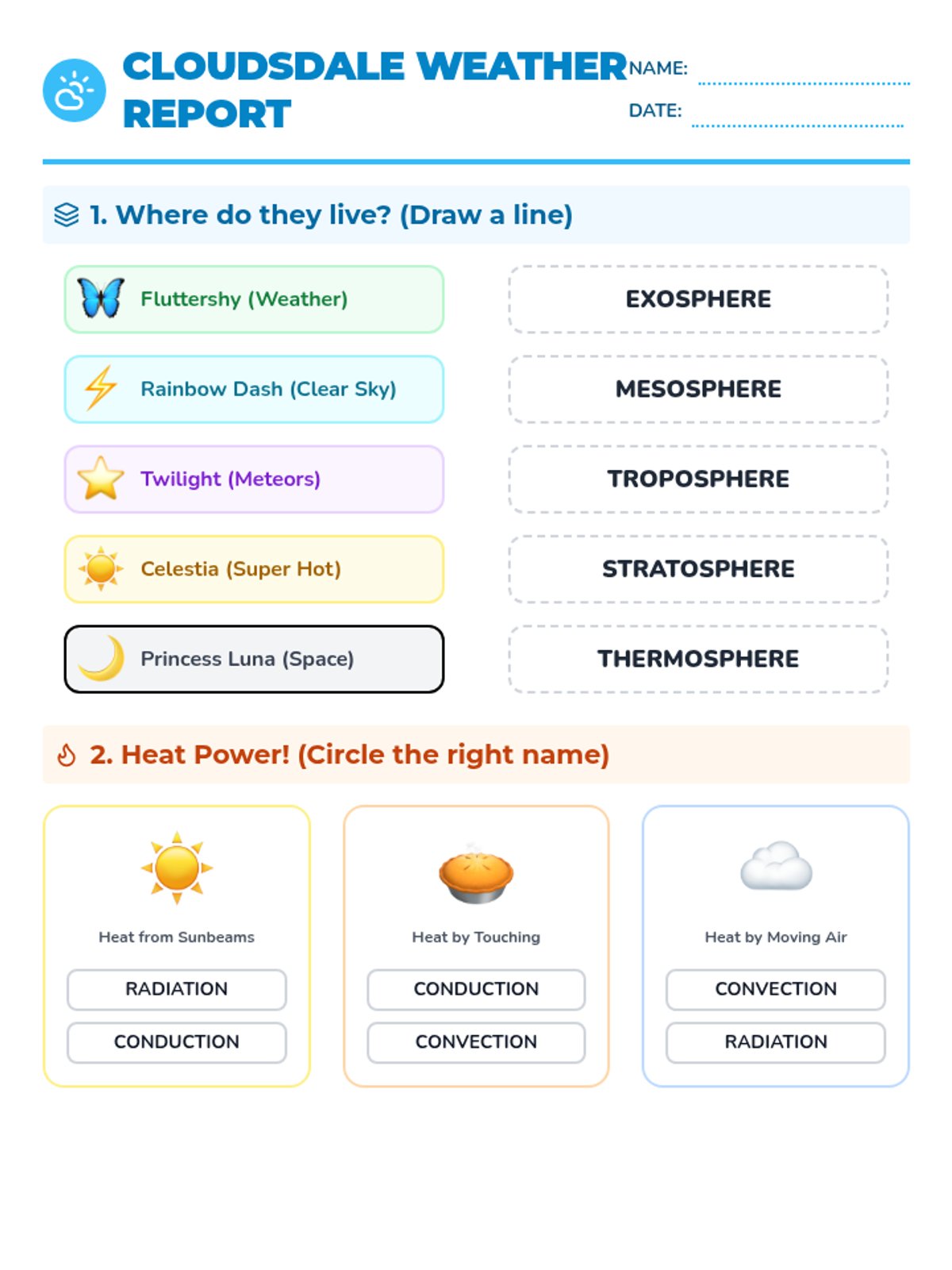
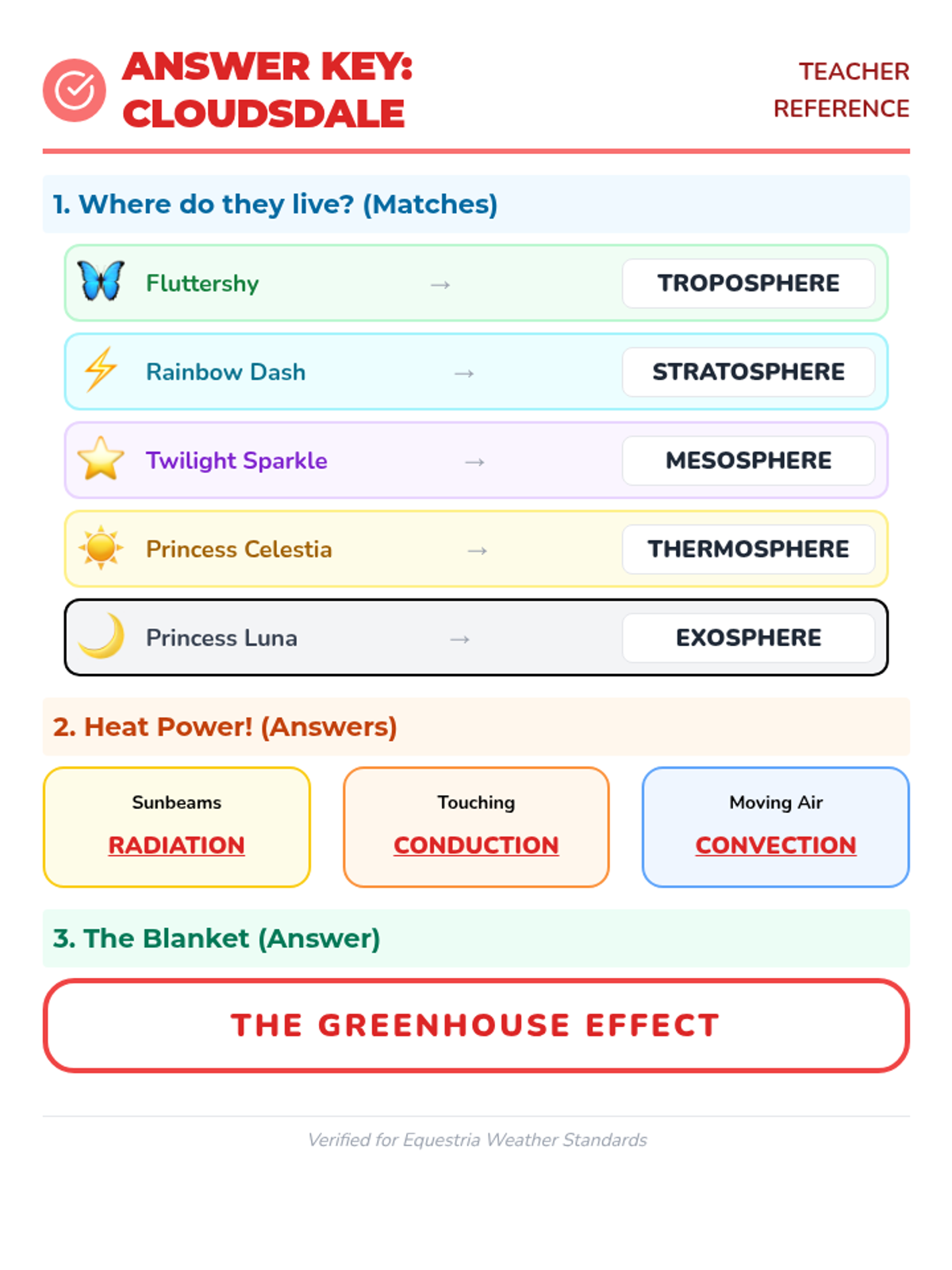
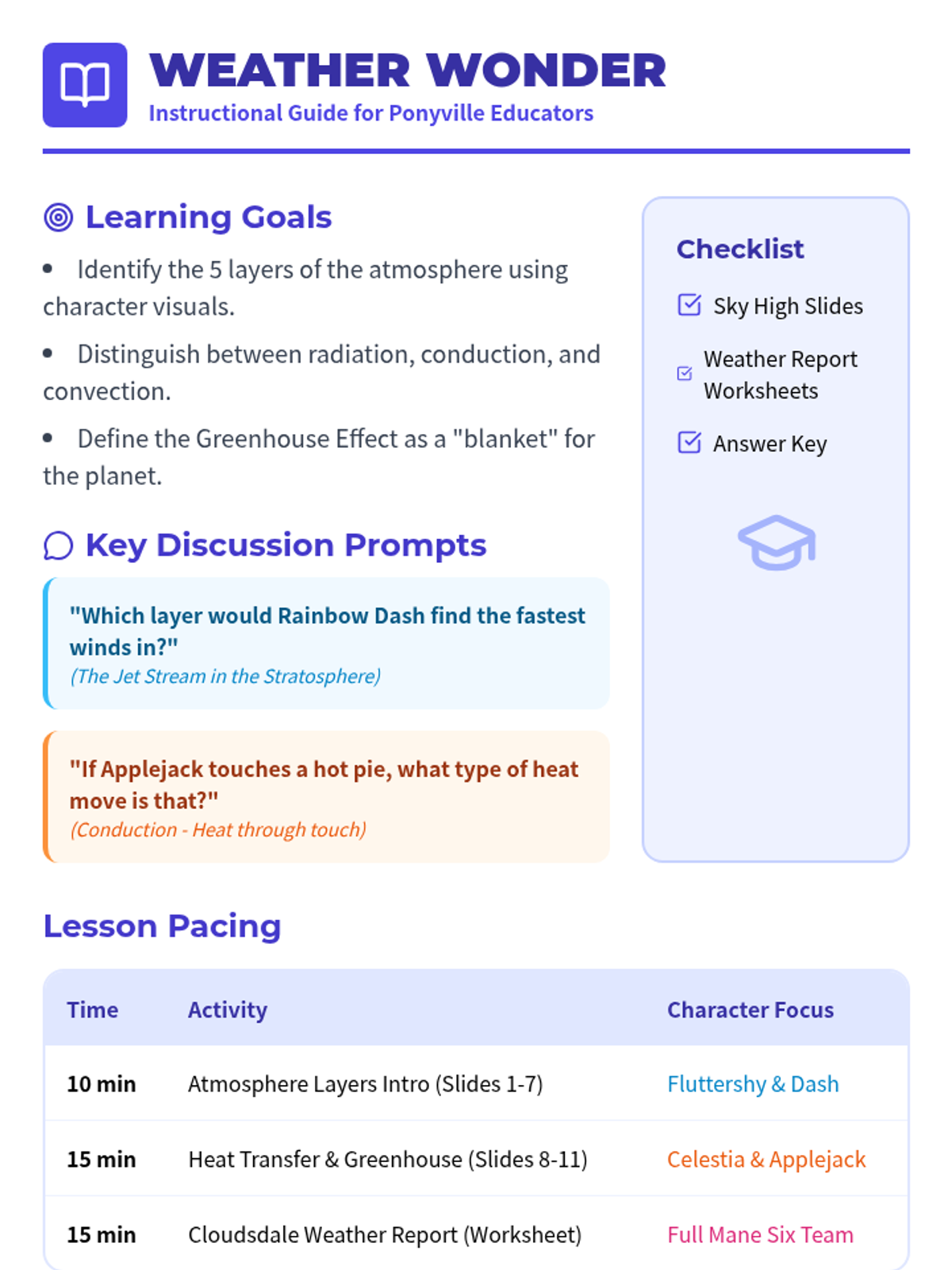
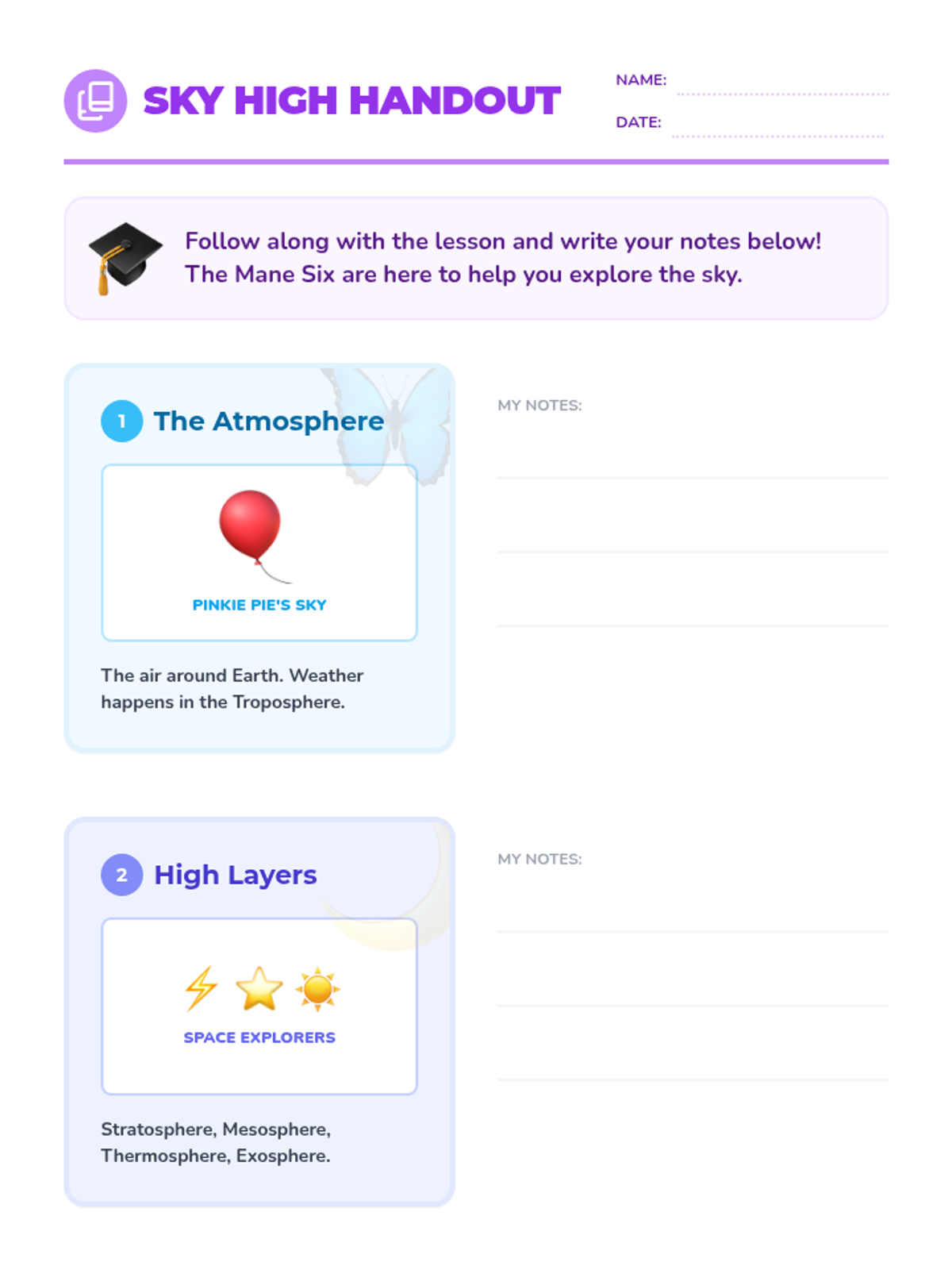
Explore the layers of the atmosphere and how heat moves through Equestria with the help of the Mane Six. This lesson covers atmospheric layers and thermal energy transfer using simplified language and visual symbols.
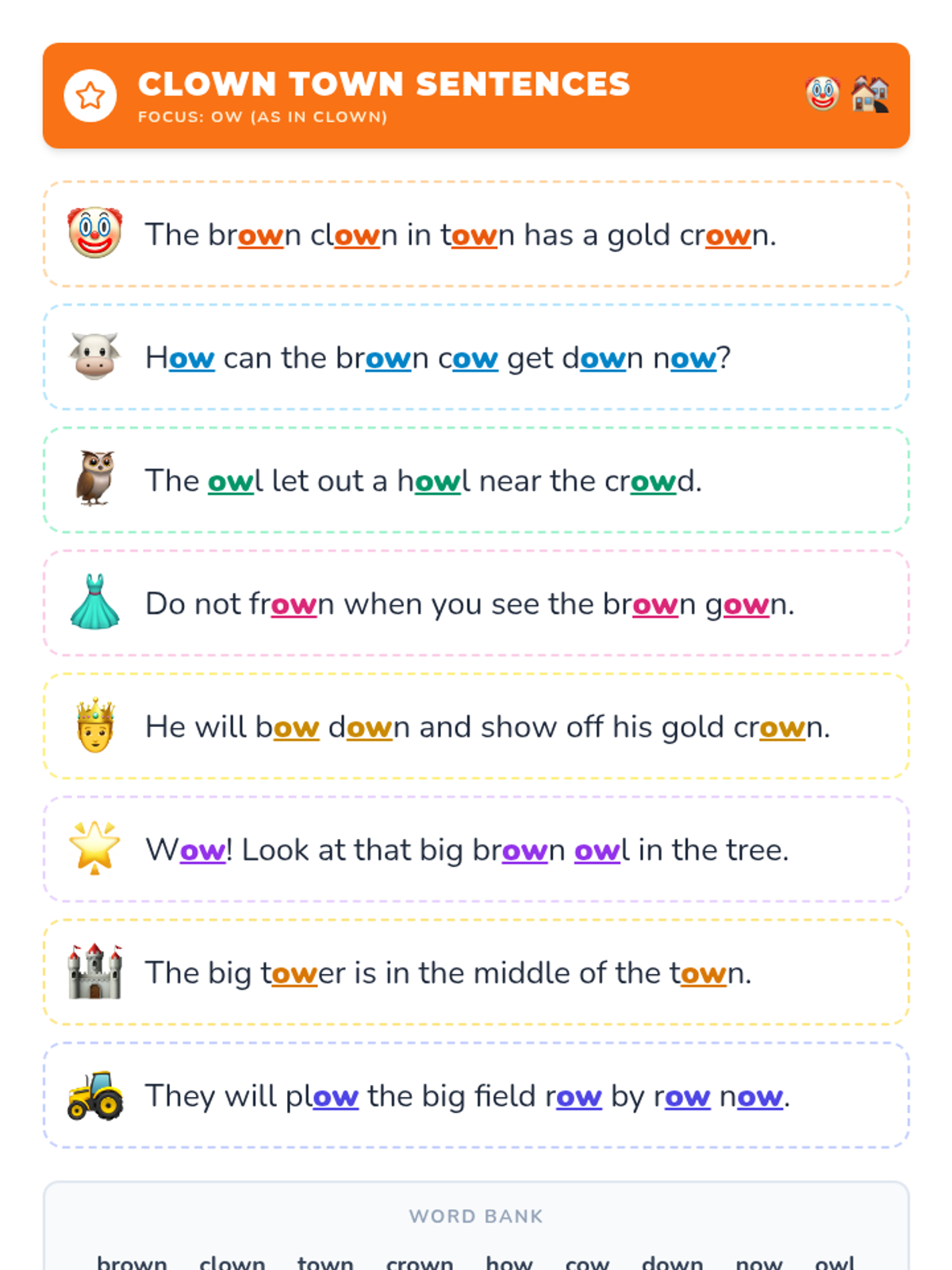
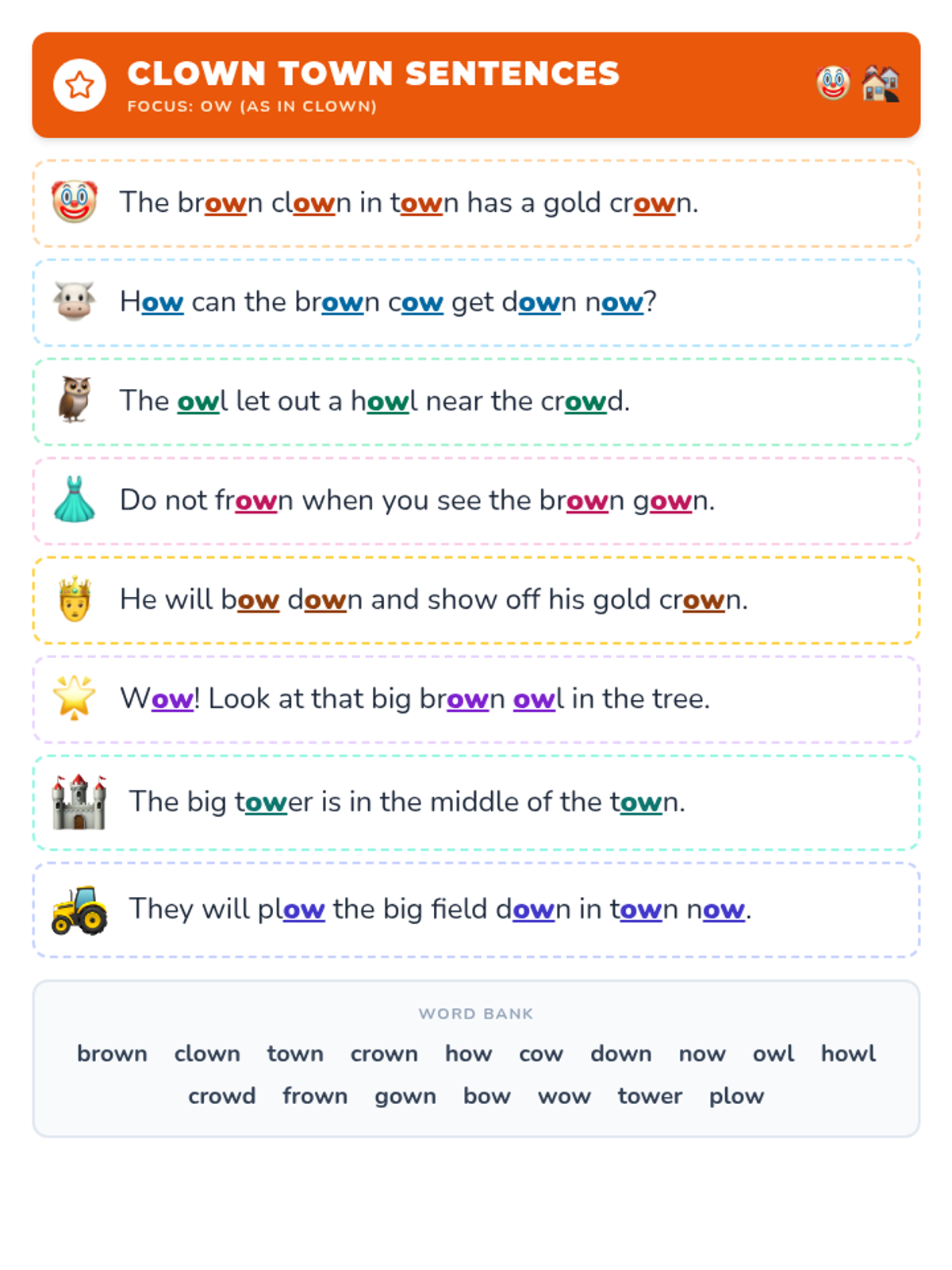
A phonics lesson focusing on the diphthong 'ow' as heard in 'clown' and 'town'.
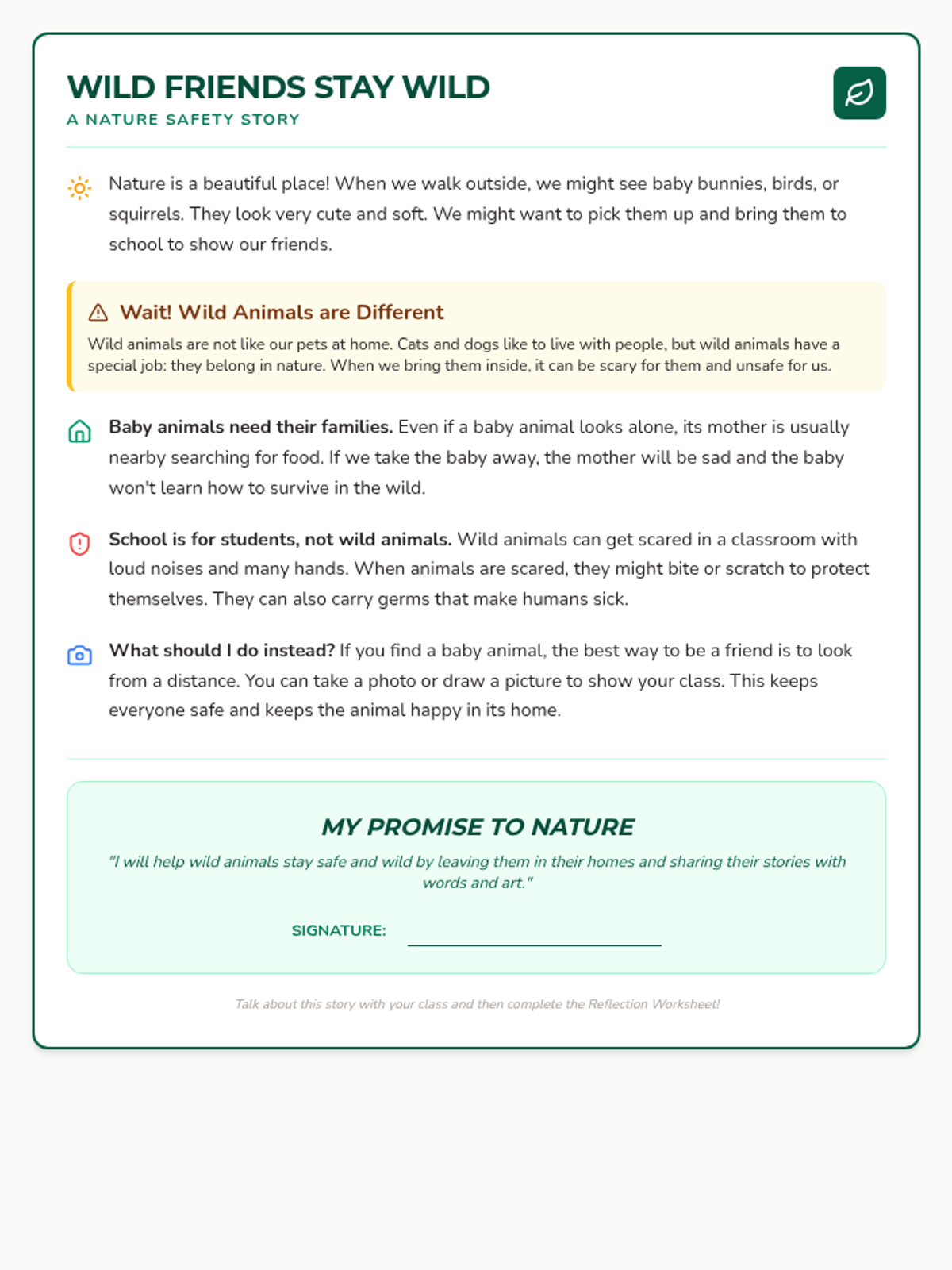
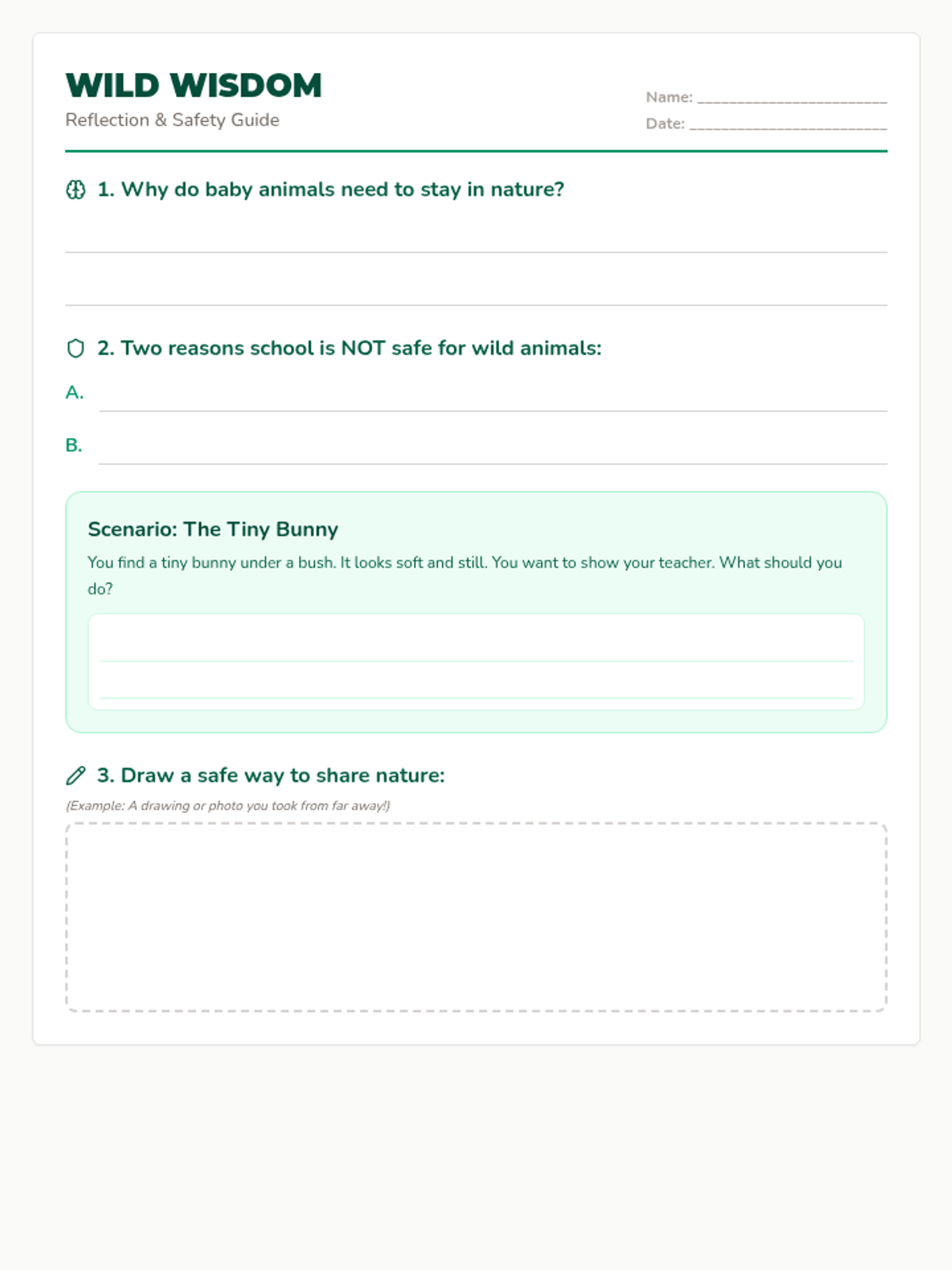
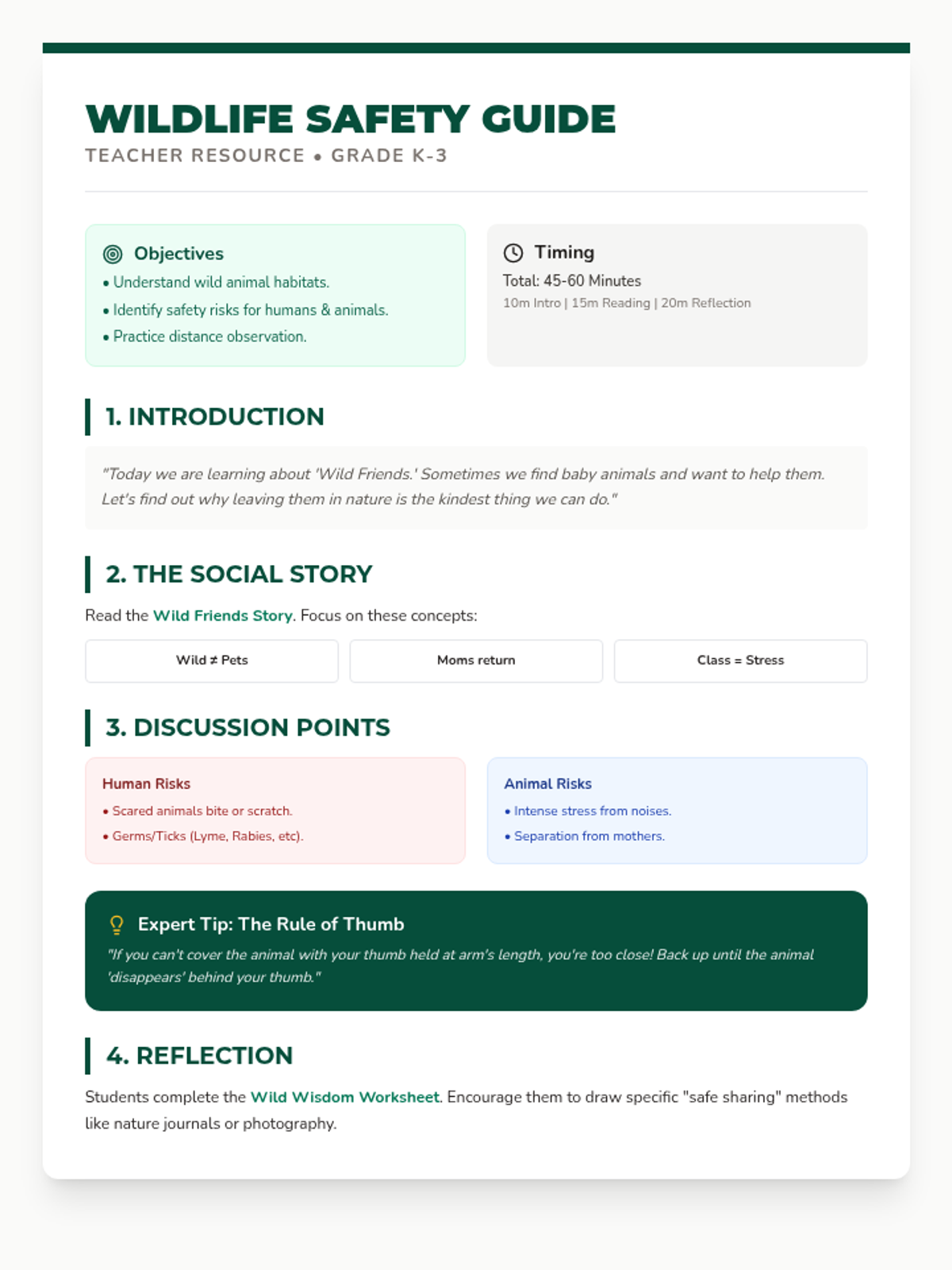
This lesson teaches students why wild animals, especially babies, should remain in their natural habitats rather than being brought to school, focusing on the safety of the animal and the classroom community.
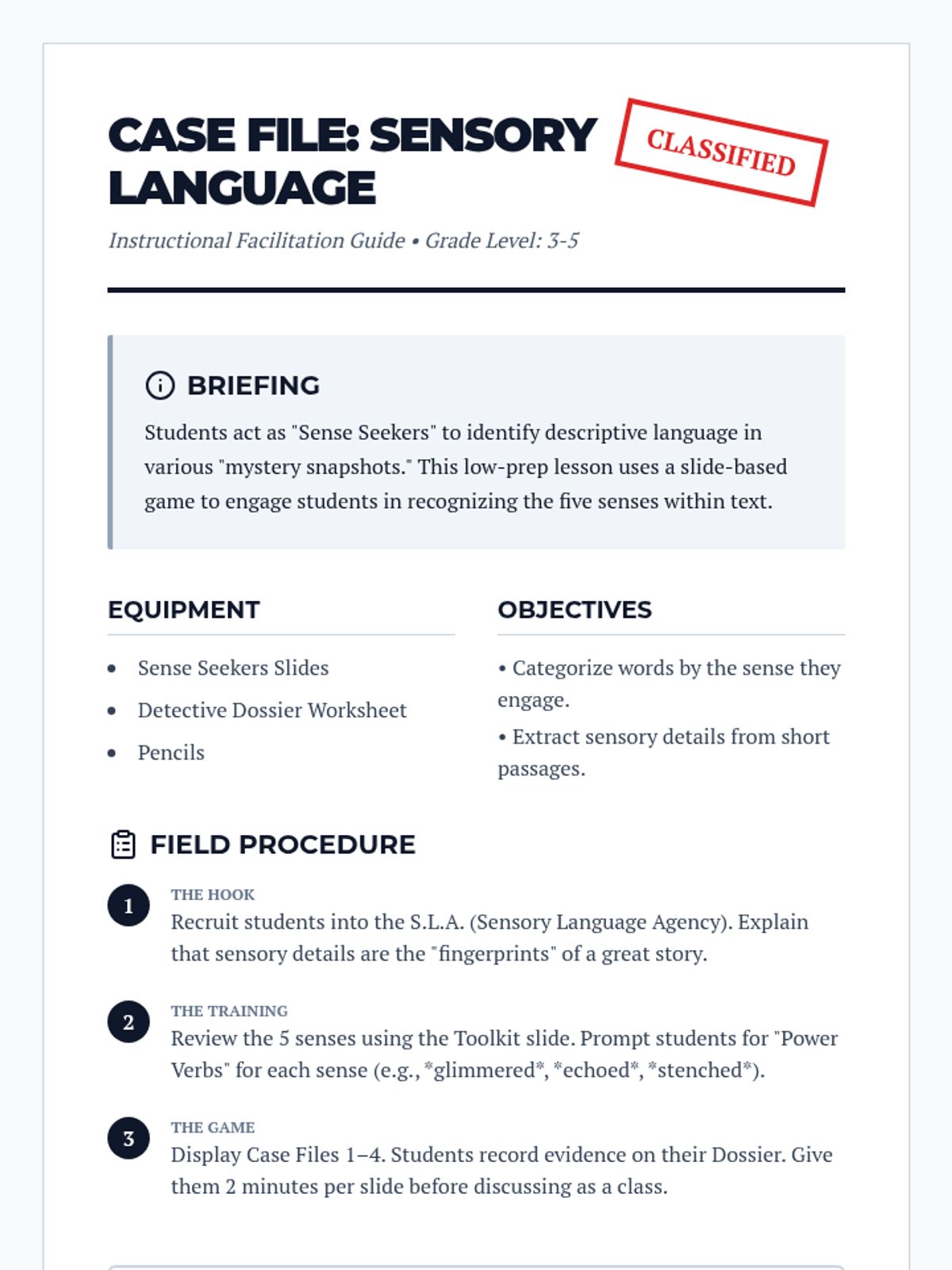
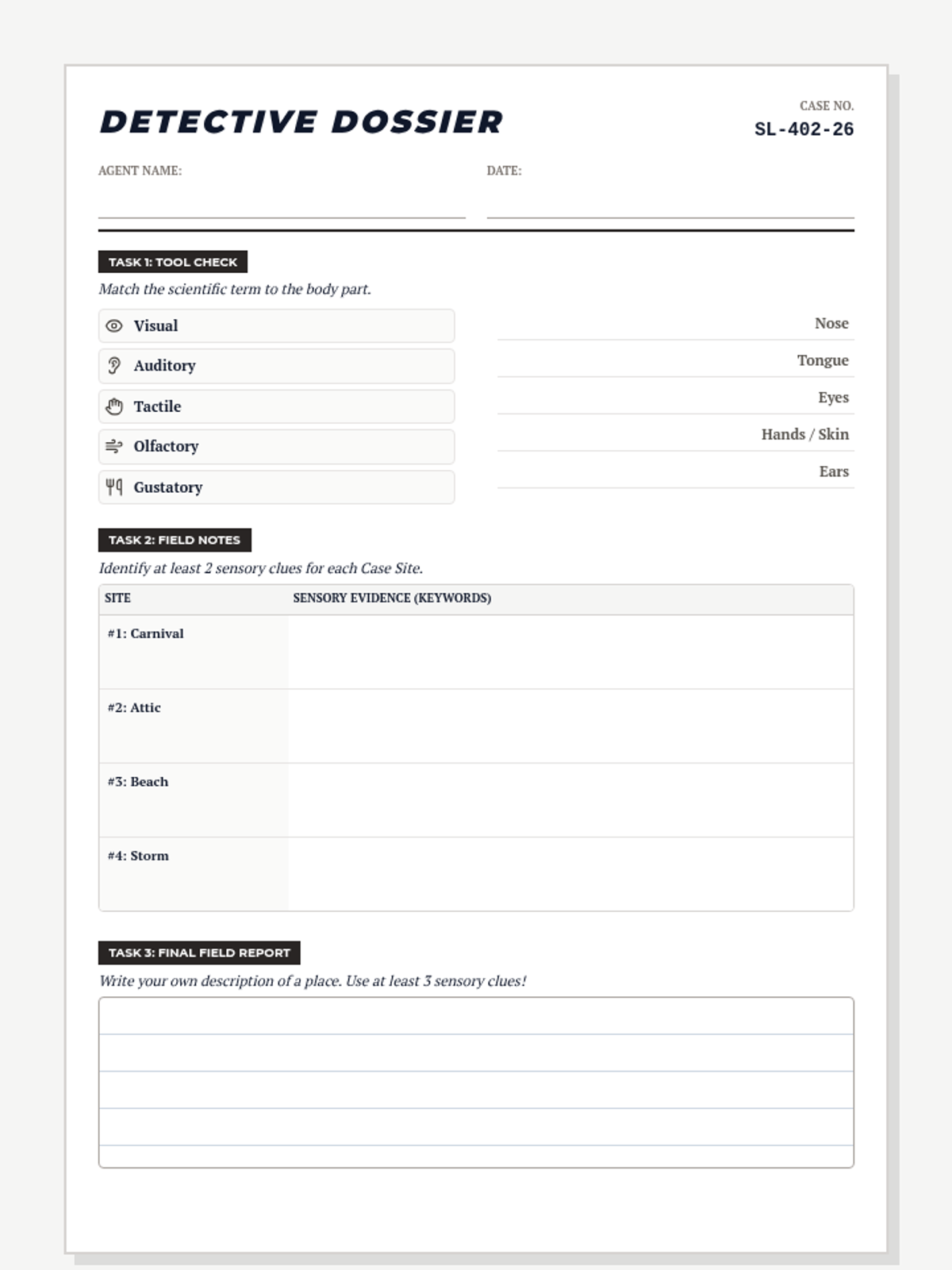
A lesson where students become 'Sense Seekers' to identify sensory language in descriptive text through a mystery-themed game.
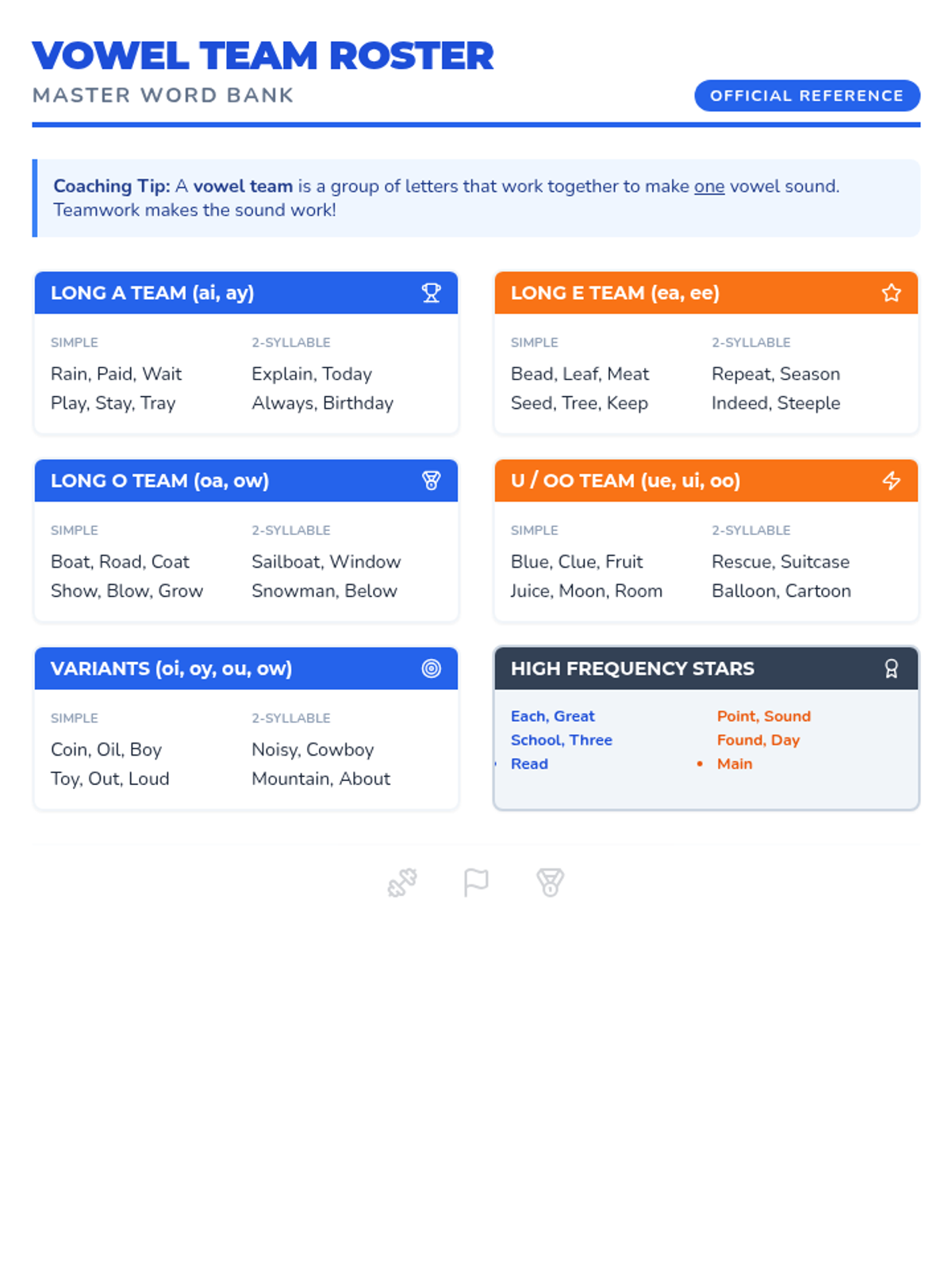
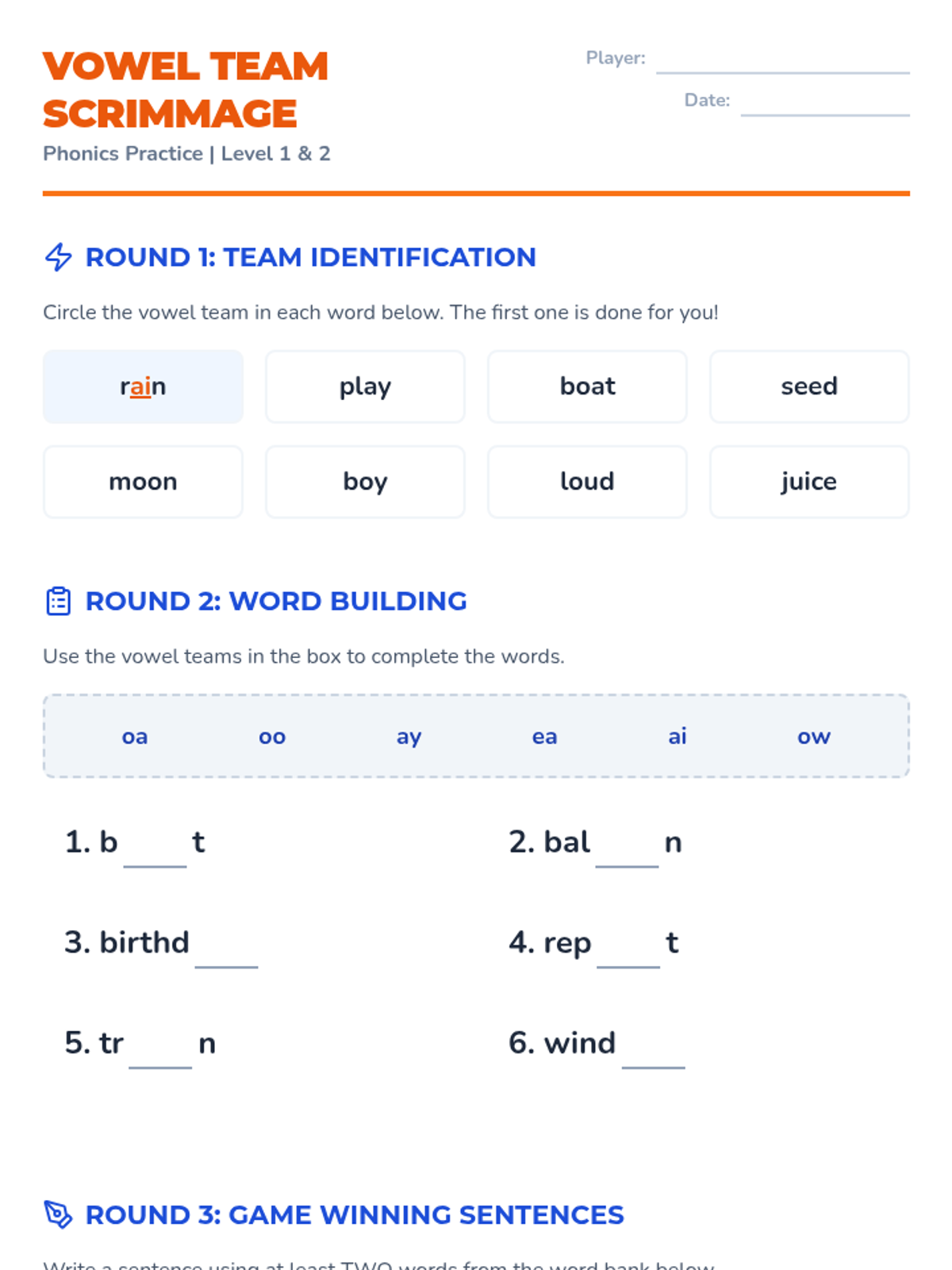
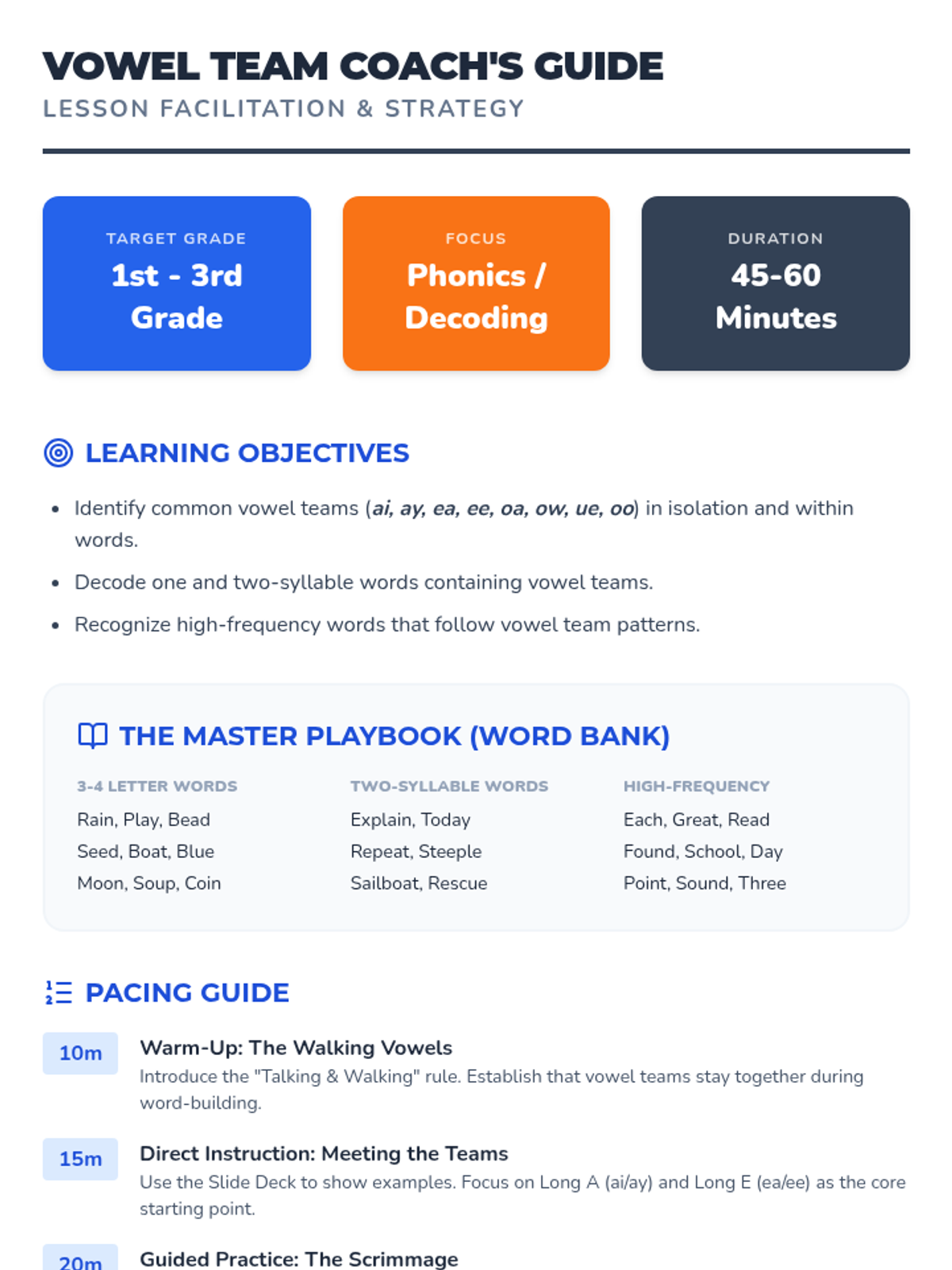
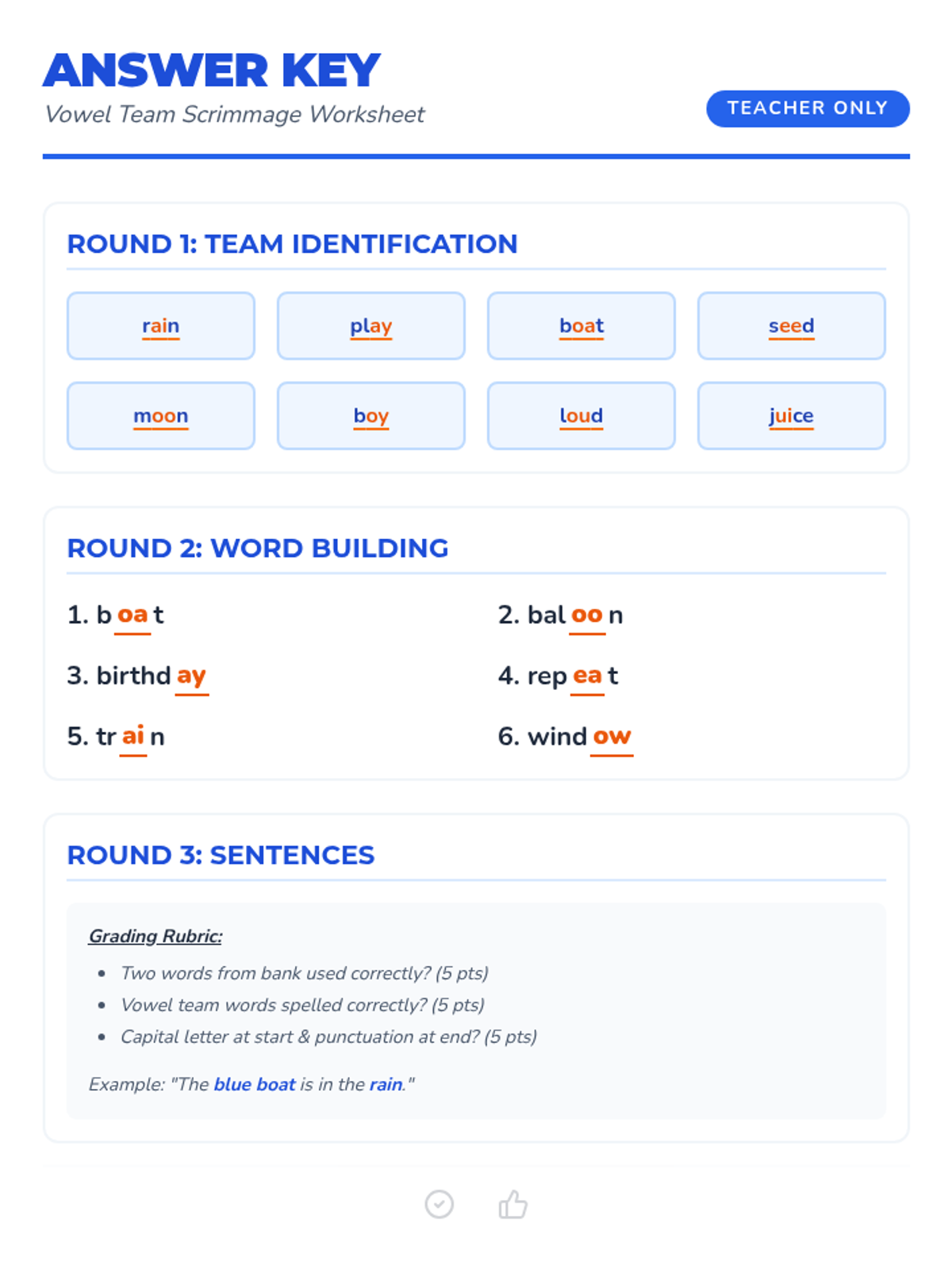
A comprehensive introduction to vowel teams using a sports-themed approach. Students will identify, read, and write words with various vowel teams, ranging from simple one-syllable words to more complex two-syllable terms.
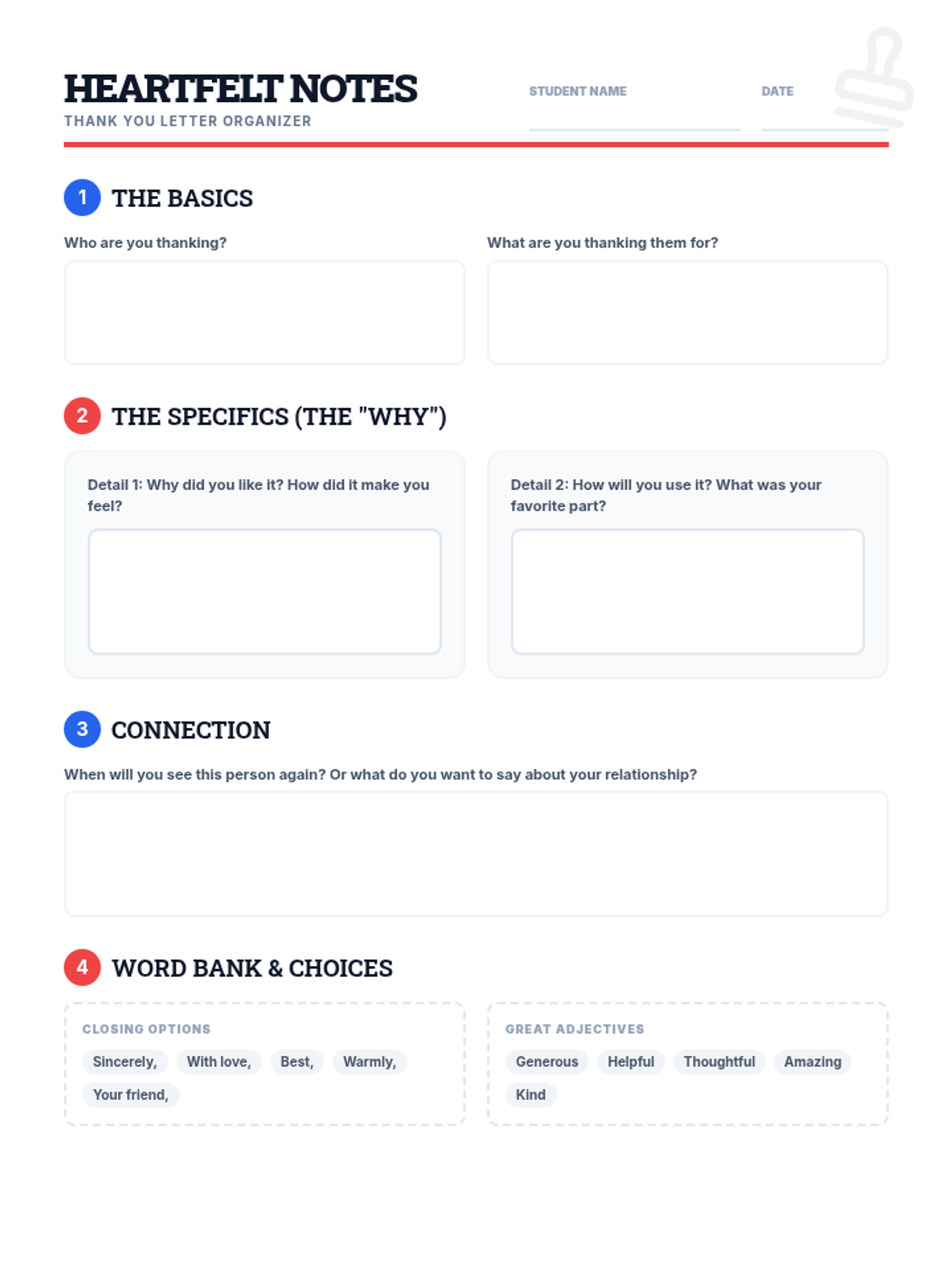
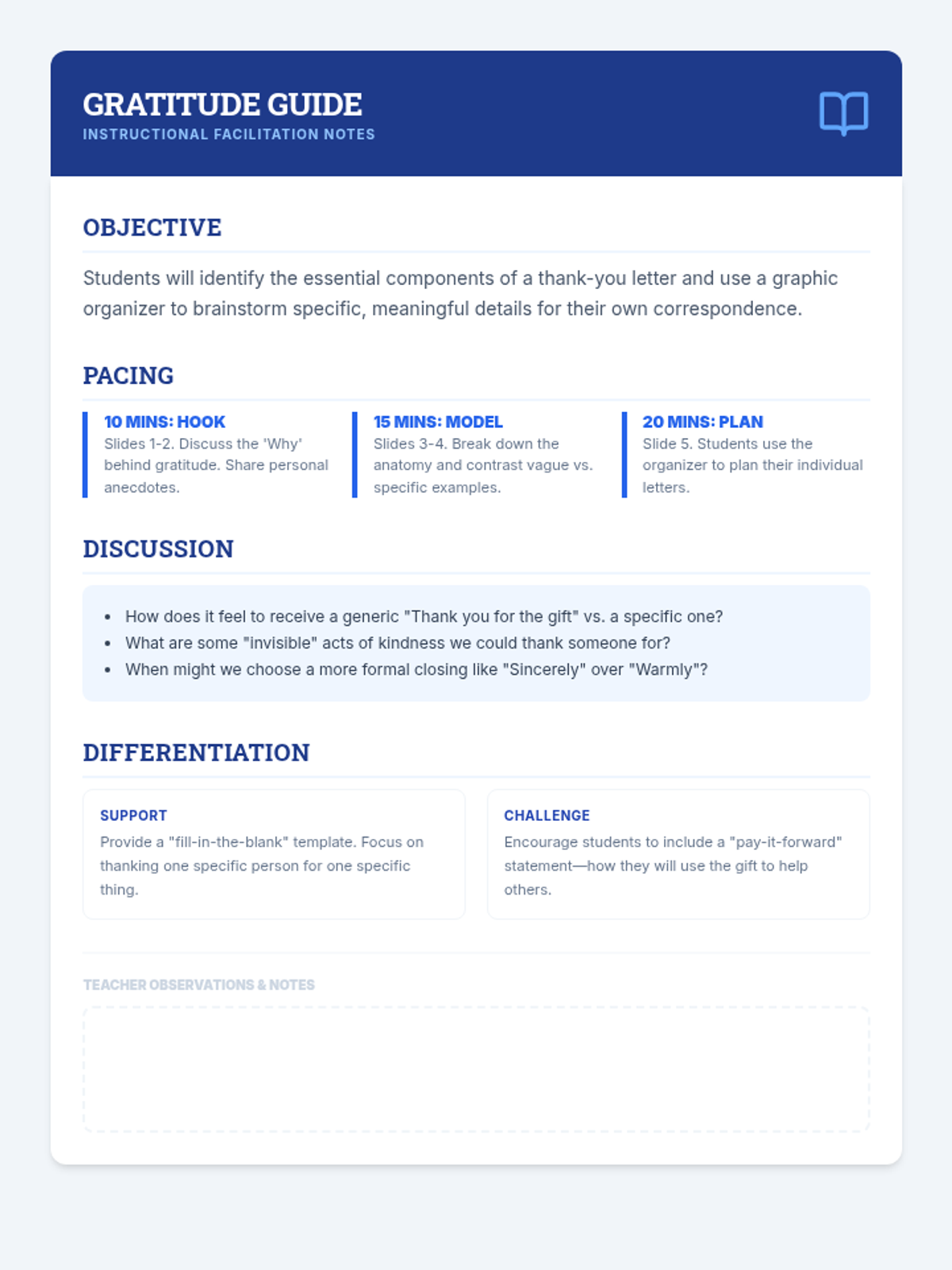
A lesson focused on the art of writing sincere thank-you letters, covering the essential components and the emotional impact of expressing gratitude.
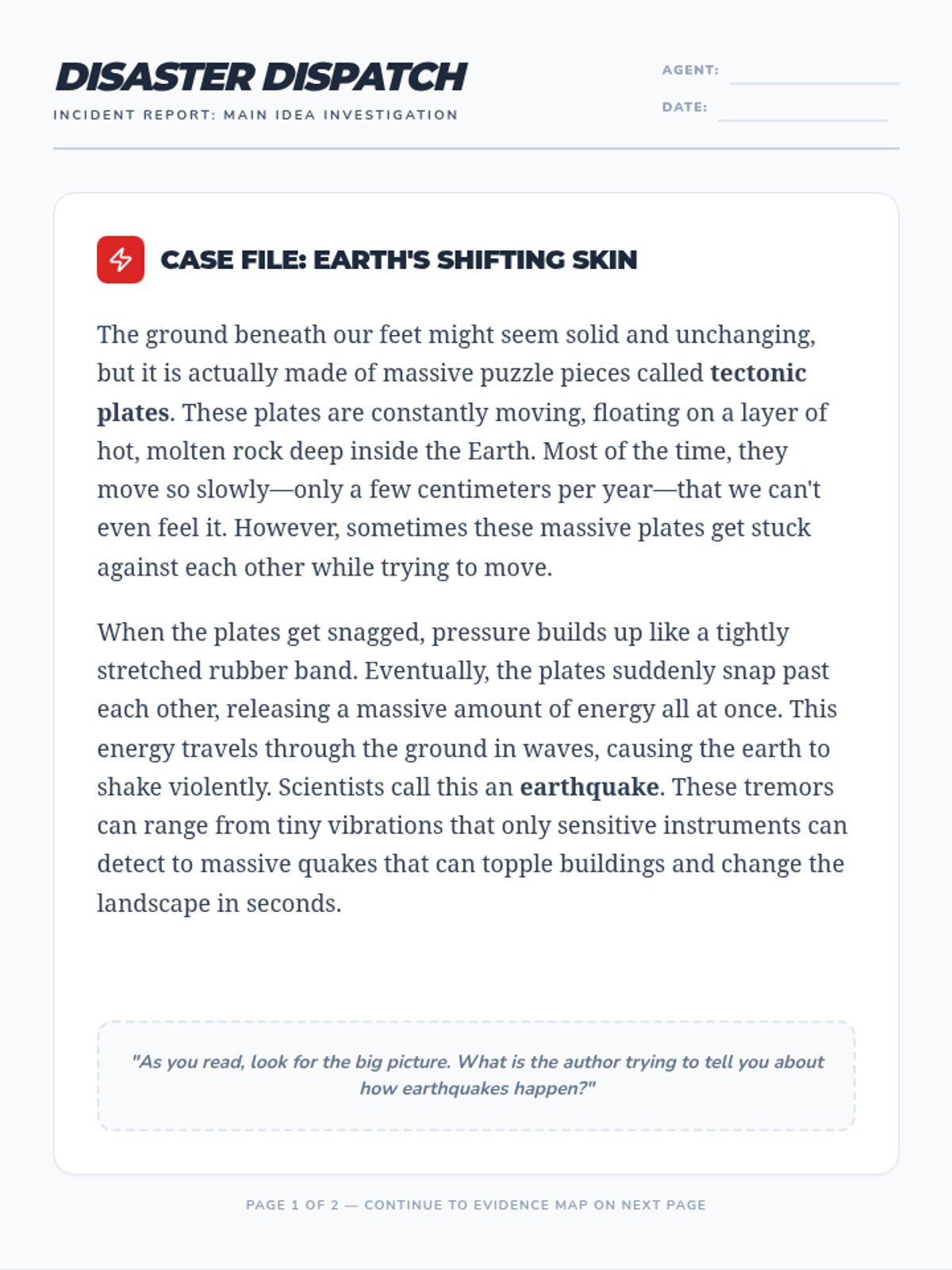
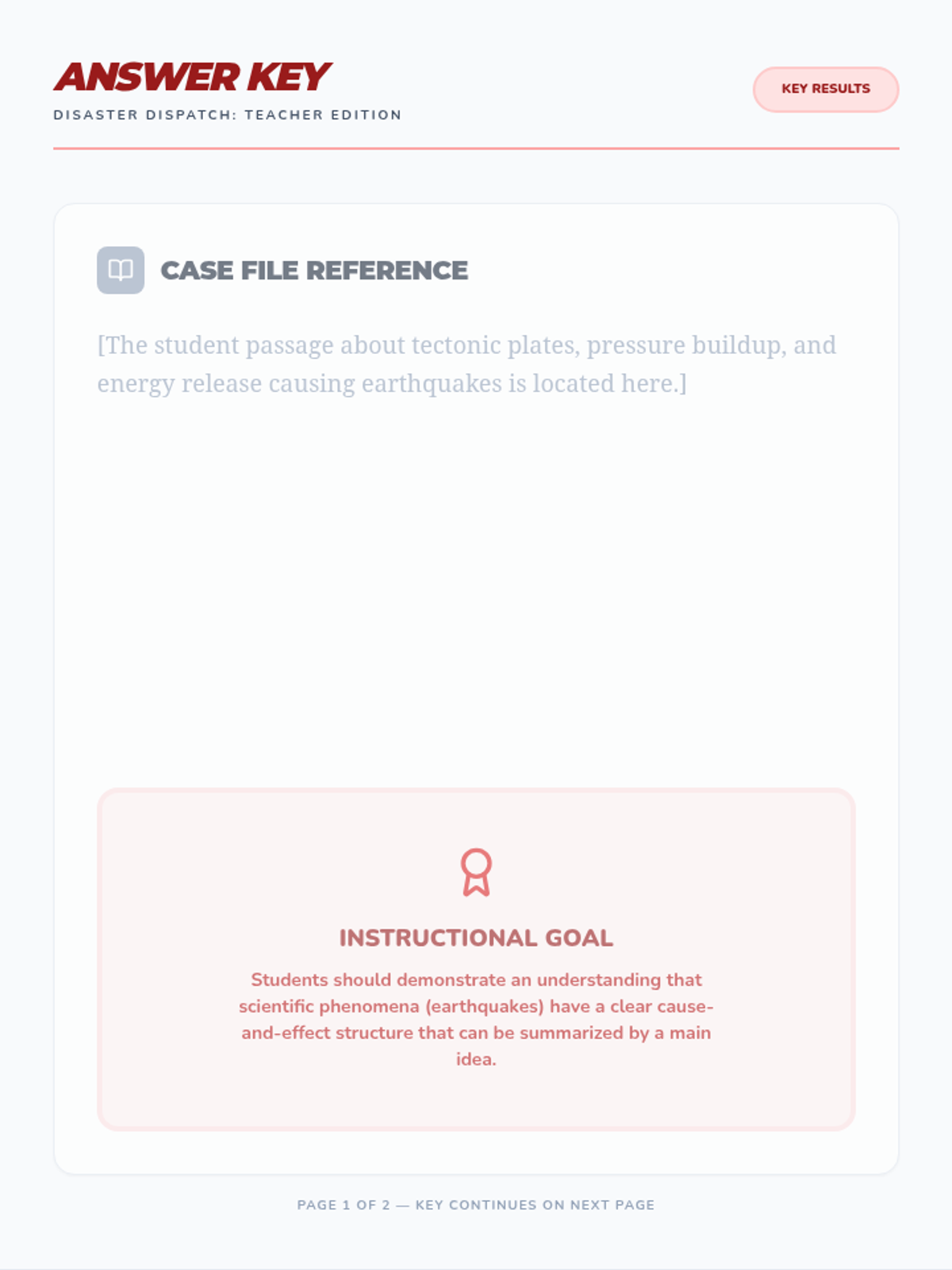
In this lesson, students practice identifying the main idea and supporting details in non-fiction texts about natural disasters. They will use a graphic organizer to map out the structure of a passage about earthquakes.
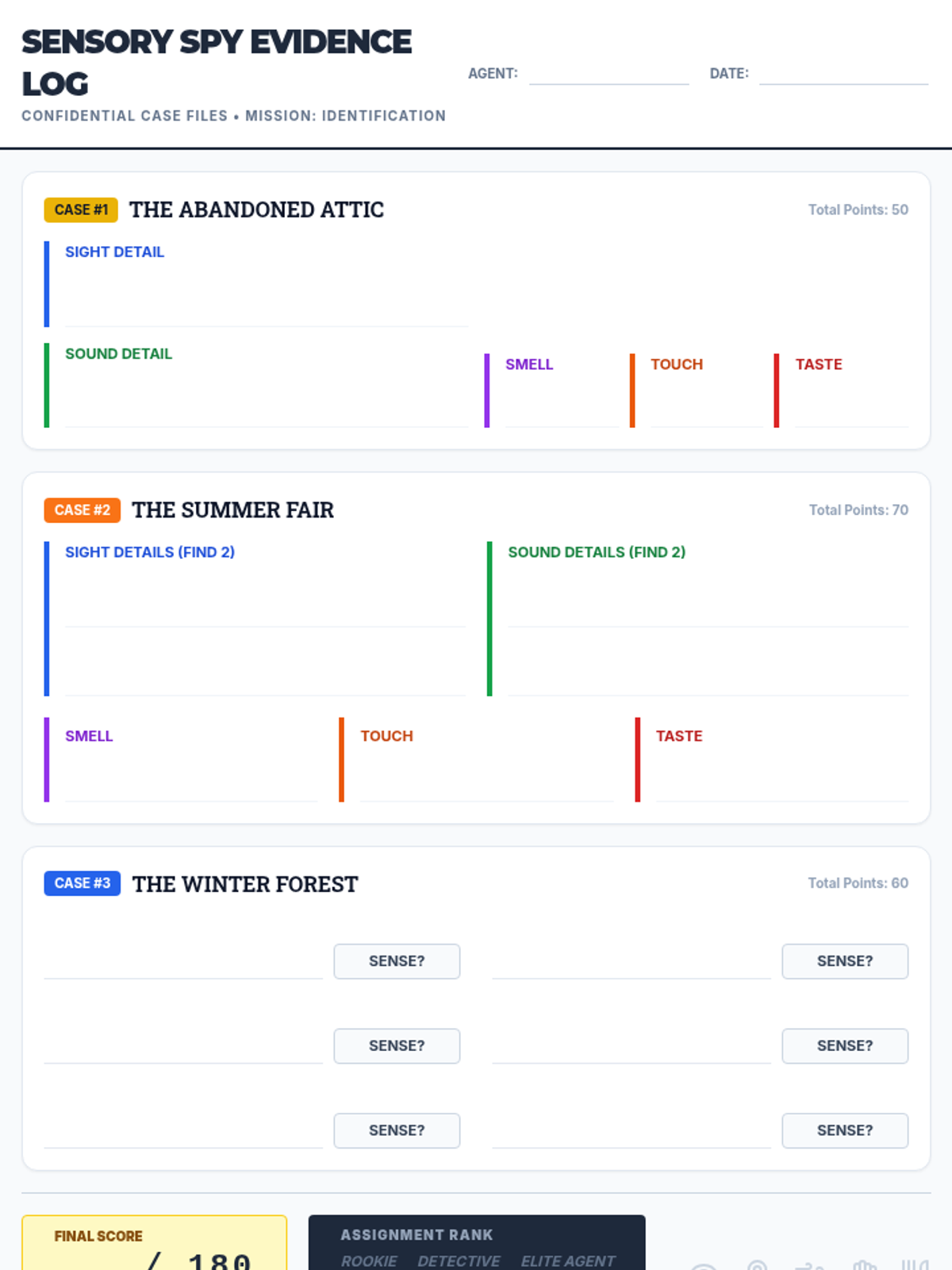
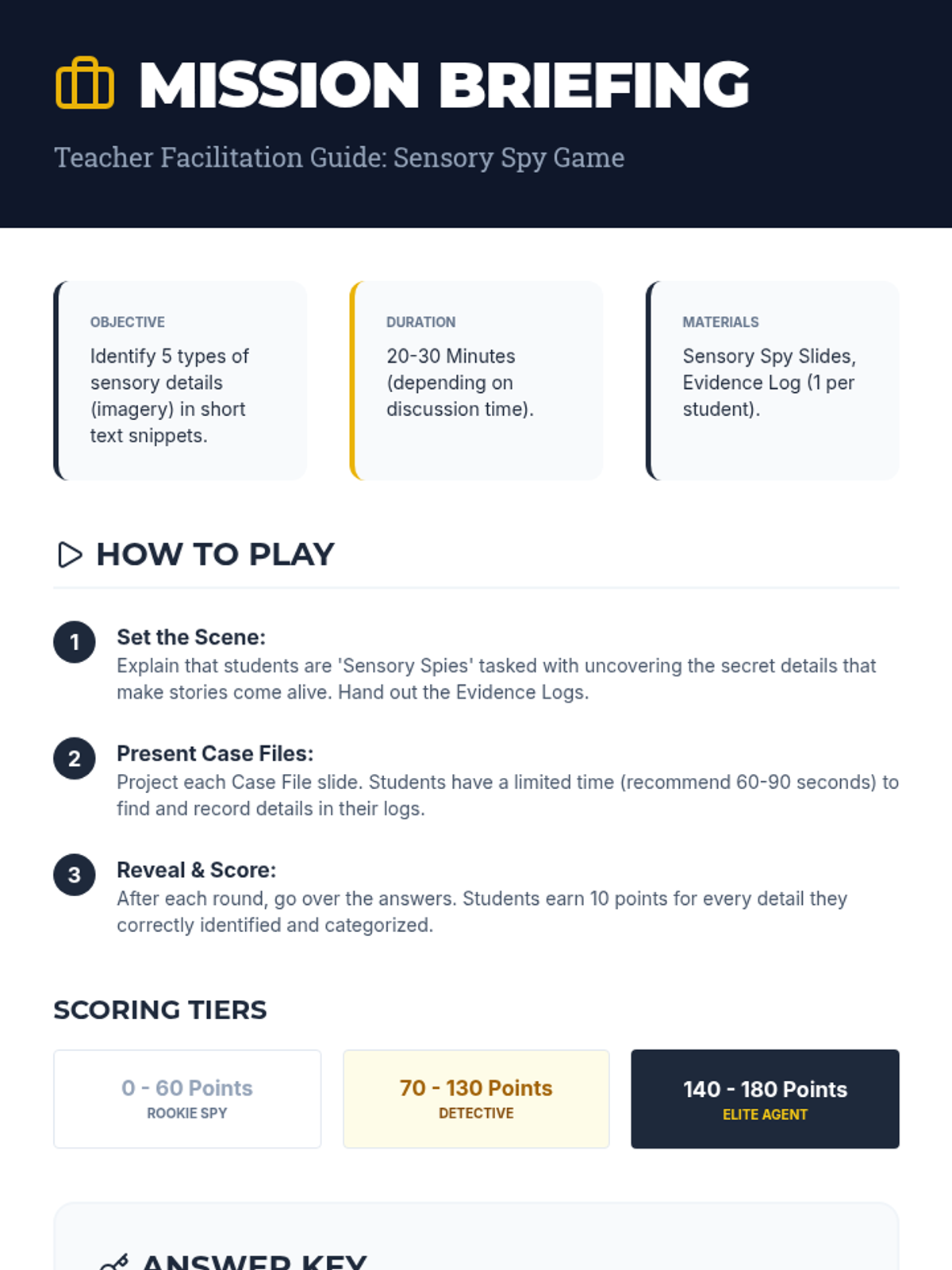
A fast-paced, interactive game where students become 'Sensory Spies' to track down descriptive language in high-interest short story snippets. Students compete to identify sights, sounds, smells, tastes, and textures hidden within case files.
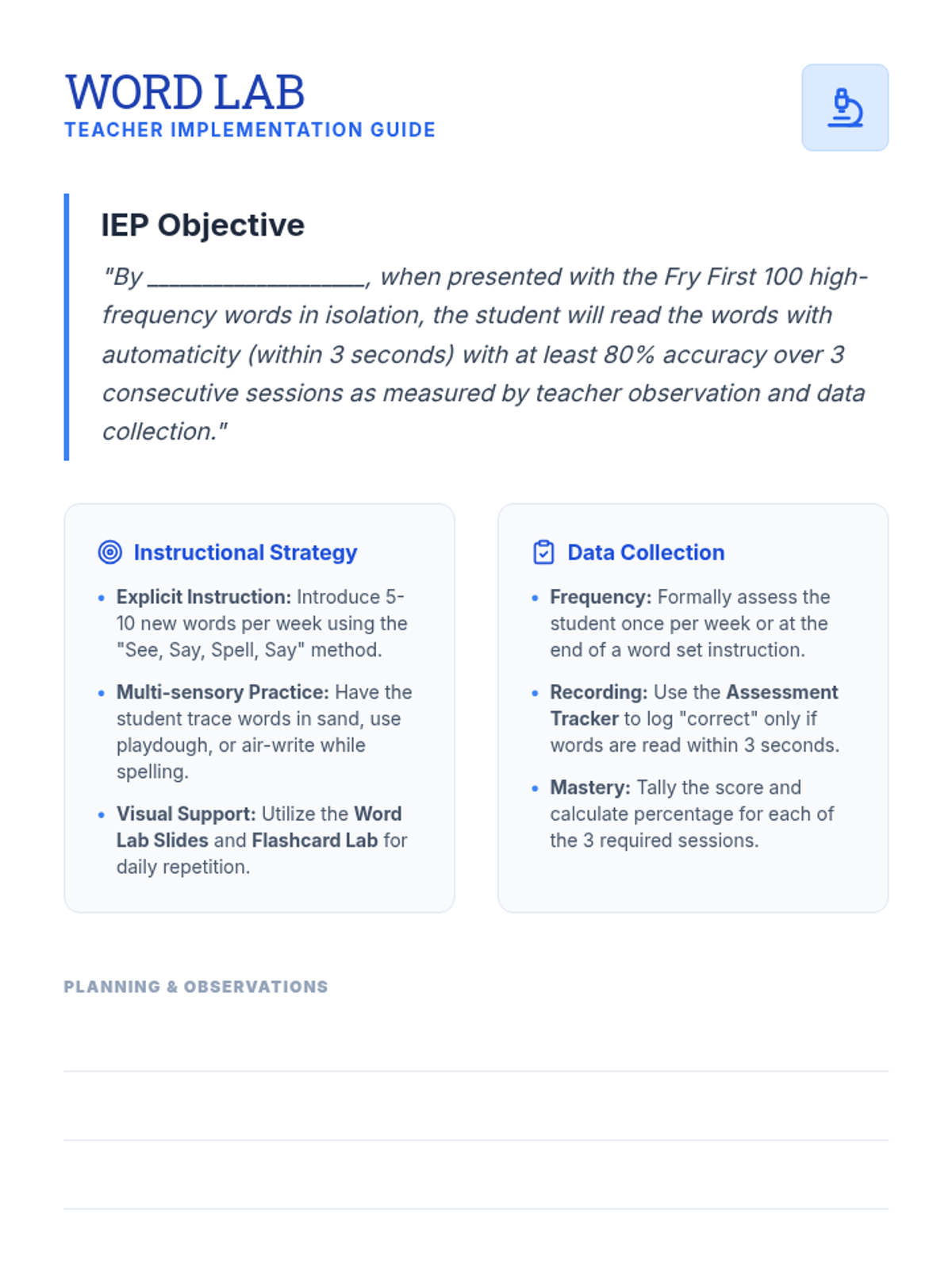
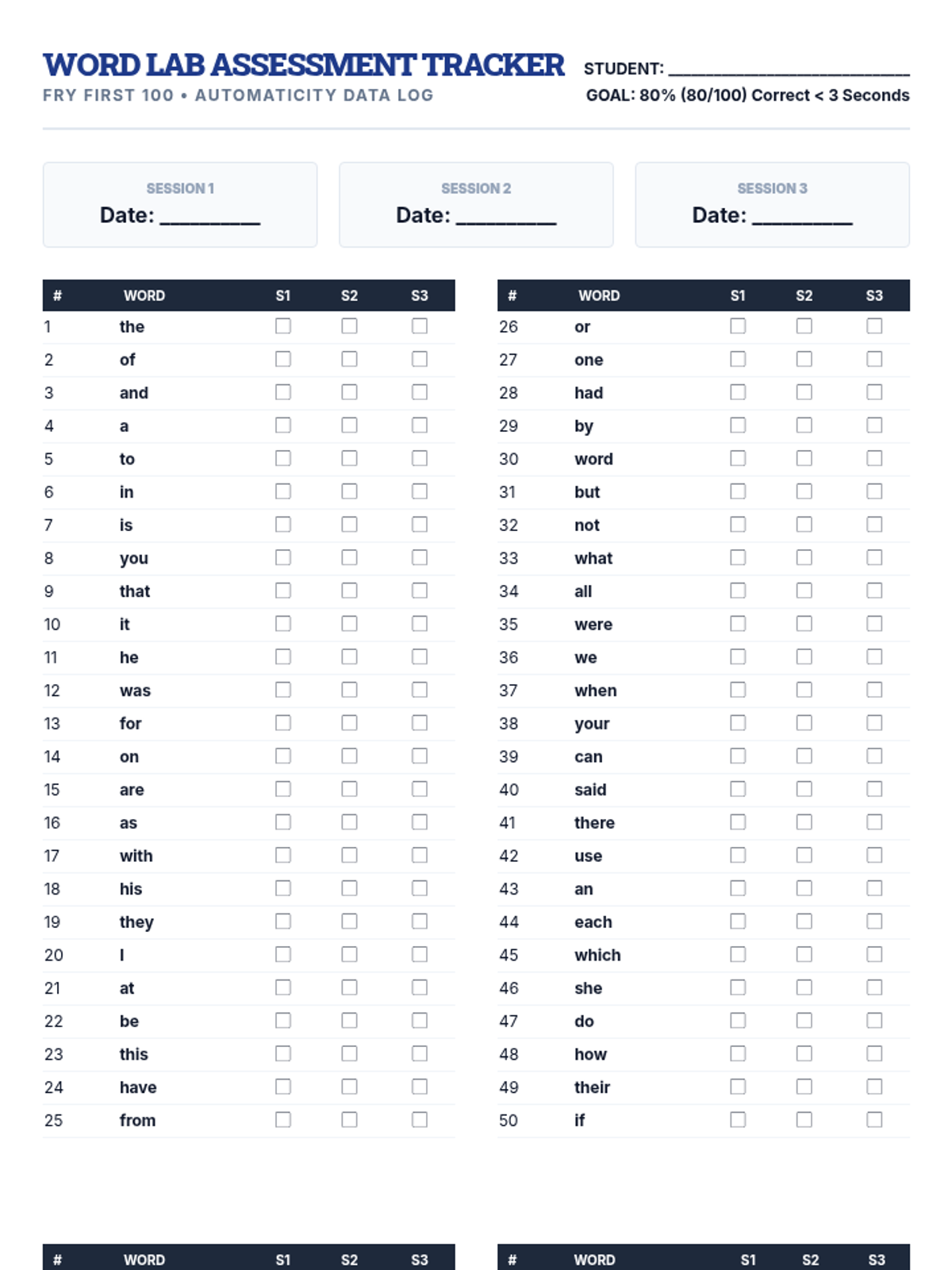
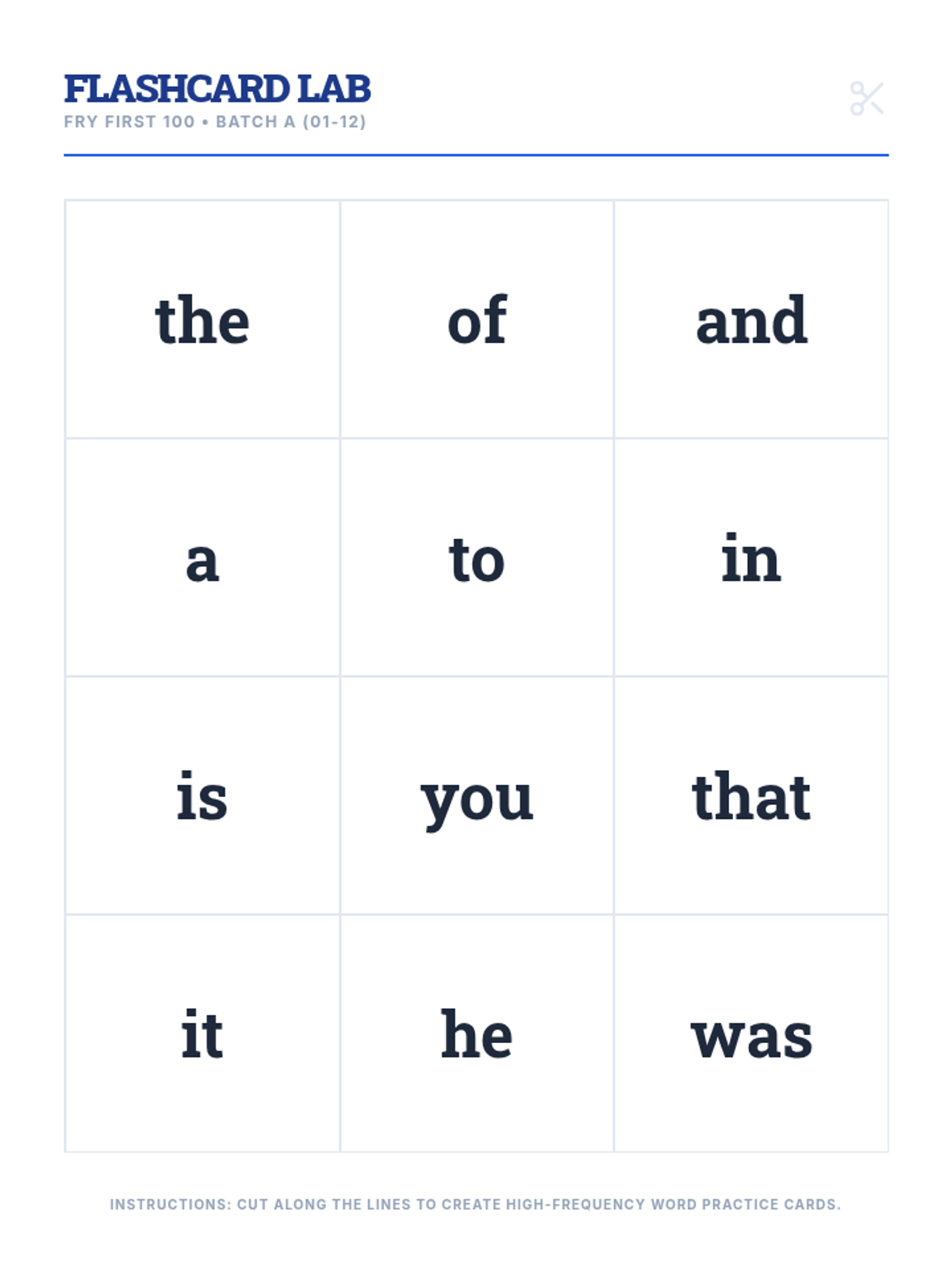
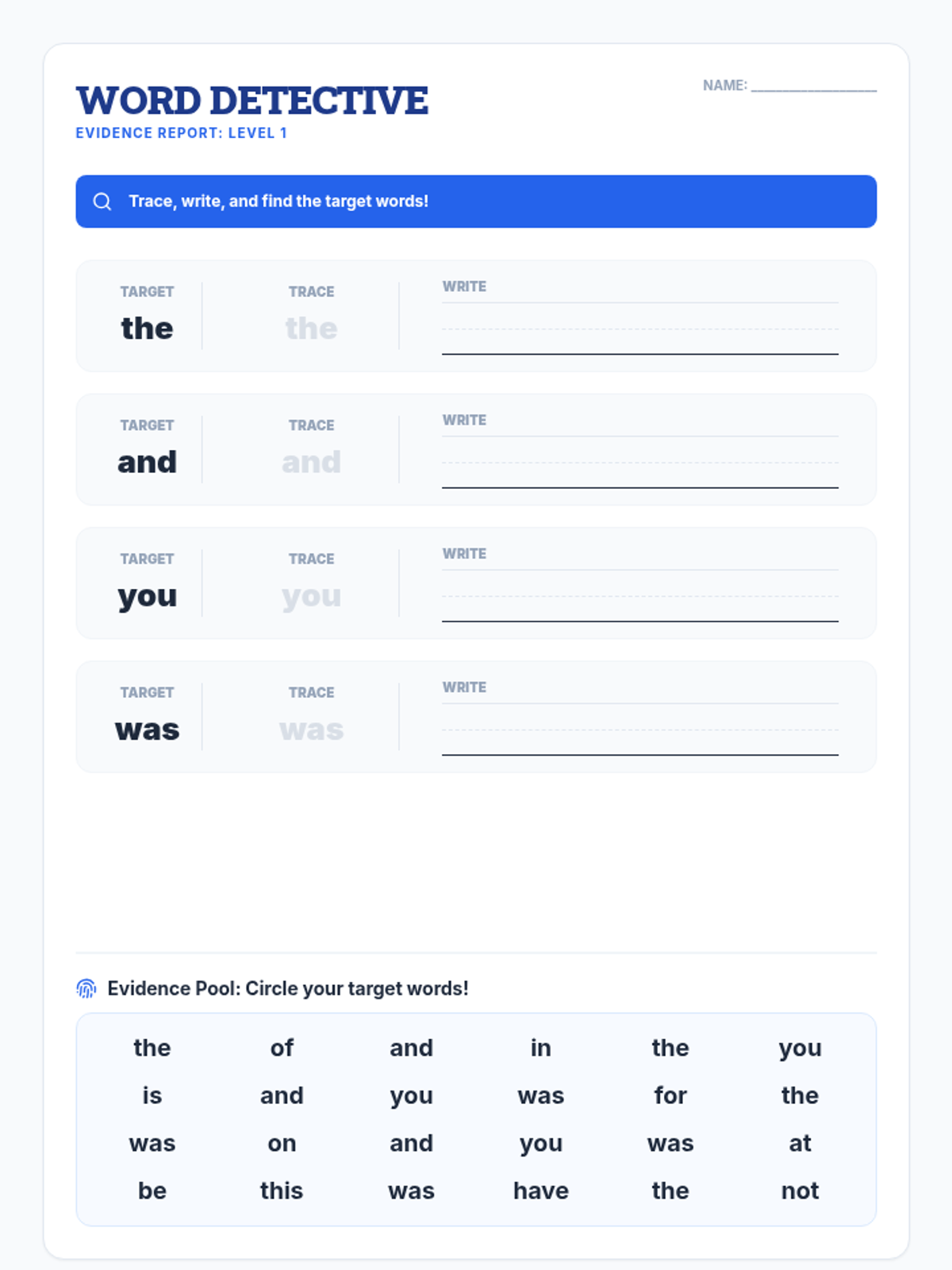
An intervention sequence focused on mastering the Fry First 100 high-frequency words through systematic practice, assessment, and visual aids.
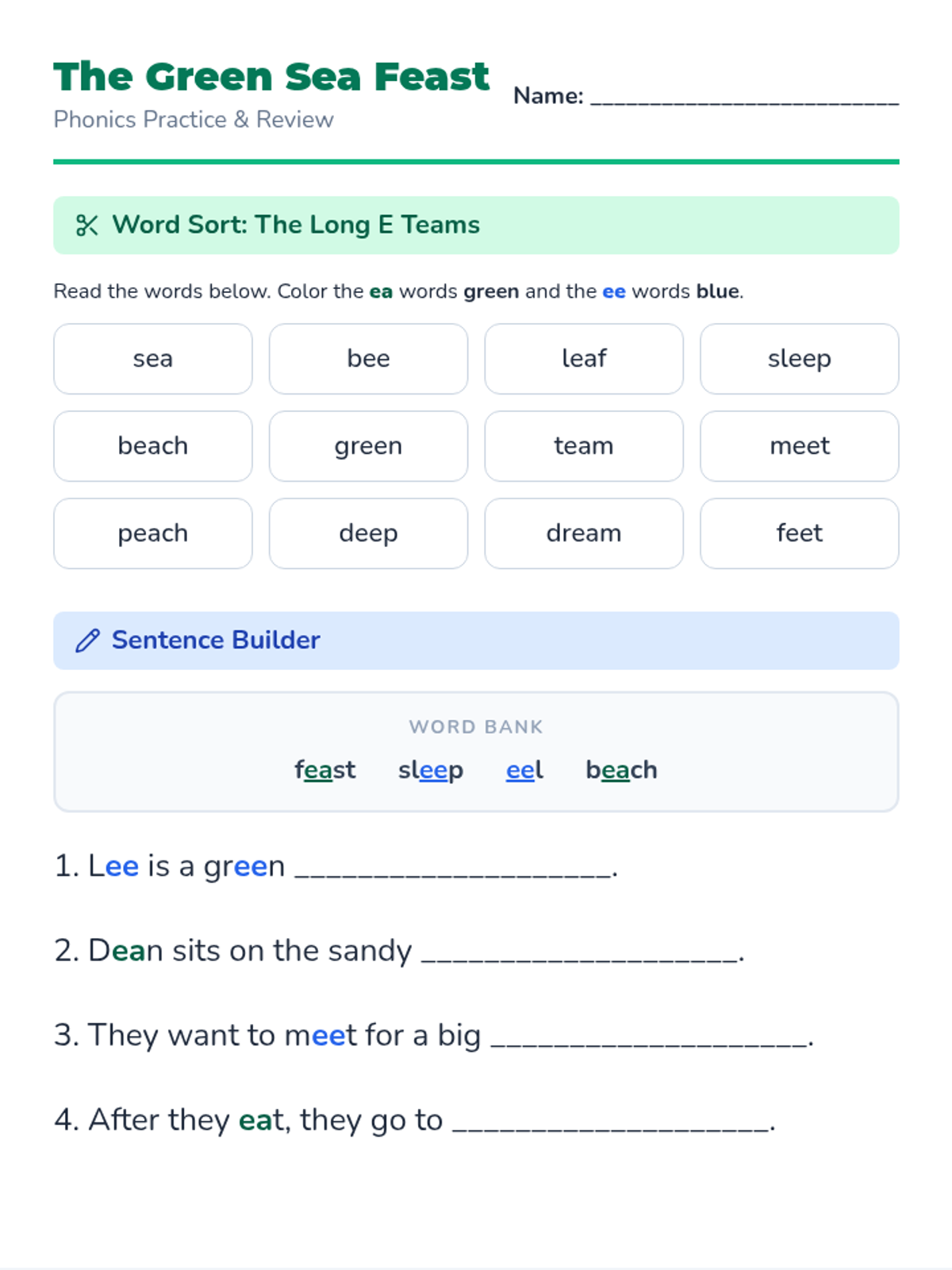
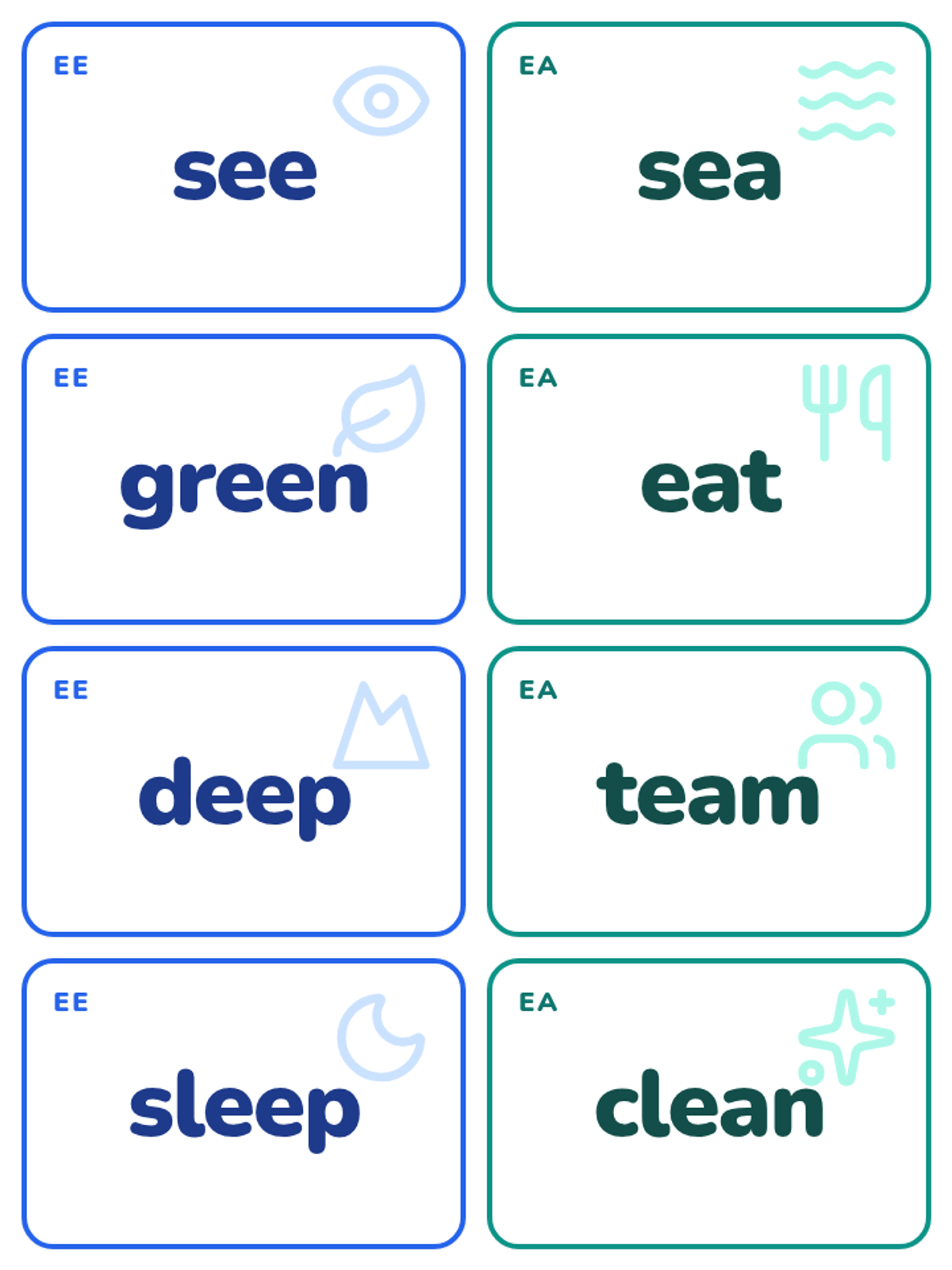
A Grade 2 literacy lesson focused on the long 'e' vowel teams 'ea' and 'ee' through a multi-page story, visual slides, and interactive practice.
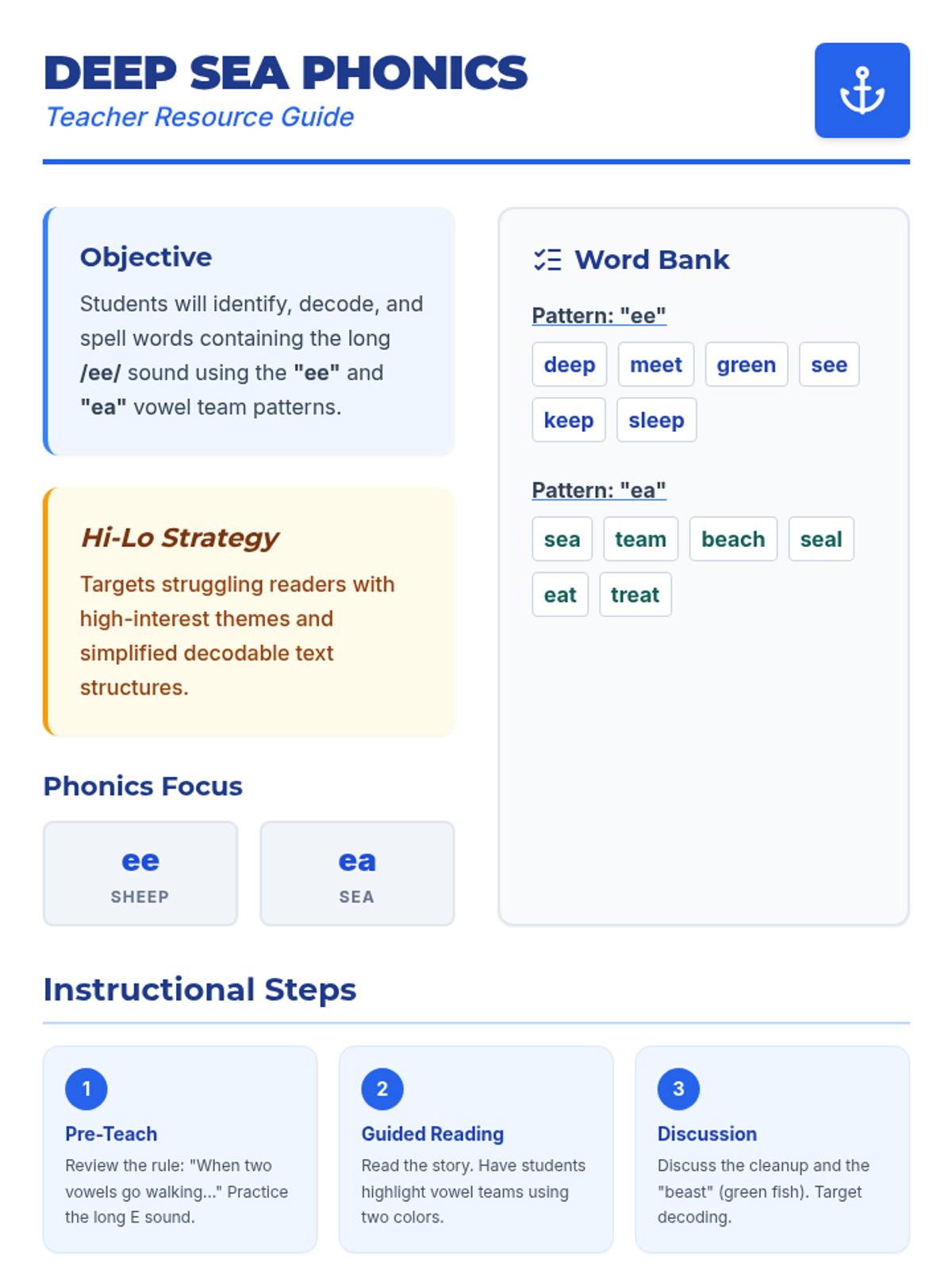
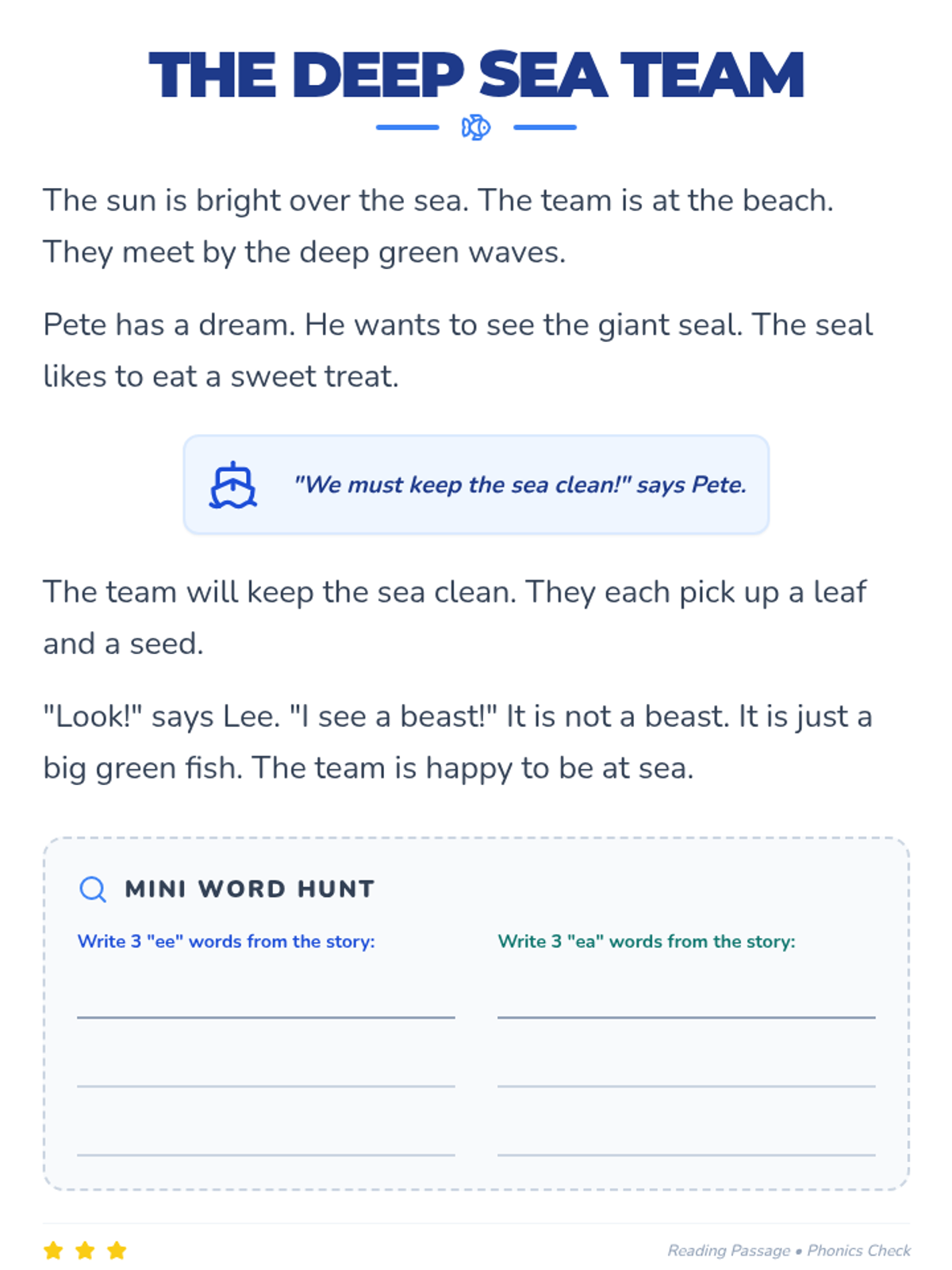
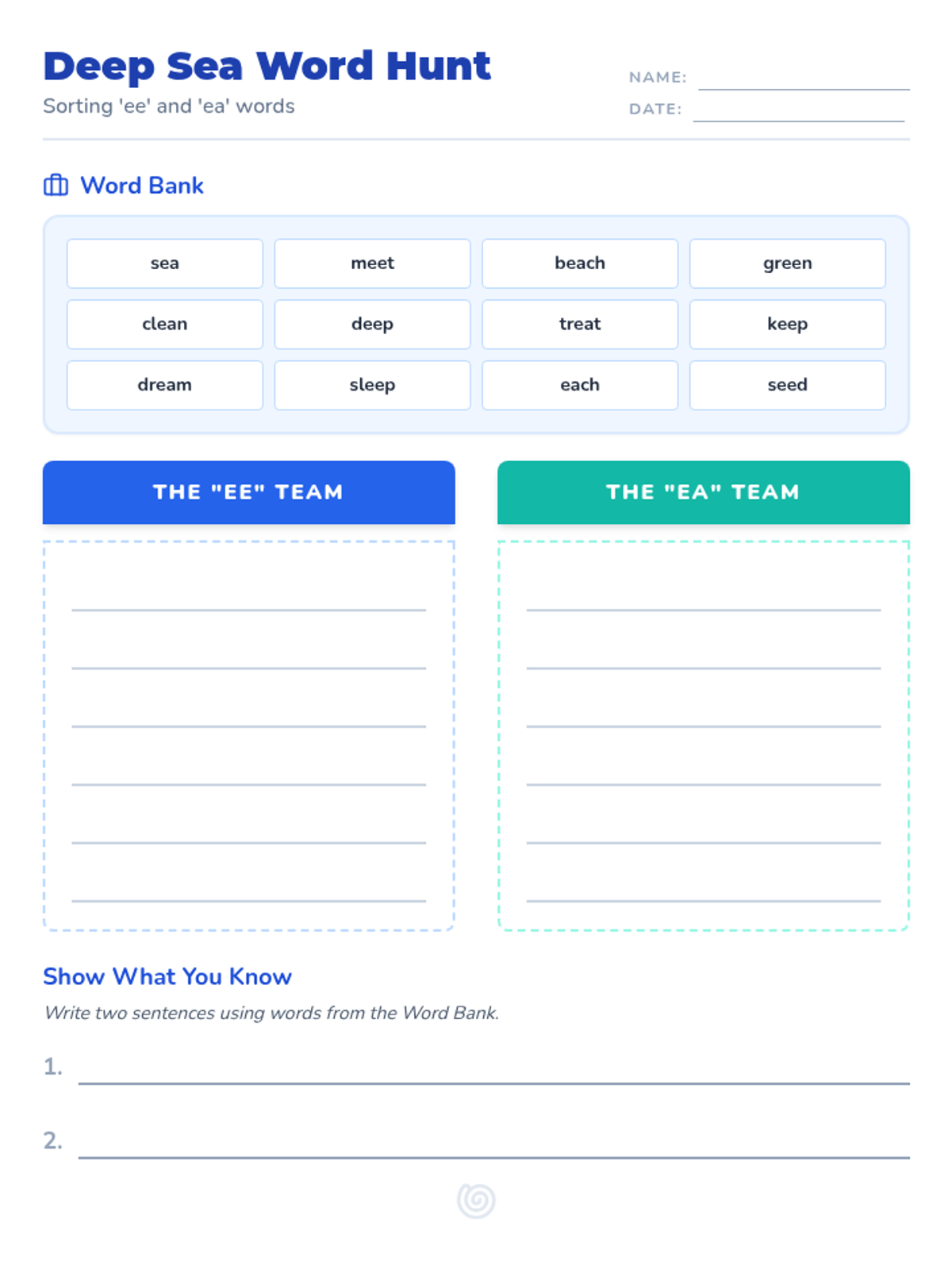
A phonics-focused lesson targeting the /ee/ sound spelled with 'ee' and 'ea' through an engaging deep-sea exploration theme. Includes a high-interest reading passage, word sorting activities, and instructional support.
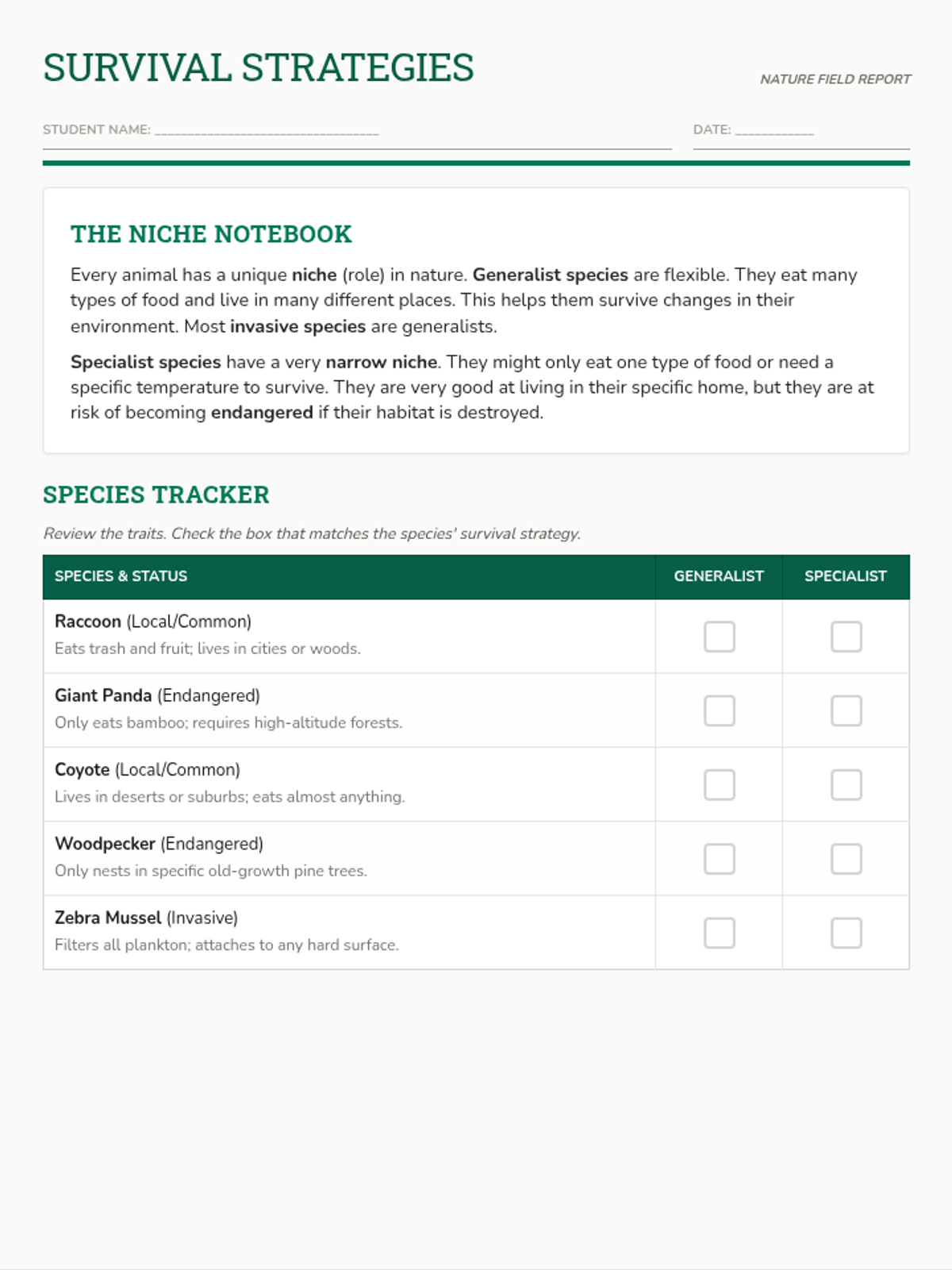
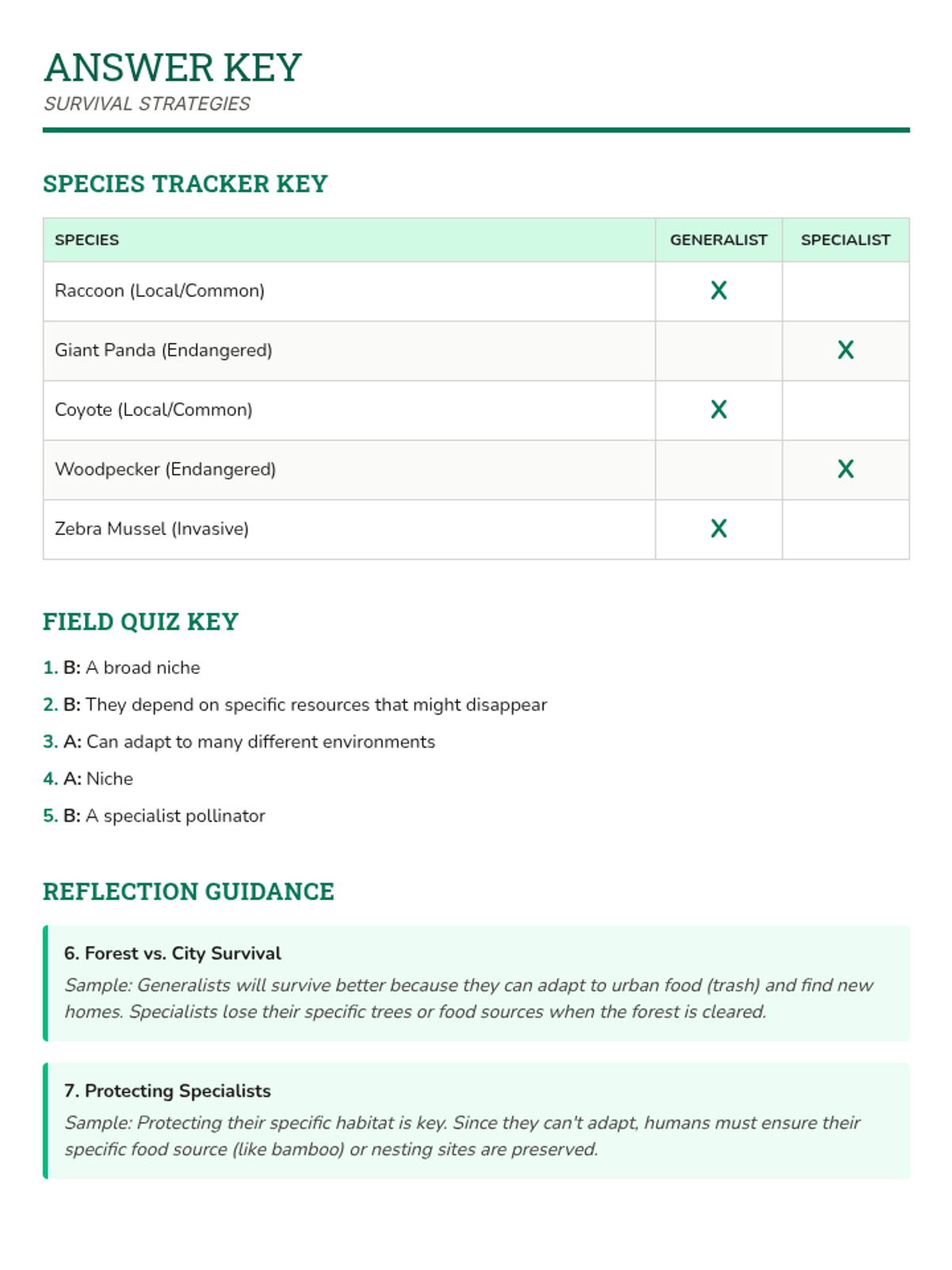
A lesson exploring the differences between generalist and specialist species, focusing on how their niches affect their survival and impact on ecosystems.
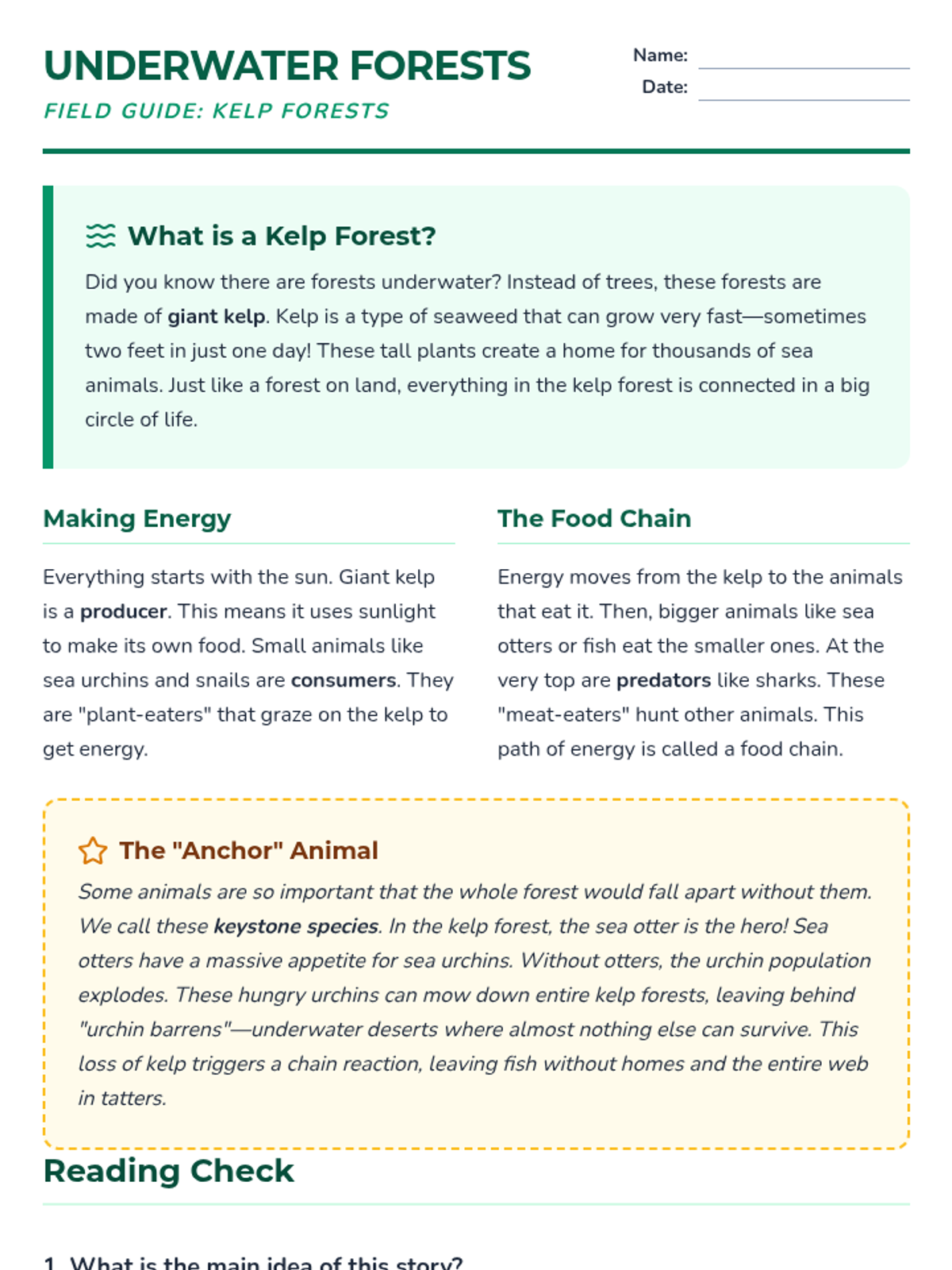
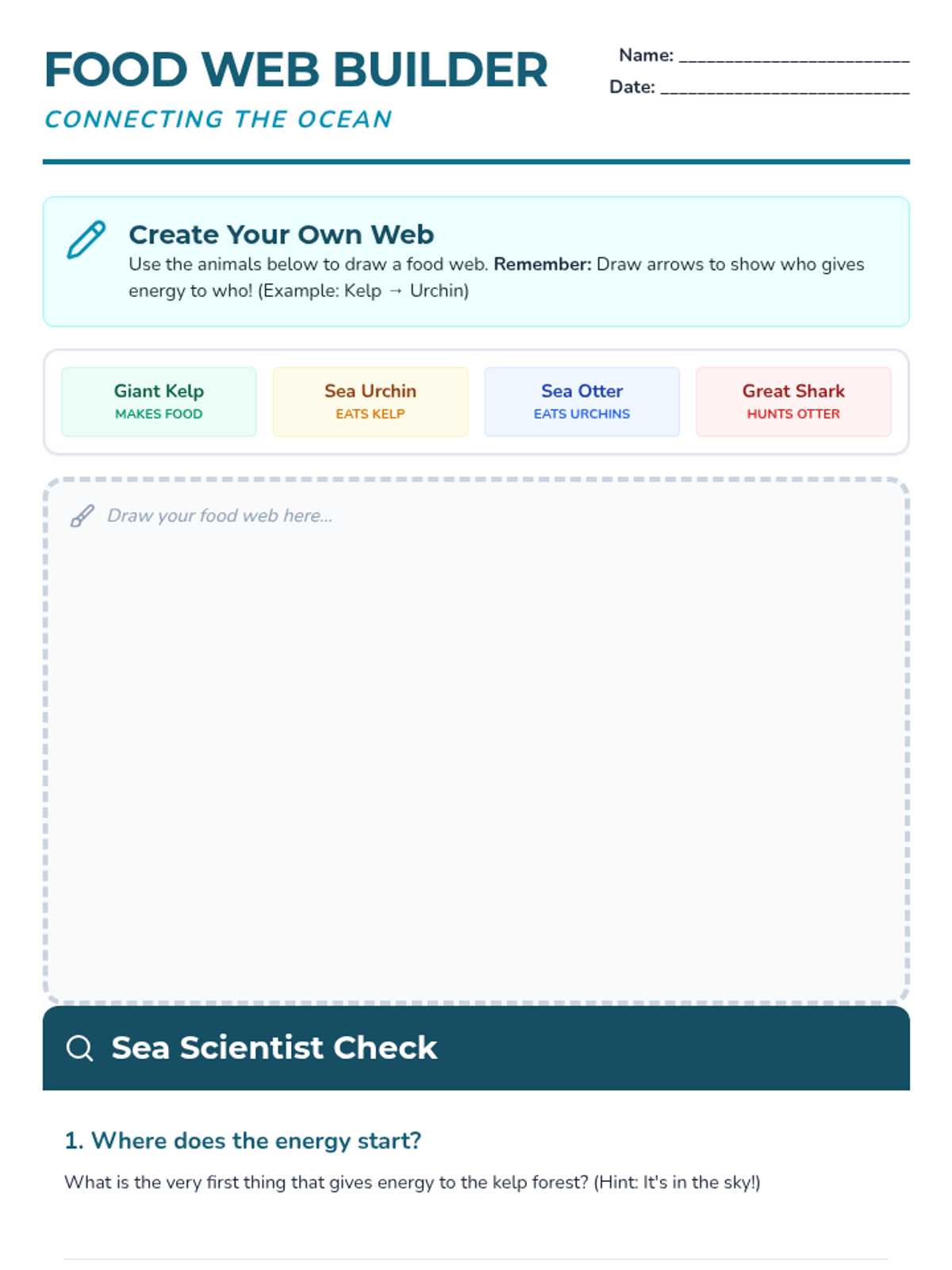
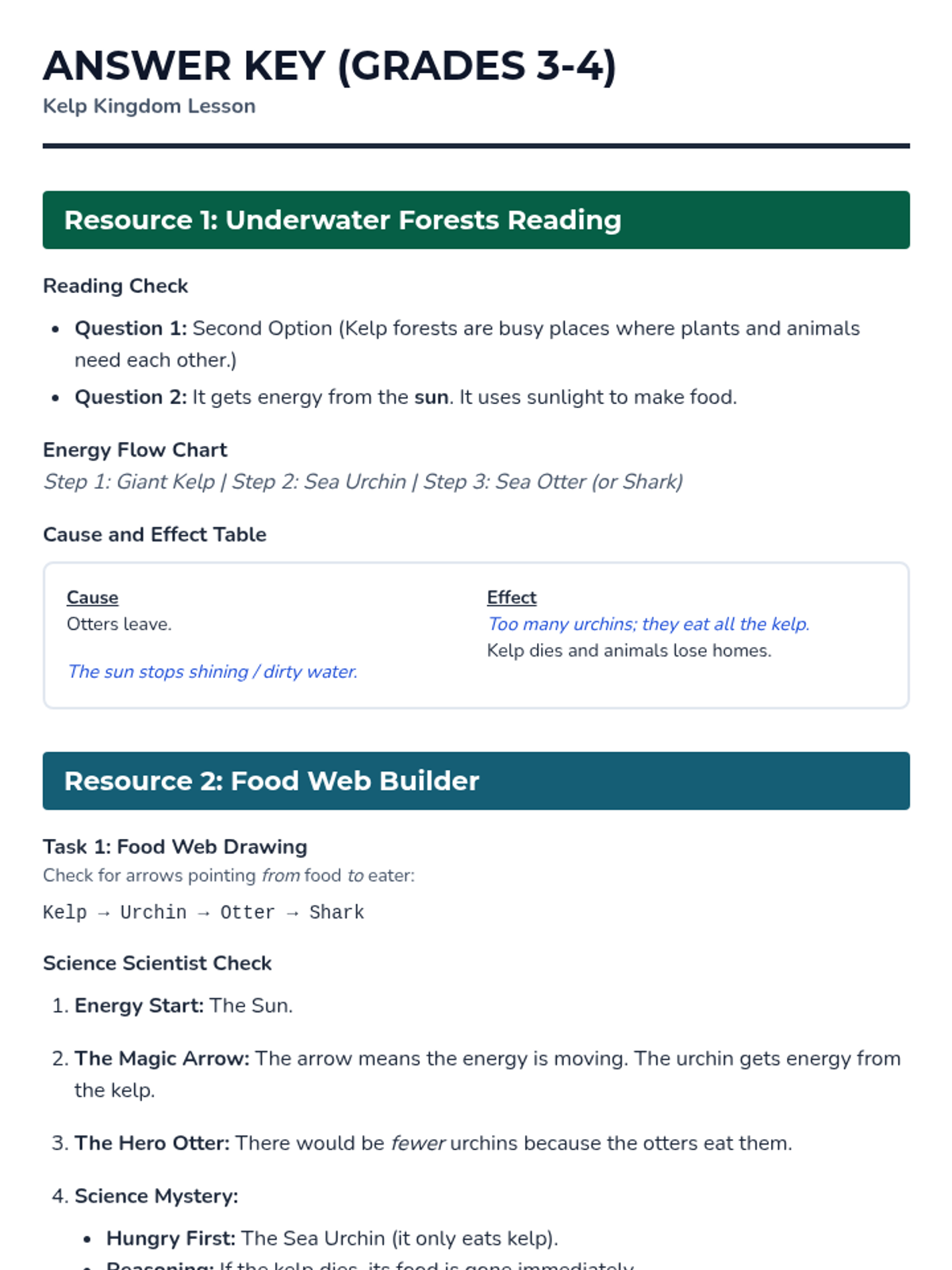
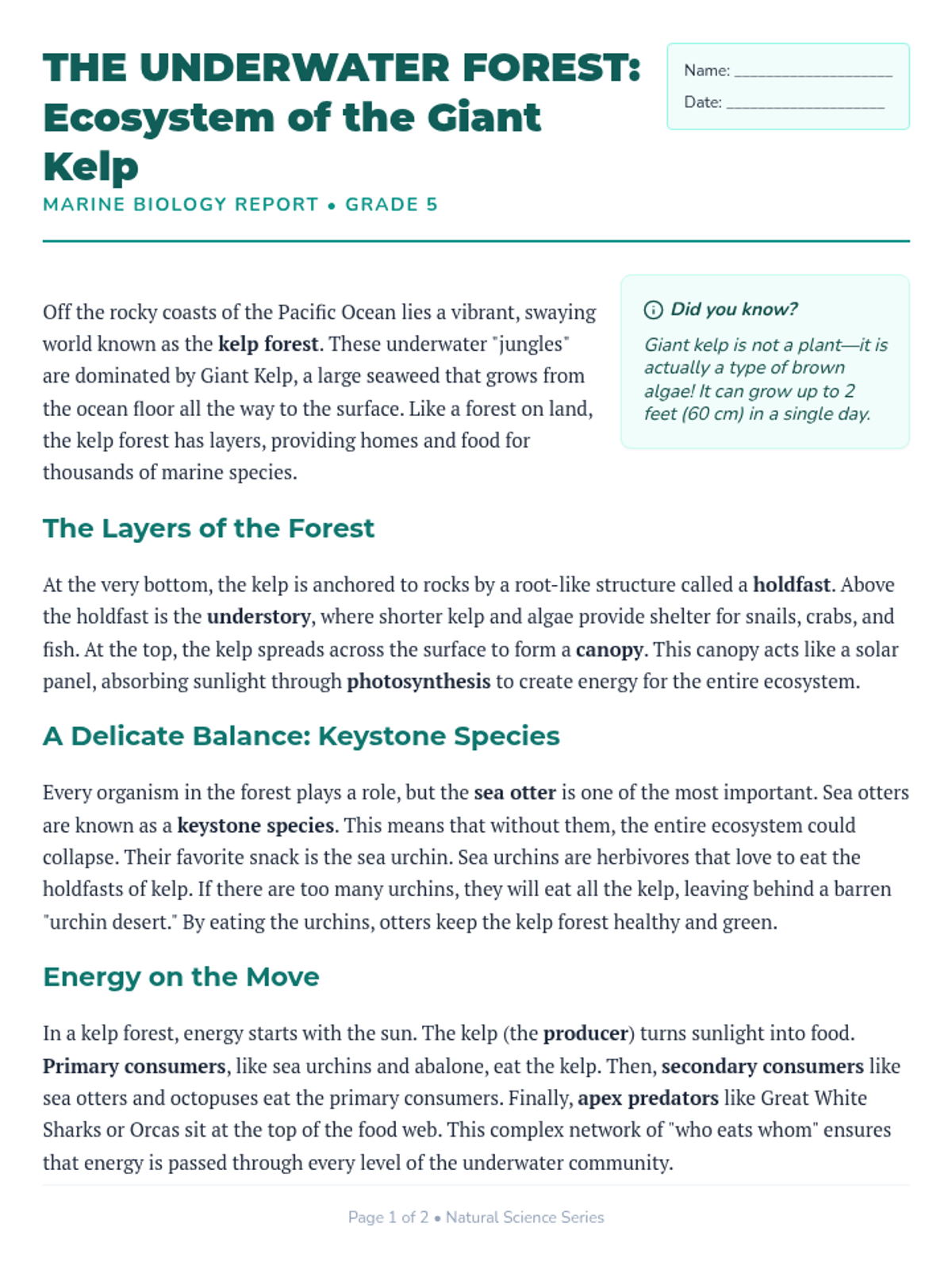
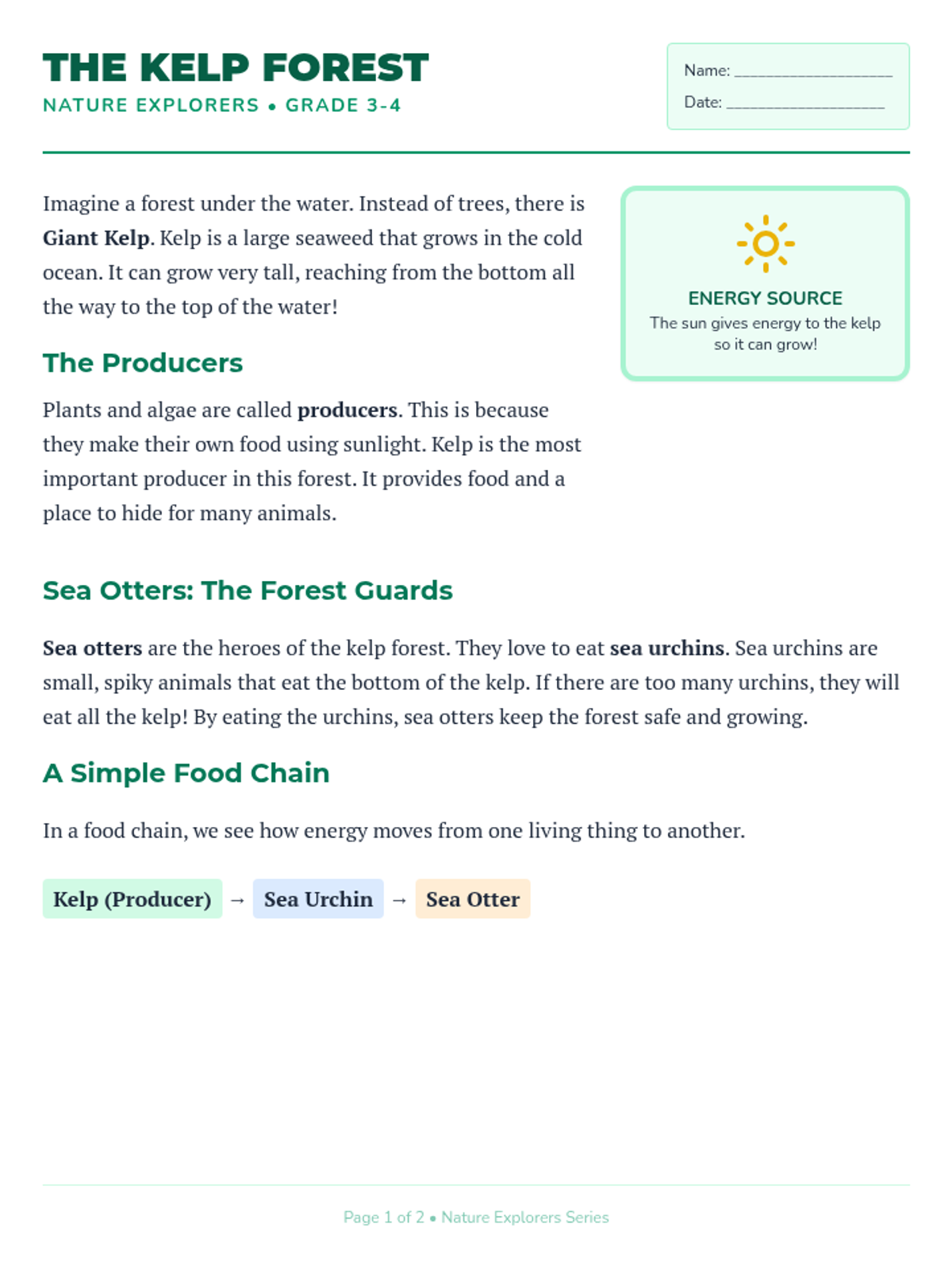
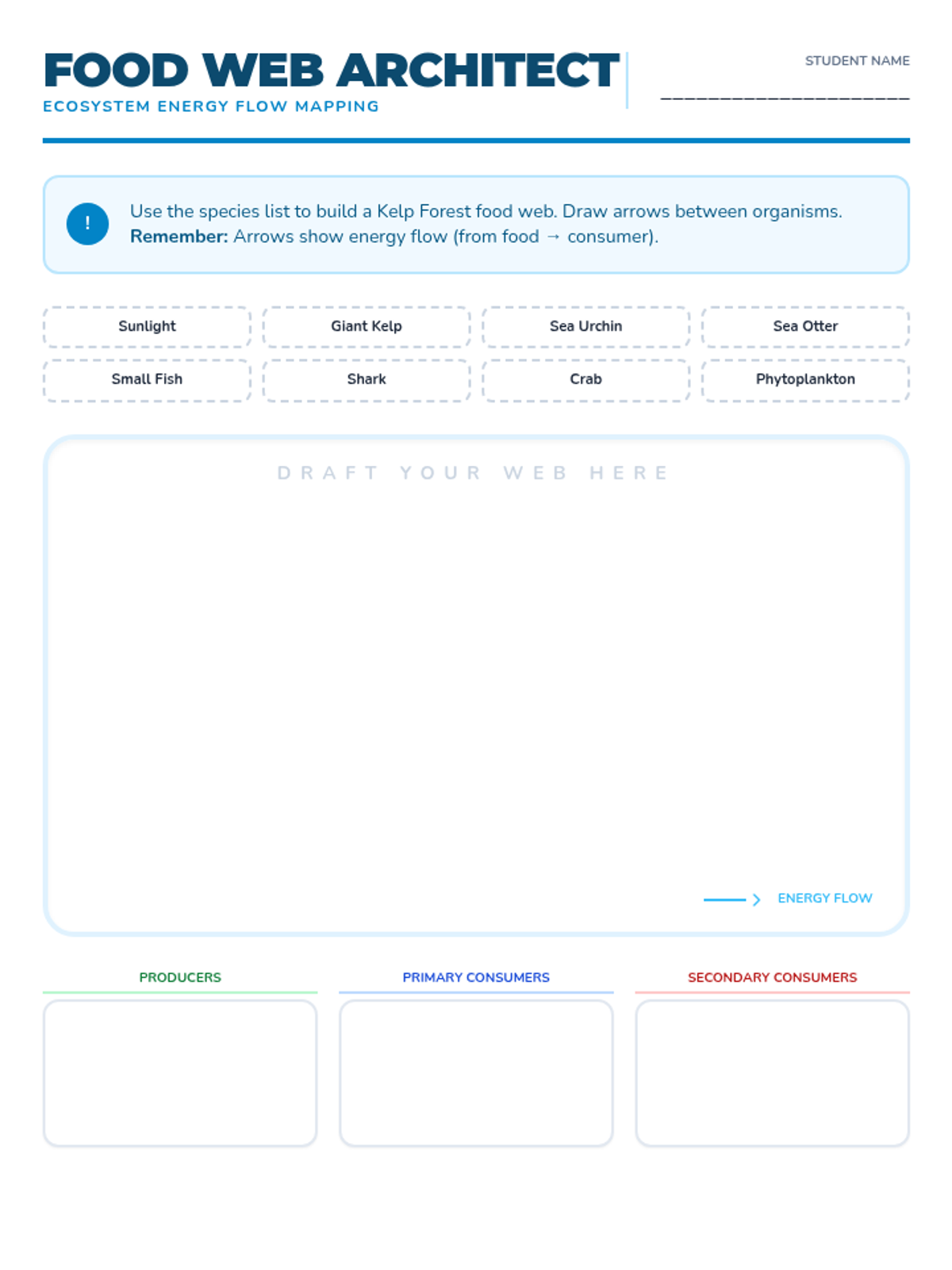
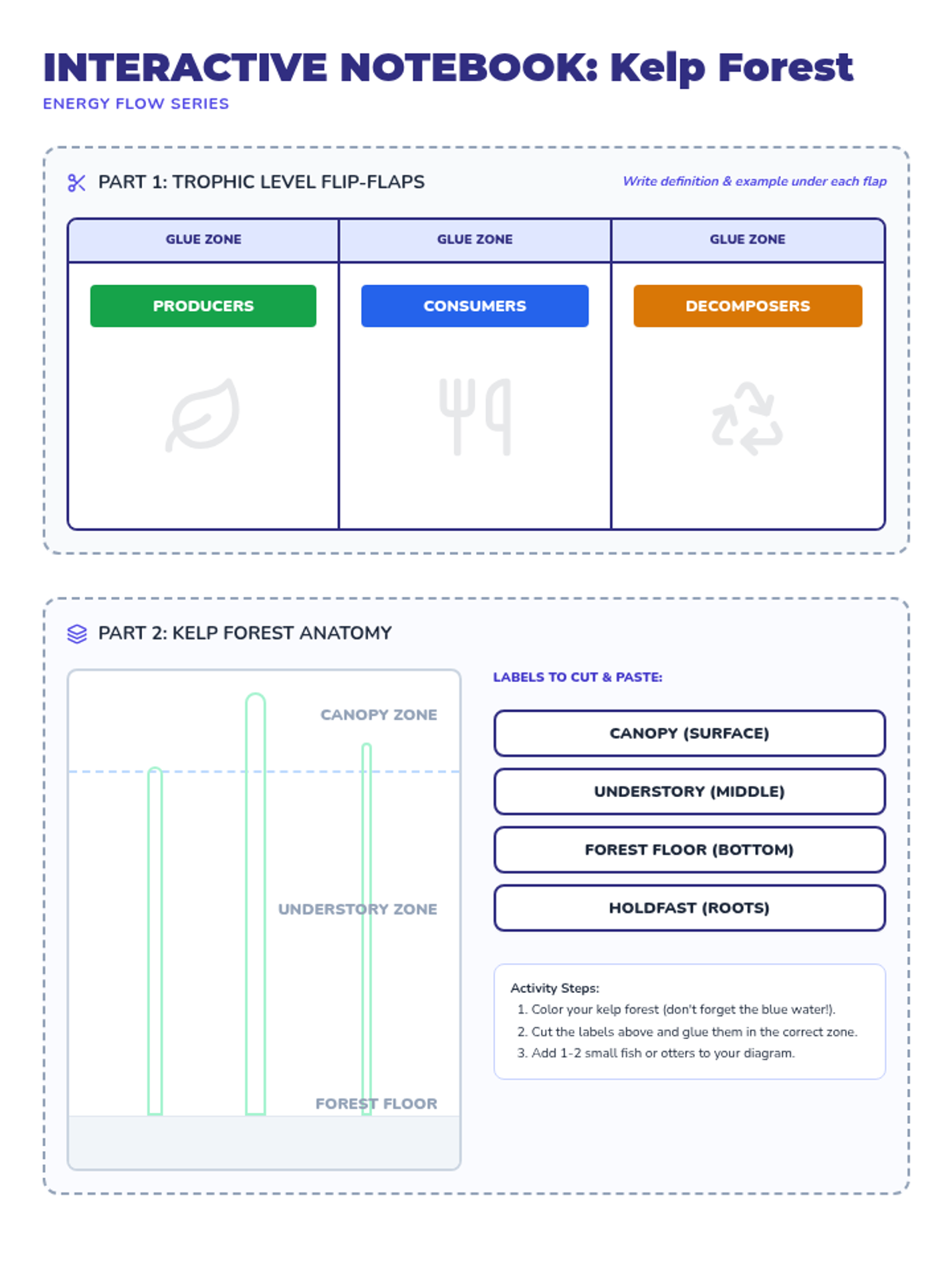
A deep dive into the complex food webs of the kelp forest ecosystem. Students will explore energy flow, keystone species, and the delicate balance of marine life through evidence-based reading and hands-on mapping.
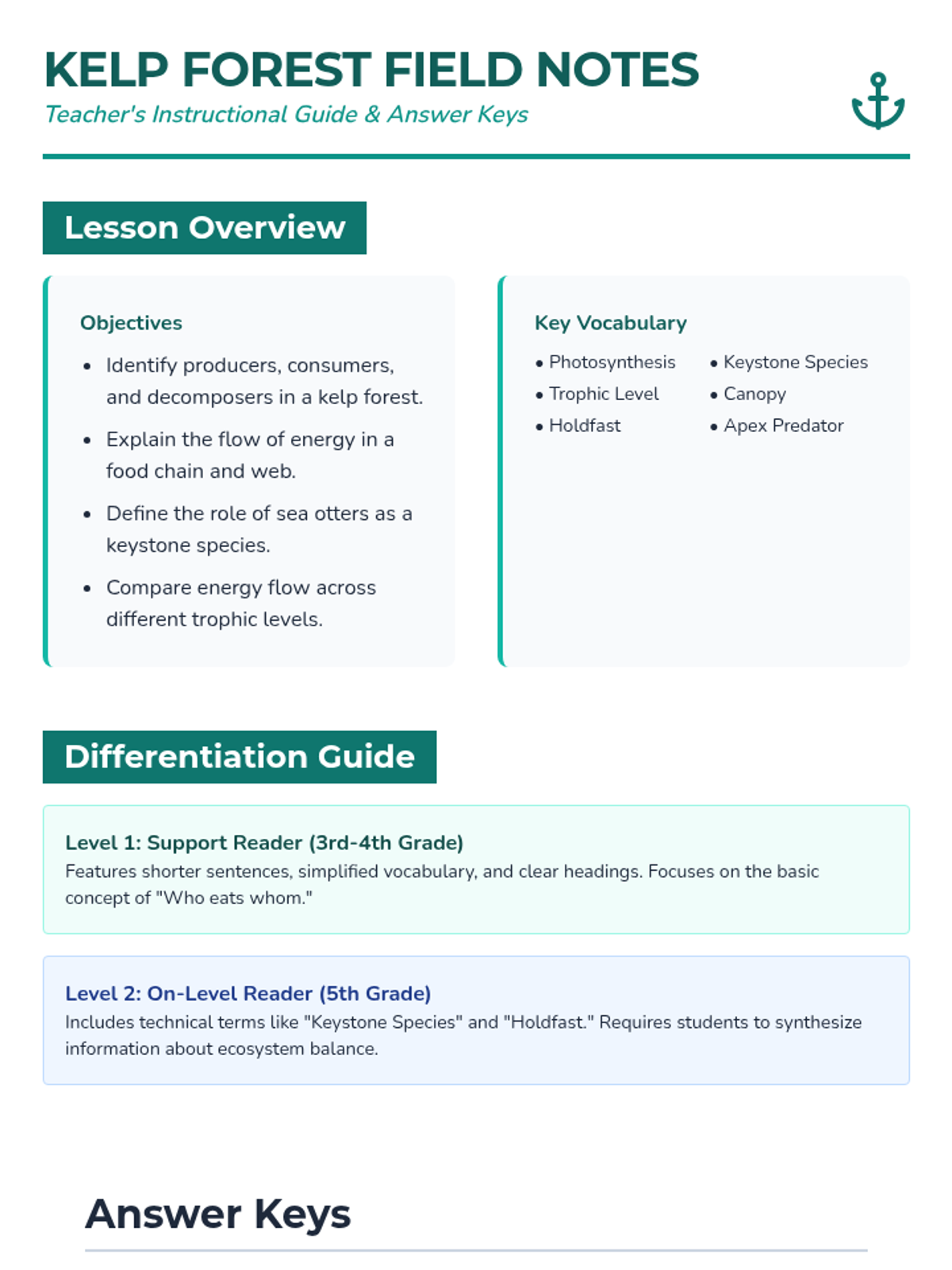
Students will explore the complex relationships within a kelp forest ecosystem, focusing on energy flow through food chains and webs while comparing on-level and supported reading materials.
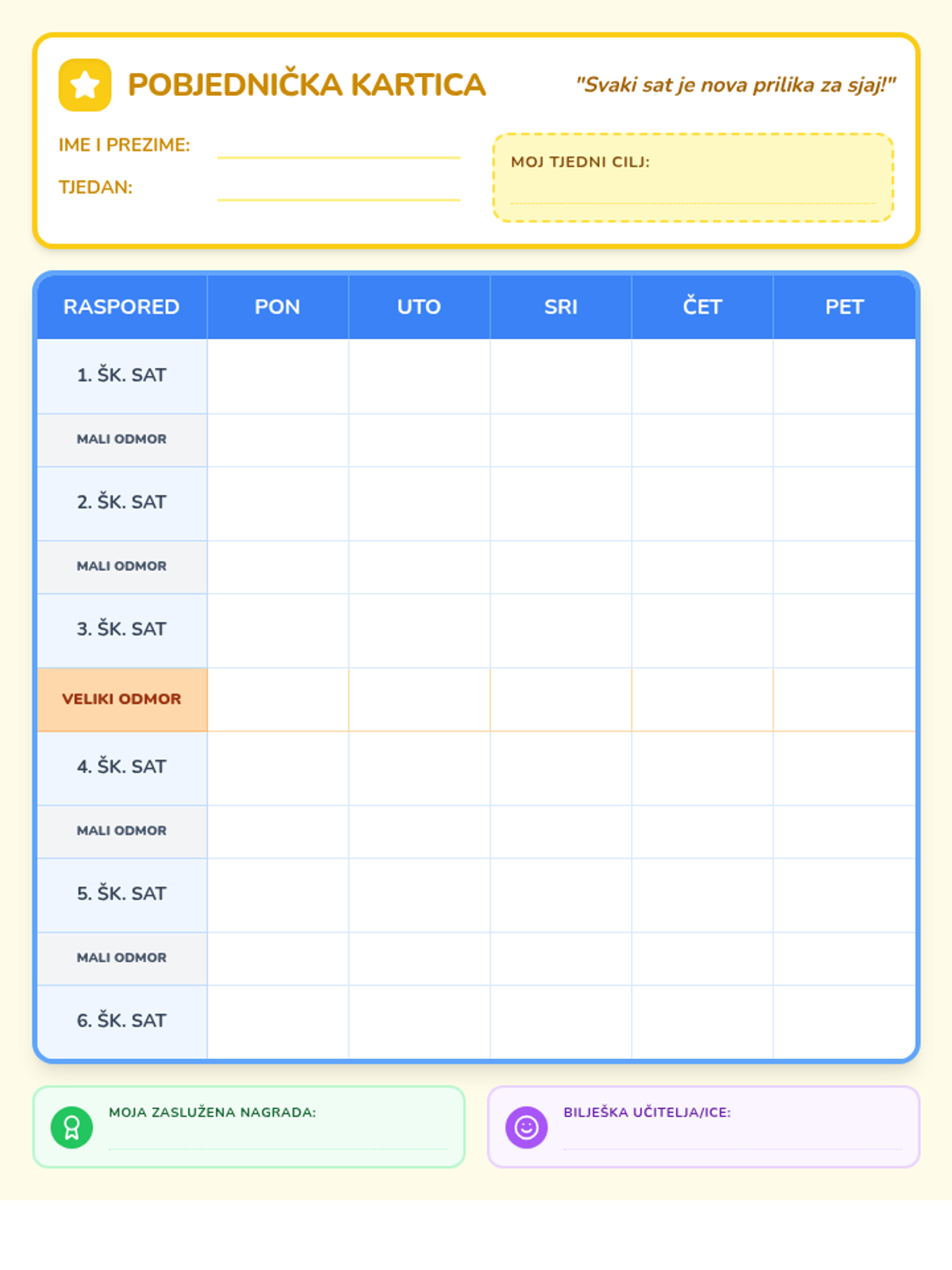
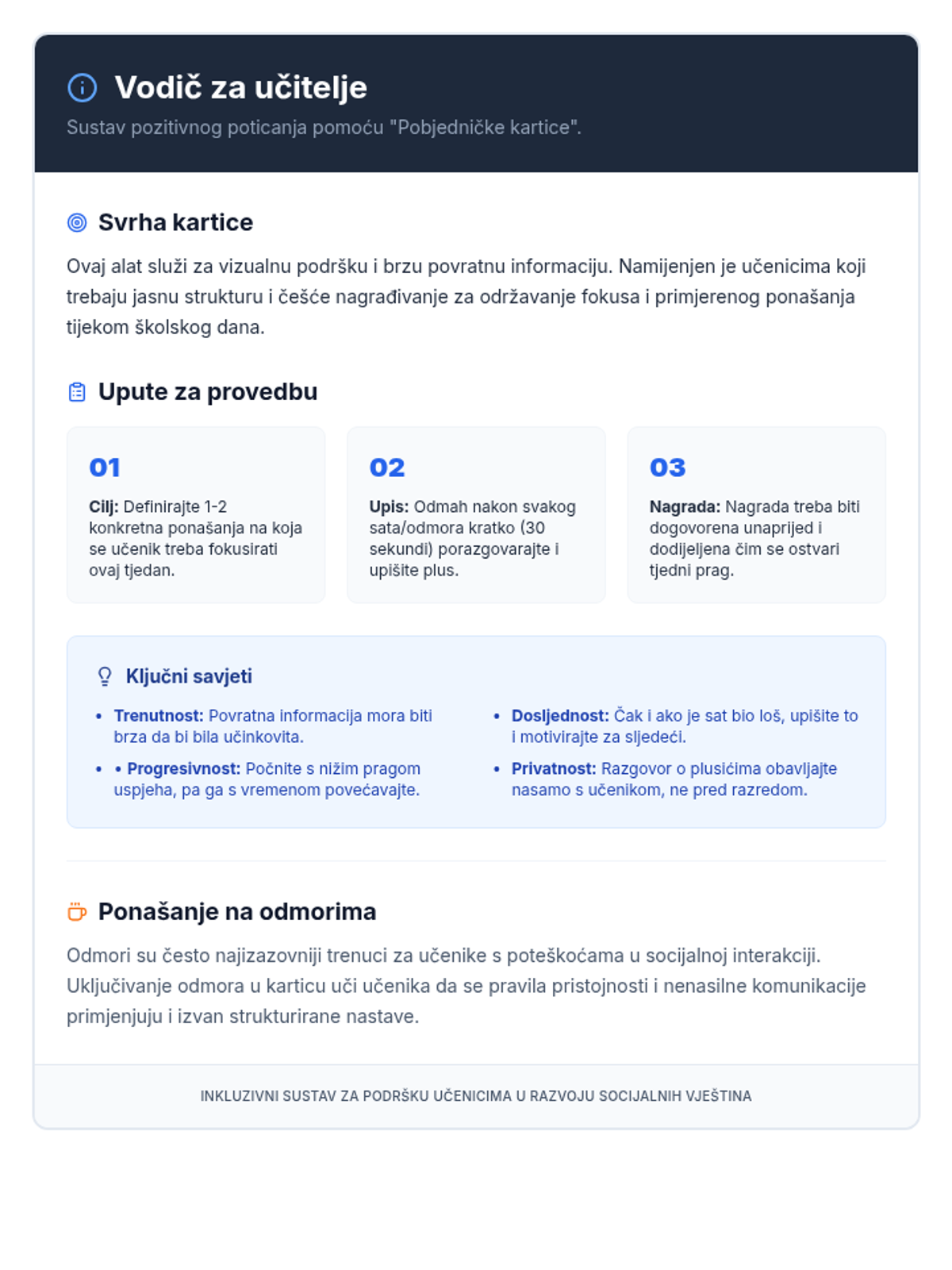
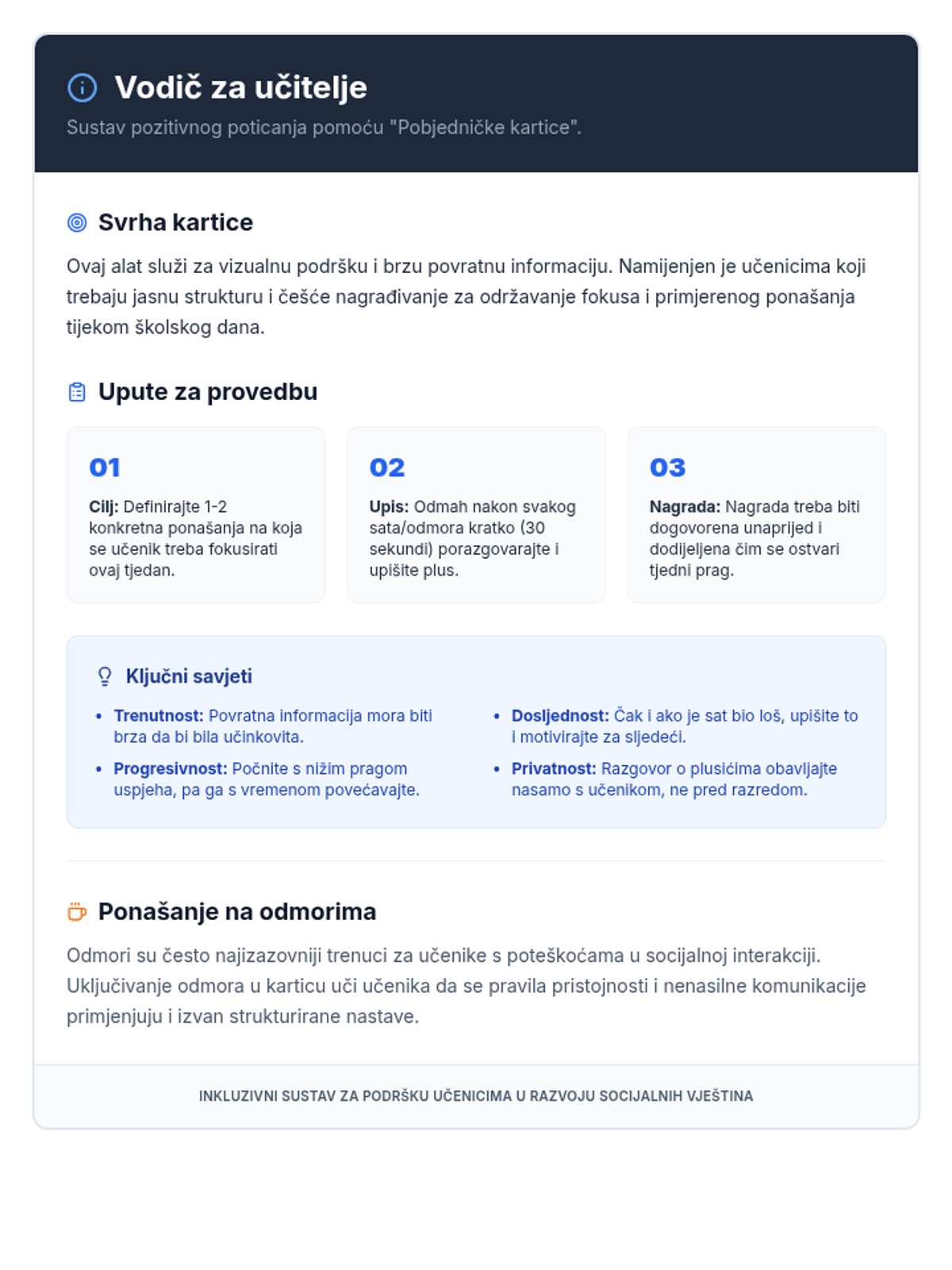
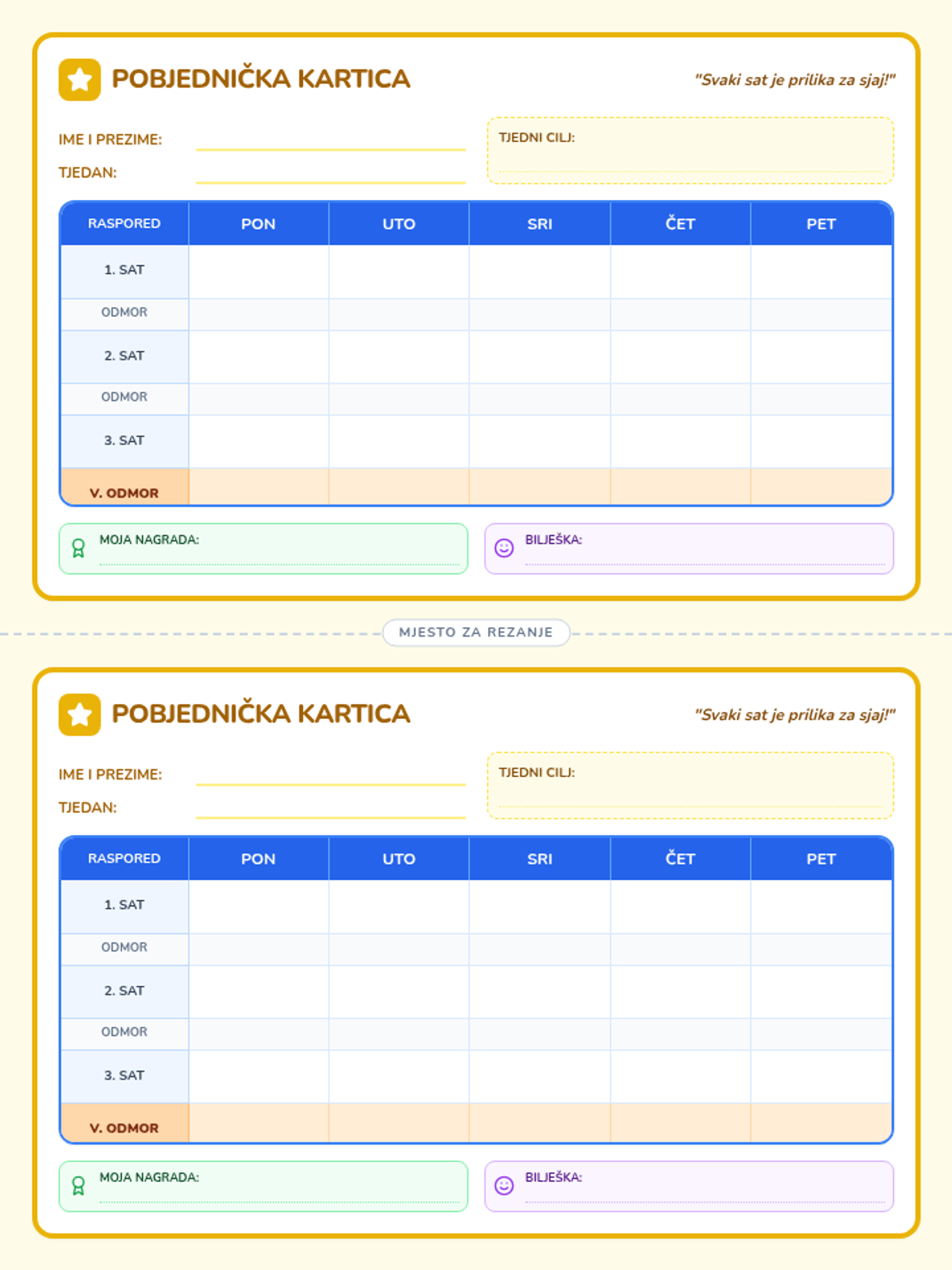
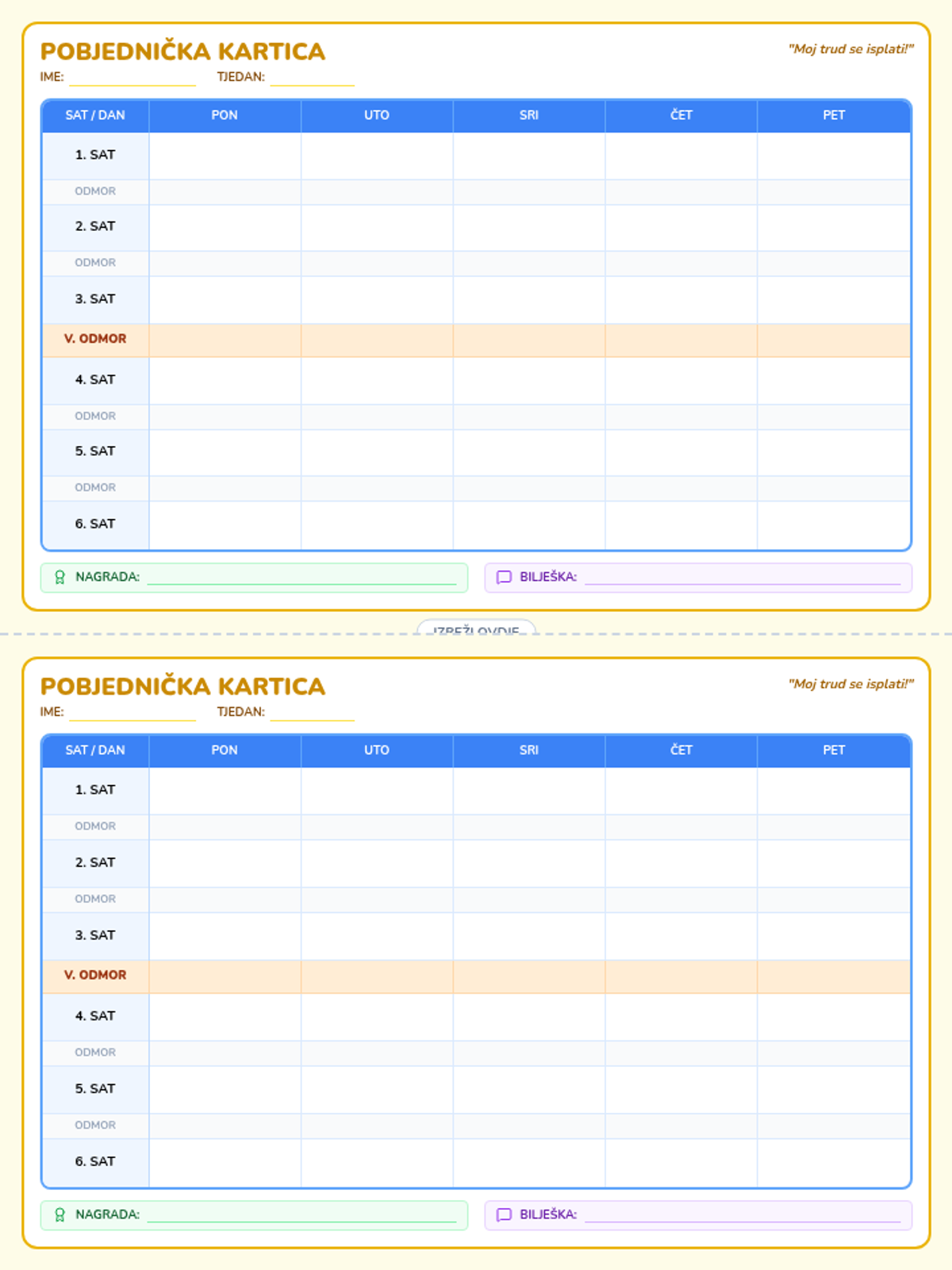
Ovaj materijal pomaže učenicima u praćenju i poticanju uzornog ponašanja tijekom školskog tjedna pomoću vizualnog sustava nagrađivanja. Lesson uključuje tjednu karticu za sakupljanje pluseva i kratki vodič za učitelje.
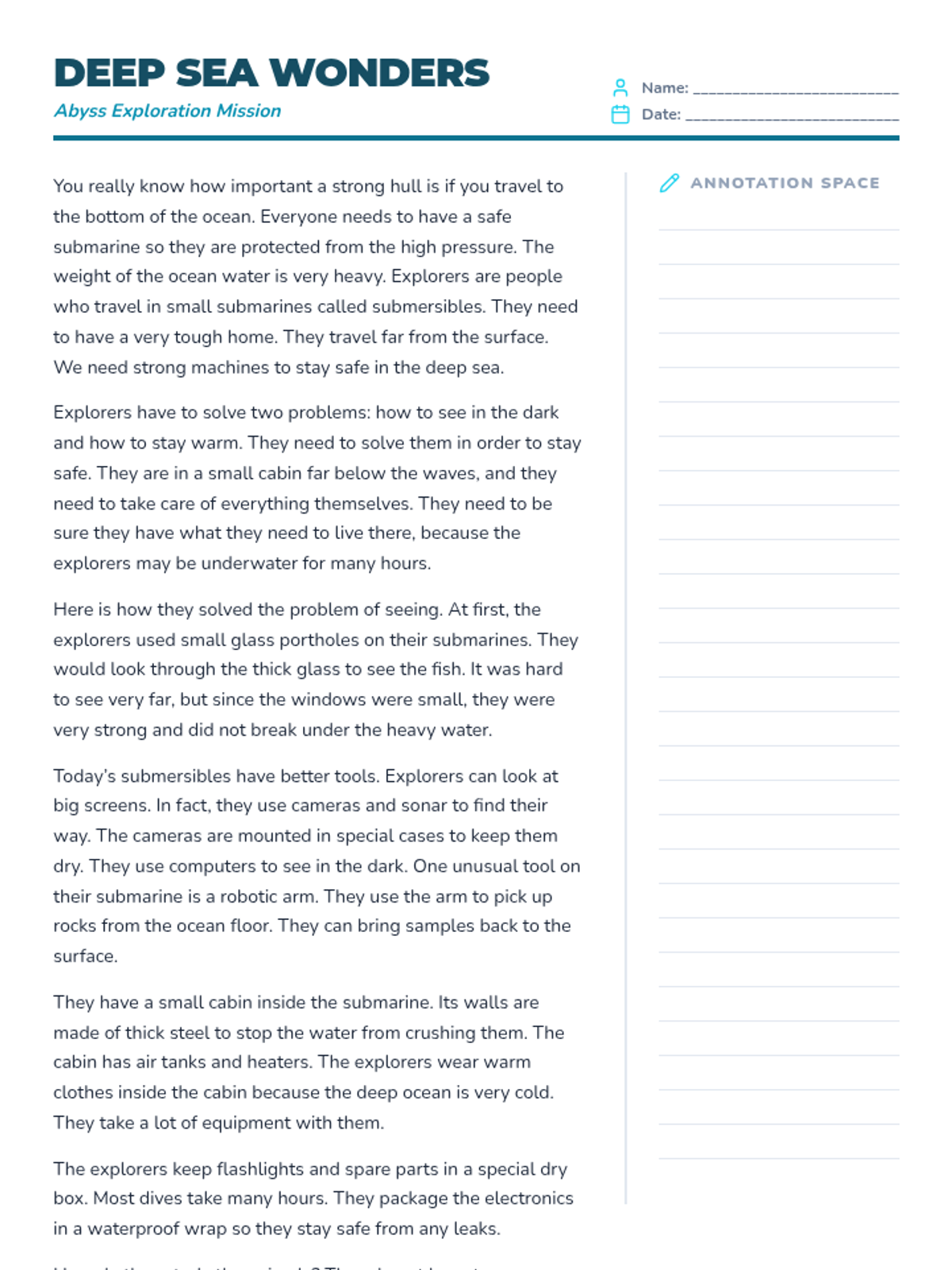
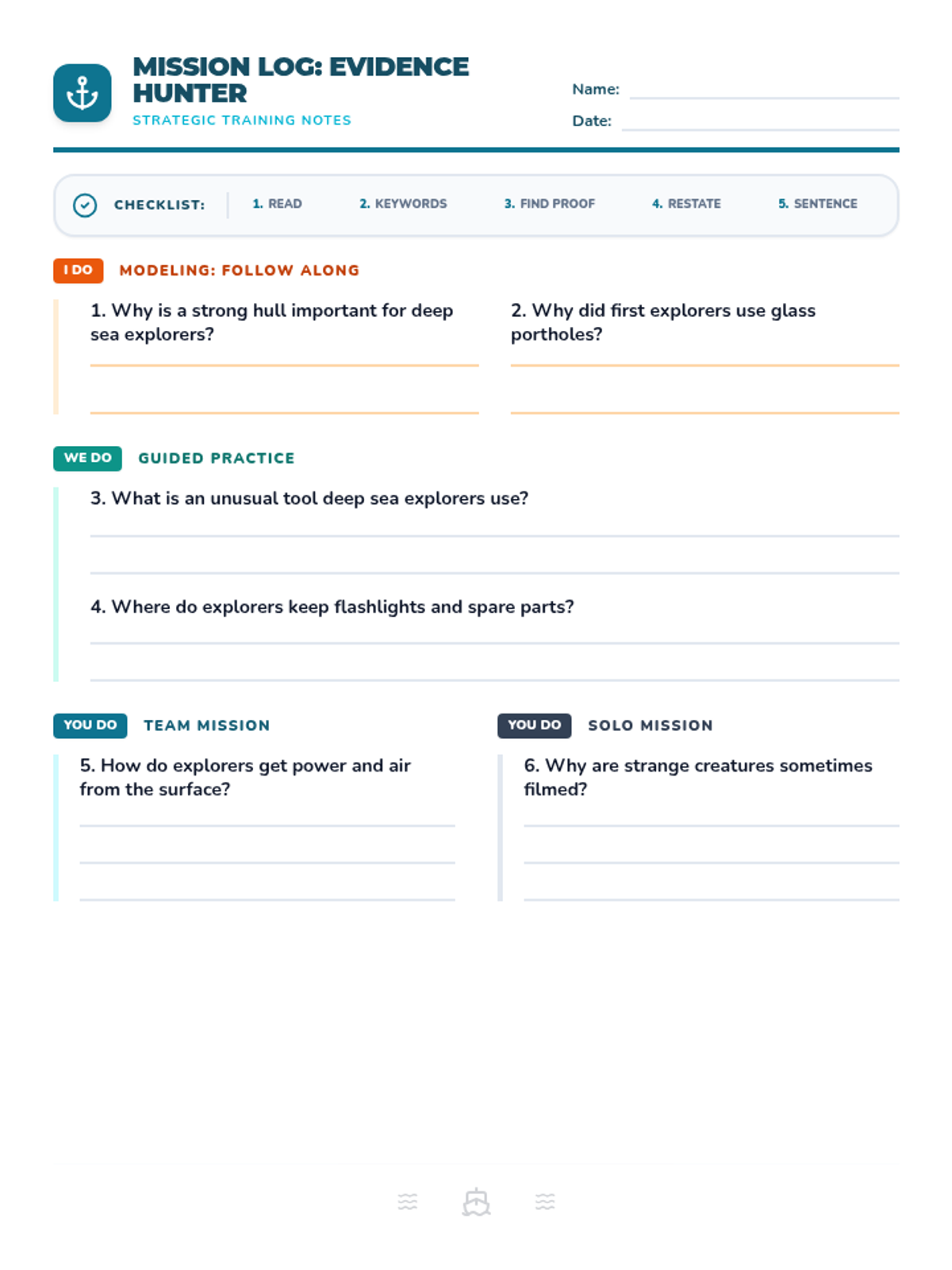
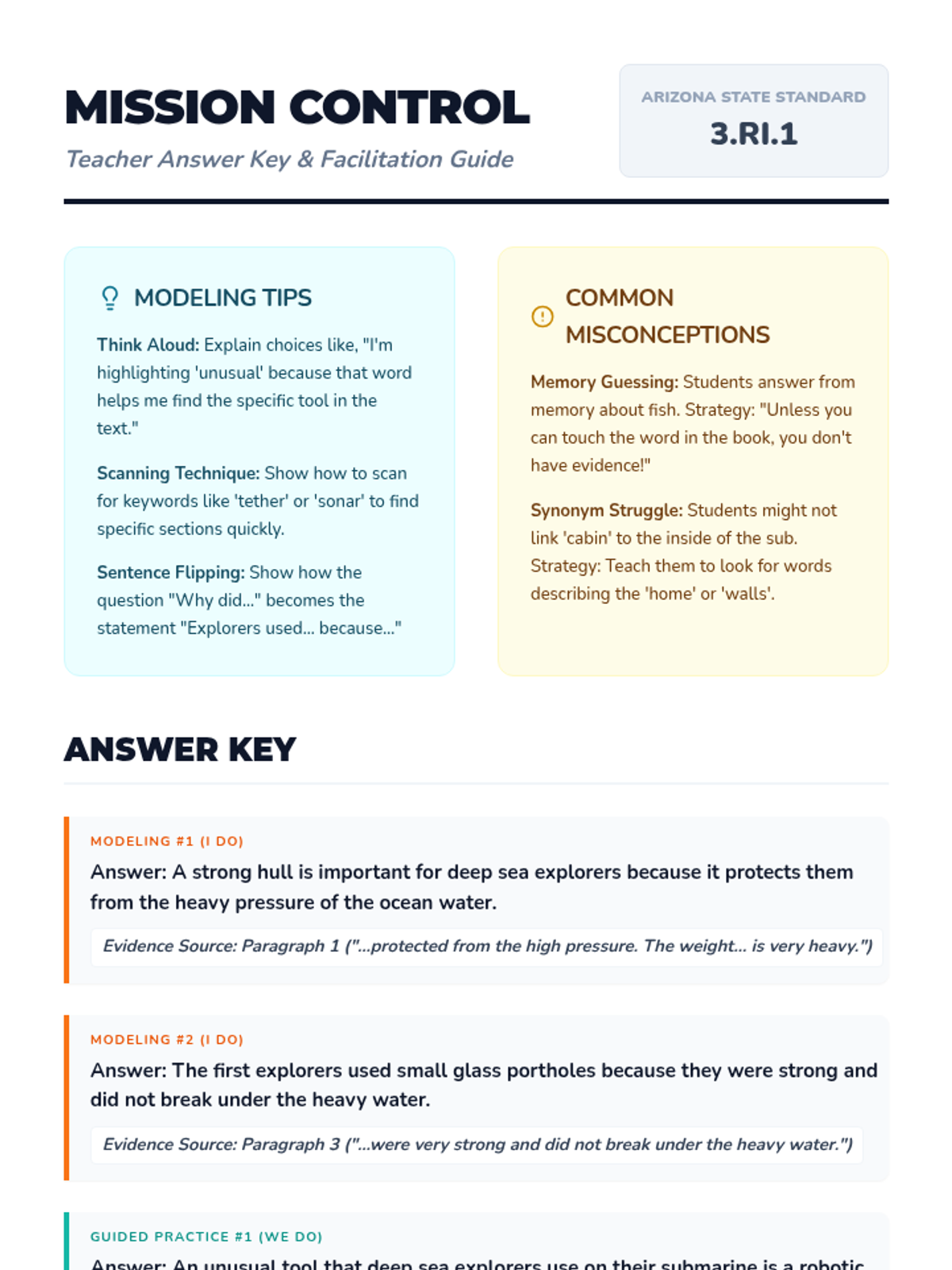
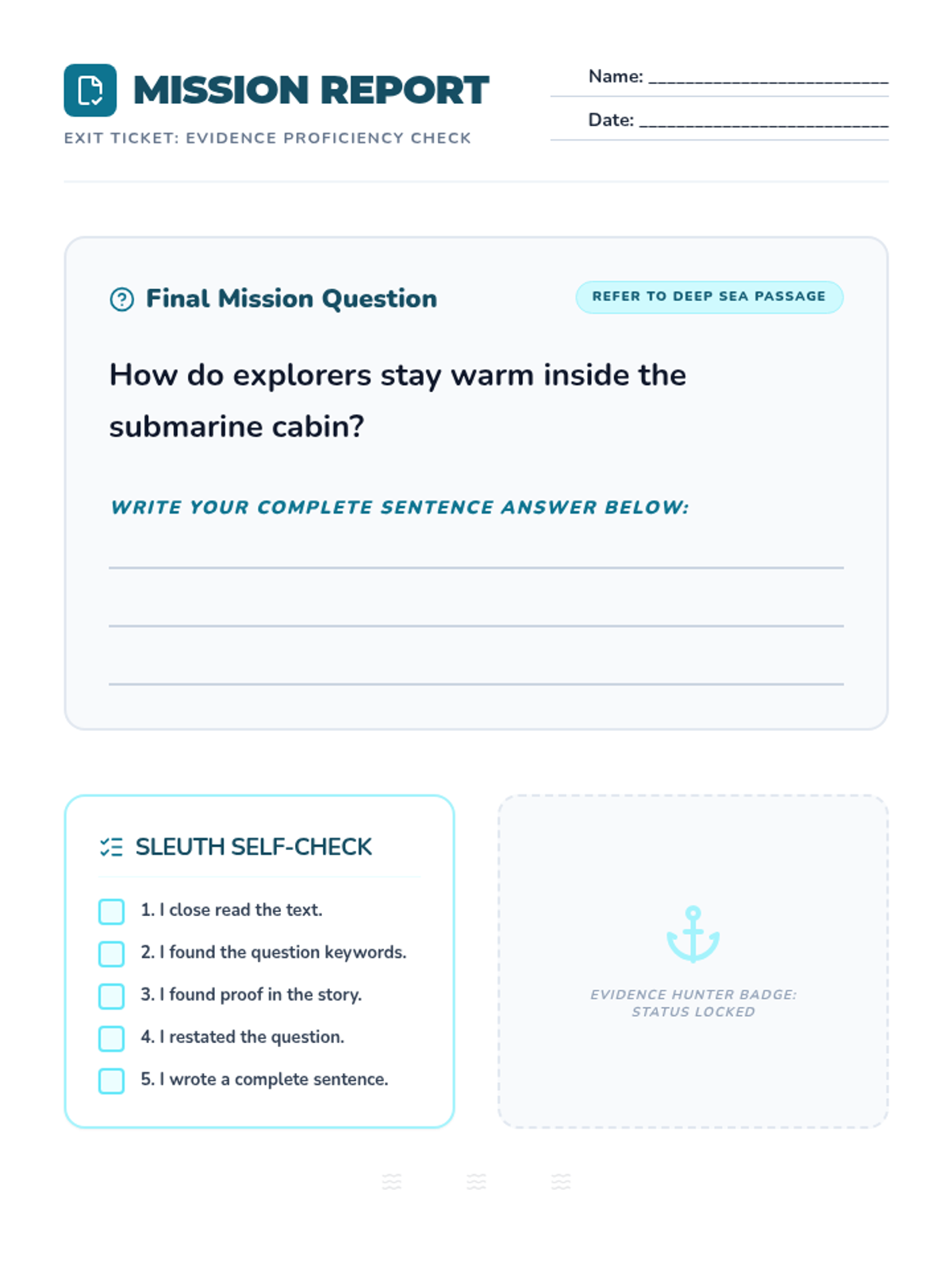
A 3rd-grade explicit instruction lesson on finding text evidence, following the 'I Do, We Do, You Do' model. Students learn to use a five-step checklist to answer questions about deep sea exploration, focusing on identifying keywords and locating proof in the text.
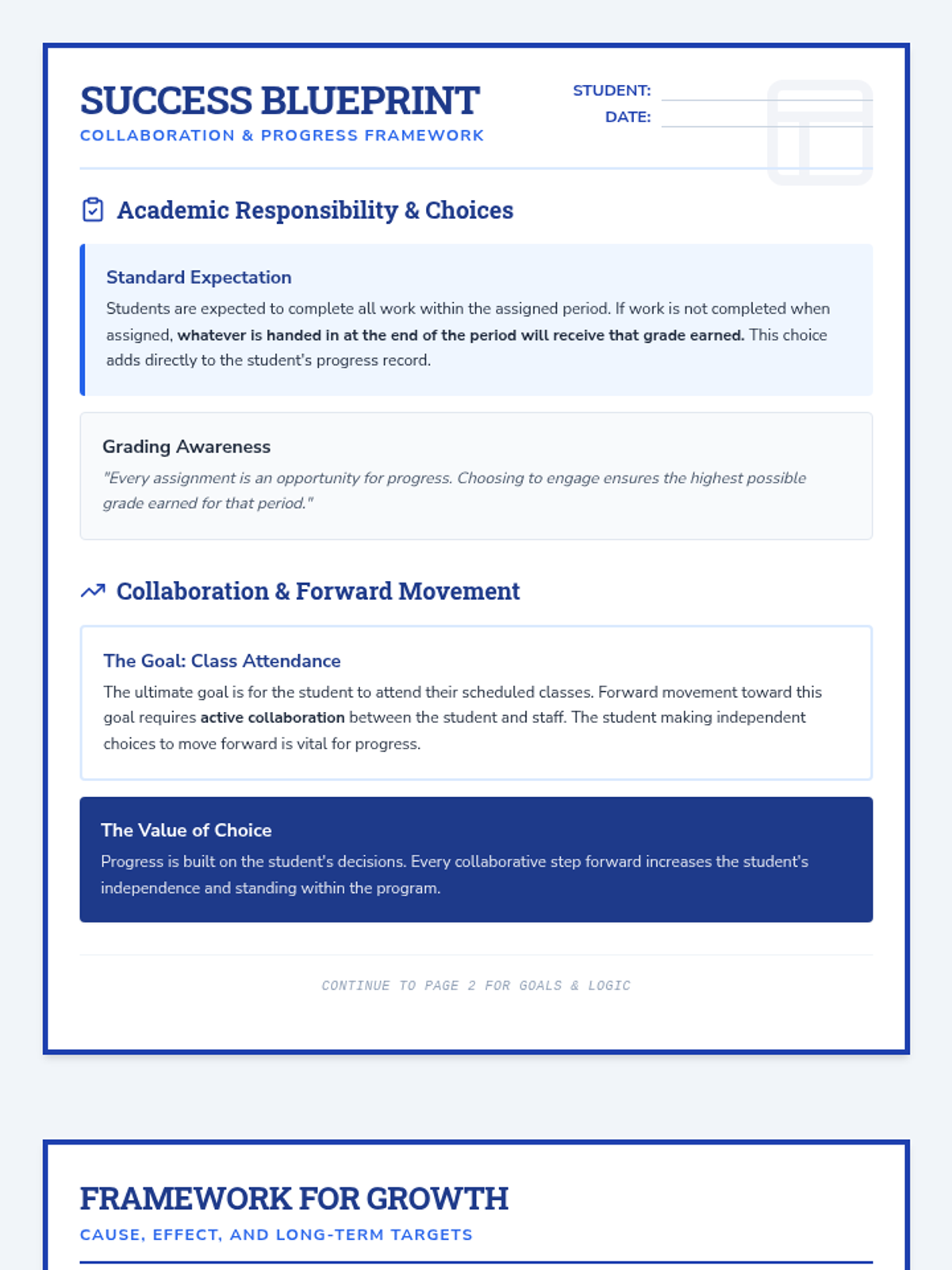
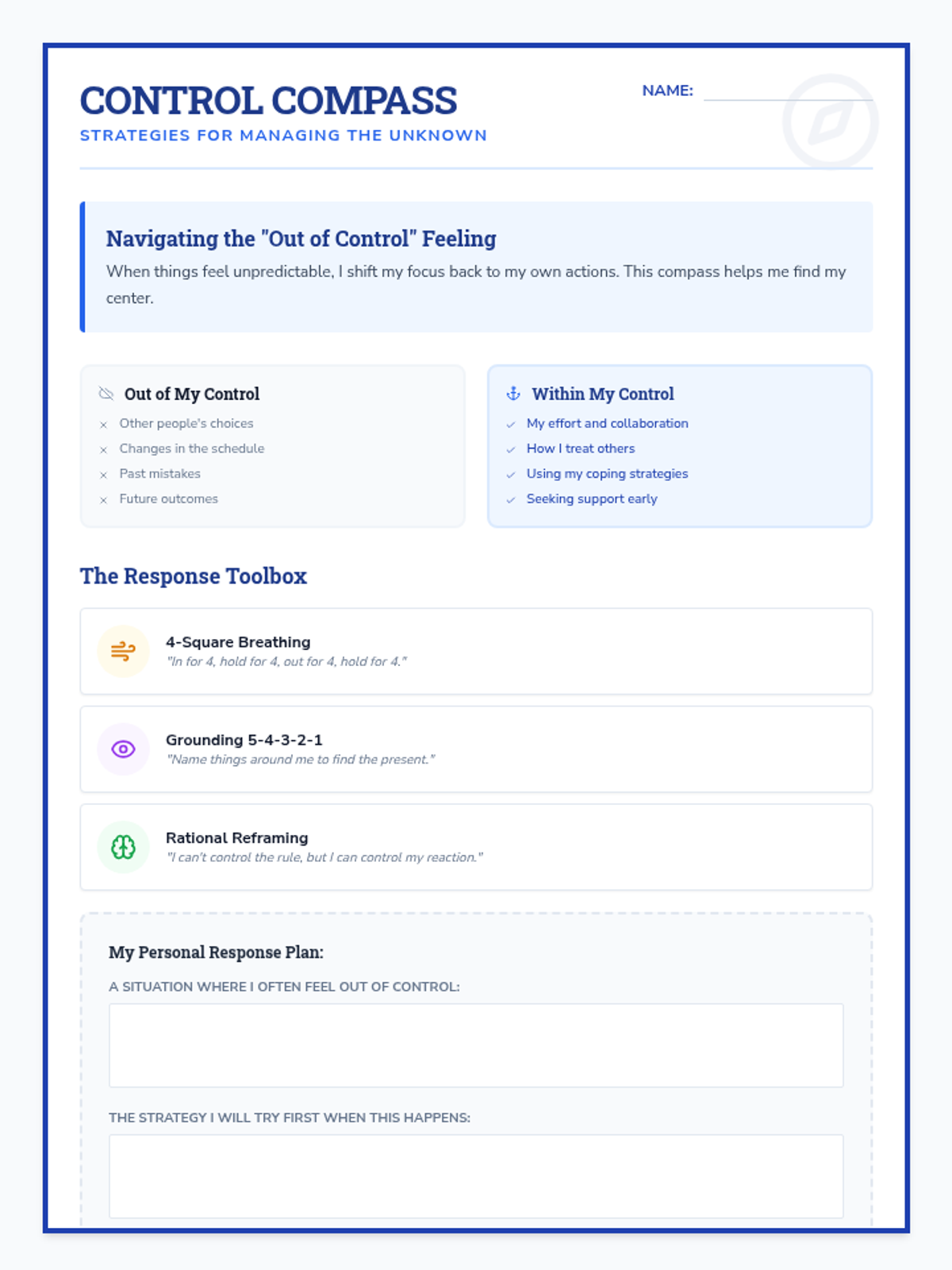
A structured support framework for students in emotional support programs, focusing on accountability, communication, and clear incentives for success.
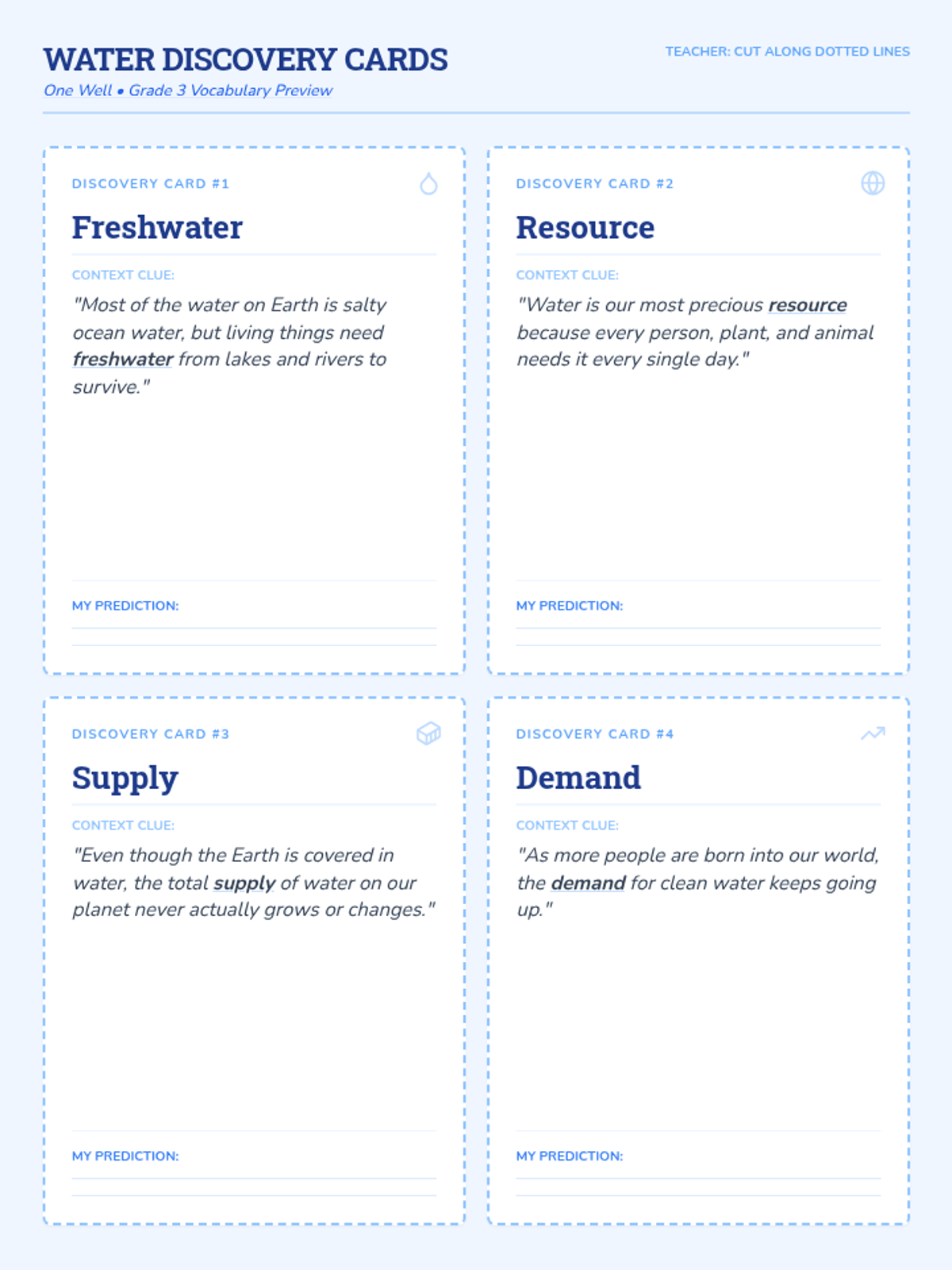
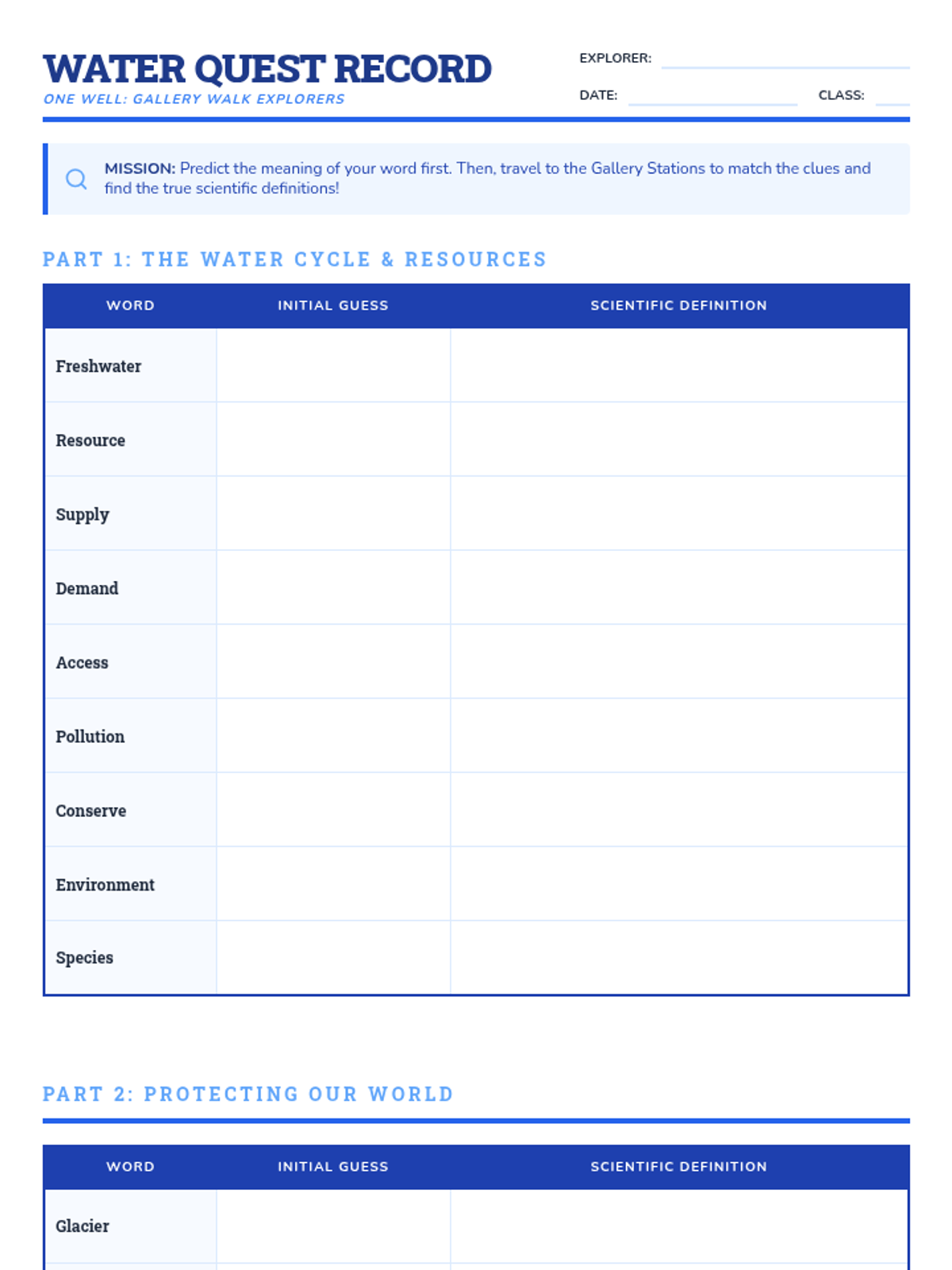
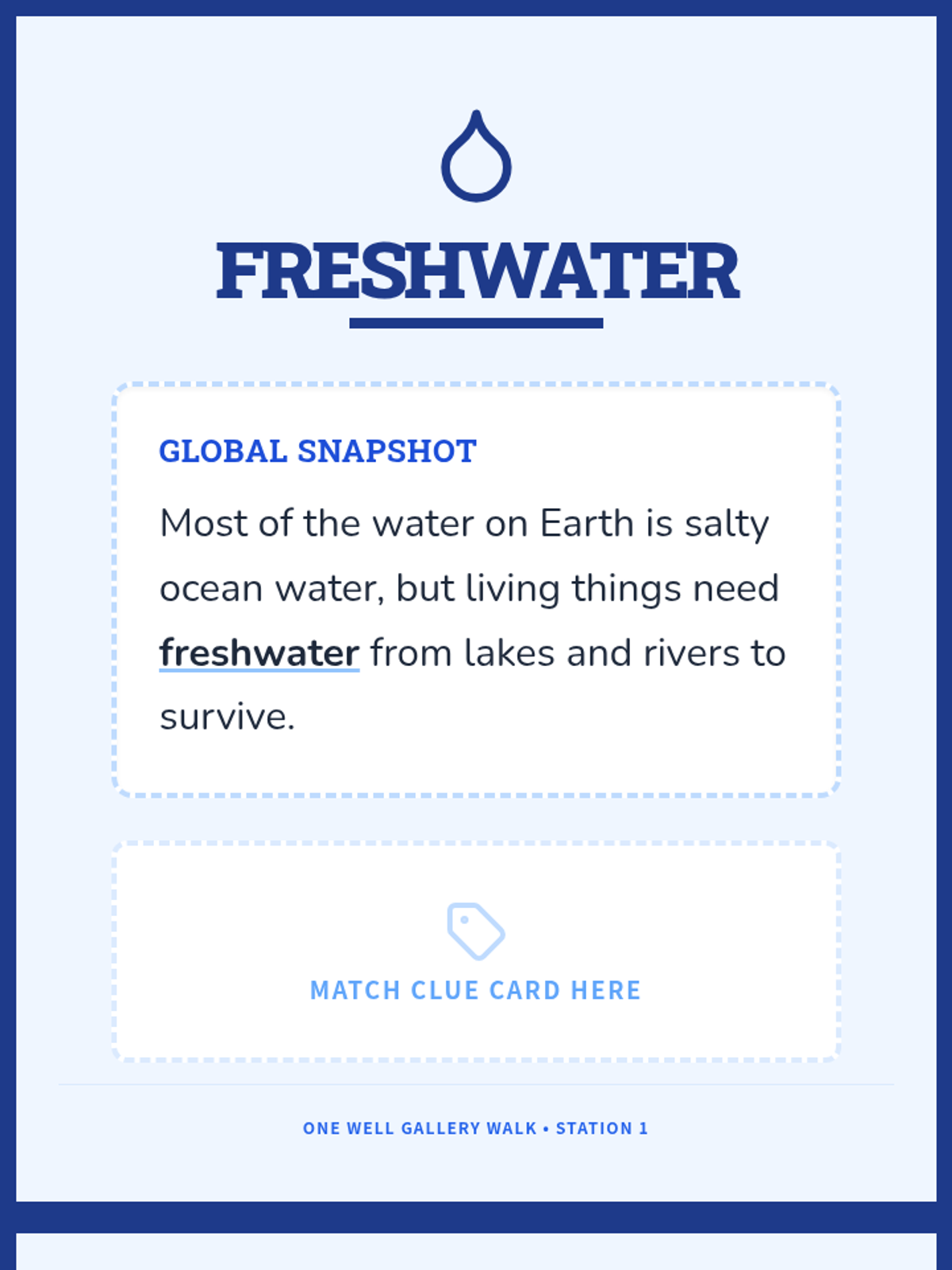
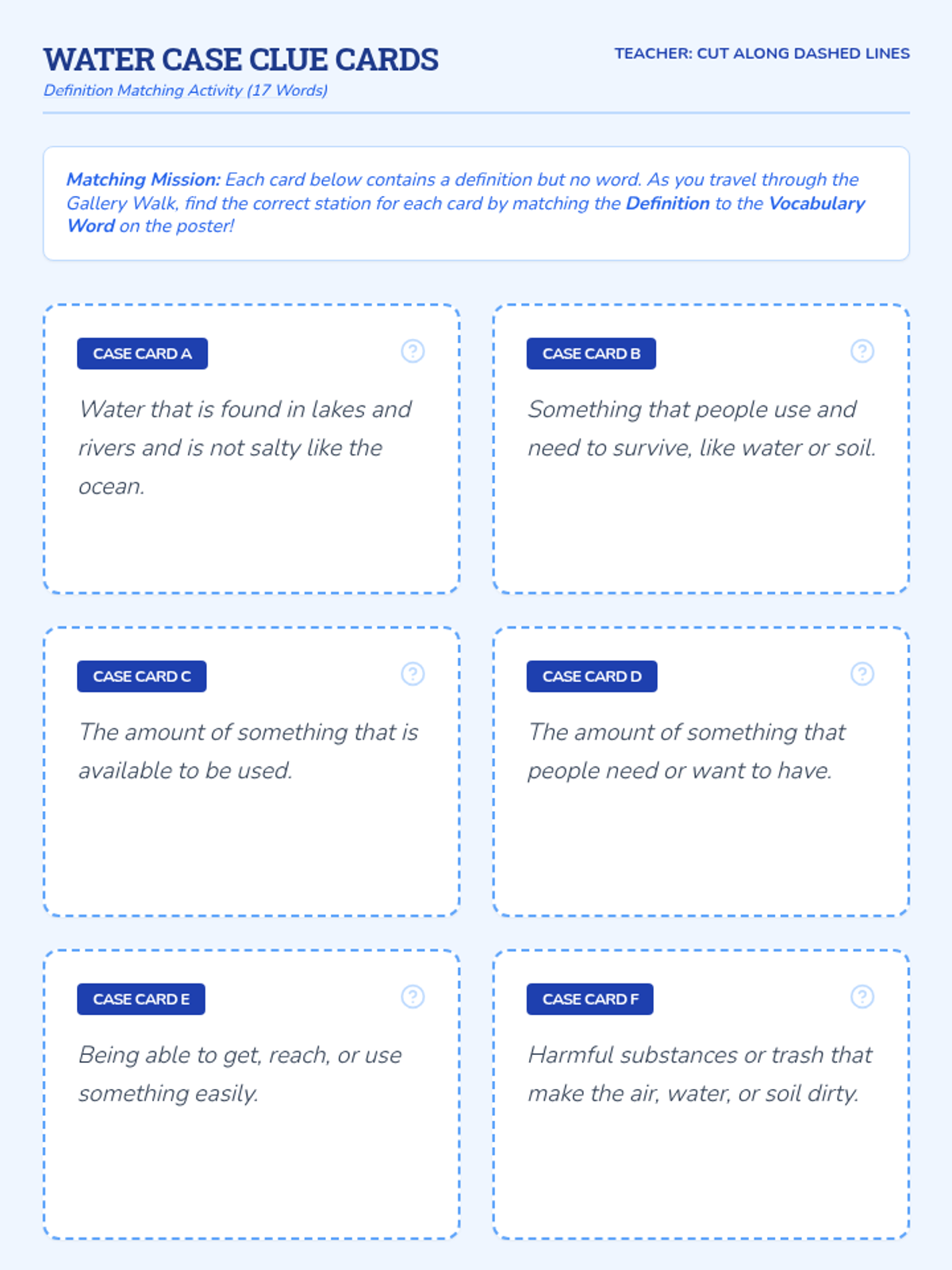
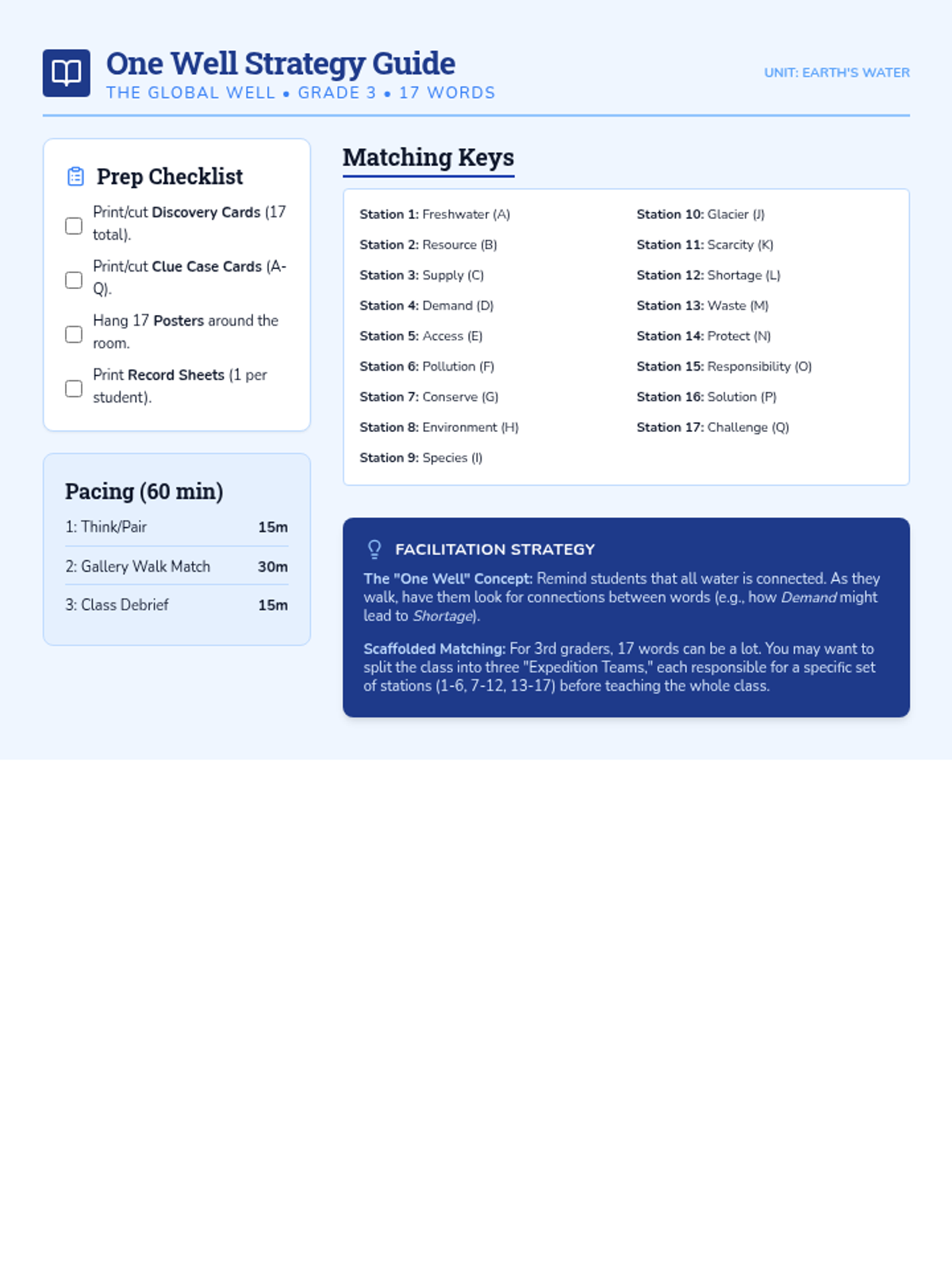
A vocabulary-focused lesson for 'One Well' that uses collaborative discussion and a matching gallery walk to help 3rd graders explore the science and global impact of water.