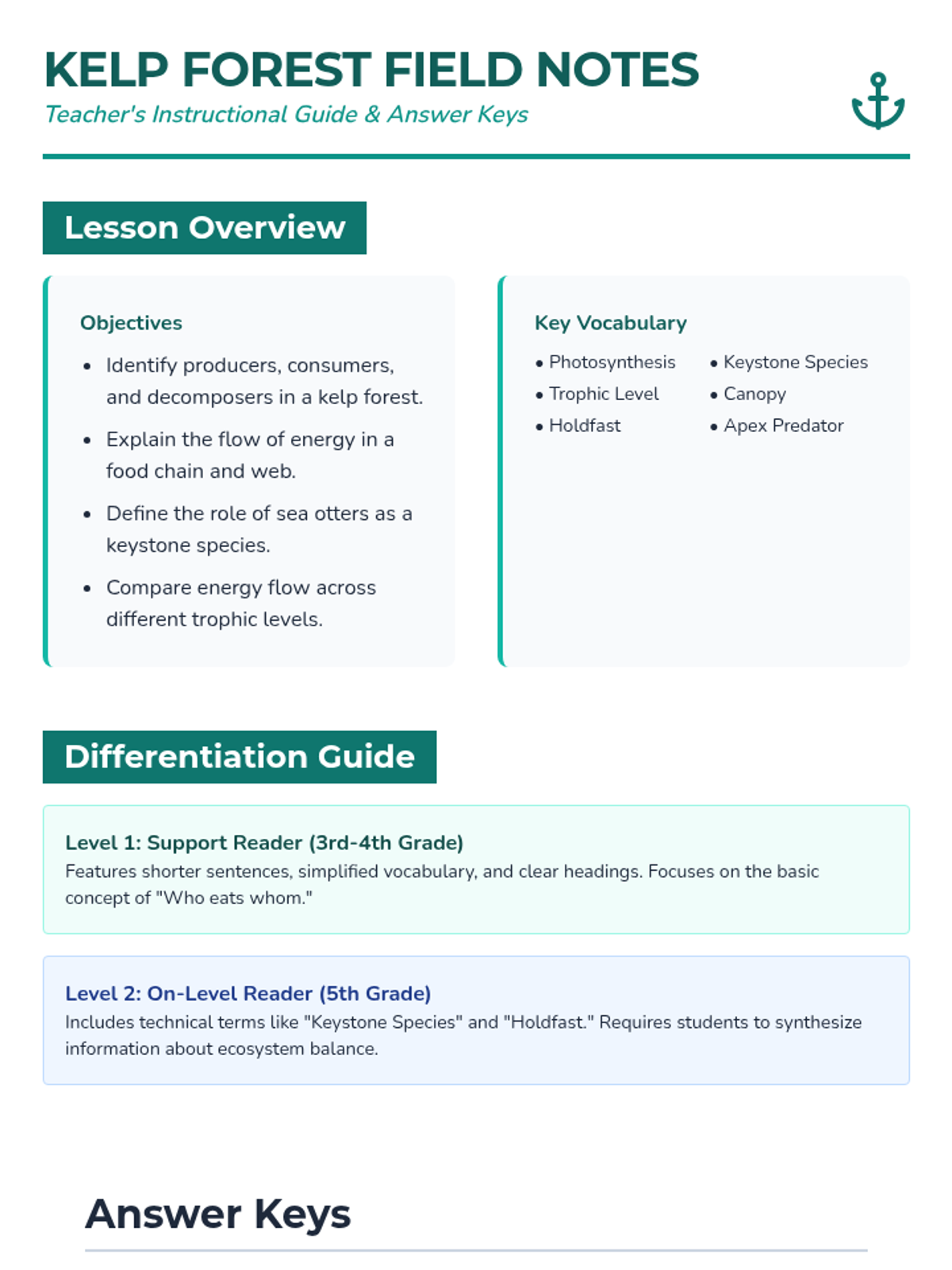
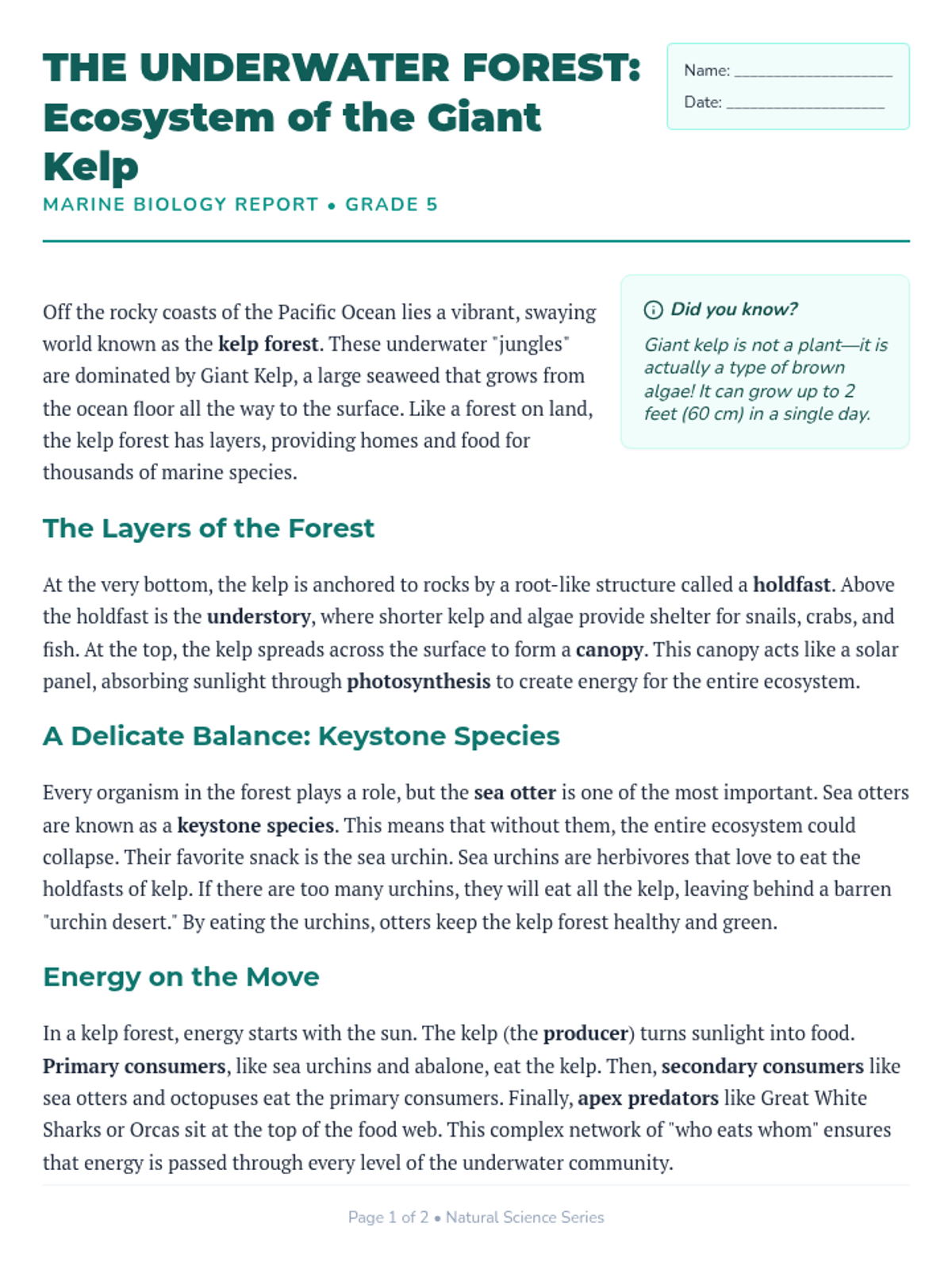
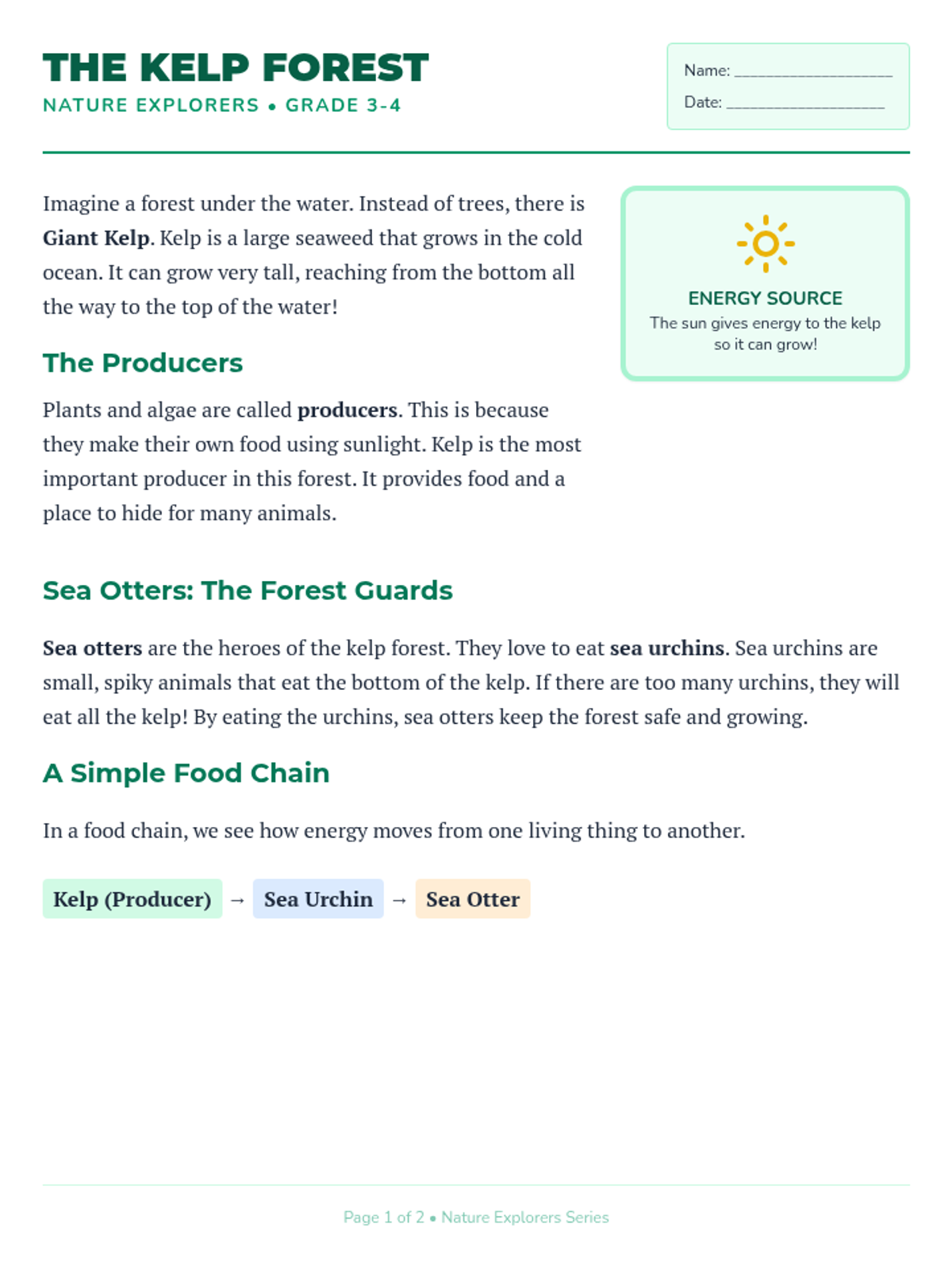
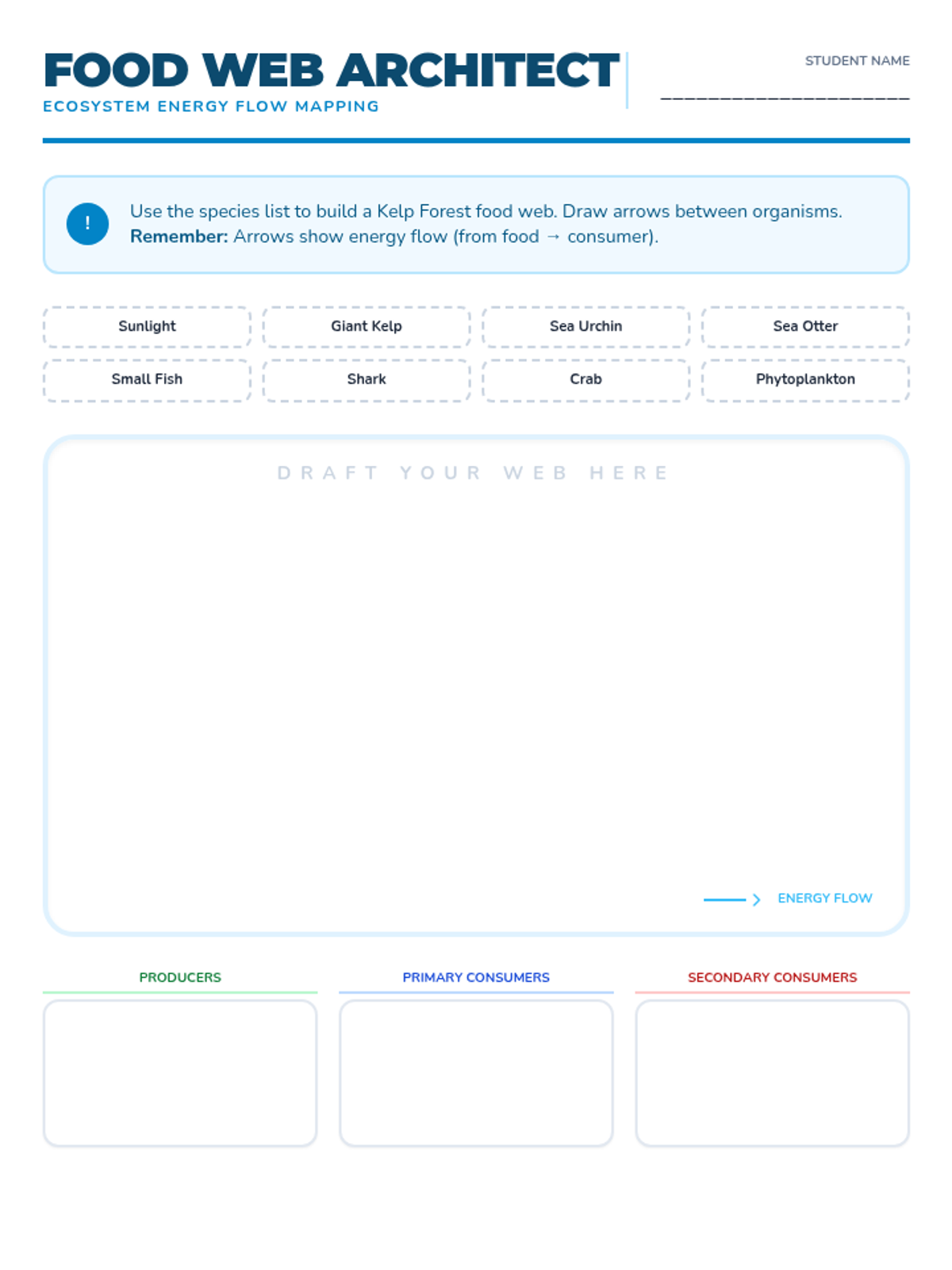
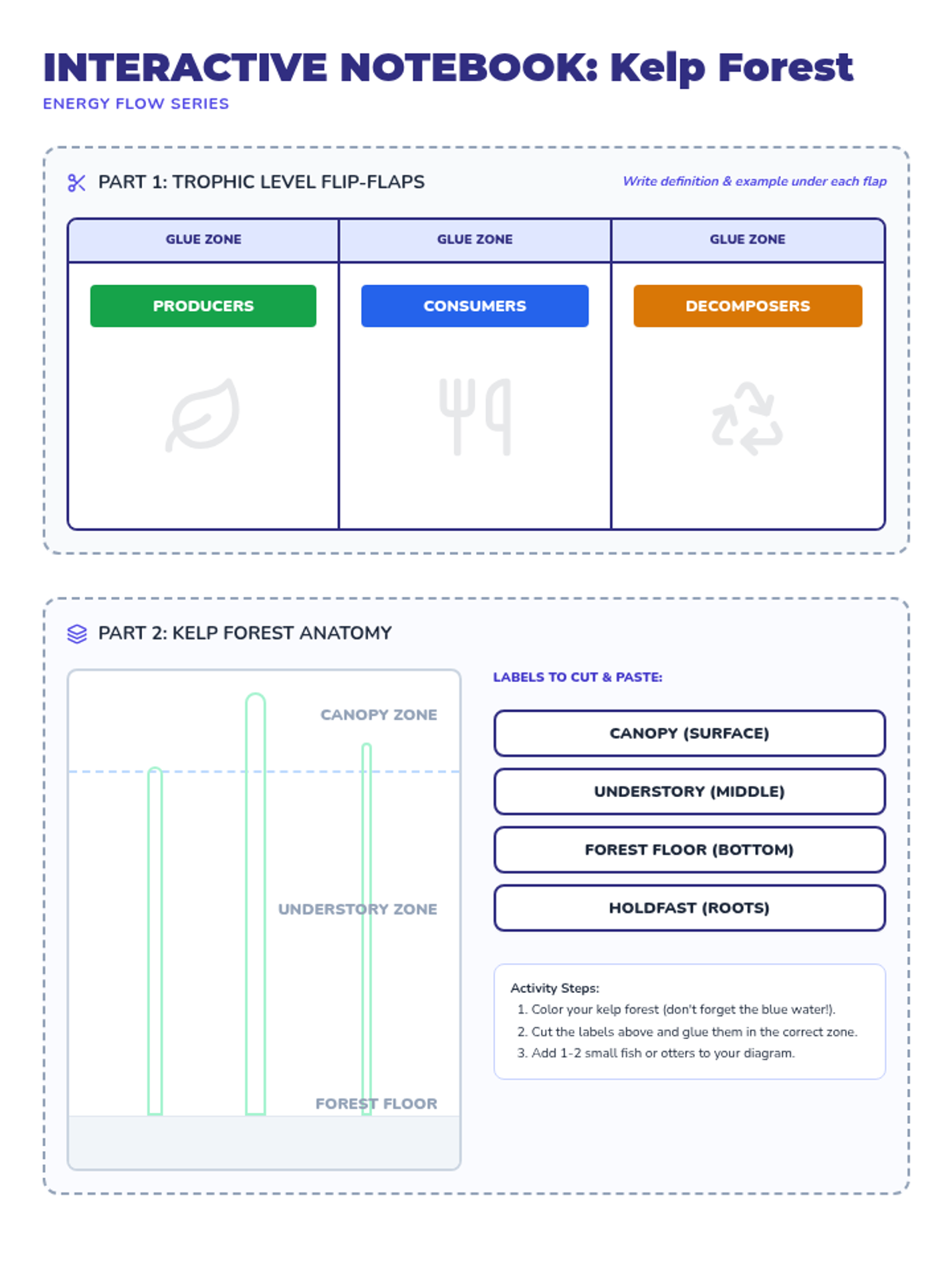
A deep dive into the complex food webs of the kelp forest ecosystem. Students will explore energy flow, keystone species, and the delicate balance of marine life through evidence-based reading and hands-on mapping.
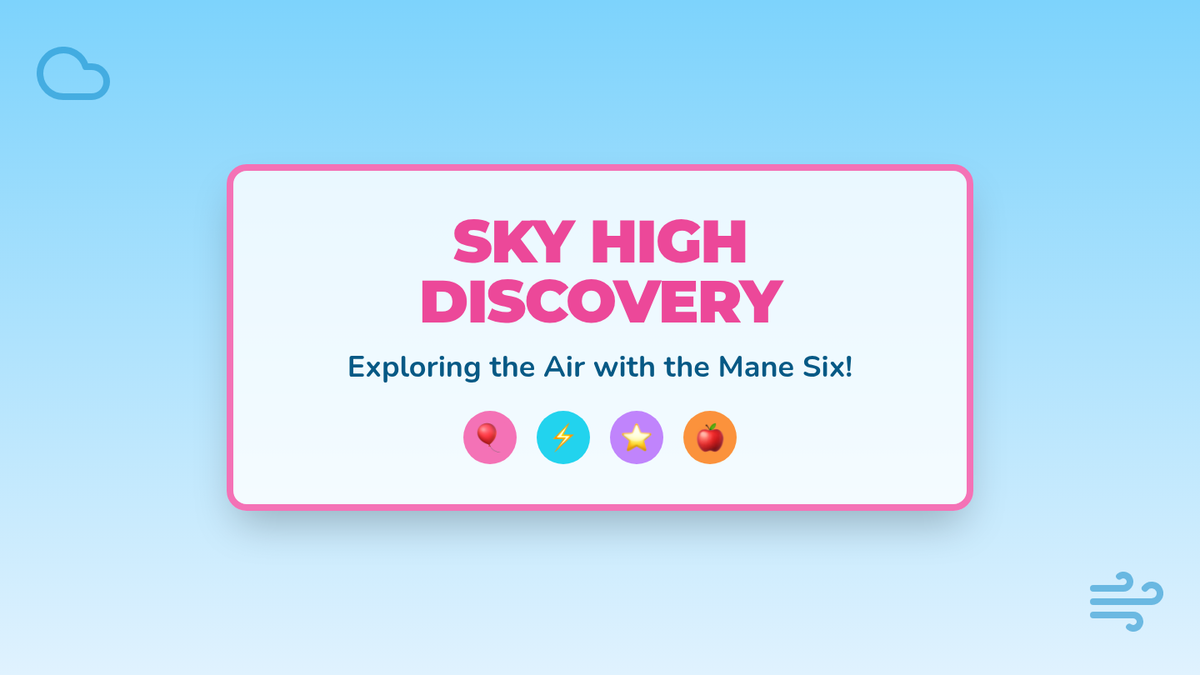
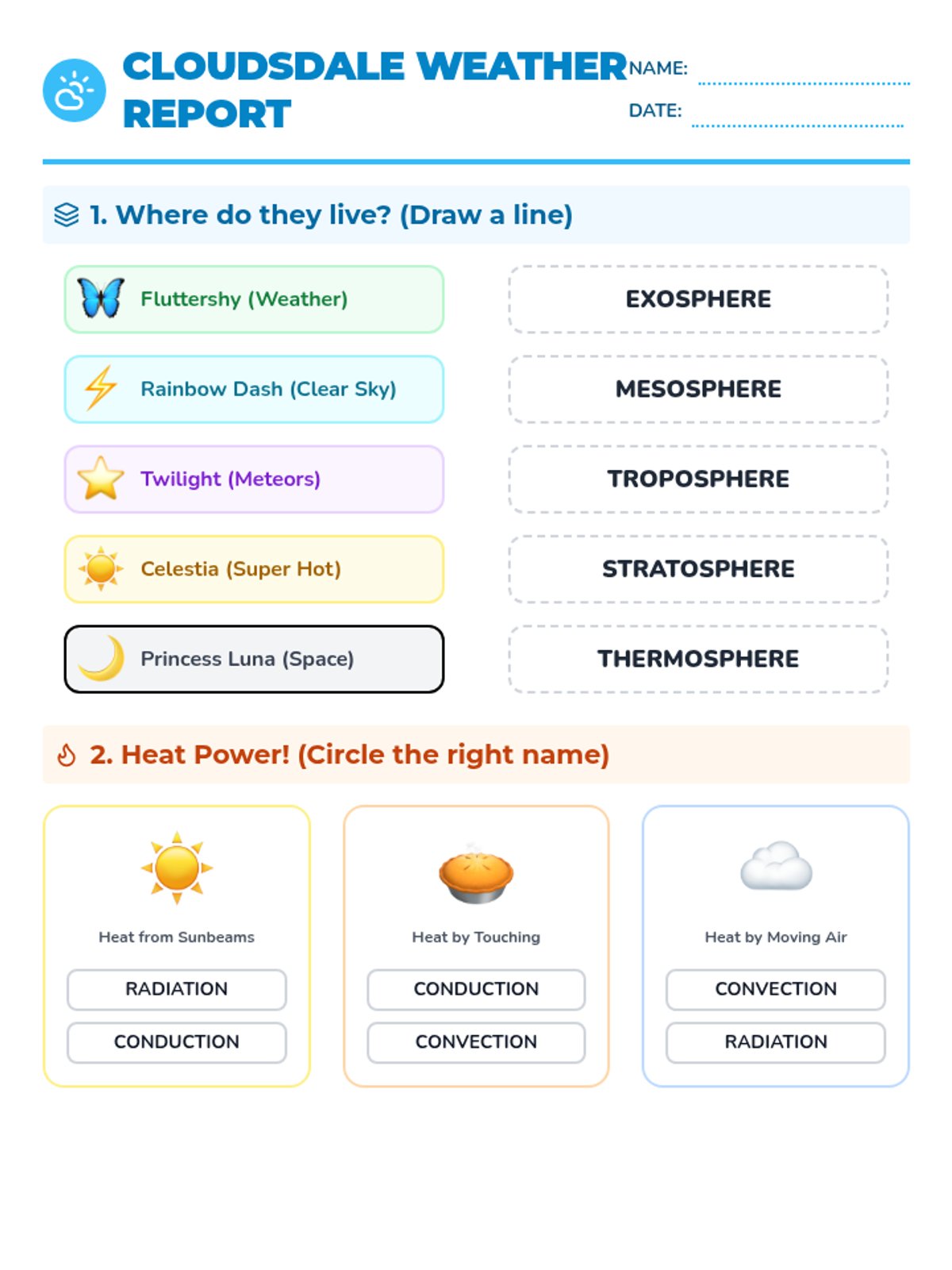
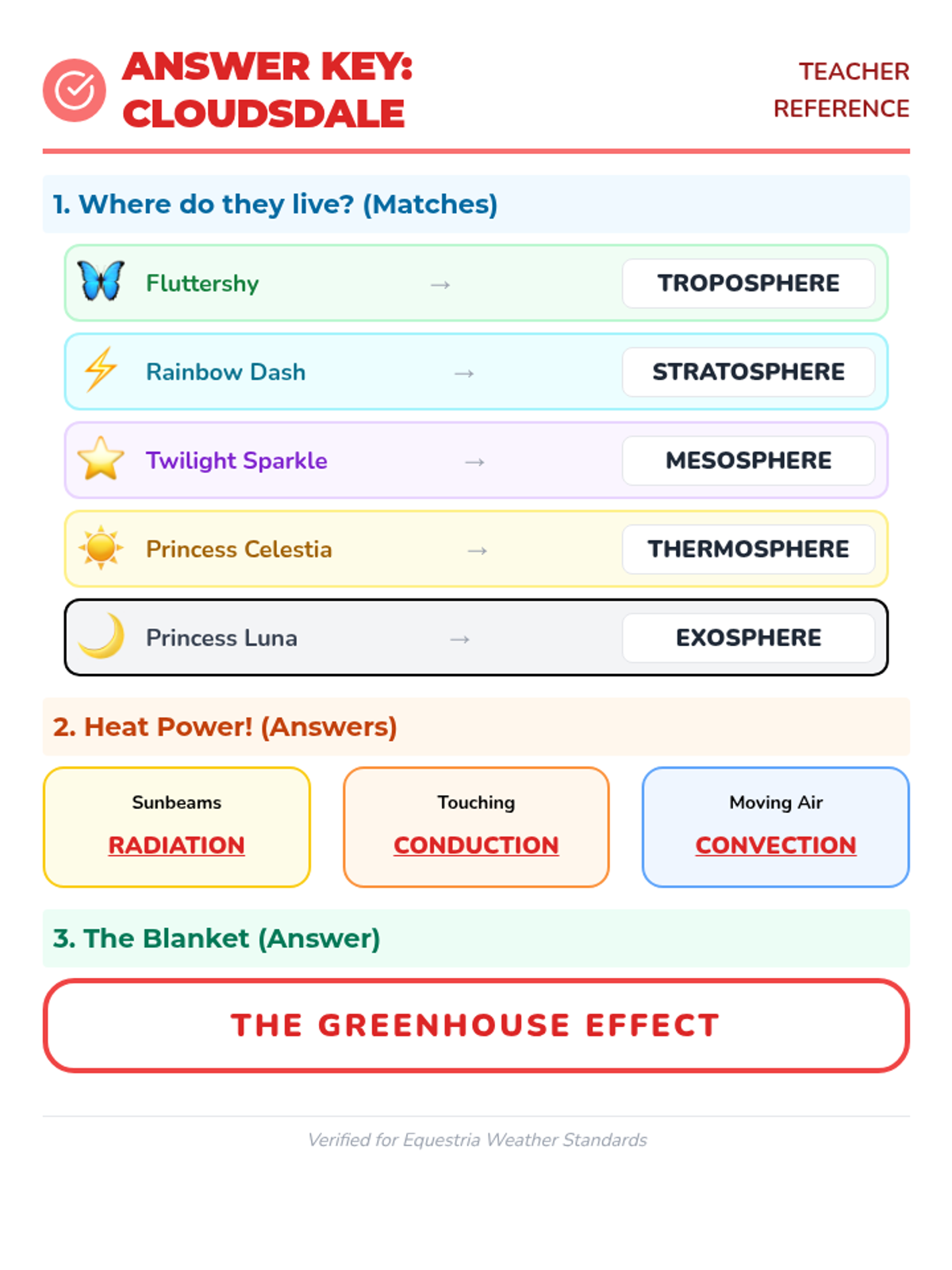
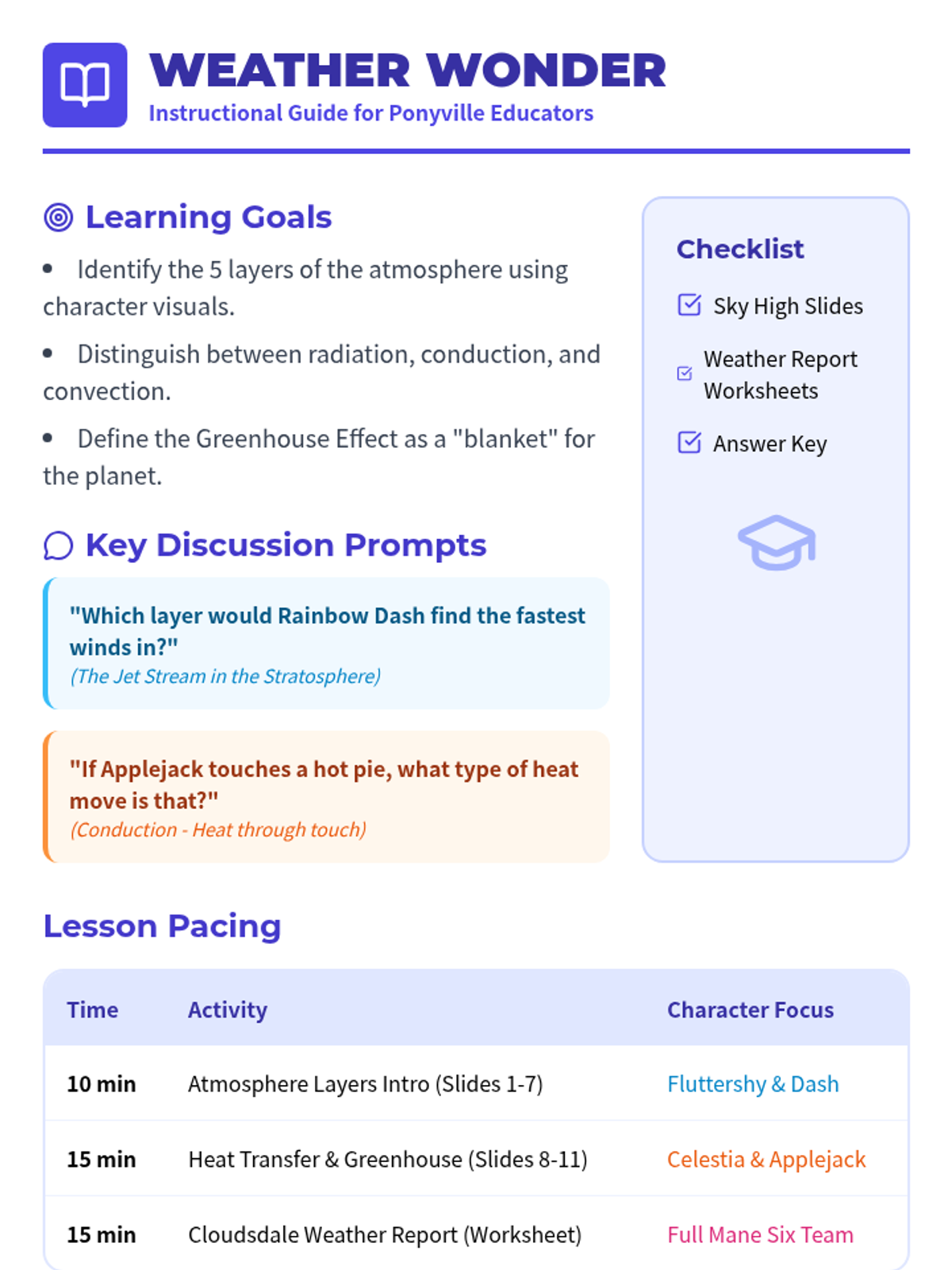
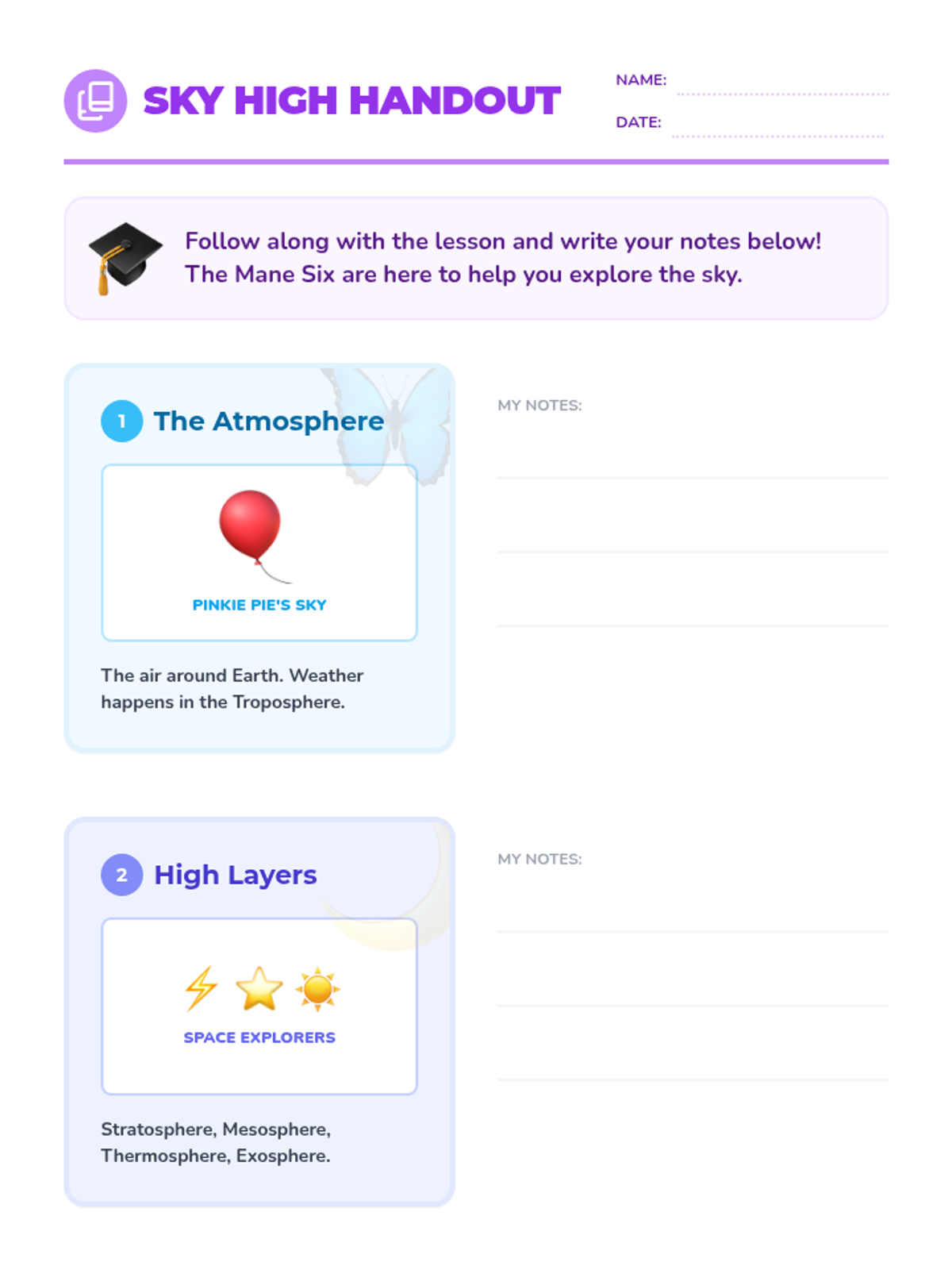
Explore the layers of the atmosphere and how heat moves through Equestria with the help of the Mane Six. This lesson covers atmospheric layers and thermal energy transfer using simplified language and visual symbols.
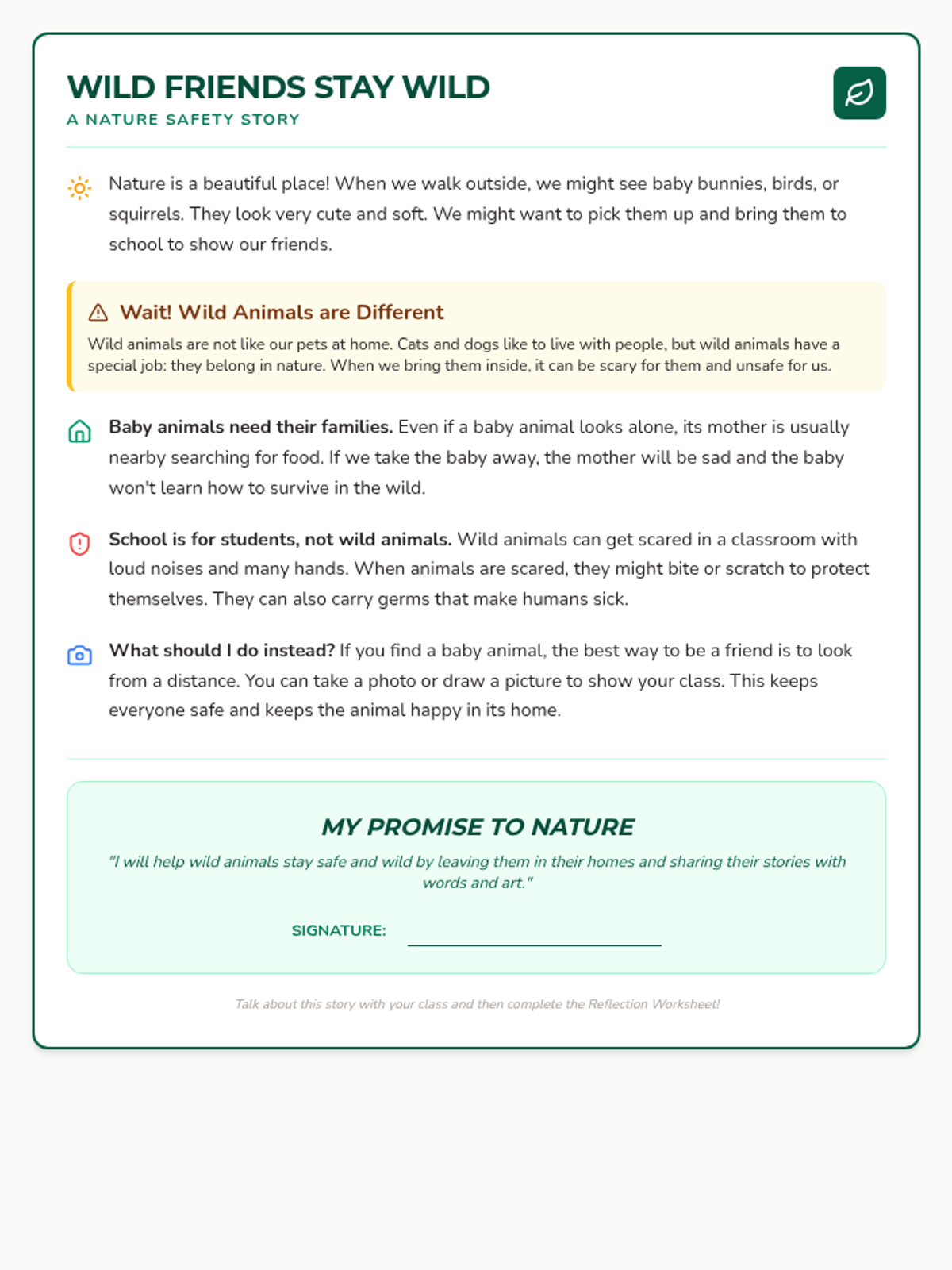
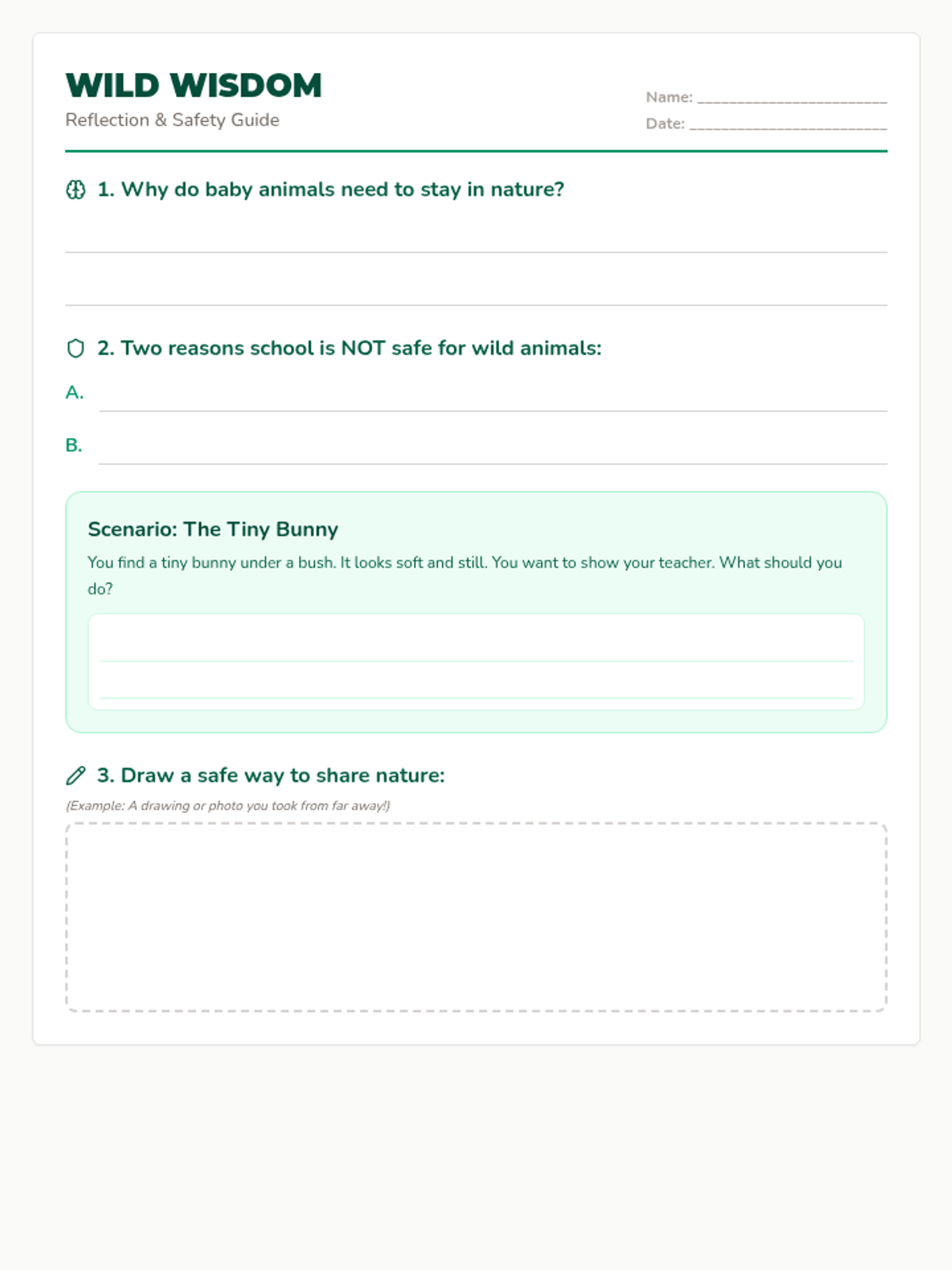
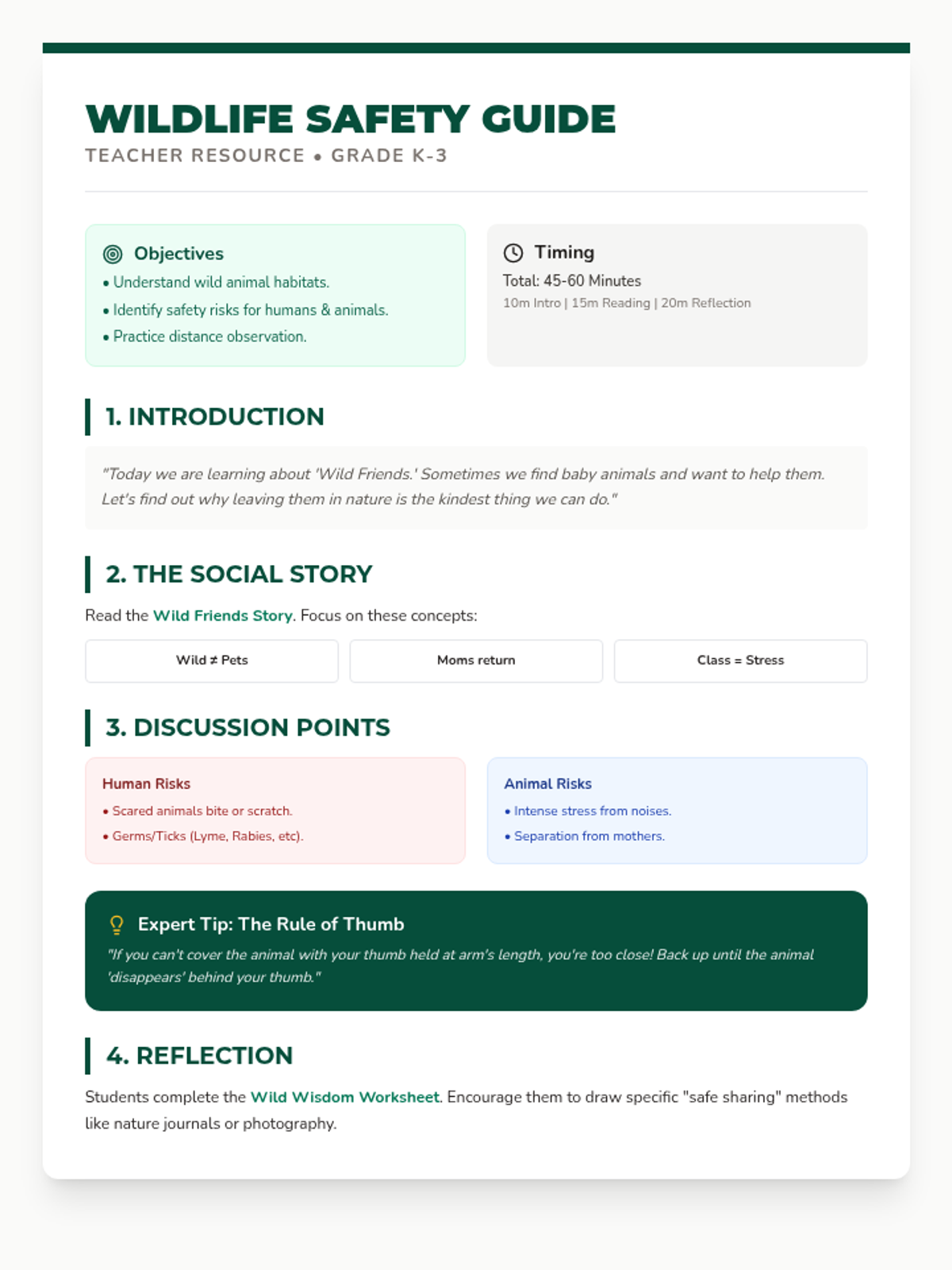
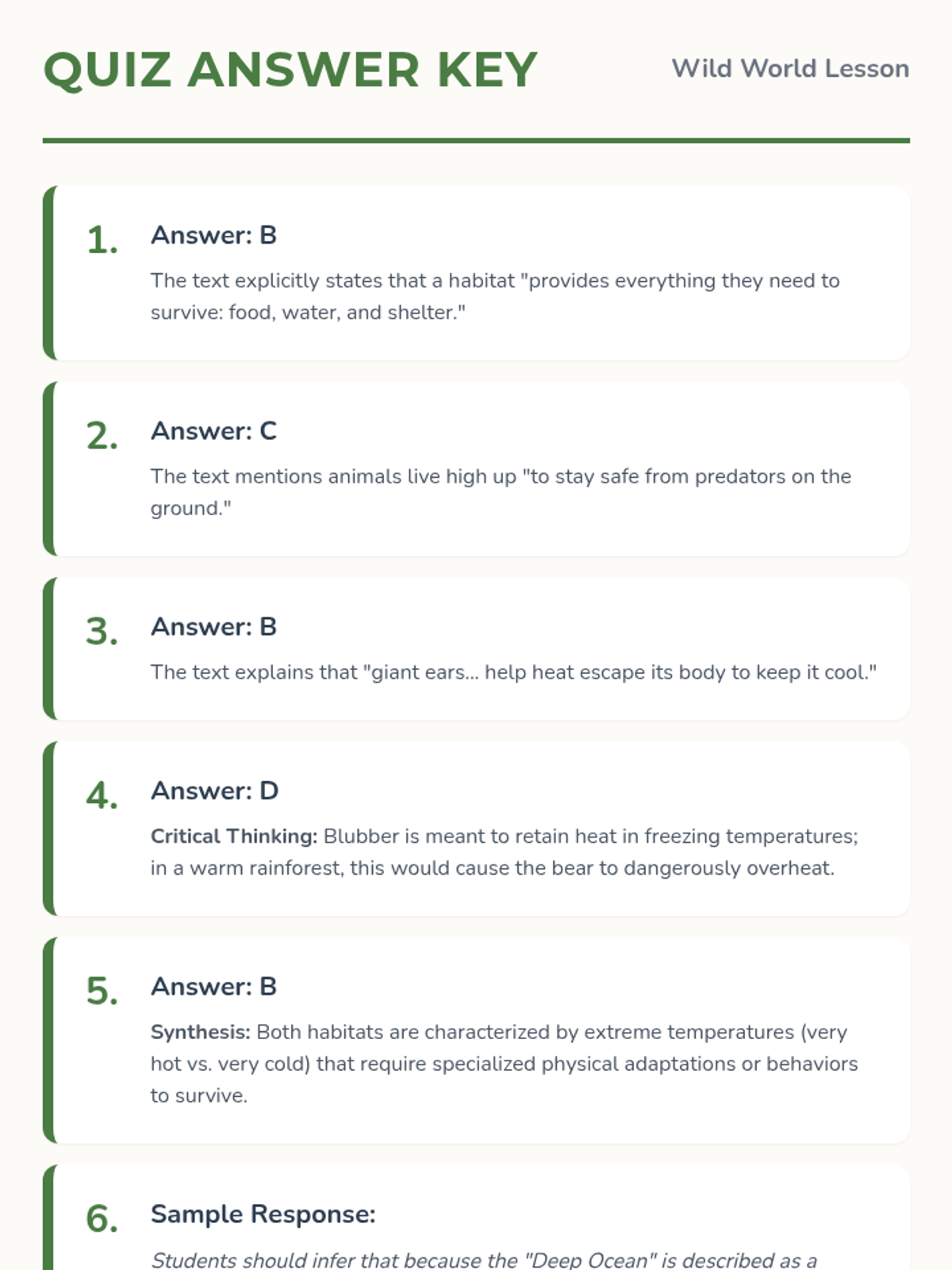
This lesson teaches students why wild animals, especially babies, should remain in their natural habitats rather than being brought to school, focusing on the safety of the animal and the classroom community.
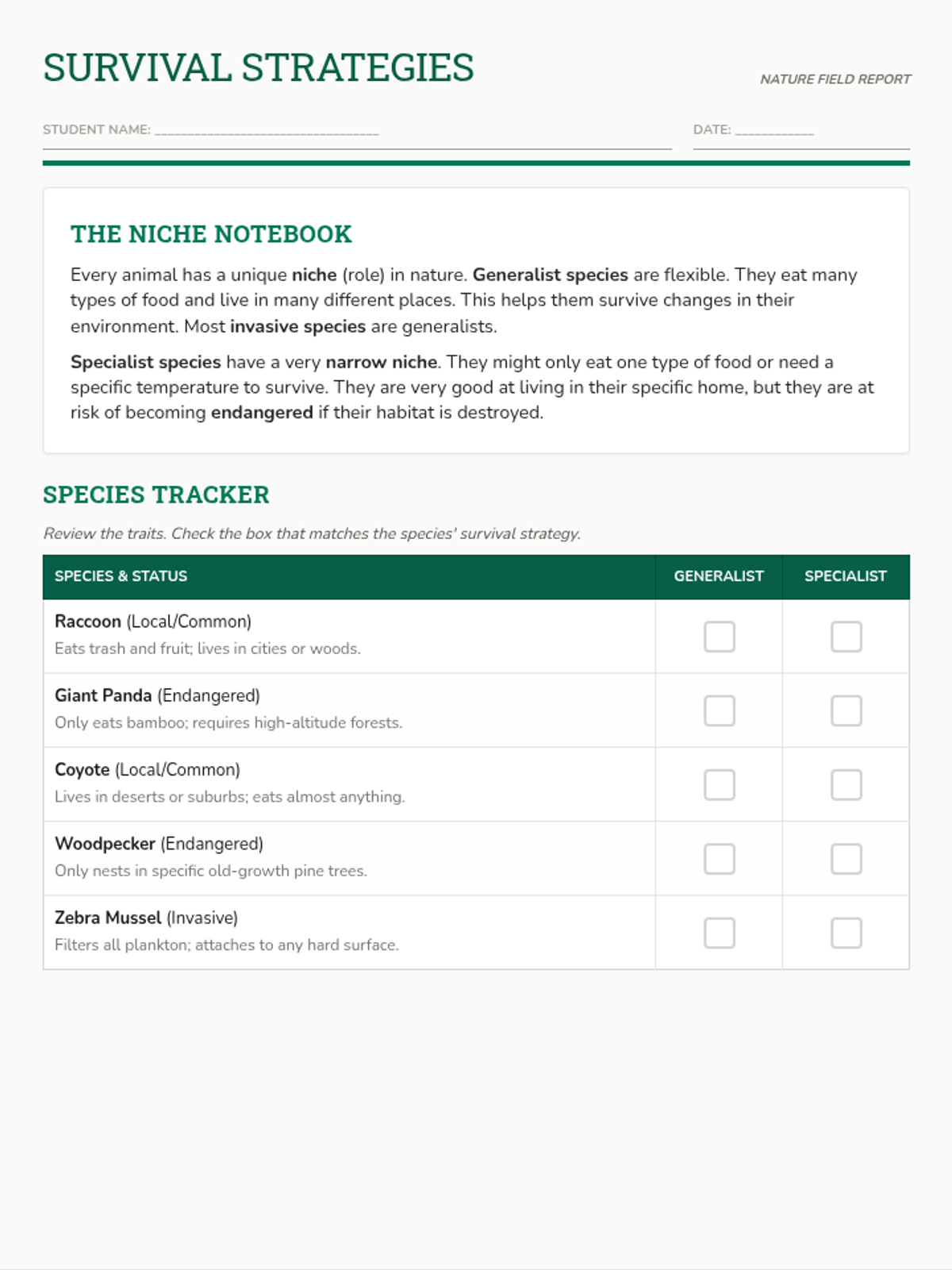
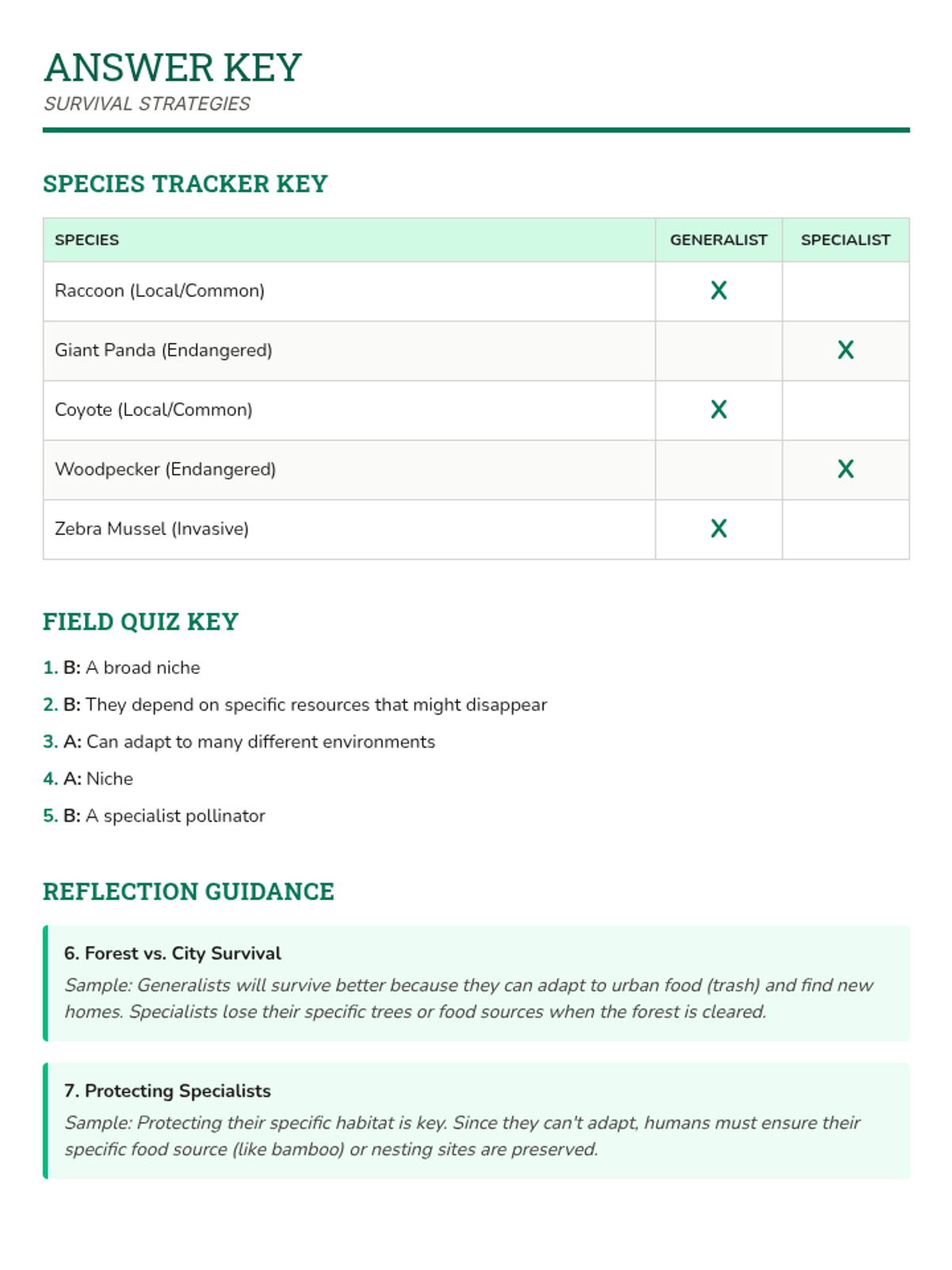
A lesson exploring the differences between generalist and specialist species, focusing on how their niches affect their survival and impact on ecosystems.
Students will explore the complex relationships within a kelp forest ecosystem, focusing on energy flow through food chains and webs while comparing on-level and supported reading materials.
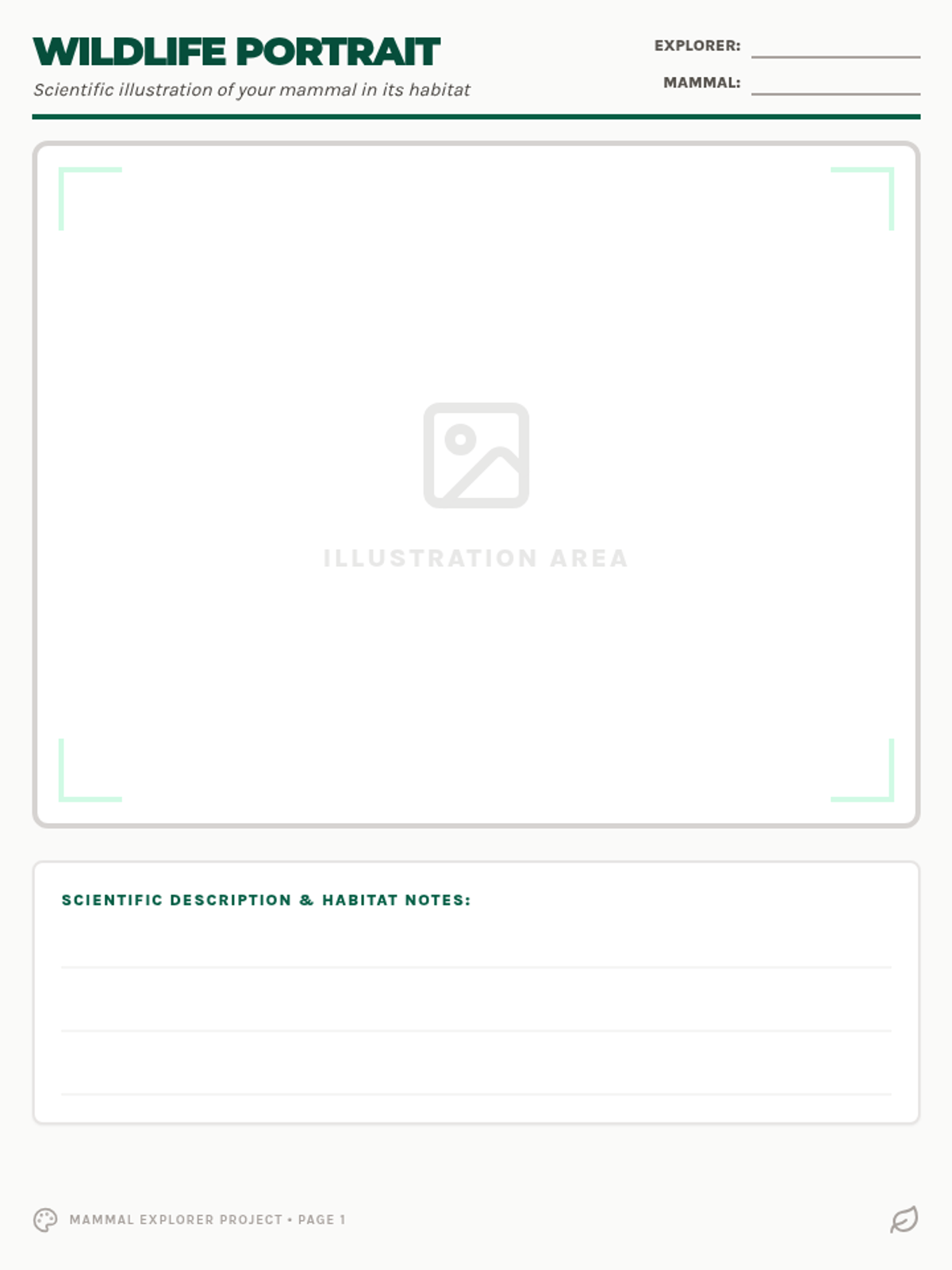
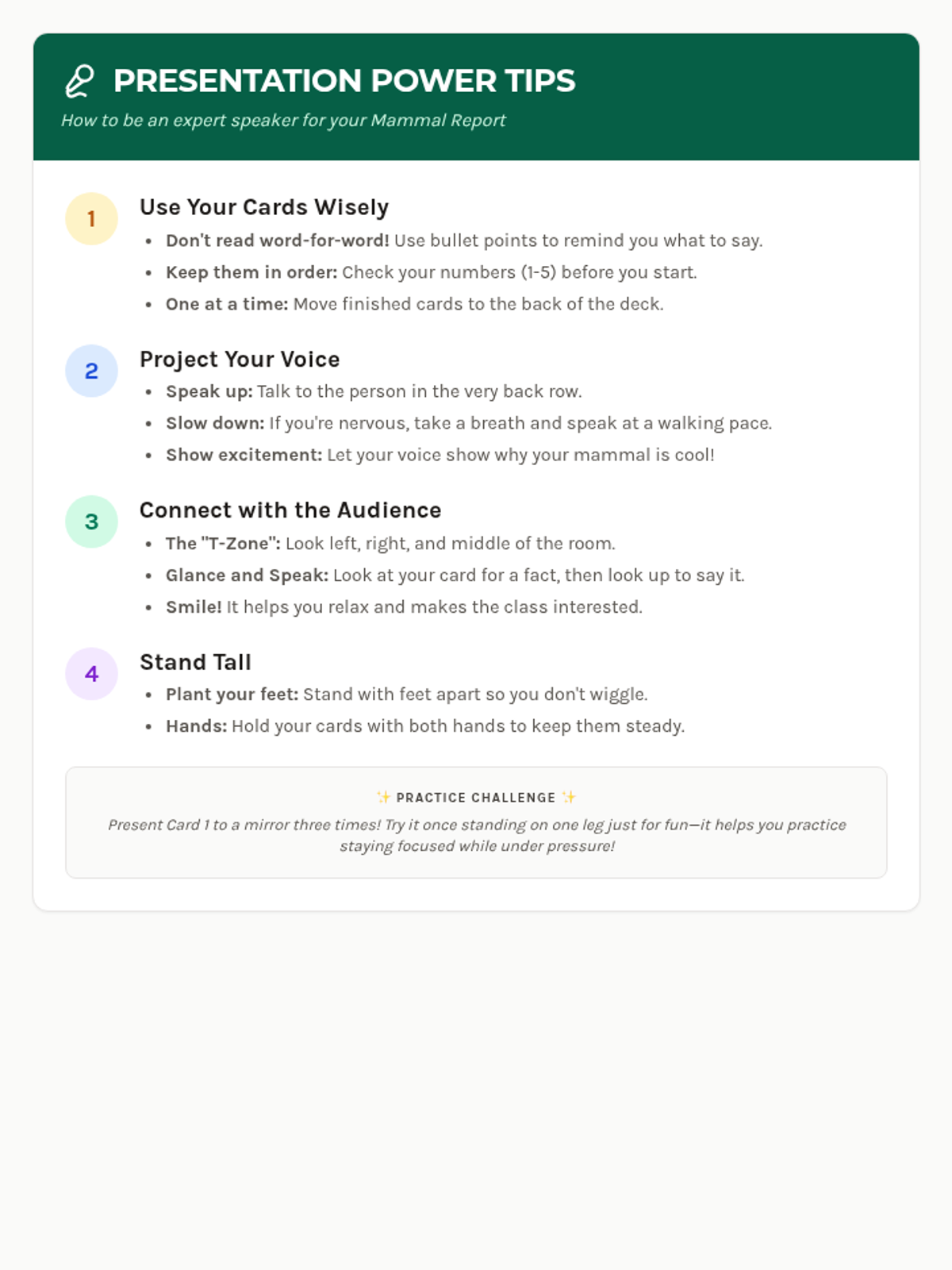
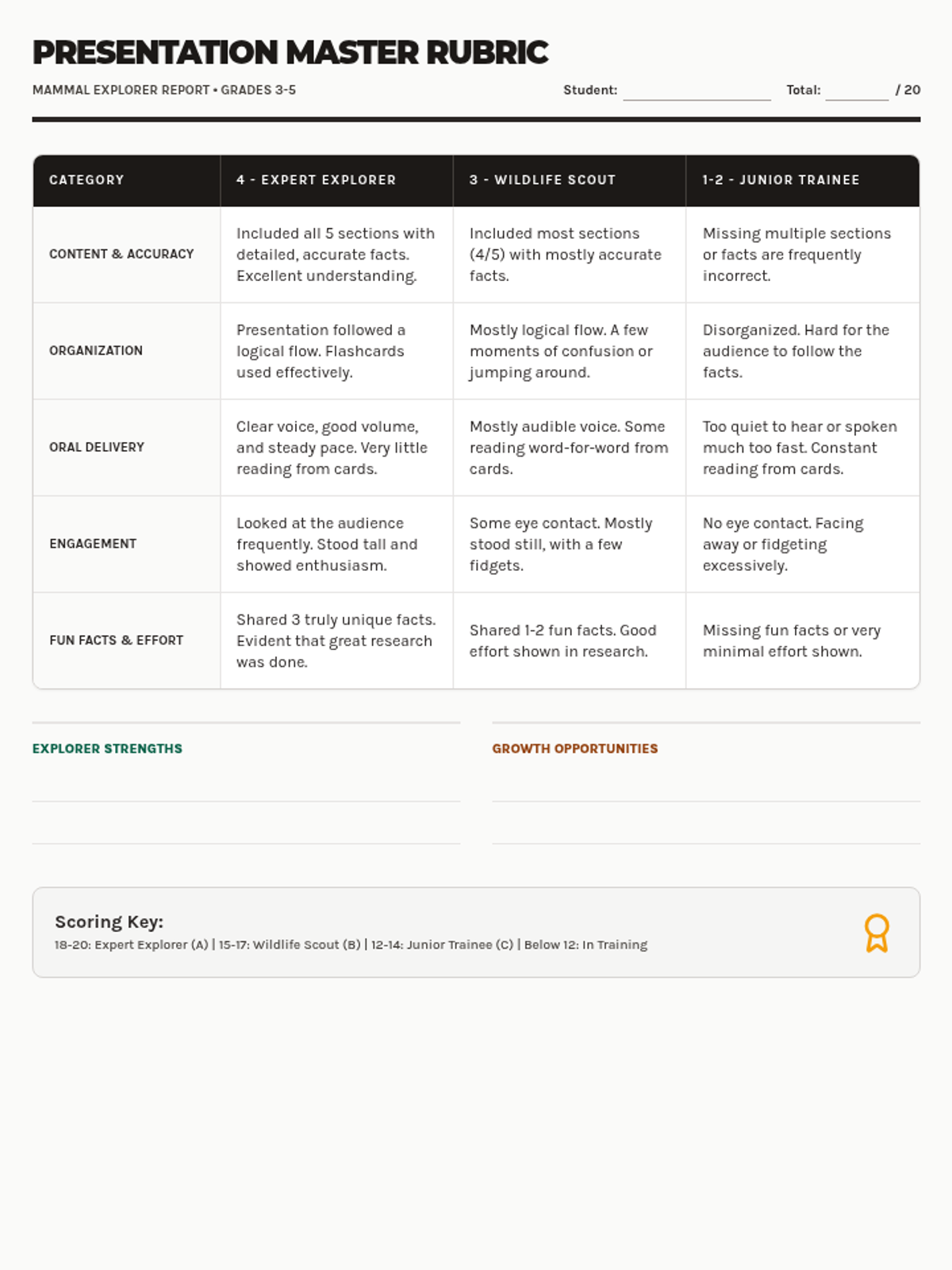
A comprehensive set of resources to help students research, organize, and deliver a verbal presentation on a mammal of their choice, including structured flashcards and a grading rubric.
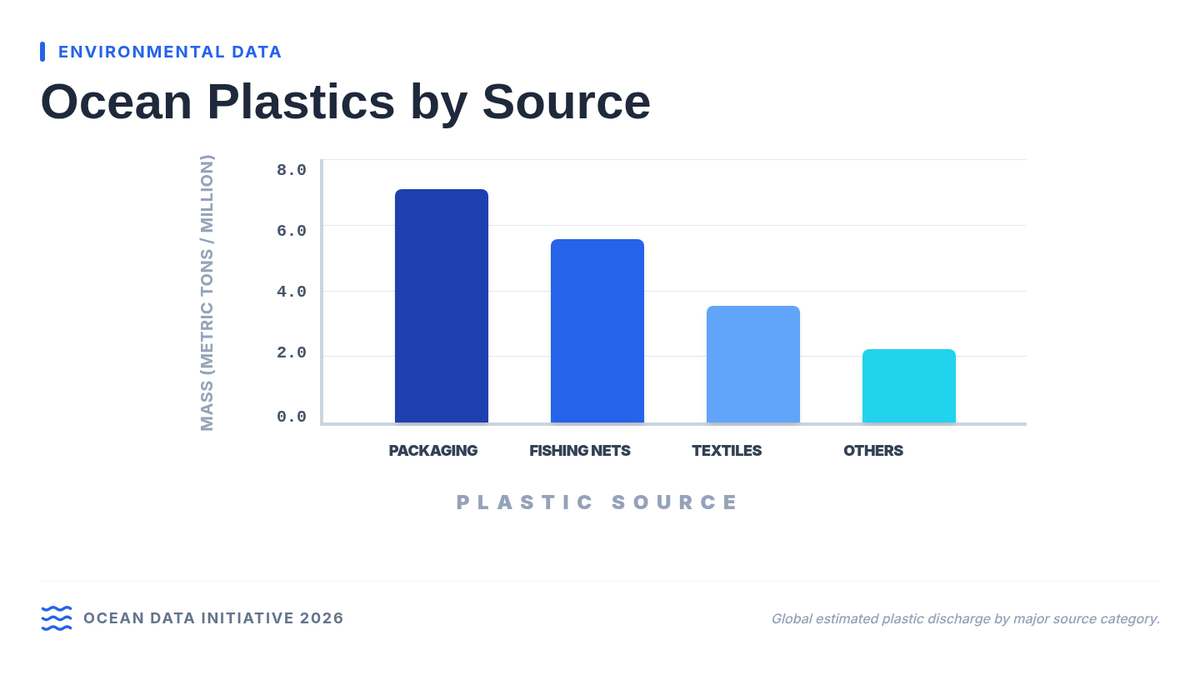
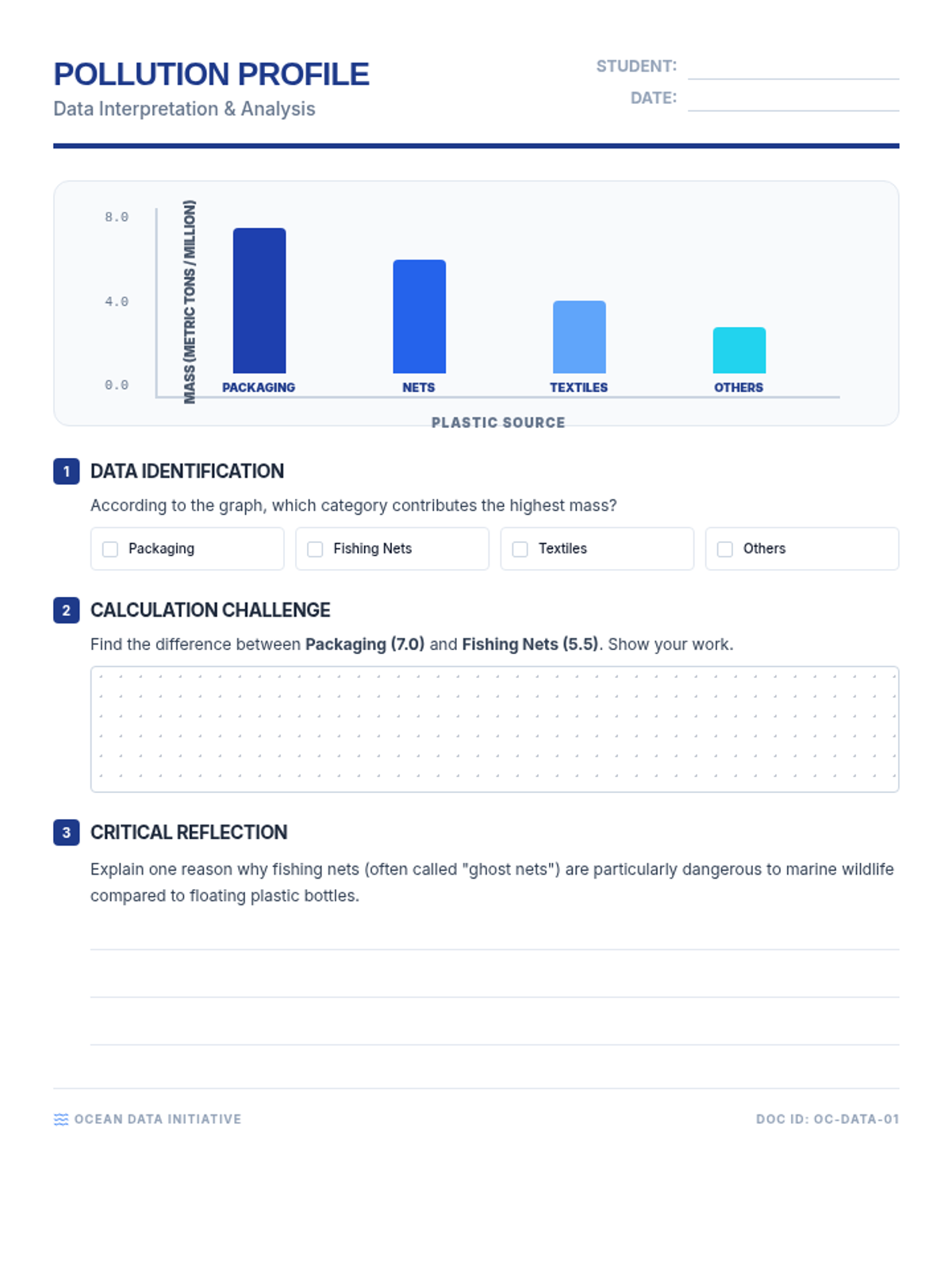
A lesson exploring the impact of plastic pollution on our oceans, featuring data analysis and identification of primary waste sources.
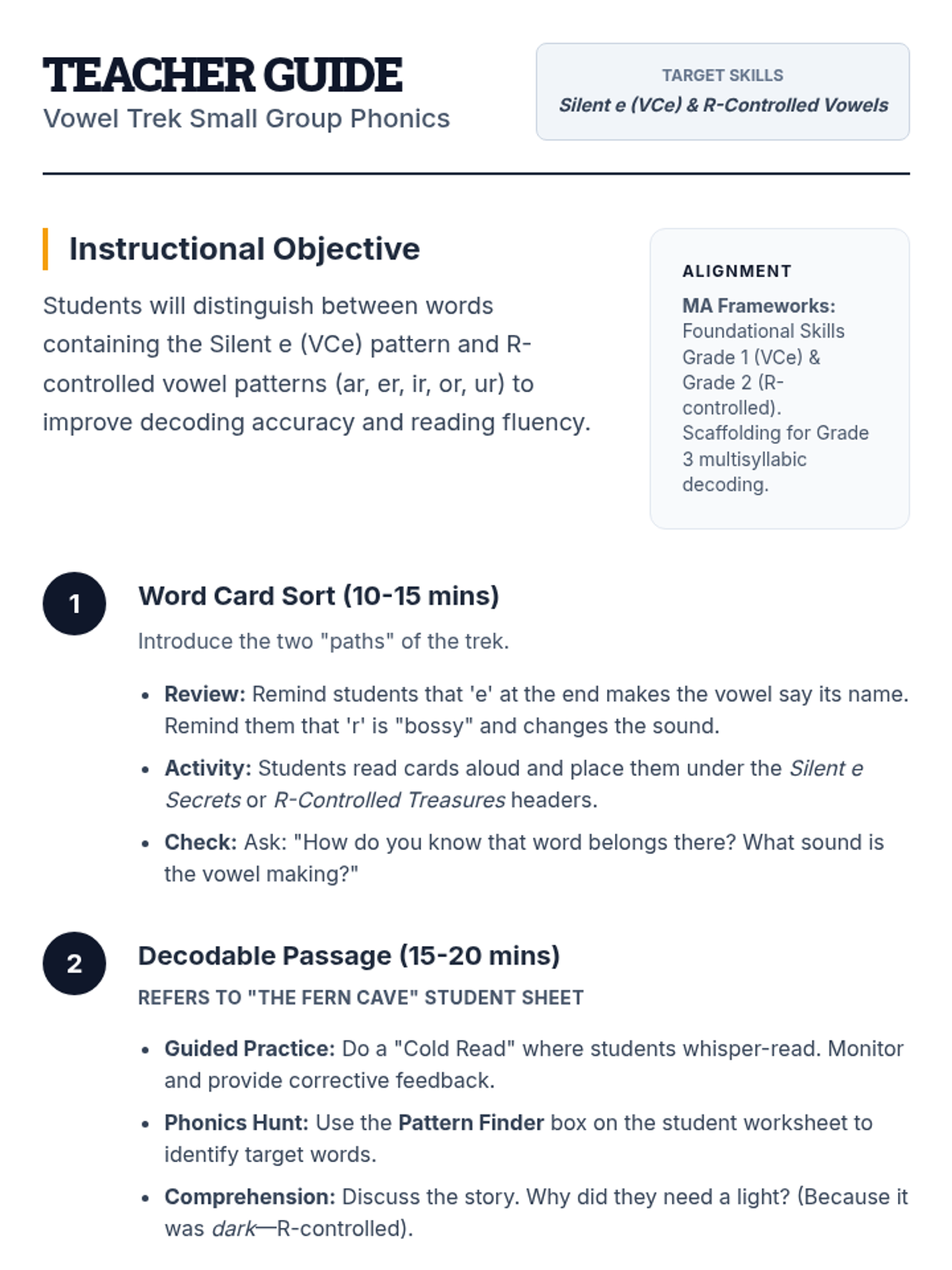
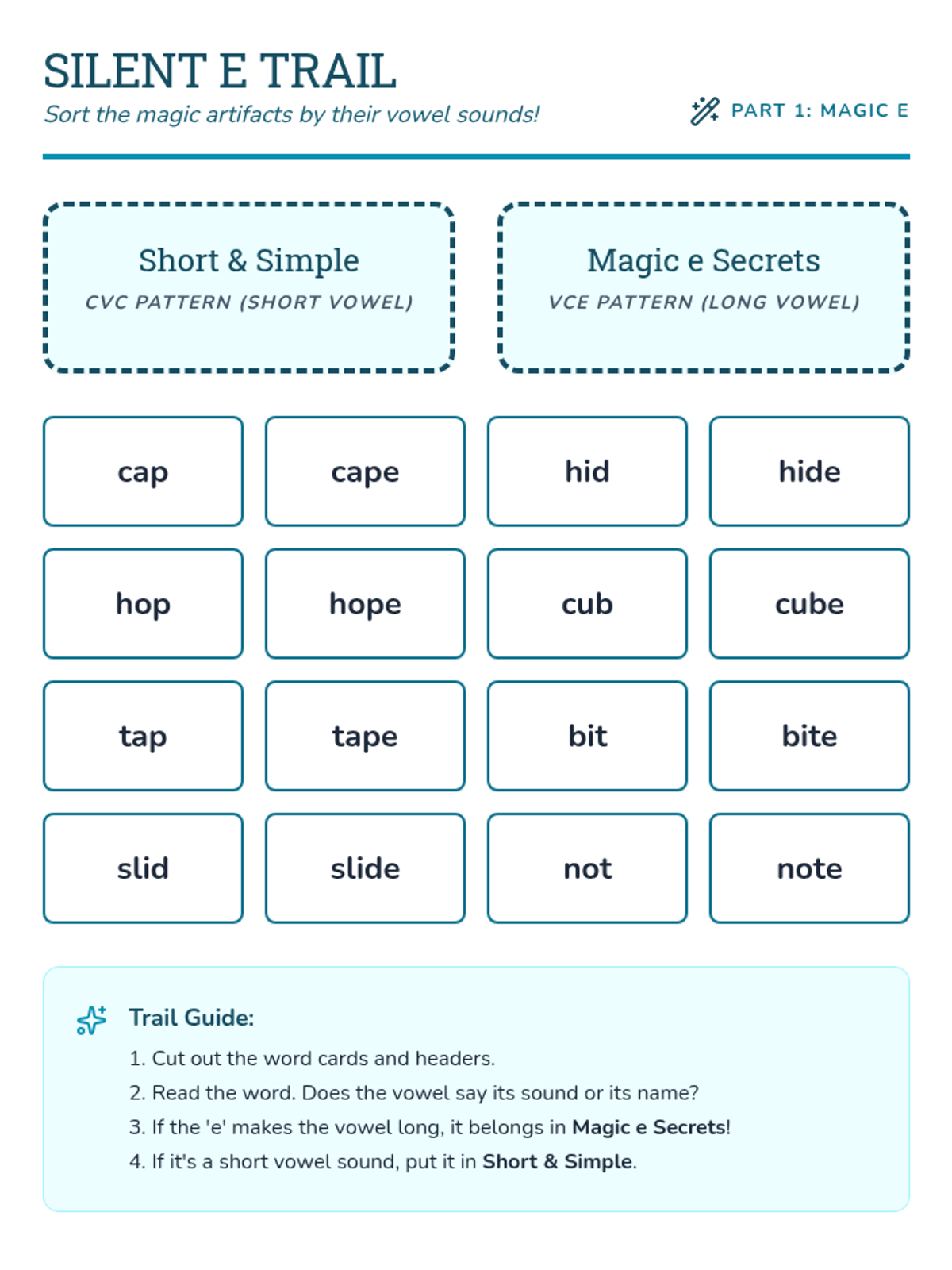
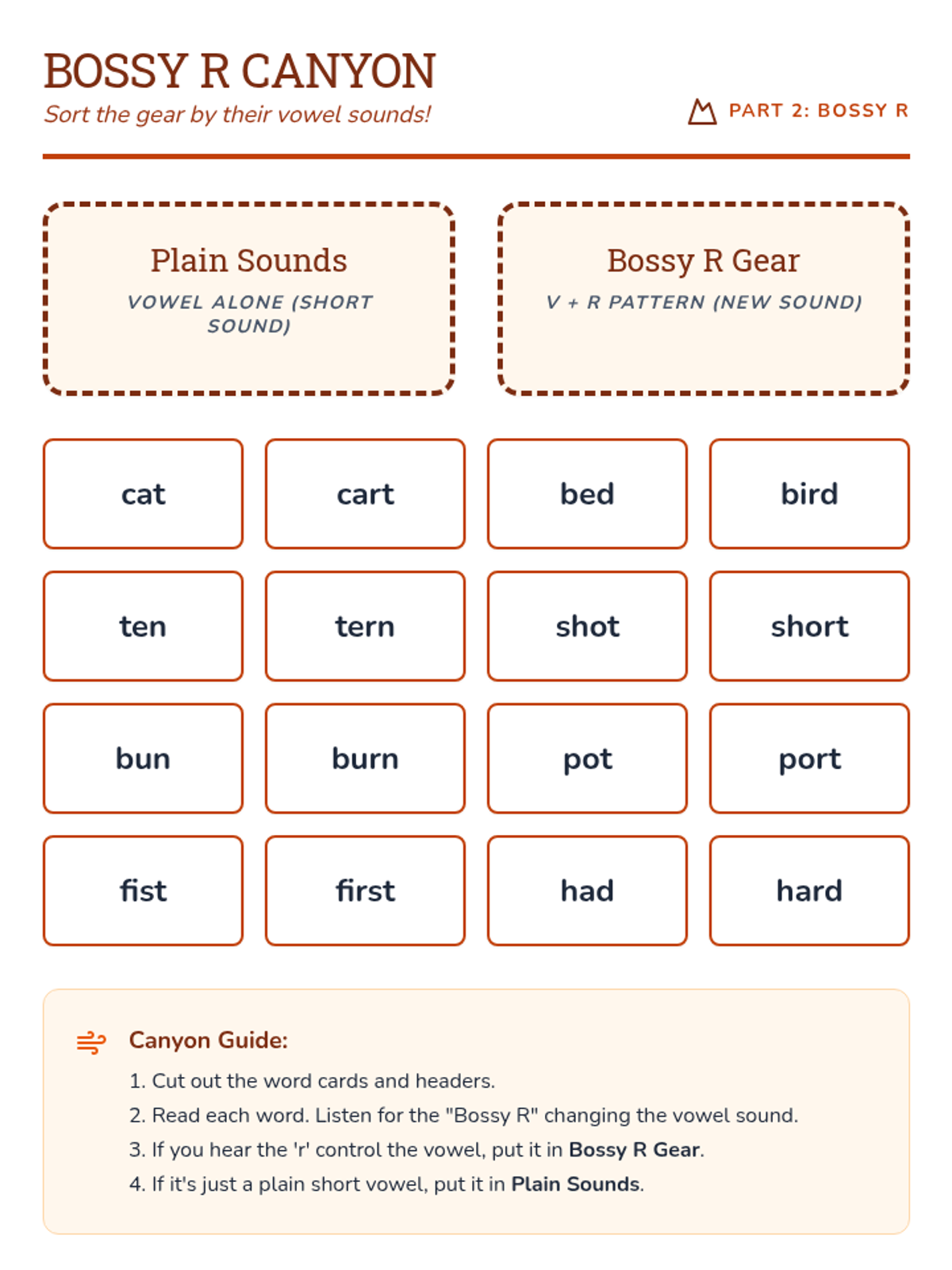
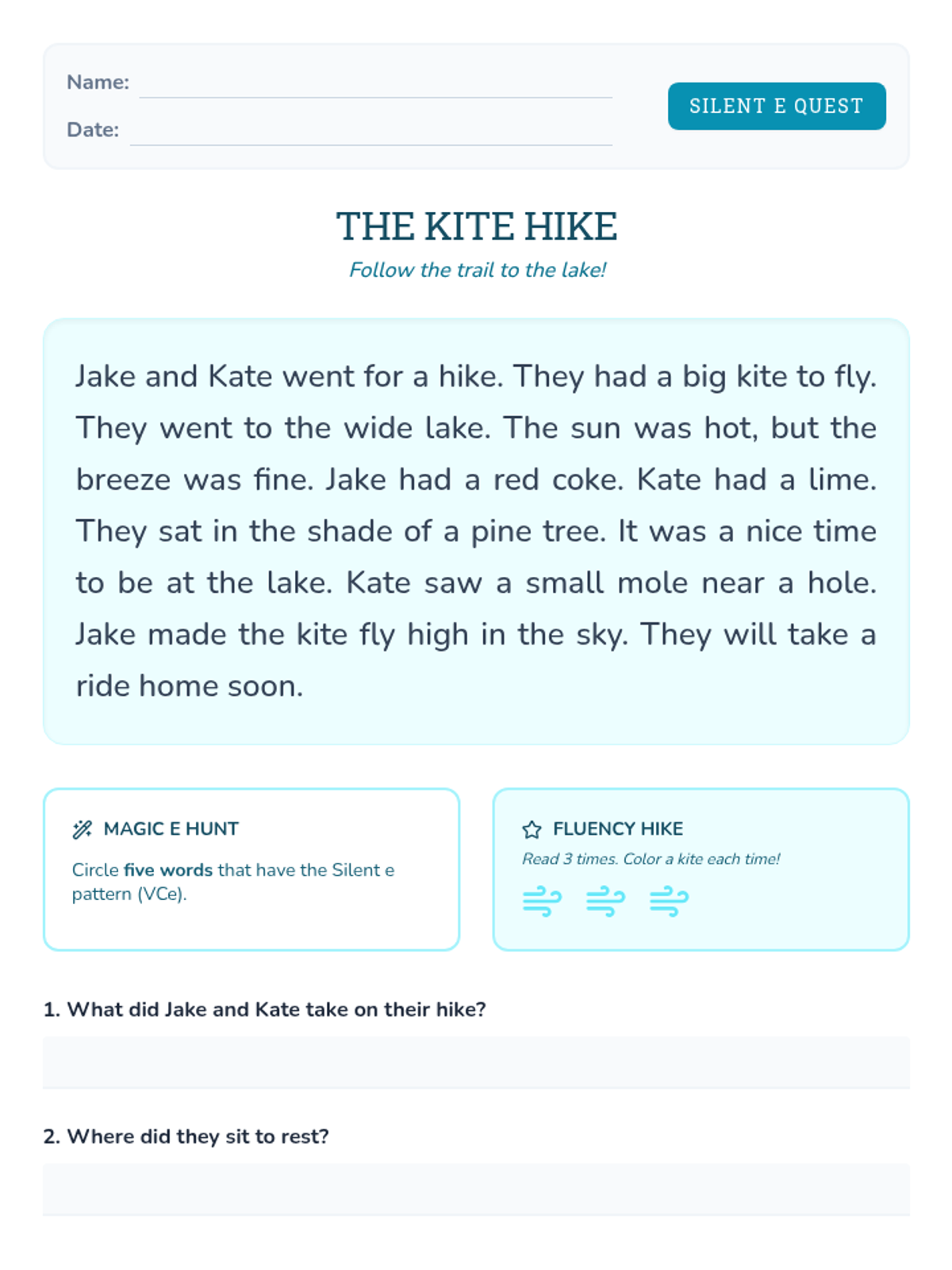
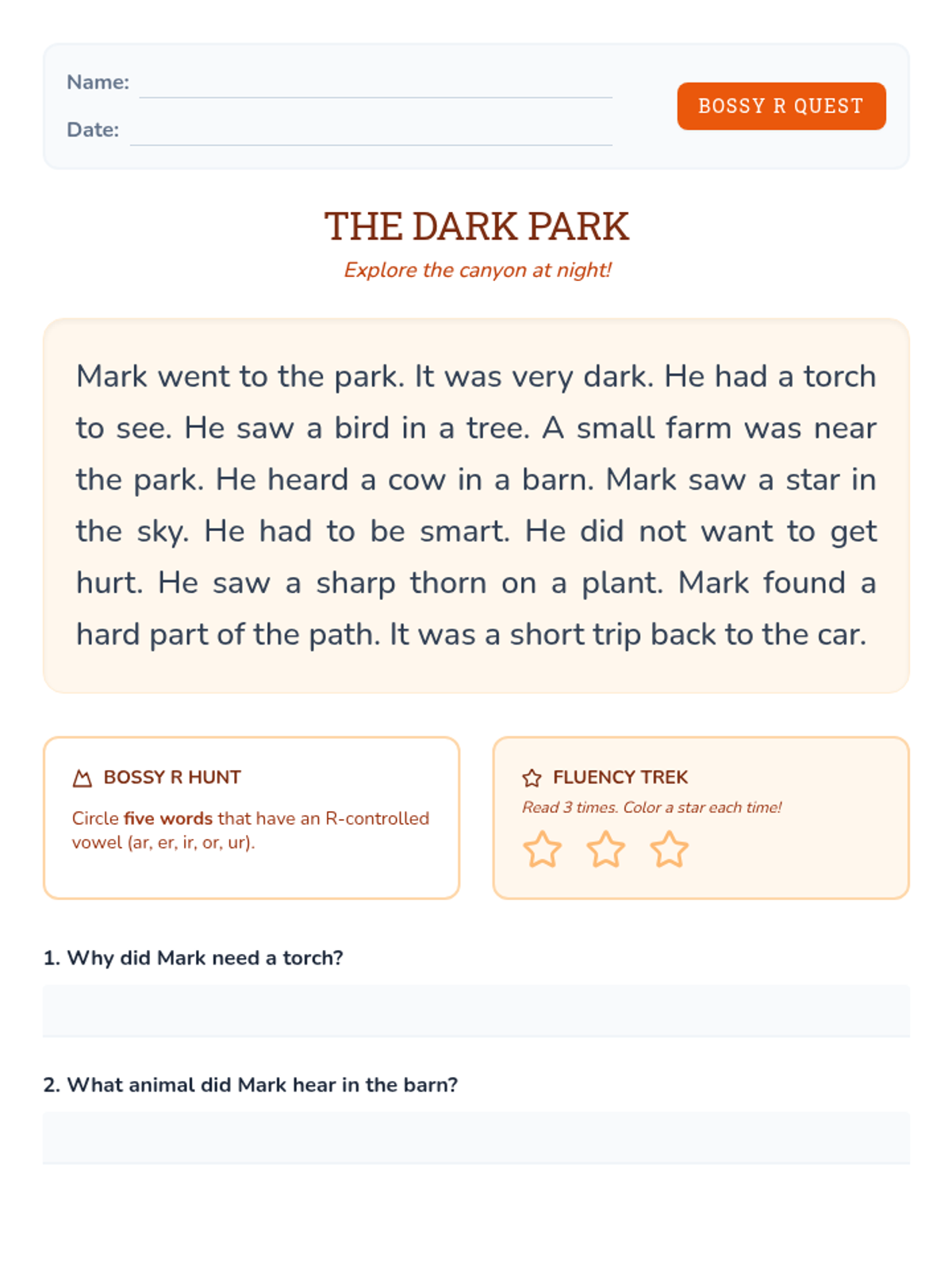
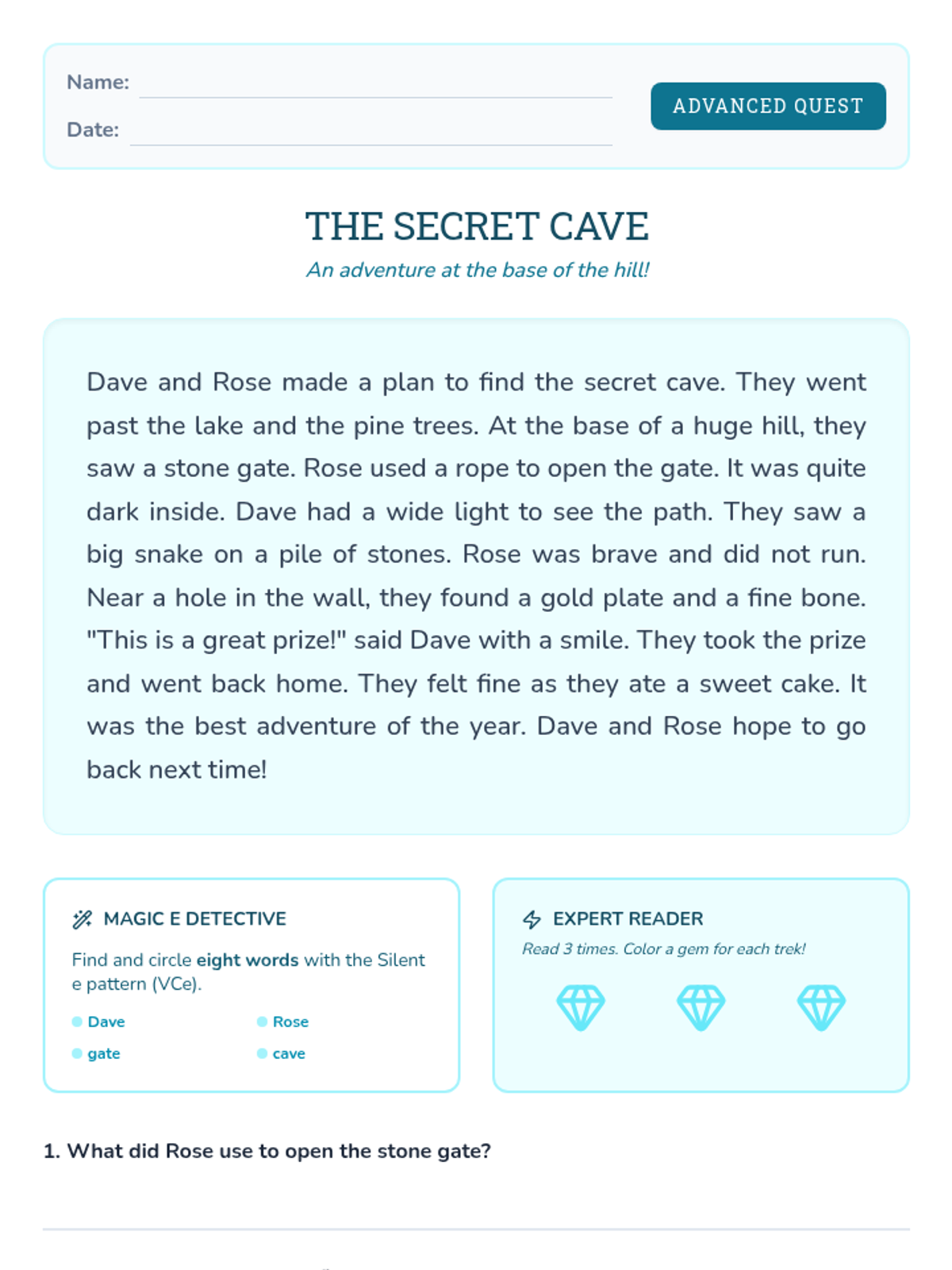
A two-part small-group phonics sequence for Grade 3 students (reading at 1st-2nd grade level). Part 1 focuses on Silent e (VCe) patterns, and Part 2 focuses on R-controlled vowel patterns.
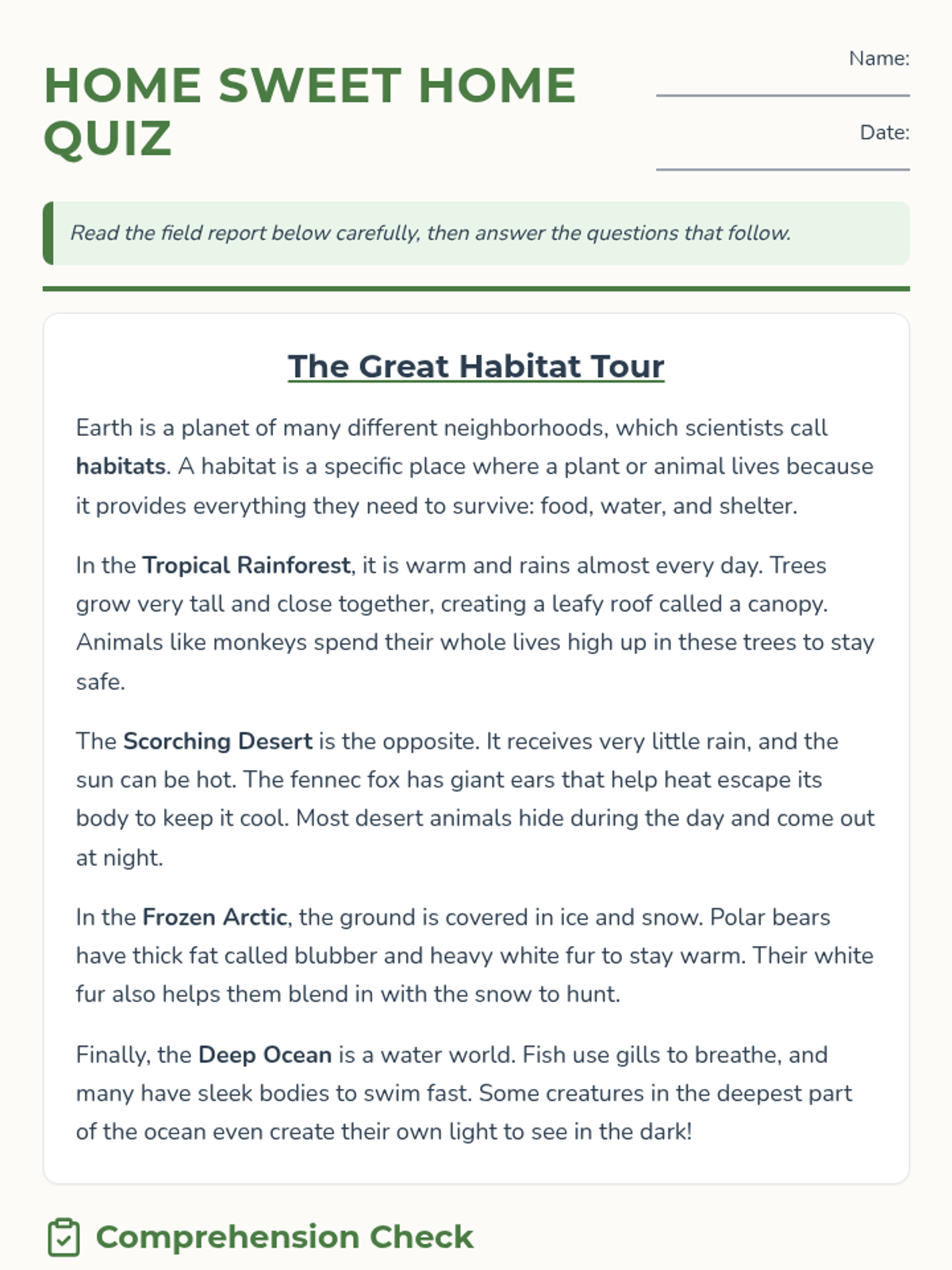
Students explore the diverse ecosystems of our planet through a non-fiction reading passage and an engaging class discussion focused on animal adaptations and survival.
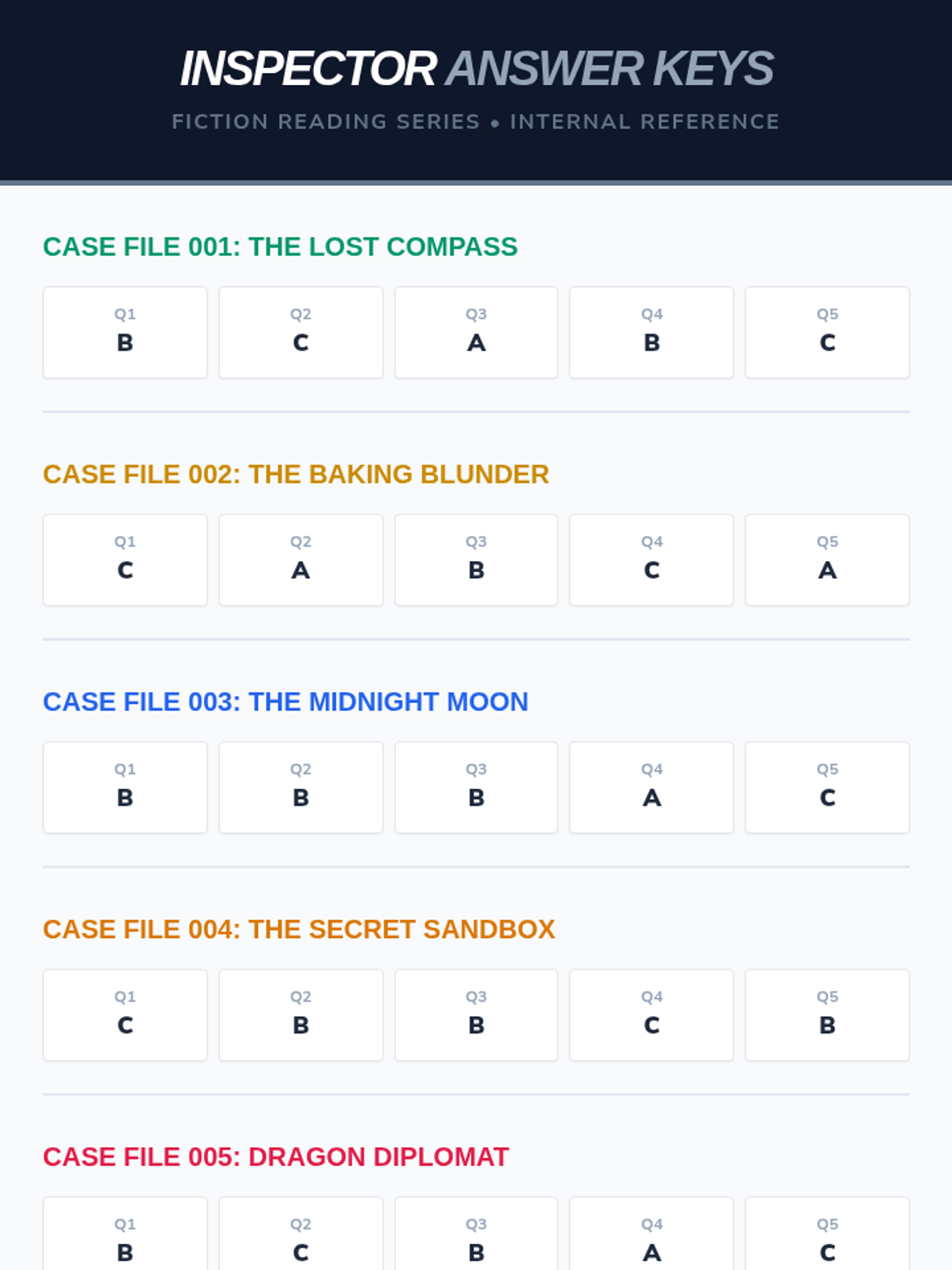
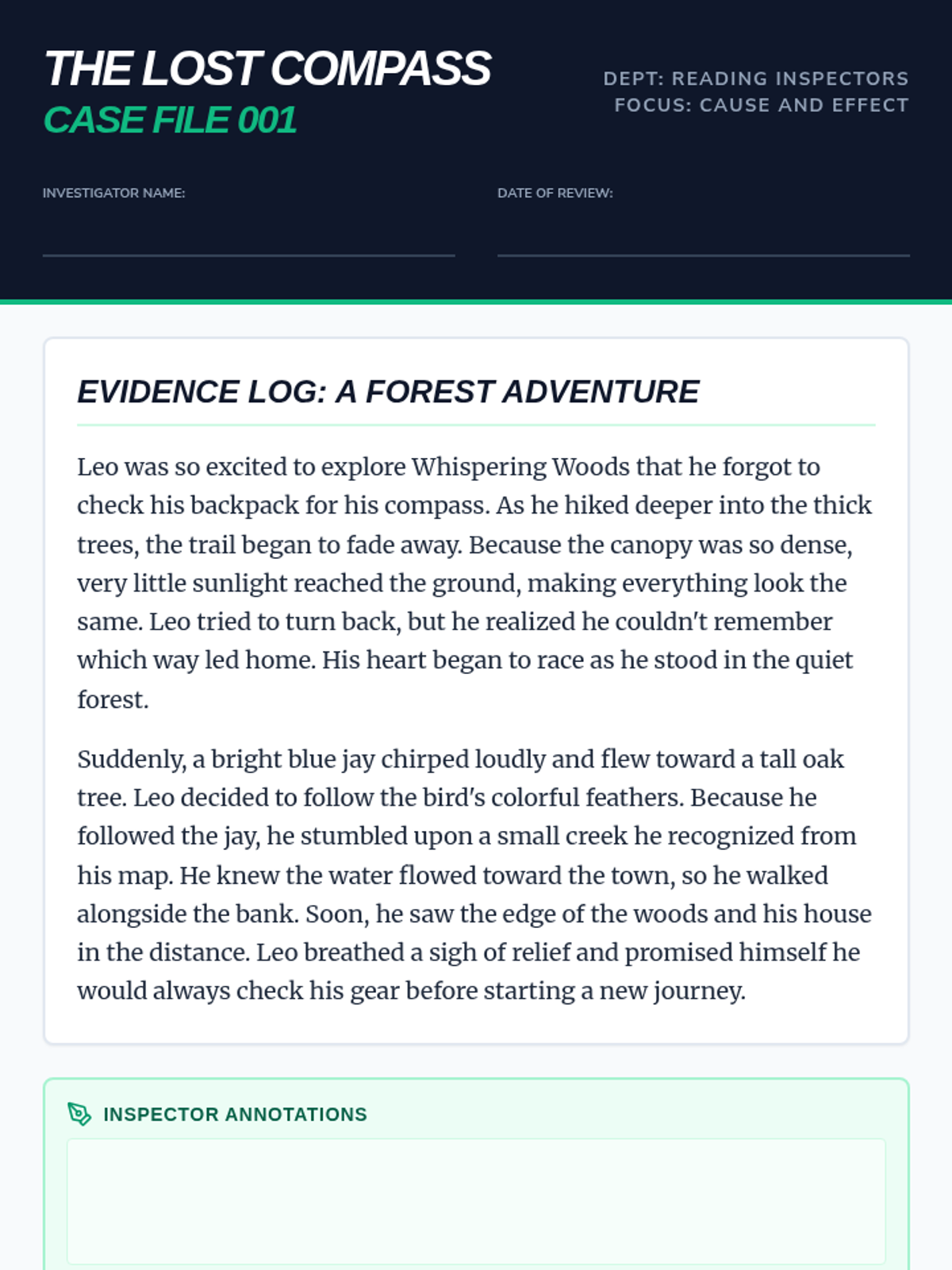
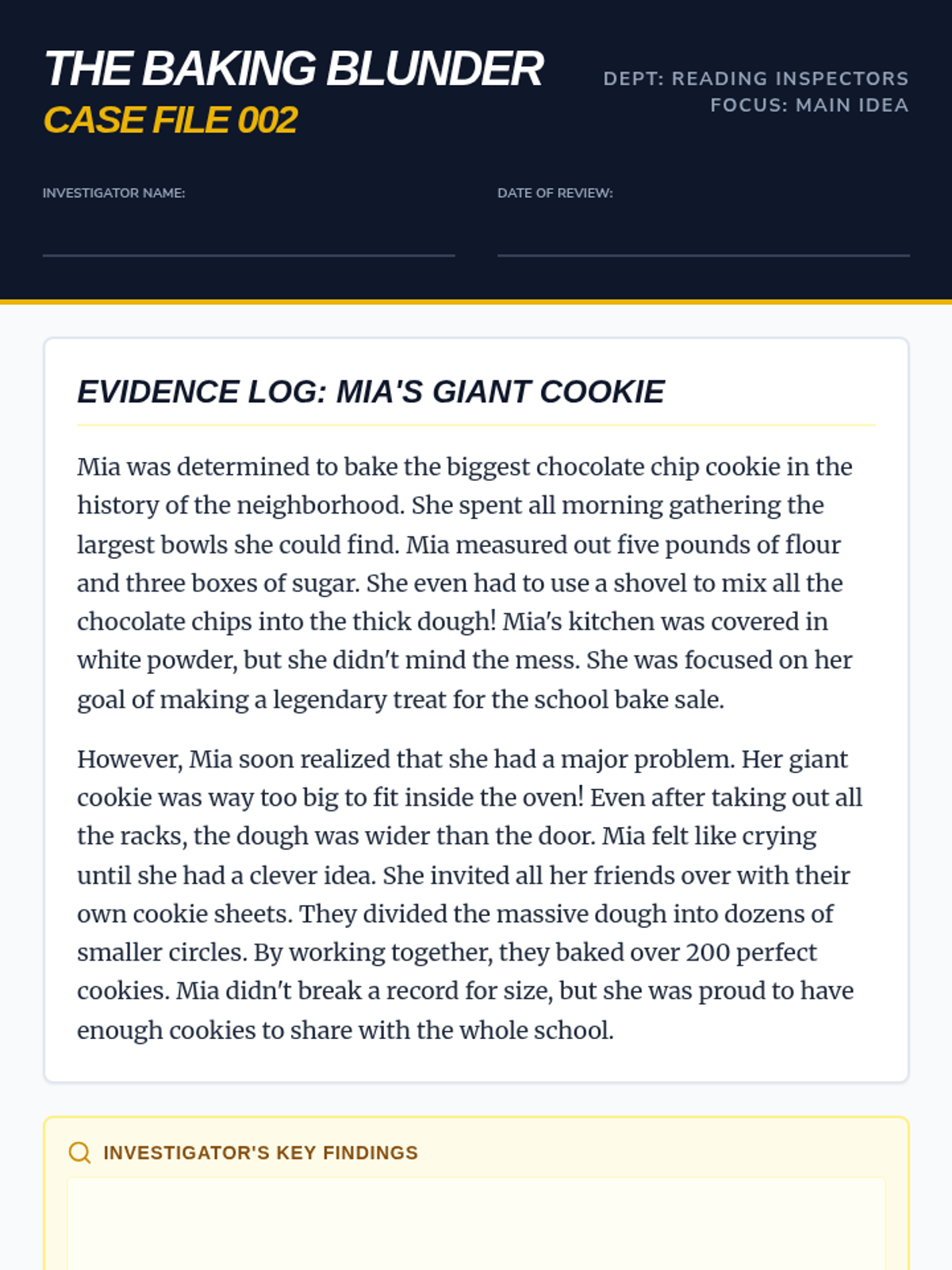
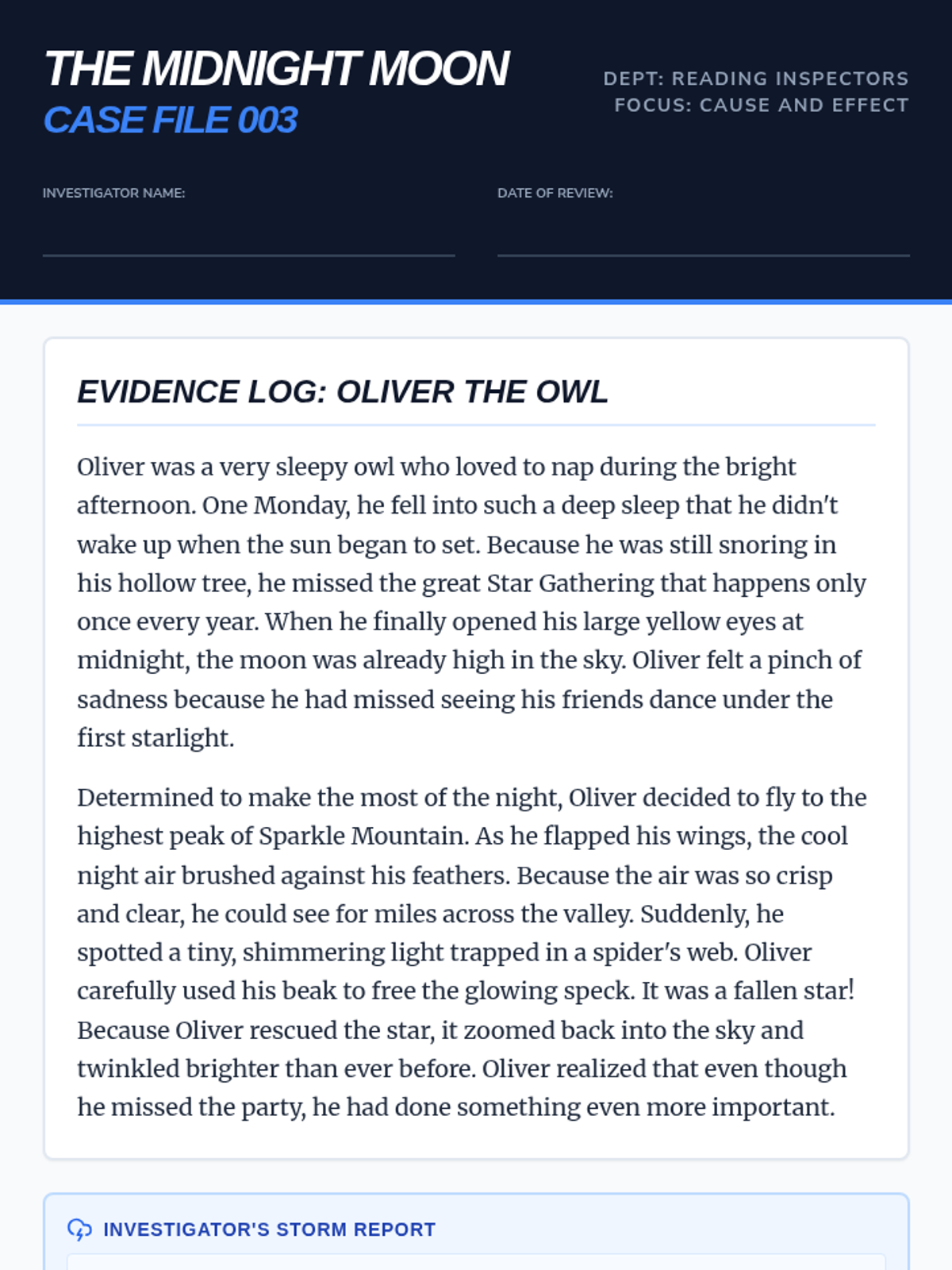
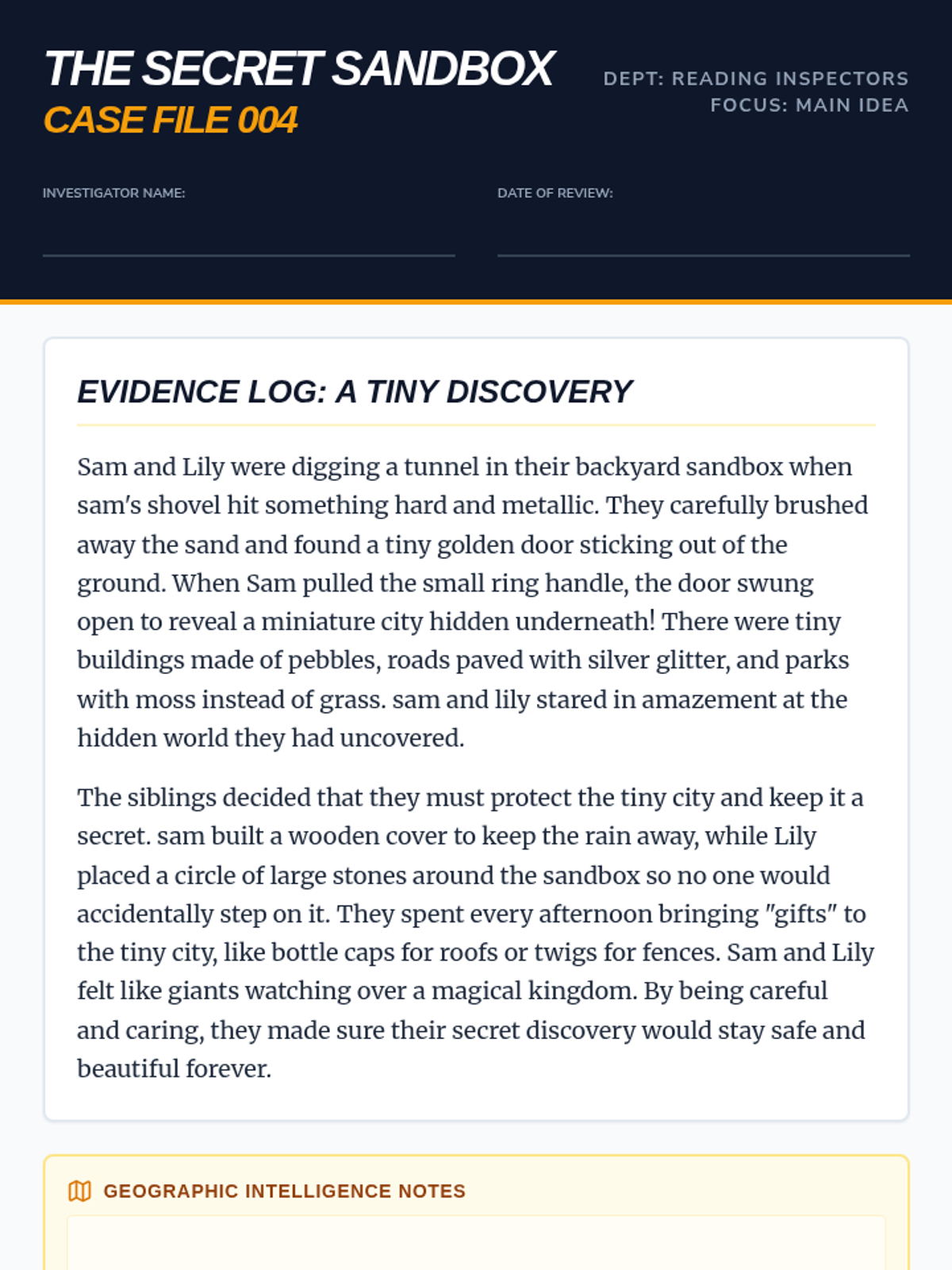
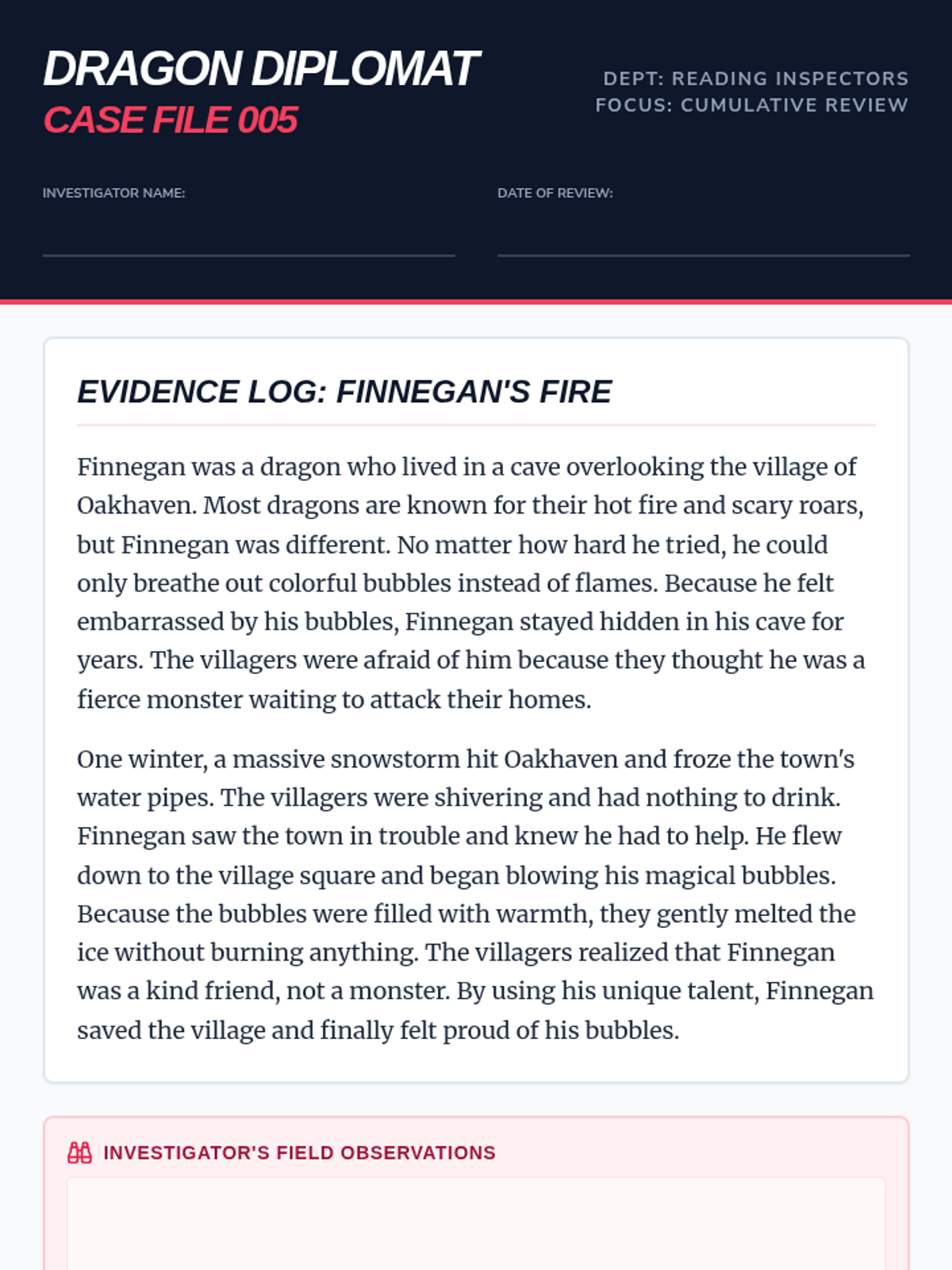
A series of five reading comprehension worksheets for 3rd grade, focusing on cause, effect, and main idea. Each worksheet features a unique passage with five EOG-style multiple-choice questions and space for student annotations or notes.
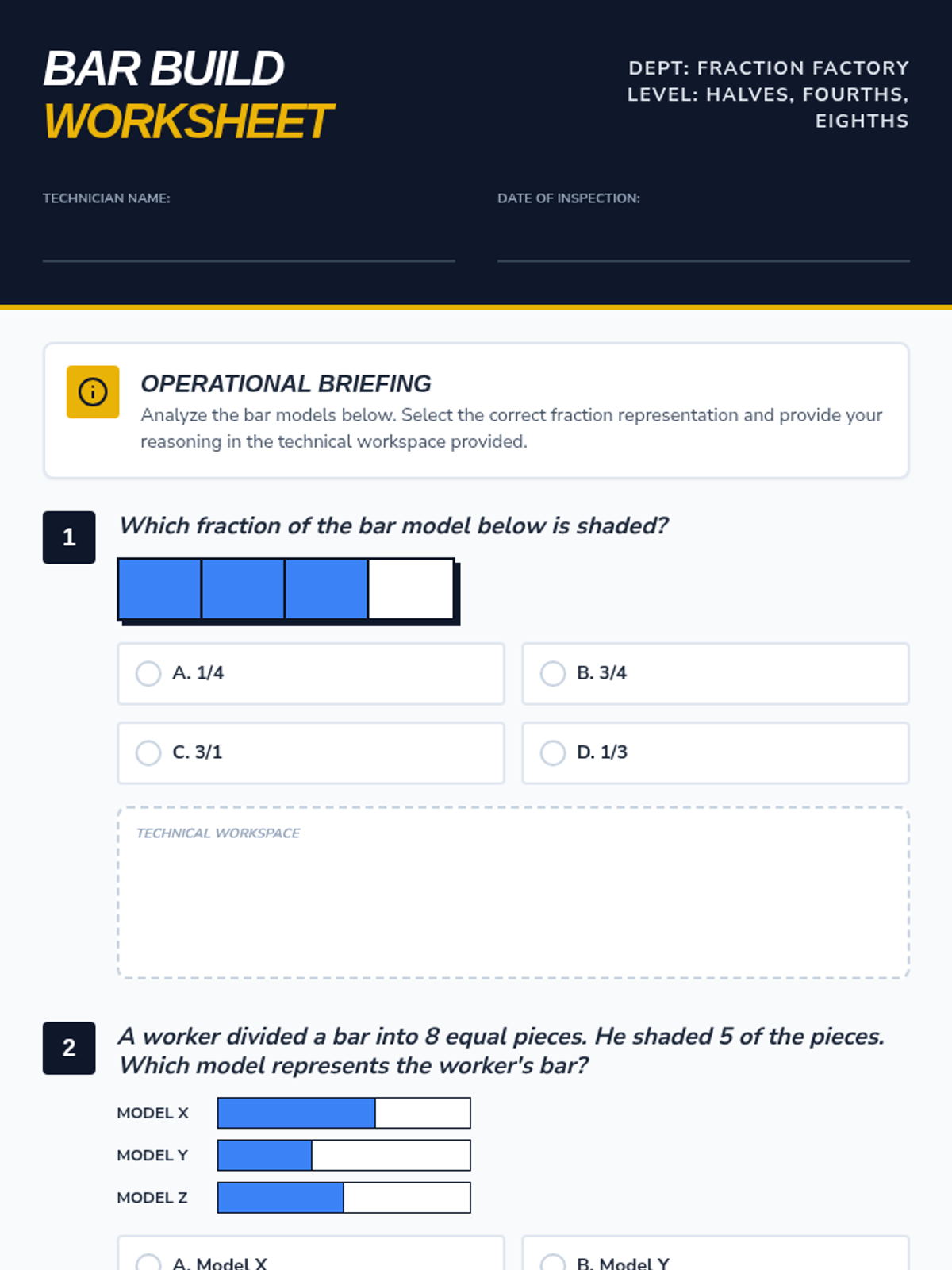
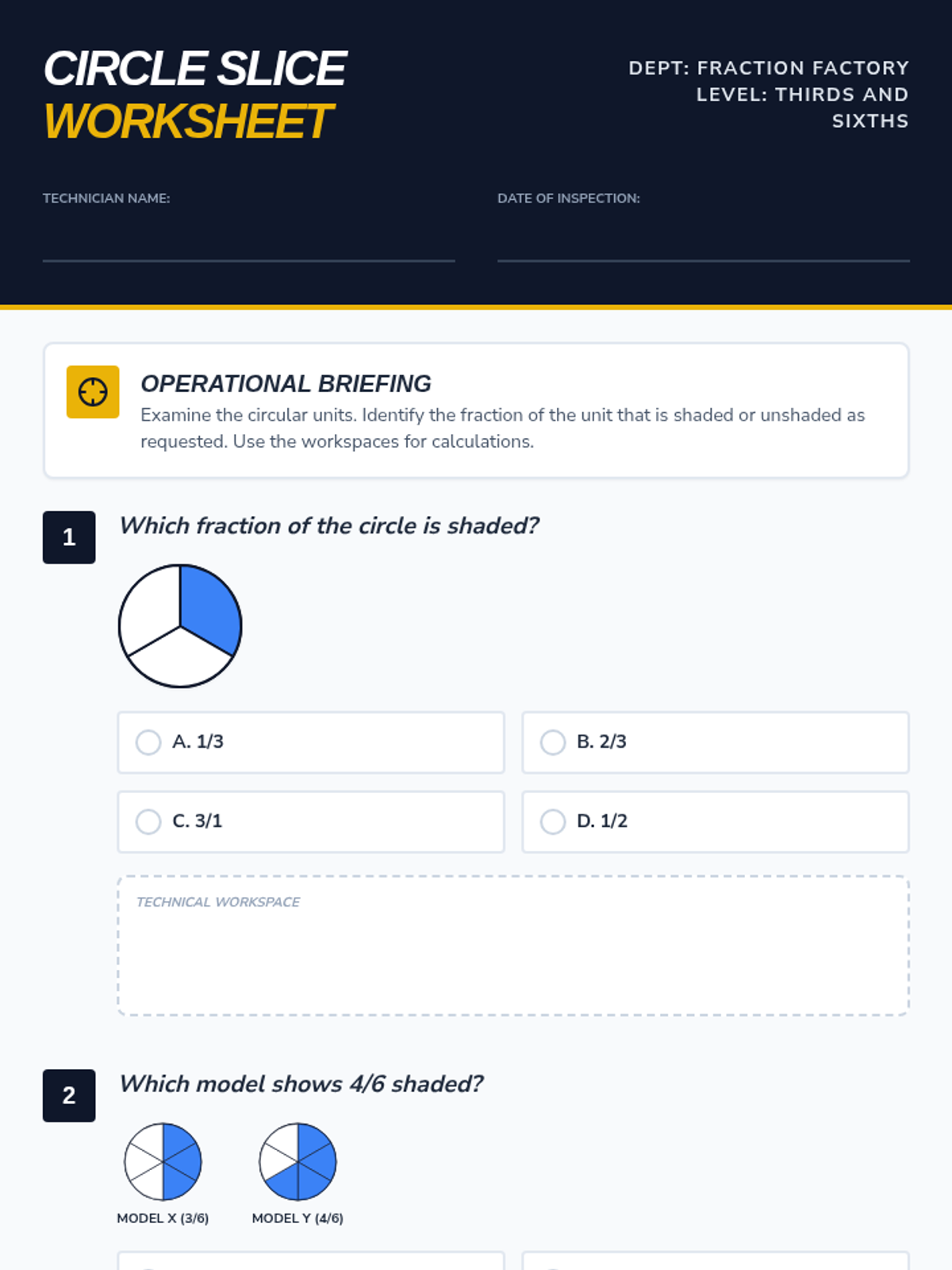
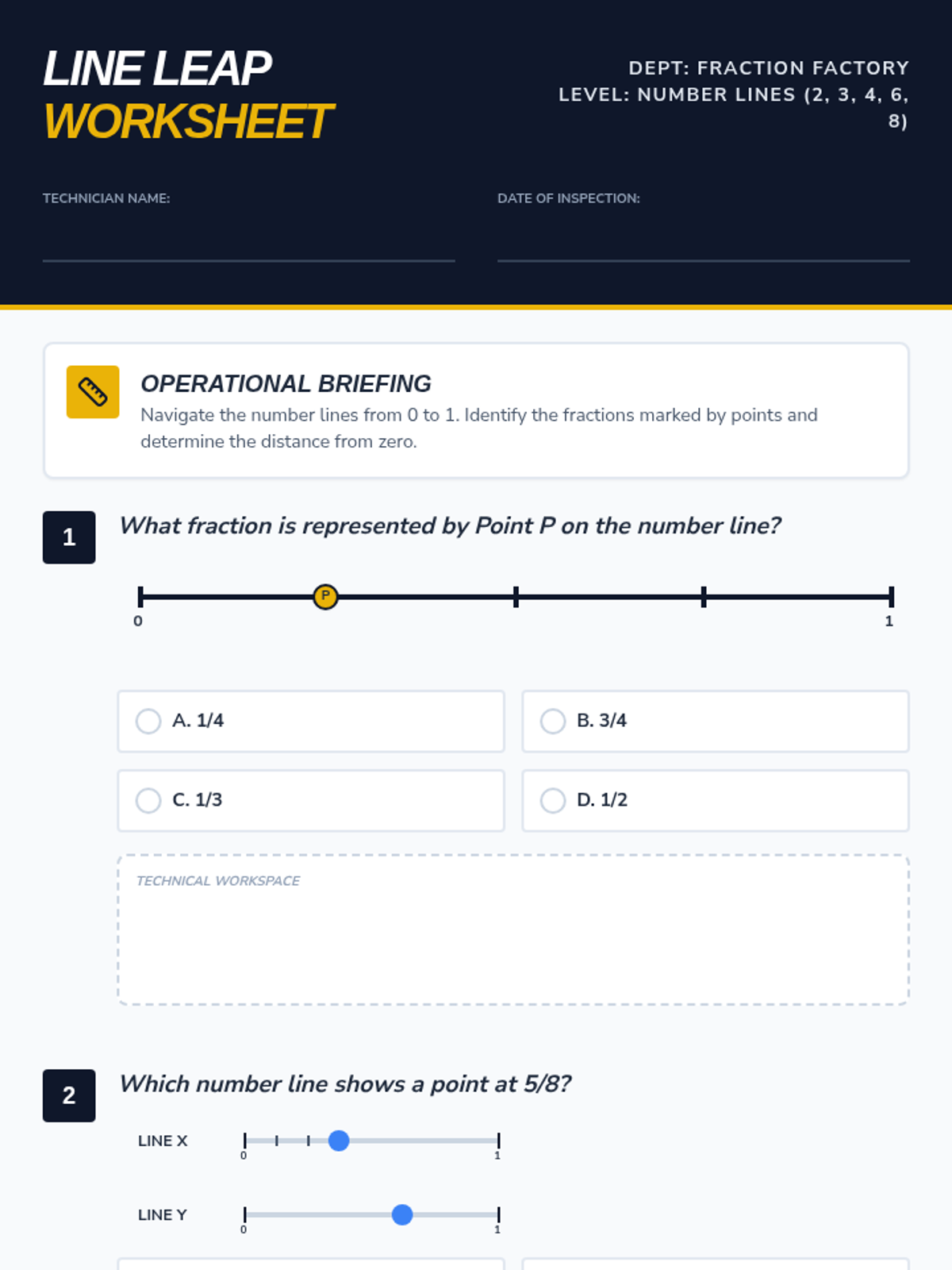
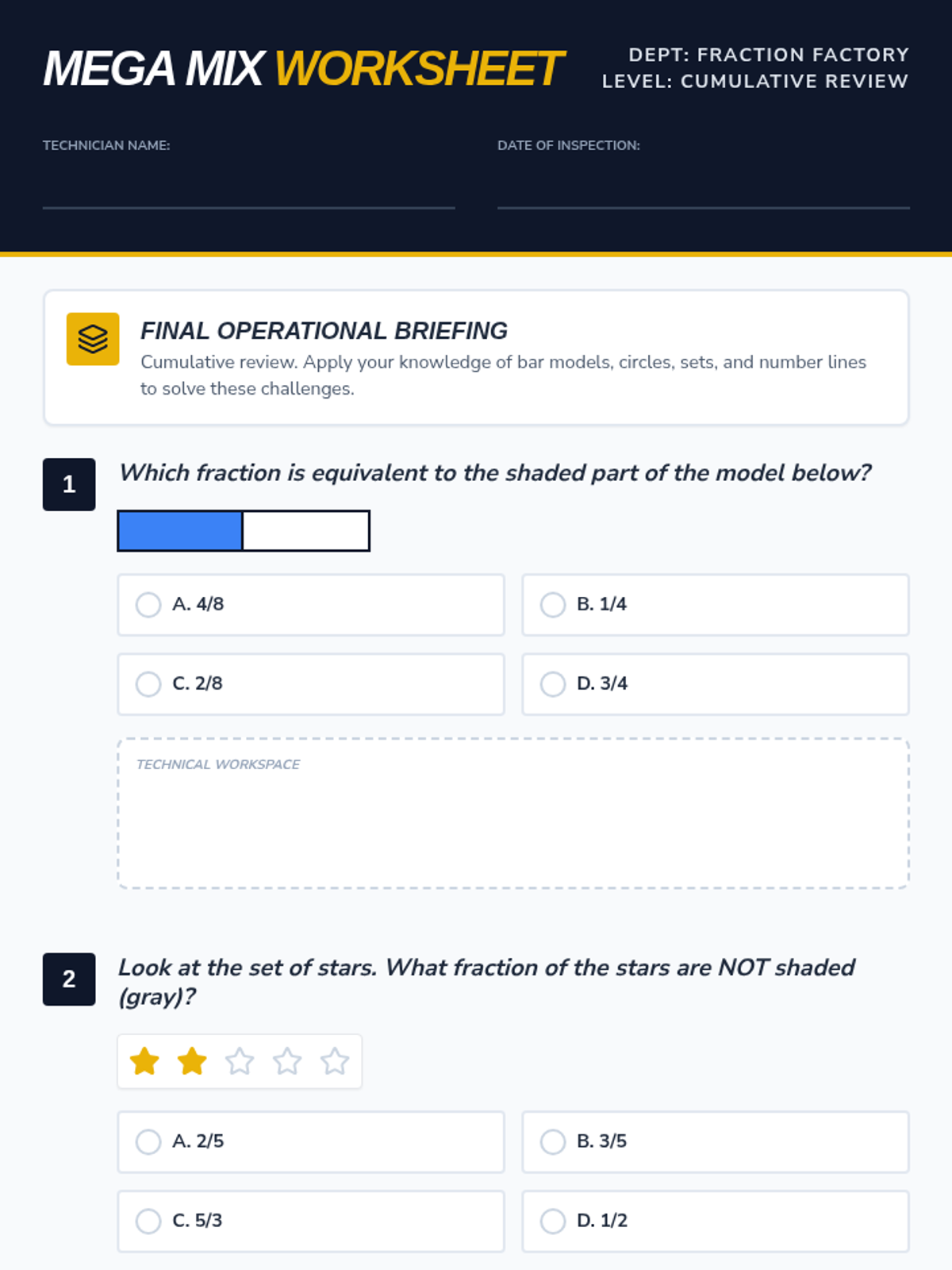
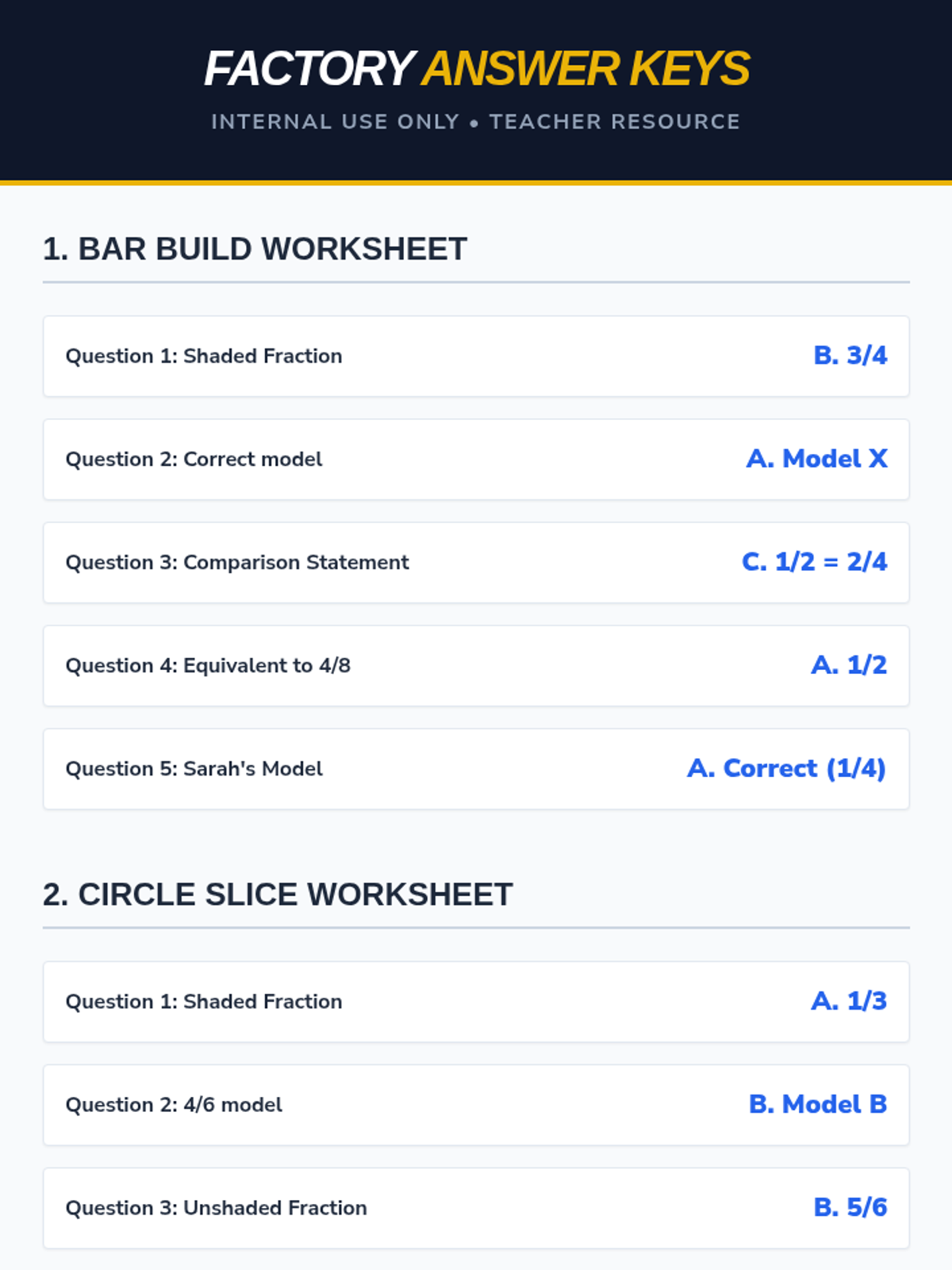
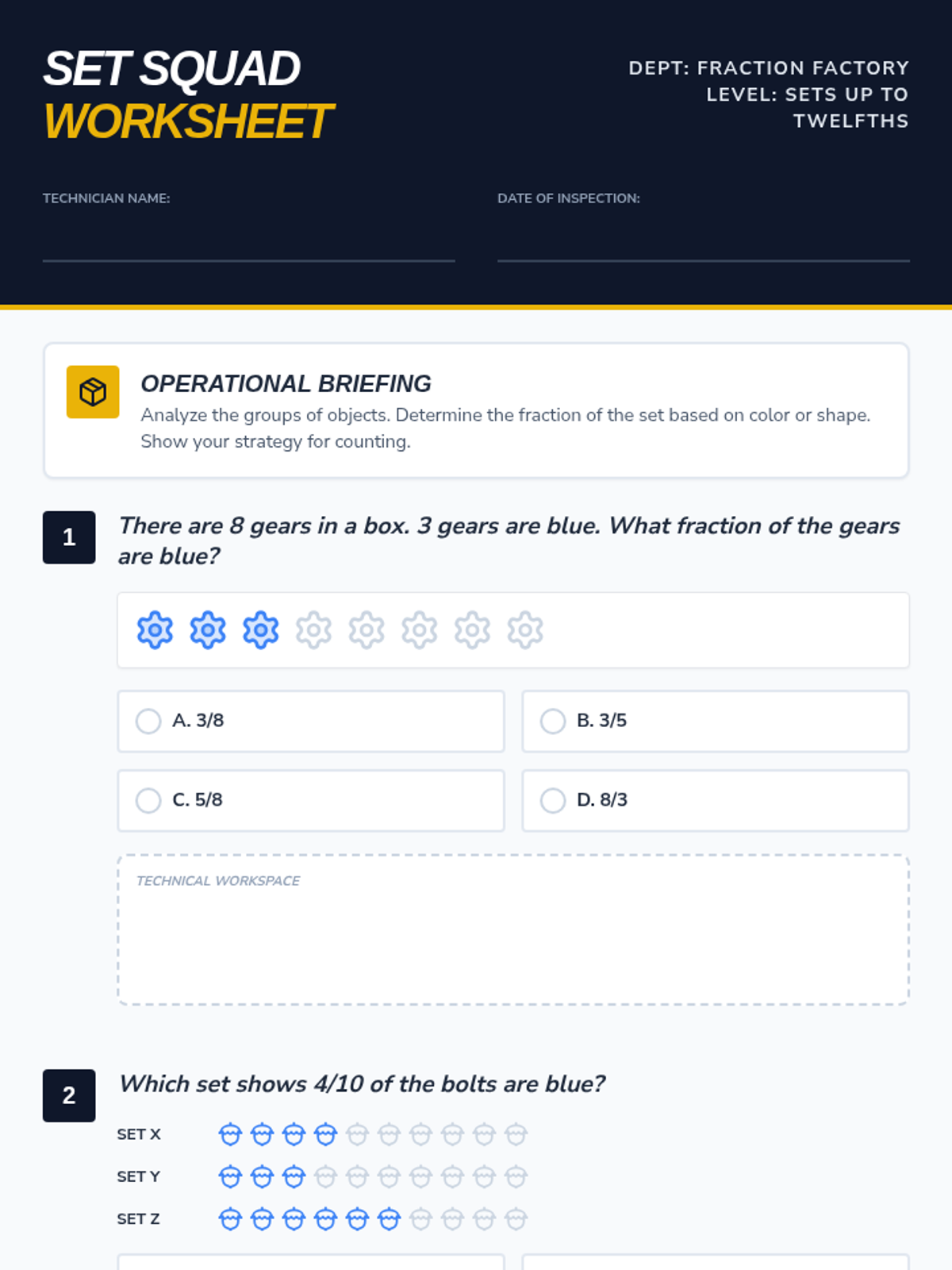
A series of five targeted worksheets designed to review 3rd-grade fraction concepts through various visual models, including bar models, circle areas, set models, and number lines. Each worksheet prepares students for EOG-style questions with rigorous practice and dedicated workspace.
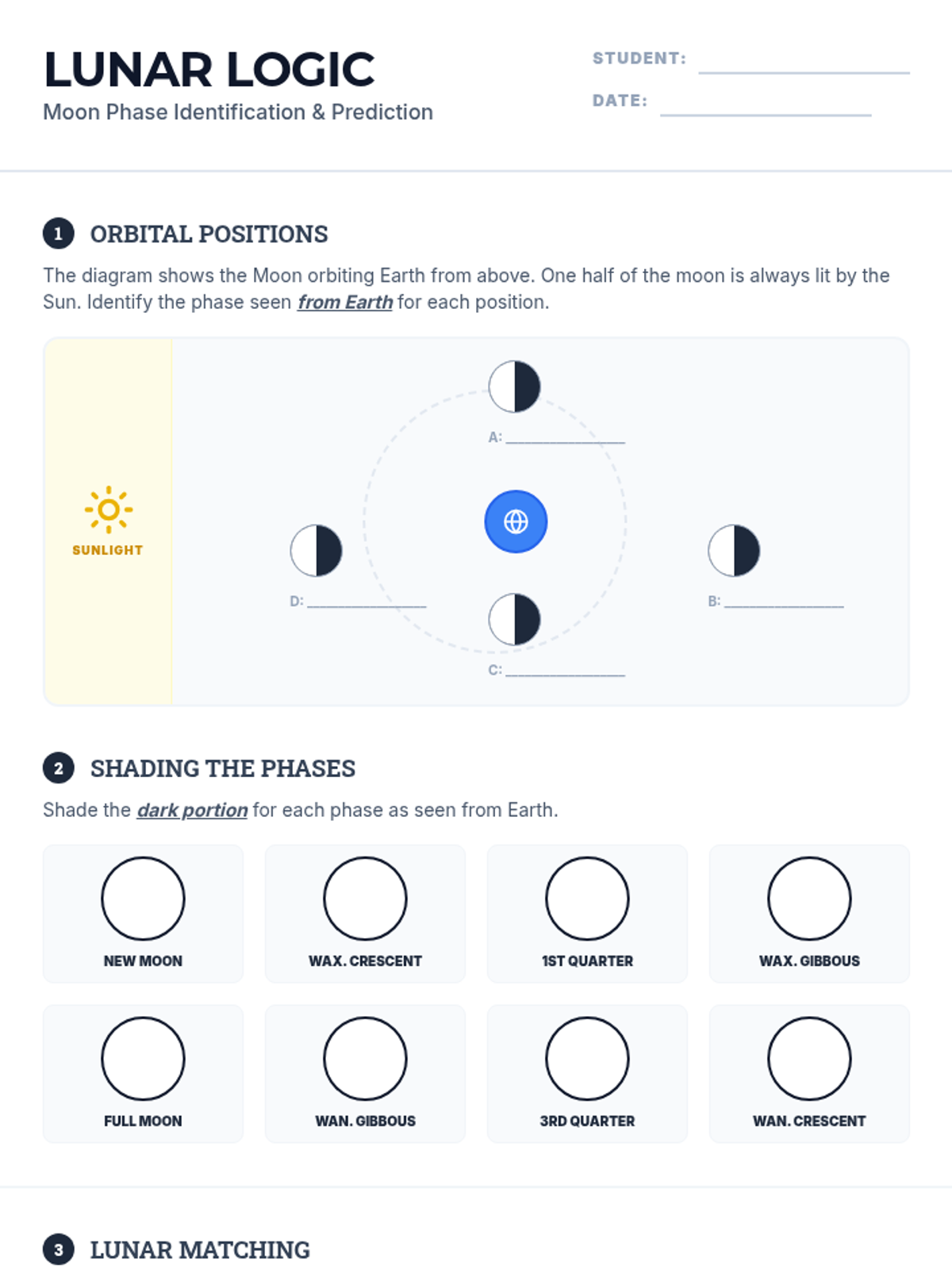
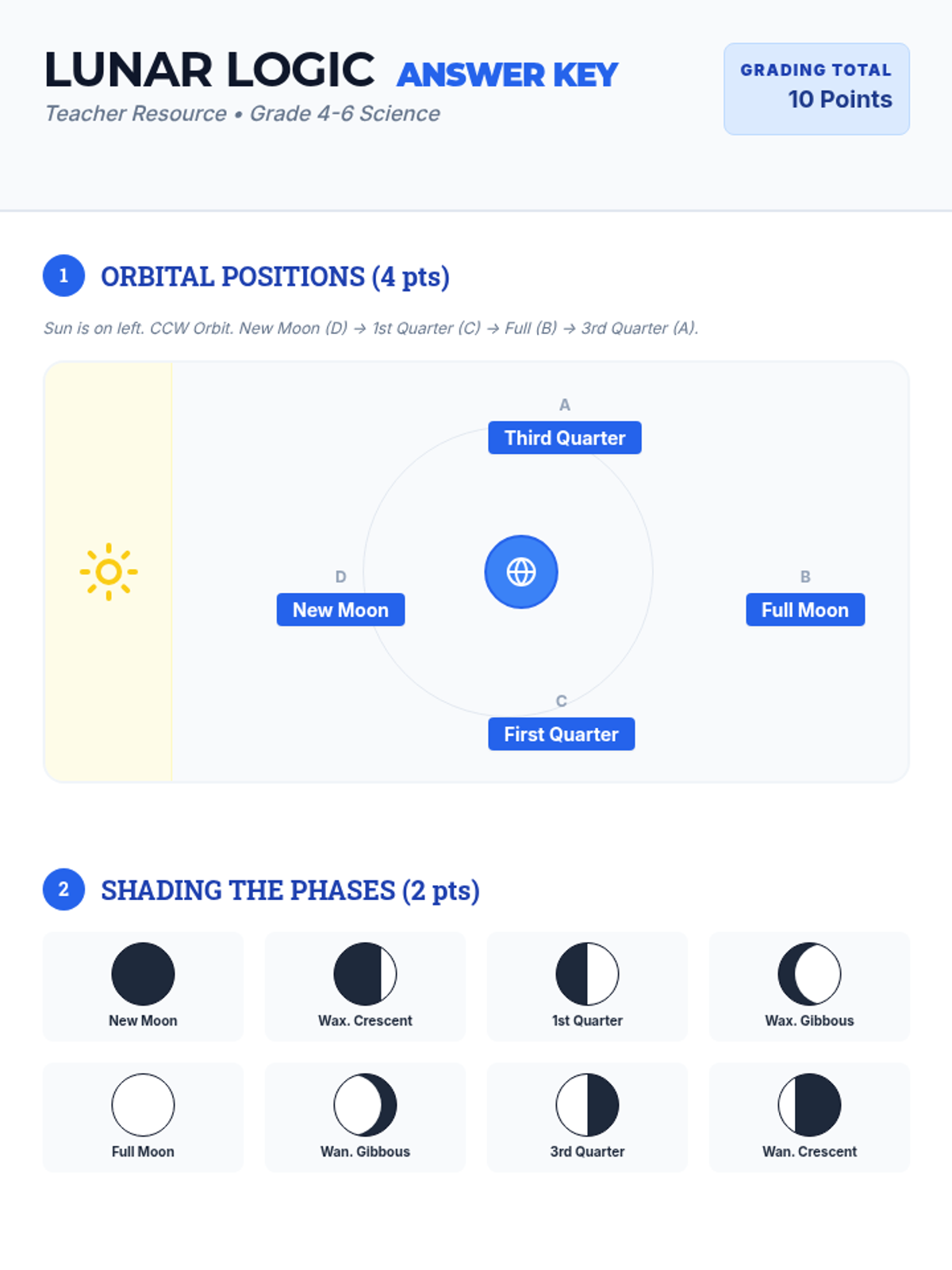
A lesson exploring the eight phases of the moon, focusing on their appearance from Earth, their orbital positions, and the predictable patterns of the lunar cycle.
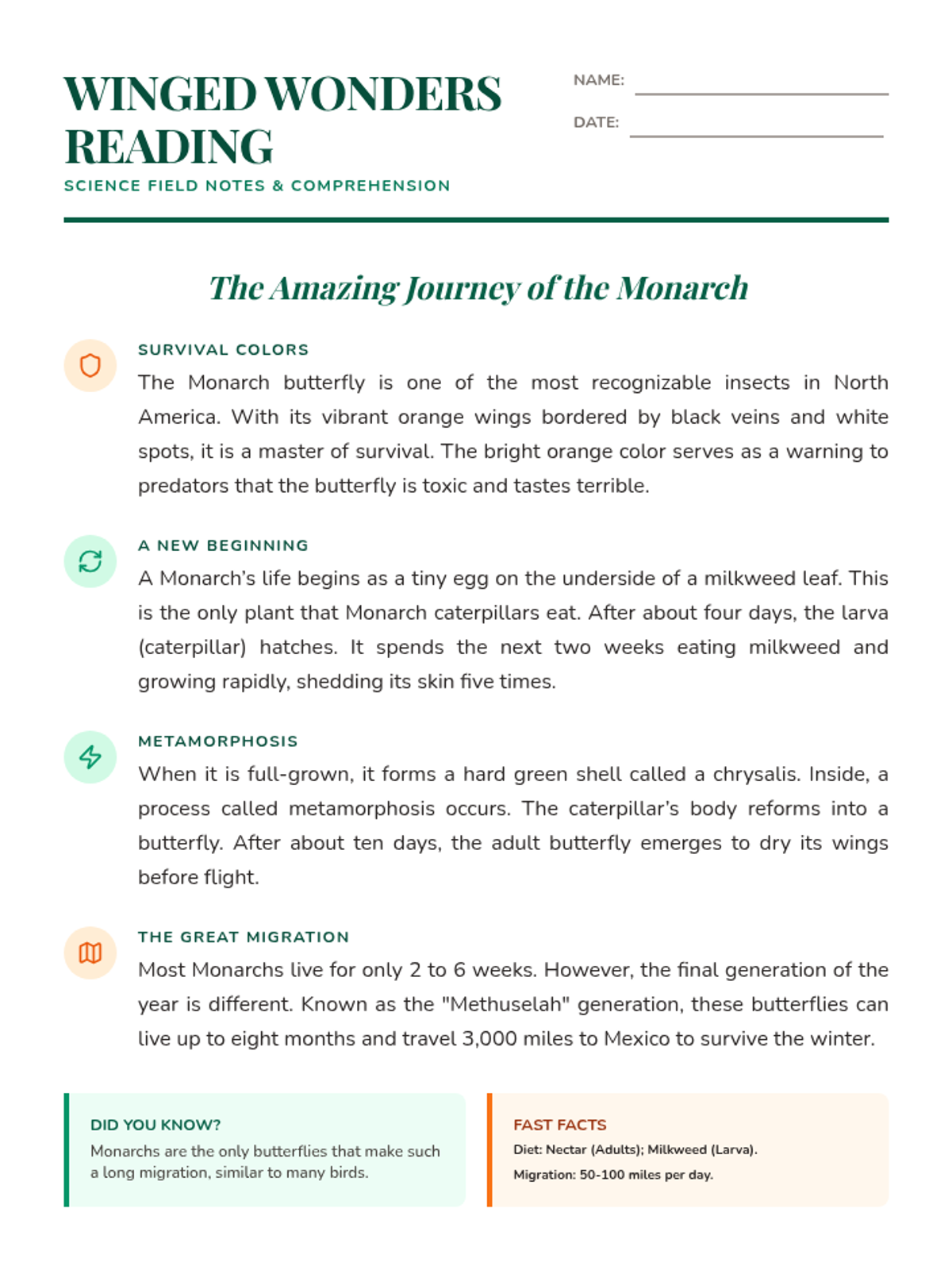
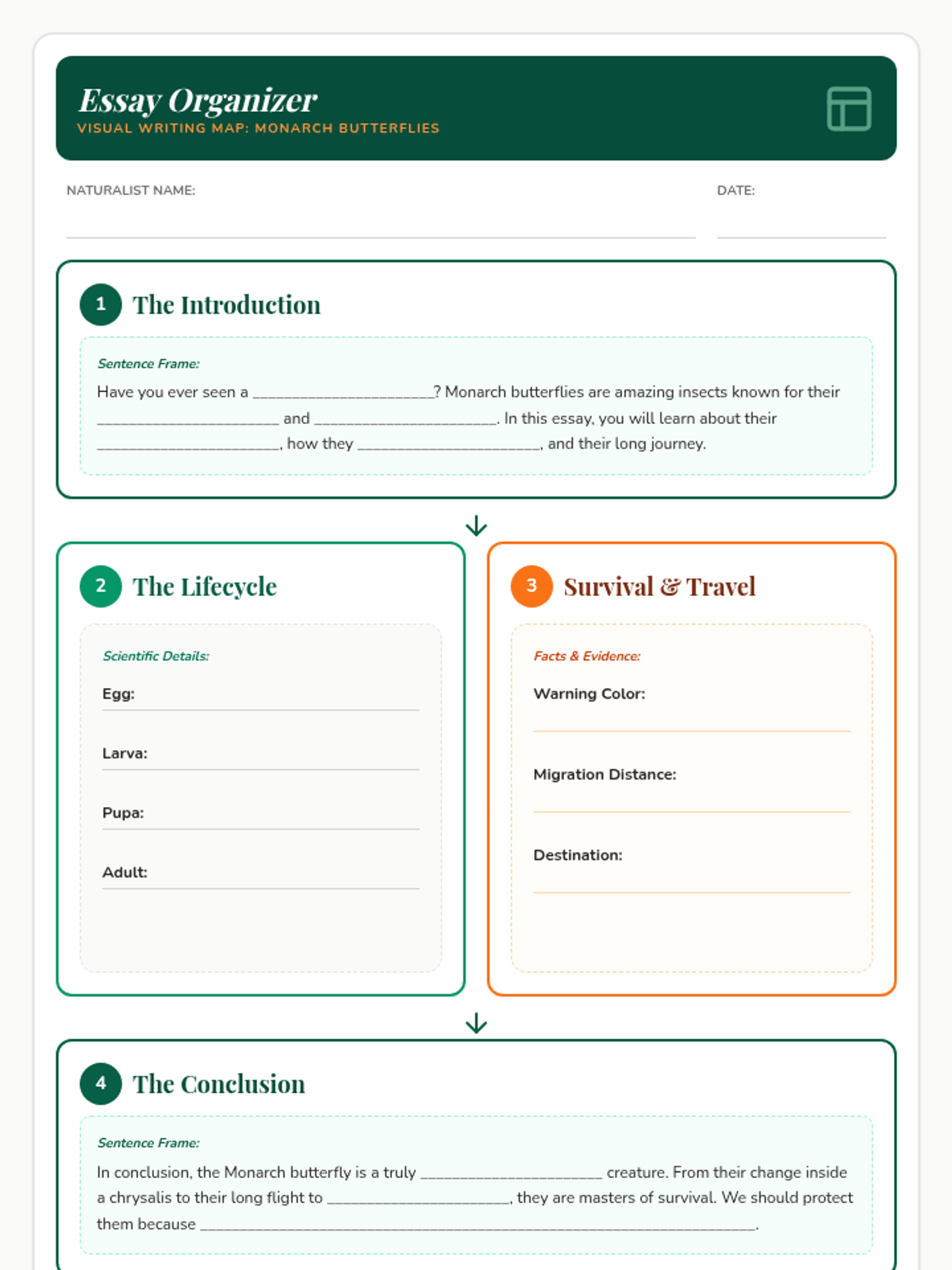
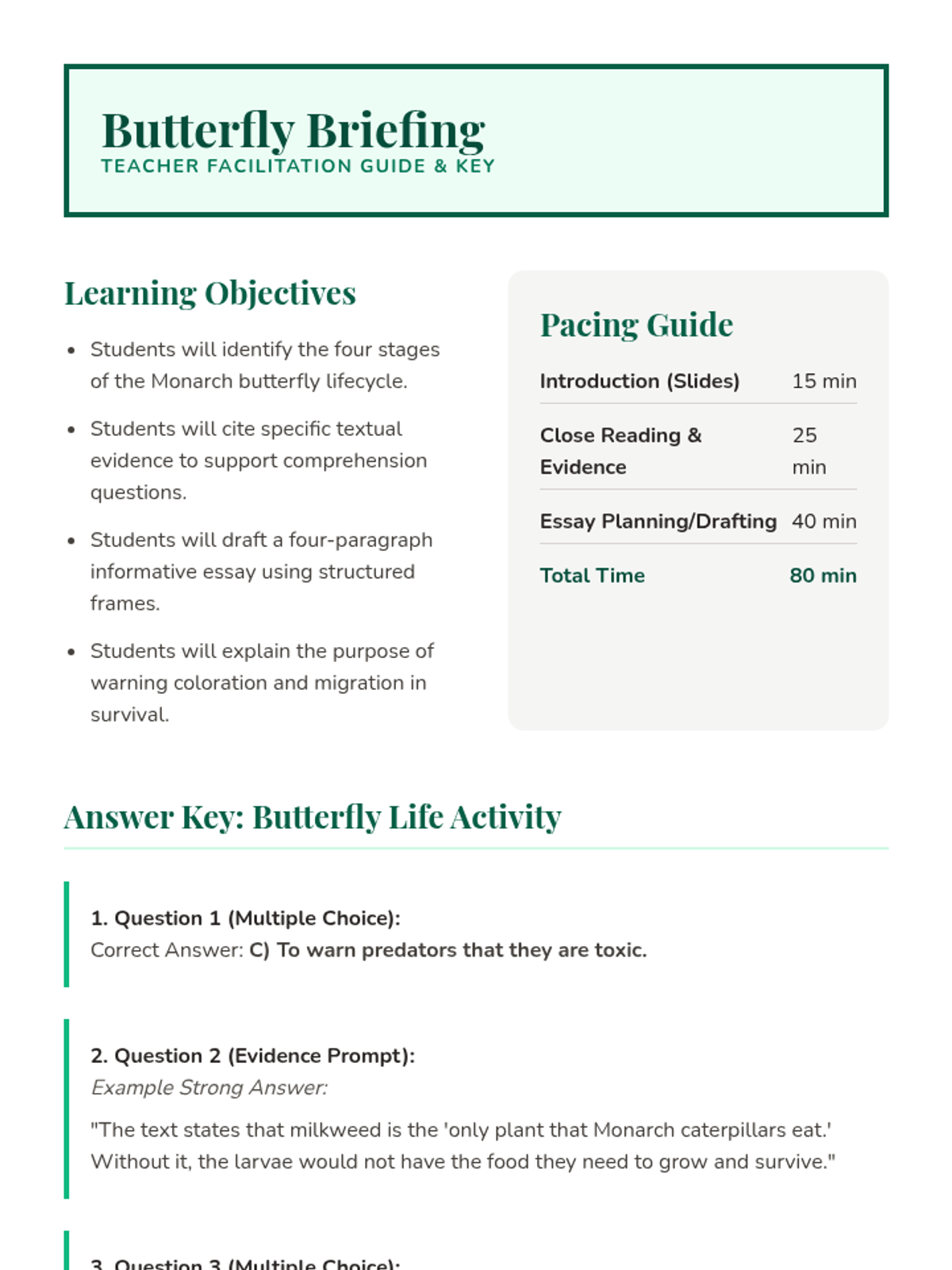
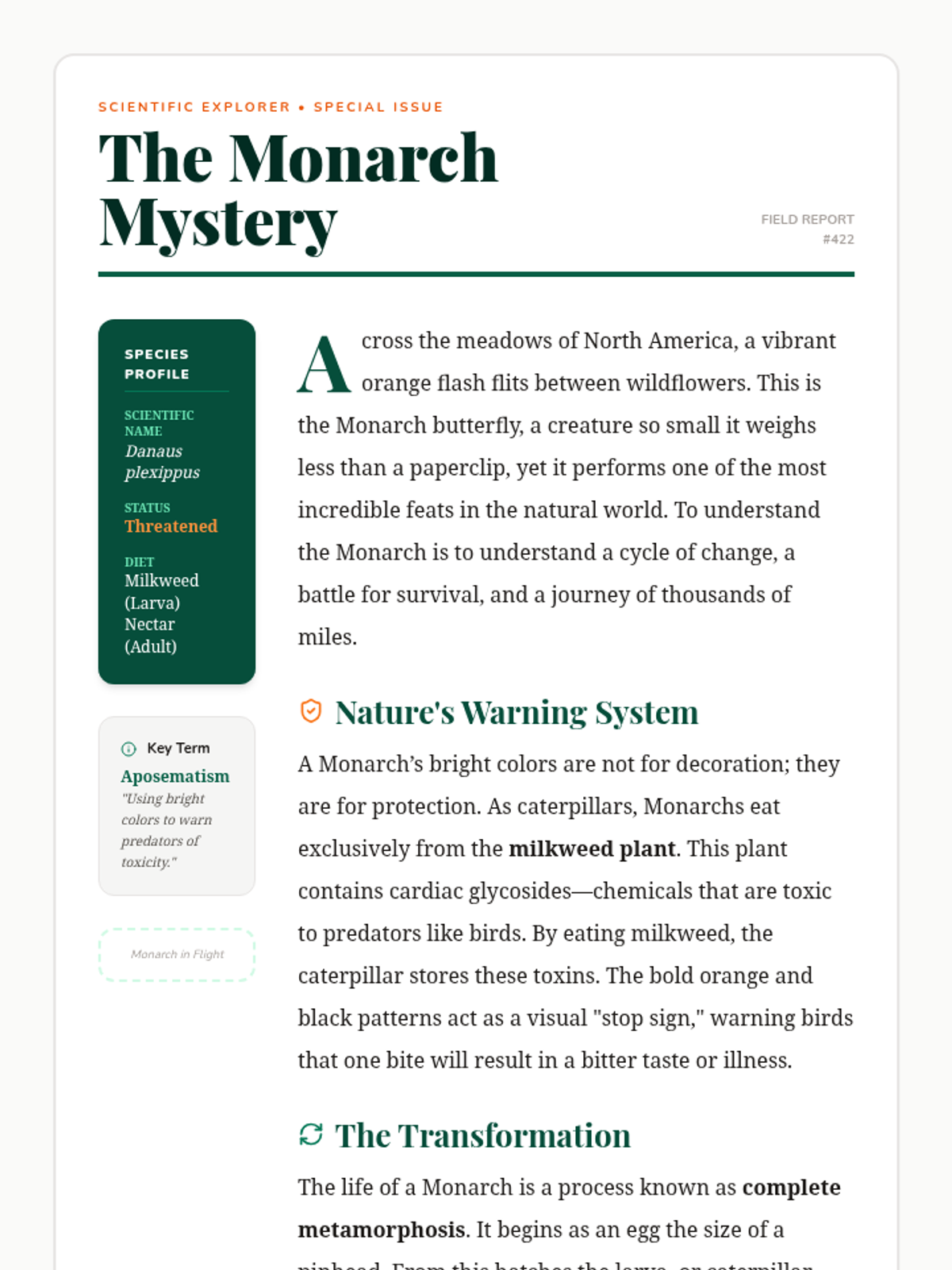
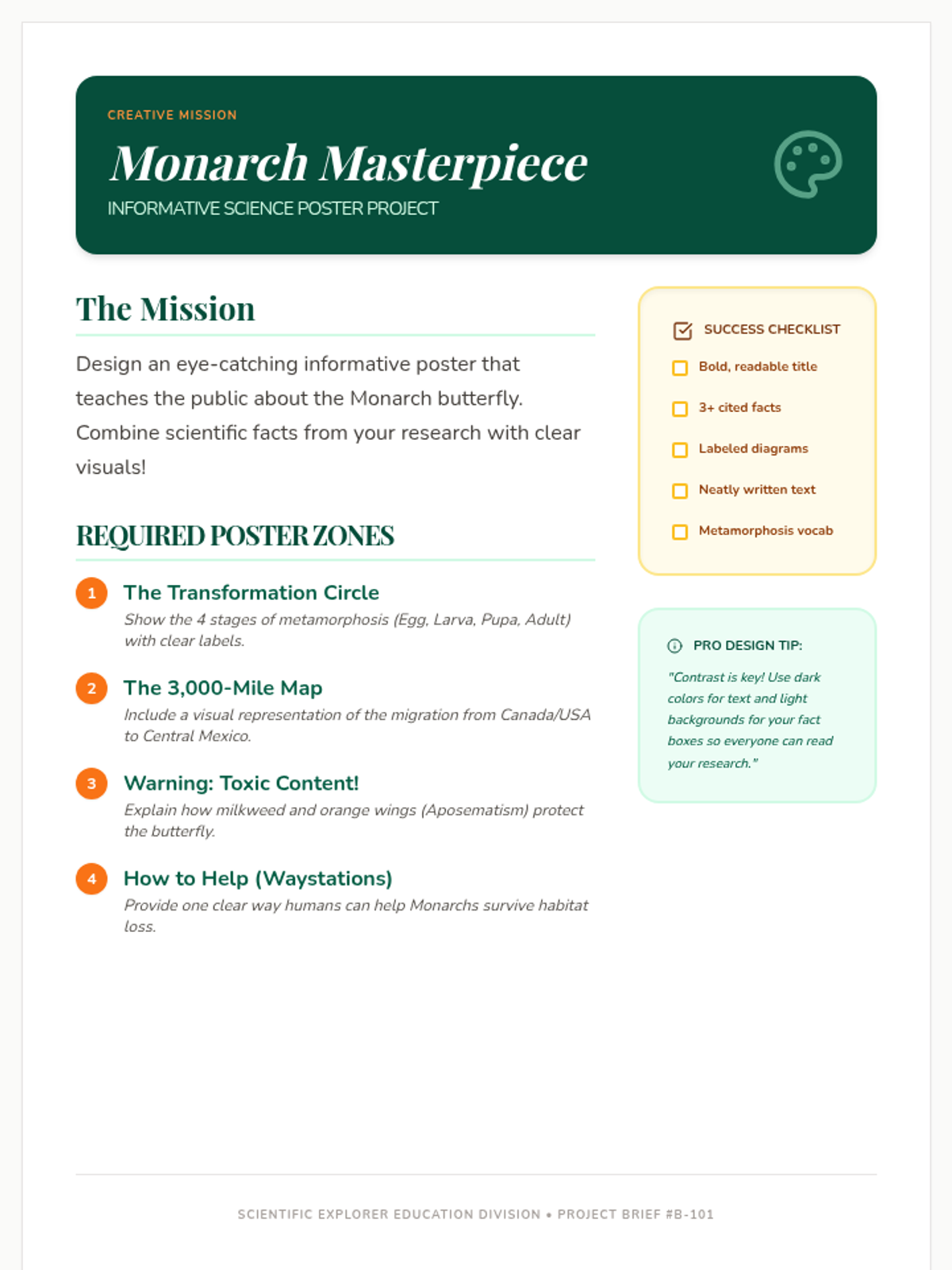
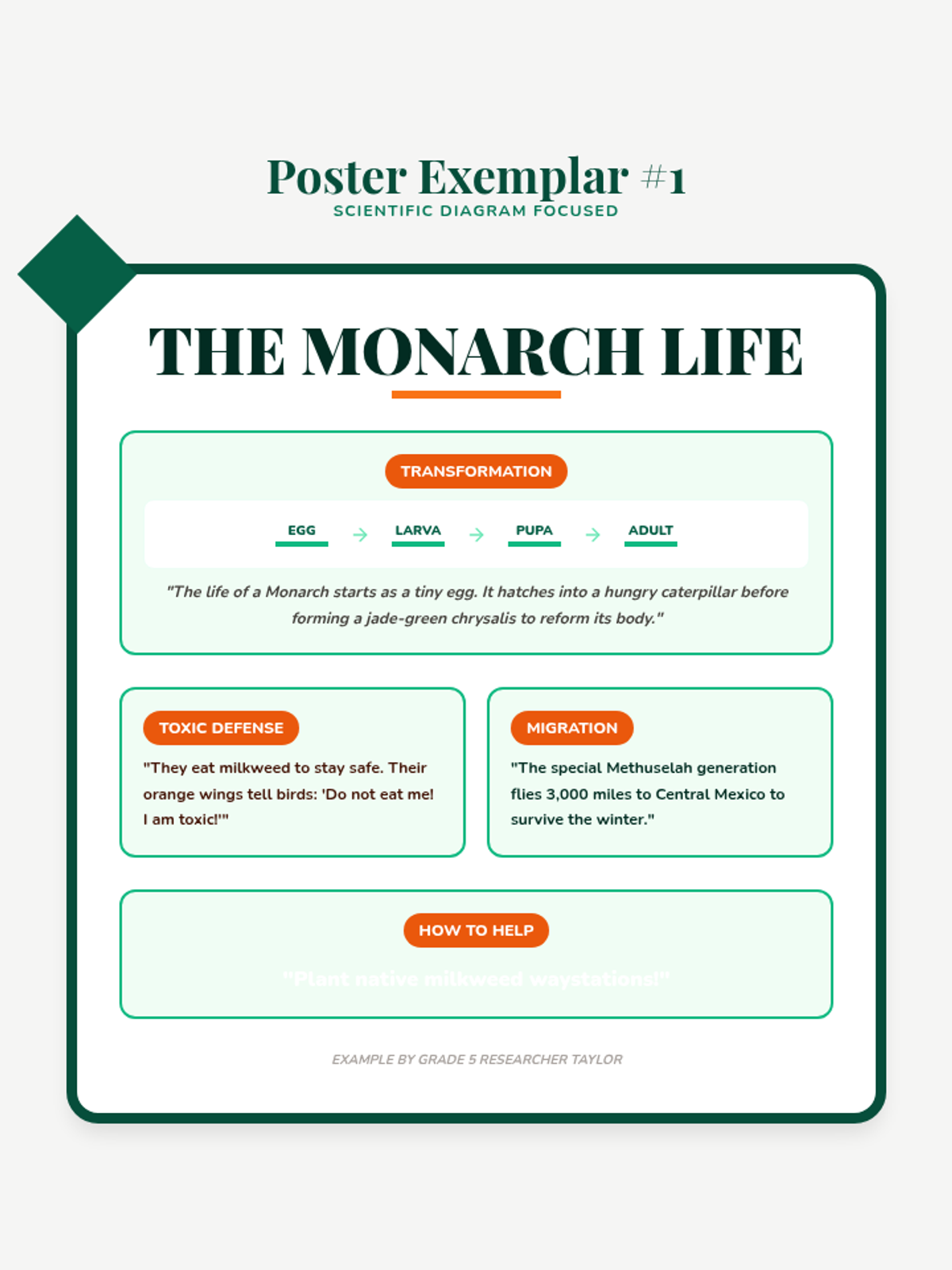
A comprehensive lesson on butterfly biology and conservation, focusing on citing textual evidence and structured informative writing for 4th-5th grade students.
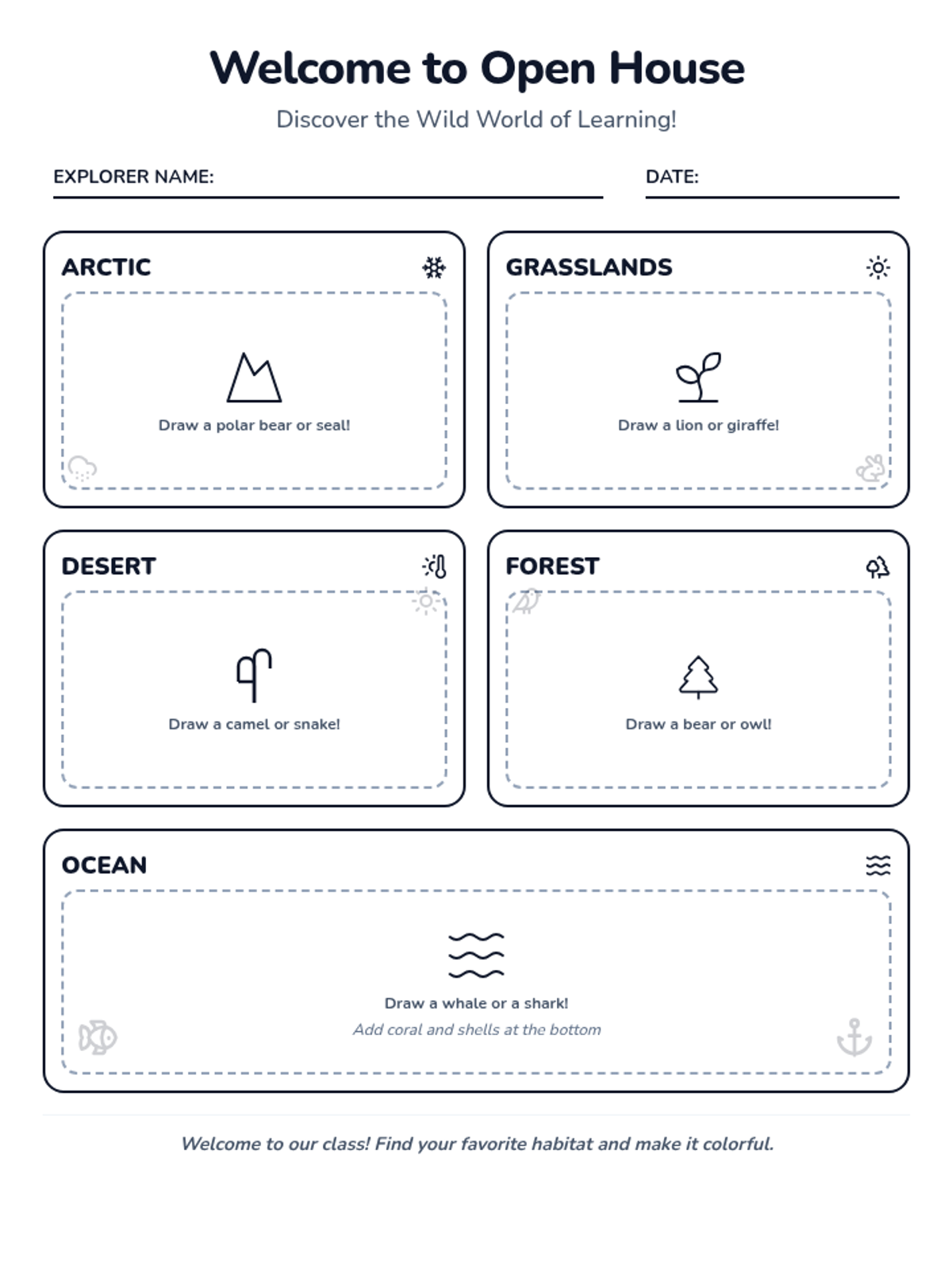
A welcoming set of resources for a school Open House, featuring a habitat-themed activity for students and families.