A collection of materials designed to practice the 'IRE' vocalic R sound in initial, medial, and final positions through visual aids, sentence construction, and narrative reading.
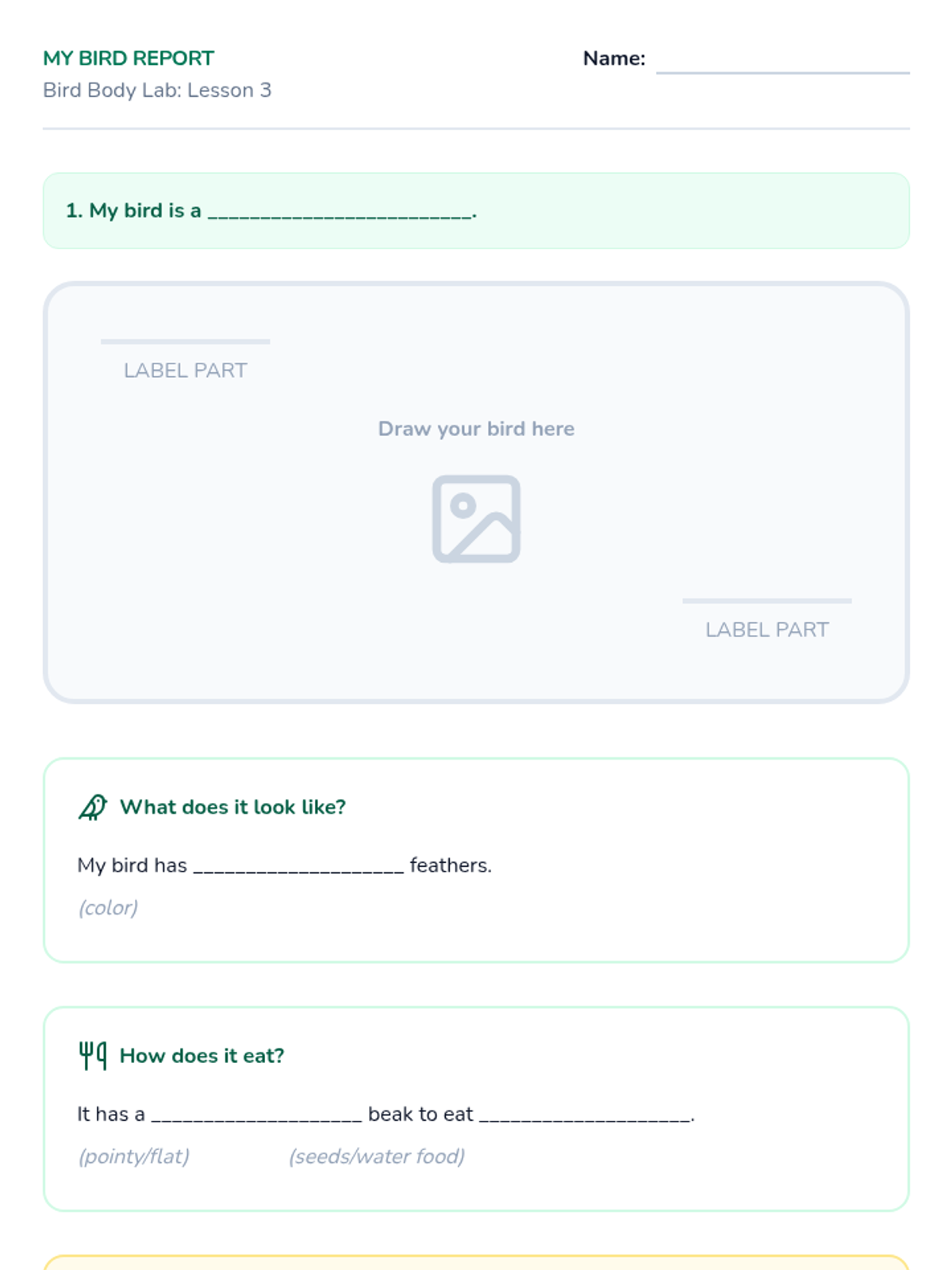
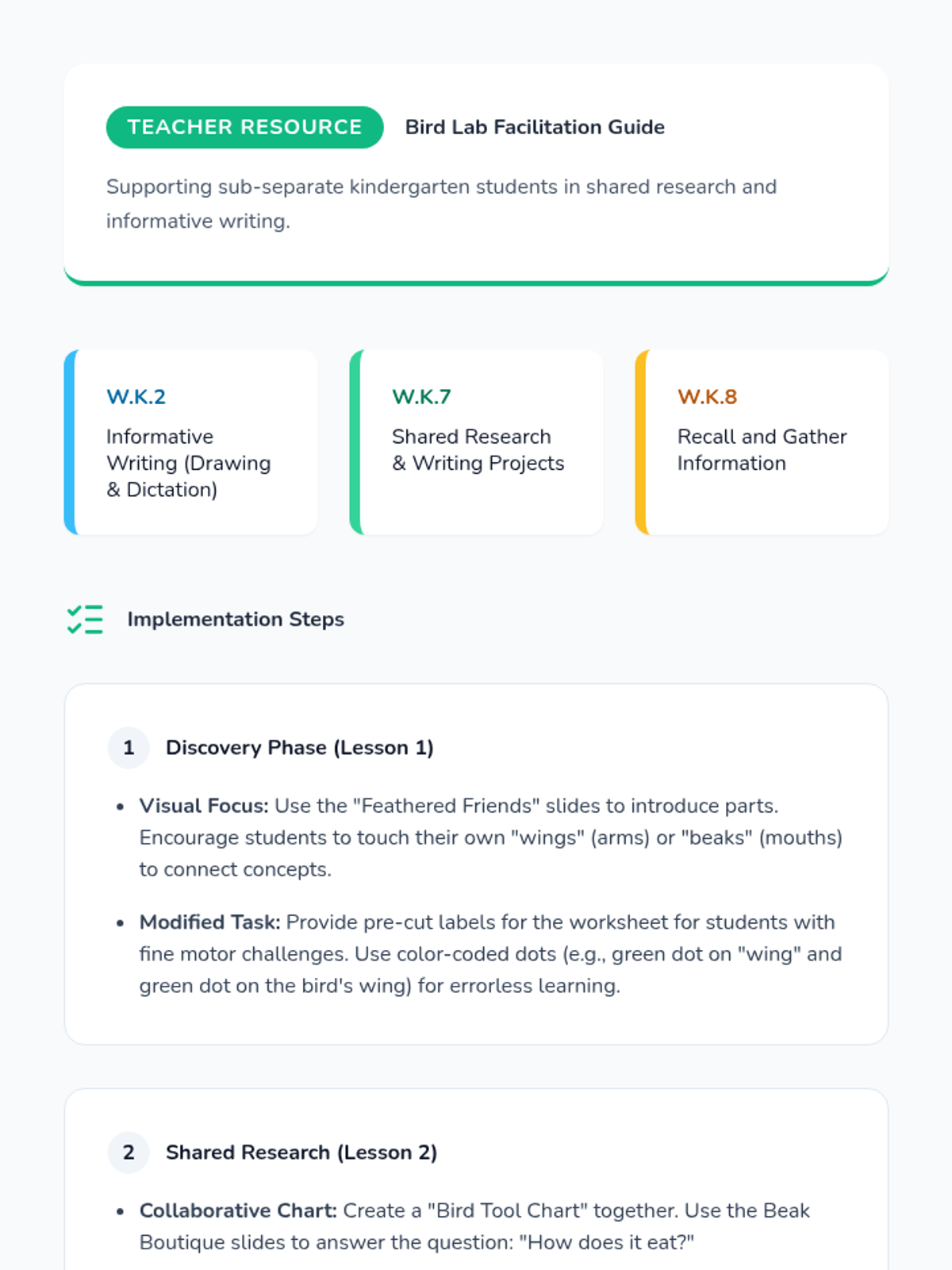
Students compose a simple informative report about a bird using a combination of drawing and dictation/writing with high levels of visual support. Focuses on informative writing (W.K.2).
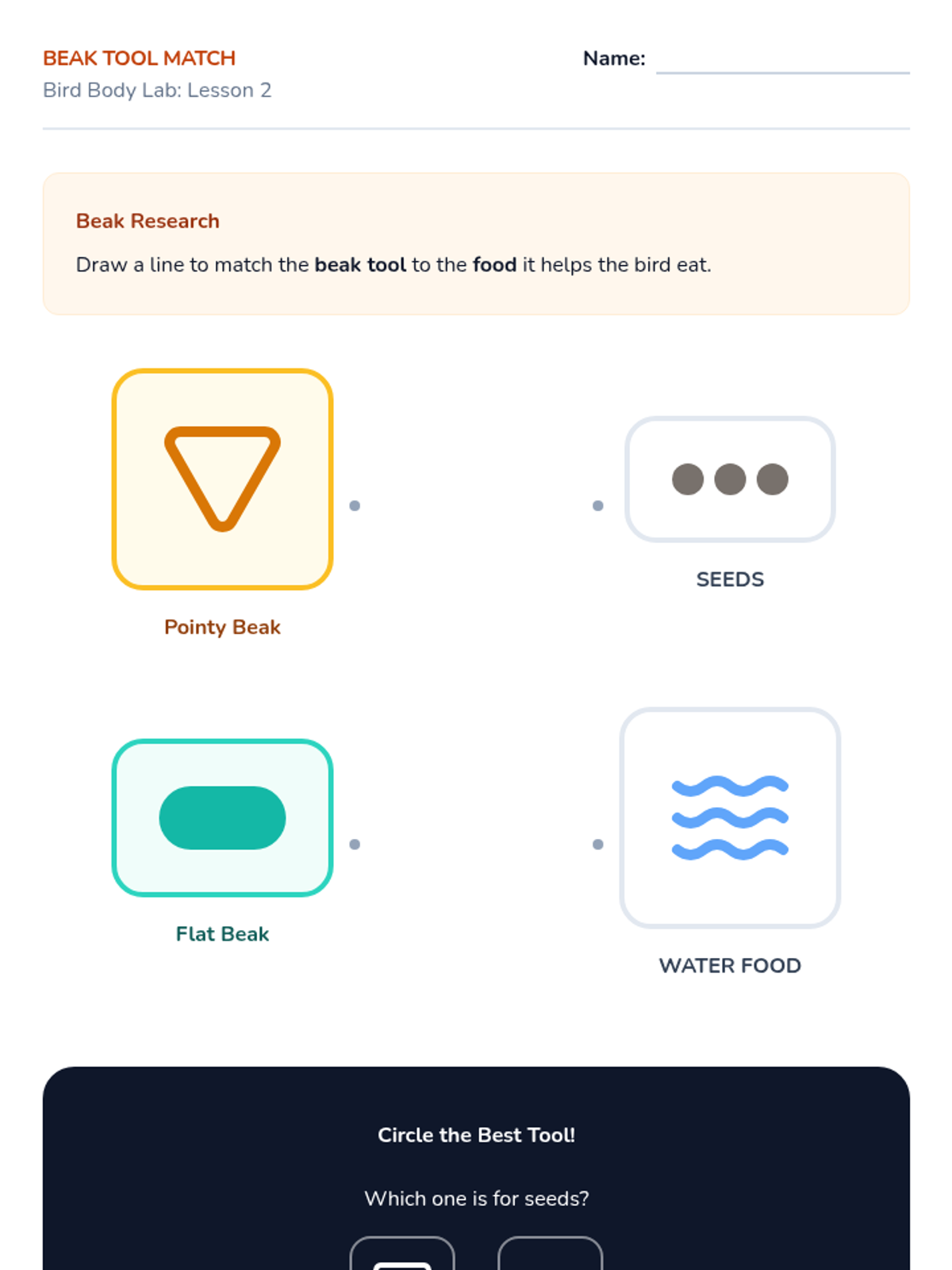
Students participate in shared research to discover how different beaks help birds eat different foods. Focuses on shared research (W.K.7) and answering questions from sources (W.K.8).
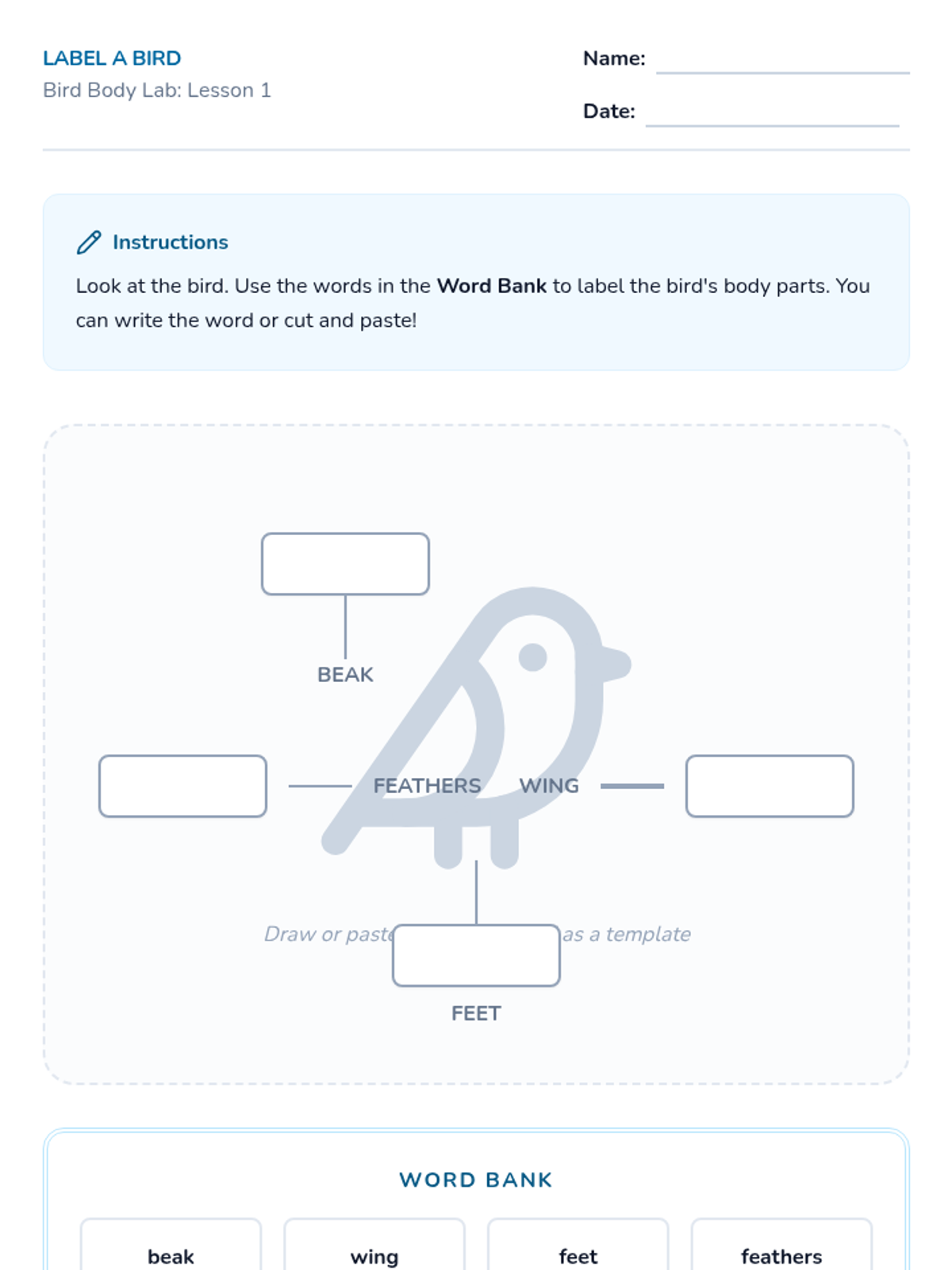
Students identify basic bird body parts (wings, feathers, beak, feet) using high-interest visuals and simple labeling tasks. Focuses on gathering information from visual sources (W.K.8).
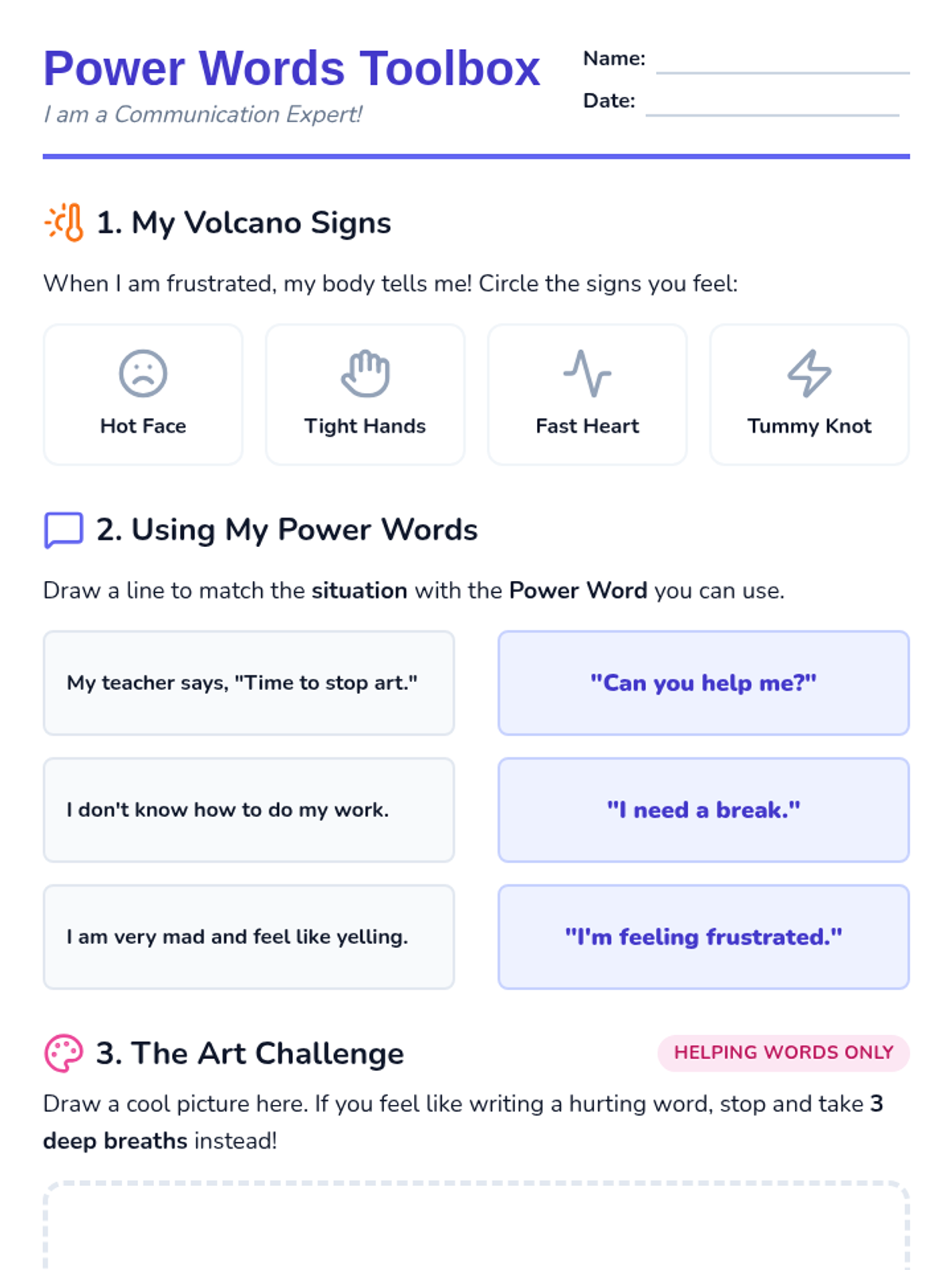
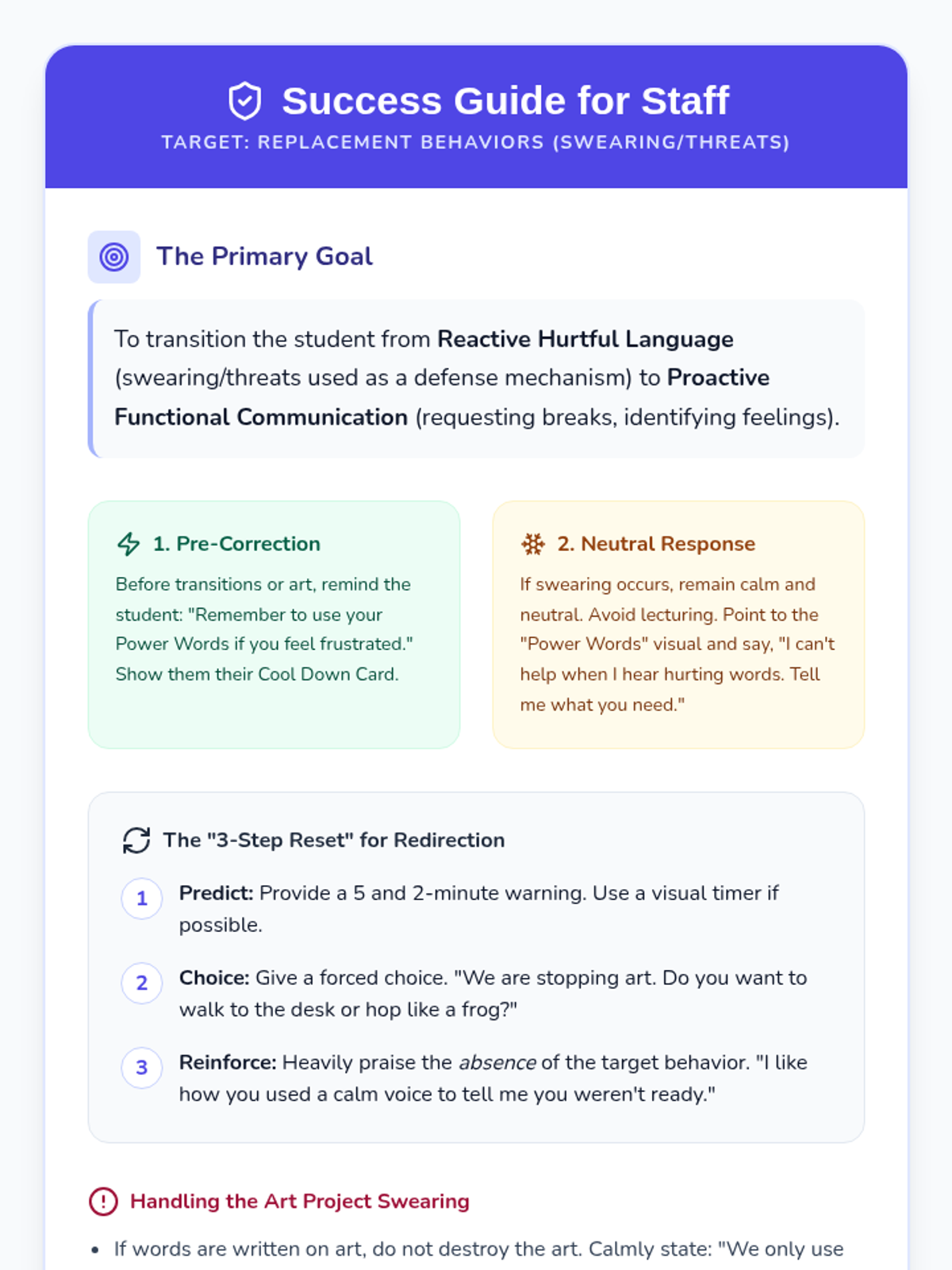
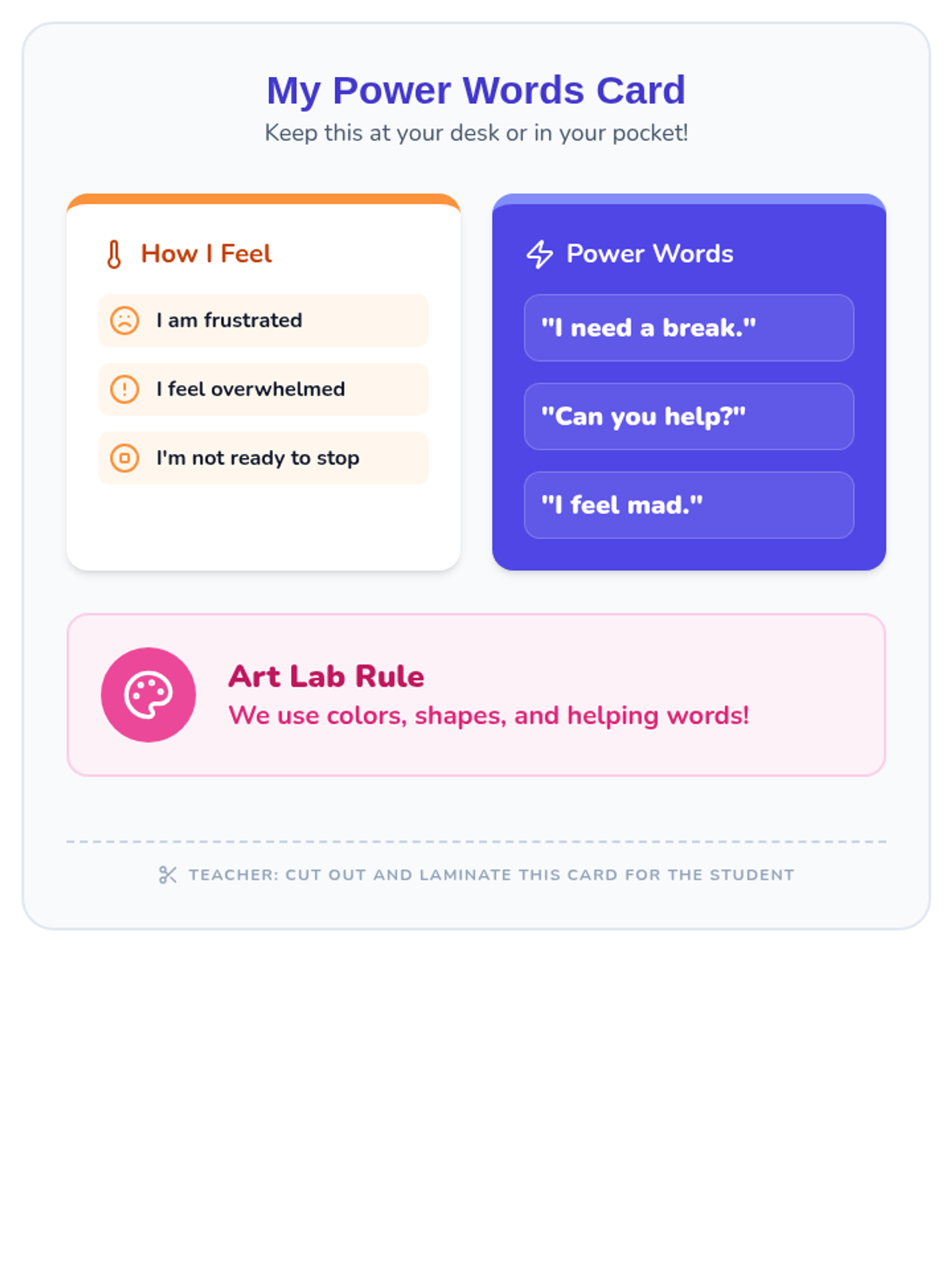
A targeted intervention lesson designed to help students with autism replace swearing and threats with functional communication and self-regulation strategies. This lesson focuses on identifying triggers like redirection and provides concrete 'Power Words' to use instead.
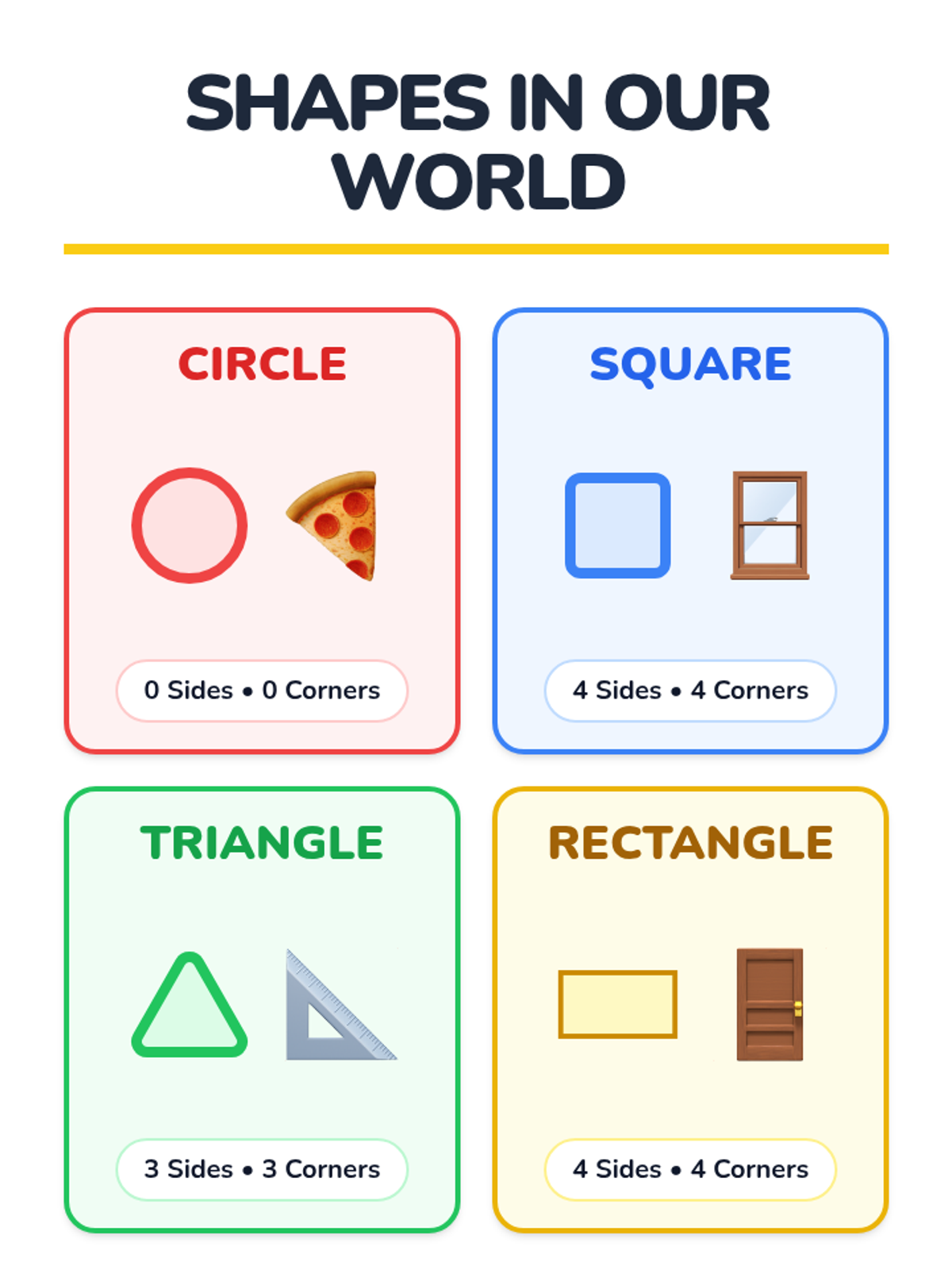
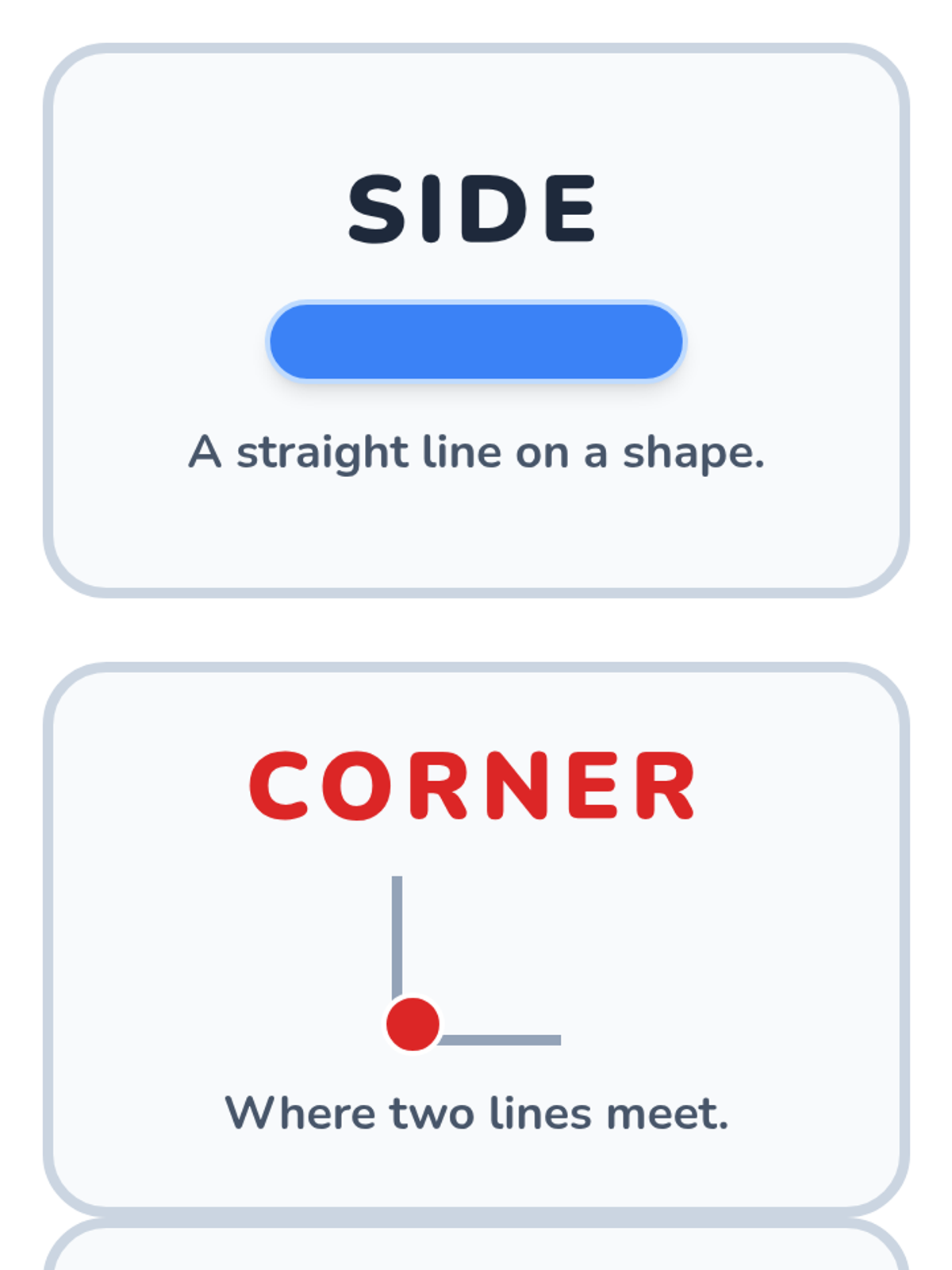
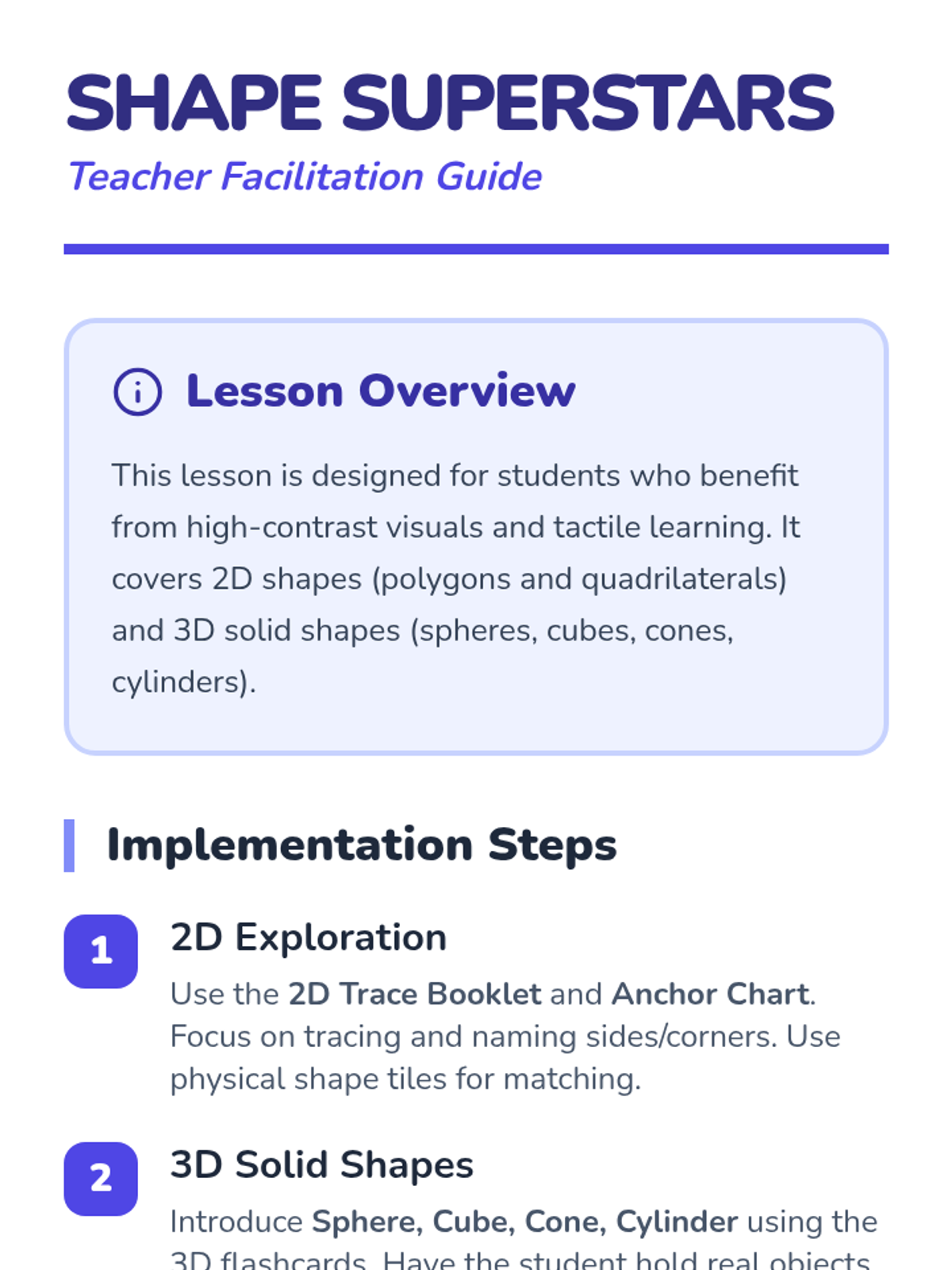
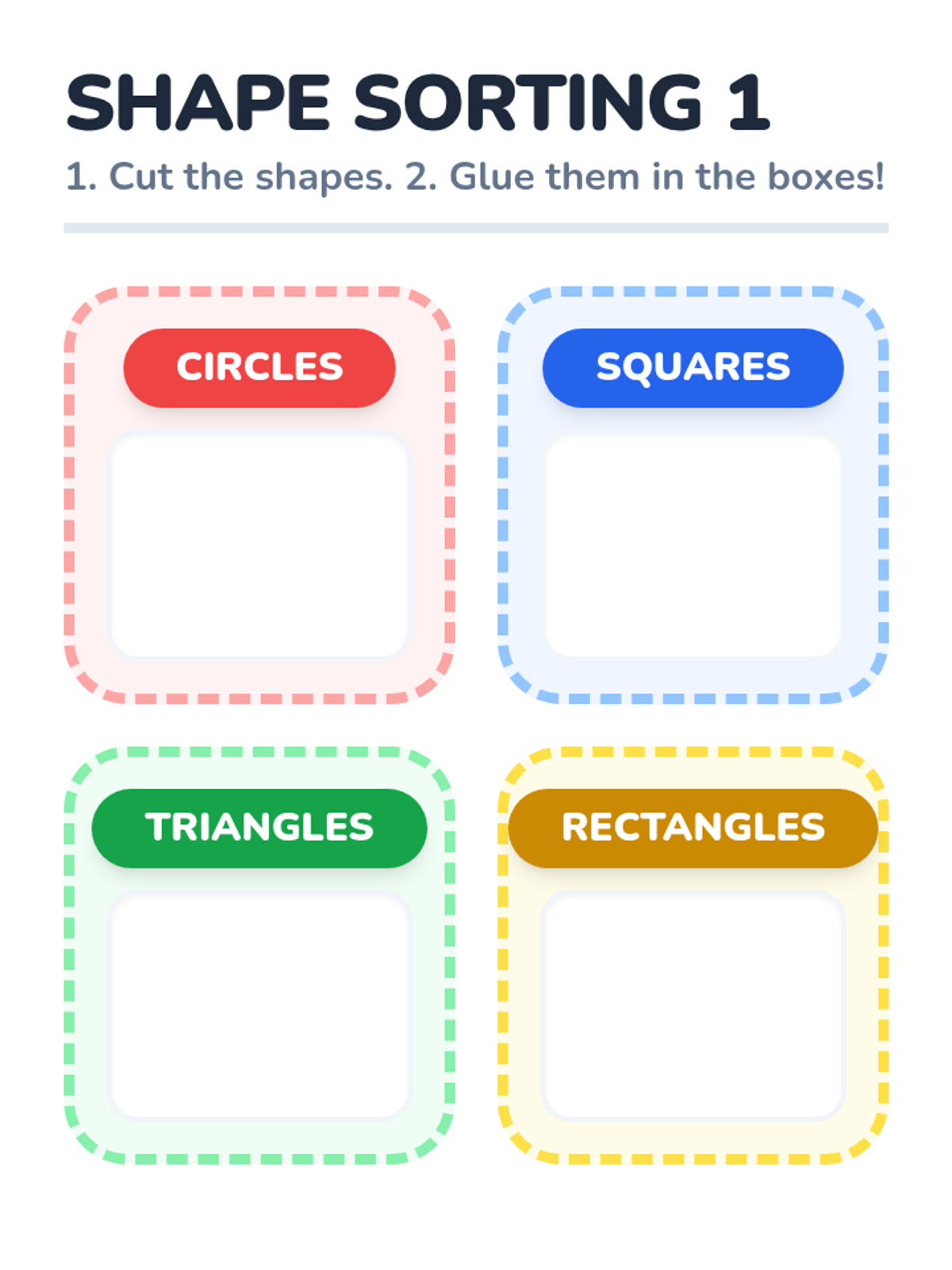
A modified geometry lesson for 3rd-grade students focusing on 2D shapes, quadrilaterals, and polygons through tactile and visual activities. This lesson is designed with accessibility in mind, featuring high-contrast visuals and motor-skill-friendly tasks.
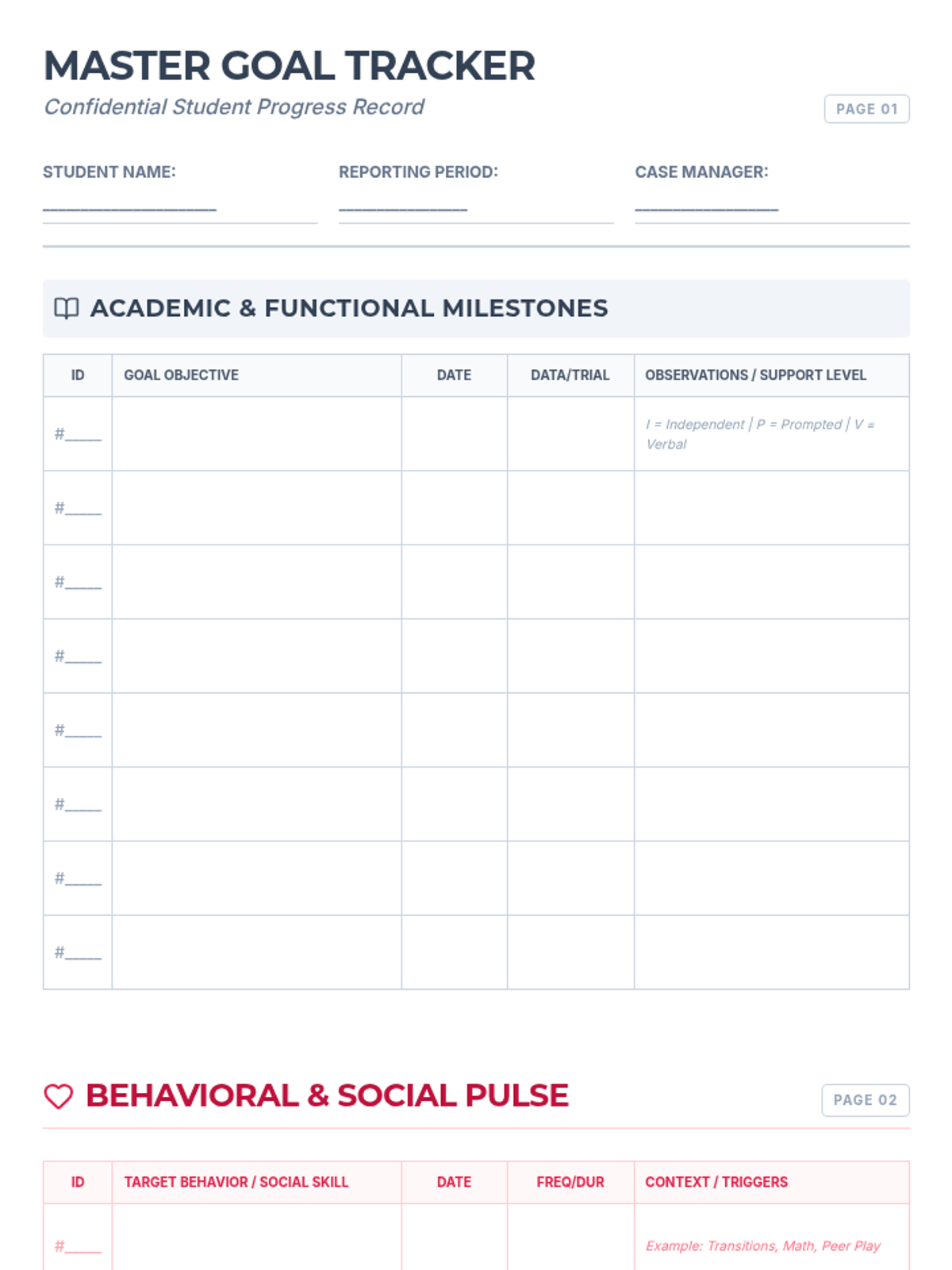
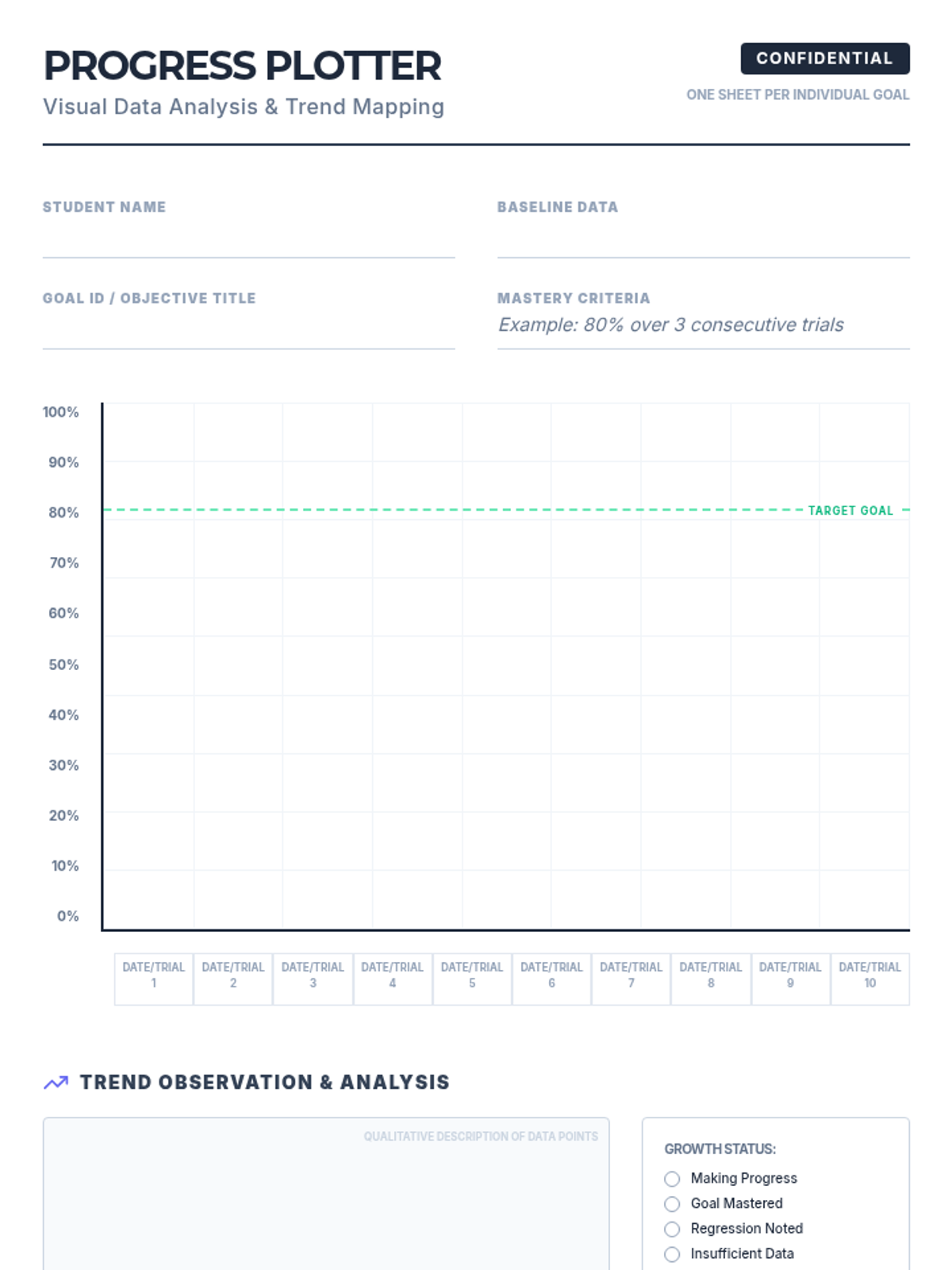
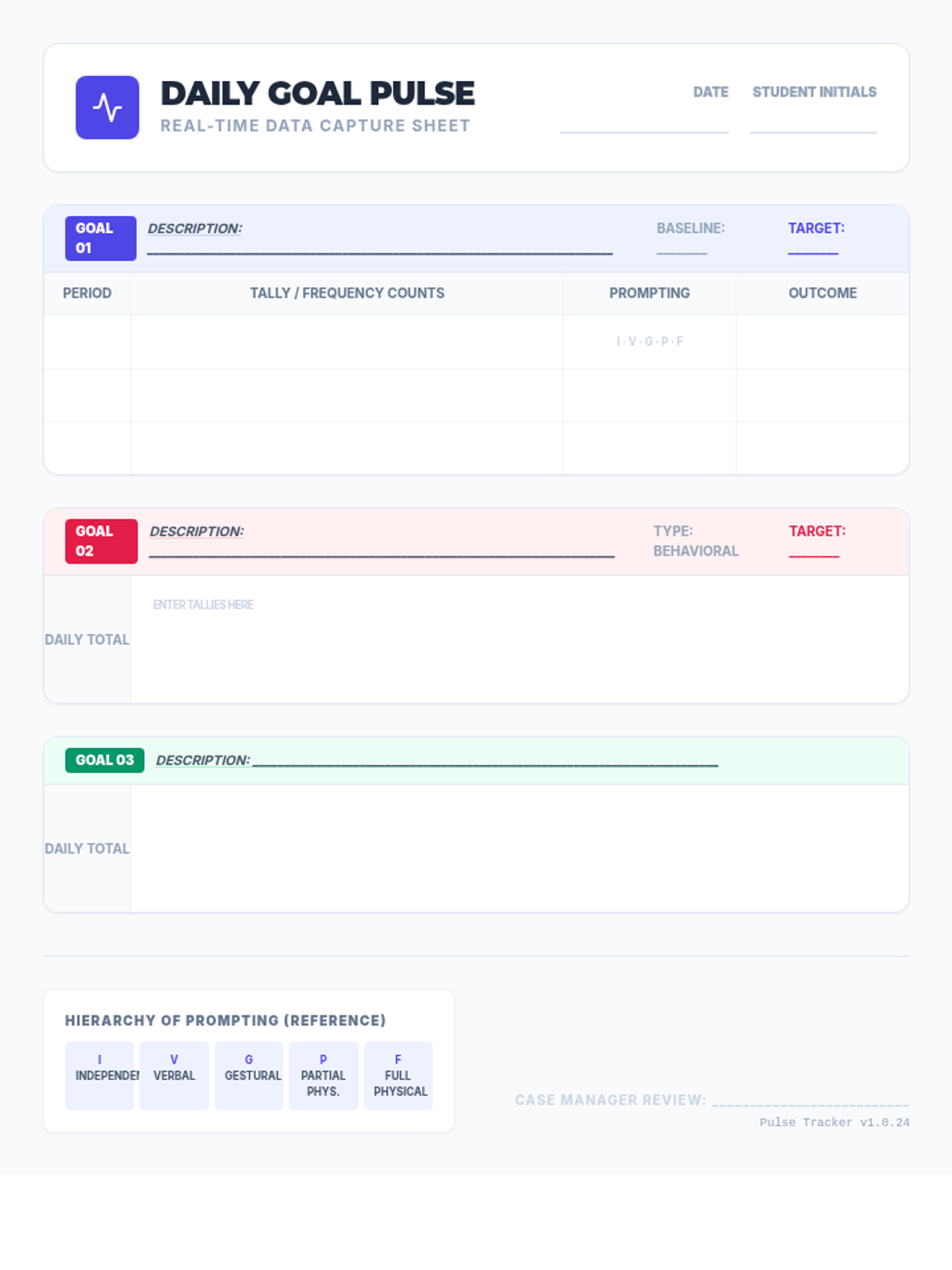
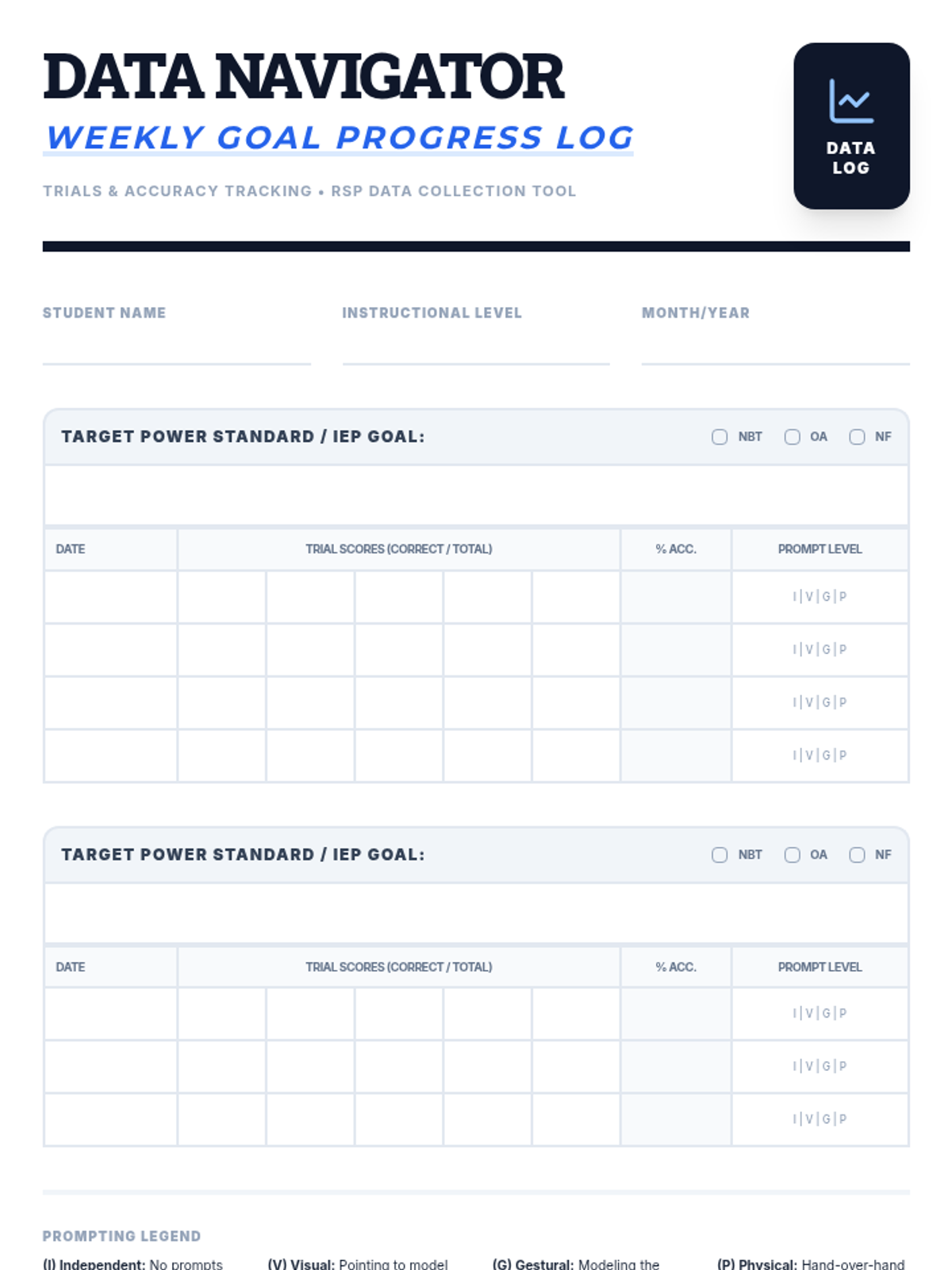
A comprehensive set of templates for special education teachers to track and document student progress toward IEP goals across academic, functional, and behavioral domains.
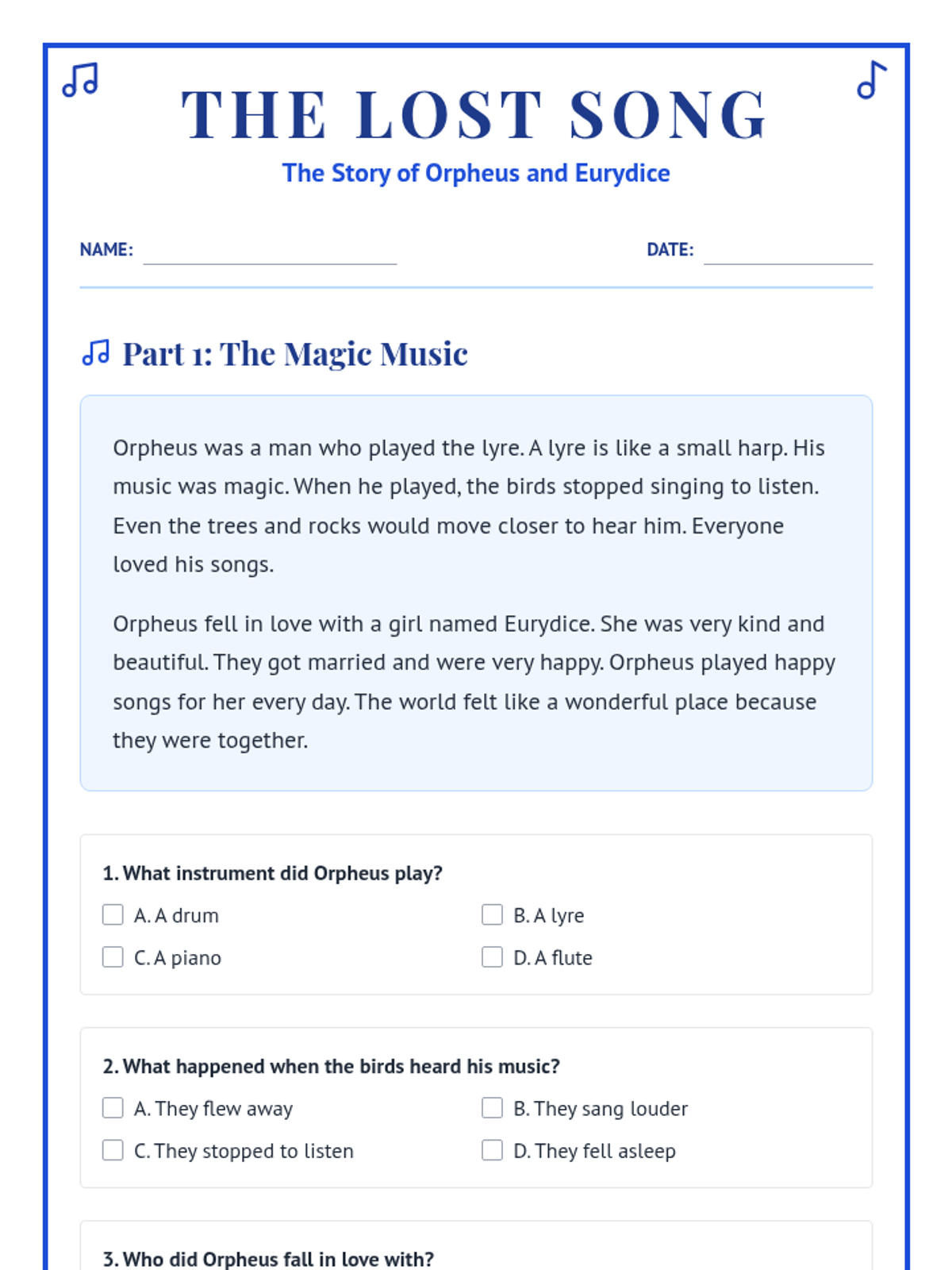
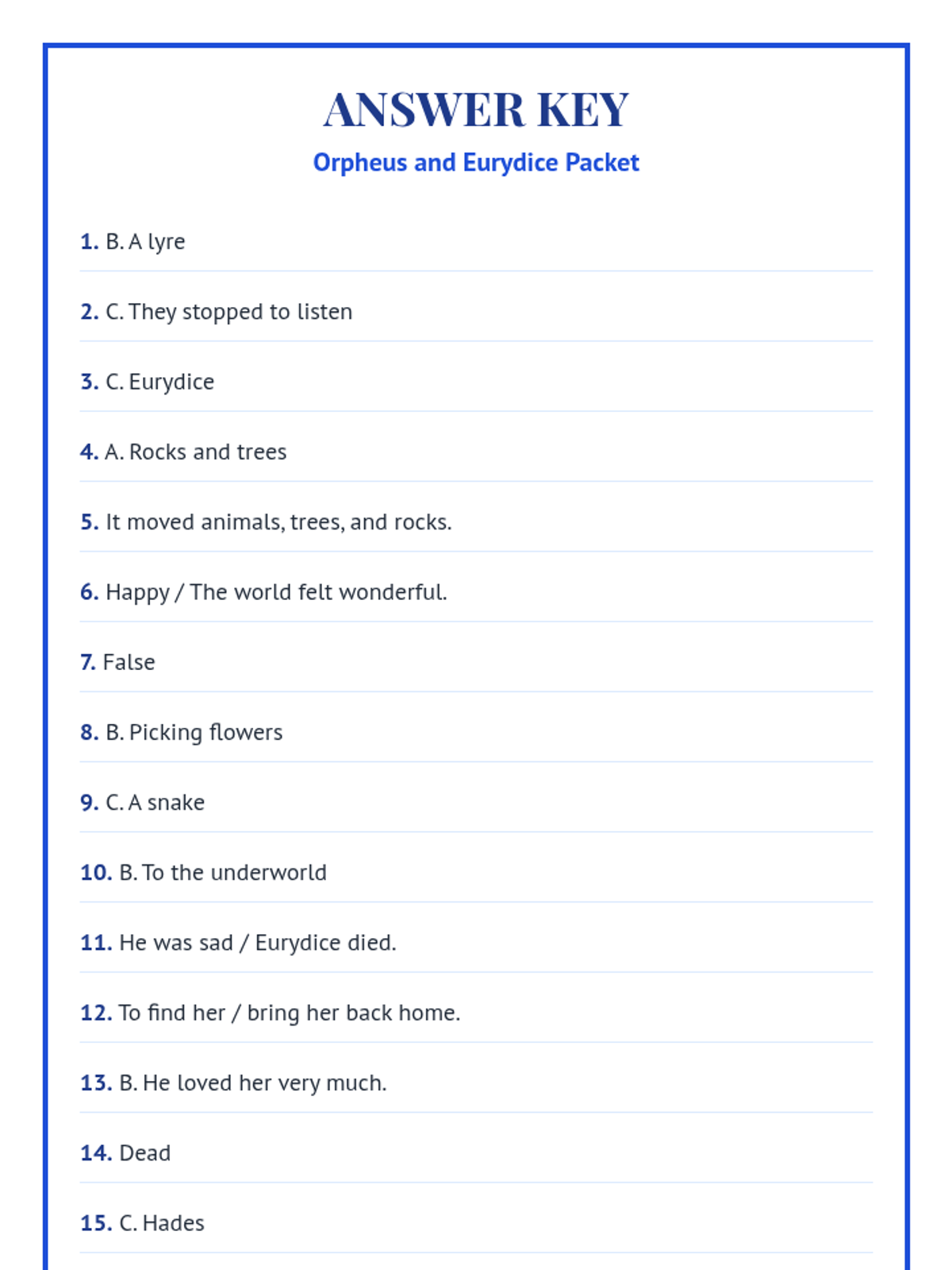
A simplified independent work packet about the myth of Orpheus and Eurydice, designed for middle school students at a second-grade reading level. The lesson explores the power of music, love, and the consequences of looking back through accessible texts and structured comprehension tasks.
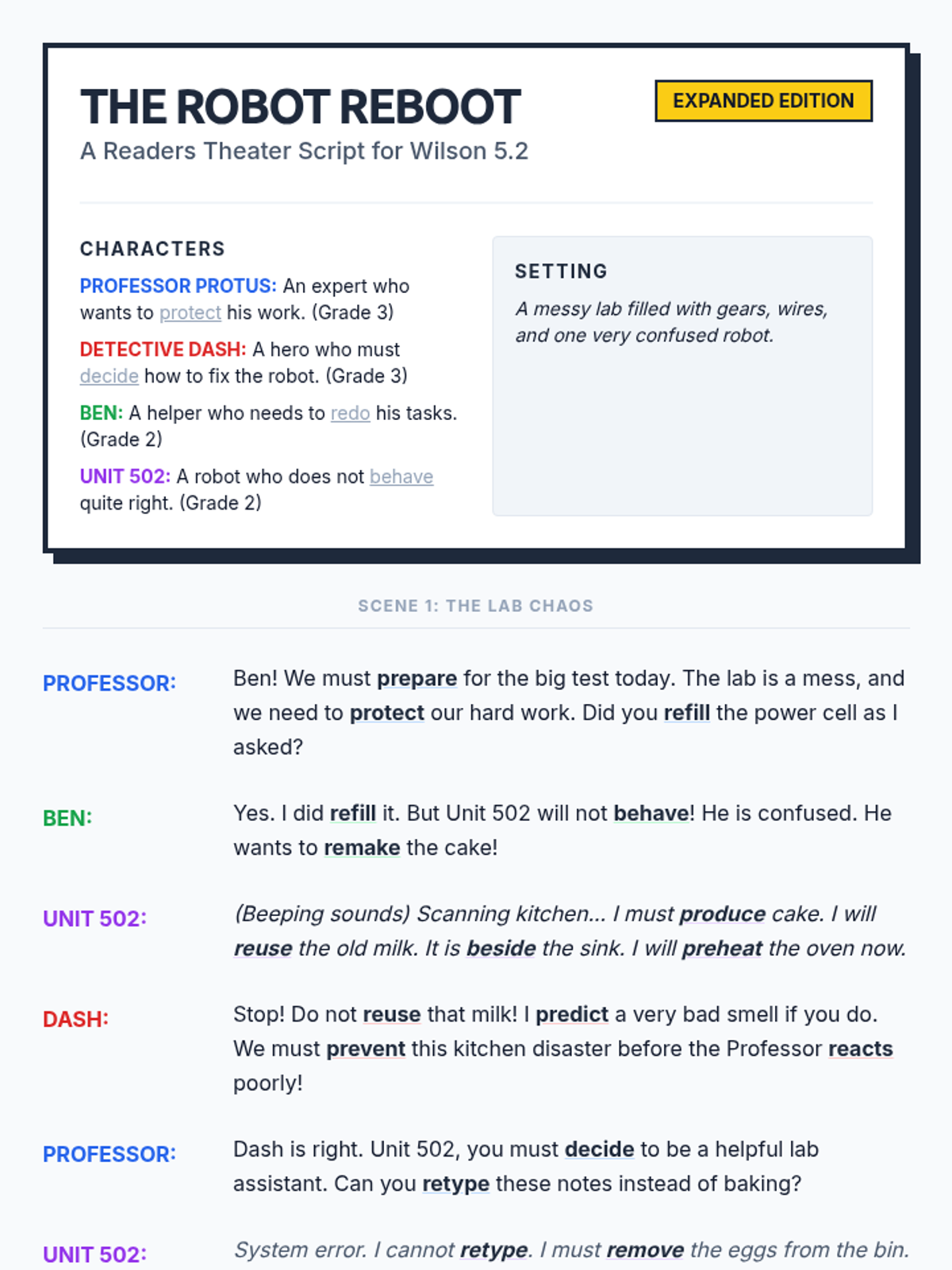
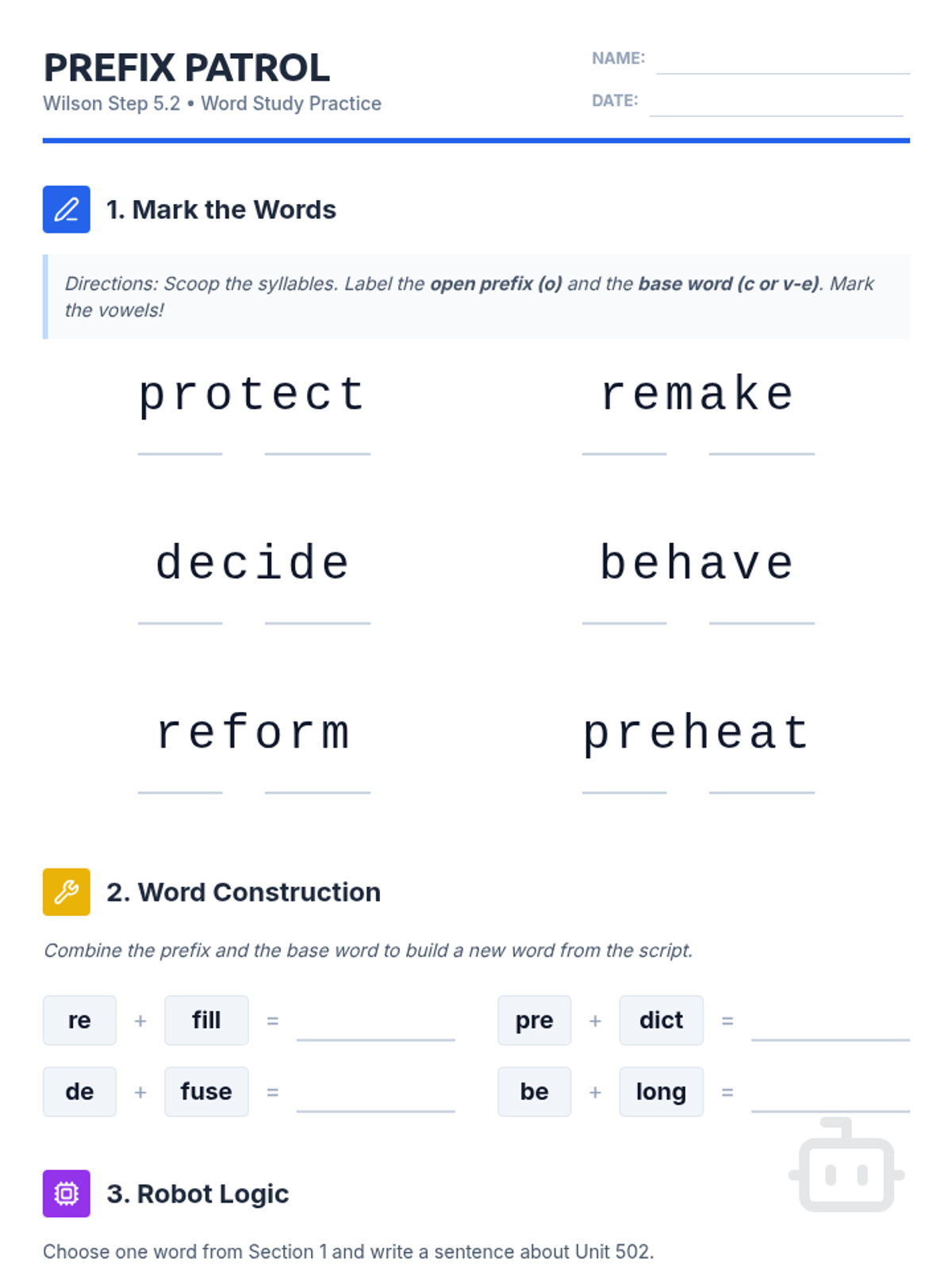
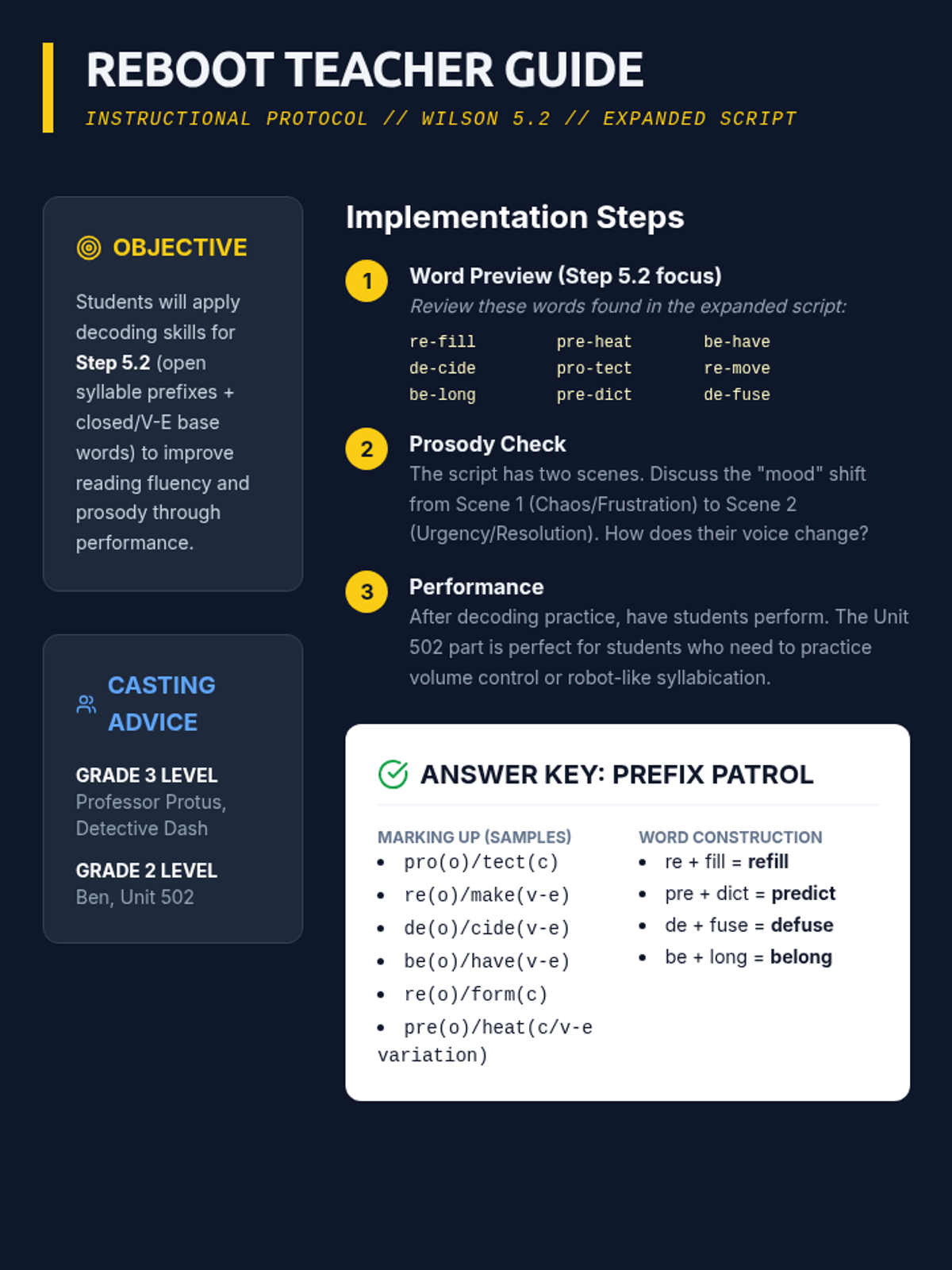
A Readers Theater lesson focusing on Wilson Step 5.2 concepts, including open syllable prefixes with closed and V-E base words. Students practice fluency and decoding through a robotic-themed script and word study activities.
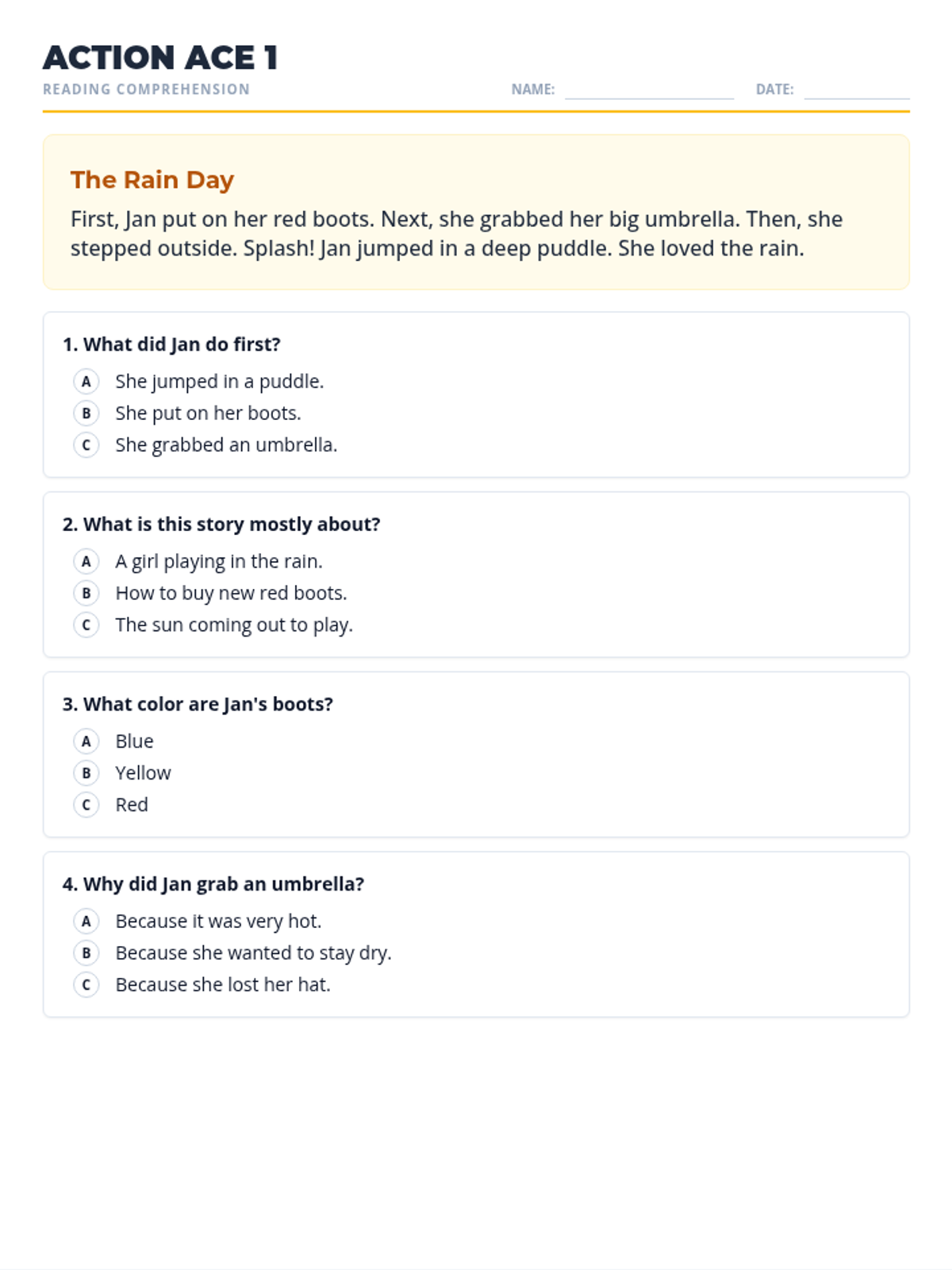
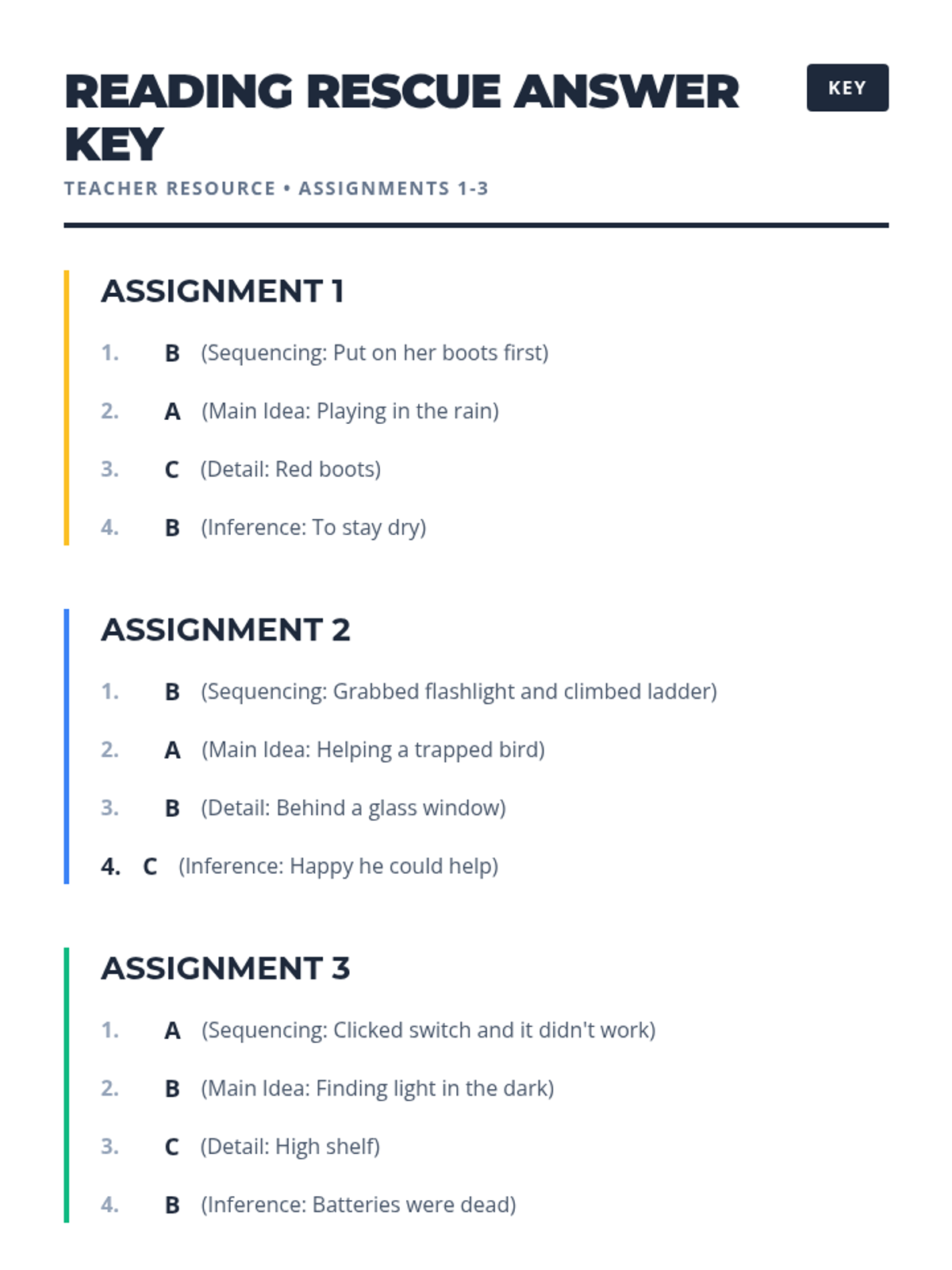
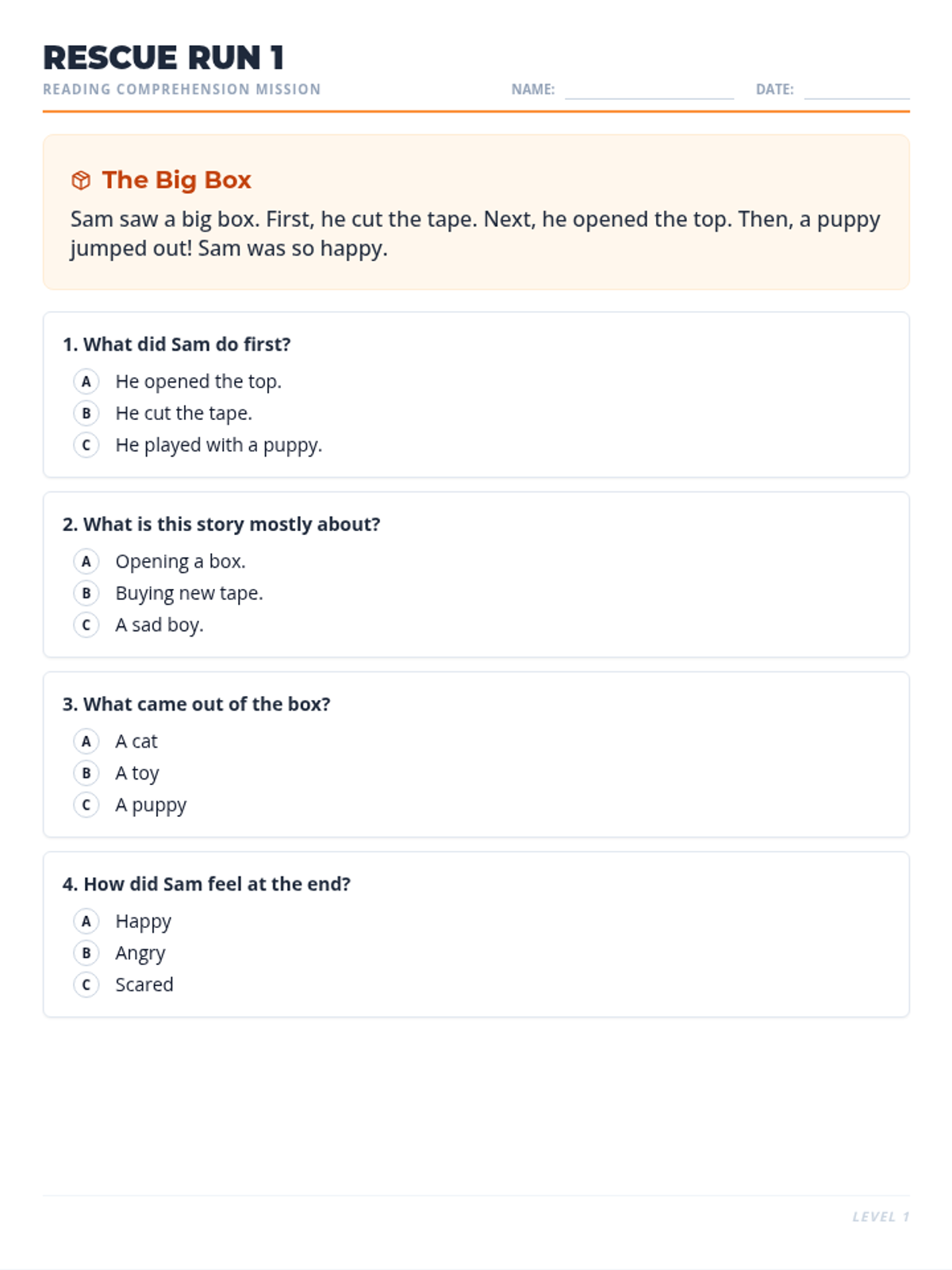
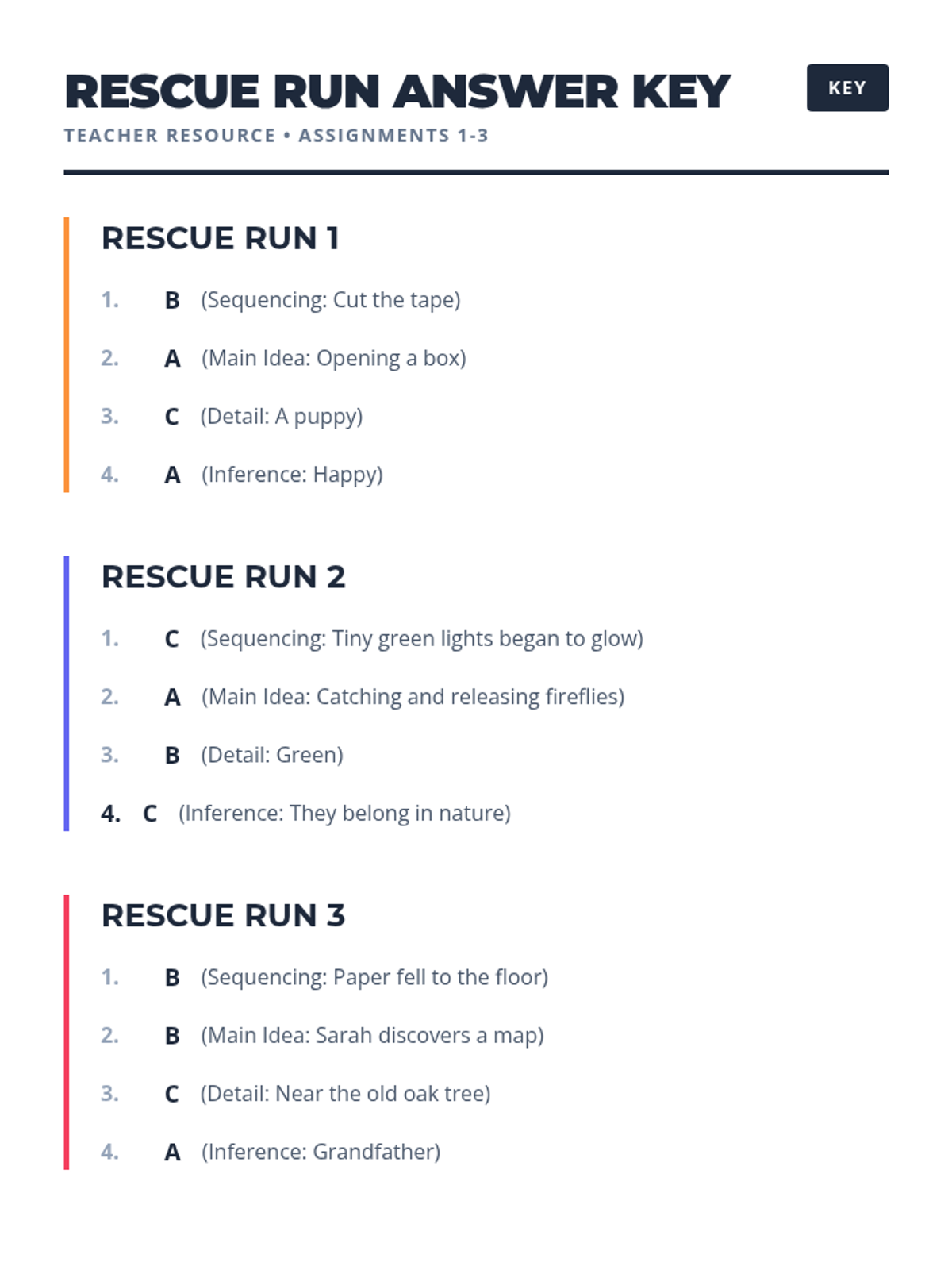
A series of high-interest, low-readability reading comprehension assignments targeting sequencing, main idea, and inference skills across three distinct levels.
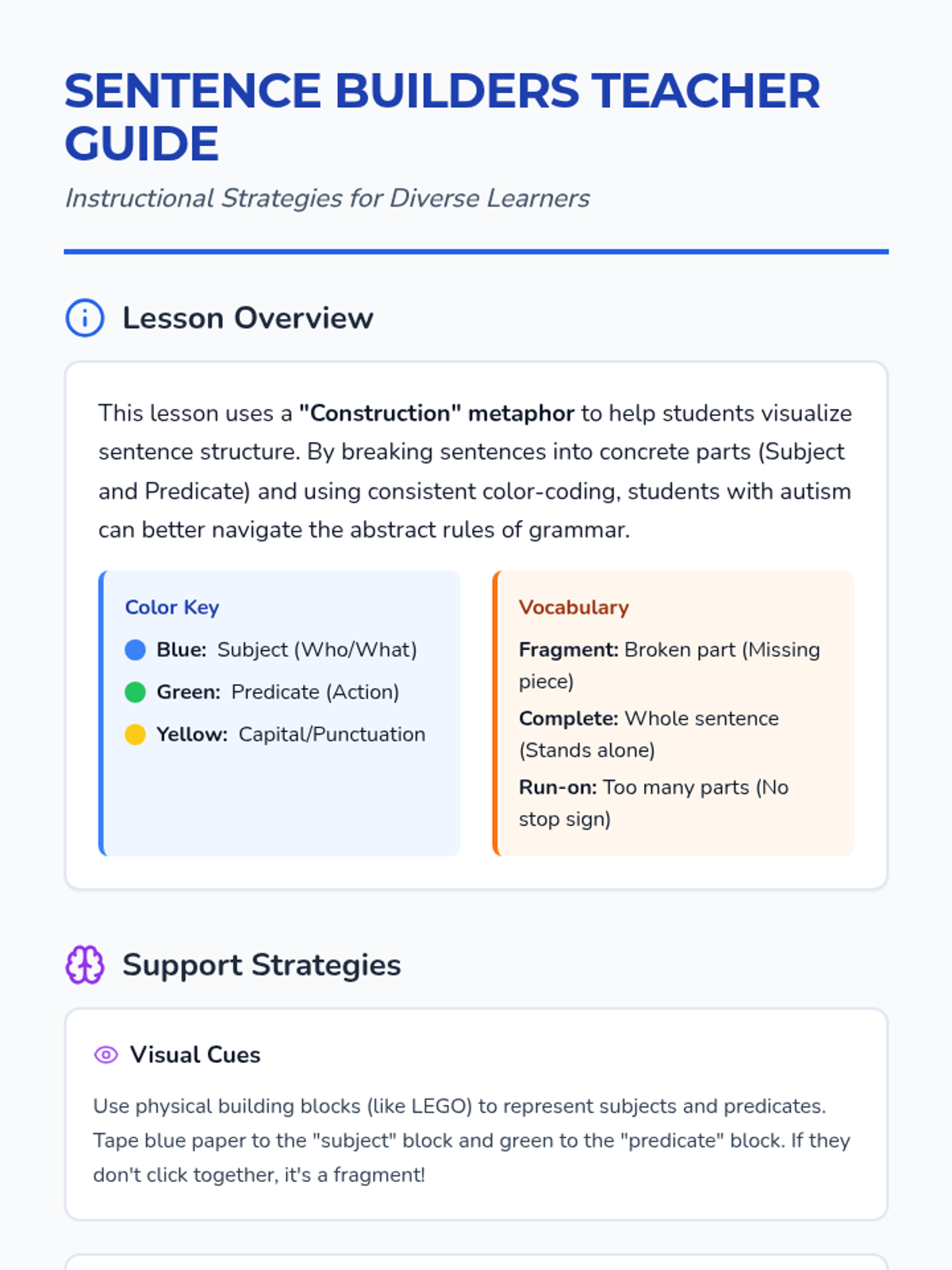
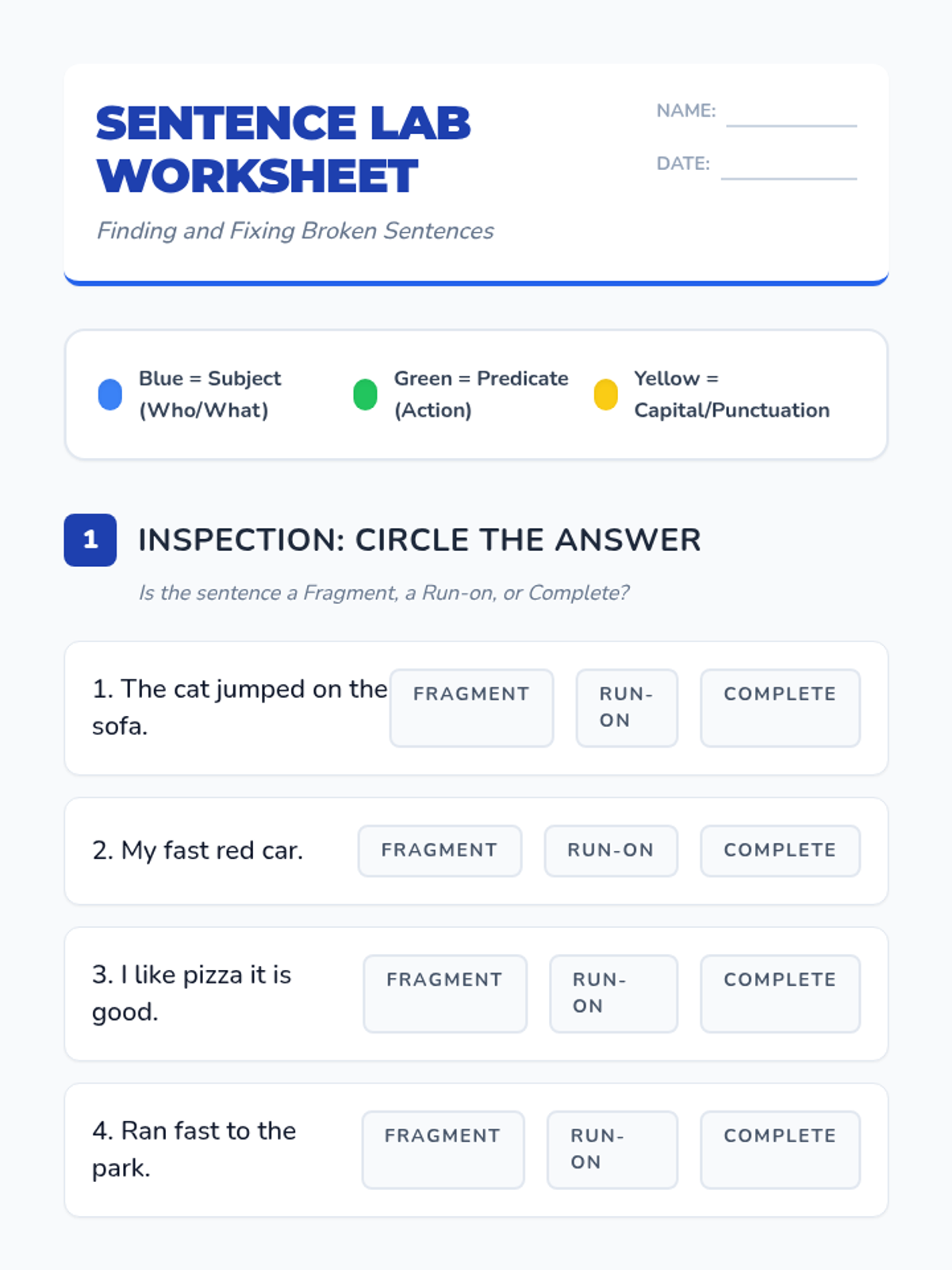
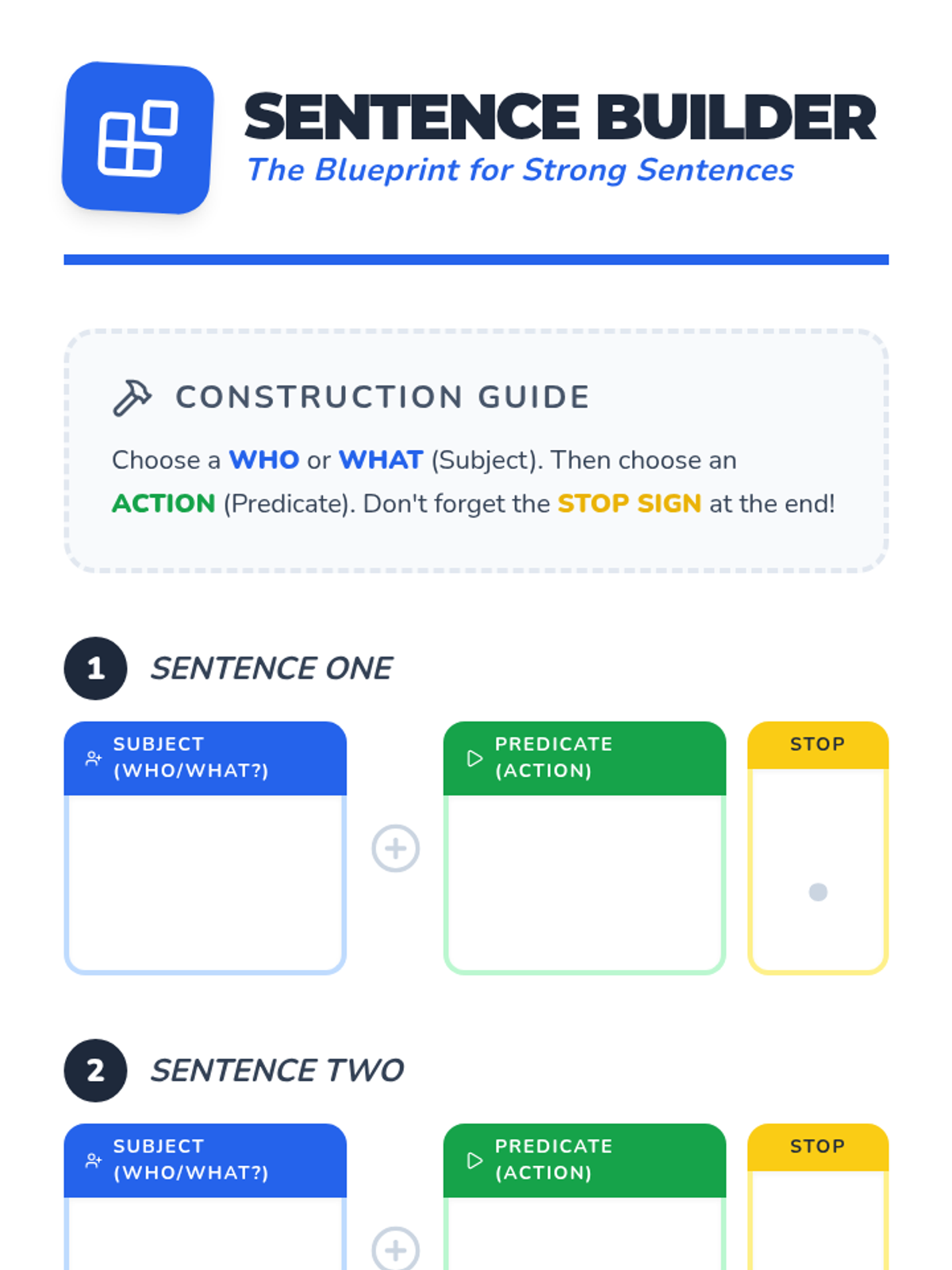
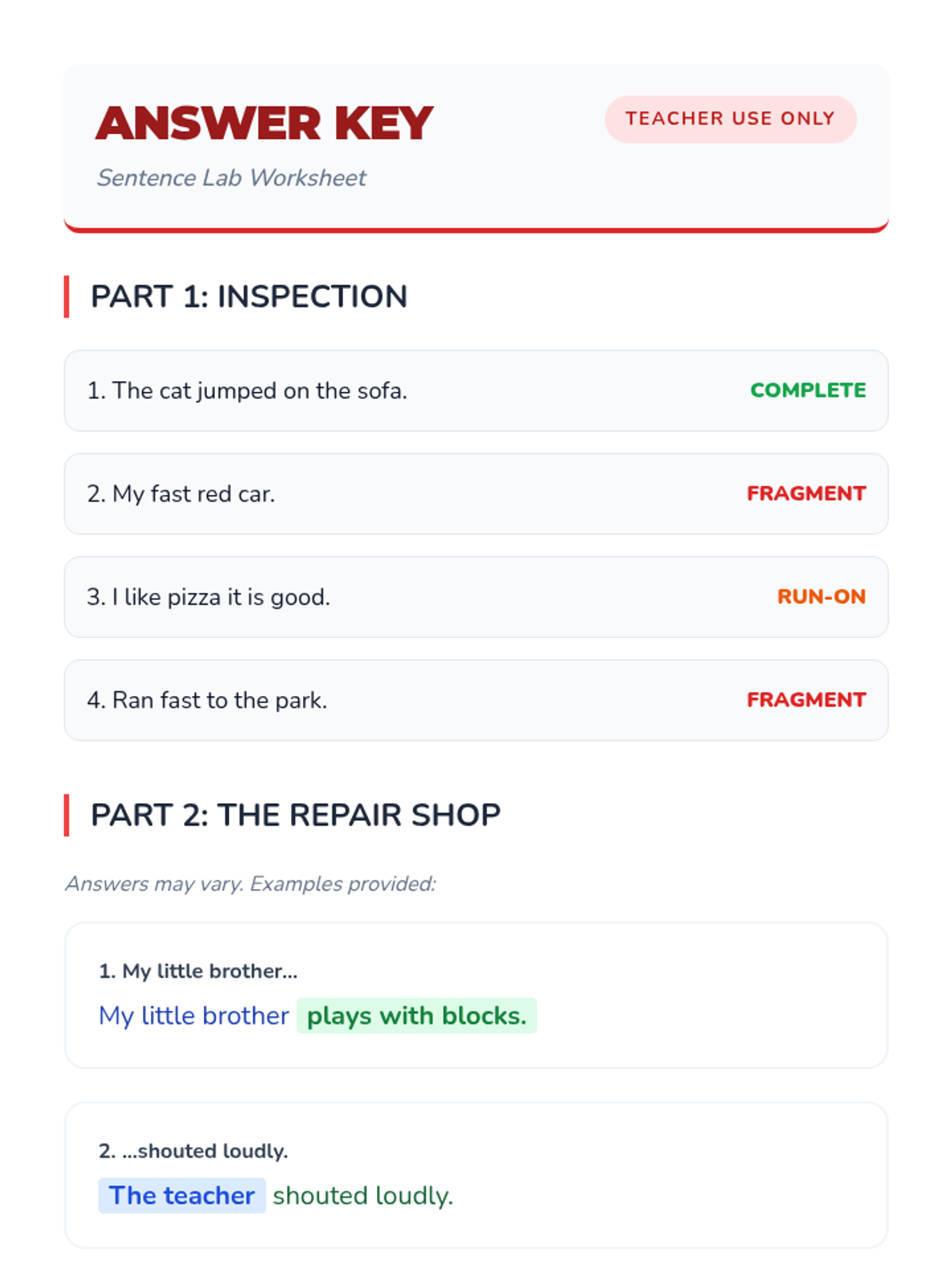
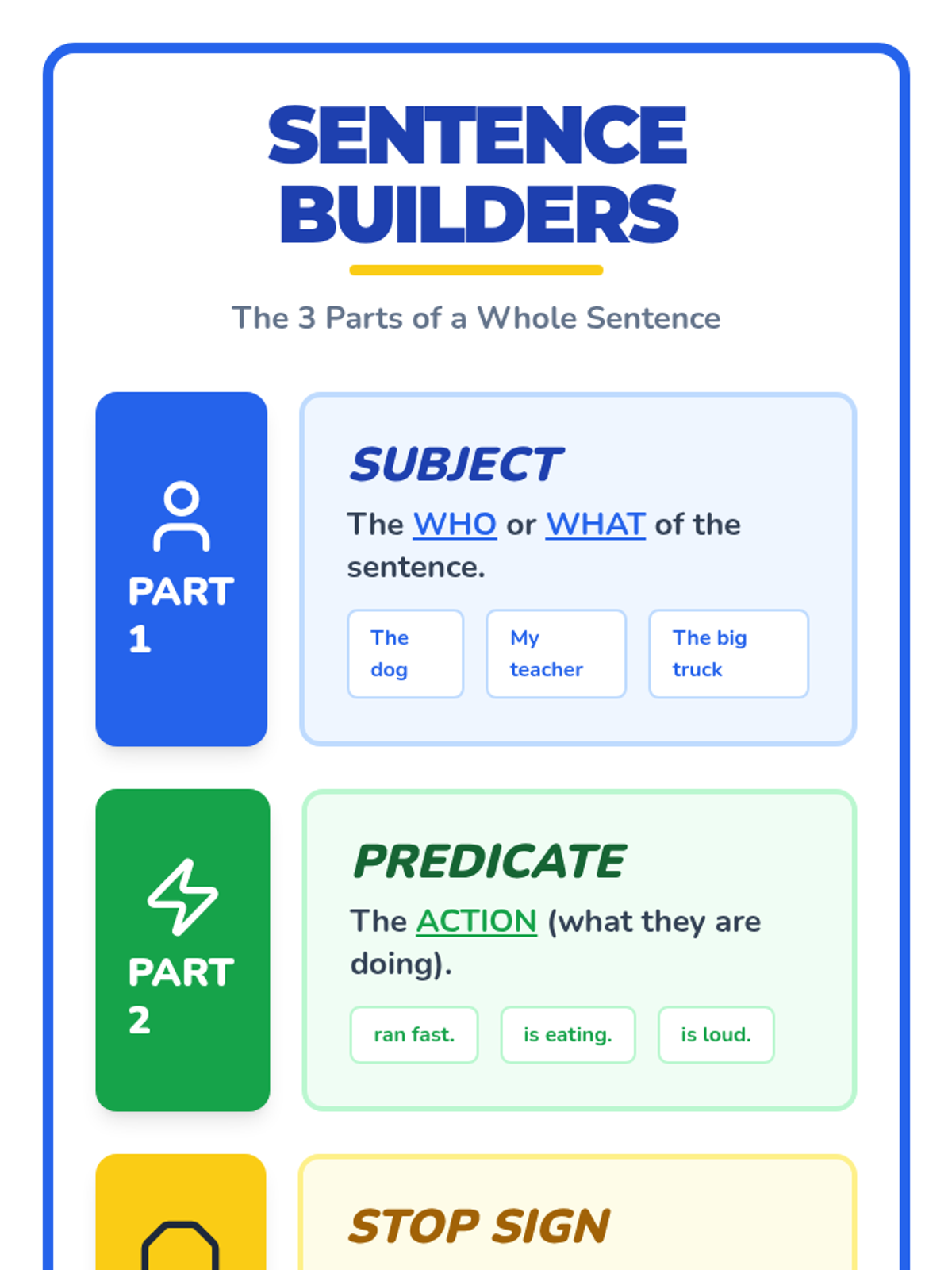
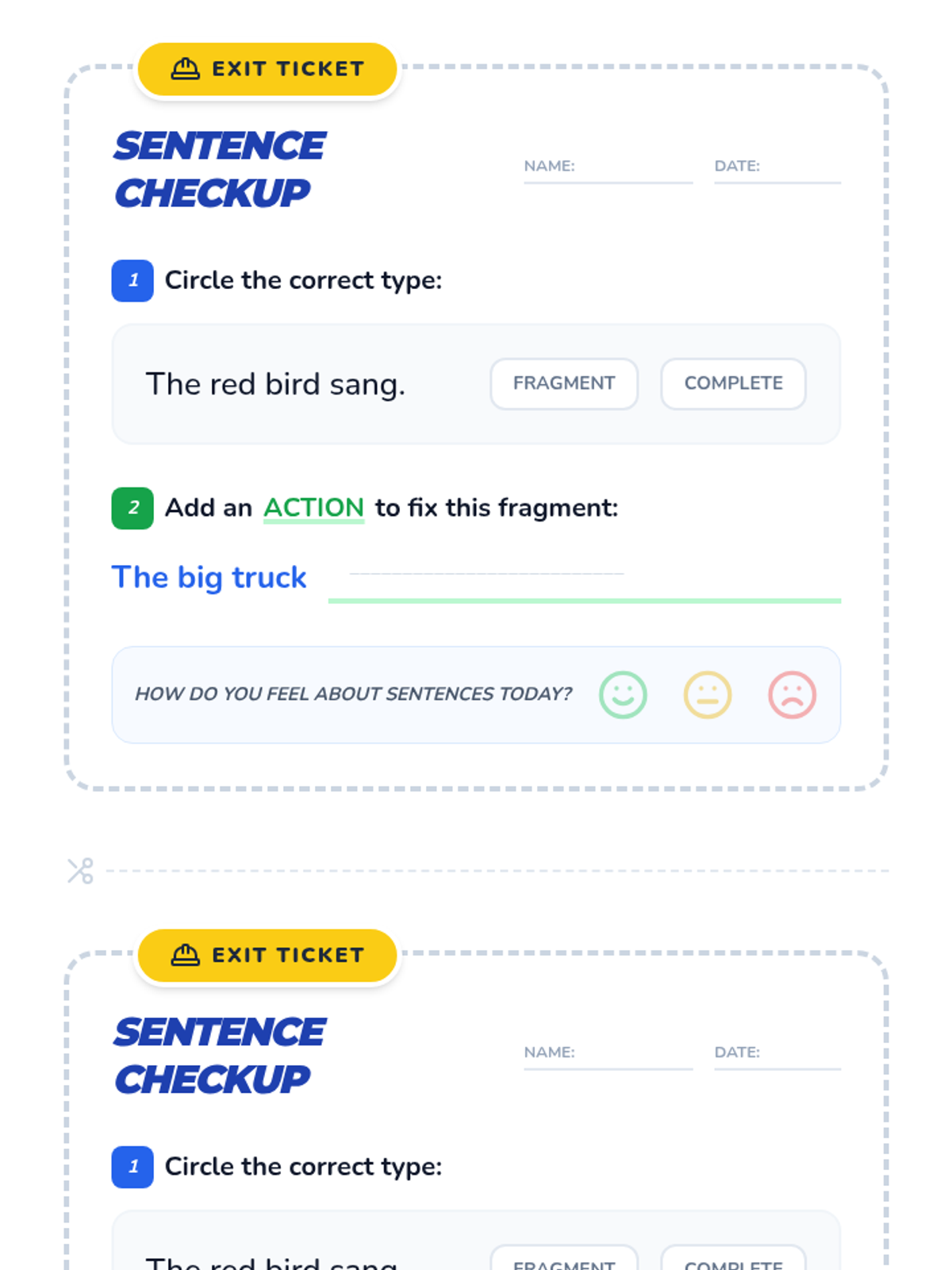
A foundational grammar lesson focusing on sentence structure through visual scaffolds and color-coding. Students learn to identify fragments, complete sentences, and run-ons using a 'Construction' metaphor.
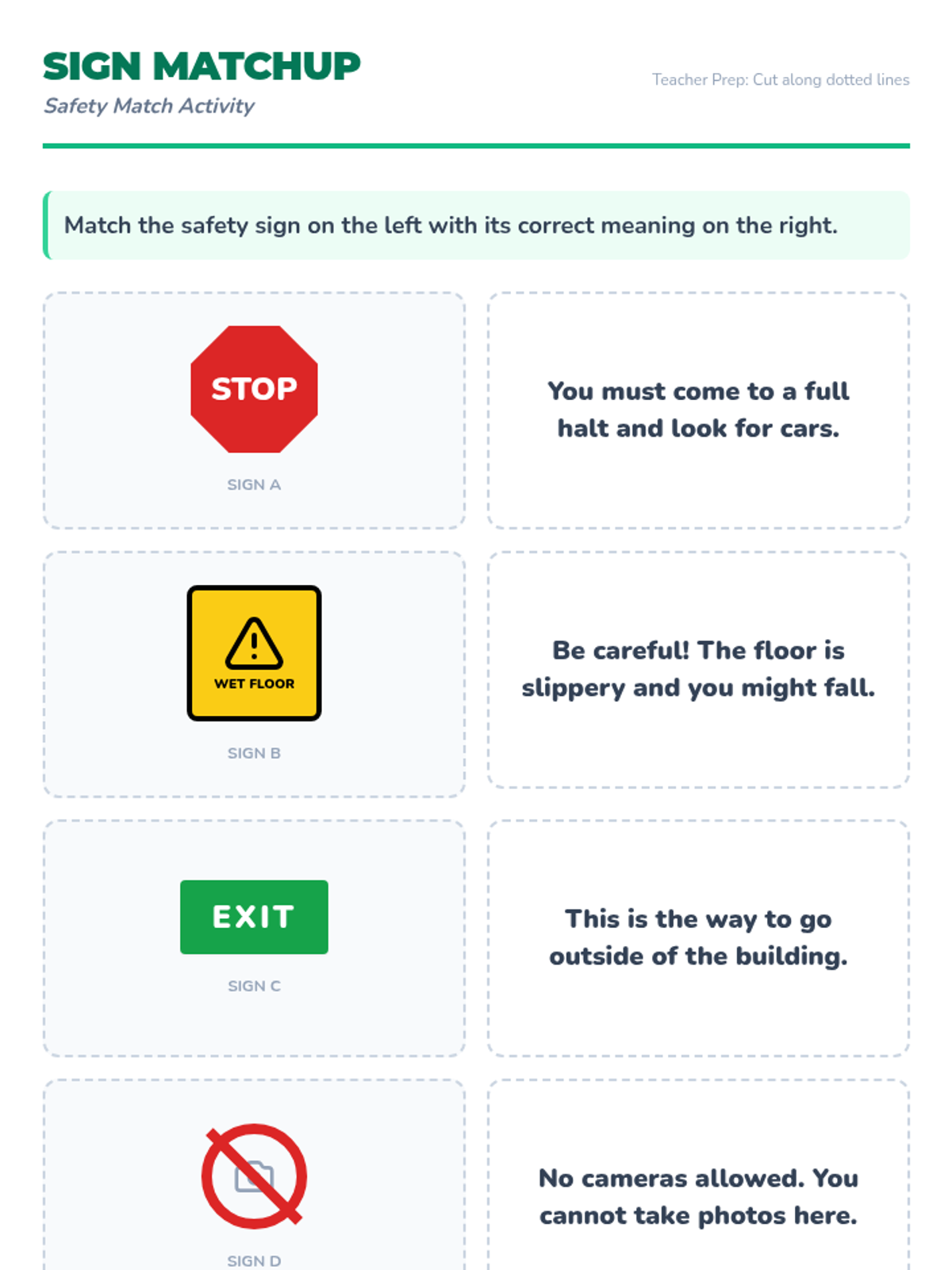
Identifying and understanding common environmental and safety signs found in the community to ensure safety and independence.
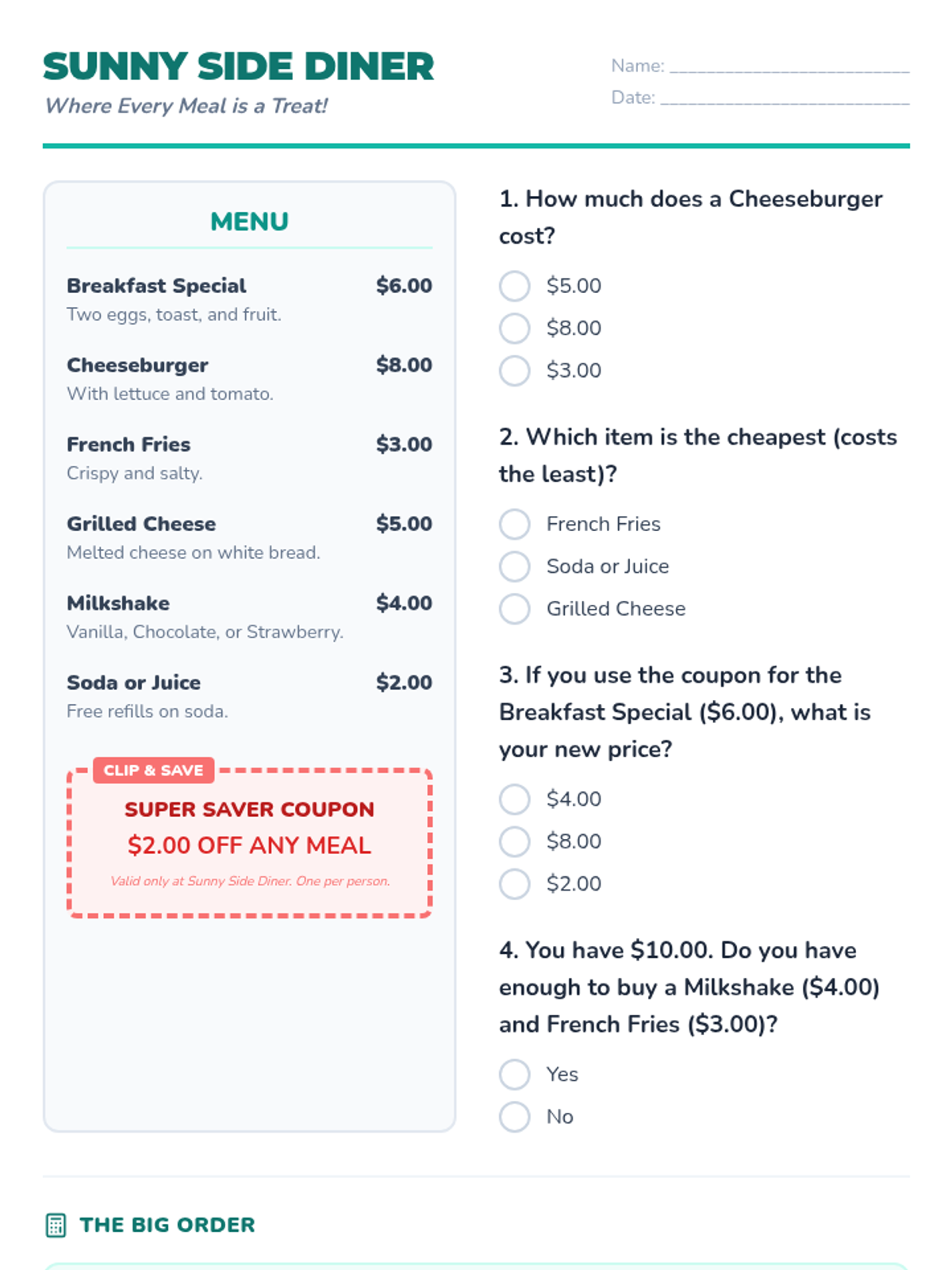
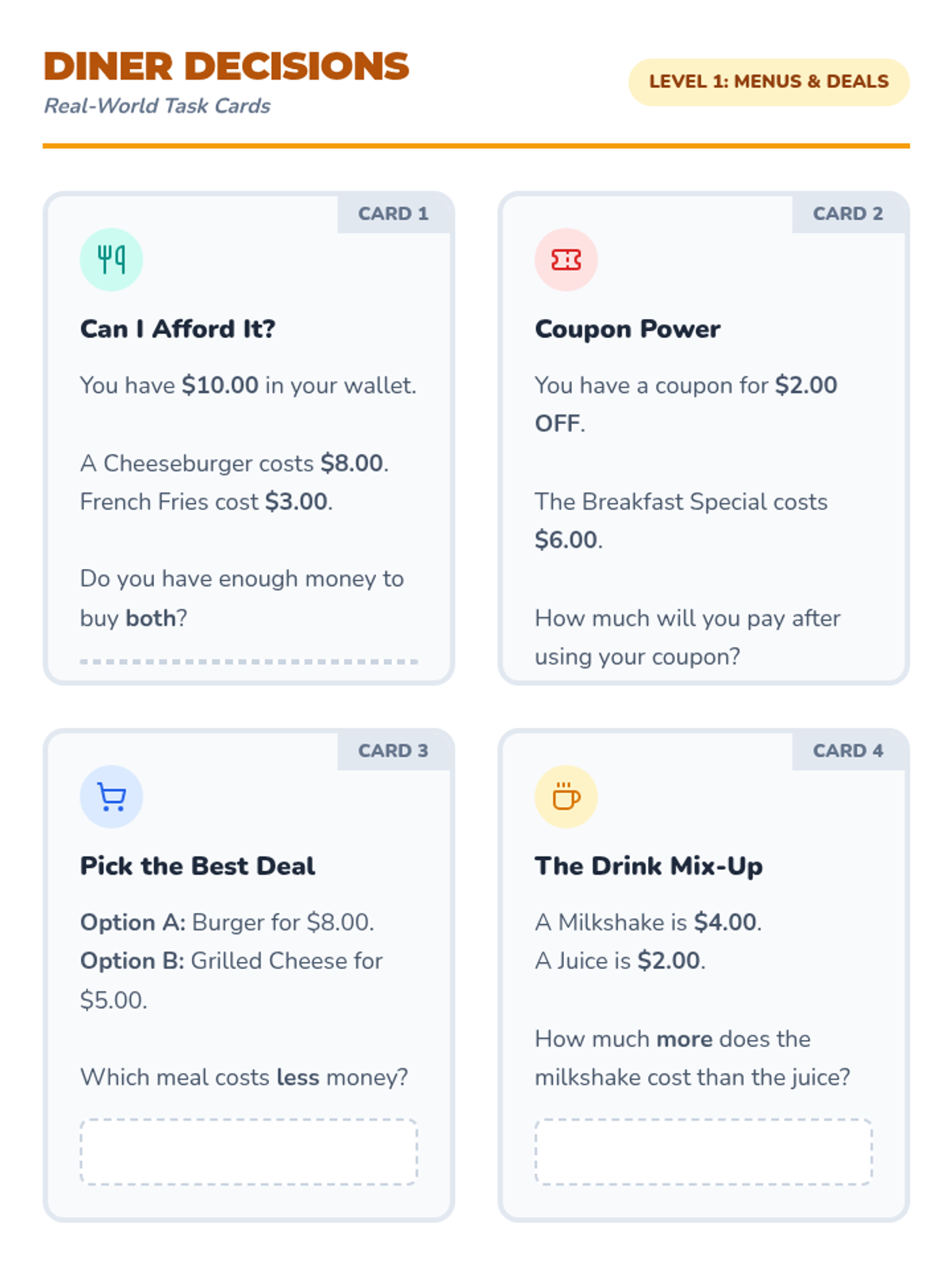
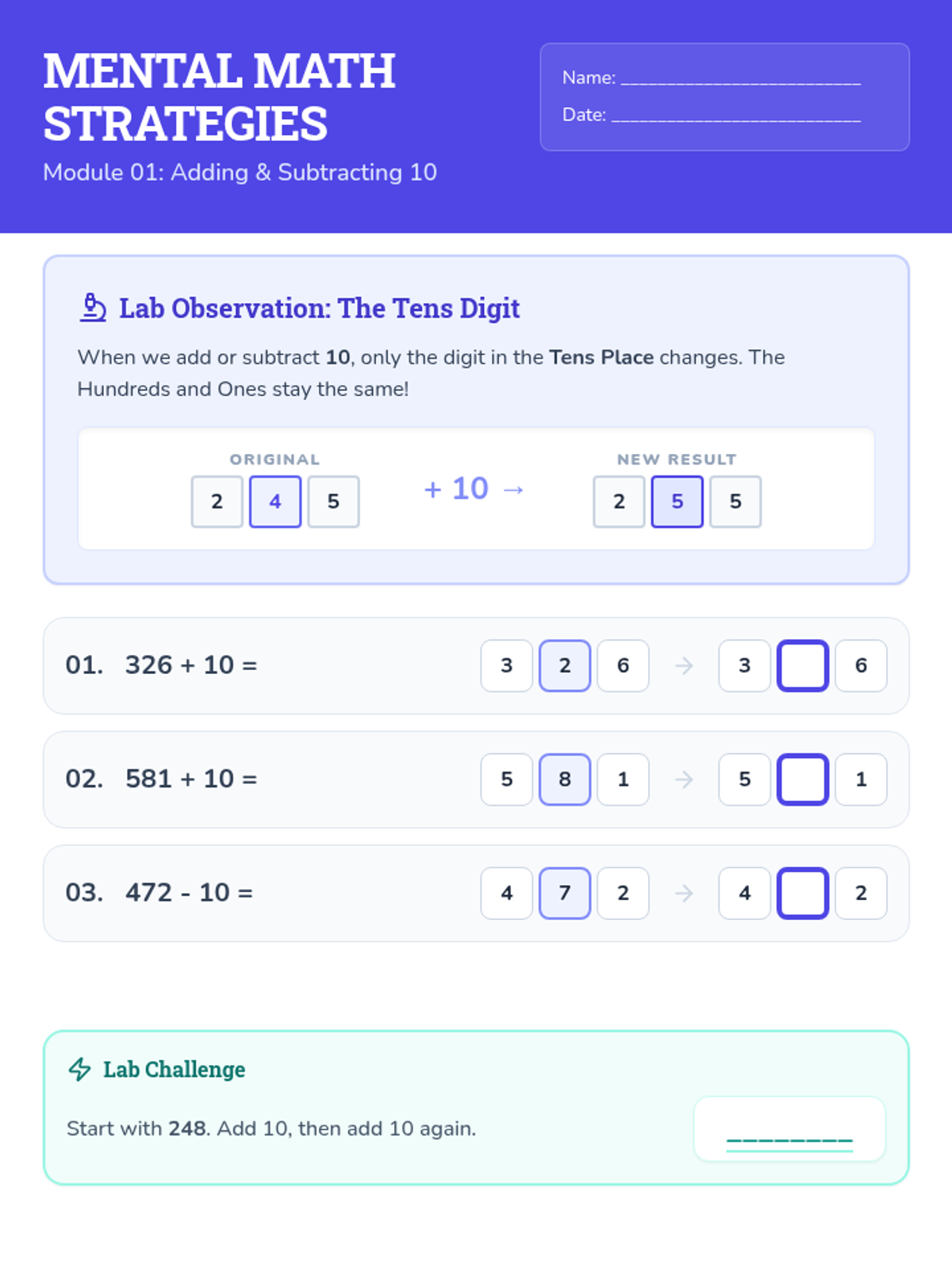
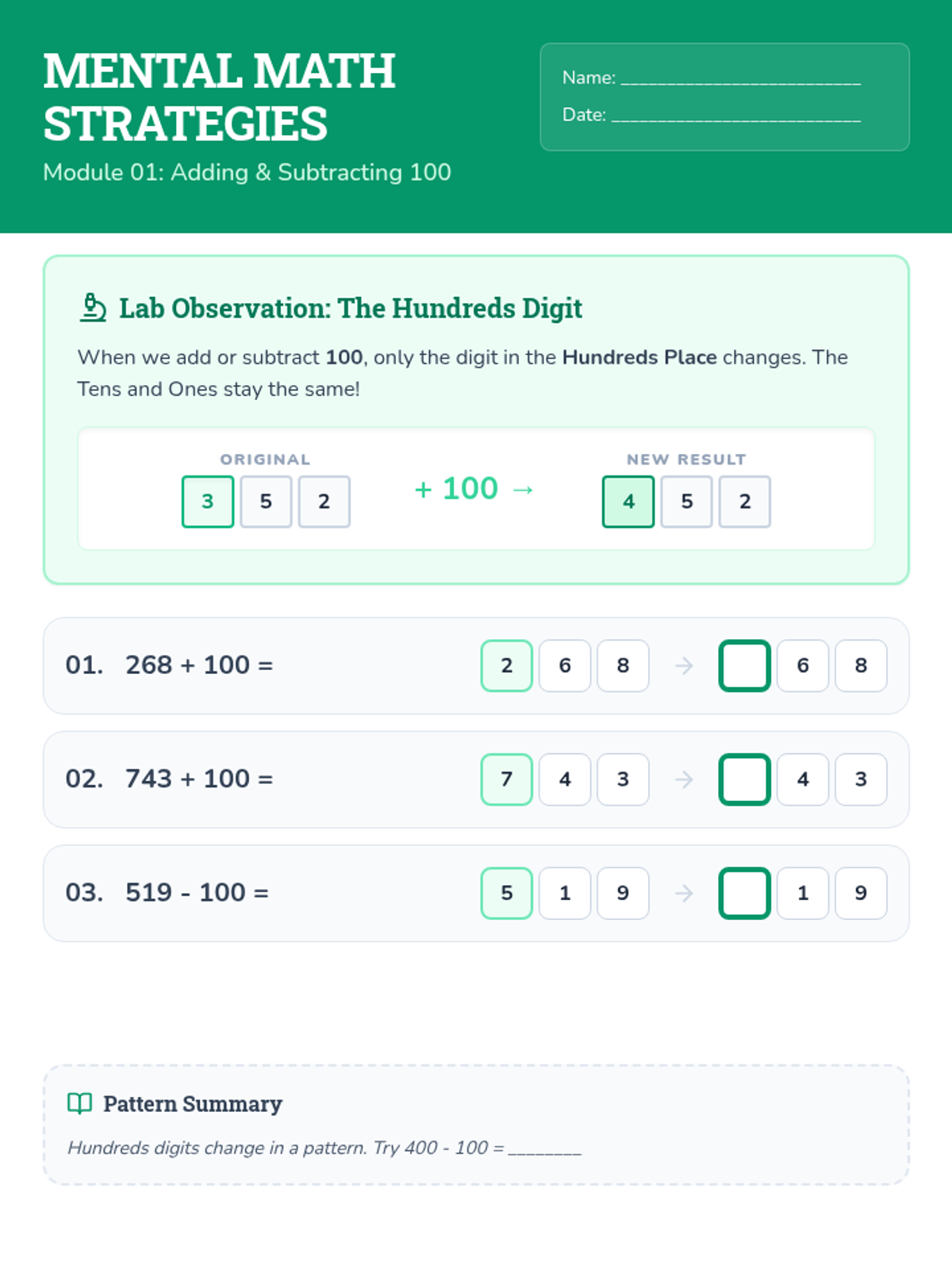
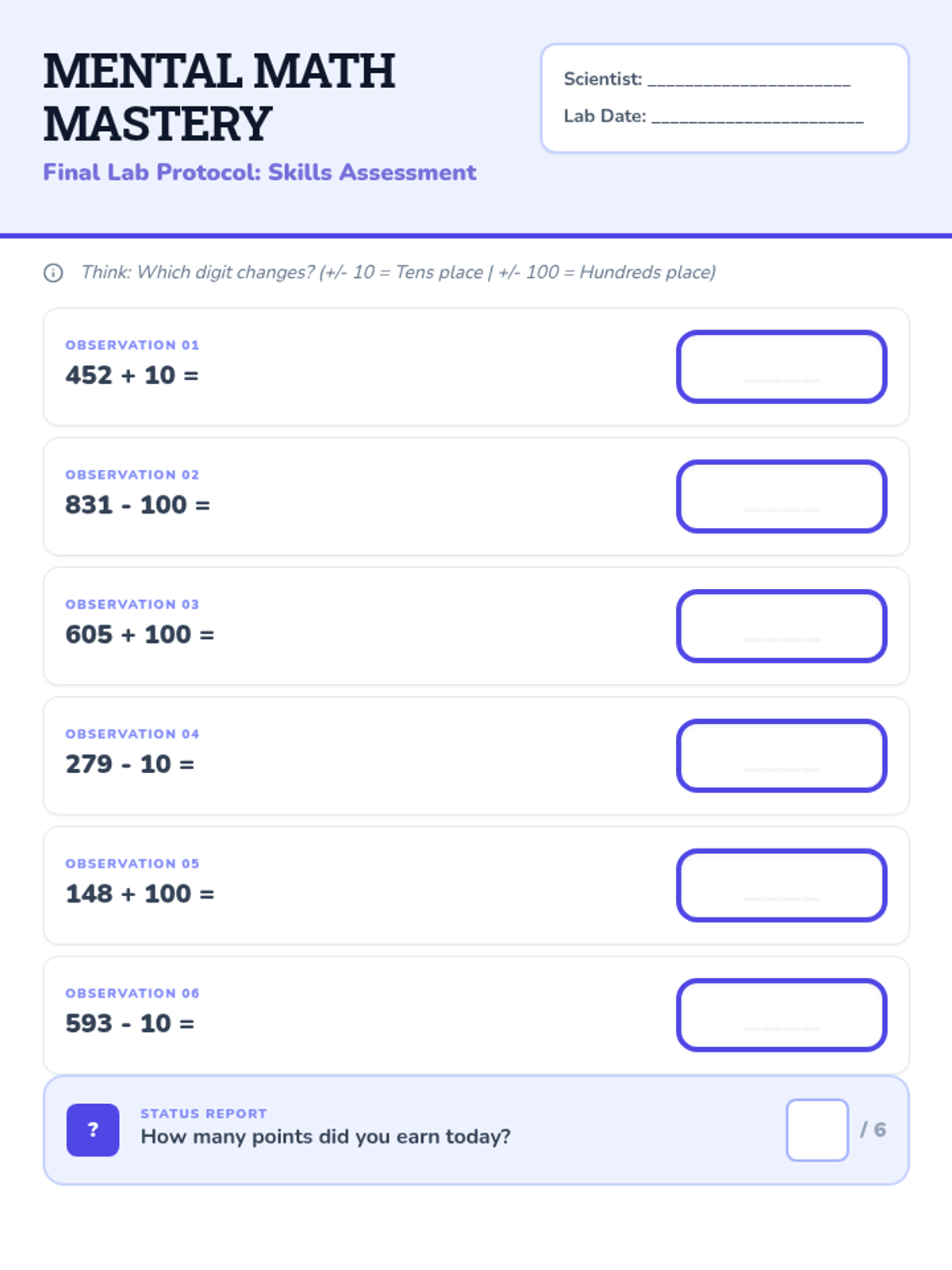
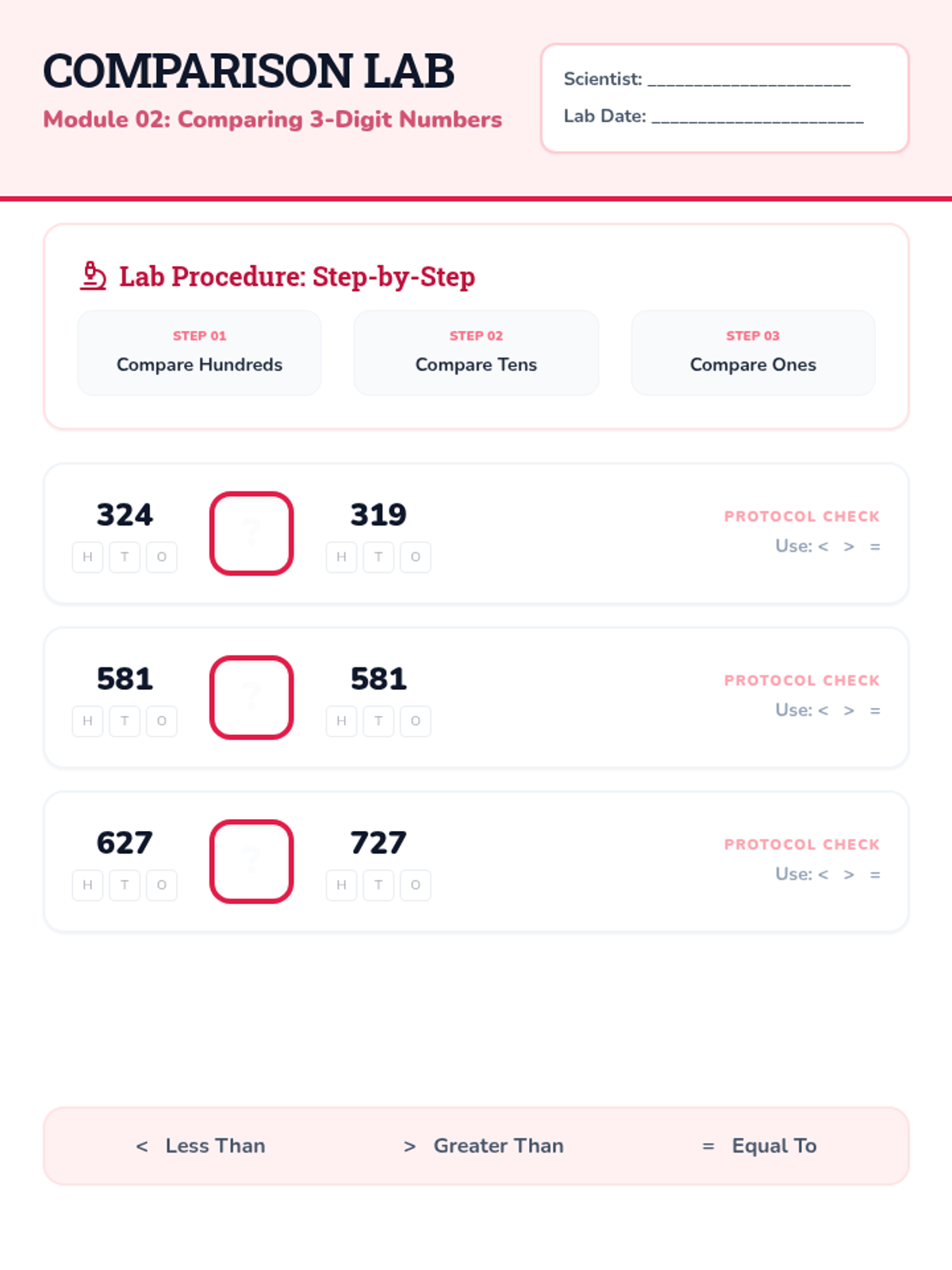
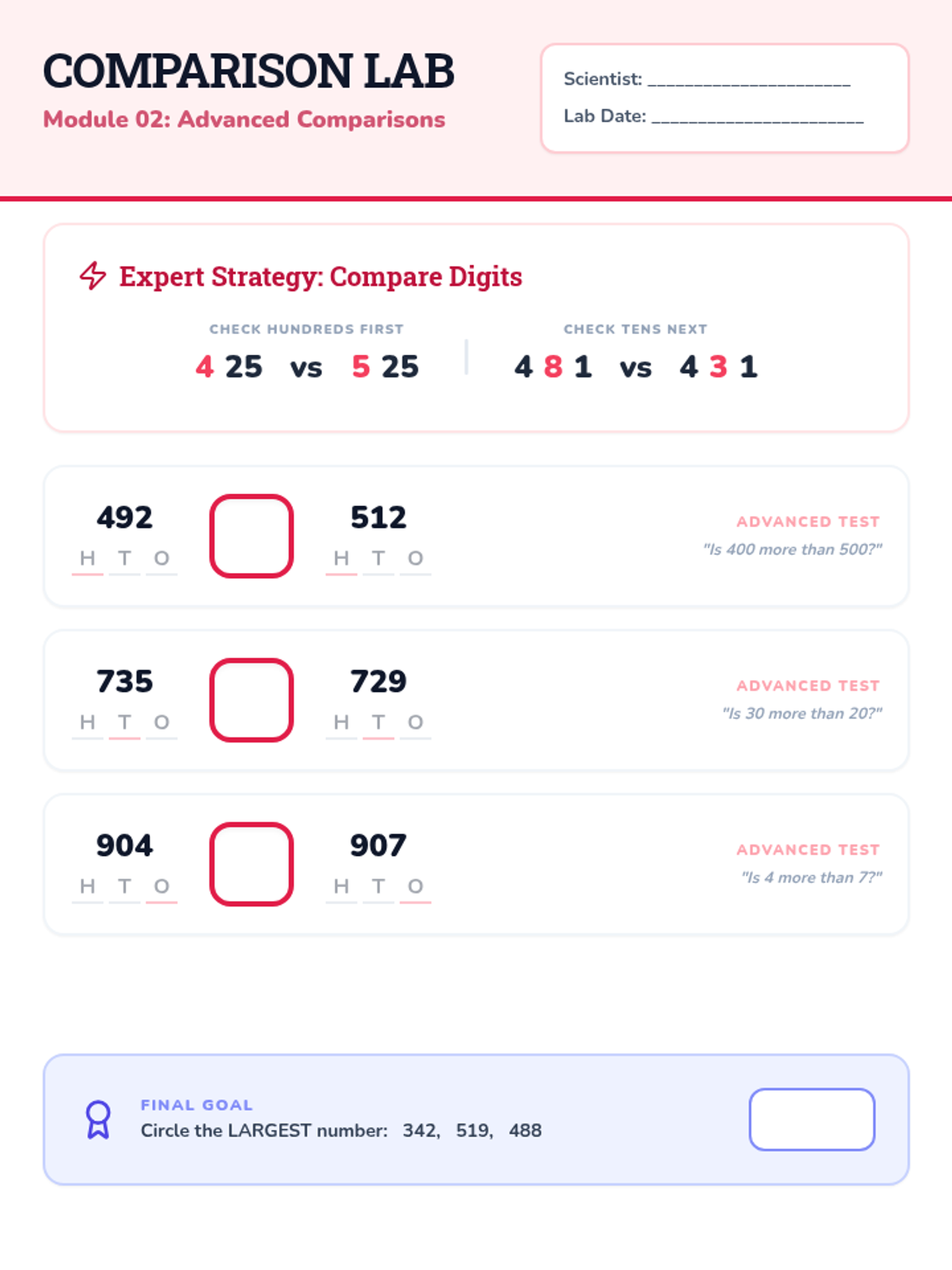
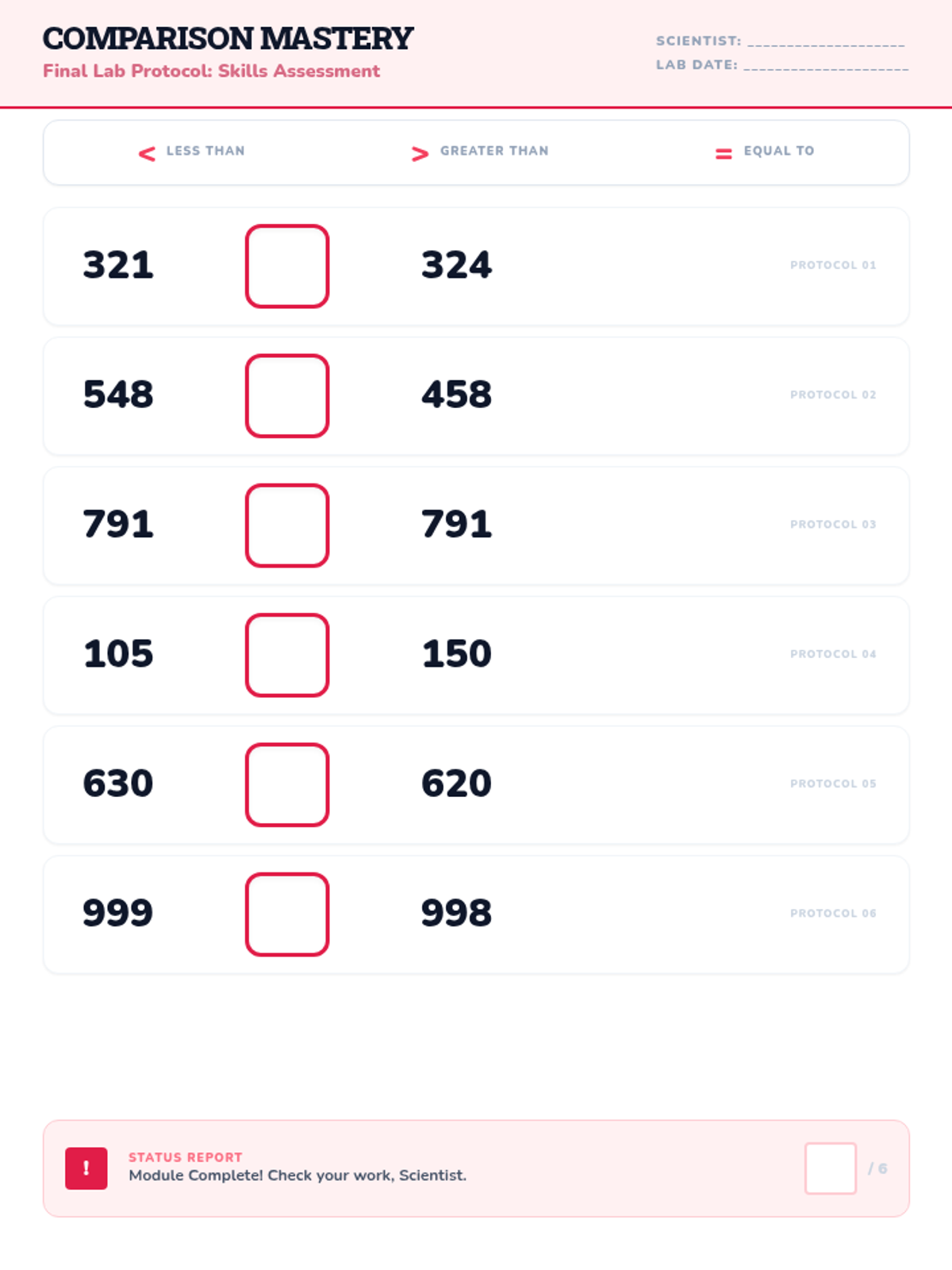
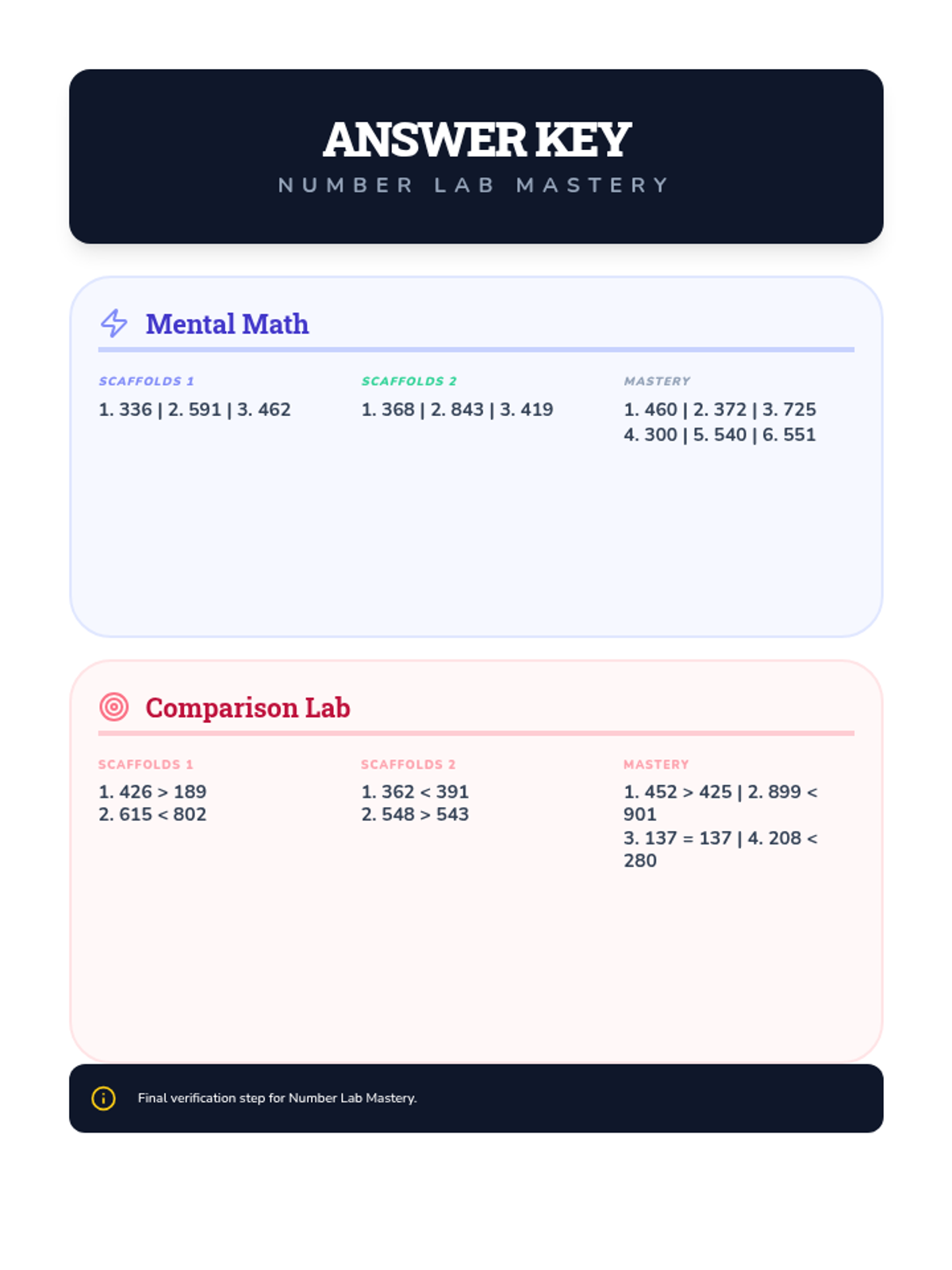
A series of targeted math worksheets for 3rd-grade RSP students to master 2nd-grade mental math and comparison standards using highly scaffolded place value supports.
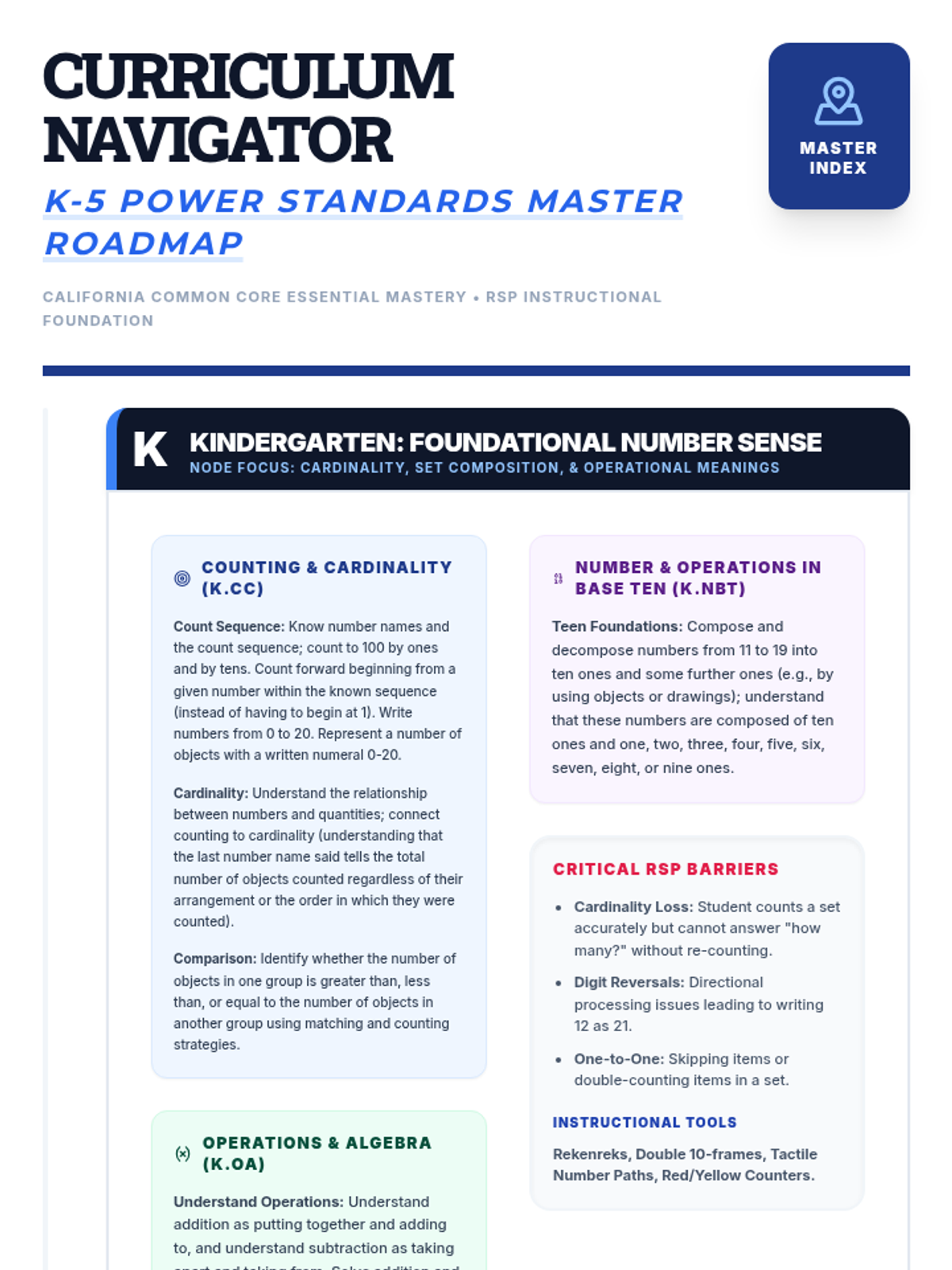
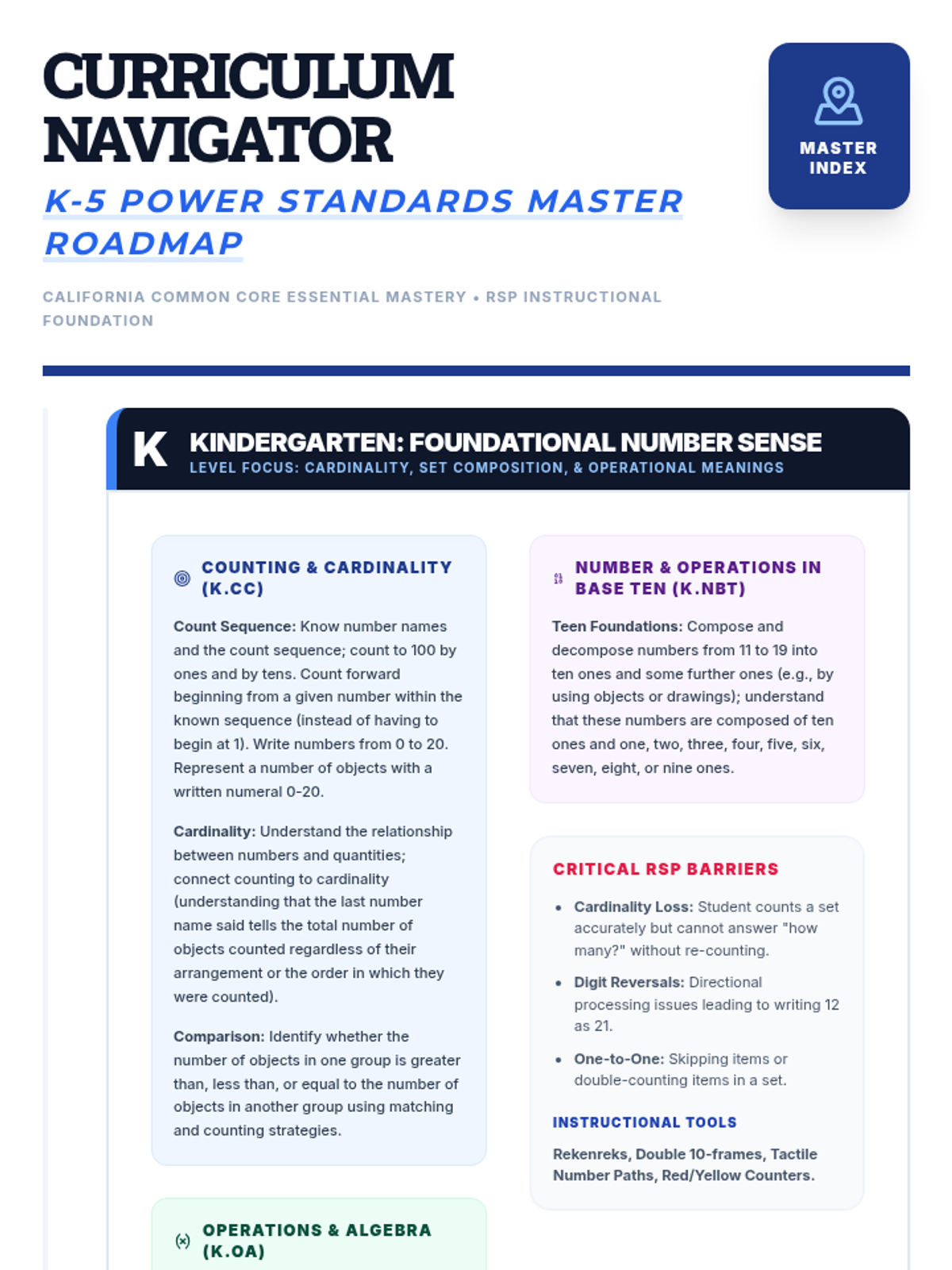
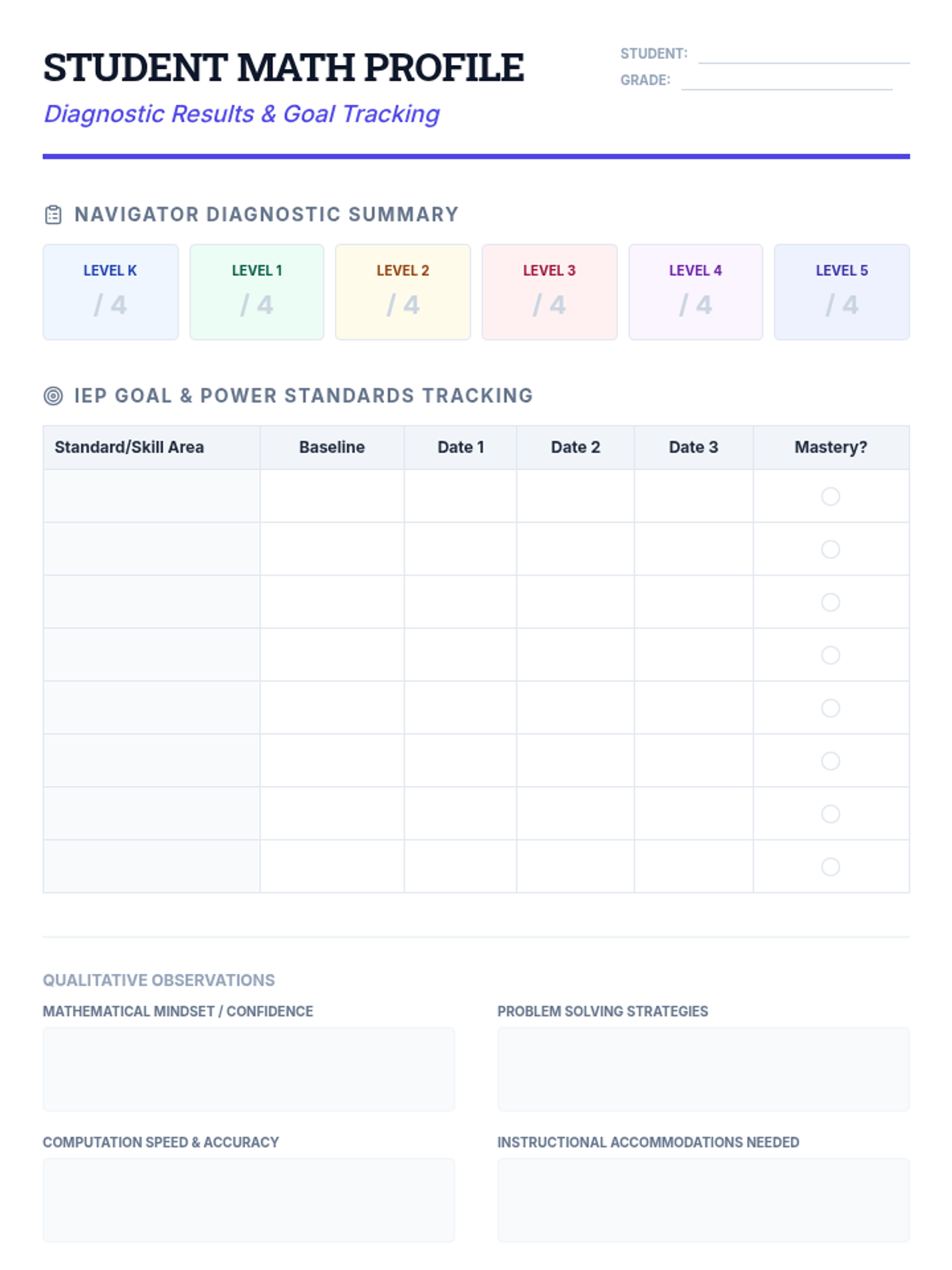
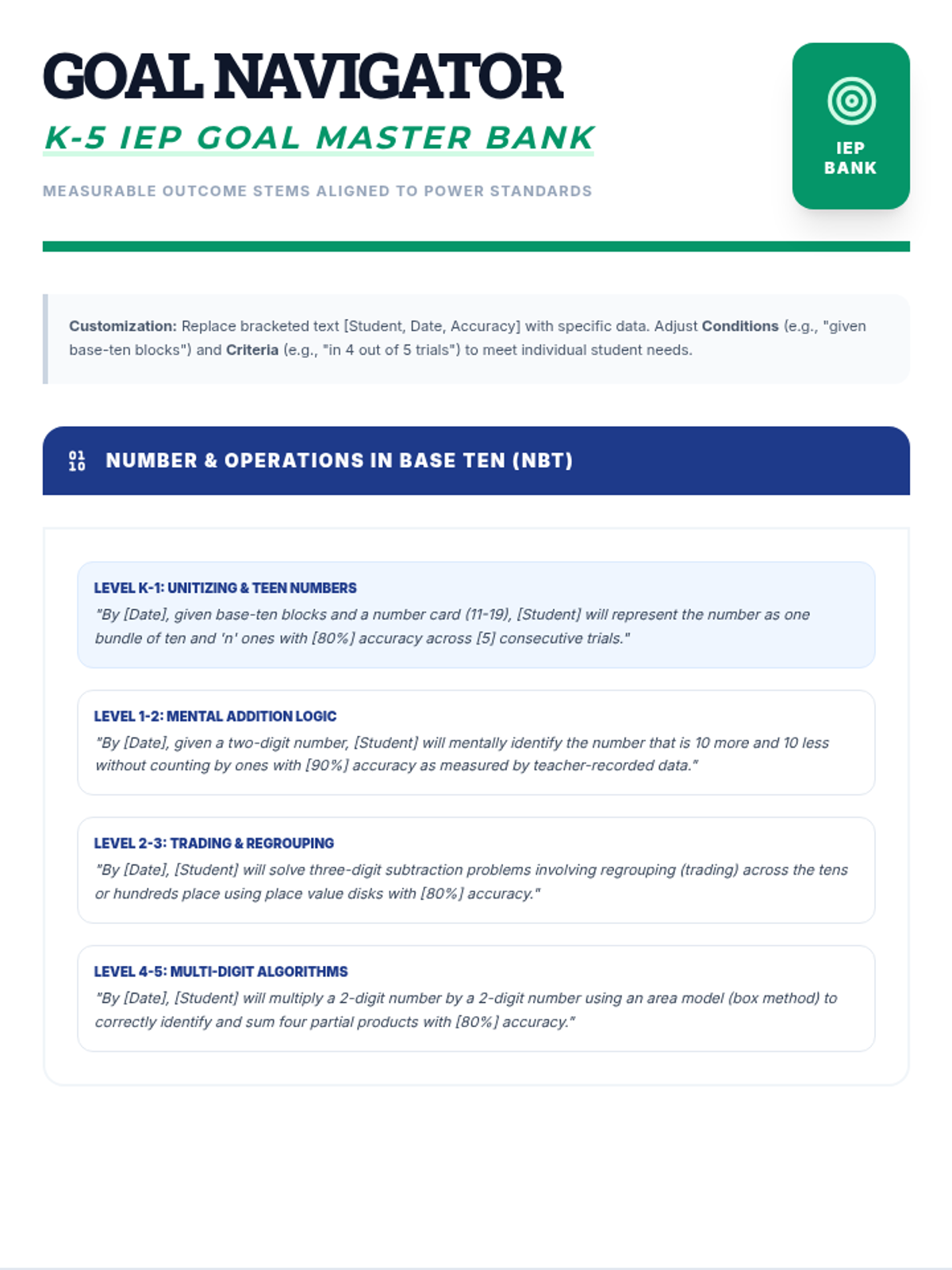
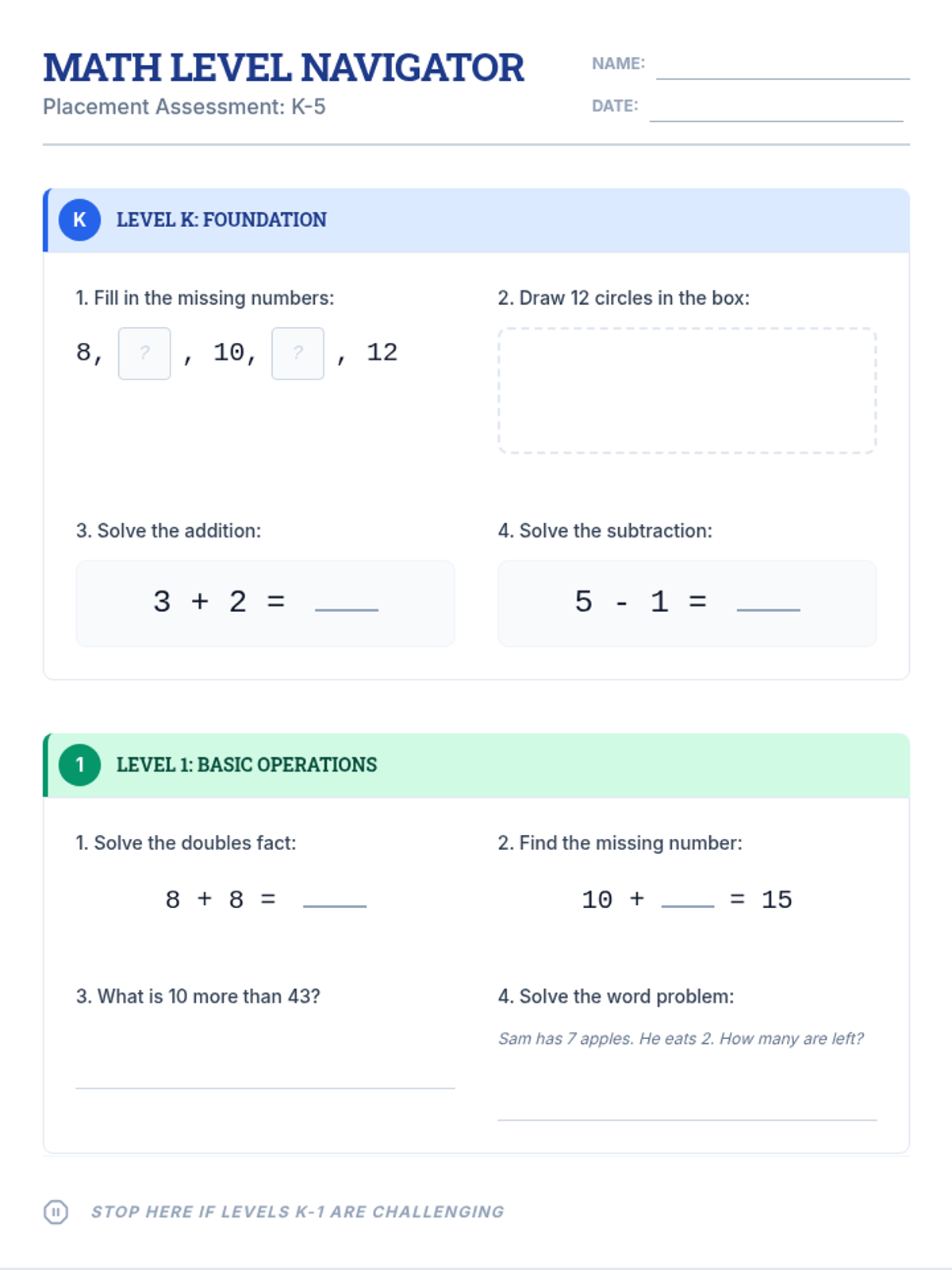
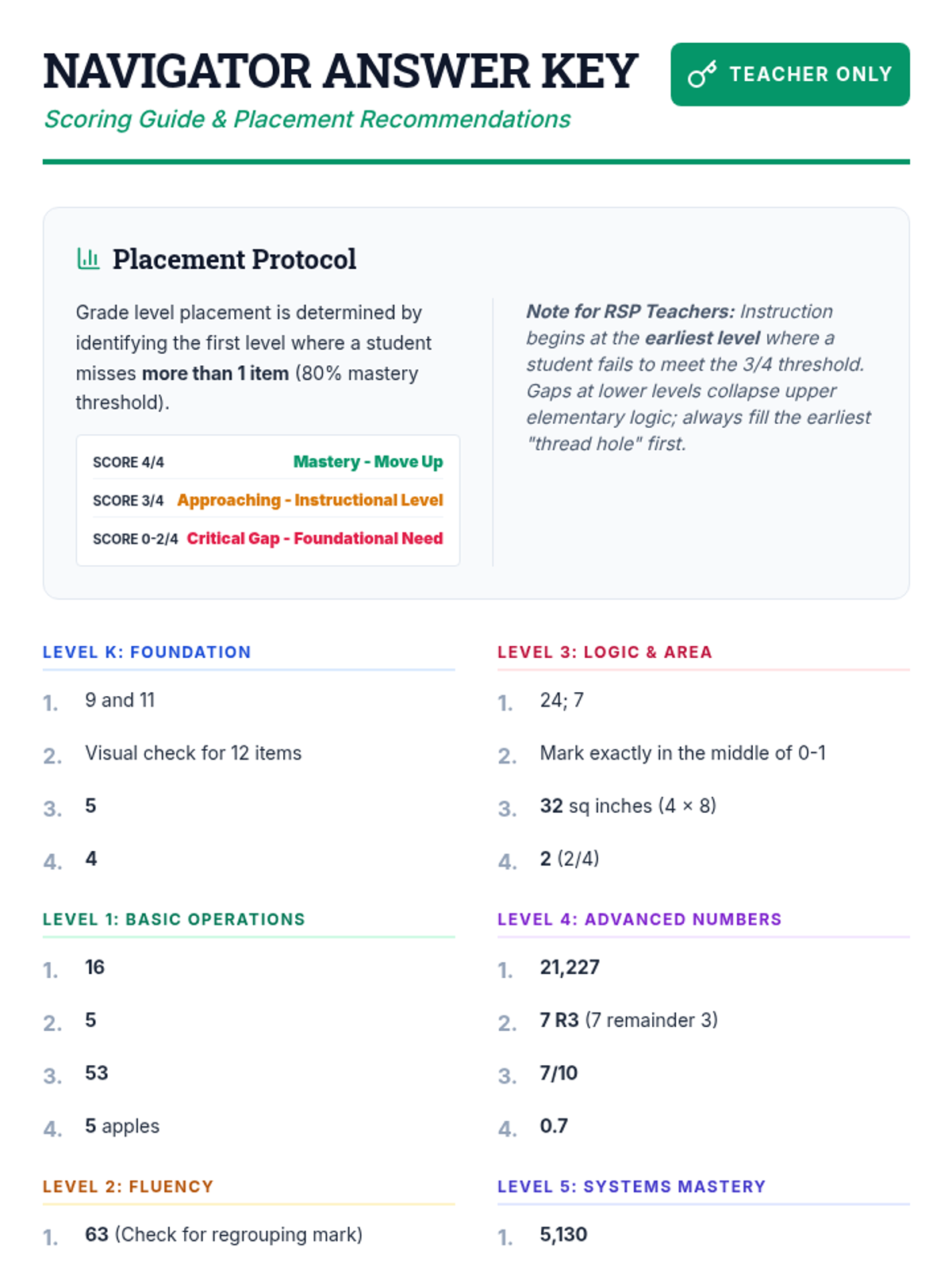
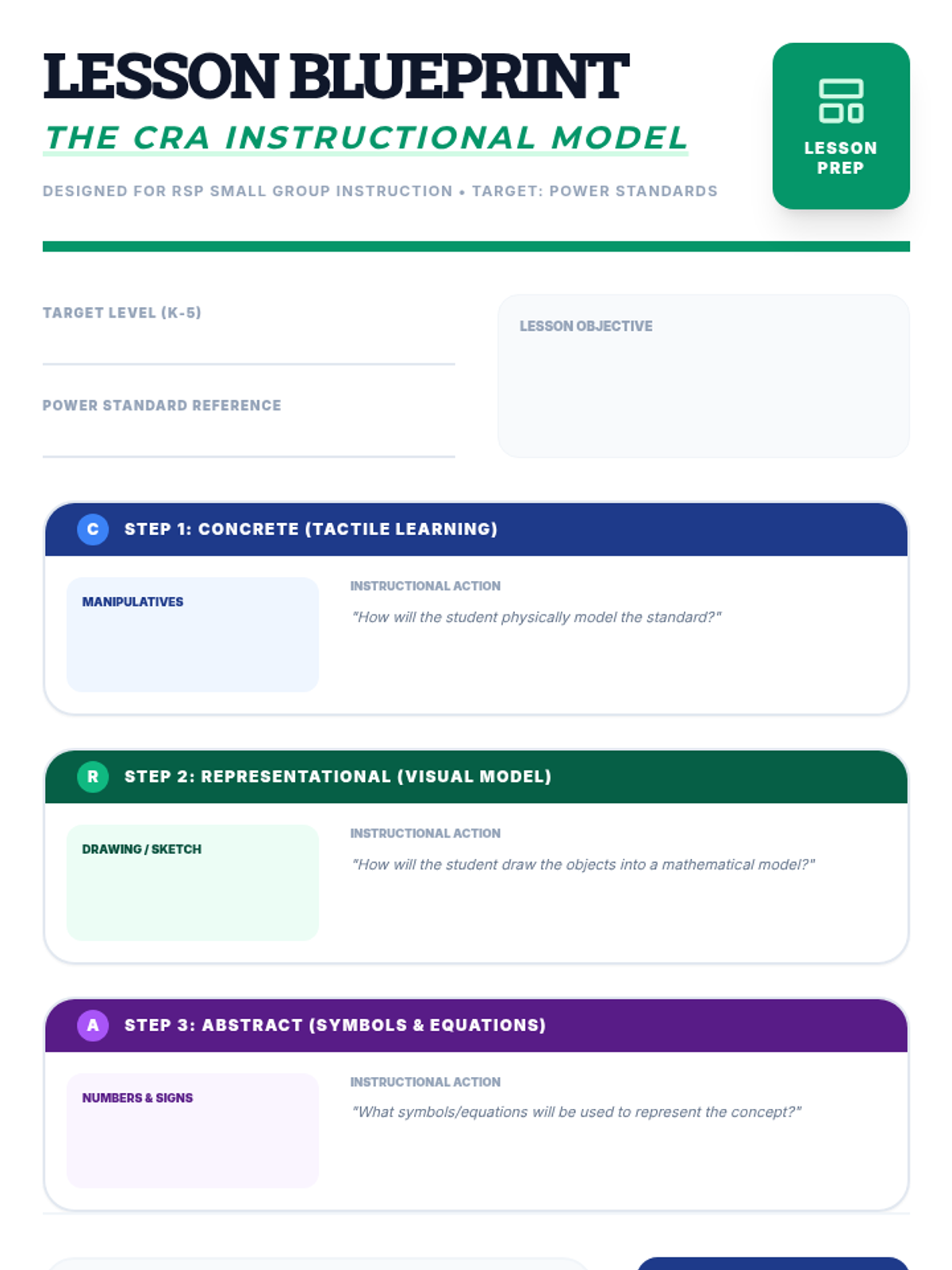
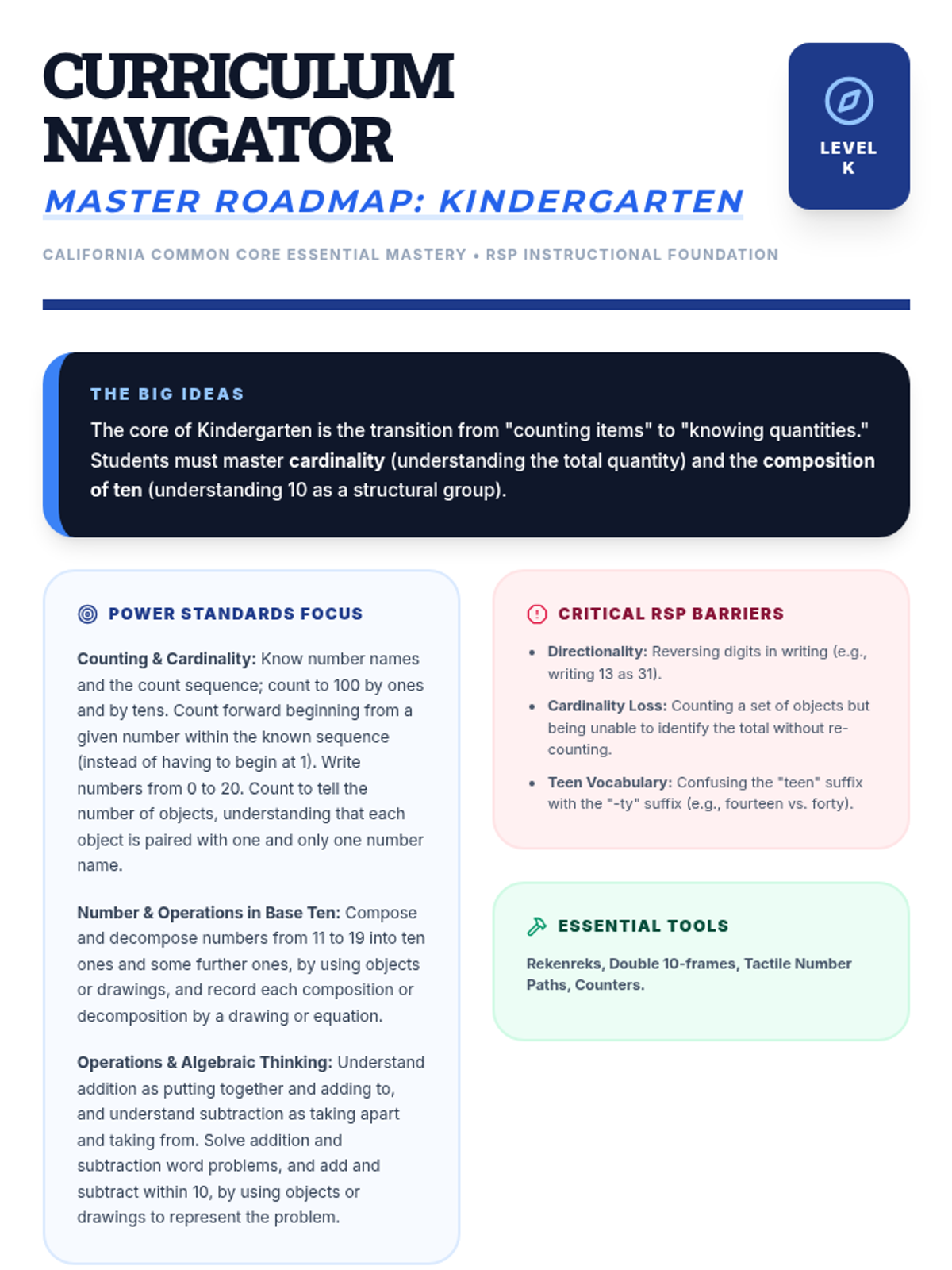
Foundational tools for assessing student levels and planning instruction based on California Power Standards across grades K-5.
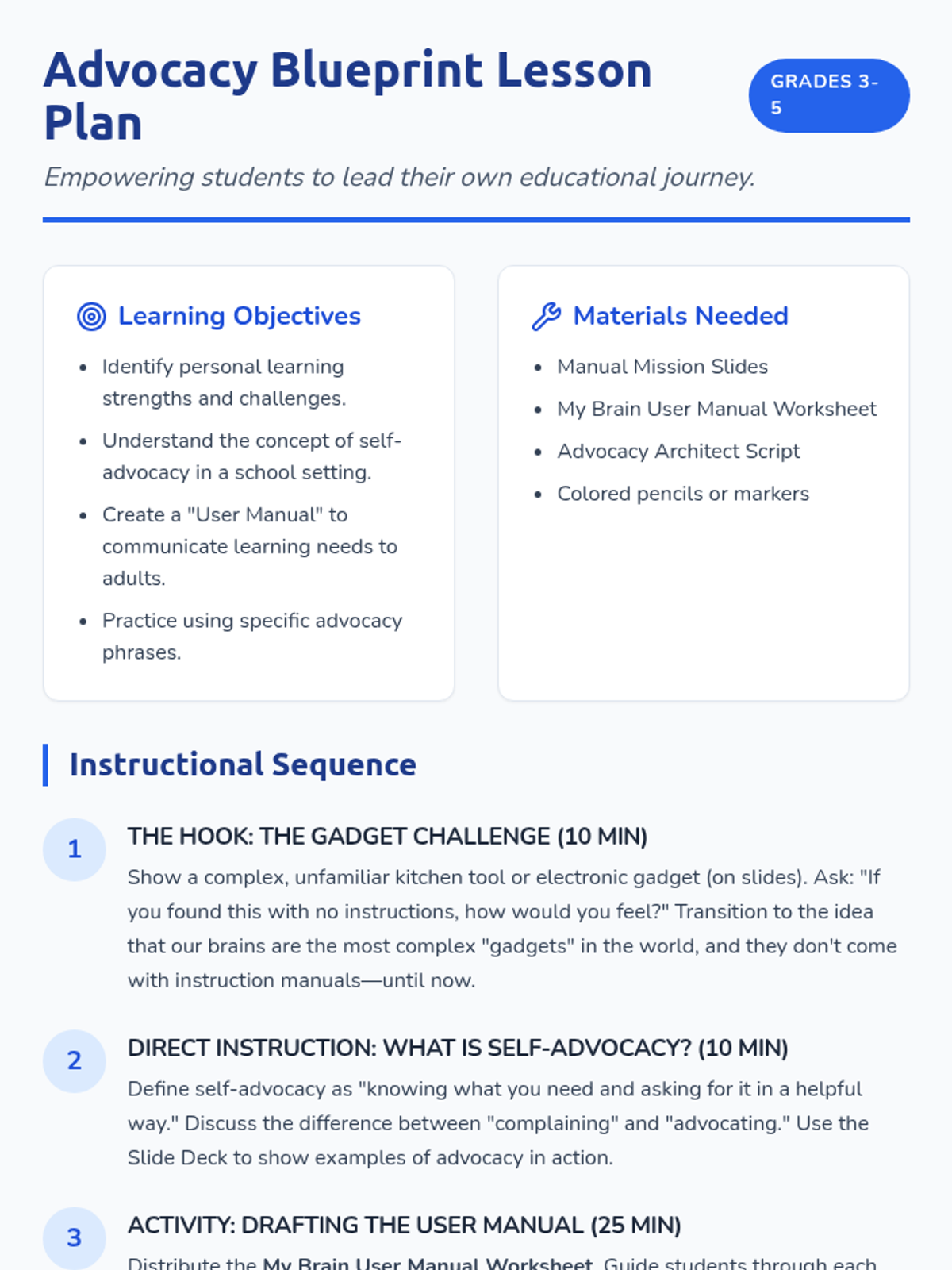
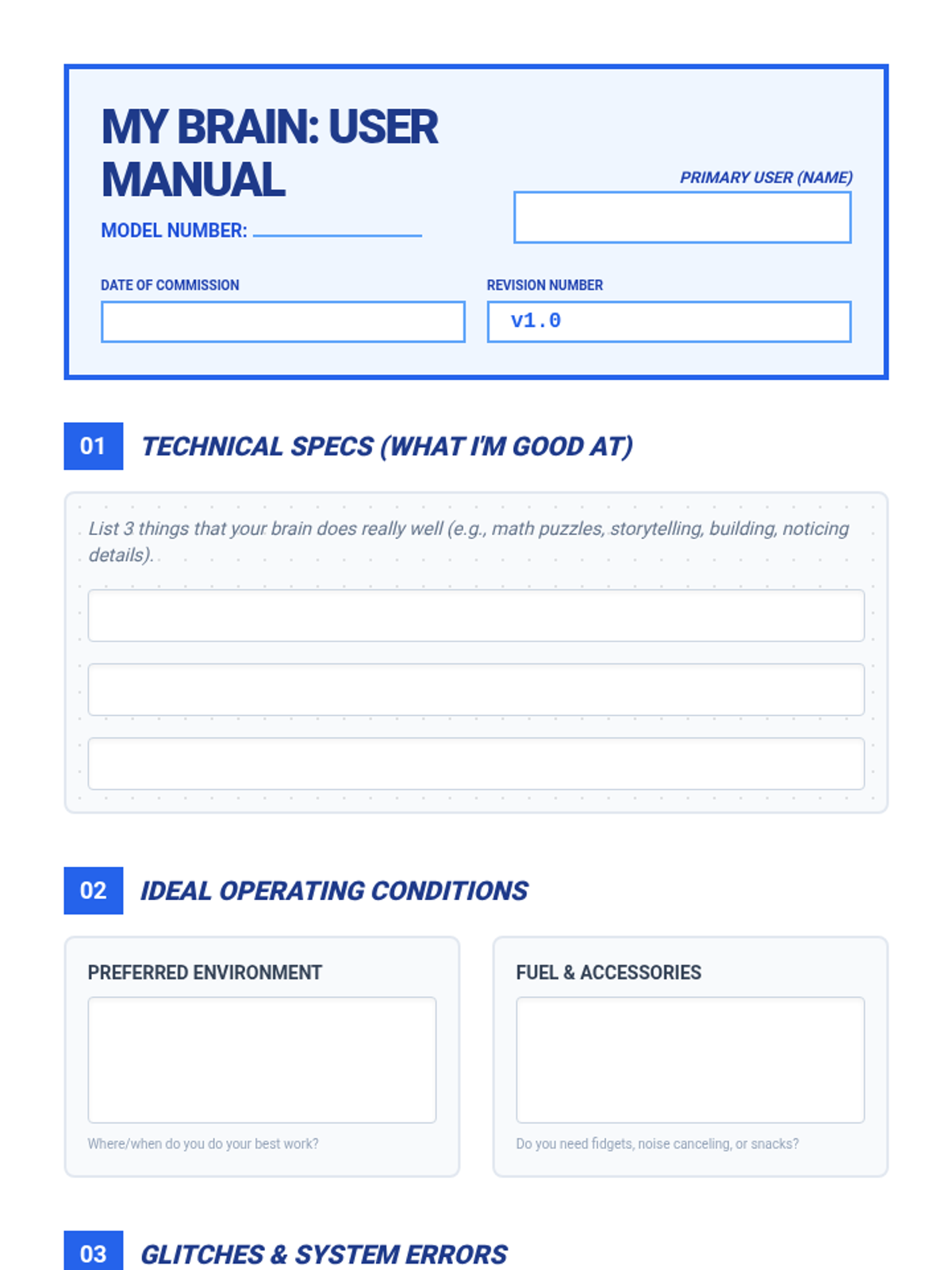
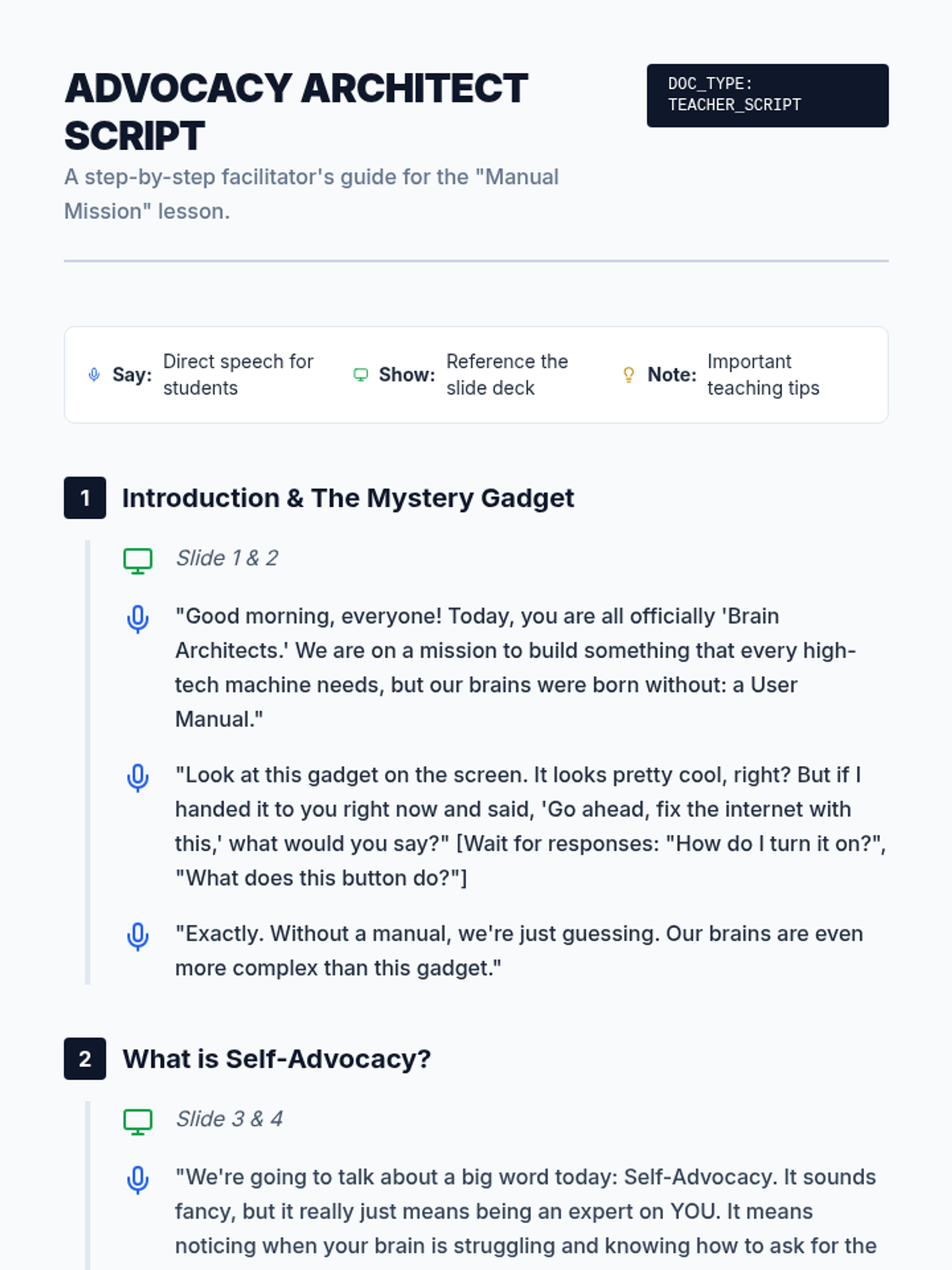
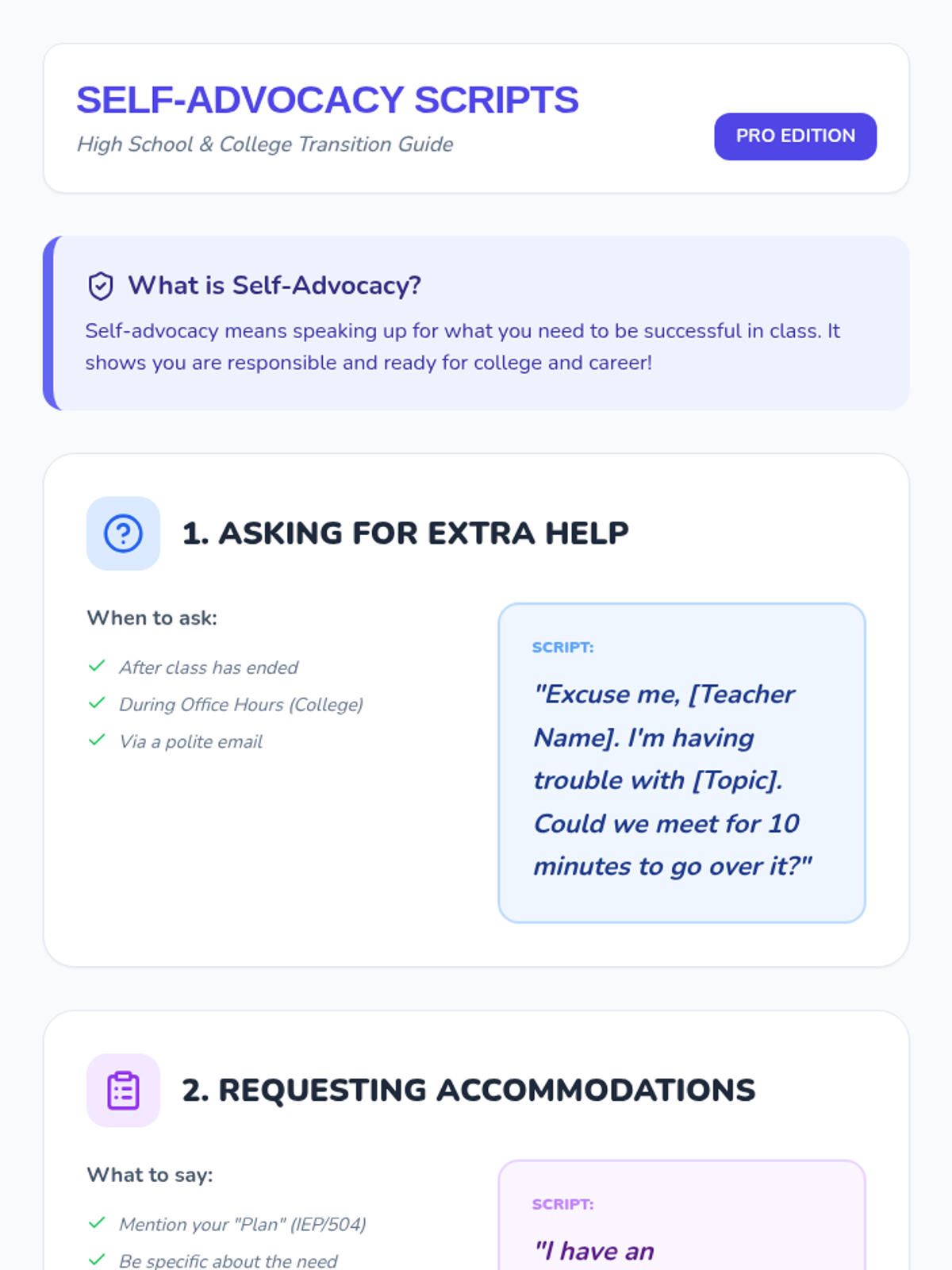
A lesson designed to empower students in grades 3-5 to understand their unique learning needs and advocate for themselves by creating a 'User Manual' for their brains.
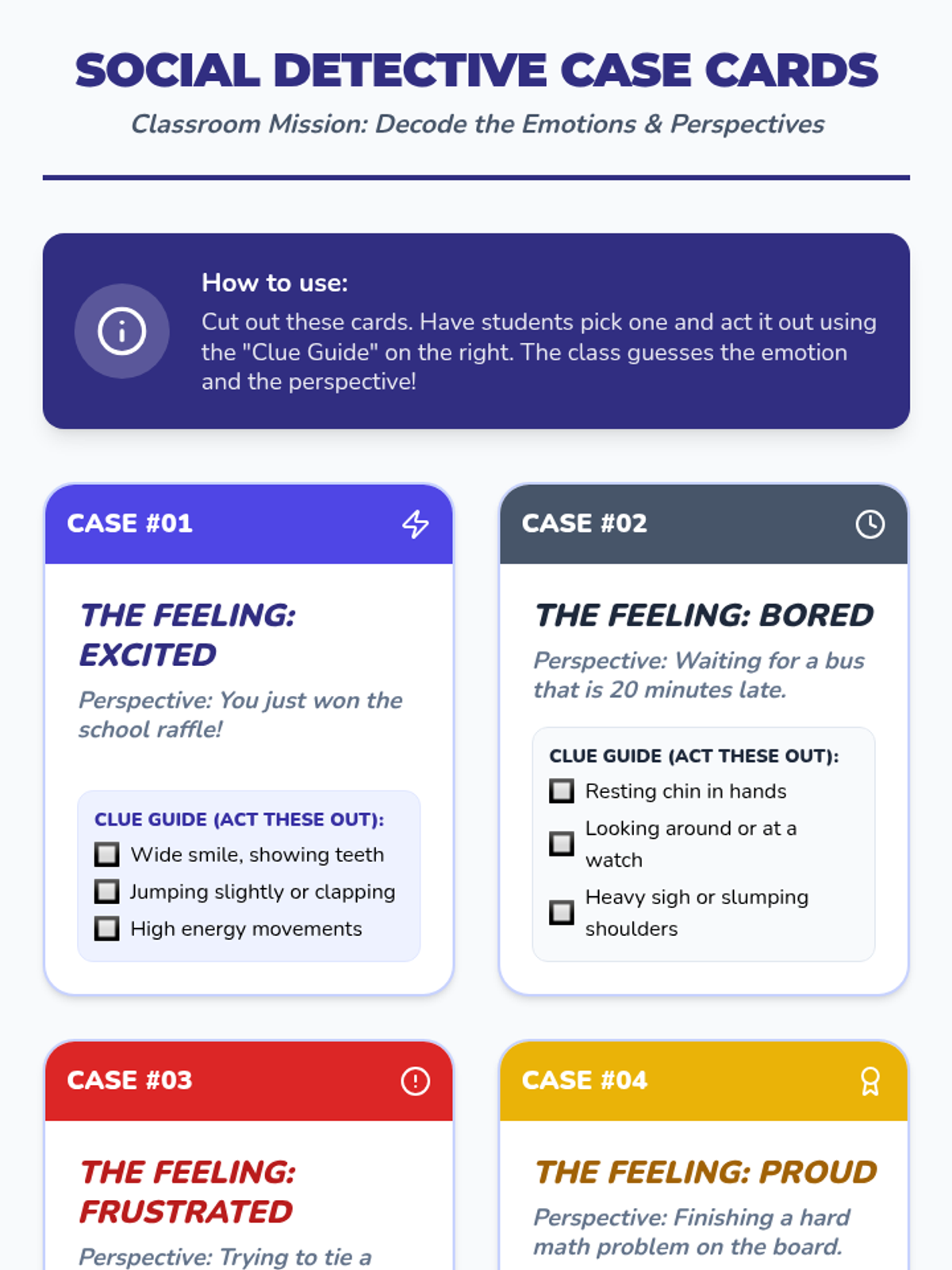
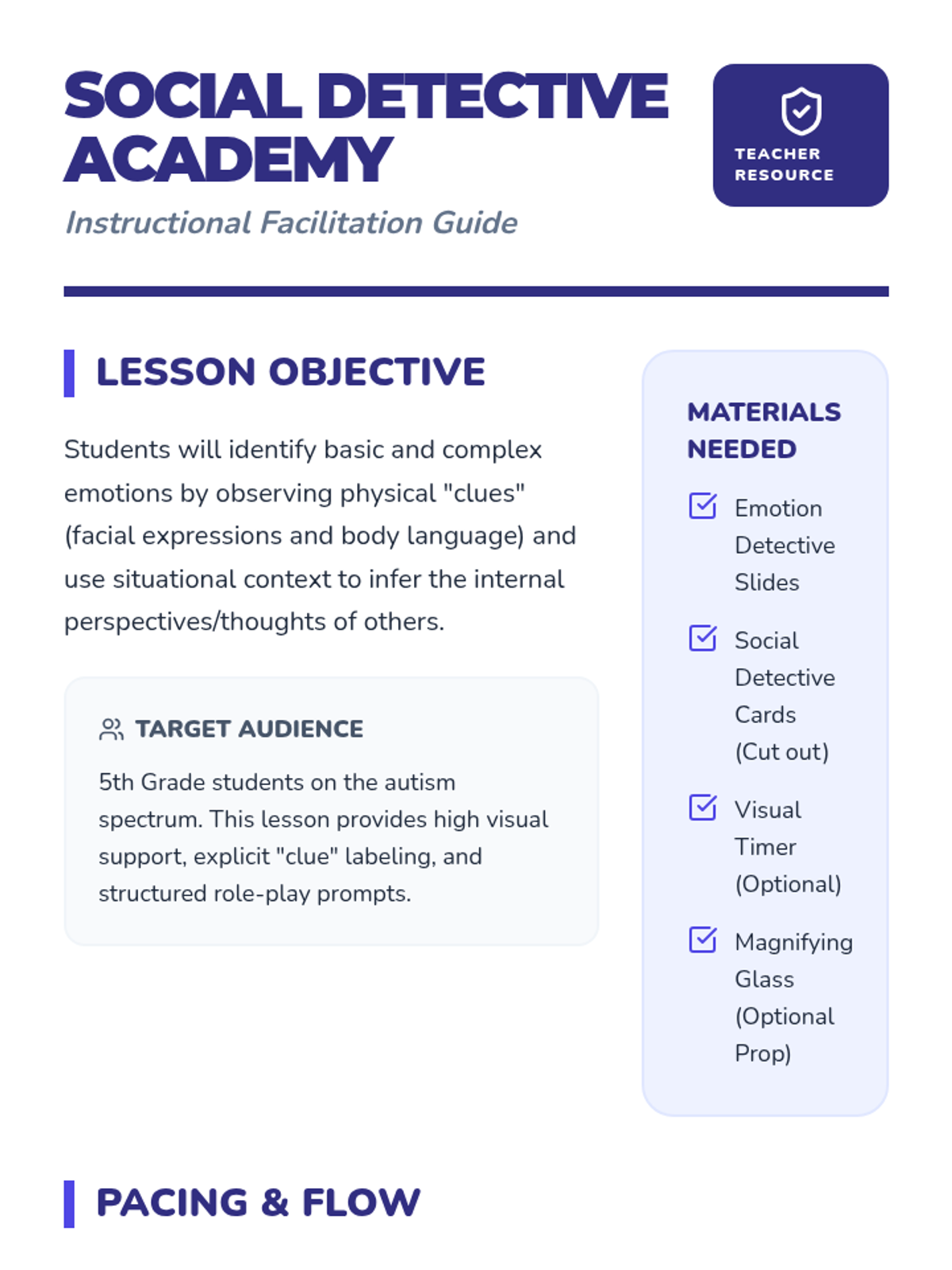
A social-emotional learning lesson focused on identifying emotions and taking perspectives through a charades-style role-play game. Designed specifically with visual supports for 5th grade students on the autism spectrum.
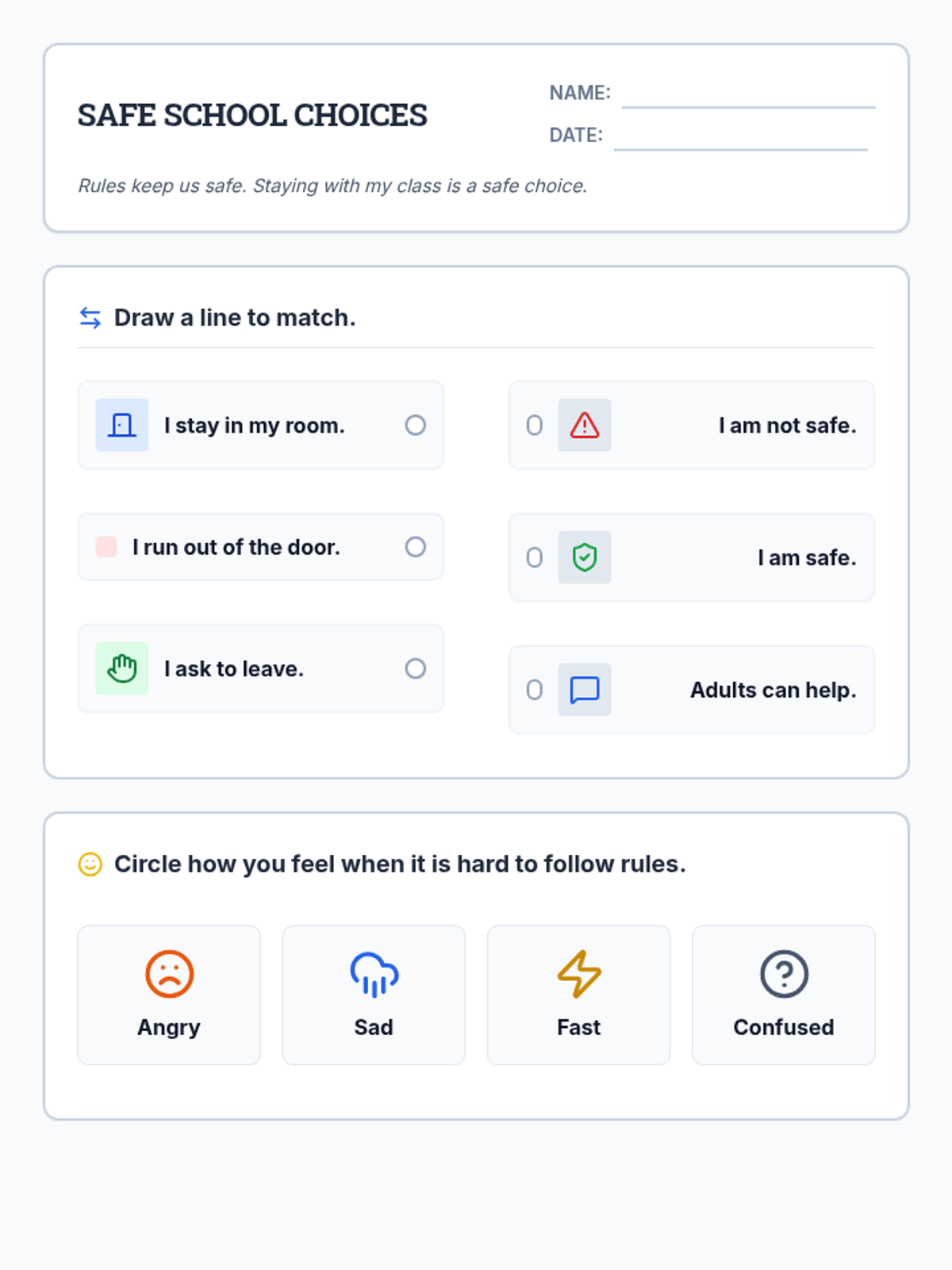
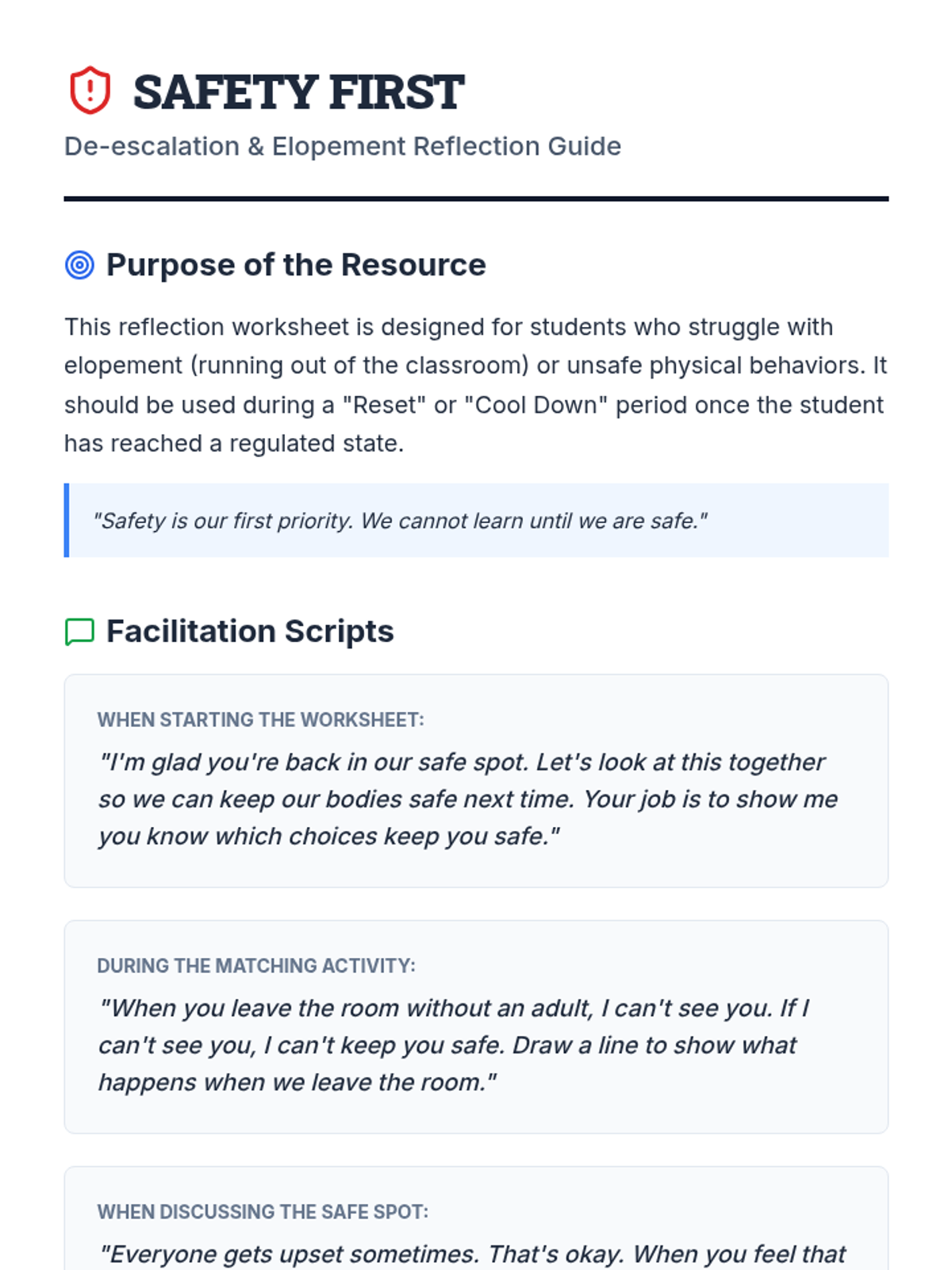
A focused lesson designed to help students understand the importance of staying in their designated classroom area and following safety protocols to prevent elopement.
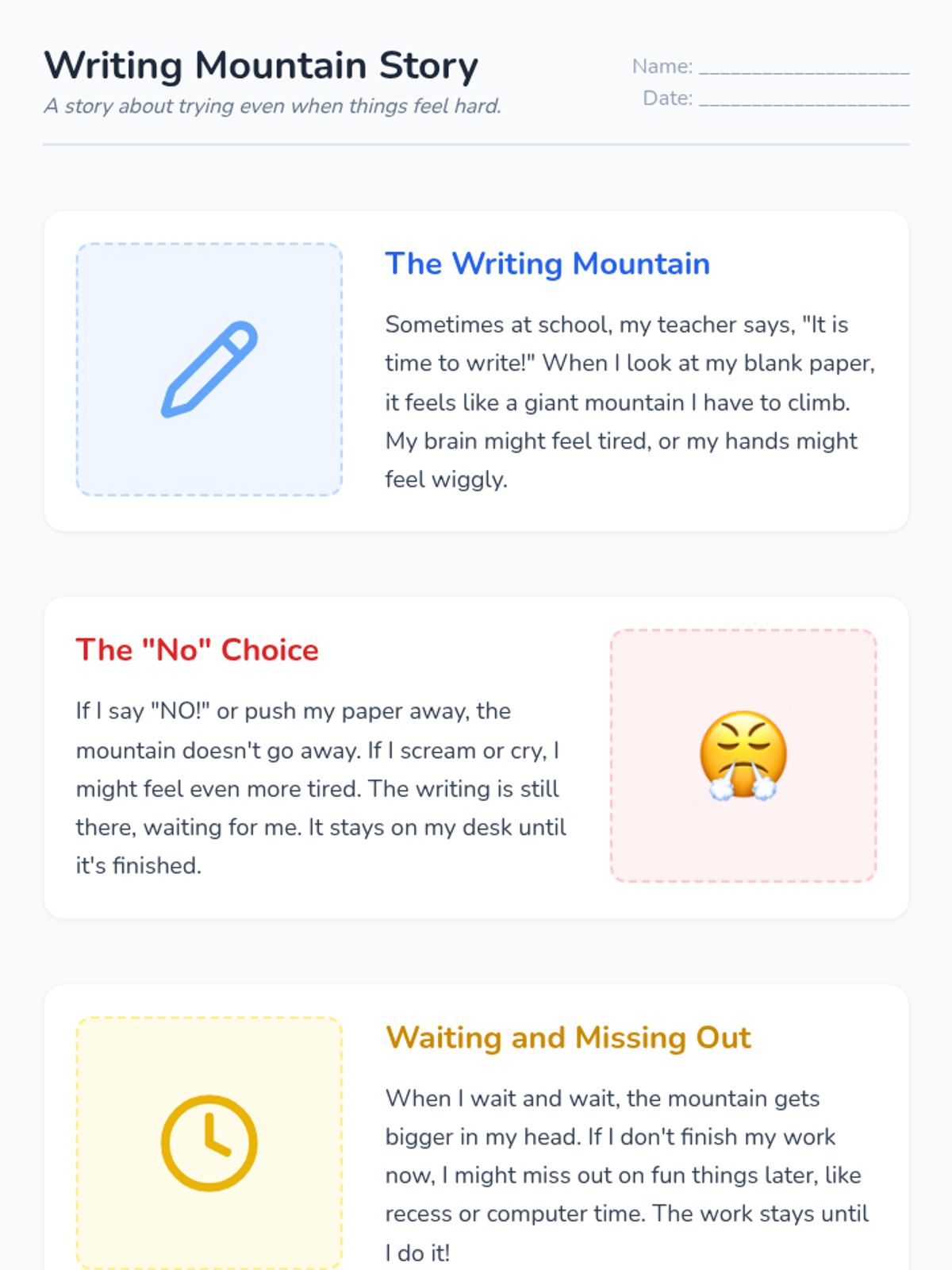
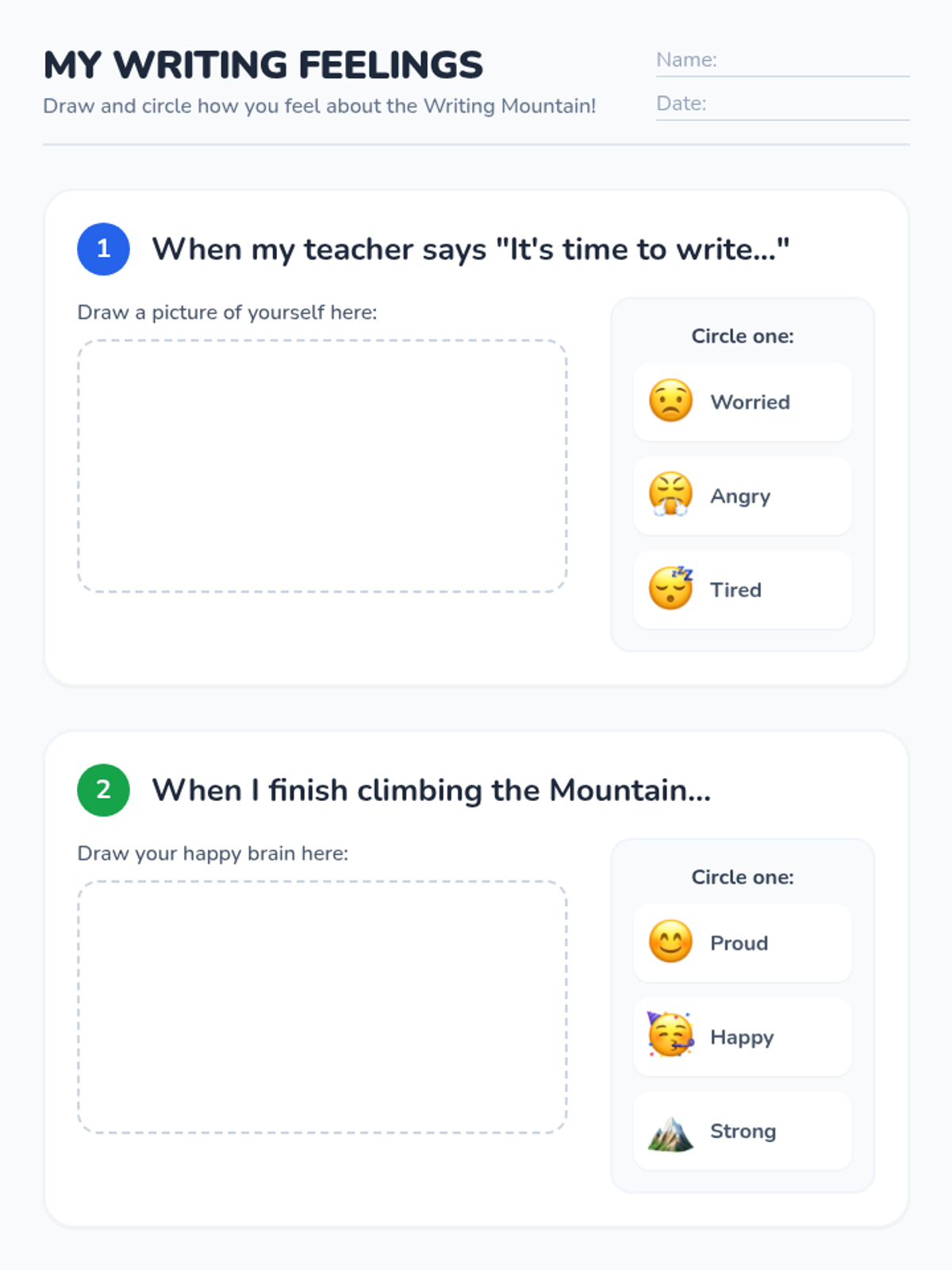
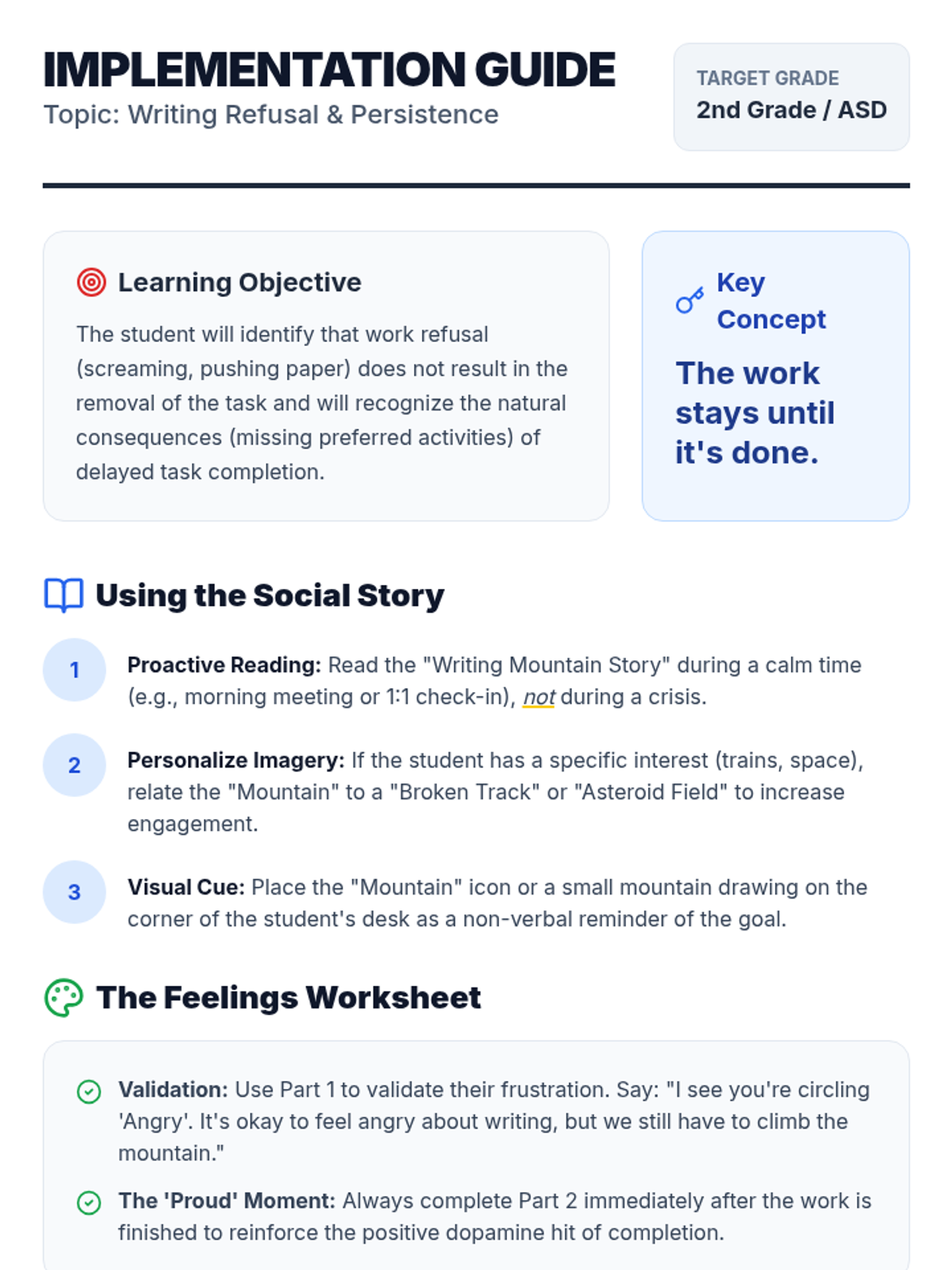
A social story and supporting materials designed for a 2nd-grade student with Autism to address writing refusal and the persistence of tasks. The lesson includes a narrative story, a visual feelings worksheet, and a teacher guide for implementation.
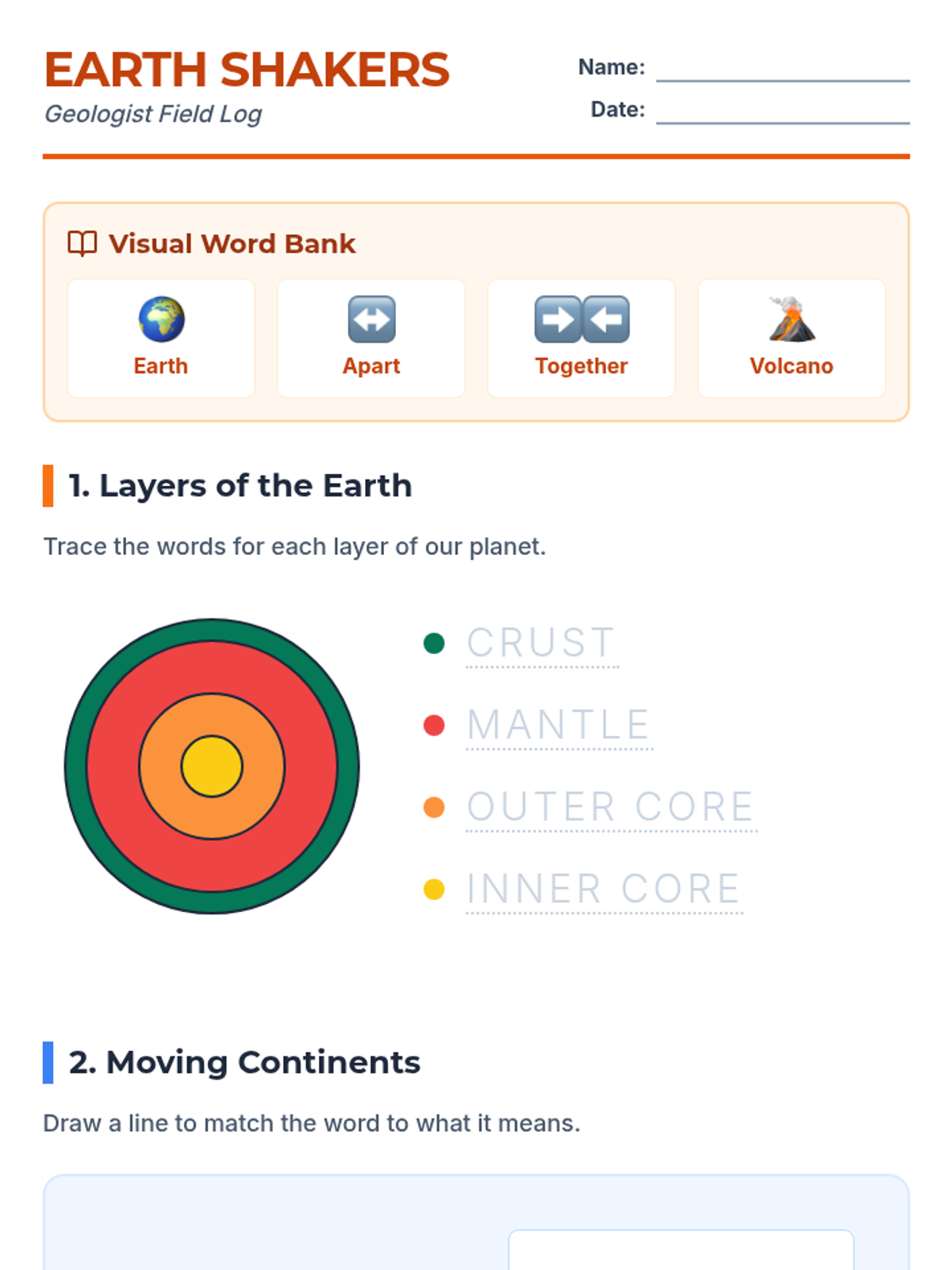
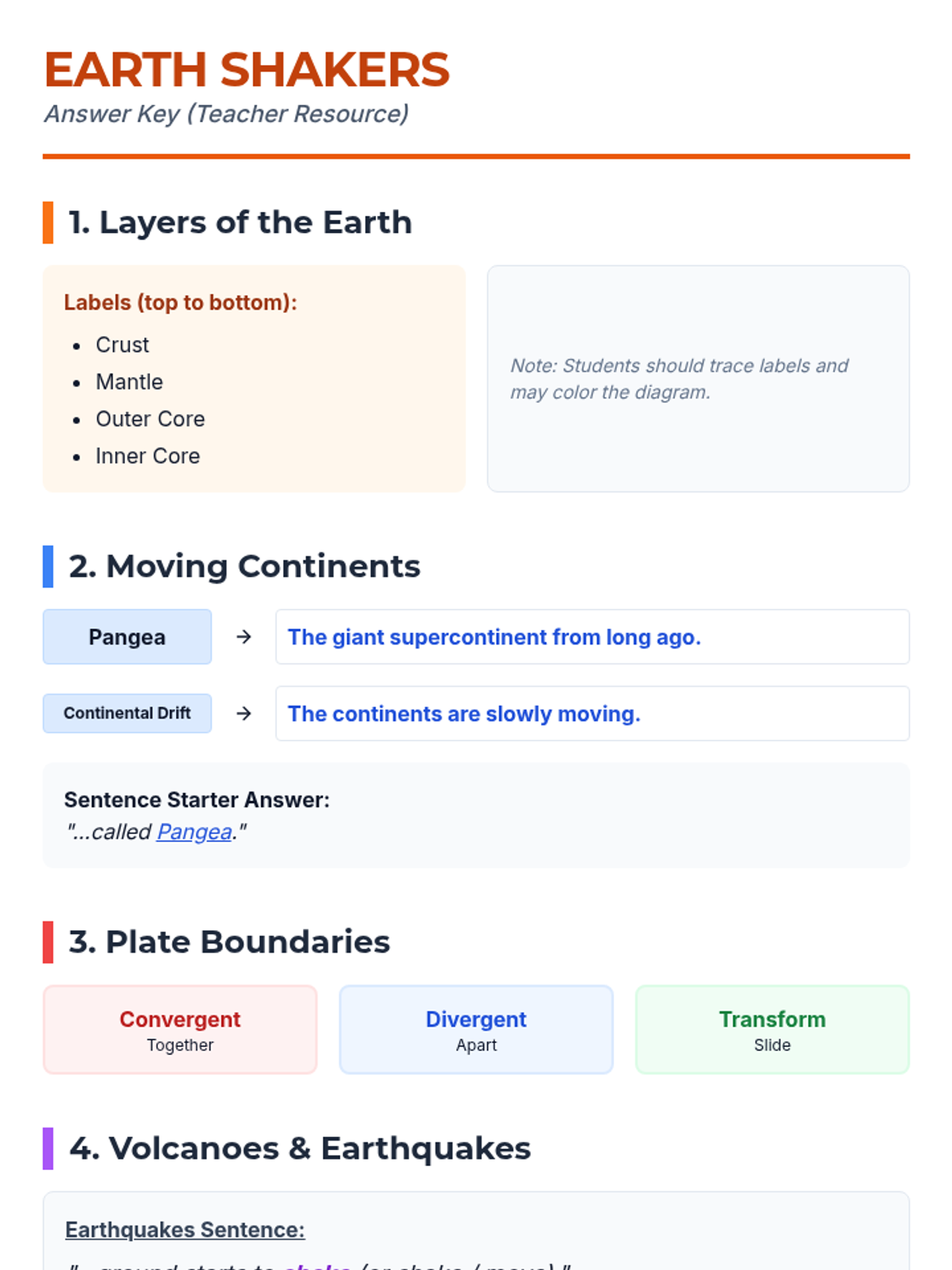
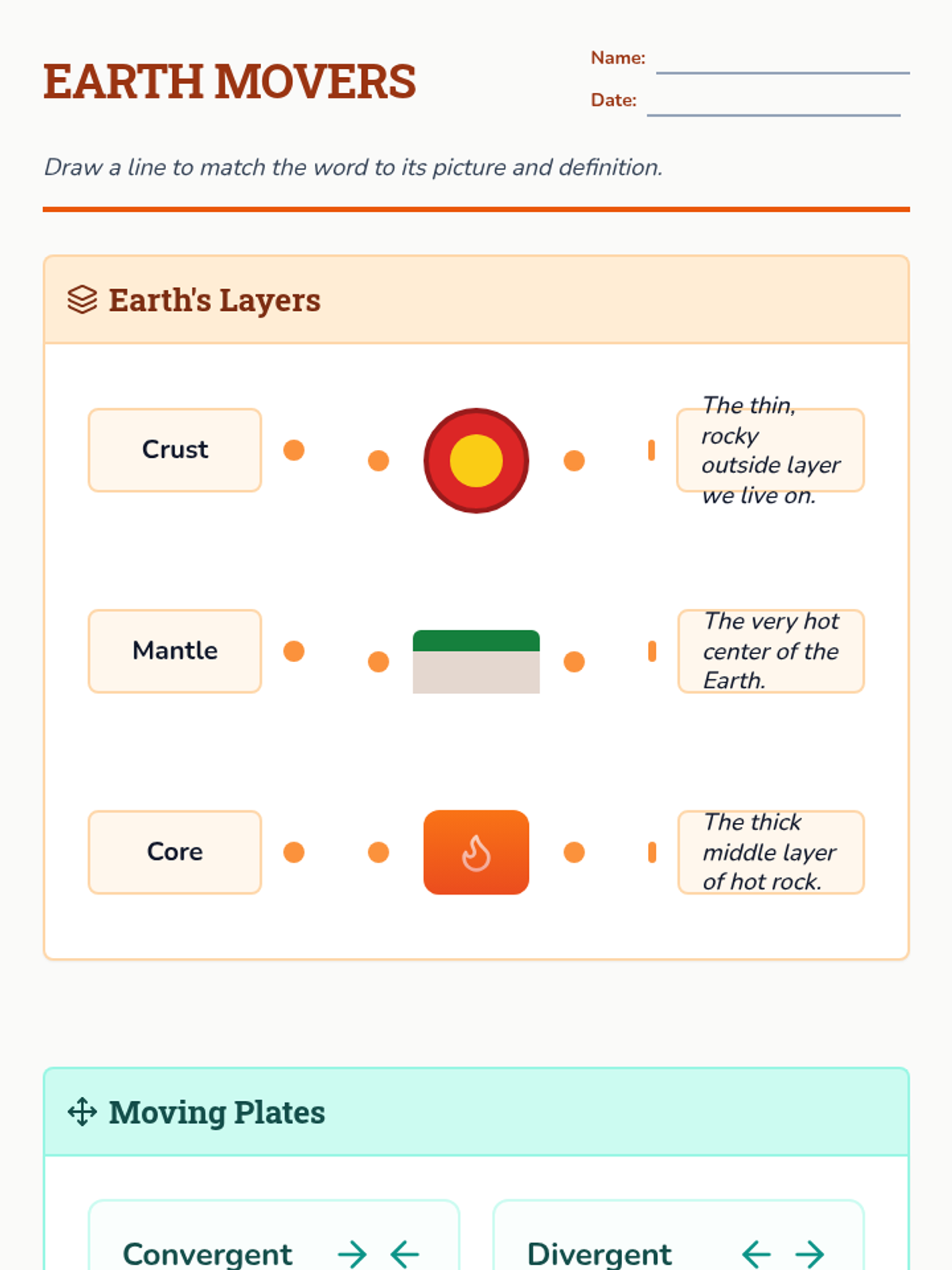
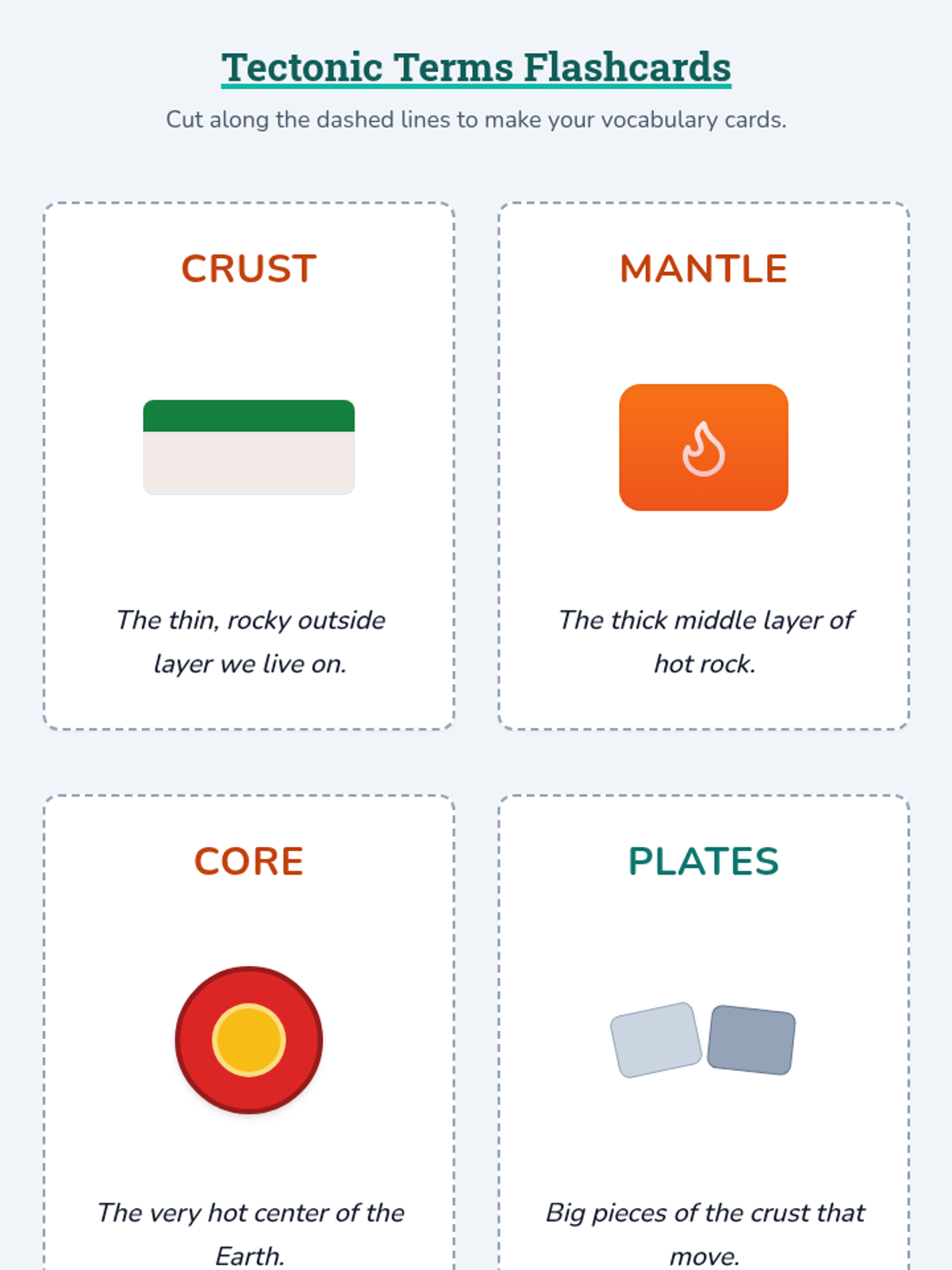
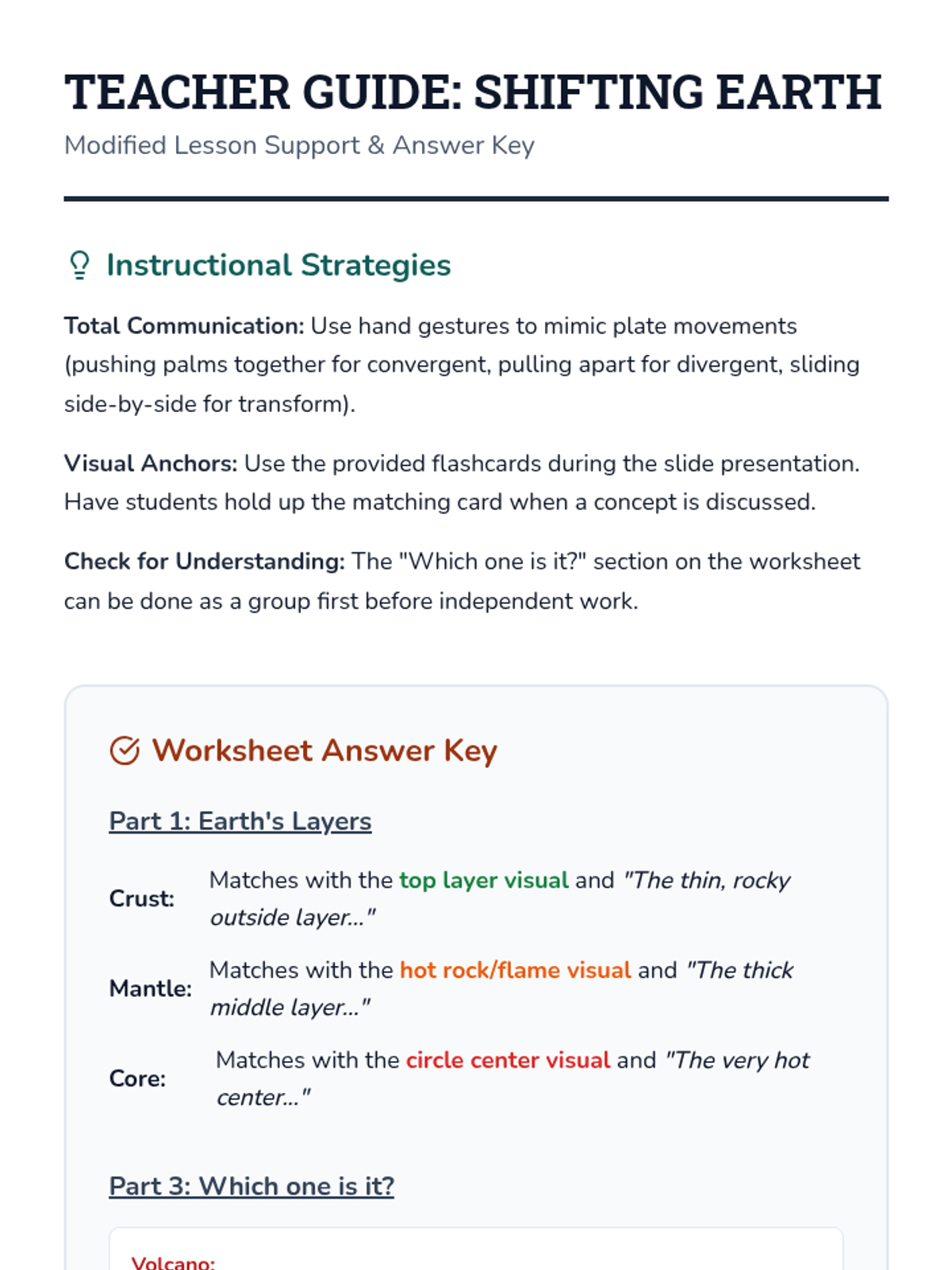
A modified introduction to plate tectonics designed for students needing extra support, focusing on Earth's layers, continental drift, and plate boundaries with heavy visual scaffolding.
A modified lesson on plate tectonics featuring visual supports for understanding Earth's layers, plate boundaries, and continental drift. Ideal for students who benefit from pictorial cues and simplified vocabulary.
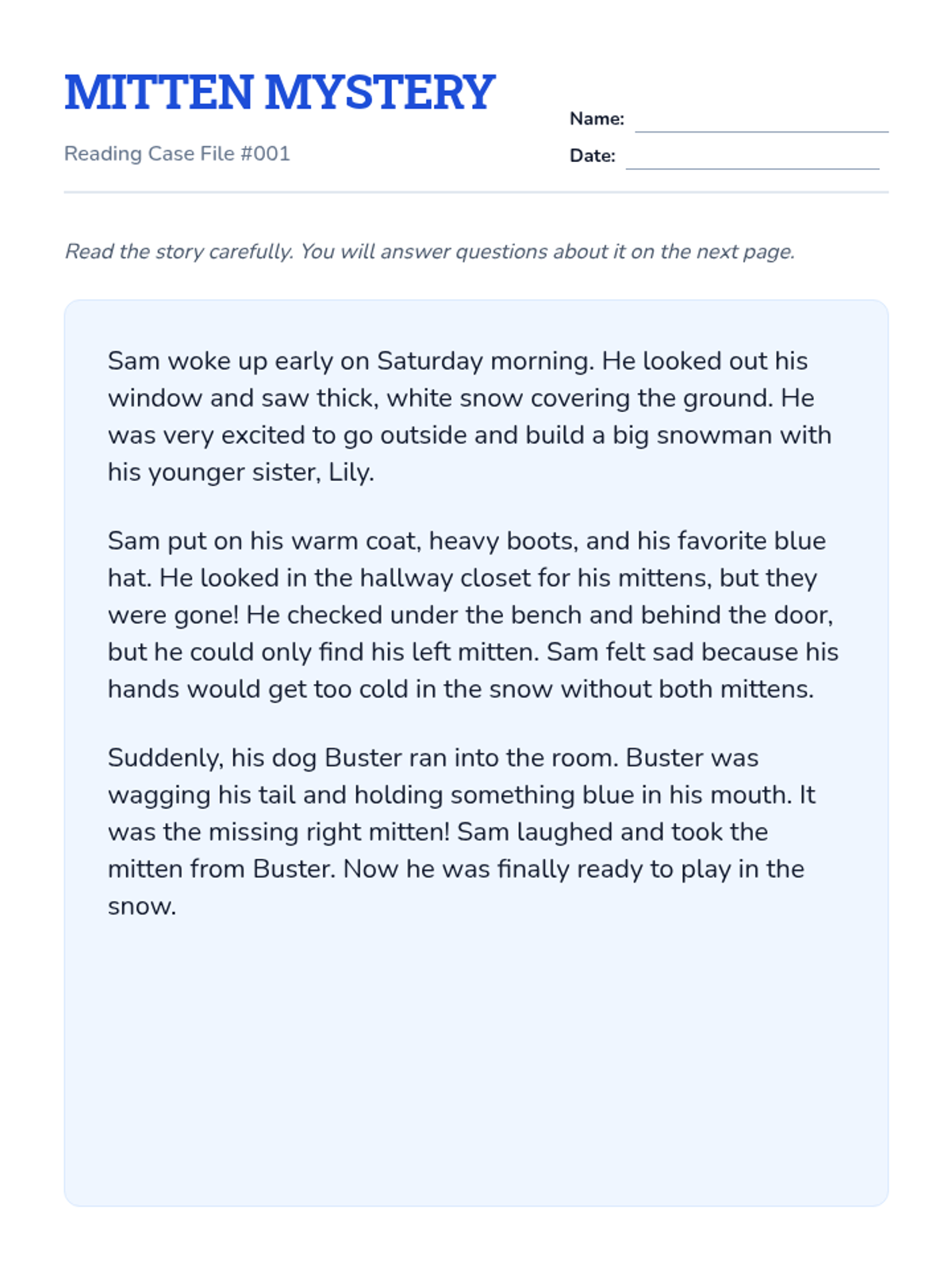
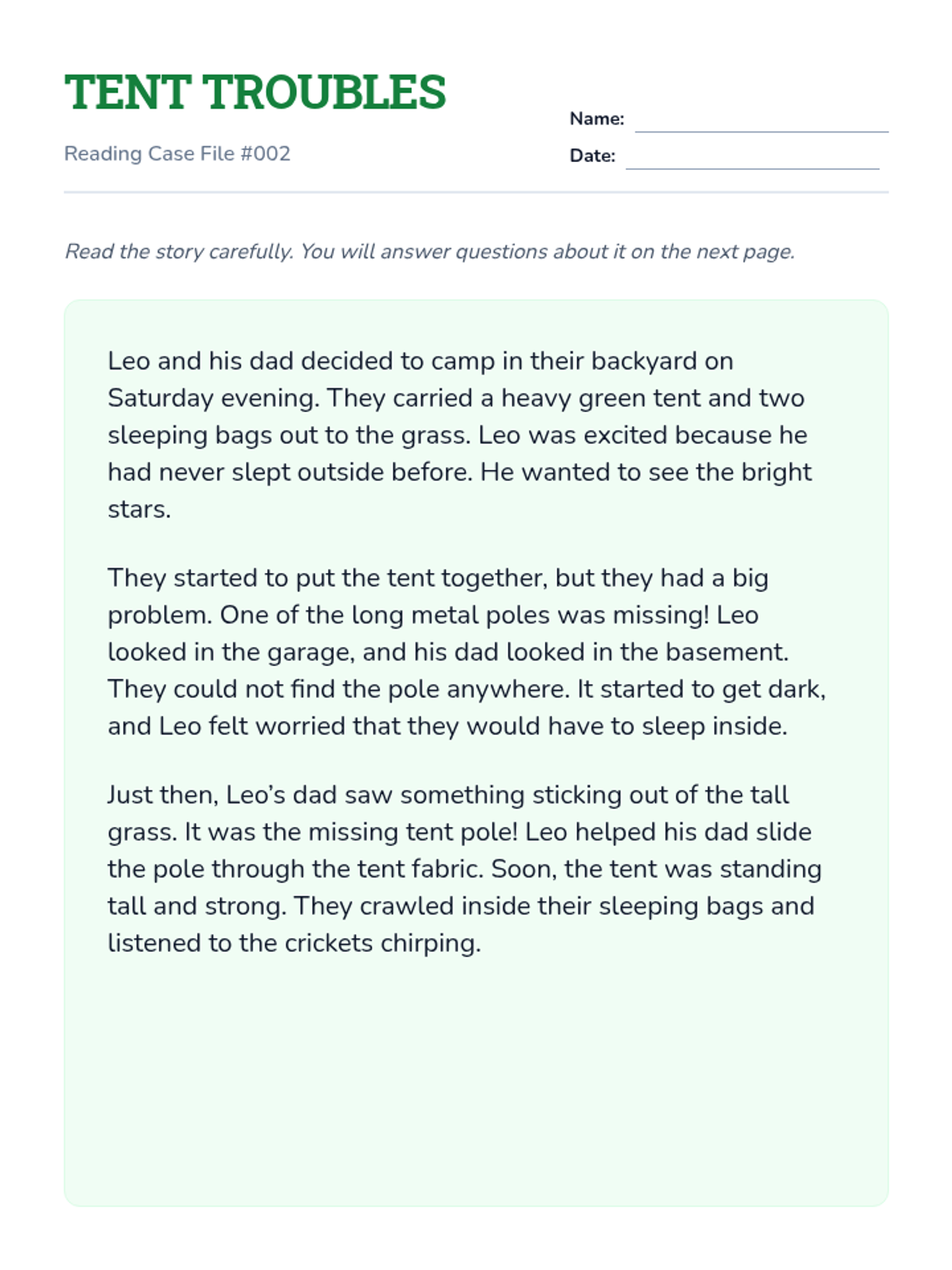
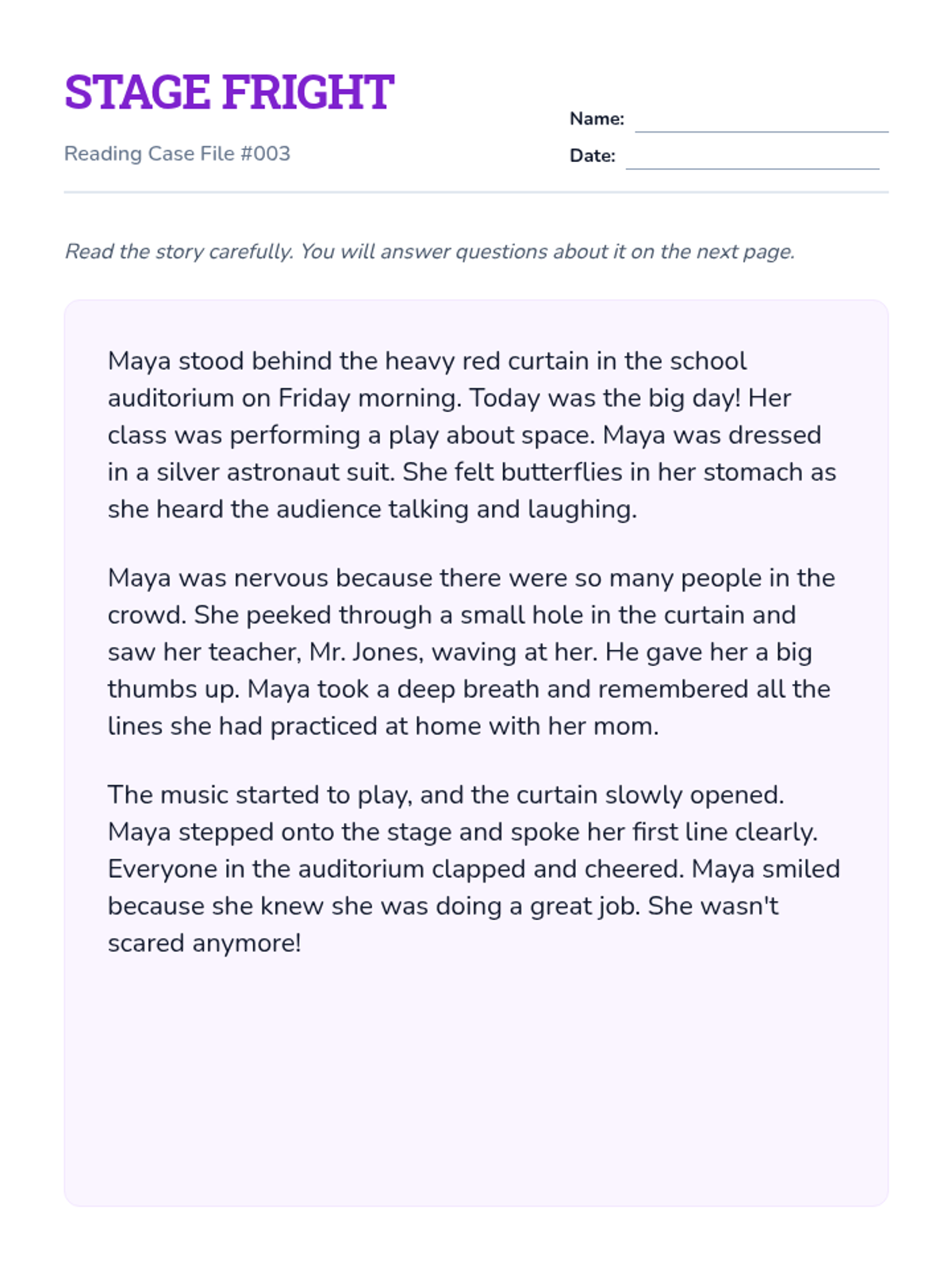
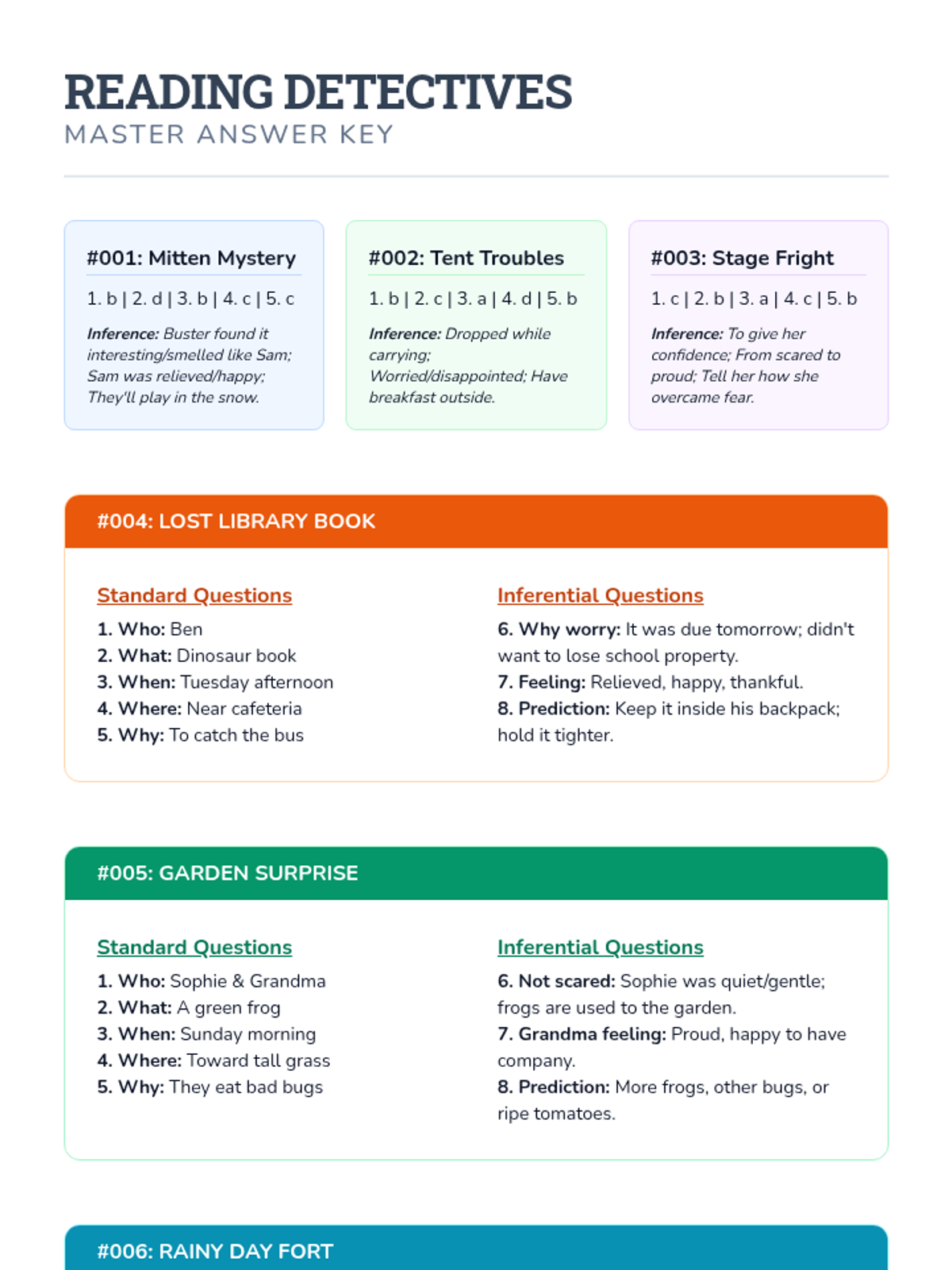
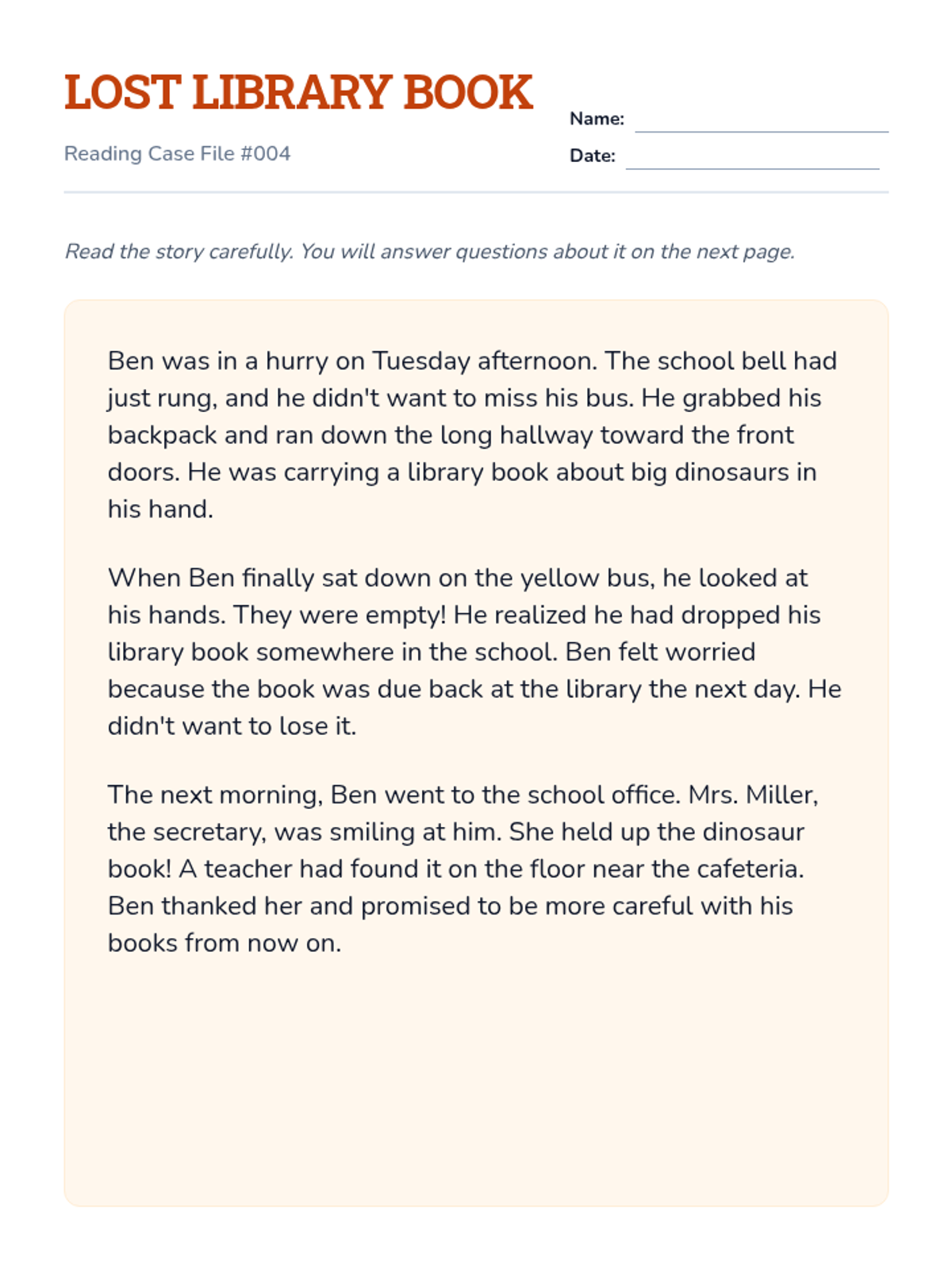
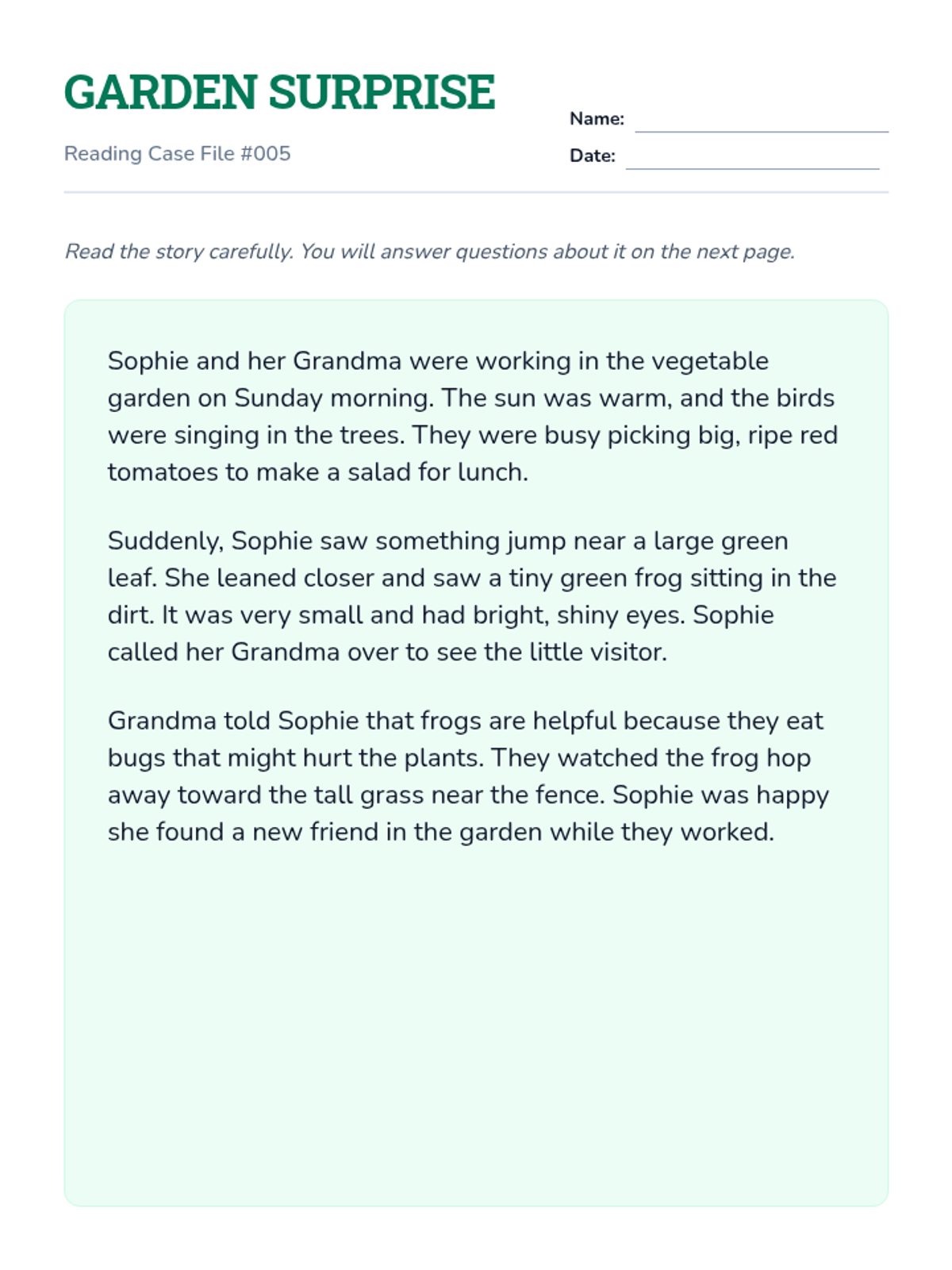
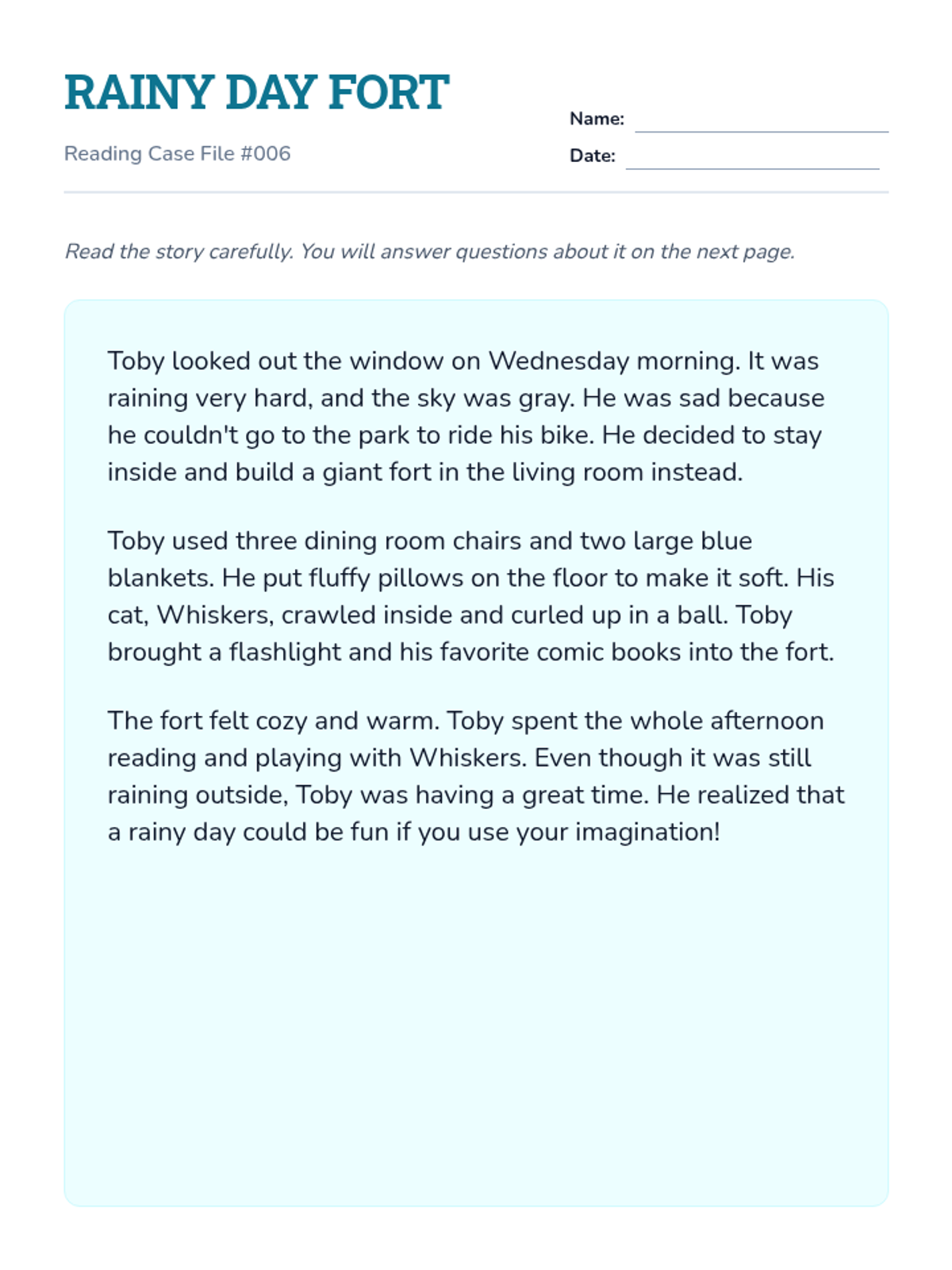
A set of three reading comprehension passages designed for 3rd-grade students with IEP goals. Each passage focuses on foundational "Wh-" questions (Who, What, When, Where, Why) to build core literacy skills through engaging, short narratives.
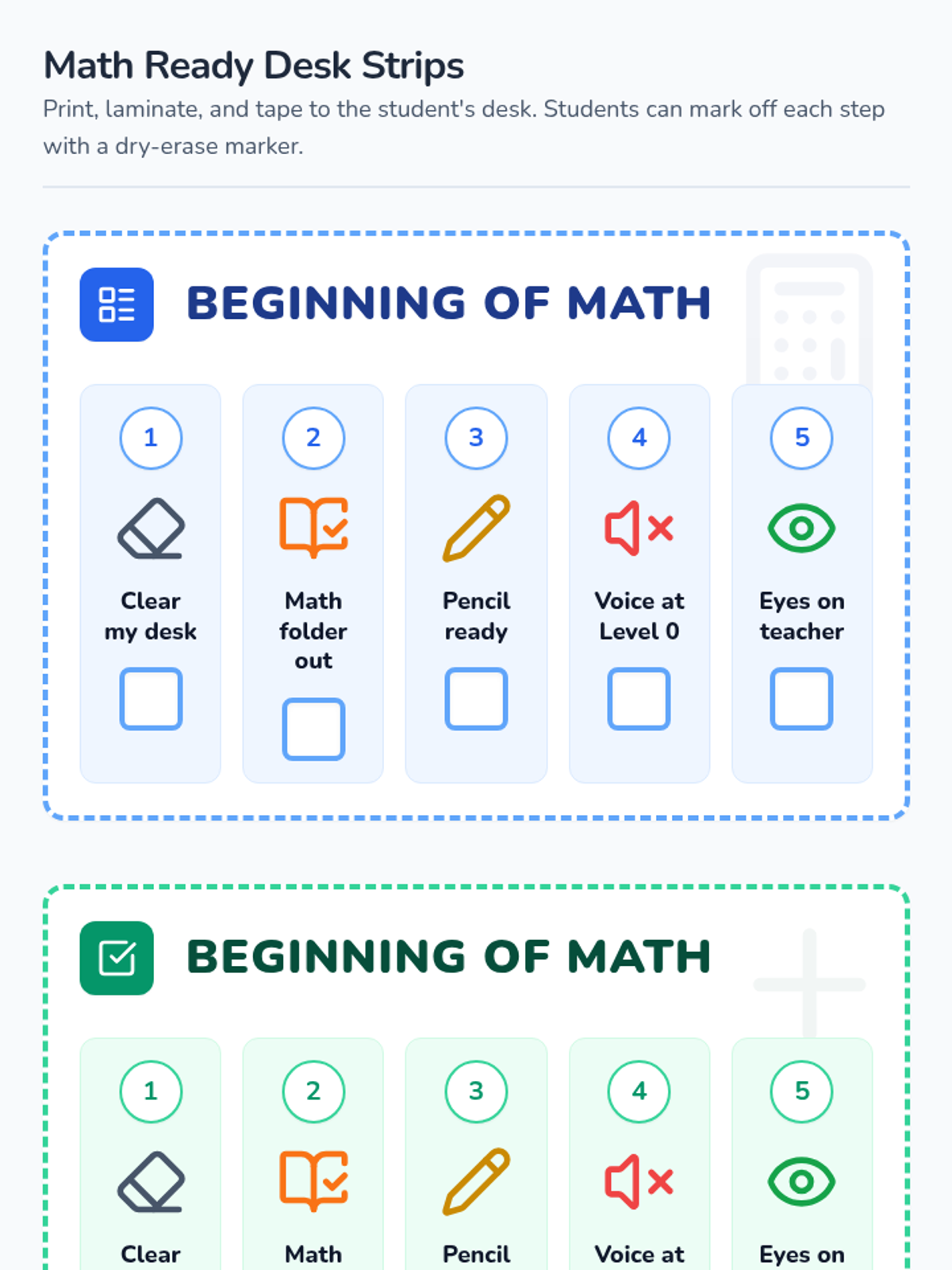
A short lesson focused on establishing consistent routines at the start of math class to support students with executive functioning needs.
A collection of marketing and administrative resources for the Brain Boss and Neural Nexus curriculum, including product previews and implementation overviews.
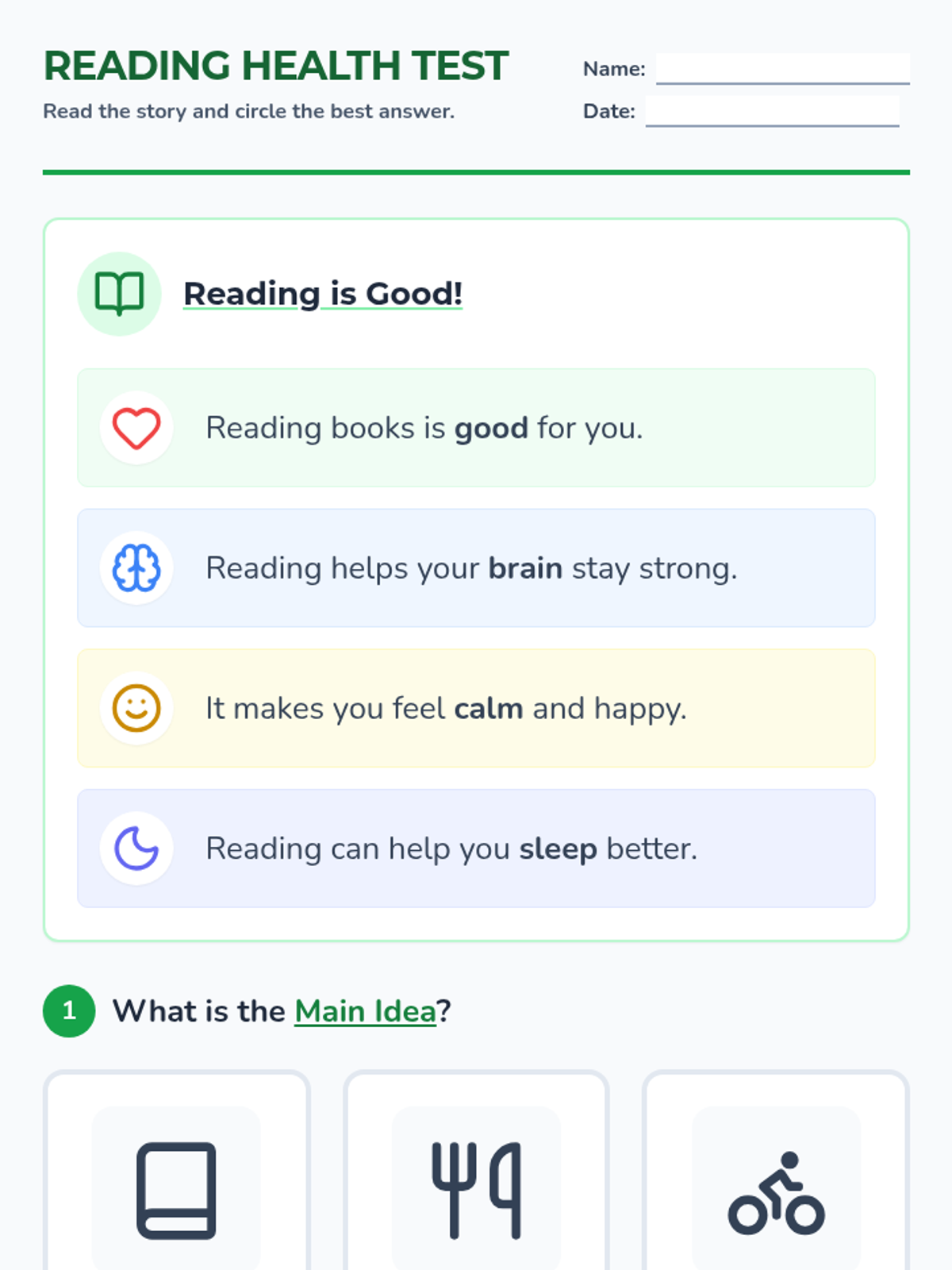
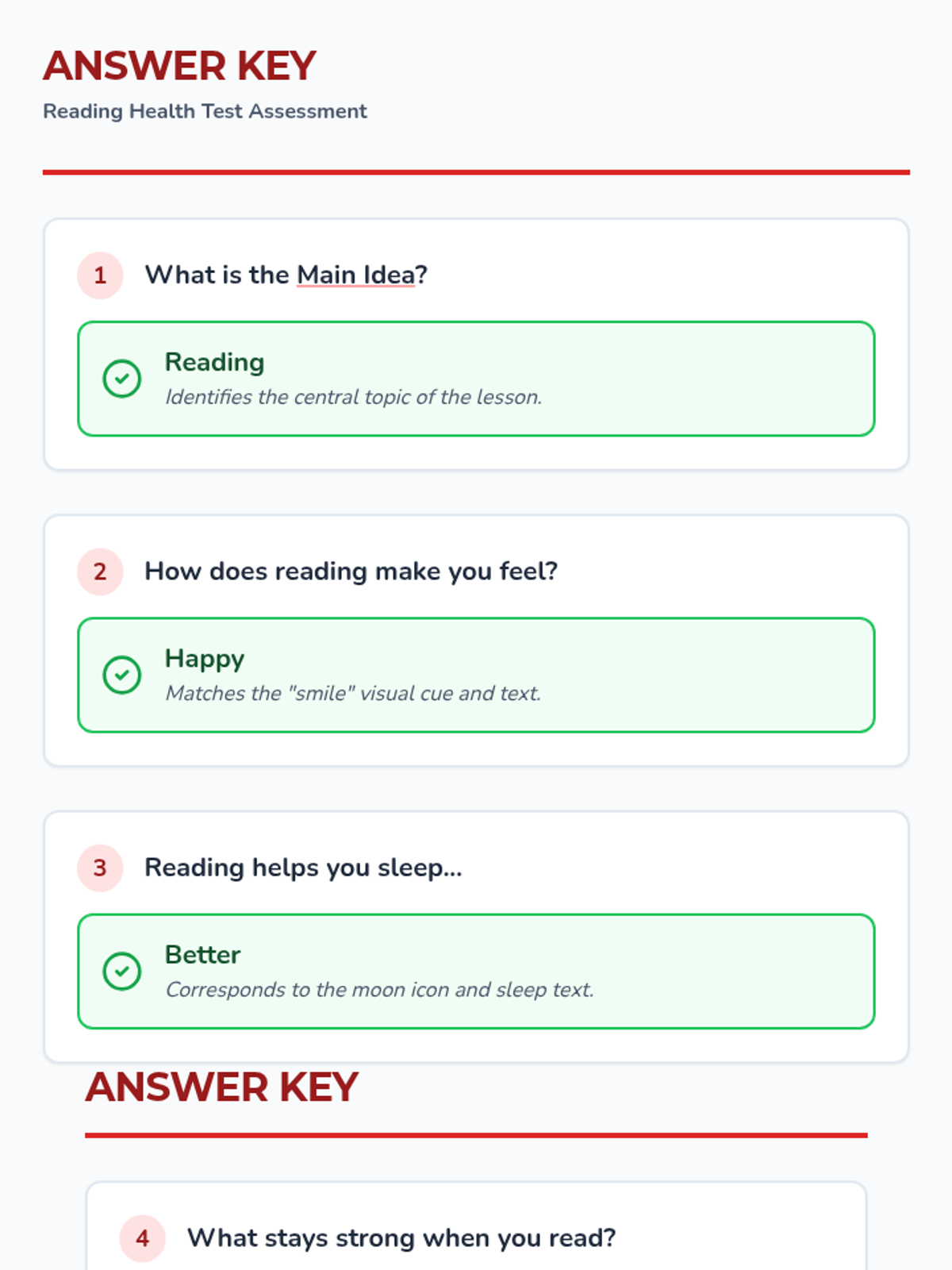
A simplified reading assessment based on the health benefits of reading, designed for students with moderate to severe disabilities at a 1.0-2.0 reading level.
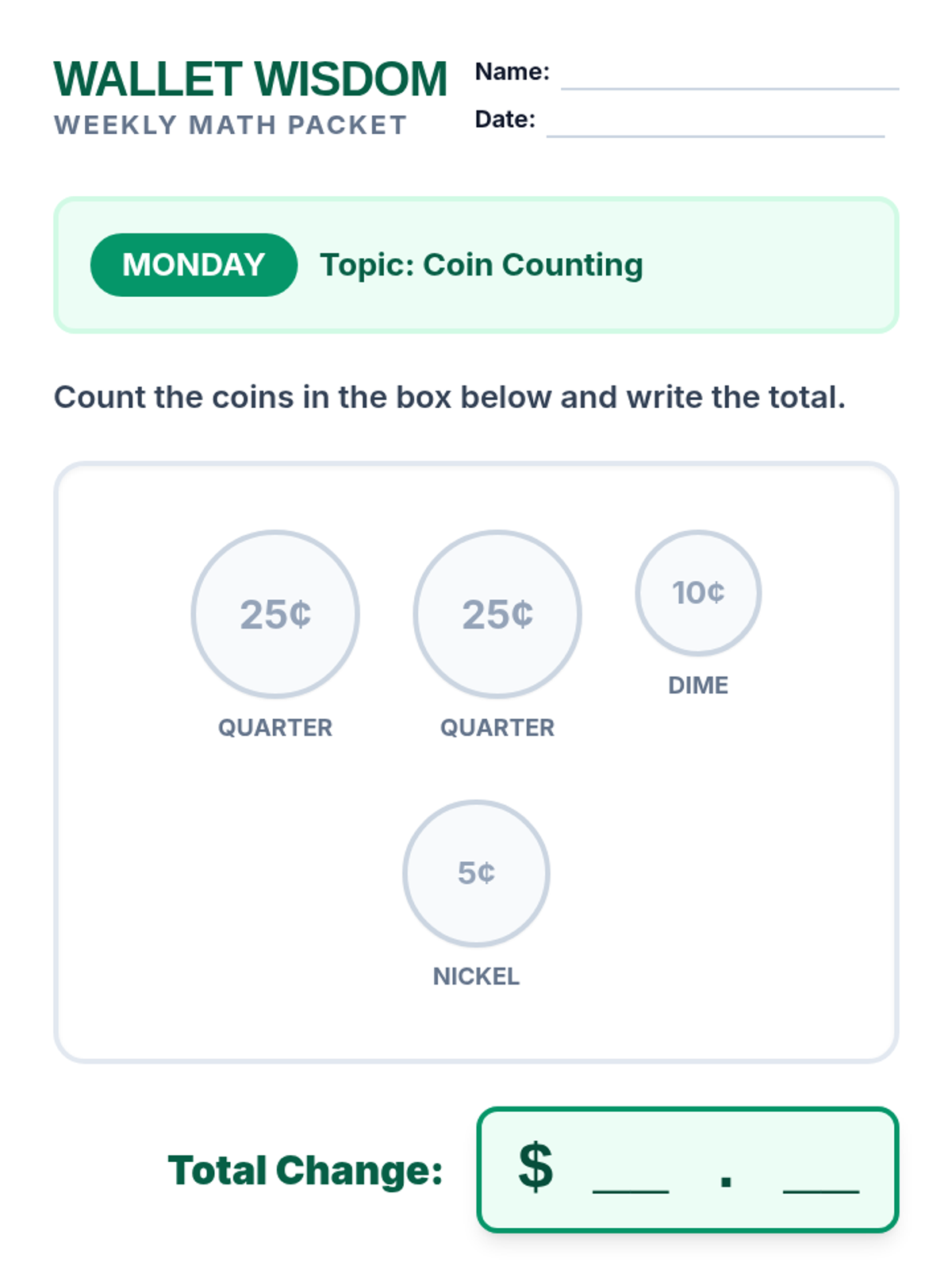
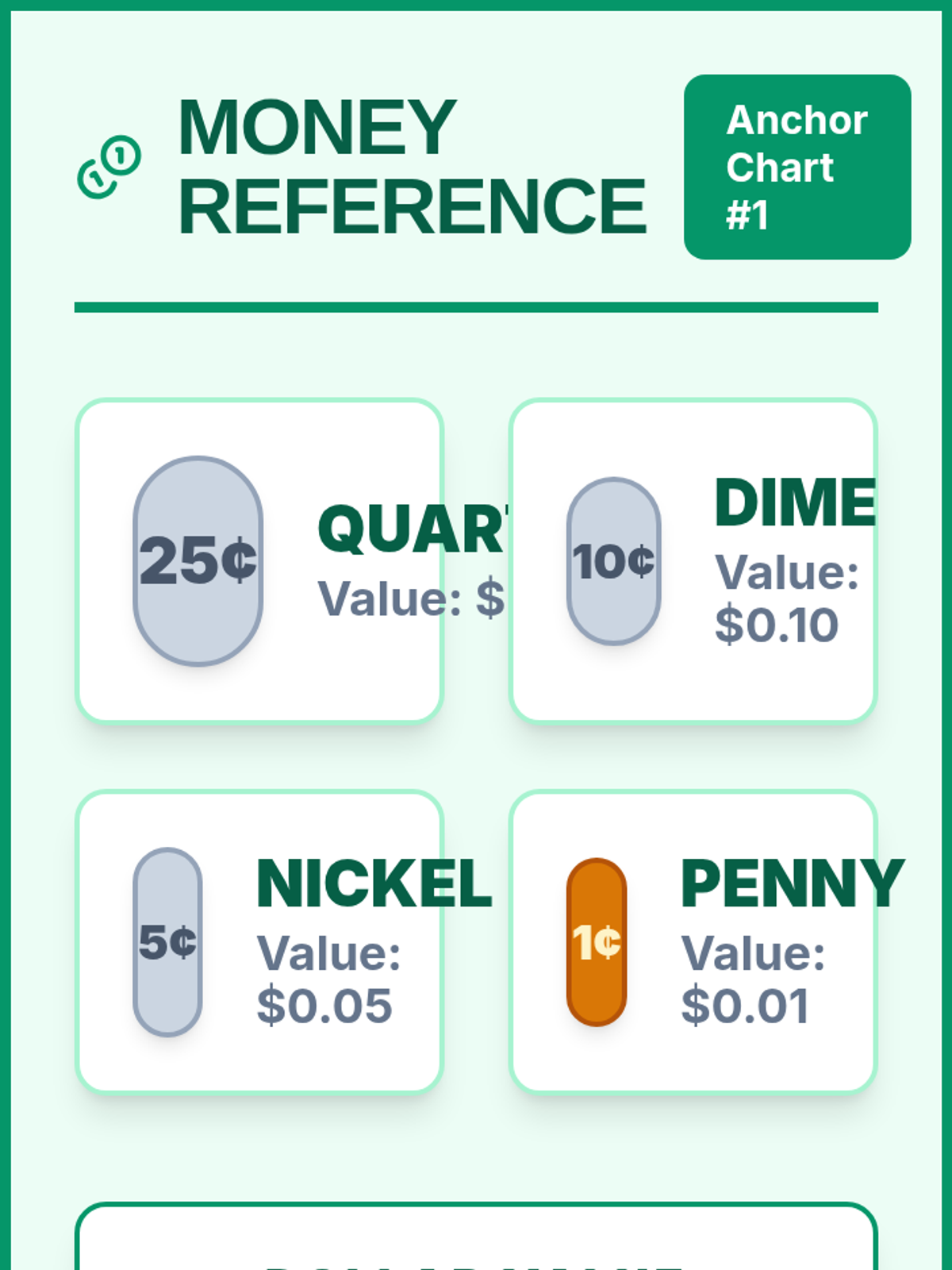
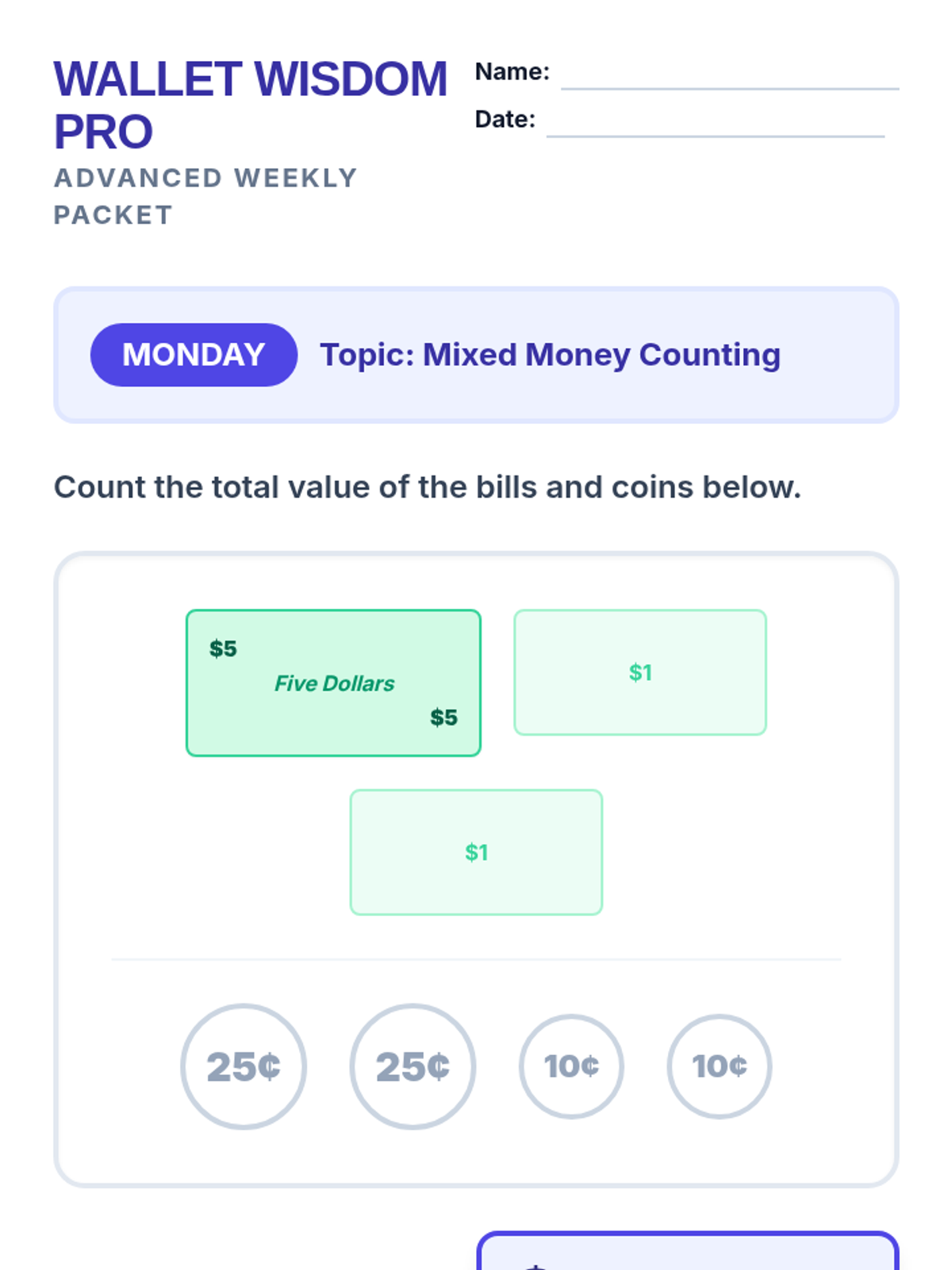
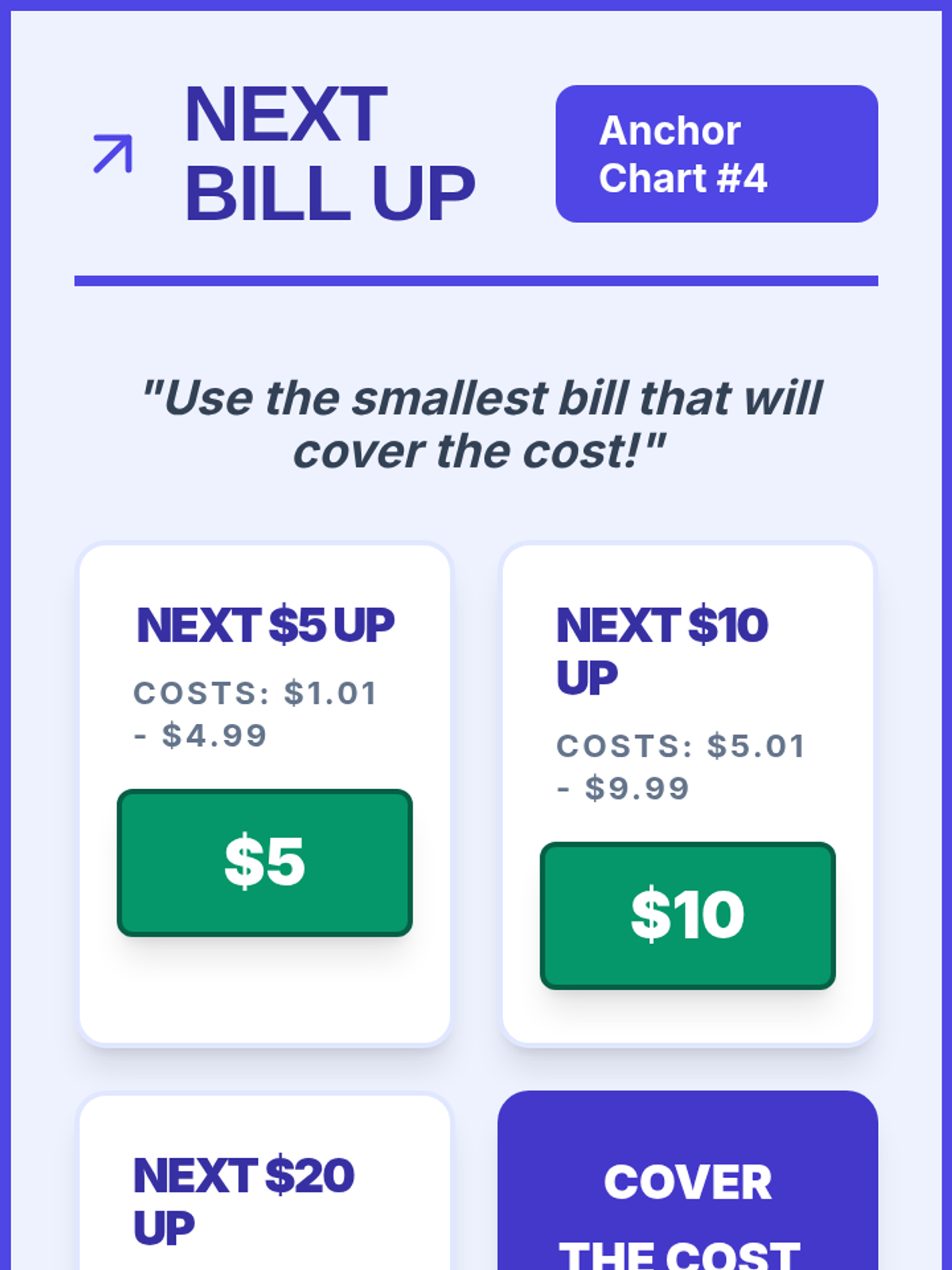
A week of functional math warm-ups focused on money management, coin identification, and "next dollar up" strategies designed for special education students.
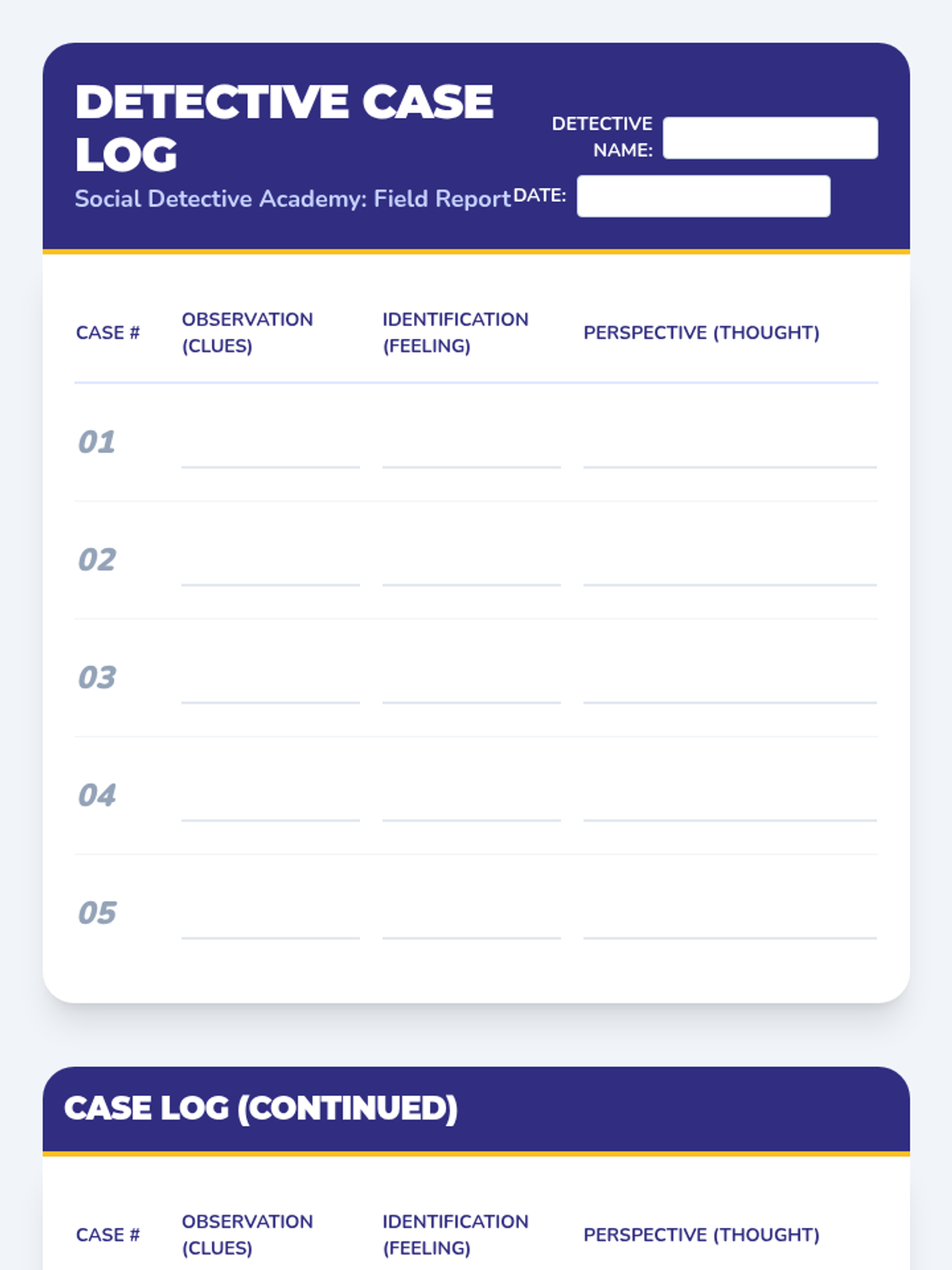
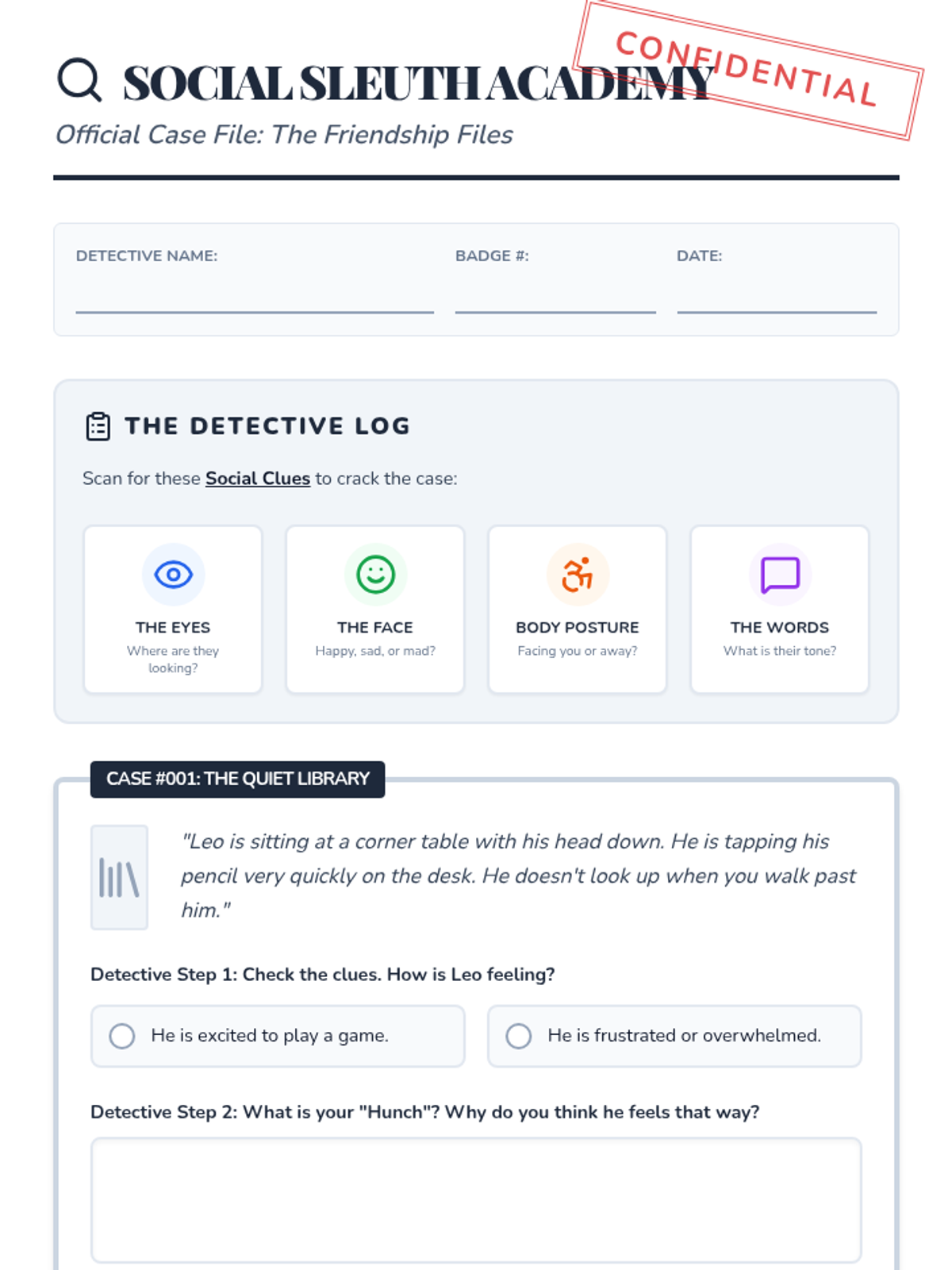
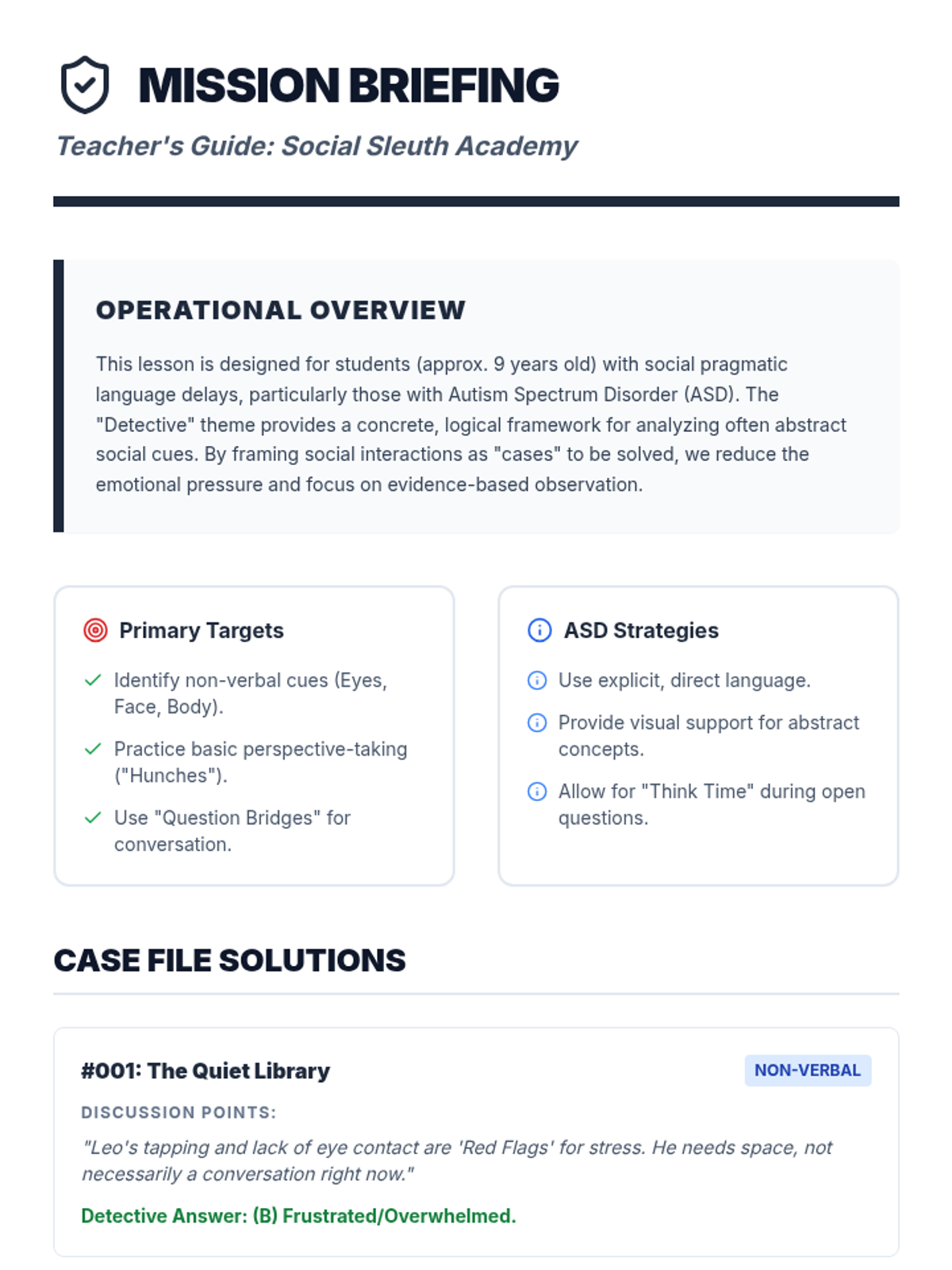
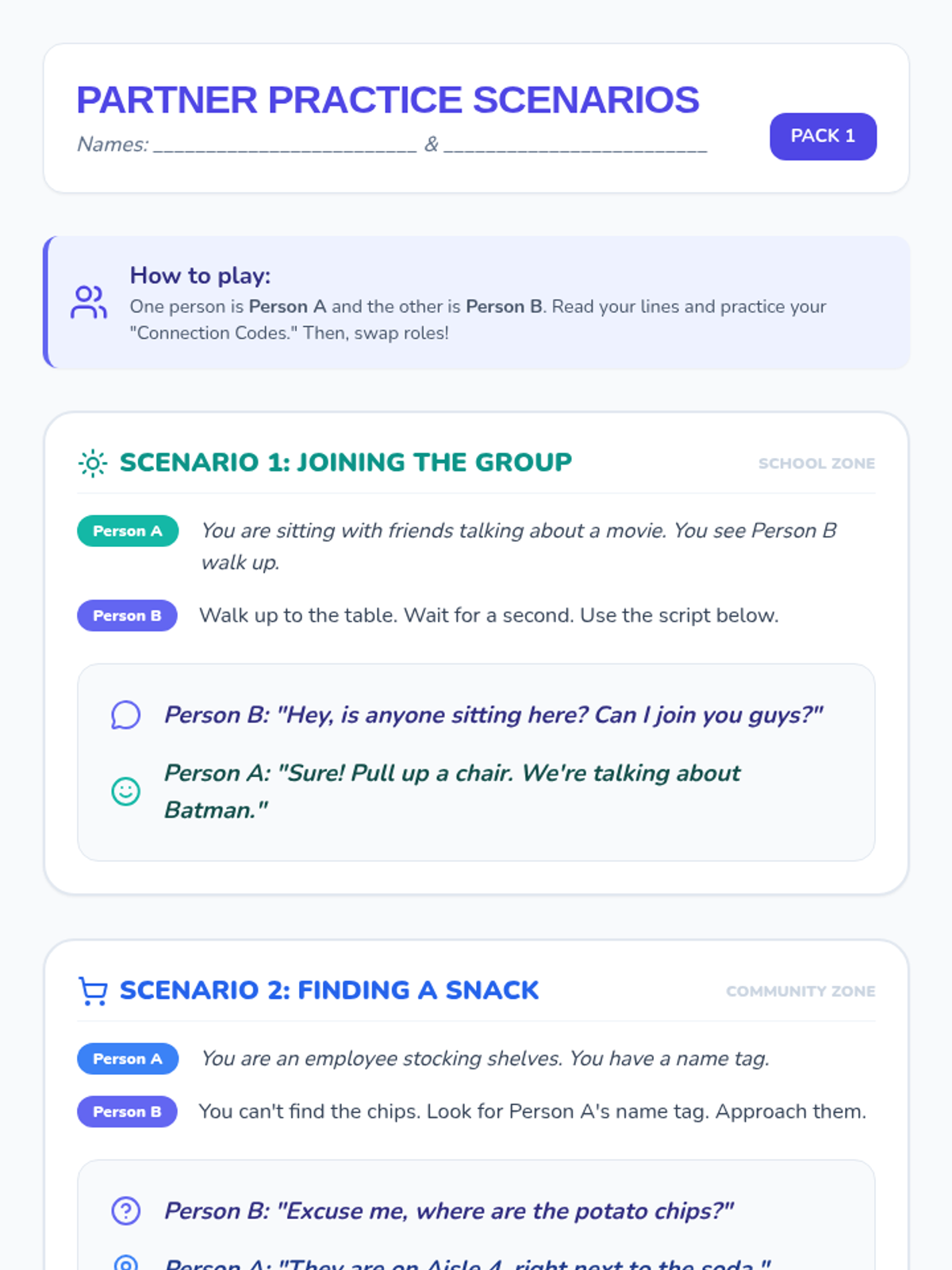
A detective-themed lesson designed to help students with social pragmatics delays practice perspective-taking, reading non-verbal cues, and conflict resolution through 'social cases'.
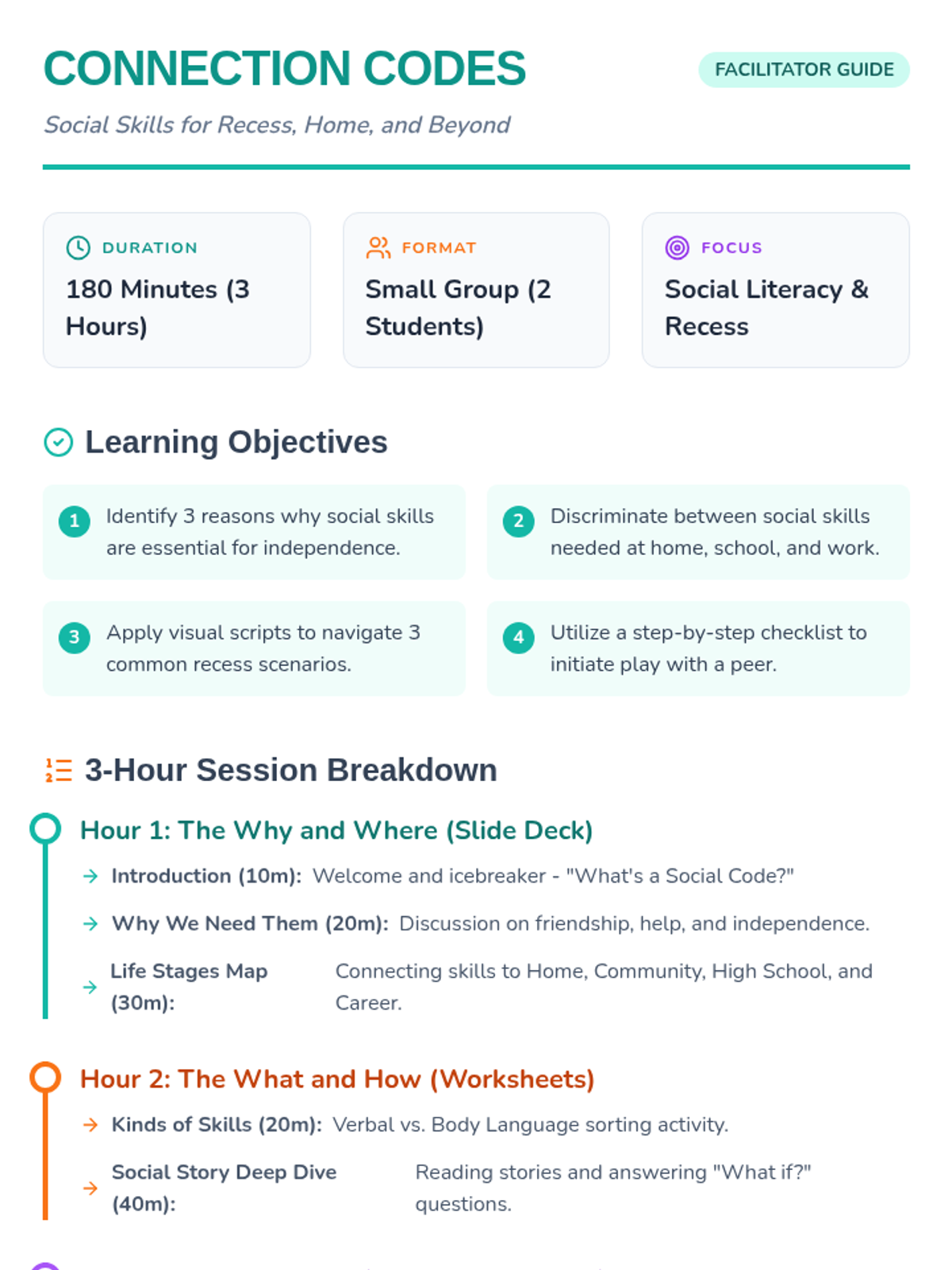
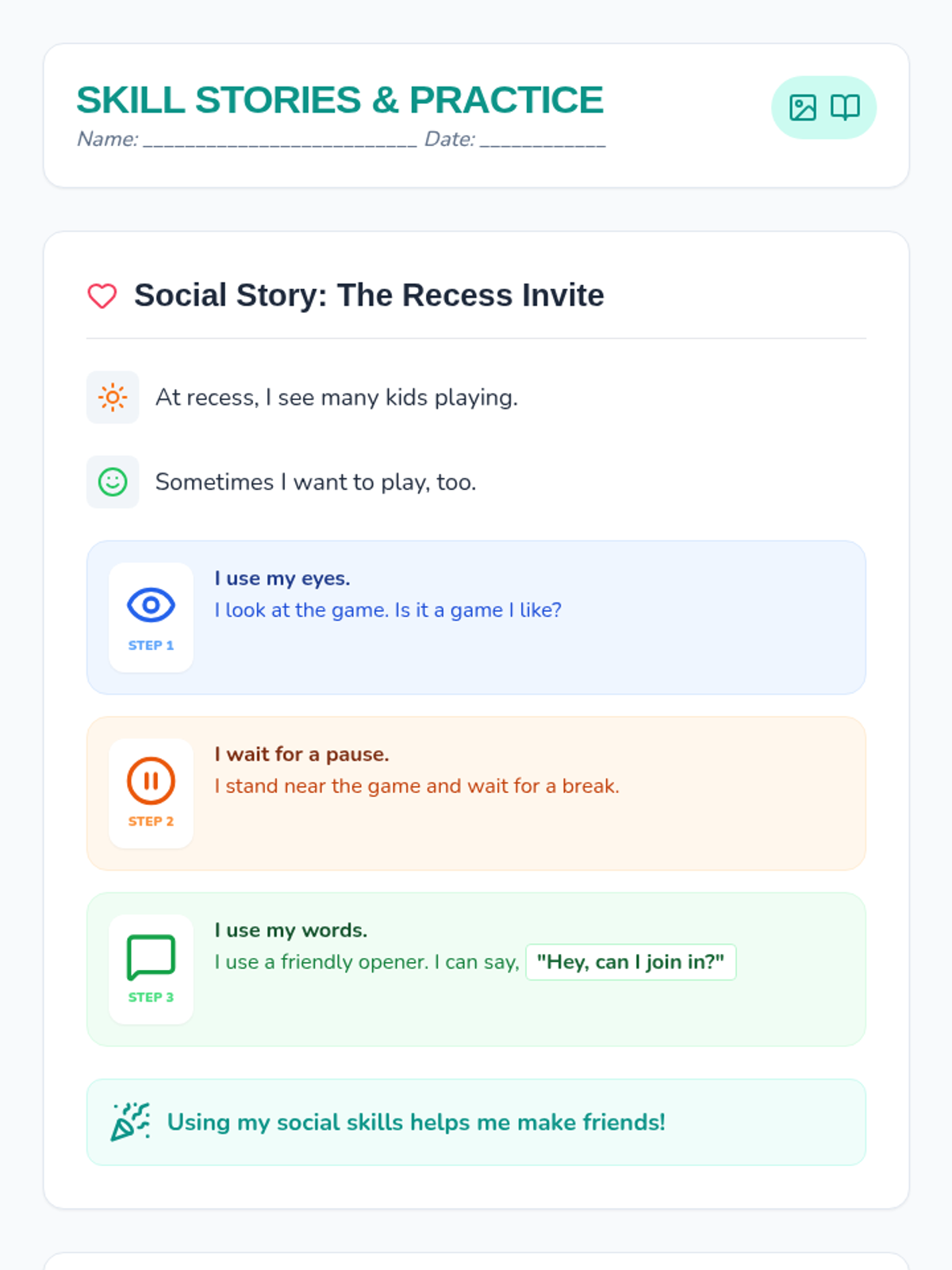
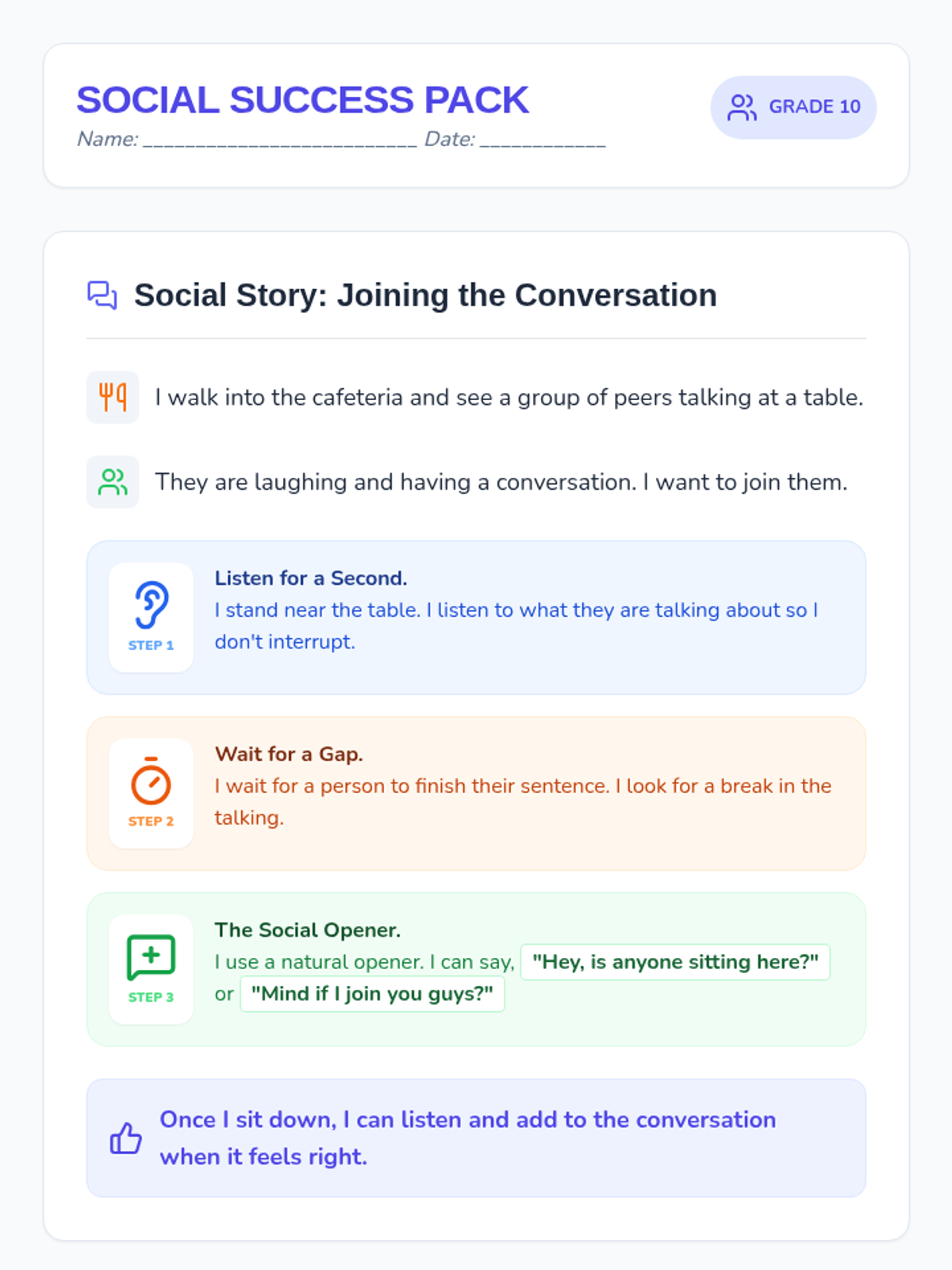
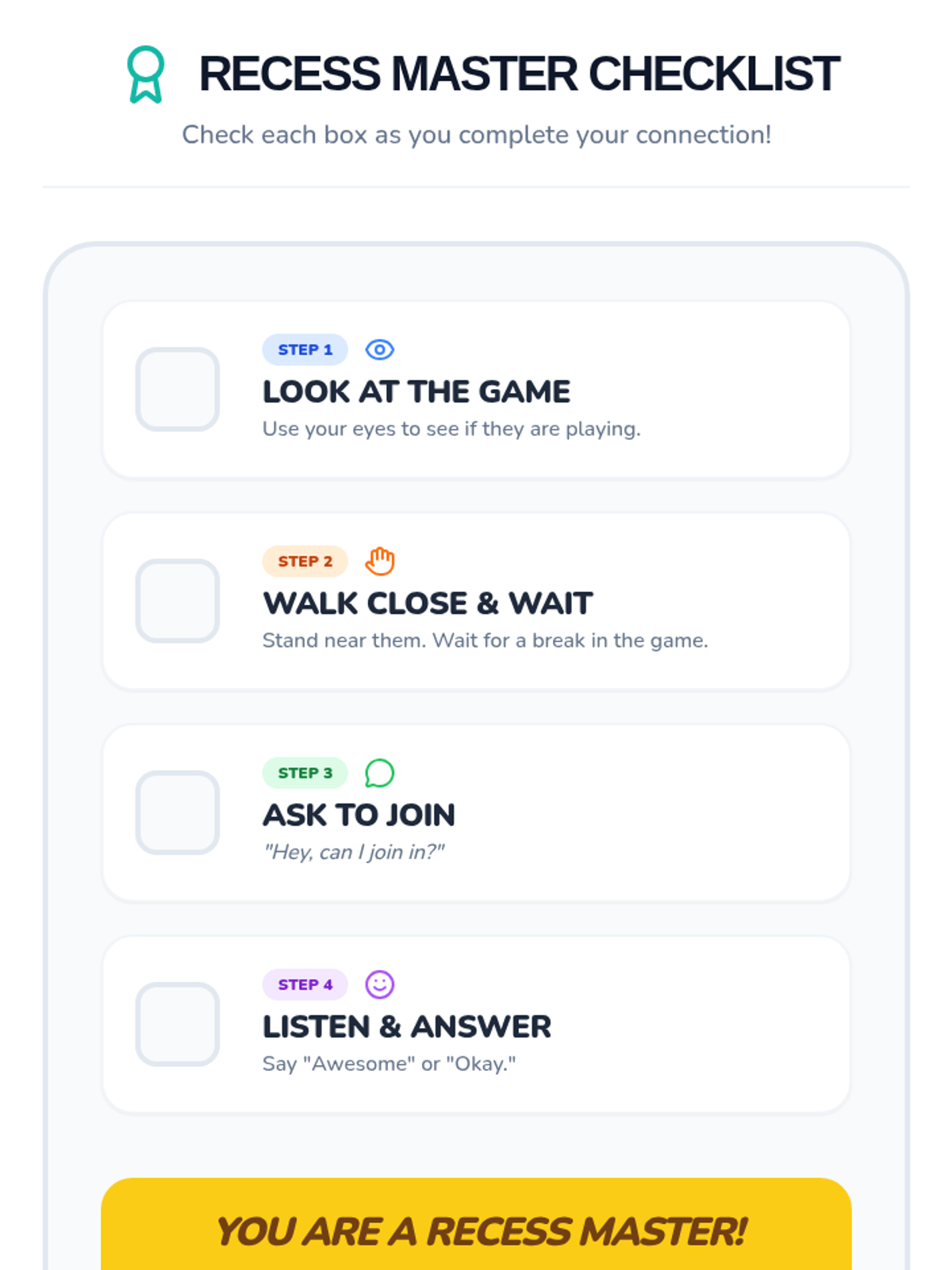
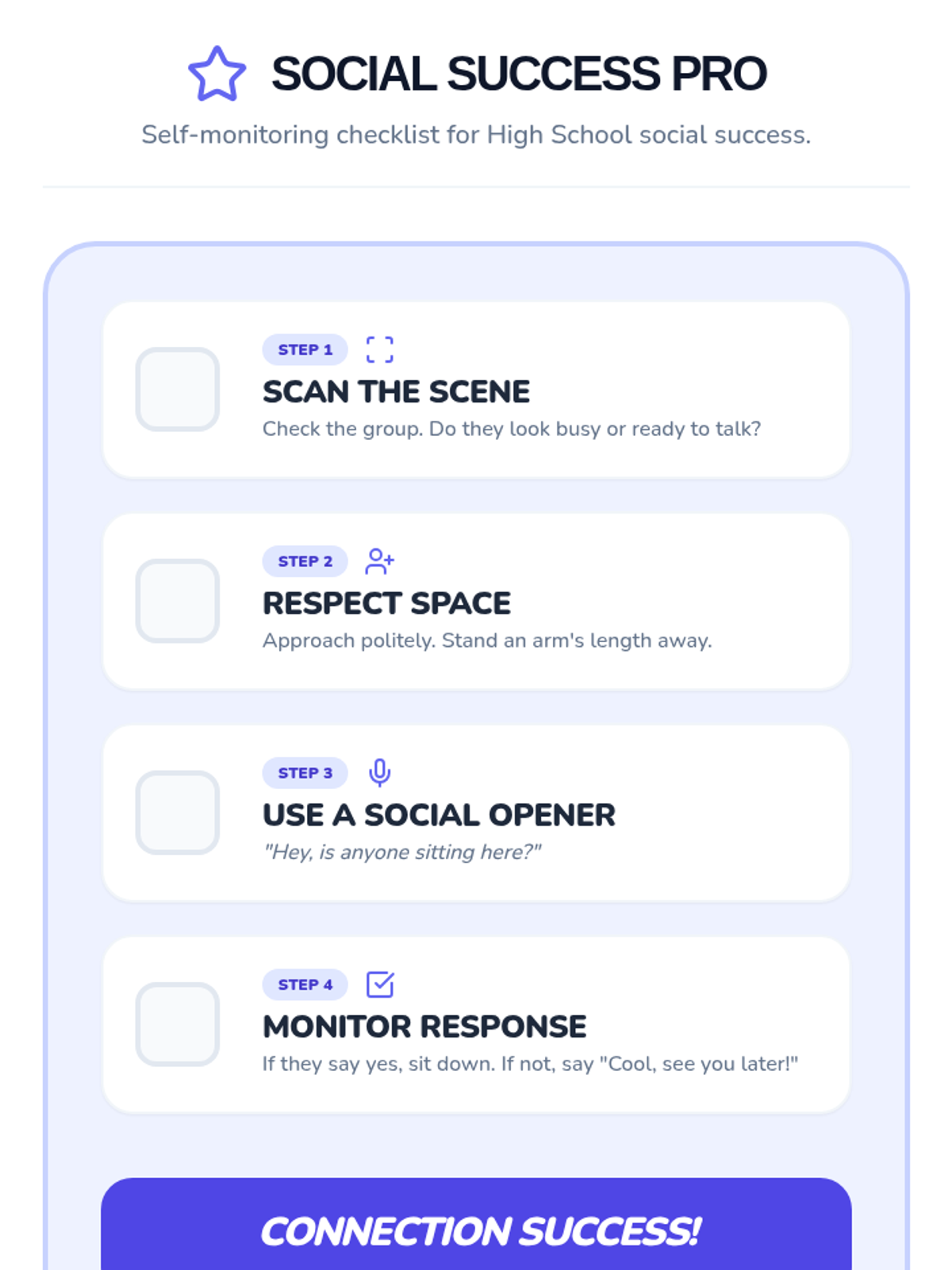
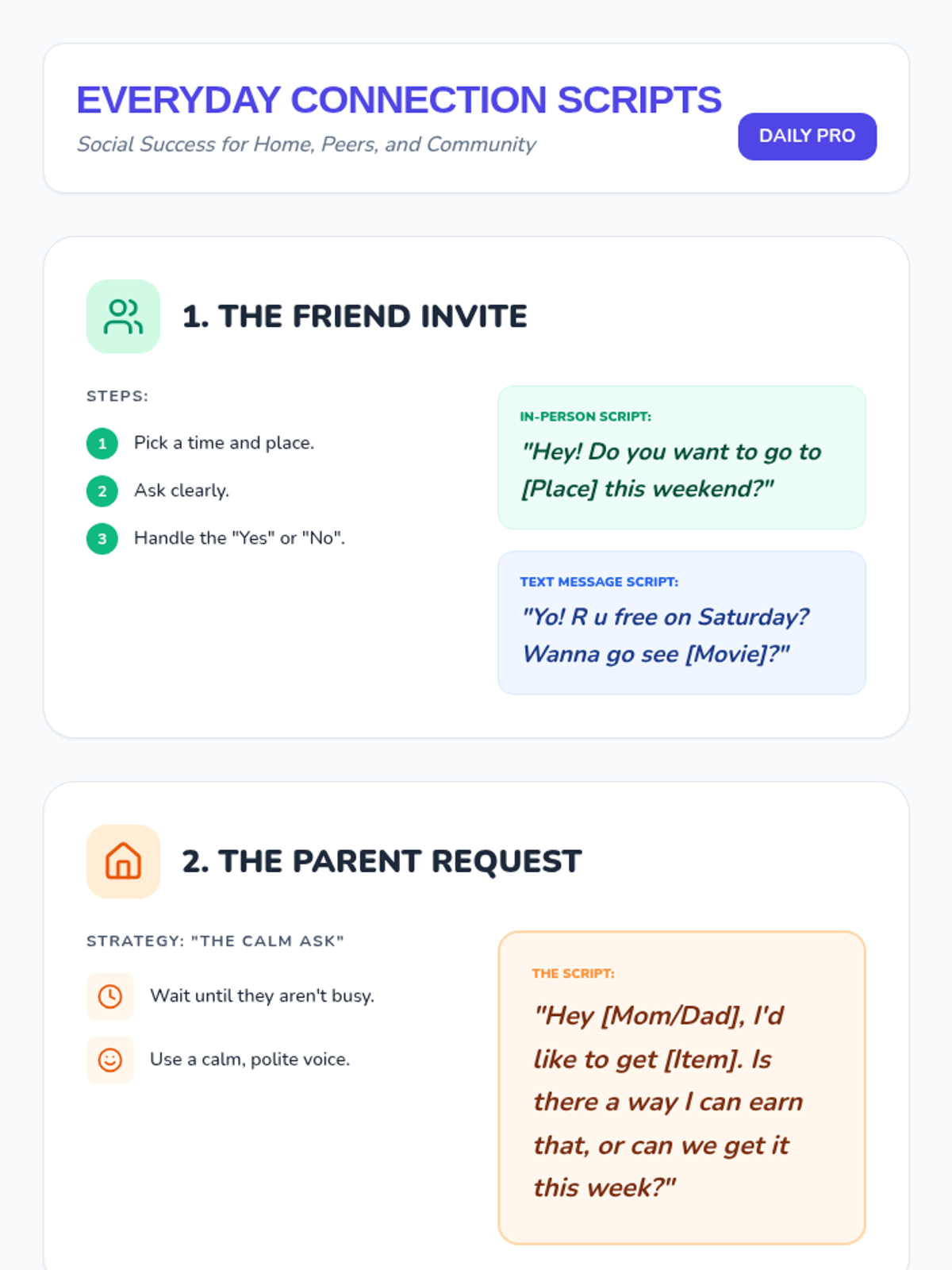
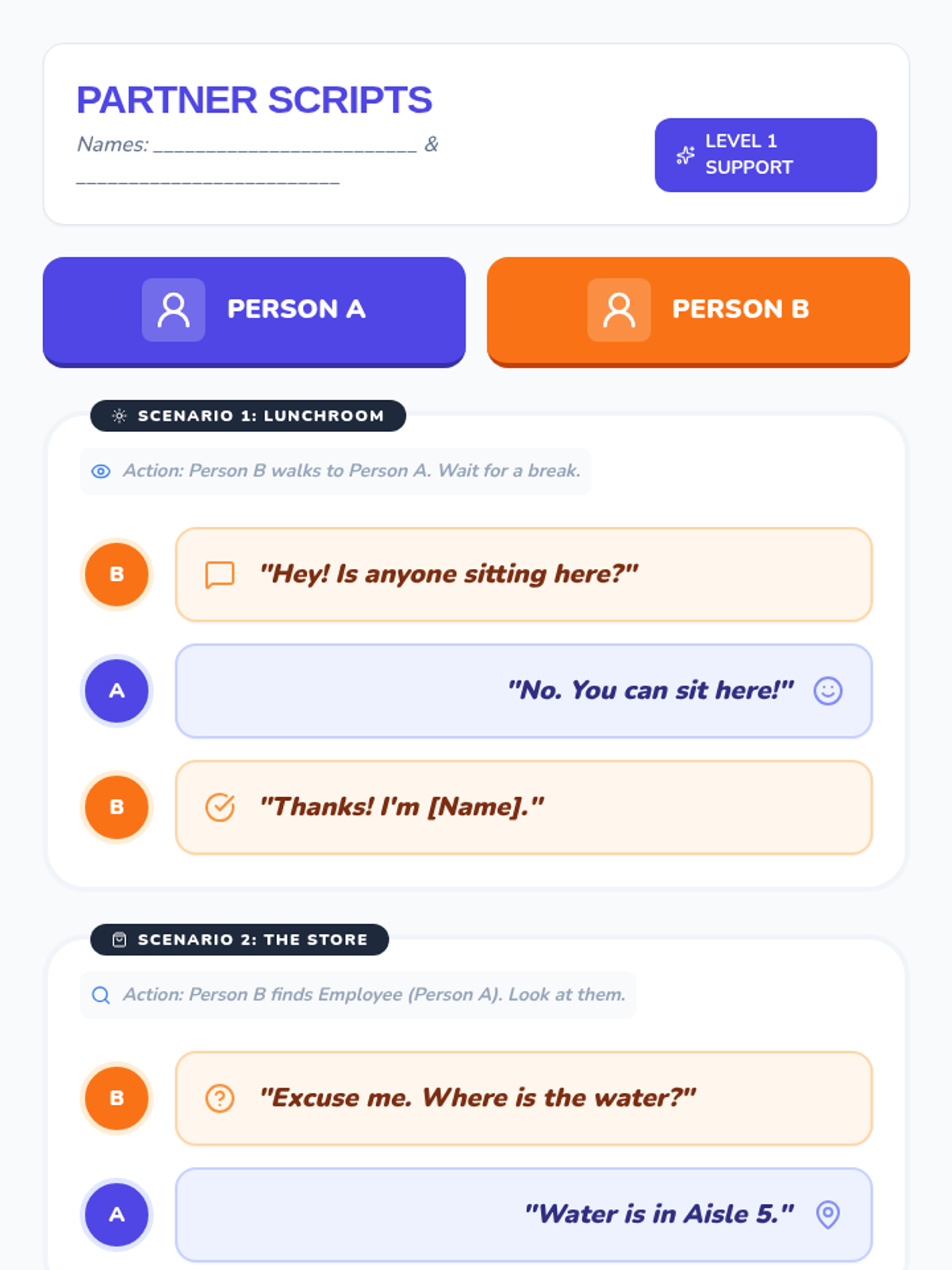
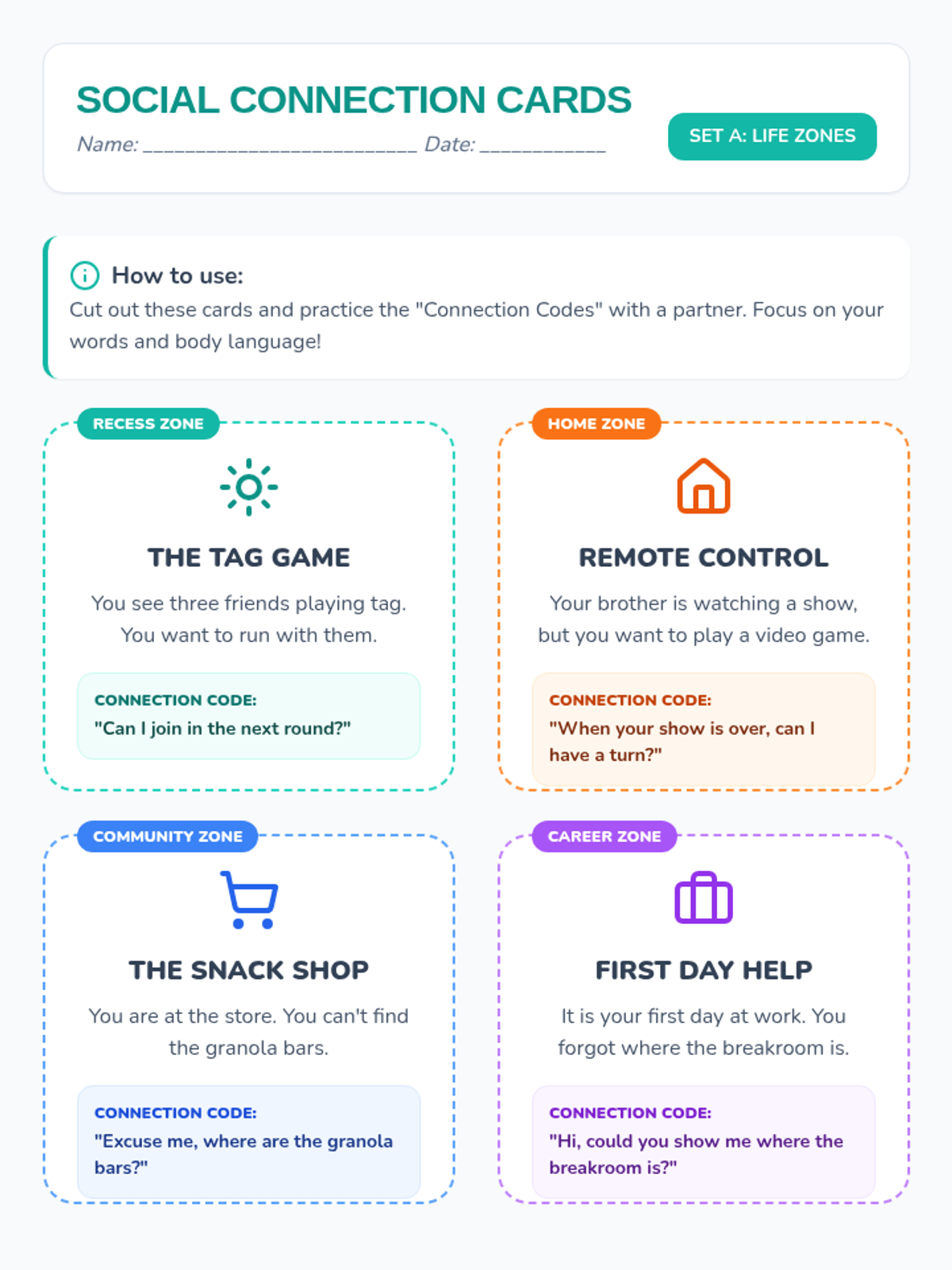
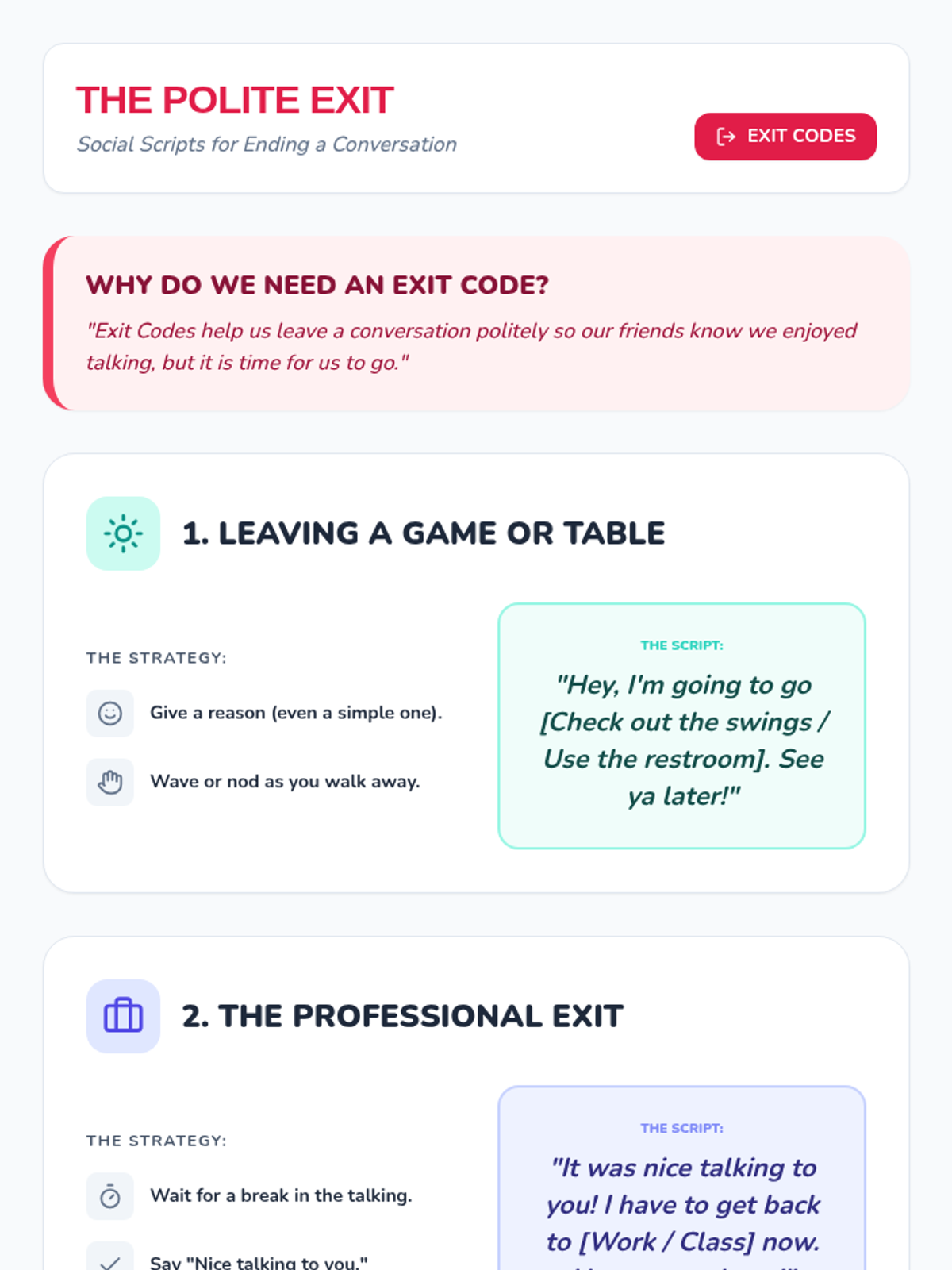
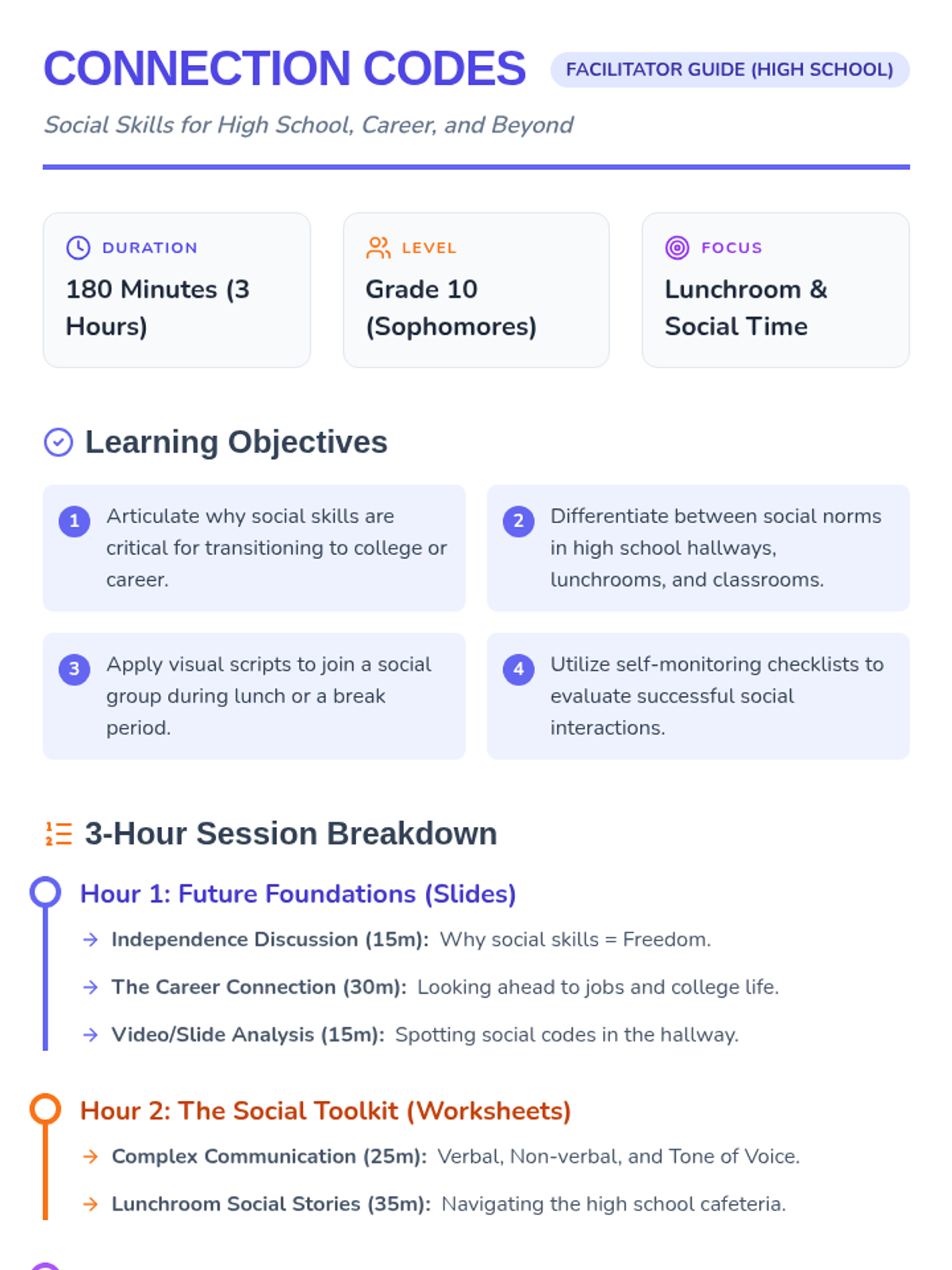
A comprehensive 3-hour lesson designed for students with autism to understand the importance of social skills across various life stages, culminating in practical scripts for recess success.
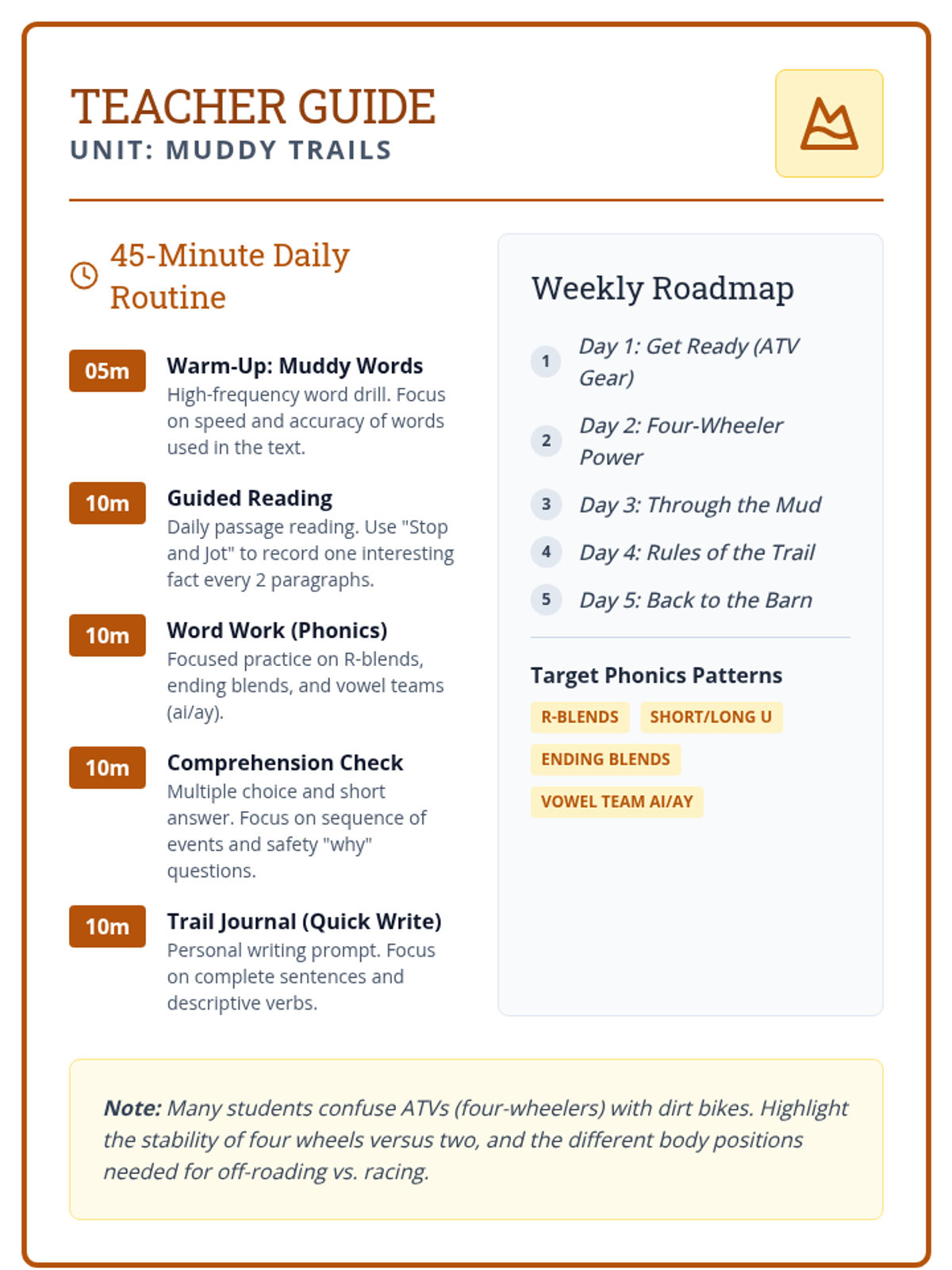
A week-long exploration of all-terrain vehicles (ATVs), trail safety, and off-road mechanics. Designed for struggling readers with high-interest topics and 2nd-grade literacy supports.
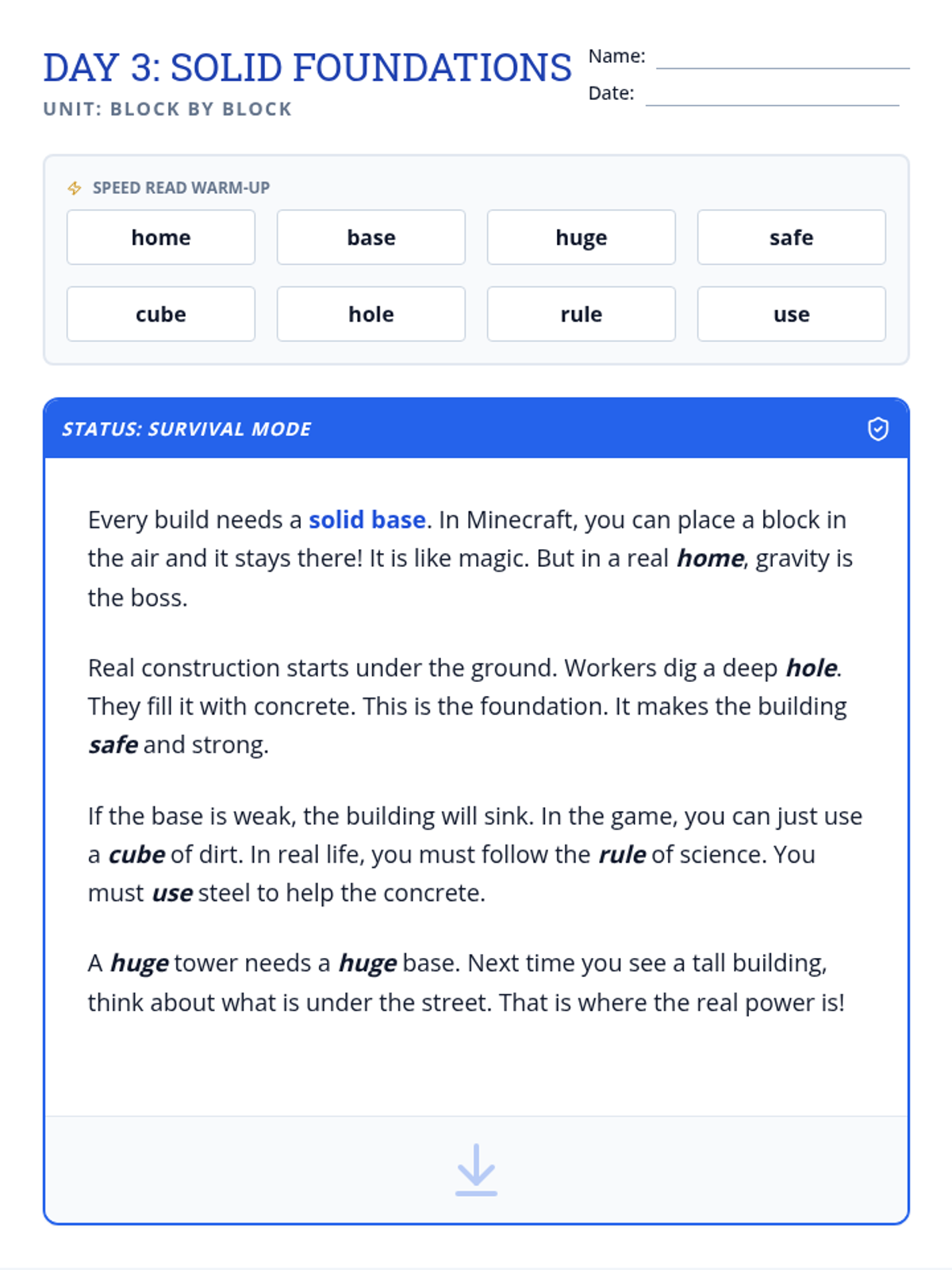
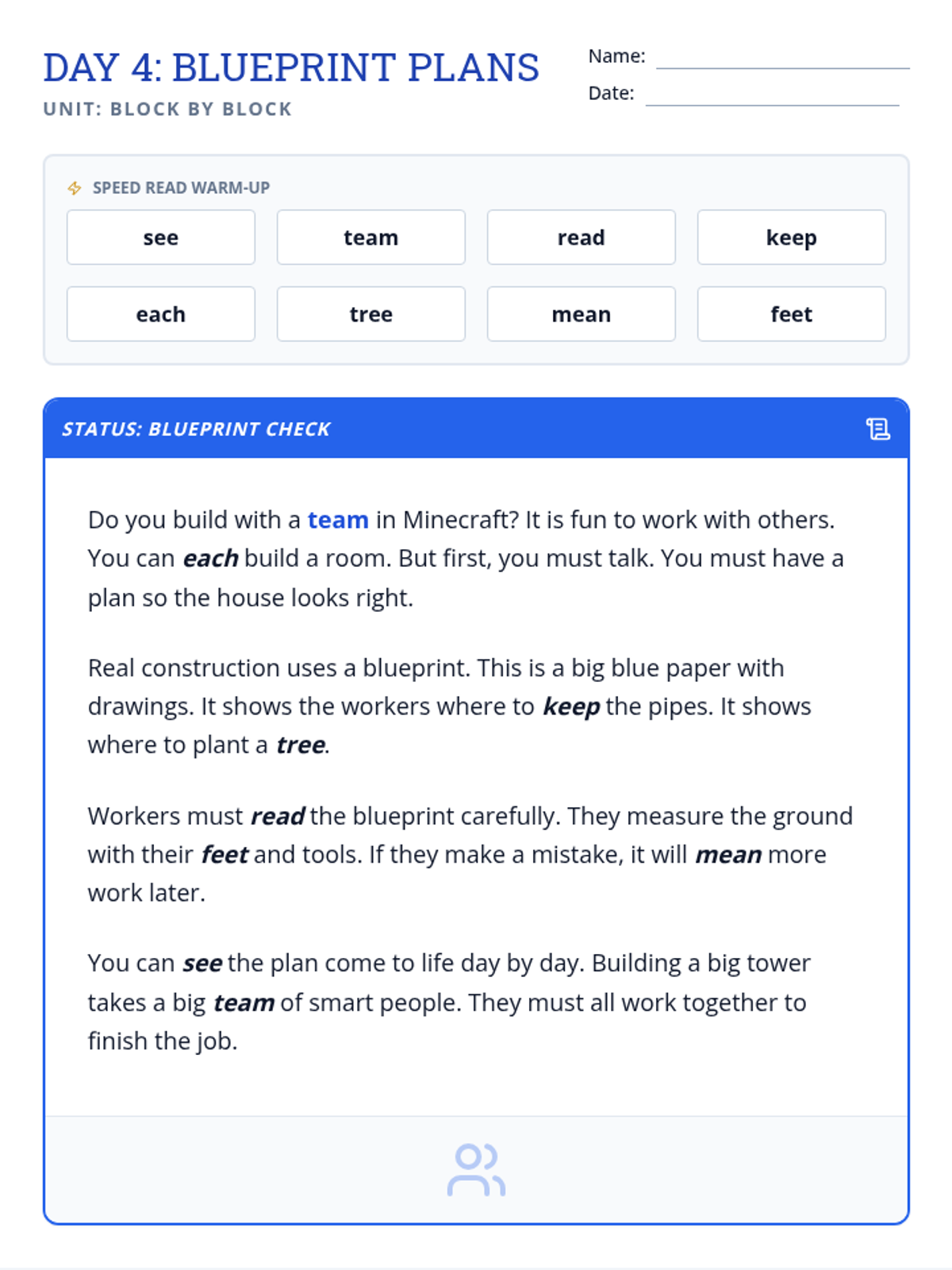
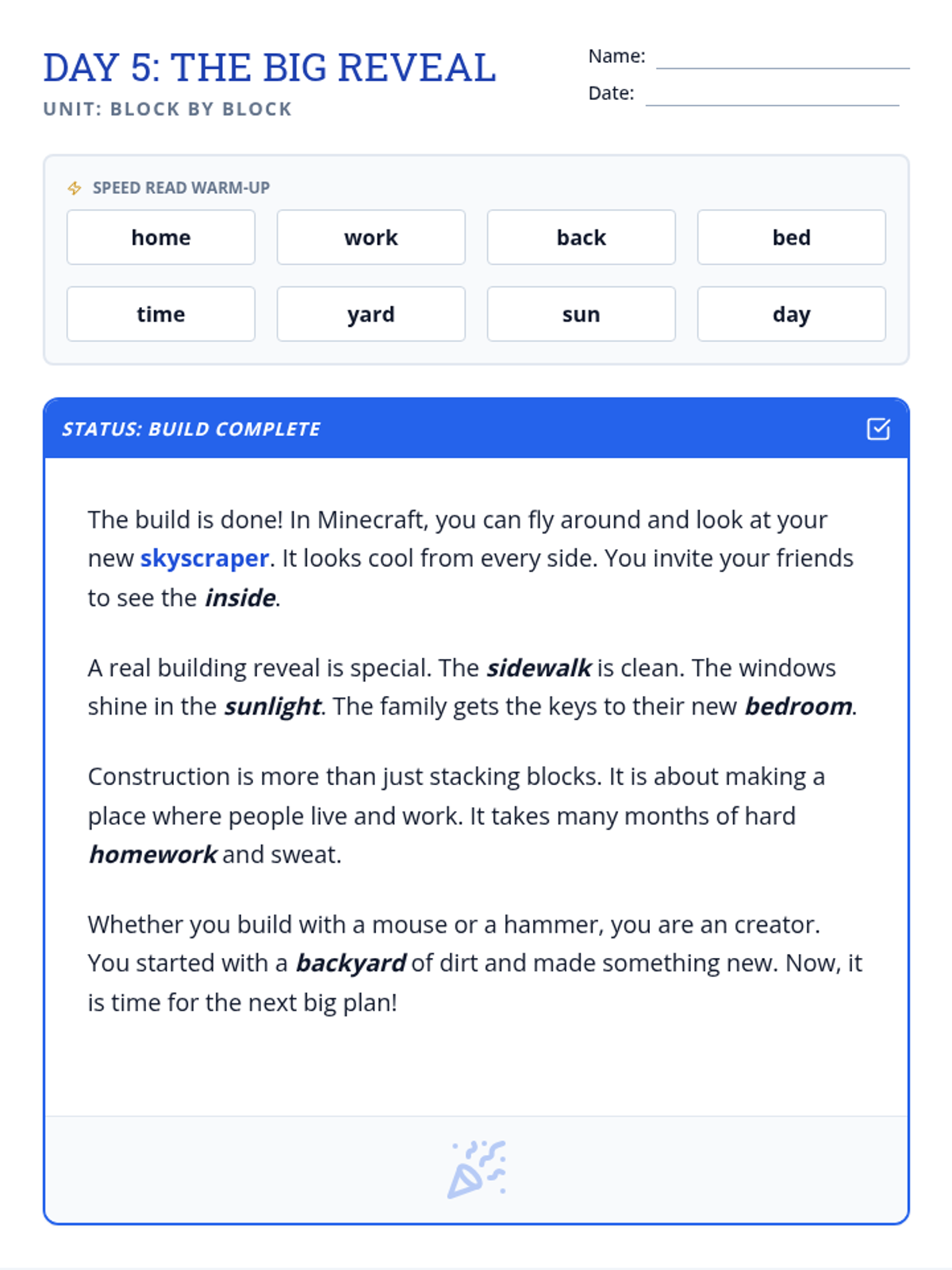
A week-long exploration of construction principles, comparing Minecraft building to real-world engineering and architecture. Includes daily reading, spelling, and writing activities at a 2nd-grade level.
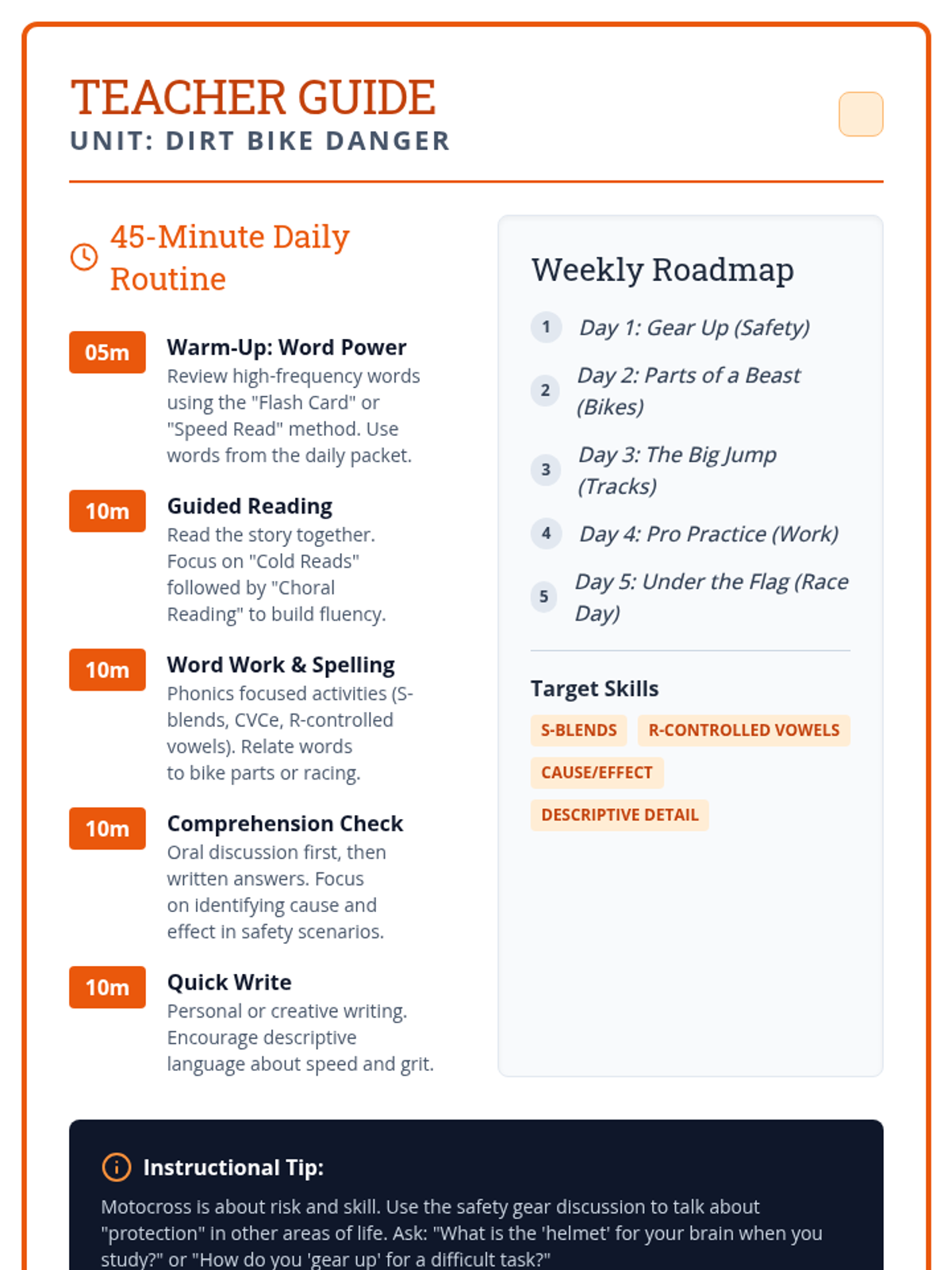
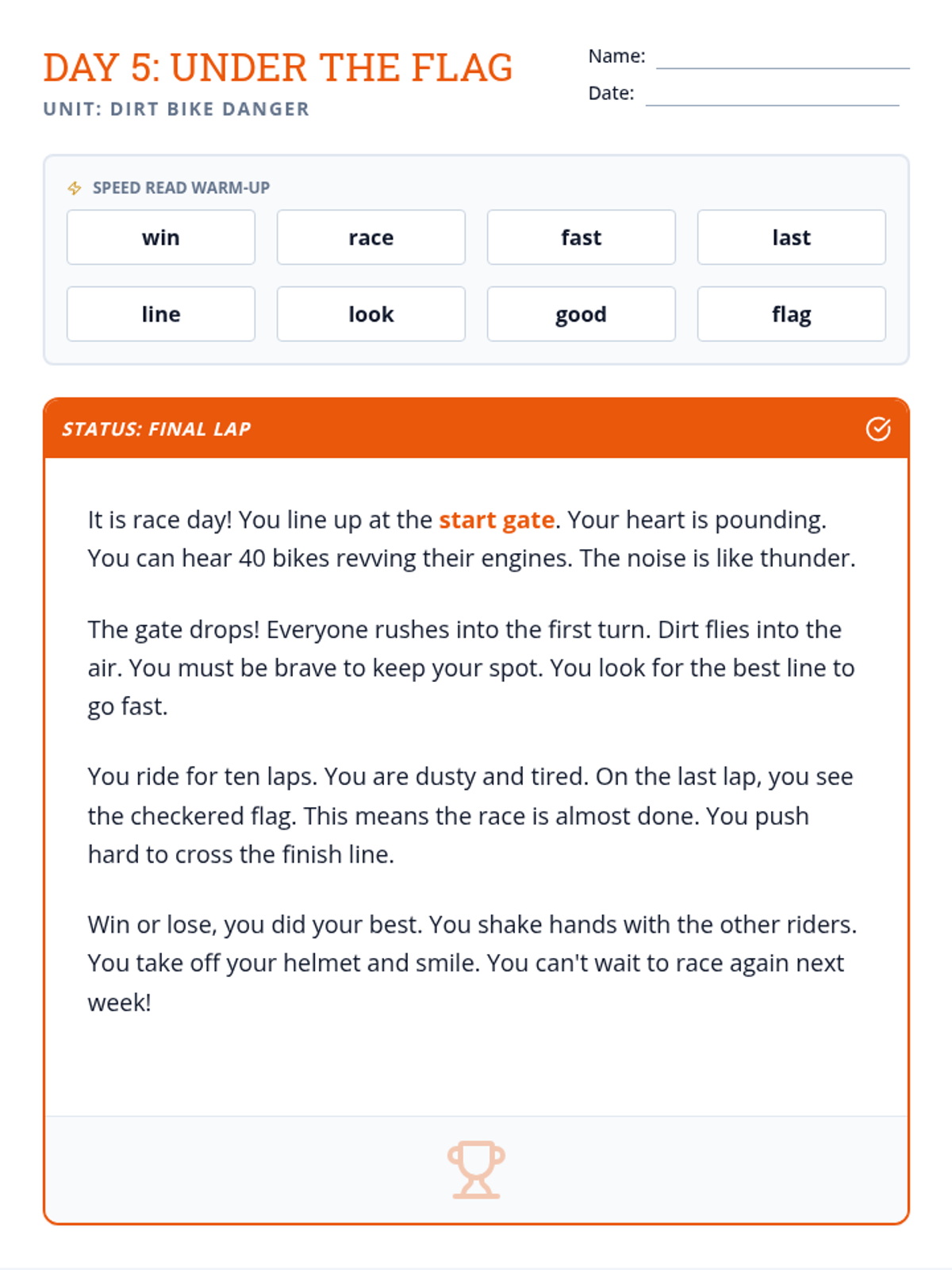
A week-long exploration of motocross culture, bike mechanics, and safety protocols. Integrates 2nd-grade reading levels with high-octane 5th-grade interest topics.
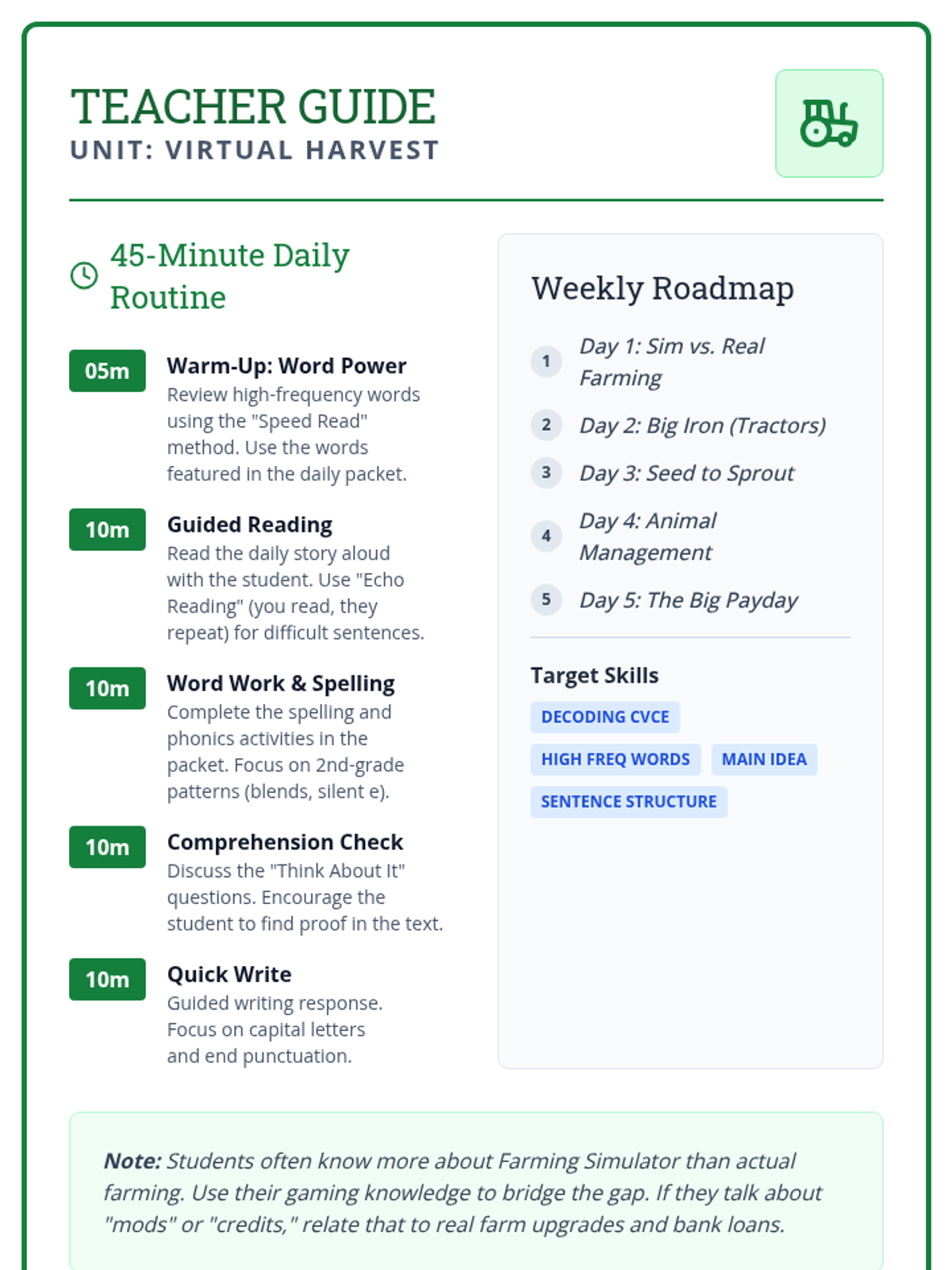
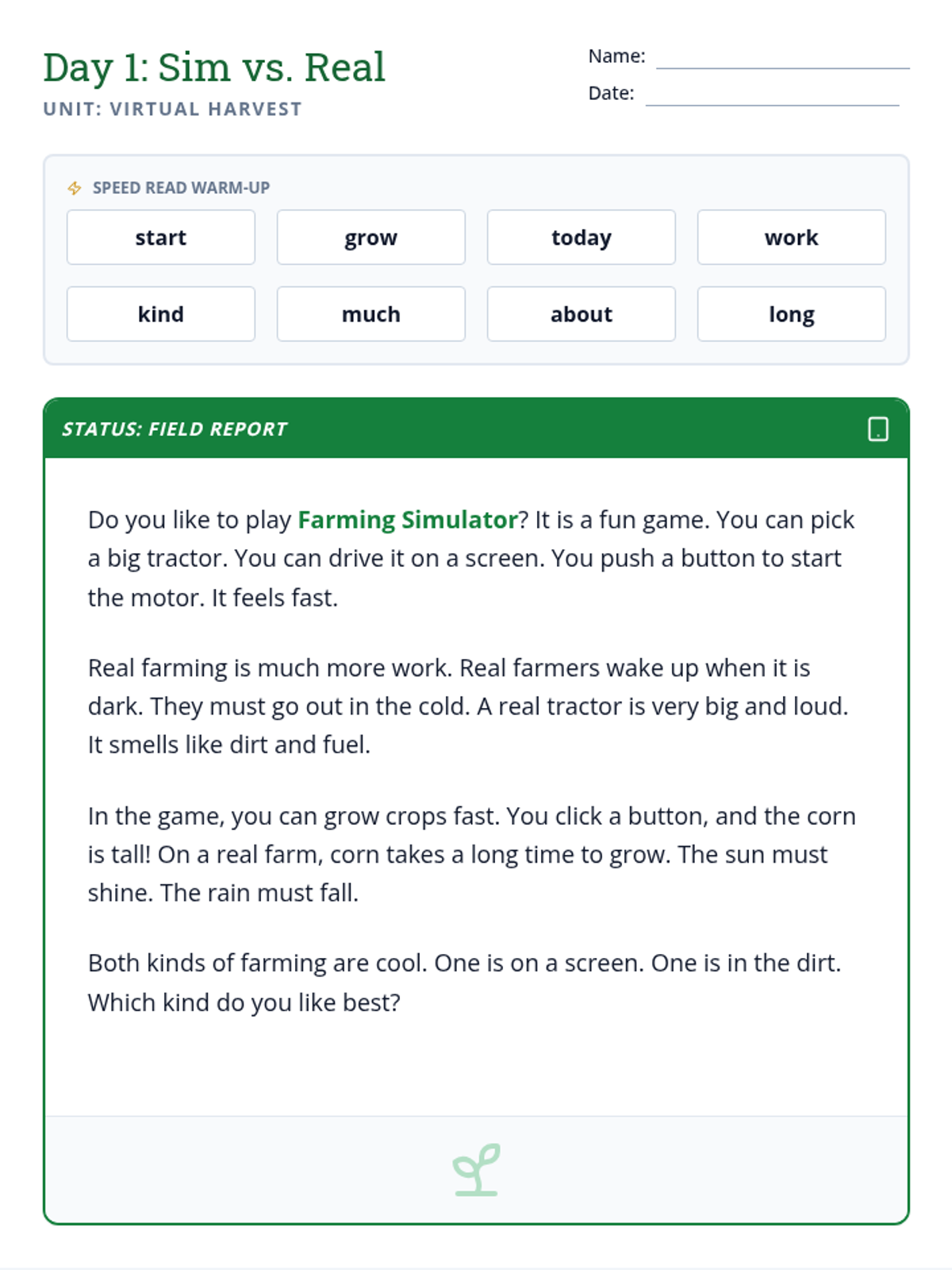
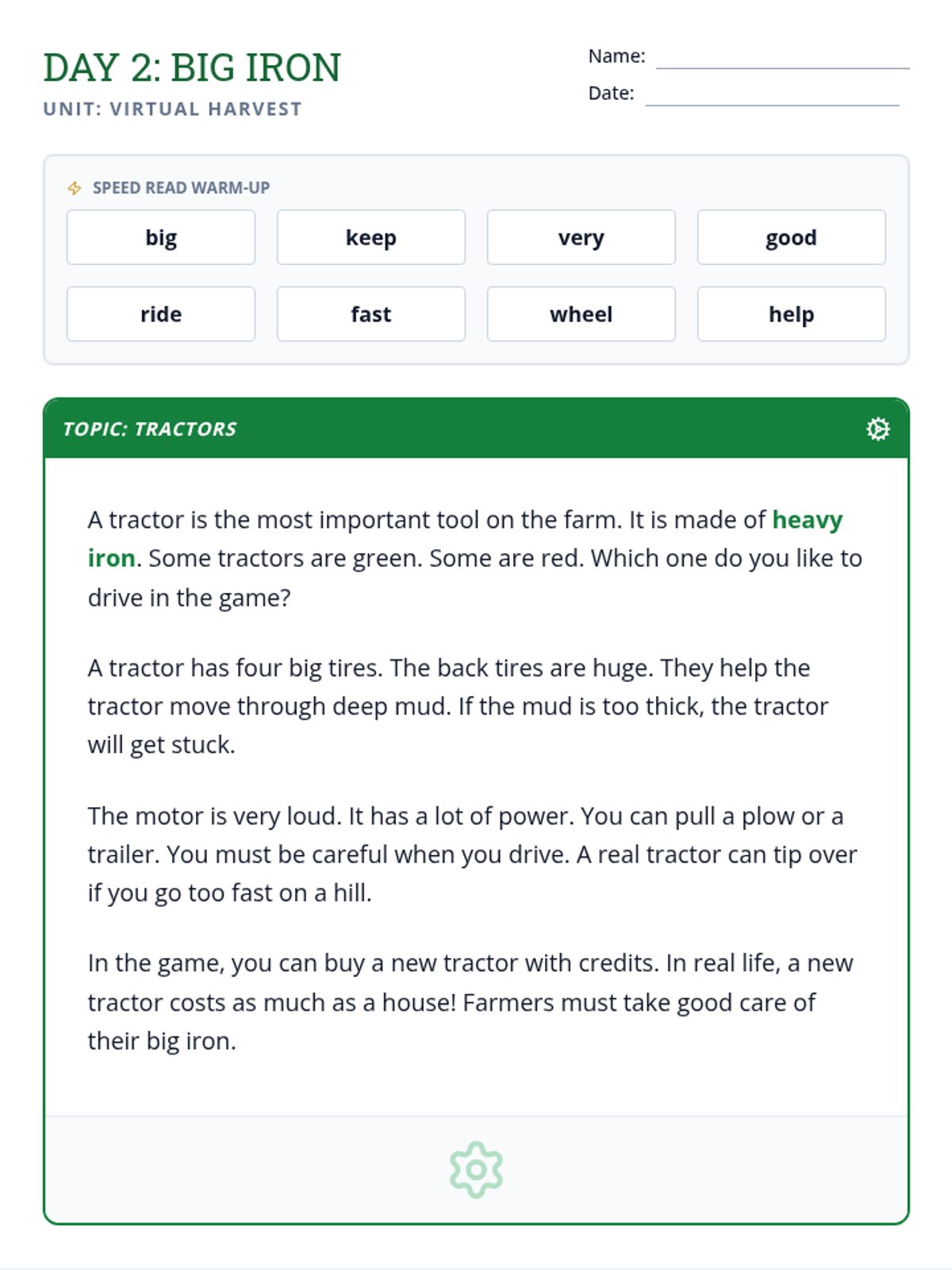
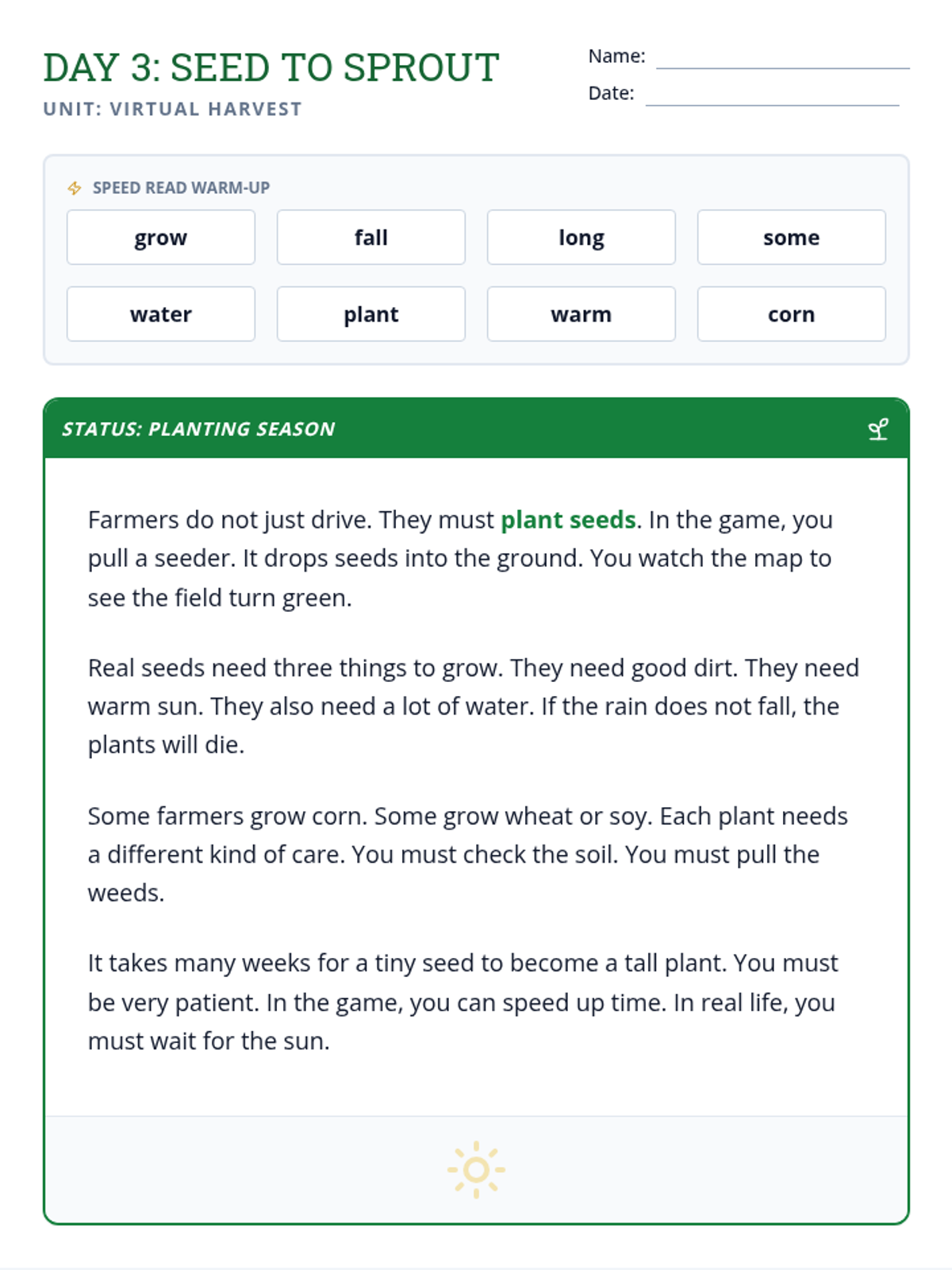
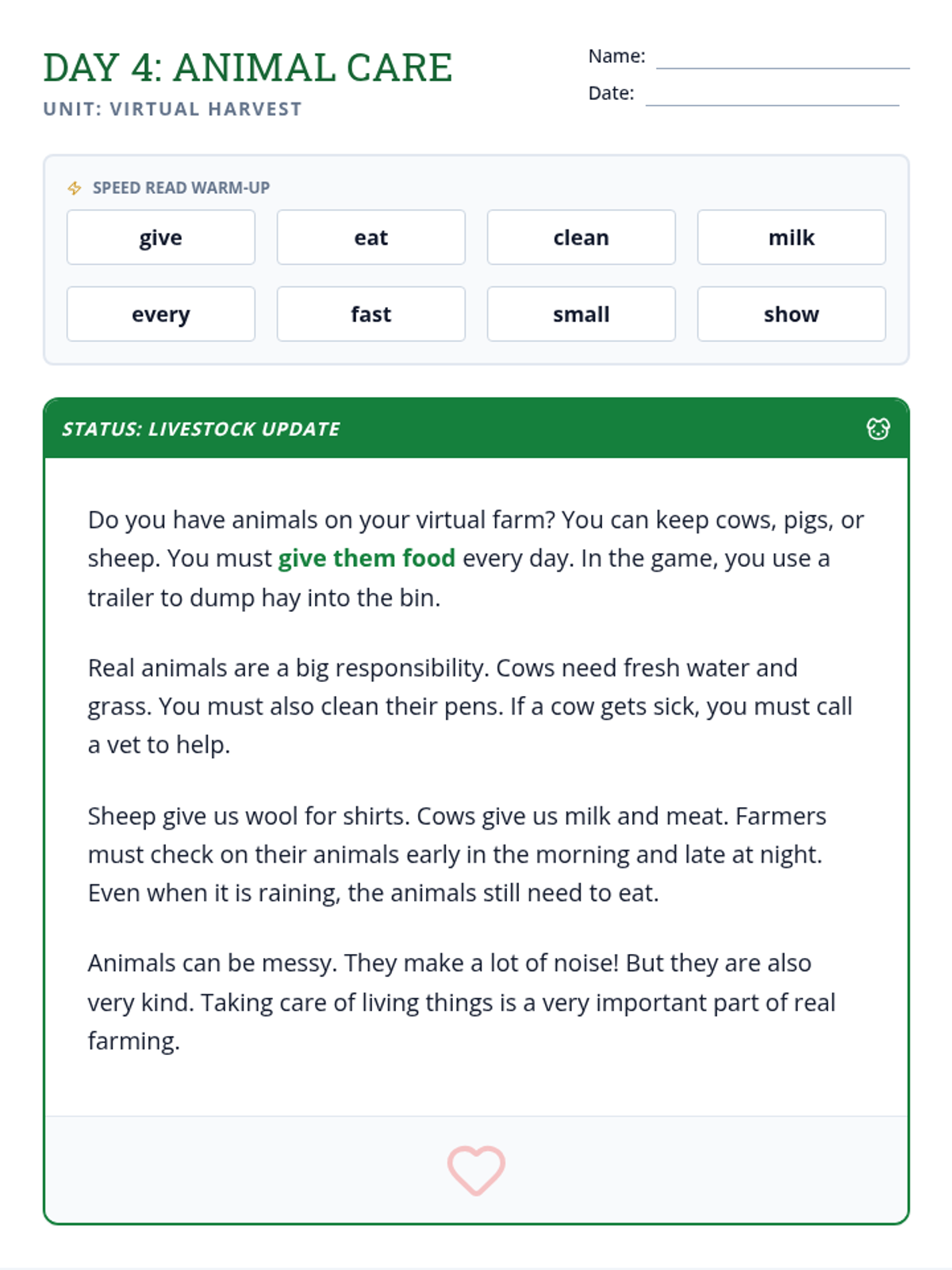
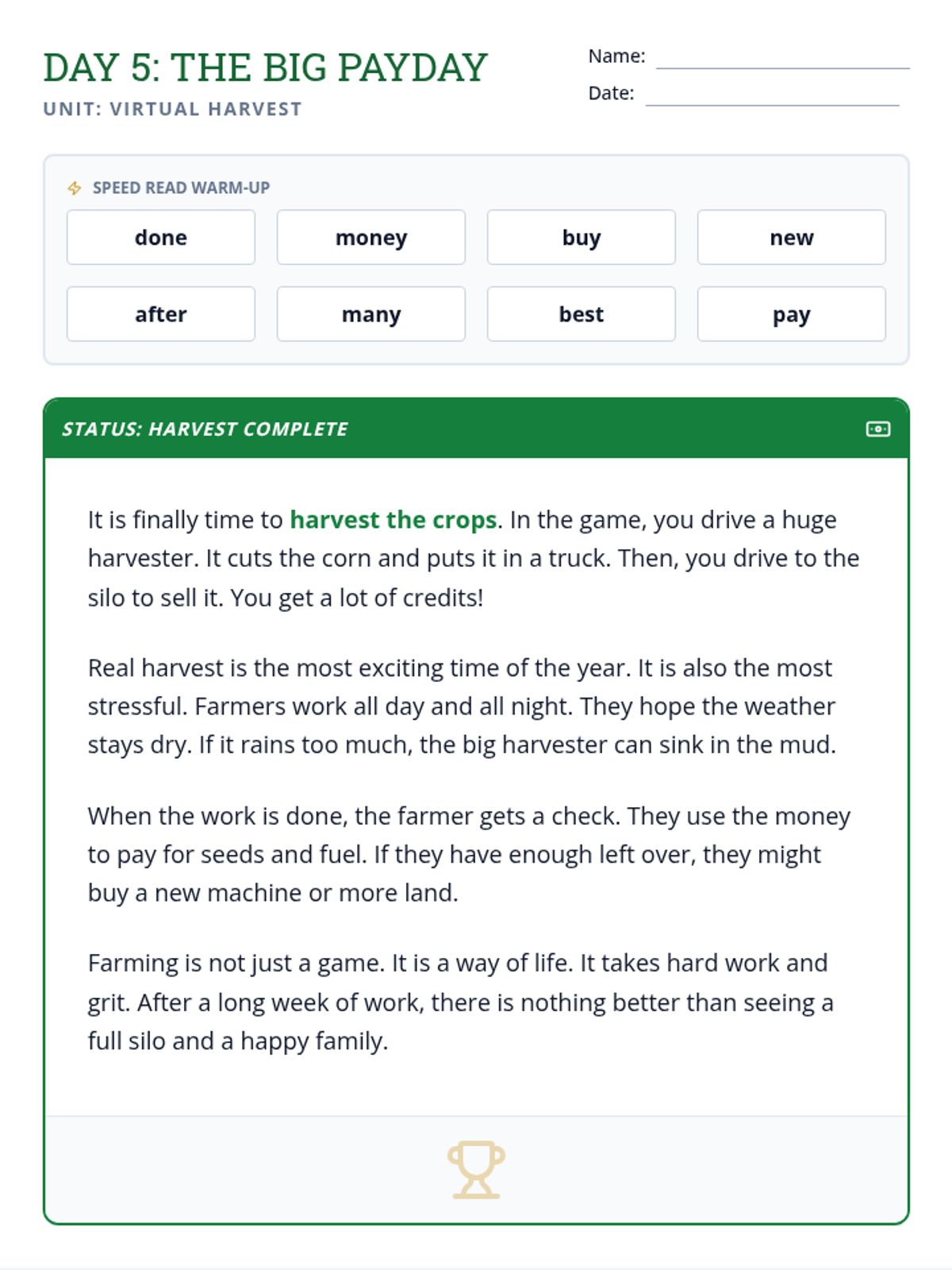
A week-long exploration of farming technology and practices, comparing video game simulations to real-life farm management. Includes daily reading, spelling, and writing activities.
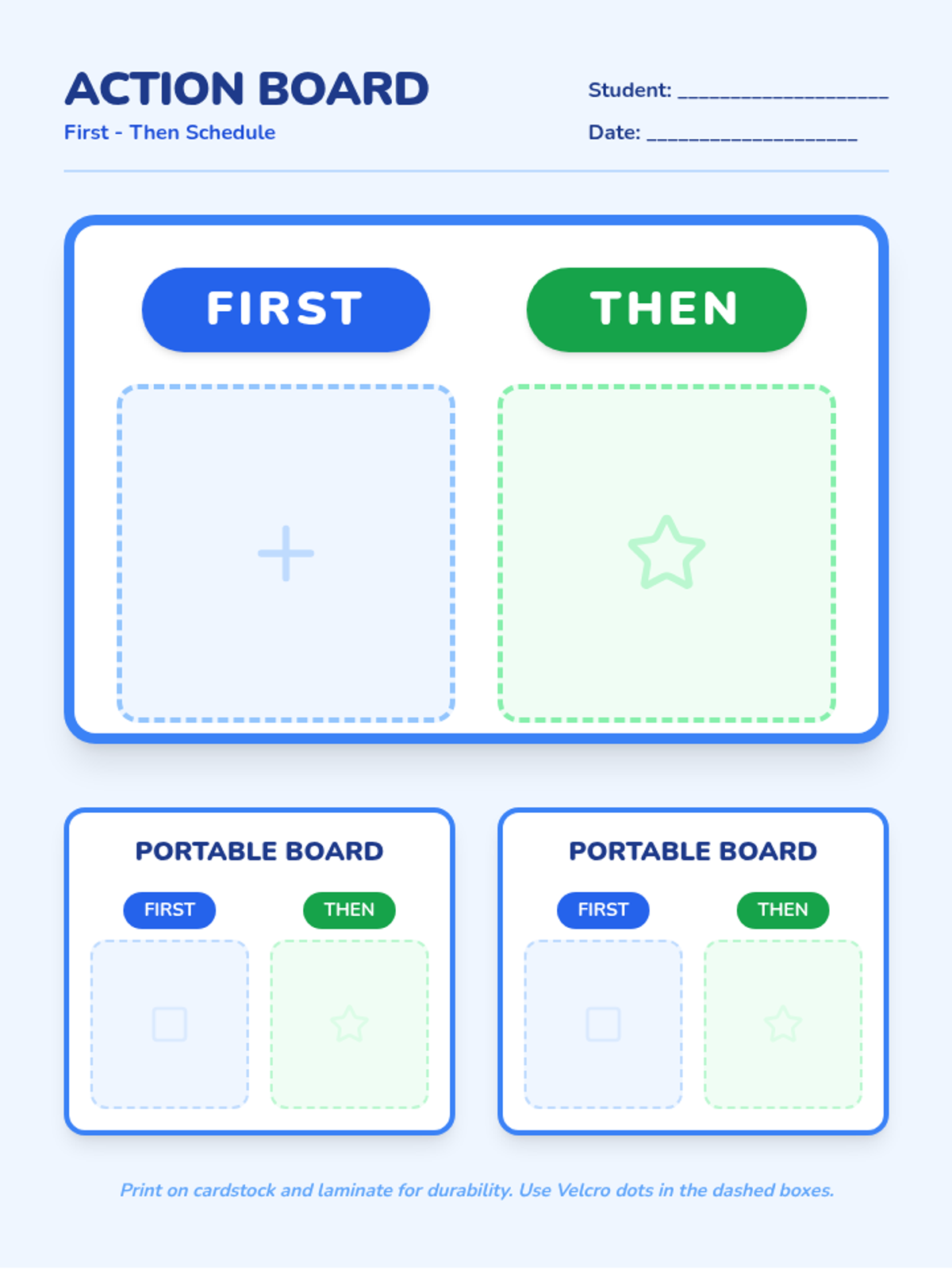
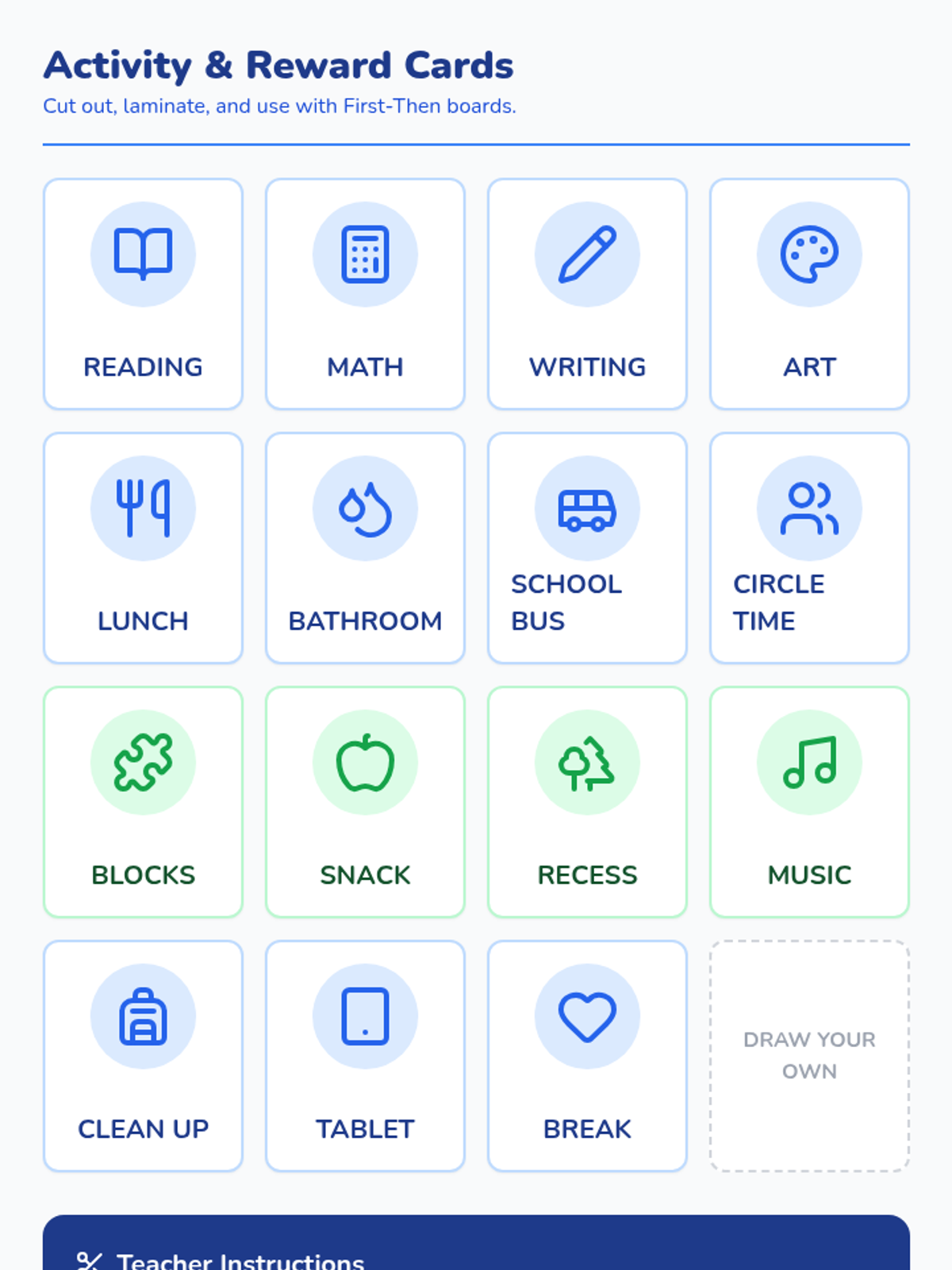
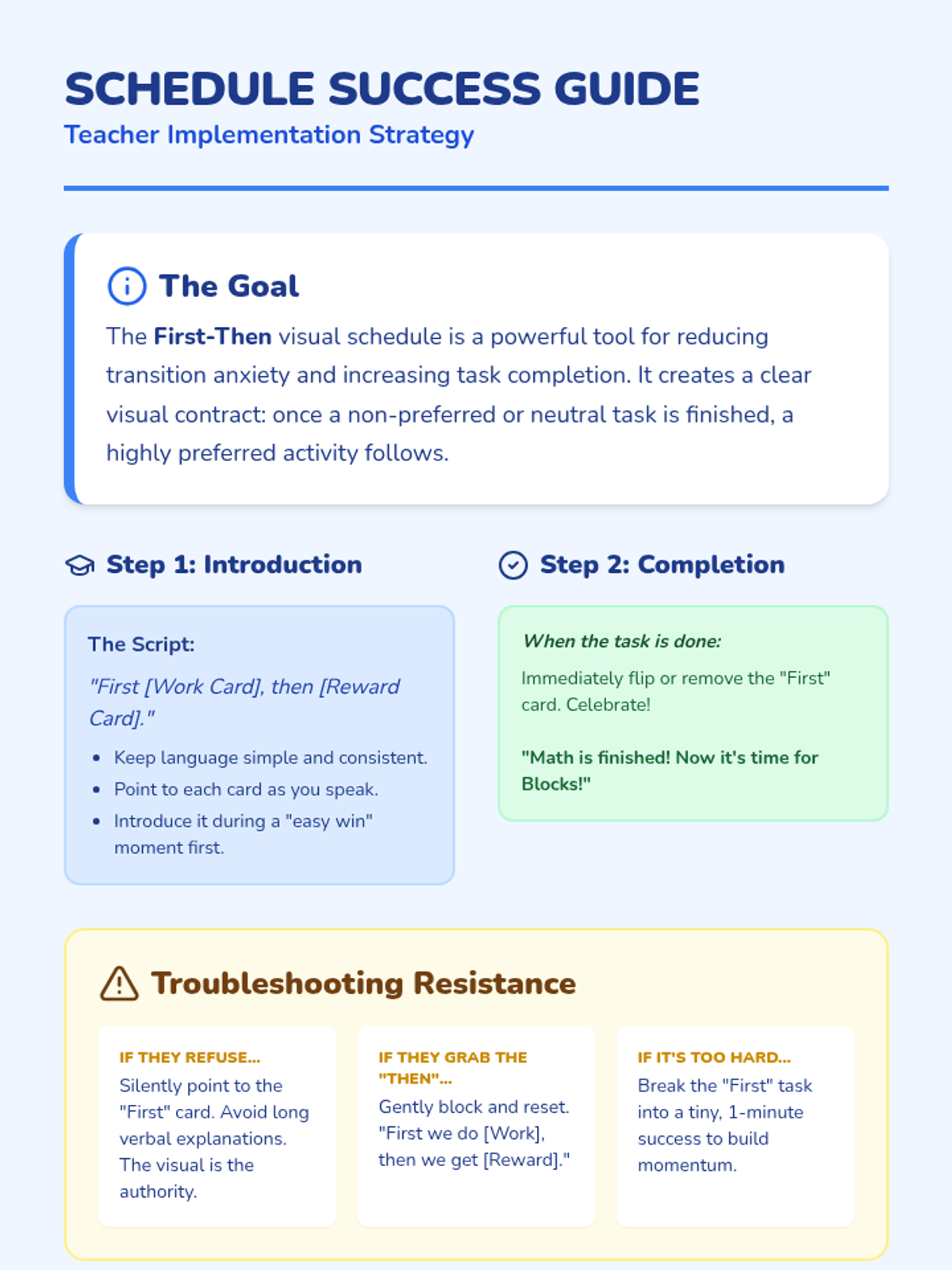
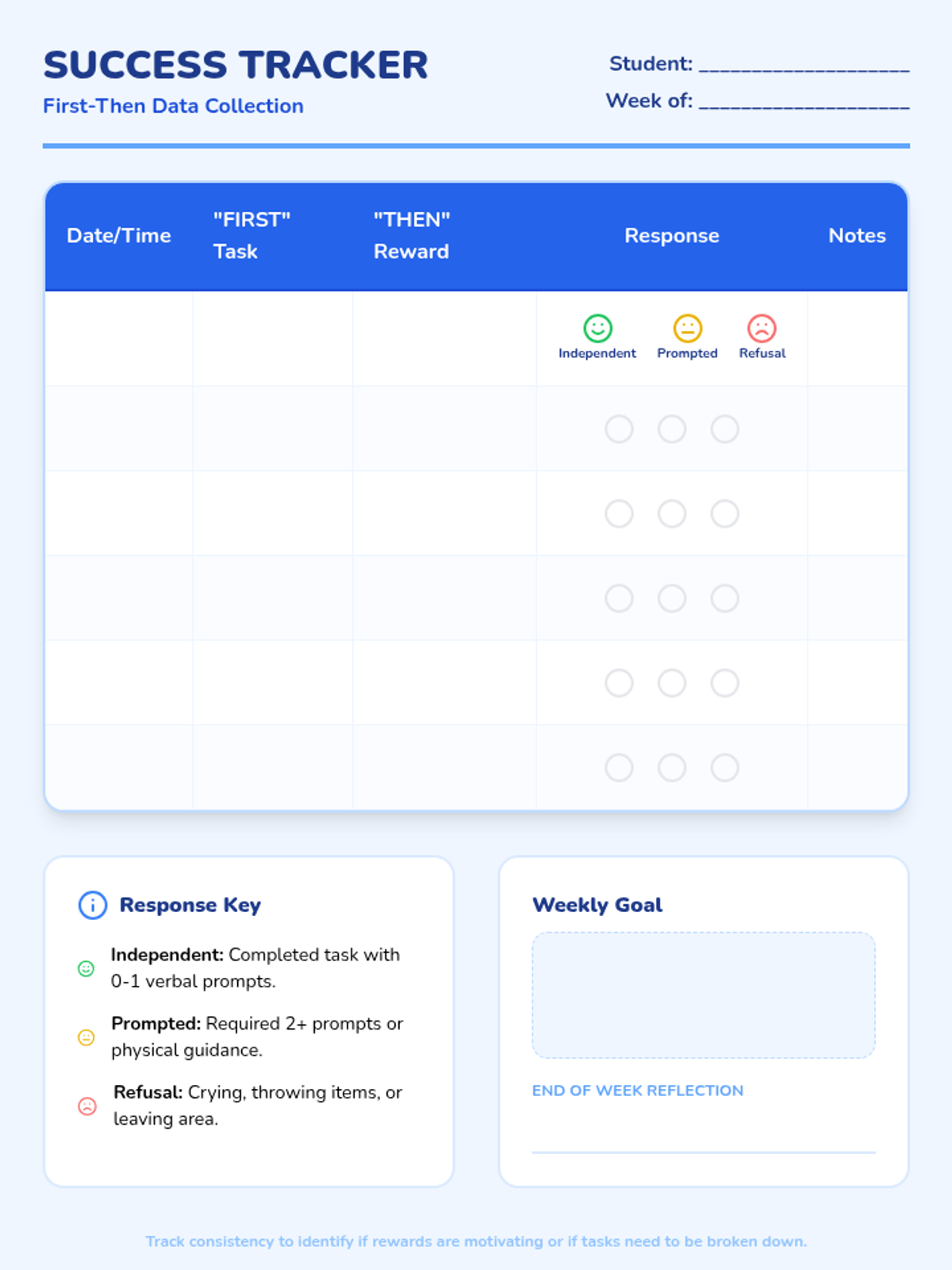
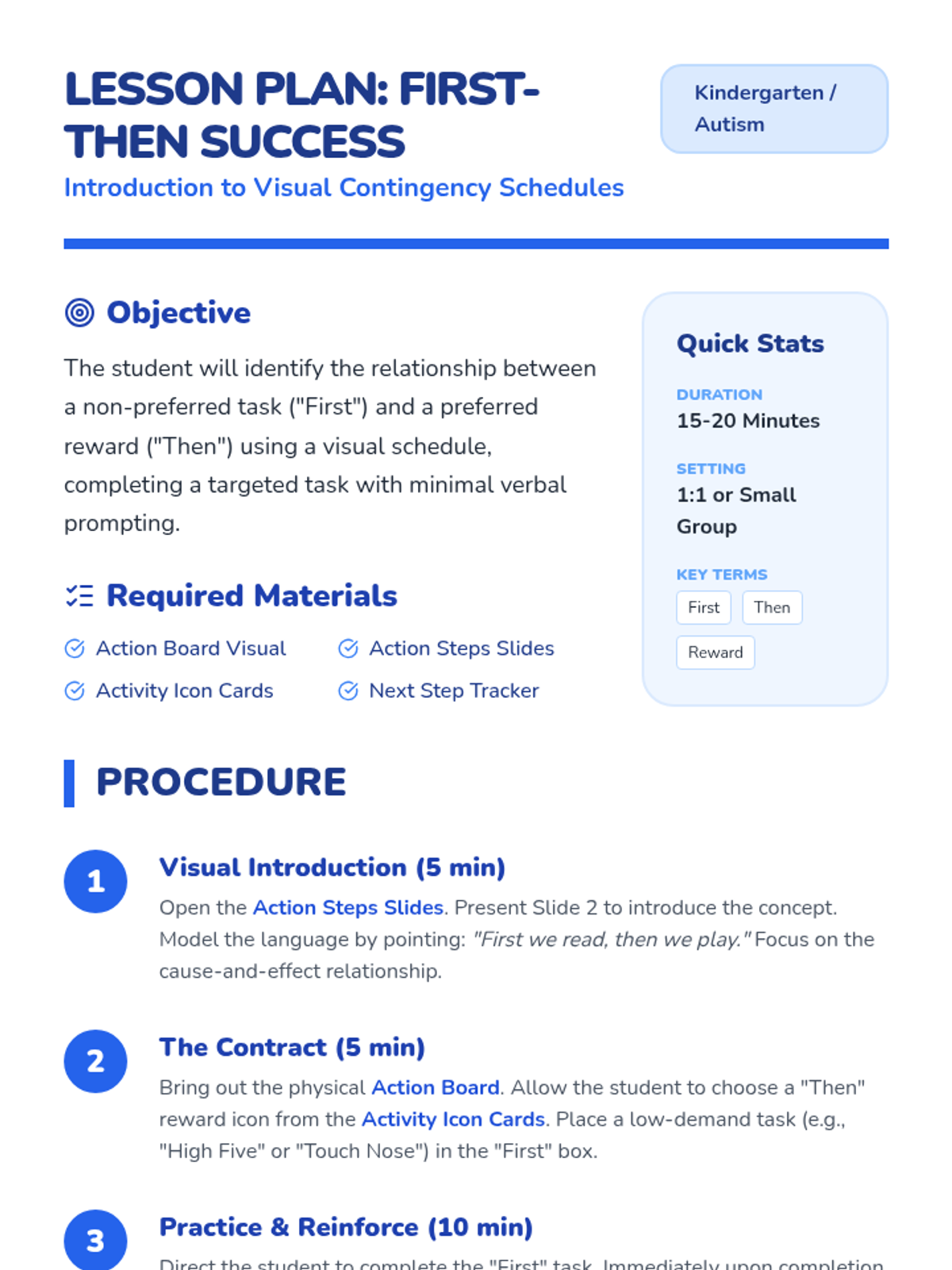
A lesson focusing on using First-Then visual schedules to support transitions and task completion for kindergarten students with autism.
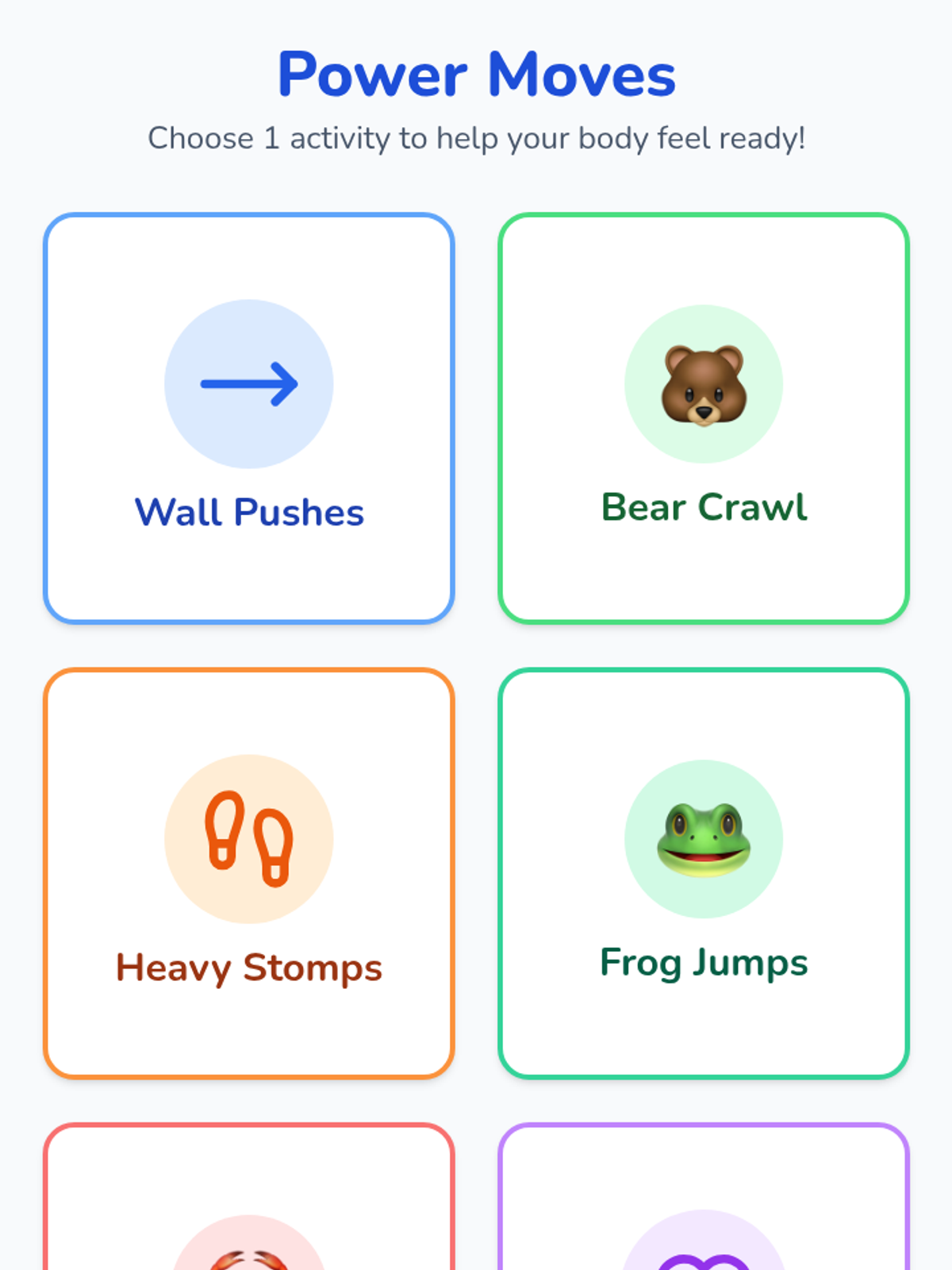
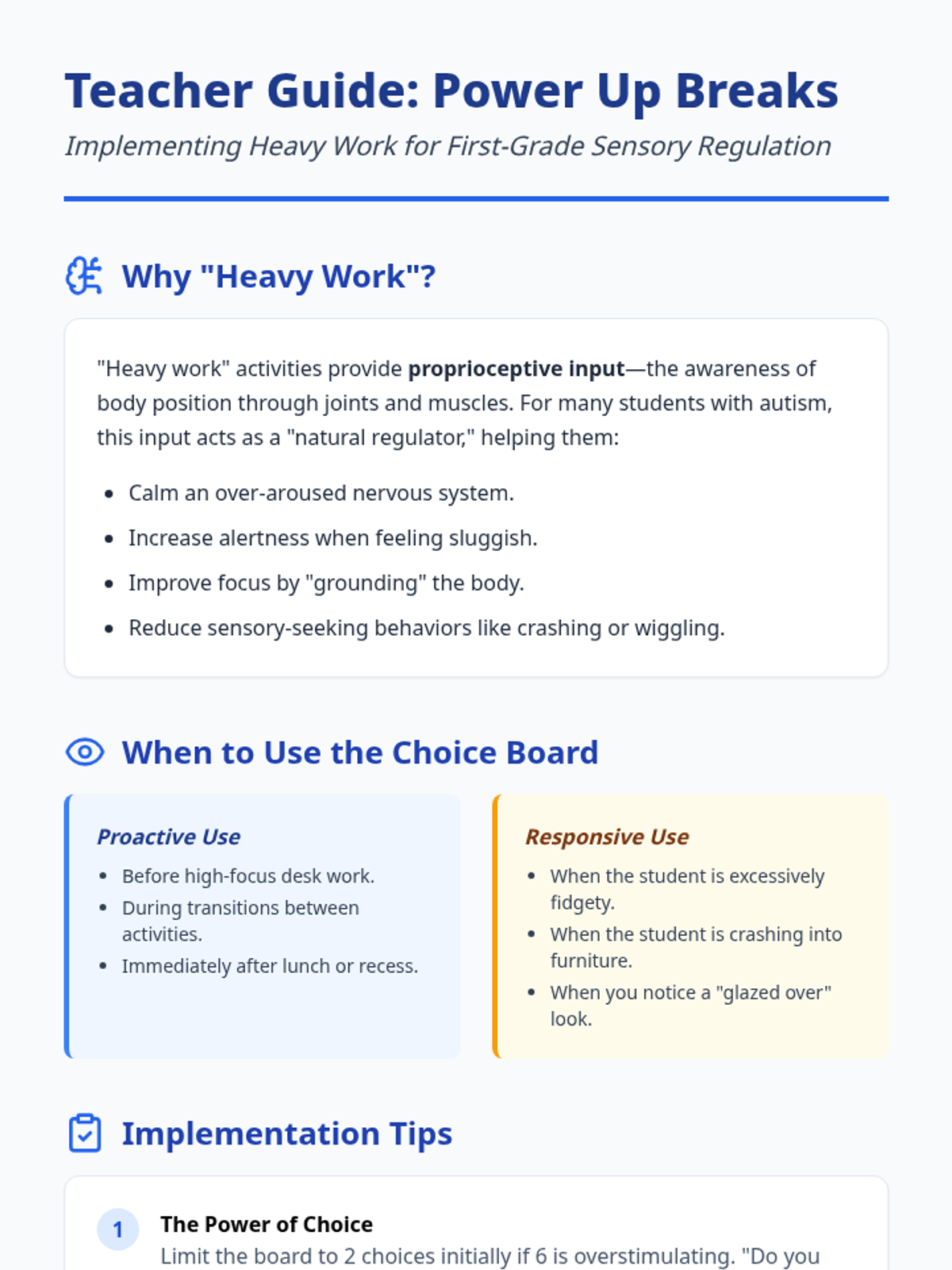
A visual support system designed to help first-grade students with autism regulate their sensory needs through proprioceptive 'heavy work' activities. This lesson provides a structured choice board and guidance for teachers to implement these breaks effectively.
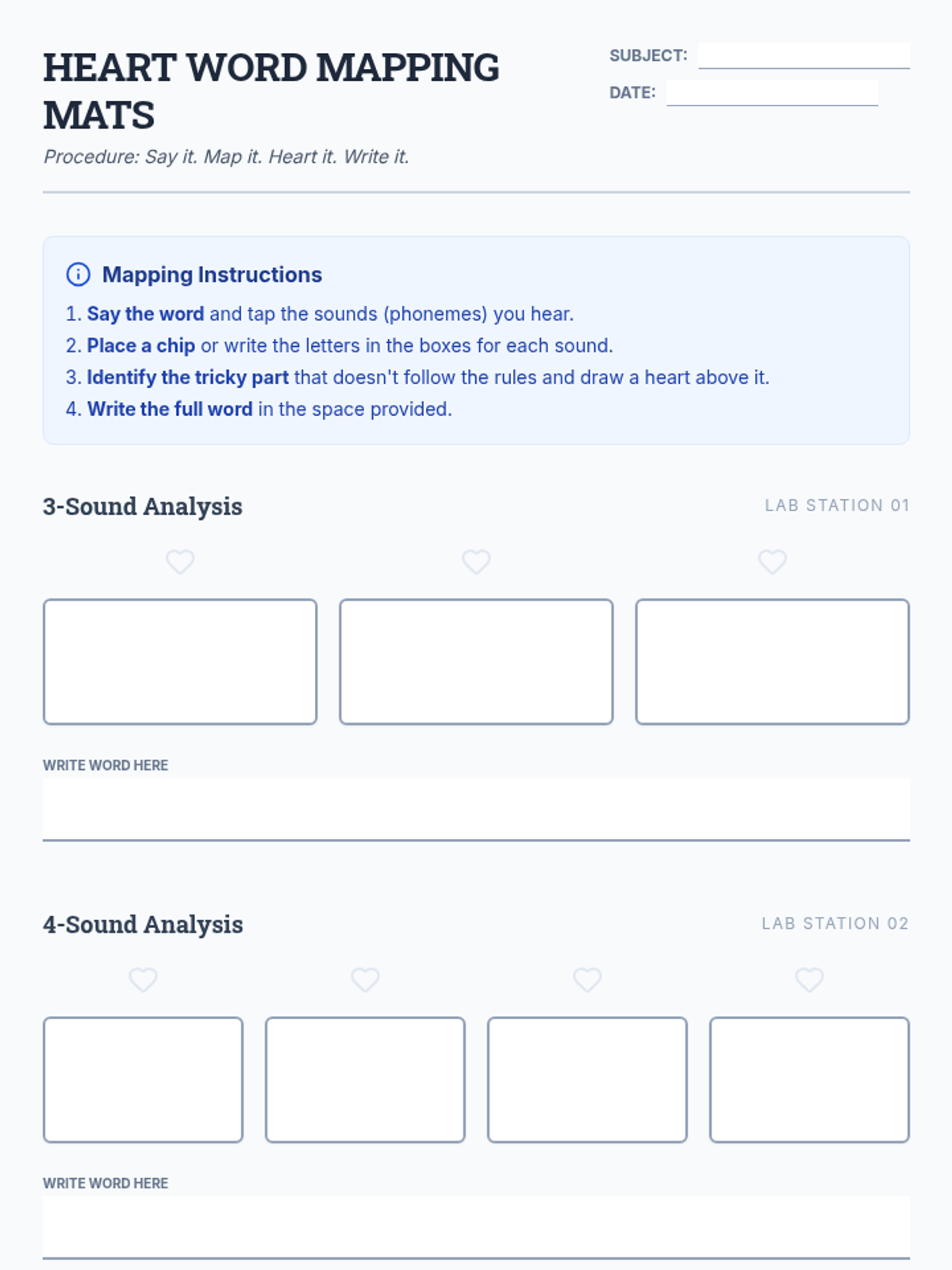
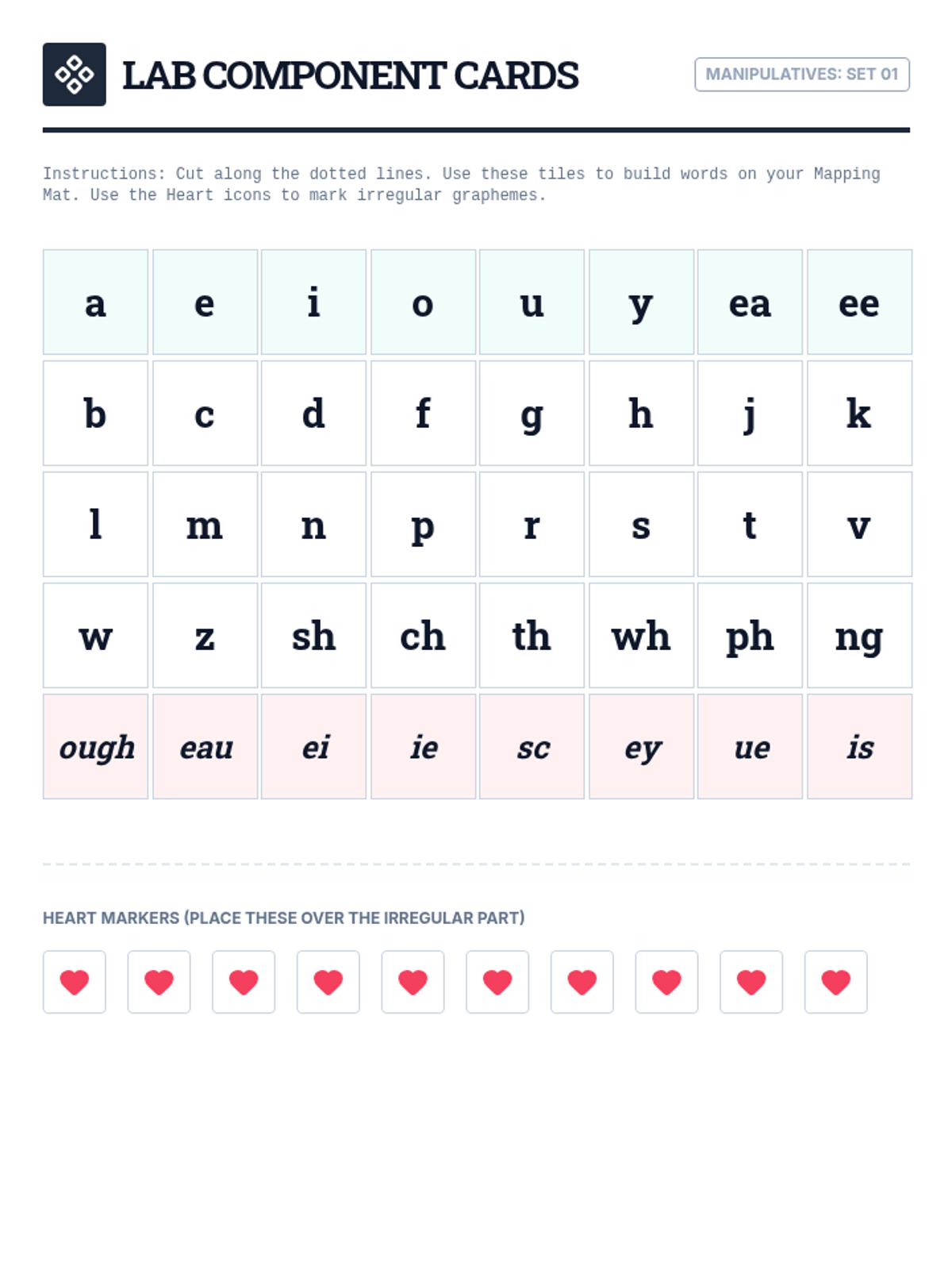
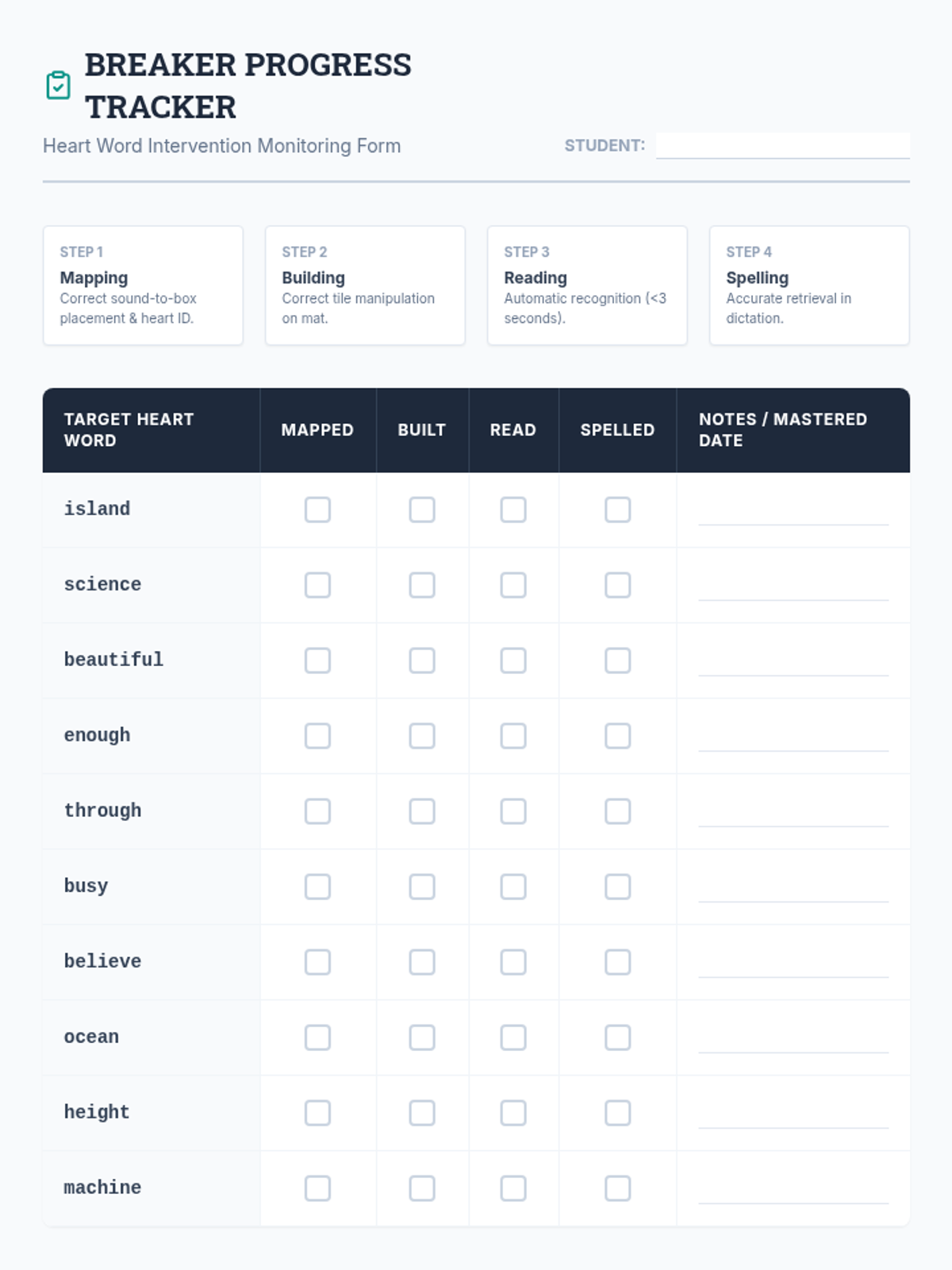
An intensive reading intervention focused on decoding and orthographic mapping of irregular high-frequency words (Heart Words) for upper elementary and middle school students.