As a final assessment, students select a topic from another class (Science or Social Studies) and design a comprehensive visual guide. They must explain their choice of layout and how it helps them retain the specific type of information presented.
A high-school level executive functioning lesson focused on time management, task prioritization, and conflict resolution using a realistic weekly planner.
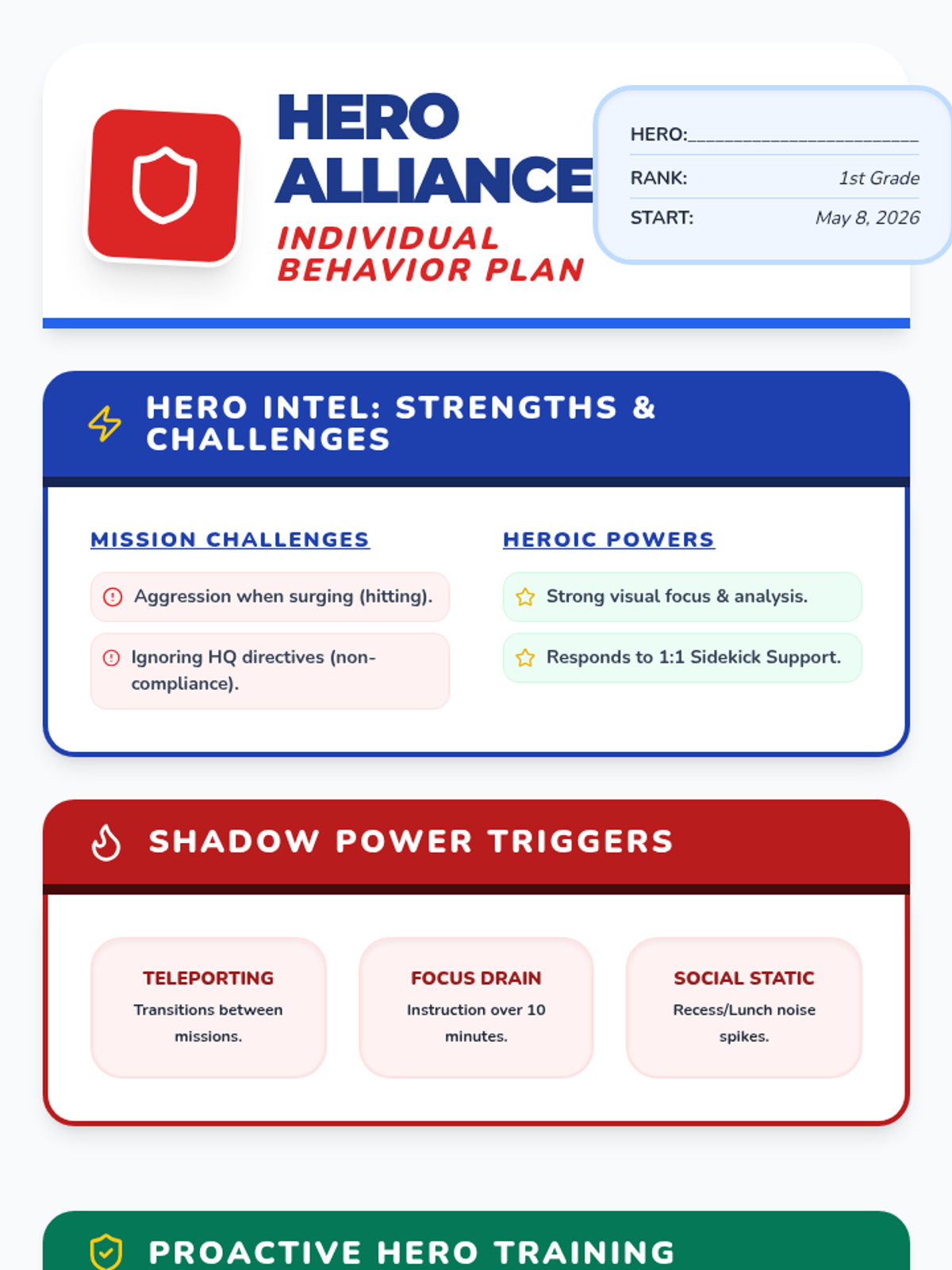
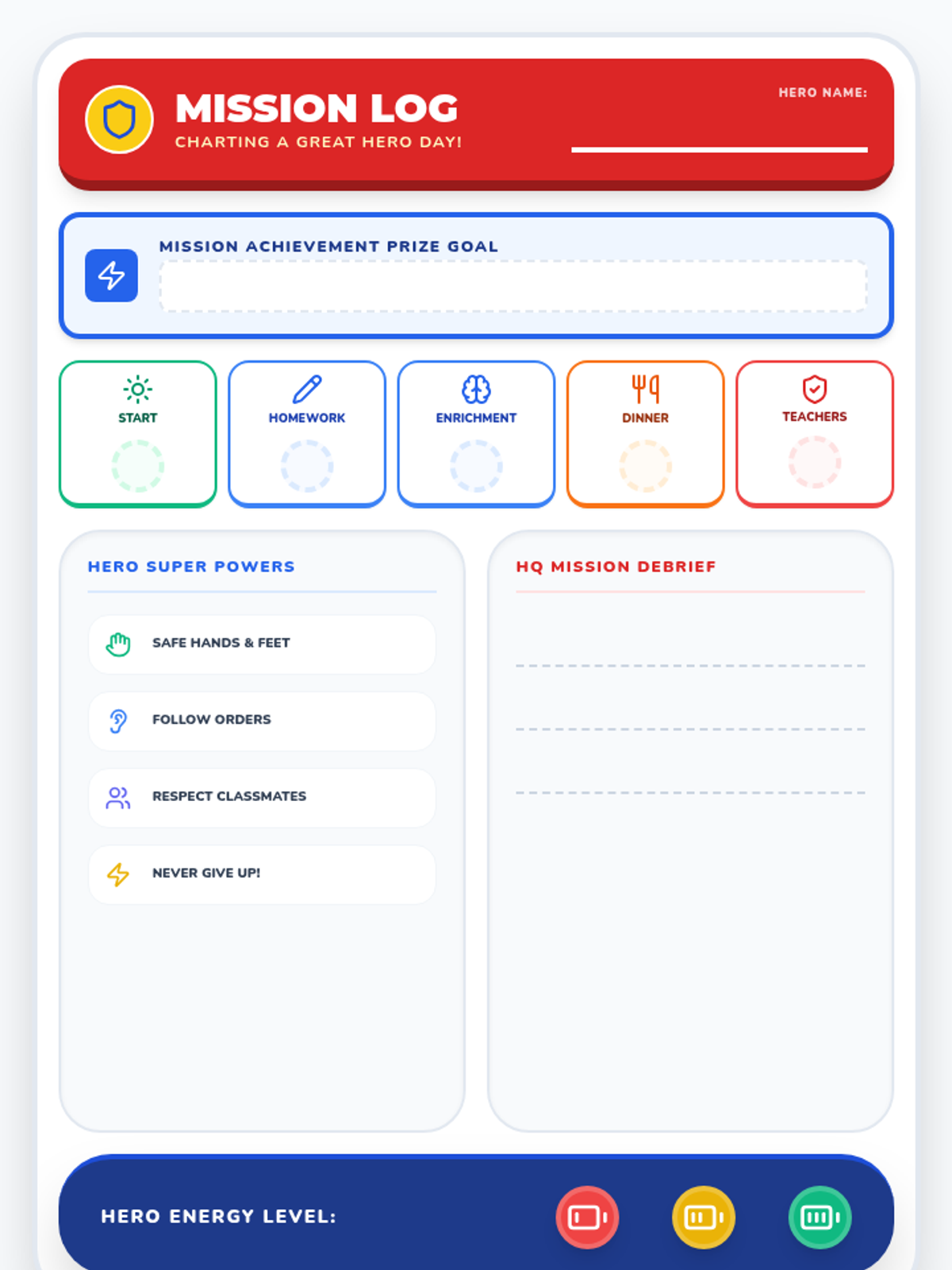
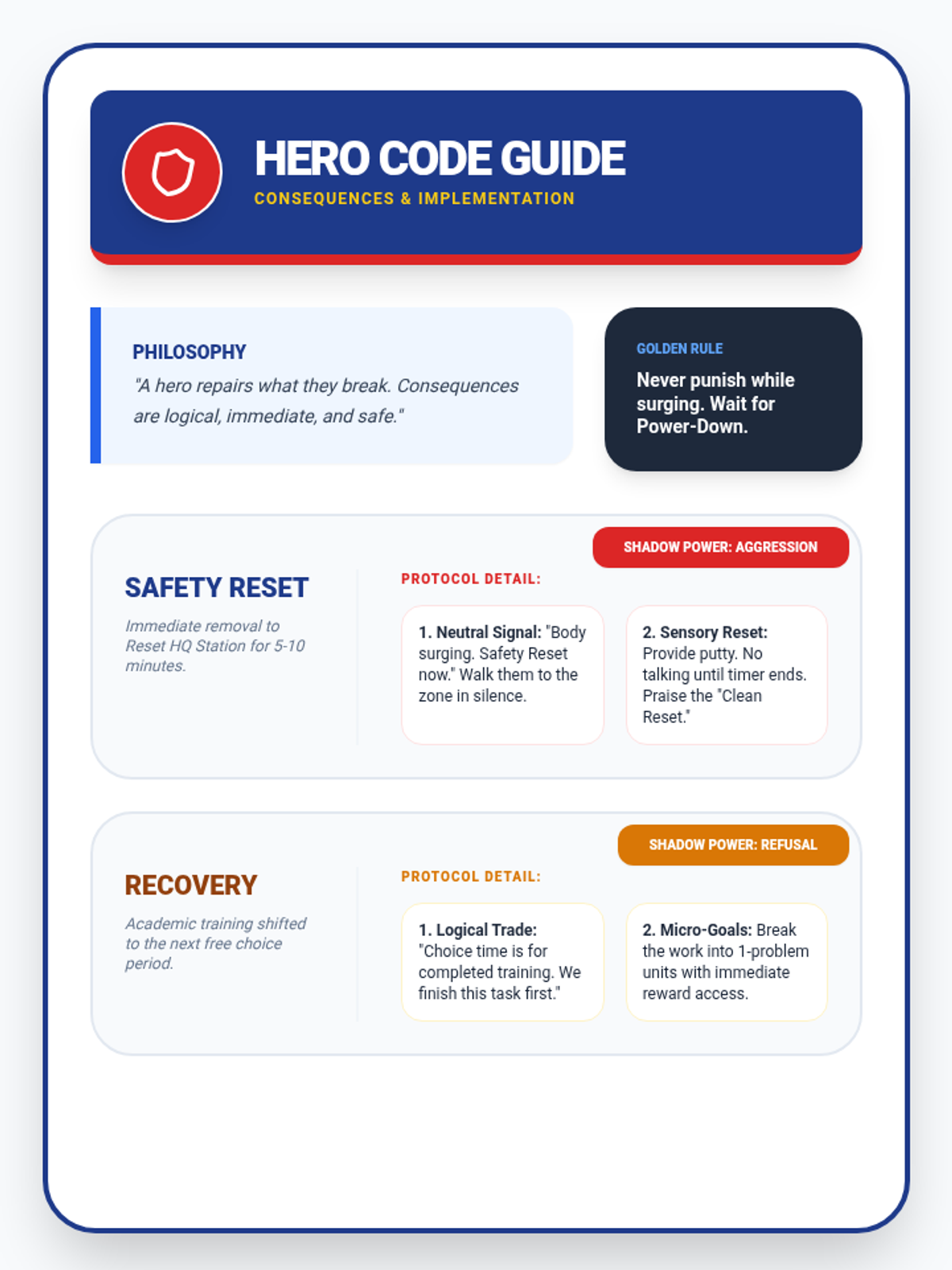
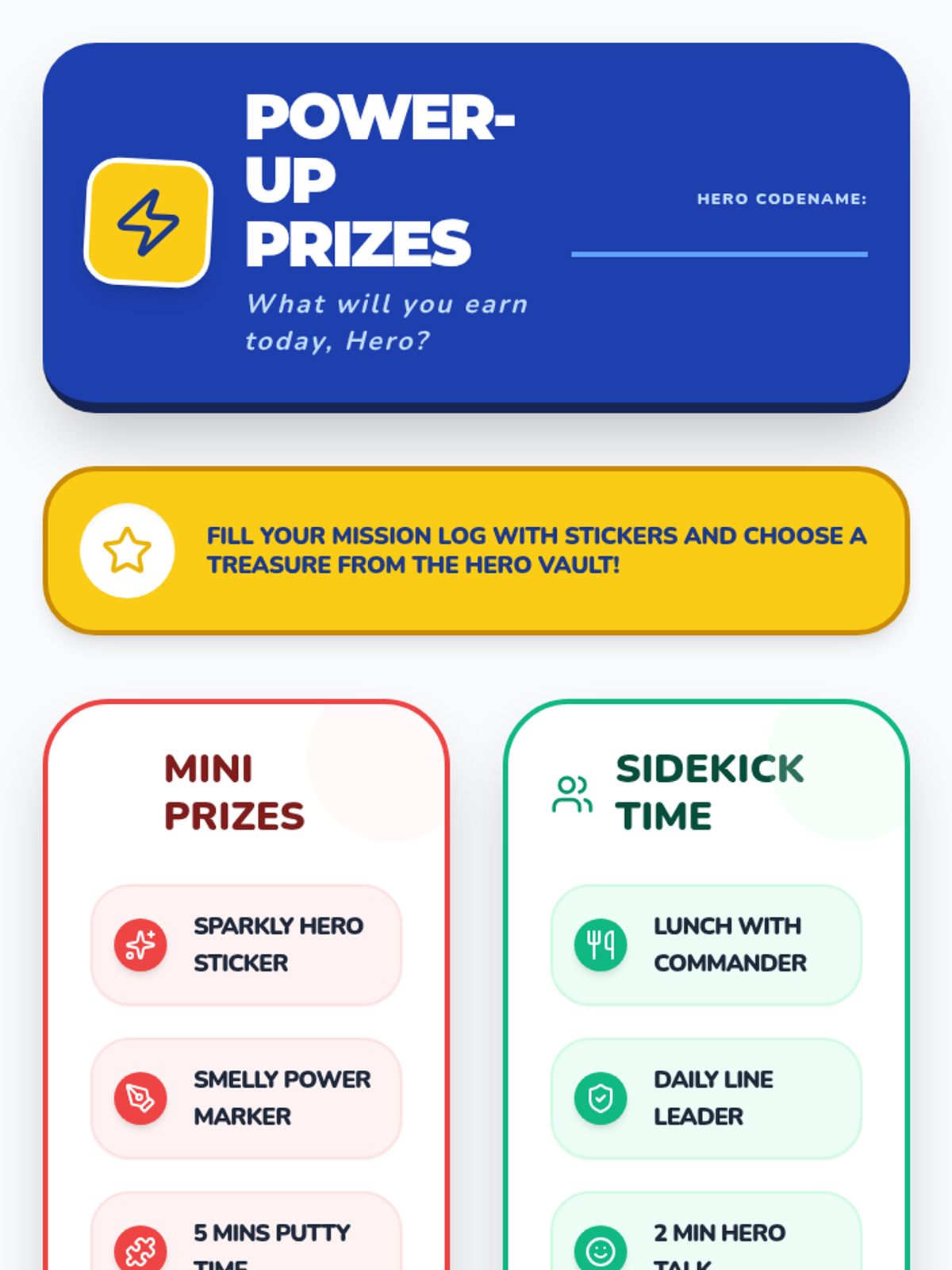
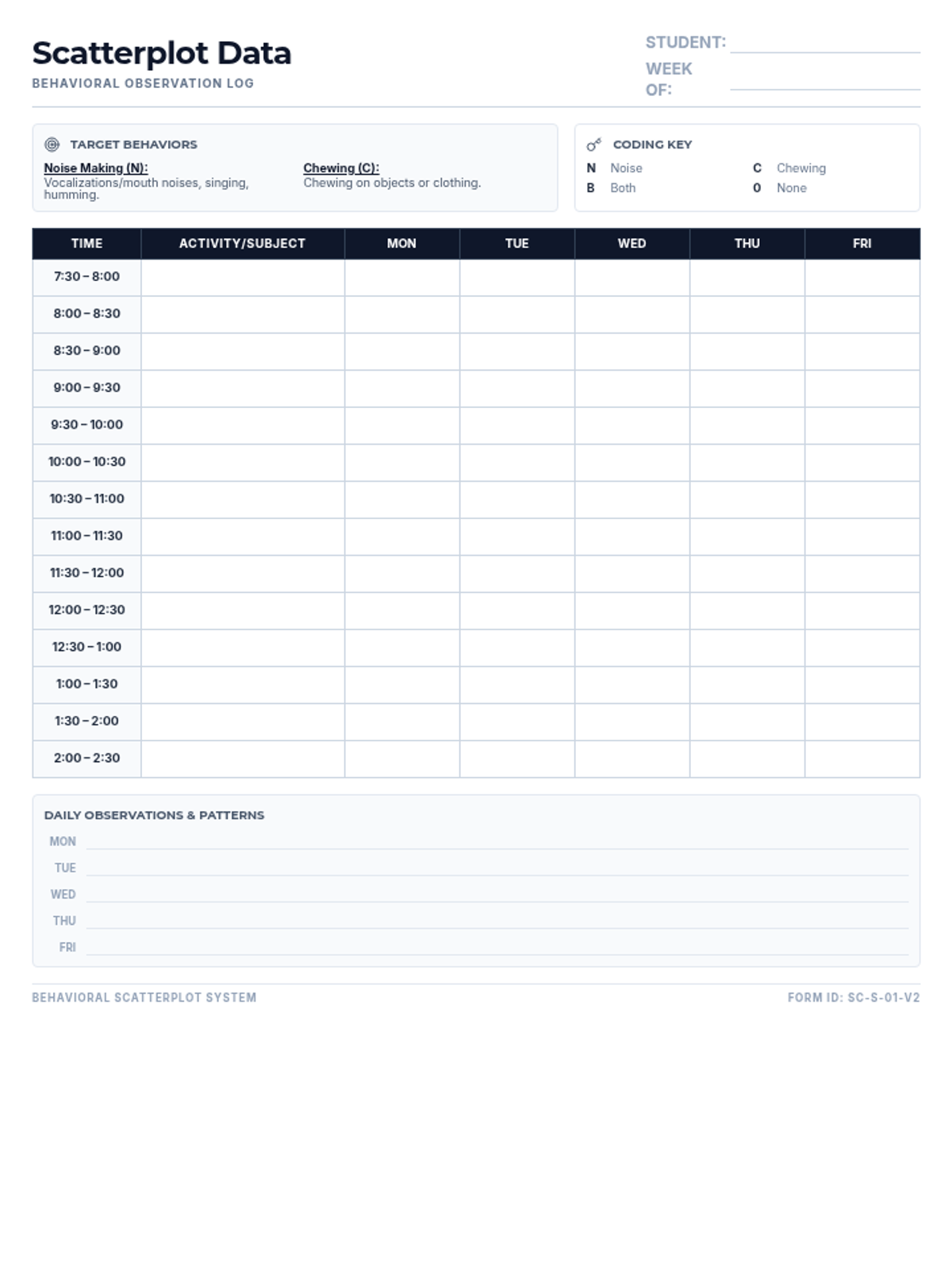
A collection of resources to support students in tracking and improving classroom behaviors, focusing on self-regulation and engagement.
A weekly routine for students to track and reflect on self-created executive functioning goals, promoting metacognition and self-regulation.
A comprehensive lesson designed for adults with mild intellectual disabilities to improve social communication, manage frustration, and build healthy physical habits for diabetes prevention. This lesson provides practical tools for daily self-regulation and wellness tracking.
A foundational lesson for non-verbal students with autism to learn and practice three greeting methods: waving, high-fives, and using an AAC device. Includes a social narrative, choice boards, and individual communication cards.
A comprehensive toolkit for school leaders to conduct effective classroom walkthroughs aligned with the MA DESE Model Rubric for Classroom Teacher Evaluation.
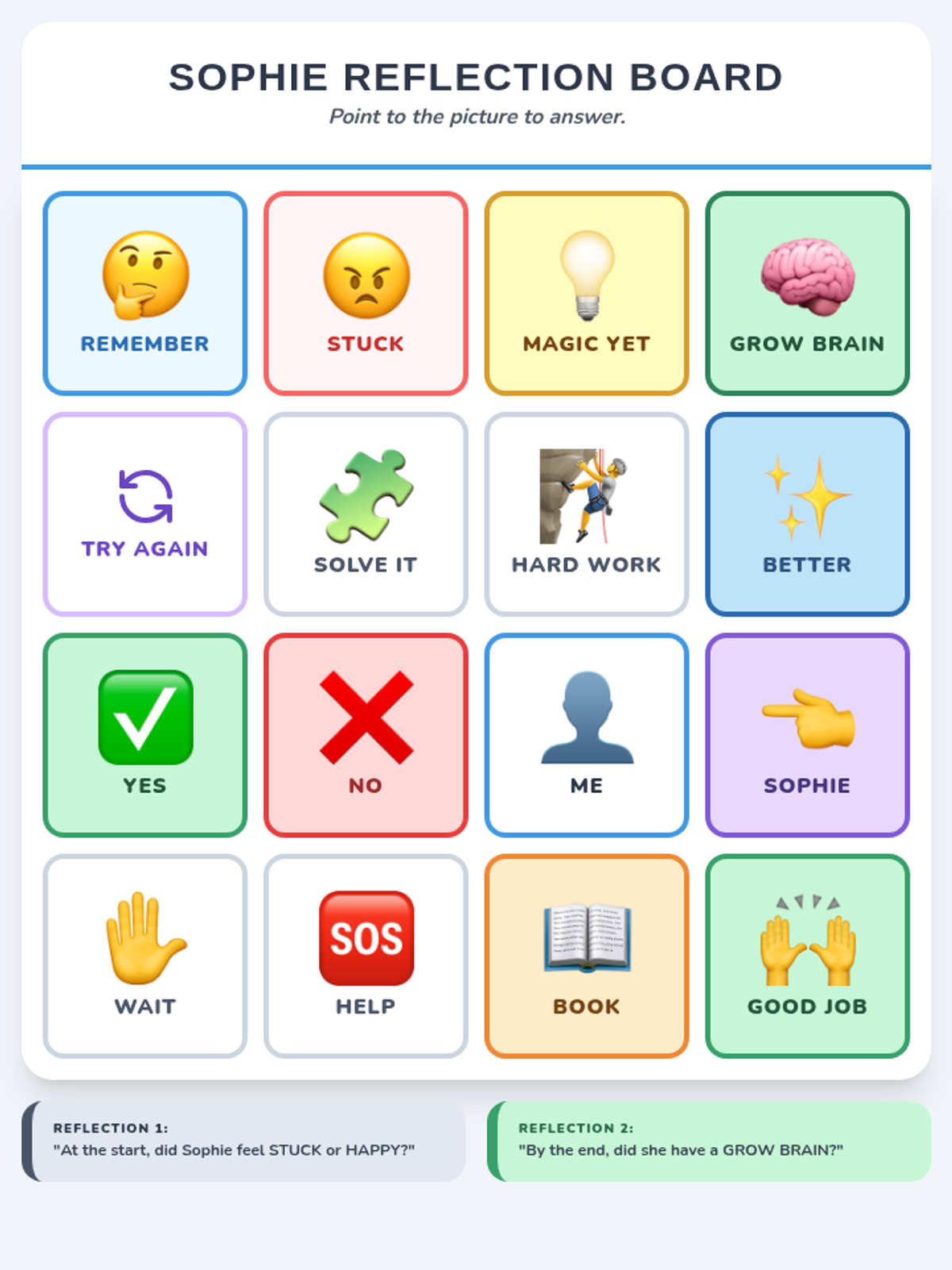
A set of visual communication tools designed for students who struggle with verbalizing emotions and needs, using a cartoon-inspired theme to make communication engaging and accessible.
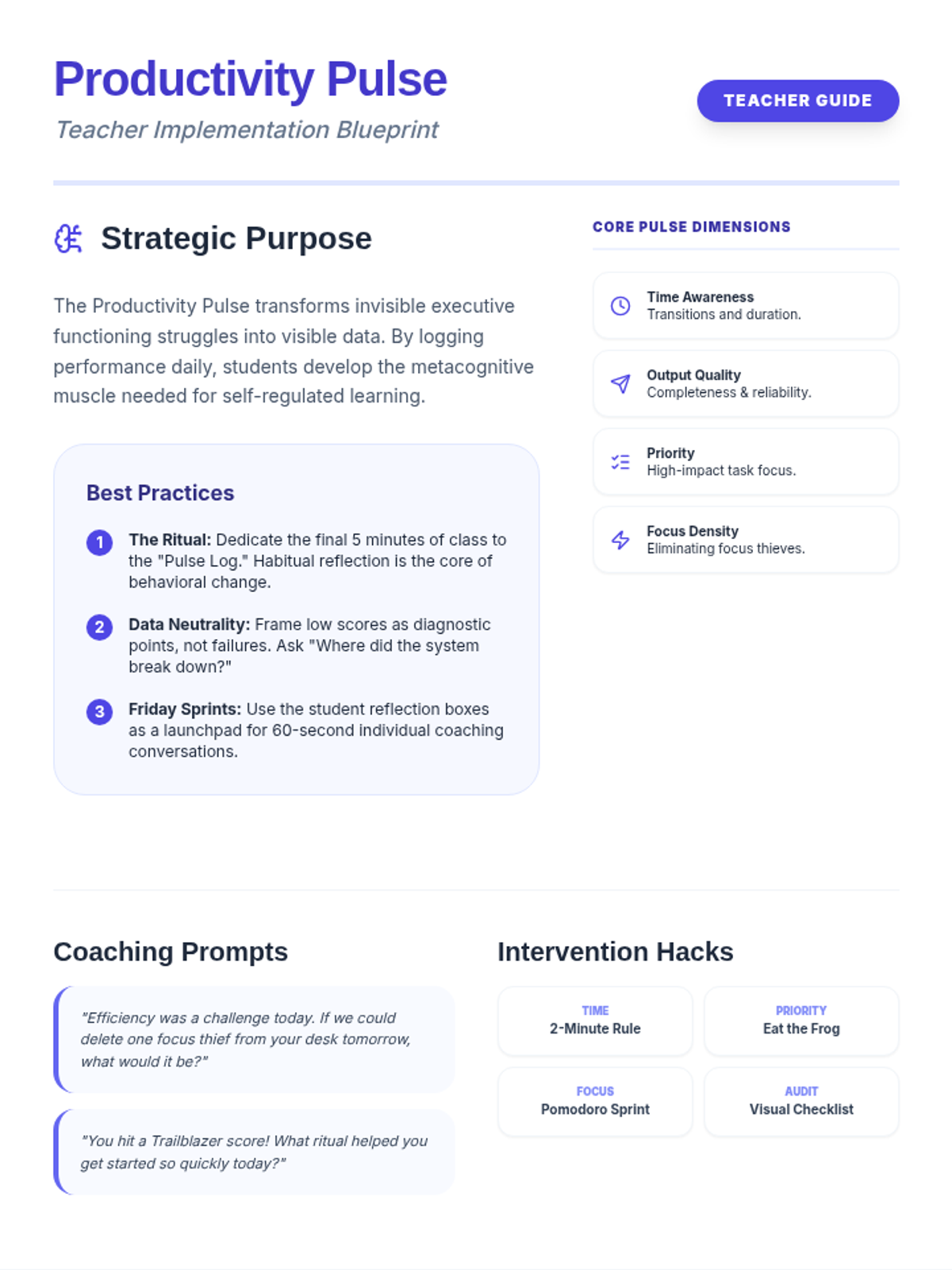
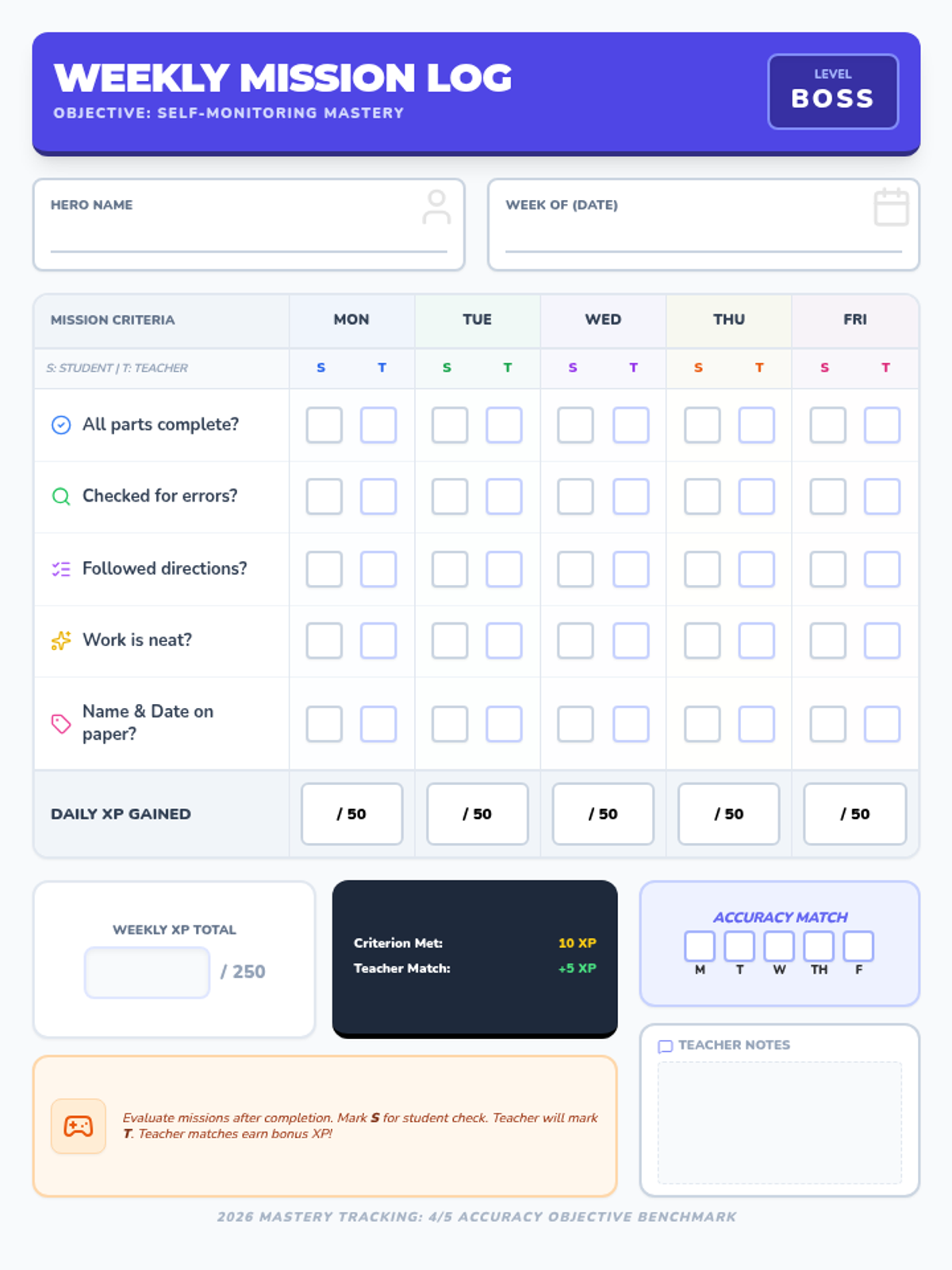
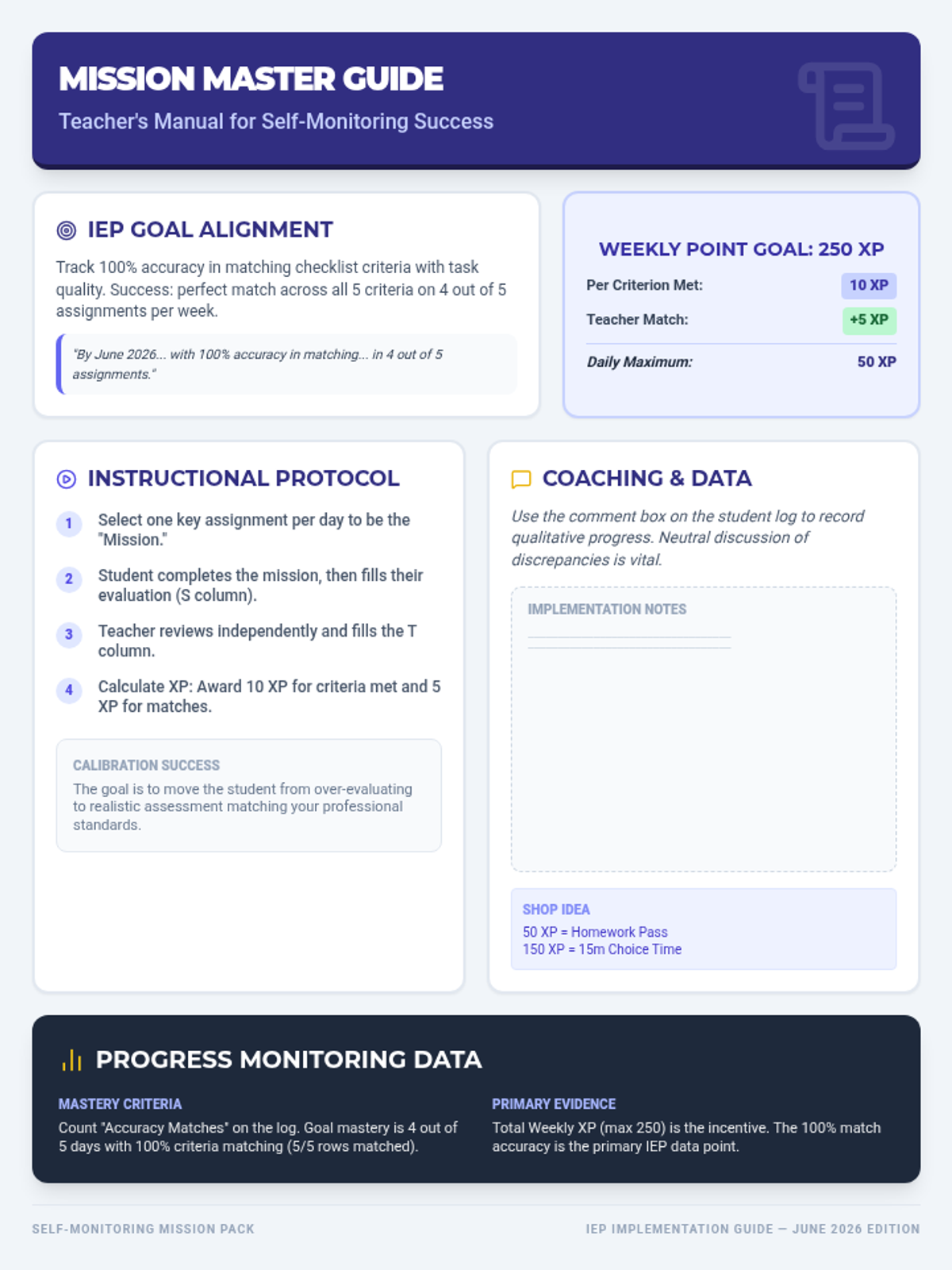
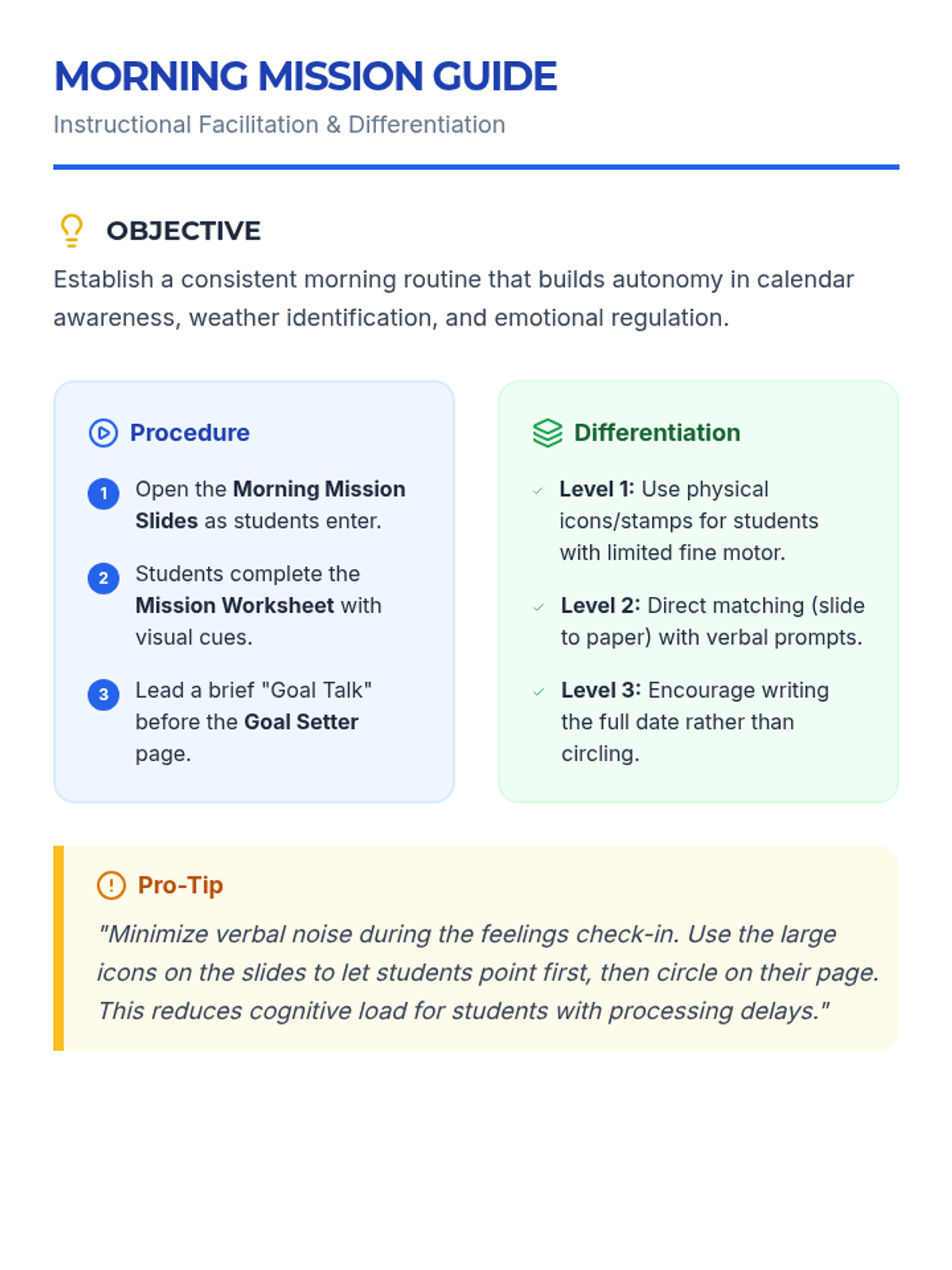
A daily habit-building system for students to monitor their readiness, preparation, and work effort across all subjects. Includes student trackers and teacher implementation guides to foster accountability and self-regulation.
Review all letters, complex line cutting, CVC word sorting, subtraction within 20, and a celebration of 'quiet voice' mastery.
Focus on the letter 'h', shape cutting, 'ap/op' family building, addition within 20, and self-monitoring the 'quiet voice'.
Focus on the letter 'r', curved line cutting, 'an' family CVC words, mixed math within 10, and maintaining a 'quiet voice'.
Focus on the letter 'a', zigzag line cutting, 'at' family building, subtraction within 10, and practicing the 'quiet voice'.
Focus on the letter 's', straight line cutting, 'at' family CVC words, and addition within 10 using visual supports.
Students compose a simple informative report about a bird using a combination of drawing and dictation/writing with high levels of visual support. Focuses on informative writing (W.K.2).
Students participate in shared research to discover how different beaks help birds eat different foods. Focuses on shared research (W.K.7) and answering questions from sources (W.K.8).
Students identify basic bird body parts (wings, feathers, beak, feet) using high-interest visuals and simple labeling tasks. Focuses on gathering information from visual sources (W.K.8).
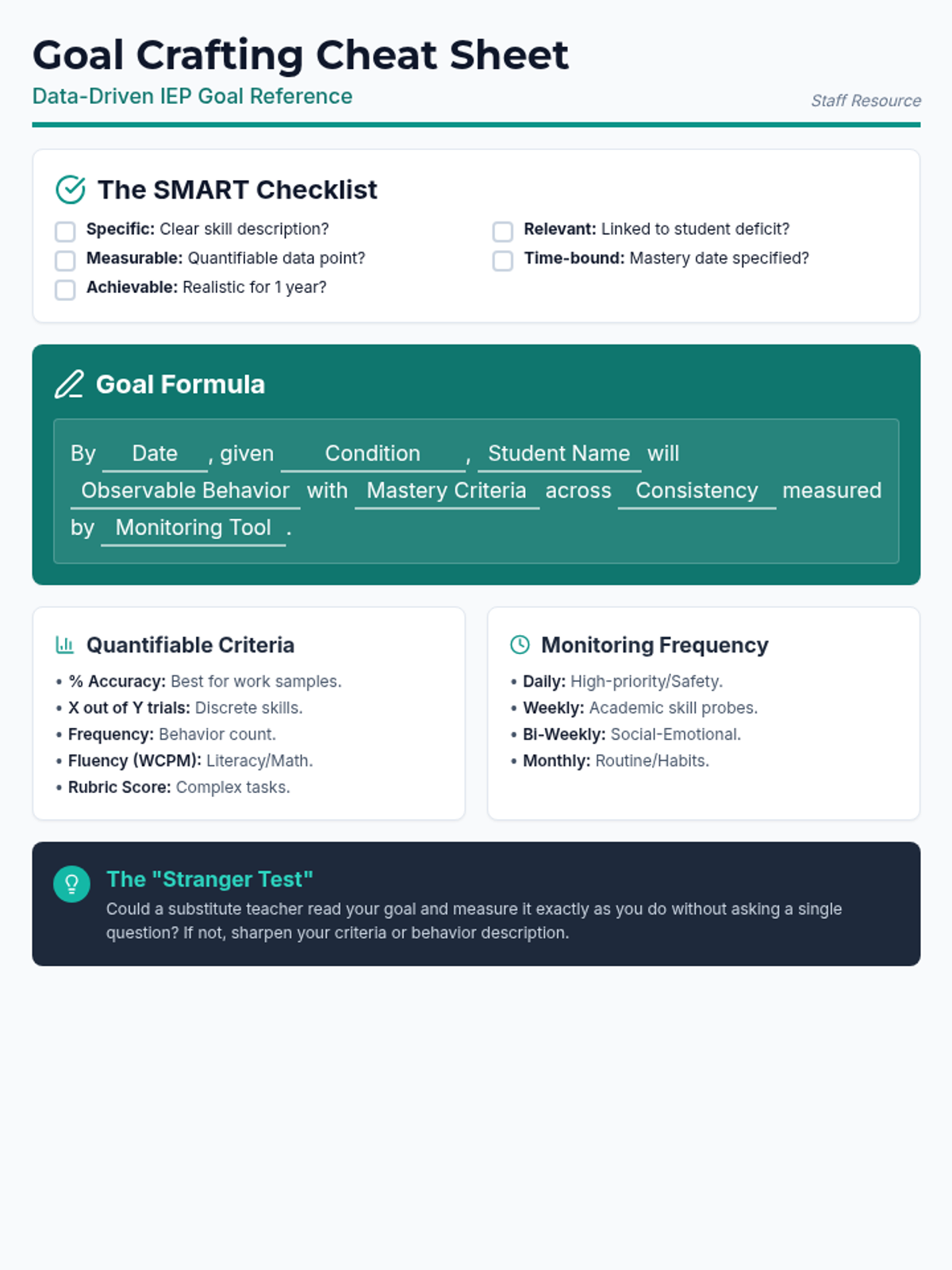
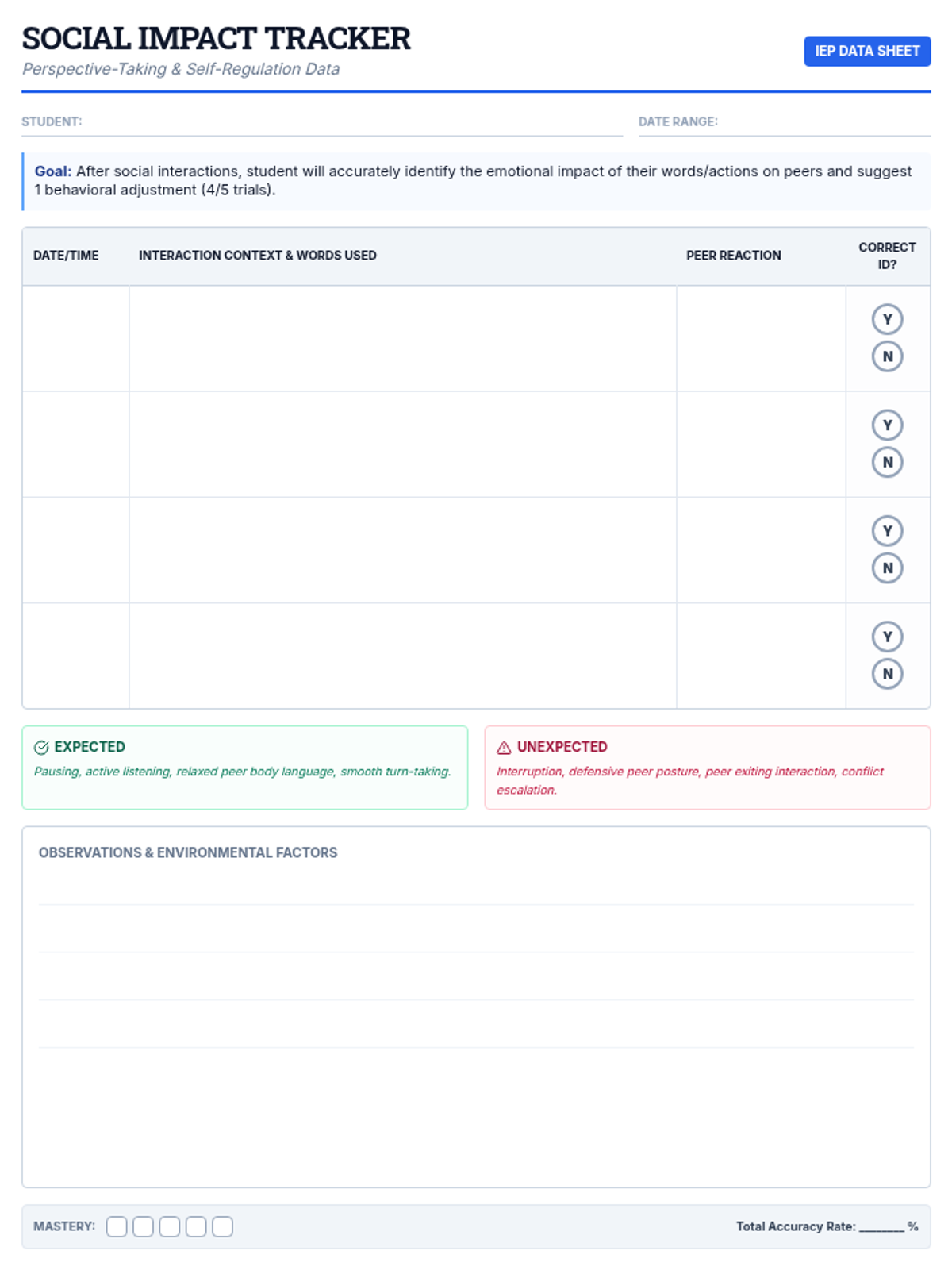
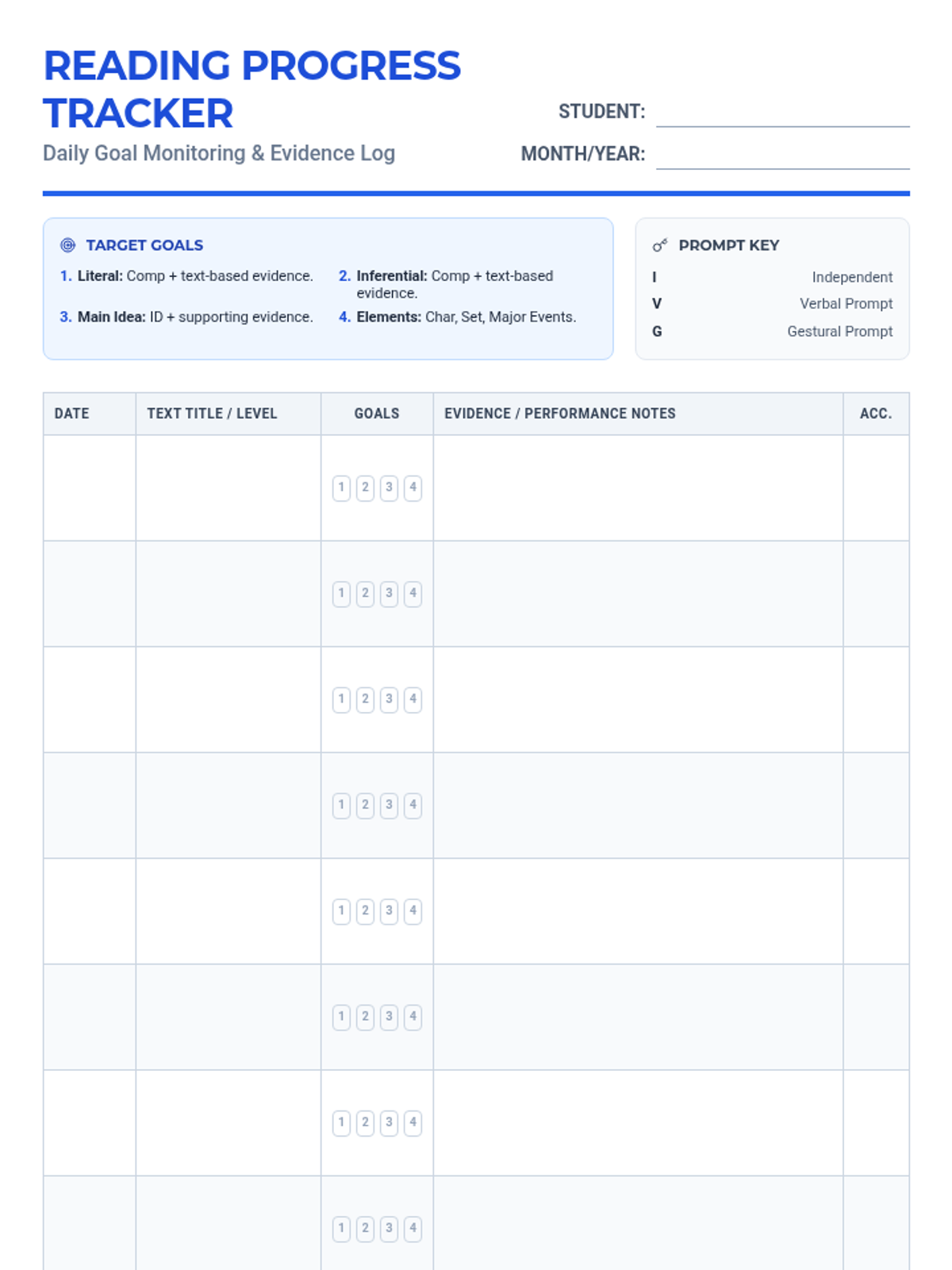
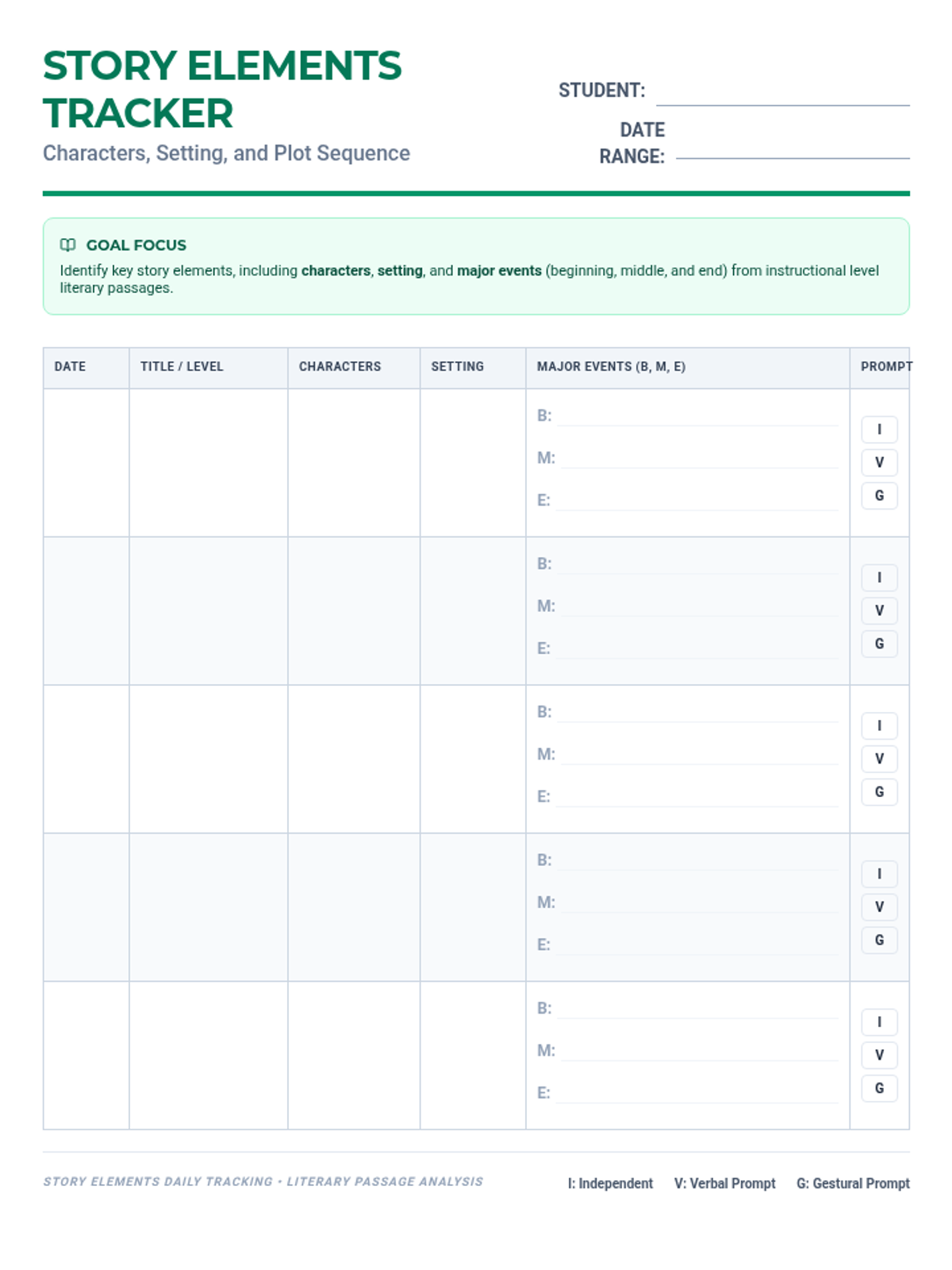
A comprehensive set of templates for special education teachers to track and document student progress toward IEP goals across academic, functional, and behavioral domains.
A simplified independent work packet about the myth of Orpheus and Eurydice, designed for middle school students at a second-grade reading level. The lesson explores the power of music, love, and the consequences of looking back through accessible texts and structured comprehension tasks.
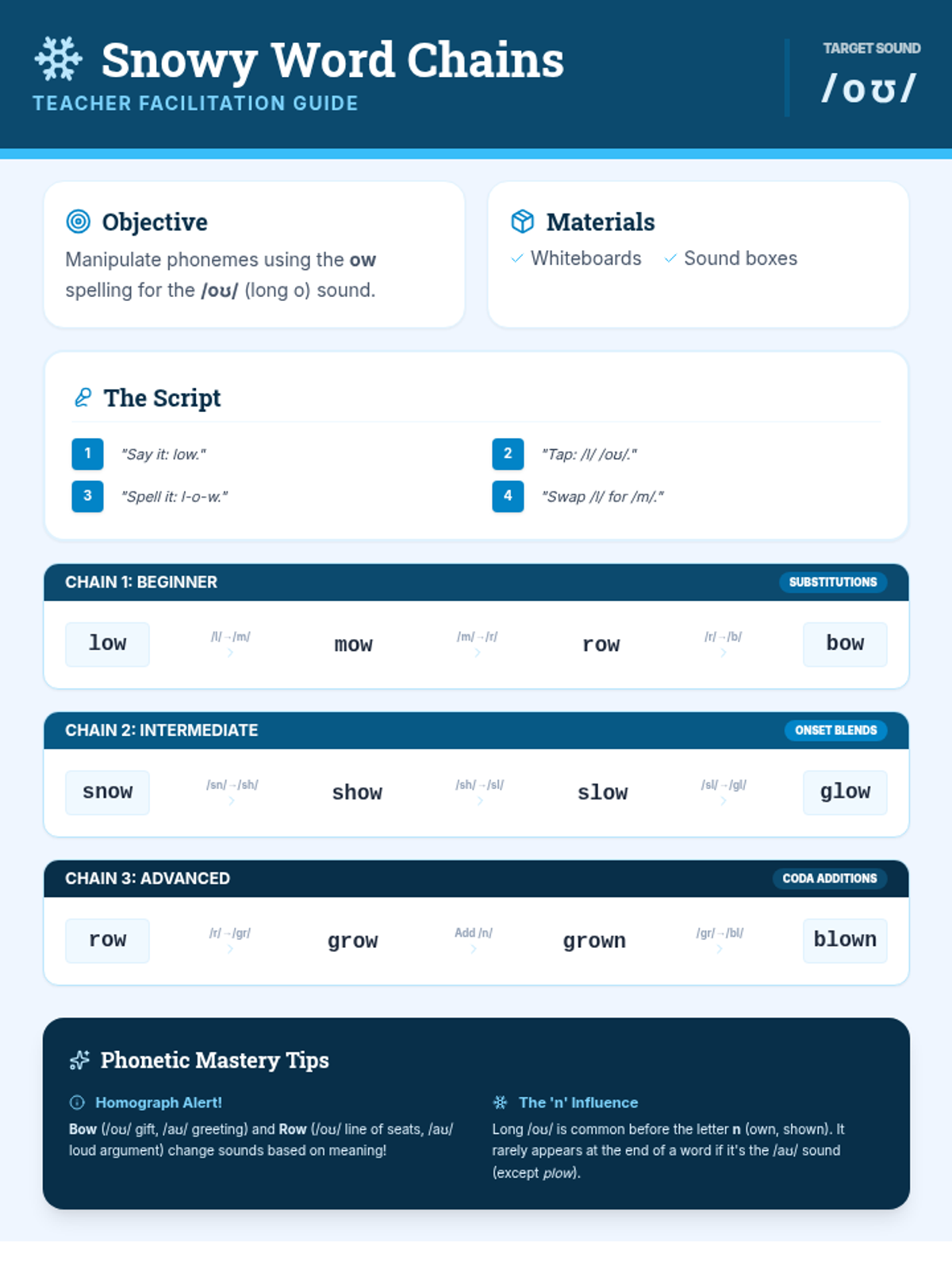
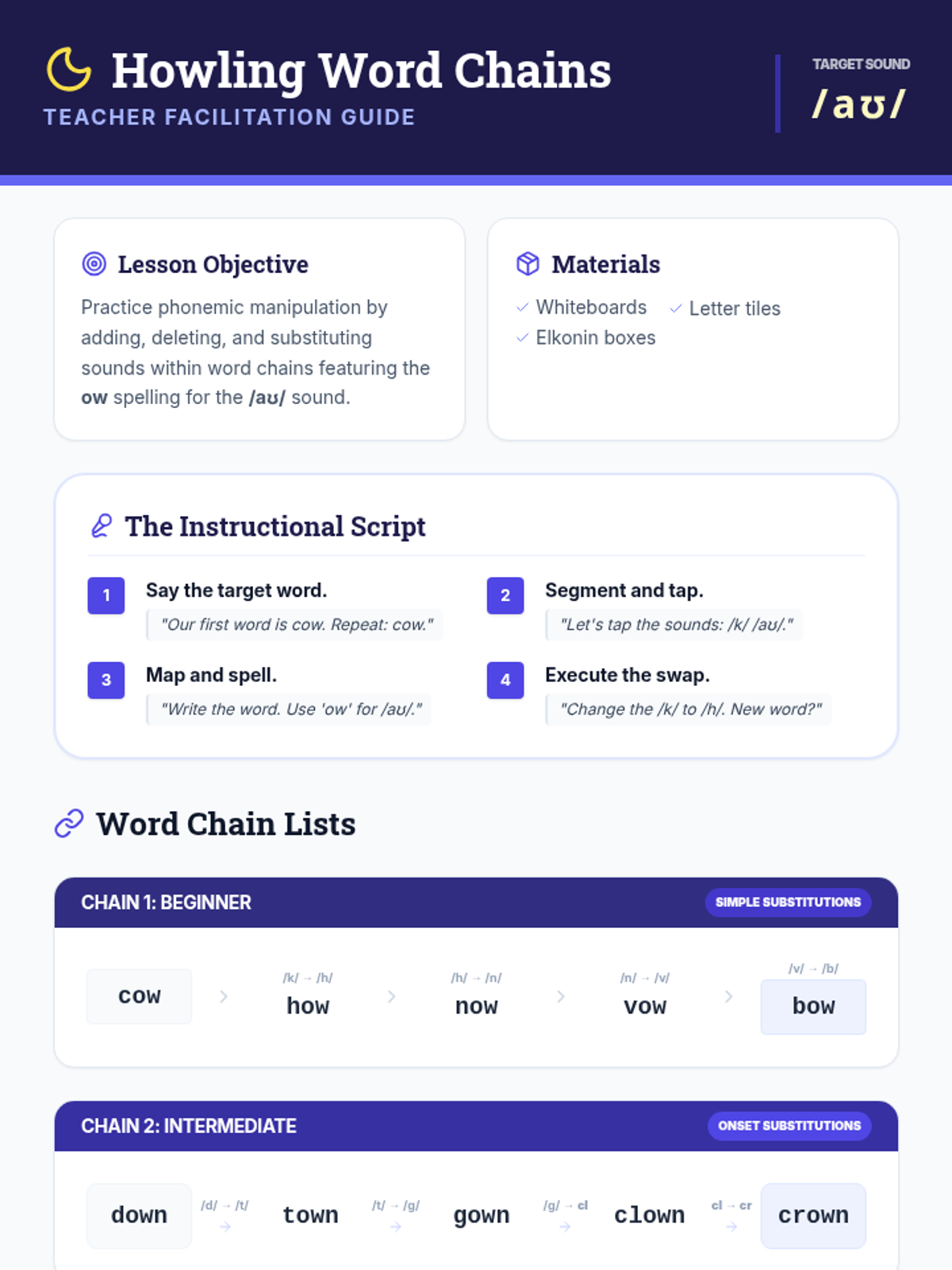
A comprehensive set of resources for middle school students to master the vocalic /IRE/ sound in all word positions and syllable lengths, featuring a word vault, flashcards, and interactive discussion prompts.
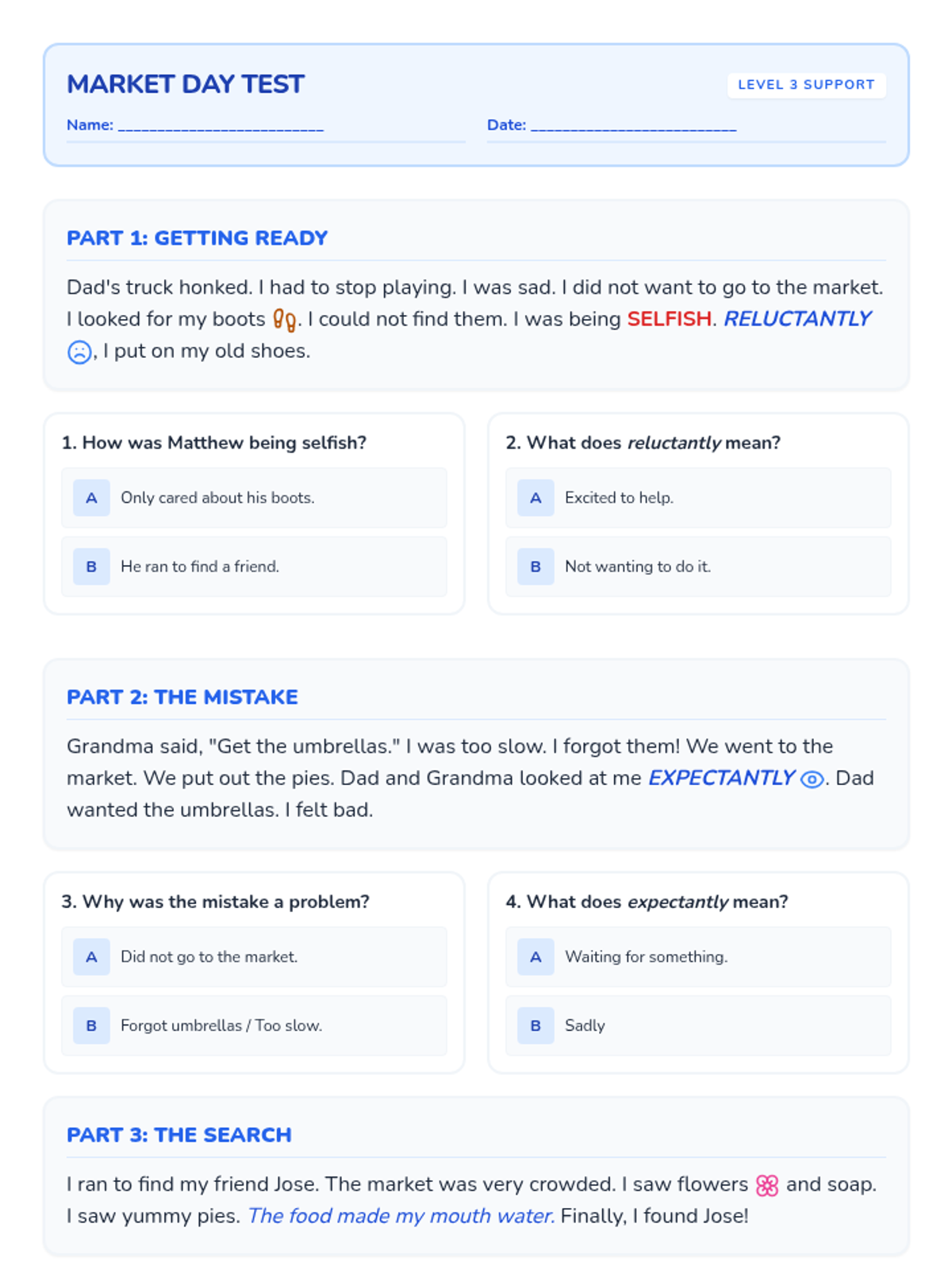
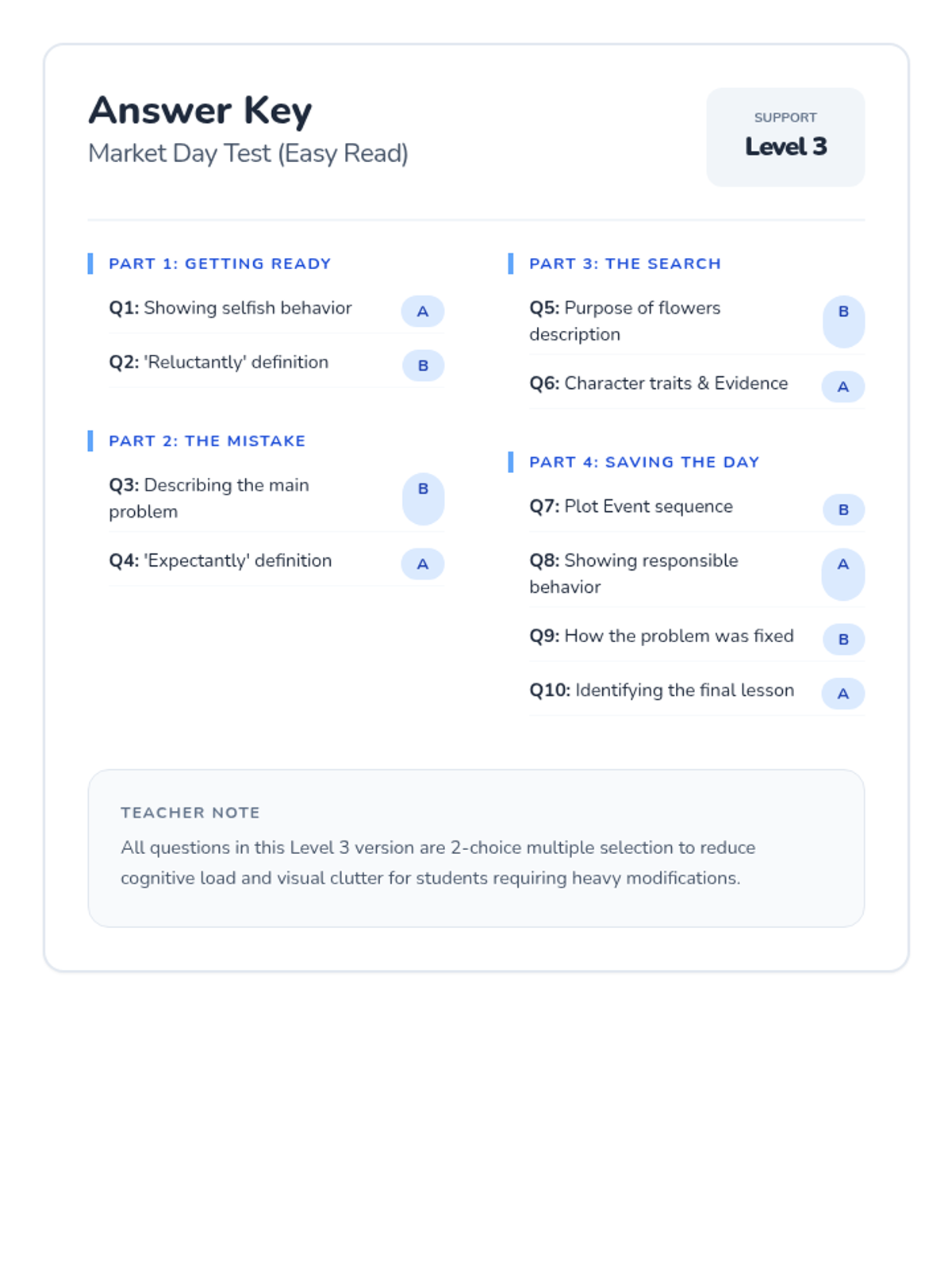
A series of high-interest, low-readability reading comprehension assignments targeting sequencing, main idea, and inference skills across three distinct levels.
Establishing a weekly planning routine and reflecting on personal executive function tools for long-term success.
Developing time estimation skills and learning how to break large projects into manageable chunks.
Transitioning to digital organization using Google Calendar, reminders, and managing digital clutter.
Mastering physical organization systems including binders, lockers, and study spaces using color-coding strategies.
Learning how to create actionable checklists and prioritize tasks effectively using the 'Brain Dump' method.
Introduction to the concept of executive function as the 'brain's boss' and the importance of planning for middle school success.
Students establish a recurring weekly routine to review their systems, celebrate wins, and prep for the week ahead.
Students identify "focus thieve" and learn the Pomodoro technique for sustained task completion.
Students organize digital files and learn basic email management to prevent "digital overwhelm."
Students learn to categorize and clear physical clutter in lockers and backpacks to reduce transition stress.
Students learn how to integrate their tasks and project steps into a daily and weekly planner system.
Students develop the skill of 'time sensing' by estimating task duration and accounting for transitions and distractions.