A literacy lesson for students with cognitive impairments focusing on CVC/CVCe words and the social-emotional concept of honesty. Students will read a repetitive passage and answer comprehension questions with visual supports.
A collection of themed positive reinforcement tools, including dinosaur and farm animals, designed to encourage and track student progress.
A 10-week Tier 3 individualized intervention for a 2nd-grade student, focusing on social-emotional skills like empathy, self-regulation, and honesty through a tactical nautical 'Navigator Mastery' theme, designed for high-resistance students.
Teaches students how to keep their 'Brain in the Group' by staying on-topic with comments and questions, emphasizing the connection between mental focus and group success.
Focuses on the social impact of body positioning, teaching students to analyze how their physical presence affects the thoughts and feelings of group members.
A social skills lesson designed to help students identify and practice positive strategies for gaining peer attention through role-play, movement, and interactive games.
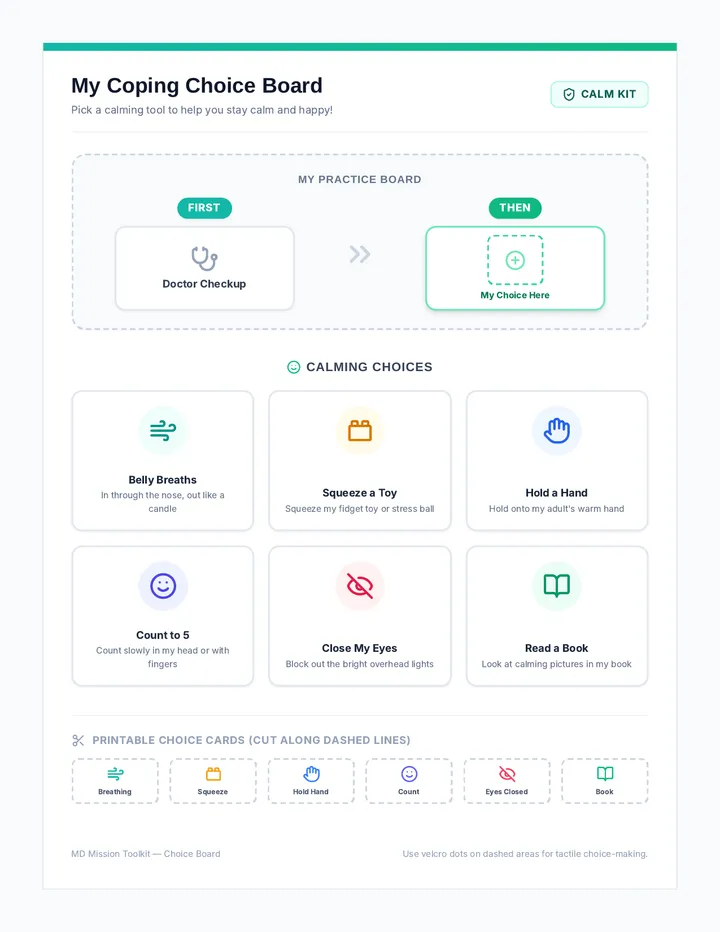
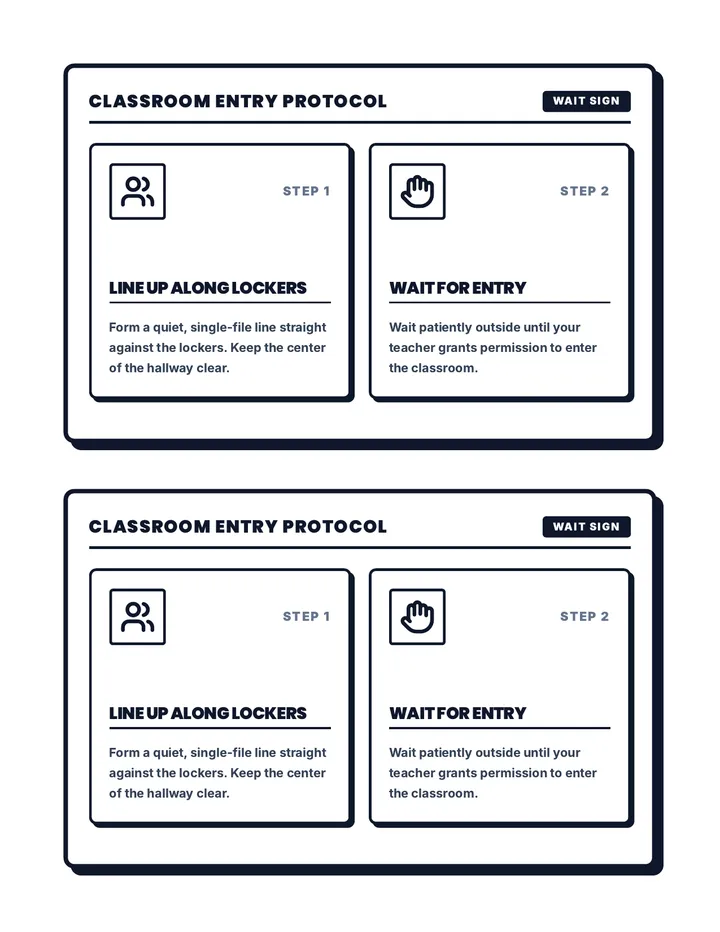
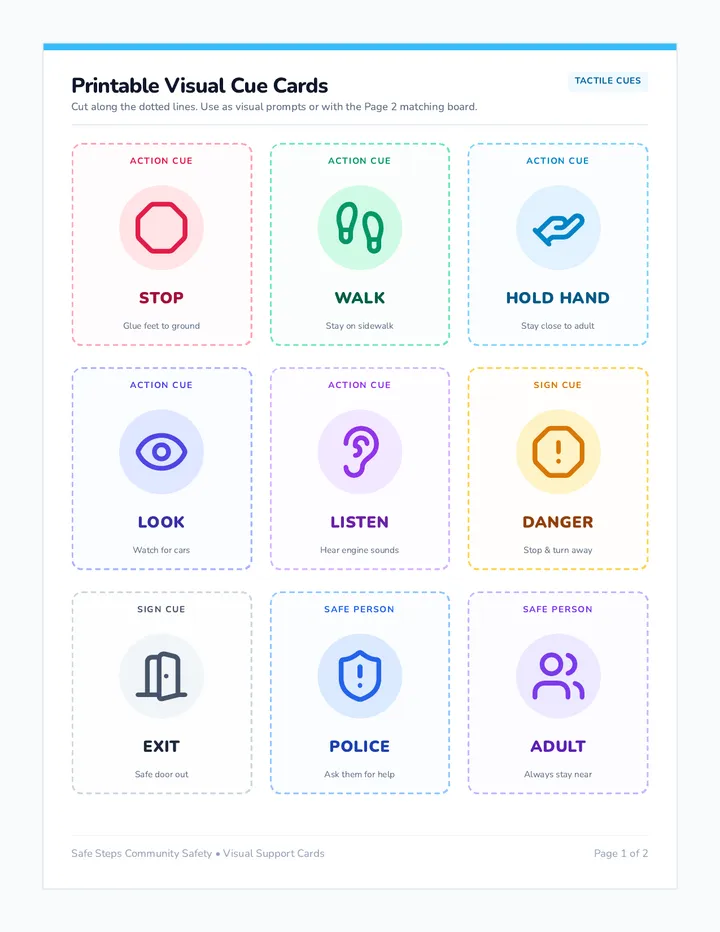
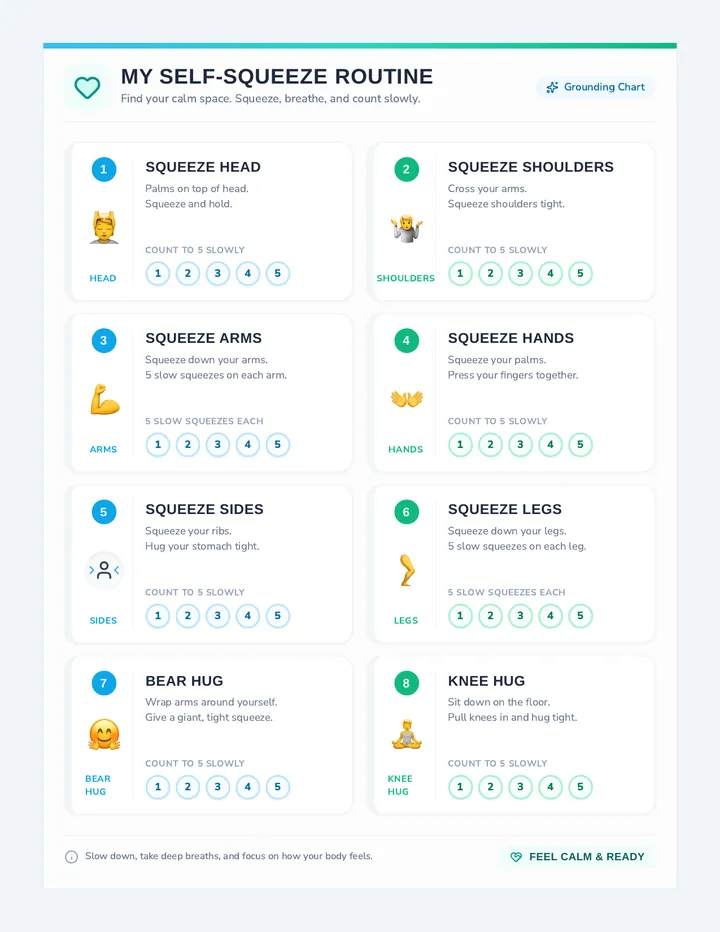
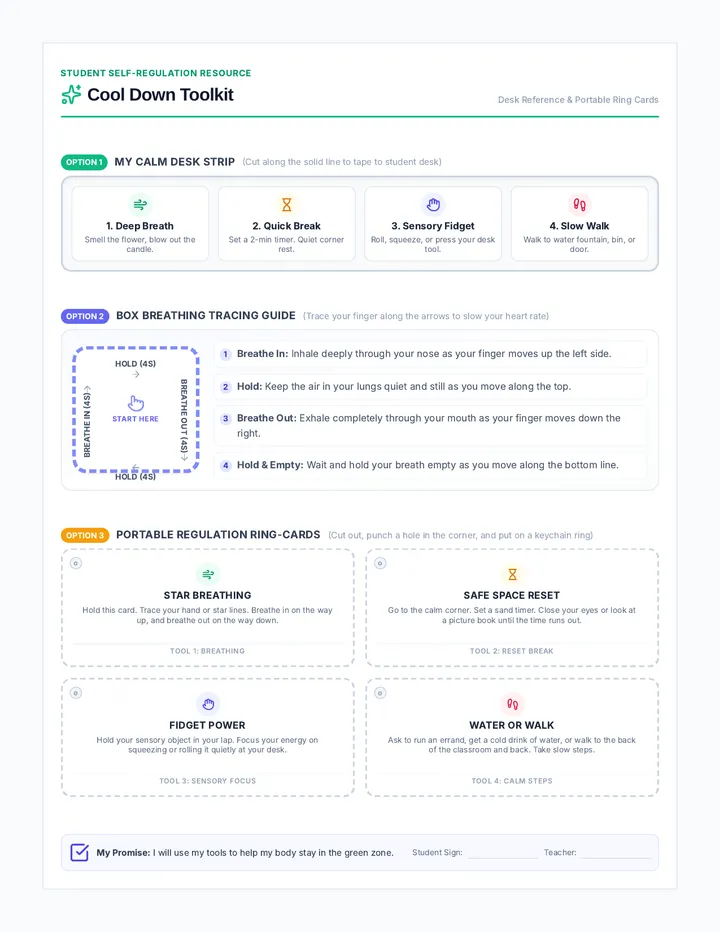
A collection of non-verbal and visual tools designed to help a student with severe social anxiety navigate the transition into P.E. class and manage 'freeze' responses effectively.
Focused on the 'Body in the Group' concept through the lens of whole body listening, teaching students how their physical presence impacts group dynamics.
A camping-themed 3rd-grade centers lesson covering 4 math skills (telling time, multiplying by tens, word problems, shapes) and 4 reading skills (context clues, main idea, nouns/verbs, point of view). Includes a comprehensive slide deck for instruction and student activity logs.
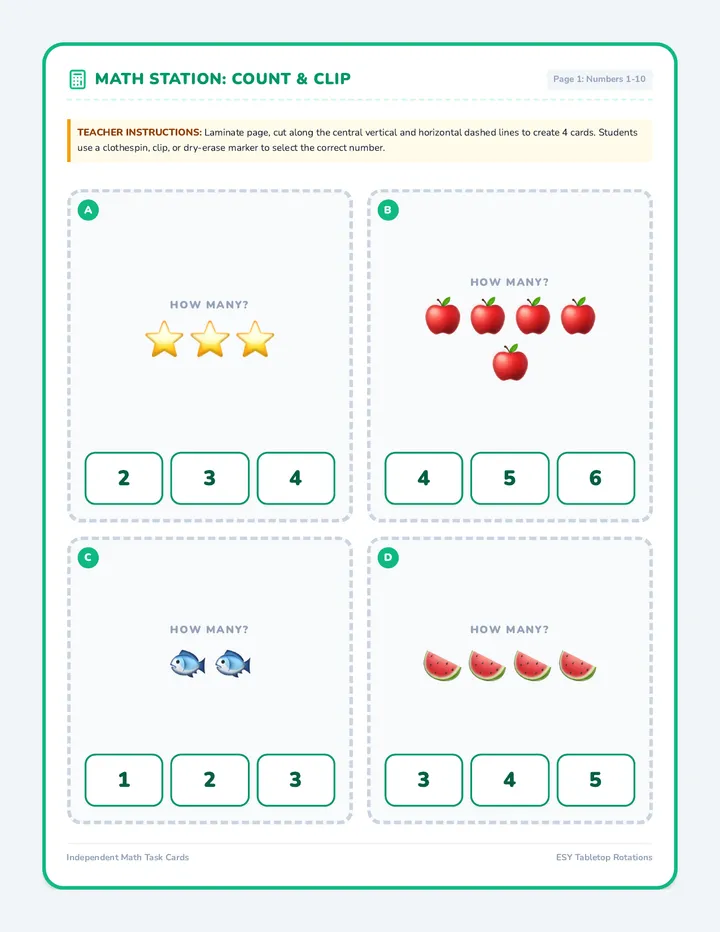
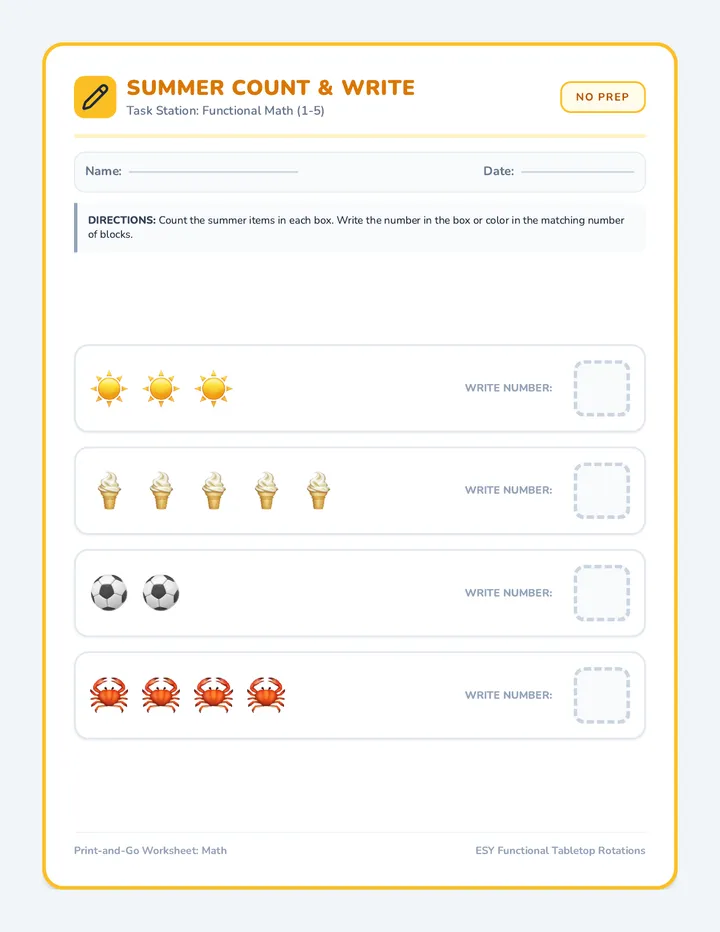
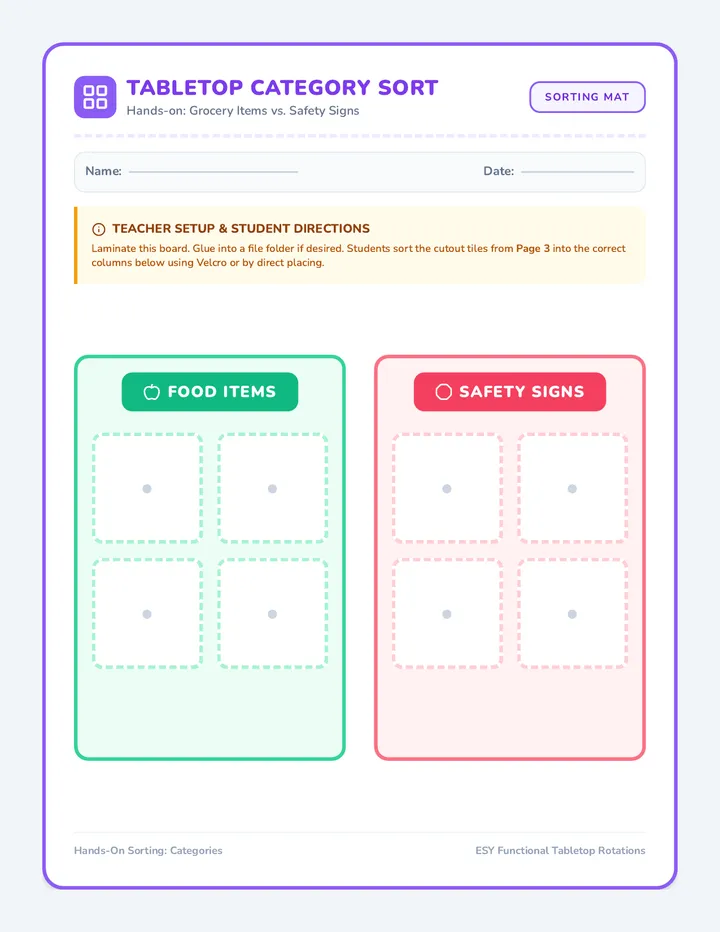
A lesson focused on functional math skills in a grocery store setting, specifically identifying prices from visual cues like tags and flyers.
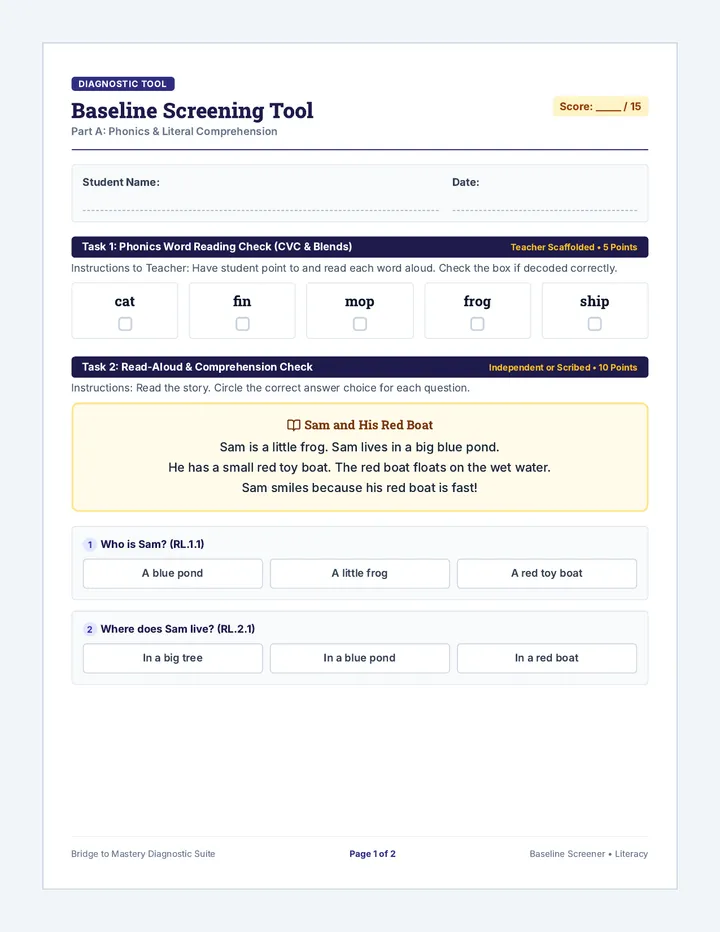
A comprehensive Occupational Therapy screening toolset designed to identify dysgraphia markers in school-aged students through structured writing tasks and clinical observations. Created for Andy's OT Toolbox.
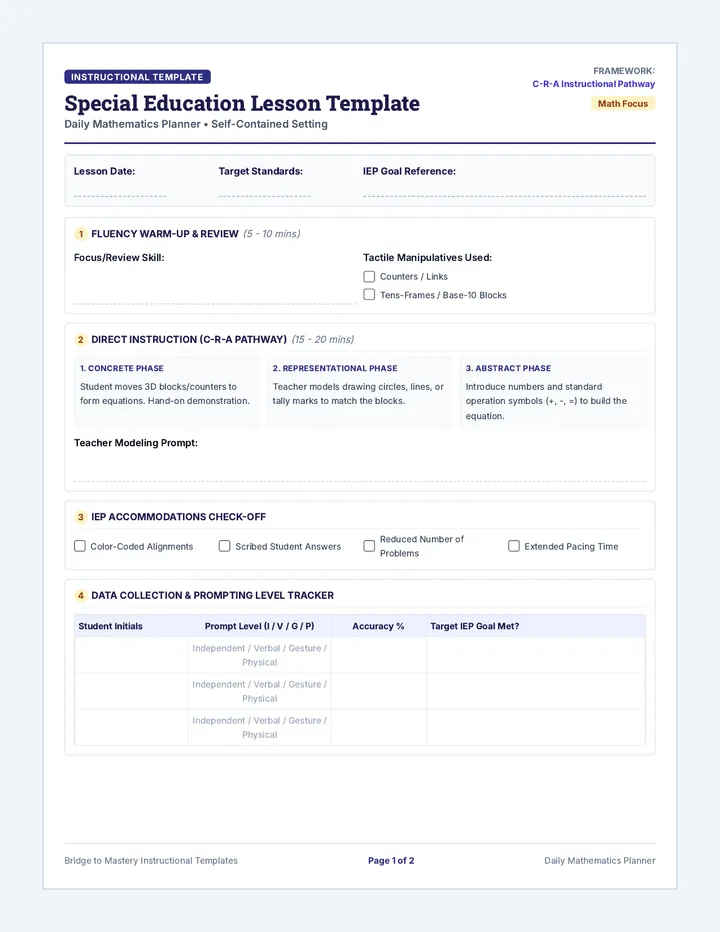
A 4th-grade math lesson focusing on multi-step addition and subtraction problems. It incorporates specific executive function supports, such as structured checklists and visual pauses, to help students with impulse control manage their mathematical workflow.
A foundational lesson for students with intellectual disabilities to practice identifying weekdays, holidays, and personal milestones on a monthly calendar using visual supports and hands-on activities.
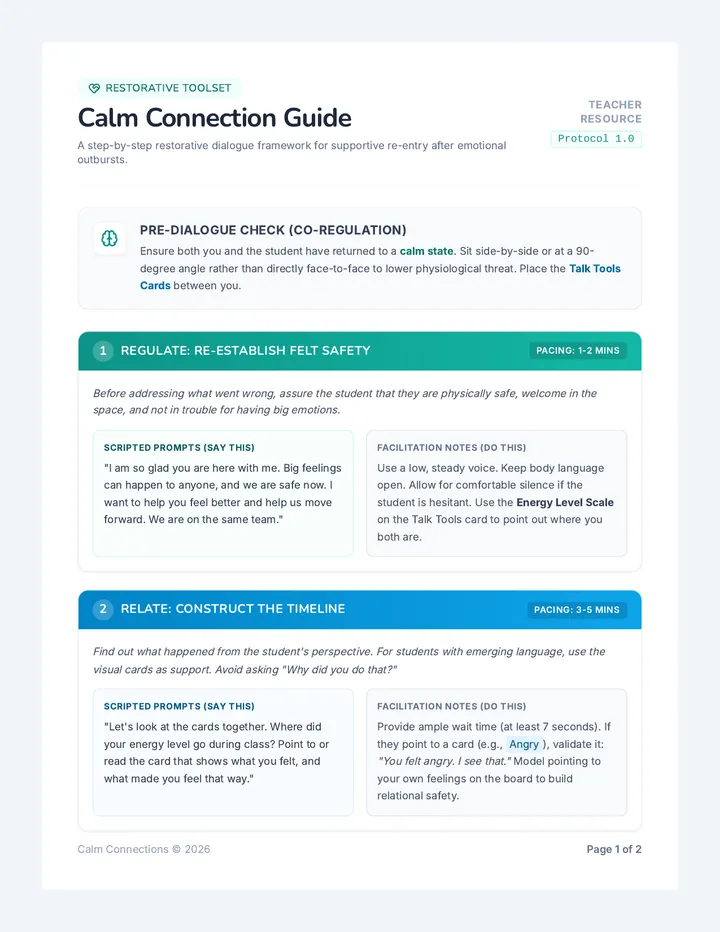
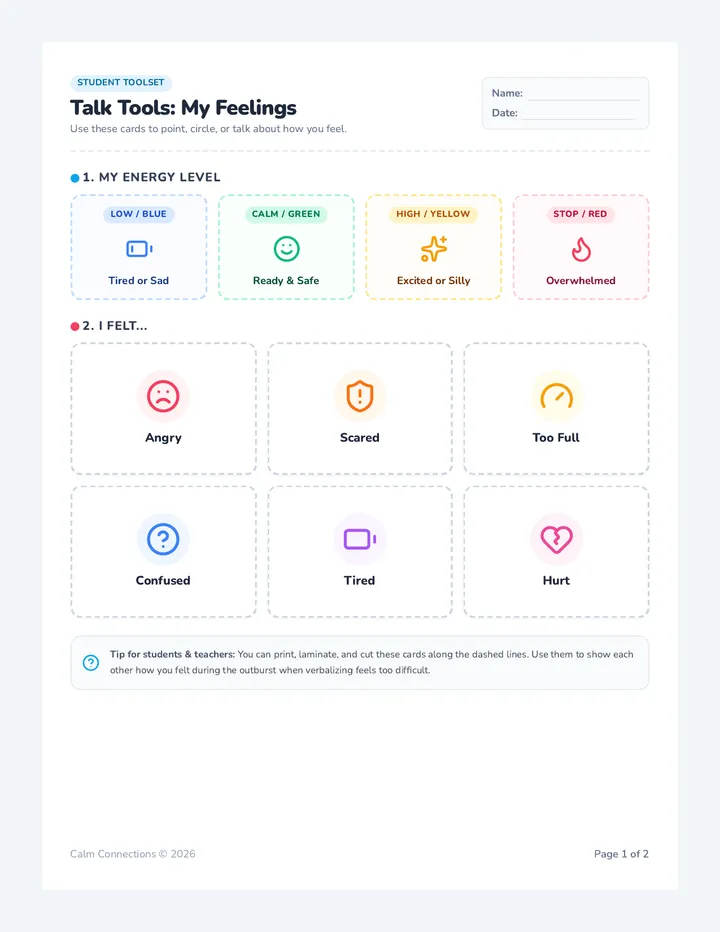
A daily check-in system designed to help students identify their energy levels, emotional states, and regulation needs. Includes a student log and a teacher implementation guide.
A two-part reward system featuring a buffalo-themed task chart and matching velcro cut-out pieces. Designed to motivate students through visual progress and tangible rewards.
This lesson provides a framework for navigating any unexpected schedule change by focusing on the logical reasons for the shift, using an assembly as a key example.
A focused lesson for students to identify when they need support and practice using visual or verbal signals to request a break or assistance. Designed specifically for 5th grade students with autism who benefit from high visual support and minimal text.
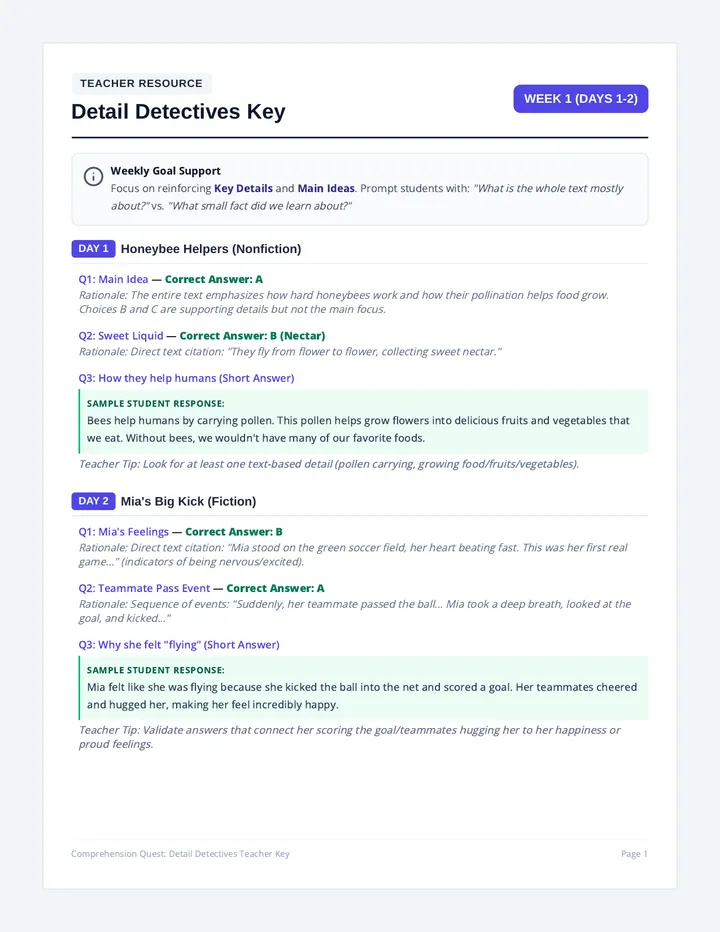
A comprehensive set of strategies designed to empower students with disabilities to tackle standardized tests with confidence, focus, and effective tools. Includes a mission-themed slide deck and visual anchor charts for the classroom.
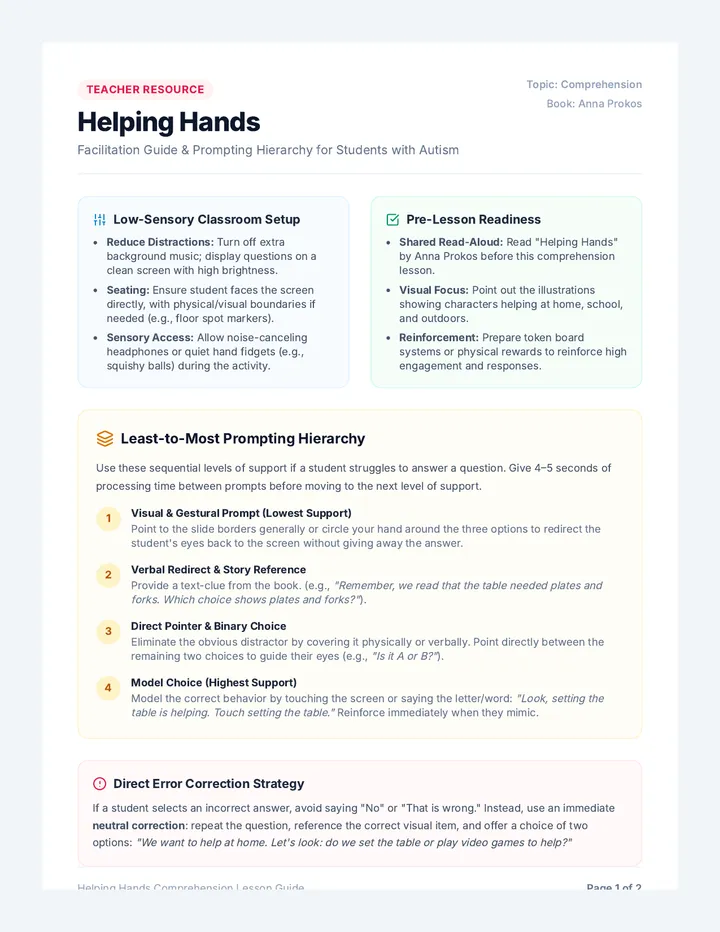
A foundational grammar lesson focusing on the contraction 'it's' using transportation themes and visual supports tailored for students with autism.
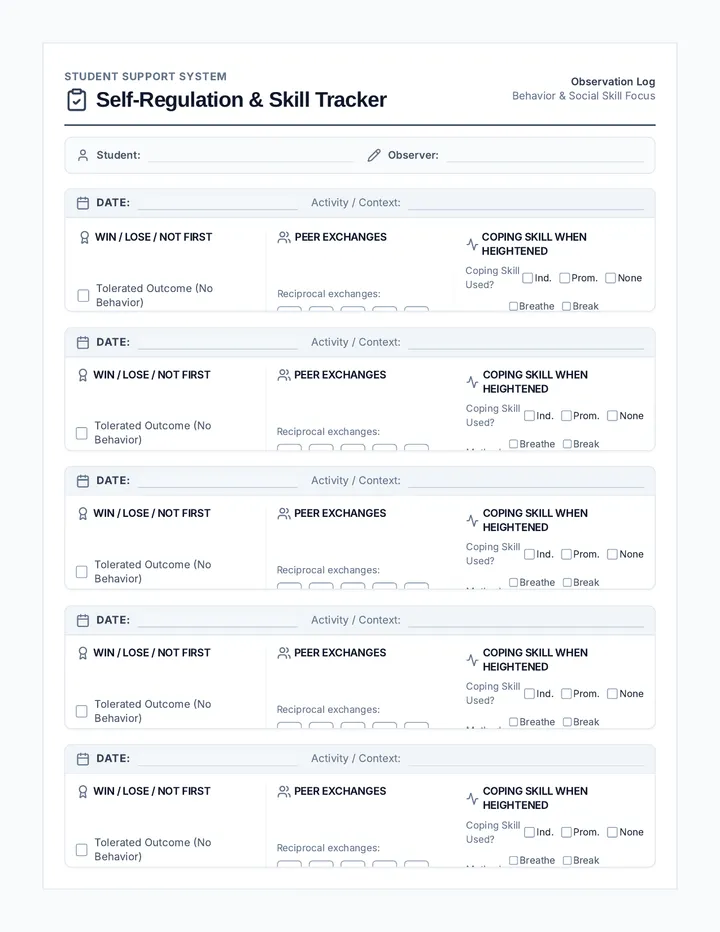
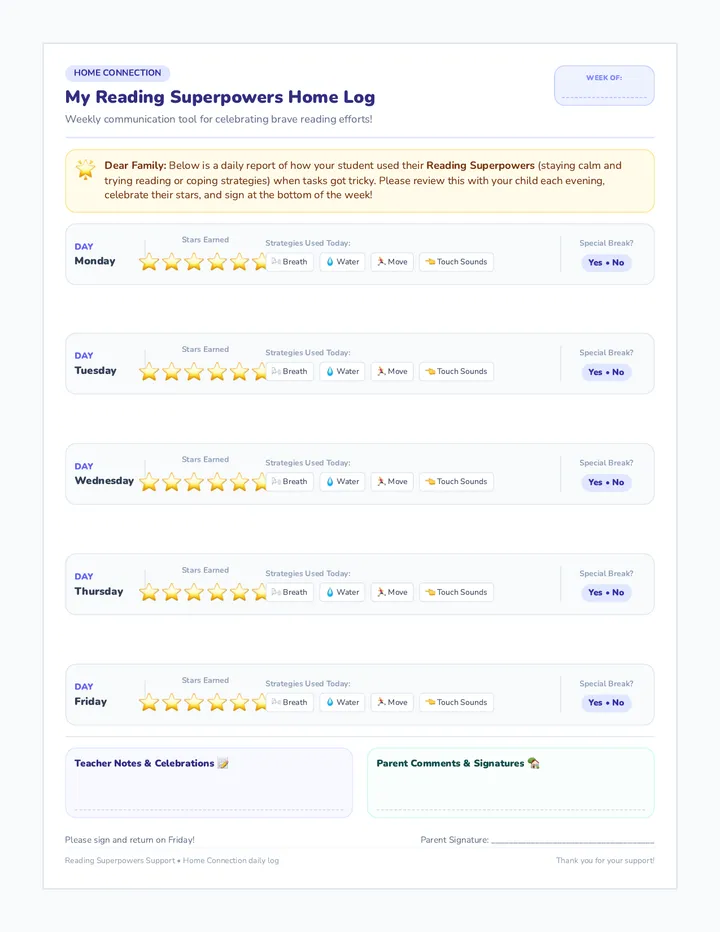
A collection of resources to support students in tracking and improving classroom behaviors, focusing on self-regulation and engagement.
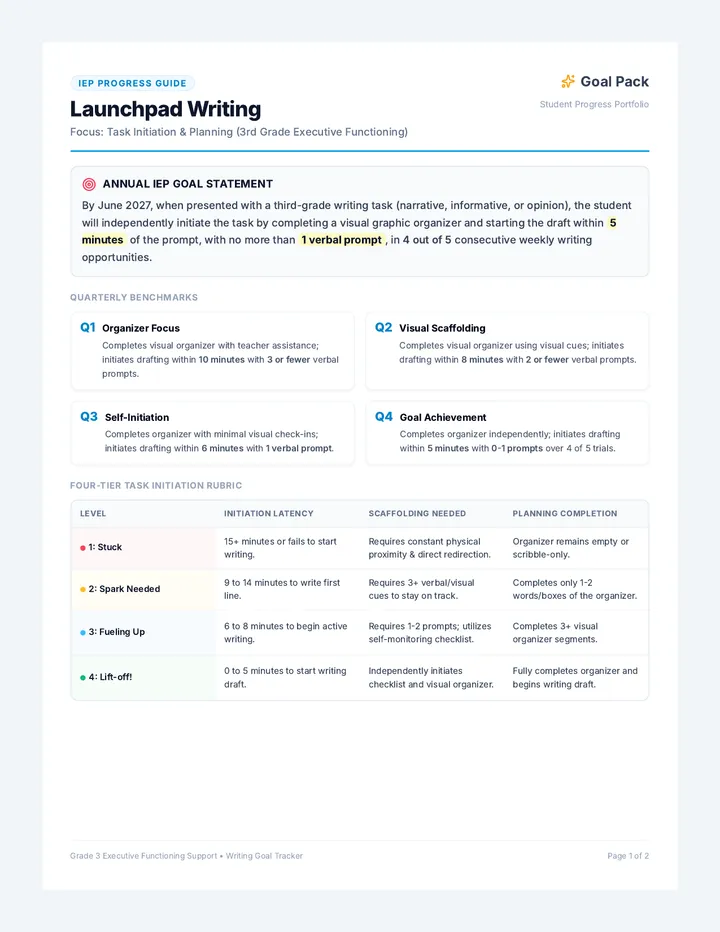
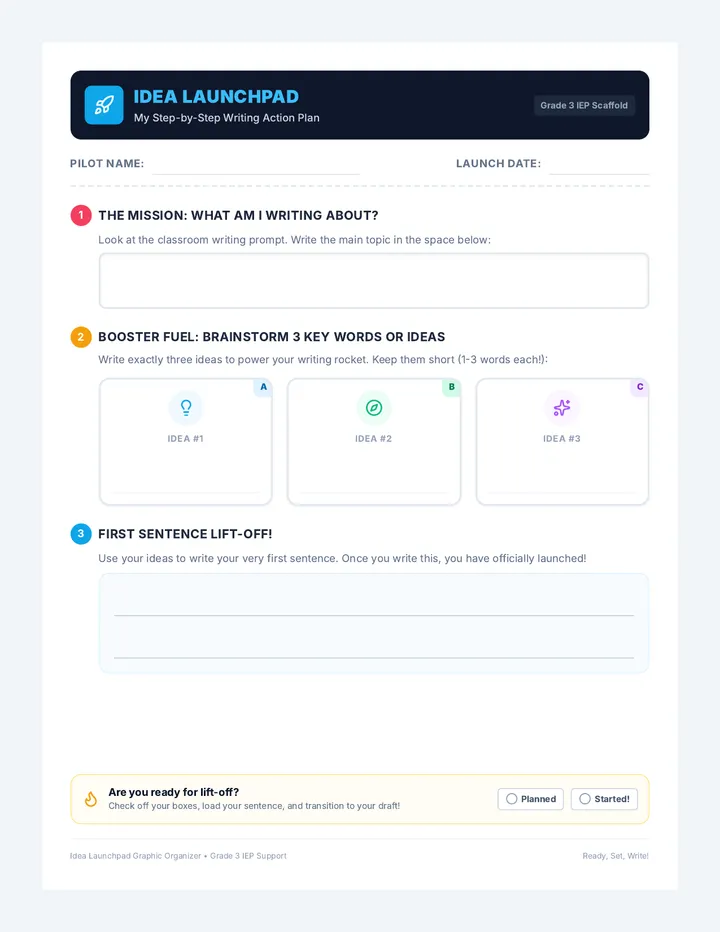
A weekly routine for students to track and reflect on self-created executive functioning goals, promoting metacognition and self-regulation.
A social skills lesson focused on personal boundaries and frustration tolerance for students with severe intellectual disabilities, using the concrete concept of a 'Personal Bubble'.
A foundational lesson for non-verbal students with autism to learn and practice three greeting methods: waving, high-fives, and using an AAC device. Includes a social narrative, choice boards, and individual communication cards.
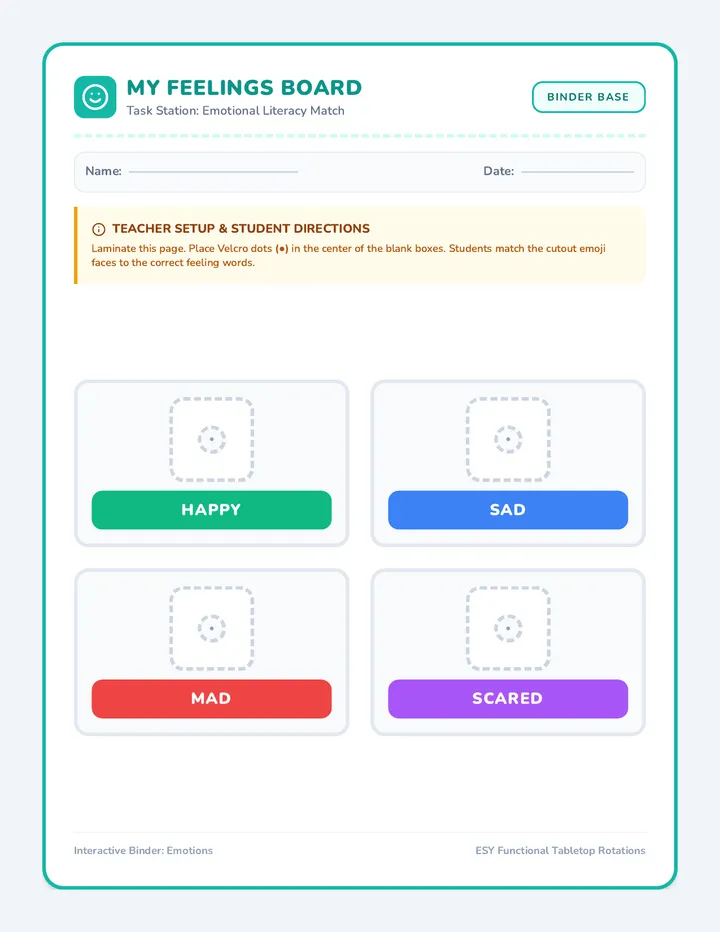
A cumulative review of all four emotions through a matching game. Focuses on generalization across different faces and contexts.
Explores 'Angry' and 'Scared' using clear visual indicators like furrowed brows and wide eyes. Provides slides, teacher support, and a sorting activity mat.
Focuses on identifying 'Happy' and 'Sad' through facial expressions and situational cues. Includes visual slides, a facilitator guide for non-verbal communication, and printable matching cards.
A collection of visual anchor charts and notebook inserts to help students master common spelling rules including the FLOSS rule and the C/K/CK spelling choice.
A comprehensive review of Orton-Gillingham phonics patterns including digraphs, vowel teams, the floss rule, and glued sounds through engaging, hands-on activities.
A set of visual communication tools designed for students who struggle with verbalizing emotions and needs, using a cartoon-inspired theme to make communication engaging and accessible.