A set of visual communication tools designed for students who struggle with verbalizing emotions and needs, using a cartoon-inspired theme to make communication engaging and accessible.
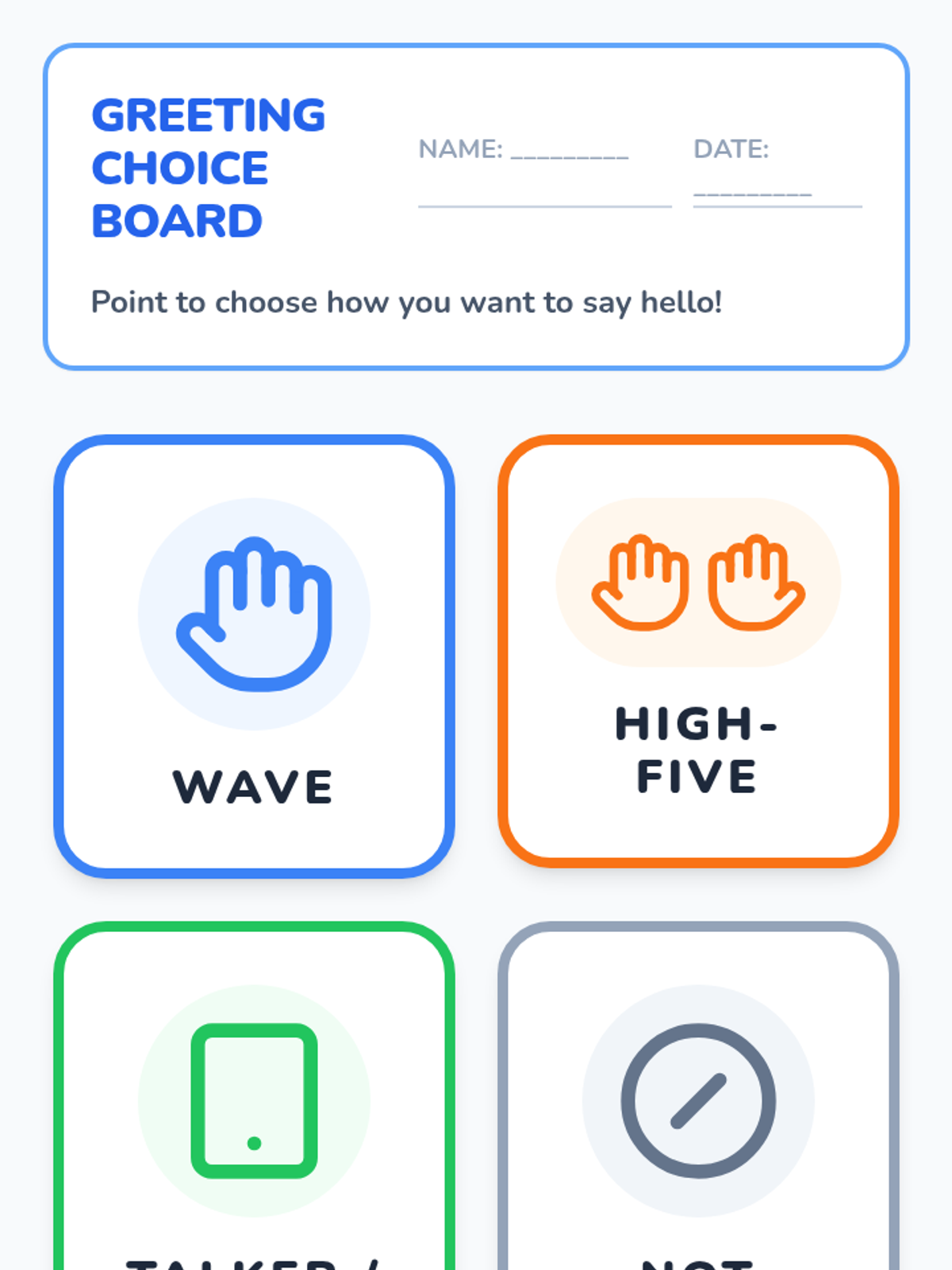
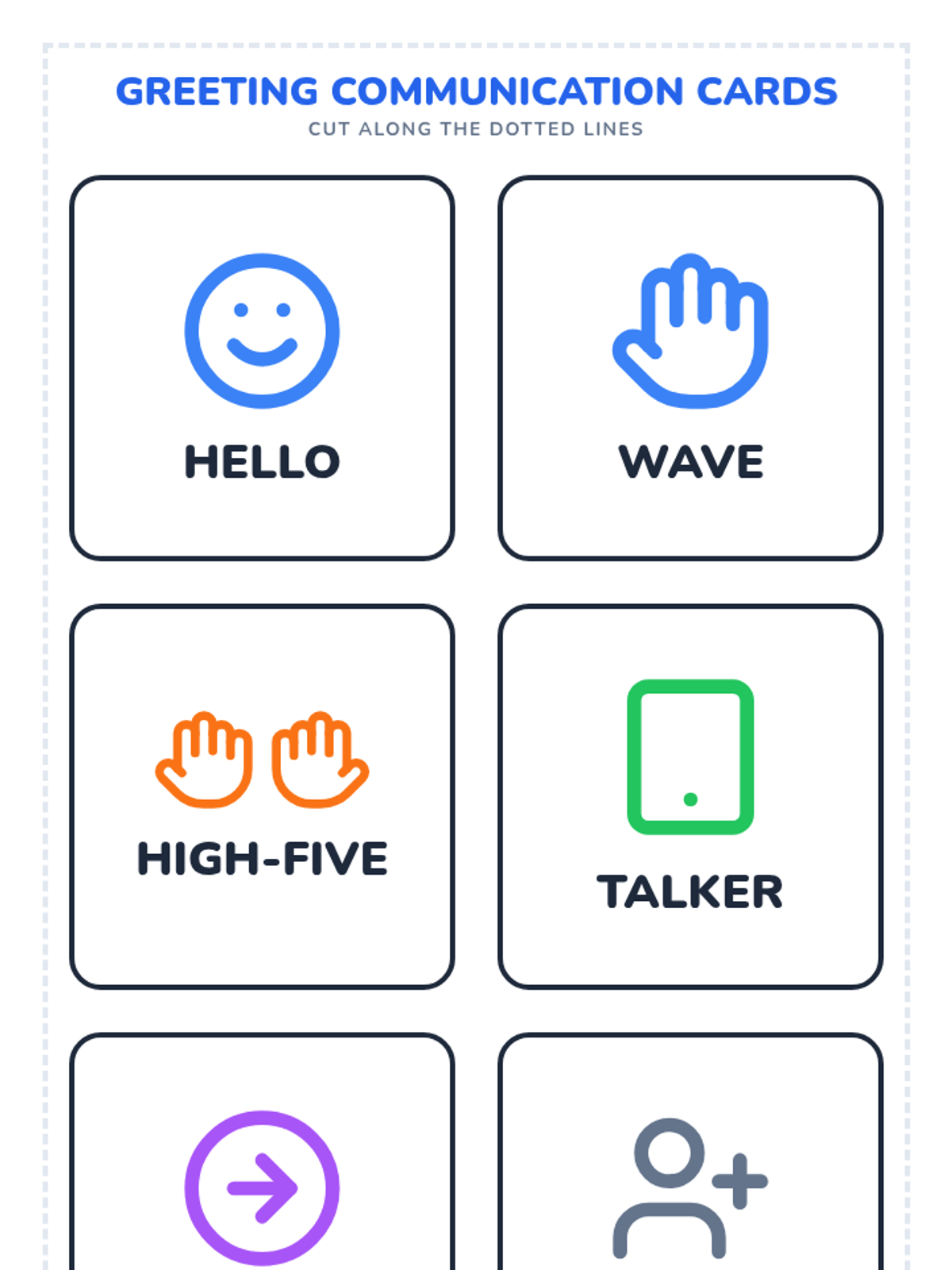
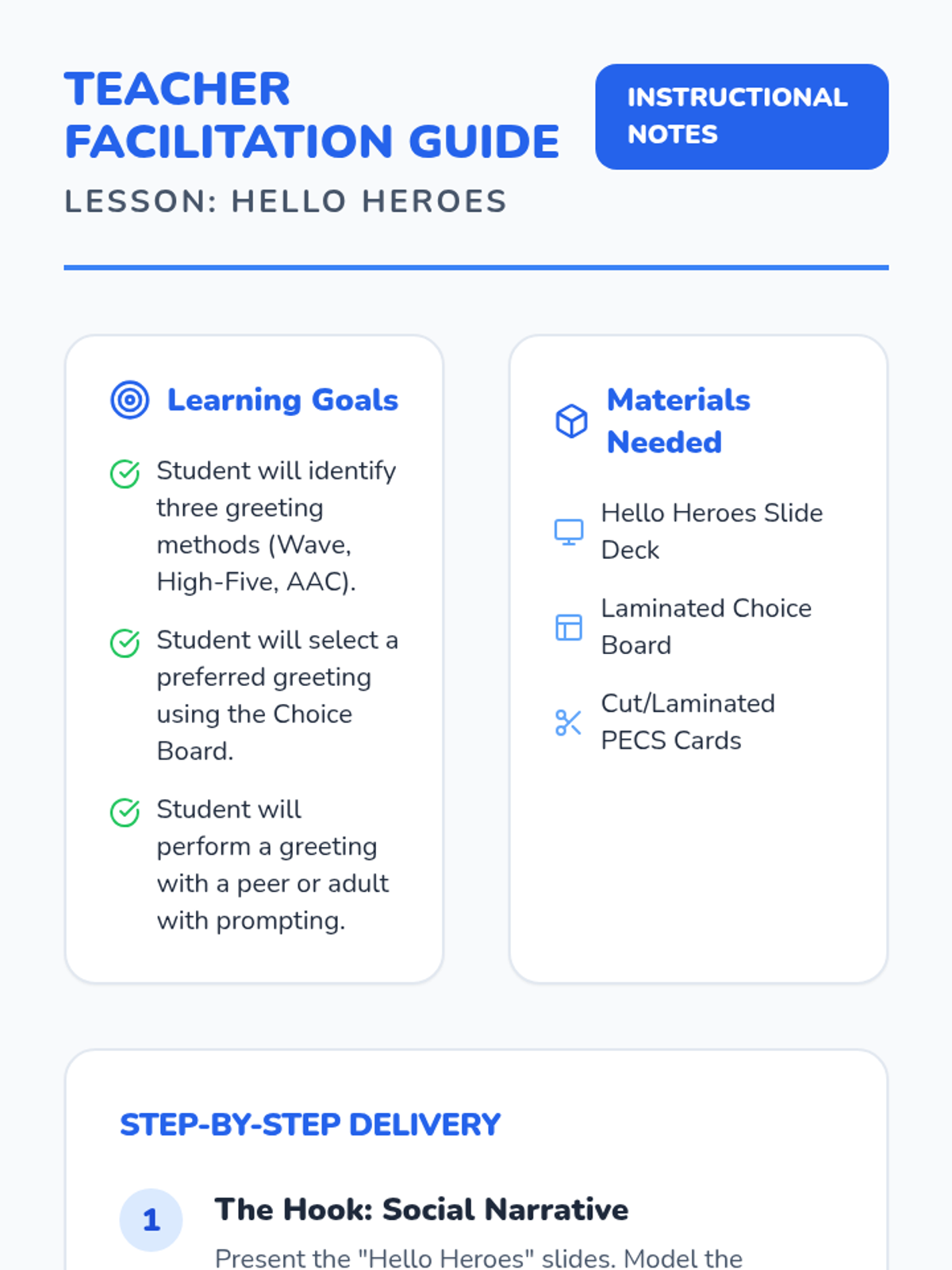
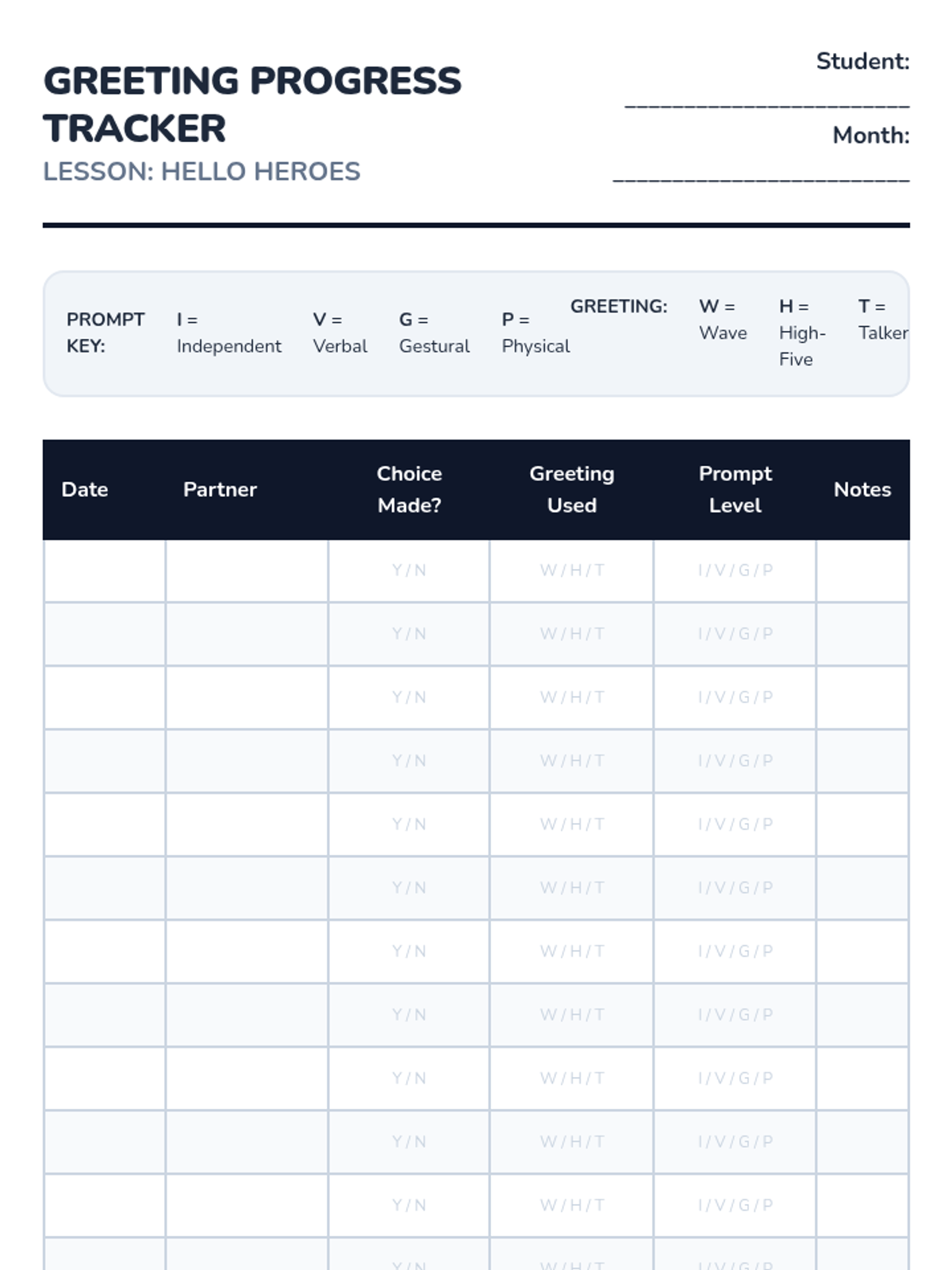
A foundational lesson for non-verbal students with autism to learn and practice three greeting methods: waving, high-fives, and using an AAC device. Includes a social narrative, choice boards, and individual communication cards.
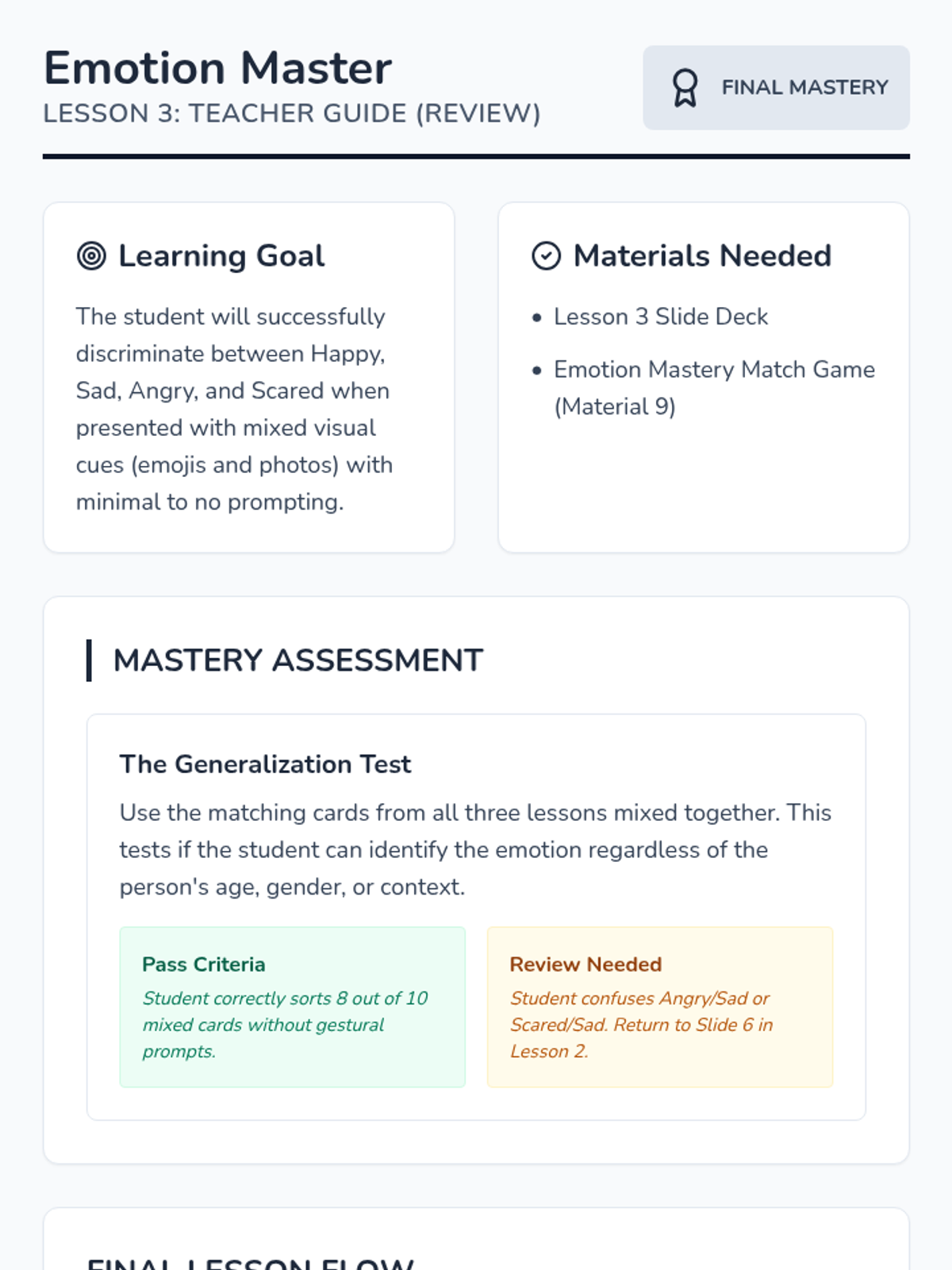
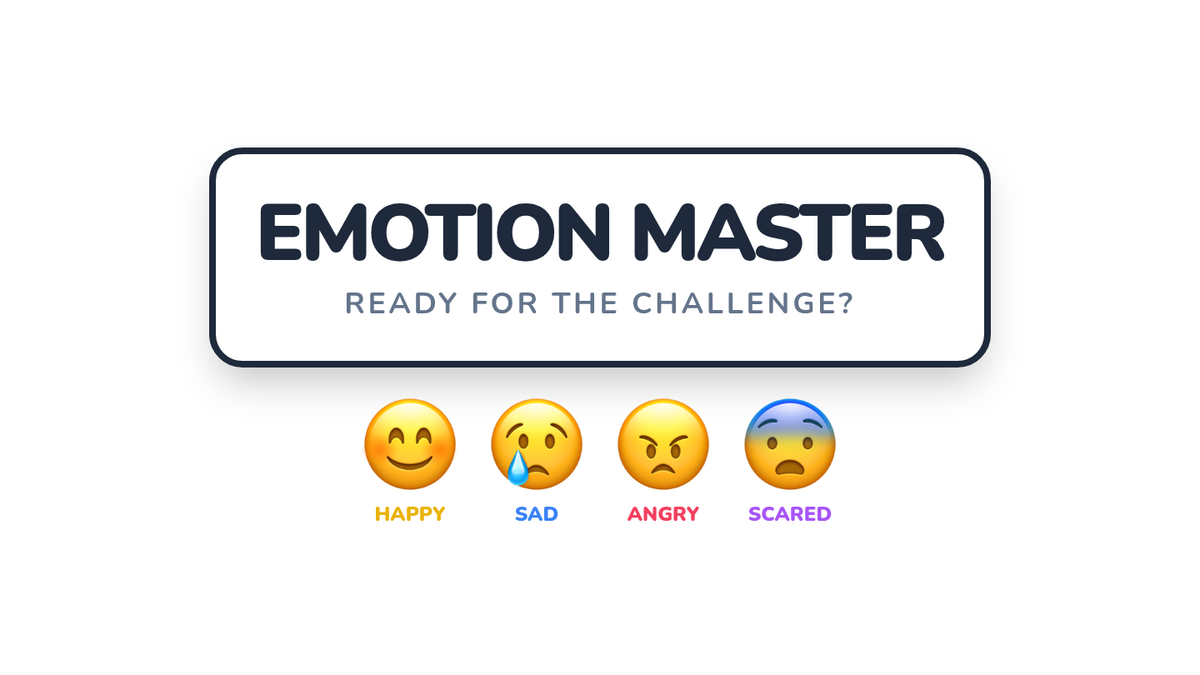
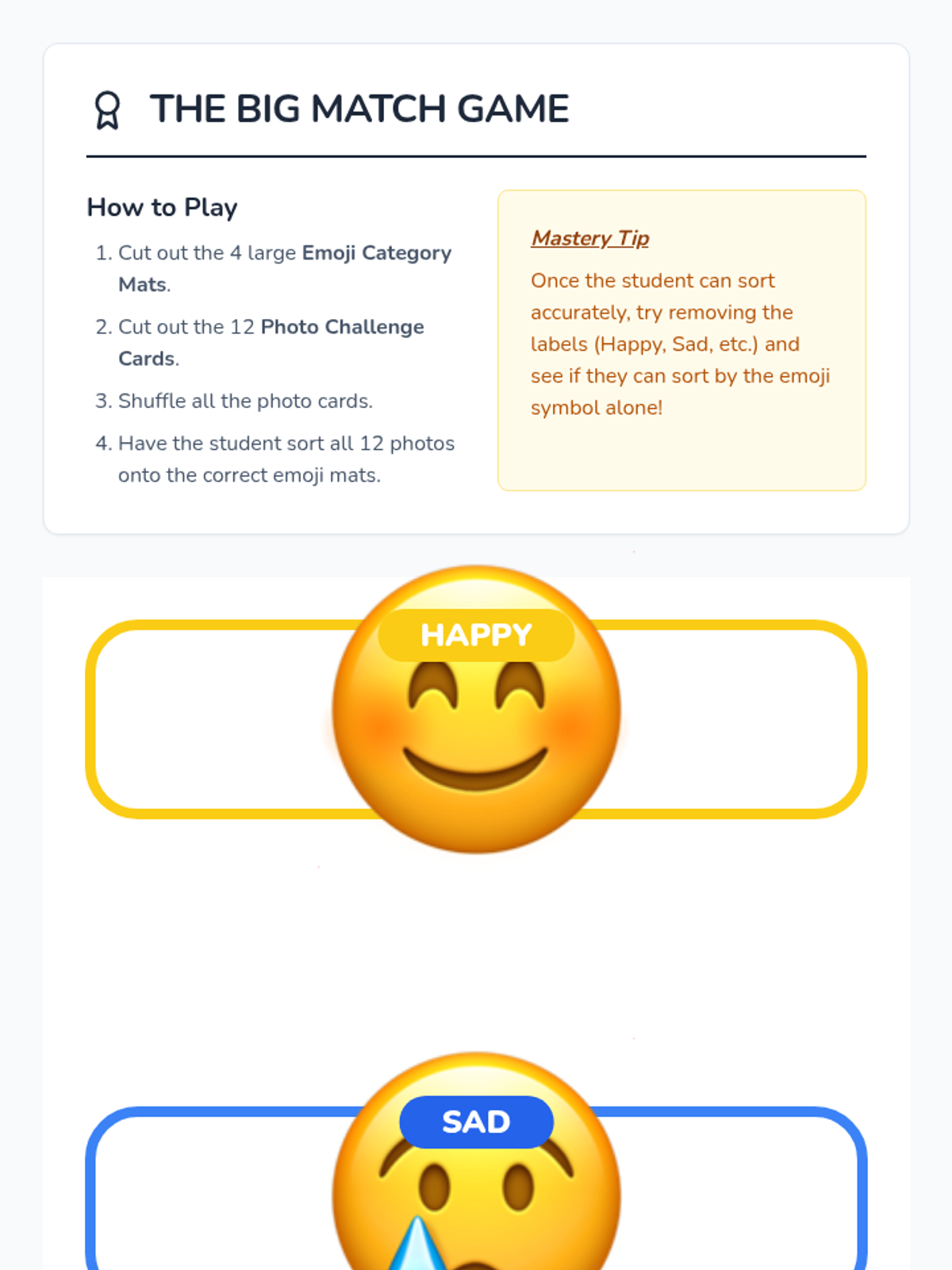
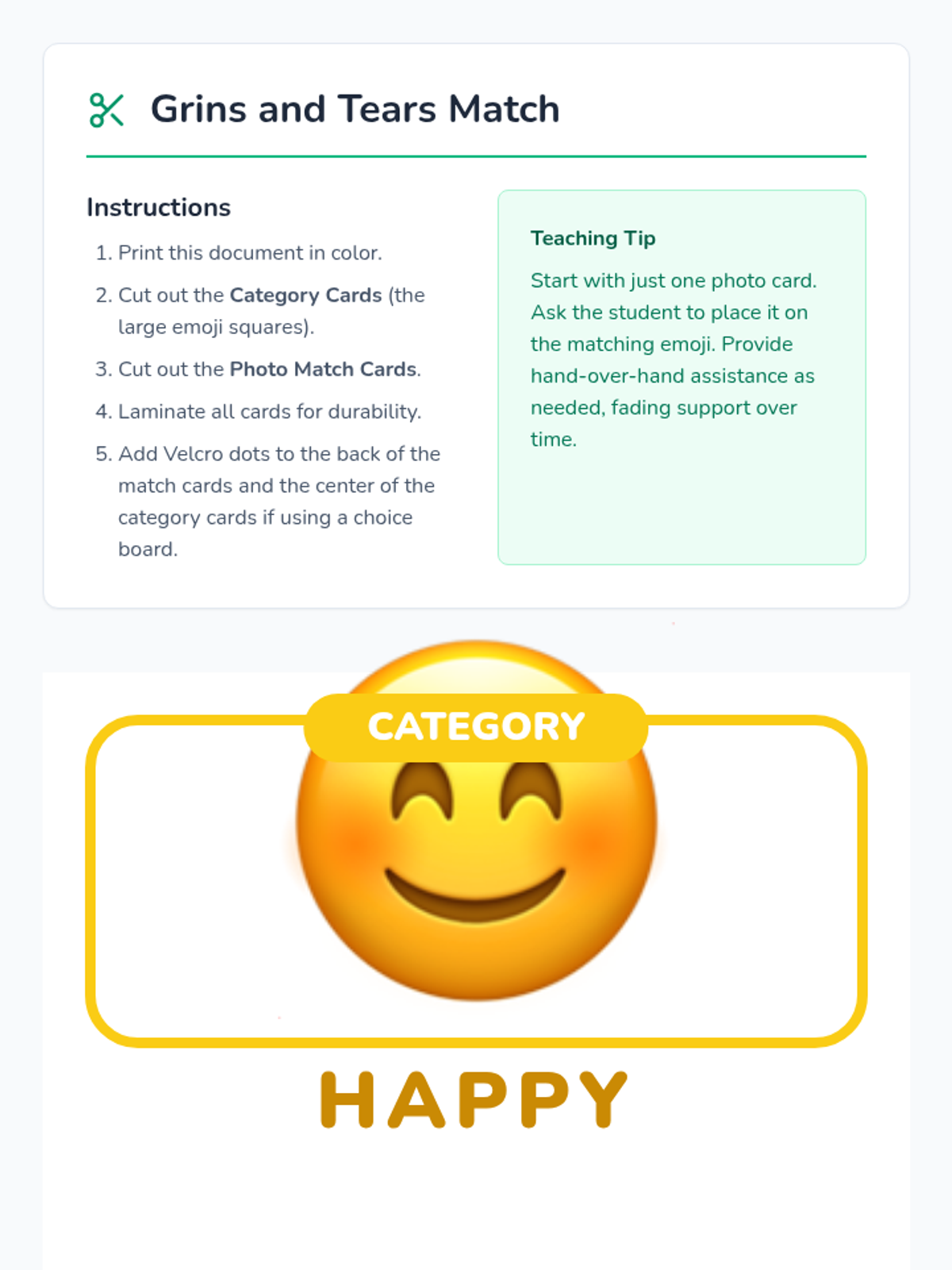
A cumulative review of all four emotions through a matching game. Focuses on generalization across different faces and contexts.
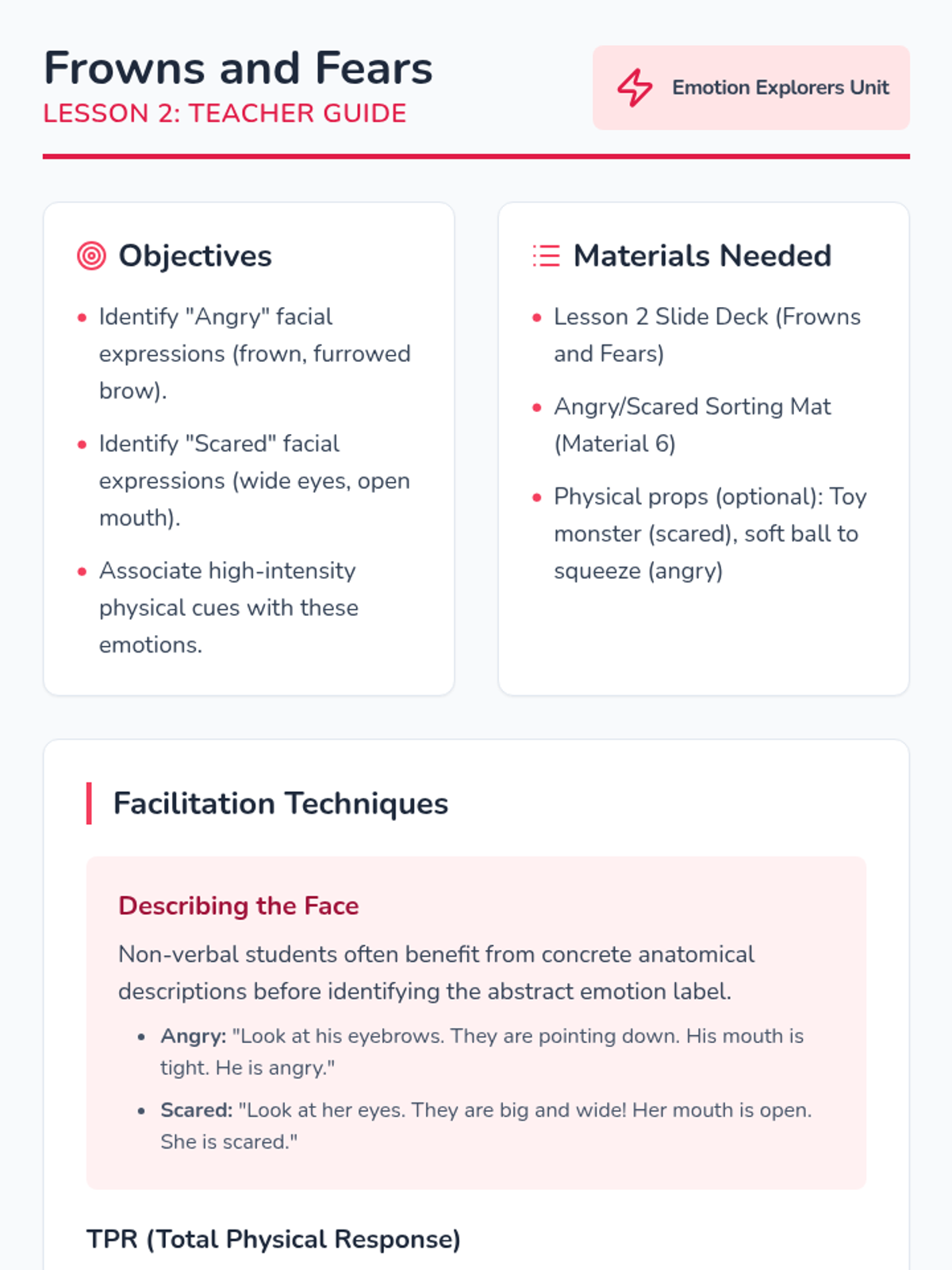
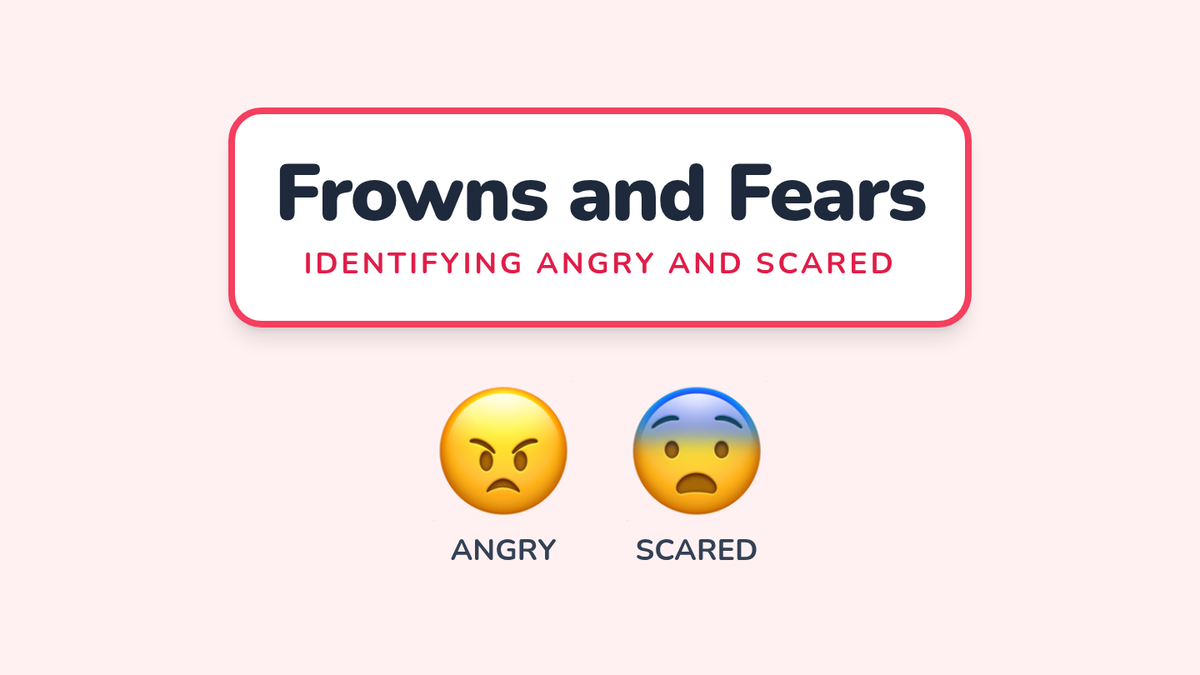
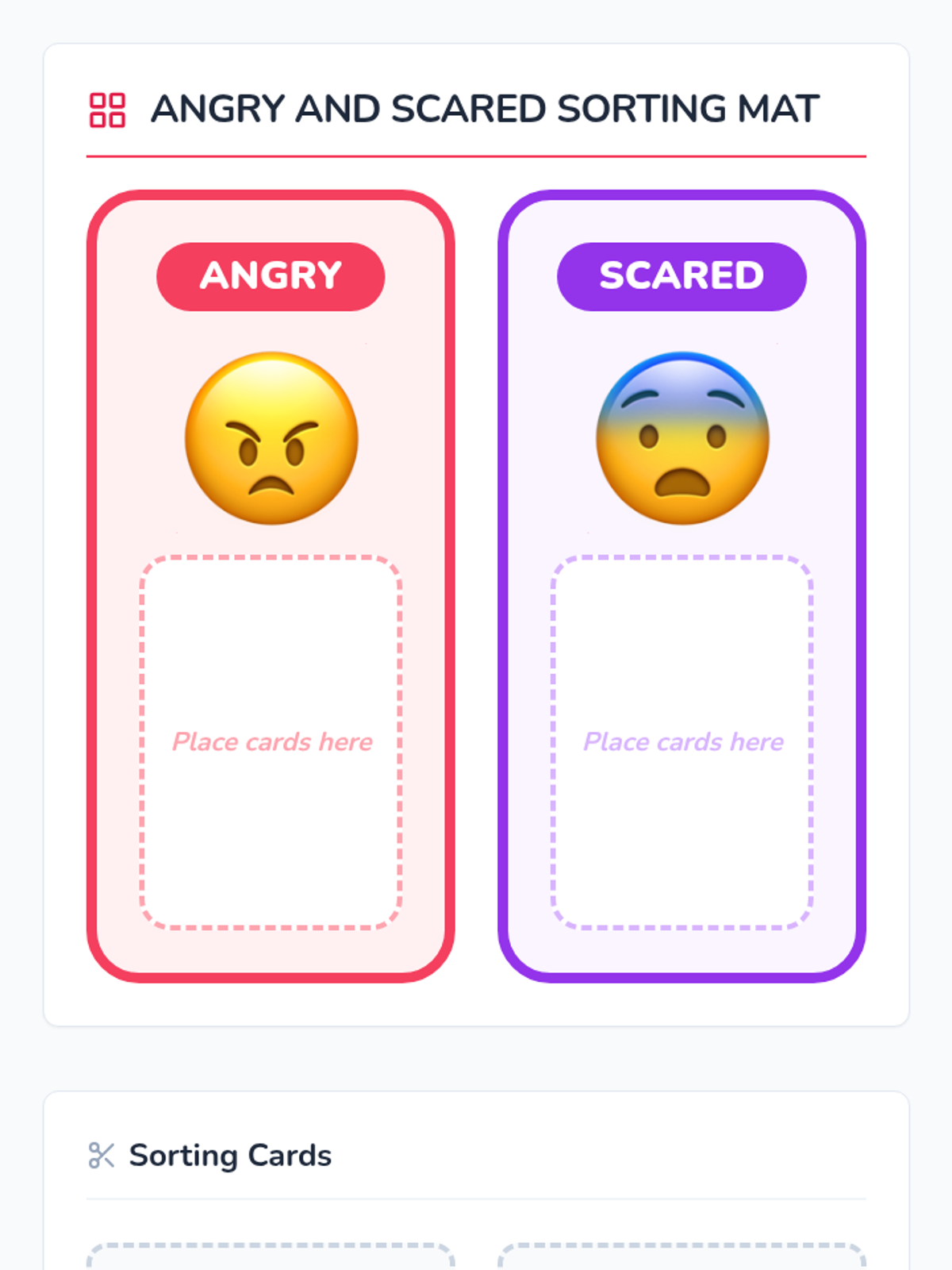
Explores 'Angry' and 'Scared' using clear visual indicators like furrowed brows and wide eyes. Provides slides, teacher support, and a sorting activity mat.
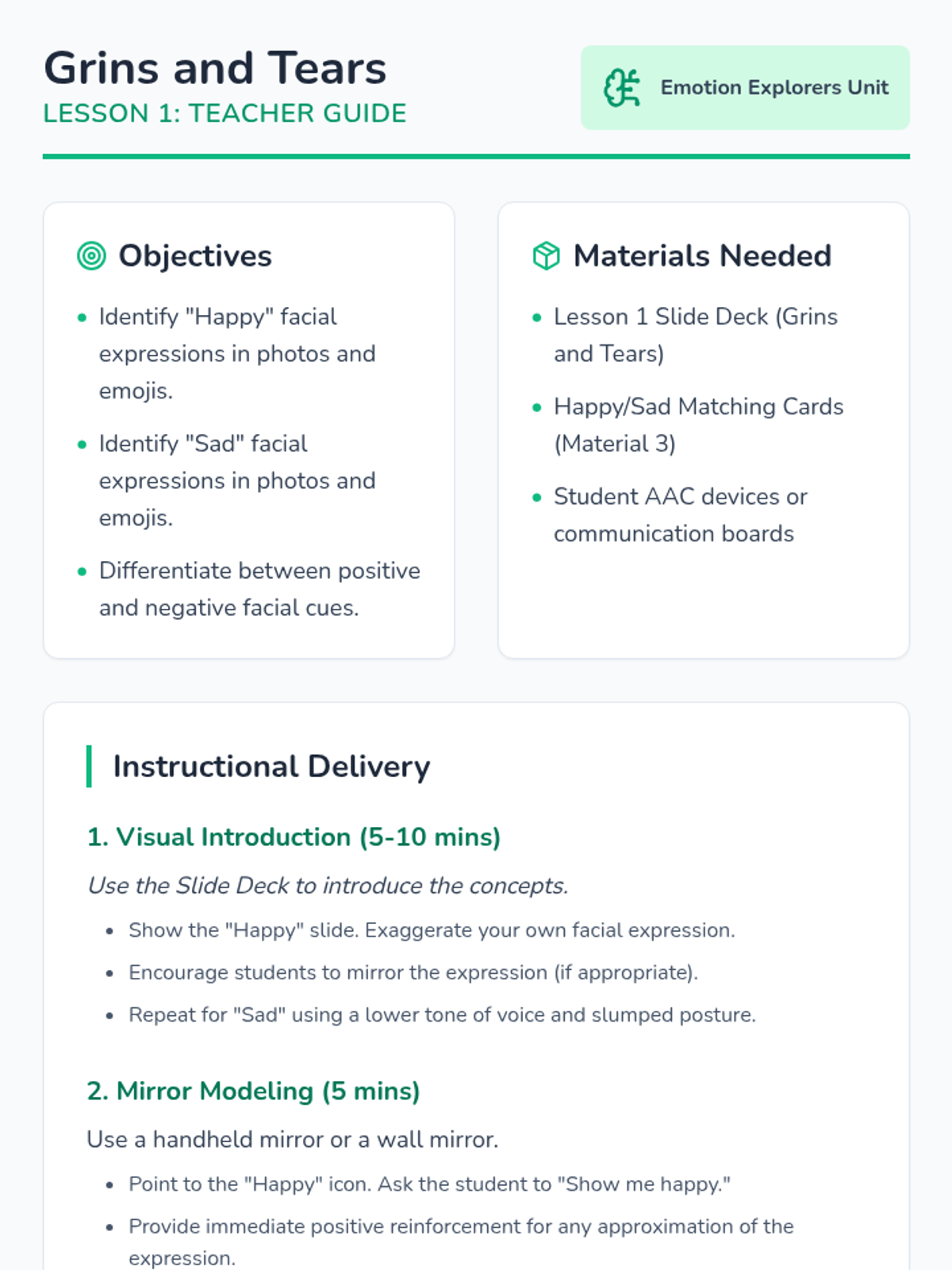
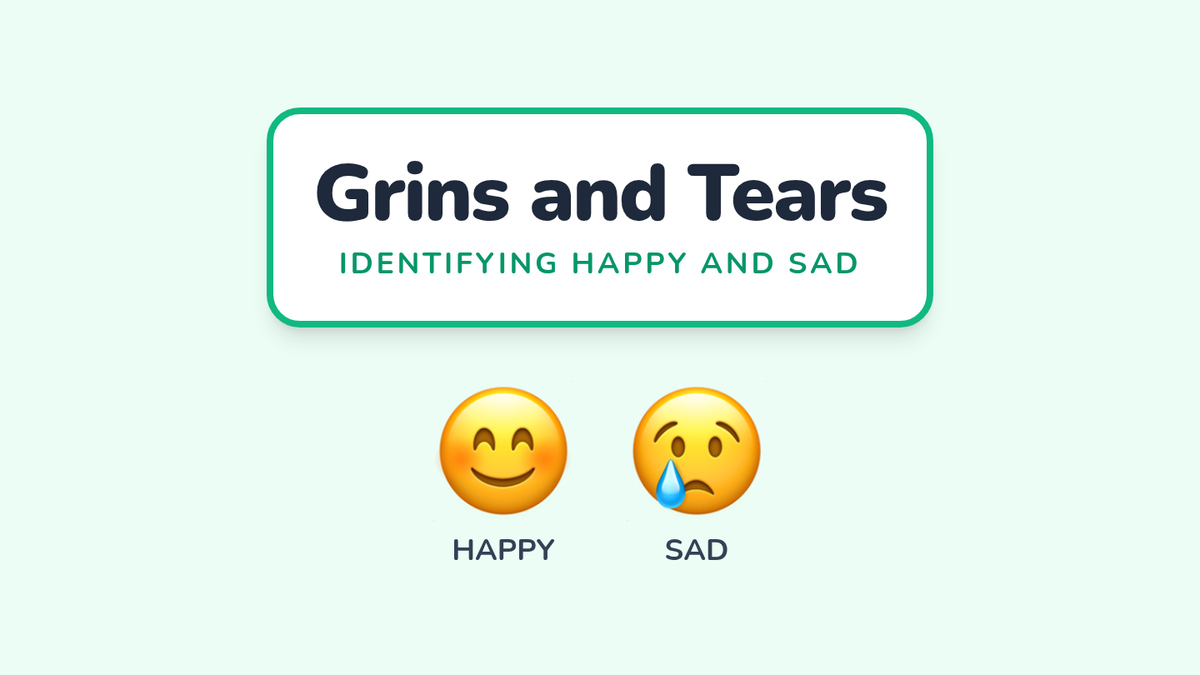
Focuses on identifying 'Happy' and 'Sad' through facial expressions and situational cues. Includes visual slides, a facilitator guide for non-verbal communication, and printable matching cards.
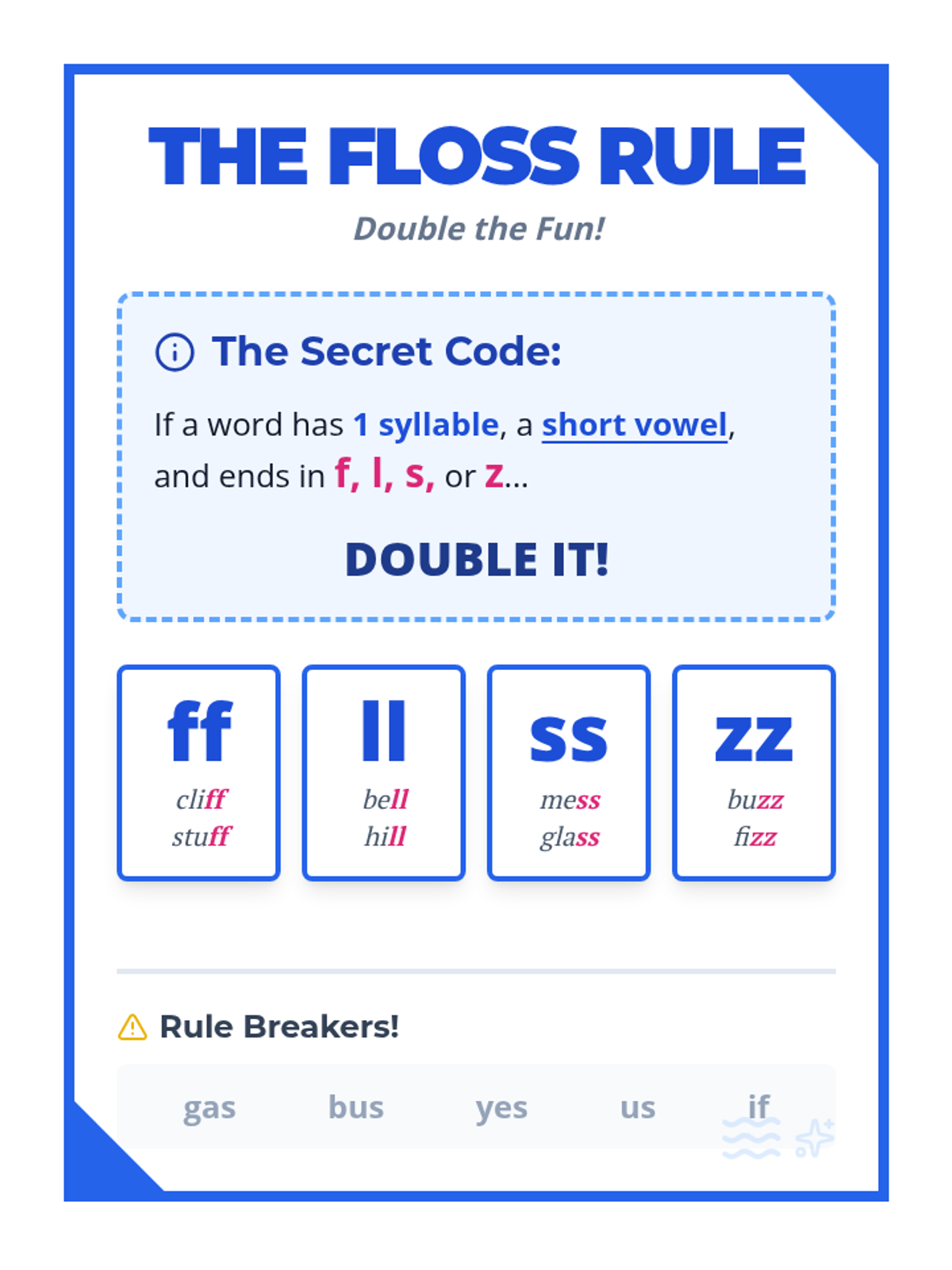
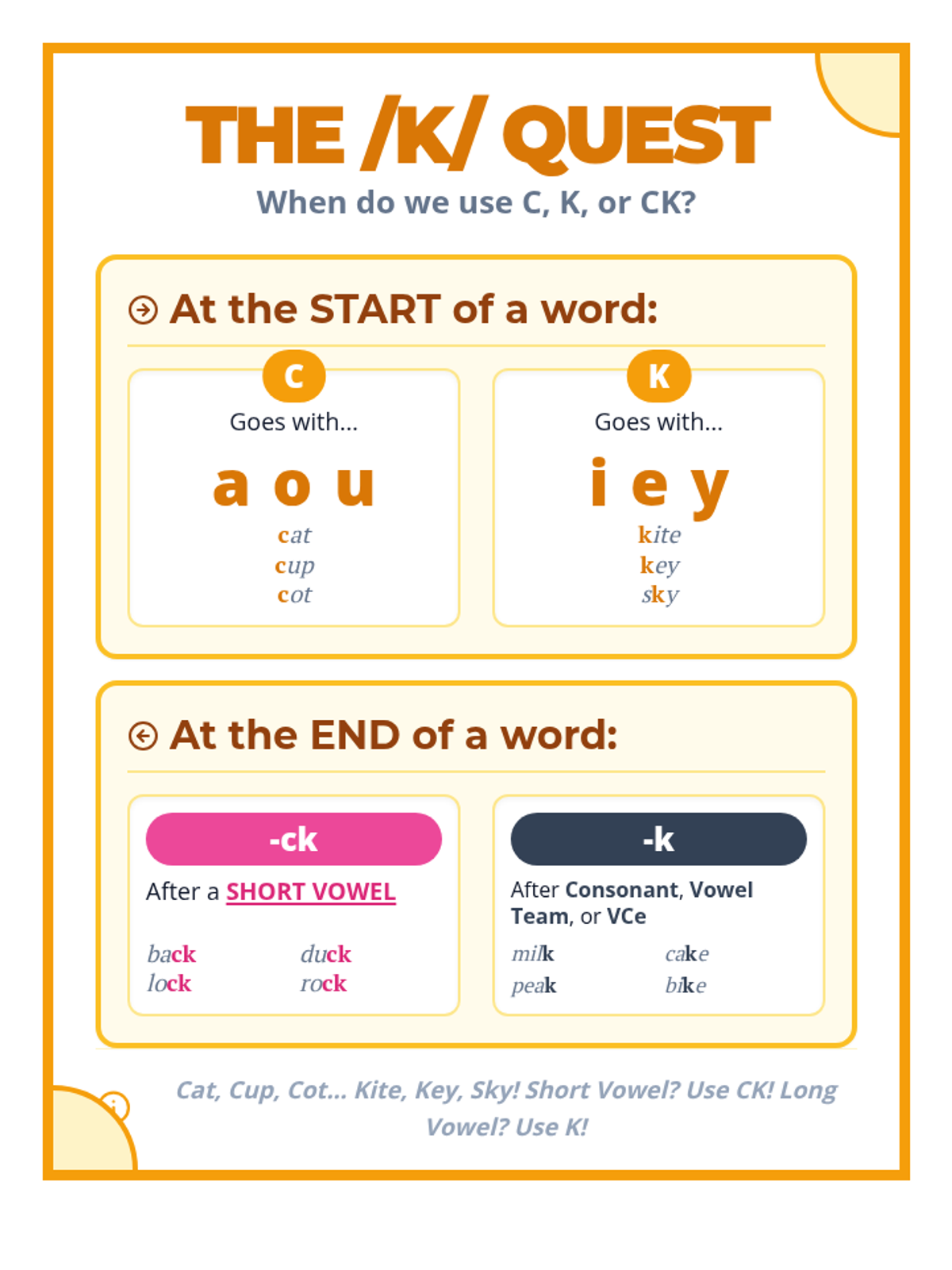
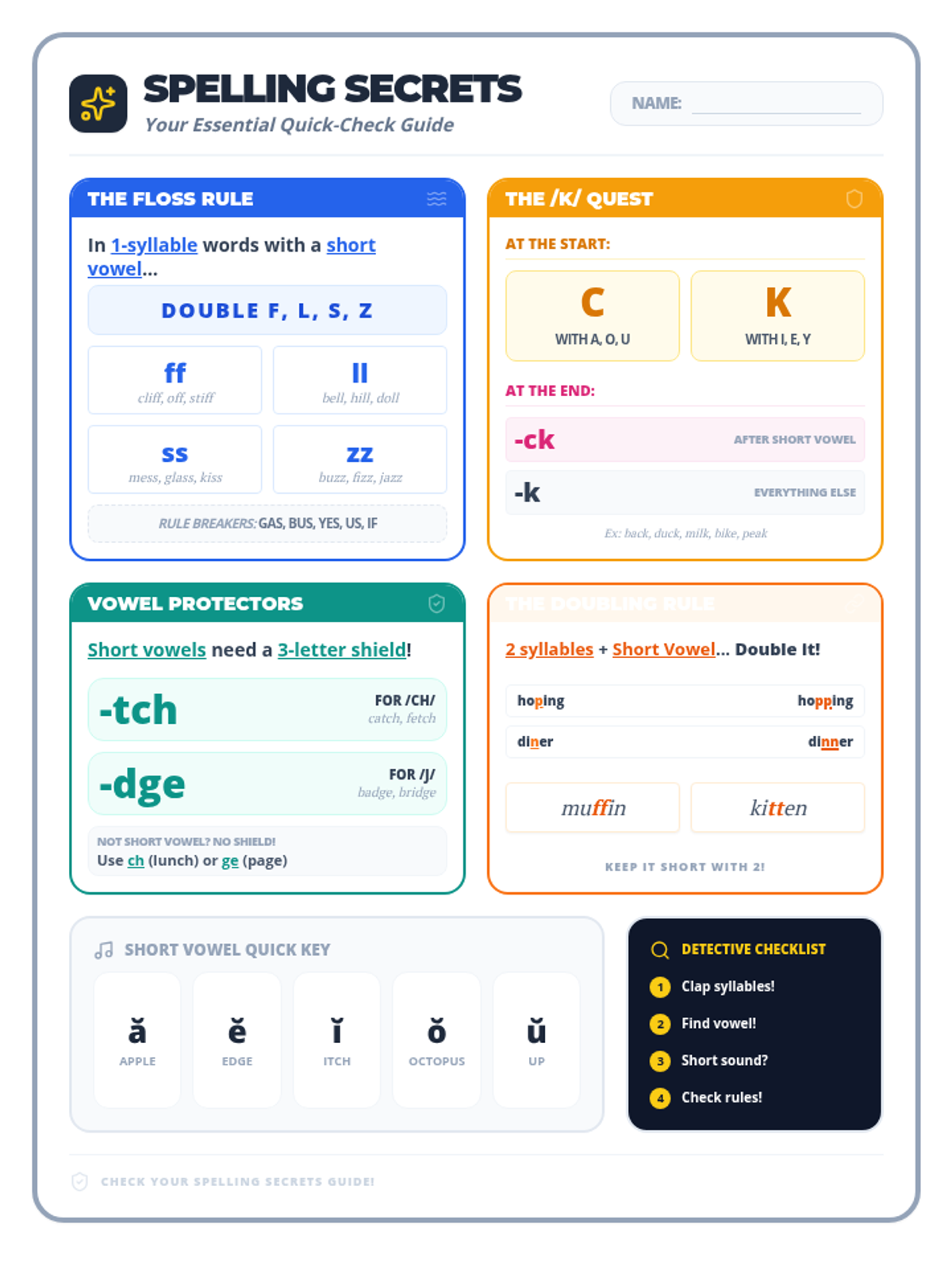
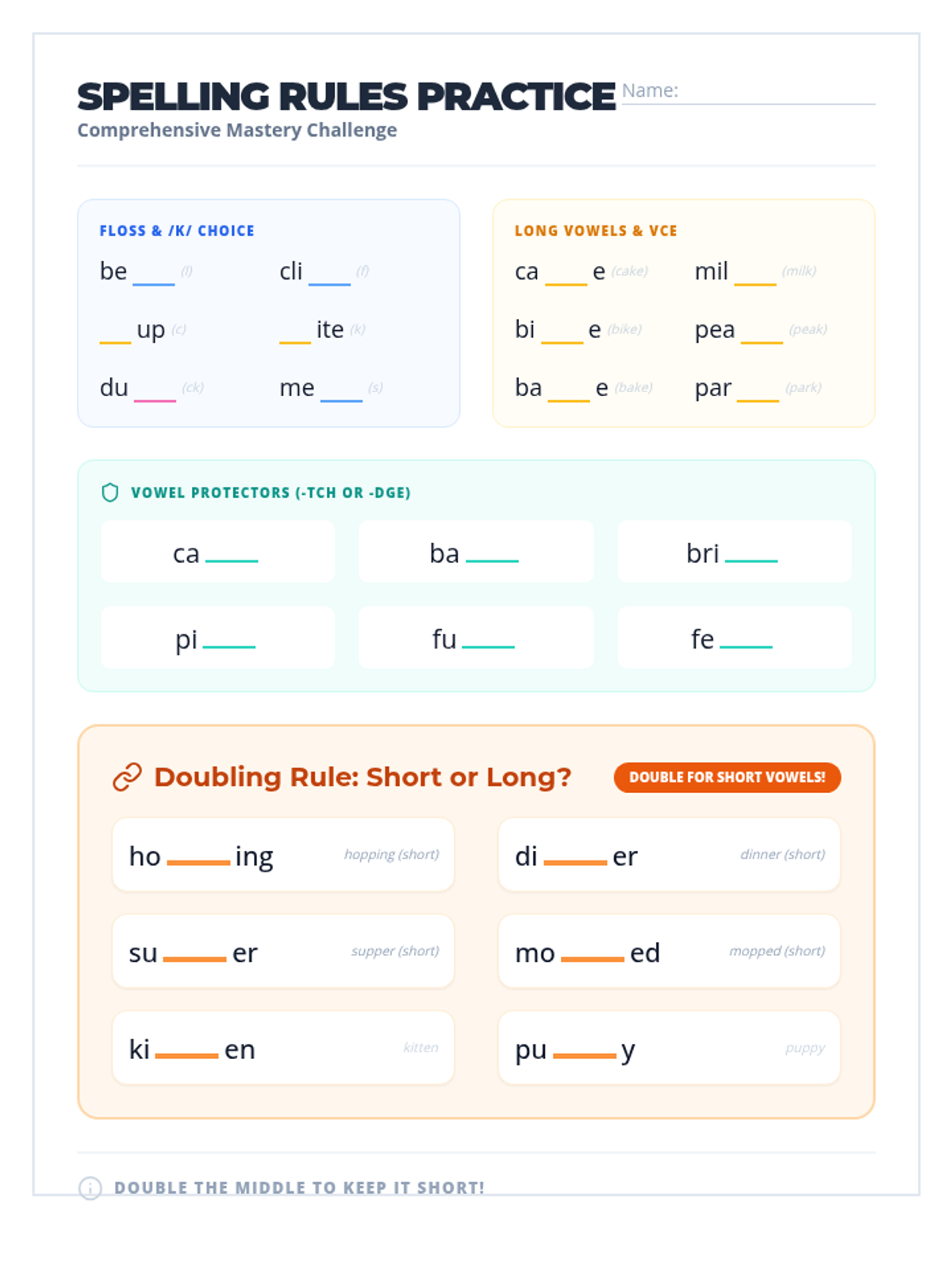
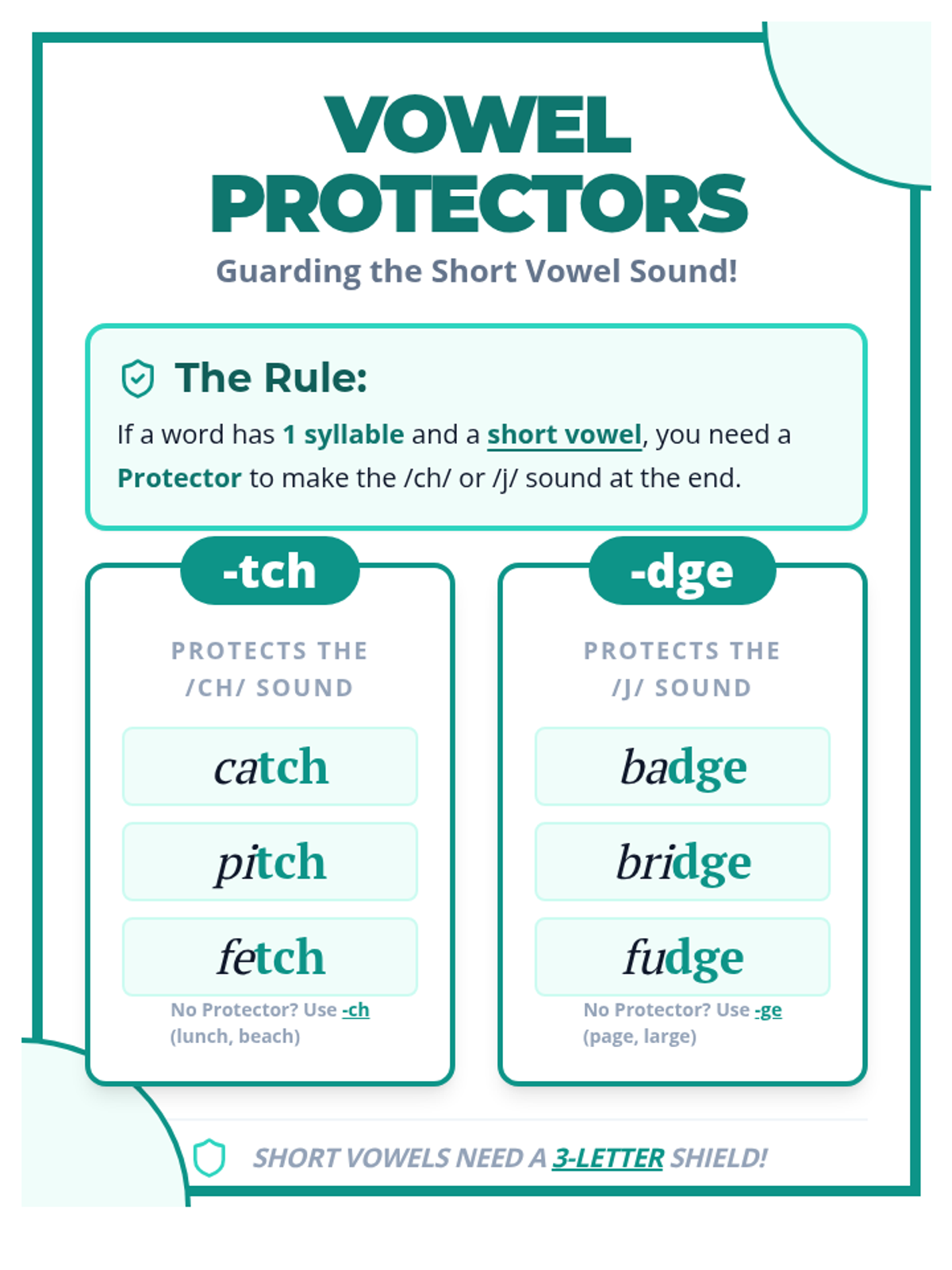
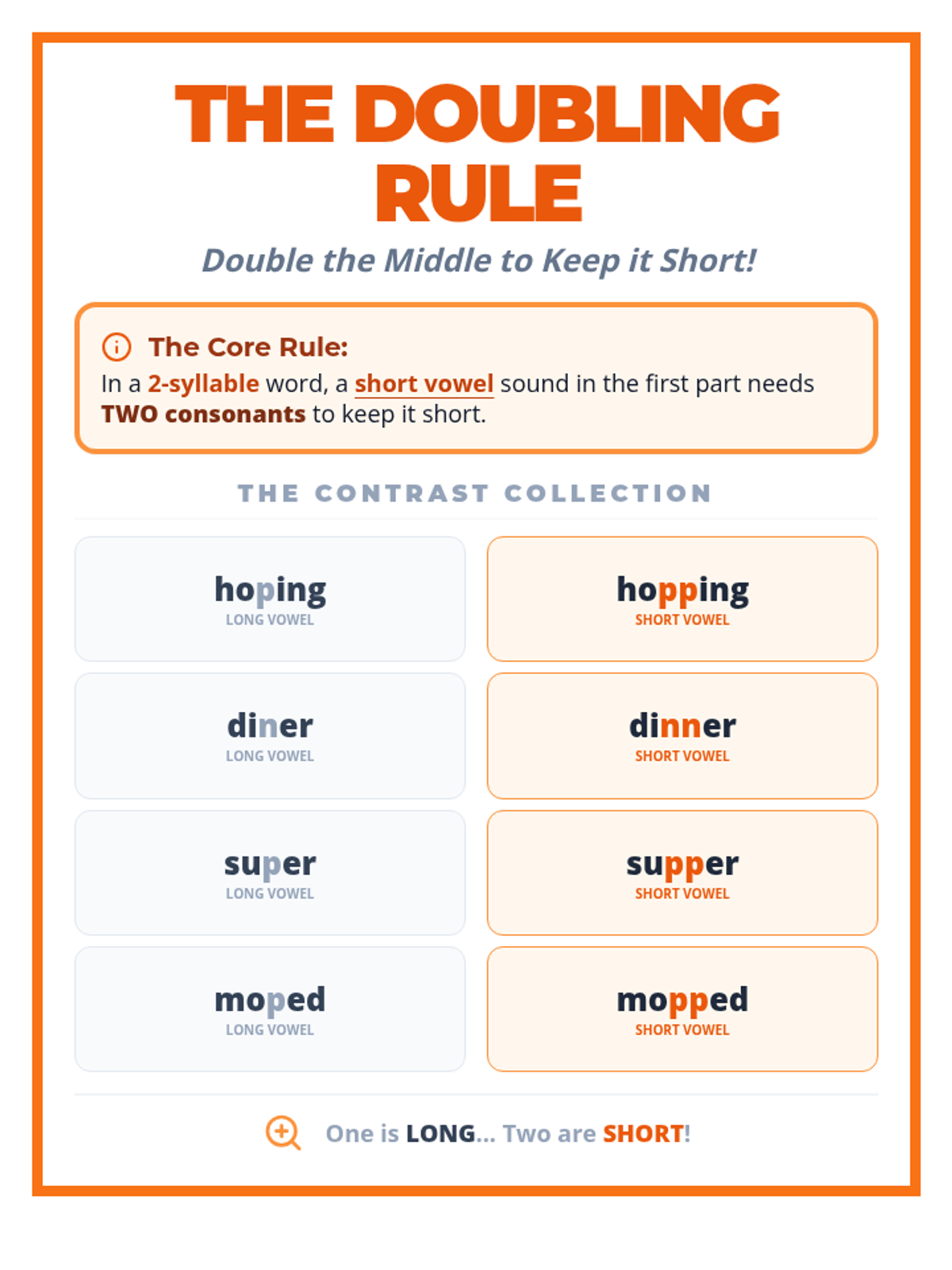
A collection of visual anchor charts and notebook inserts to help students master common spelling rules including the FLOSS rule and the C/K/CK spelling choice.
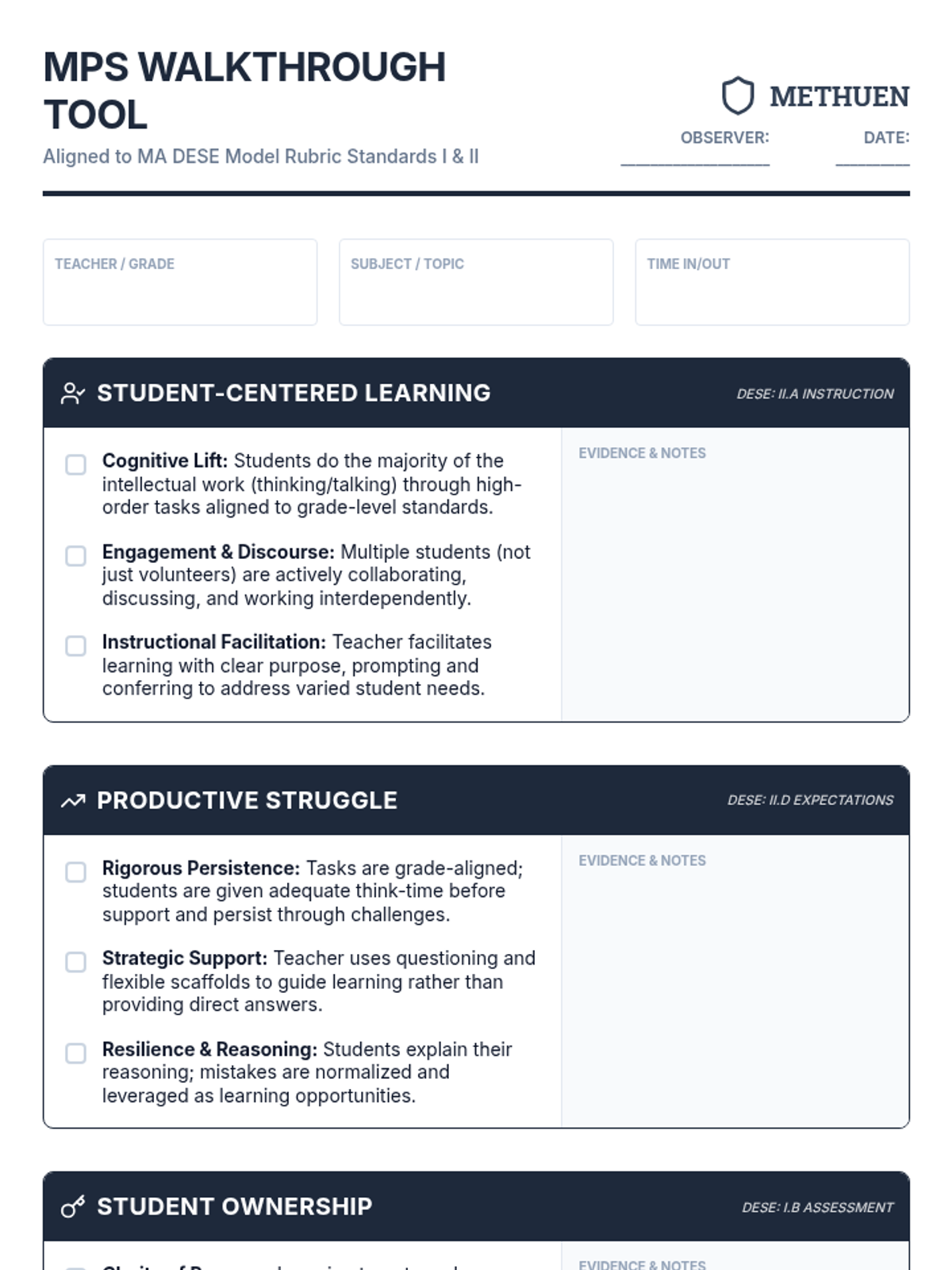
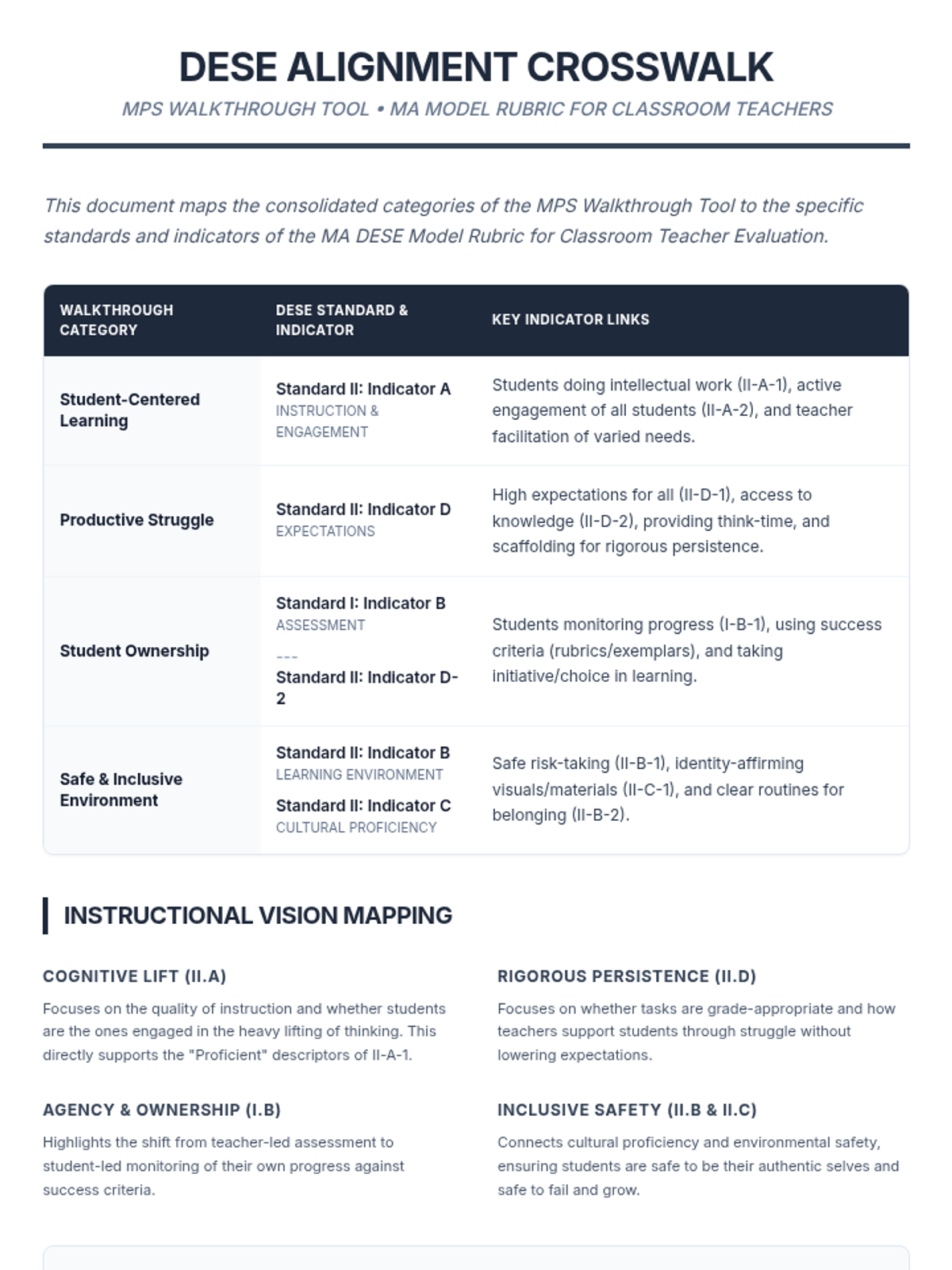
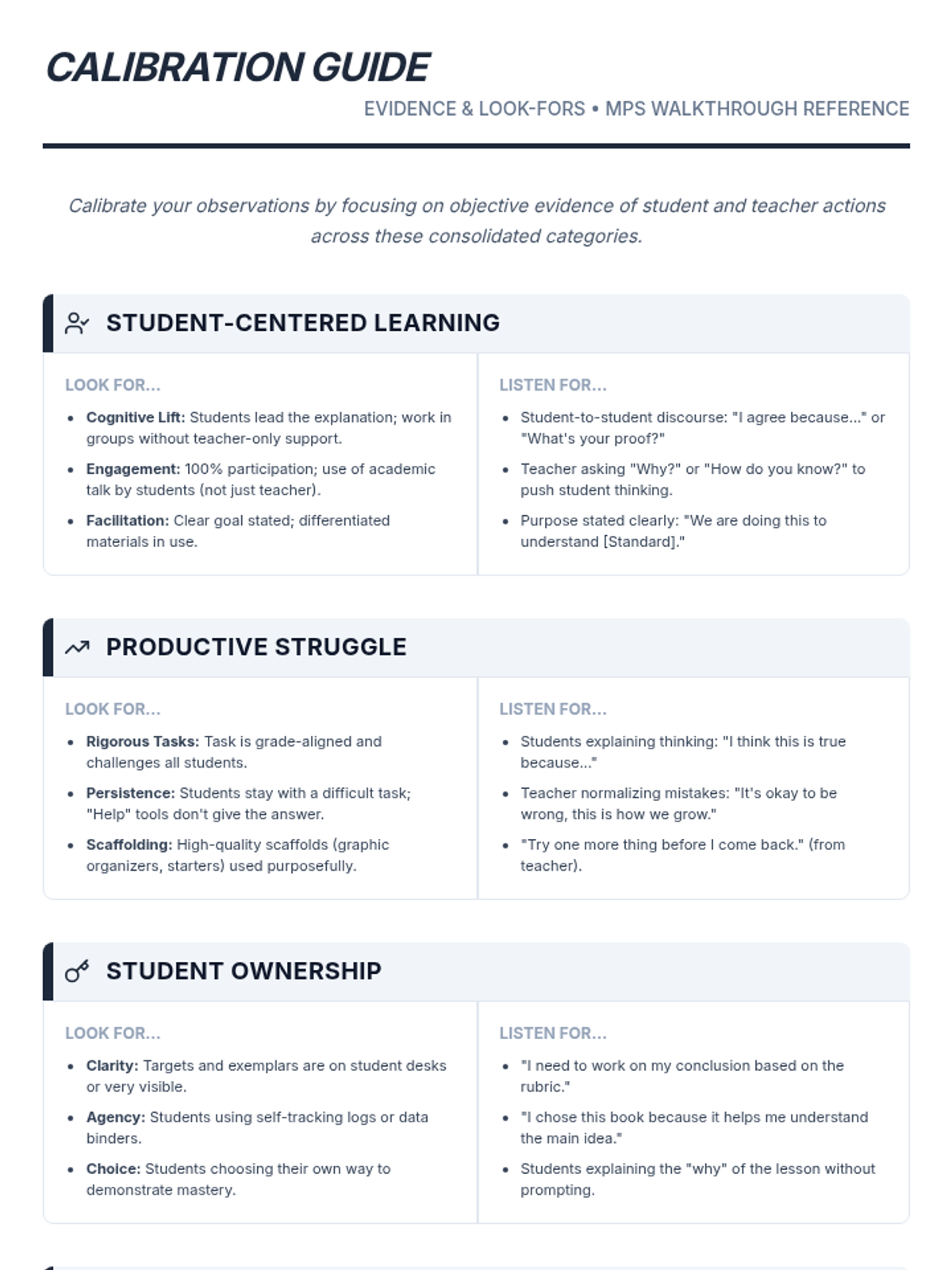
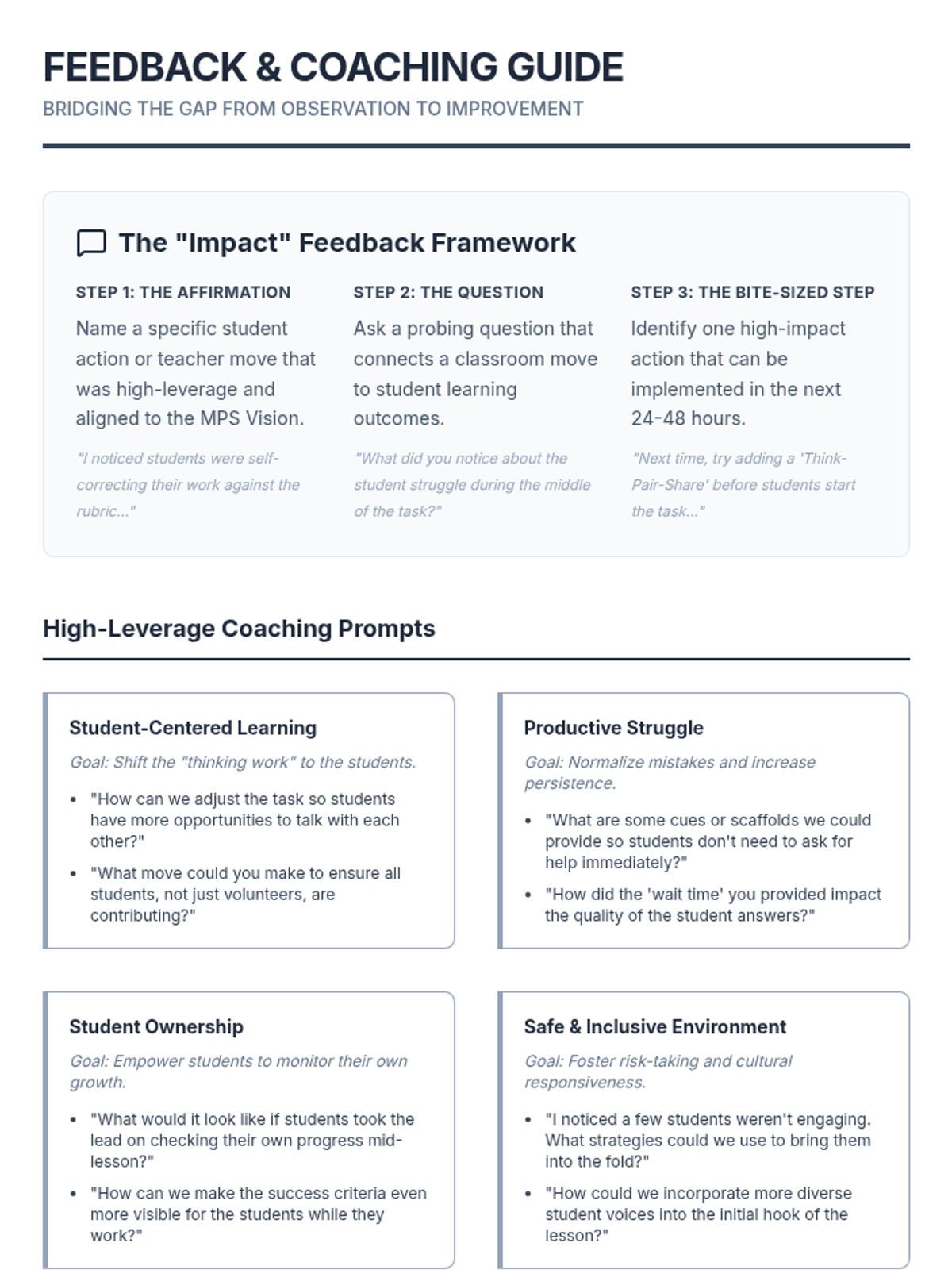
A comprehensive toolkit for school leaders to conduct effective classroom walkthroughs aligned with the MA DESE Model Rubric for Classroom Teacher Evaluation.
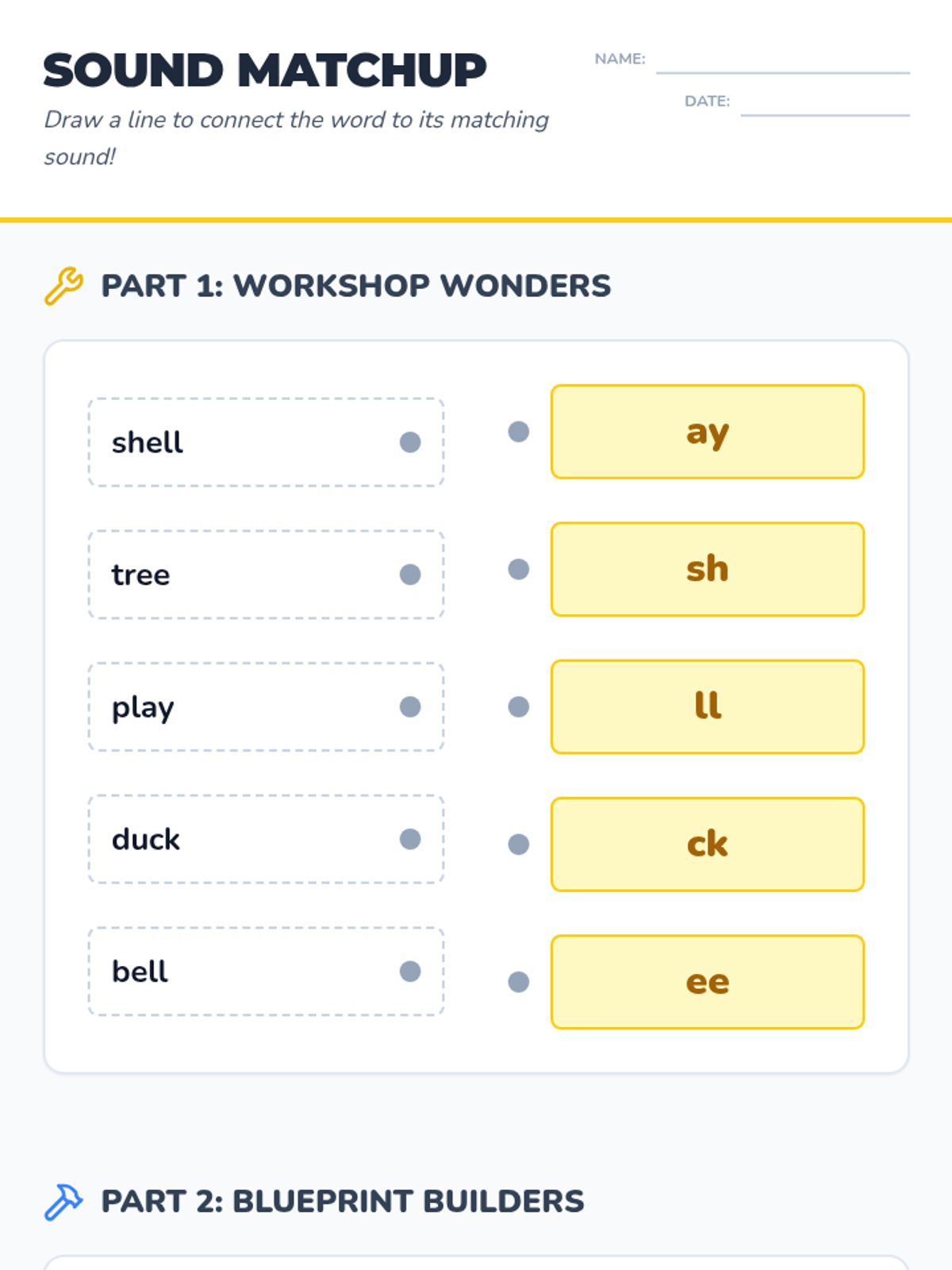
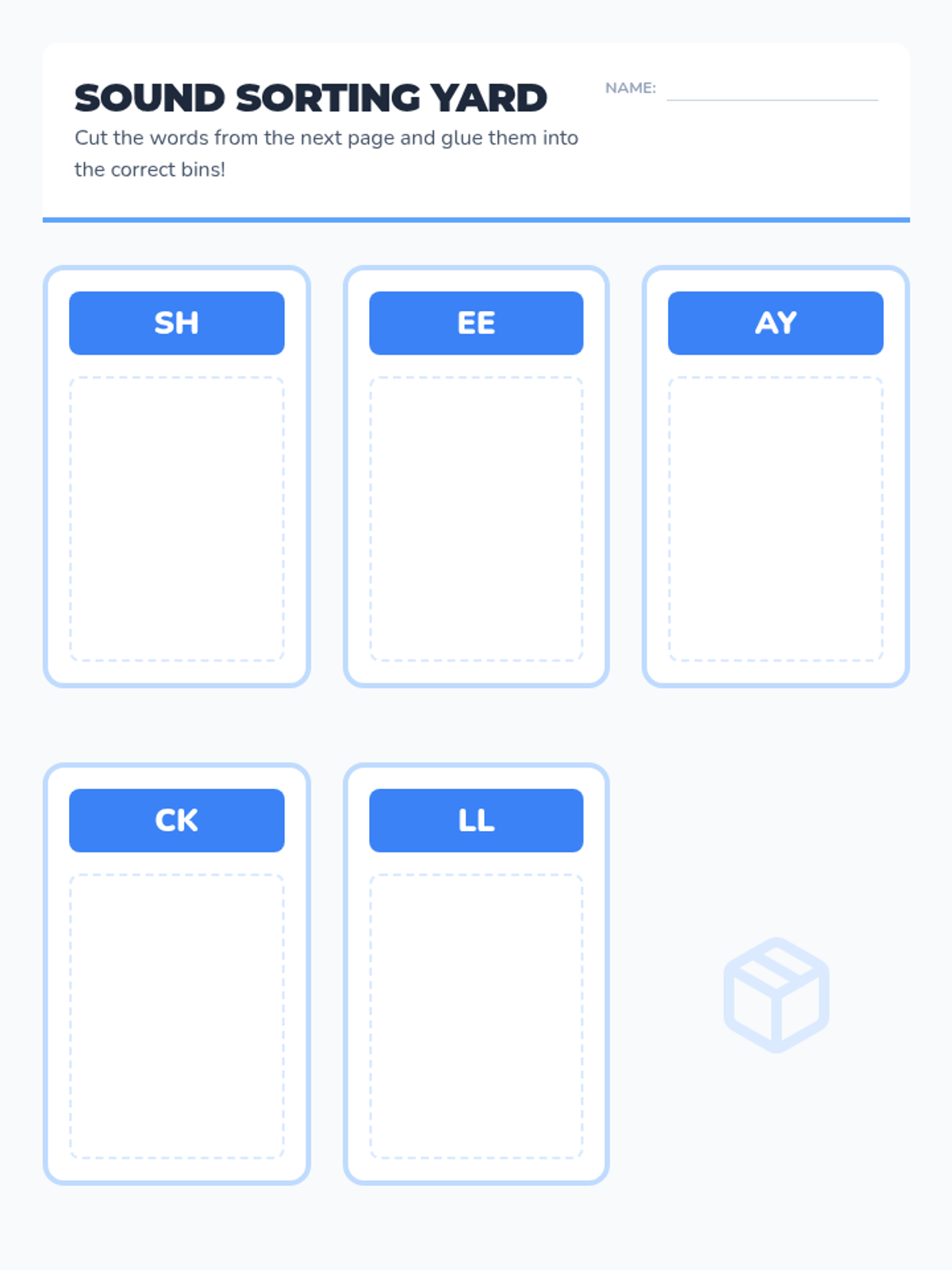
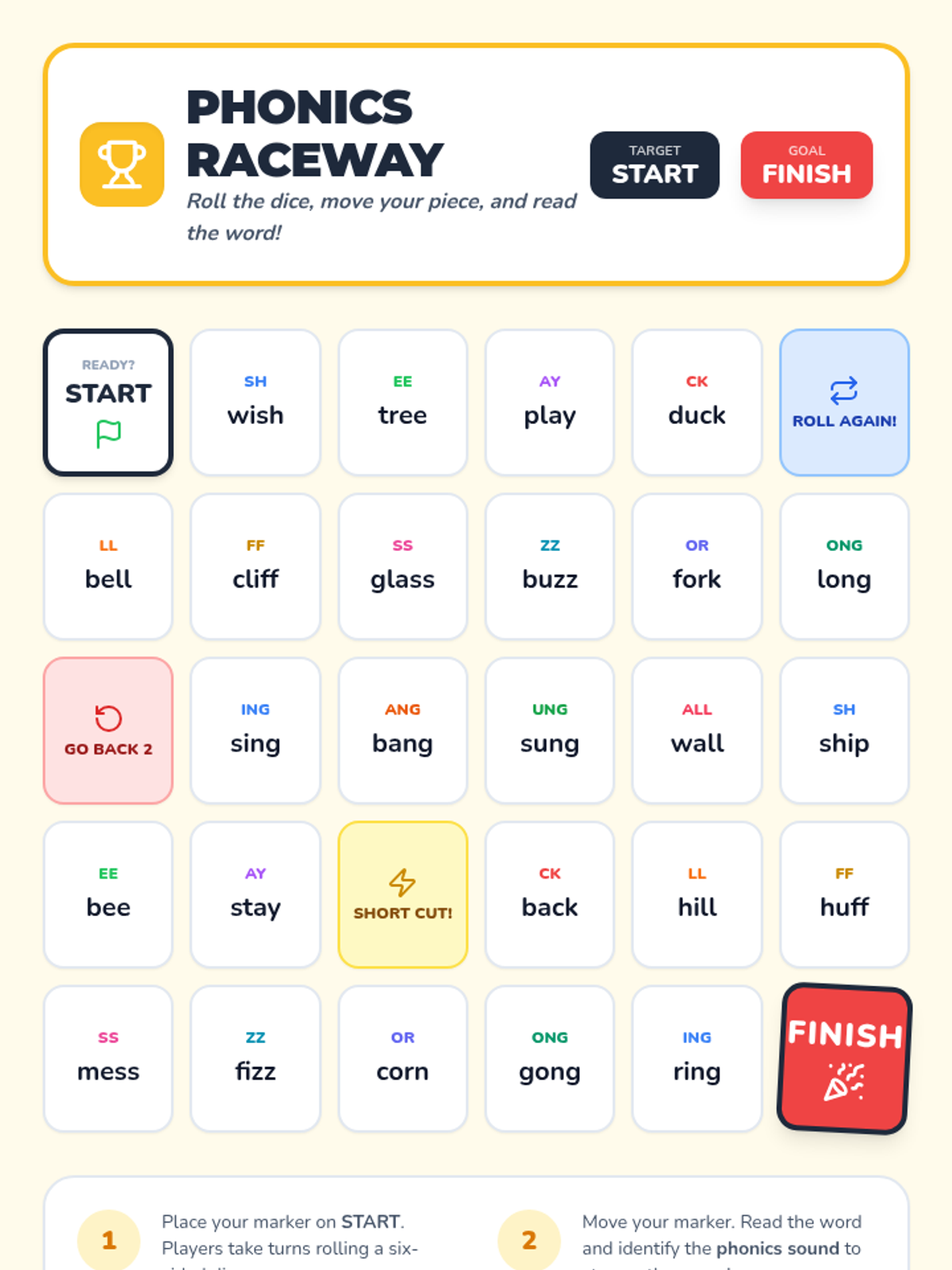
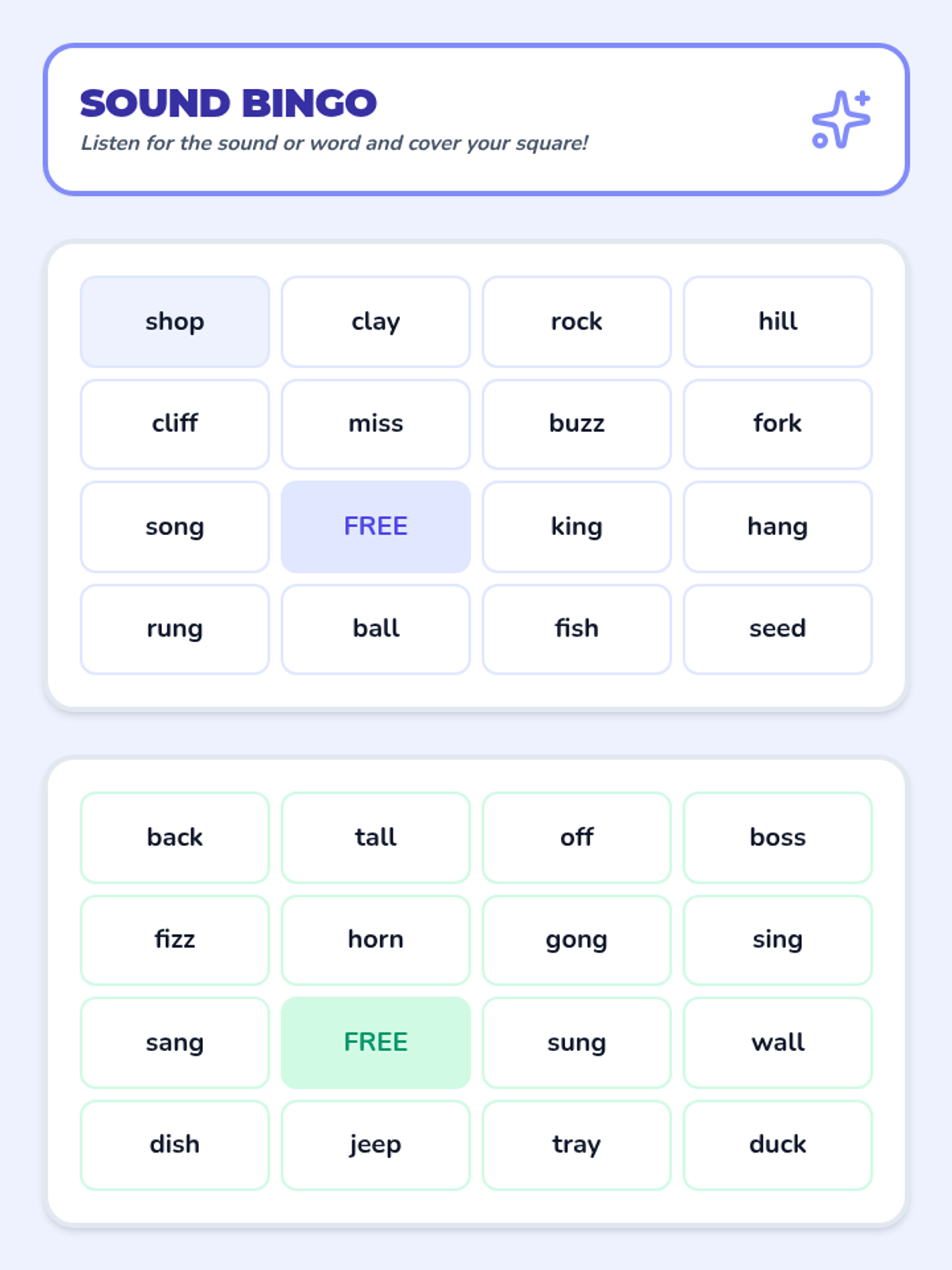
A comprehensive review of Orton-Gillingham phonics patterns including digraphs, vowel teams, the floss rule, and glued sounds through engaging, hands-on activities.
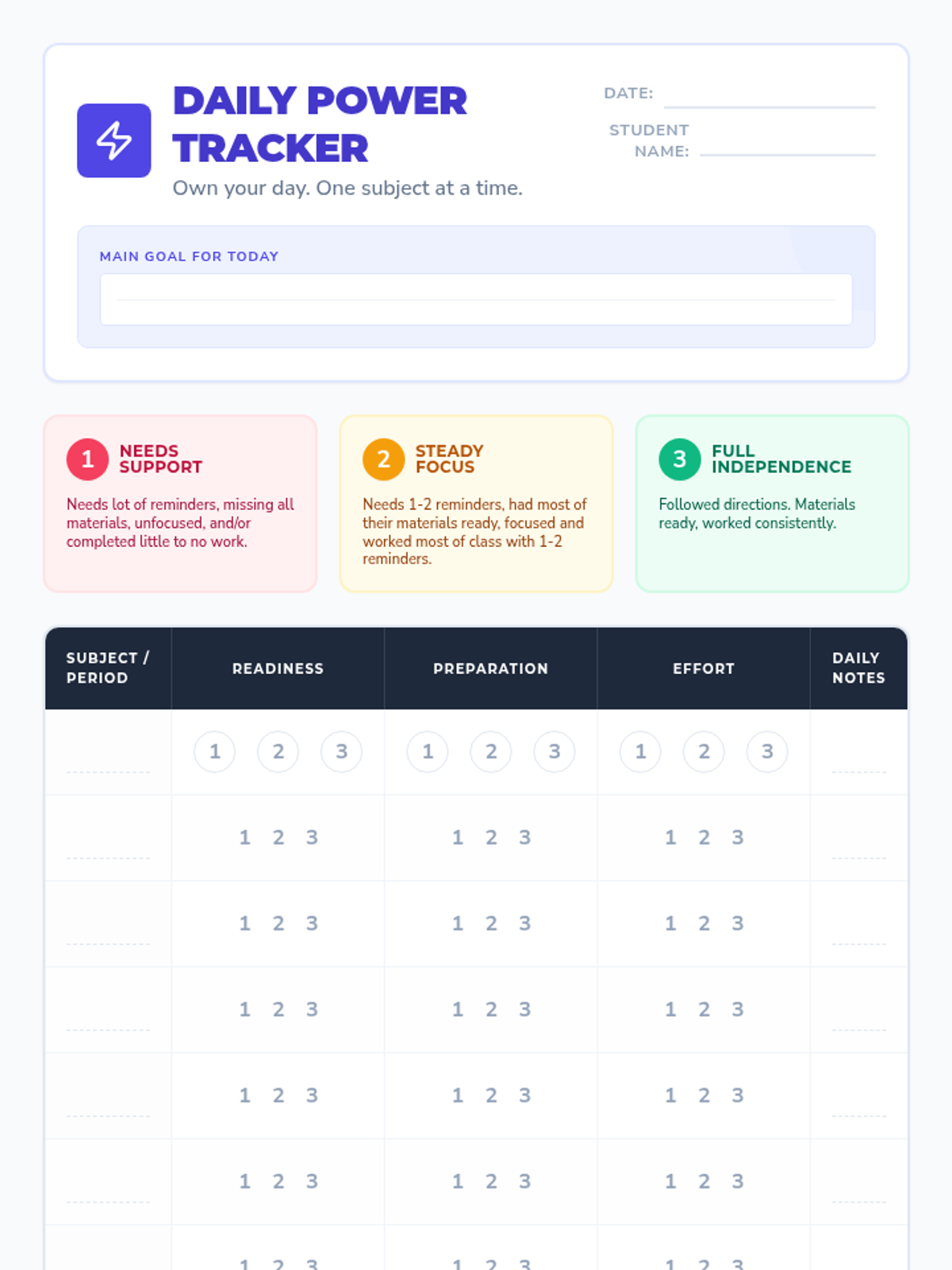
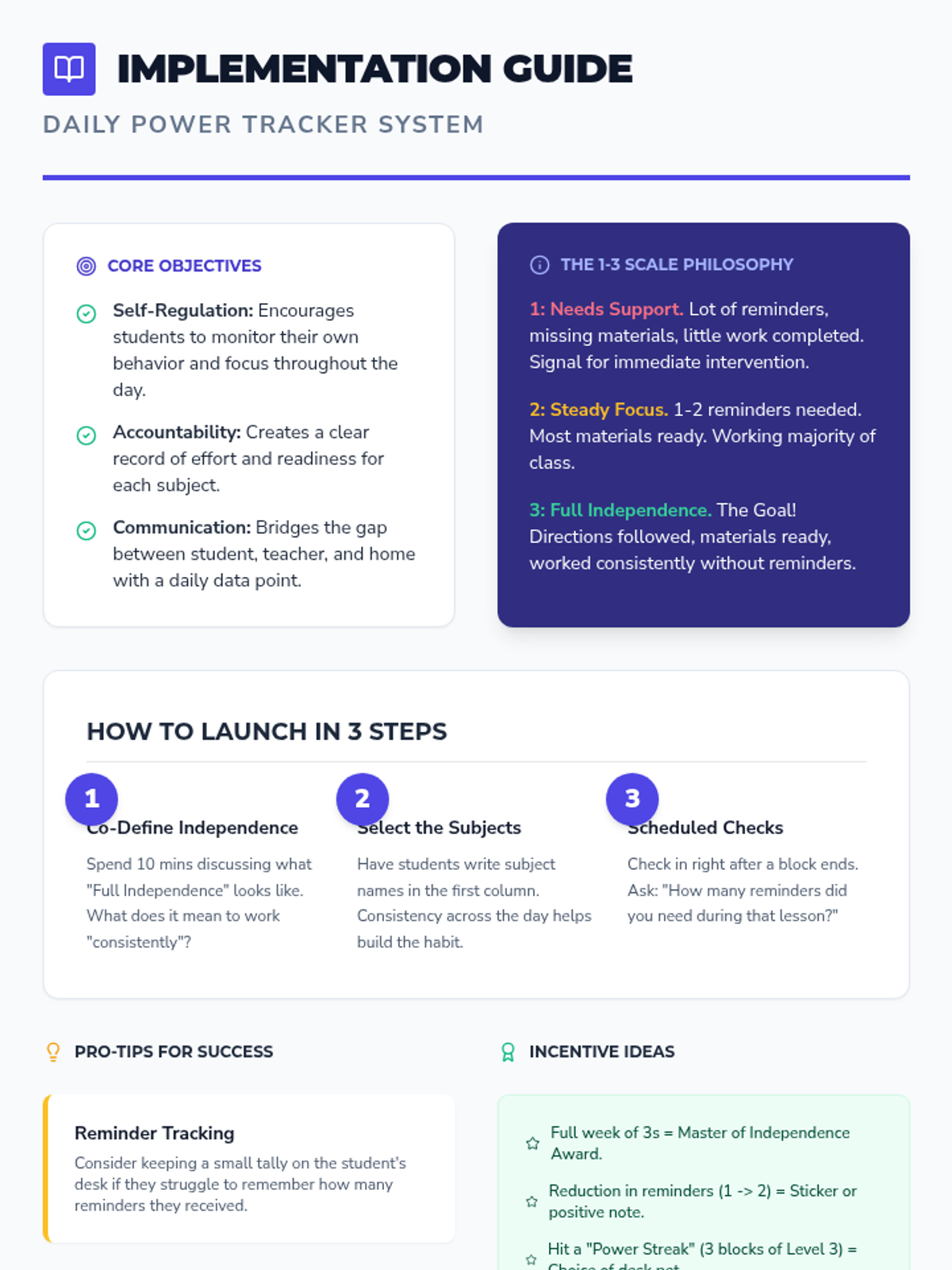
A daily habit-building system for students to monitor their readiness, preparation, and work effort across all subjects. Includes student trackers and teacher implementation guides to foster accountability and self-regulation.
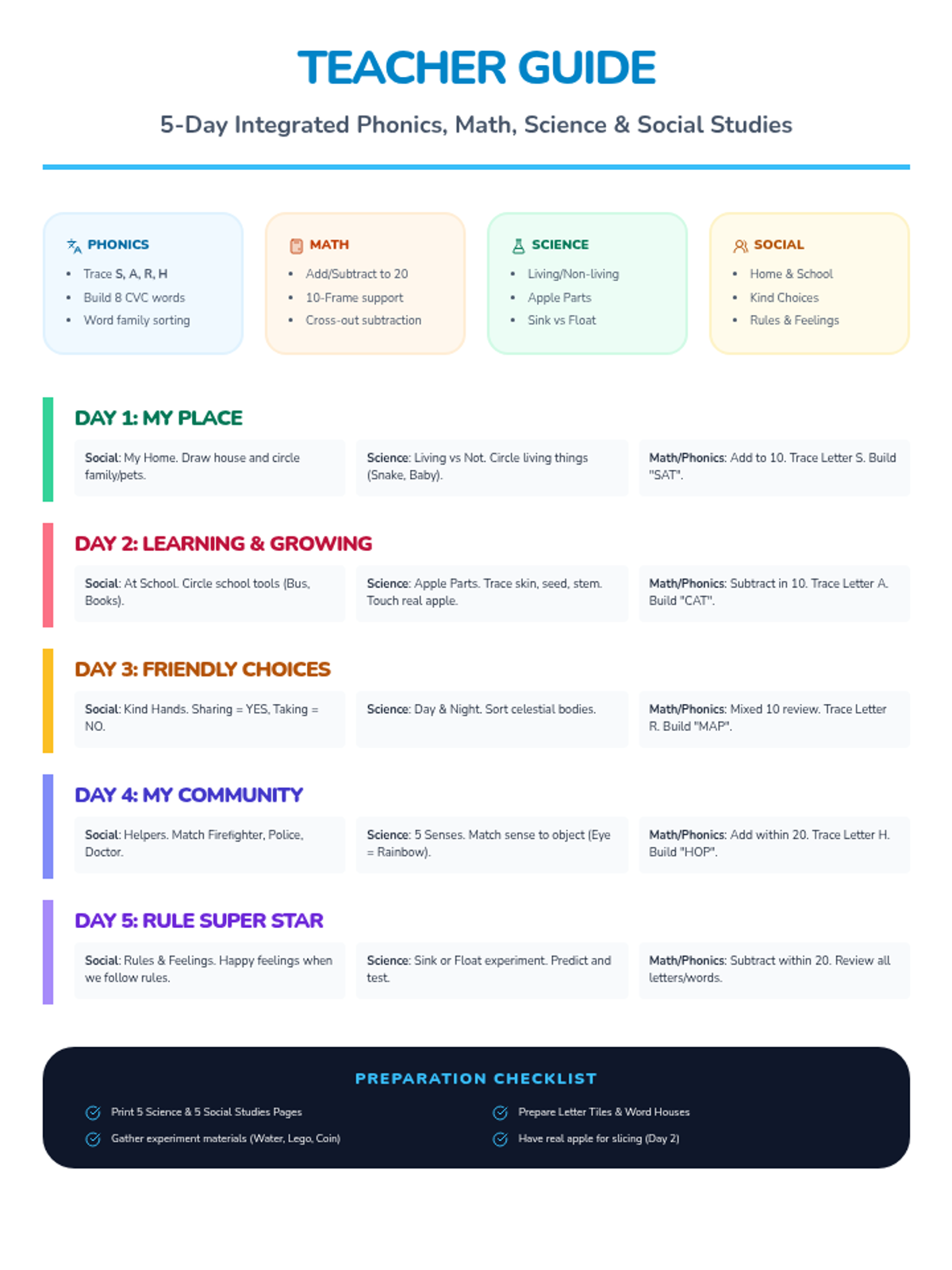
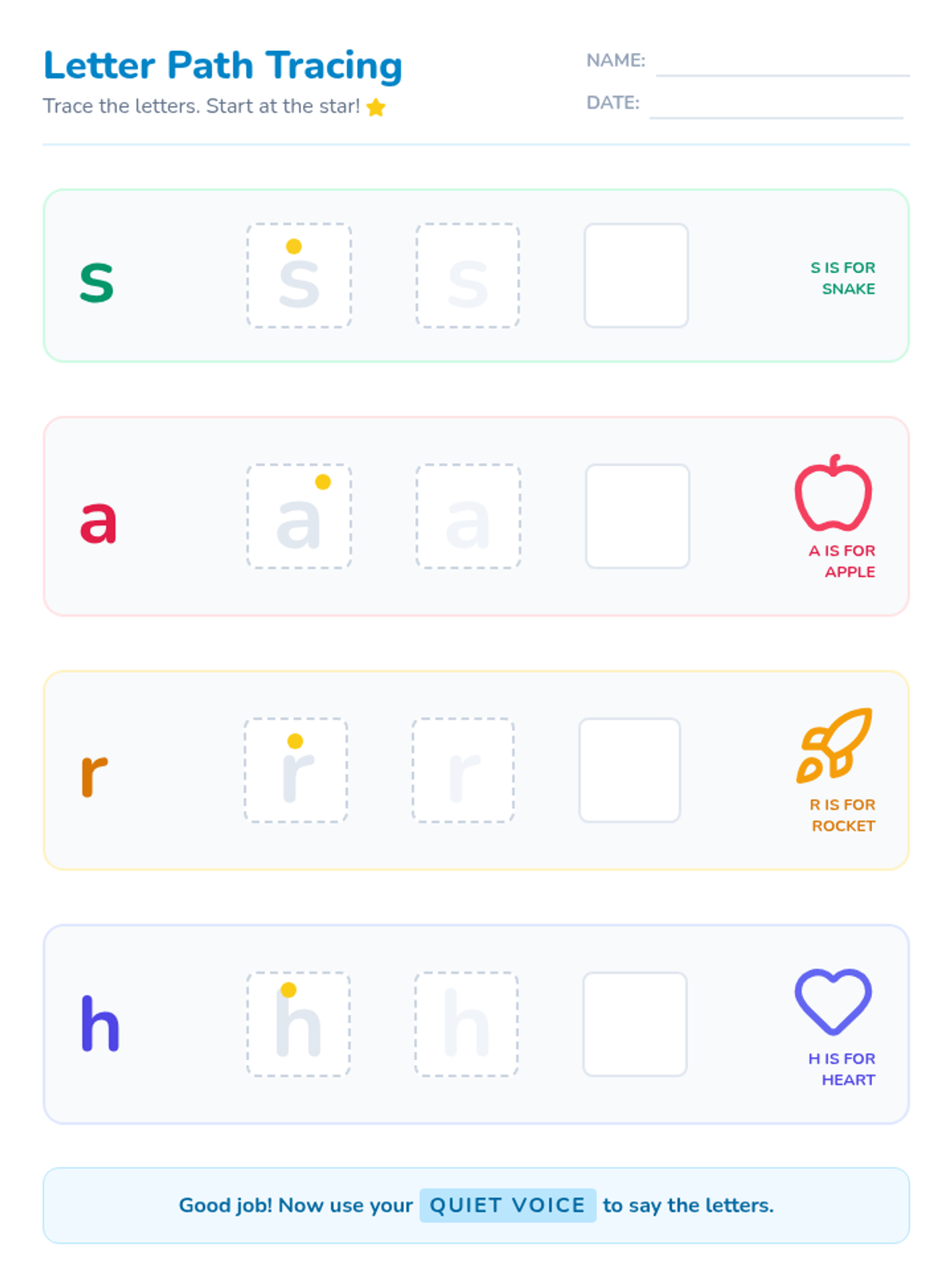
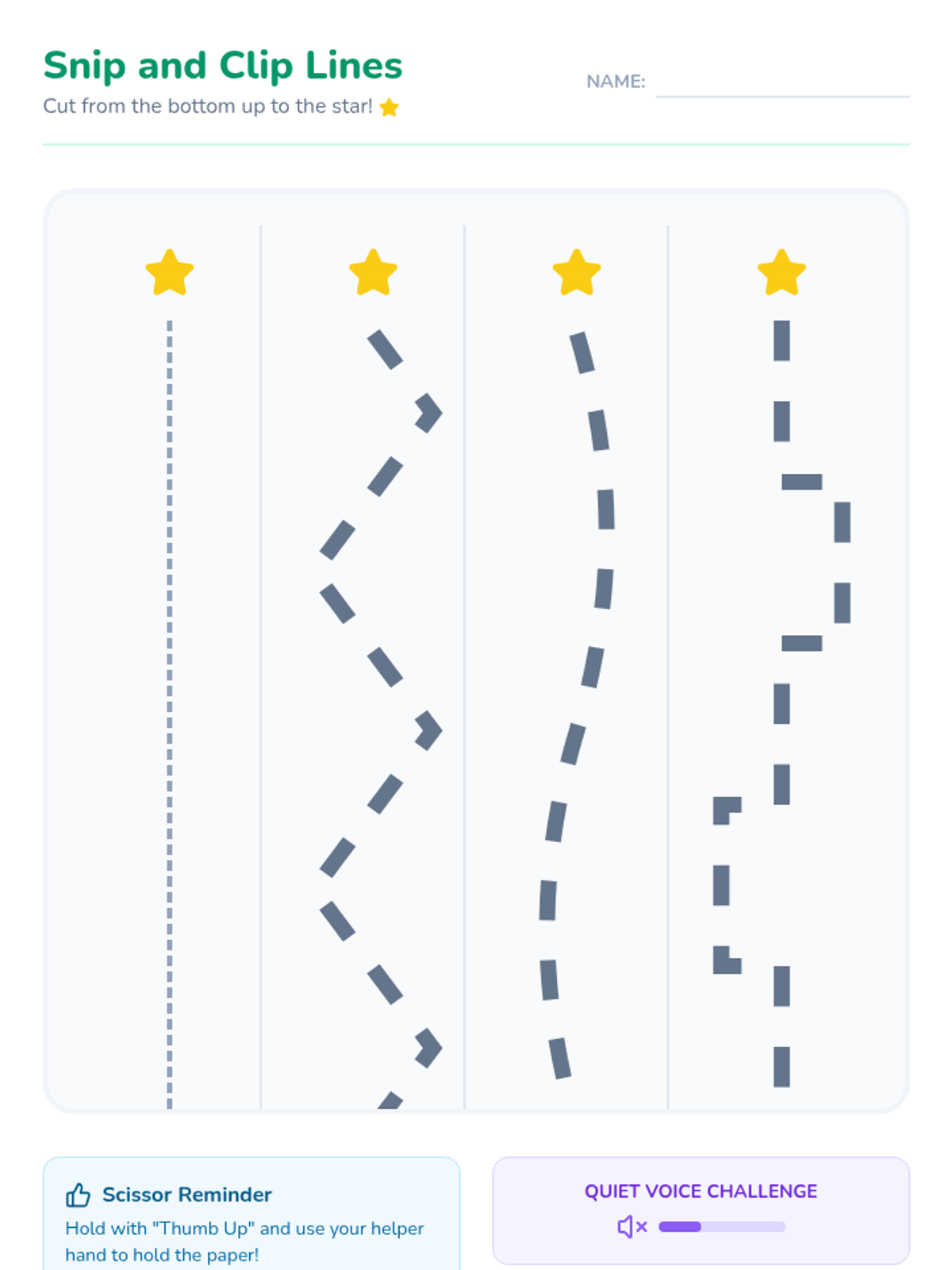
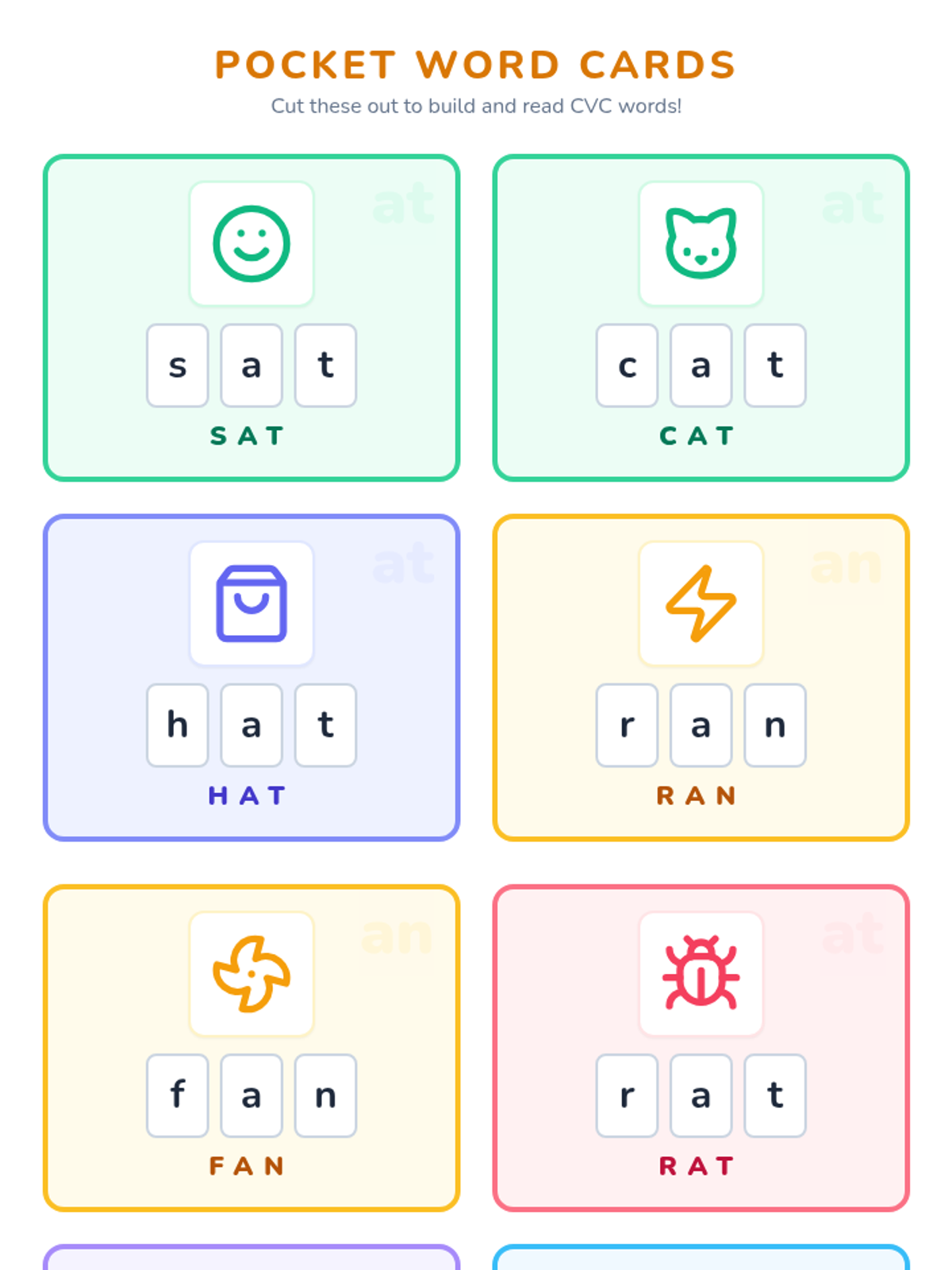
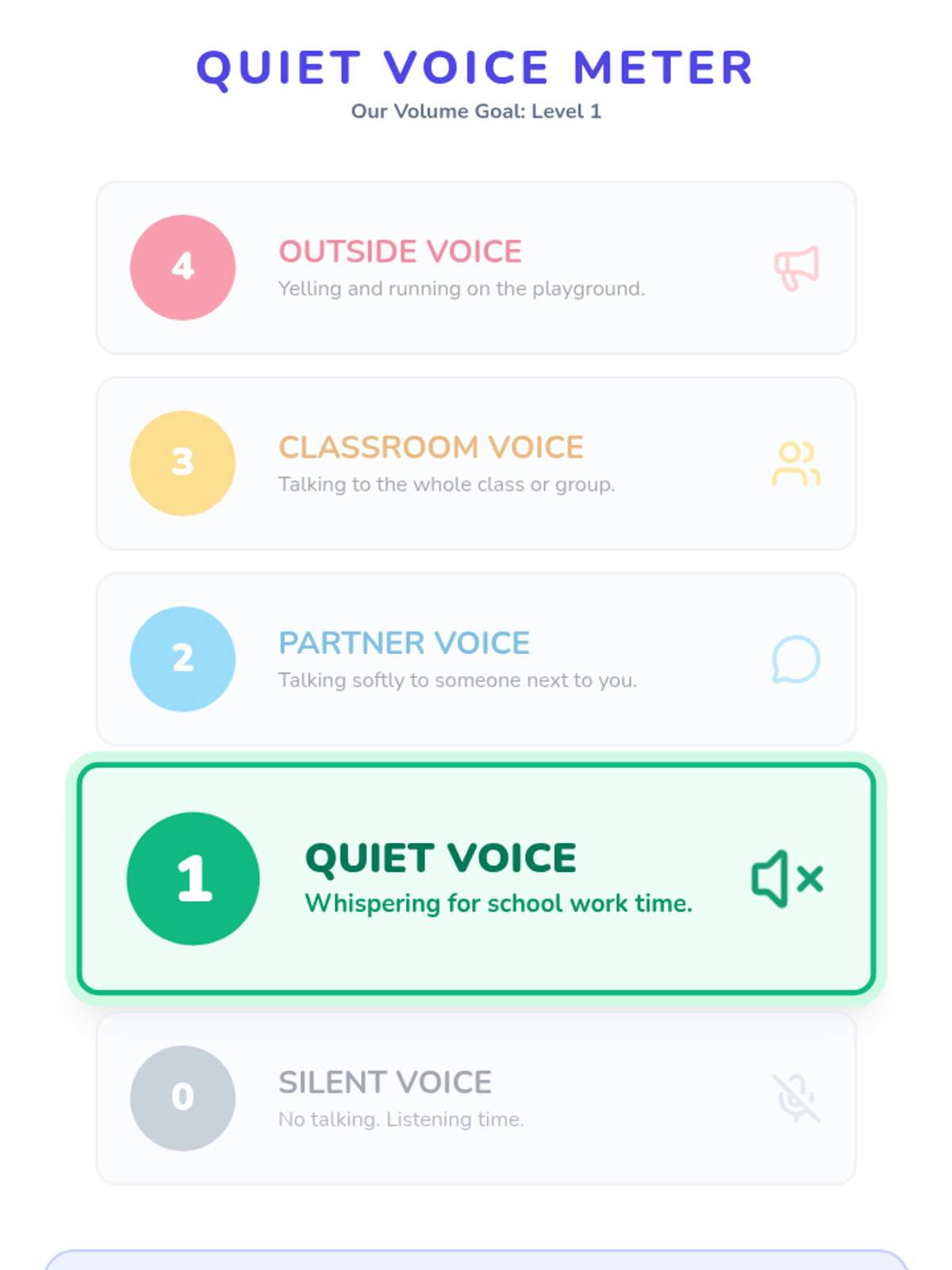
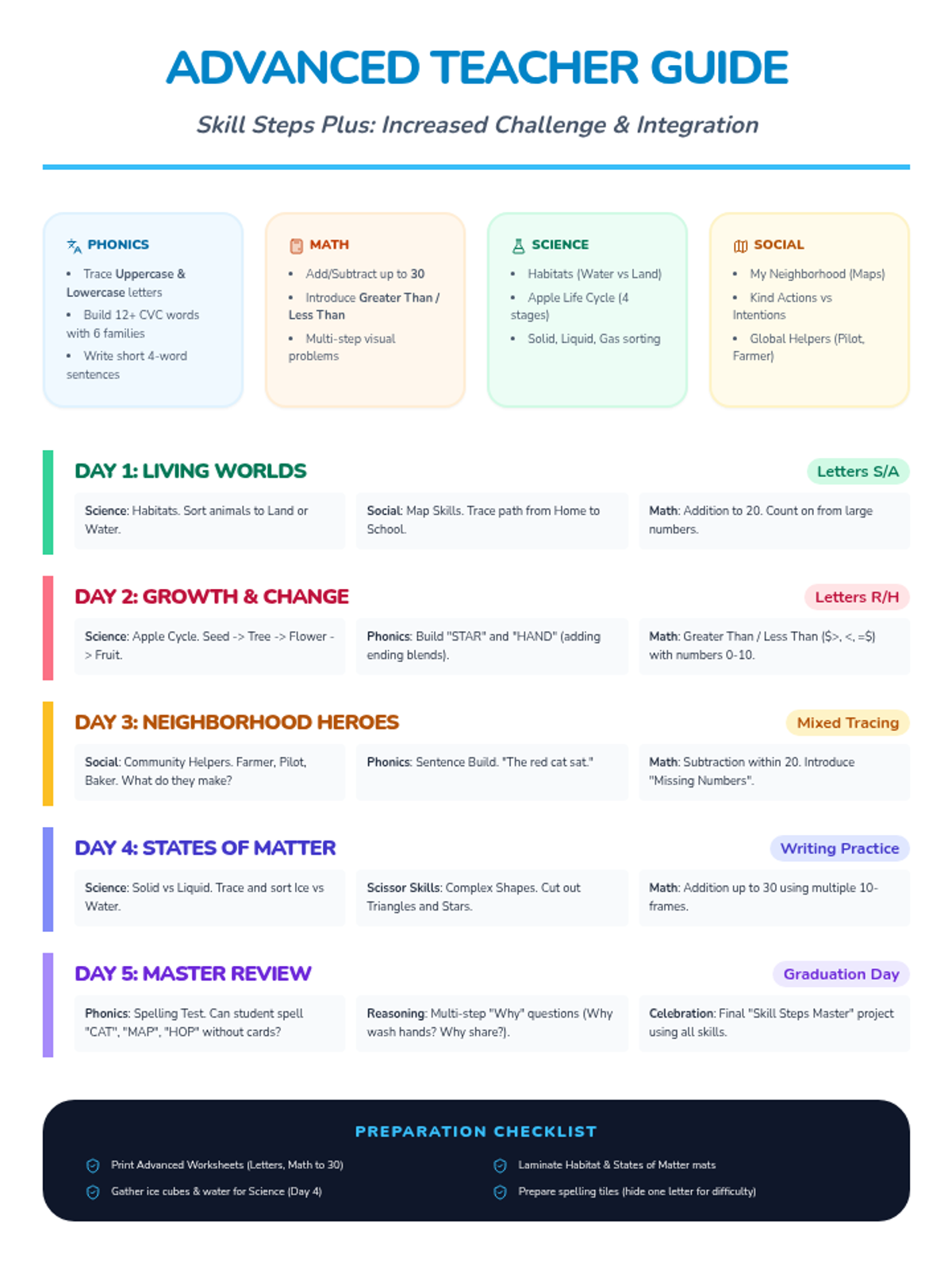
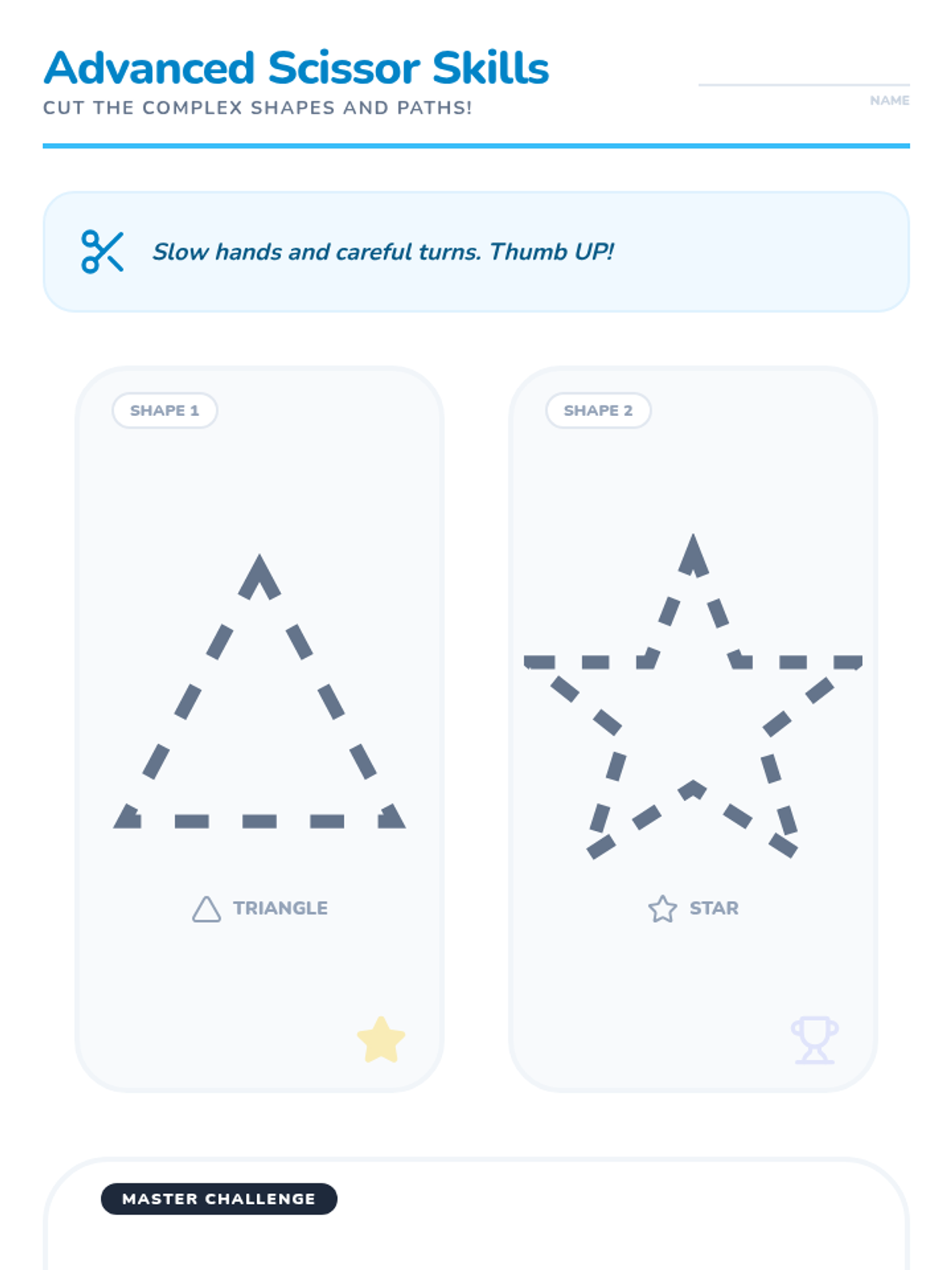
Review all letters, complex line cutting, CVC word sorting, subtraction within 20, and a celebration of 'quiet voice' mastery.
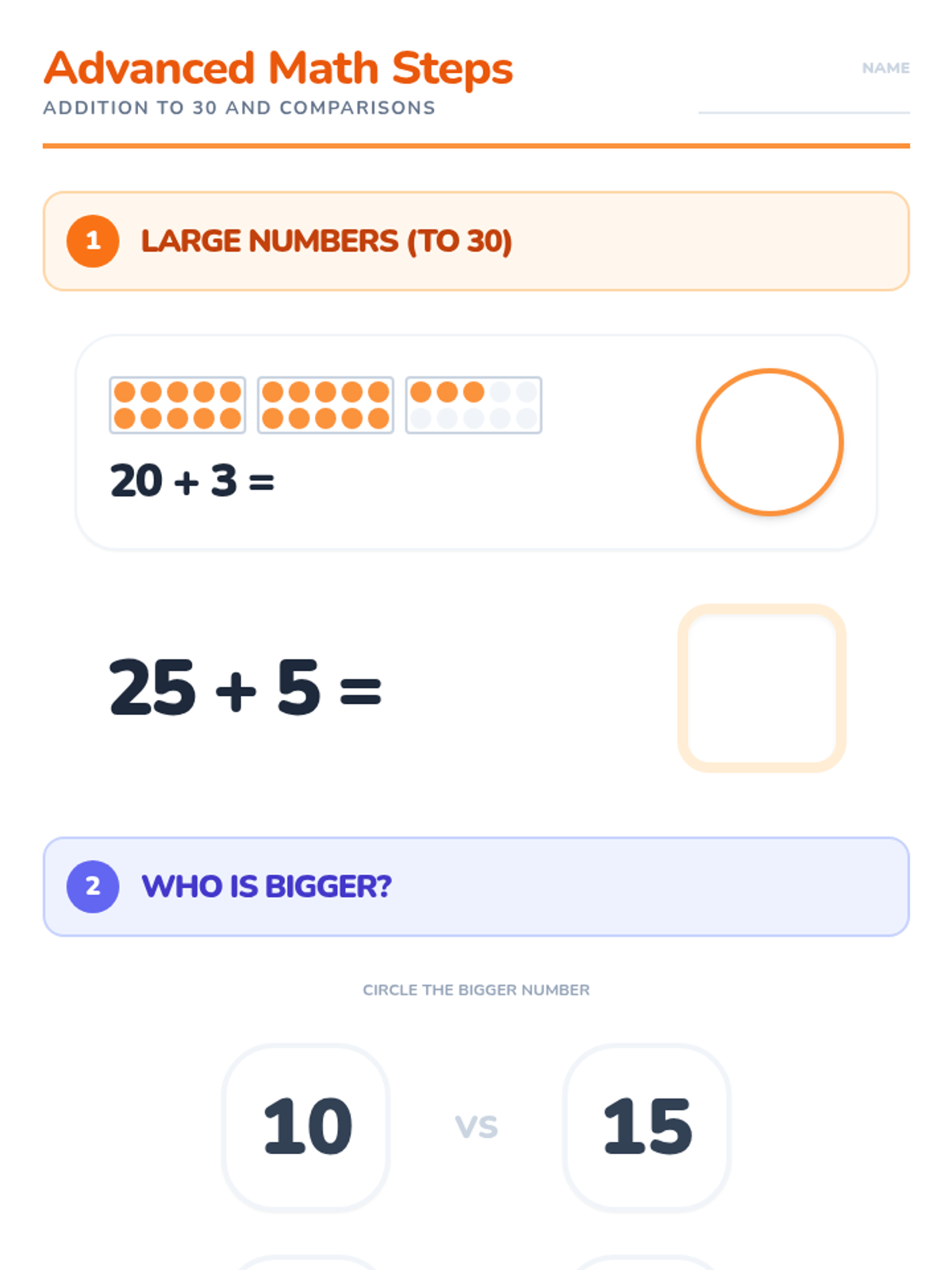
Focus on the letter 'h', shape cutting, 'ap/op' family building, addition within 20, and self-monitoring the 'quiet voice'.
Focus on the letter 'r', curved line cutting, 'an' family CVC words, mixed math within 10, and maintaining a 'quiet voice'.
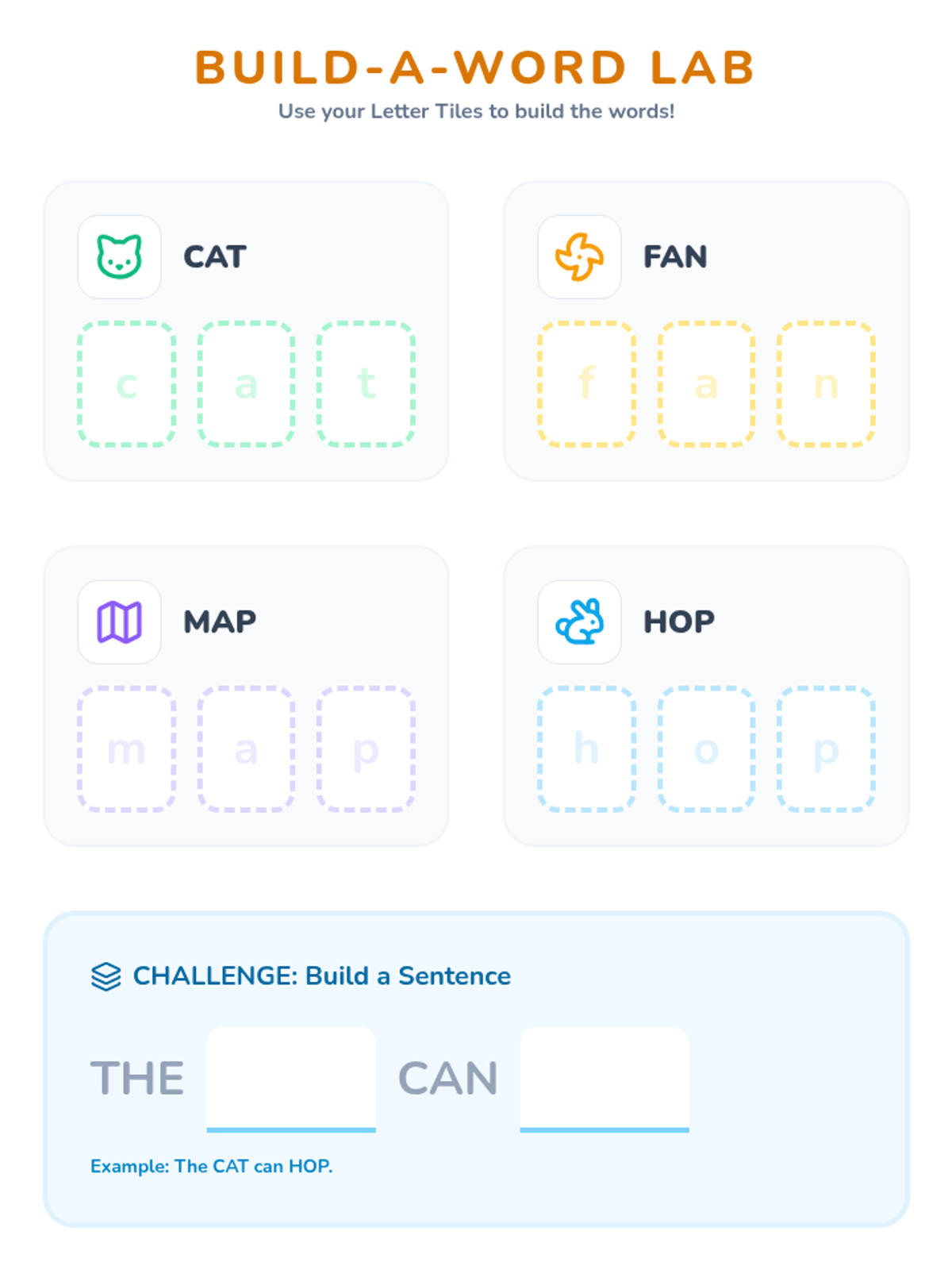
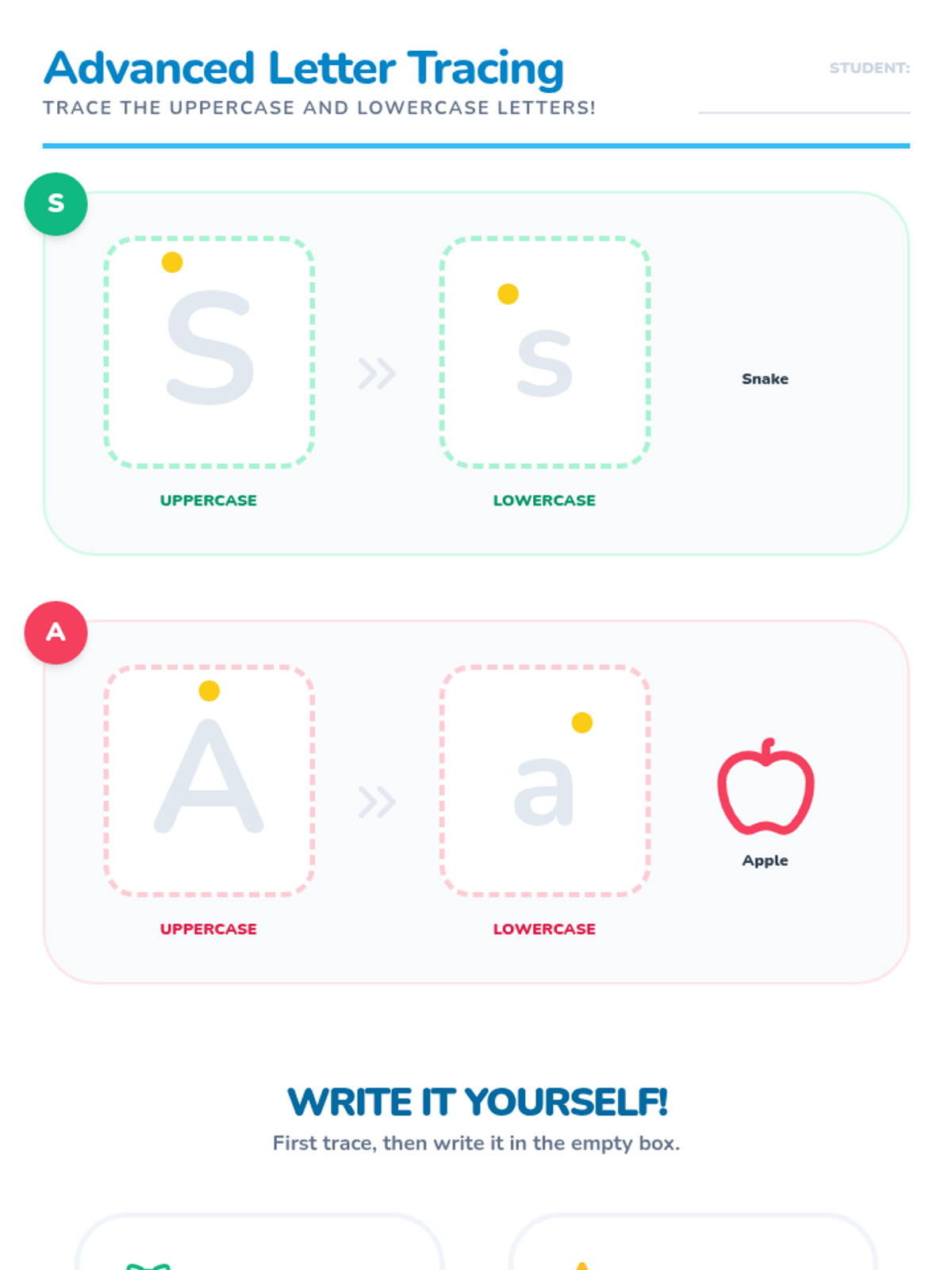
Focus on the letter 'a', zigzag line cutting, 'at' family building, subtraction within 10, and practicing the 'quiet voice'.
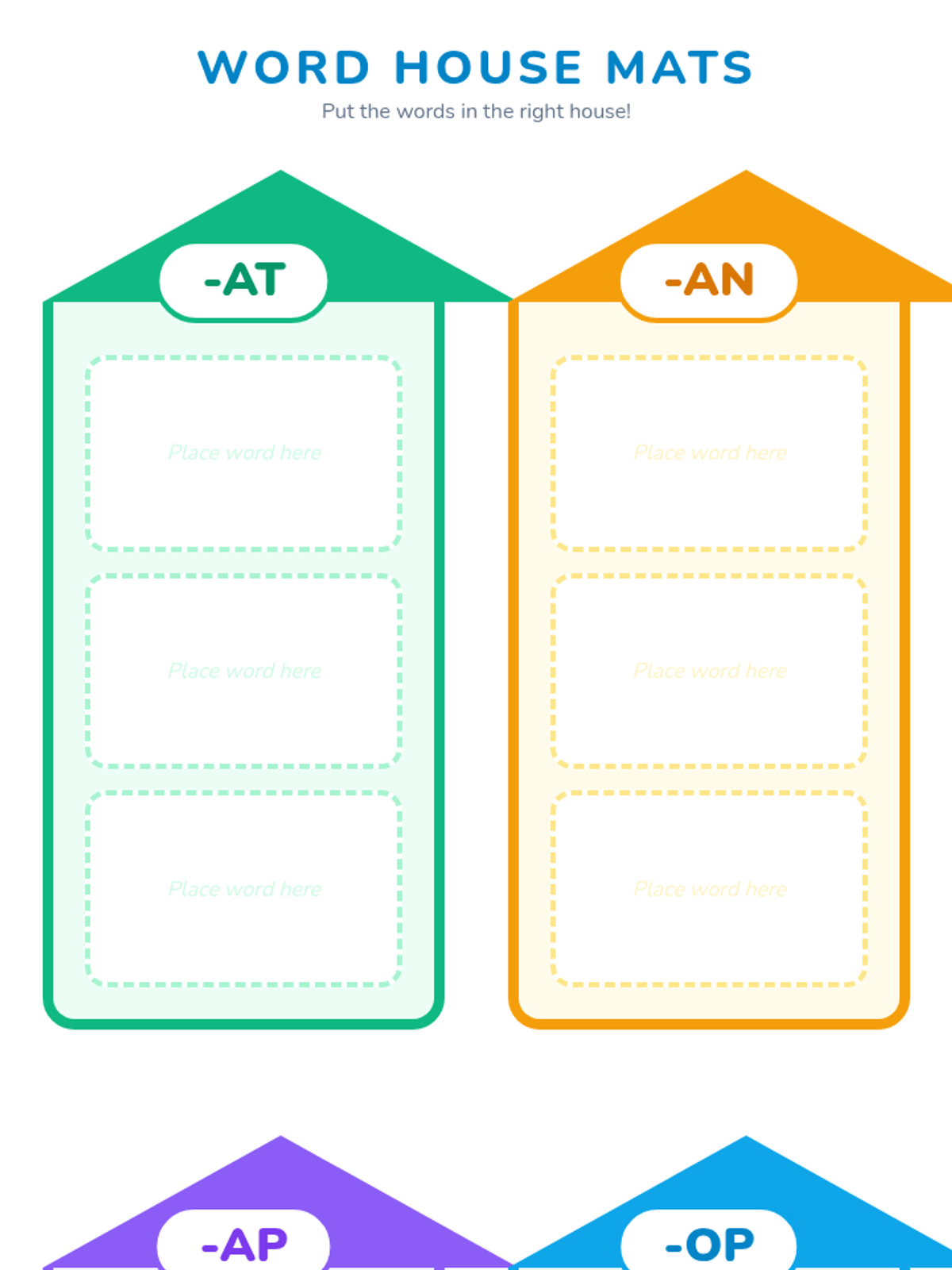
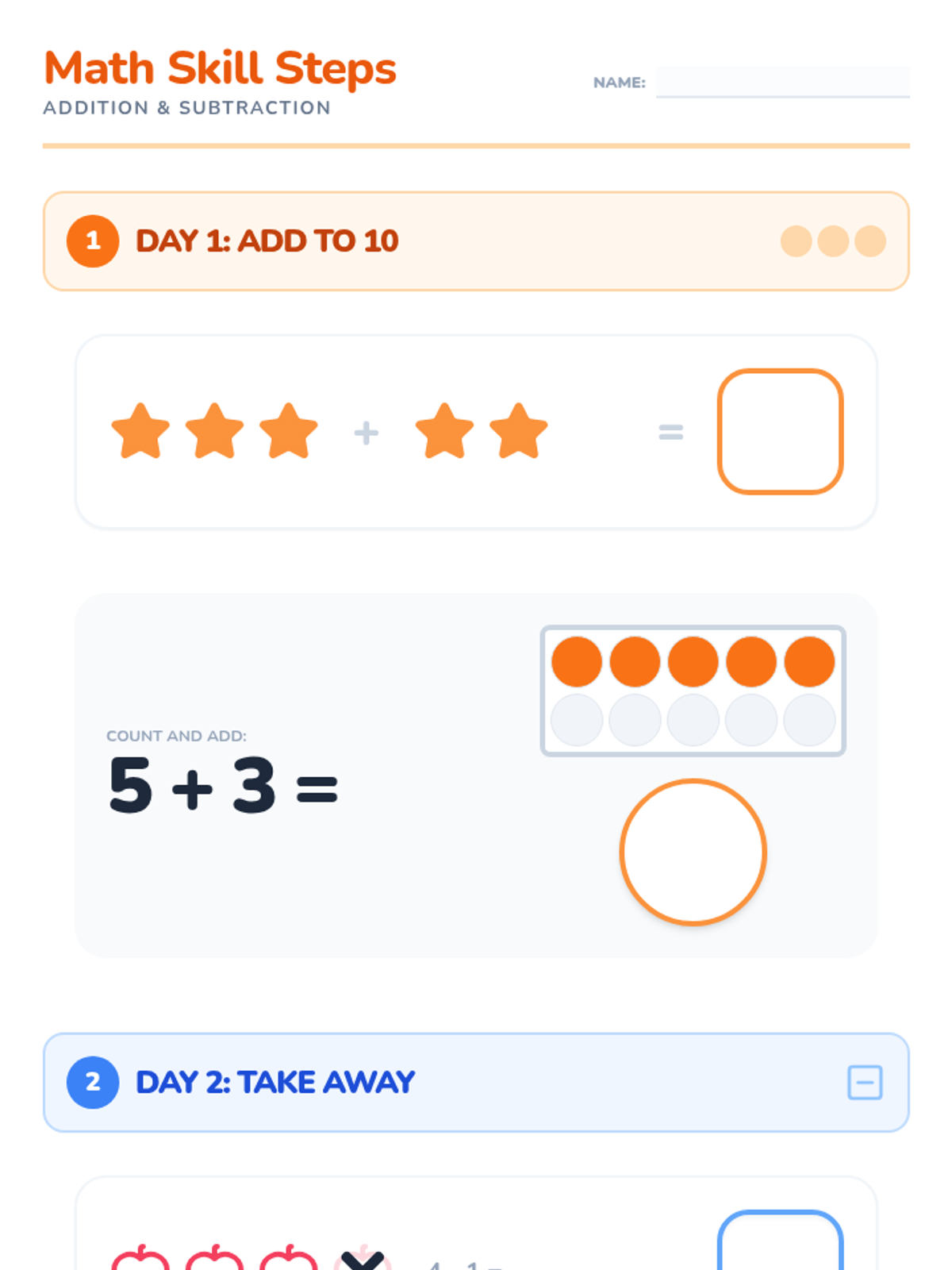
Focus on the letter 's', straight line cutting, 'at' family CVC words, and addition within 10 using visual supports.
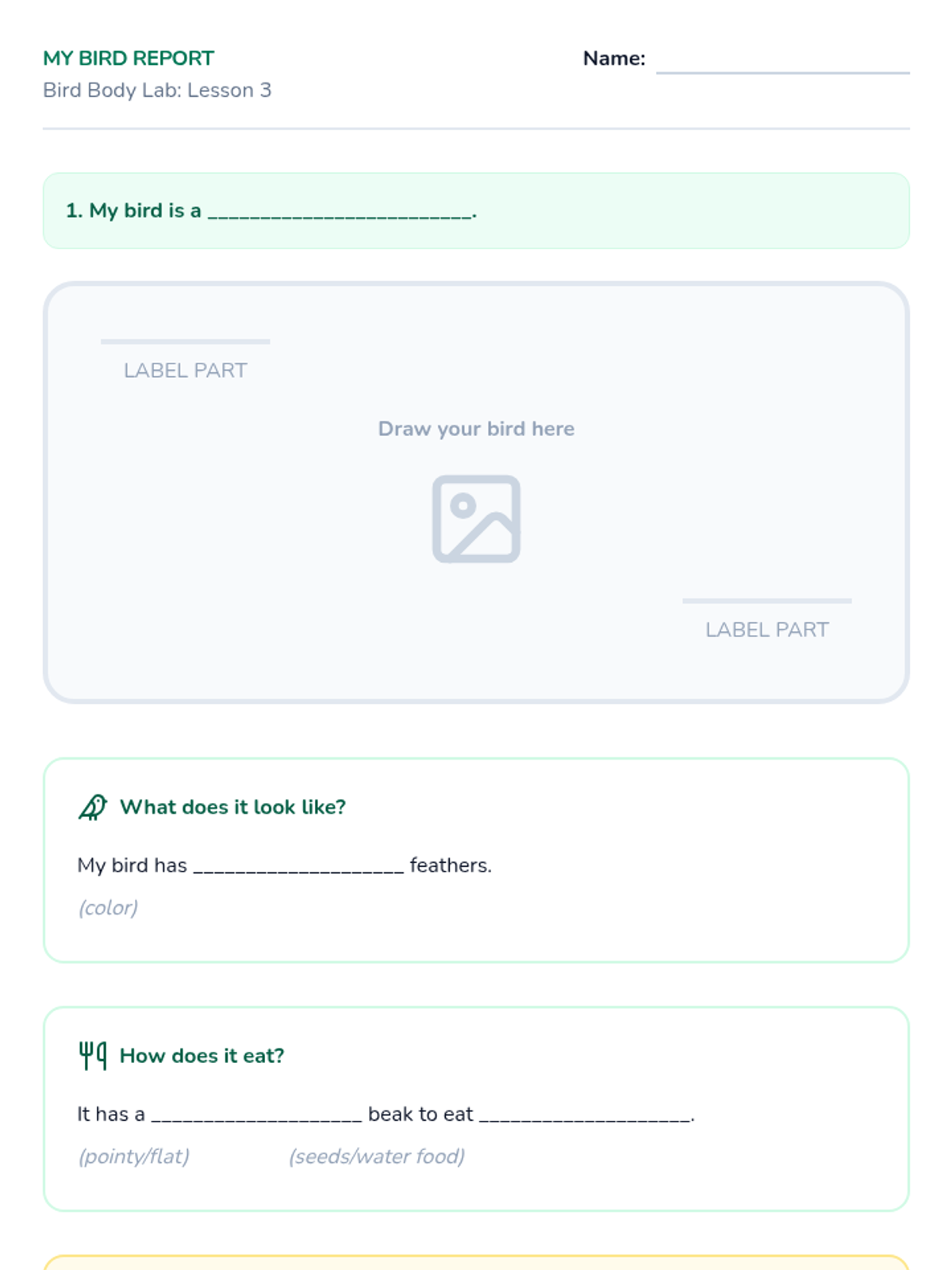
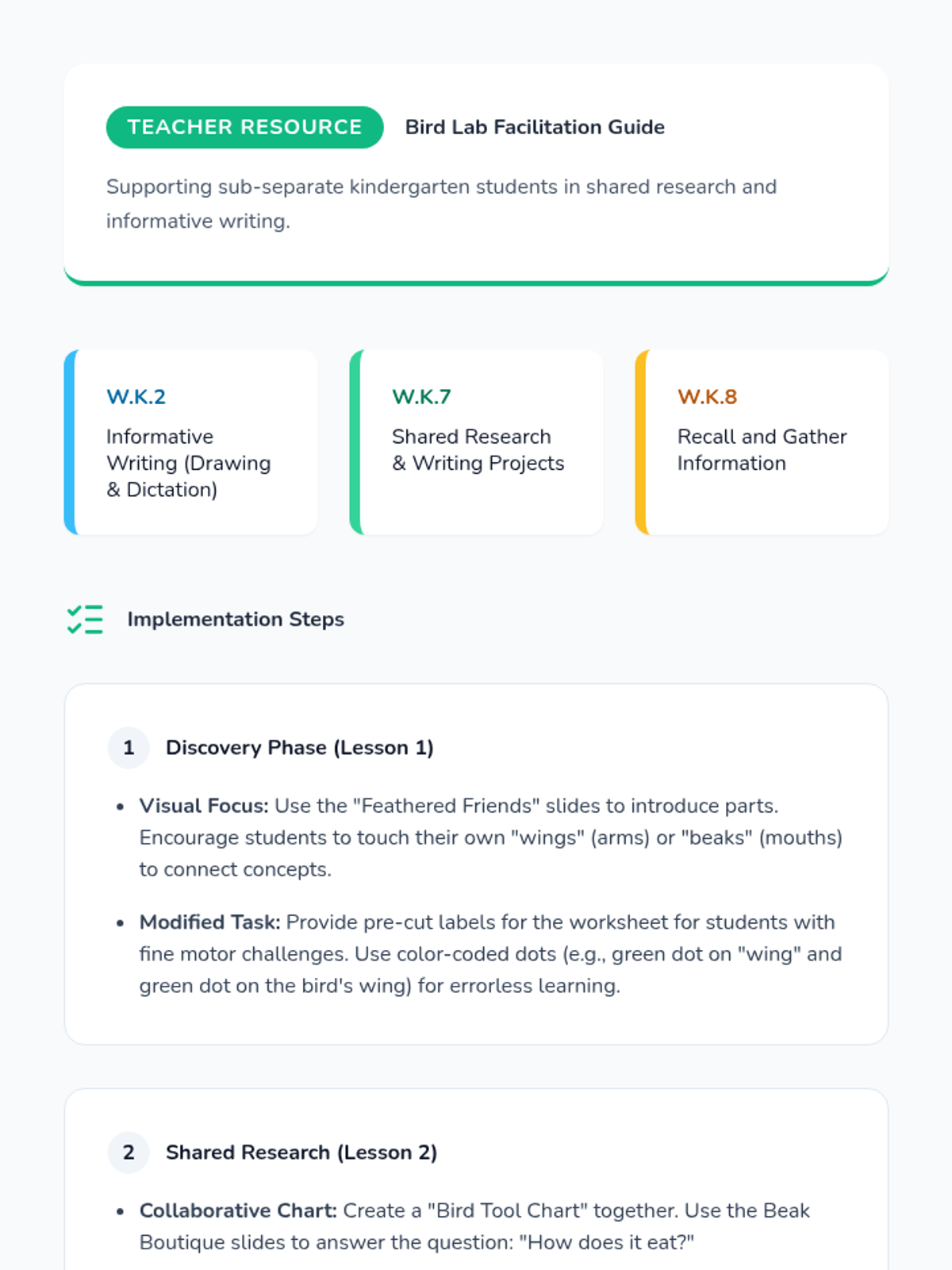
Students compose a simple informative report about a bird using a combination of drawing and dictation/writing with high levels of visual support. Focuses on informative writing (W.K.2).
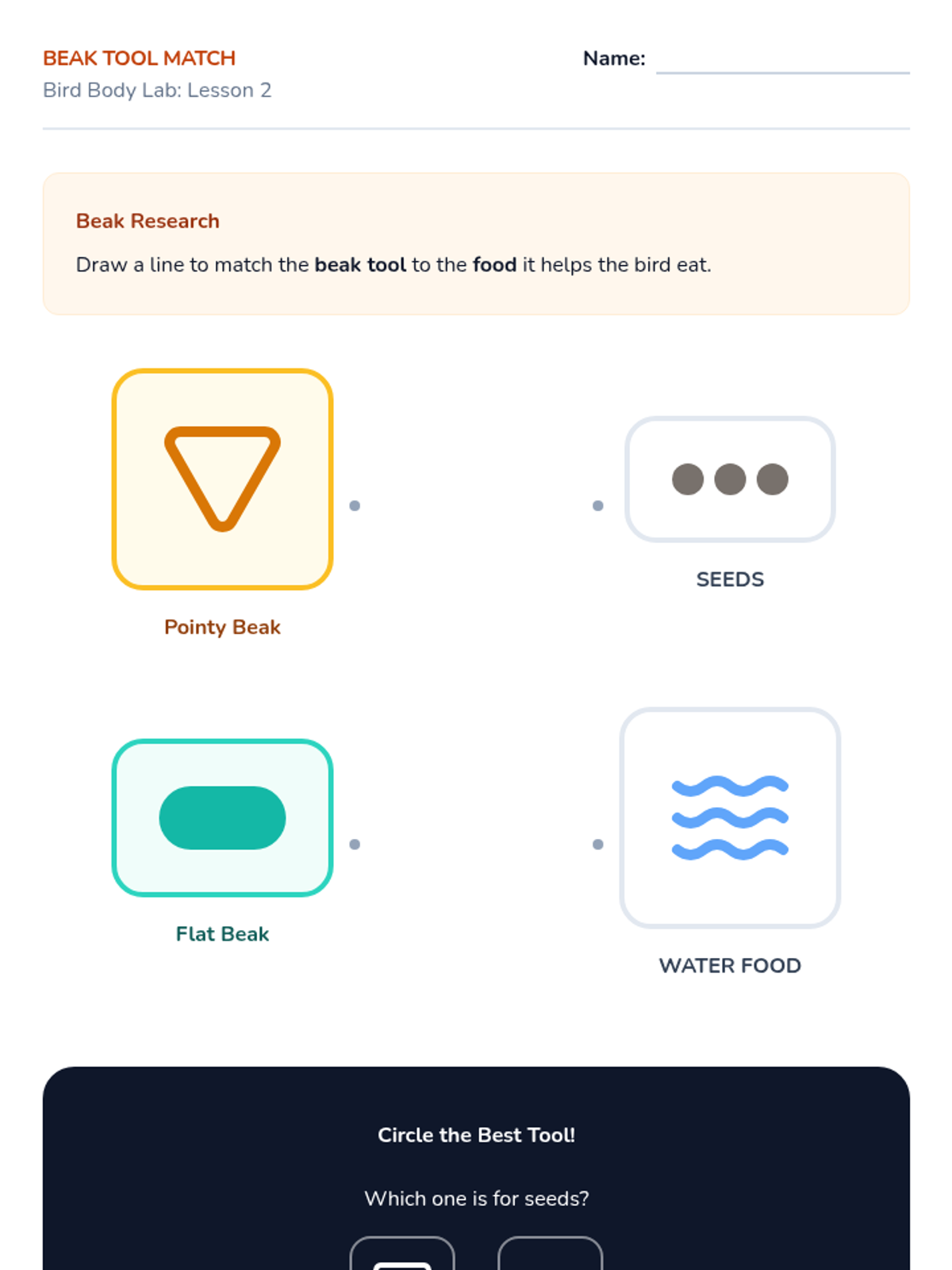
Students participate in shared research to discover how different beaks help birds eat different foods. Focuses on shared research (W.K.7) and answering questions from sources (W.K.8).
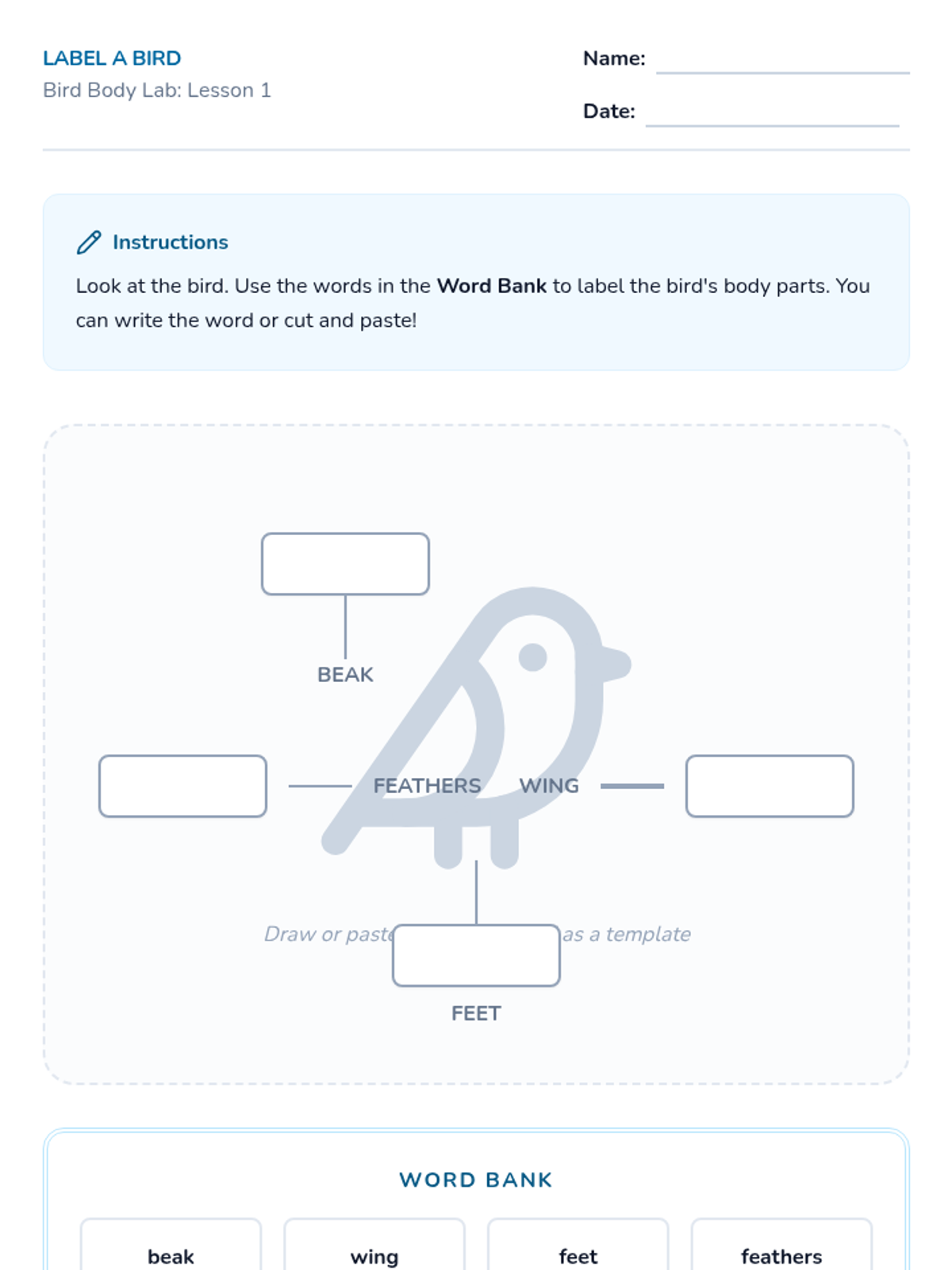
Students identify basic bird body parts (wings, feathers, beak, feet) using high-interest visuals and simple labeling tasks. Focuses on gathering information from visual sources (W.K.8).
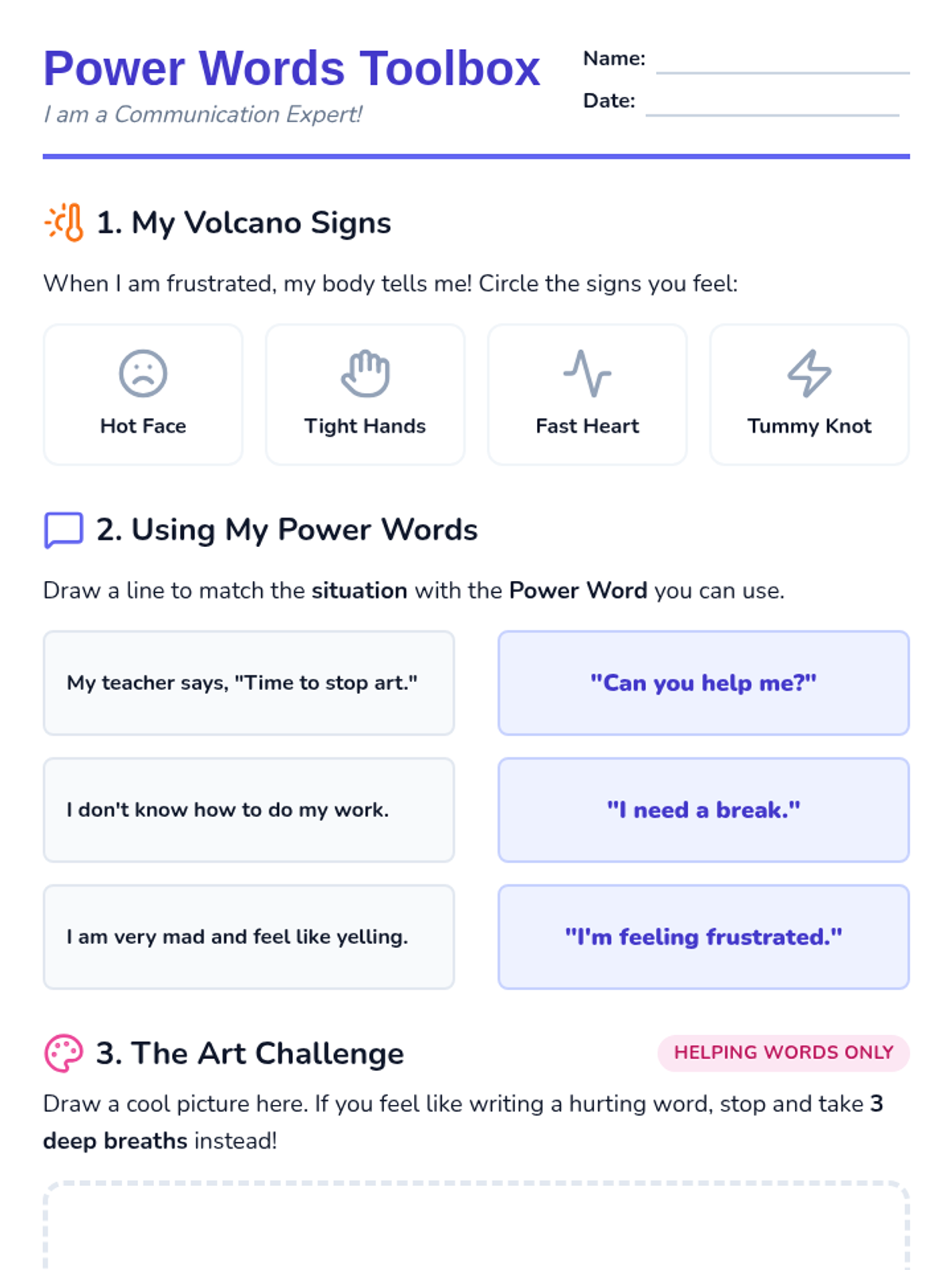
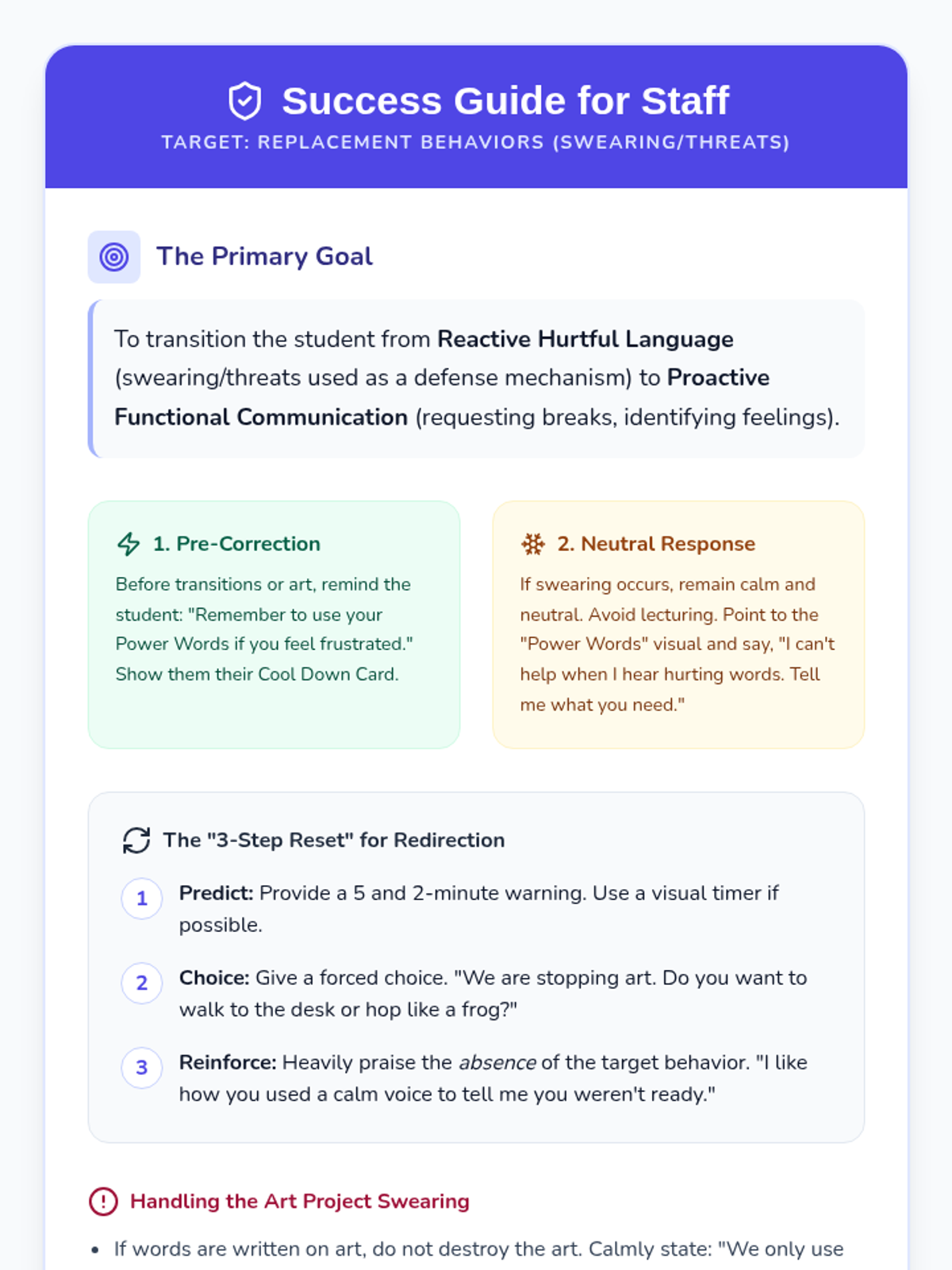
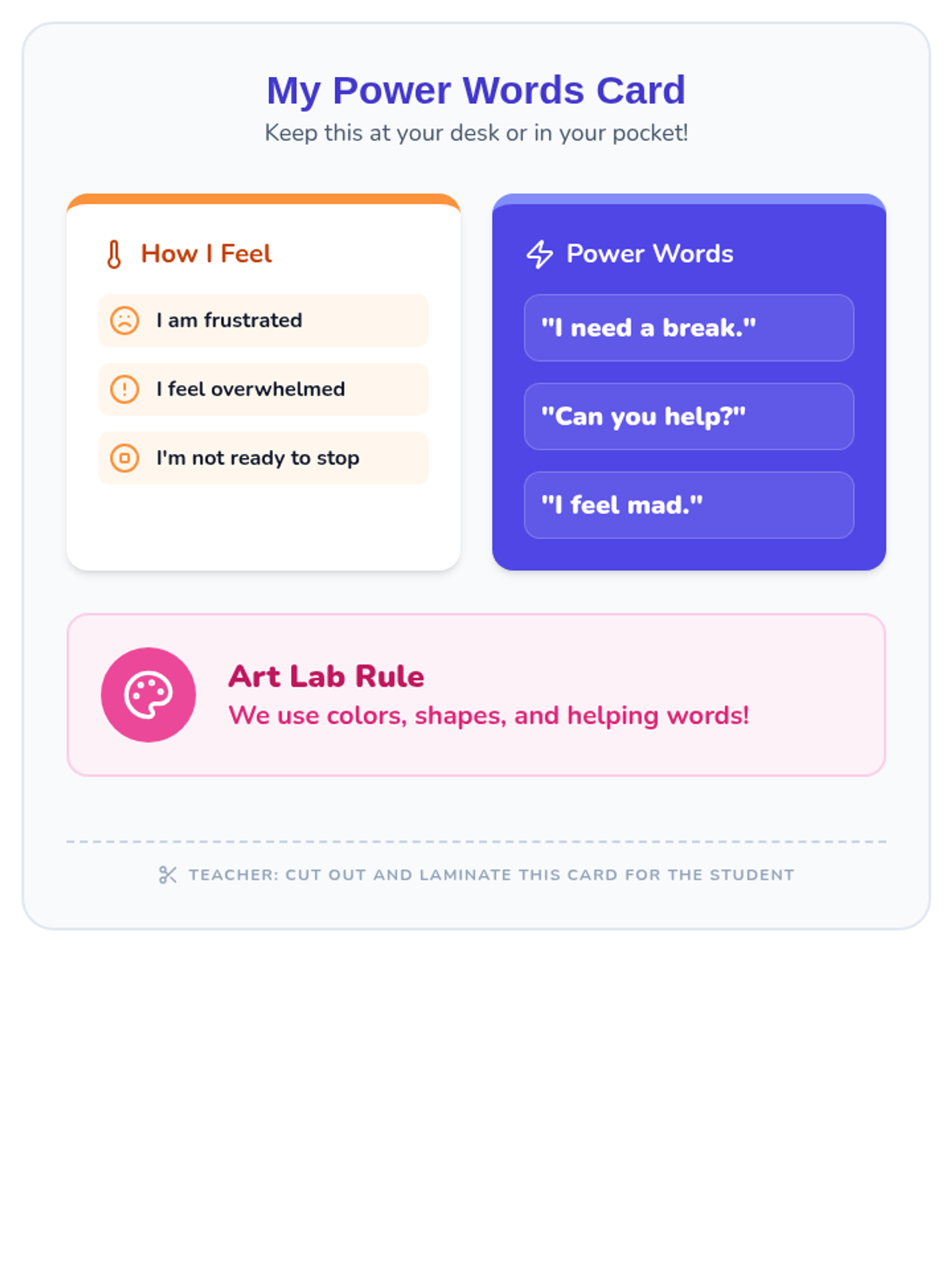
A targeted intervention lesson designed to help students with autism replace swearing and threats with functional communication and self-regulation strategies. This lesson focuses on identifying triggers like redirection and provides concrete 'Power Words' to use instead.