Week 1 focuses on looking back at favorite moments, triumphs, and highlights from the past school year, while acknowledging the complex emotions that come with endings.
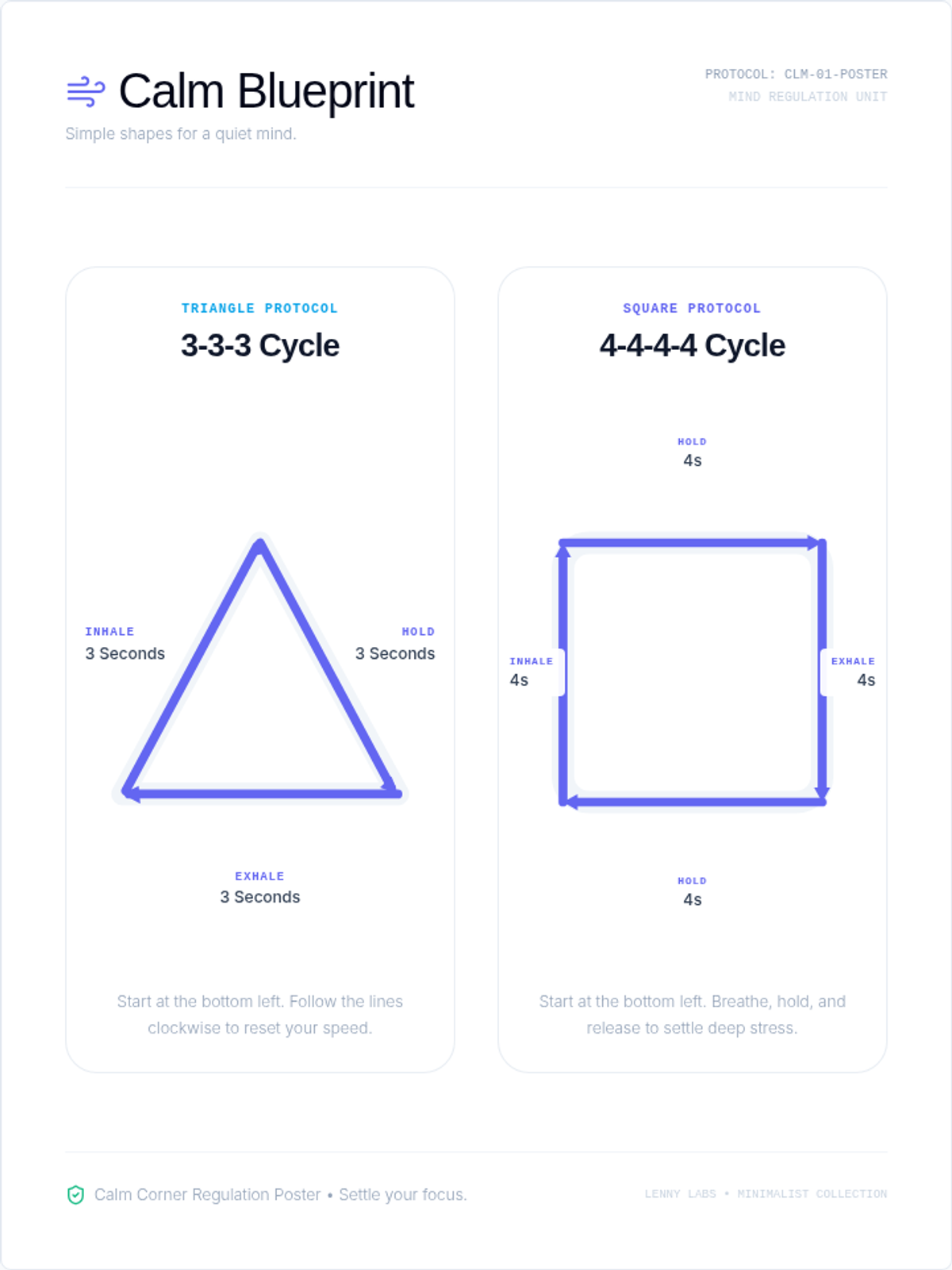
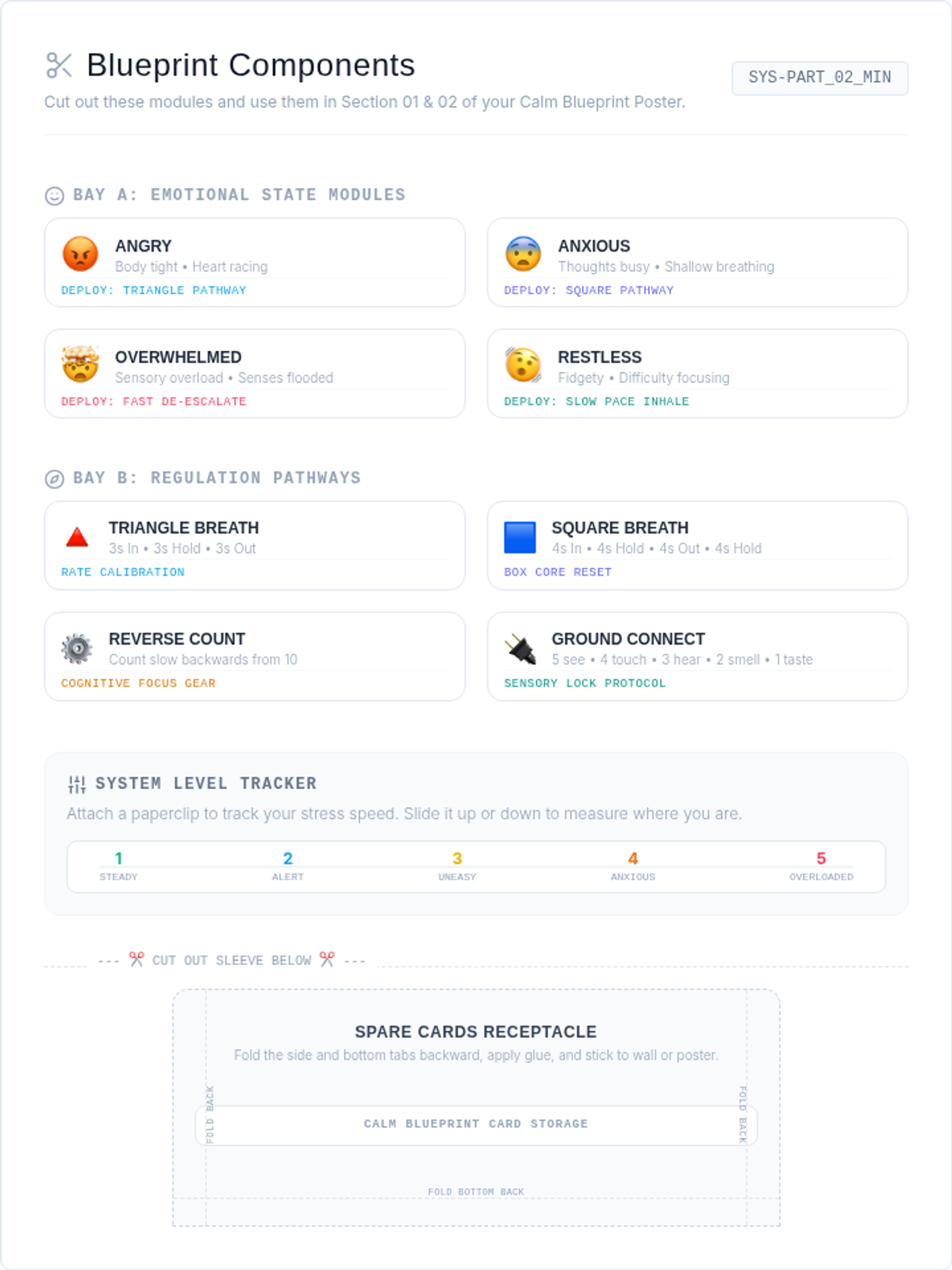
An interactive mental engineering toolkit that teaches children deep breathing exercises using concrete shapes. Students use the visual anchor chart and movable feeling/strategy blueprints to regulate their emotions.
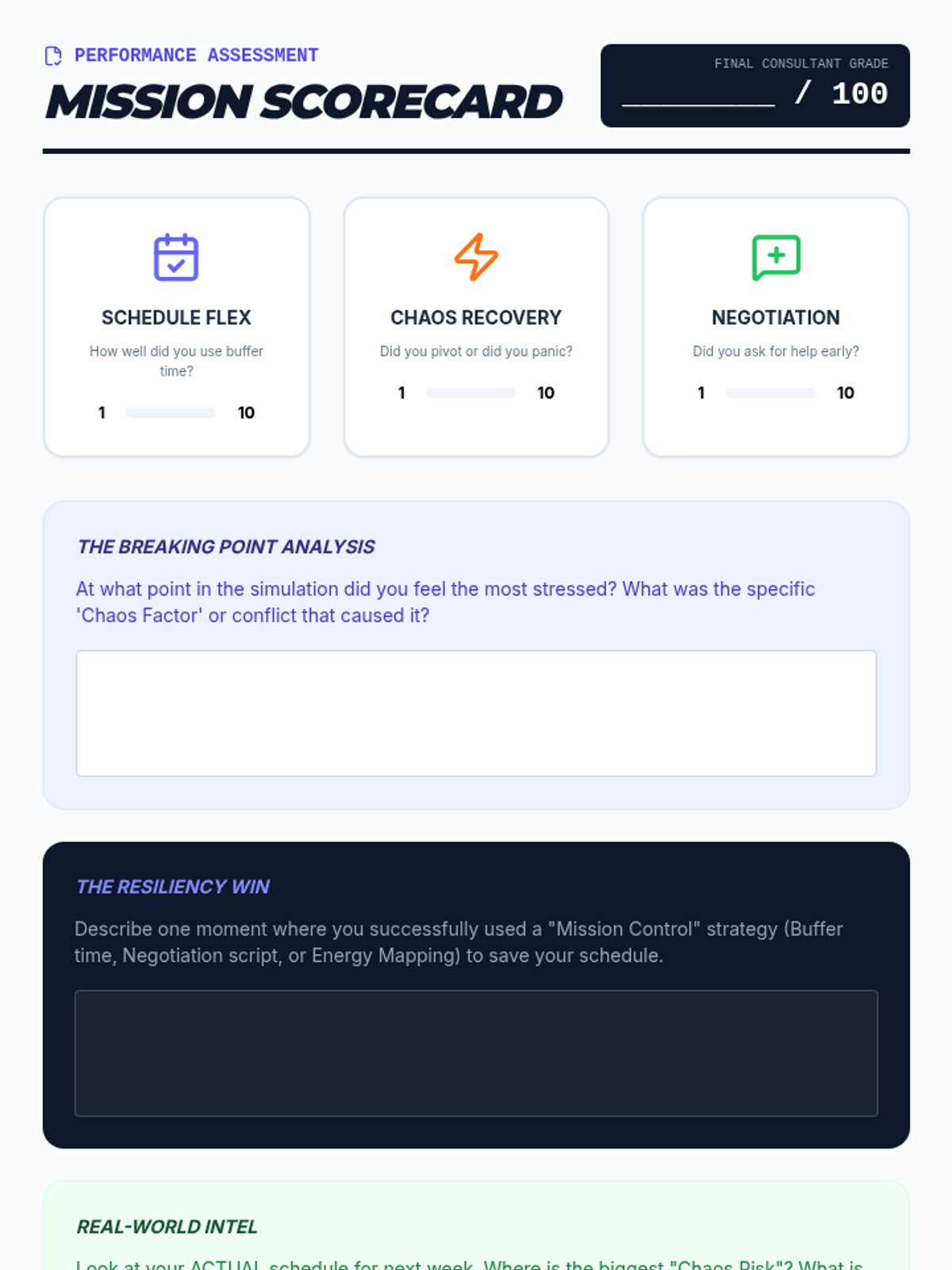
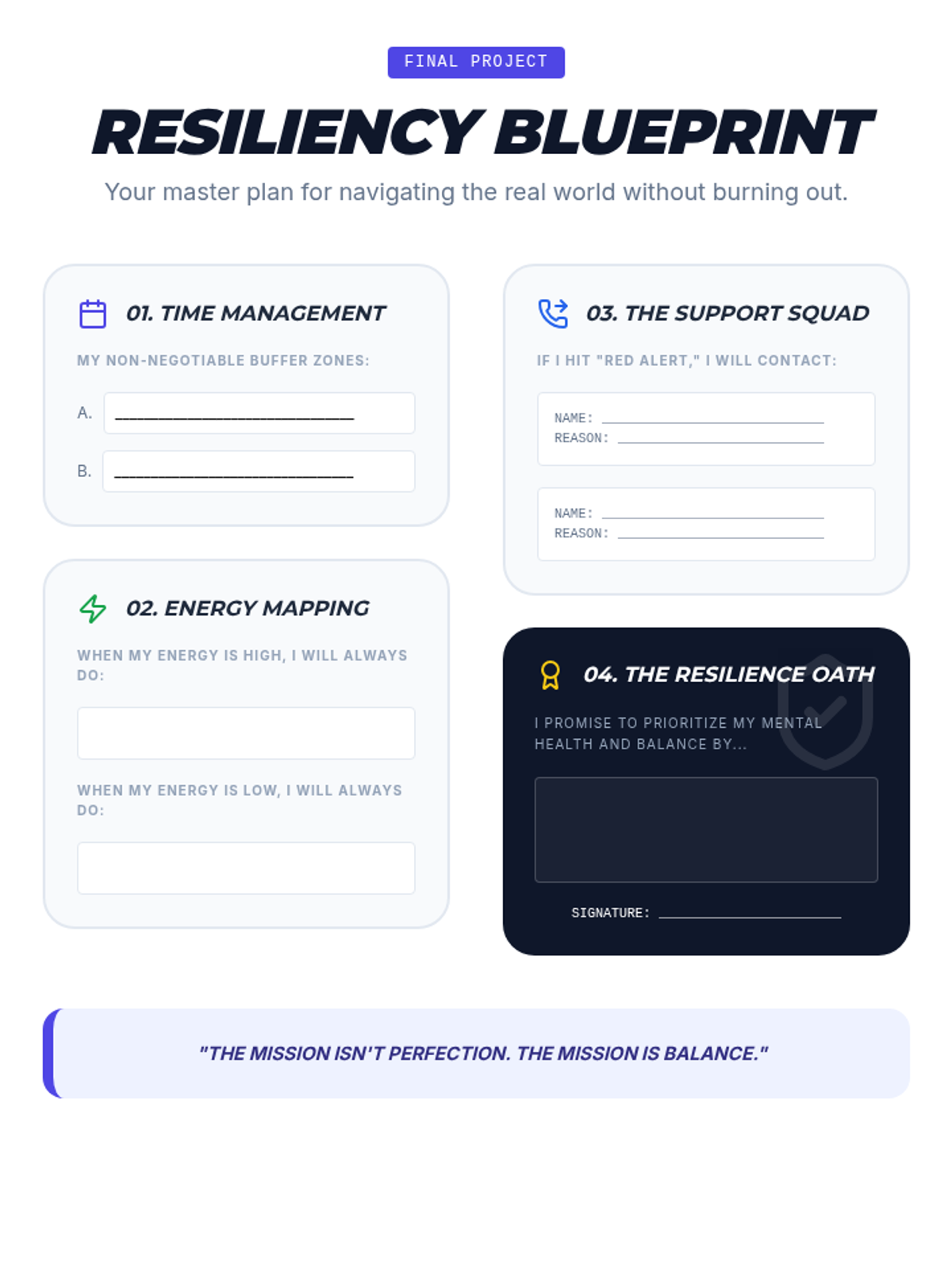
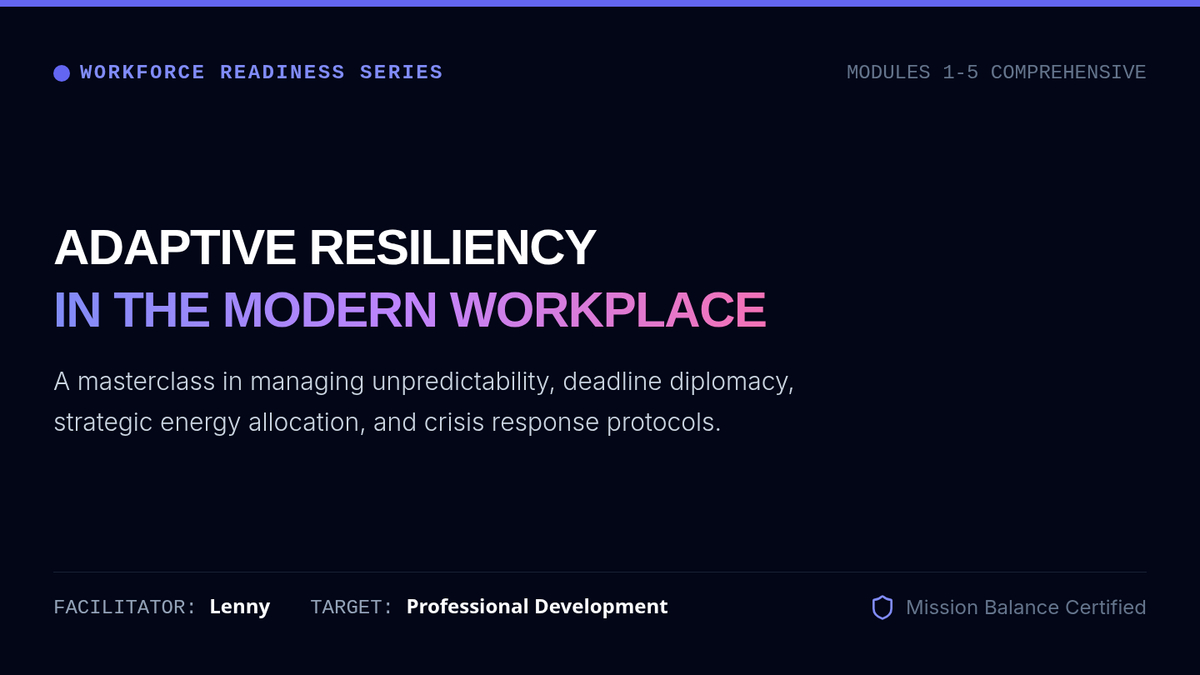
A final reflection on the simulation where students analyze their performance, identify breaking points, and create a long-term strategy for real-world balance.
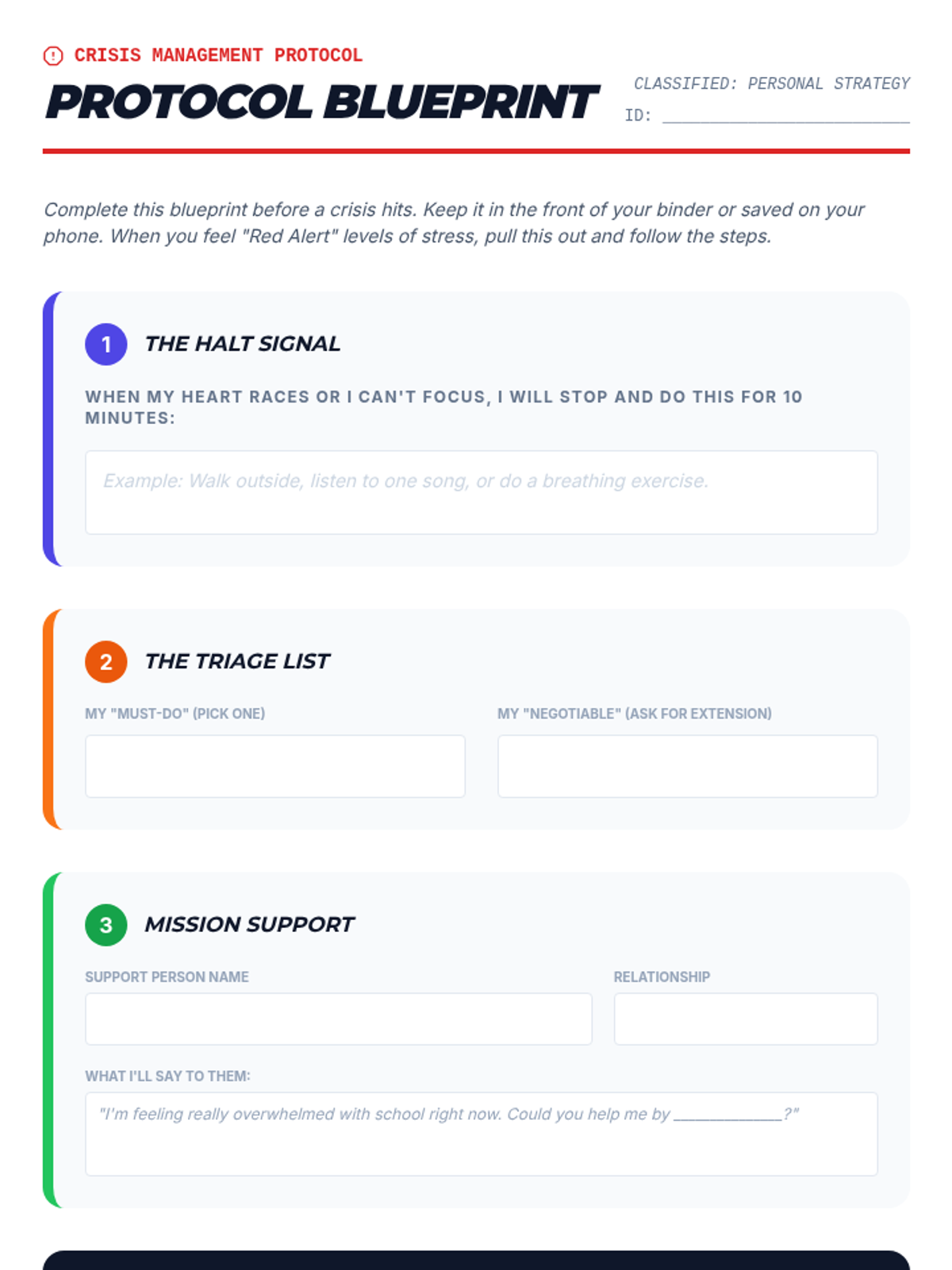
Students create a personal 'Emergency Protocol' for overwhelming situations, learning how to prioritize tasks to drop and identifying support systems for recovery.
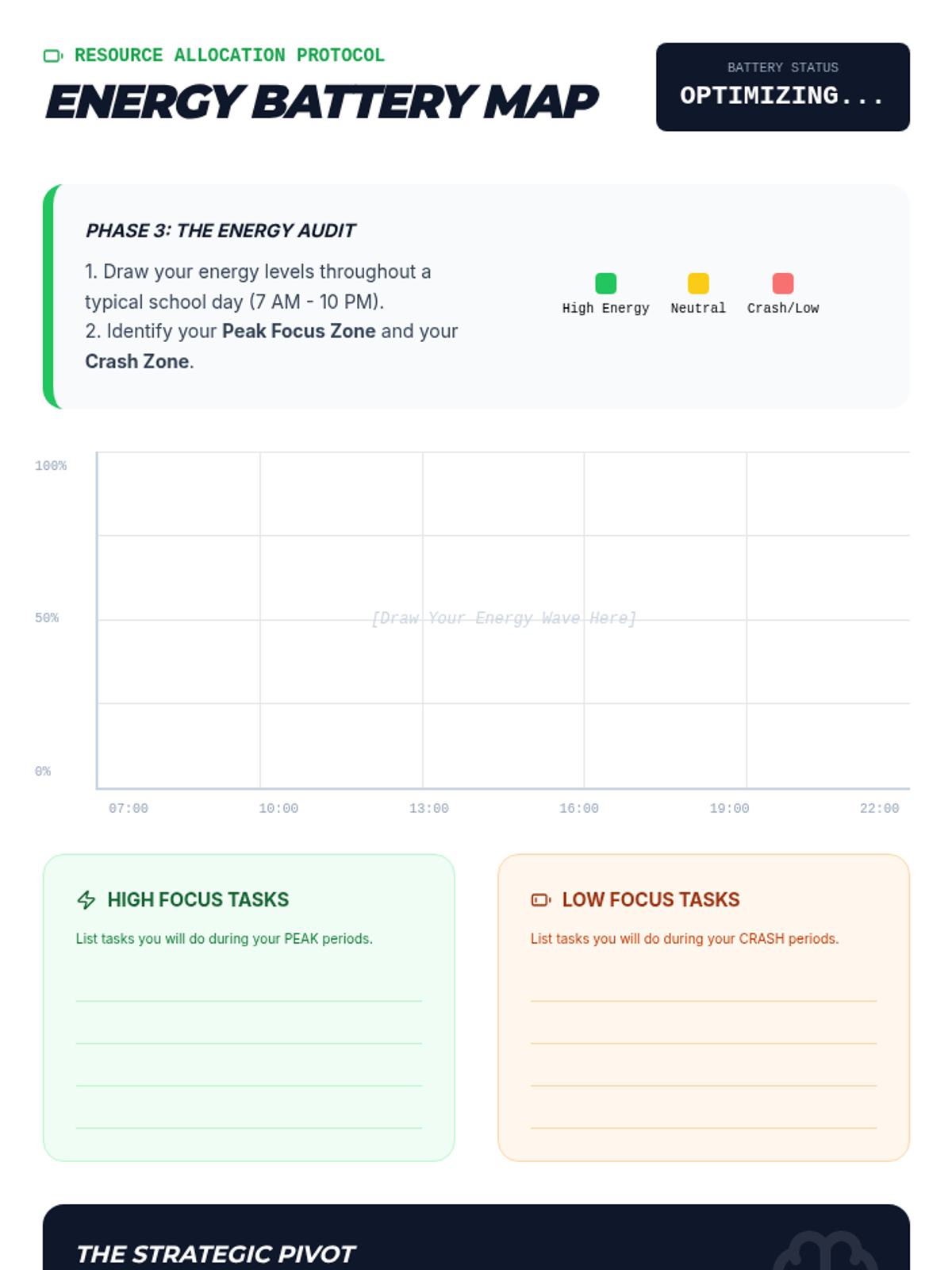
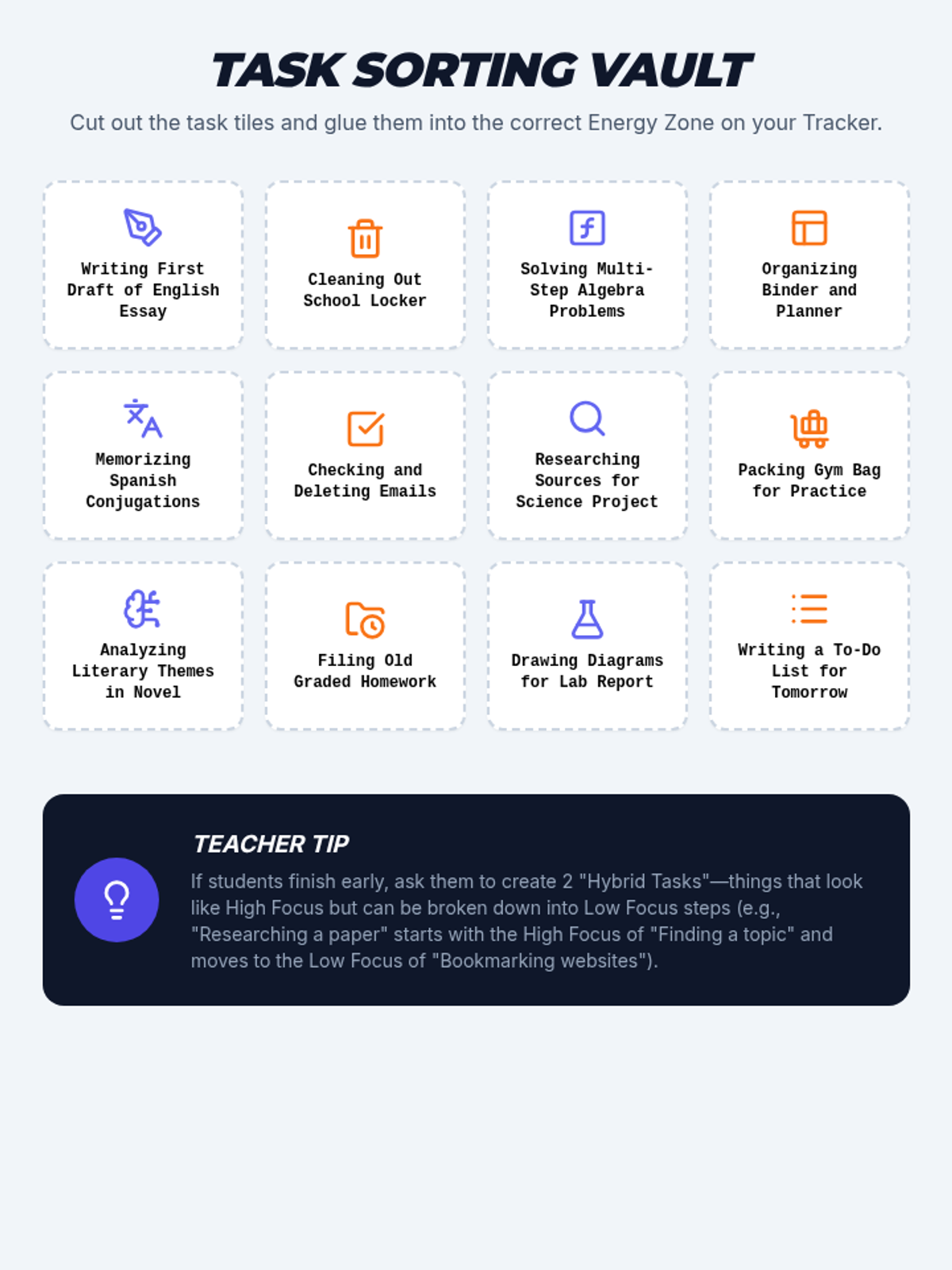
Students analyze their personal energy cycles to match high-demand tasks with high-energy periods, moving beyond simple time management to strategic resource allocation.
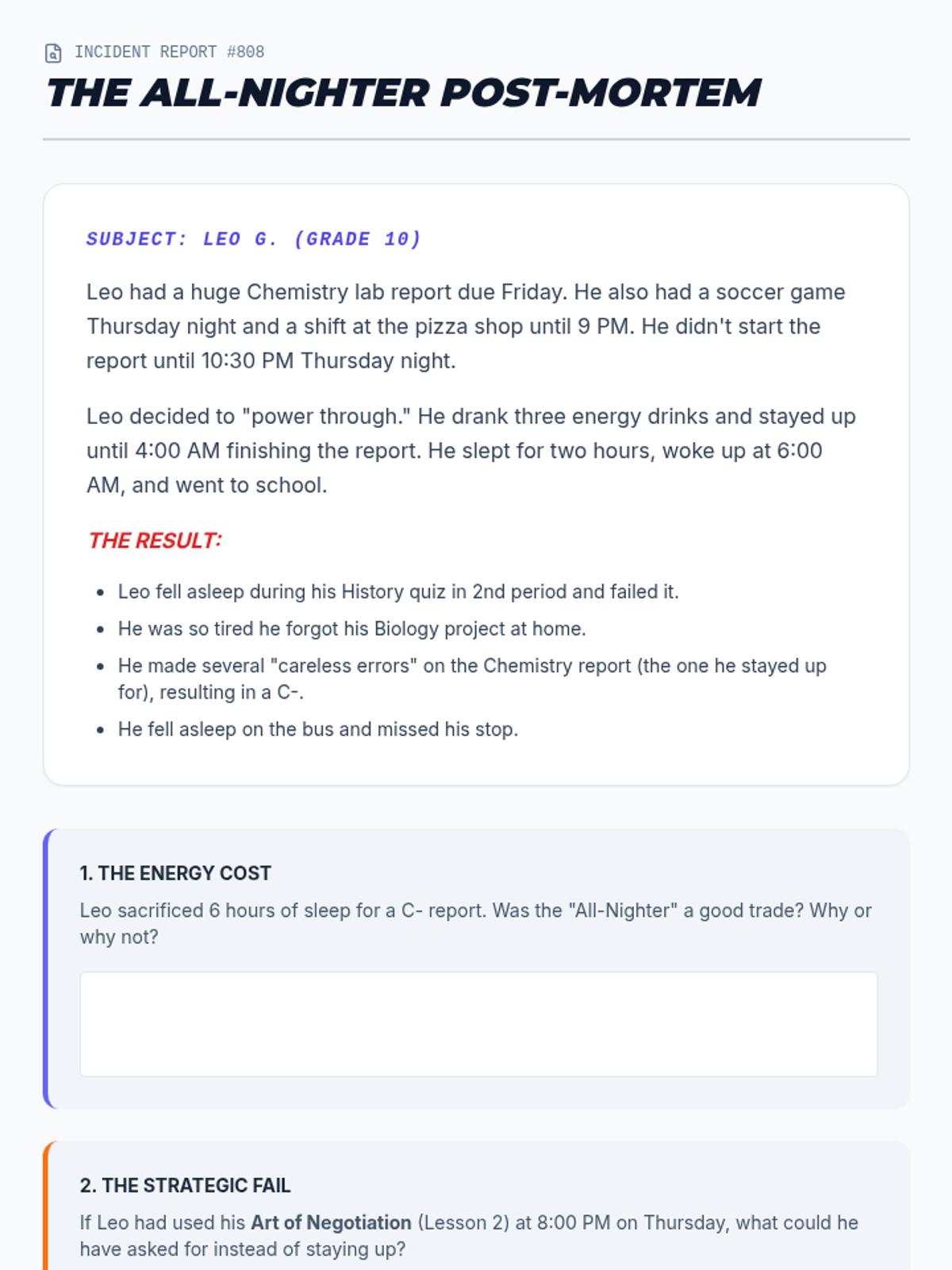
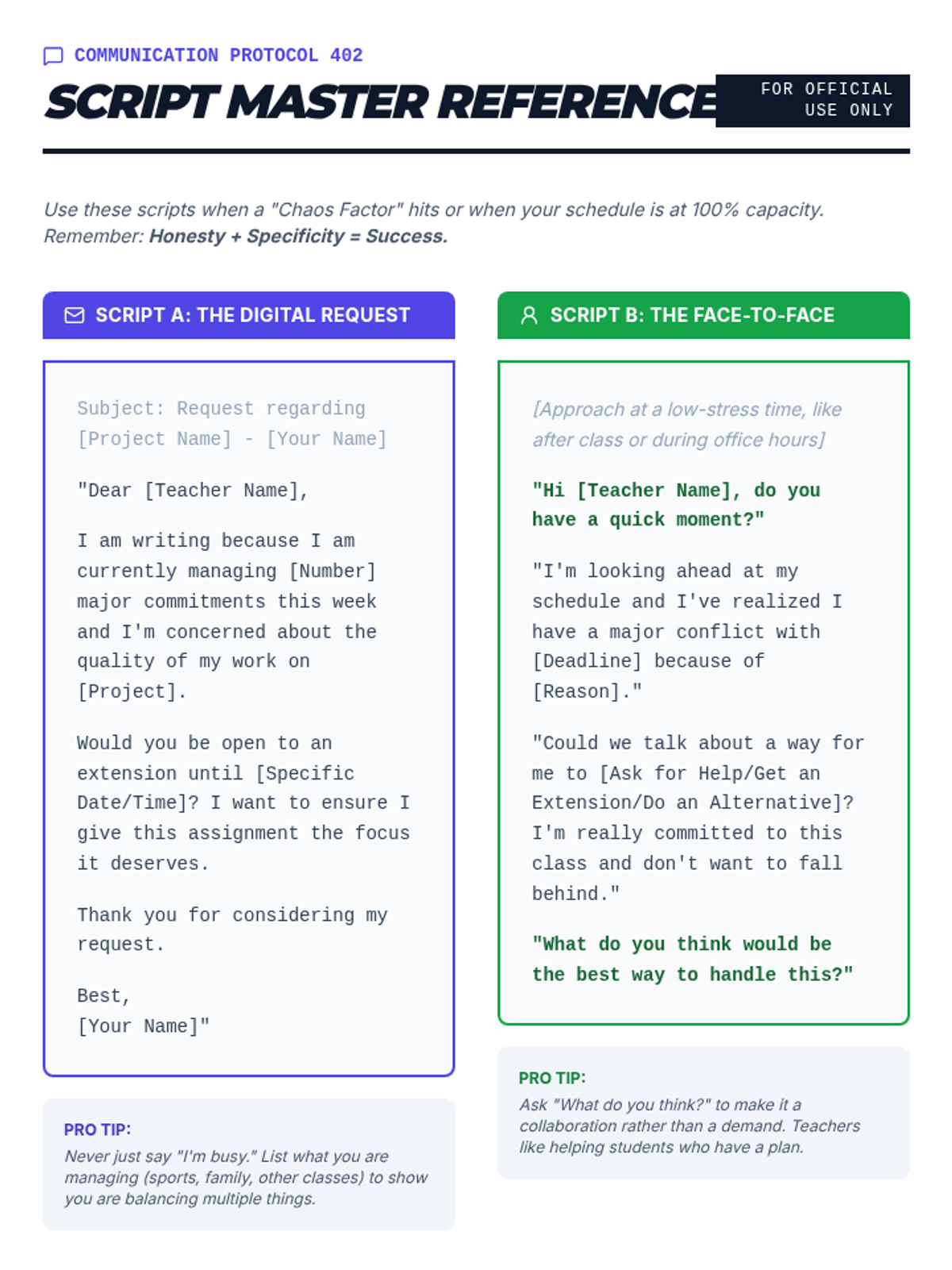
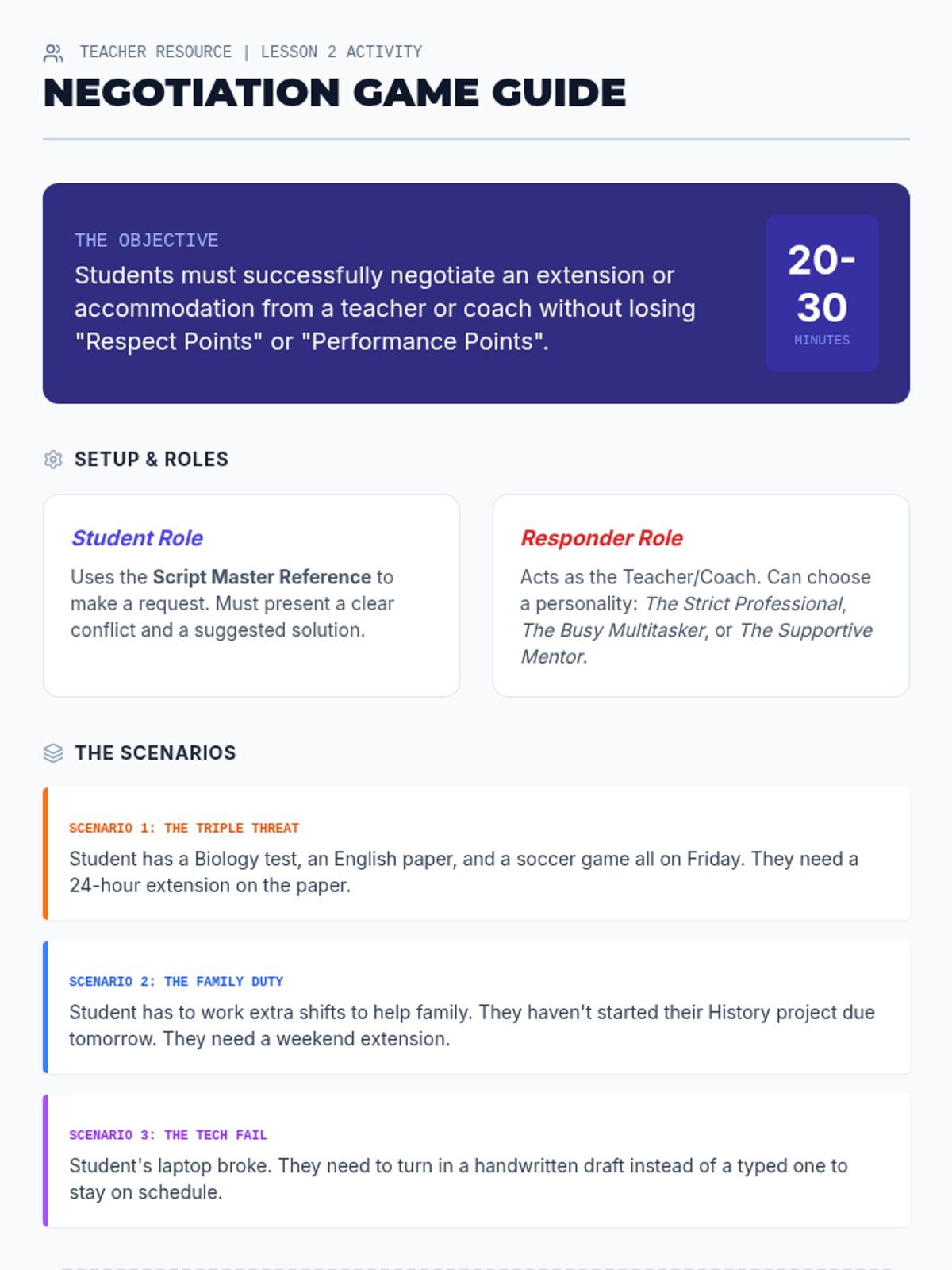
Focuses on professional communication and the distinction between hard and soft deadlines. Students practice scripts to negotiate extensions and help before a crisis occurs.
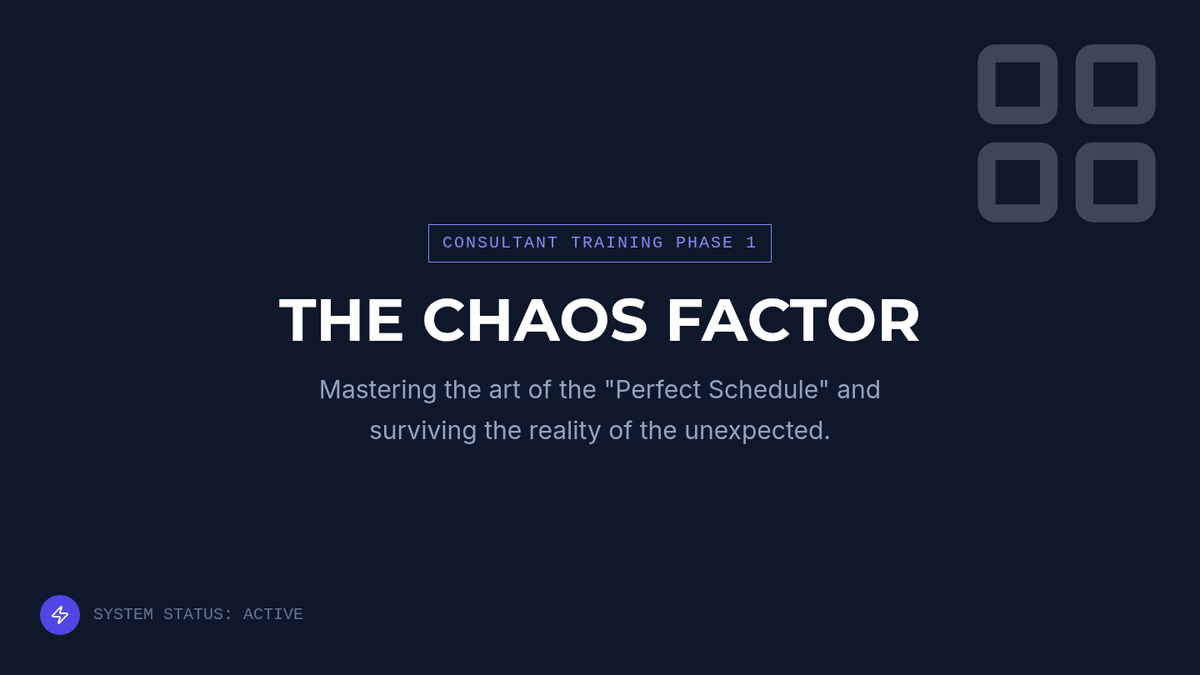
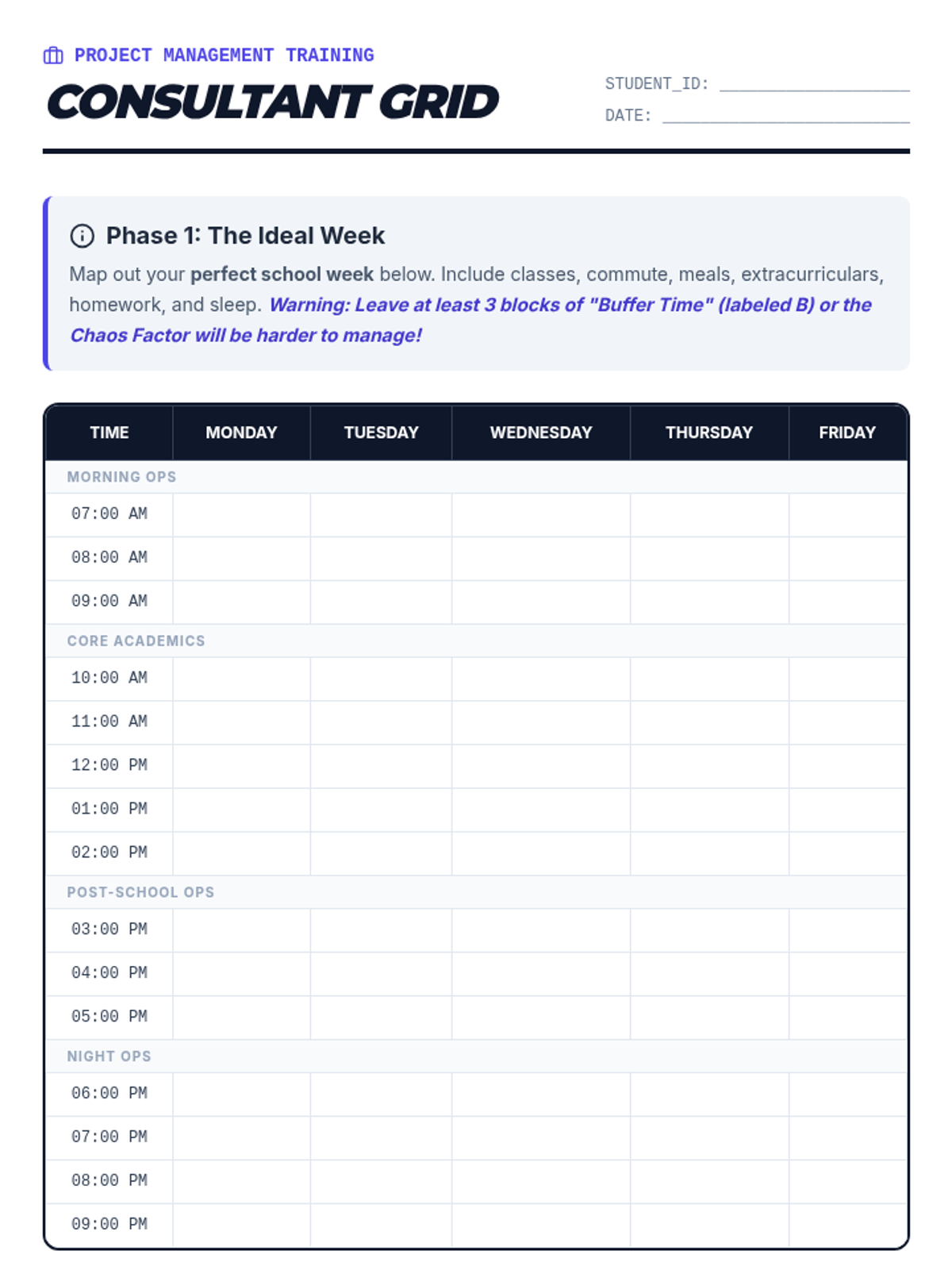
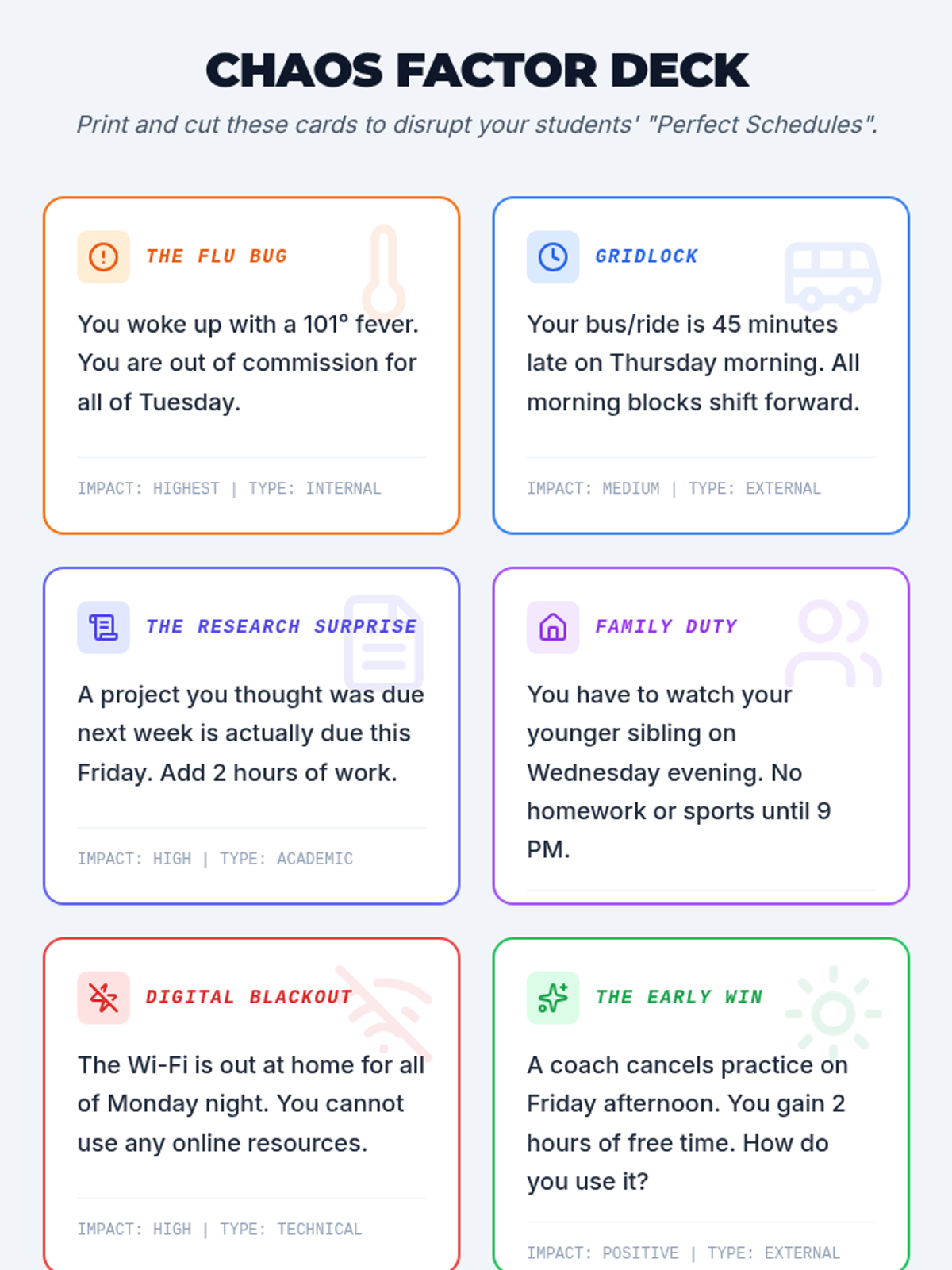
Students design an ideal weekly schedule and are immediately introduced to the 'Chaos Factor'—unpredictable life events that disrupt plans. They identify the need for buffer time and flexible scheduling.
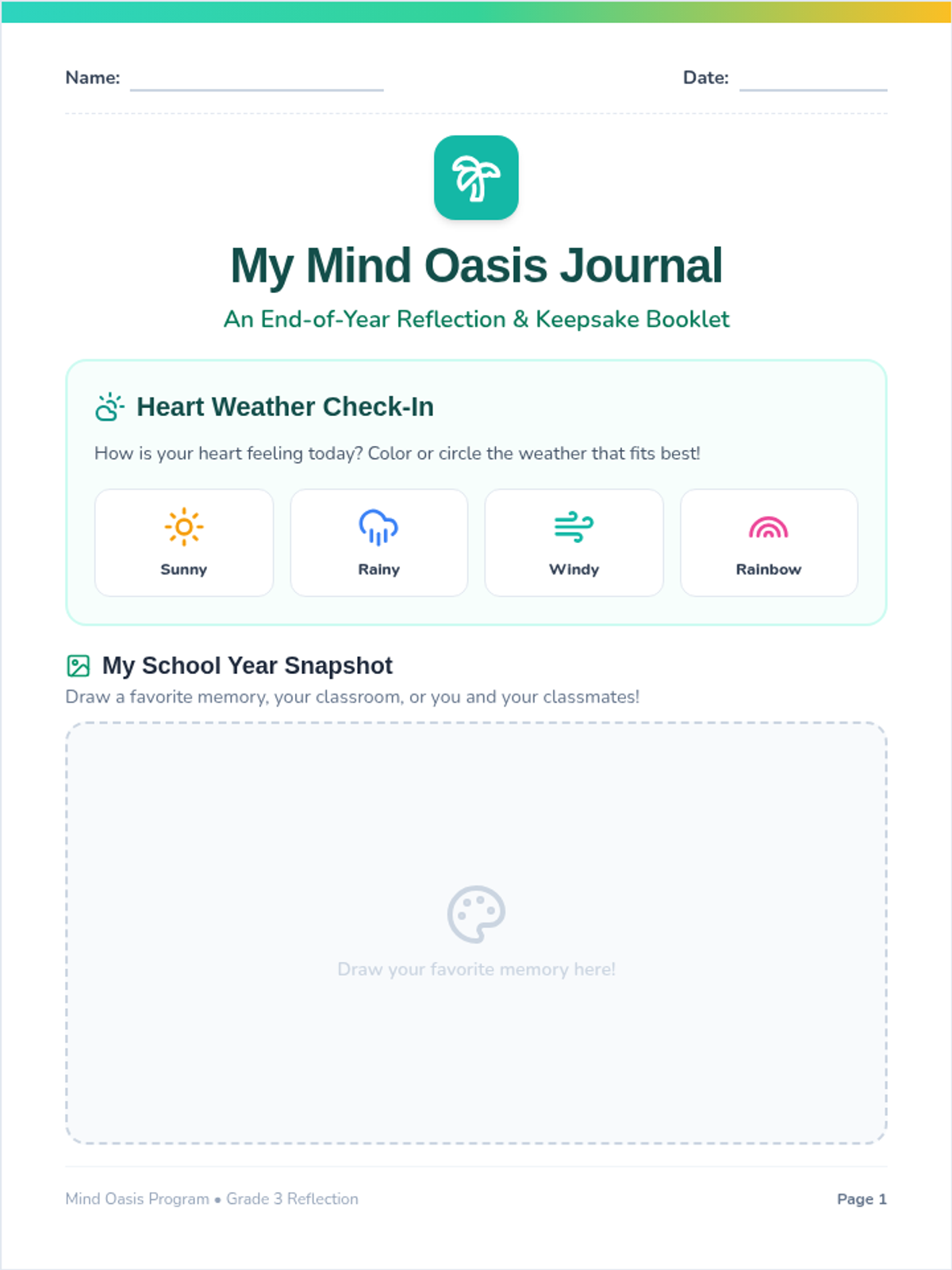
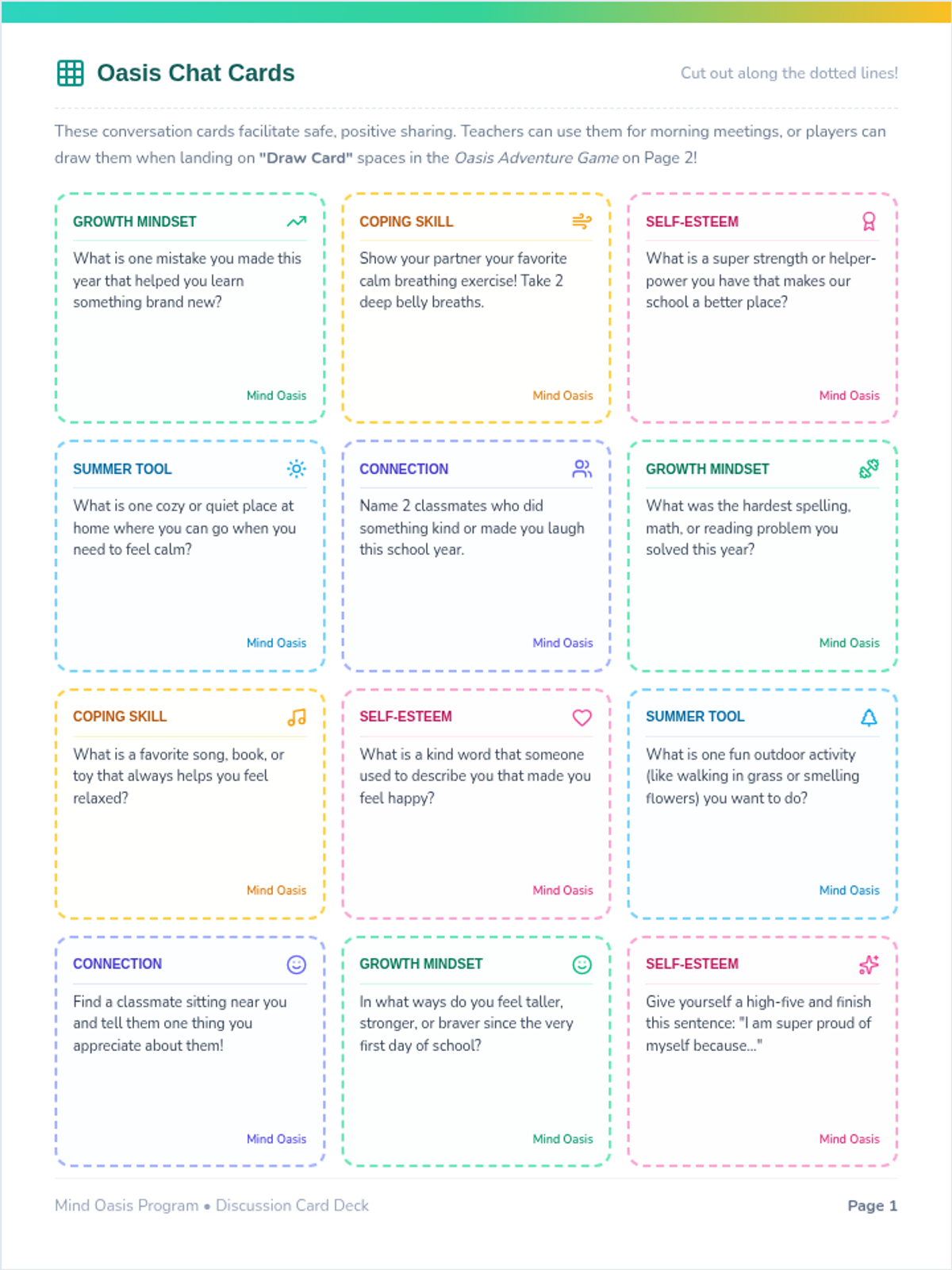
An end-of-school-year mental health lesson for 8-year-olds. It includes guided slides for class reflection, an interactive printable keepsake journal to track emotional growth, and a printable board game with discussion cards to foster positive peer connection and summer coping strategies.
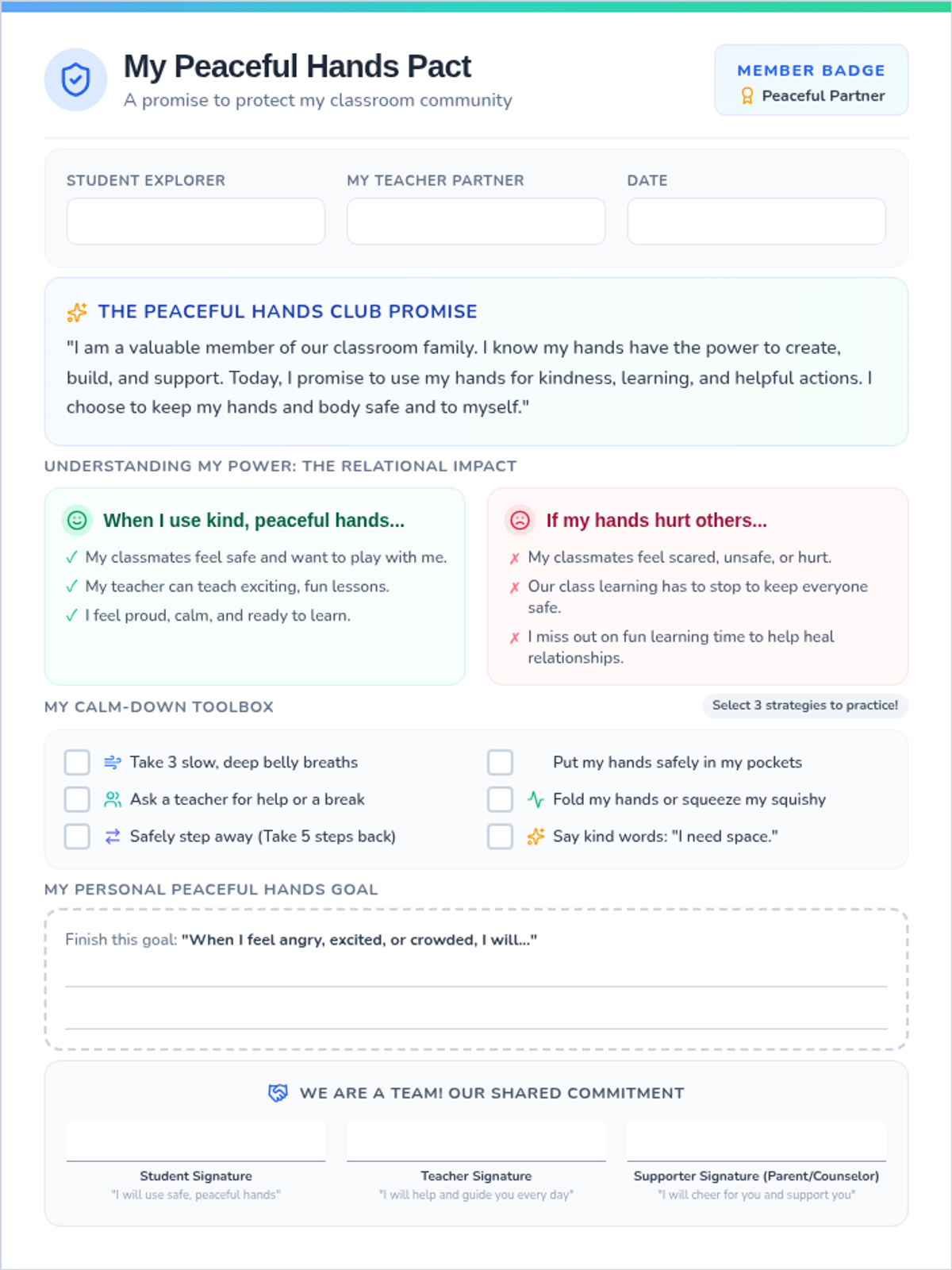
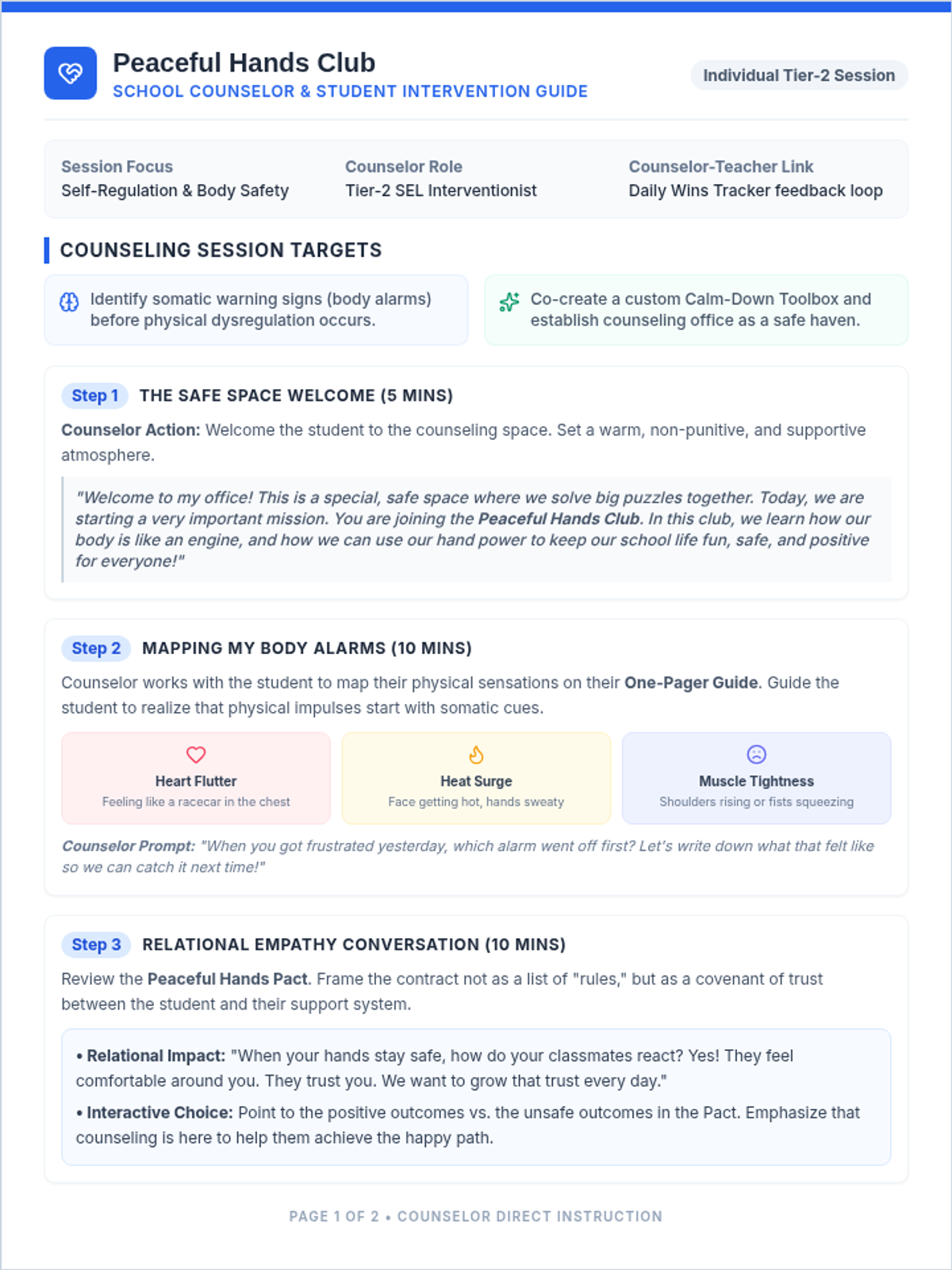
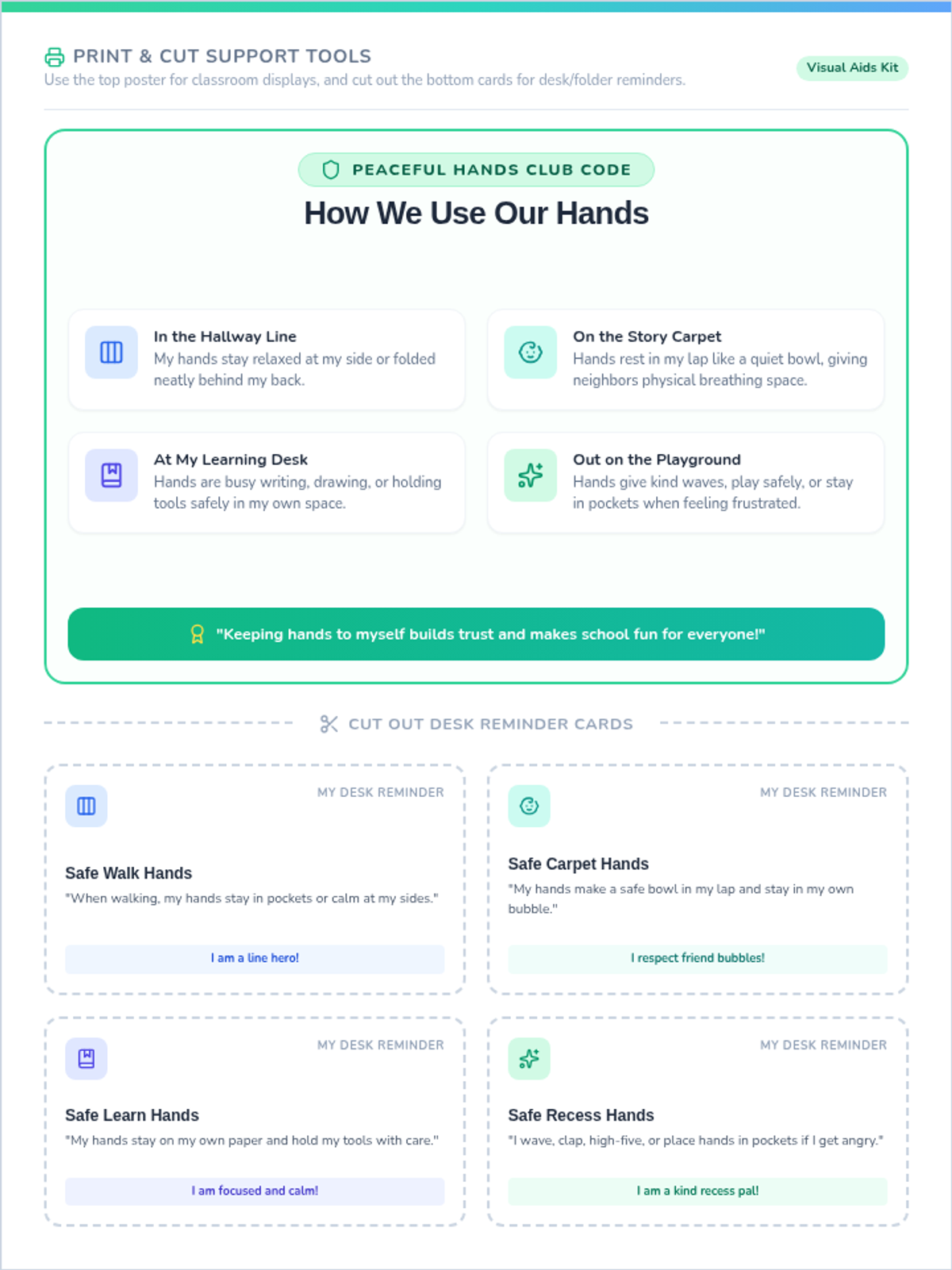
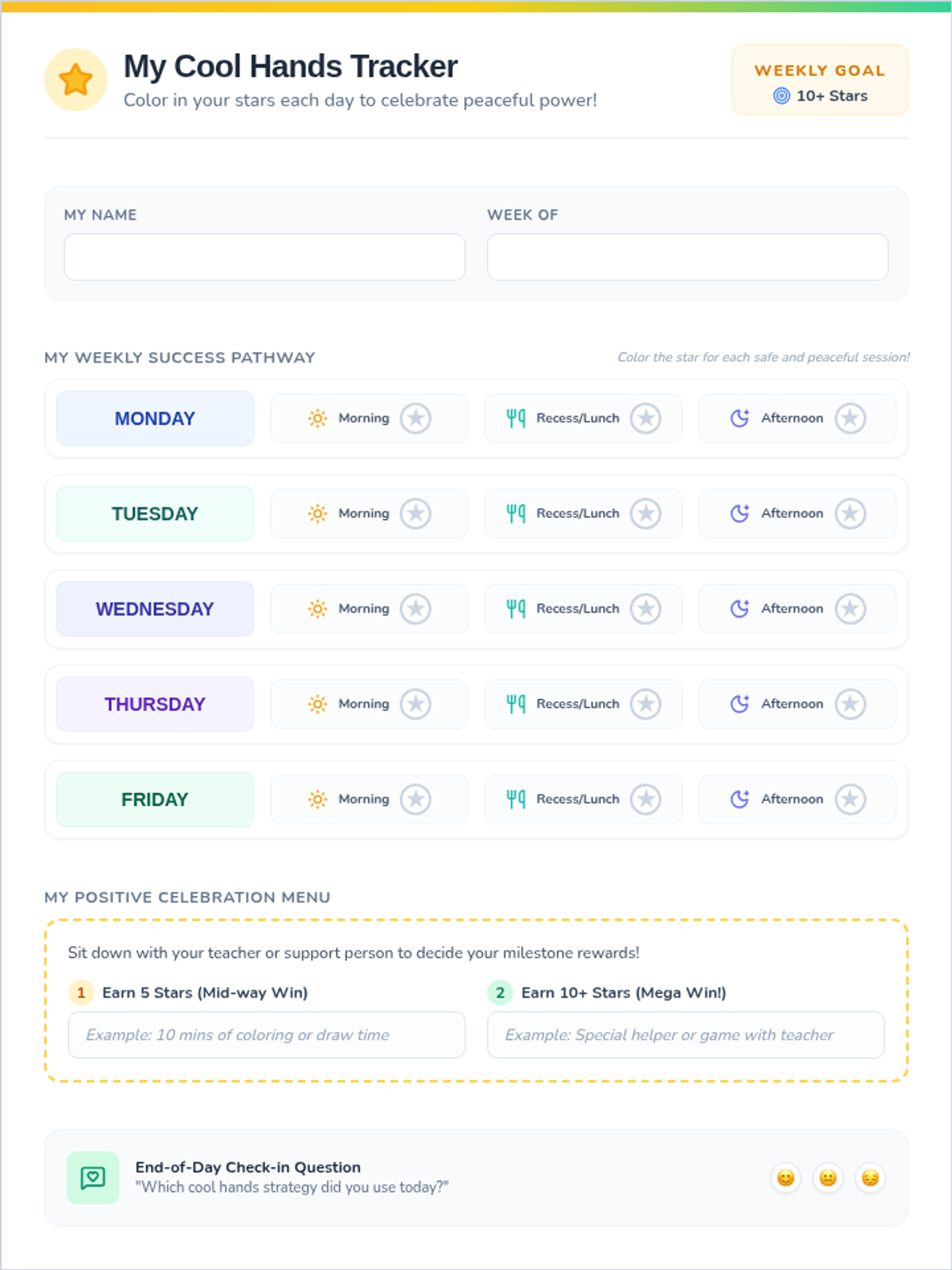
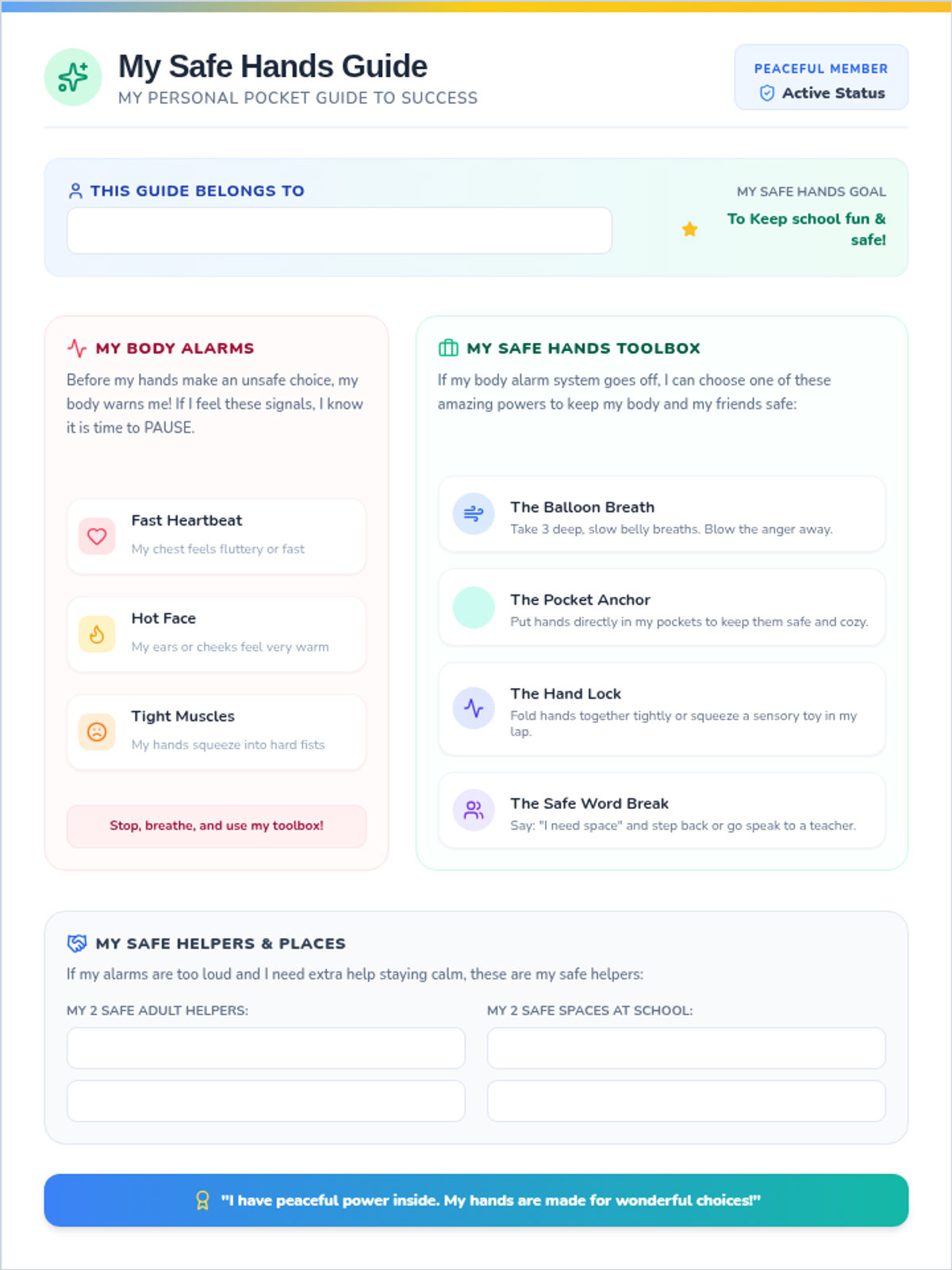
An intensive social-emotional intervention kit designed for lower elementary students to promote self-regulation and keep hands to themselves. This kit includes a relational behavior contract, an interactive lesson plan with role-play scenarios, visual aids, and a daily progress tracker.
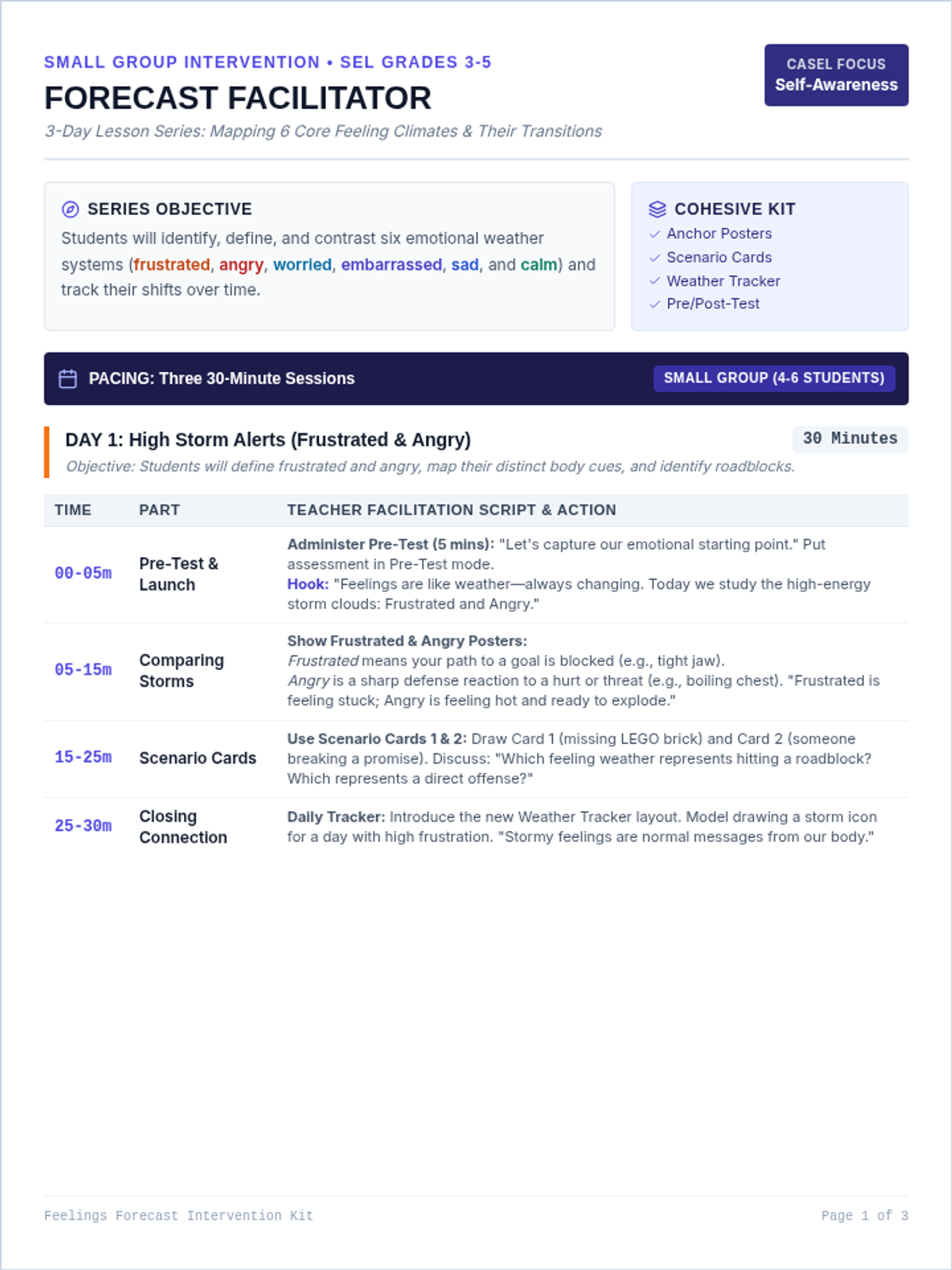
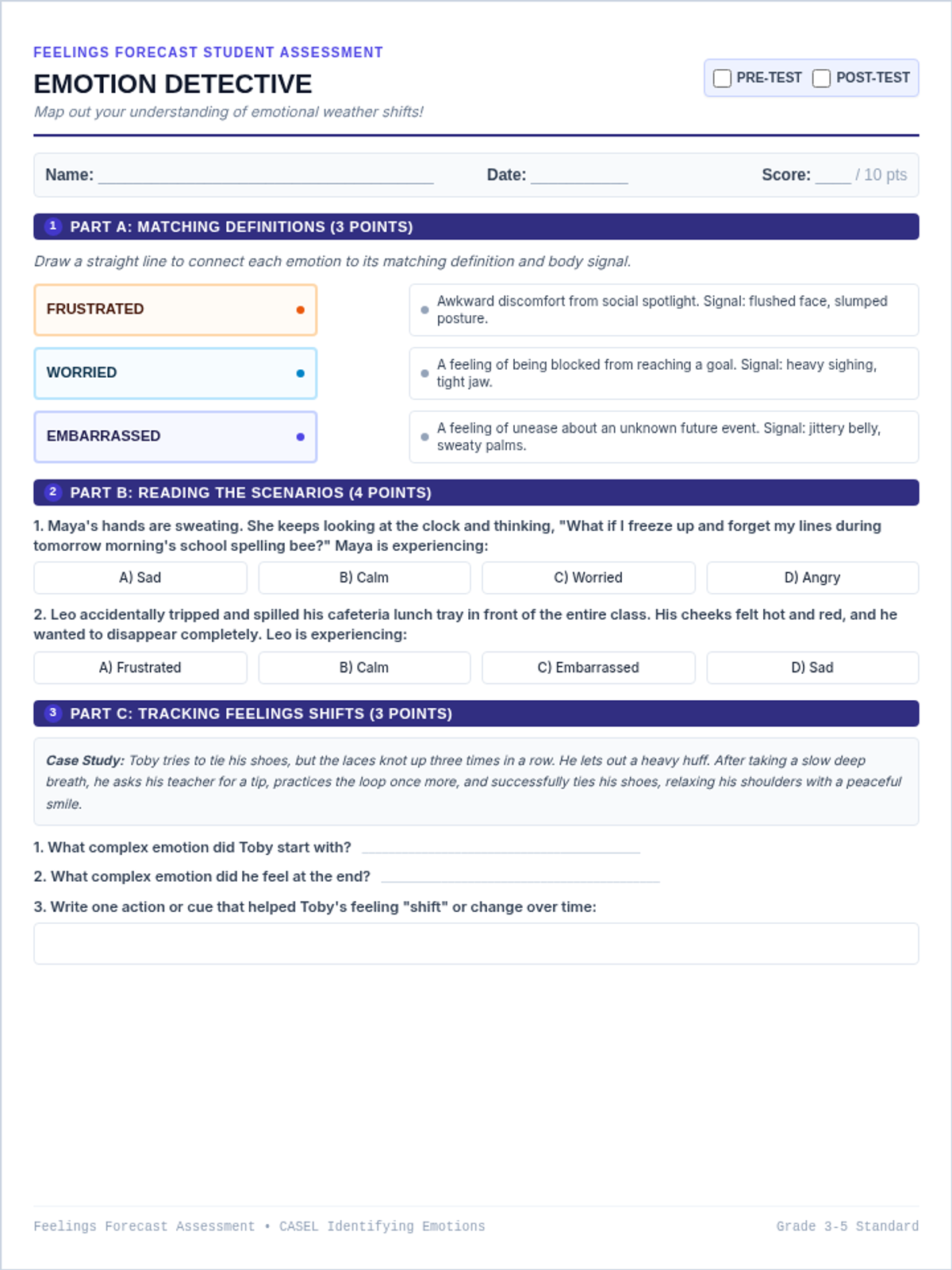
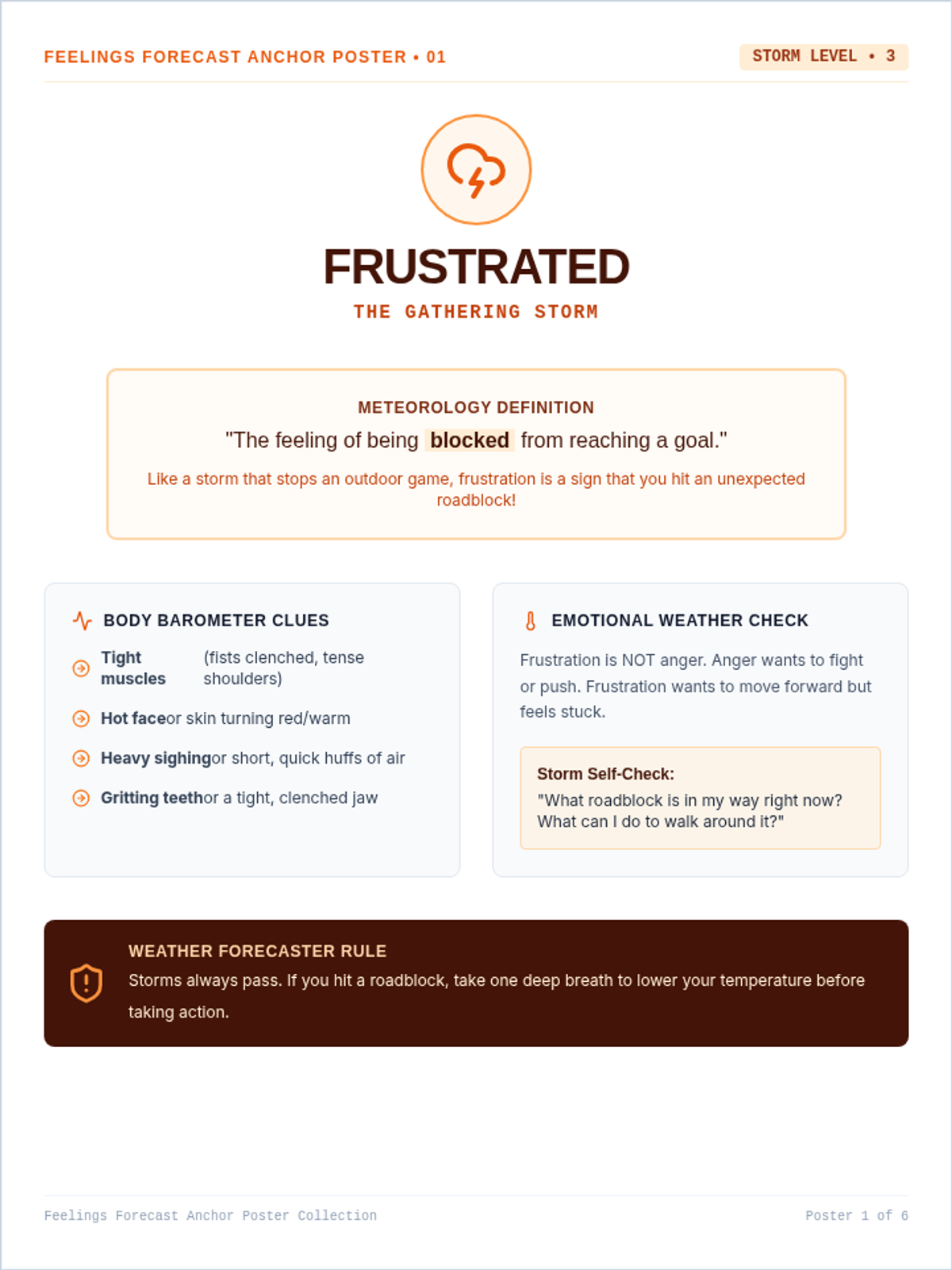
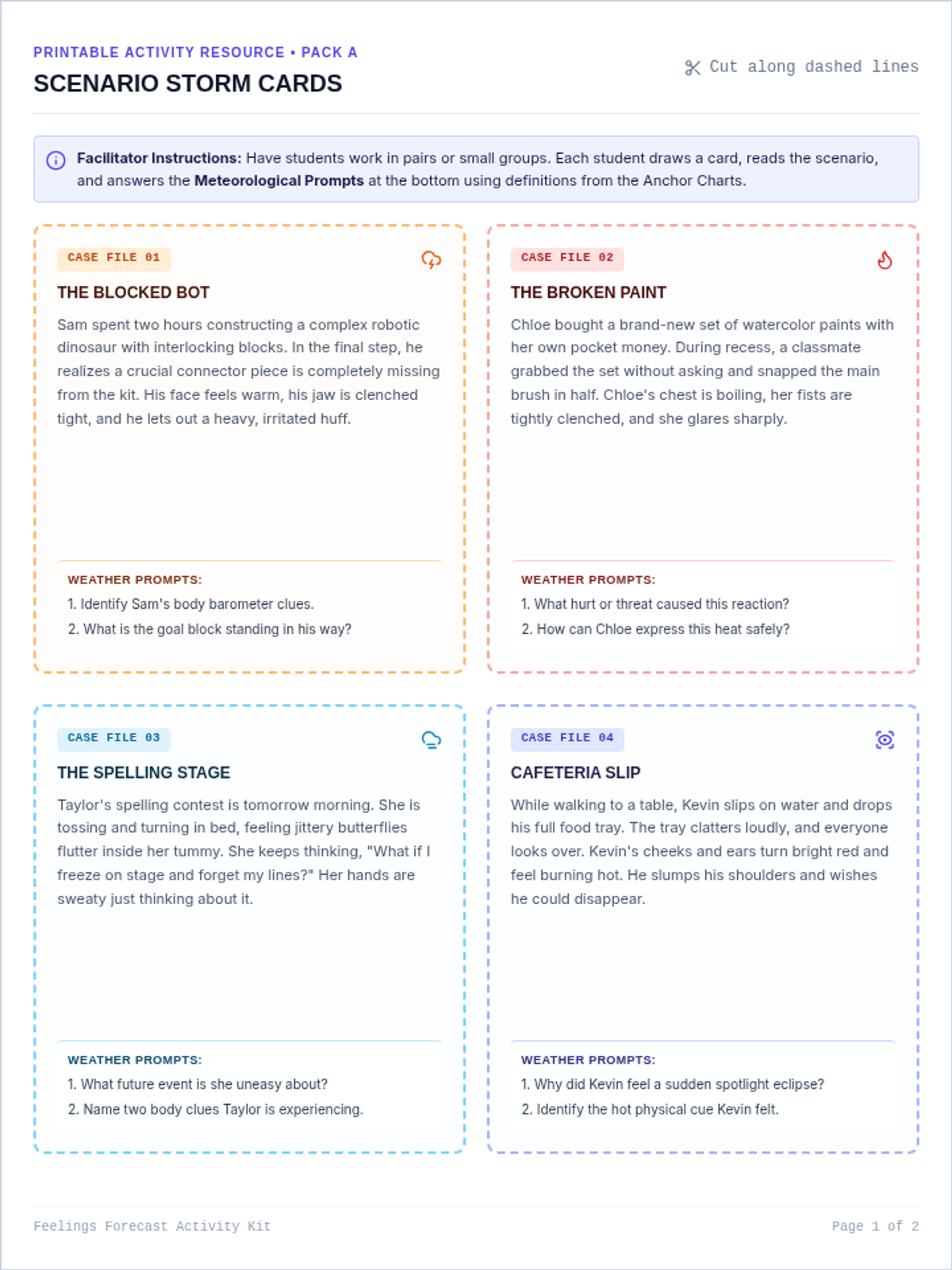
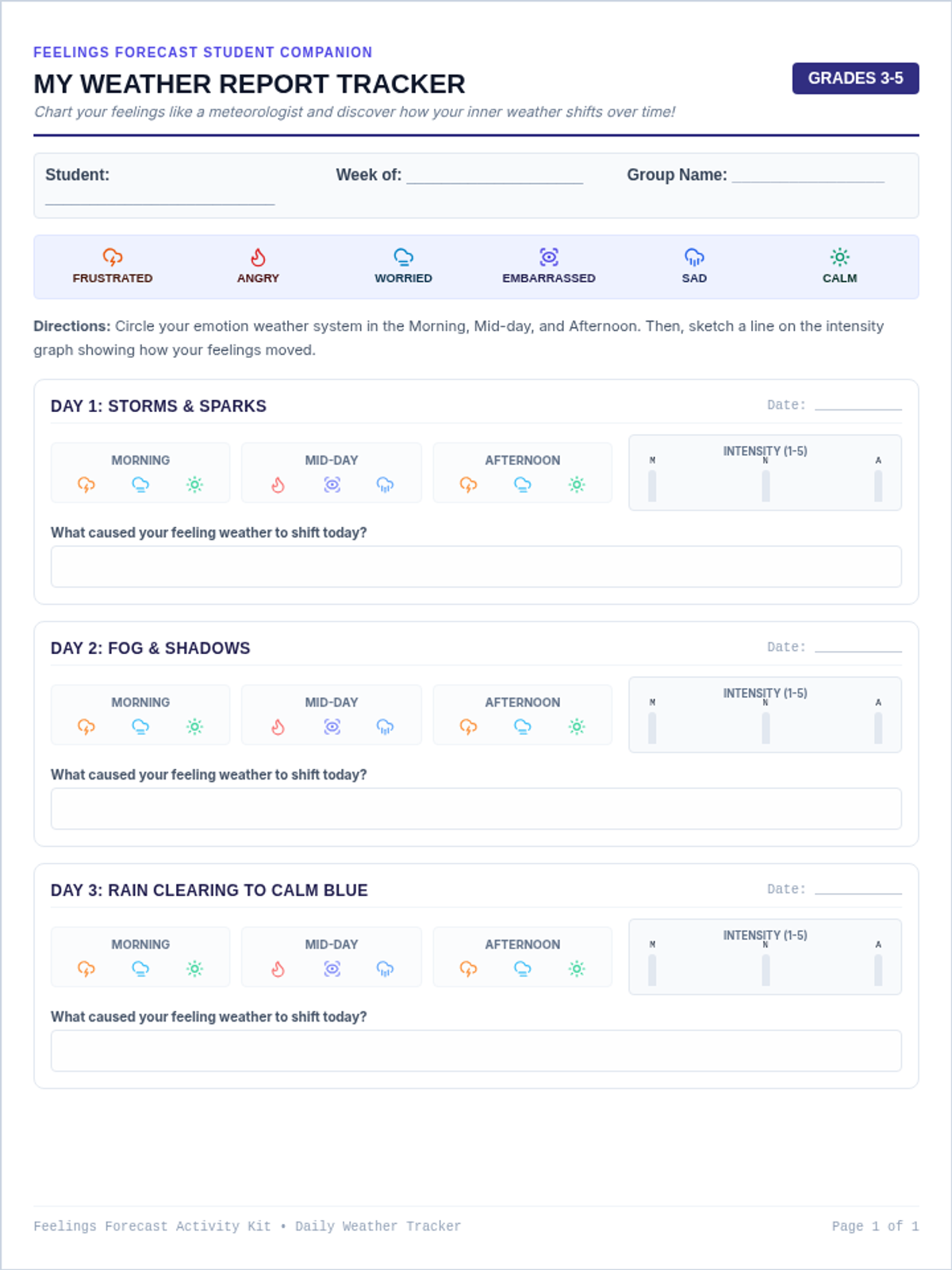
A 3-5 day small group social-emotional learning lesson series designed for upper elementary students (grades 3-5) to identify complex emotions (frustrated, angry, worried, embarrassed, sad, and calm) and explore how feelings change over time, using a meteorological weather-tracking theme.
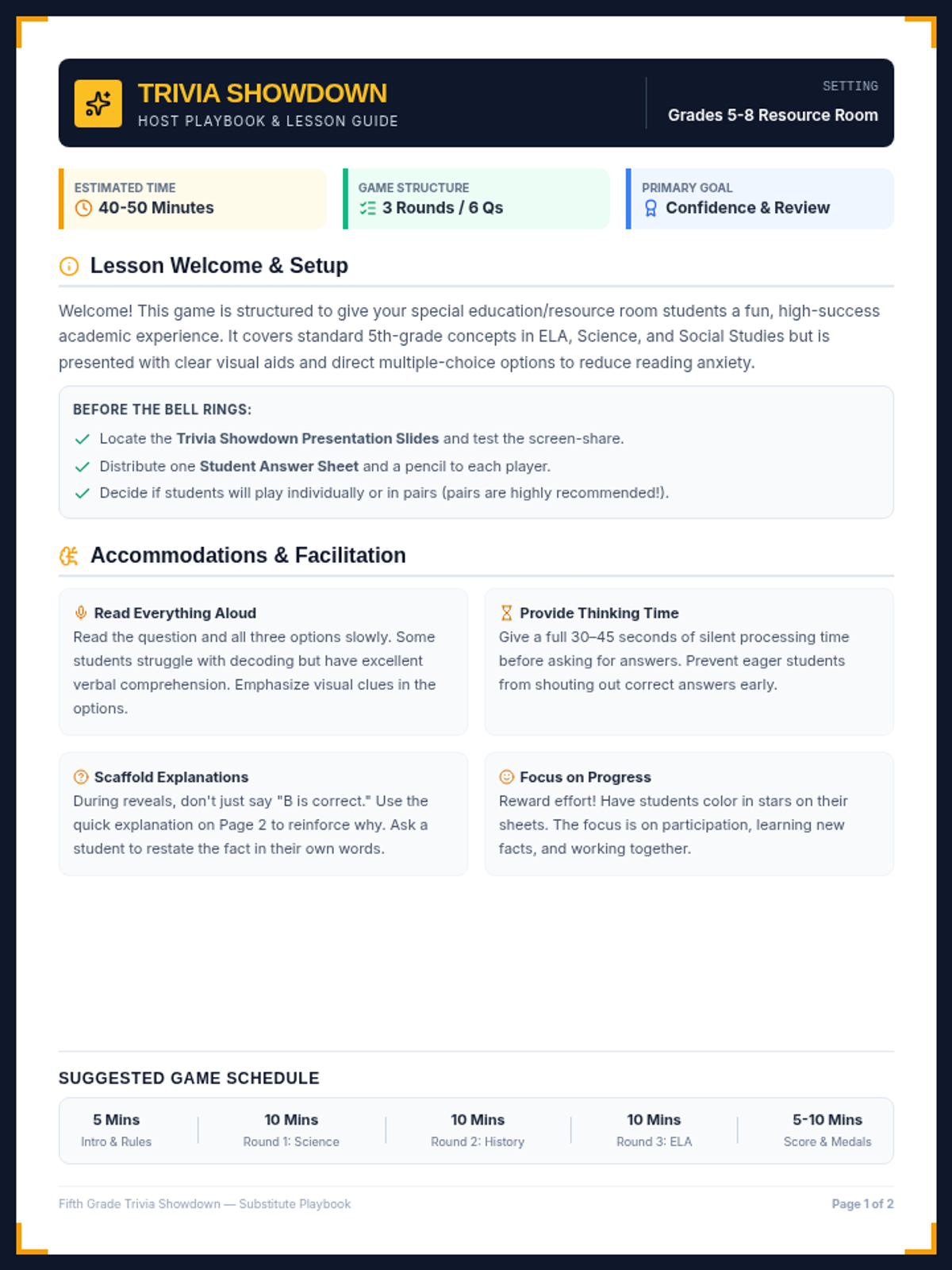
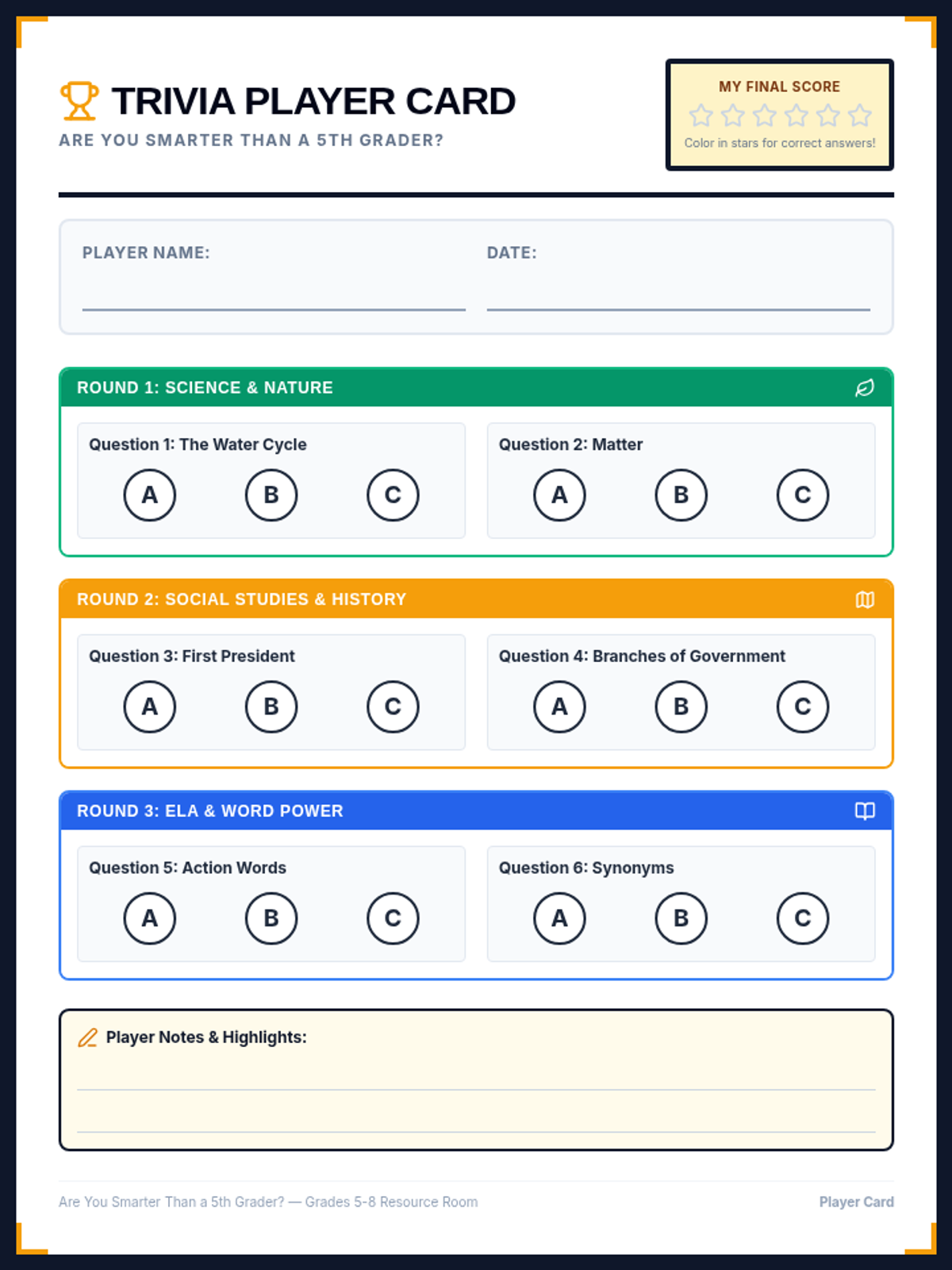
A retro game-show themed trivia lesson for resource room students in grades 5-8, featuring accessible 5th-grade level questions in Science, Social Studies, and ELA. Includes a slide presentation, printable student answer sheets, and a substitute teacher guide.
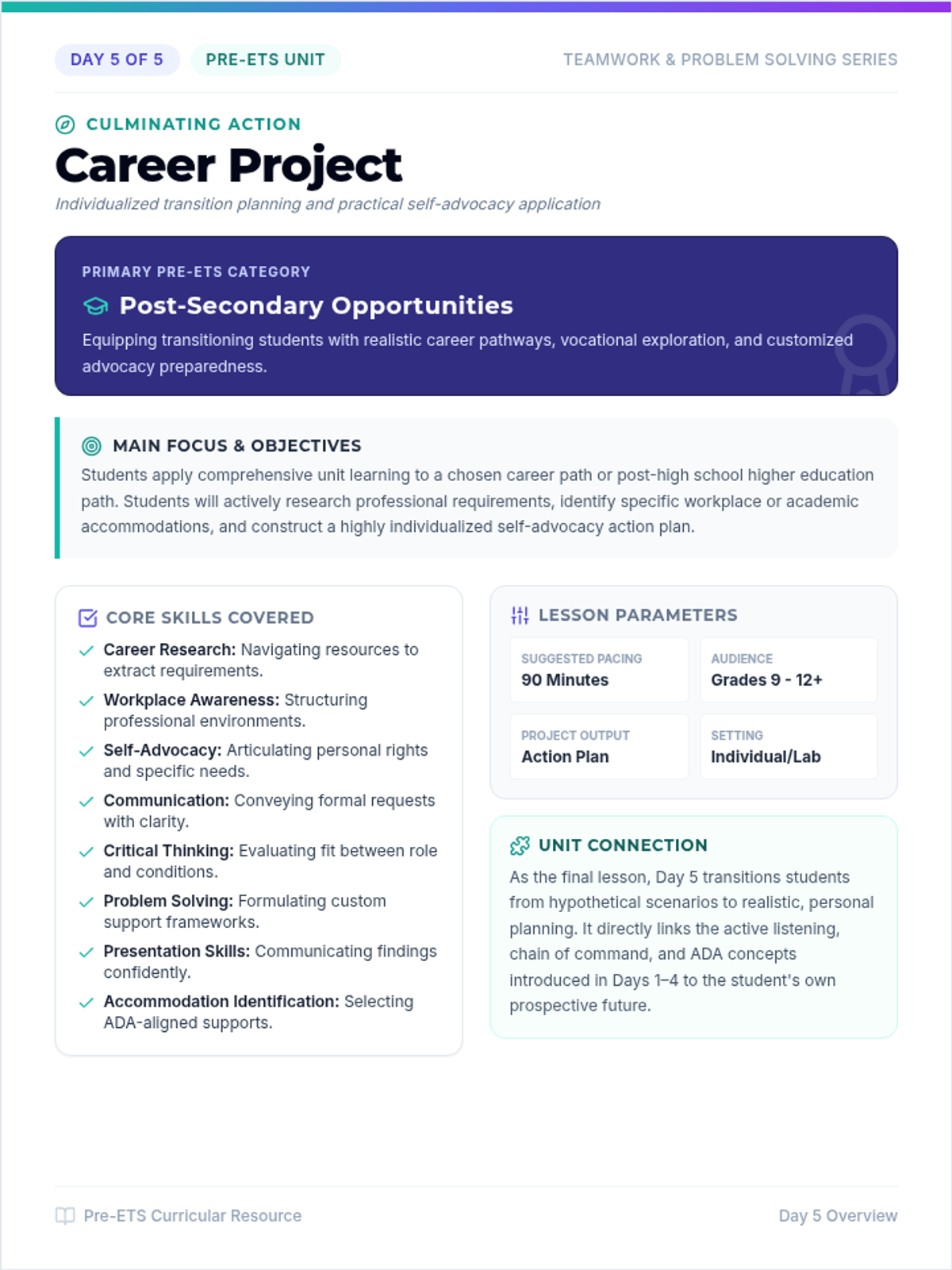
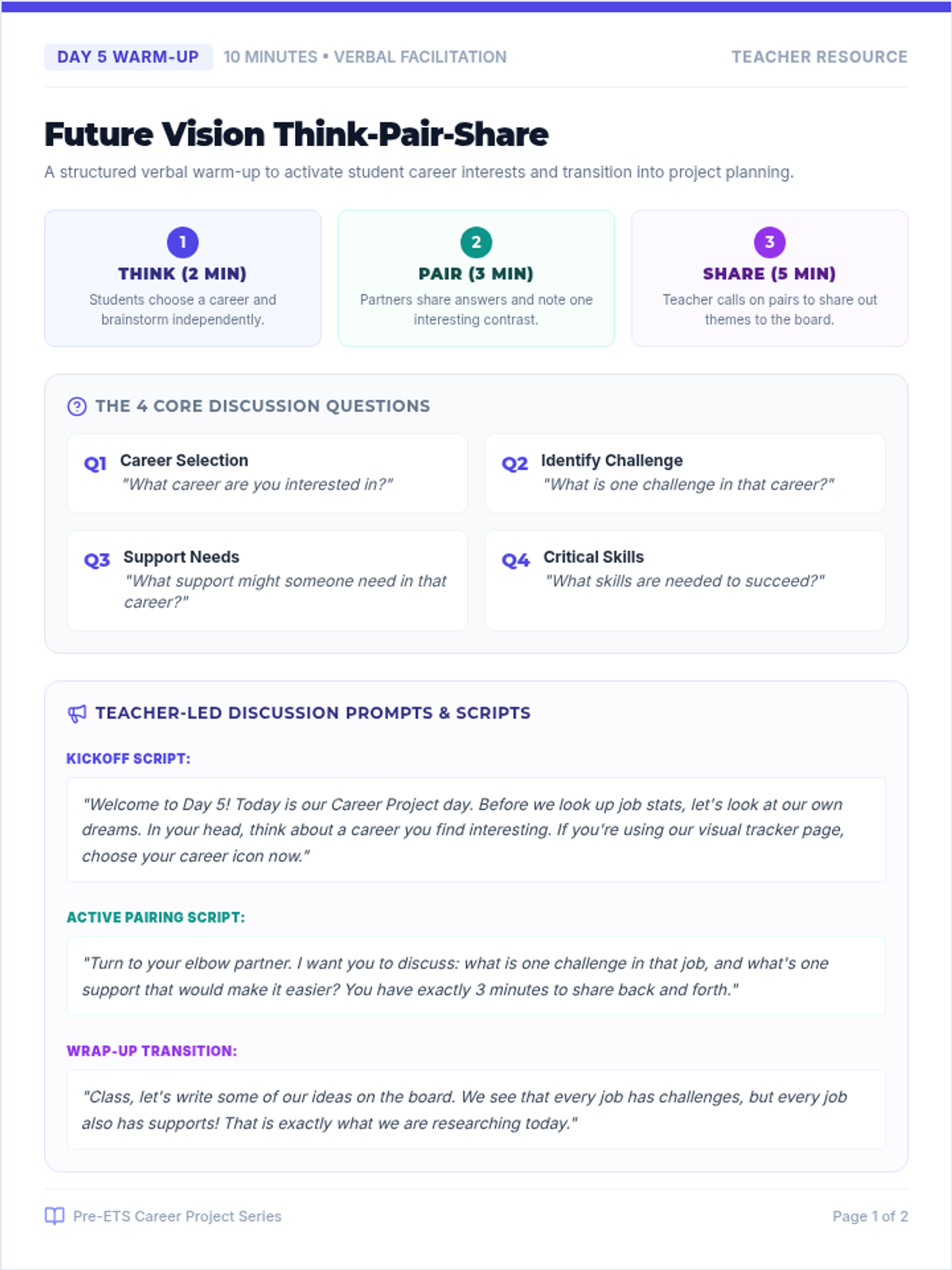
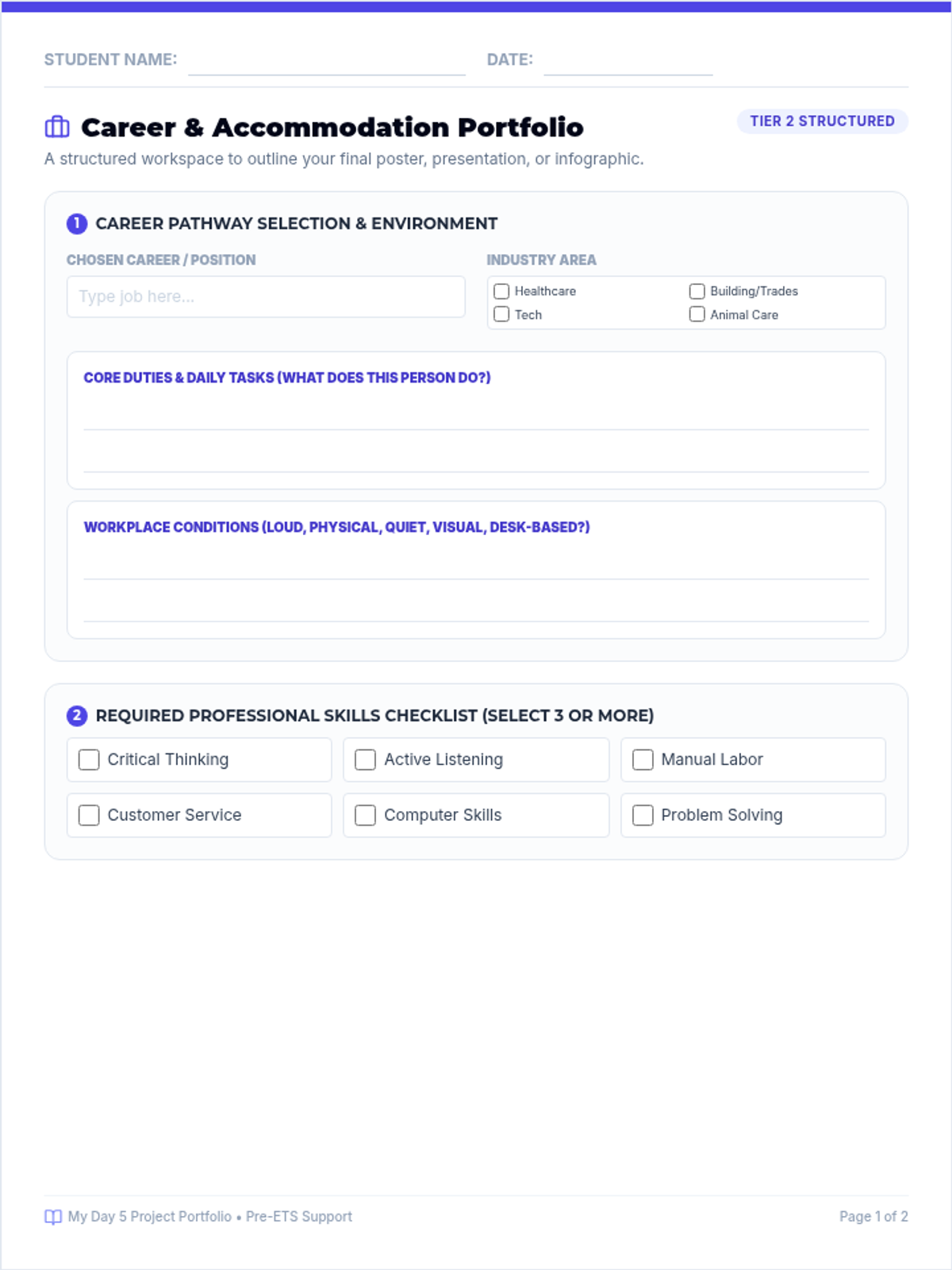
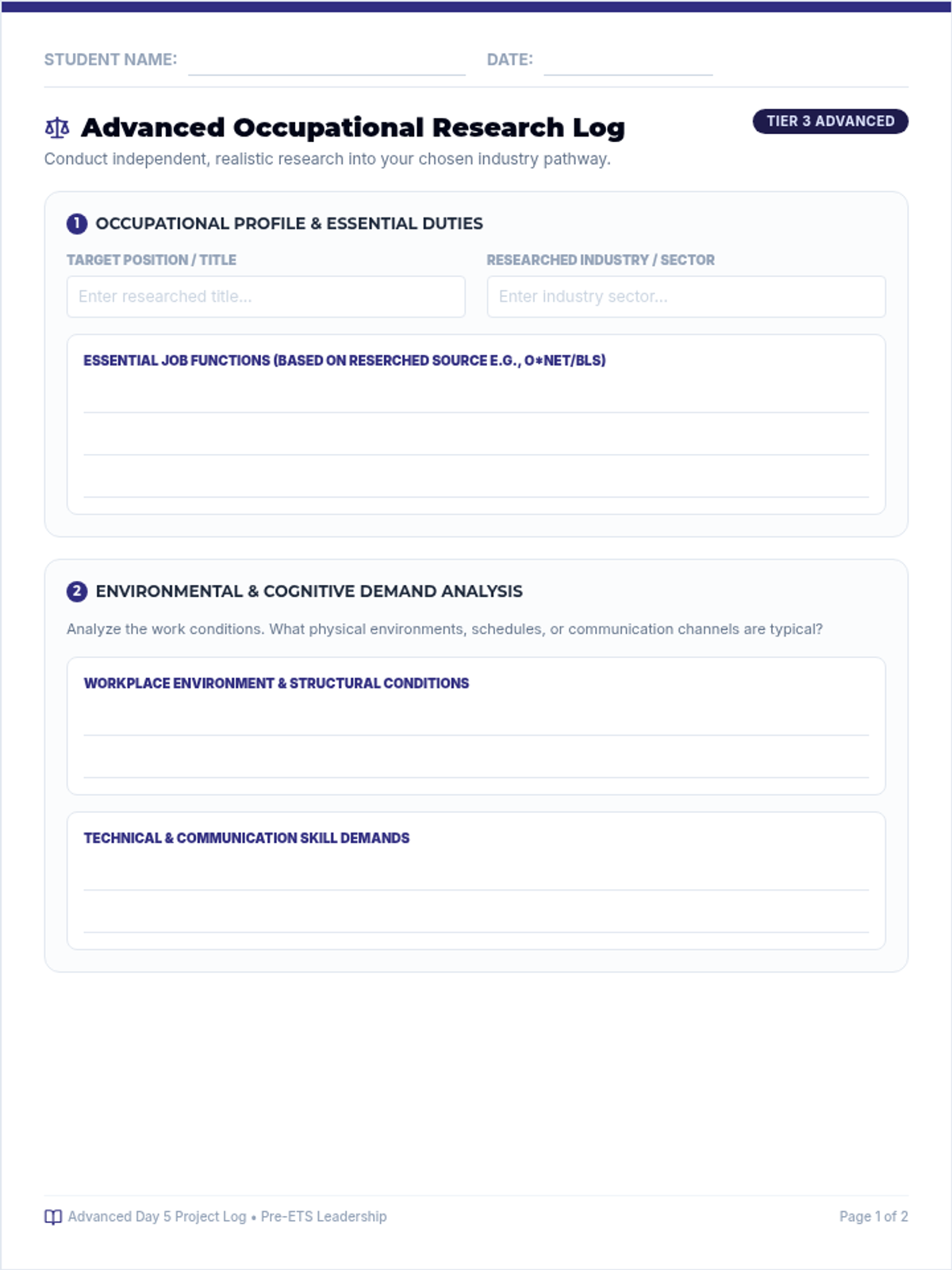
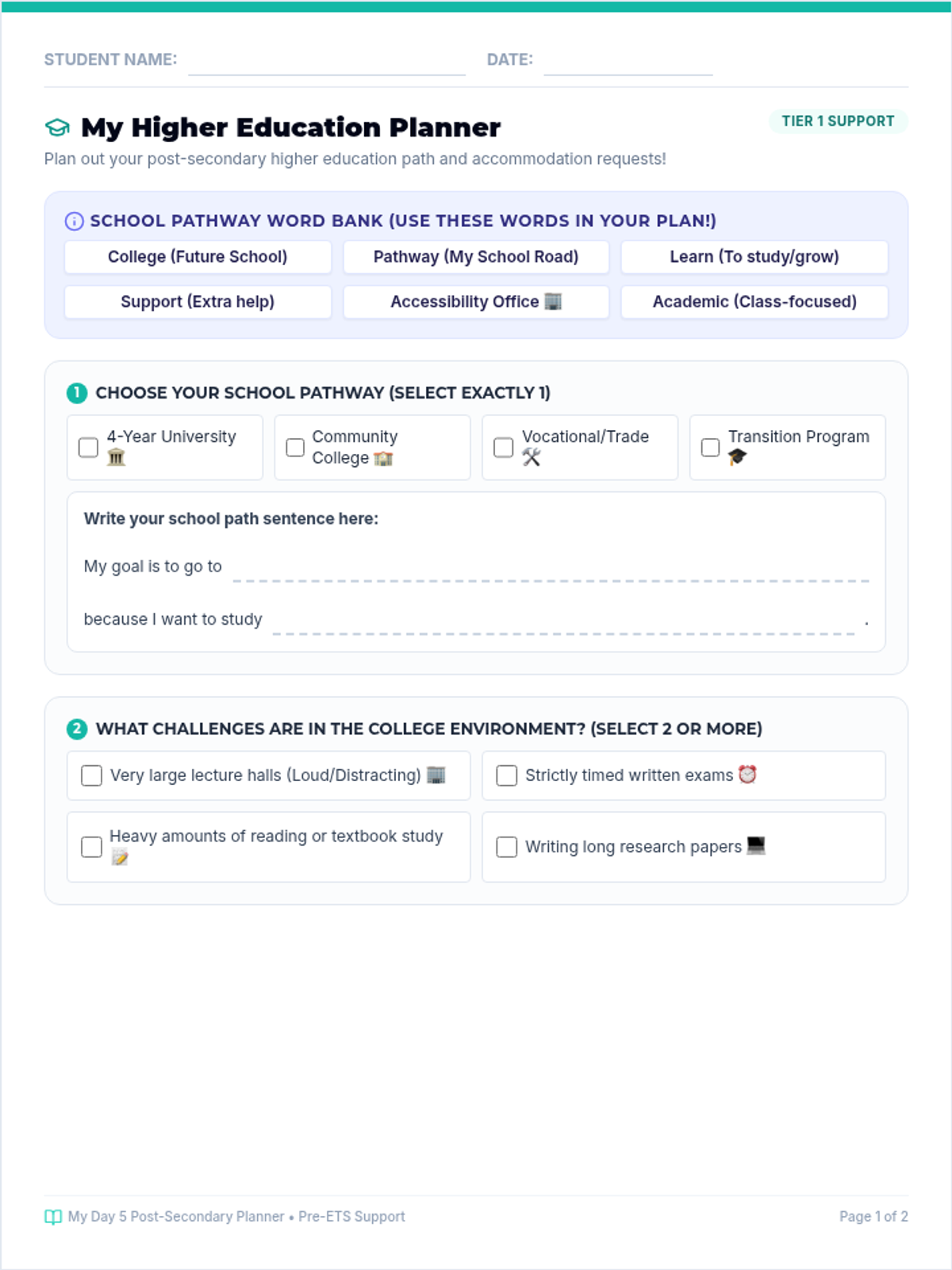
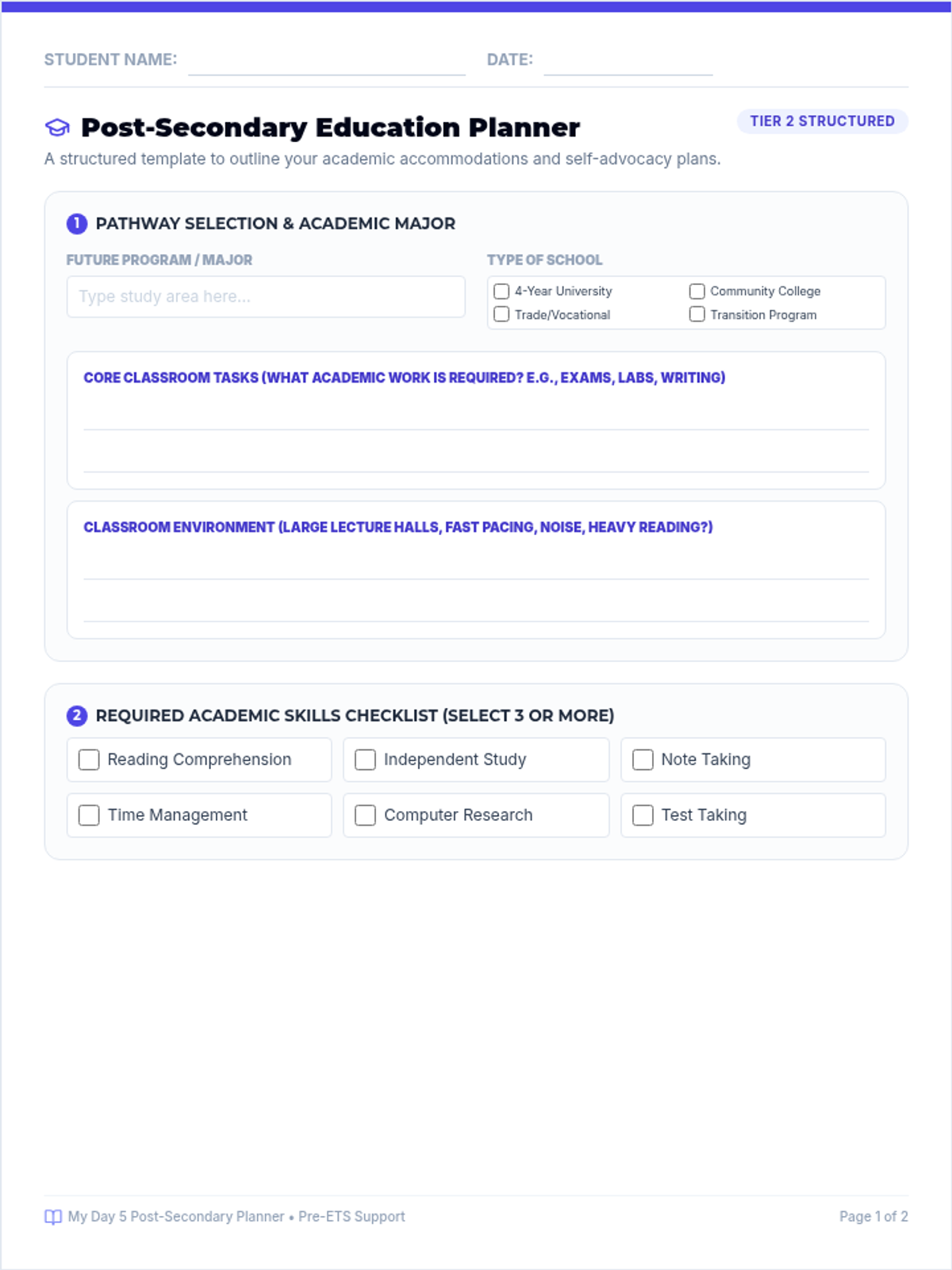
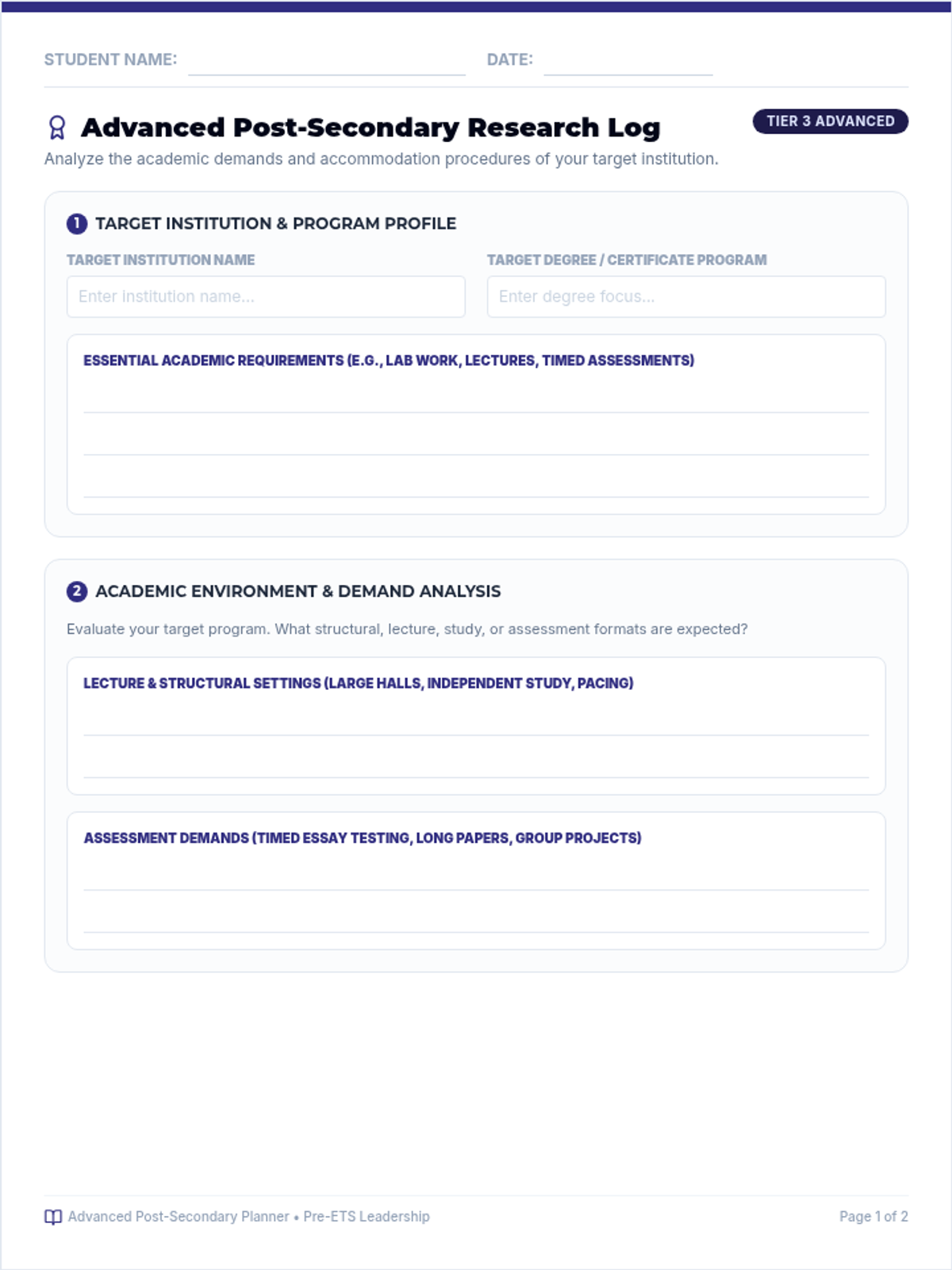
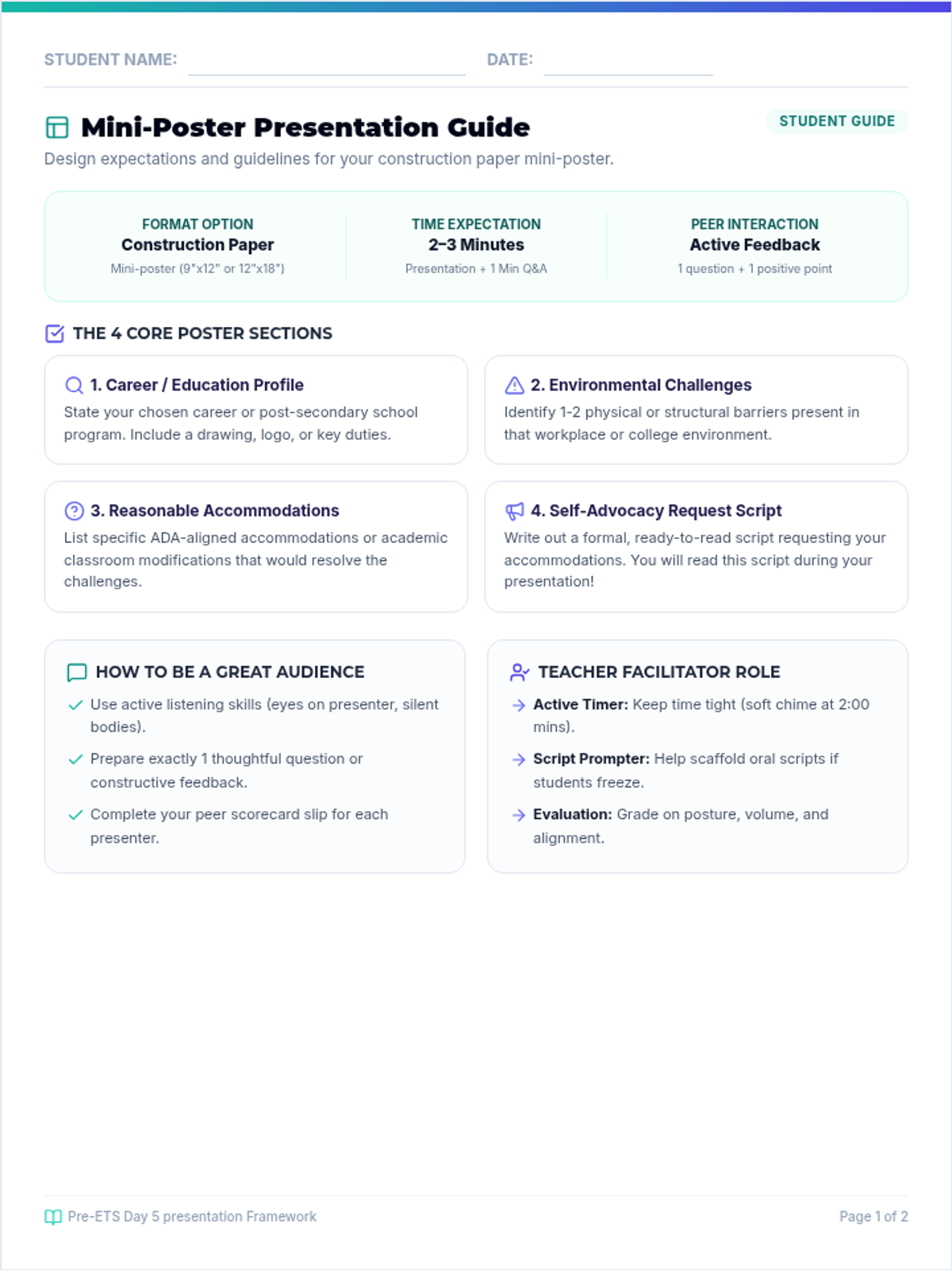
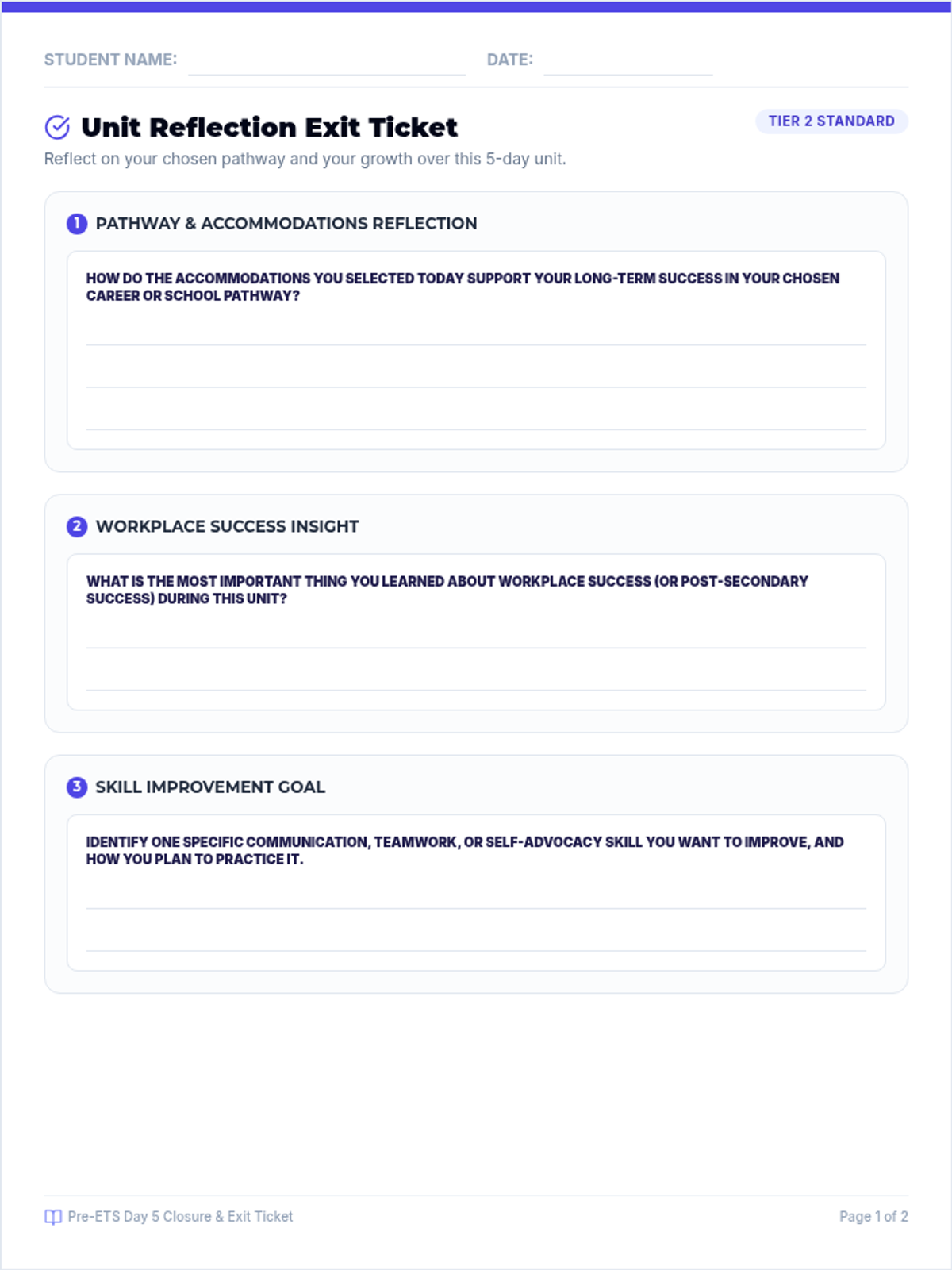
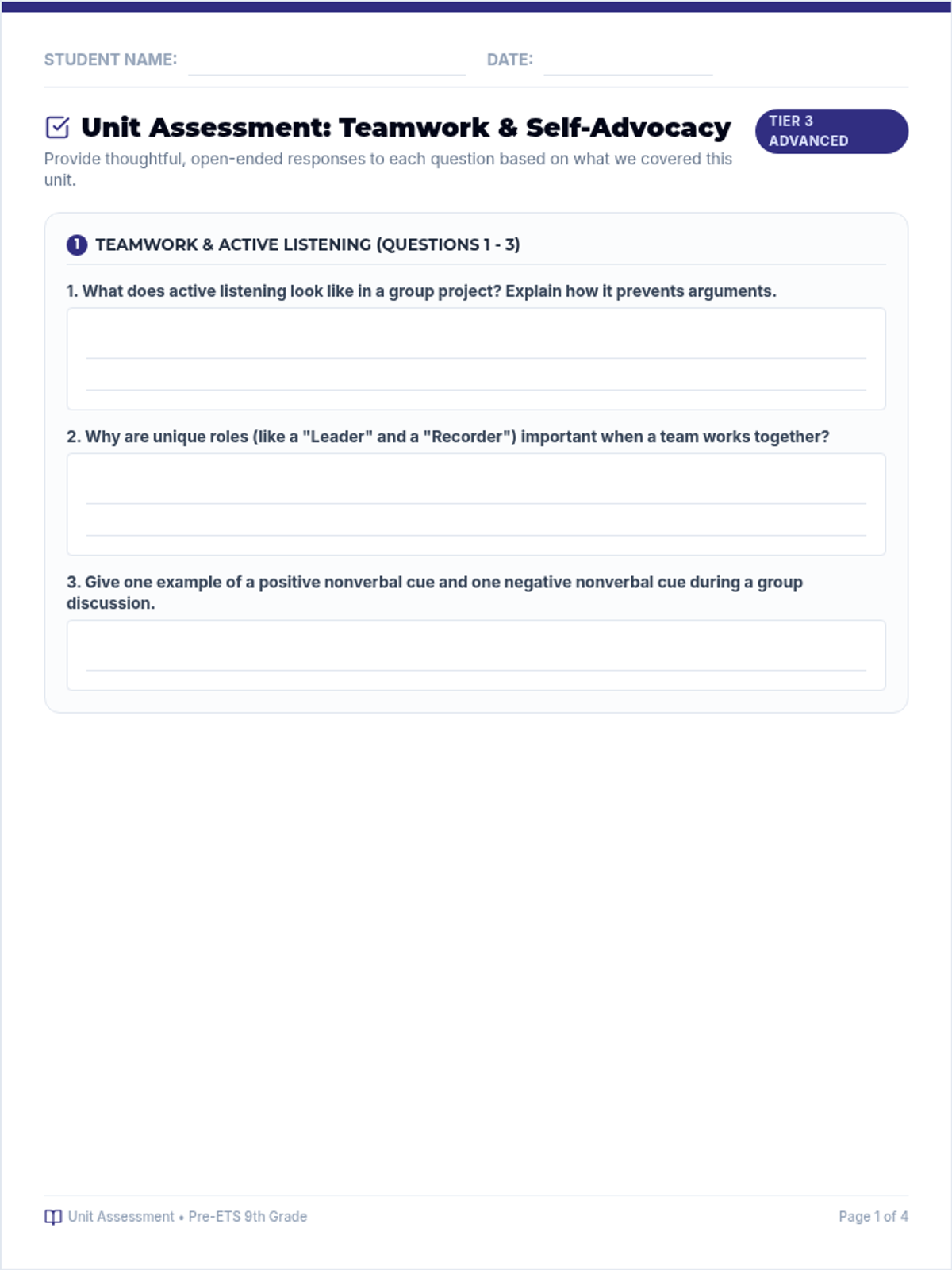
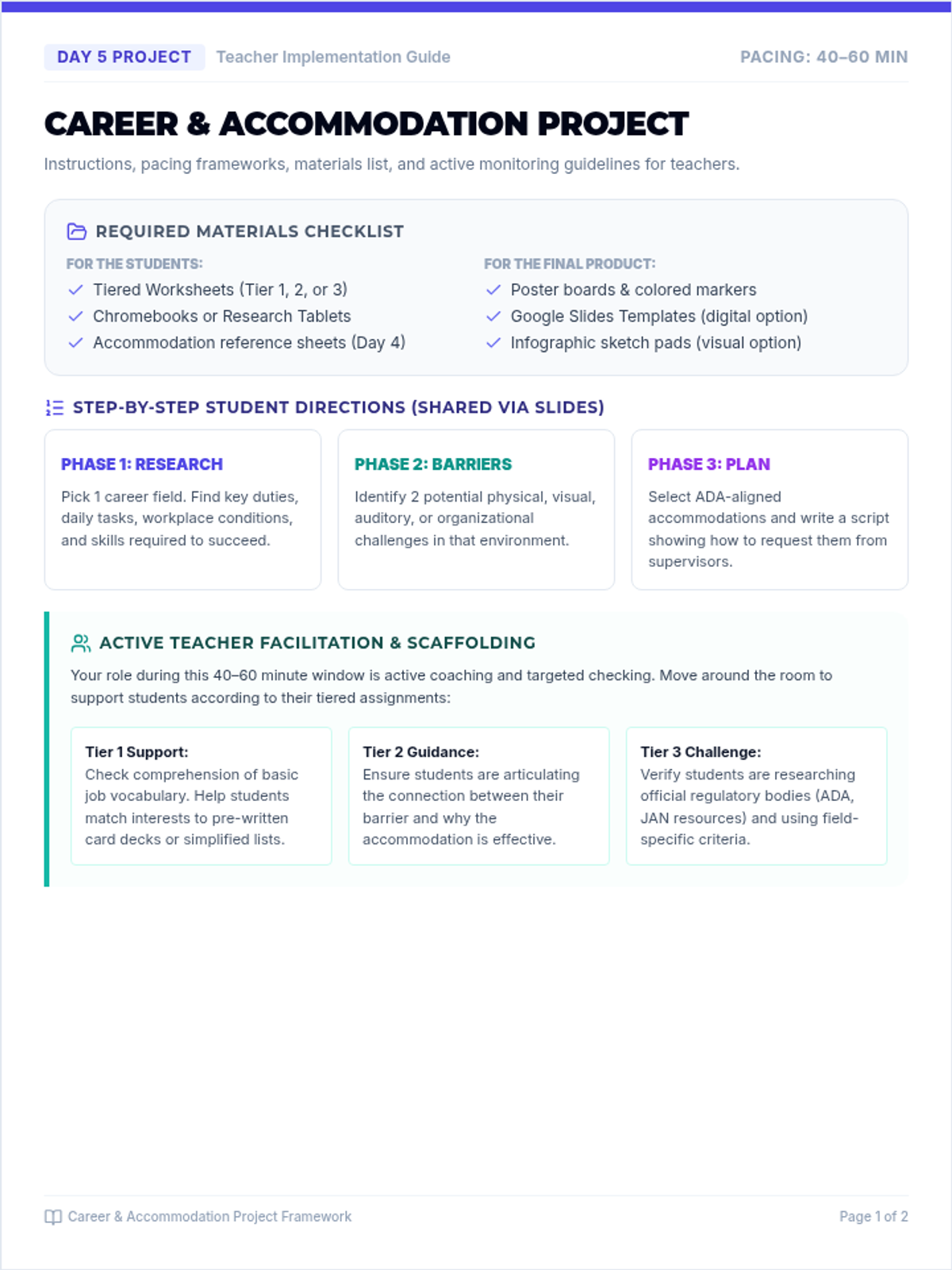
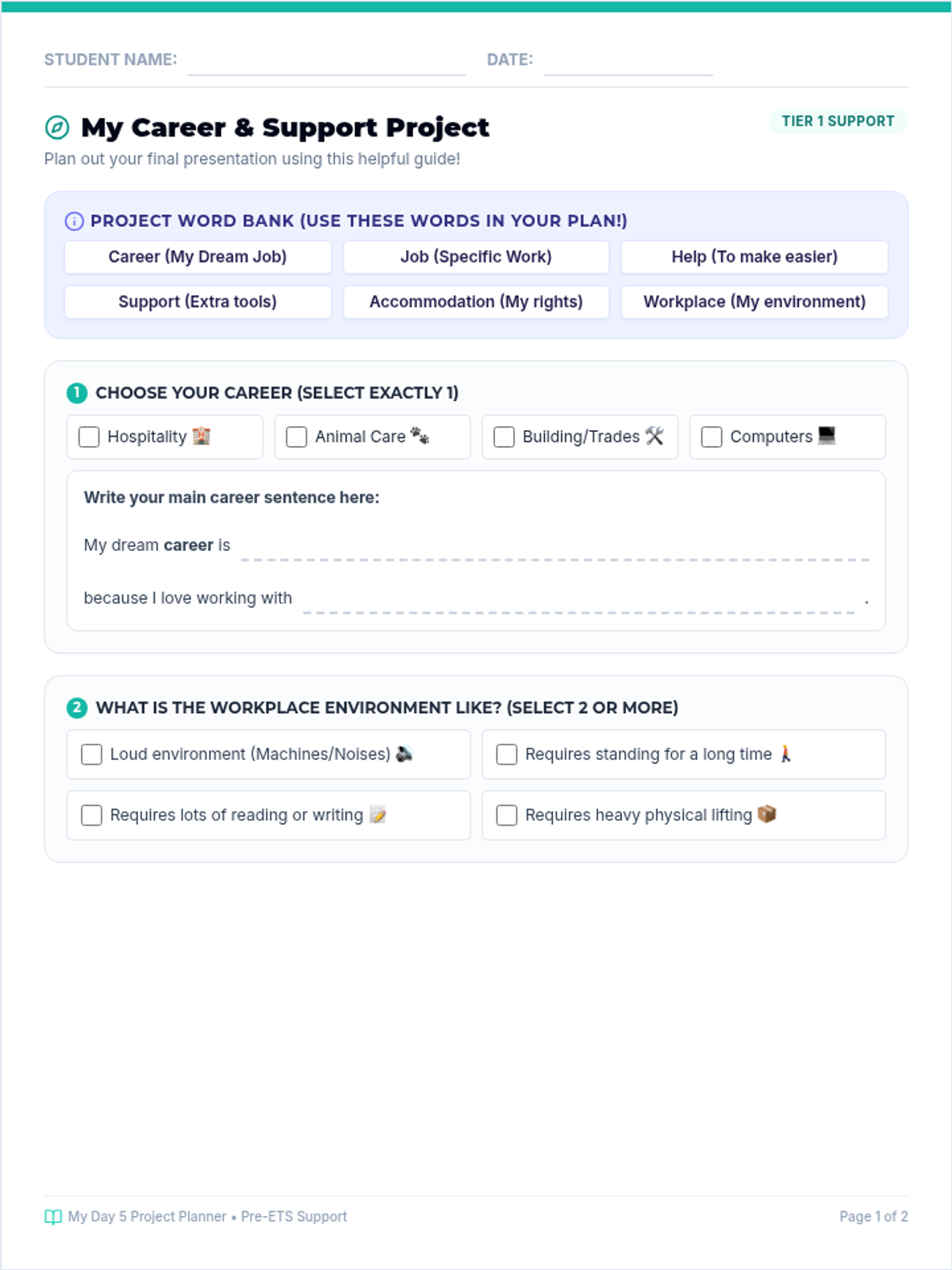
Students apply unit learning to a chosen career or post-secondary education path, identifying workplace accommodations and constructing a self-advocacy plan.
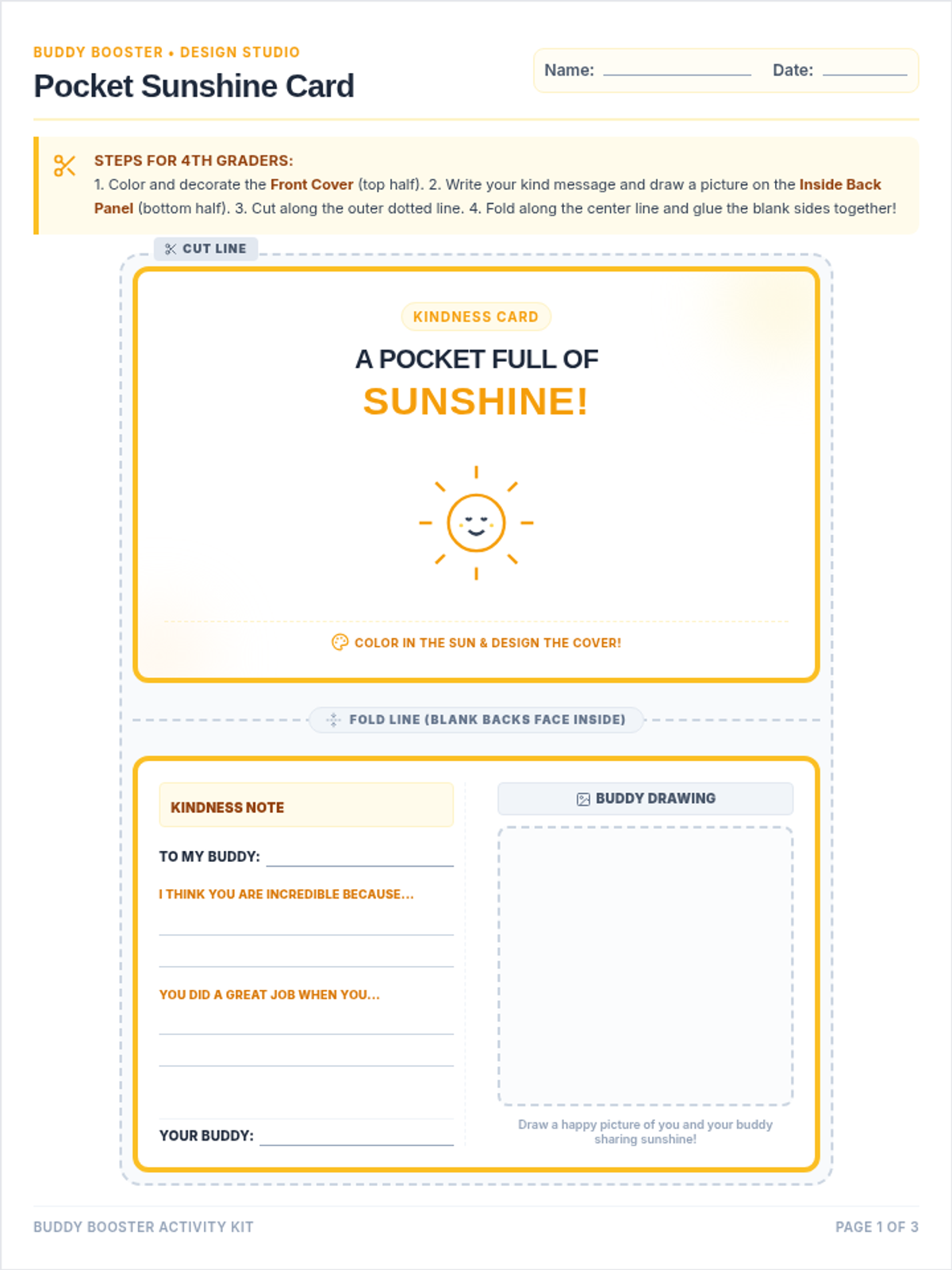
A lesson where fourth-grade students design and write personalized encouragement cards for their kindergarten buddies to build confidence and foster a positive school community.
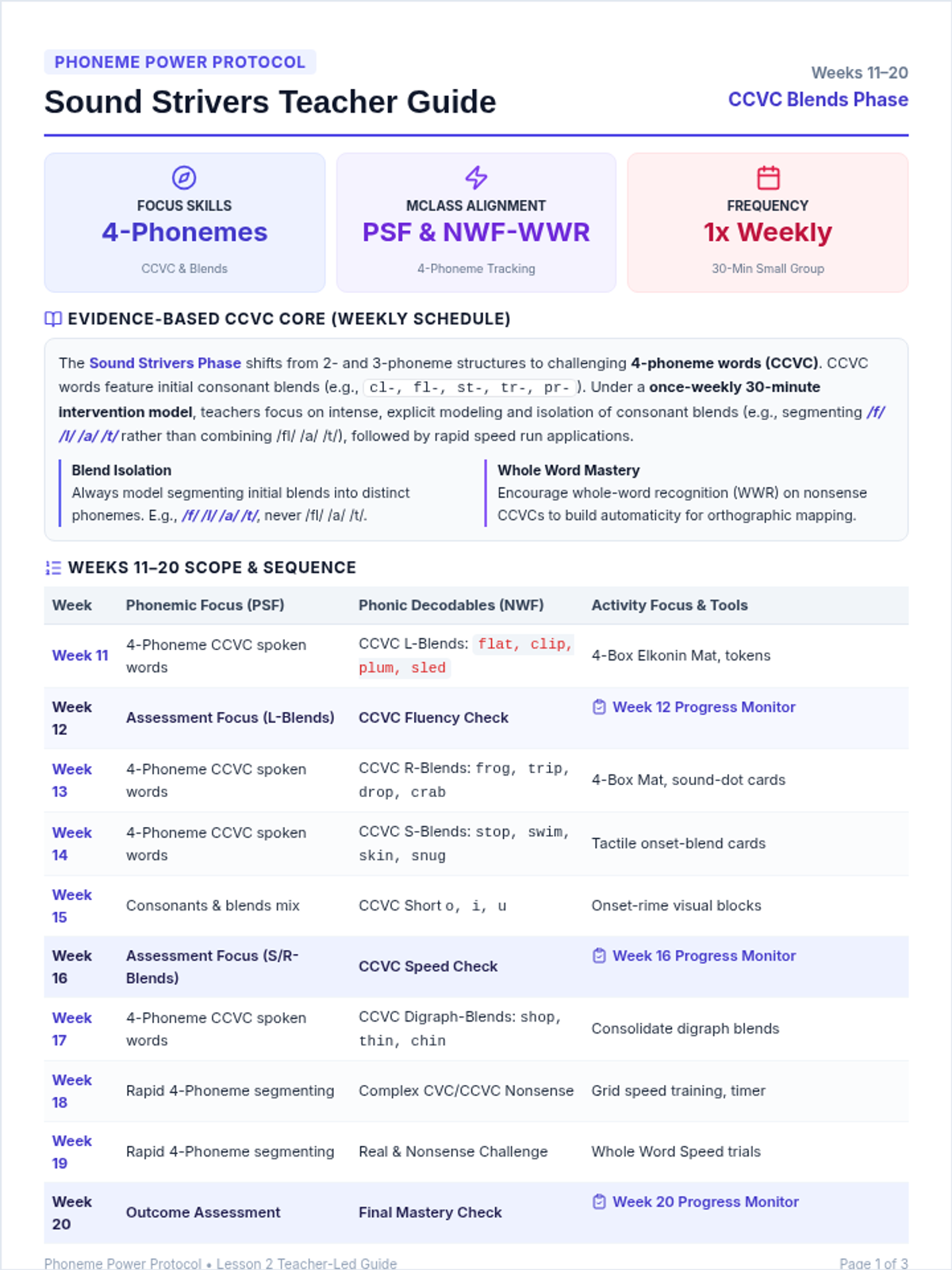
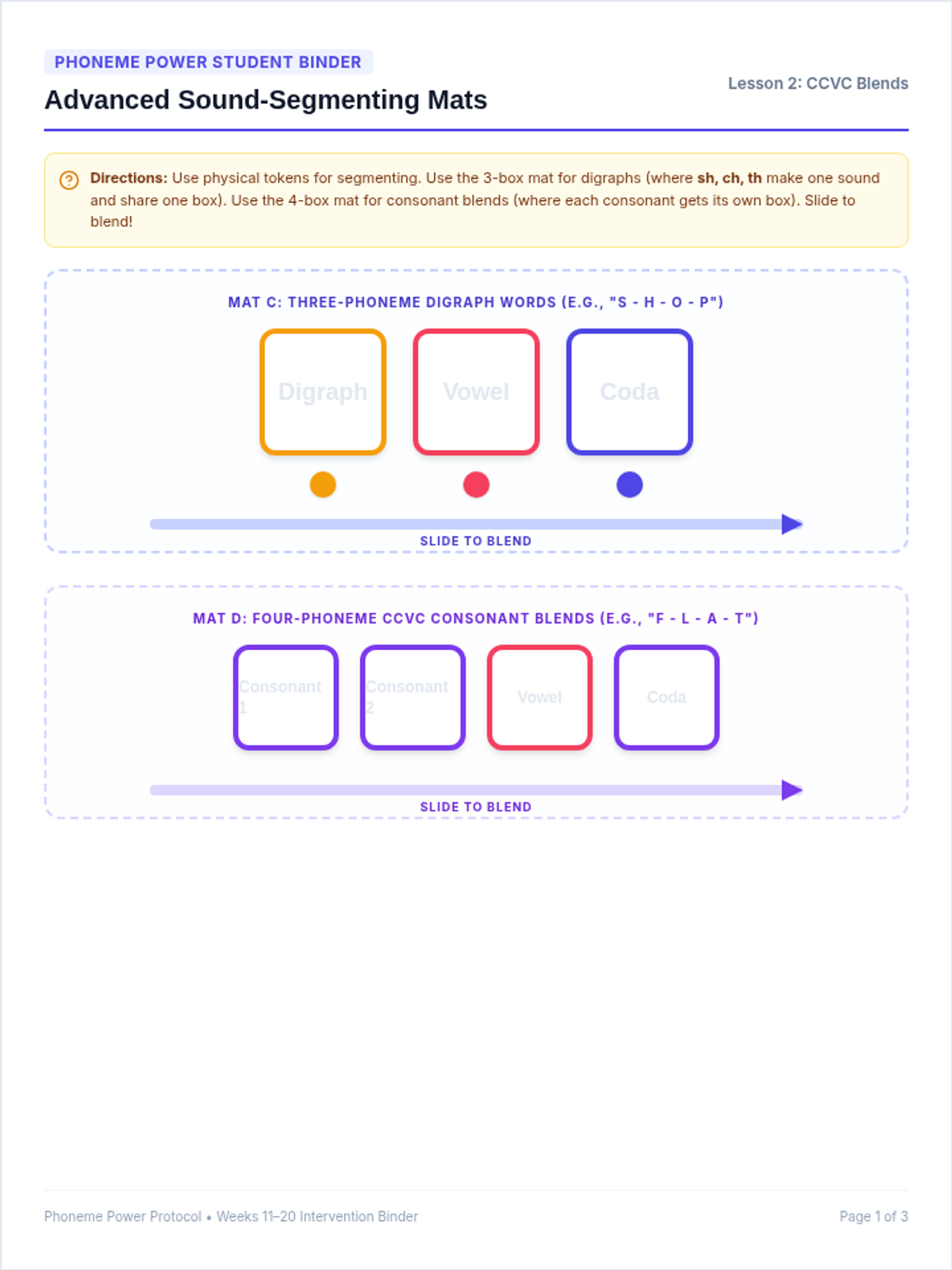
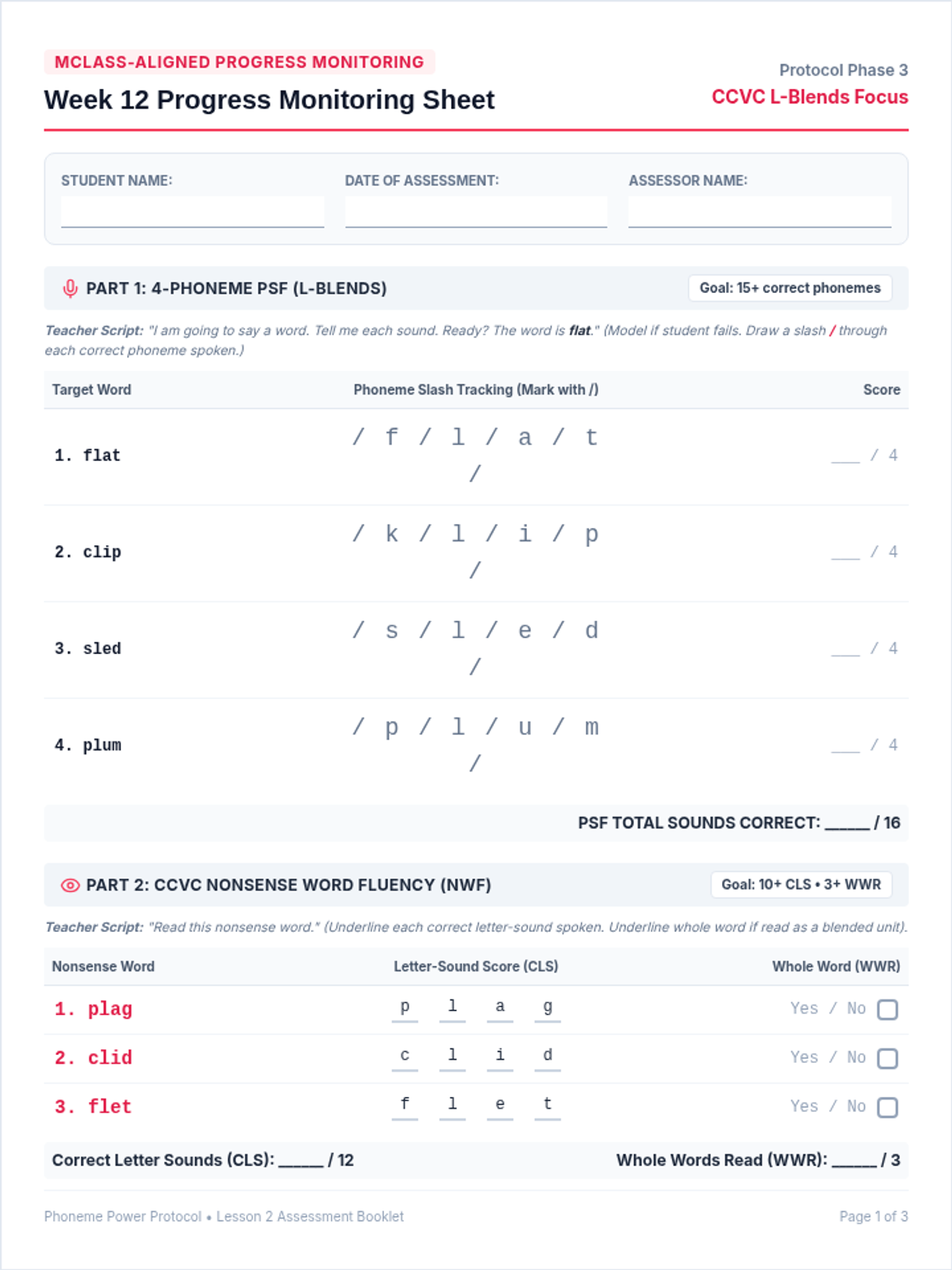
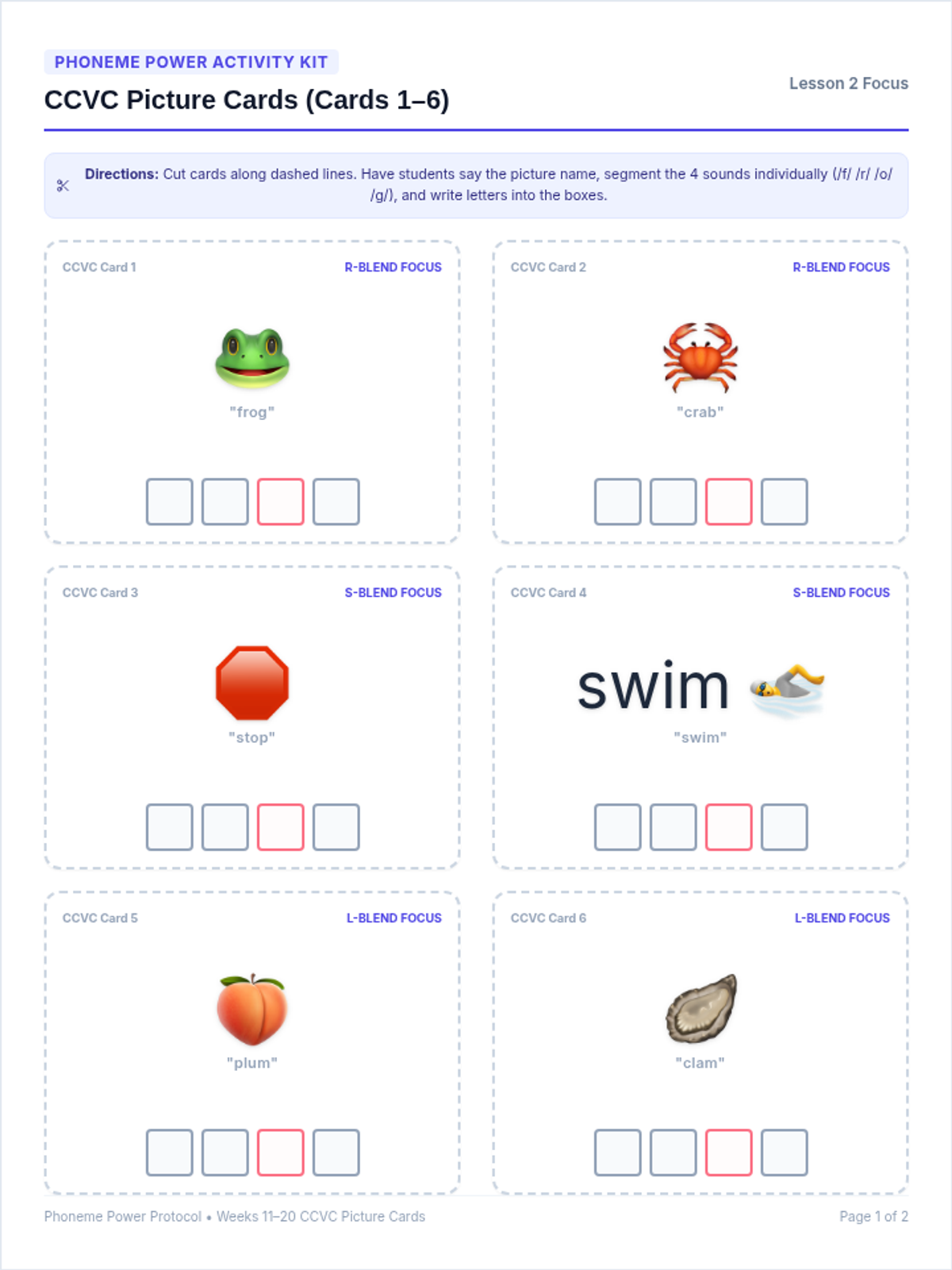
Weeks 11-20 of the Phoneme Power Protocol intervention, focusing on CCVC (consonant blends) and complex CVC words. Includes systematic small-group routines for 4-phoneme words, visual 4-box Elkonin mats, tactile onset-rime blending cards, and progress monitoring scoring sheets for Weeks 12, 16, and 20.
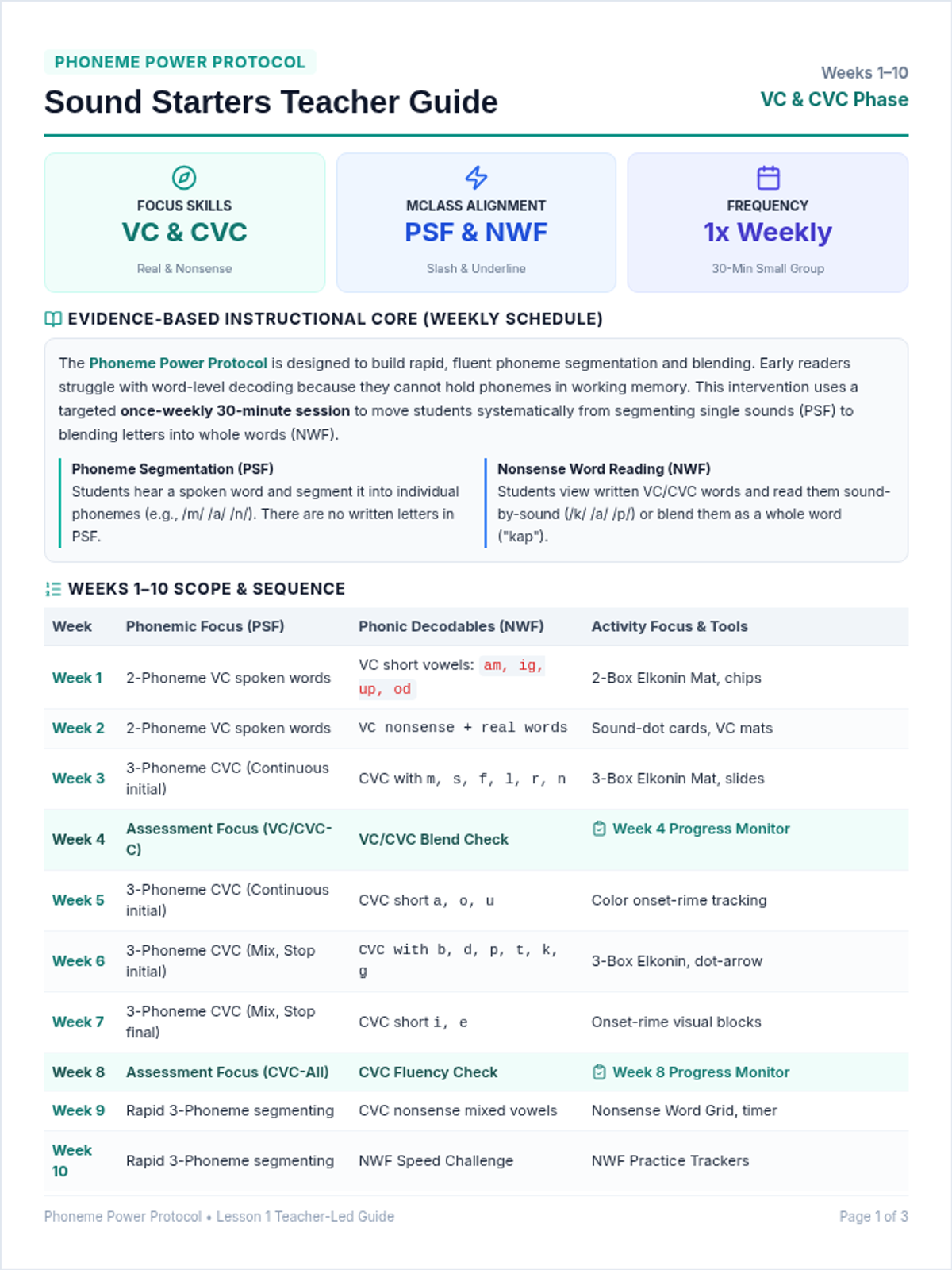
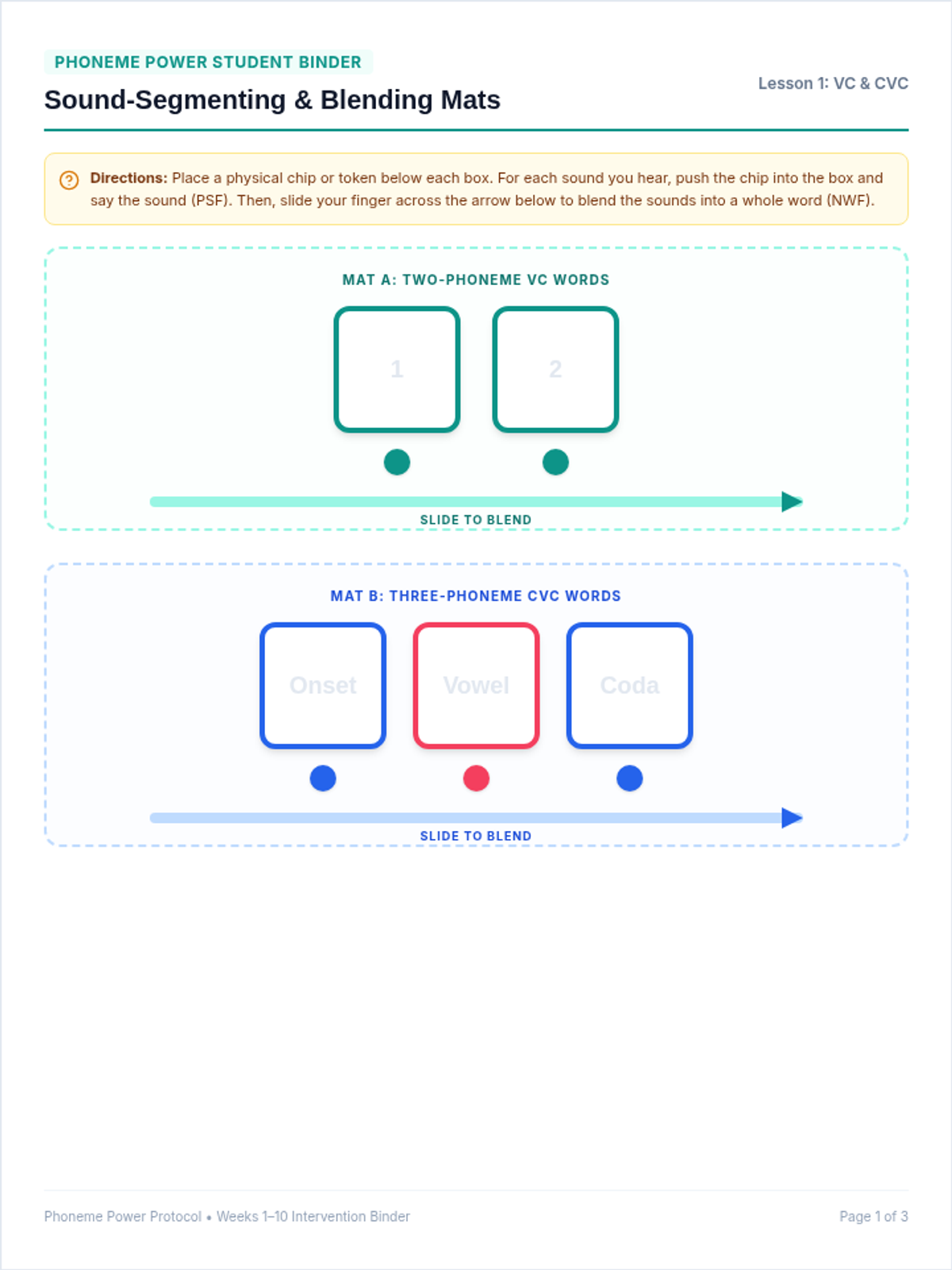
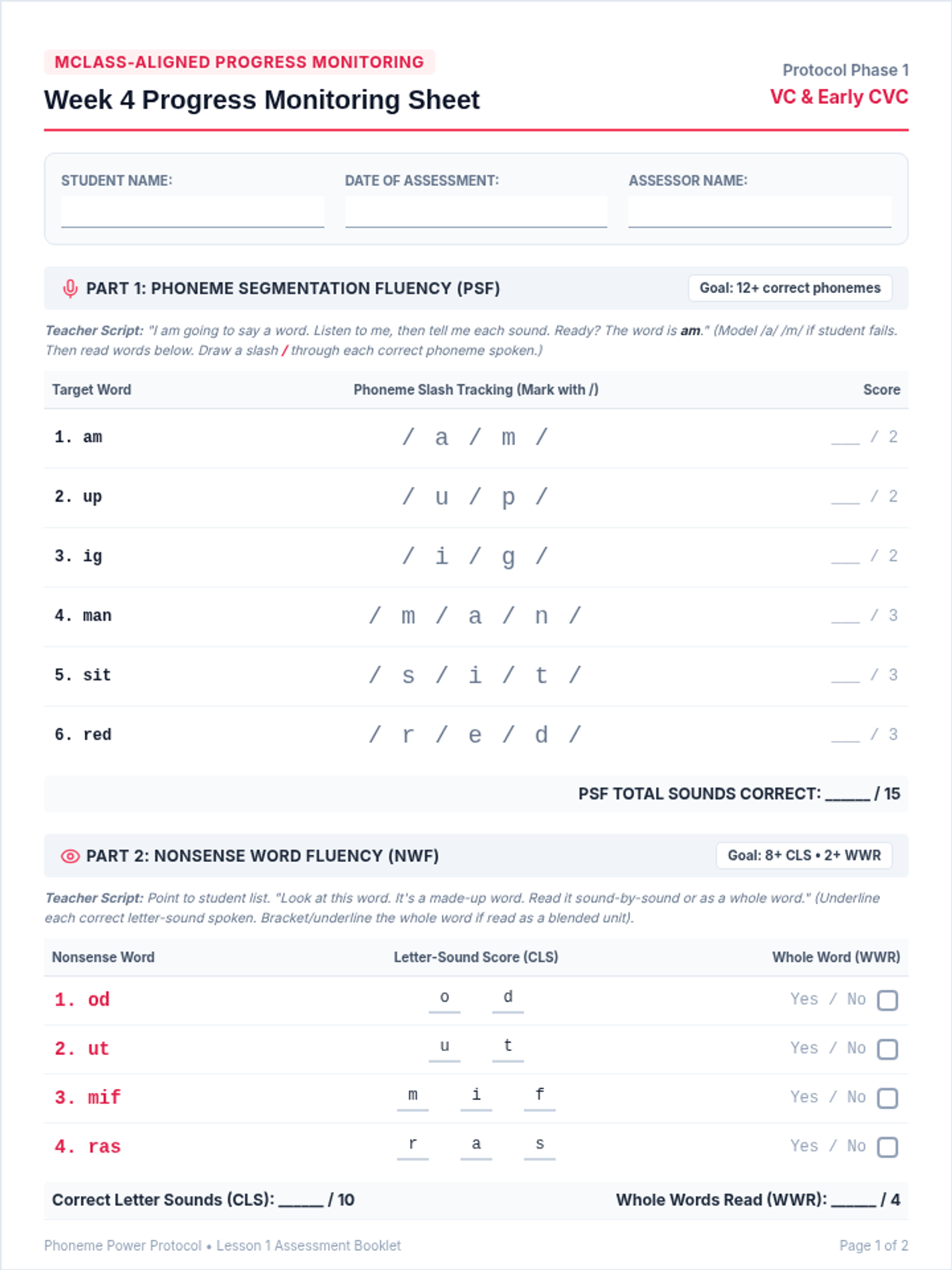
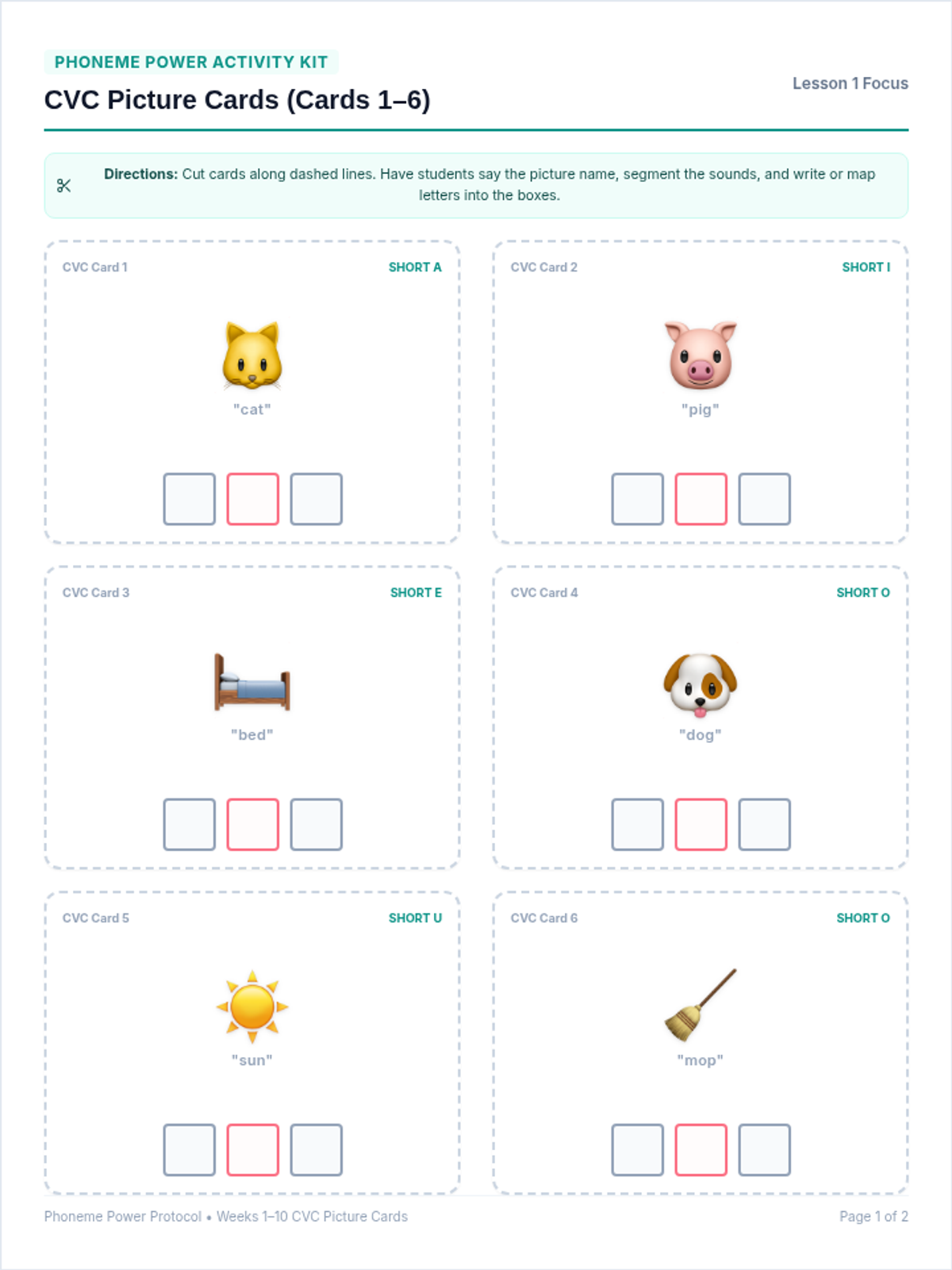
Weeks 1-10 of the Phoneme Power Protocol intervention, focusing on VC and CVC words. Includes systematic routines for segmenting individual sounds (PSF) and blending phonemes into nonsense and real words (NWF) using 2-box and 3-box Elkonin mats, color-coded word cards, and progress monitoring at Weeks 4 and 8.
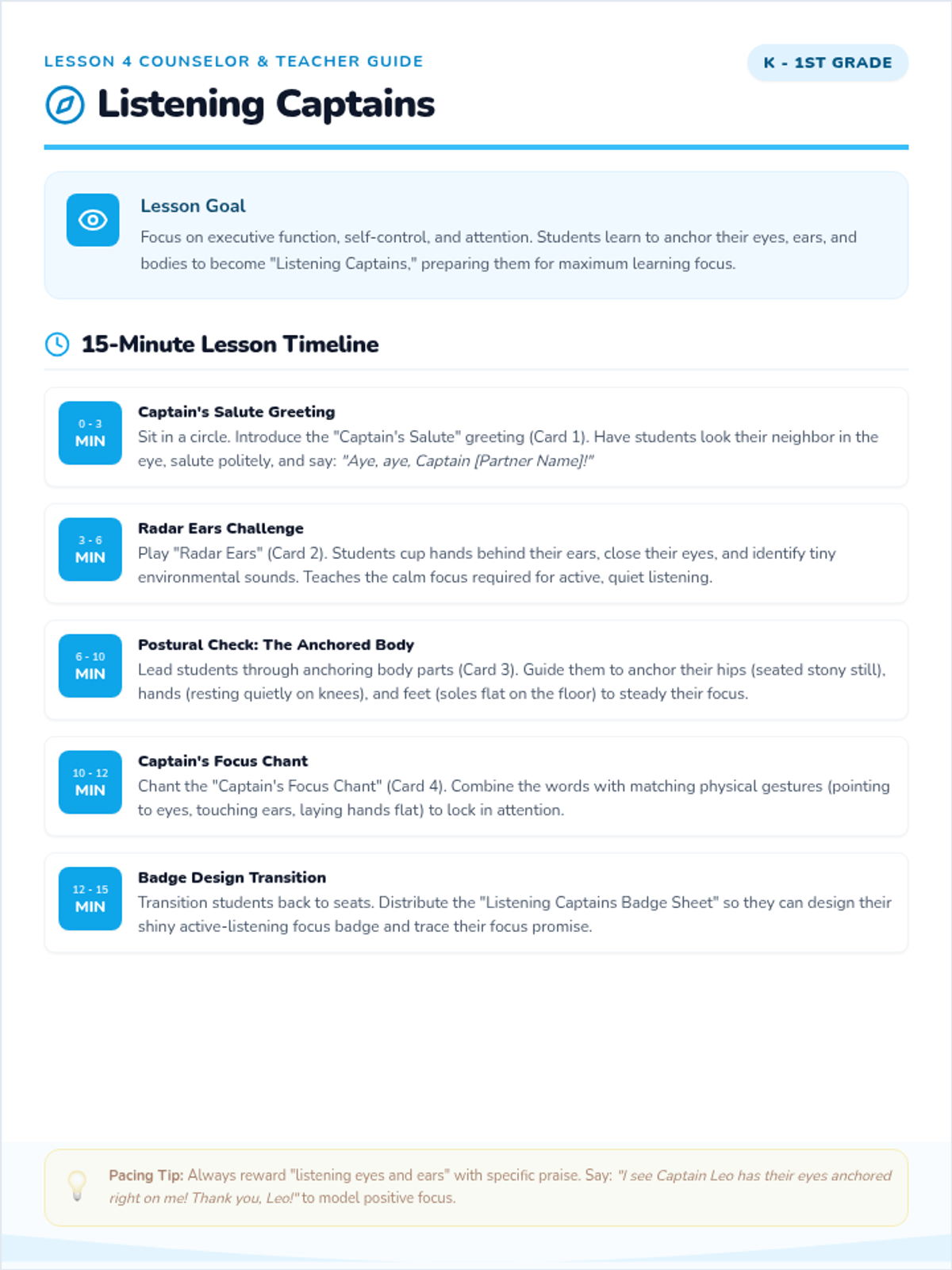
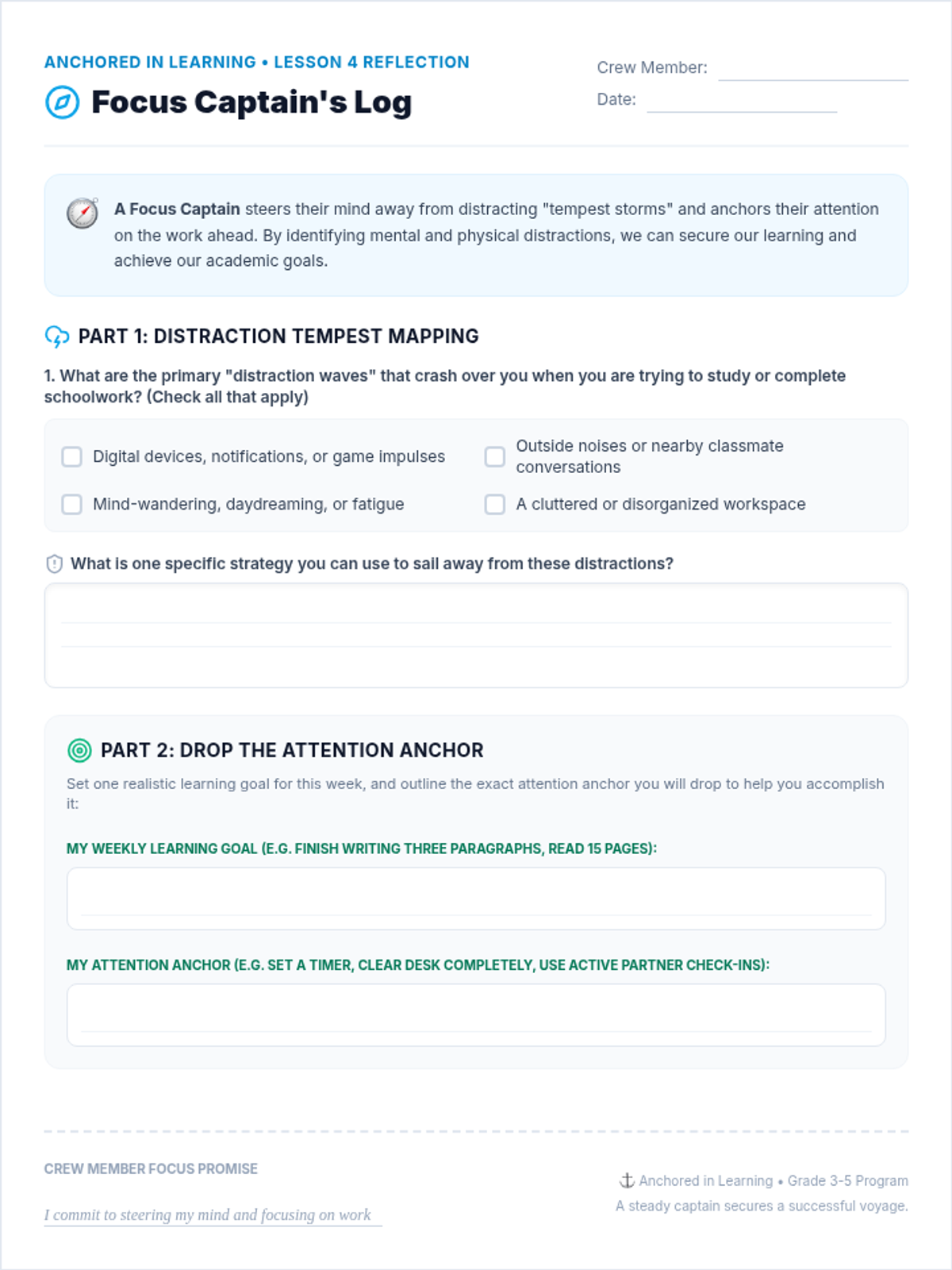
Lesson 4 of the SEL sequence. A complete, ready-to-go 15-minute lesson for 3rd-5th Grade students on focusing attention, managing digital/mental distractions, and anchoring executive attention.