Students compare an expository text about thunderstorms with a literary story about a child's experience during a storm, focusing on identifying facts vs. plot.

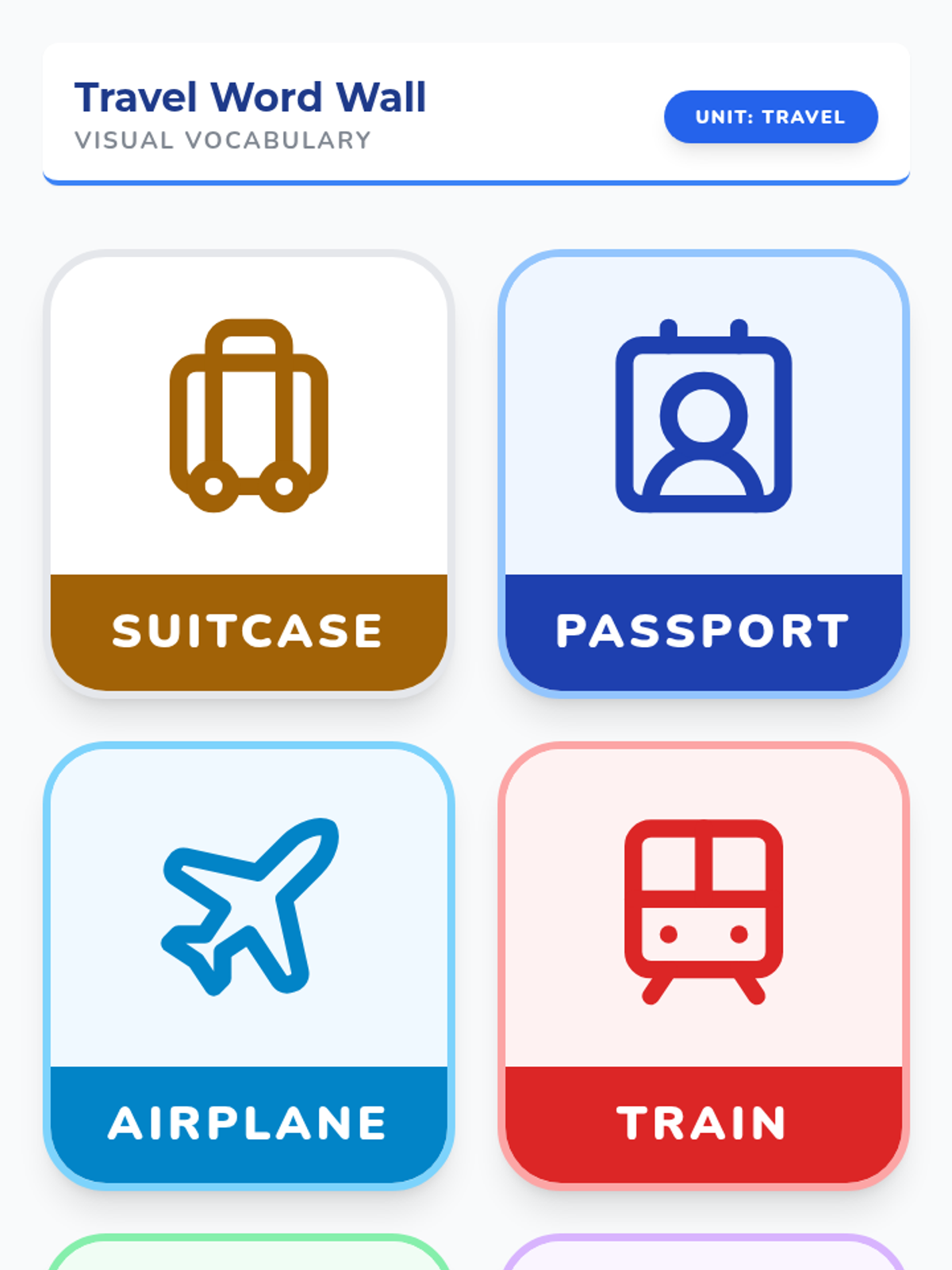
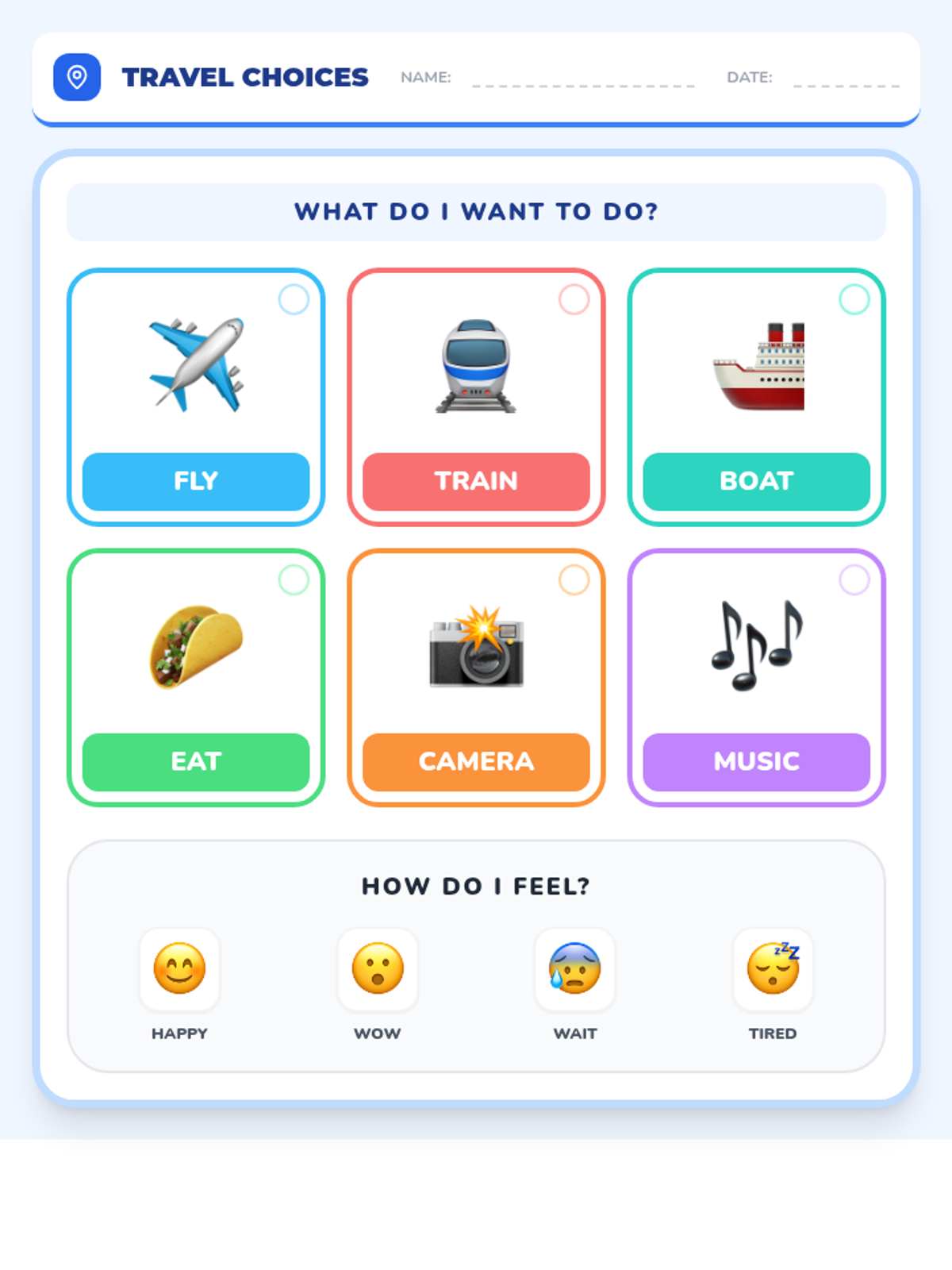
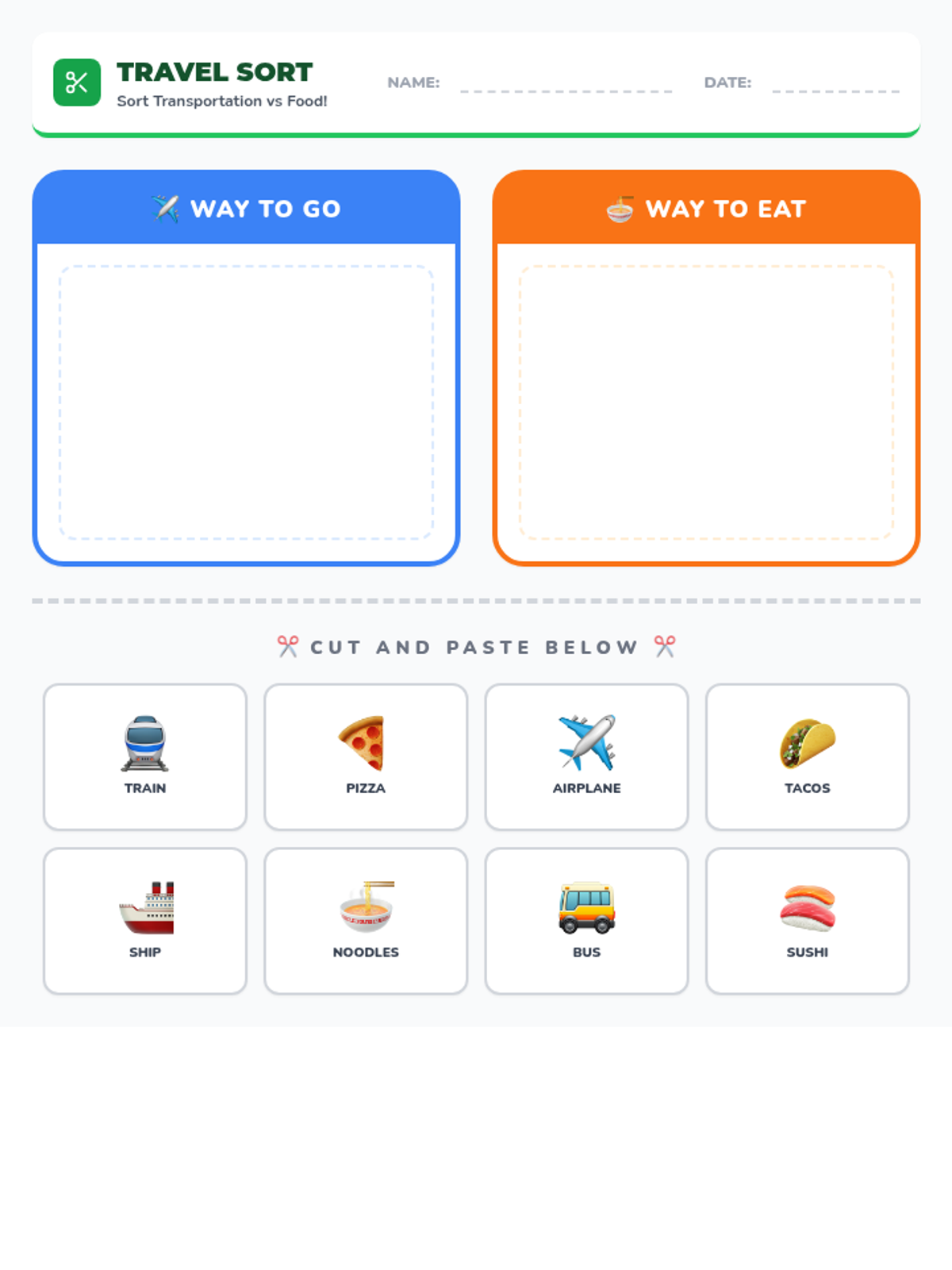
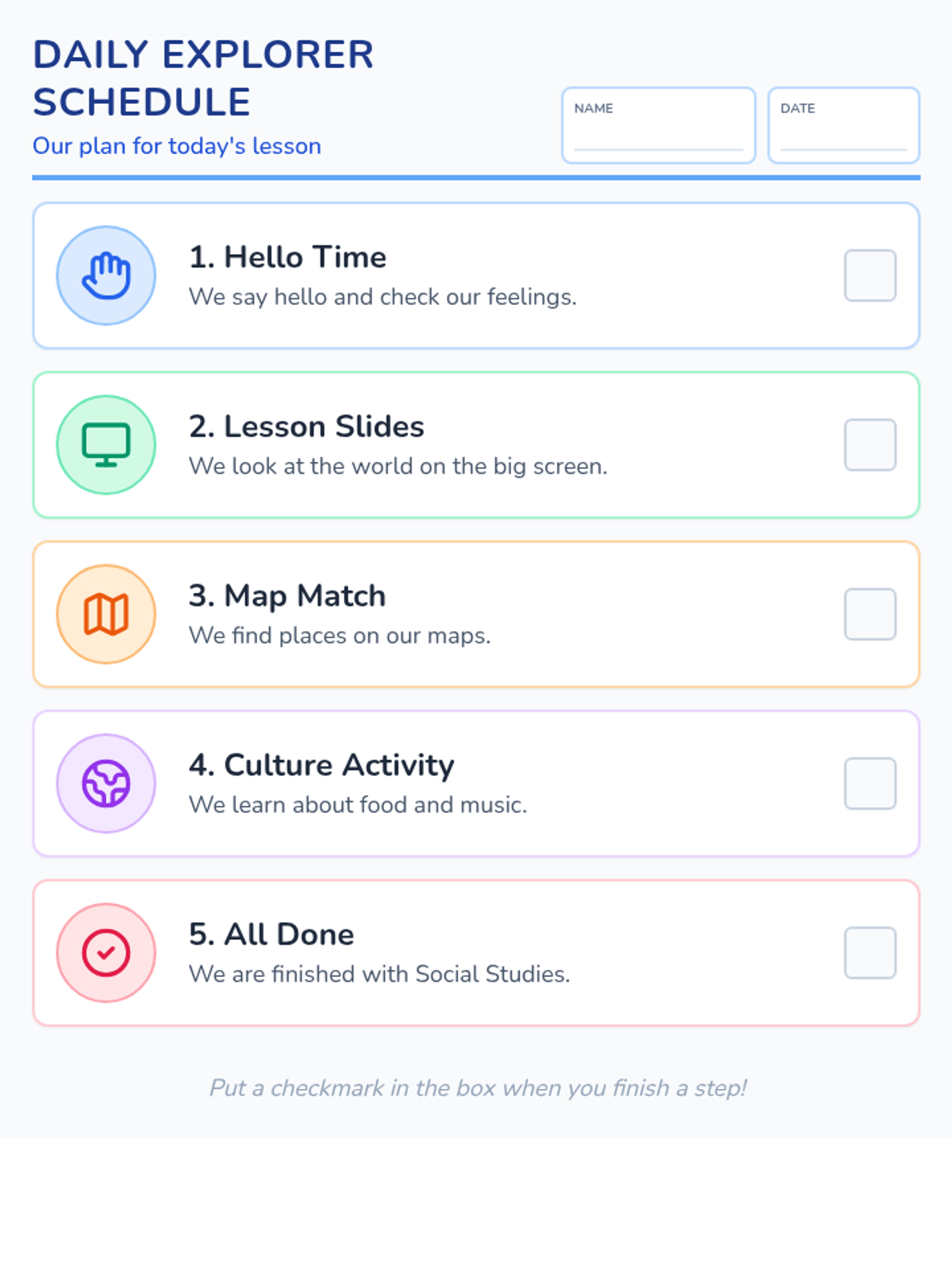
A sensory-focused social studies lesson for elementary students with autism, exploring world travel through sights, sounds, transportation, and traditions. The lesson emphasizes visual supports and structured activities to build understanding of global diversity.
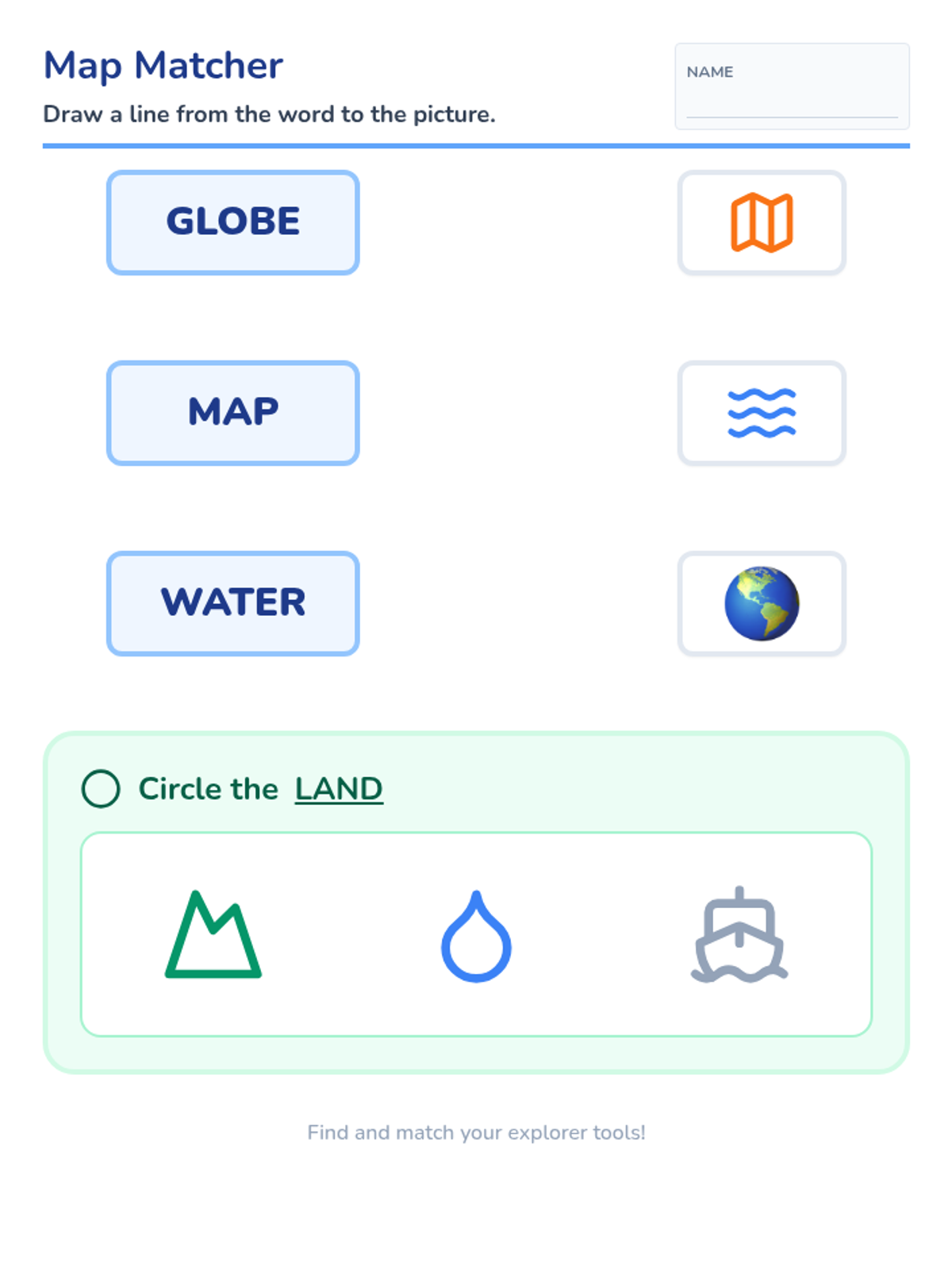
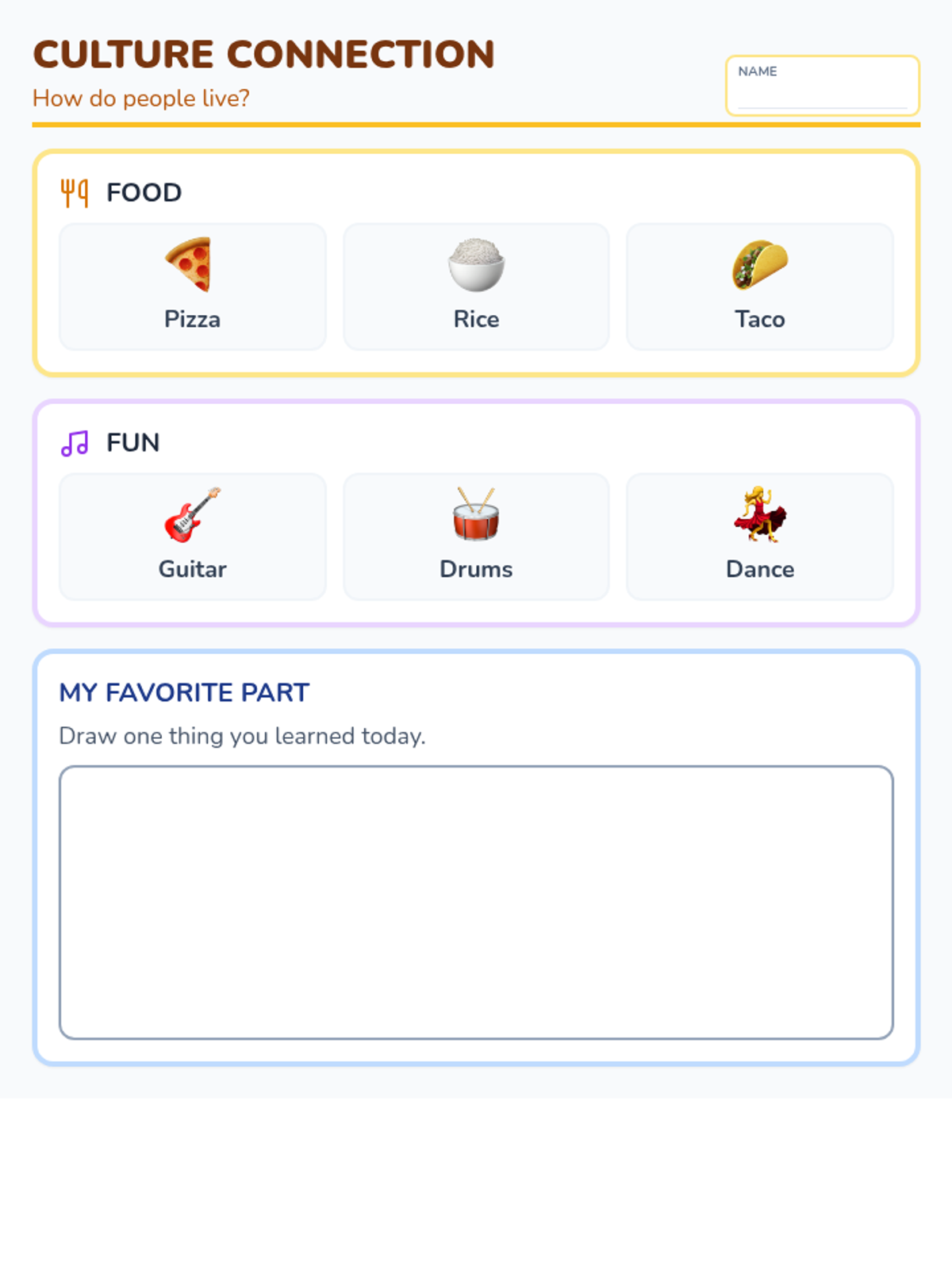
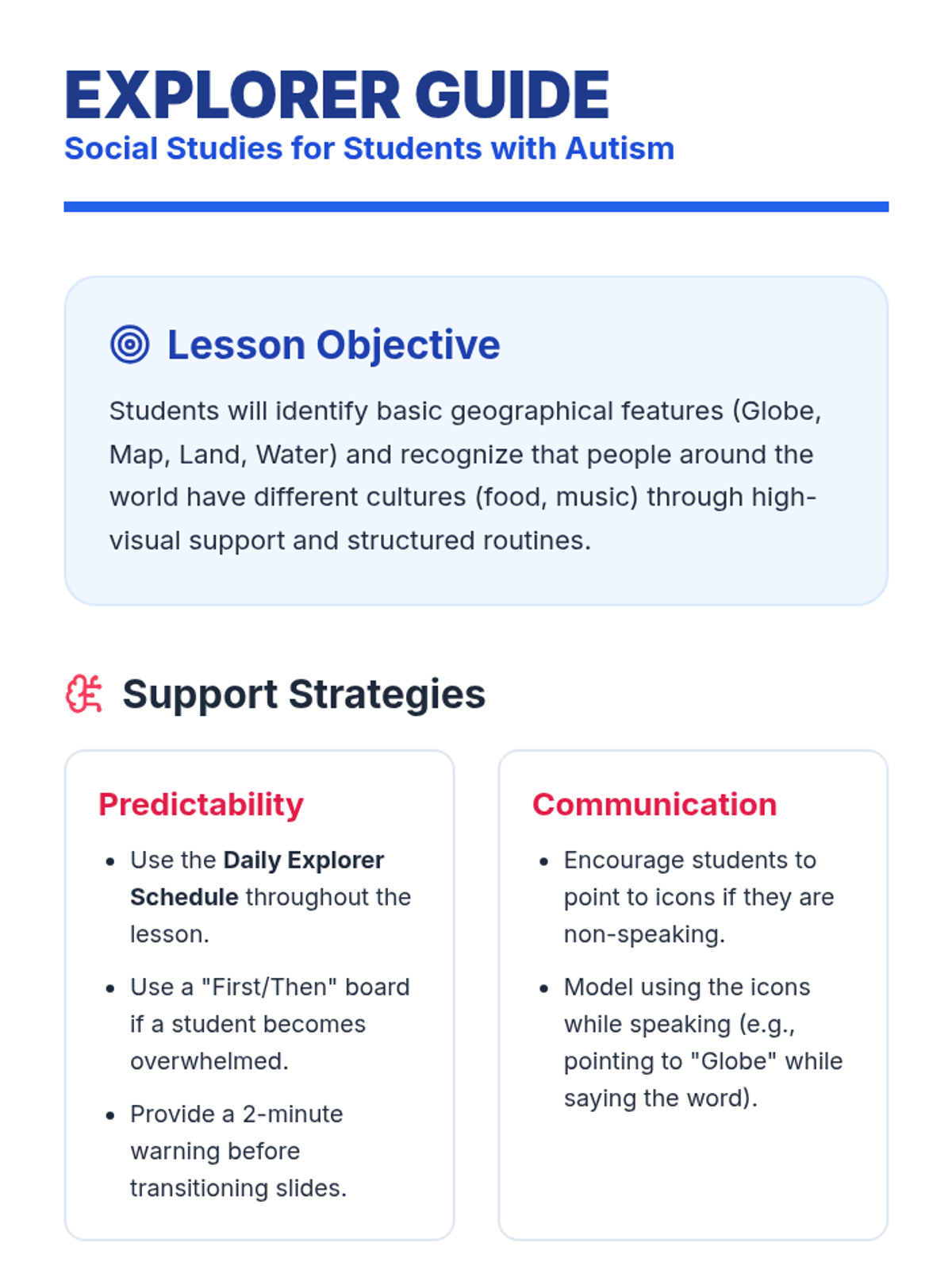
An introductory social studies lesson for elementary students with autism, focusing on basic map skills and cultural diversity through high-visual support and structured routines.
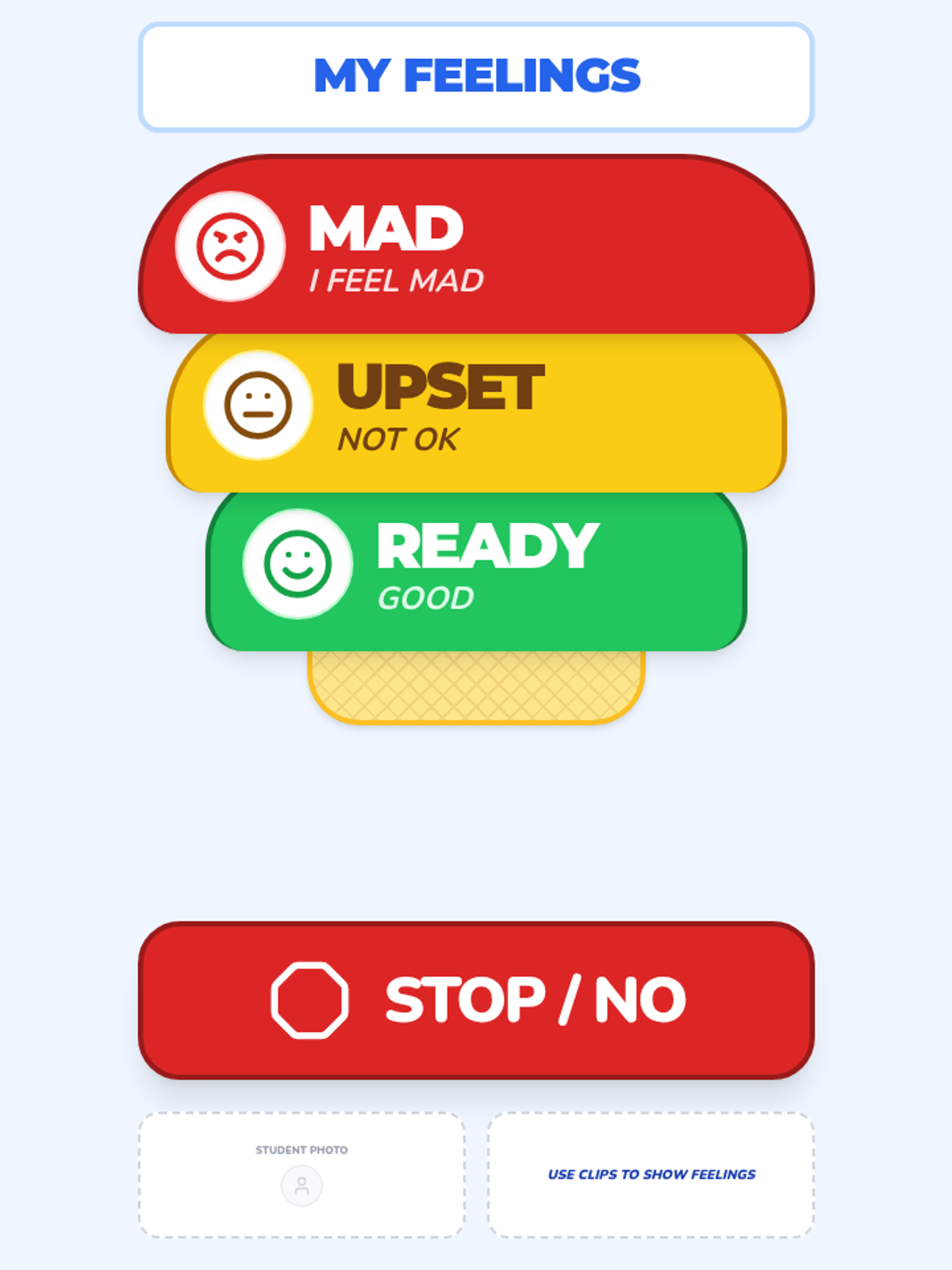
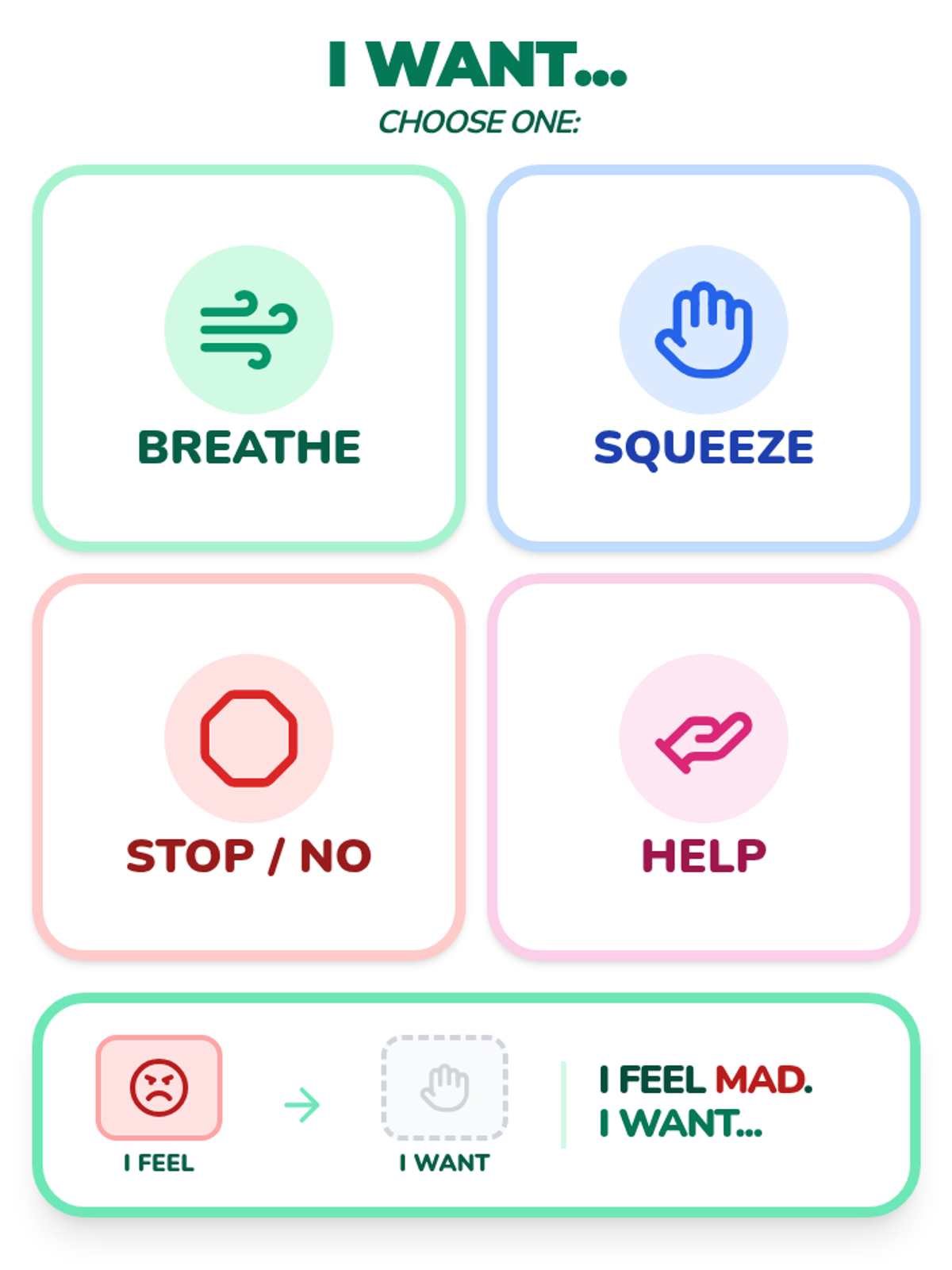
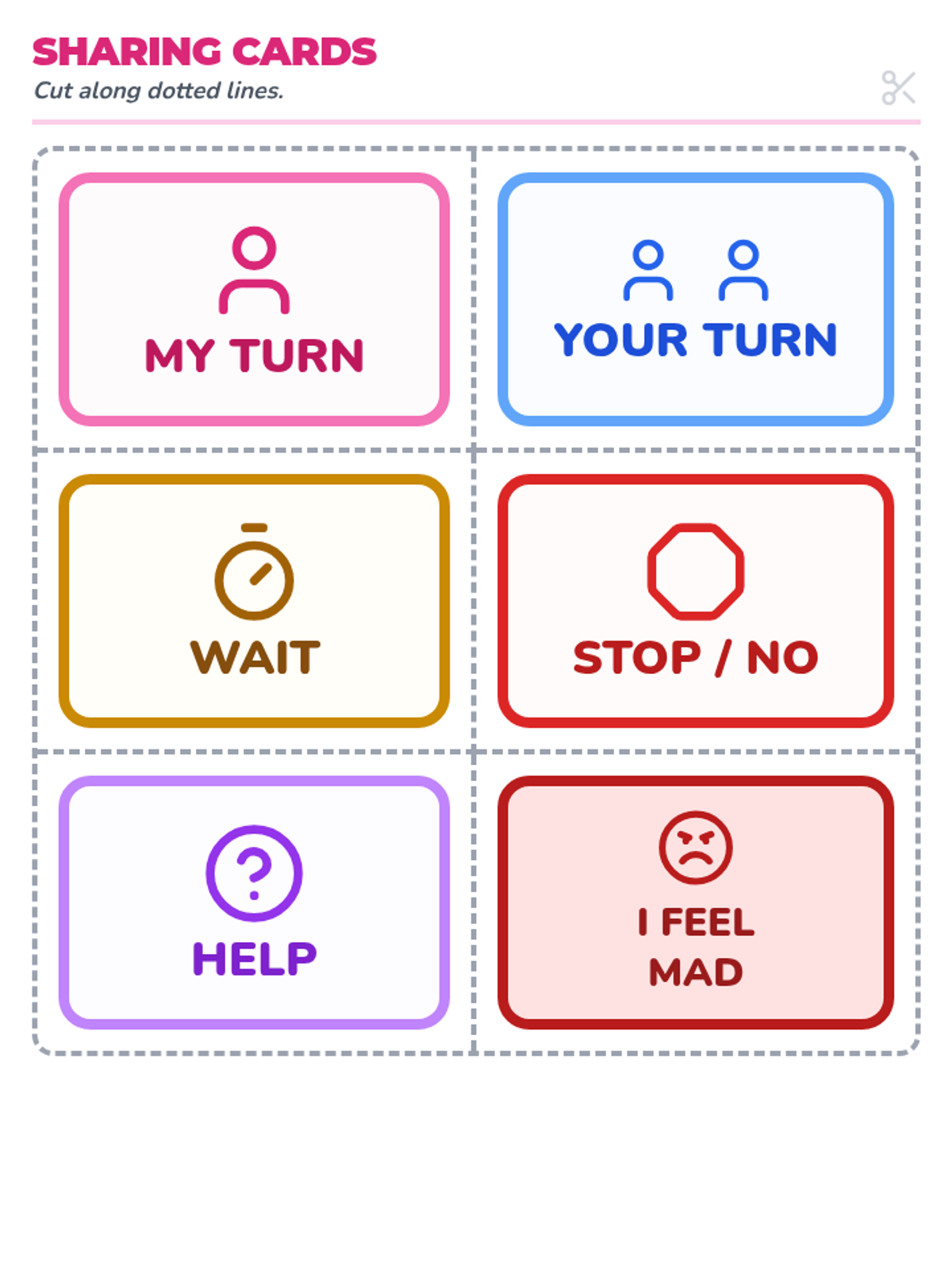
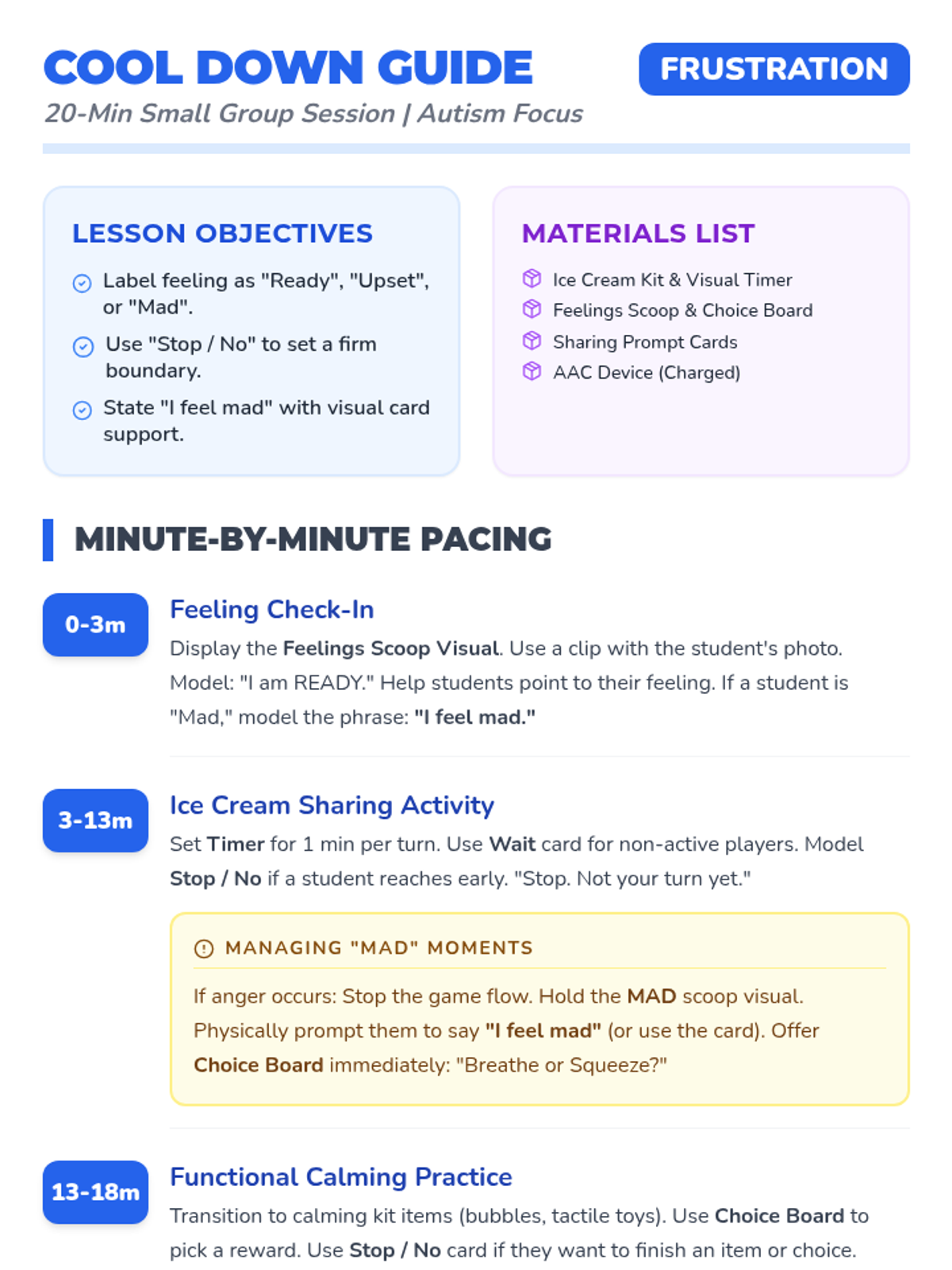
A 20-minute targeted social-emotional lesson for students with autism, focusing on managing frustration during turn-taking activities using an ice cream theme. Includes visual supports for emotion regulation and calming strategies.
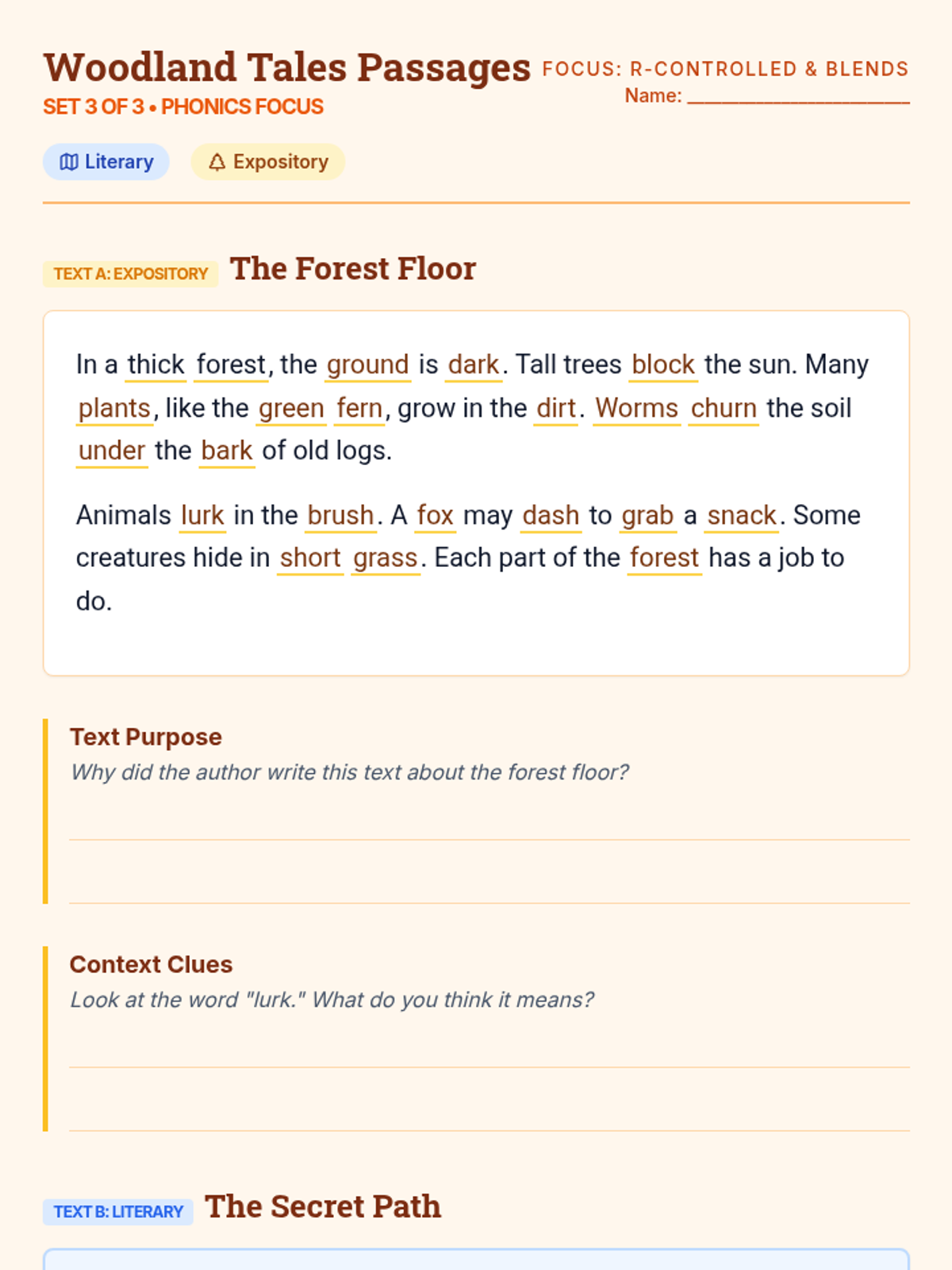
Students examine forest ecosystems and a fictional woodland adventure, highlighting how authors use different structures to convey meaning.
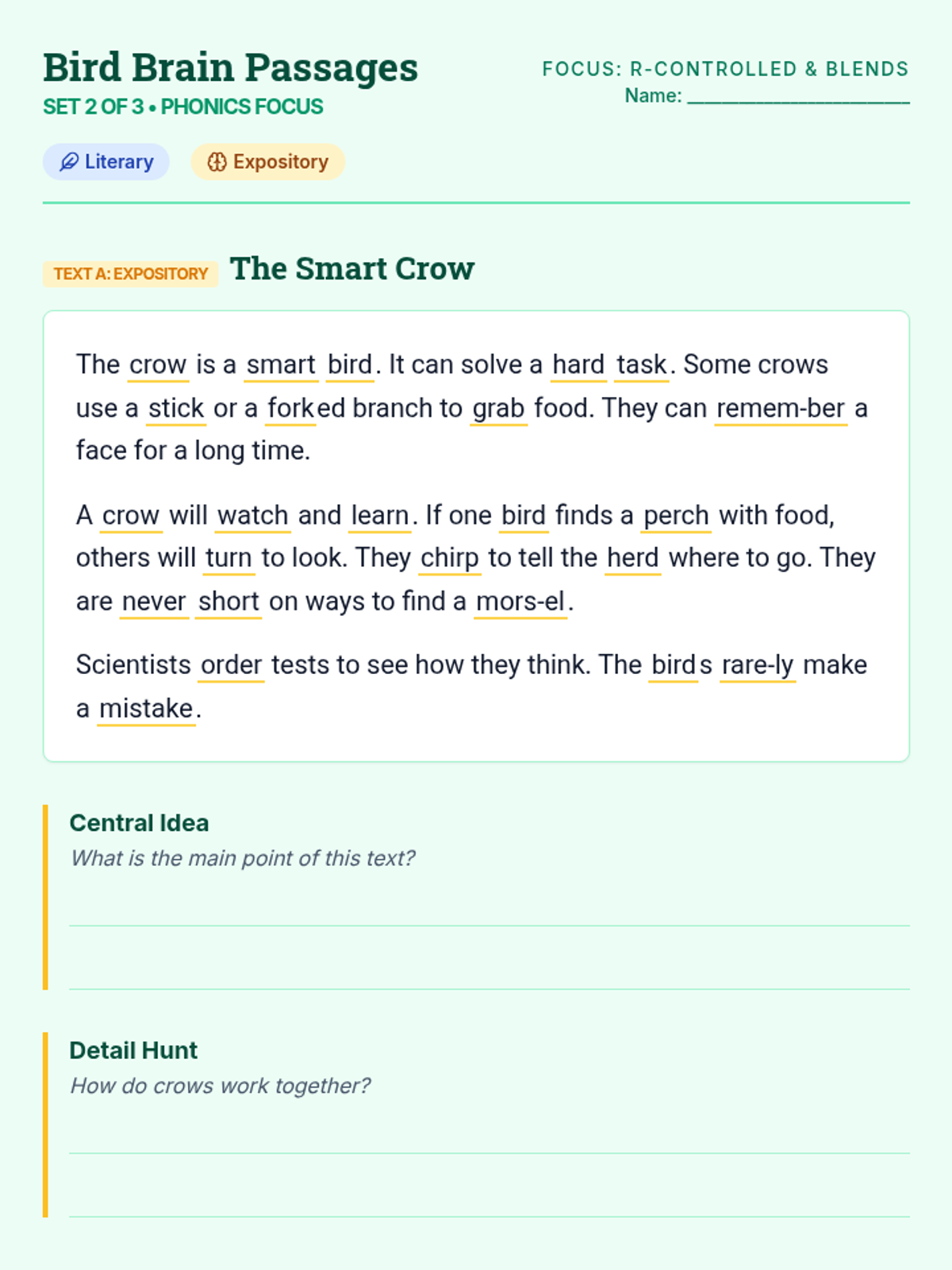
Students explore the intelligence of birds through an informational passage and a fictional narrative, identifying central ideas and character inferences.
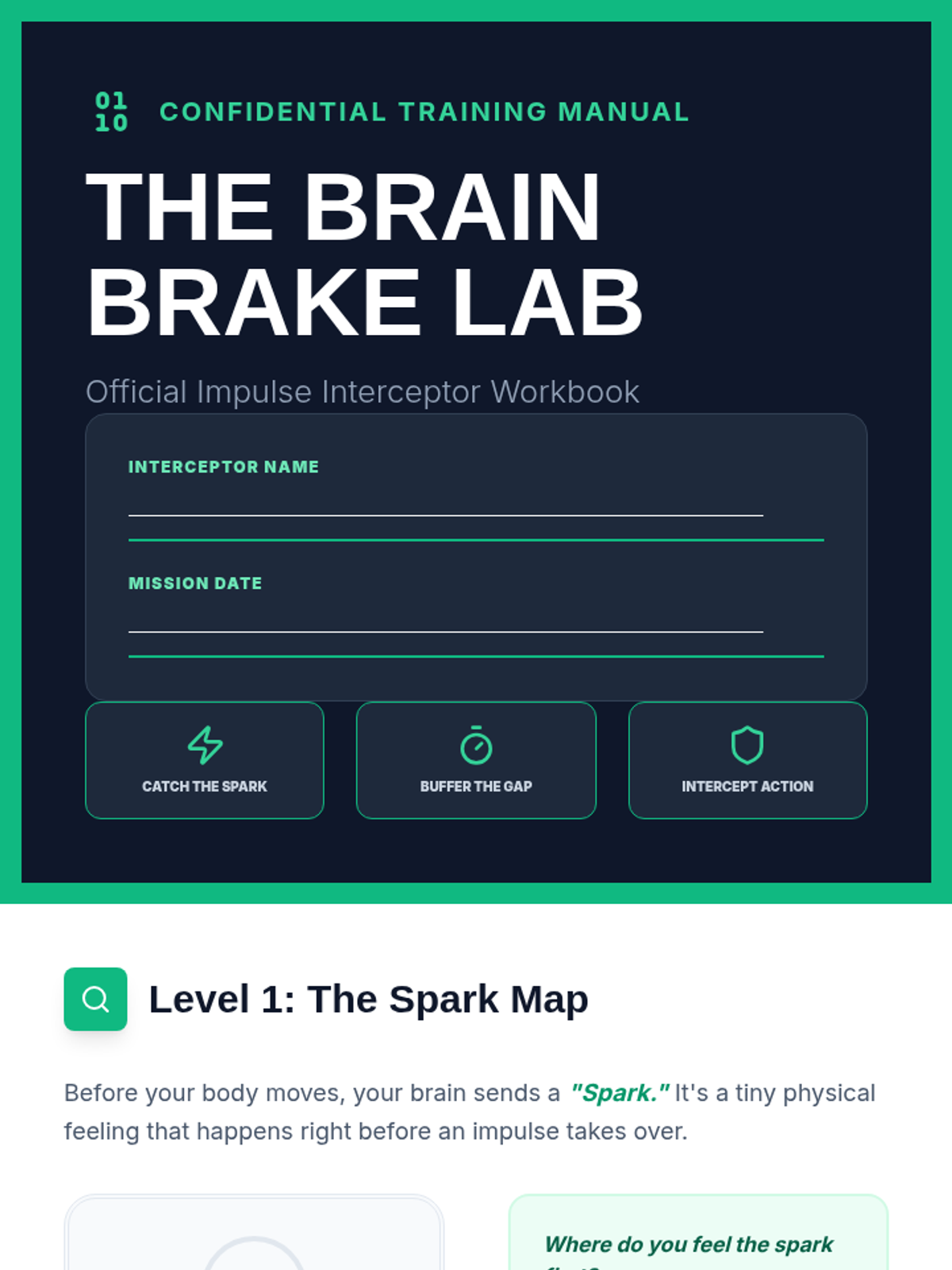
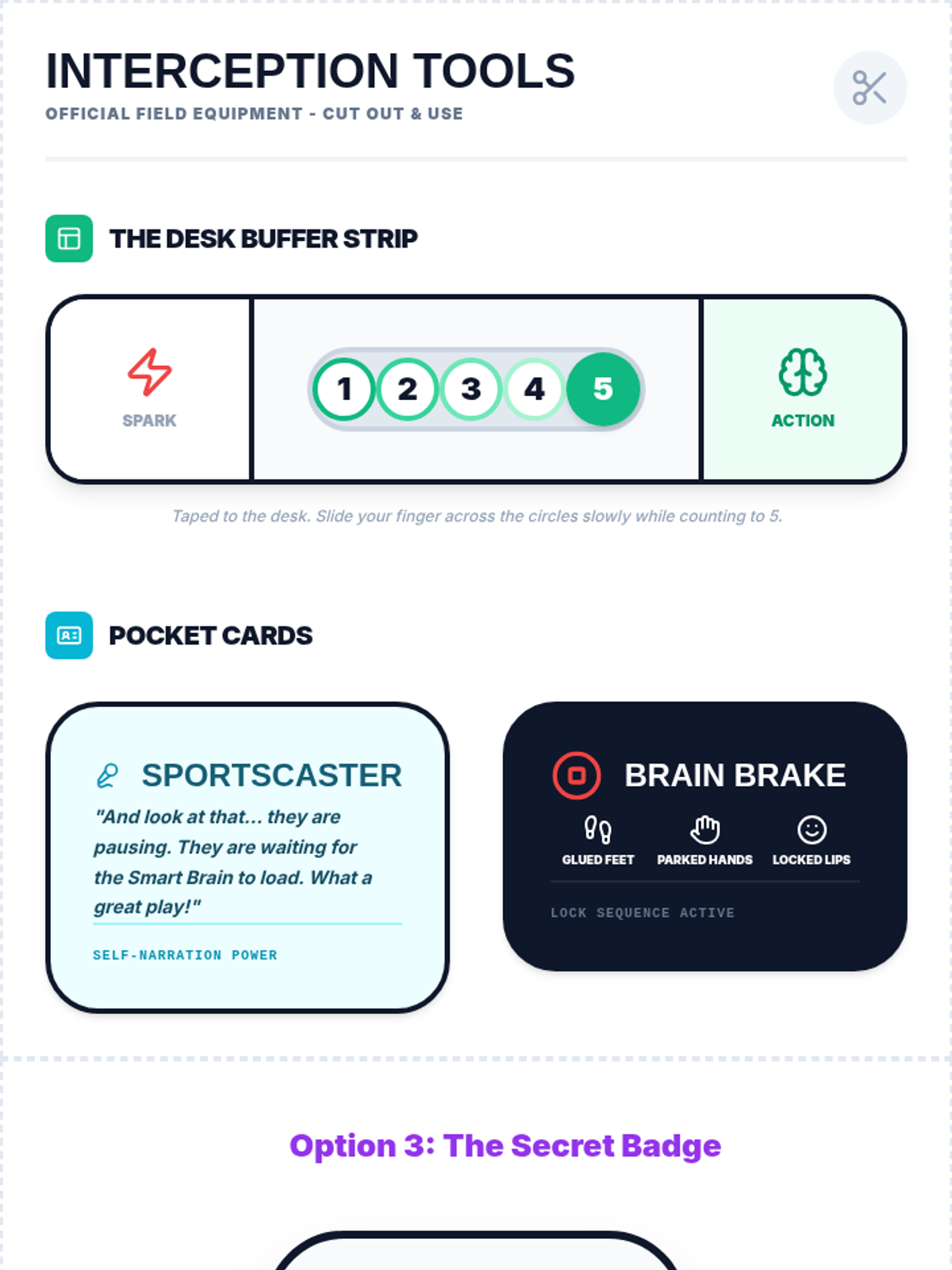
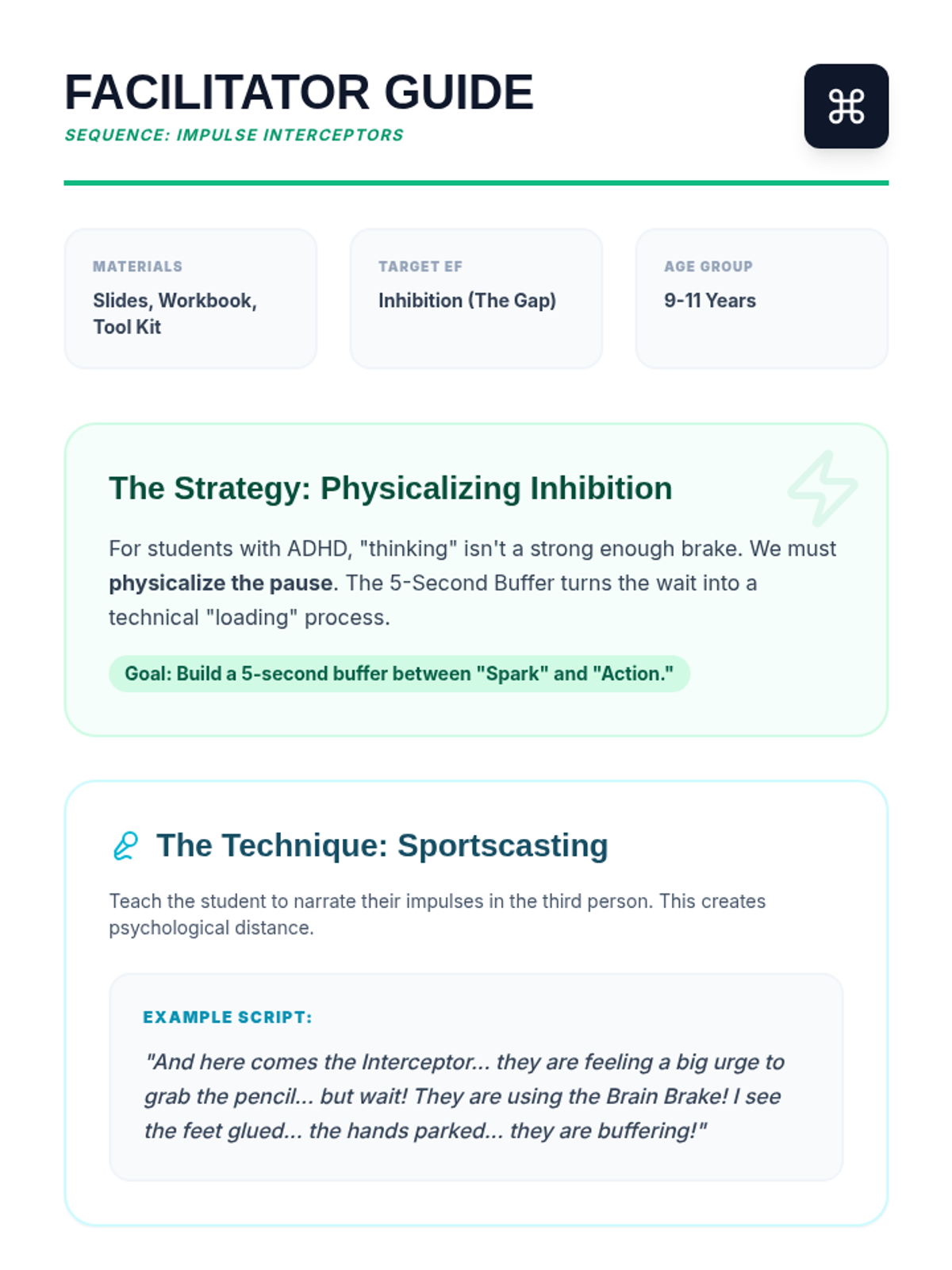
A specialized lesson focused on 'The Gap' between impulse and action, introducing the 'Brain Brake' and 'Sportscasting' techniques to help students inhibit initial responses.
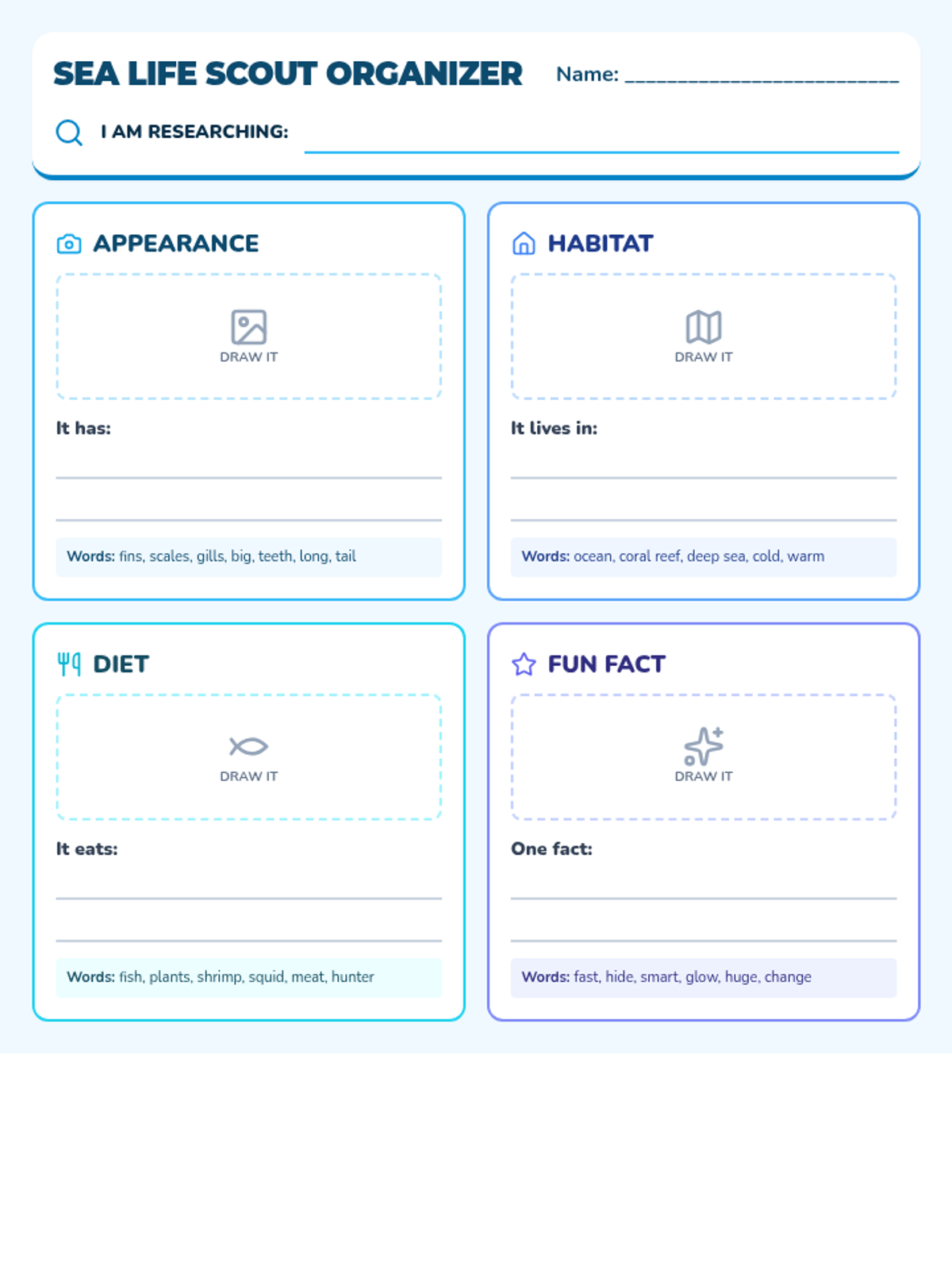
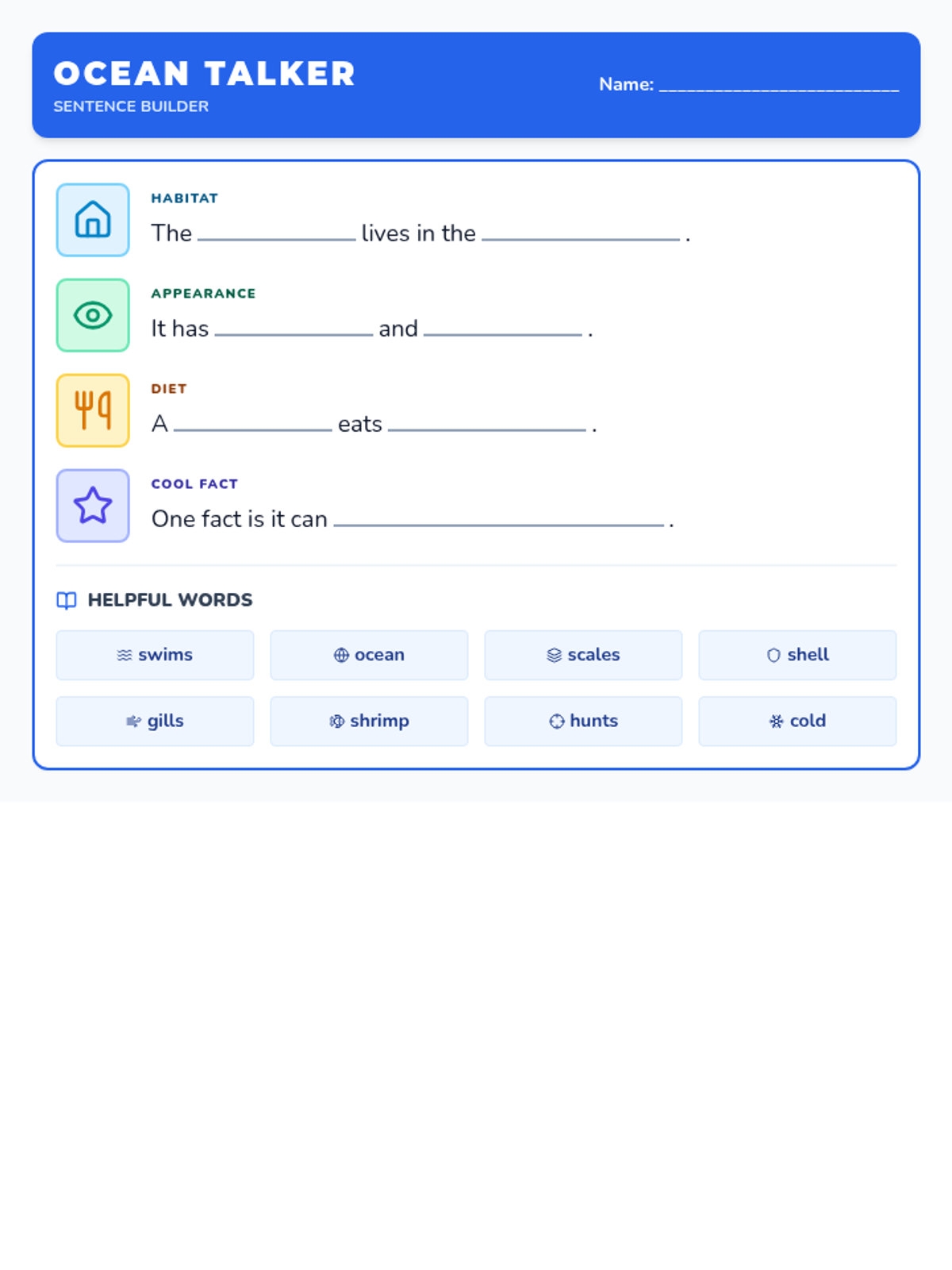
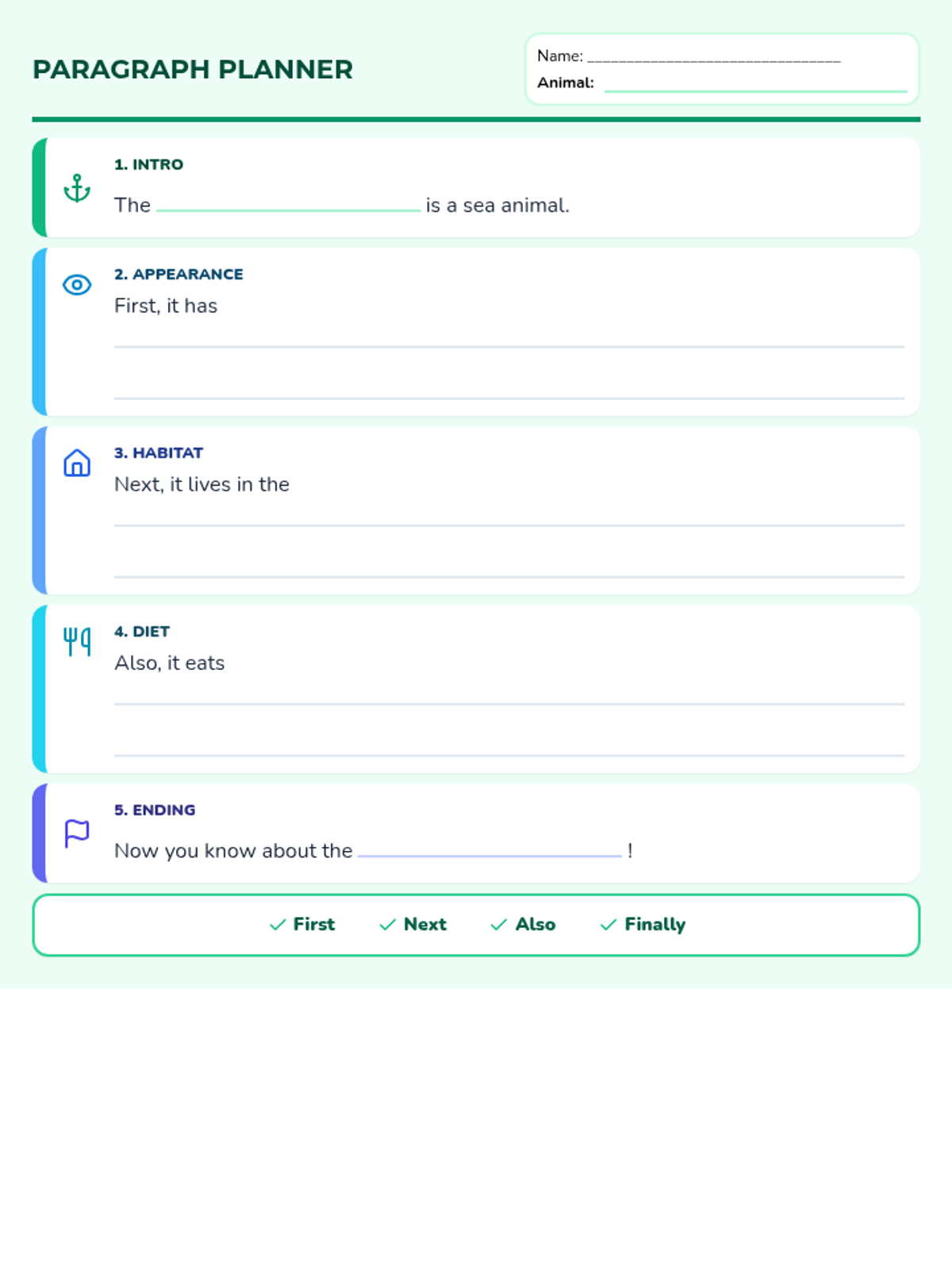
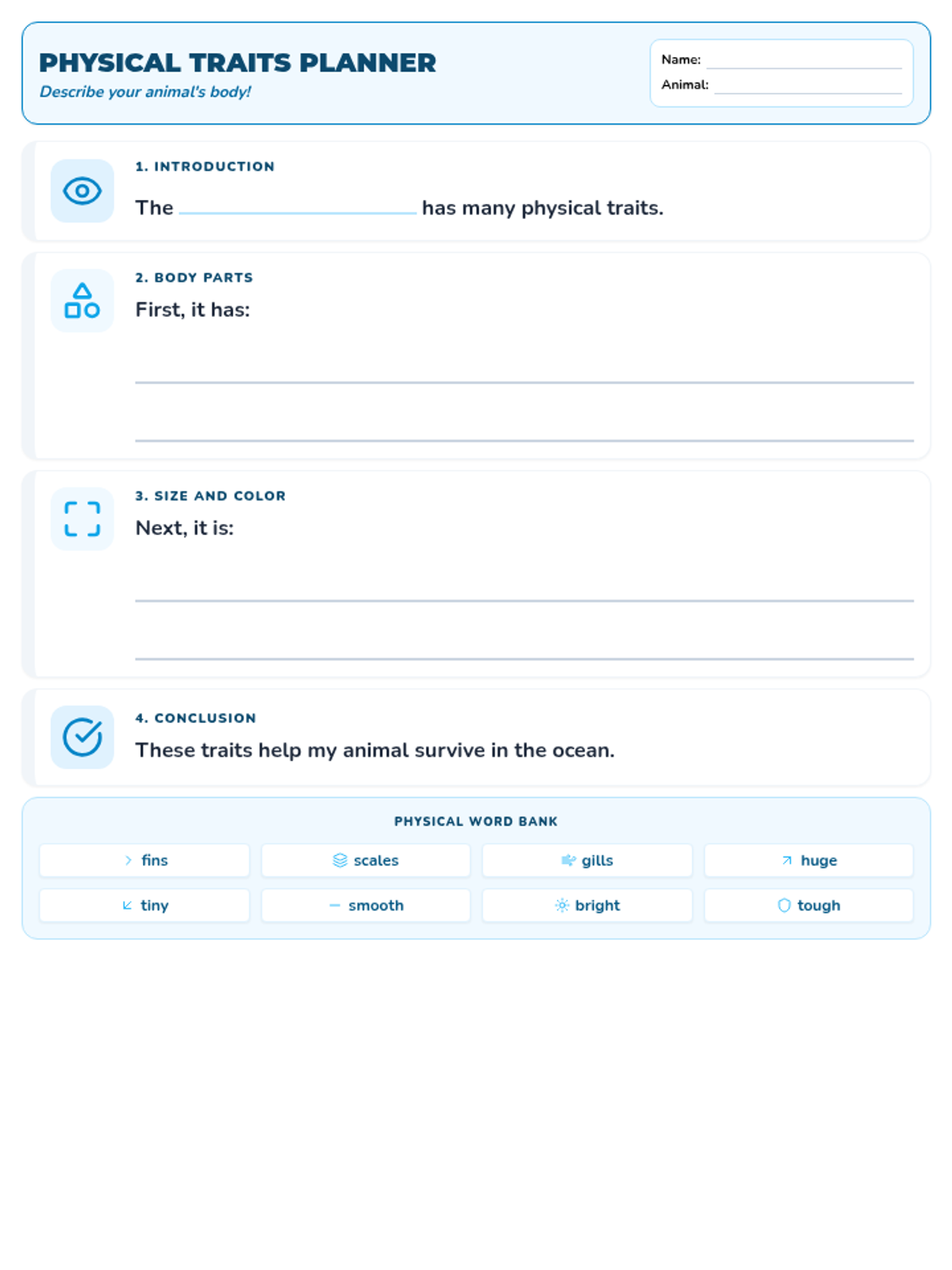
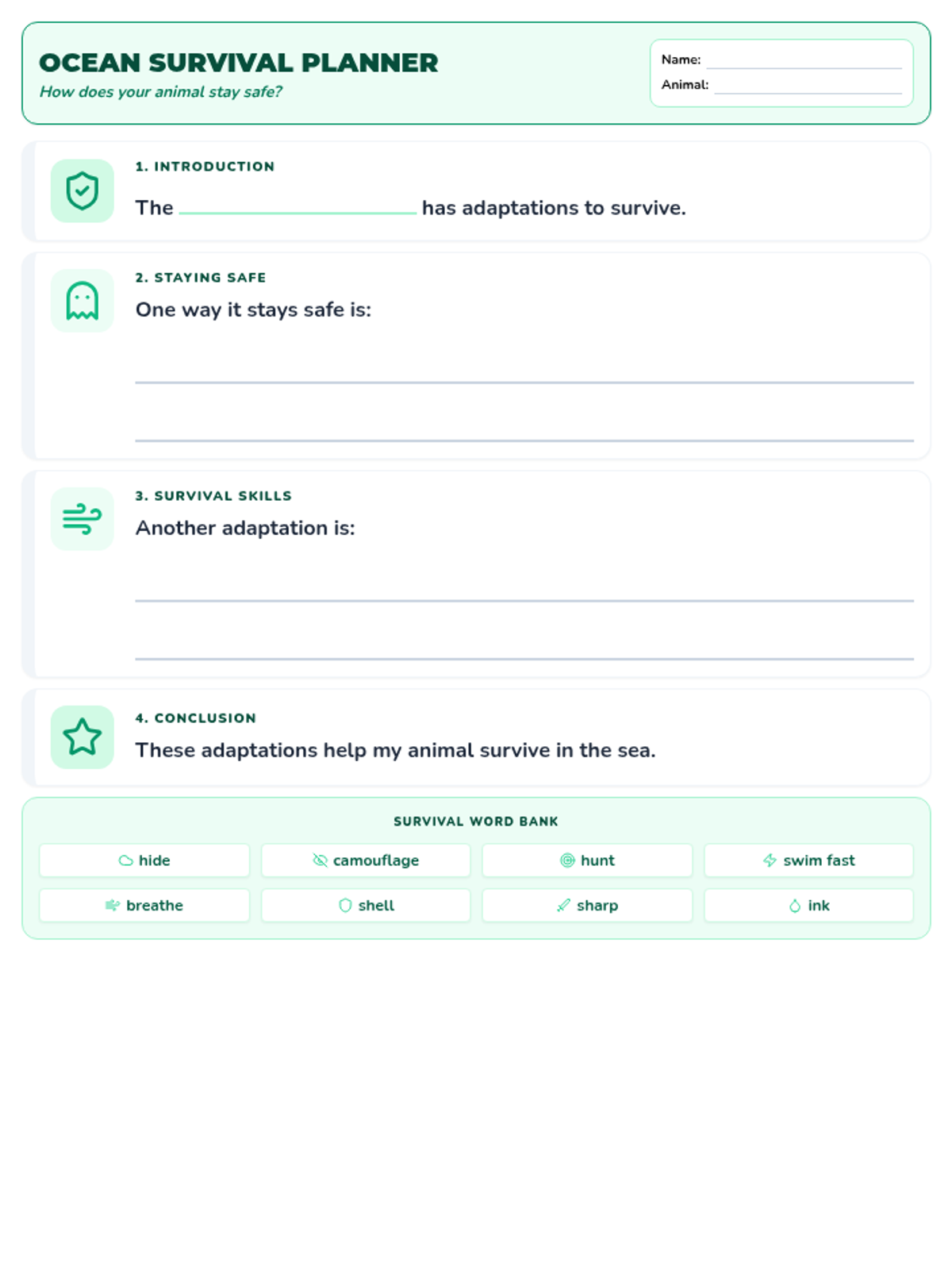
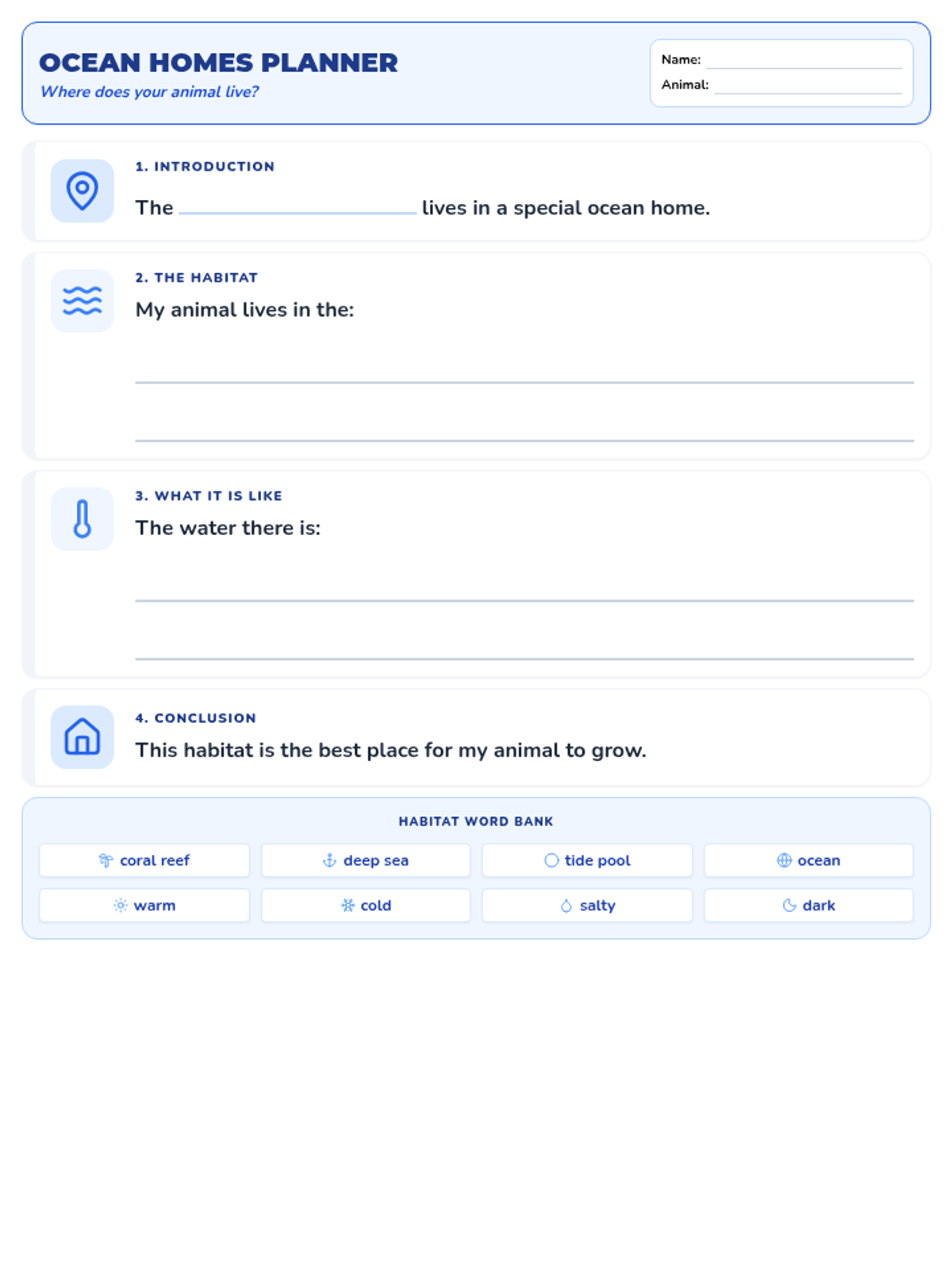
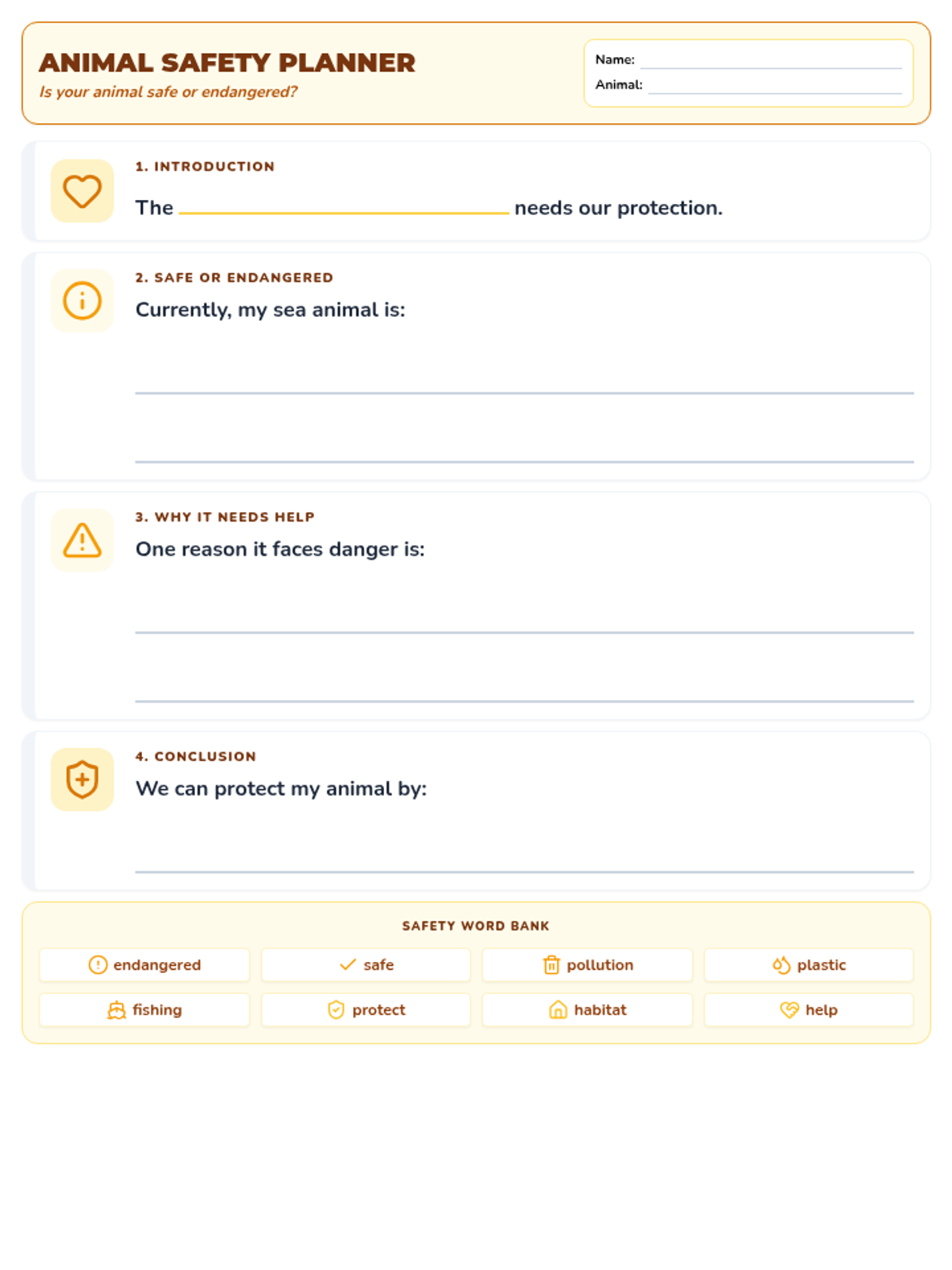
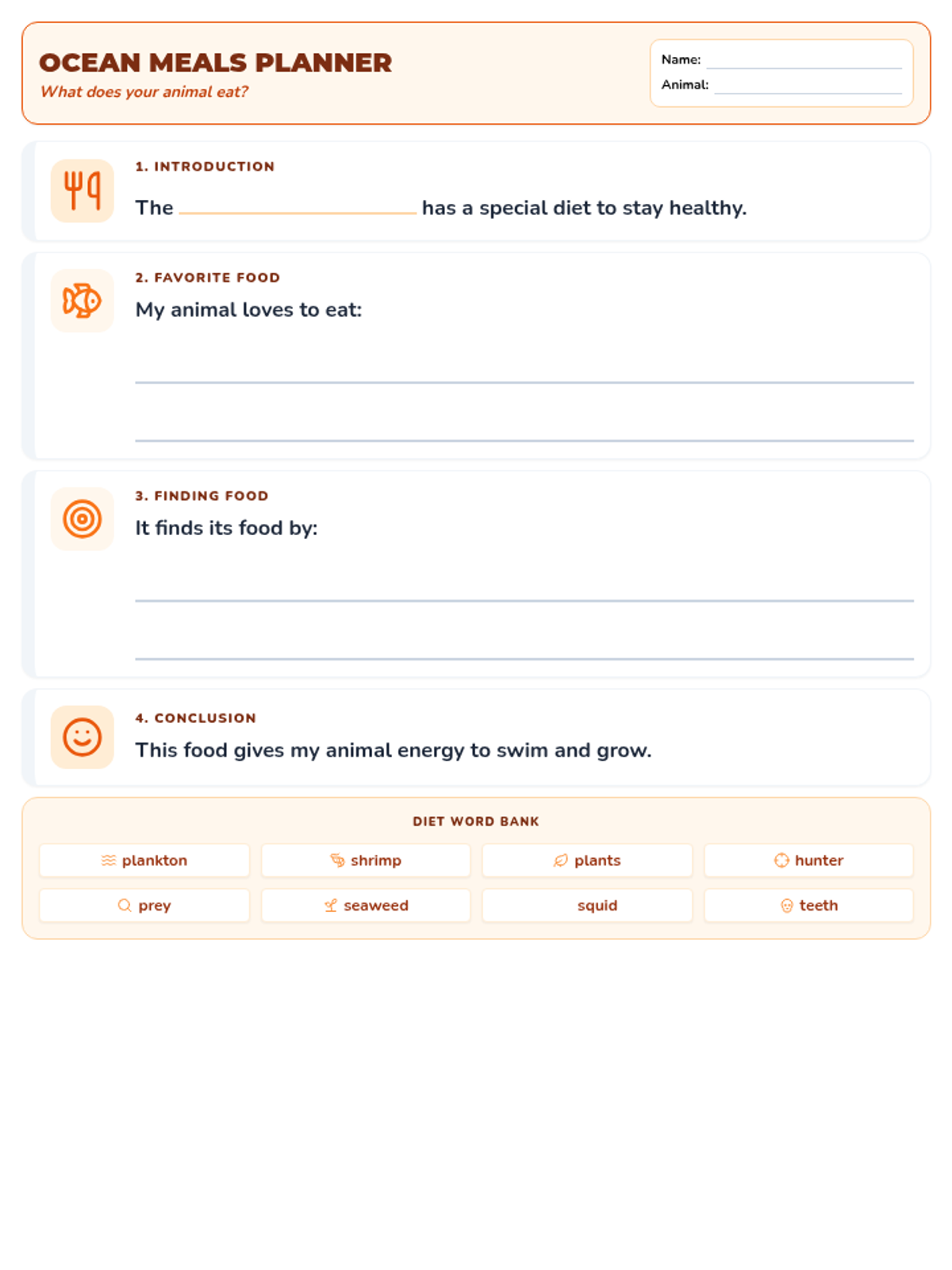
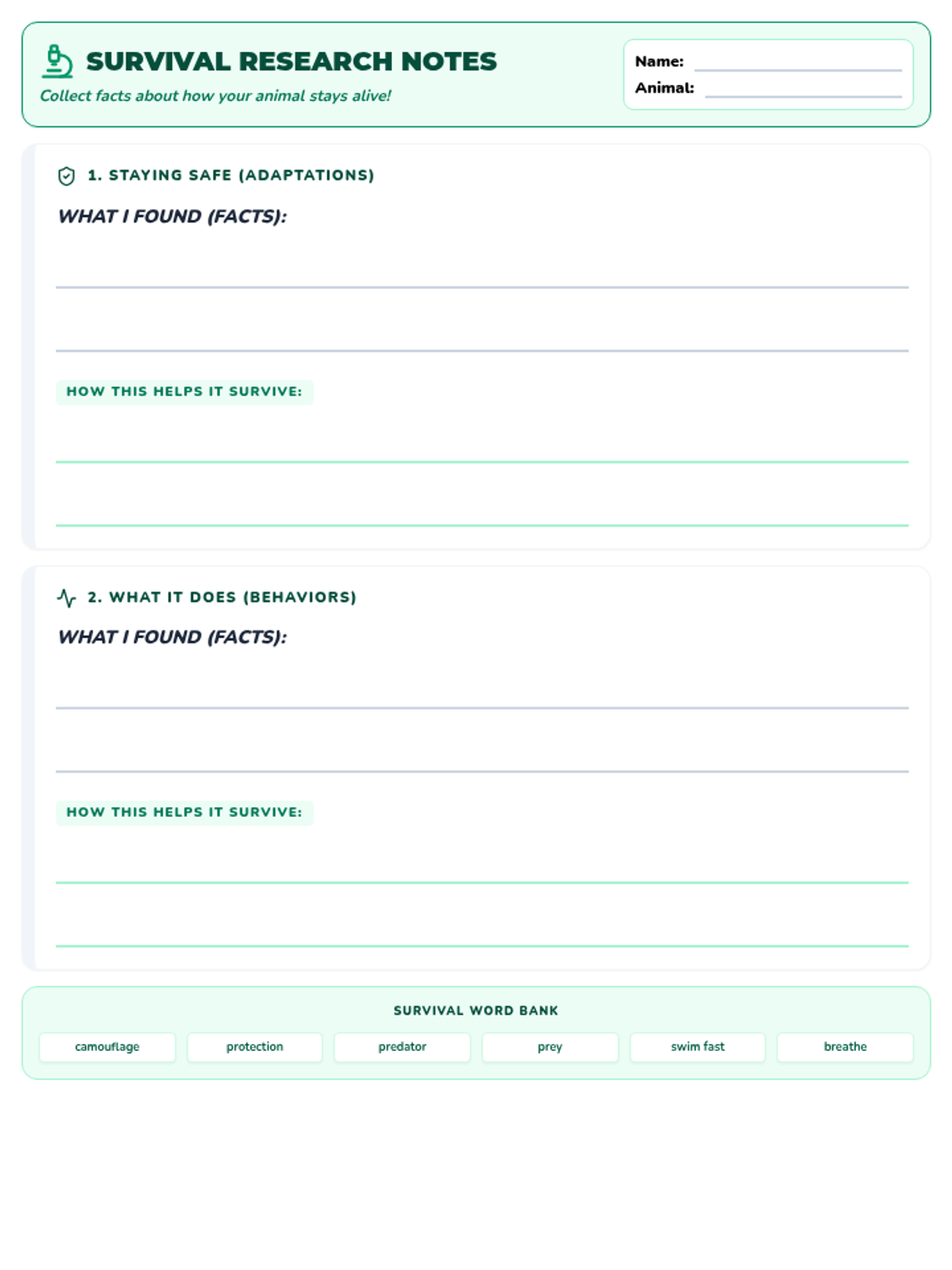
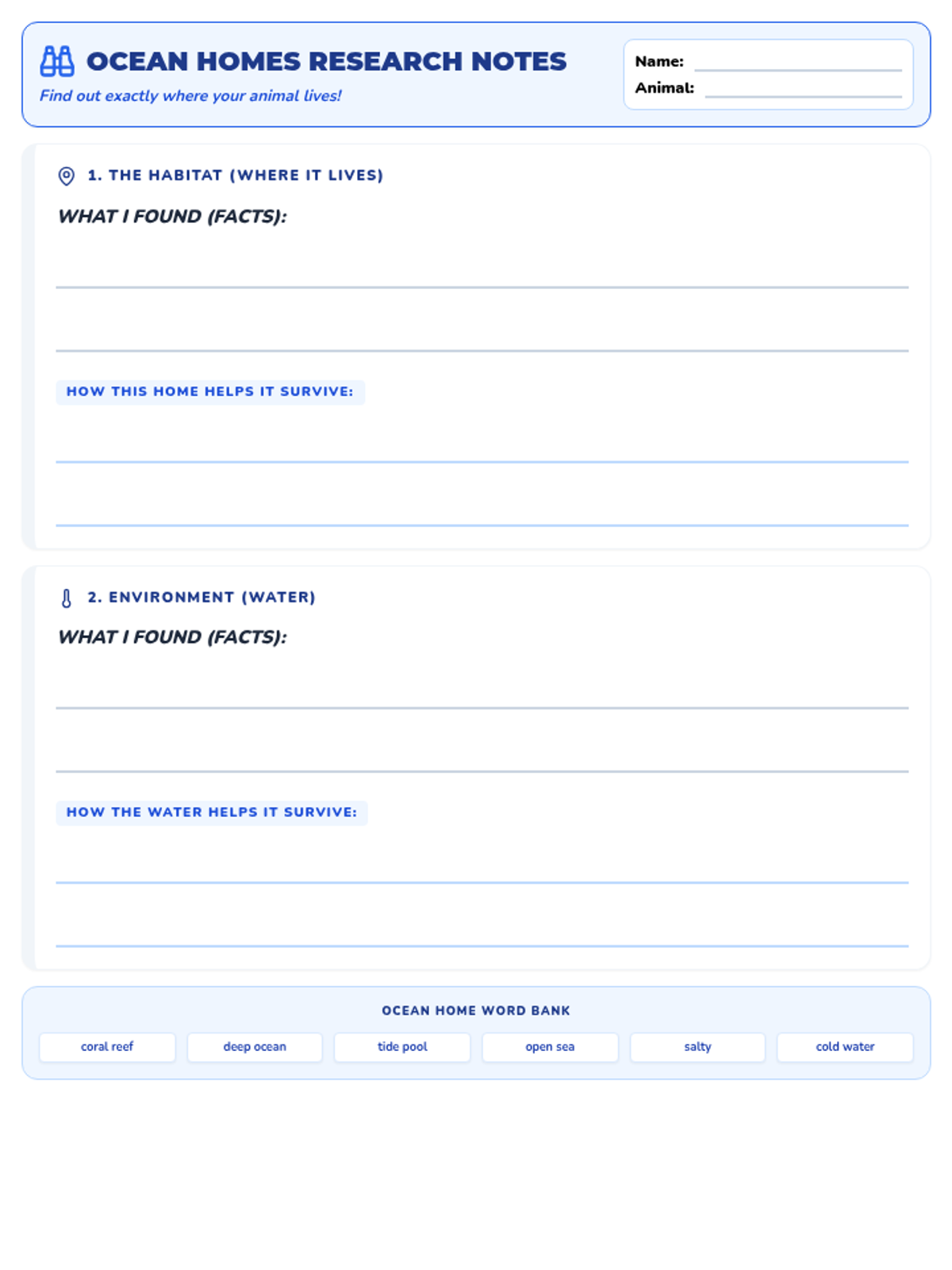
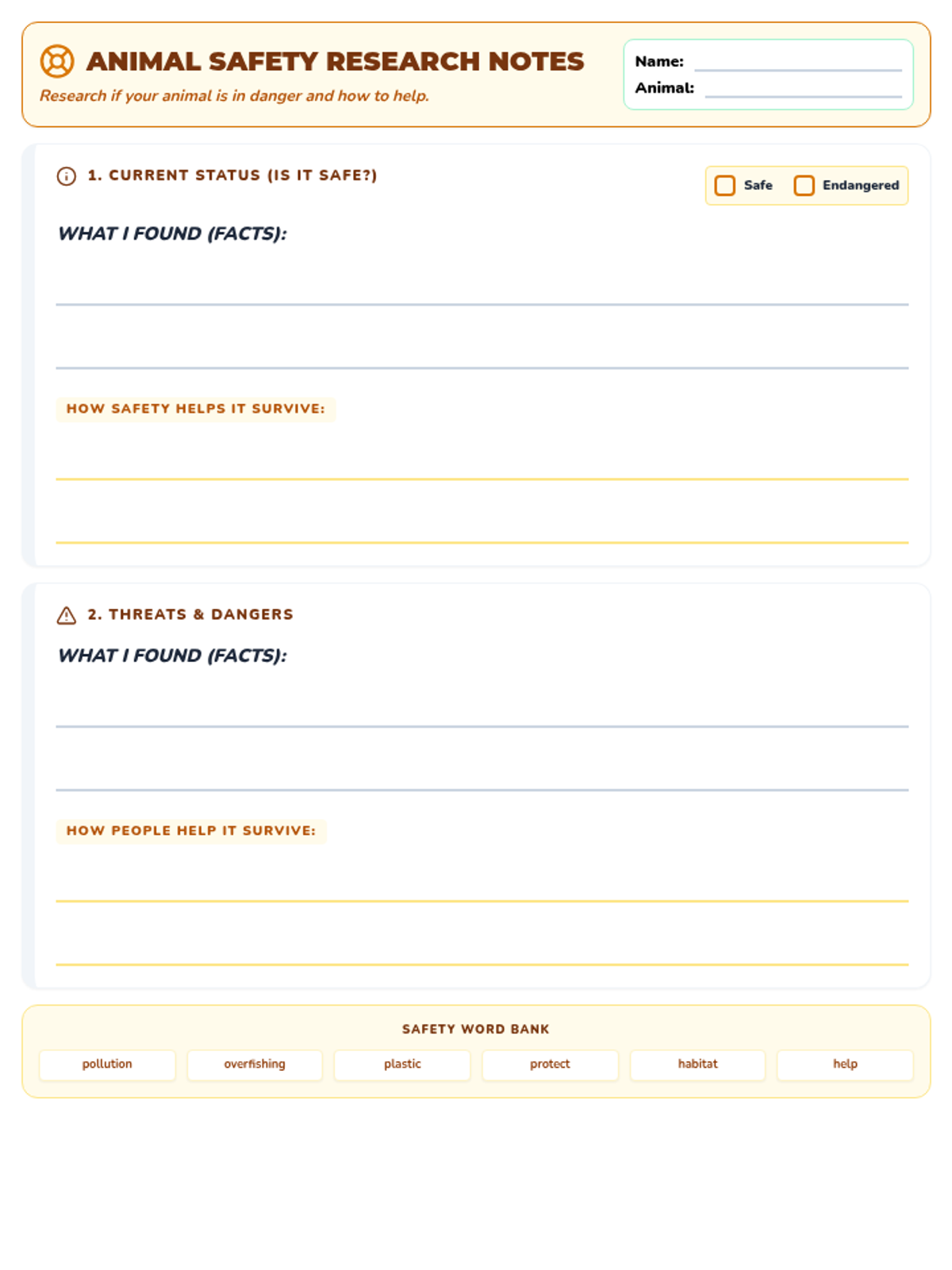
A modified set of materials for a 3rd Grade Marine Life unit, designed for students on IEPs. This lesson provides visual support, word banks, and structured scaffolds for researching and writing about ocean animals.
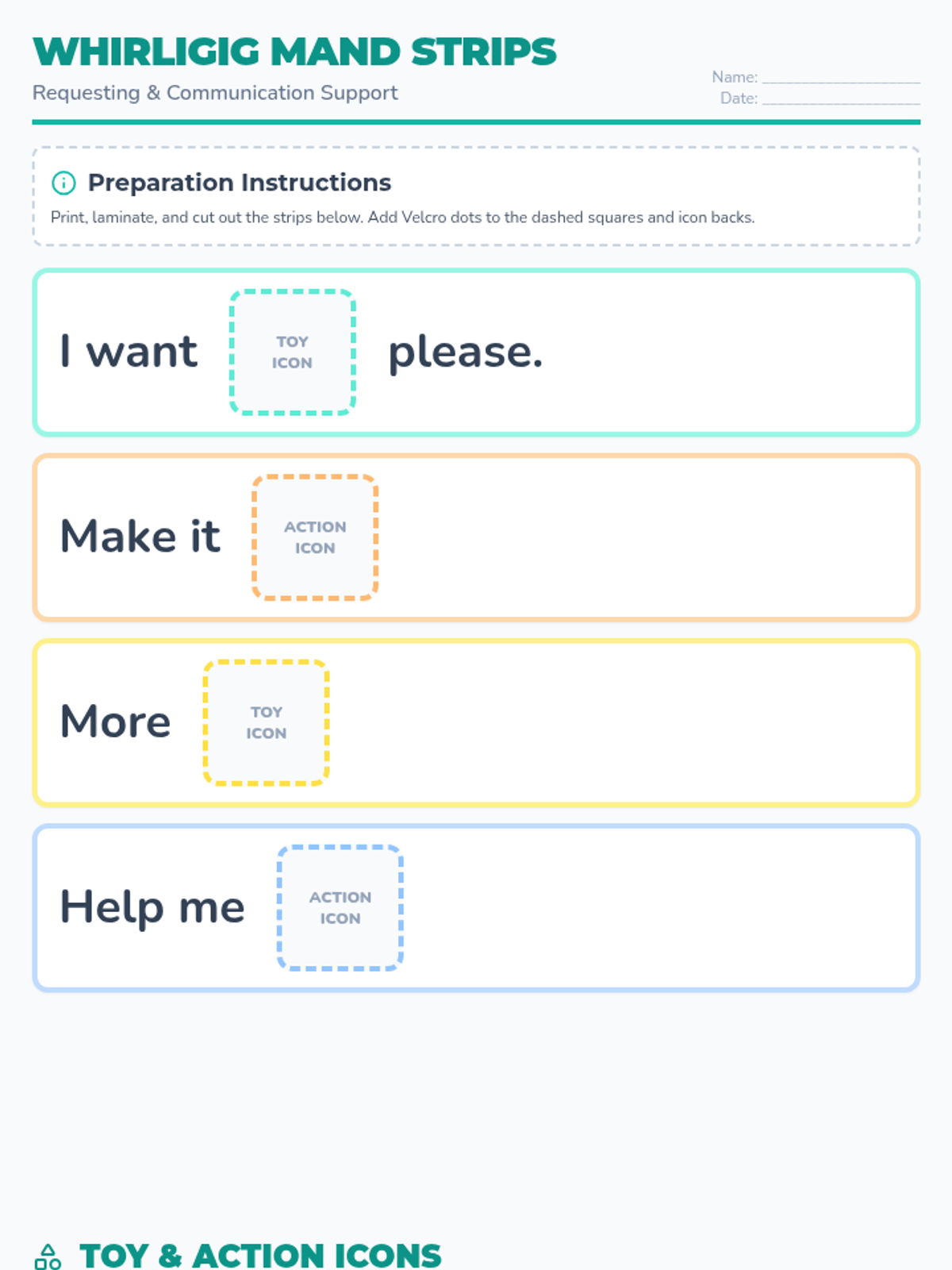
A lesson focused on developing requesting (manding) skills using various spinning toys through visual sentence starters and icon support.
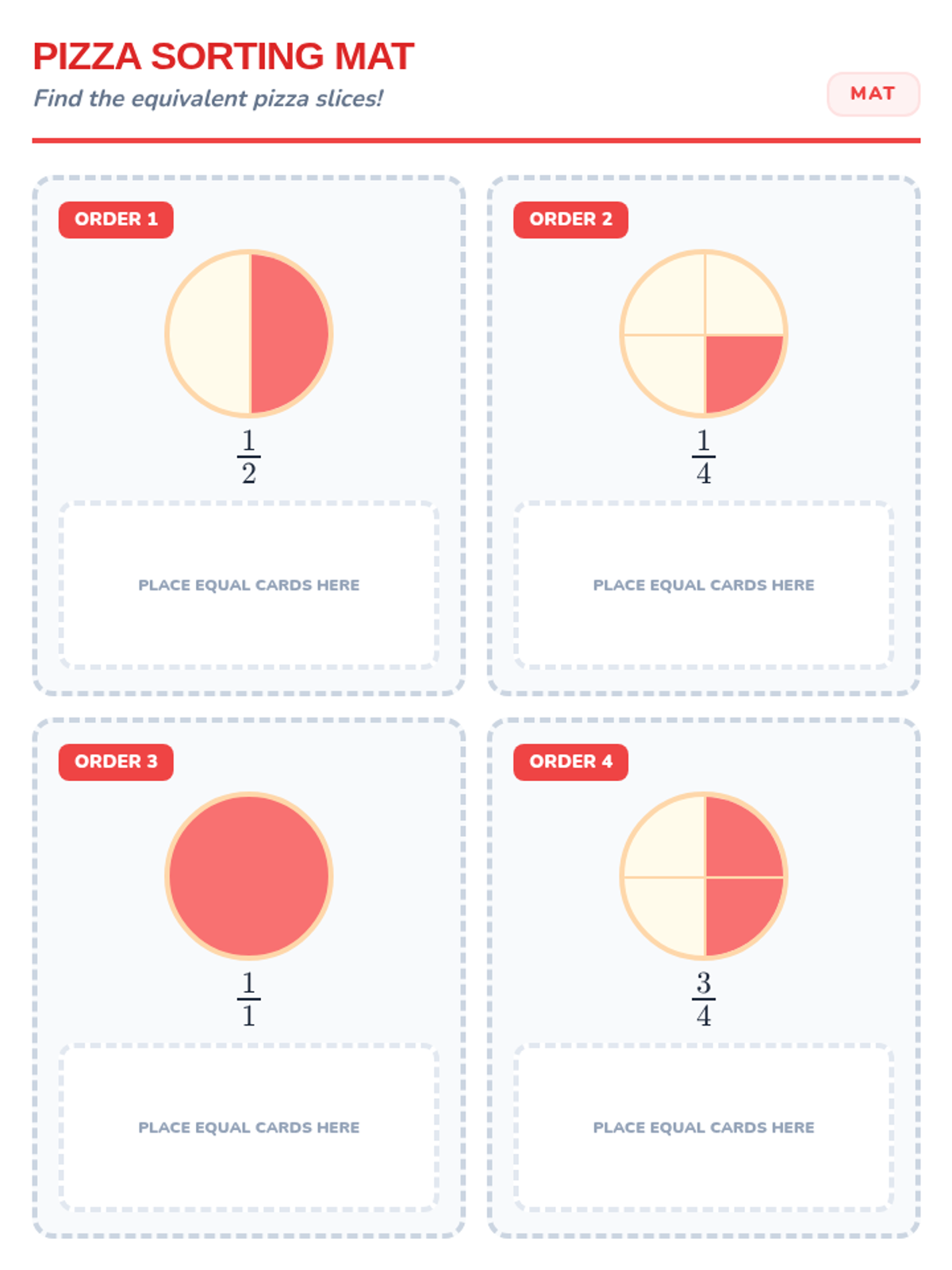
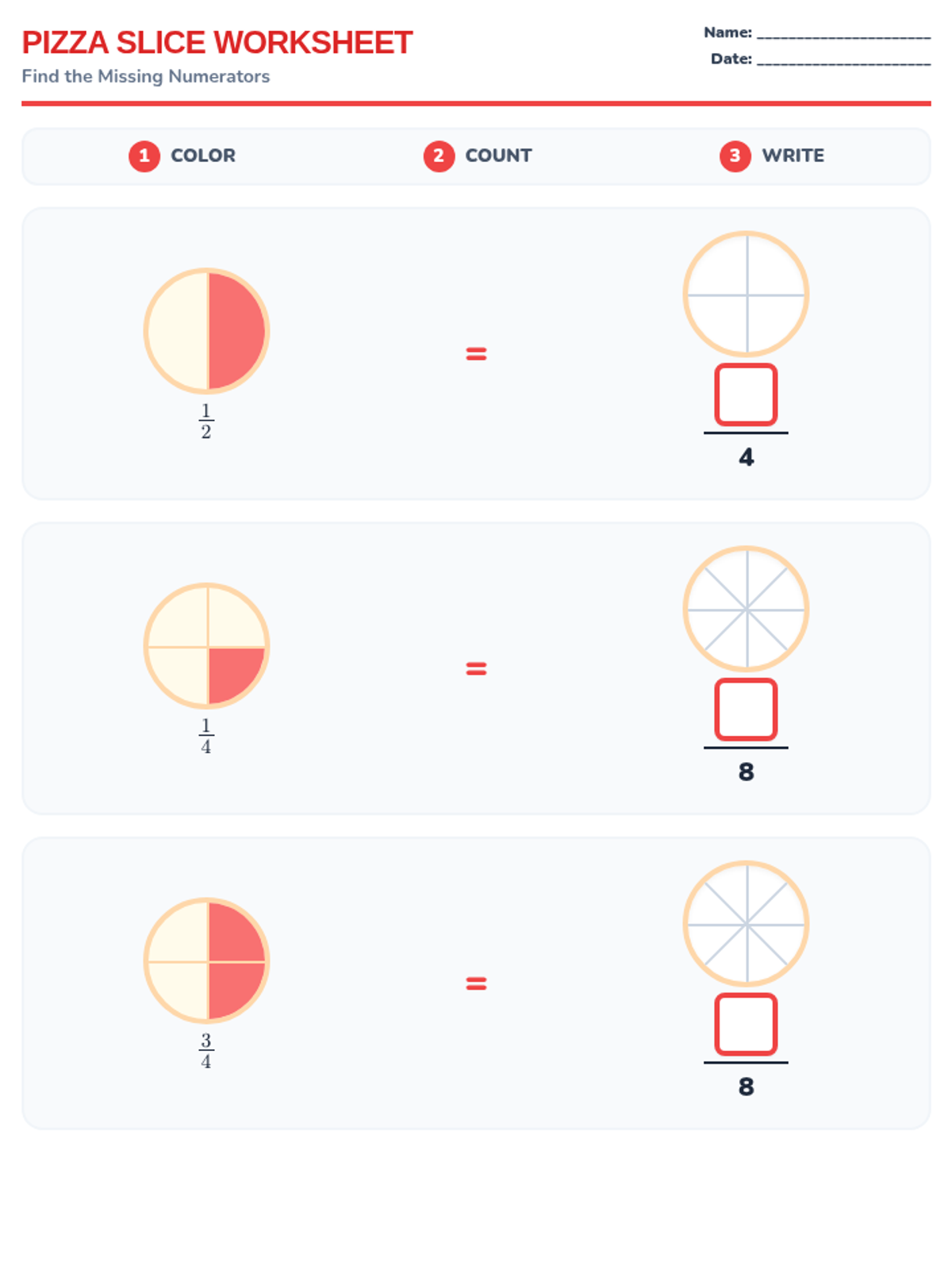
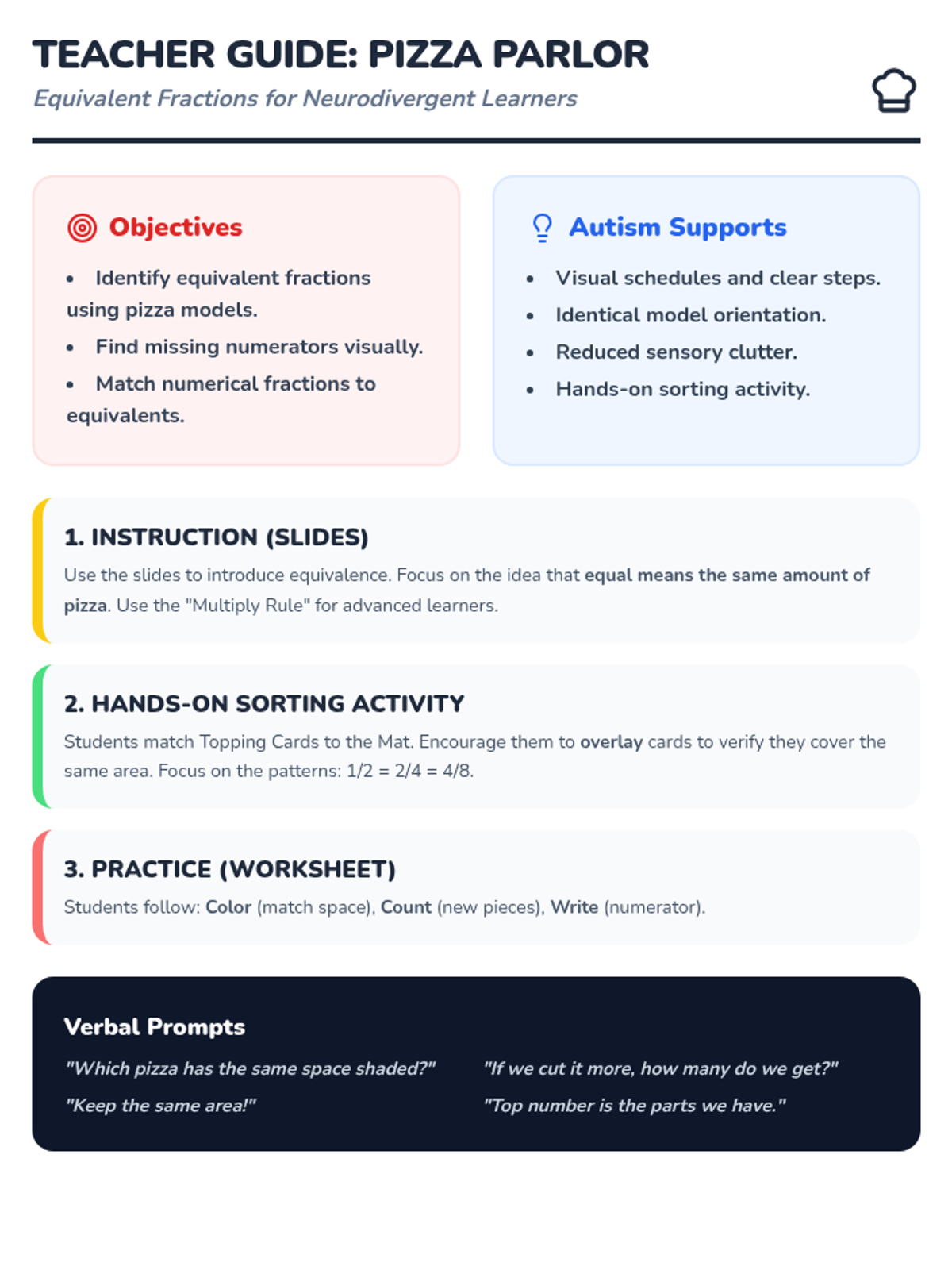
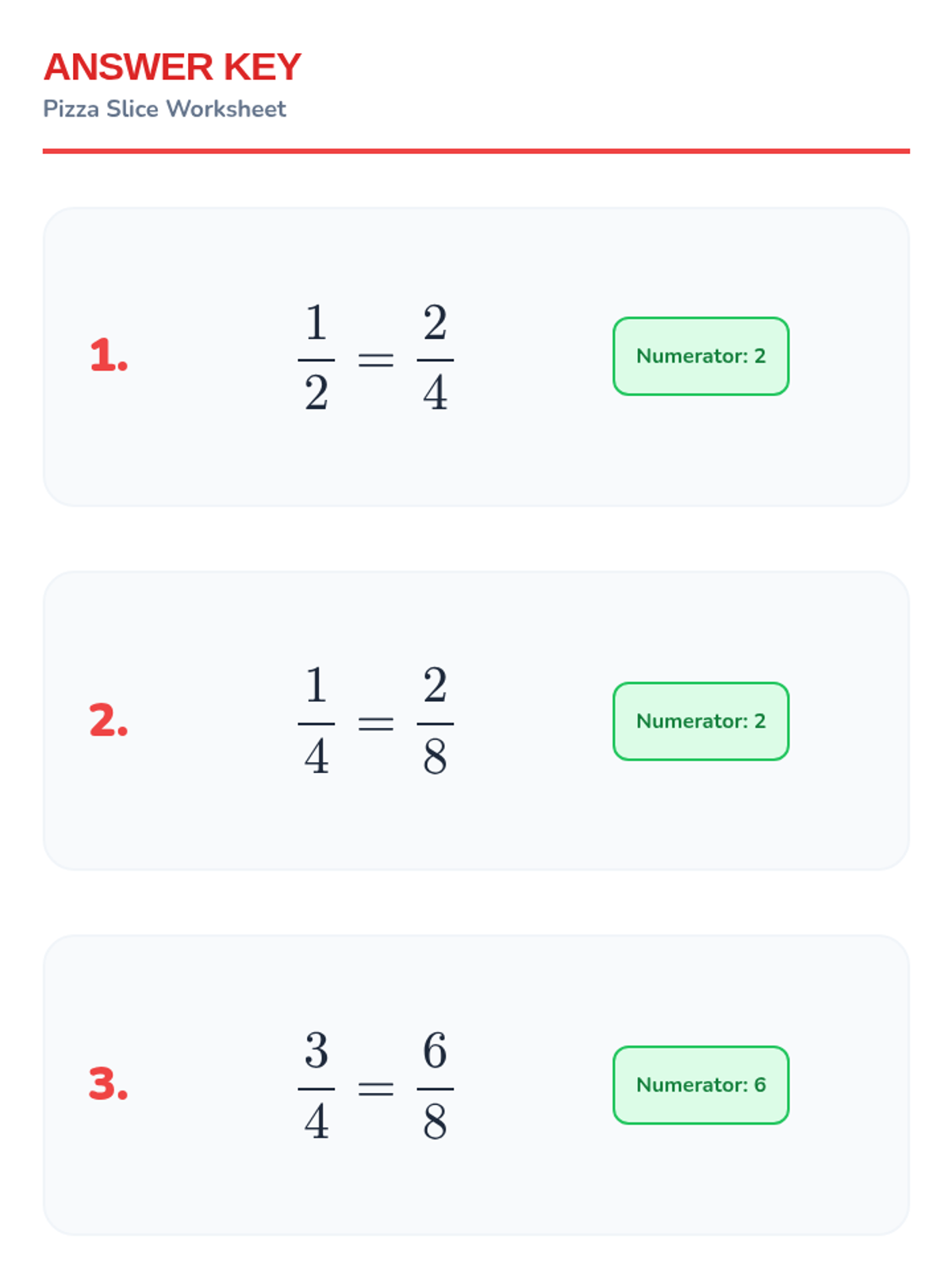
A highly visual lesson focused on equivalent fractions using pizza models, specifically designed for students with autism. Includes direct instruction on finding missing numerators and a hands-on sorting activity.
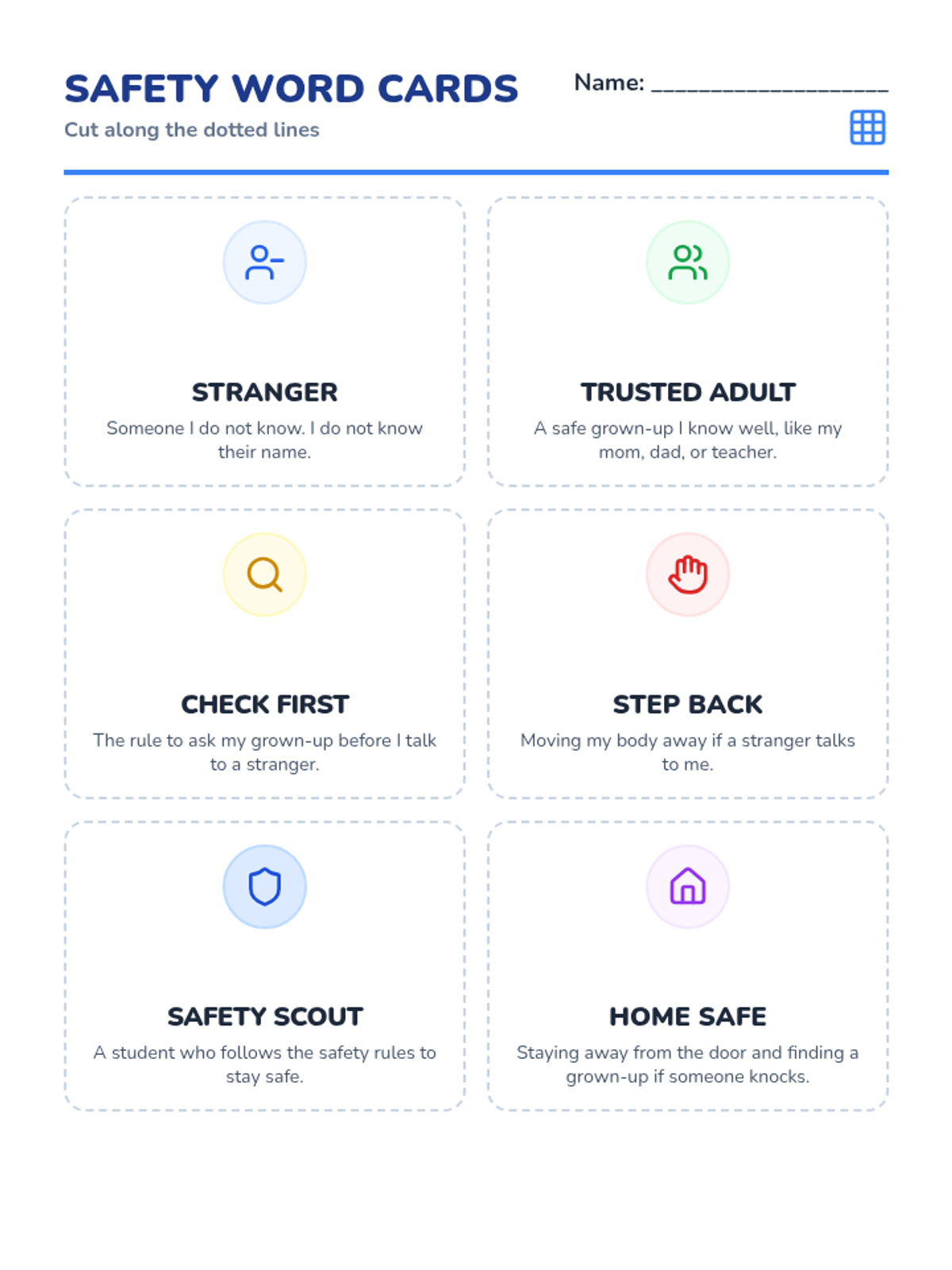
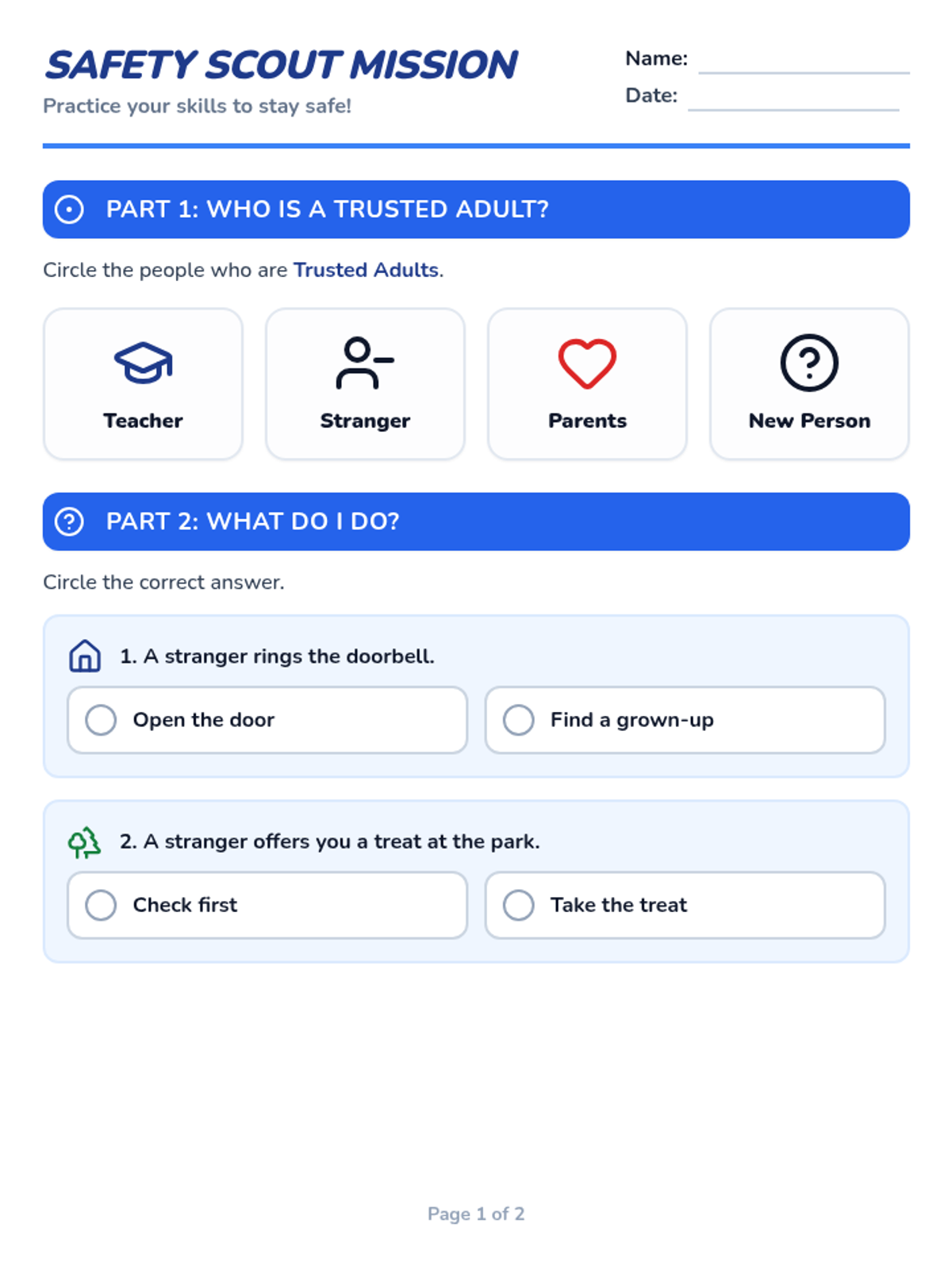
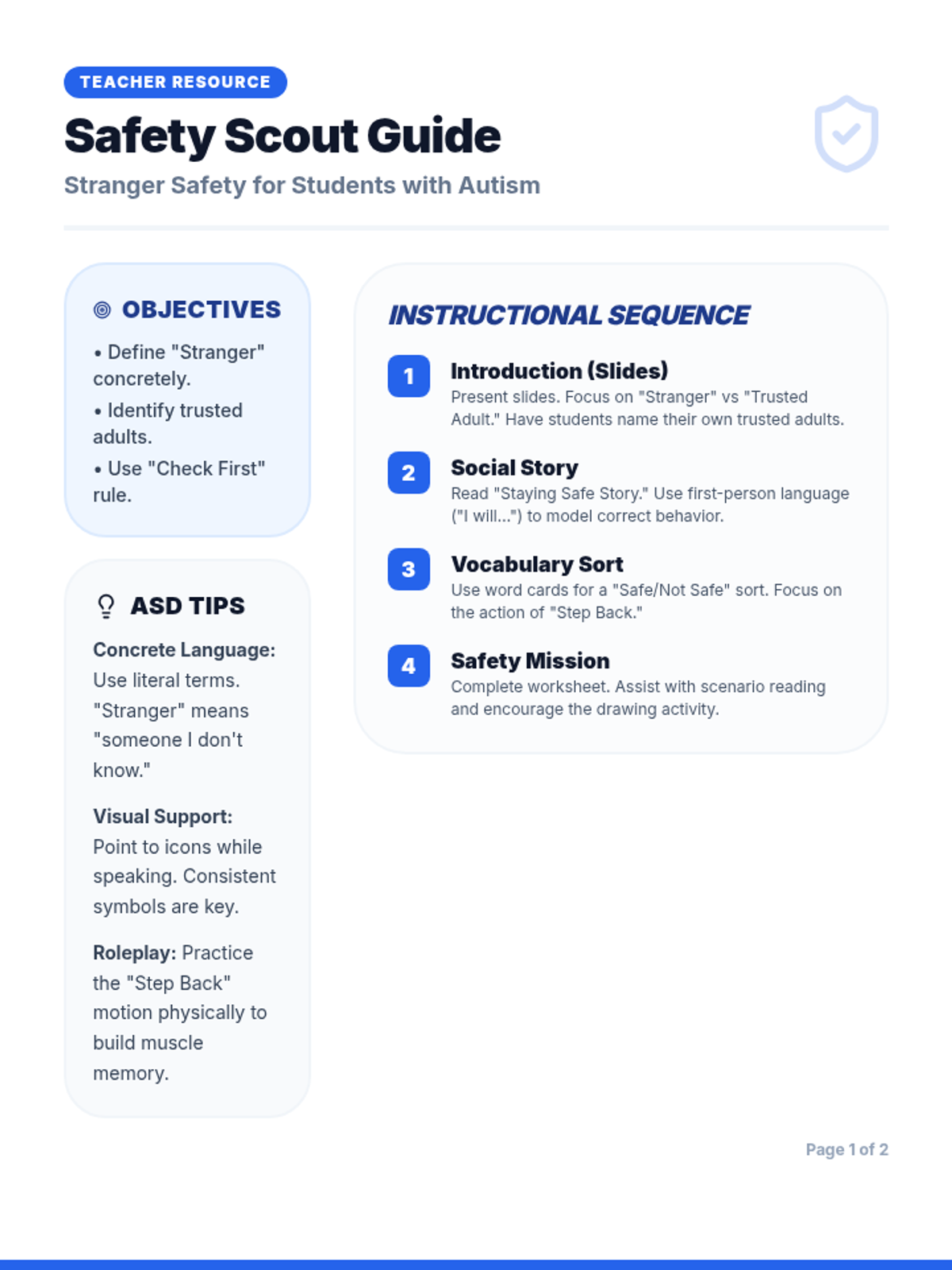
A comprehensive lesson designed for elementary students with autism to learn and practice safety rules regarding strangers at home and in the community. Includes a social story, visual supports, and interactive practice.
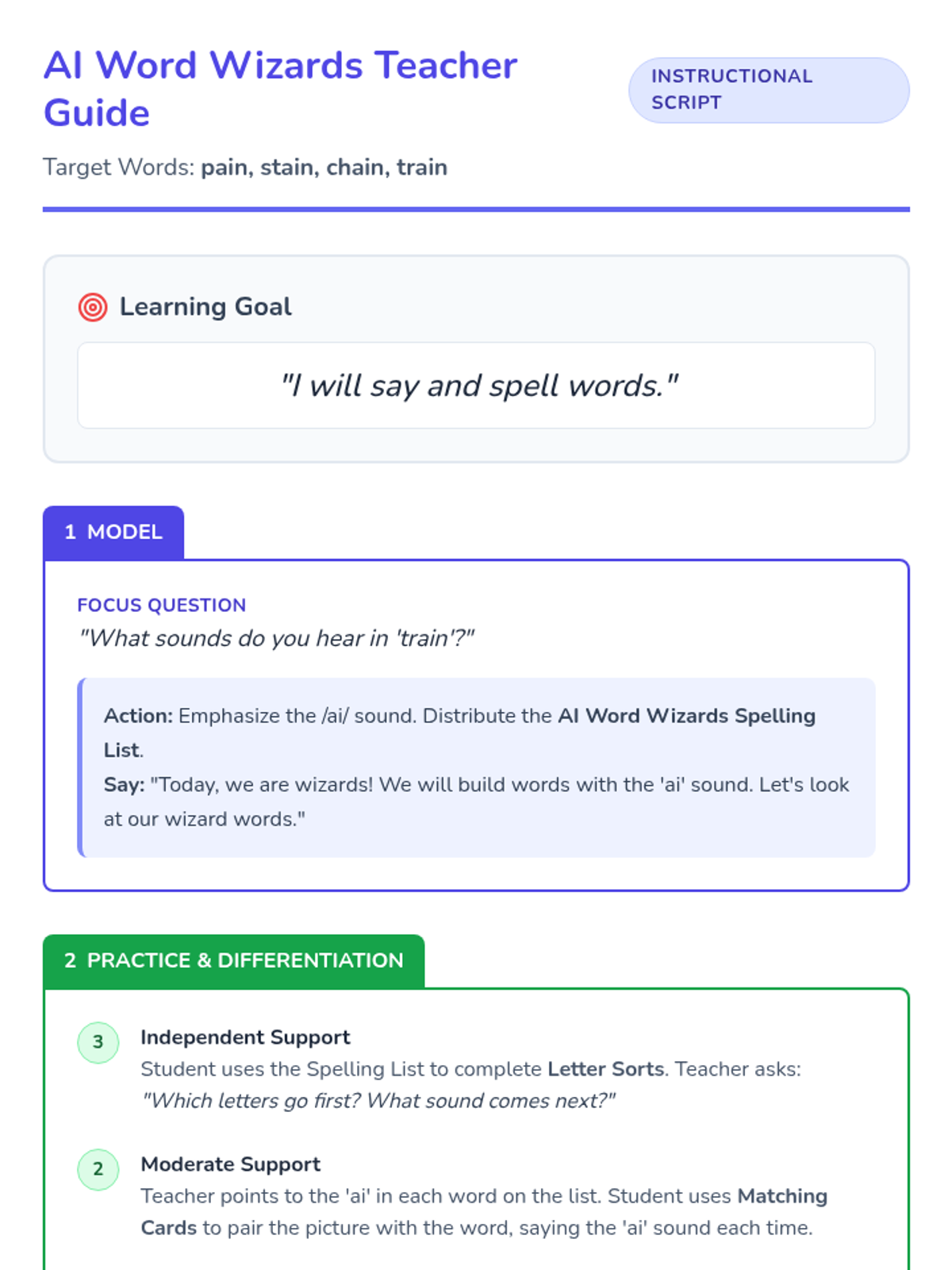
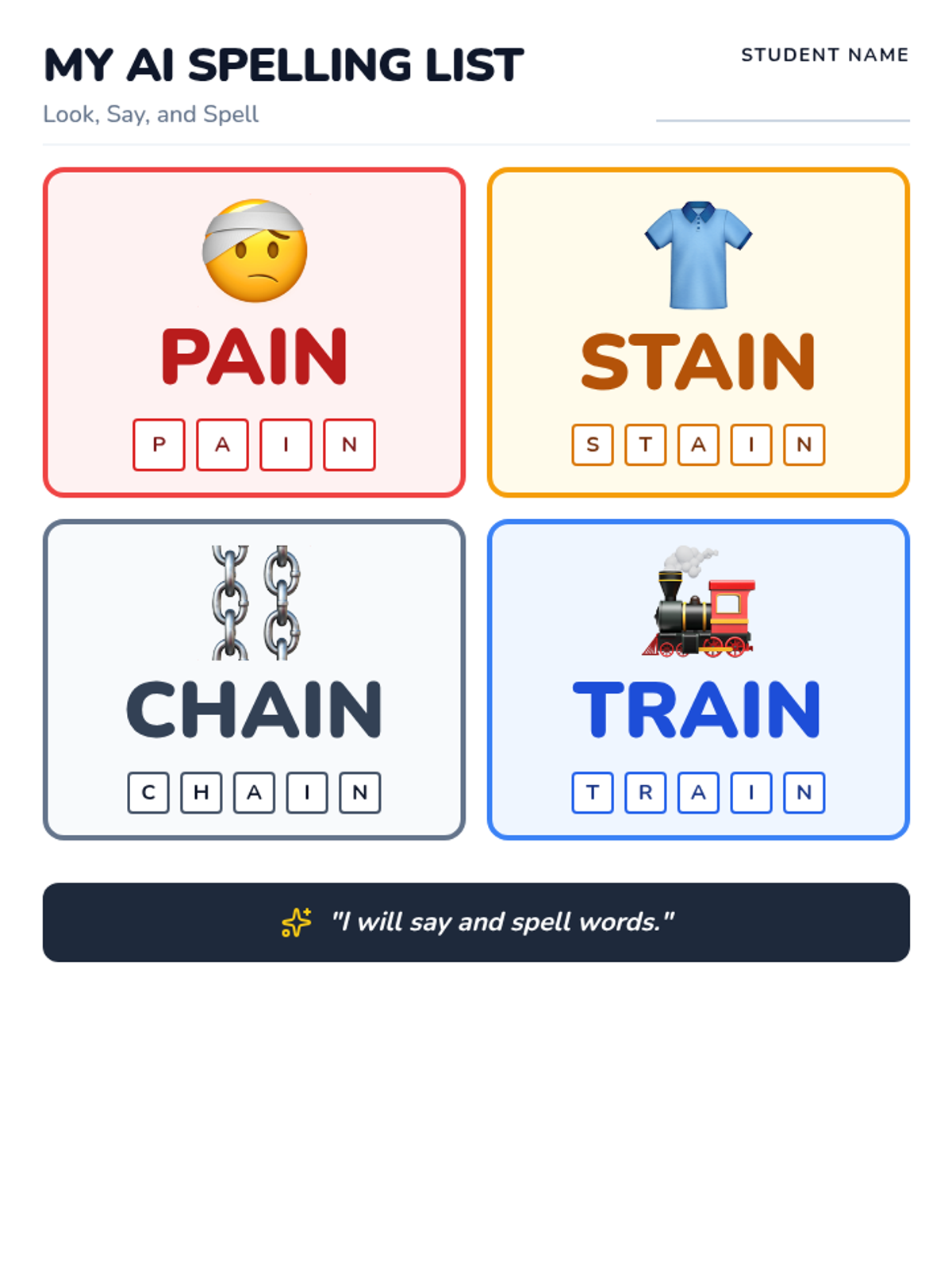
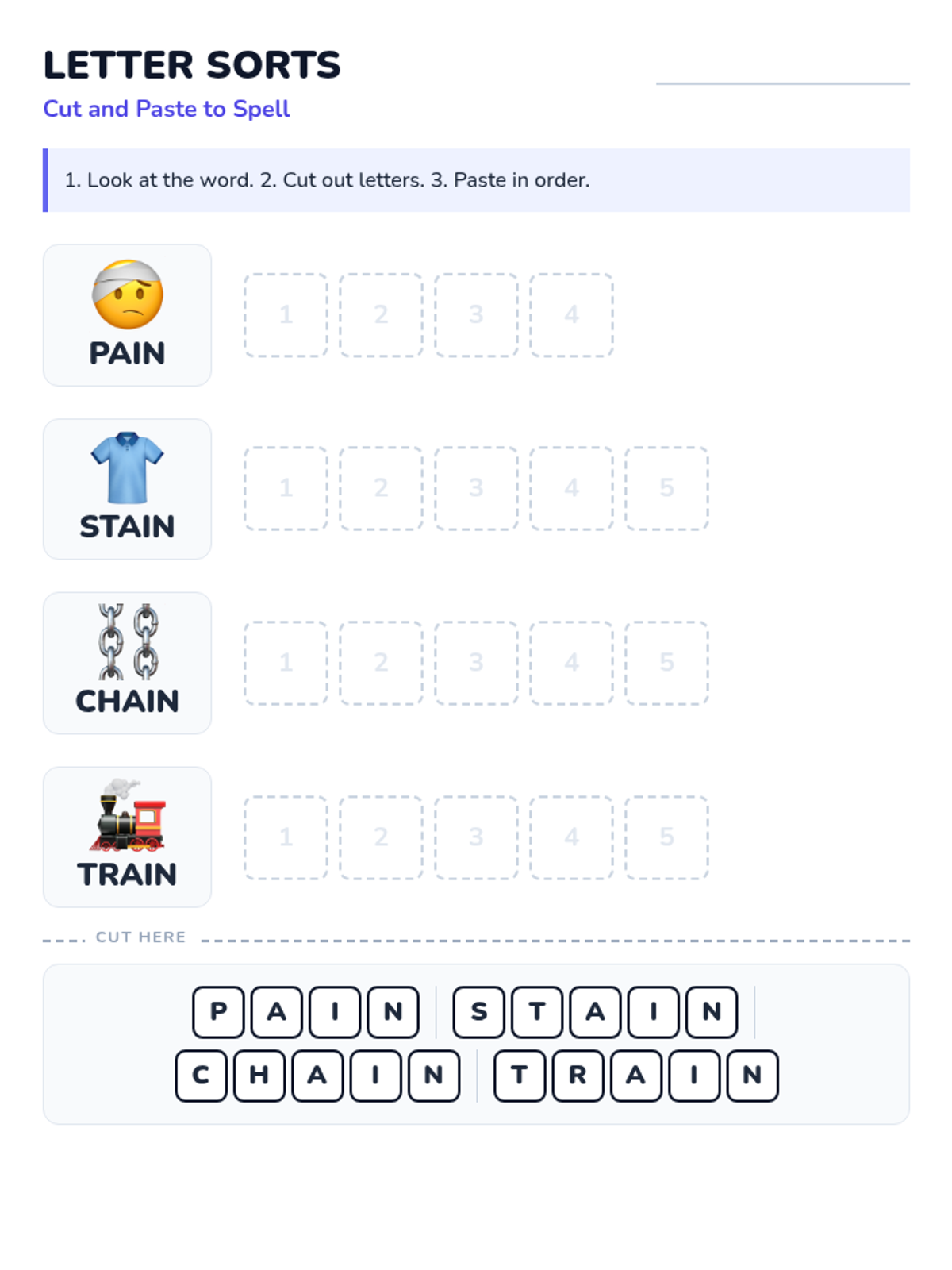
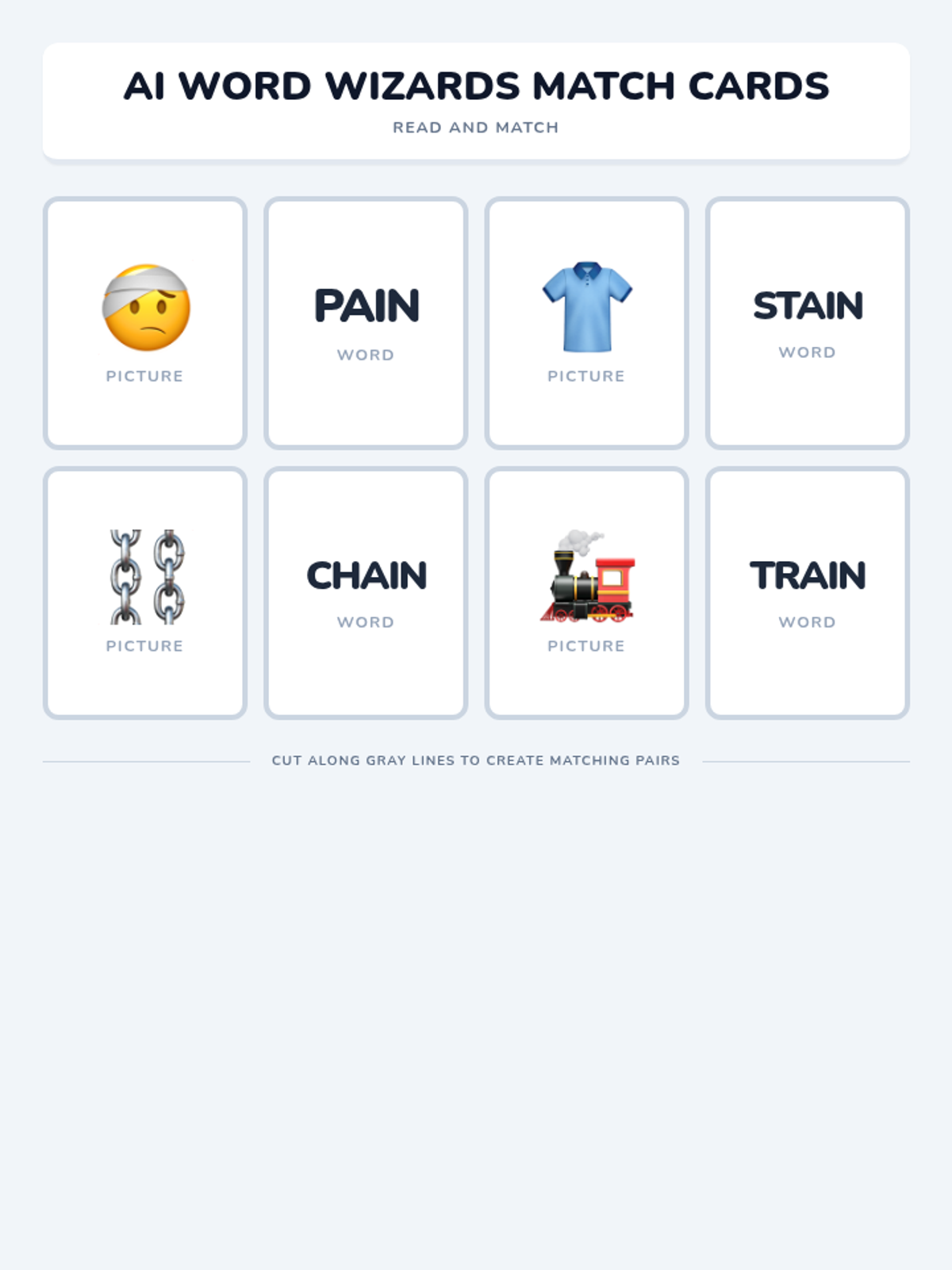
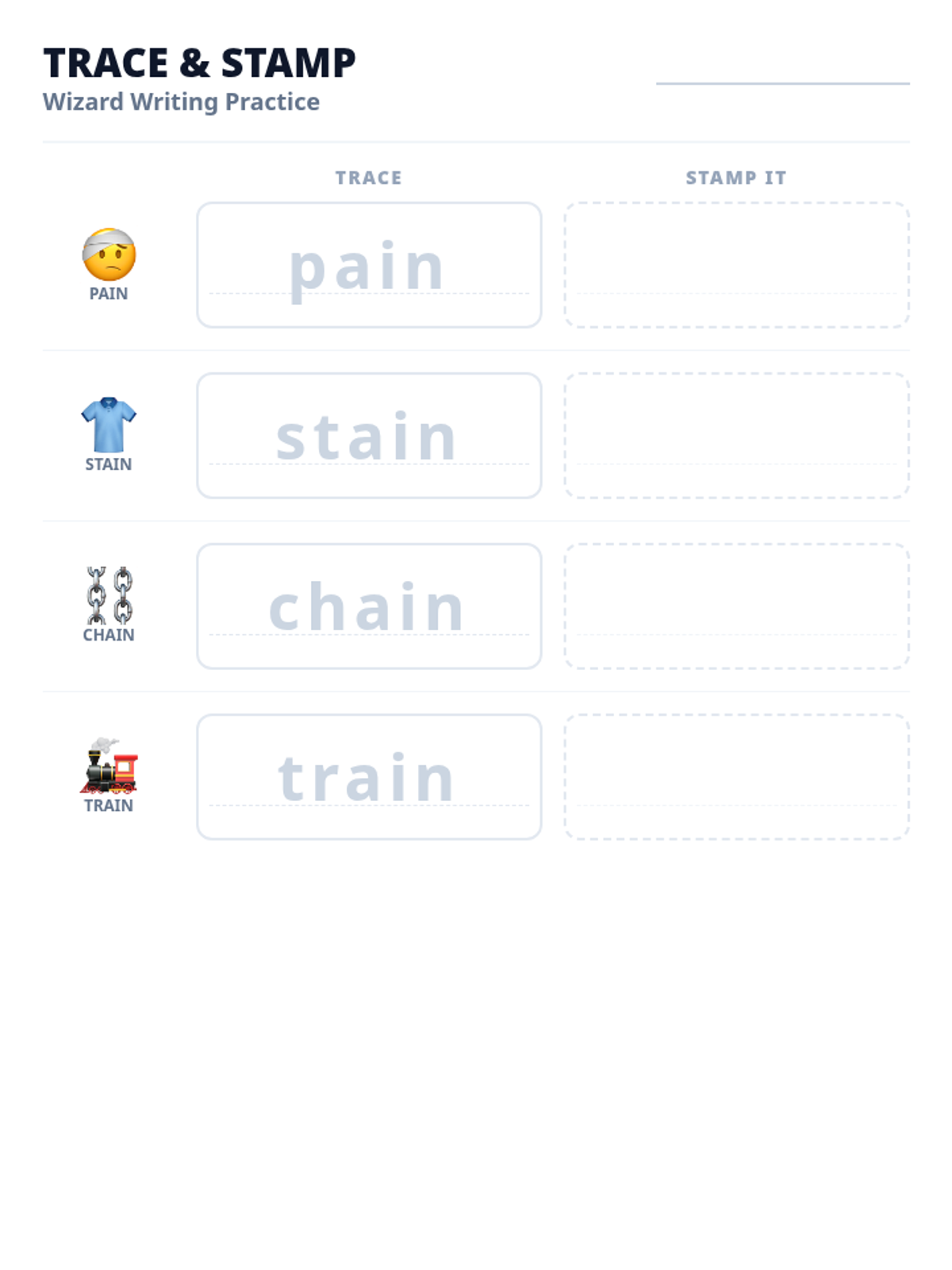
A lesson focusing on words with the 'ai' digraph: pain, stain, chain, and train. This lesson uses the Model-Practice-Review framework with strong visual cues and tactile cut-and-paste activities.
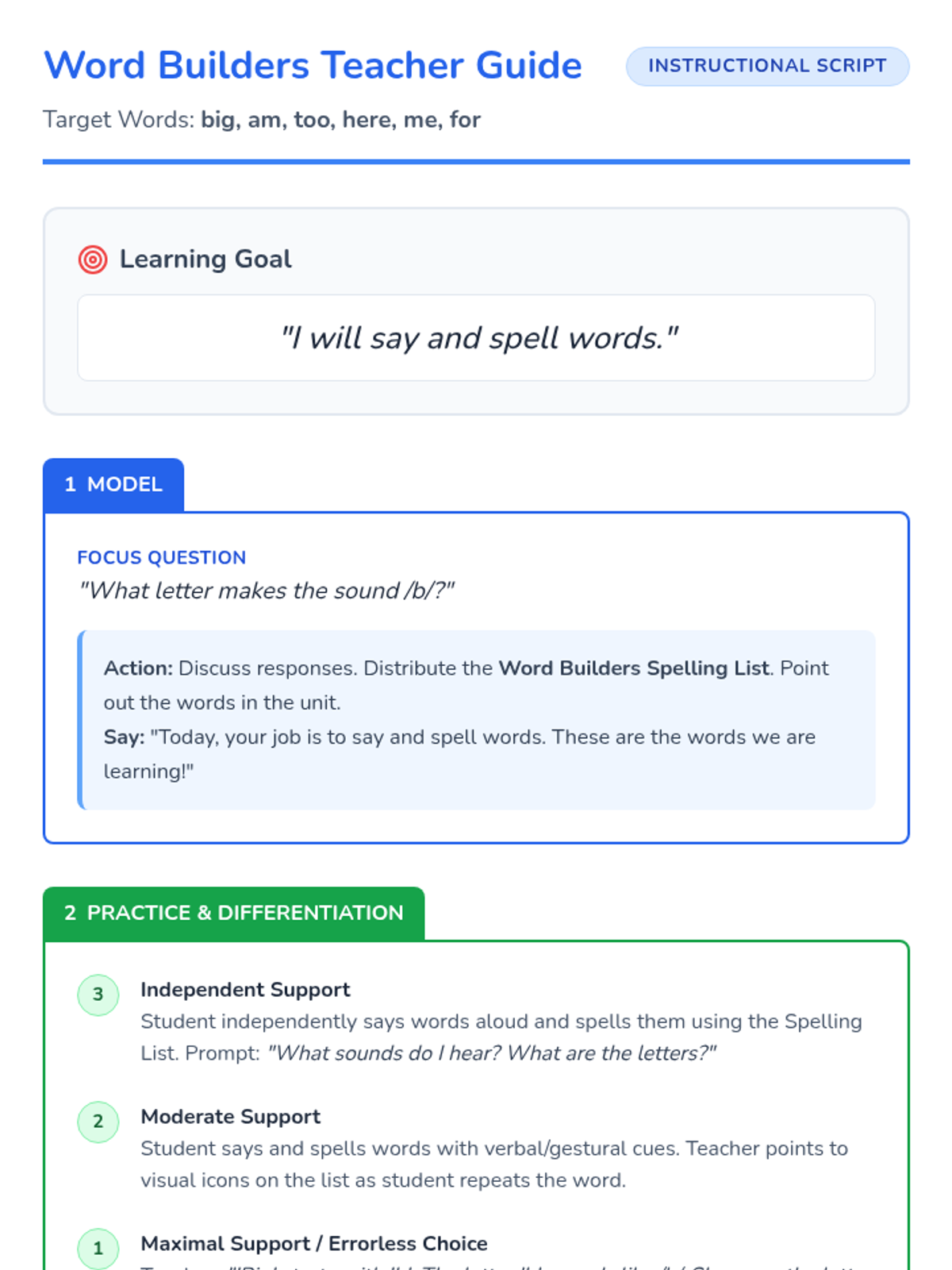
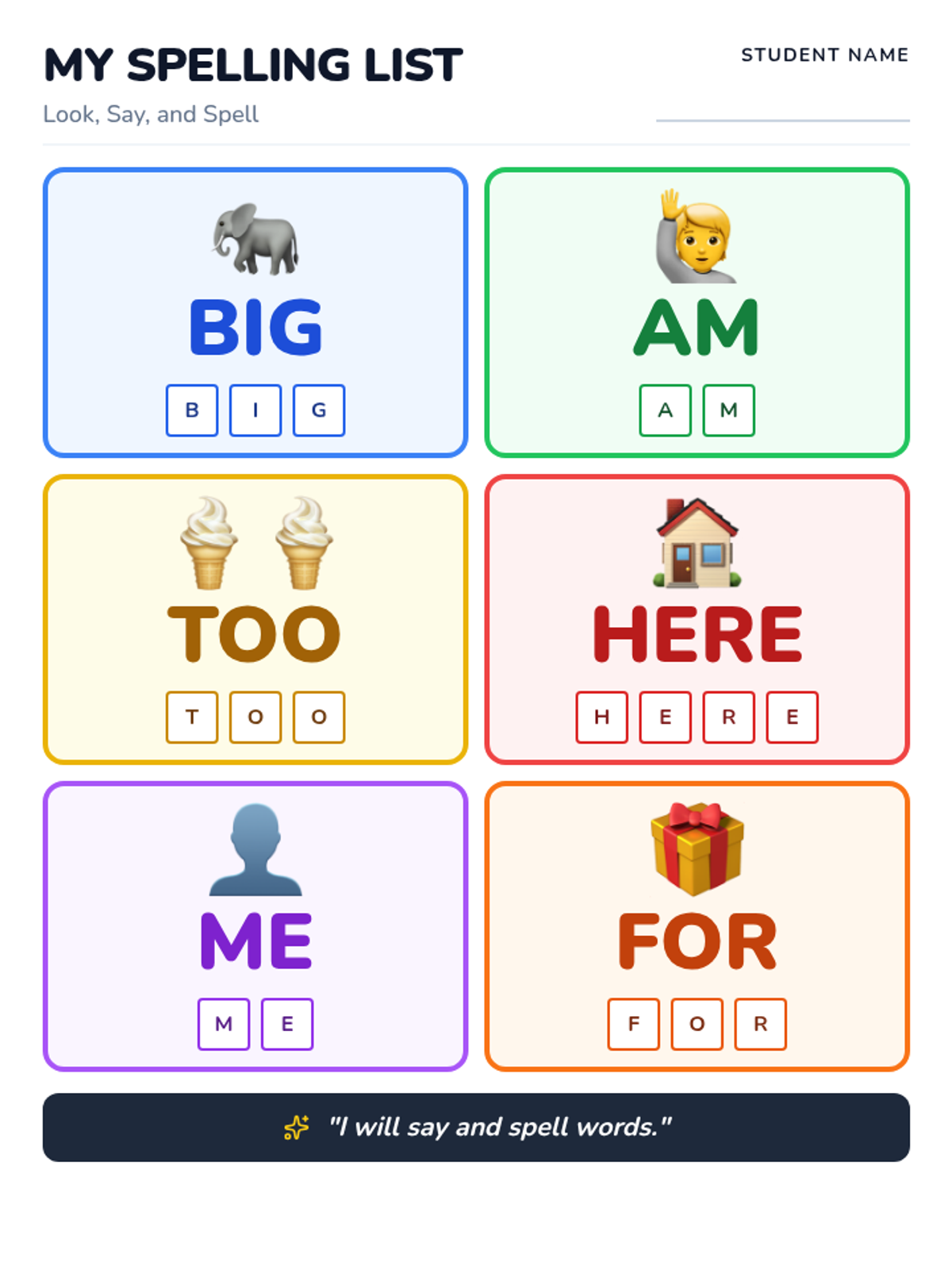
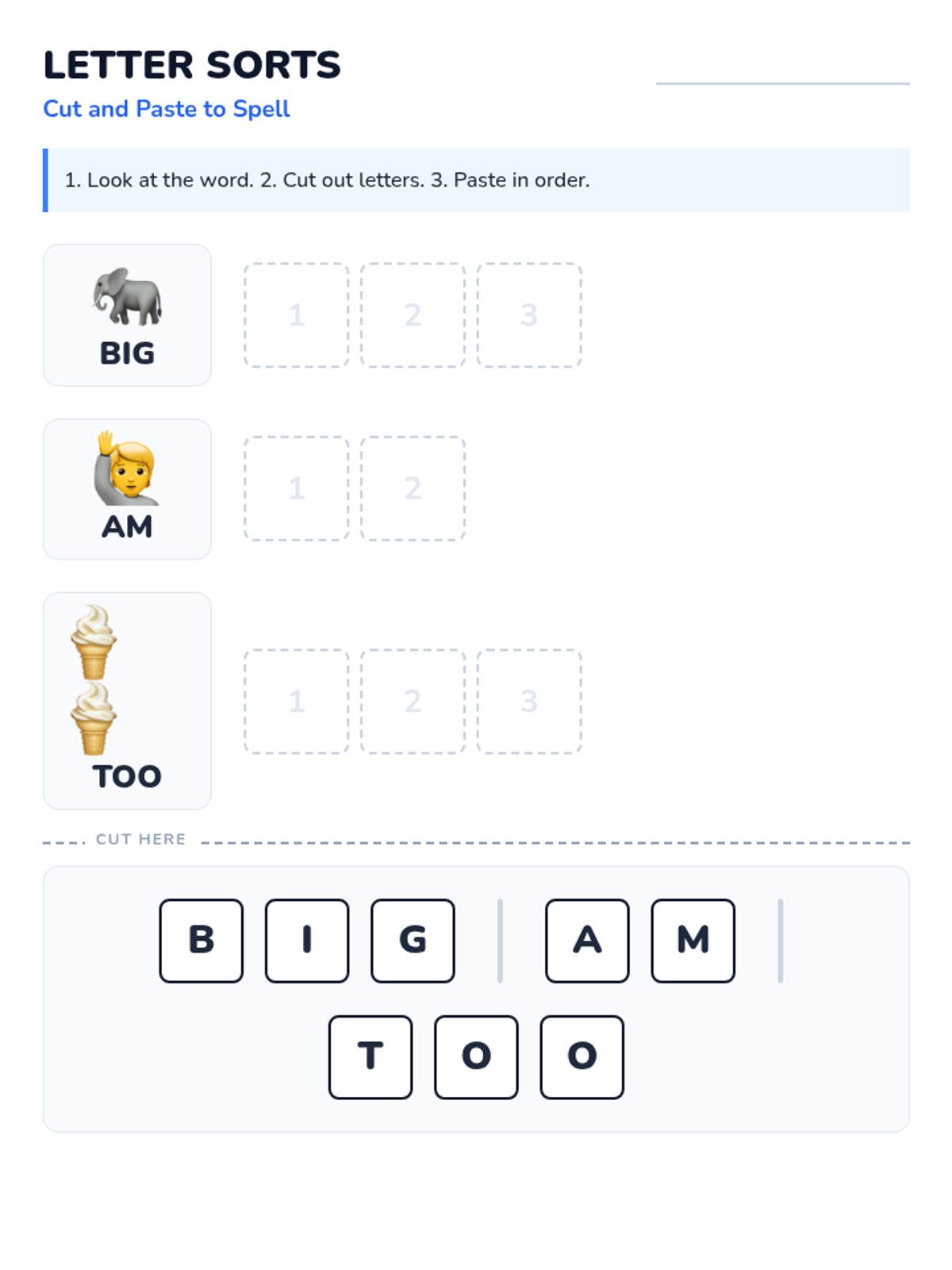
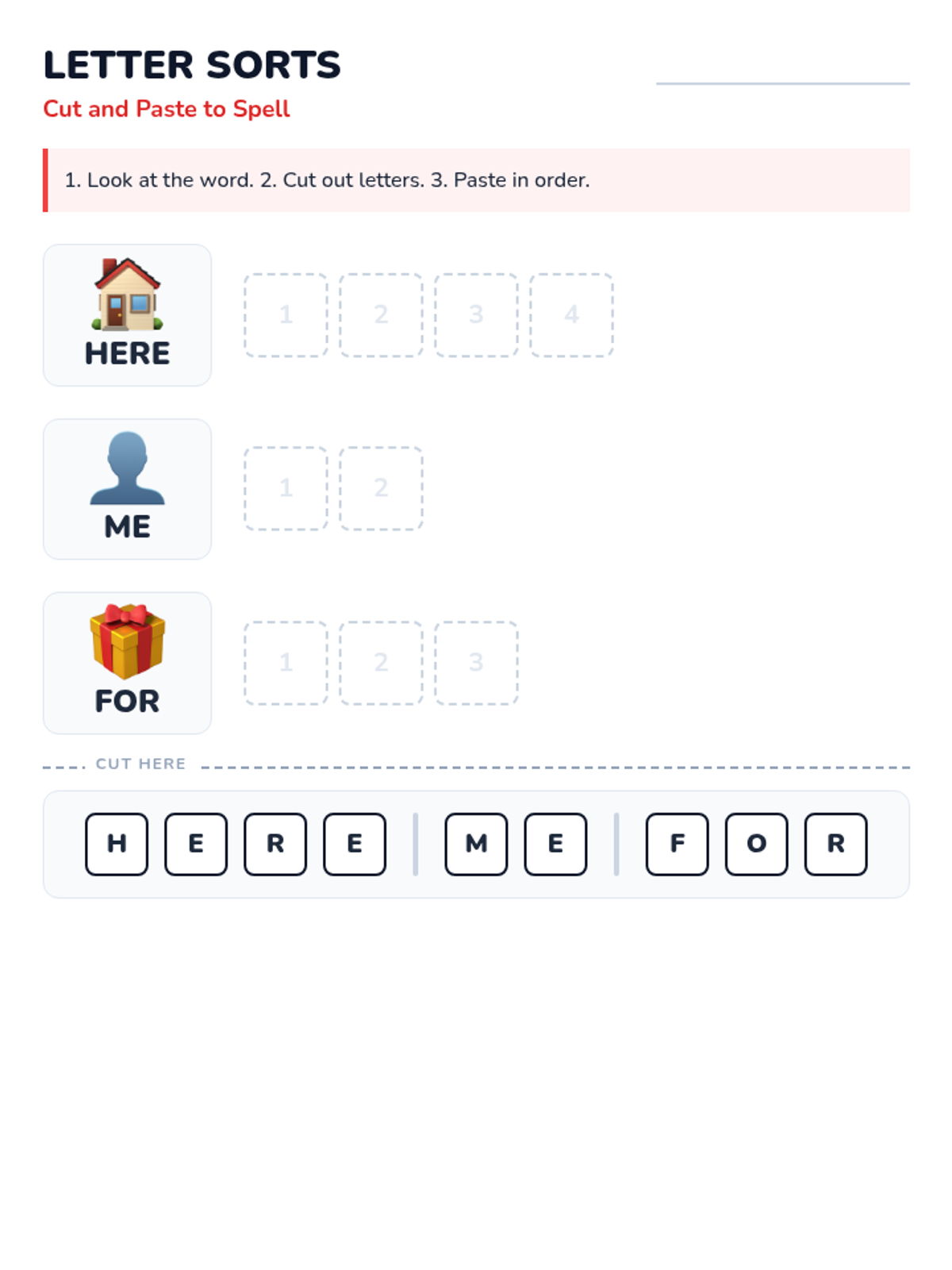
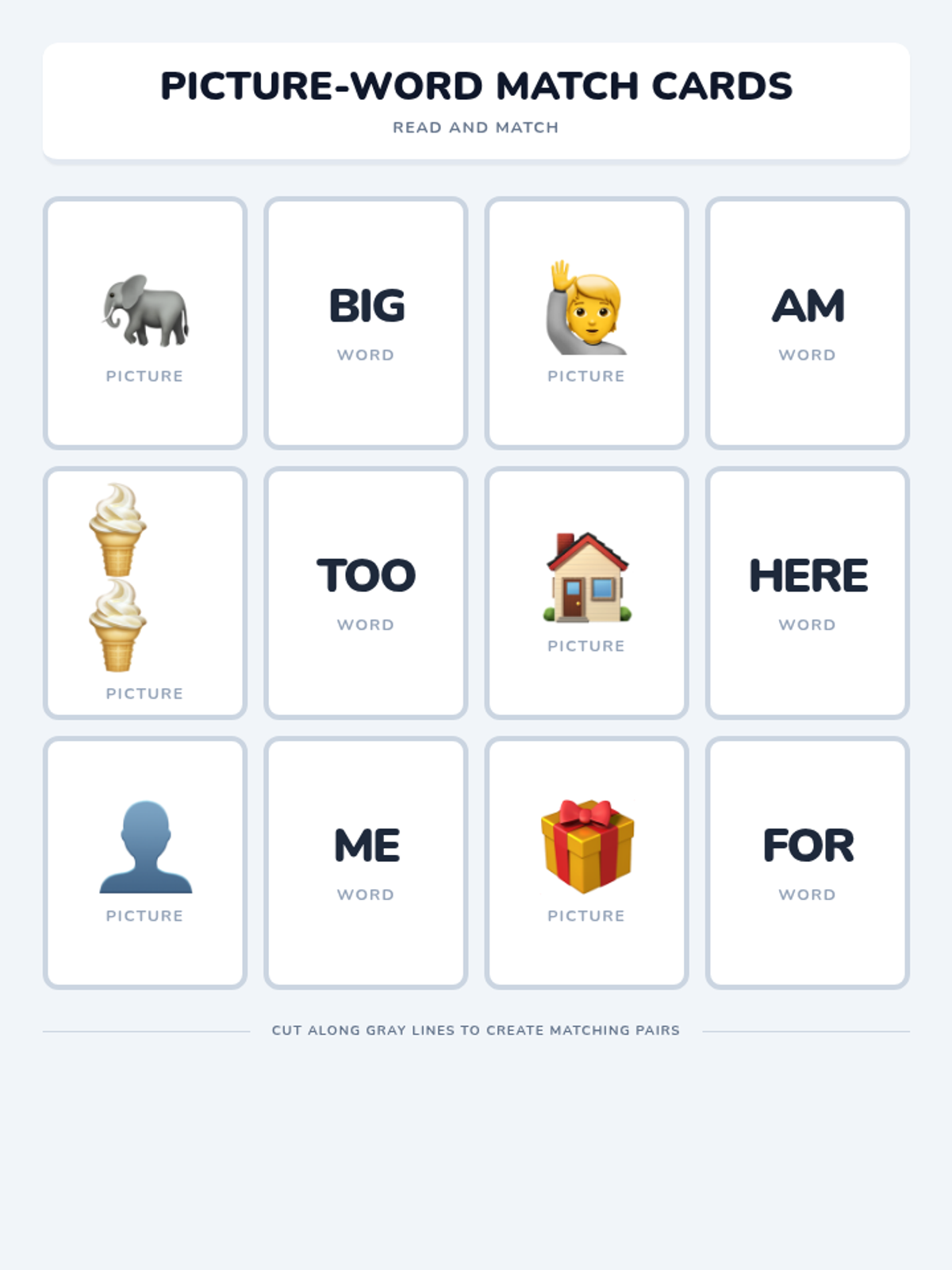
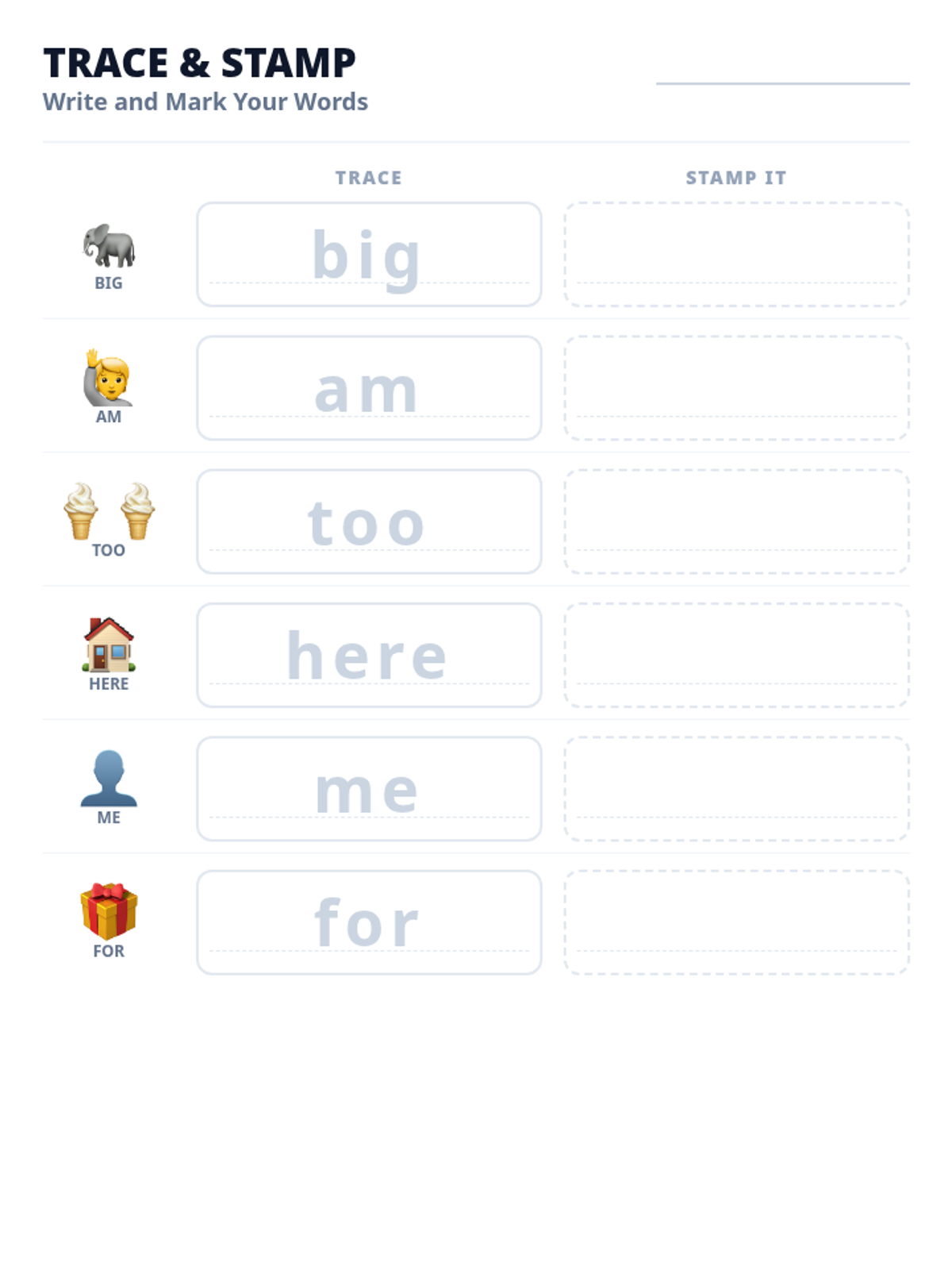
An introductory lesson focusing on building word recognition and spelling skills through letter sorting, matching, and tracing activities. This lesson provides differentiated support for learners with minimal language skills.
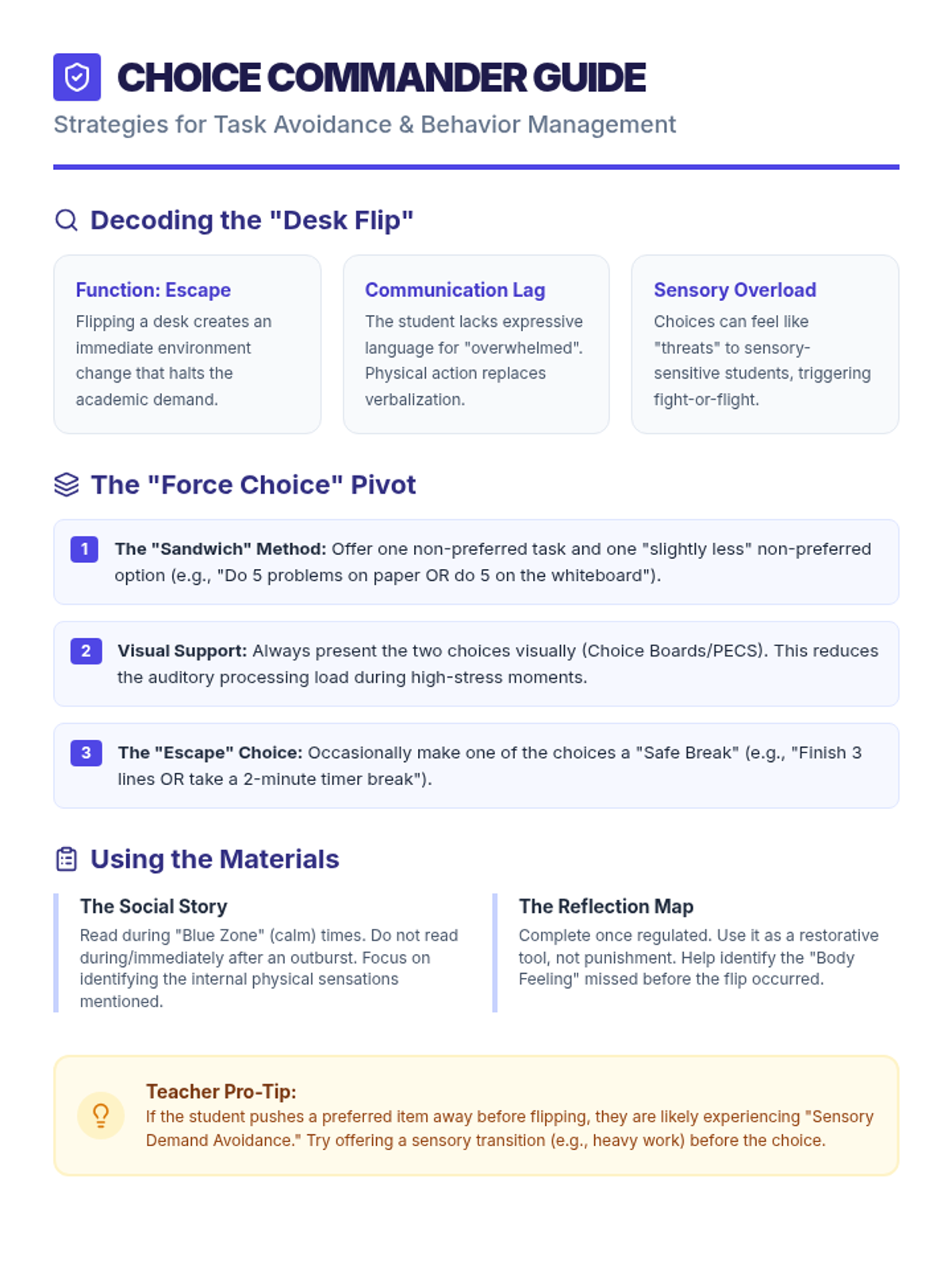
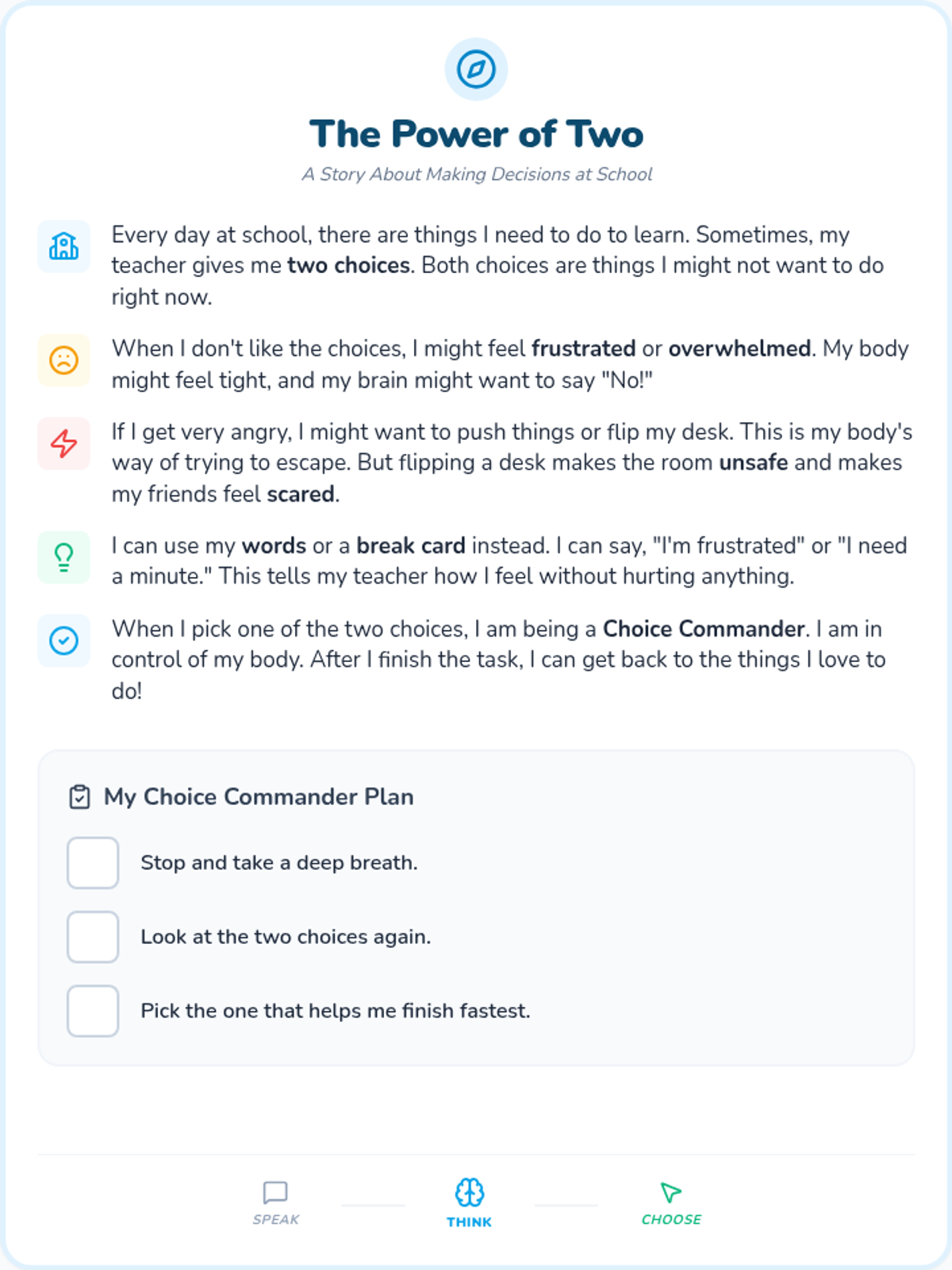
A lesson focused on helping students manage frustration when presented with non-preferred choices, providing a social story for perspective-taking and a reflection tool for post-meltdown processing.
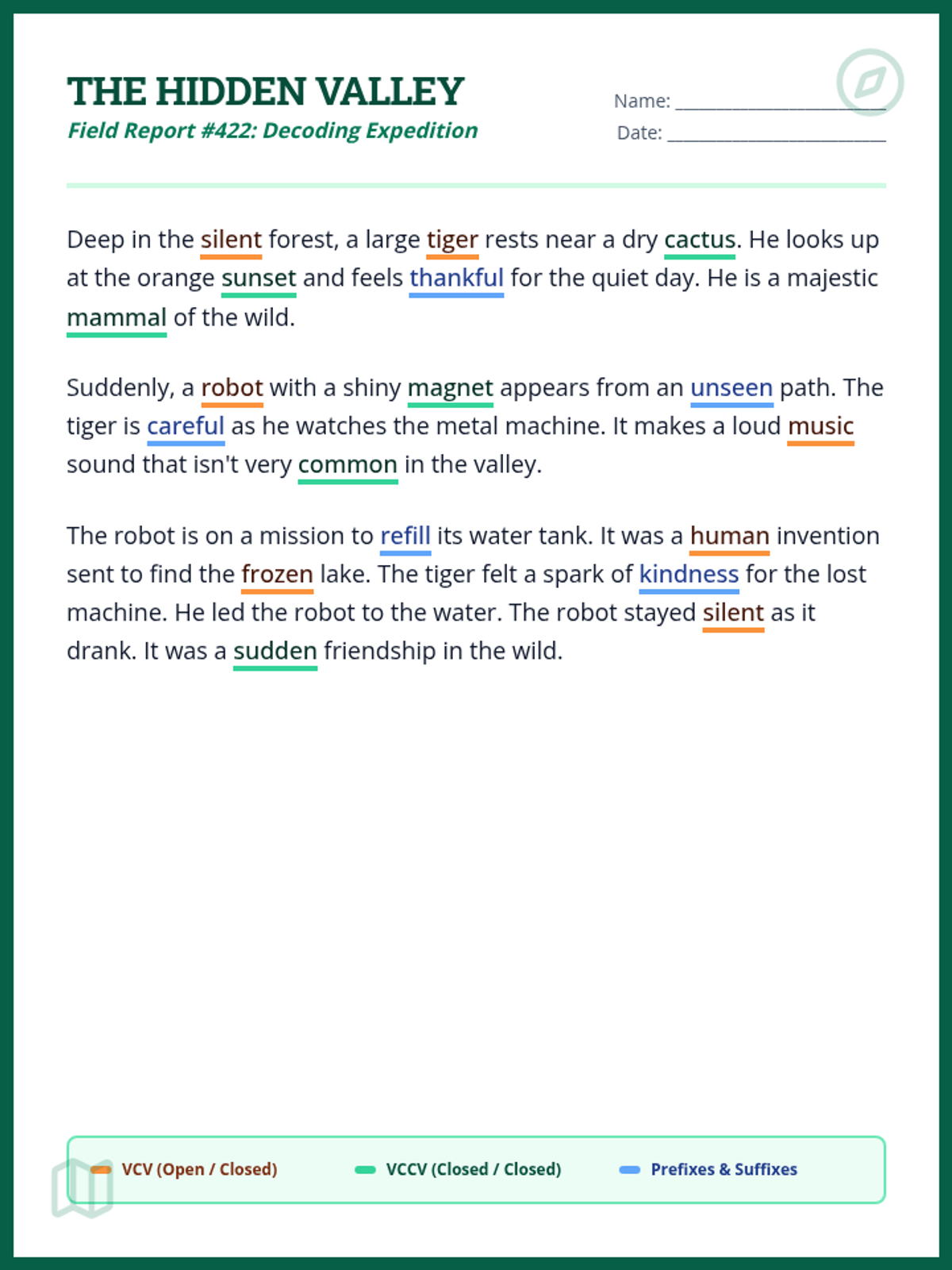
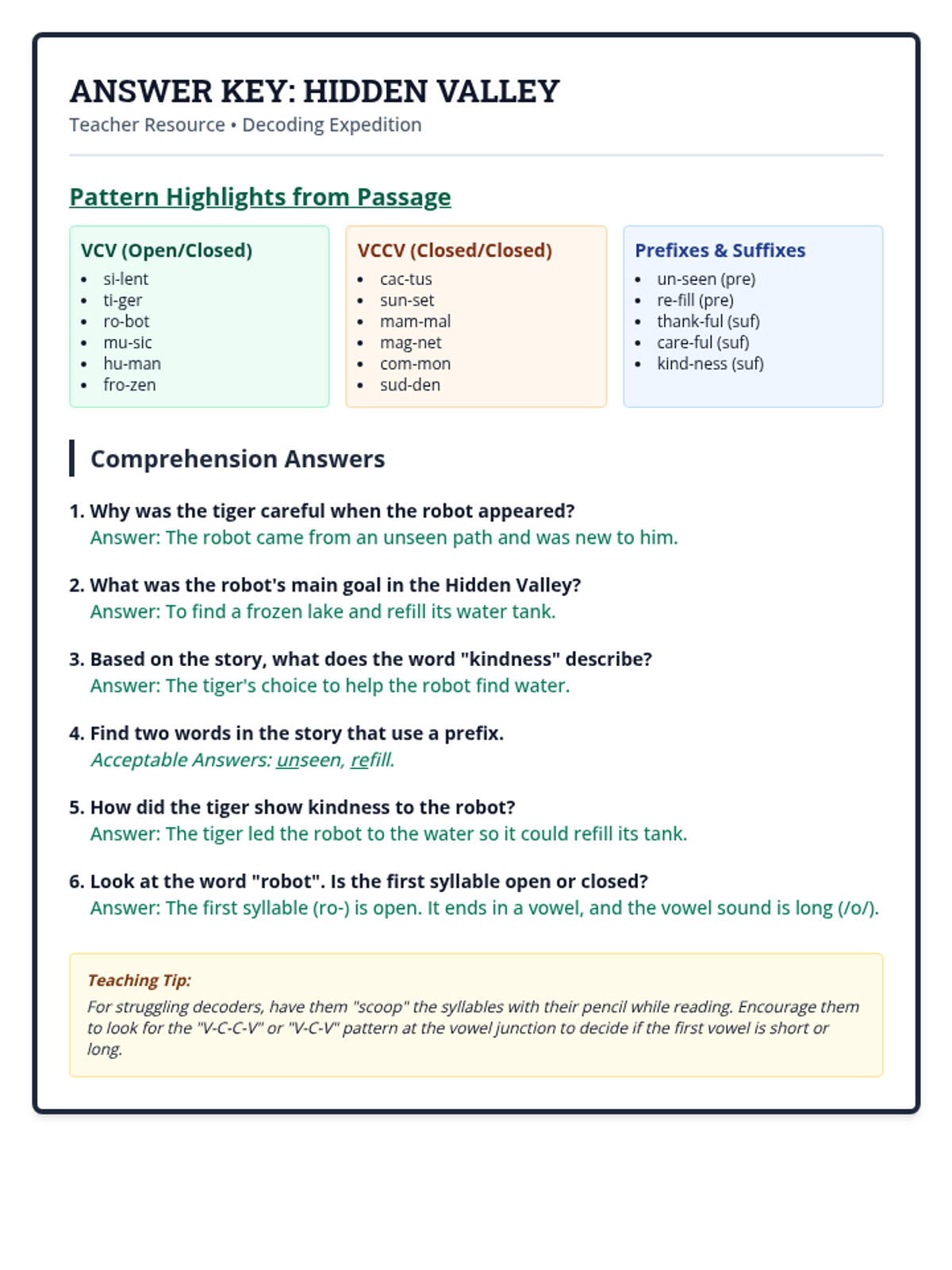
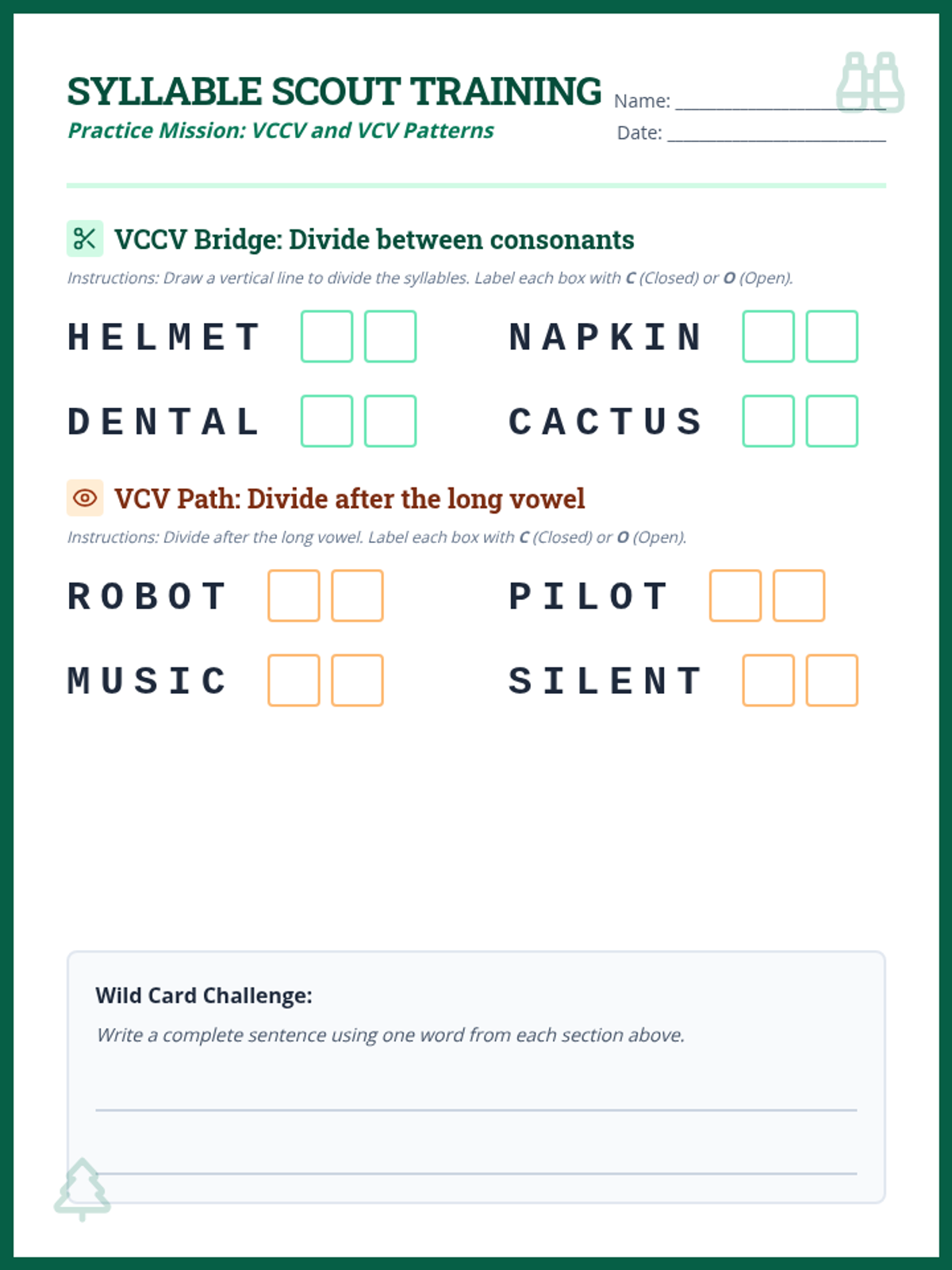
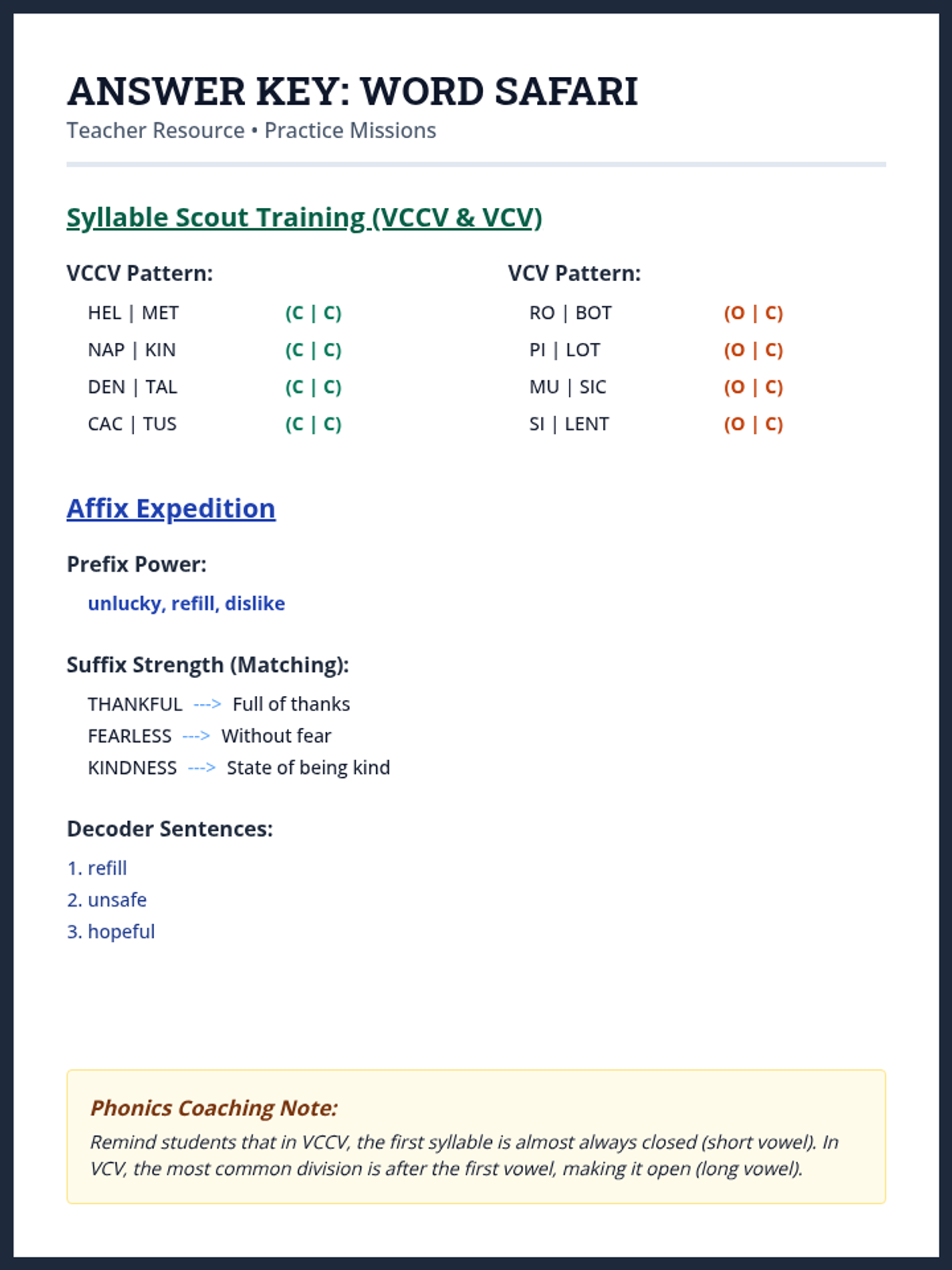
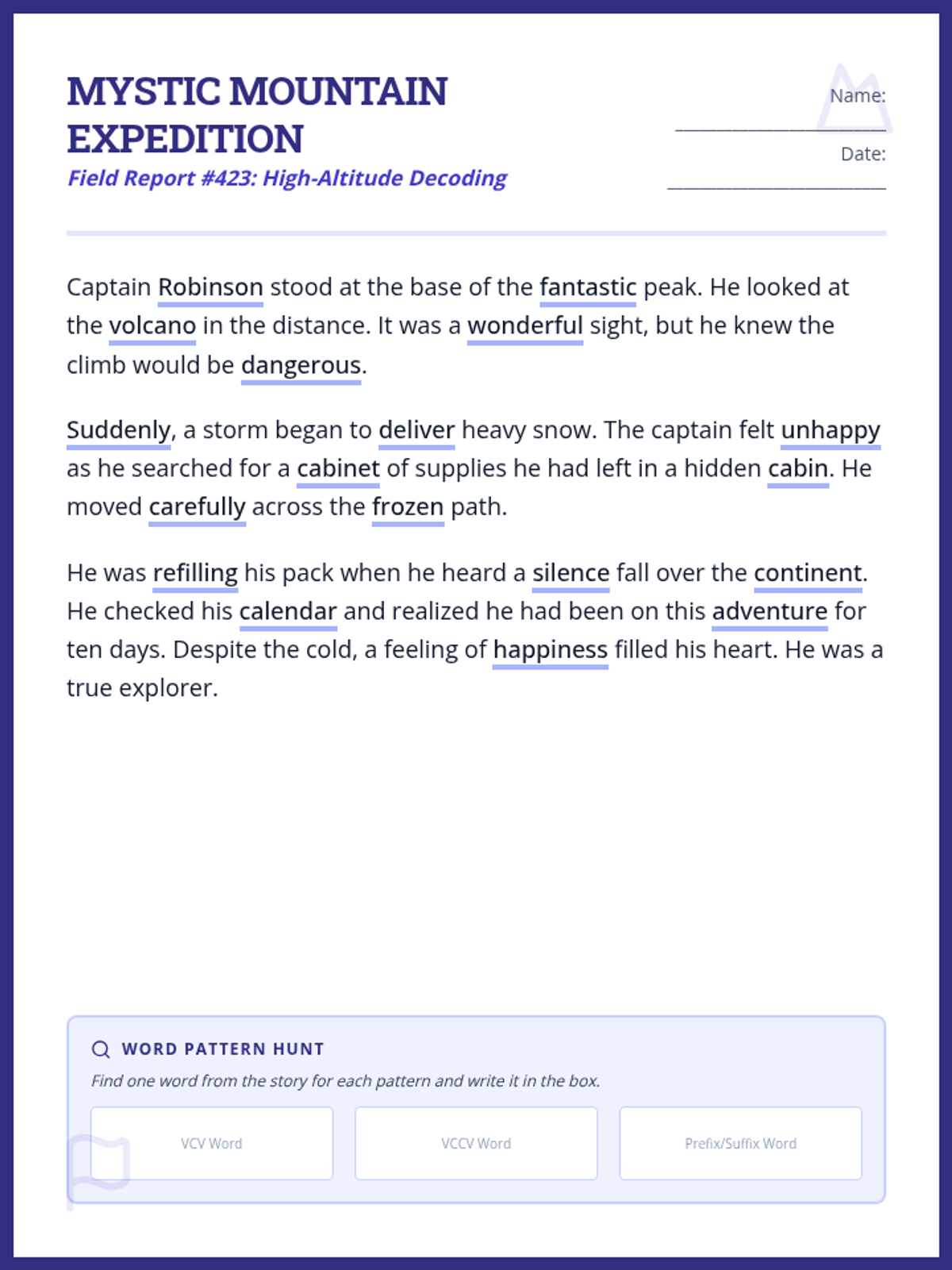
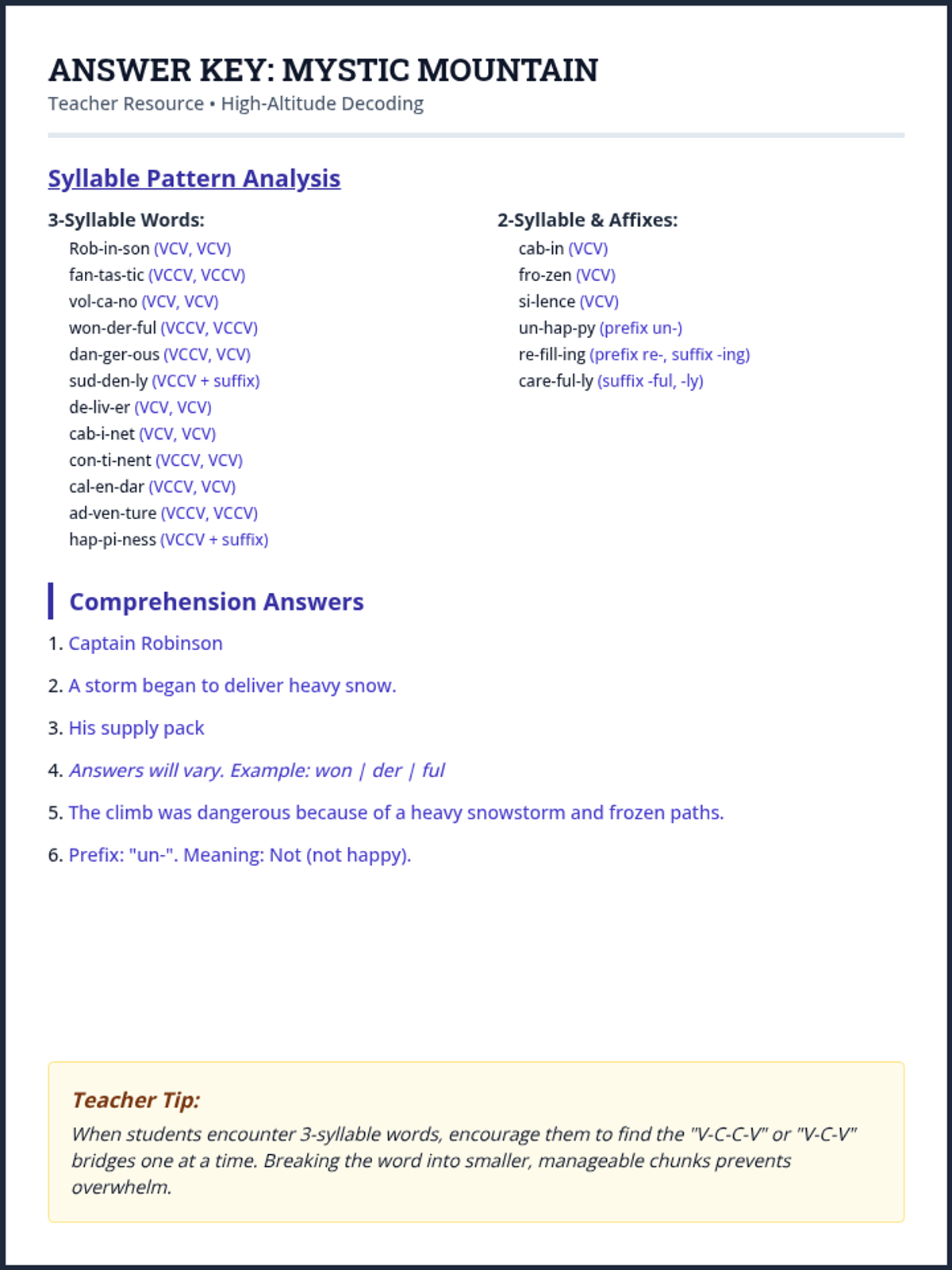
A lesson focused on decoding VCCV and VCV syllable patterns, along with common prefixes and suffixes, through an engaging reading passage and comprehension check.
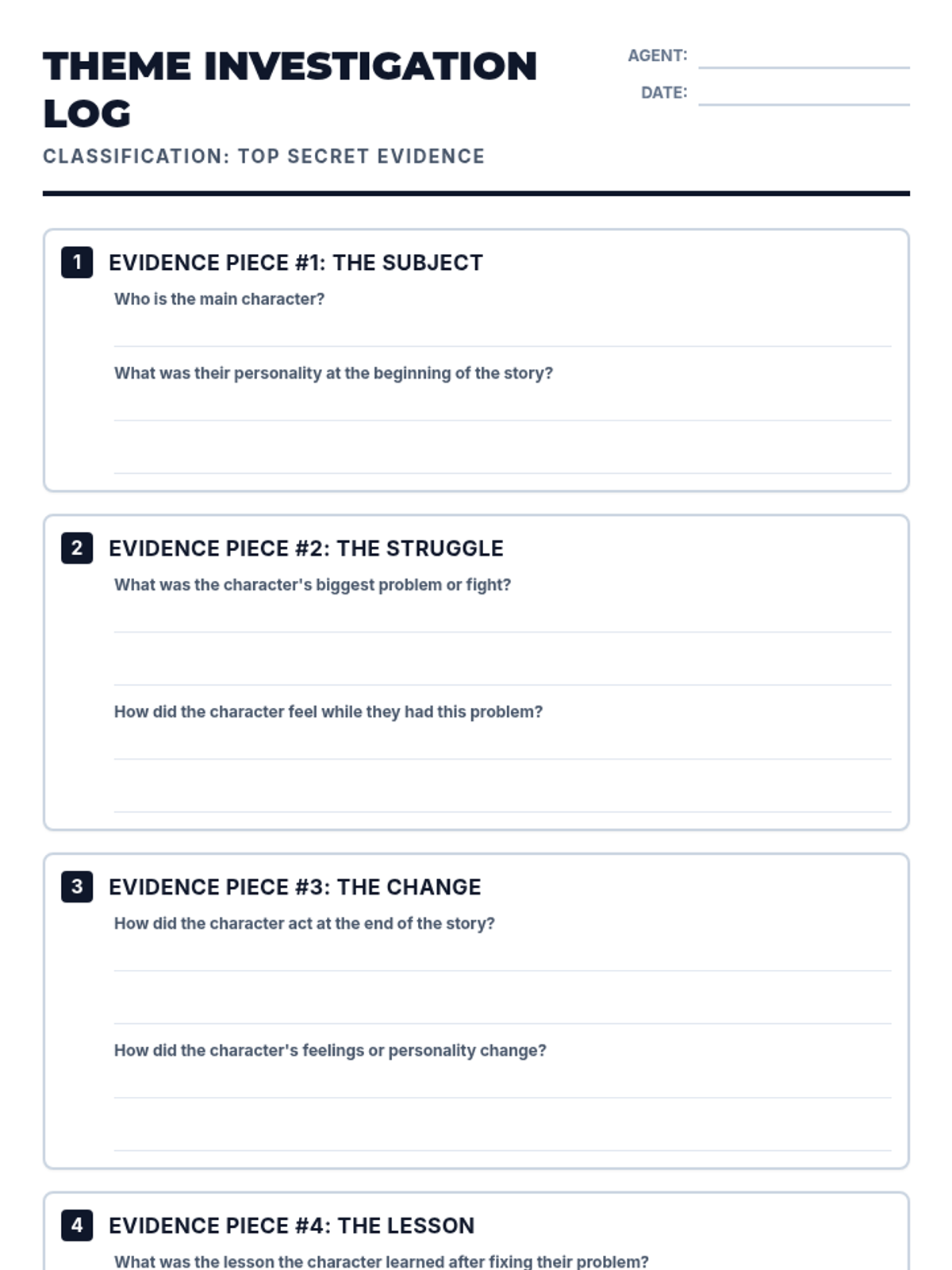
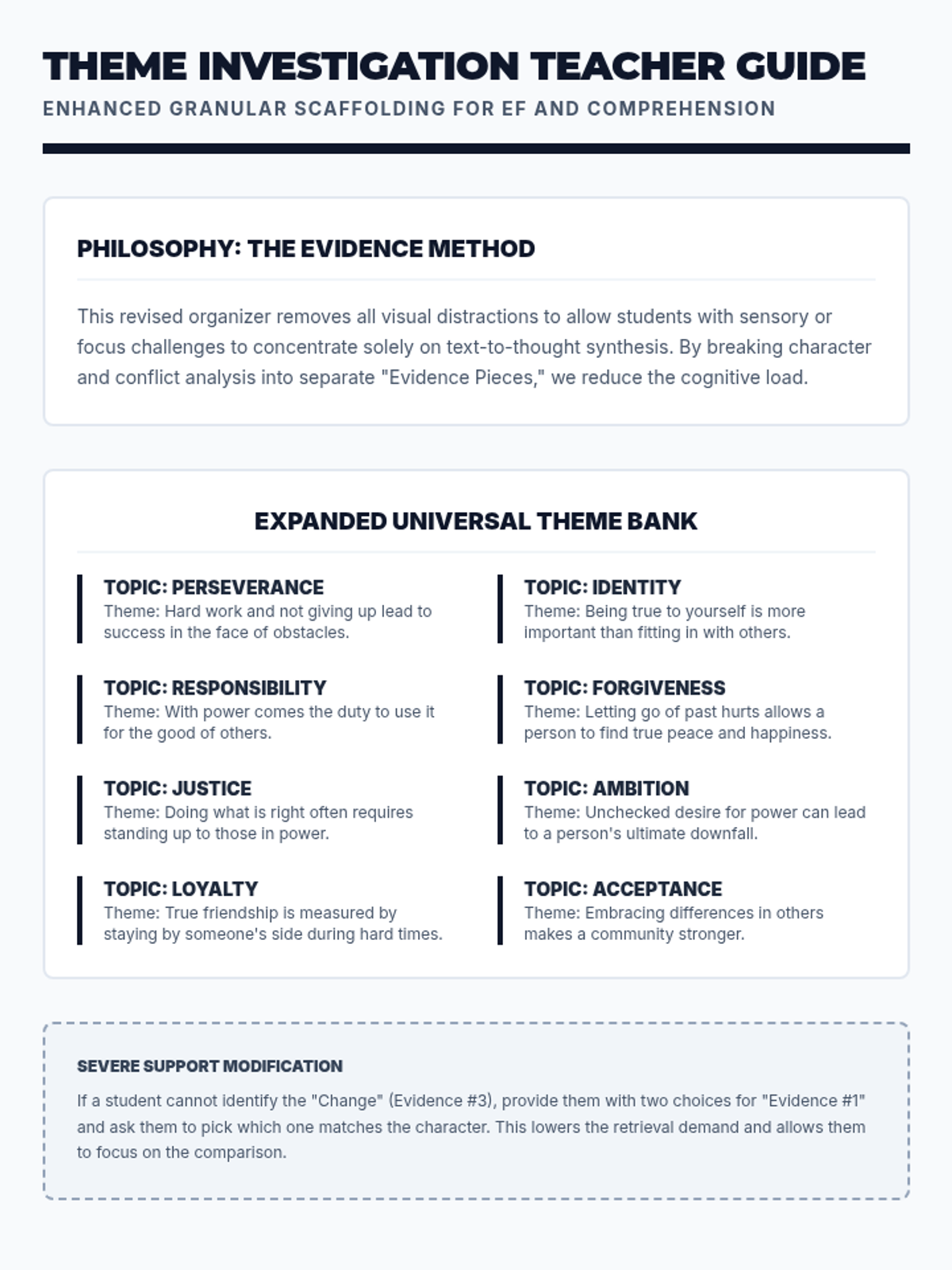
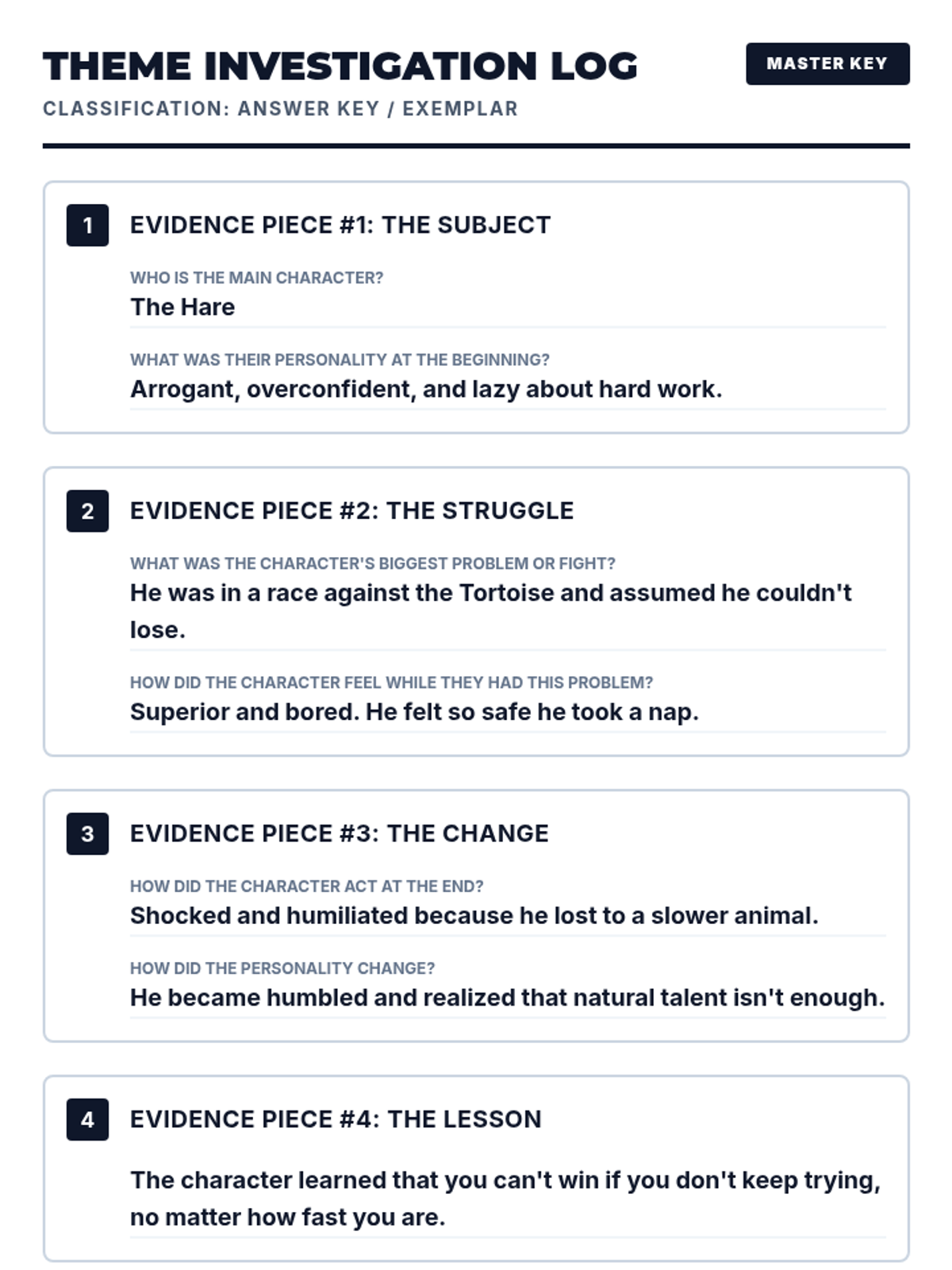
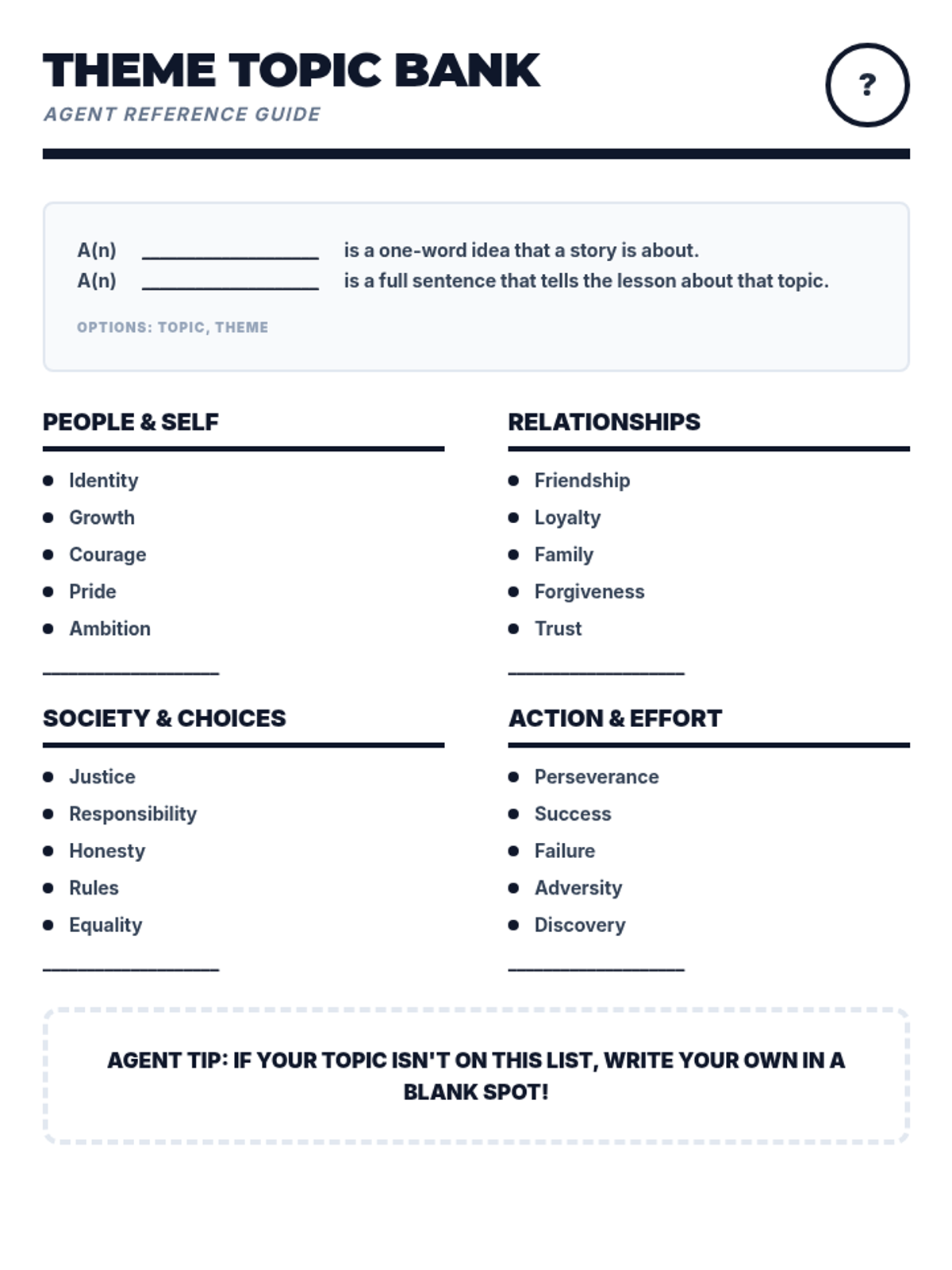
A structured approach to identifying themes in literature using a detective-themed graphic organizer designed for students with executive function and comprehension challenges.
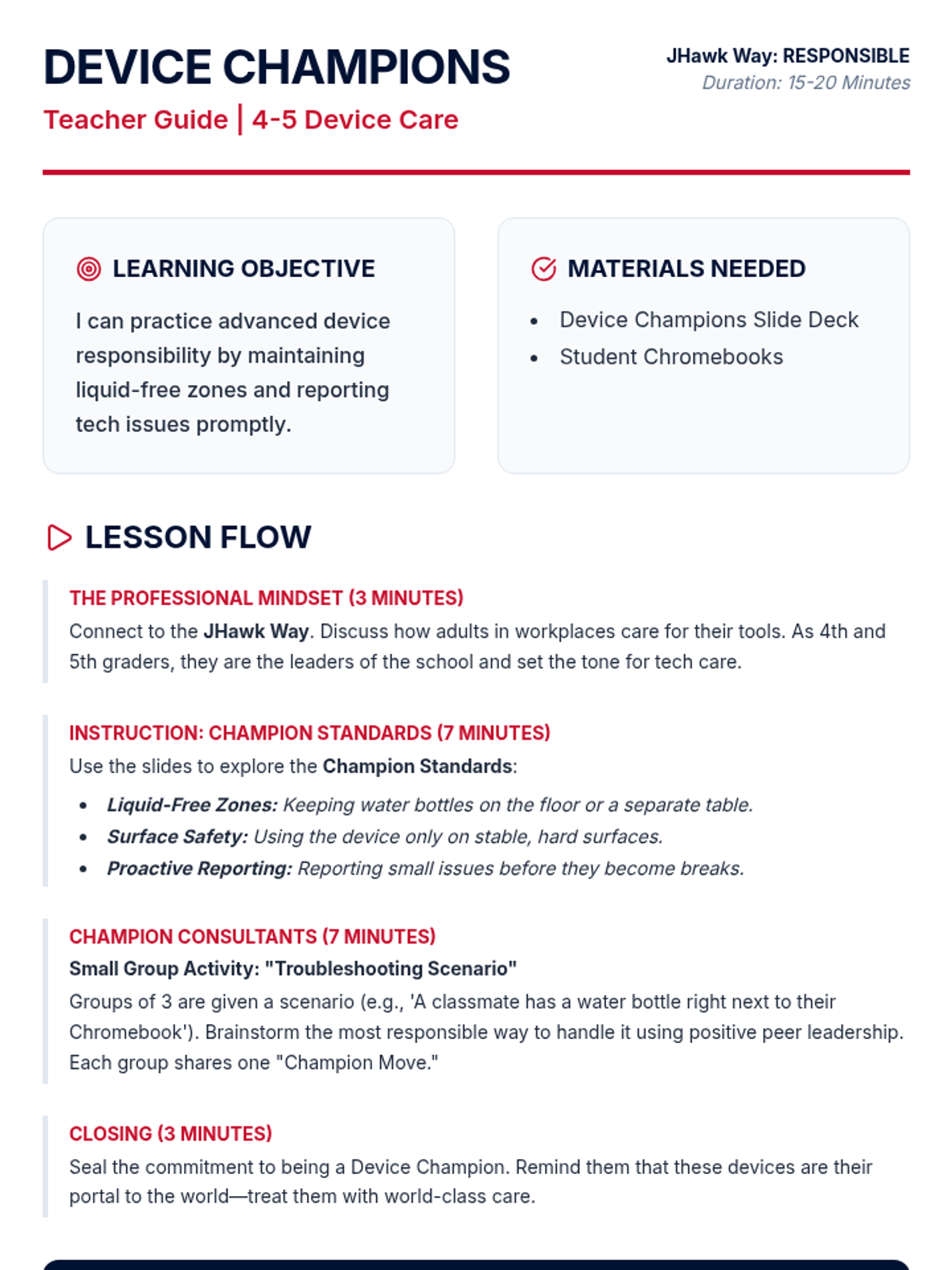
A 15-20 minute lesson for 4-5 students focused on advanced device responsibility, including proper closure, charging habits, and liquid-free zones.
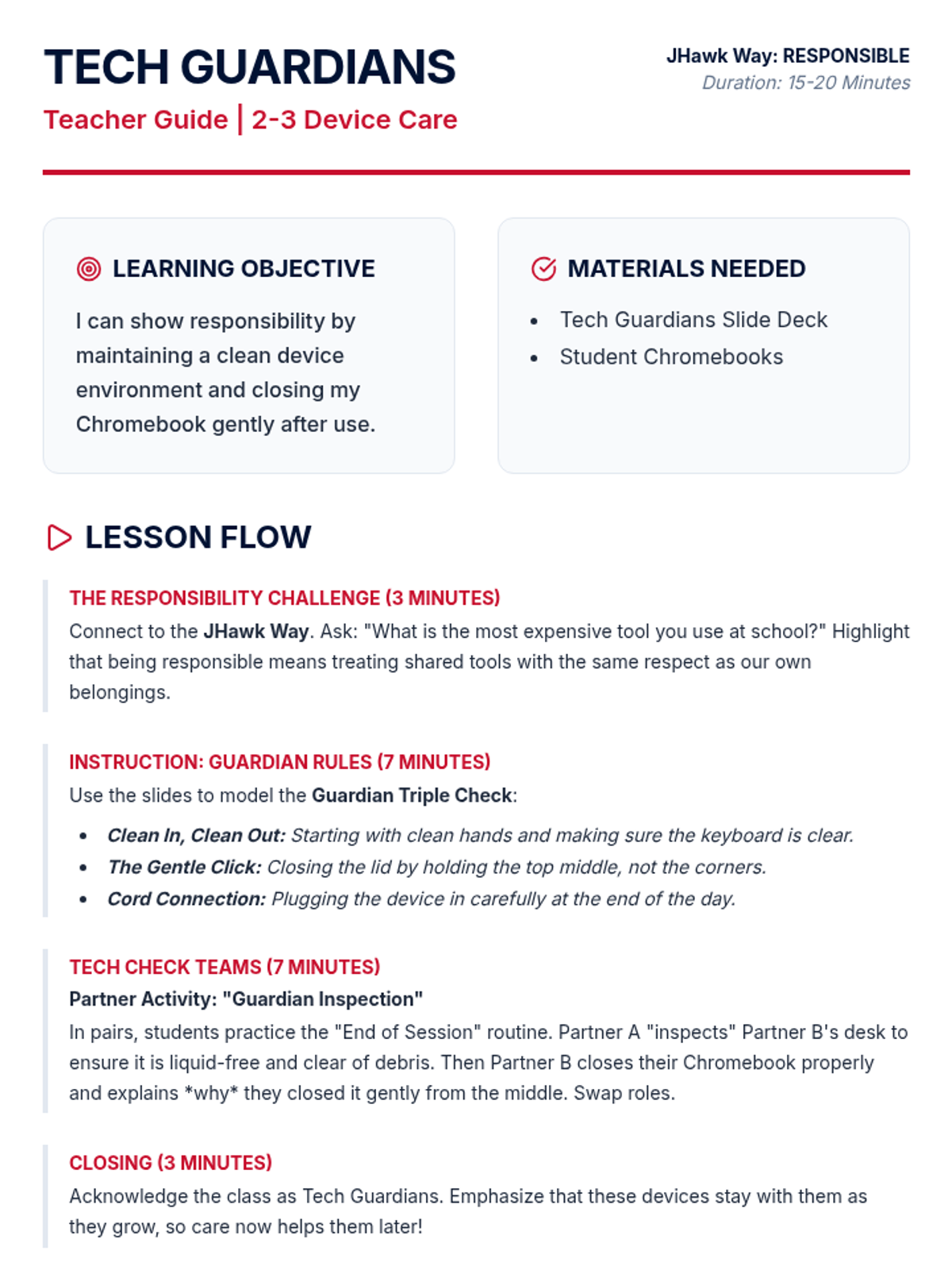
A 15-20 minute lesson for 2-3 students on responsible Chromebook care, emphasizing clean environments and gentle handling, aligned with PBIS standards.
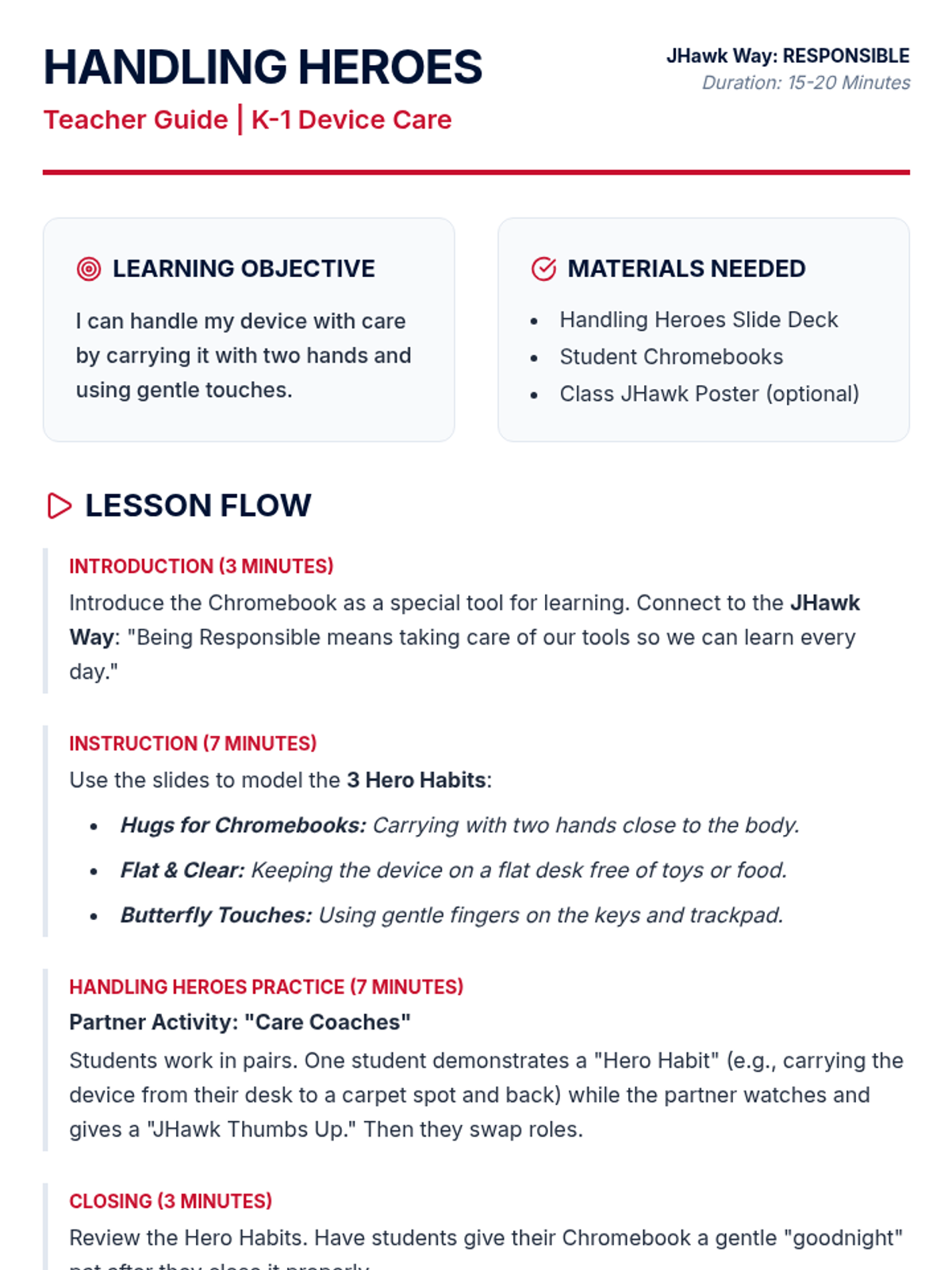
A 15-20 minute lesson for K-1 students focused on the basics of carrying and using Chromebooks responsibly, using positive framing and collaborative practice.
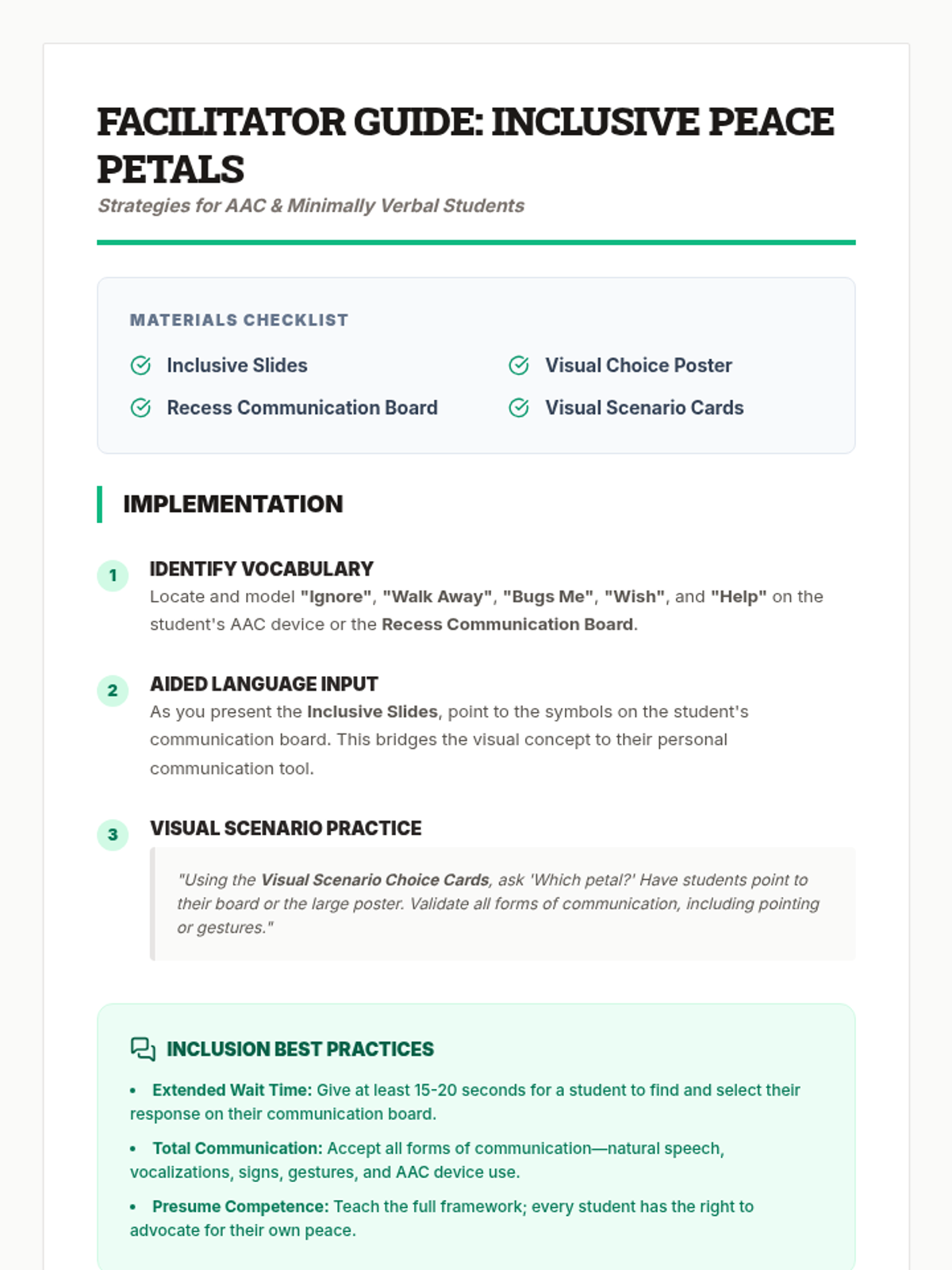
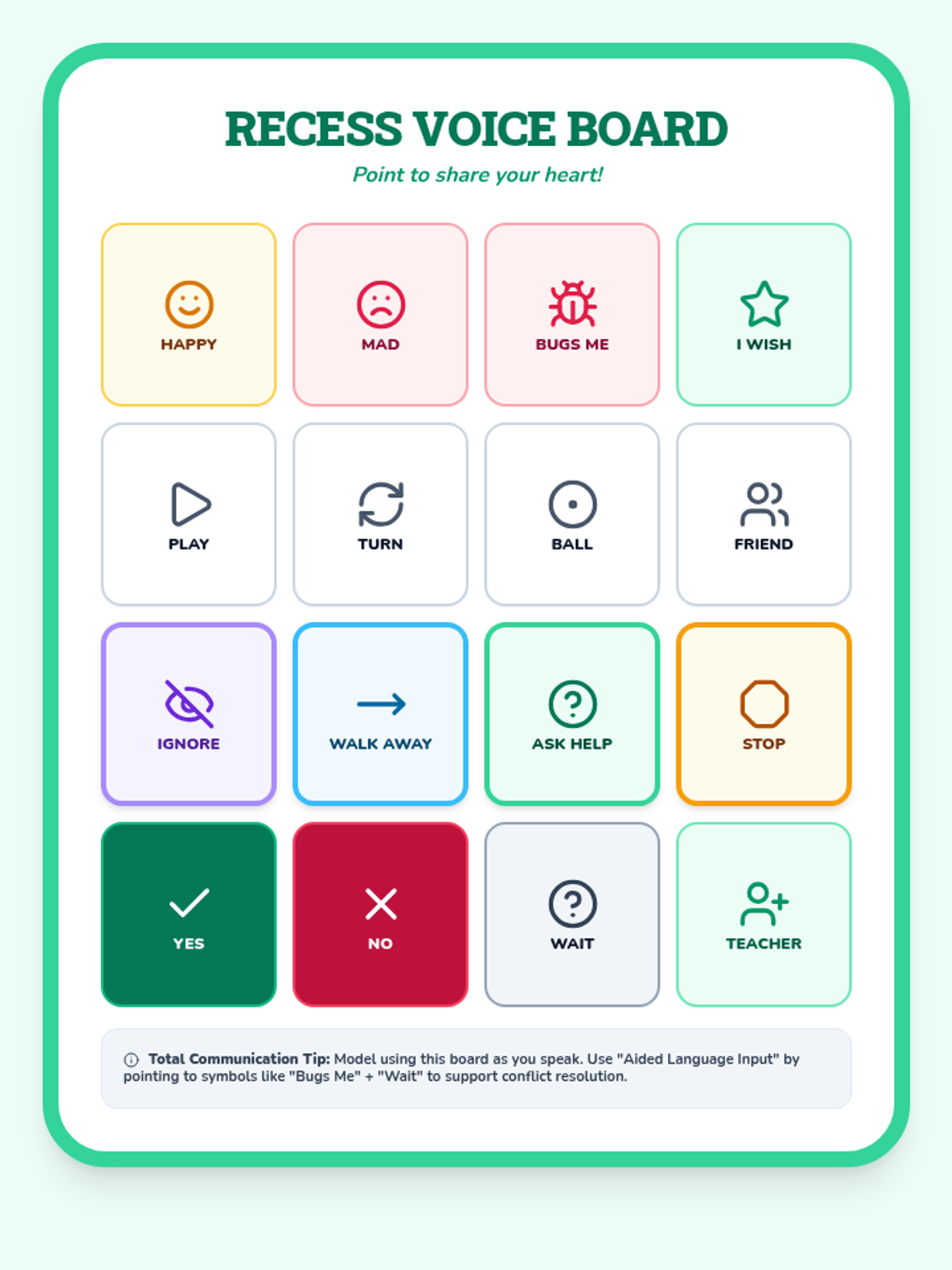
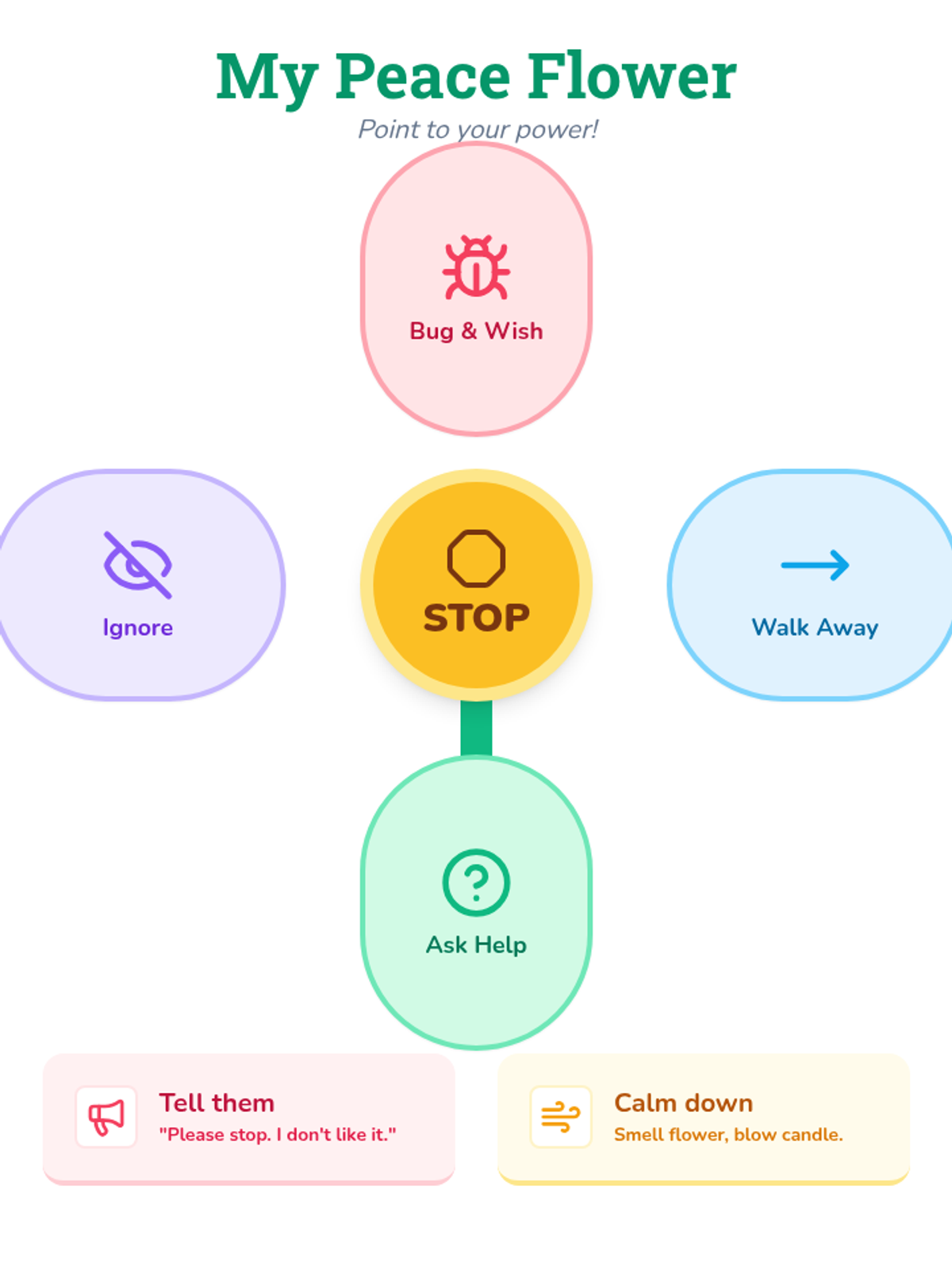
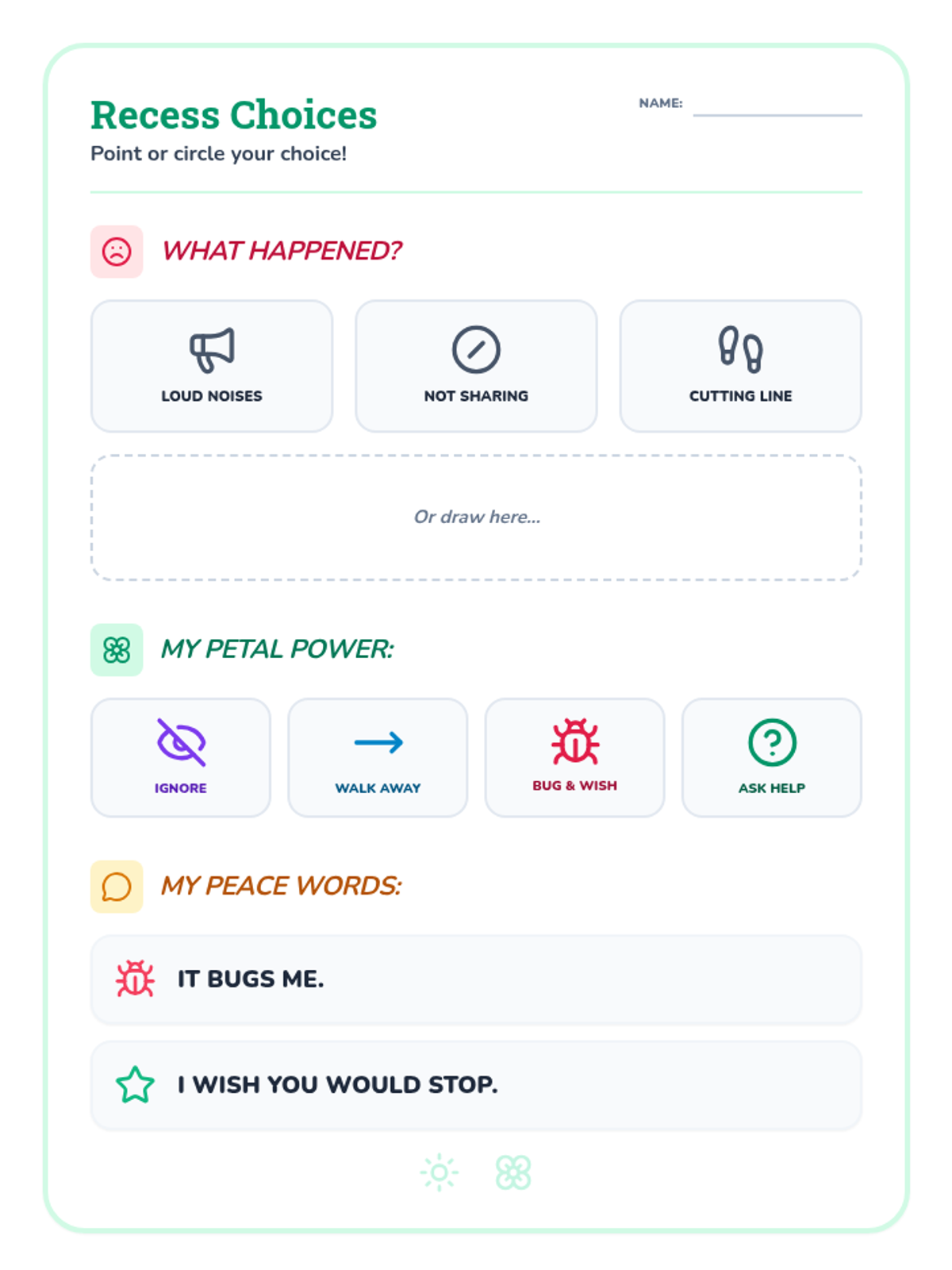
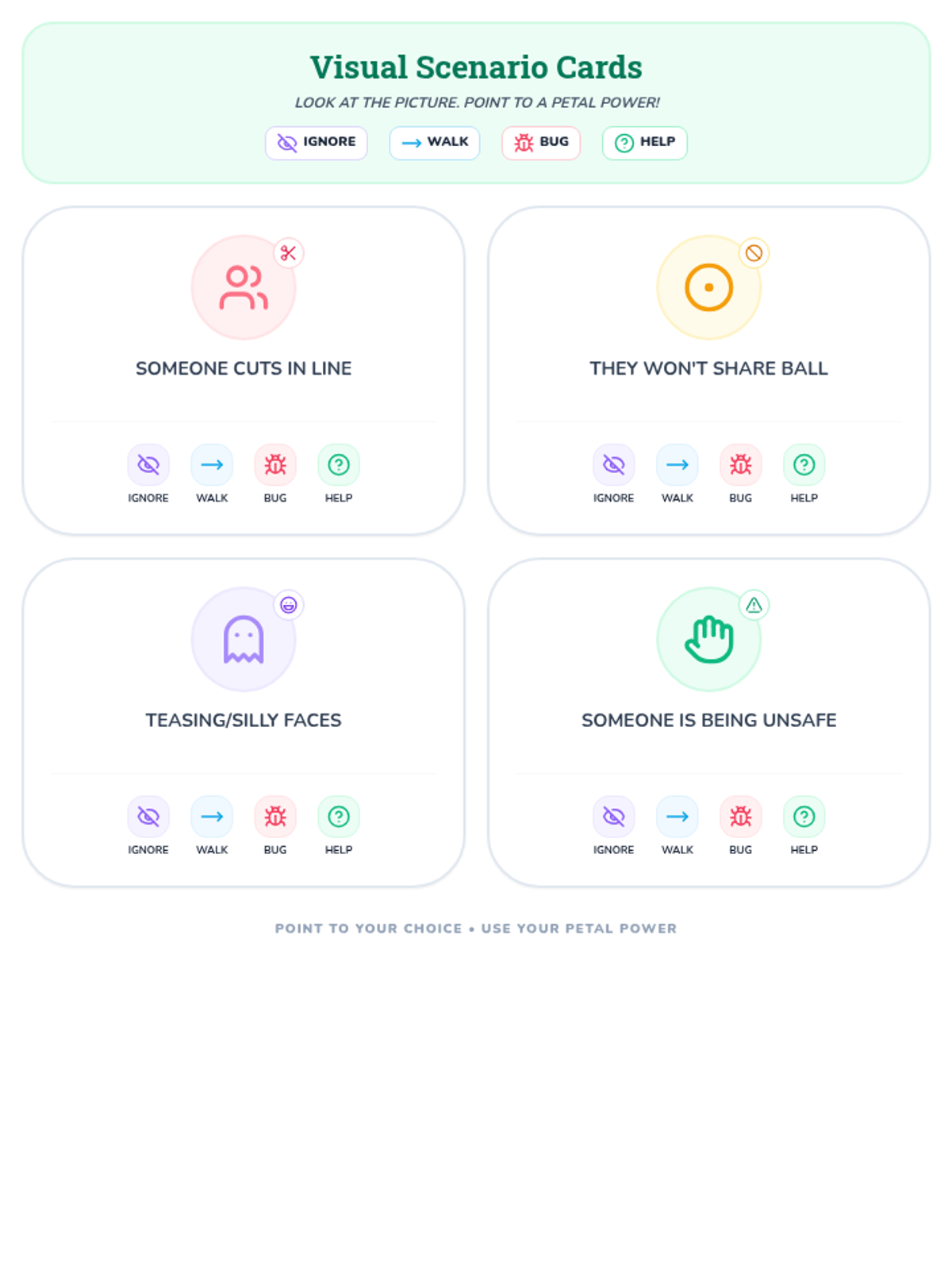
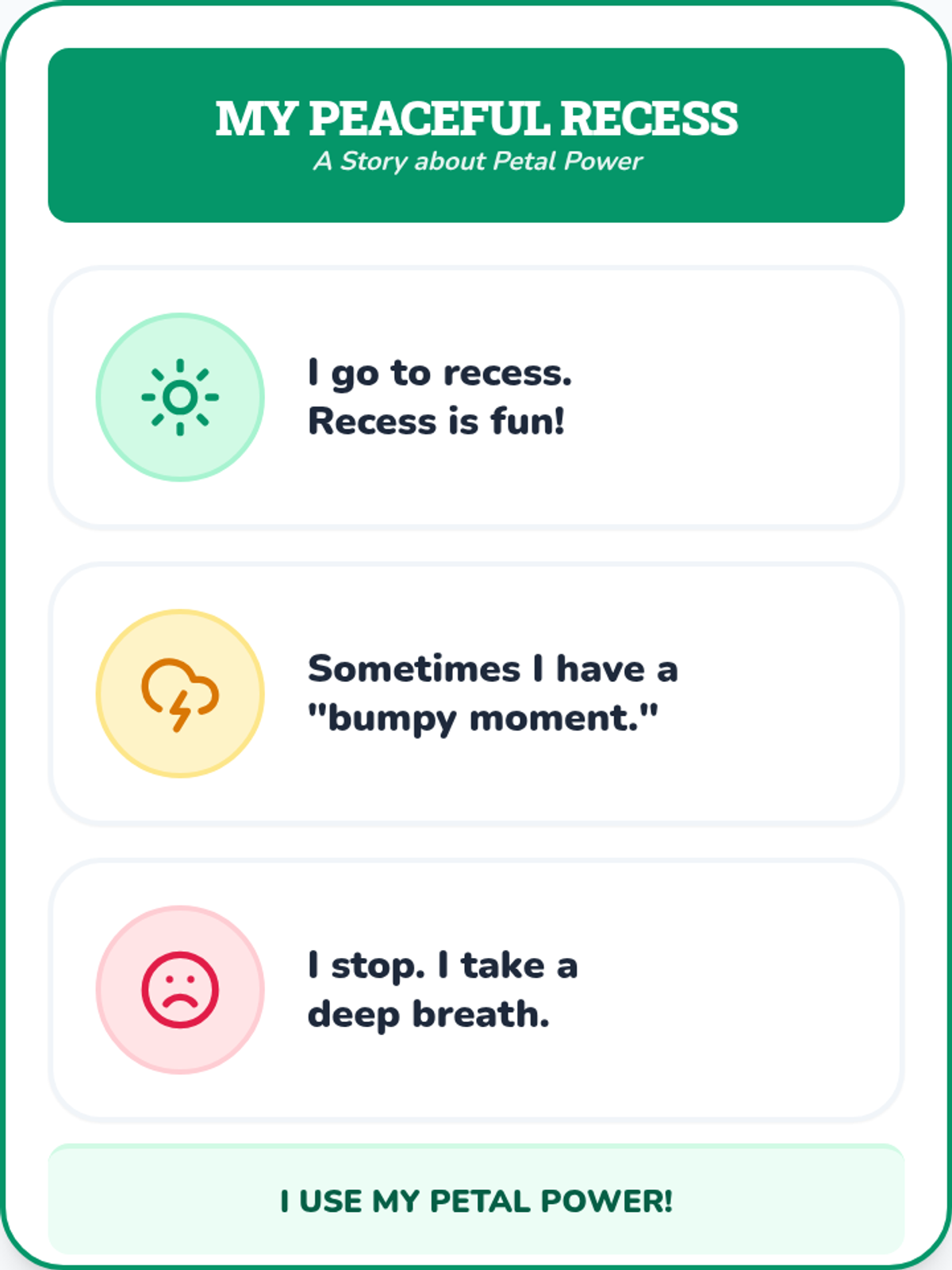
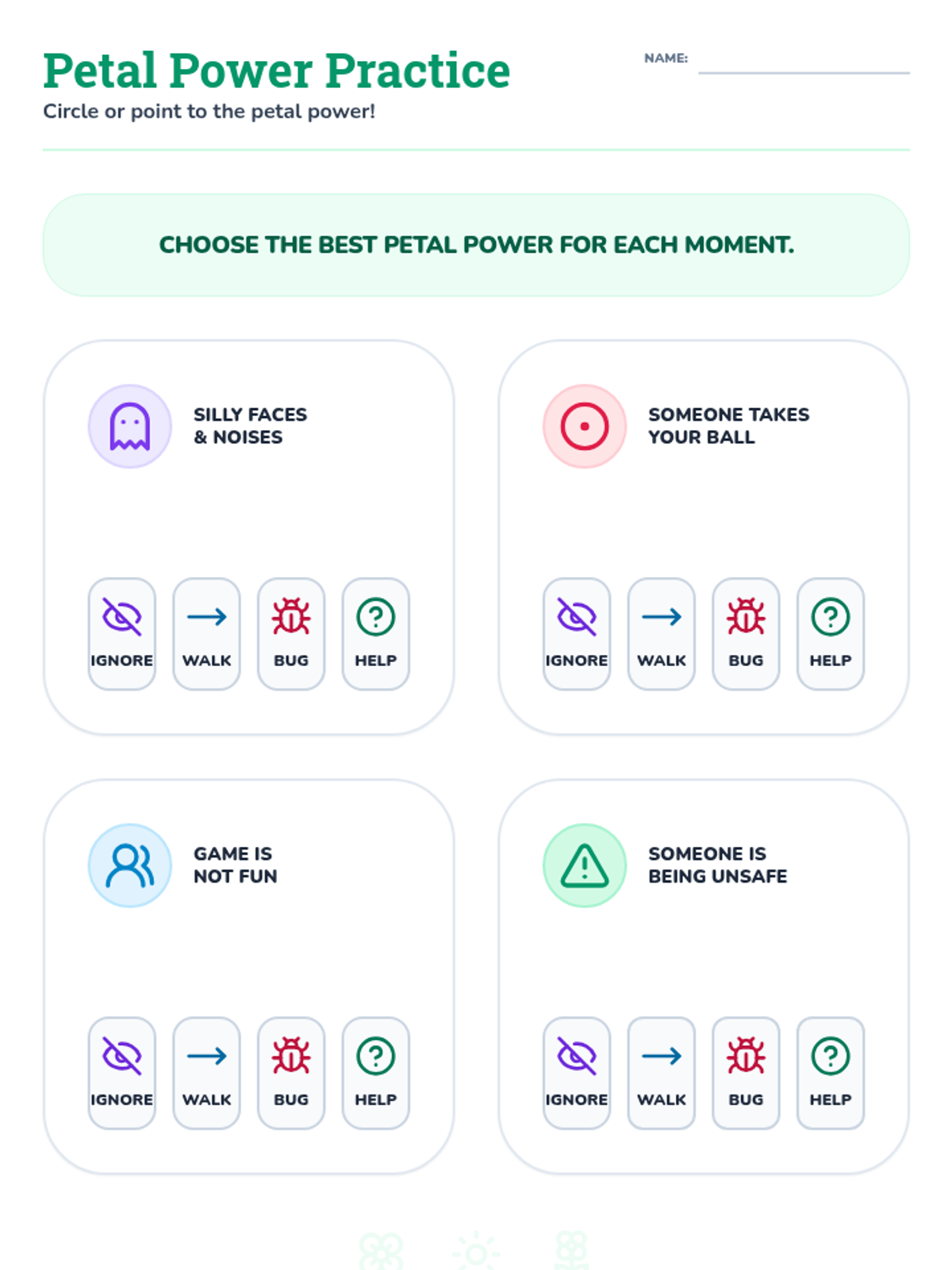
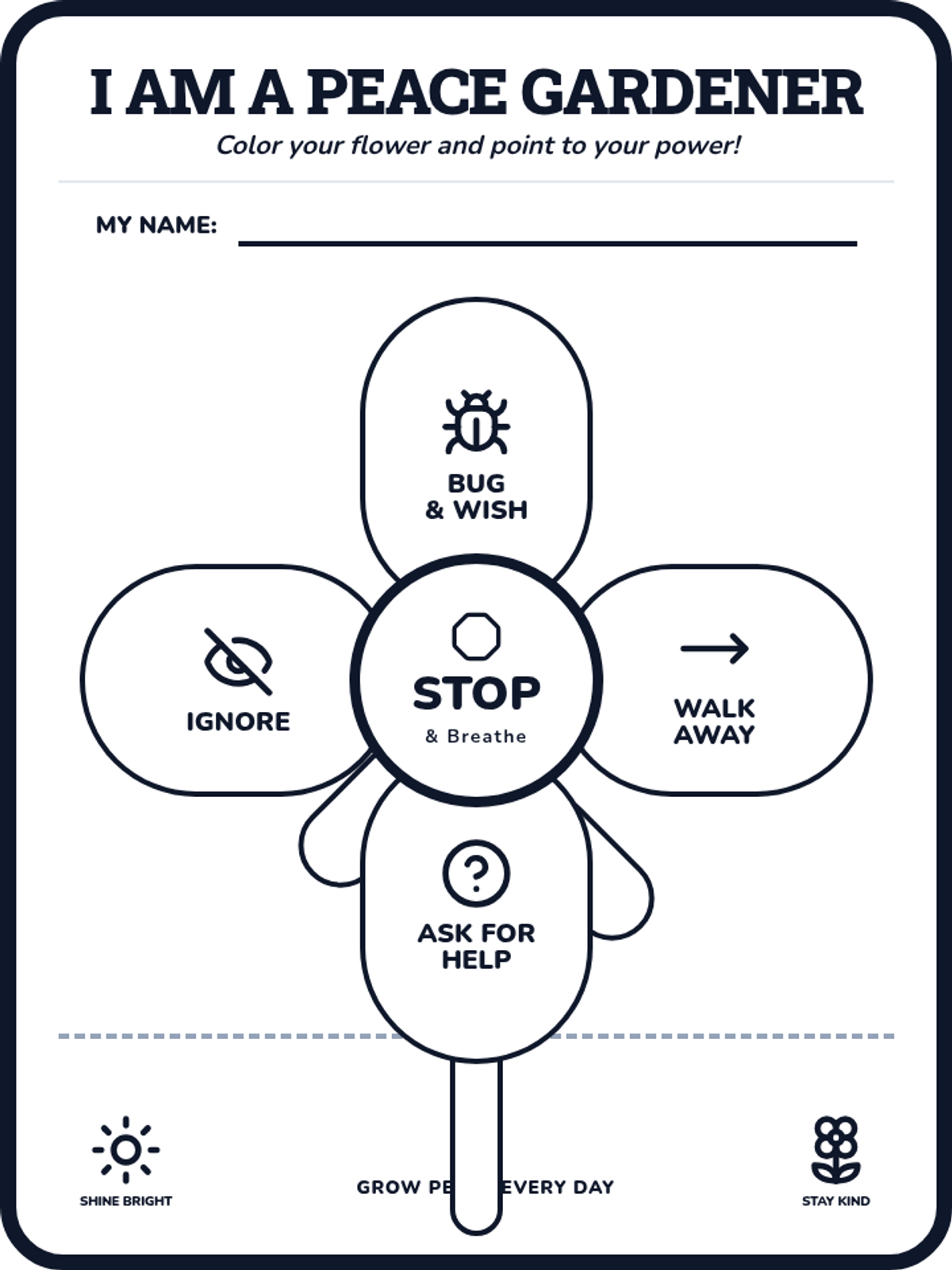
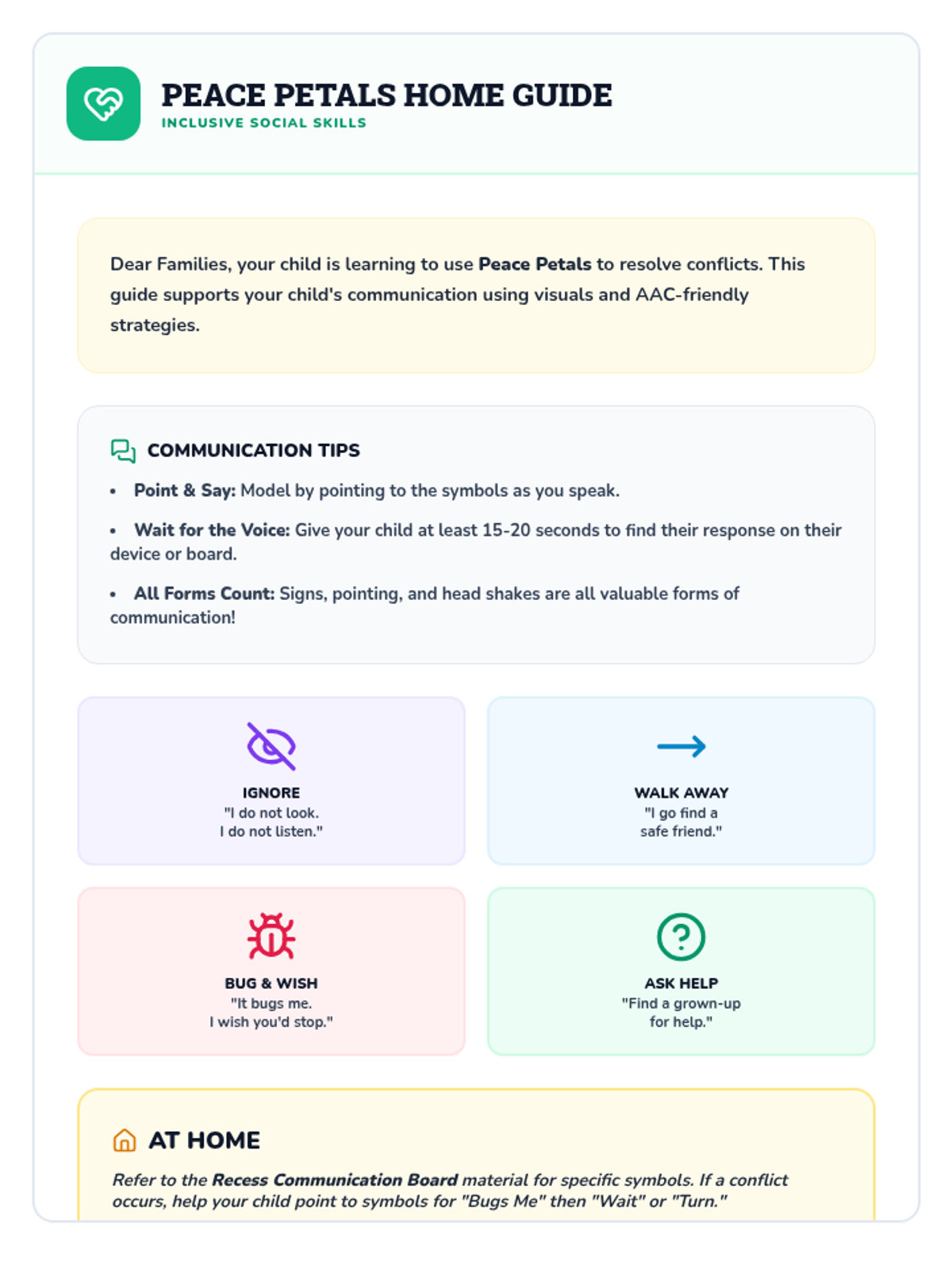
A gentle, flower-themed lesson for elementary students to learn social-emotional strategies for resolving conflicts during recess using the 'Peace Petals' framework.
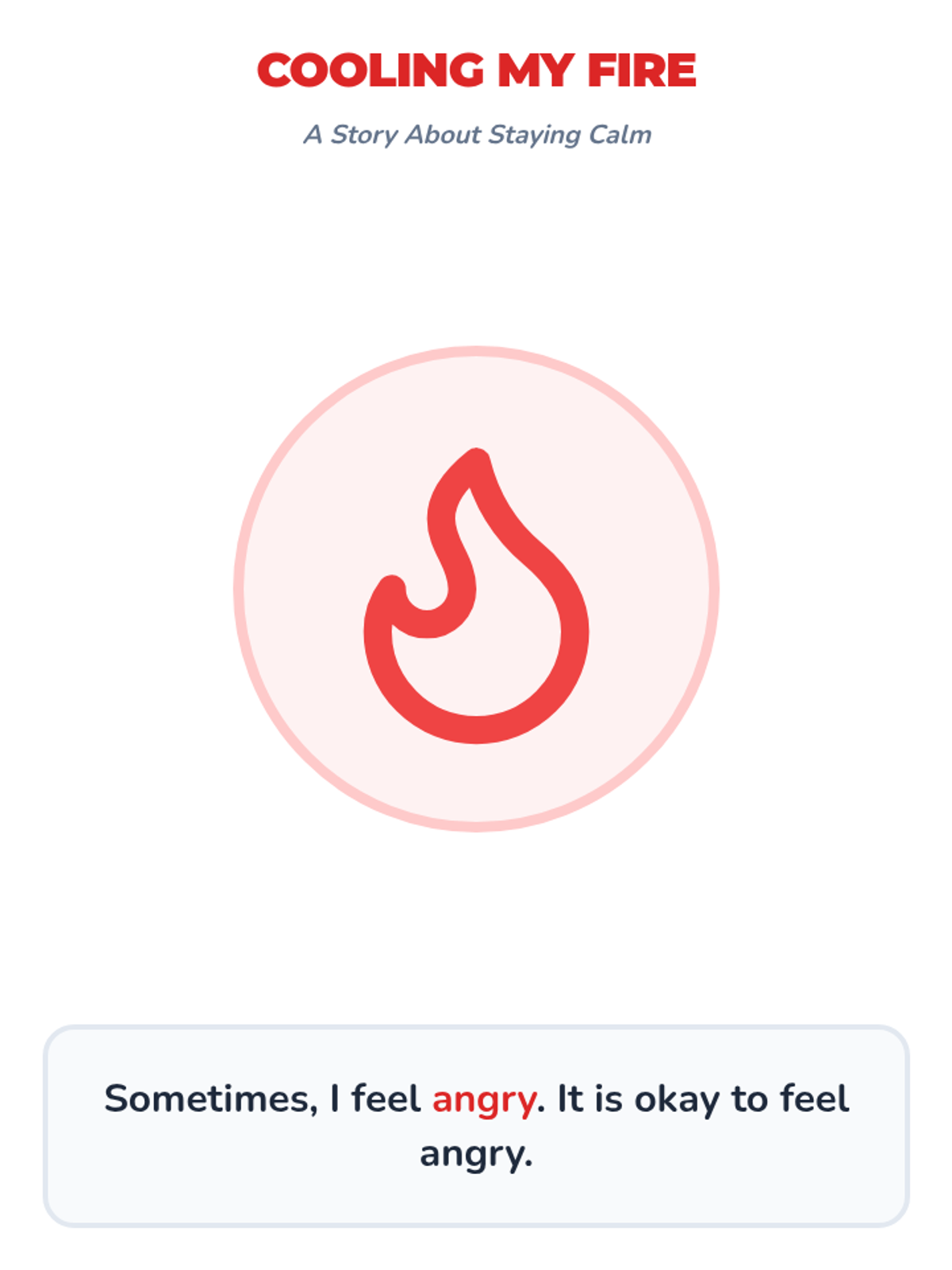
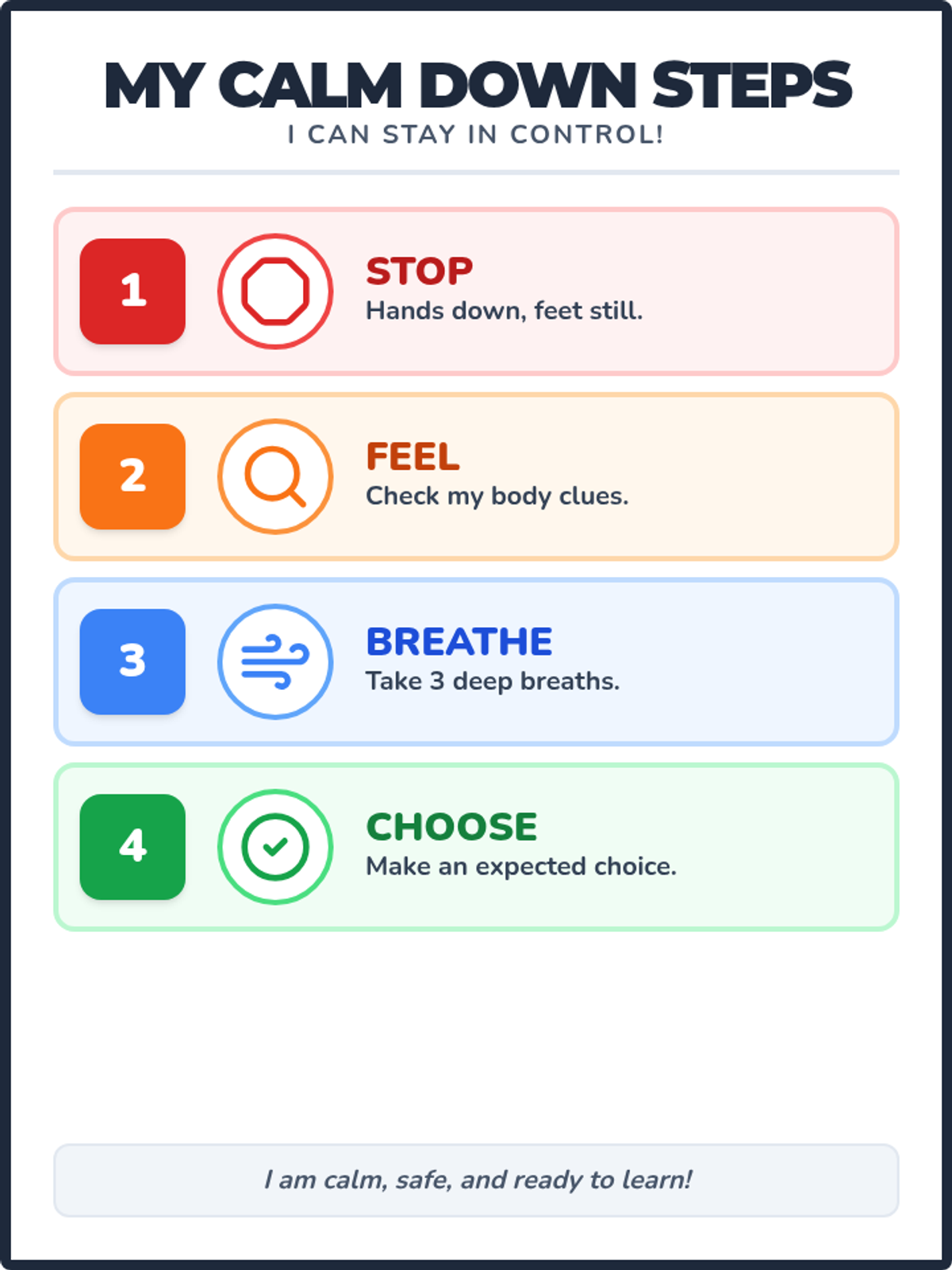
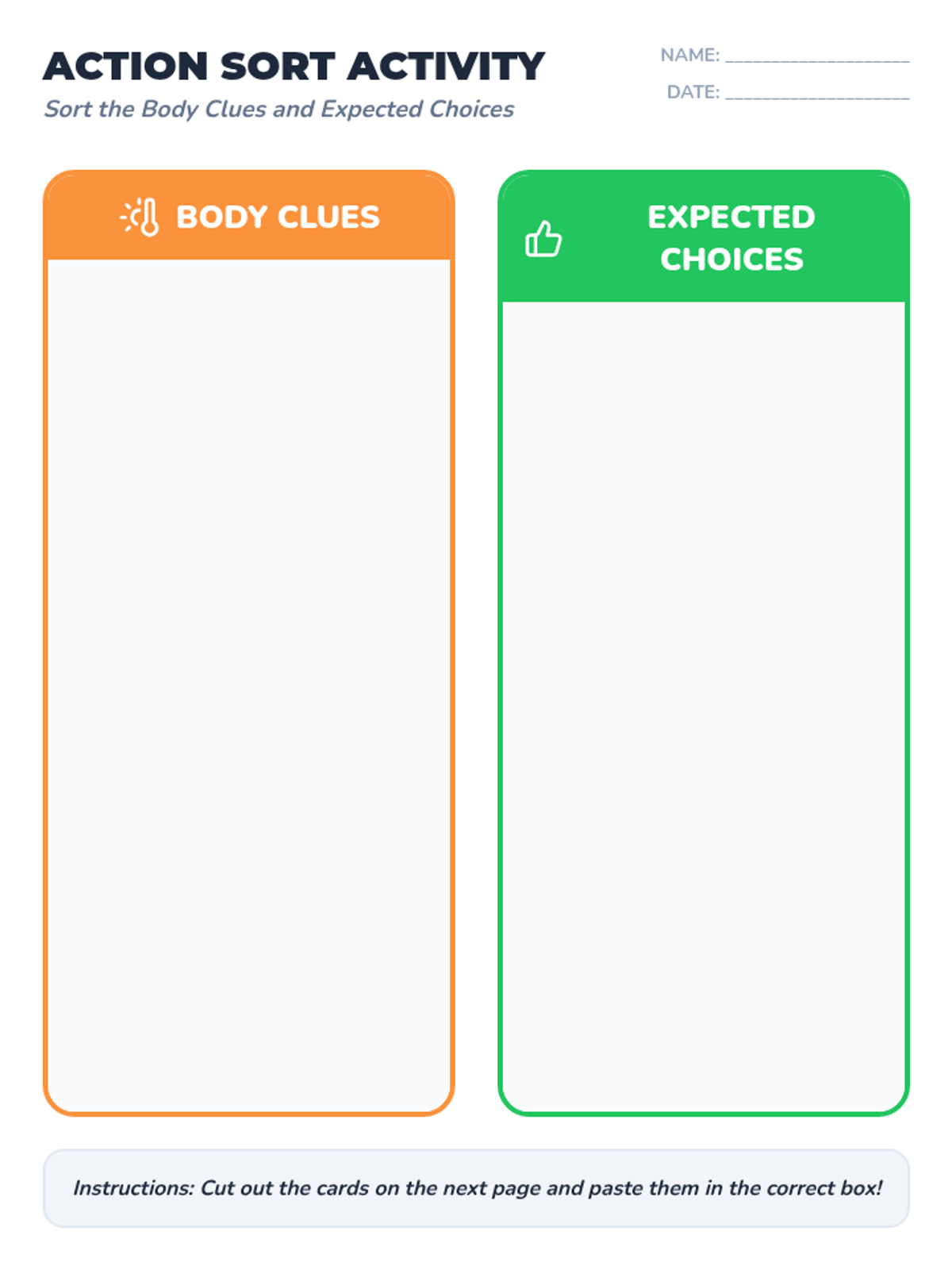
A set of visual and interactive resources designed to help students with low cognitive functioning recognize the physical signs of anger and learn 'expected' calm-down behaviors through a social story, a visual poster, and a hands-on sorting activity.
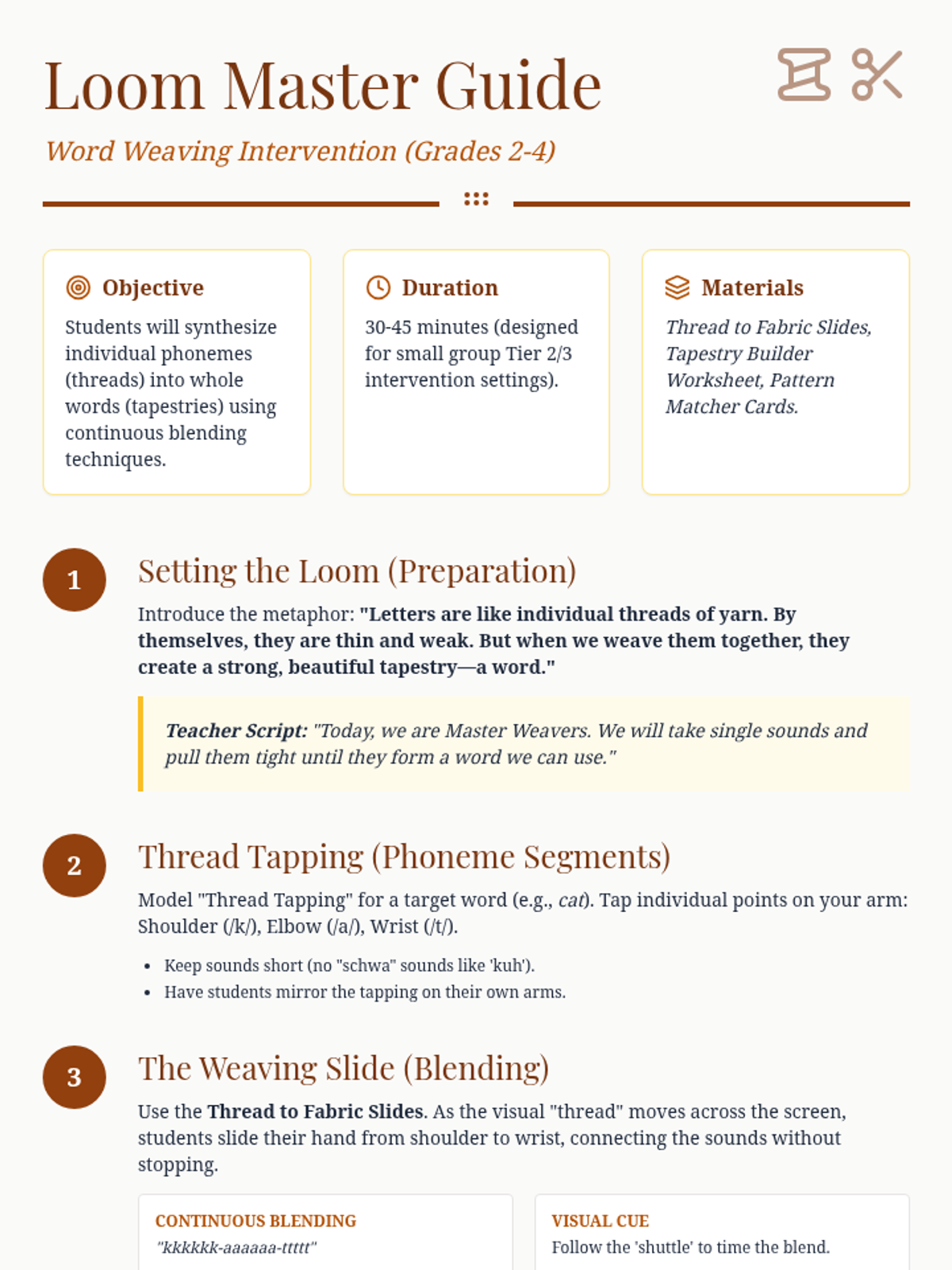
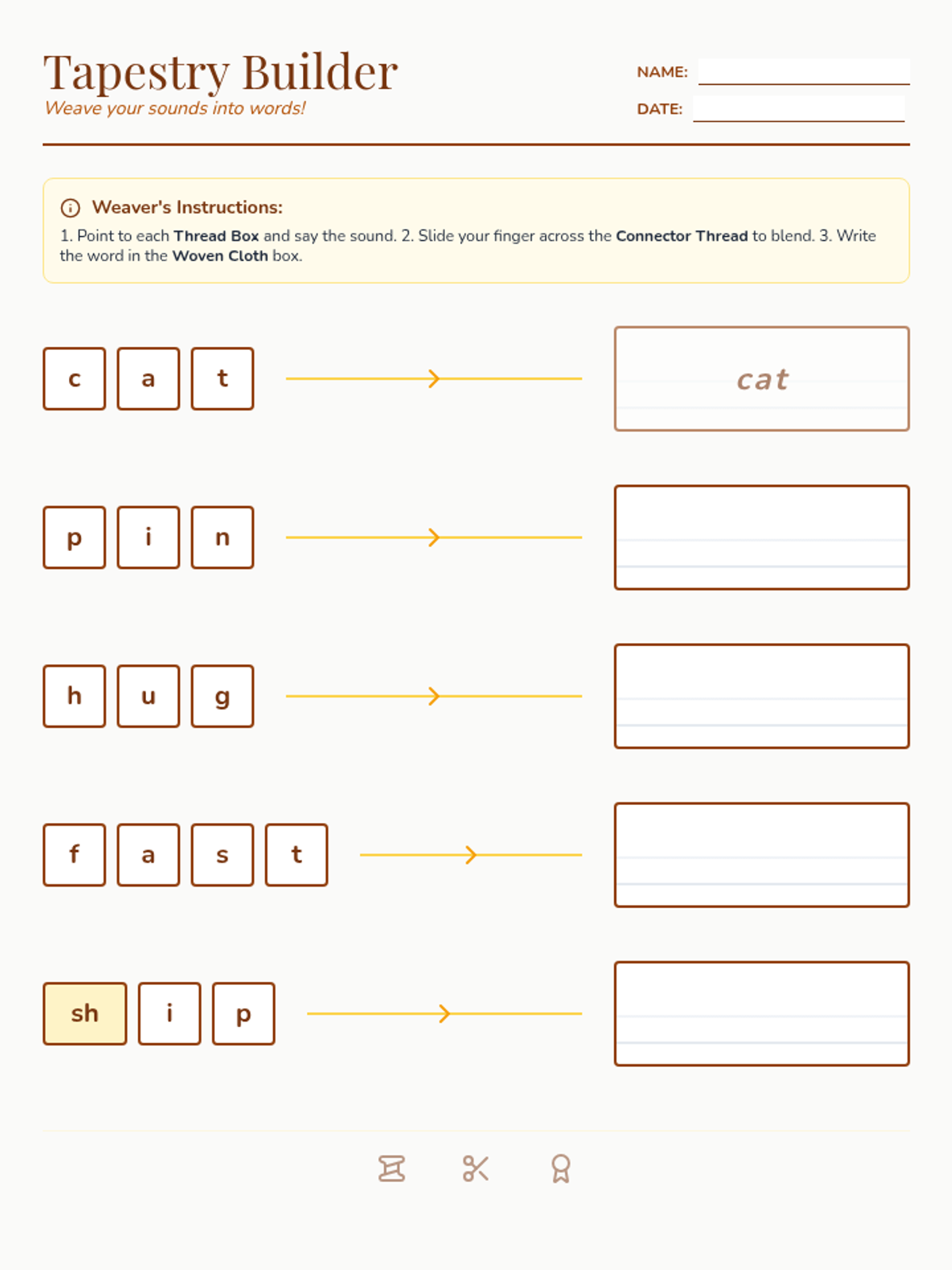
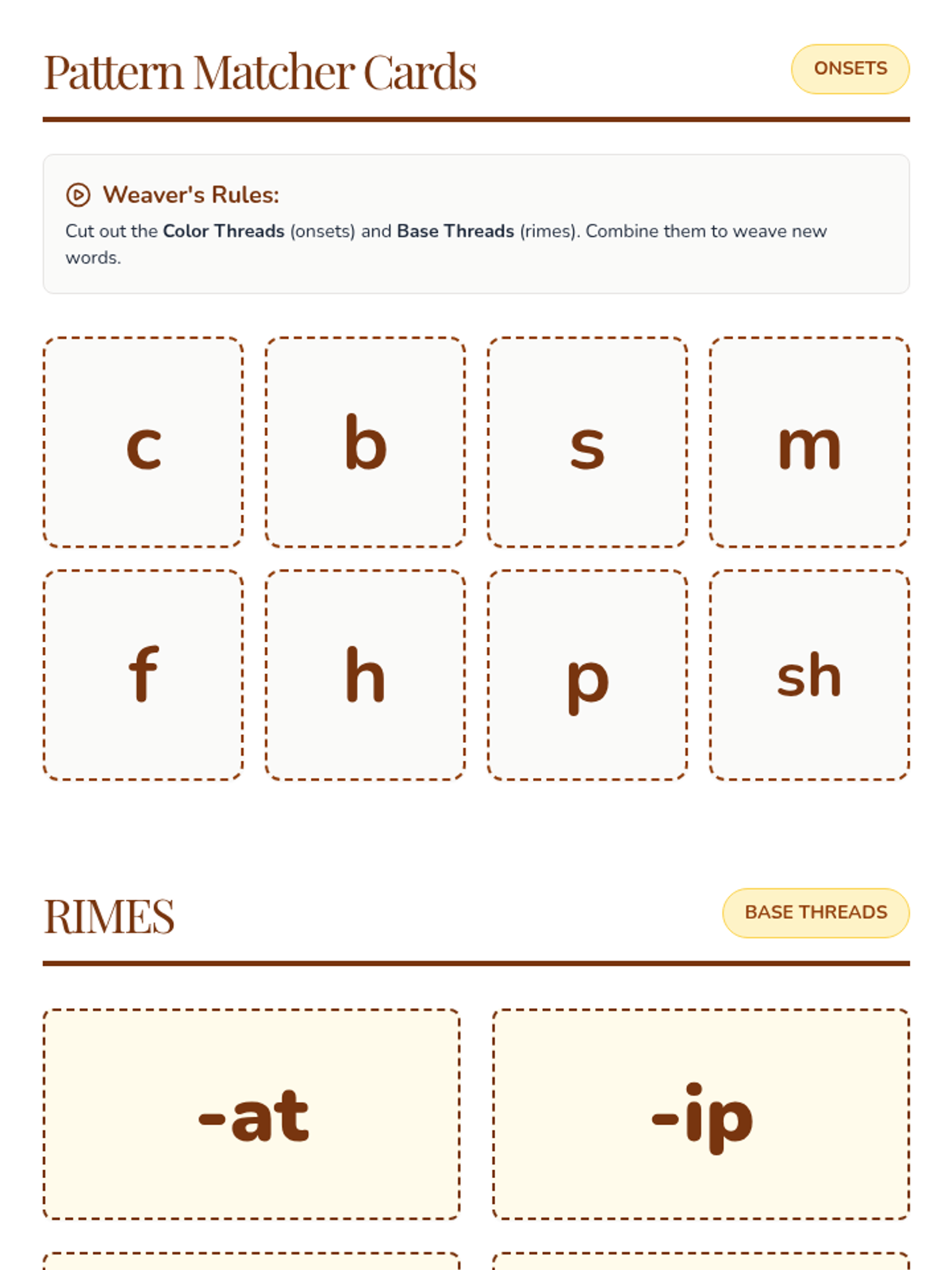
A multisensory literacy intervention lesson that uses the metaphor of a loom to teach students in grades 2-4 how to blend individual phonemes into cohesive words, specifically designed for struggling readers.
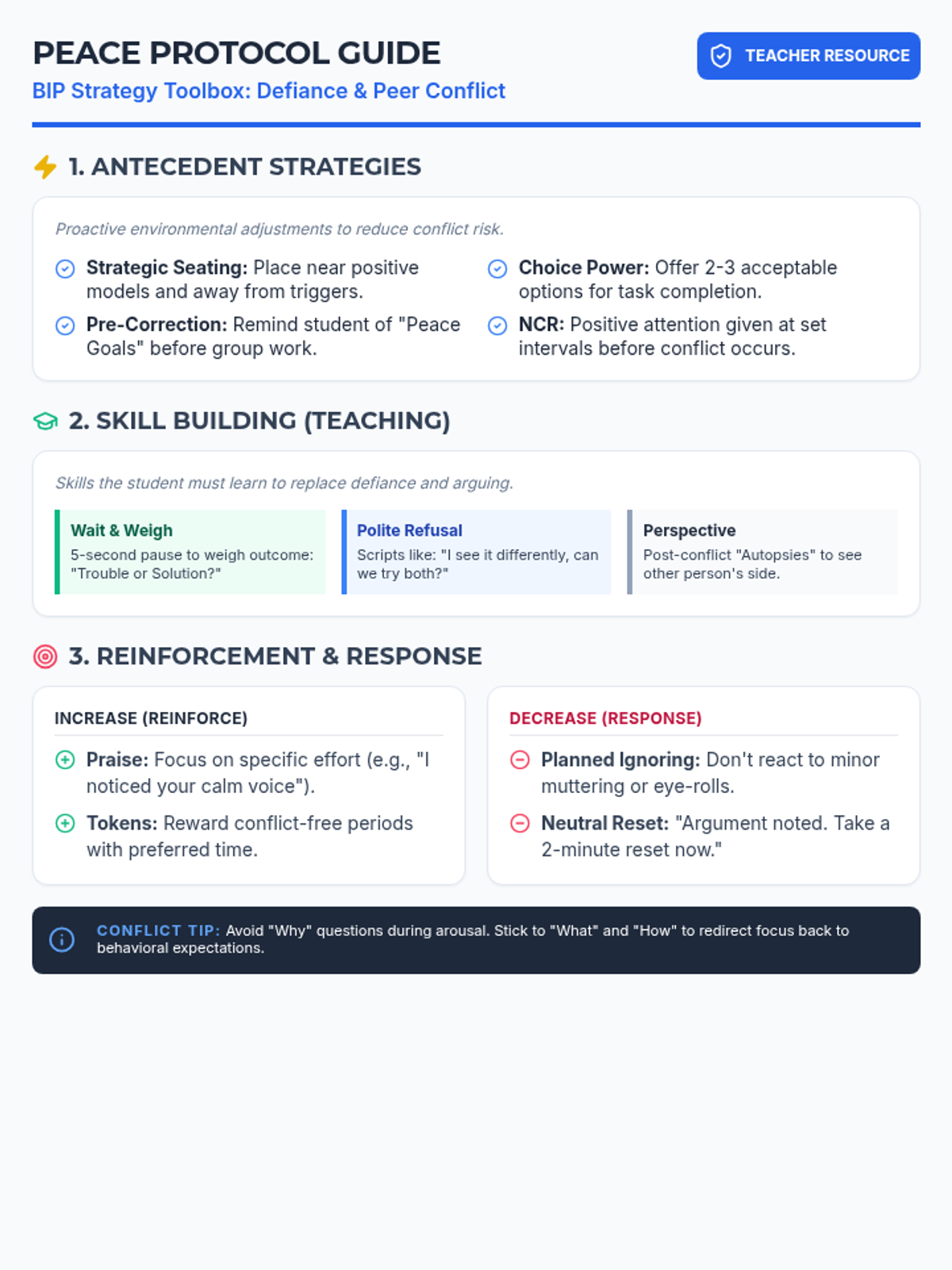
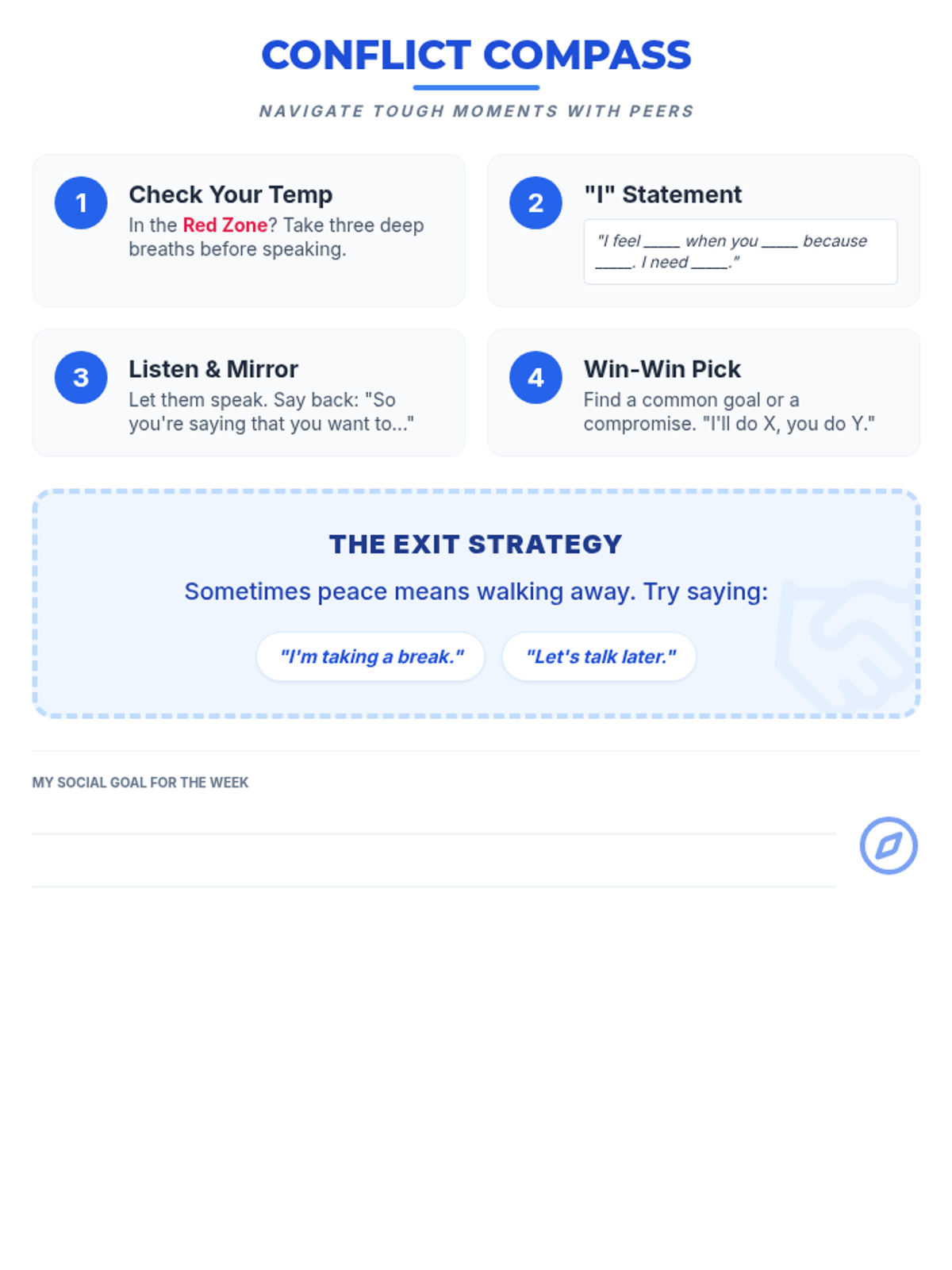
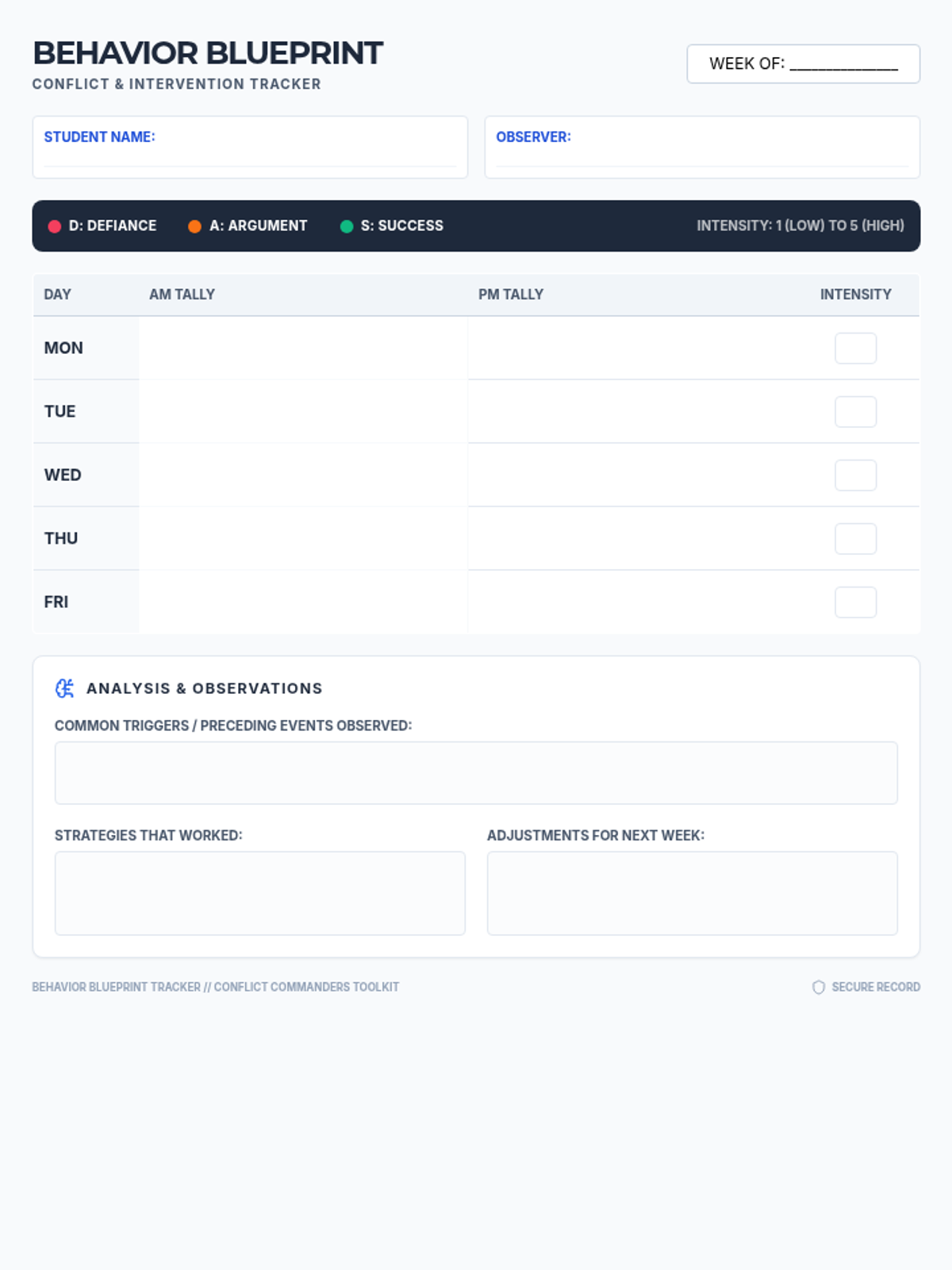
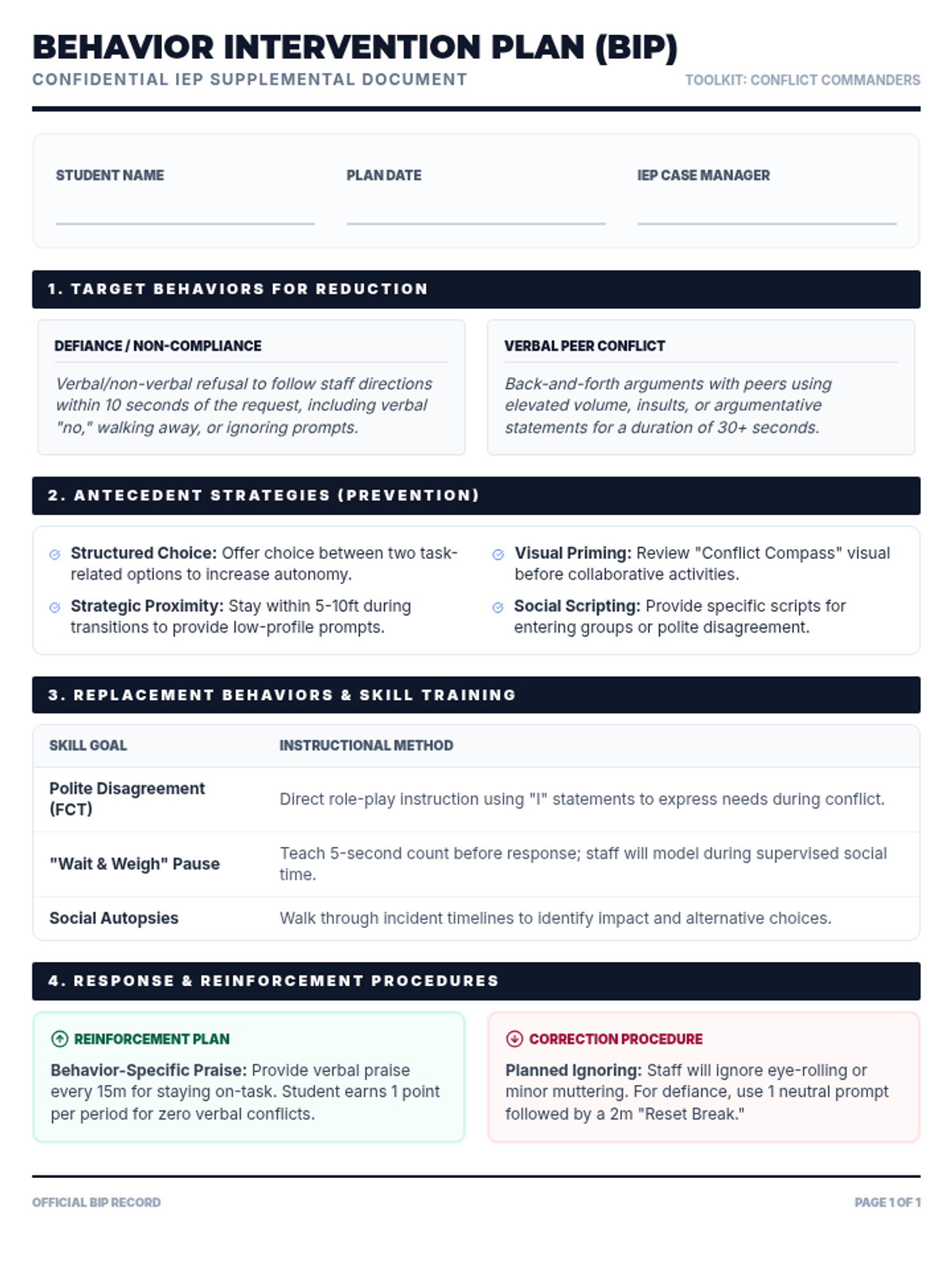
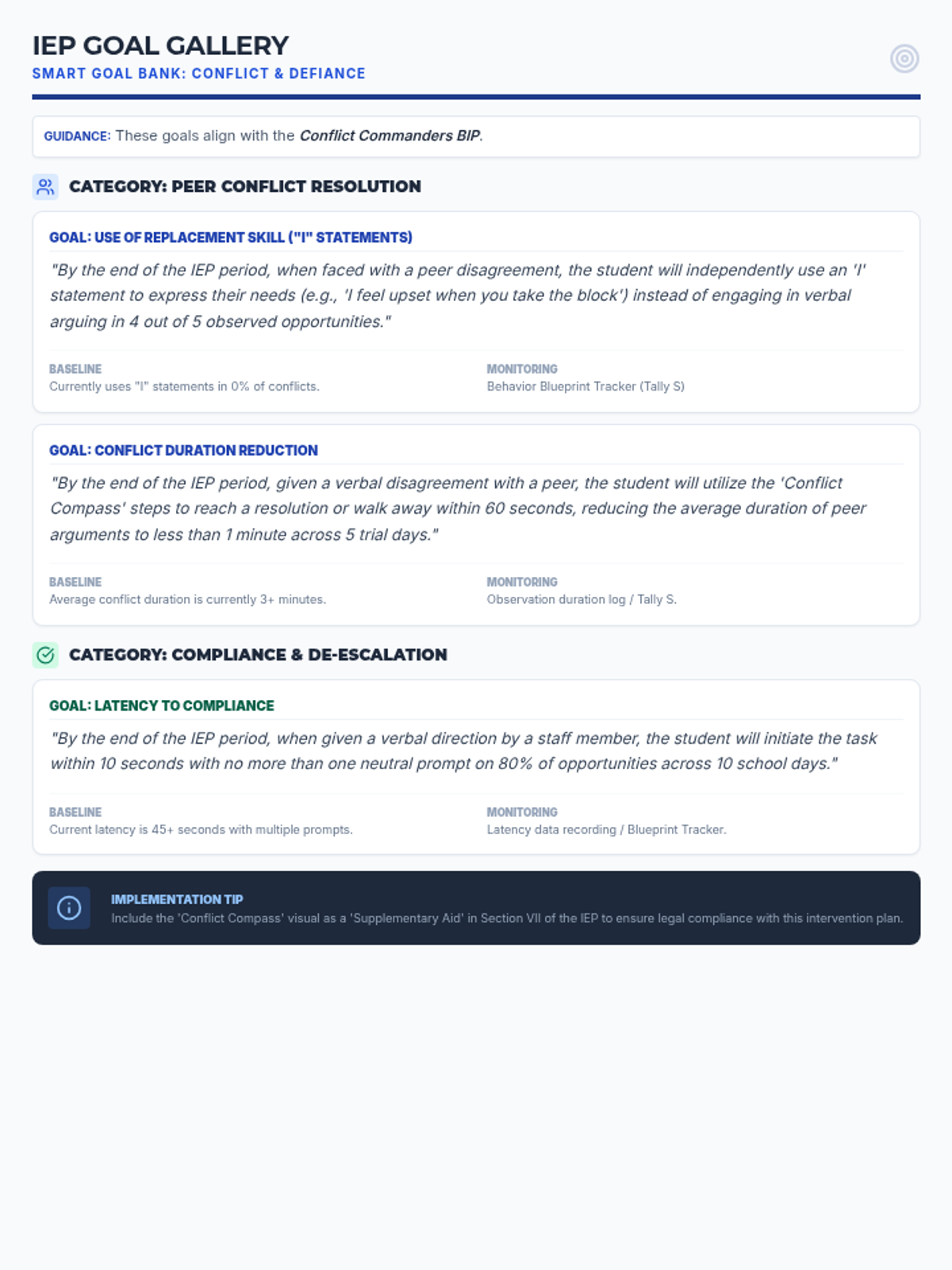
A comprehensive set of tools for managing and reducing peer defiance and verbal conflict, focusing on proactive BIP strategies, student-facing visuals, and data collection.
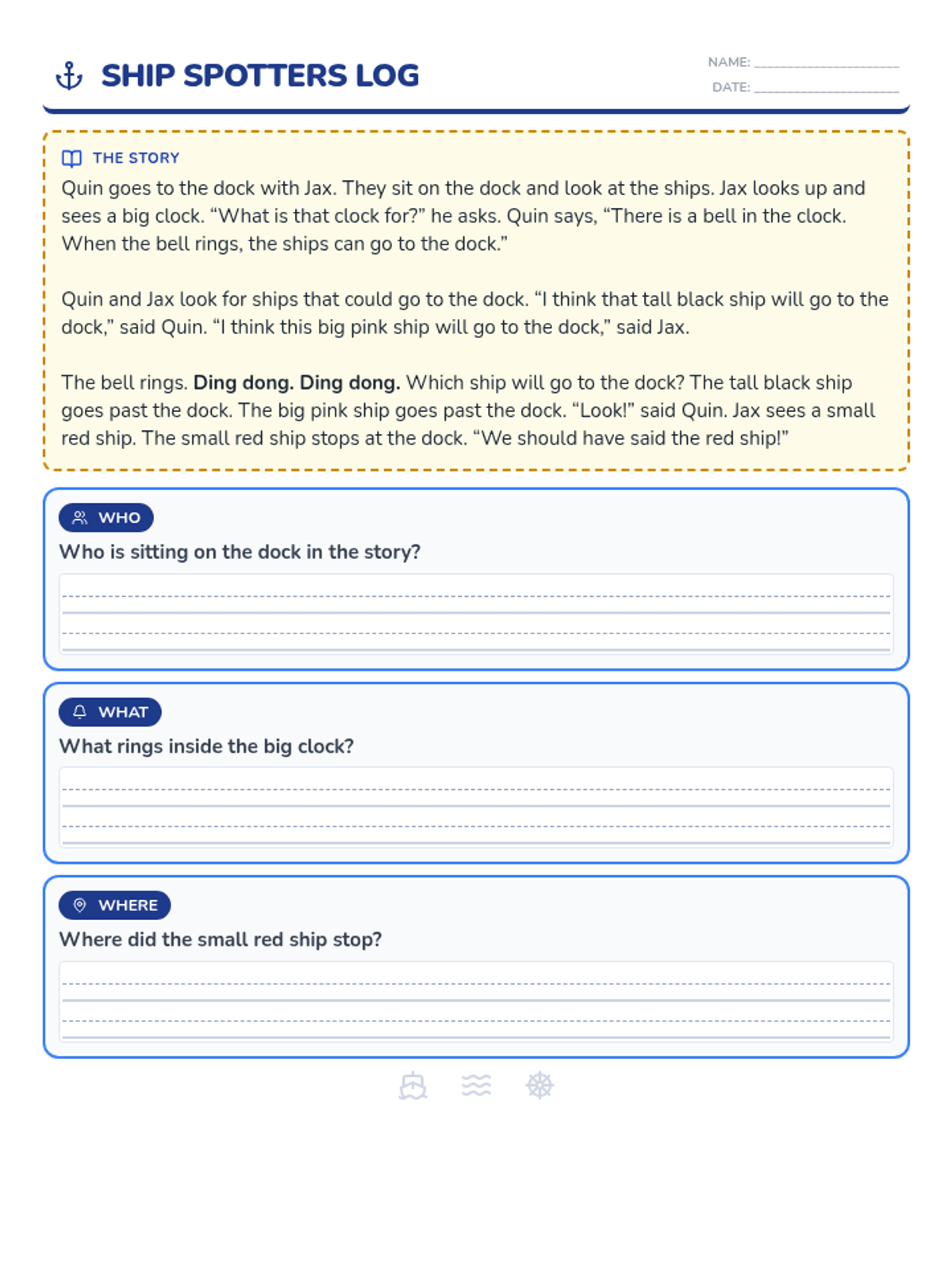
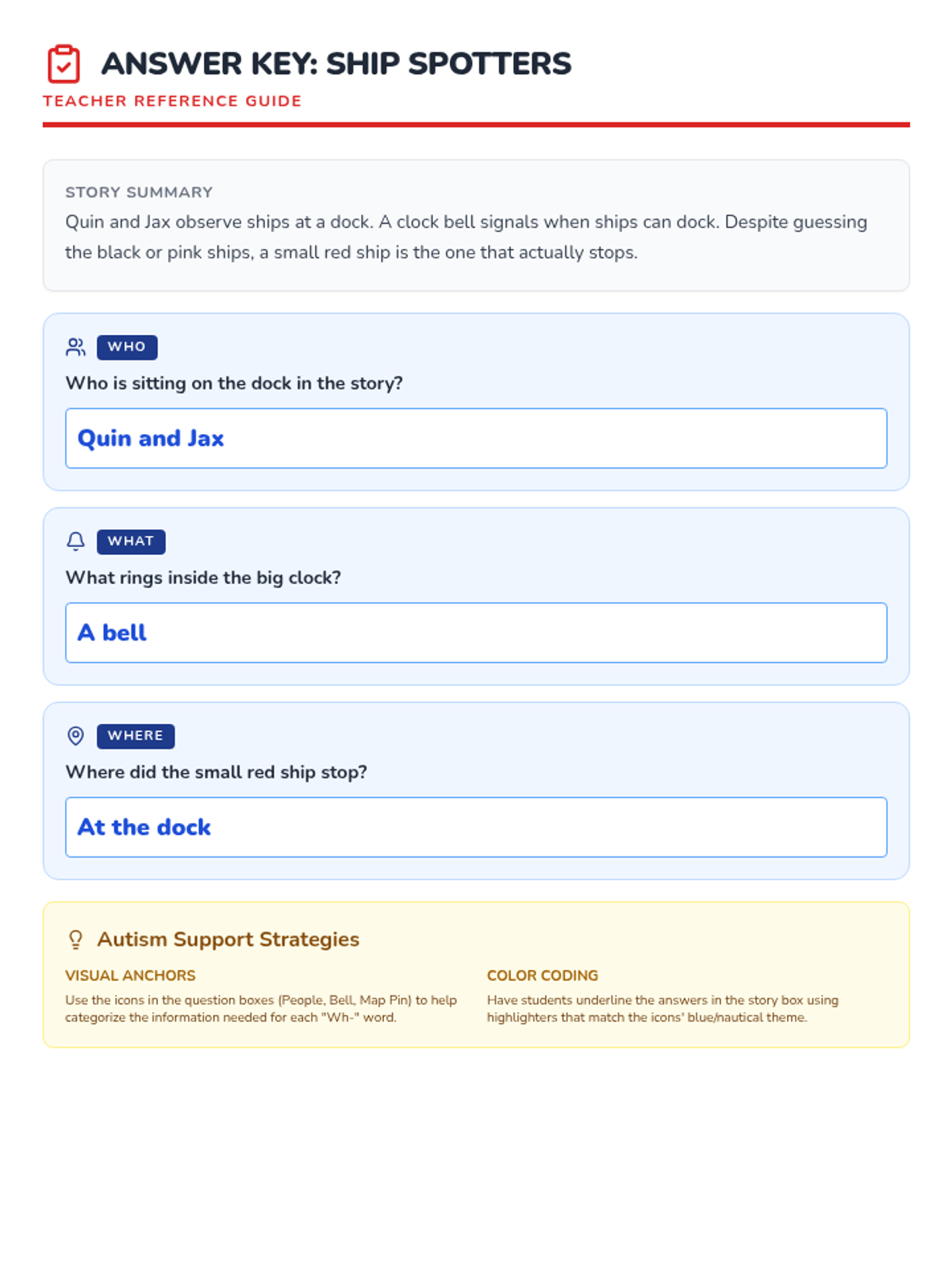
A foundational reading comprehension lesson focused on identifying key details (Who, What, Where) from a short nautical-themed narrative. Designed with visual supports and clear structure to assist students with autism.
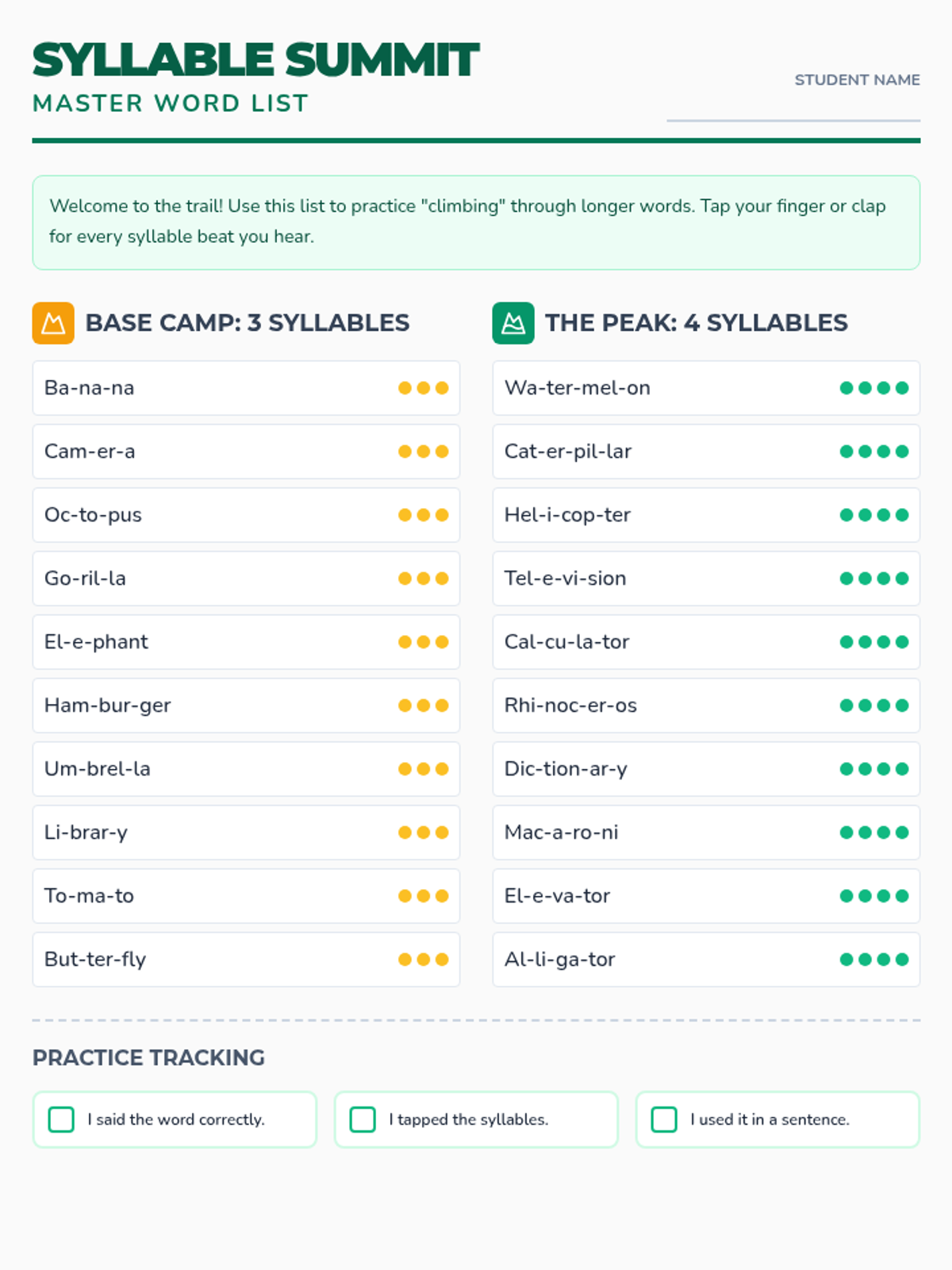
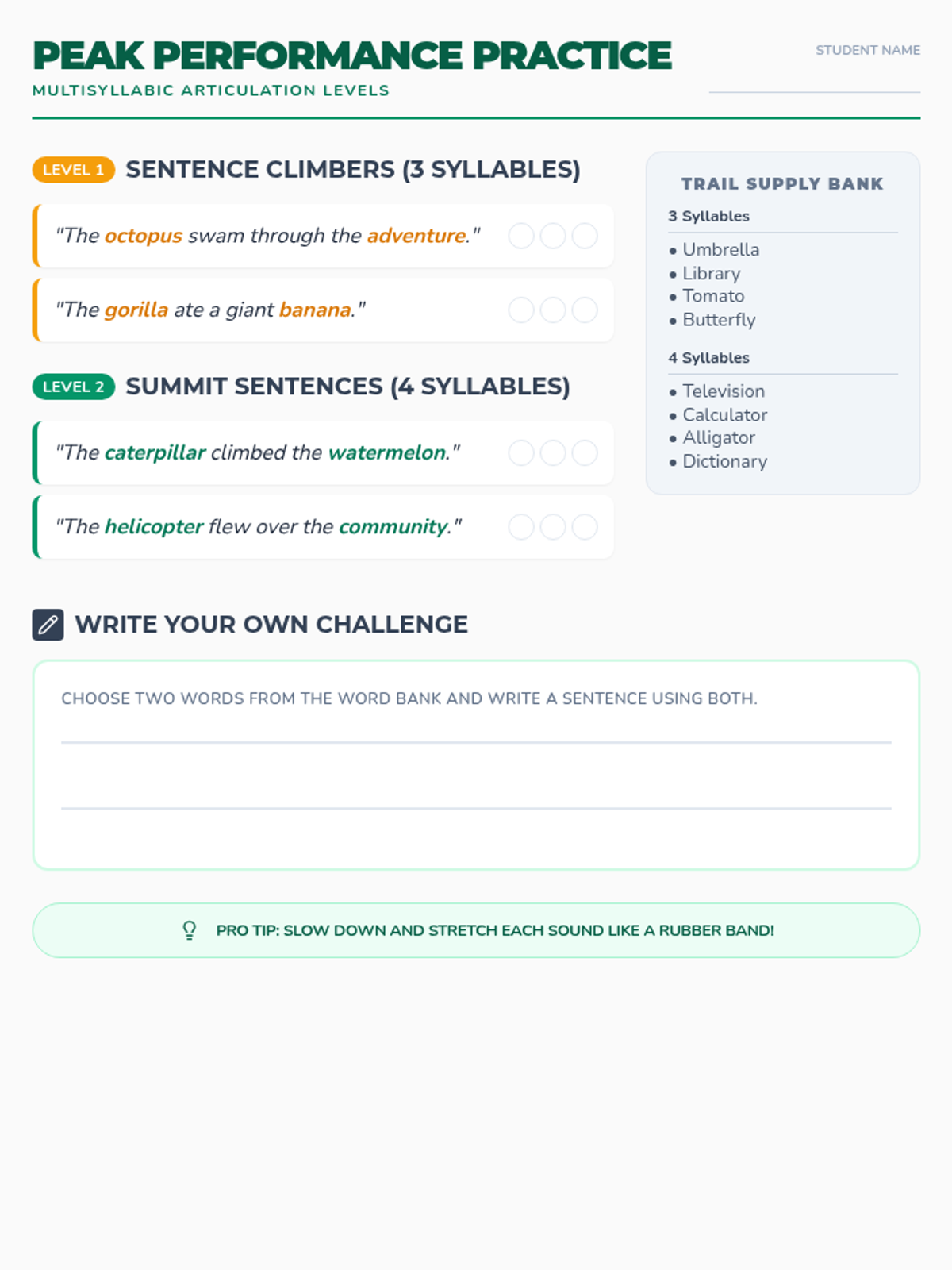
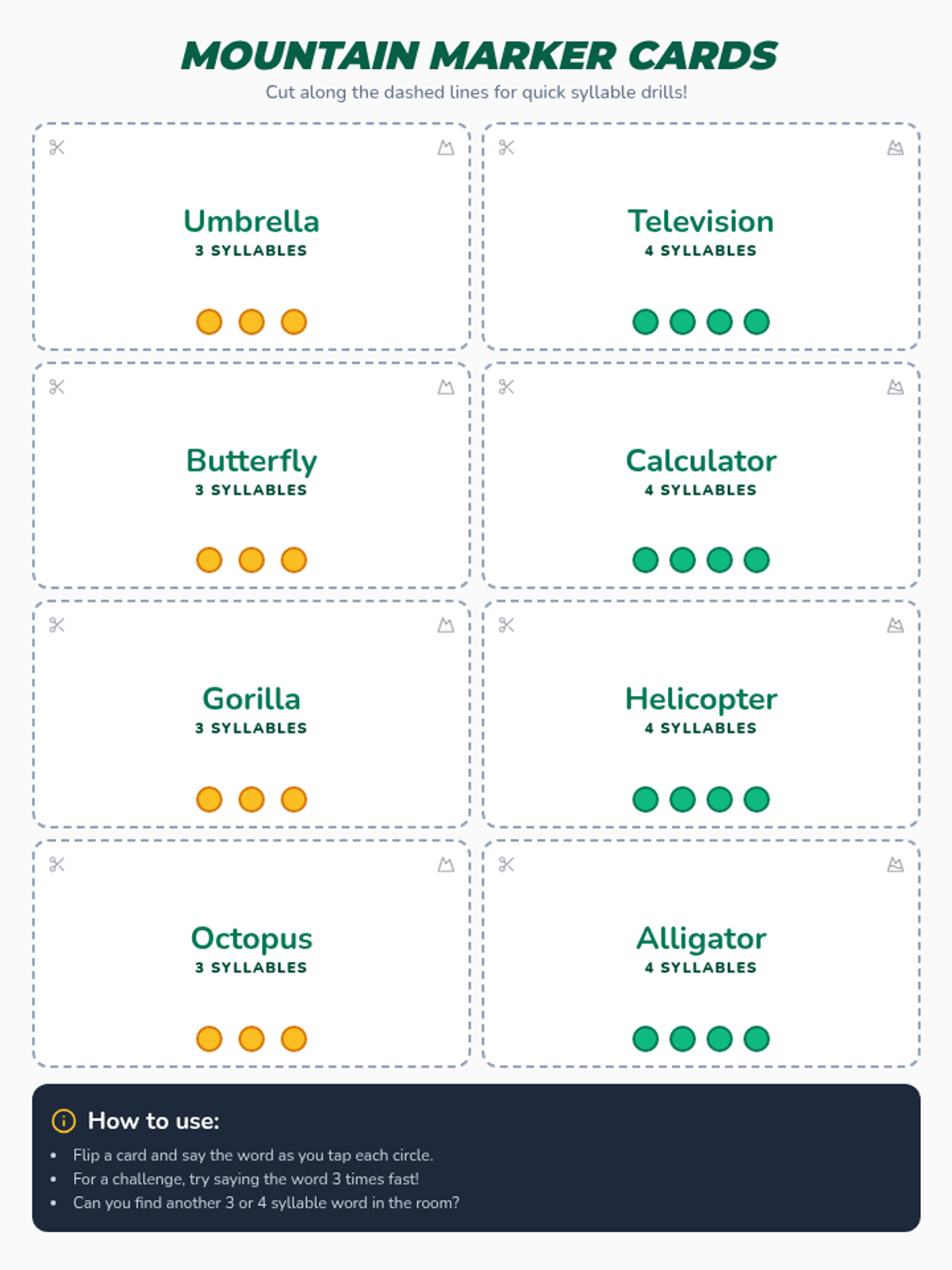
A set of materials focused on multisyllabic processing, helping students master the pronunciation of complex 3 and 4-syllable words through tiered practice and visual aids.