A multisensory literacy intervention lesson that uses the metaphor of a loom to teach students in grades 2-4 how to blend individual phonemes into cohesive words, specifically designed for struggling readers.
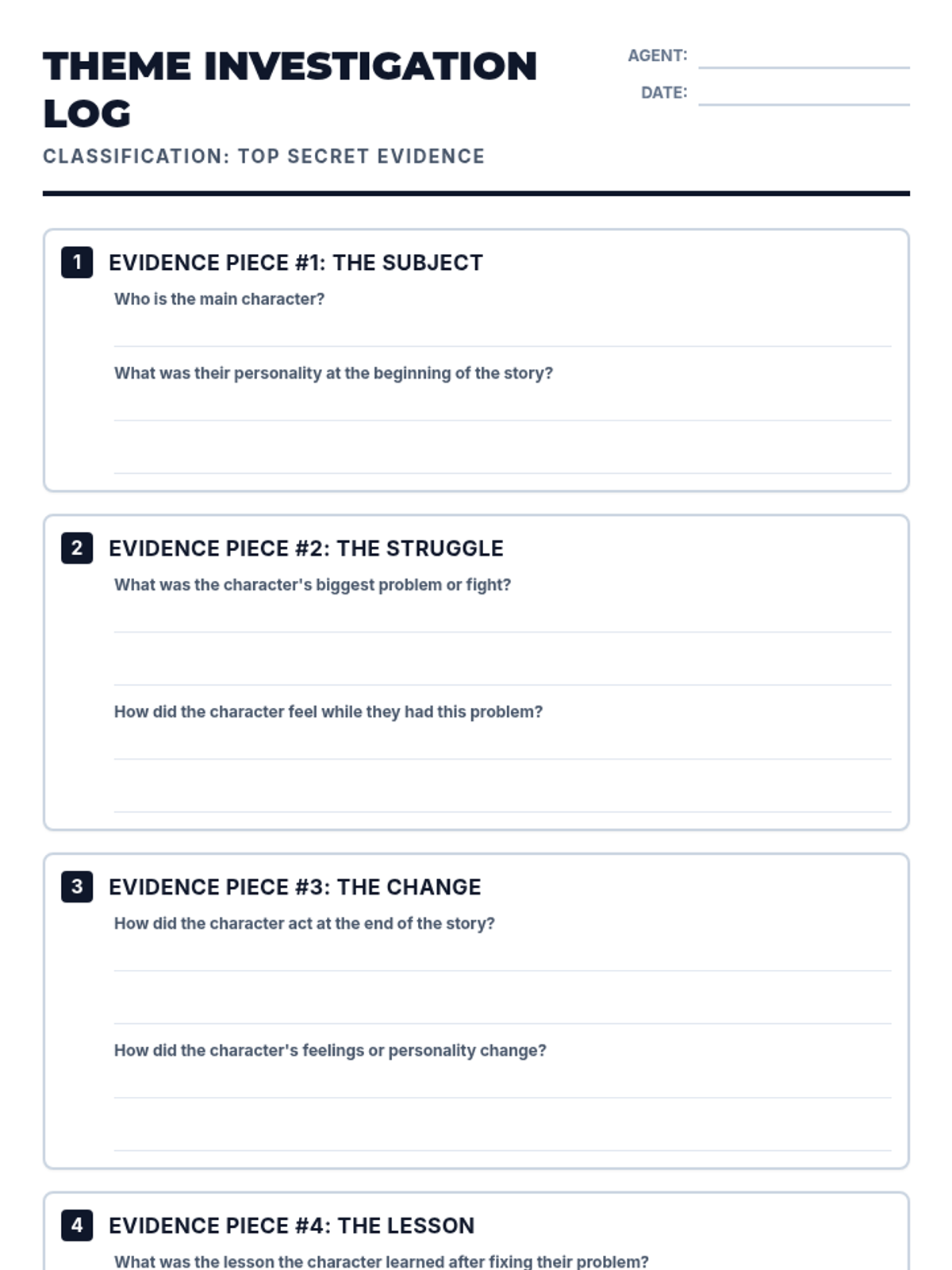
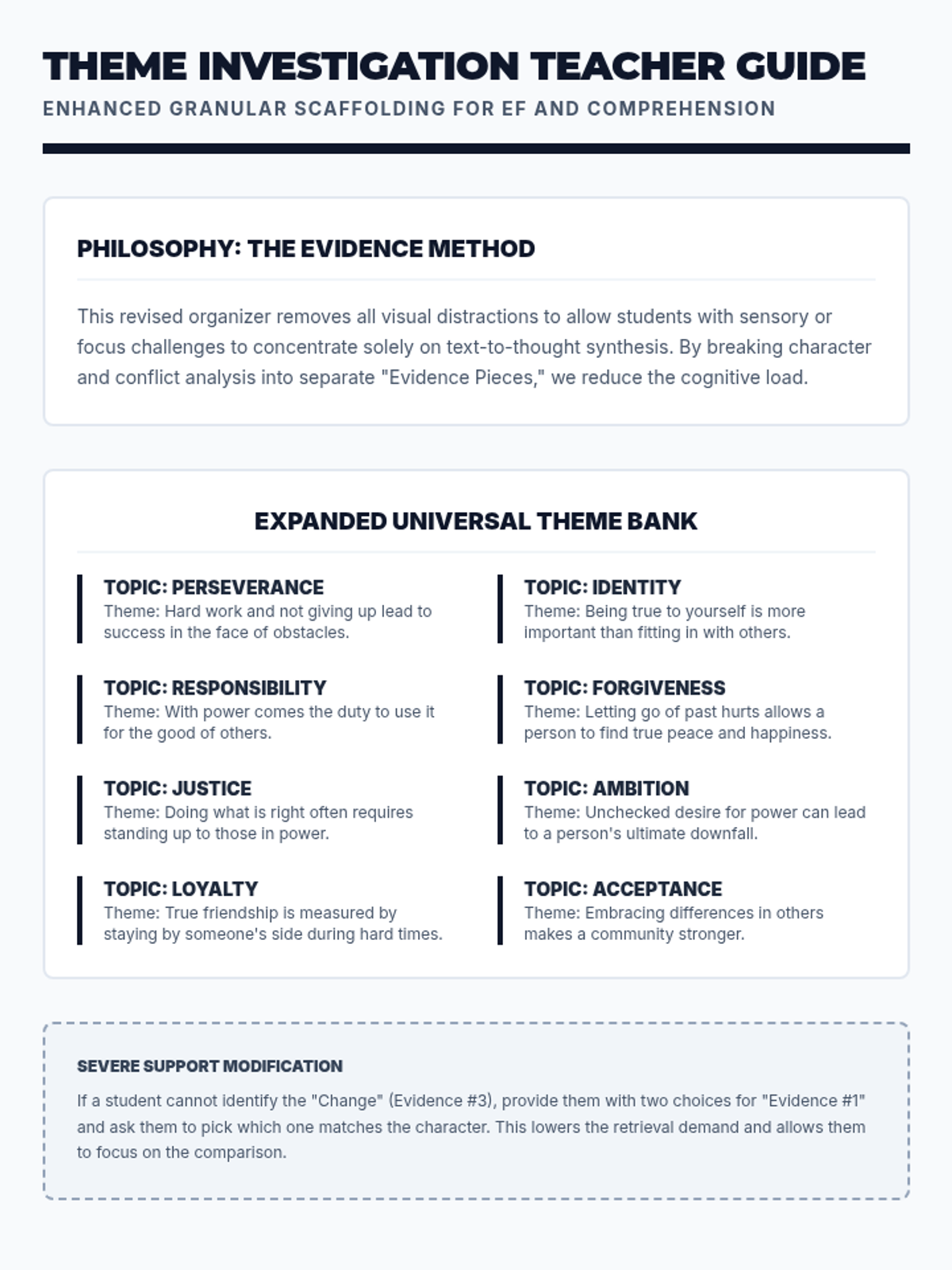
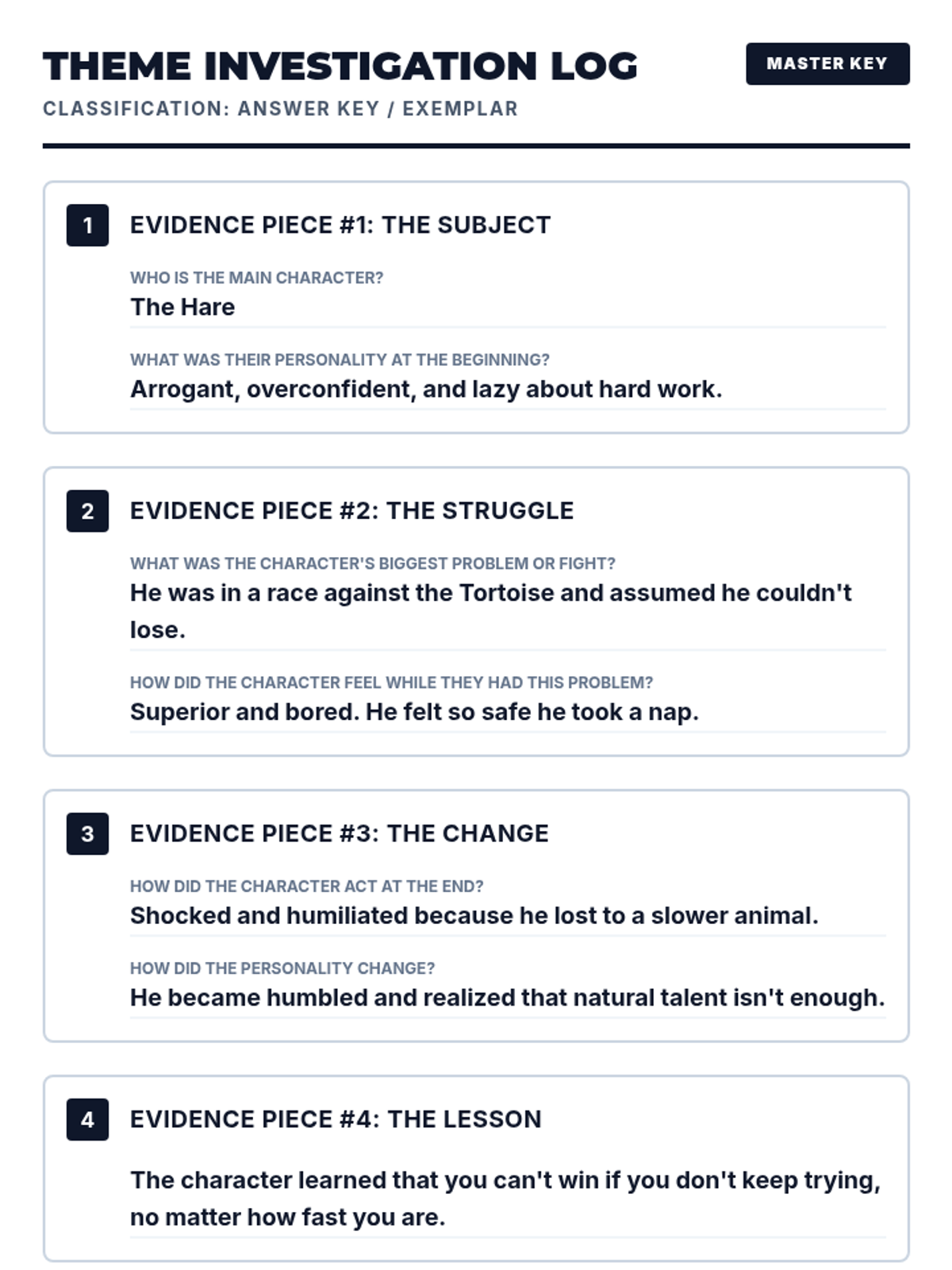
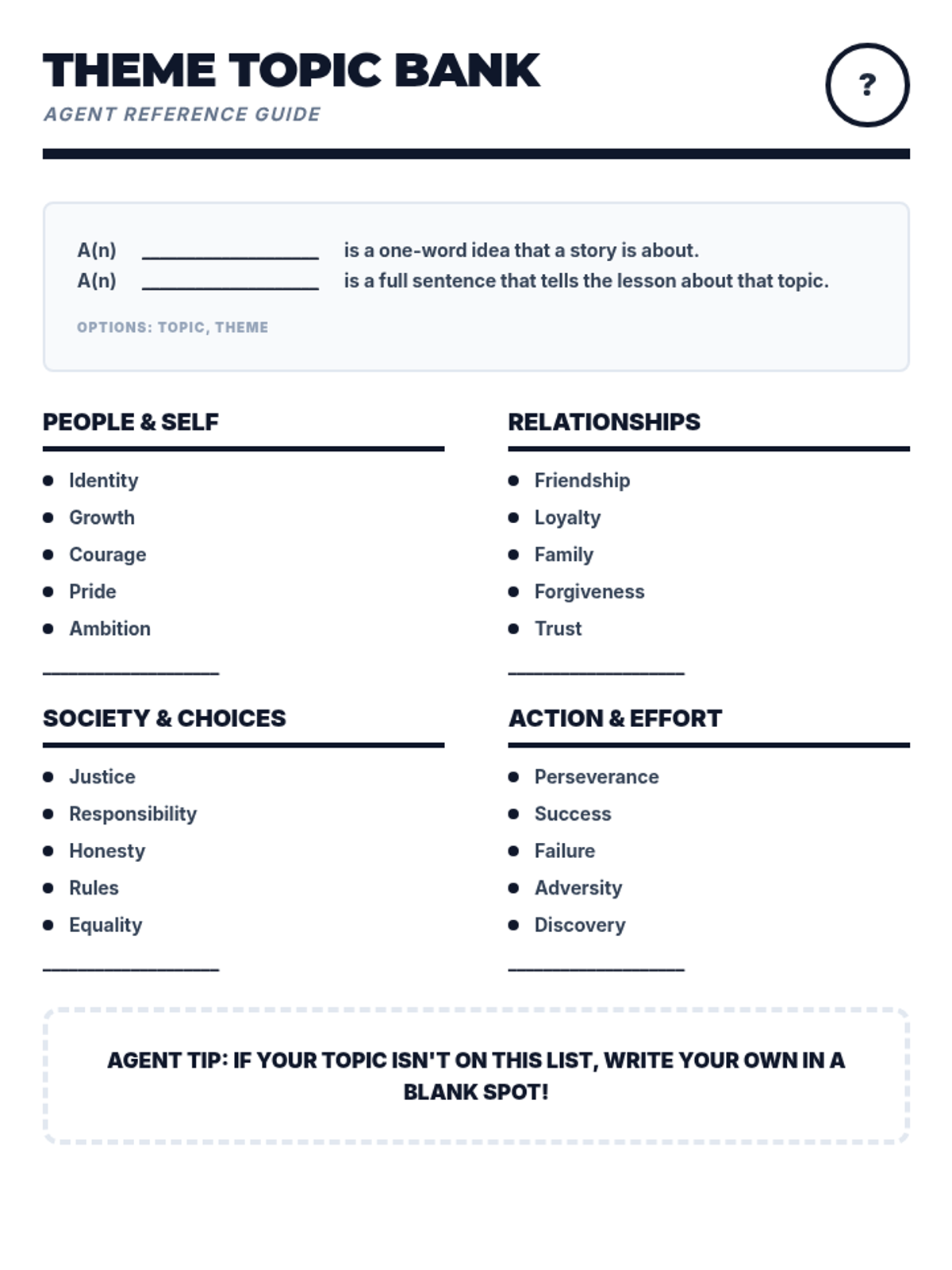
A structured approach to identifying themes in literature using a detective-themed graphic organizer designed for students with executive function and comprehension challenges.
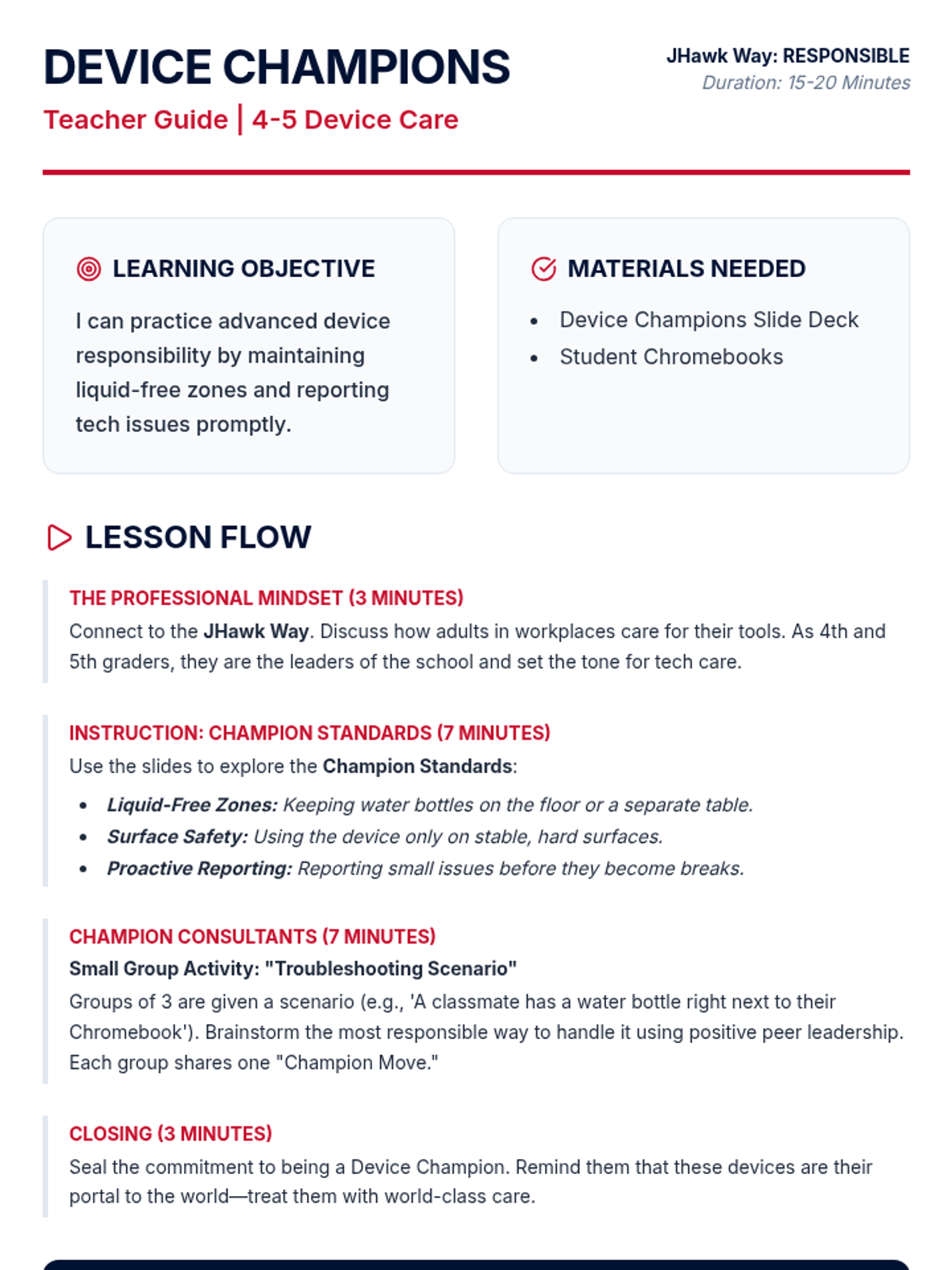
A 15-20 minute lesson for 4-5 students focused on advanced device responsibility, including proper closure, charging habits, and liquid-free zones.
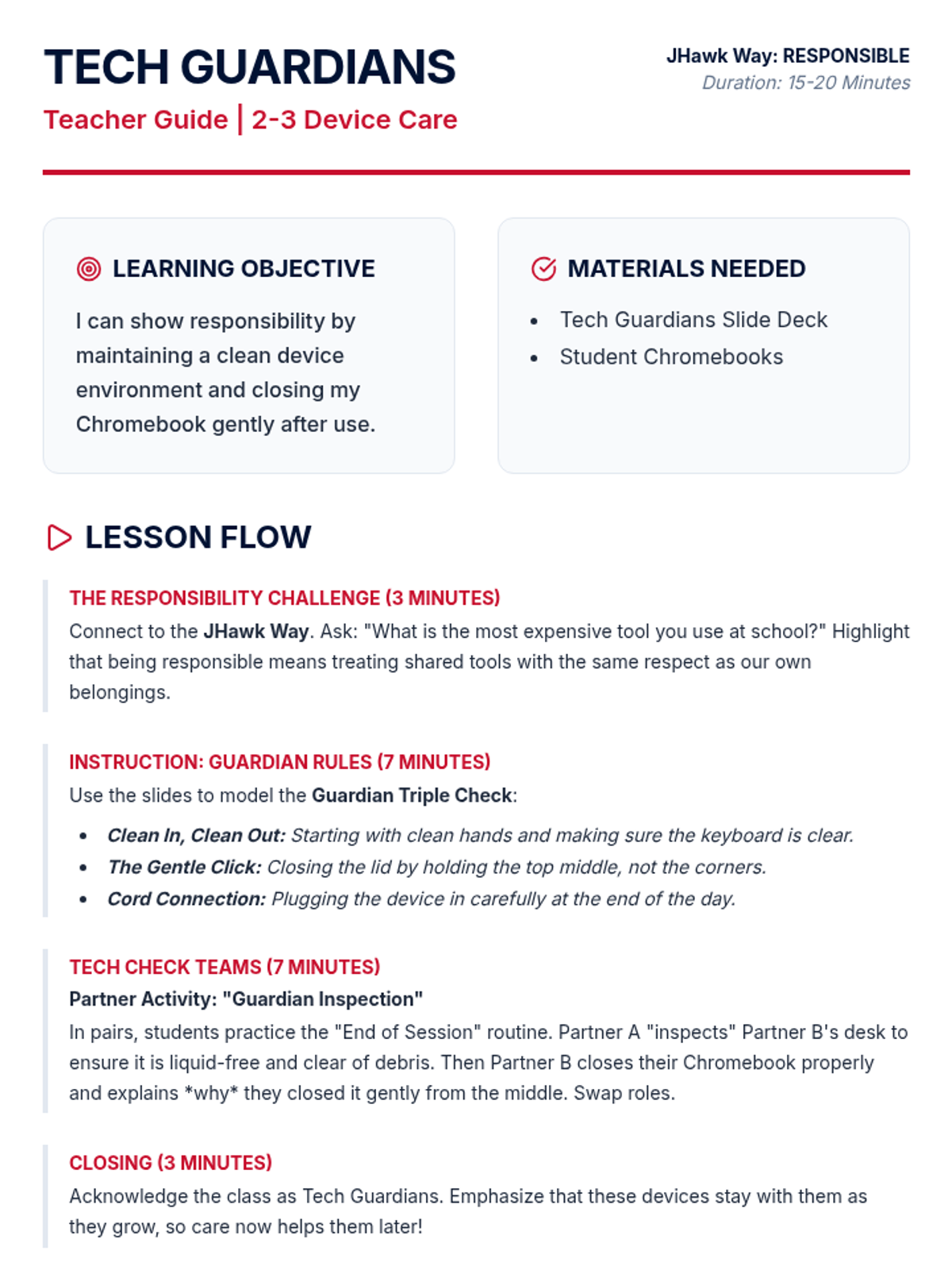
A 15-20 minute lesson for 2-3 students on responsible Chromebook care, emphasizing clean environments and gentle handling, aligned with PBIS standards.
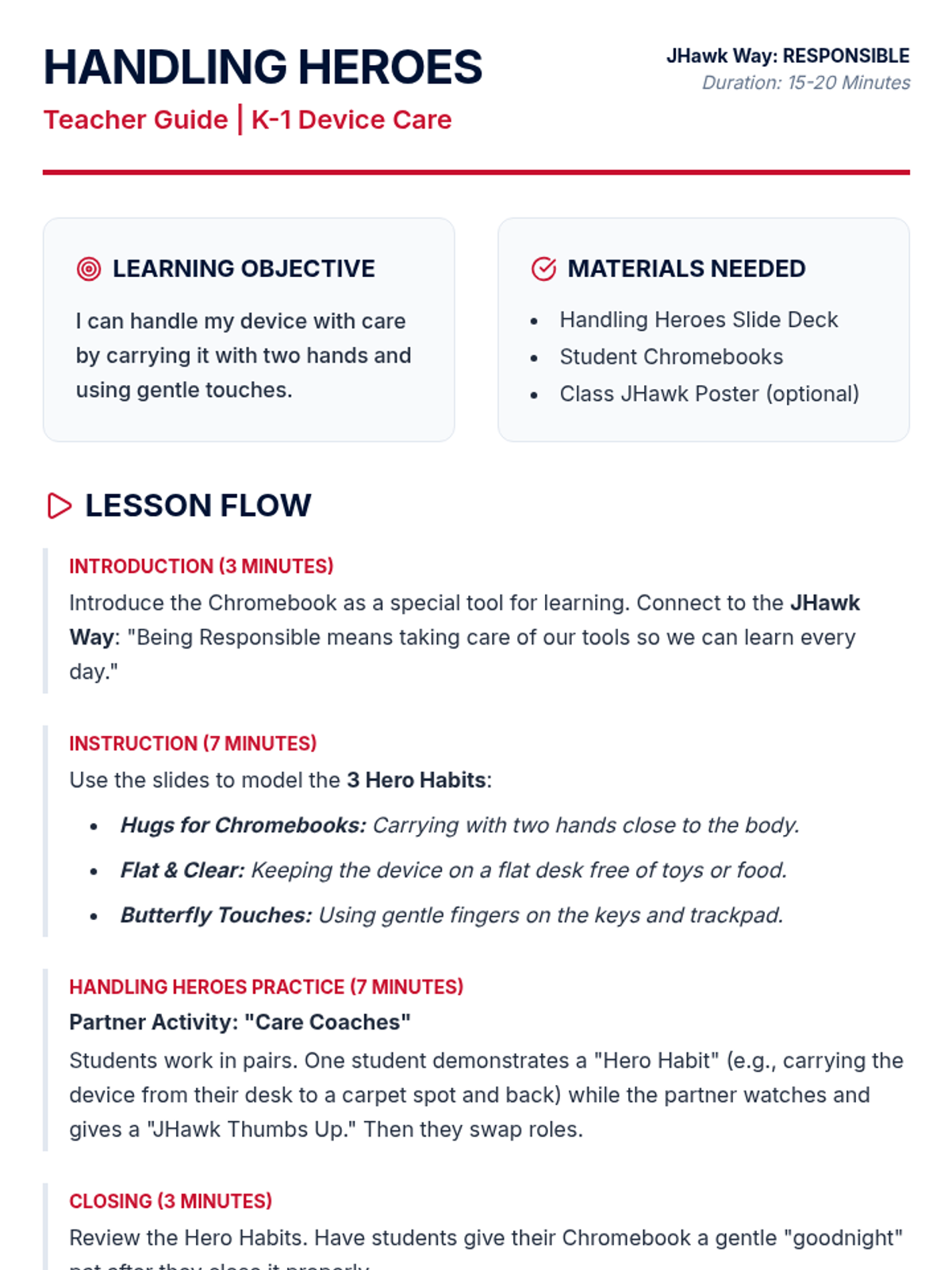
A 15-20 minute lesson for K-1 students focused on the basics of carrying and using Chromebooks responsibly, using positive framing and collaborative practice.
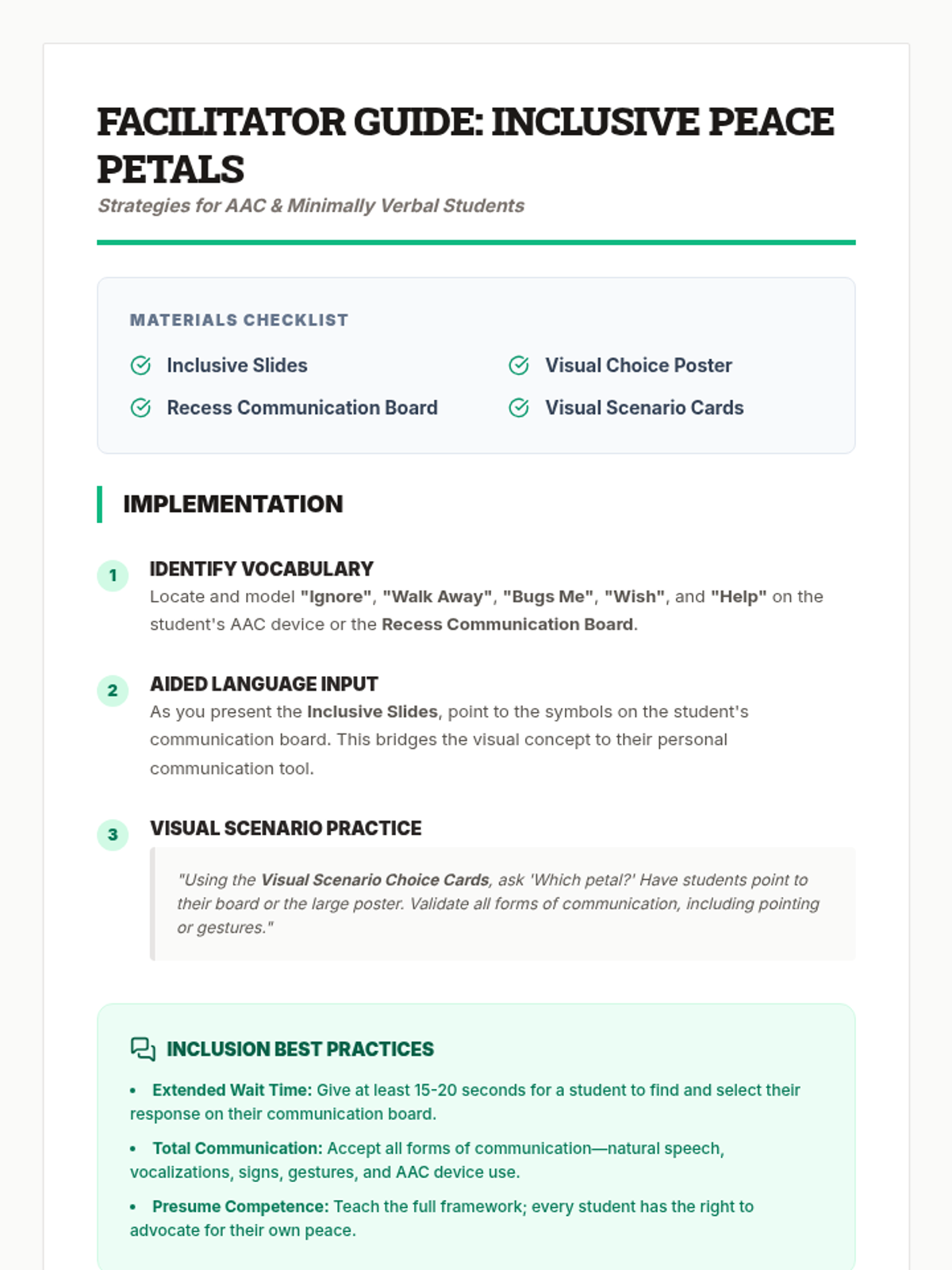
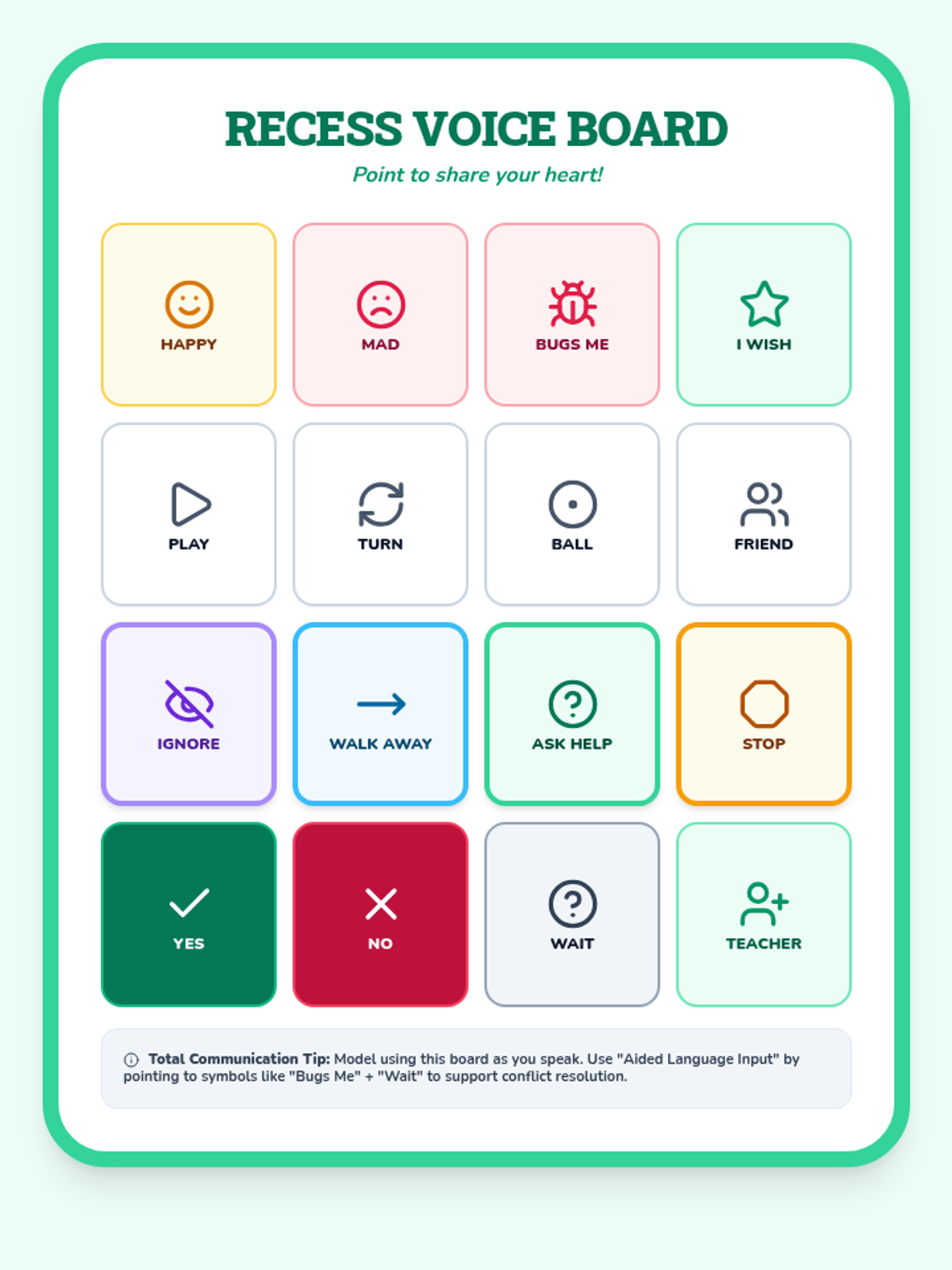
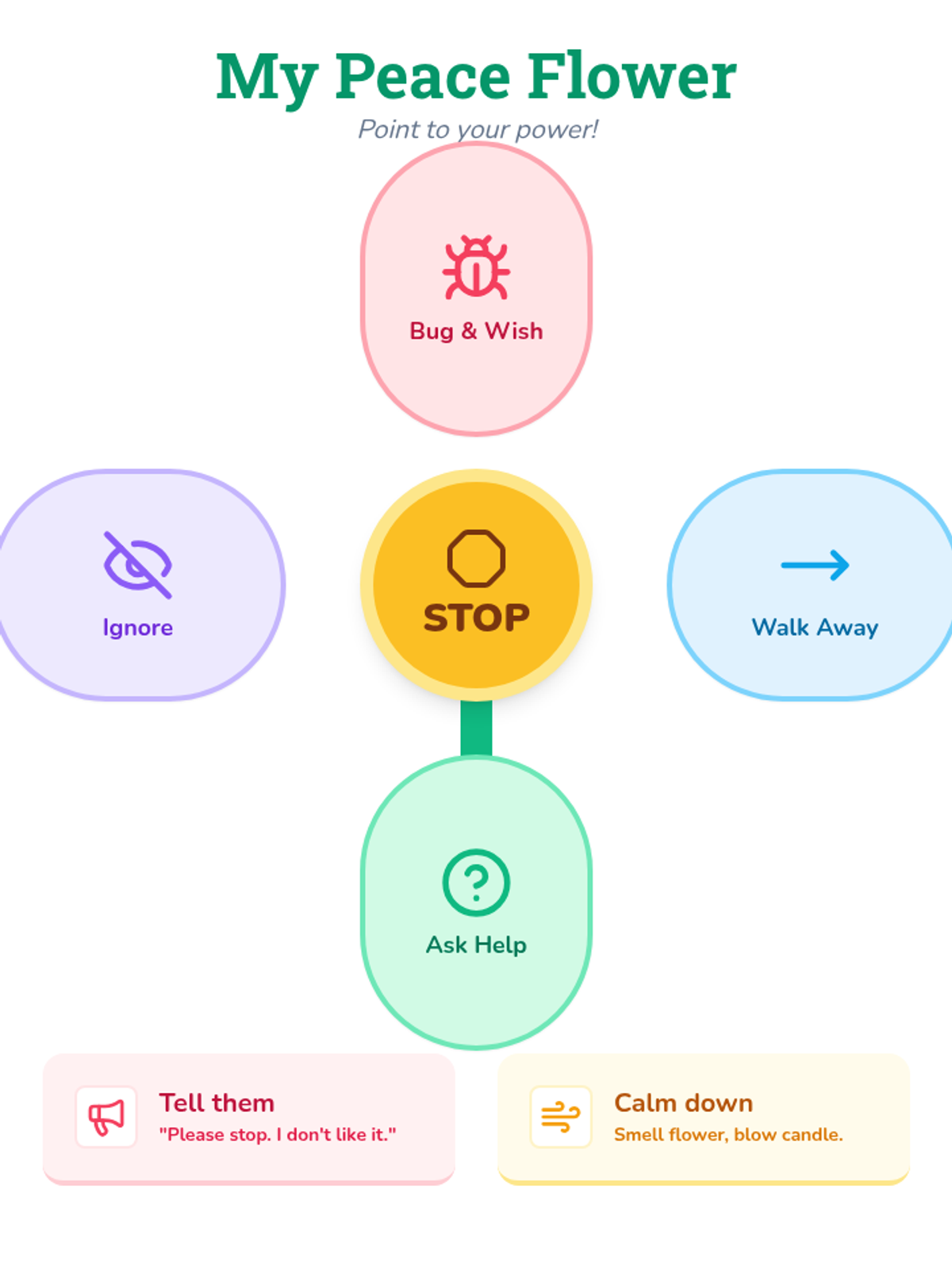
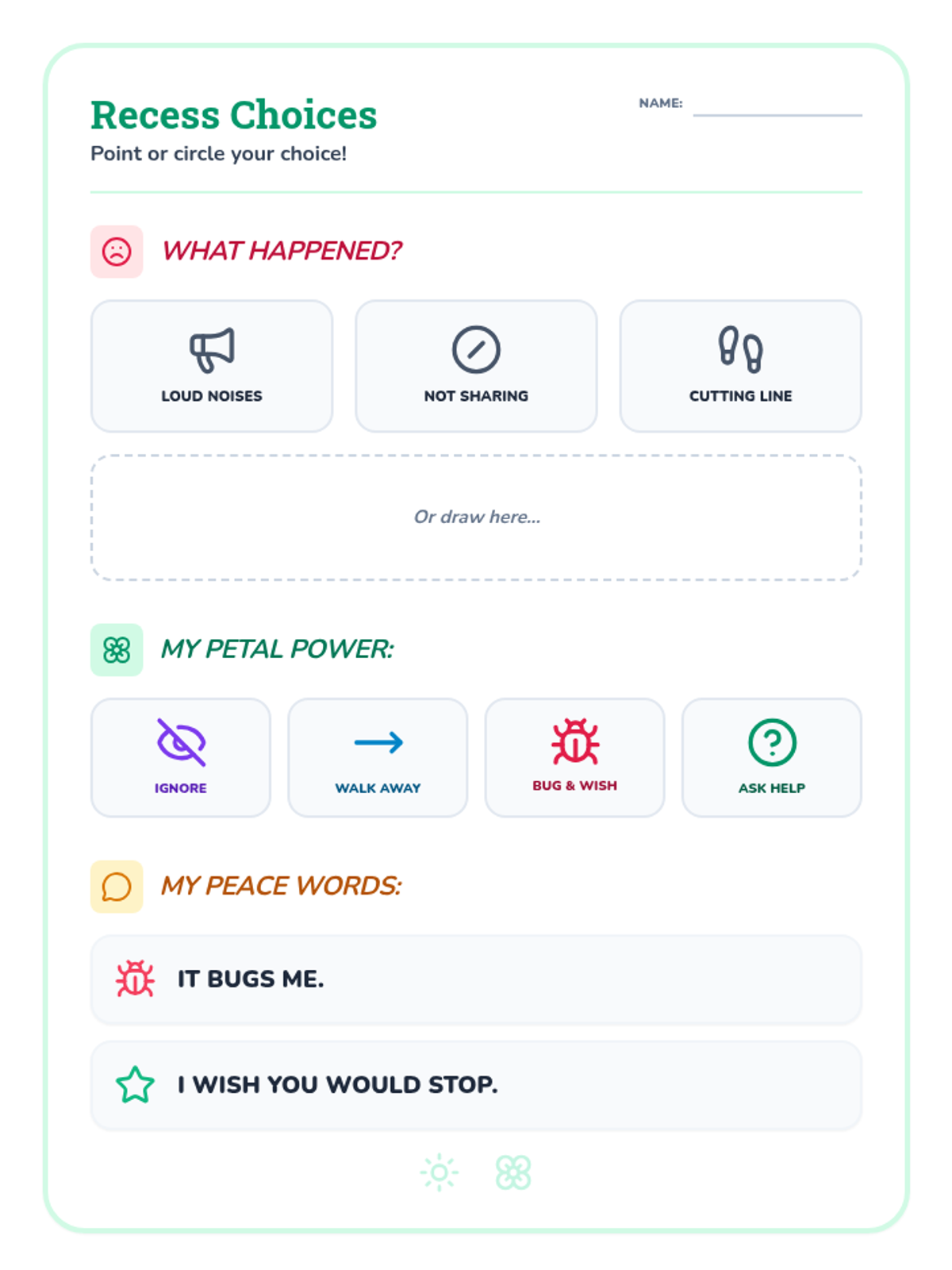
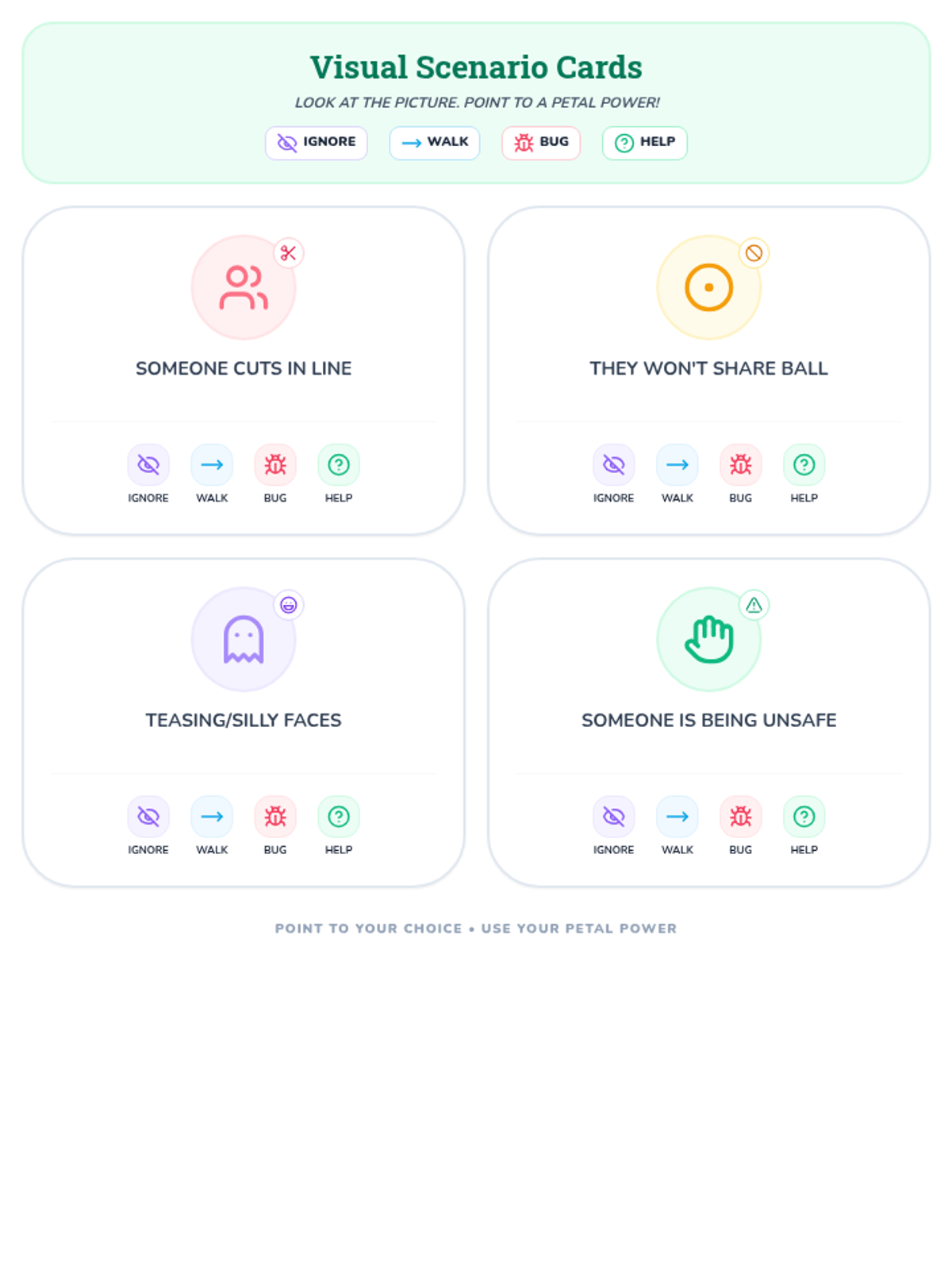
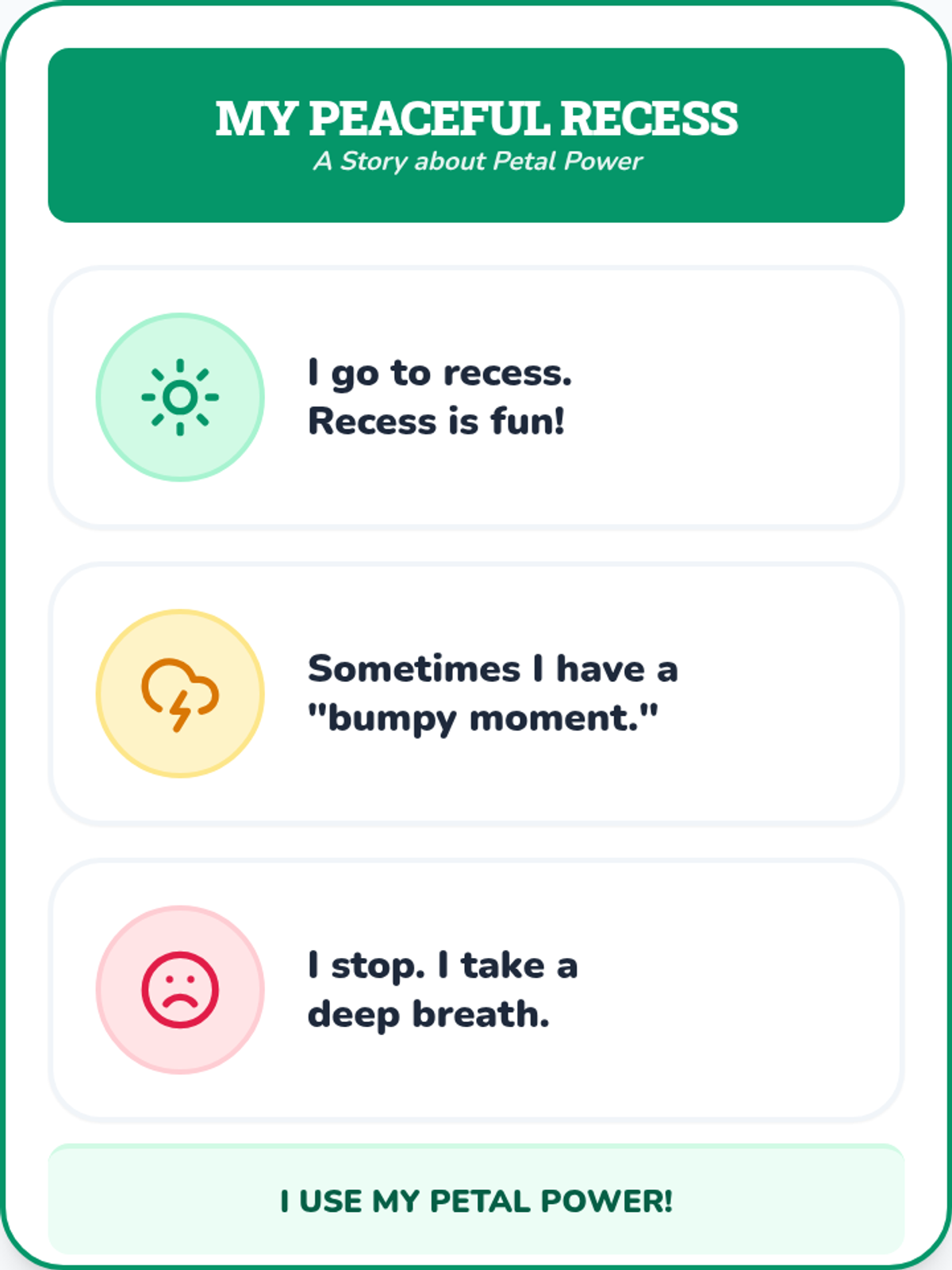
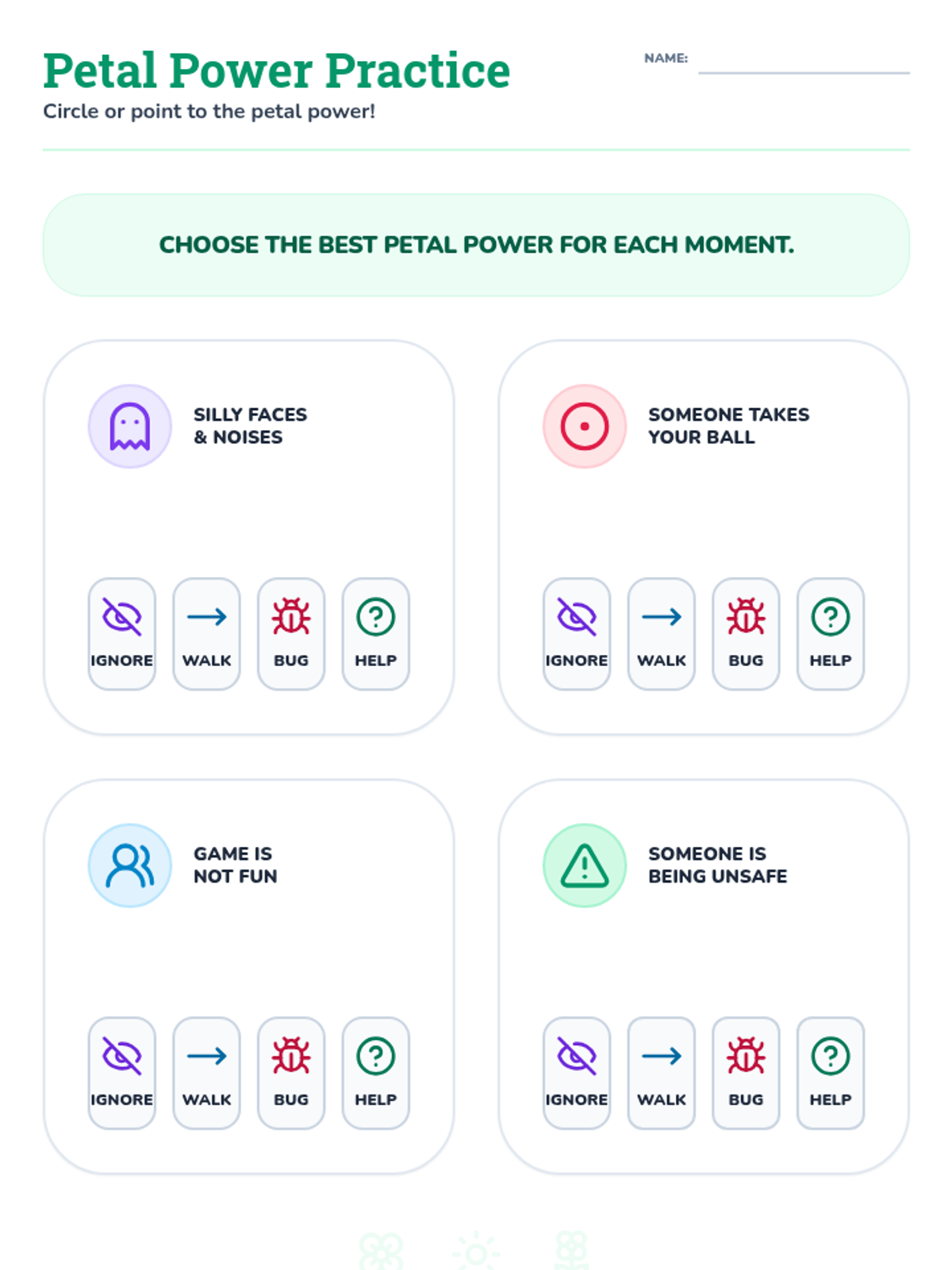
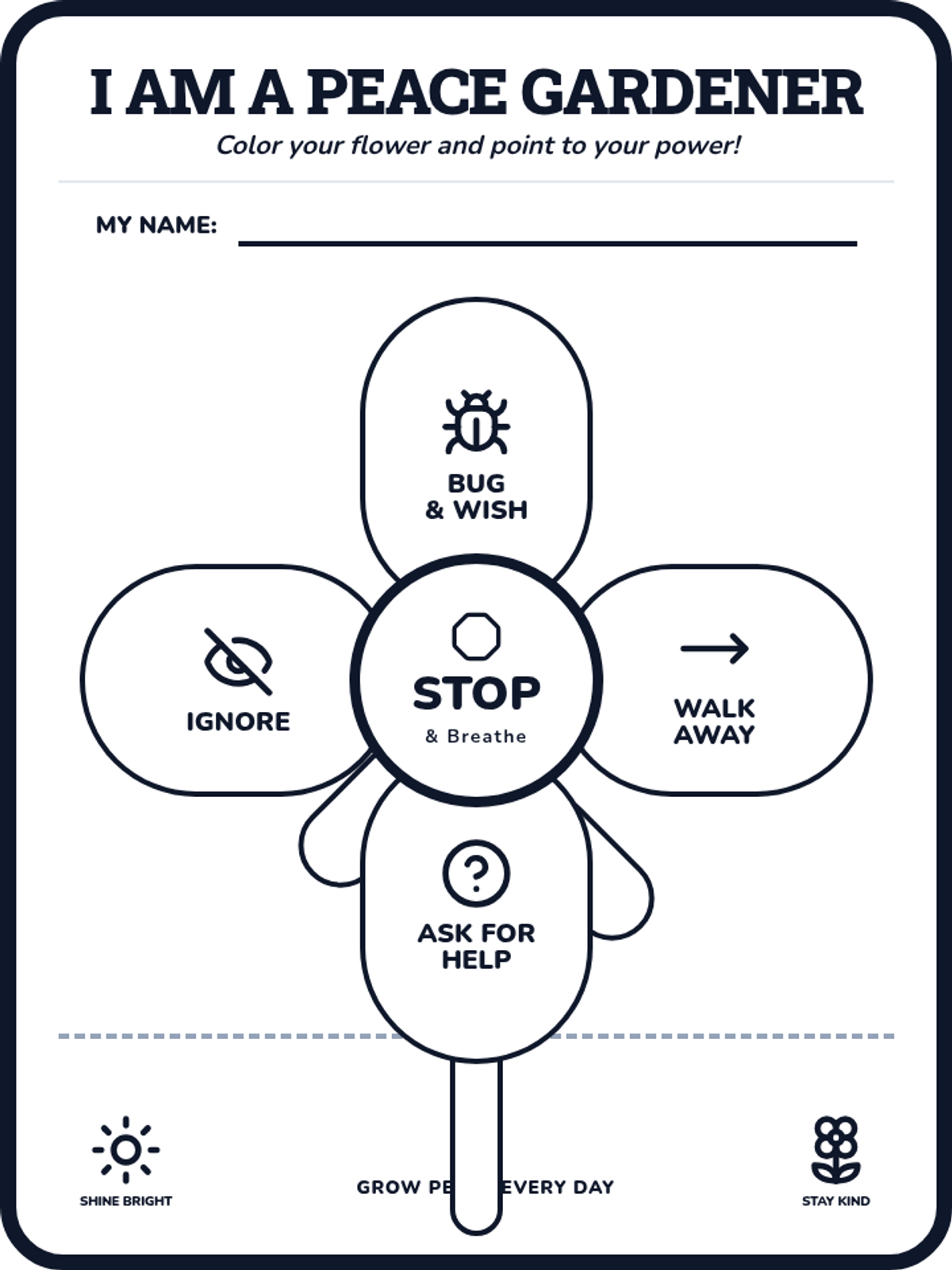
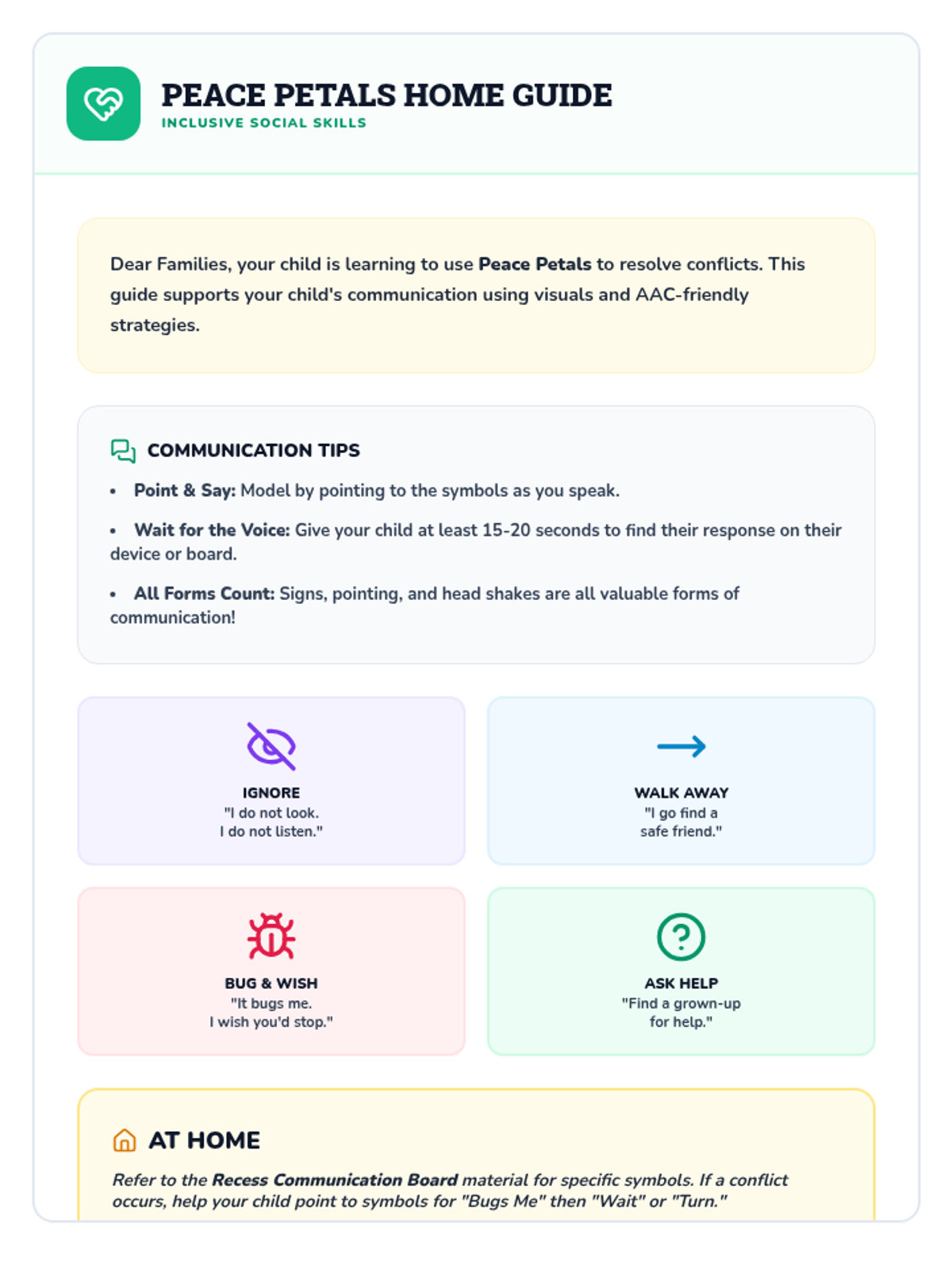
A gentle, flower-themed lesson for elementary students to learn social-emotional strategies for resolving conflicts during recess using the 'Peace Petals' framework.
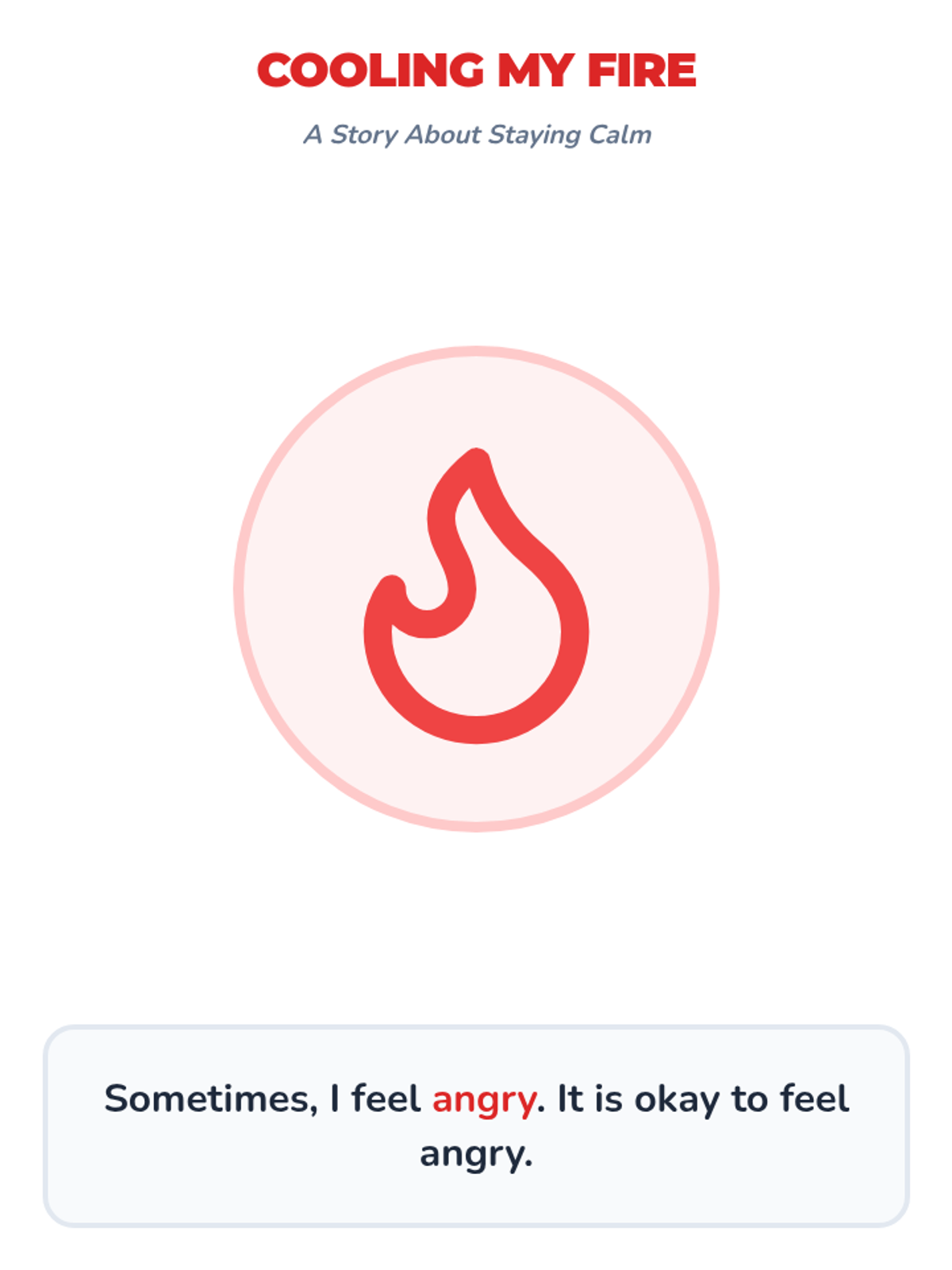
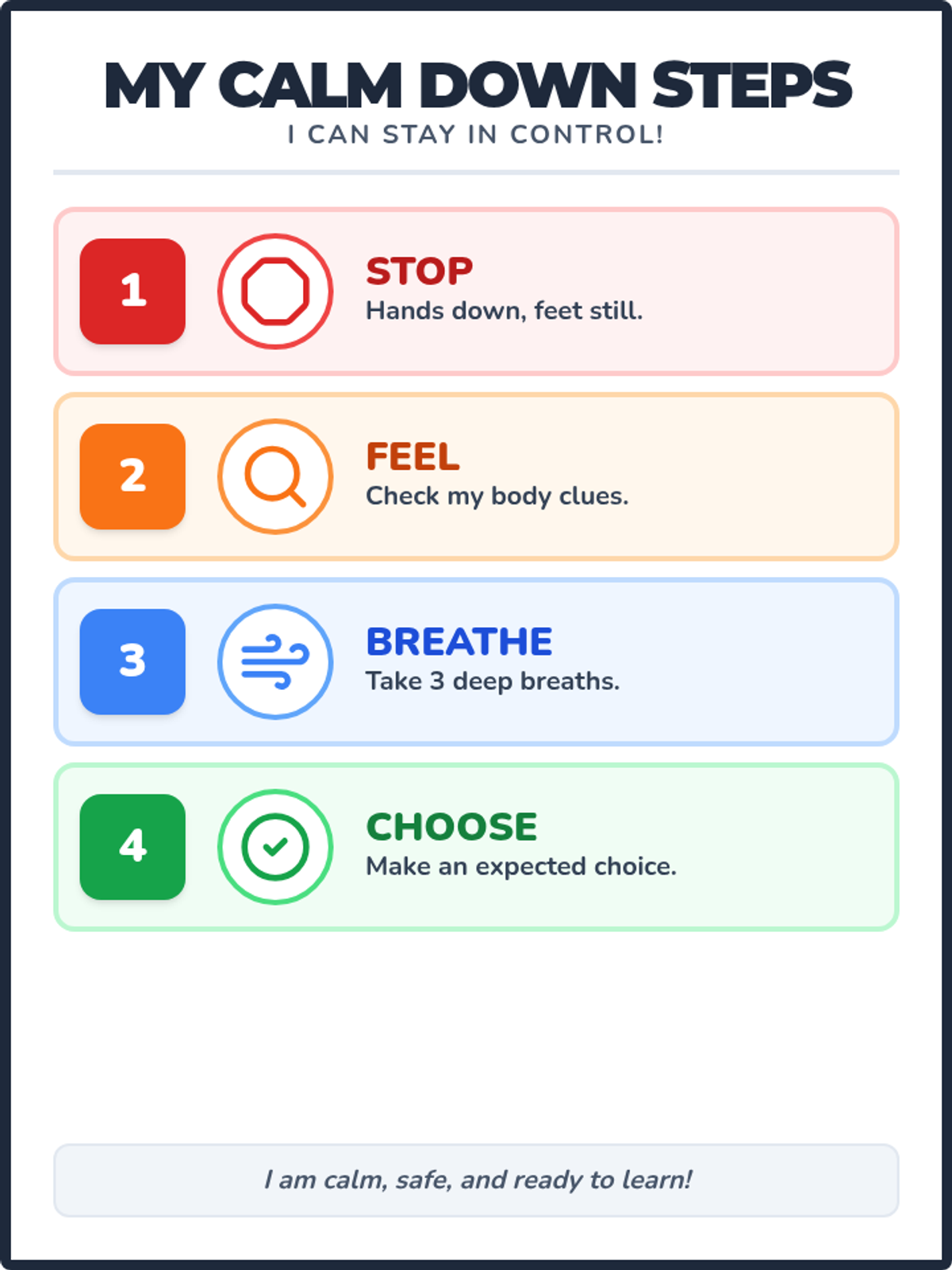
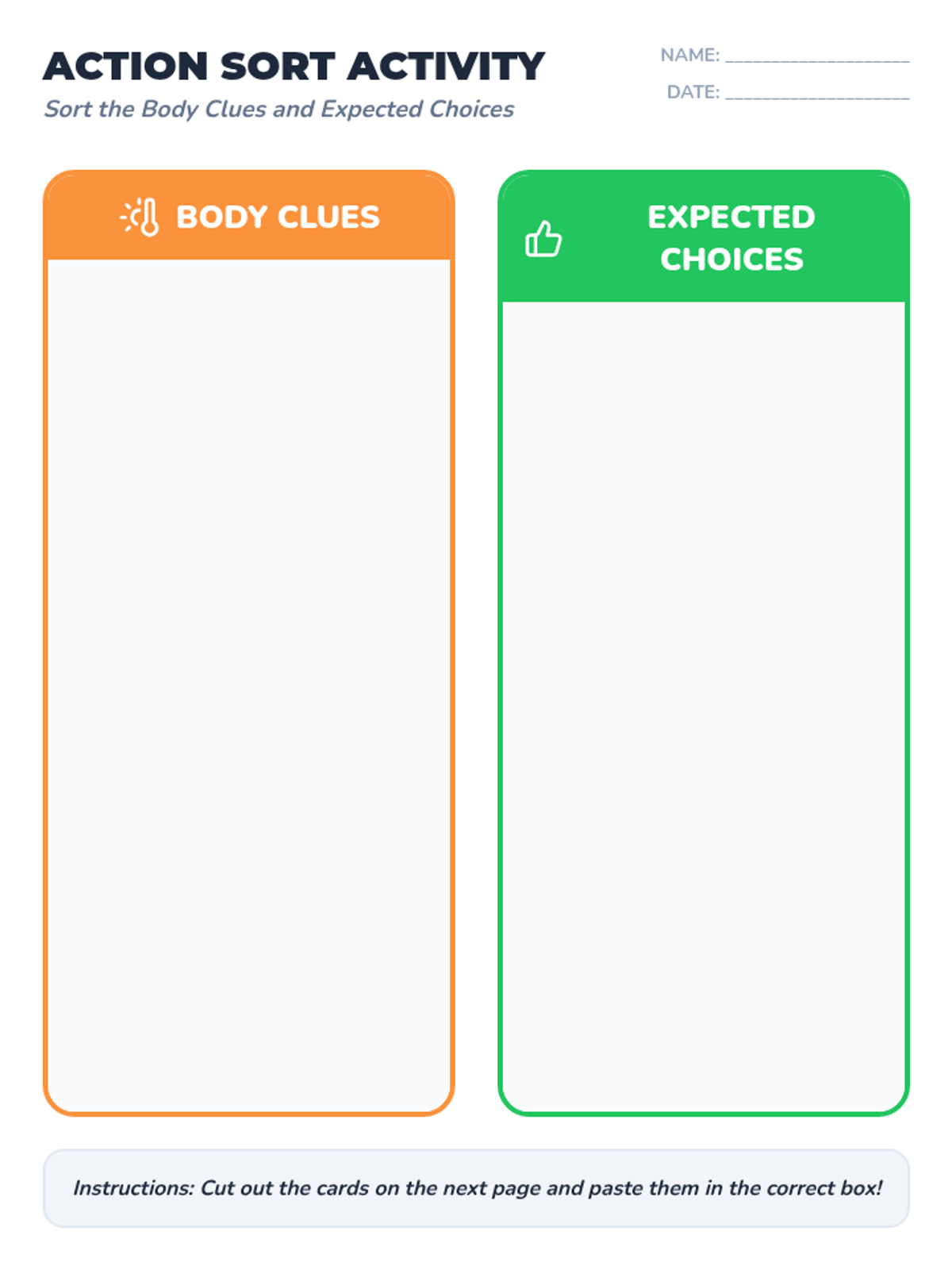
A set of visual and interactive resources designed to help students with low cognitive functioning recognize the physical signs of anger and learn 'expected' calm-down behaviors through a social story, a visual poster, and a hands-on sorting activity.
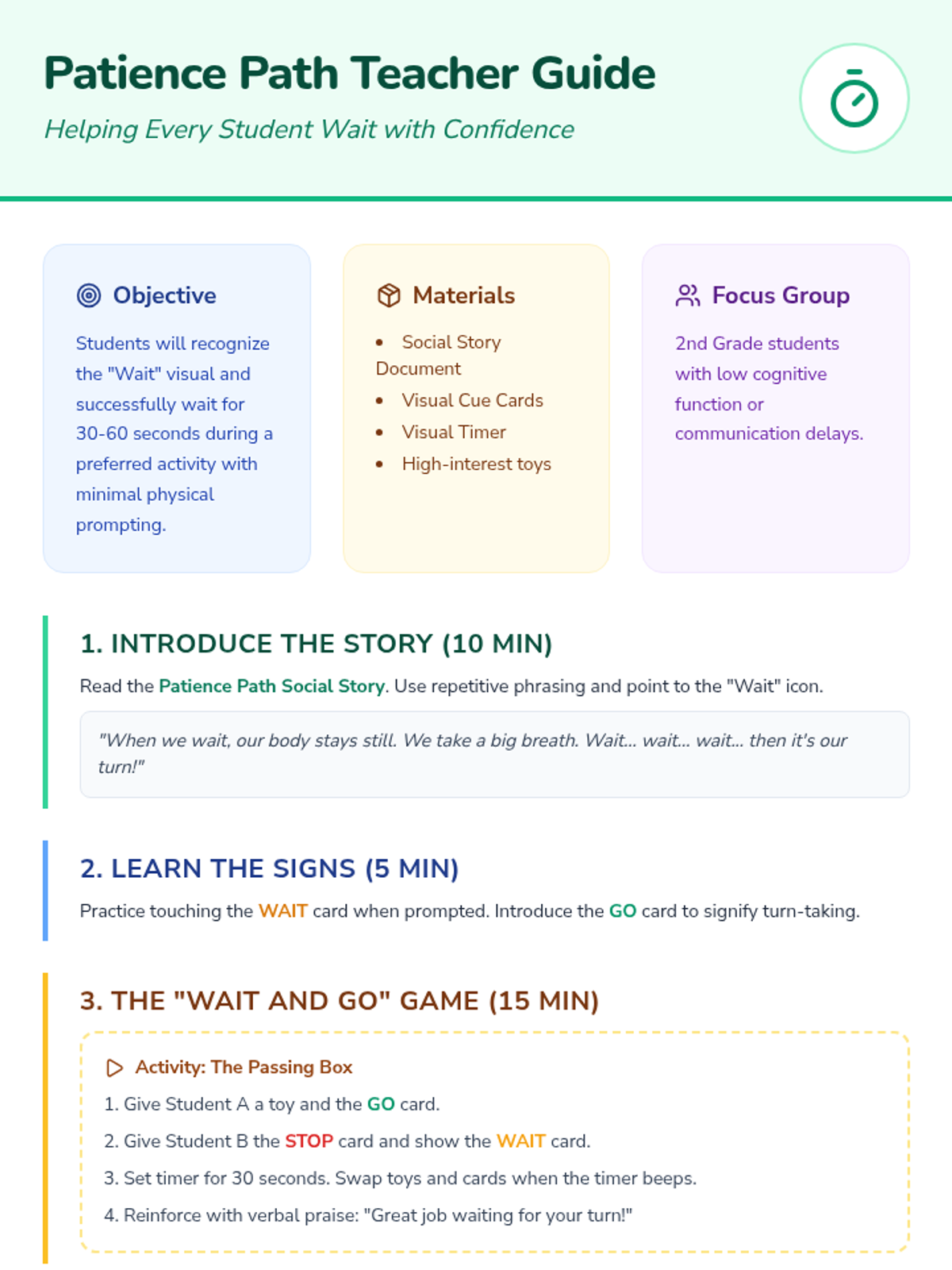
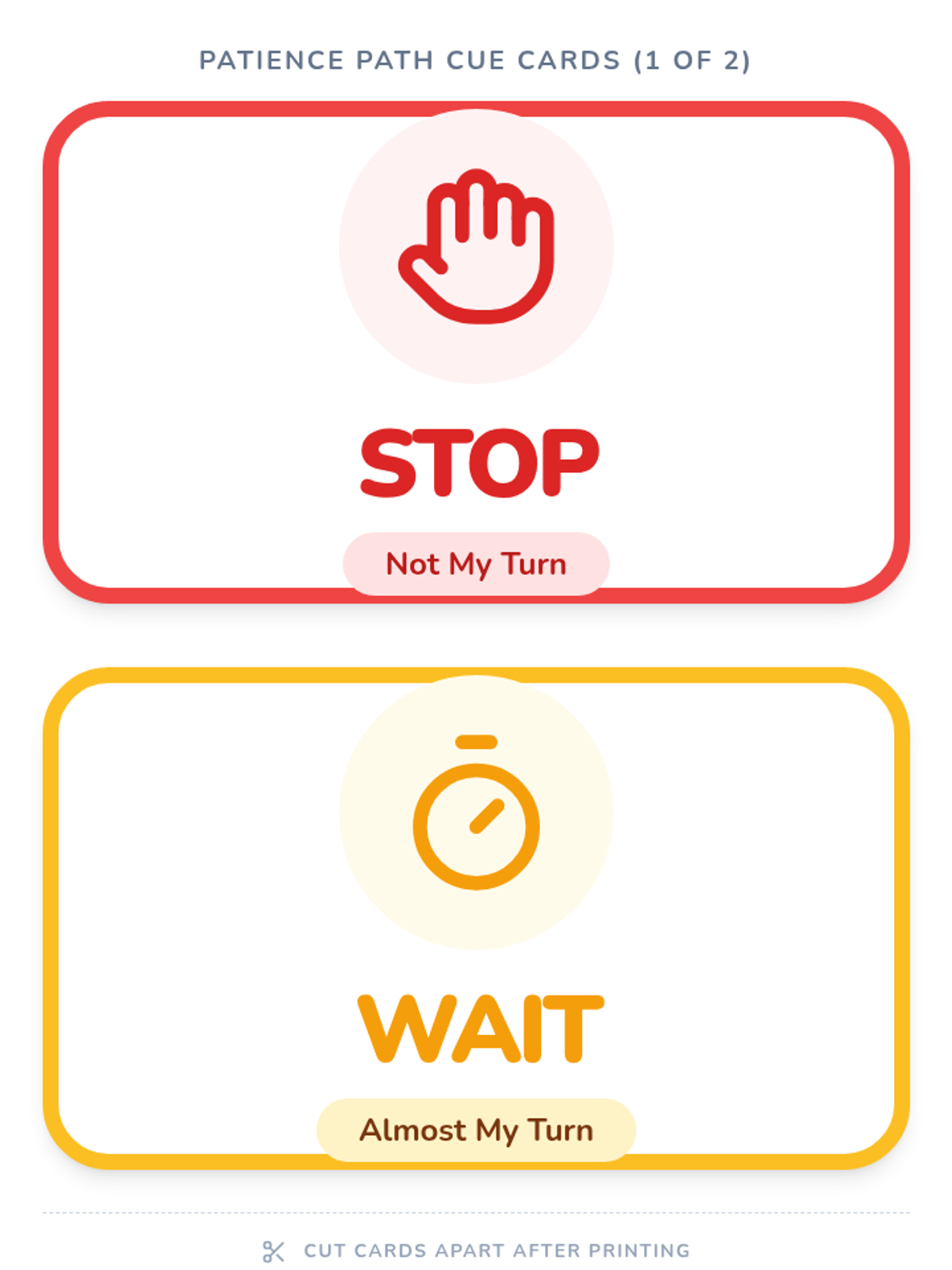
A comprehensive lesson for 2nd graders with low cognitive function focused on the social-emotional skill of waiting for a turn. It includes hands-on activities, visual supports, and a simplified social story to reinforce patience.
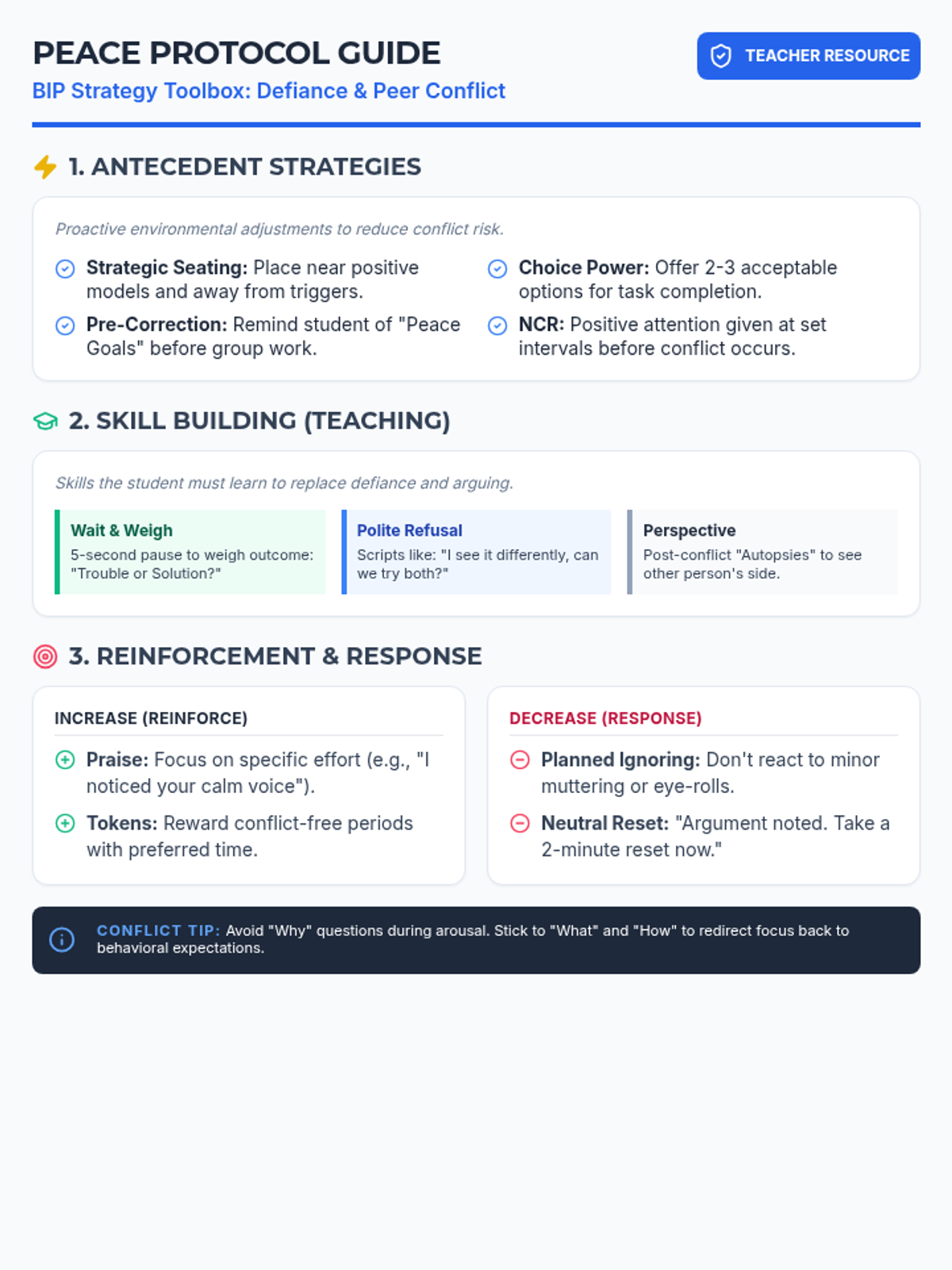
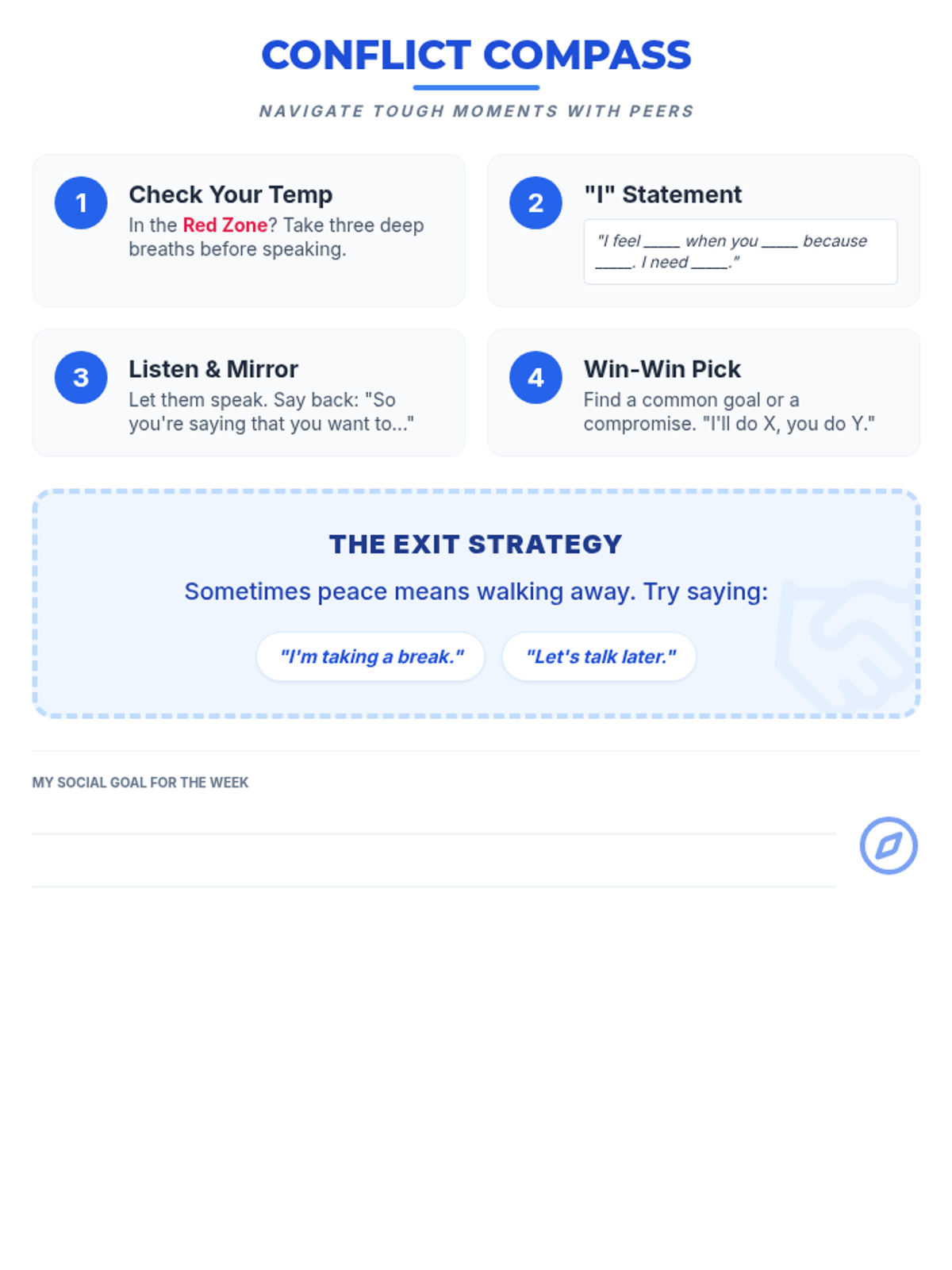
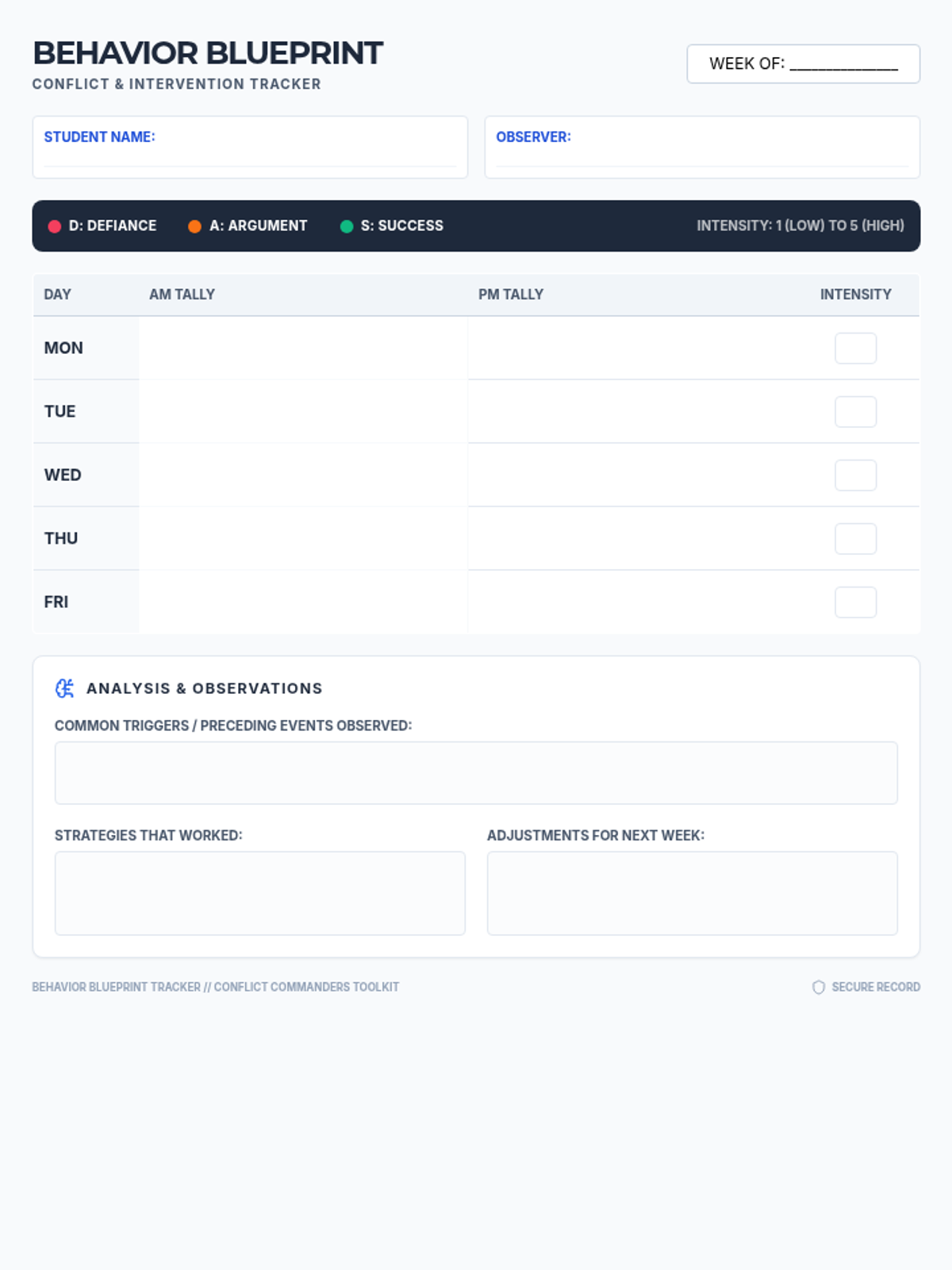
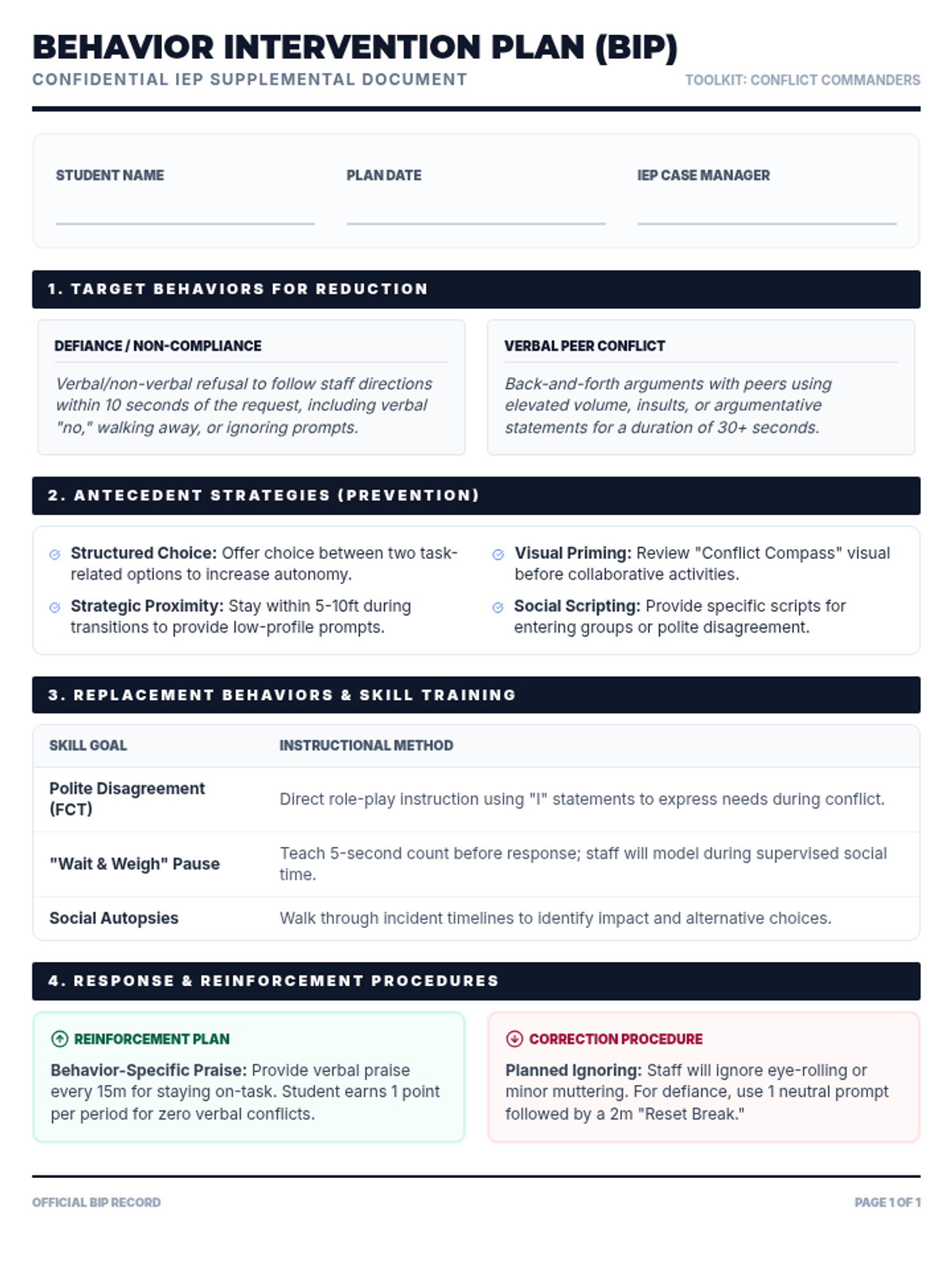
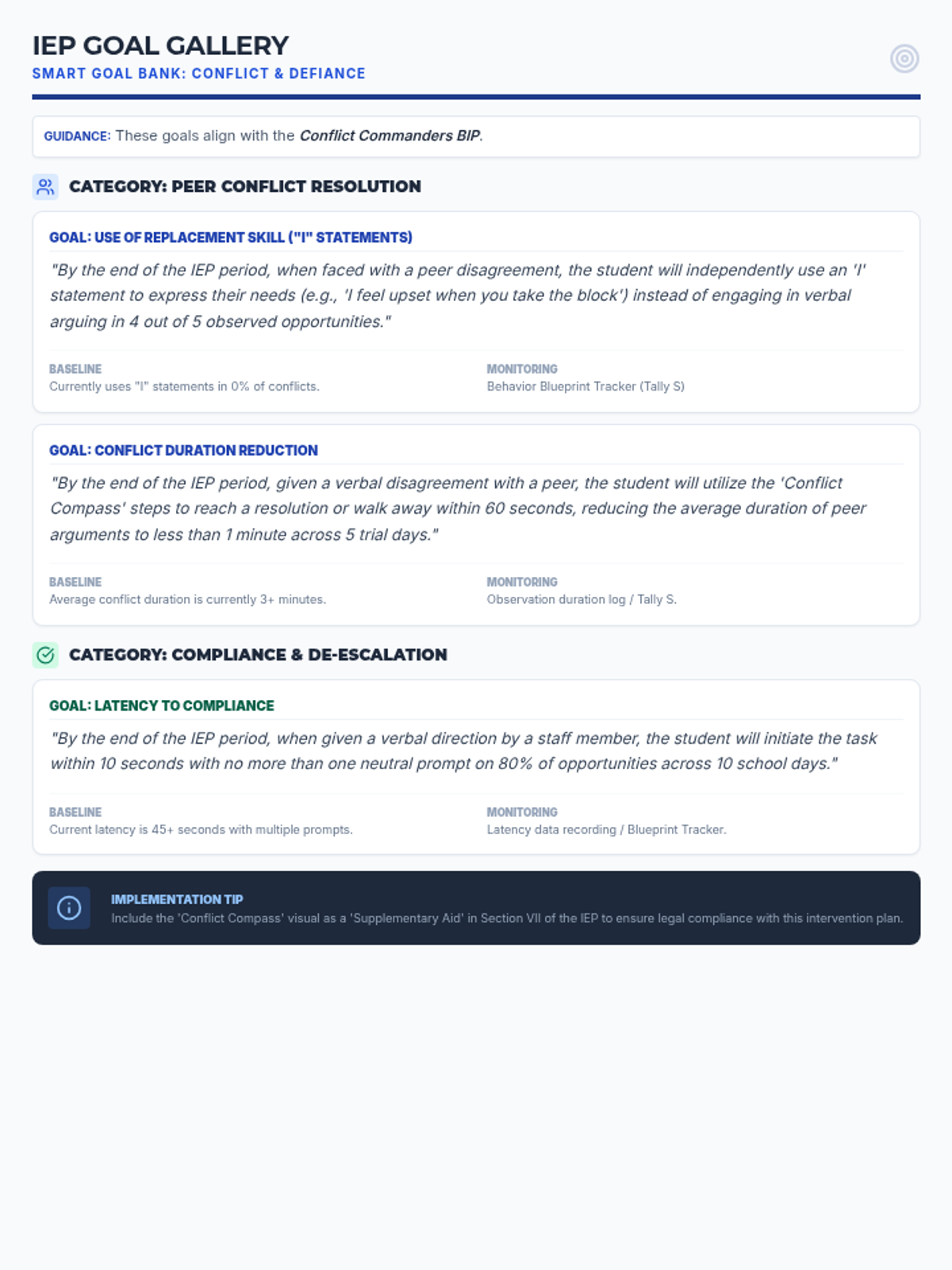
A comprehensive set of tools for managing and reducing peer defiance and verbal conflict, focusing on proactive BIP strategies, student-facing visuals, and data collection.
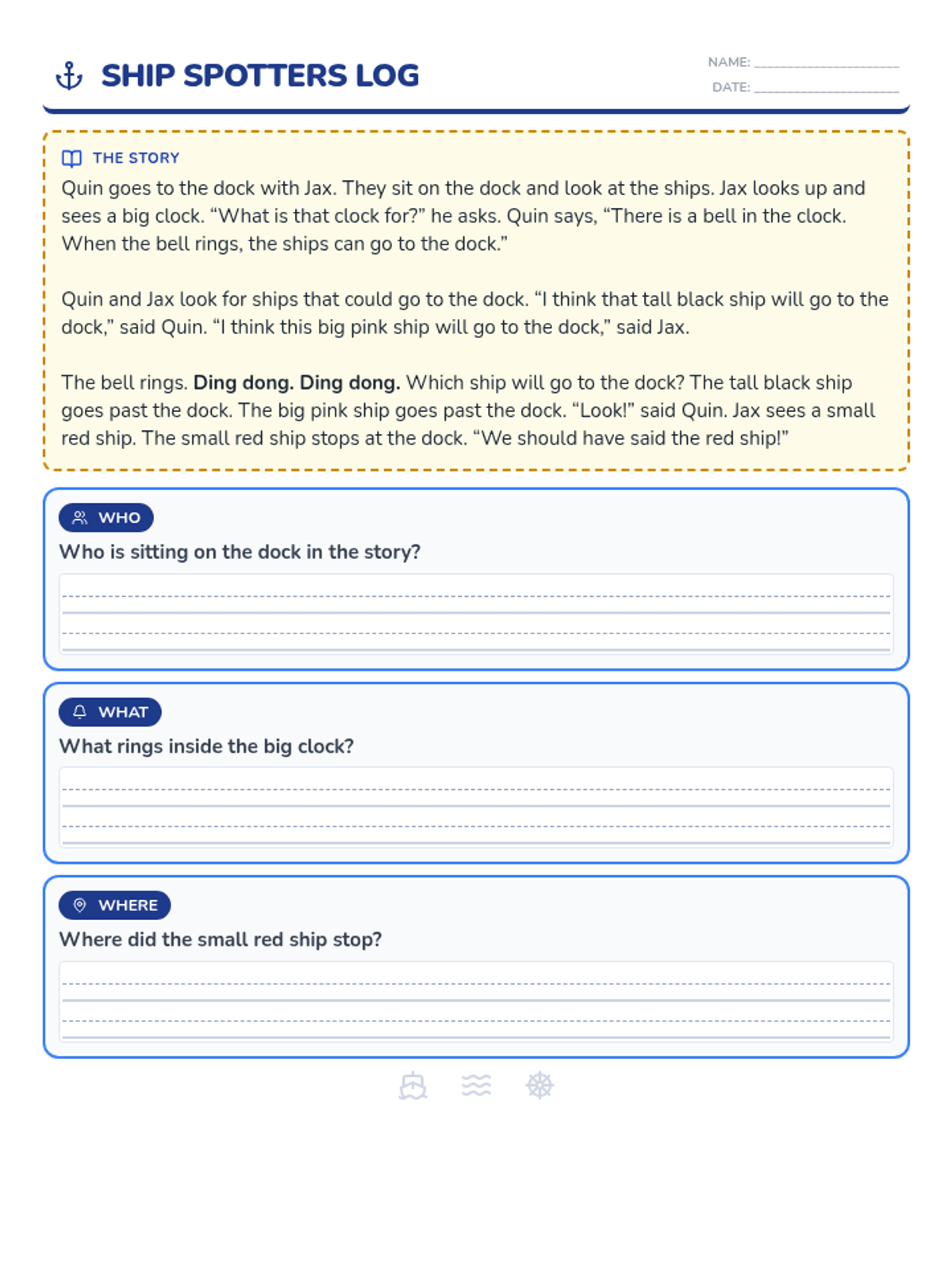
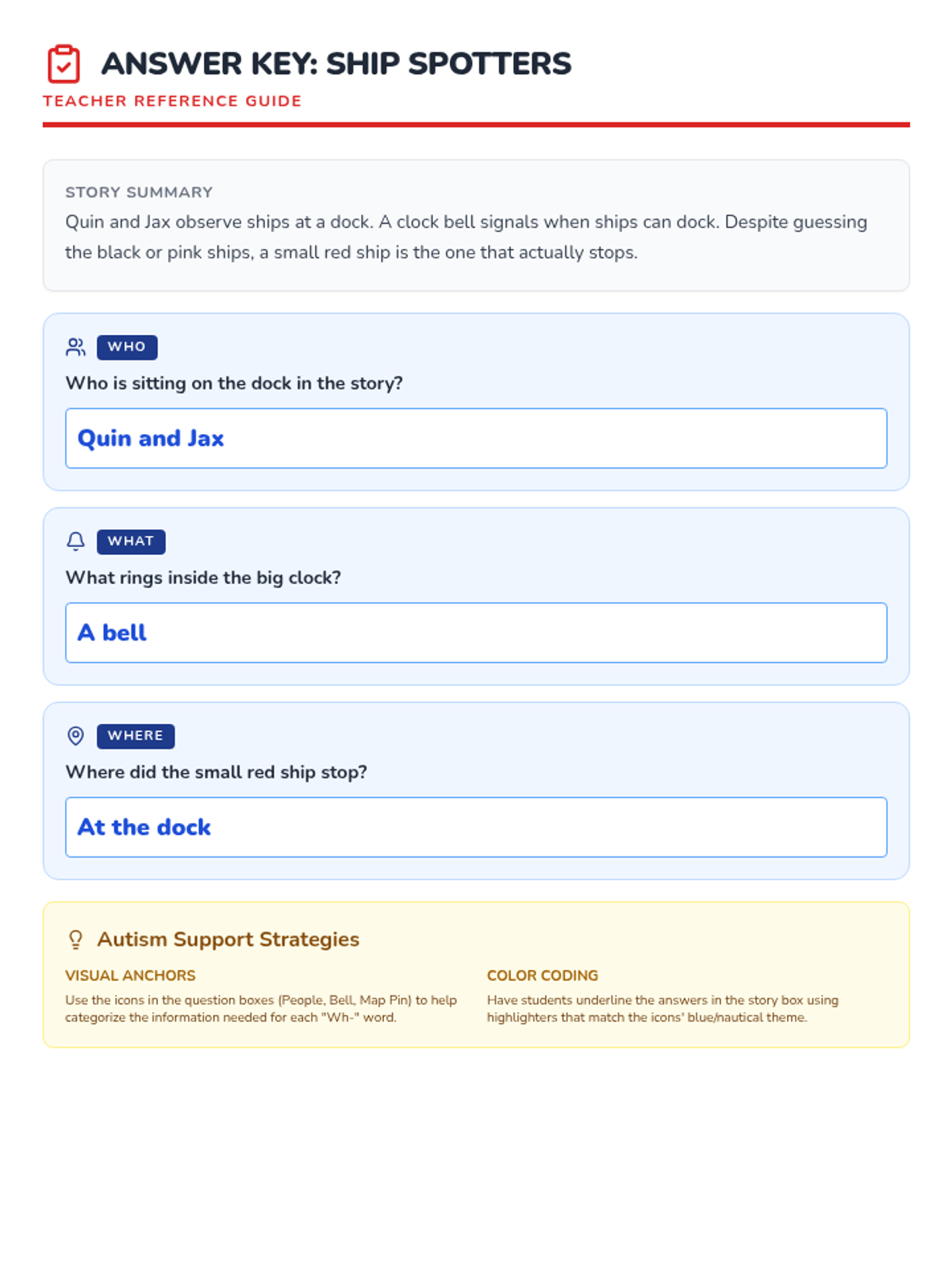
A foundational reading comprehension lesson focused on identifying key details (Who, What, Where) from a short nautical-themed narrative. Designed with visual supports and clear structure to assist students with autism.
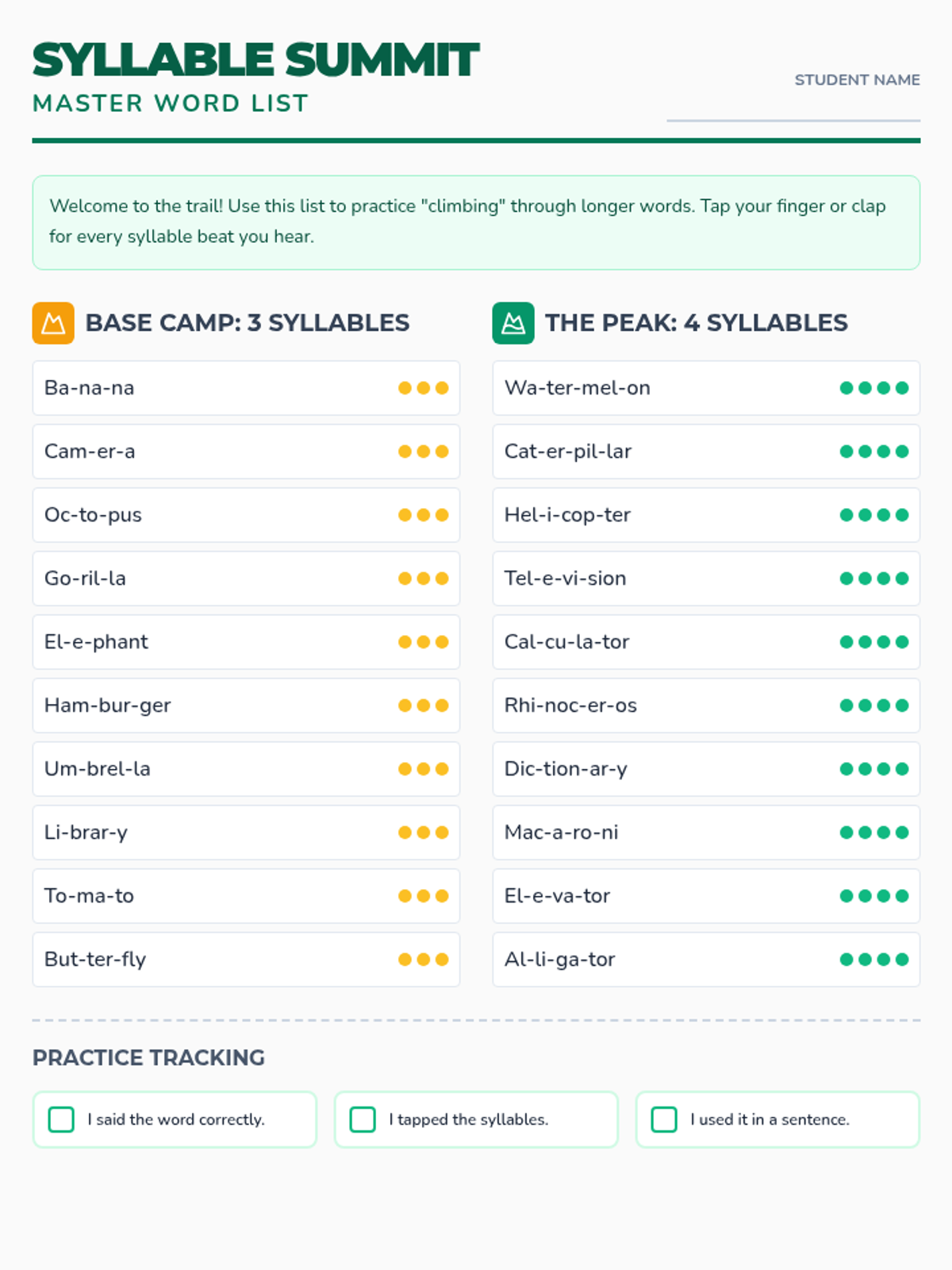
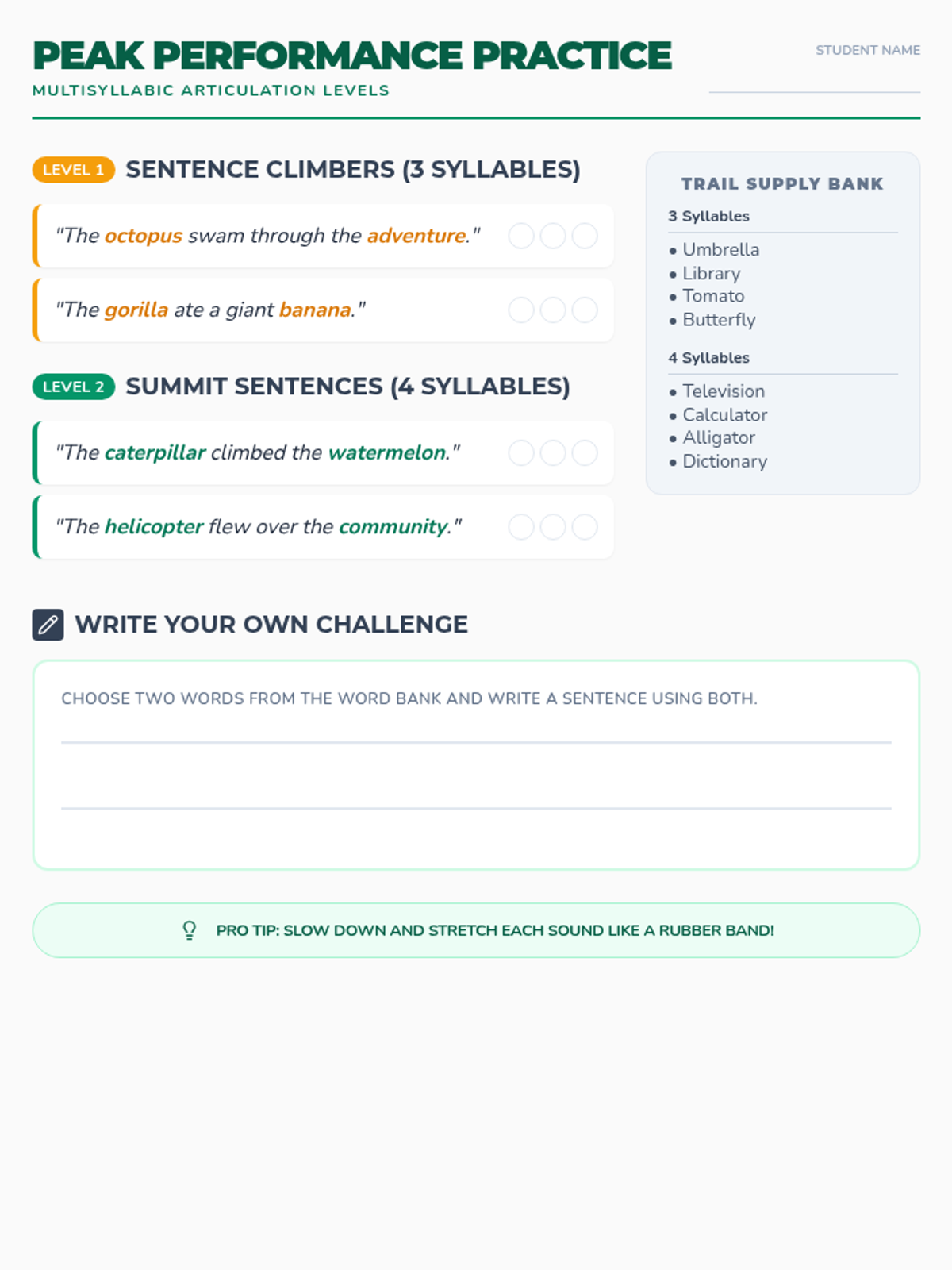
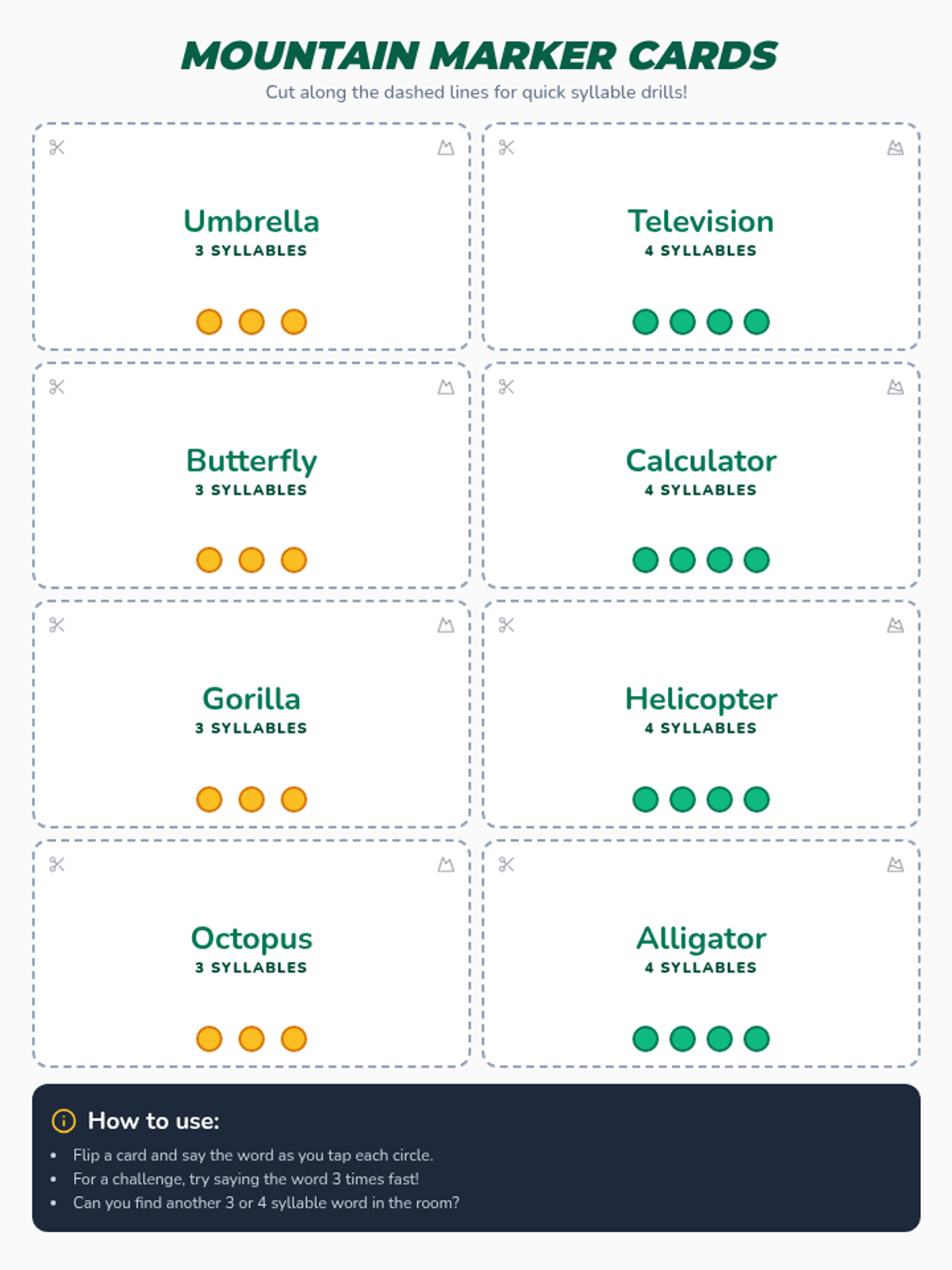
A set of materials focused on multisyllabic processing, helping students master the pronunciation of complex 3 and 4-syllable words through tiered practice and visual aids.
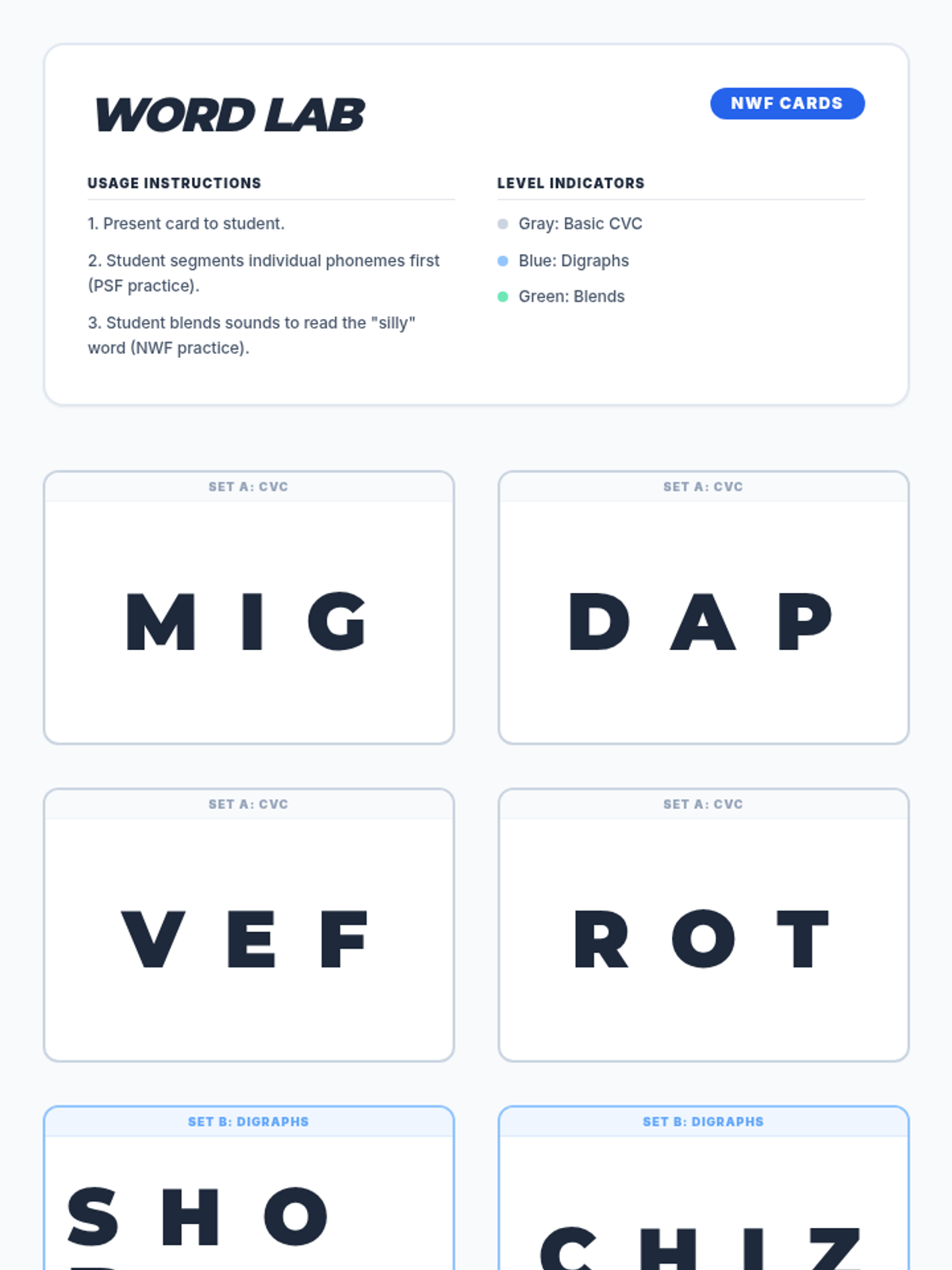
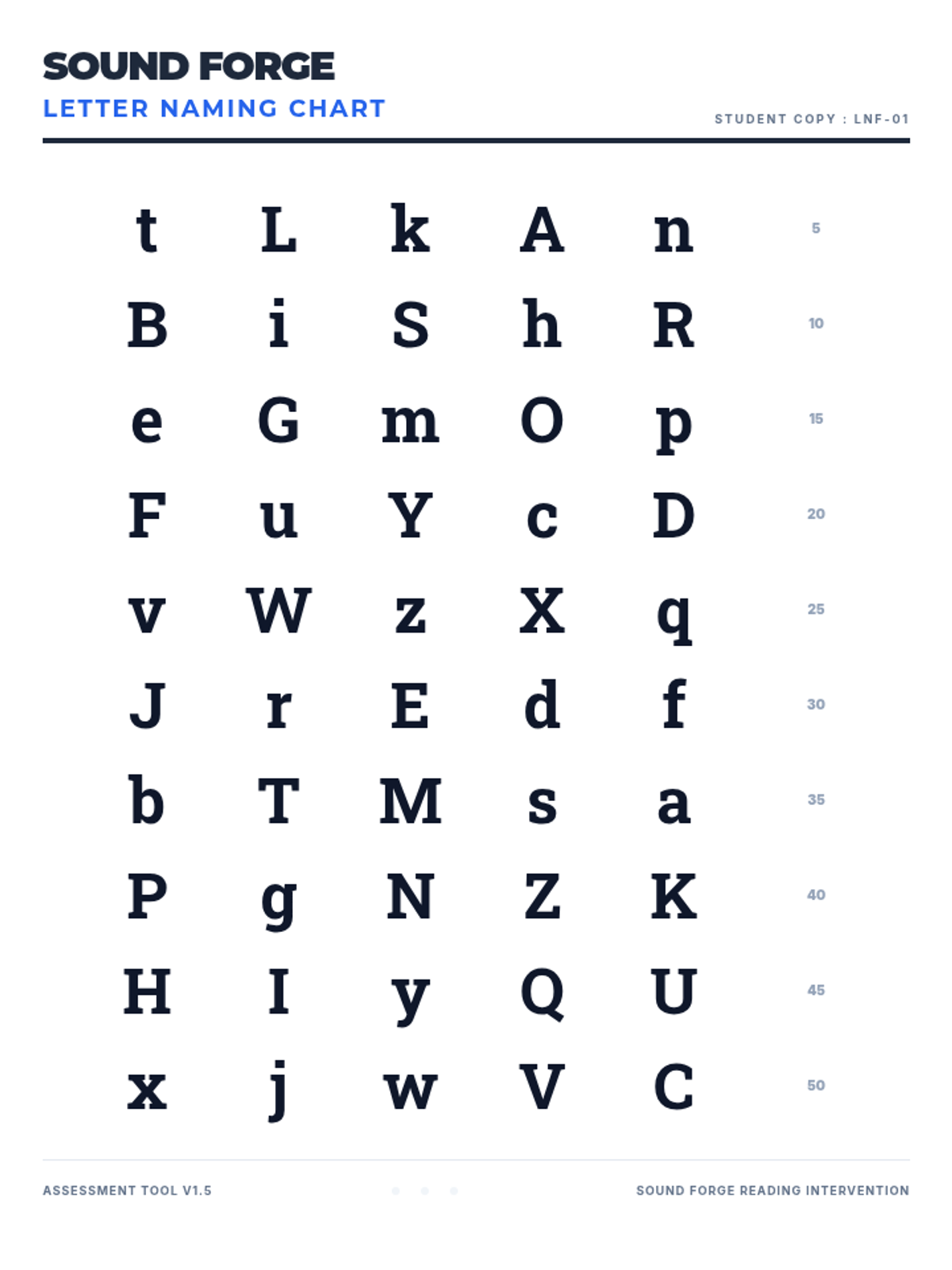
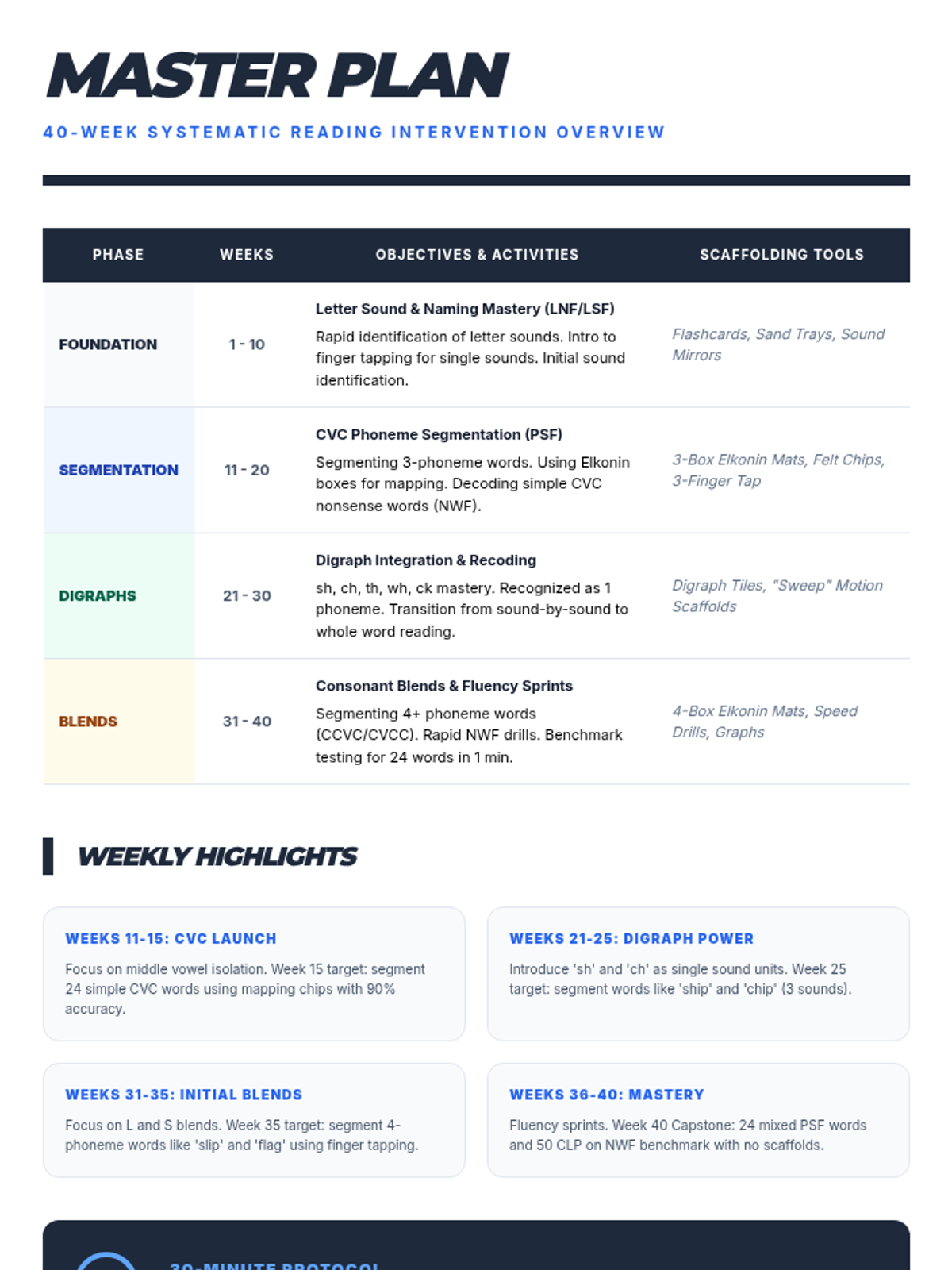
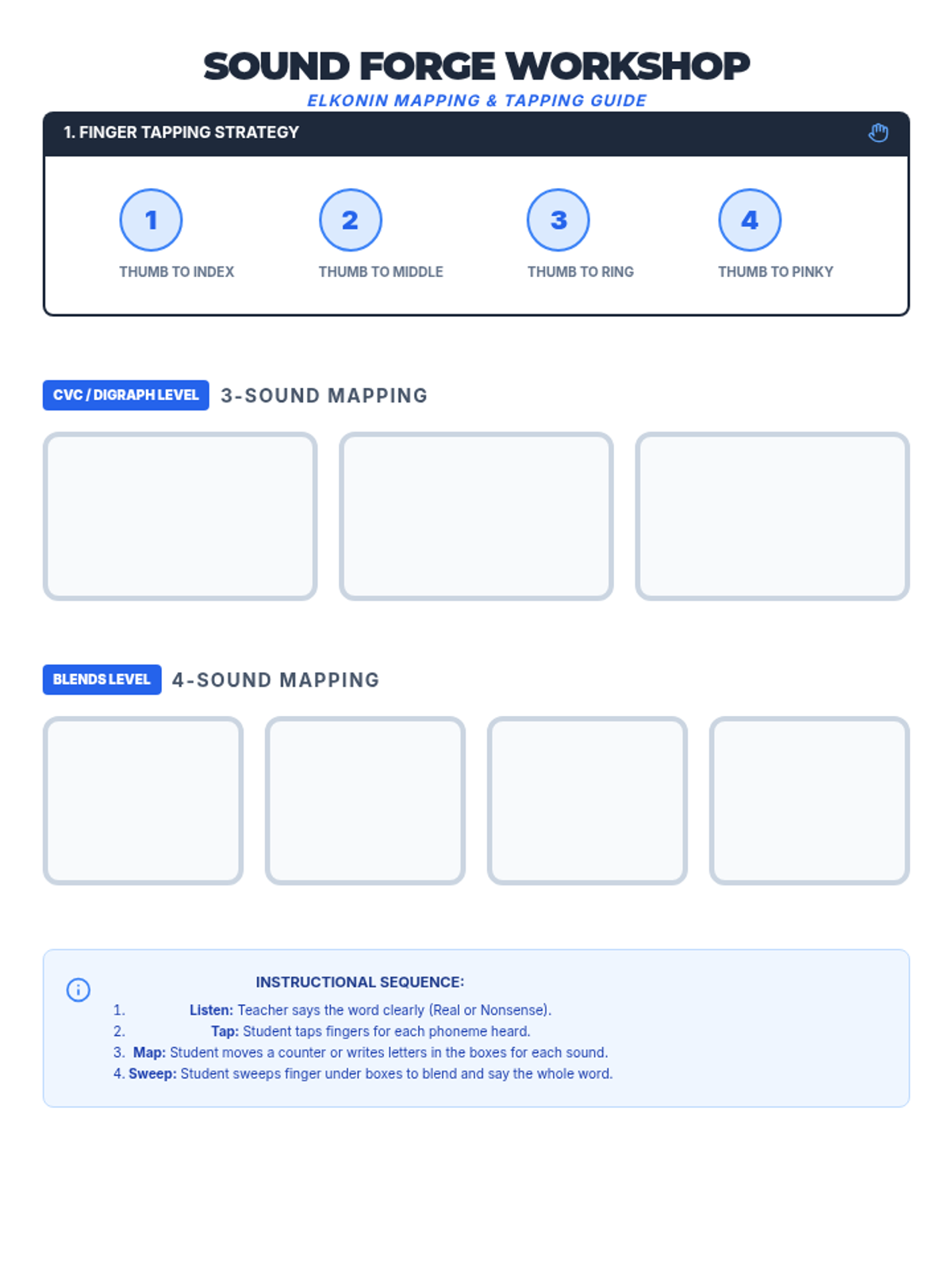
Practical activities and instructional materials for 40 weeks of intervention, including Elkonin boxes and nonsense word flashcards.
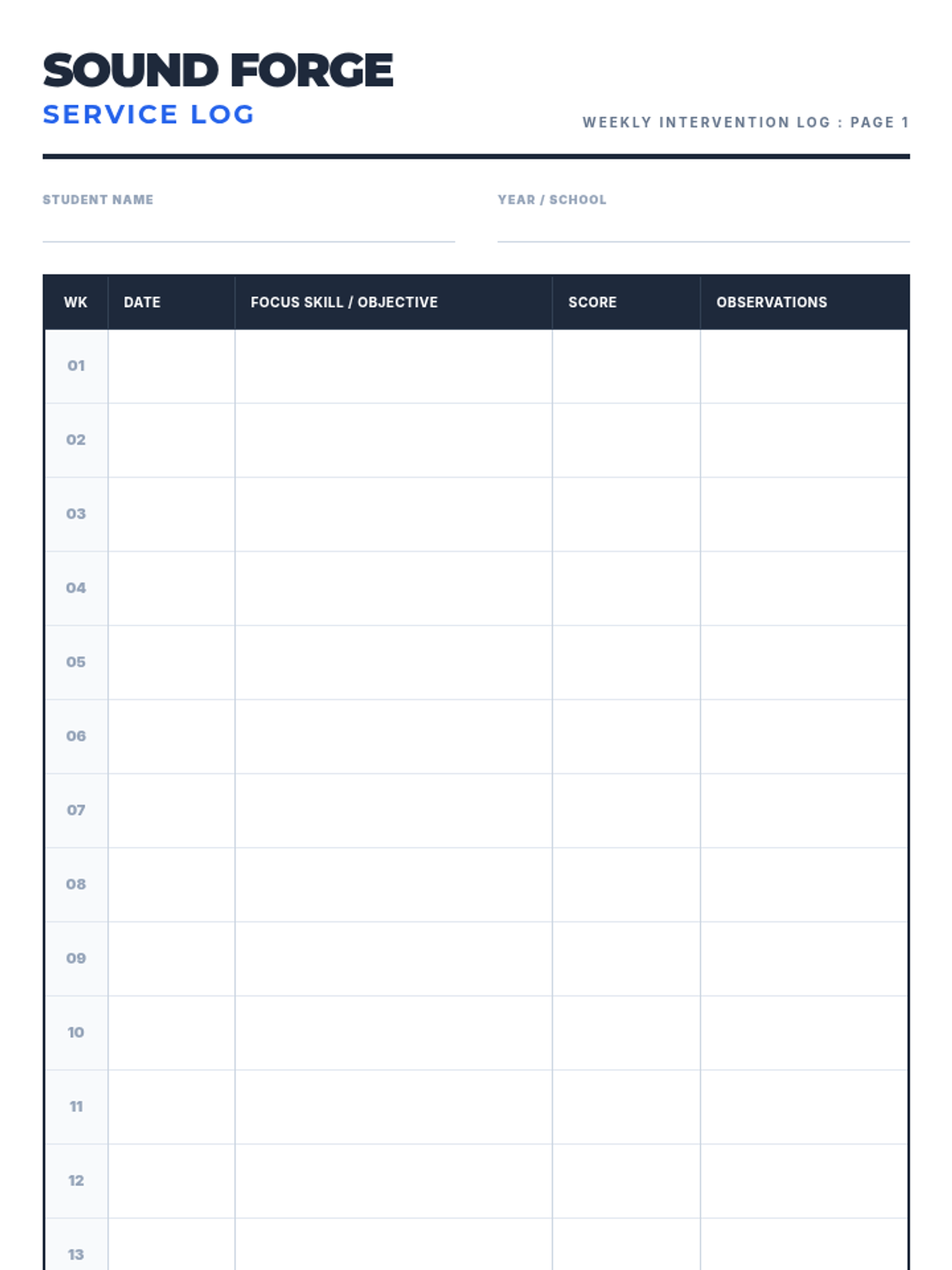
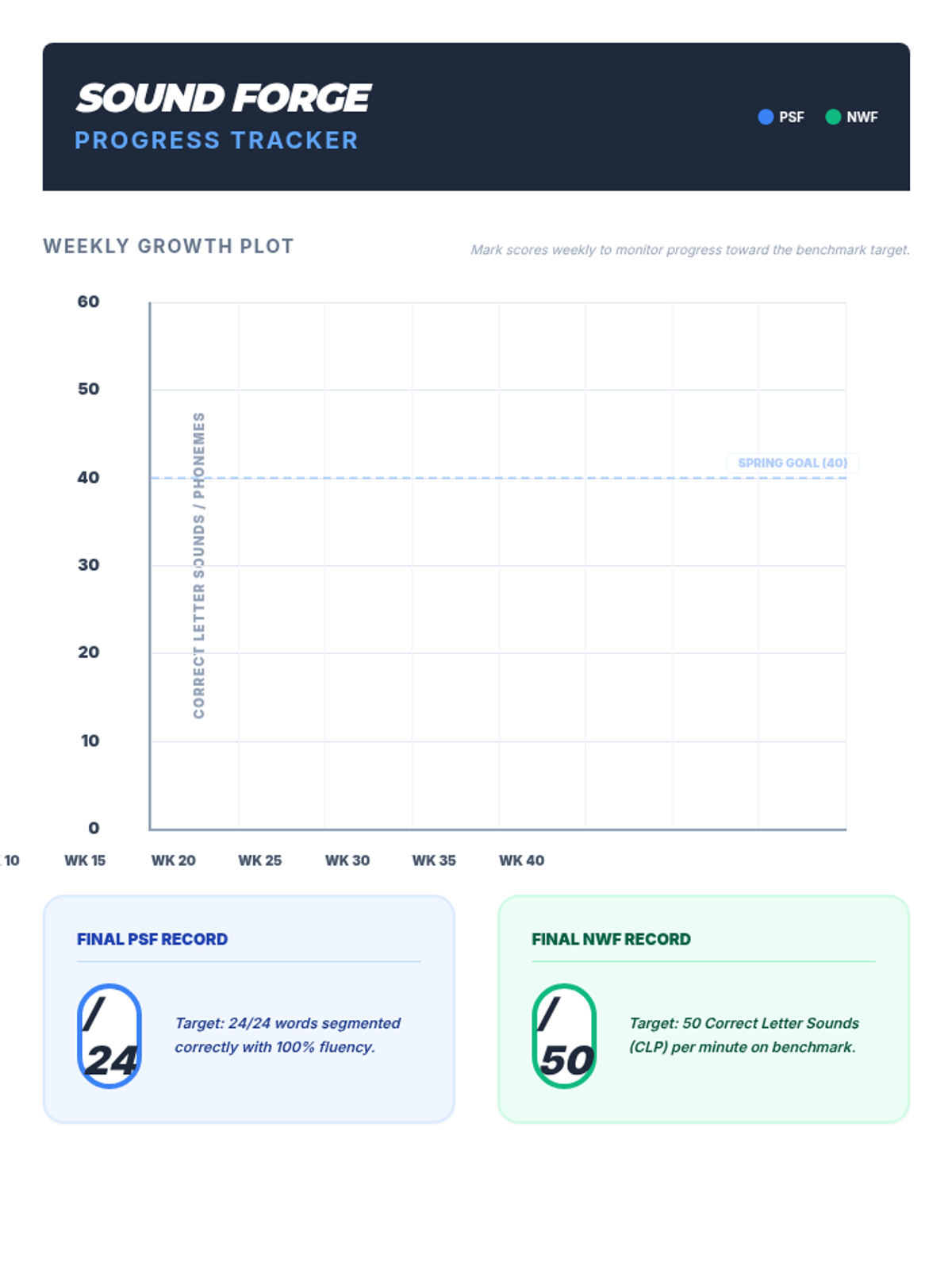
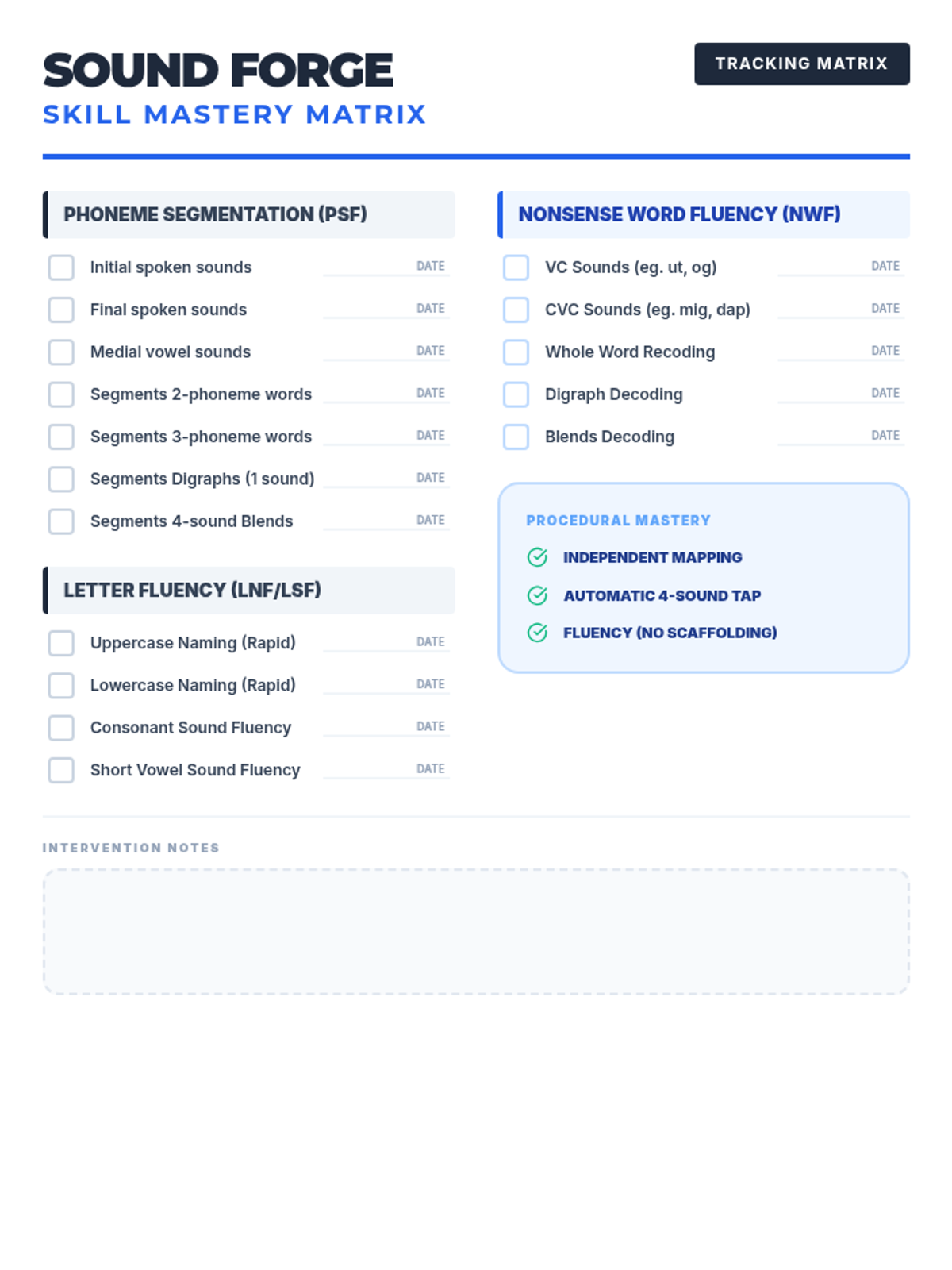
Administrative and tracking materials for monitoring student progress over 40 weeks of phonemic awareness and decoding instruction.
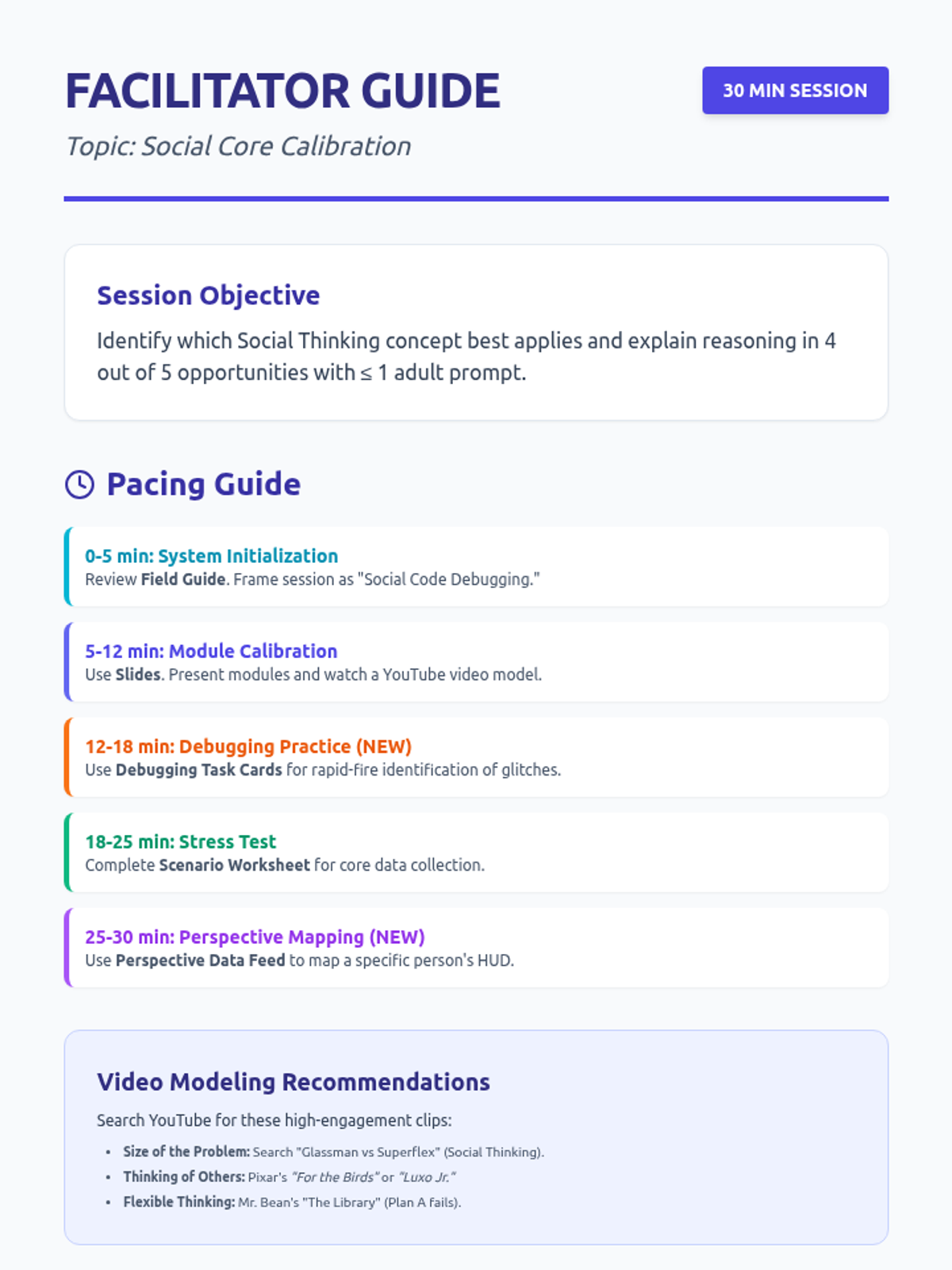
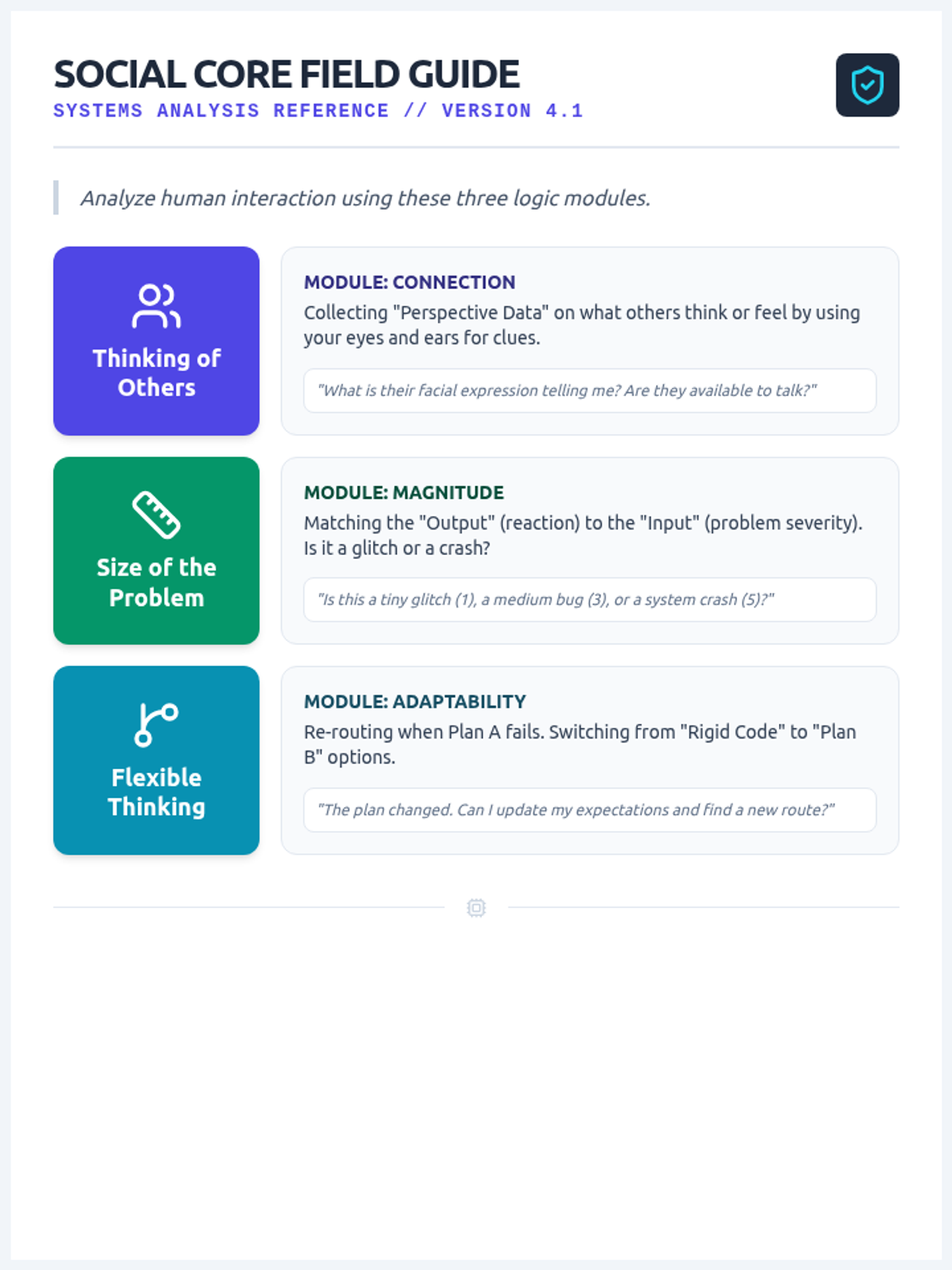
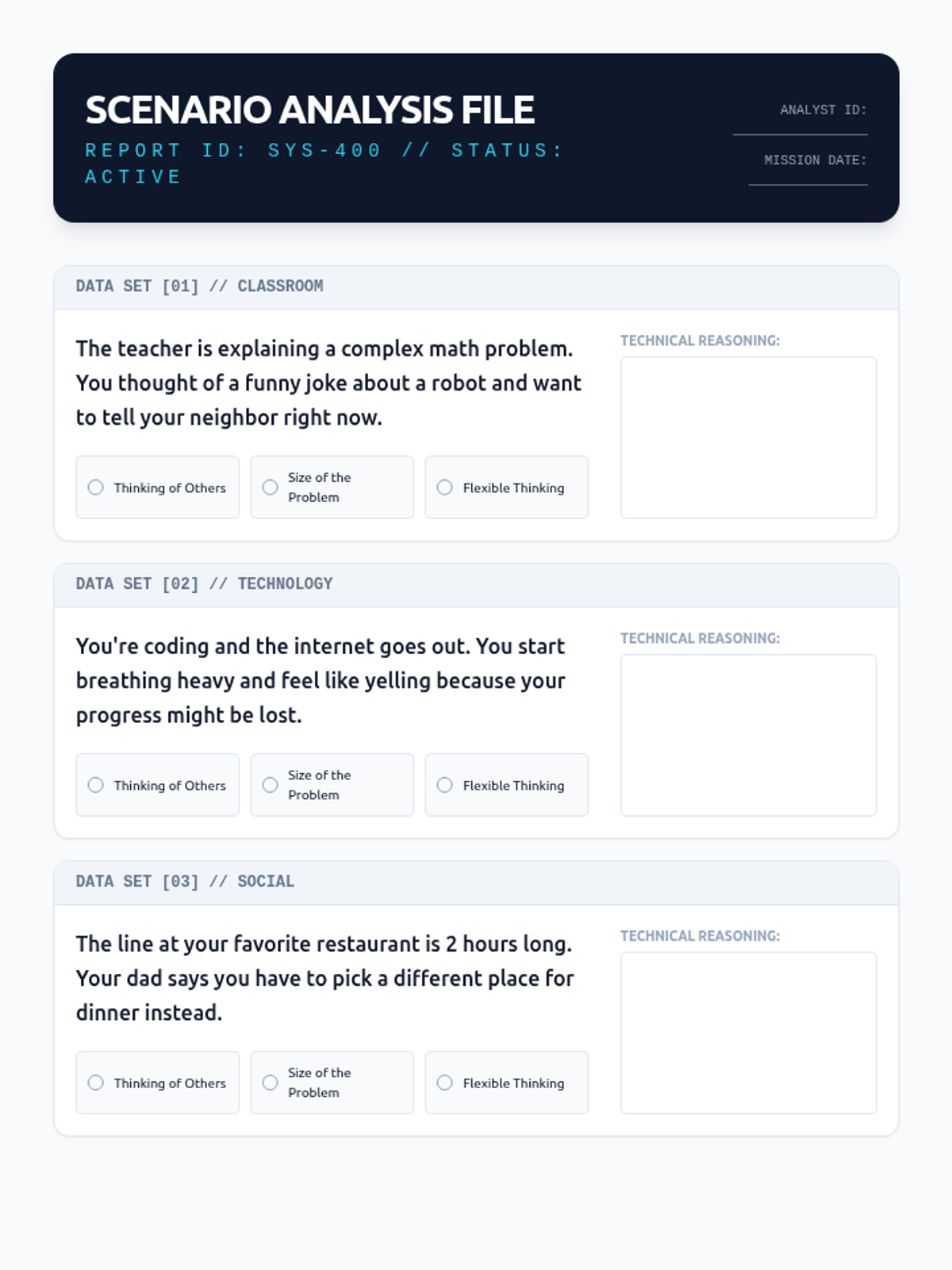
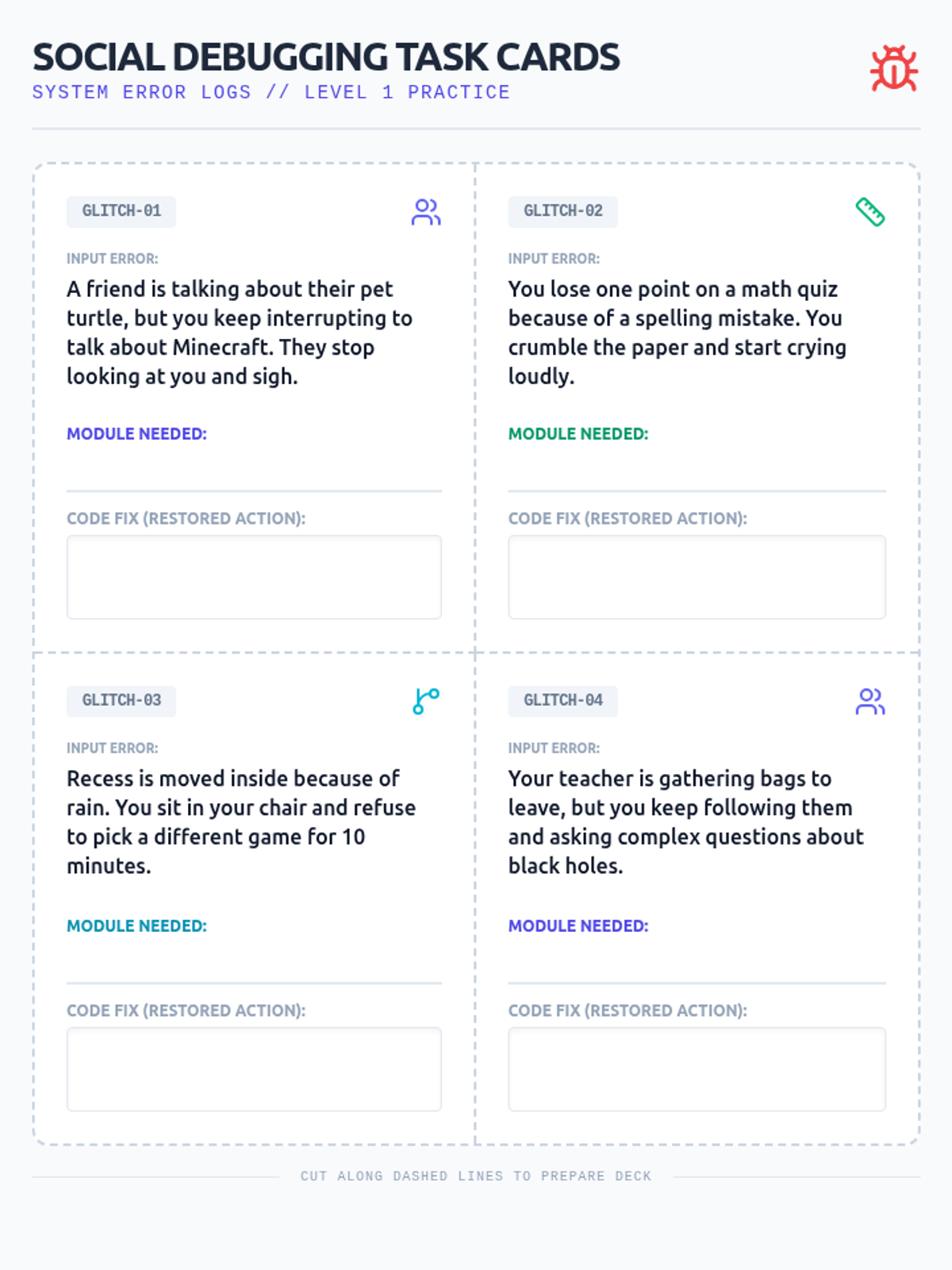
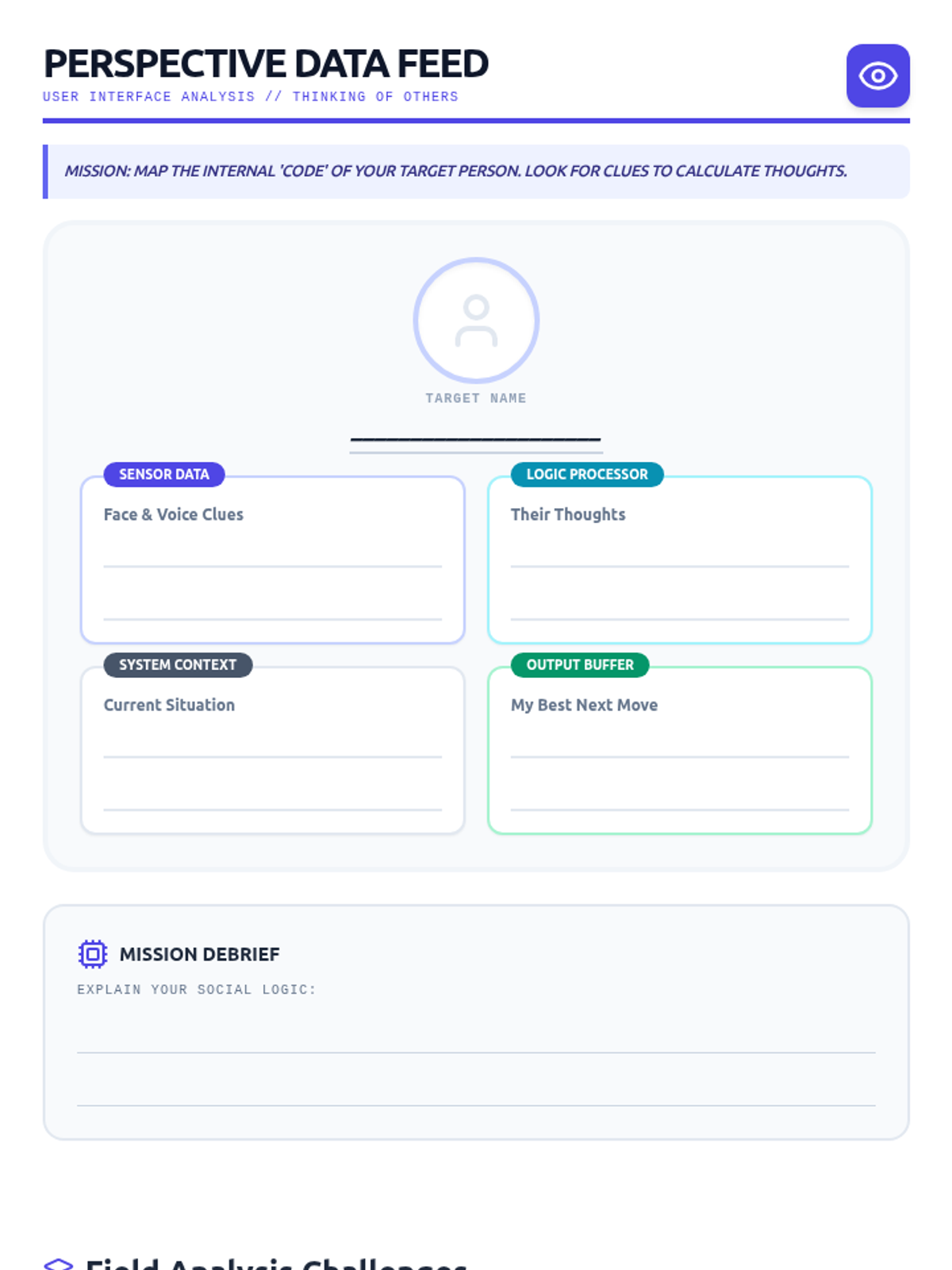
A high-engagement social cognition lesson designed for an academically gifted 4th-grade student. The lesson frames Social Thinking concepts as 'System Modules' to be analyzed and calibrated, focusing on Thinking of Others, Size of the Problem, and Flexible Thinking.
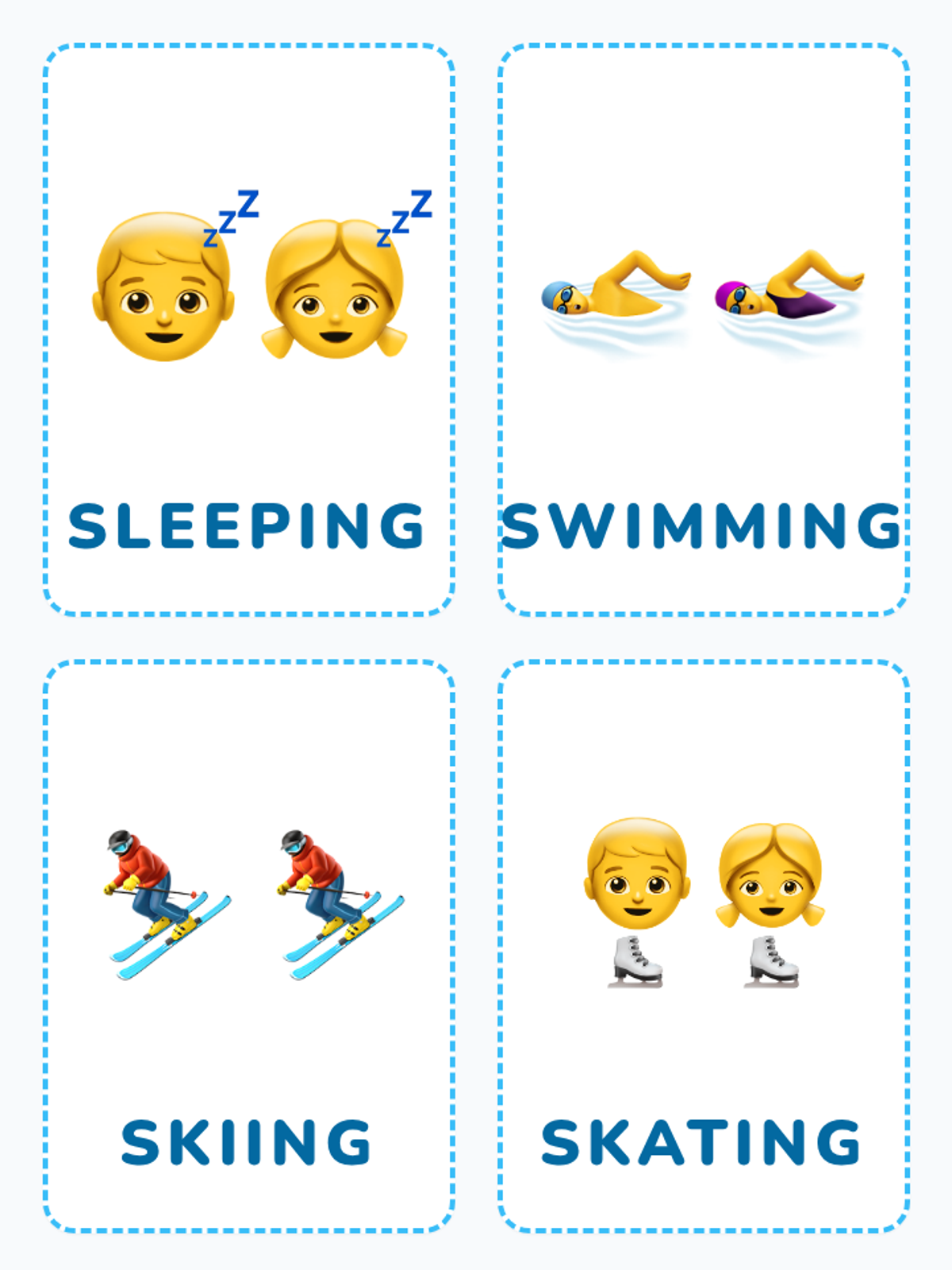
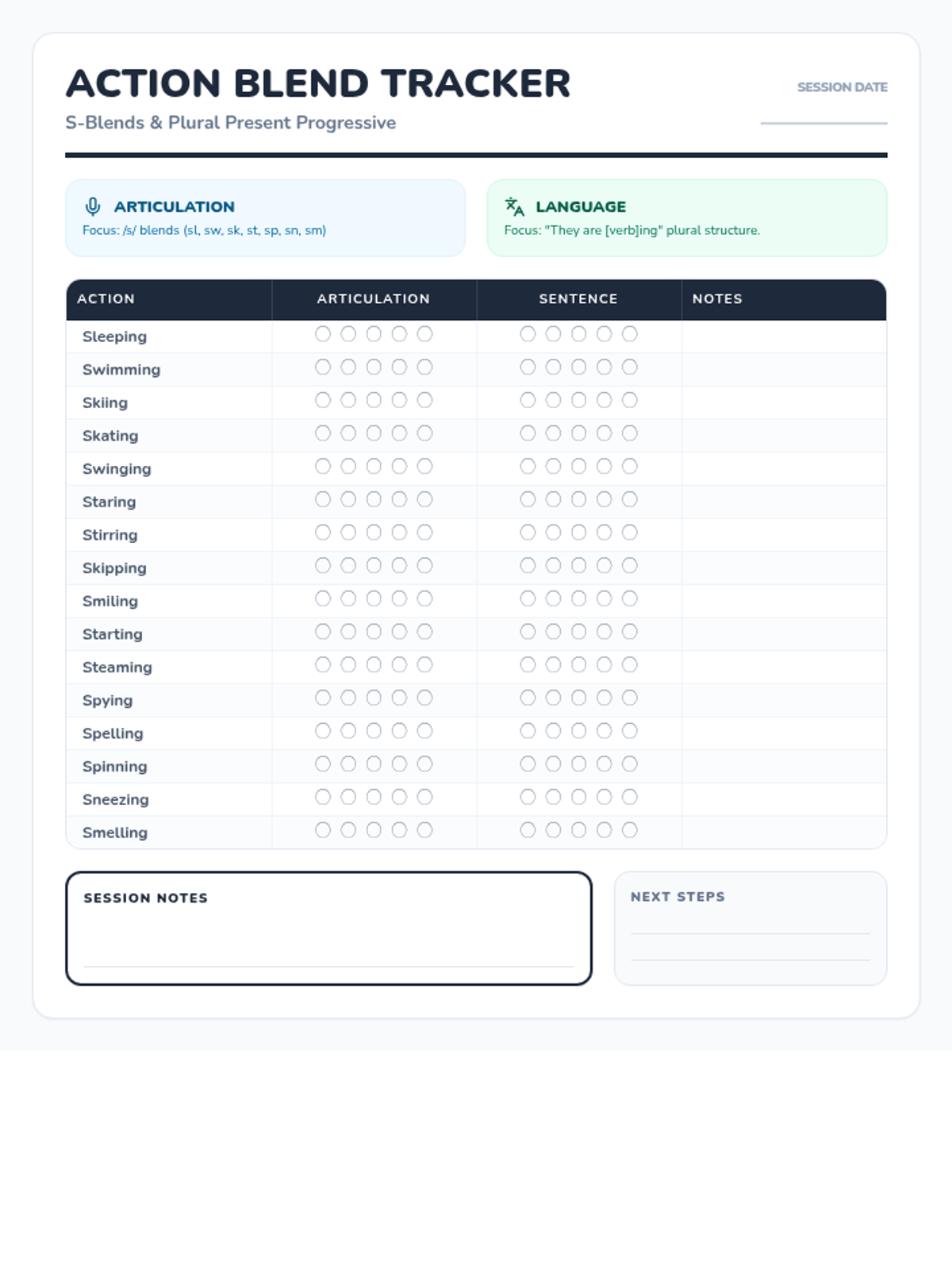
A speech-language therapy lesson focused on initial s-blends and the 'They are ___ing' sentence frame using interactive action visuals.
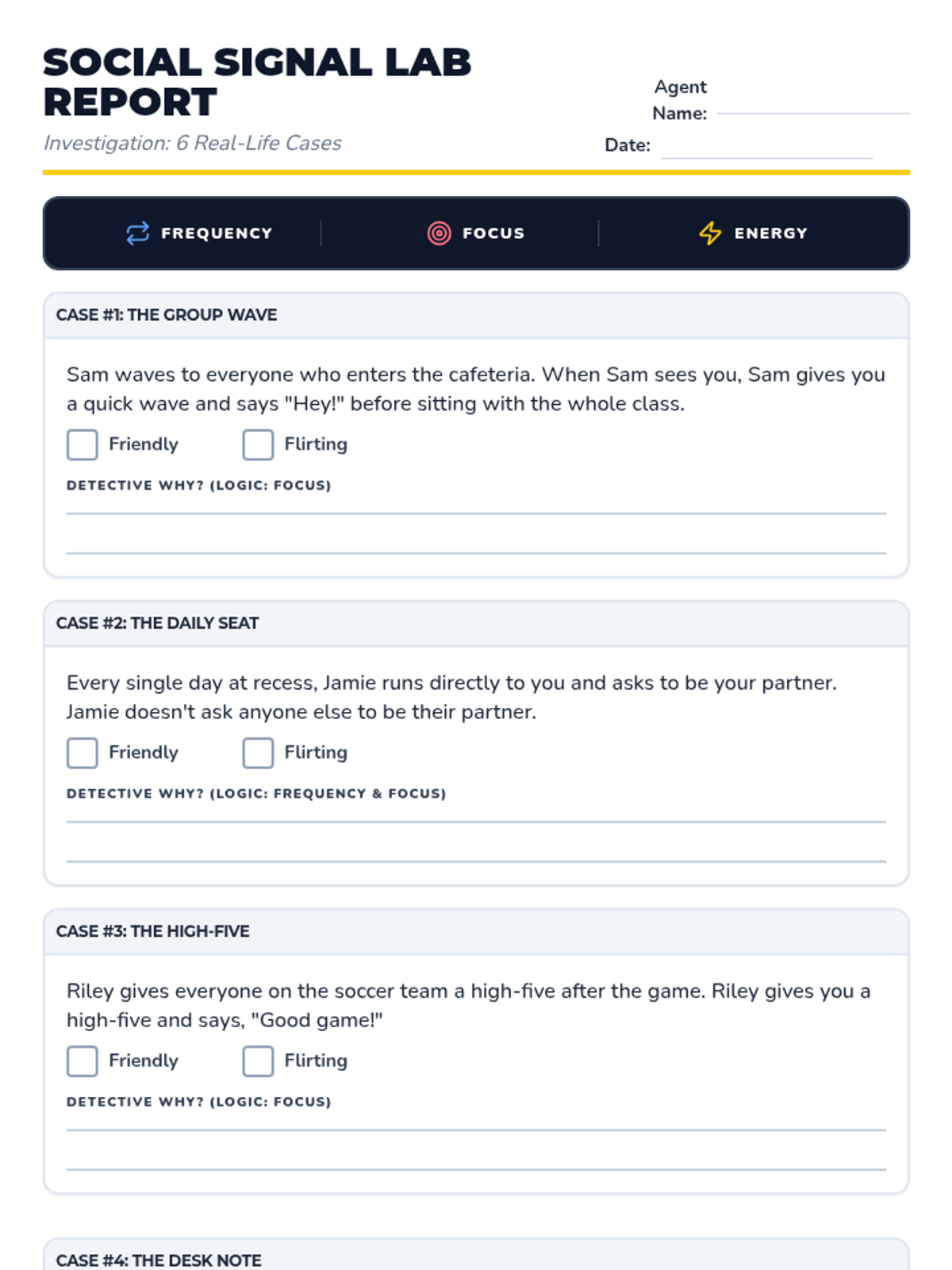
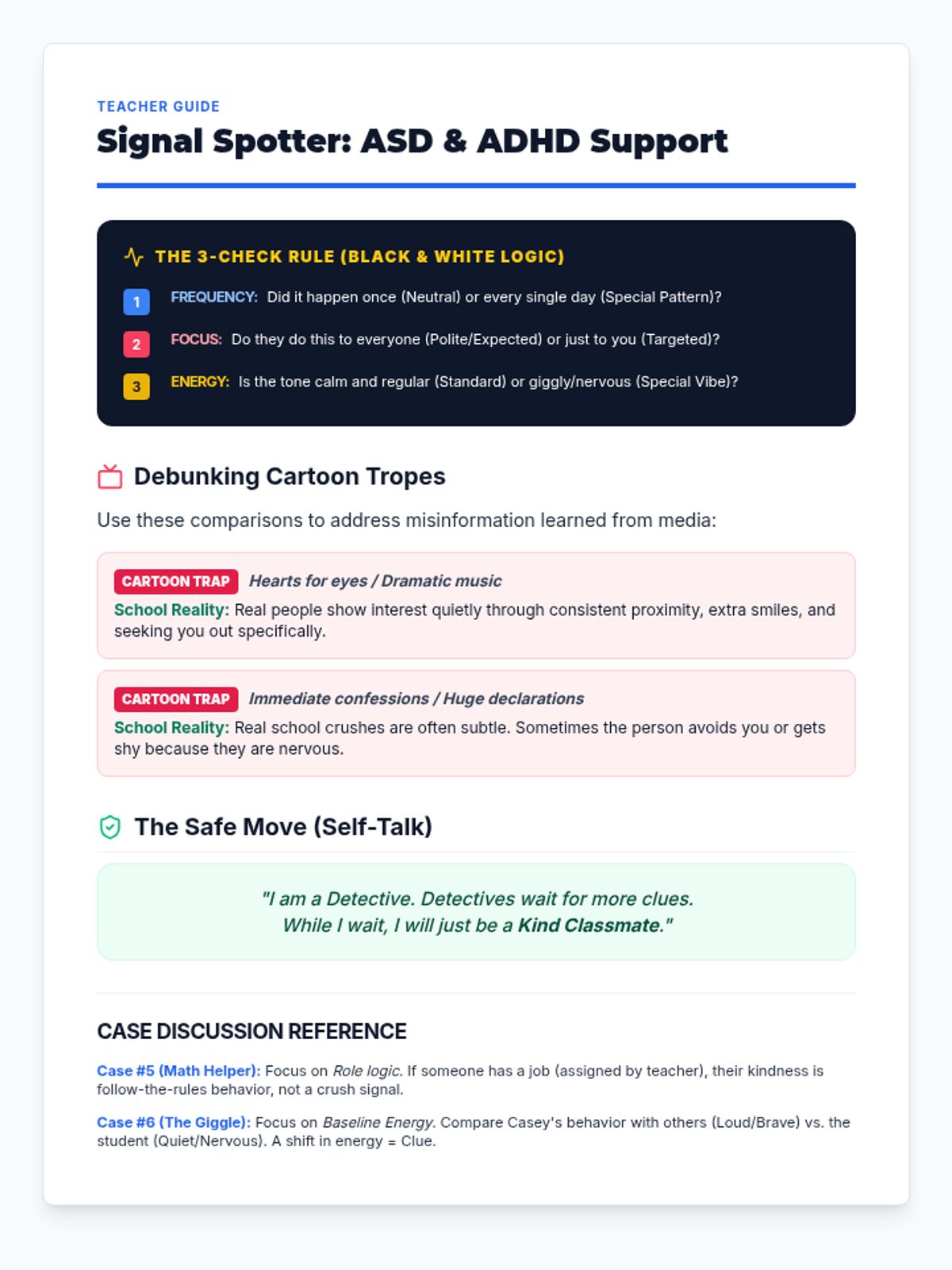
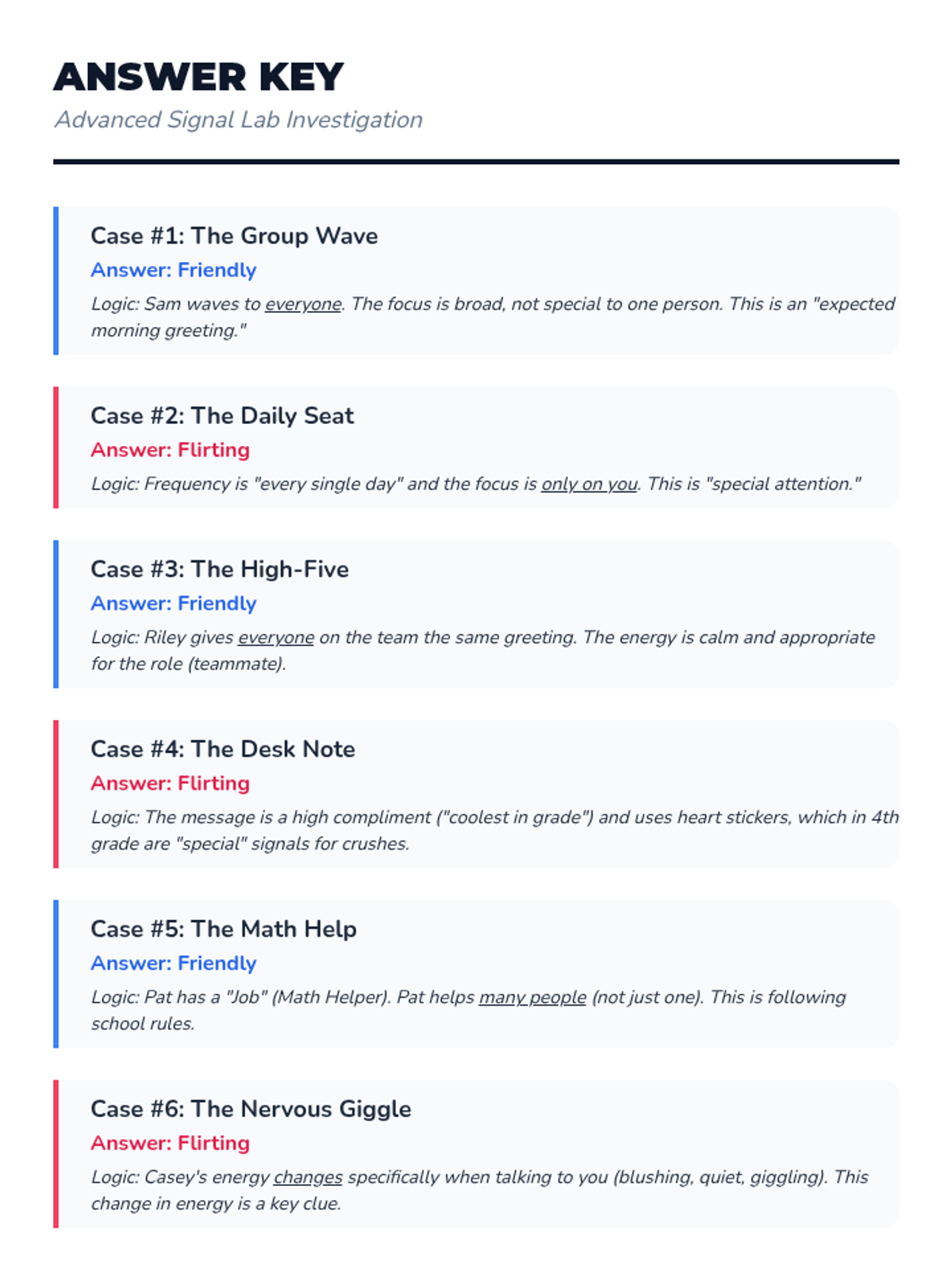
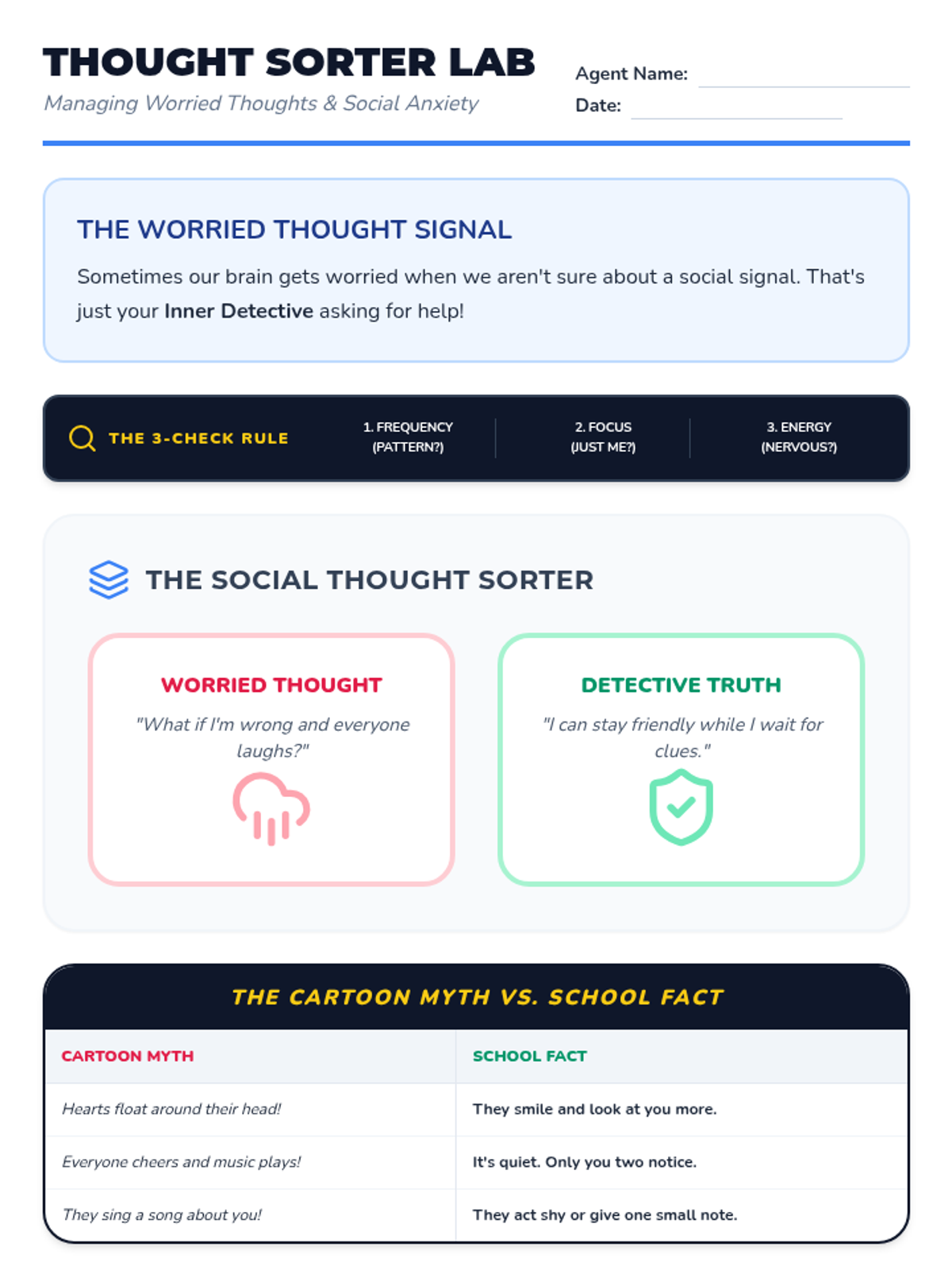
A social skills lesson designed for a 9-year-old student to distinguish between friendly behavior and romantic interest (flirting) in a school setting using a detective-themed investigation approach.
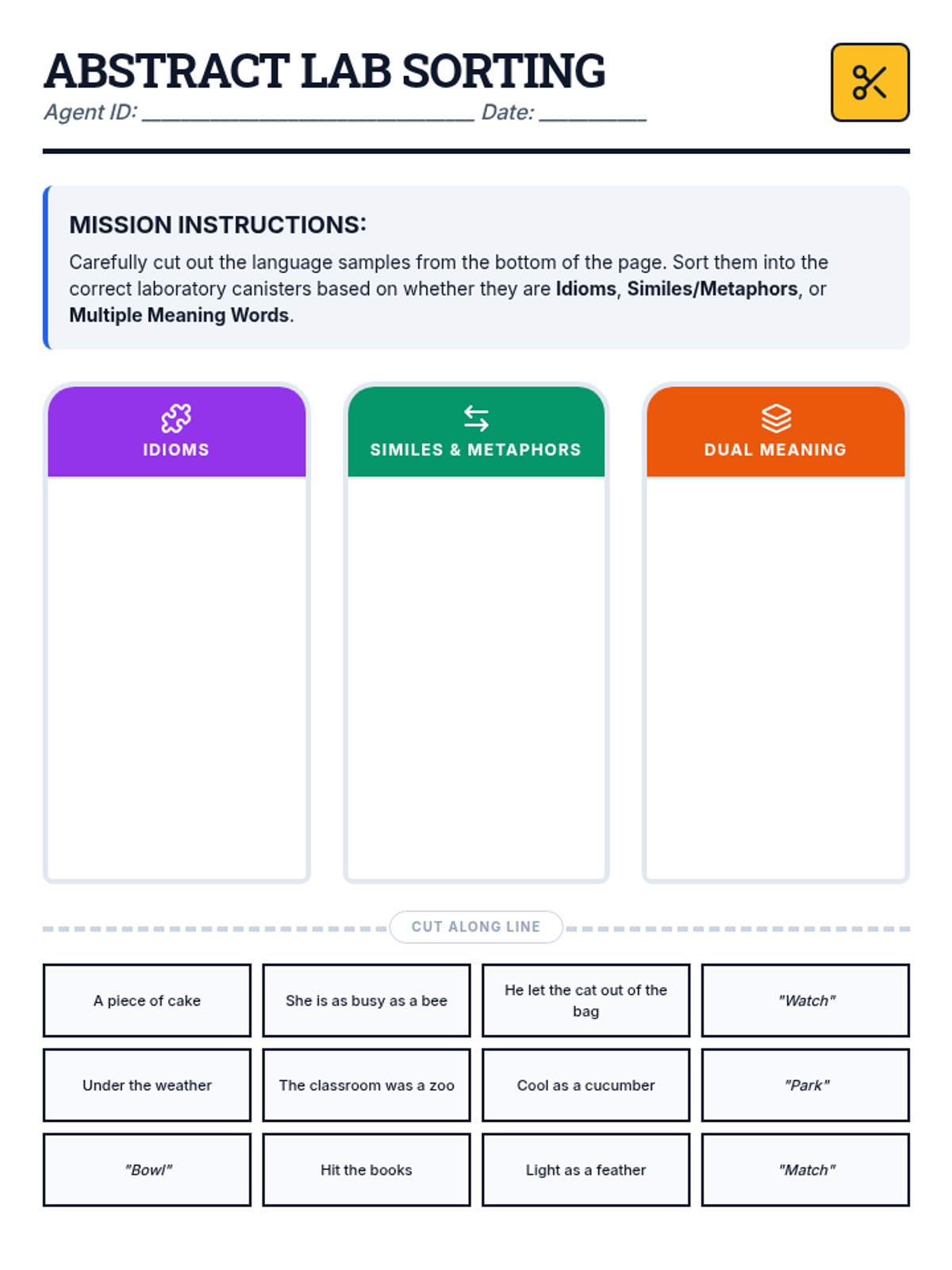
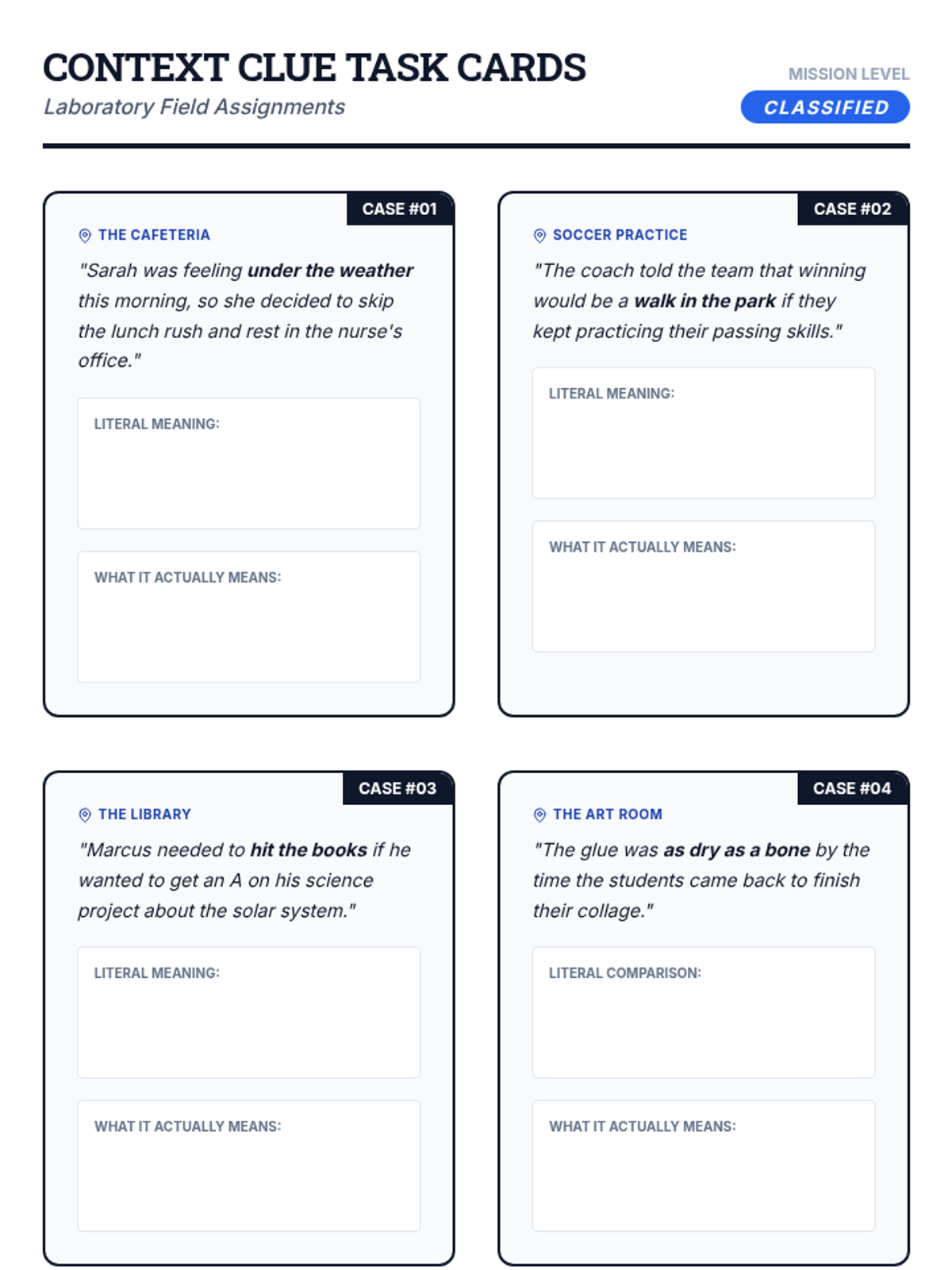
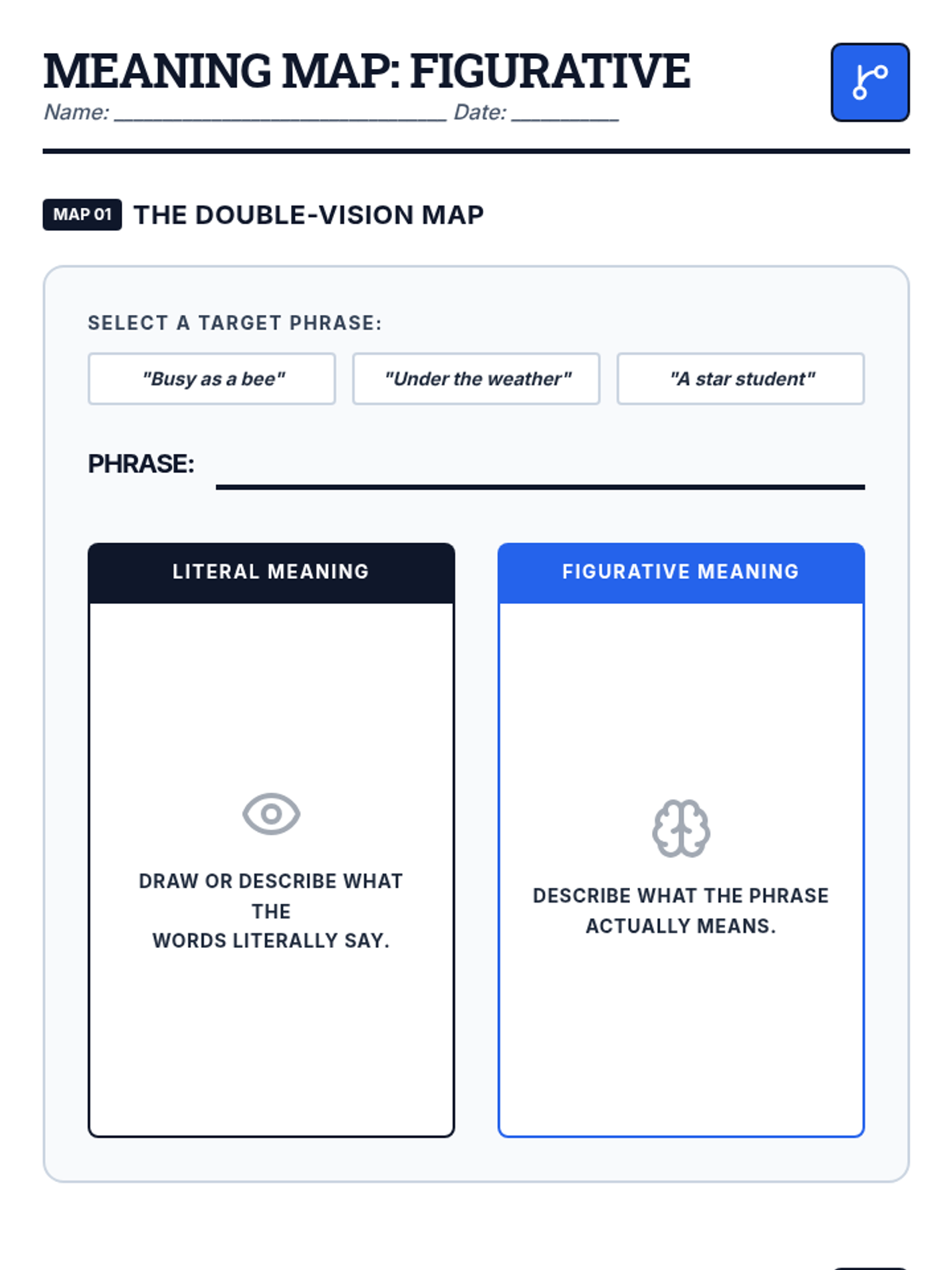
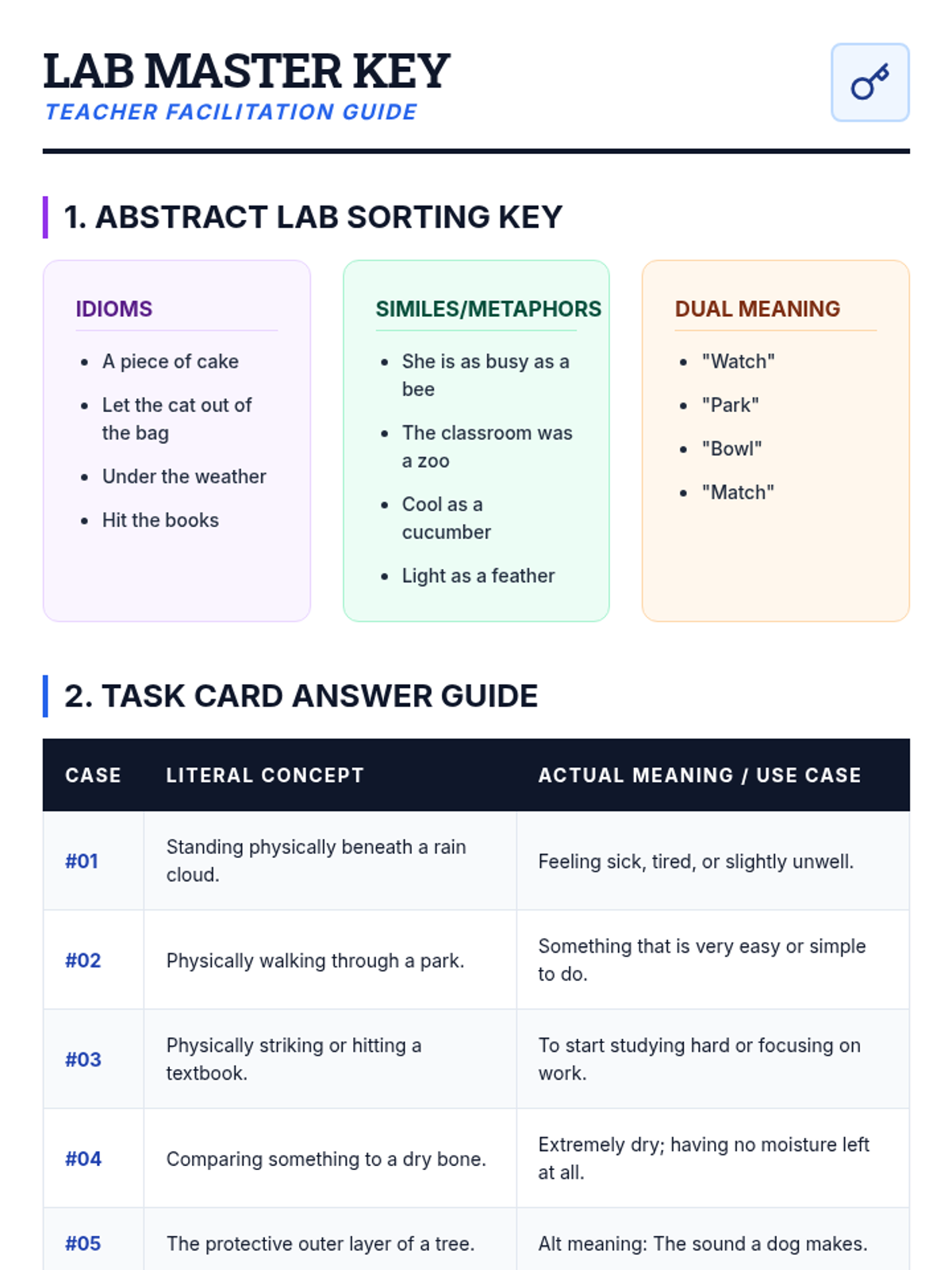
A comprehensive speech therapy lesson focused on identifying and interpreting idioms, metaphors, similes, and multiple-meaning words through hands-on activities and visual aids.
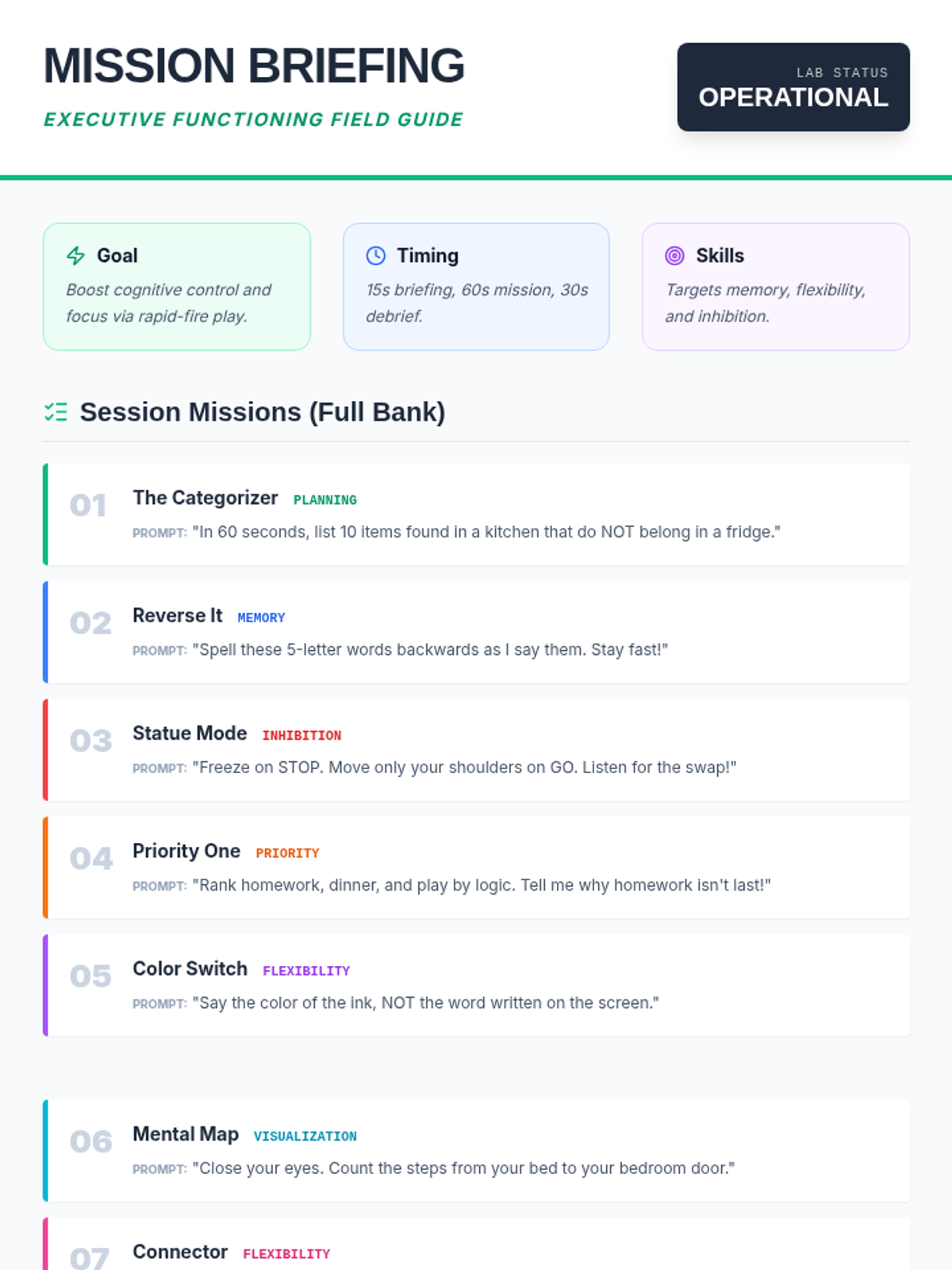
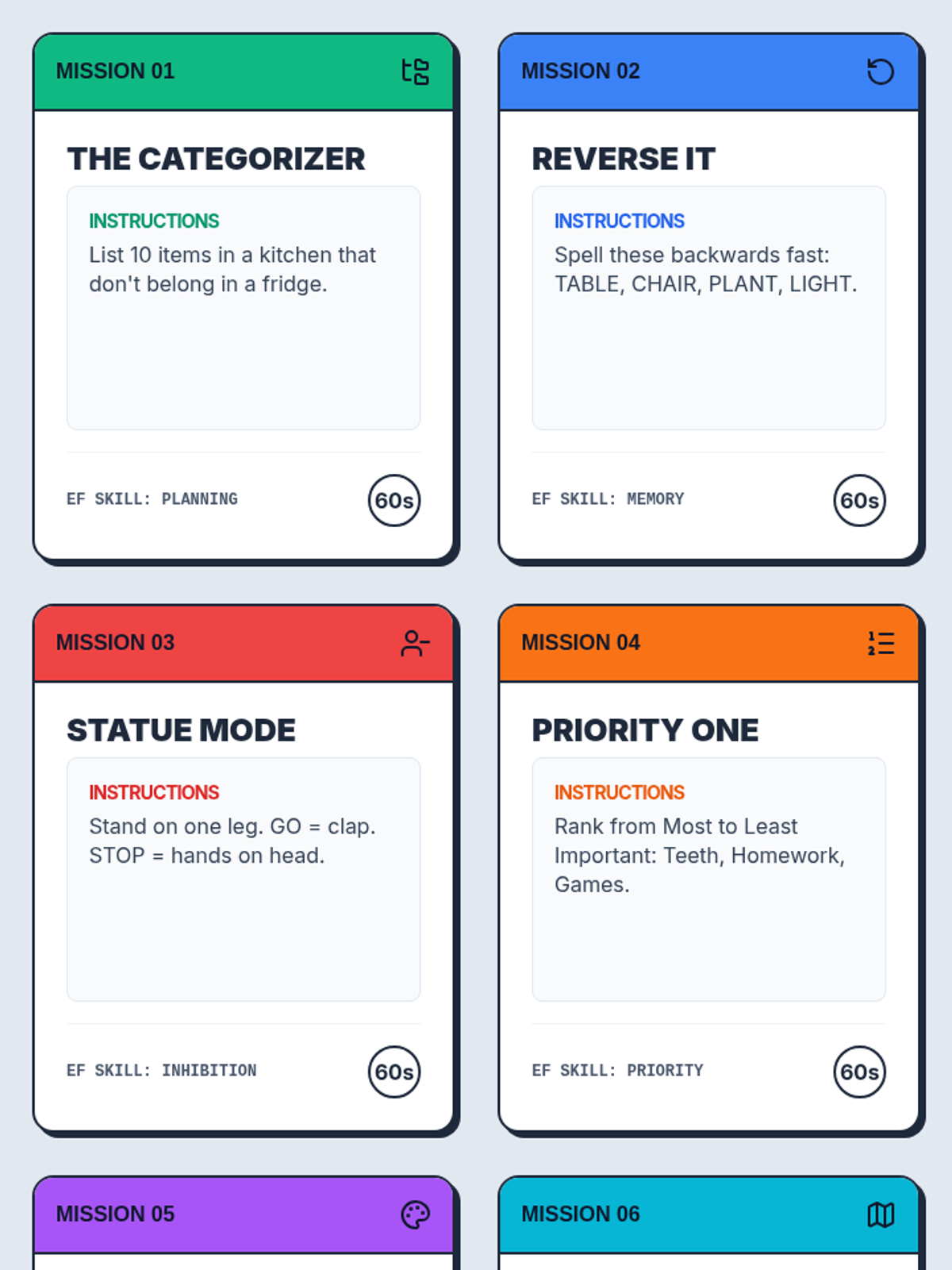
A collection of 10 rapid-fire executive functioning challenges designed to kickstart focus and mental agility at the start of any session.
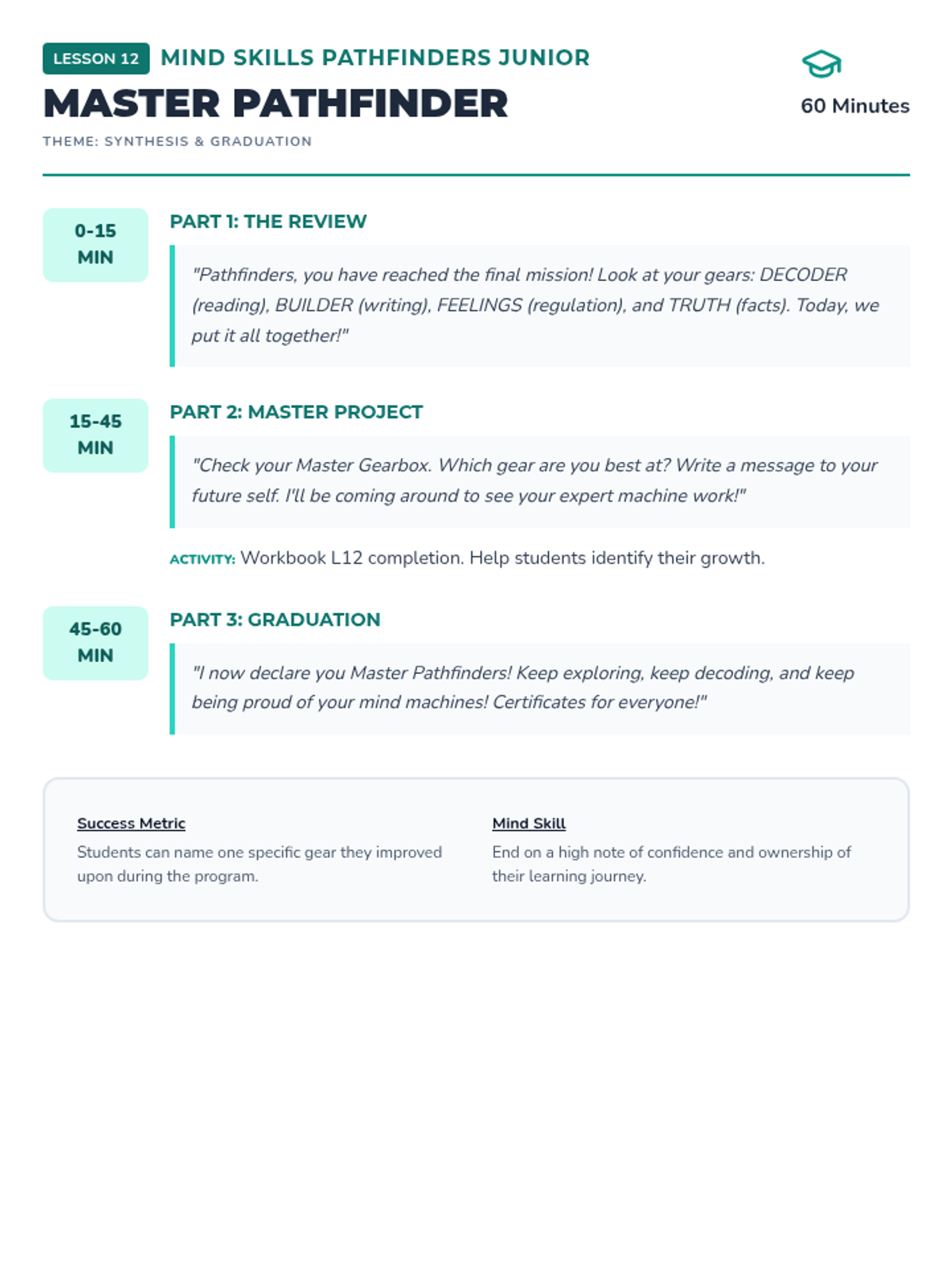
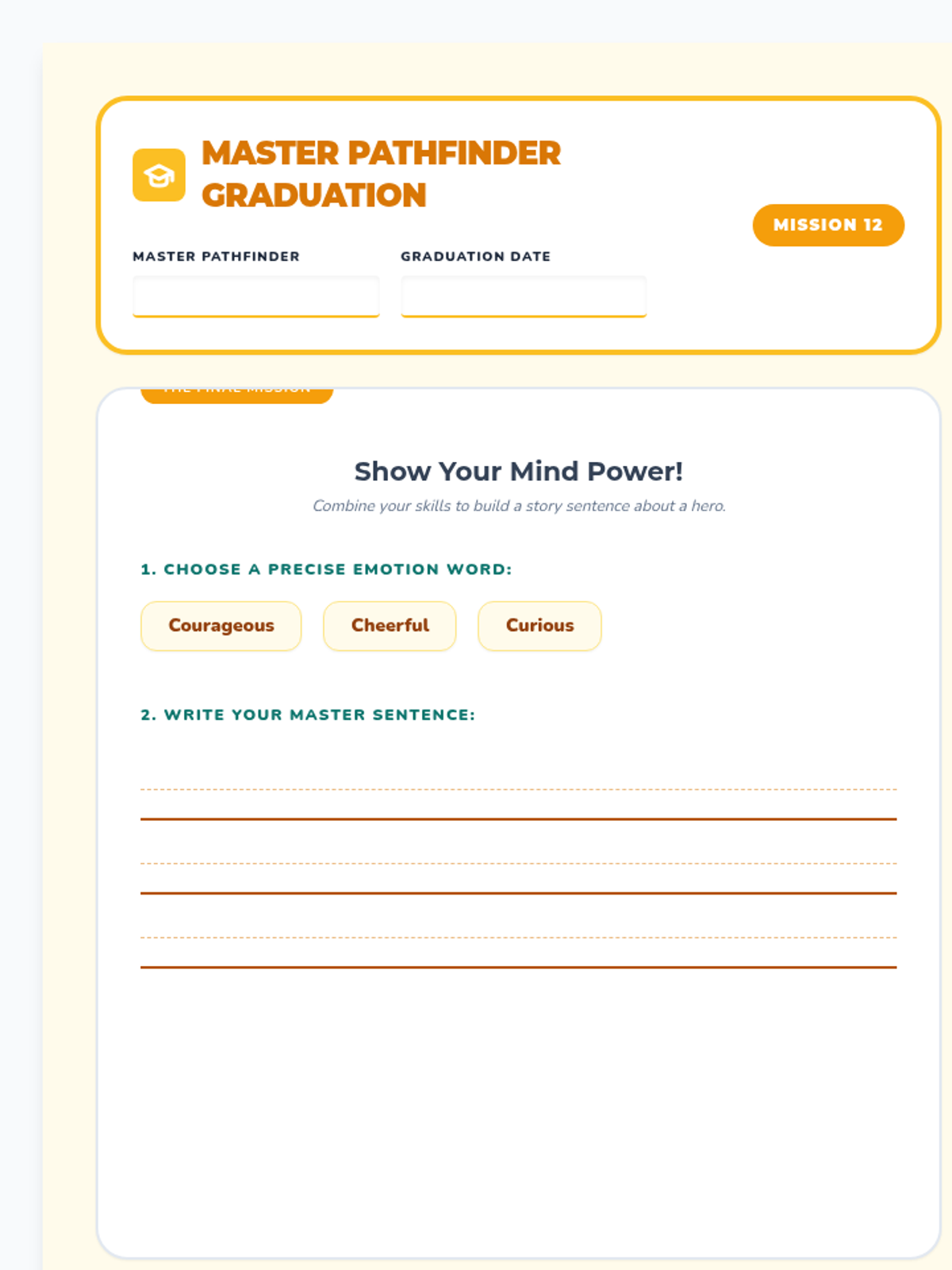
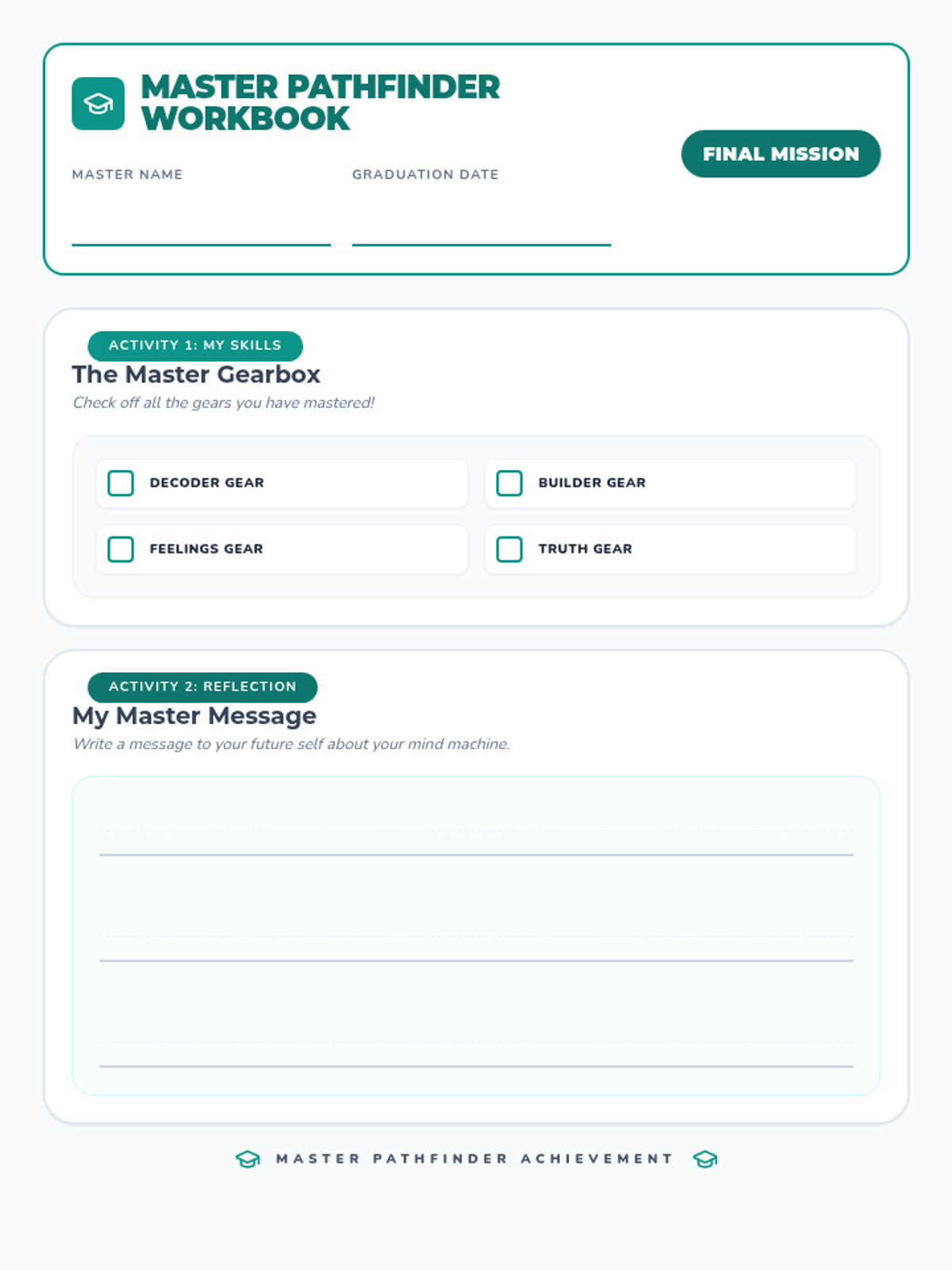
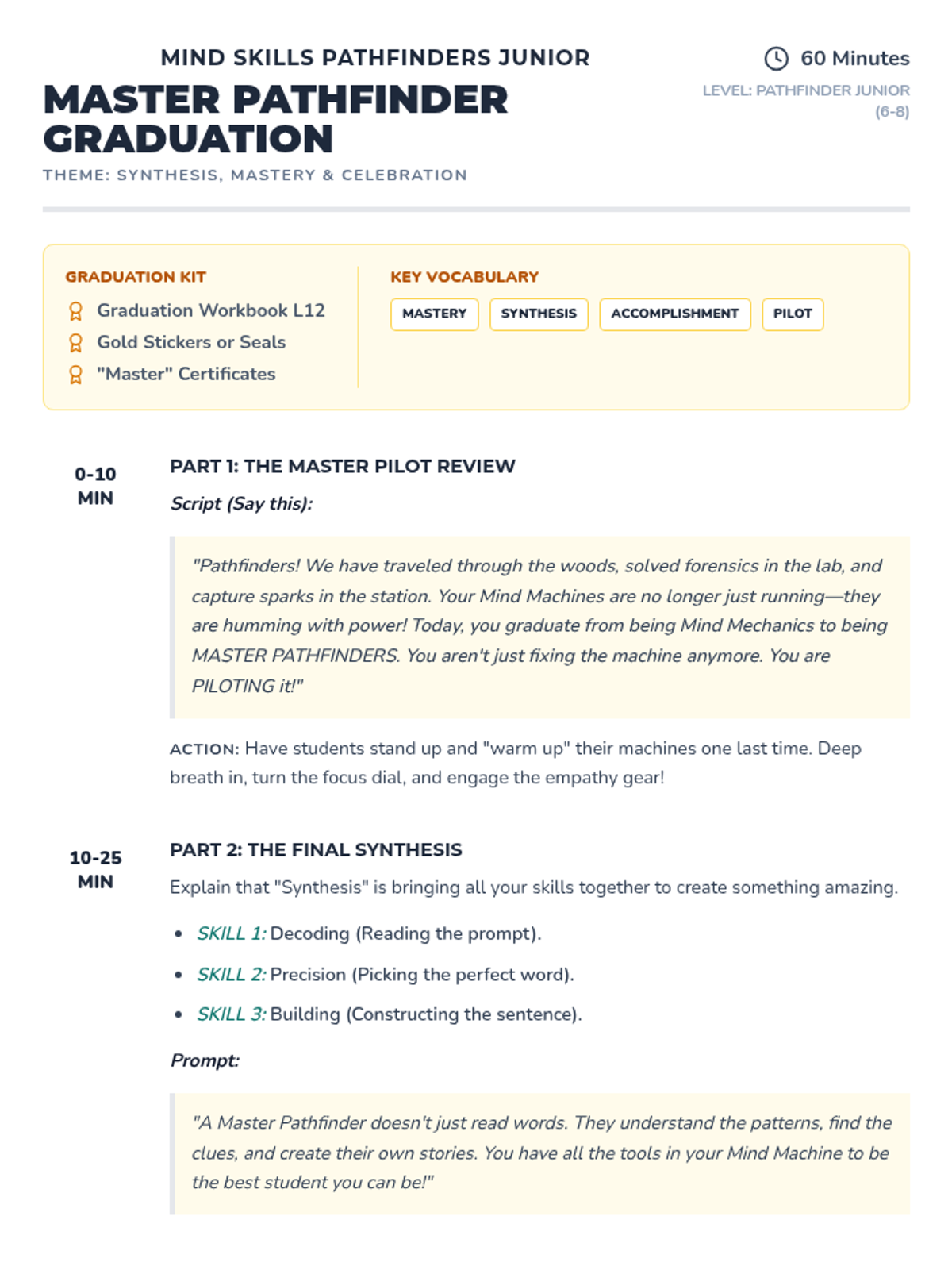
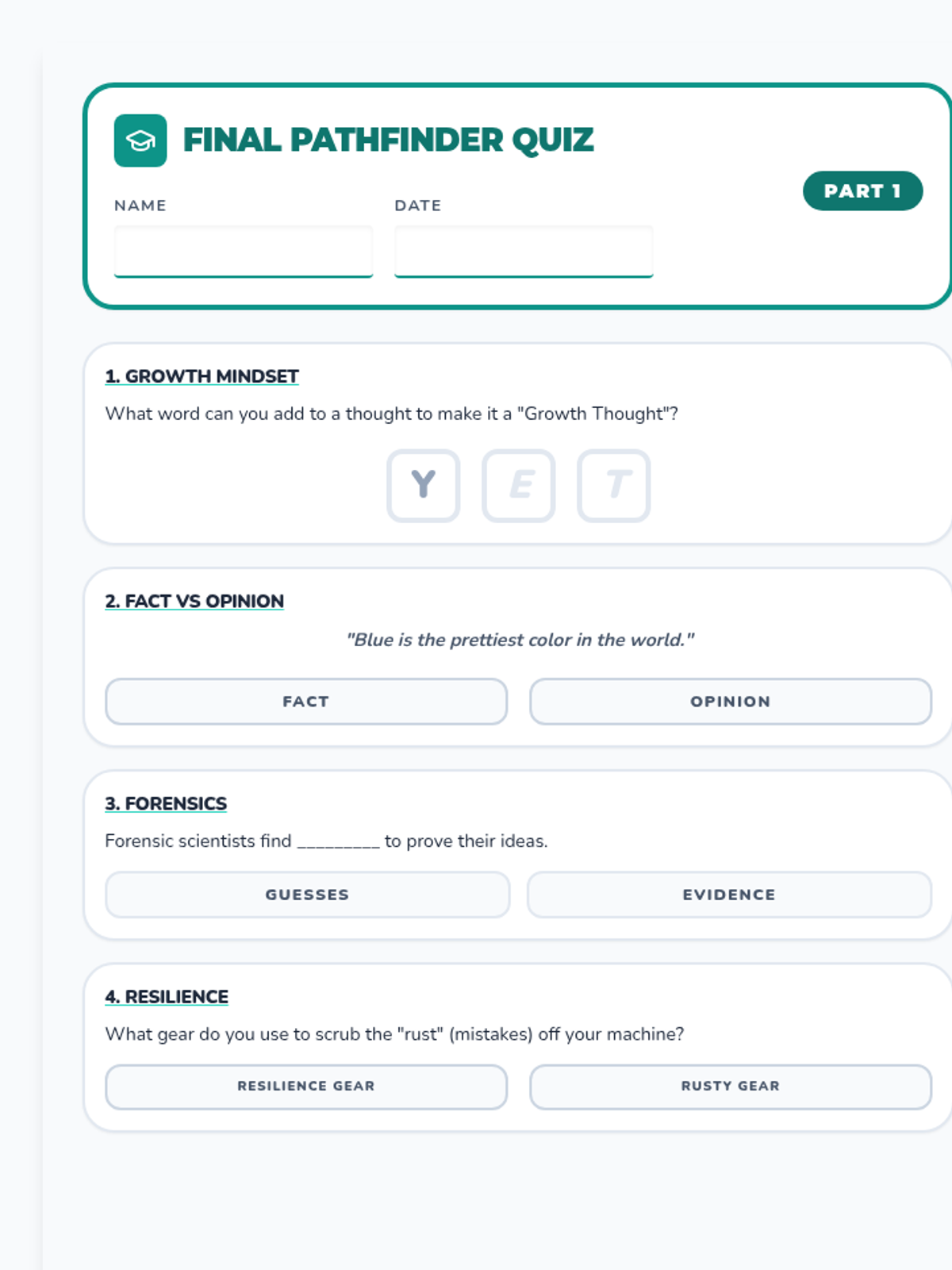
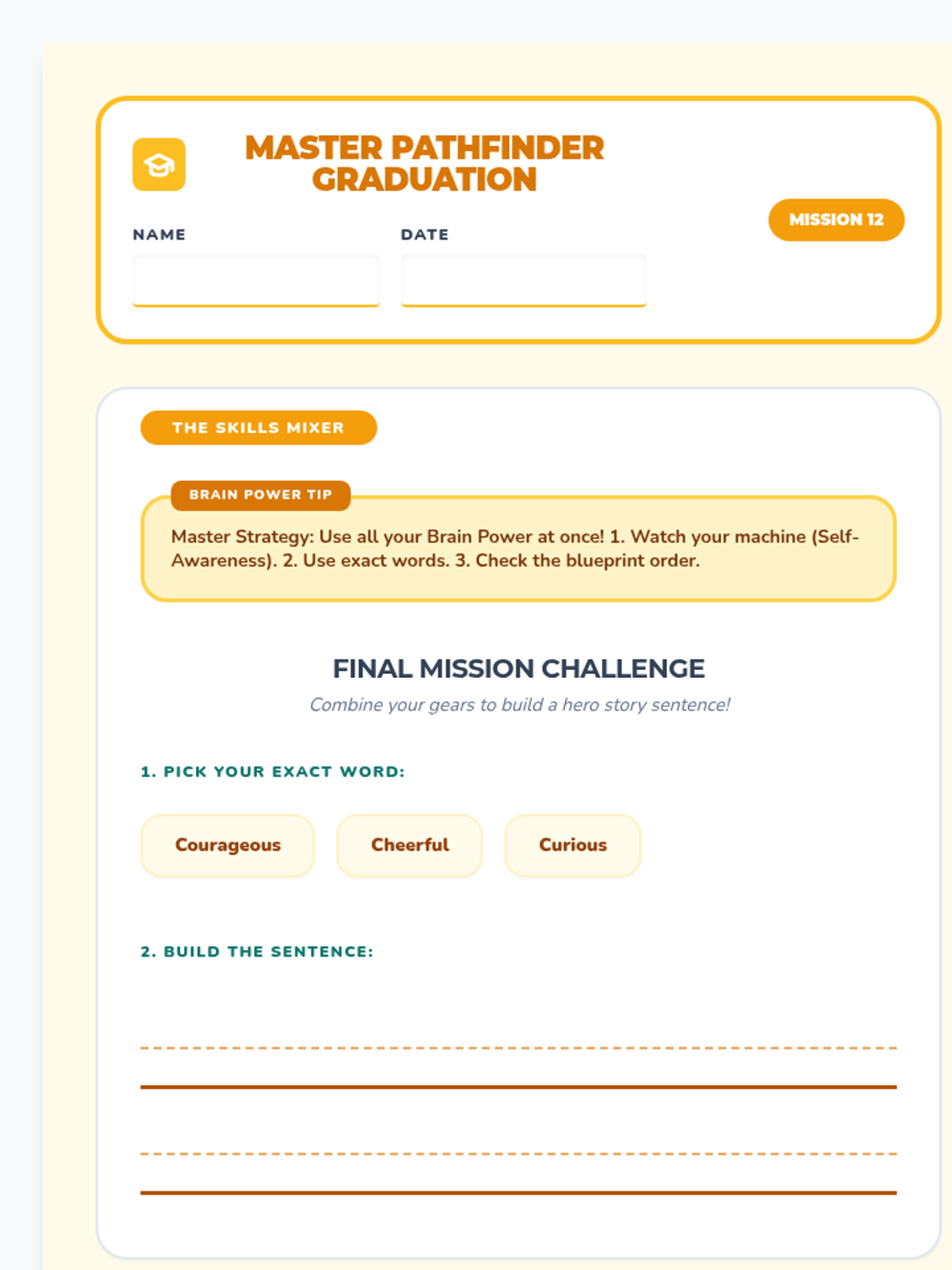
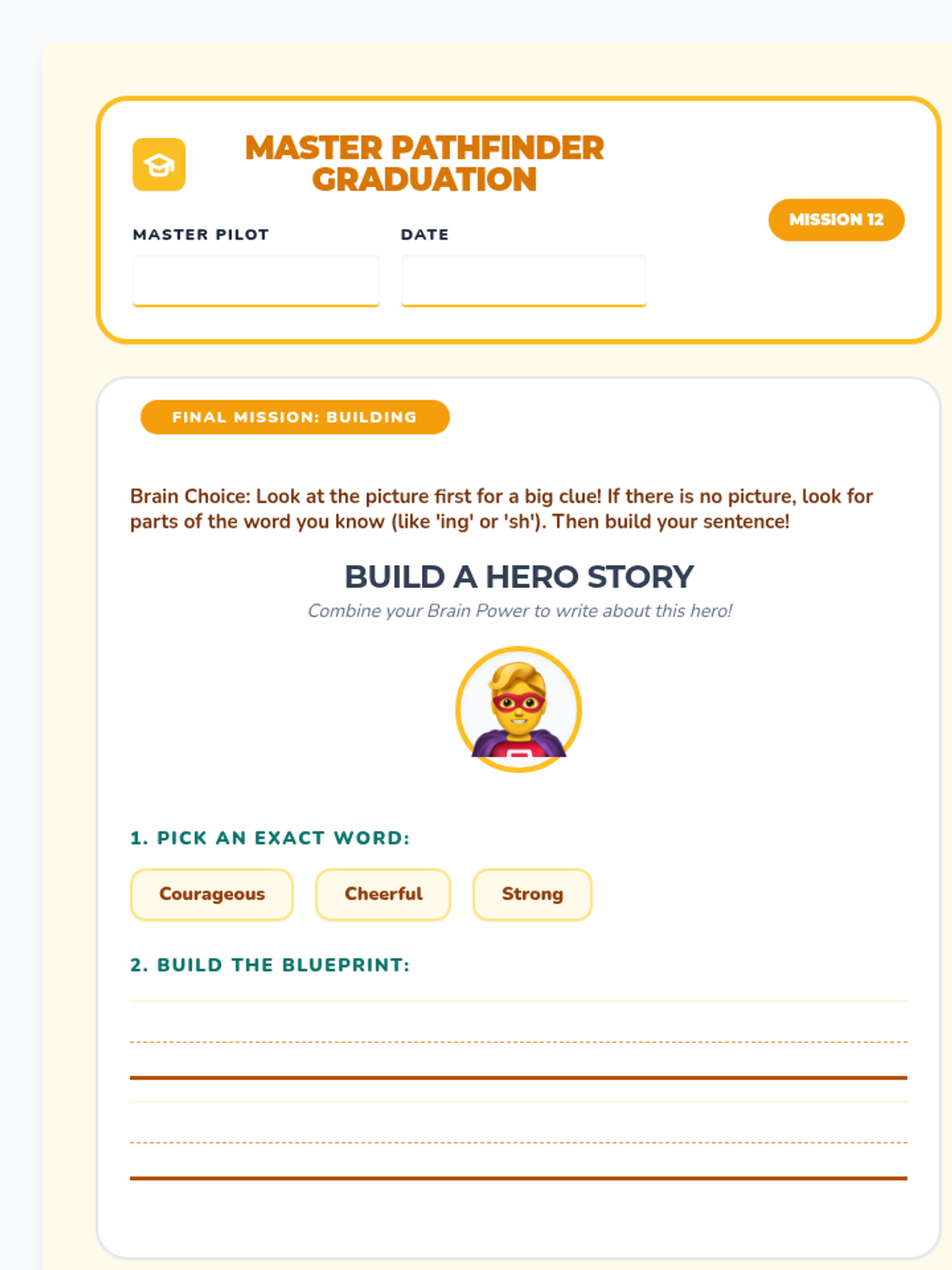
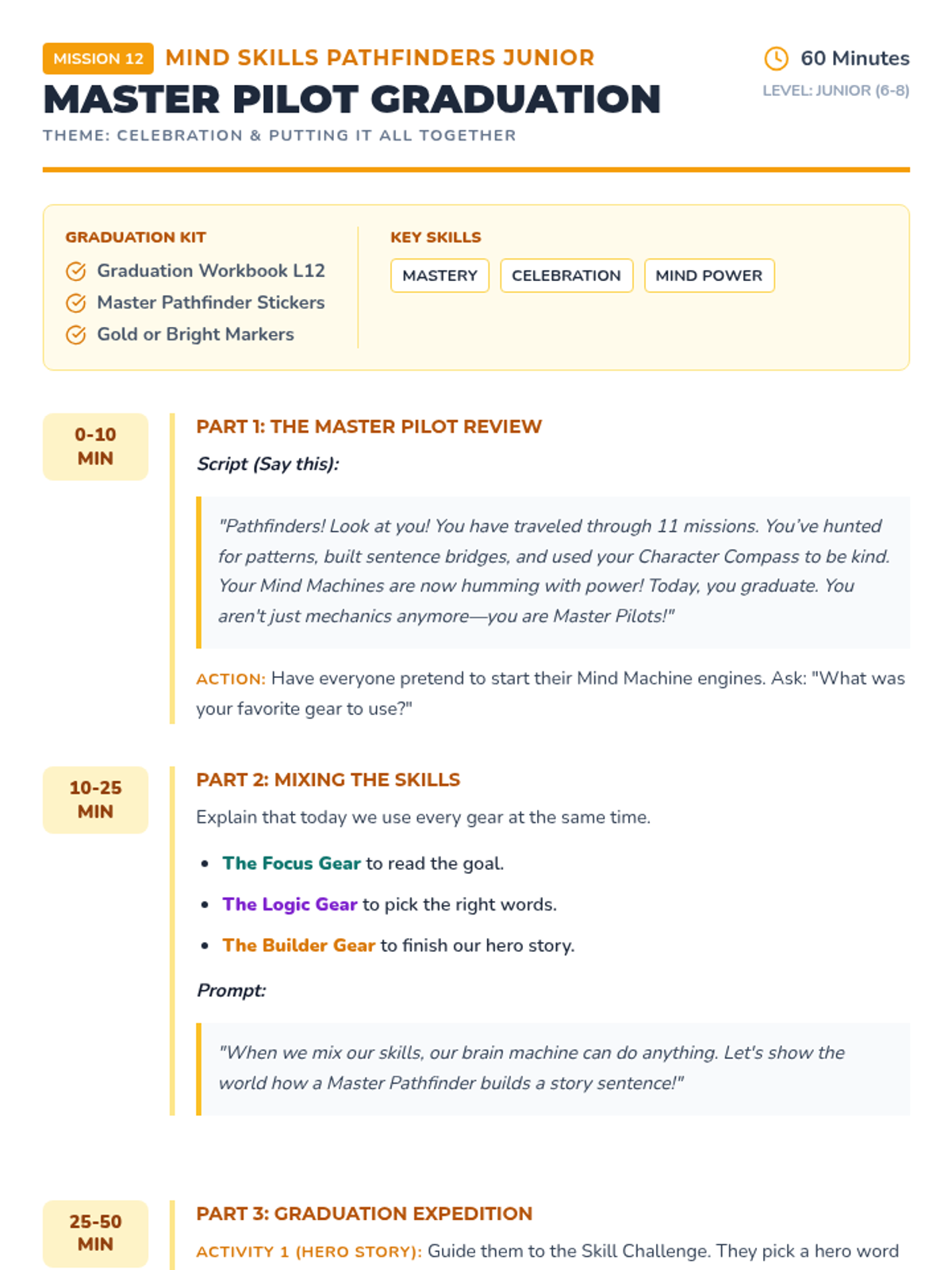
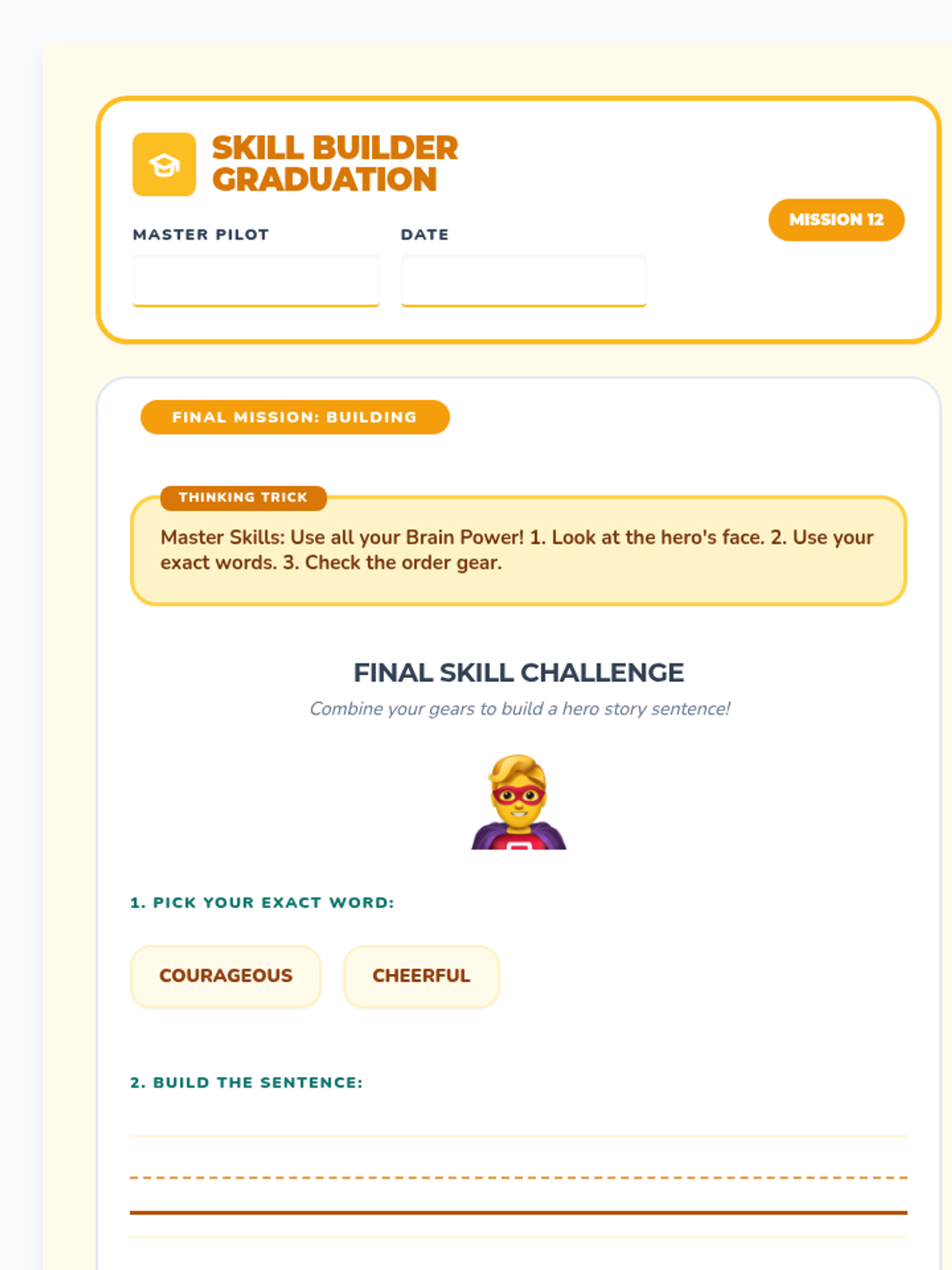
A celebratory final session where students demonstrate their 'Master Pathfinder' skills and receive recognition for their growth in thinking and English.
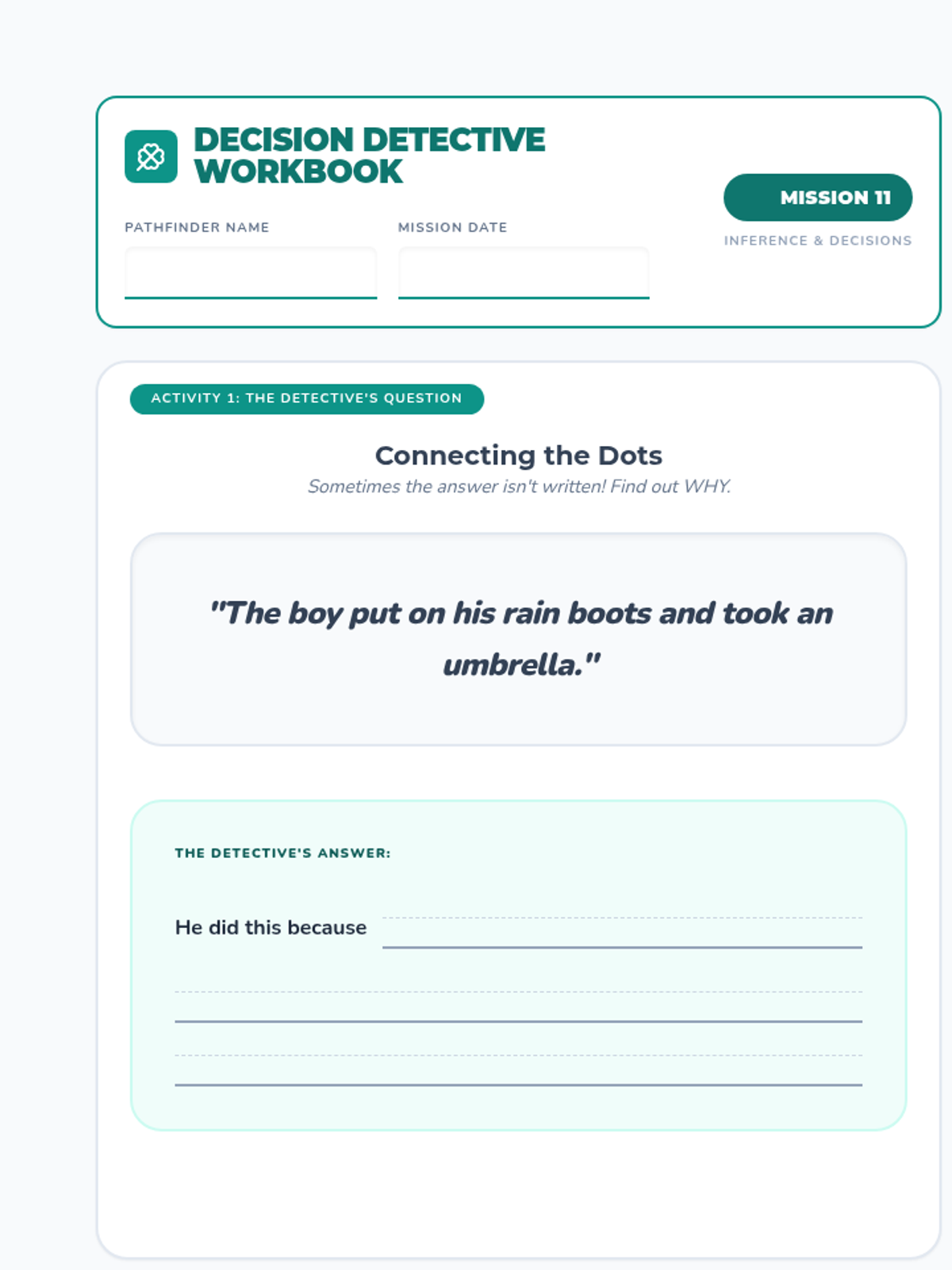
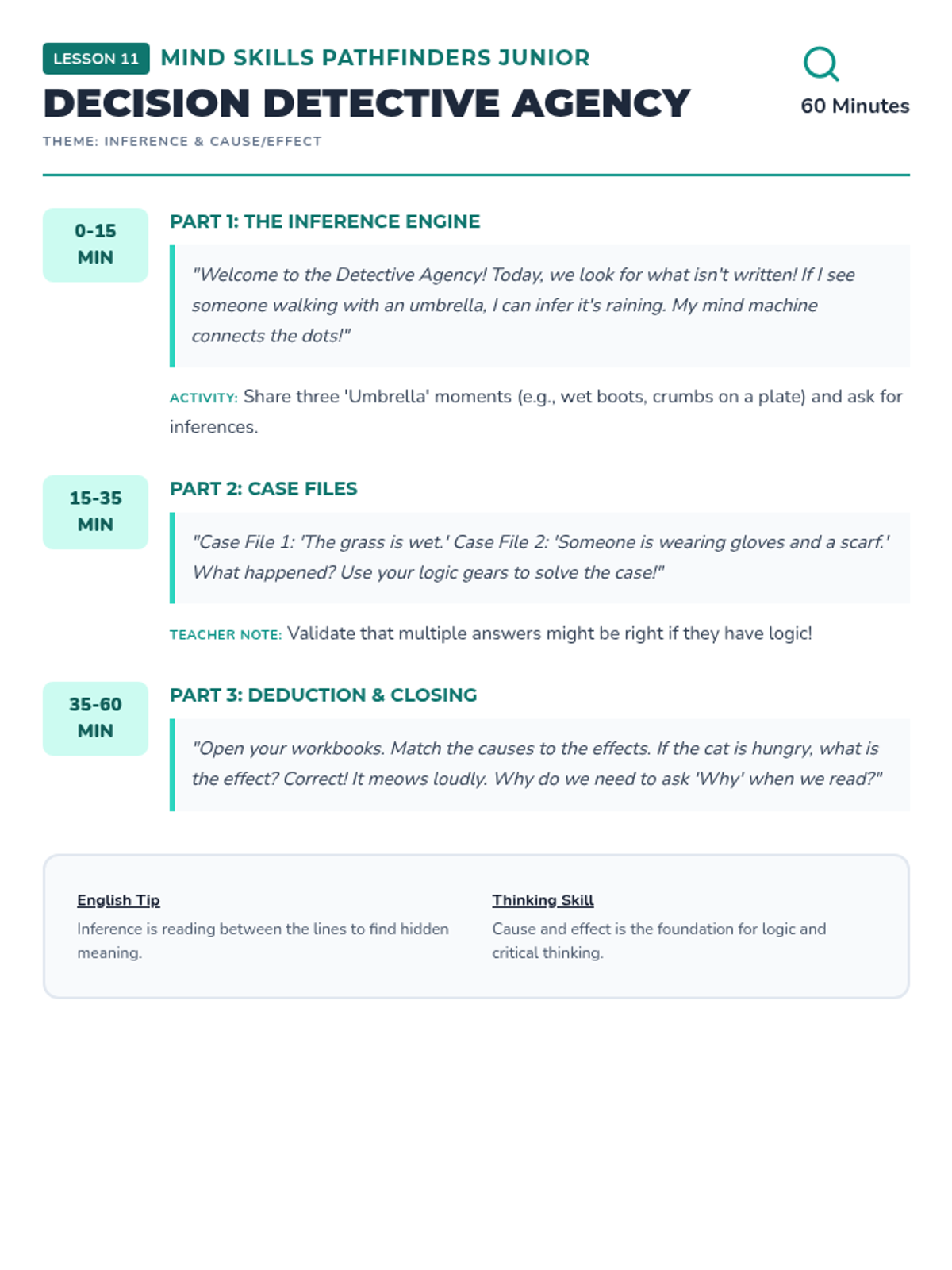
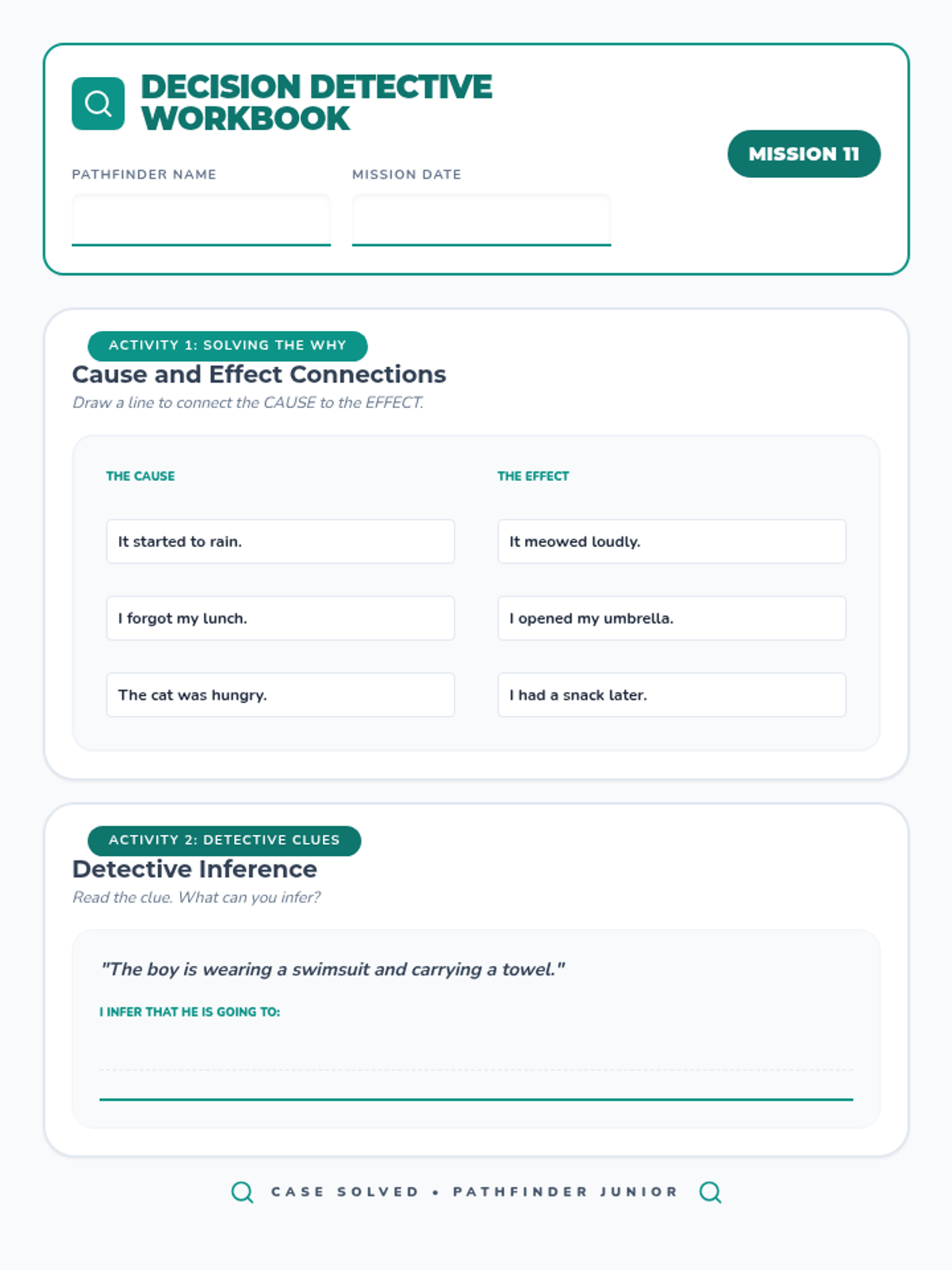
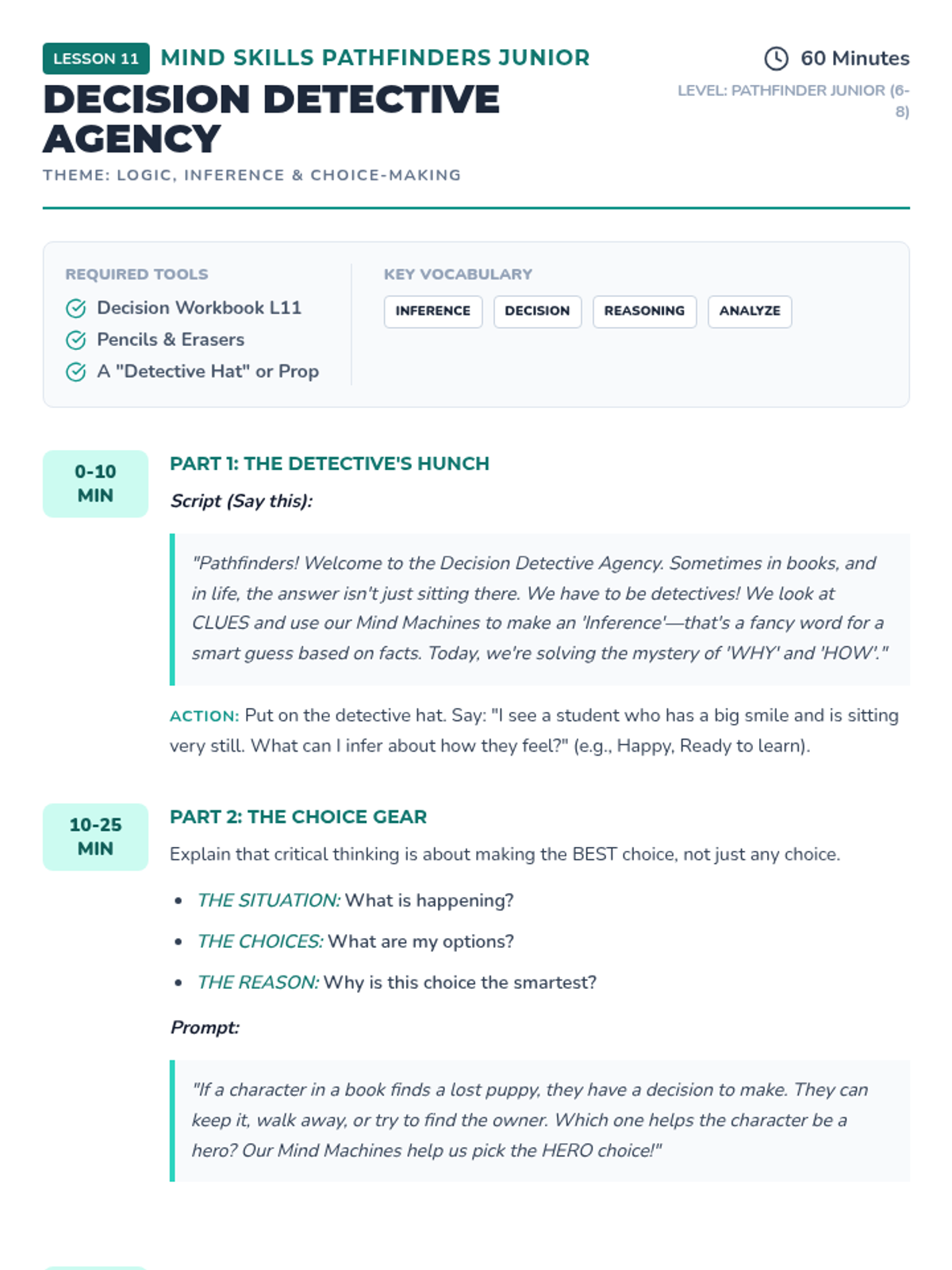
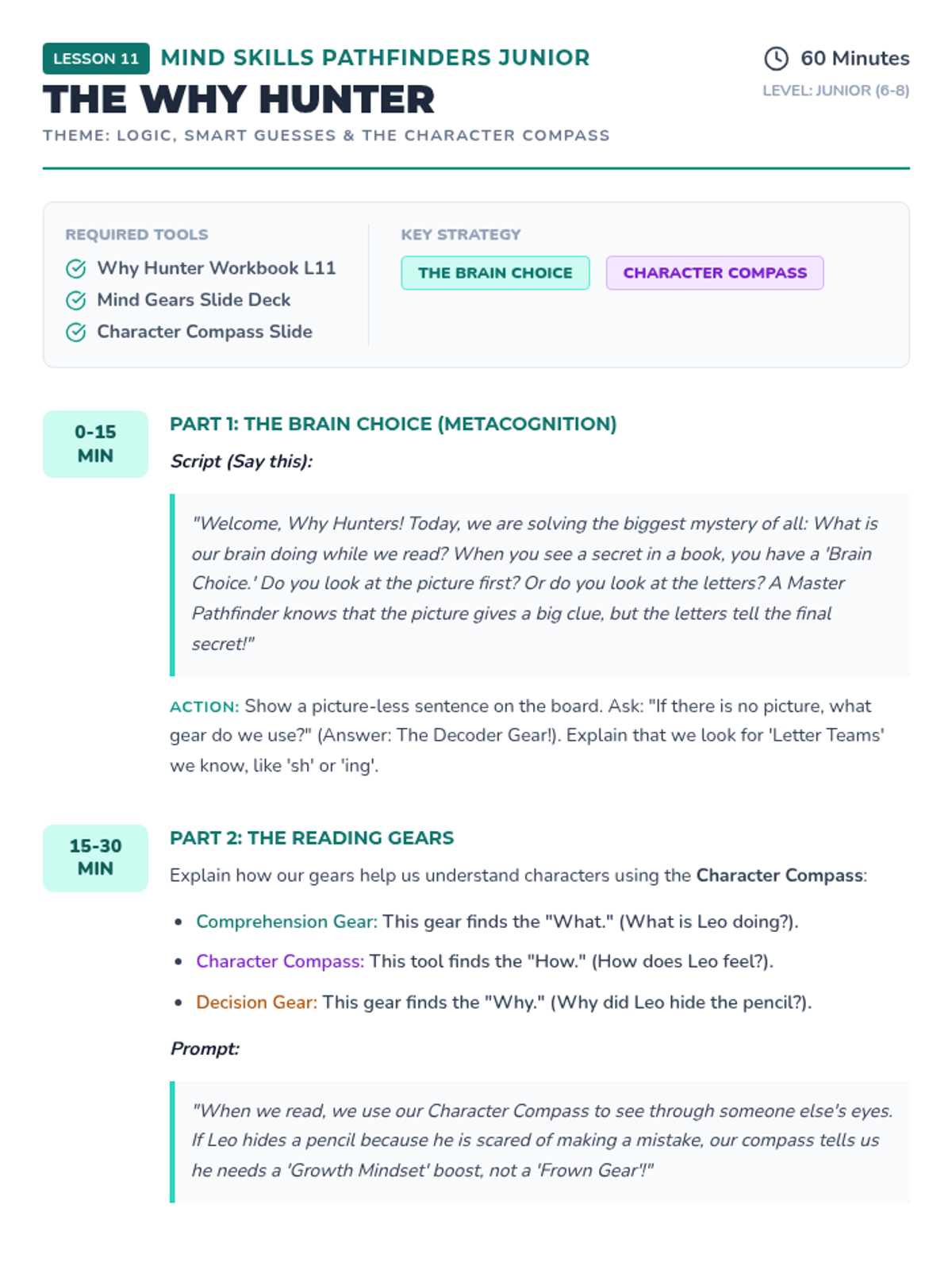
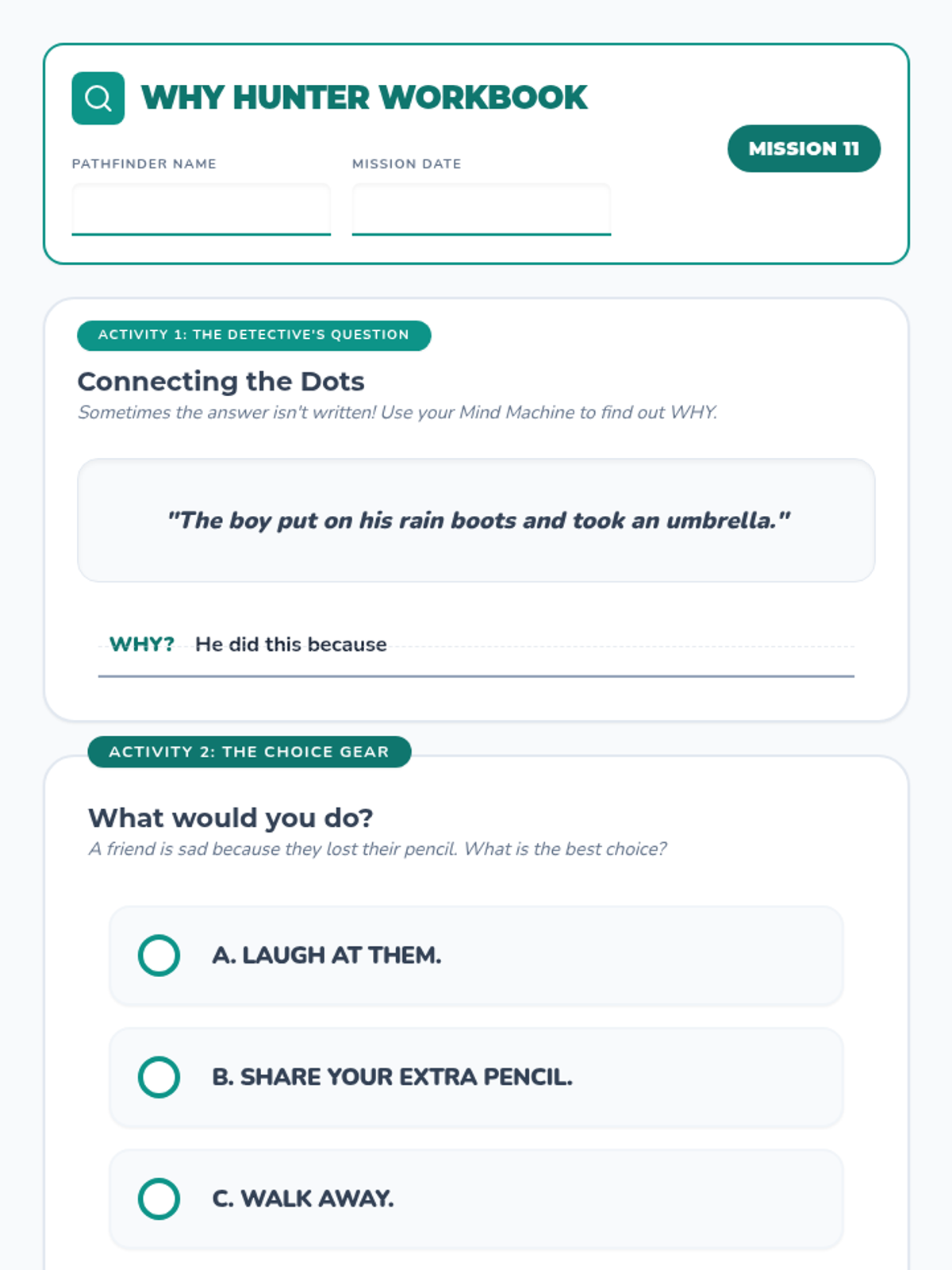
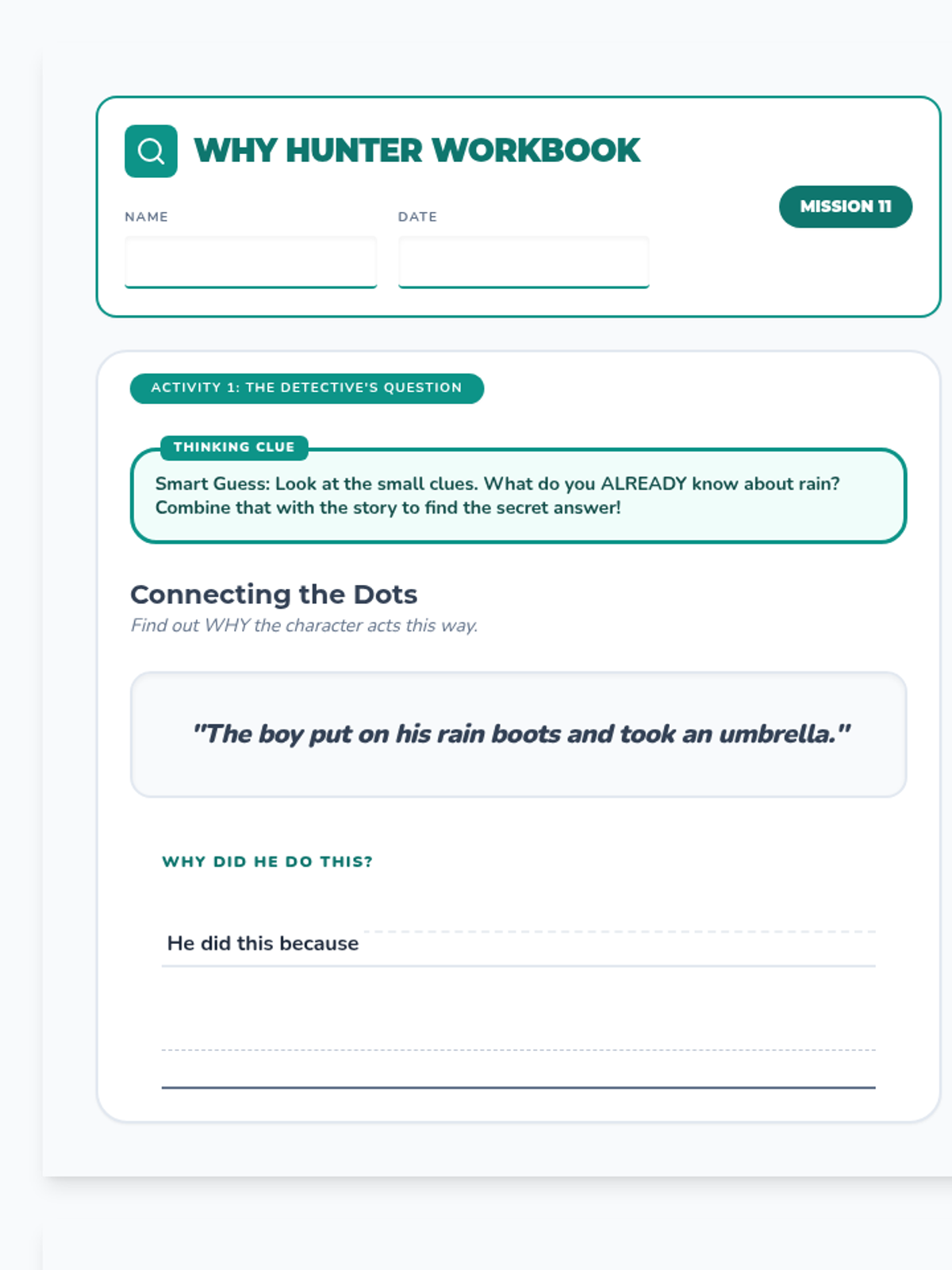
Focuses on logic and decision-making by asking 'why' and 'how' questions about texts to understand cause and effect.
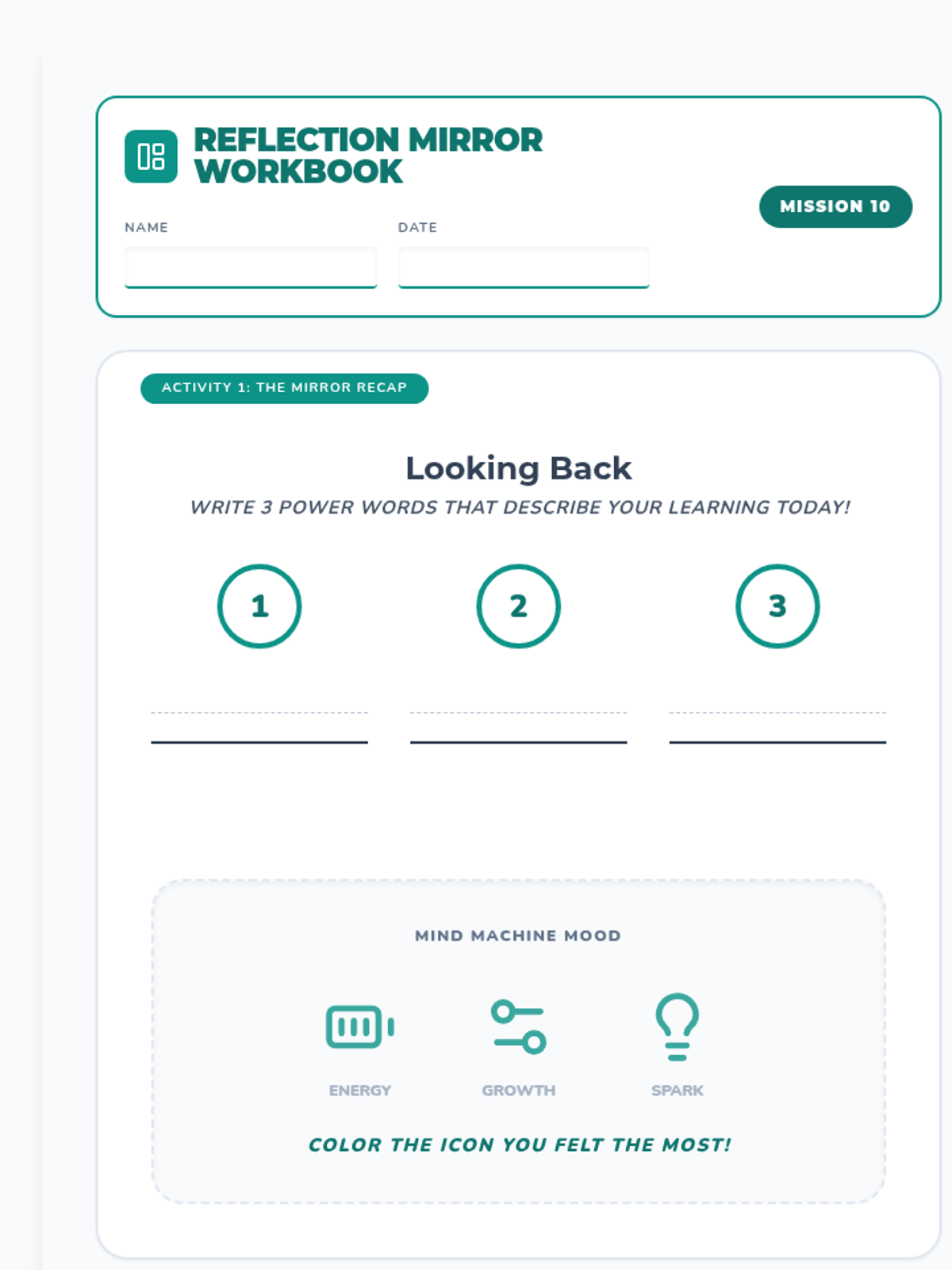
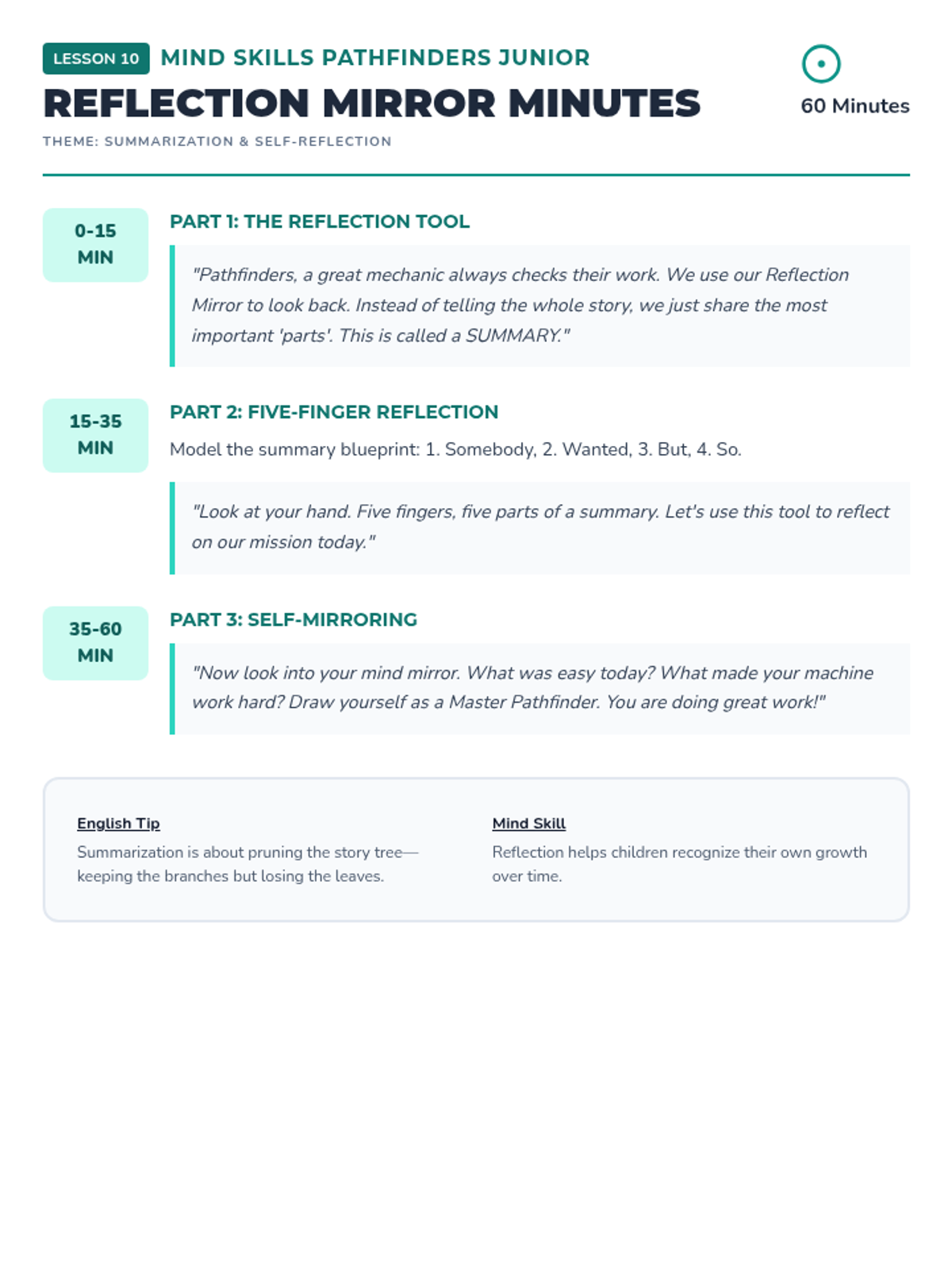
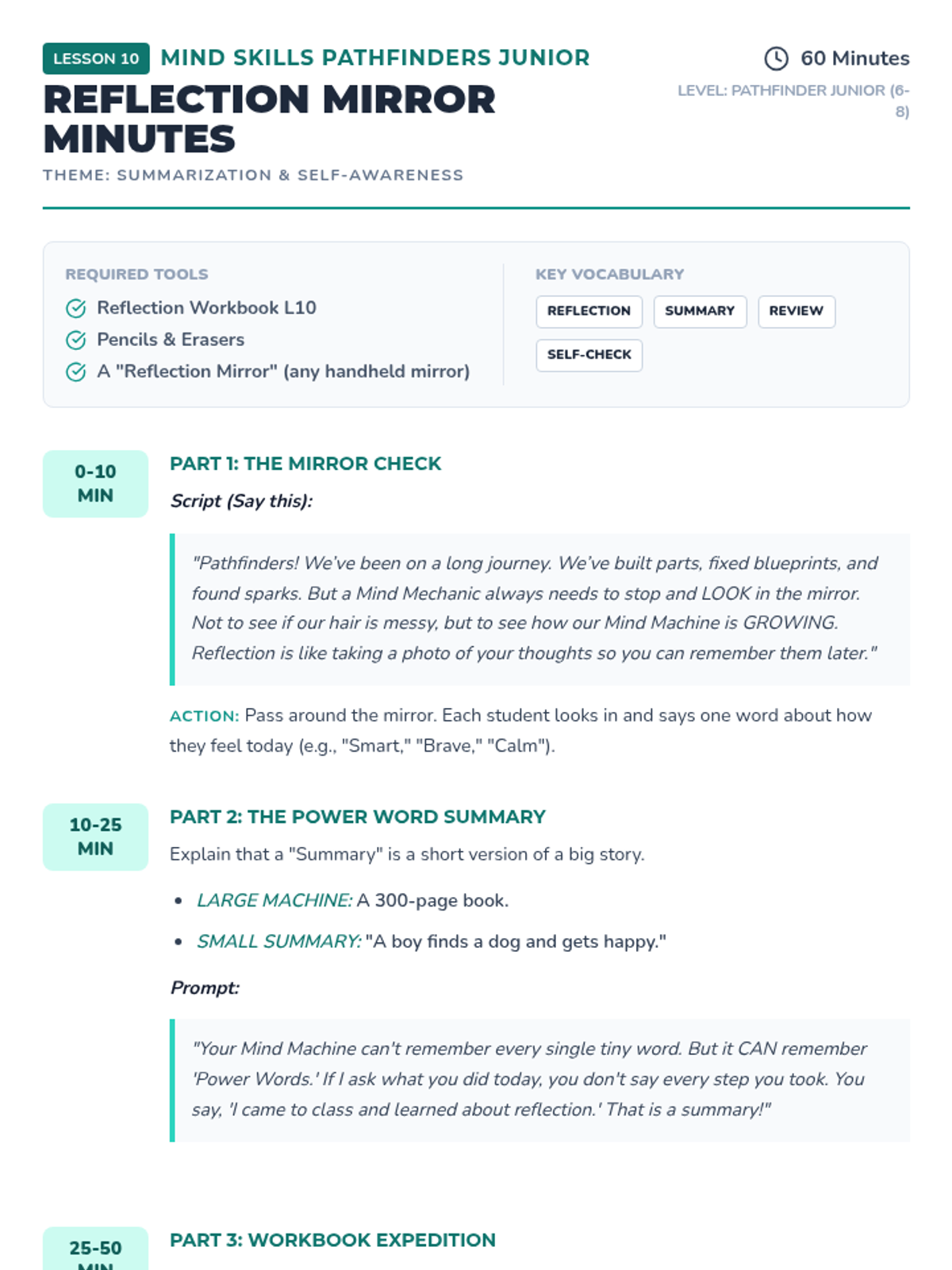
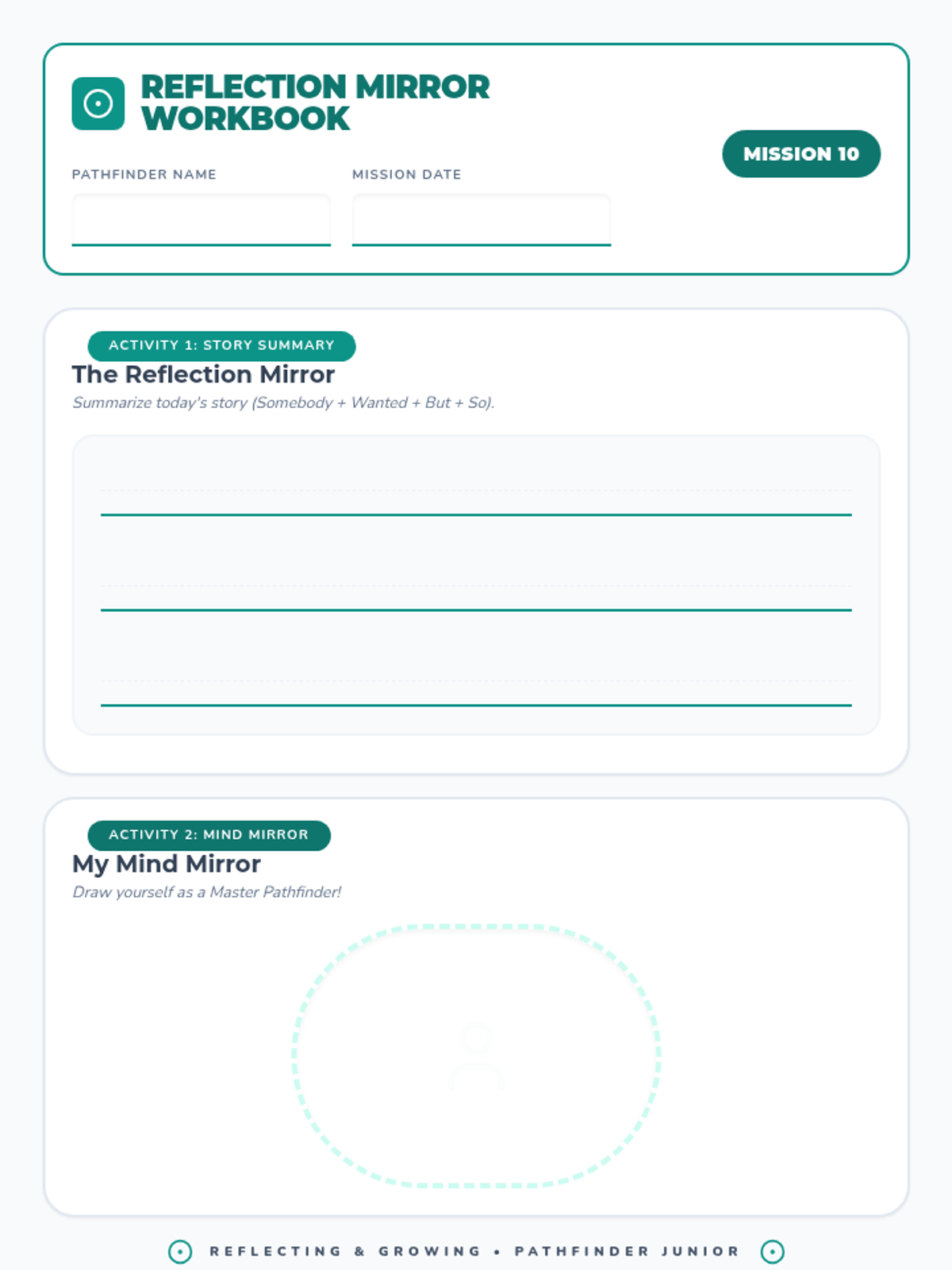
Deepens self-awareness through journaling and reflection, helping students recognize their own reactions and thoughts while reading and writing.
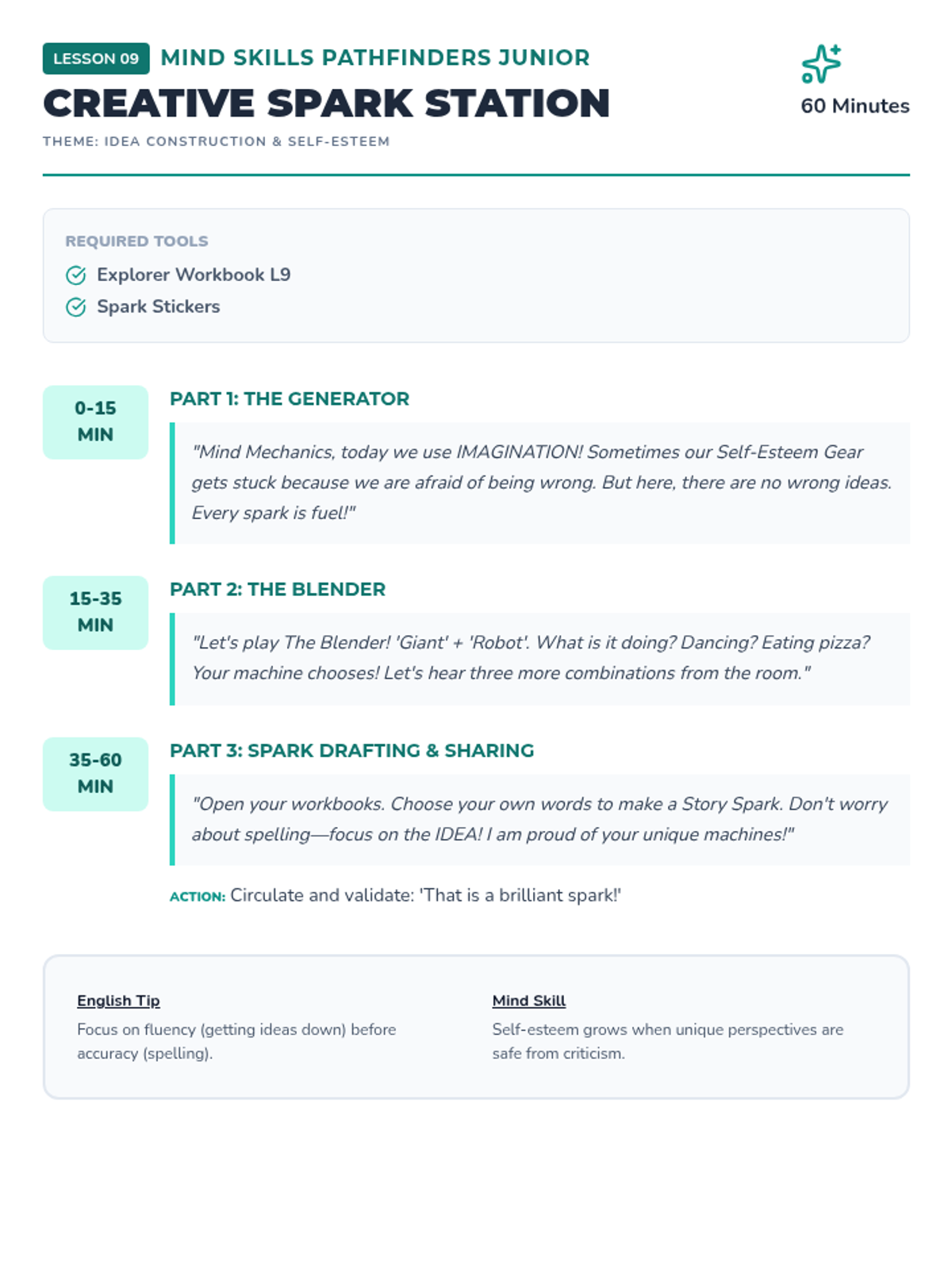
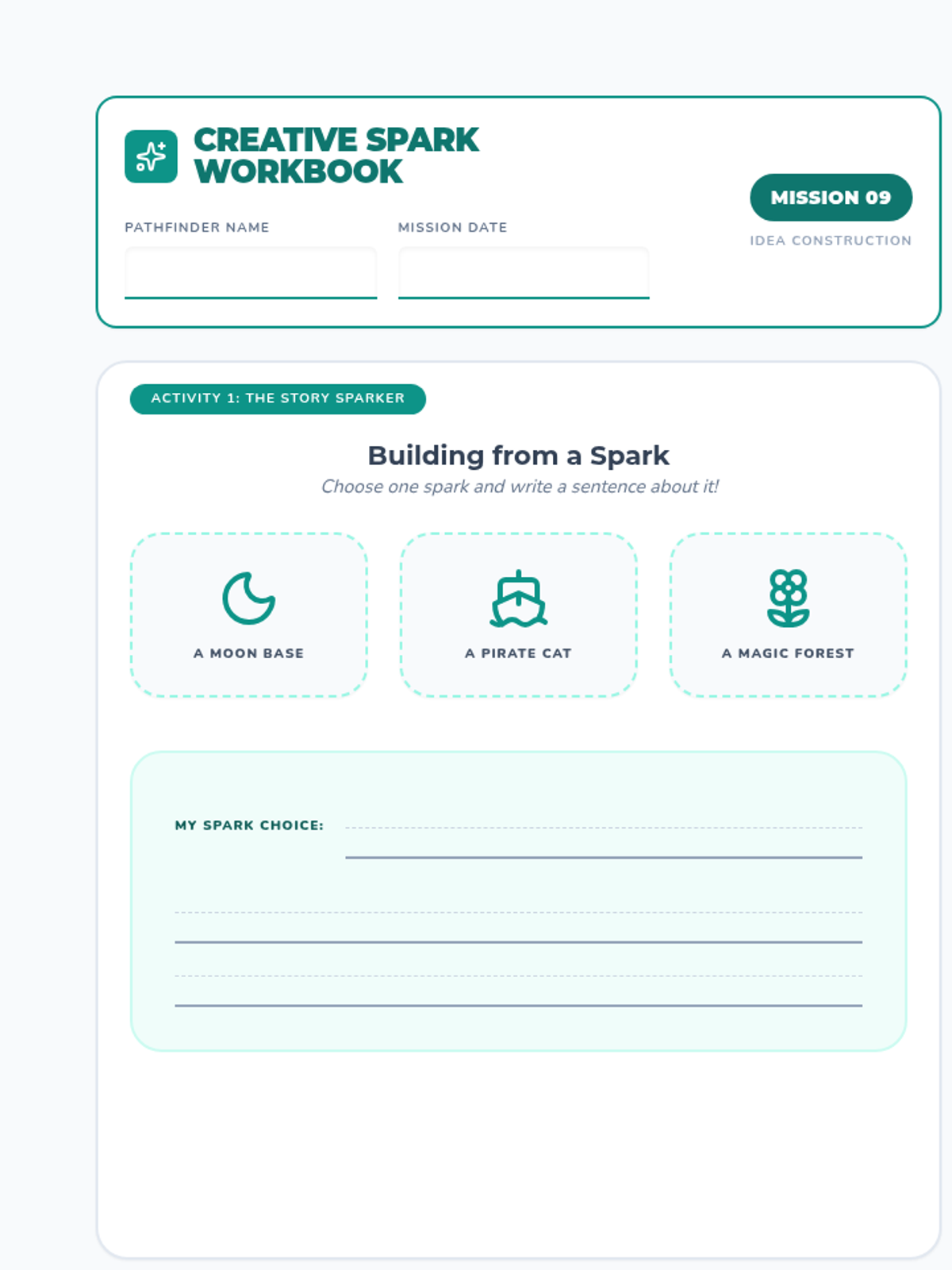
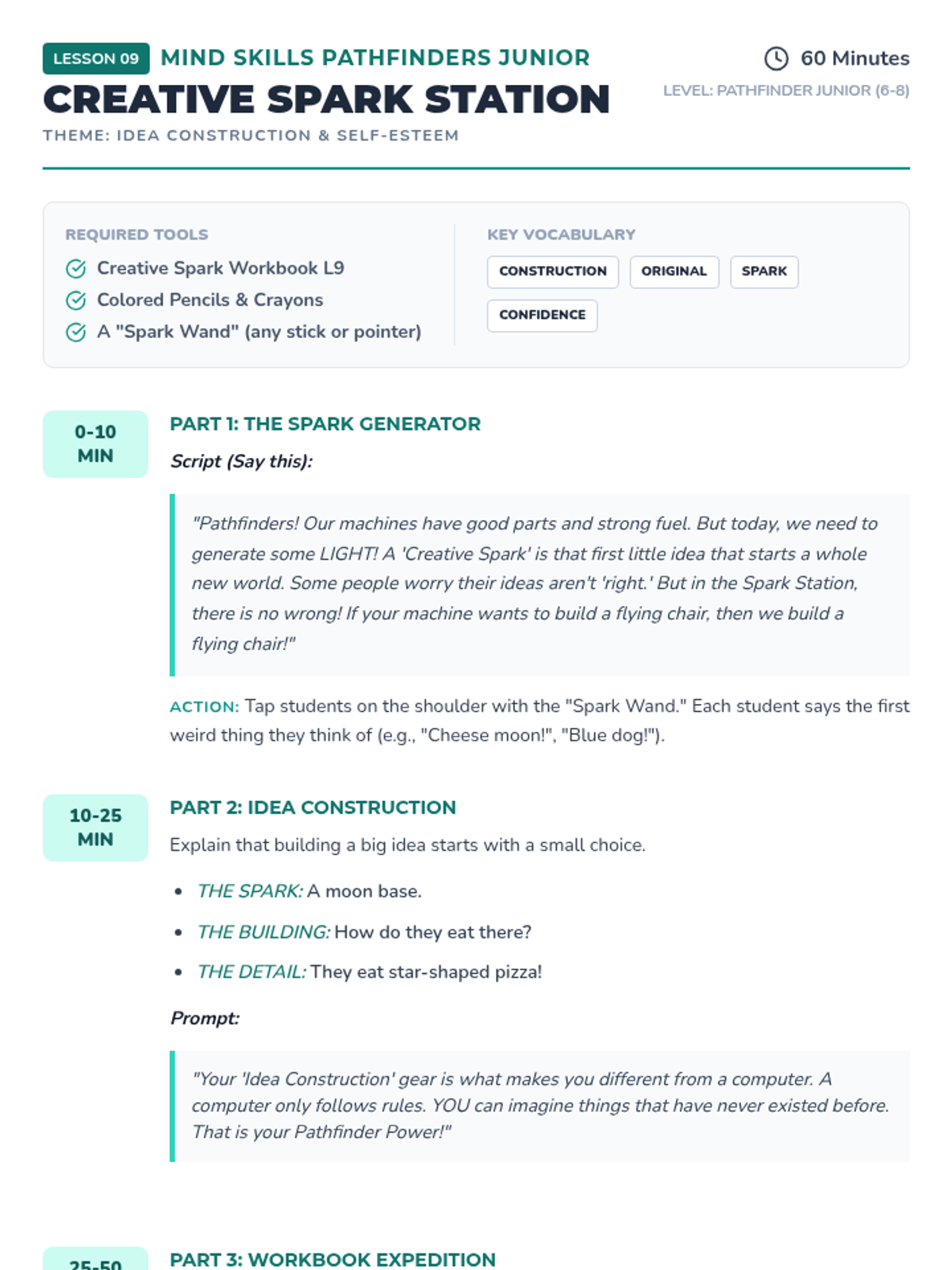
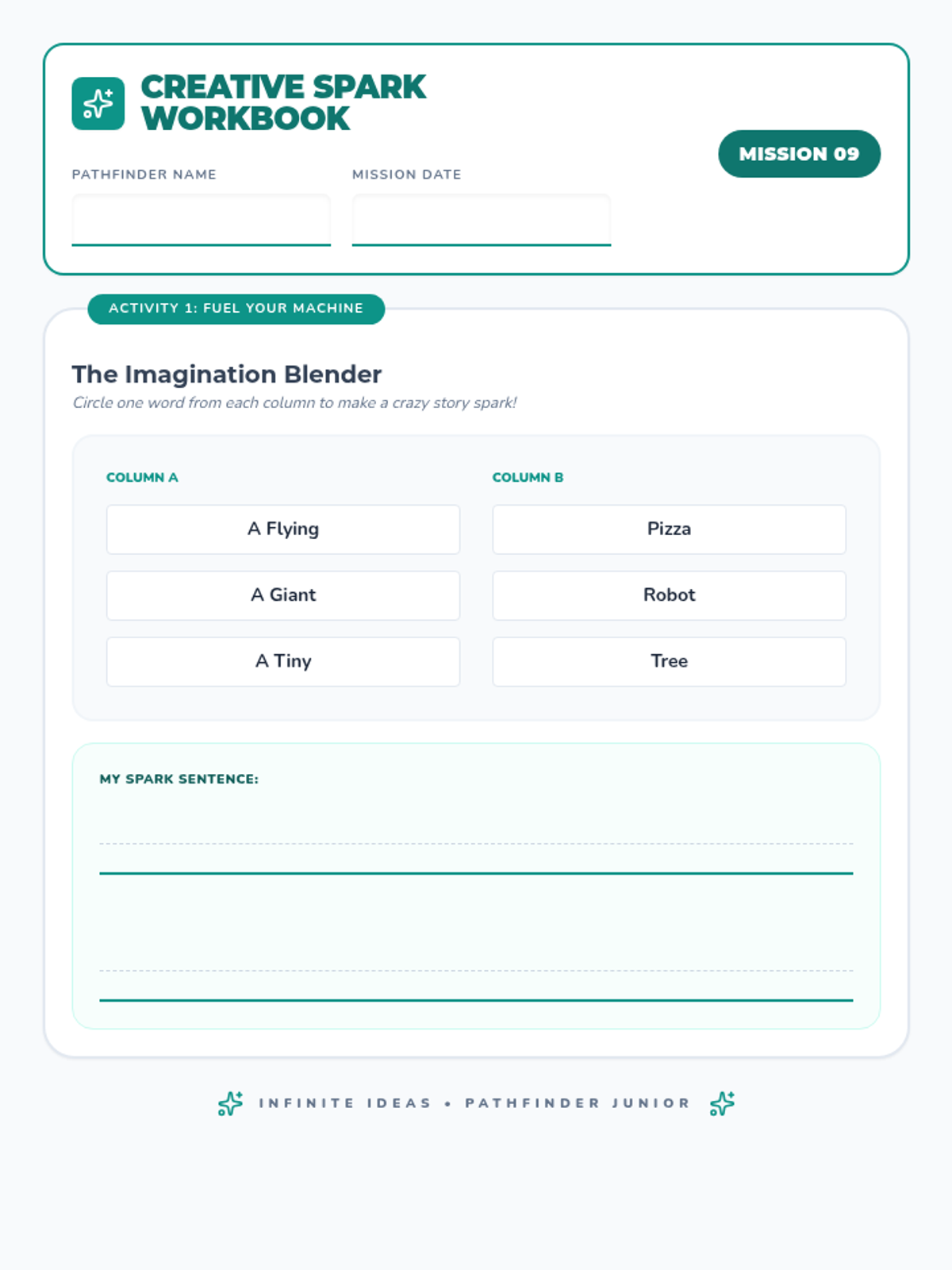
Encourages idea construction and creative writing, showing students how to fuel their mind machines with imagination to create original stories.
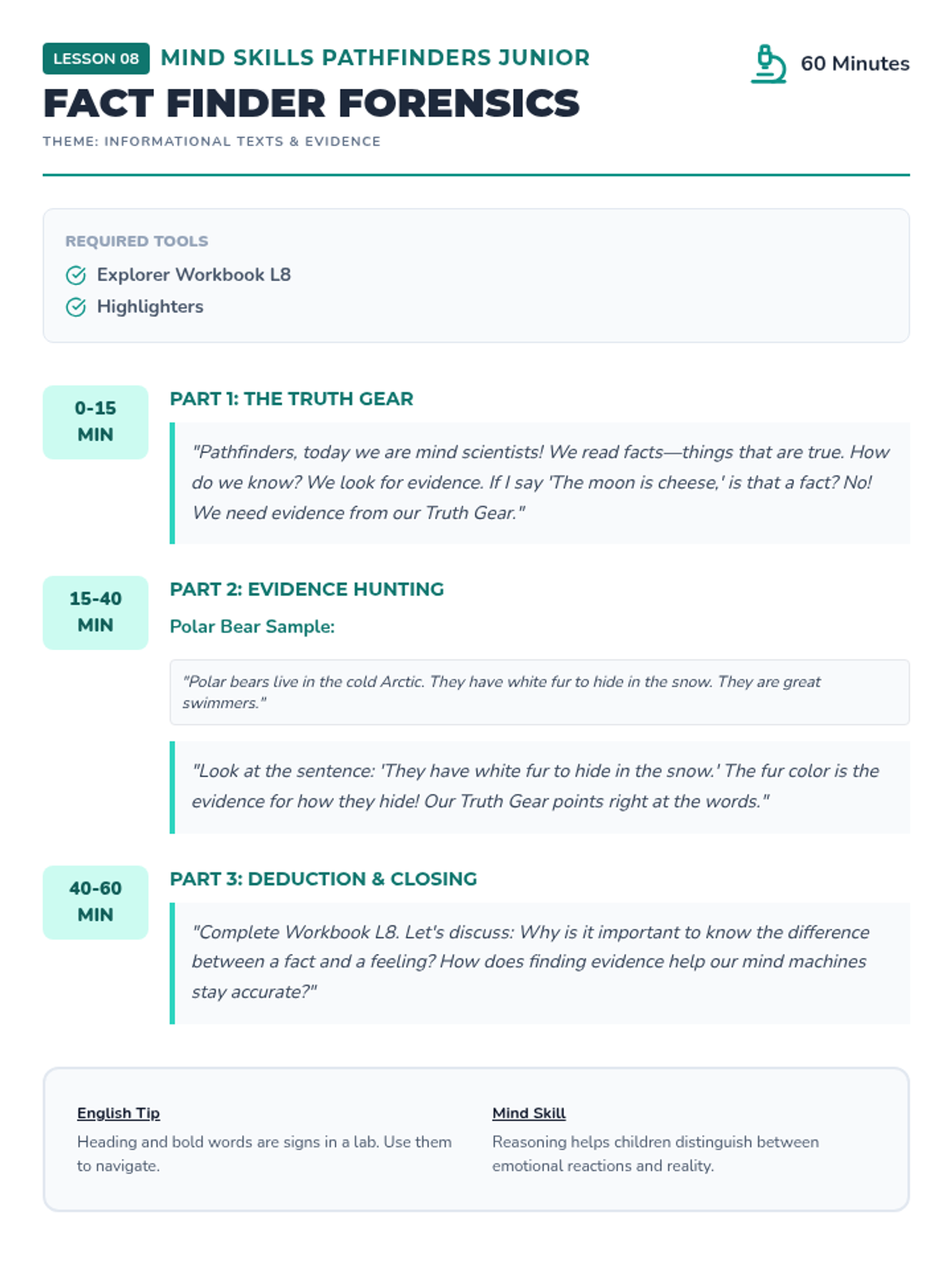
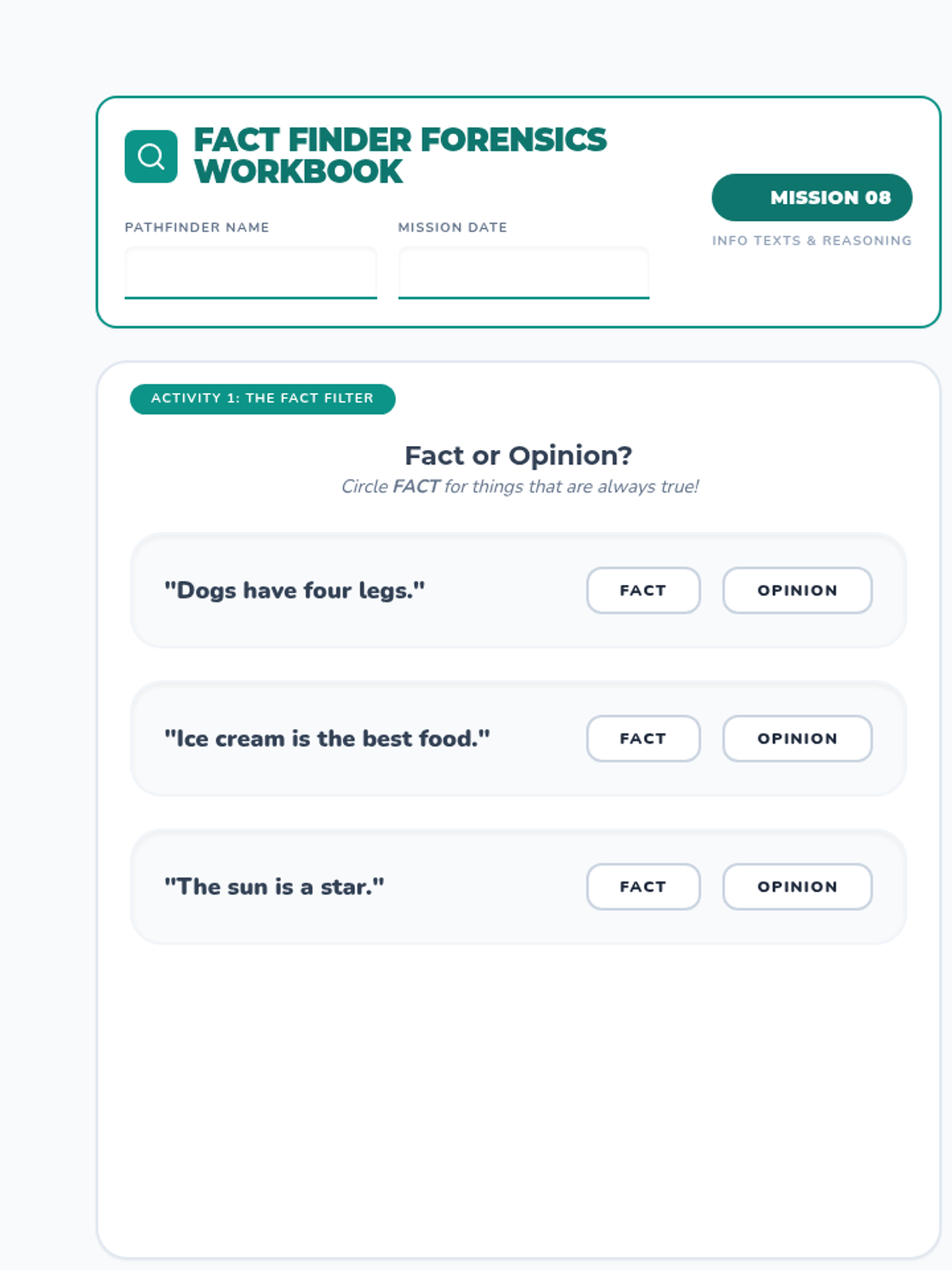
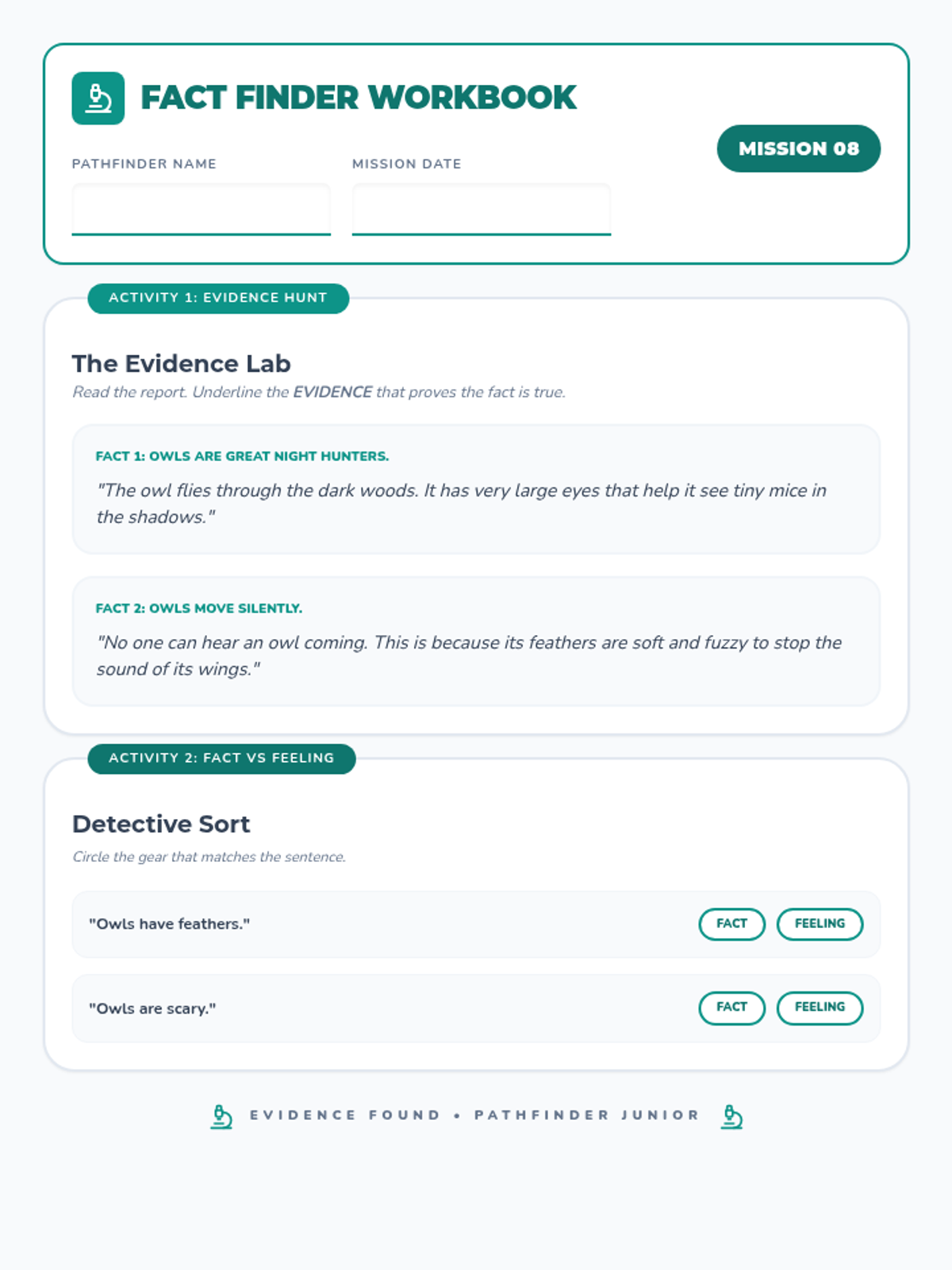
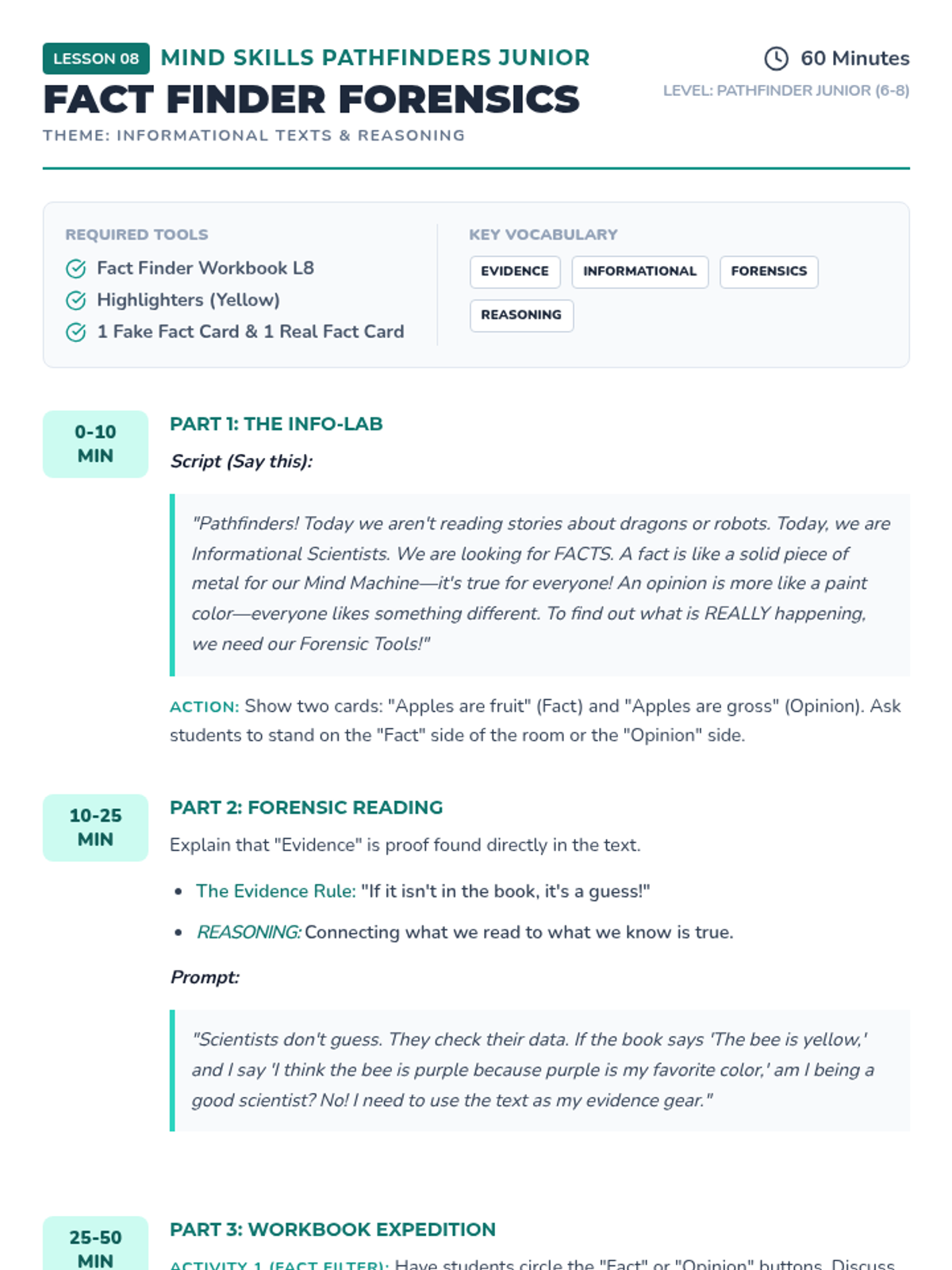
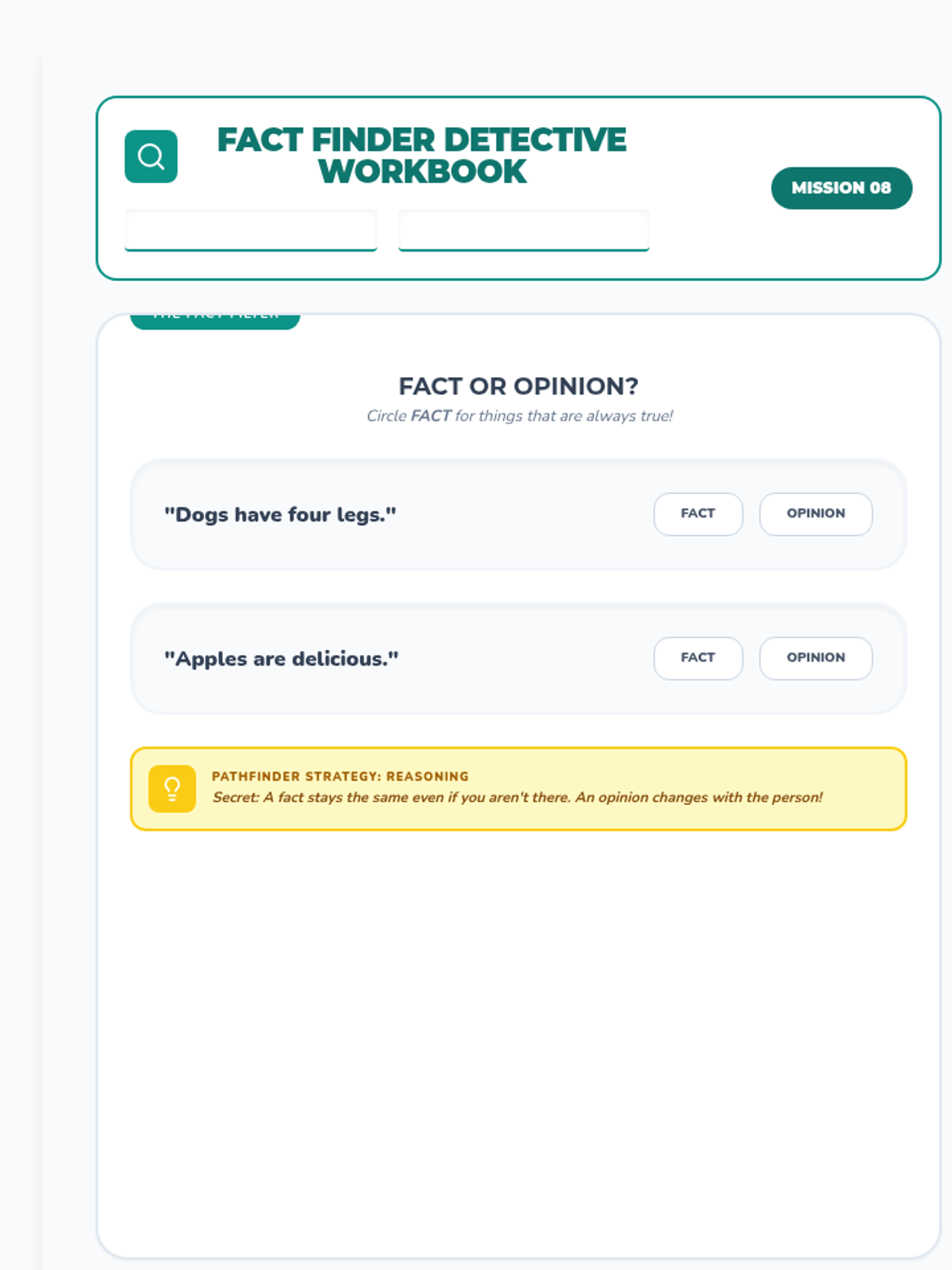
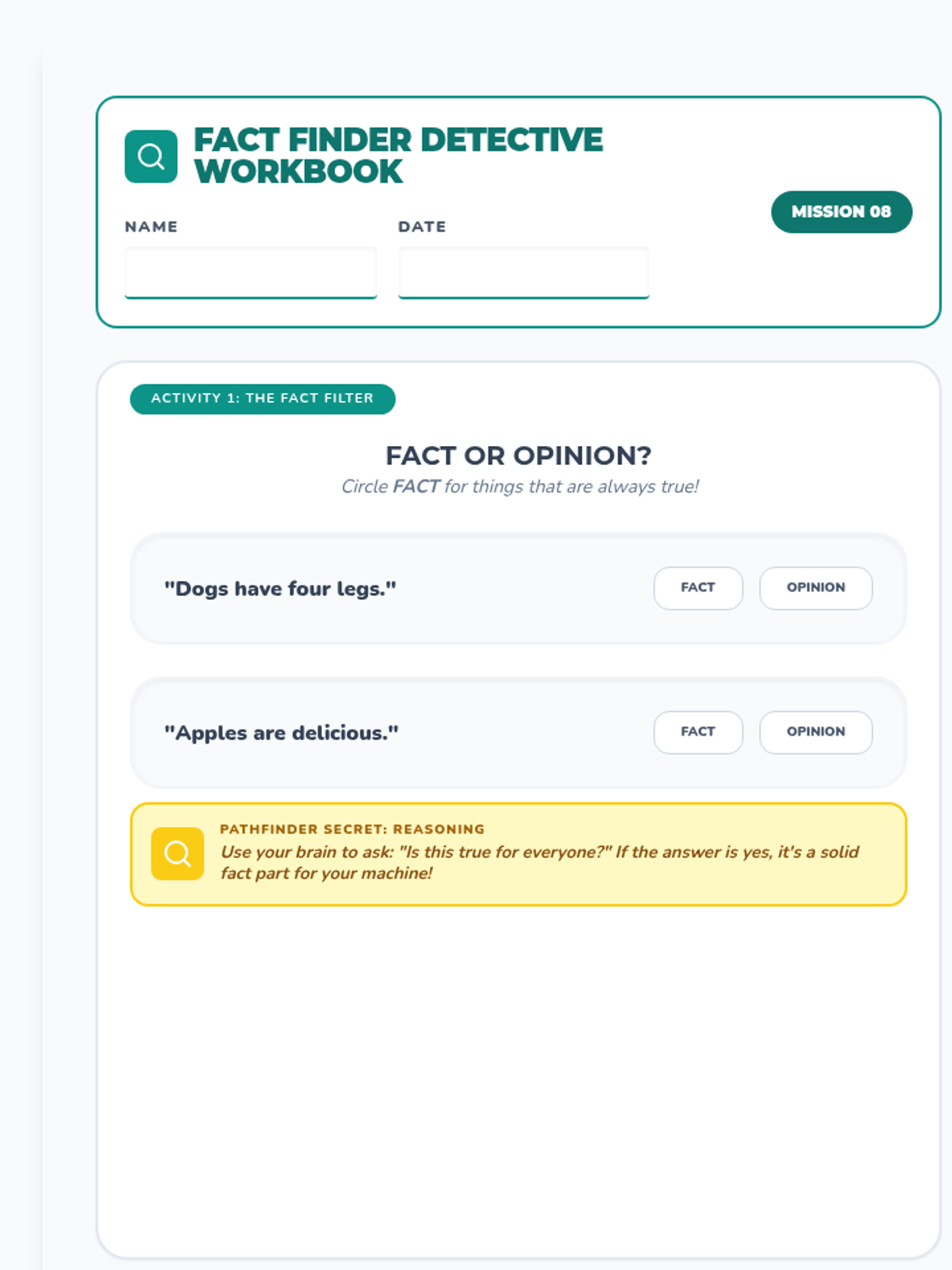
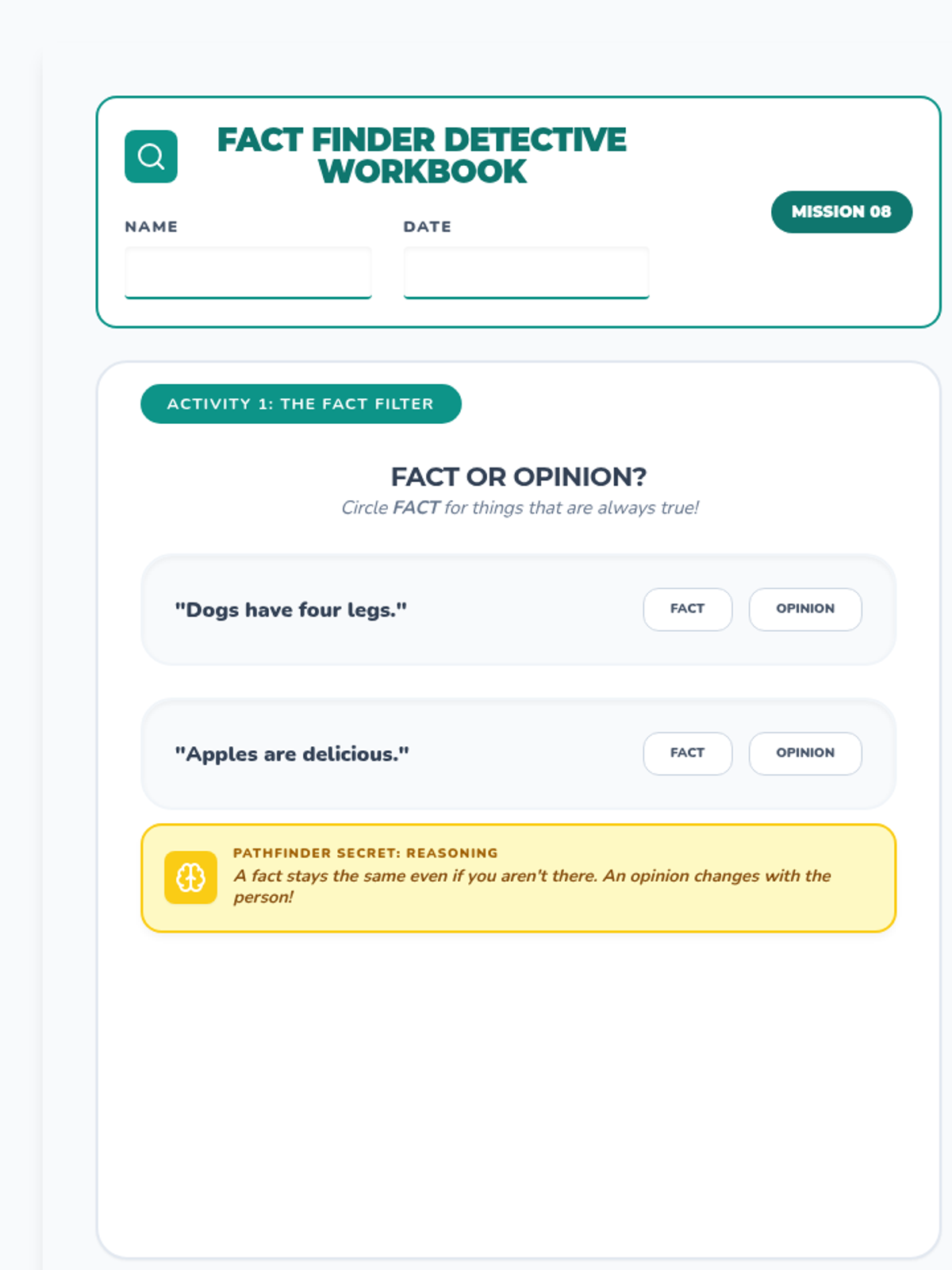
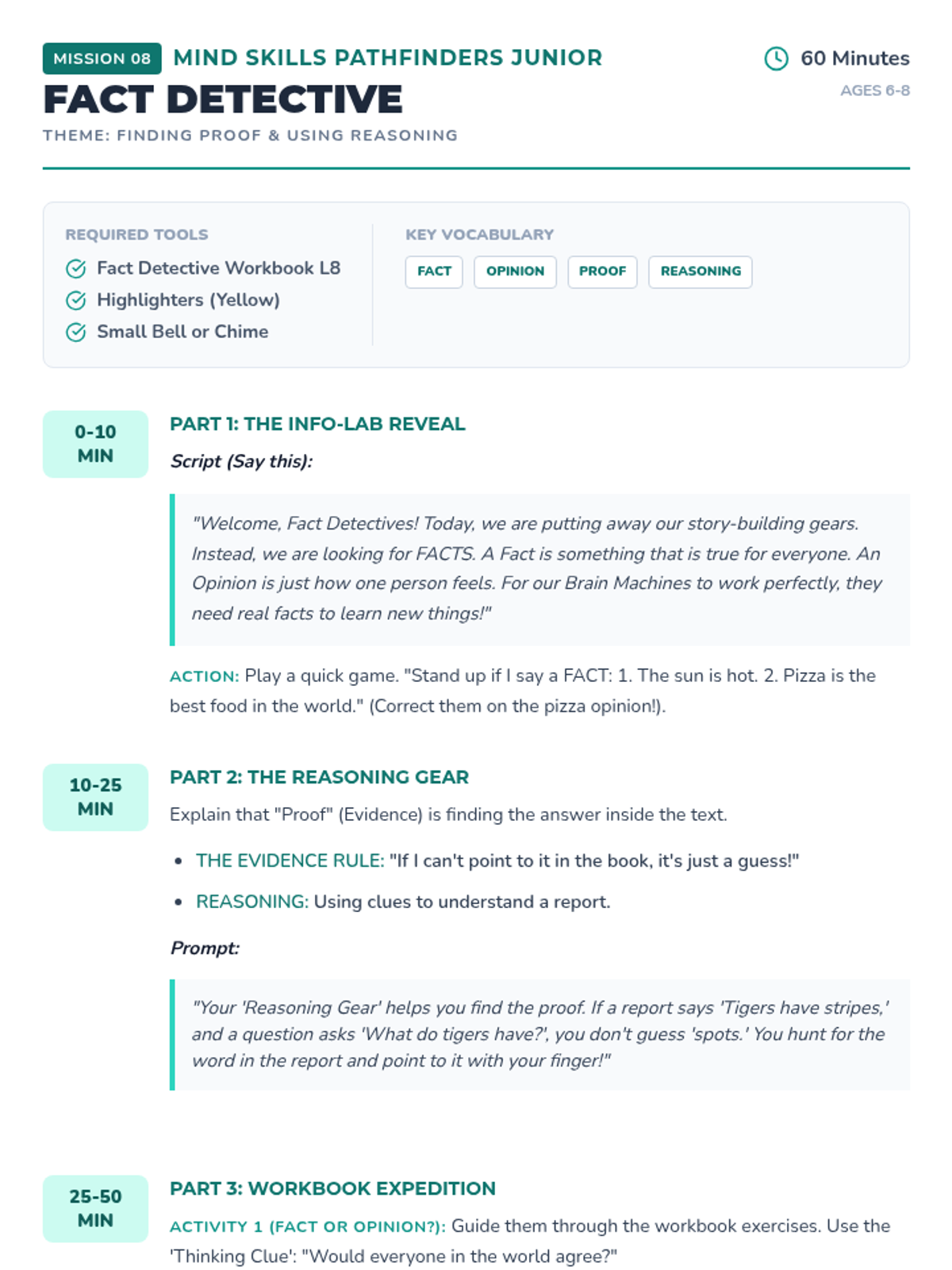
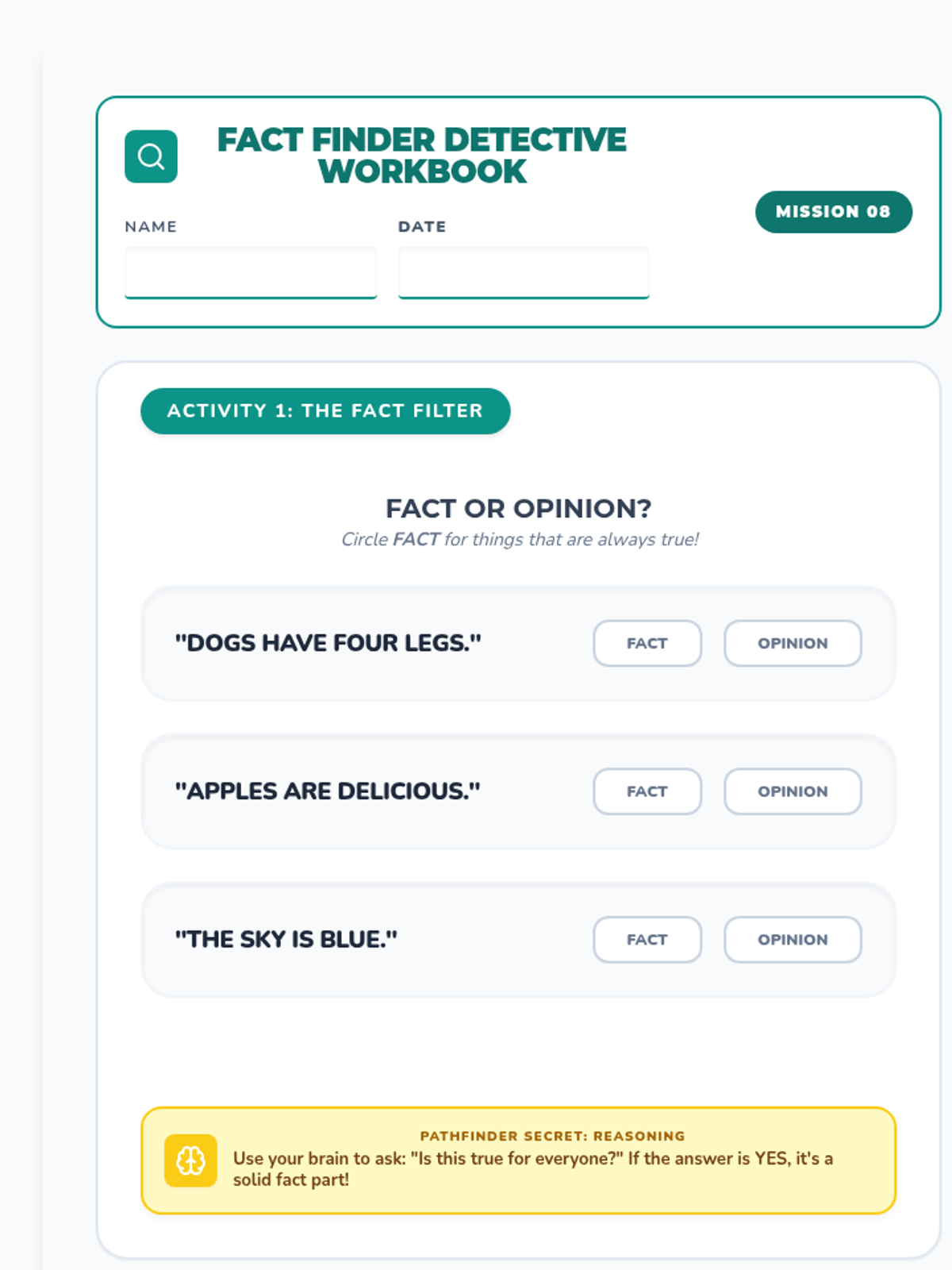
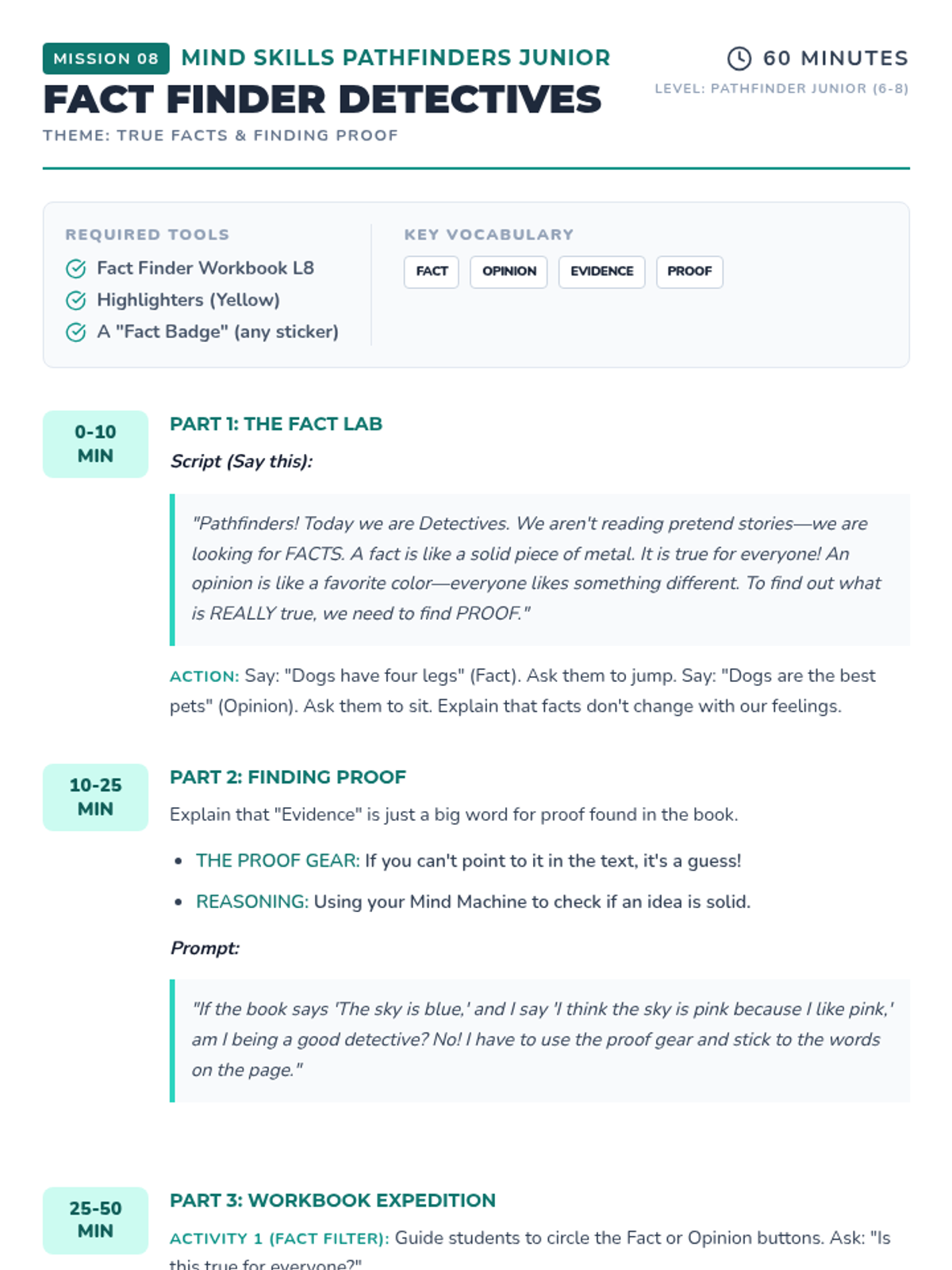
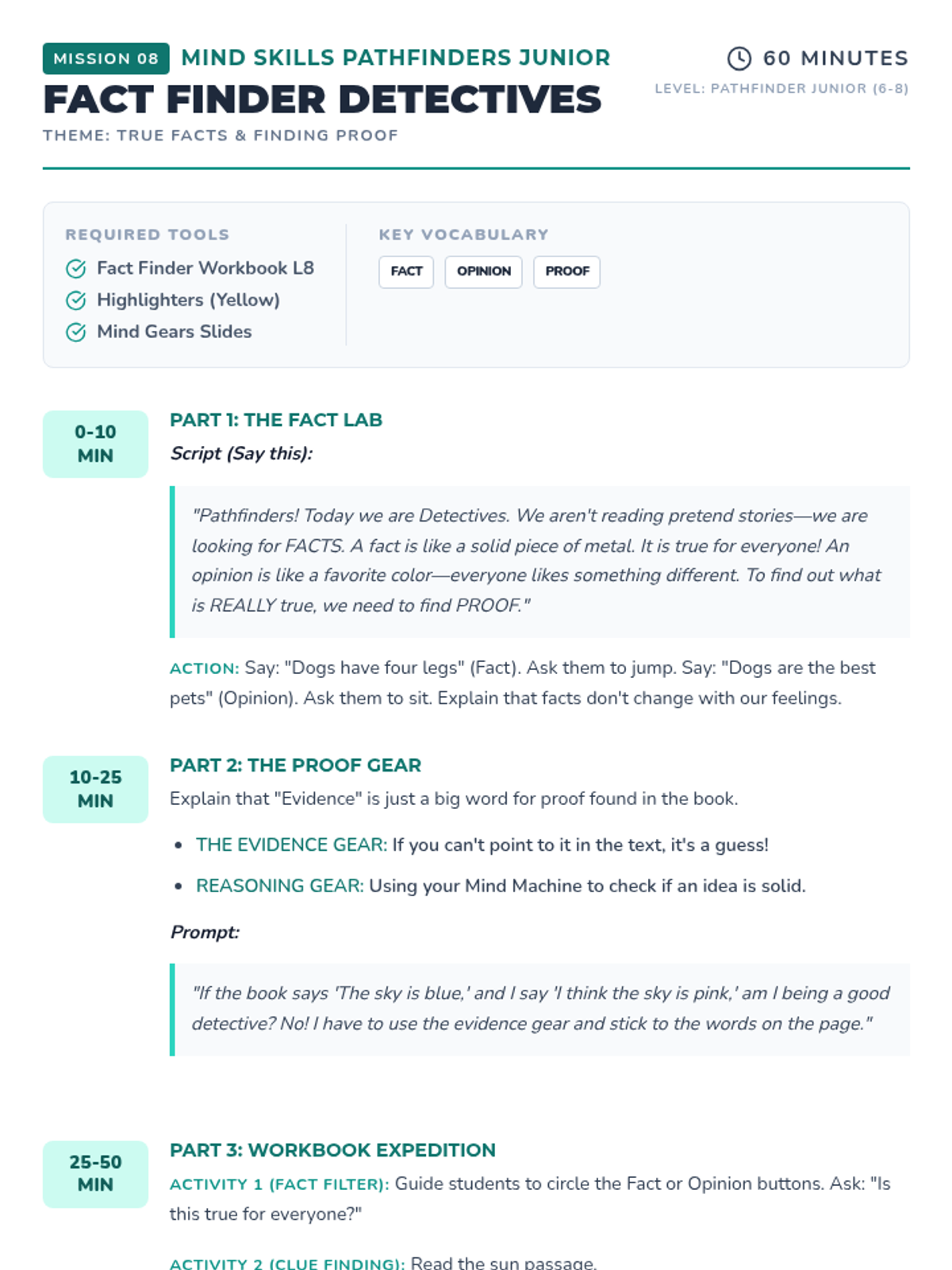
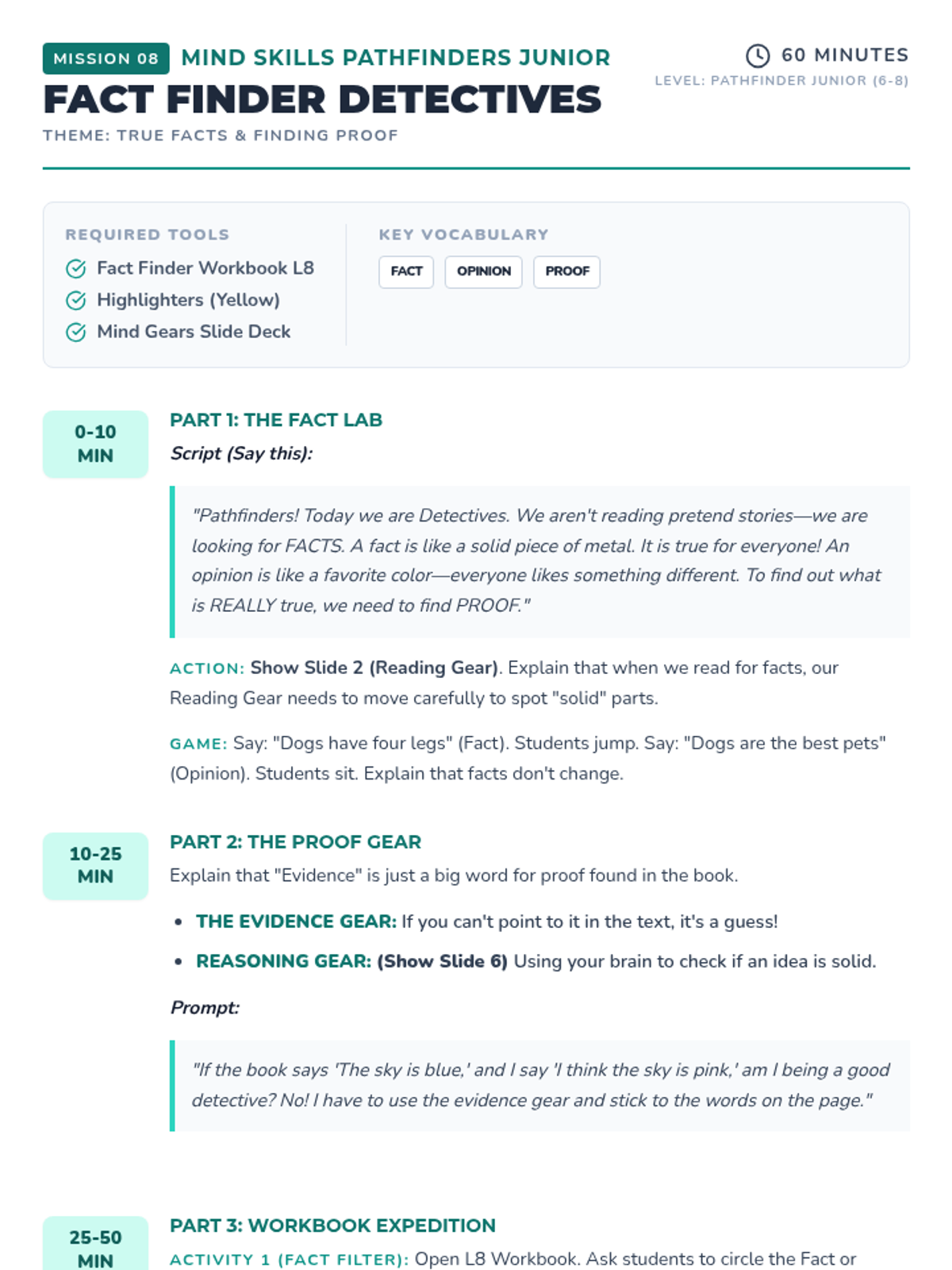
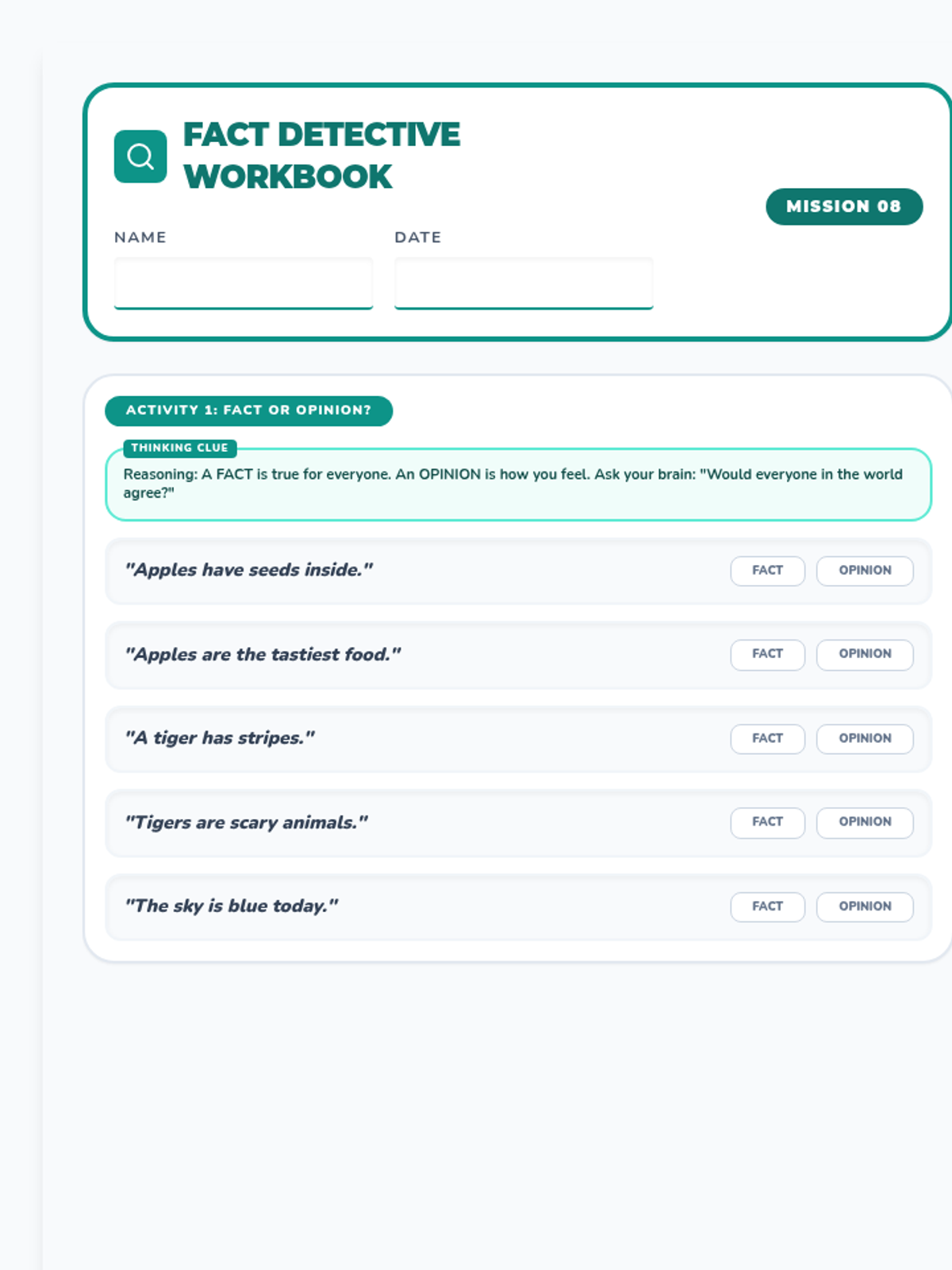
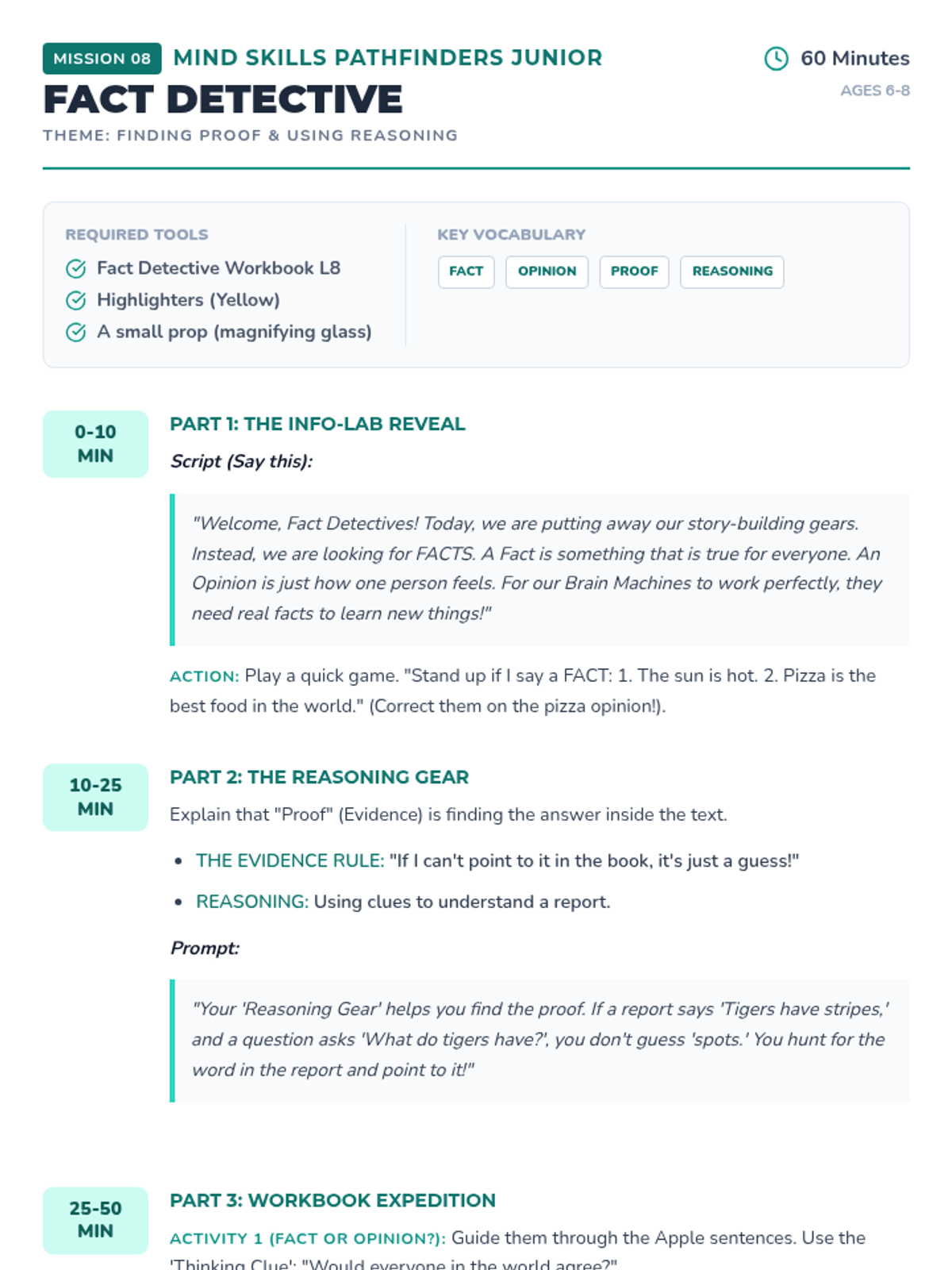
Develops information decoding skills by teaching students to search for facts and evidence within a text, much like a forensic scientist.
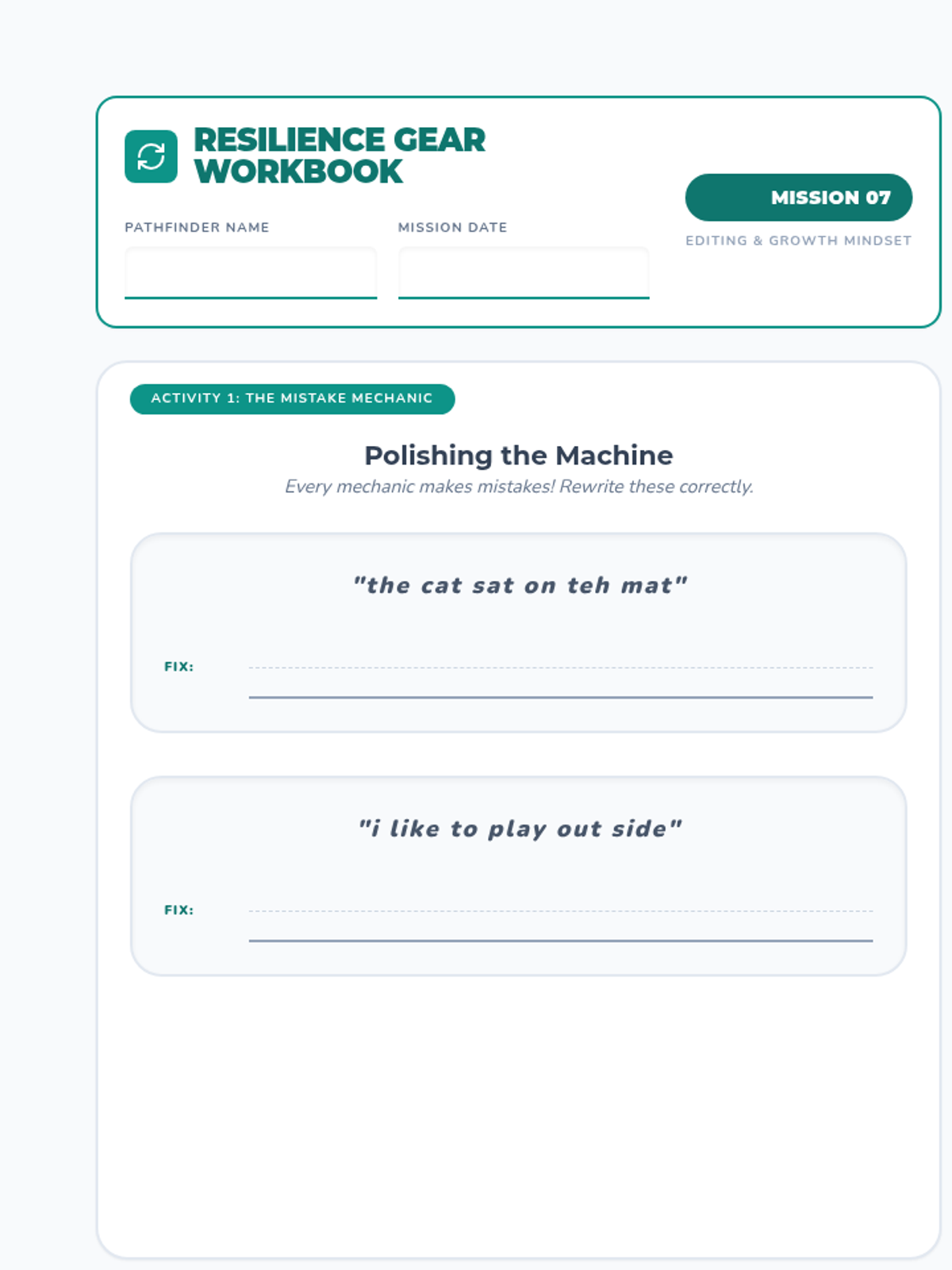
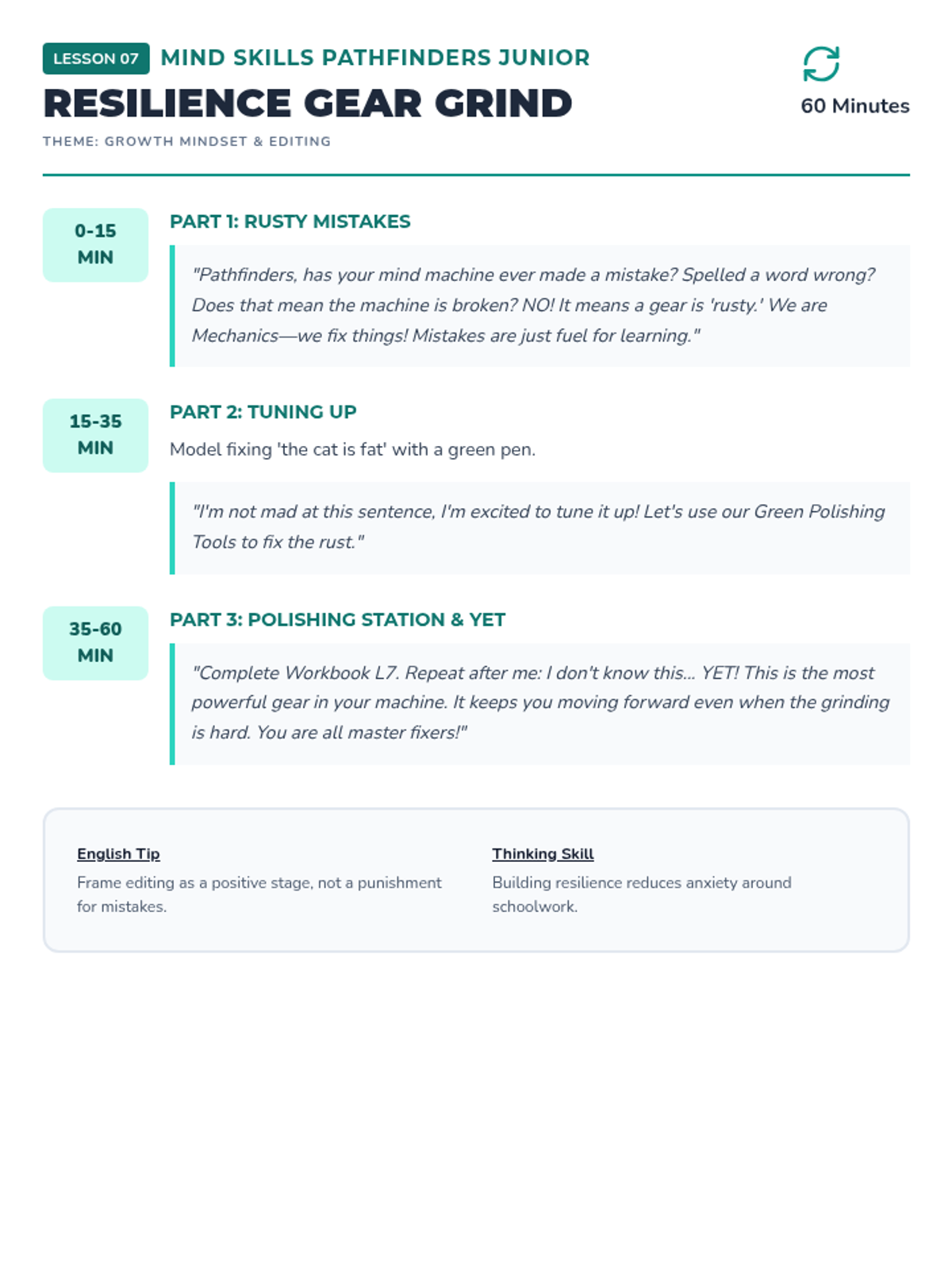
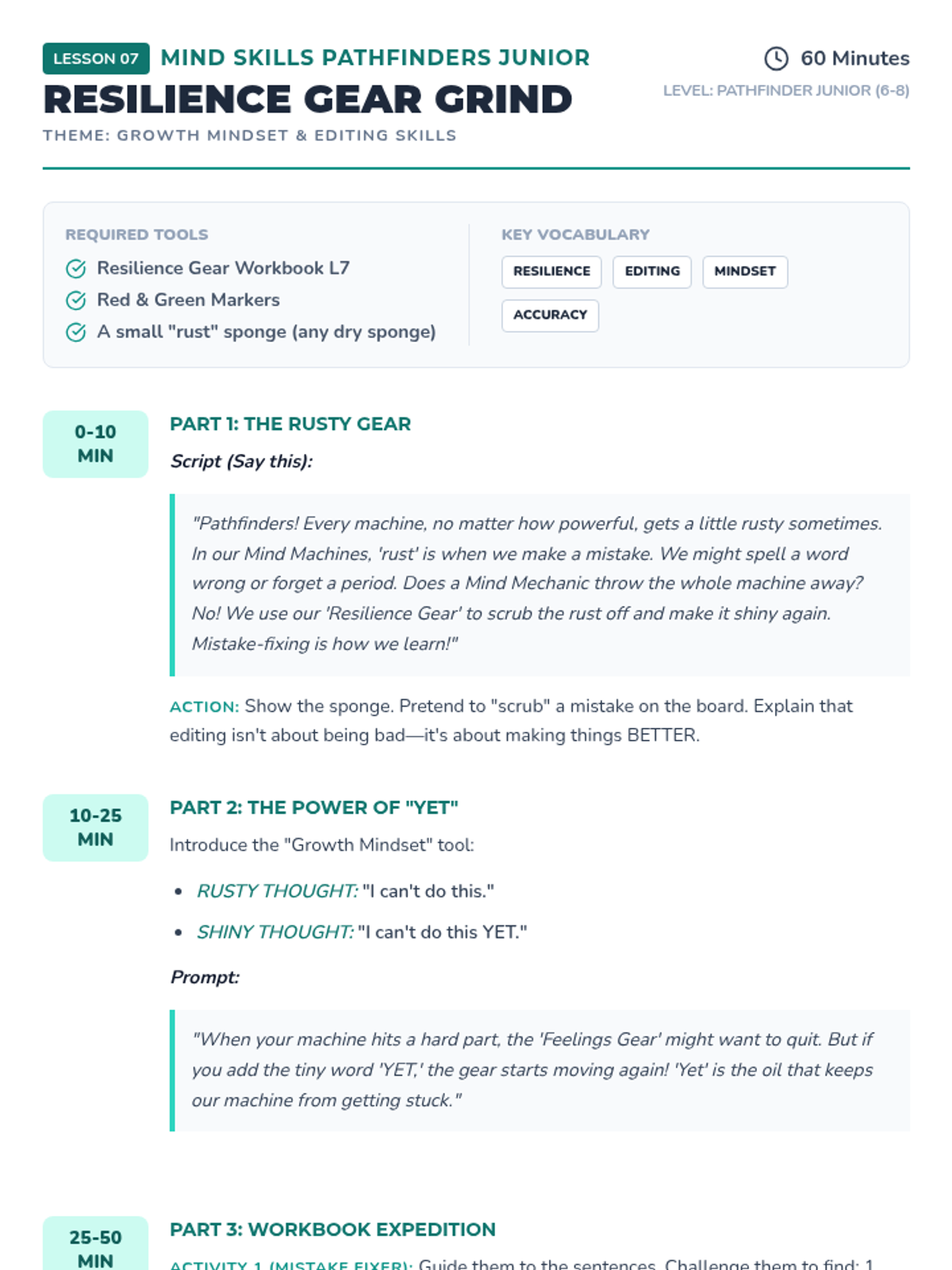
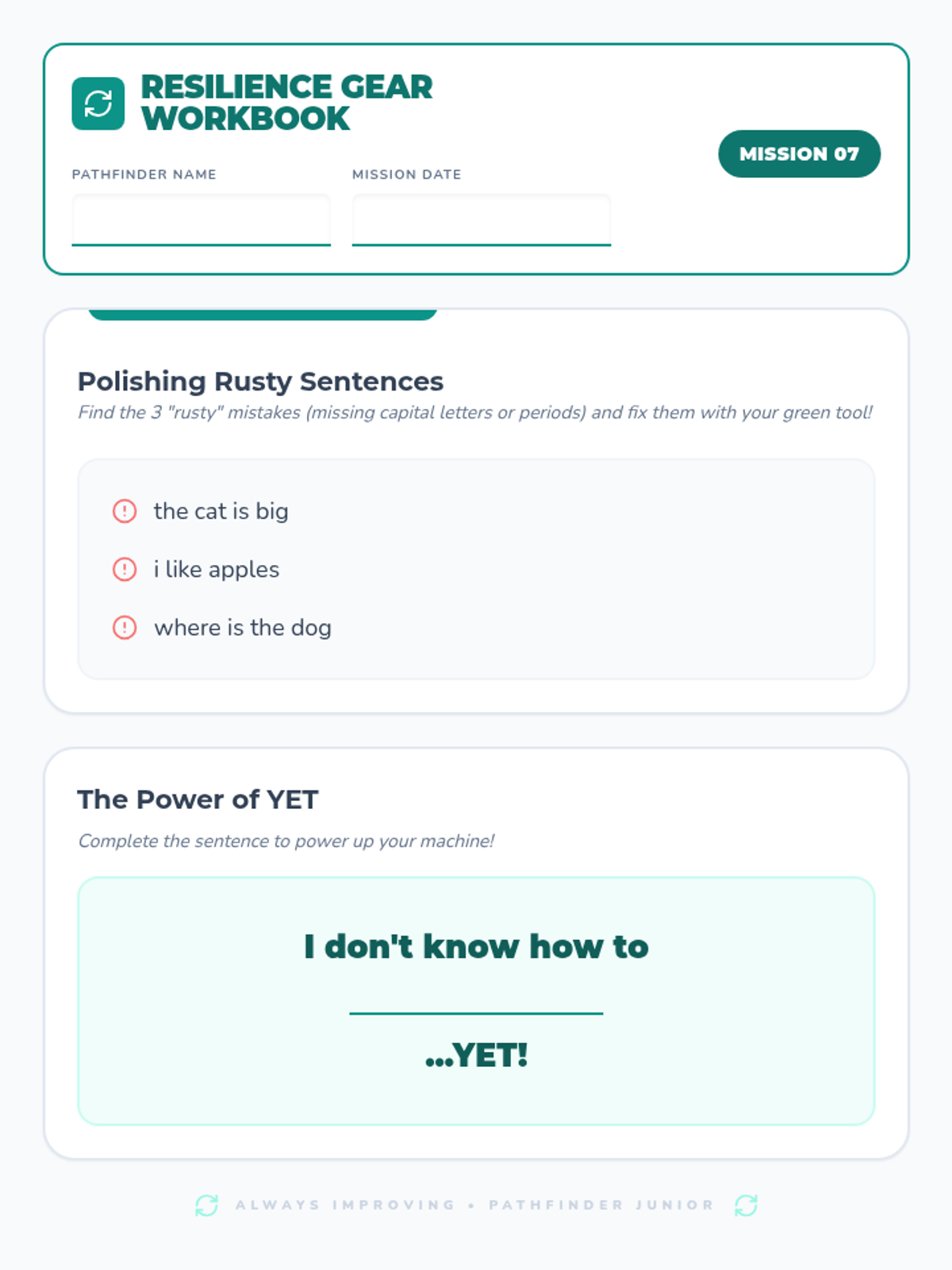
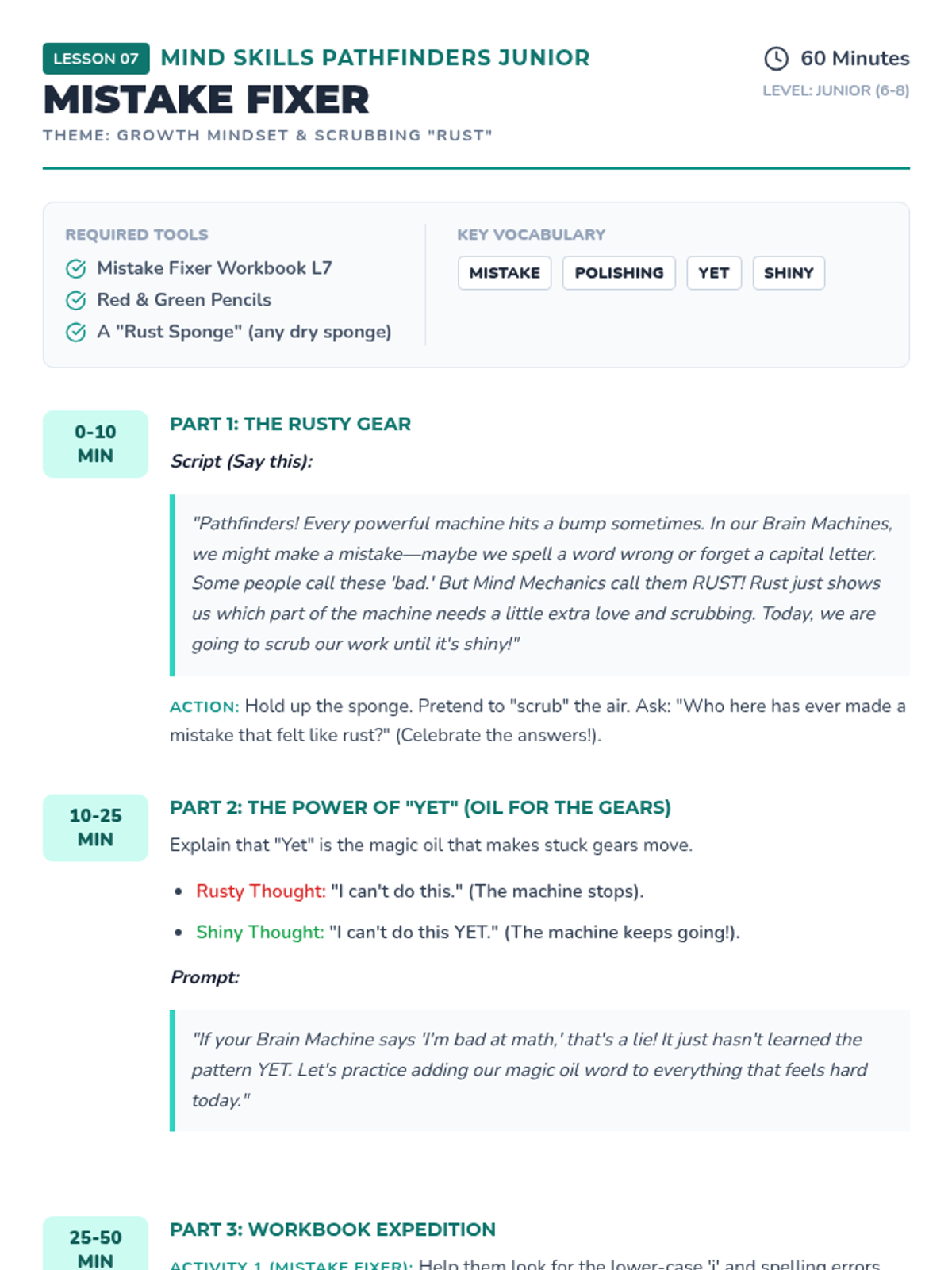
Introduces the growth mindset by comparing resilience to a gear that helps us keep moving forward even when we encounter 'rusty' mistakes.
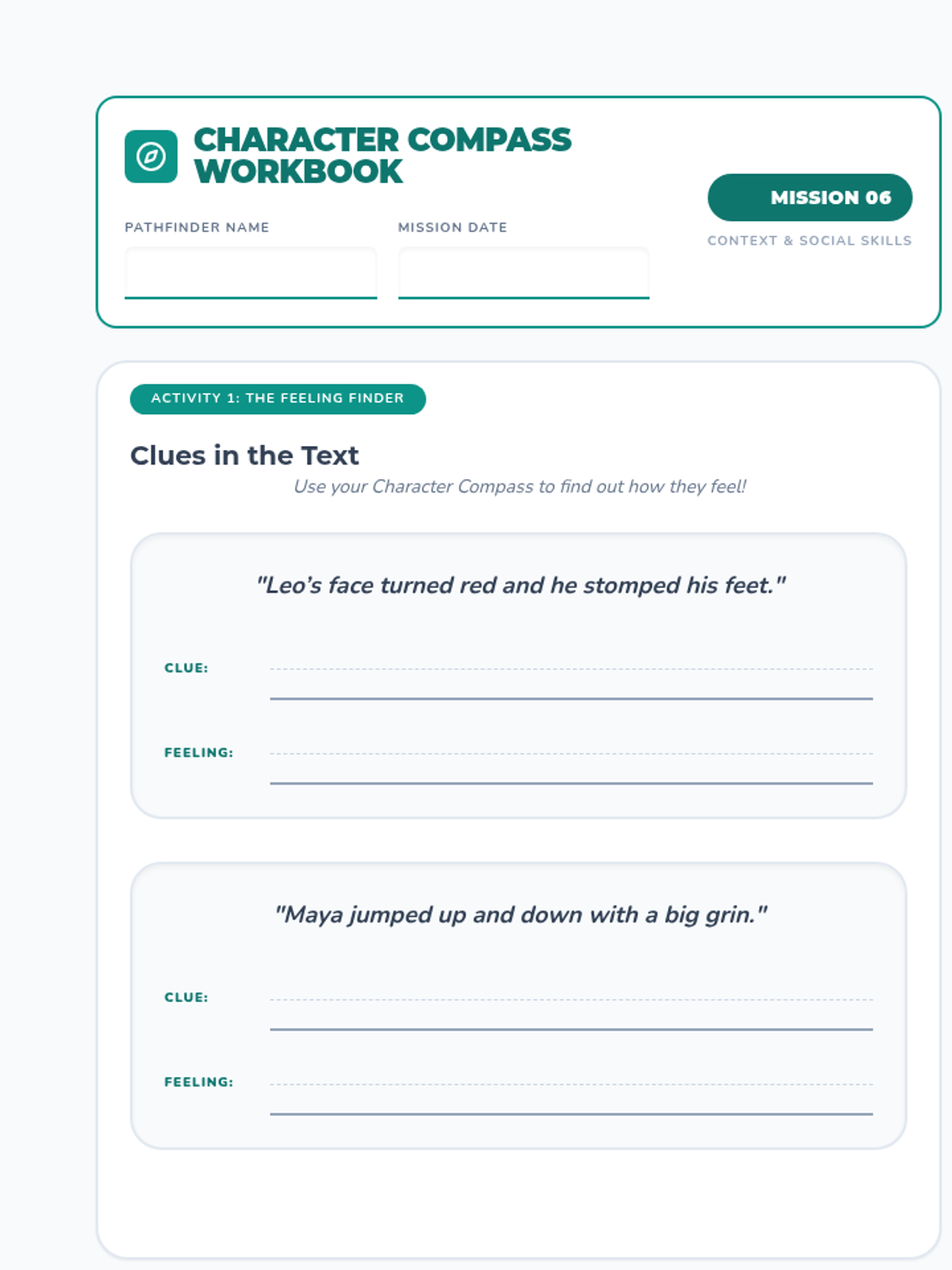
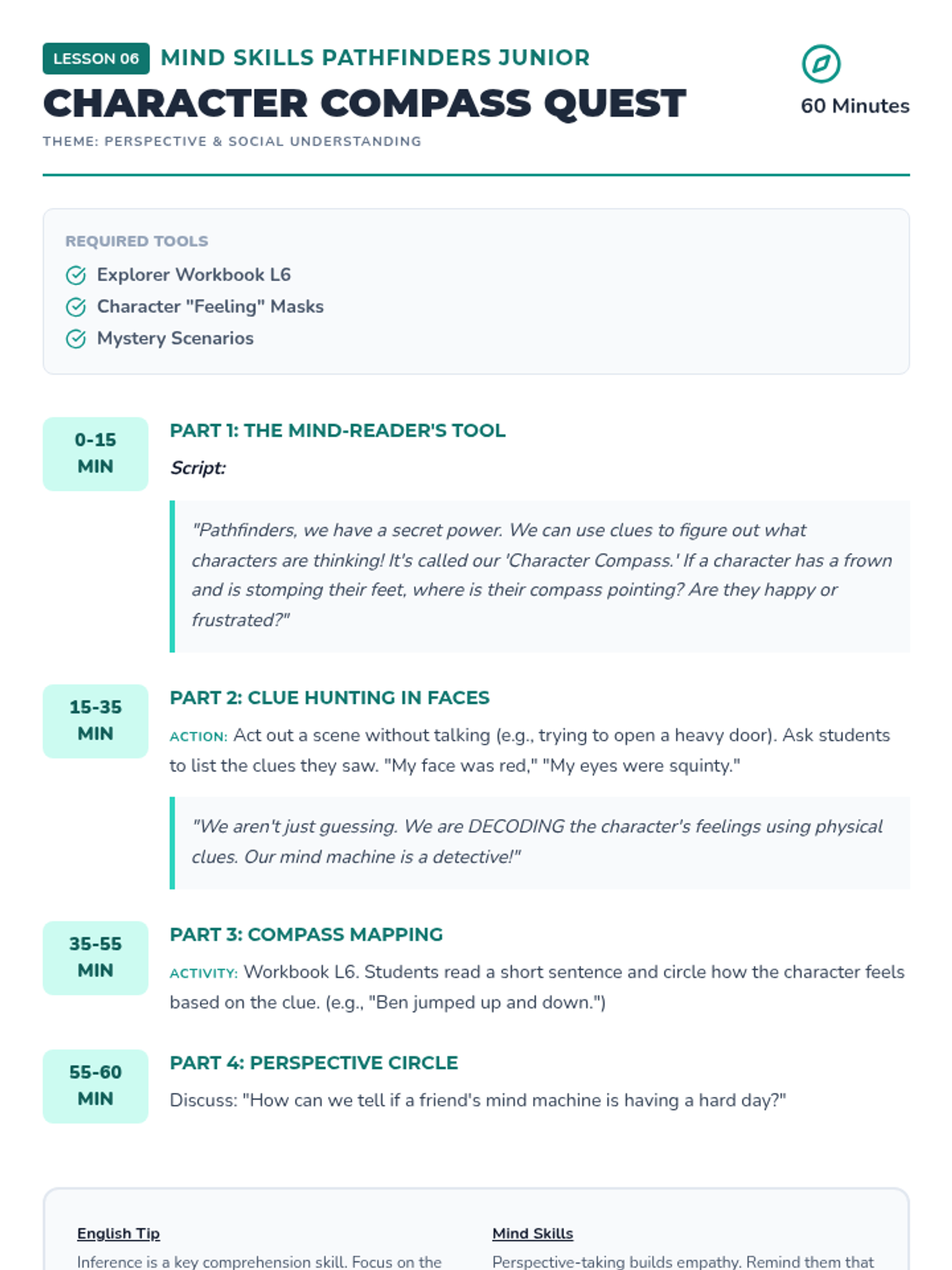
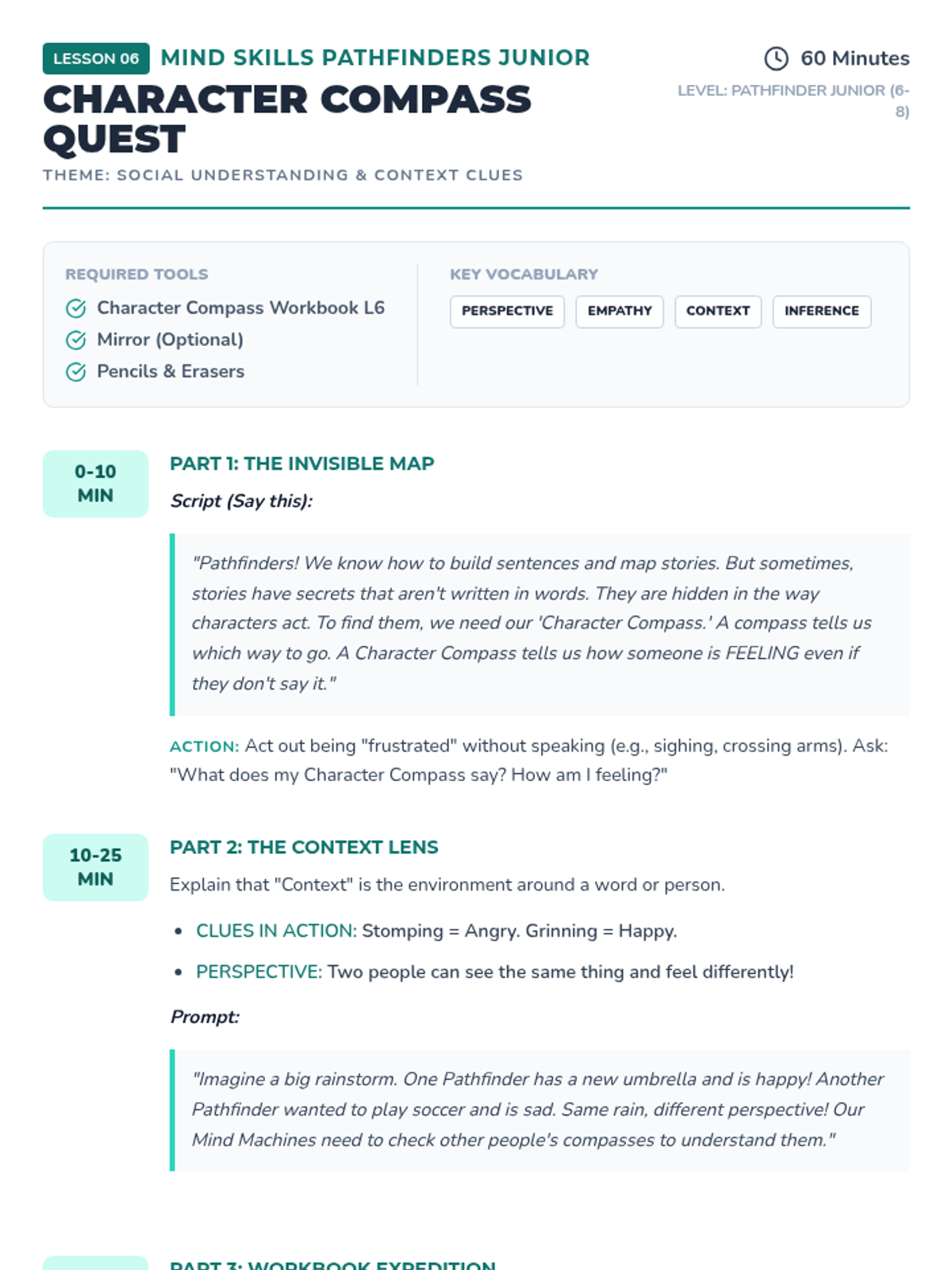
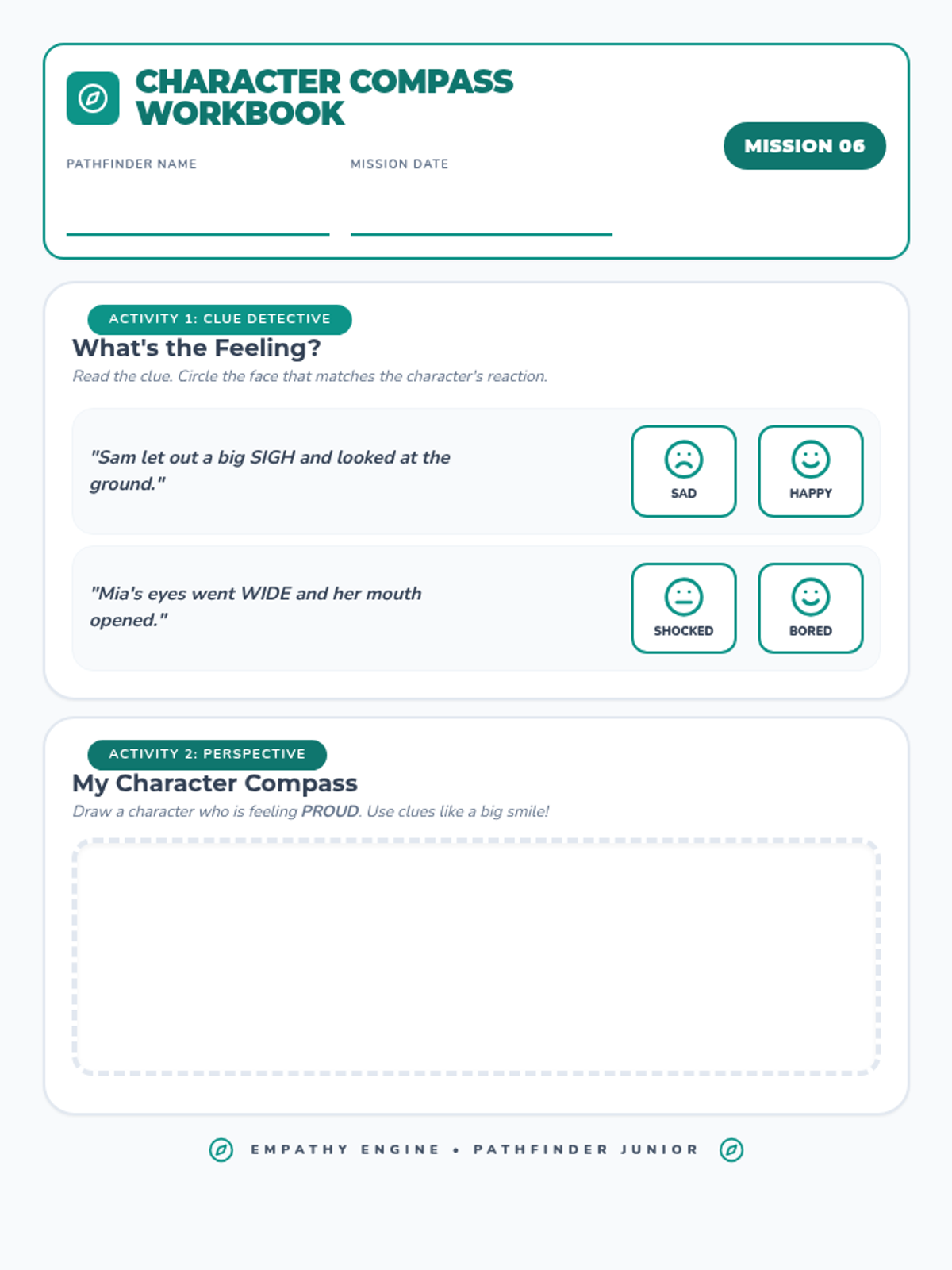
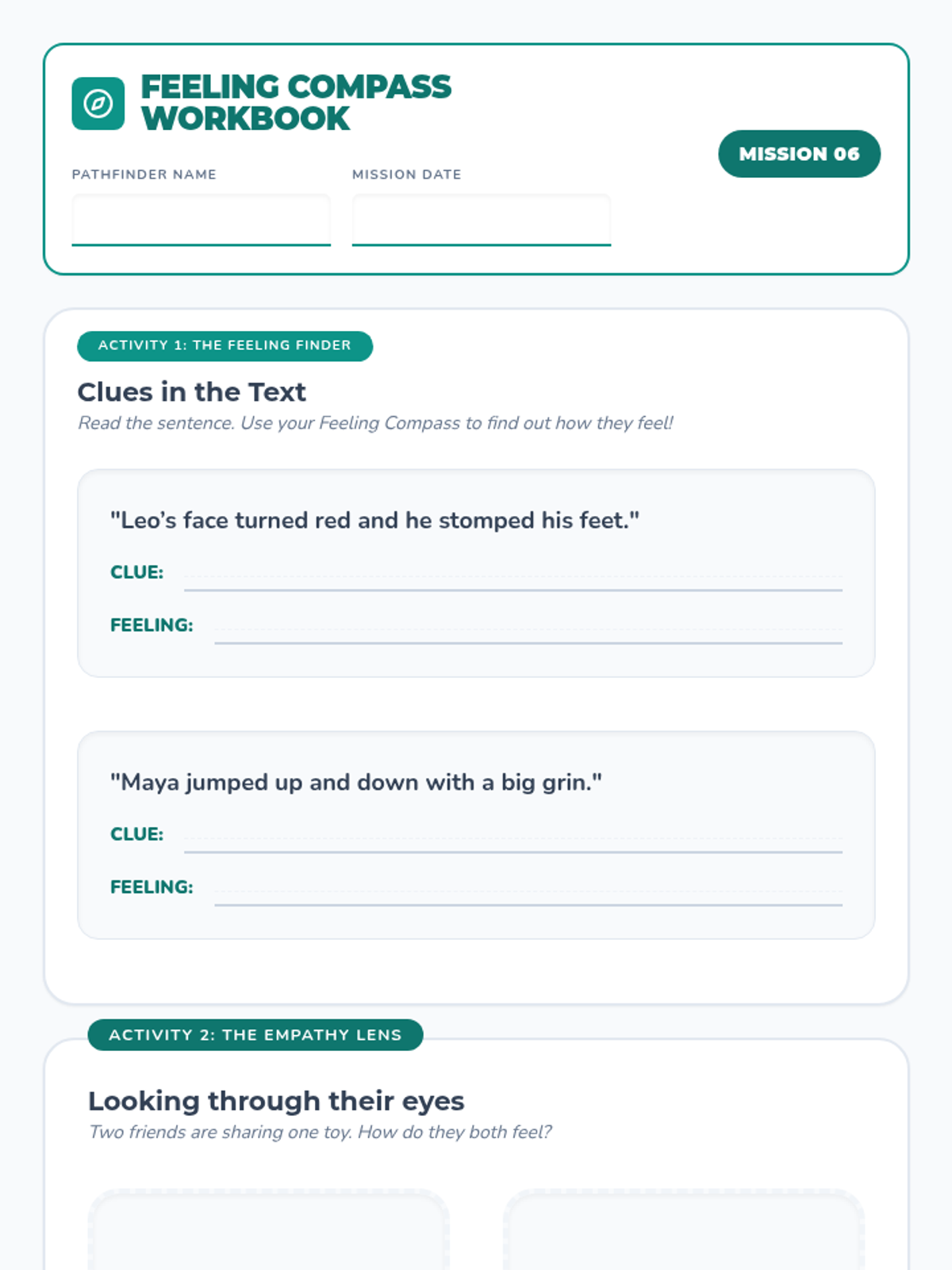
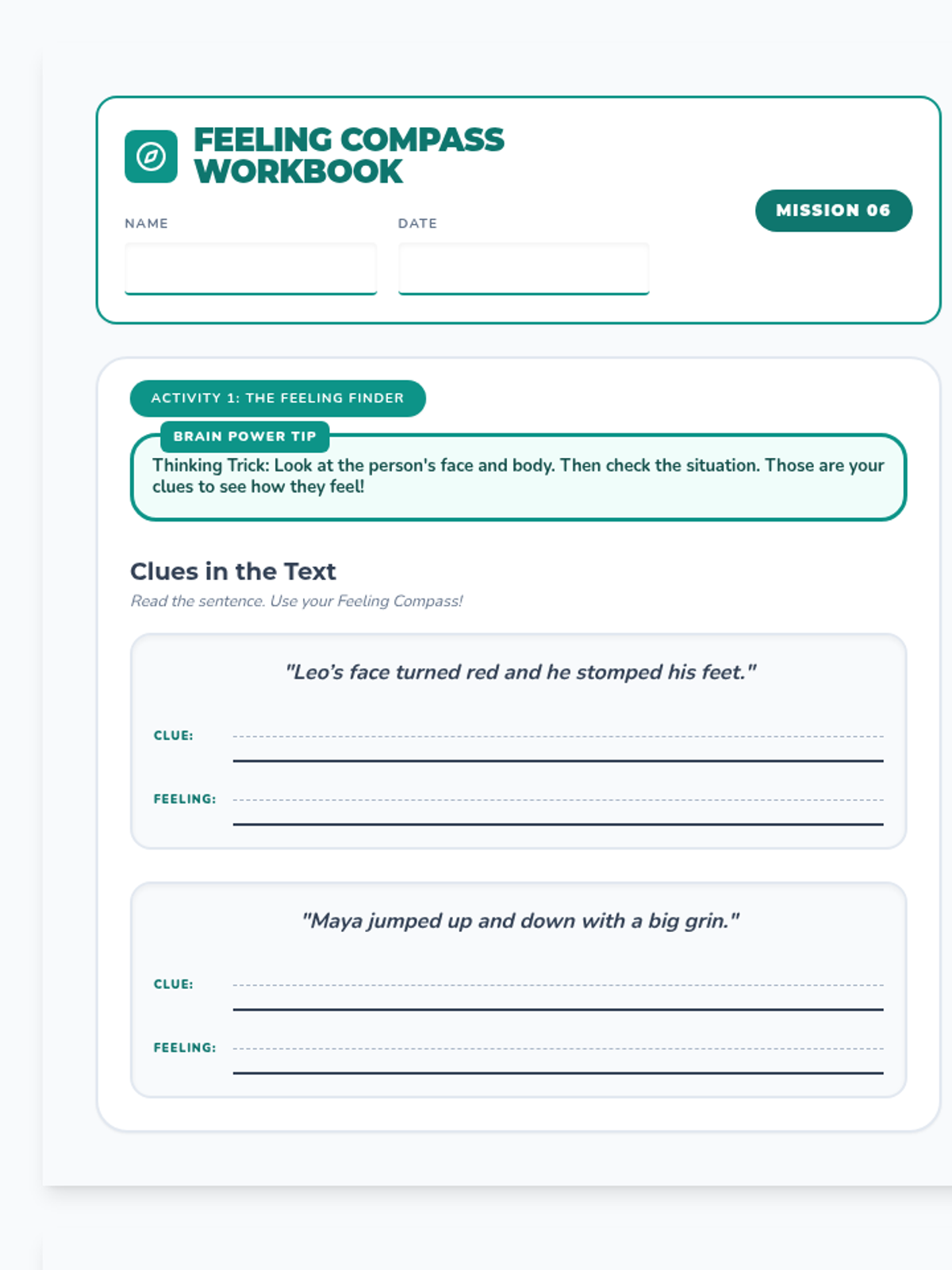
Explores social understanding by teaching students how to use their 'internal compass' to interpret character feelings and perspectives in texts.
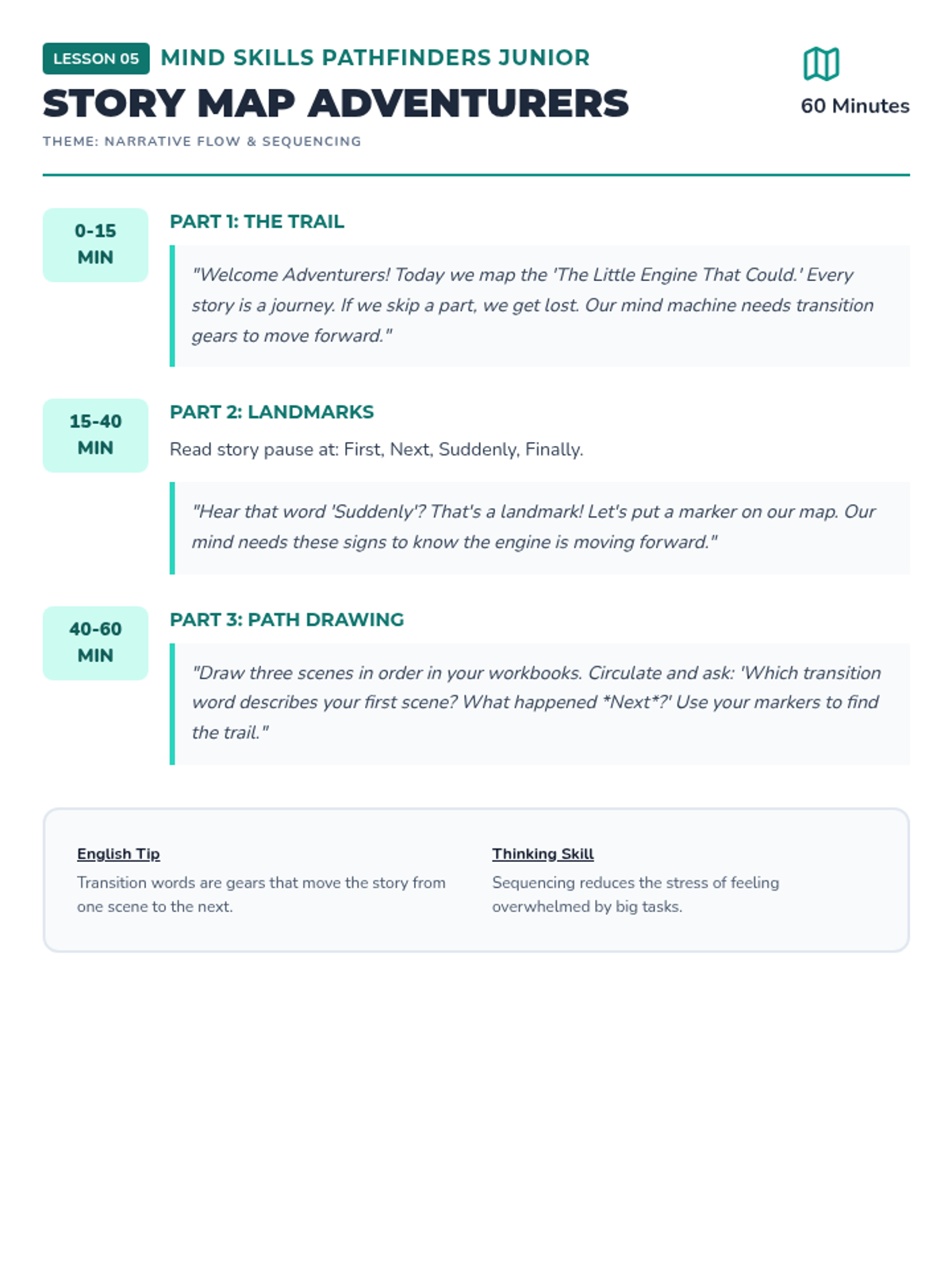
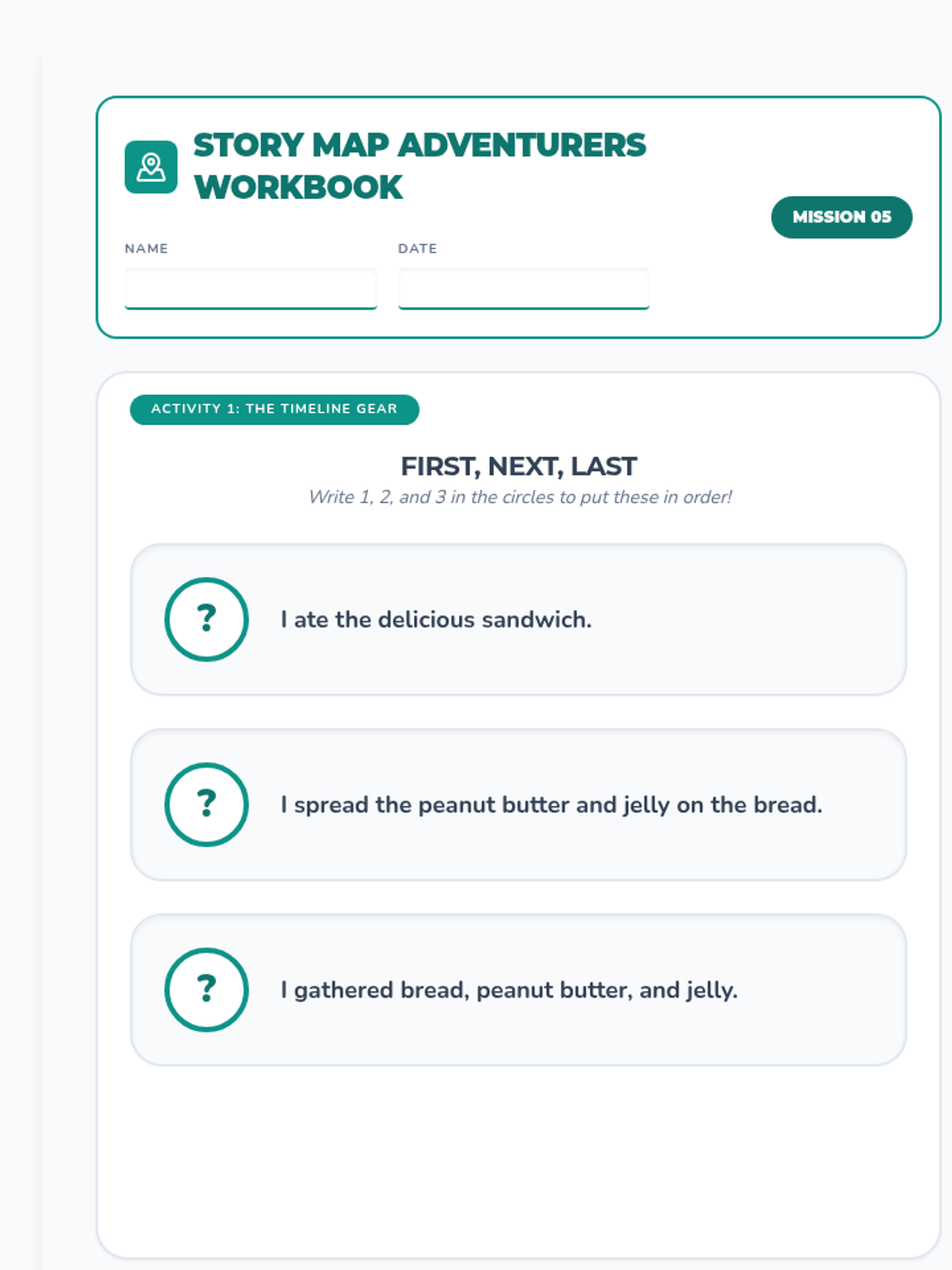
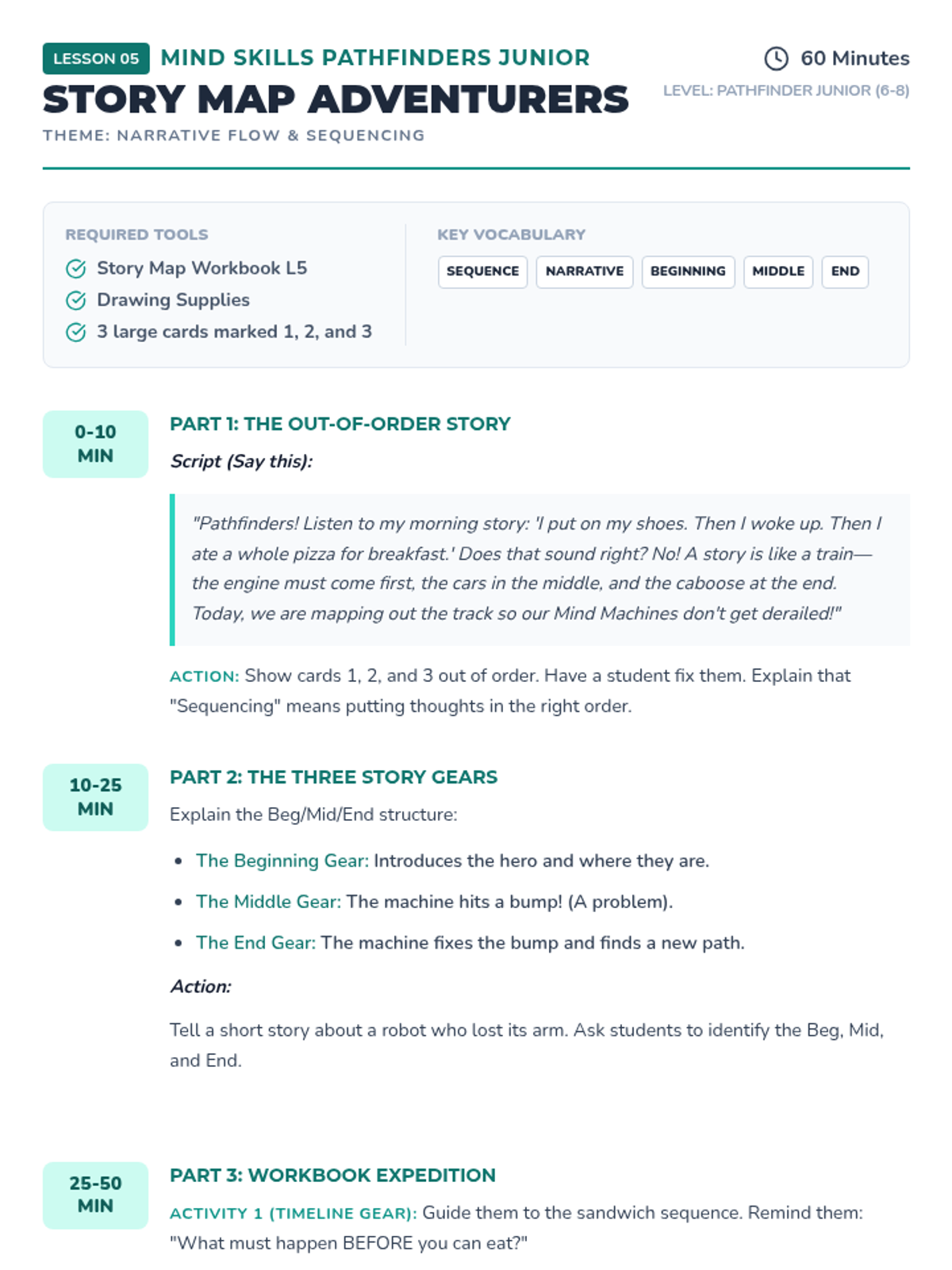
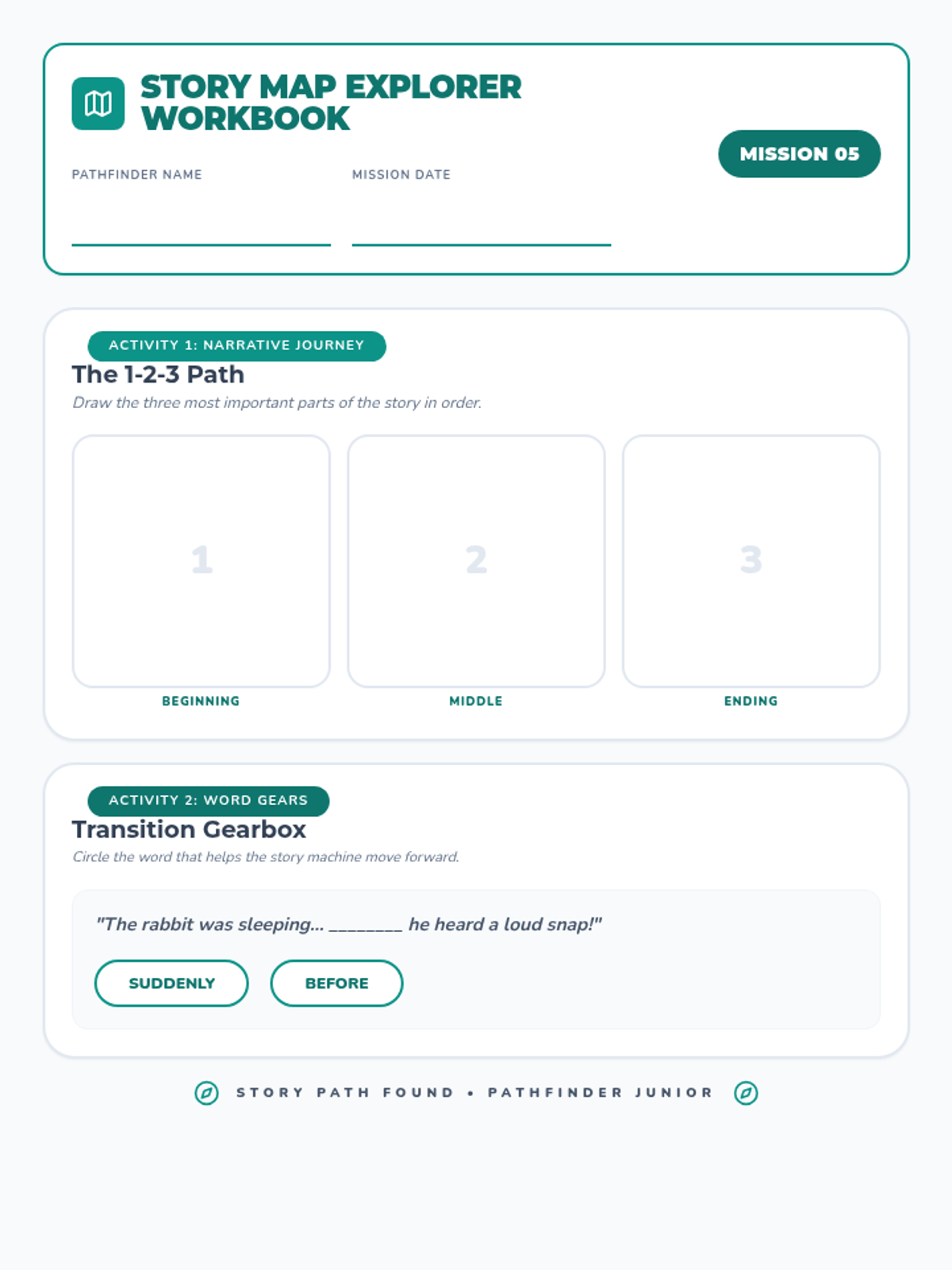
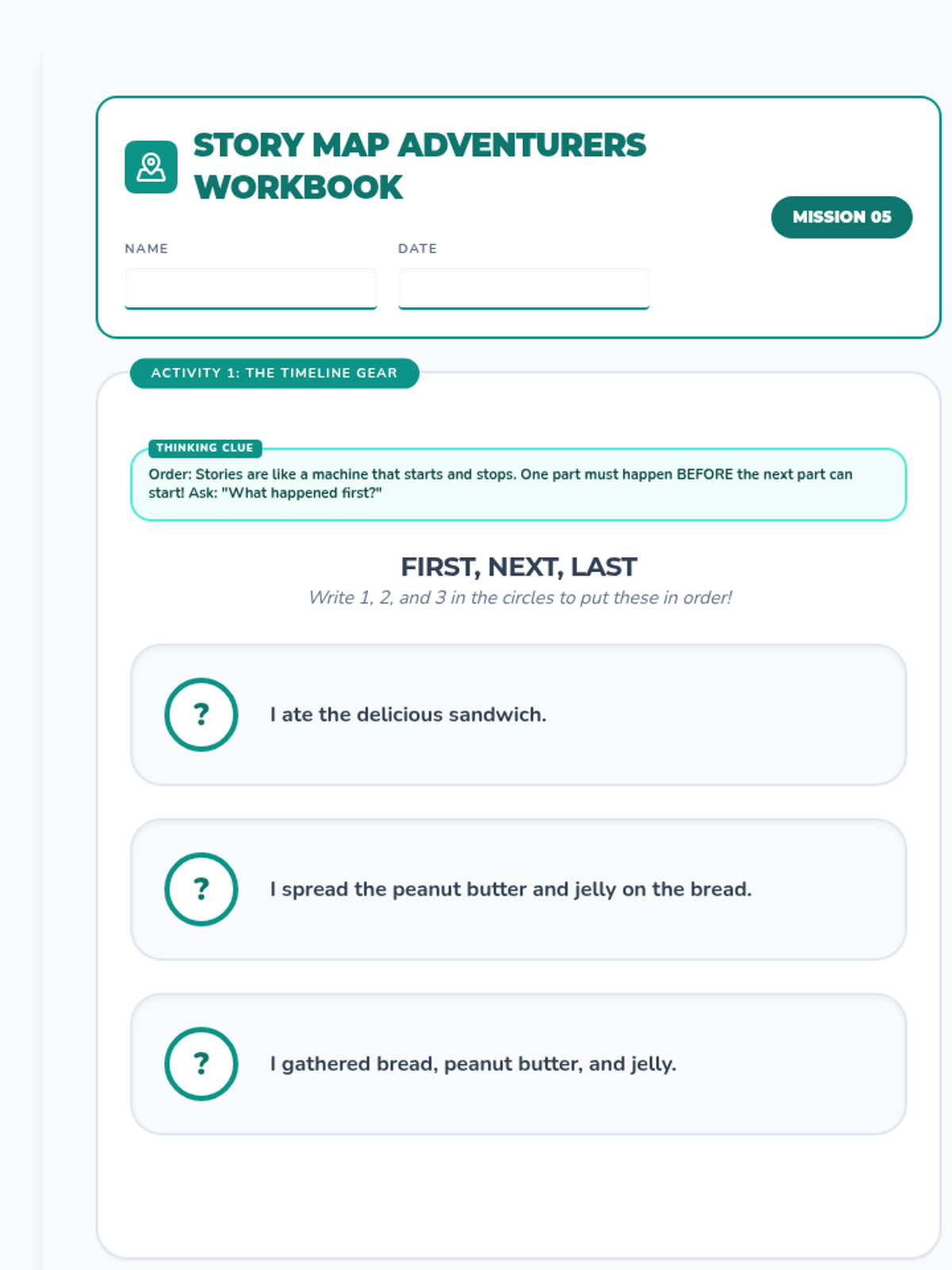
Uses story mapping to help students visualize narrative flow and understand how different parts of a story connect to form a whole.