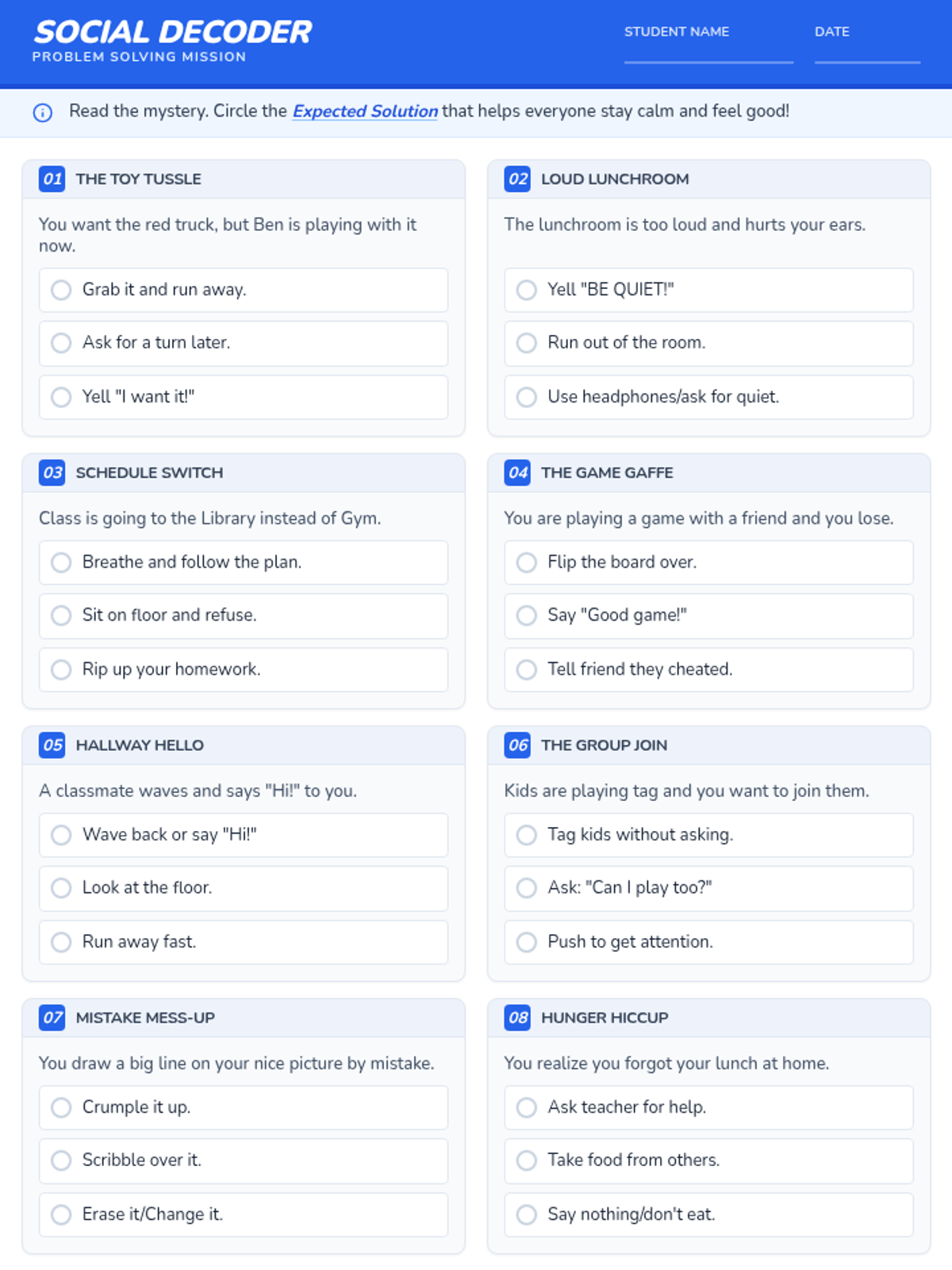
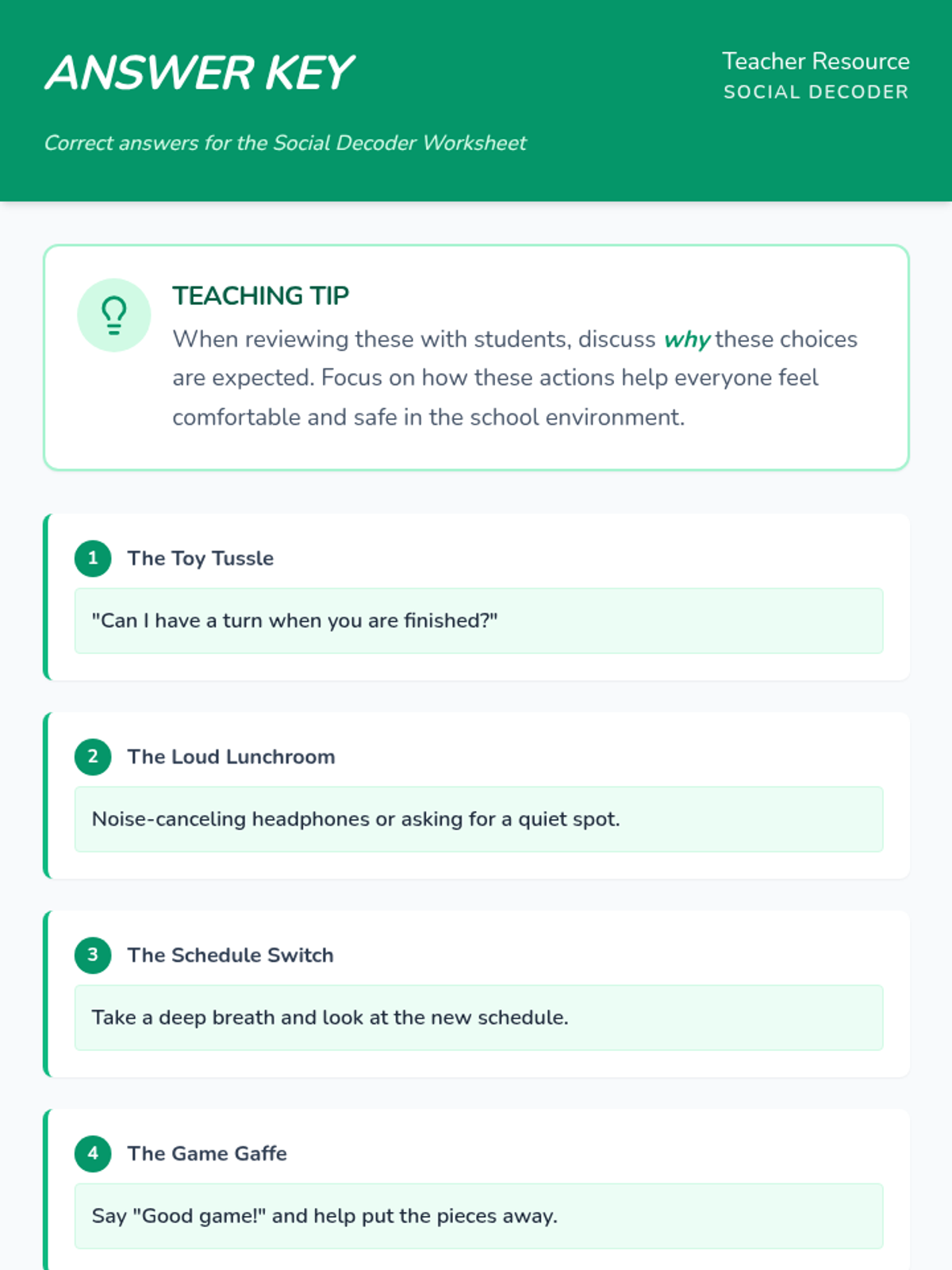
A lesson focused on identifying 'expected' social responses in common school scenarios to help students build social problem-solving skills and emotional regulation.
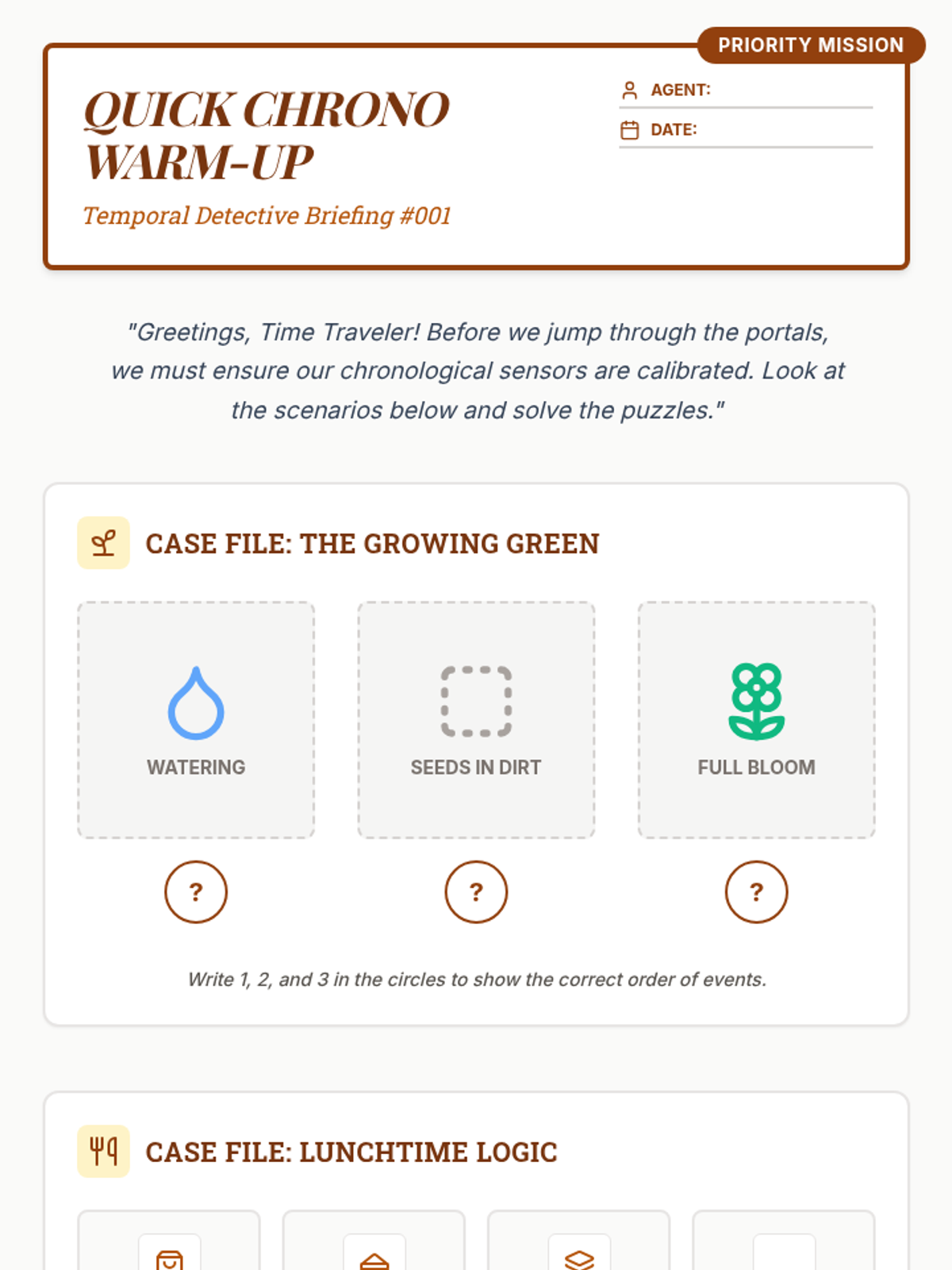
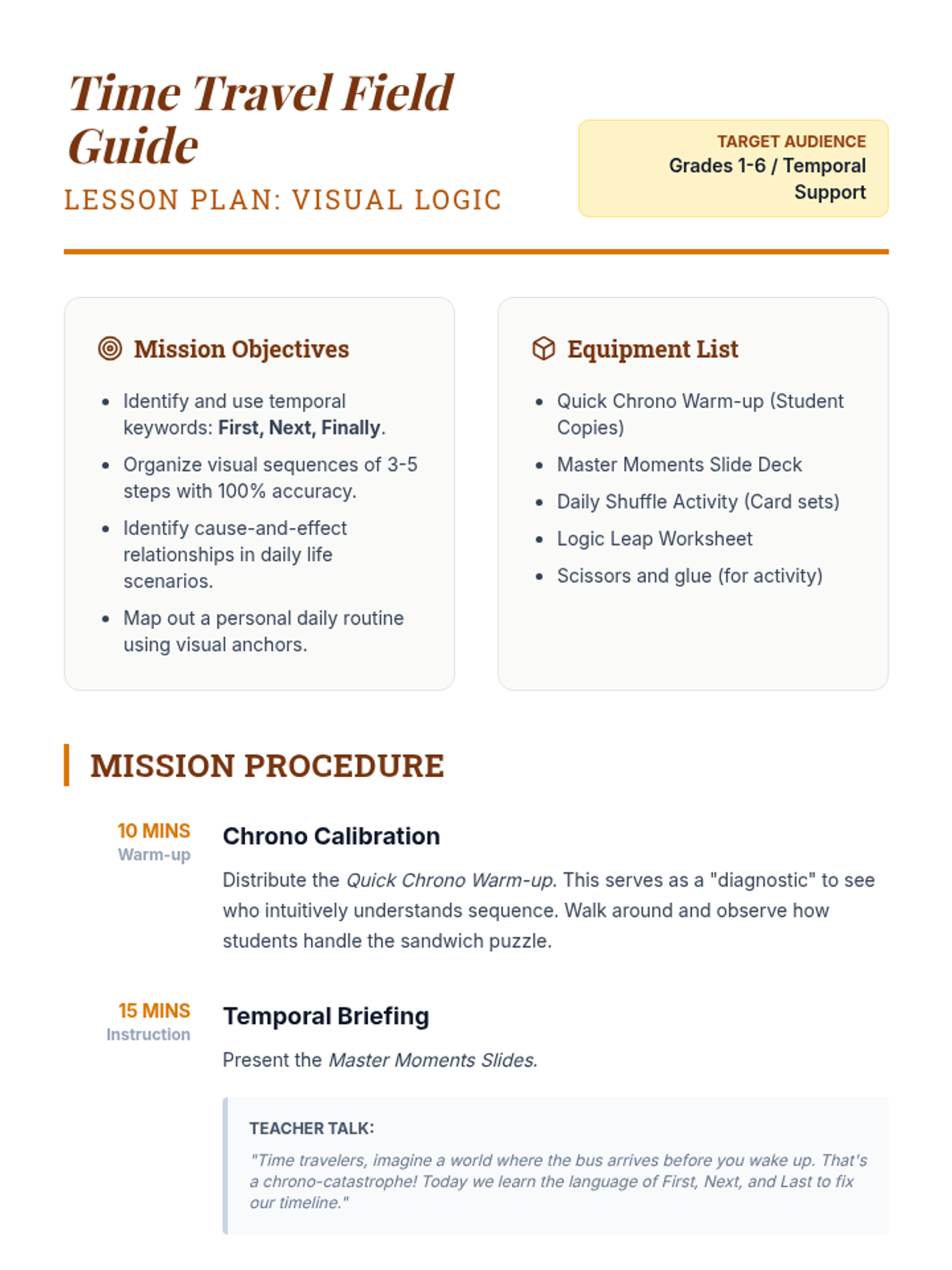
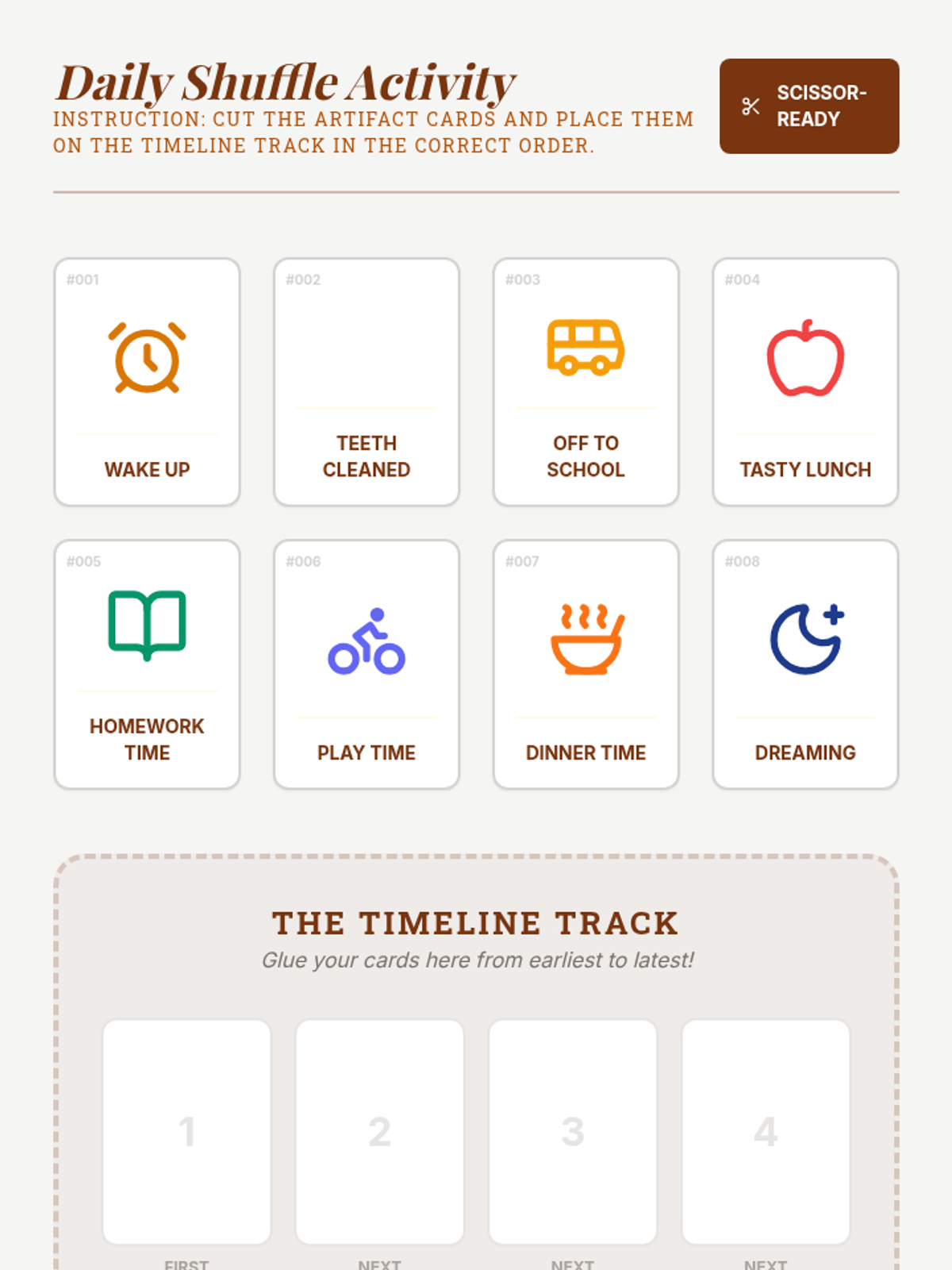
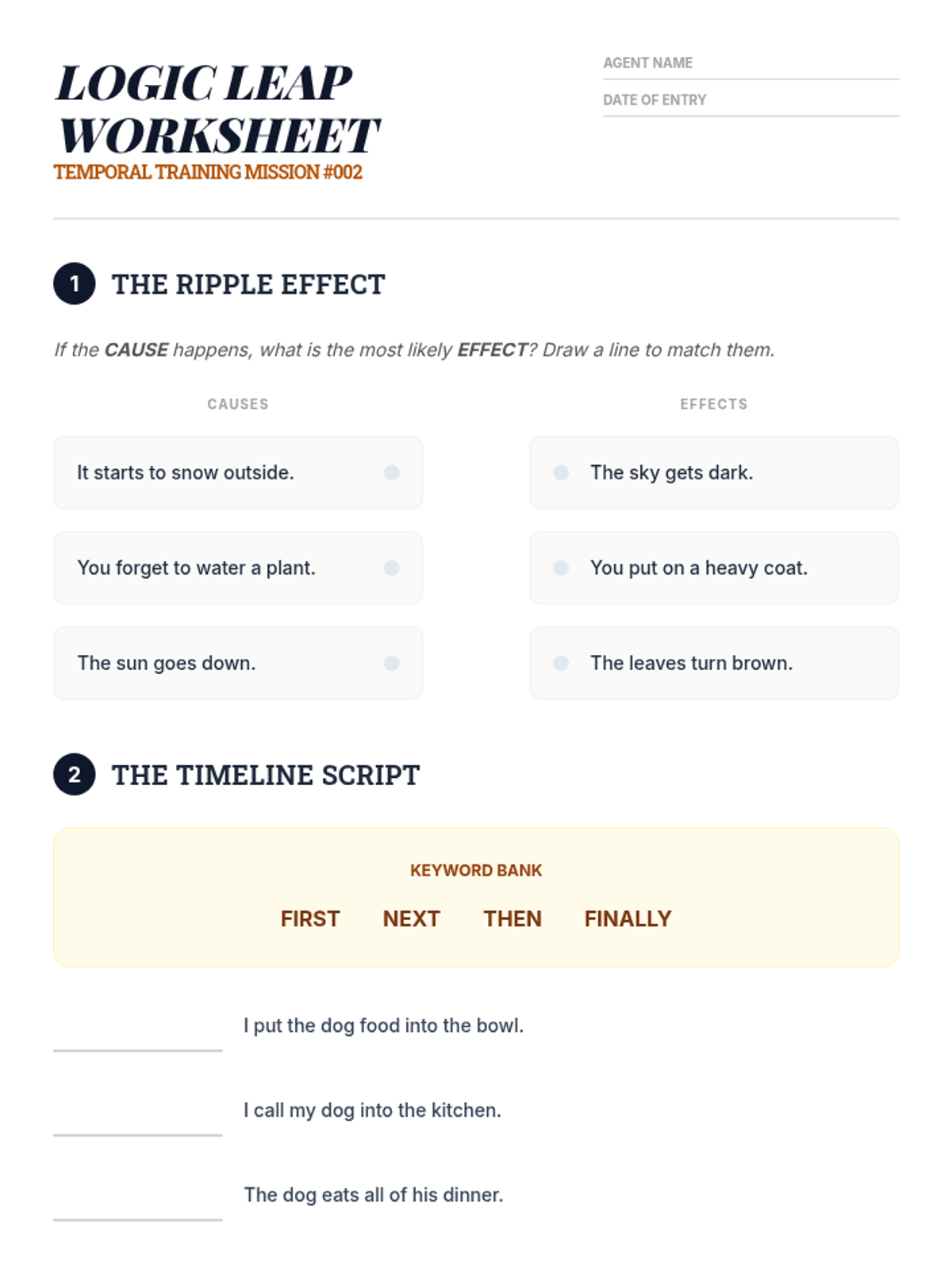
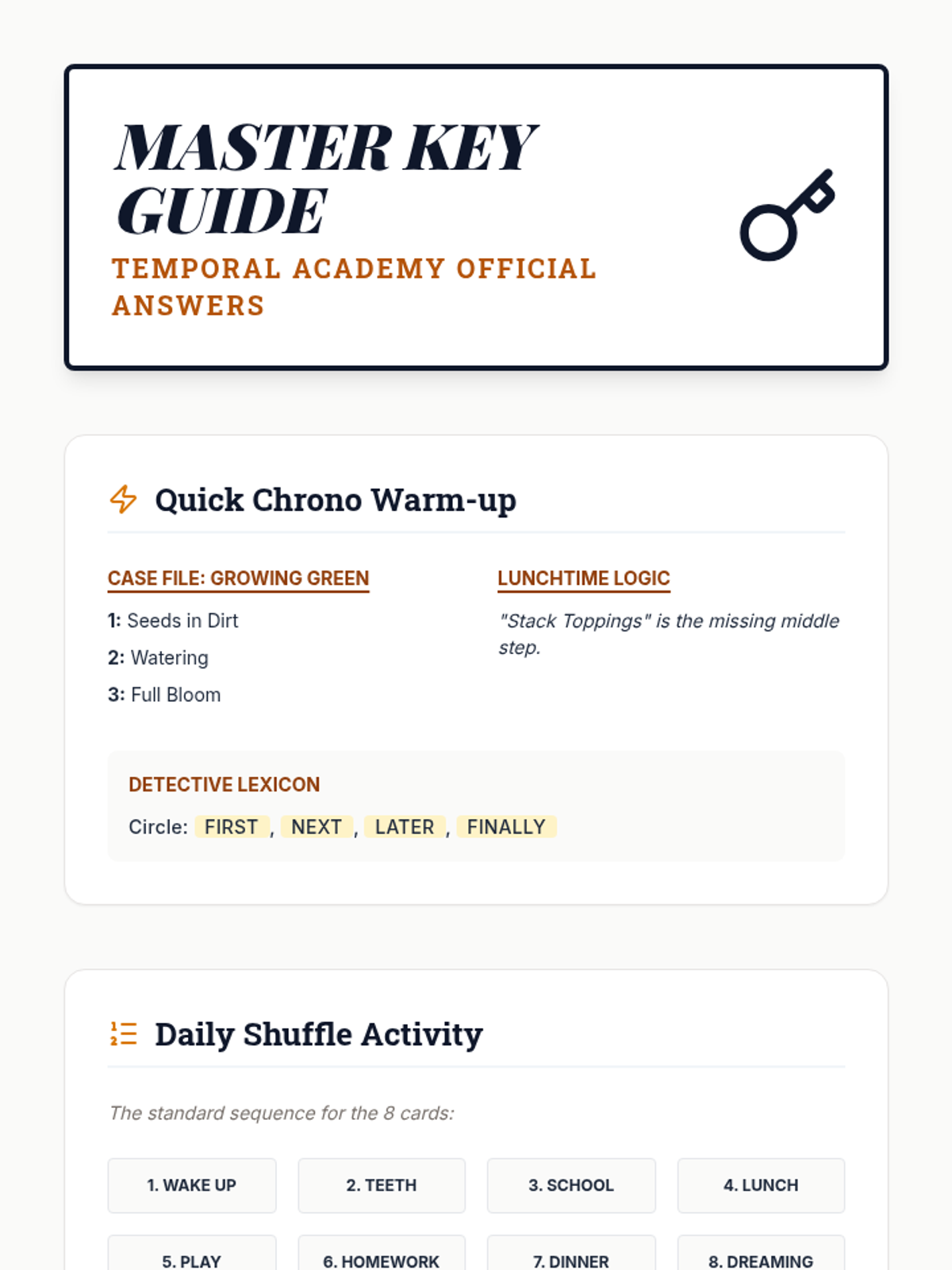
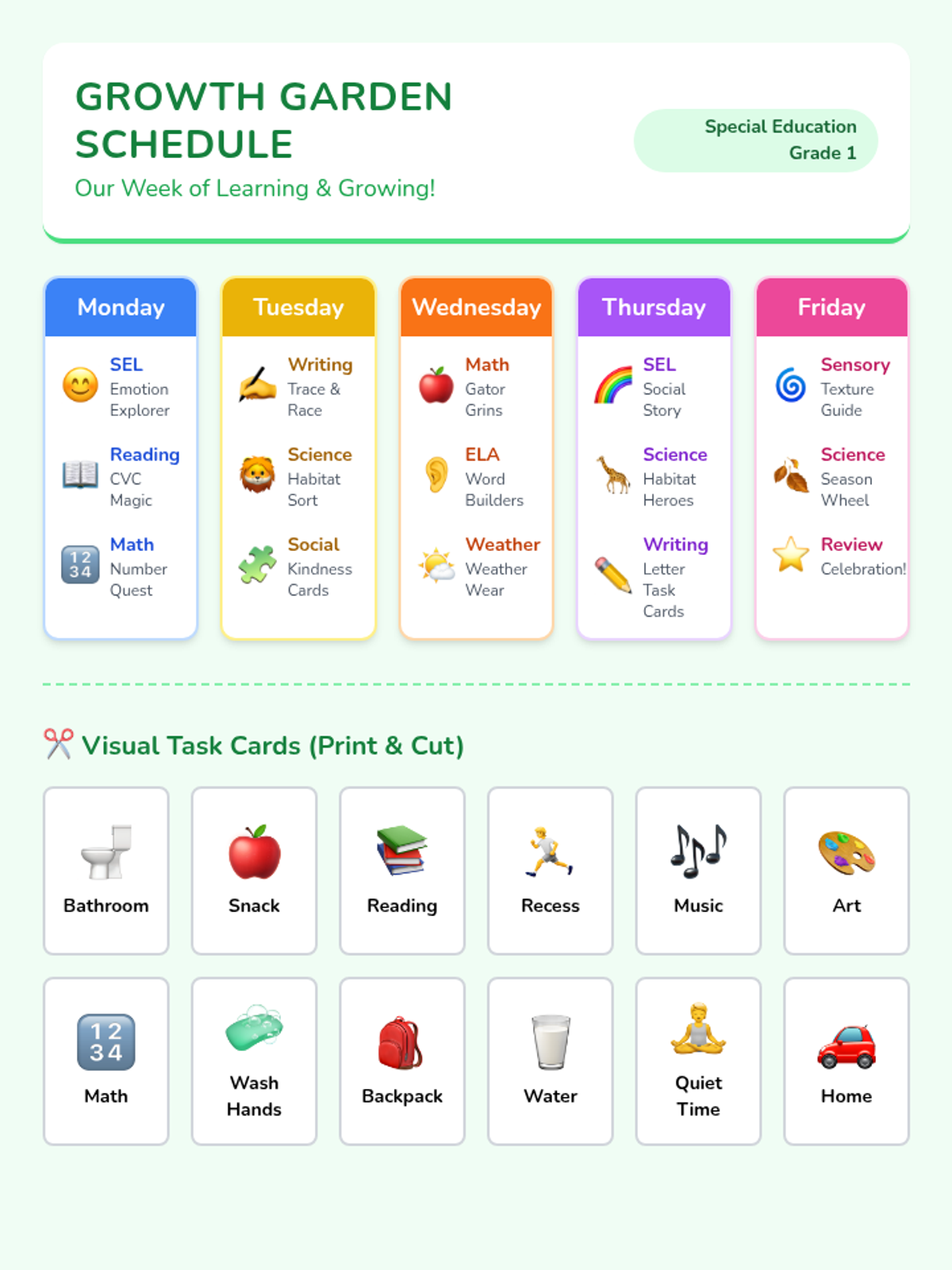
Students develop skills in identifying and organizing sequences of events using visual logic, temporal keywords, and daily routine mapping.
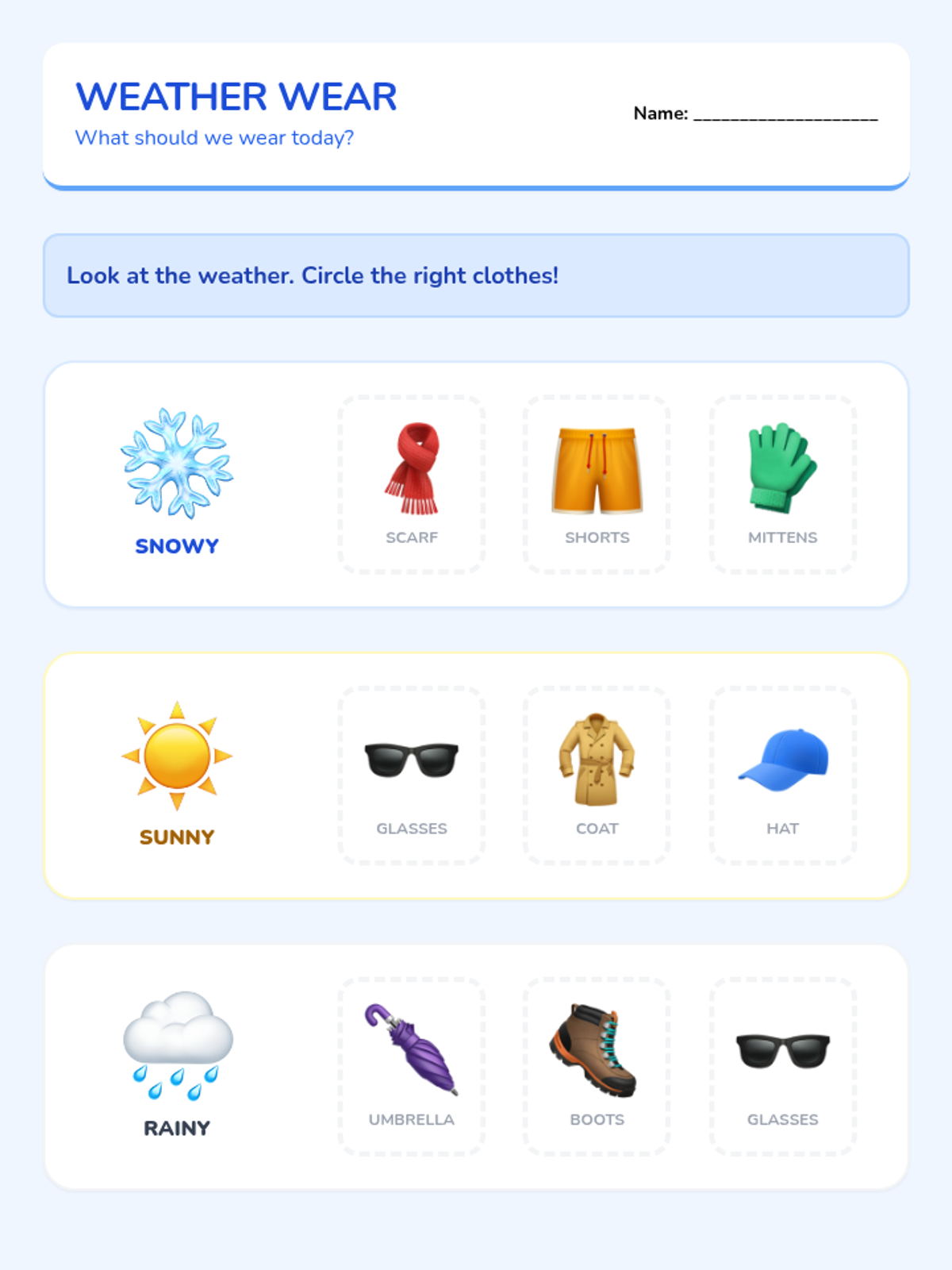
Identifies the four seasons and different types of weather, focusing on choosing appropriate clothing and sensory weather observations.
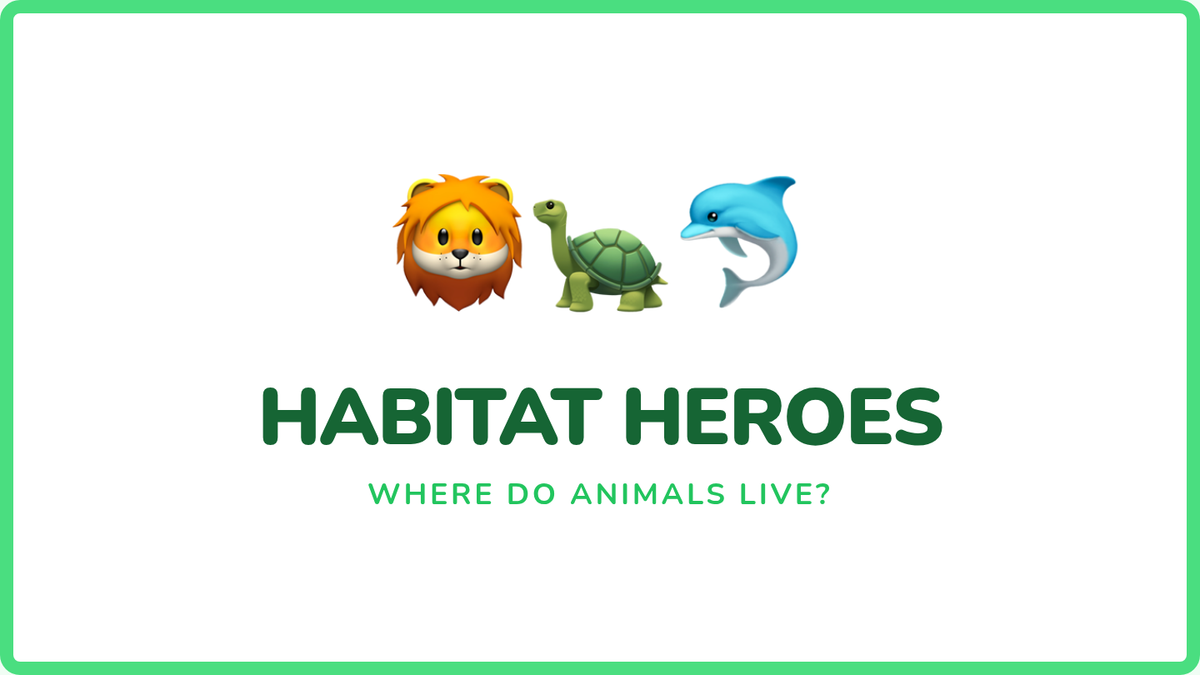
Explores where animals live (ocean, forest, desert) and matches animals to their correct homes using visual sorting tools.
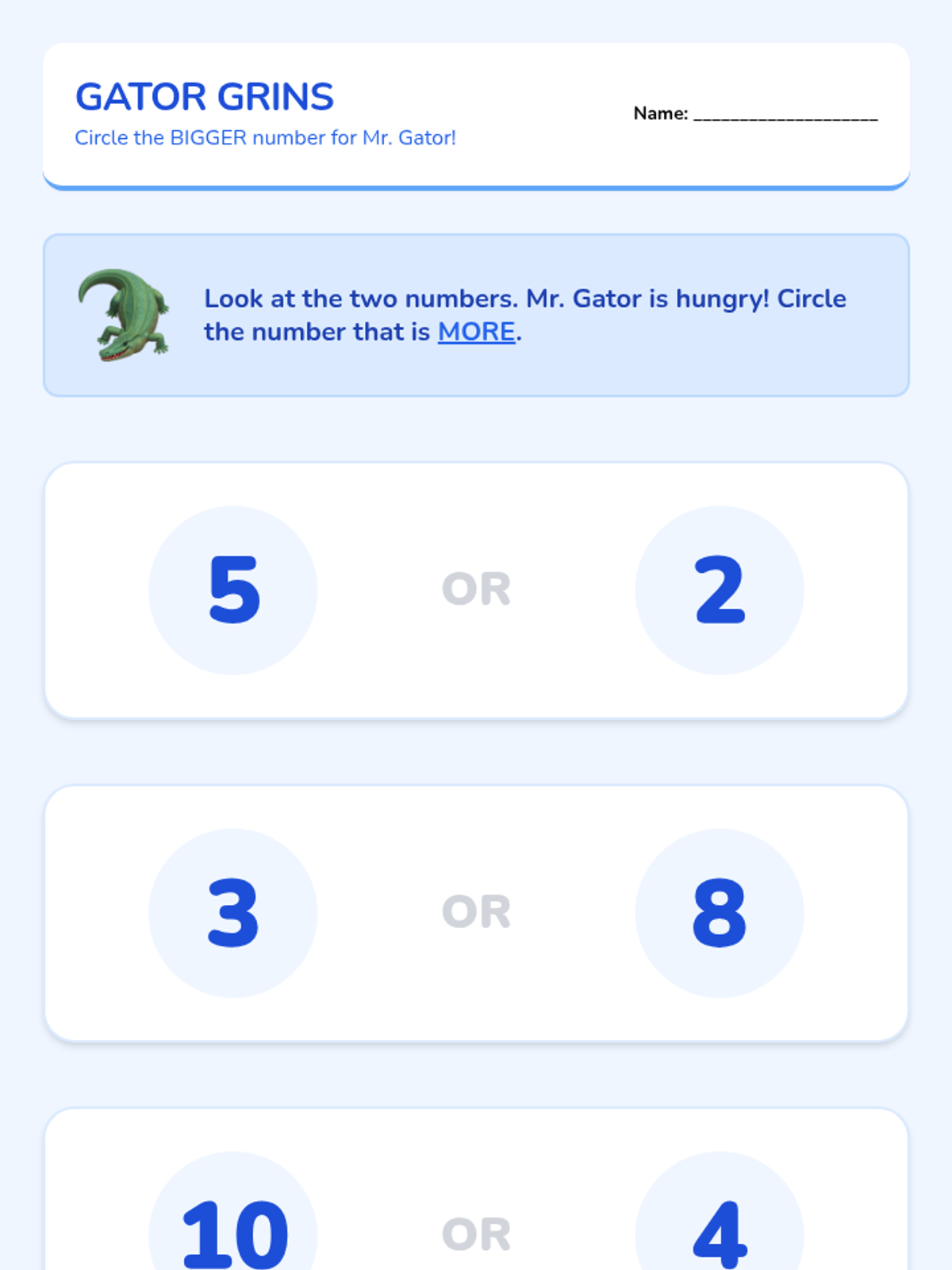
Covers number recognition and the concept of 'more' versus 'less' using visual 'greater than' alligator symbols and hands-on counting tasks.
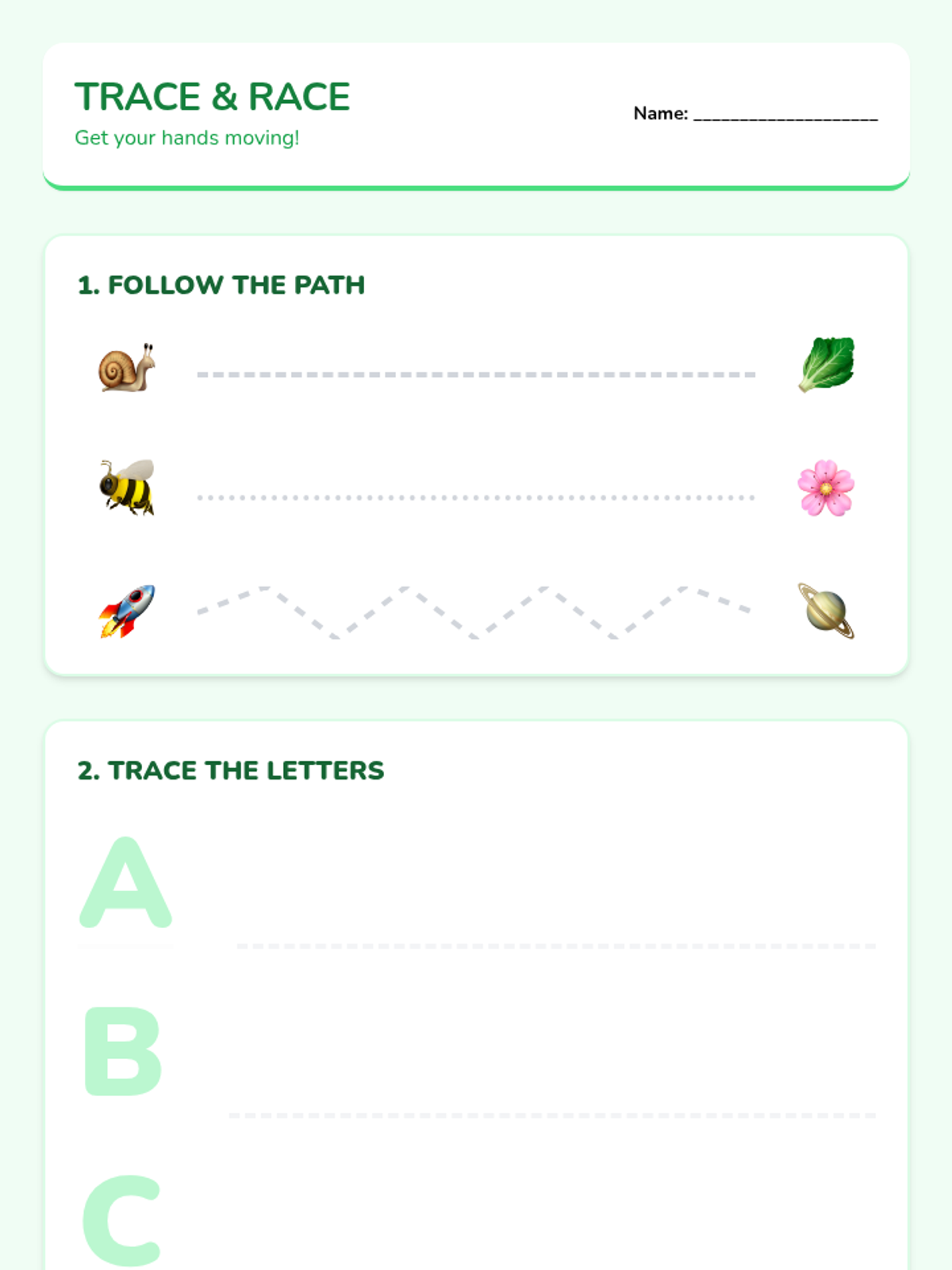
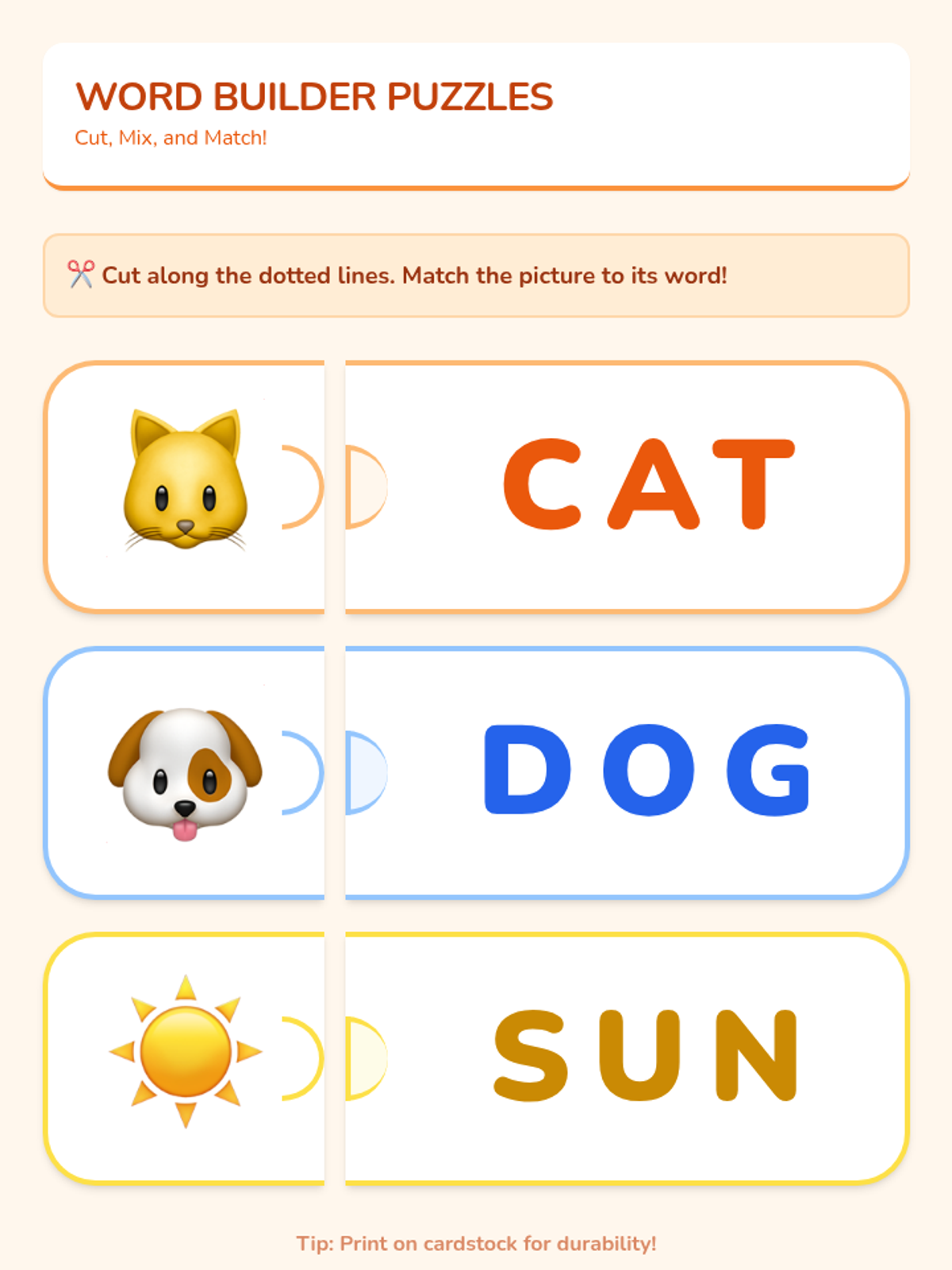
Introduces letter identification, pre-writing strokes, and foundational CVC word blending using tactile and visual puzzles.
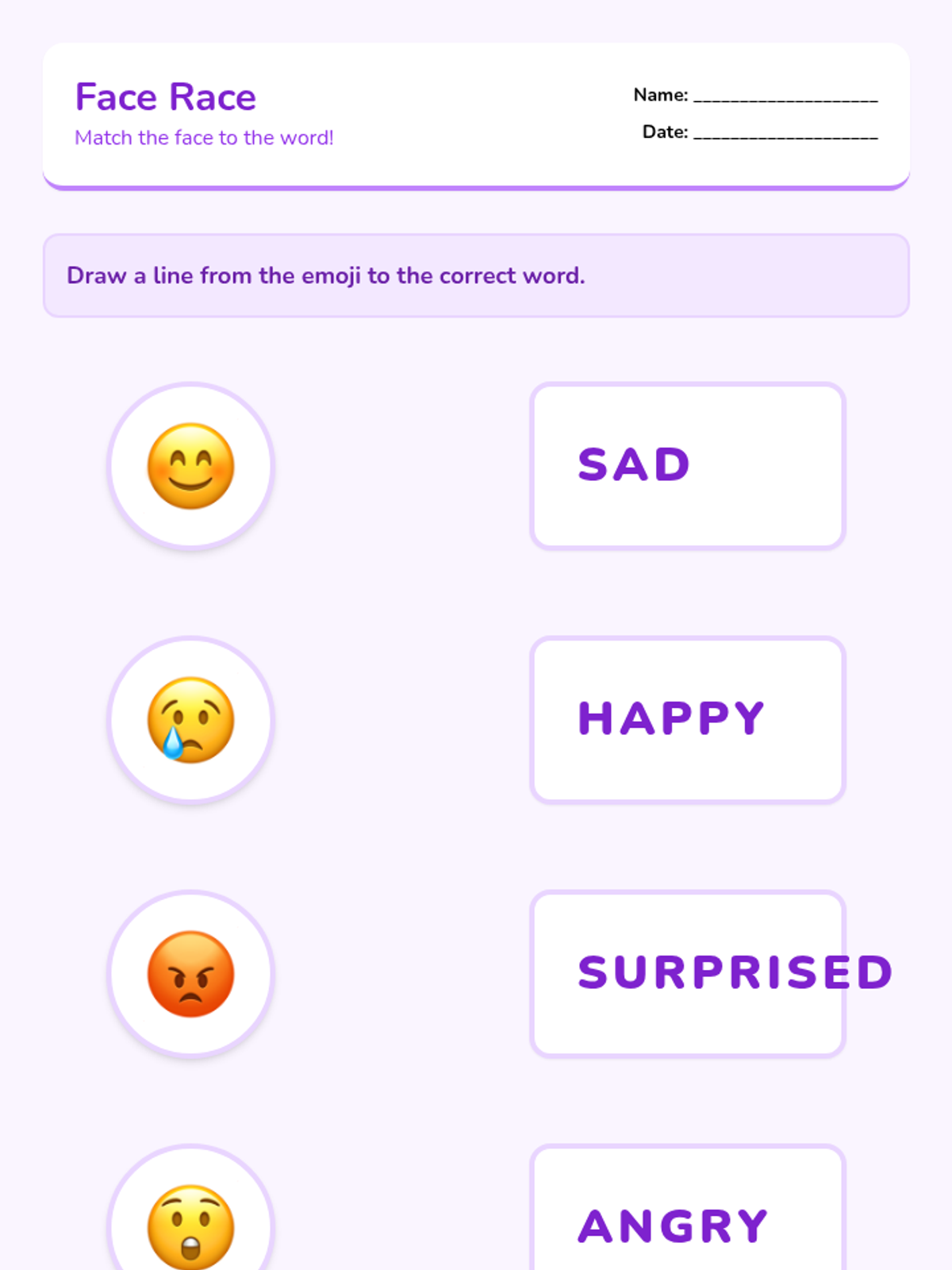
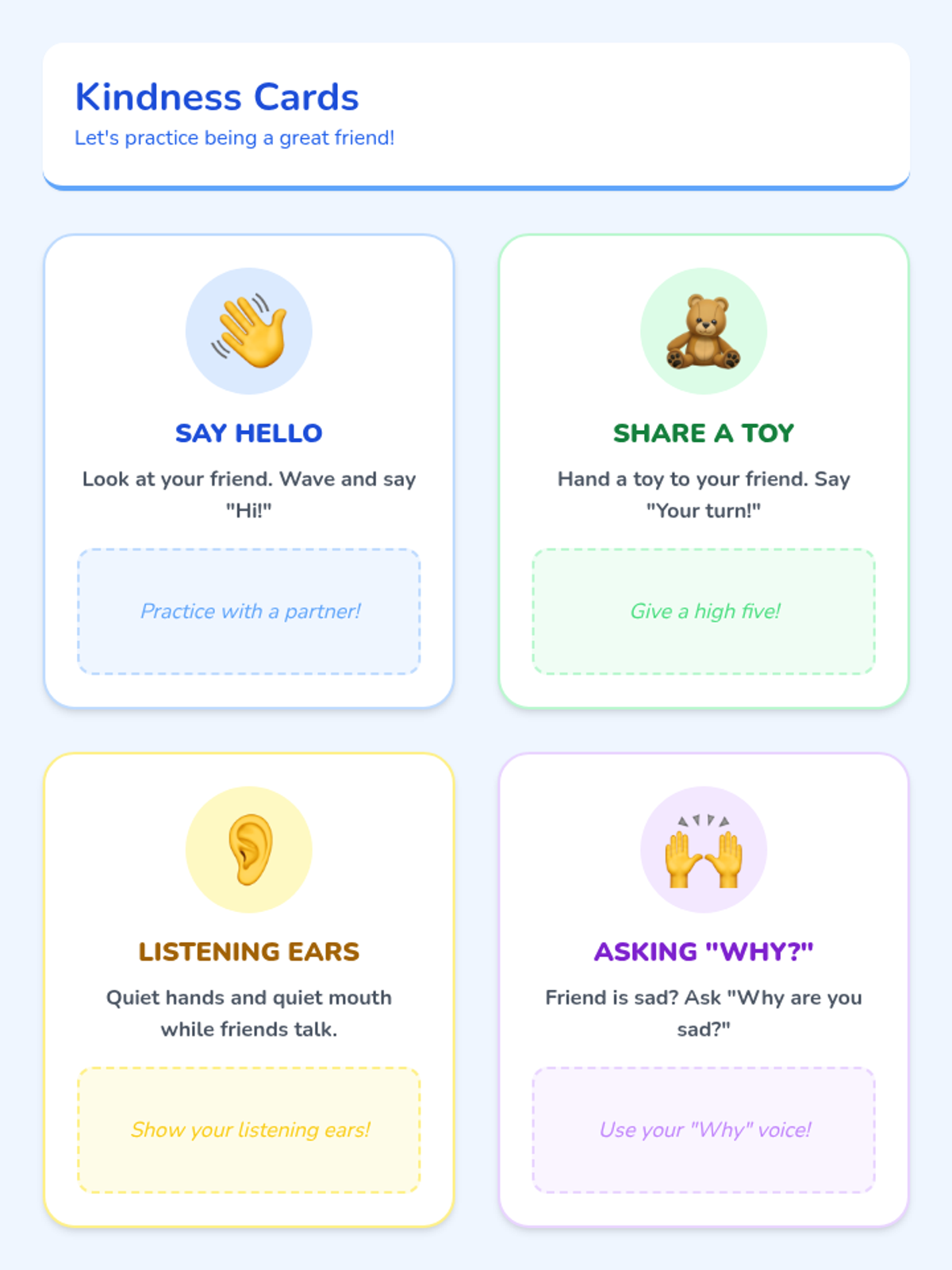
Focuses on identifying basic emotions (happy, sad, angry, surprised) and practicing simple social interactions through visual stories and matching activities.
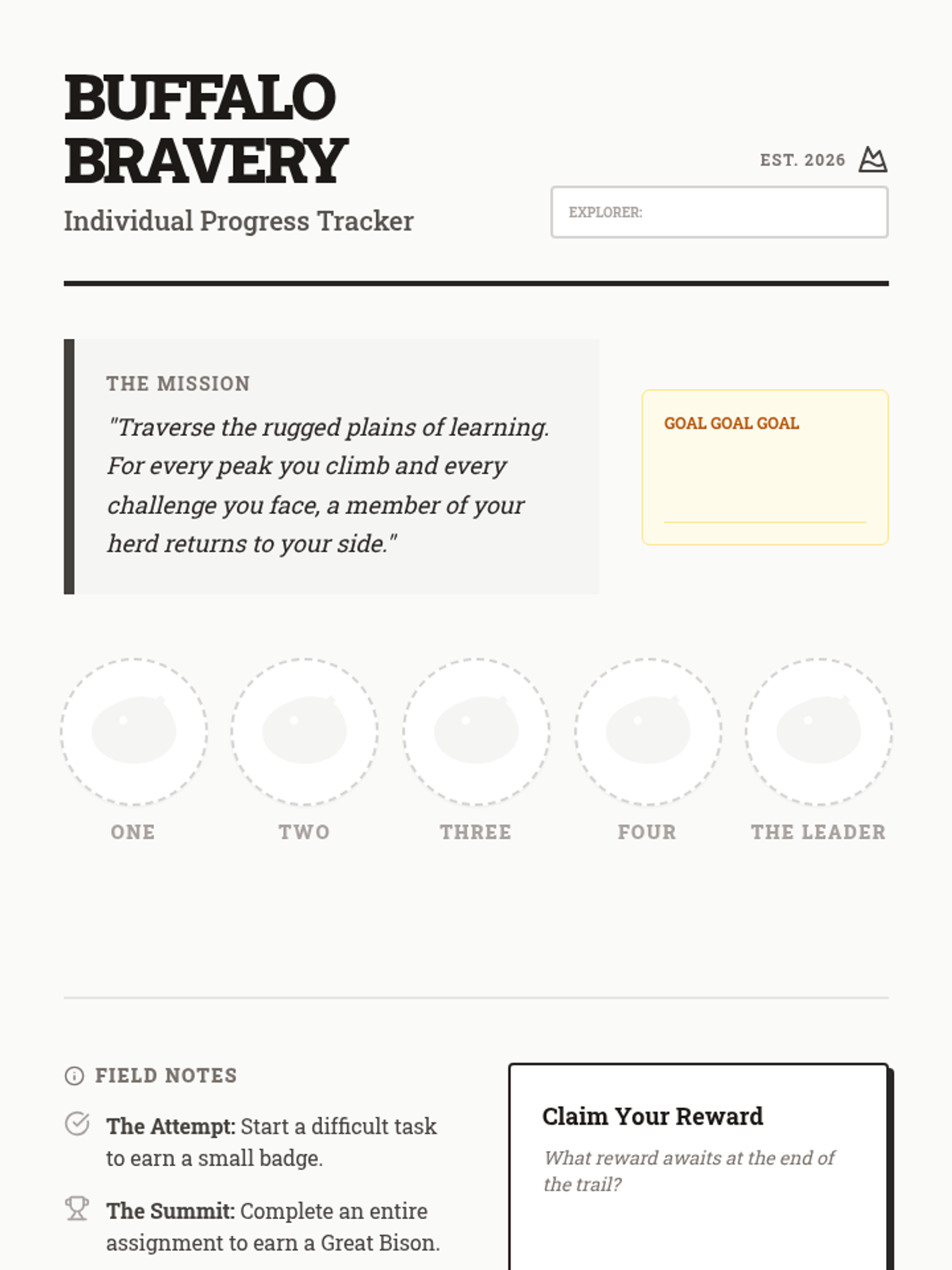
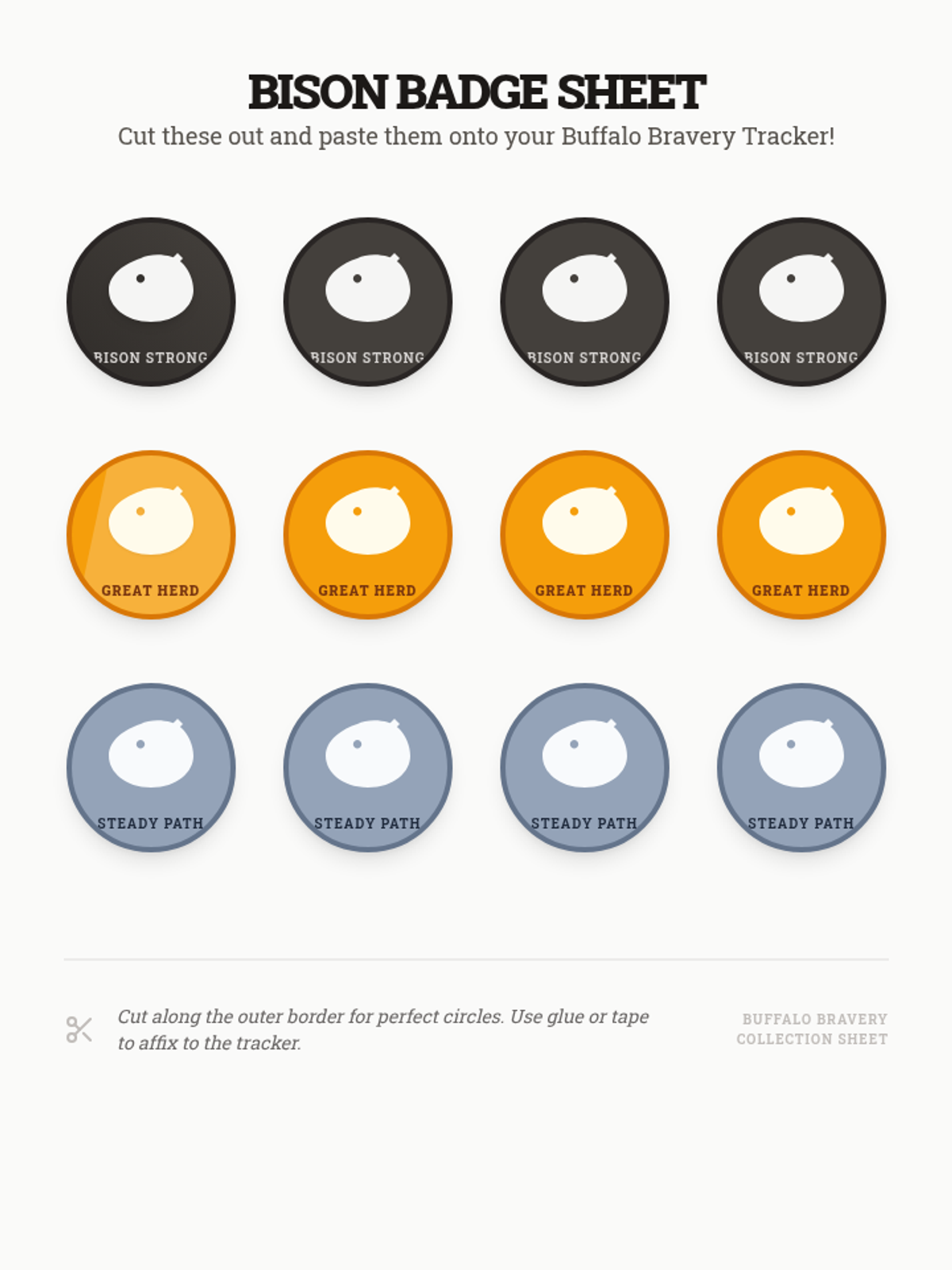
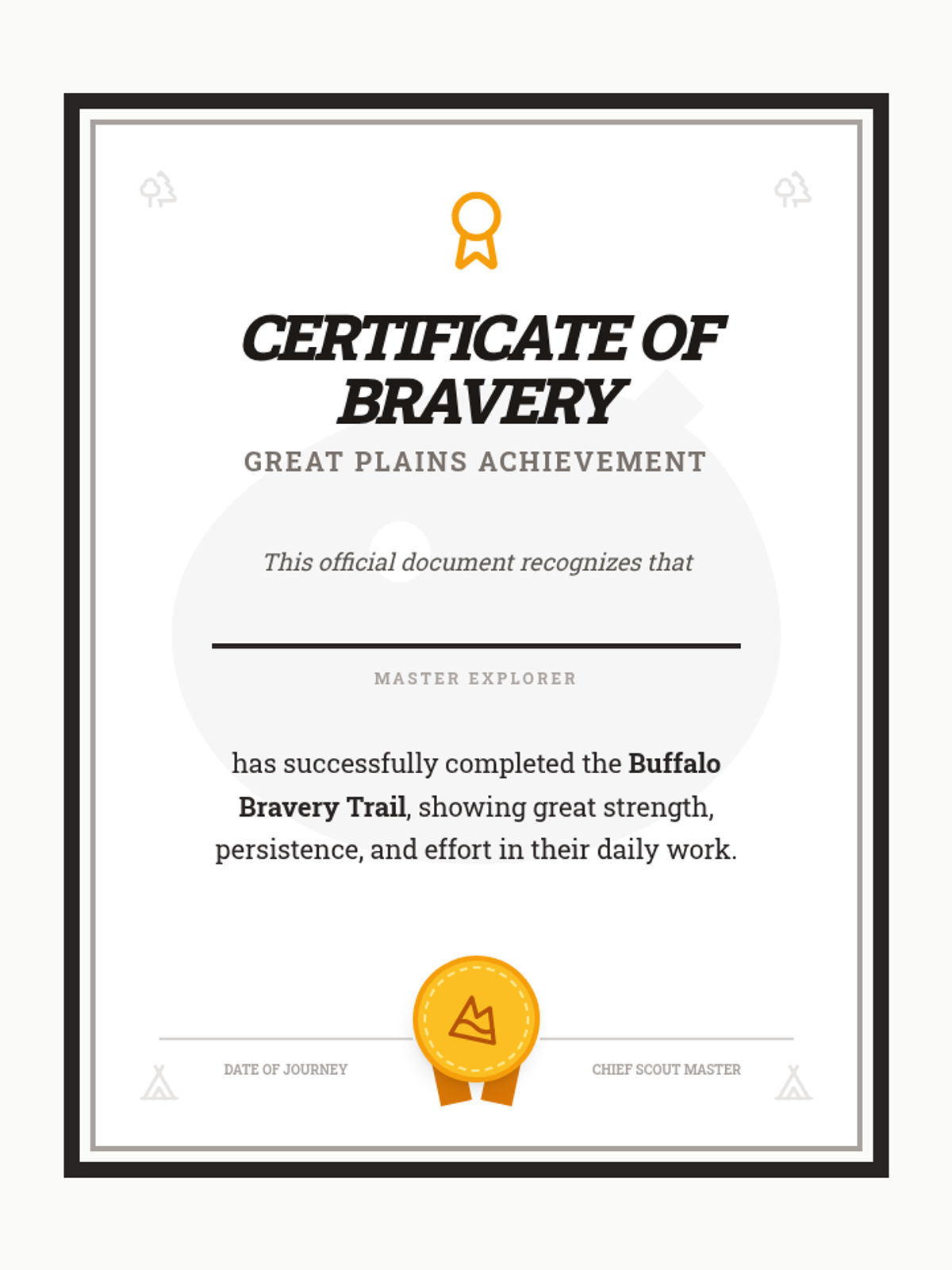
A motivational incentive system designed to encourage students to complete and attempt their work through a themed collection of bison badges.
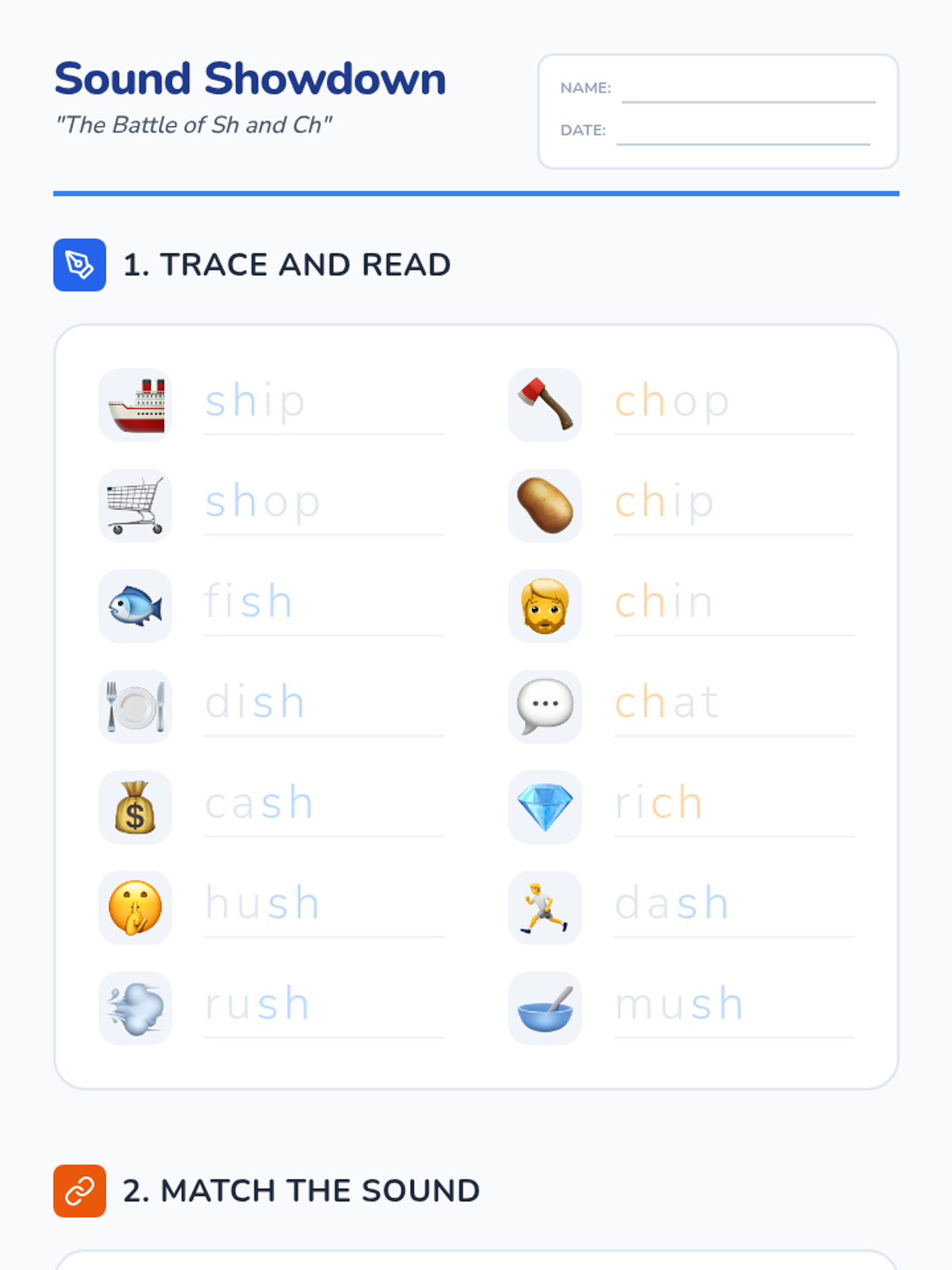
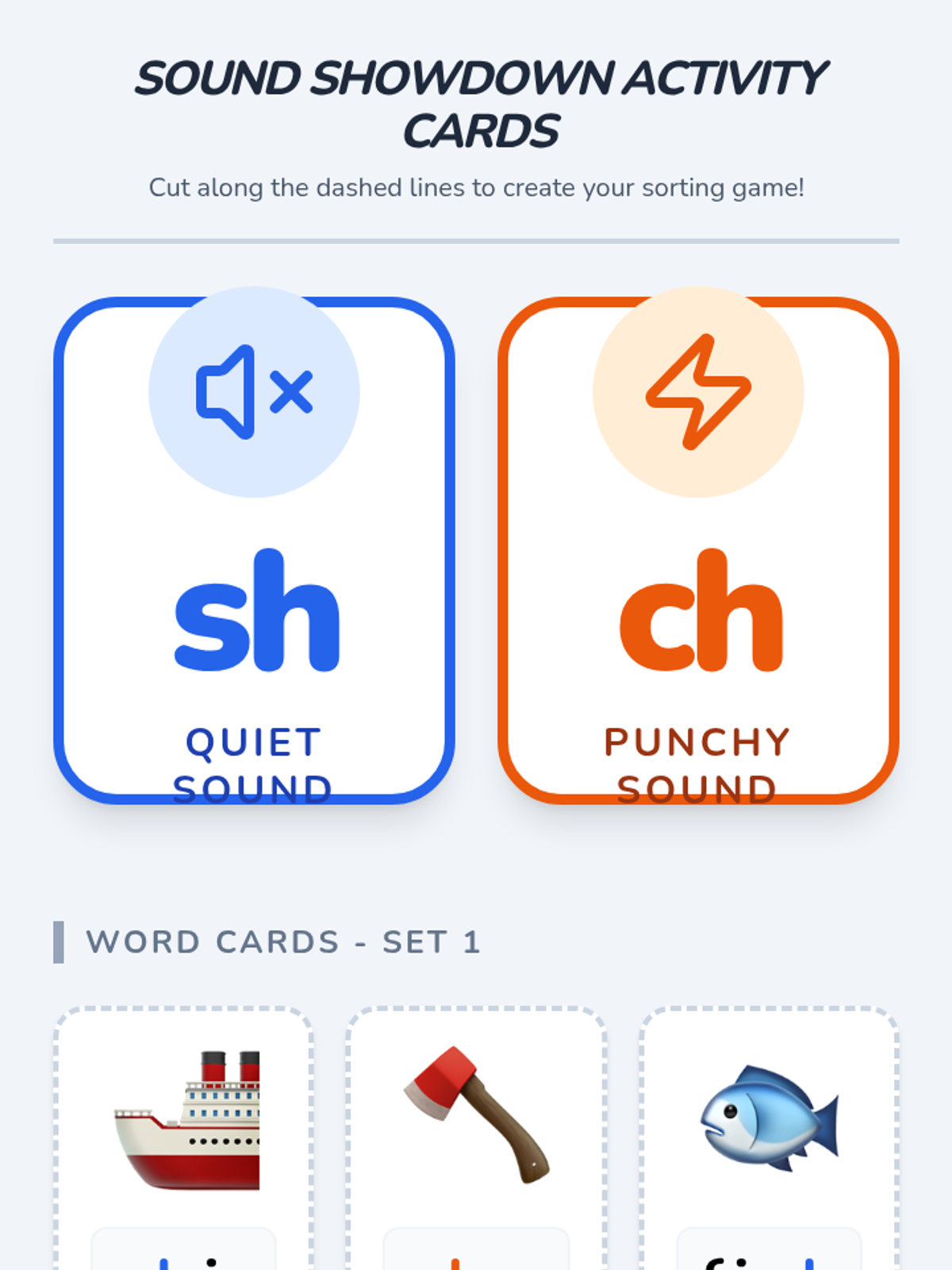
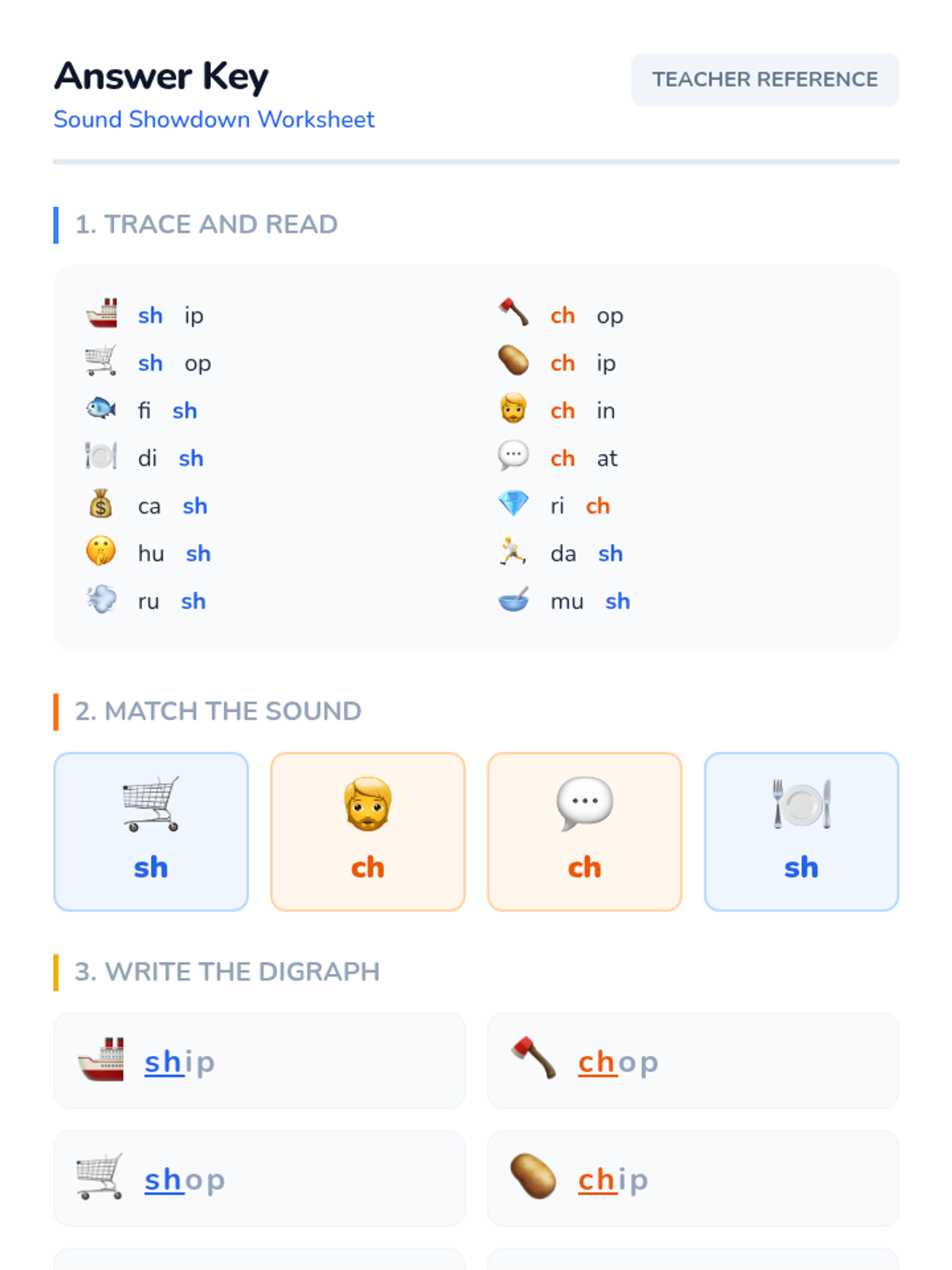
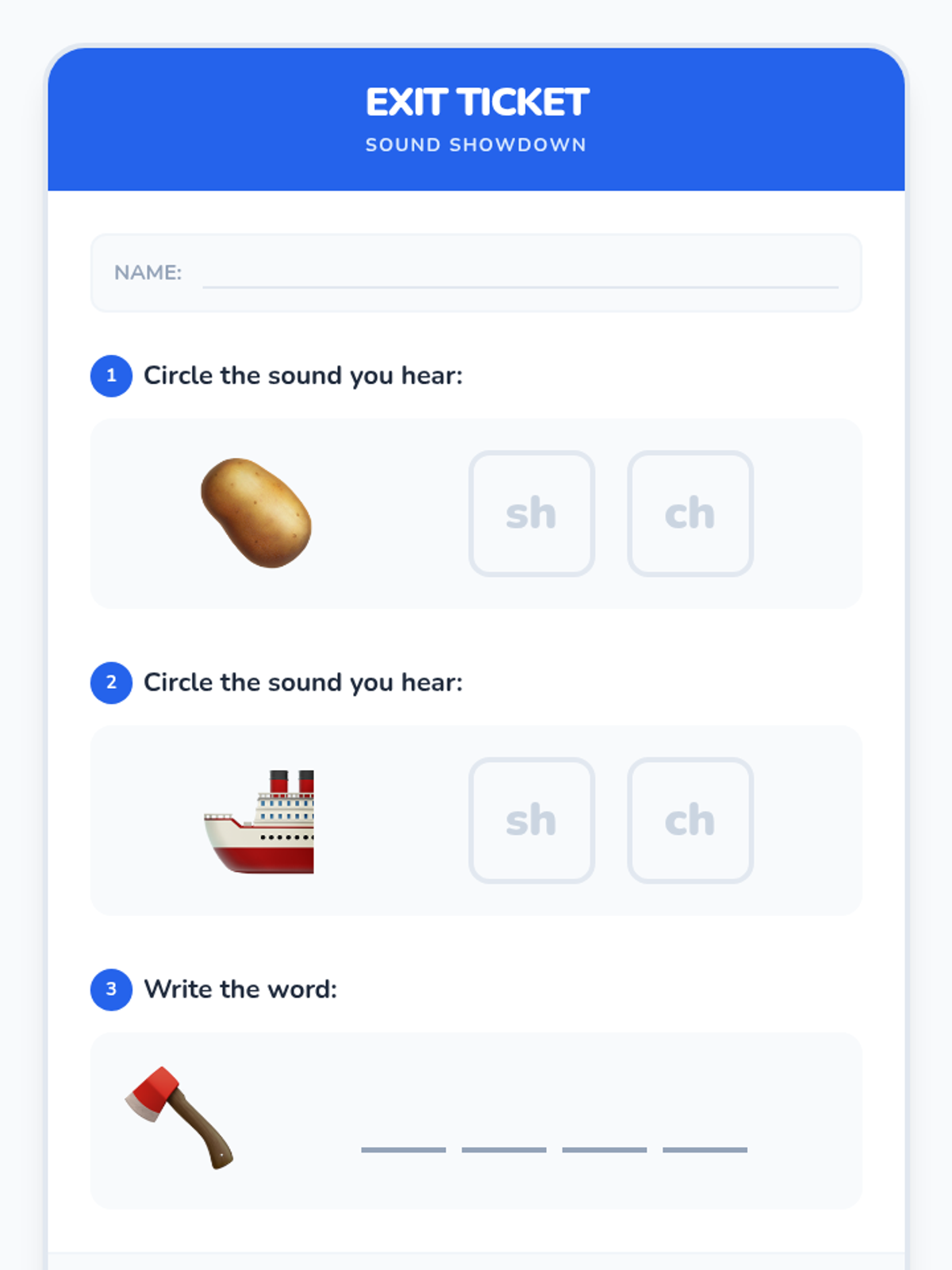
A targeted lesson focusing on the 'sh' and 'ch' digraphs. Students will learn to distinguish between the quiet 'sh' and the punchy 'ch' through visual cues, sorting, and writing practice.
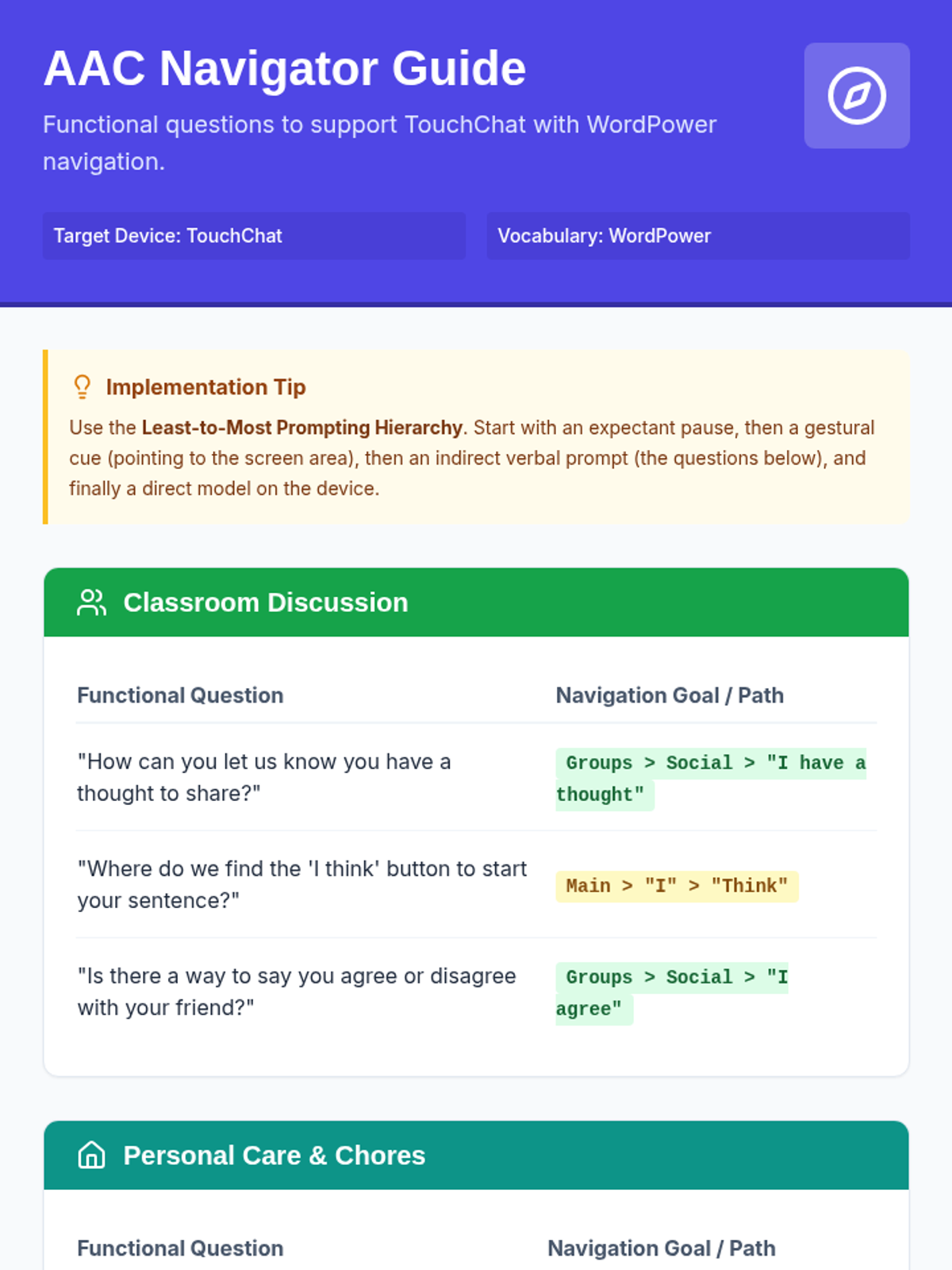
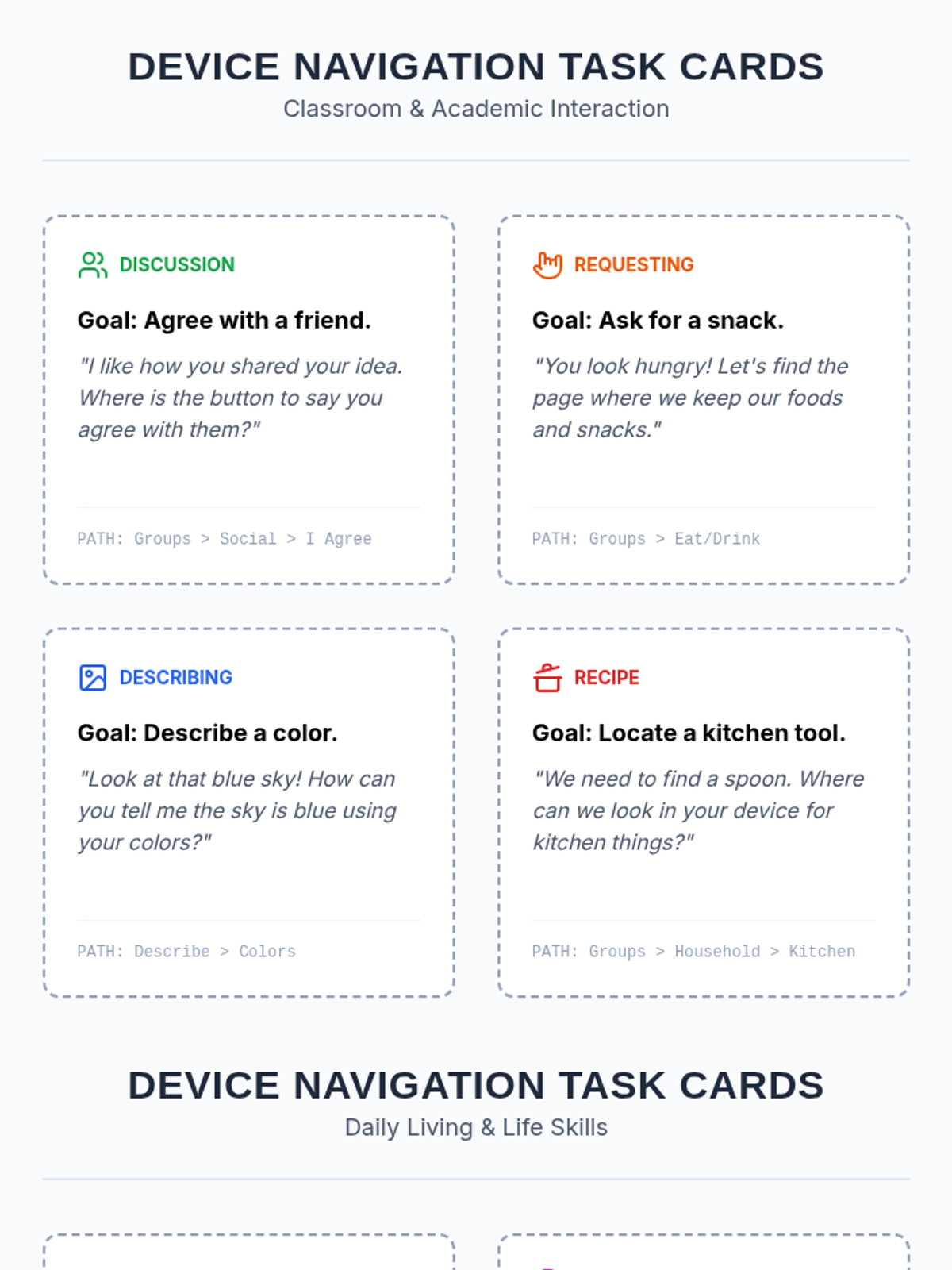
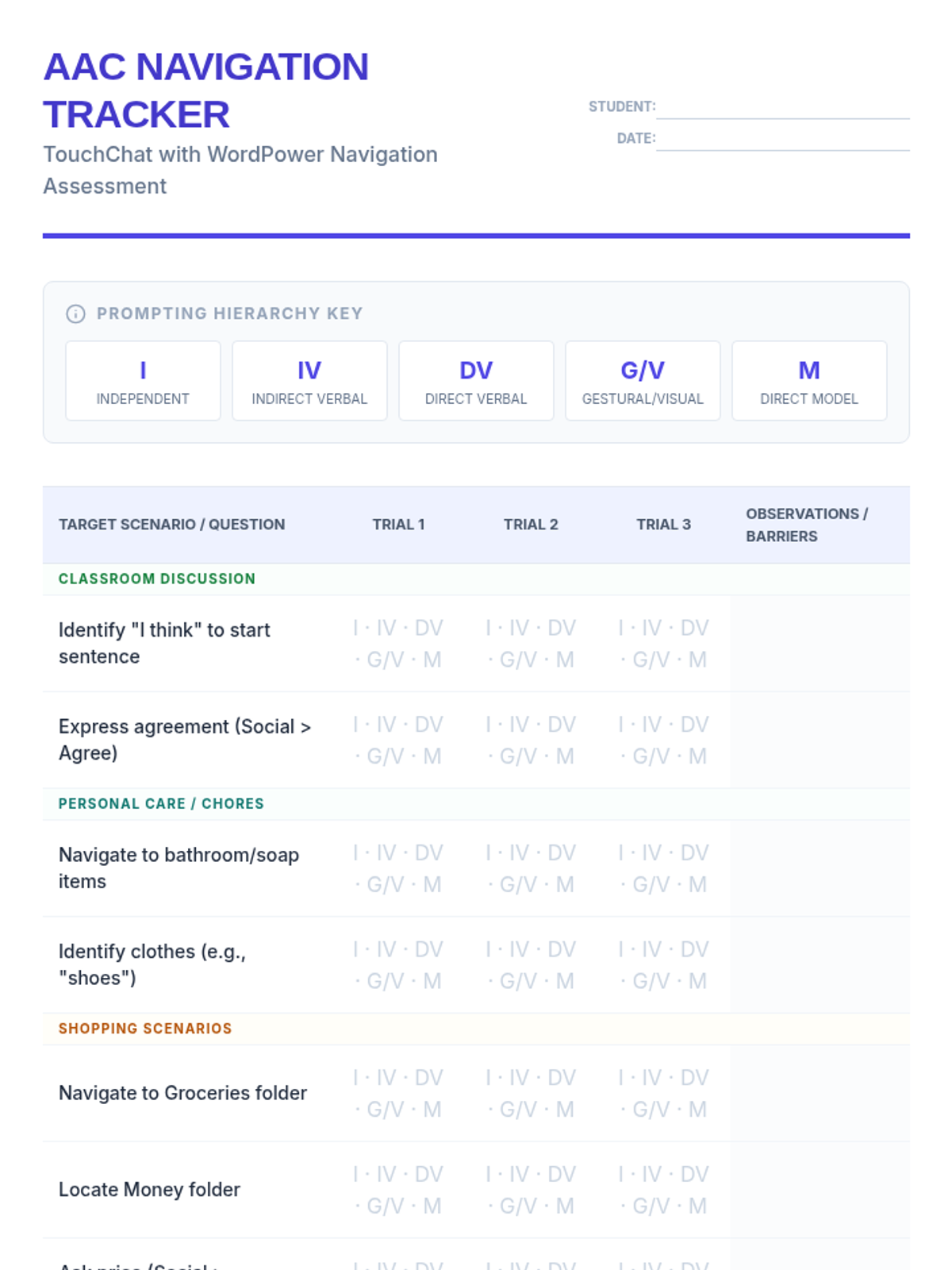
A comprehensive guide and set of activities designed to help educators and SLPs support novice AAC users in navigating TouchChat with WordPower across various functional contexts.
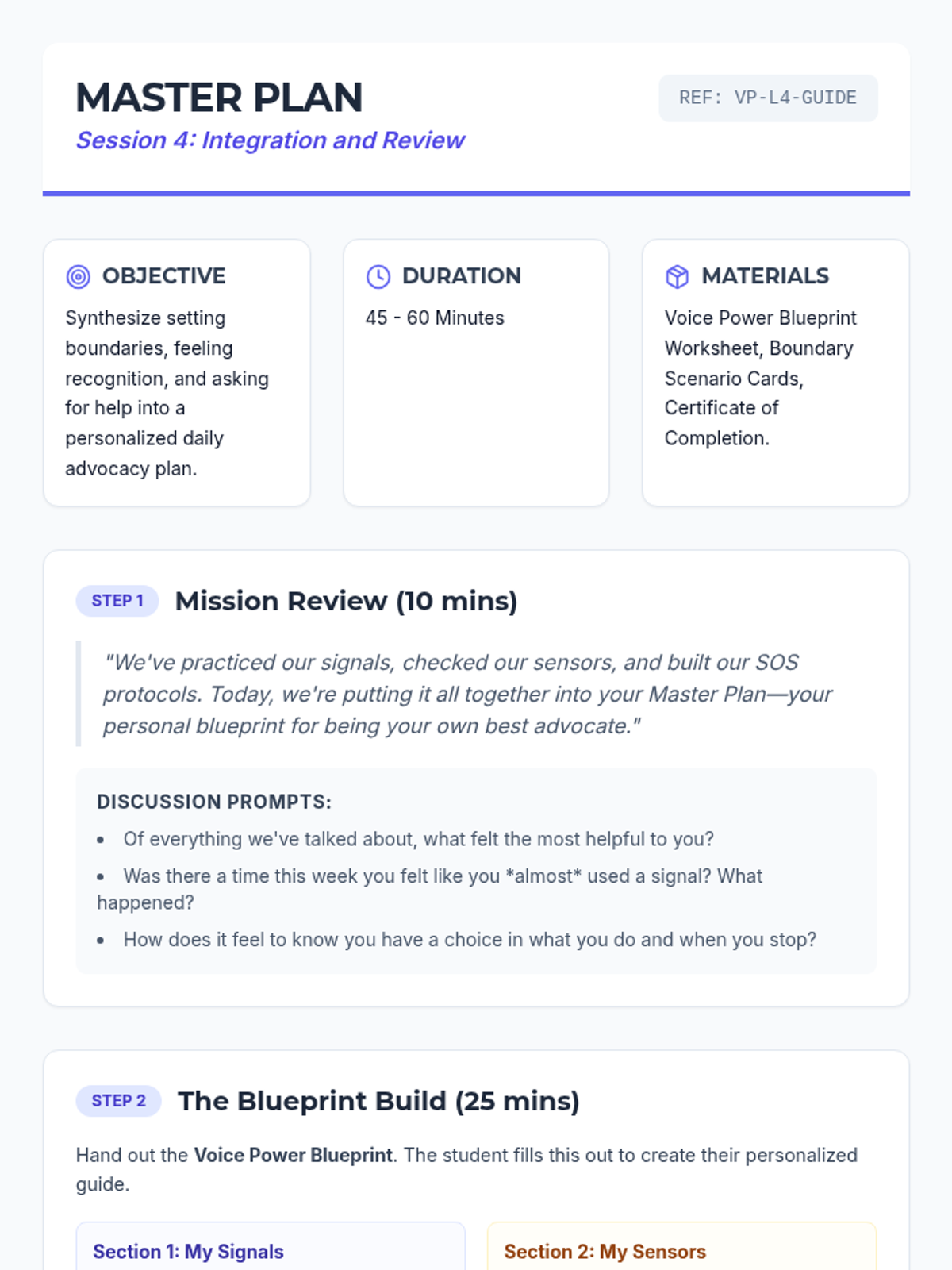
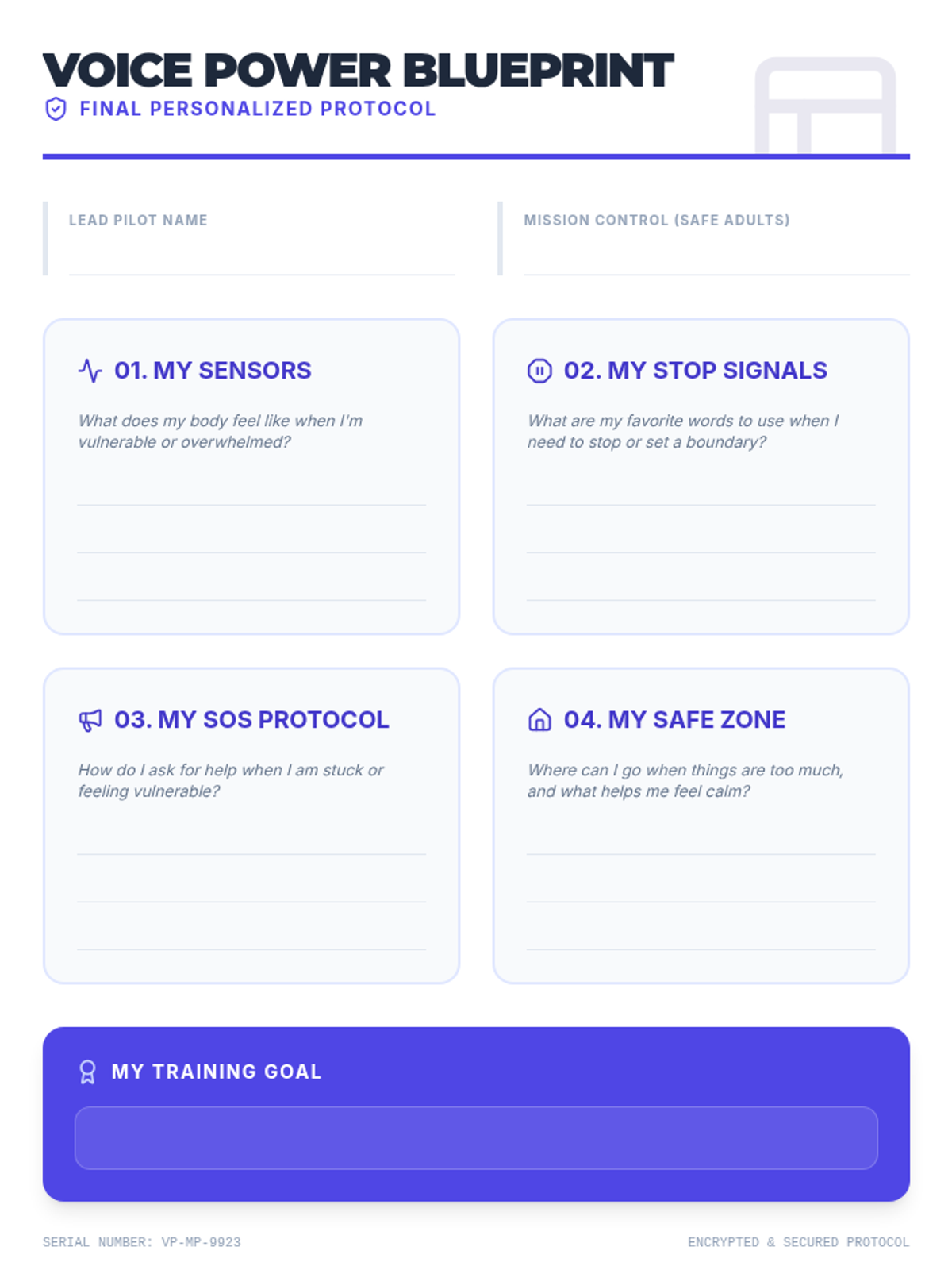
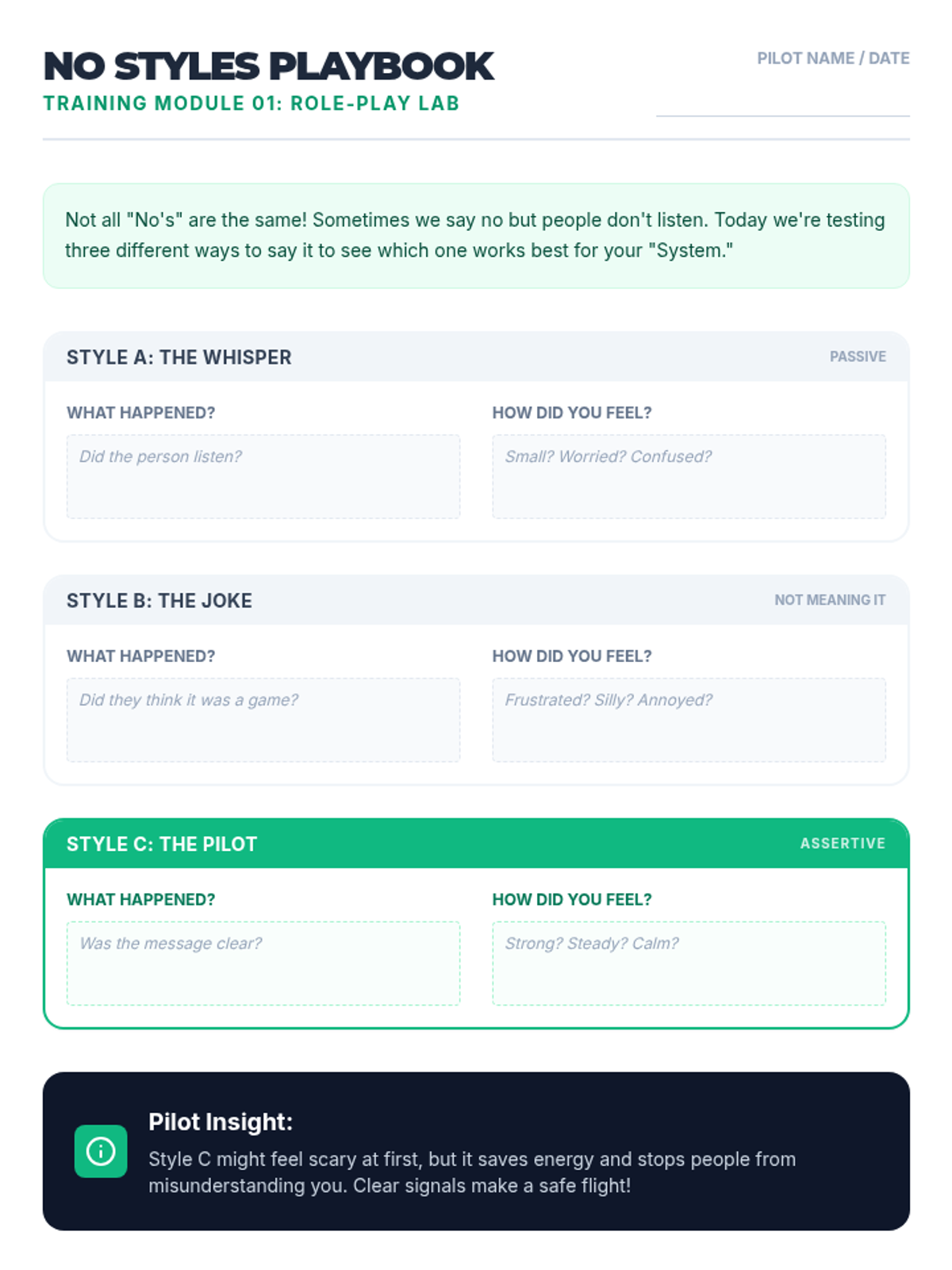
Consolidates skills through role-play and creates a personalized 'Voice Power' action plan for future use.
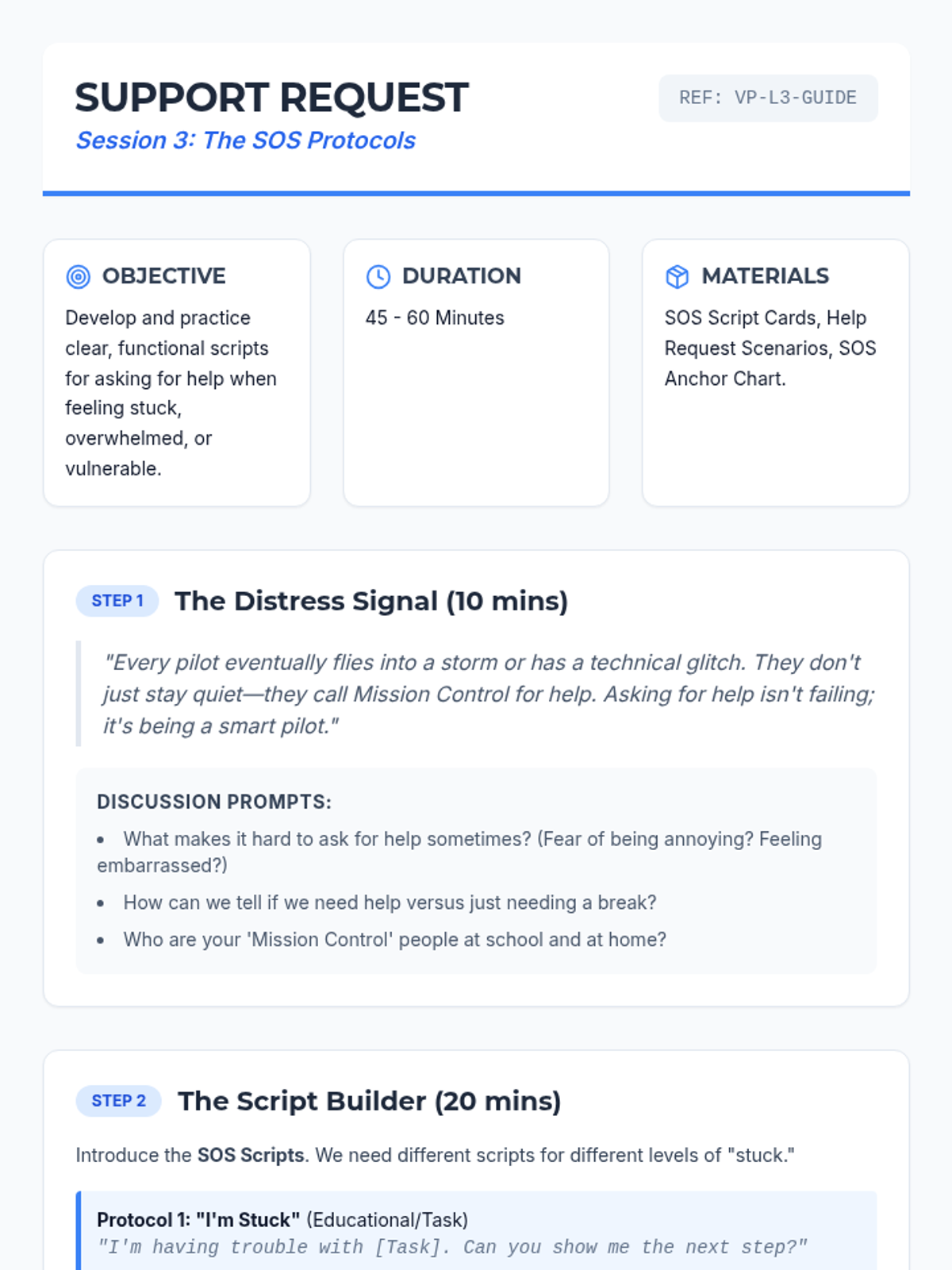
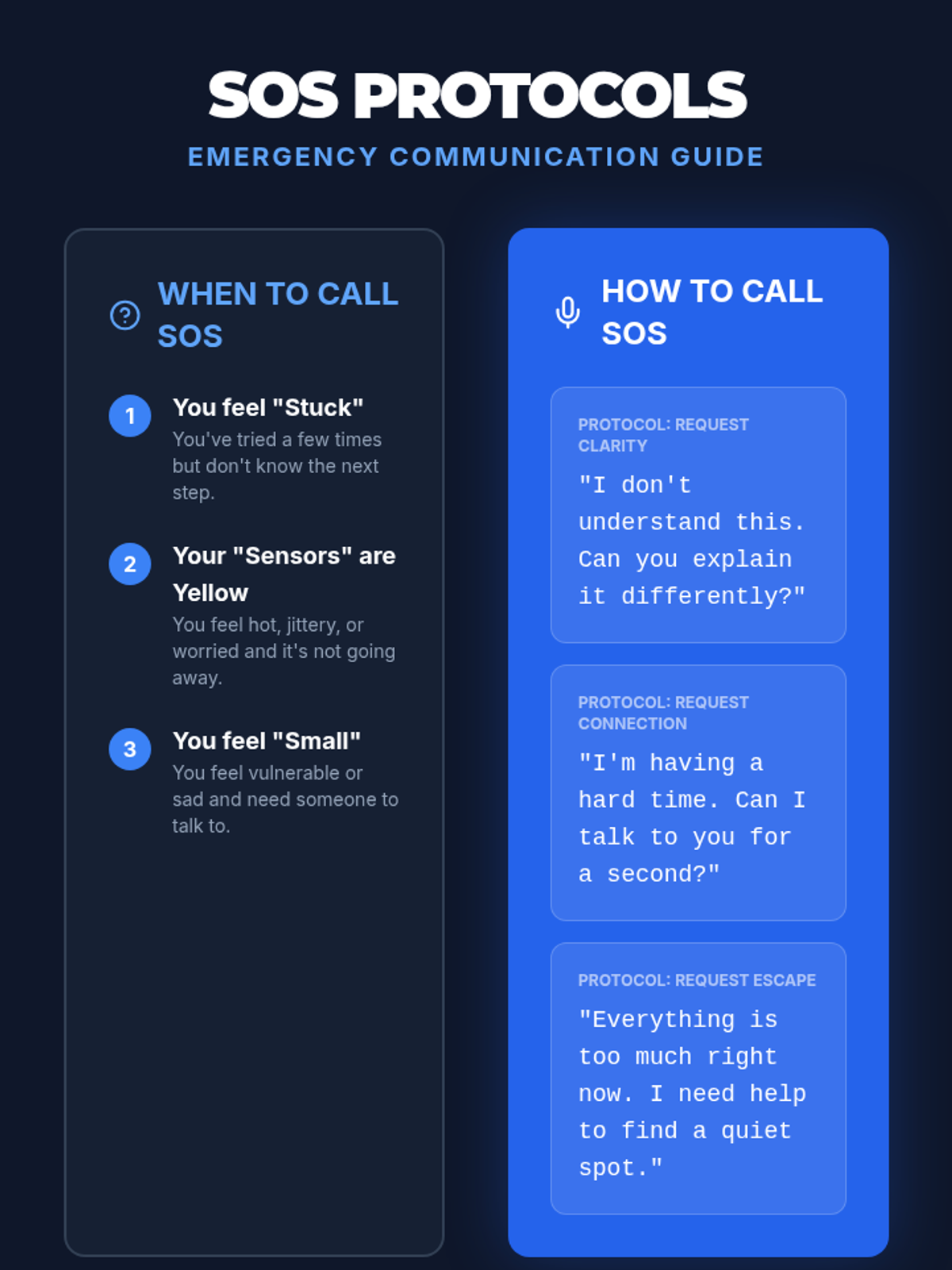
Teaches concrete scripts and methods for requesting assistance when tasks or situations become too difficult.
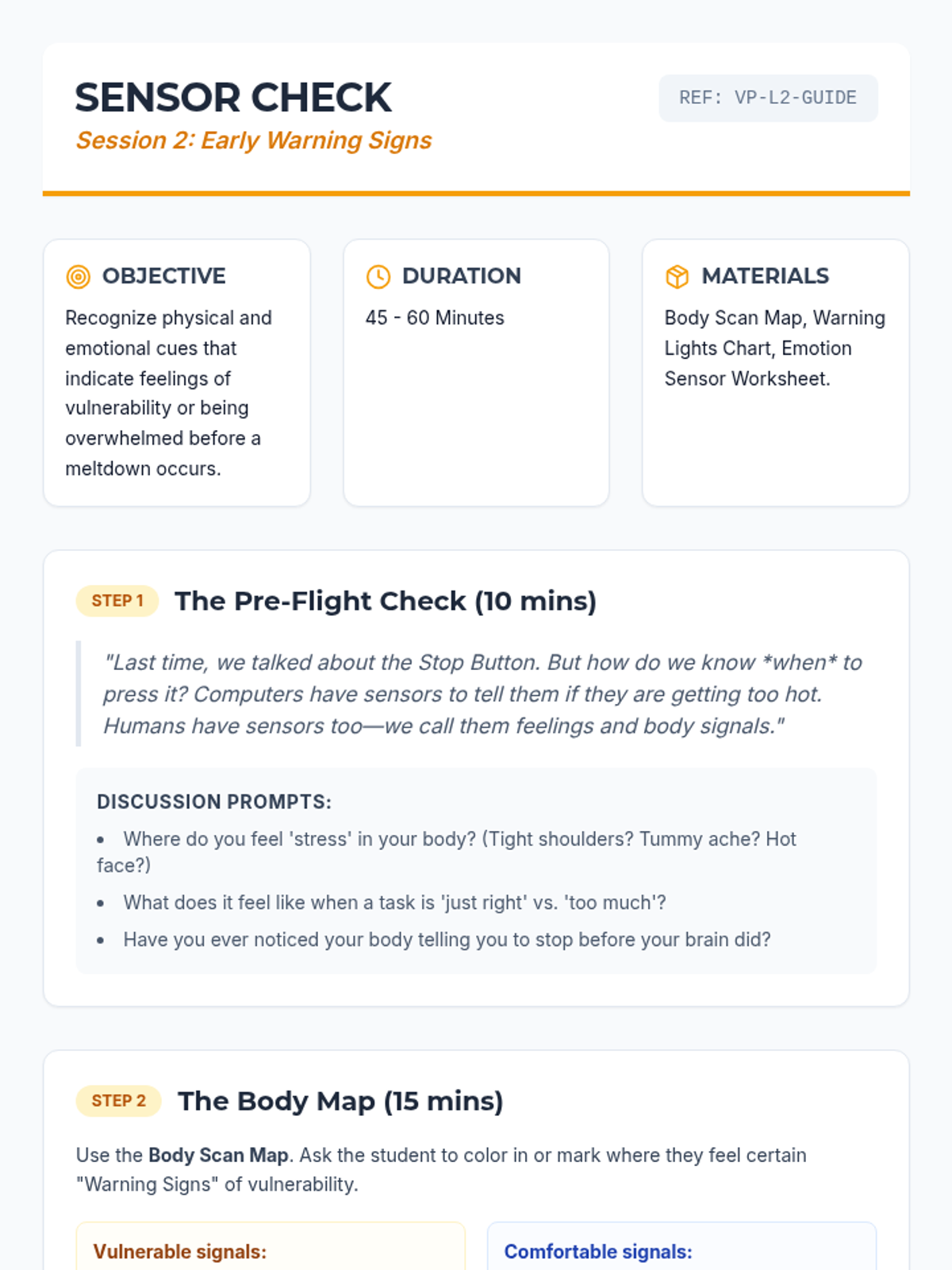
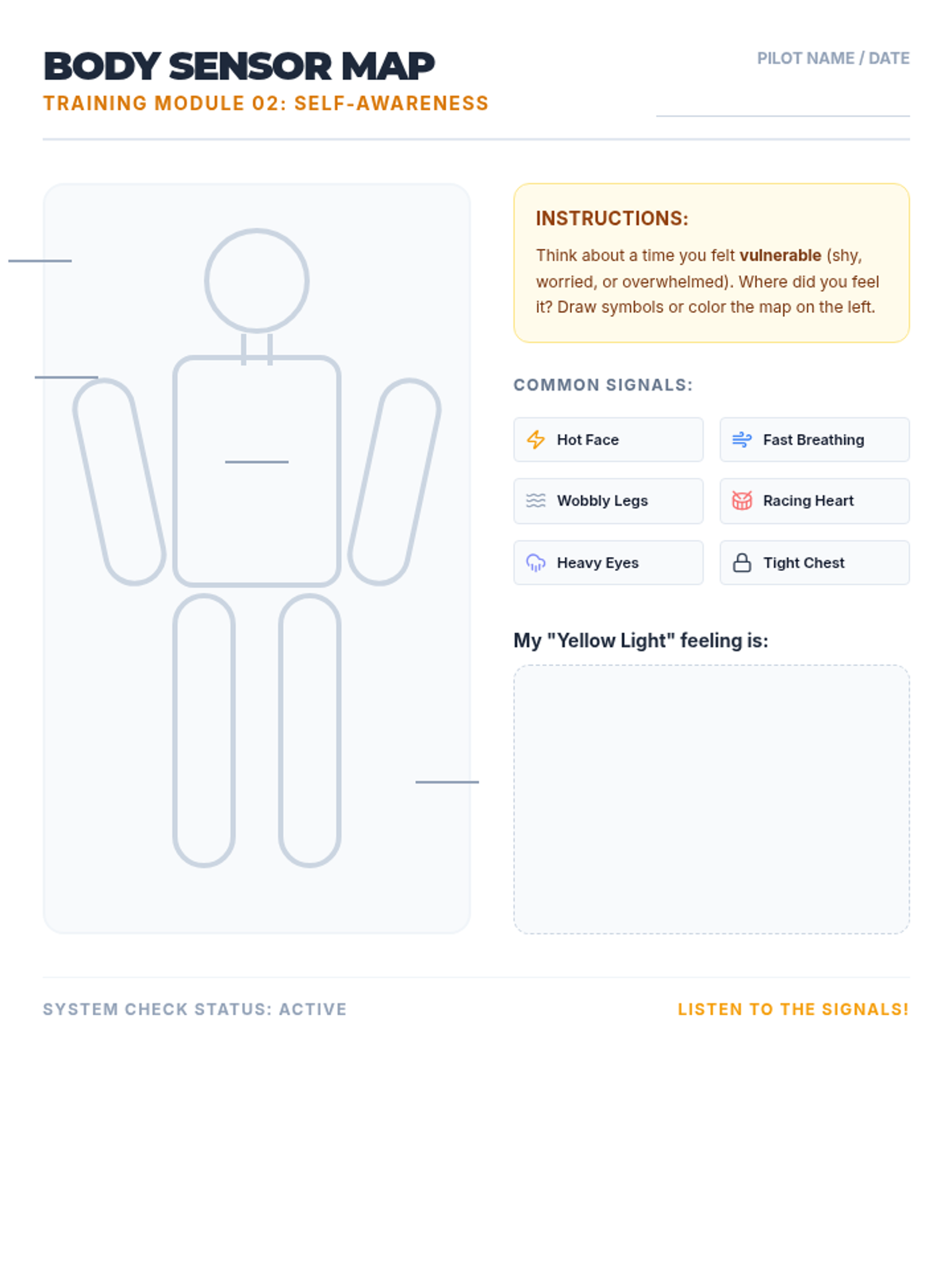
Helps the student identify physical and emotional 'warning lights' that indicate vulnerability or being overwhelmed.
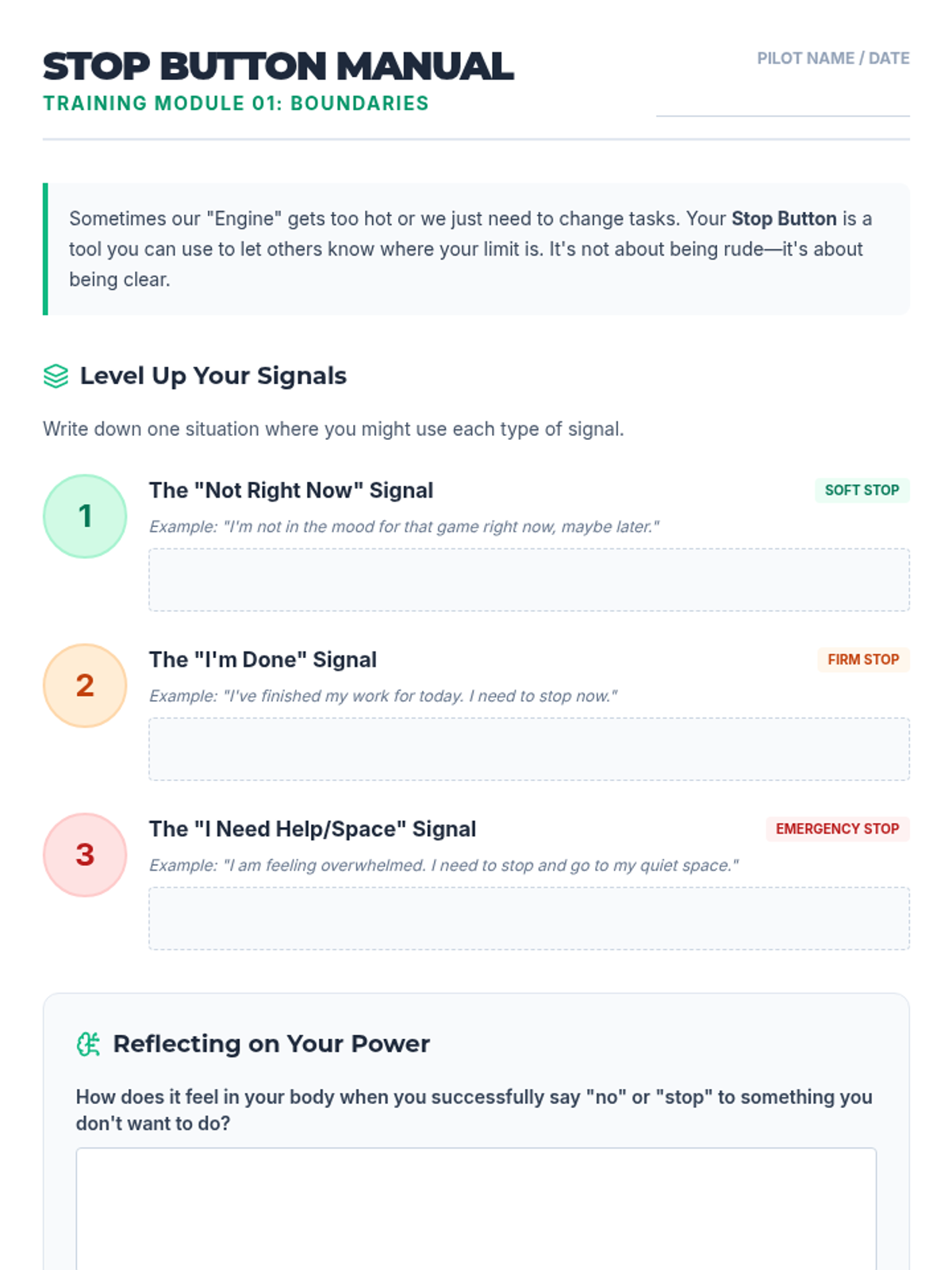
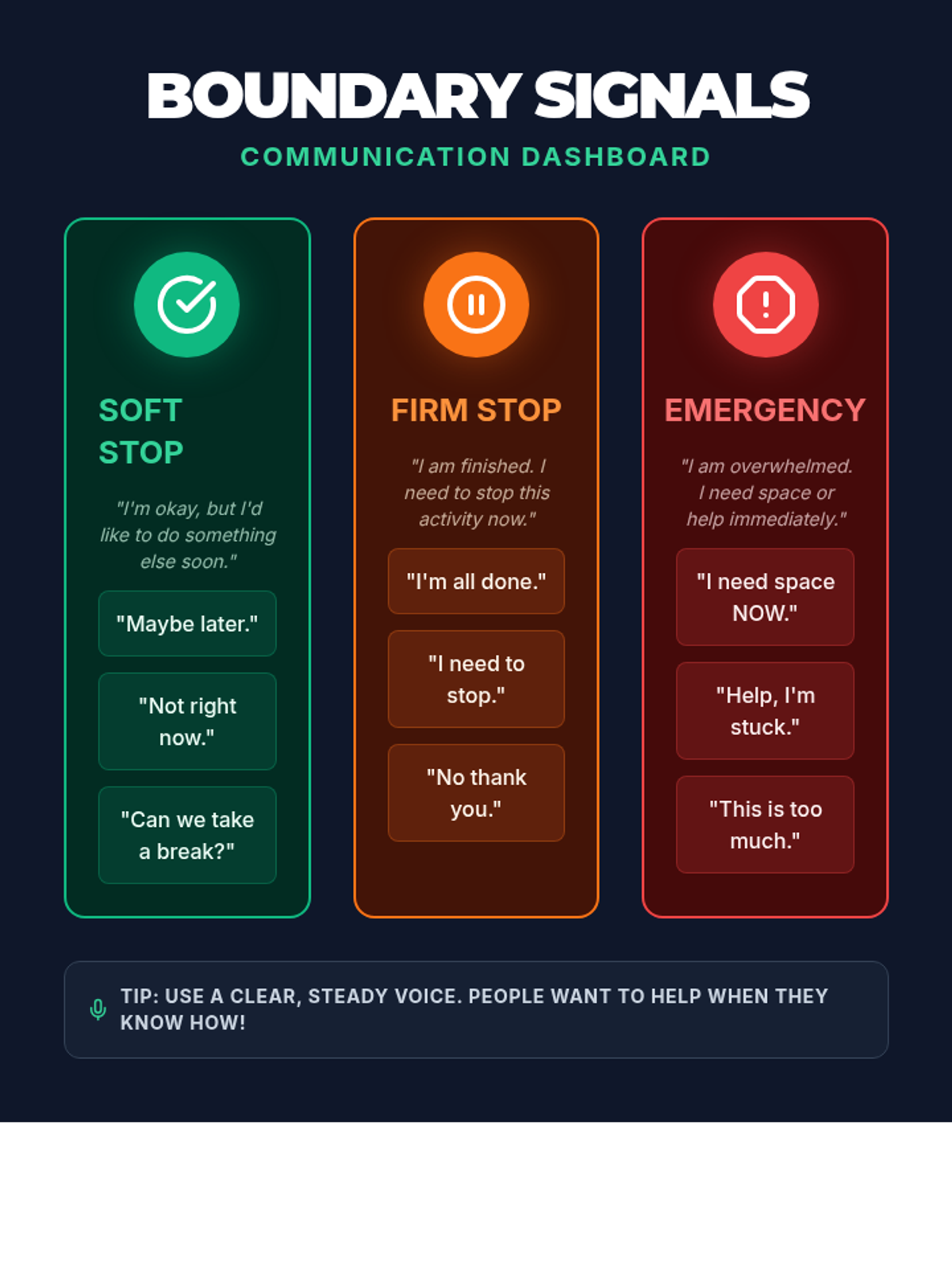
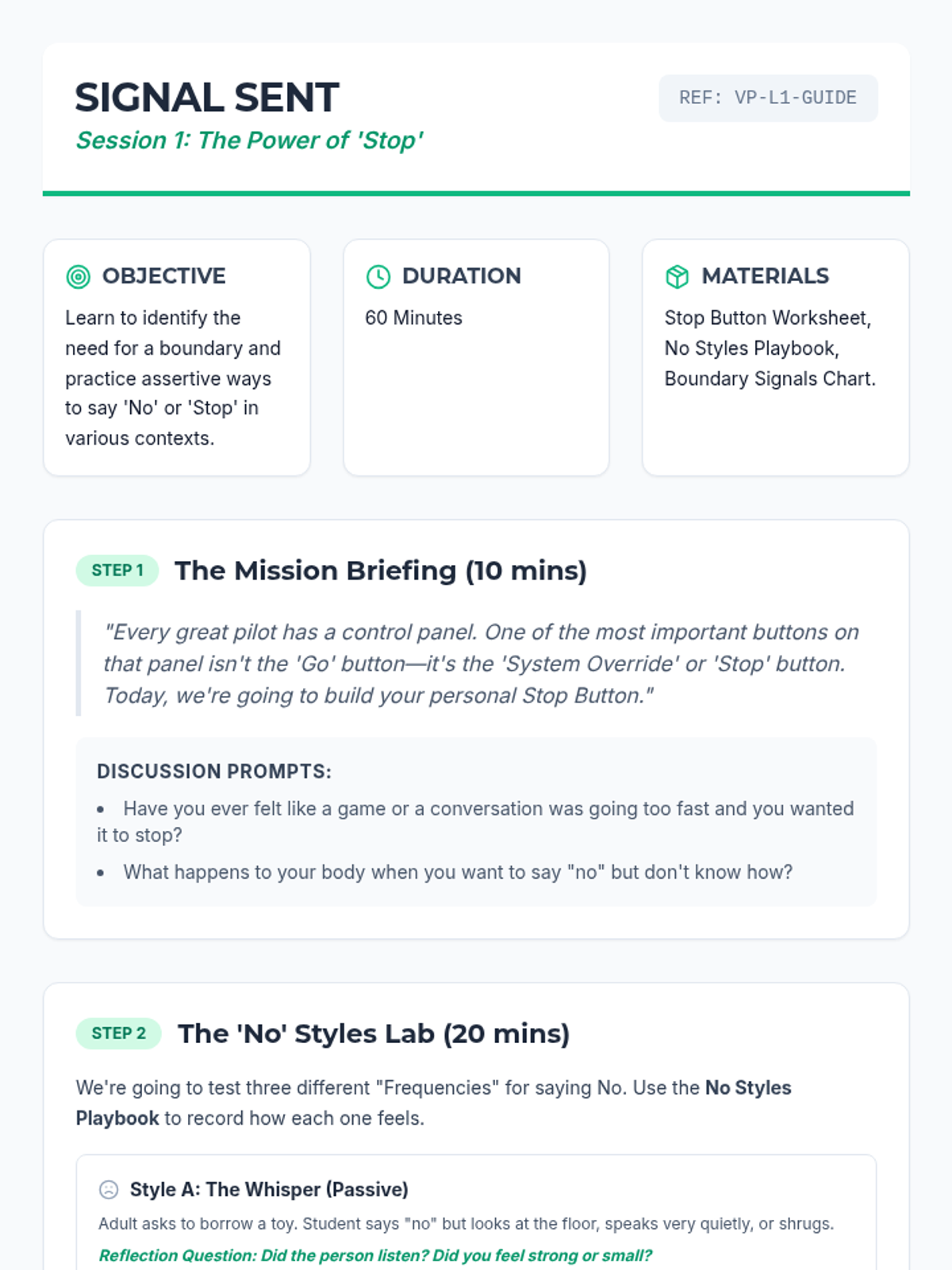
Focuses on identifying when a break or stop is needed and learning various ways to communicate that boundary clearly and calmly.
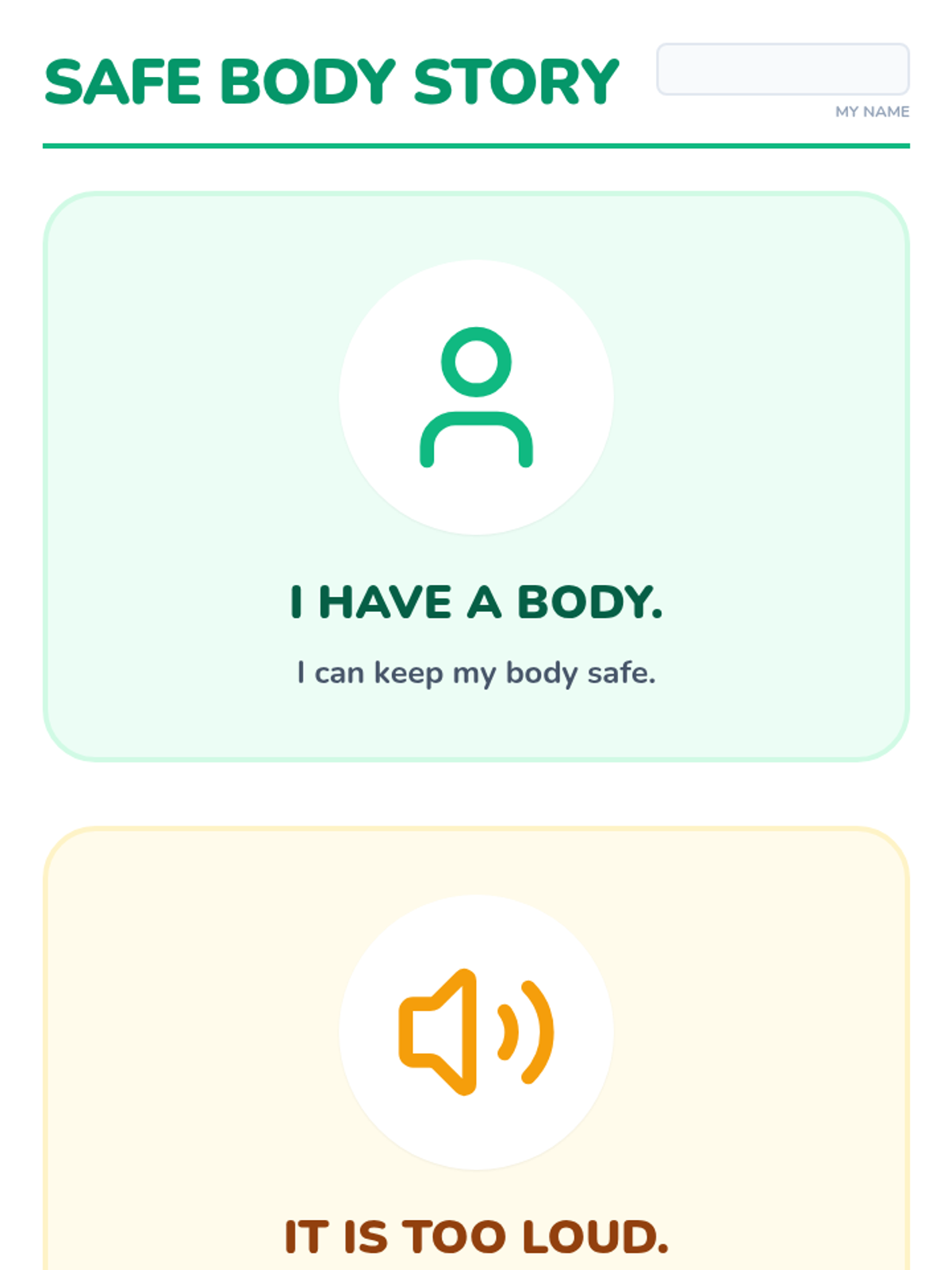
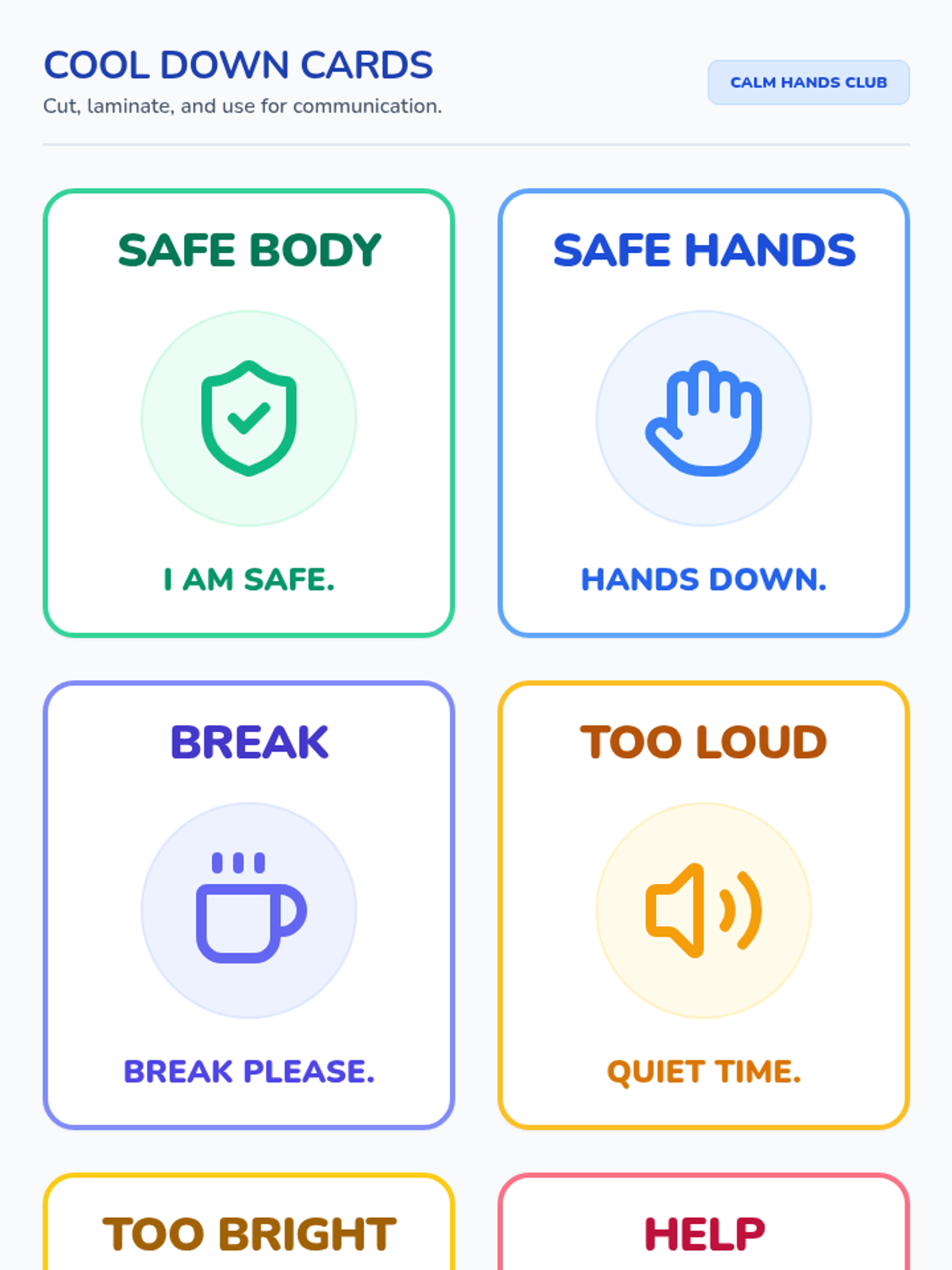
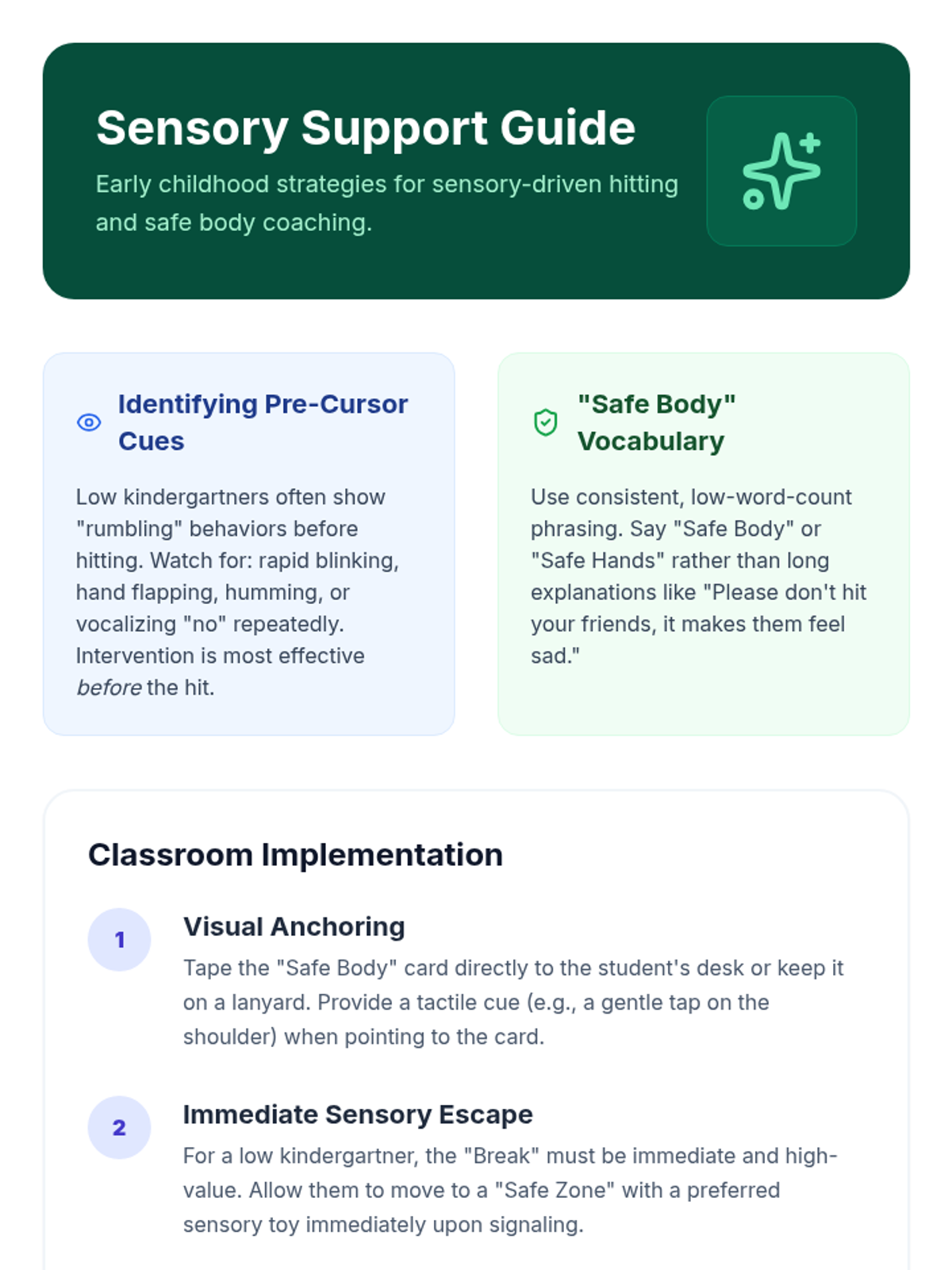
A social-emotional lesson designed to help students manage sensory overwhelm by replacing hitting with safe communication strategies like the 'safe hands' signal and requesting breaks.