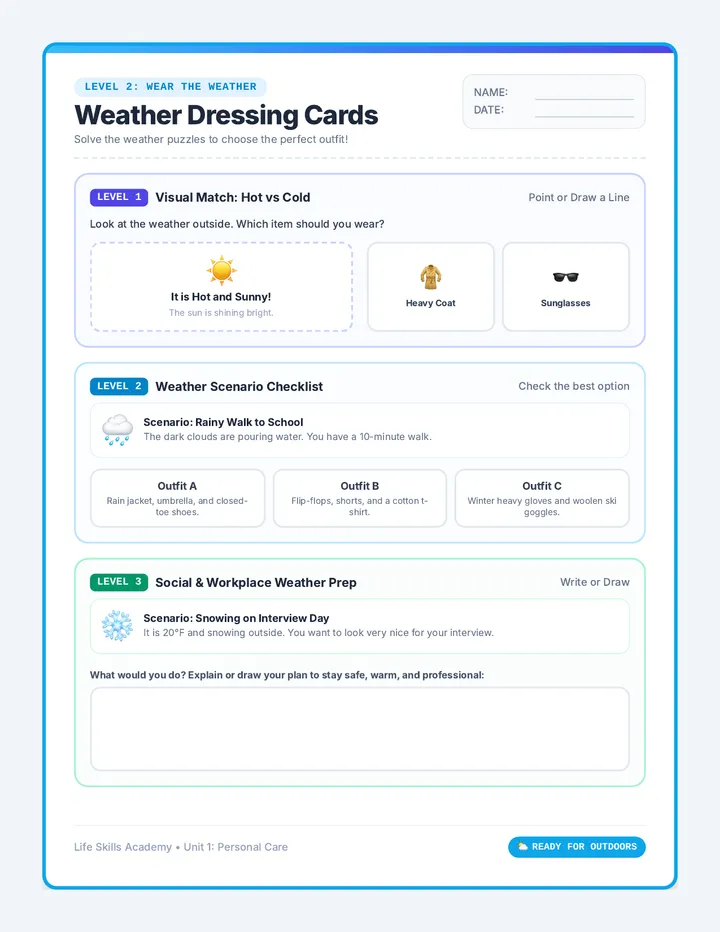
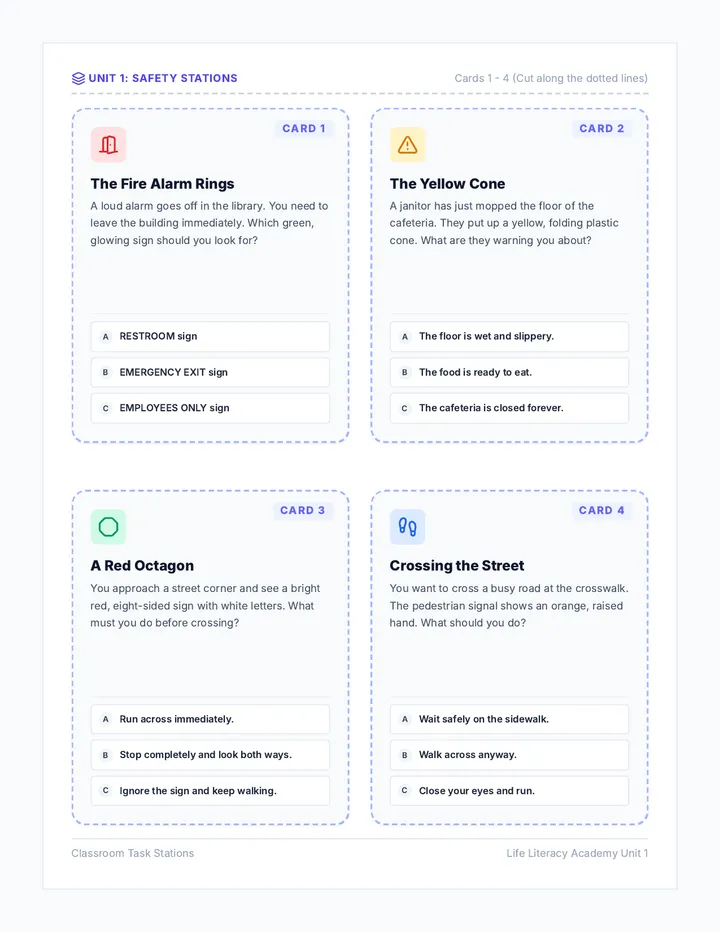
Focuses on observational skills as students identify environmental cues (noise, furniture, clothing) that signal the required level of formality in different social settings.
A comprehensive set of articulation resources for kindergarteners focusing on /t/, /d/, /n/, /s/, and /z/ sounds in initial, medial, and final word positions through a playful safari theme.
A comprehensive parent training resource designed to support task initiation and sustained focus for students with autism using visual strategies and structured home routines.
A collection of video-based independent work stations for student rotation and self-paced learning.
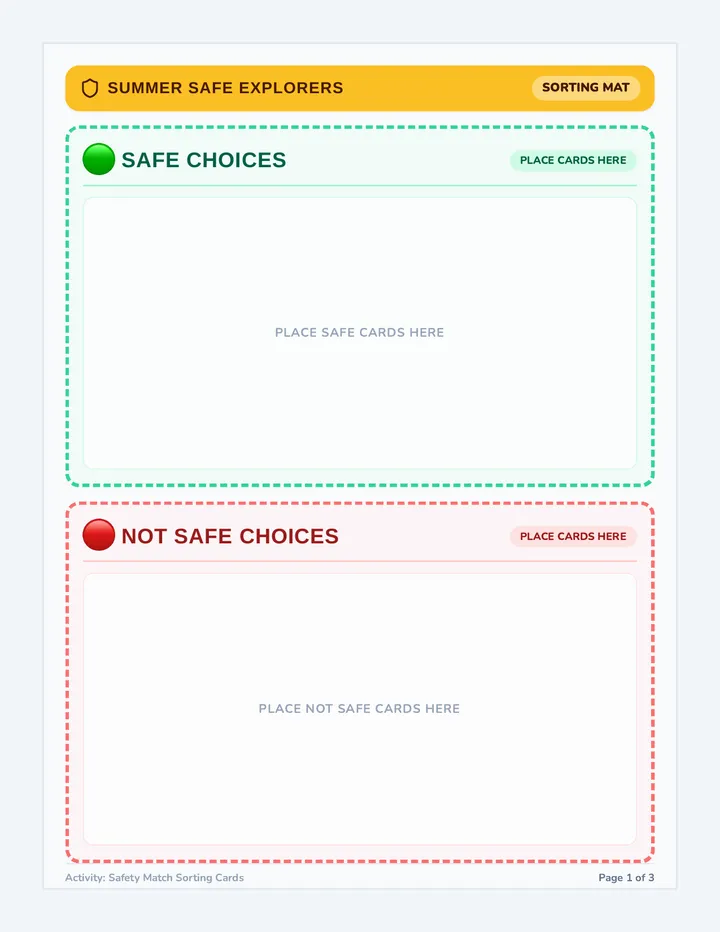
A social story and support toolkit designed to help students navigate frustration, manage physical impulses, and choose safe alternatives to eloping or aggression.
The first mission for our Letter Detectives, focusing on identifying, naming, and tracing the letters A, B, and C through multi-sensory activities.
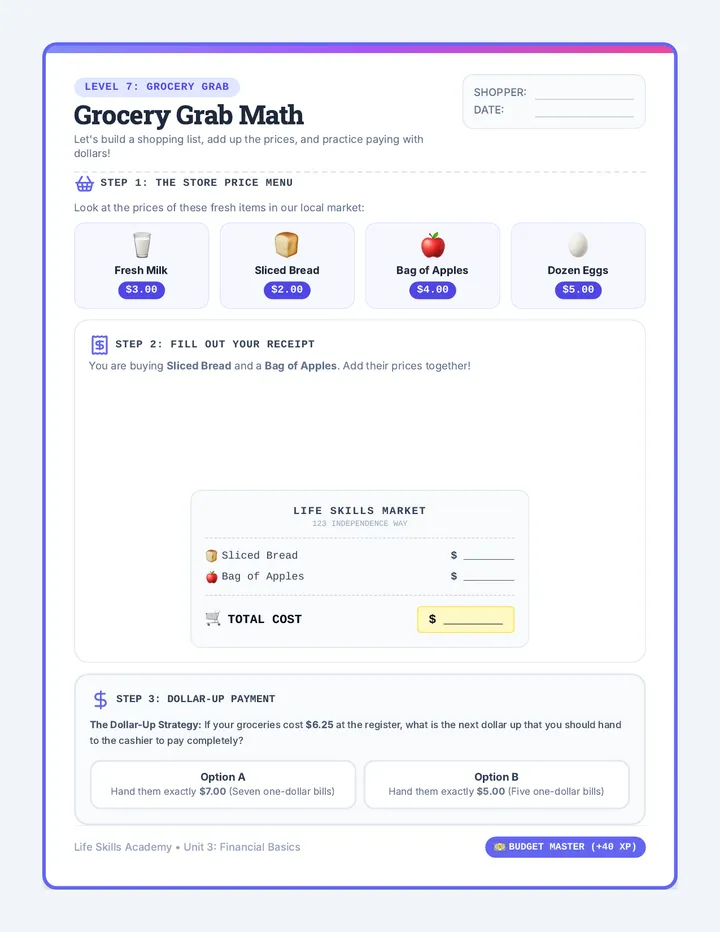
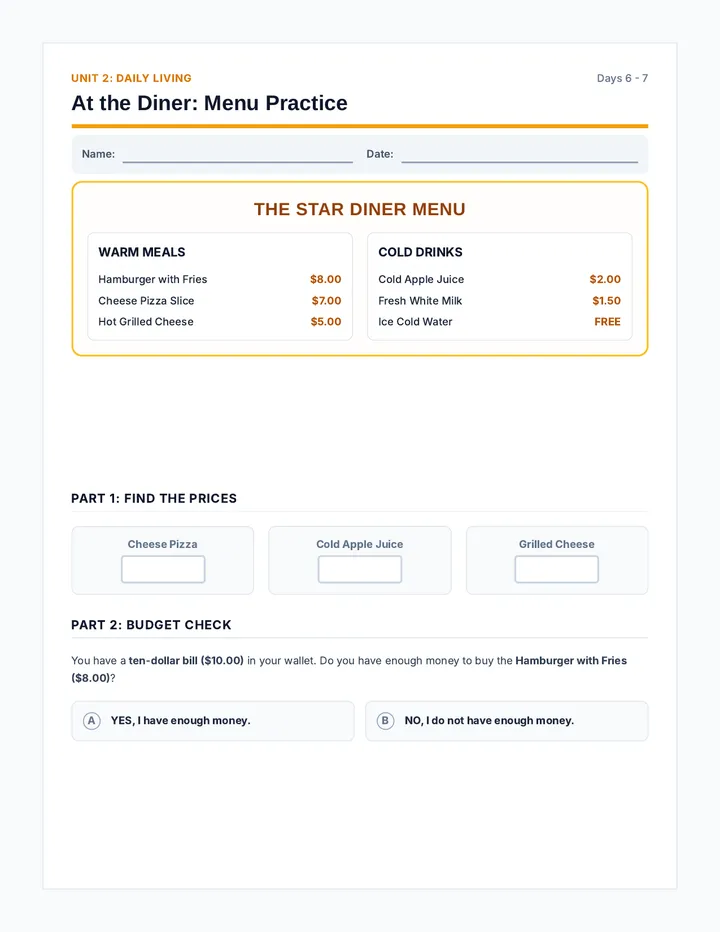
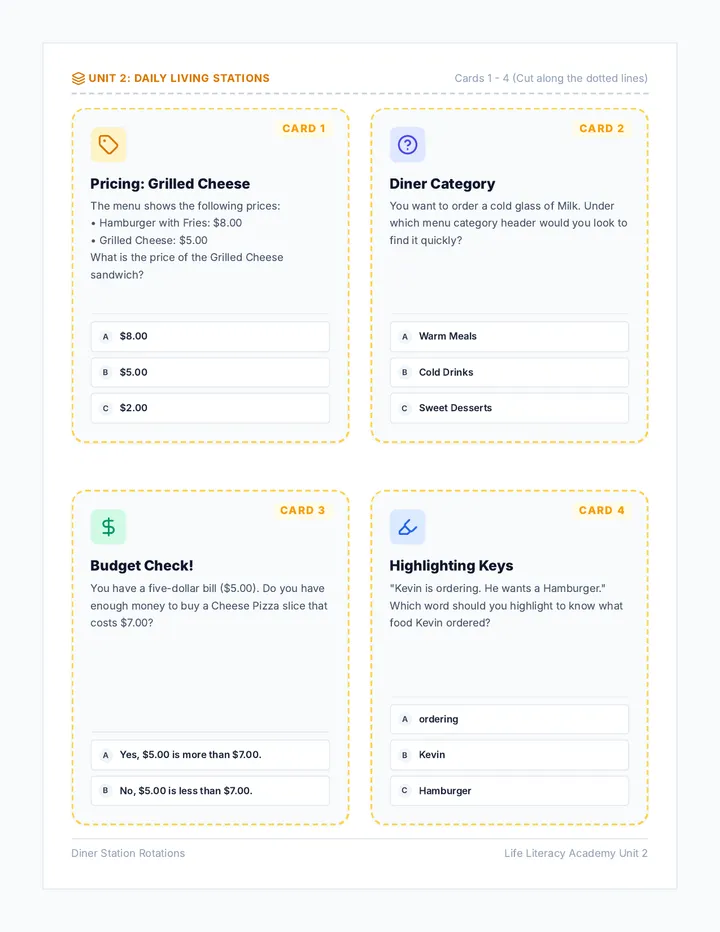
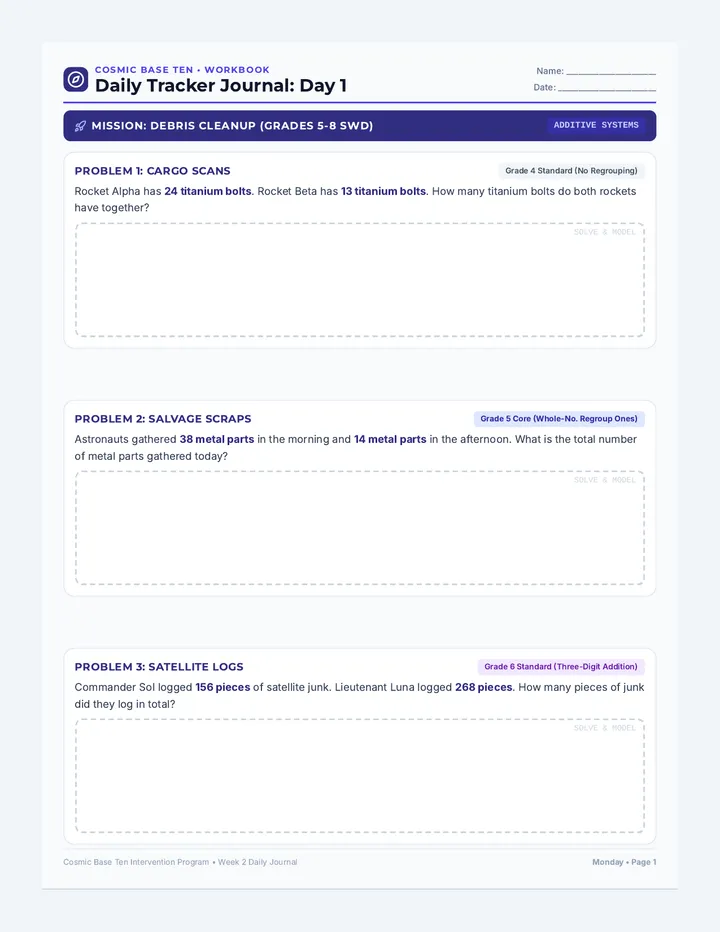
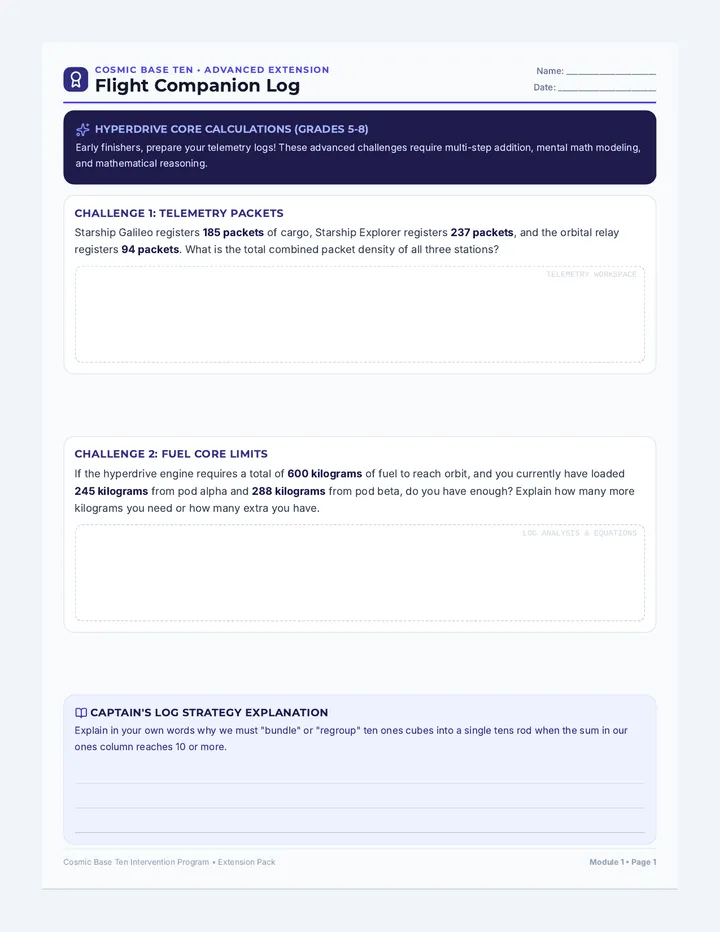
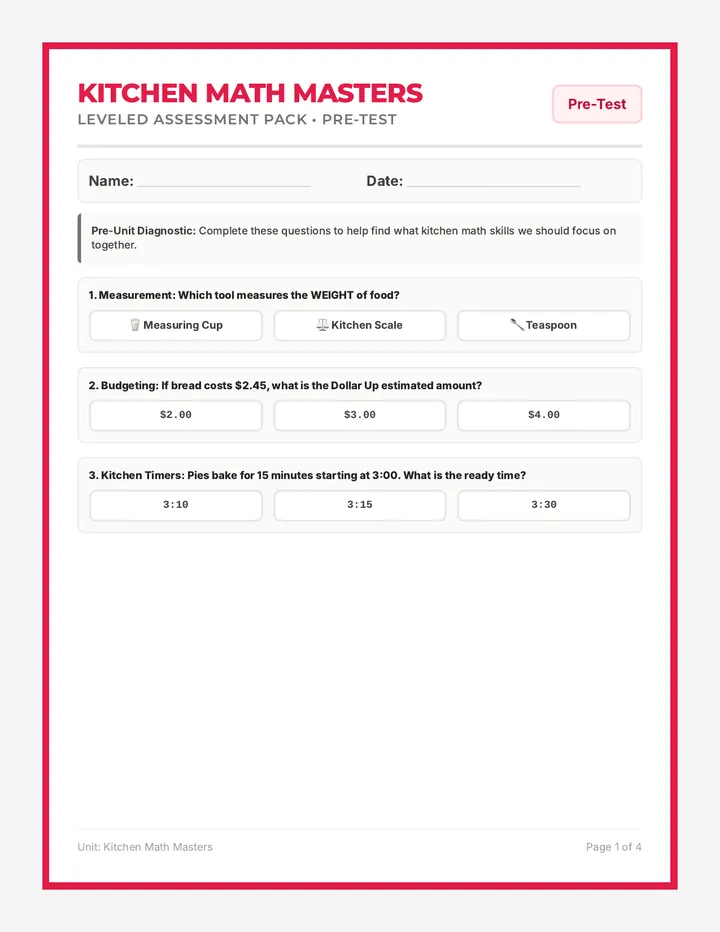
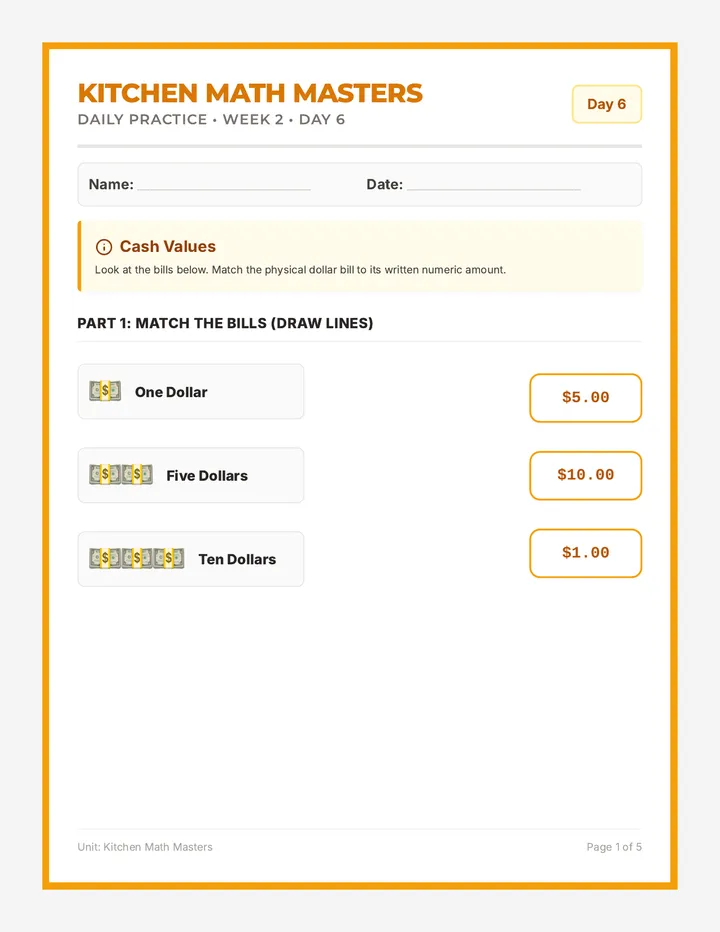
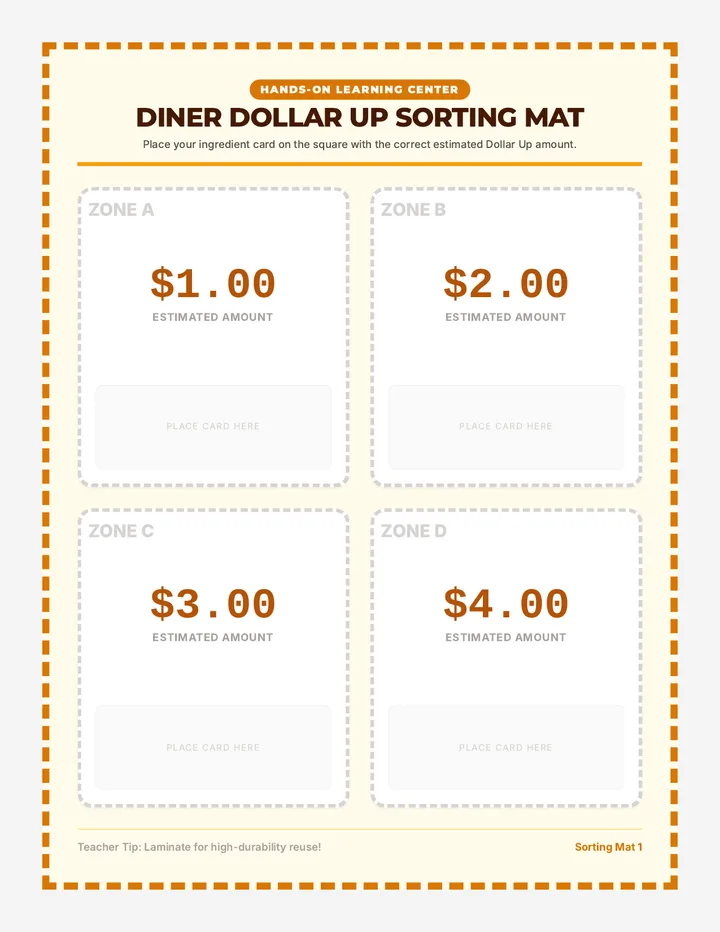
A comprehensive set of modified money skill resources focusing on coin/bill identification, same-denomination addition, price matching, and simple change making with visual prompts.
A set of visual supports themed around 'Mission Control' to help a kindergarten student stay in their work area during centers, directly supporting IEP goals for task engagement.
A comprehensive set of tools to help kindergarten students stay in their designated work area for 10 minutes, using a 'Mission Control' space theme to make the goal engaging and visual.
A comprehensive behavior management system designed for elementary students to build self-regulation skills. This kit includes a daily tracking chart focused on 'Cool Voices' and 'Safe Hands', a customizable reward menu, and a guide for educators to implement the system with consistency and positive reinforcement.
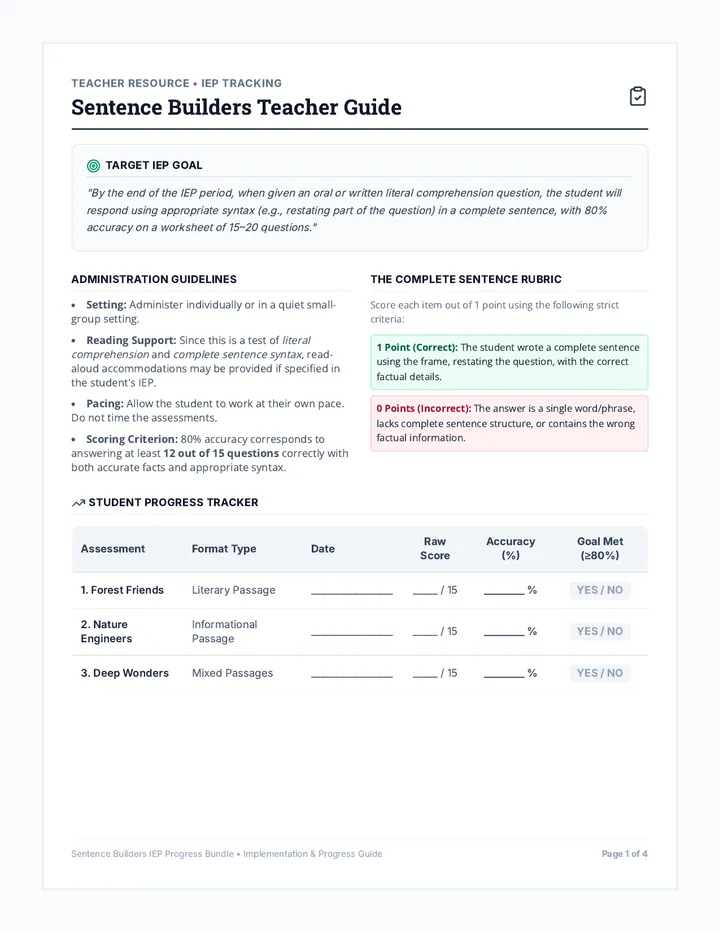
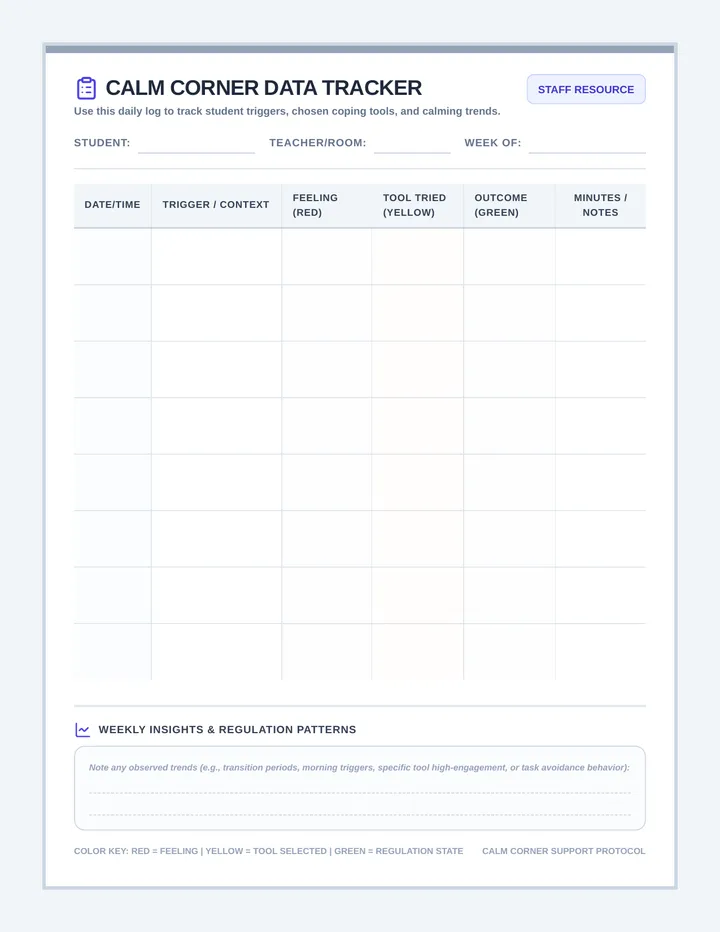
A comprehensive set of data collection tools designed for tracking IEP behavior frequency, duration, and academic accuracy, including a synthesis log for weekly reporting.
A visual discrimination and memory game featuring colorful pony characters to help young learners practice matching identical pictures.
This lesson focuses on the specific transition from preferred art activities to non-preferred learning tasks, providing strategies for emotional regulation and physical safety.
A comprehensive 5-week intervention for high school English Learners focusing on decoding through nonsense word fluency, specifically designed for students with limited or interrupted formal education.
A technical guide and corrected codebase for creating switch-accessible mystery games for visually impaired students. Includes the fixed Python script and an explanation of common pitfalls in accessibility programming.
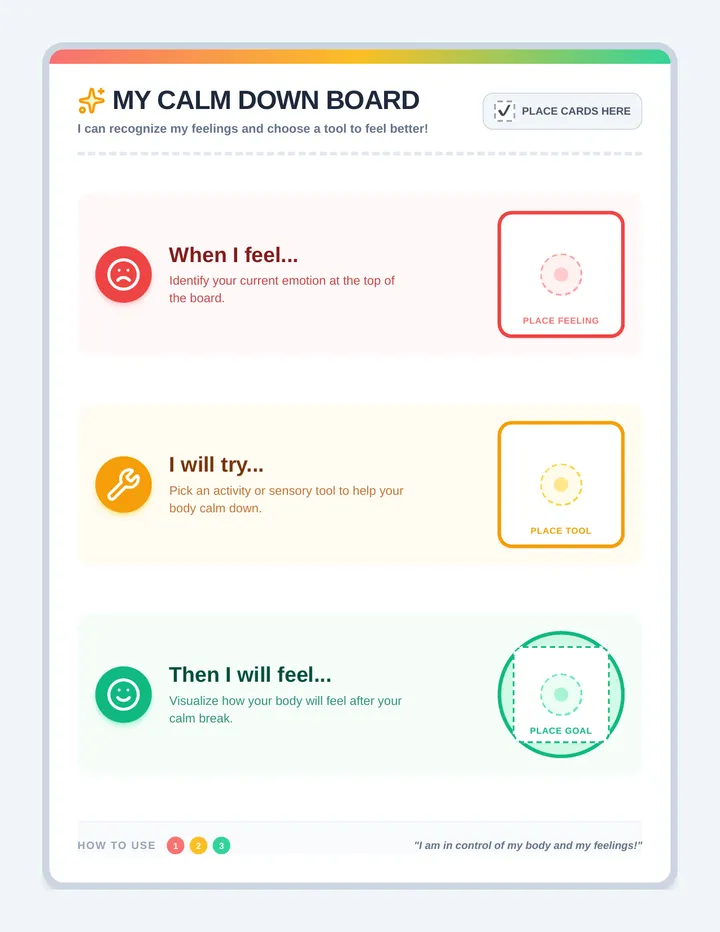
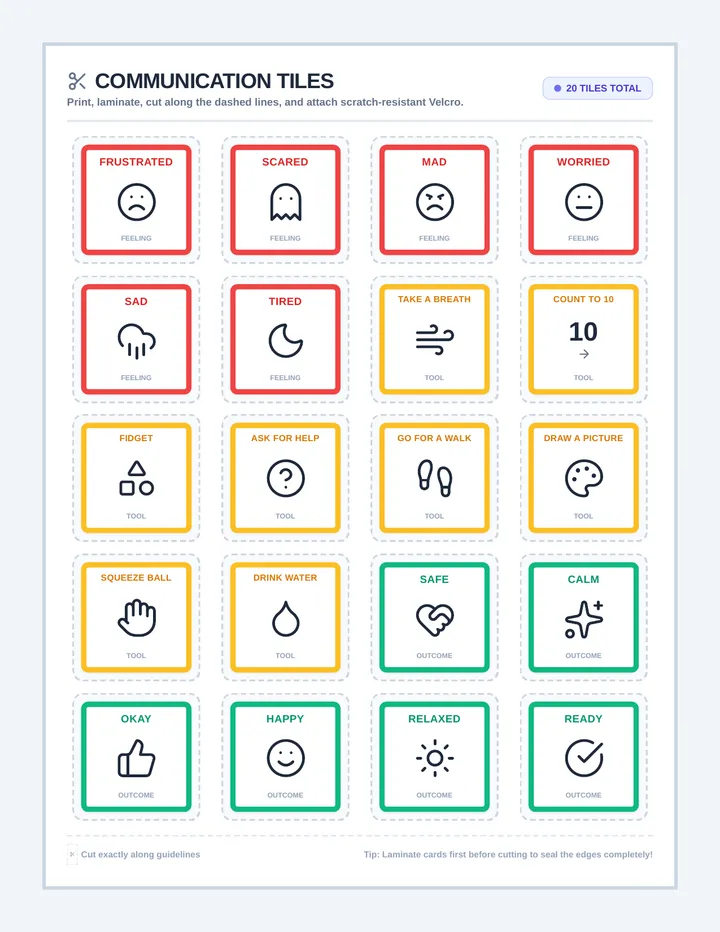
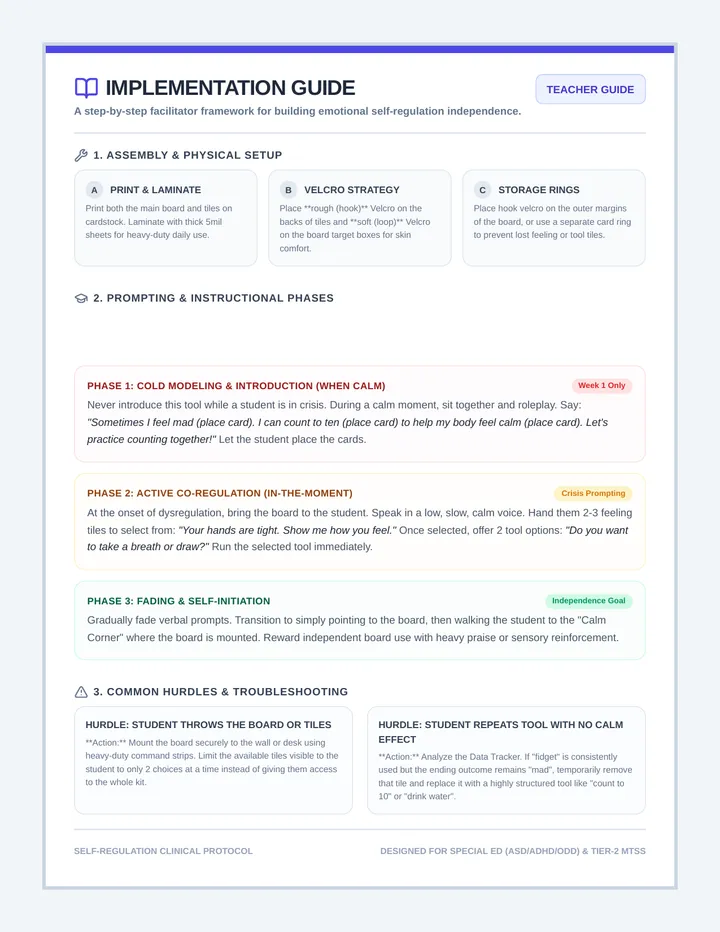
A collection of resources to help a student manage big emotions through a social story, behavior sorting activity, and portable visual supports for self-regulation.
This lesson dismantles the stigma surrounding IEPs and emotional dysregulation by highlighting the 'twice-exceptional' nature of many brilliant minds. It features a slide presentation of successful African Americans who overcame learning and emotional challenges to achieve greatness.
A comprehensive lesson on navigating classroom and school-wide transitions using visual supports. Students learn to recognize and follow visual cues to move smoothly between activities and locations.
A focused 4-week history-themed intervention designed to help students overcome the 'blank page' hurdle by mastering task initiation through a structured 3-2-1 'Discovery Protocol'.
A comprehensive review of unit concepts followed by a final assessment designed for students with diverse learning needs.
An introduction to how humans explore space, including the tools we use like telescopes and rockets, and what it is like to live and work as an astronaut.
A guided tour of the eight planets in our solar system, categorized into rocky inner planets and gaseous outer planets with simple distinguishing characteristics for each.
A study of the Moon's appearance and its relationship with Earth, focusing on the most recognizable phases and its role as our closest neighbor.
An exploration of why we have day and night (rotation) and why we have years and seasons (revolution), broken down into simple, relatable concepts.
Students explore the Sun as the center of our solar system, learning about its heat, light, and importance for life on Earth using accessible language and clear visual aids.
Cumulative review and final assessment of listening comprehension skills.
Comparing two stories or characters based on listening.
Practicing oral retelling using key story elements and visual prompts.
Listening for facts and information in non-fiction texts.
Identifying the central topic and supporting details in short listening passages.
Using clues from the text to guess what might happen next.
Understanding and ordering the beginning, middle, and end of stories.
Identifying and describing how characters feel based on verbal cues and story events.