Introduction to AAB patterns using table setting (forks and knives) as a functional life skill context. Students practice identifying the "double-single" rhythm of AAB sequences.
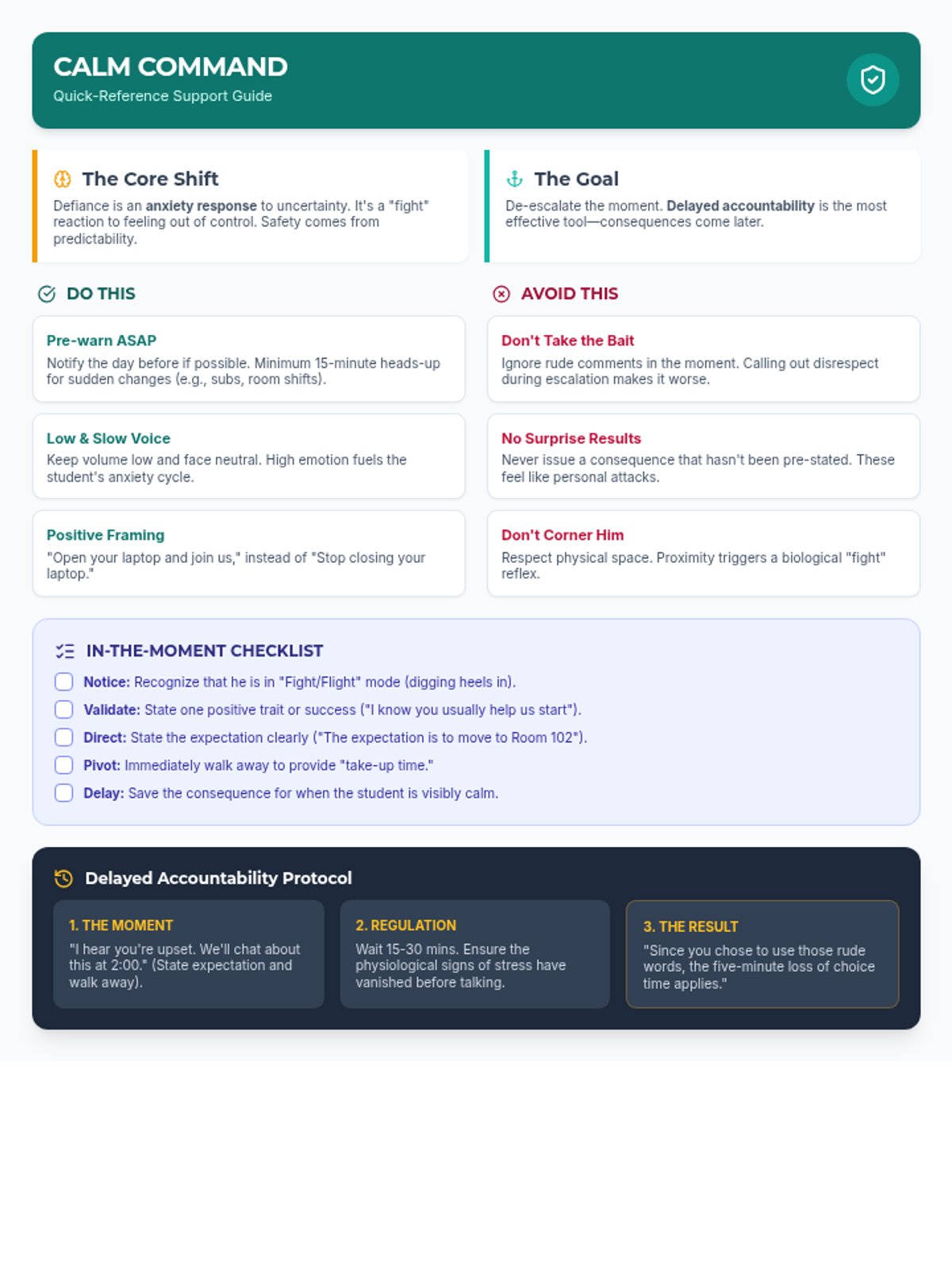
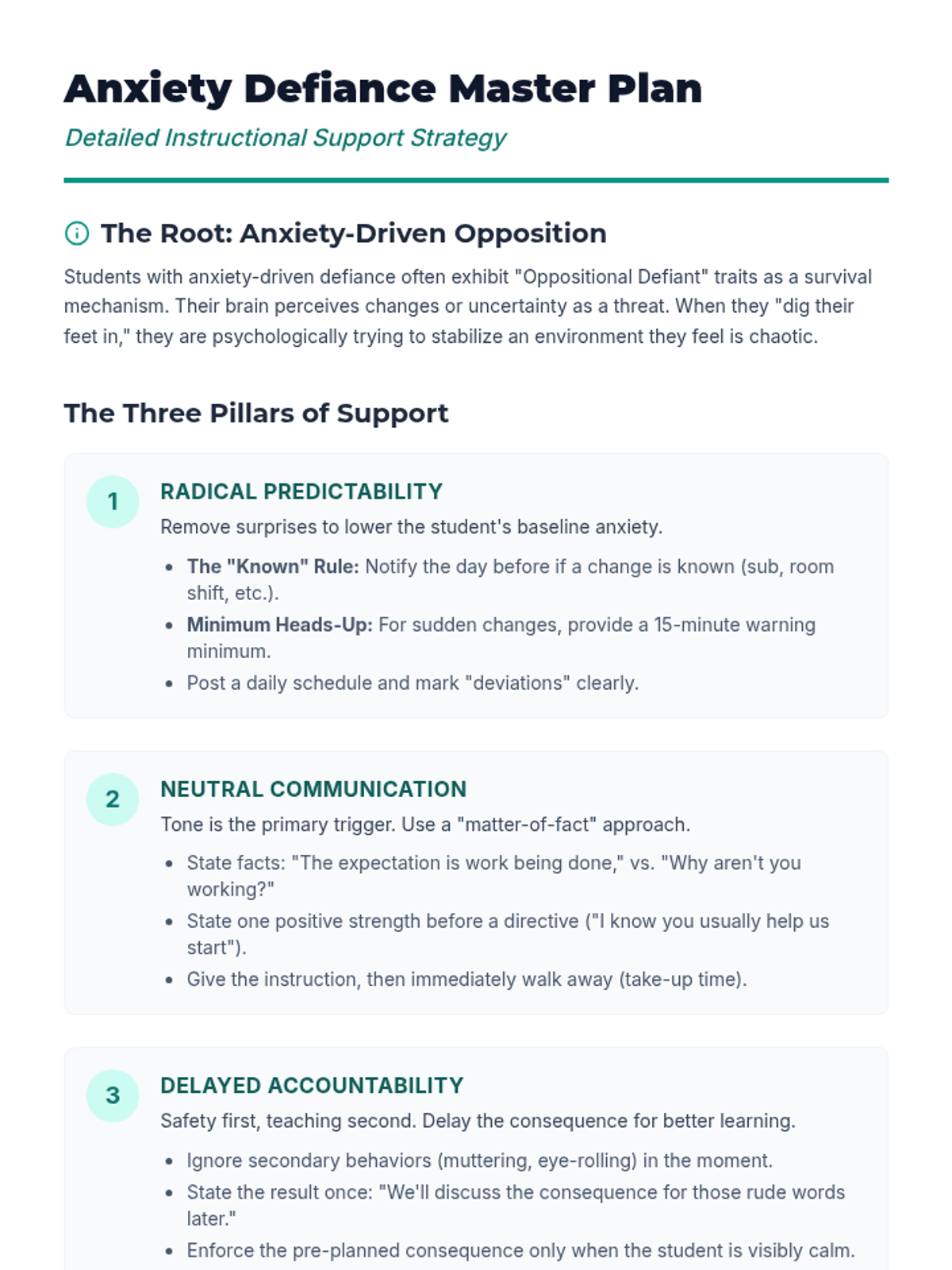
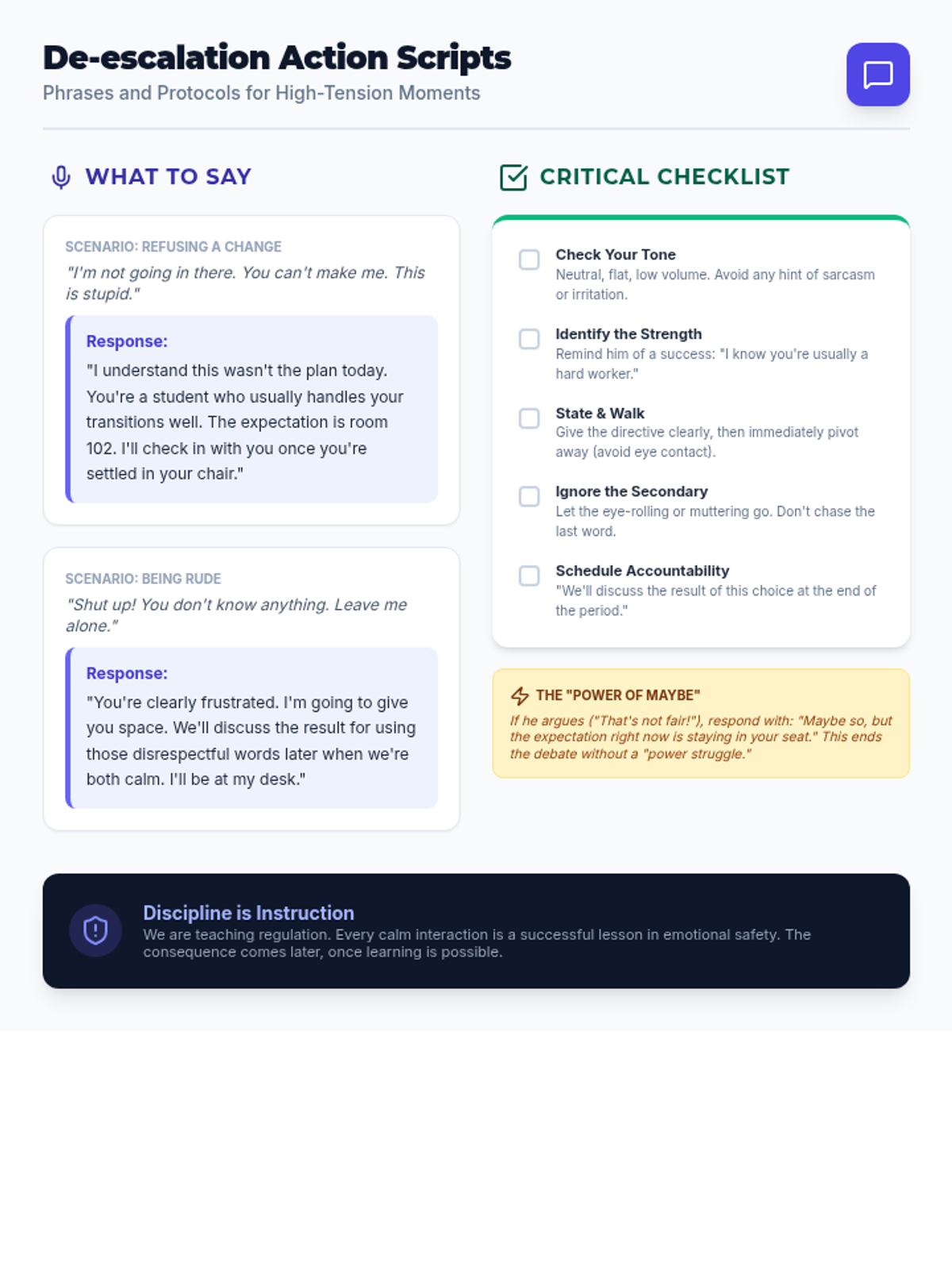
A comprehensive toolkit for educators to support students with anxiety-driven defiance, focusing on pre-emptive strategies, calm communication, and delayed consequence enforcement.
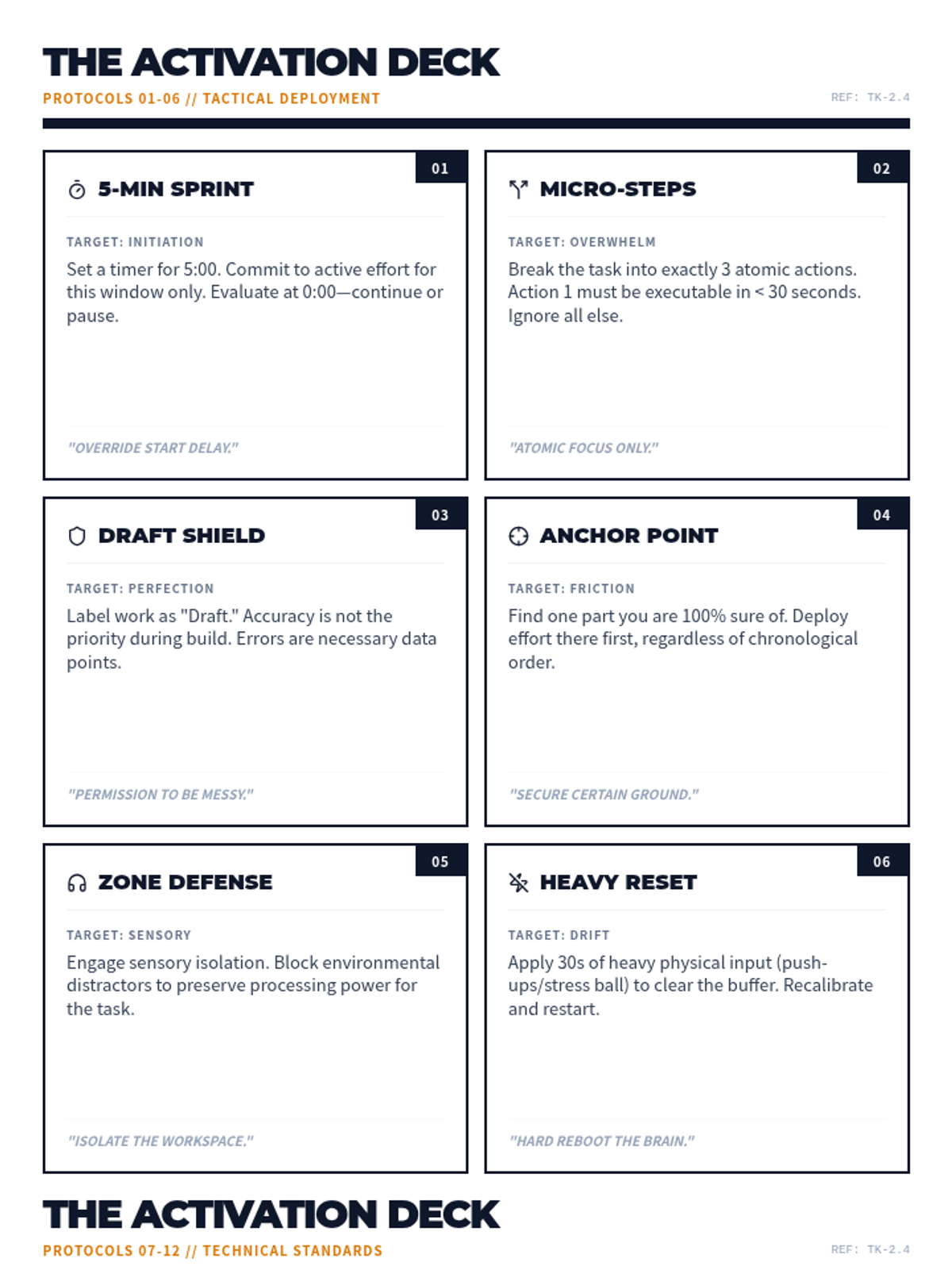
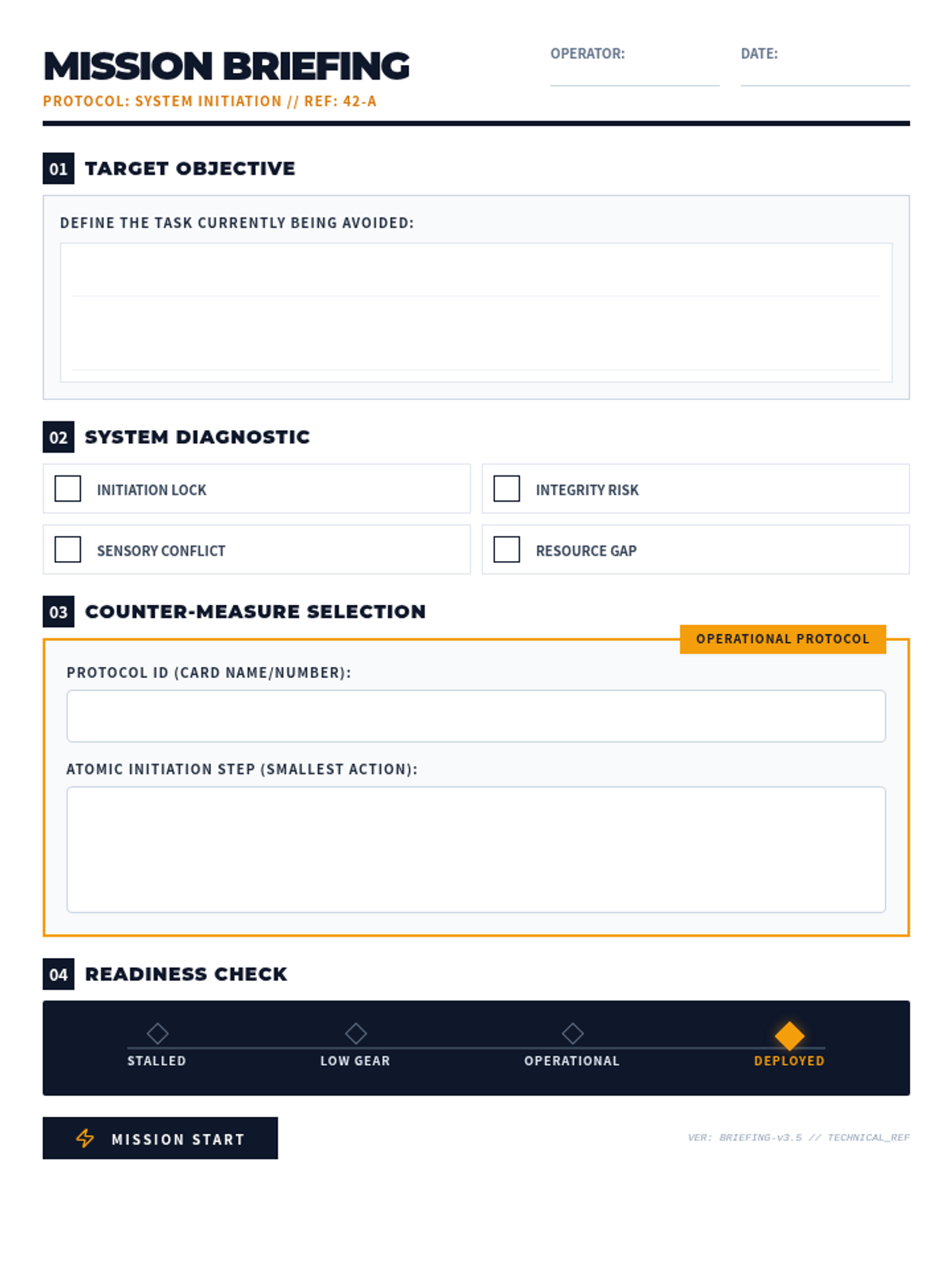
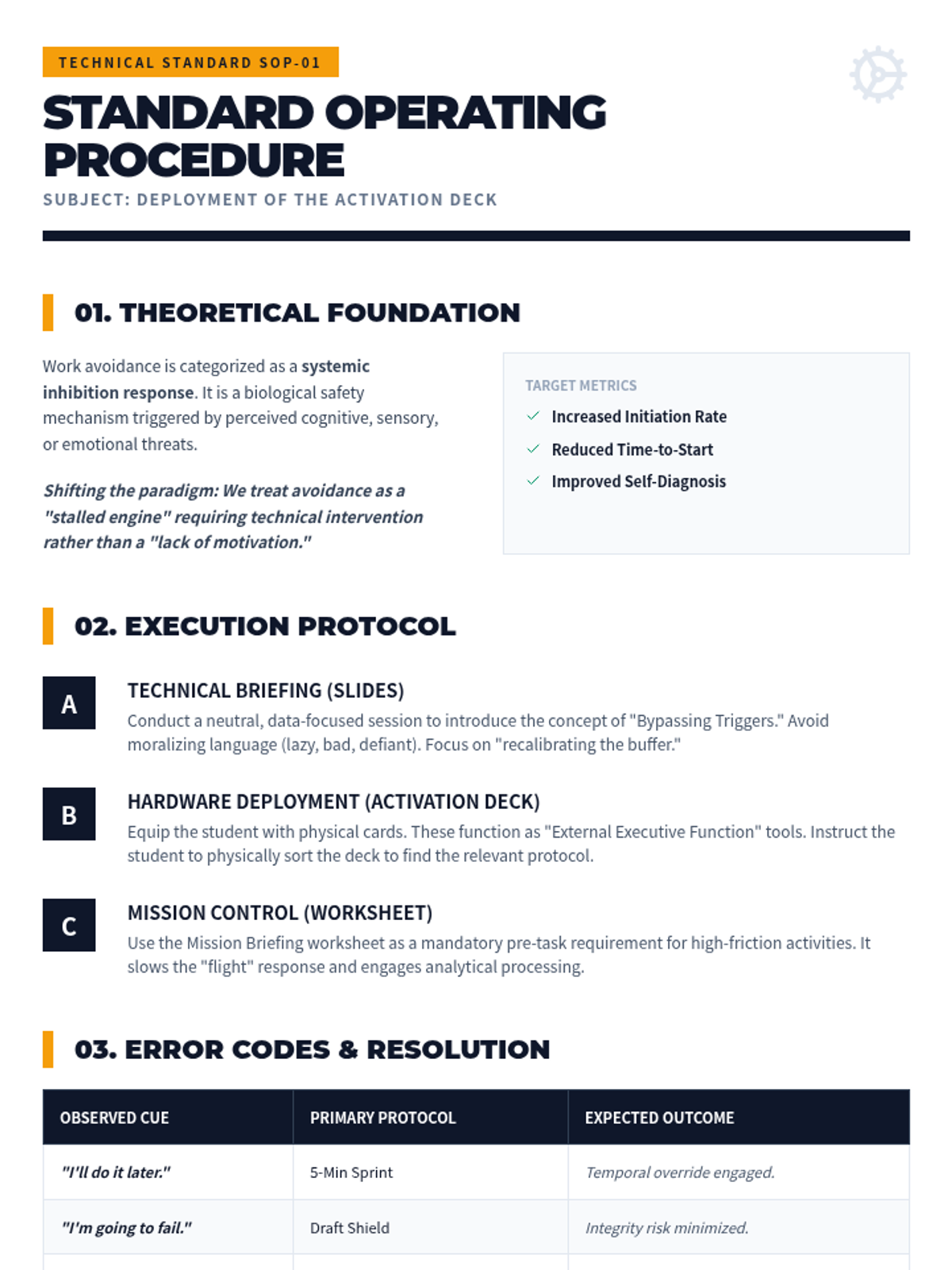
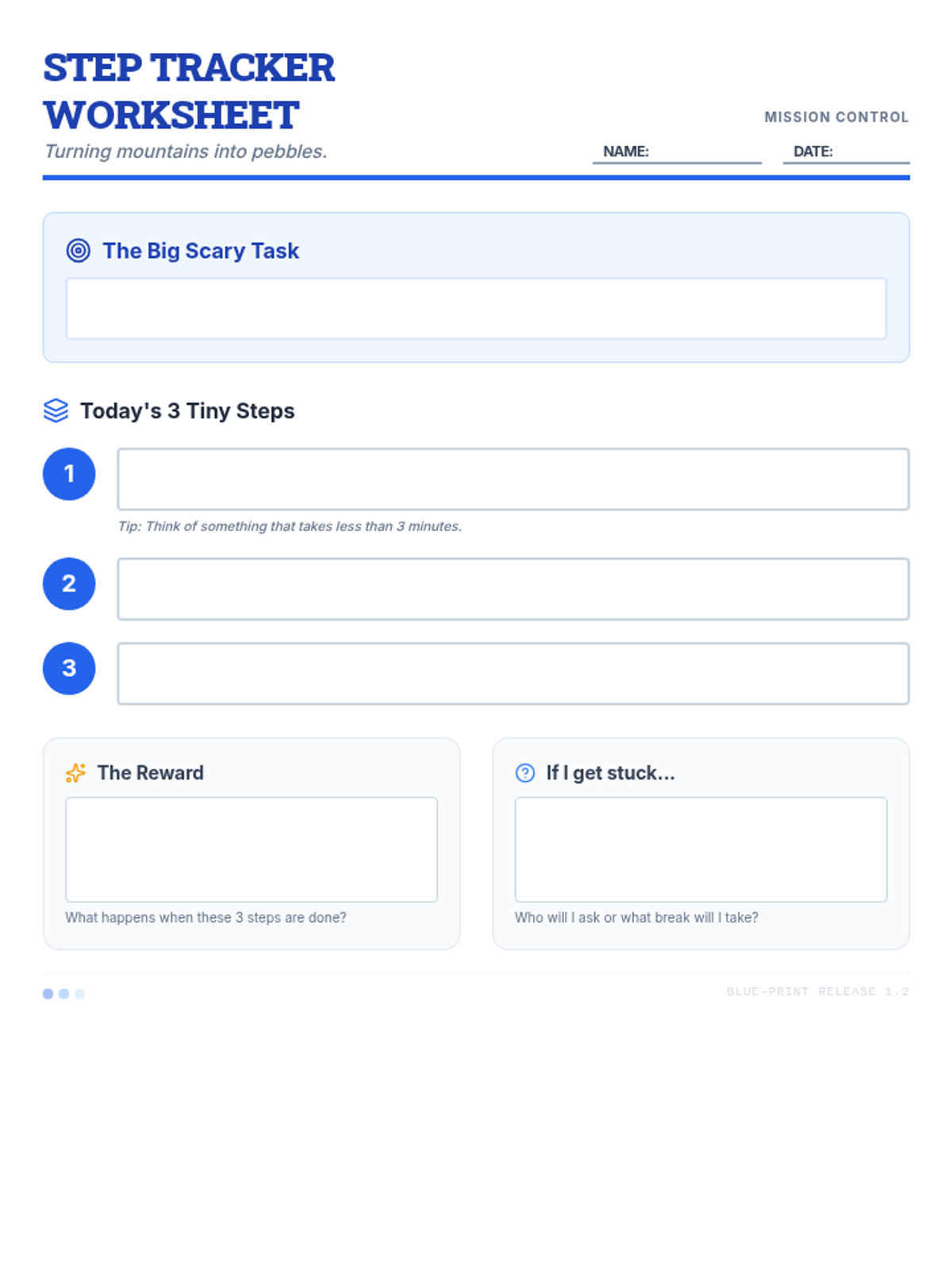
A comprehensive toolkit designed to help students overcome work avoidance by addressing executive functioning, academic confidence, sensory needs, and independent work skills. Includes strategy cards, a presentation for introduction, and a planning worksheet.
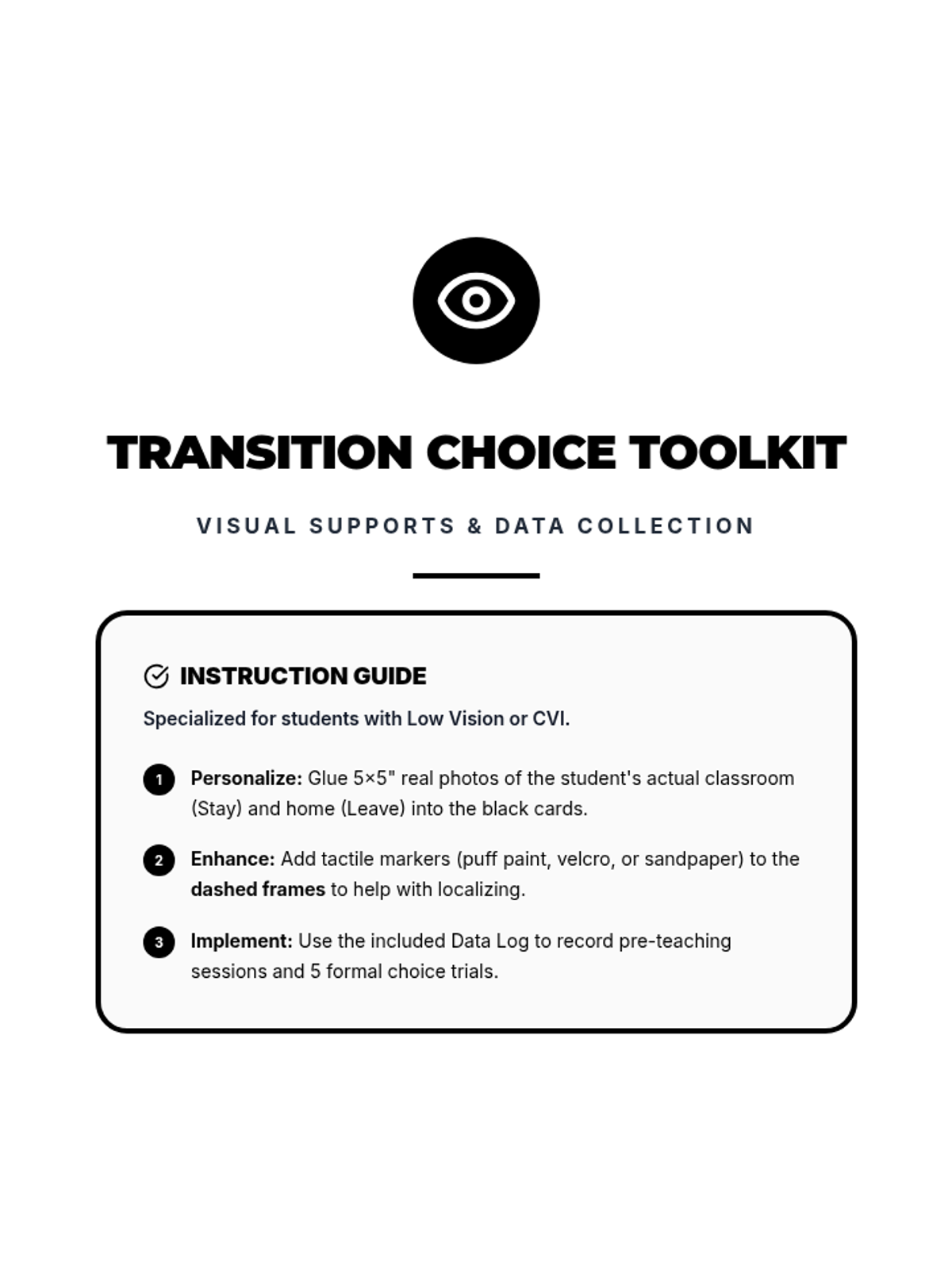
A set of high-contrast visual supports and a structured data log designed to help students with vision needs participate in their 18+ transition decisions.
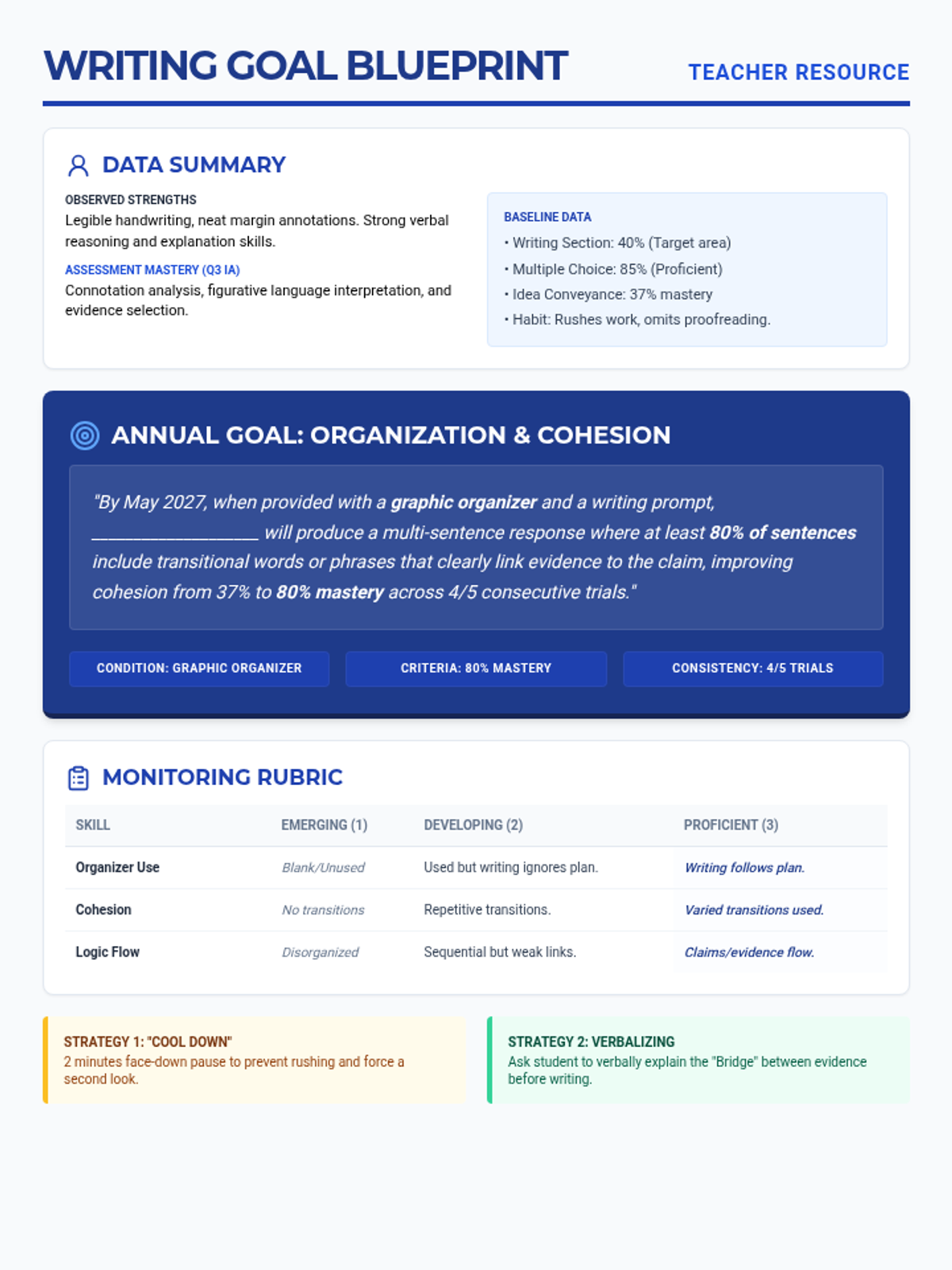
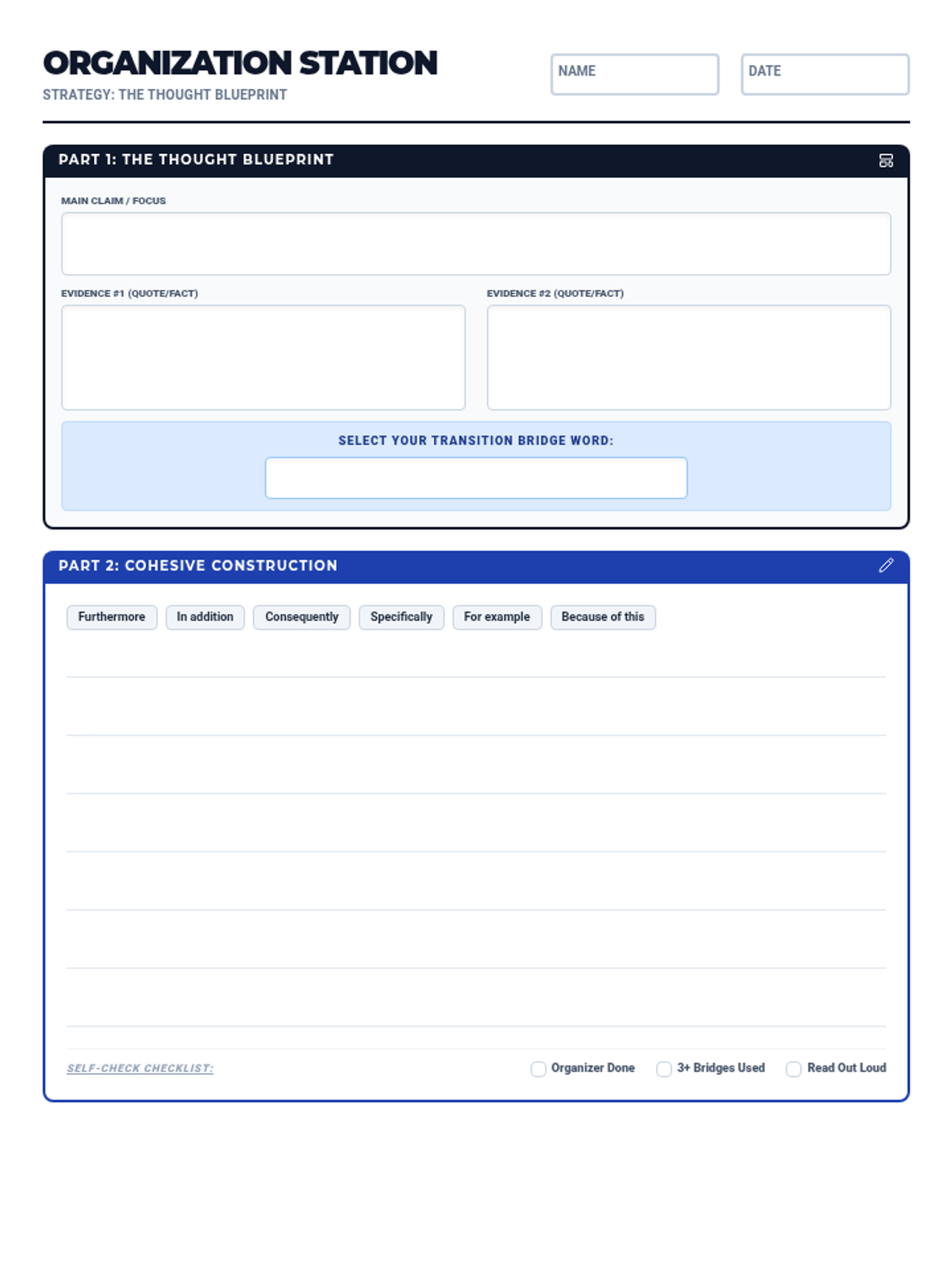
A lesson focused on improving writing organization and cohesion through the use of graphic organizers and transitional phrases to link evidence to claims.
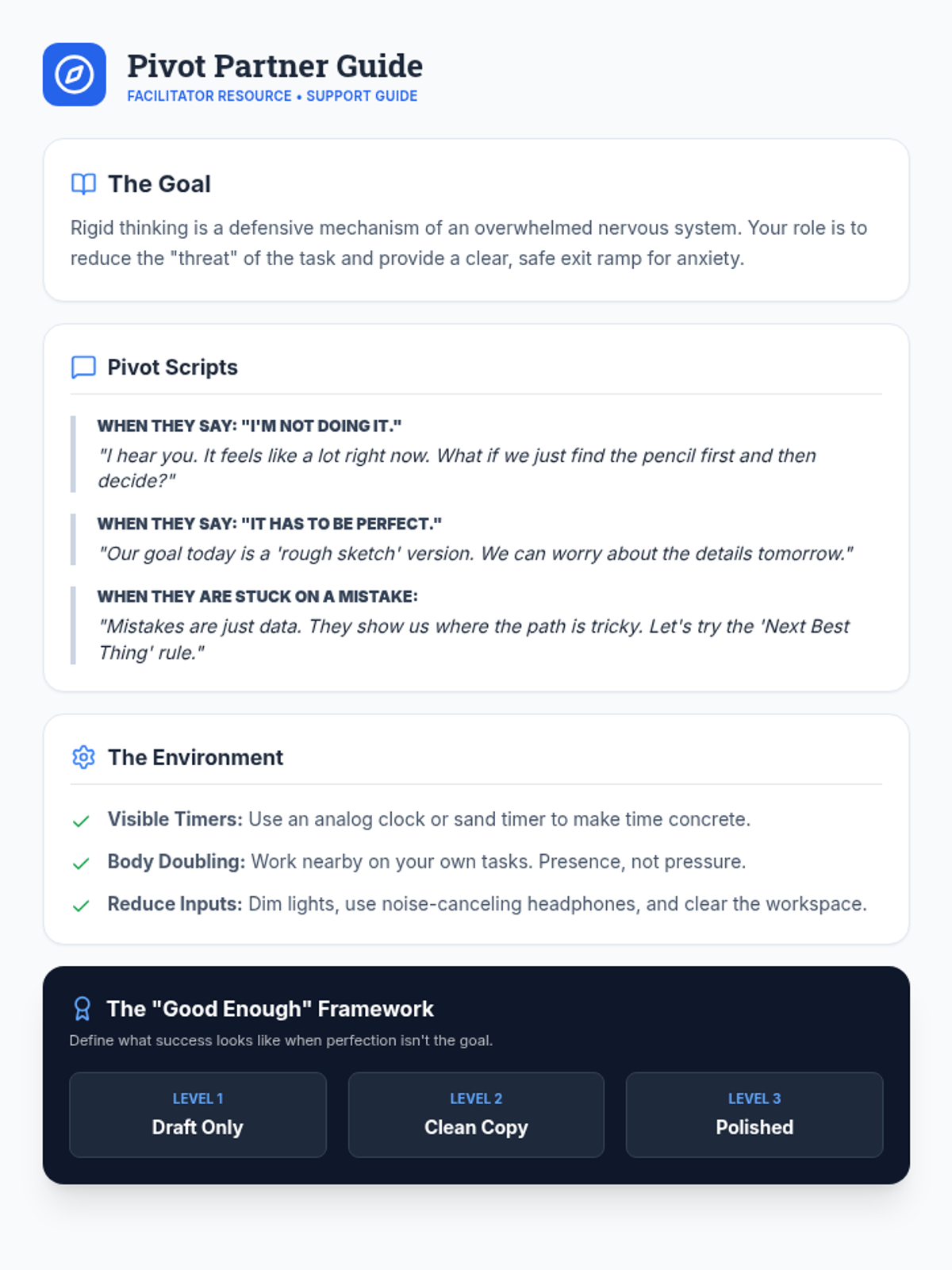
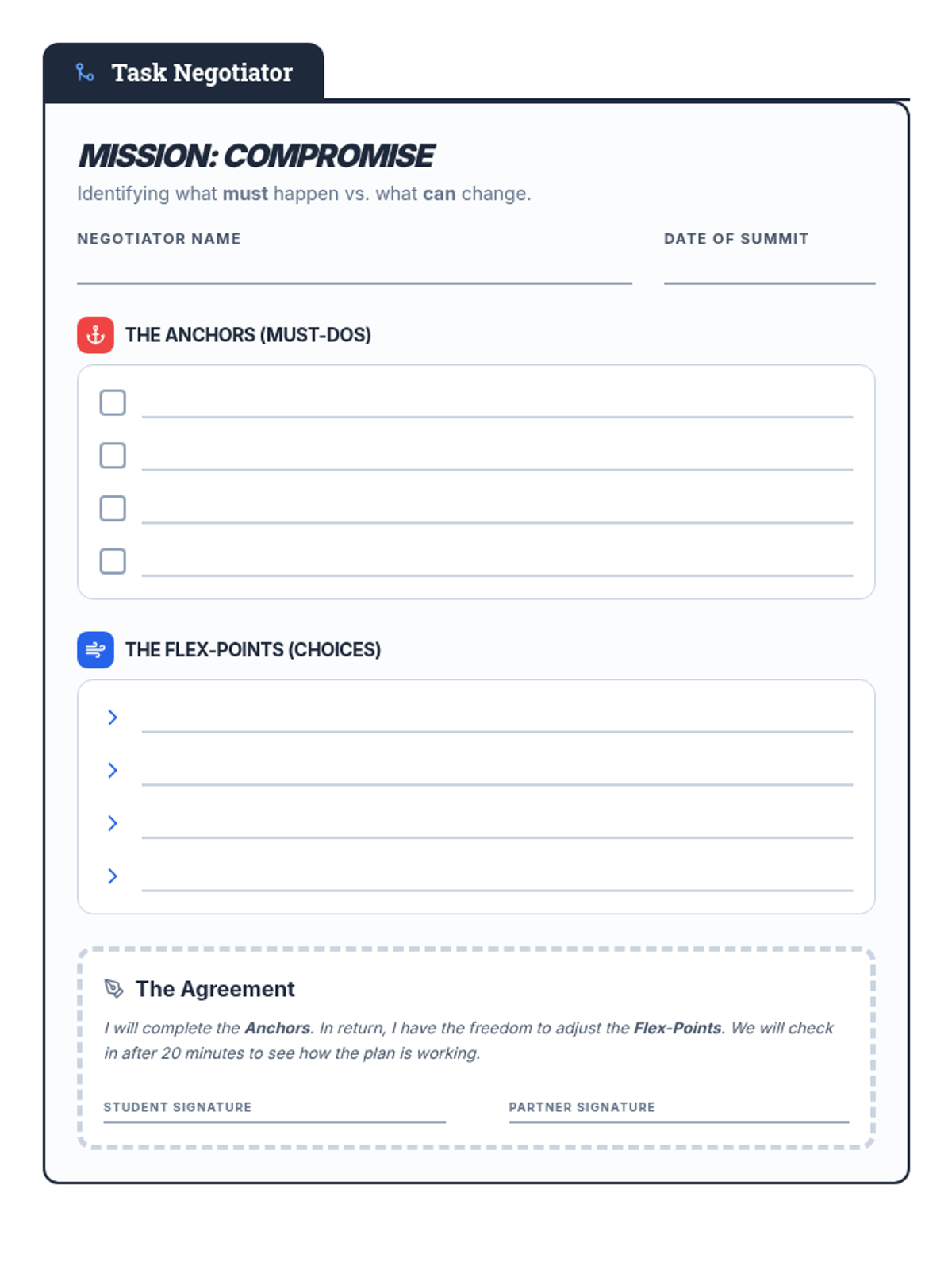
A comprehensive set of strategies and tools to help teens with autism overcome rigid thinking and task refusal during academic assignments.
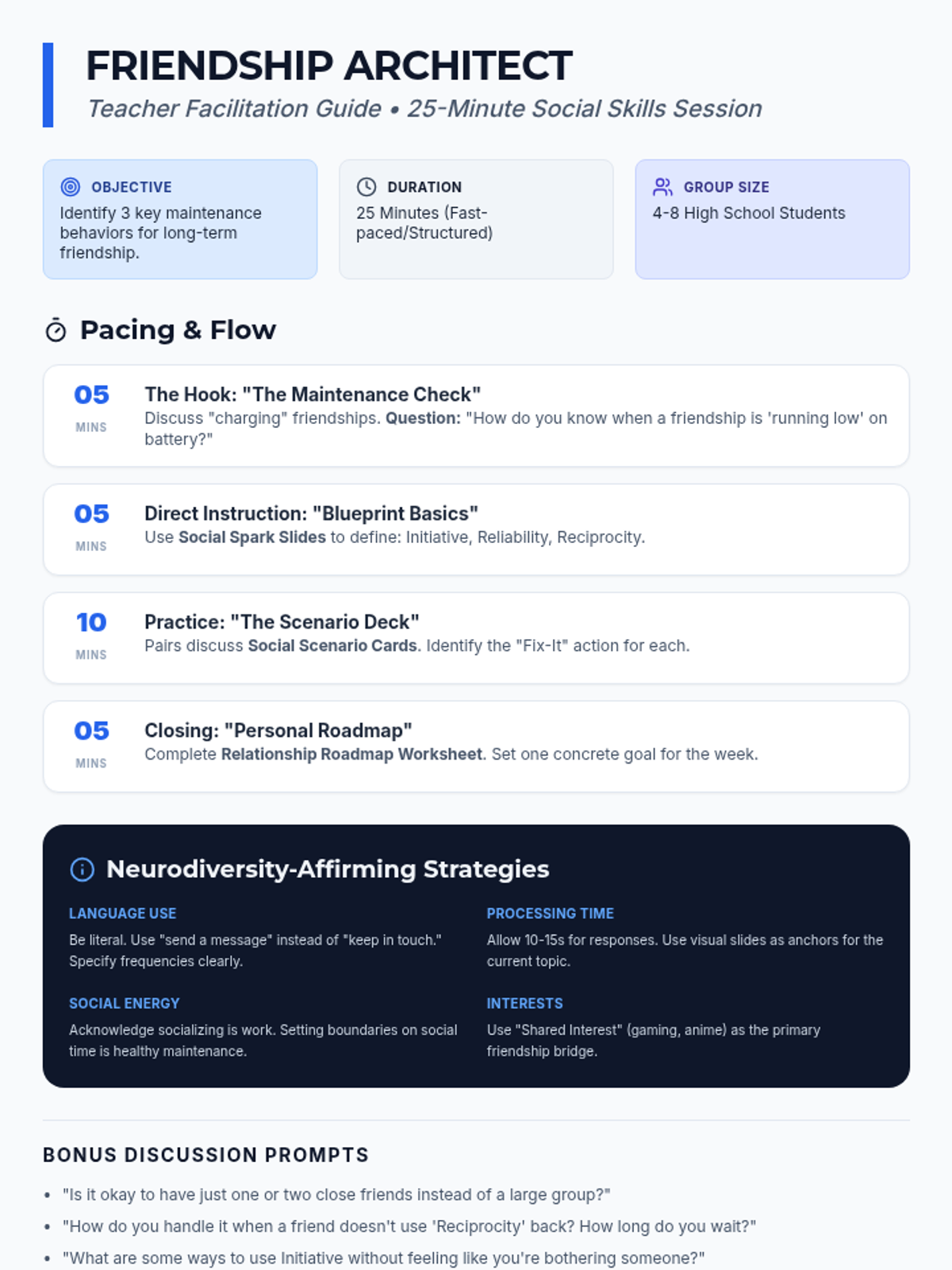
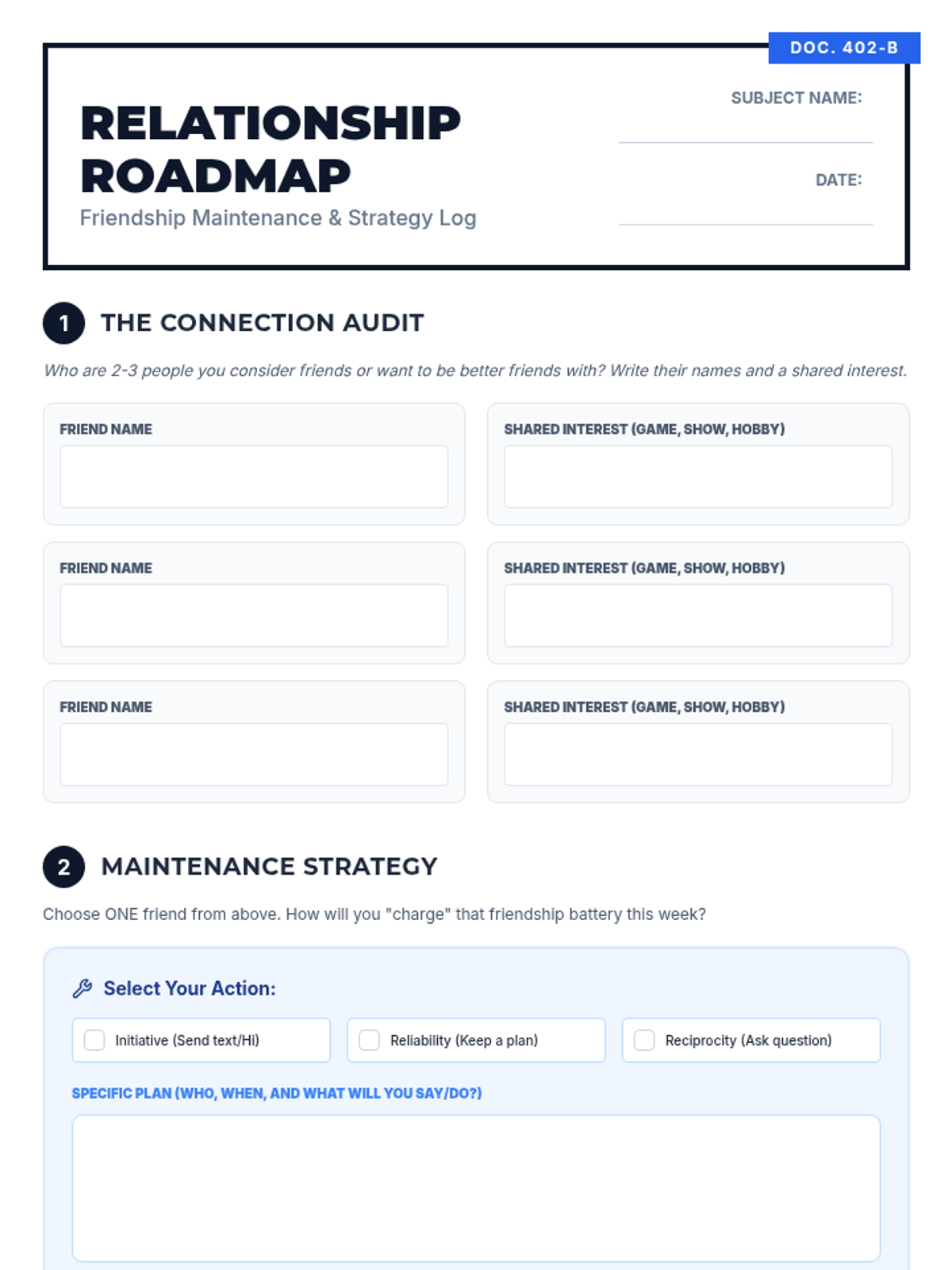
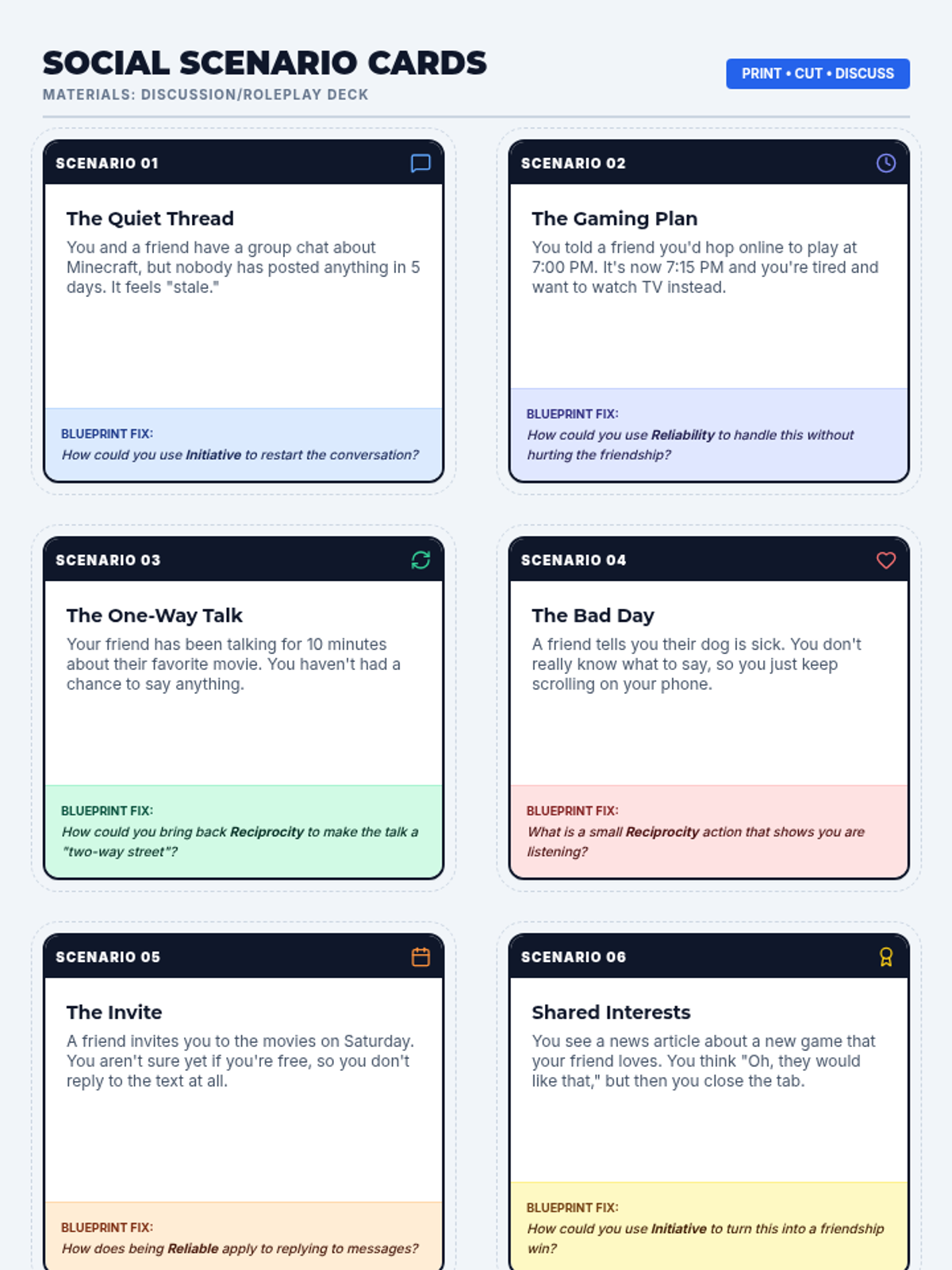
A focused, 25-minute social skills session designed for high schoolers with autism, focusing on the mechanics of building and maintaining meaningful friendships through structured interaction and reflection.
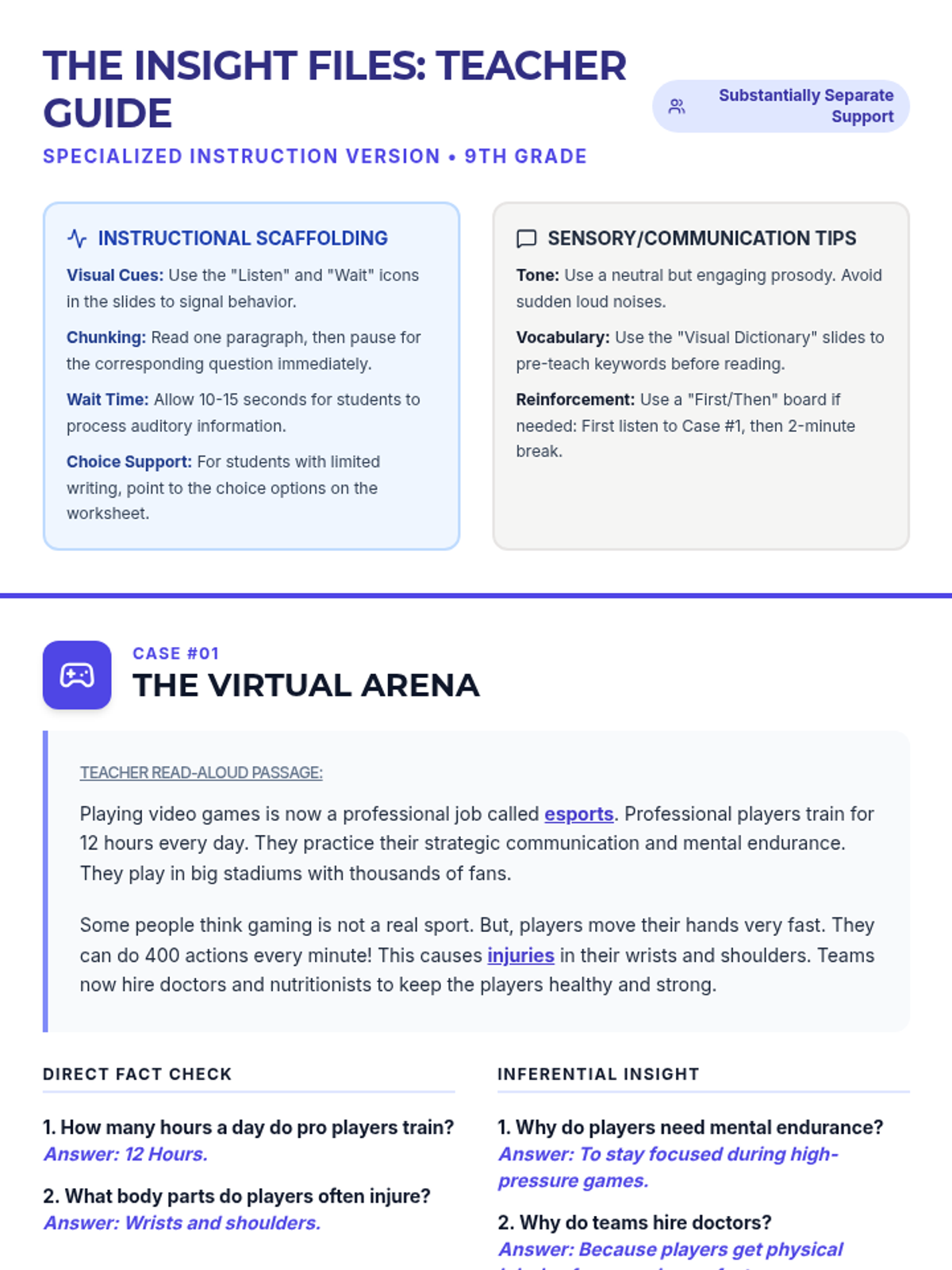
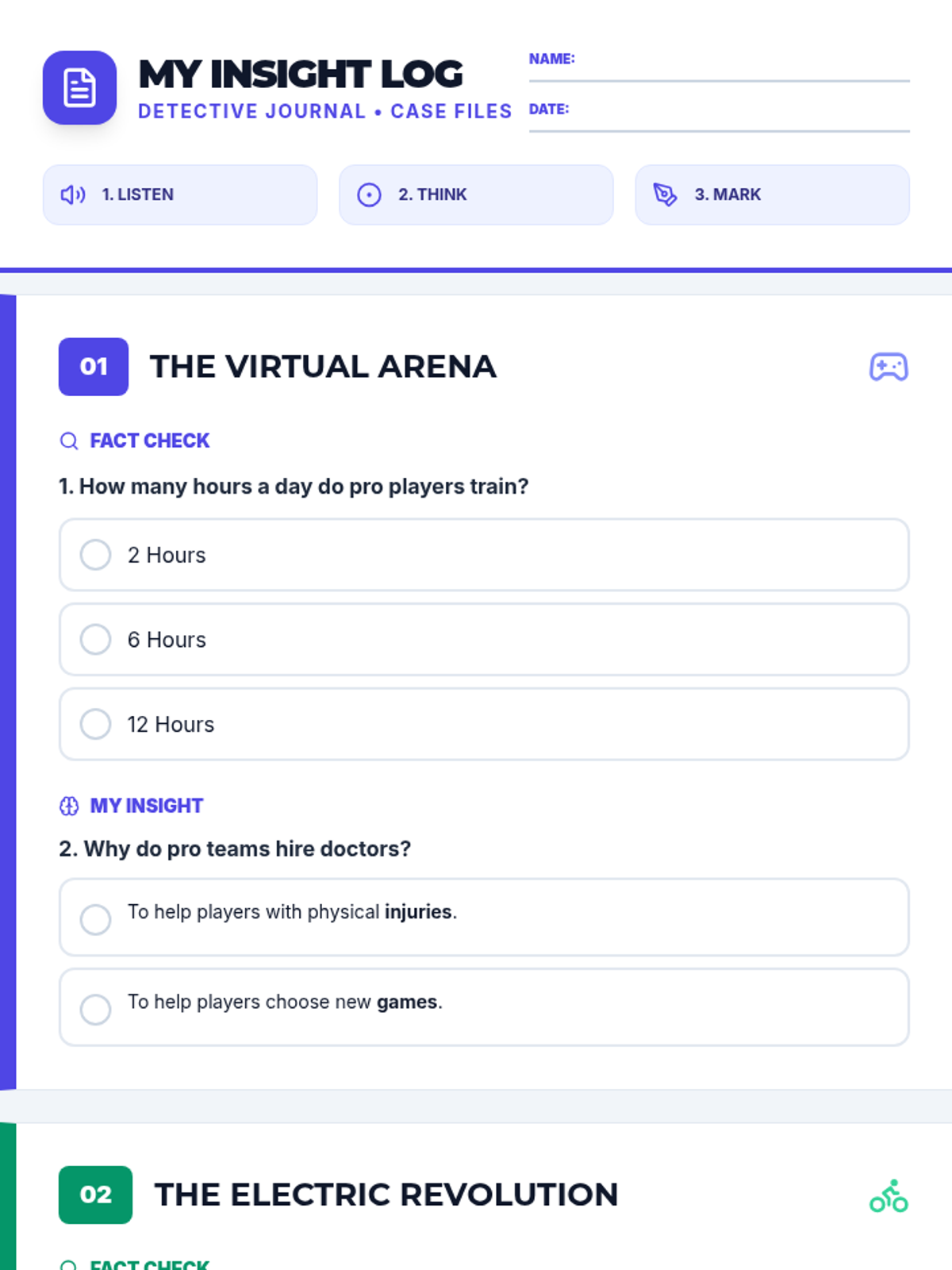
An 8th-grade lesson focused on listening comprehension. Students listen to high-interest passages about video games, ebikes, and sports technology, using a structured graphic organizer with sentence frames to answer factual and inferential questions.
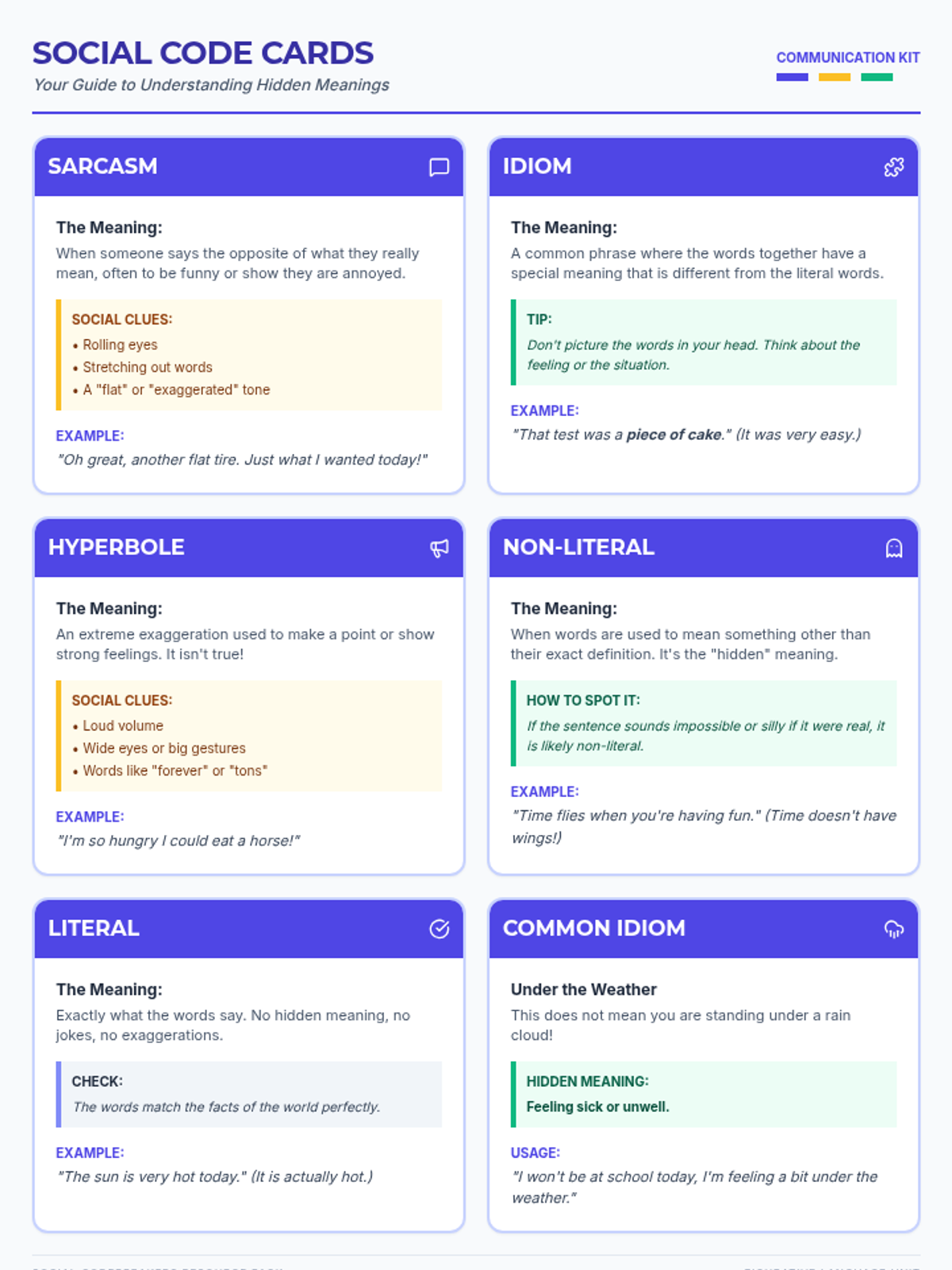
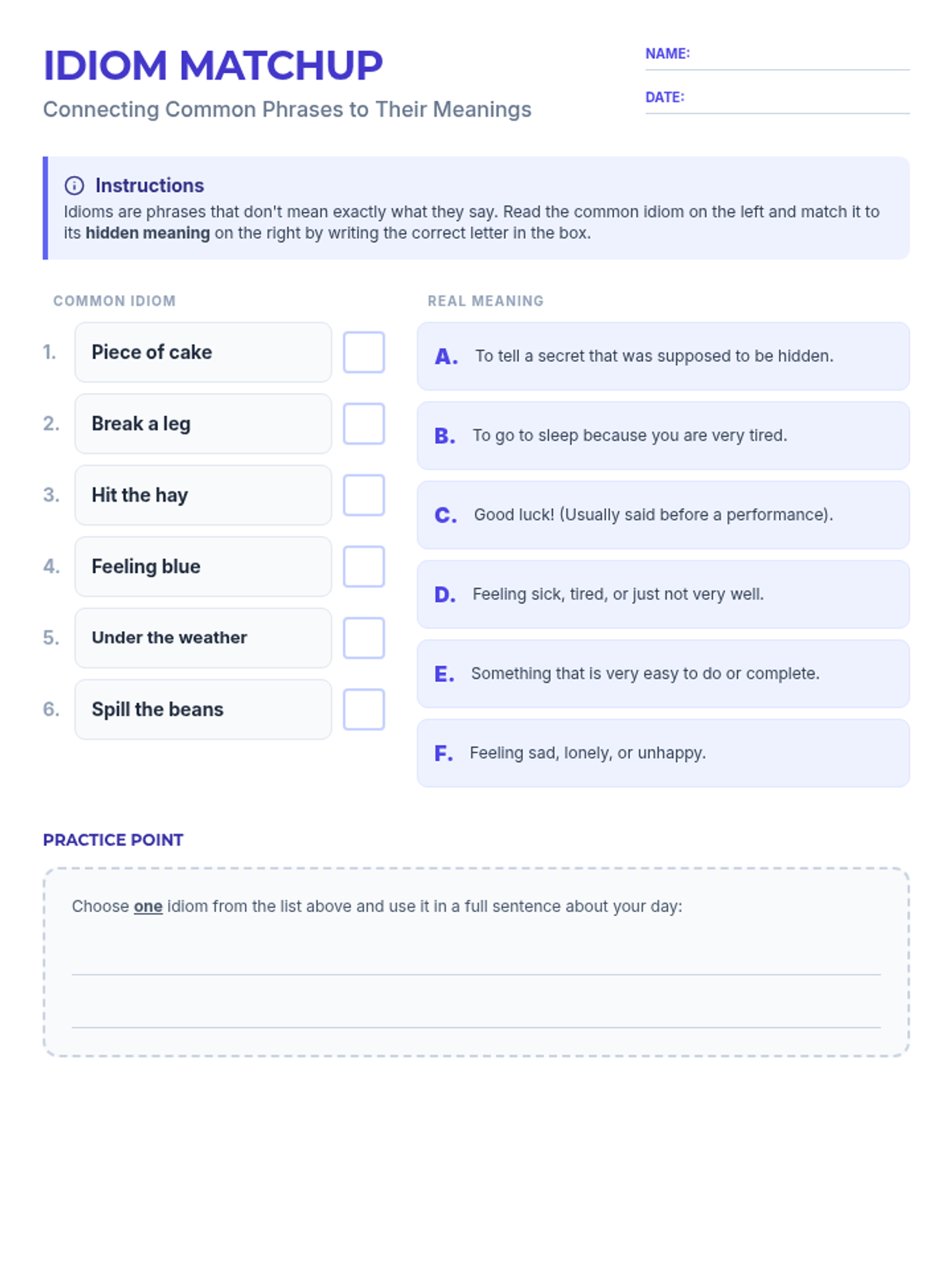
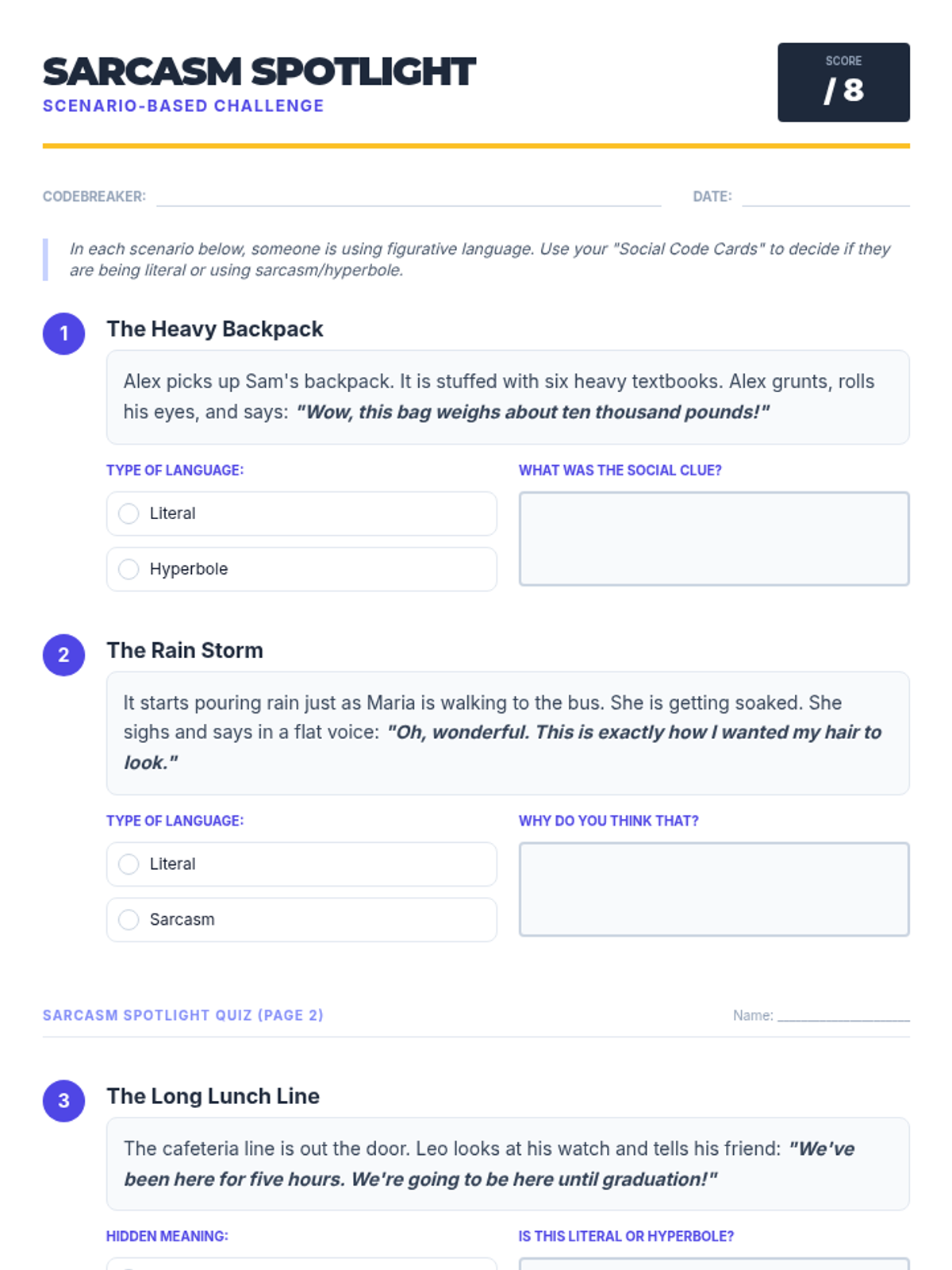
A comprehensive lesson designed for high school students with special needs to master the hidden meanings in social communication, focusing on sarcasm, idioms, and non-literal language.
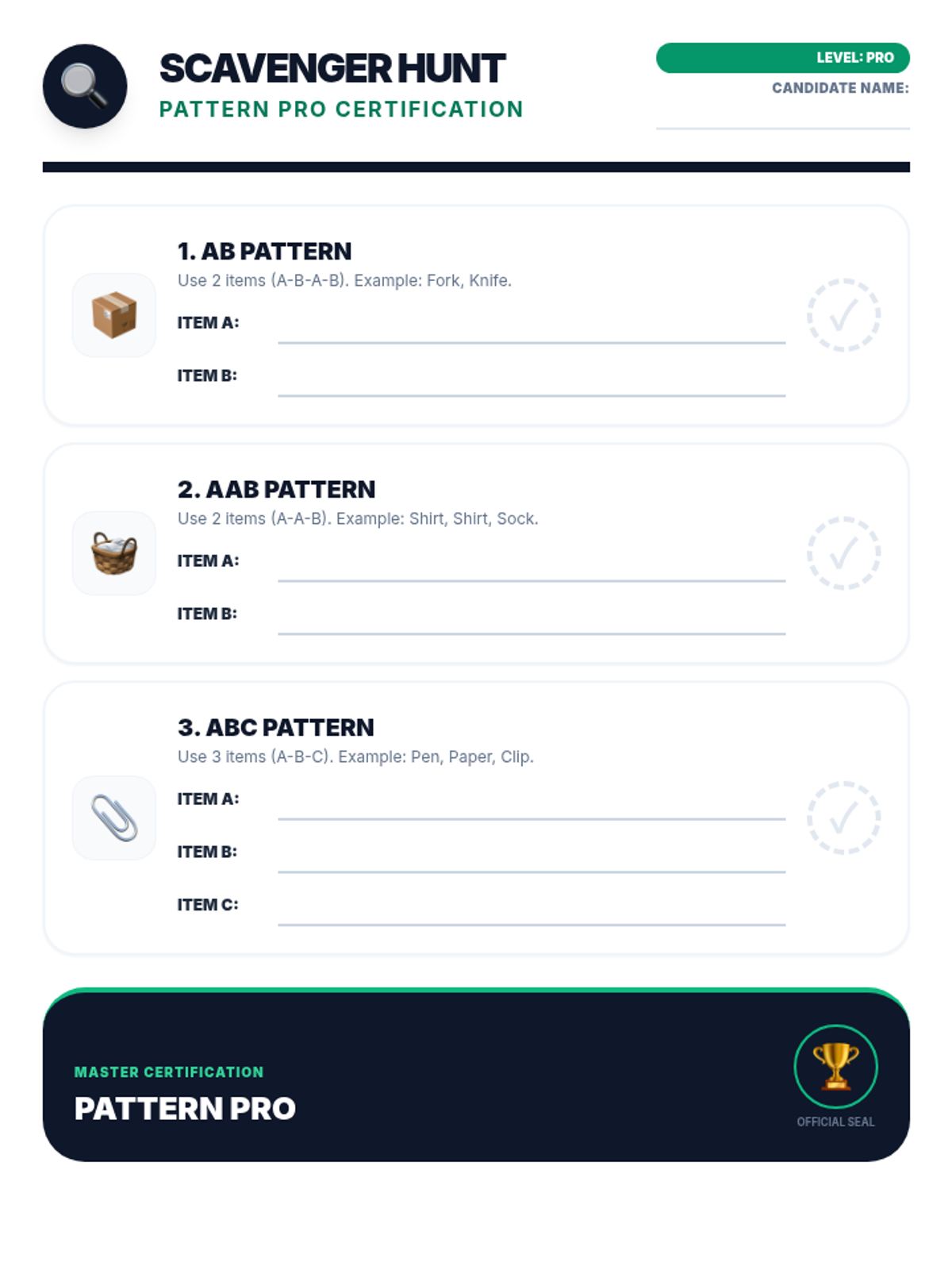
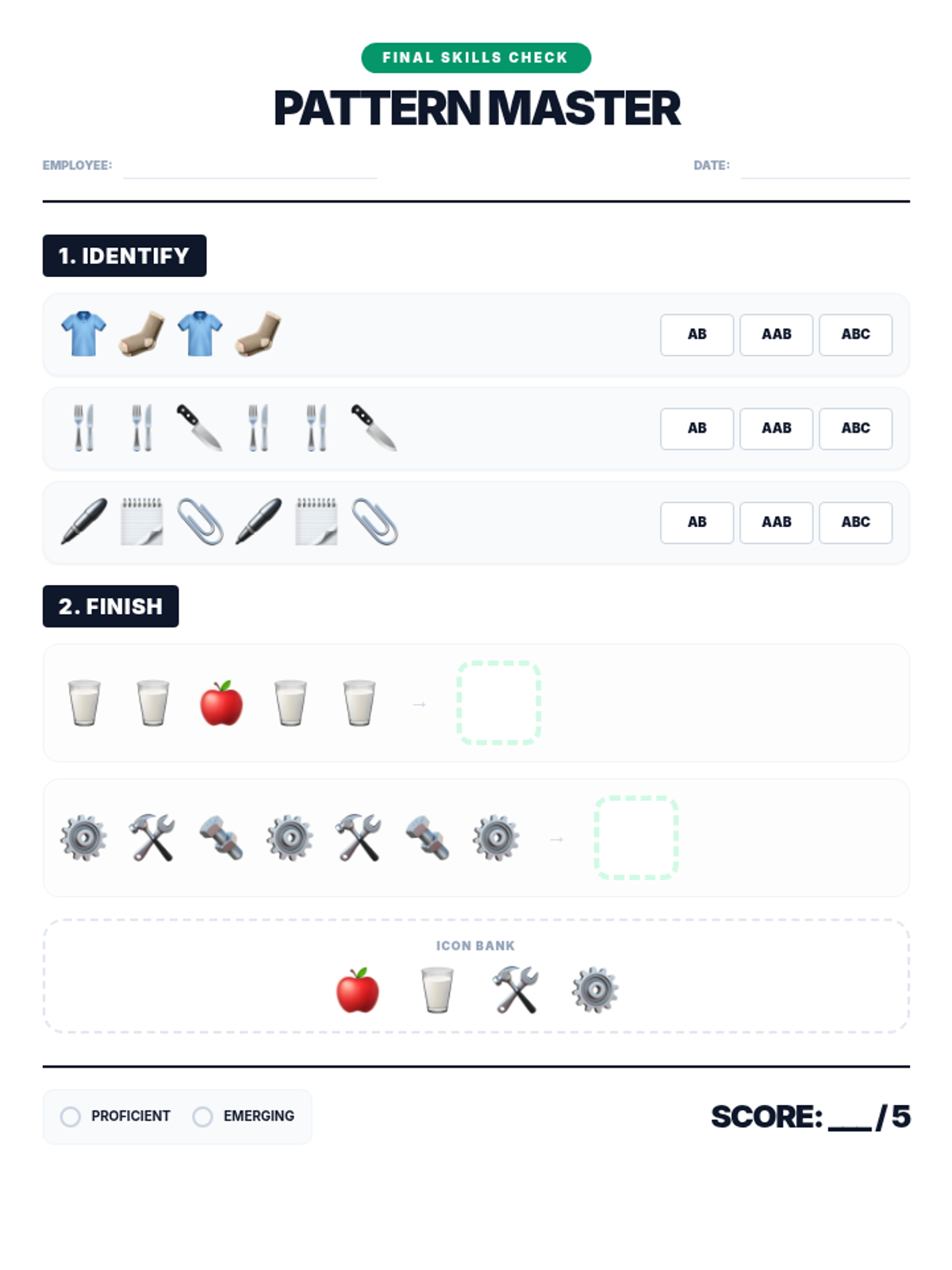
A comprehensive review and assessment of AB, AAB, and ABC patterns in various real-world scenarios, concluding with a "Pattern Master" challenge.
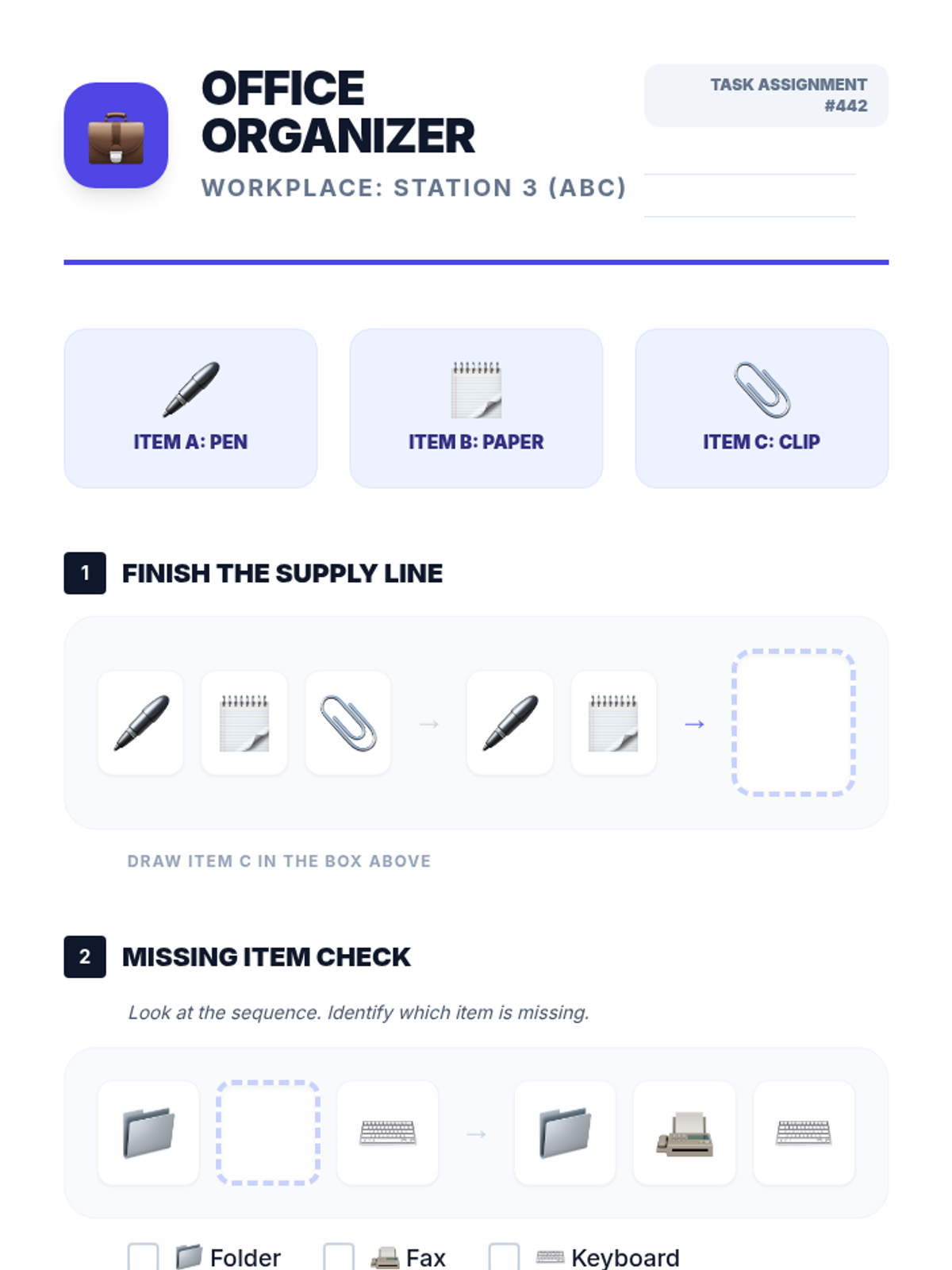
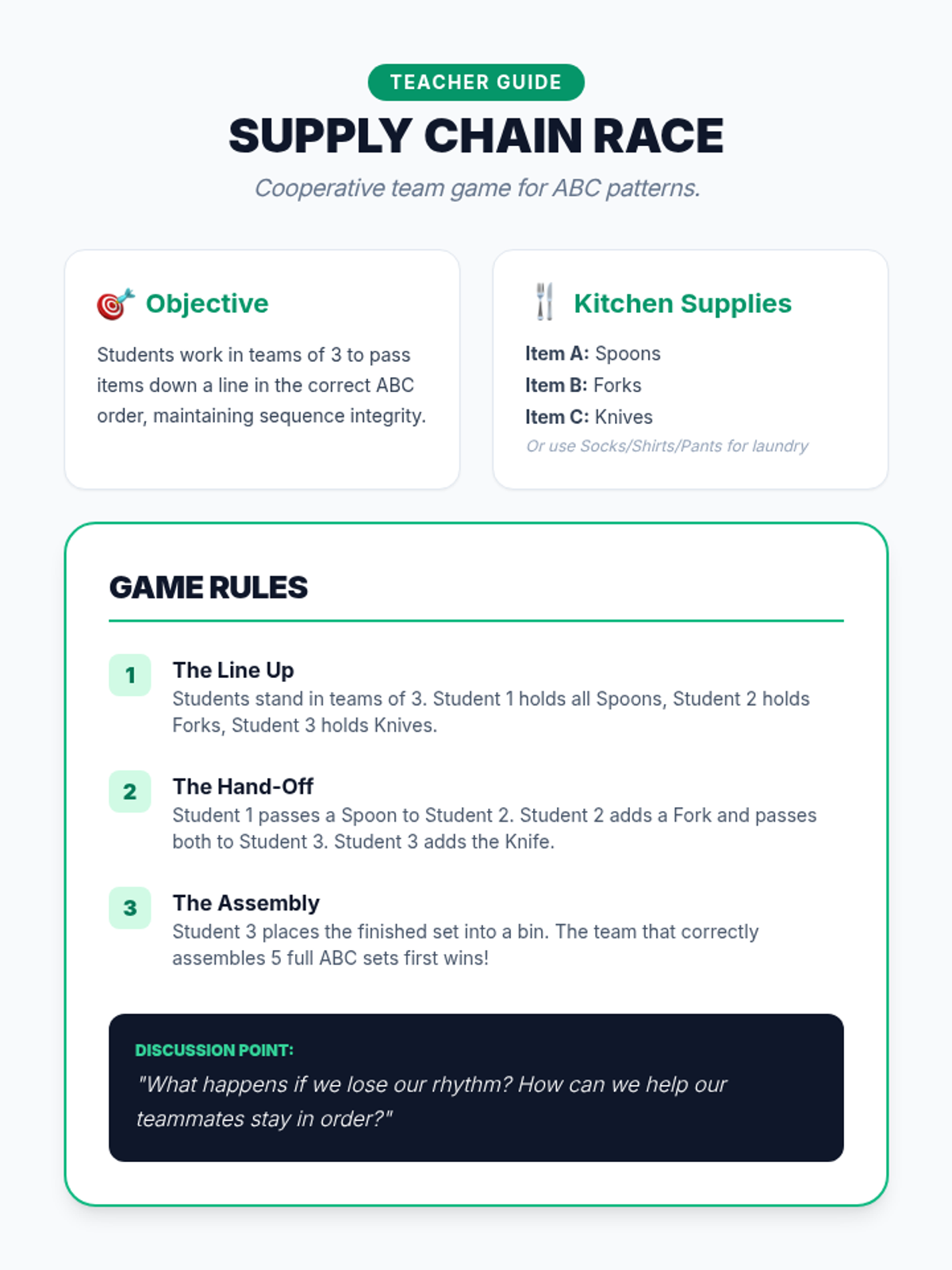
Introduction to ABC patterns using office and workshop supplies. Students learn to manage three-part sequences typical in assembly and organization tasks.
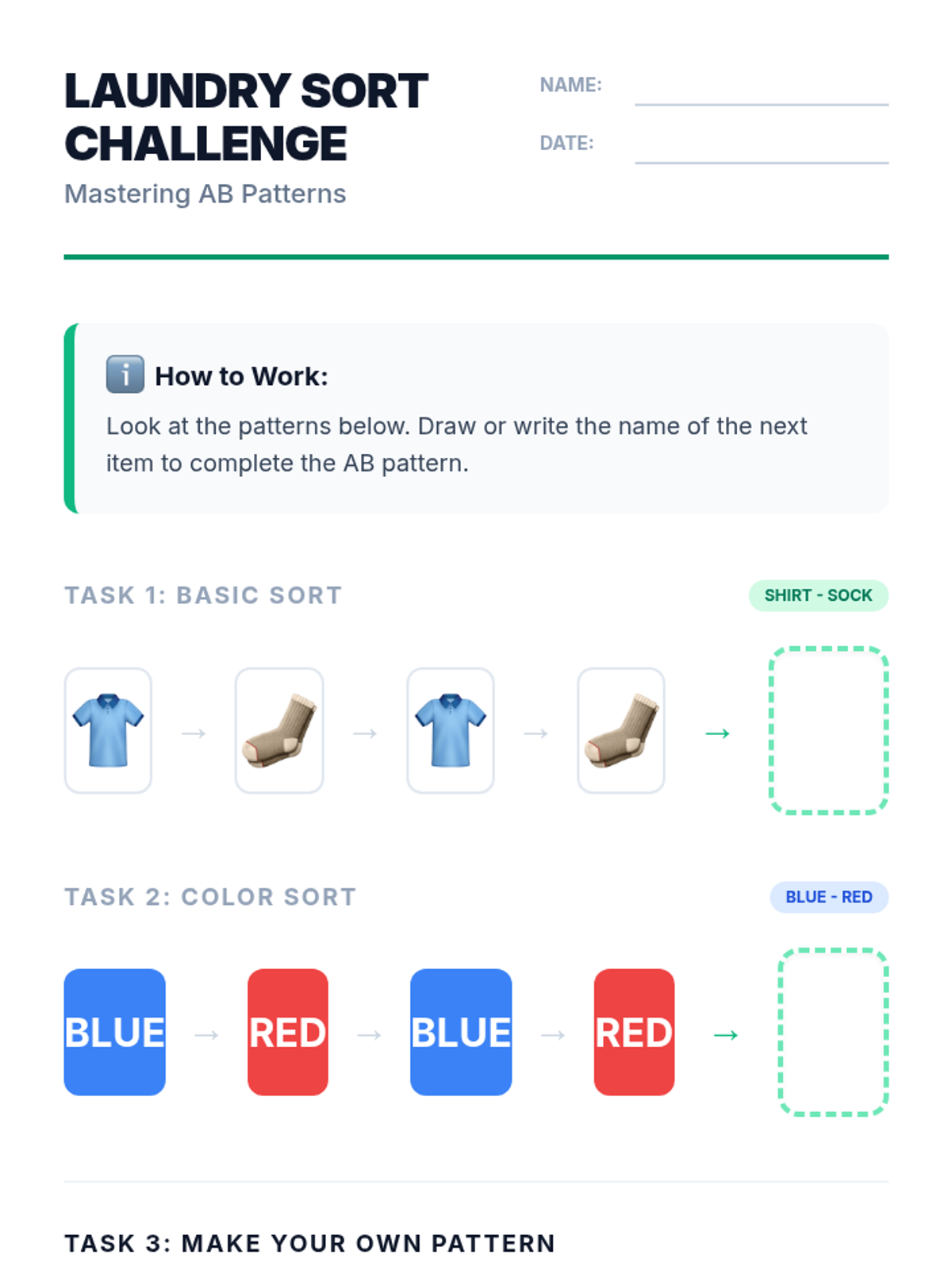
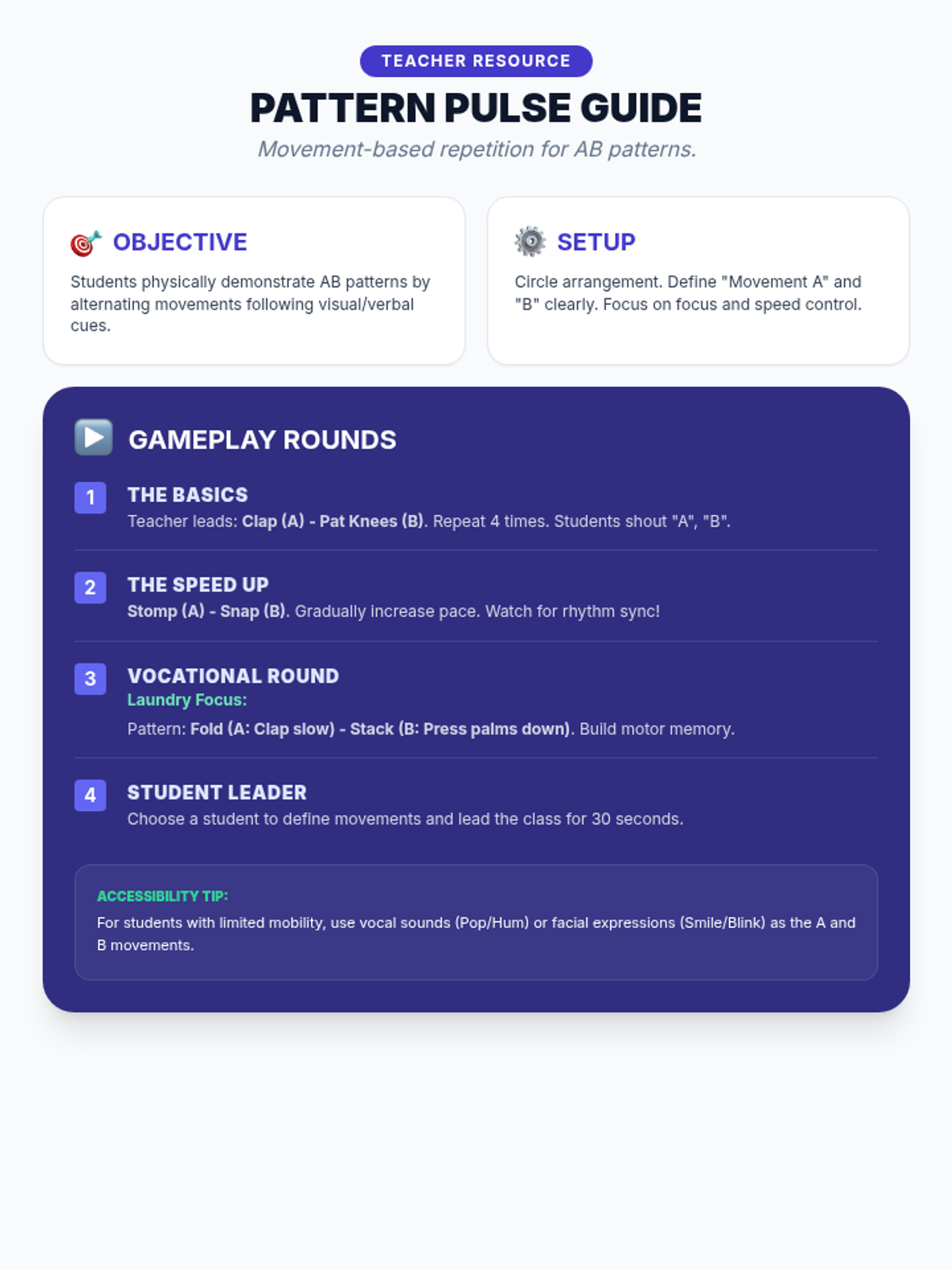
Introduction to simple AB patterns using laundry sorting (shirts and socks) as a vocational context. Students learn to identify, extend, and create two-part alternating sequences.