A comprehensive toolkit for educators to support students with anxiety-driven defiance, focusing on pre-emptive strategies, calm communication, and delayed consequence enforcement.
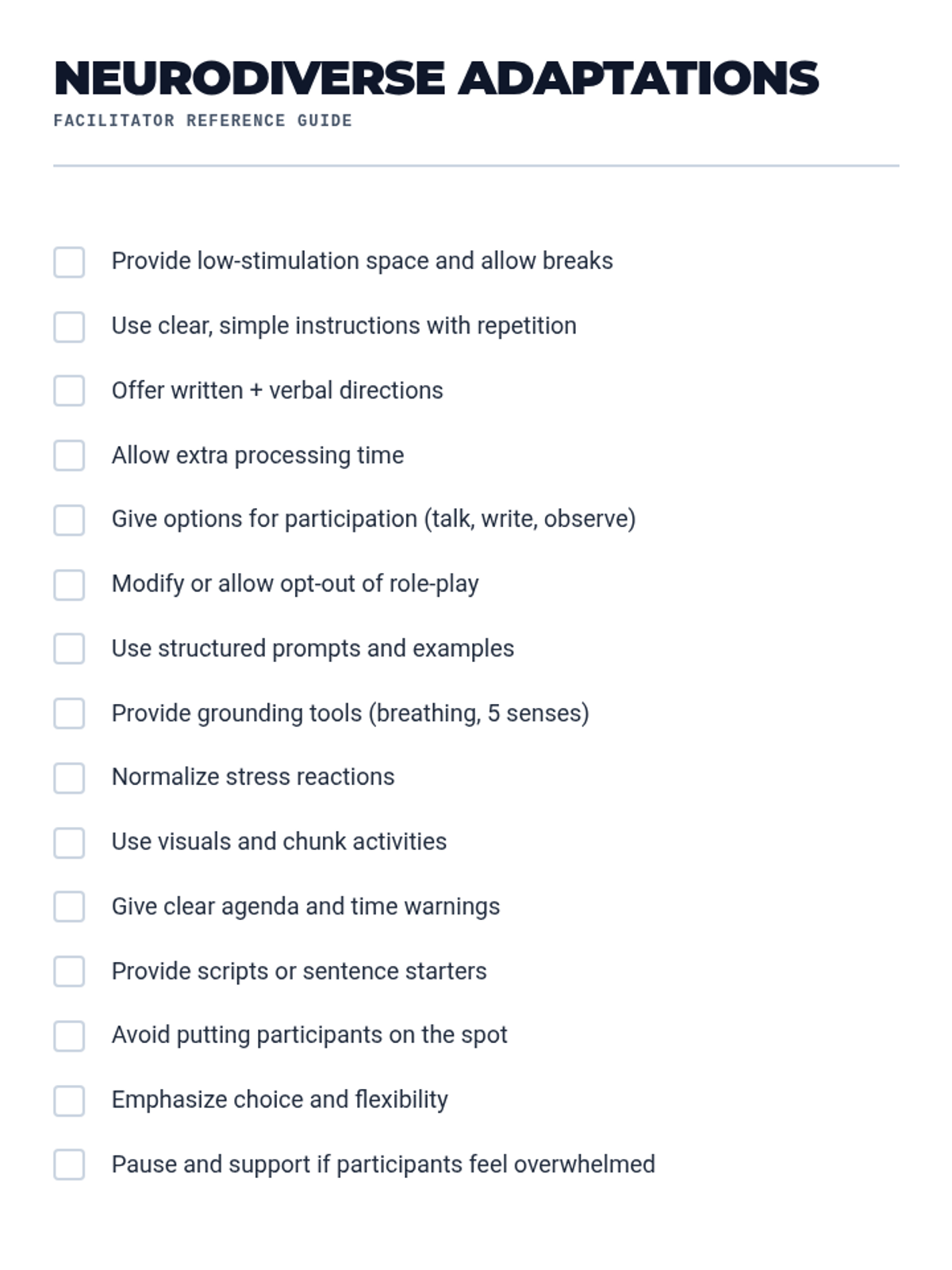
A guide for facilitators to implement neurodiverse-friendly strategies and adaptations in instructional settings.
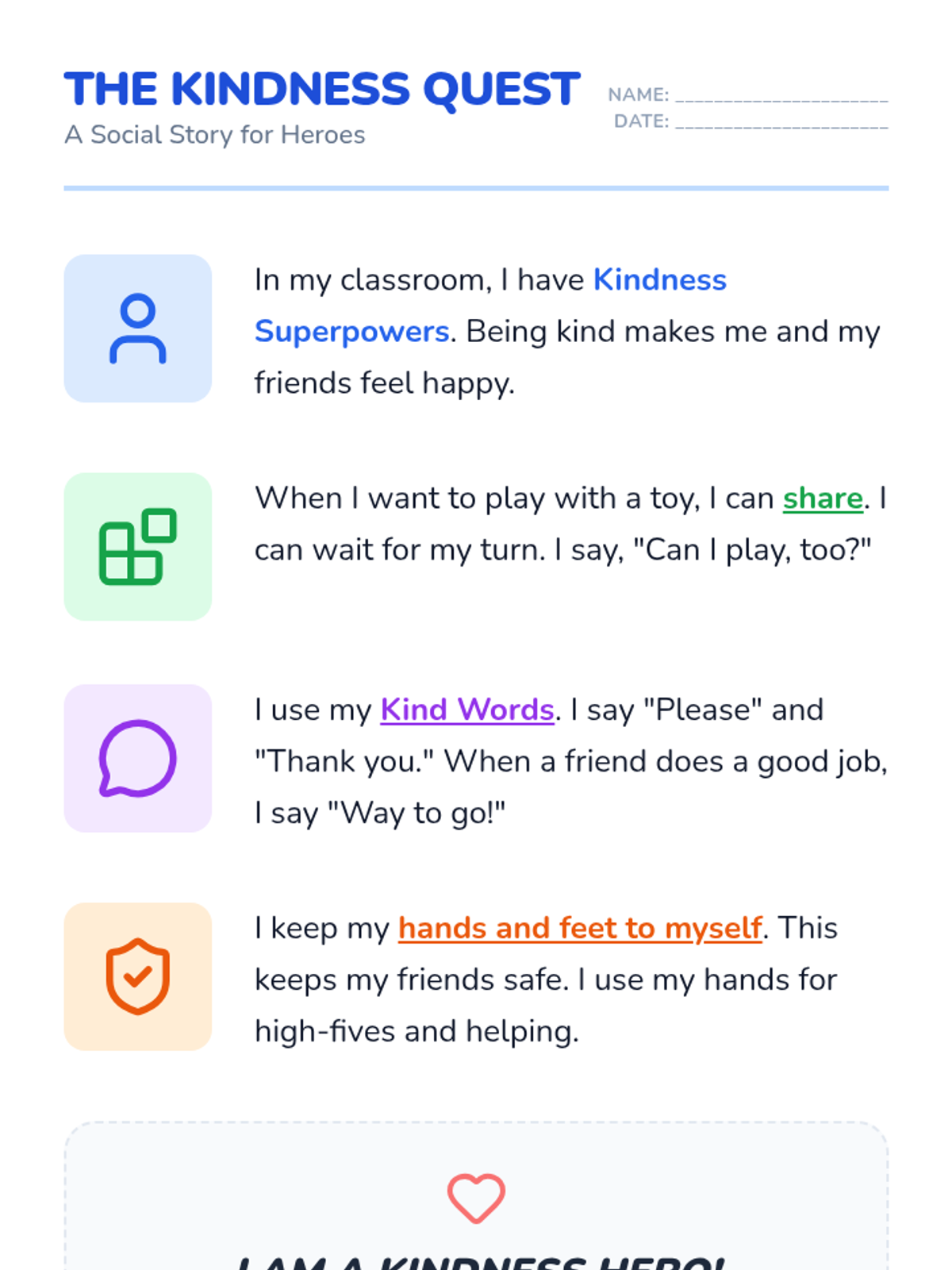
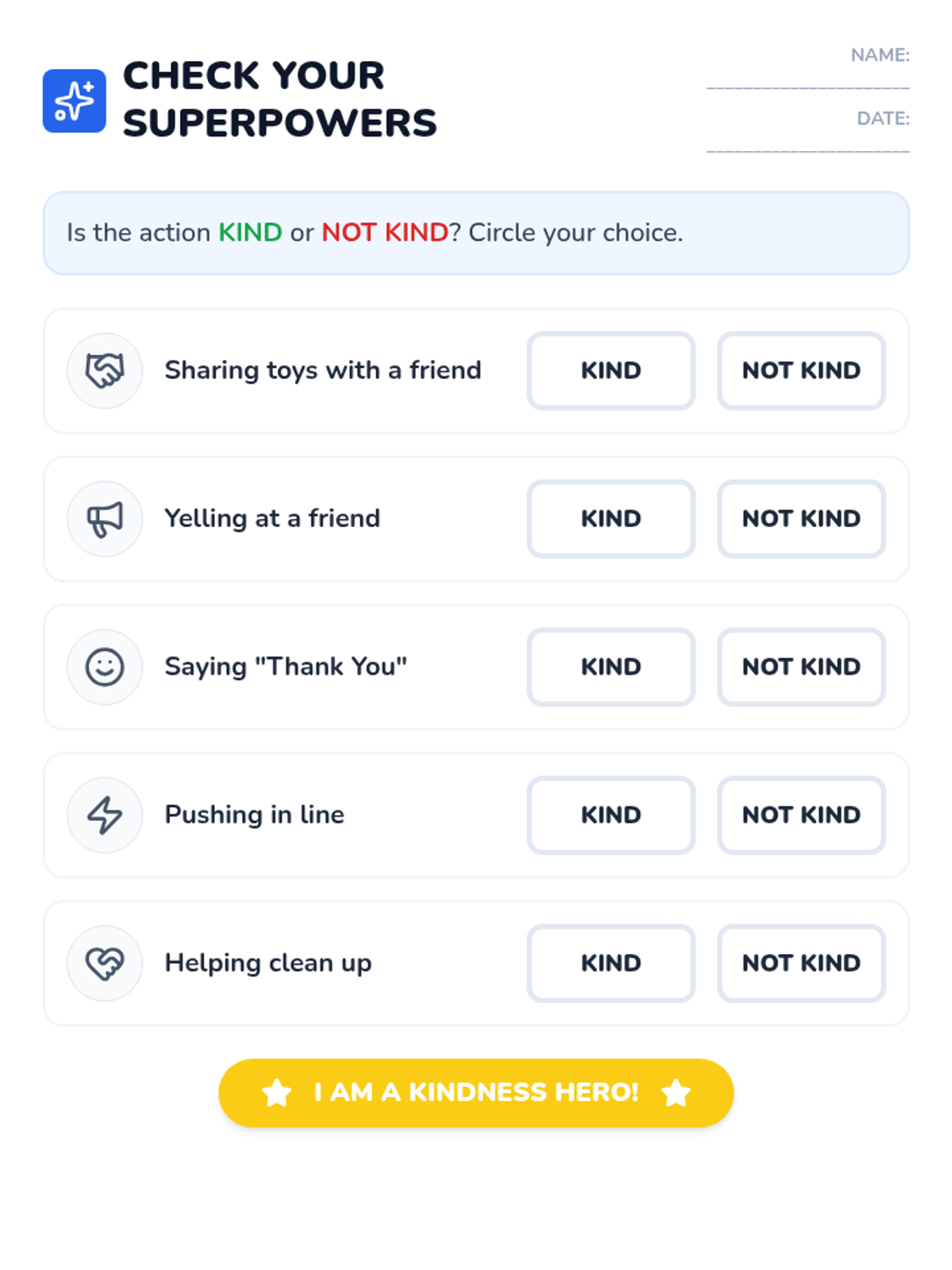
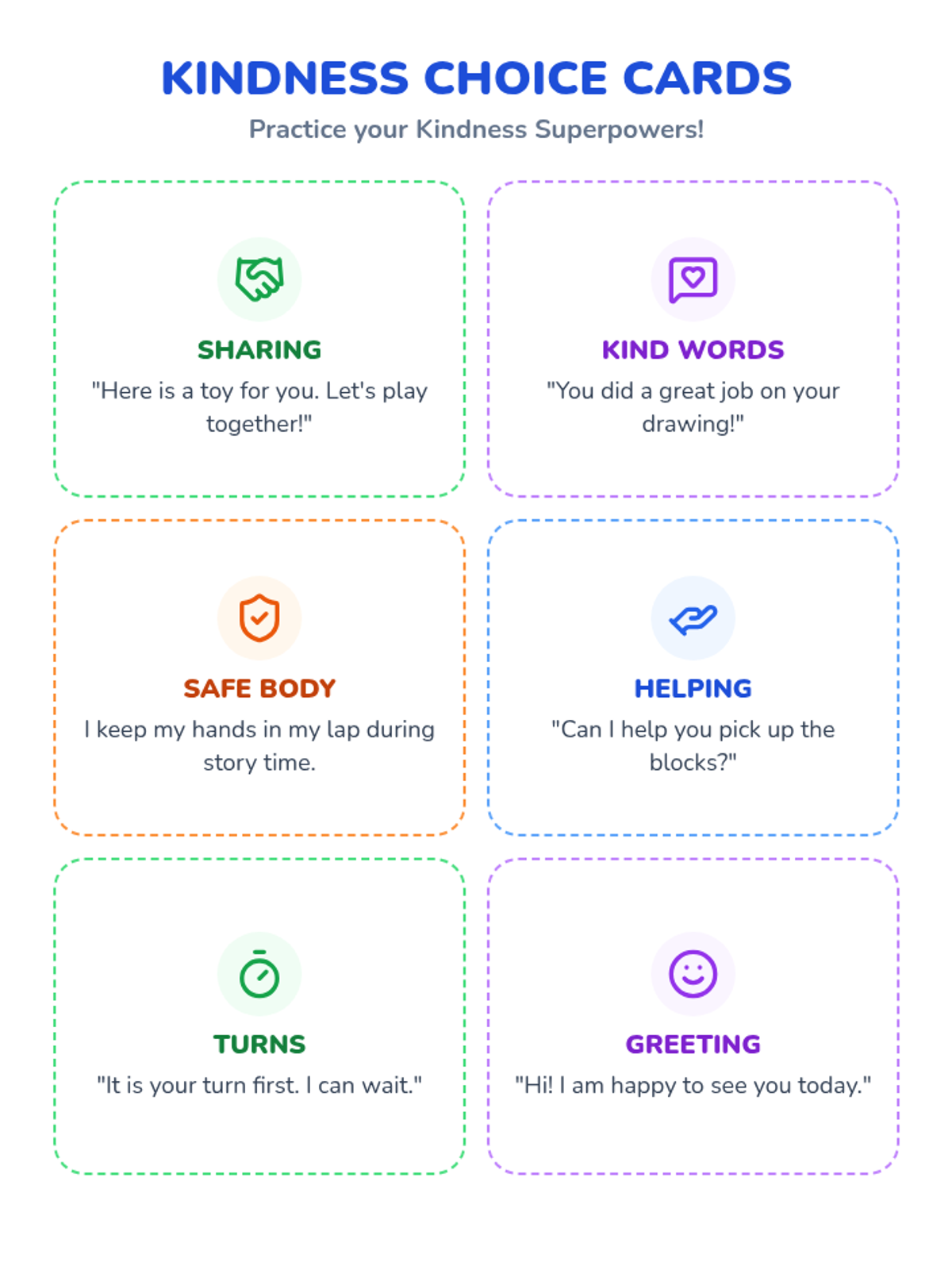
A lesson designed for students with disabilities focusing on three core kindness skills: sharing, using kind words, and keeping hands and feet to oneself. This lesson uses the 'Kindness Superpowers' theme to engage students in social-emotional learning.
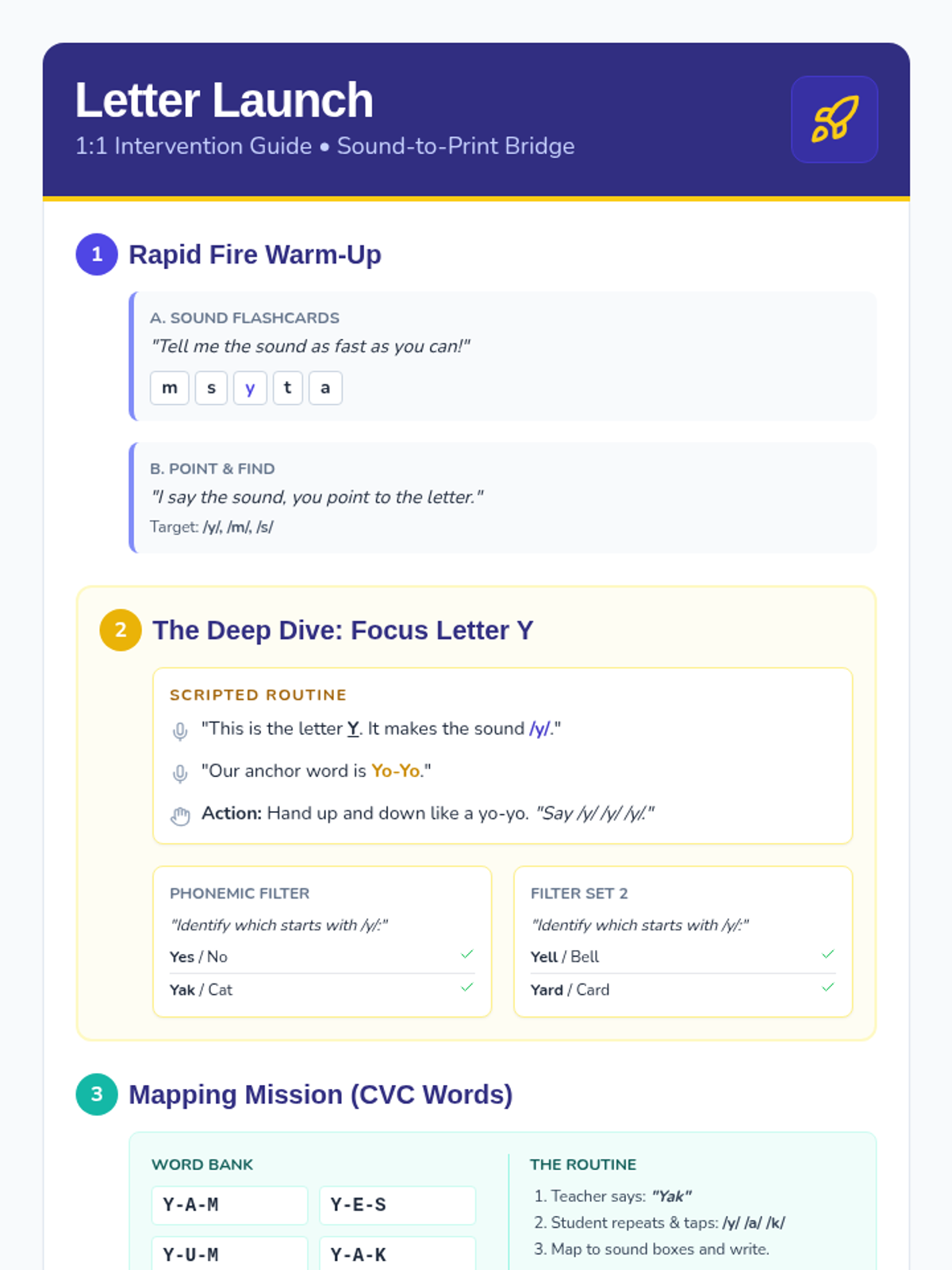
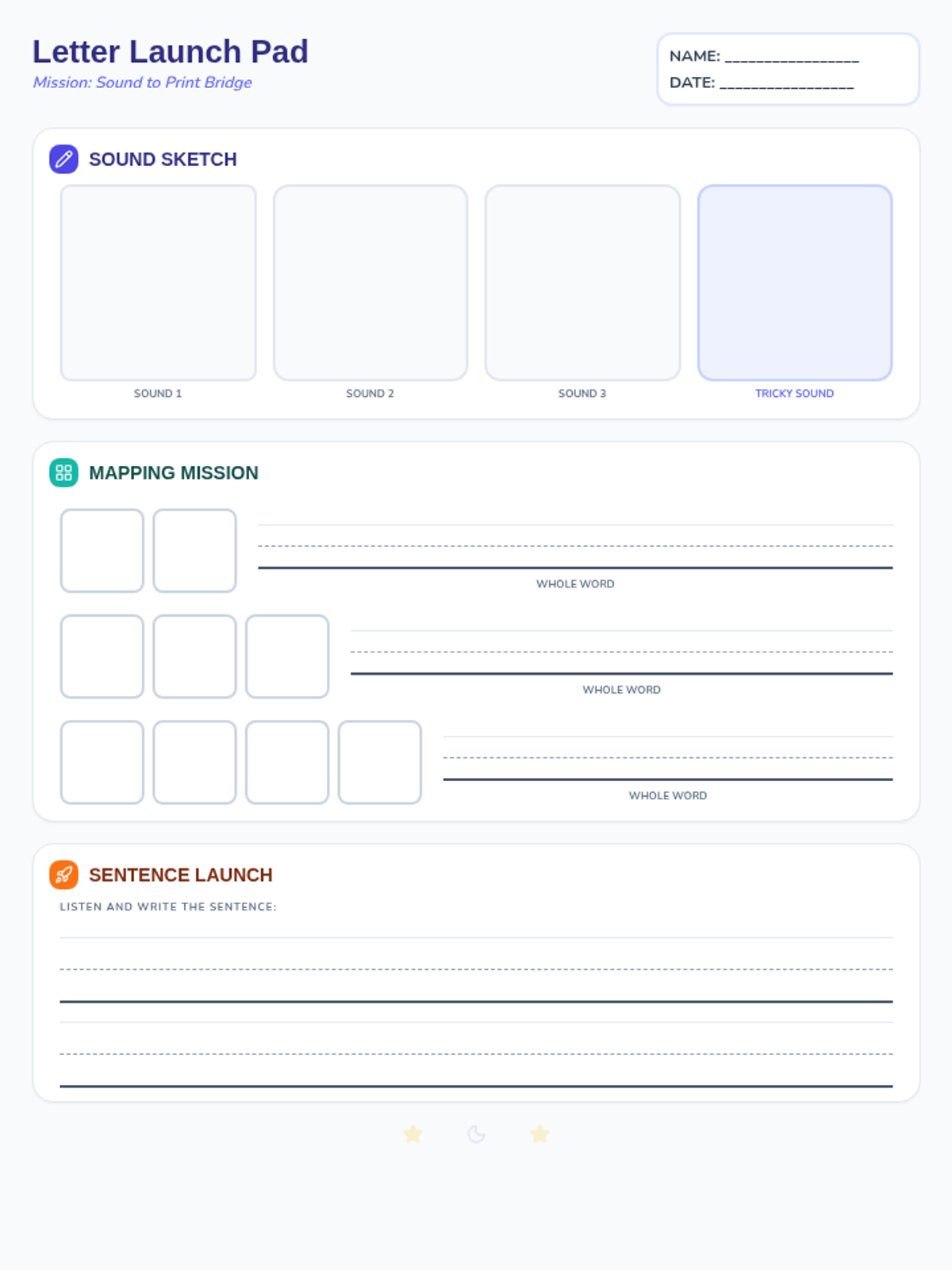
A high-impact 1:1 intervention routine designed to bridge the gap between sound recognition and written application for kindergarten students. This lesson focuses on multisensory techniques for tricky letters, specifically using 'Y' as the primary focus.
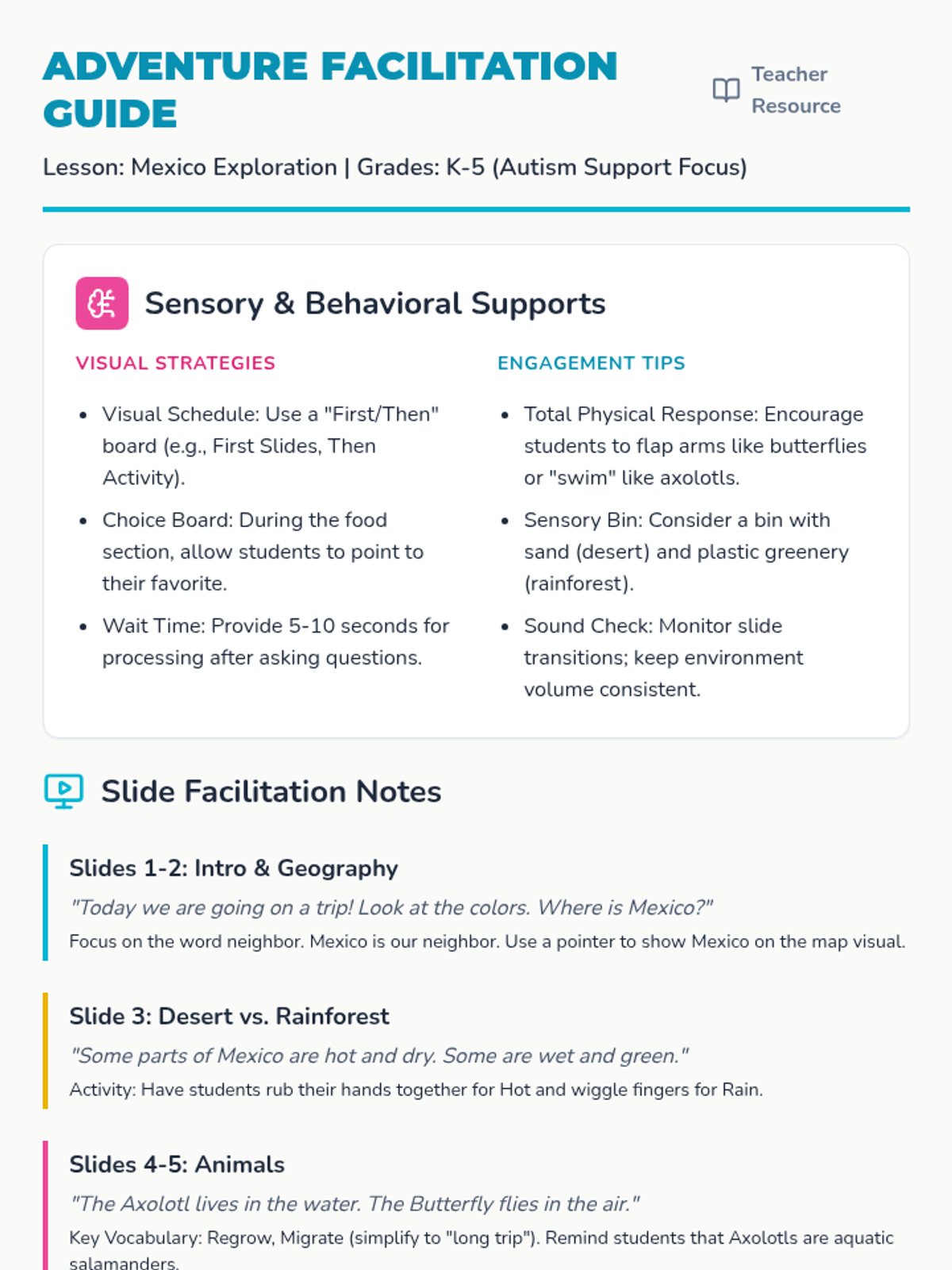
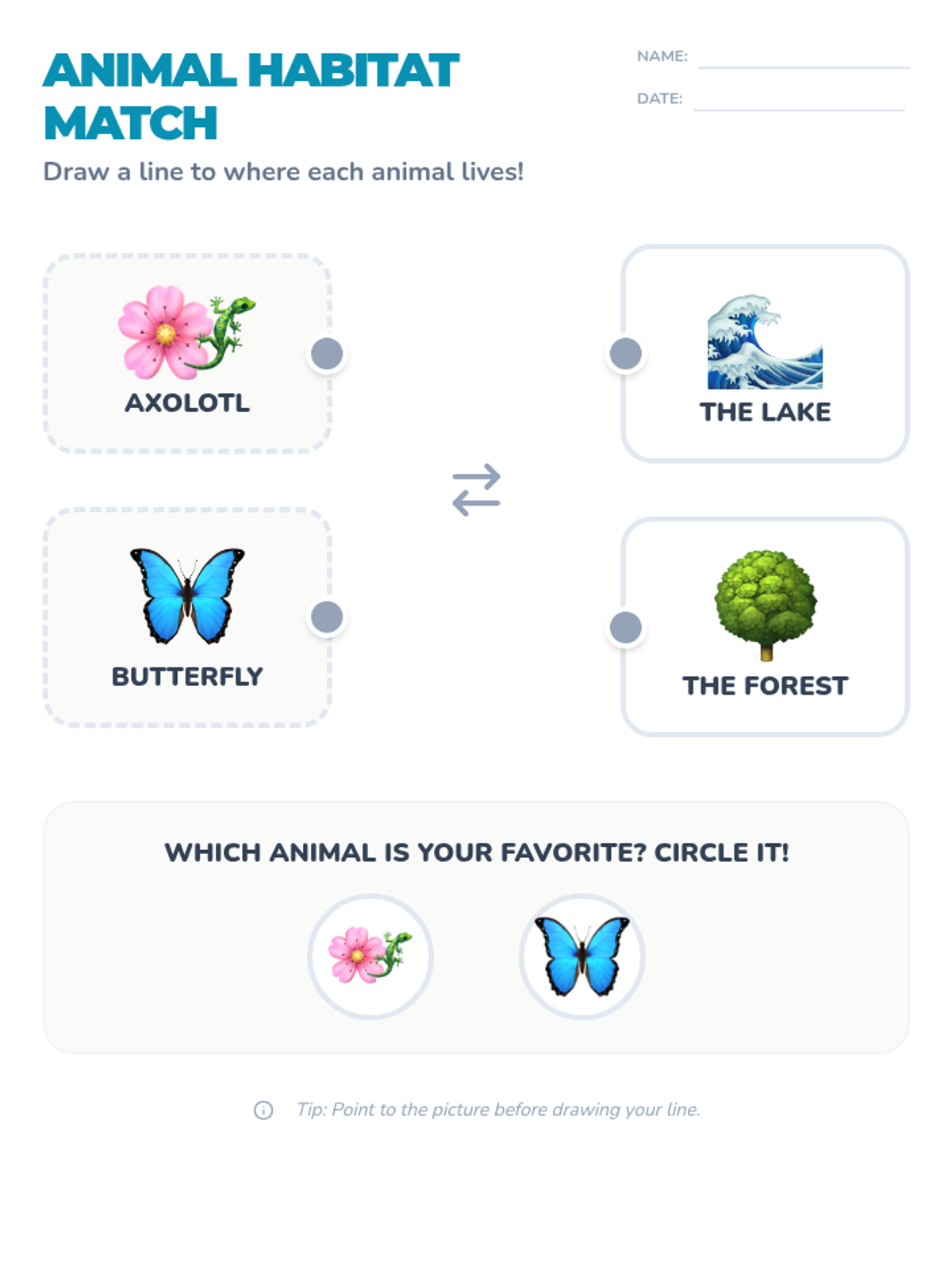
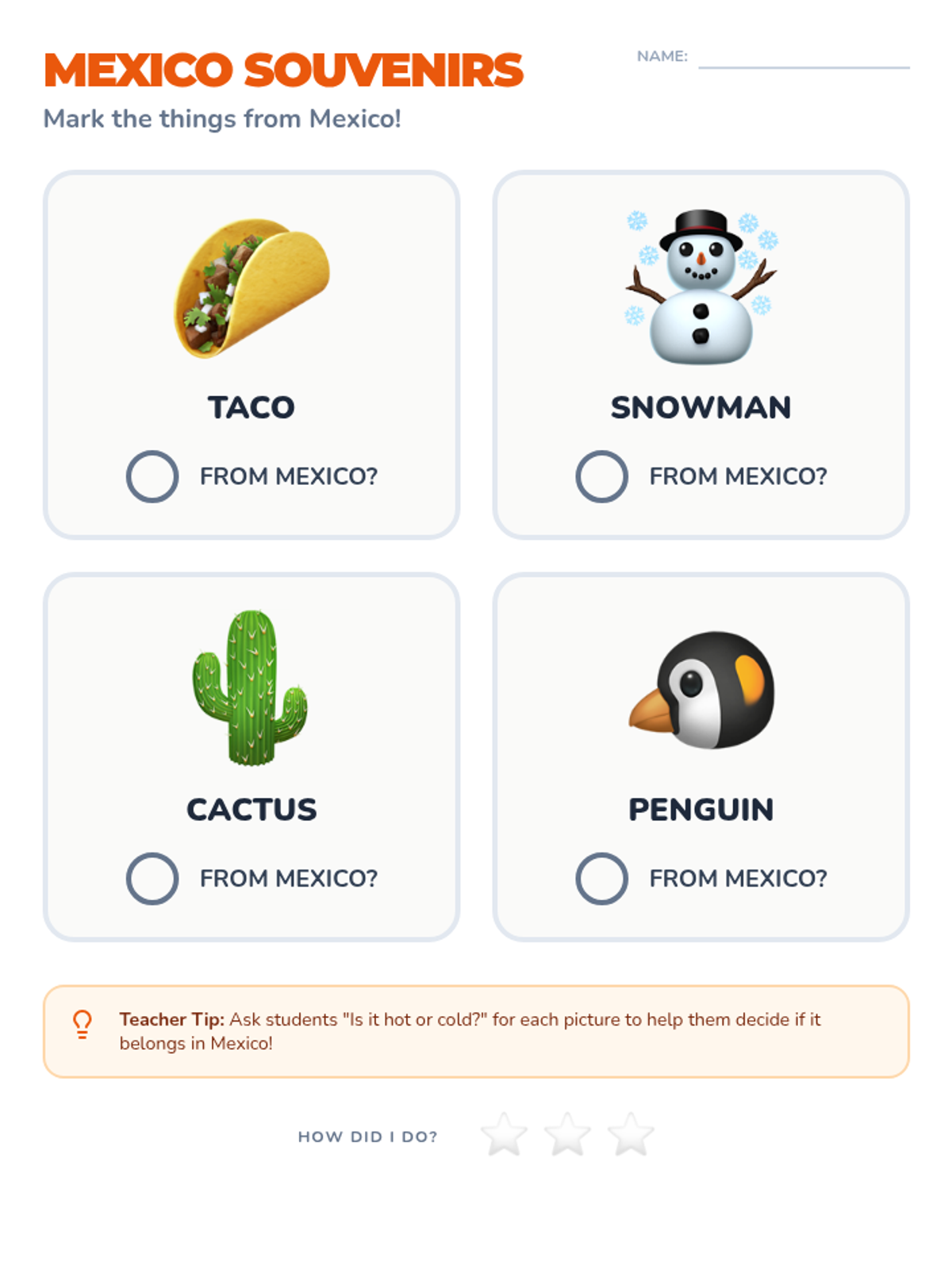
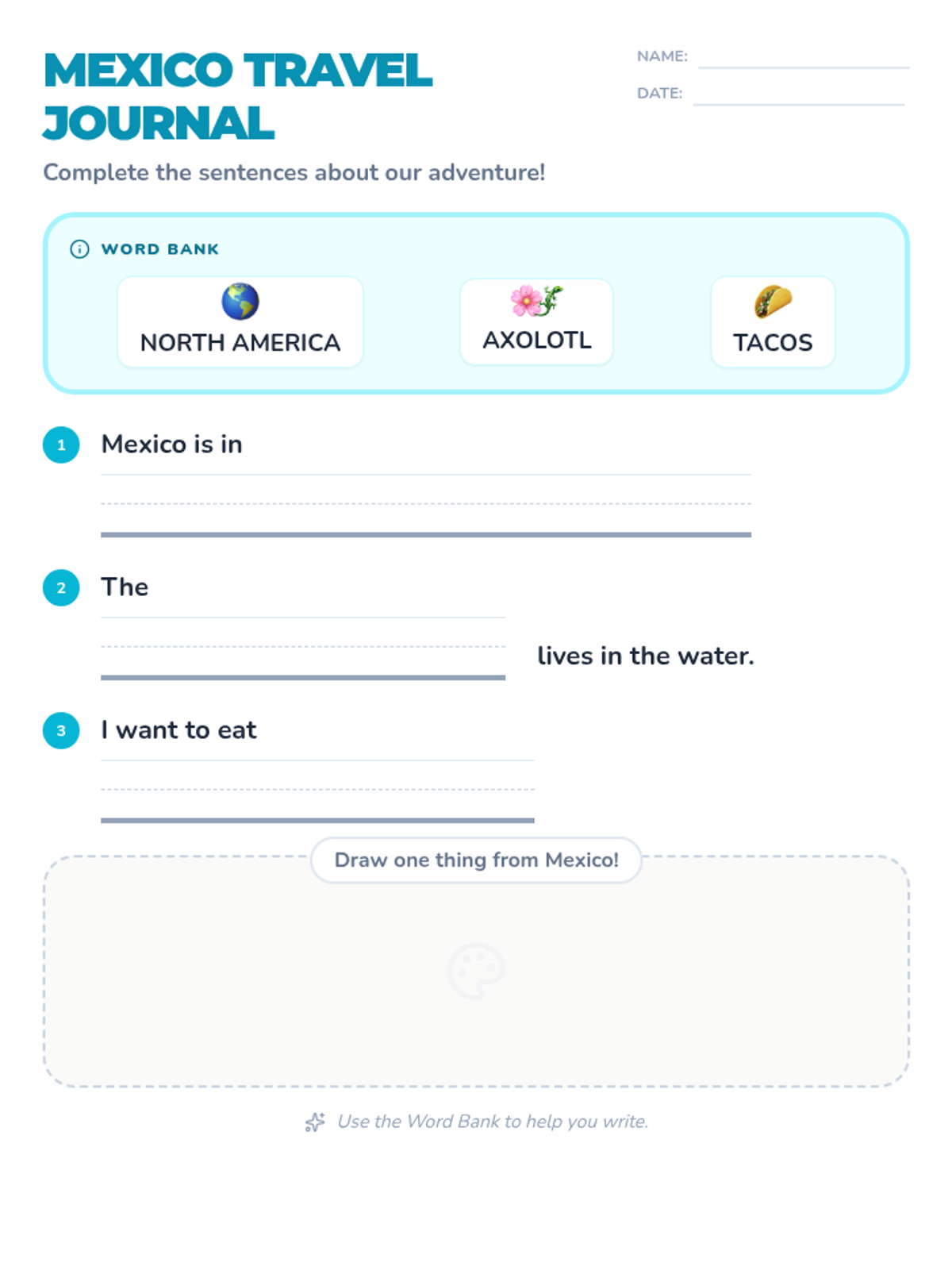
An engaging exploration of Mexico's geography, wildlife, and culture designed specifically for elementary students with autism, featuring visual supports and clear, structured information.
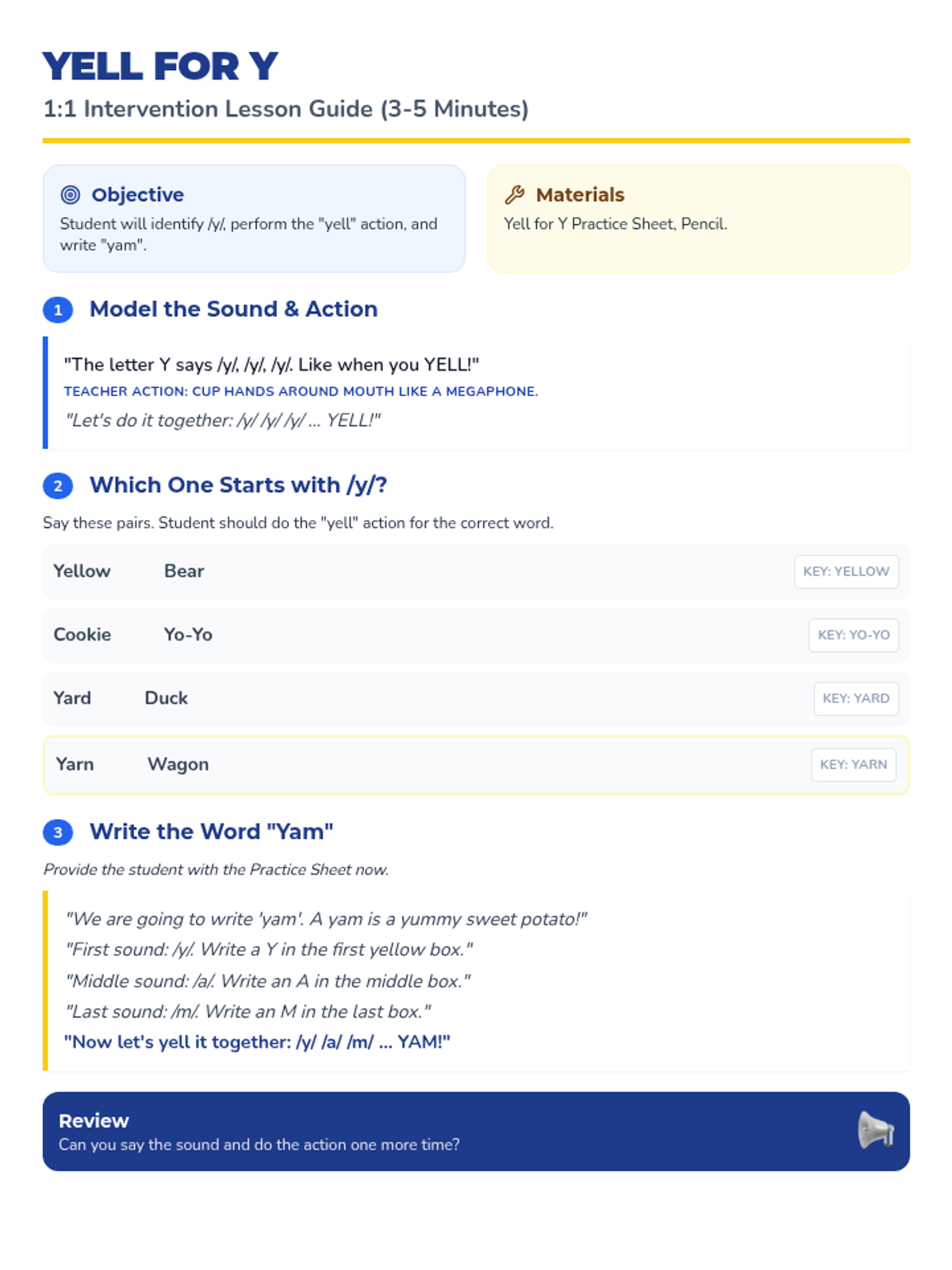
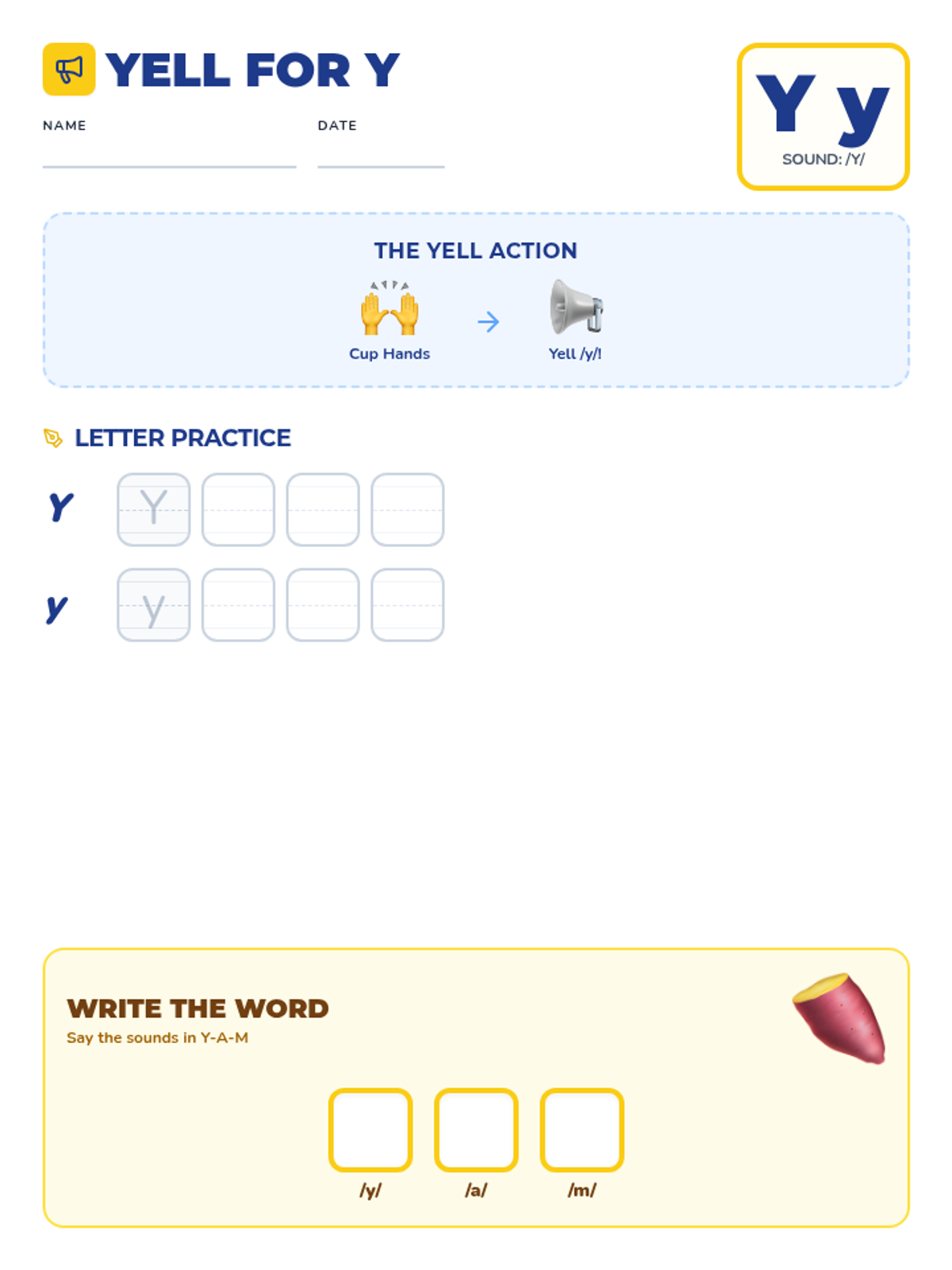
A quick, high-energy 1:1 intervention designed to re-teach the letter Y sound and action. This lesson focuses on phonetic awareness and basic CVC word construction.
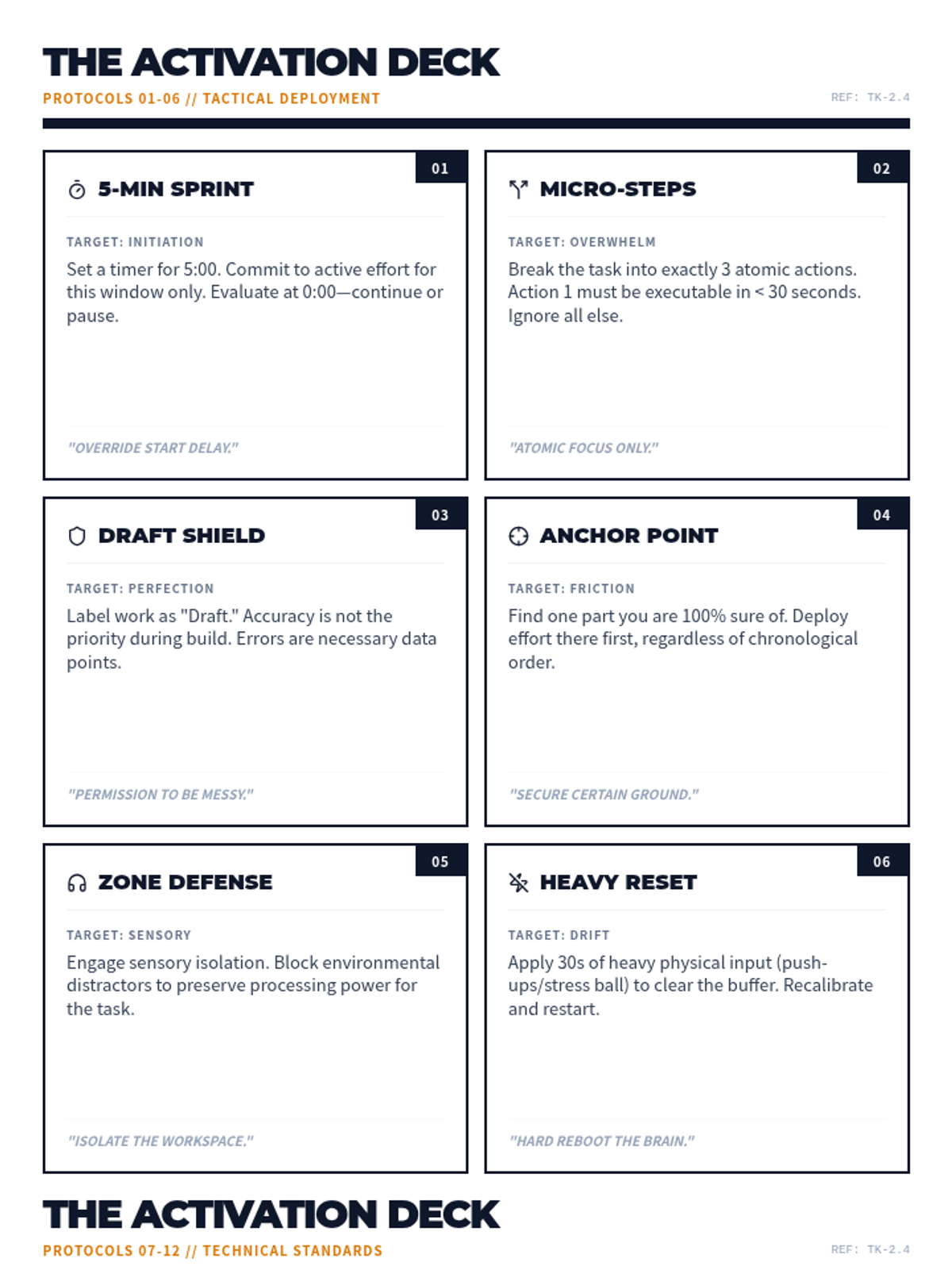
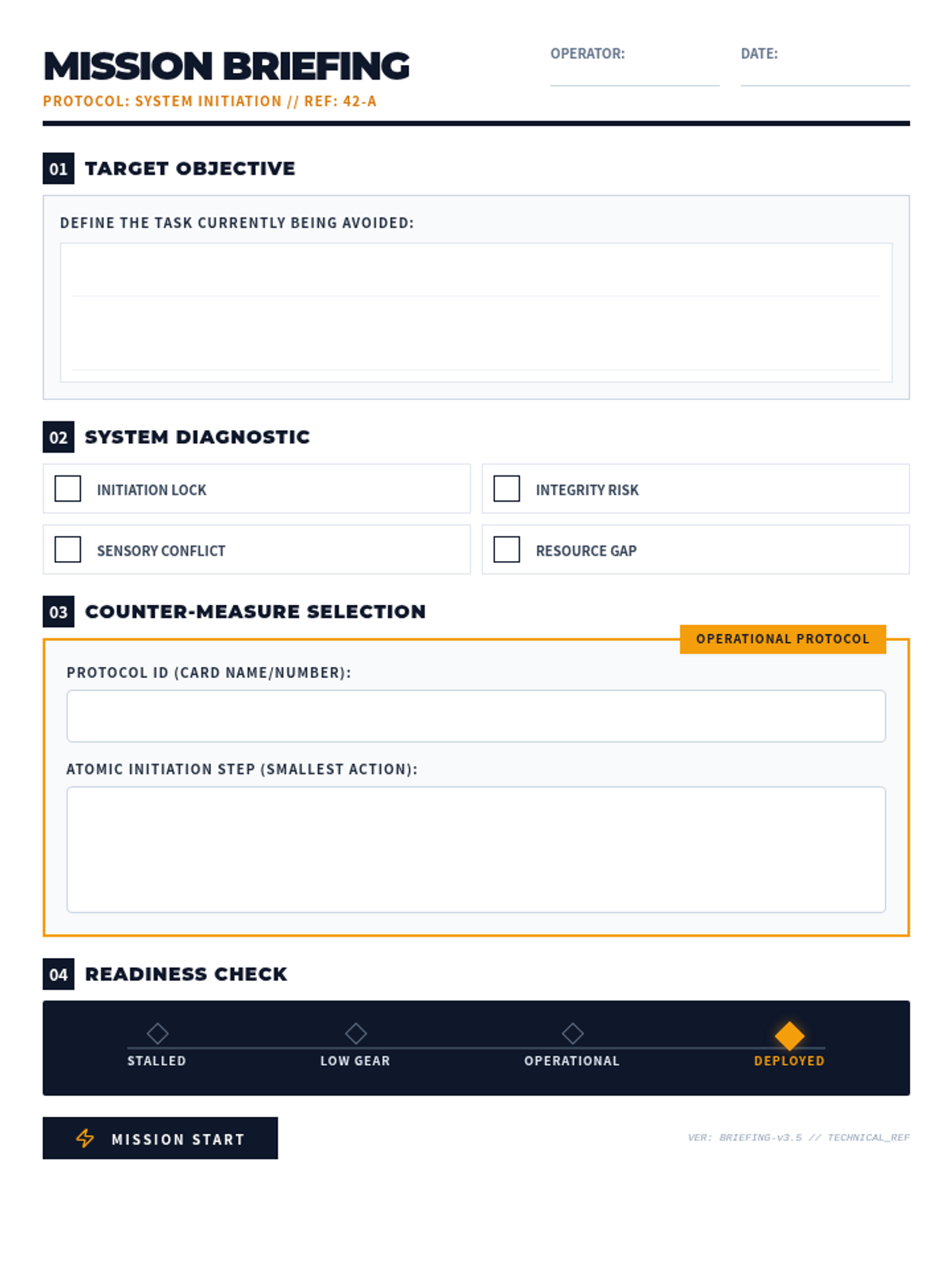
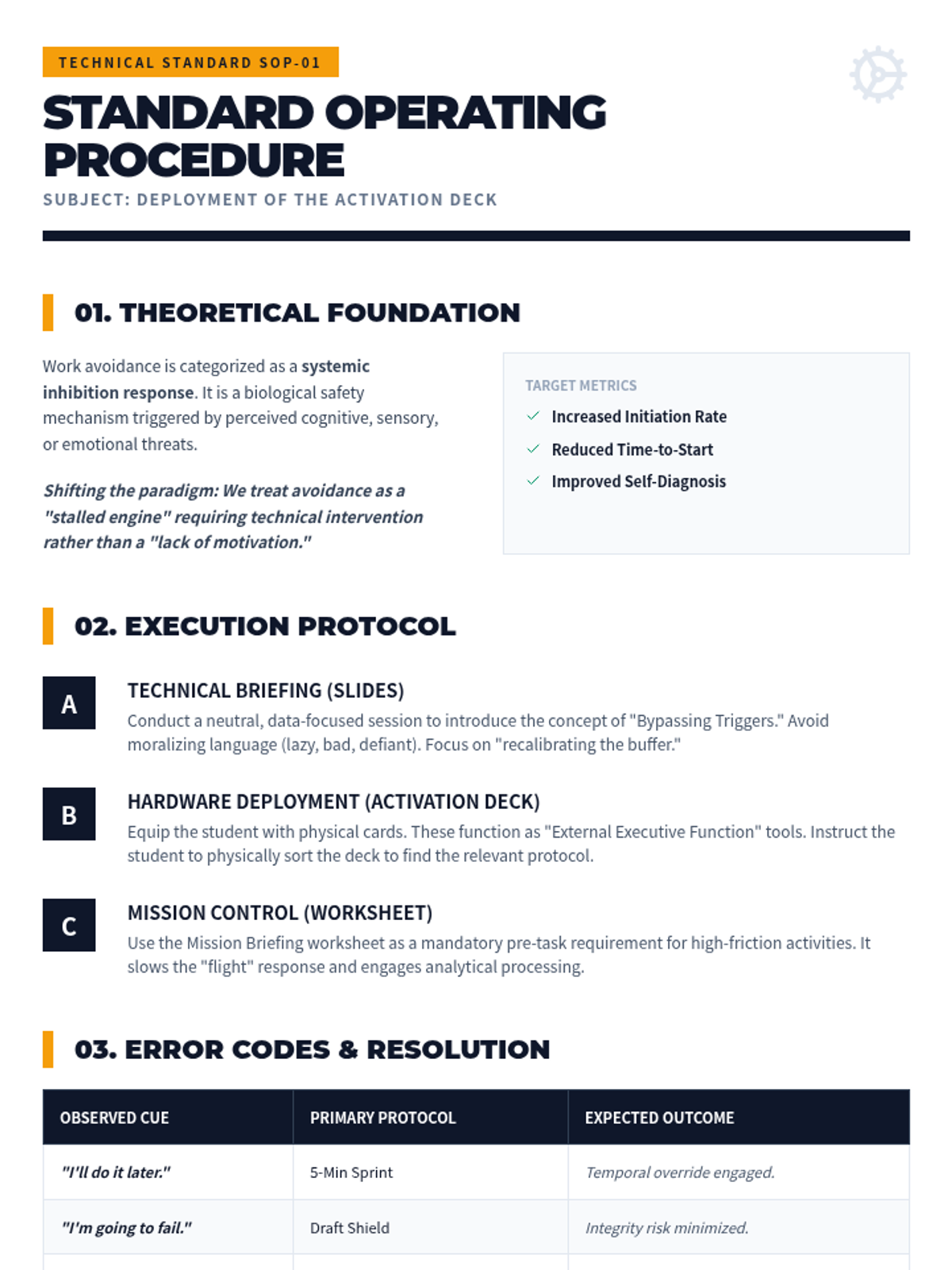
A comprehensive toolkit designed to help students overcome work avoidance by addressing executive functioning, academic confidence, sensory needs, and independent work skills. Includes strategy cards, a presentation for introduction, and a planning worksheet.
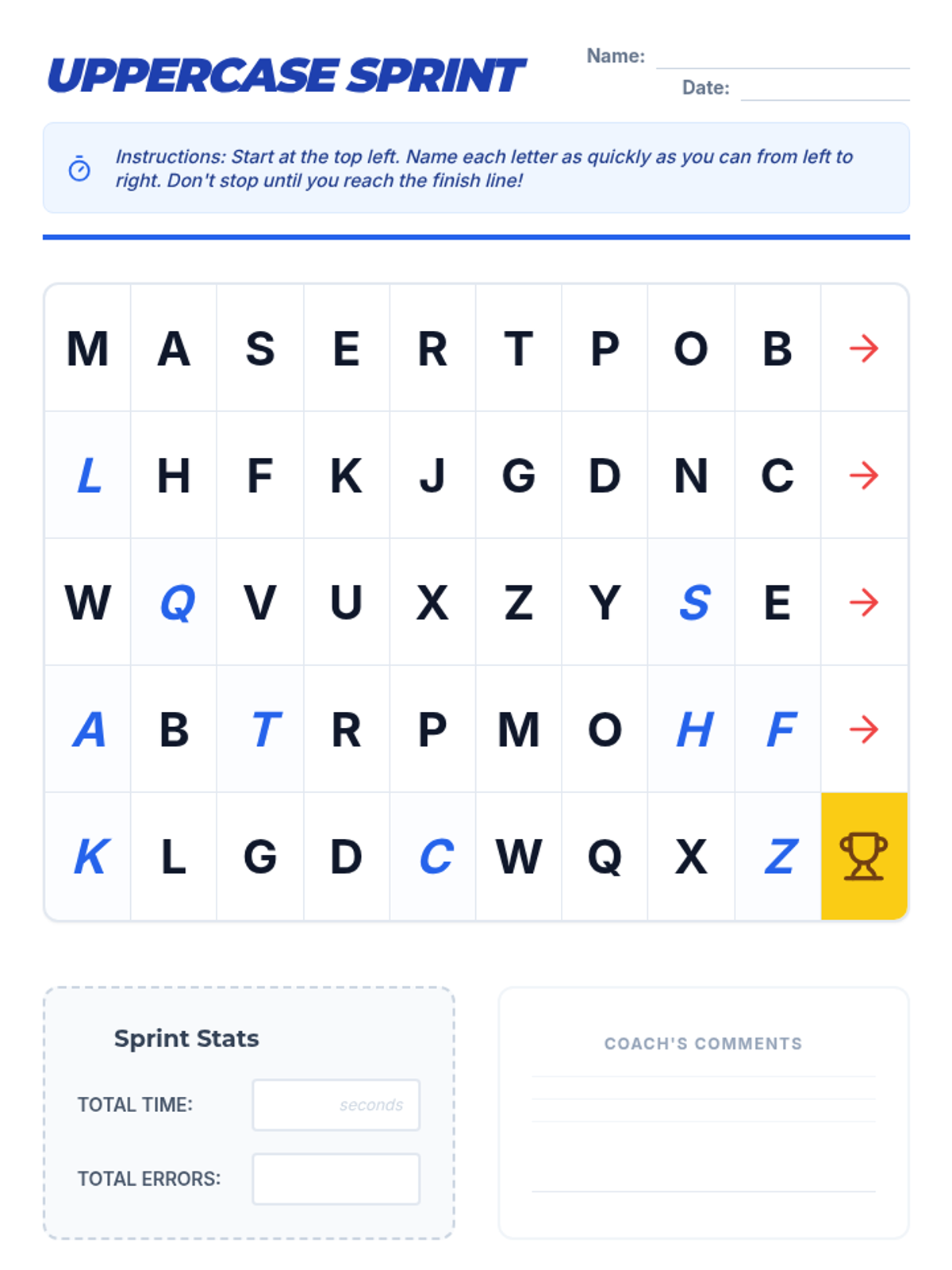
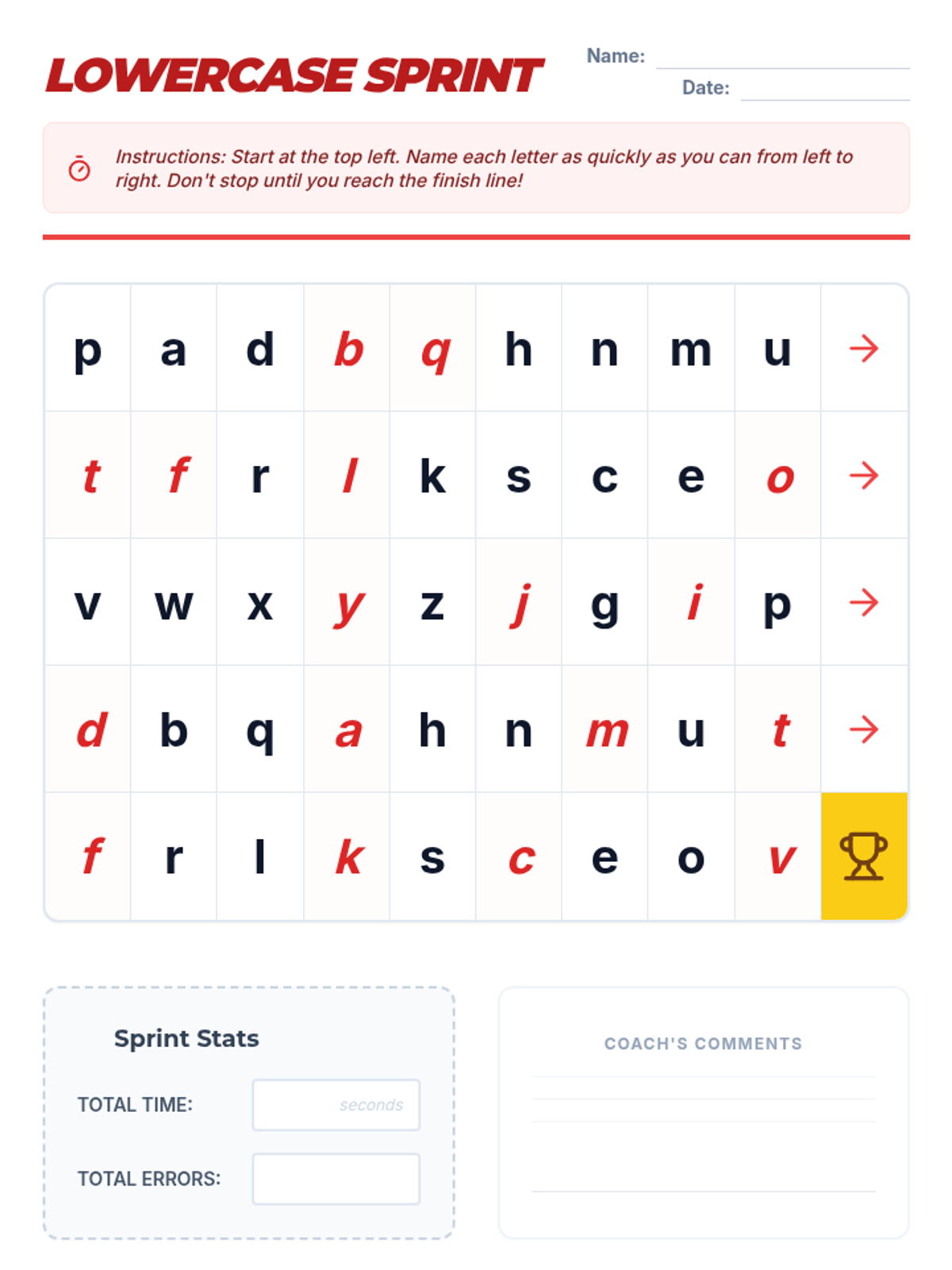
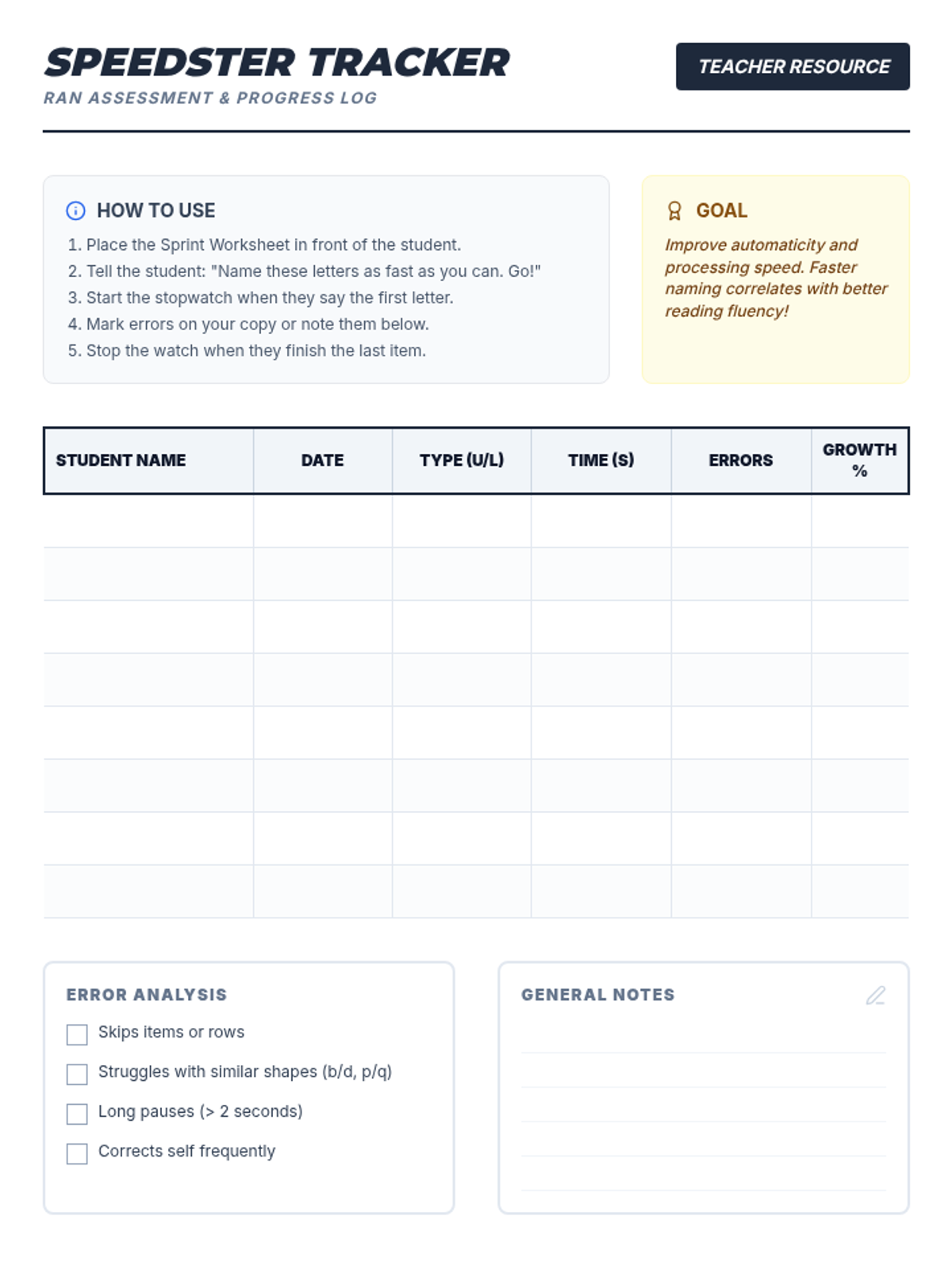
A set of rapid naming activities designed to improve letter recognition speed and automaticity through timed naming sprints.
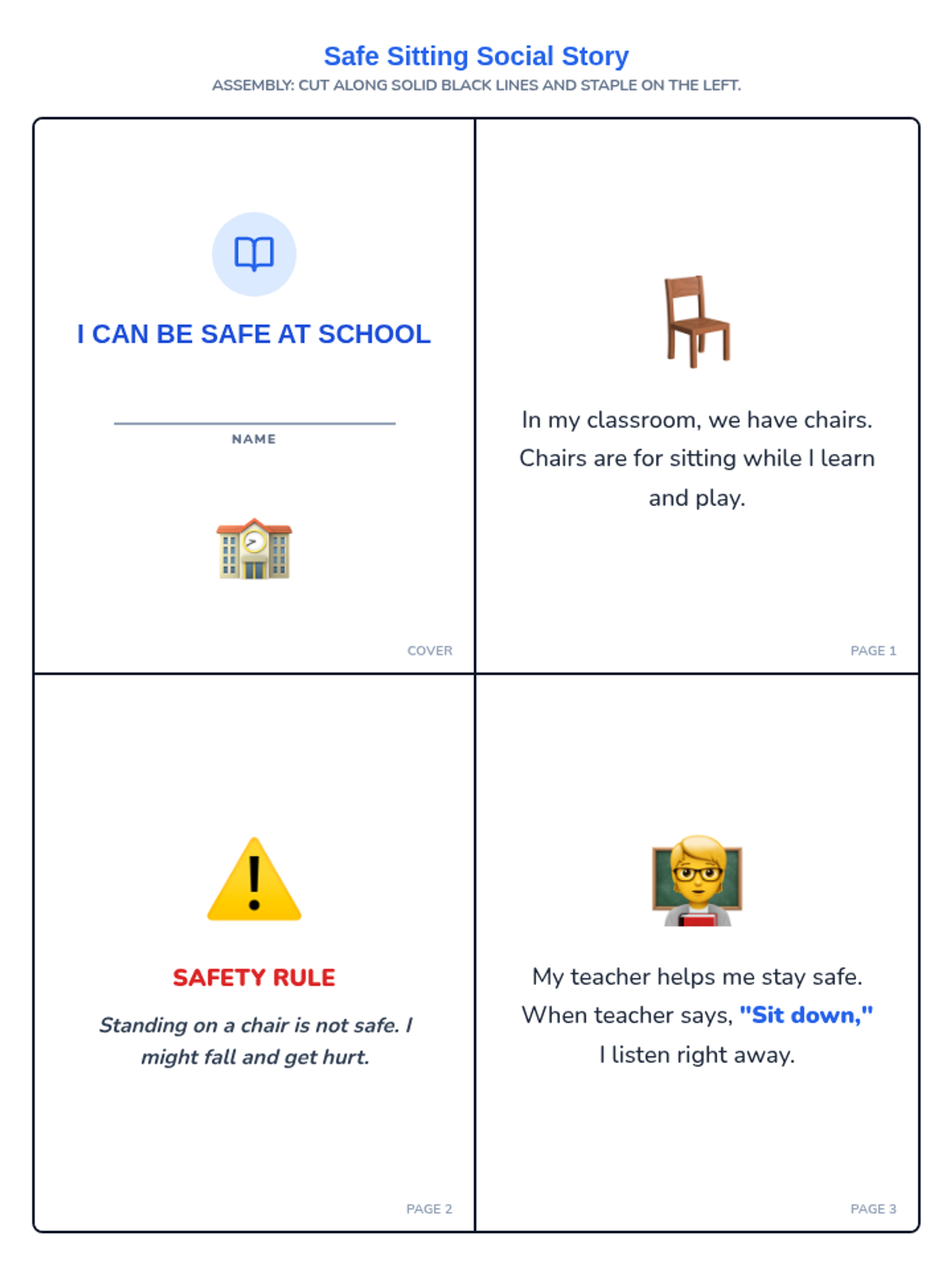
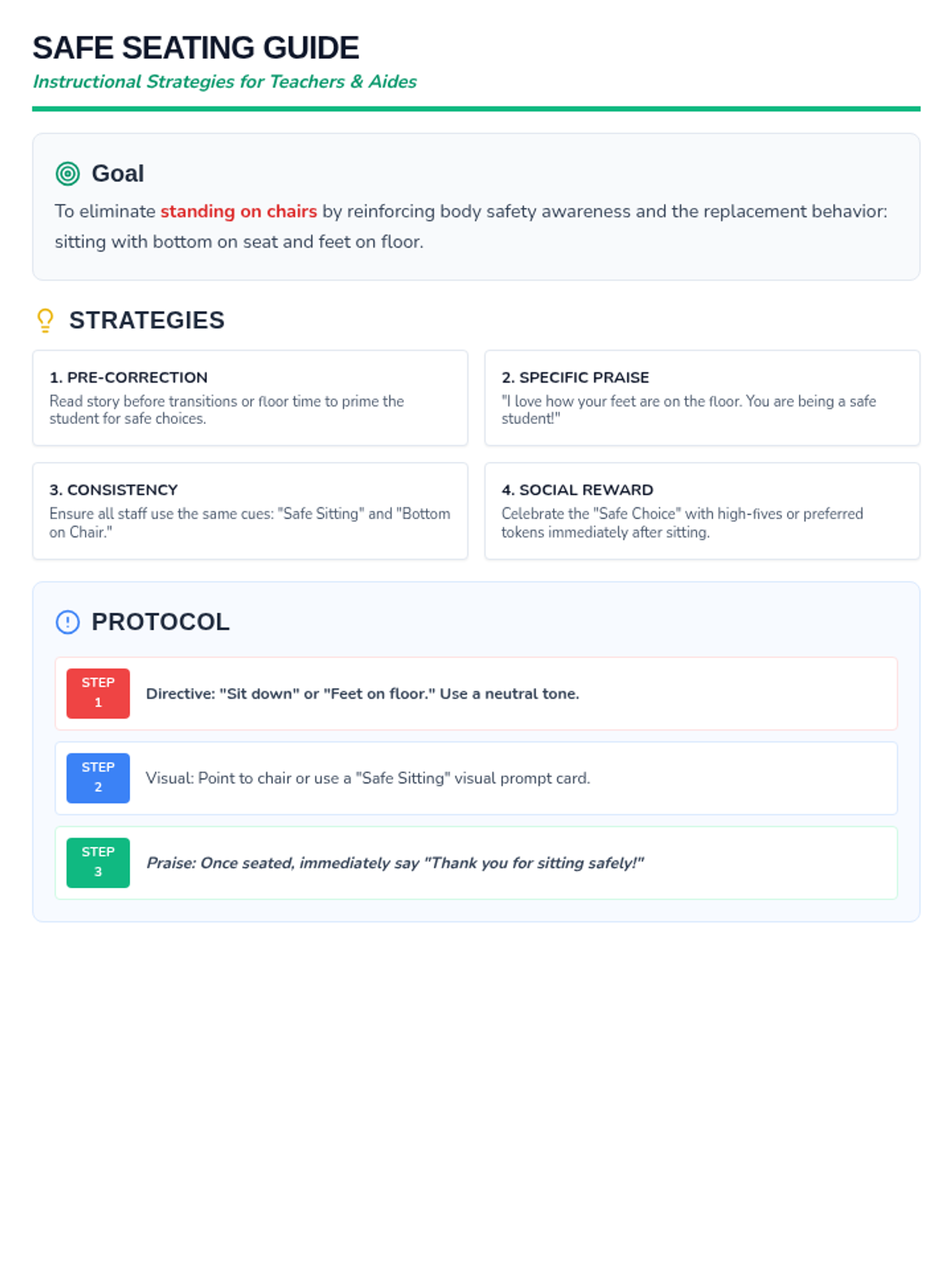
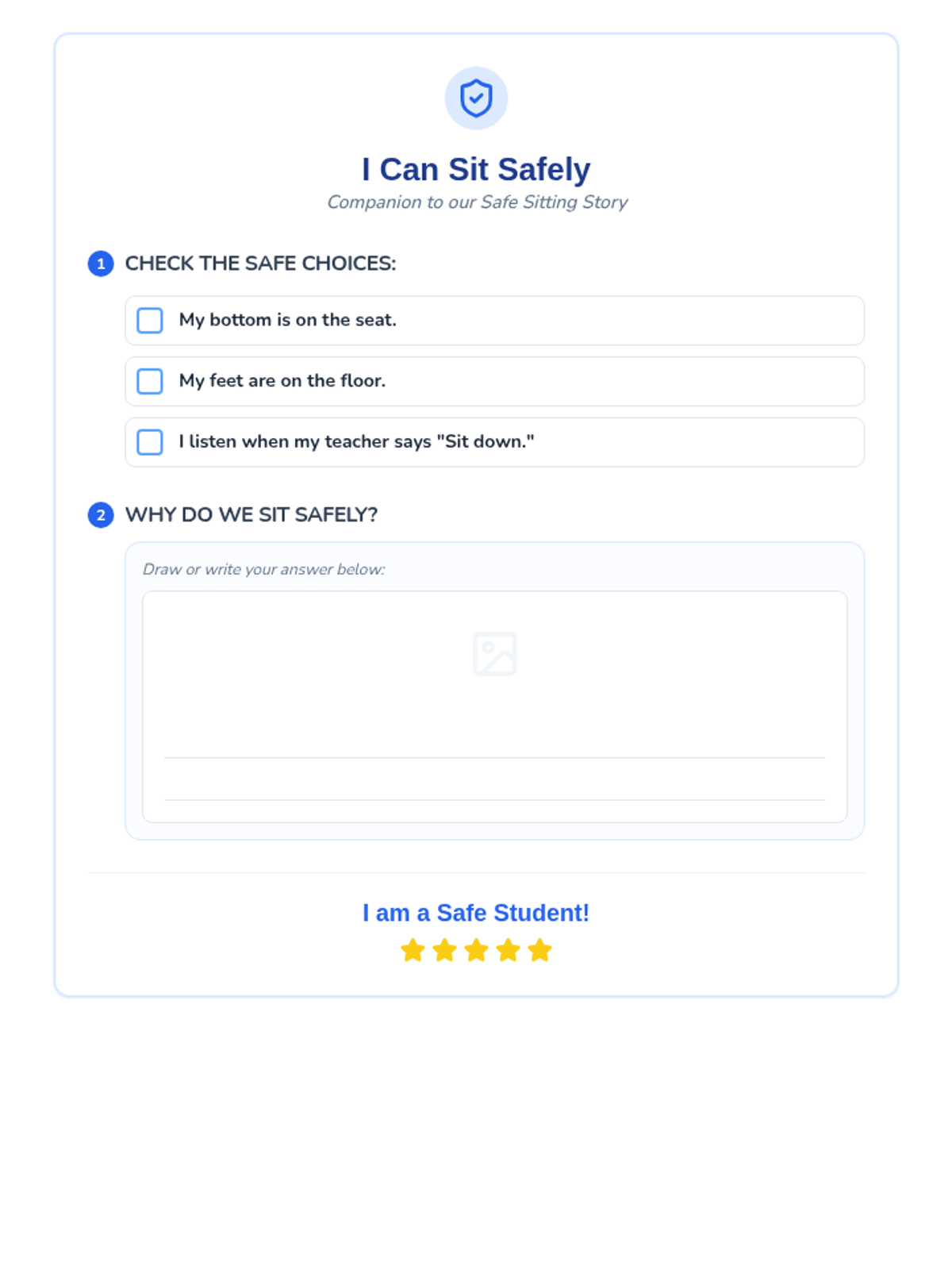
A social story and supporting resources designed to help students understand the importance of sitting safely in chairs and listening to teacher instructions to stay safe at school.
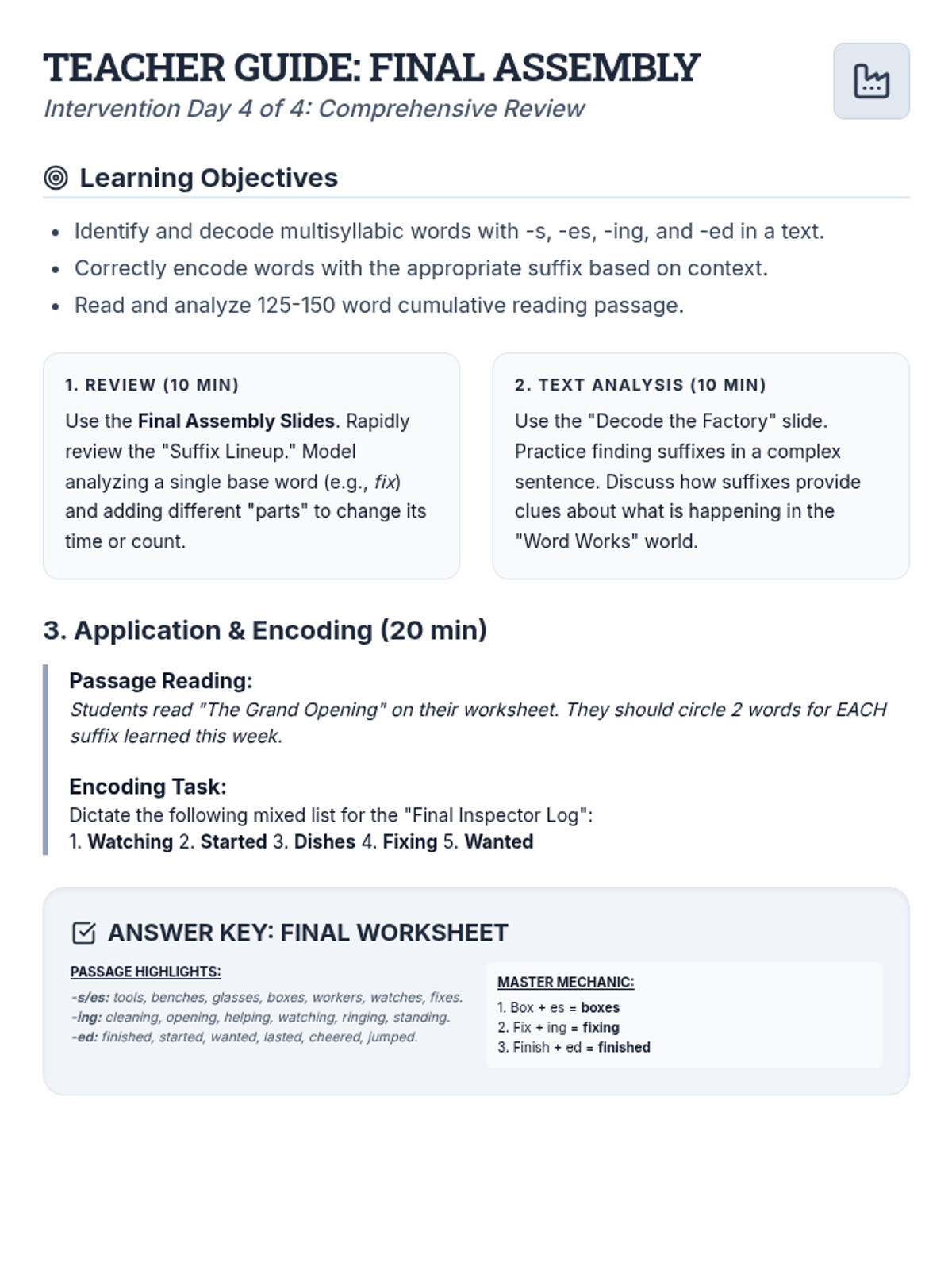
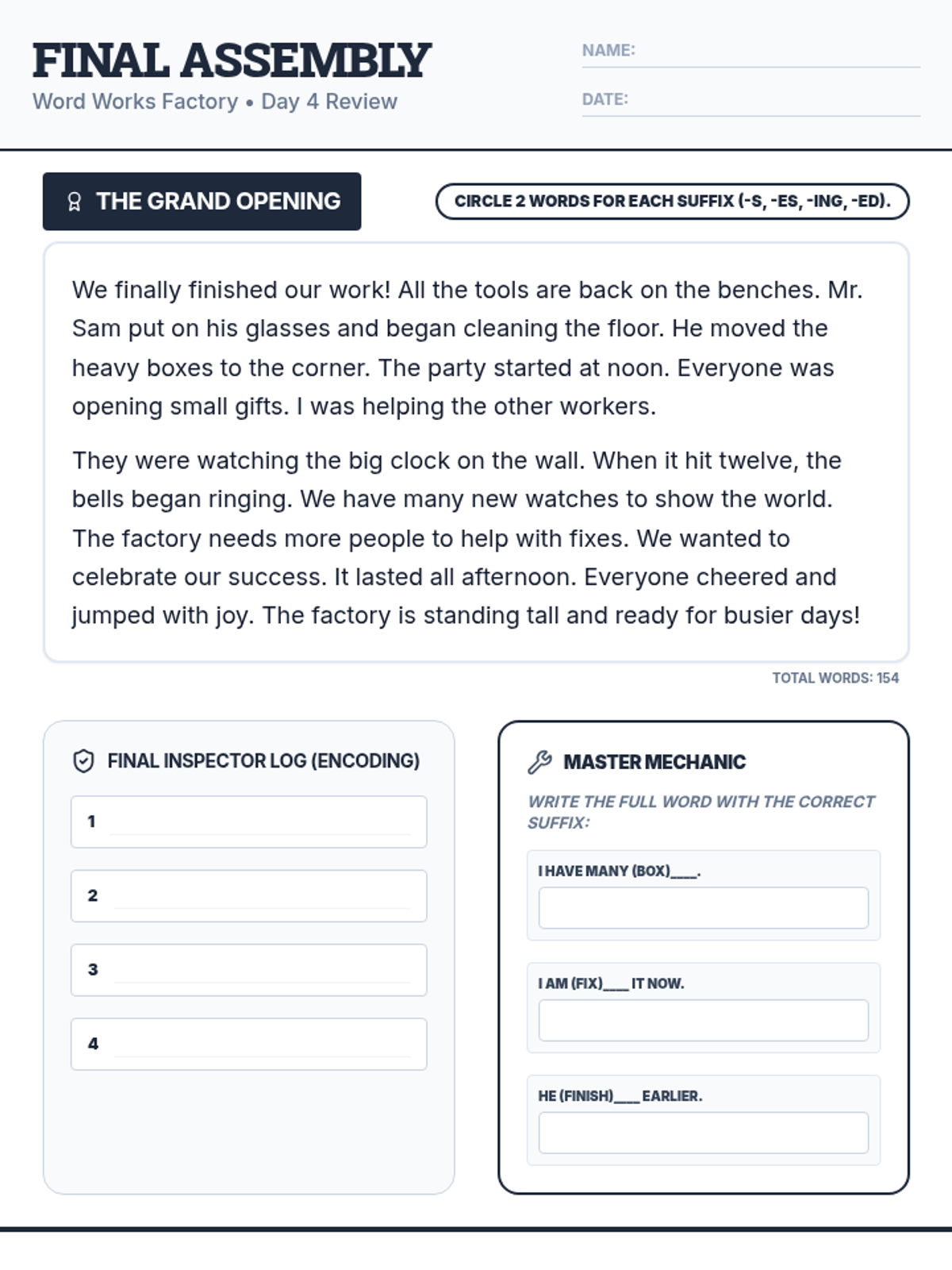
A comprehensive review of -s, -es, -ing, and -ed suffixes in multi-syllable words through a final 'assembly' challenge.
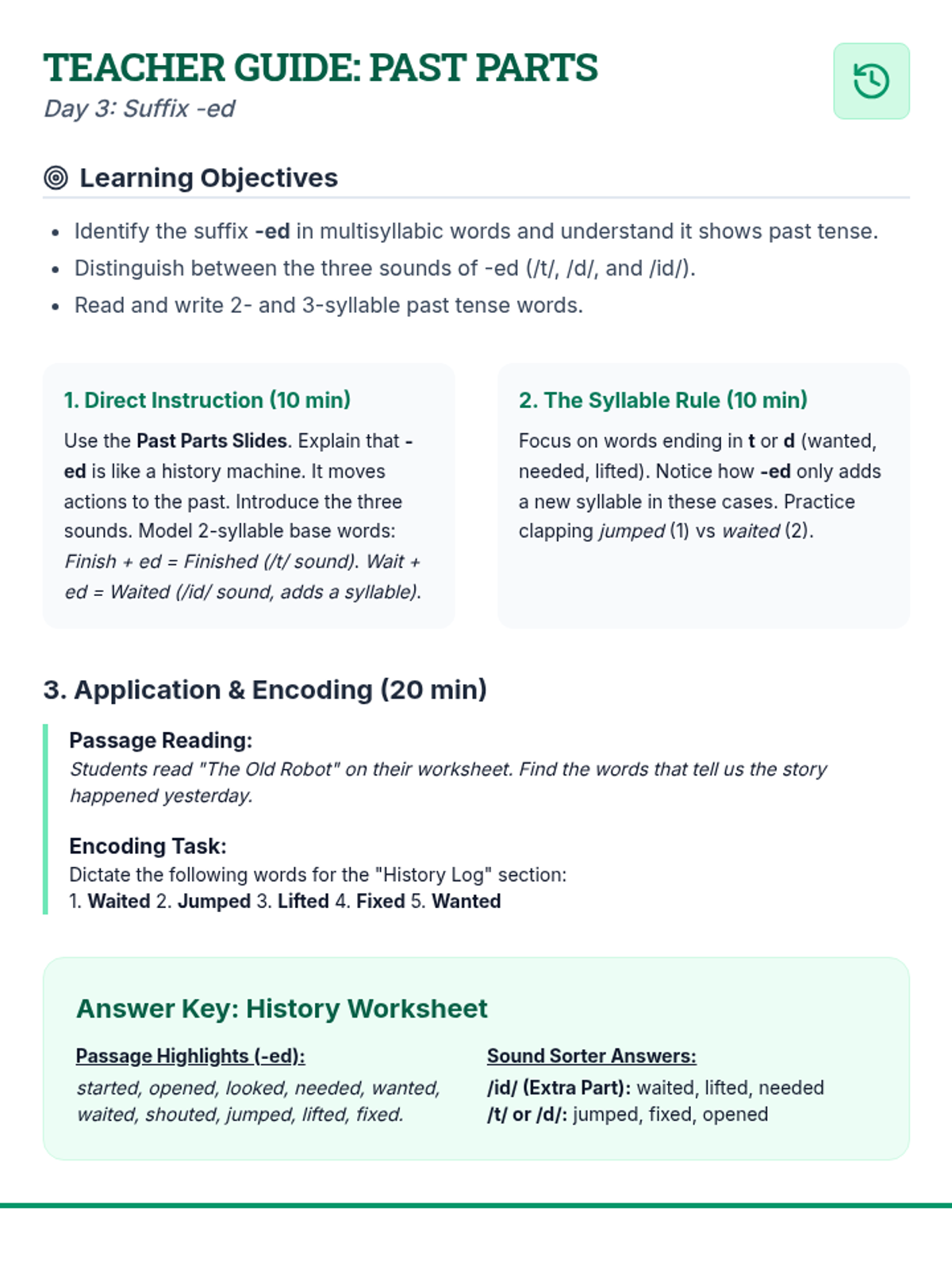
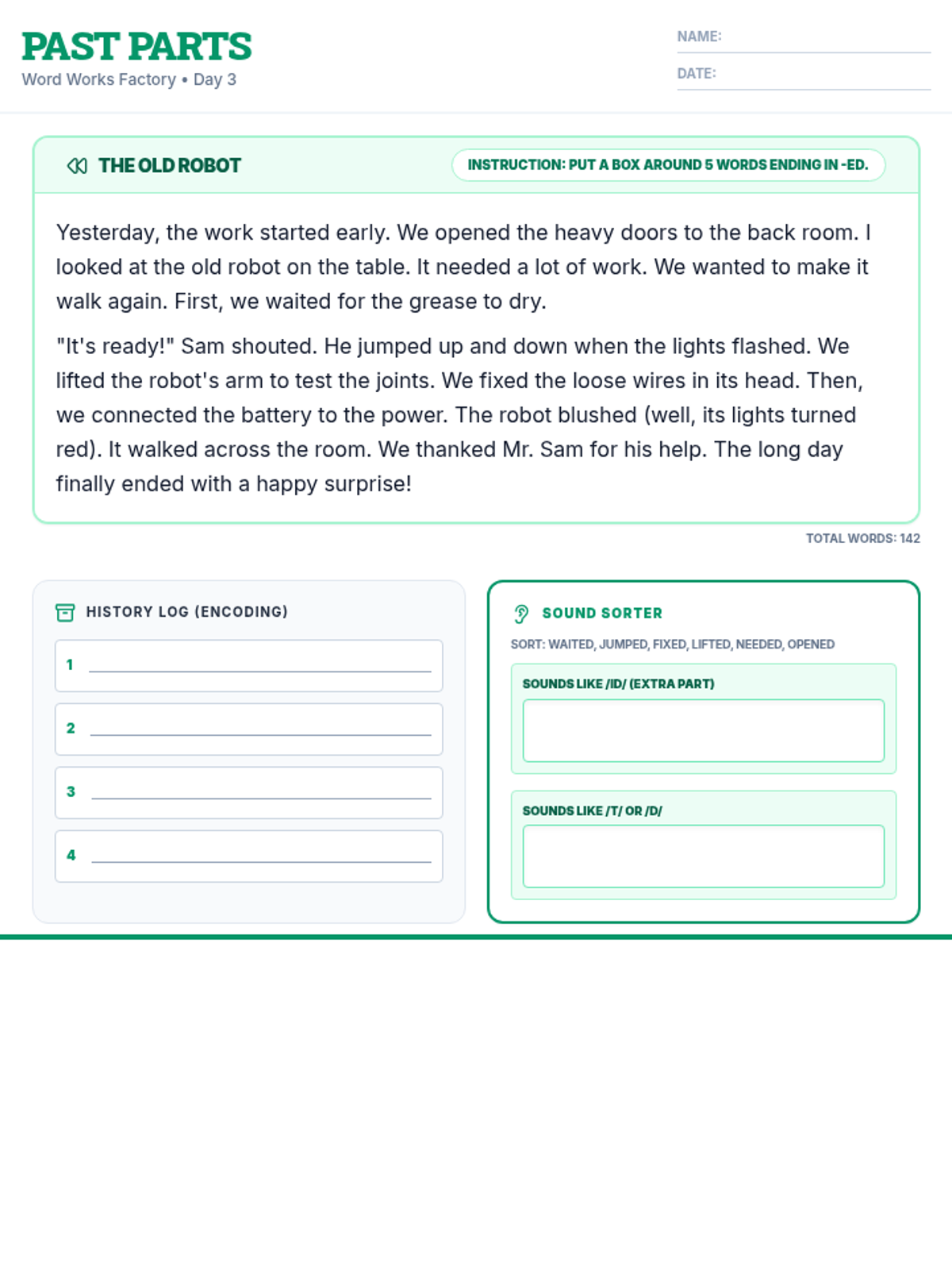
Focuses on the past tense suffix -ed with multi-syllable words, exploring the three sounds of -ed (/t/, /d/, and /id/).
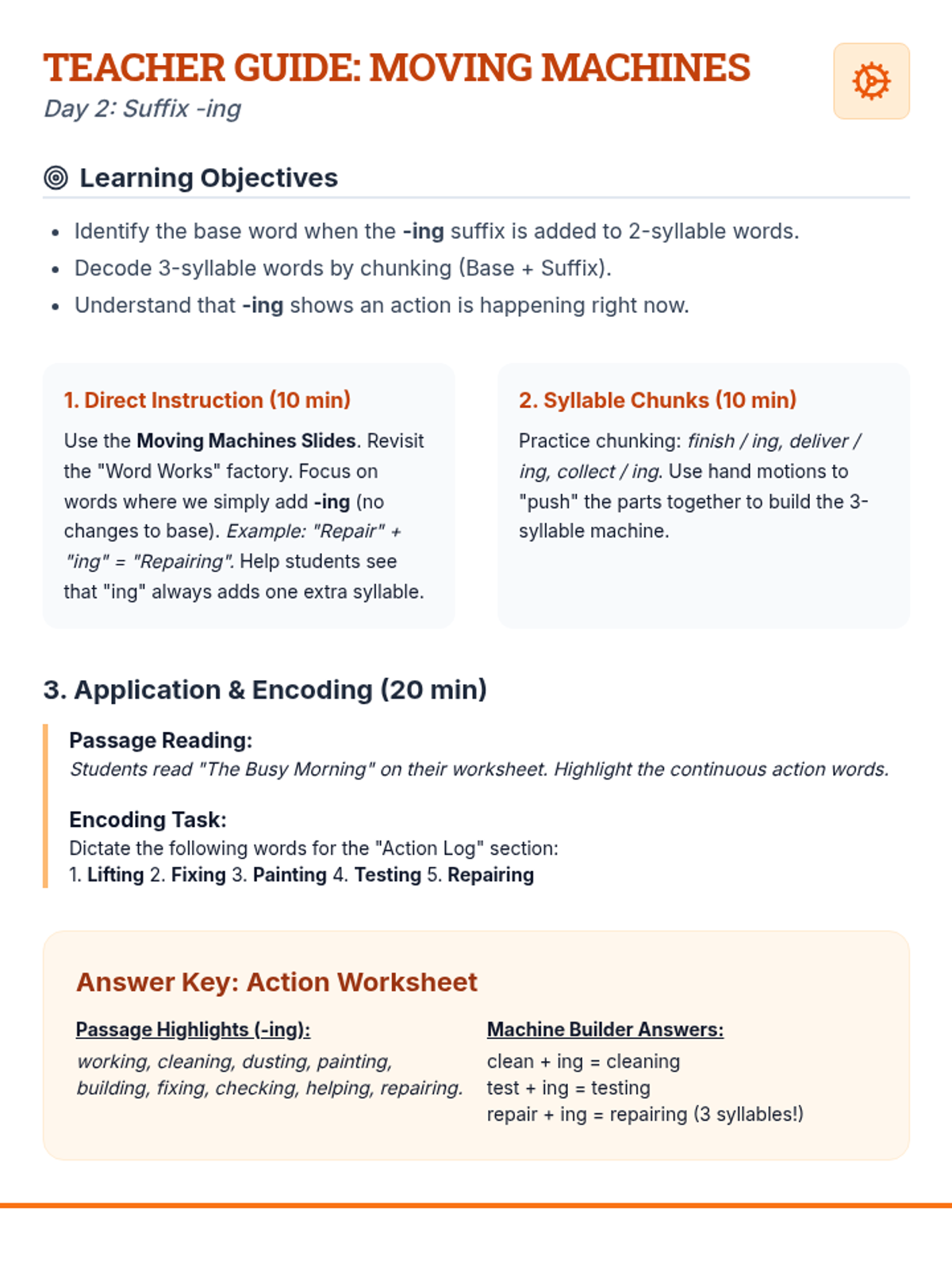
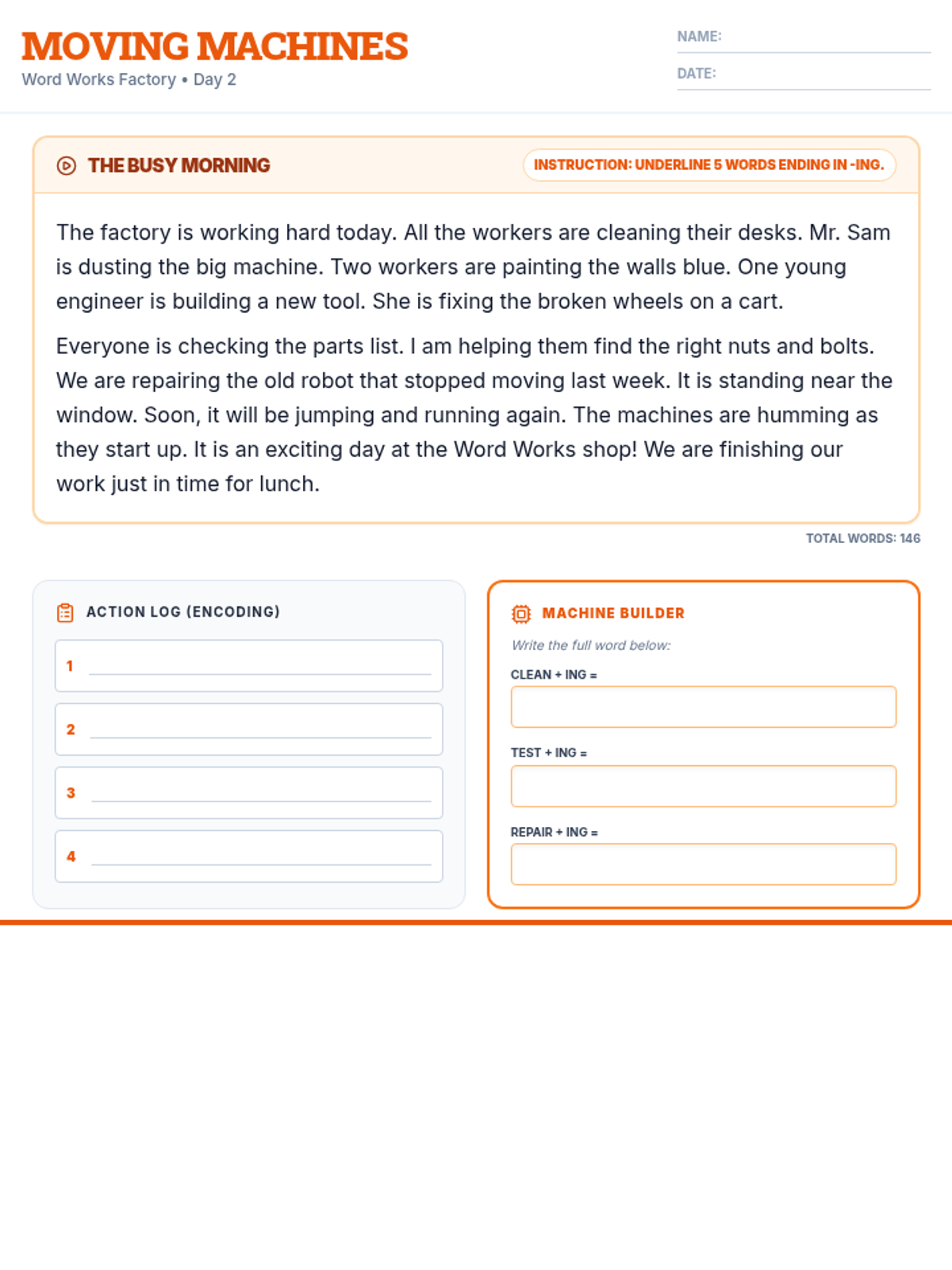
Focuses on the continuous action suffix -ing applied to 2- and 3-syllable base words, emphasizing words where the base remains unchanged.
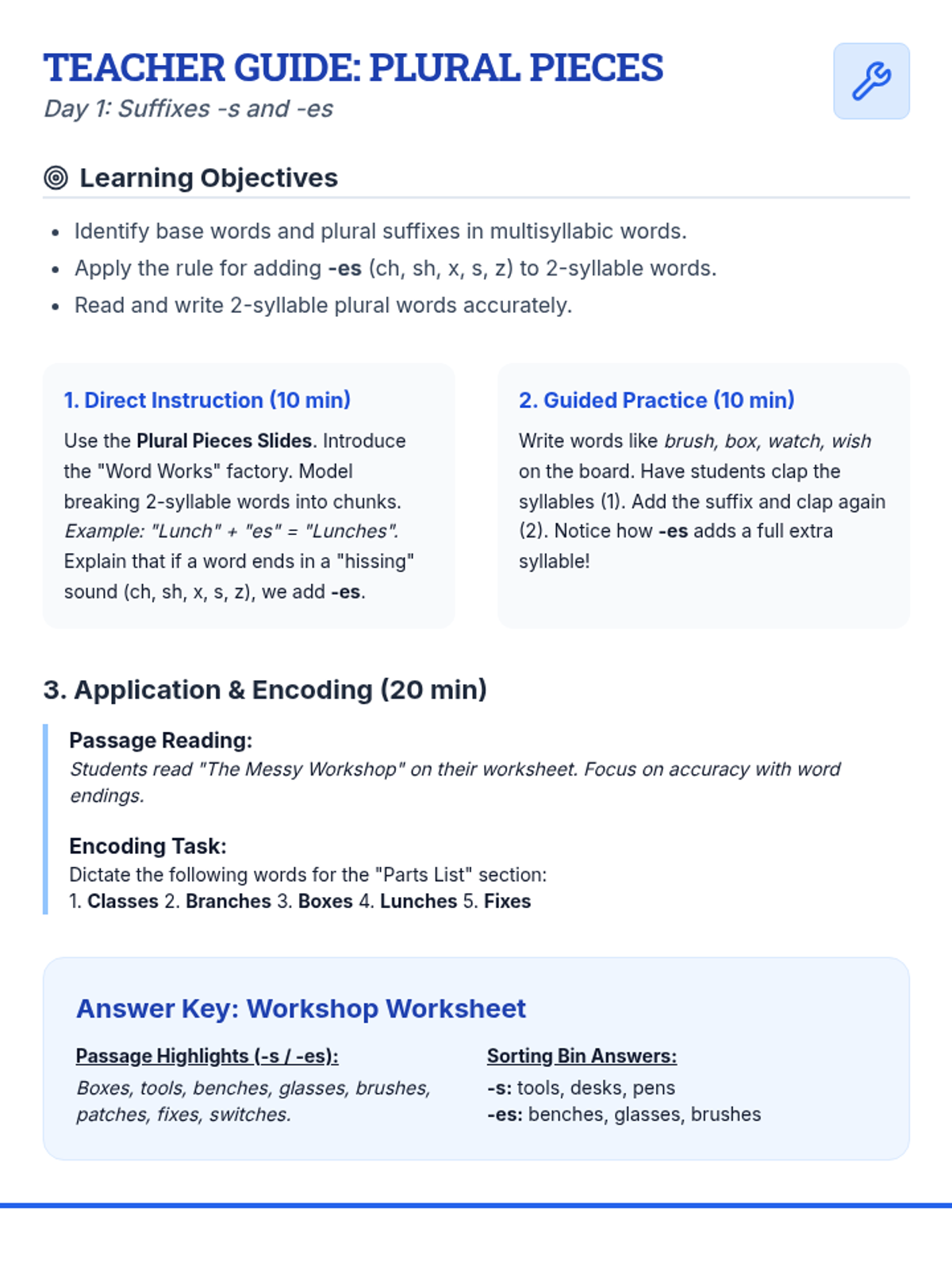
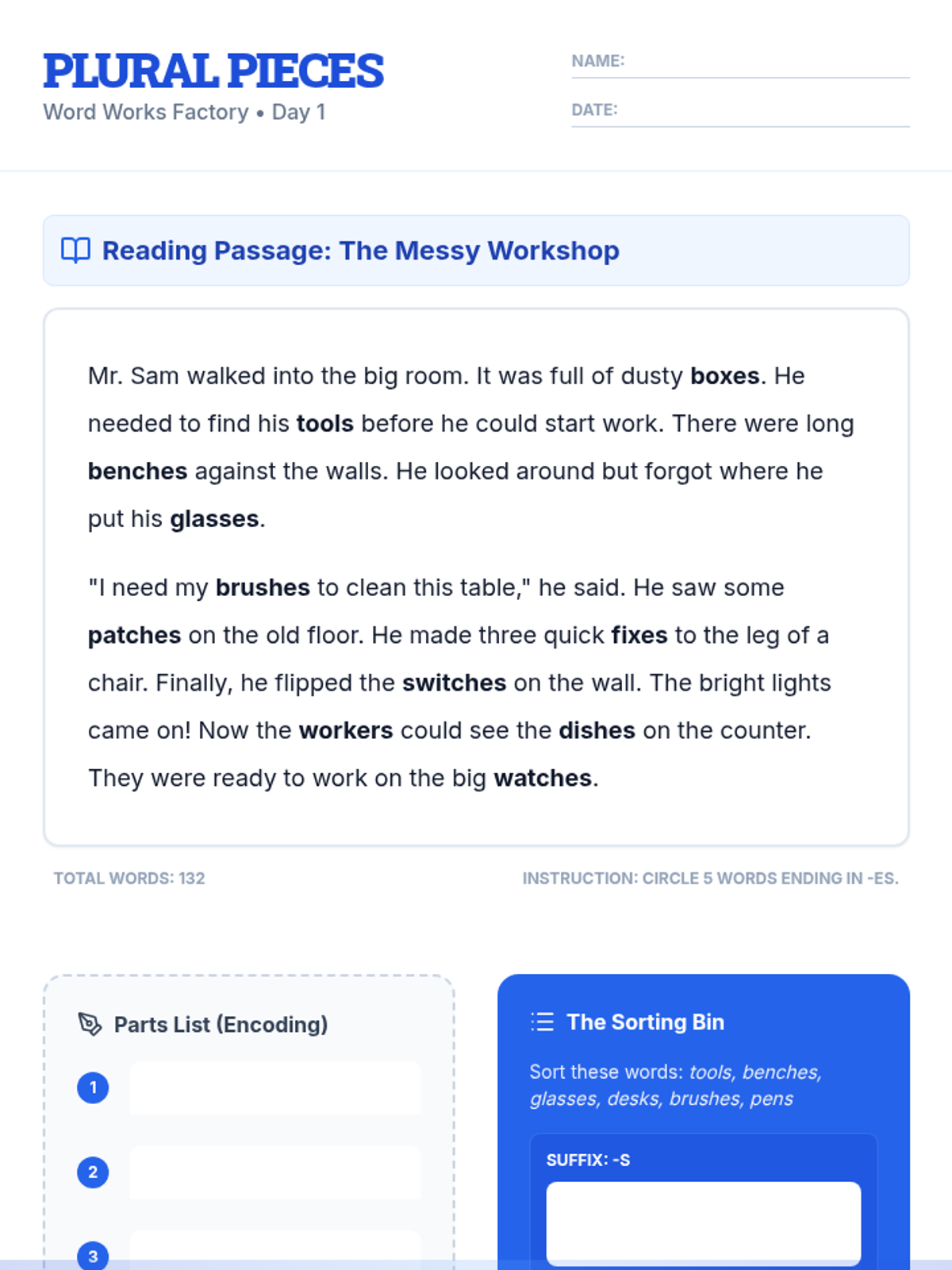
Focuses on plural endings -s and -es with multi-syllable base words, teaching students when to use 'es' for words ending in ch, sh, x, s, or z.
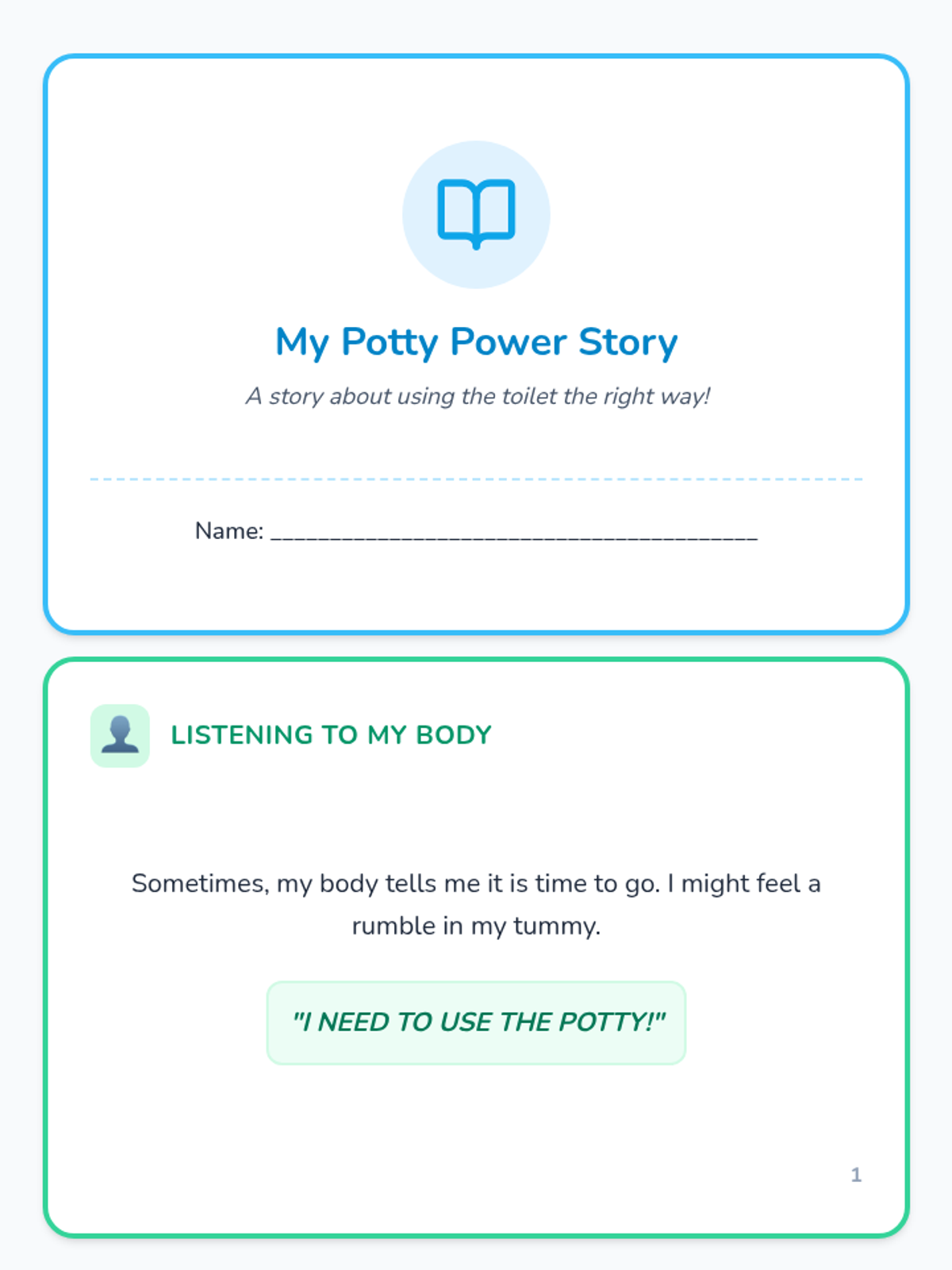
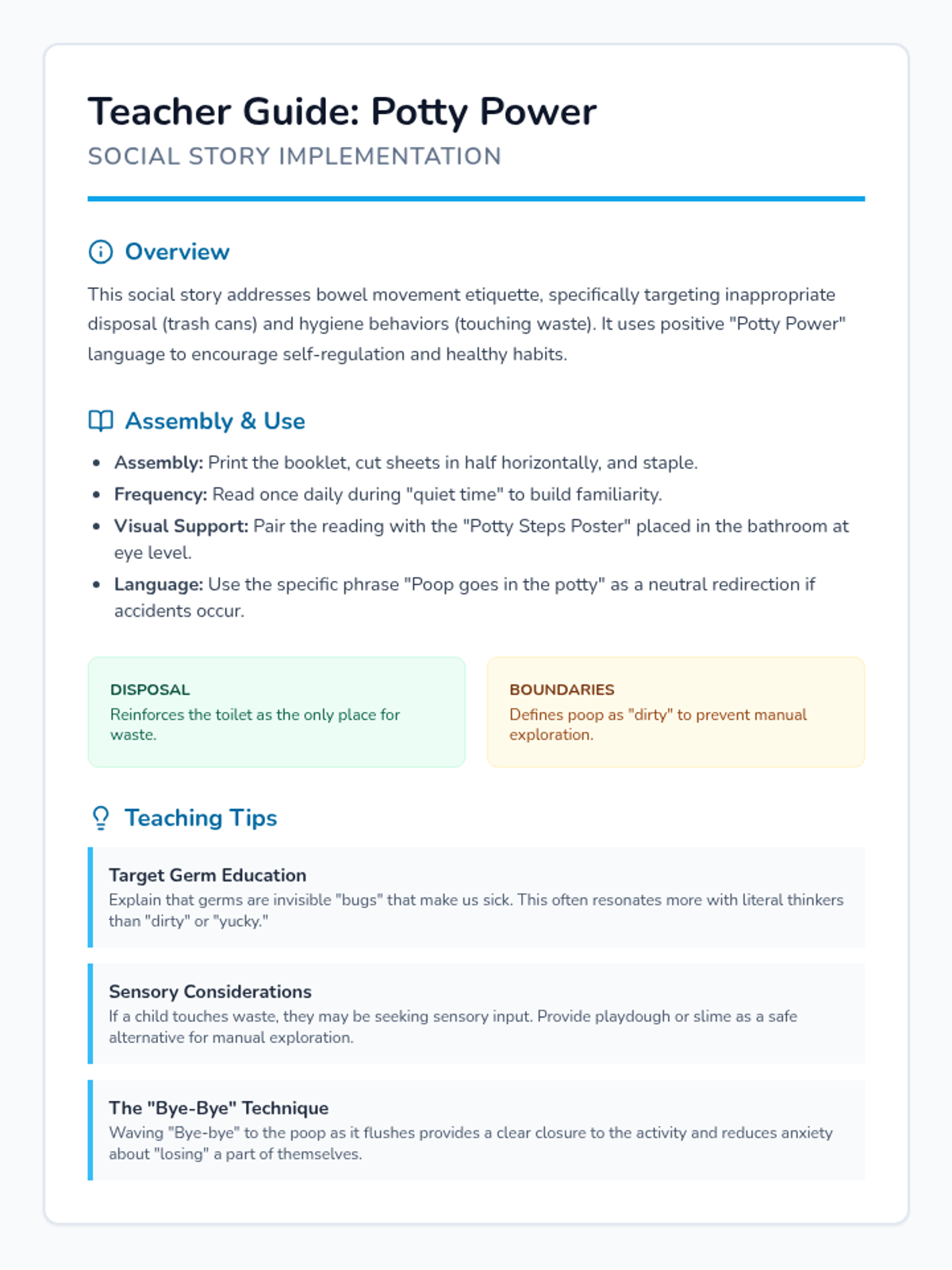
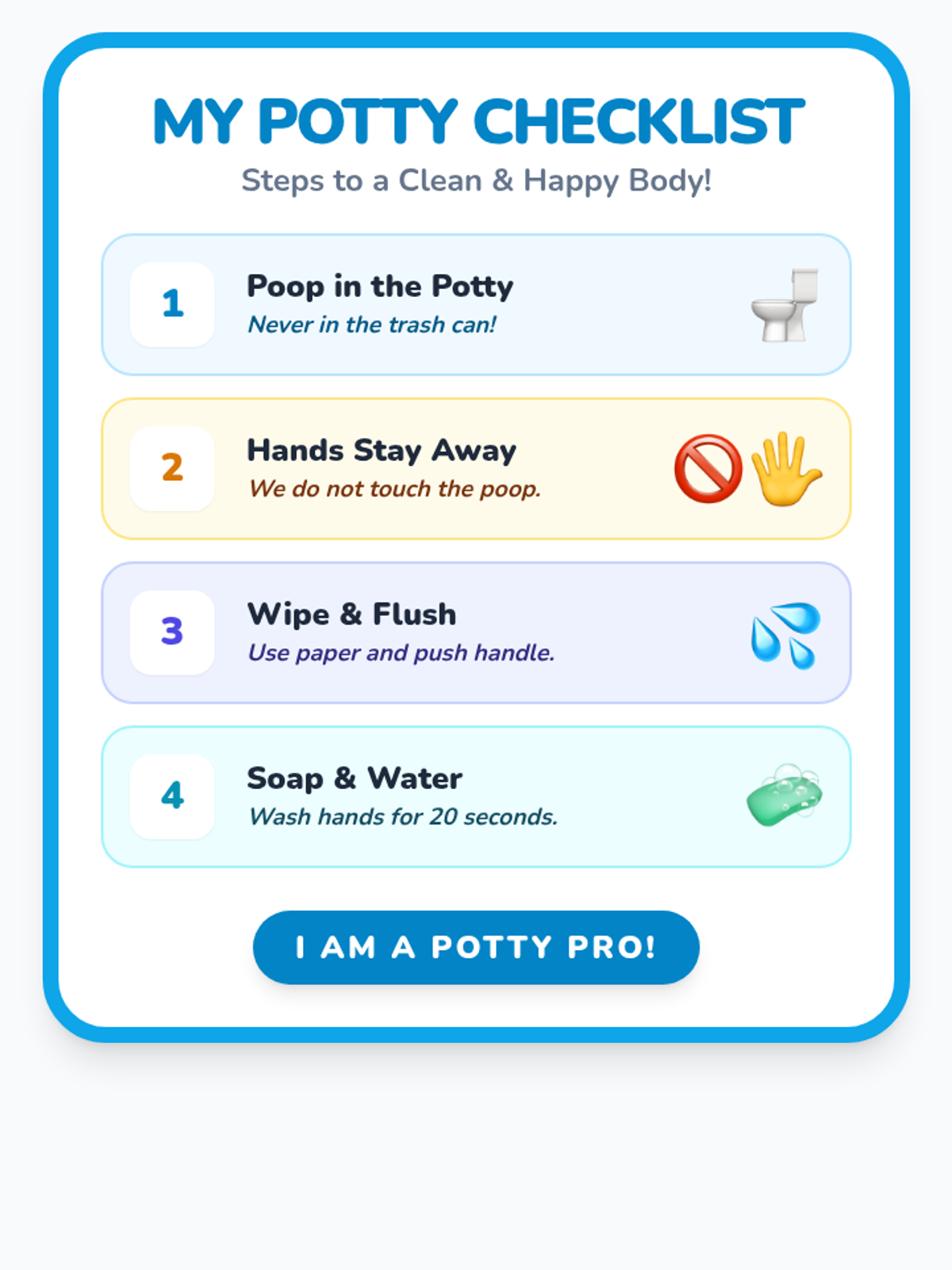
A lesson focused on toilet training, specifically addressing appropriate locations for waste and hygiene steps to keep bodies clean and healthy.
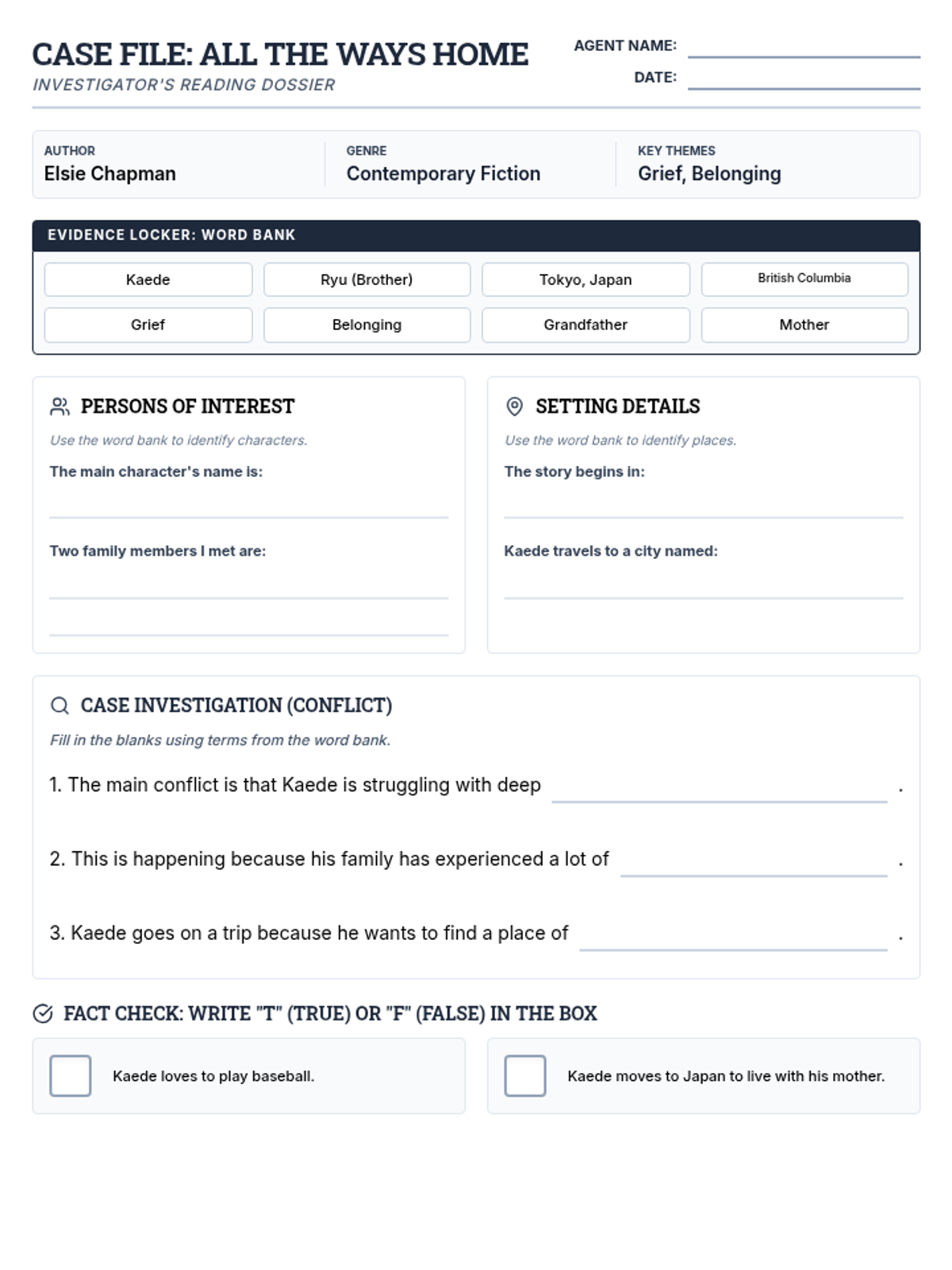
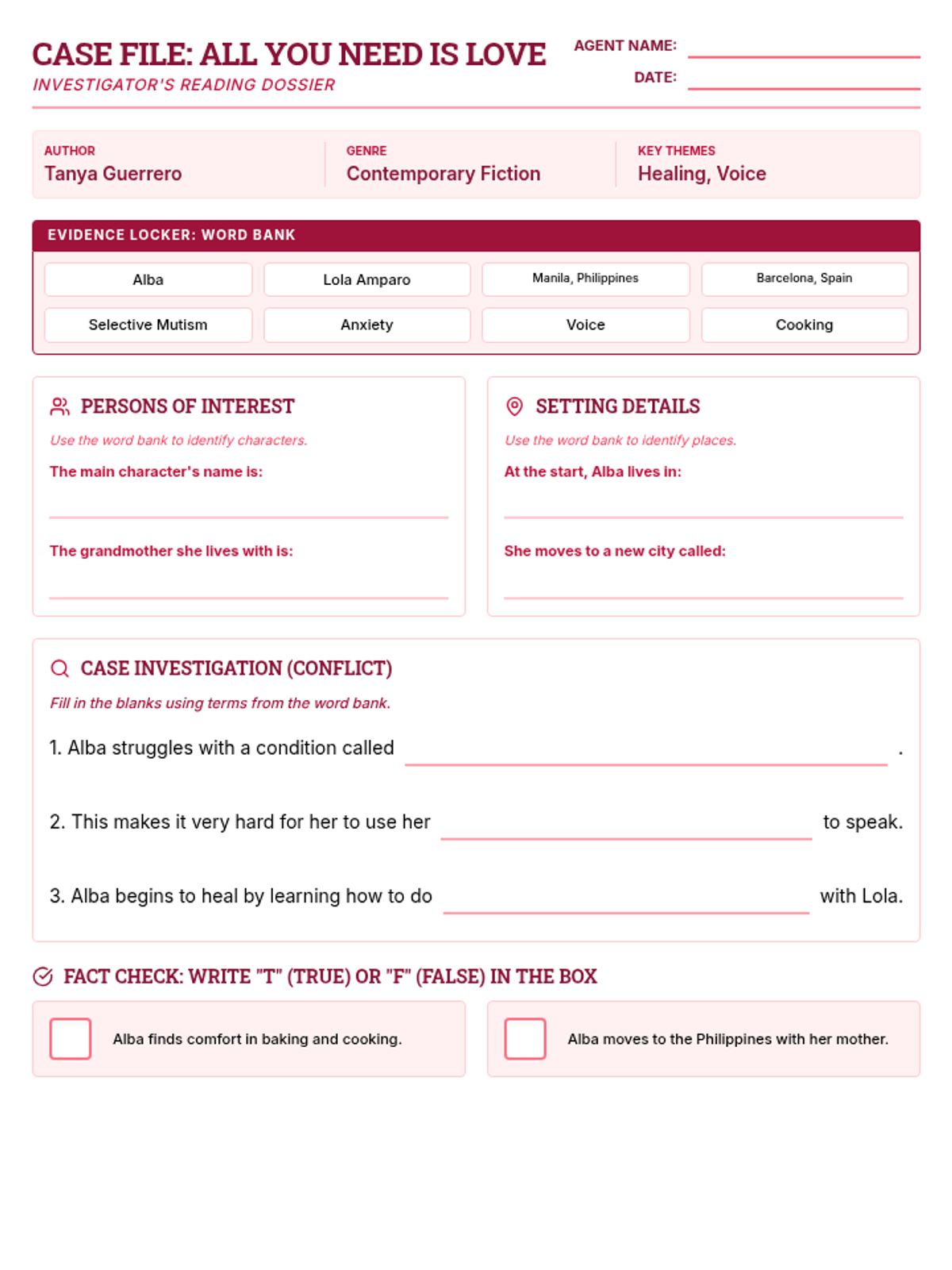
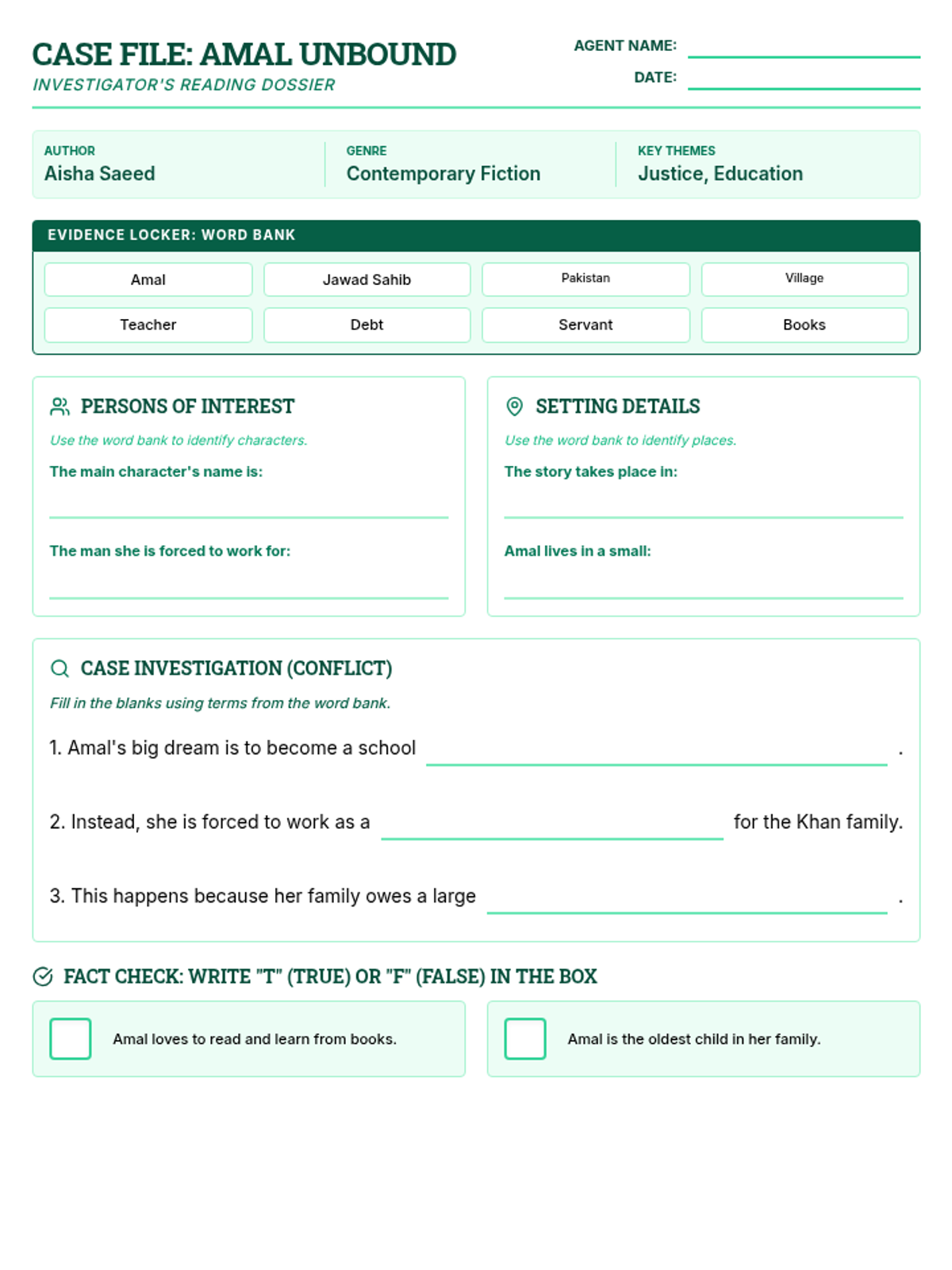
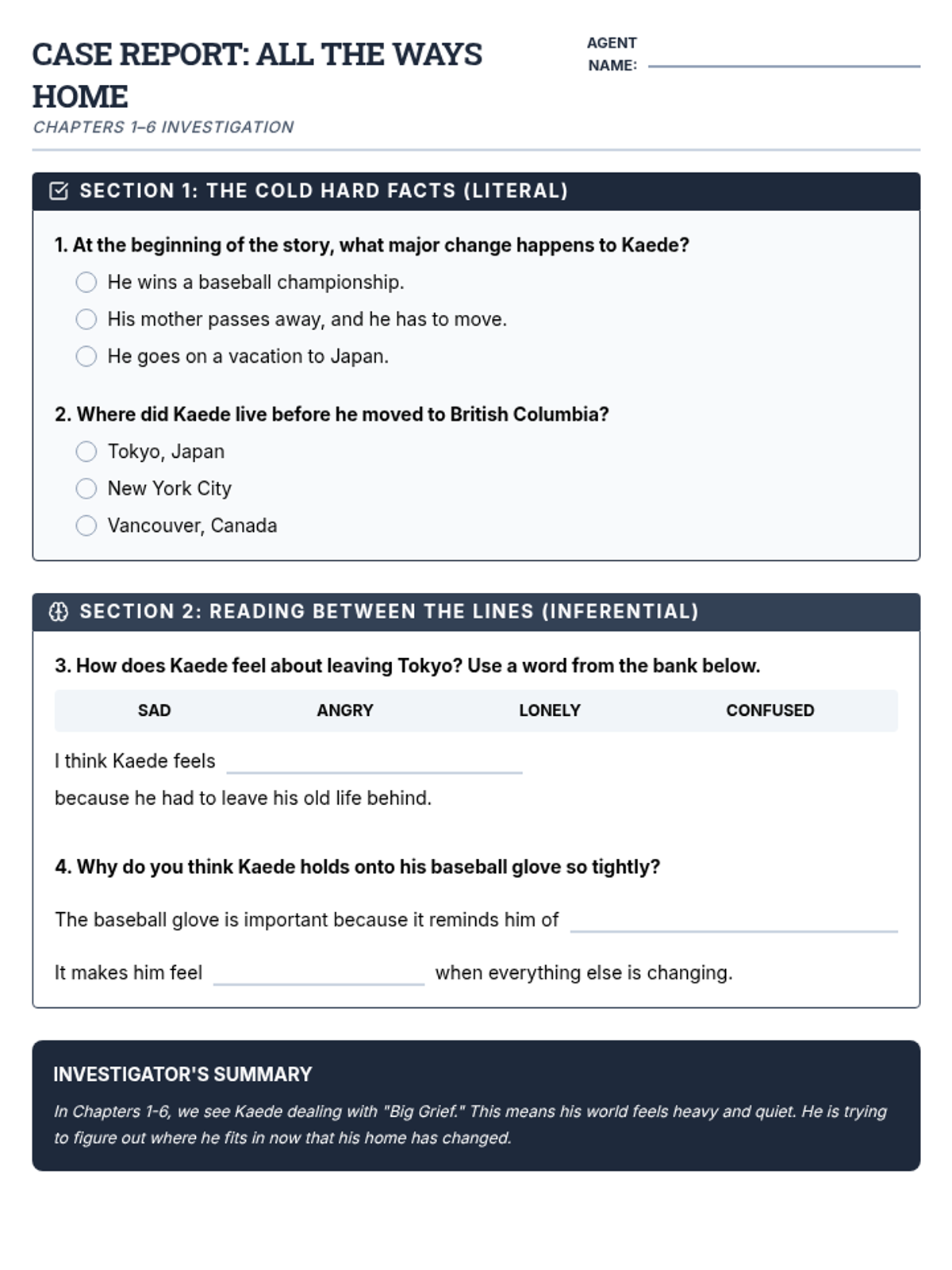
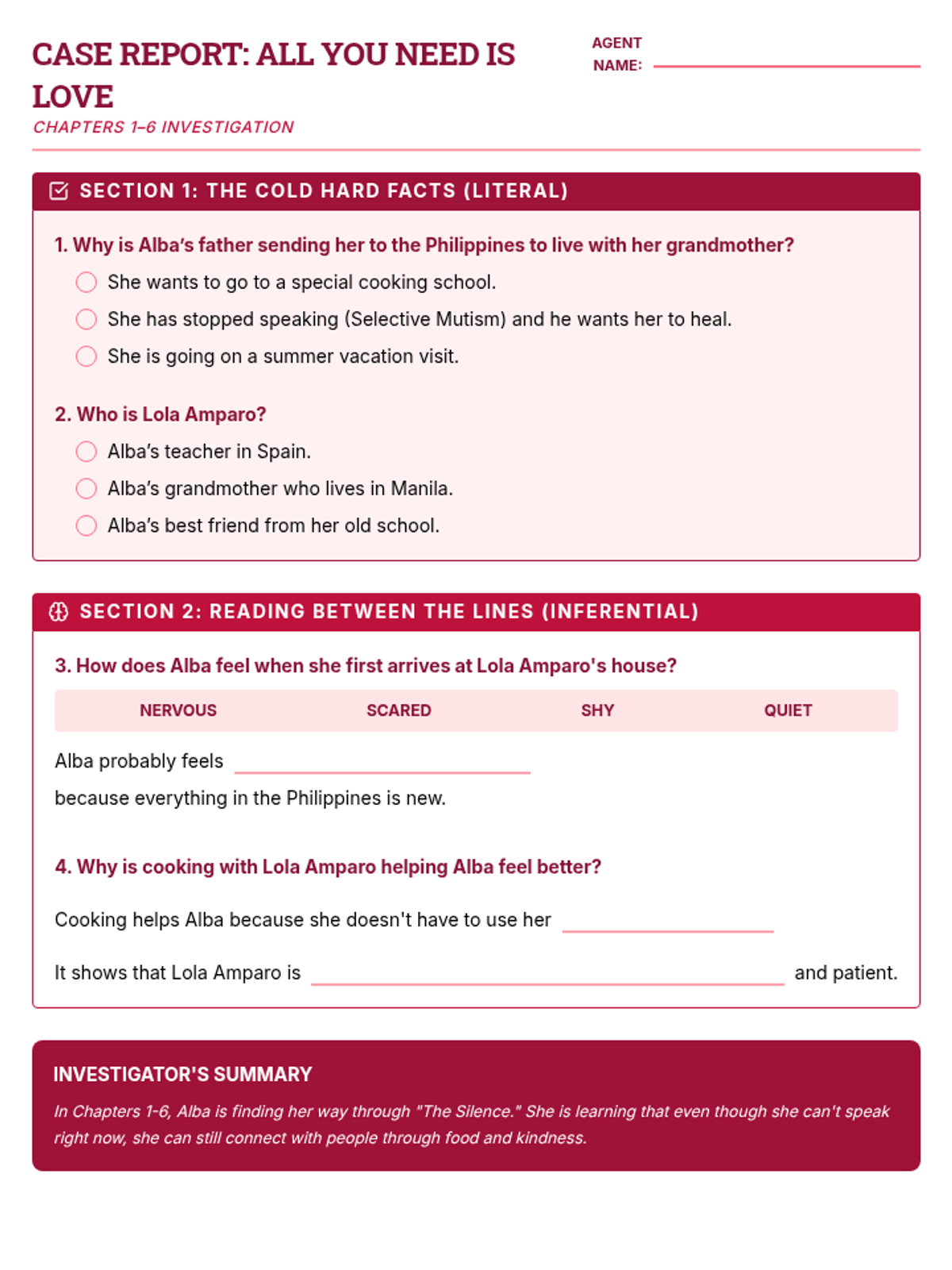
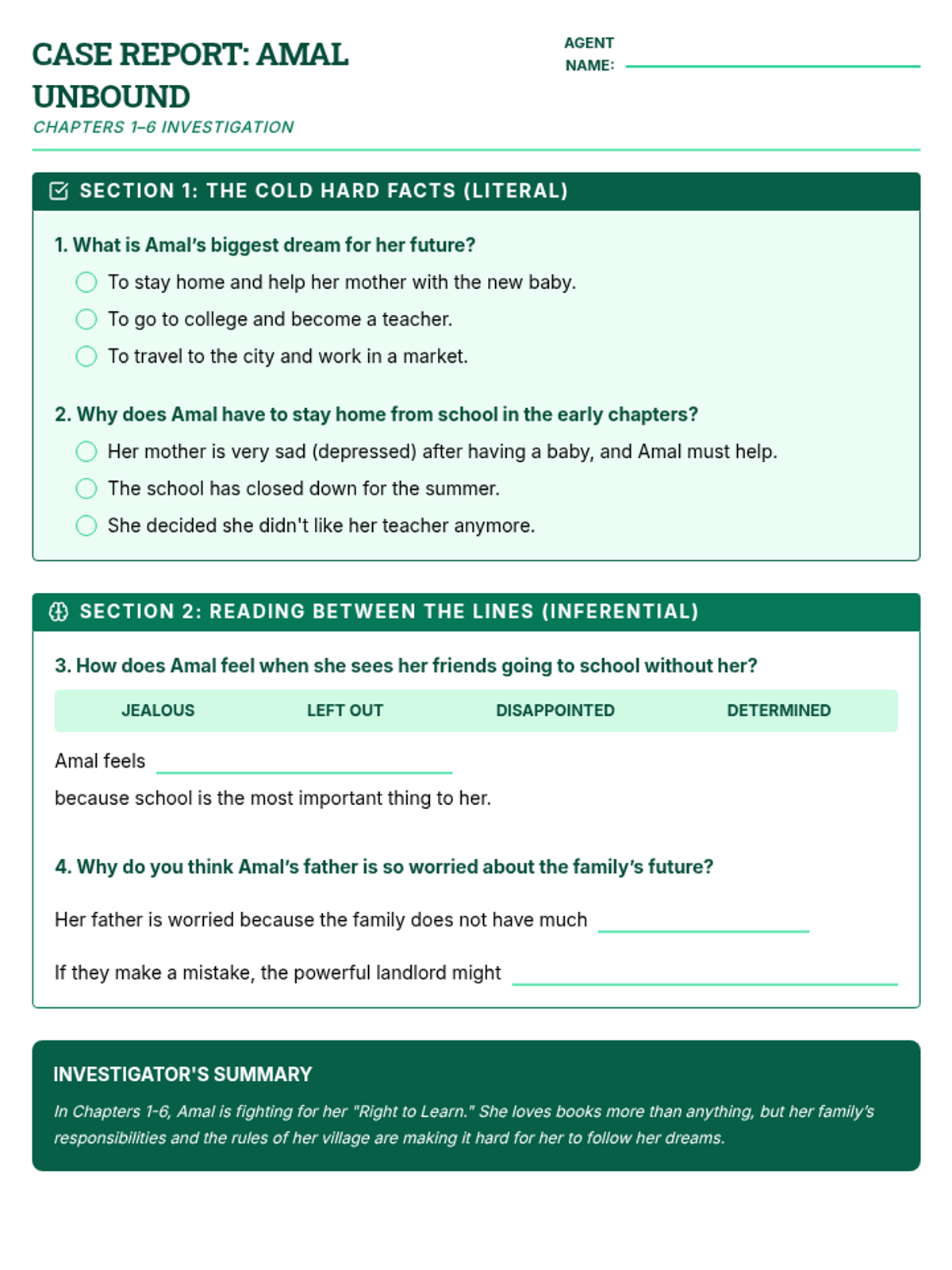
A collection of scaffolded worksheets for 7th-grade students to identify key narrative elements and facts in contemporary novels, specifically designed for students needing extra support.
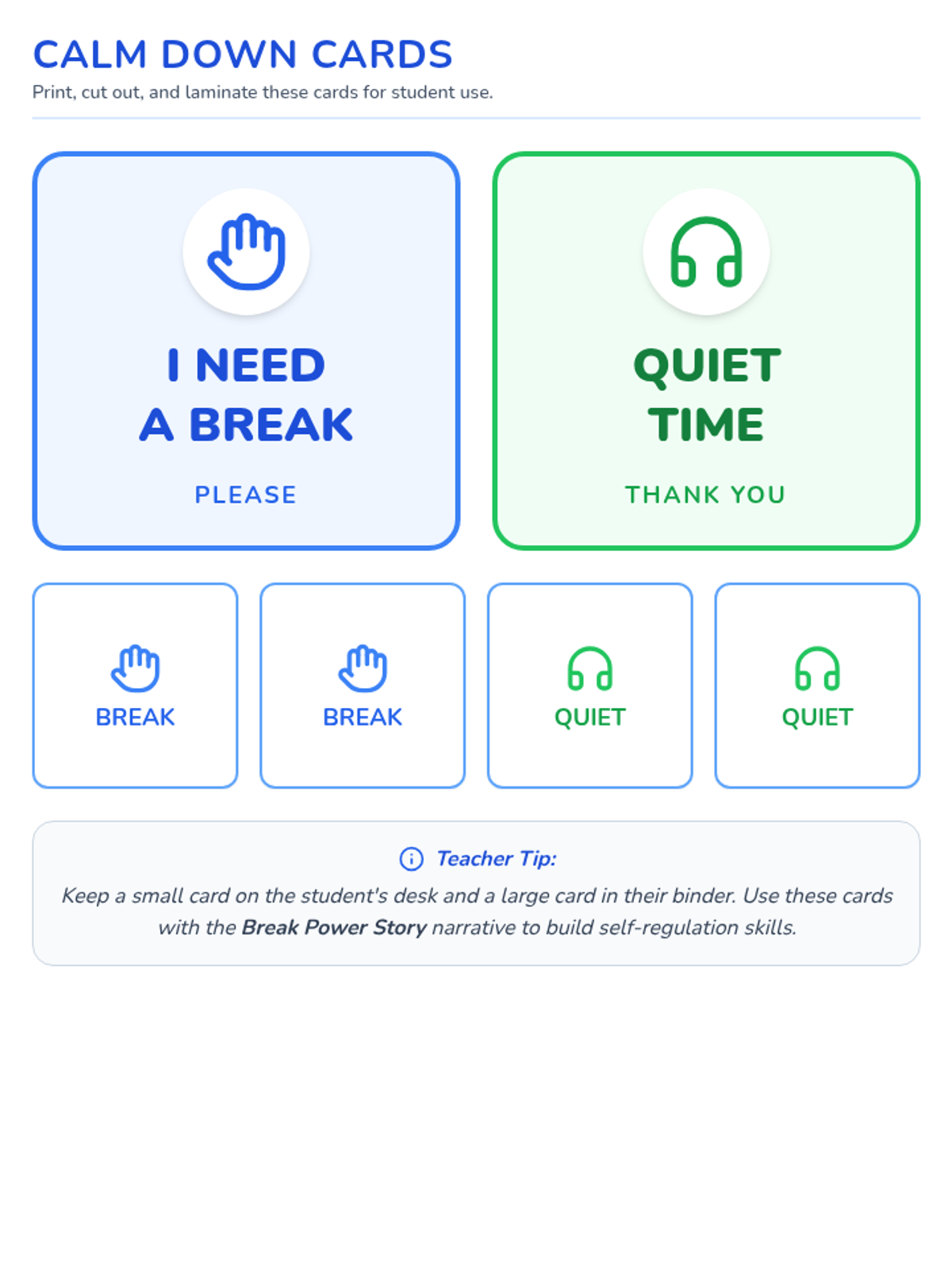
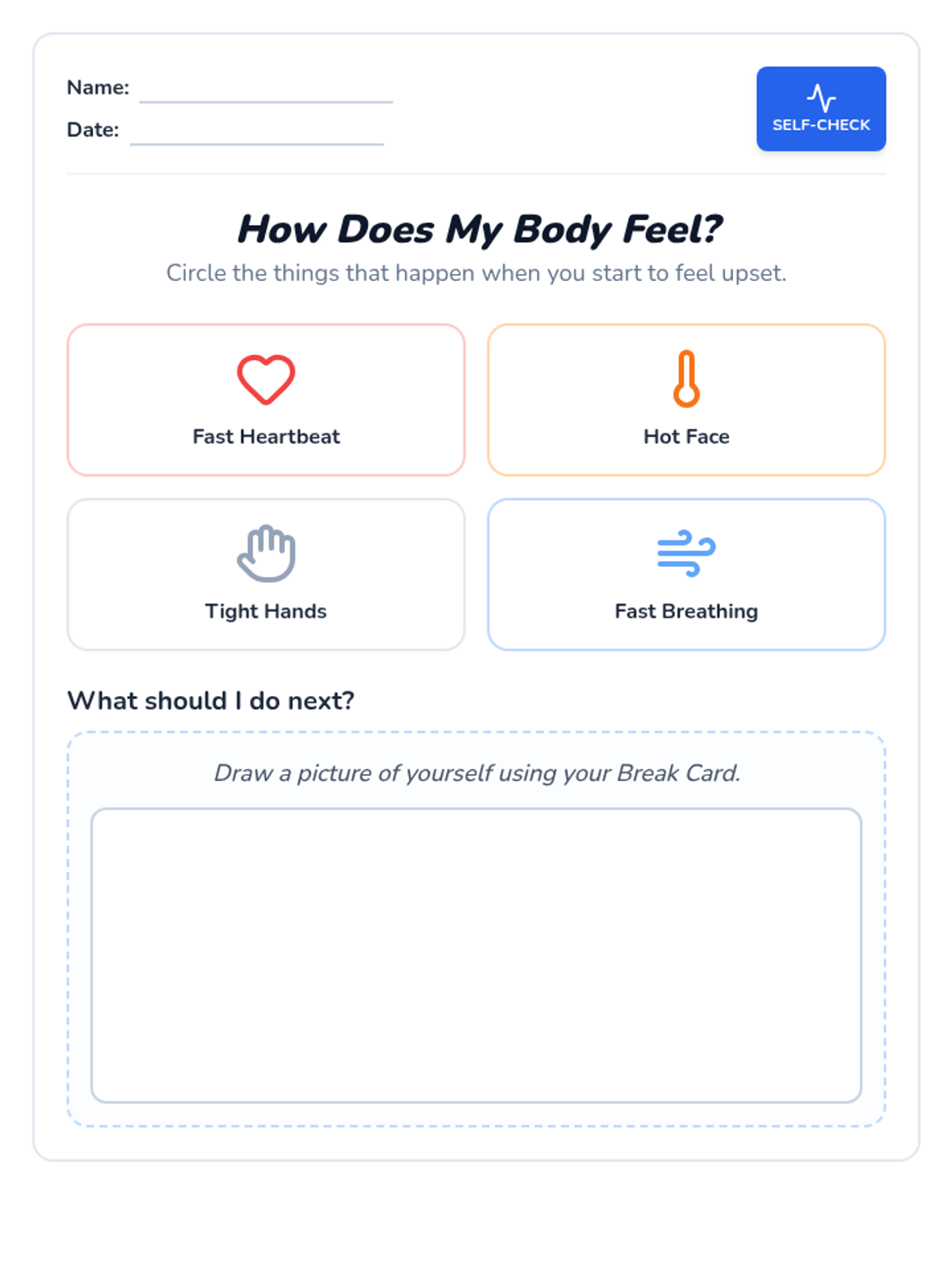
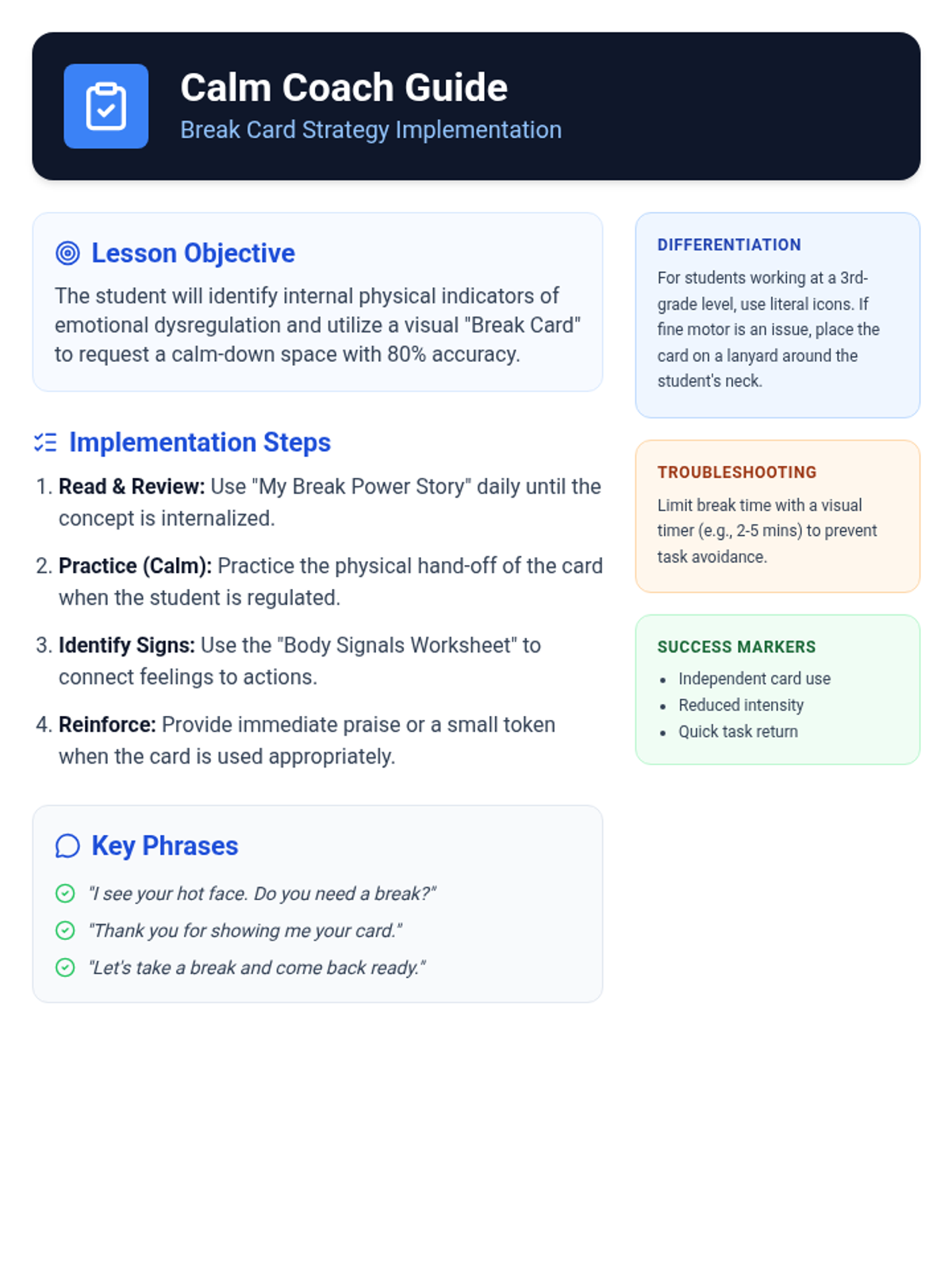
This lesson focuses on teaching a student how to recognize signs of being upset and use a visual break card to self-regulate. It includes a social narrative, printable visual aids, and a practice activity.
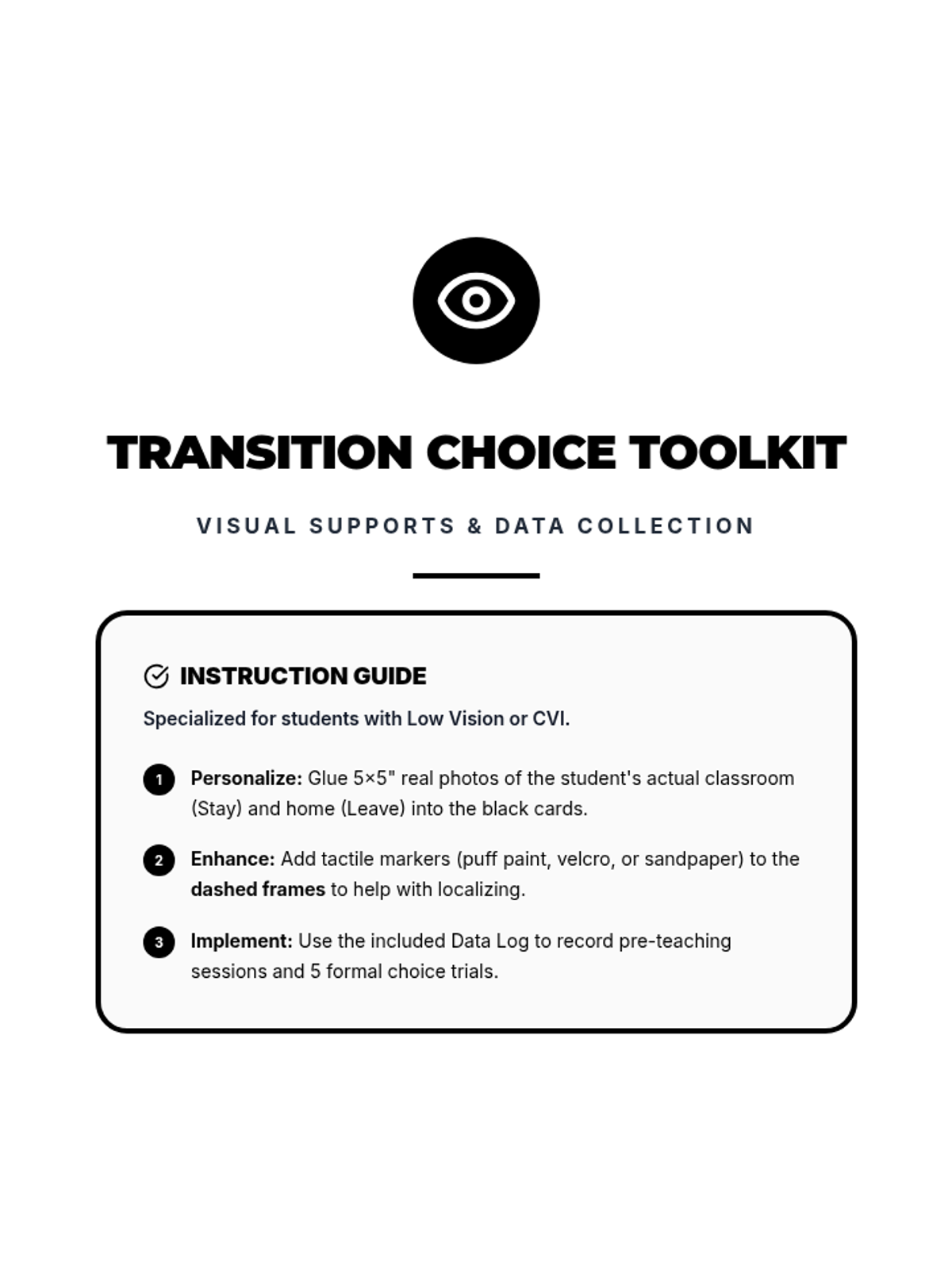
A set of high-contrast visual supports and a structured data log designed to help students with vision needs participate in their 18+ transition decisions.
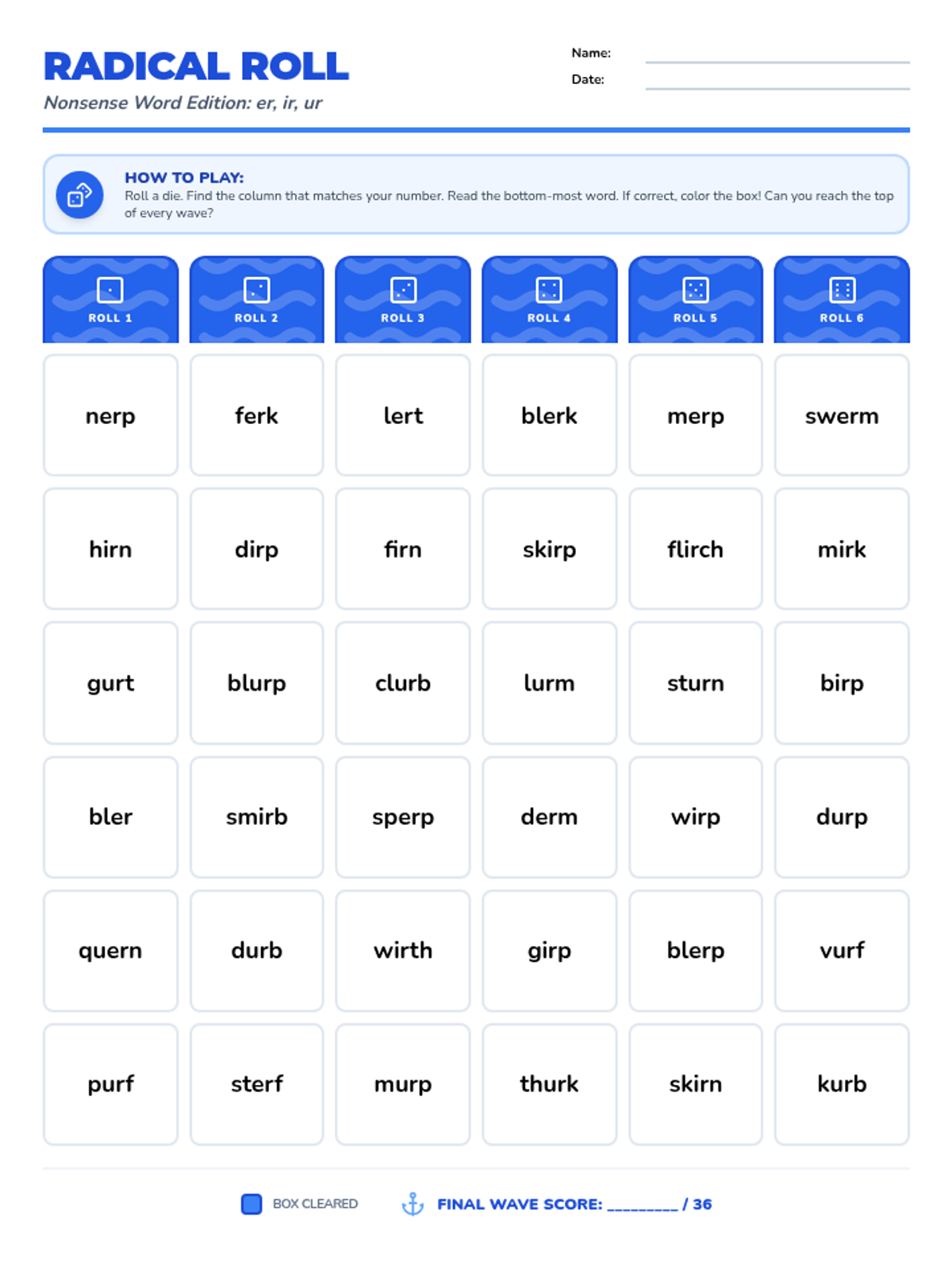
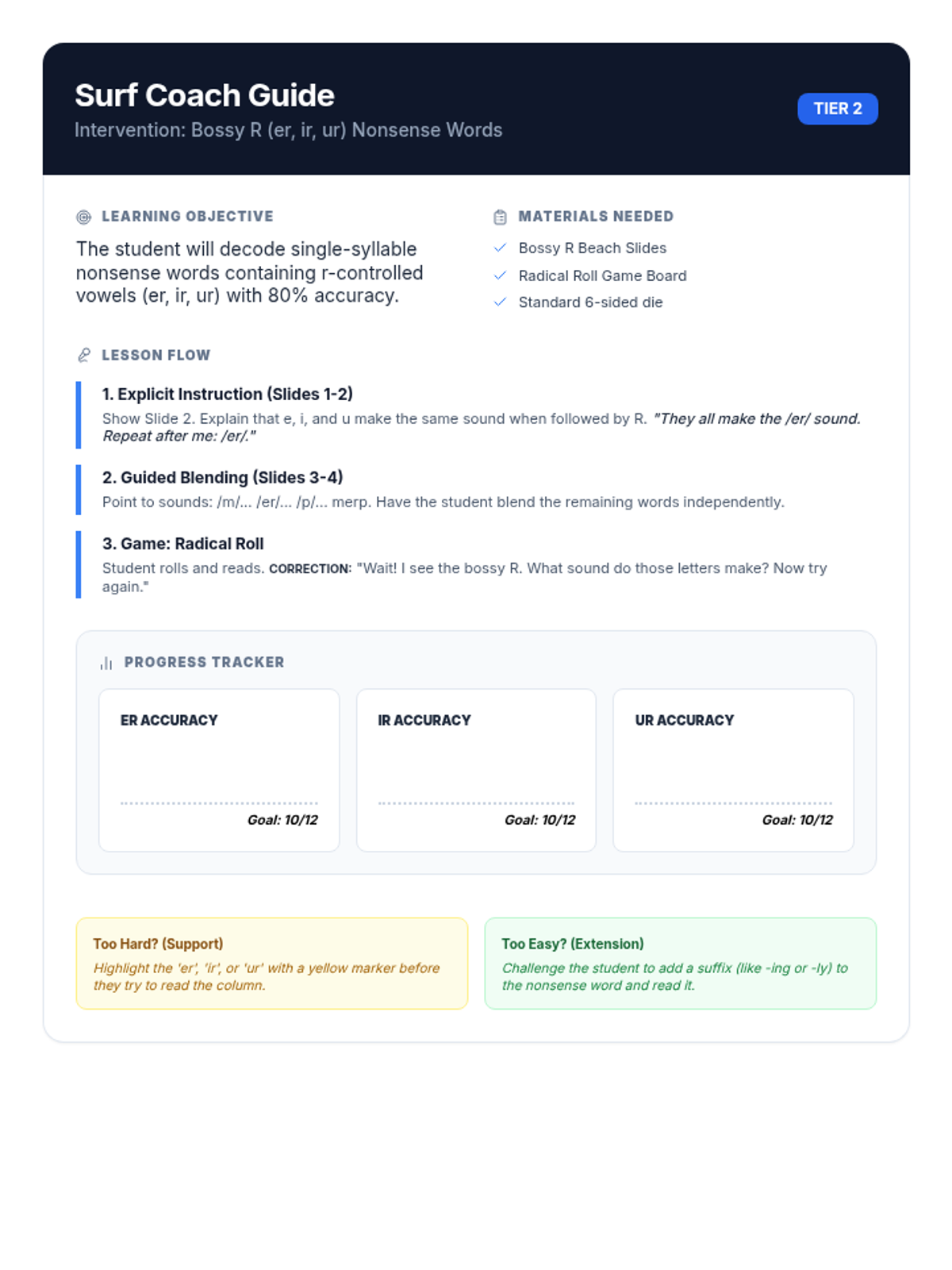
A Tier 2 phonics intervention focusing on the identical sounds of r-controlled vowels 'er', 'ir', and 'ur' using nonsense words to ensure decoding mastery.
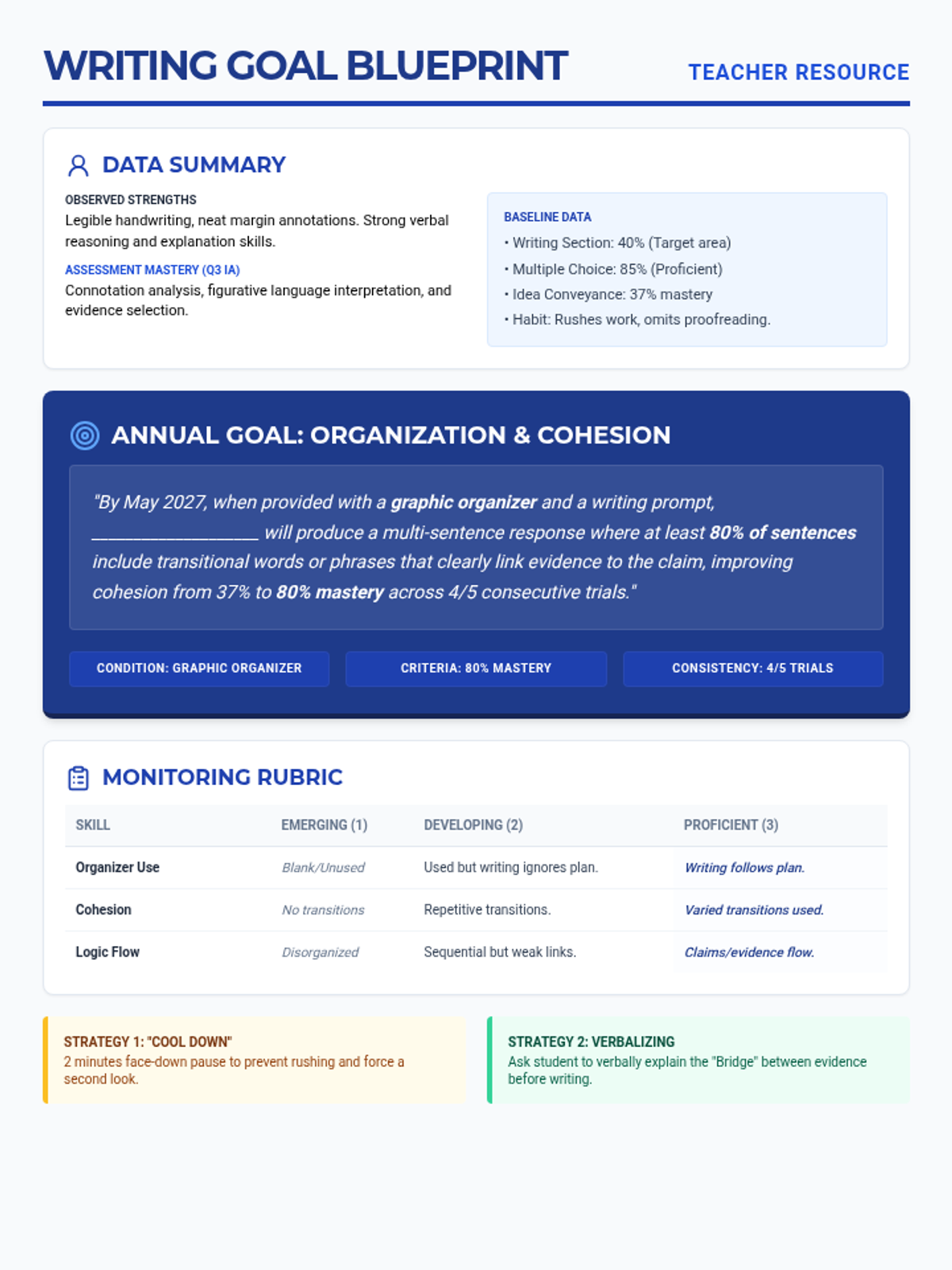
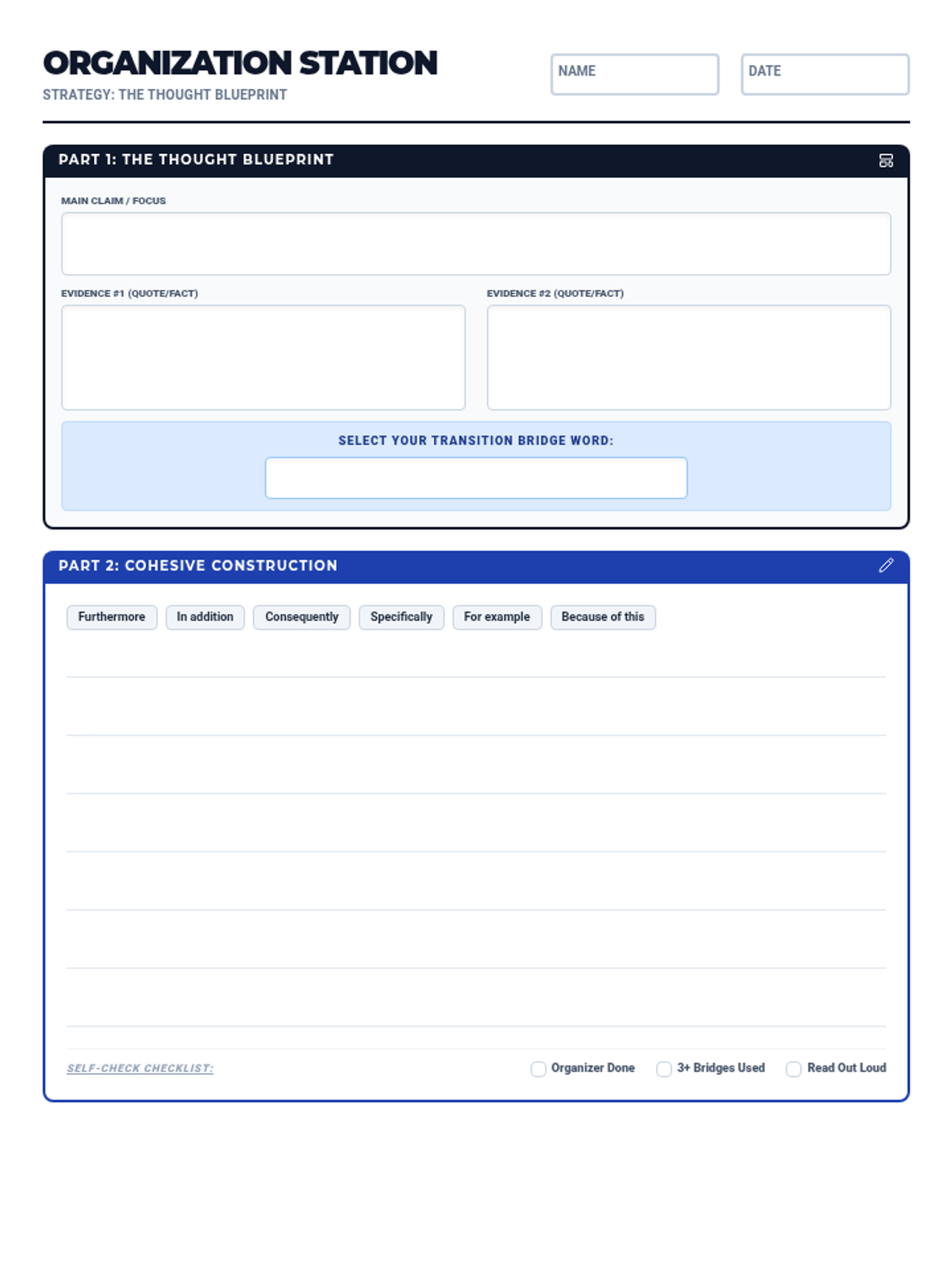
A lesson focused on improving writing organization and cohesion through the use of graphic organizers and transitional phrases to link evidence to claims.
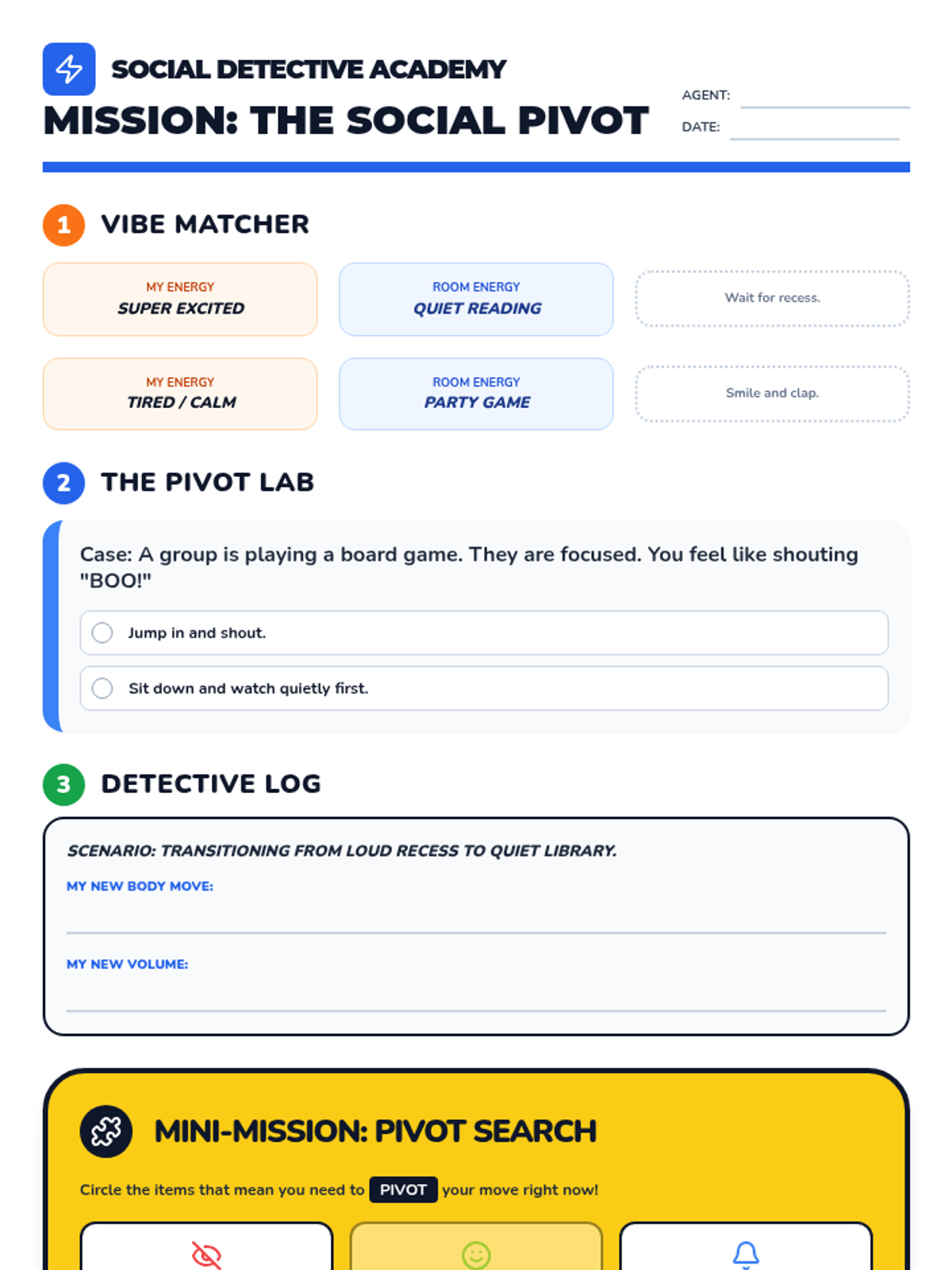
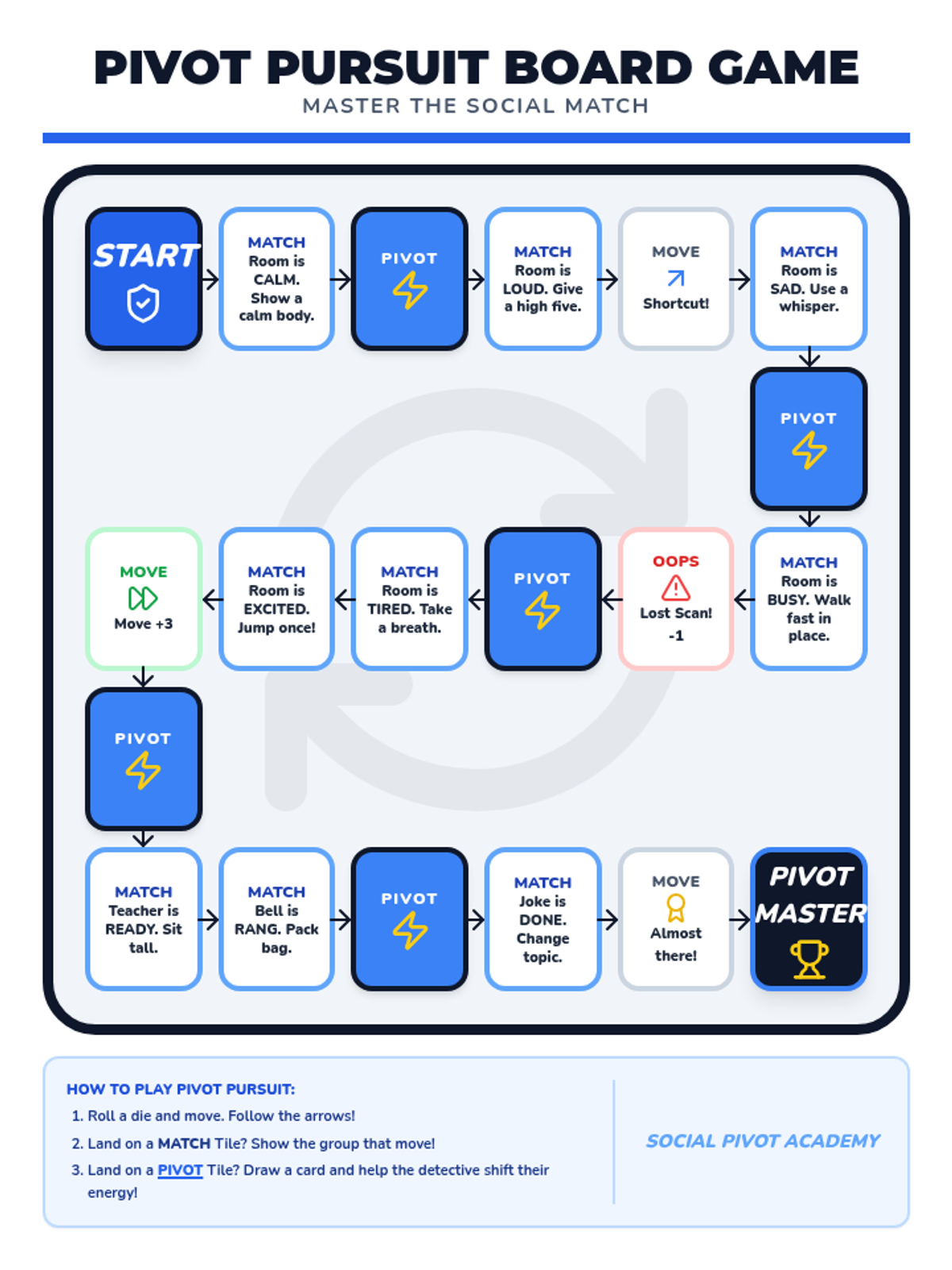
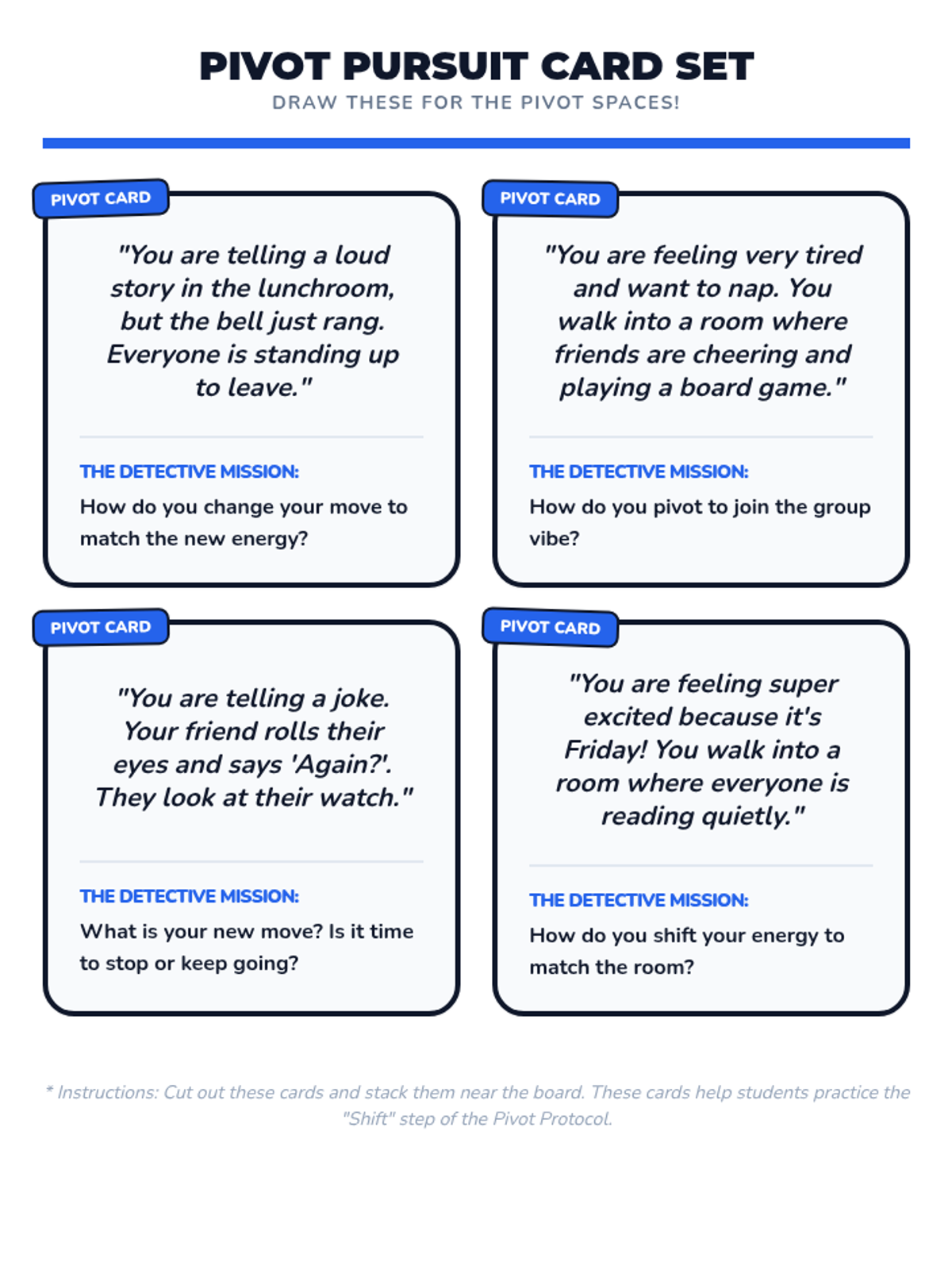
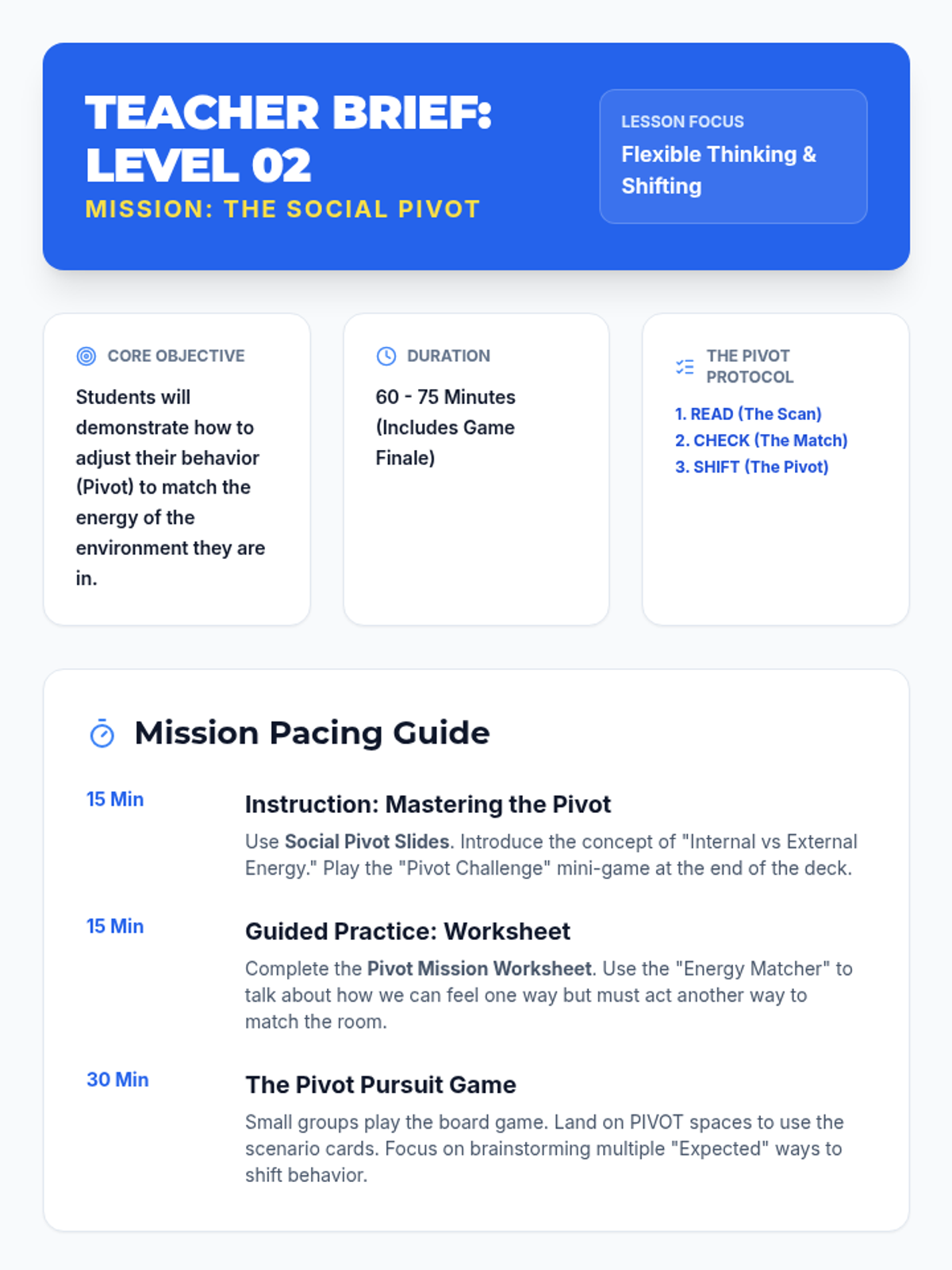
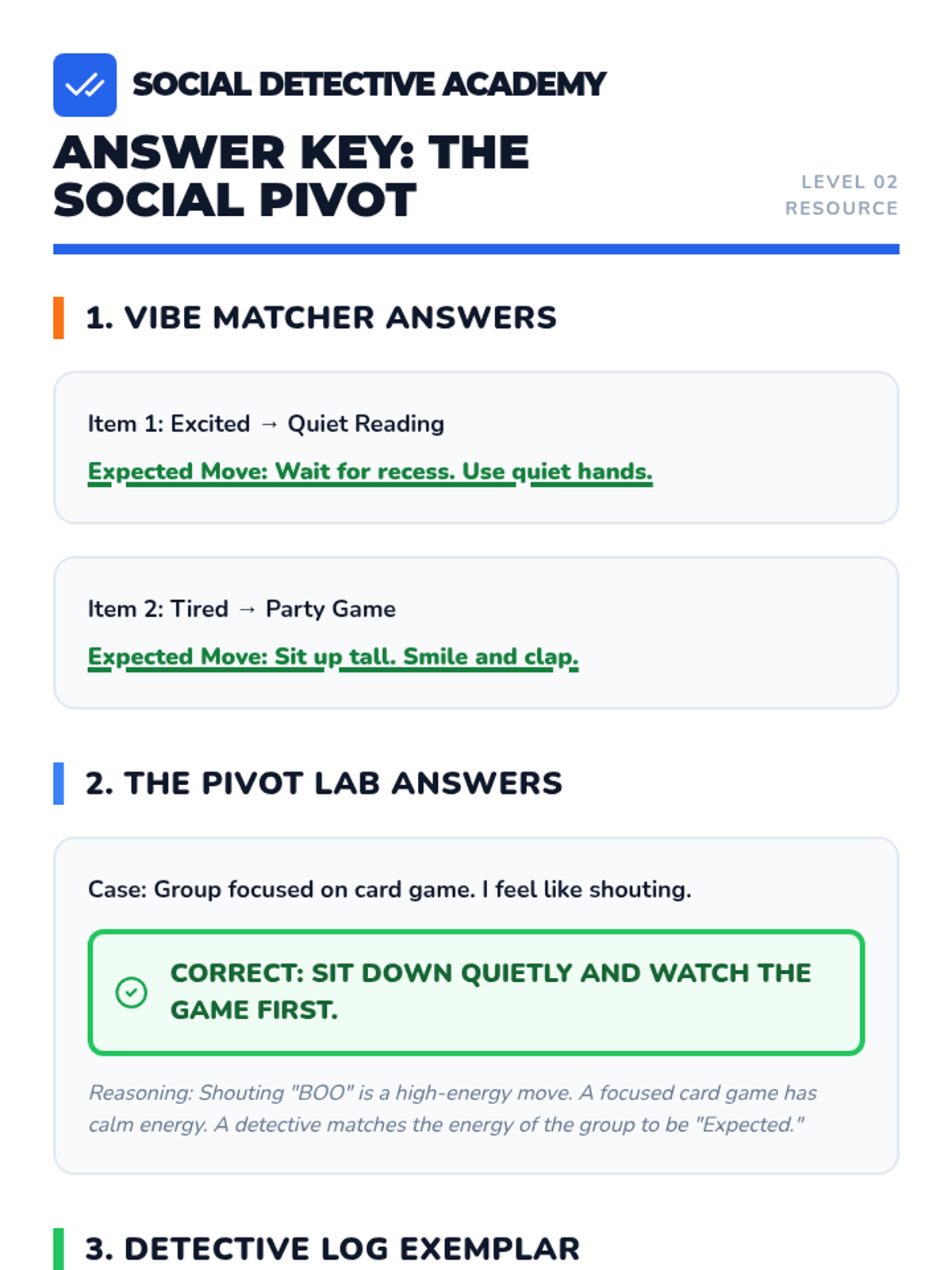
This lesson builds on 'Reading the Room' by teaching students the 'Pivot Protocol'—the ability to shift behavior once a social cue is detected. Students will practice matching their internal energy to the environment, understanding expected vs. unexpected reactions, and using flexible thinking to navigate social shifts.
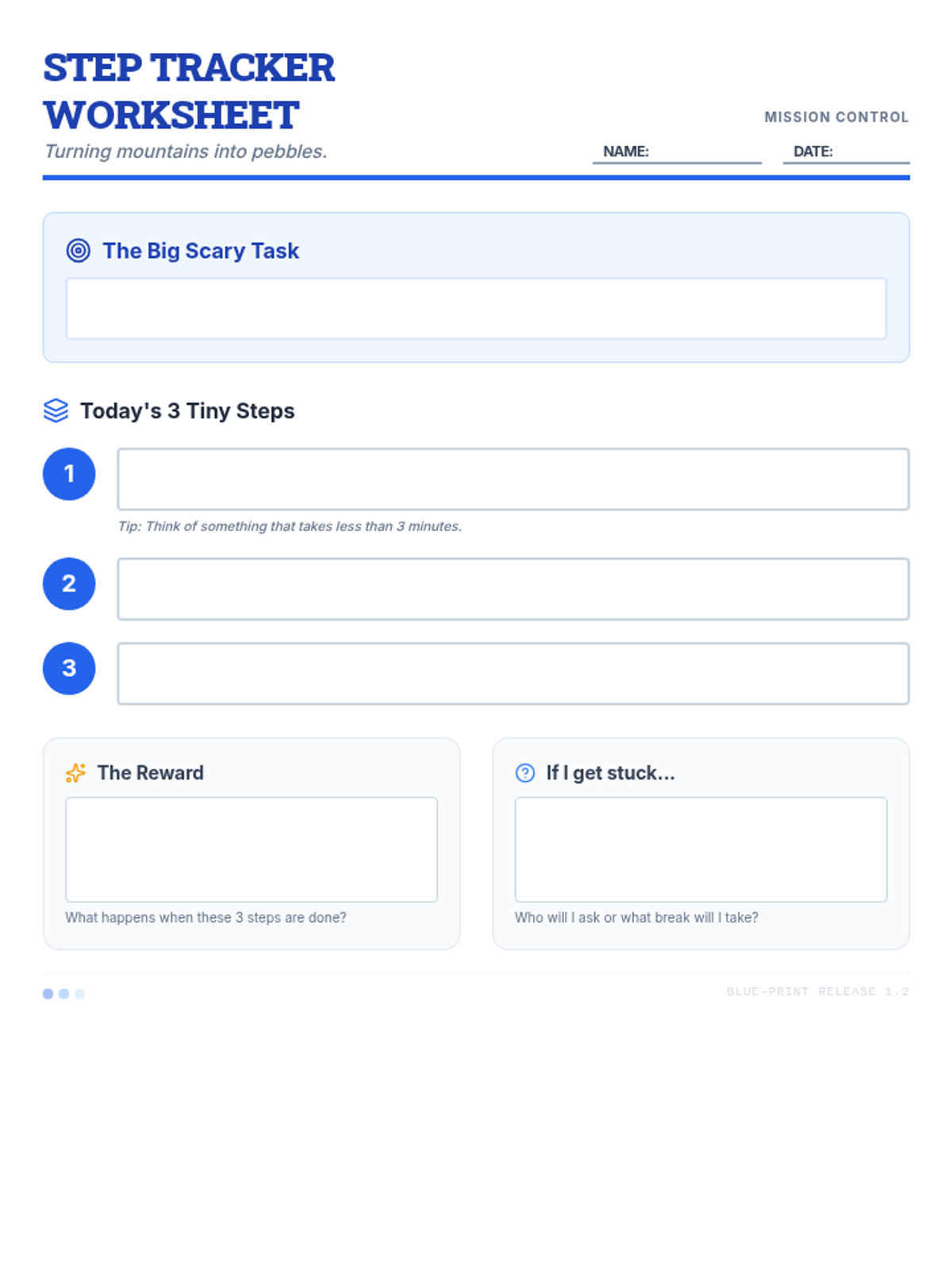
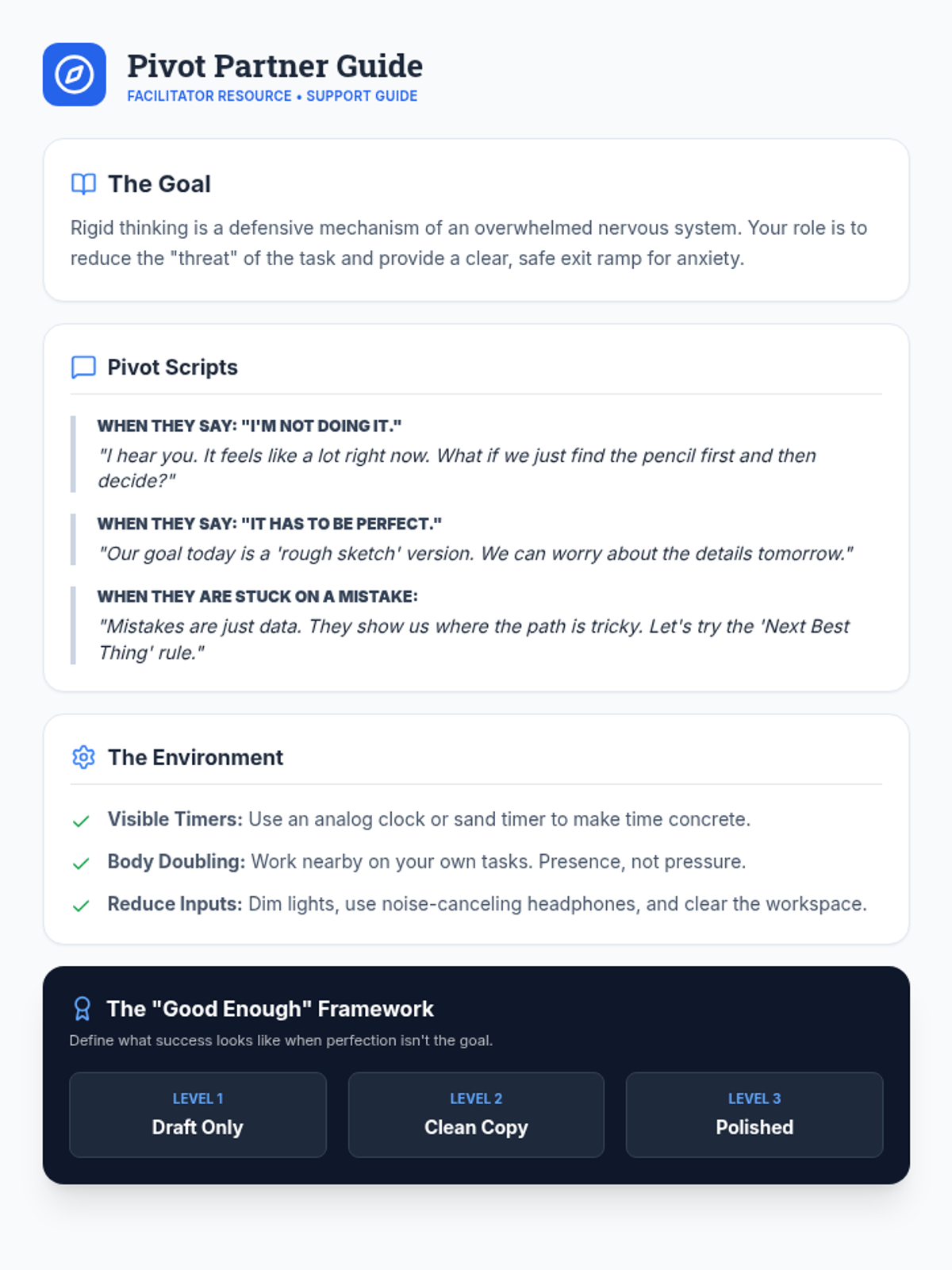
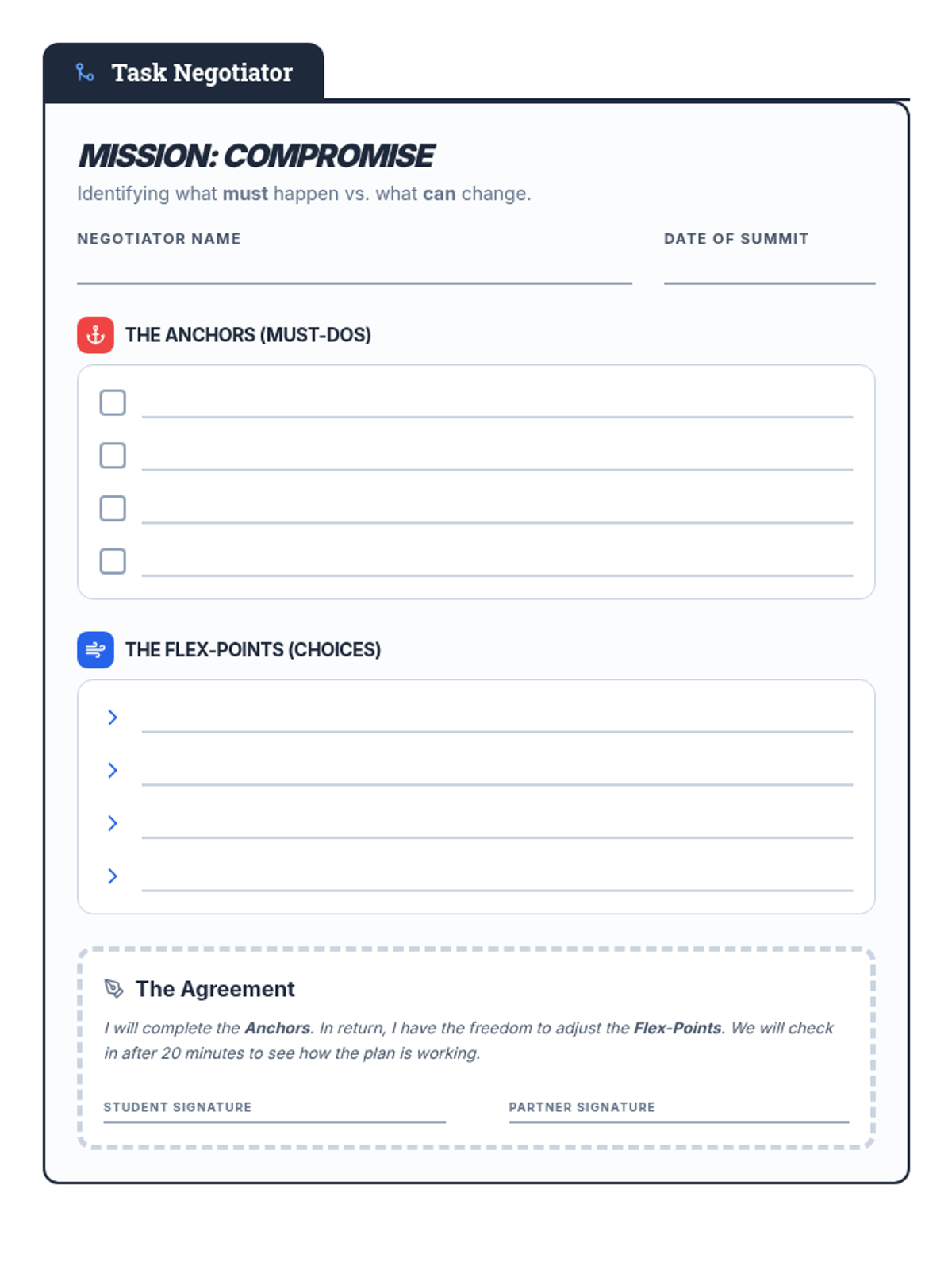
A comprehensive set of strategies and tools to help teens with autism overcome rigid thinking and task refusal during academic assignments.
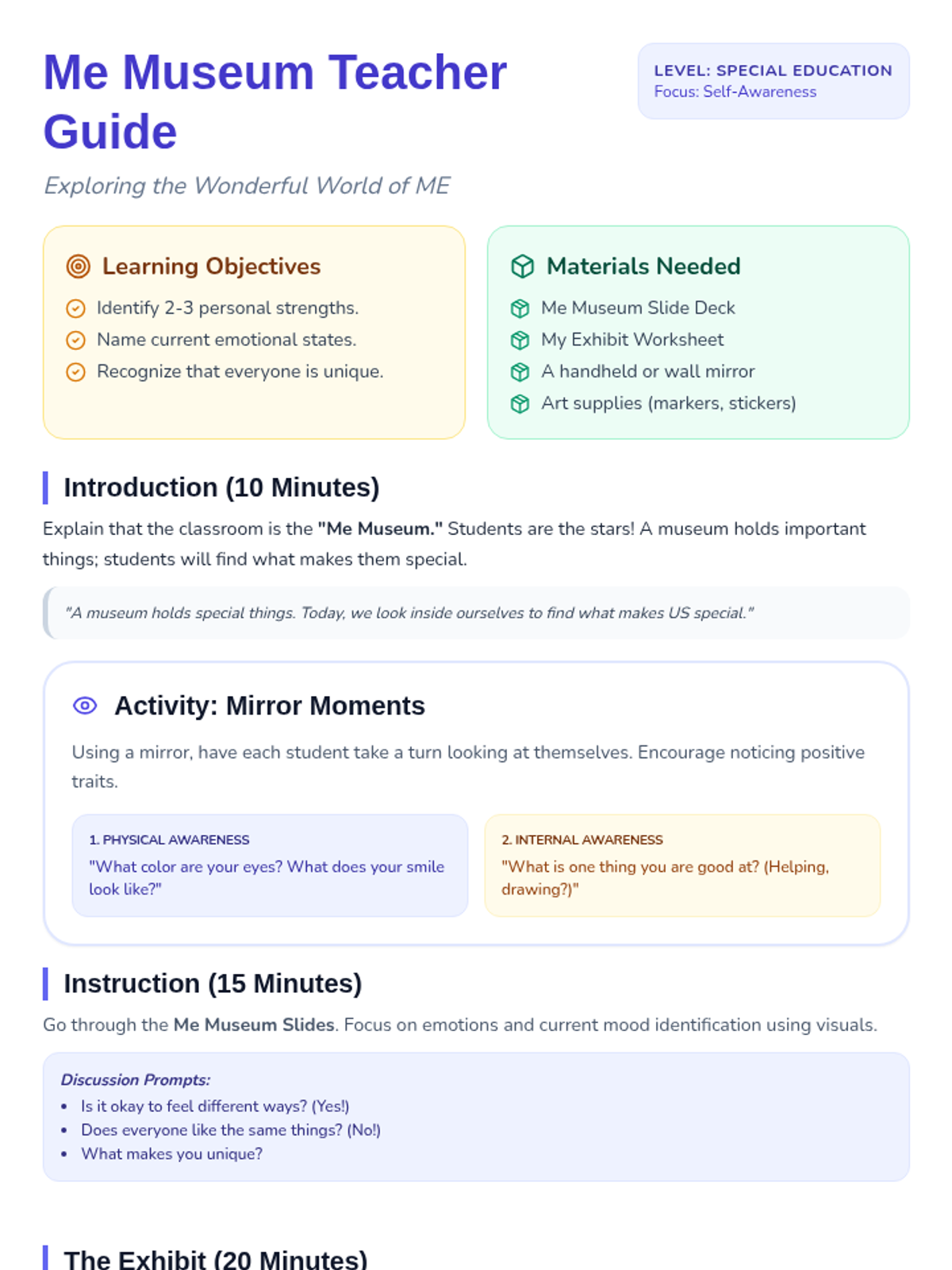
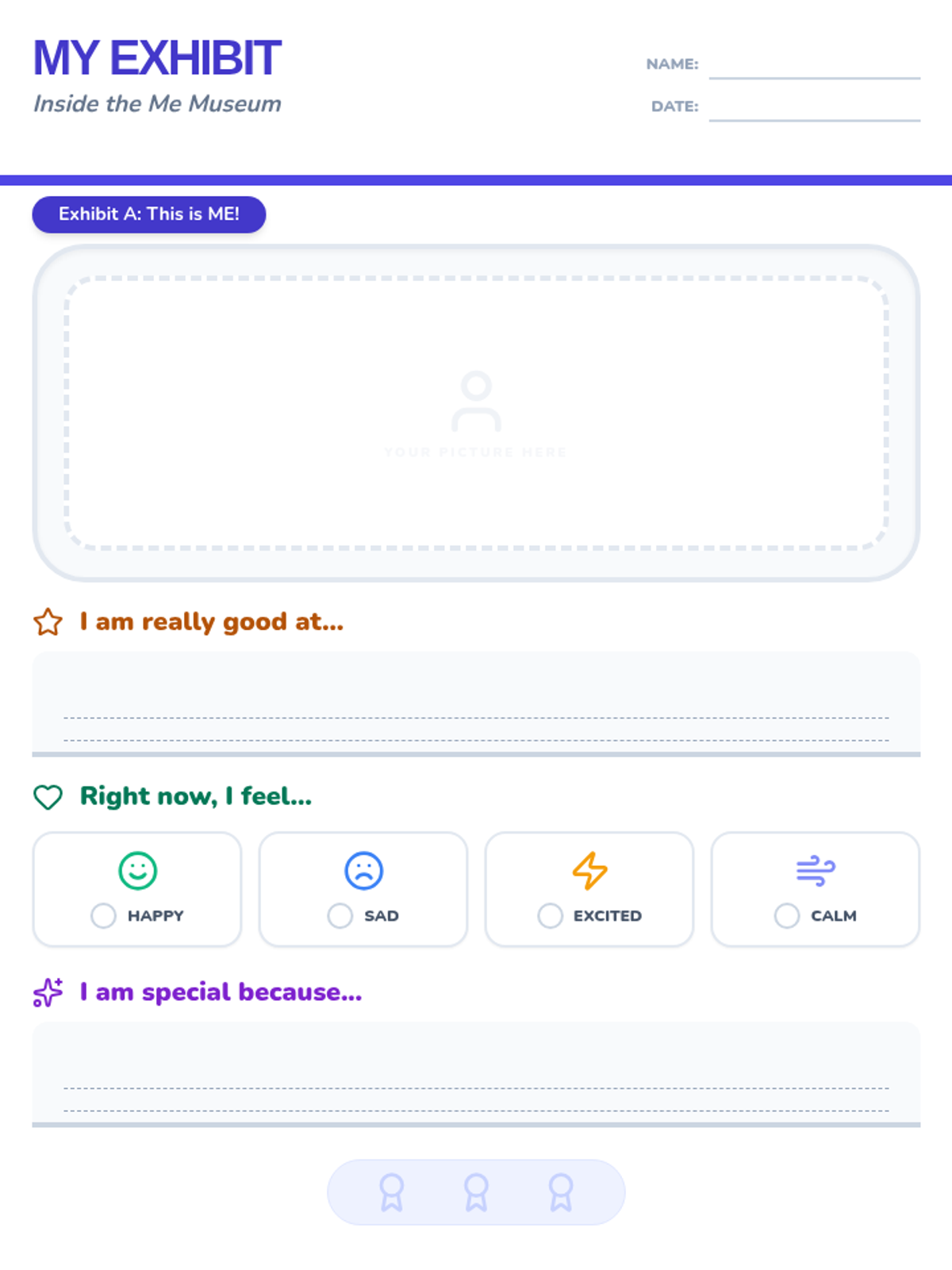
A foundational lesson on self-awareness for special education students, focusing on identifying personal strengths, emotions, and unique traits through the 'Me Museum' theme.
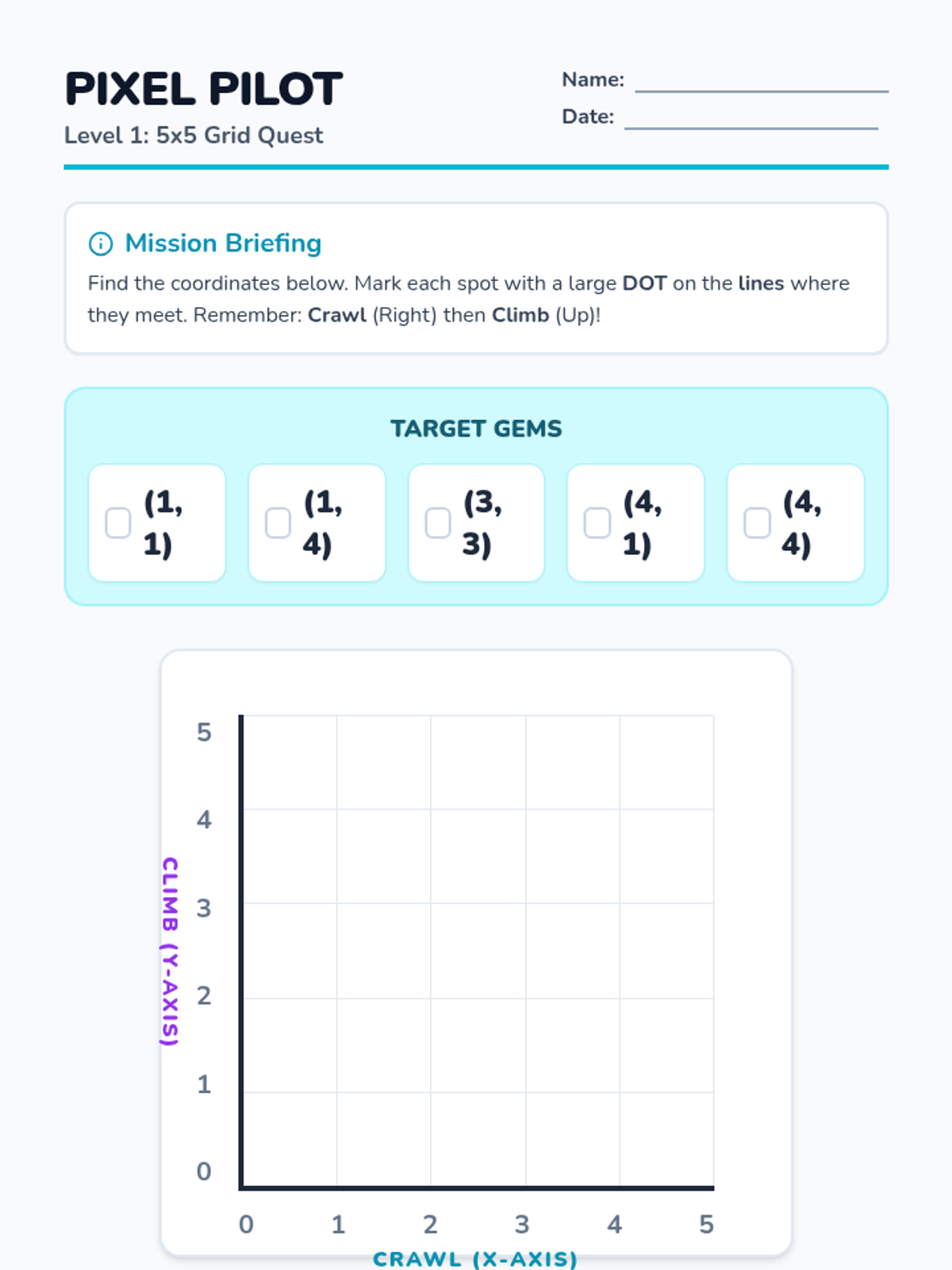
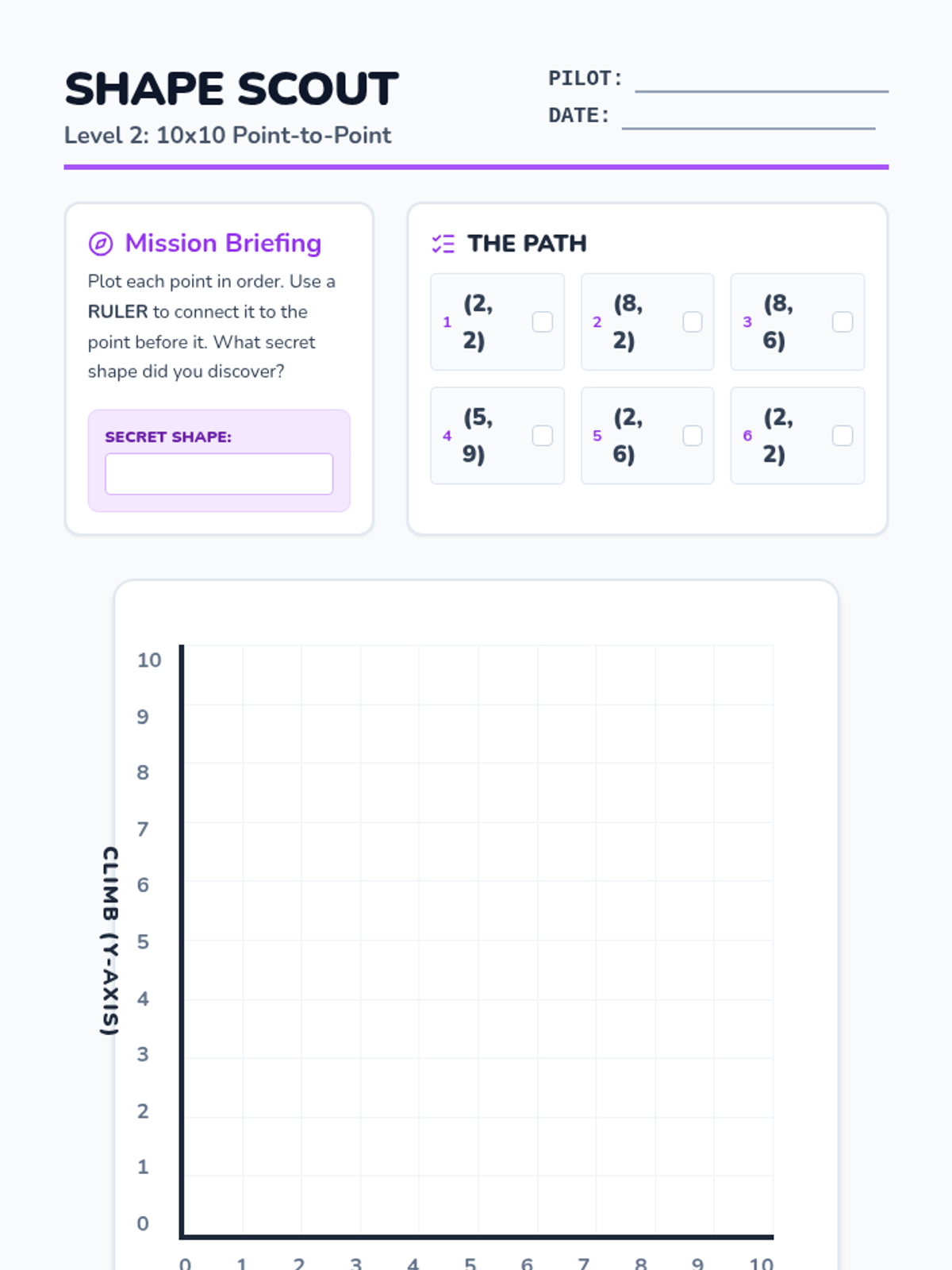
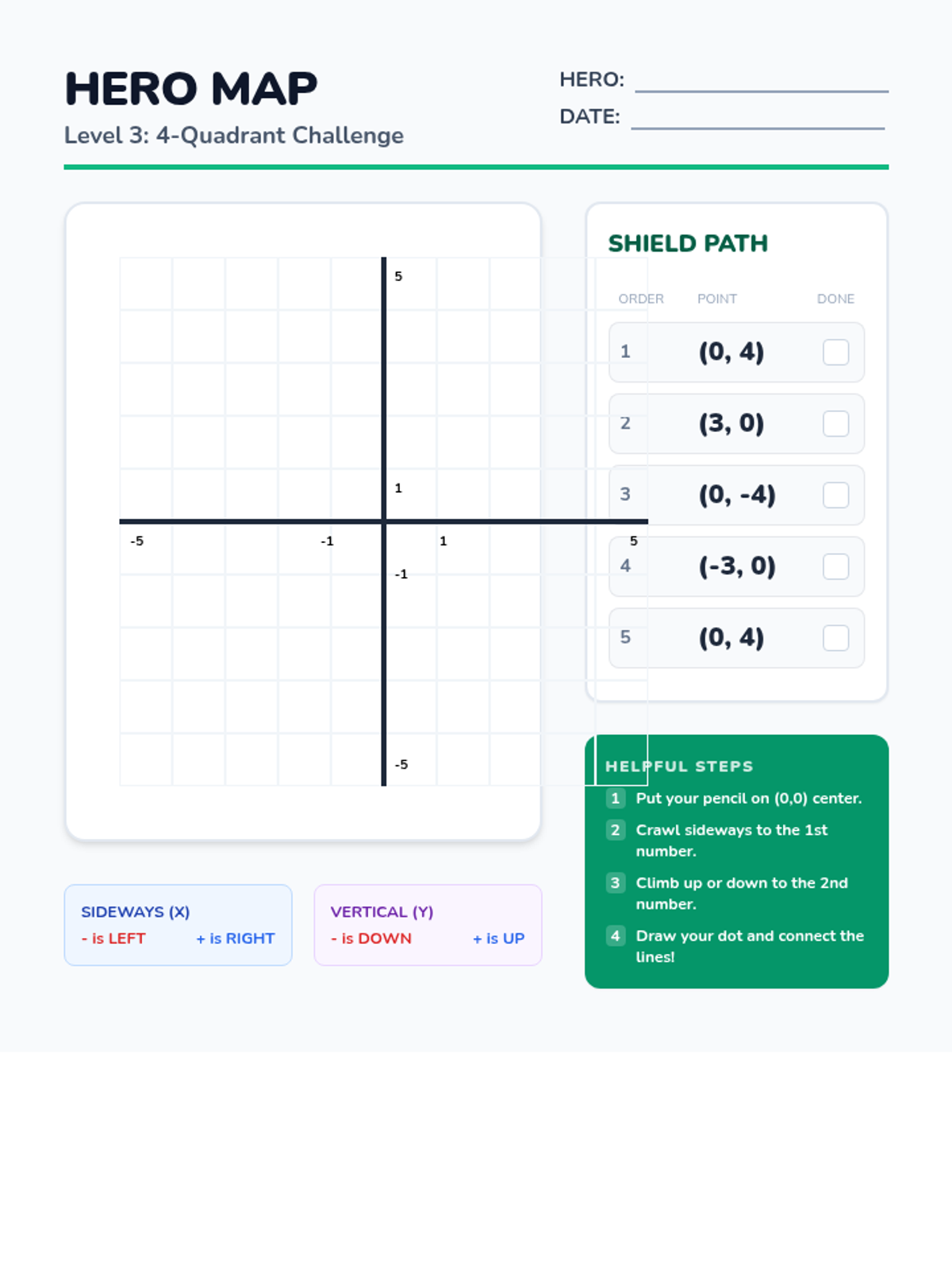
A scaffolded series of coordinate graphing activities designed for IEP students, moving from basic 5x5 matching to full 4-quadrant plotting.