Students learn the technique of starting from a deadline and working backward to schedule tasks effectively.
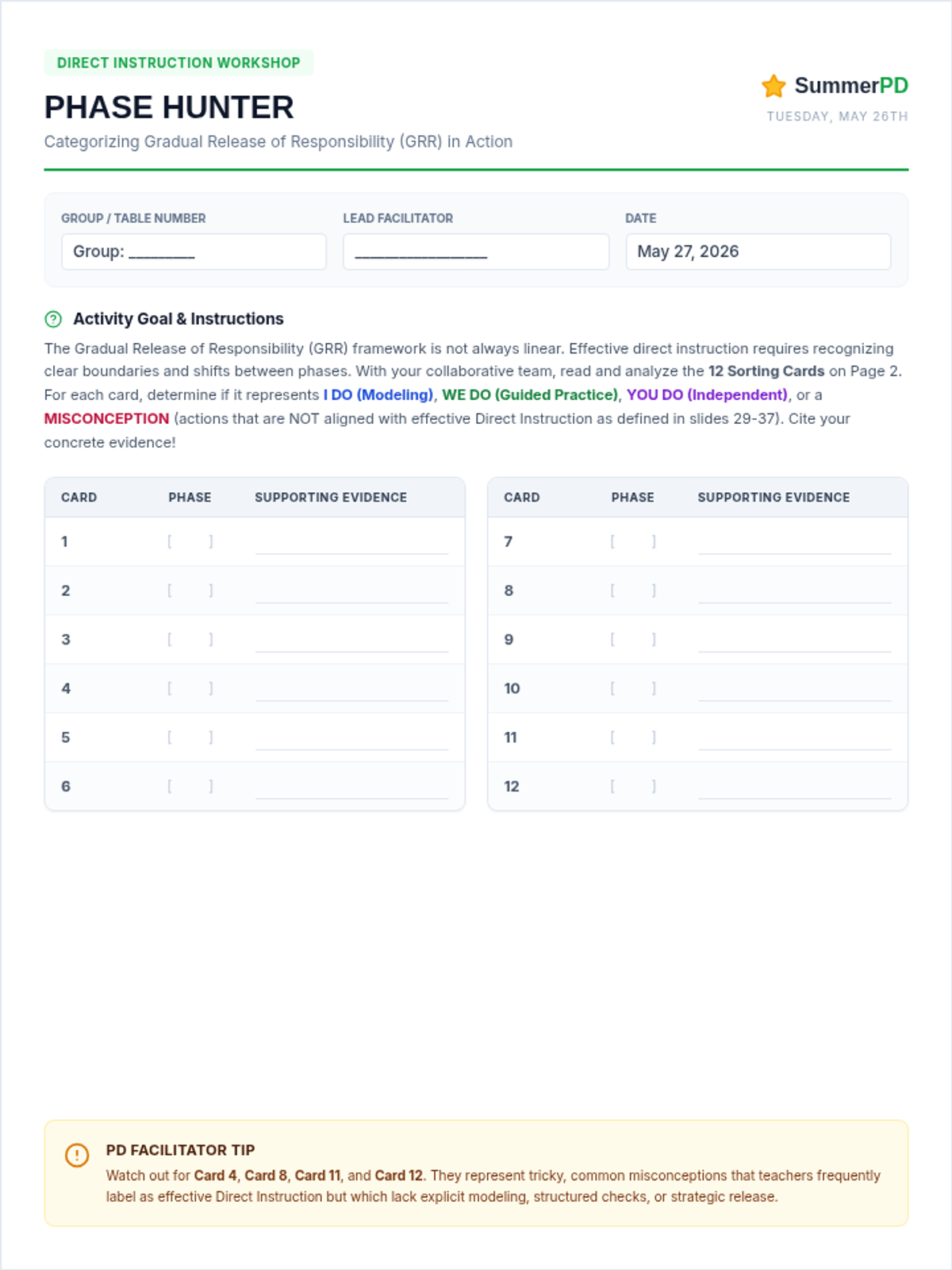
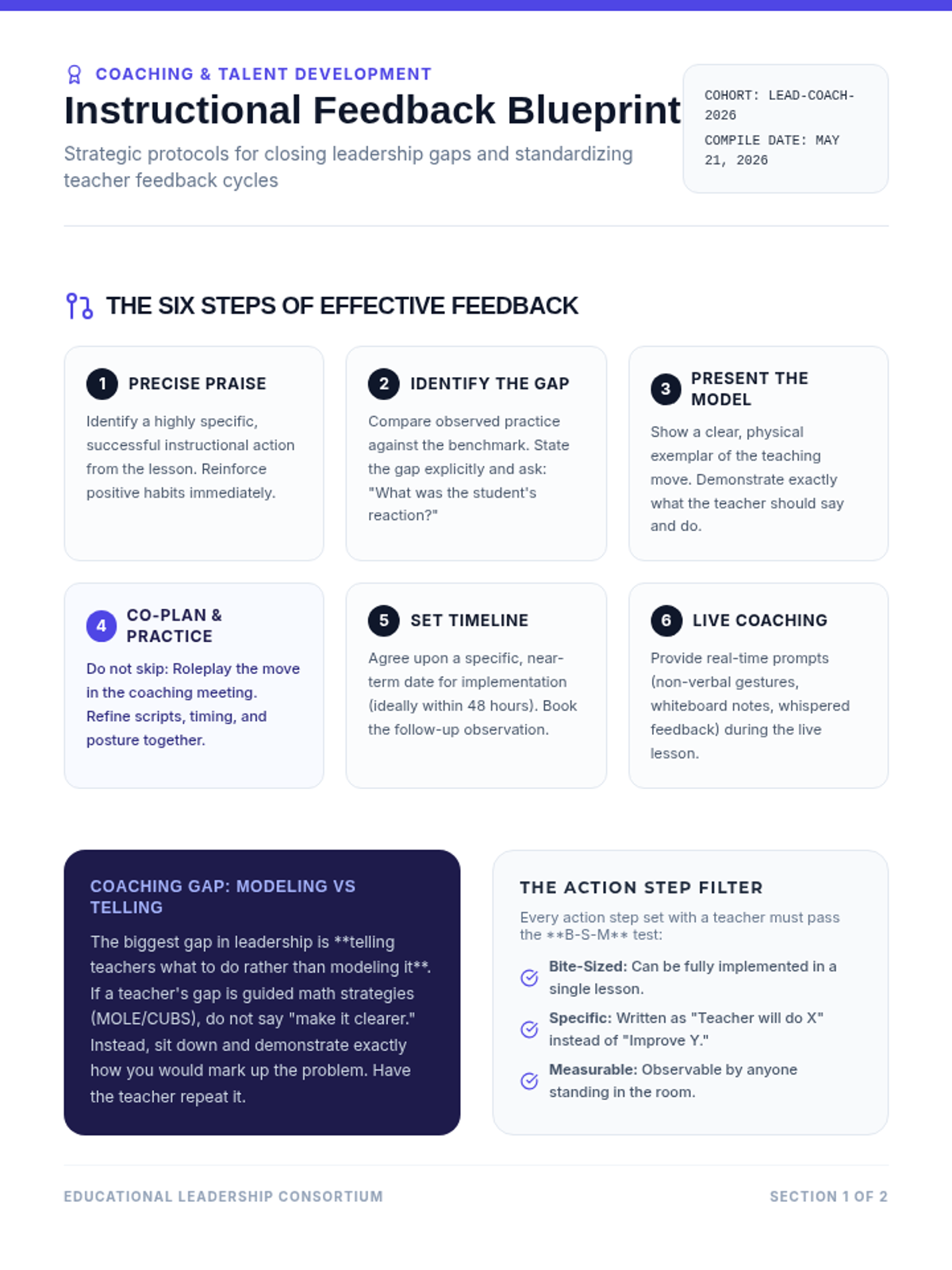
A professional development module for educators focused on the Gradual Release of Responsibility model. Teachers explore the nuances of the I Do, We Do, and You Do phases to improve lesson design and instructional clarity.
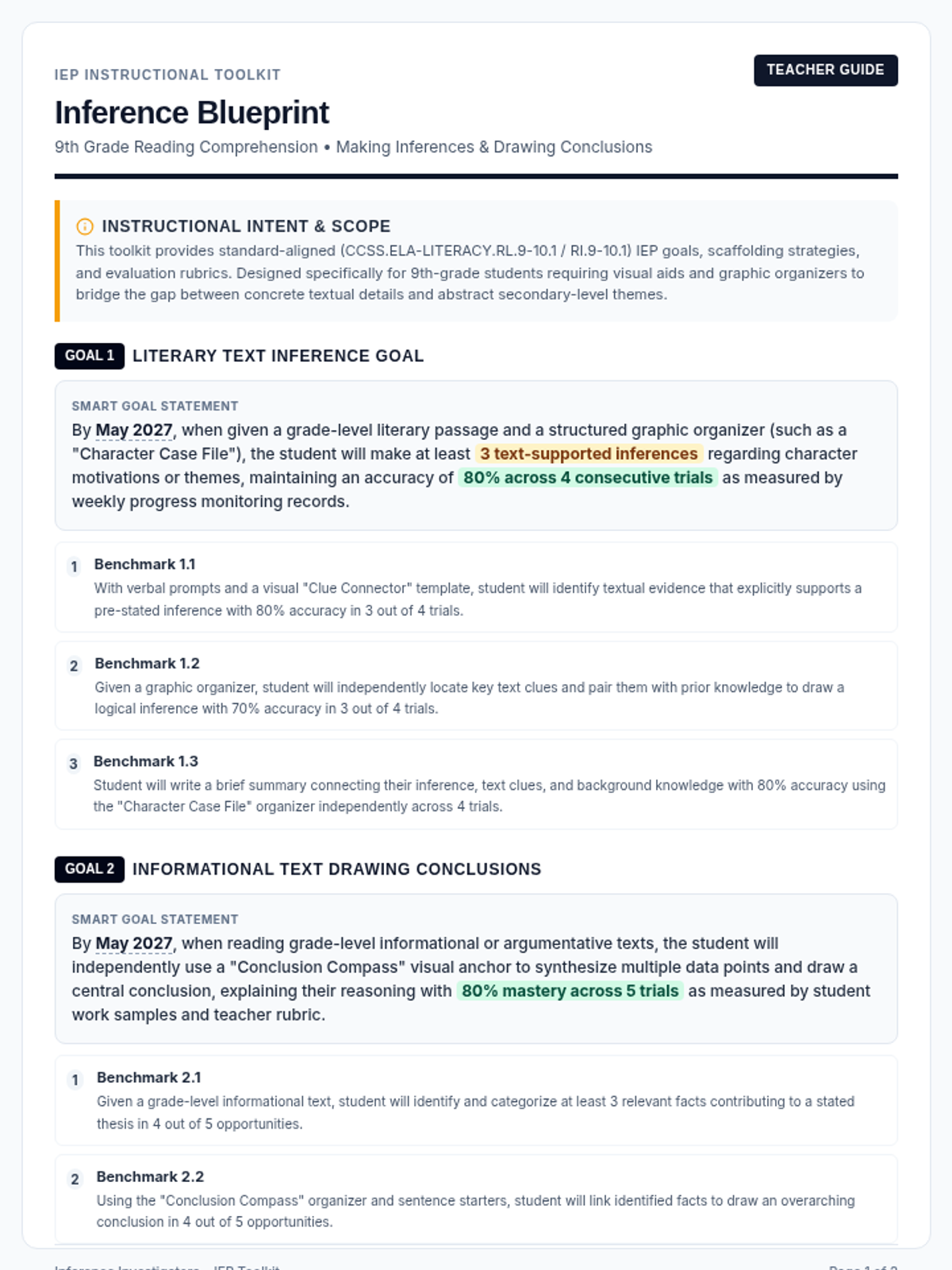
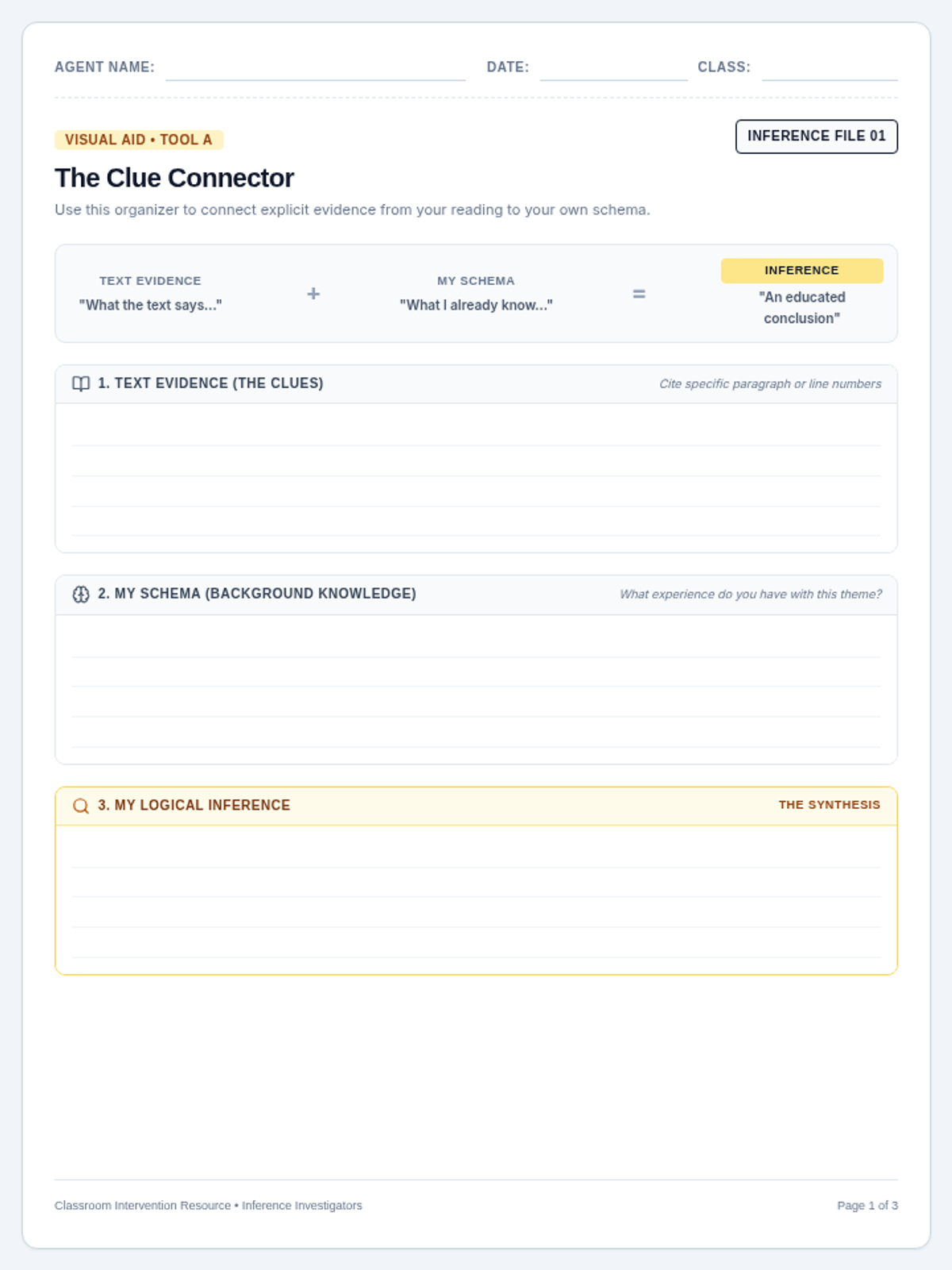
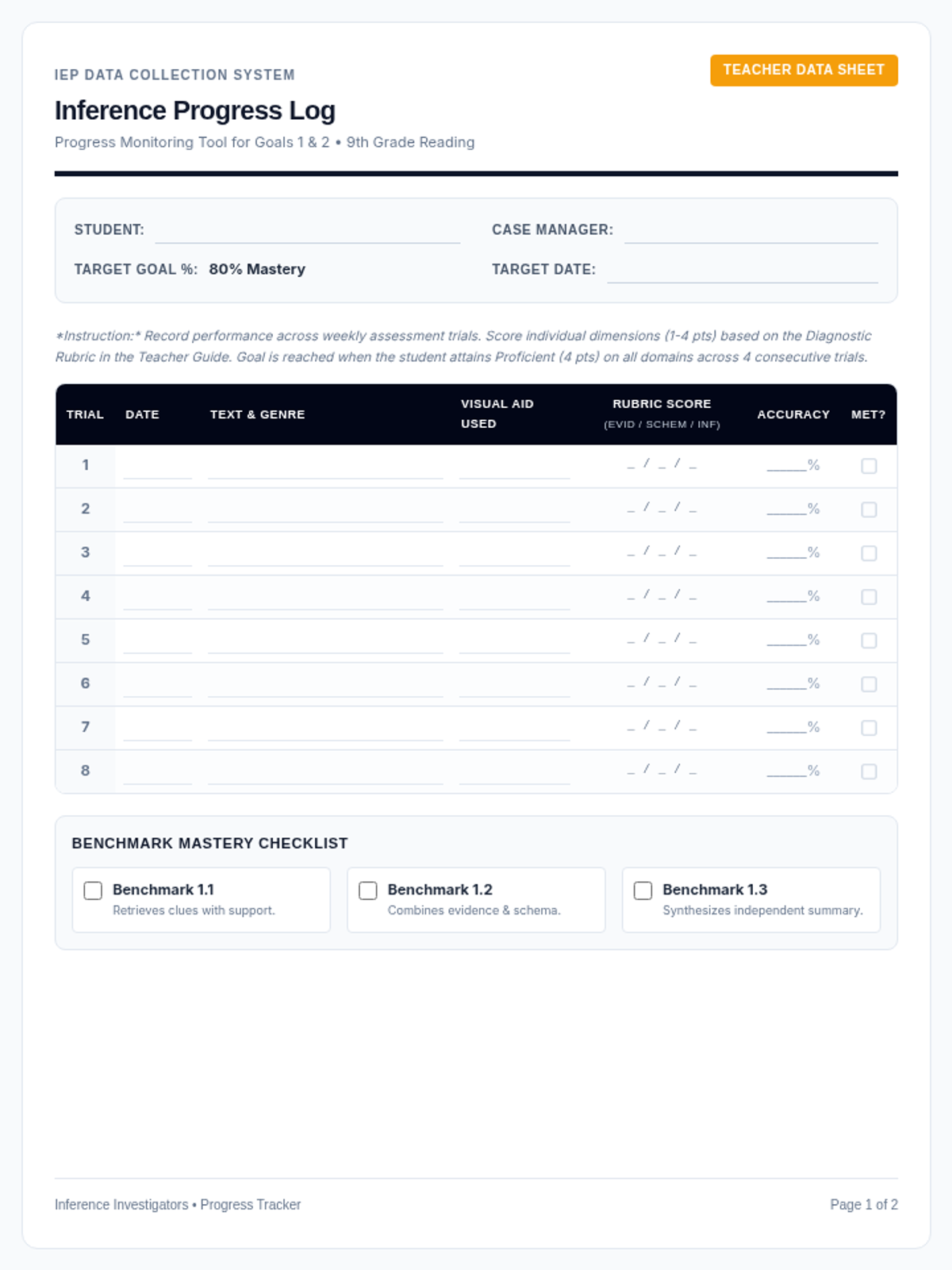
A comprehensive IEP goal and instructional toolkit designed to scaffold 9th-grade reading comprehension. This lesson package includes measurable IEP goals, scaffolded graphic organizers, and structured progress monitoring tools focused on making inferences and drawing conclusions.
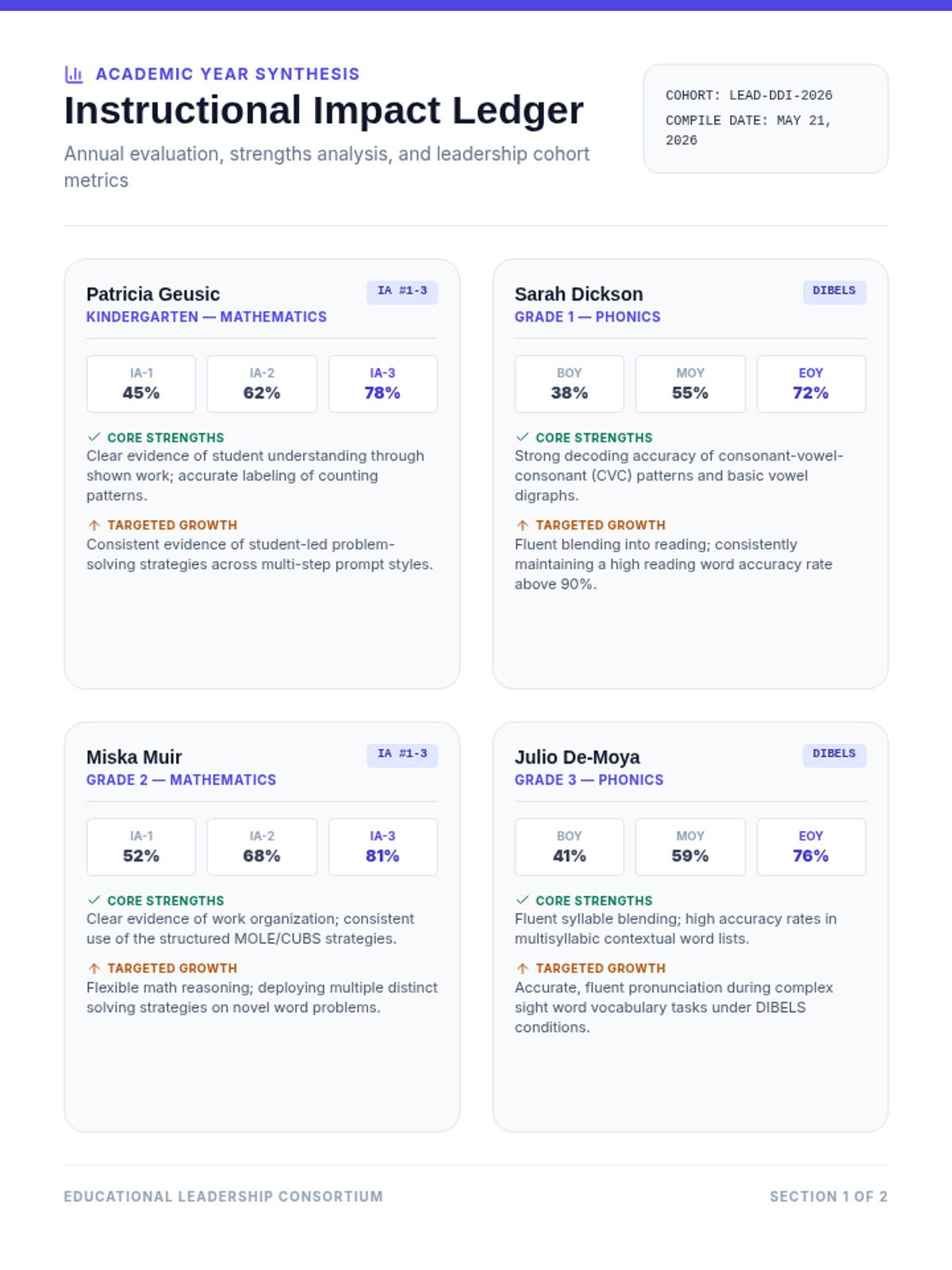
An advanced data reflection and tracking module for educational leaders to systematically assess grade-level performance and plan organizational next steps.
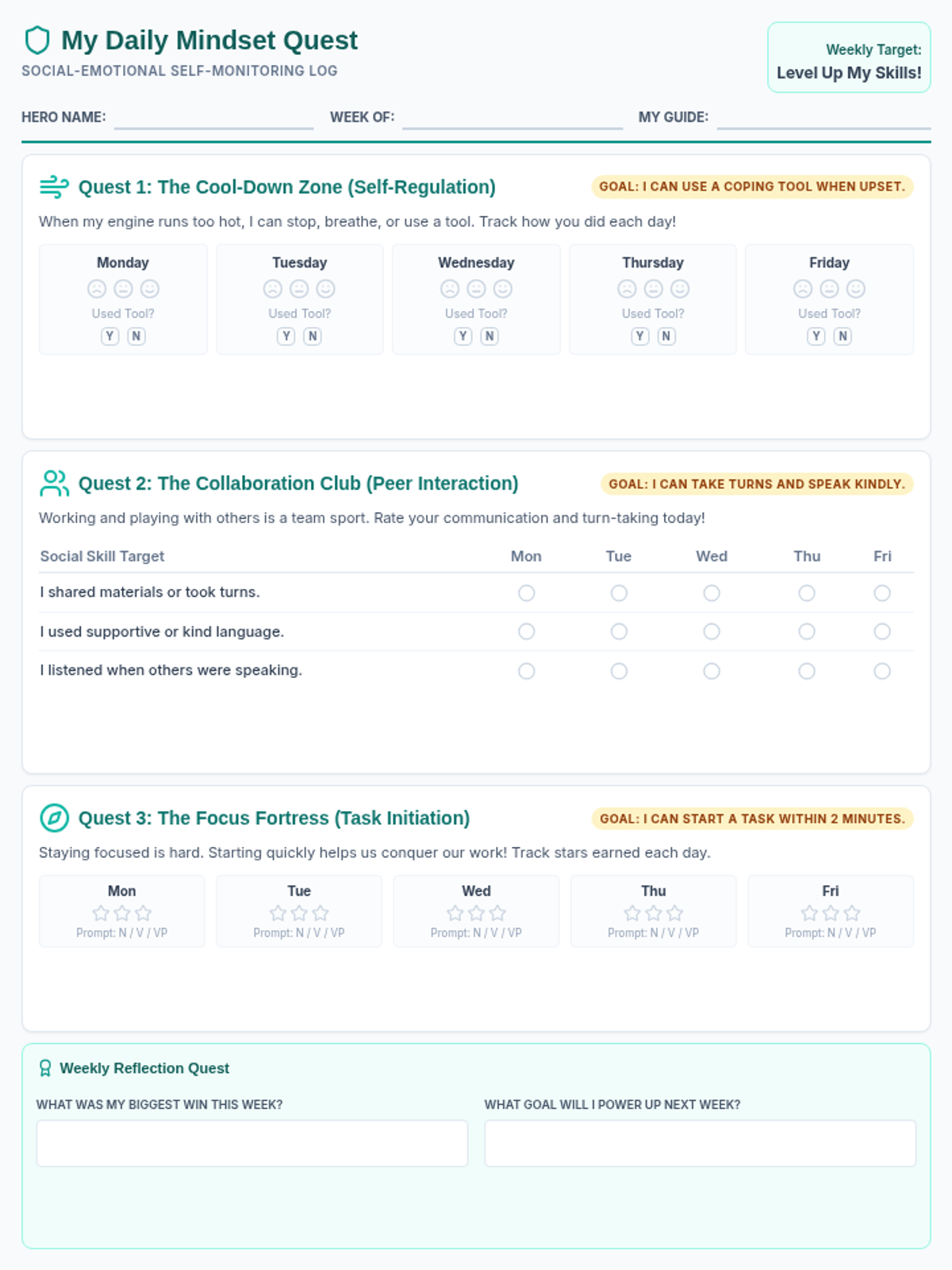
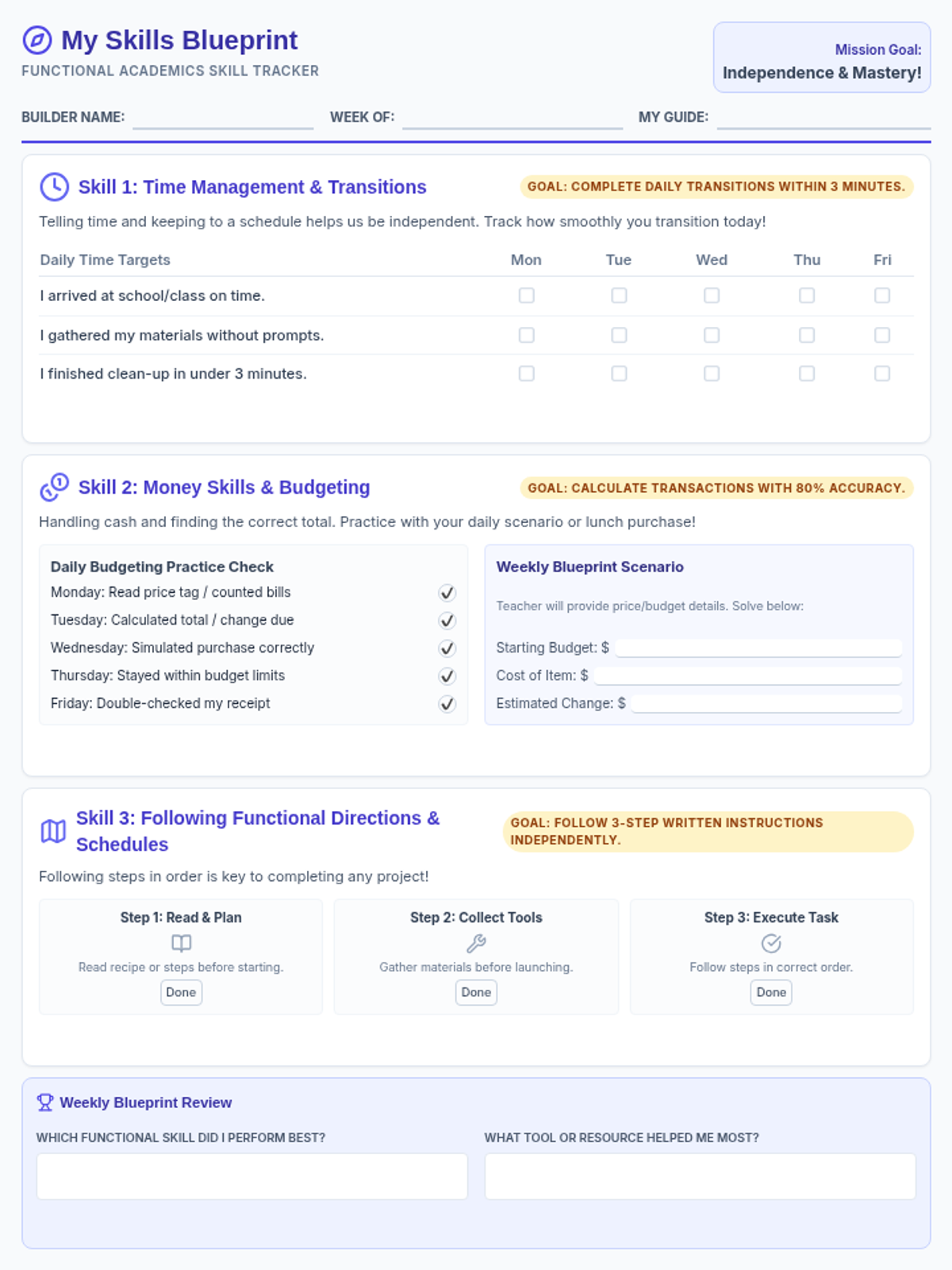
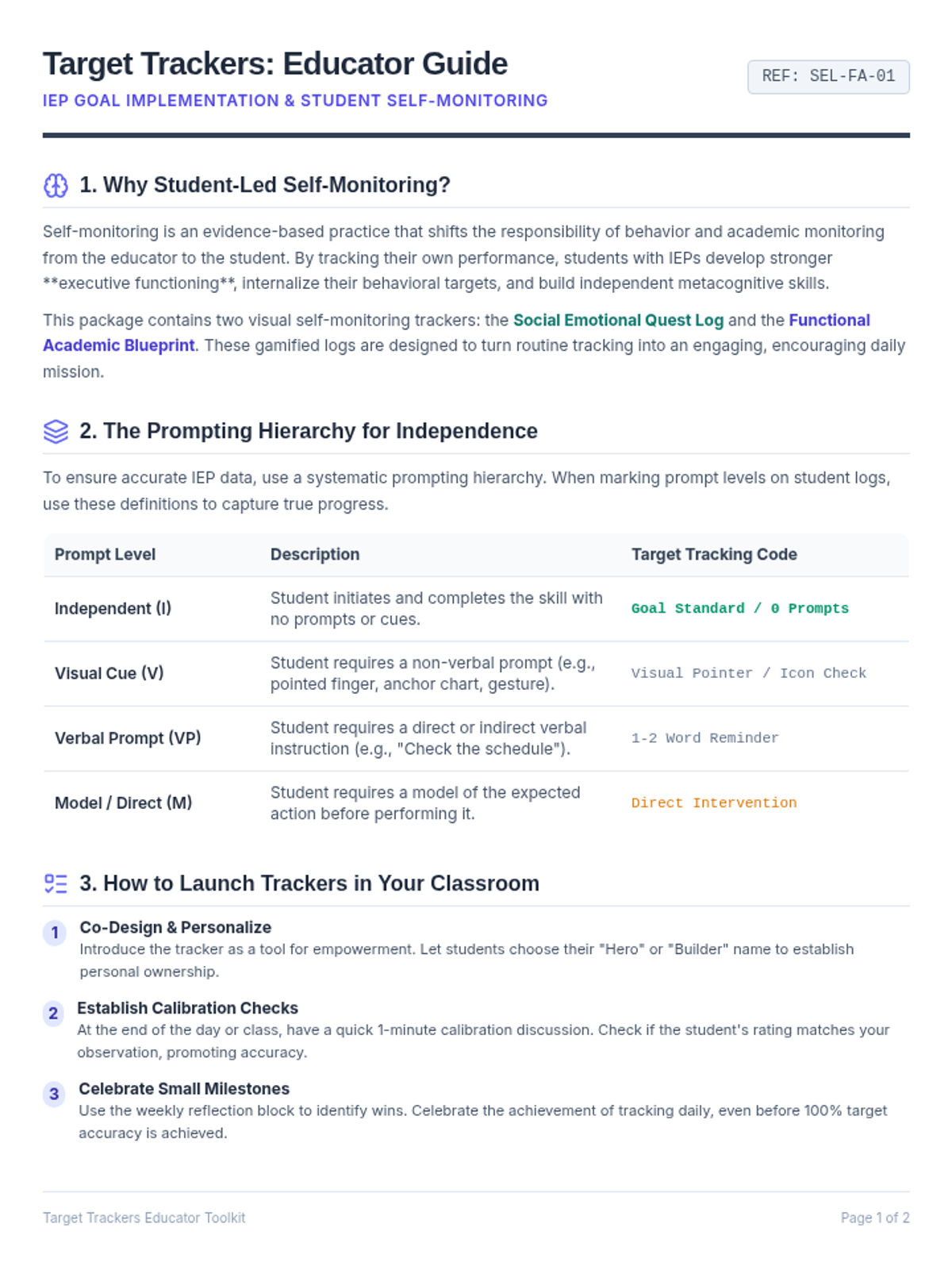
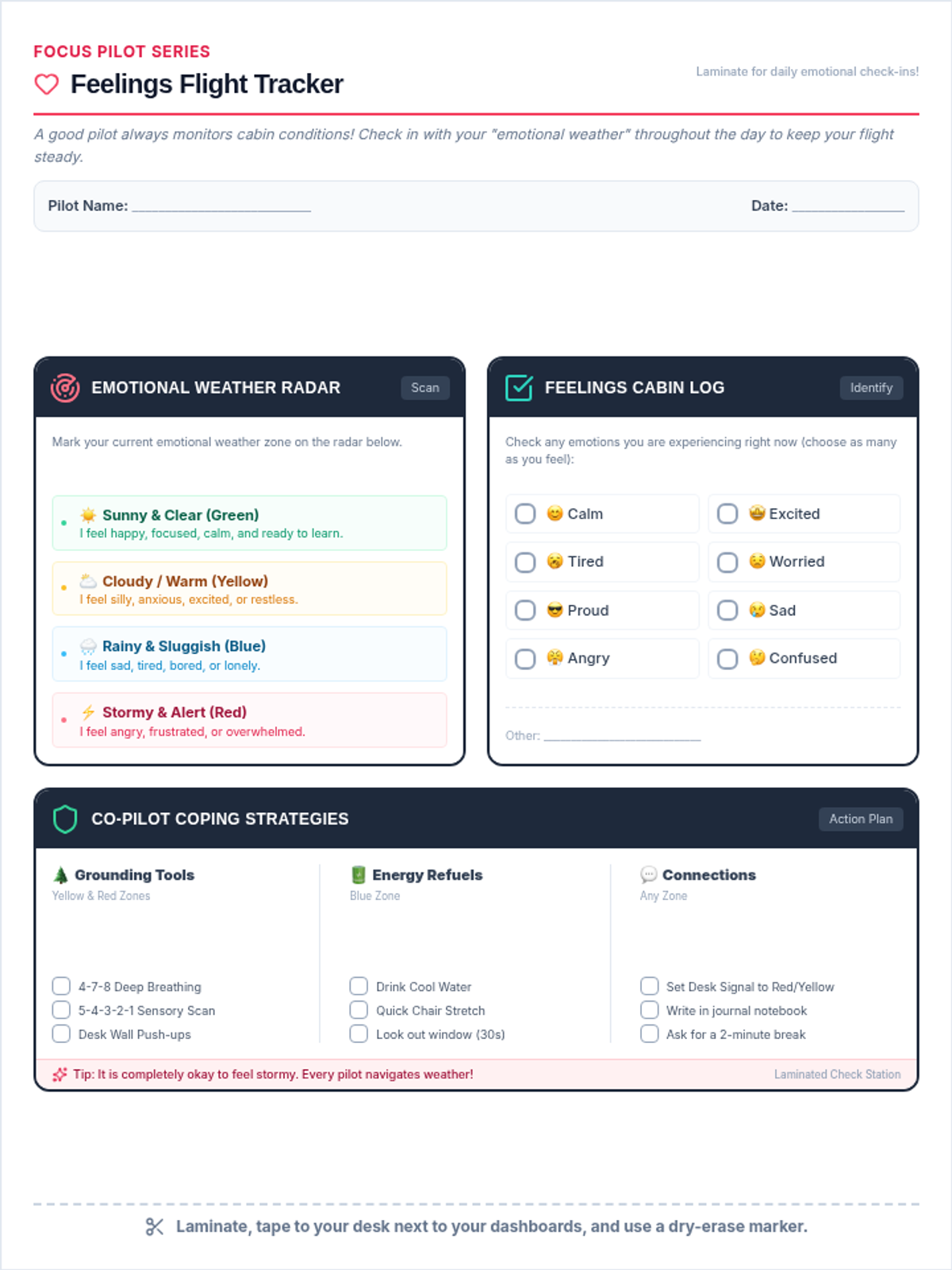
A lesson package containing student self-monitoring trackers and a teacher guide to monitor, collect data, and support common struggling IEP goals in social-emotional skills and functional academics.
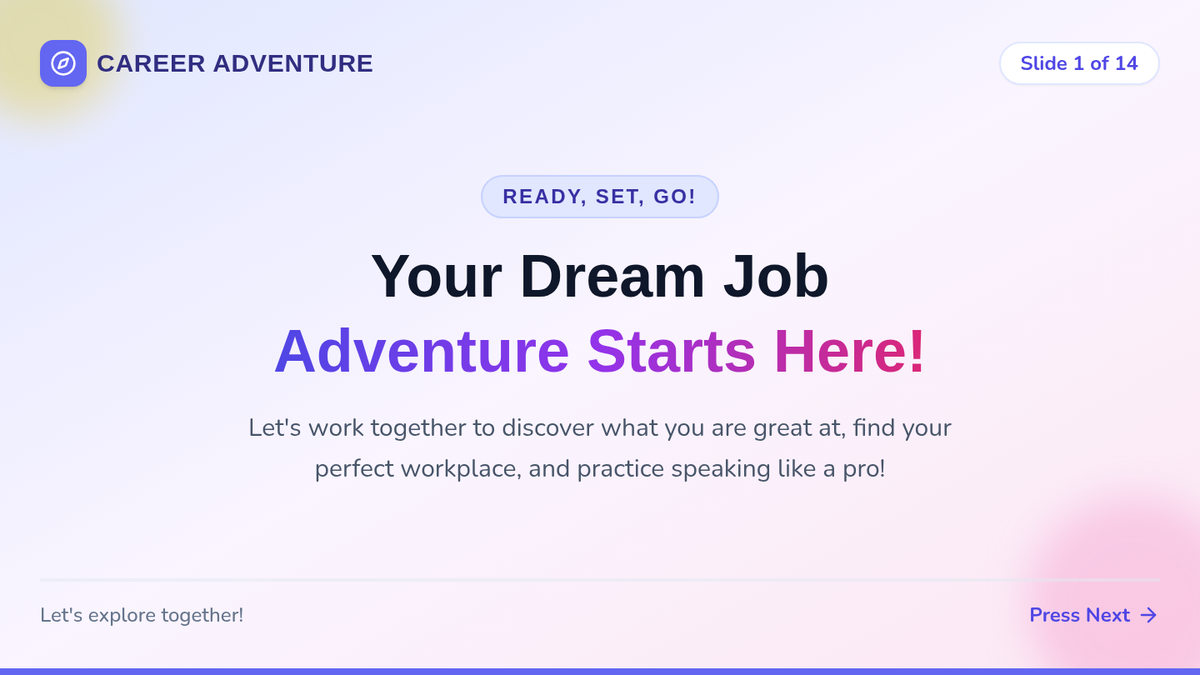
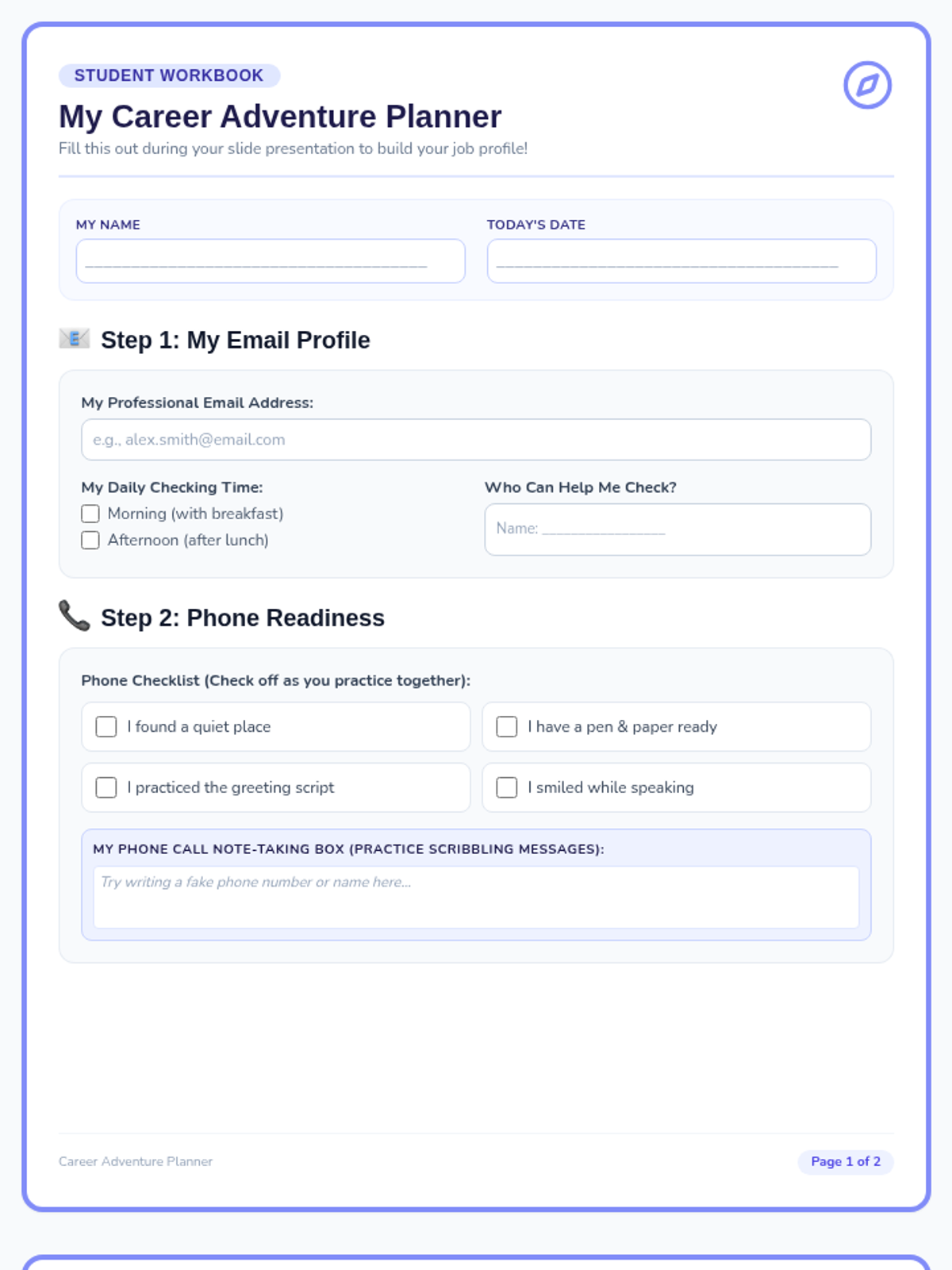
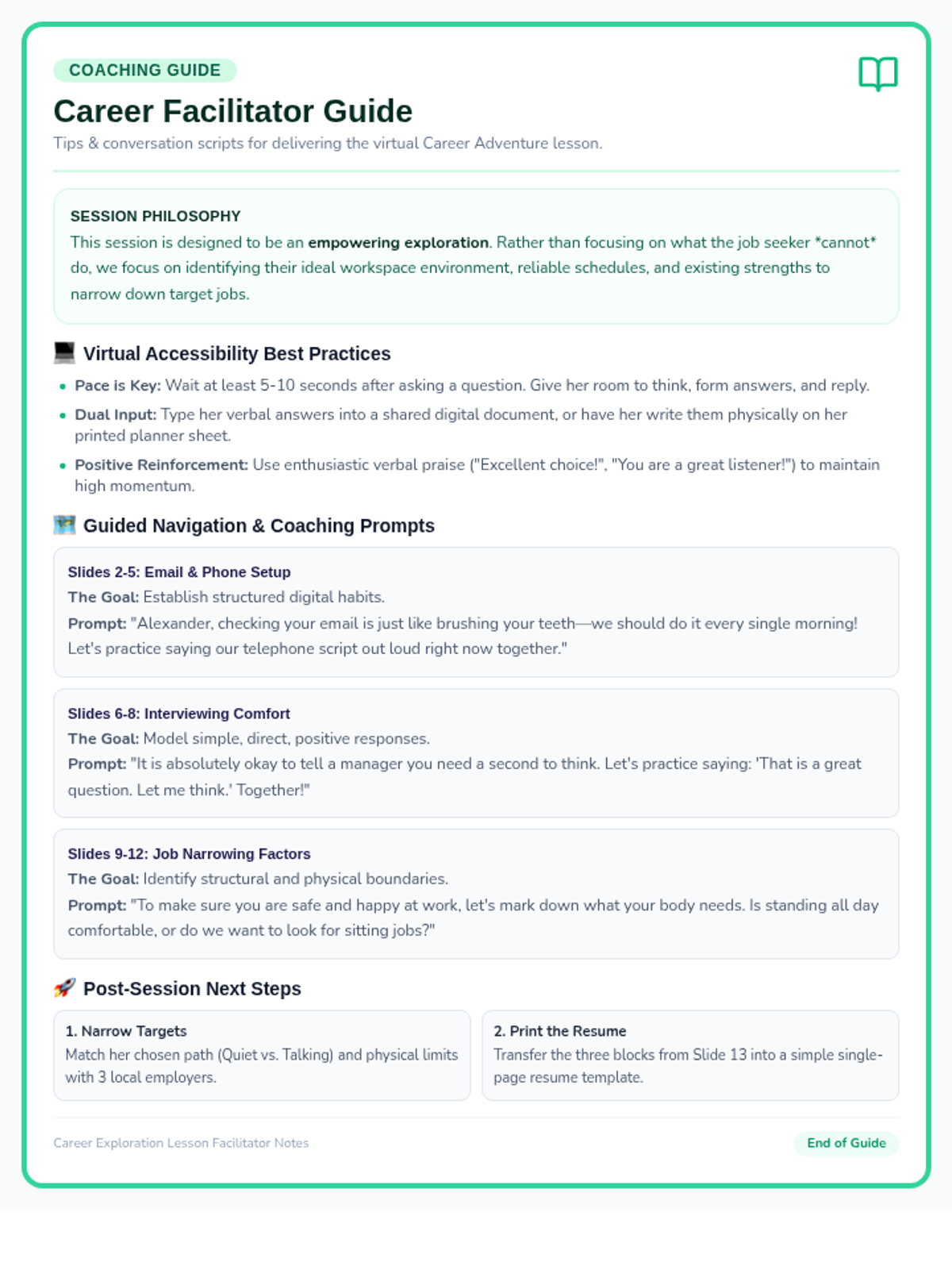
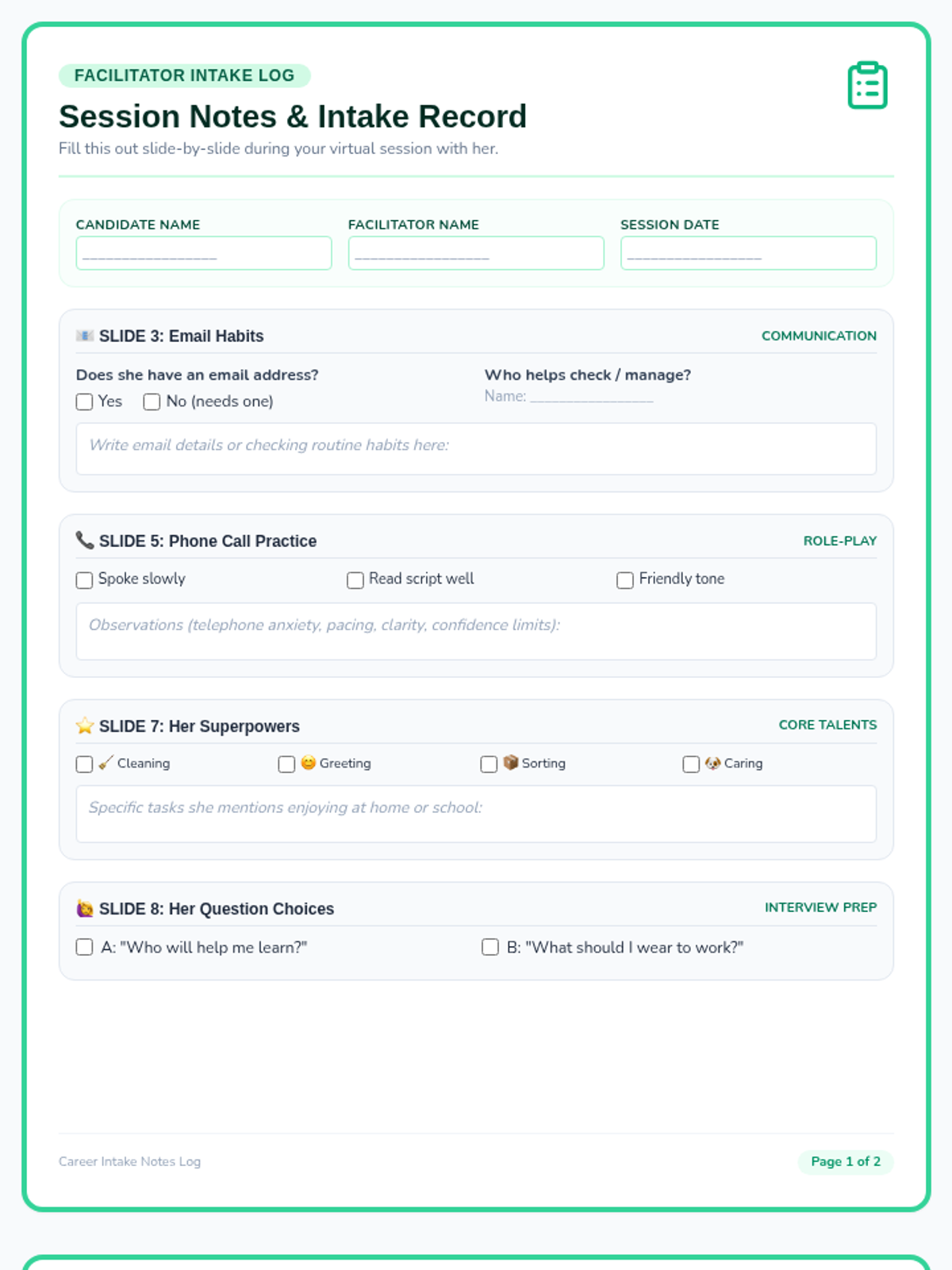
An interactive and visually-supported career preparation lesson designed to help individuals with special needs identify their job preferences, practice communication skills, and prepare for interviews.
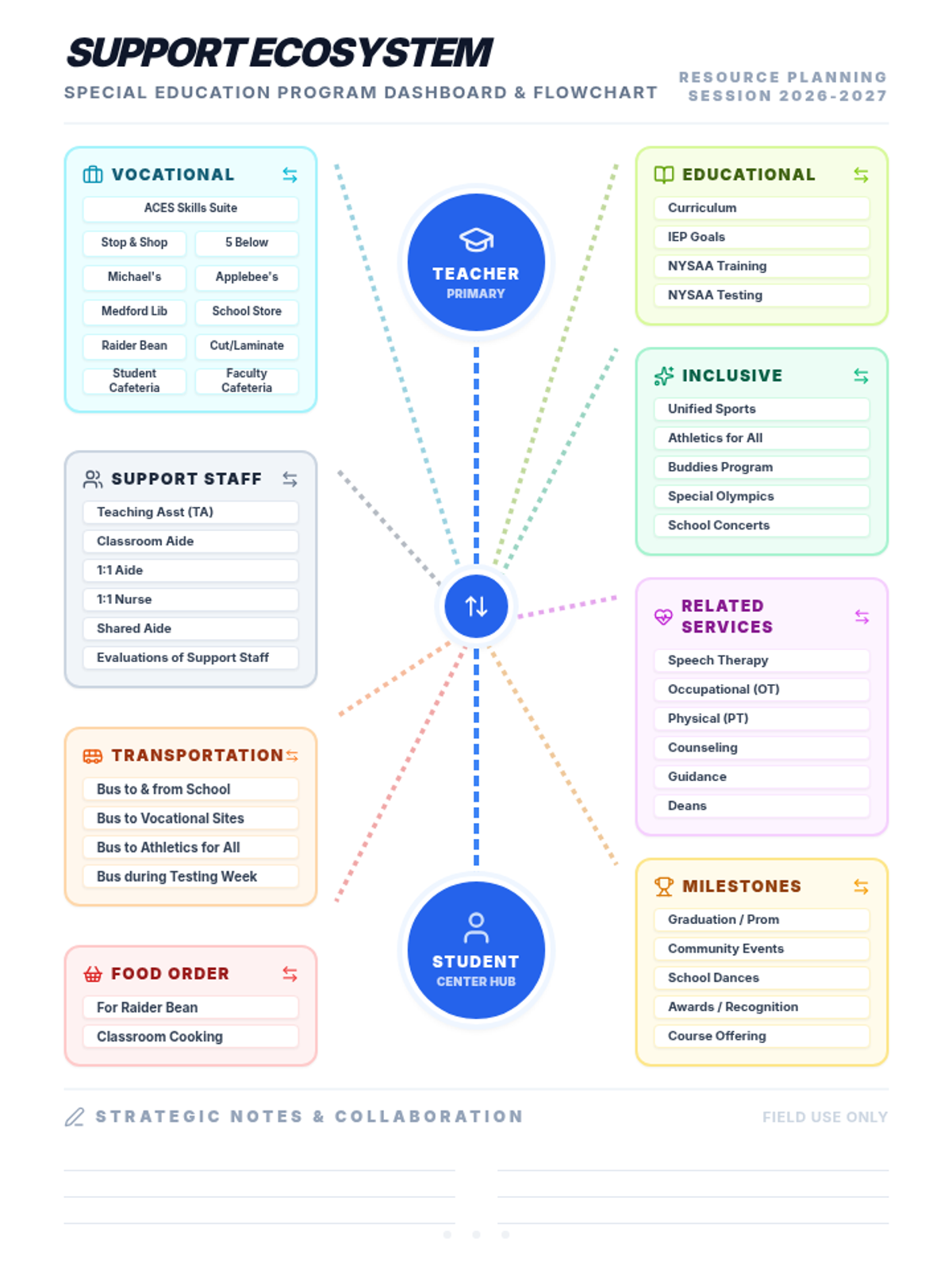
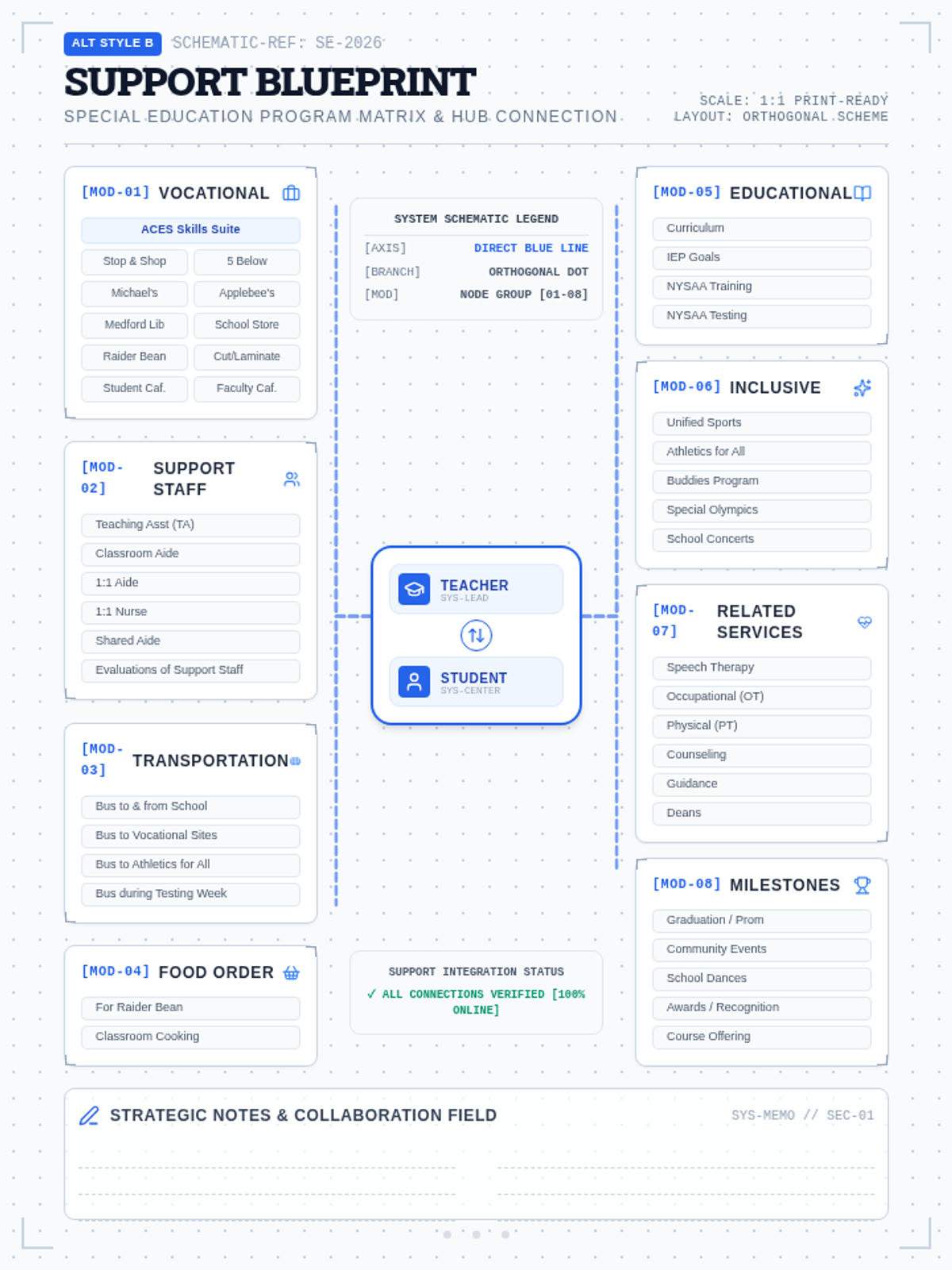
A lesson bundle focusing on the planning and mapping of support networks and educational resources in Special Education programs.
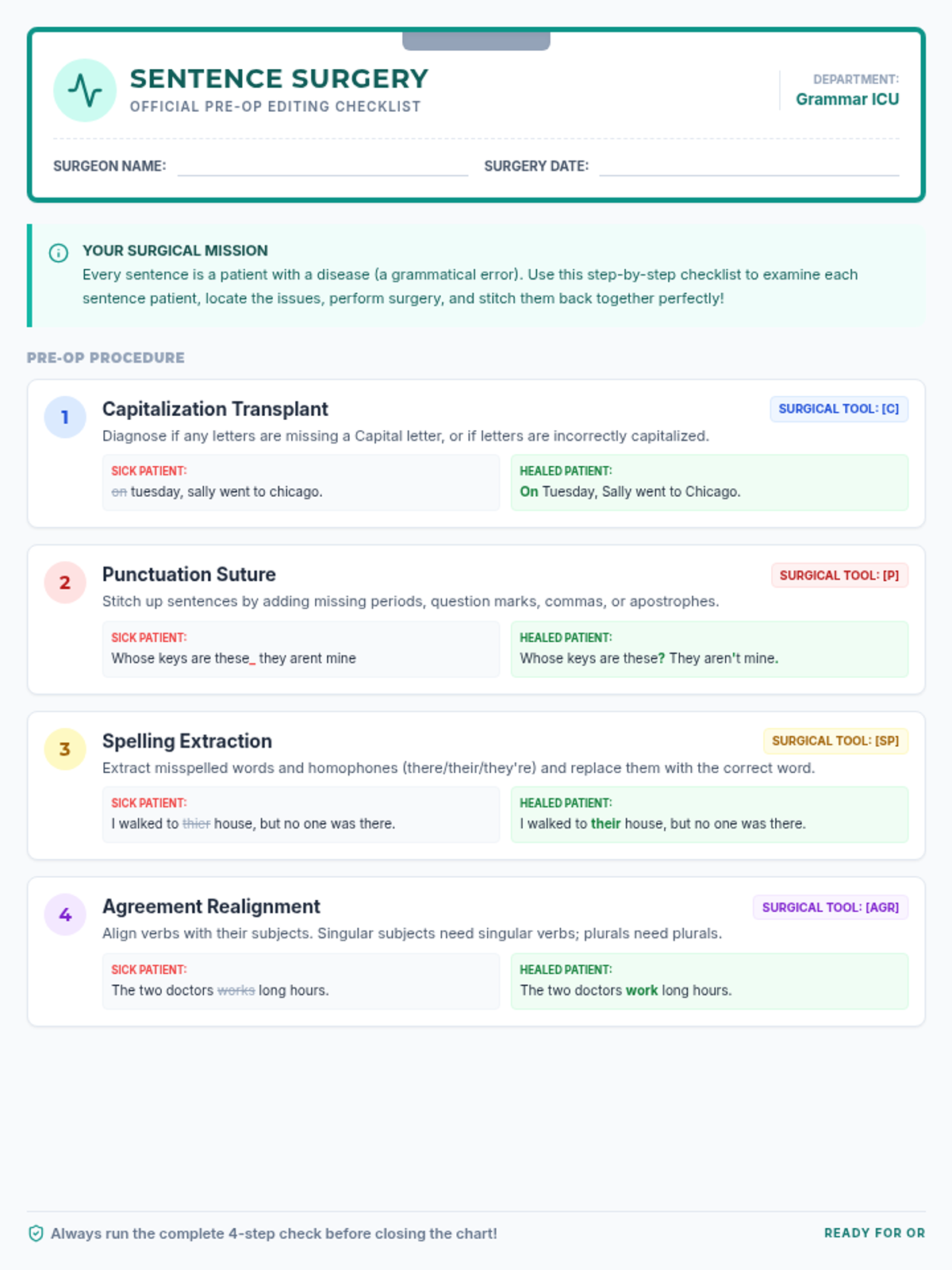
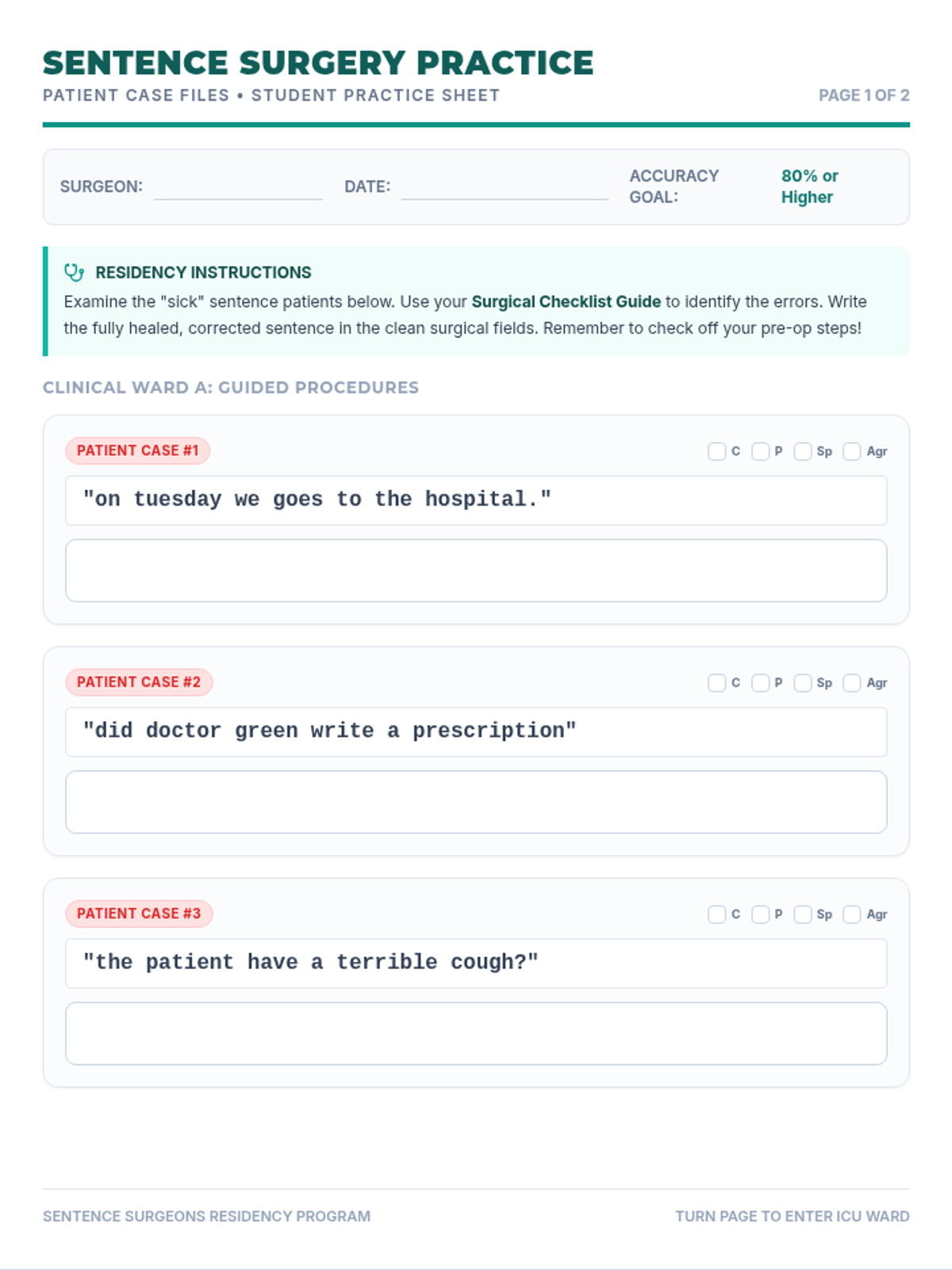
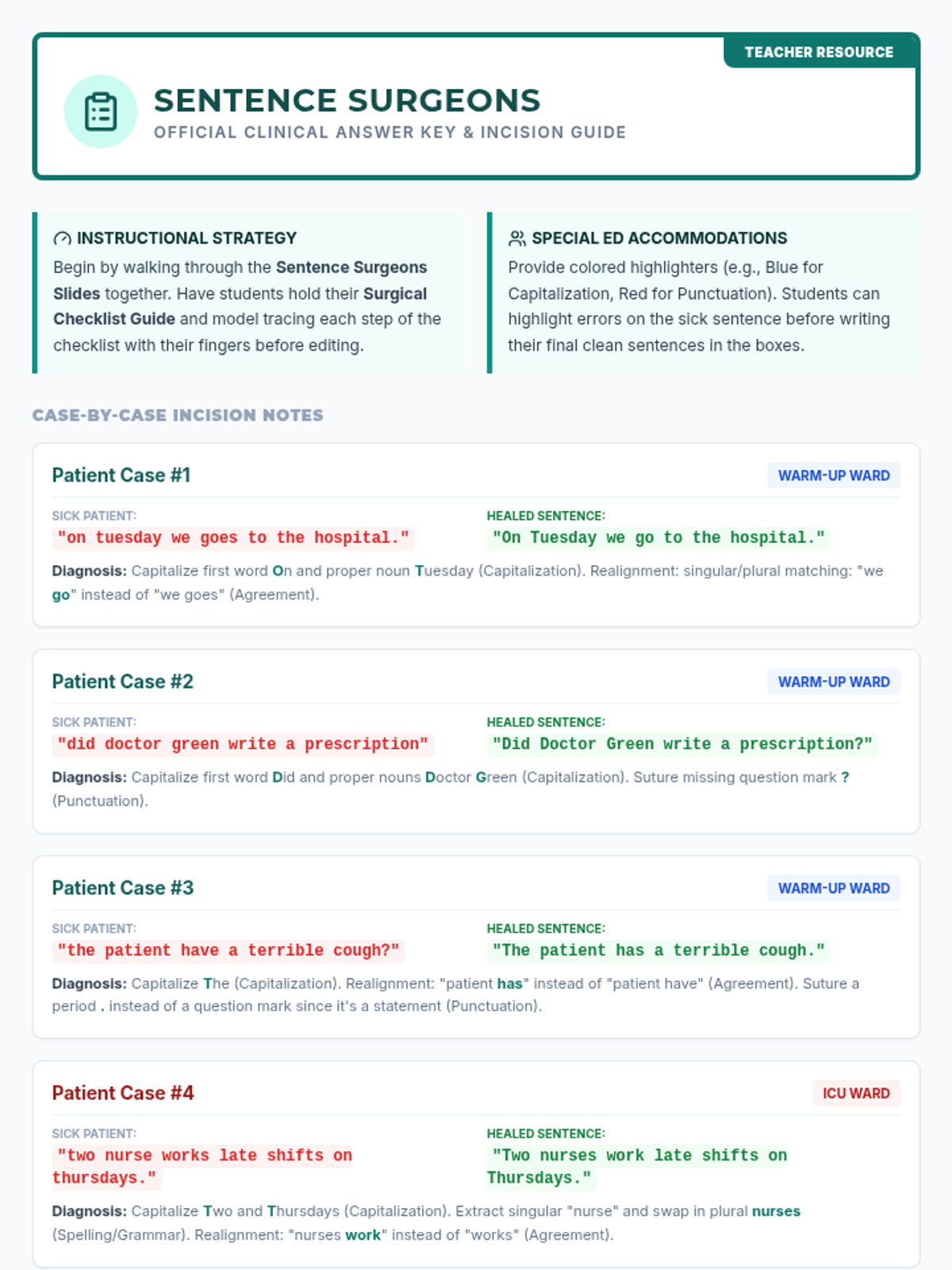
A specialized grammar and mechanics proofreading lesson themed around a medical 'sentence surgery' metaphor. Designed for high school special education, it breaks down mixed error editing into concrete, scaffolded steps using a visual surgical checklist and hands-on practice.
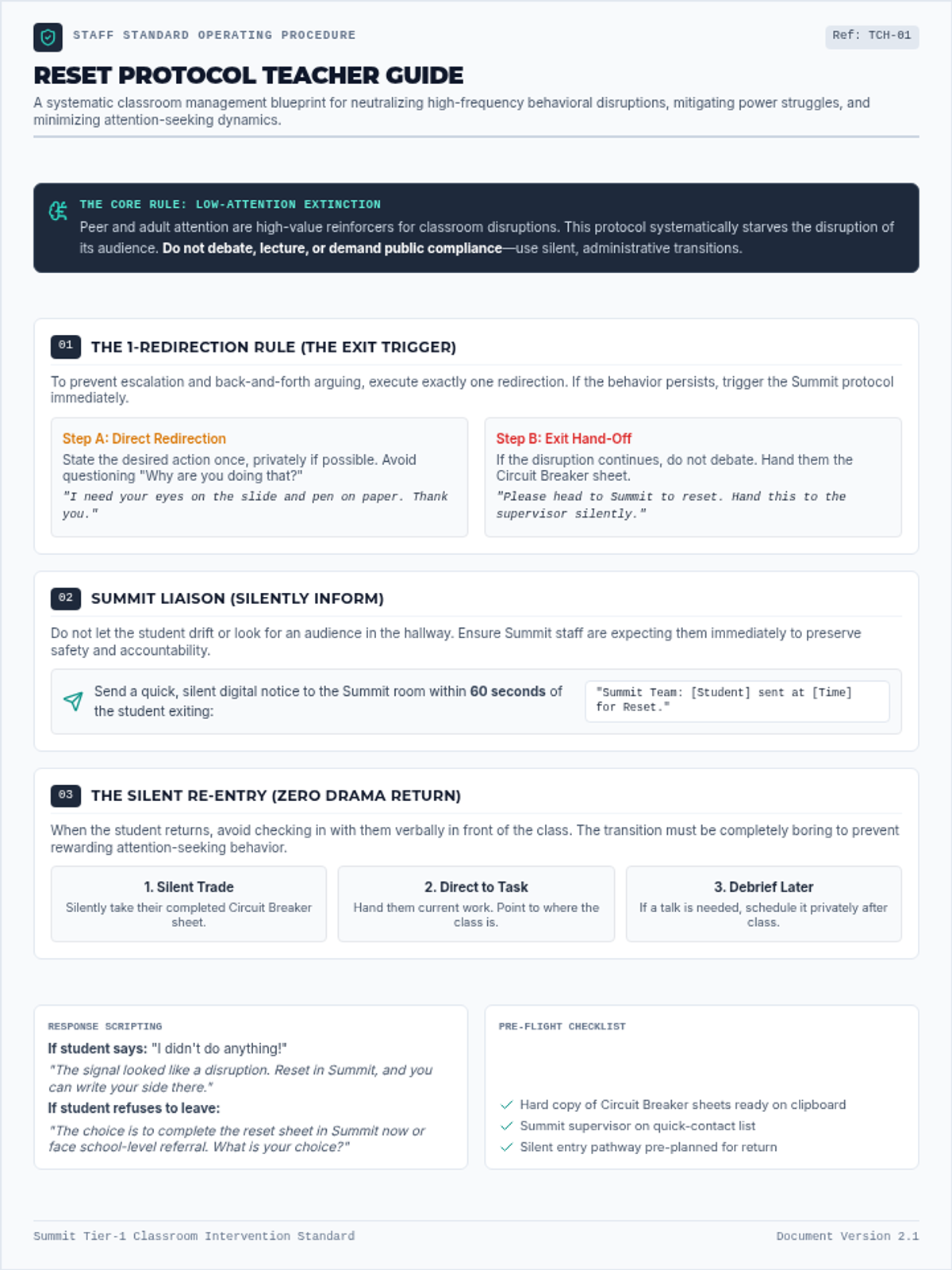
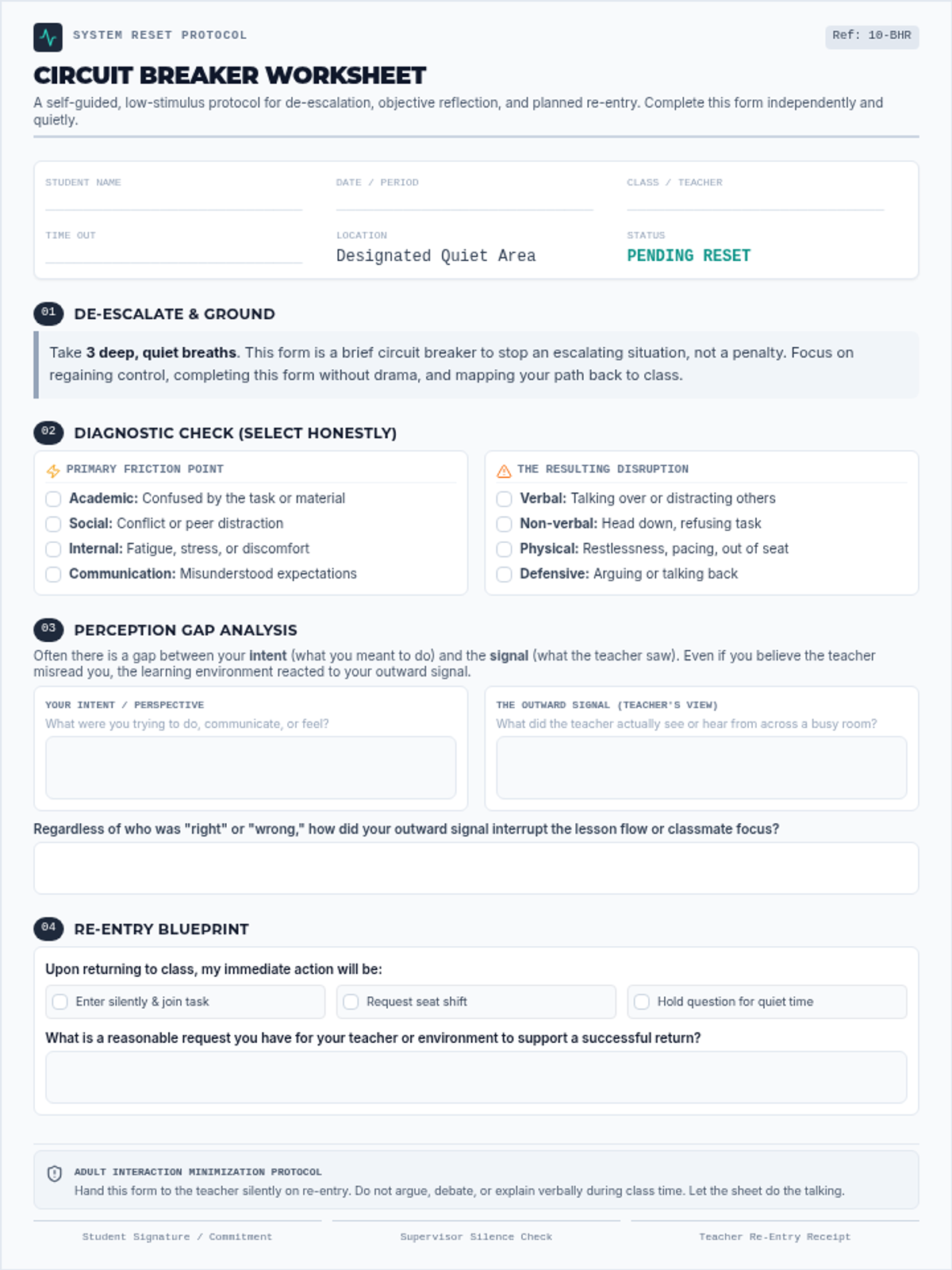
A systematic classroom management lesson consisting of a self-guided student worksheet and a teacher protocol guide, designed to manage high school behavioral disruptions with low-stimulus interventions.
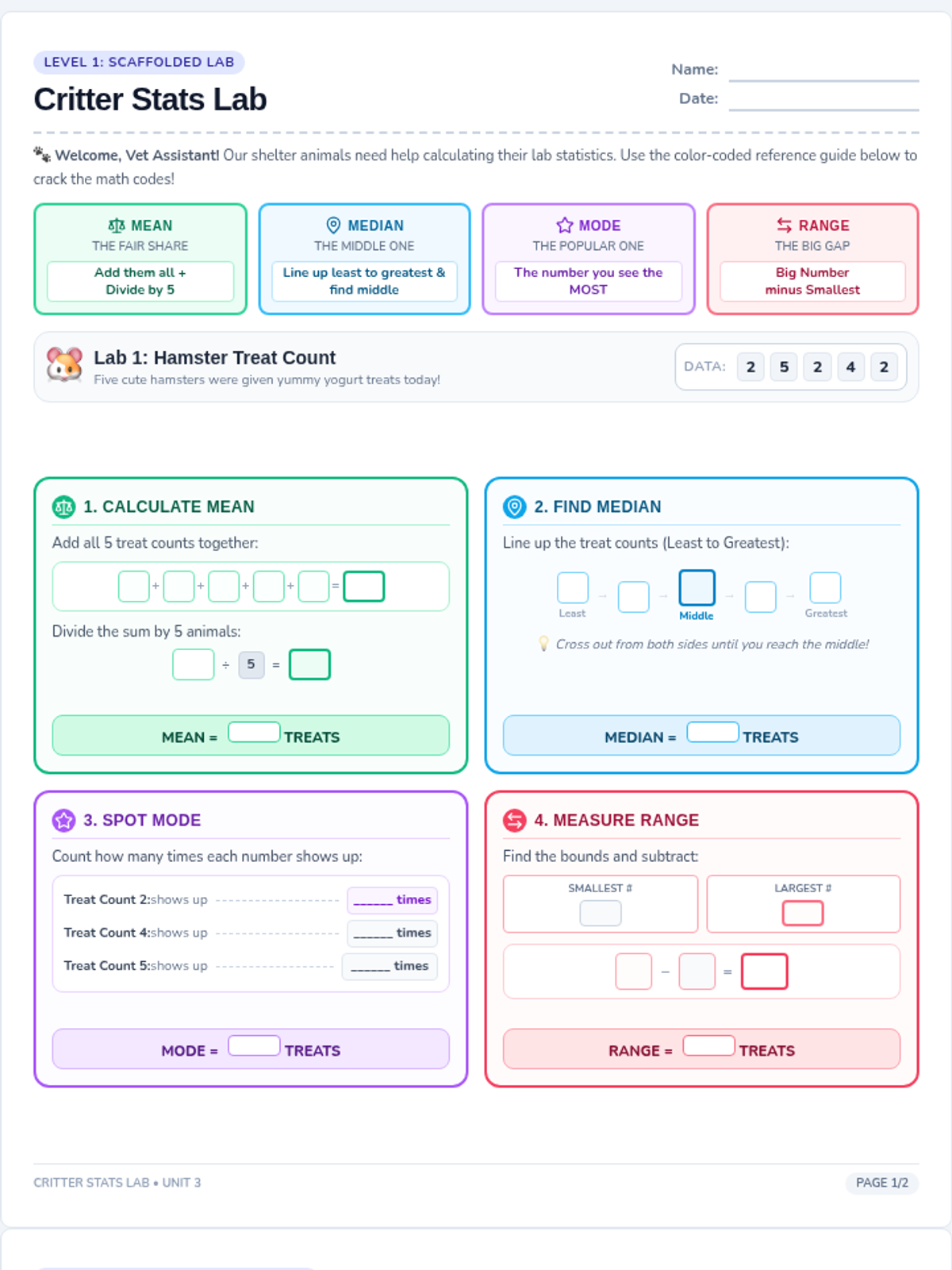
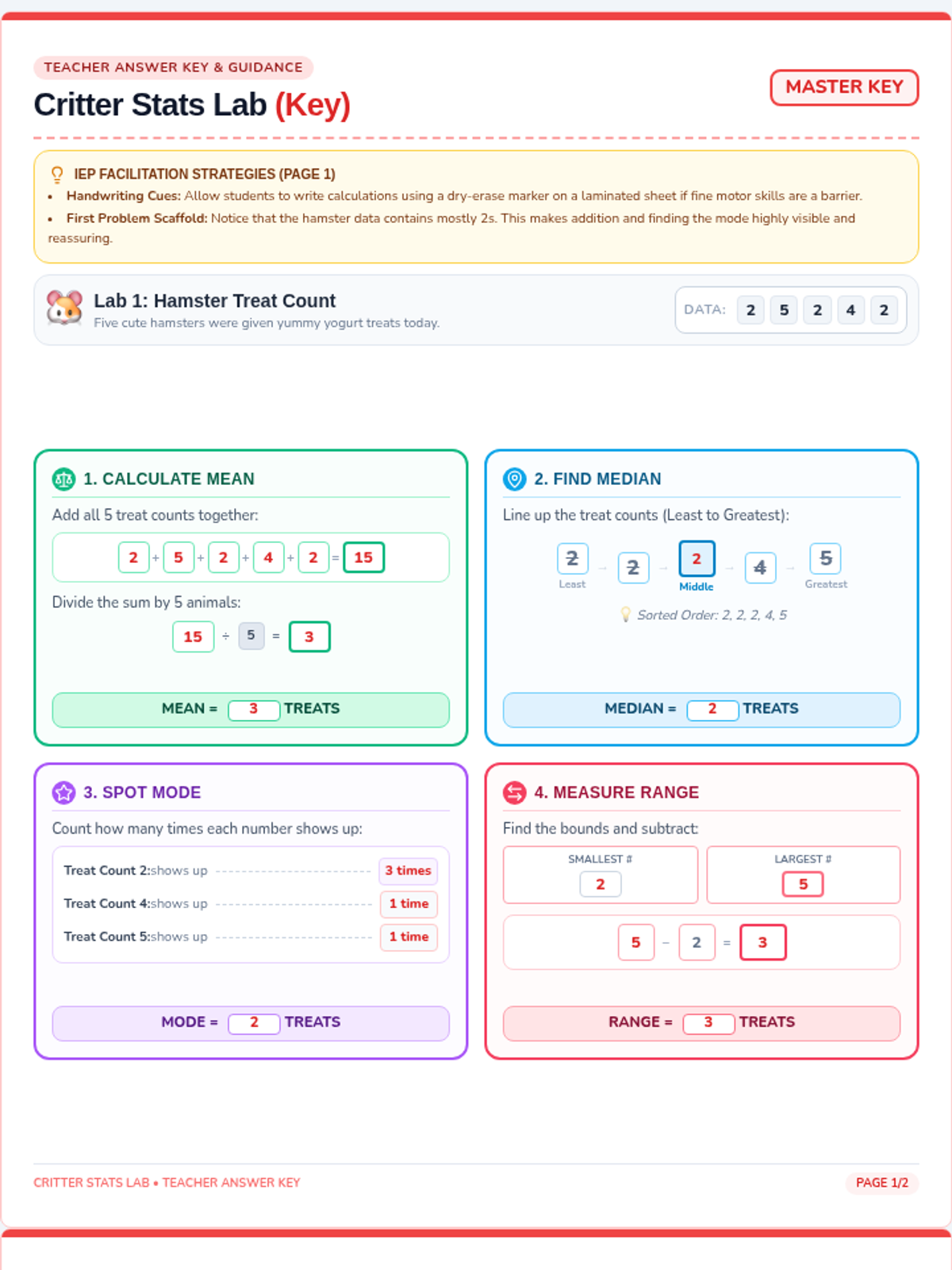
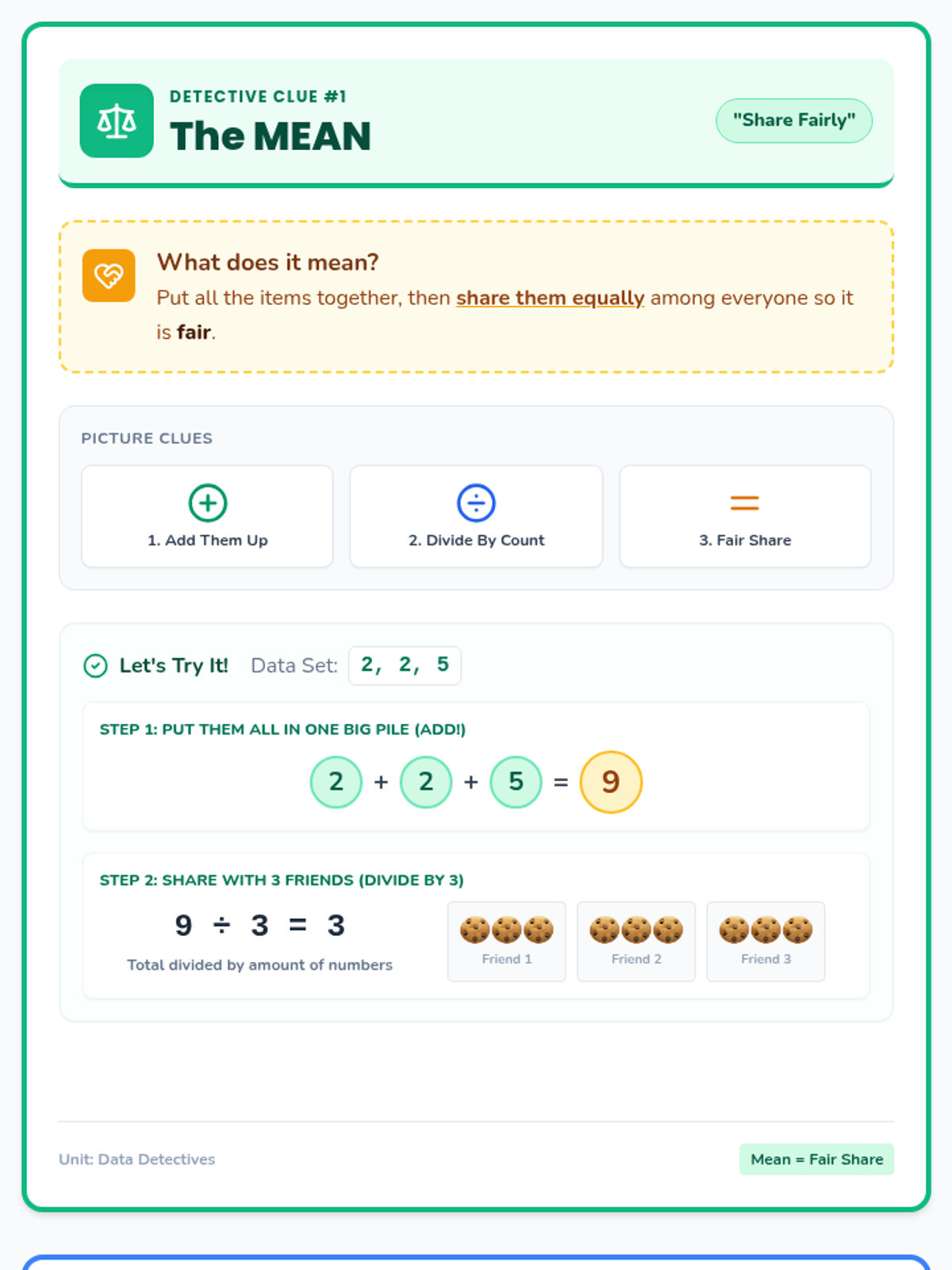
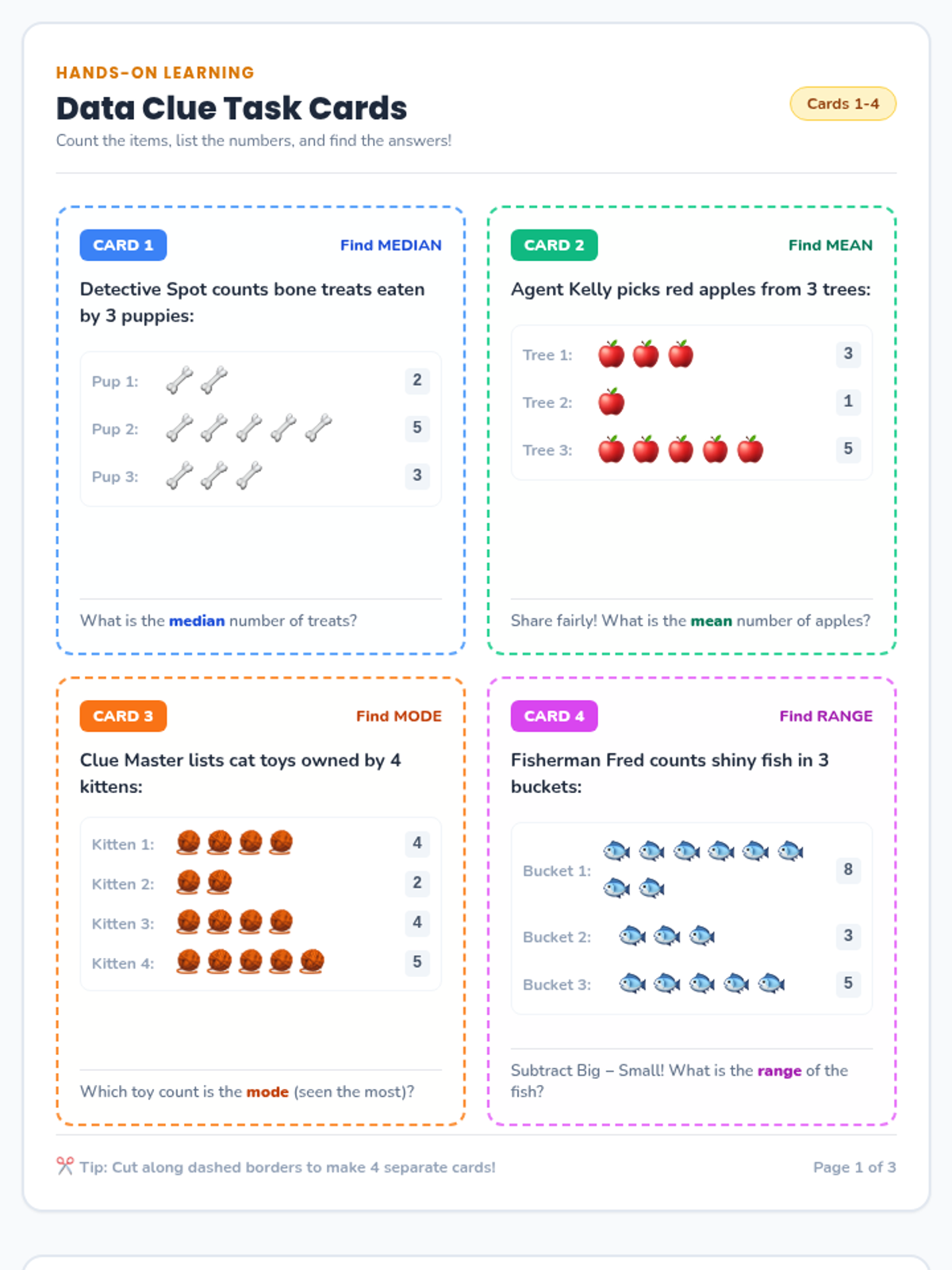
A highly visual, color-coded math lesson introducing mean, median, mode, and range to IEP students using adorable pet shelter statistics. Highly structured layout with minimal text density and supportive visual cues.
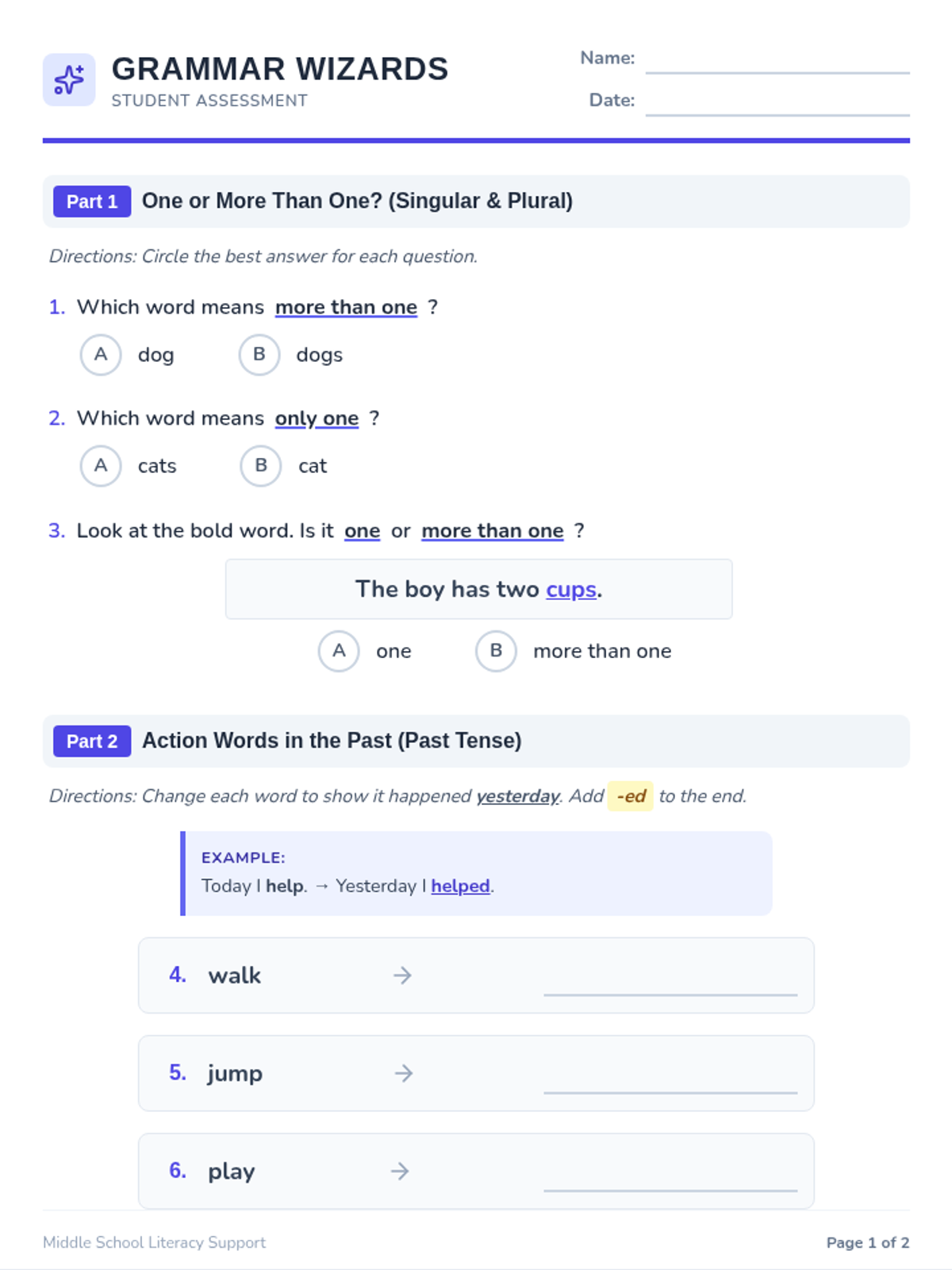
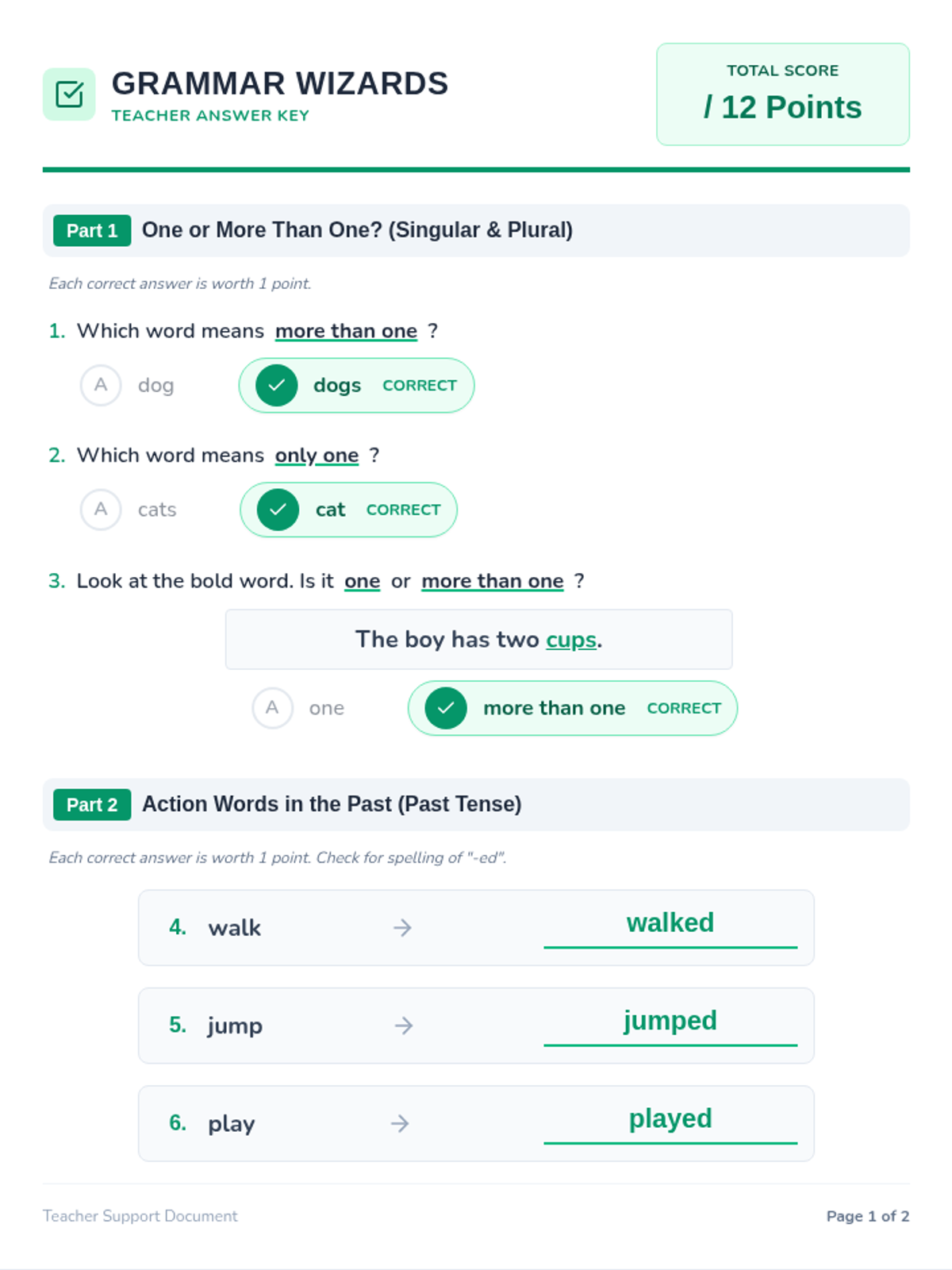
A grammar assessment designed for middle school students in a self-contained classroom reading at a first-grade level. The quiz covers past-tense verbs, common/proper nouns, singular/plural nouns, and identifying parts of speech (noun, verb, adjective) in simple context, complete with a teacher answer key.
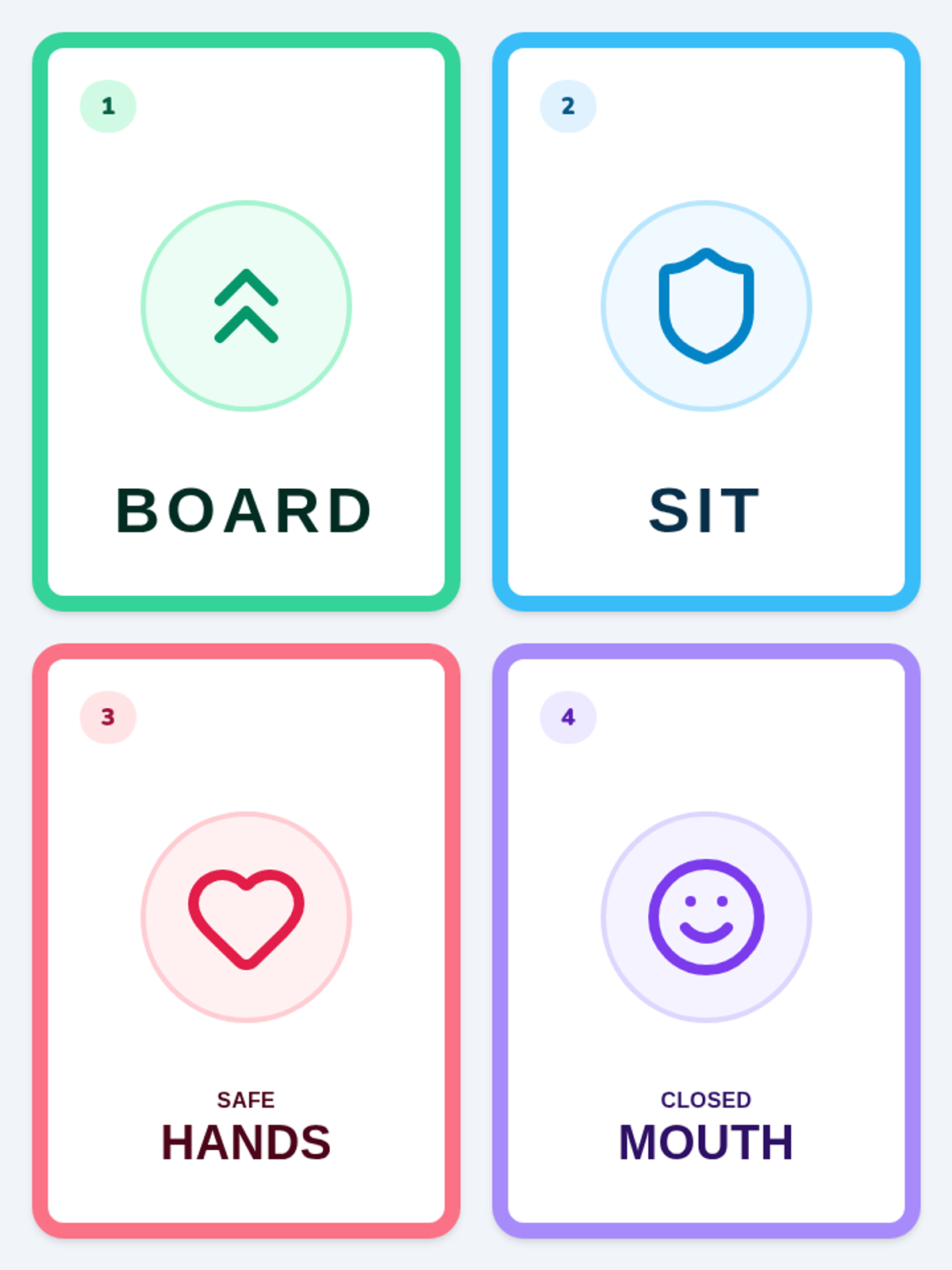
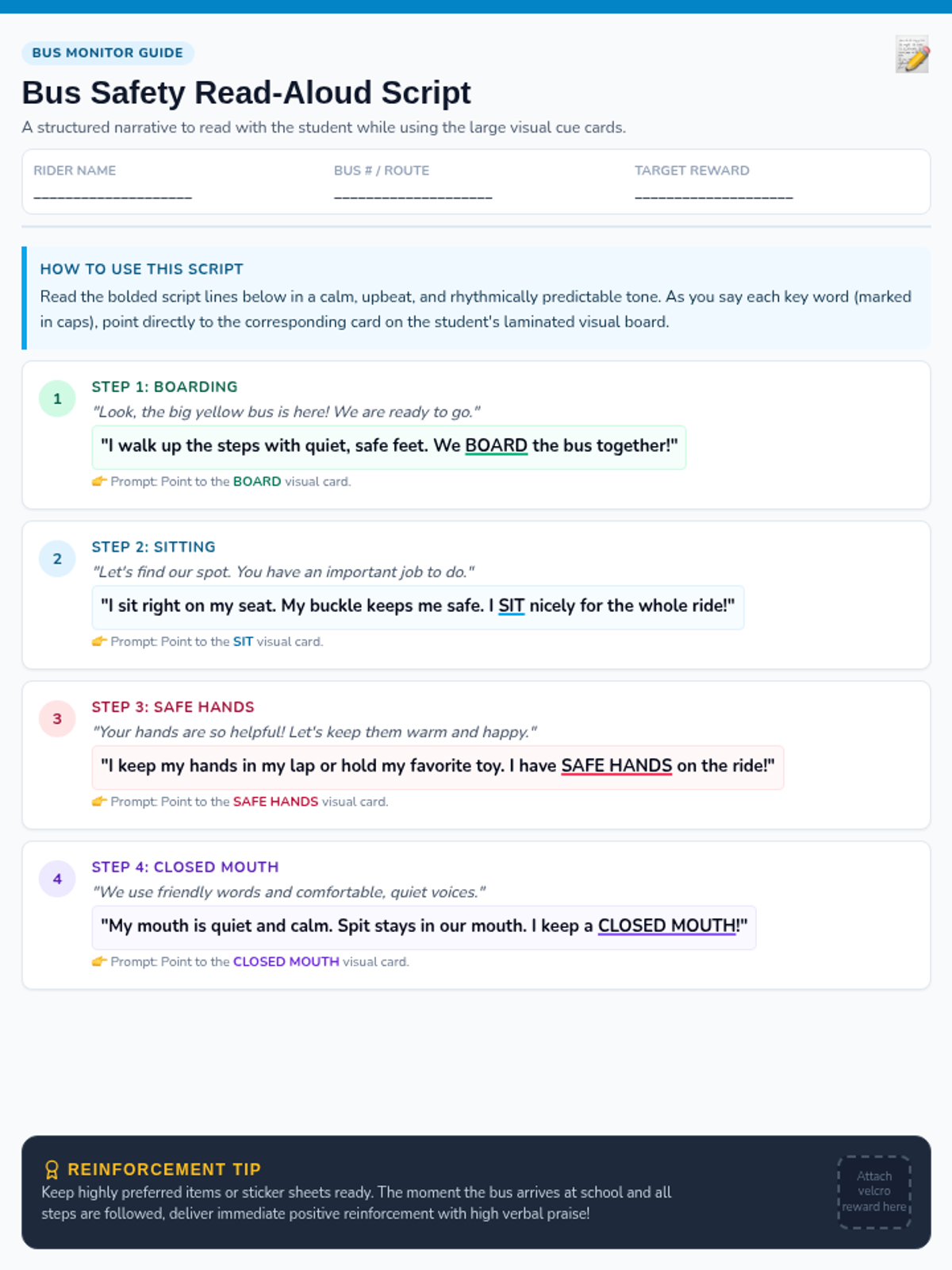
A structured visual and narrative routine designed to support a kindergarten student with severe special needs in riding the bus safely. Features a dedicated monitor read-aloud script and highly focused, large-format visual cue cards.
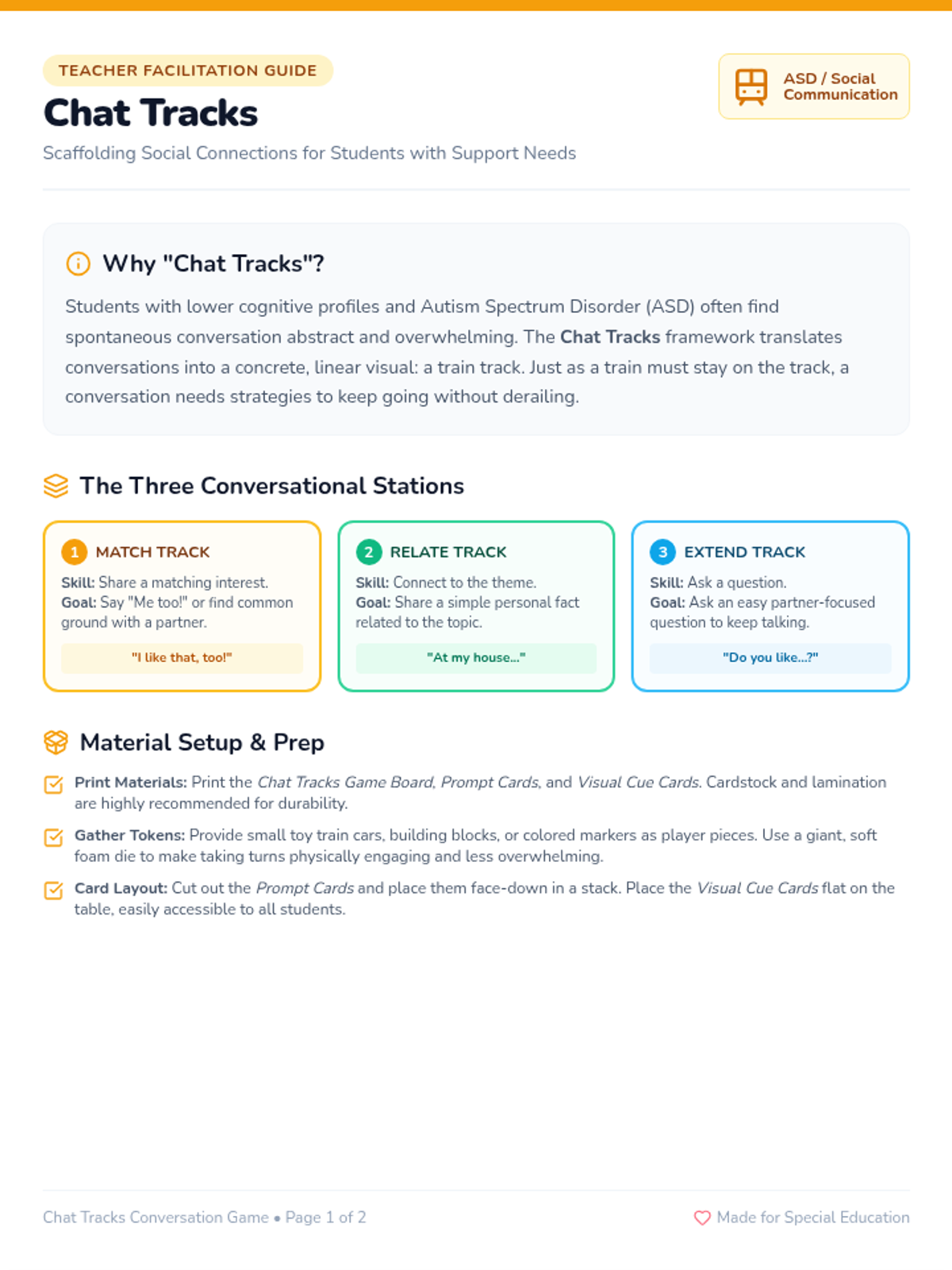
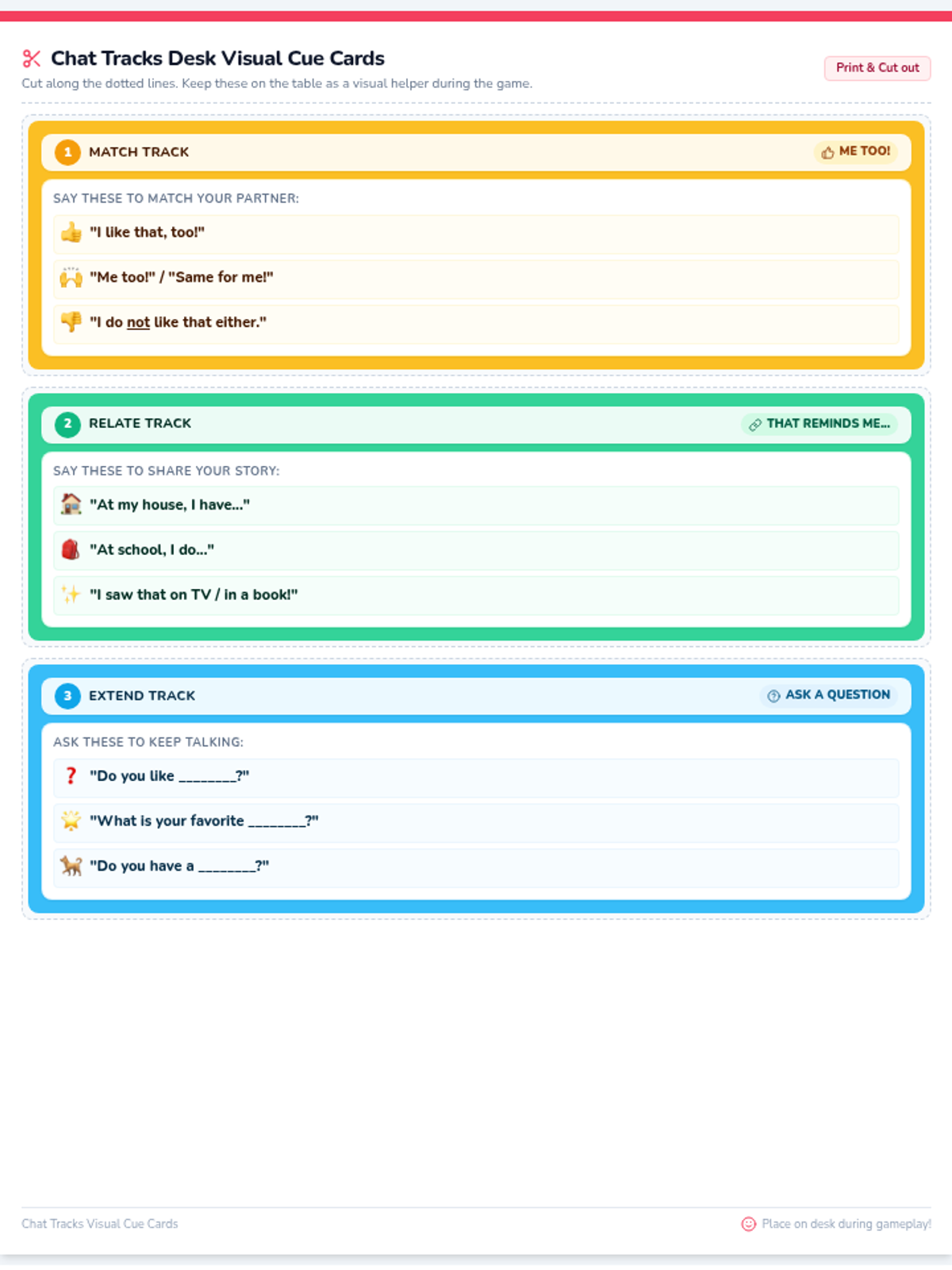
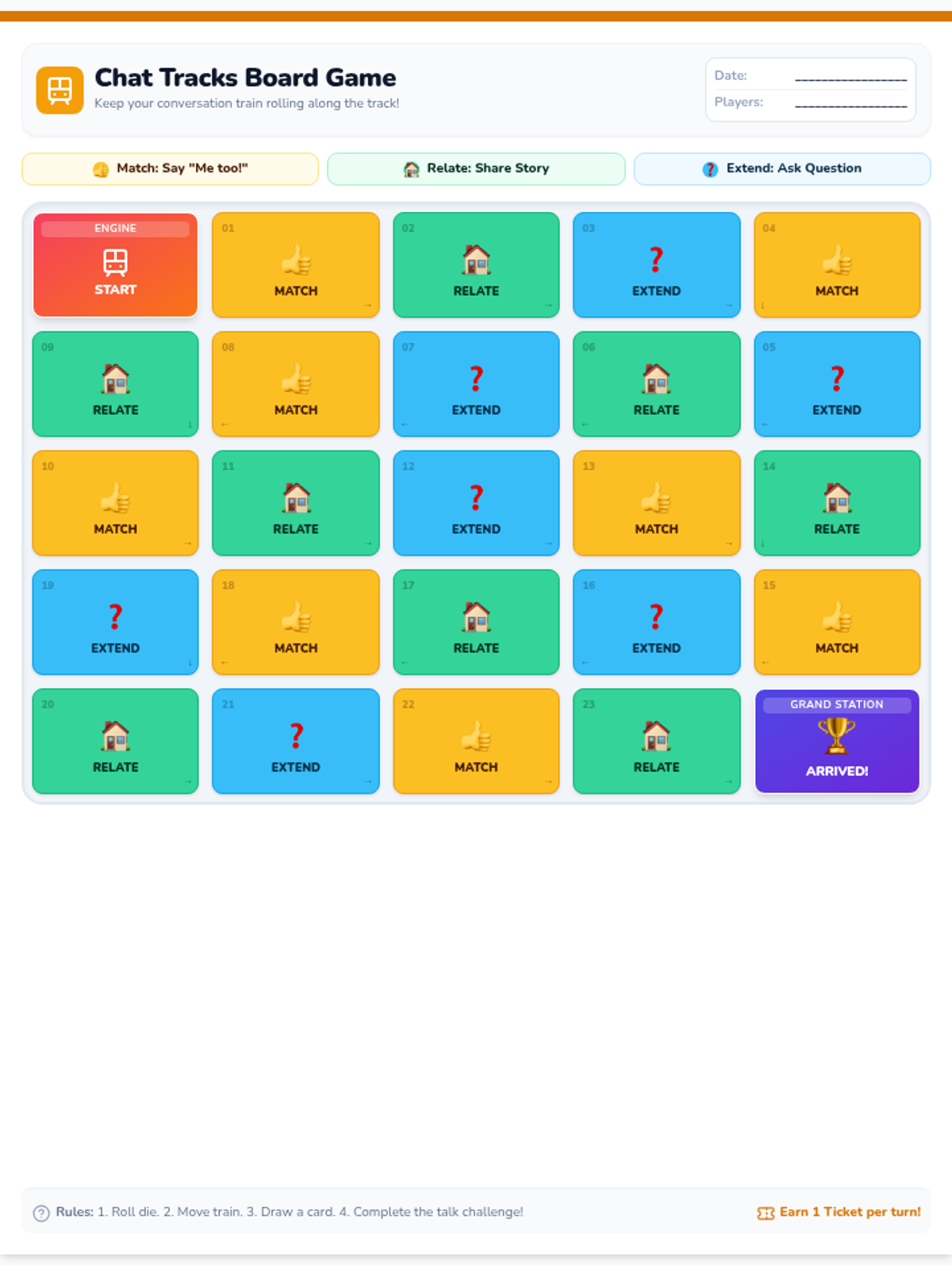
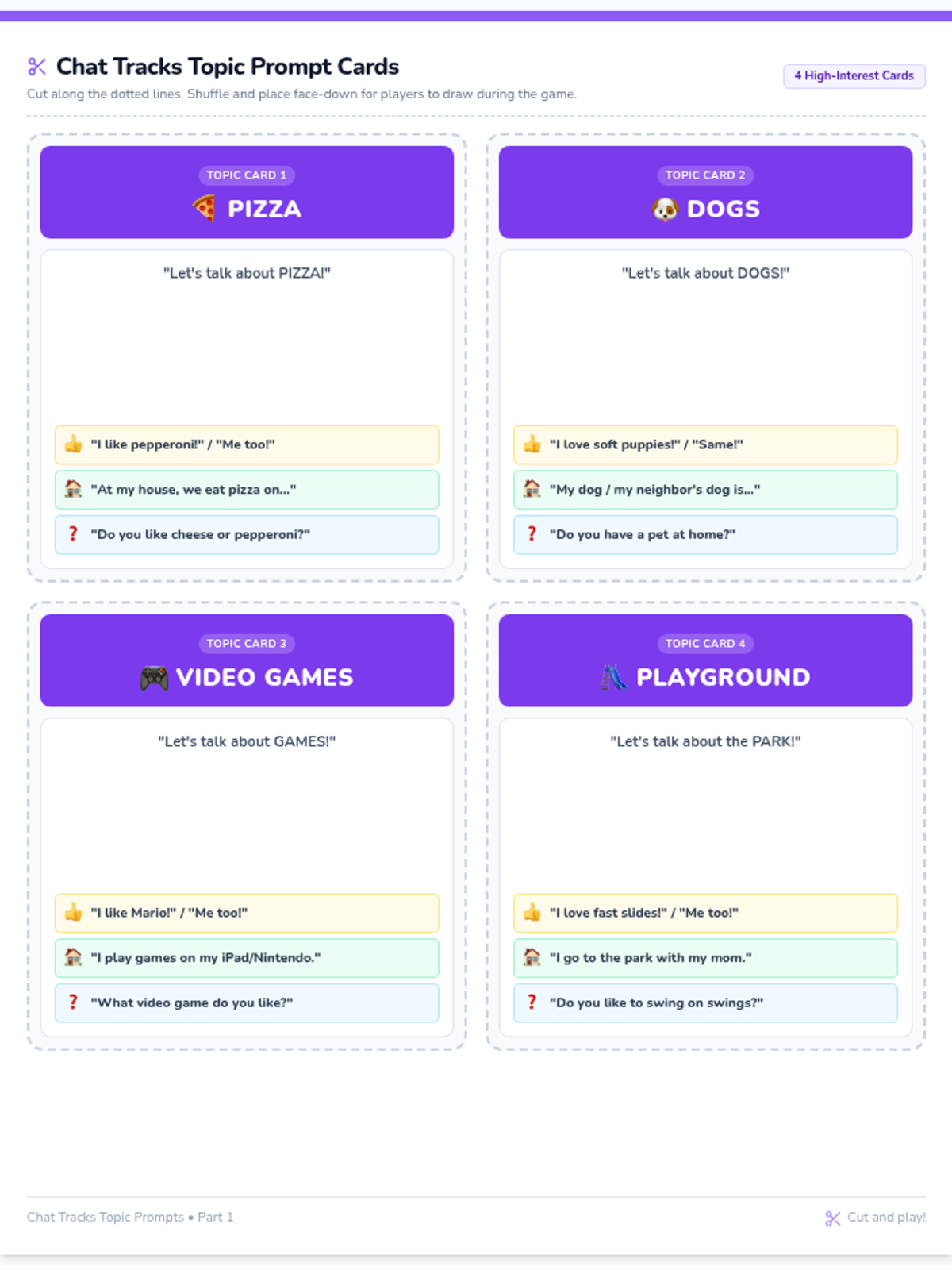
A structured, visual-first conversational game designed for speech therapists, special education teachers, and paraprofessionals to support low-cognitive students with Autism Spectrum Disorder (ASD). The lesson uses a concrete train-track motif to scaffold three essential conversational skills: sharing matching interests, relating to topics, and extending dialogue.
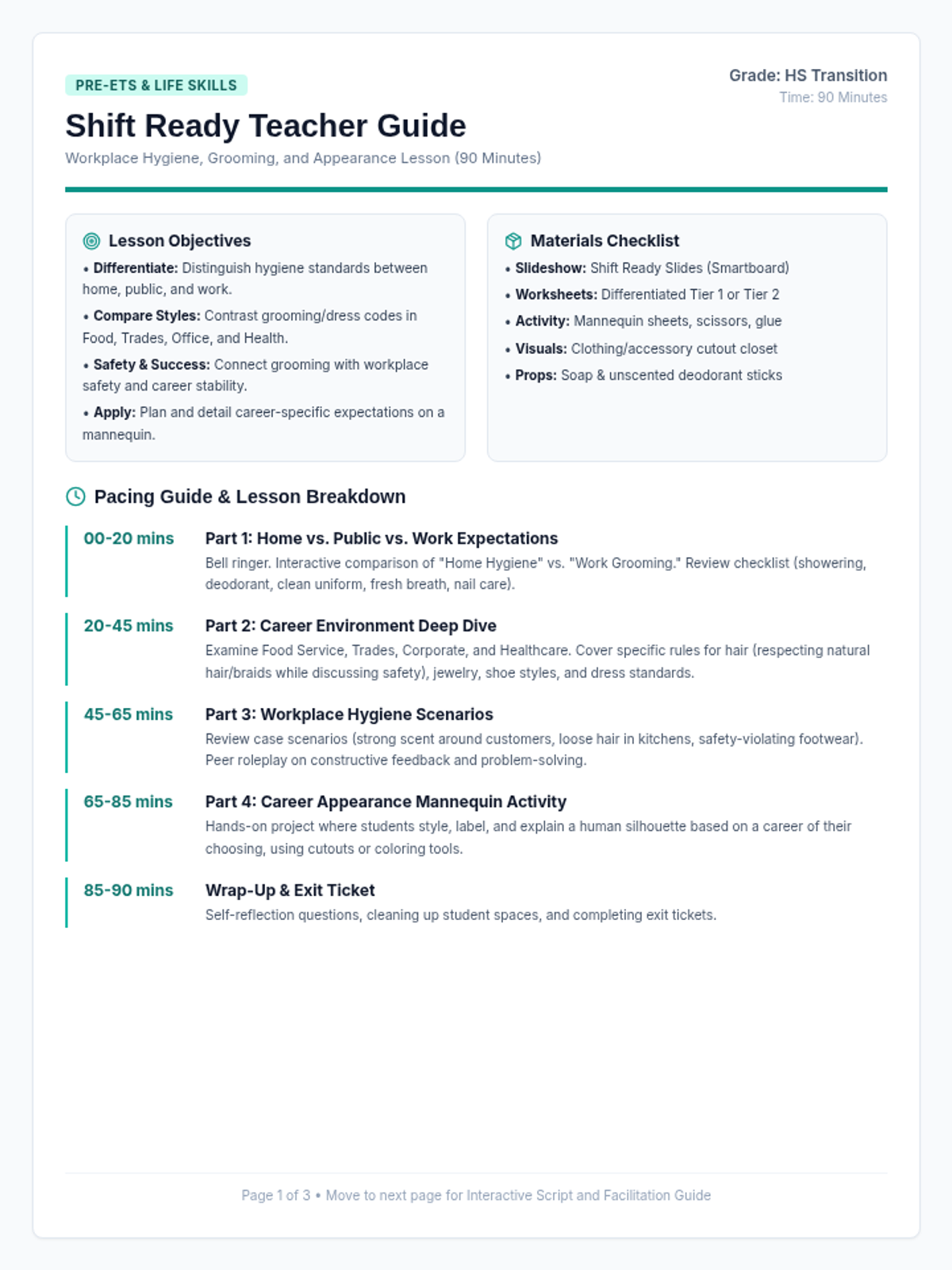
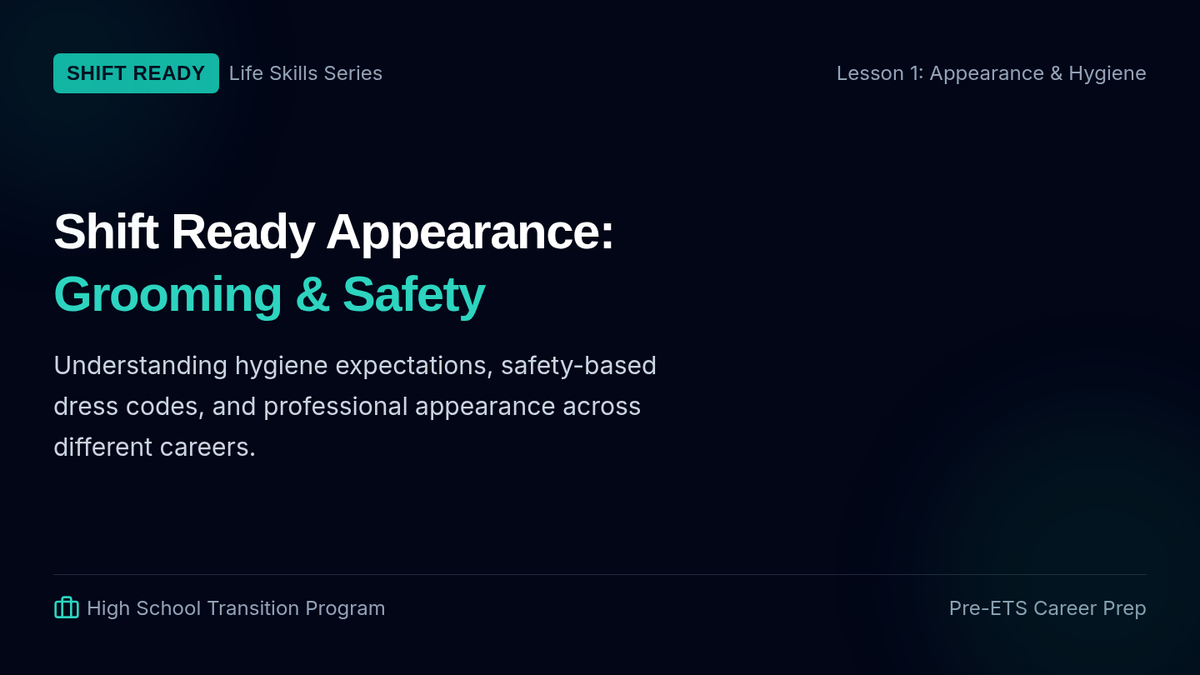
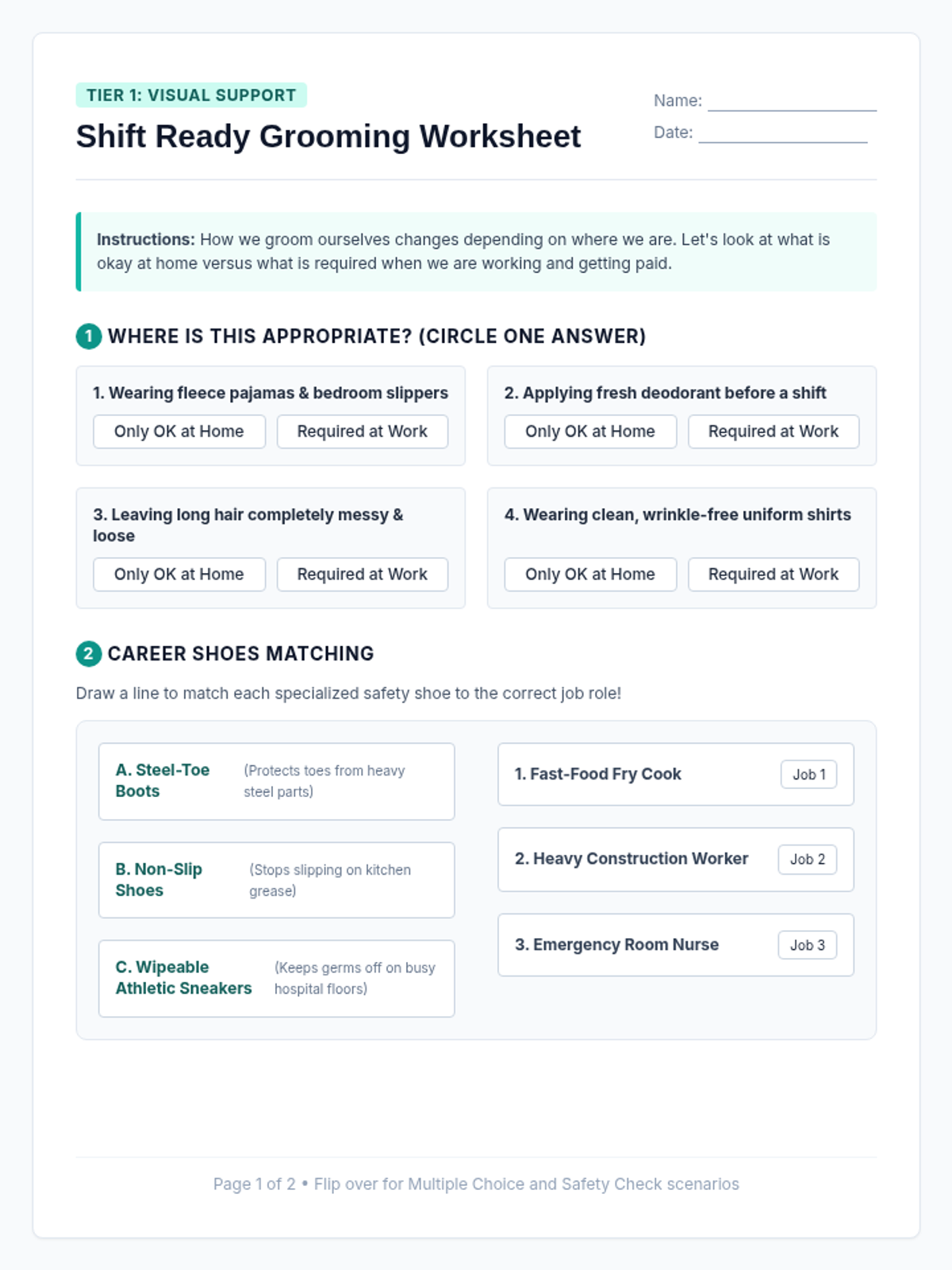
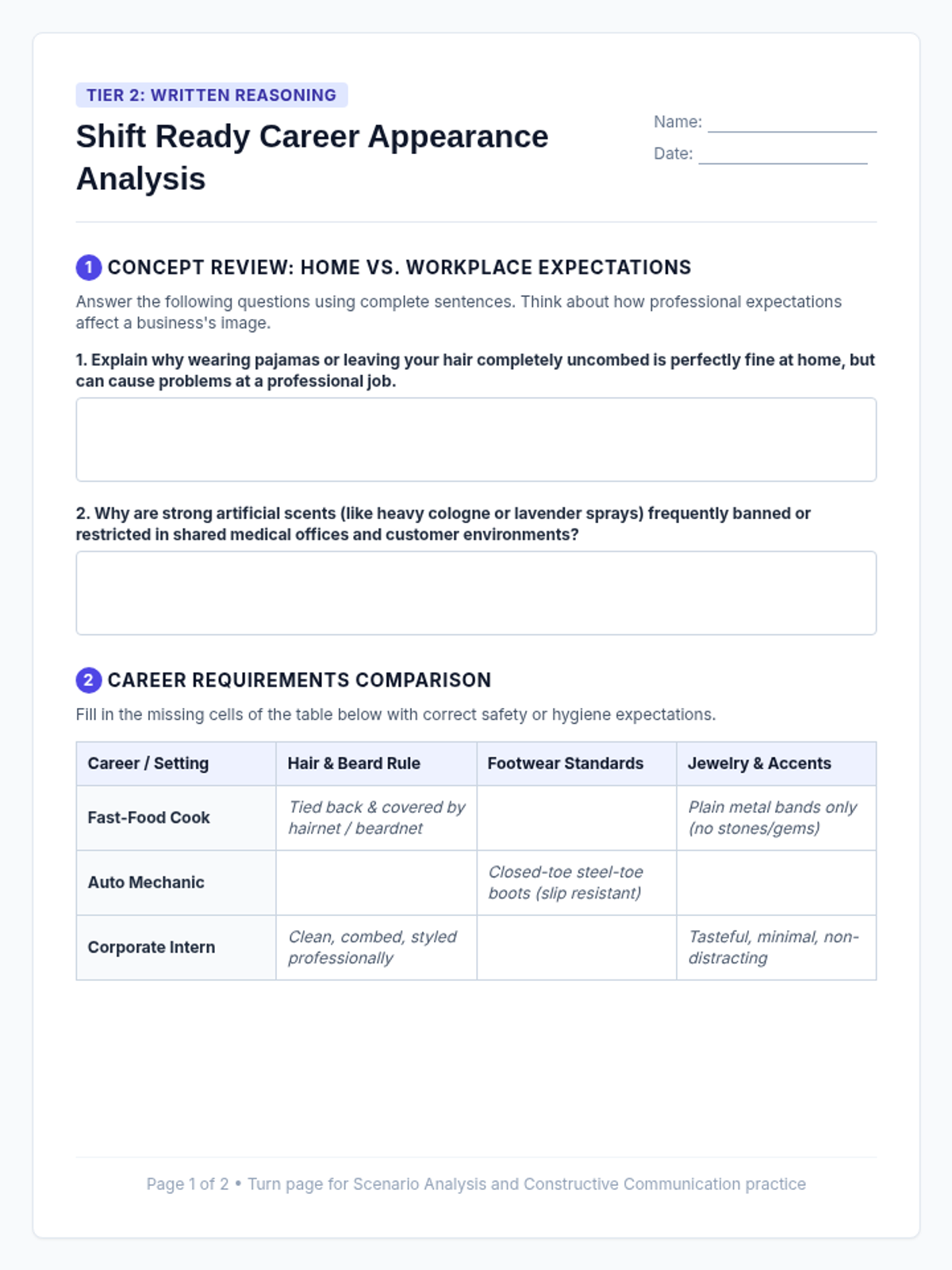
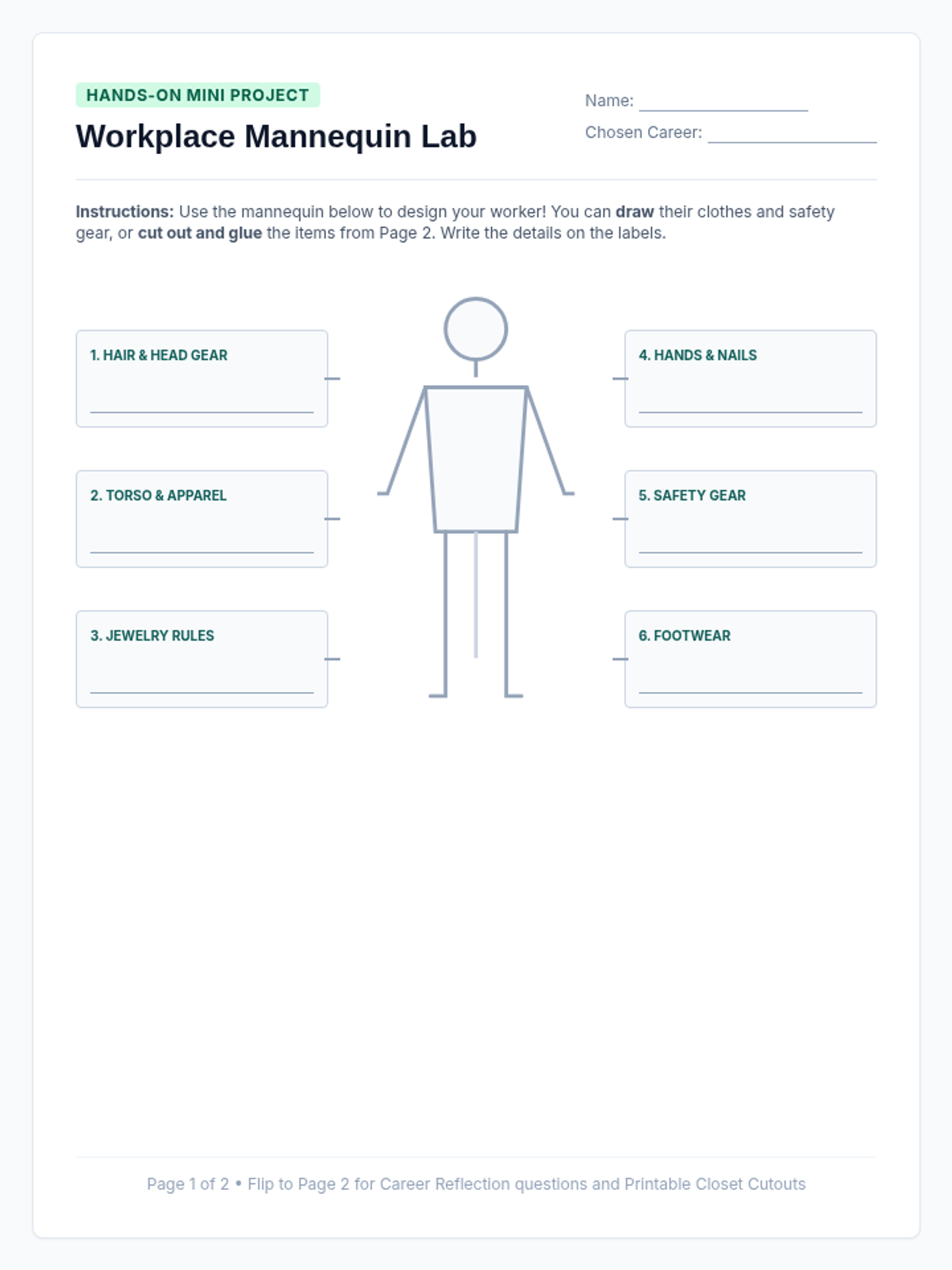
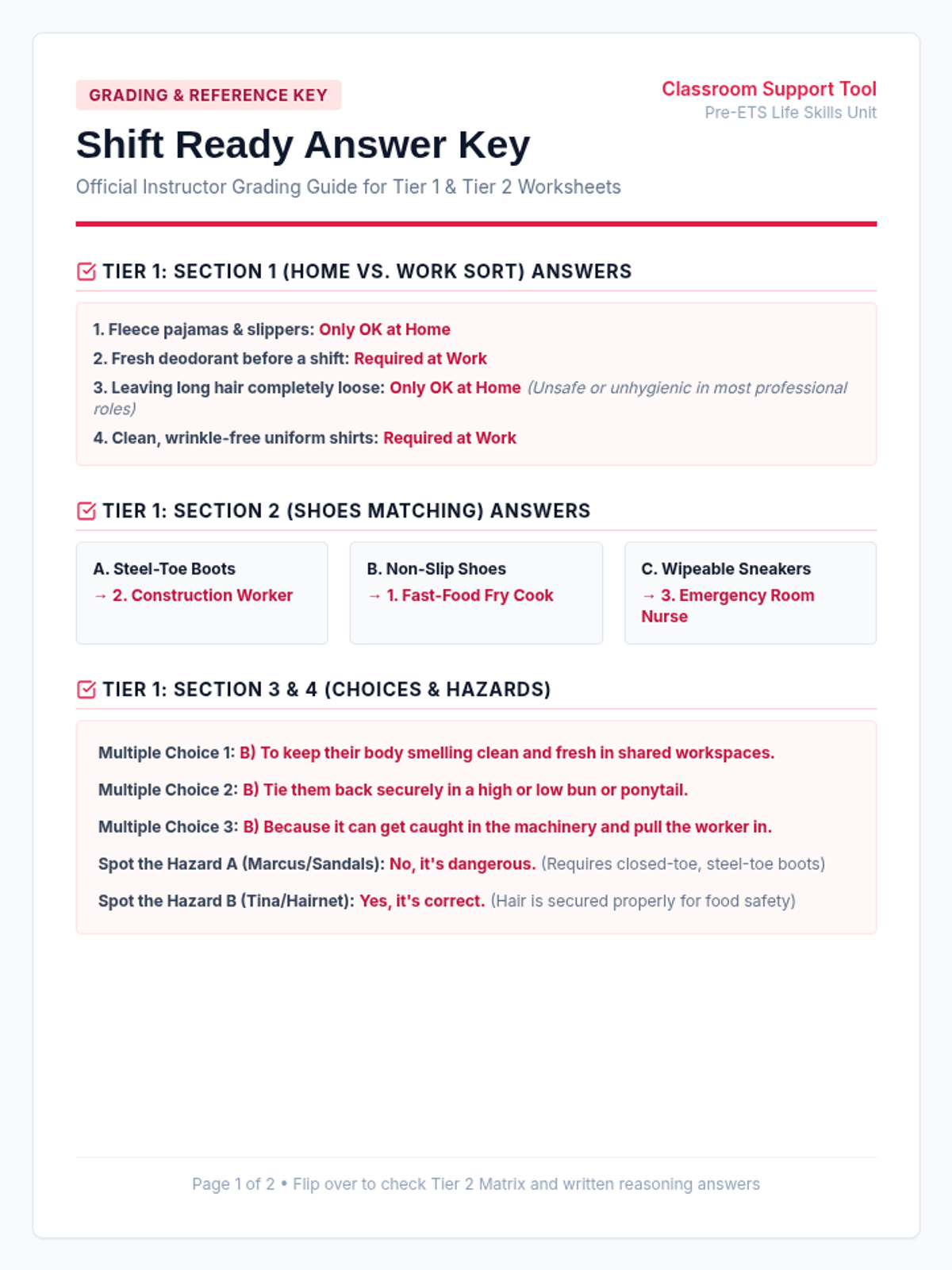
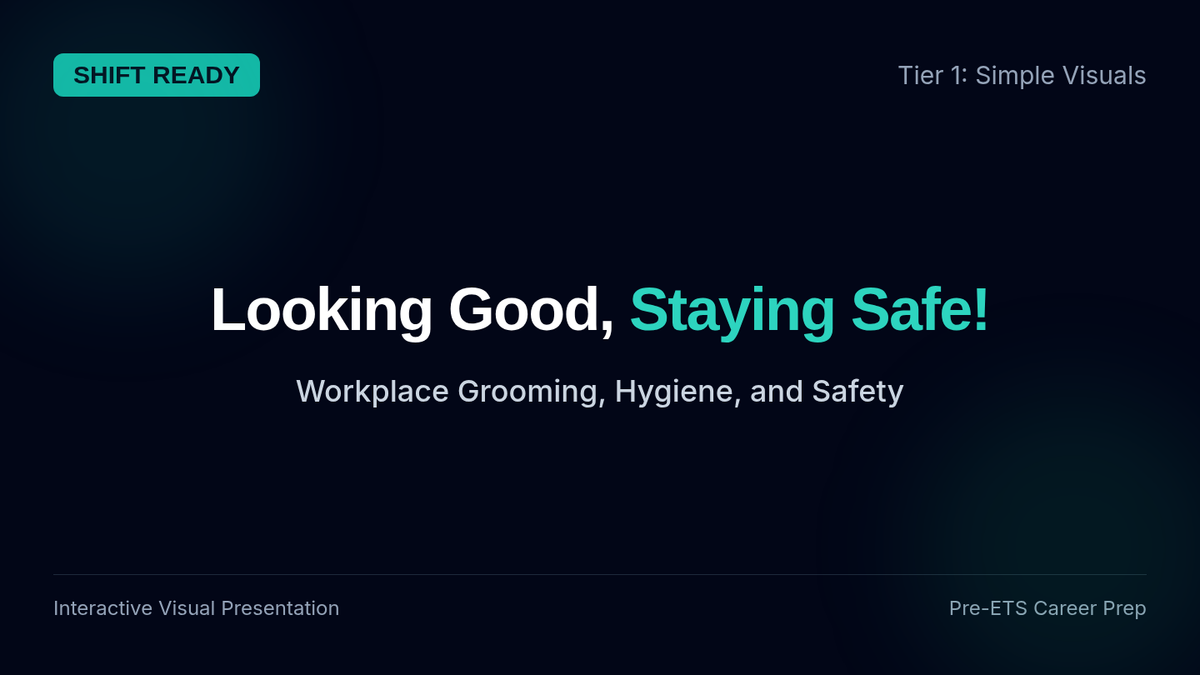
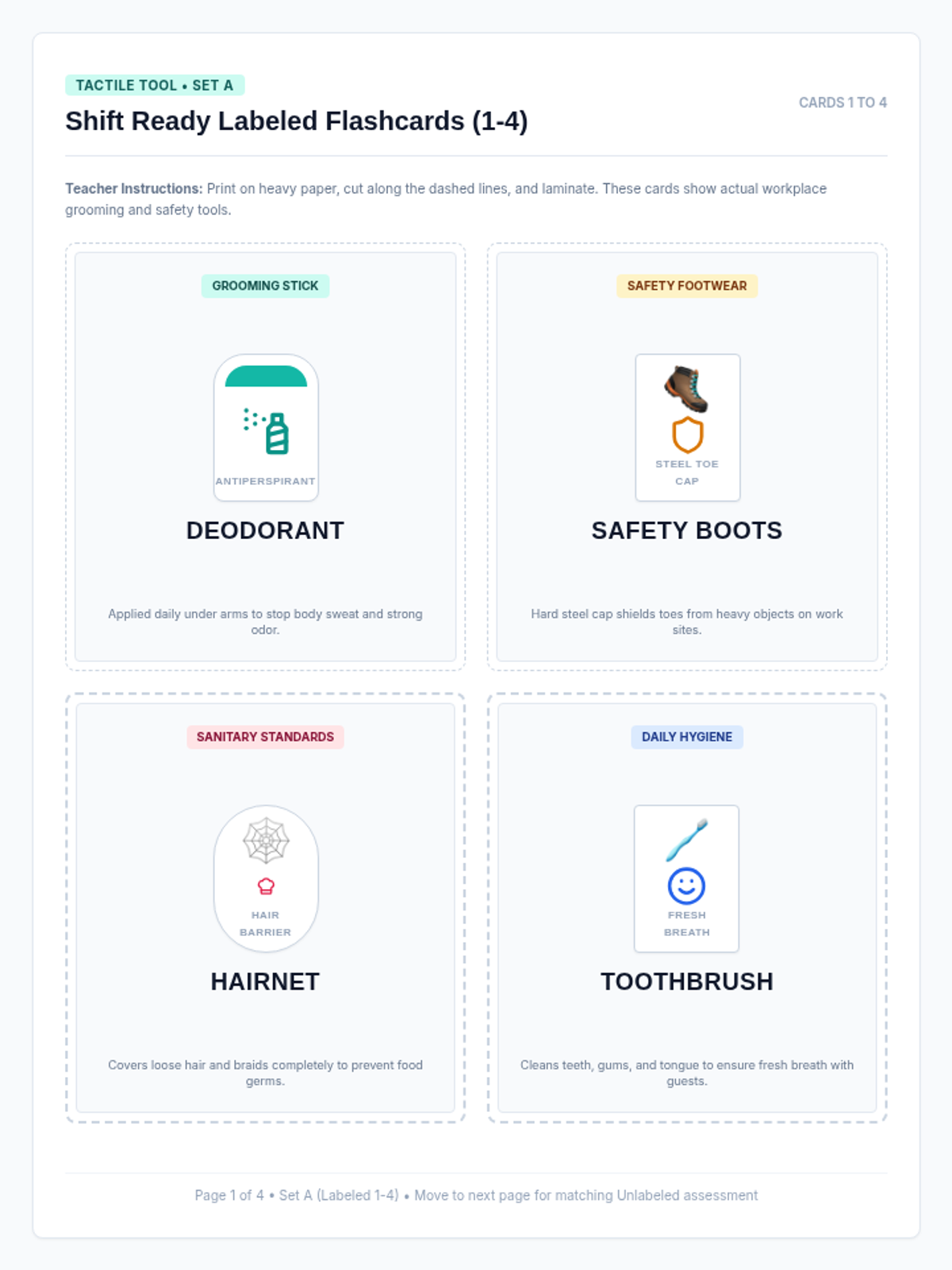
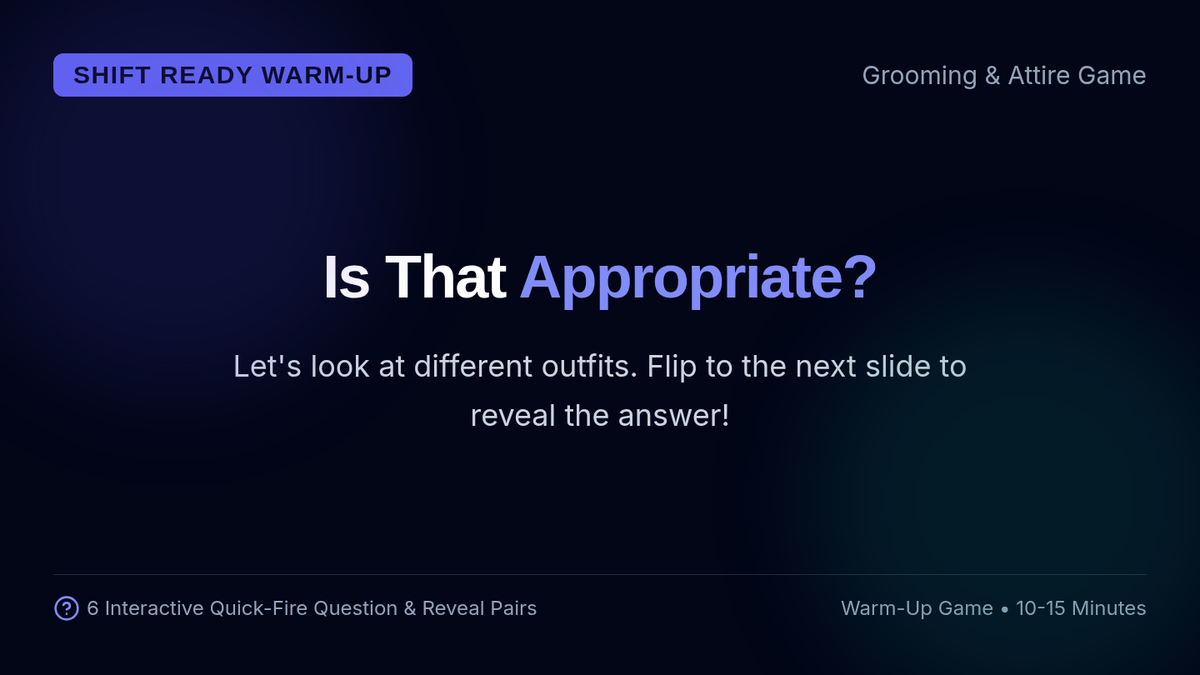
A functional life skills lesson for high school transition students focused on workplace hygiene, grooming, and safety-based dress codes across multiple environments. Includes structured slides, tiered student worksheets, interactive roleplays, and a career appearance mannequin activity.
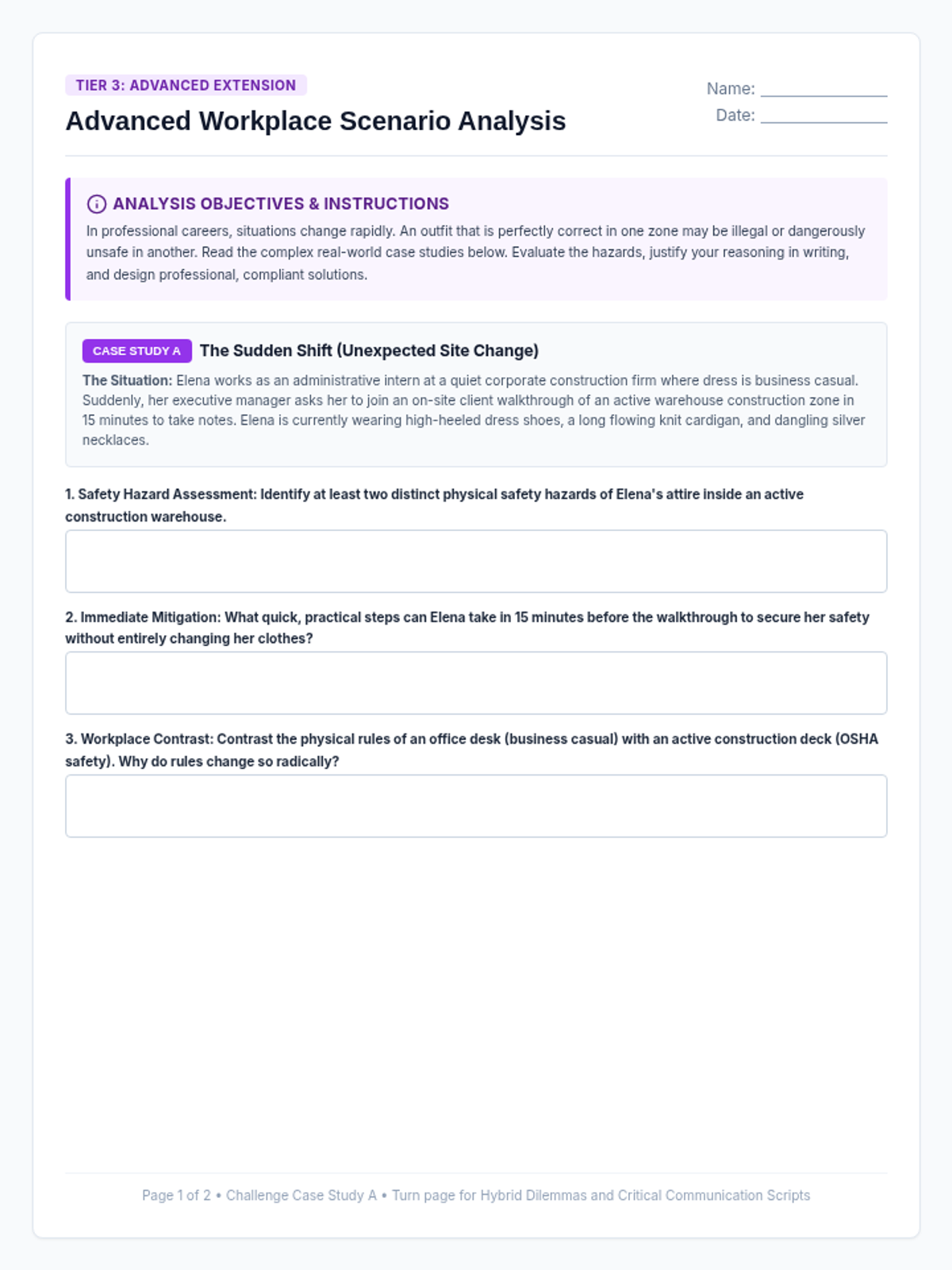
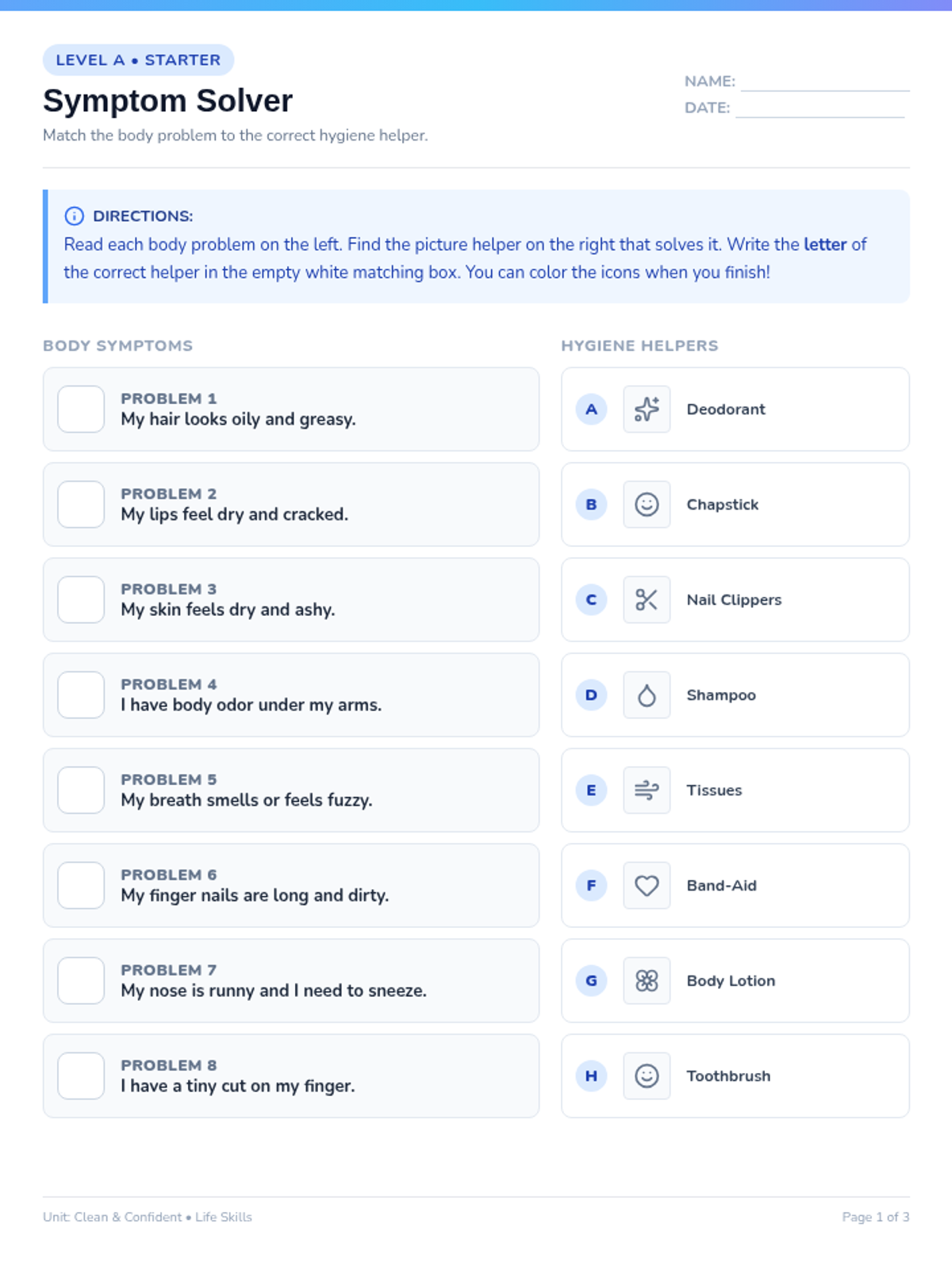
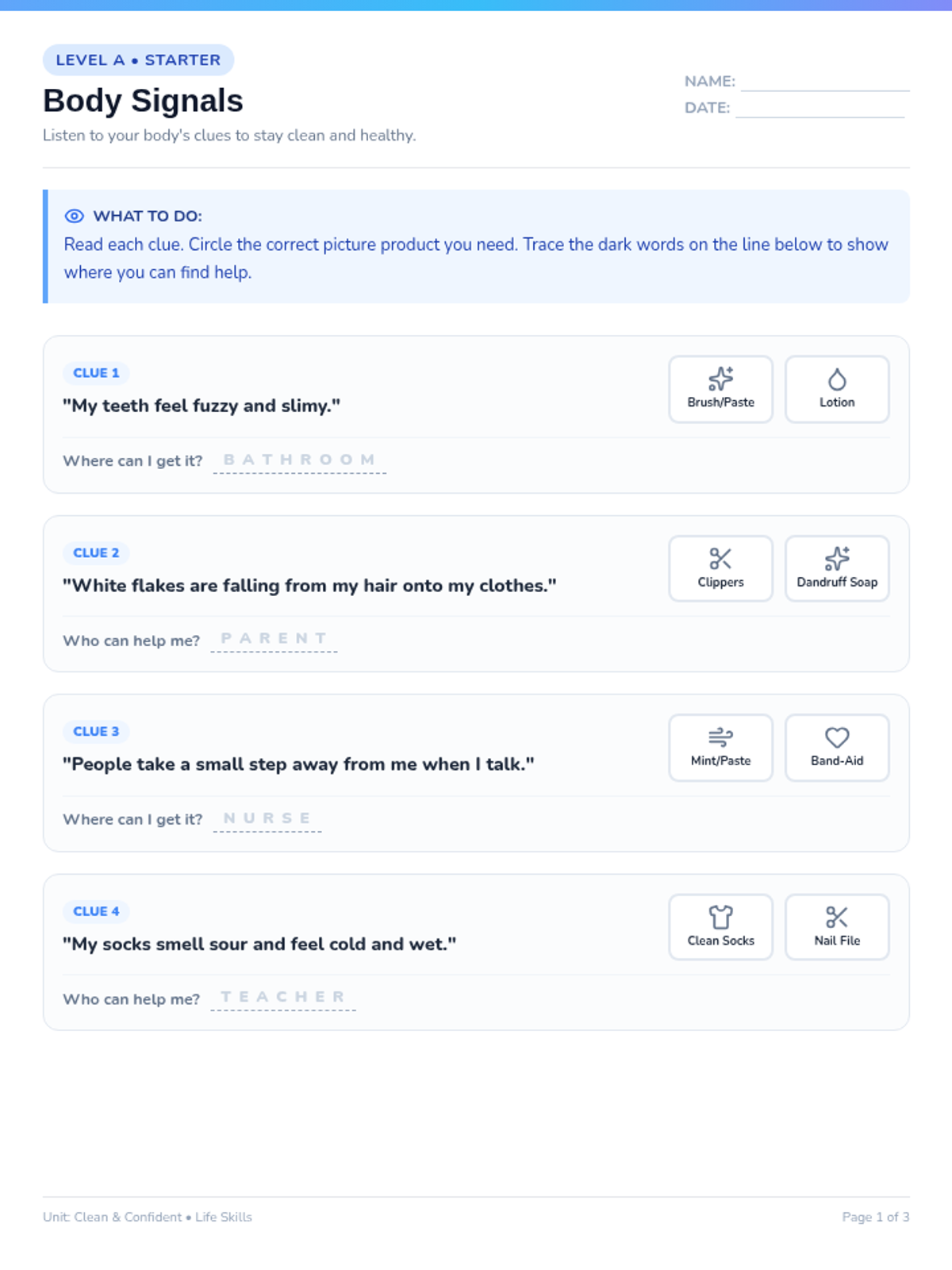
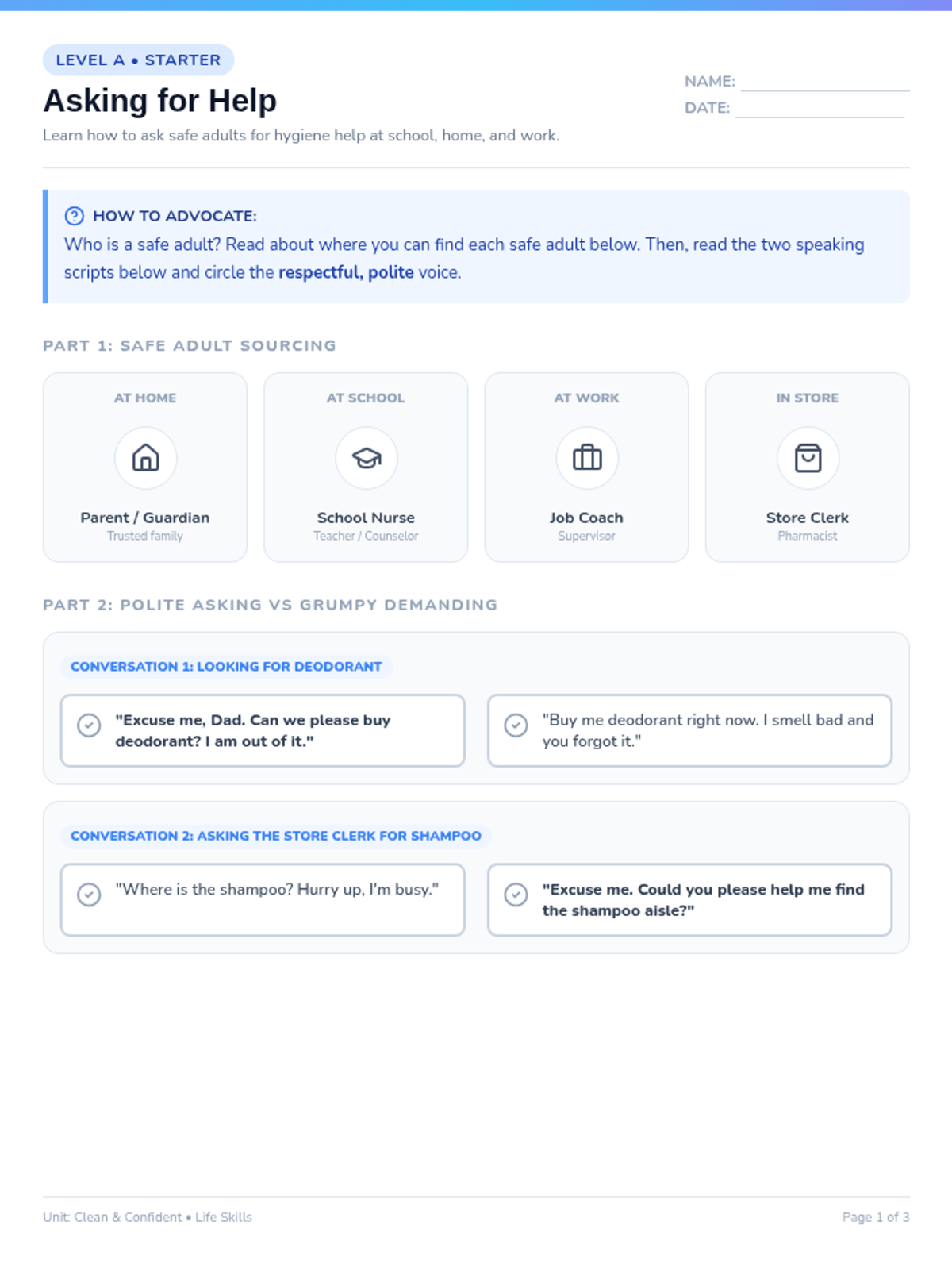
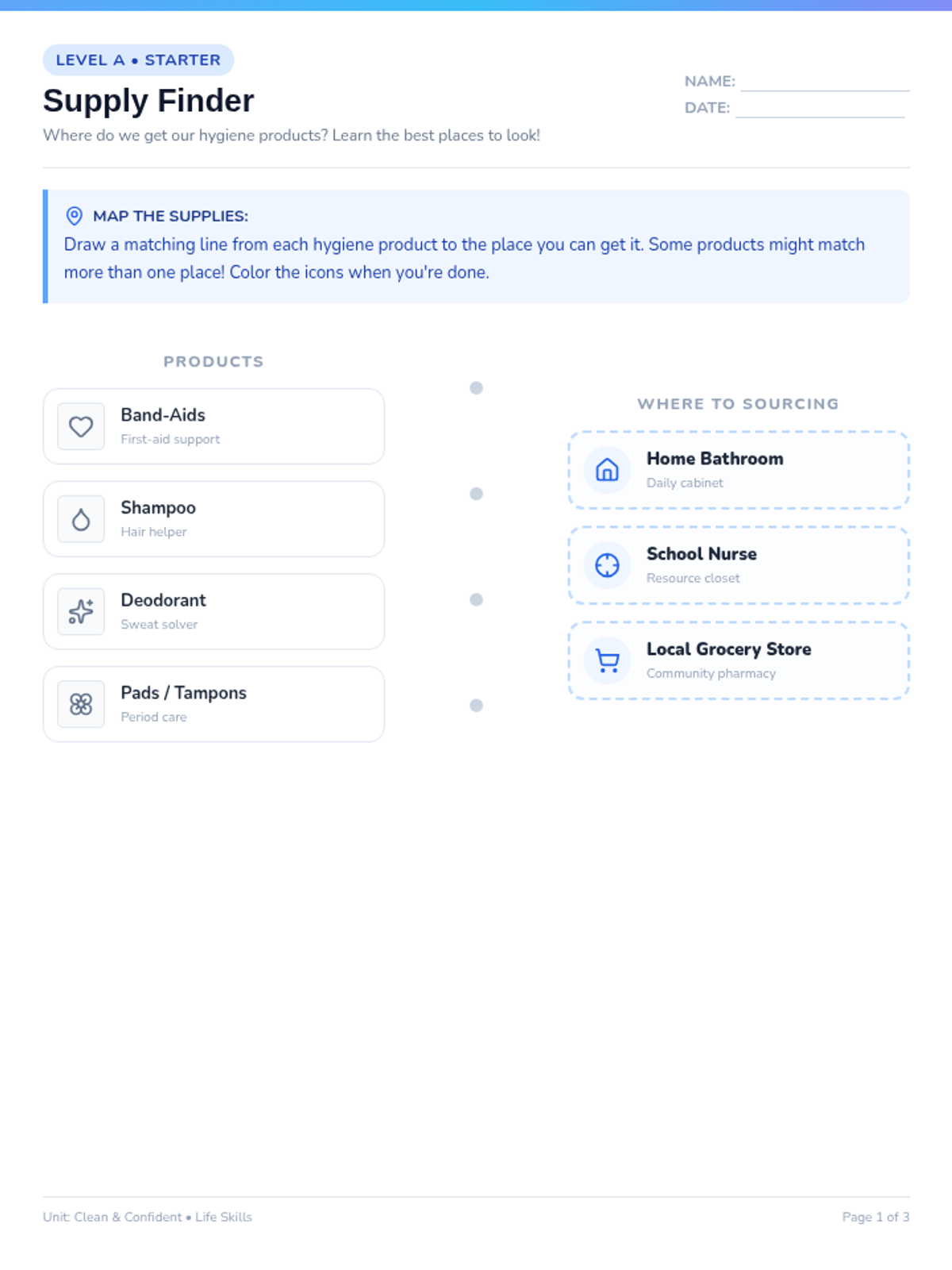
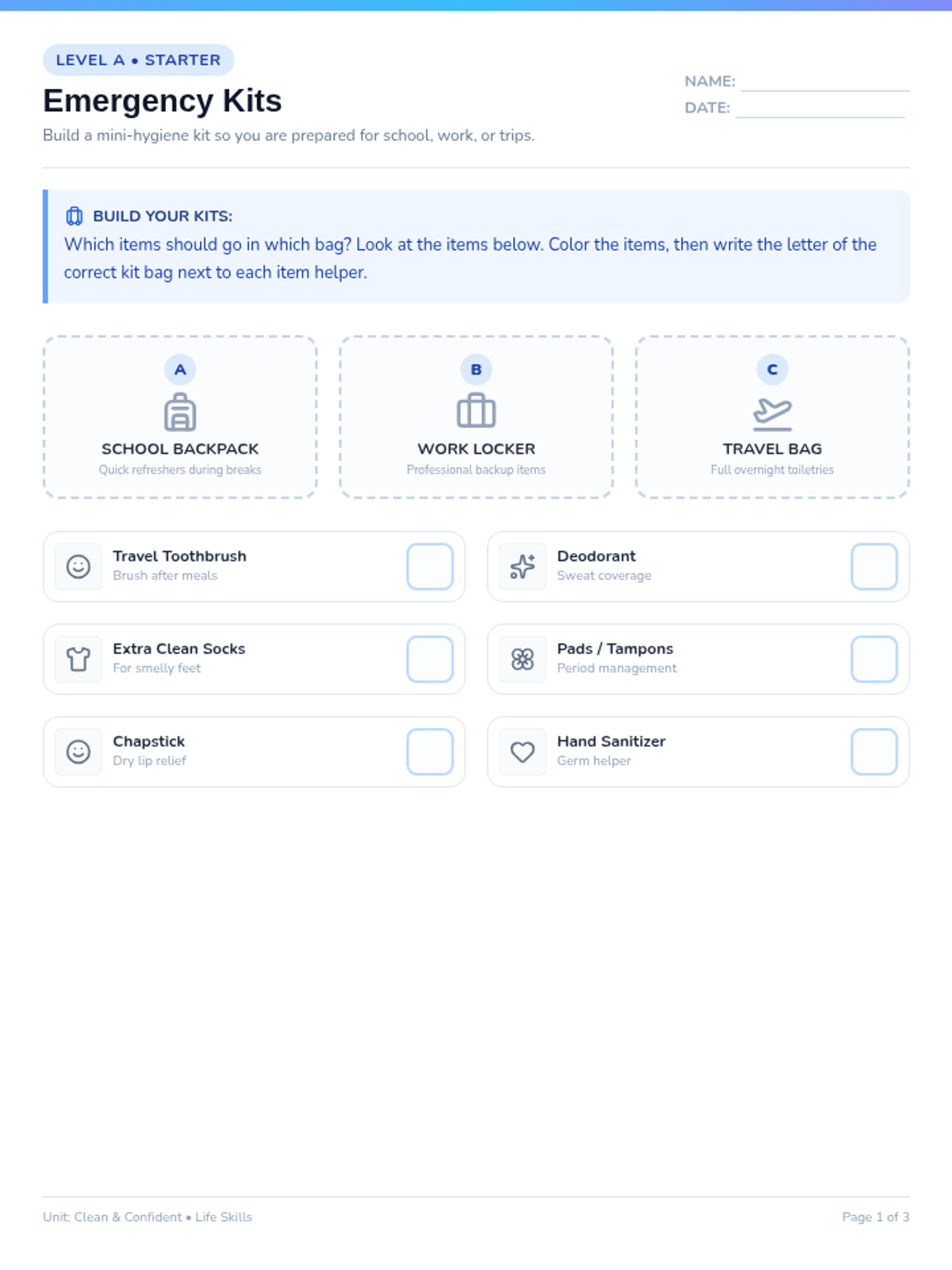
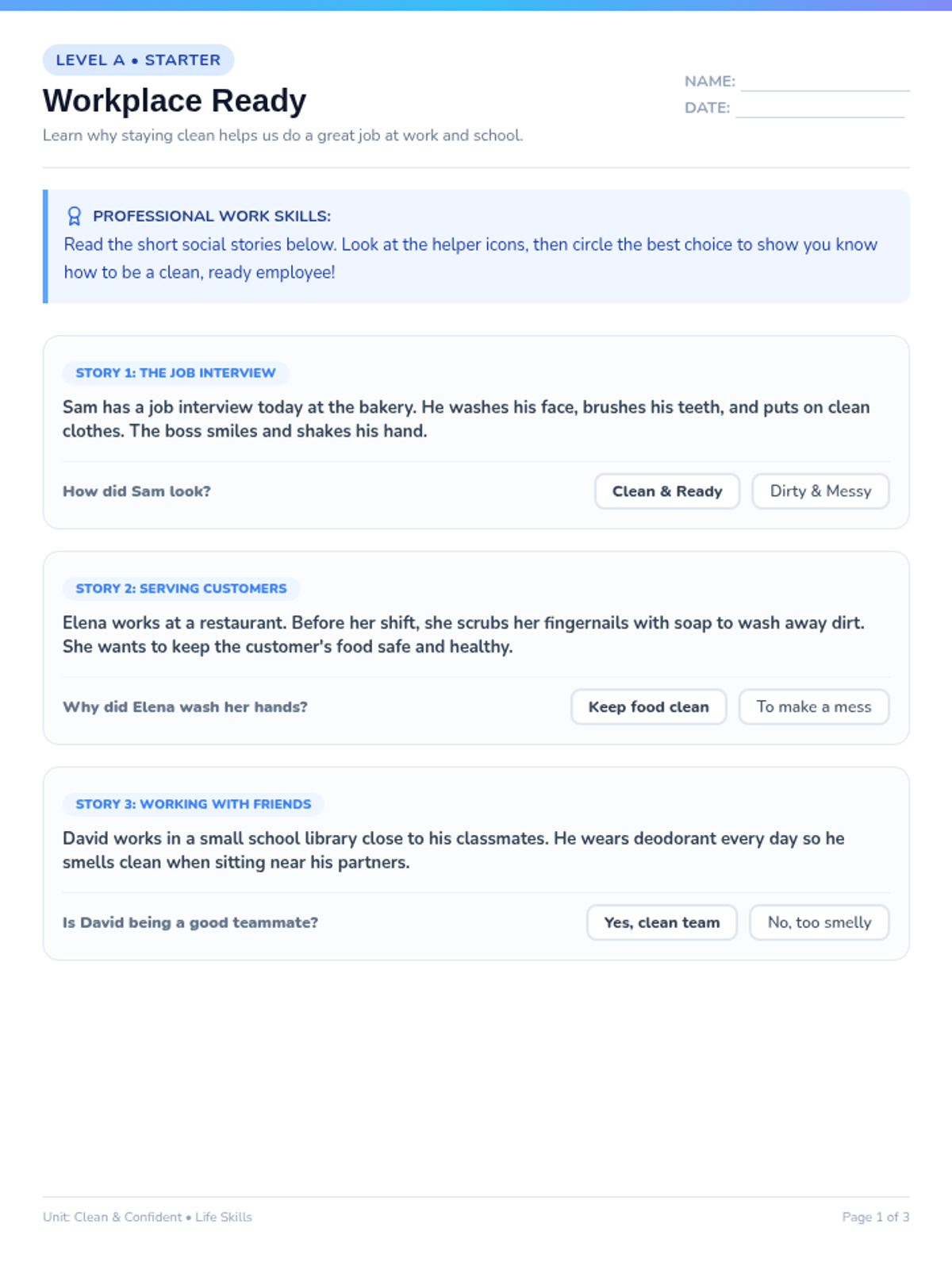
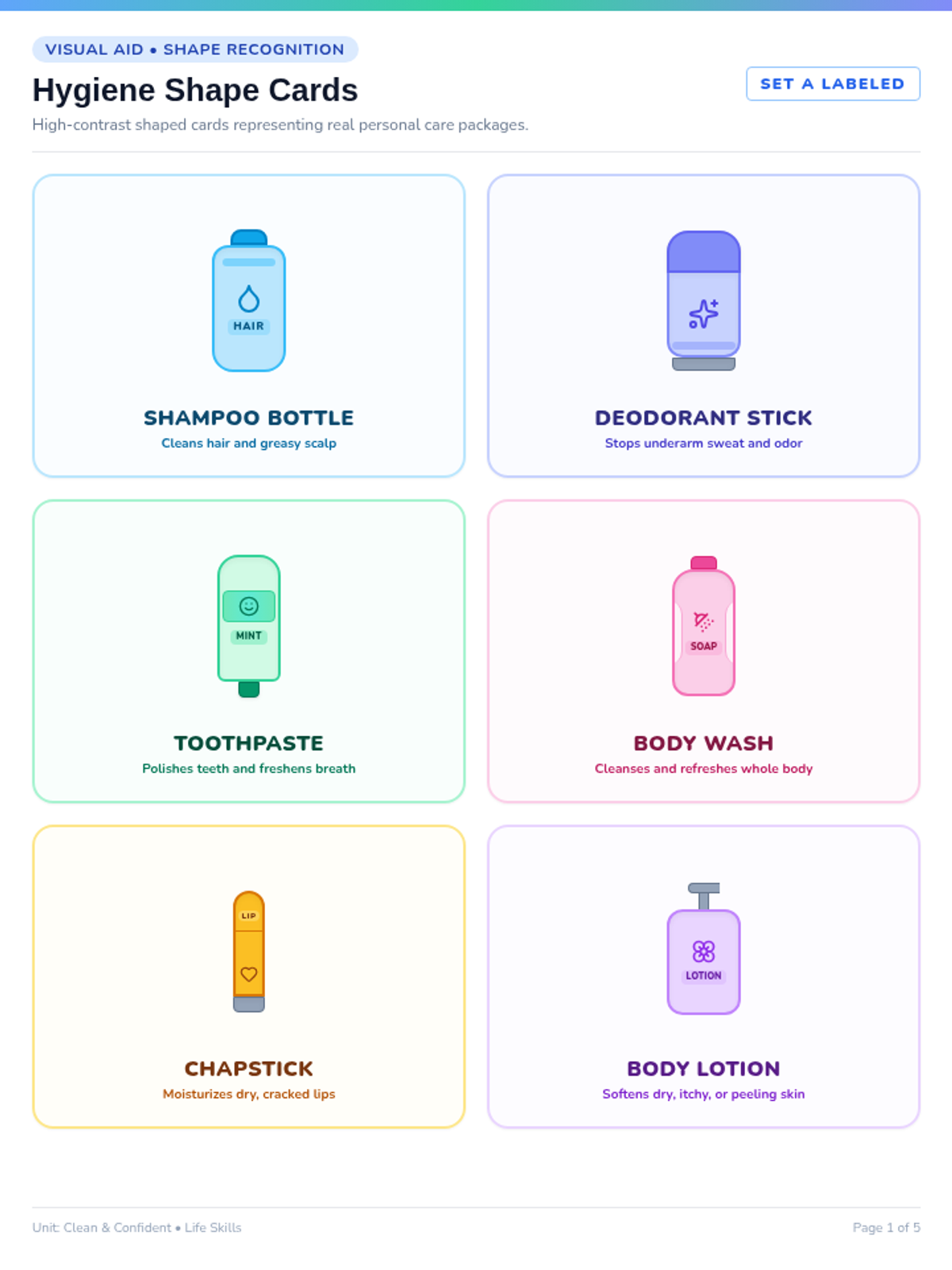
A comprehensive functional life skills unit teaching hygiene independence, self-advocacy, and workplace readiness for middle and high school special education students. Includes visual matching, body signal decoding, safe-adult communication scripts, sourcing maps, emergency kit preparation, and workplace scenario analysis.
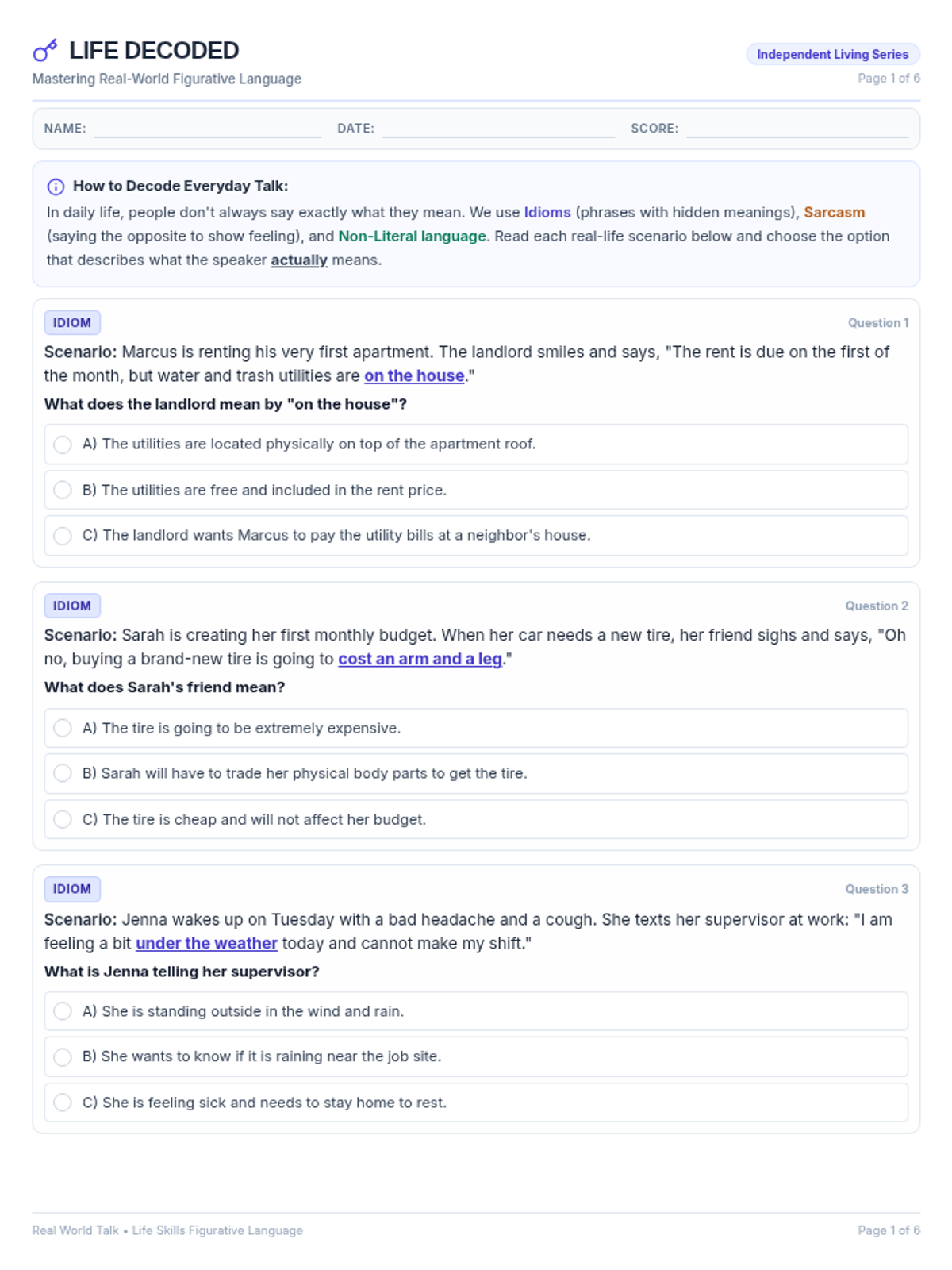
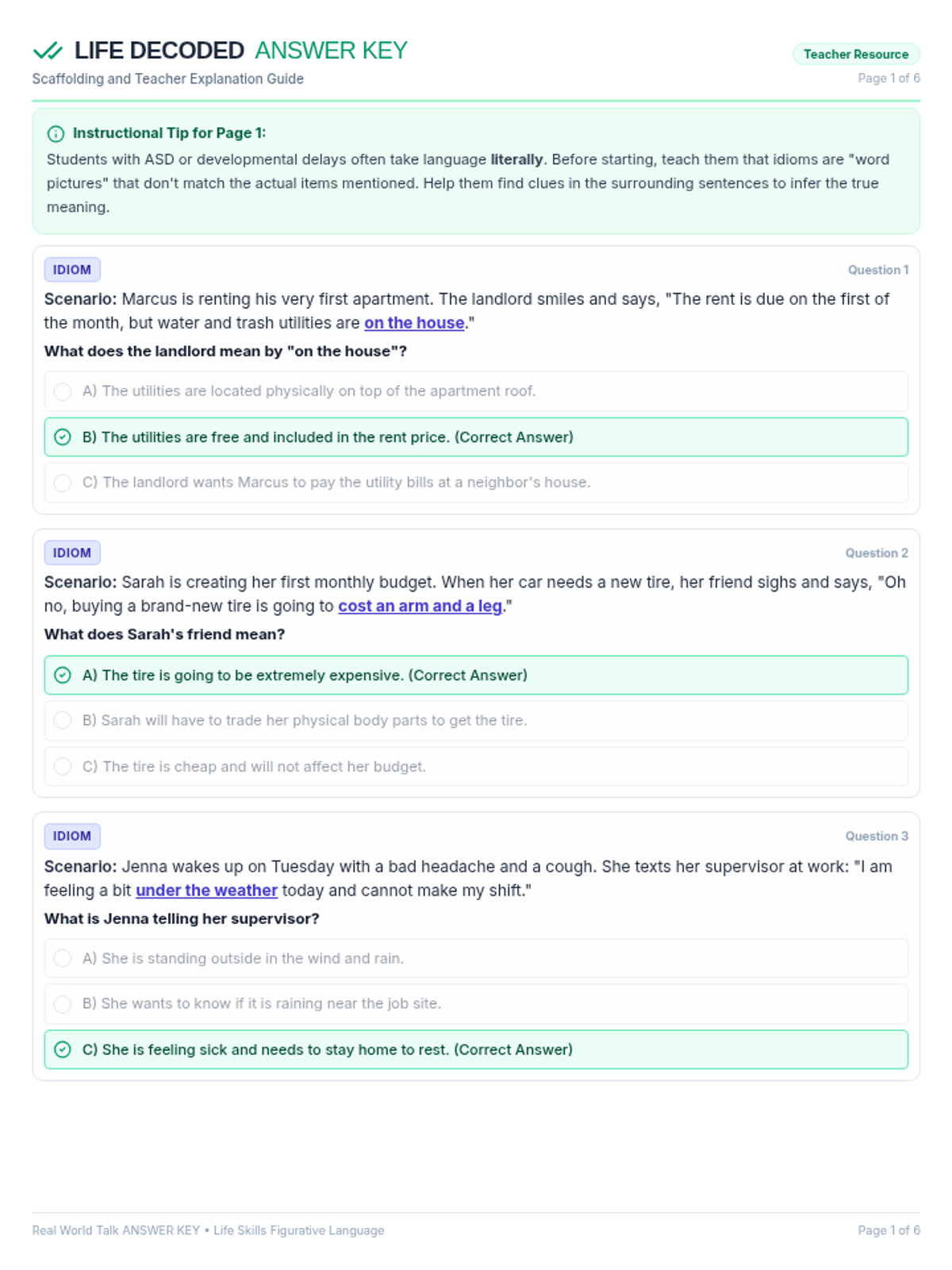
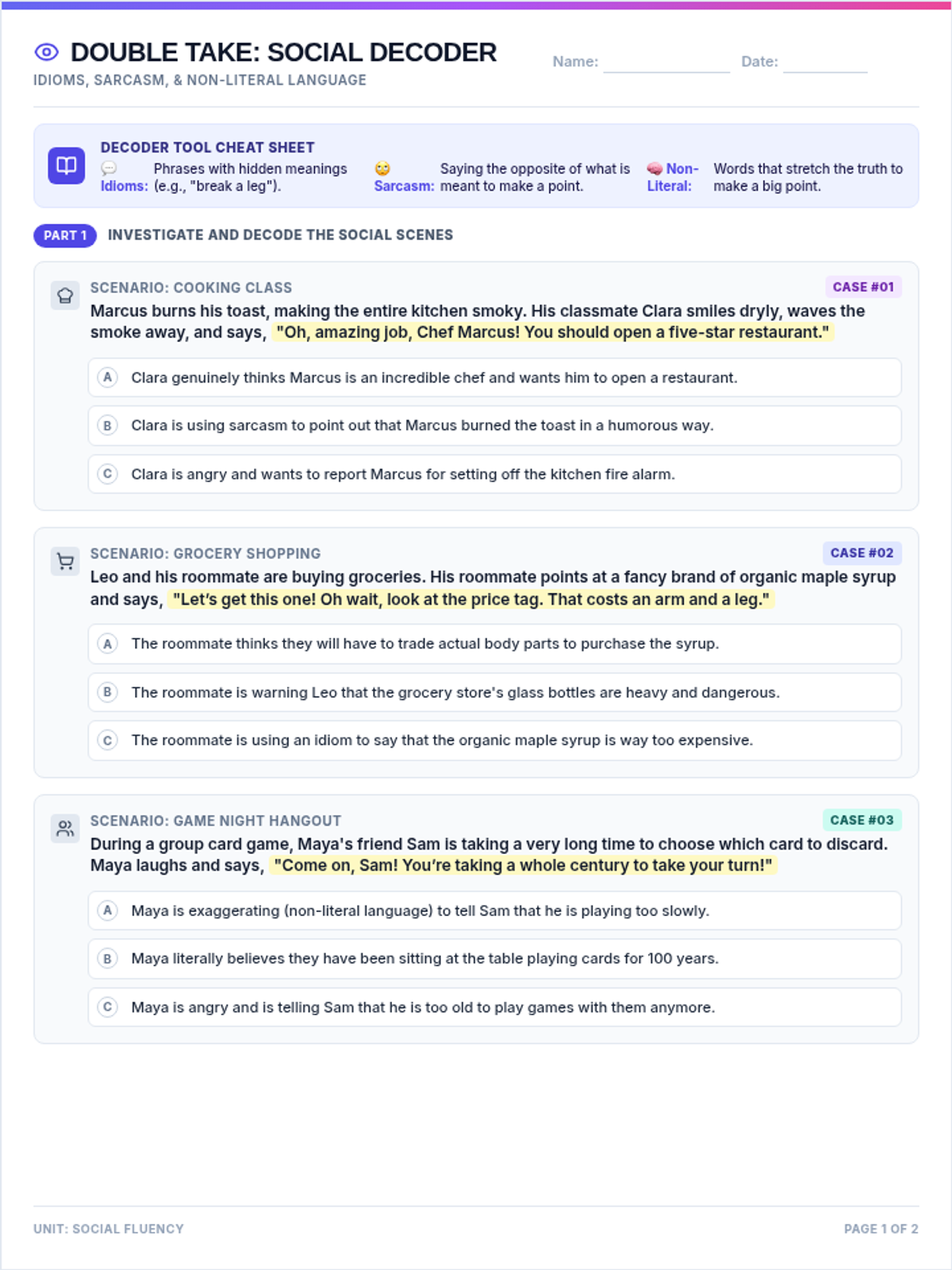
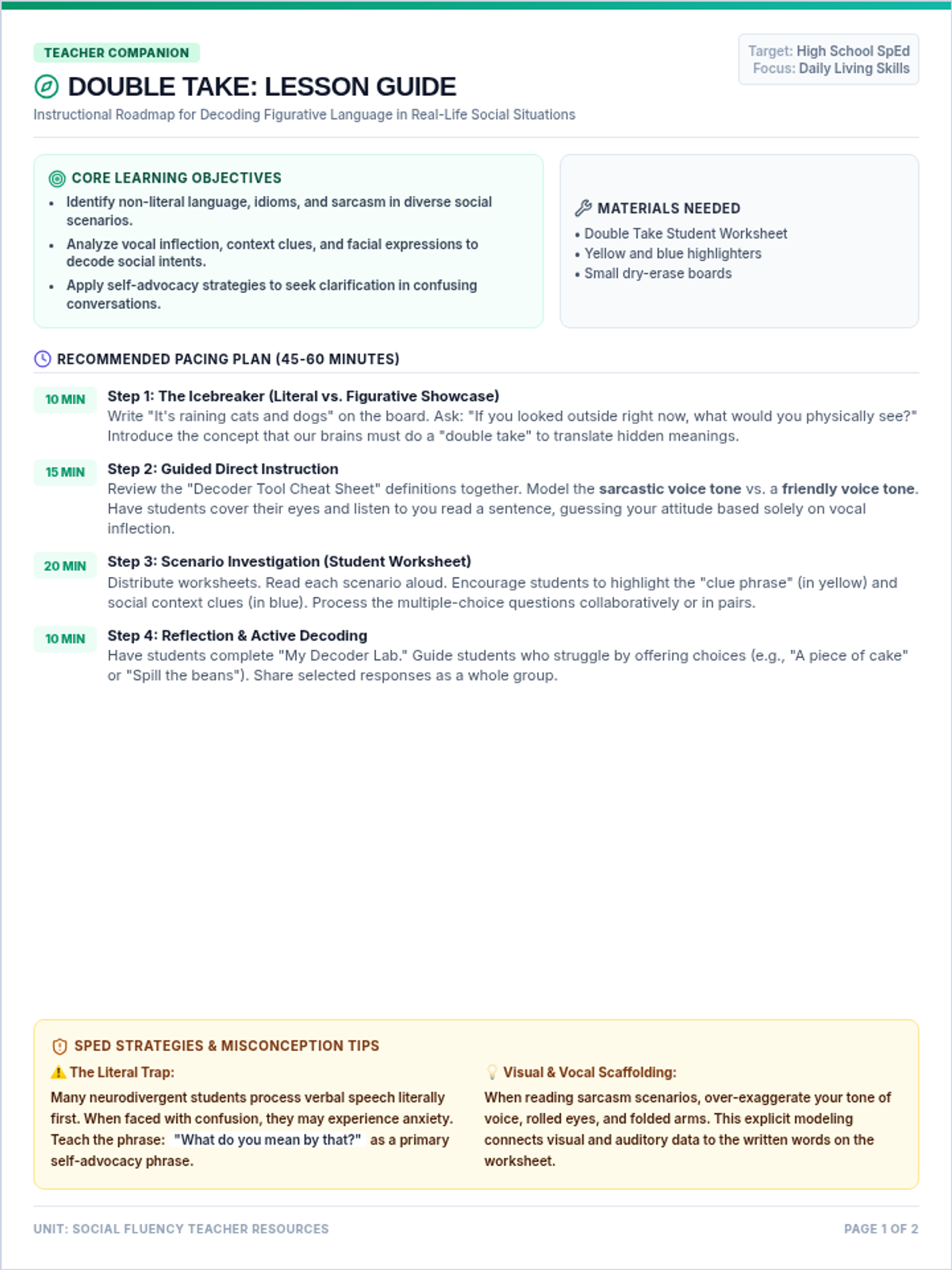
A comprehensive lesson designed for special education high school students to master figurative language, sarcasm, and idioms in independent living and real-world daily scenarios.
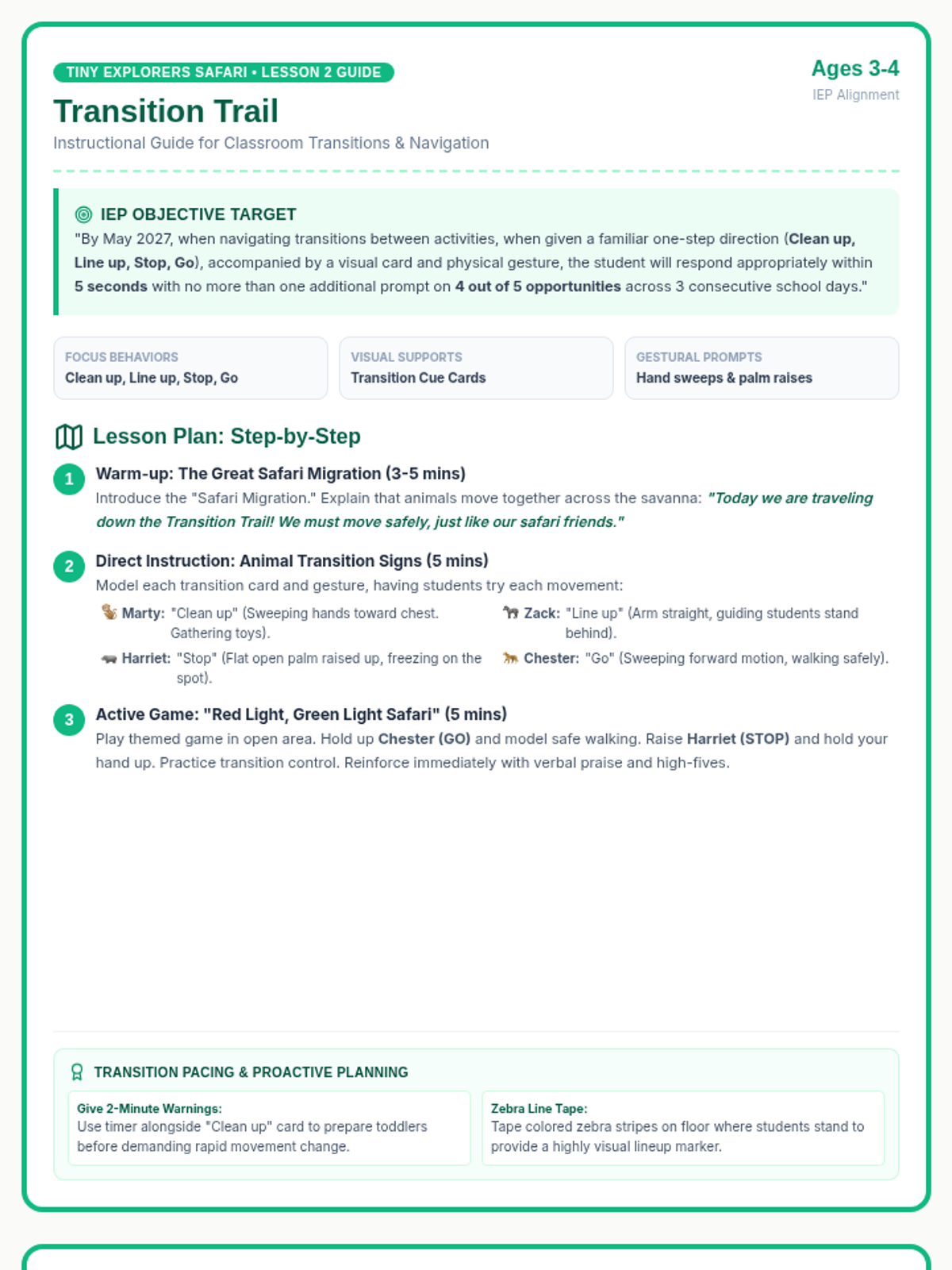
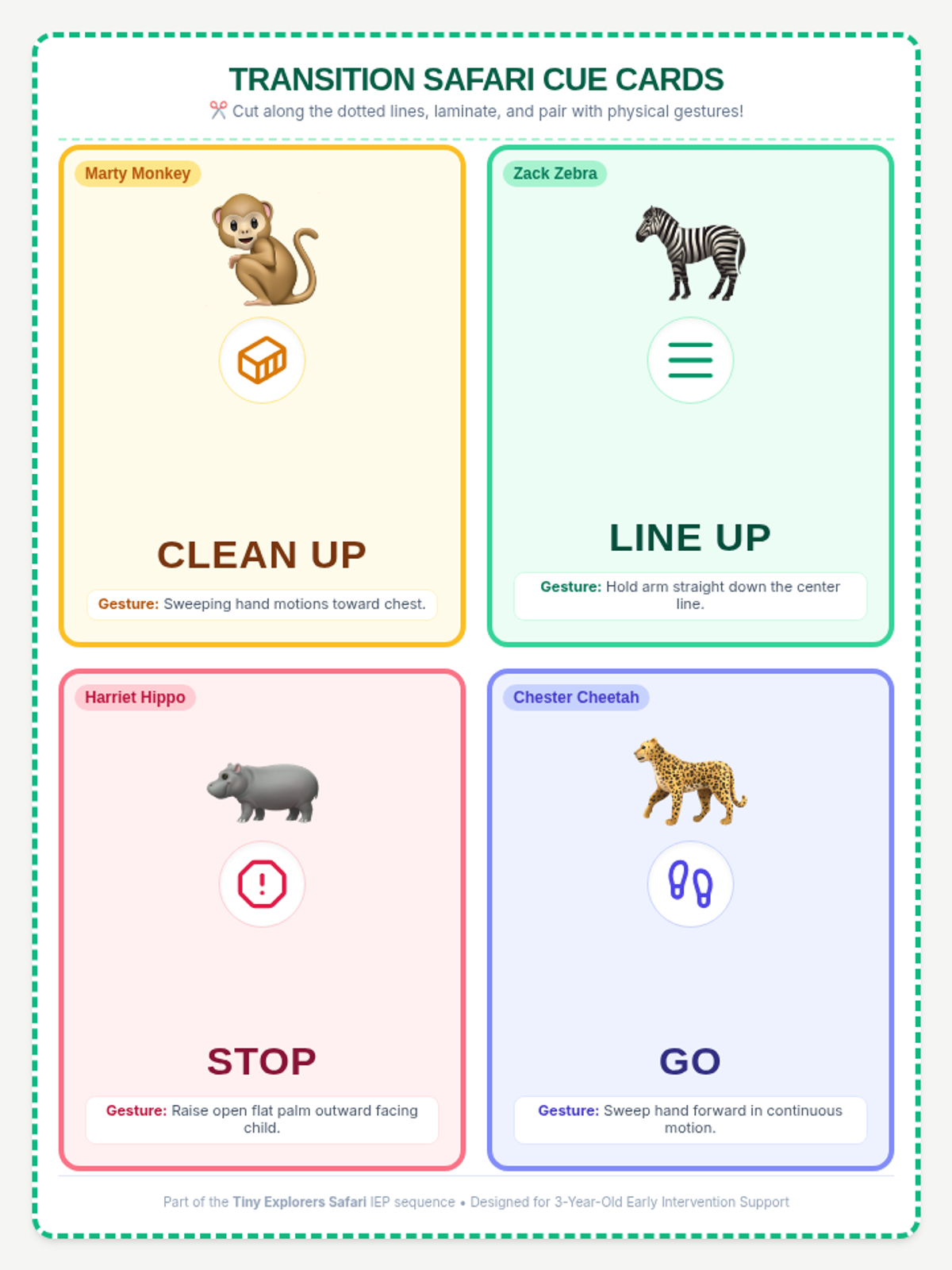
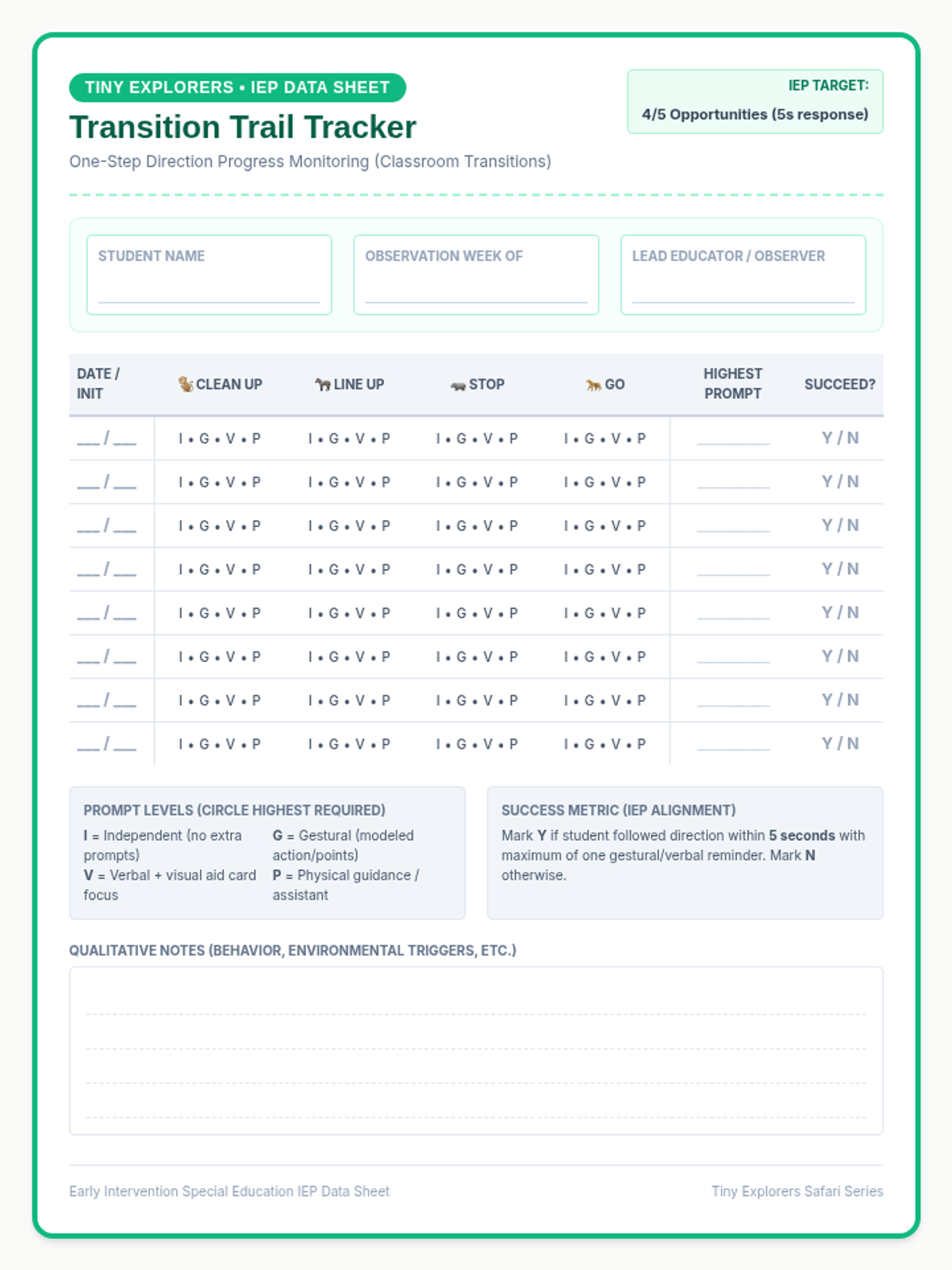
Focuses on transition one-step directions (clean up, line up, stop, go) using safari-themed games, visual aid cards, and active physical responses.
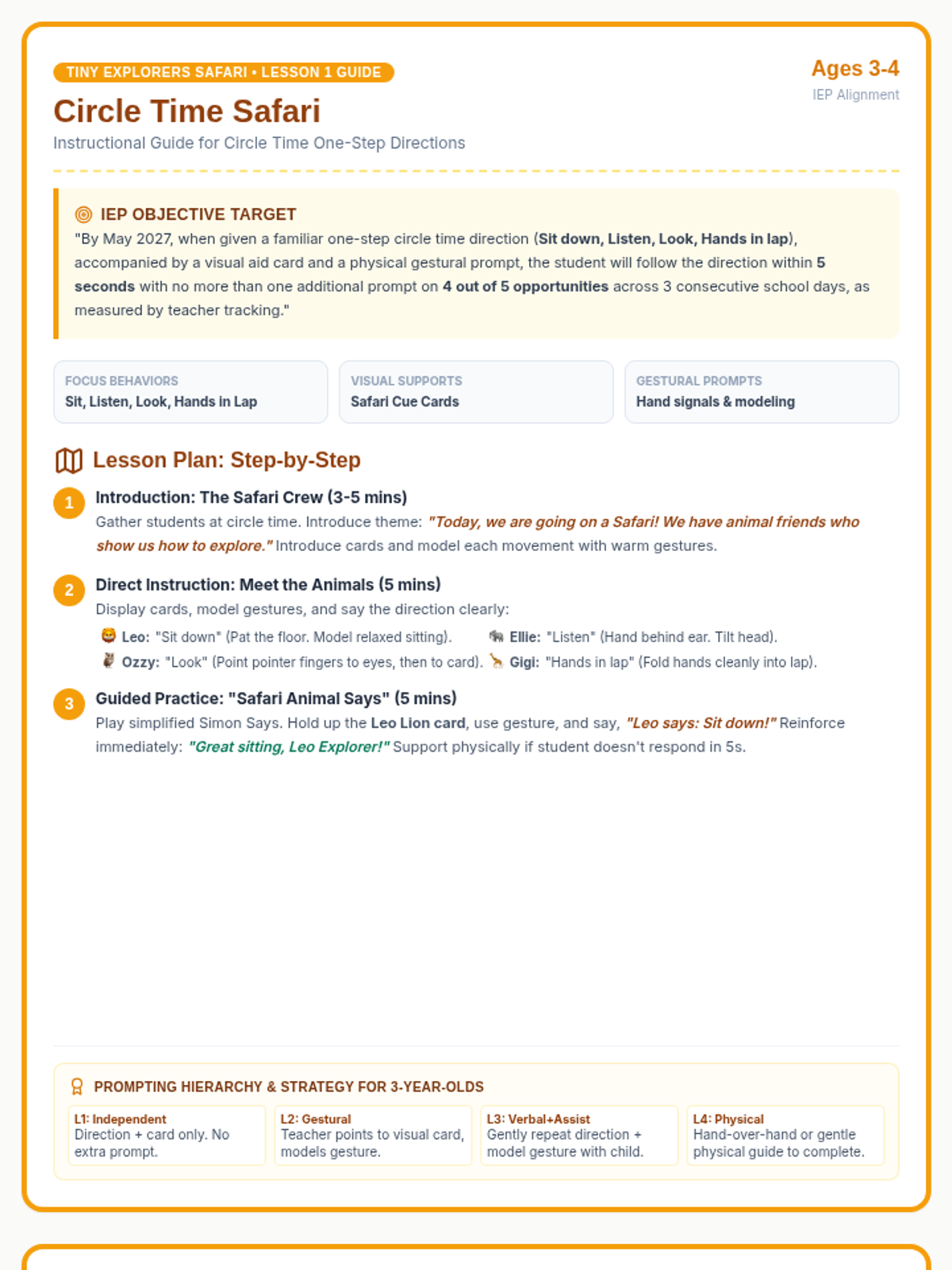
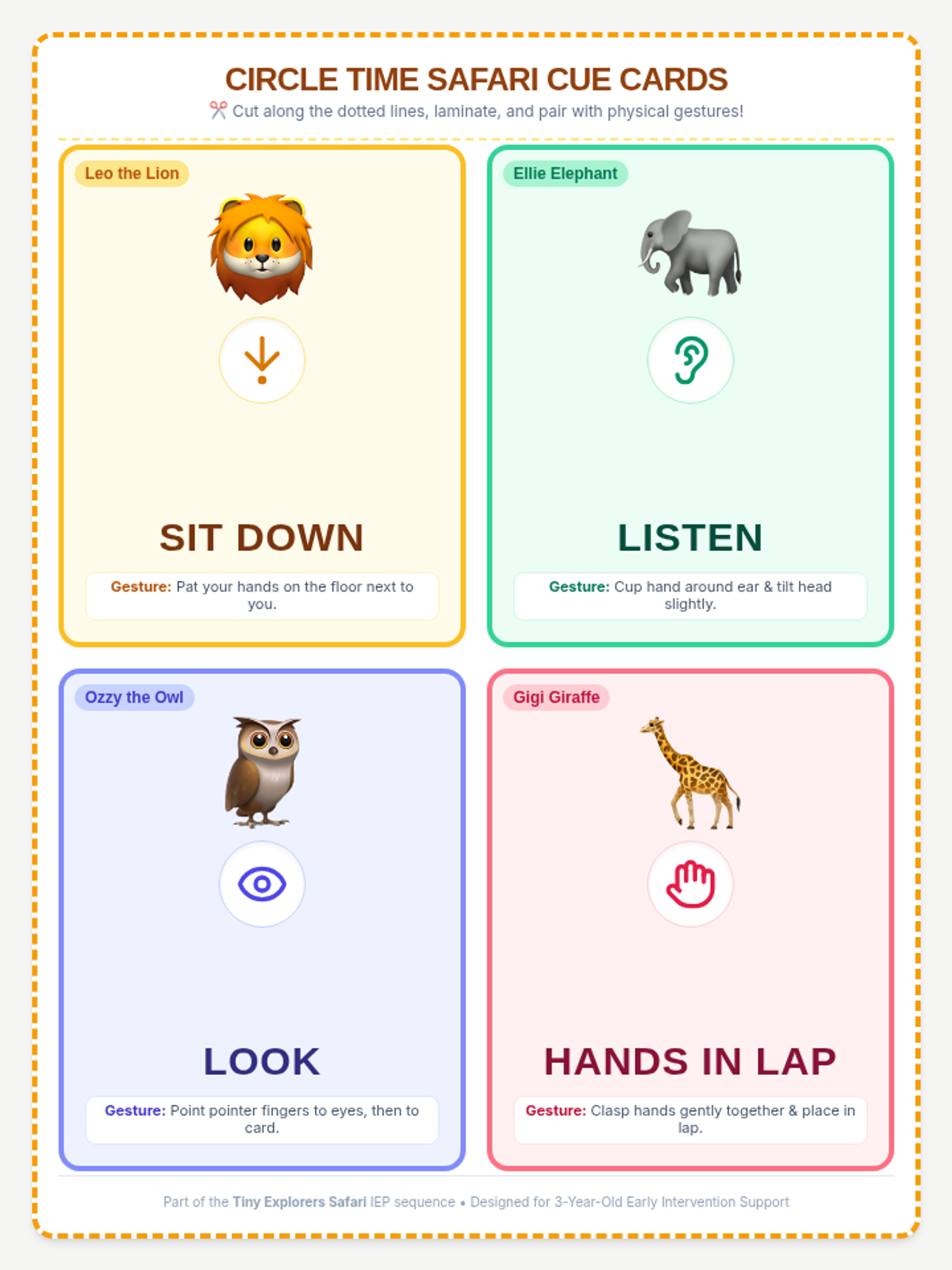
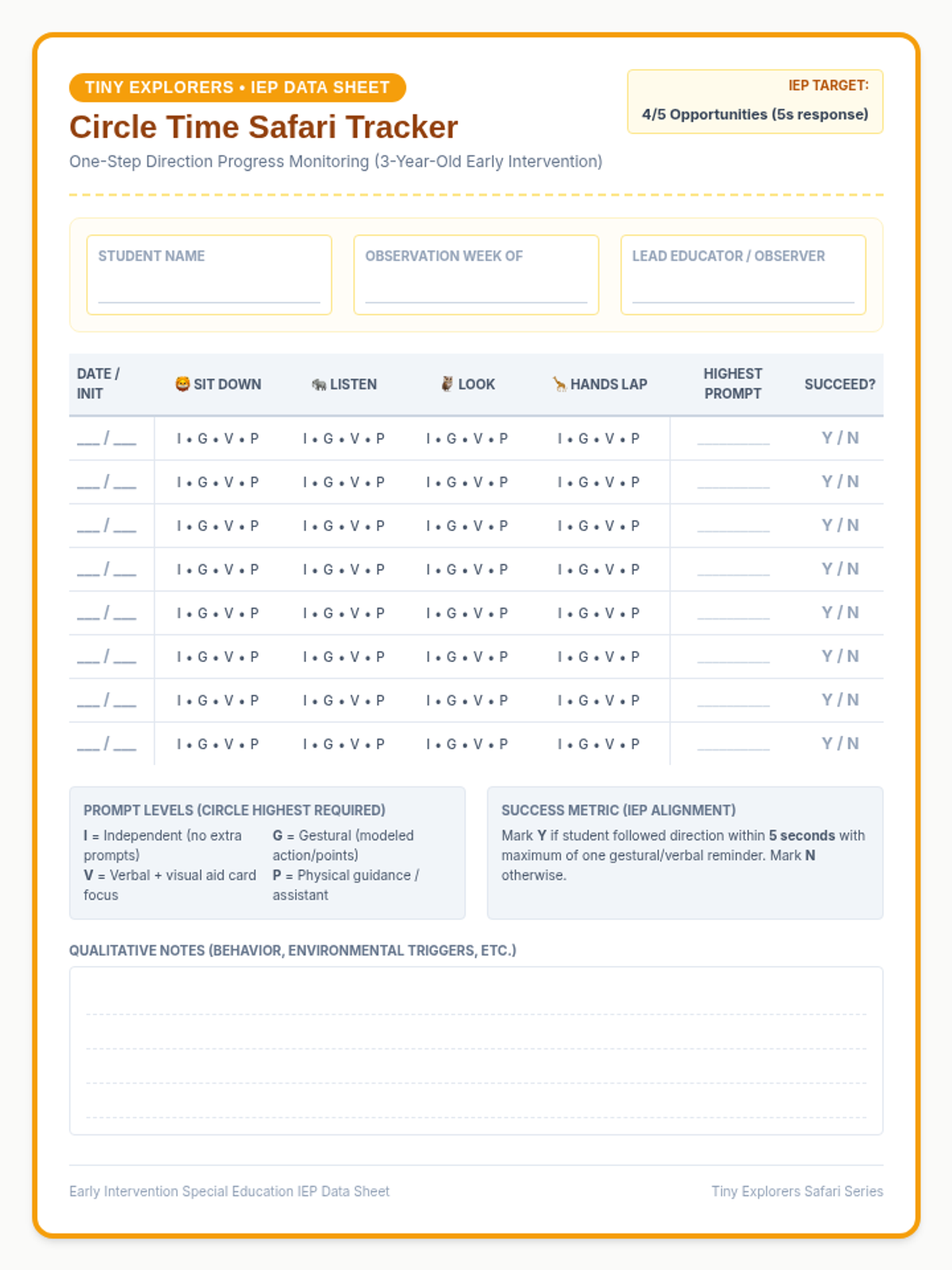
Focuses on circle time one-step directions (sit down, look, listen, hands in lap) using engaging safari animal prompts, interactive practice, and visual cue cards.
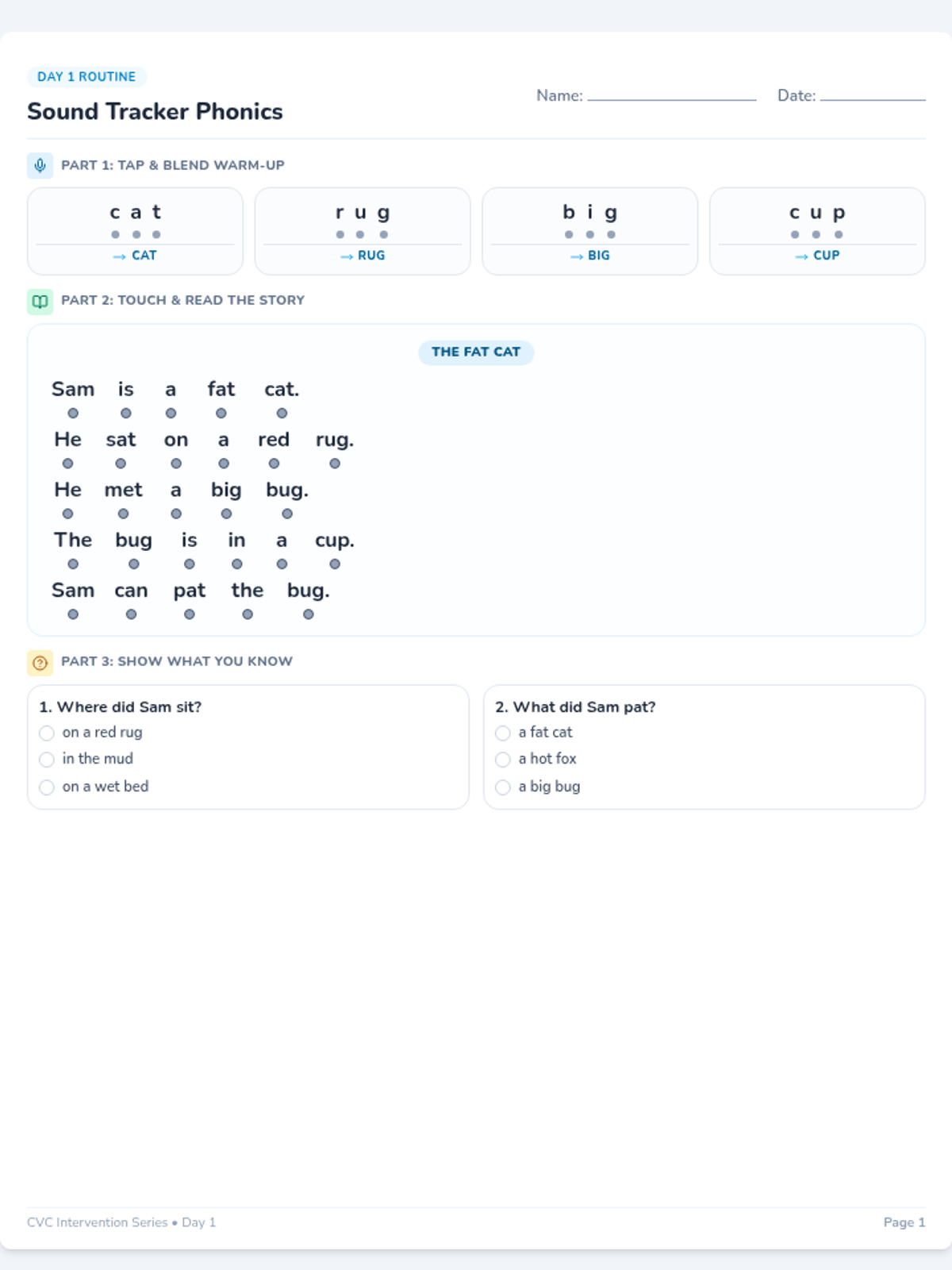
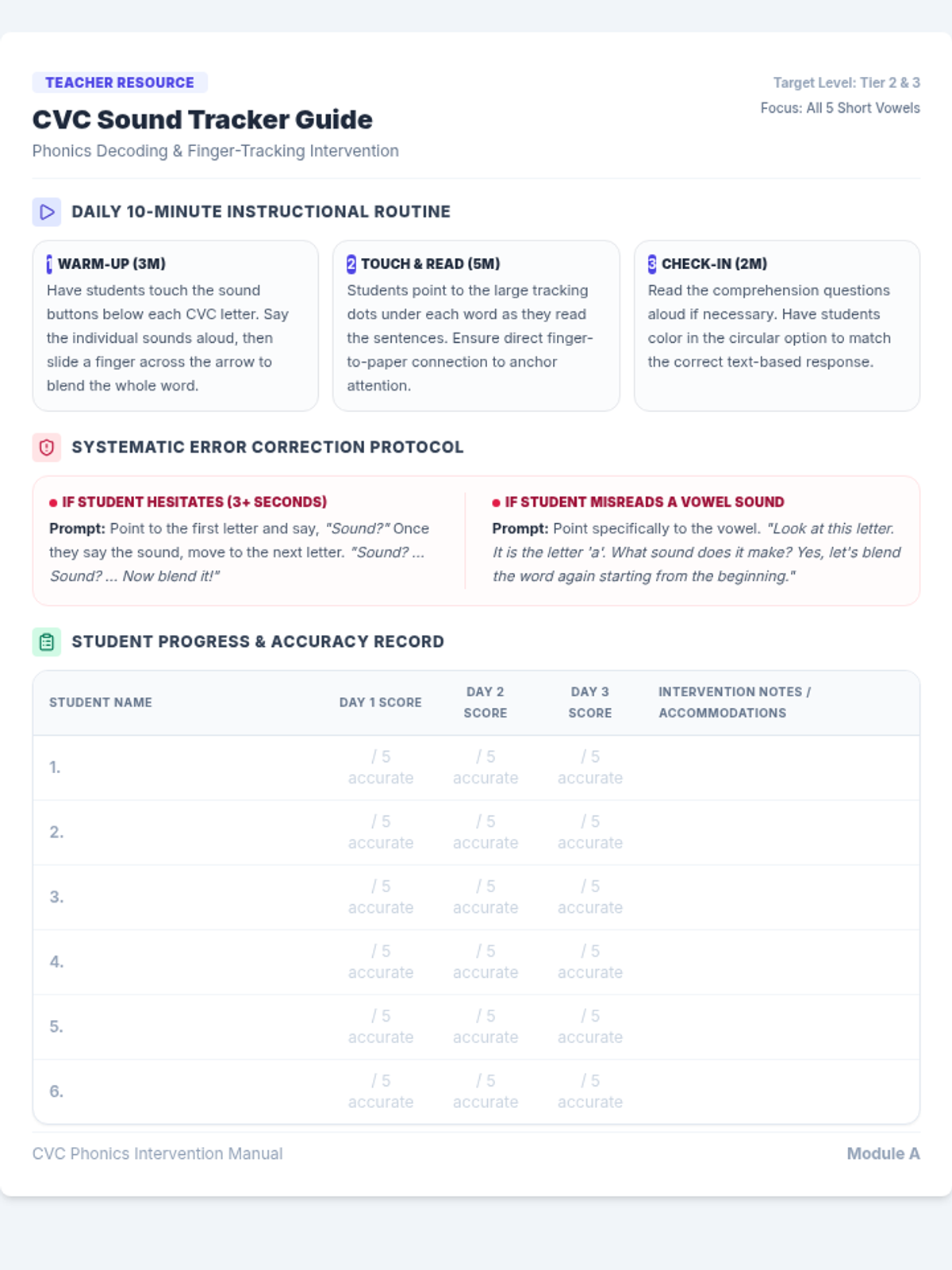
A comprehensive mixed-CVC decoding intervention sequence targeting all five short vowel sounds. Includes student-facing tracking worksheets and a detailed teacher facilitation guide with error correction routines and a progress tracking rubric.
A targeted lesson for high school special education students focusing on identifying and interpreting figurative language, sarcasm, and idioms in daily independent living and social situations.
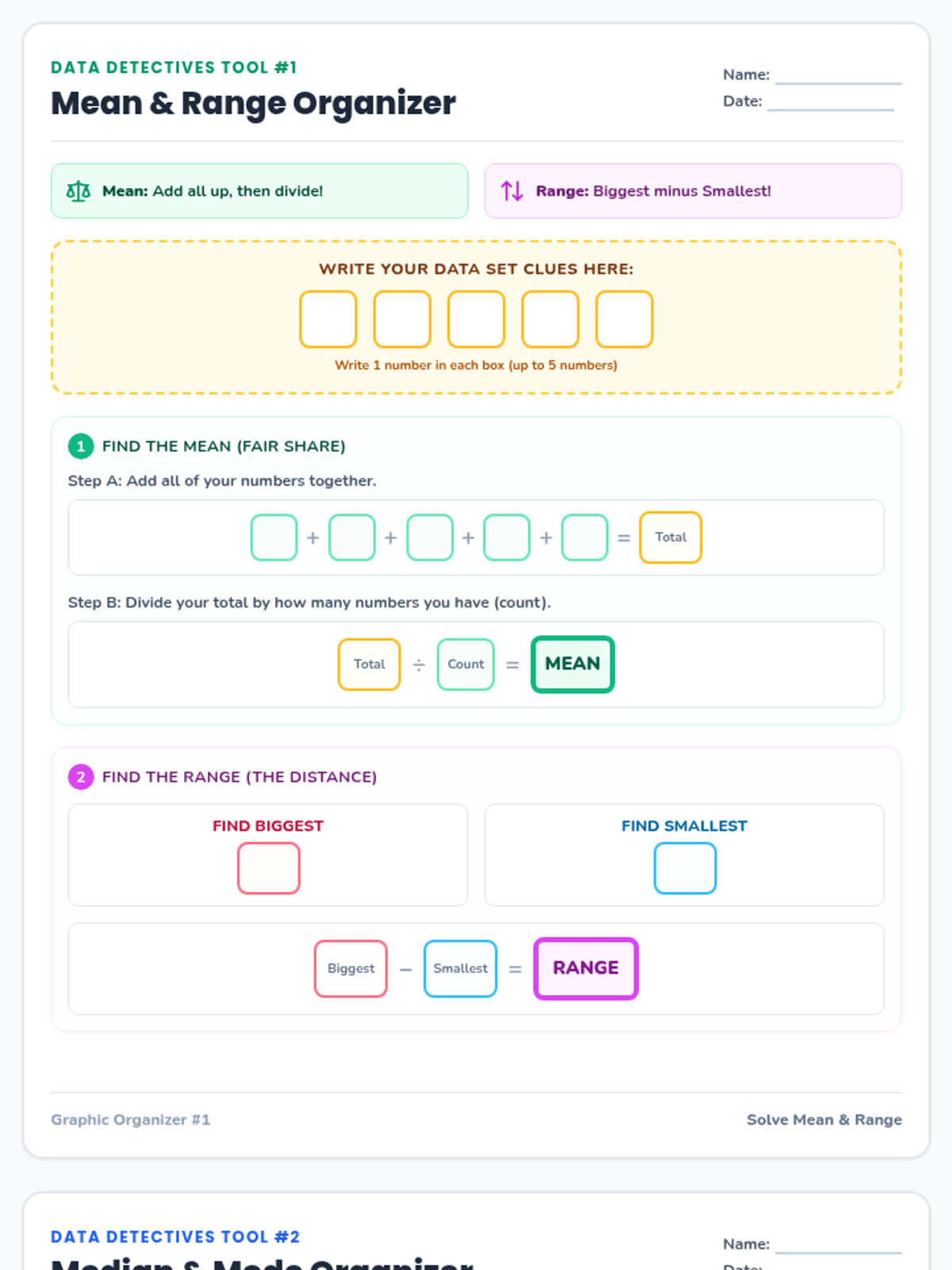
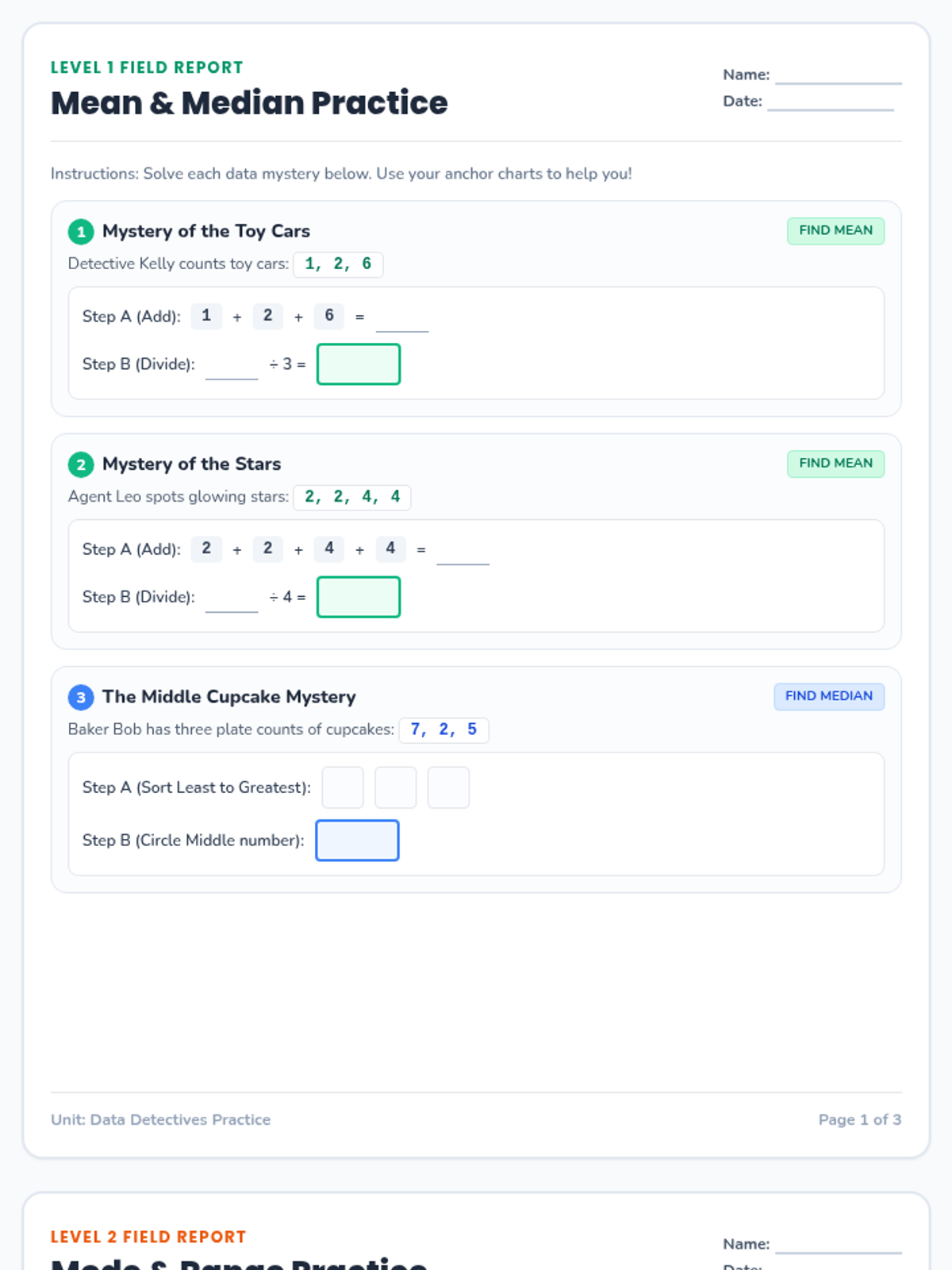
A modified, highly visual math lesson on Mean, Median, Mode, and Range tailored for IEP students. Features visual anchor charts with picture symbols, step-by-step color-coded graphic organizers, task cards with hands-on counting counters, and highly scaffolded worksheets.
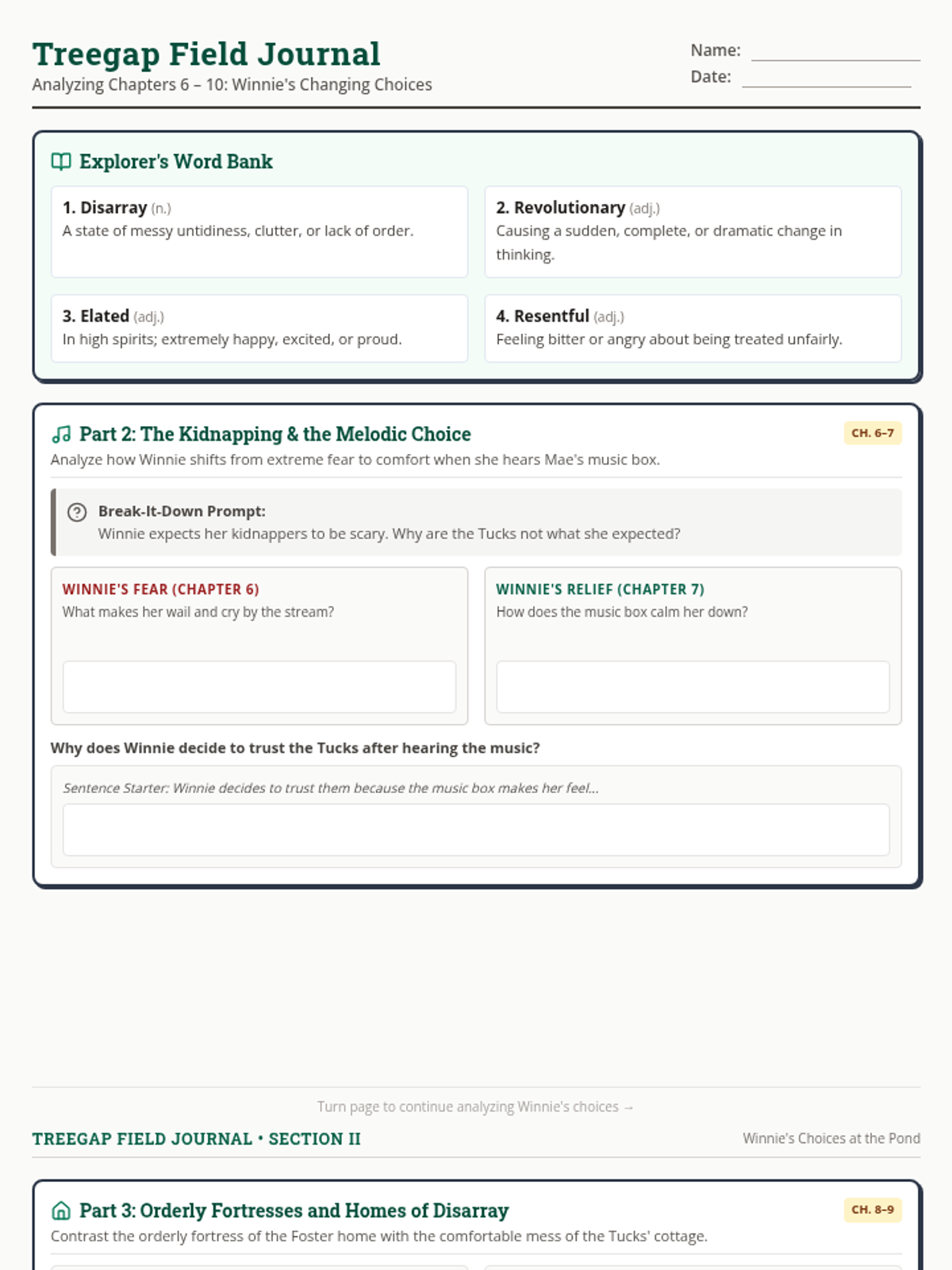
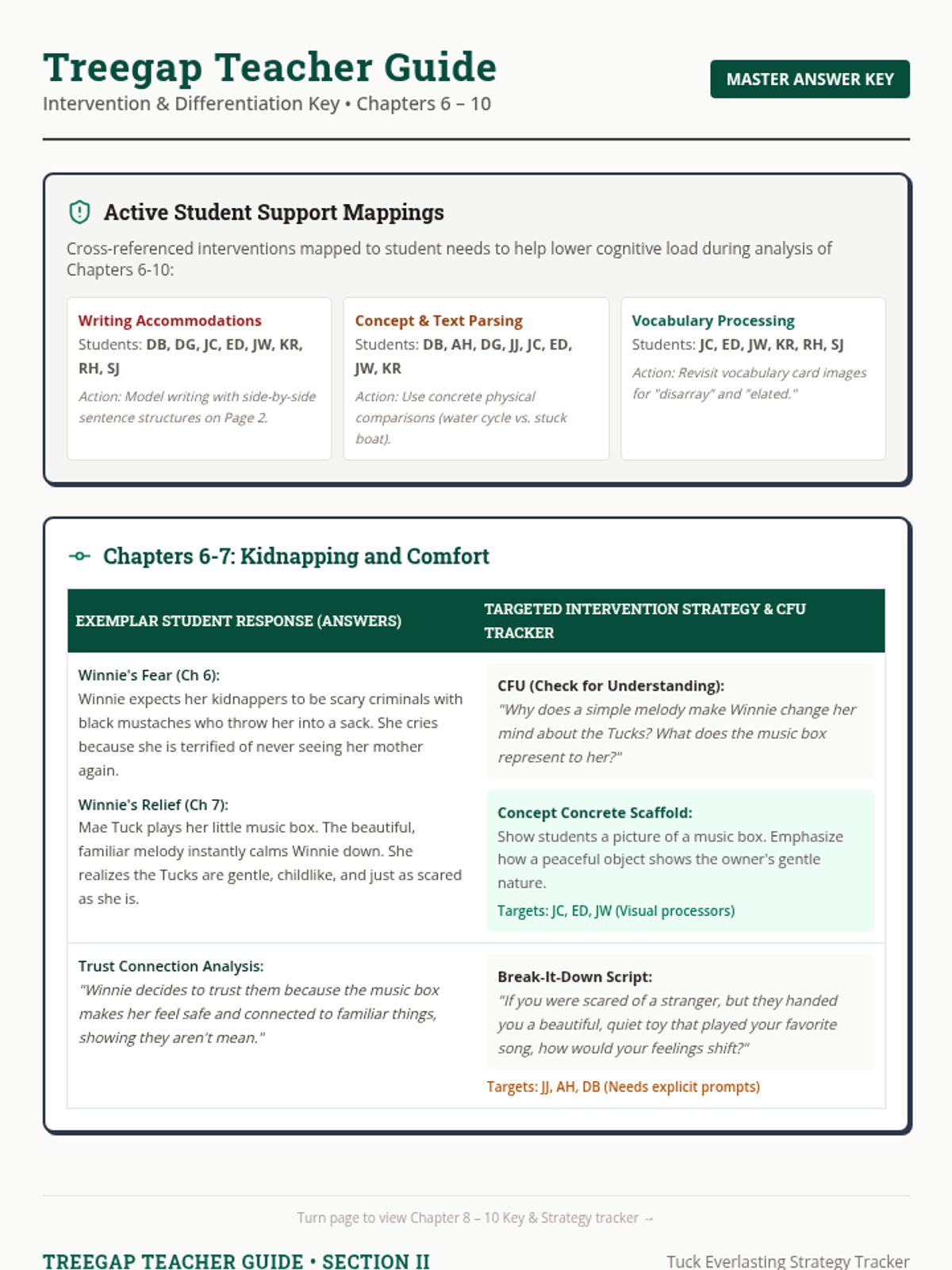
A detailed literary exploration of Chapters 6-10 of Natalie Babbitt's Tuck Everlasting. Students analyze Winnie's reactions to the Tucks' messy, timeless lifestyle compared to her own orderly home, focusing on her growing internal choices and the concept of living outside the wheel of life.
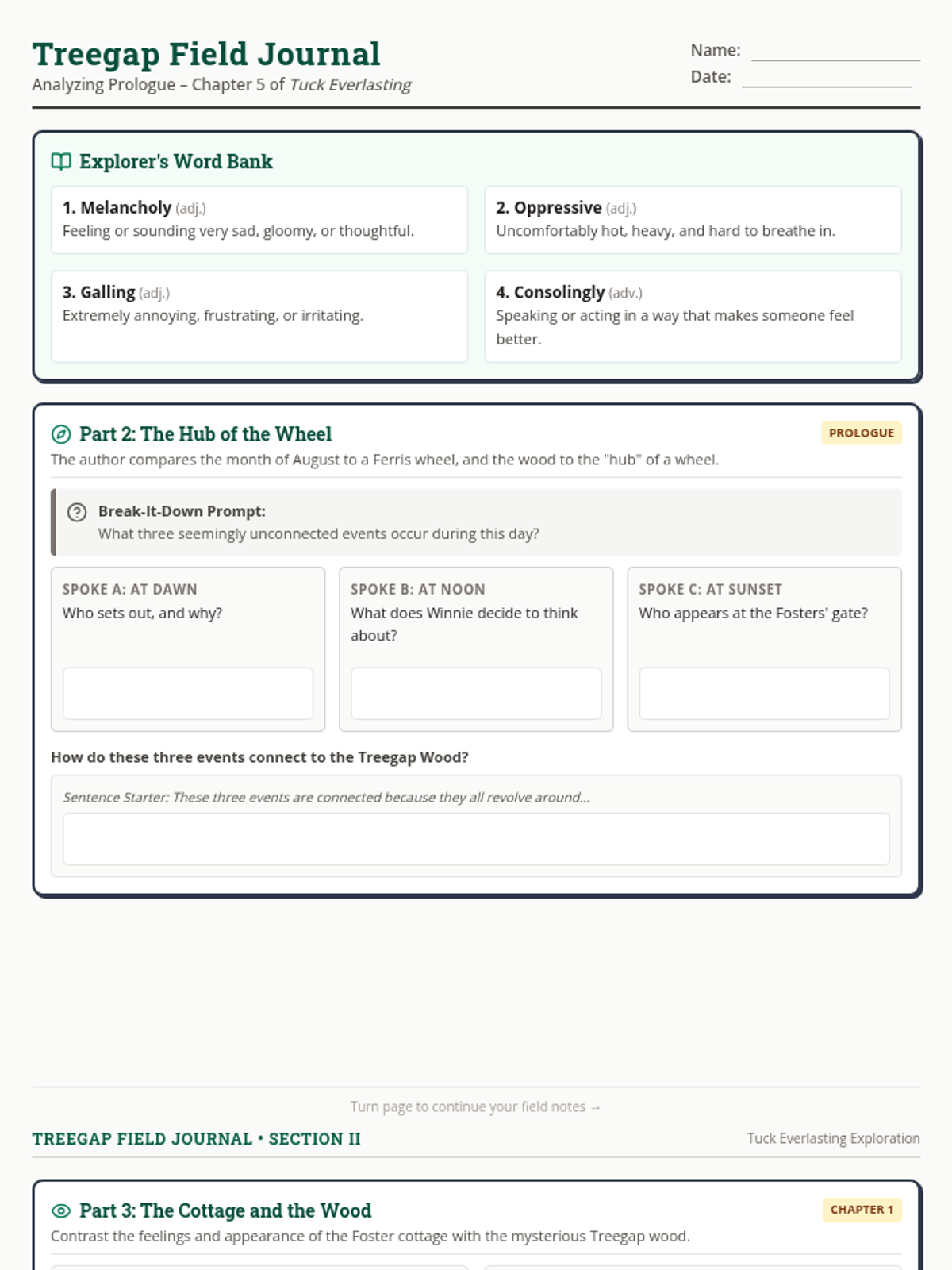
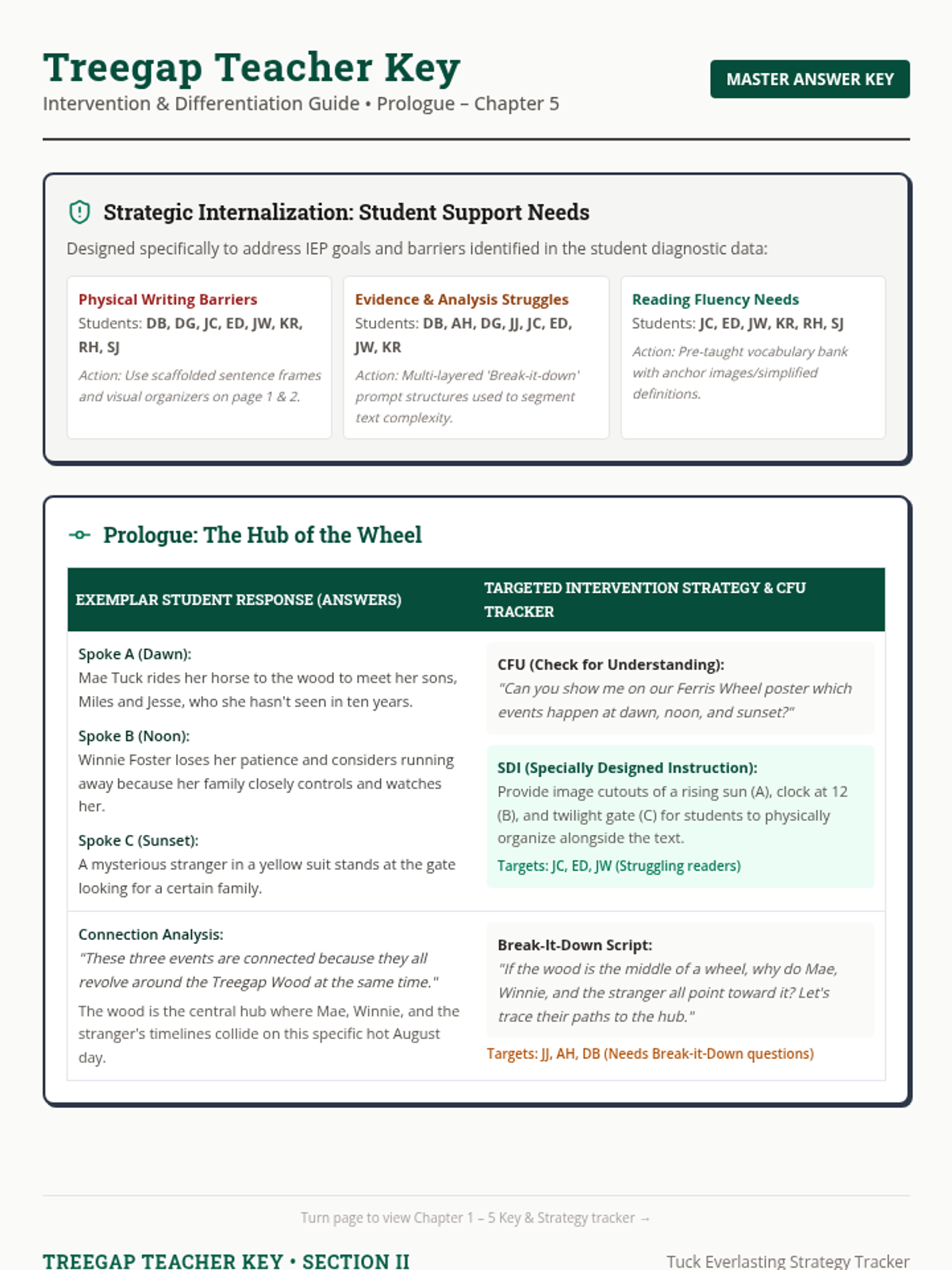
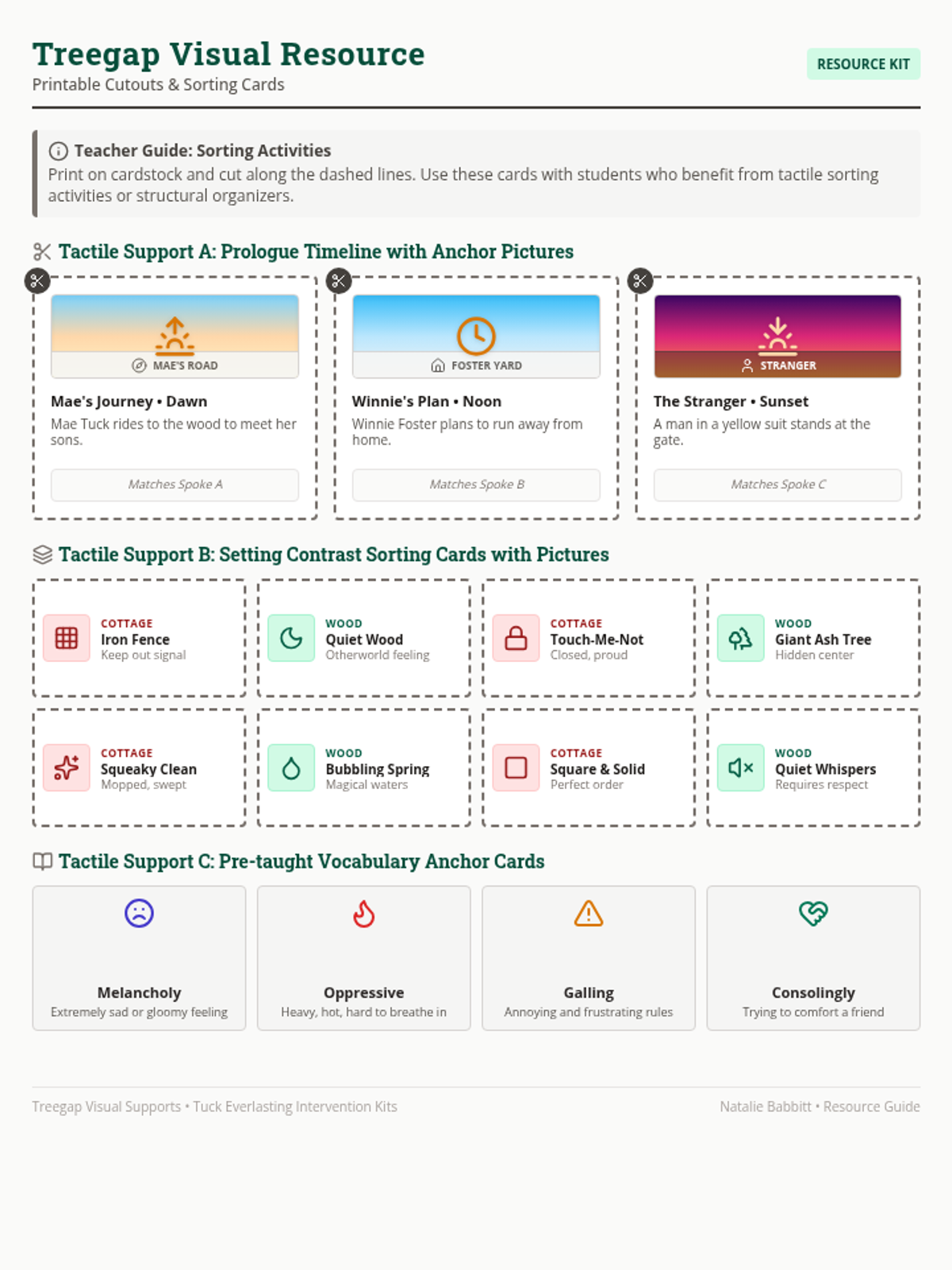
A literary investigation of the prologue through chapter 5 of Natalie Babbitt's Tuck Everlasting. Students explore setting contrasts and the mysterious meeting between Winnie and Jesse, while teachers leverage structured scaffolds and checks for understanding.
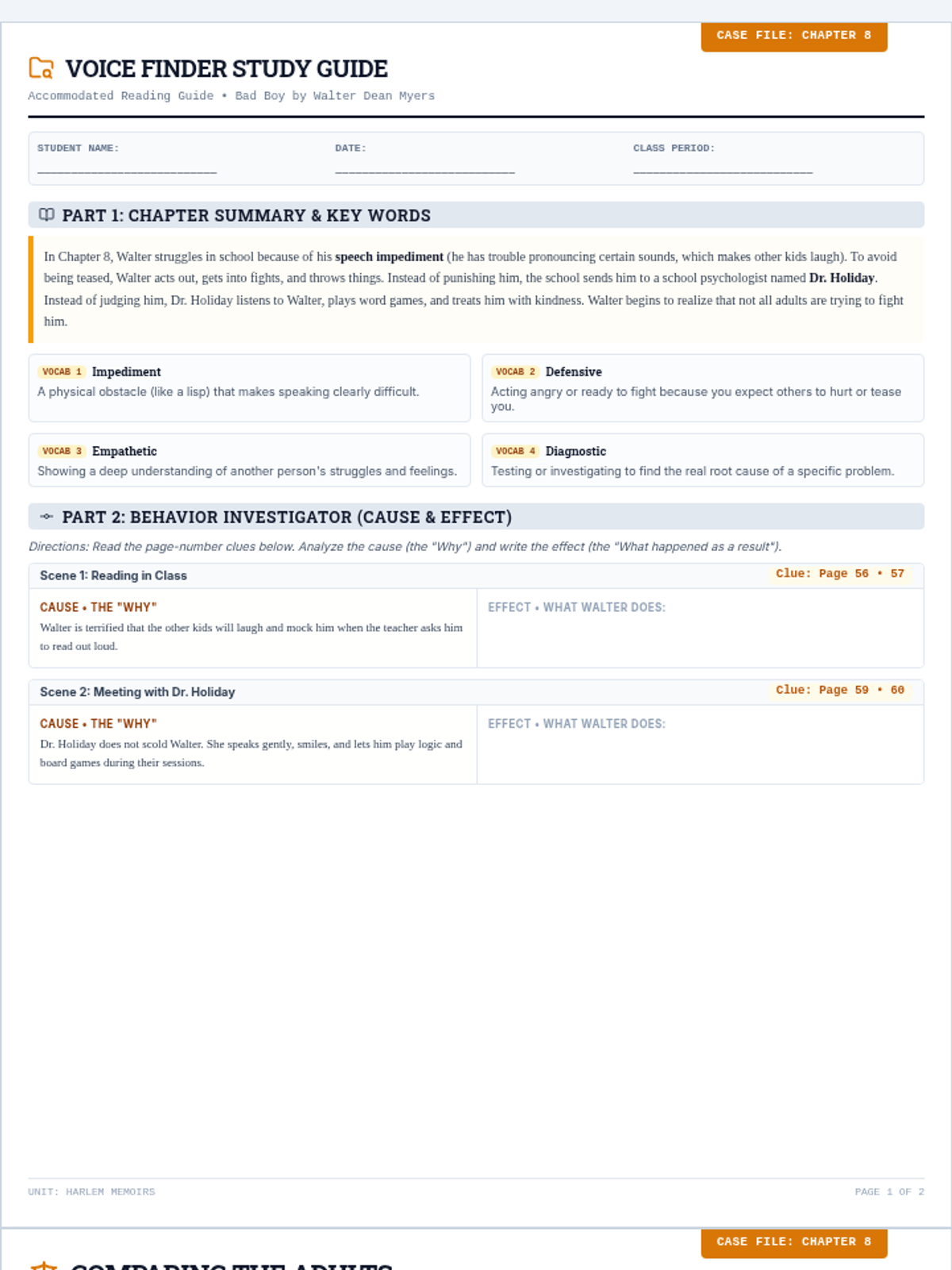
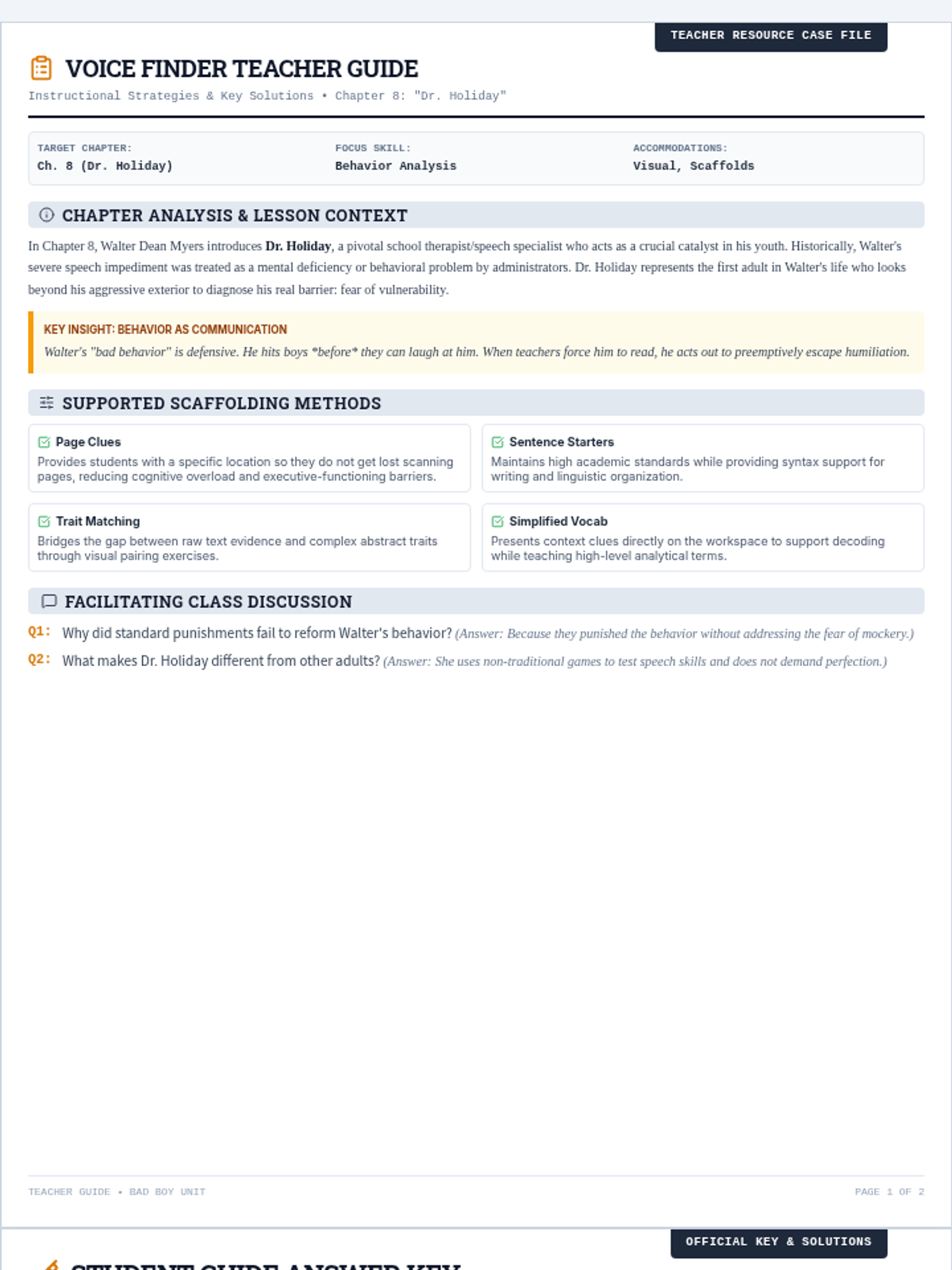
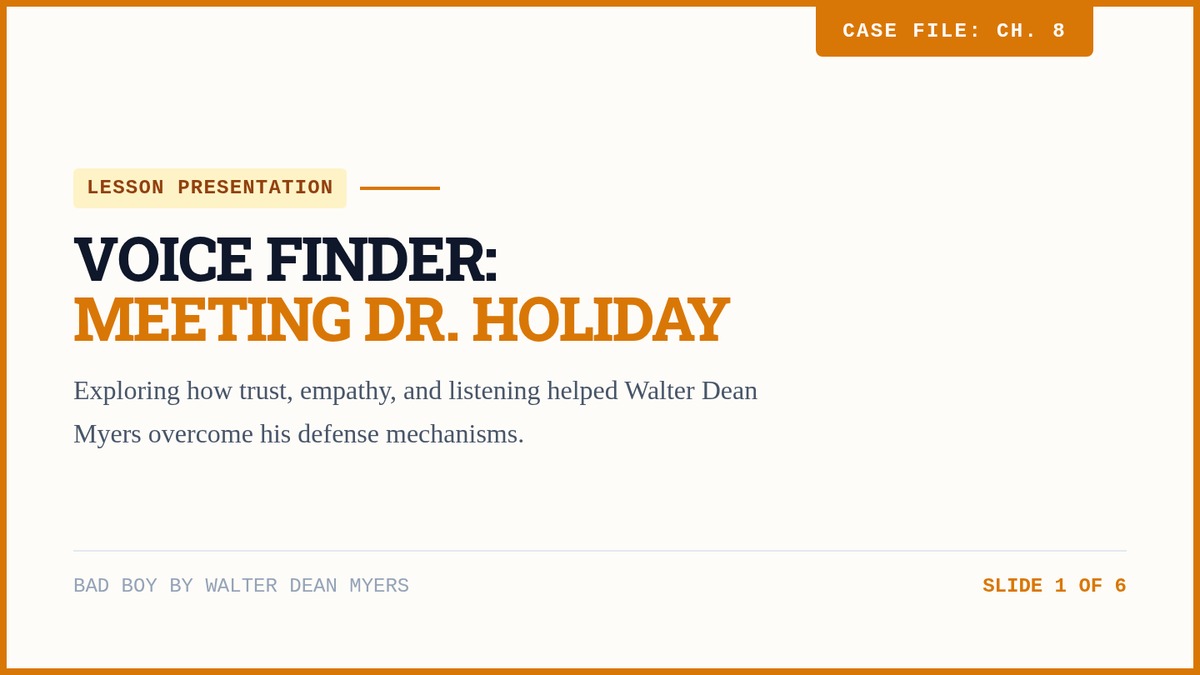
An accommodated, highly-scaffolded study guide and lesson resources focused on the 'Dr. Holiday' chapter of Walter Dean Myers' memoir, Bad Boy. Students explore character traits, comparison of adult figures, vocabulary, and cause-and-effect relationships surrounding Walter's behavior.
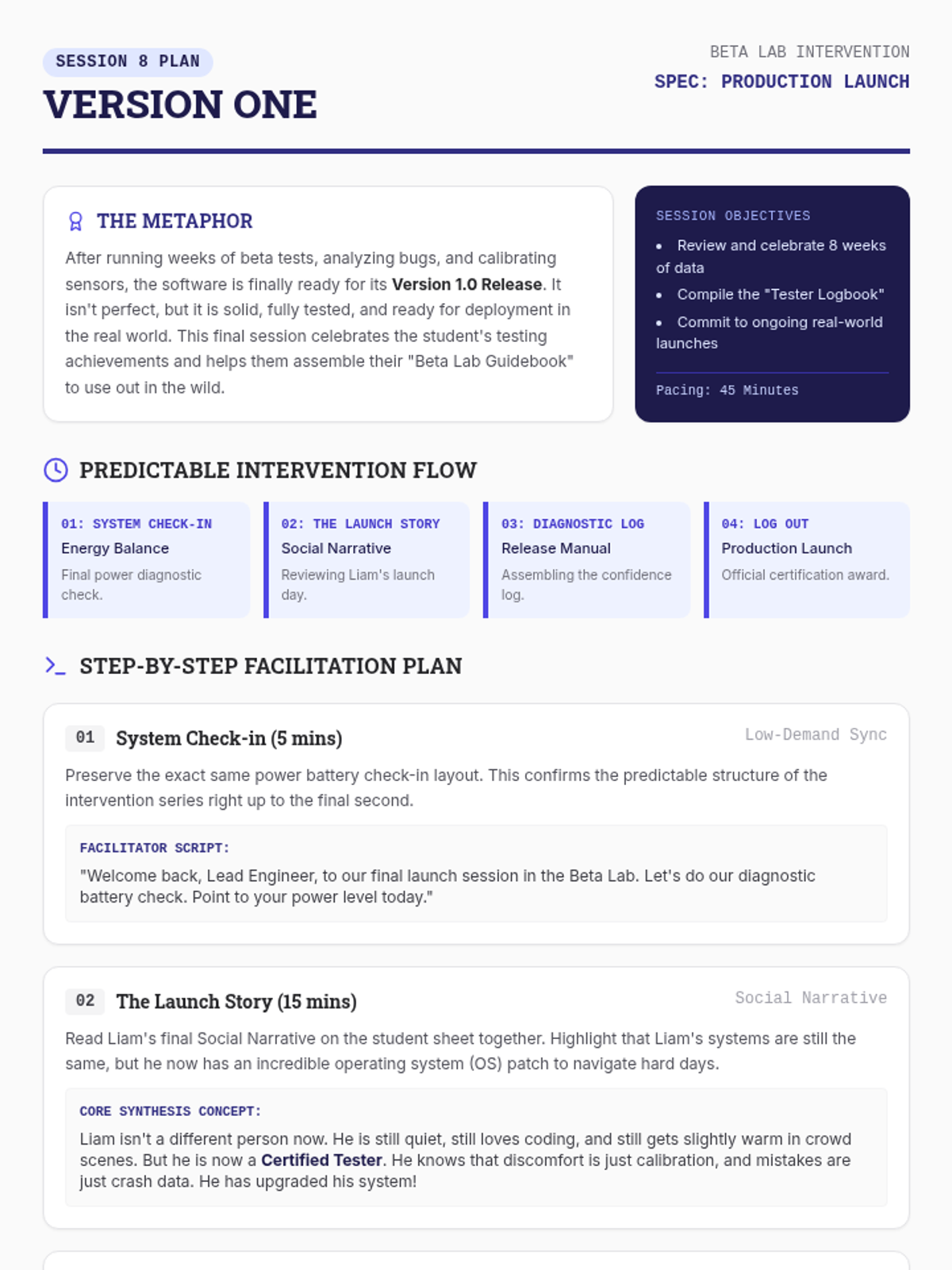
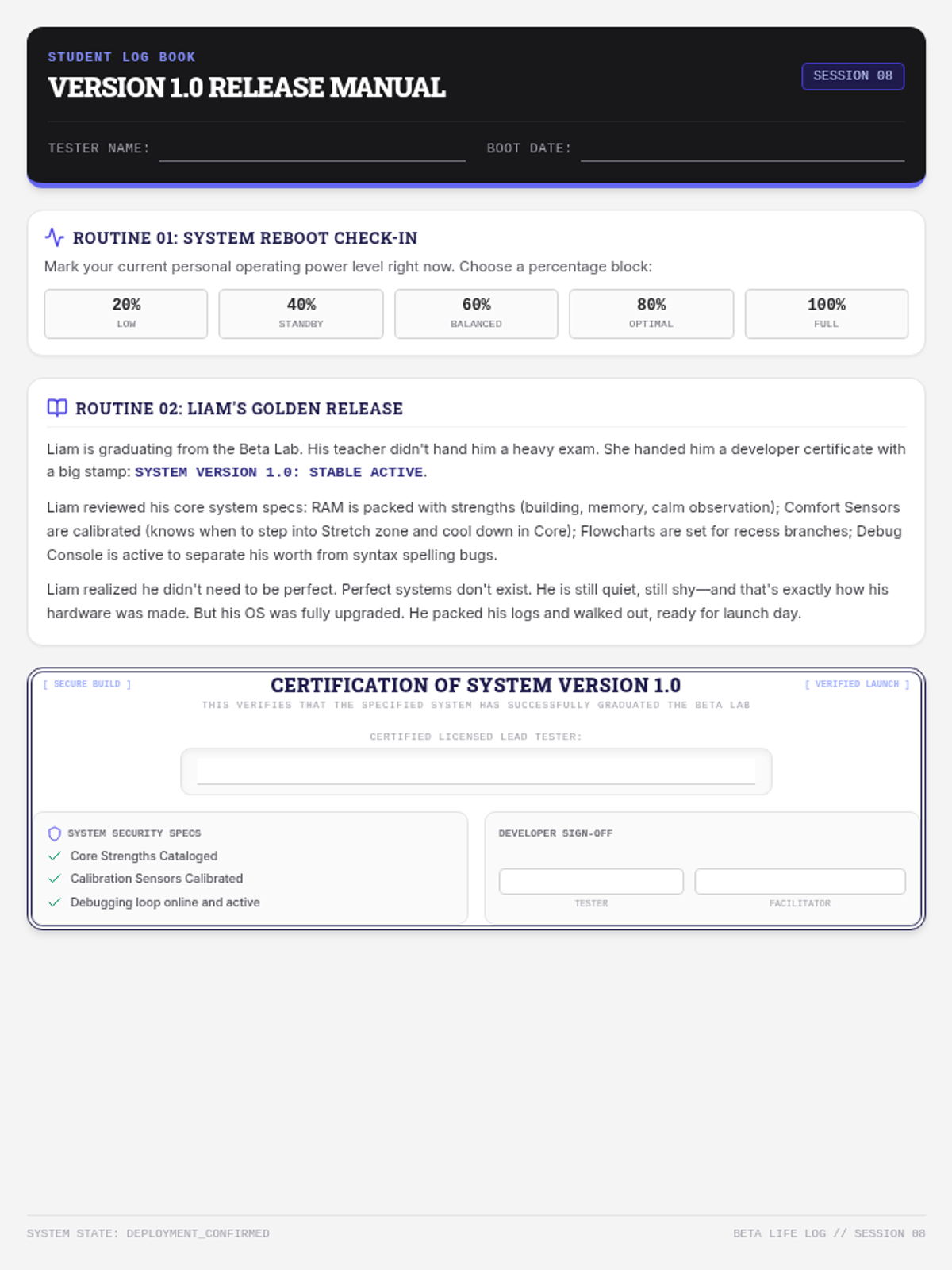
Session 8 synthesizes the 8-week journey. The student compiles their logs into a personalized confidence guide and celebrates their testing achievements.
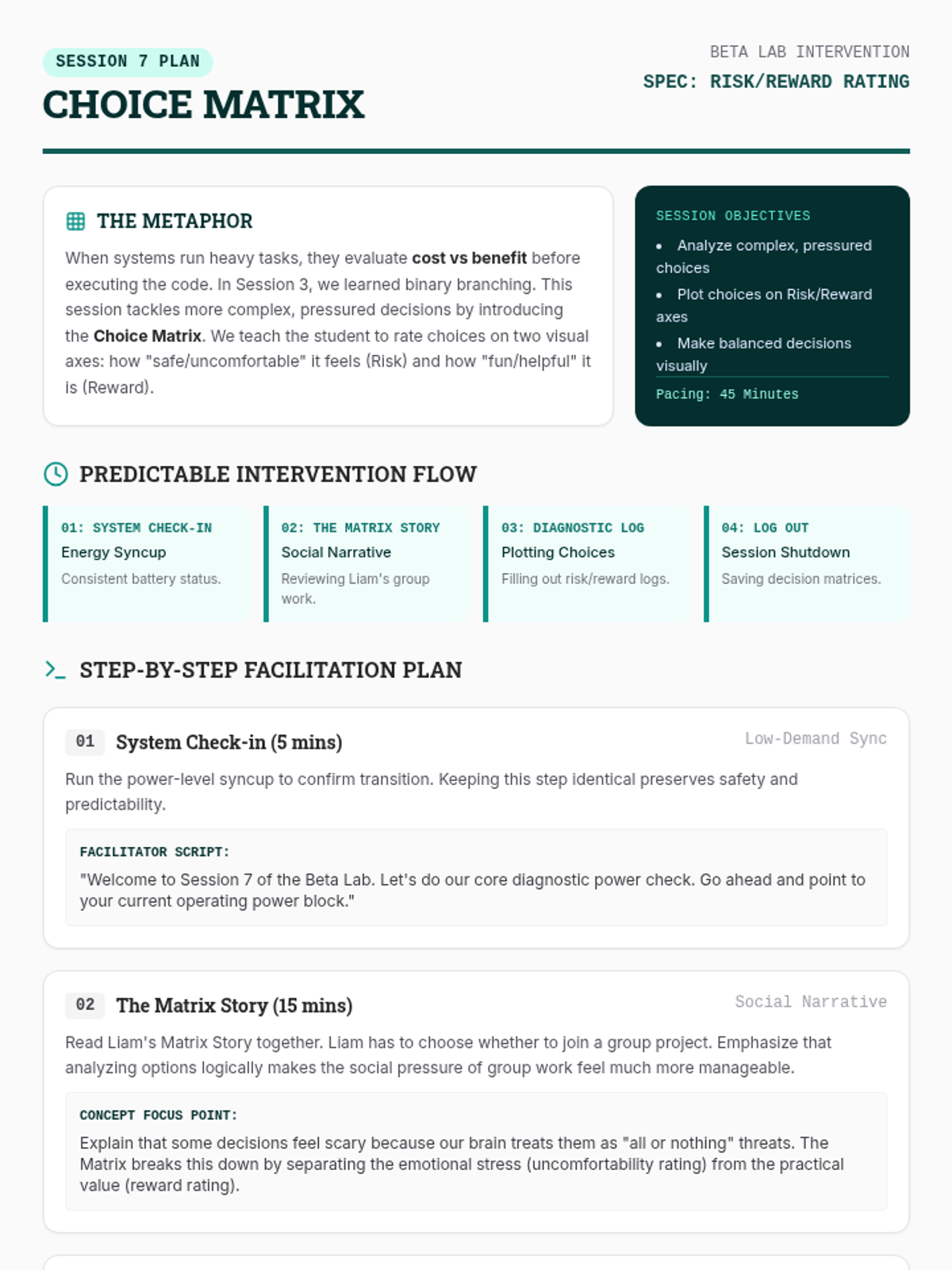
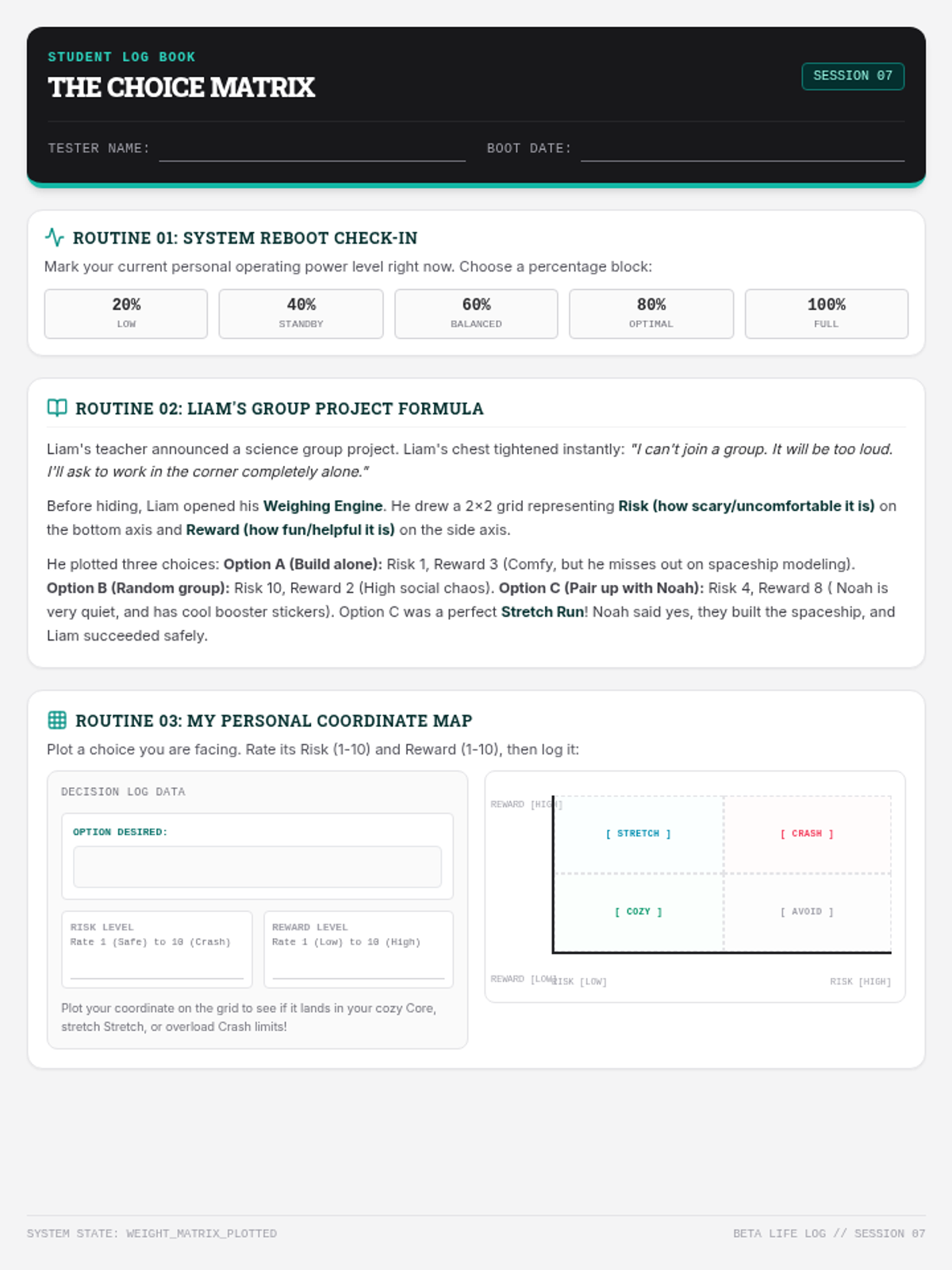
Session 7 explores more complex decisions under pressure, teaching the student how to weigh risks and rewards using a simple visual rating tool.
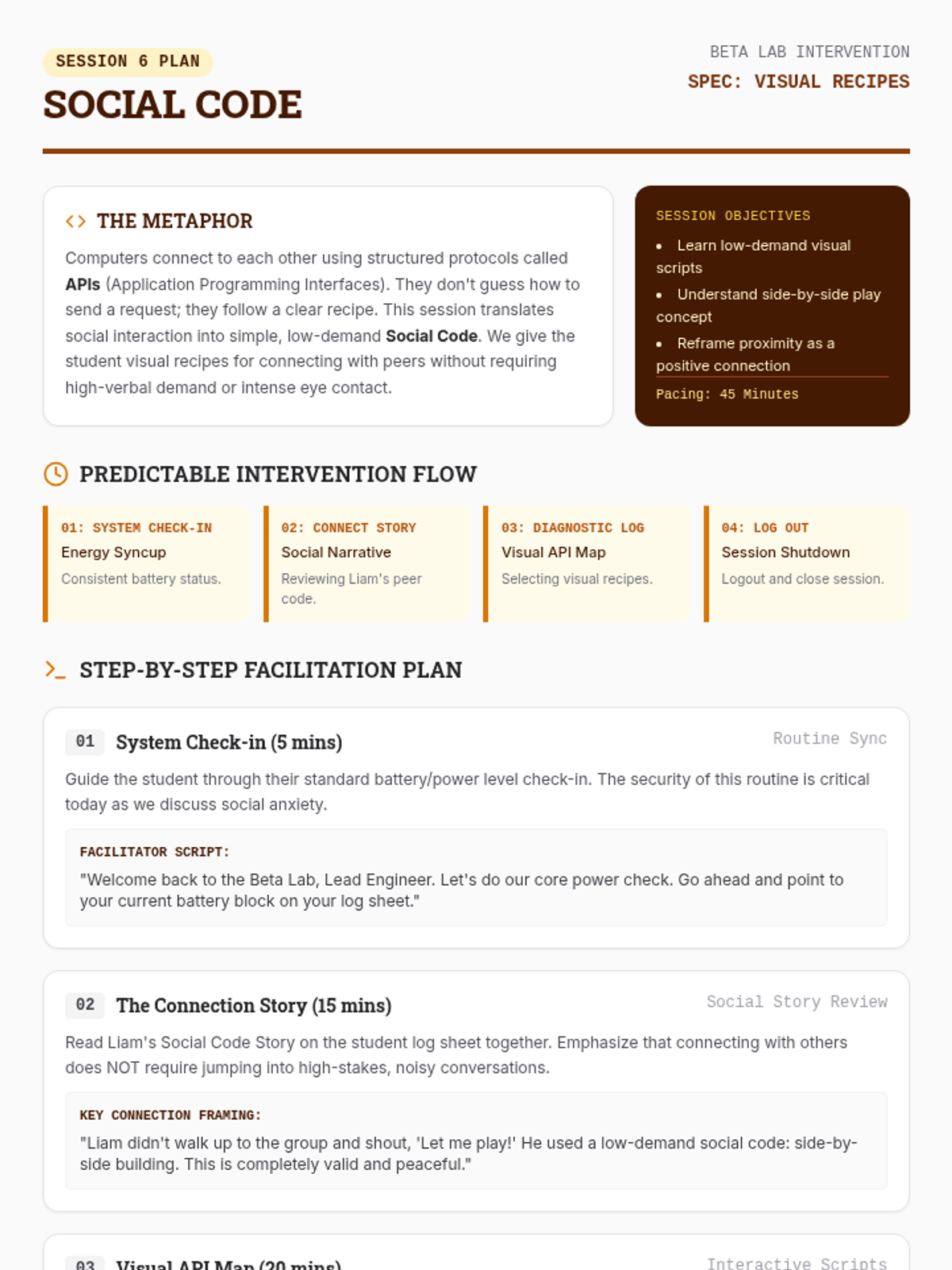
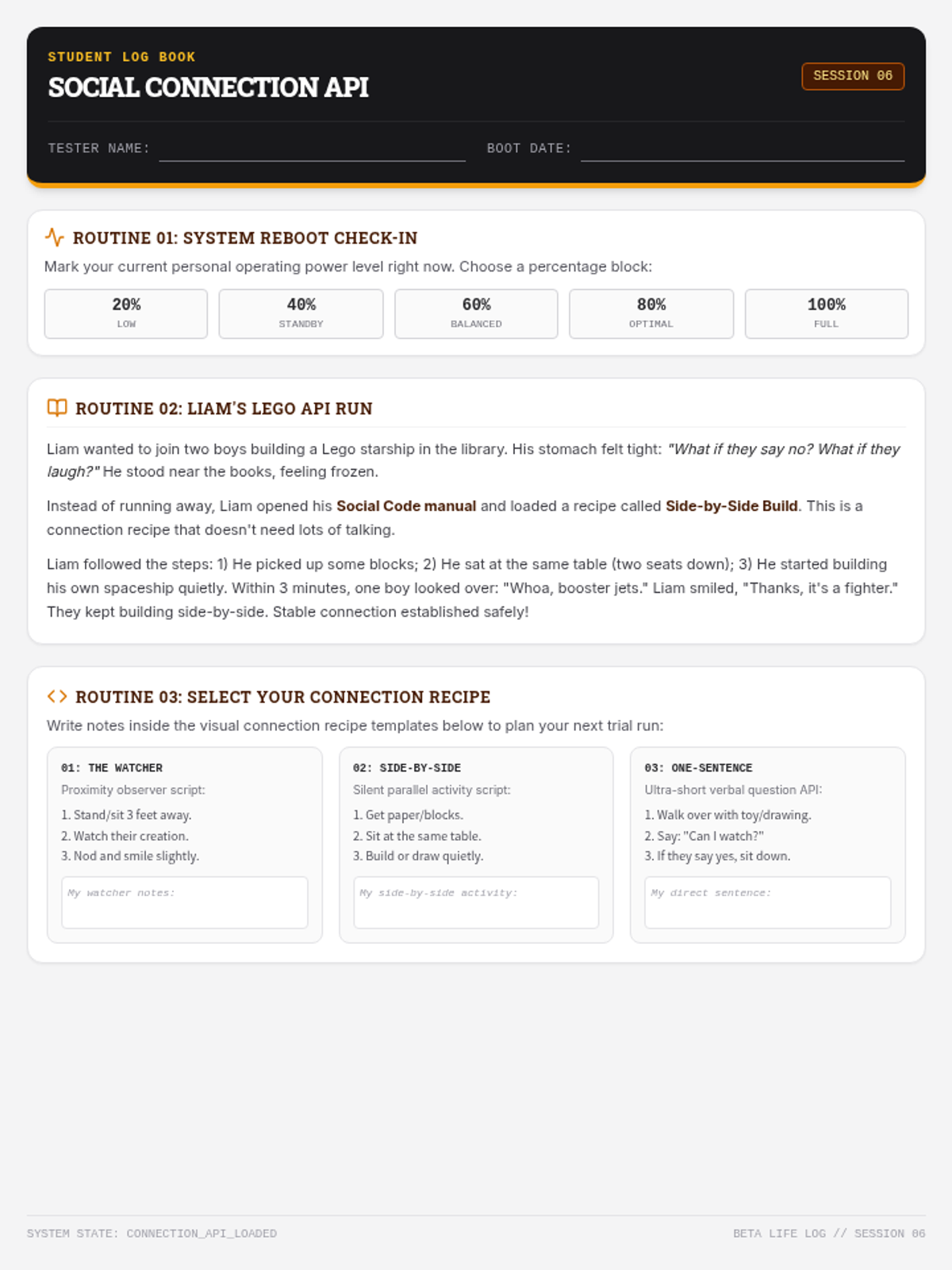
Session 6 addresses social interactions. The student learns low-demand social scripts and structured visual recipes for peer connection.
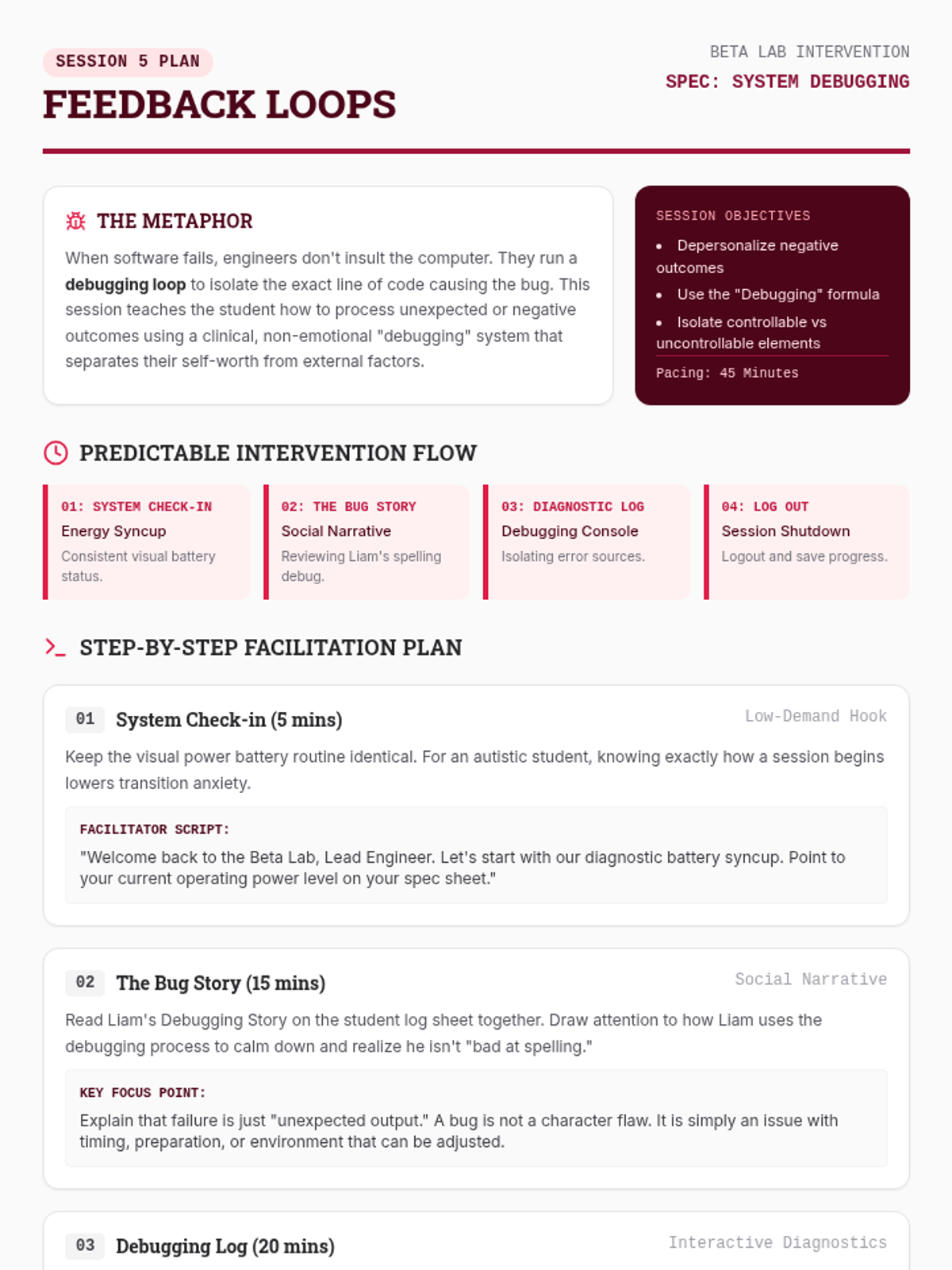
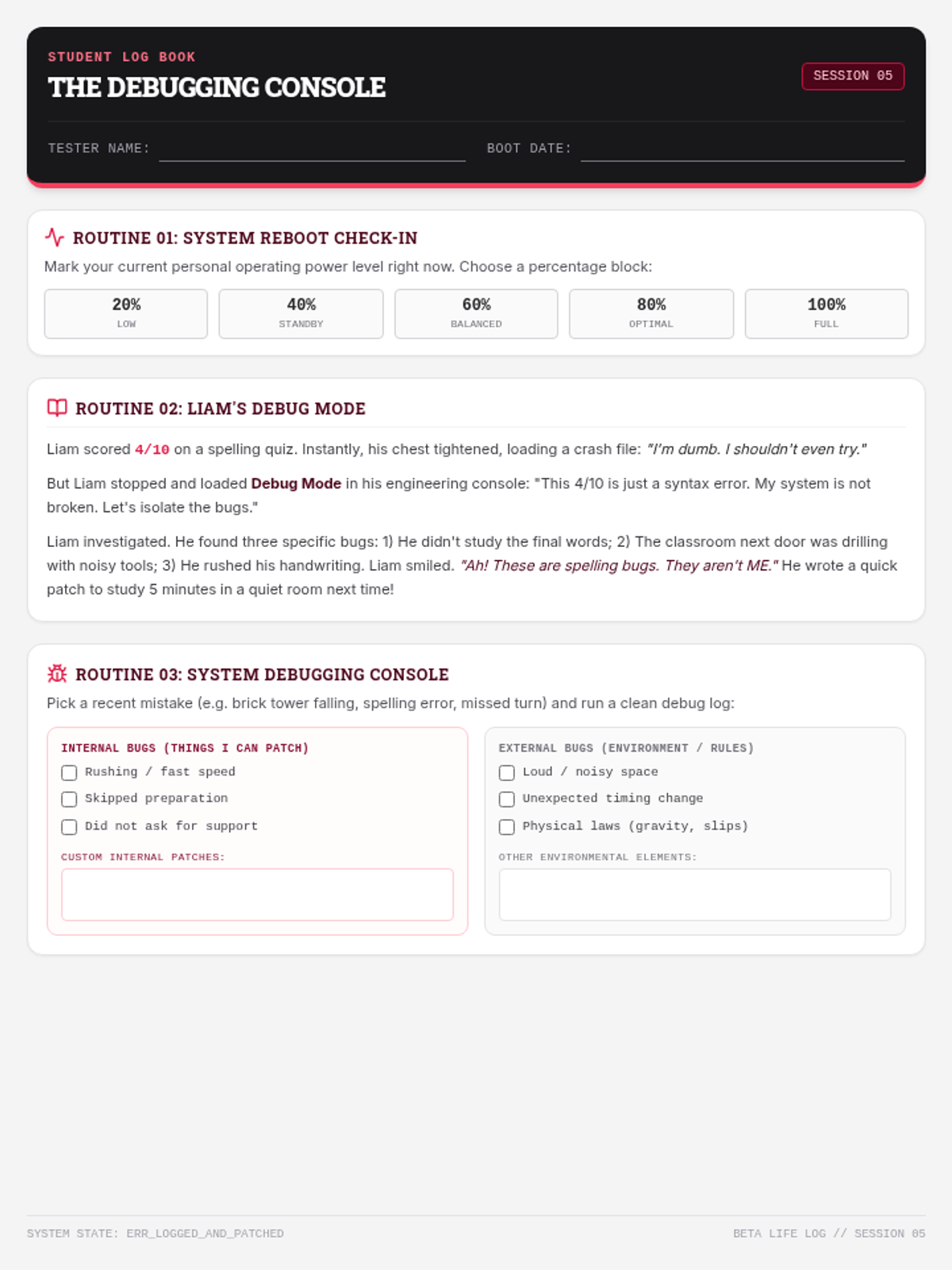
Session 5 covers processing unexpected outcomes. The student learns to analyze results without self-blame, using a structured "trail debugging" framework.
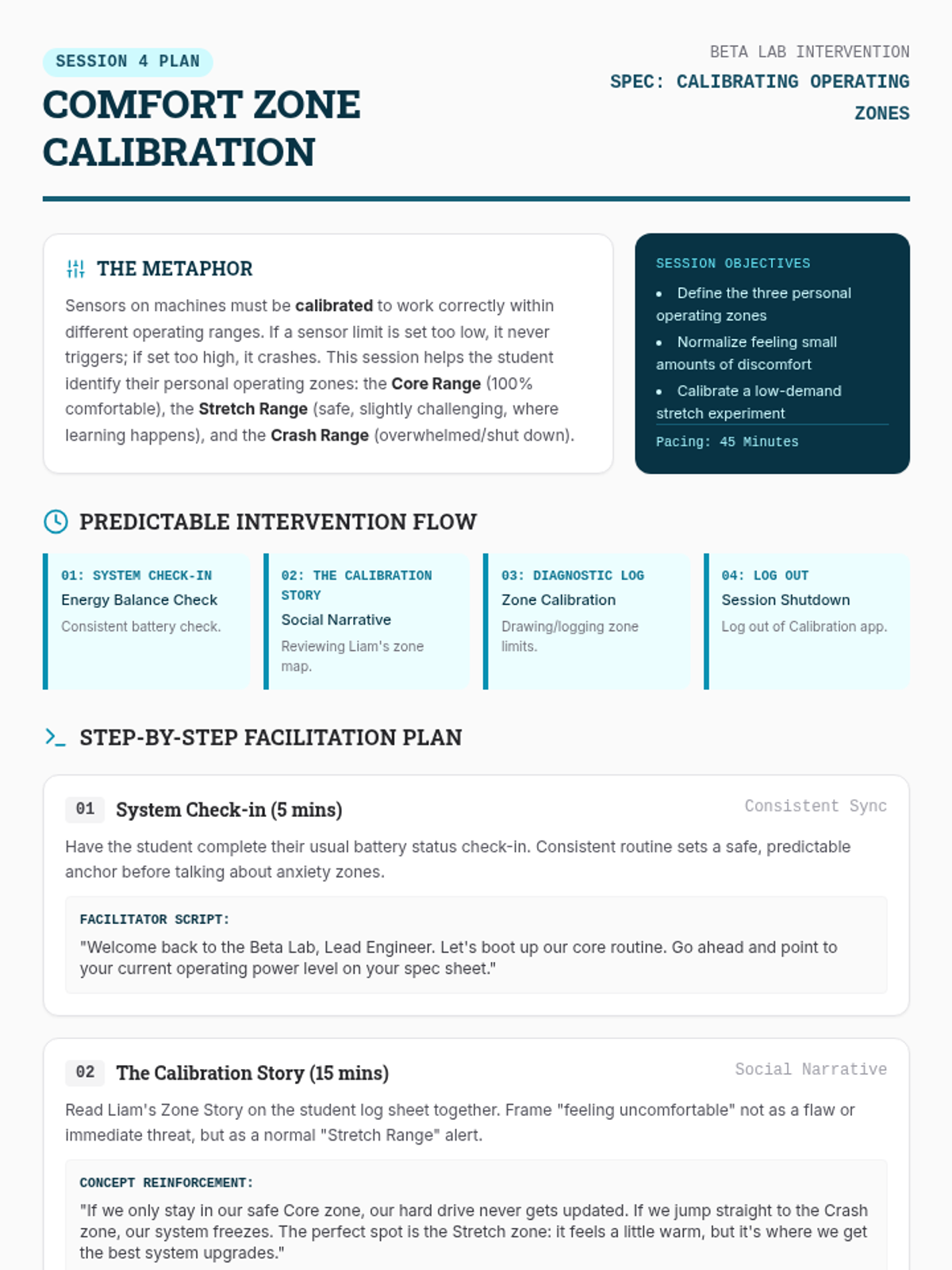
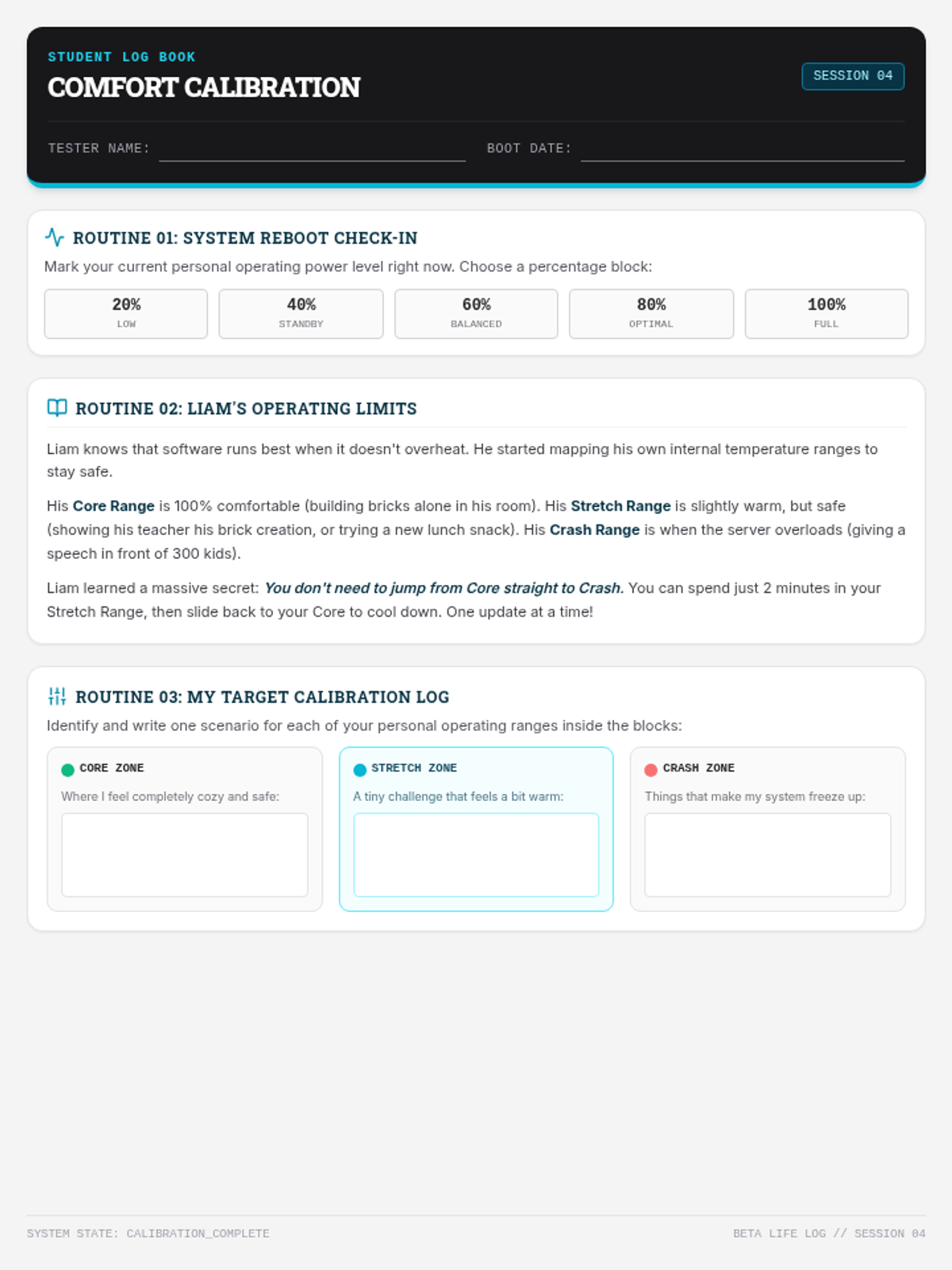
Session 4 focuses on gradually expanding the comfortable operating zone by setting up and running tiny, controlled trials in a safe environment, mapping Core, Stretch, and Storm zones.
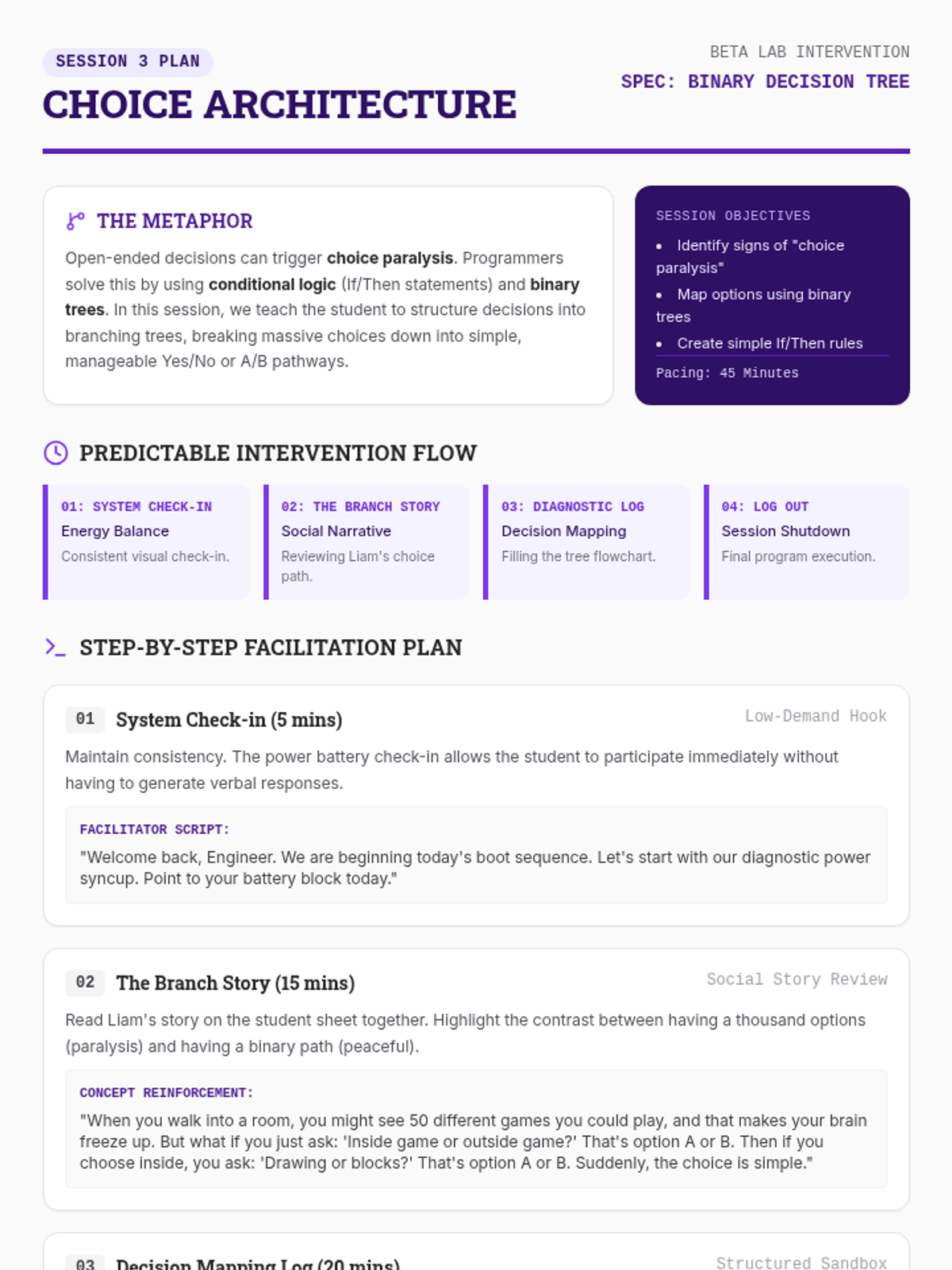
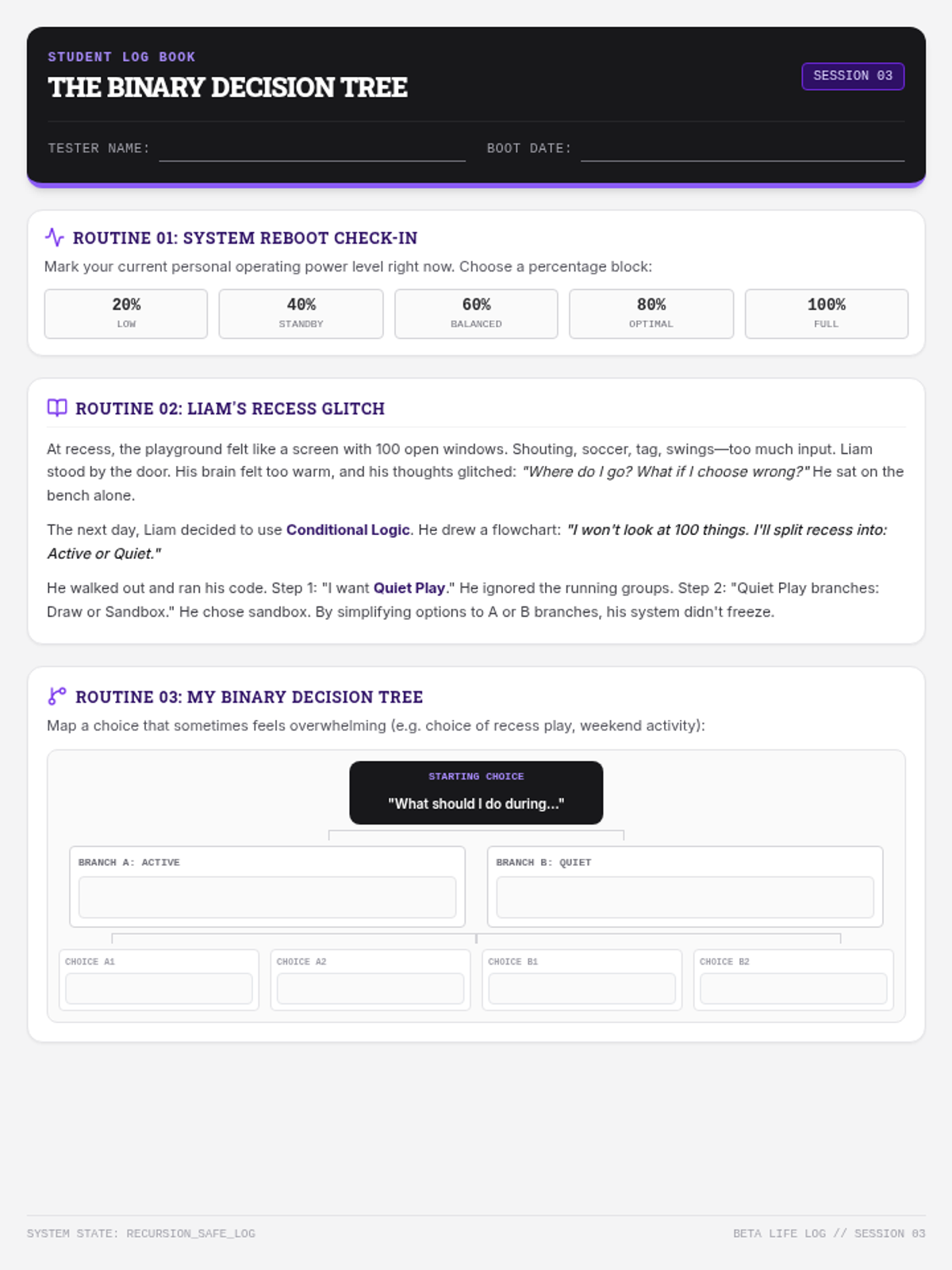
Session 3 introduces structured decision-making. The student learns to map decisions into binary "trail forks," reducing cognitive overload and paralysis.
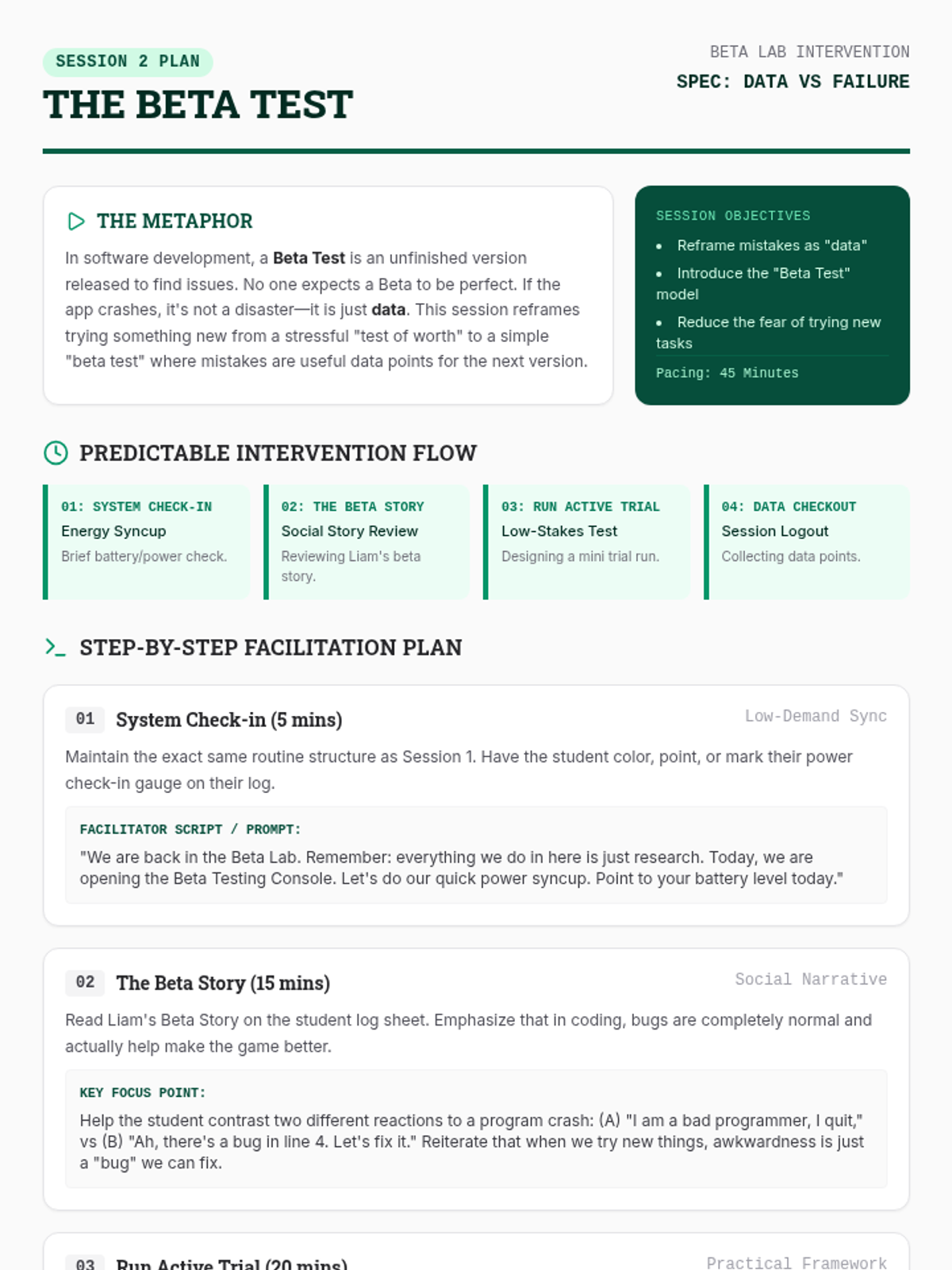
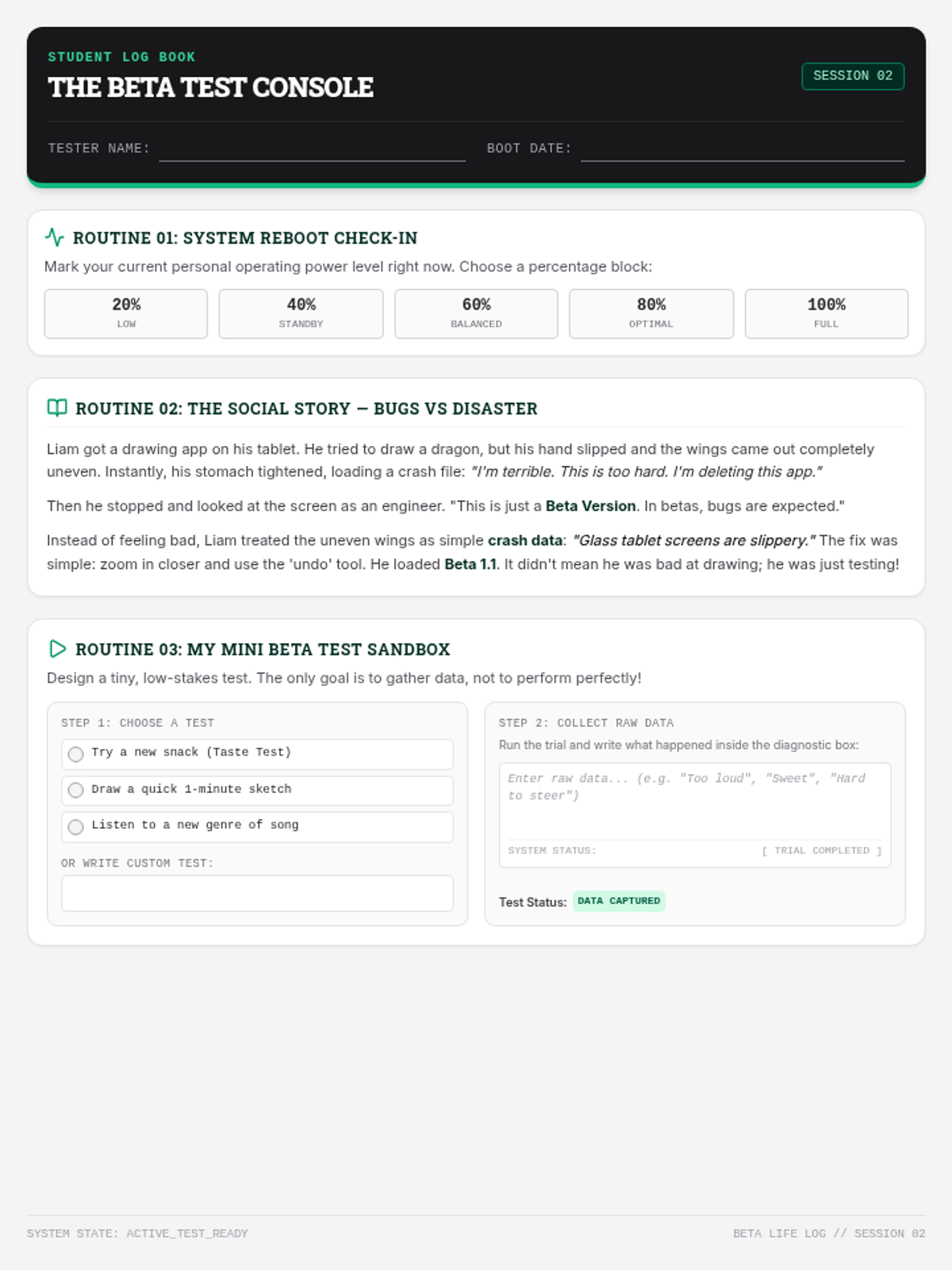
Session 2 re-frames the fear of trying new things. The student learns to treat new activities as low-stakes "scouting runs" where mistakes are just "terrain map data."
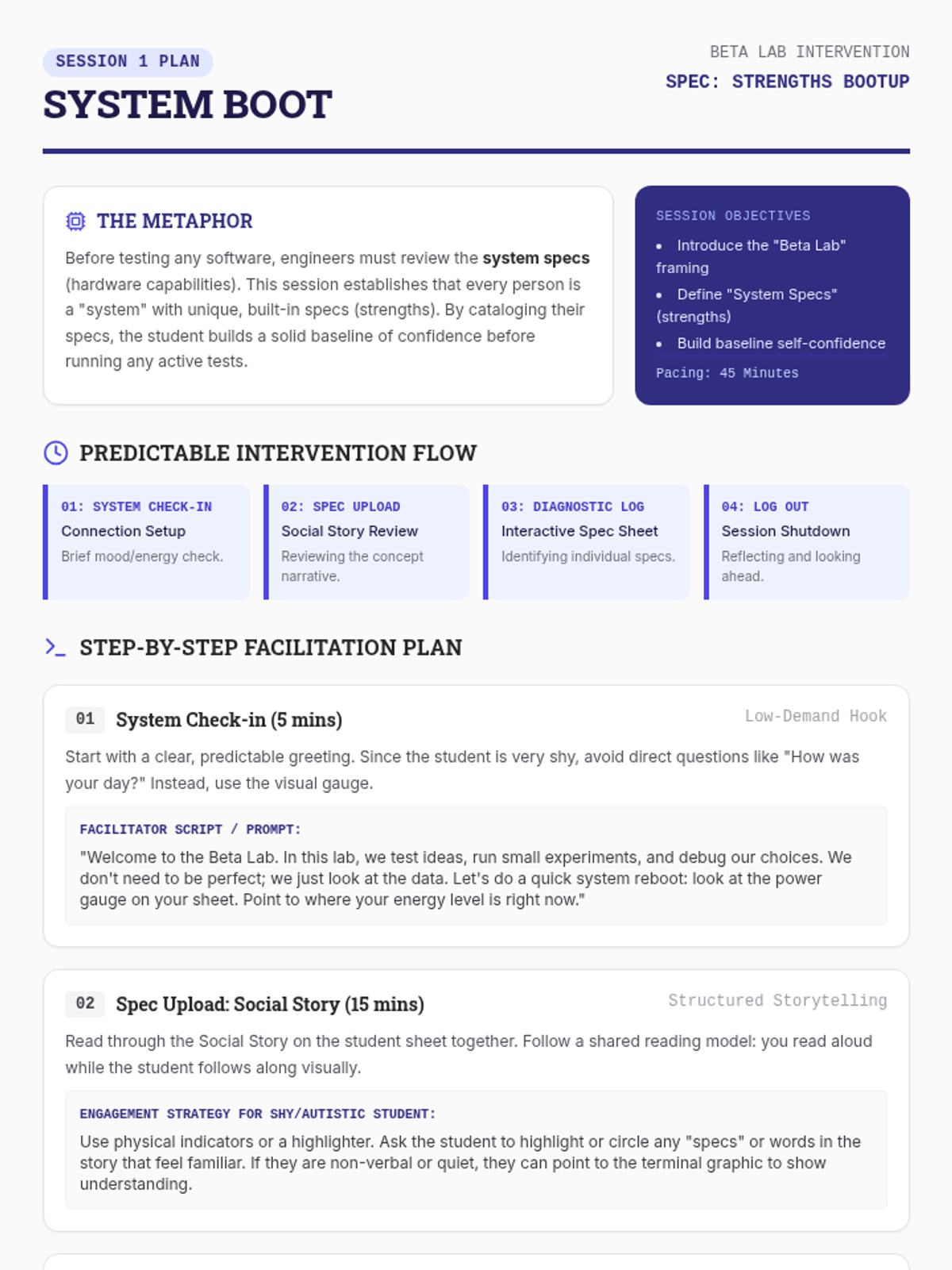
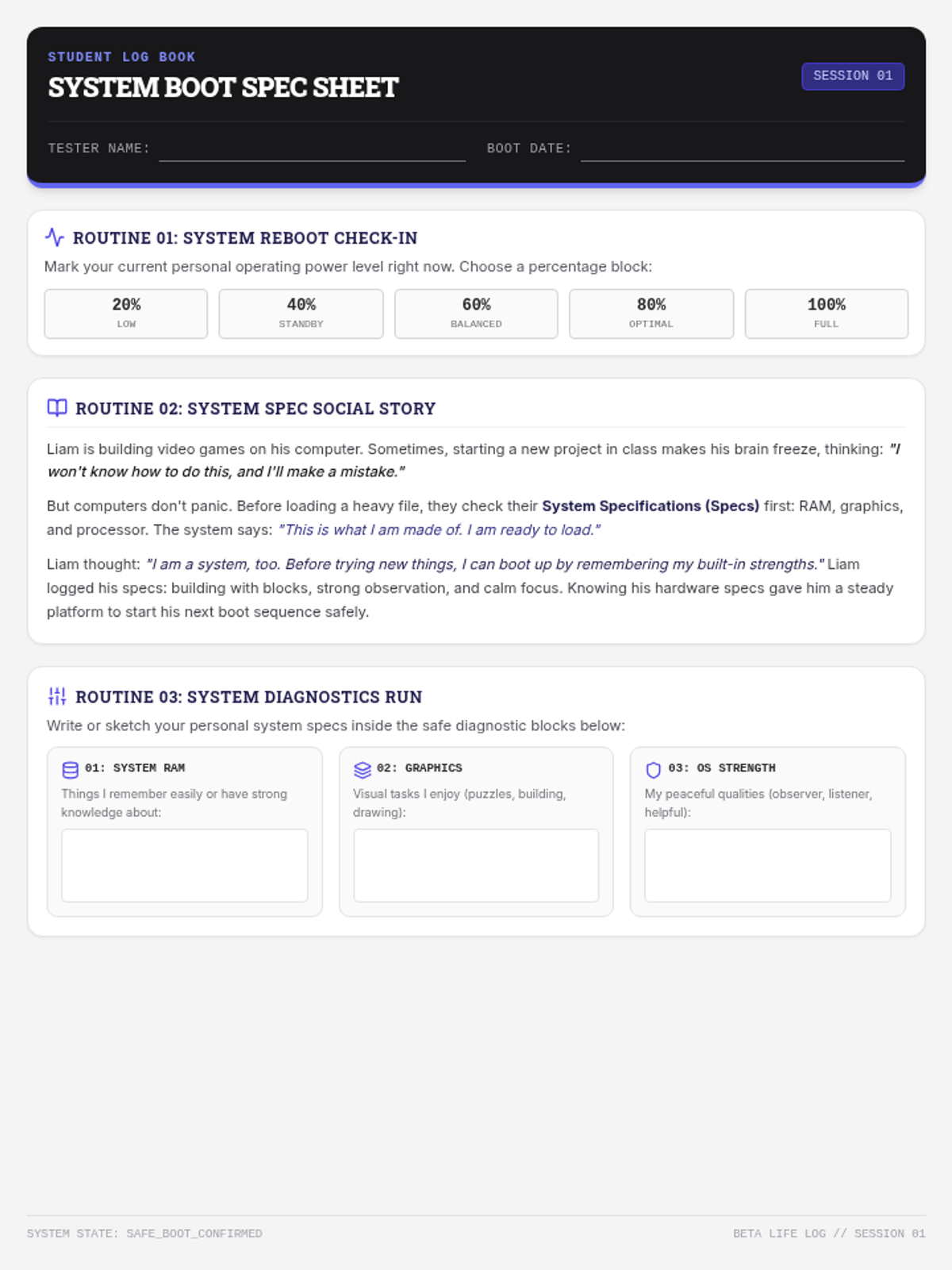
Session 1 establishes the "Field Guide" and "Wildwood Scouting" metaphor, helping the student identify their individual strengths as "field gear specs" to build baseline confidence.
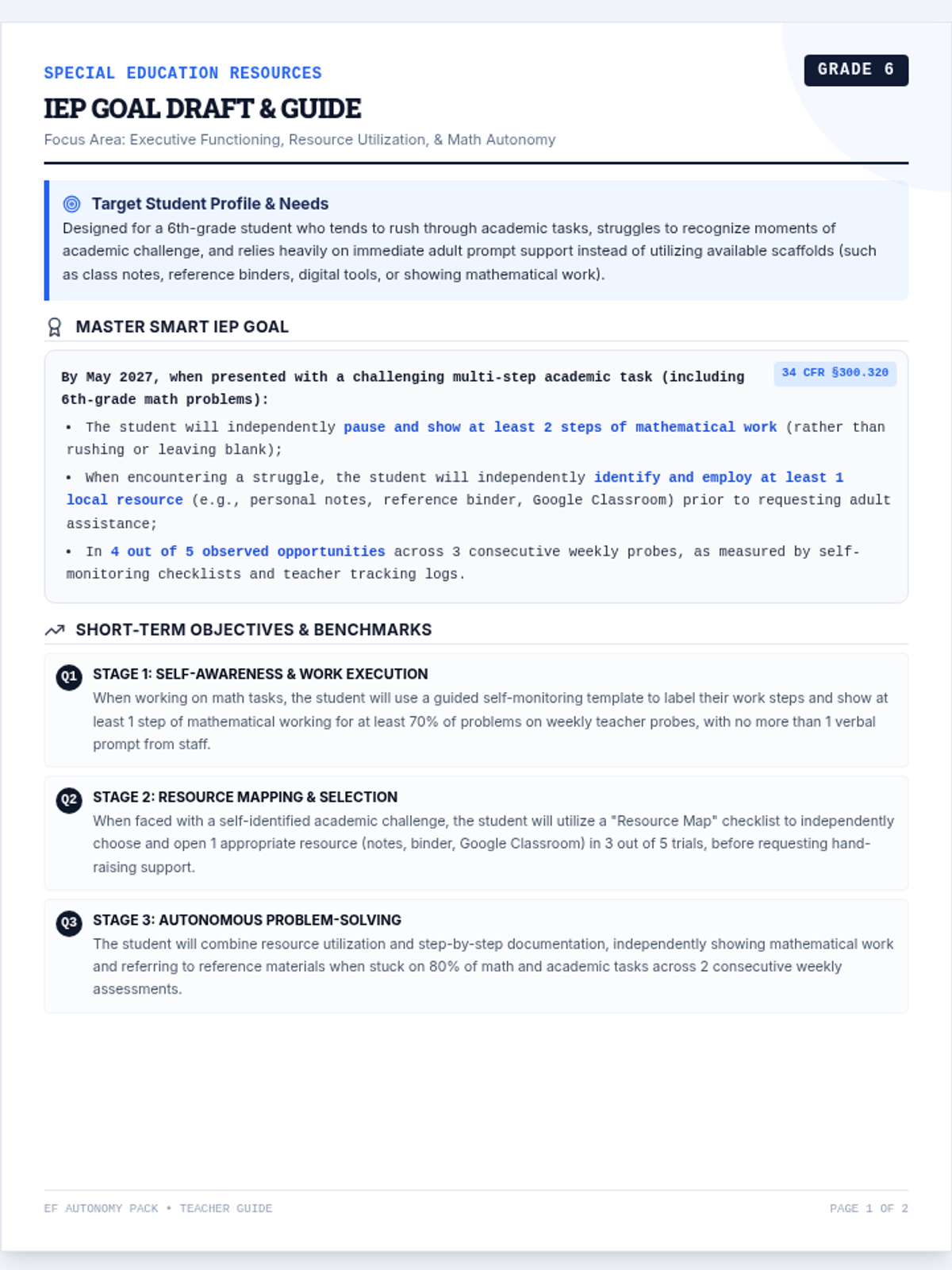
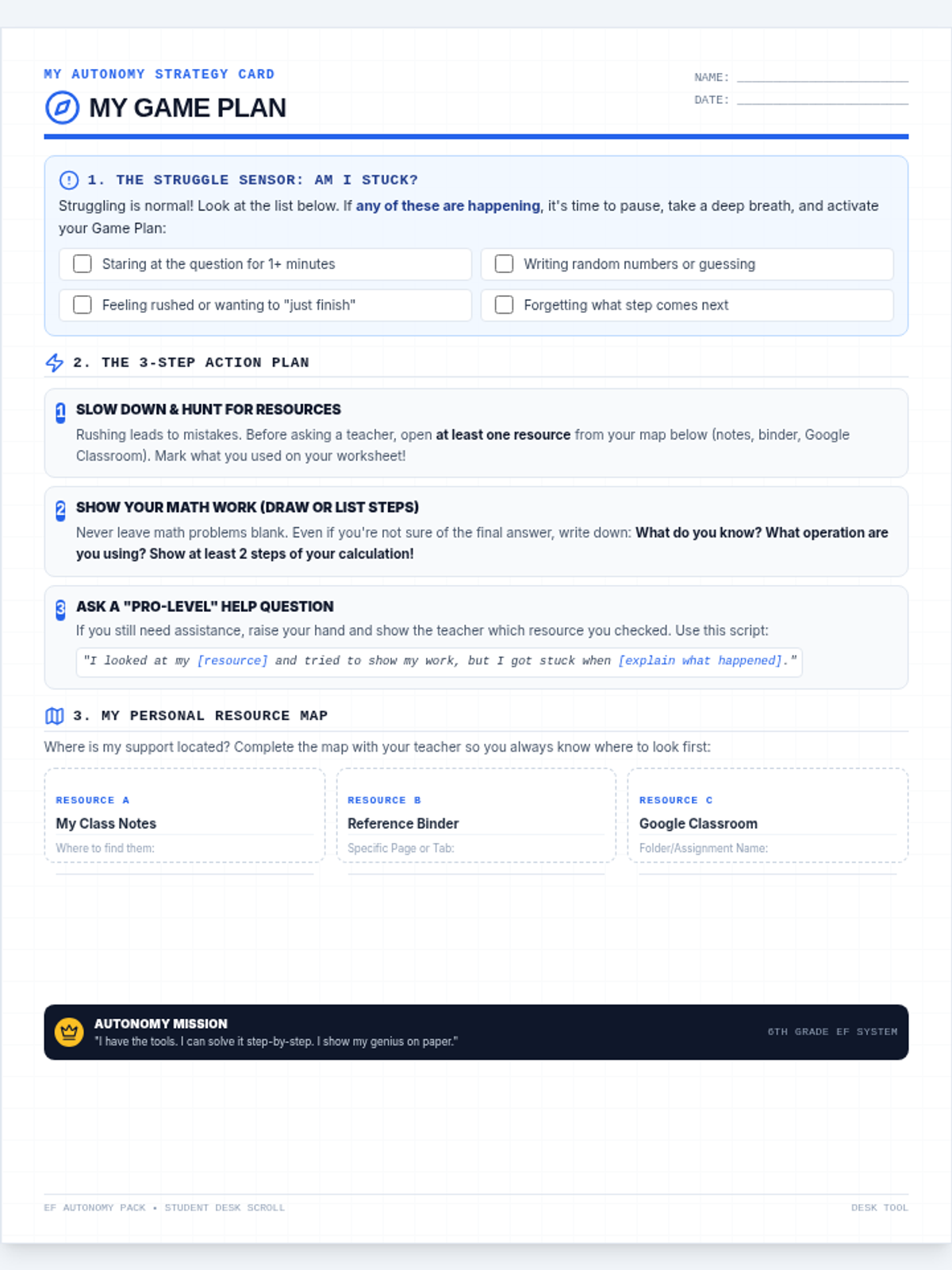
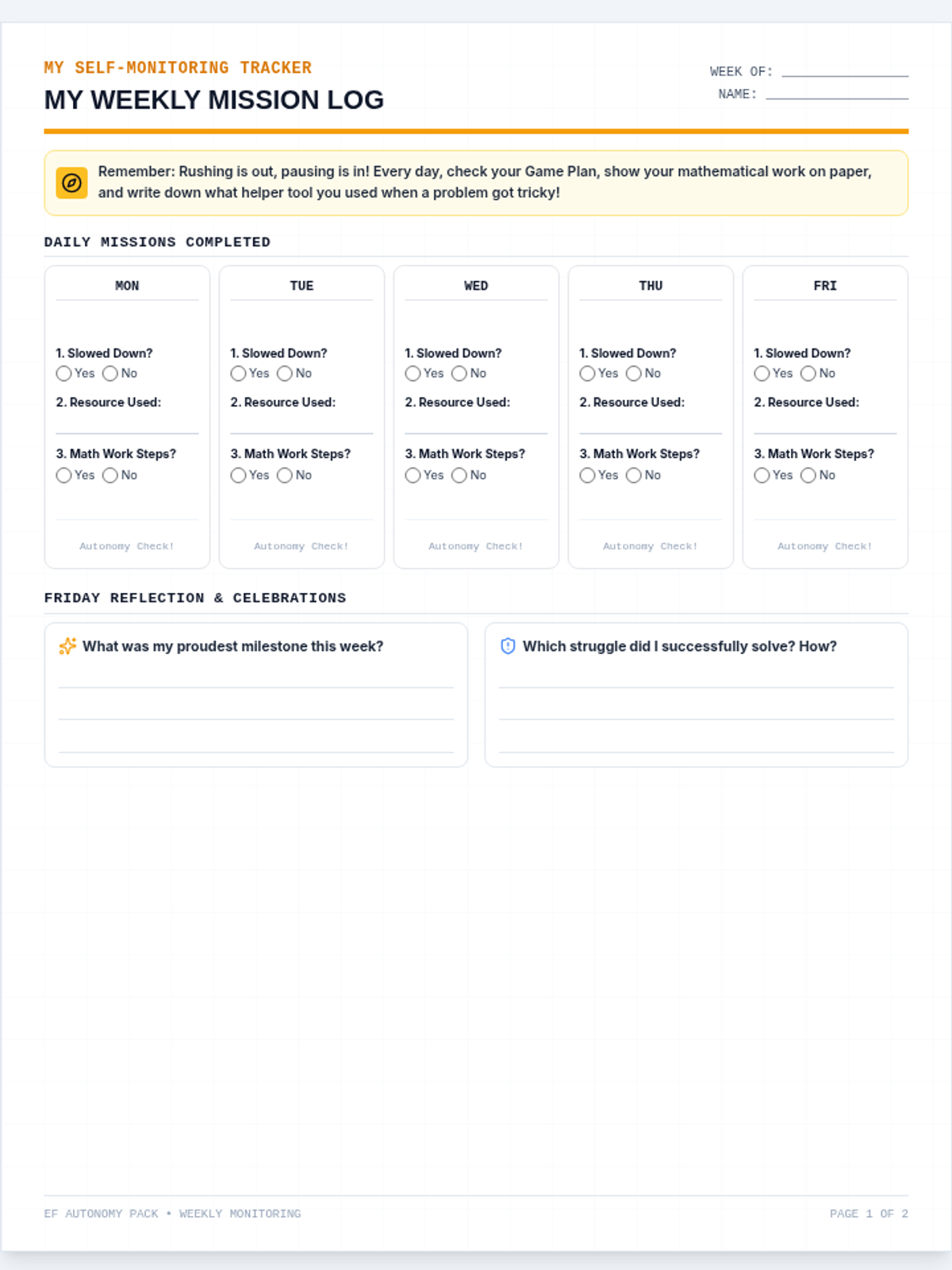
A comprehensive IEP goal draft and progress tracking system designed for a sixth-grade student to build autonomy, utilize resources, show math work, and self-monitor during struggles.
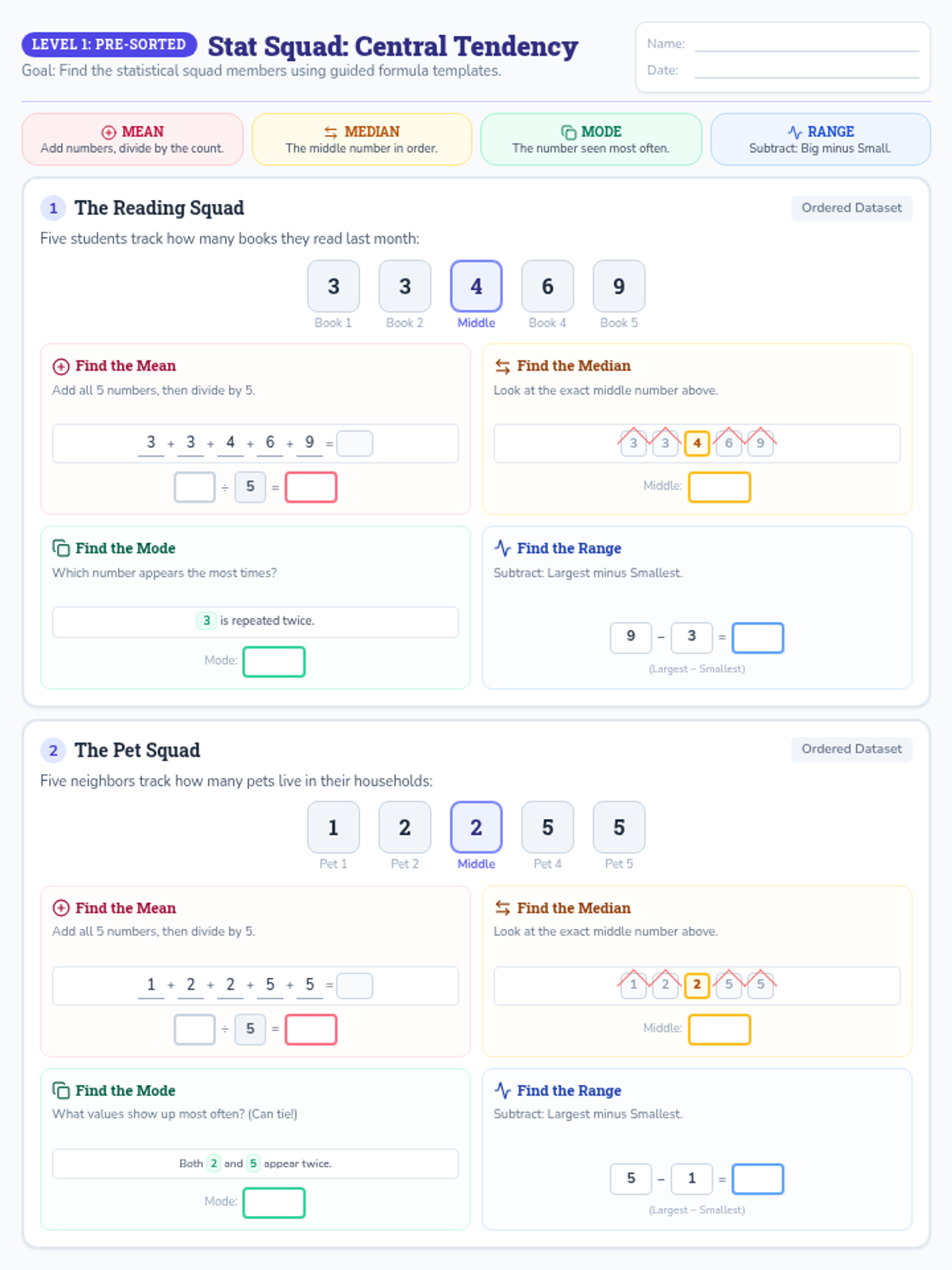
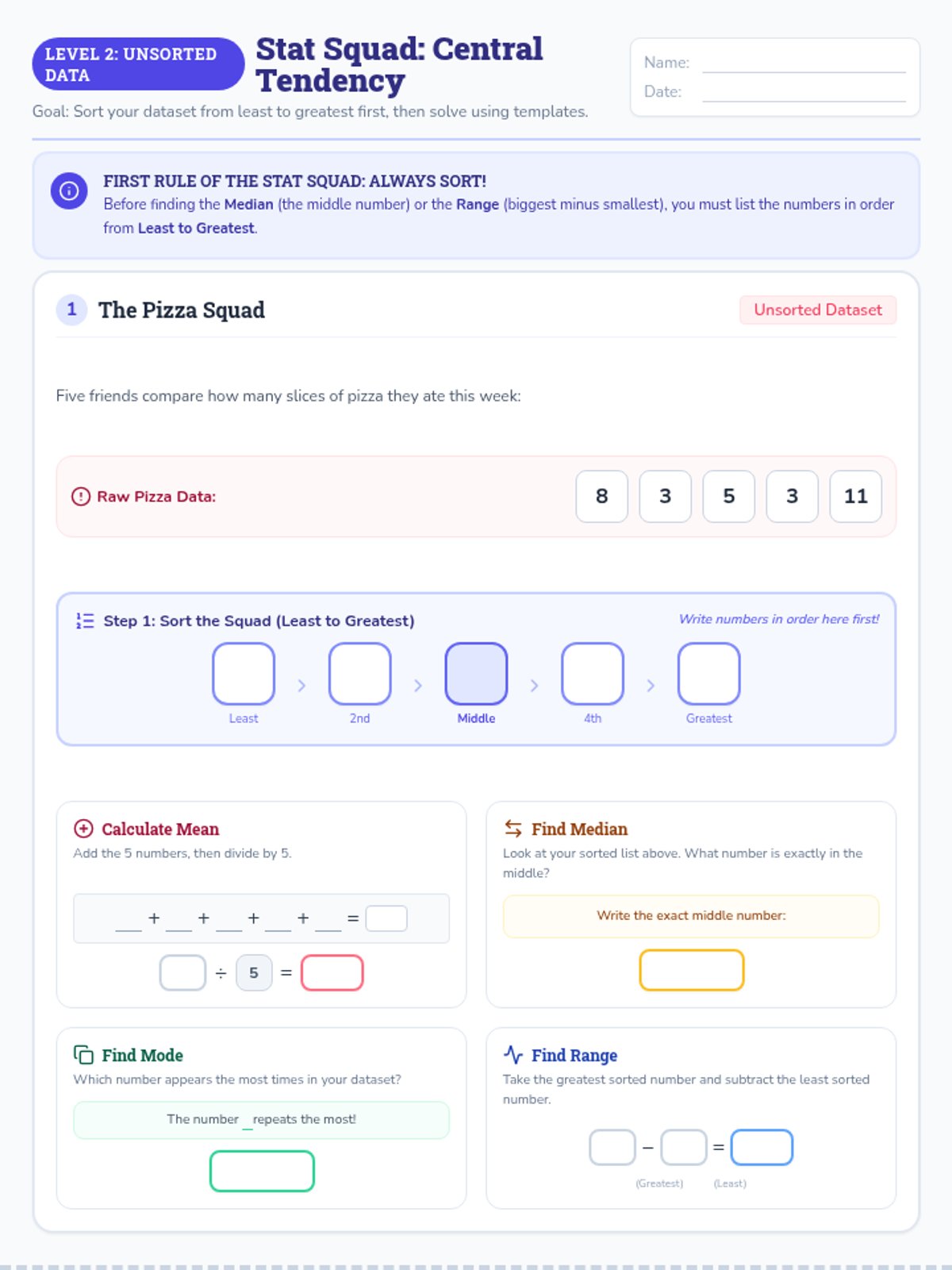
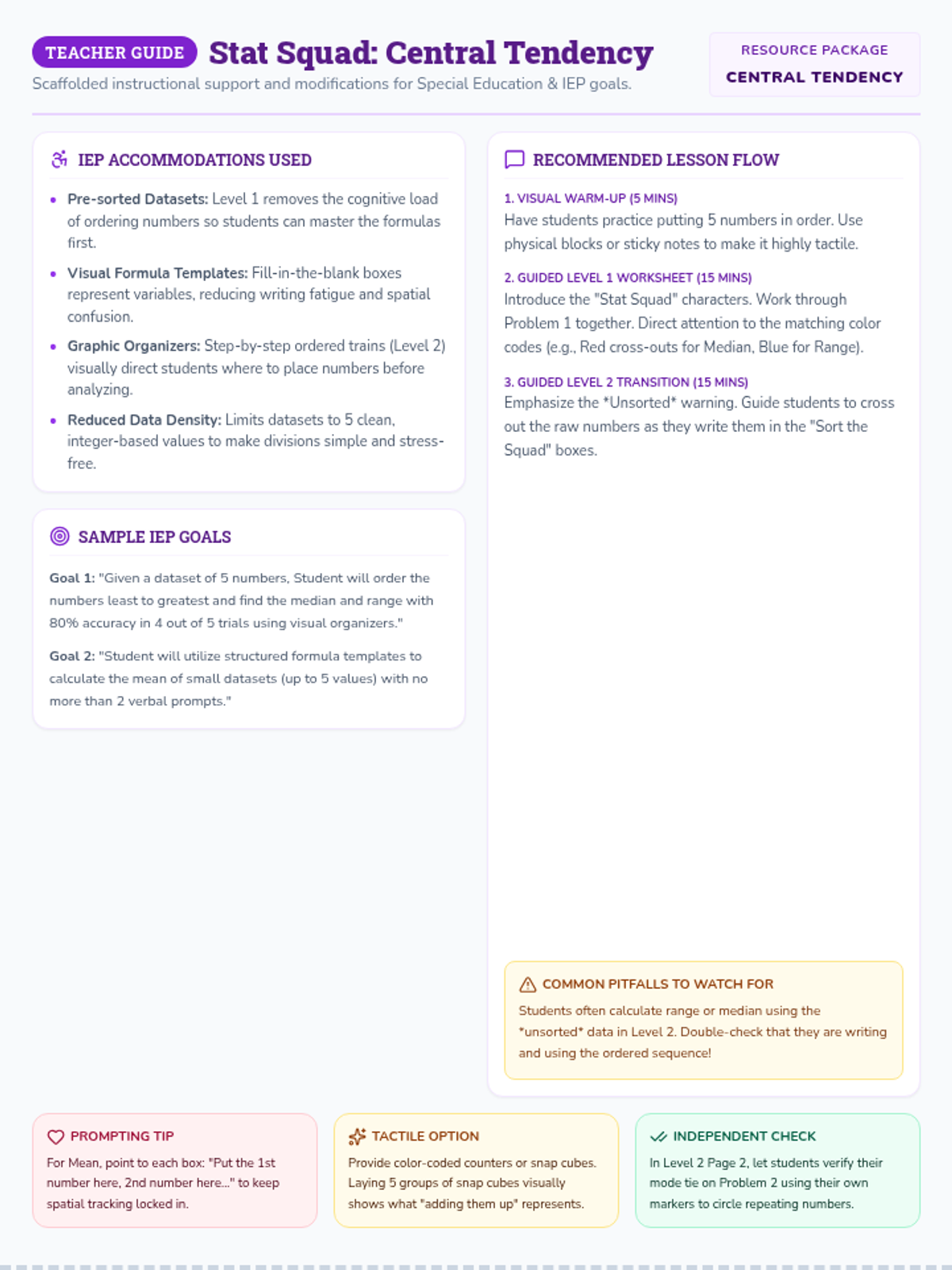
A highly scaffolded, visual lesson on mean, median, mode, and range tailored specifically for students with IEPs and learning differences. Features structured fill-in-the-blank formula templates, graphic organizers, and leveled worksheets.
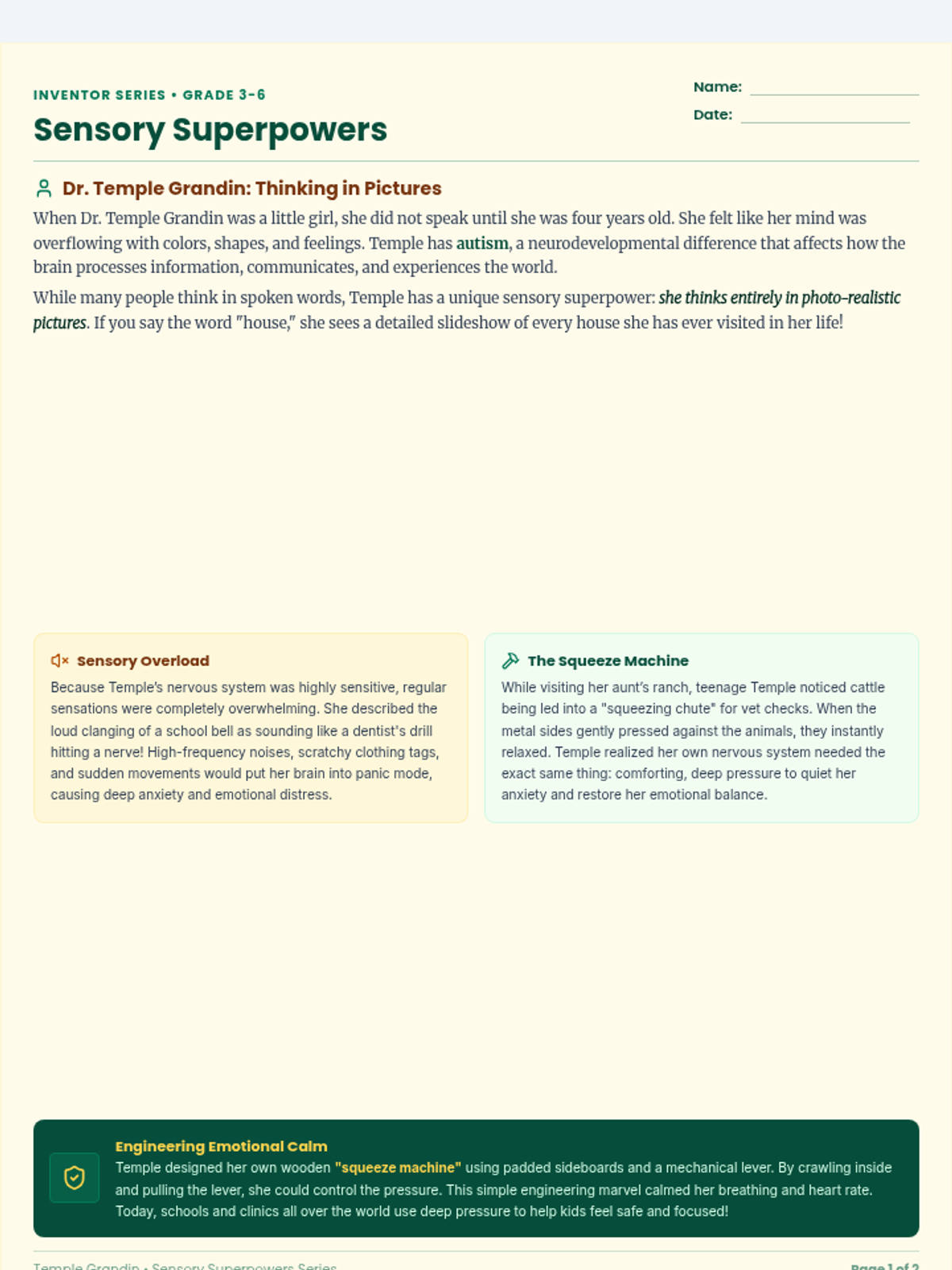
An inspiring lesson exploring the life of Dr. Temple Grandin, her experiences with autism, and how she used her unique sensory perspective and engineering skills to design emotional regulation tools like the 'squeeze machine'. Students read a biography, explore real-world examples of sensory regulation, and reflect on their own sensory needs.
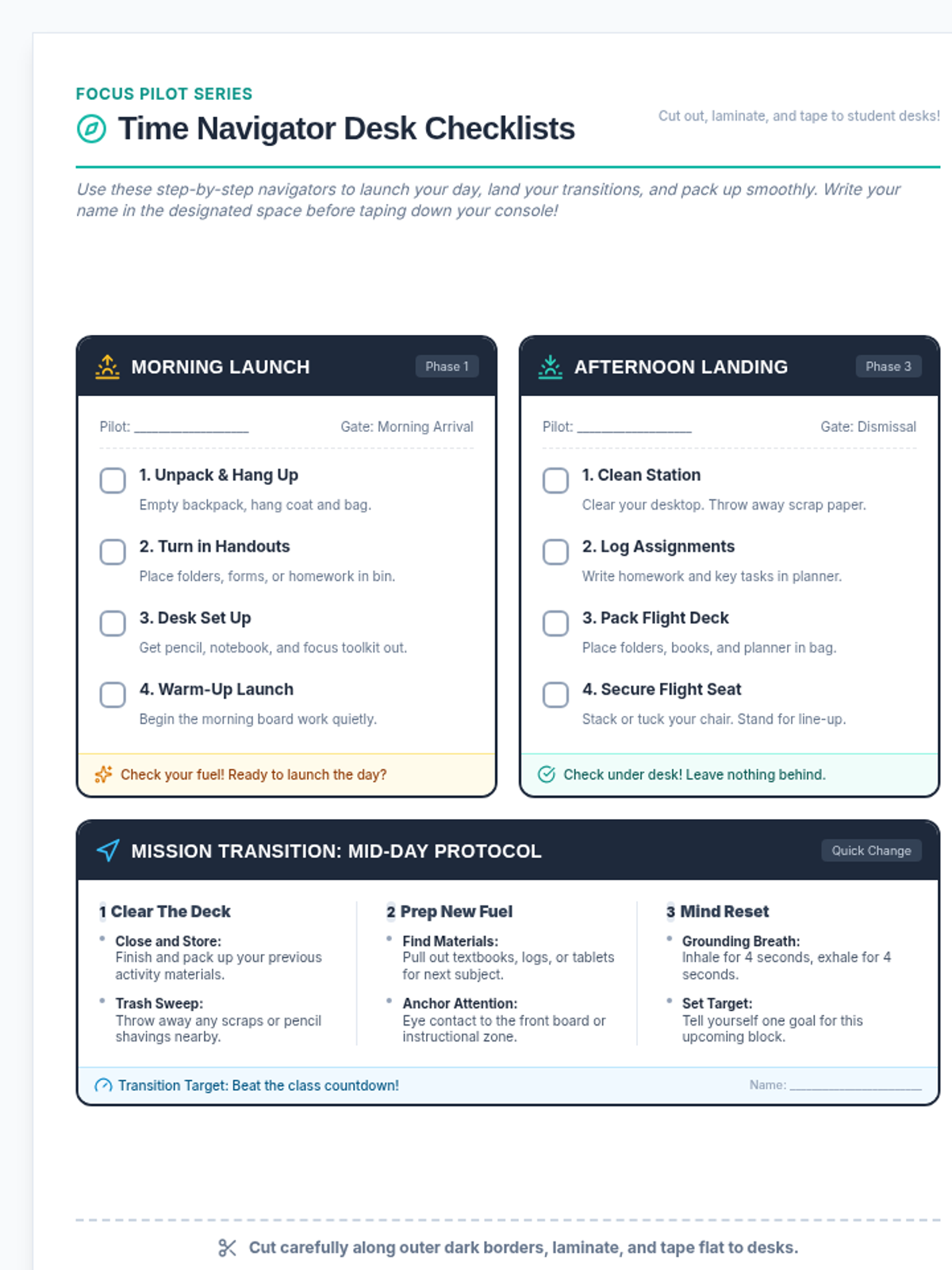
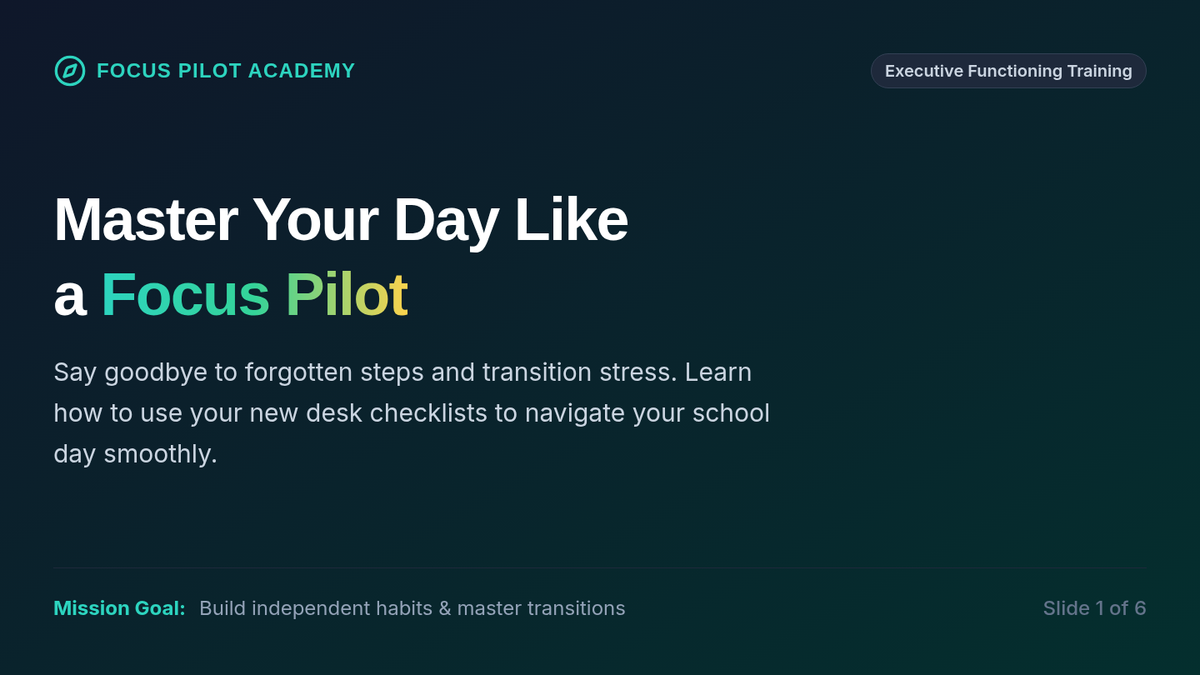
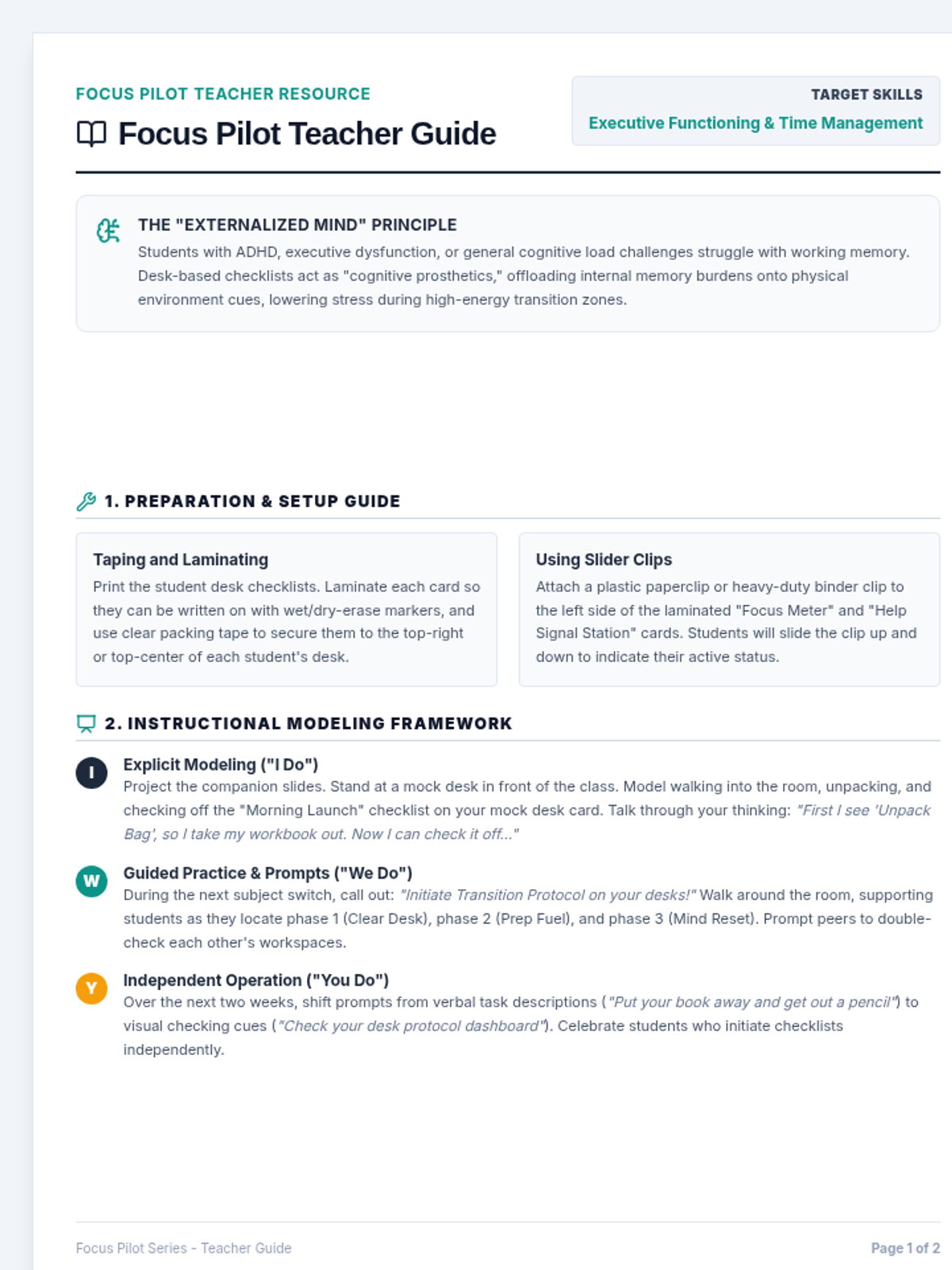
A collection of executive functioning resources designed to help students master school-day transitions, arrival, and dismissal routines using visual desk checklists, a modeled presentation, and a comprehensive teacher guide.
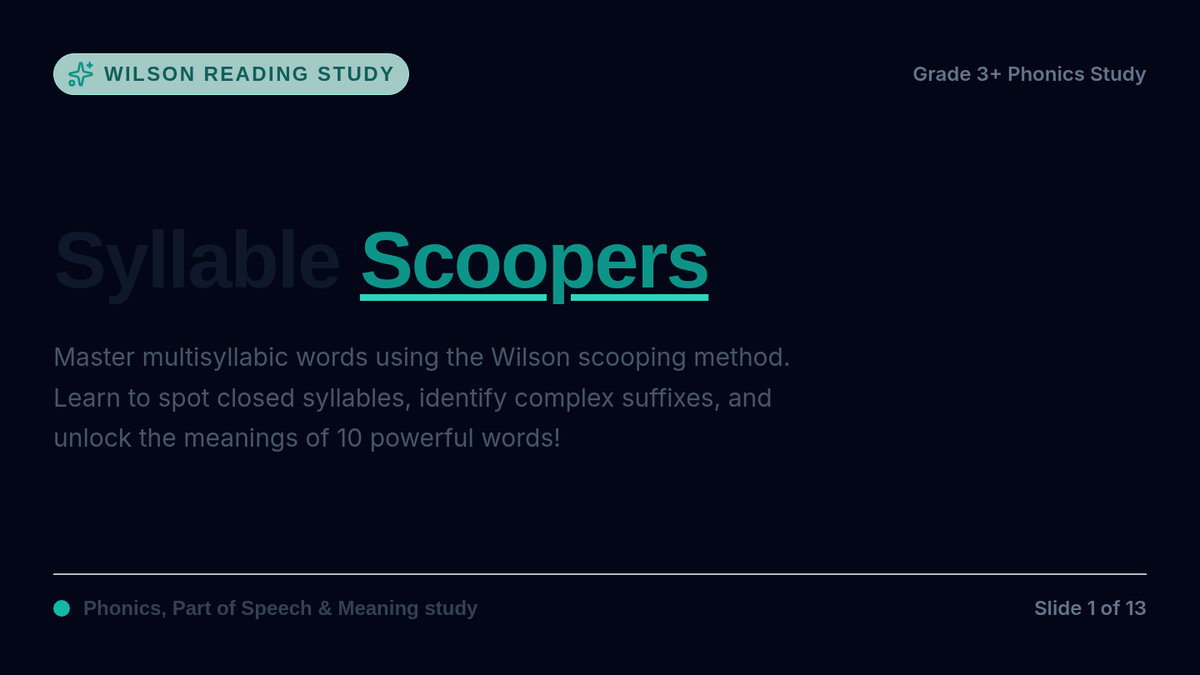
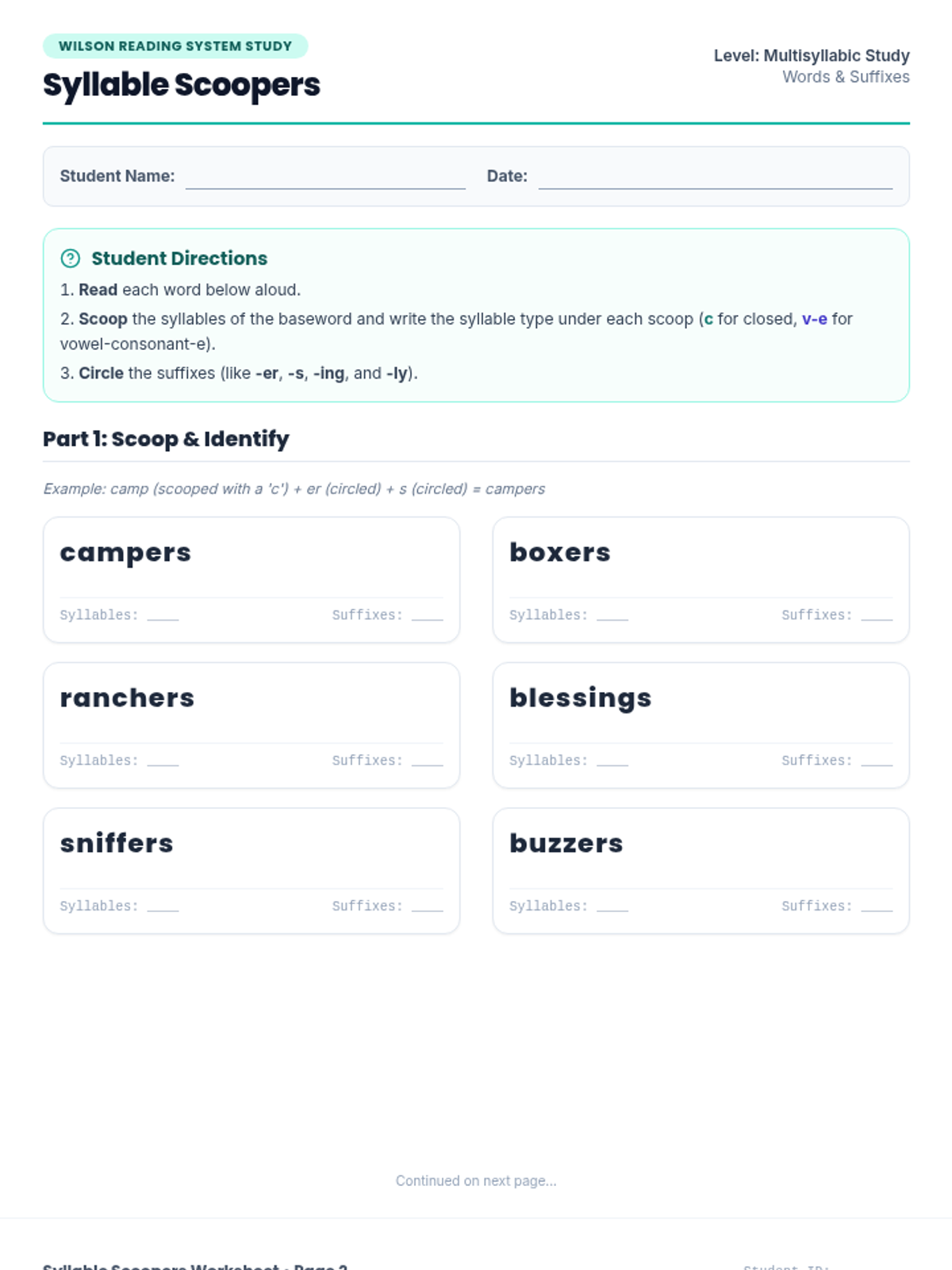
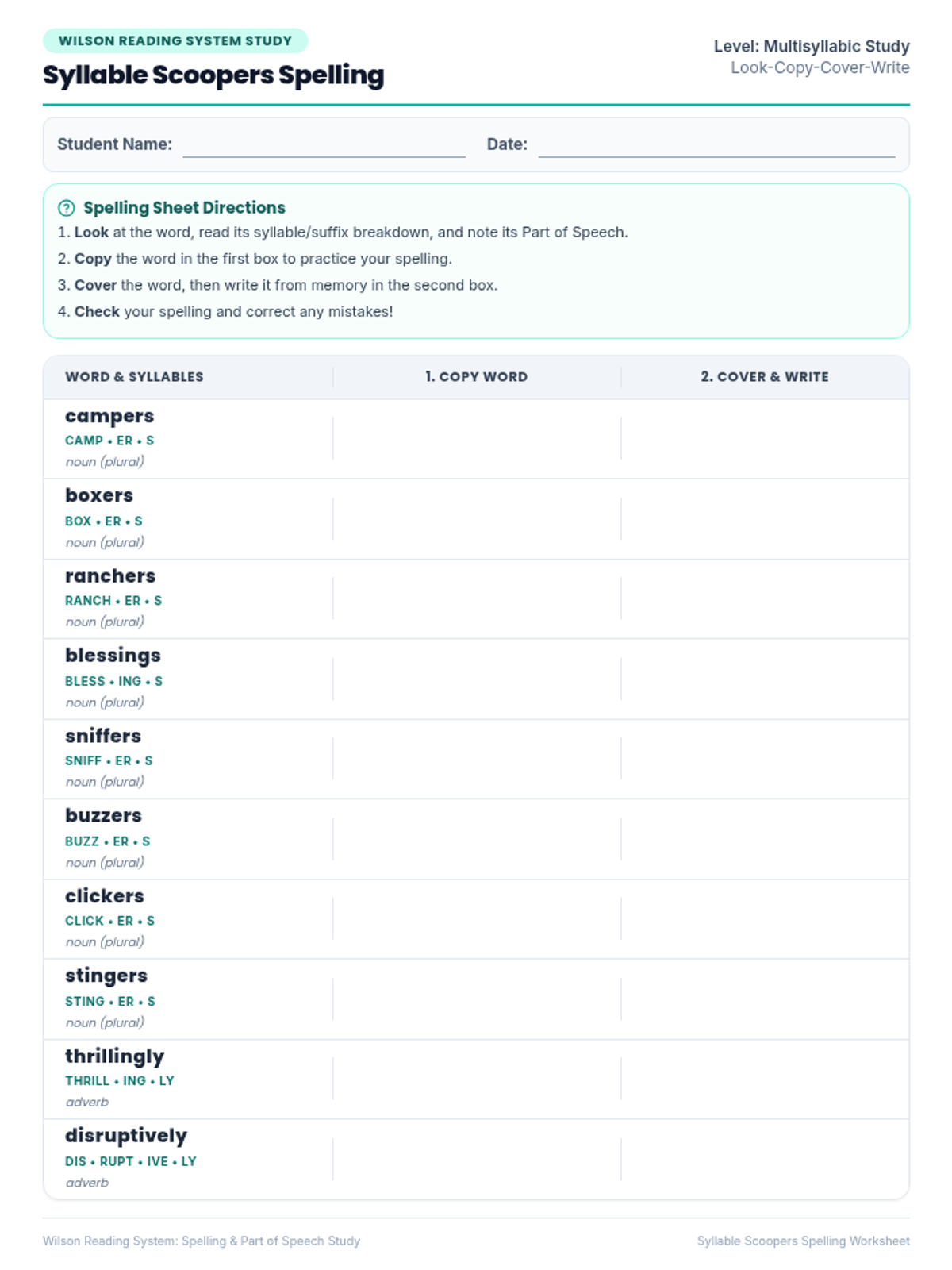
A comprehensive Wilson-aligned study of multisyllabic words and suffixes. Students practice syllable division using visual scooping and explore word meanings.
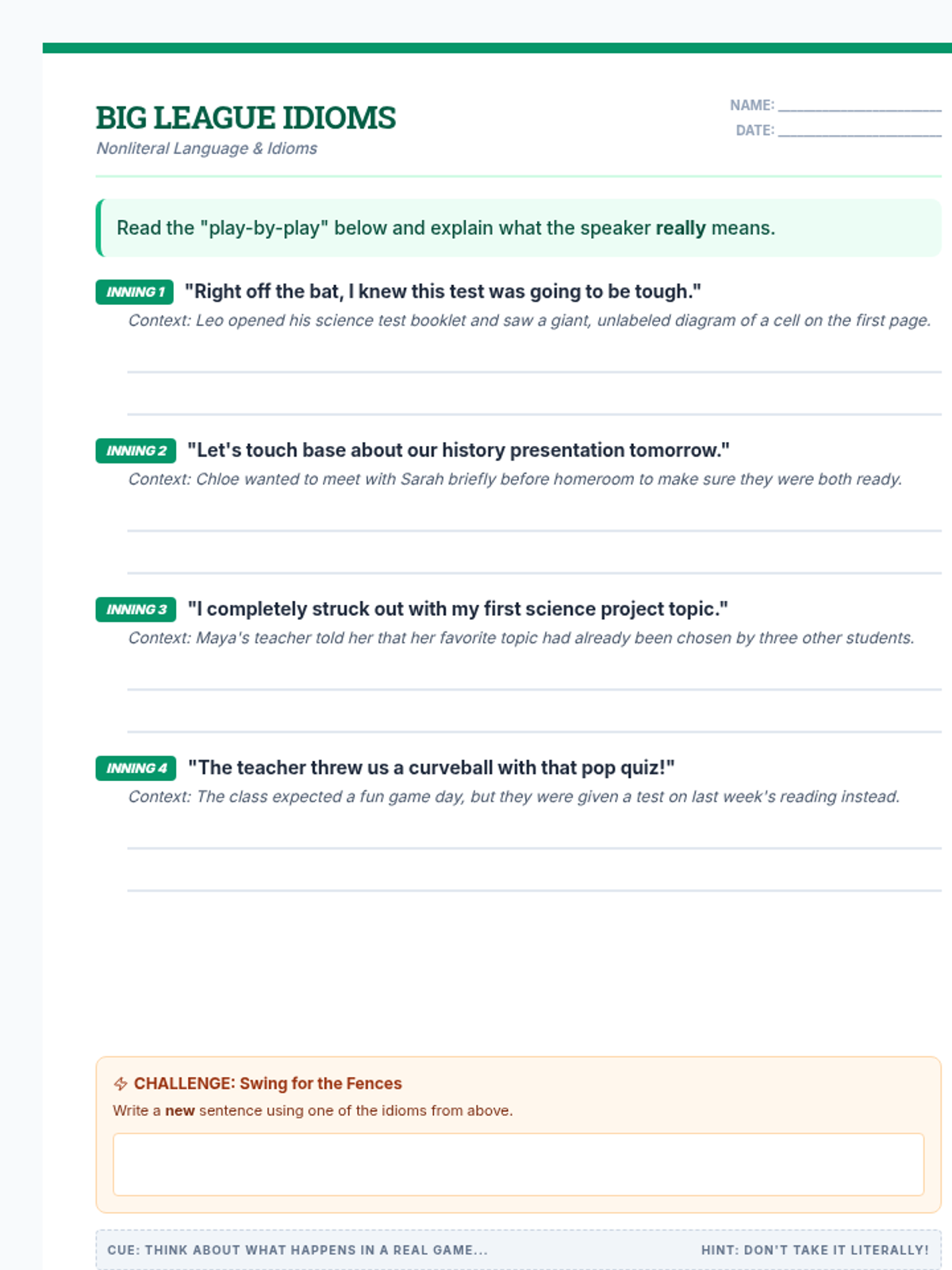
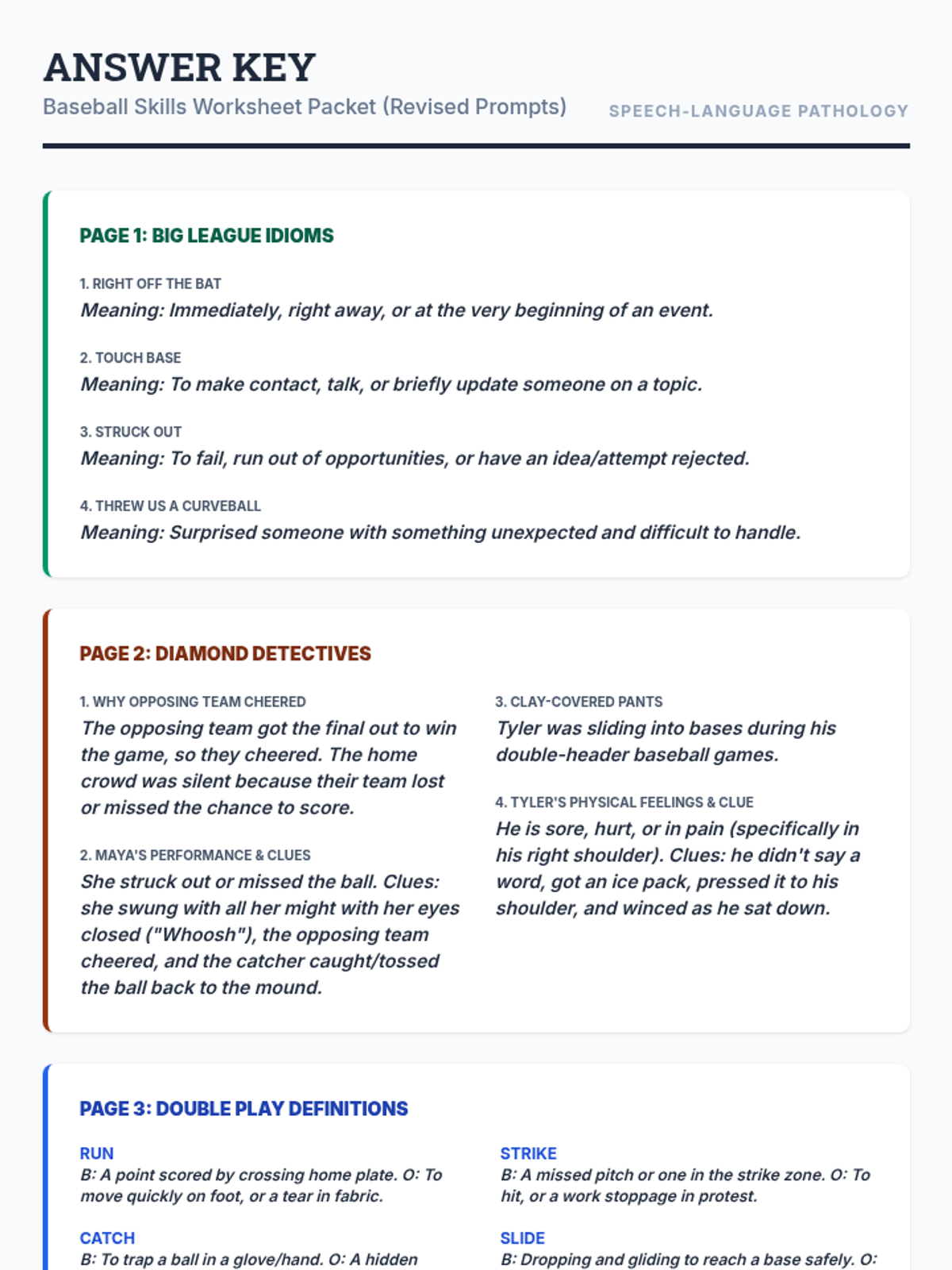
A 5-page baseball-themed worksheet packet and answer key designed for a 6th-grade student to practice nonliteral language, inference, multiple meaning words, and identifying communication breakdowns.
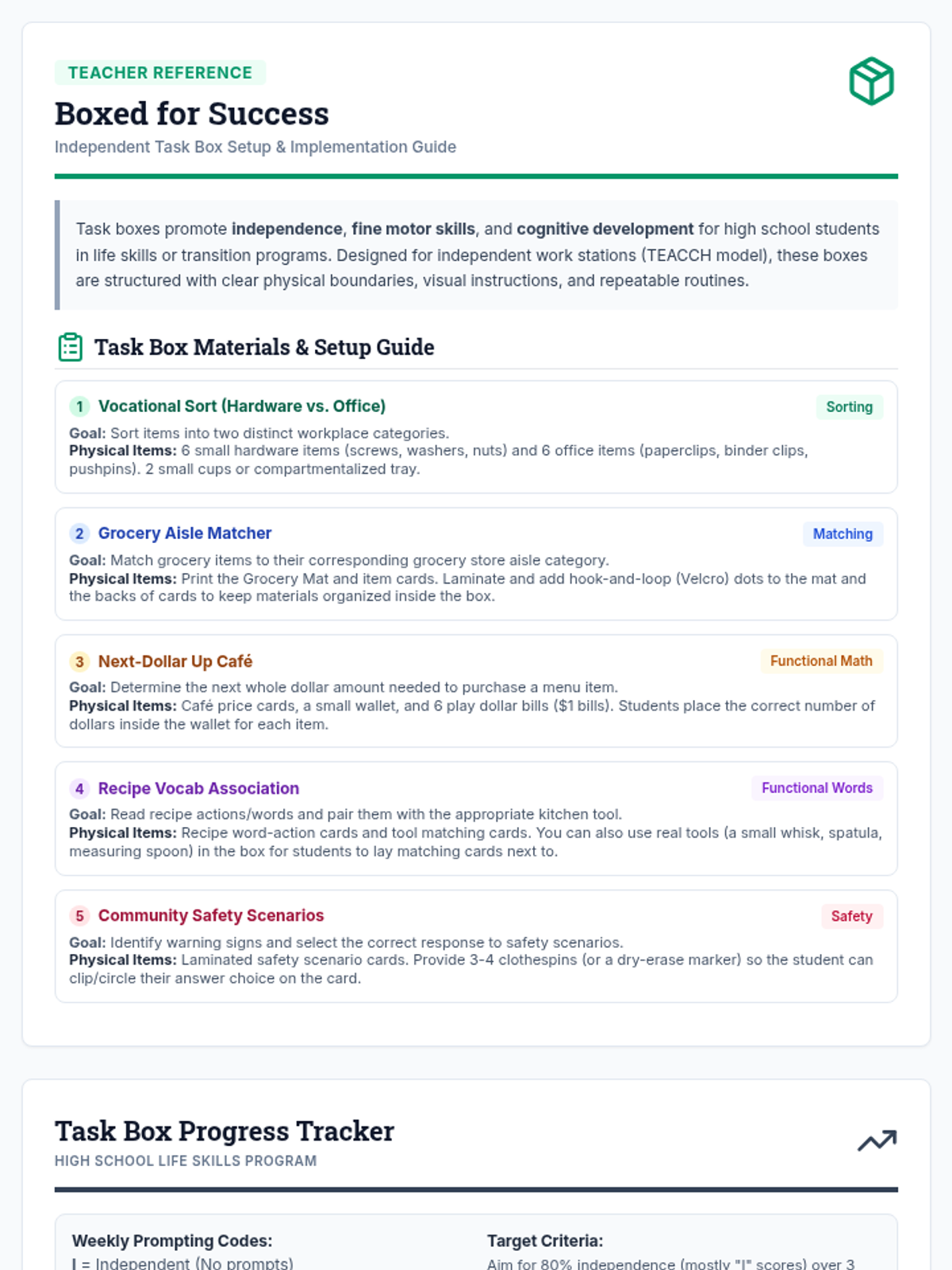
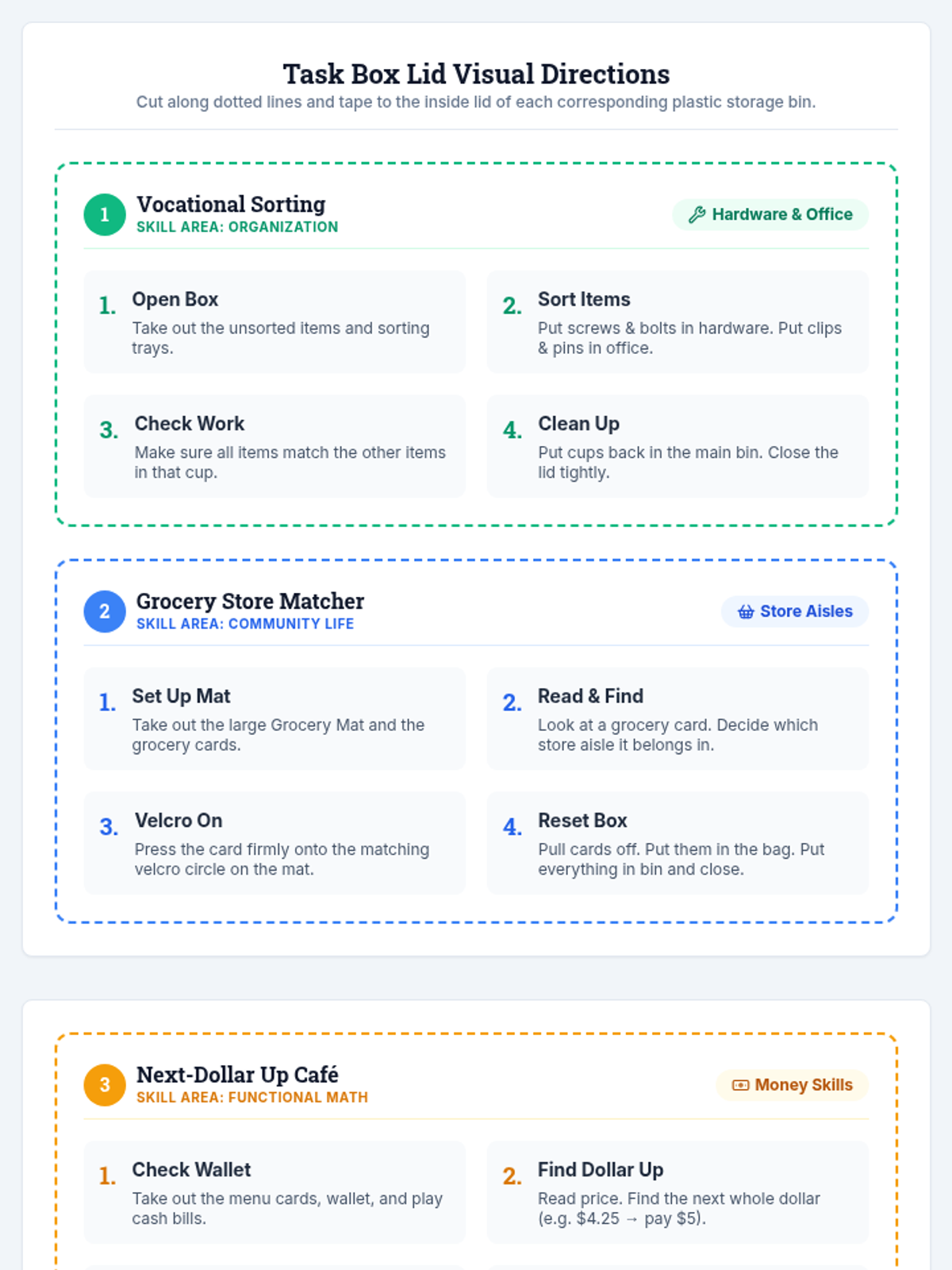
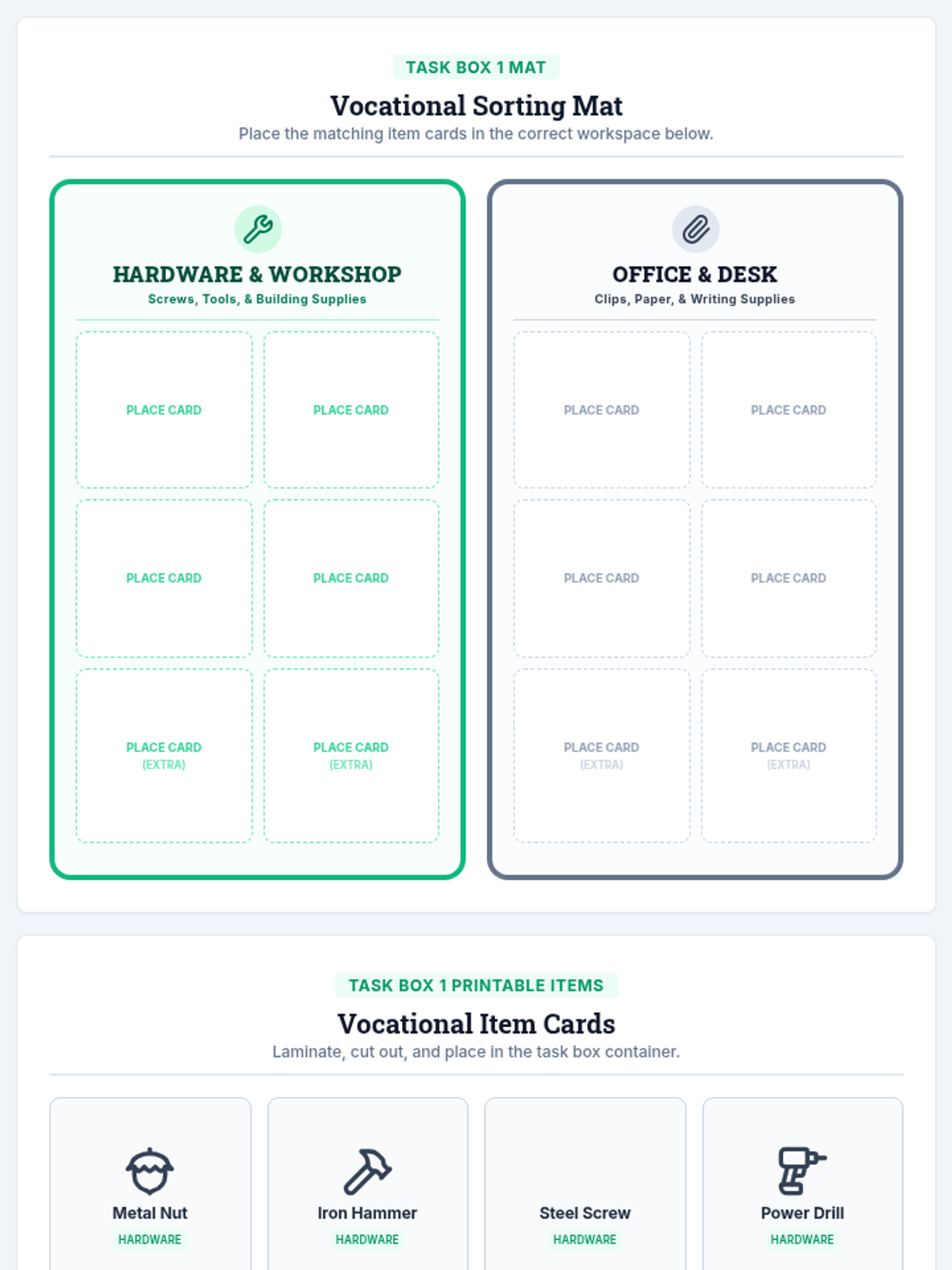
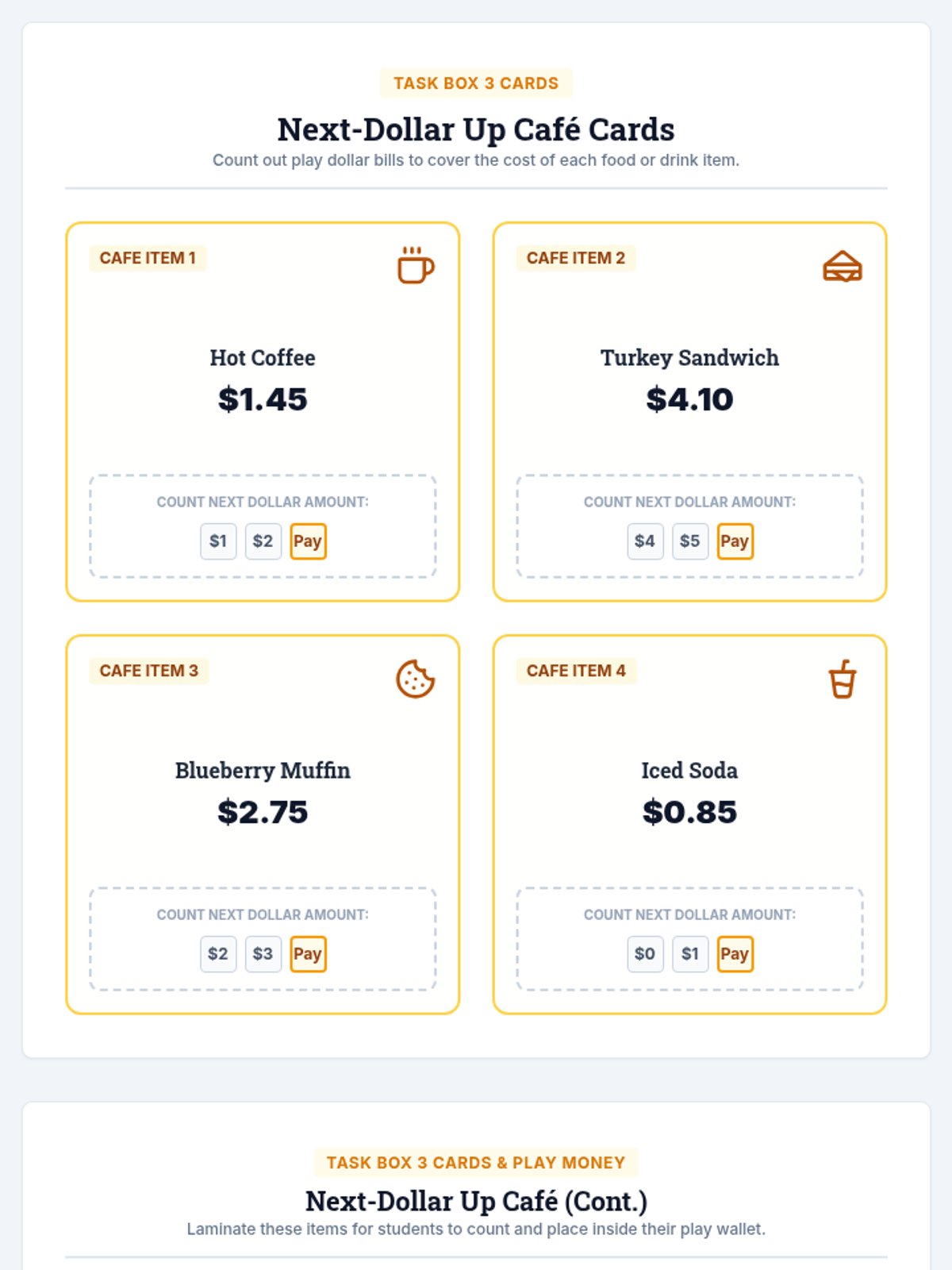
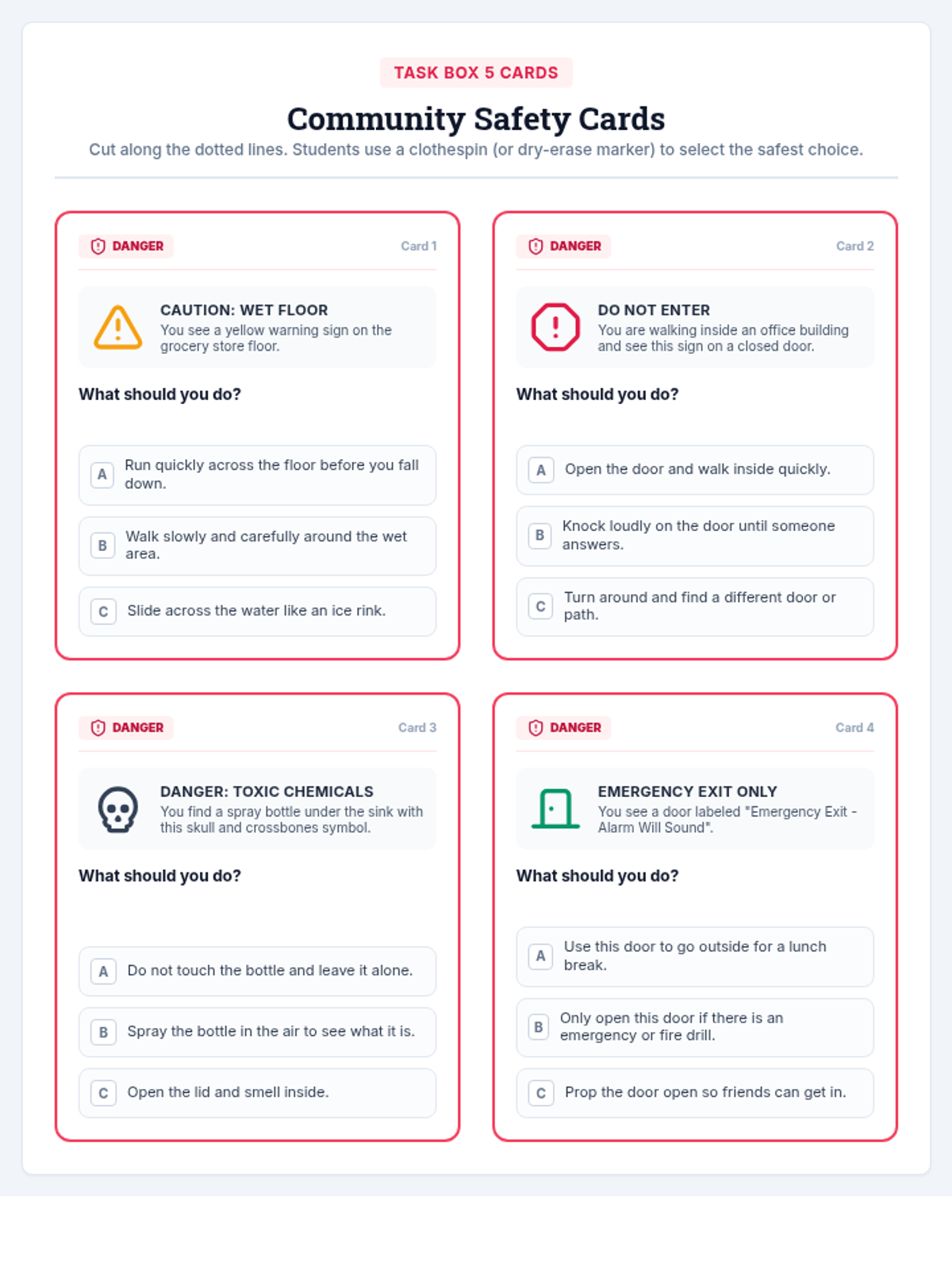
A comprehensive set of age-appropriate independent task boxes for high school life skills classrooms, targeting sorting, matching, math, words, and community safety. Includes teacher setup guides, student visual directions, and printable task card assets.
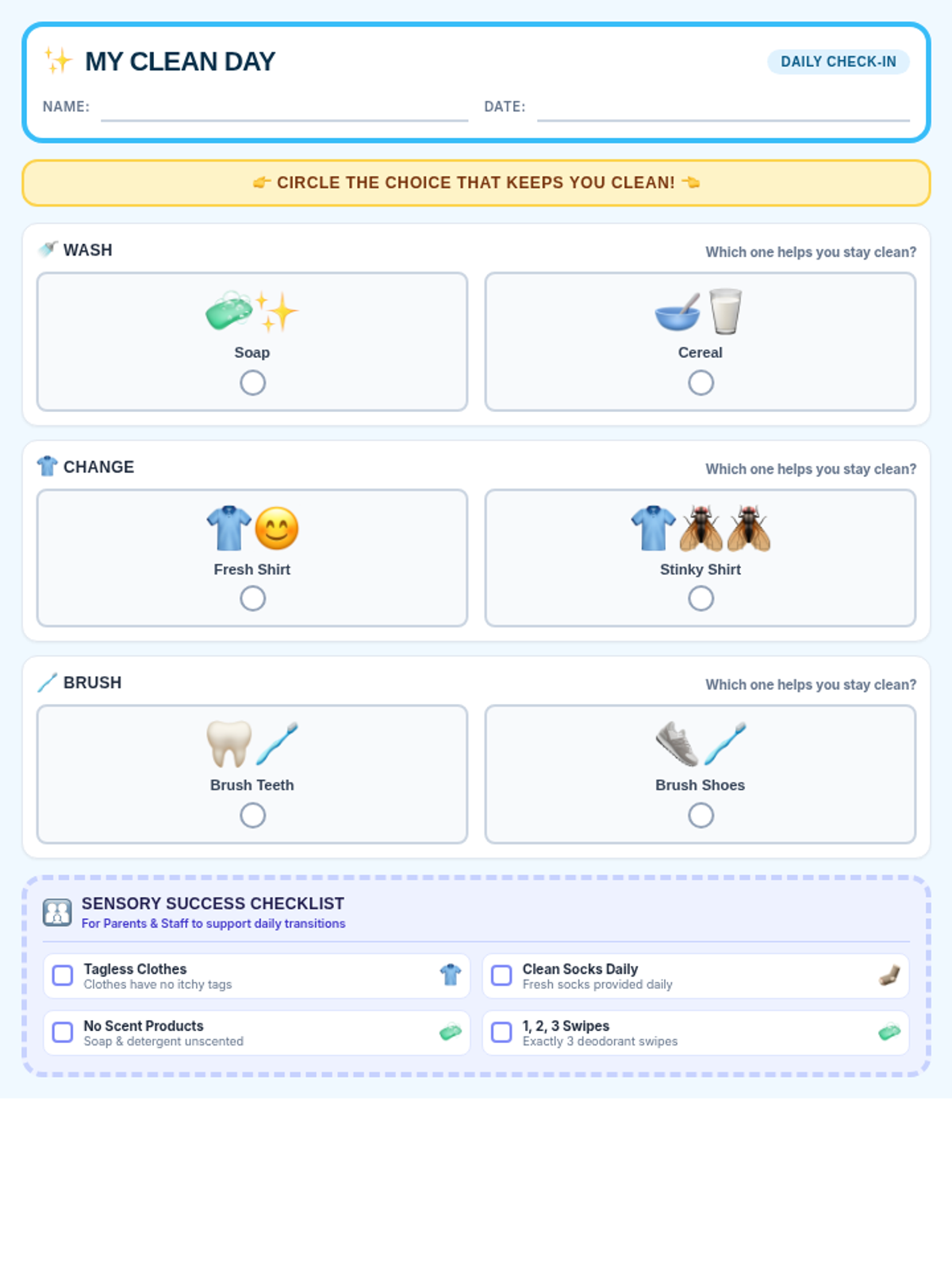
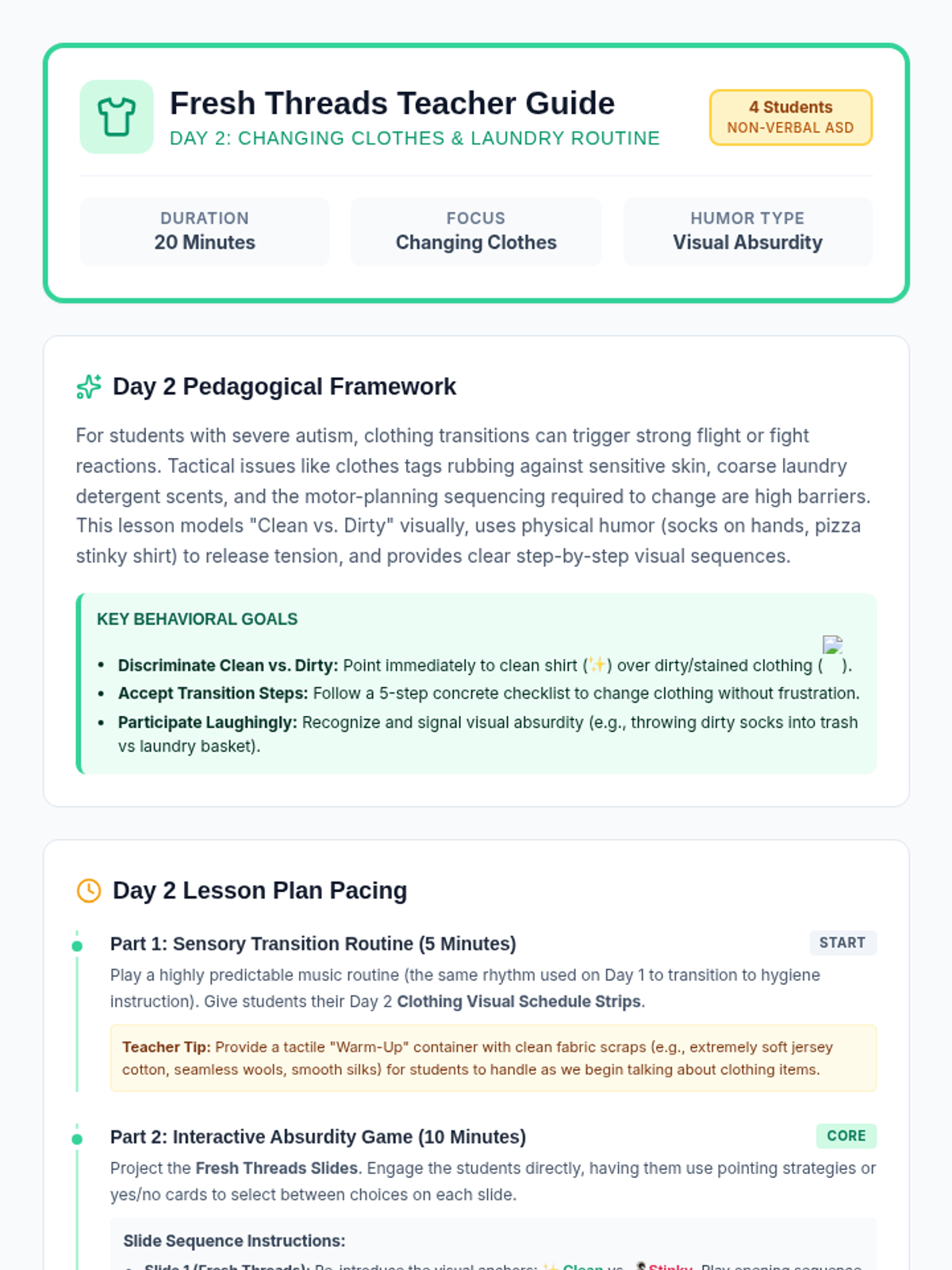
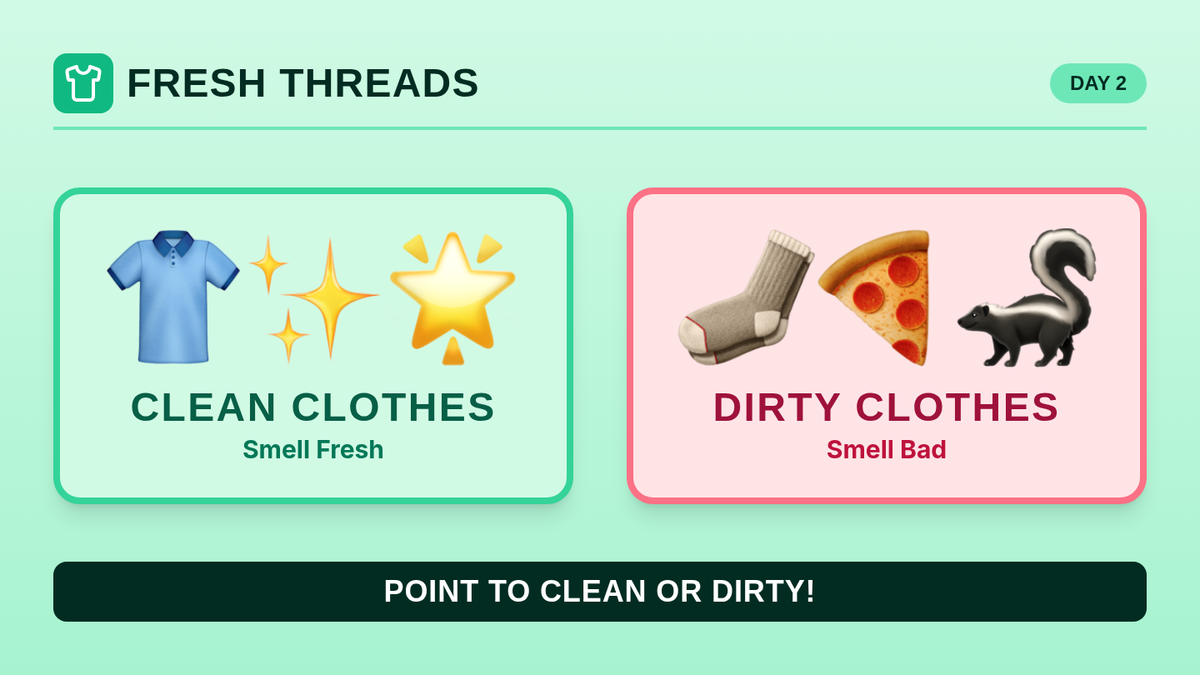
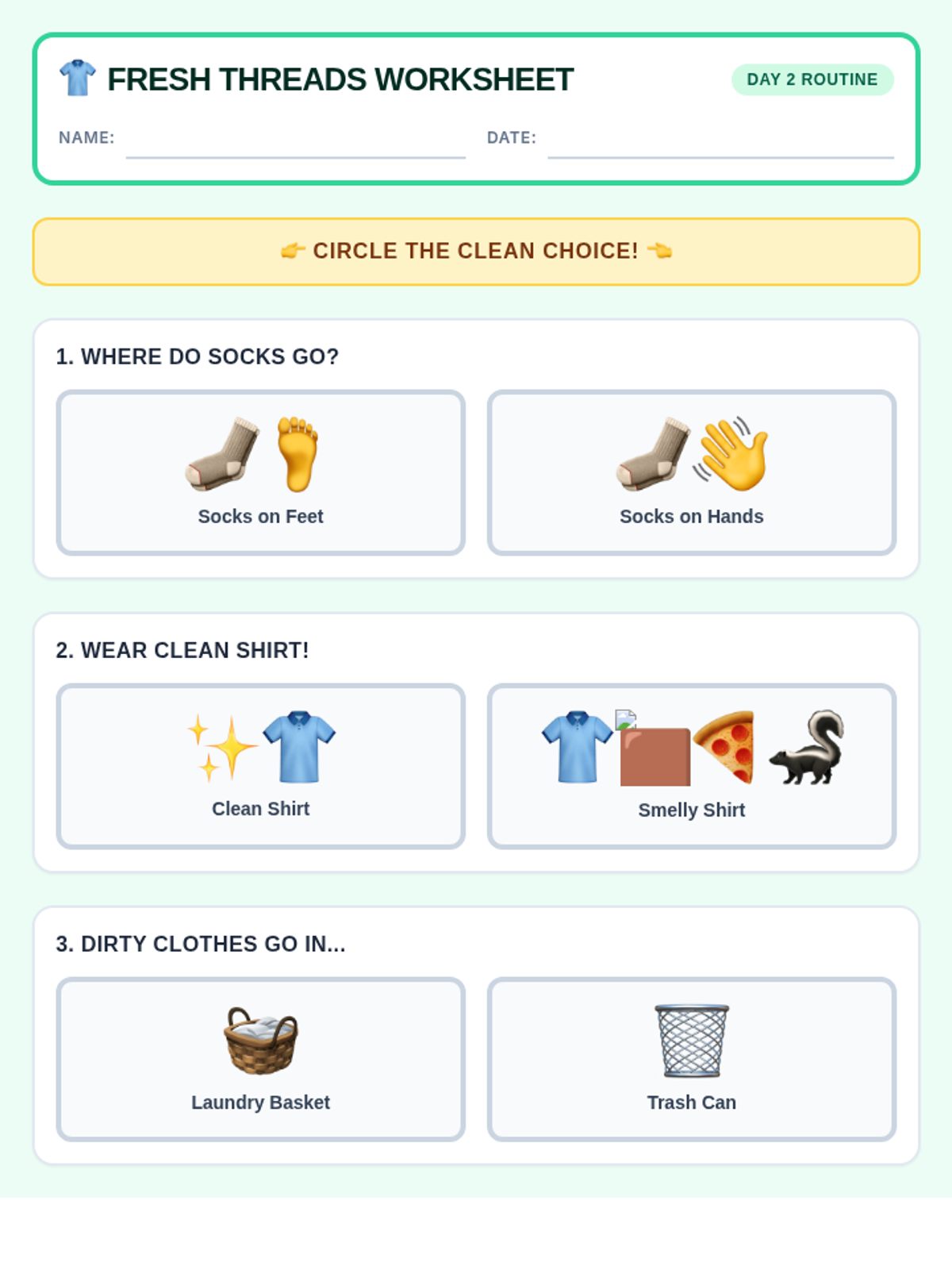
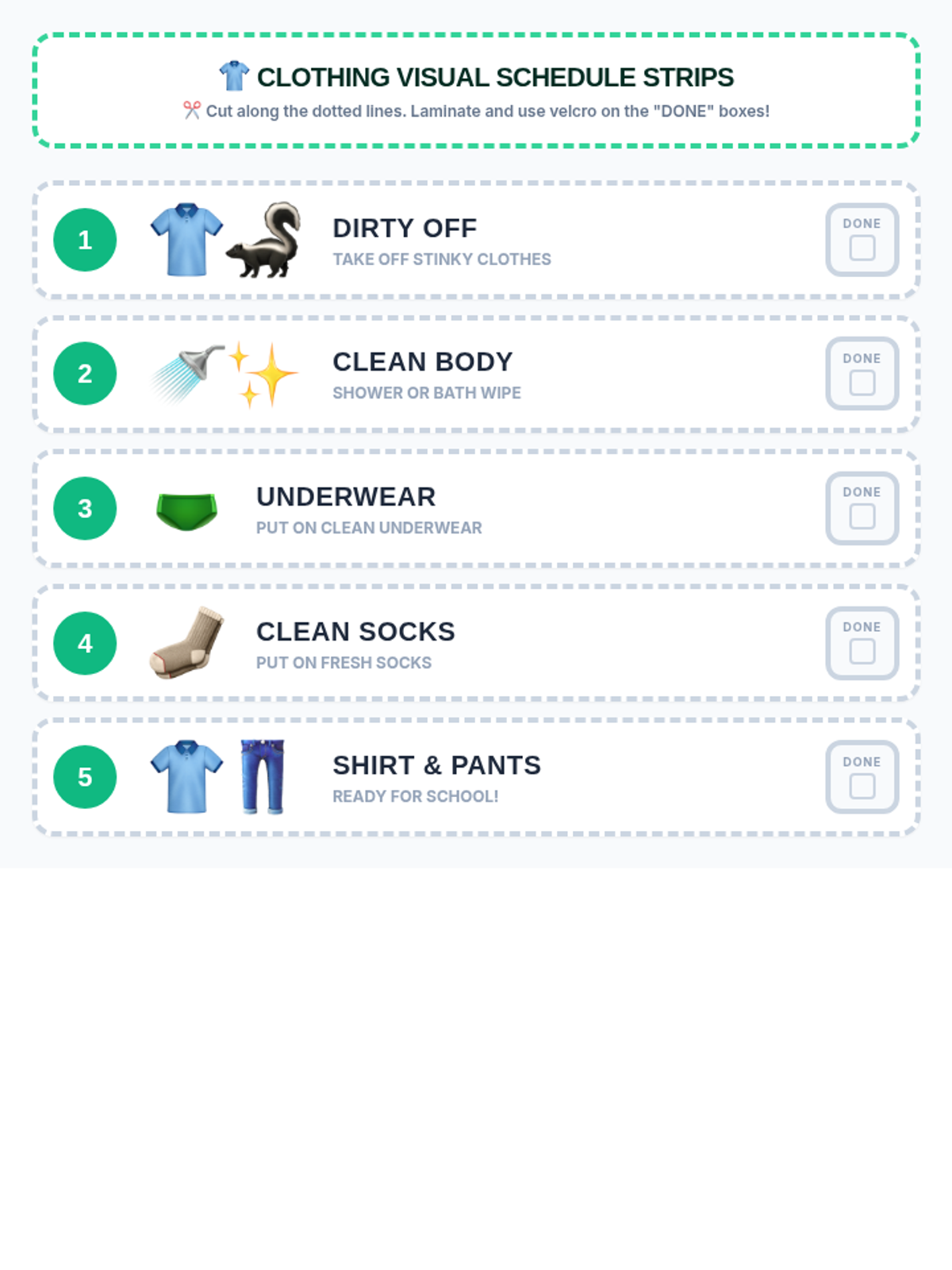
Focuses on the sensory-sensitive transition of changing clothes daily, identifying clean vs. dirty clothes, and managing sensory sensitivities (tags, seams, scents). It includes visual absurdity games (e.g., socks on hands, pizza stinky shirts) and visual routines.
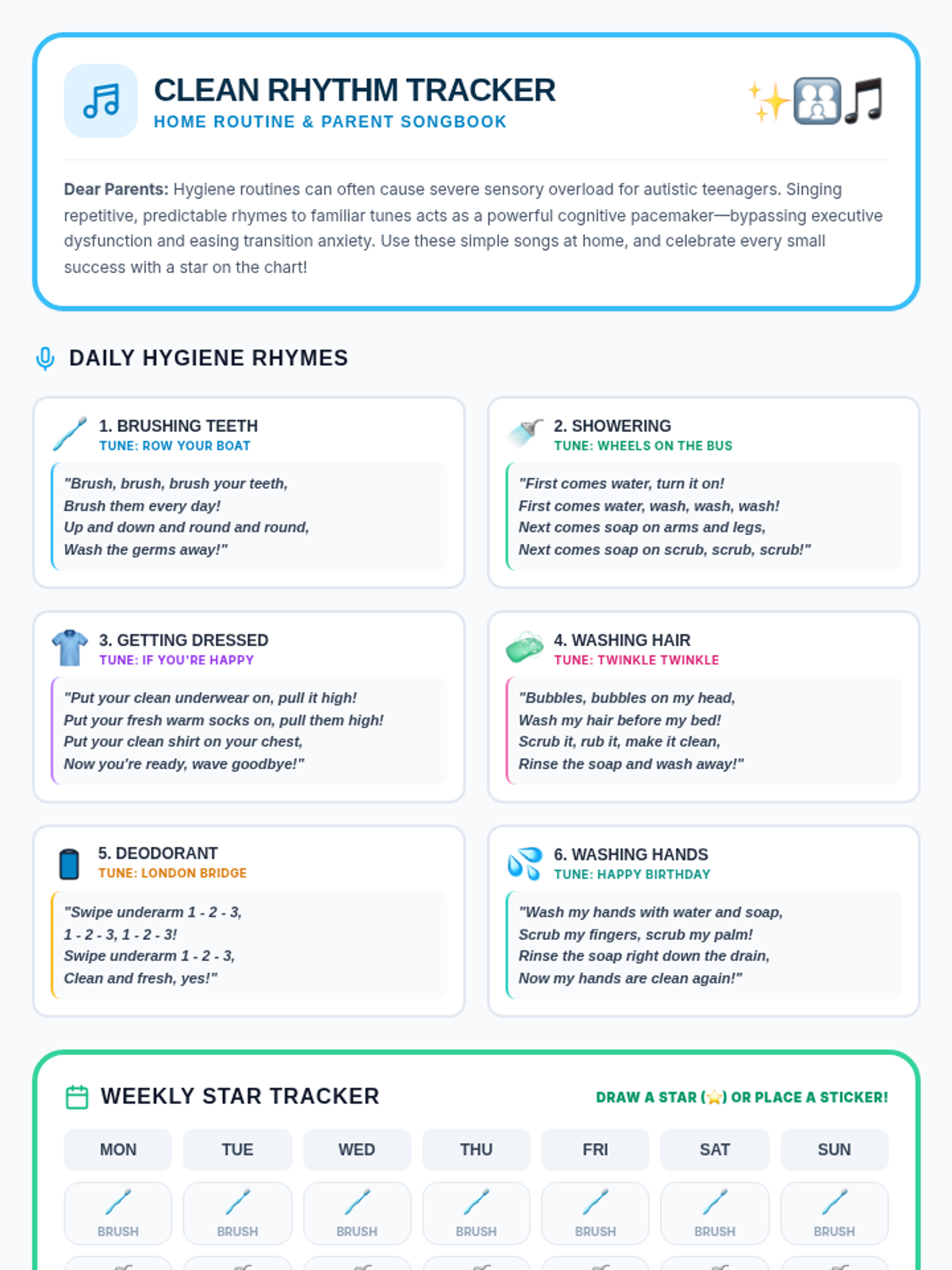
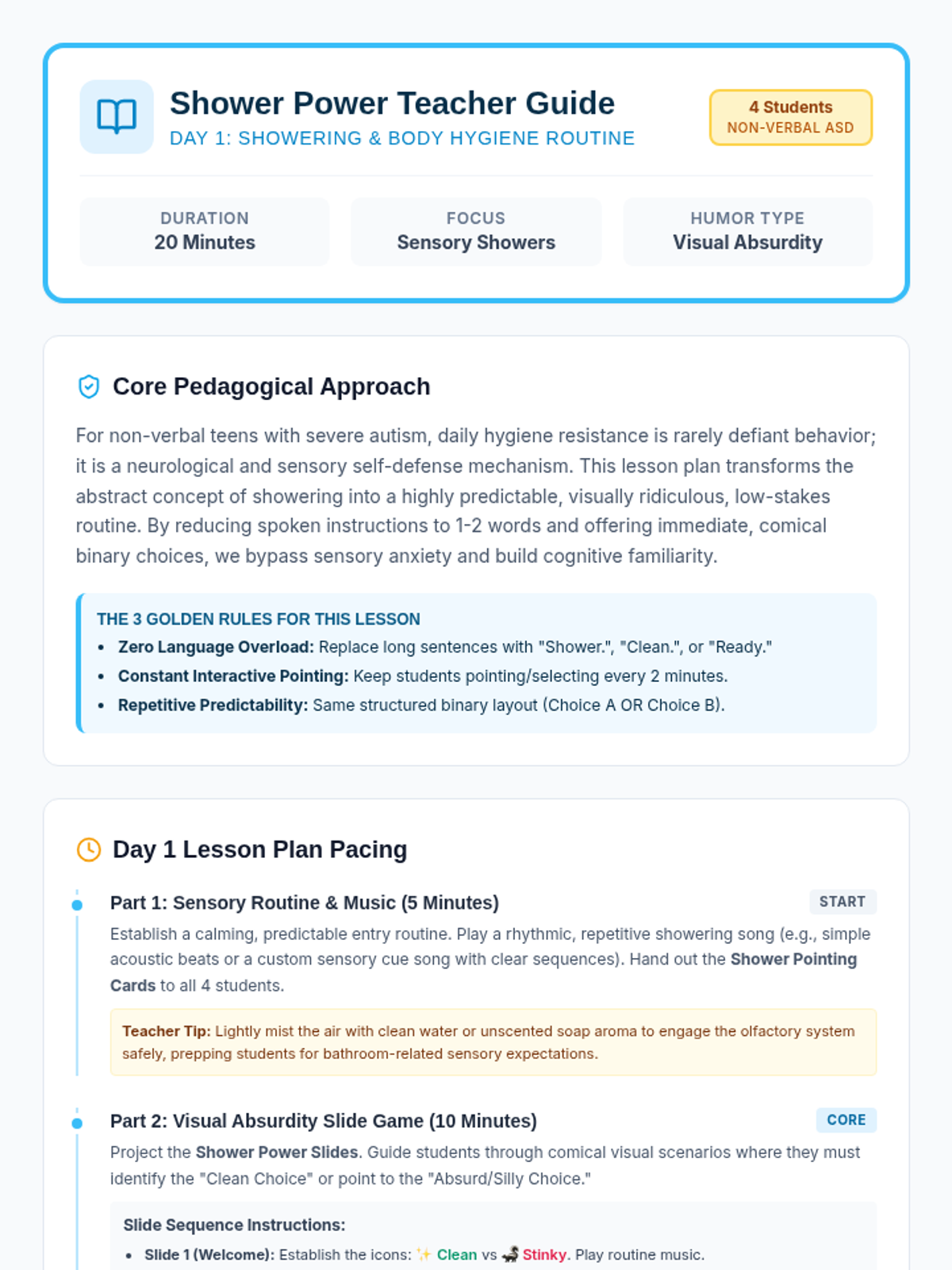
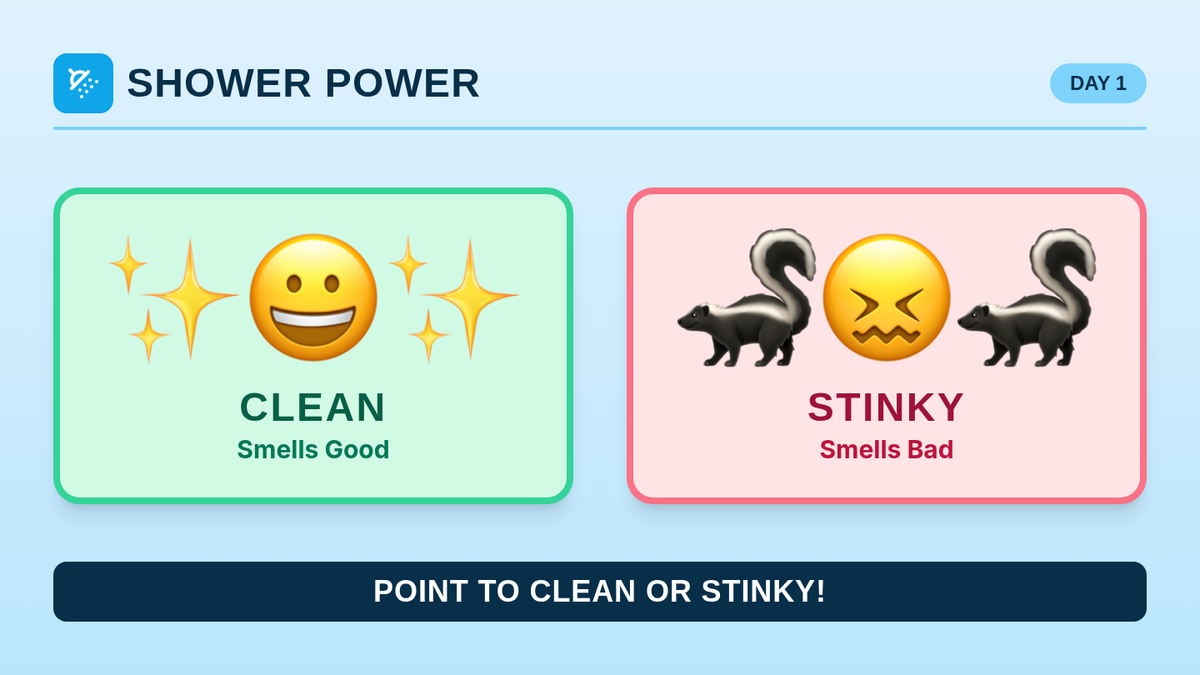
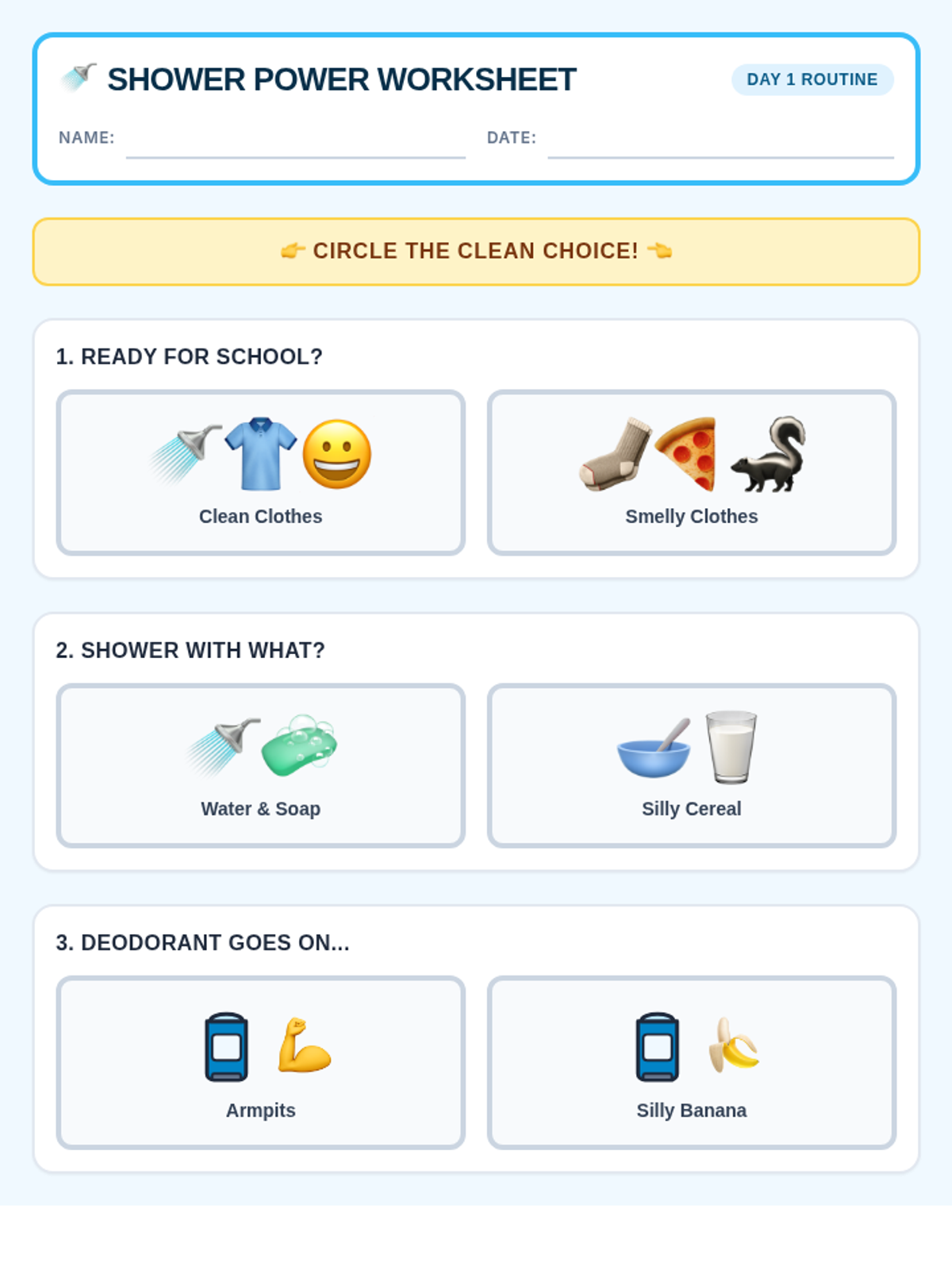
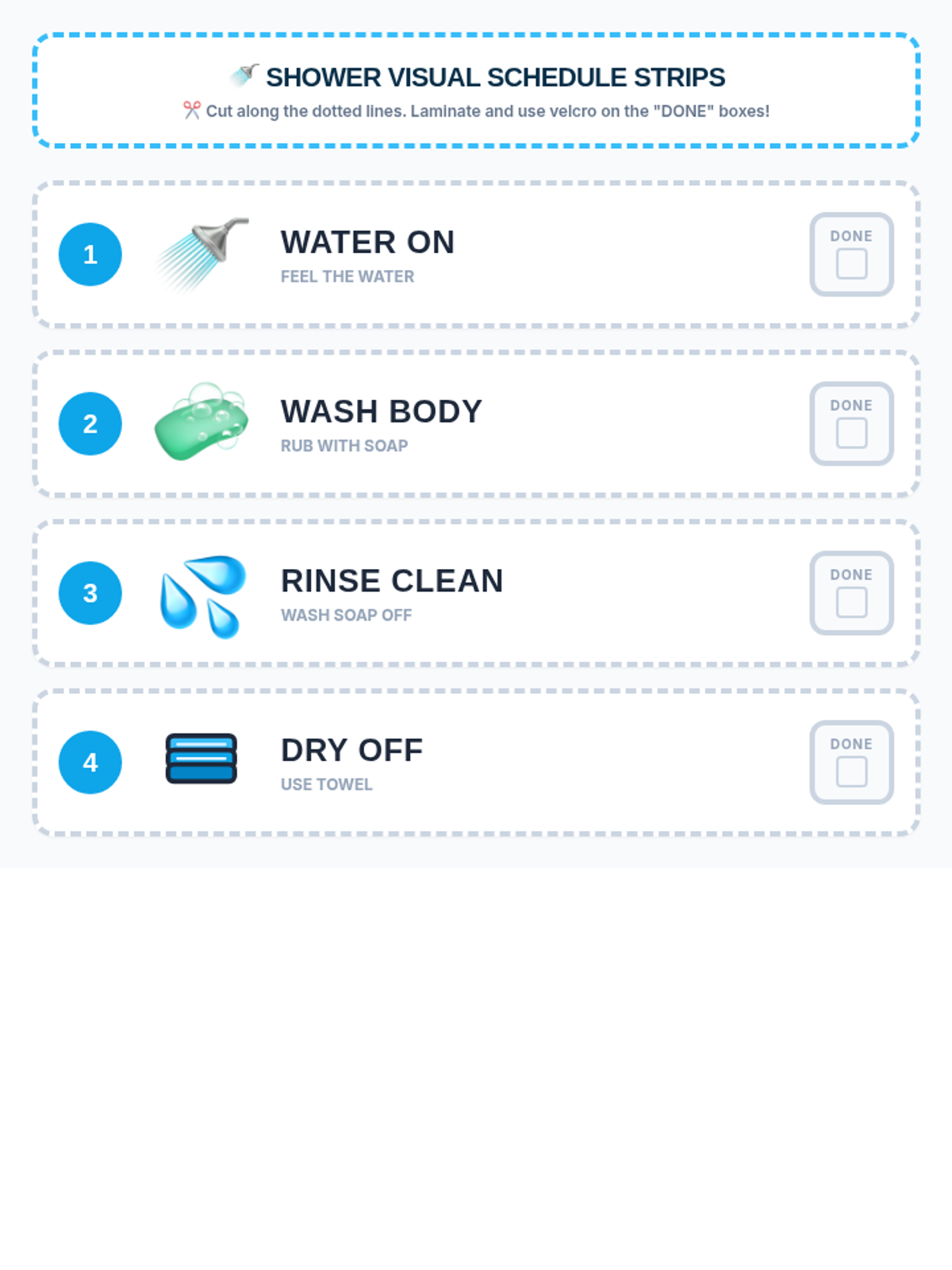
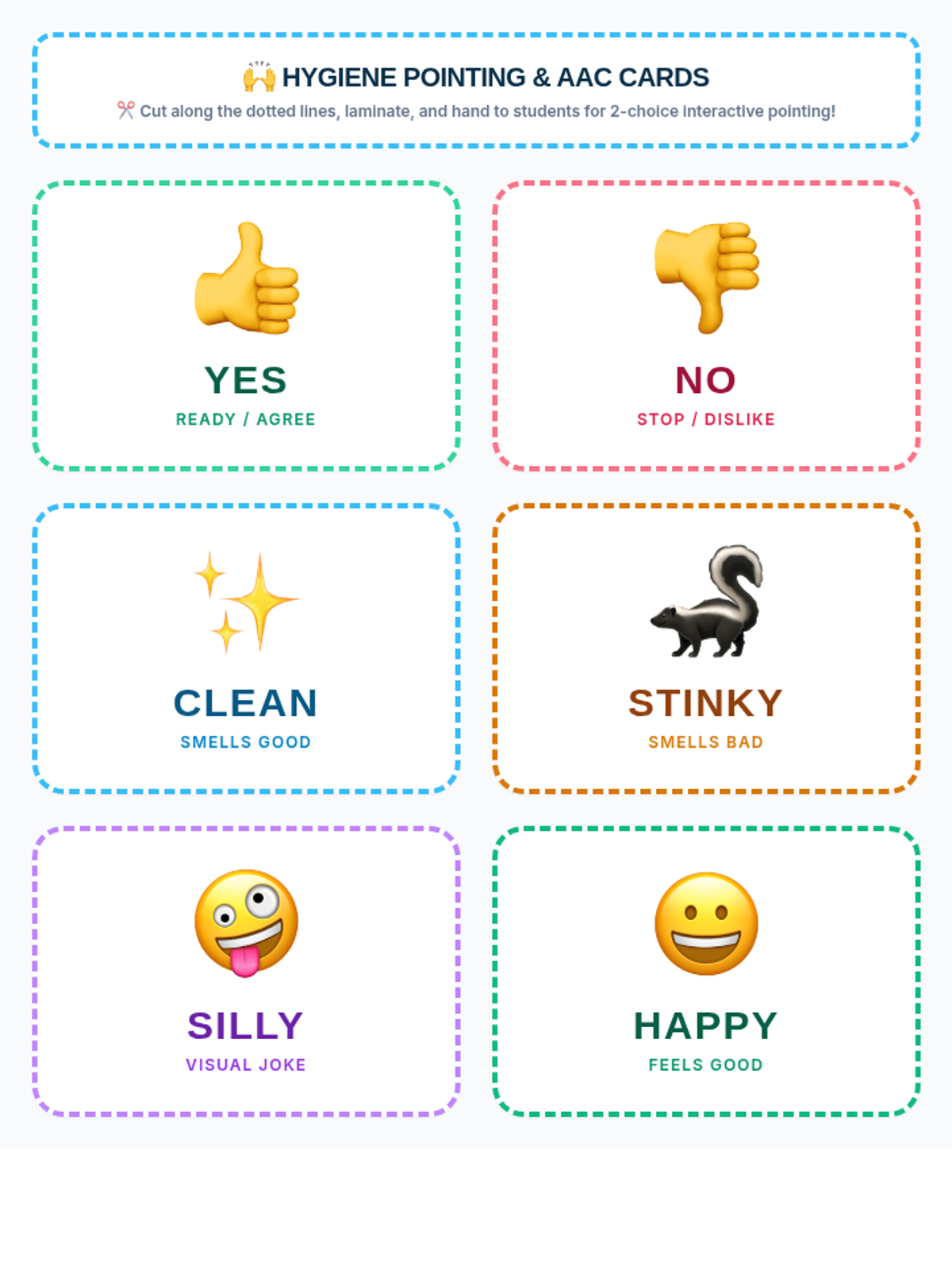
Focuses on sensory-friendly showering routines, washing the body and hair, and using deodorant. It features visual absurdity humor (e.g., showering with cereal, putting deodorant on a banana) and 2-choice visual pointing activities.