Students present their storyboards to peers who have read the same text, explaining why they drew specific details. Peers provide feedback on accuracy to the text, identifying if important details were omitted or visualized incorrectly.
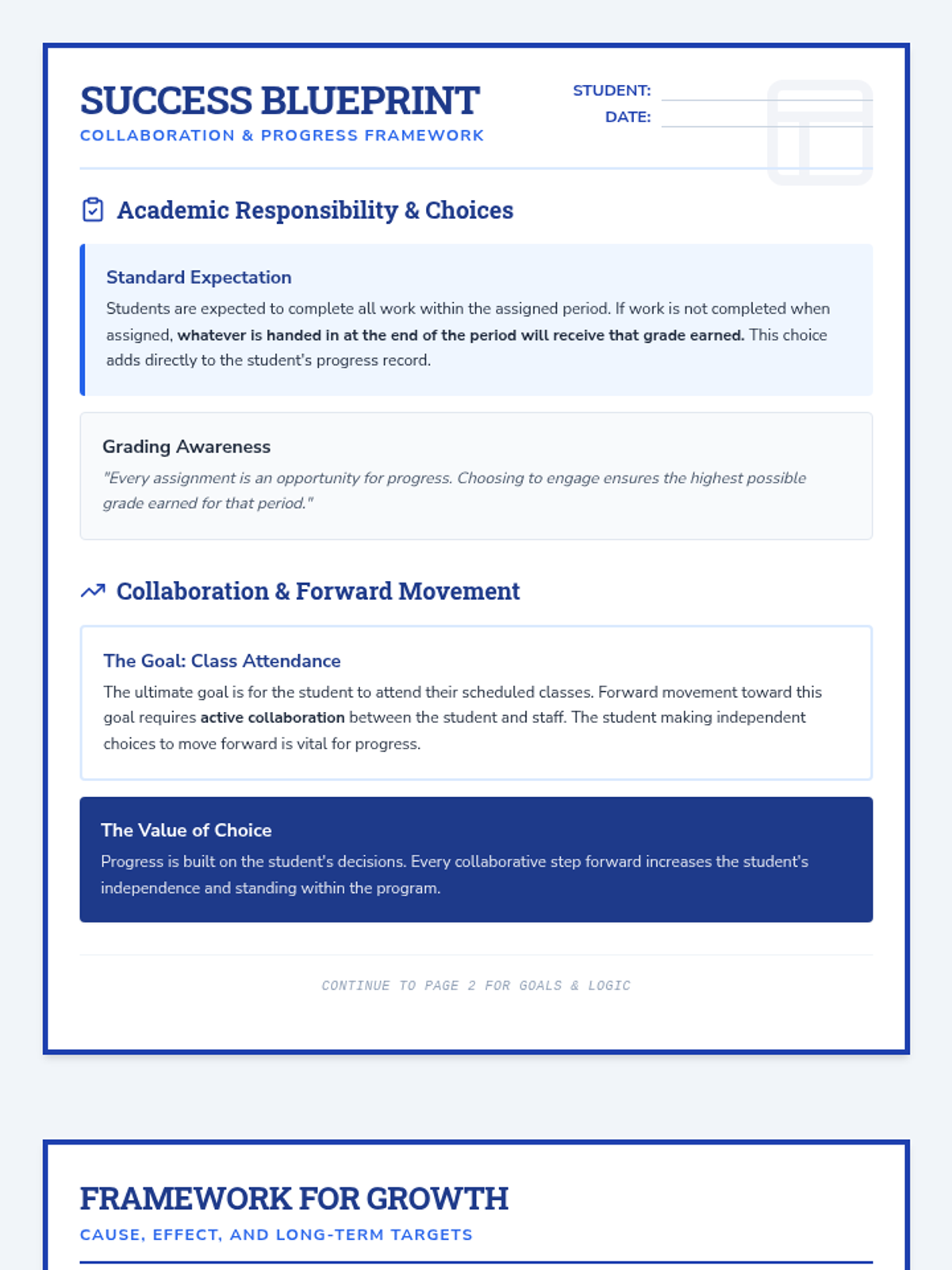
A structured support framework for students in emotional support programs, focusing on accountability, communication, and clear incentives for success.
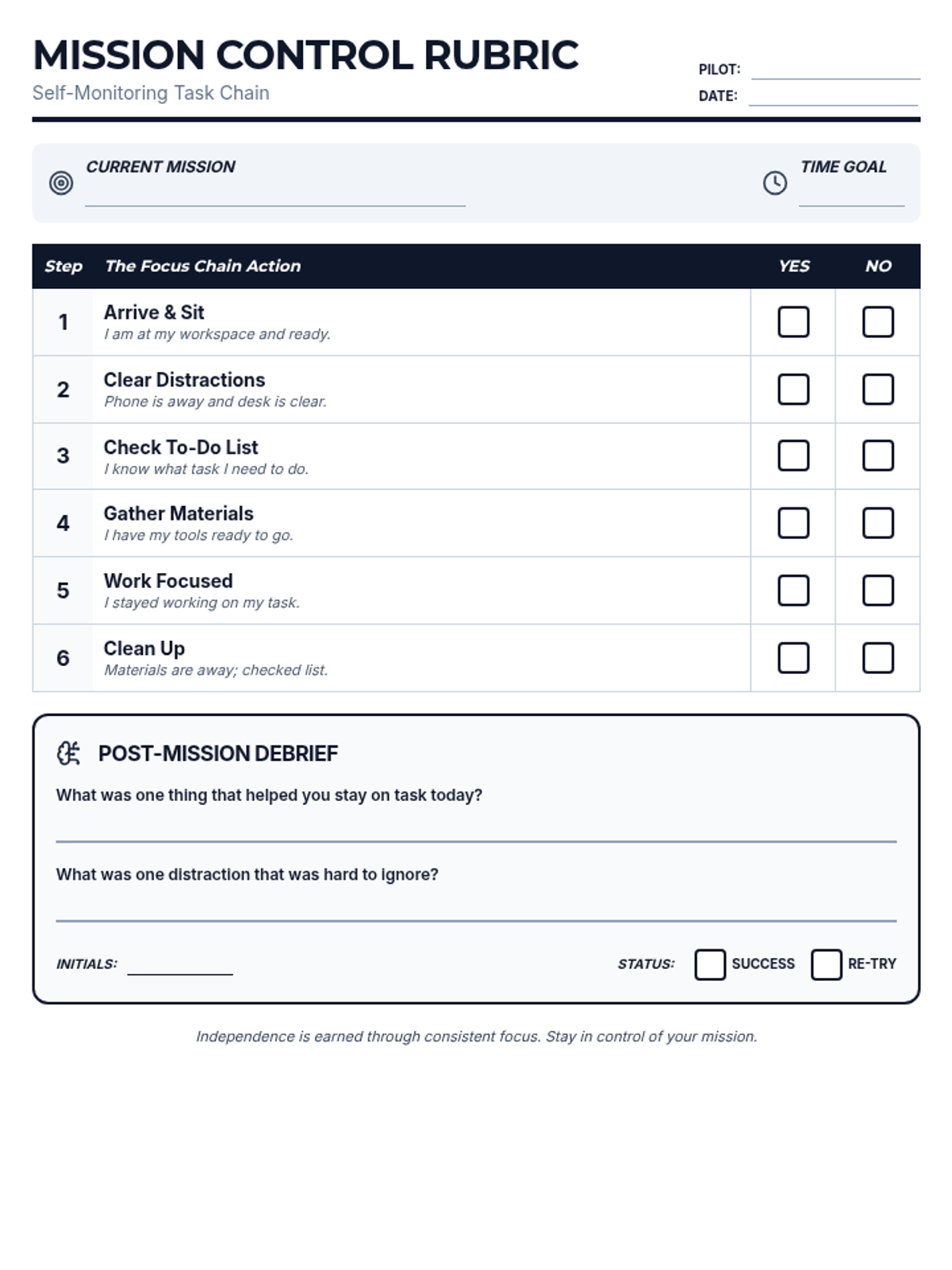
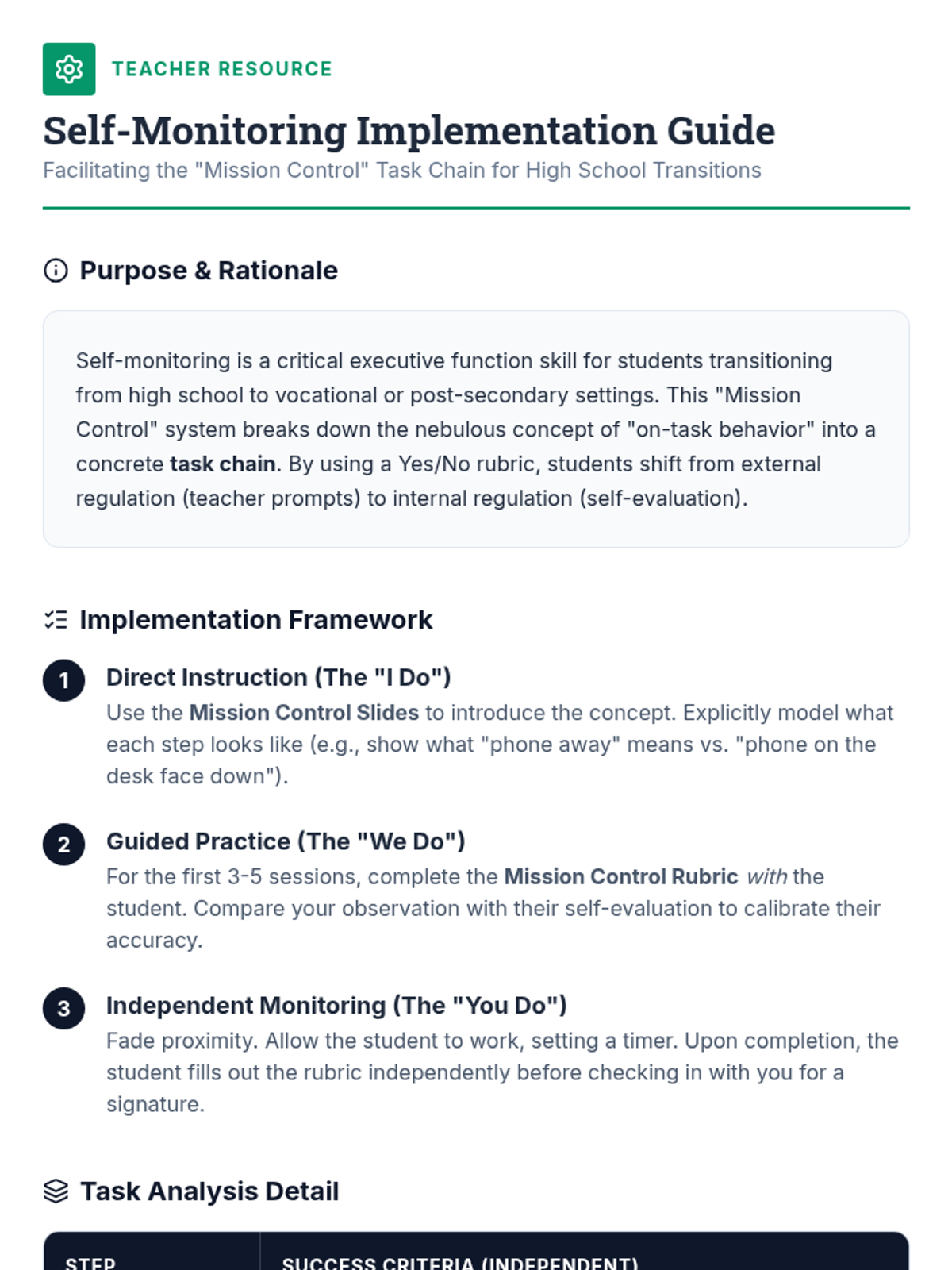
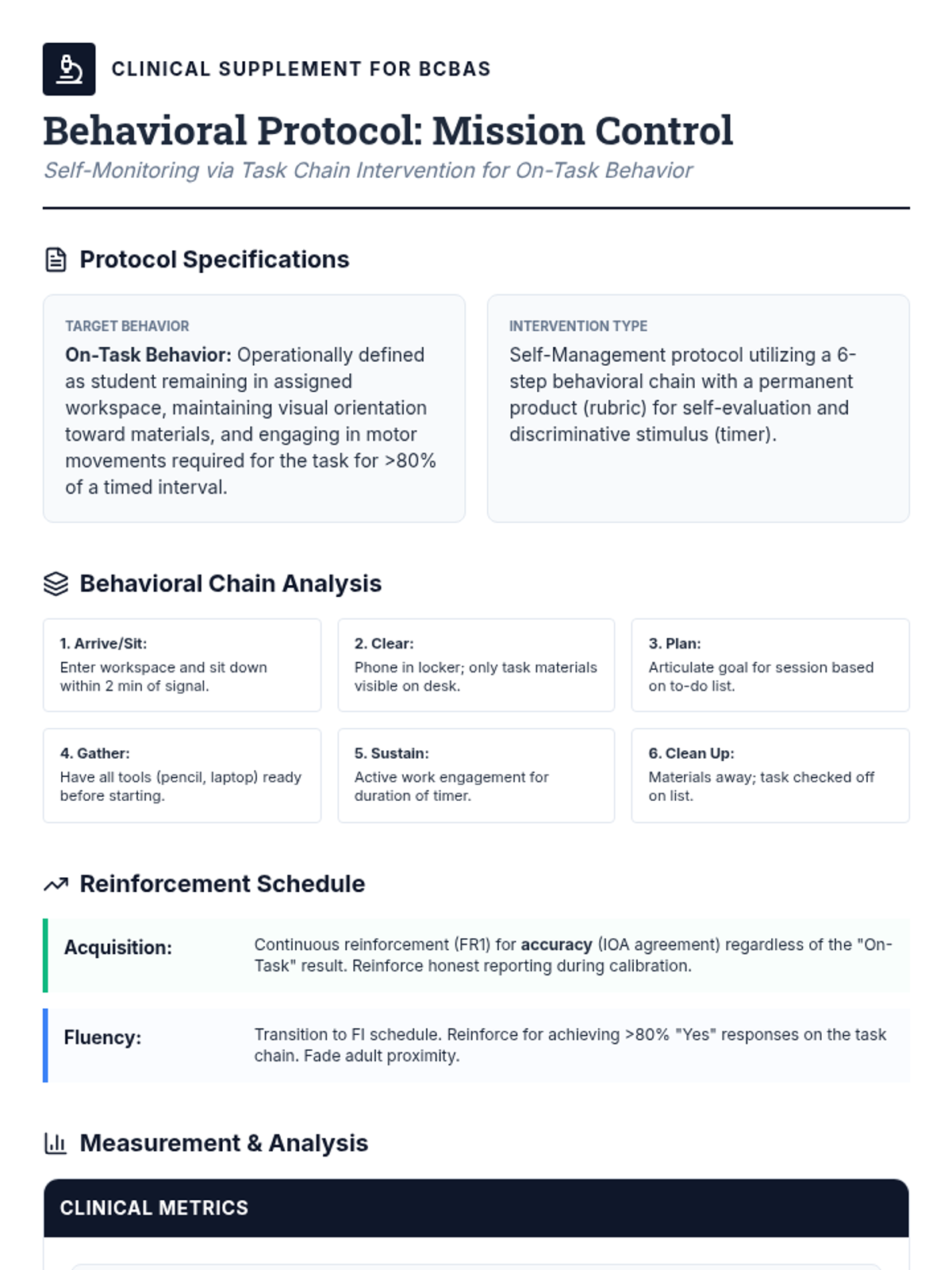
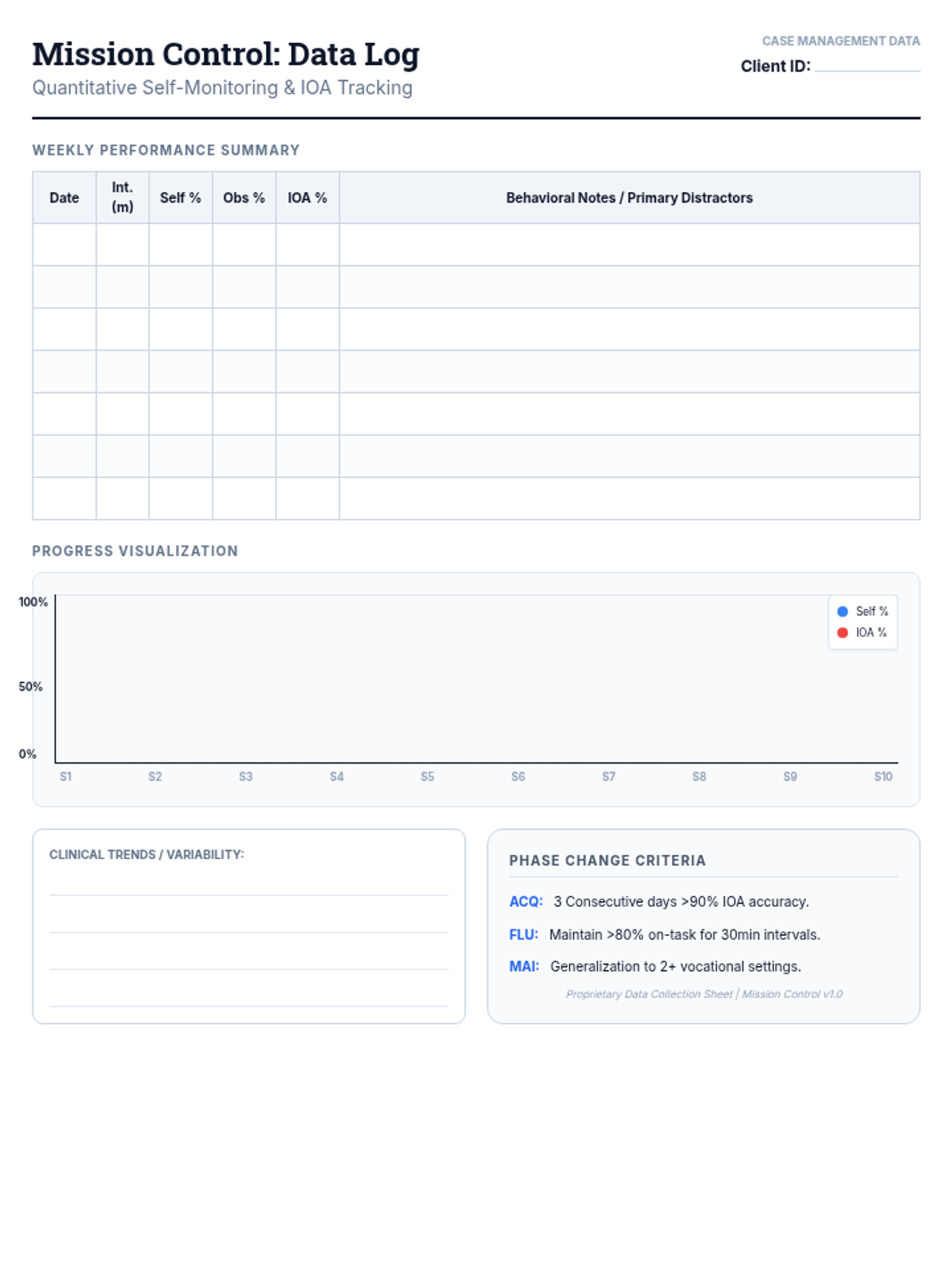
A lesson focused on breaking down on-task behavior into a repeatable task chain for high school students to improve self-regulation and independence.
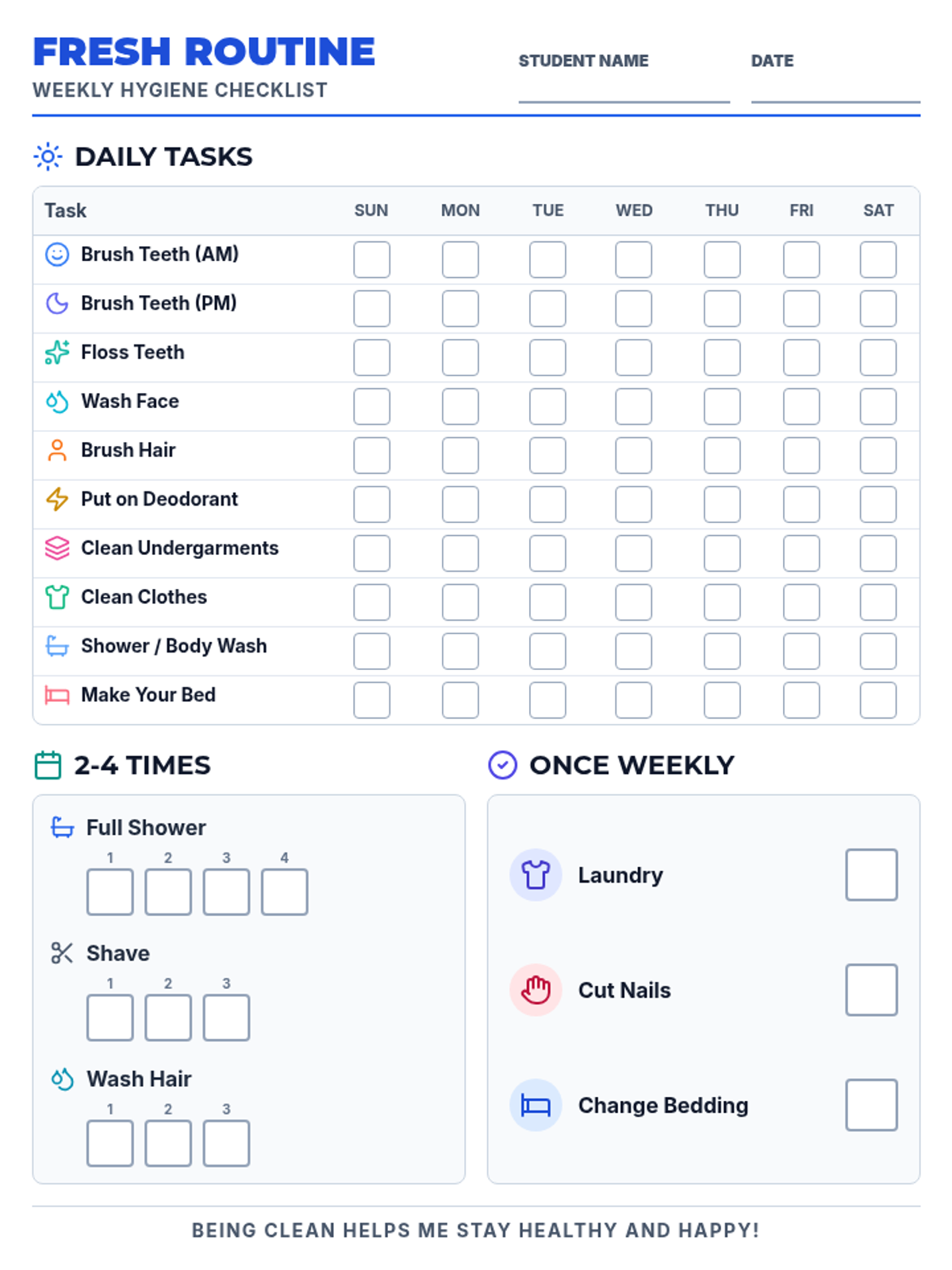
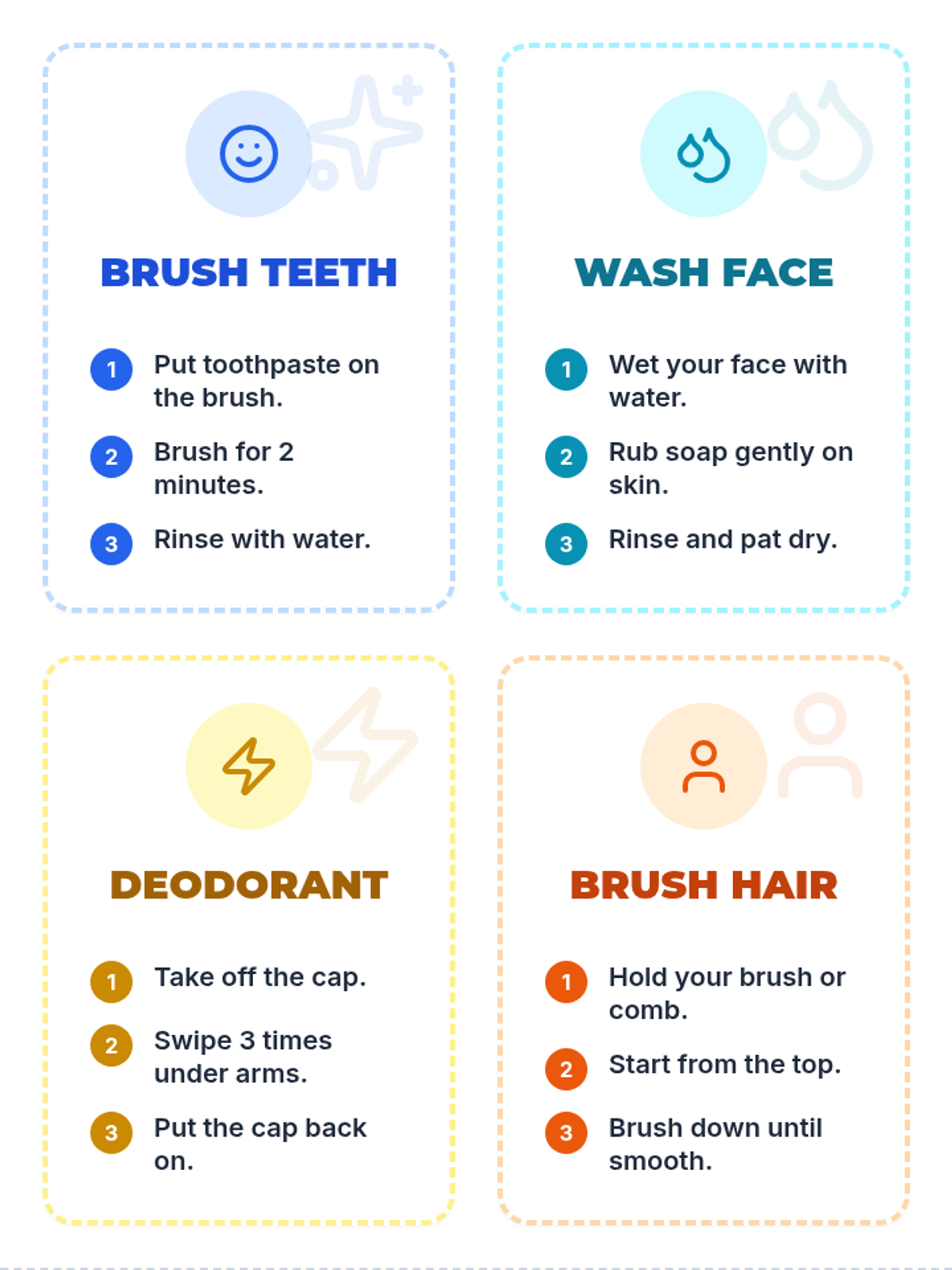
A comprehensive lesson on daily and weekly hygiene routines for high school students with intellectual disabilities. It includes tracking tools and visual supports for independent living.
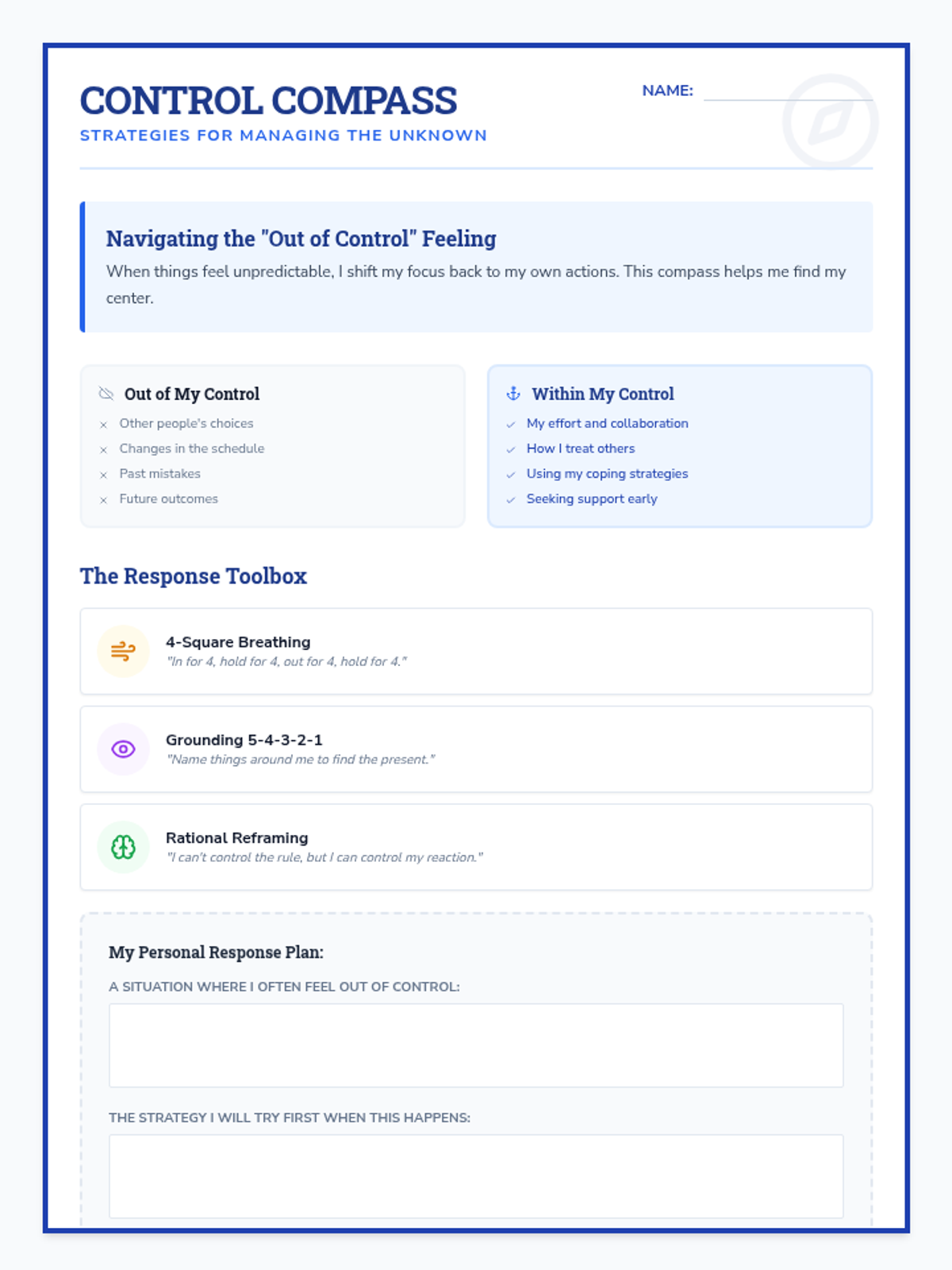
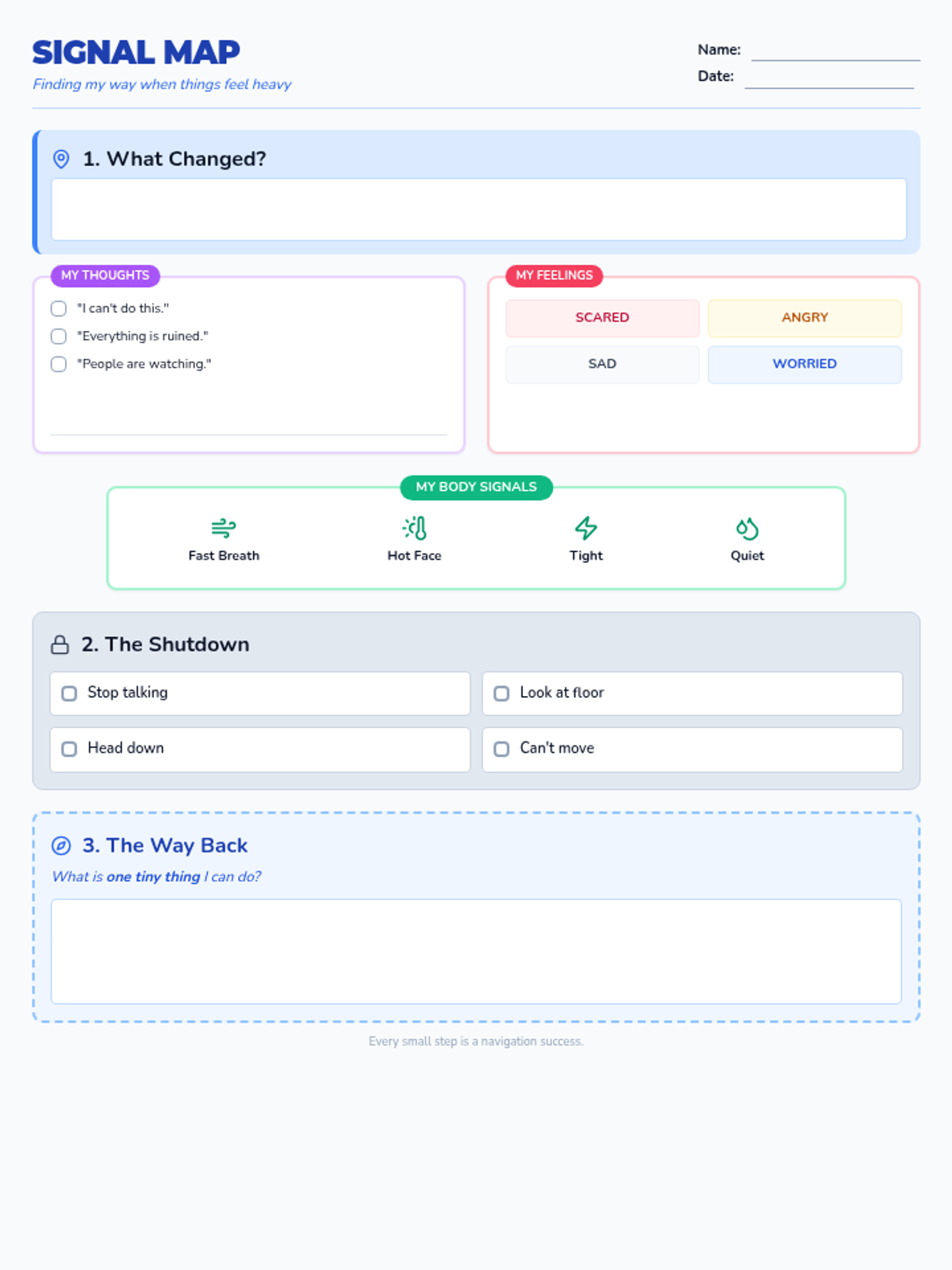
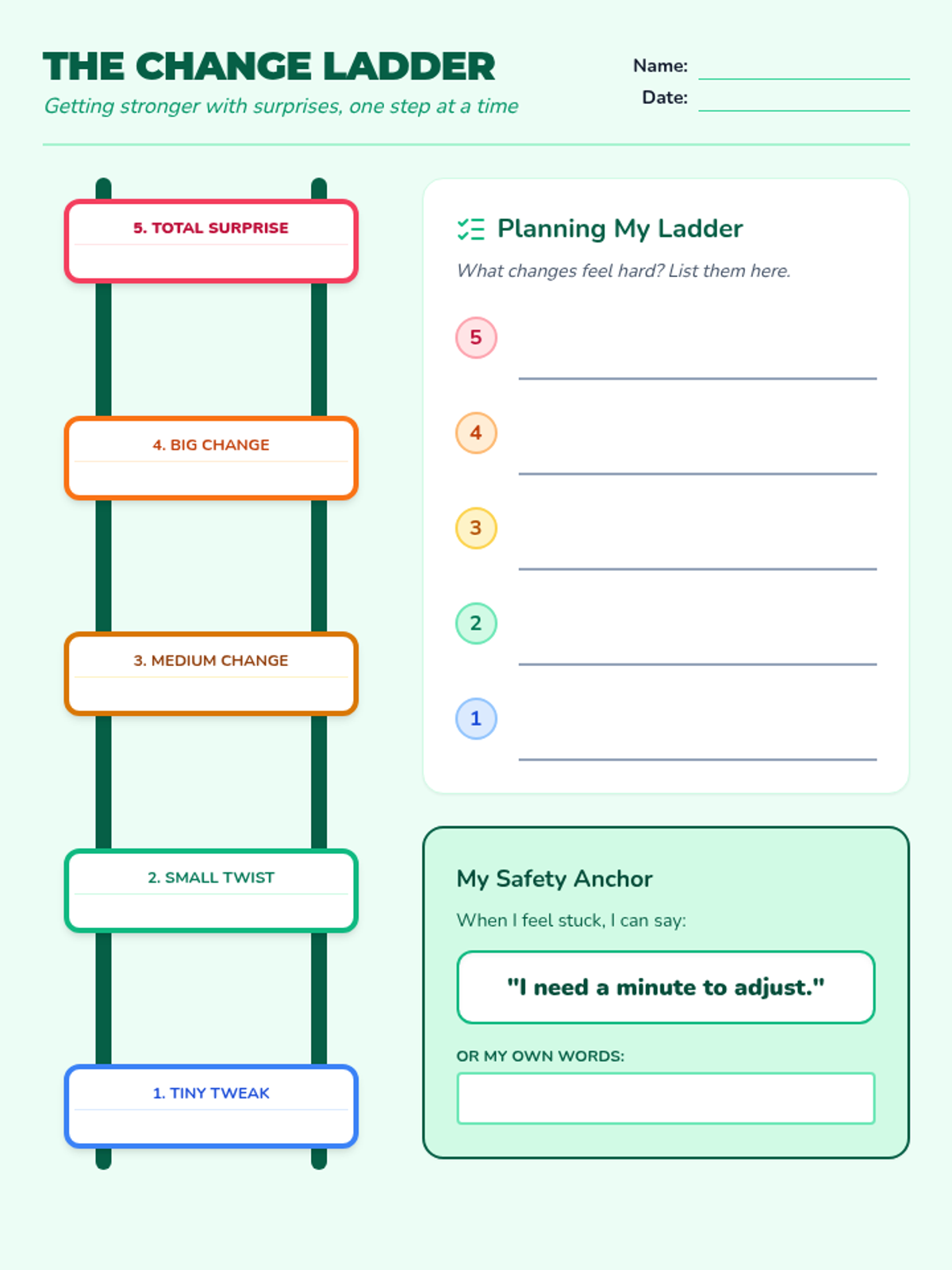
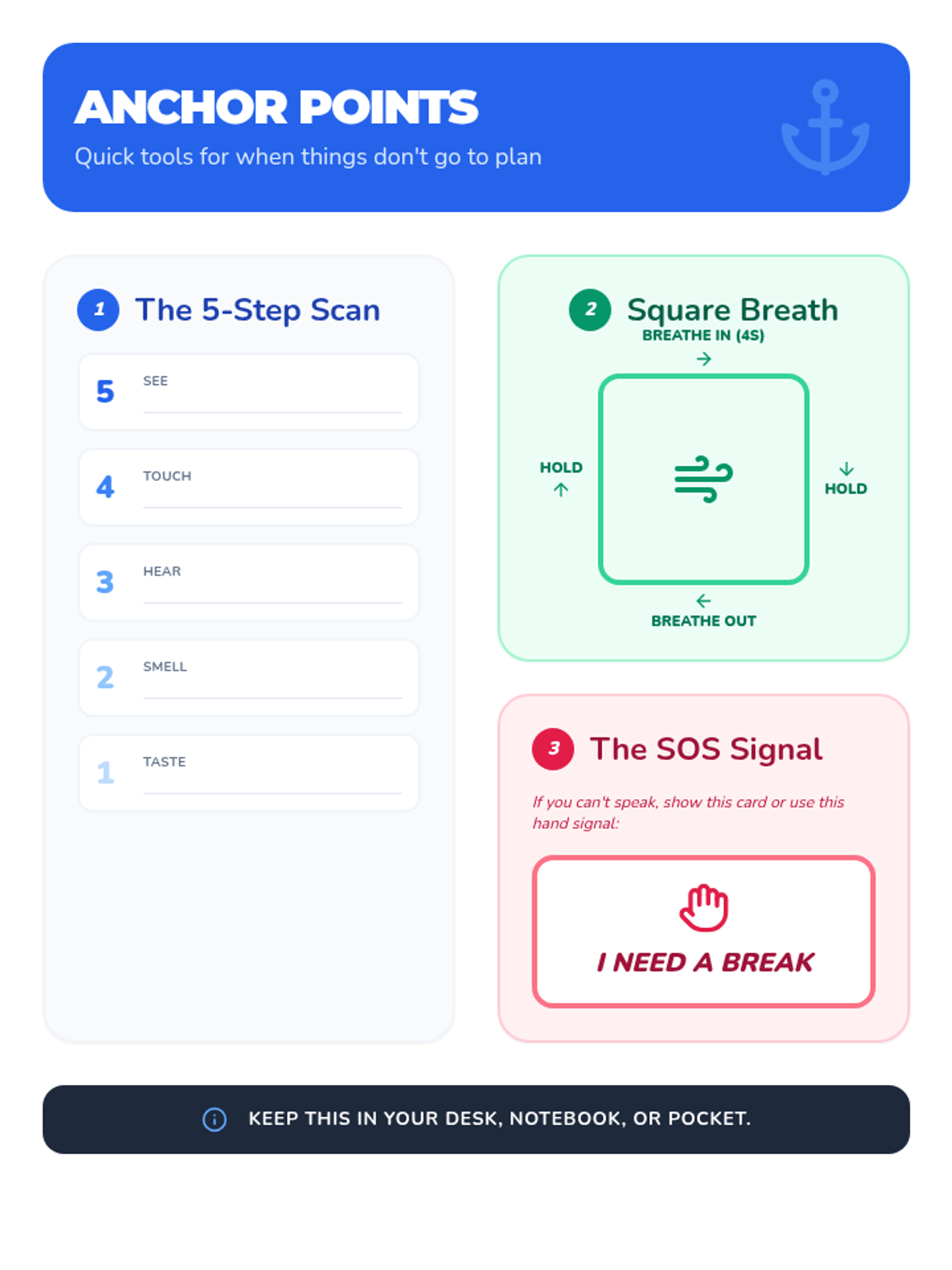
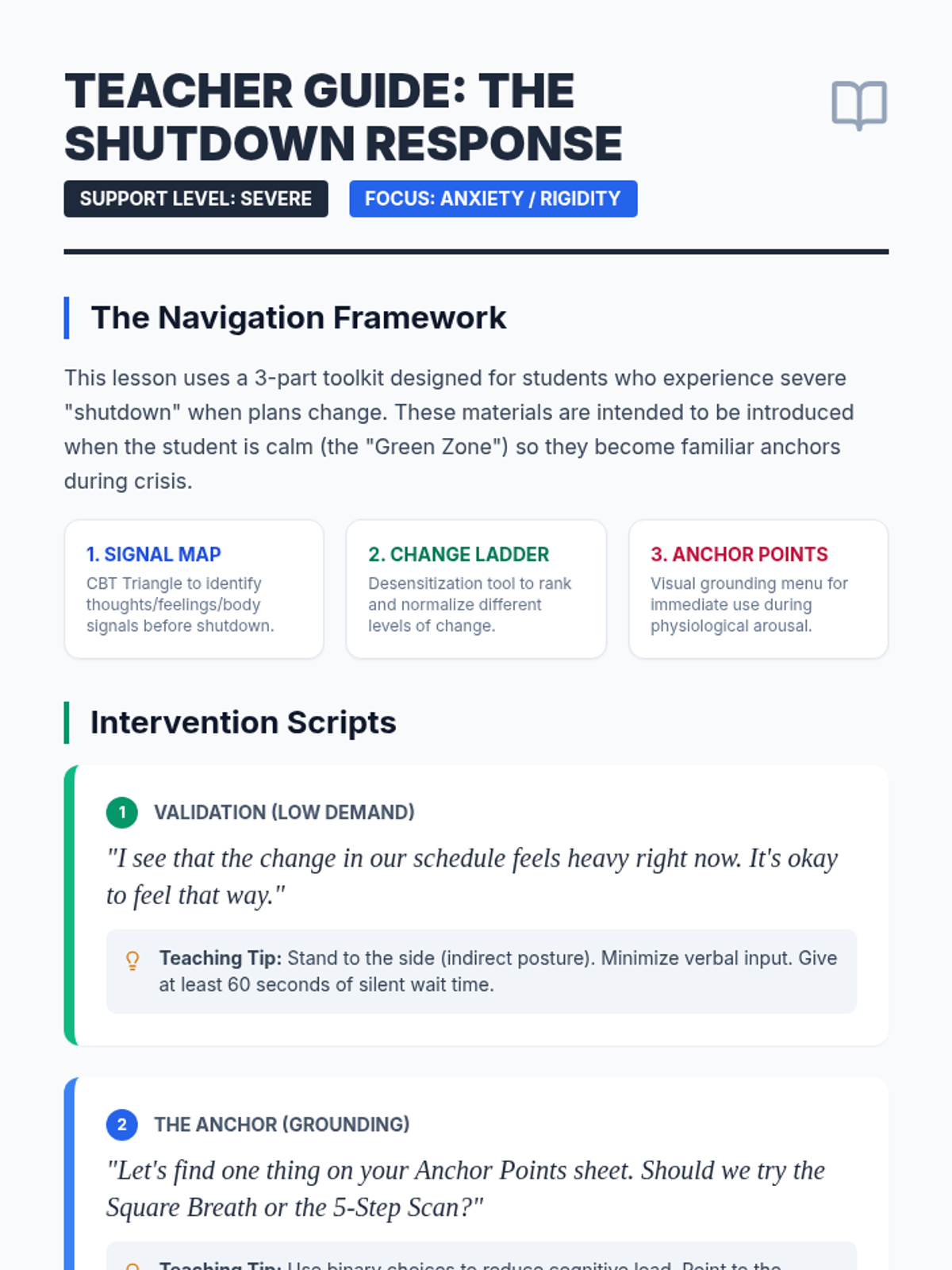
A comprehensive set of visual tools designed to help students with high anxiety navigate the 'shutdown' response and build resilience against unexpected changes using CBT principles.
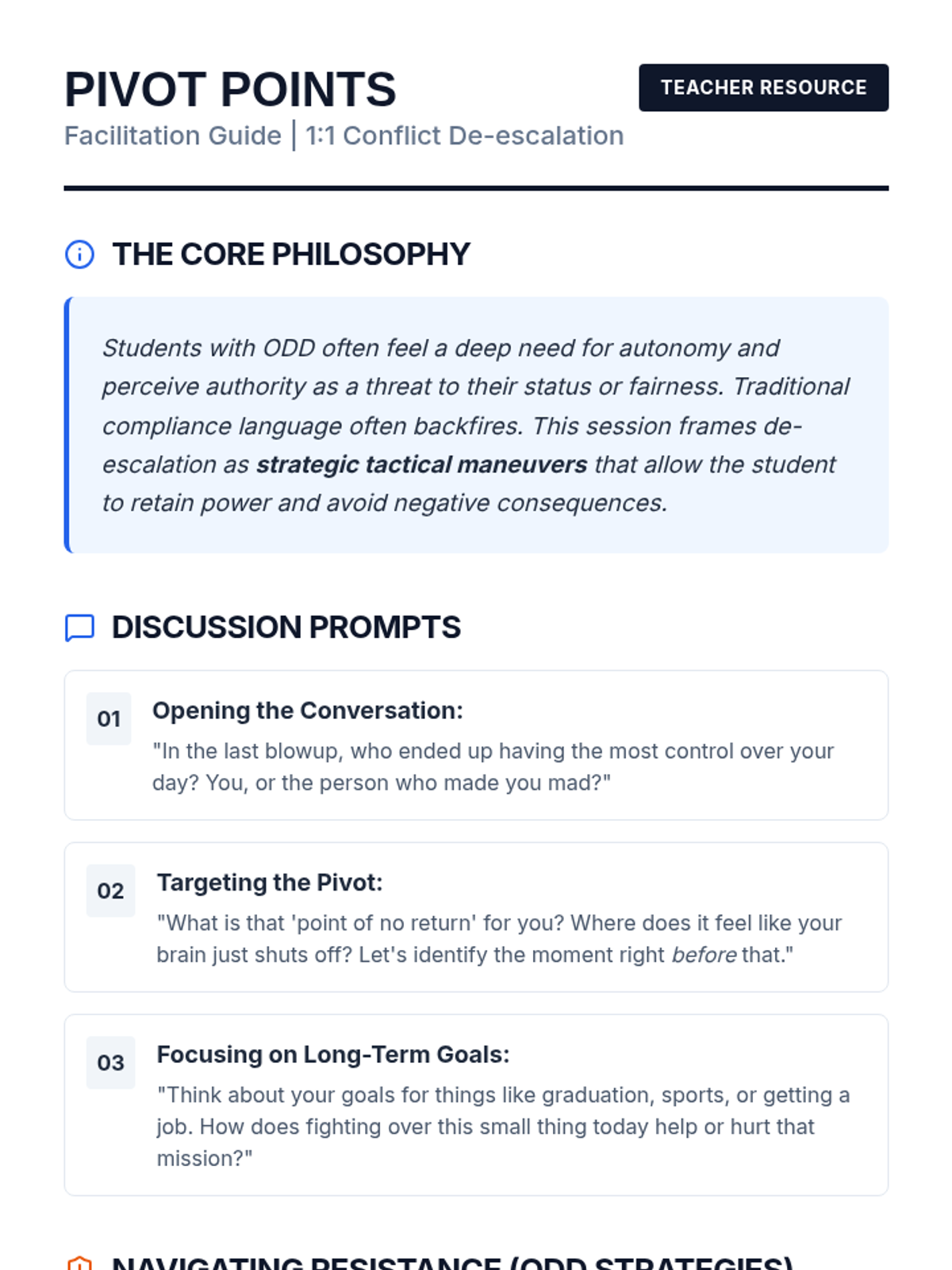
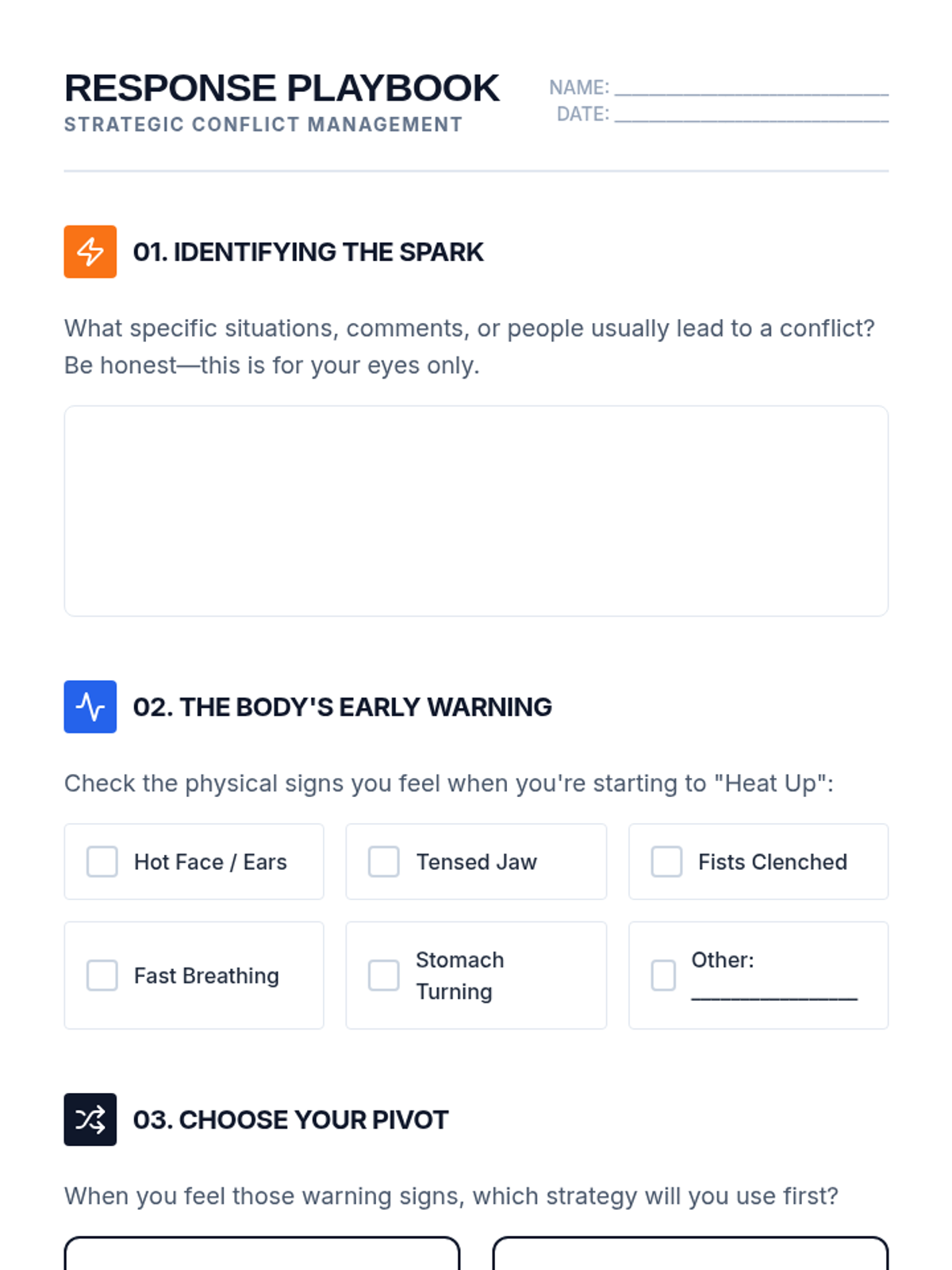
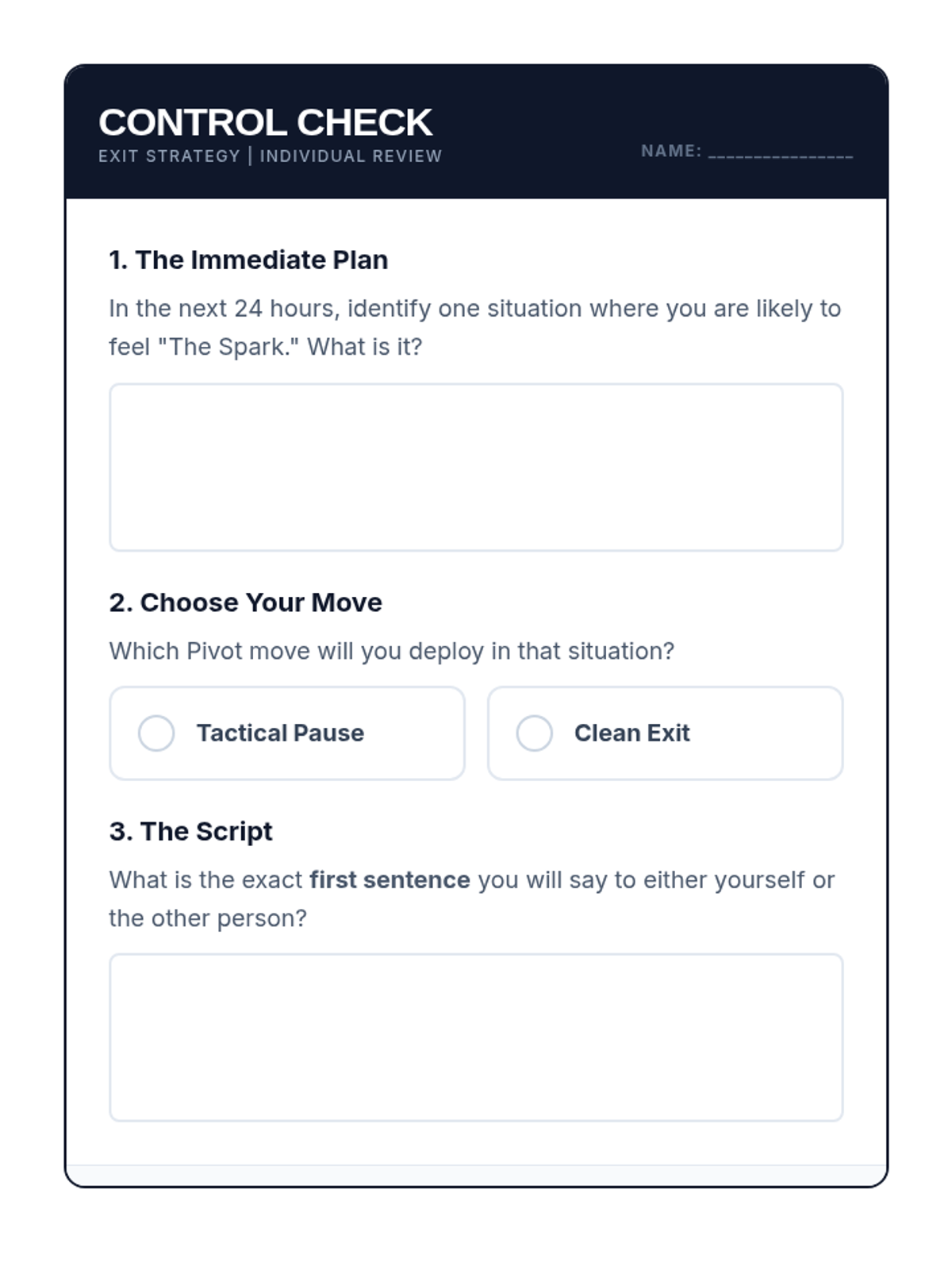
A targeted 1:1 session for 11th-grade students to develop sophisticated alternatives to verbal or physical conflict when frustrated. Focuses on 'pivot' strategies that maintain autonomy while reducing escalation.
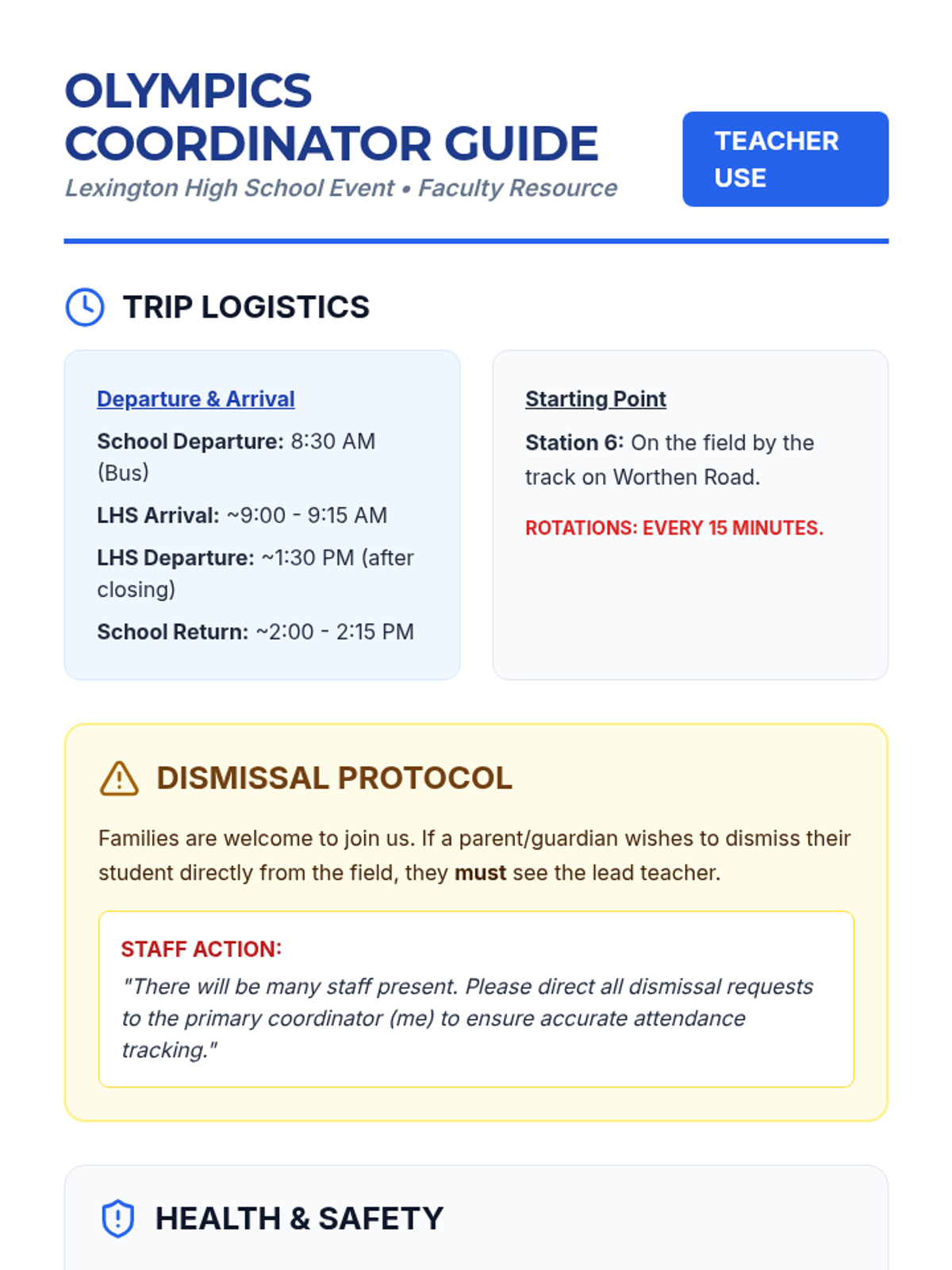
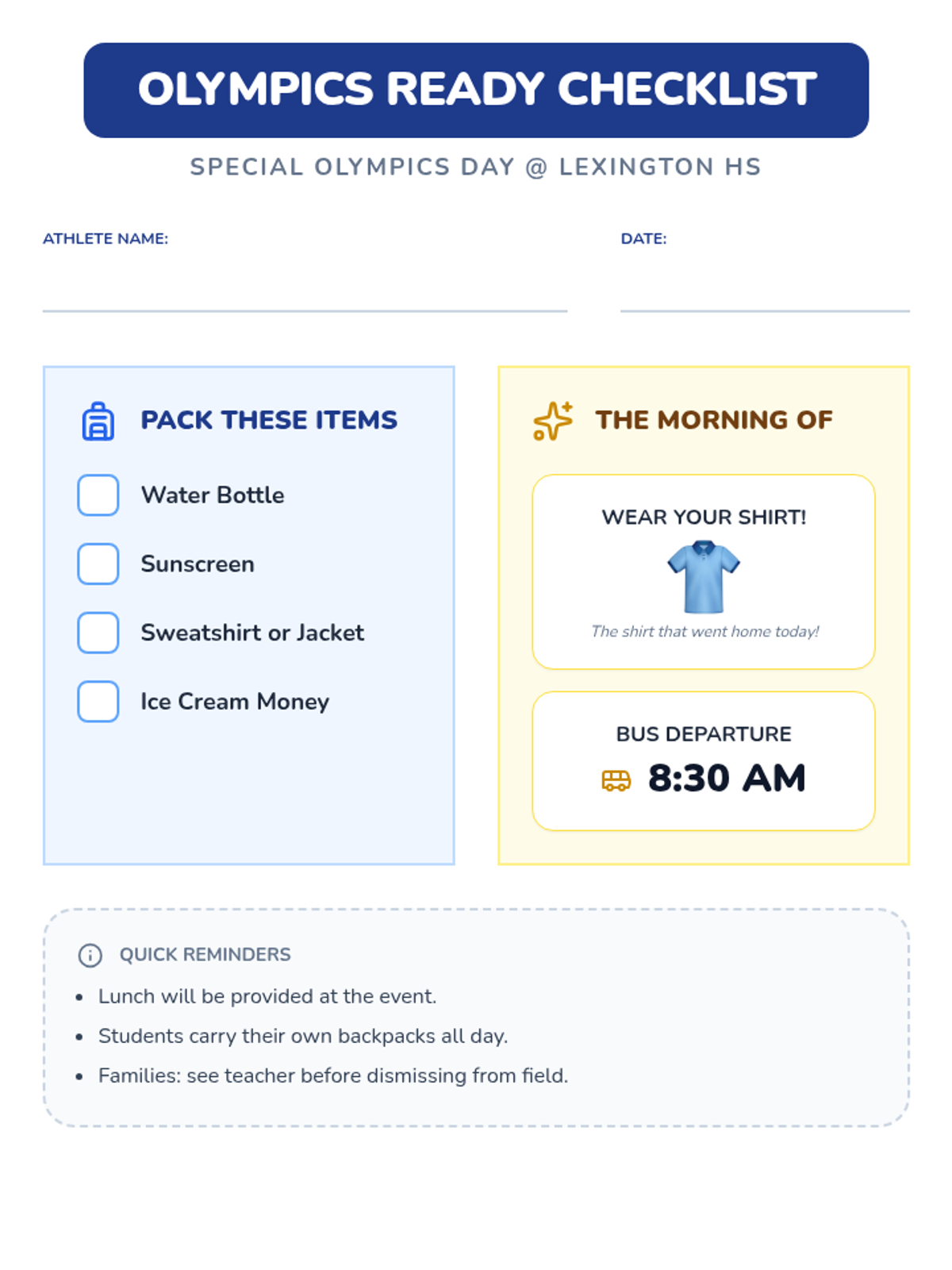
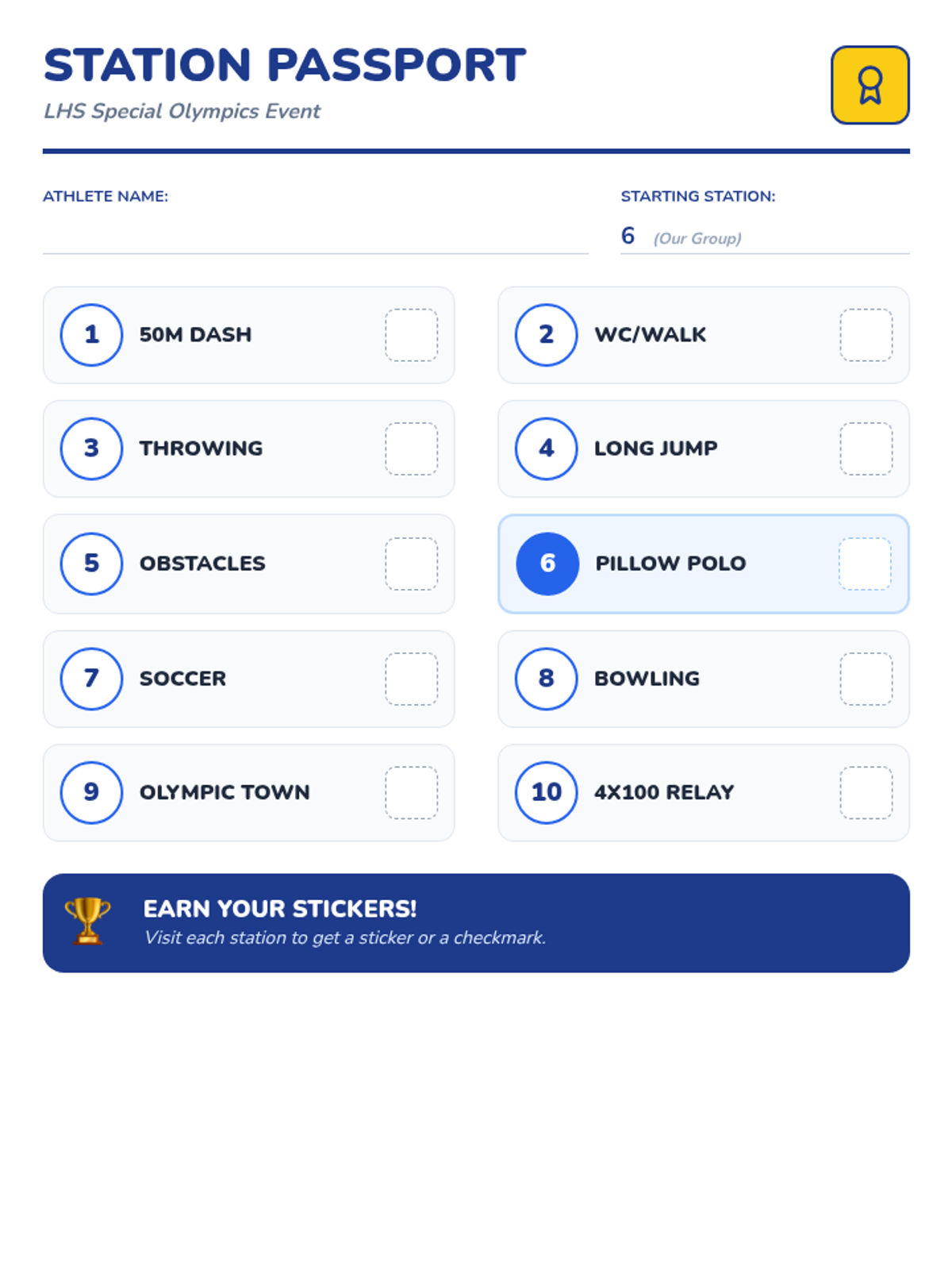
A preparation lesson for student athletes participating in the Special Olympics at Lexington High School, covering logistics, expectations, and event details.
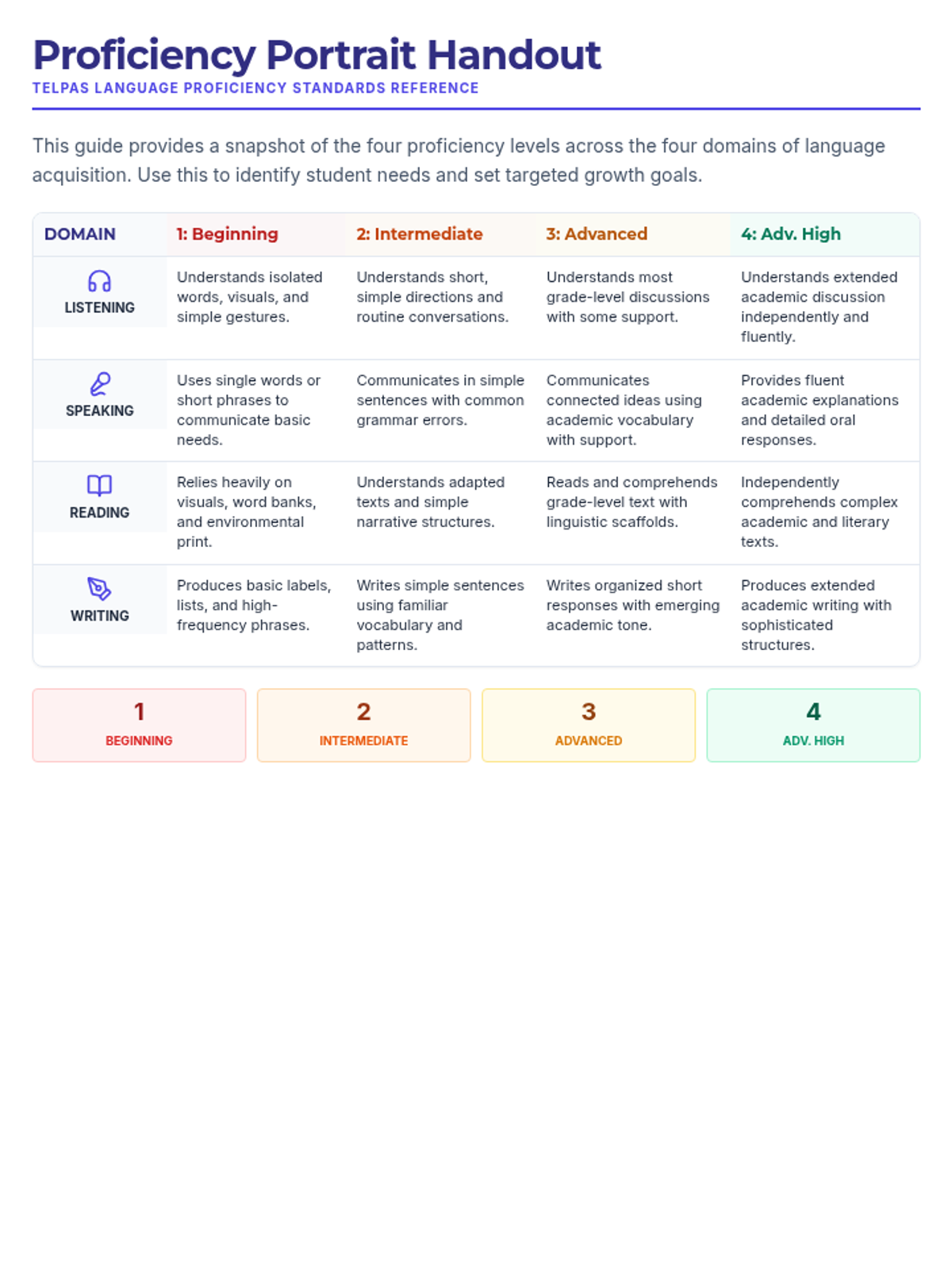
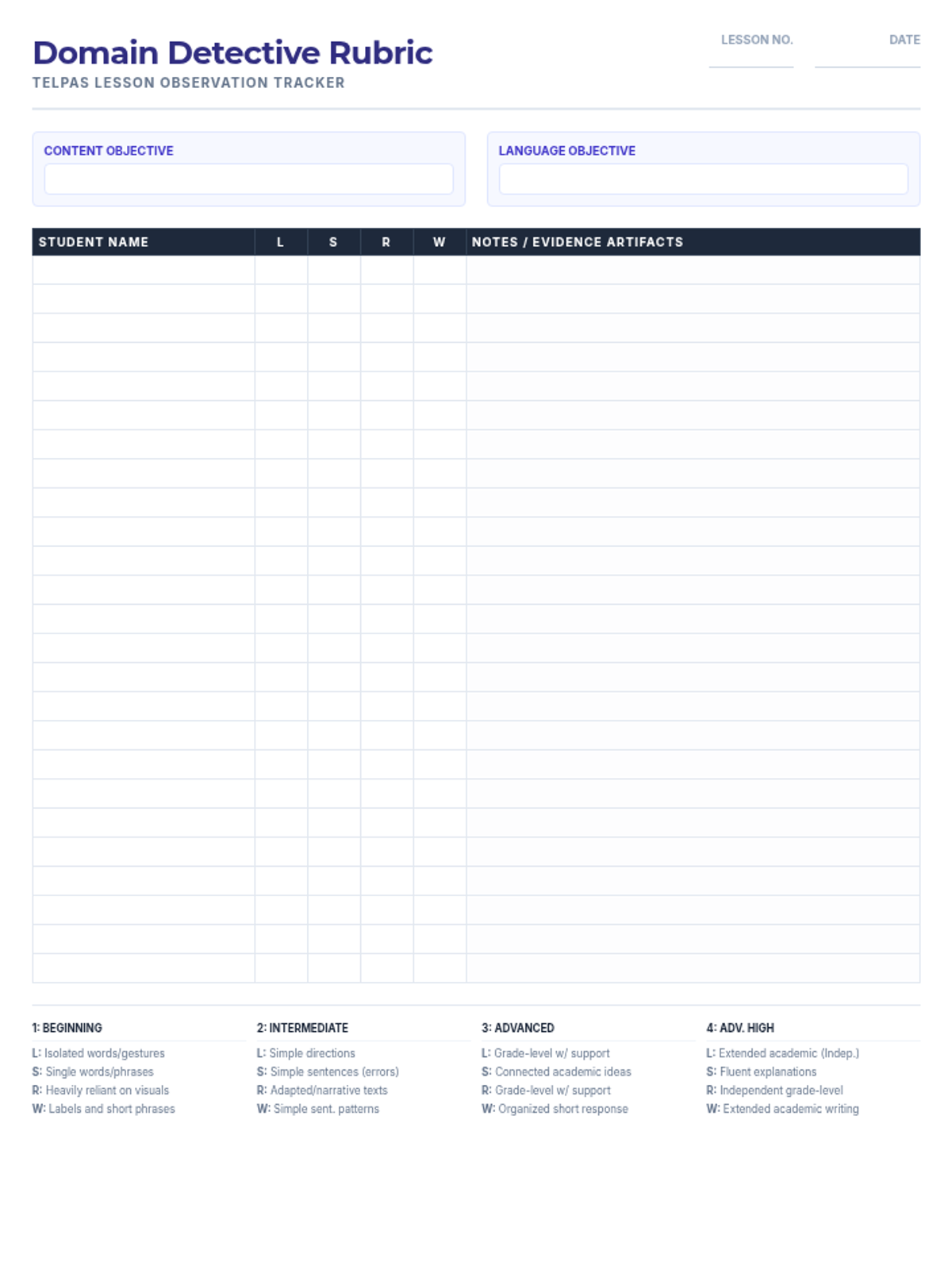
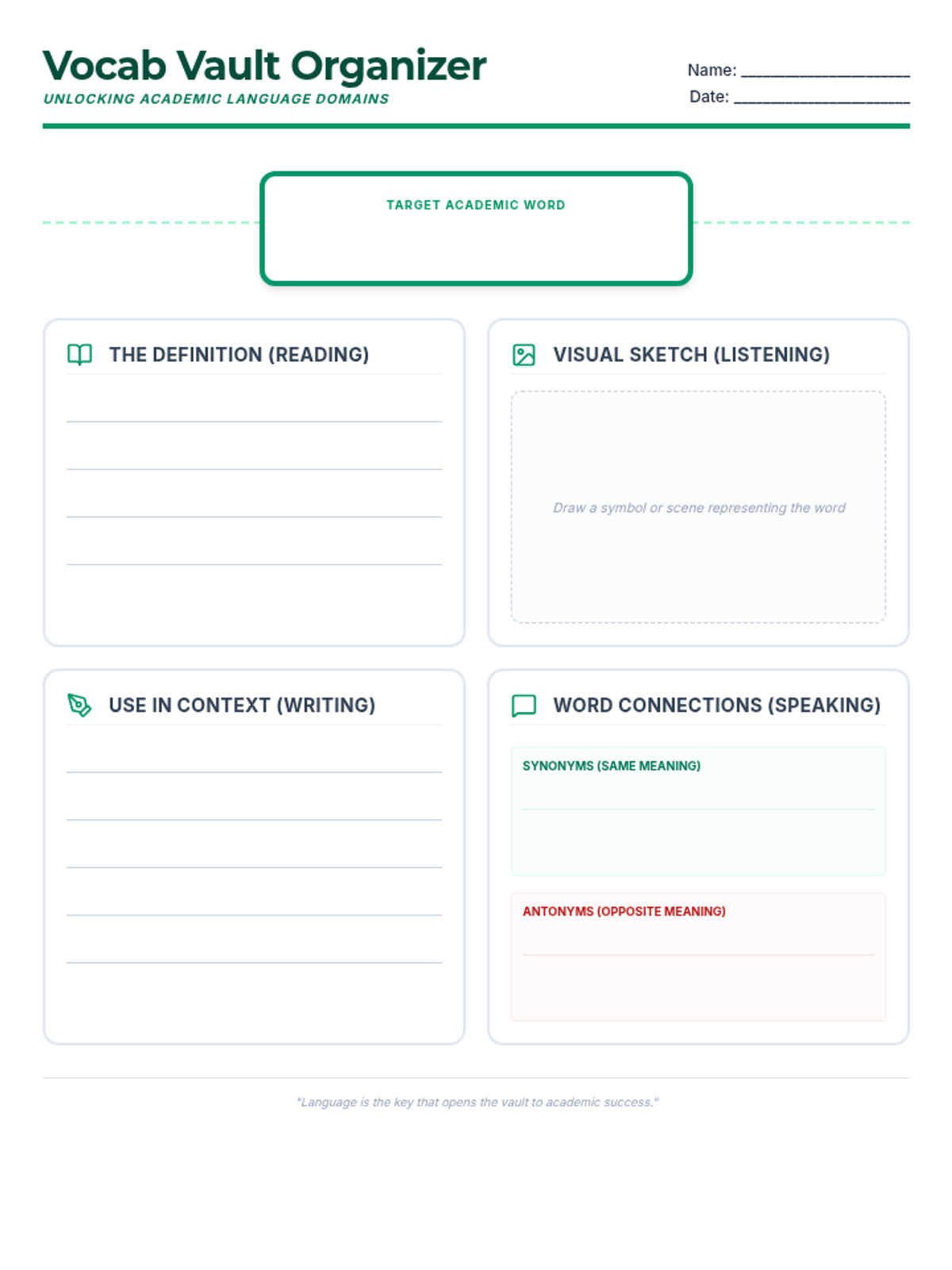
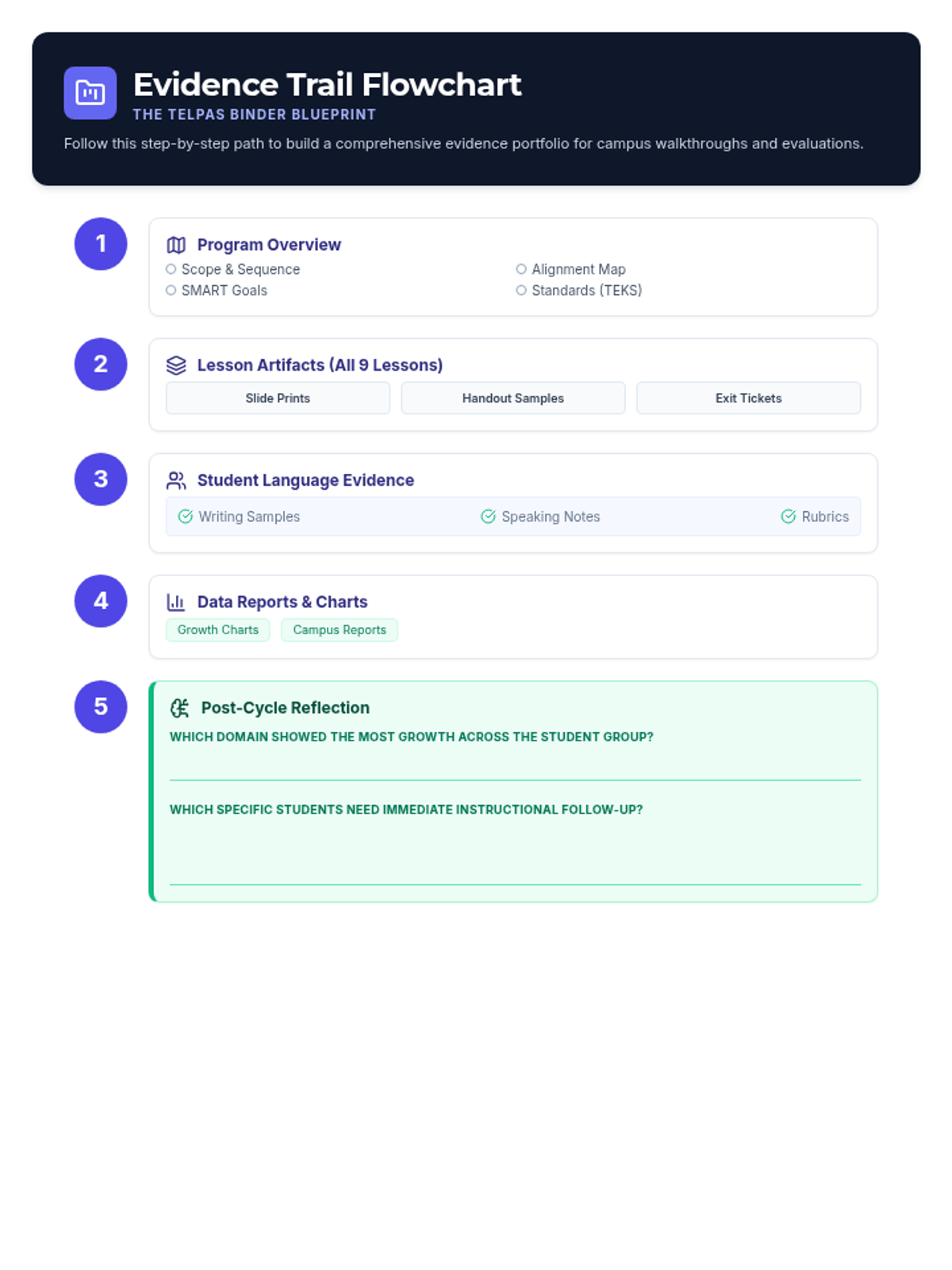
A comprehensive toolkit for teachers to track, document, and support student English language proficiency growth using TELPAS criteria across all four domains.
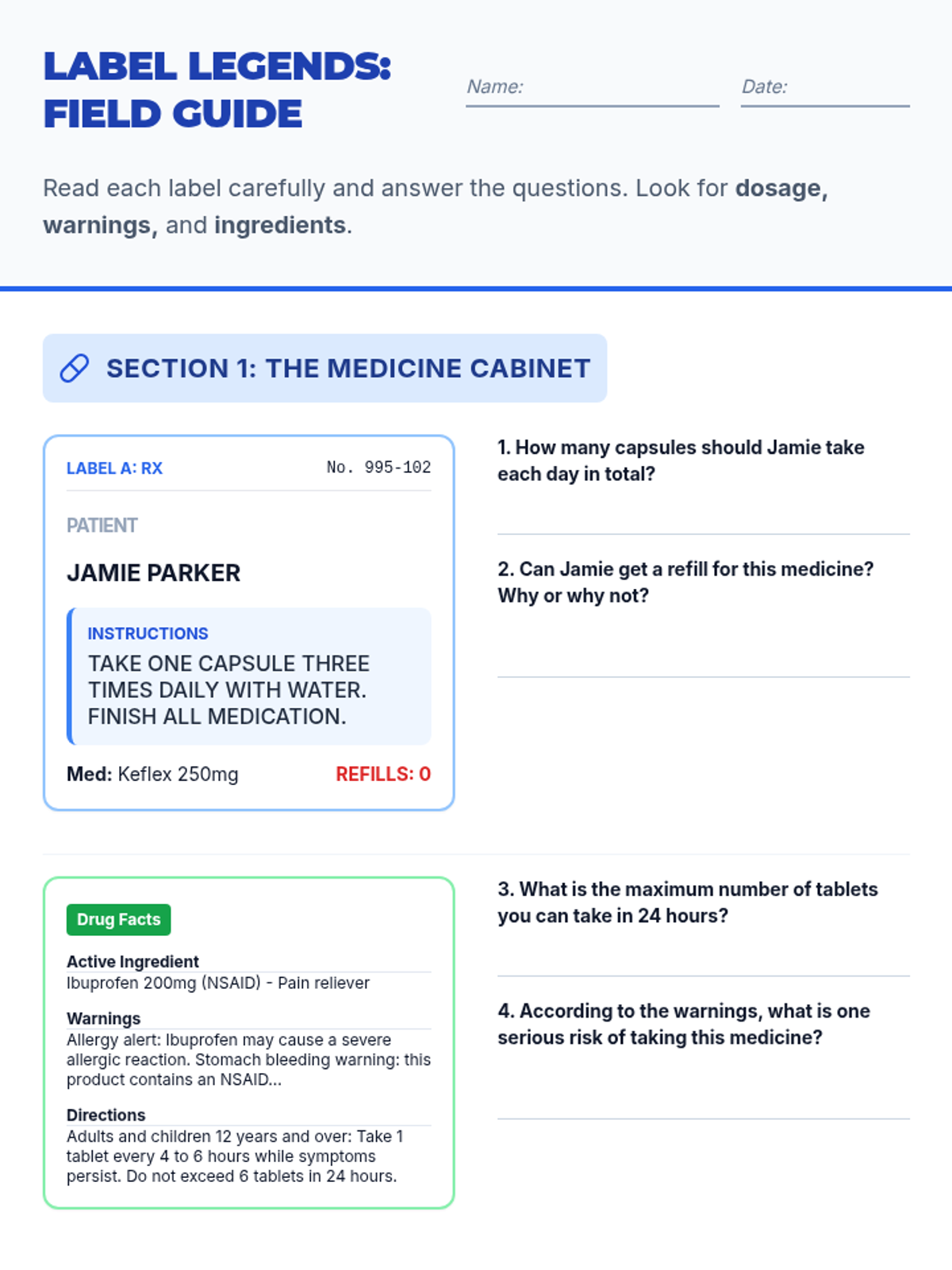
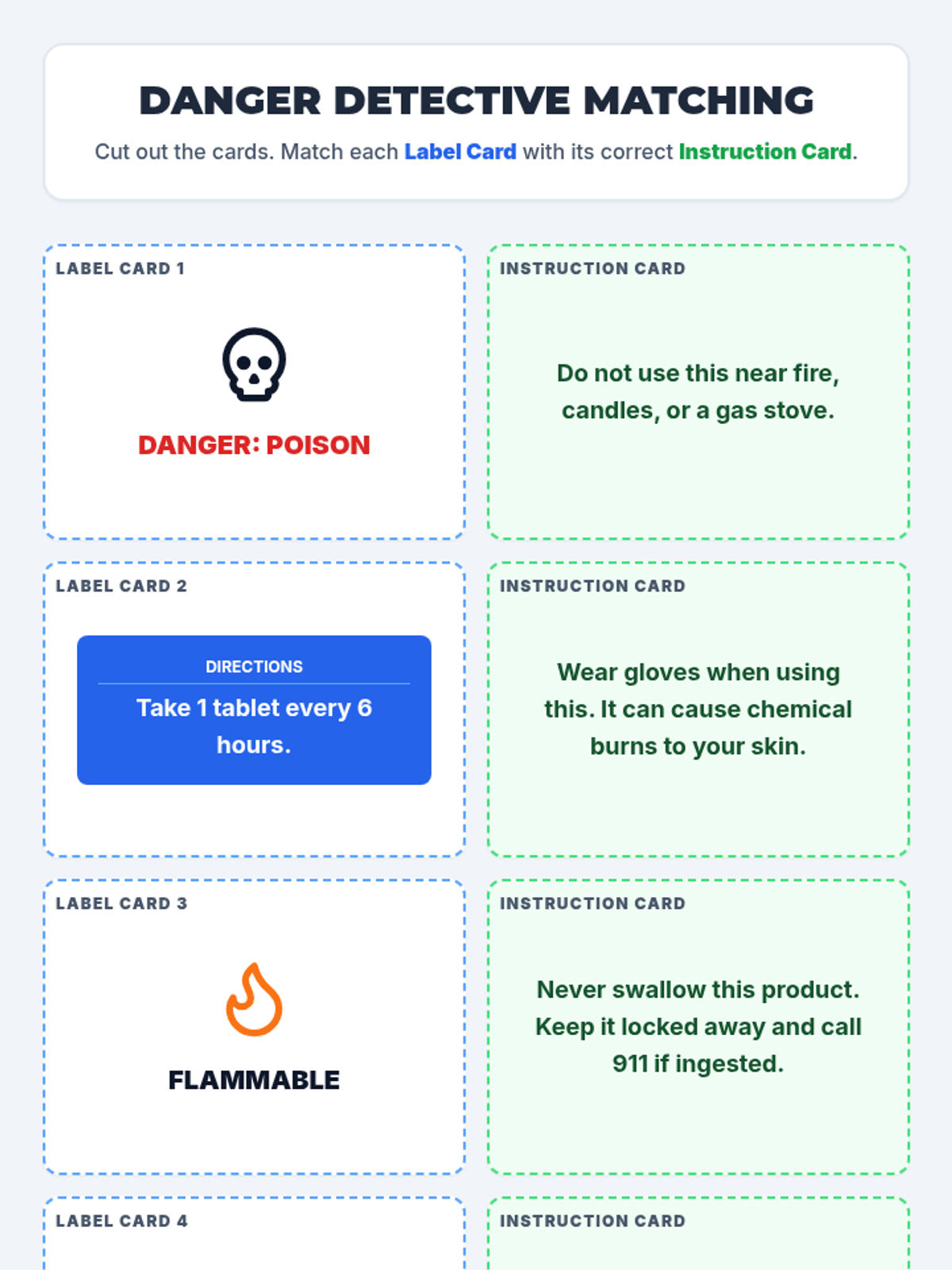
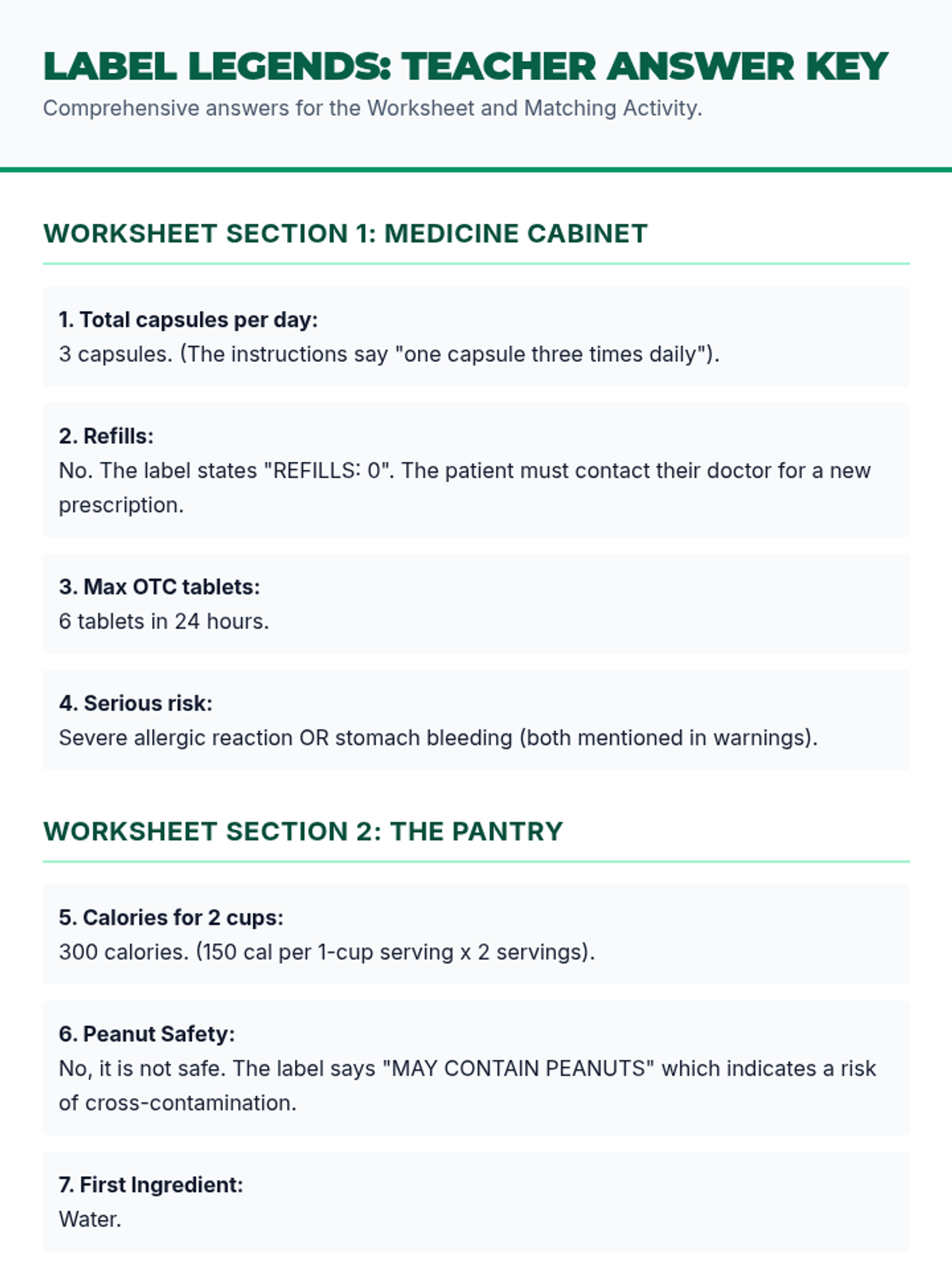
A comprehensive lesson on functional reading for everyday survival, focusing on interpreting medication, nutrition, and chemical safety labels for independent living.
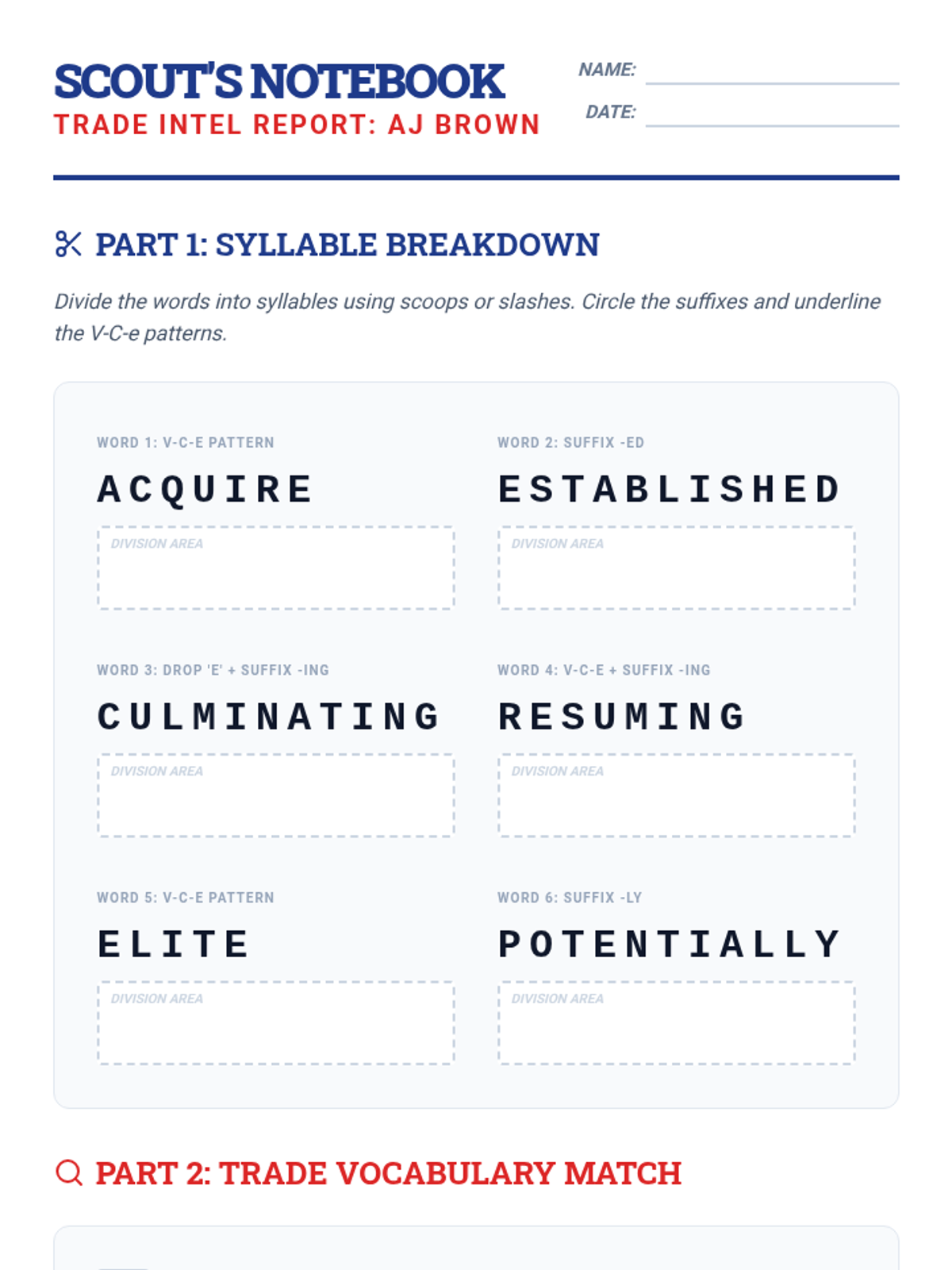
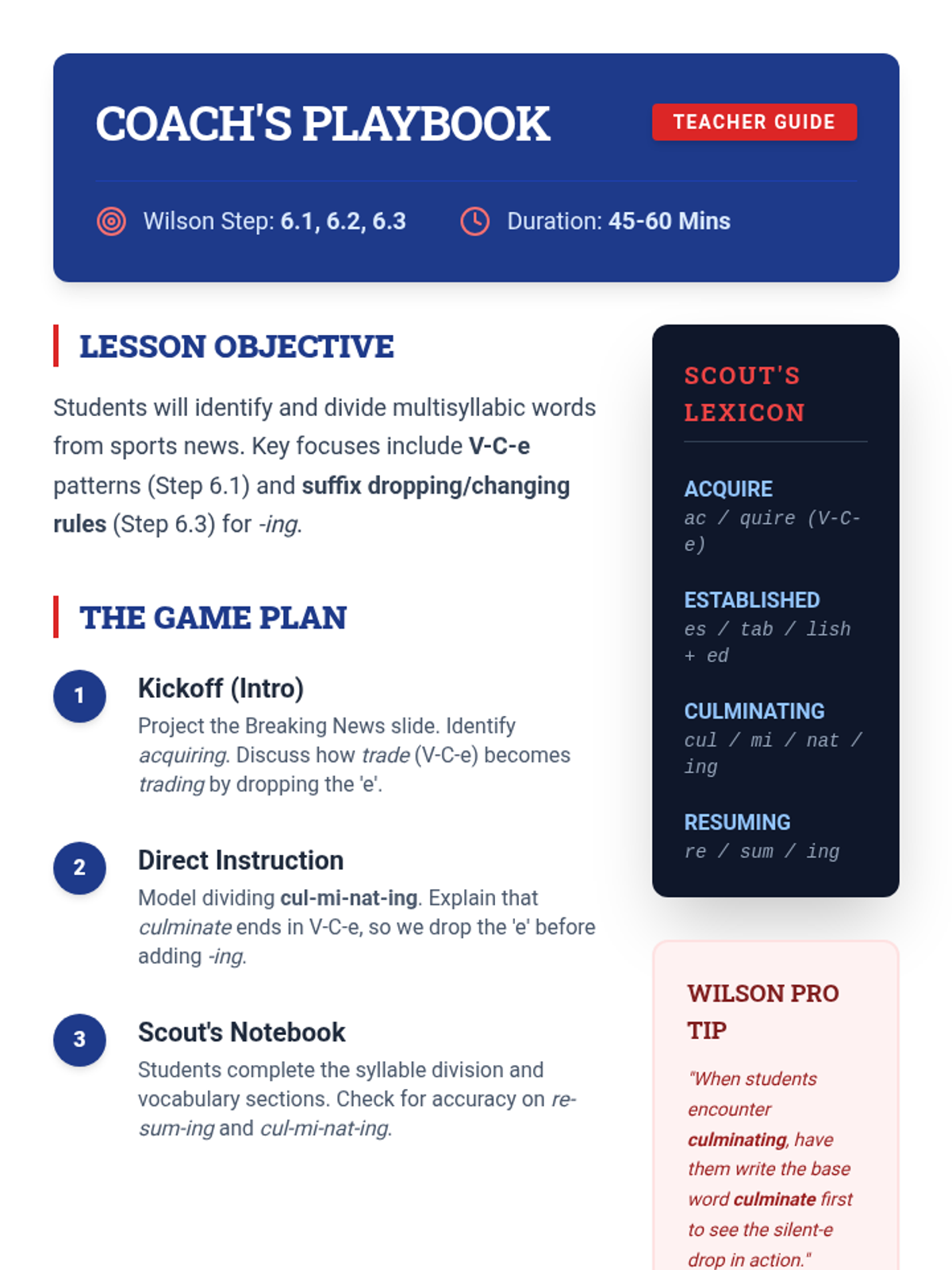
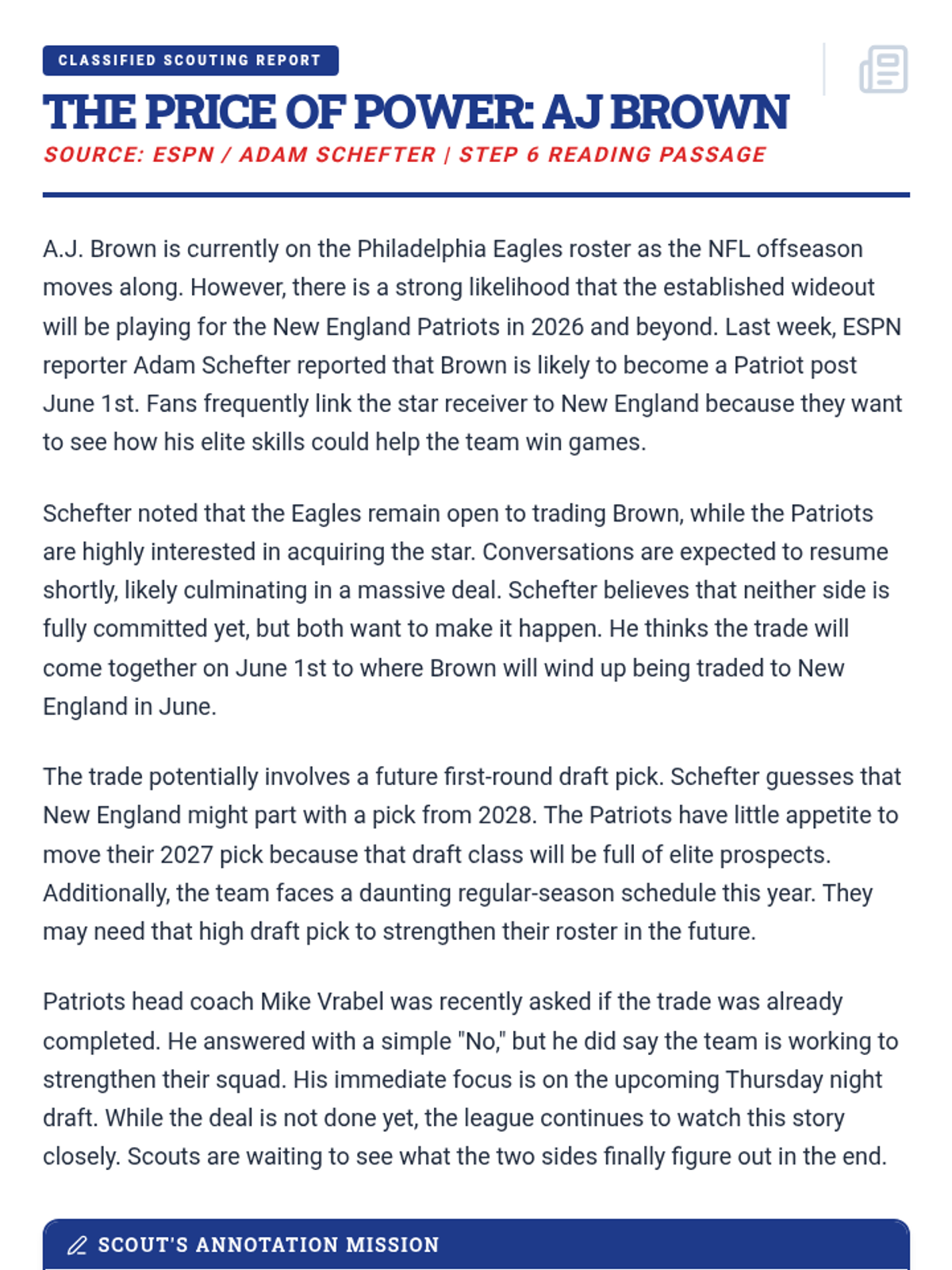
A Wilson Step 6 aligned lesson focusing on multisyllabic word division and reading comprehension using a sports journalism article about NFL trades.
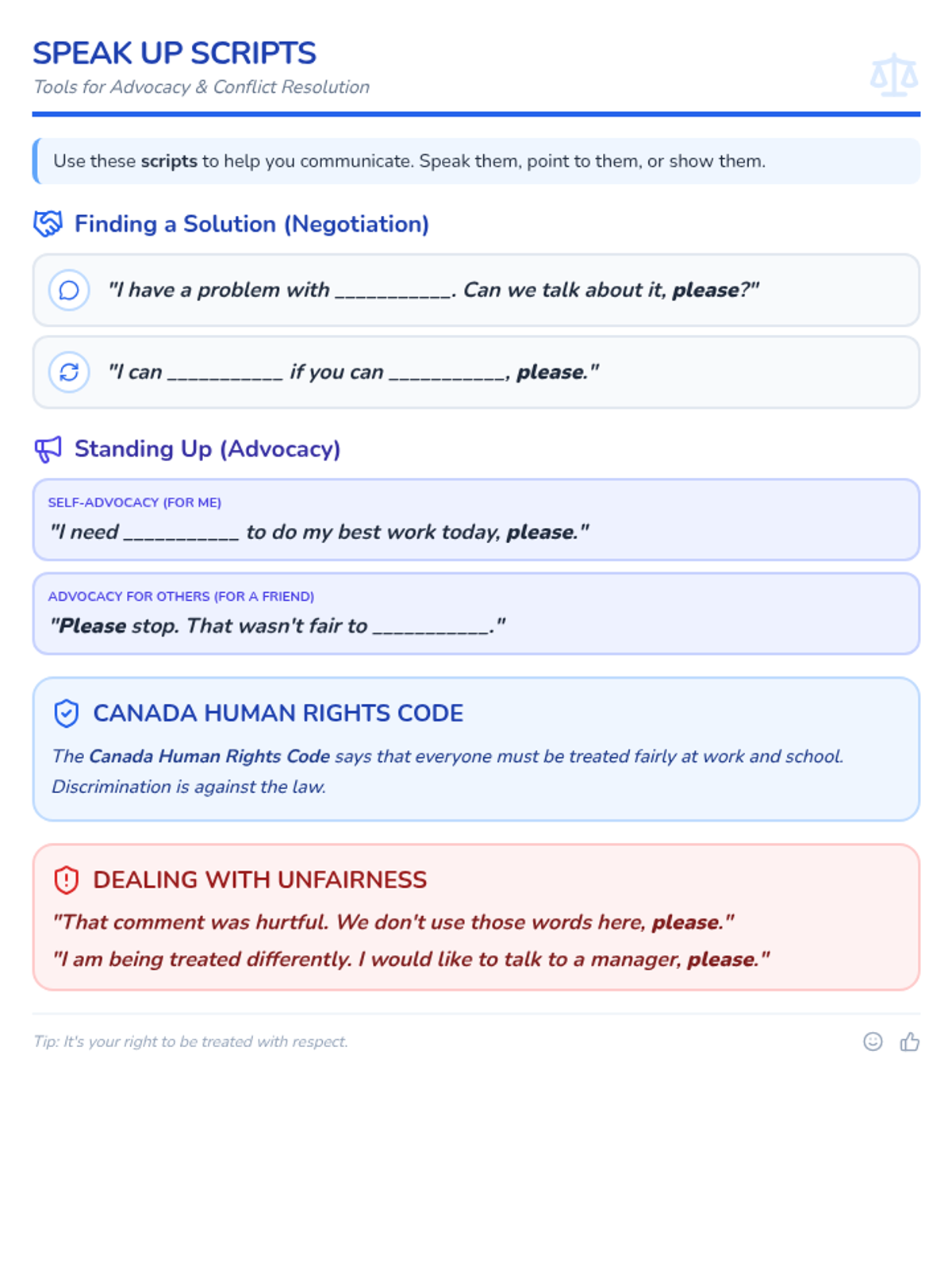
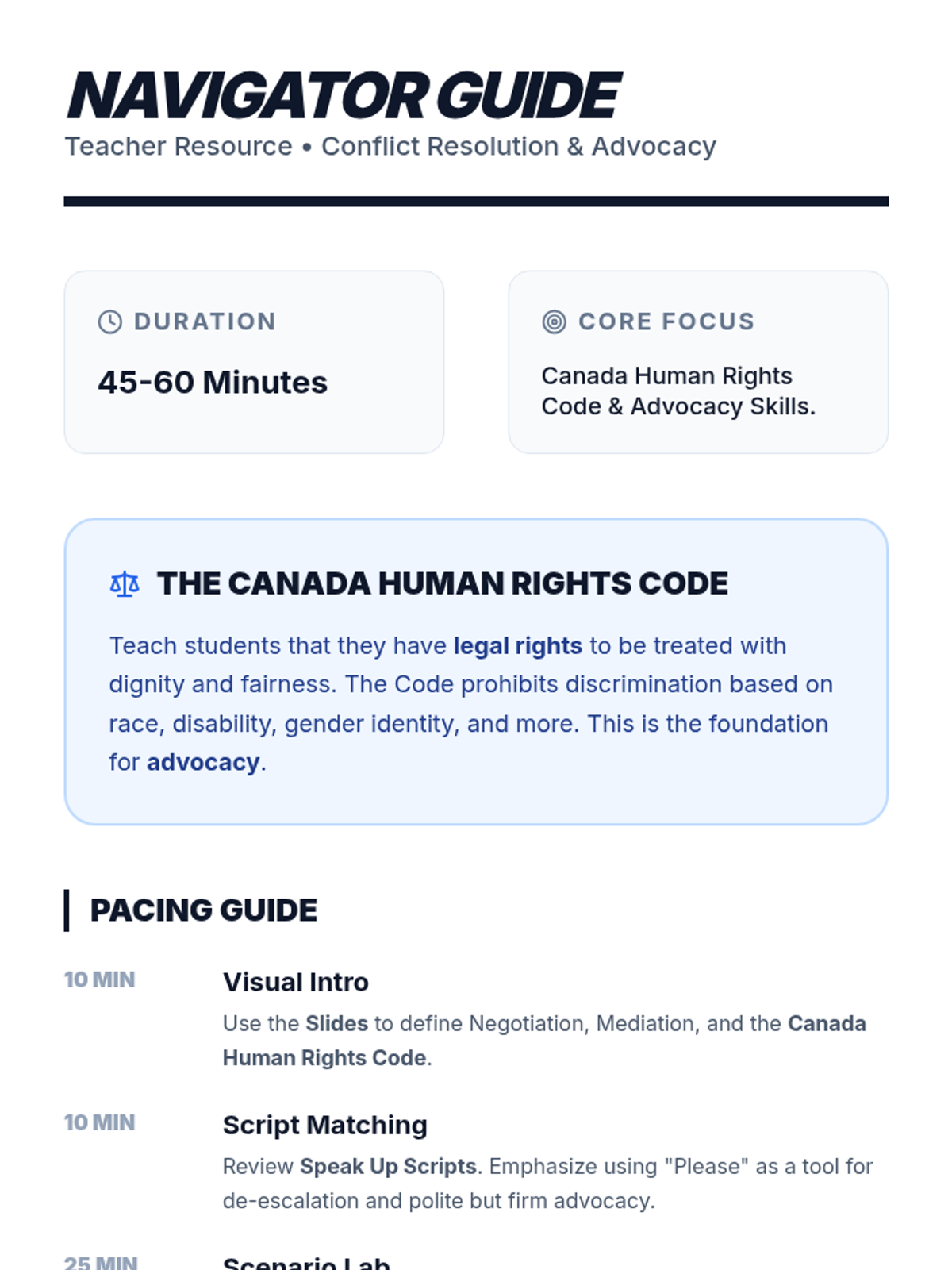
A high-school level lesson focusing on conflict resolution (negotiation, mediation) and self-advocacy in workplace and post-secondary settings, specifically designed for students with autism and learning disabilities.
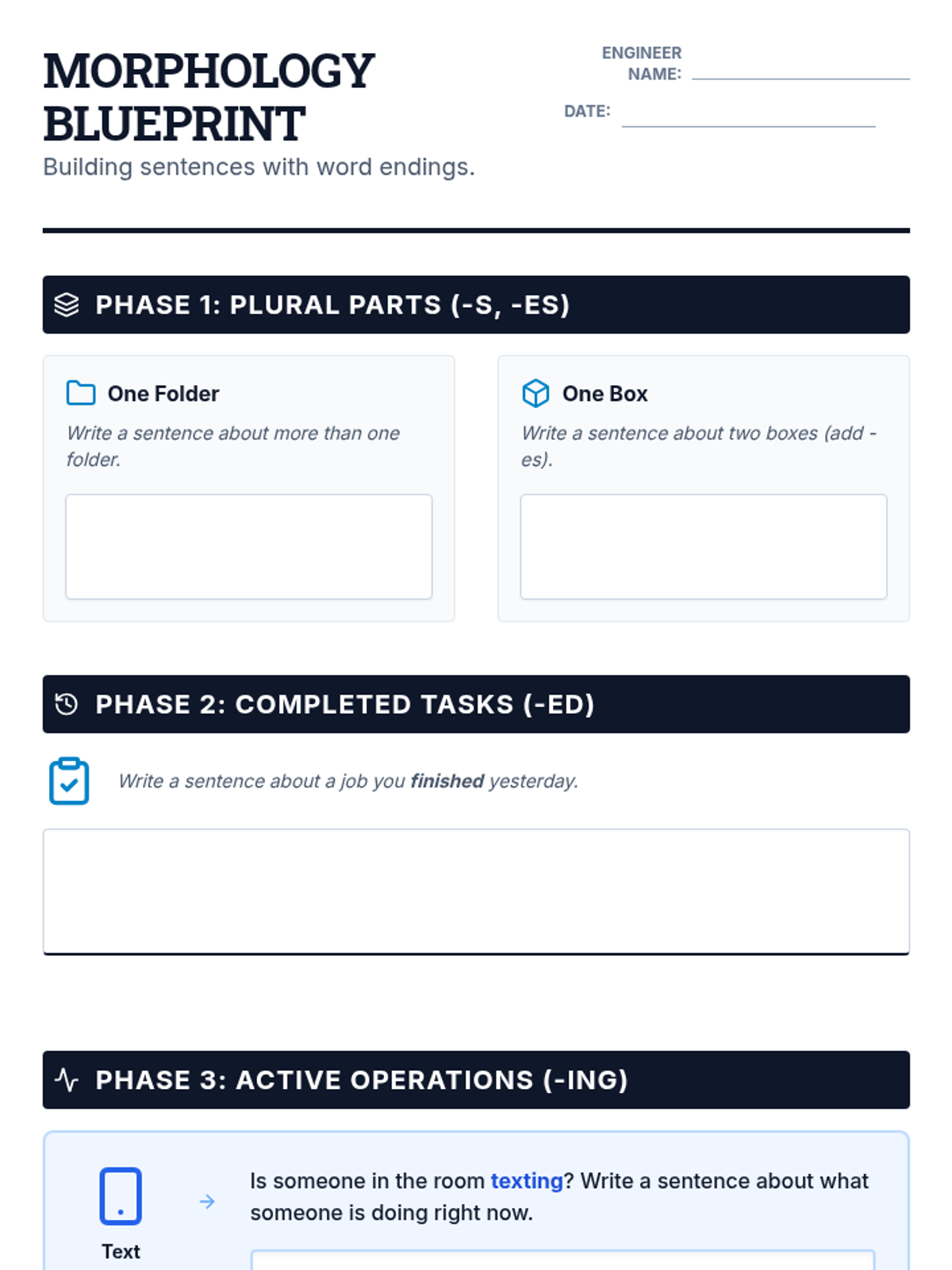
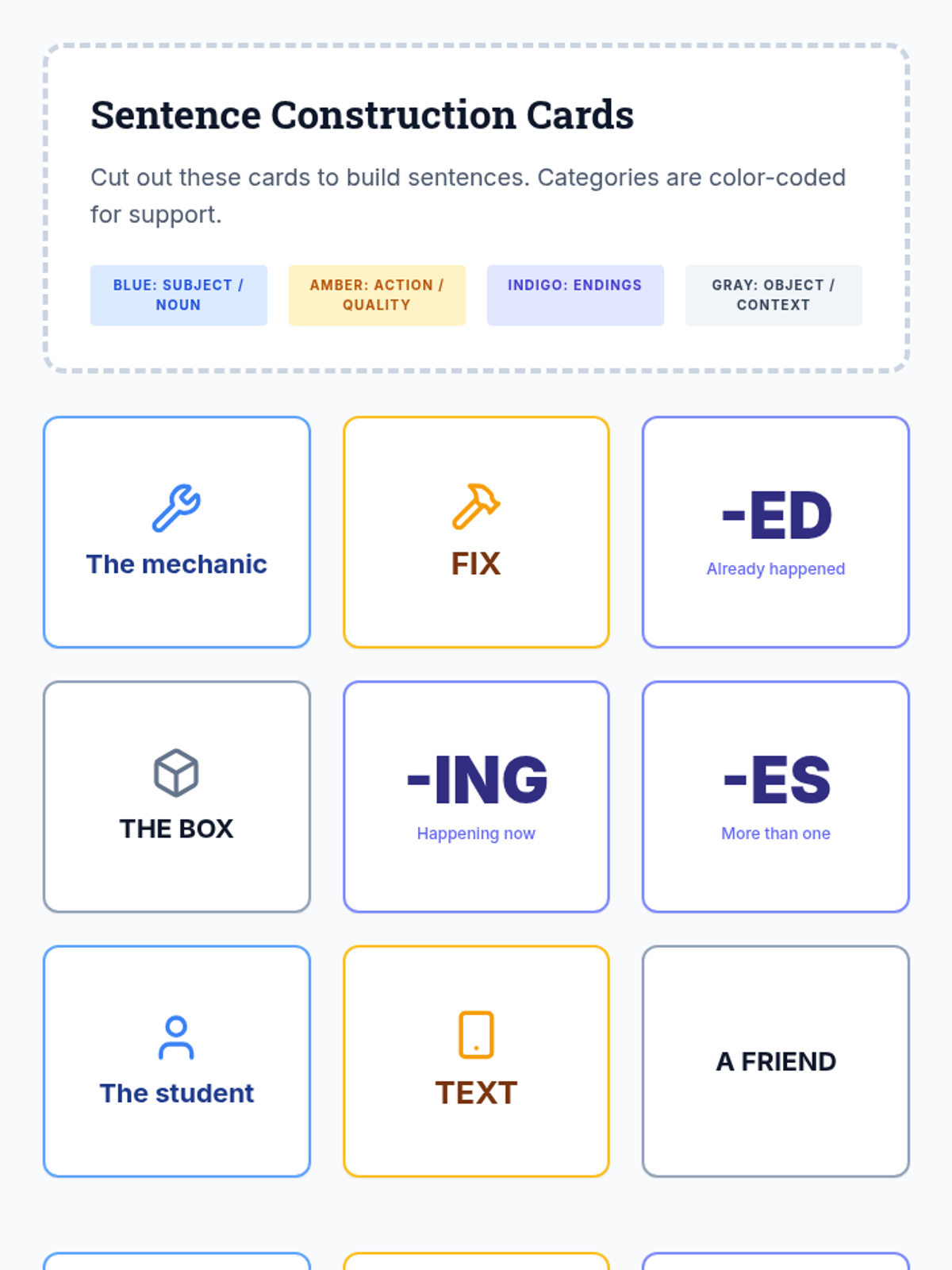
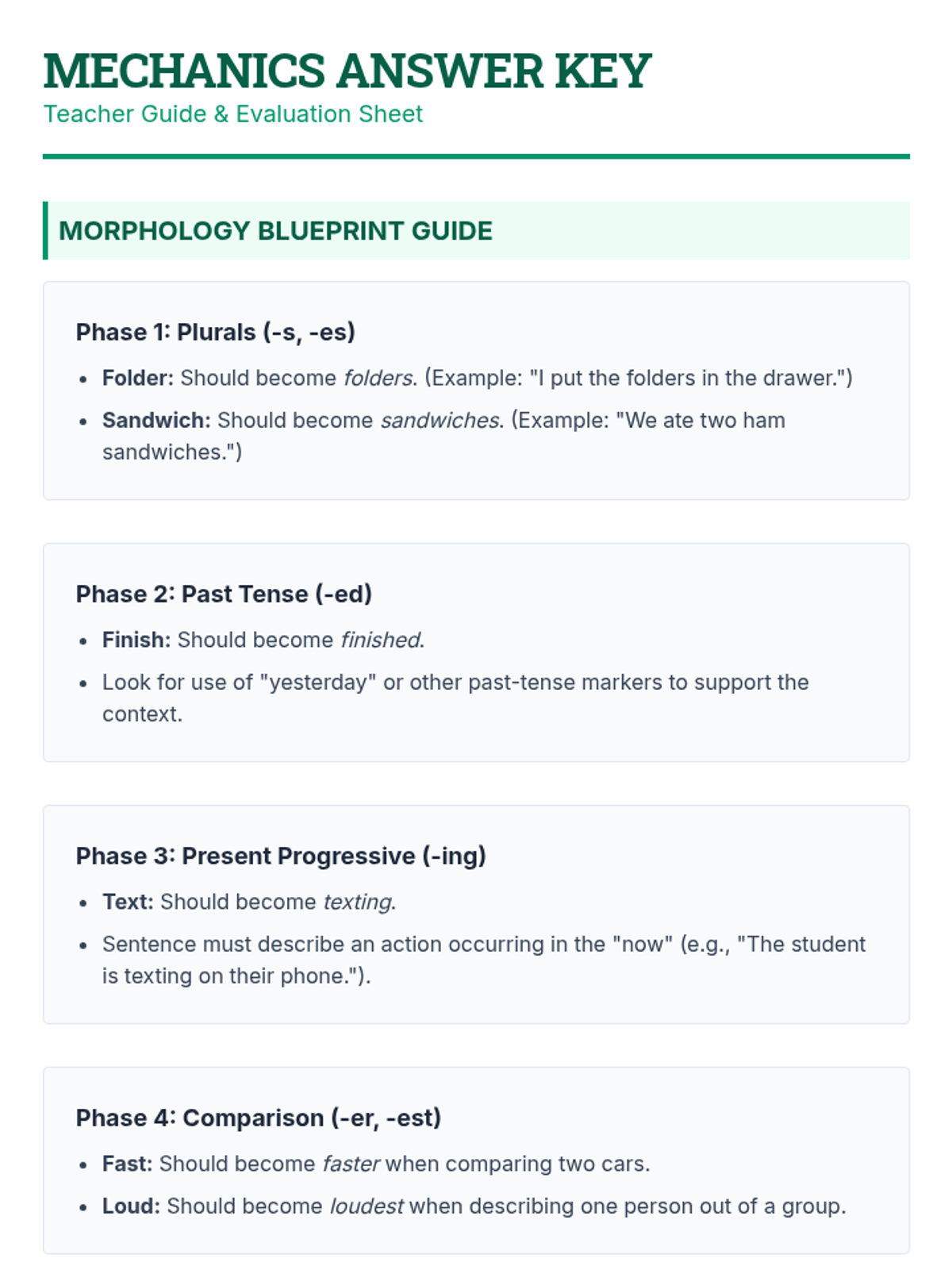
A comprehensive lesson focusing on morphological cues for high school special education students, using visual supports and structured sentence writing to master word endings like -s, -es, -ed, -ing, -er, and -est.
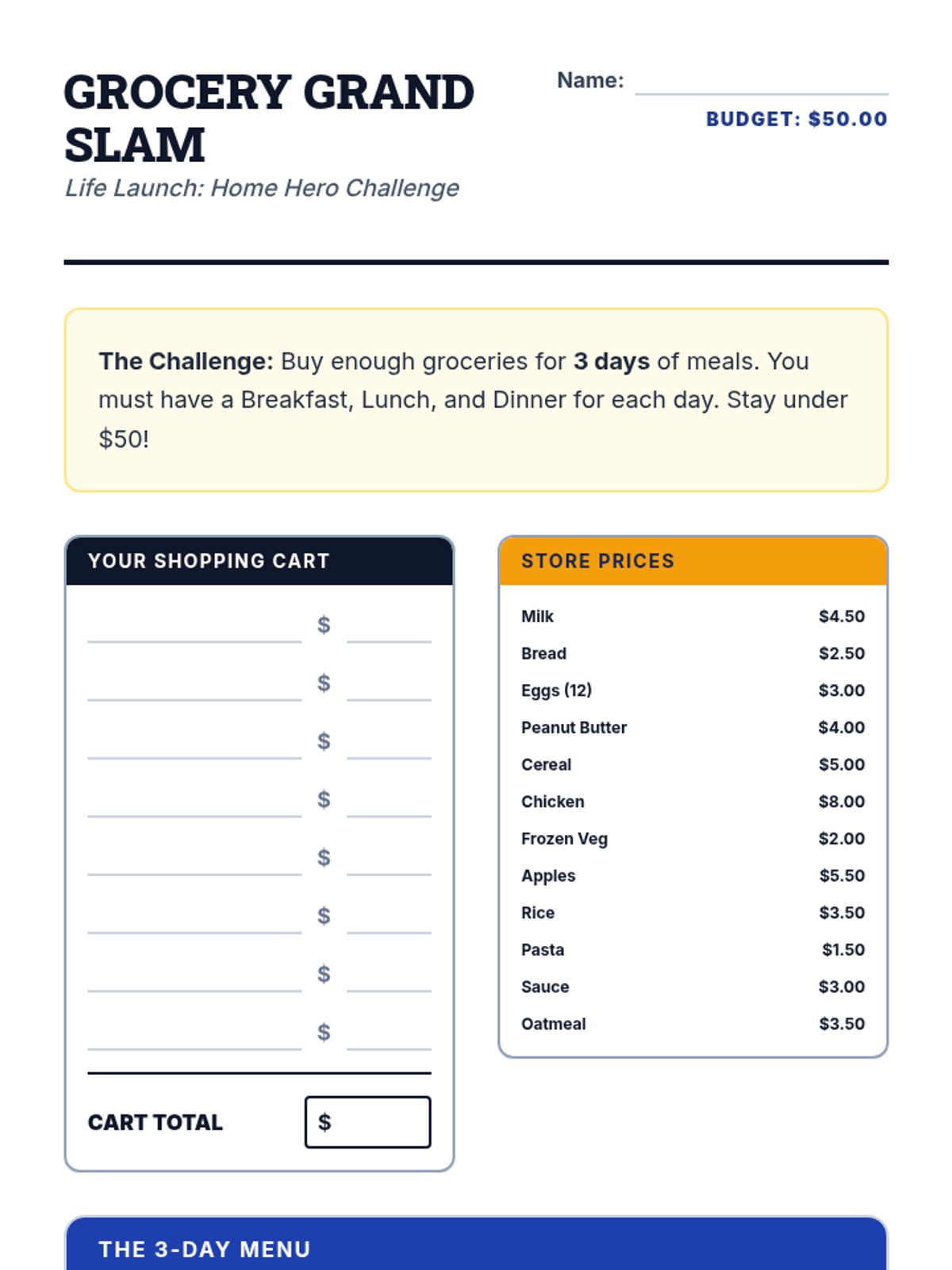
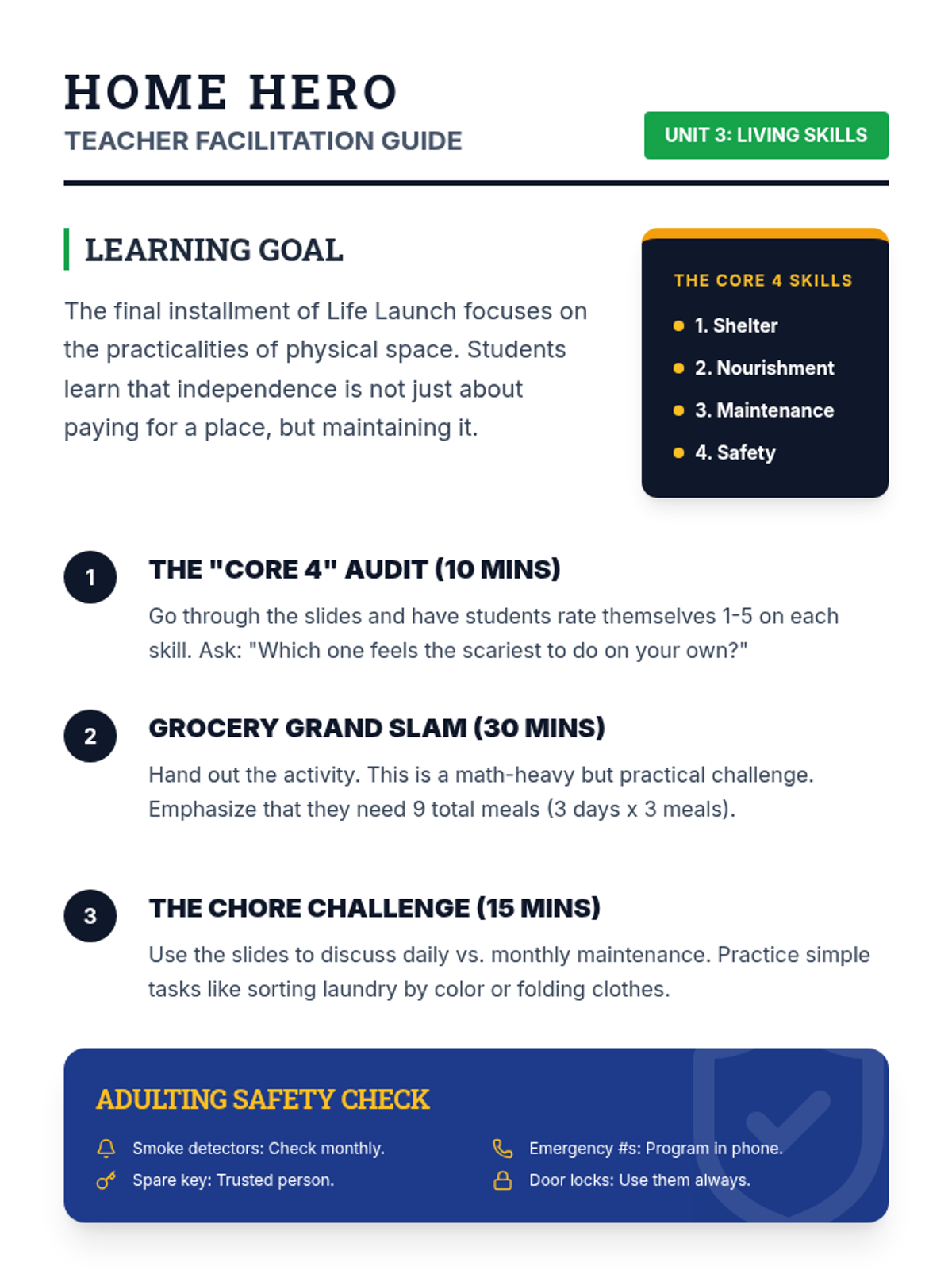
Focuses on the essential skills for living independently, including grocery shopping, meal planning, and maintaining a home.
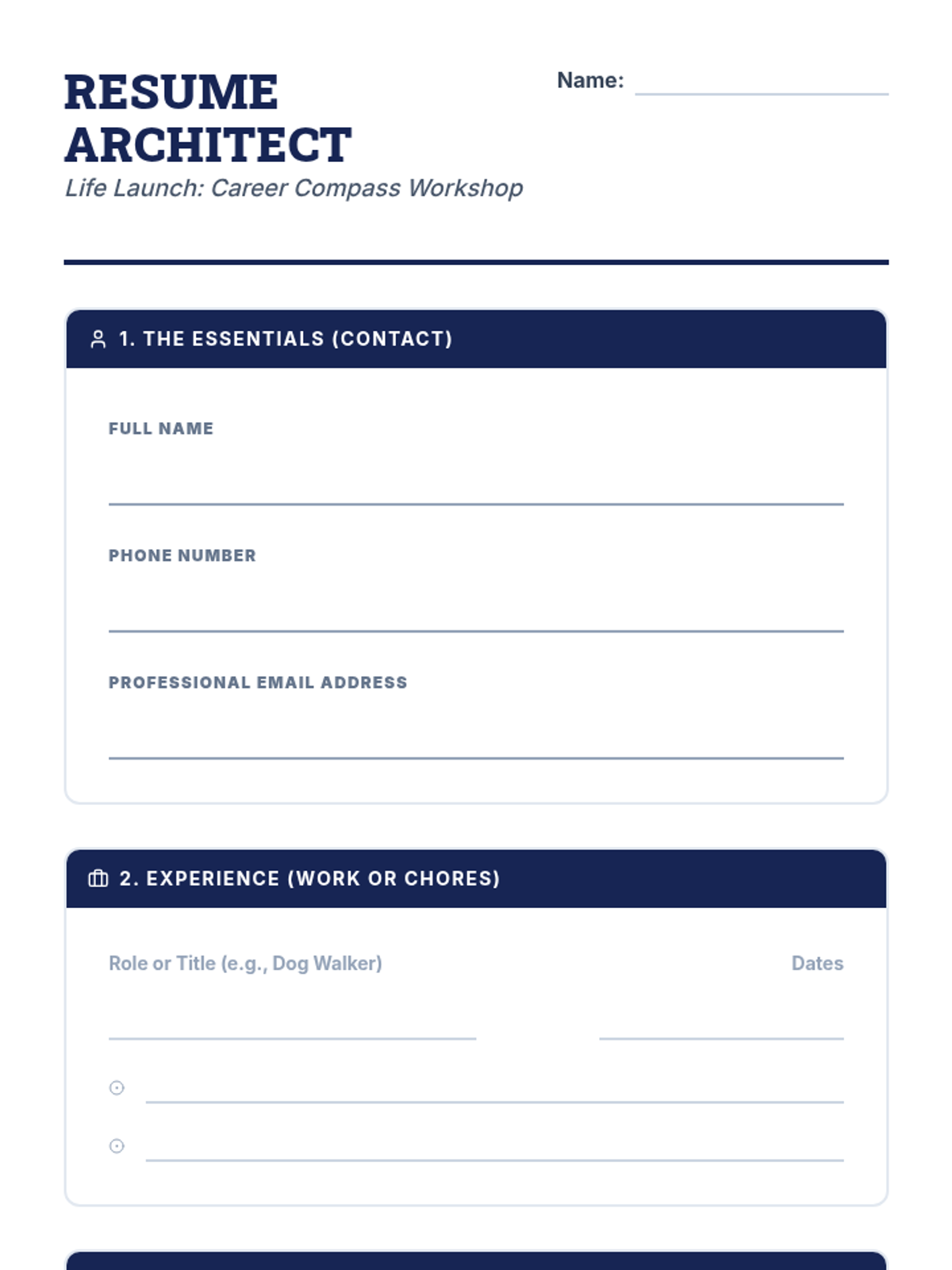
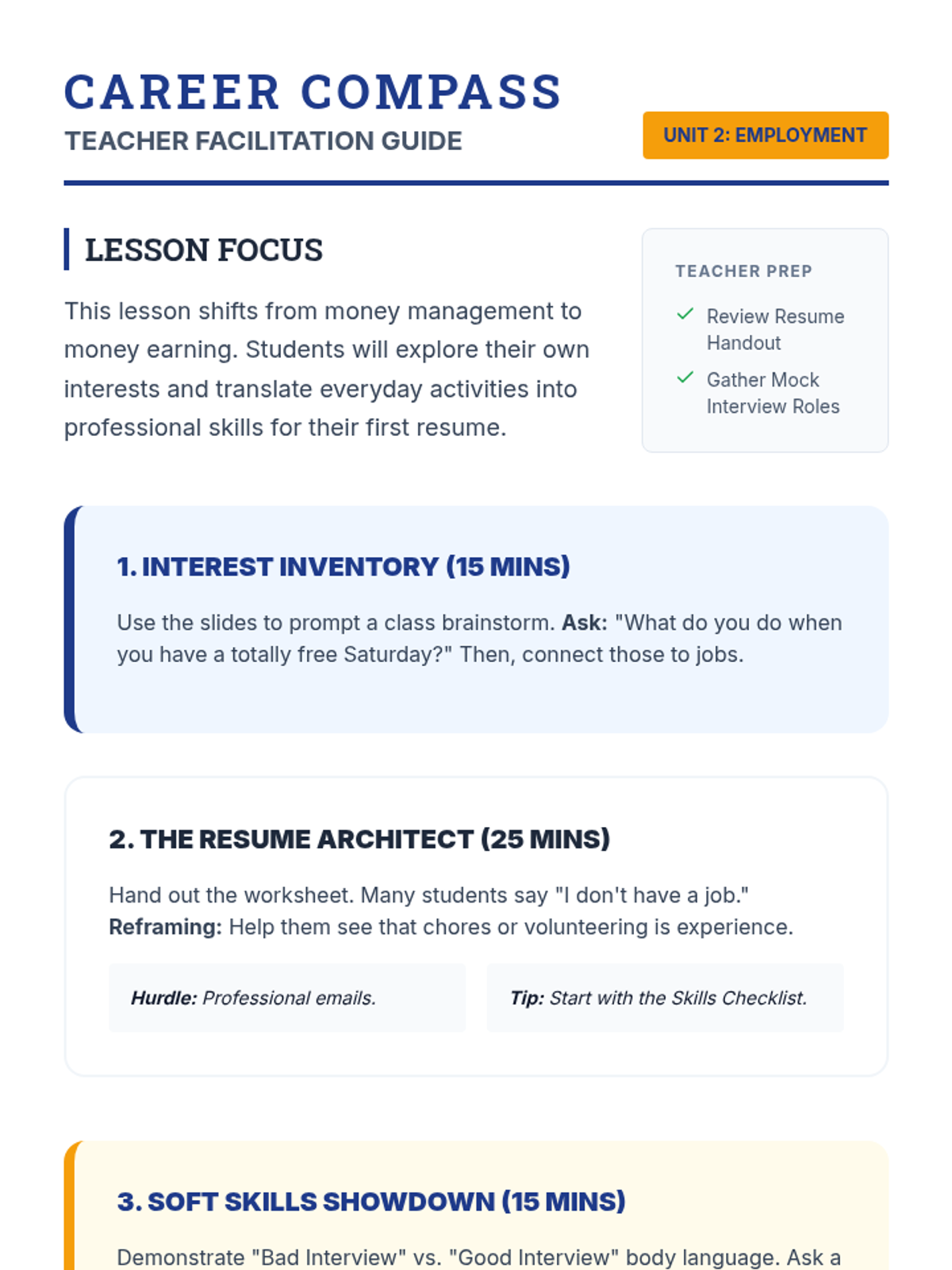
Guides students through the process of identifying career interests, building a basic resume, and practicing workplace social skills.
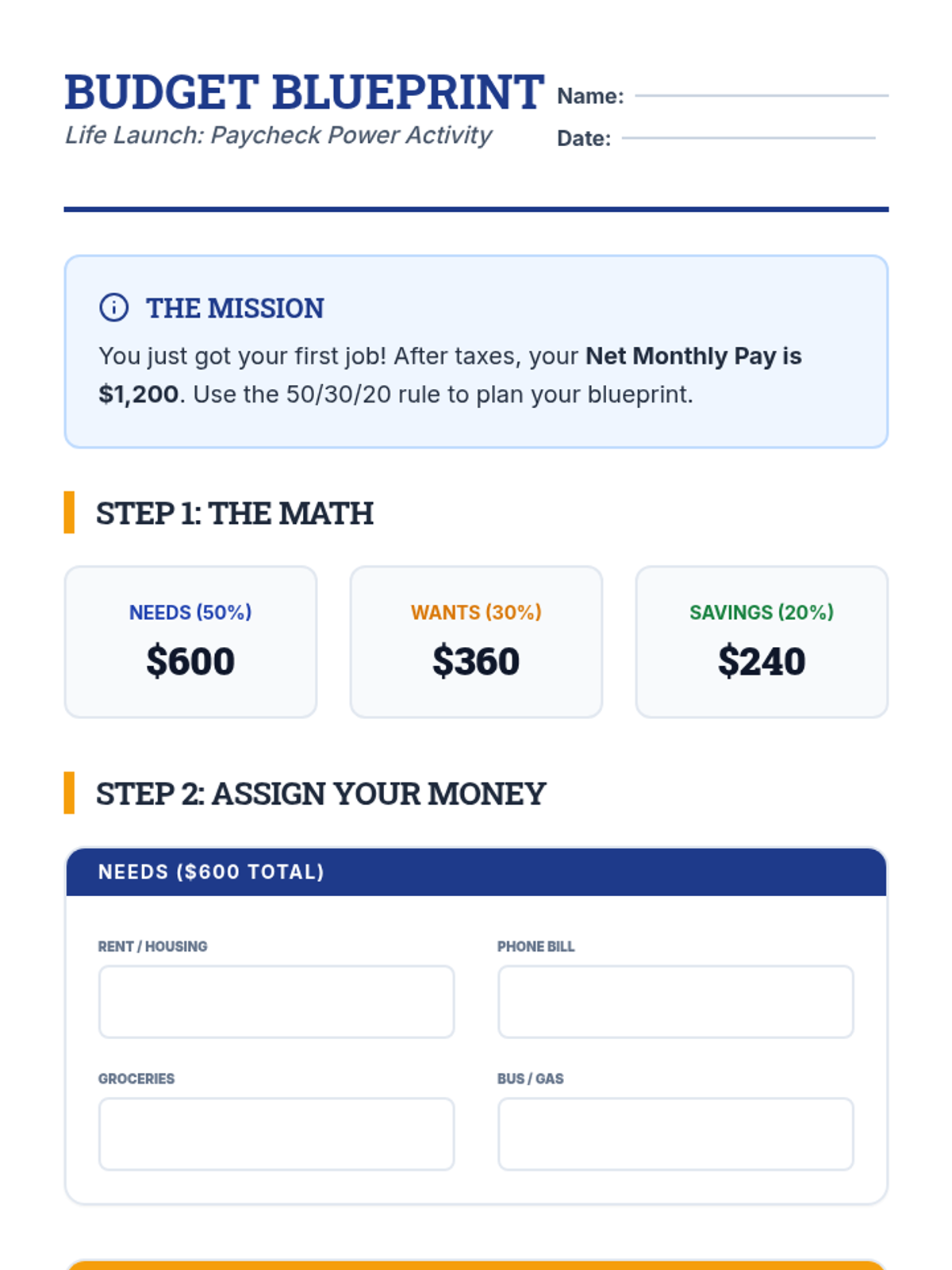
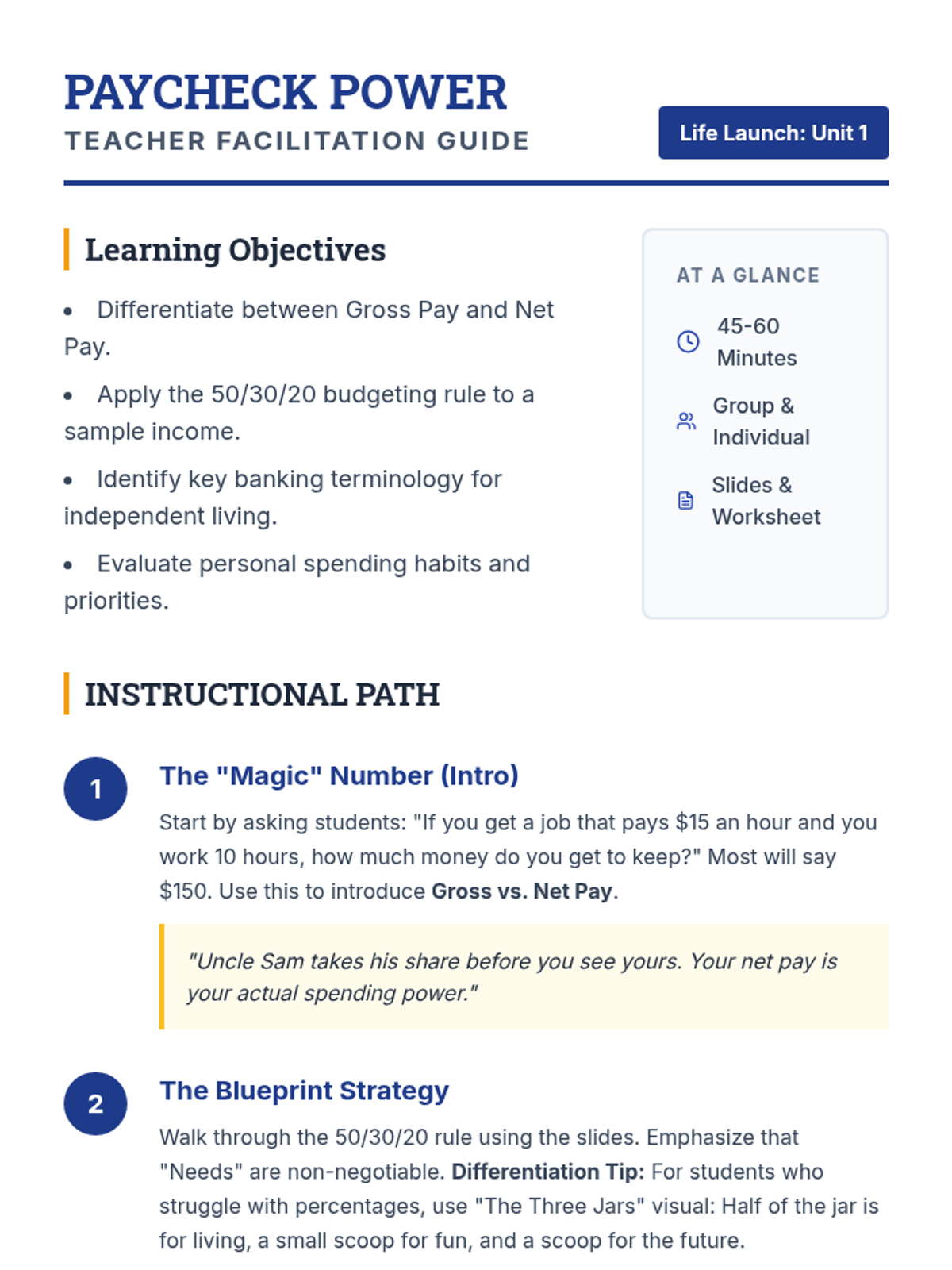
Empowers students to understand income, banking basics, and the fundamentals of creating a personal budget.
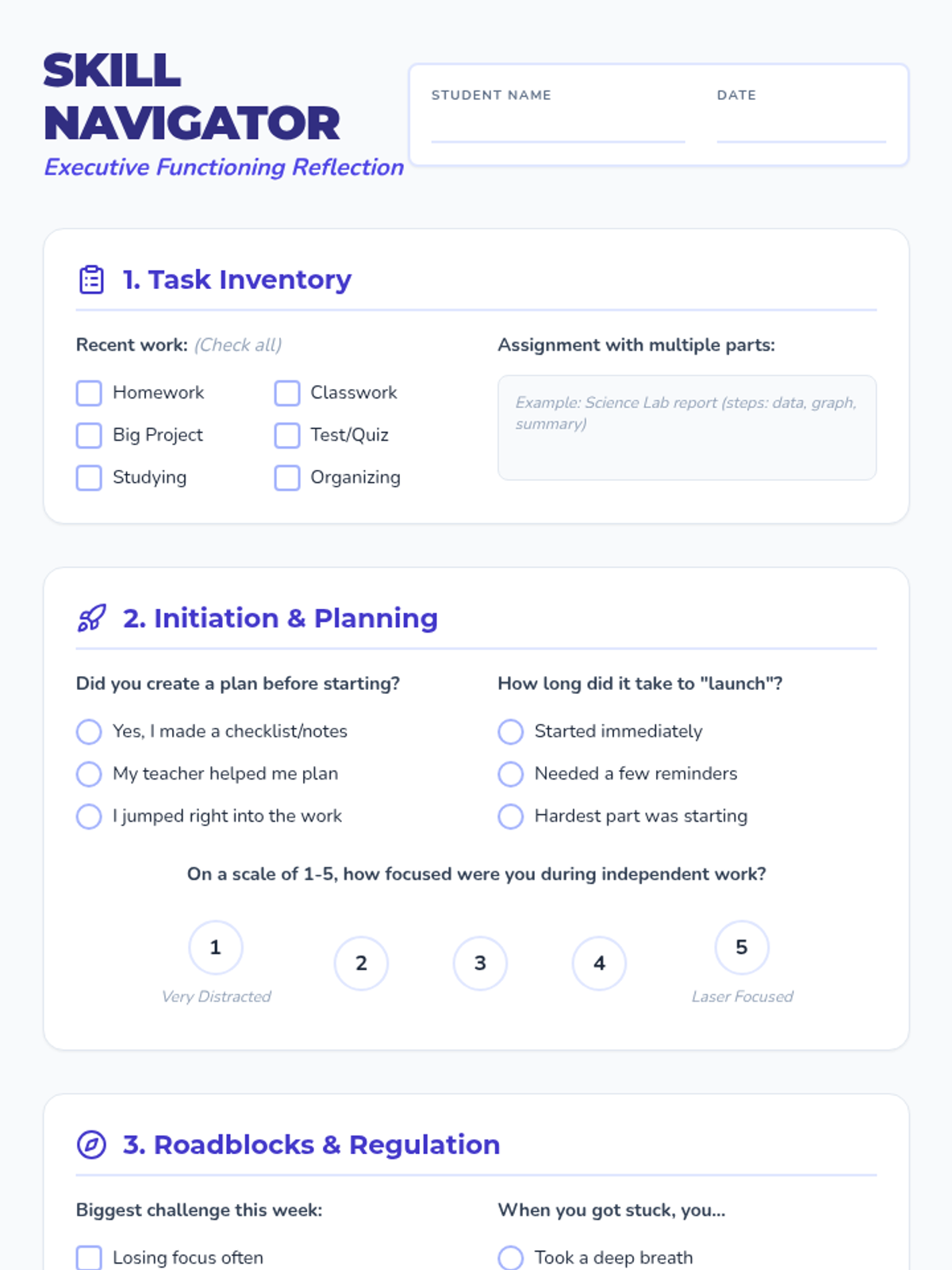
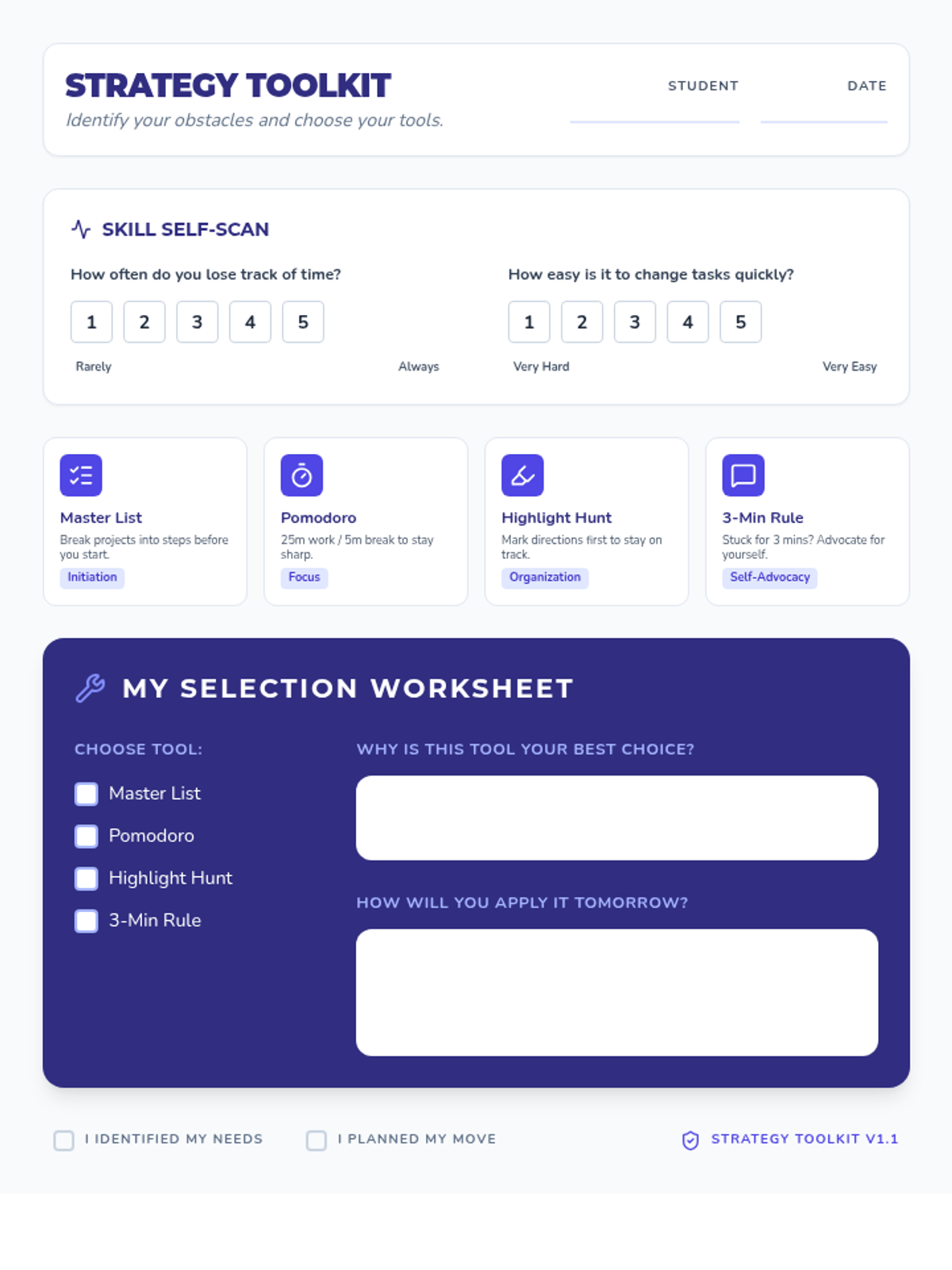
A comprehensive lesson focused on identifying and improving executive functioning skills through self-reflection and strategy building.
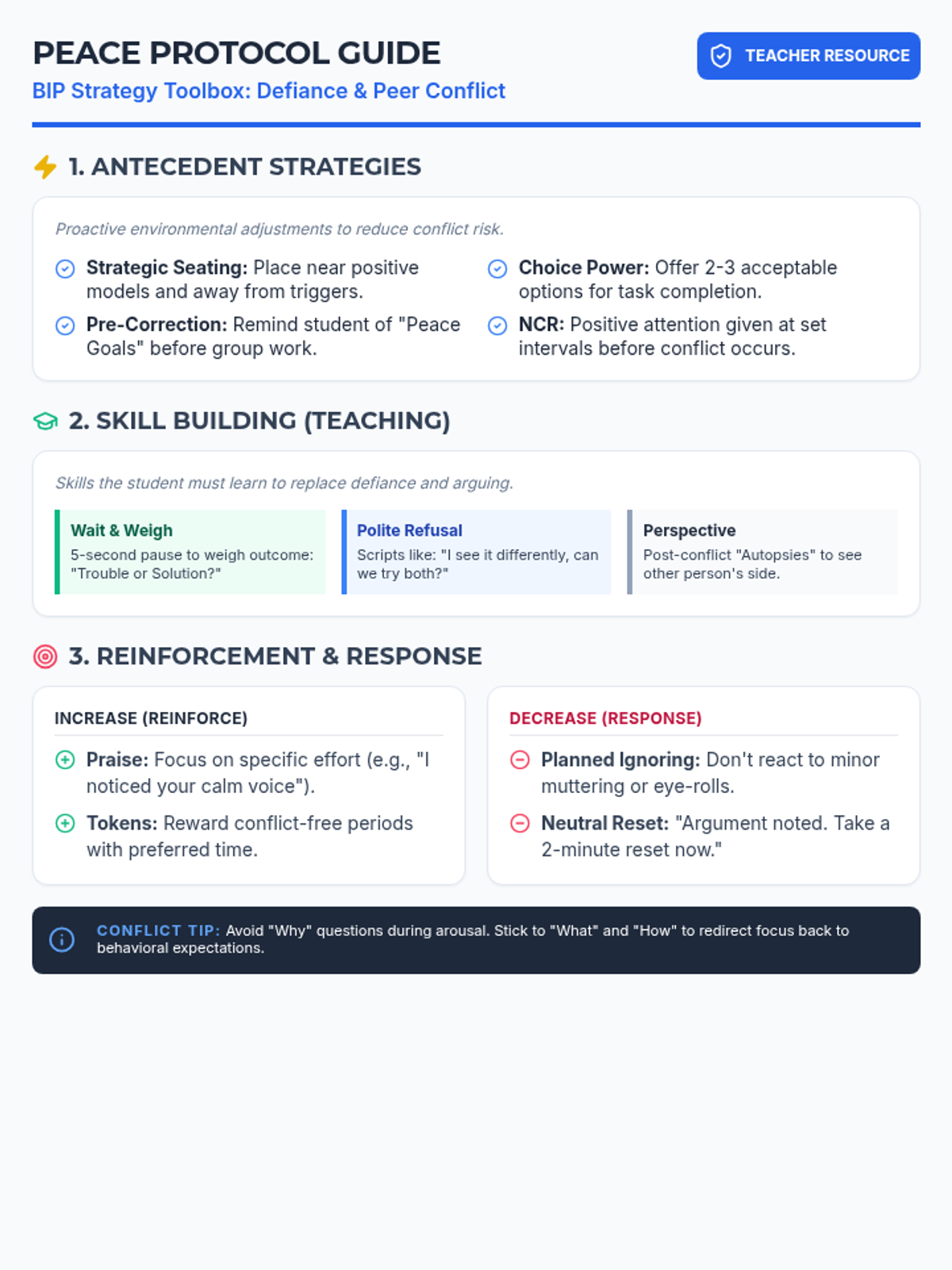
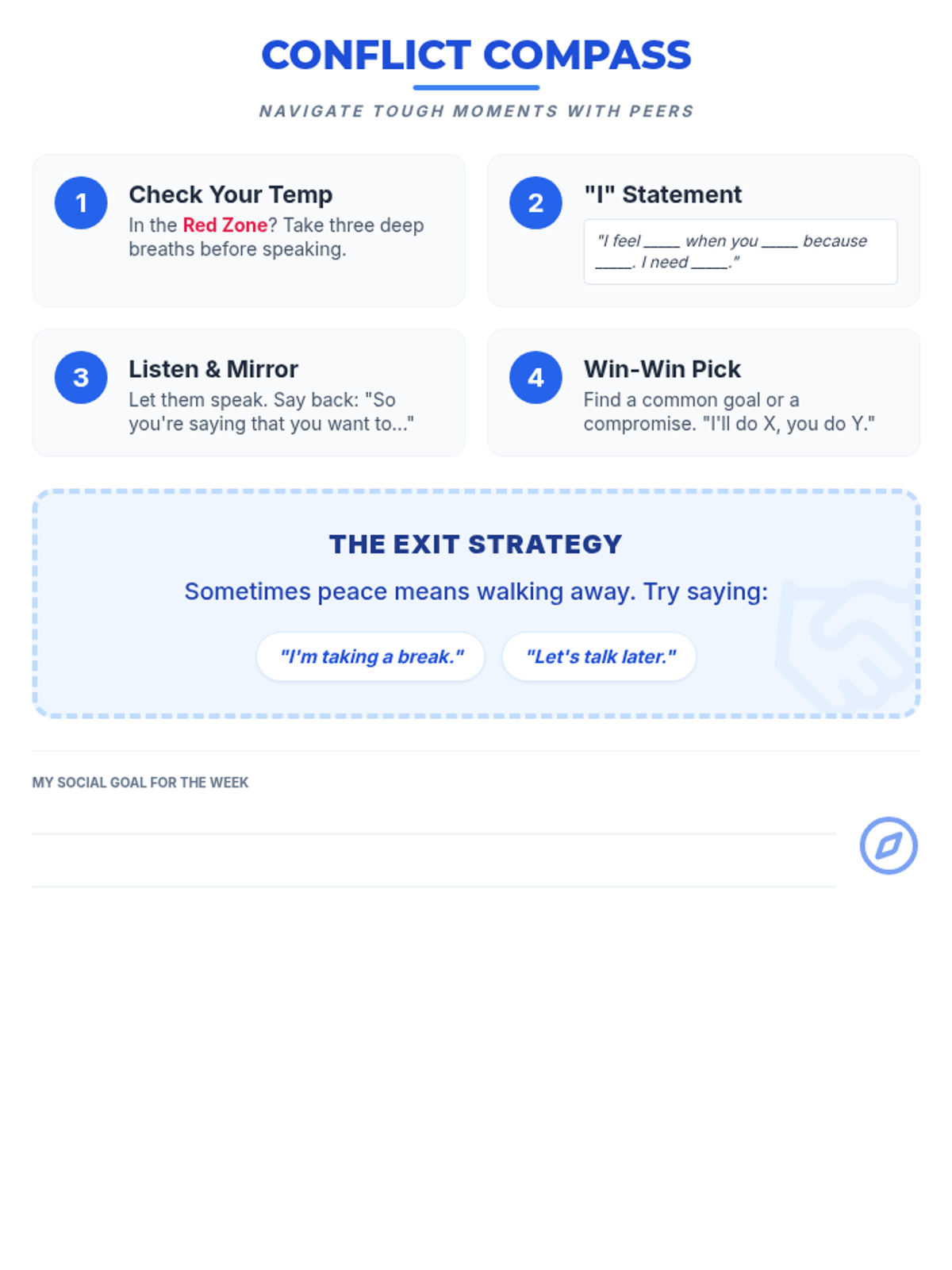
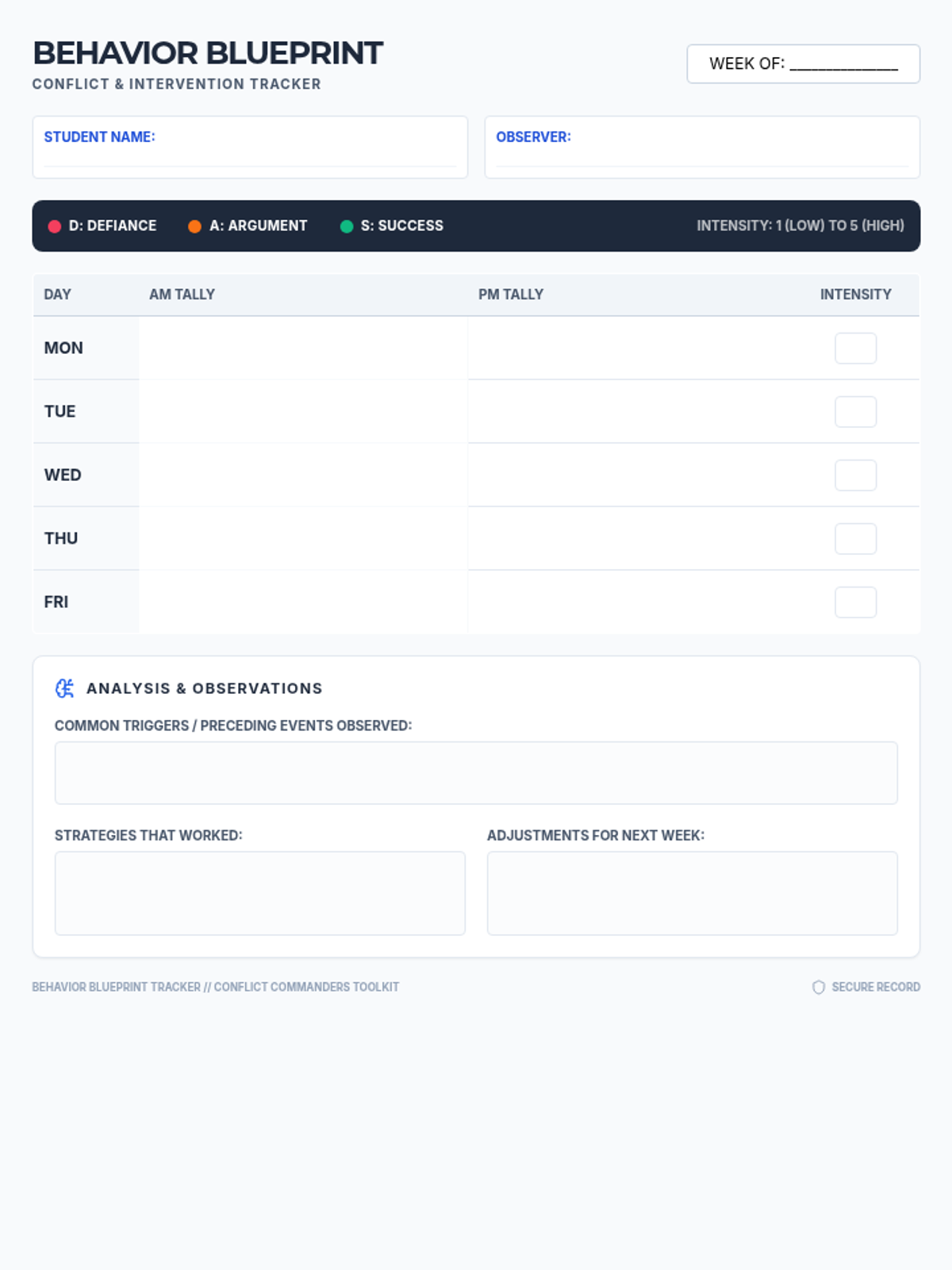
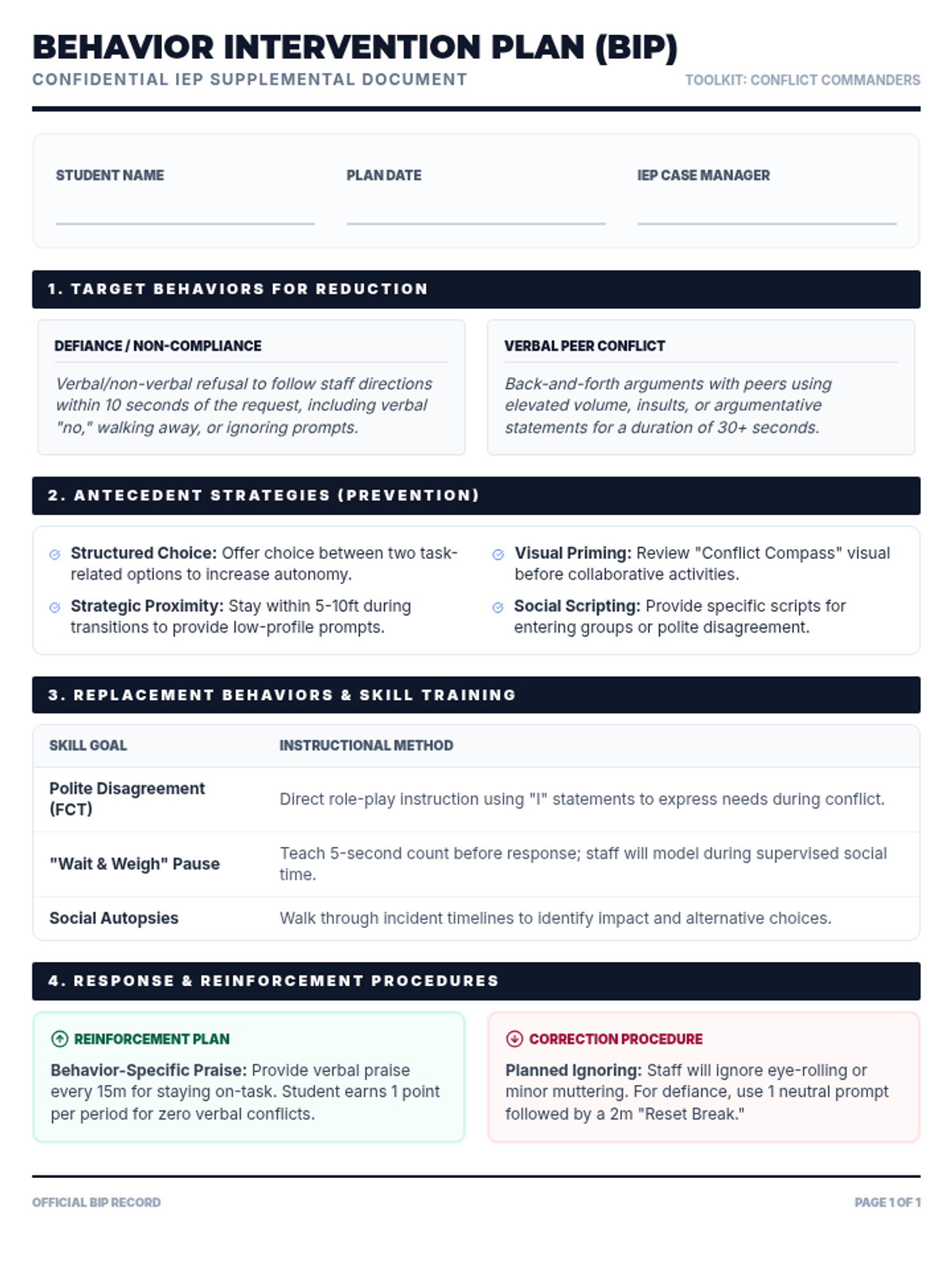
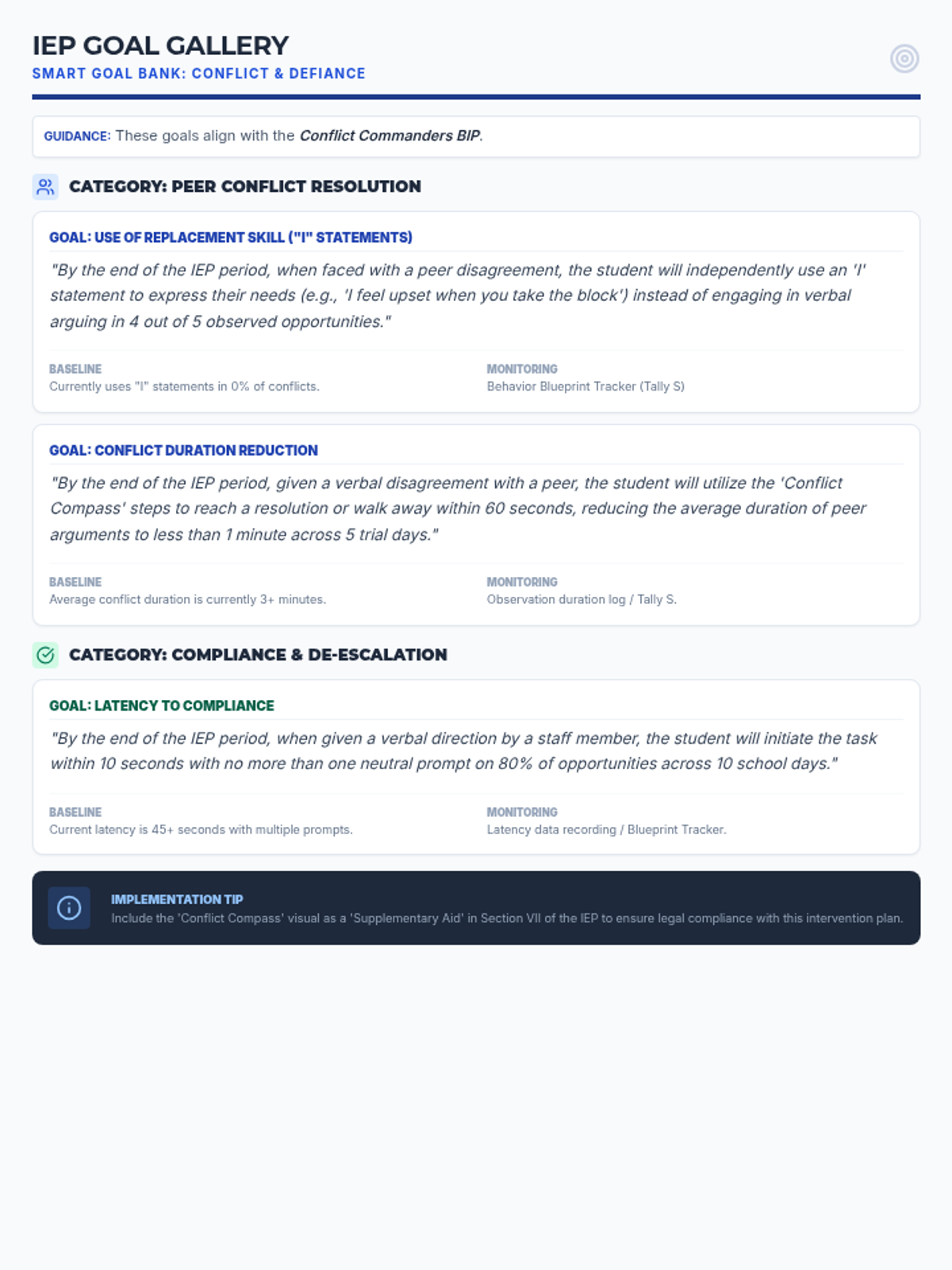
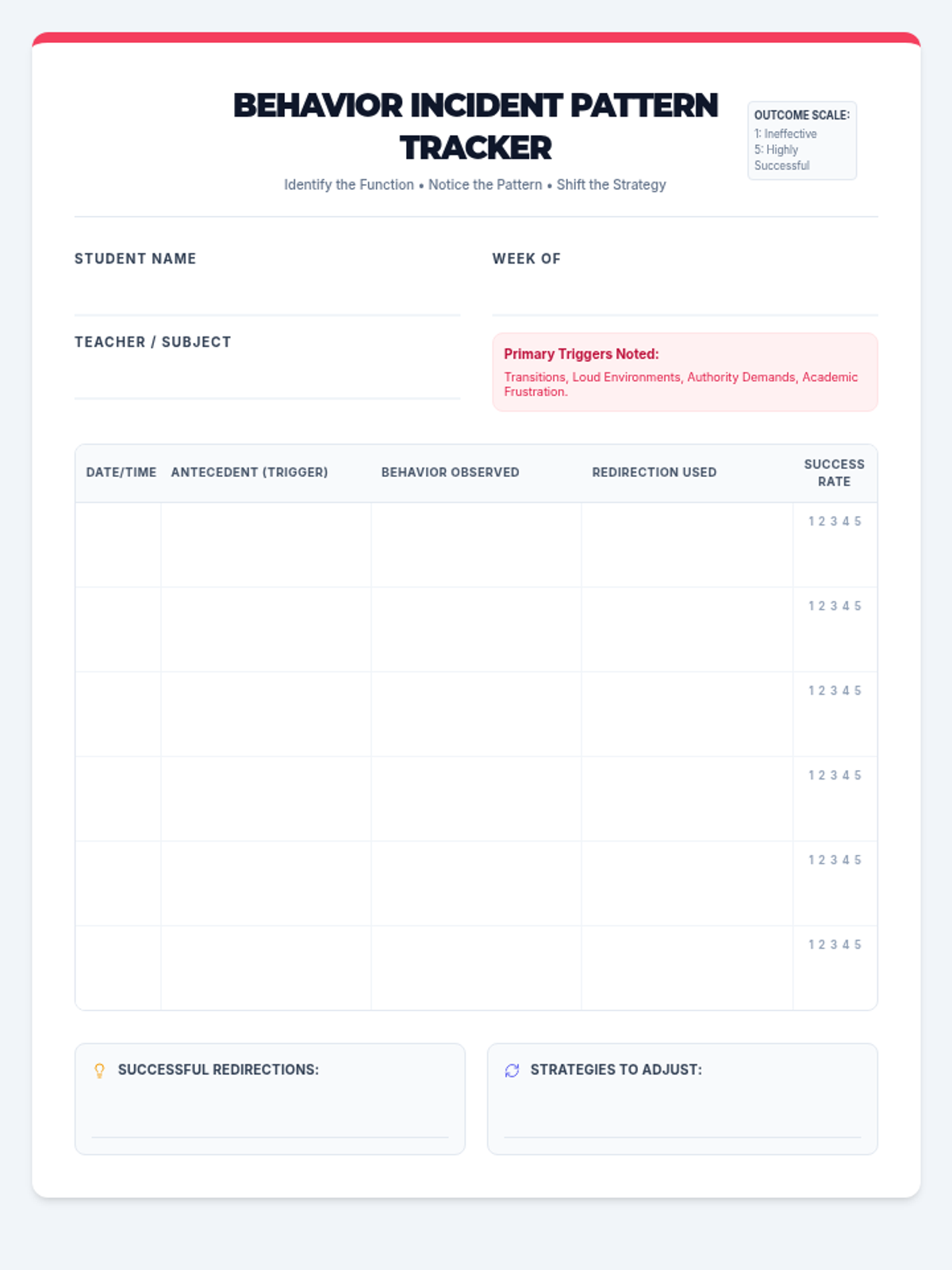
A comprehensive set of tools for managing and reducing peer defiance and verbal conflict, focusing on proactive BIP strategies, student-facing visuals, and data collection.
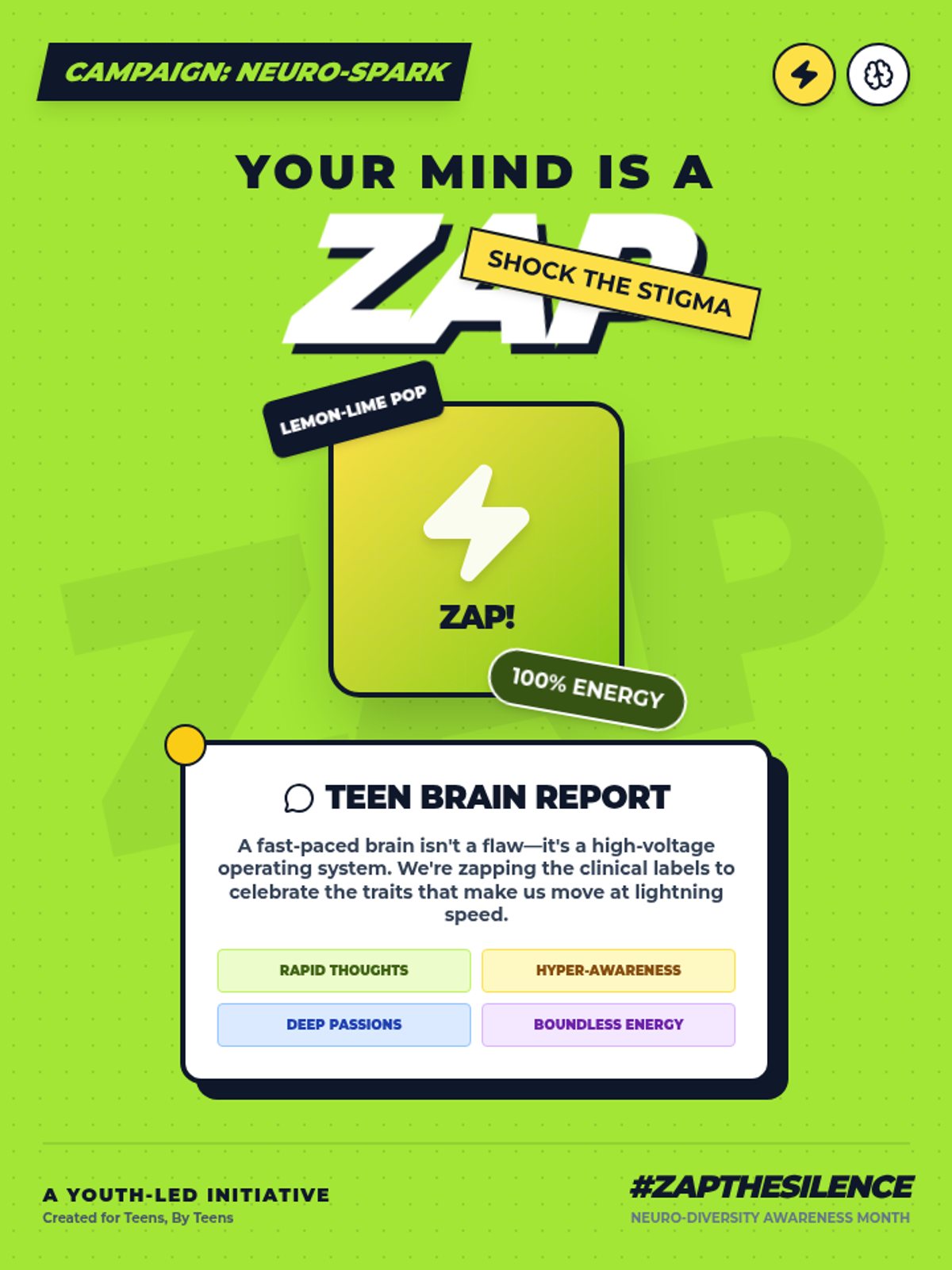
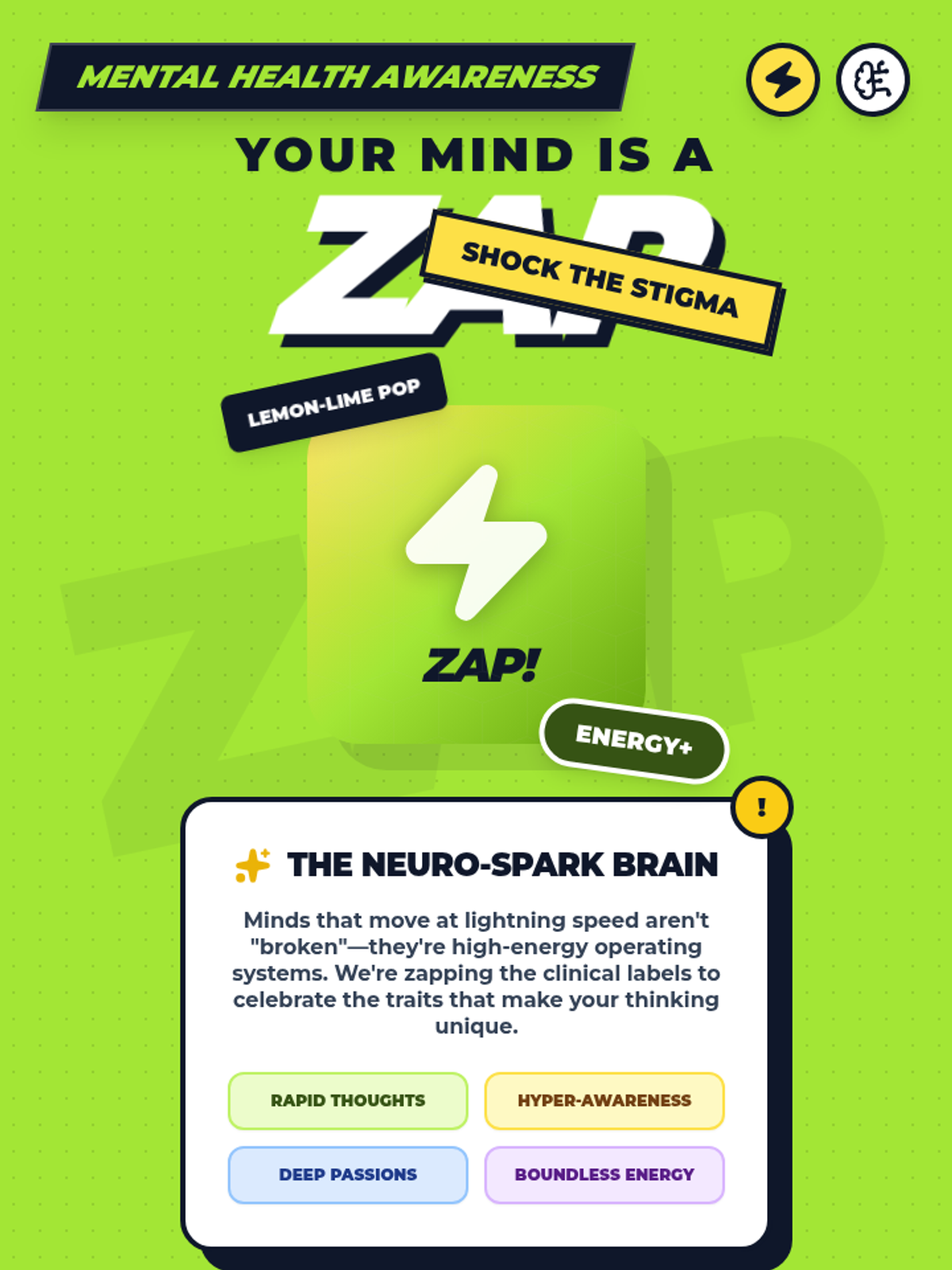
An activity for Mental Health Awareness Month centered on a fictional candy brand that celebrates neurodiversity and high-energy mind traits.
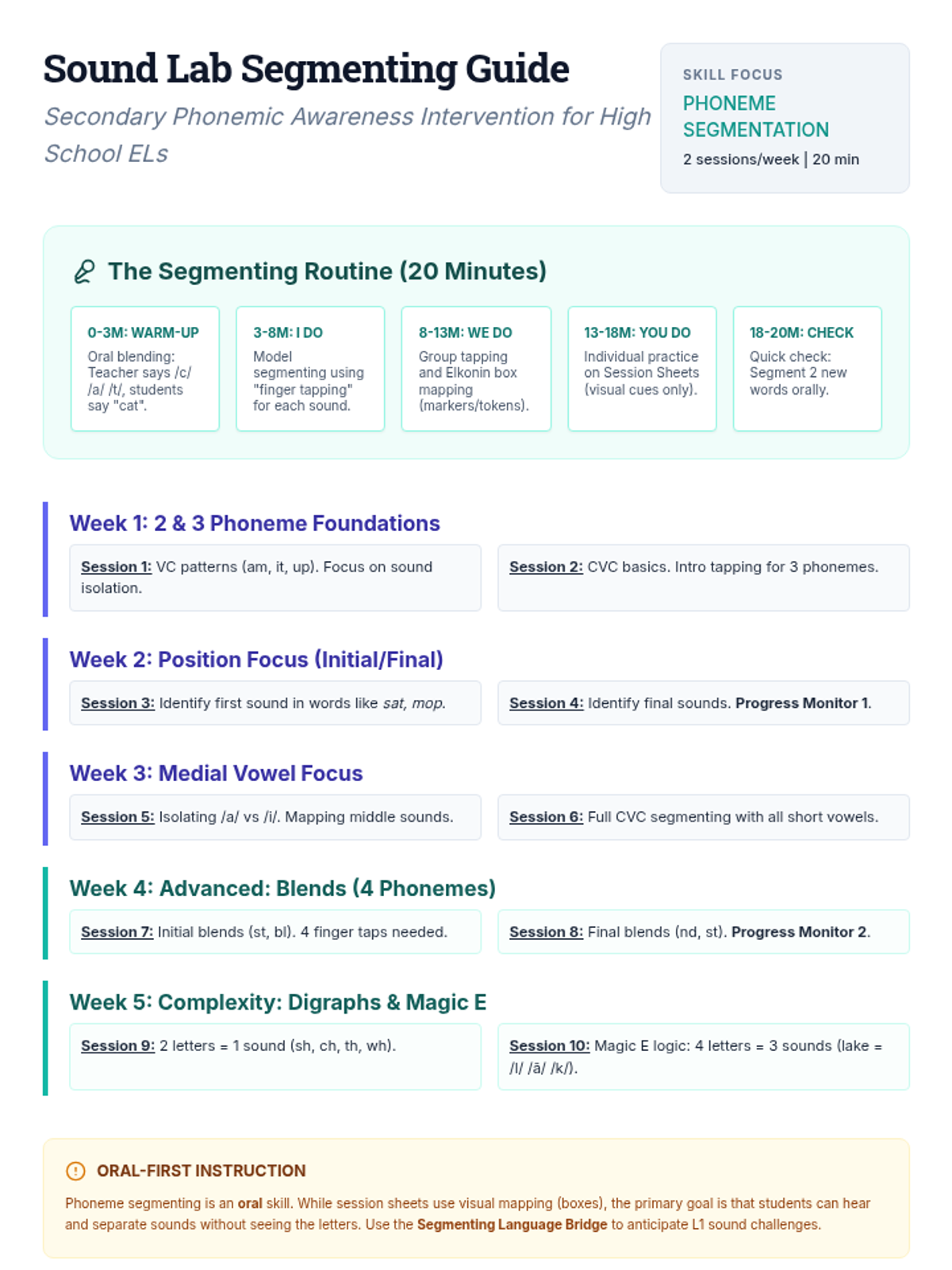
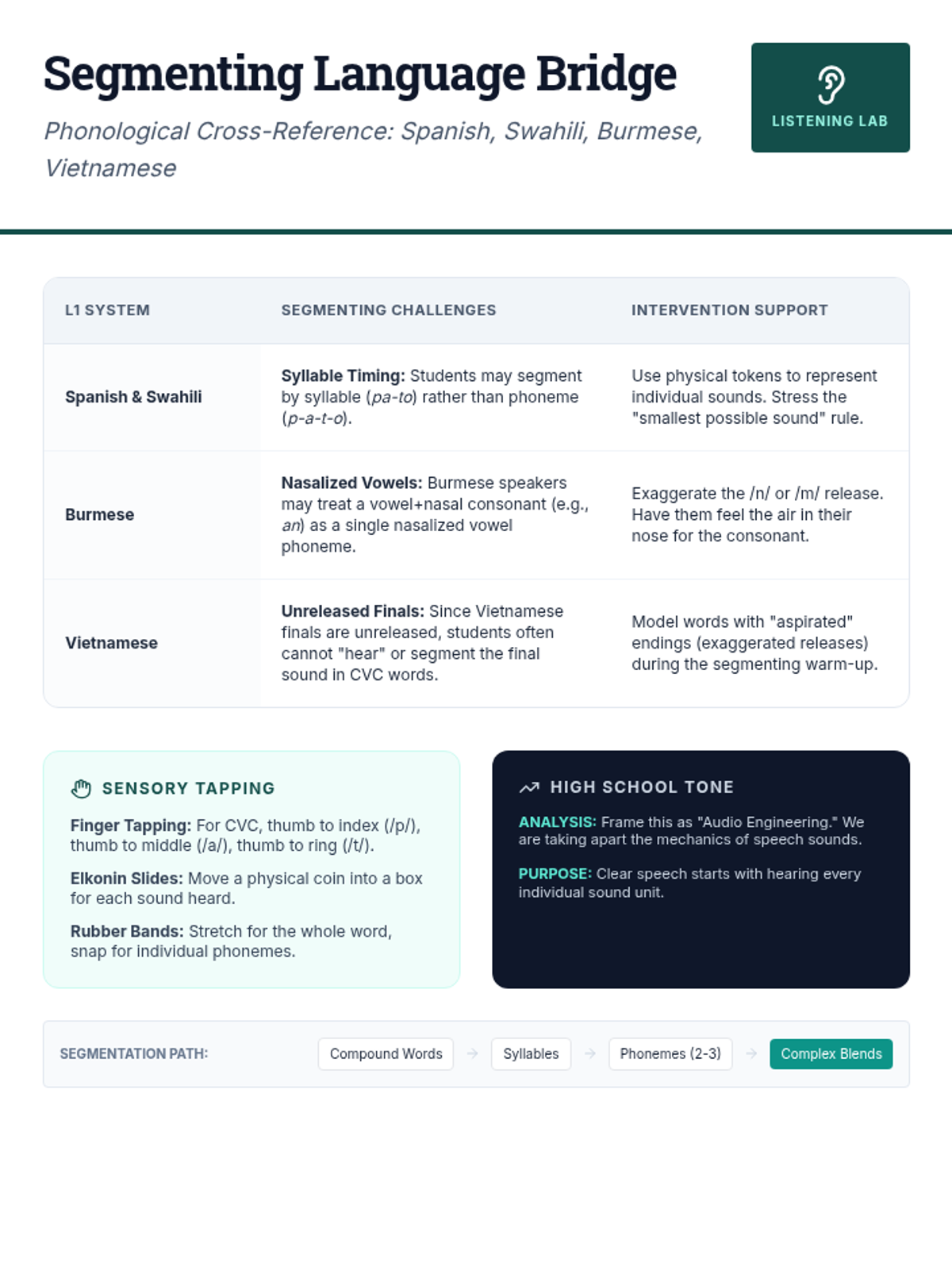
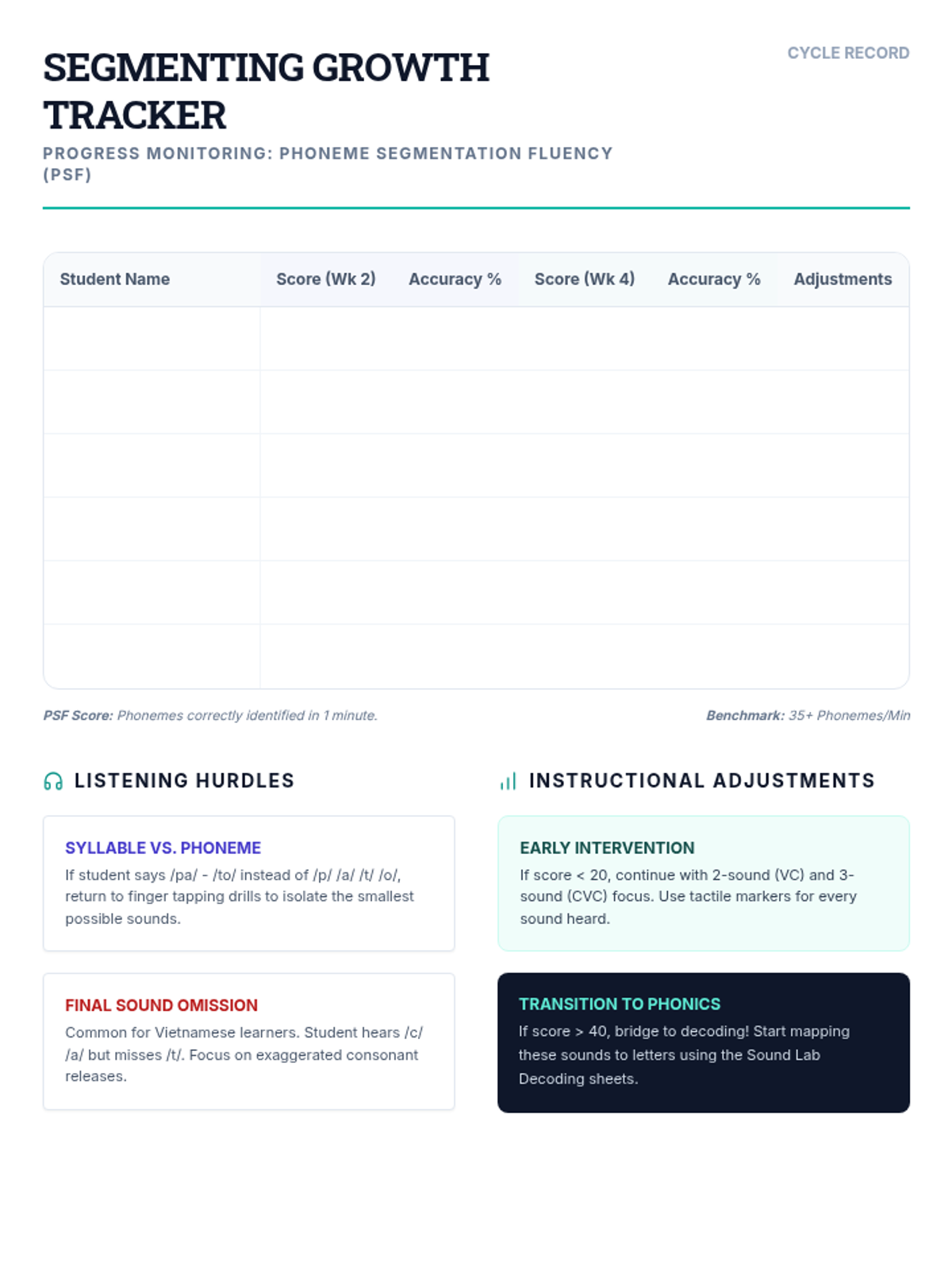
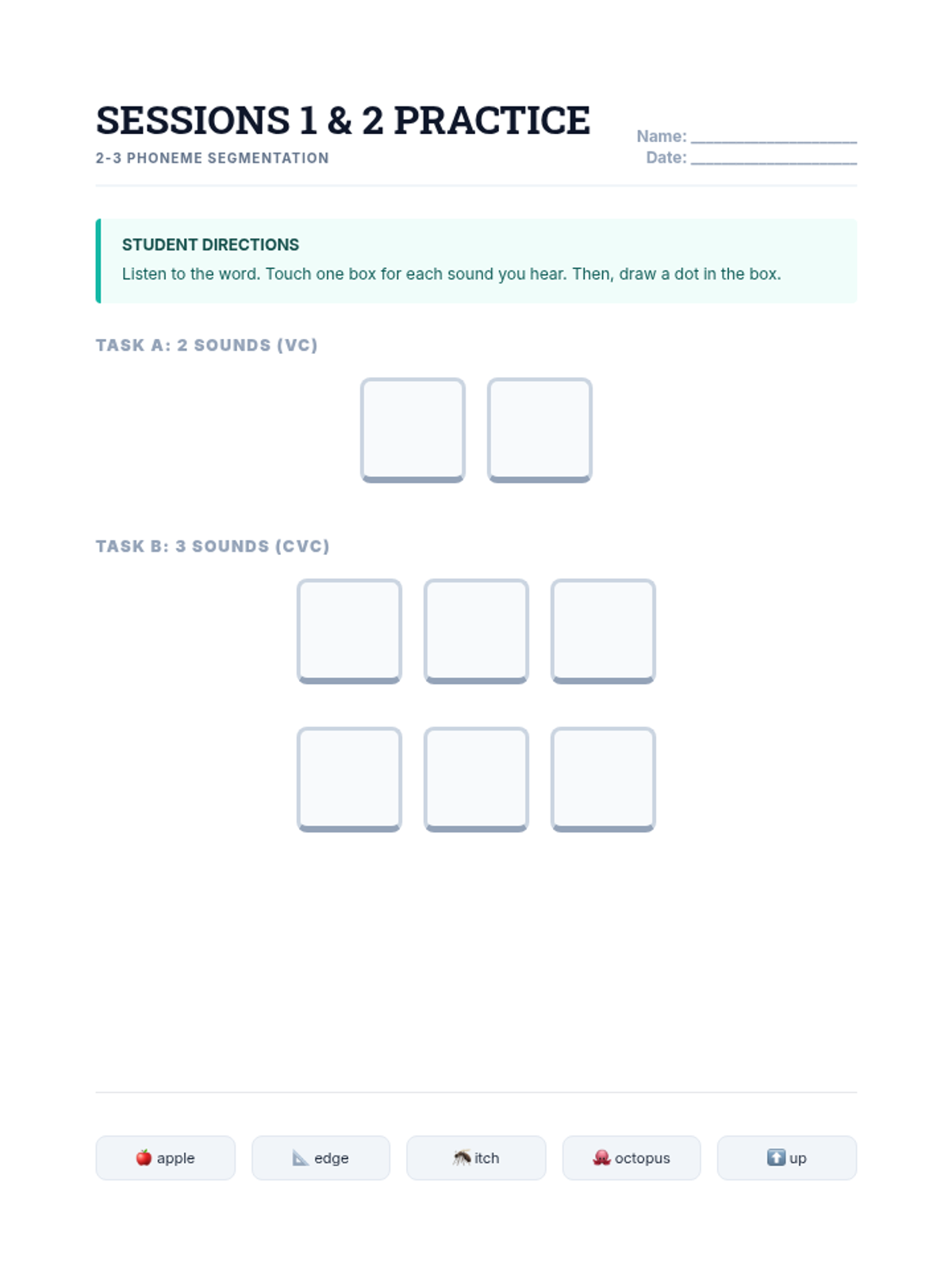
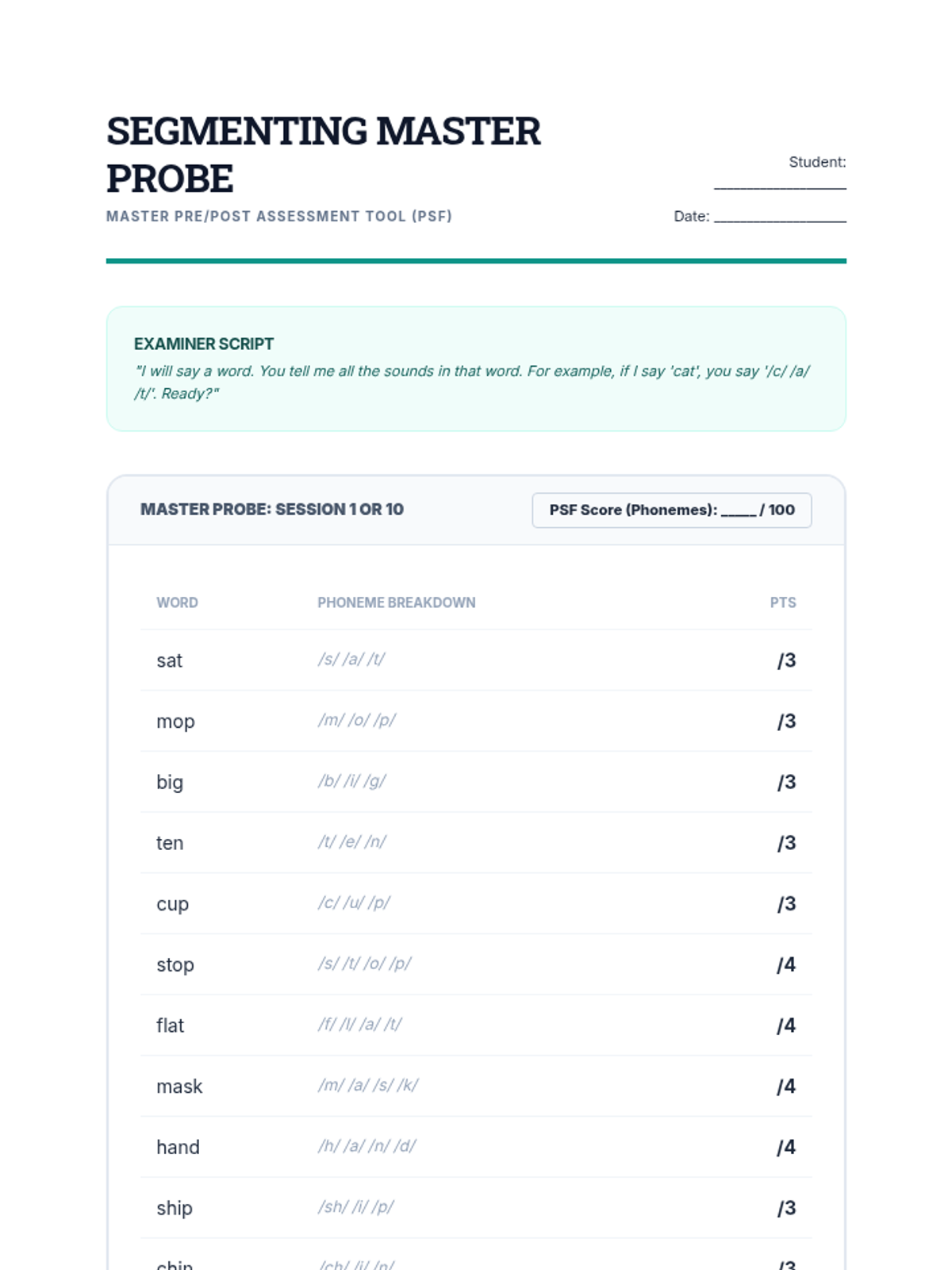
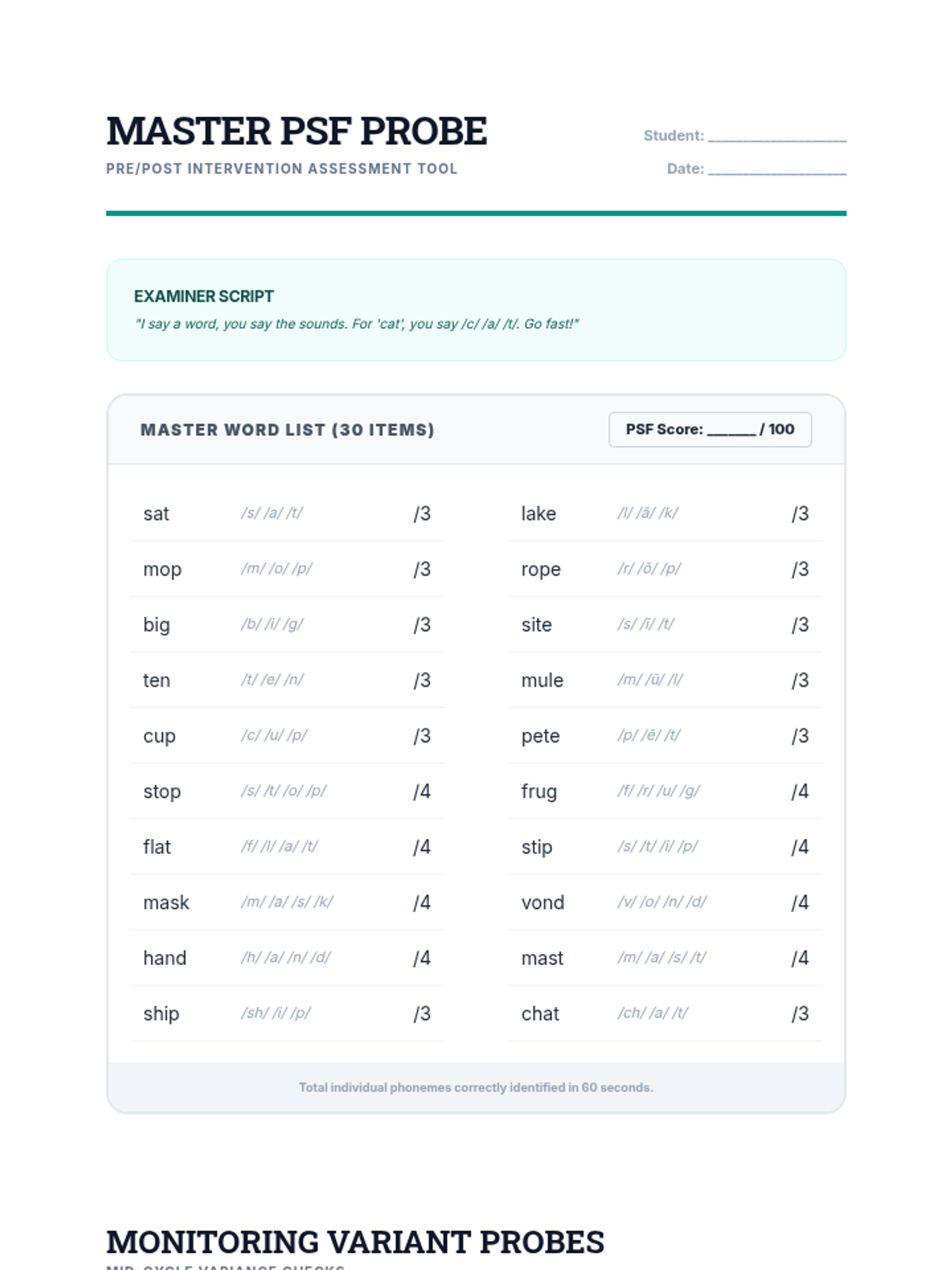
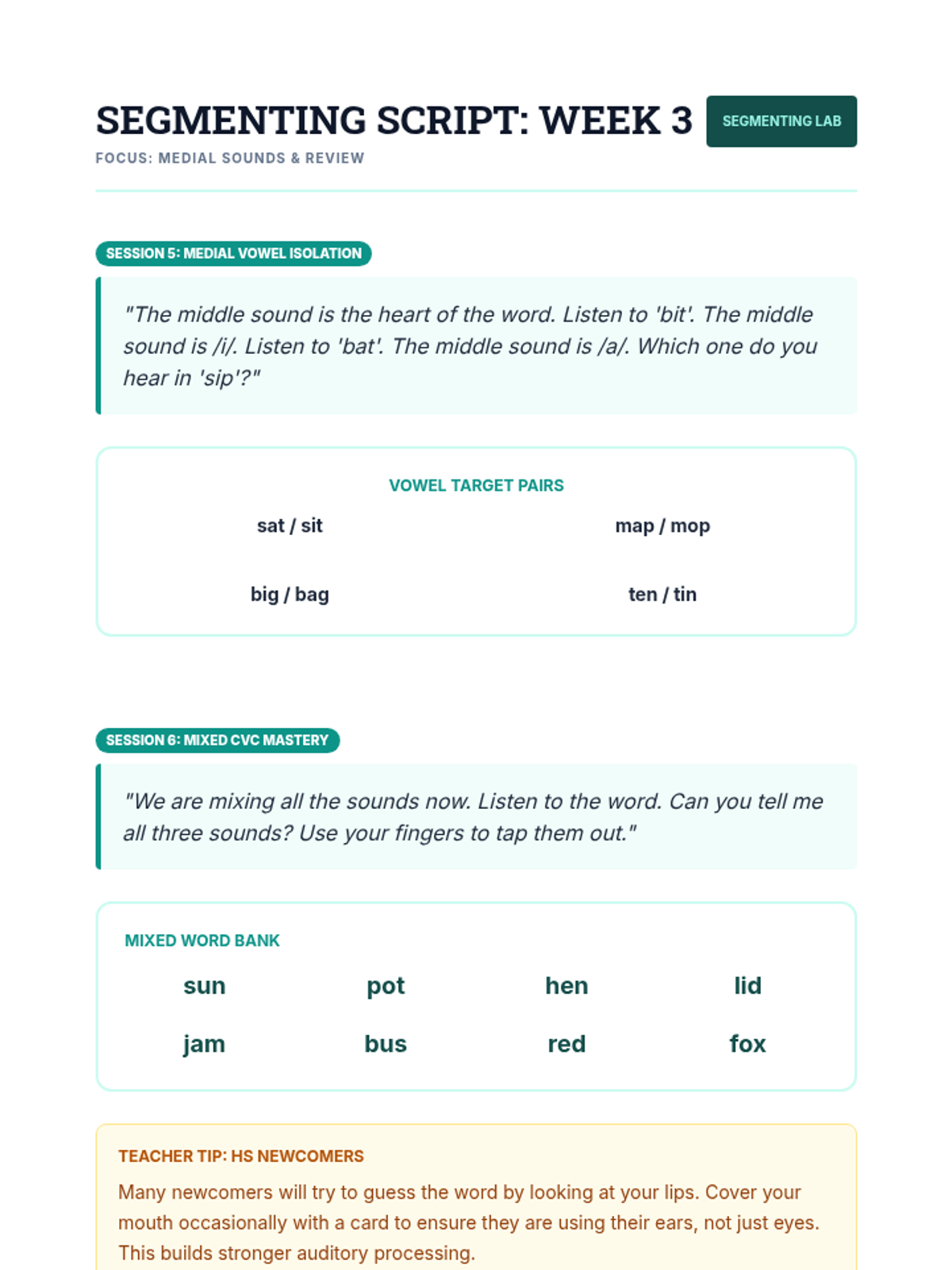
A parallel 5-week intervention for high school English Learners focusing on phoneme segmentation fluency, providing the oral foundation necessary for decoding success.
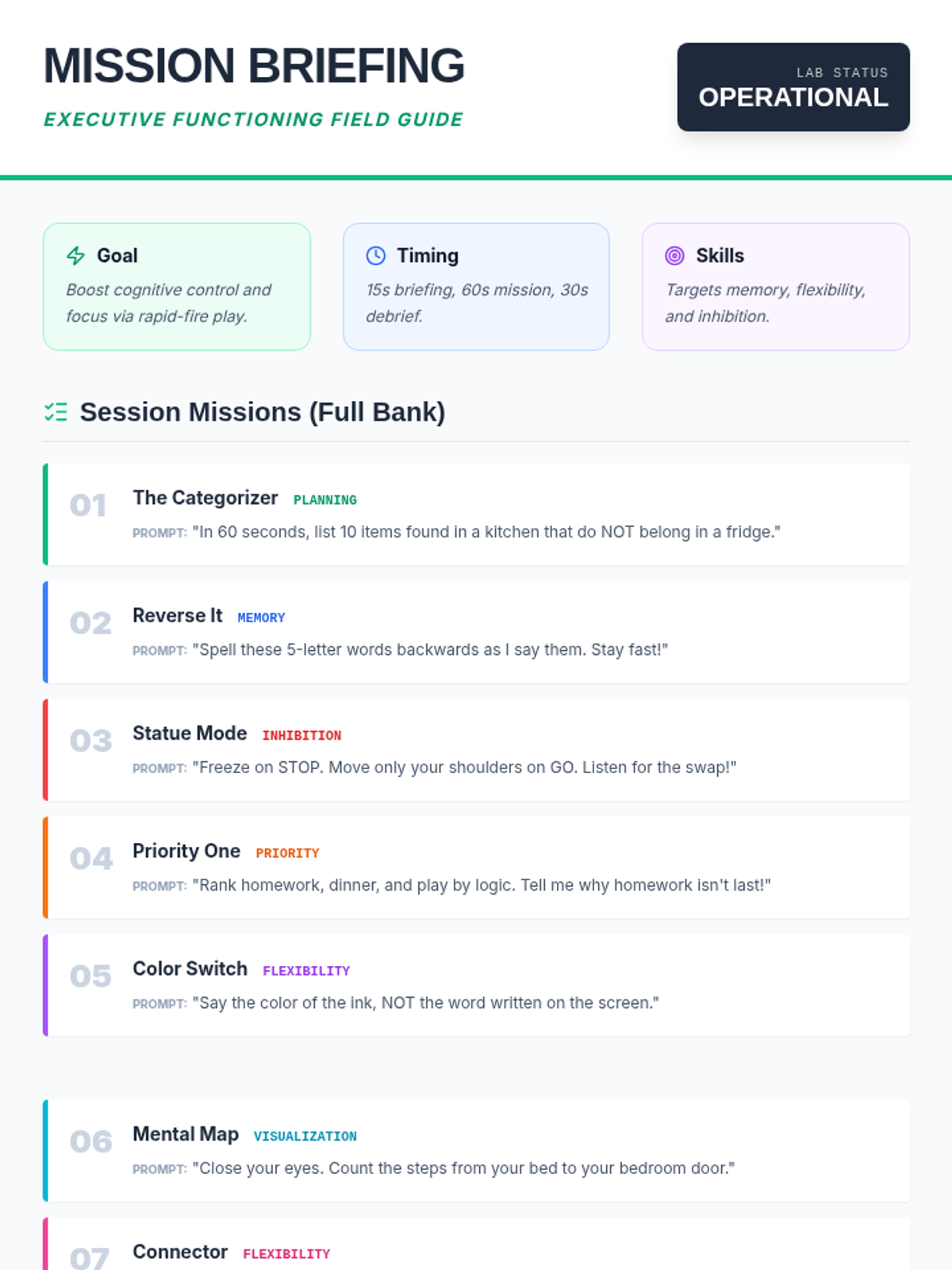
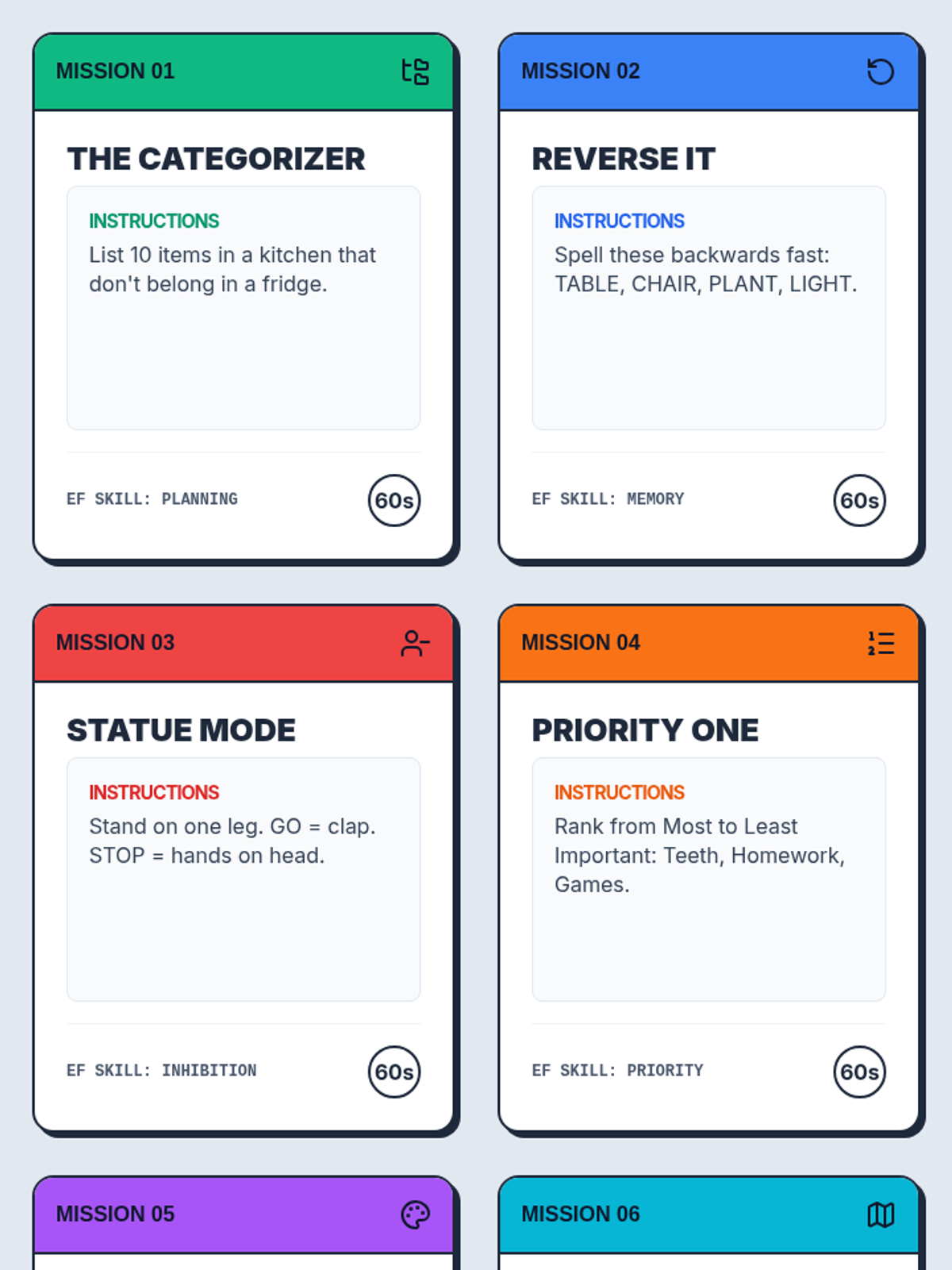
A collection of 10 rapid-fire executive functioning challenges designed to kickstart focus and mental agility at the start of any session.
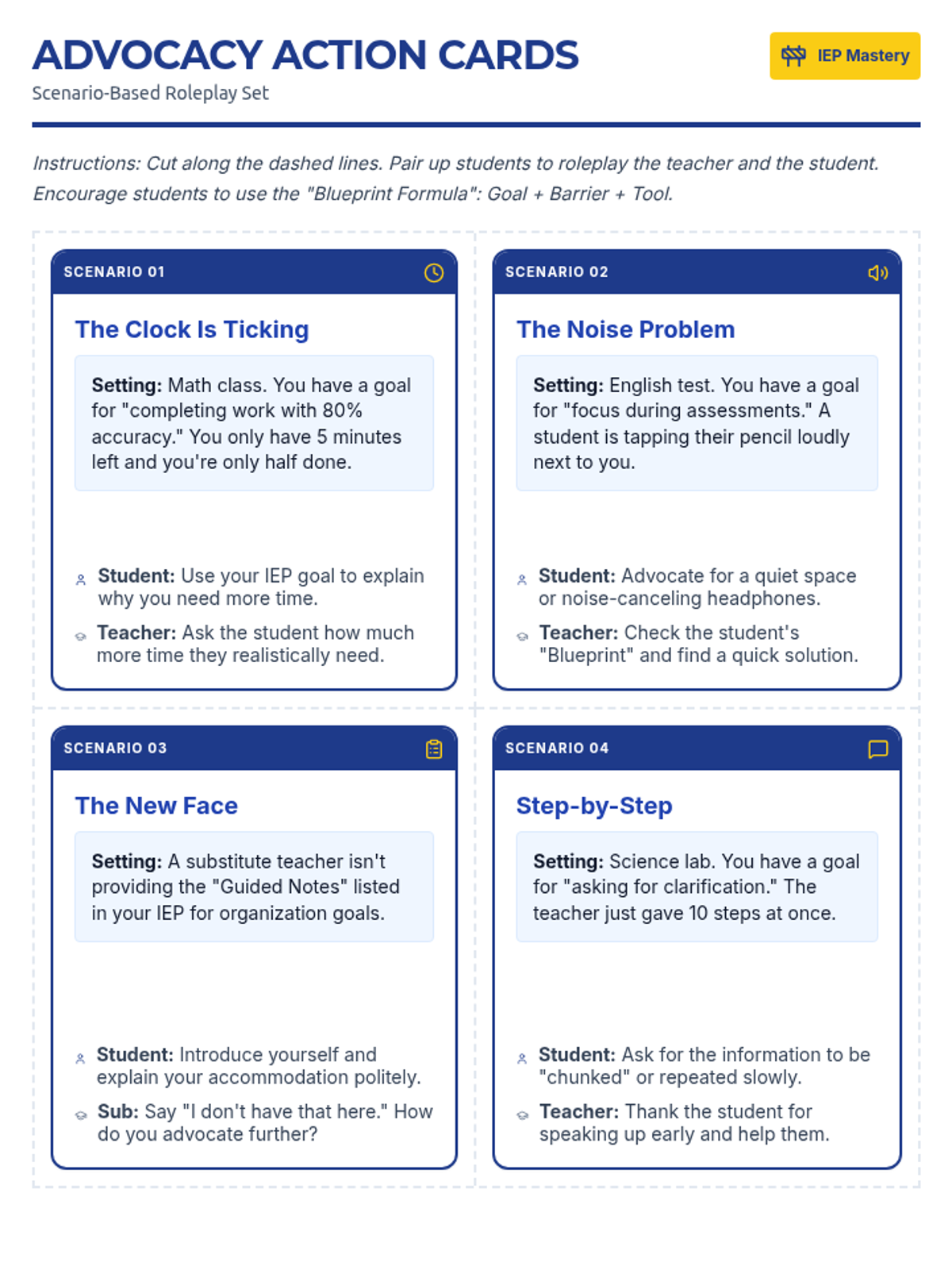
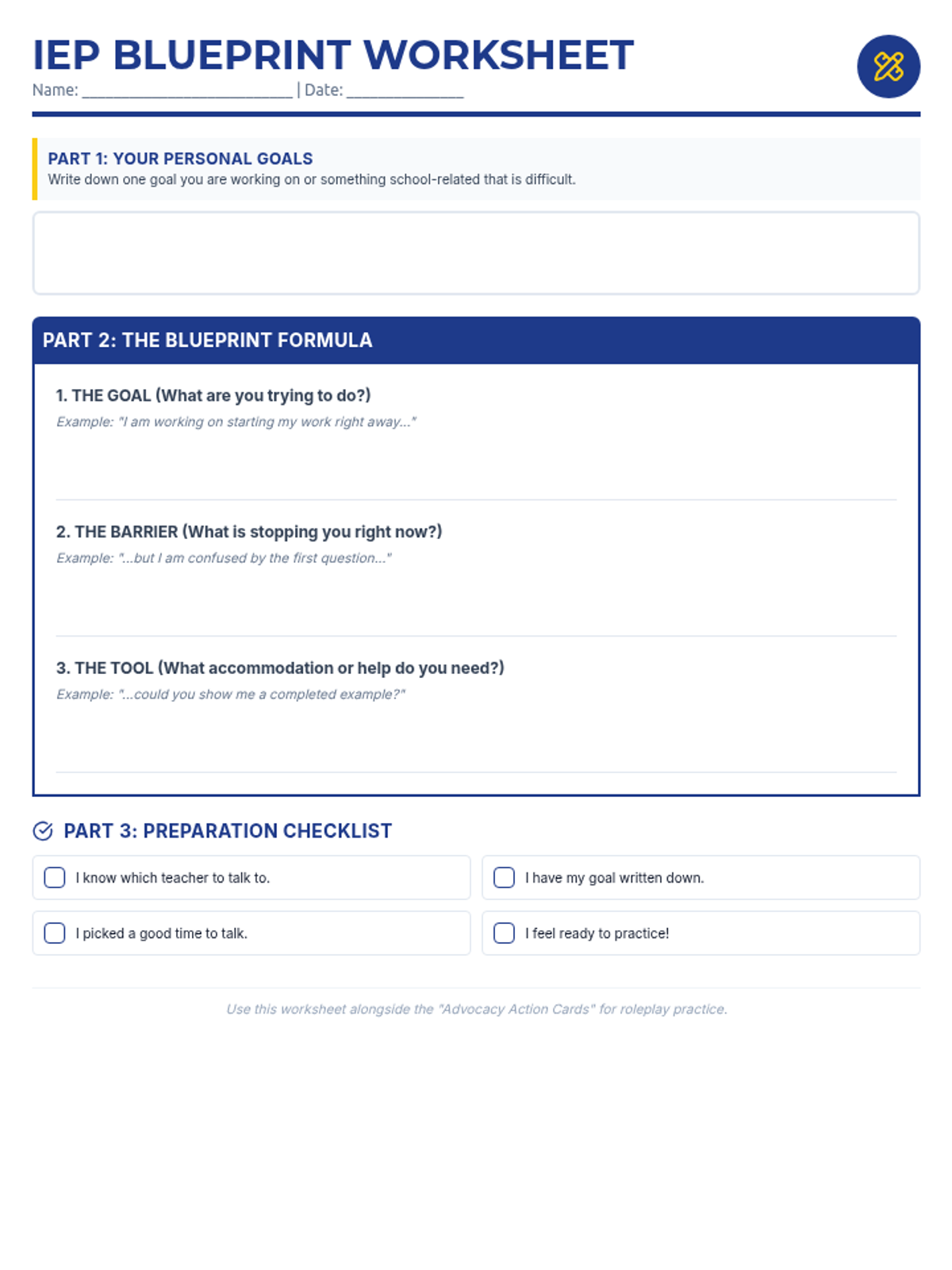
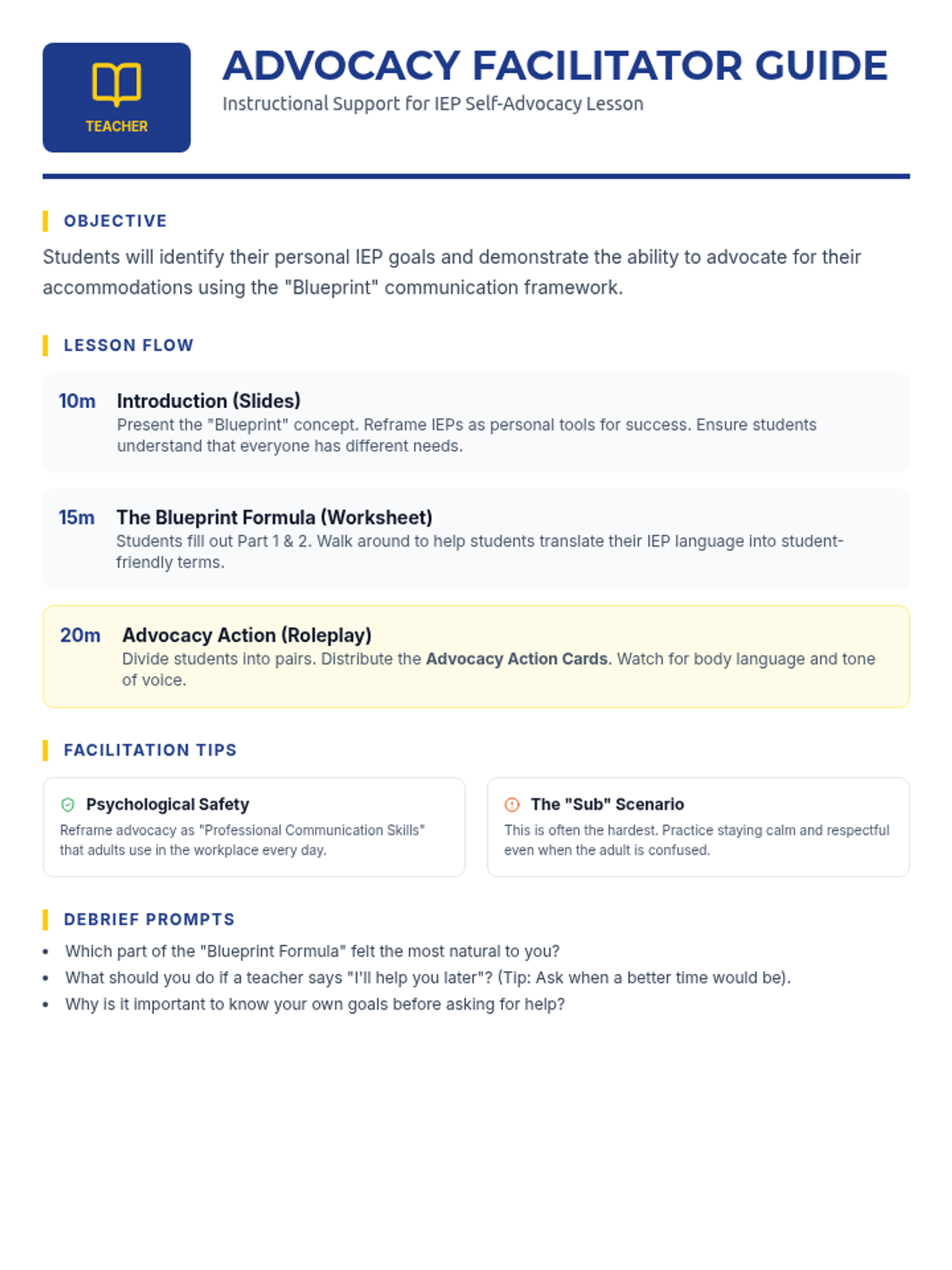
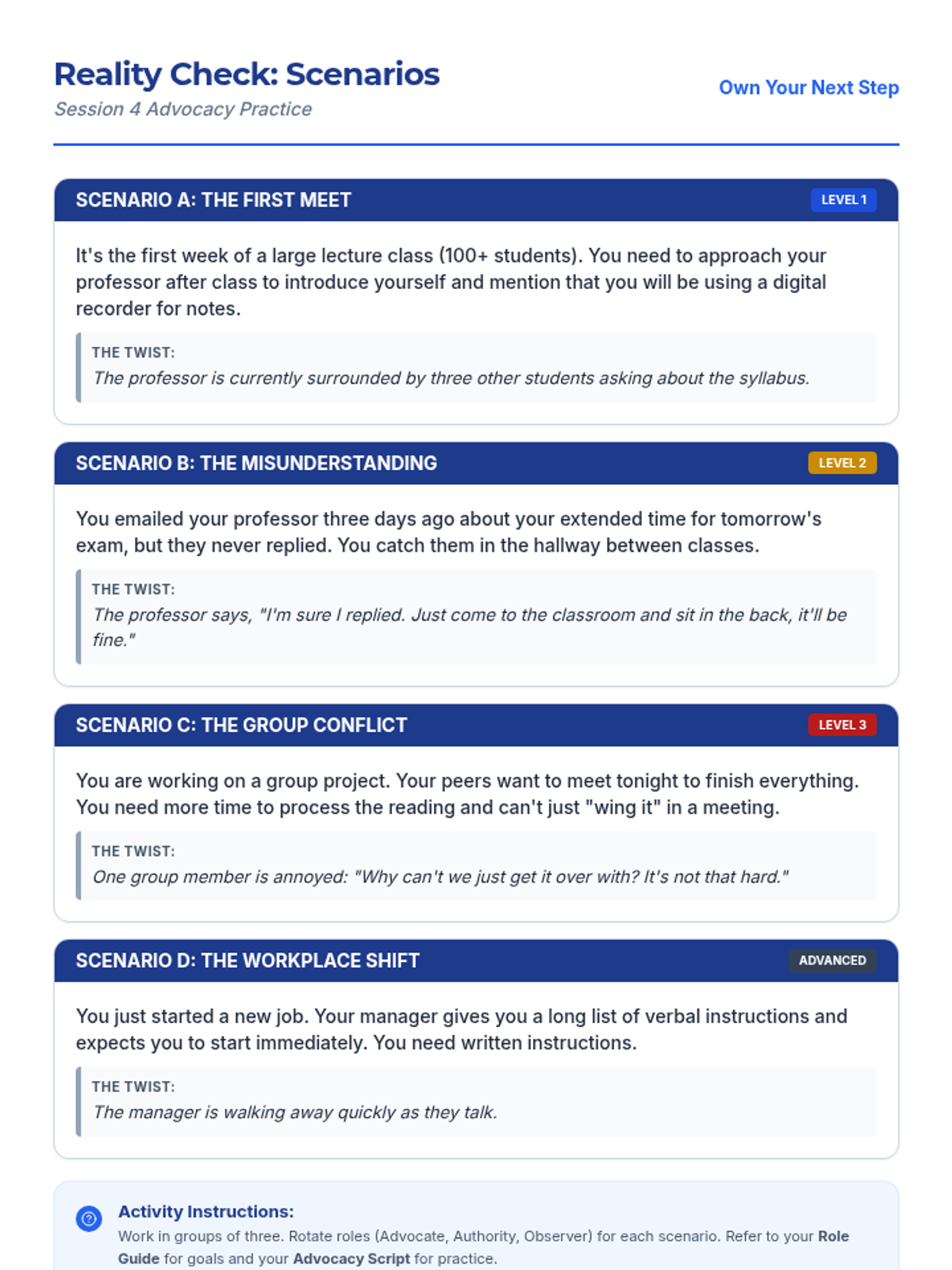
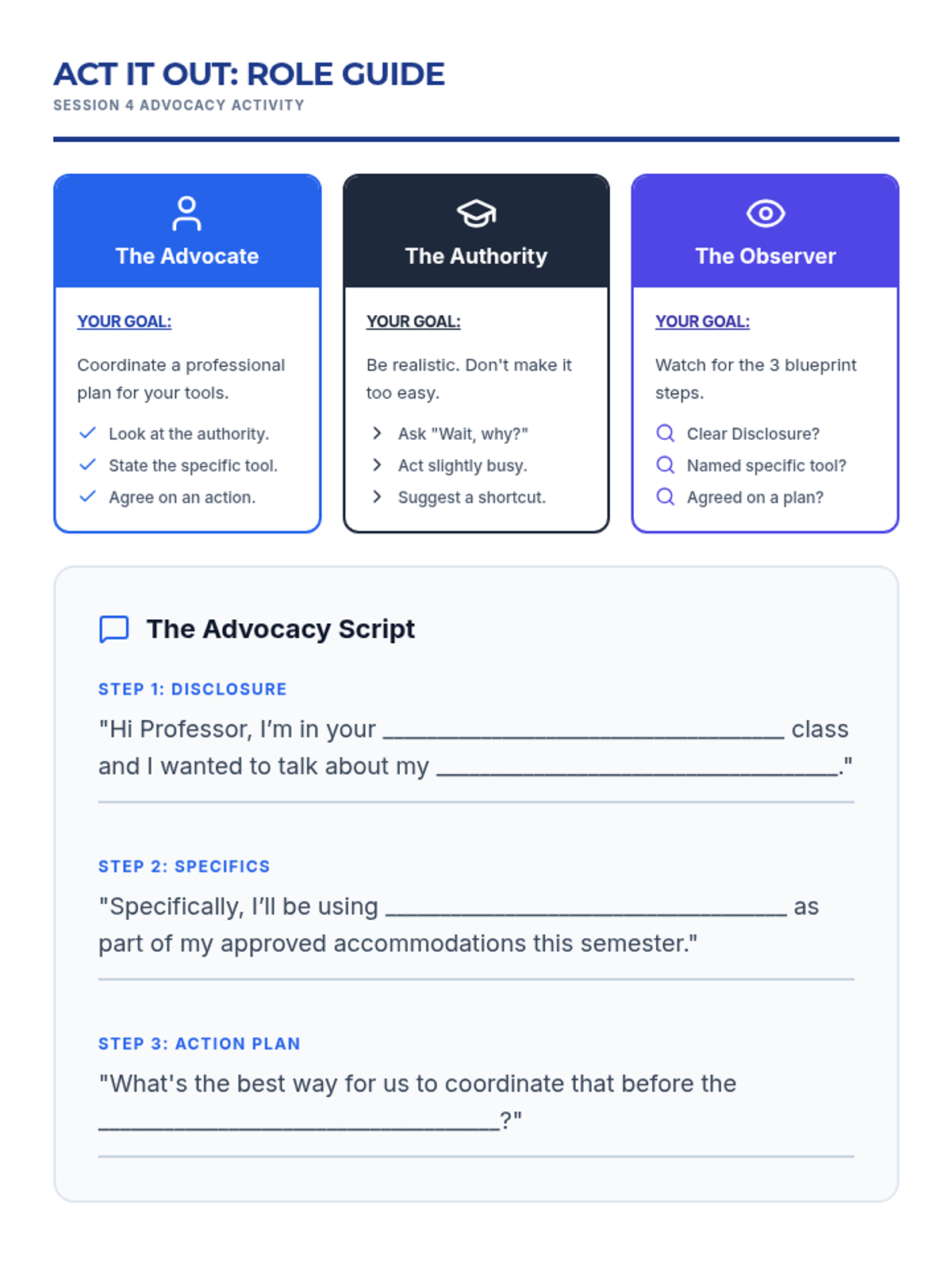
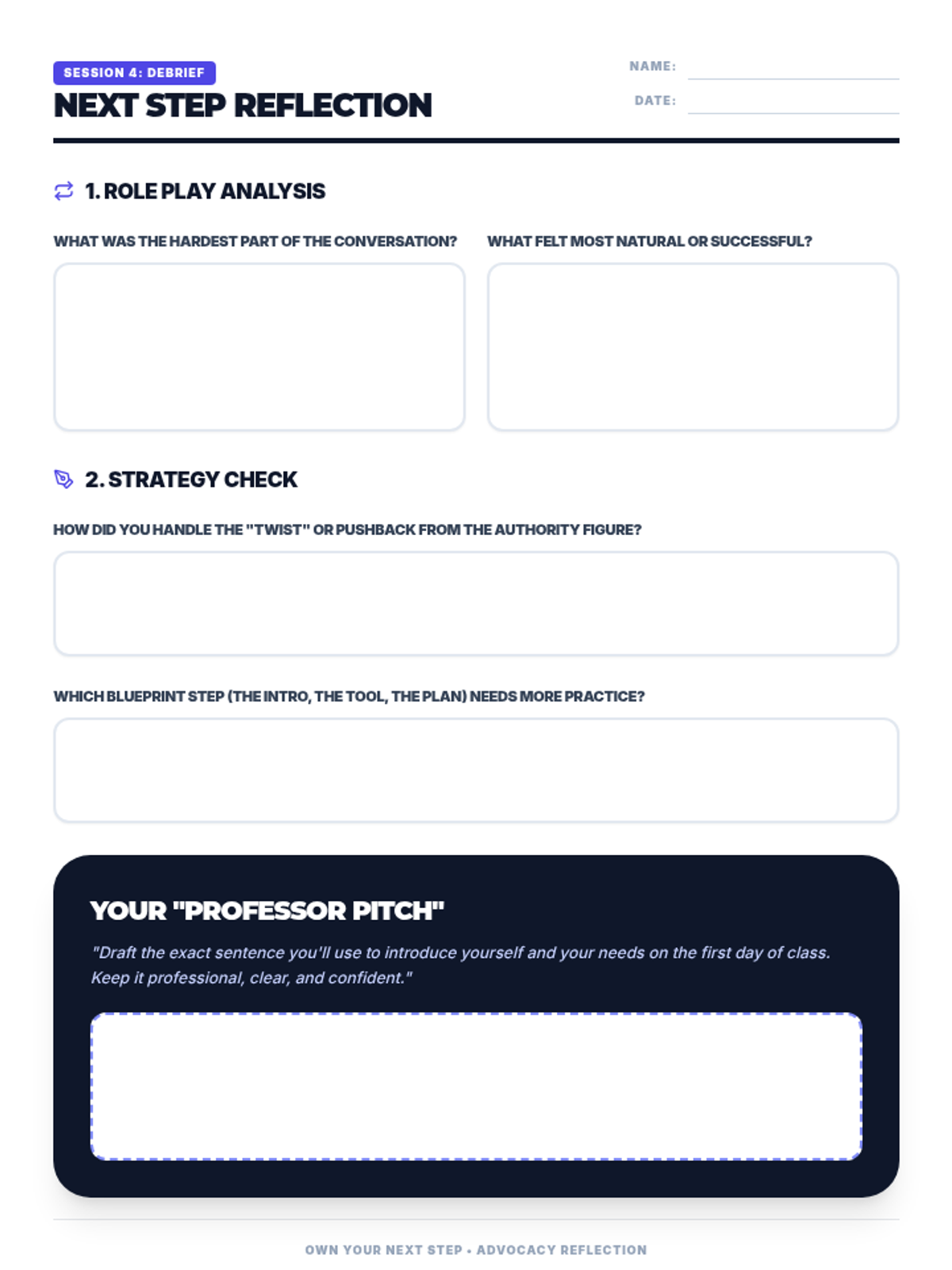
A lesson designed to empower students to understand their IEP goals and practice self-advocacy through scenario-based roleplay. Students will learn the 'Blueprinting' method for communicating their needs effectively to teachers and staff.
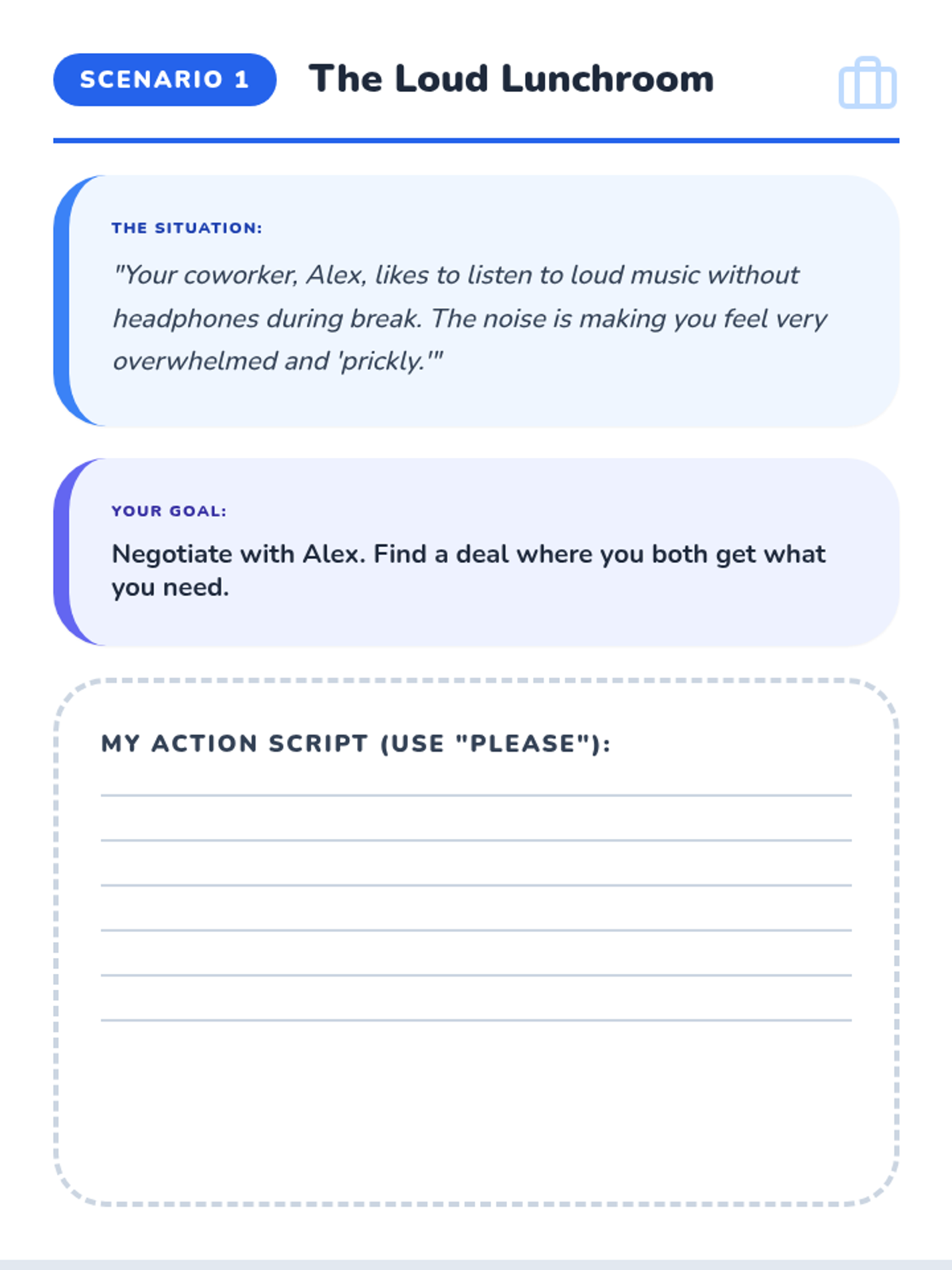
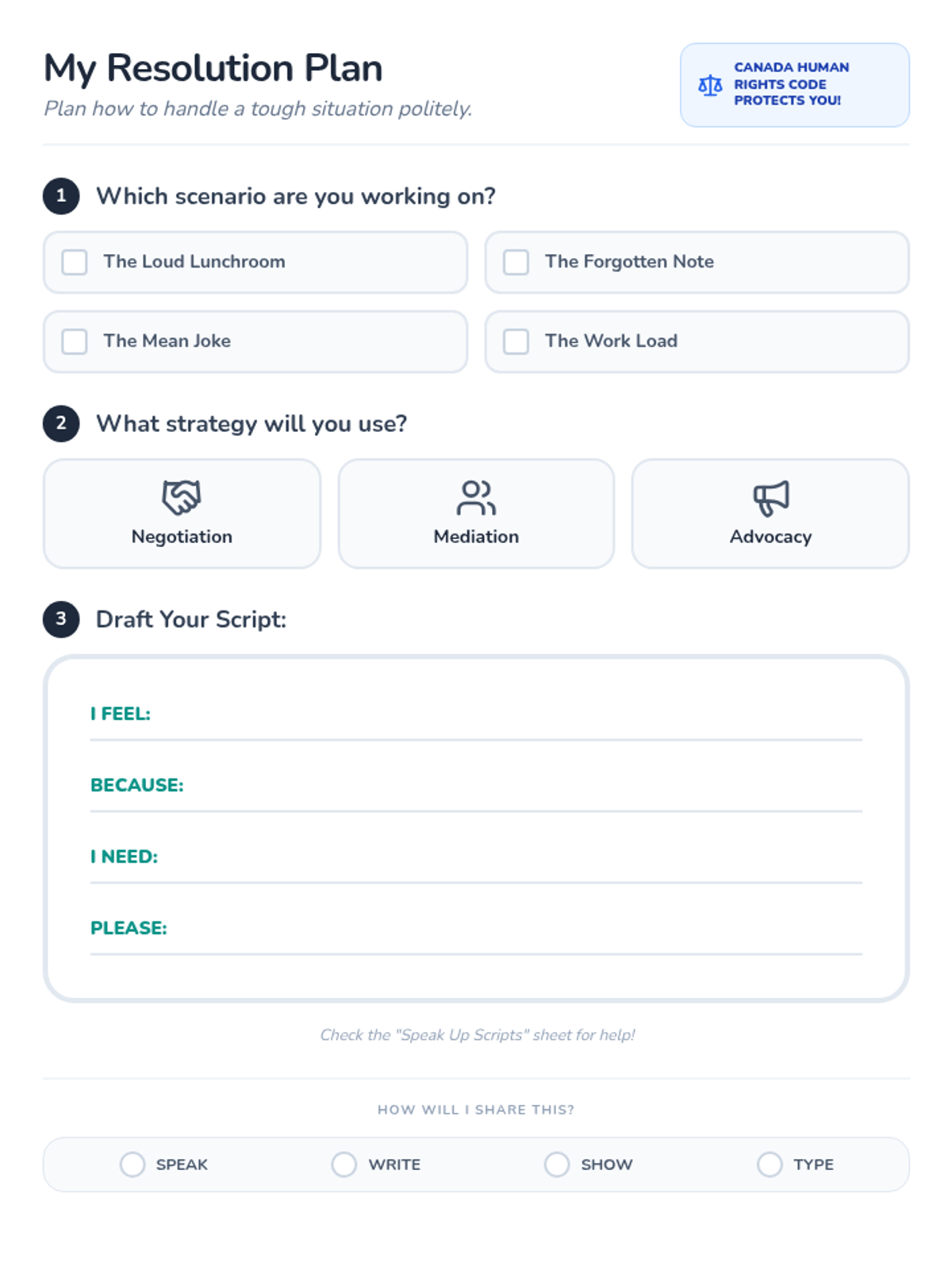
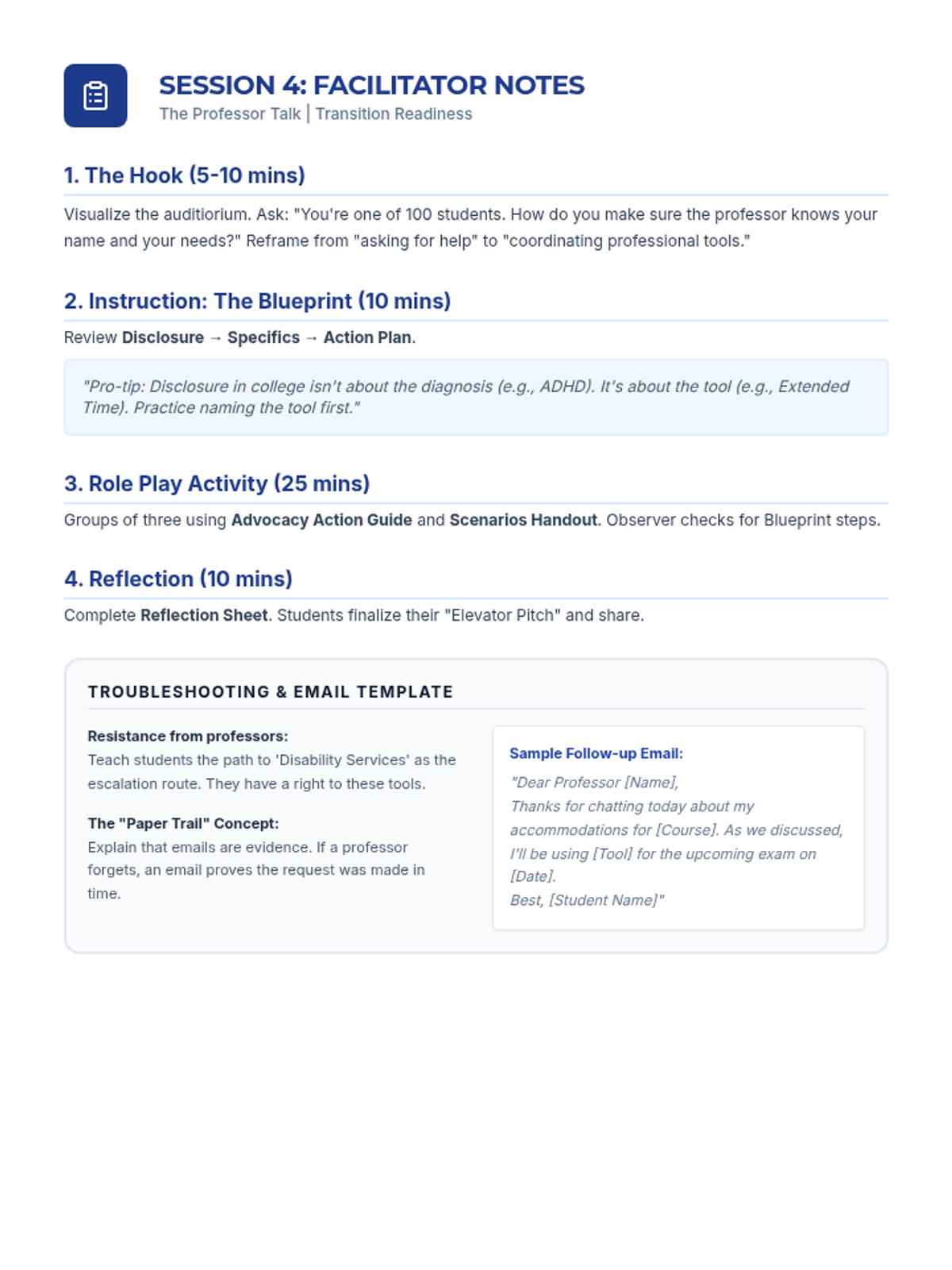
A focused session on postsecondary self-advocacy, teaching students with learning differences how to communicate their needs to professors and employers. The lesson emphasizes the transition from high school's automatic support to the self-initiated systems of college and the workplace.
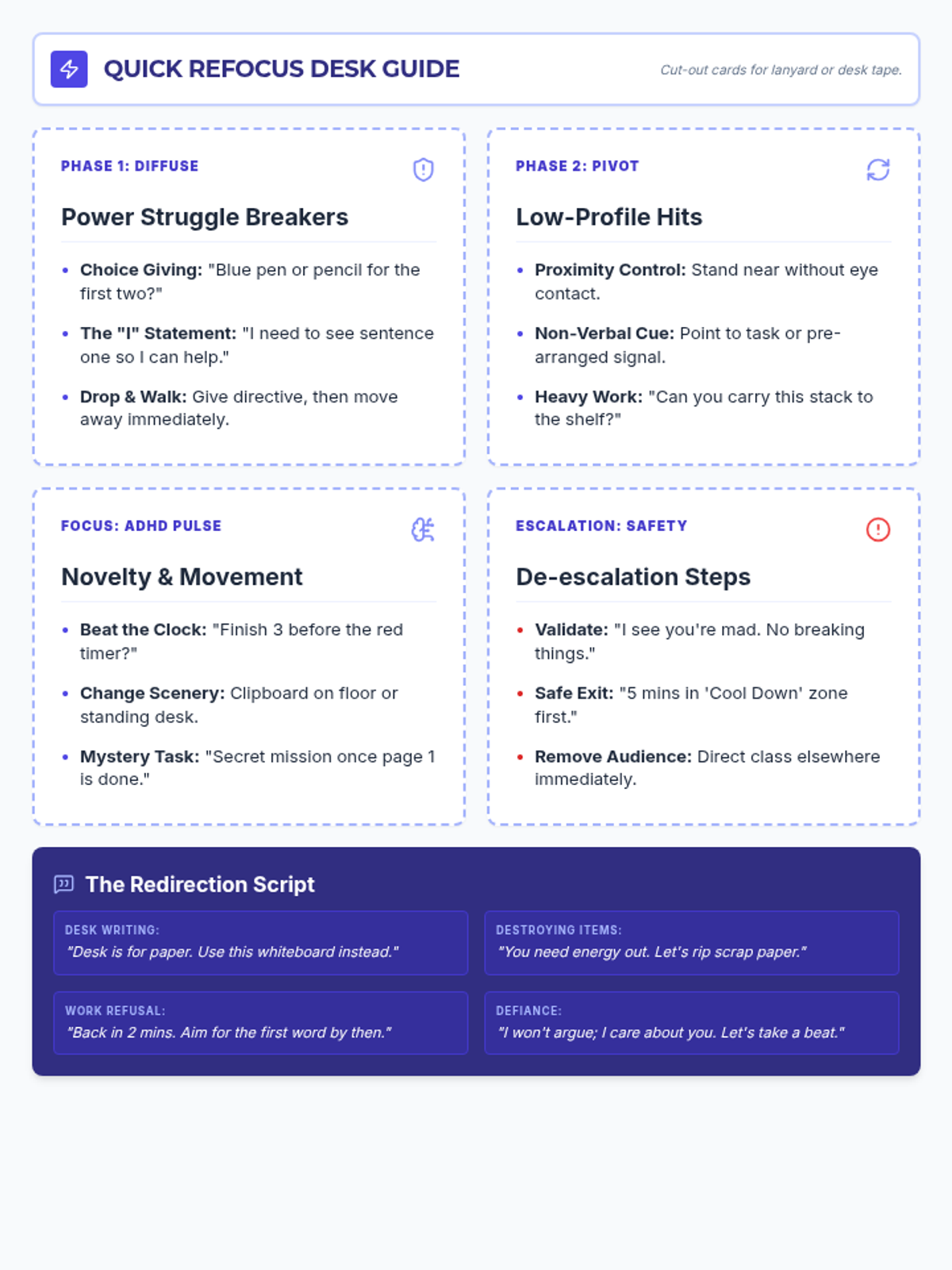
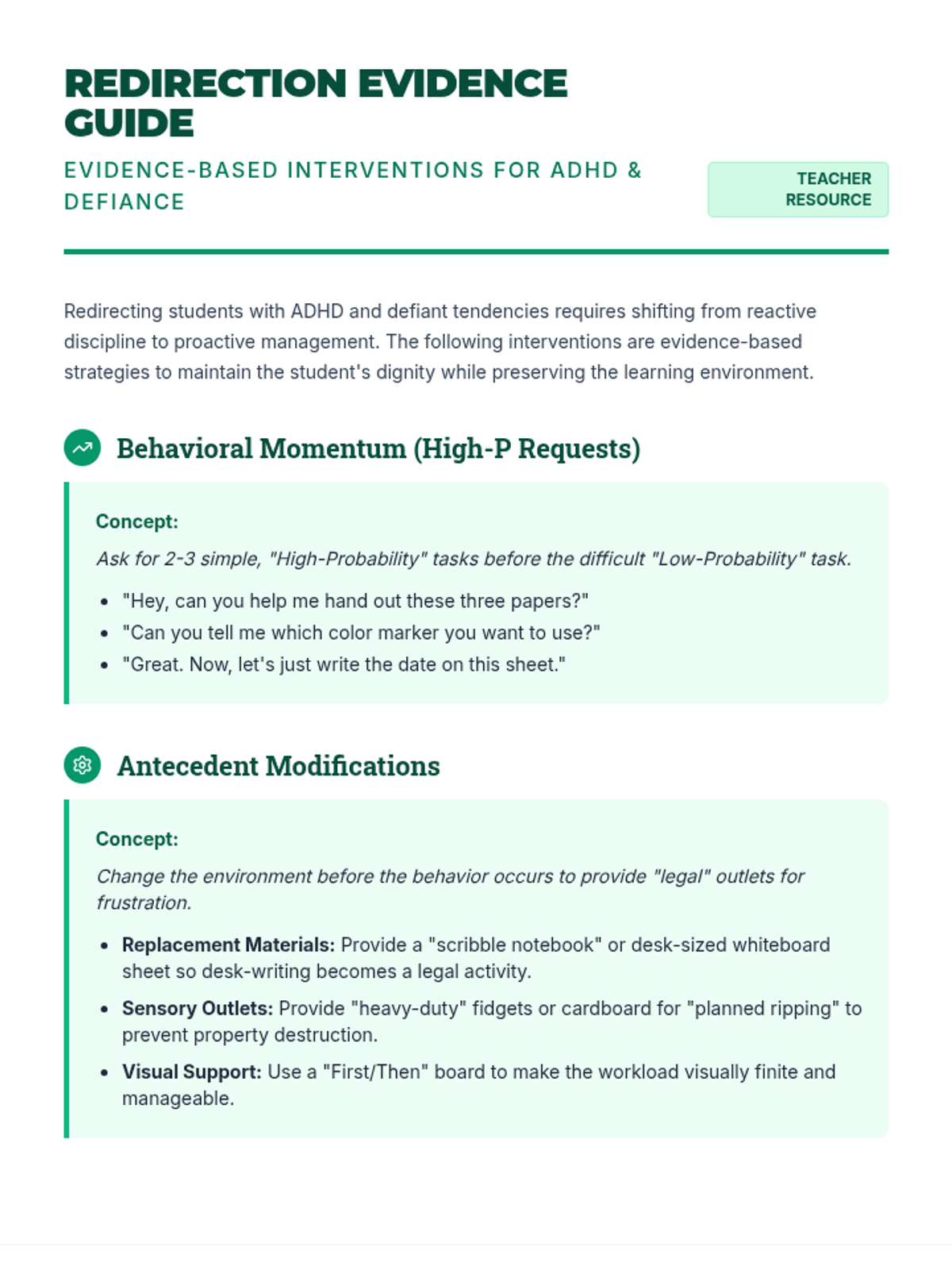
Strategies and quick-reference tools specifically designed for refocusing and redirecting students with ADHD and defiant behaviors in the Least Restrictive Environment.
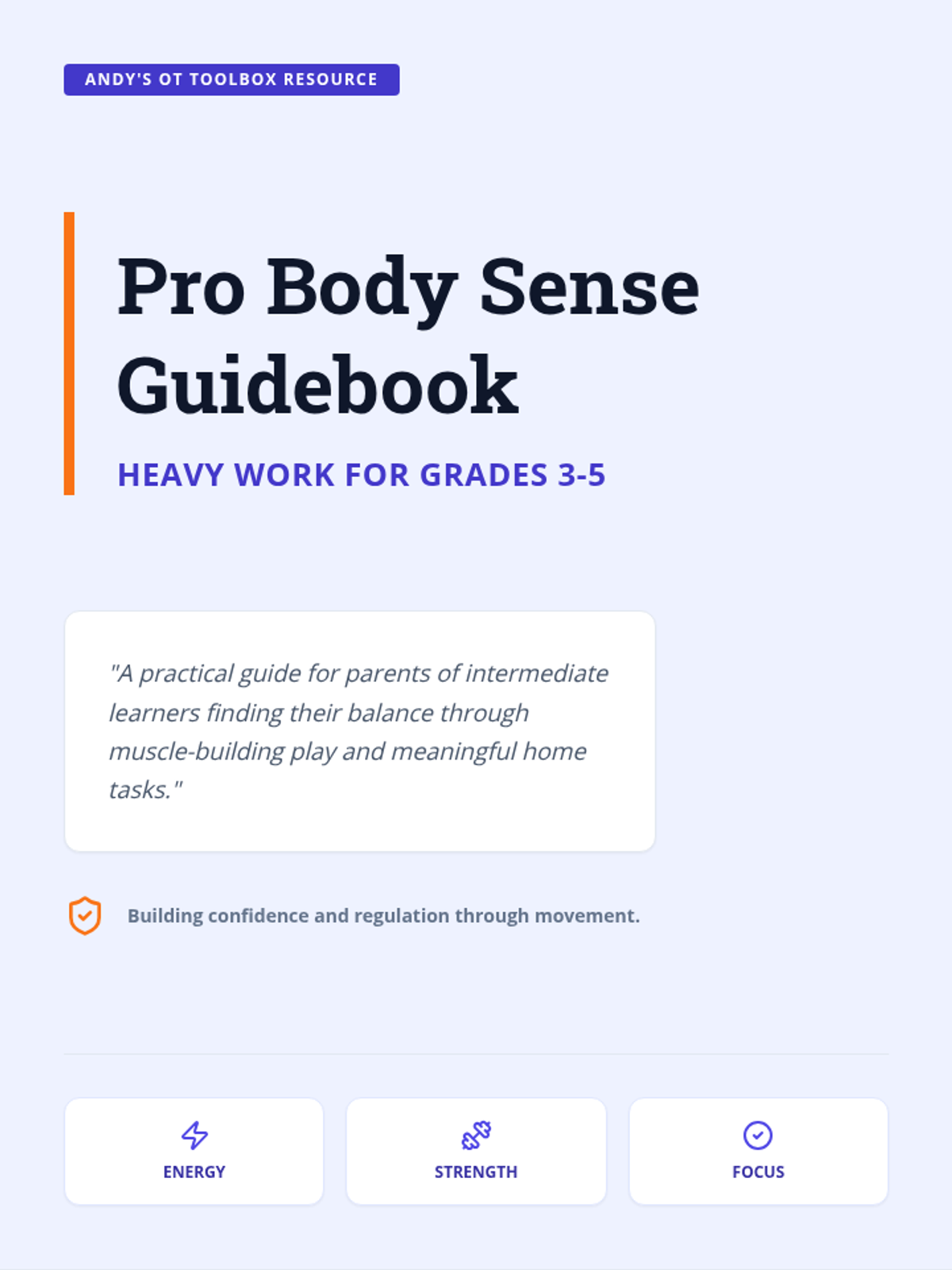
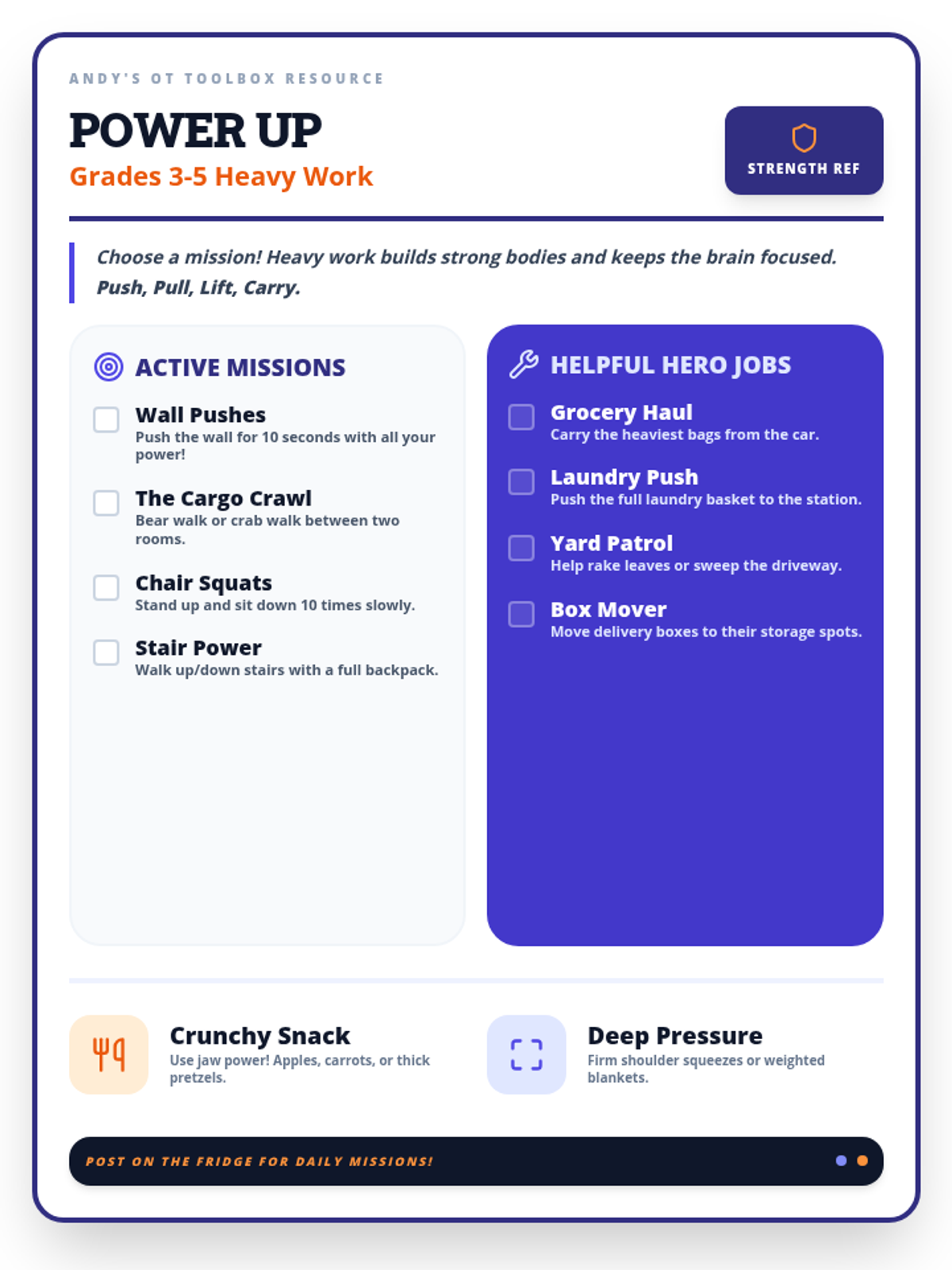
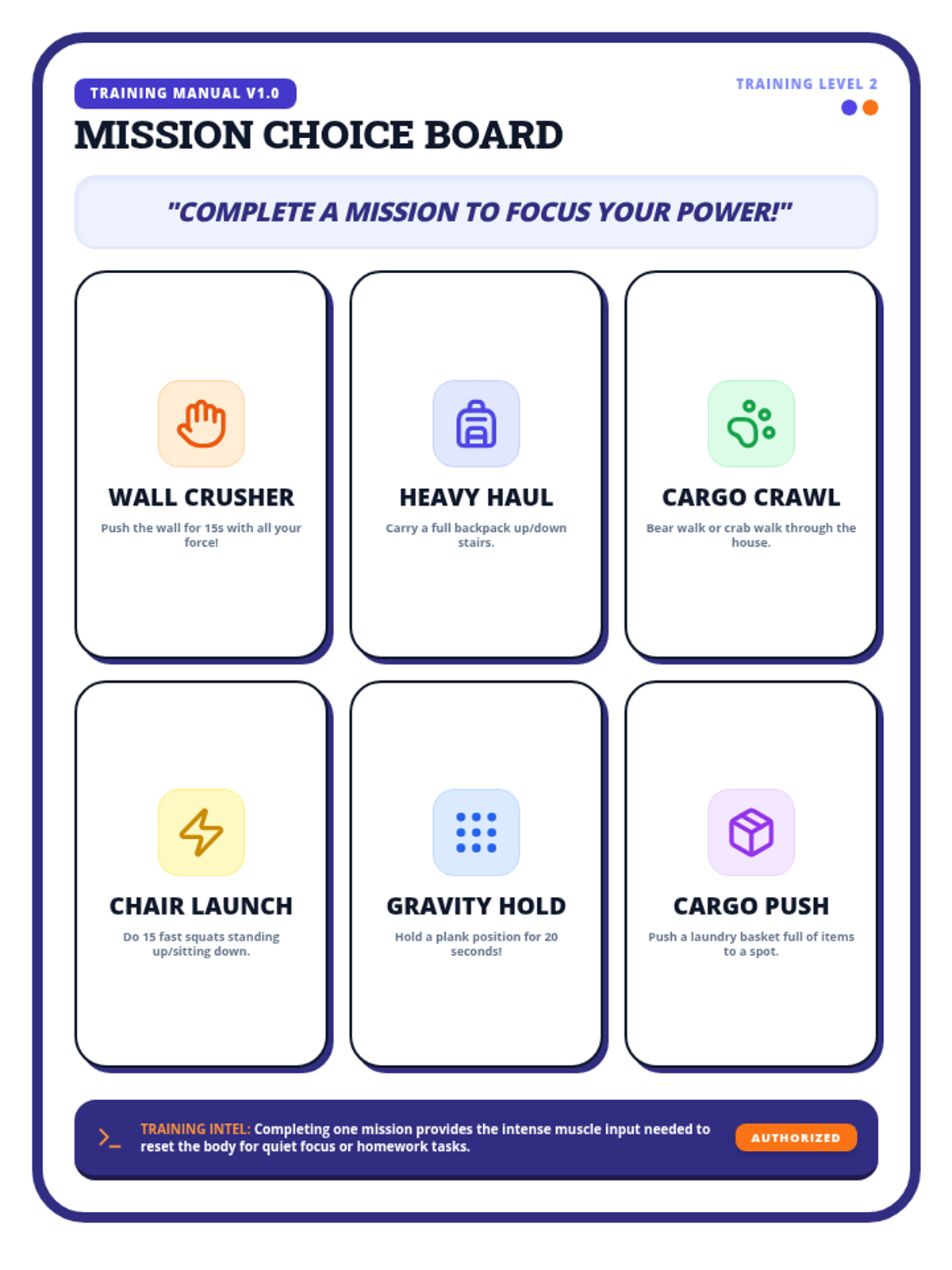
Sensory support strategies and proprioceptive activities designed for students in grades 3-5. Bridges the gap between play-based movement and functional household participation with age-appropriate "strength challenges."