A lesson focused on translating word problems into mathematical number sentences across all four operations to meet specific IEP goals.
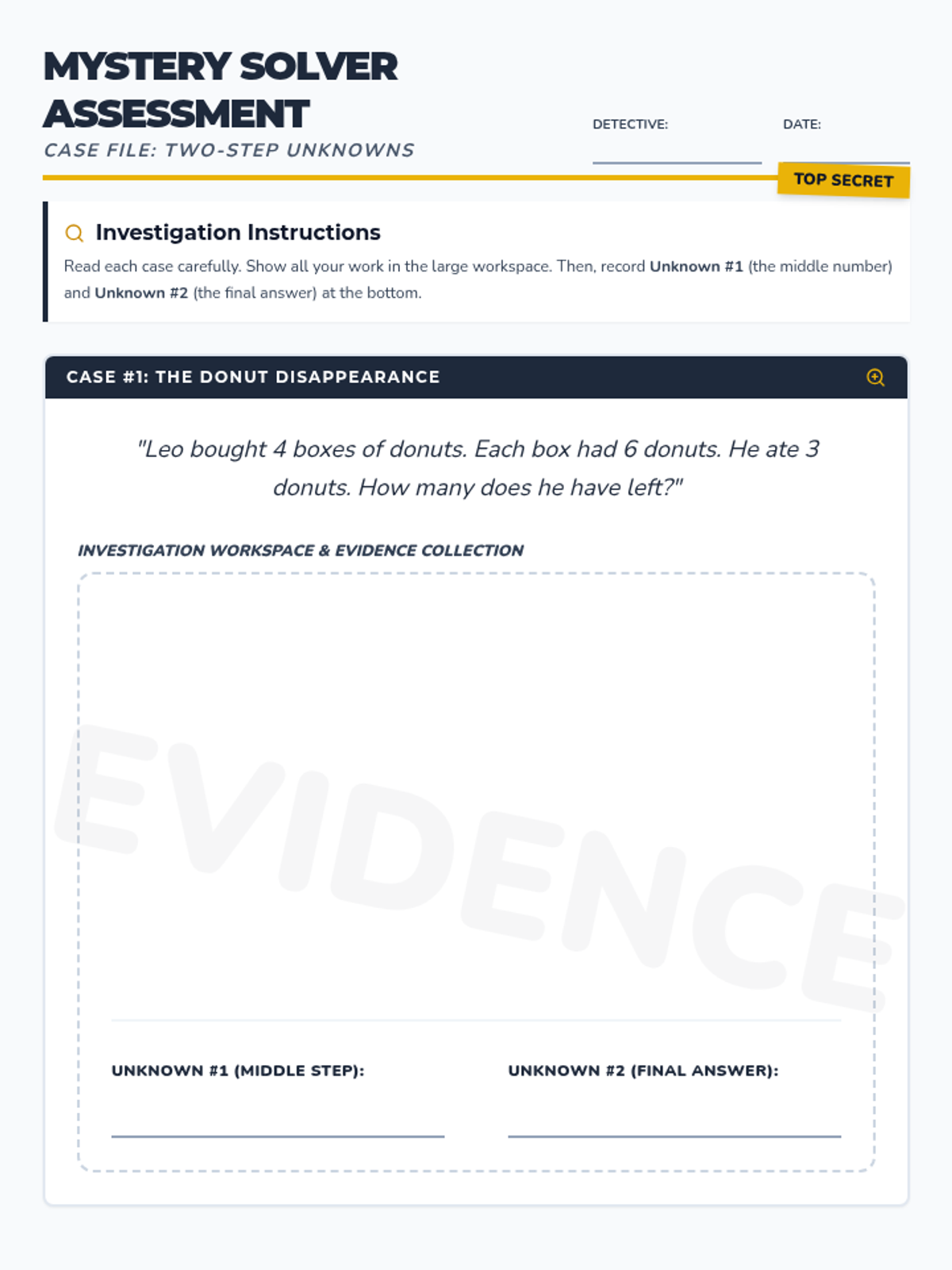
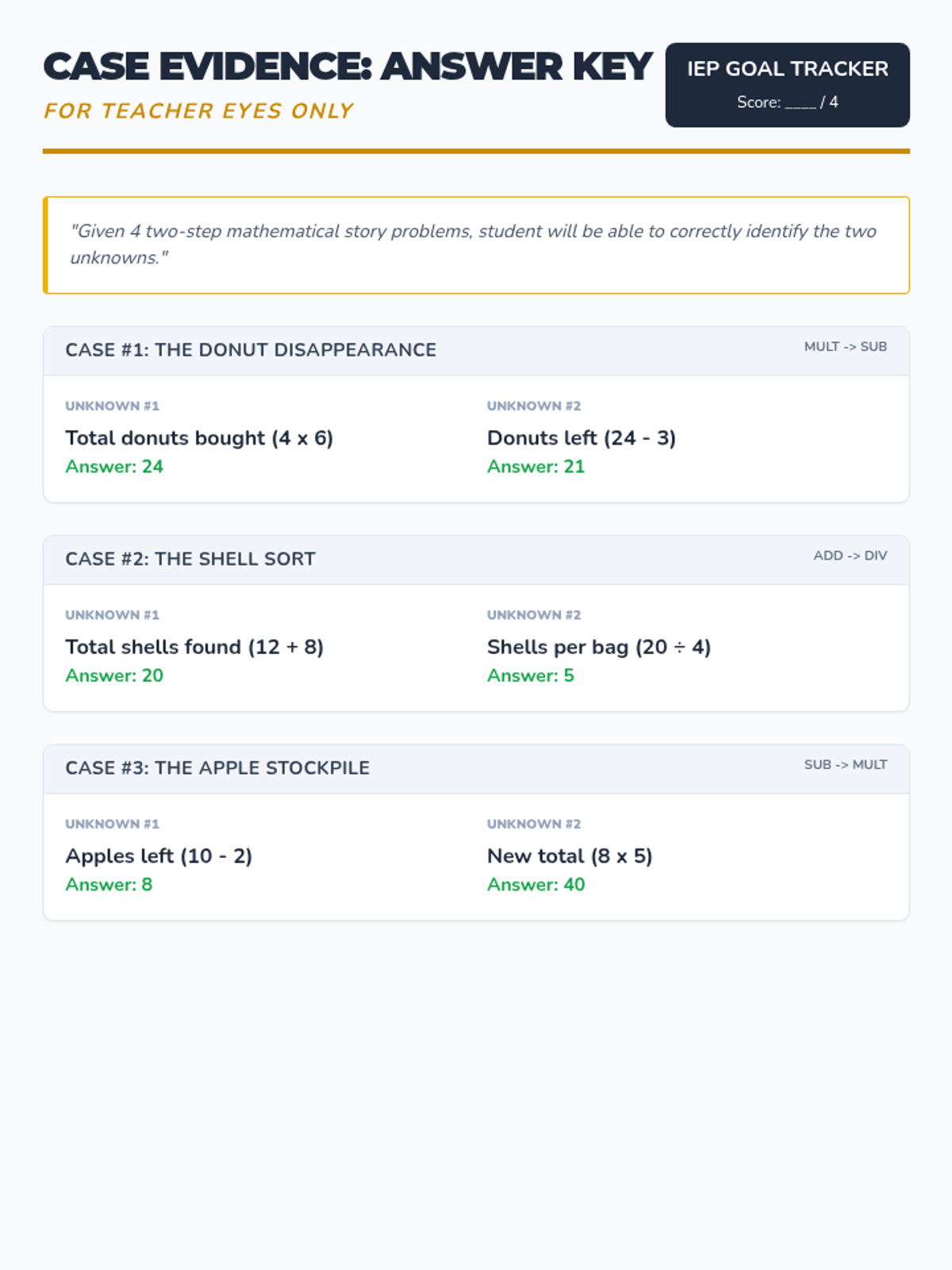
A lesson focused on identifying the two distinct unknowns in multi-step mathematical word problems using a detective-themed assessment.
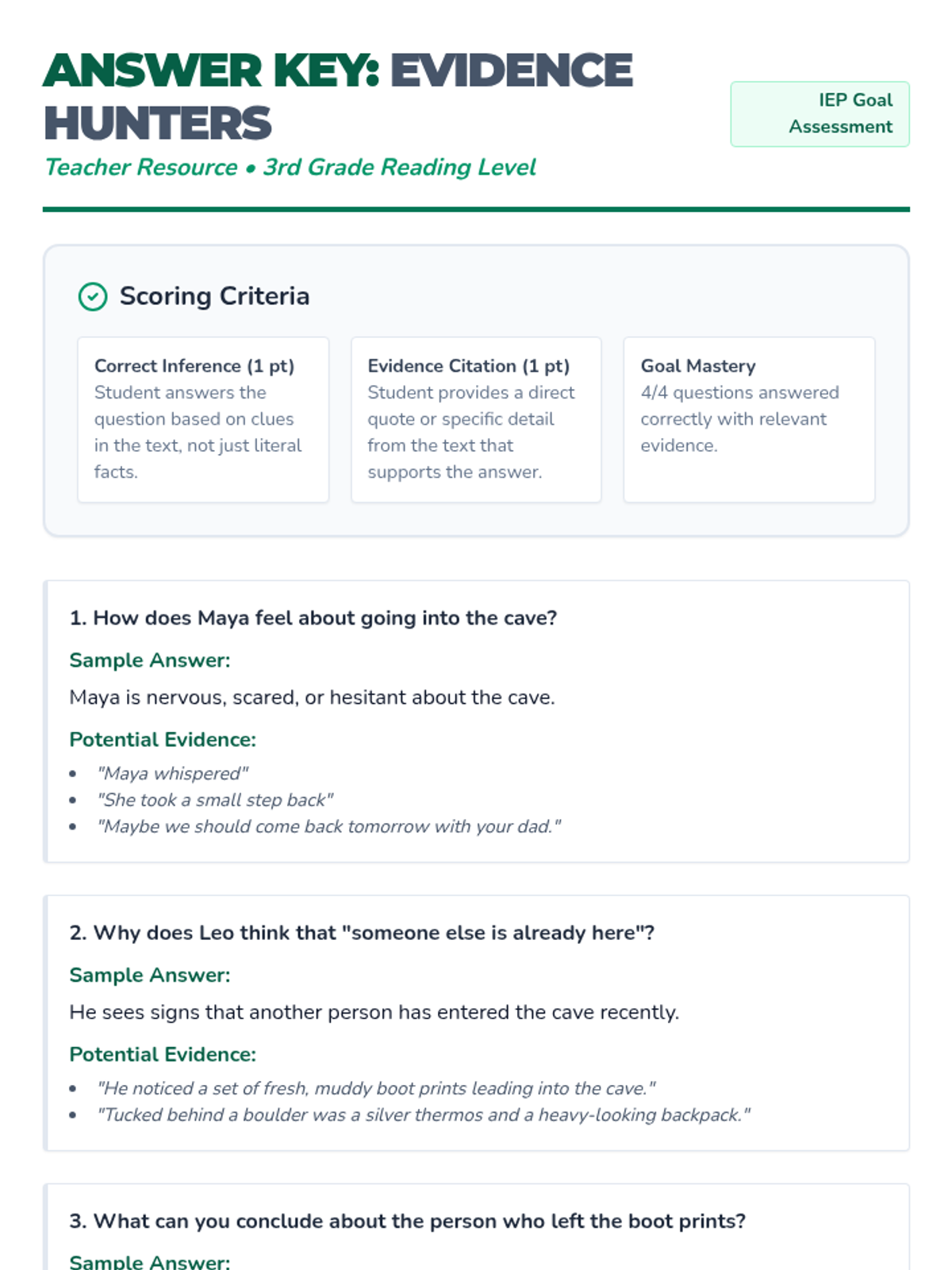
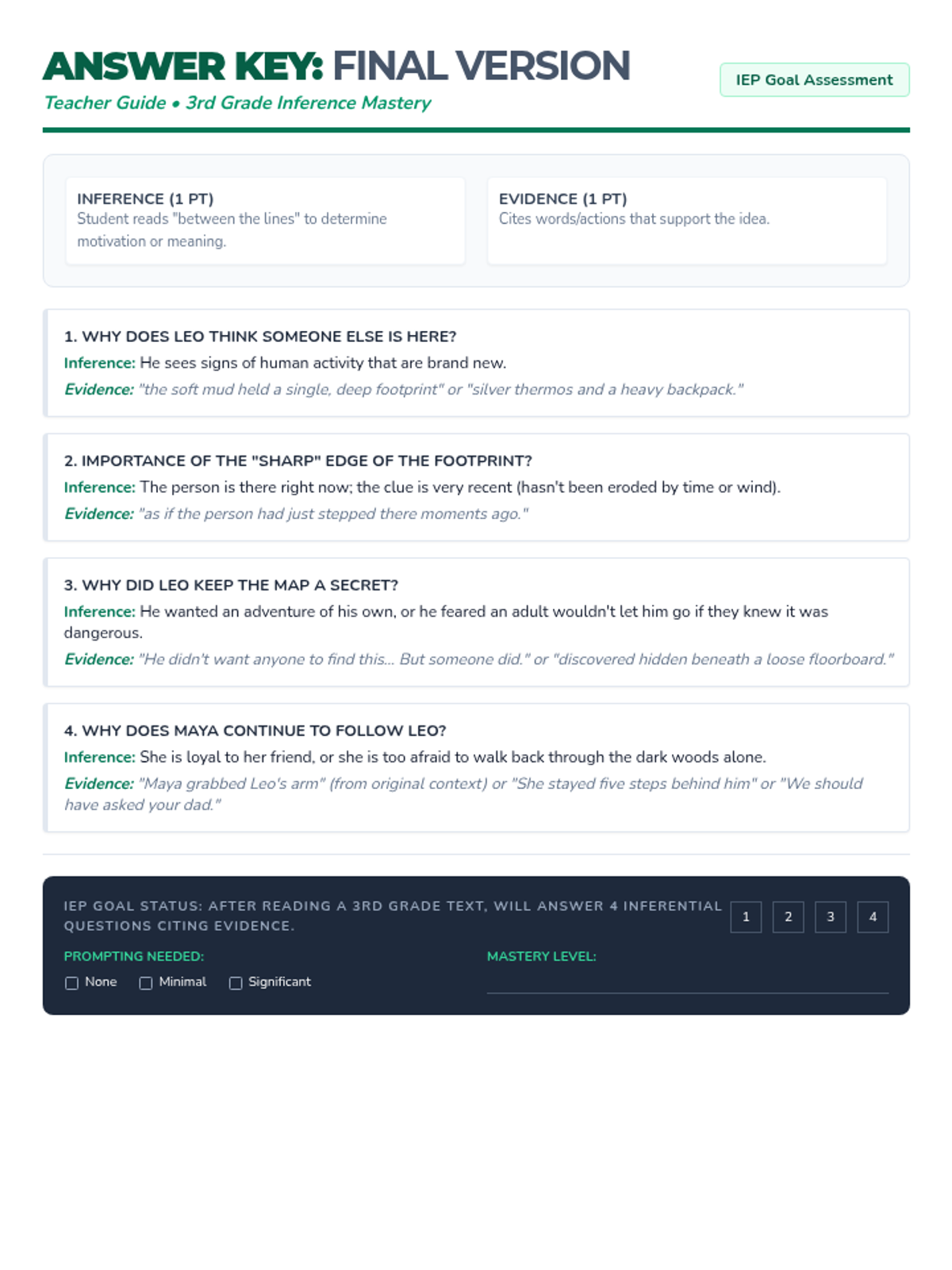
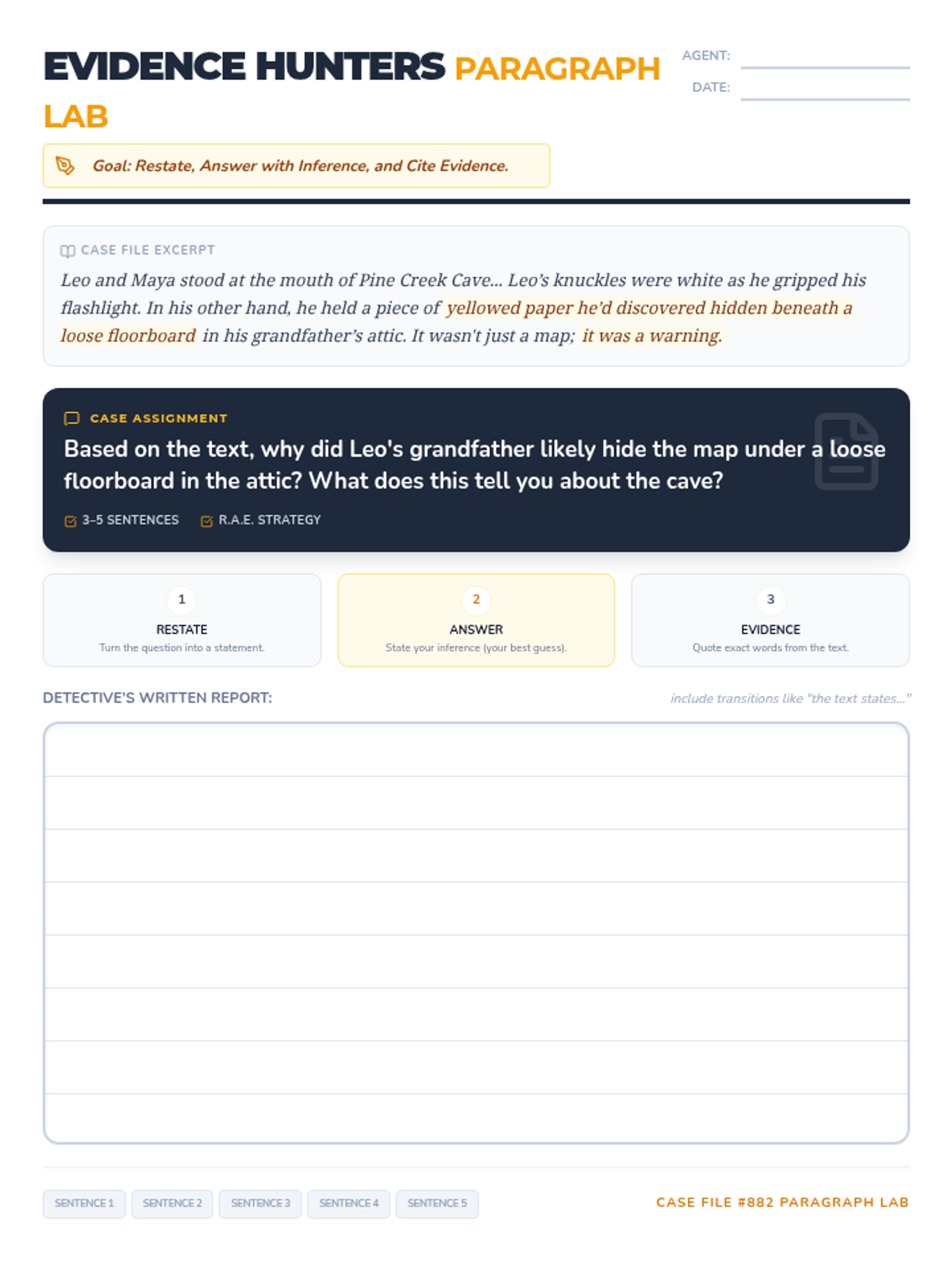
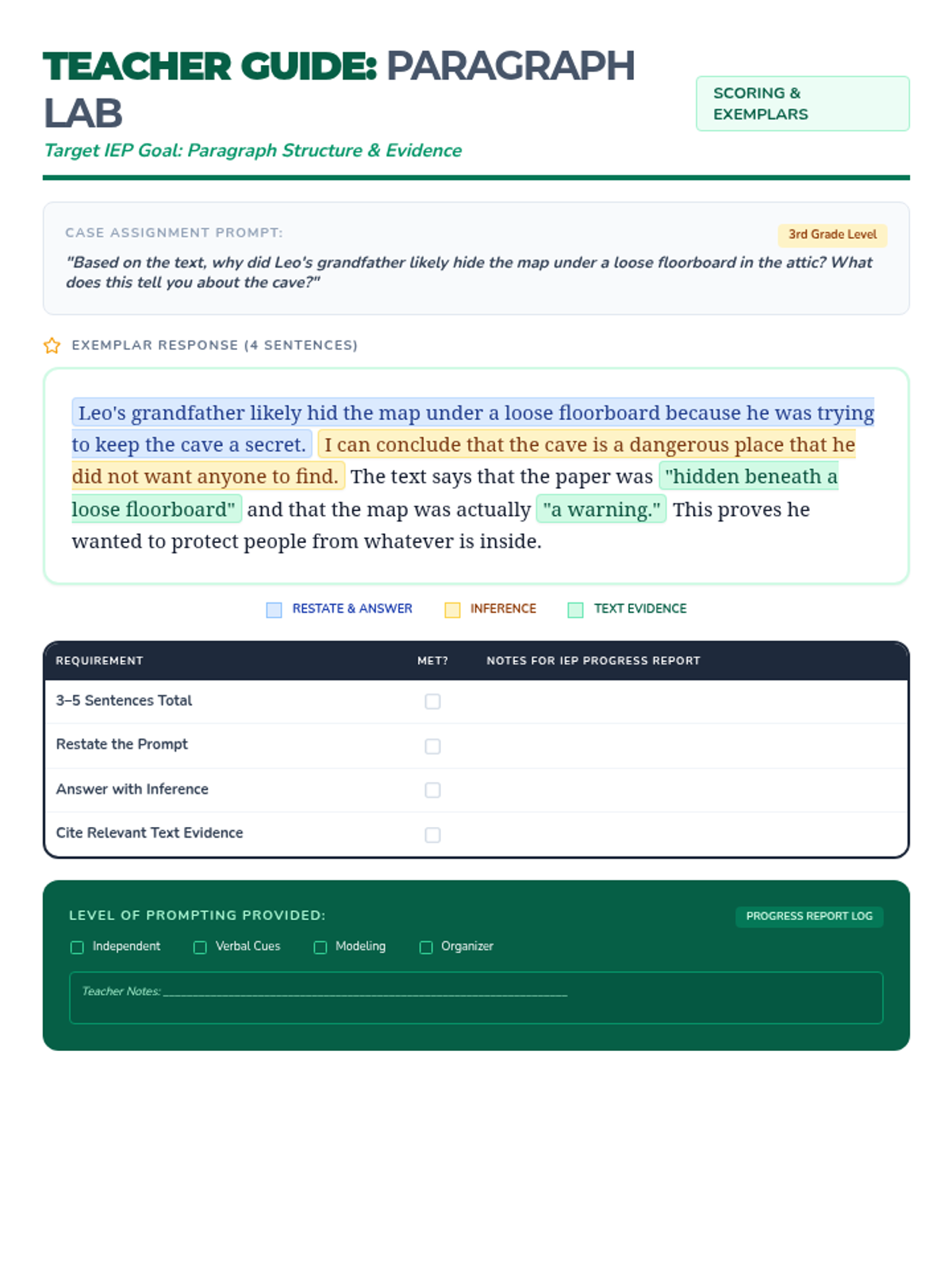
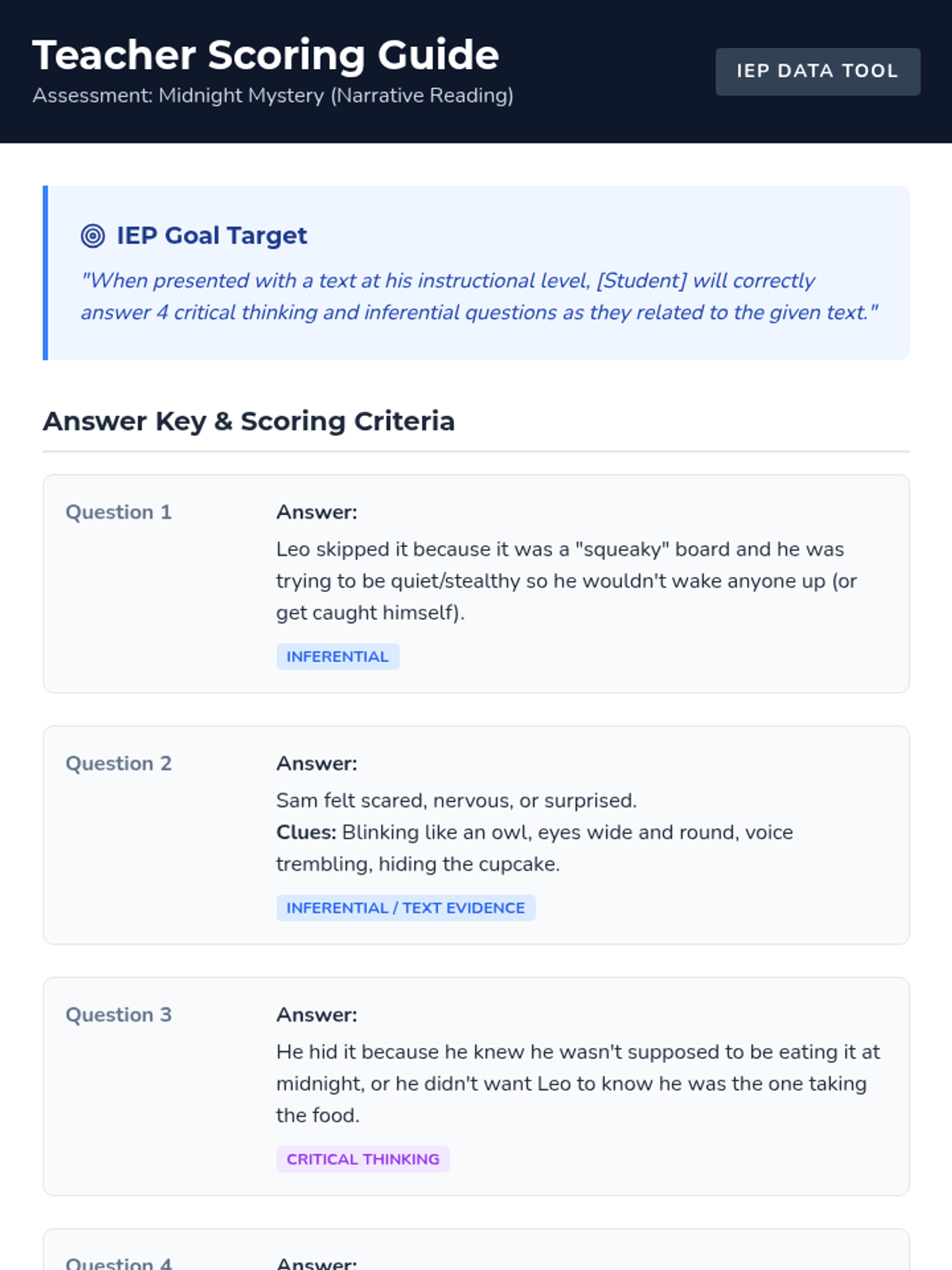
An assessment focused on answering inferential questions and citing textual evidence at a 3rd-grade reading level.
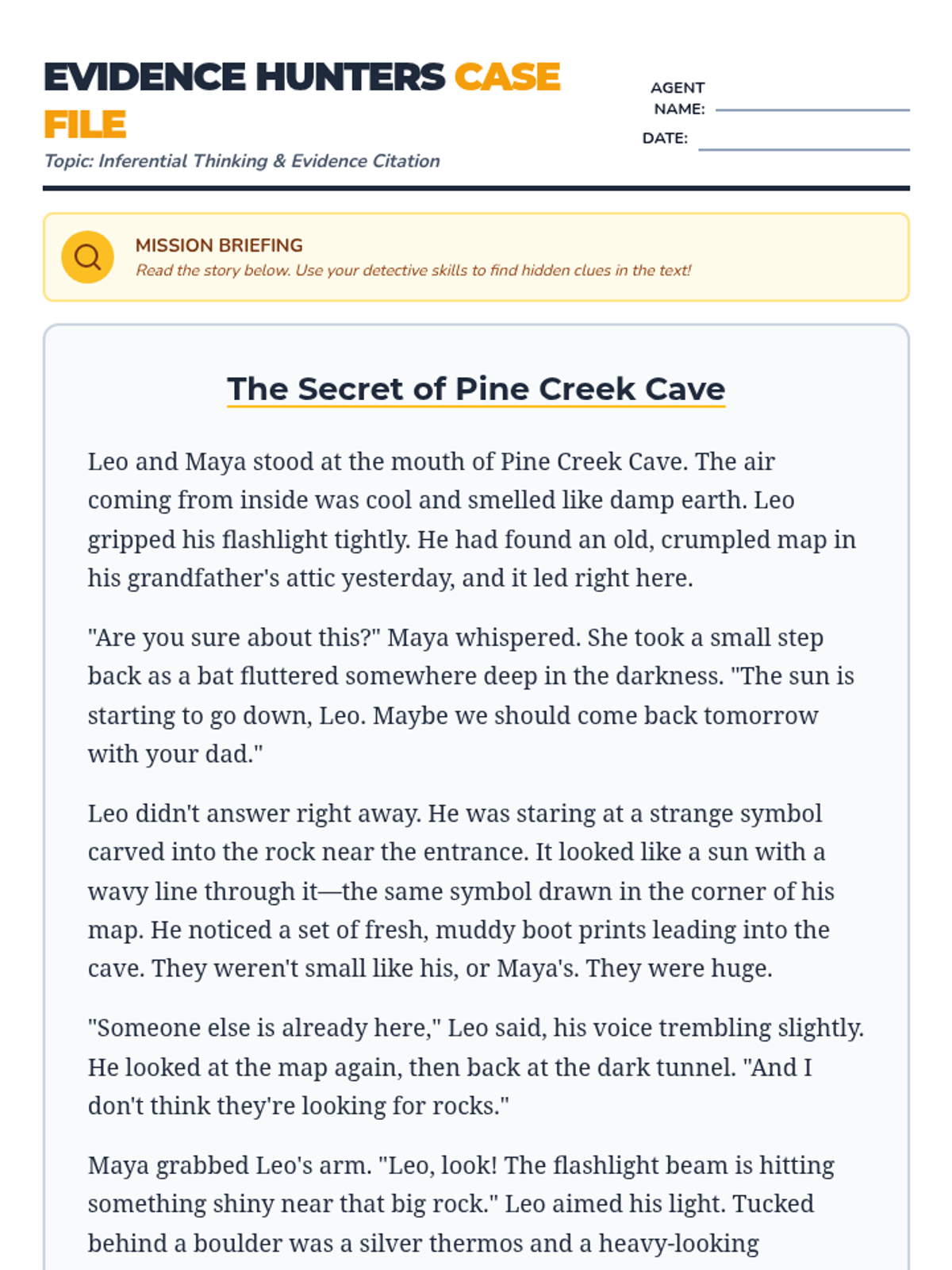
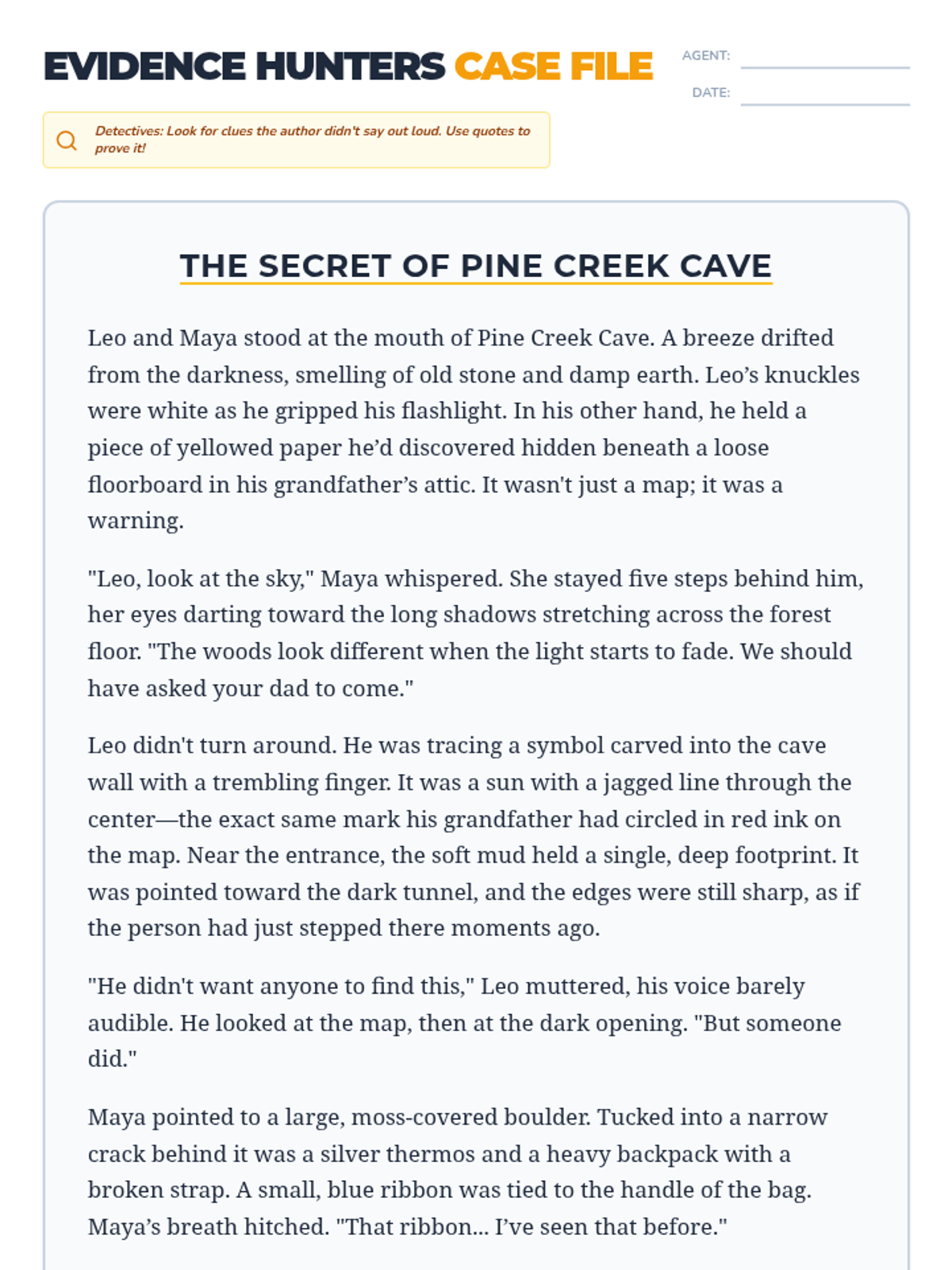
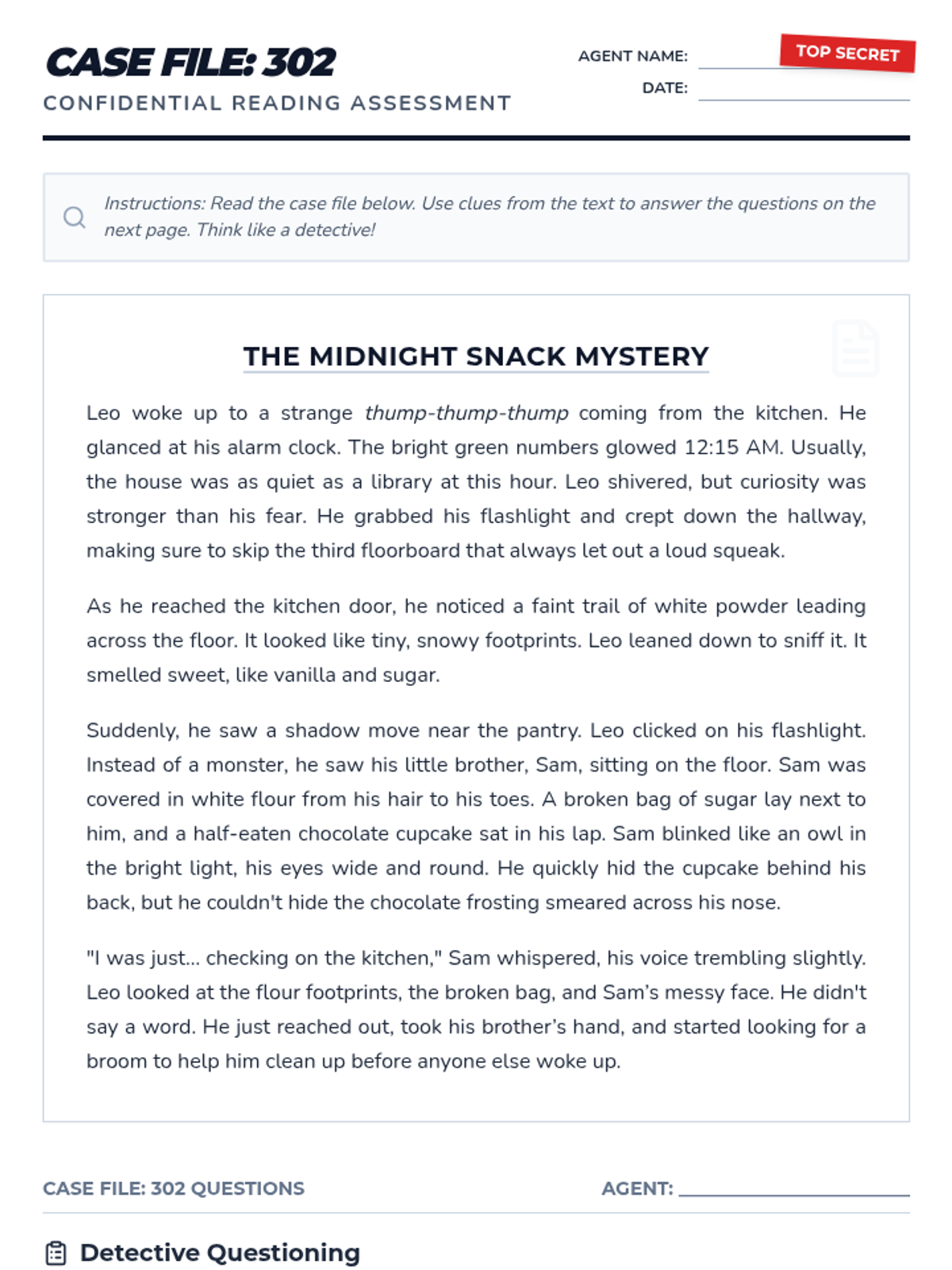
A 3rd-grade reading assessment focused on critical thinking and inferential comprehension through a mystery narrative. Students act as detectives to uncover meaning beyond the literal text.
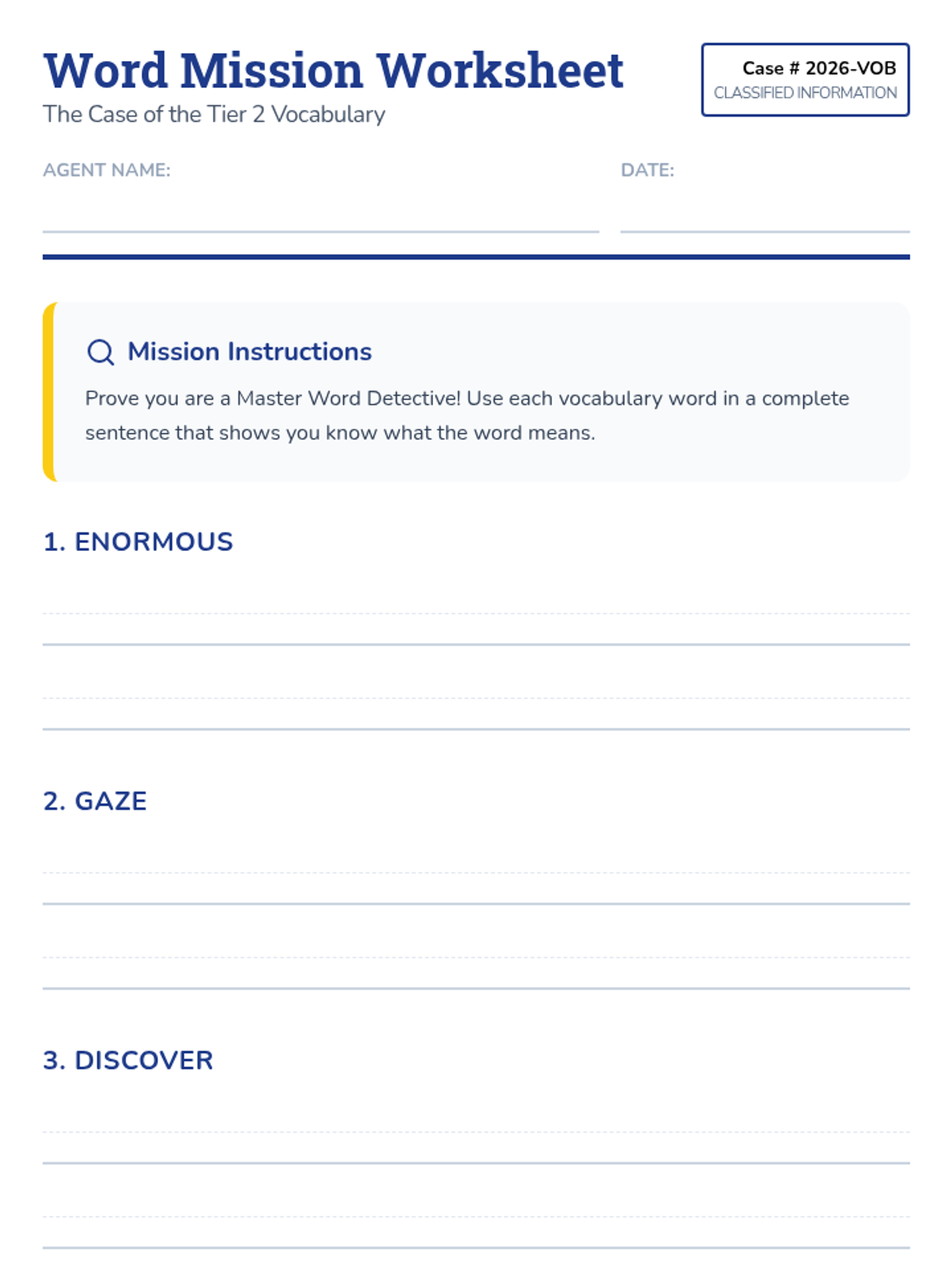
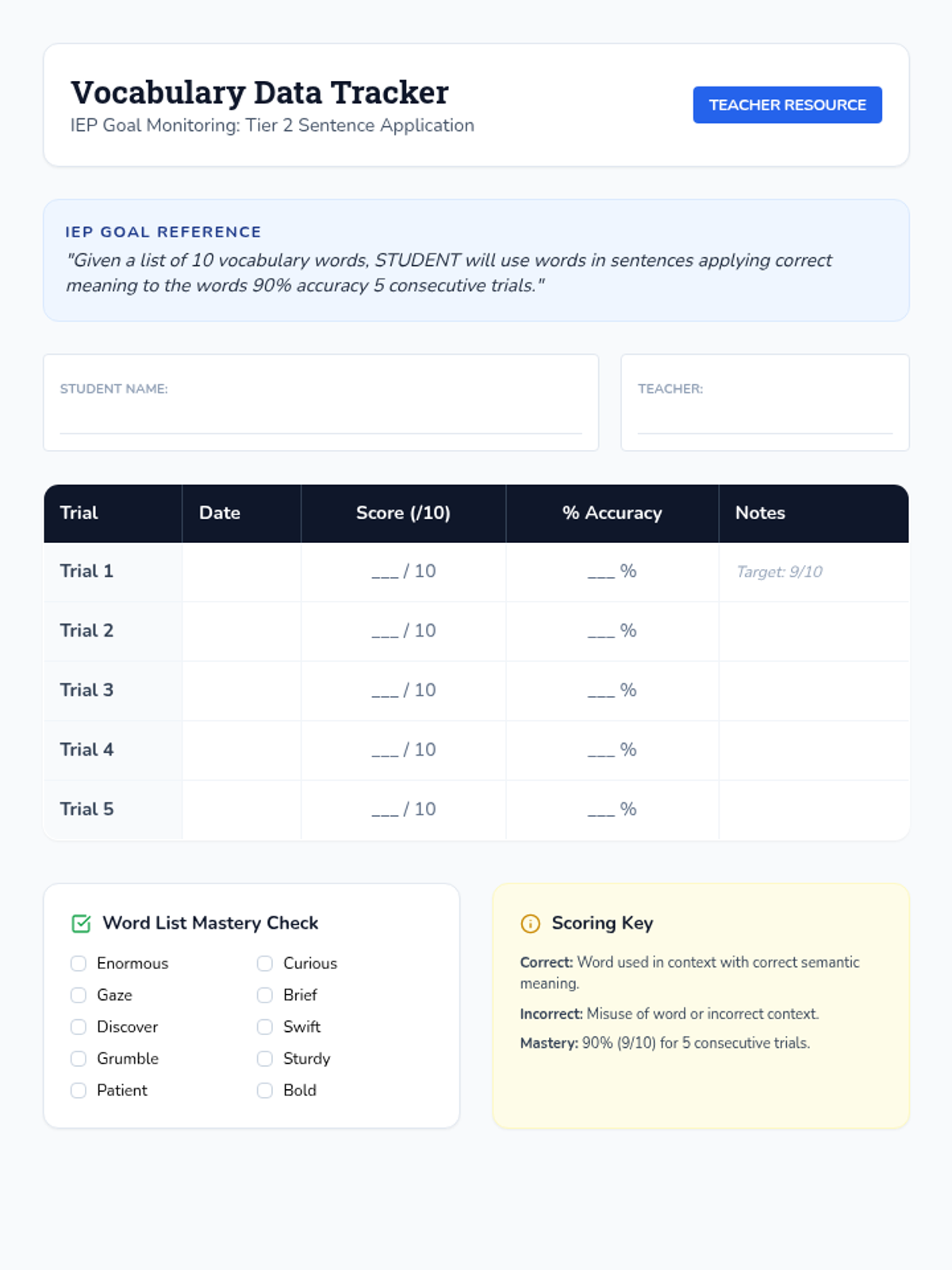
This lesson focuses on introducing and mastering 10 Tier 2 vocabulary words through daily warm-ups and sentence-writing practice.
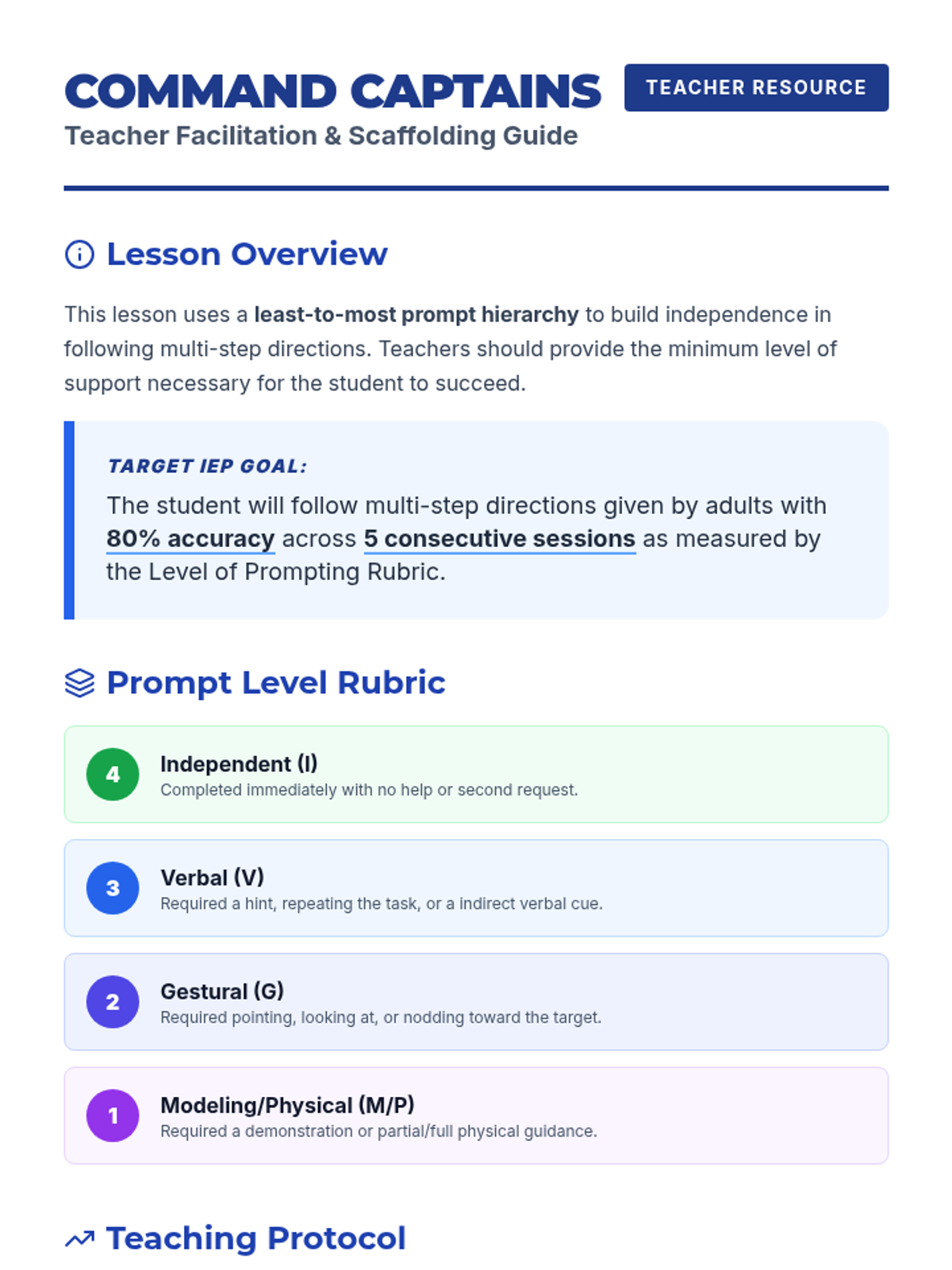
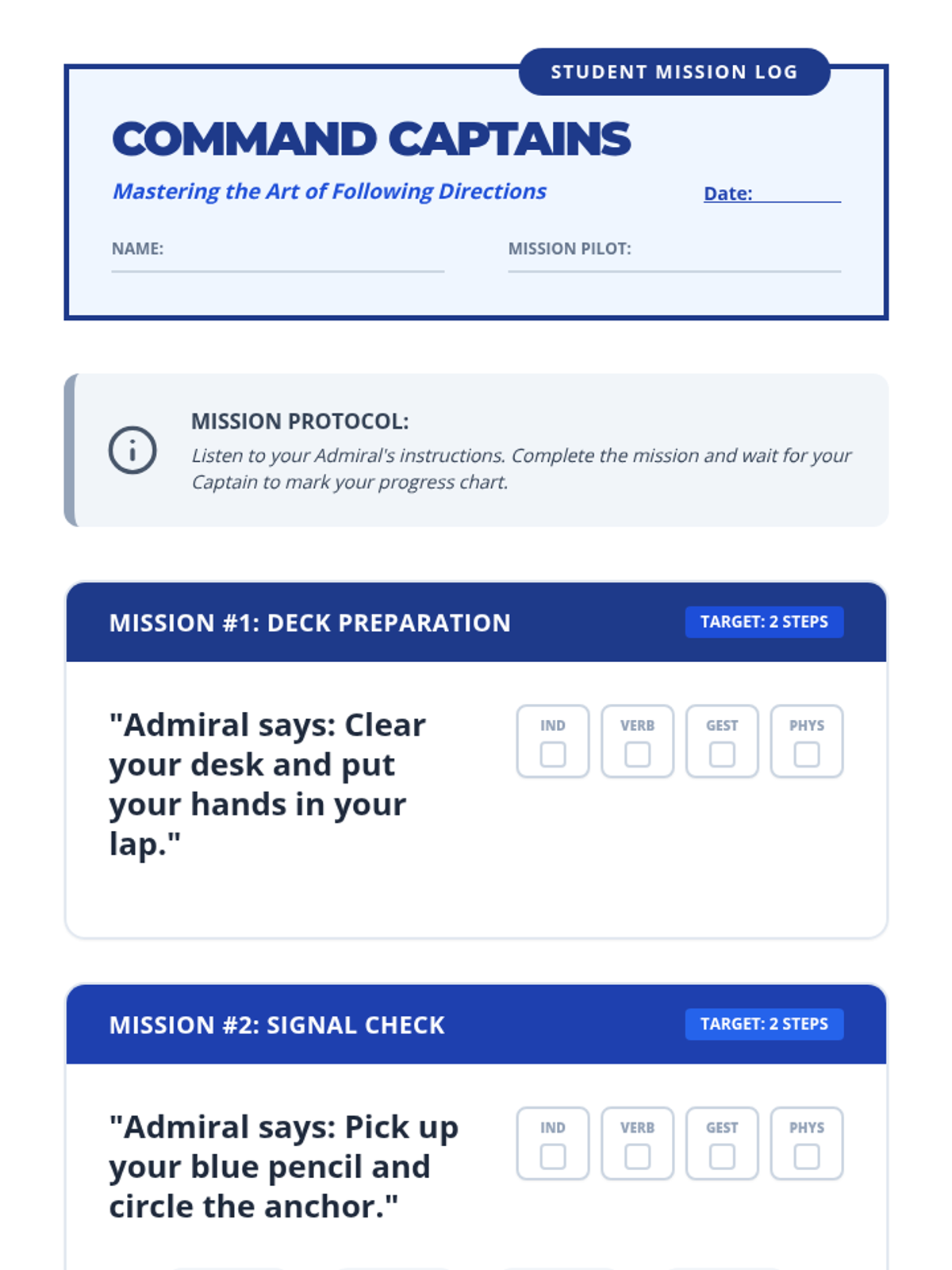
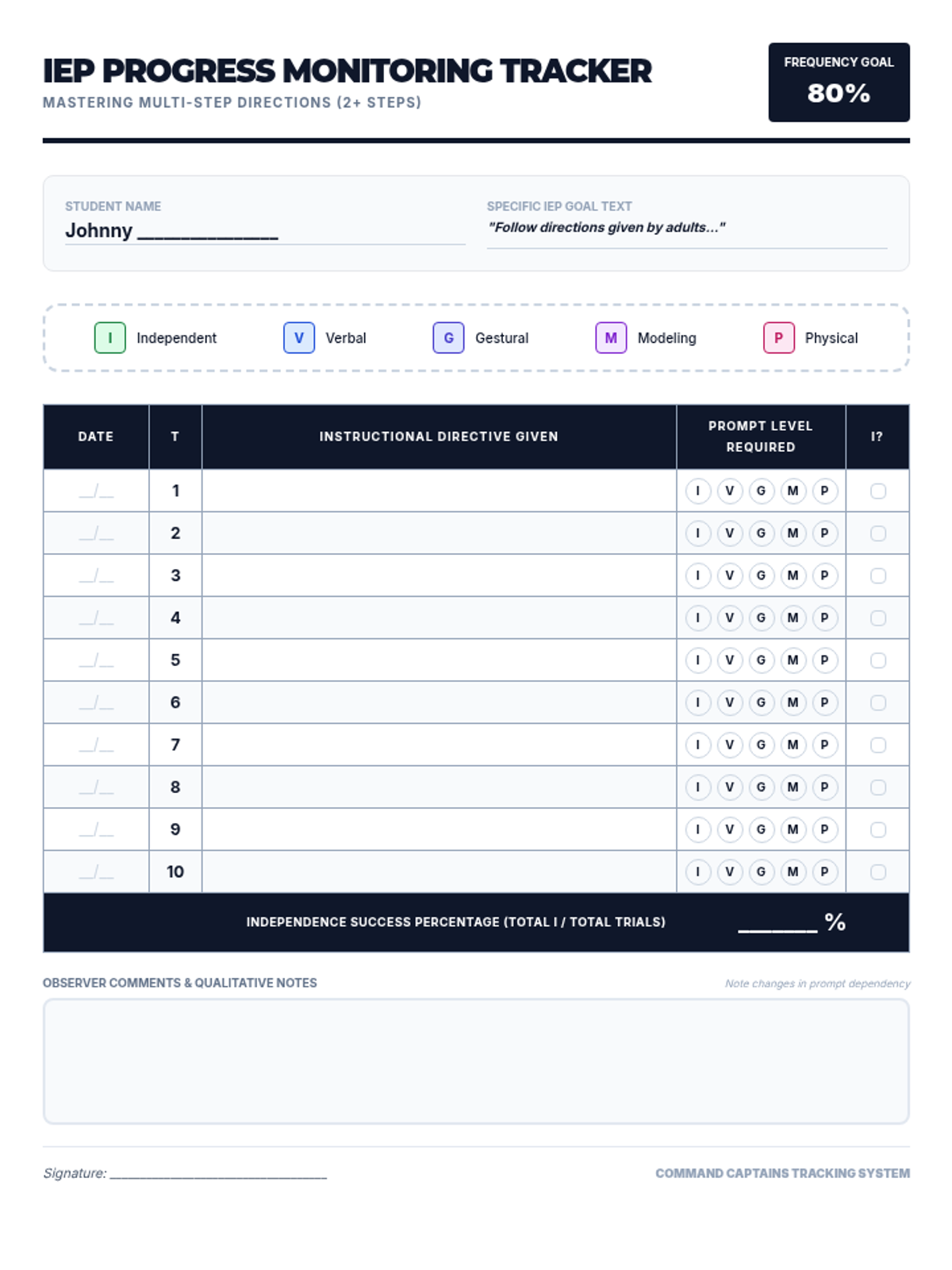
A comprehensive lesson package focused on following multi-step directions using a prompt hierarchy strategy, designed to align with IEP goal tracking and progress monitoring.
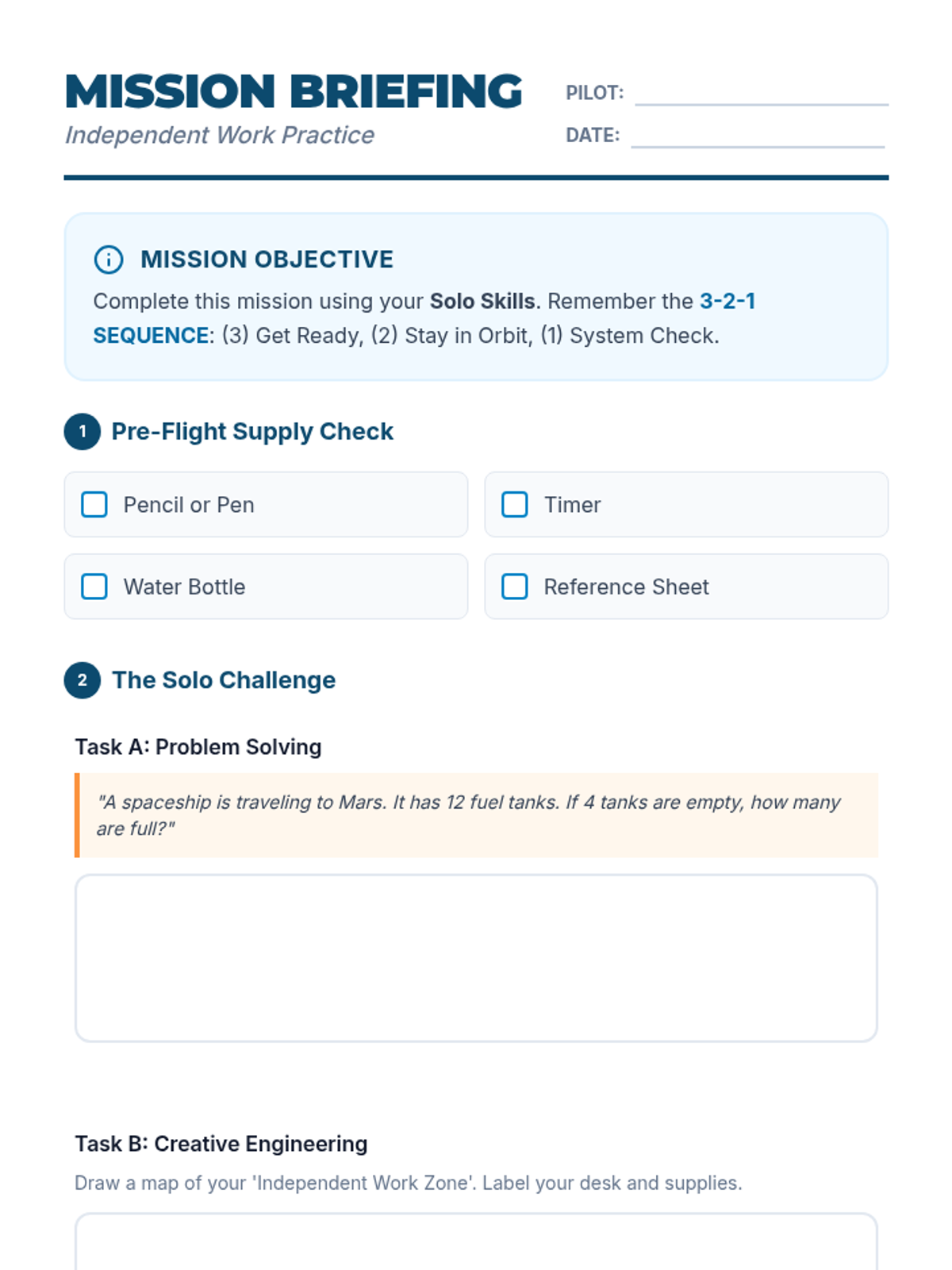
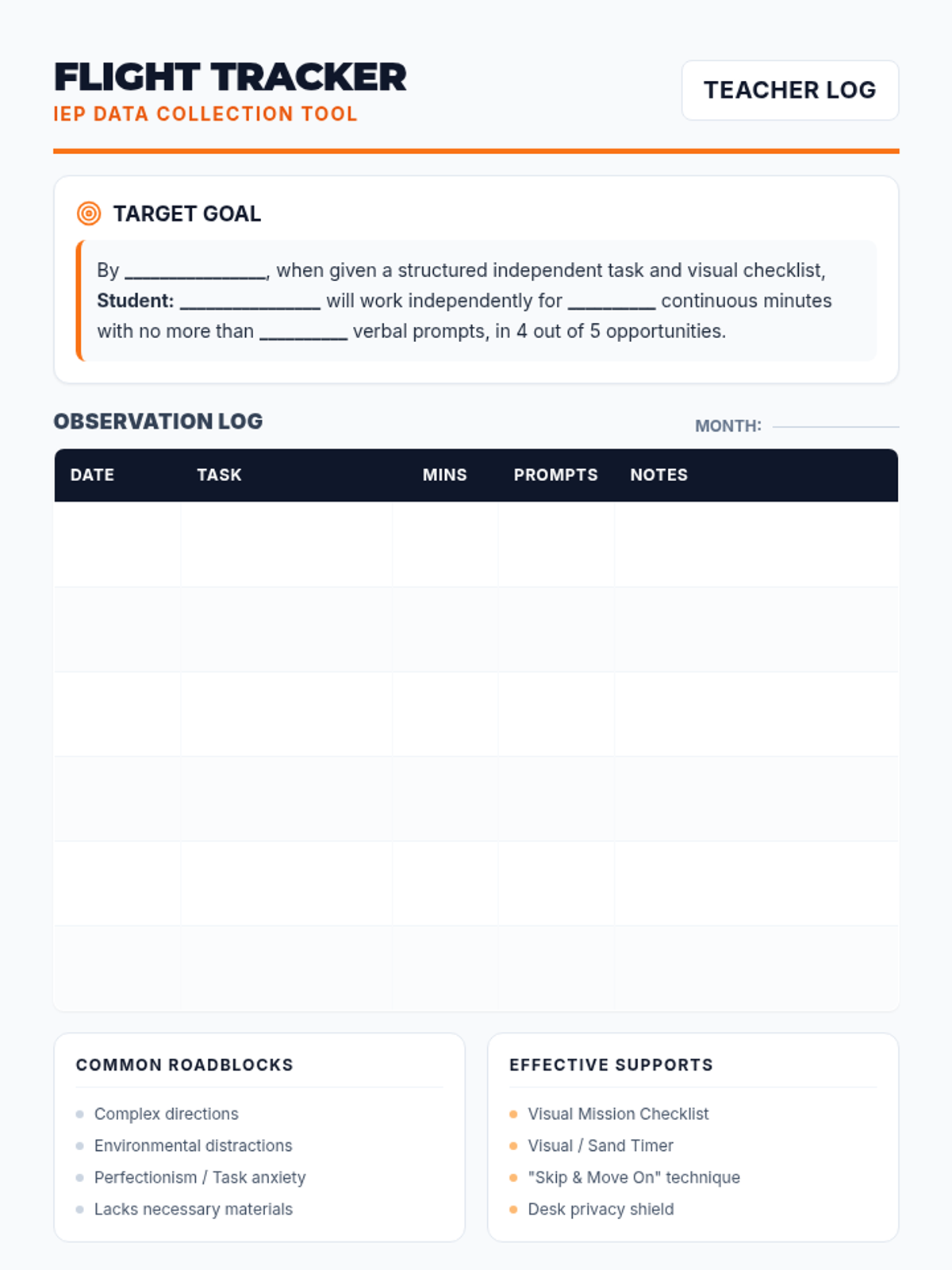
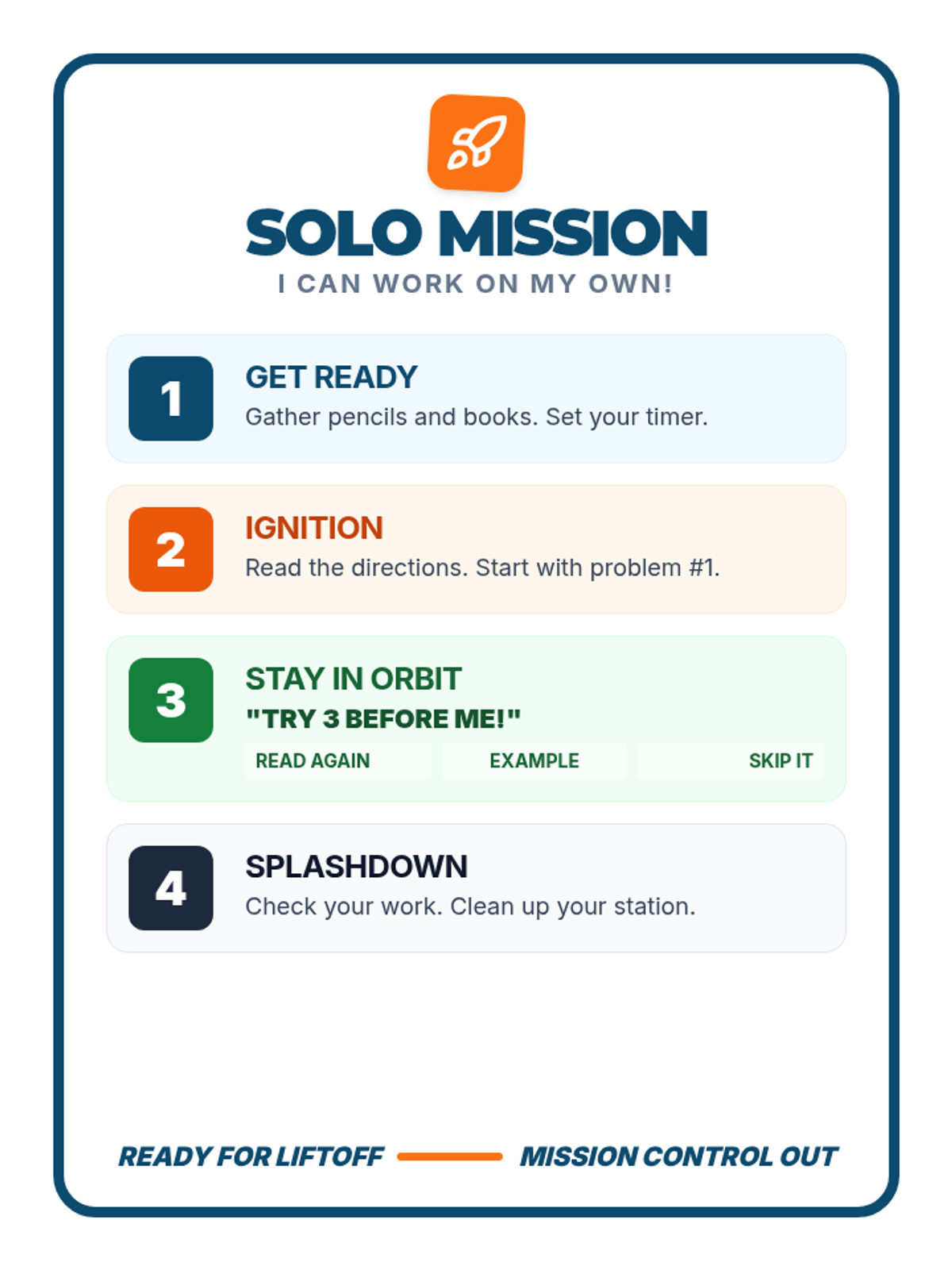
A focused lesson designed to teach students the procedural steps for starting and maintaining independent work, featuring self-monitoring strategies and data collection tools.
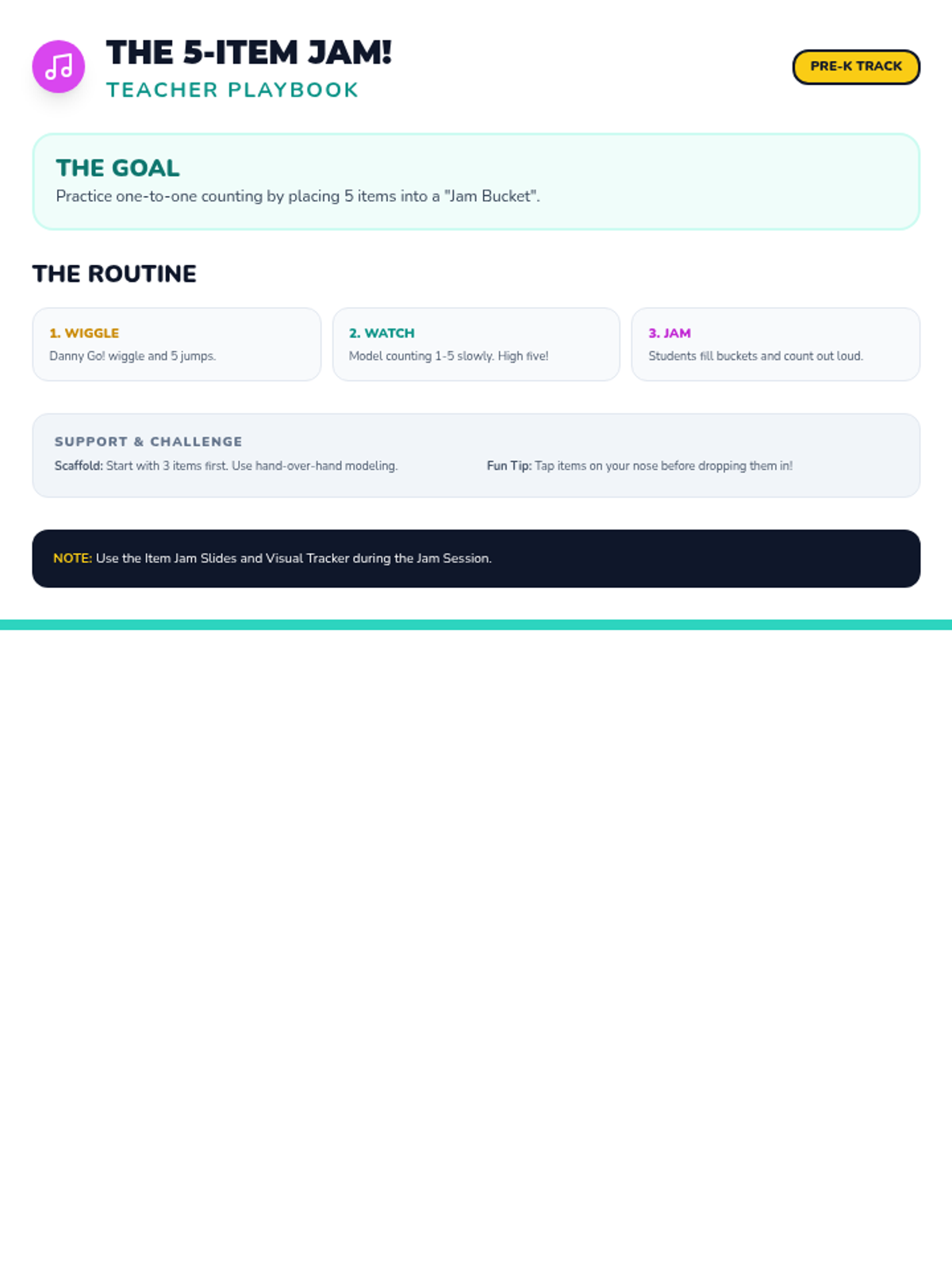
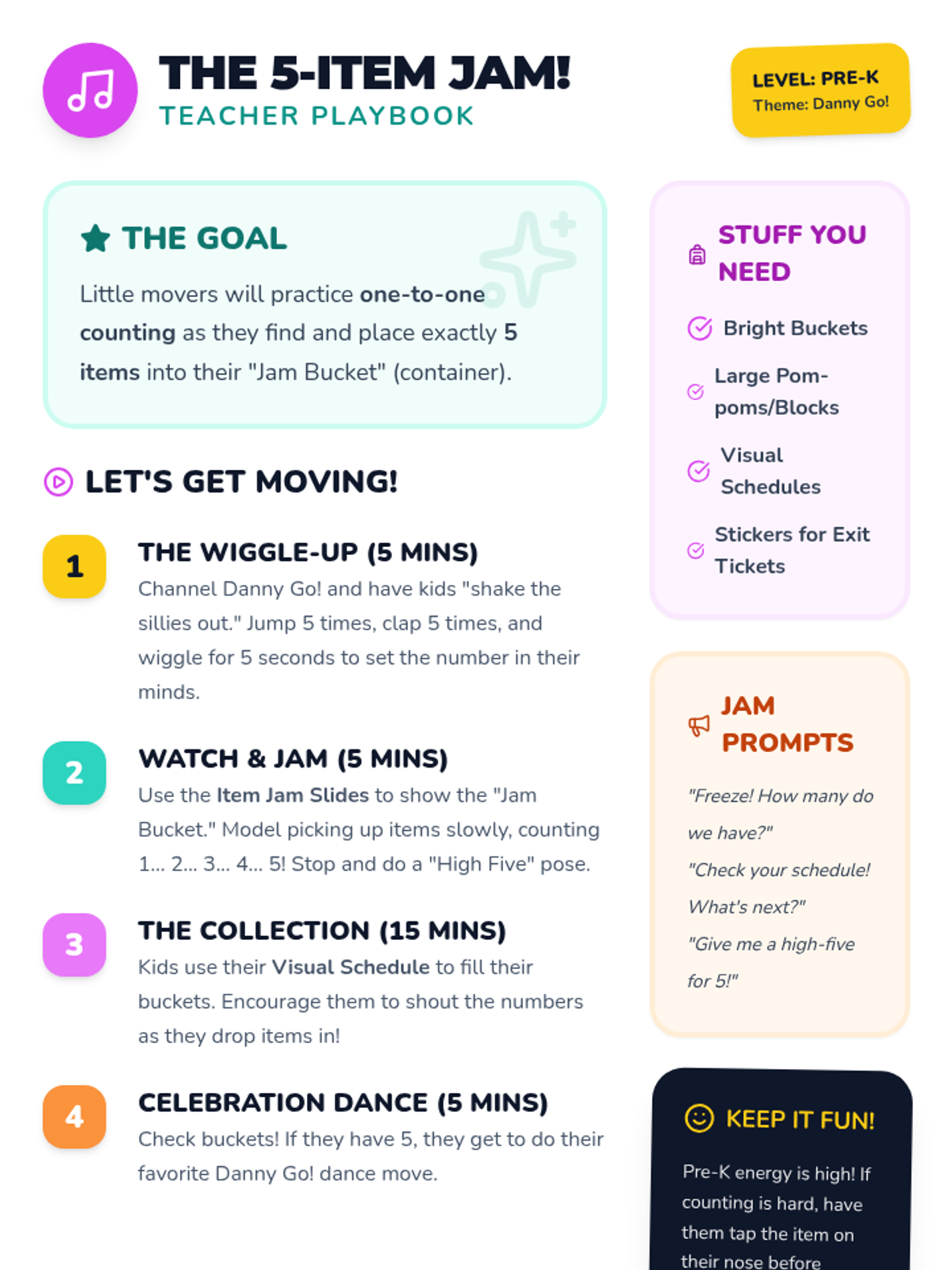
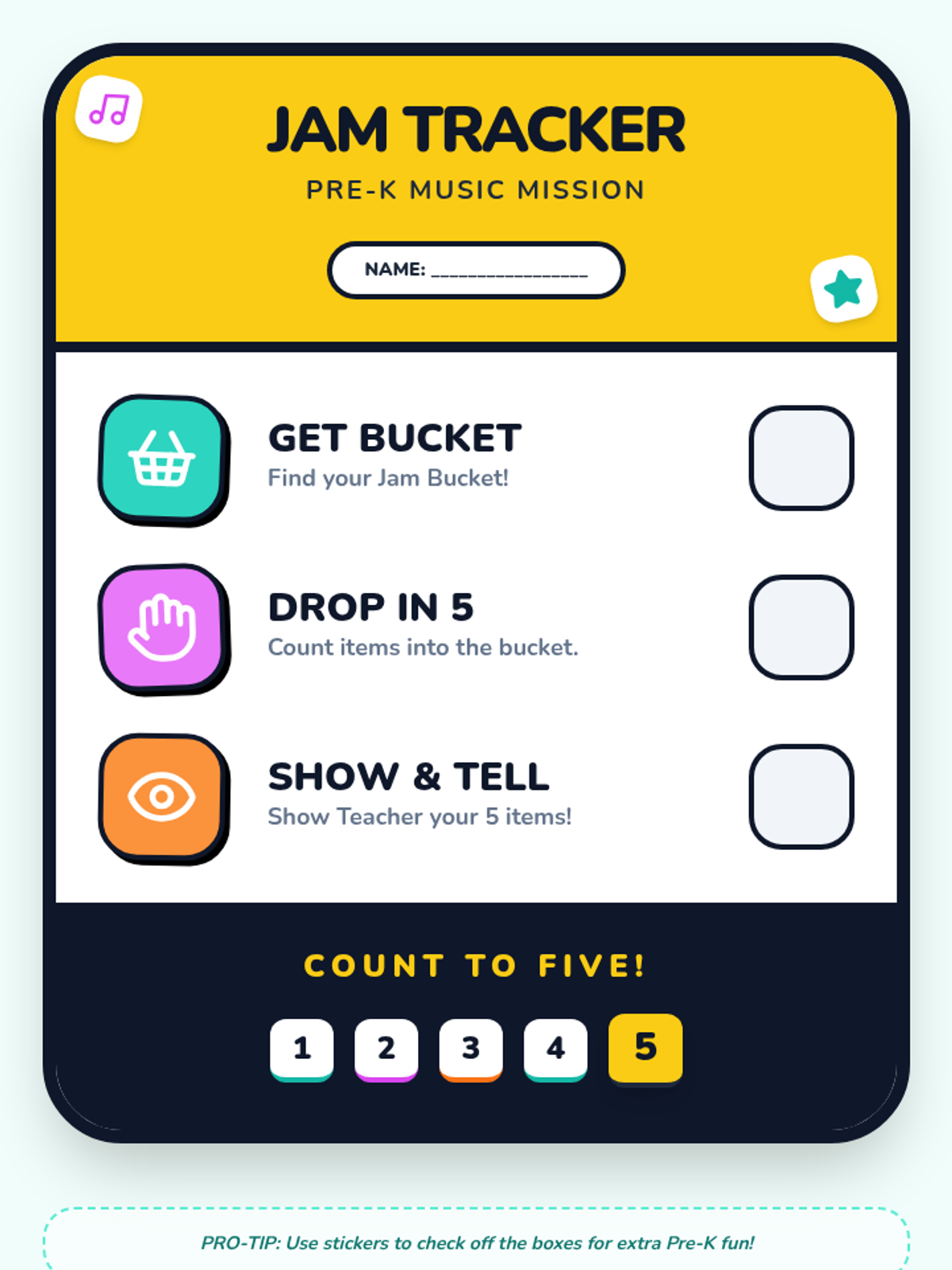
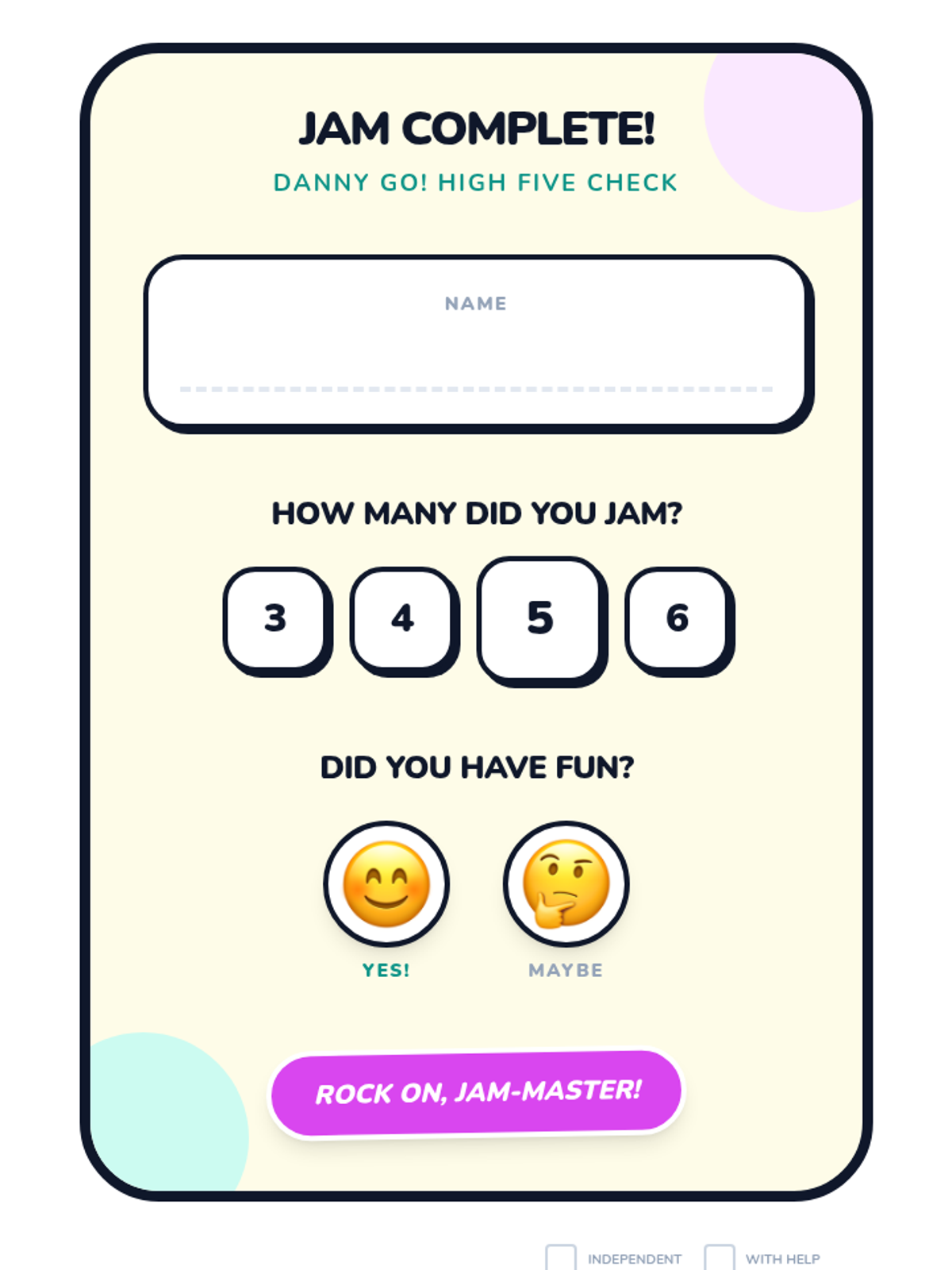
A high-energy, movement-based lesson for Pre-K students inspired by Danny Go!, focusing on the task of counting and placing five items into a container using modeling and movement.
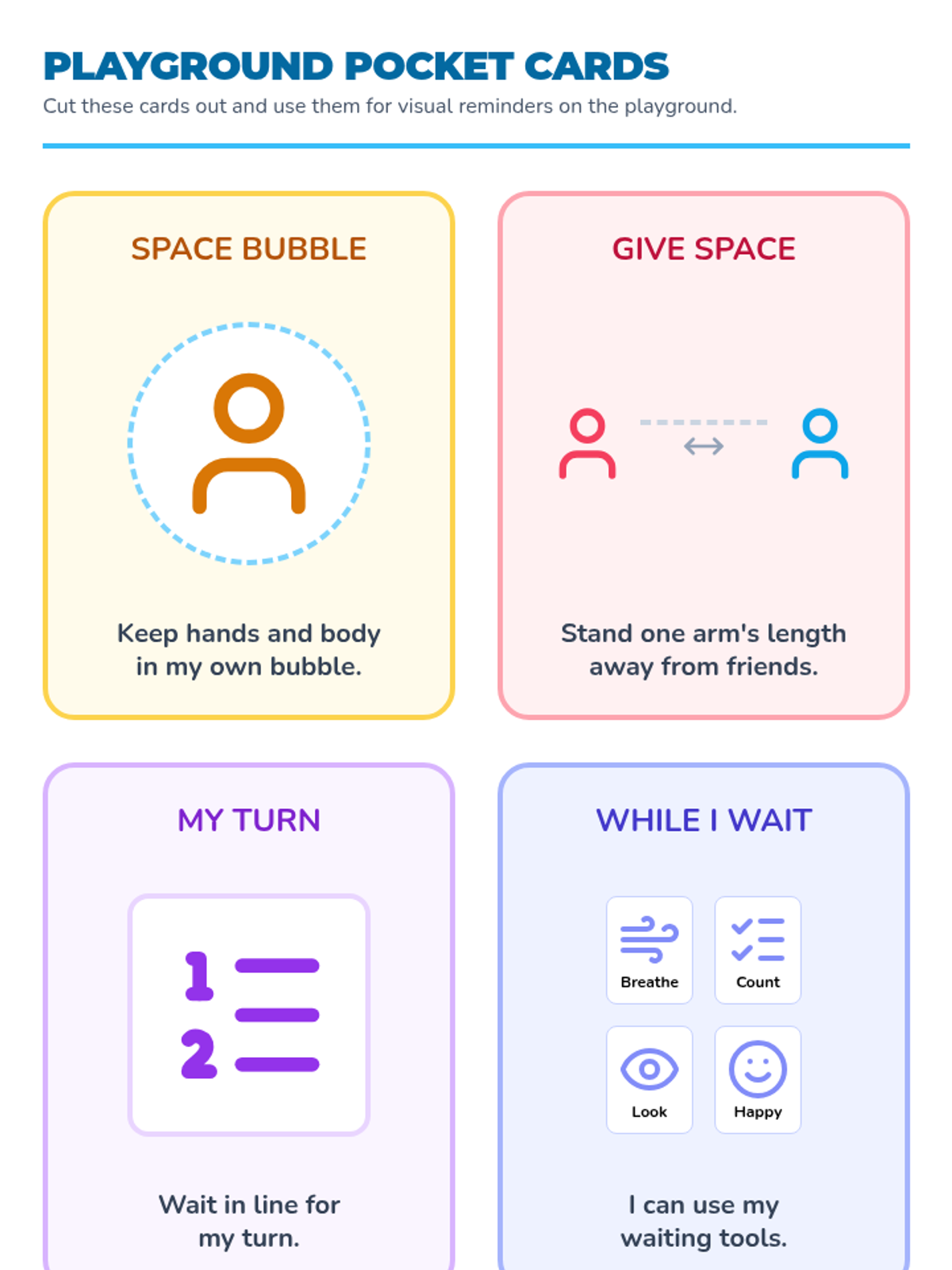
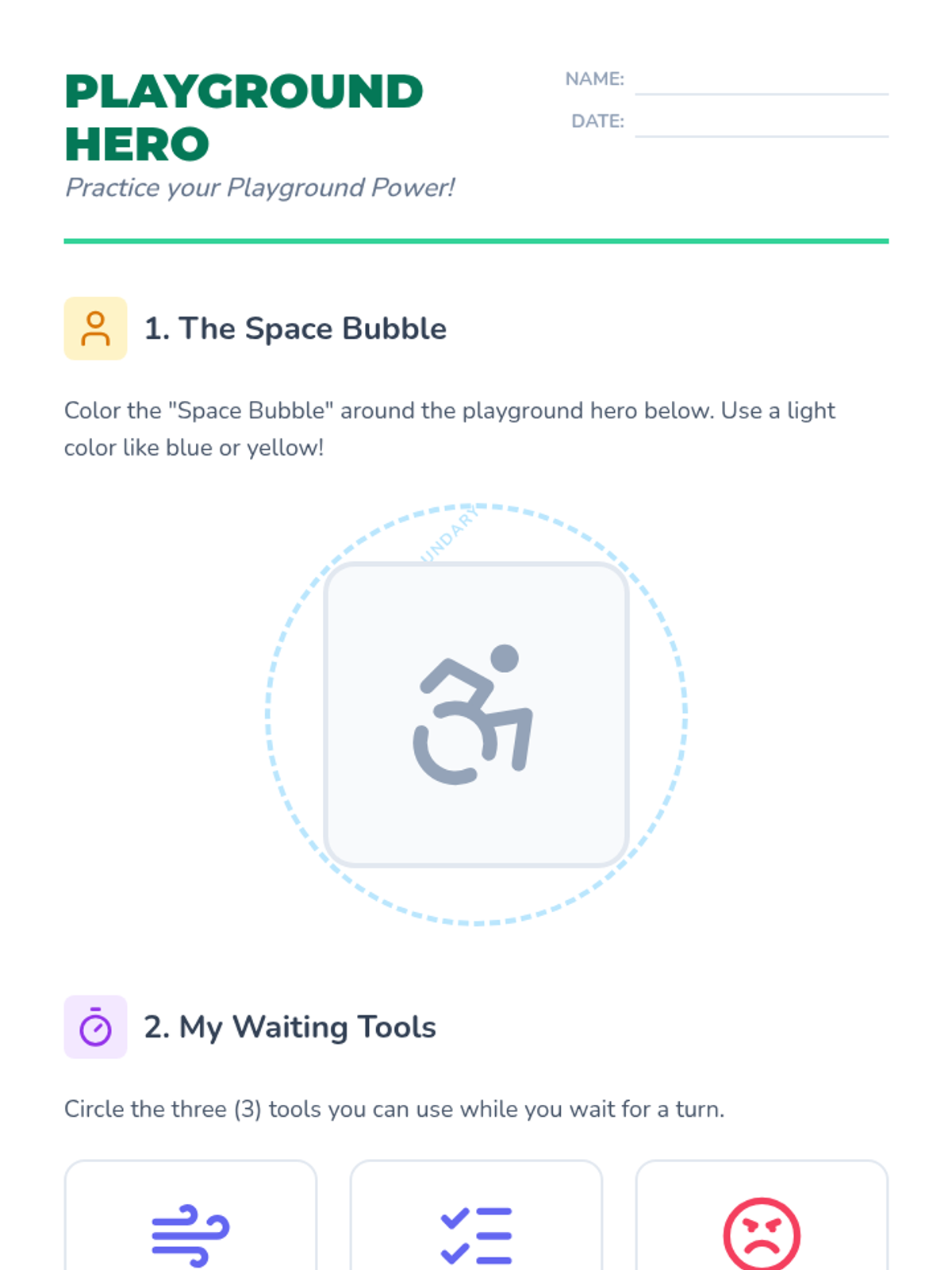
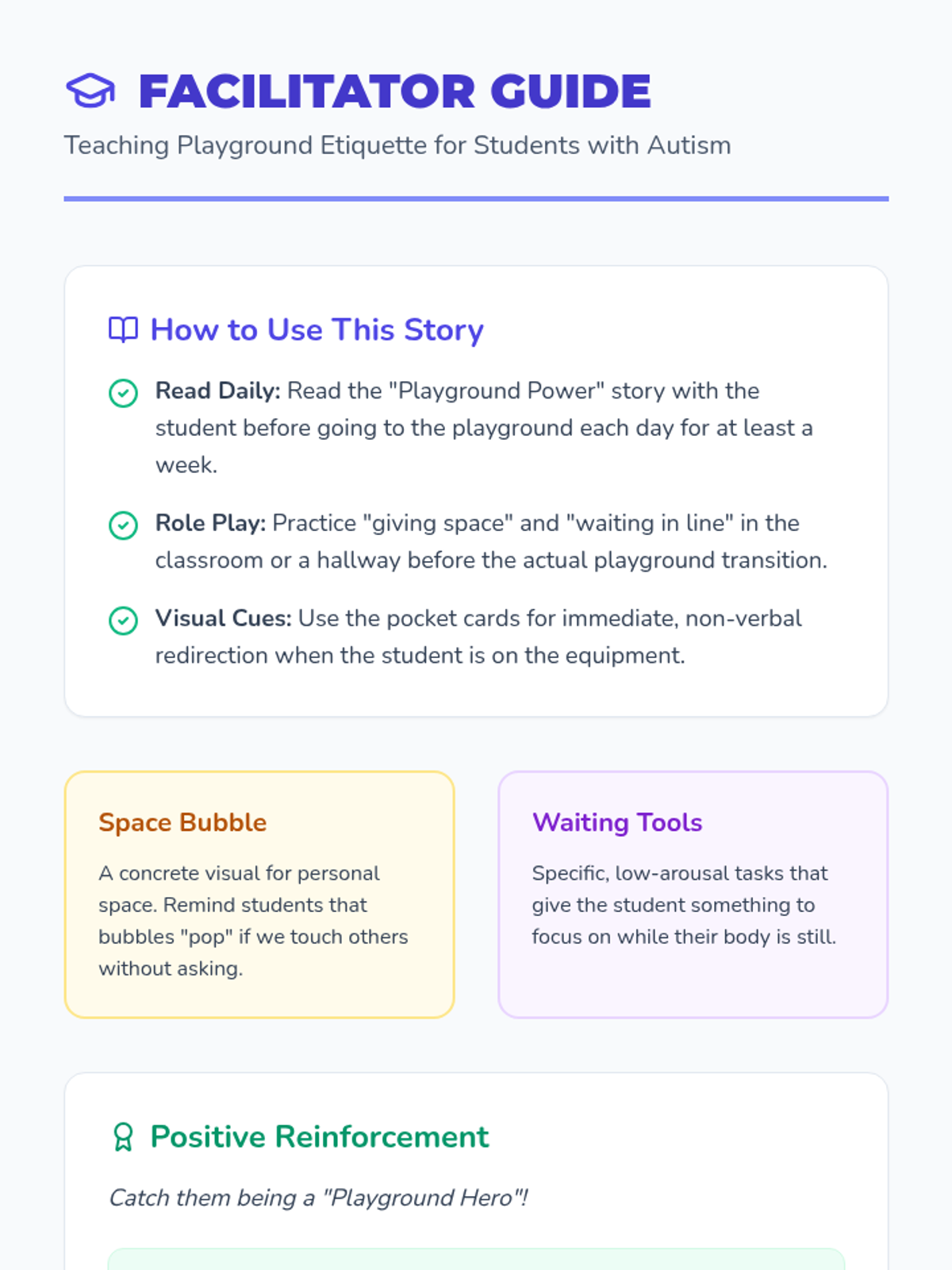
A social story and support materials designed to help 6-7 year olds with autism navigate playground social etiquette, focusing on personal space and turn-taking.
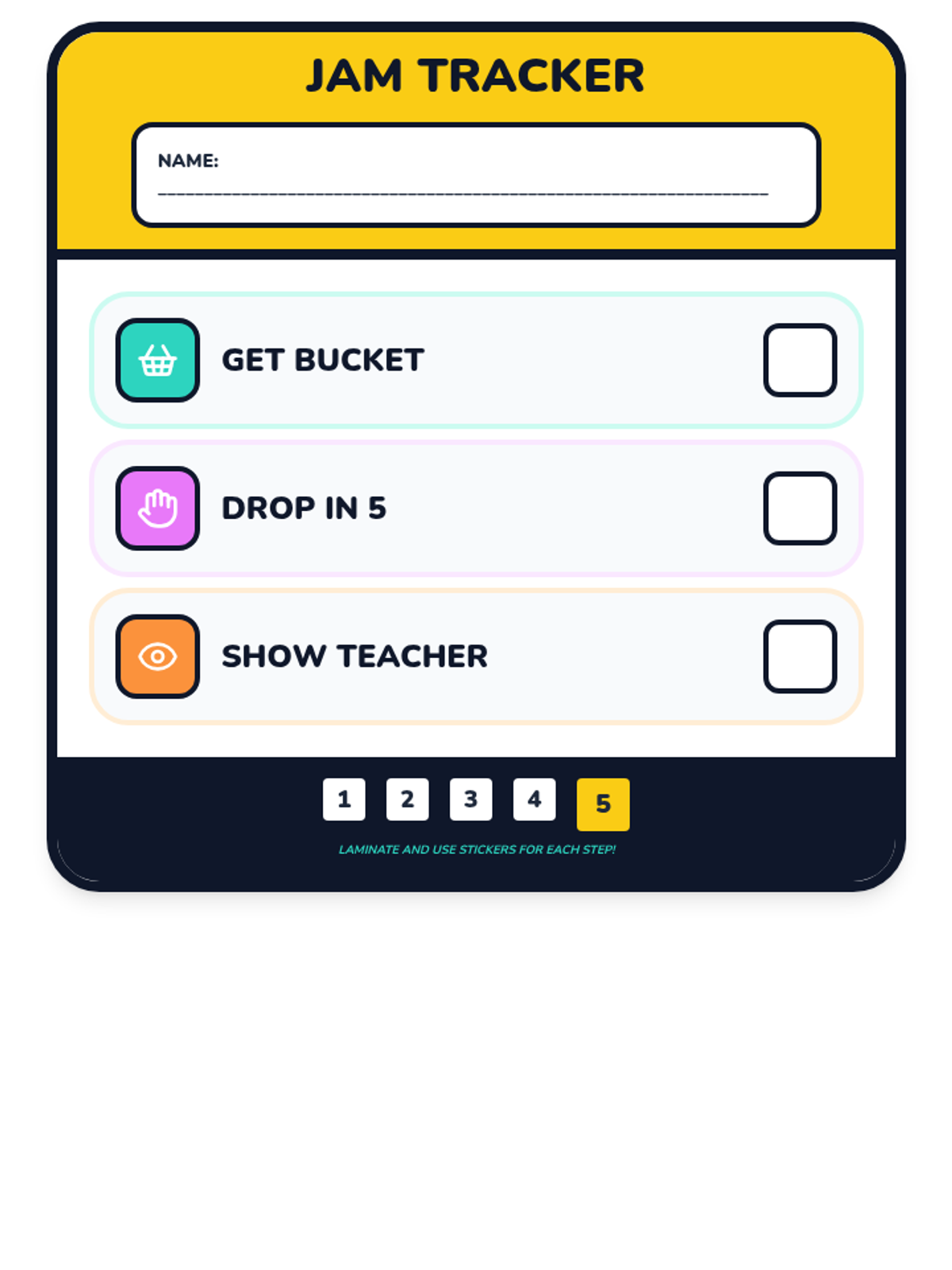
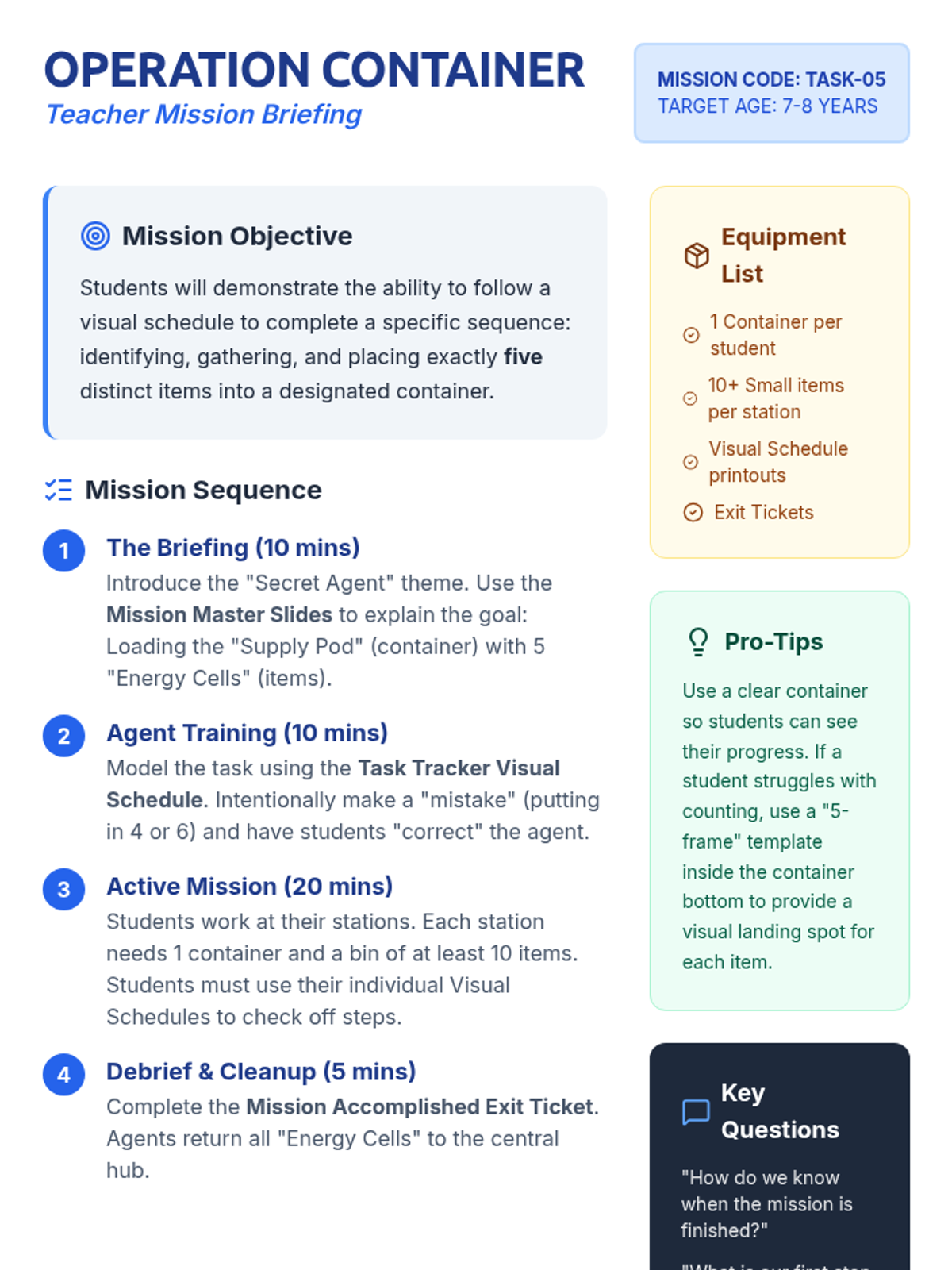
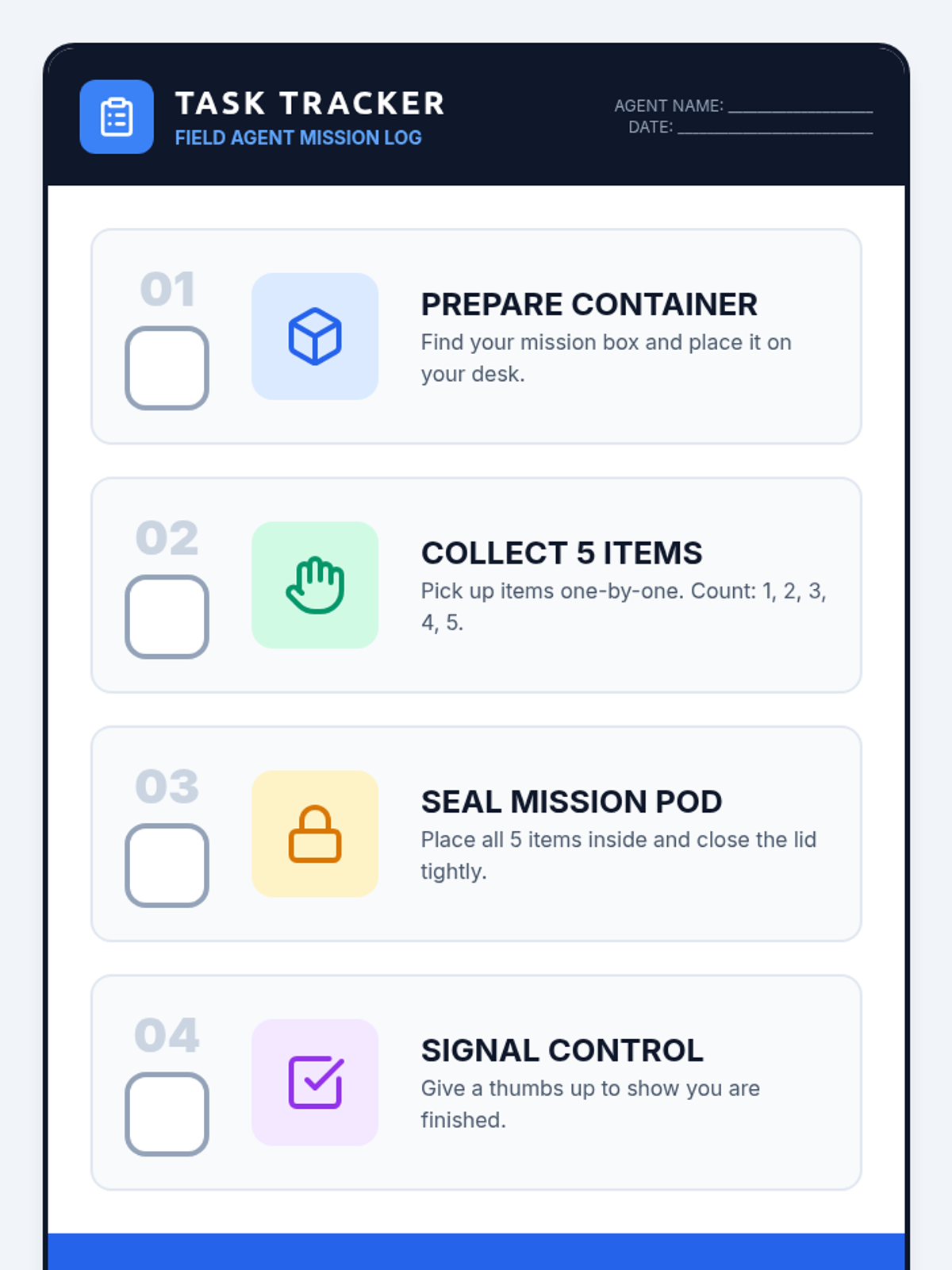
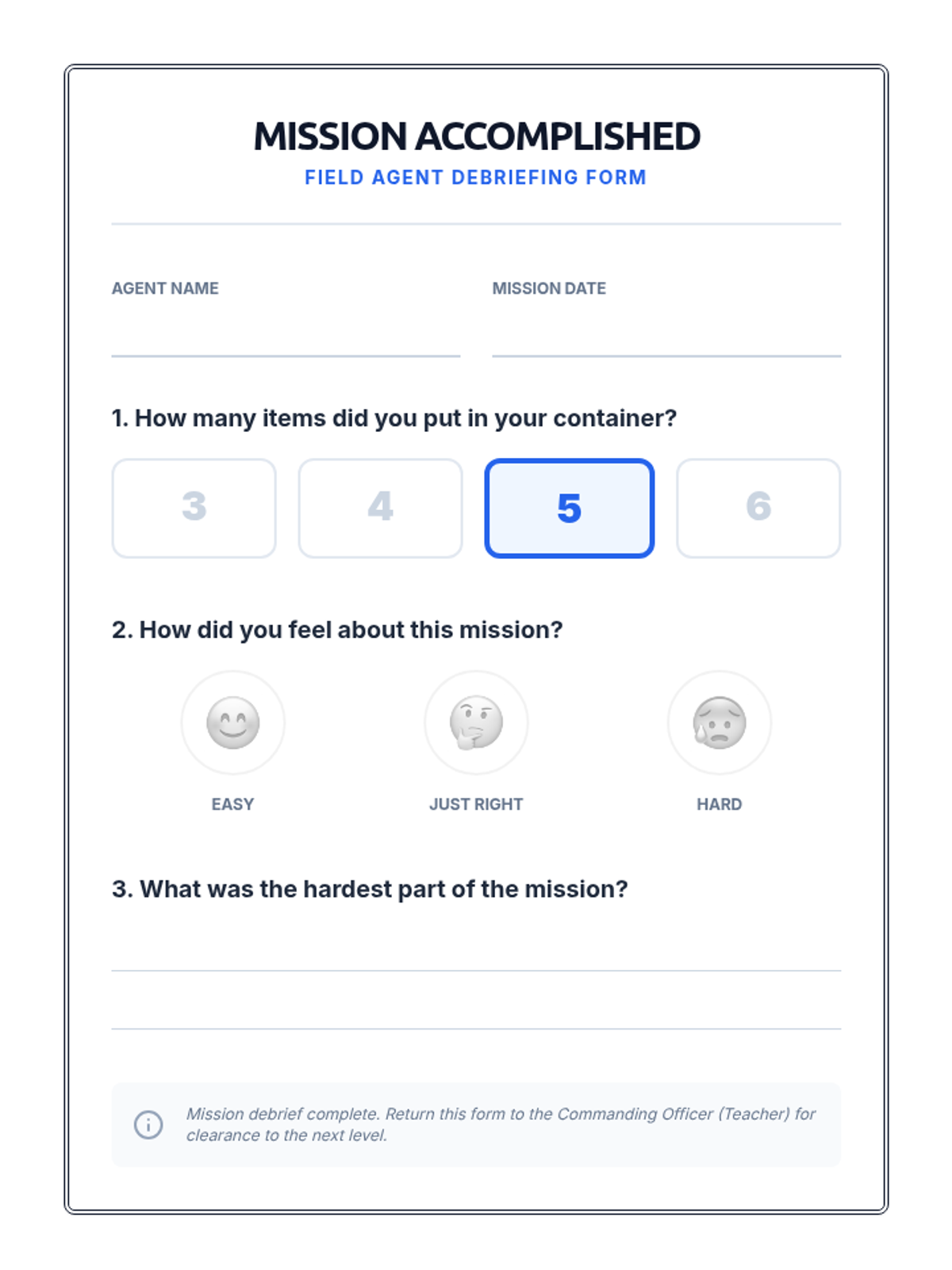
A high-energy, secret agent-themed lesson designed to help students master the skill of following a multi-step process to complete a specific task: placing five items into a container. This lesson breaks down task completion into manageable steps with a clear visual framework.
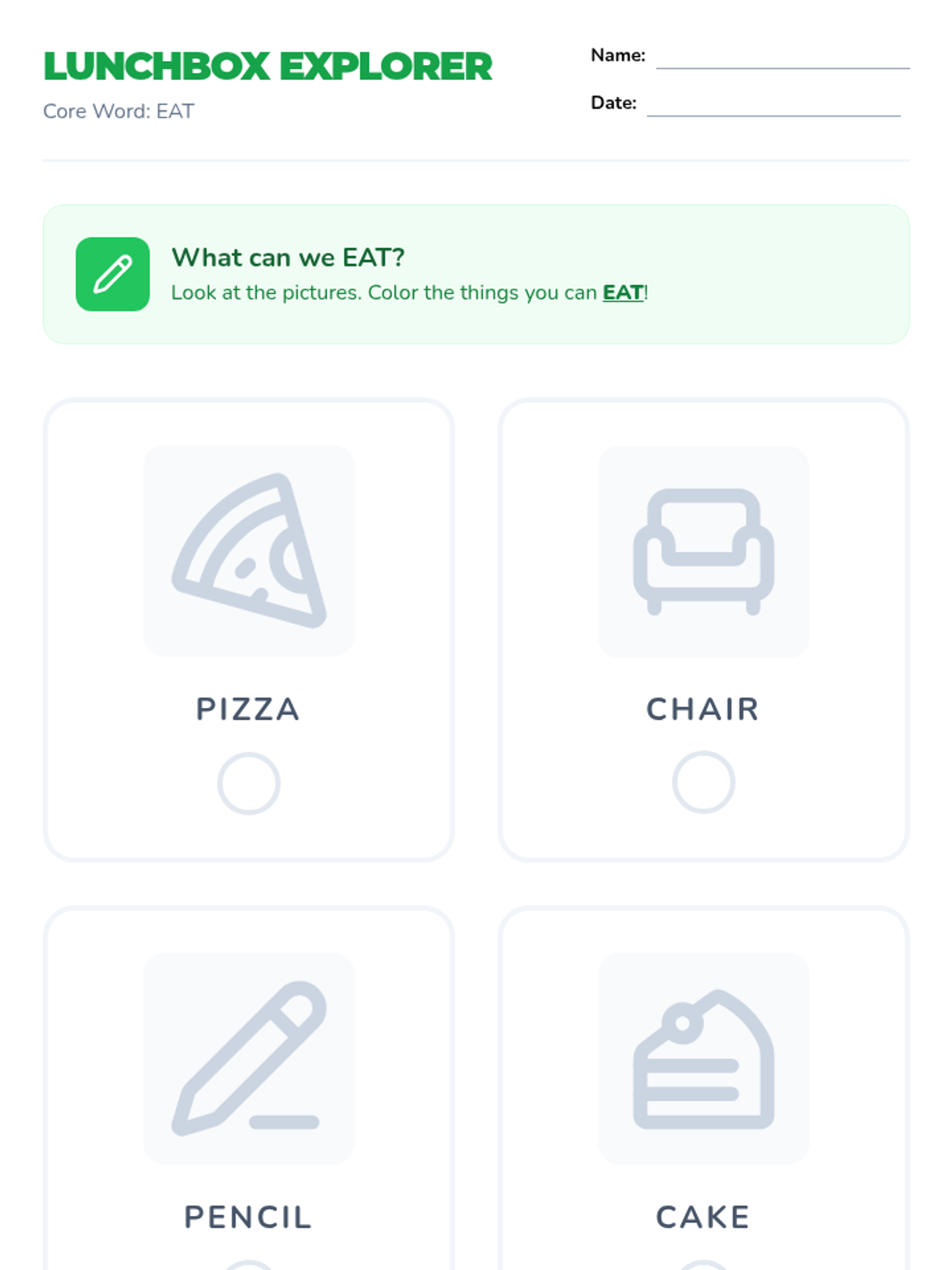
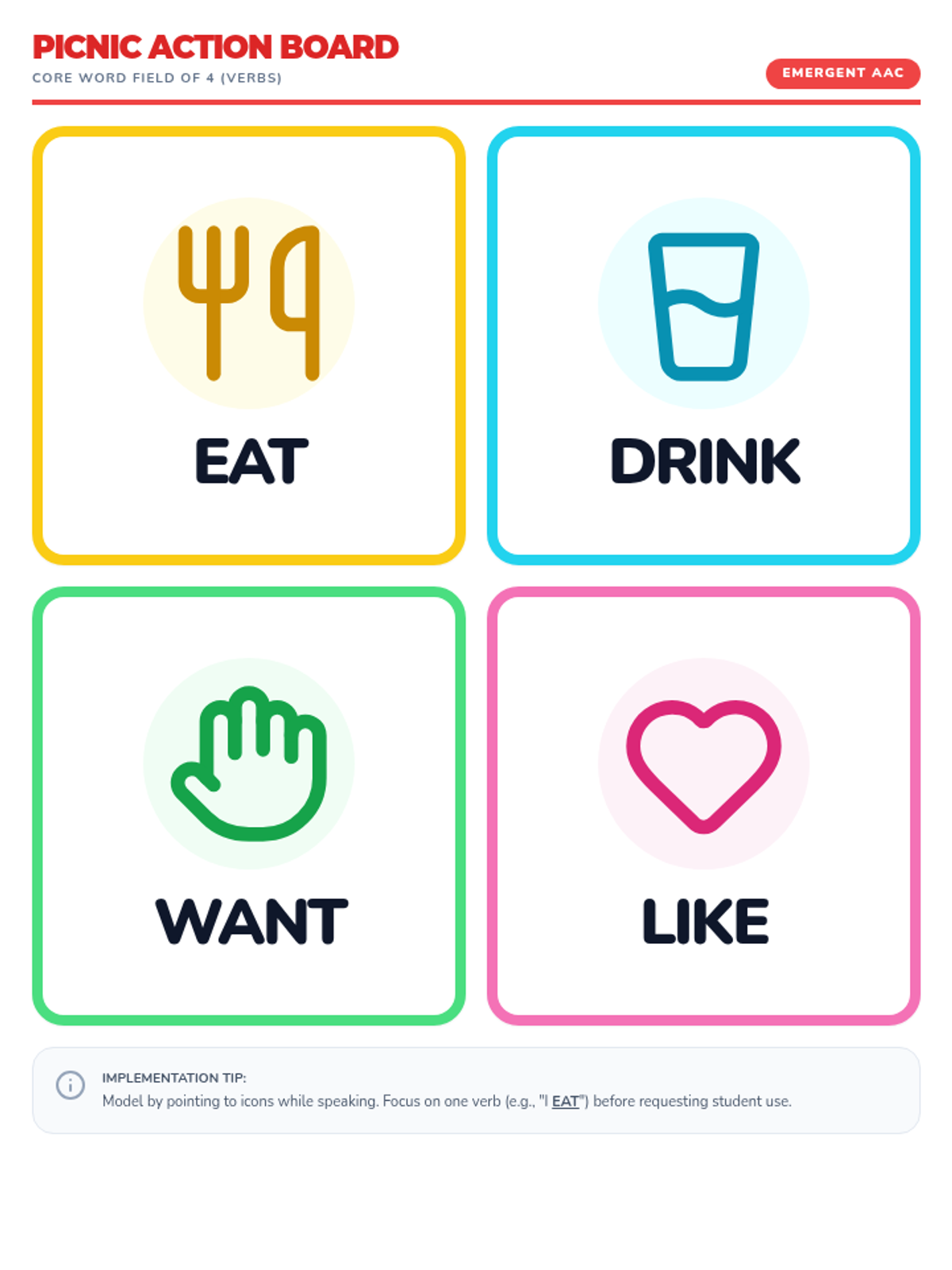
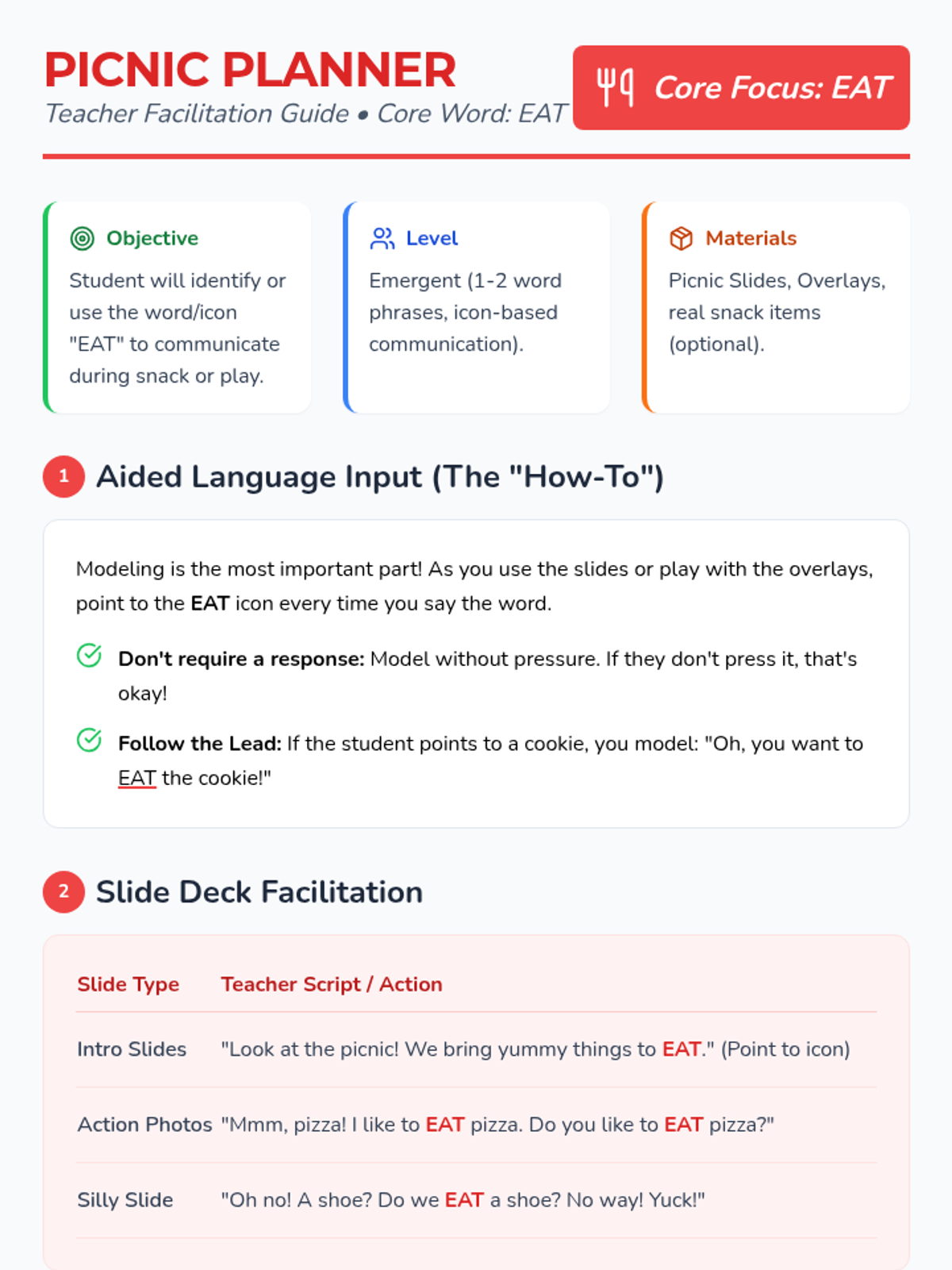
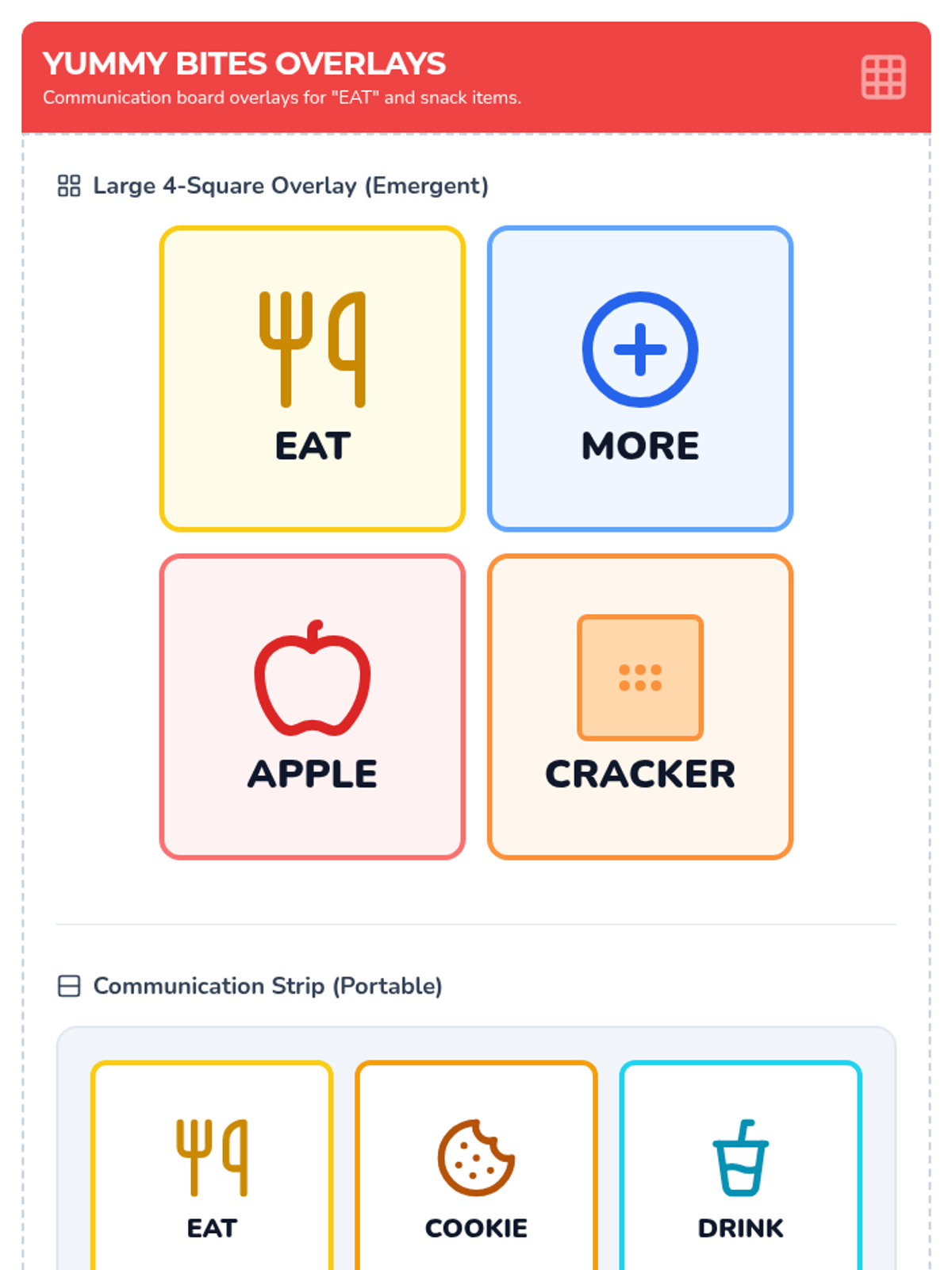
A foundational AAC lesson focusing on the core word 'eat' through a fun picnic-themed interactive presentation and practical communication overlays for emergent communicators.

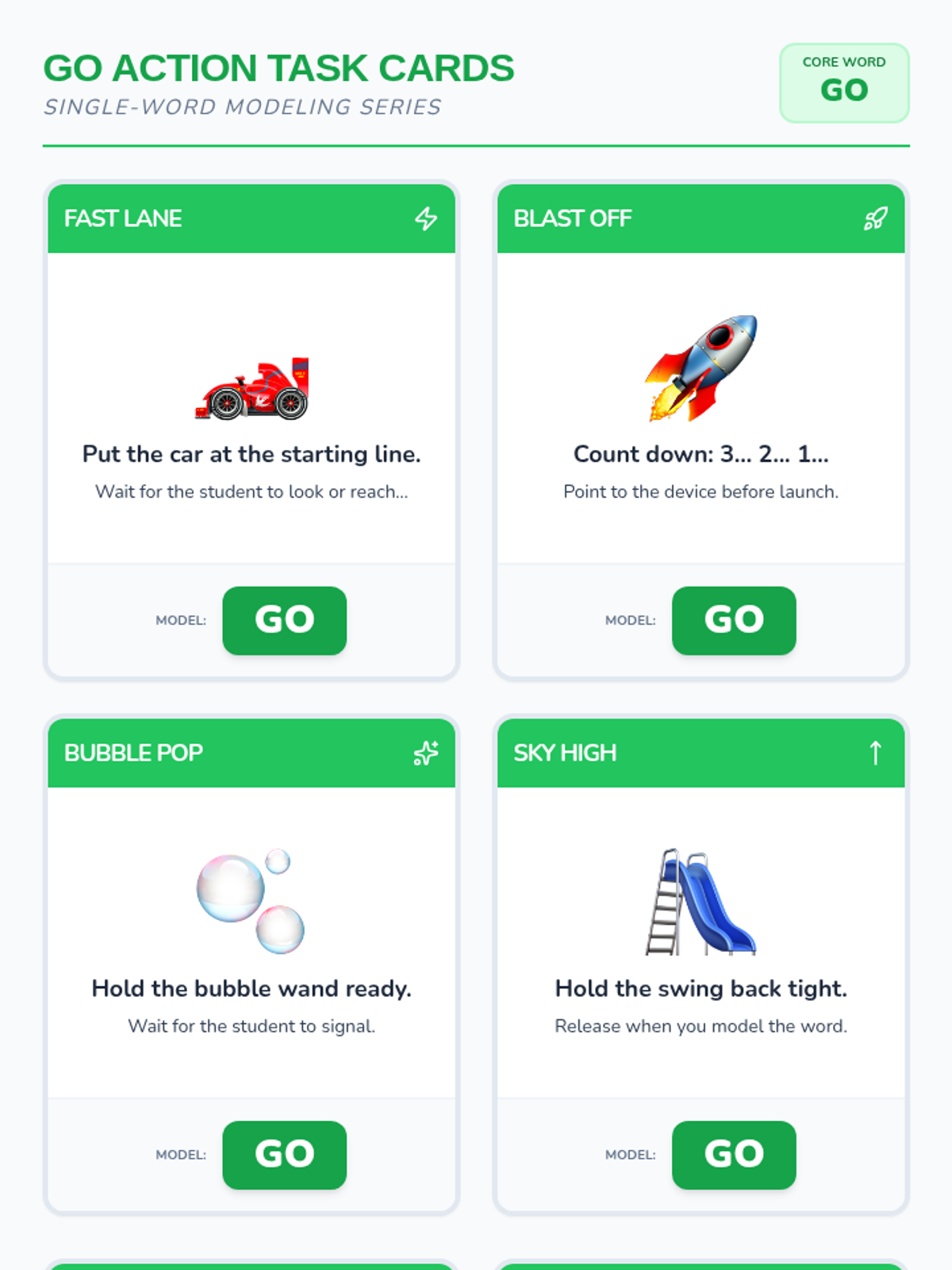
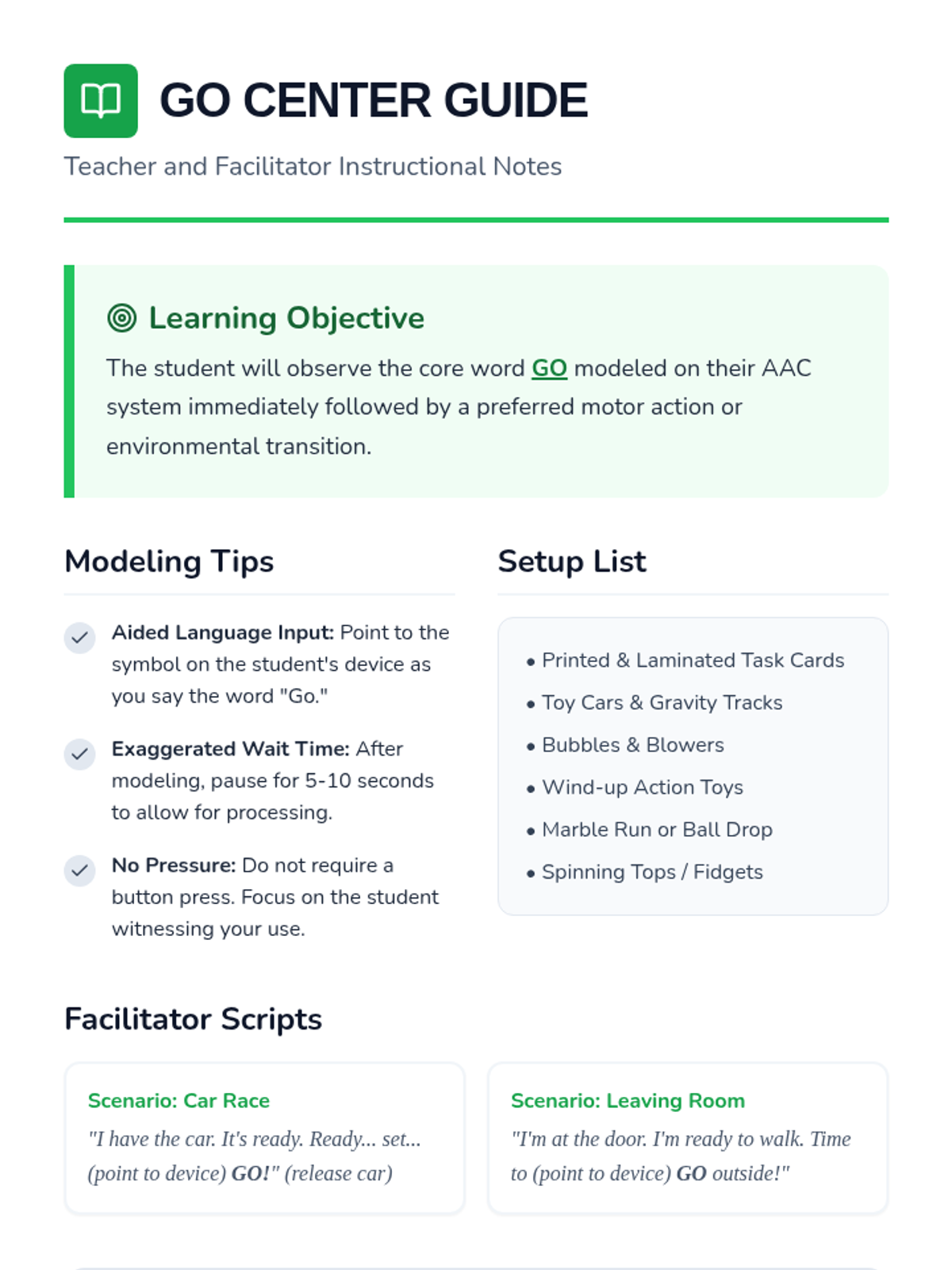
A collection of activities and resources centered on modeling and using the core word 'go' in various functional contexts.
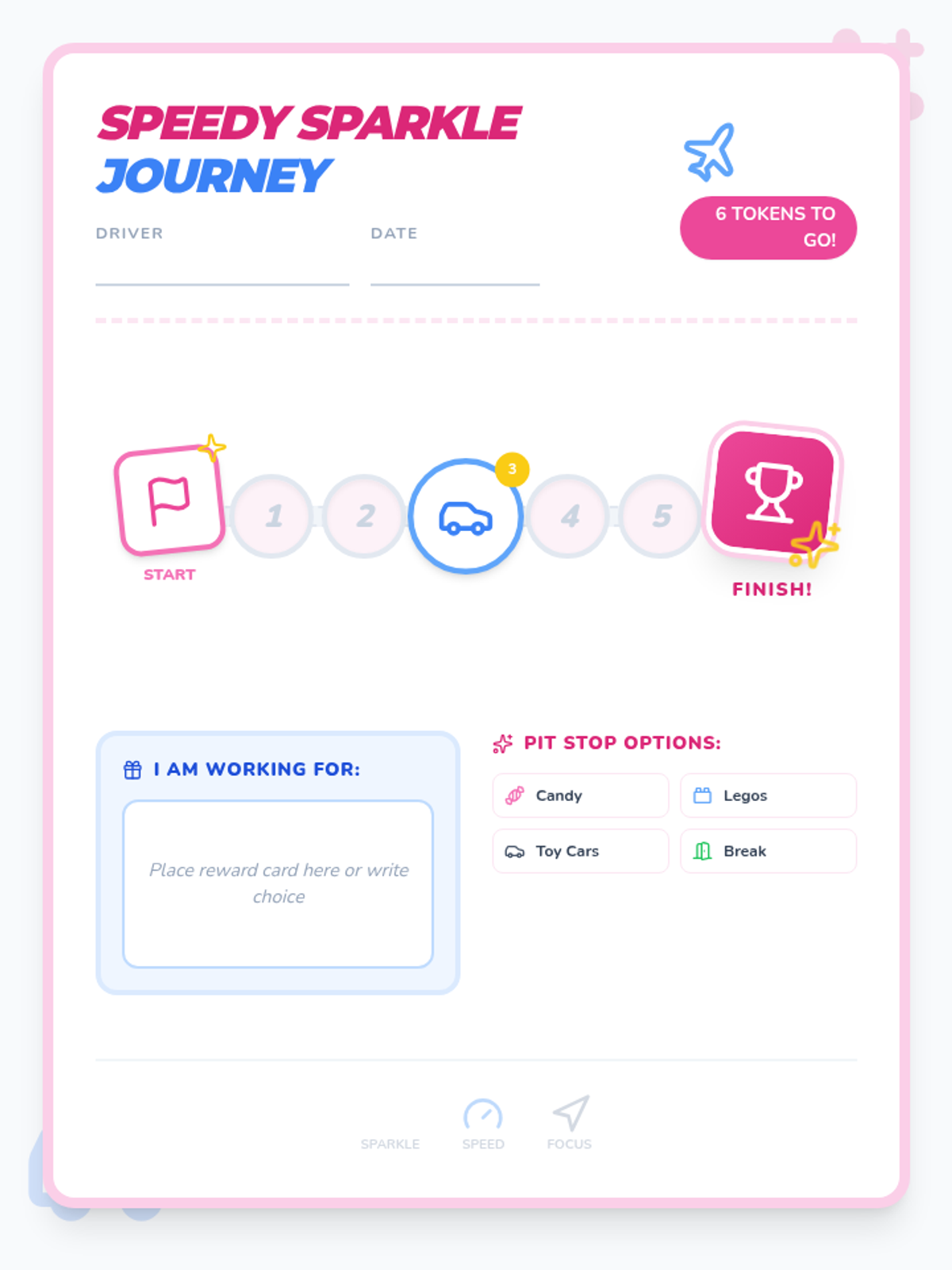
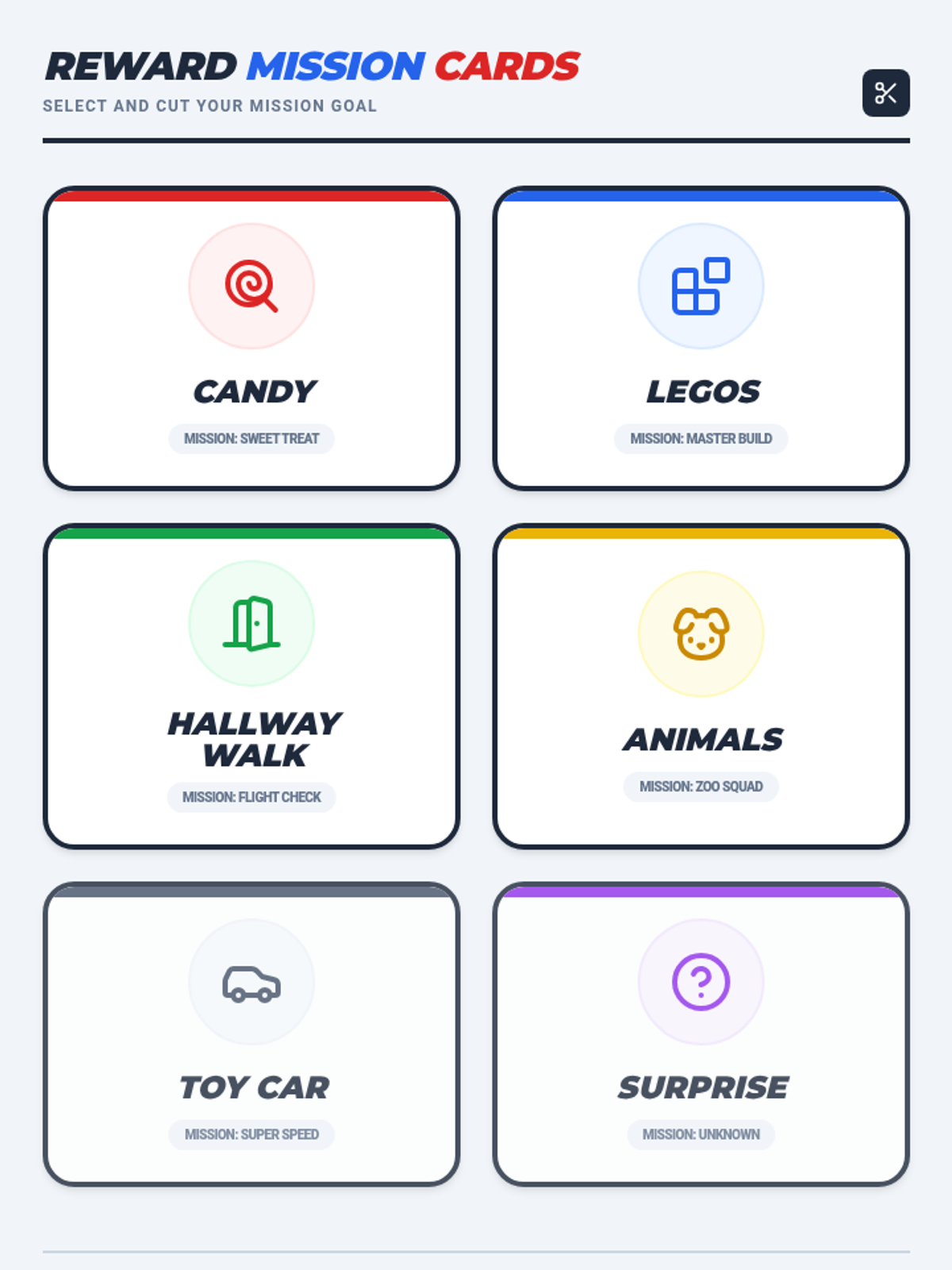
A collection of behavioral support materials designed for a student interested in racing and aviation, featuring a 6-token system and printable reward visual aids.
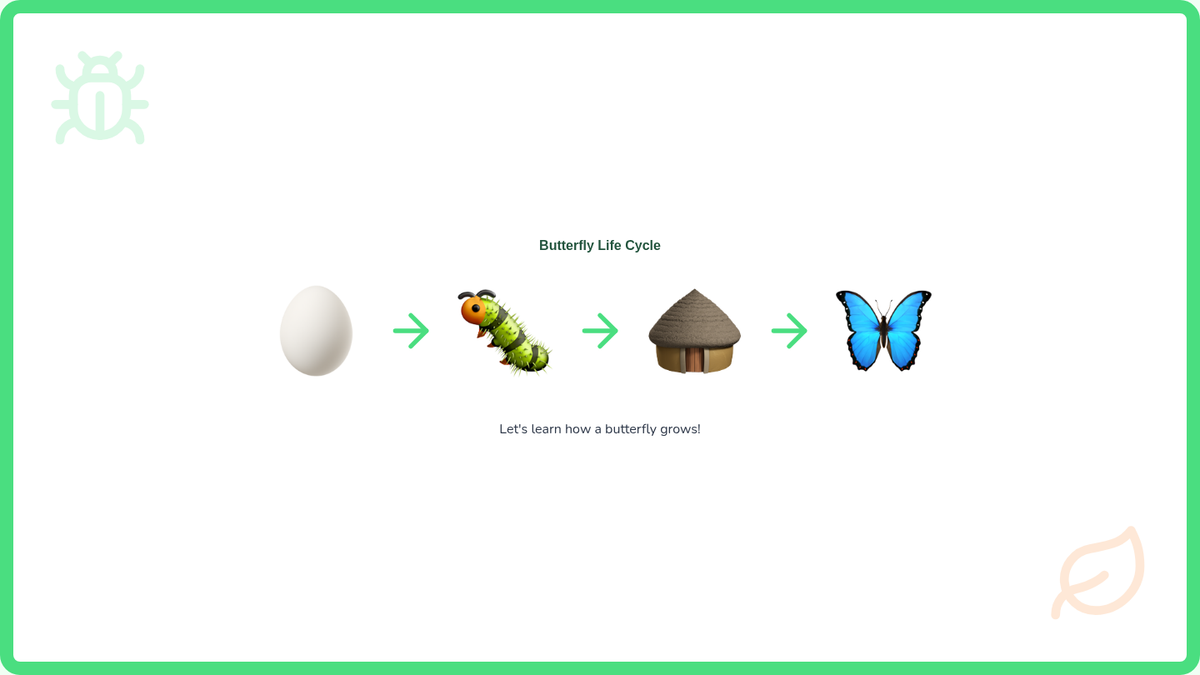
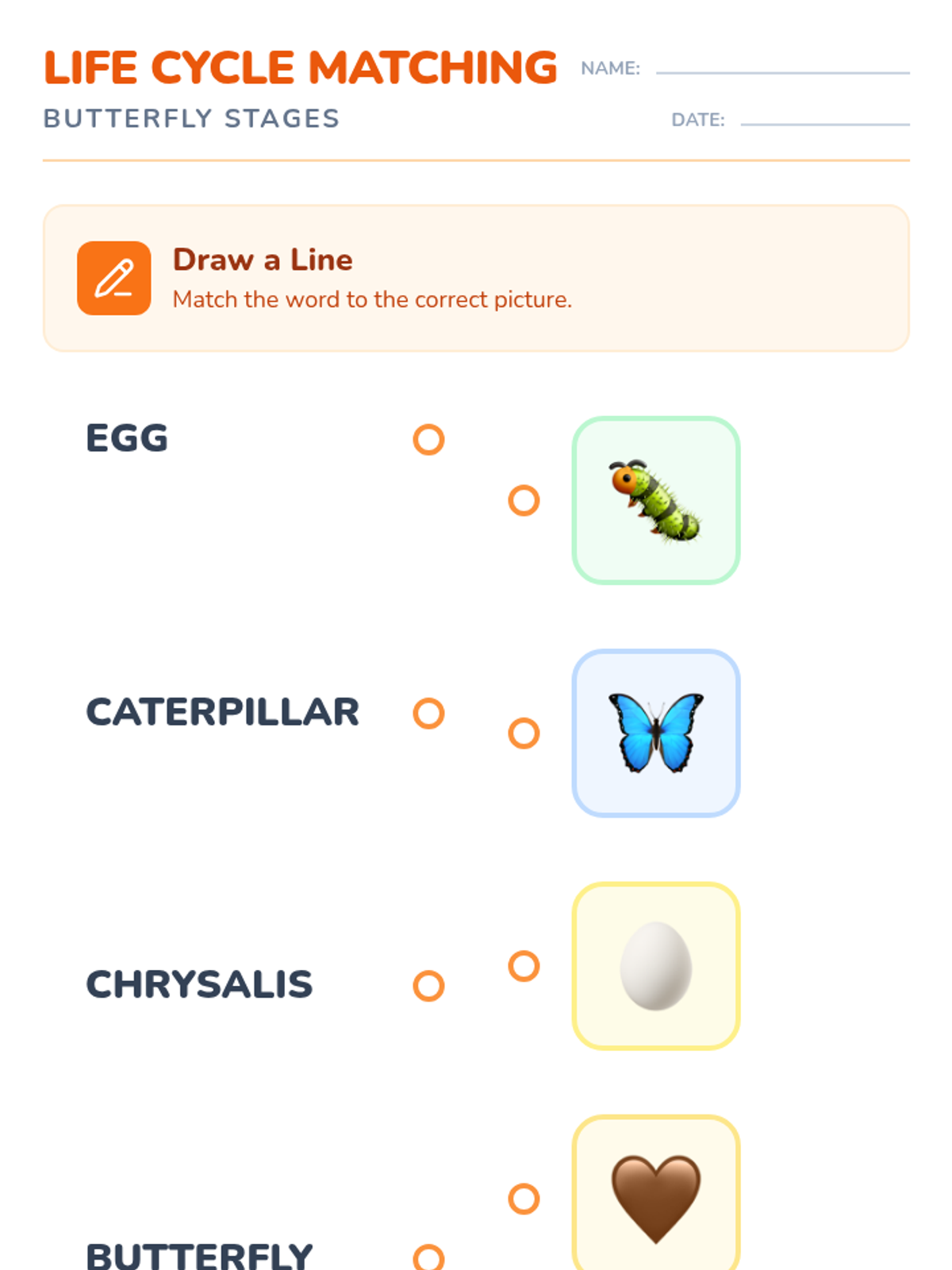
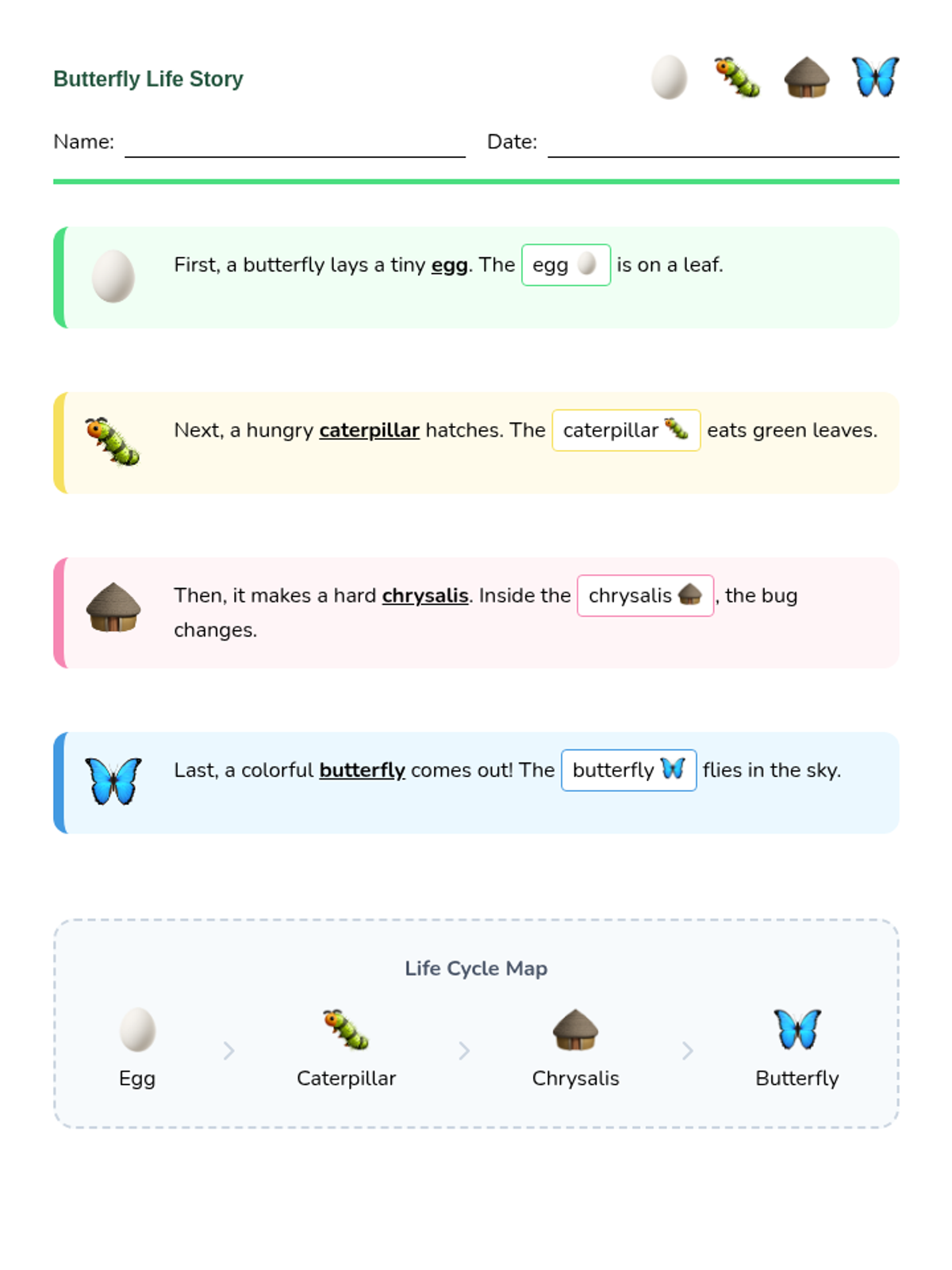
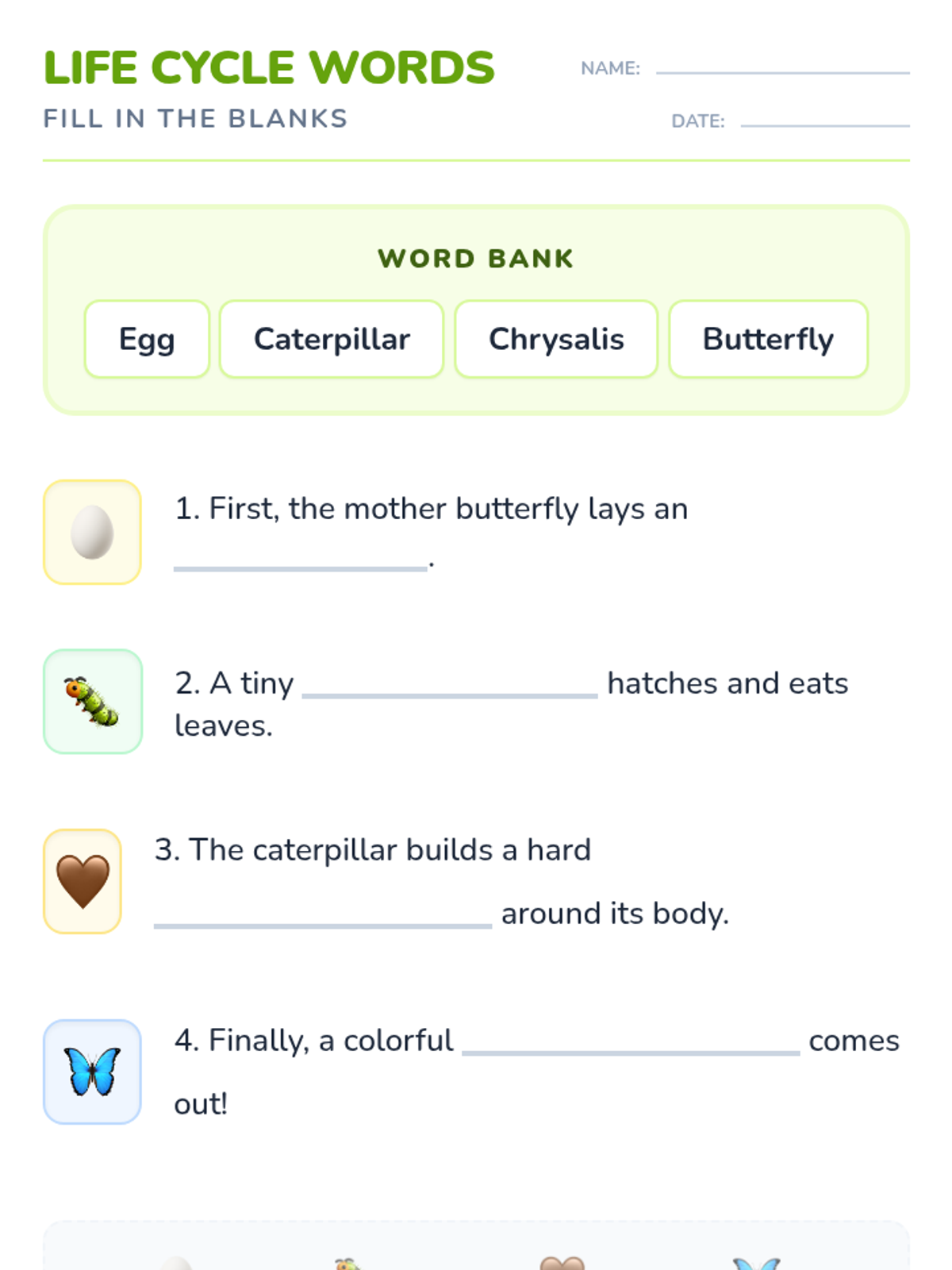
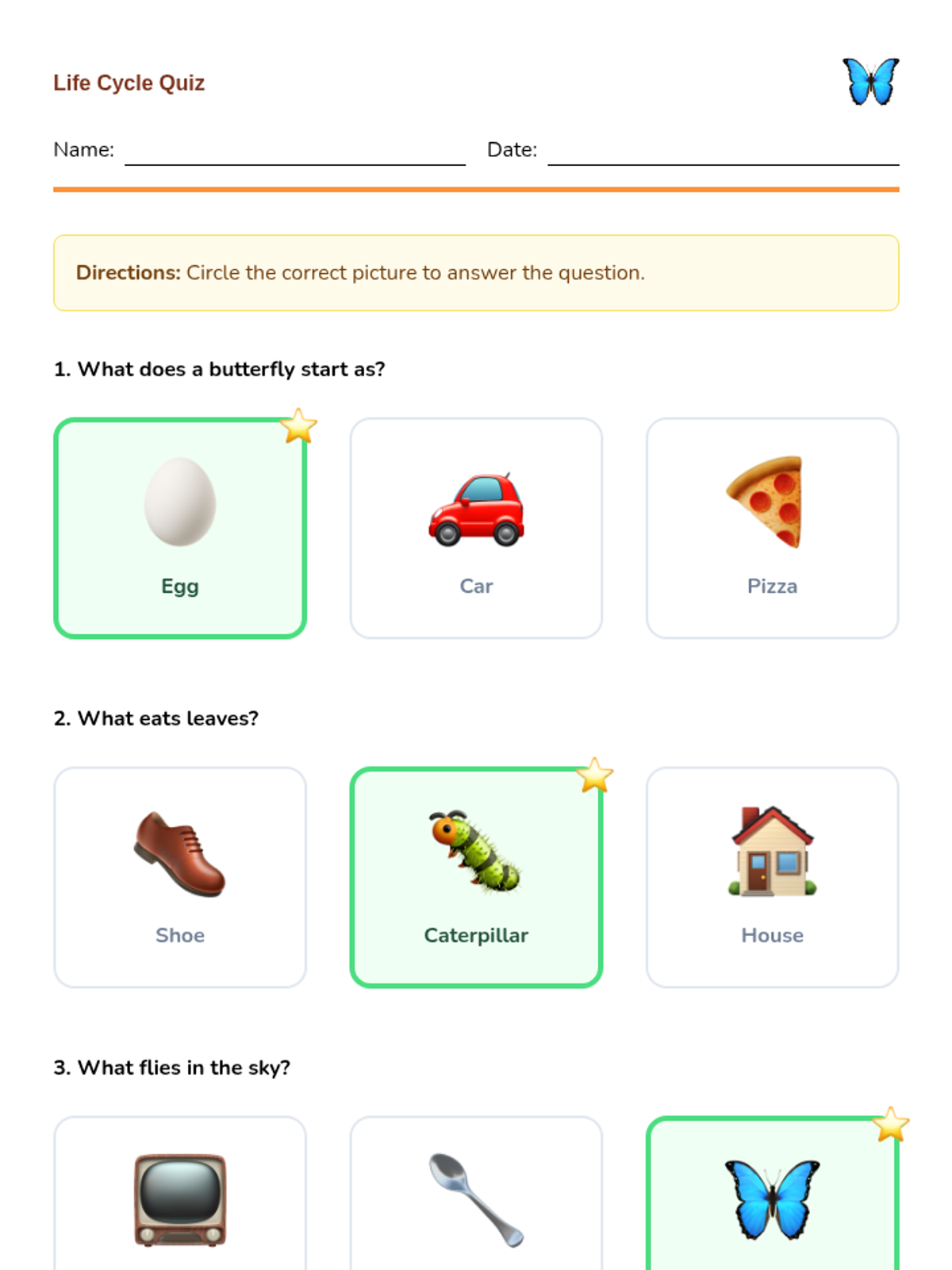
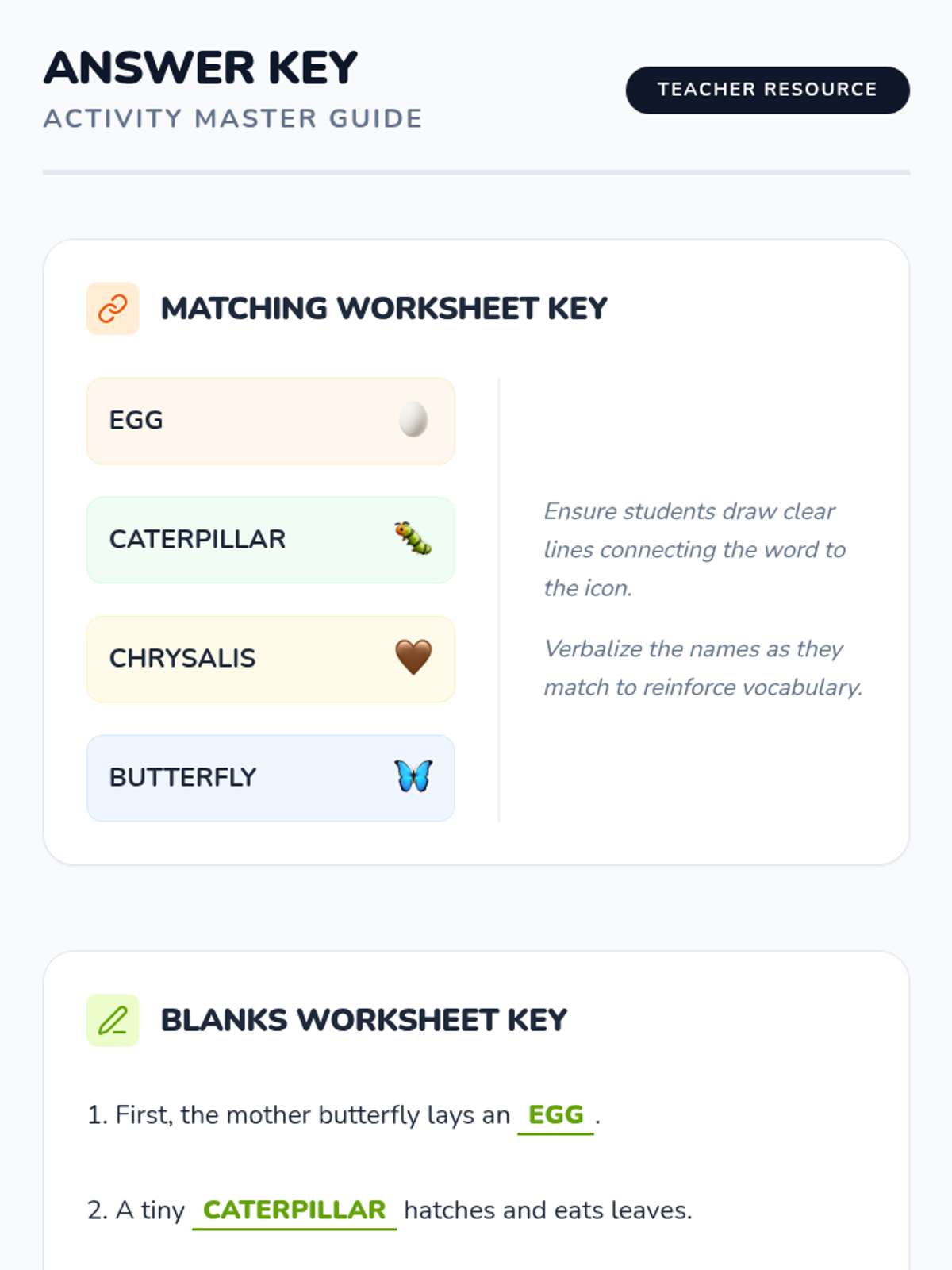
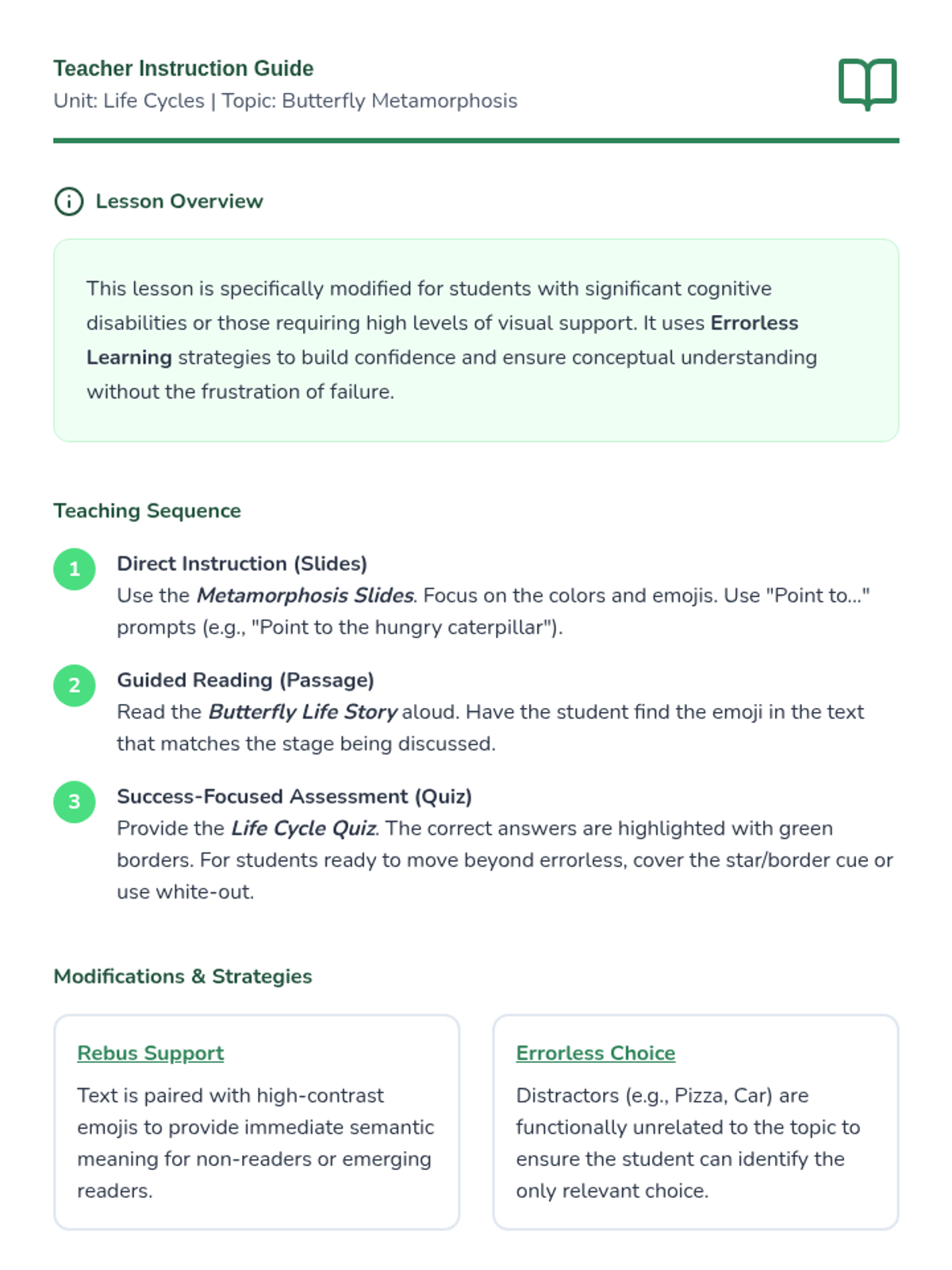
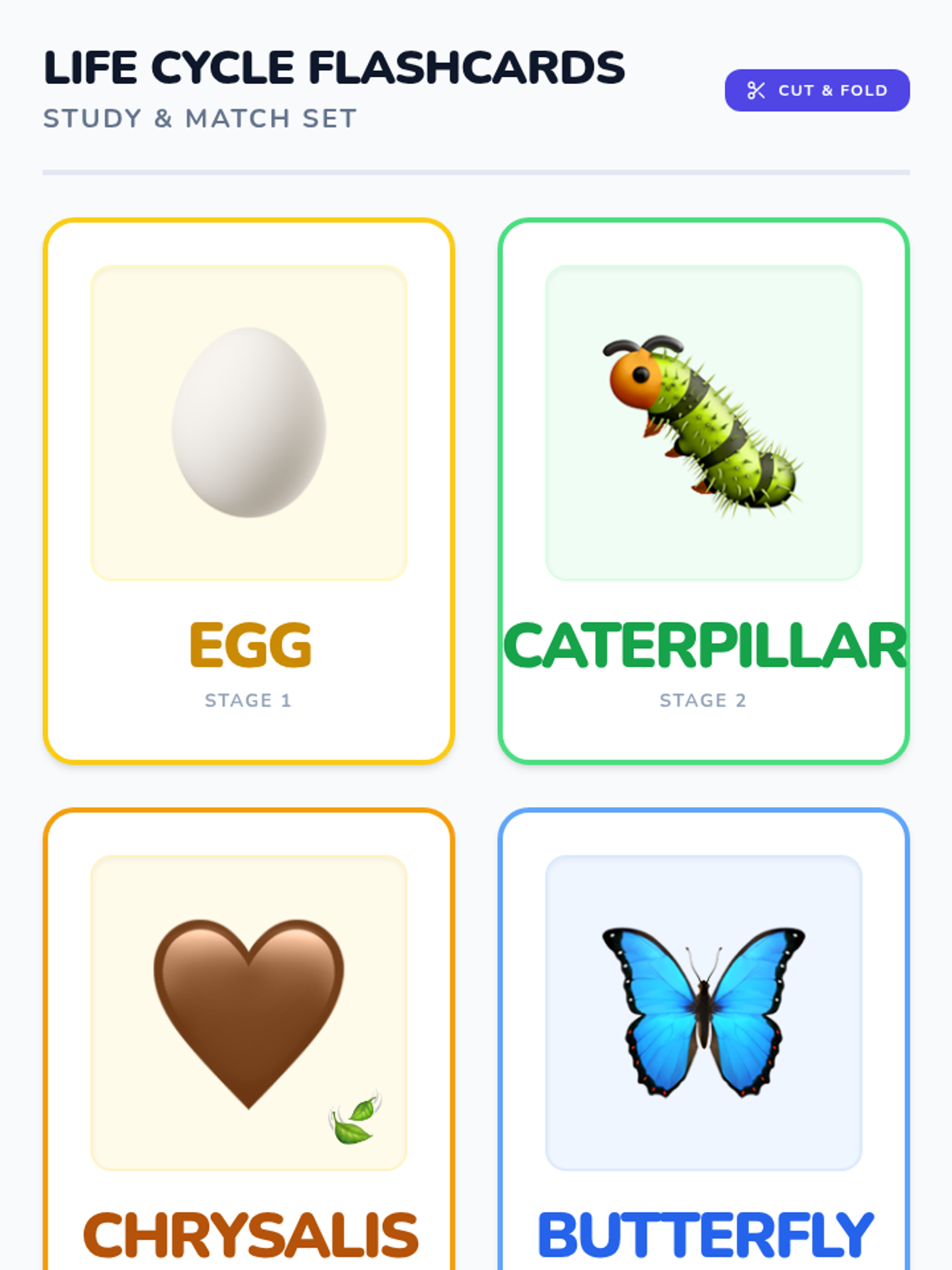
A highly visual and modified lesson on the stages of a butterfly's life, designed for students requiring picture-supported text and errorless learning opportunities.
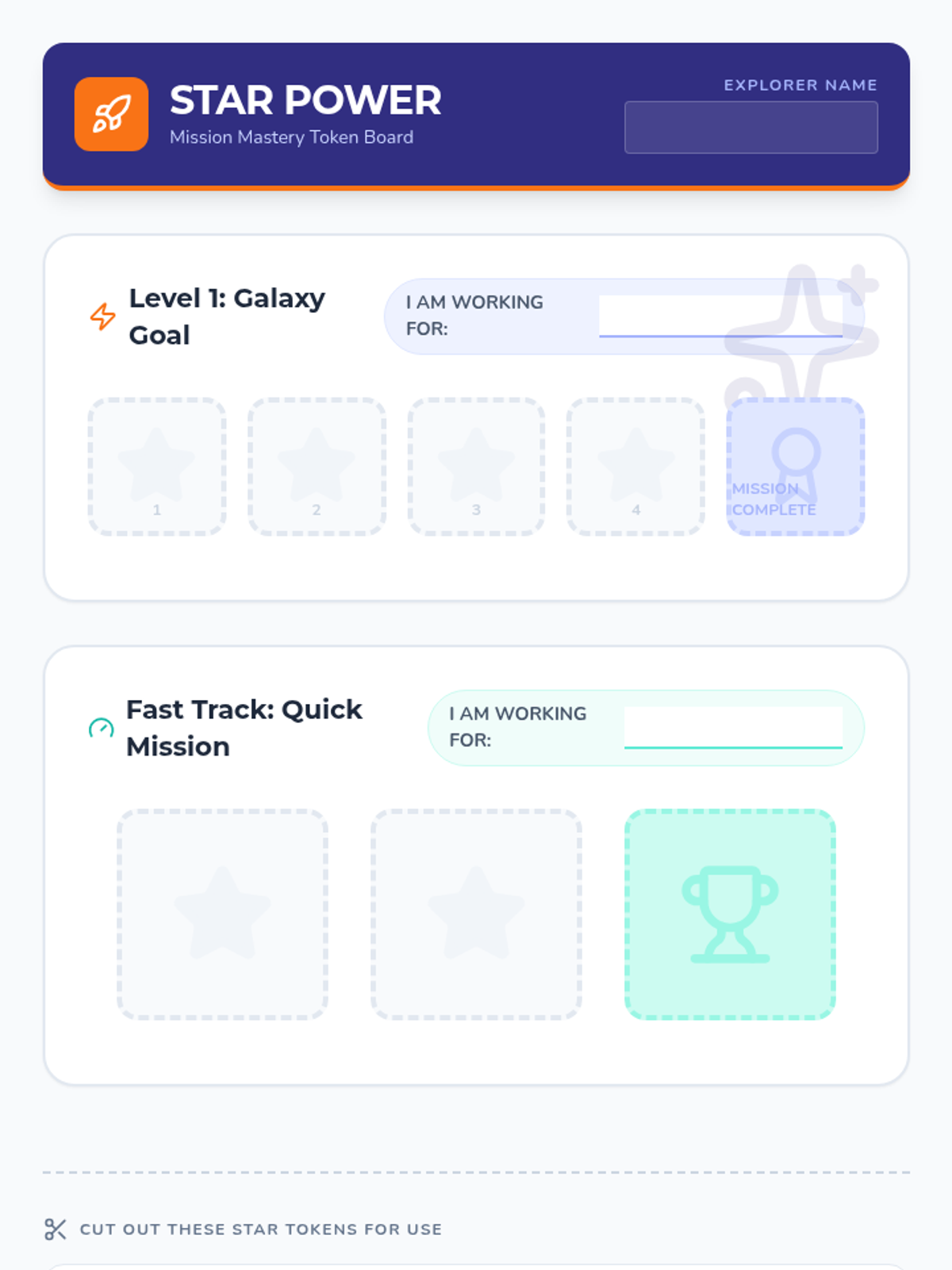
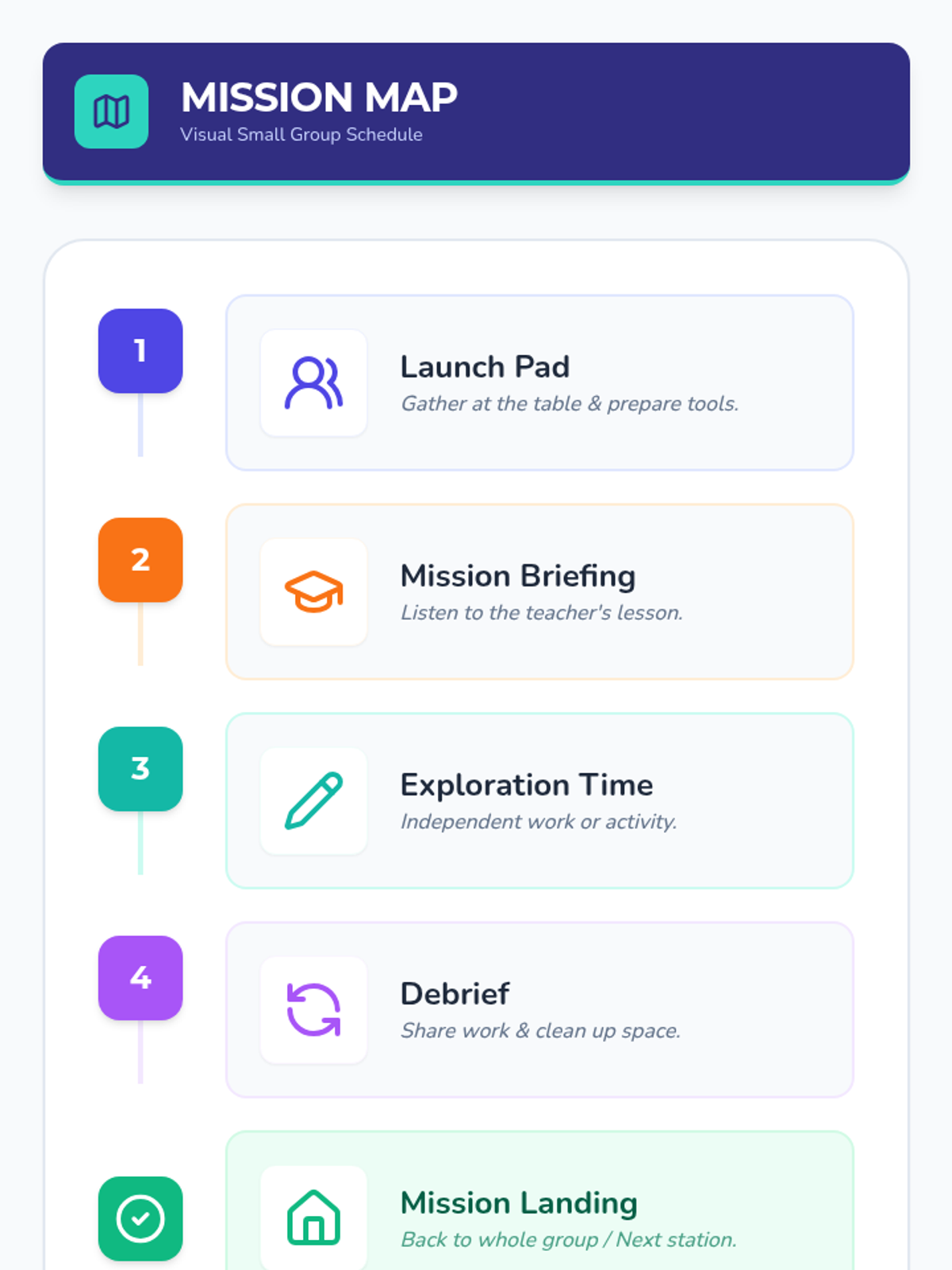
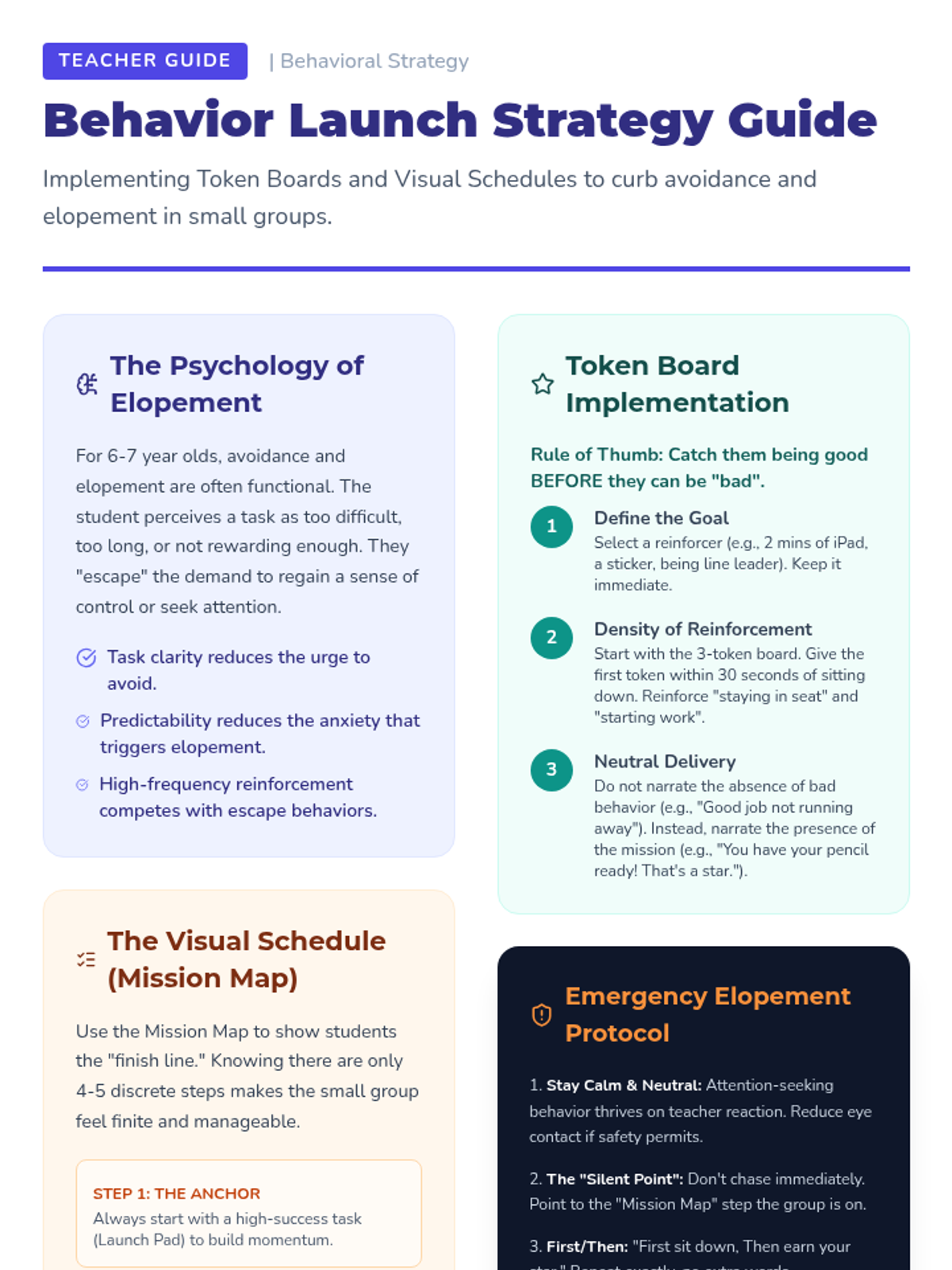
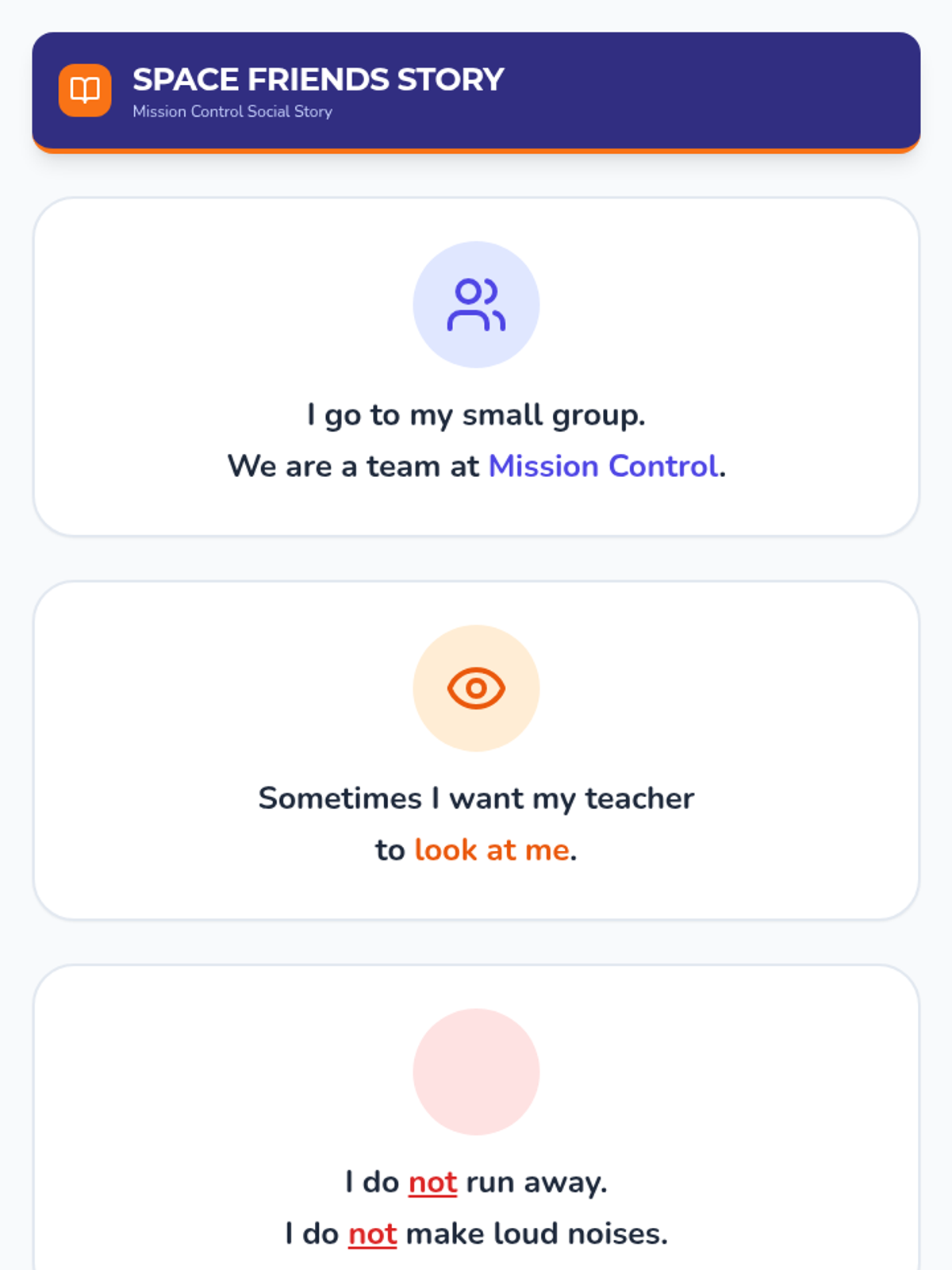
A suite of behavior management tools designed to support 6-7 year old students during small group instruction, focusing on reducing avoidance and elopement through positive reinforcement and clear visual structure.
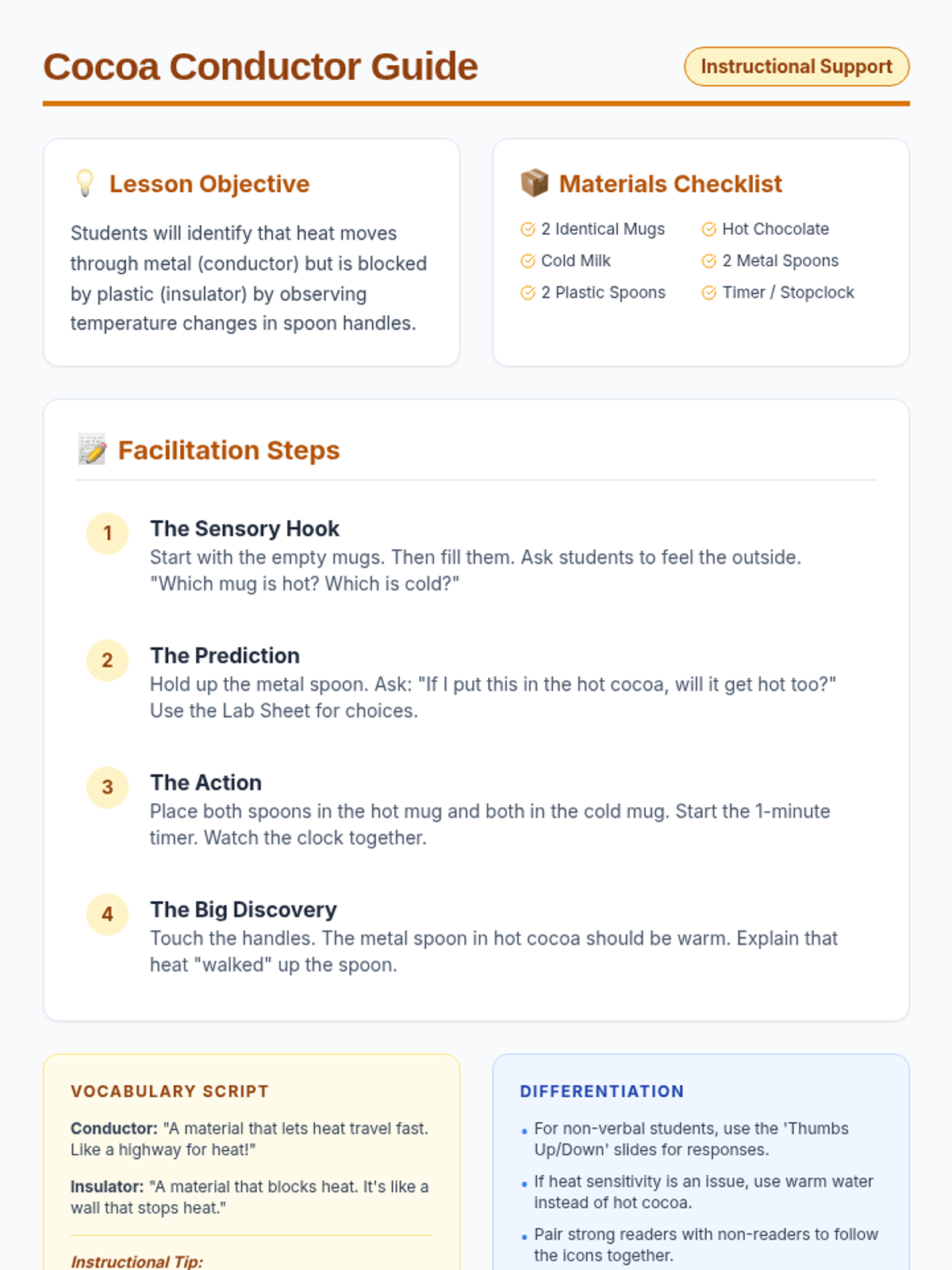
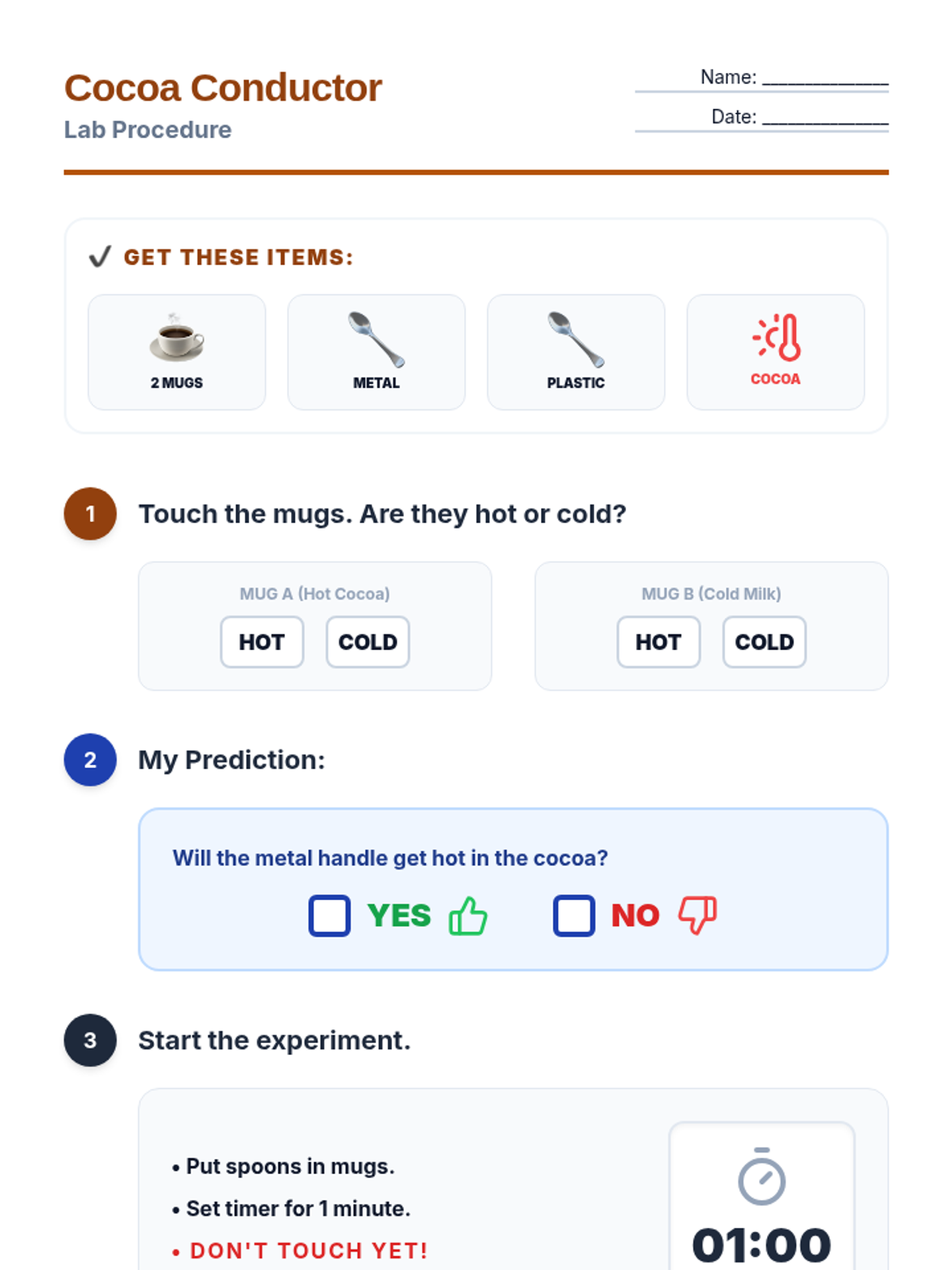
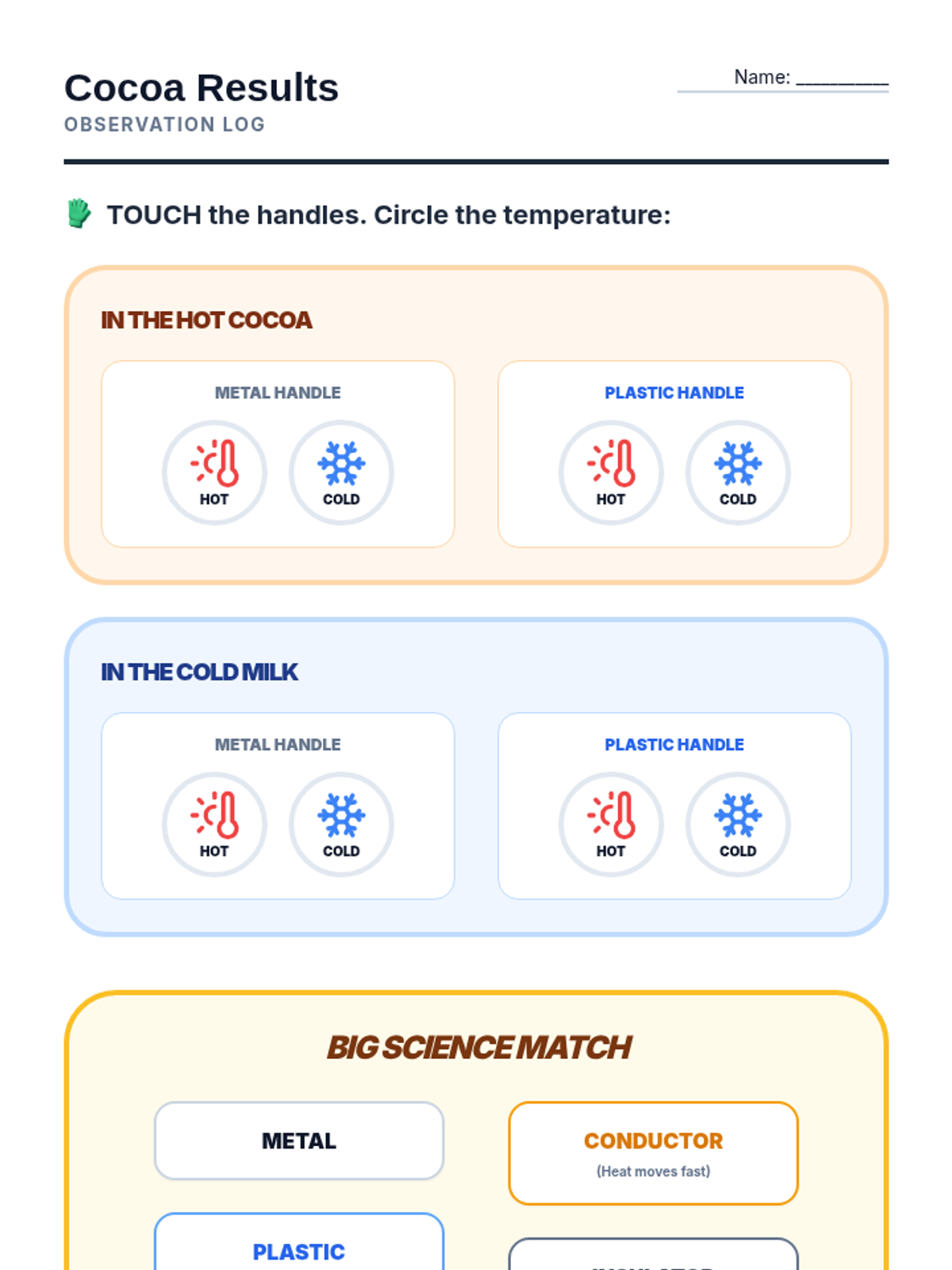
A hands-on science experiment for students with intellectual disabilities to explore heat conduction using chocolate milk and different spoons. Includes visual supports and simplified data collection.
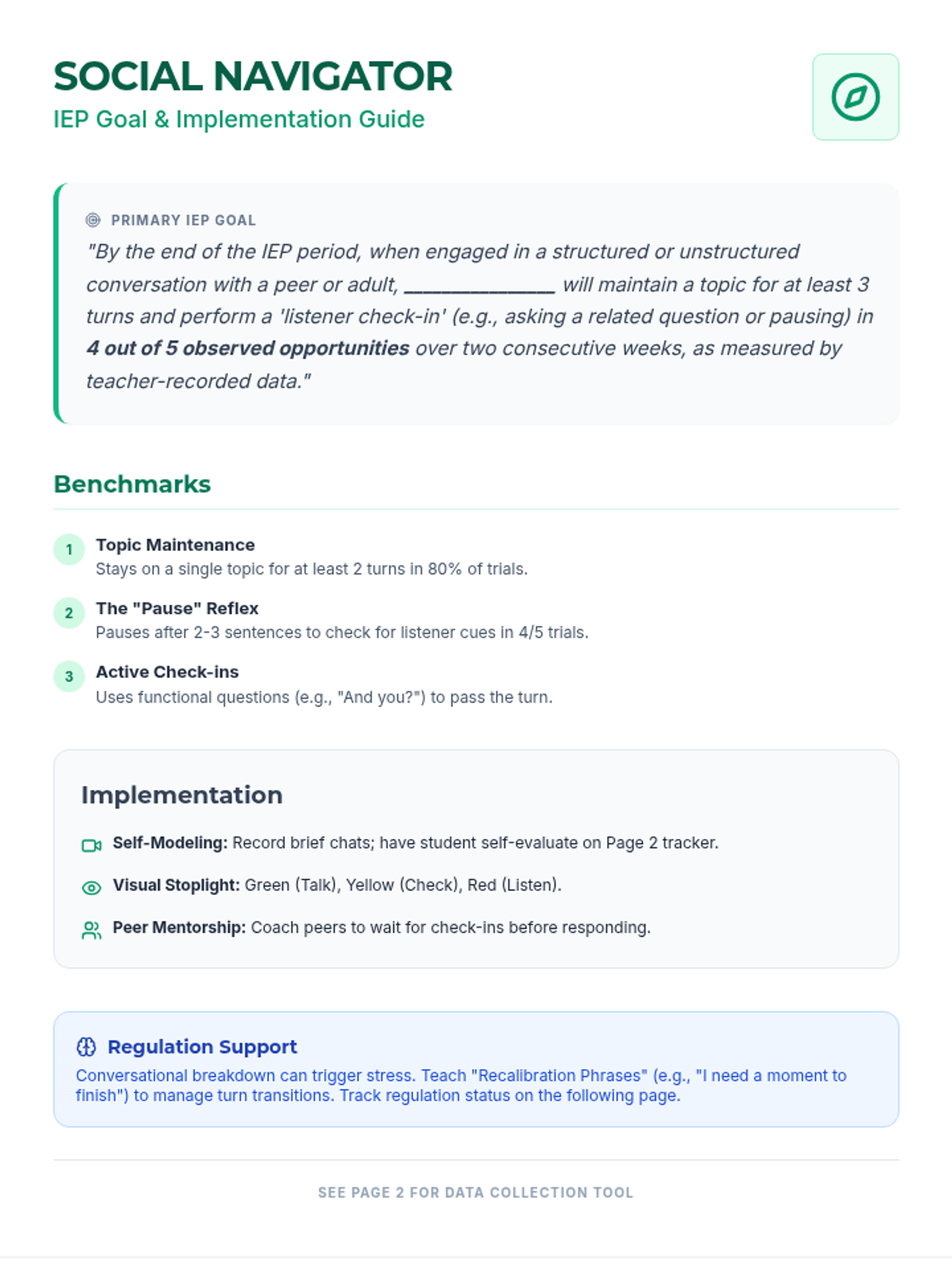
A set of resources designed to support a 4th-grade student with ASD in developing reciprocal conversation skills, specifically focusing on turn-taking and listener check-ins.
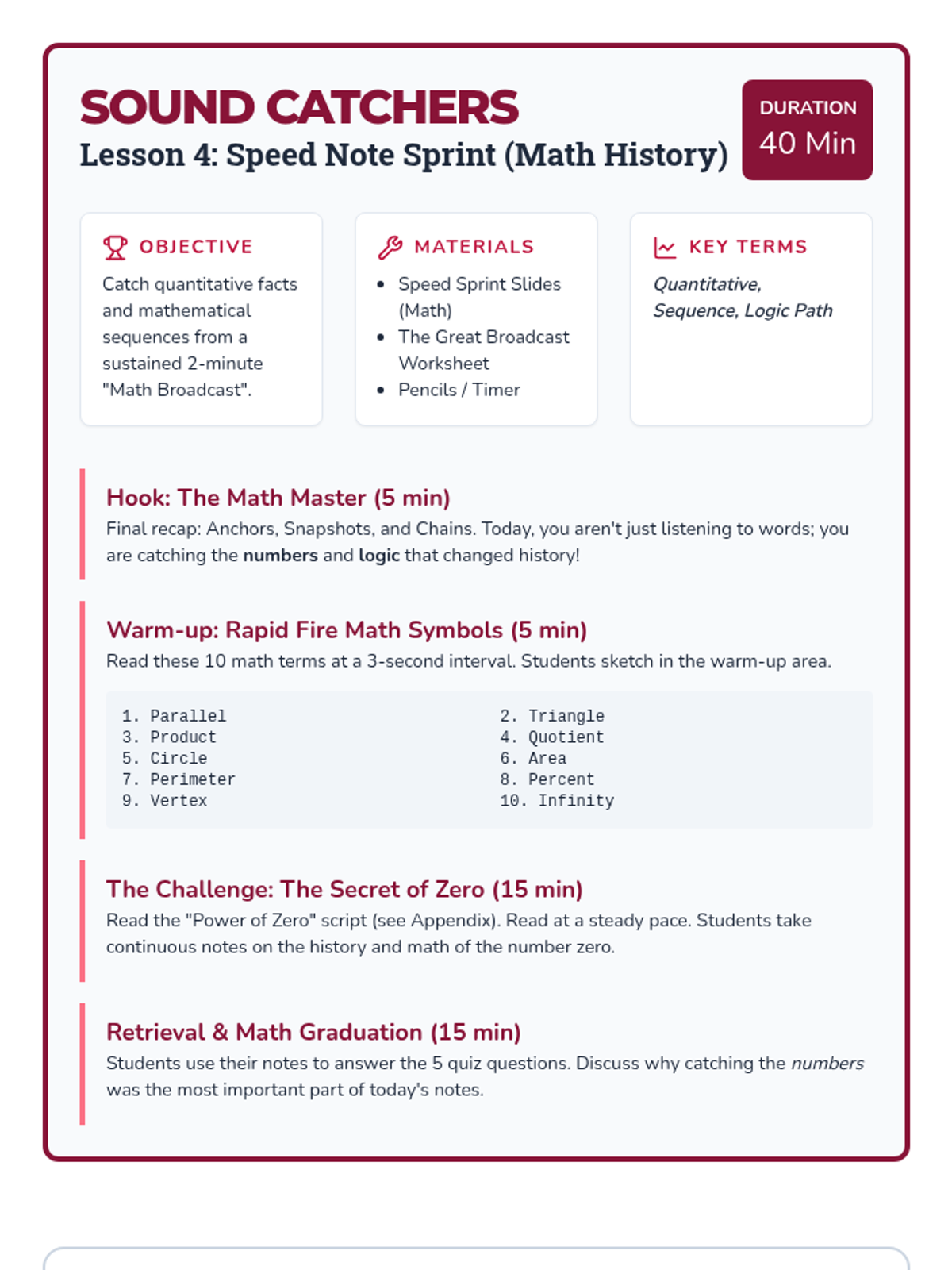
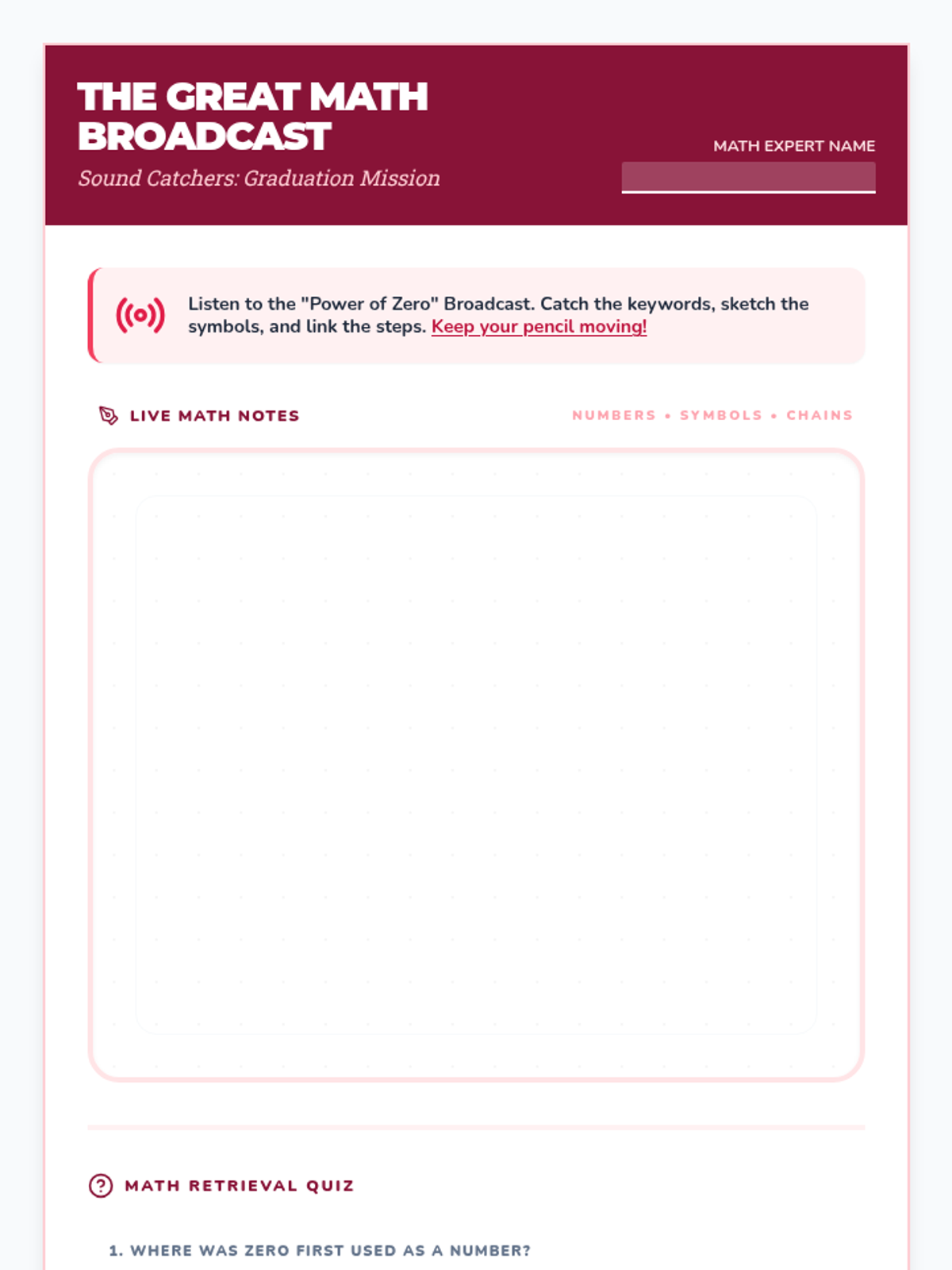
A culminating lesson where students apply their keyword and sketching skills to a longer auditory 'broadcast' in a timed note-taking challenge.
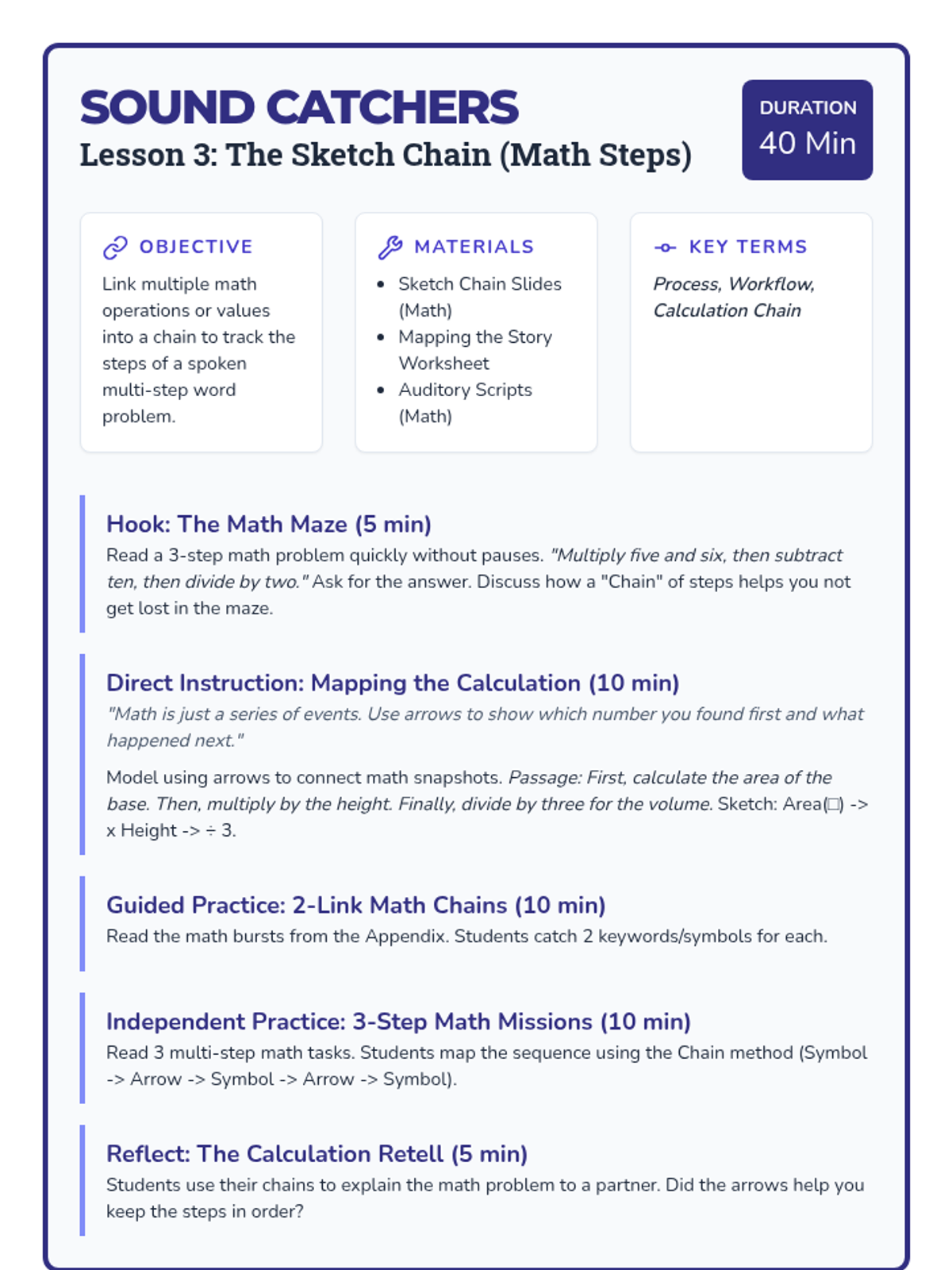
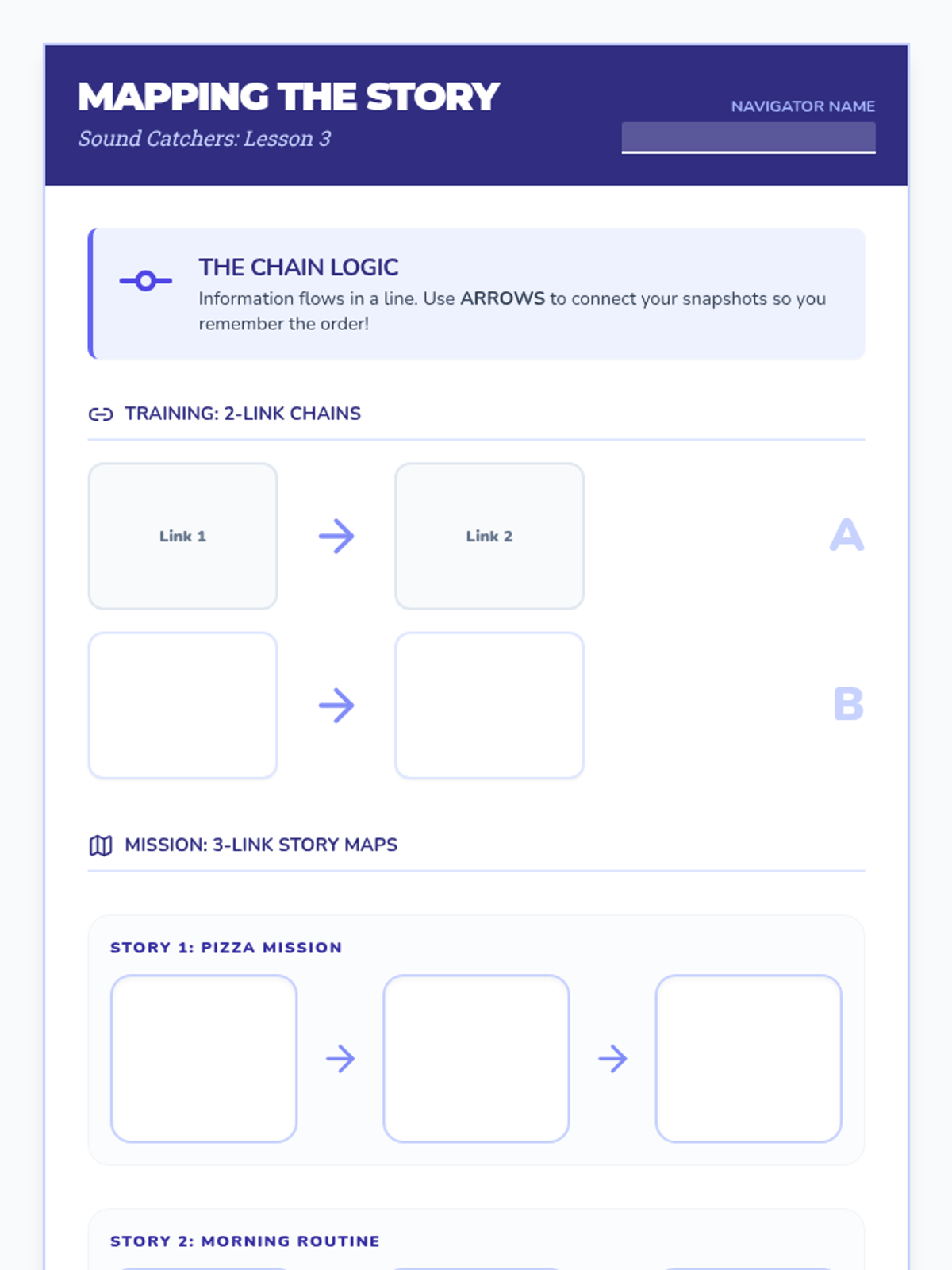
Combining keywords and sketches into a sequence (The Sketch Chain) to track multiple pieces of information from short 2-3 sentence auditory passages.
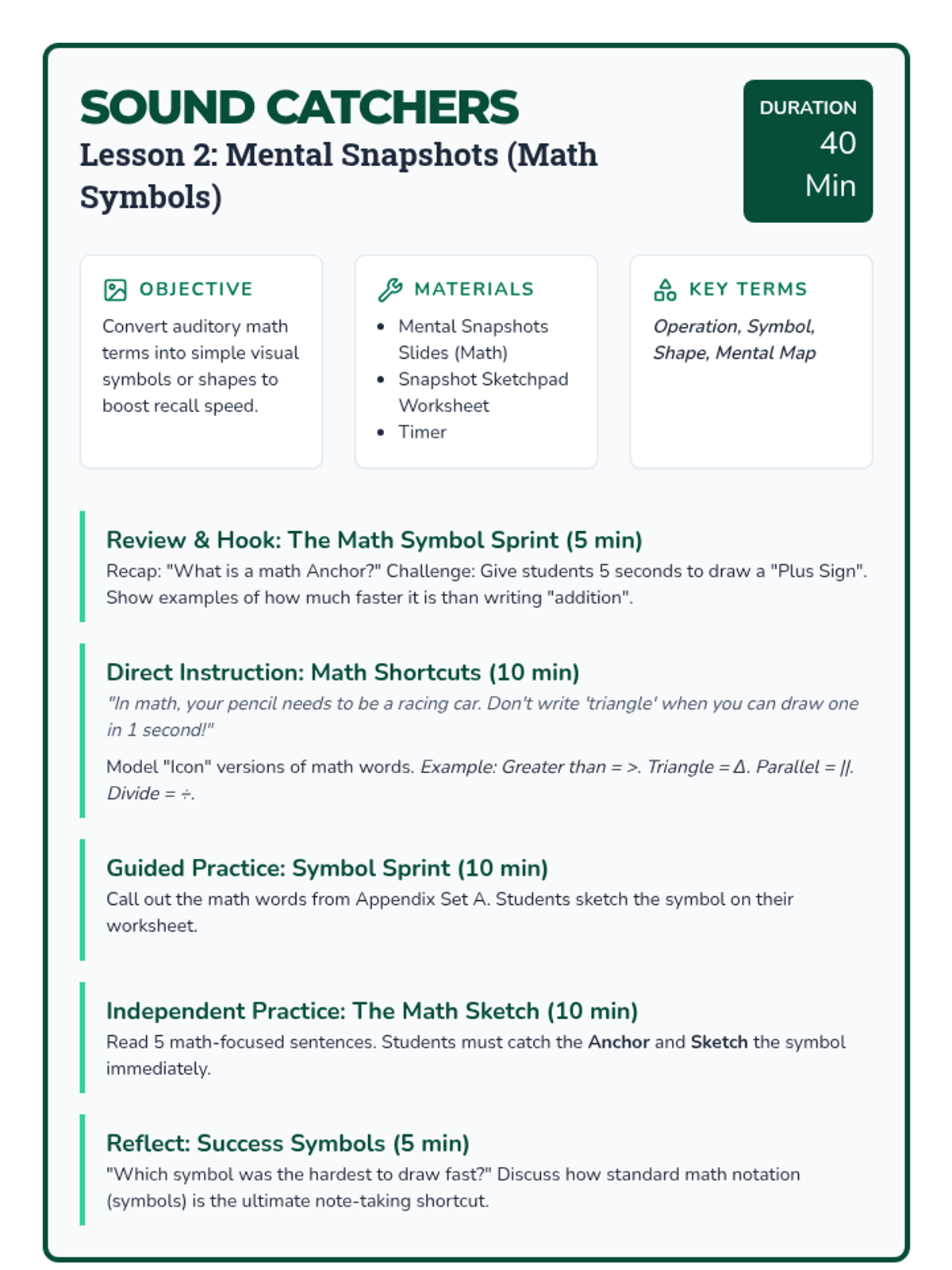
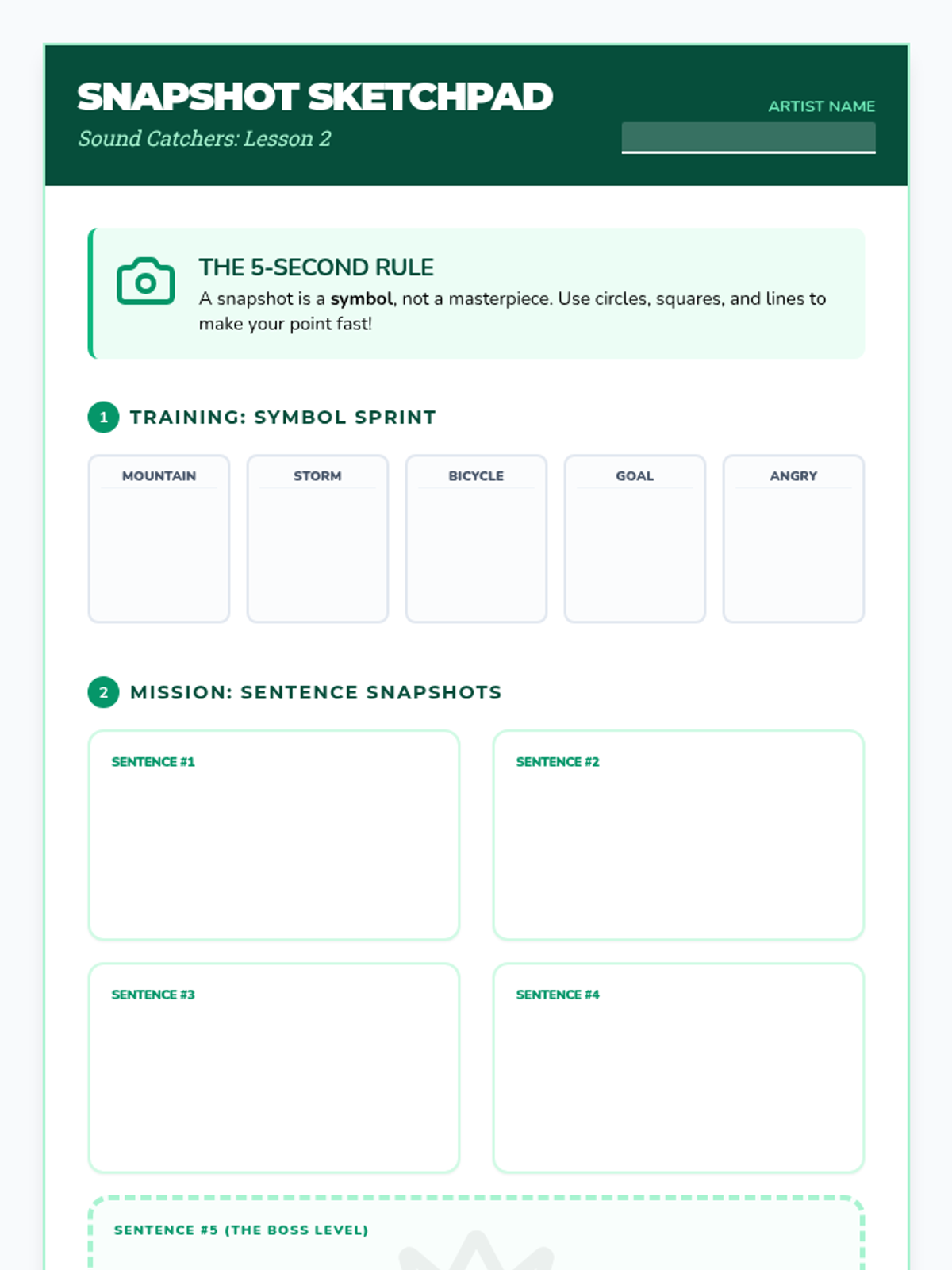
Focuses on transforming identified keywords into simple, quick visual sketches (Mental Snapshots) to reinforce auditory recall without getting bogged down in detail.
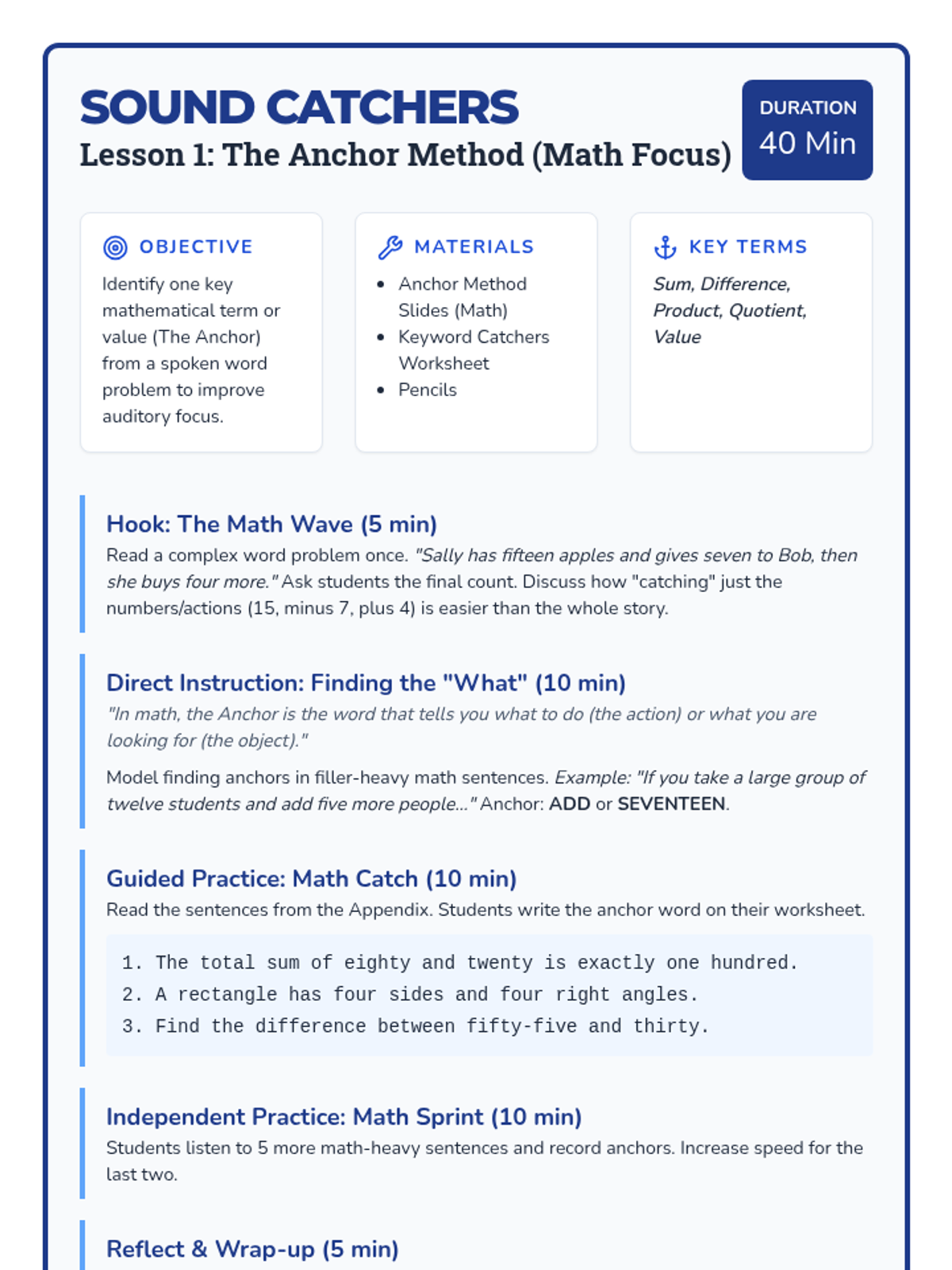
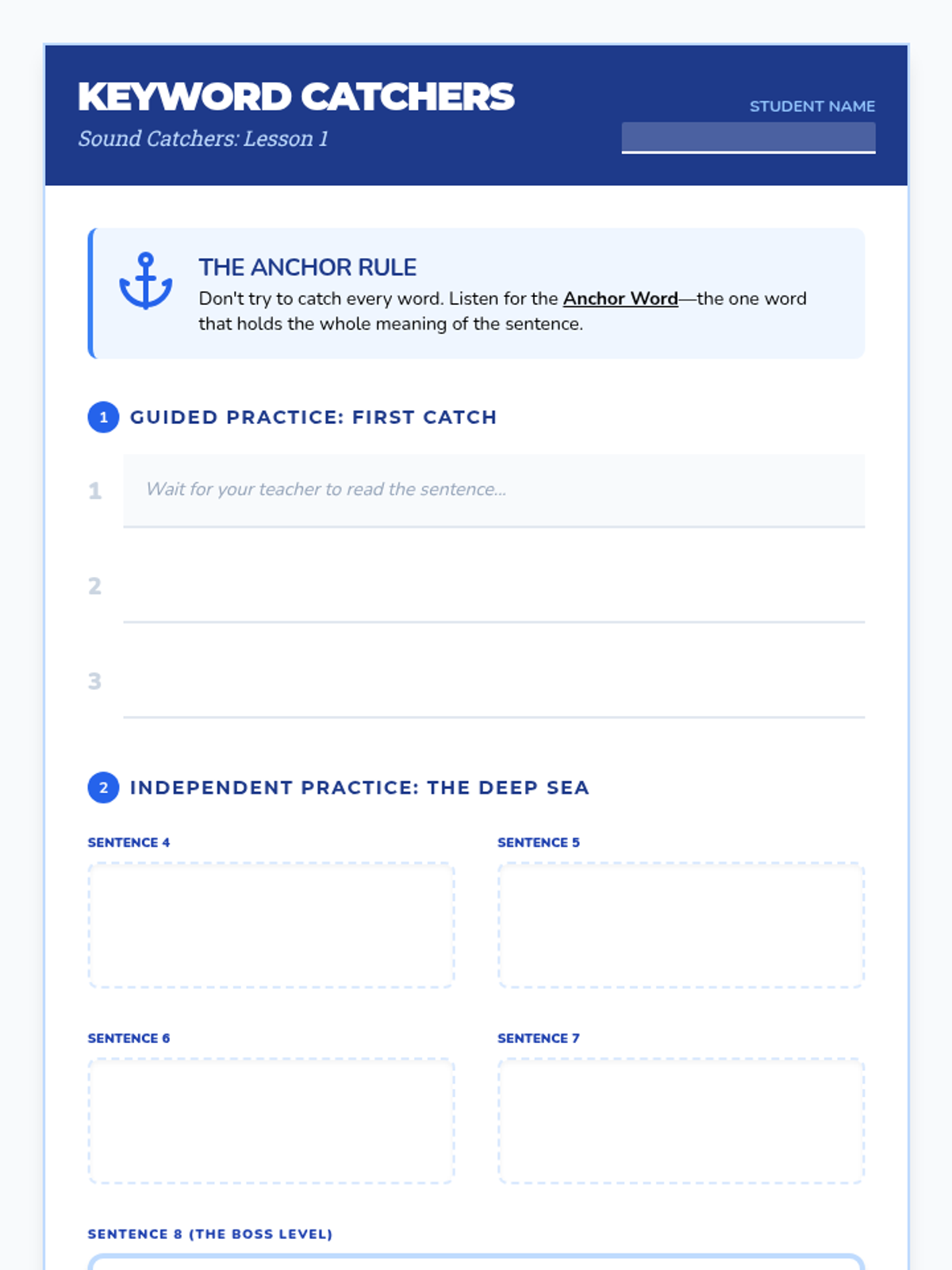
Introduction to identifying keywords as 'anchors' for memory from auditory input. Students practice filtering out filler words to find the most important information in a single sentence.
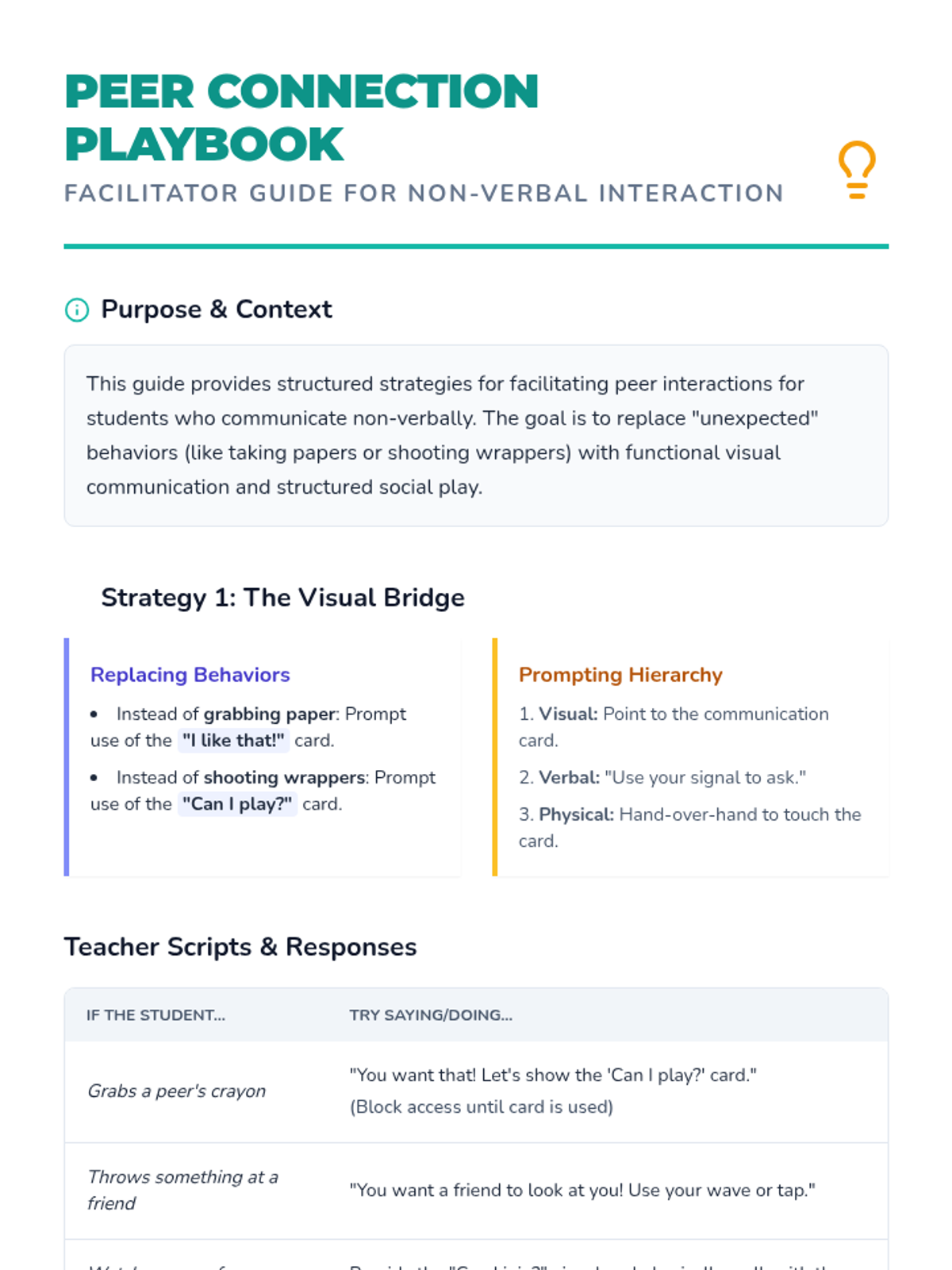
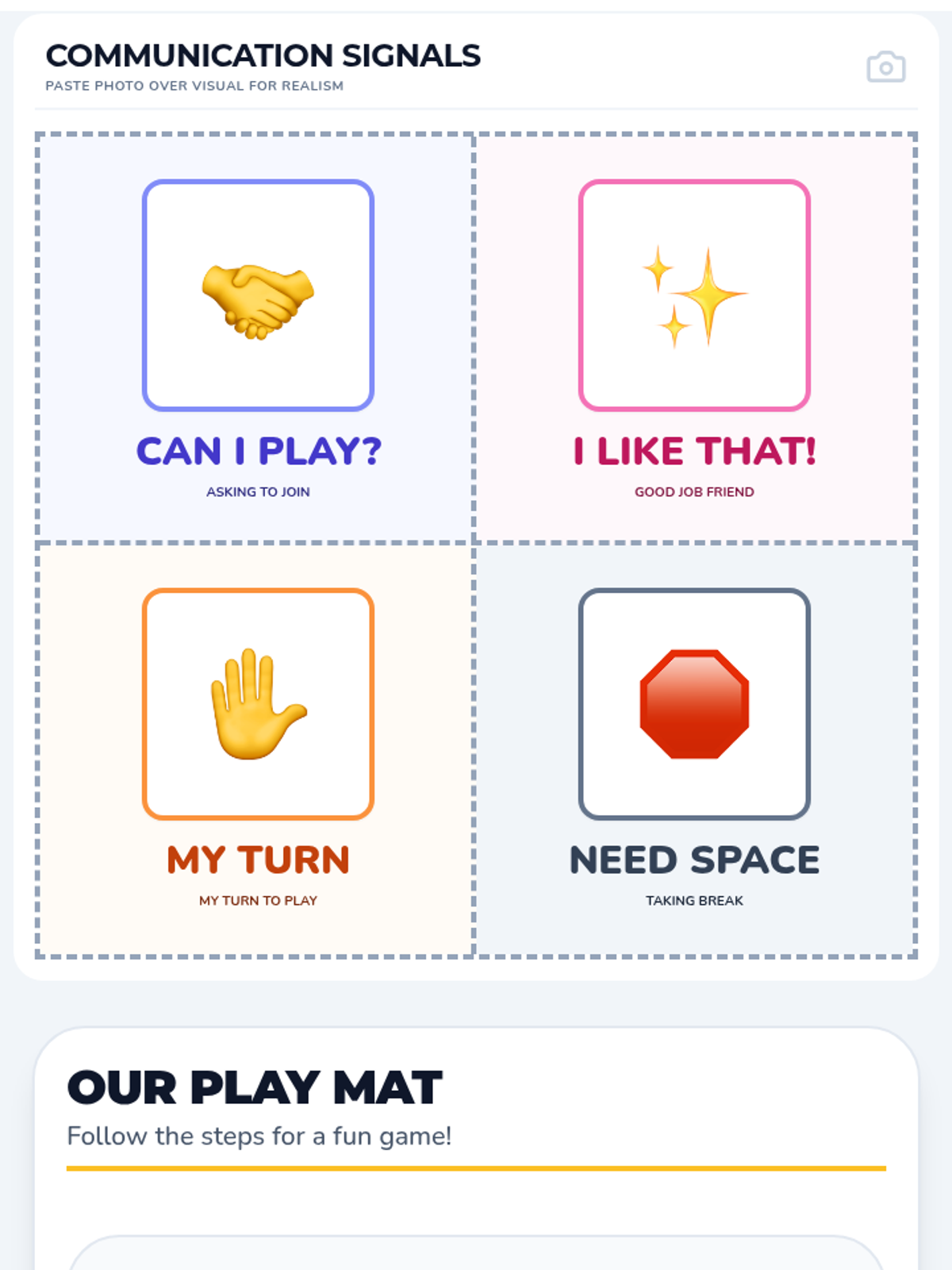
This lesson teaches students how to use visual cues to communicate with peers, practice taking turns through structured games, and identify positive ways to get a friend's attention.
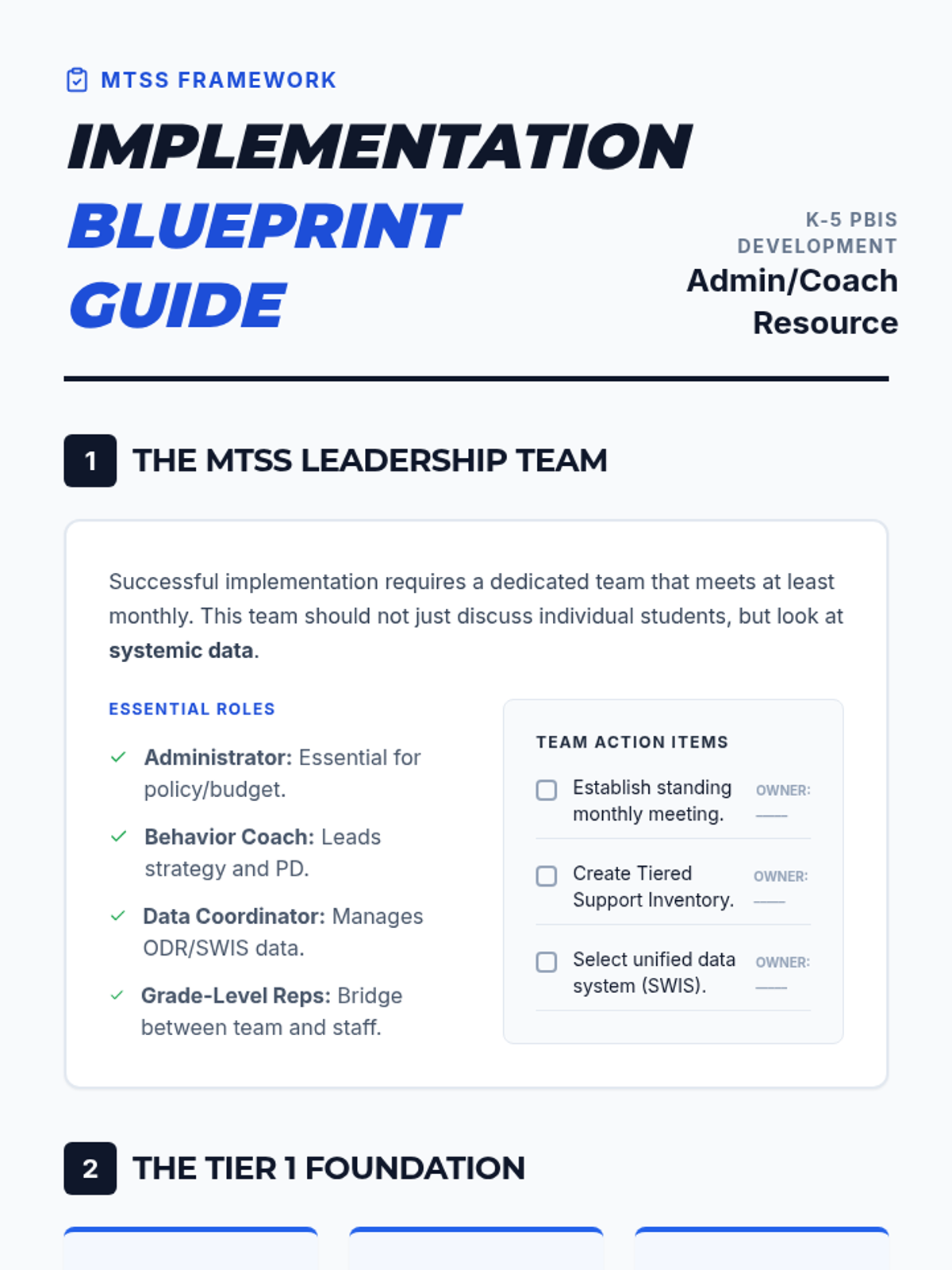
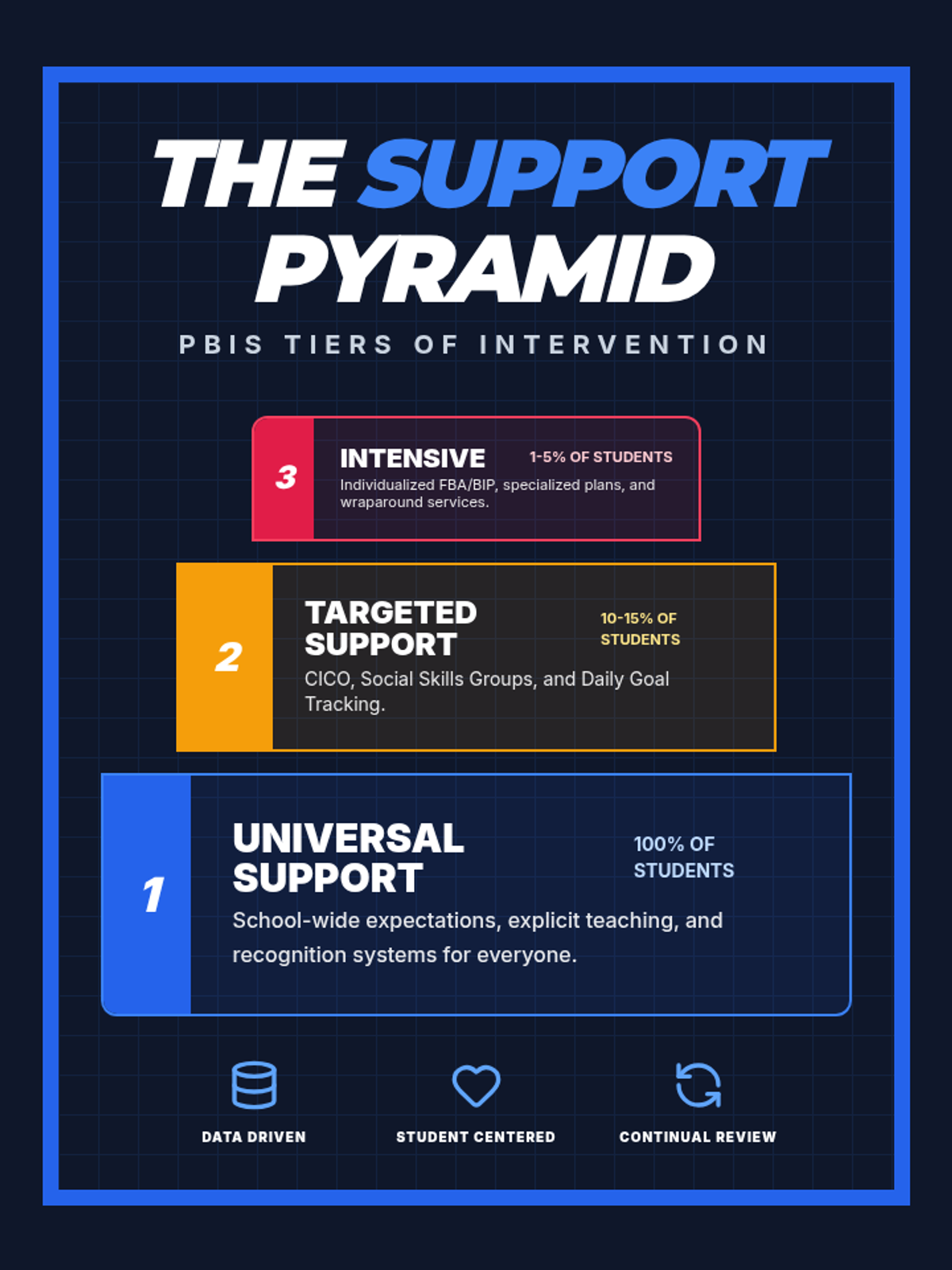
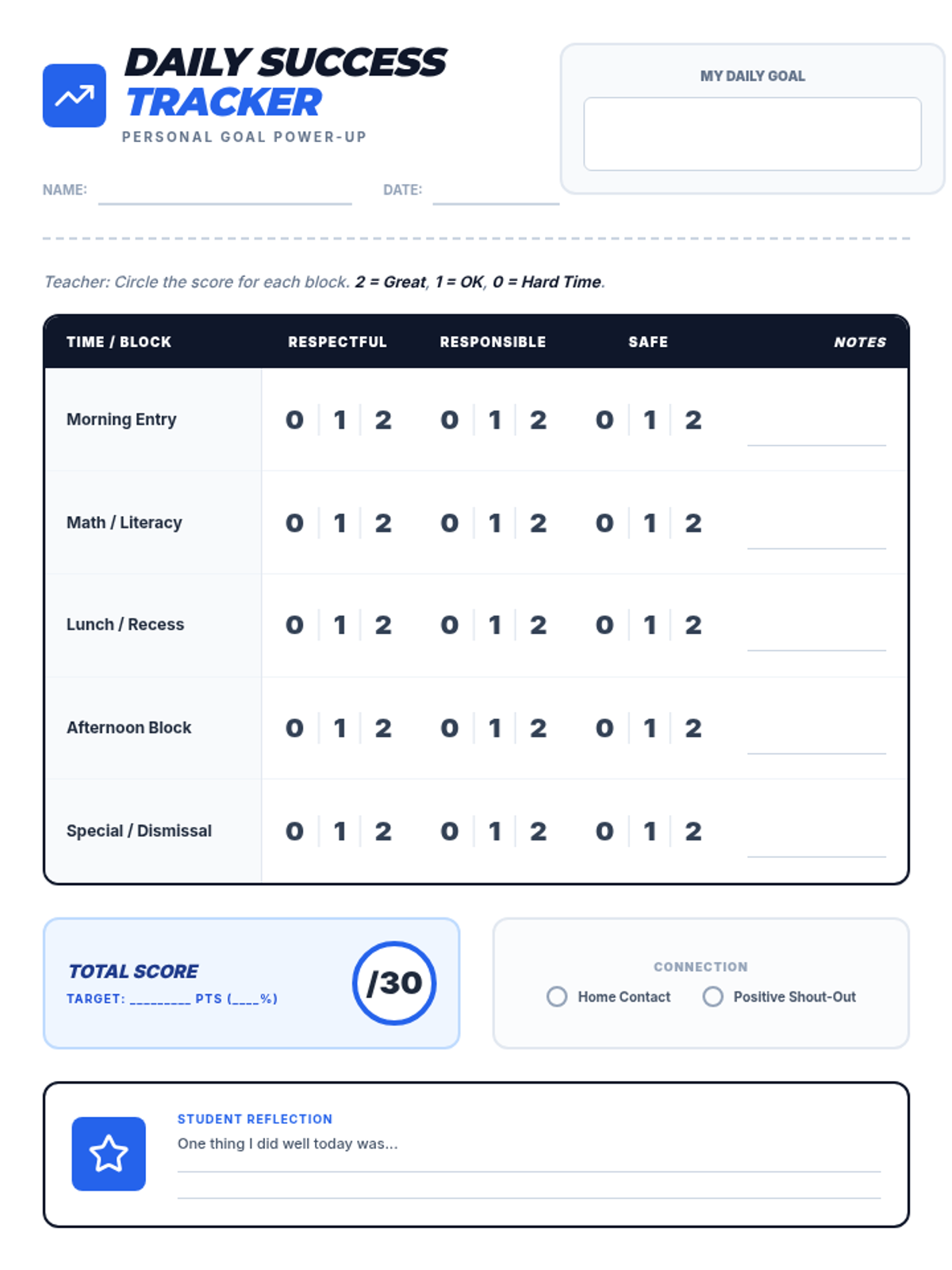
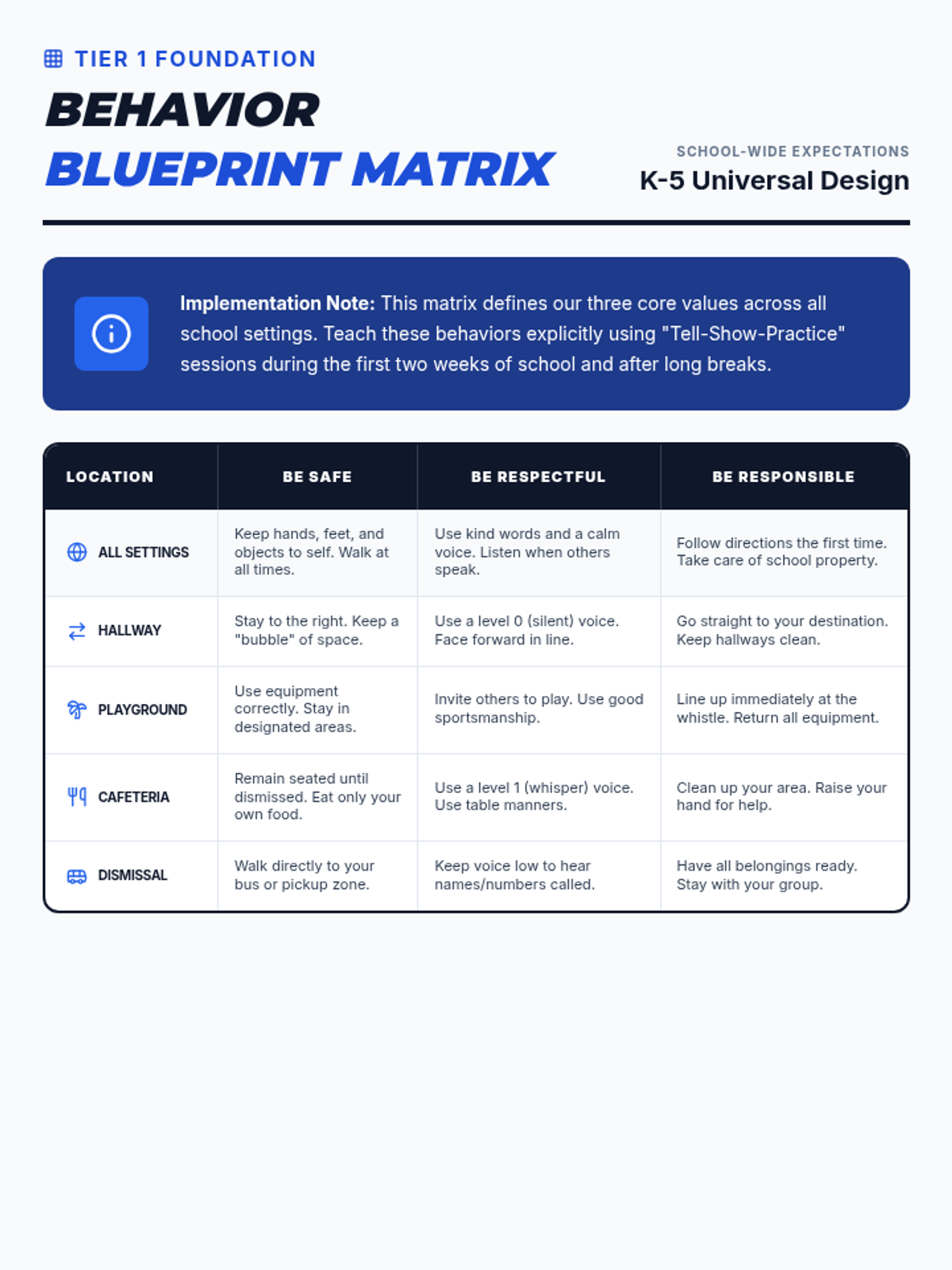
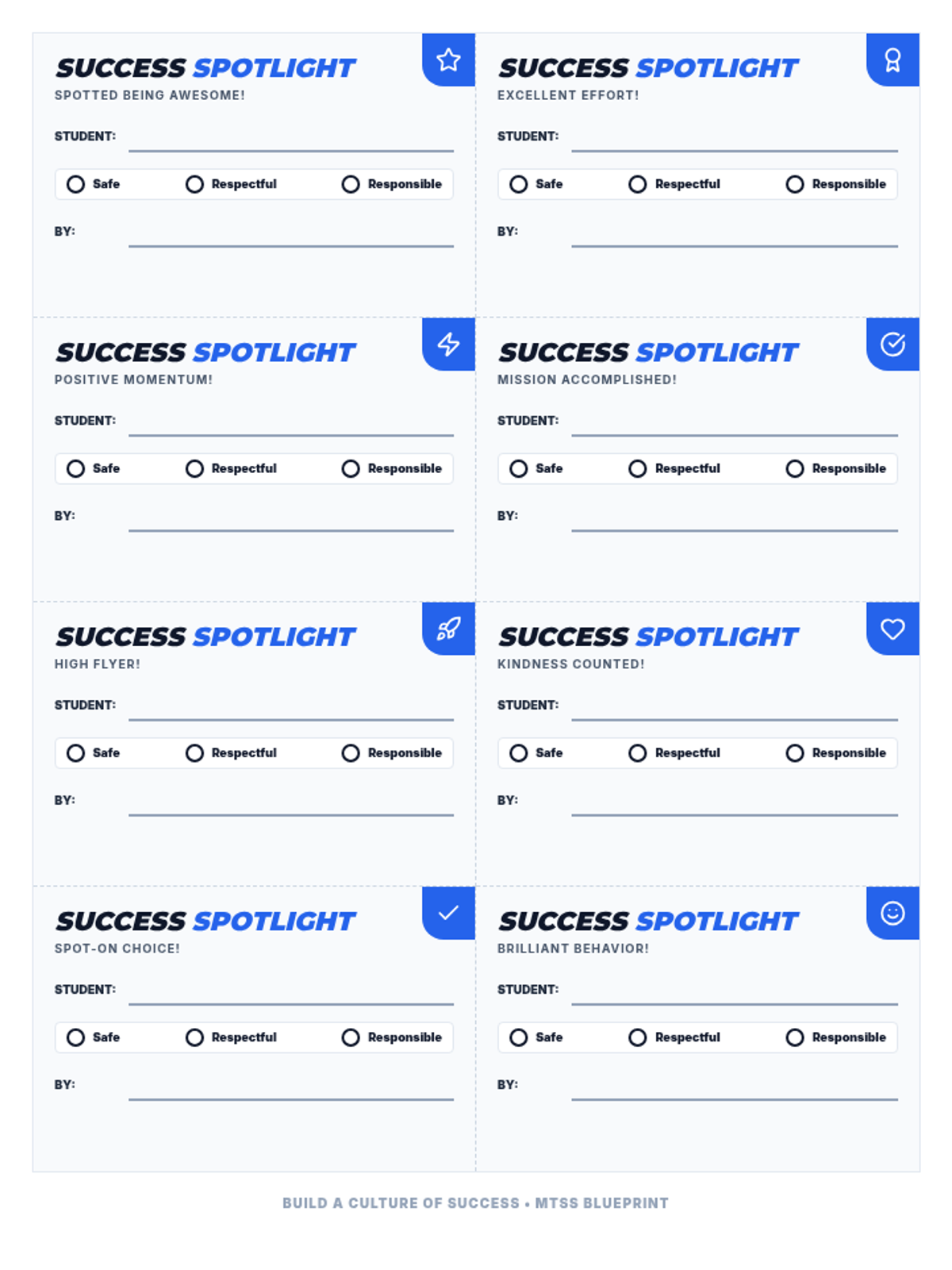
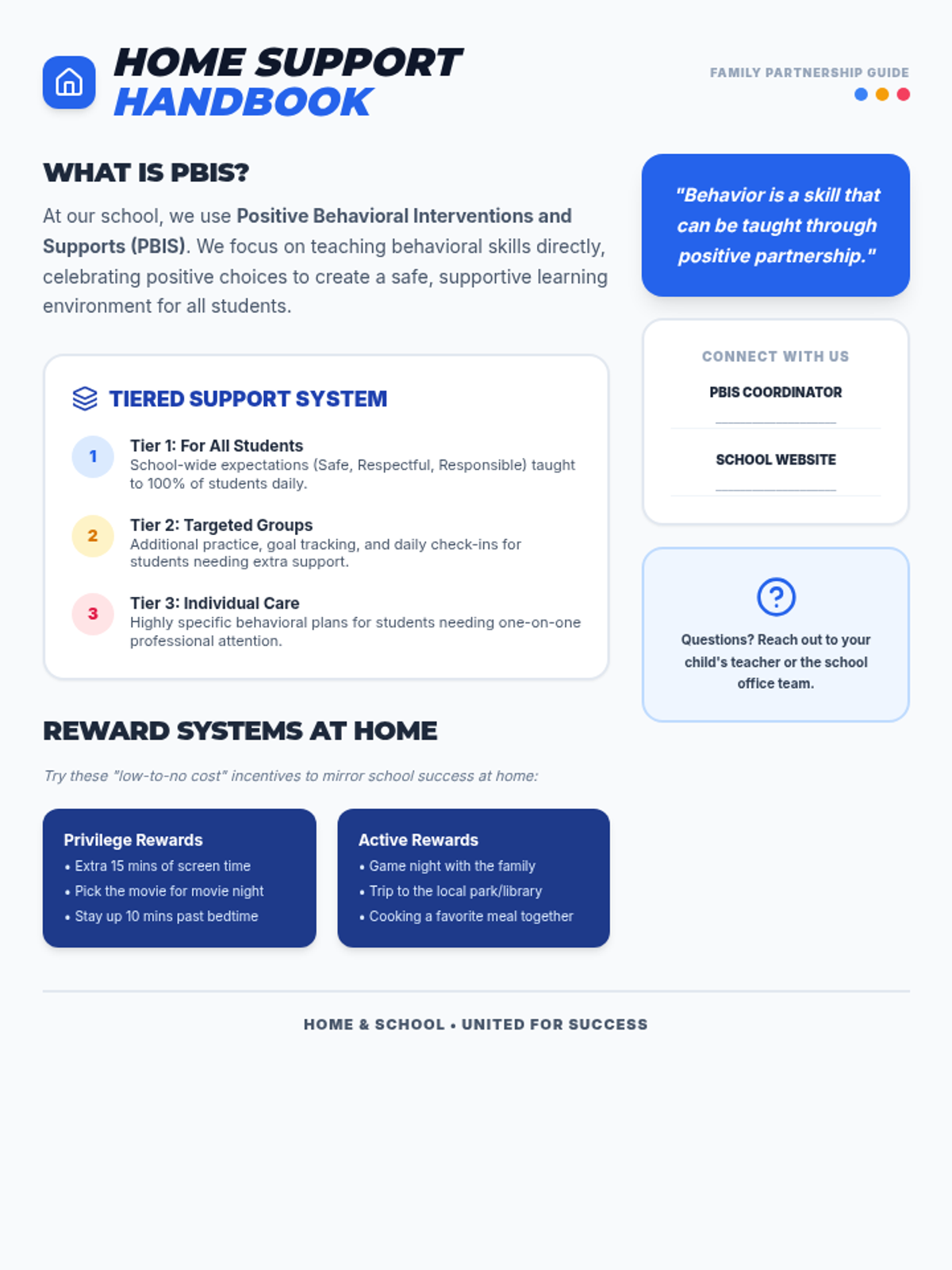
An introductory lesson and set of resources focused on the structural setup of Tier 1, 2, and 3 supports within an elementary school PBIS framework.
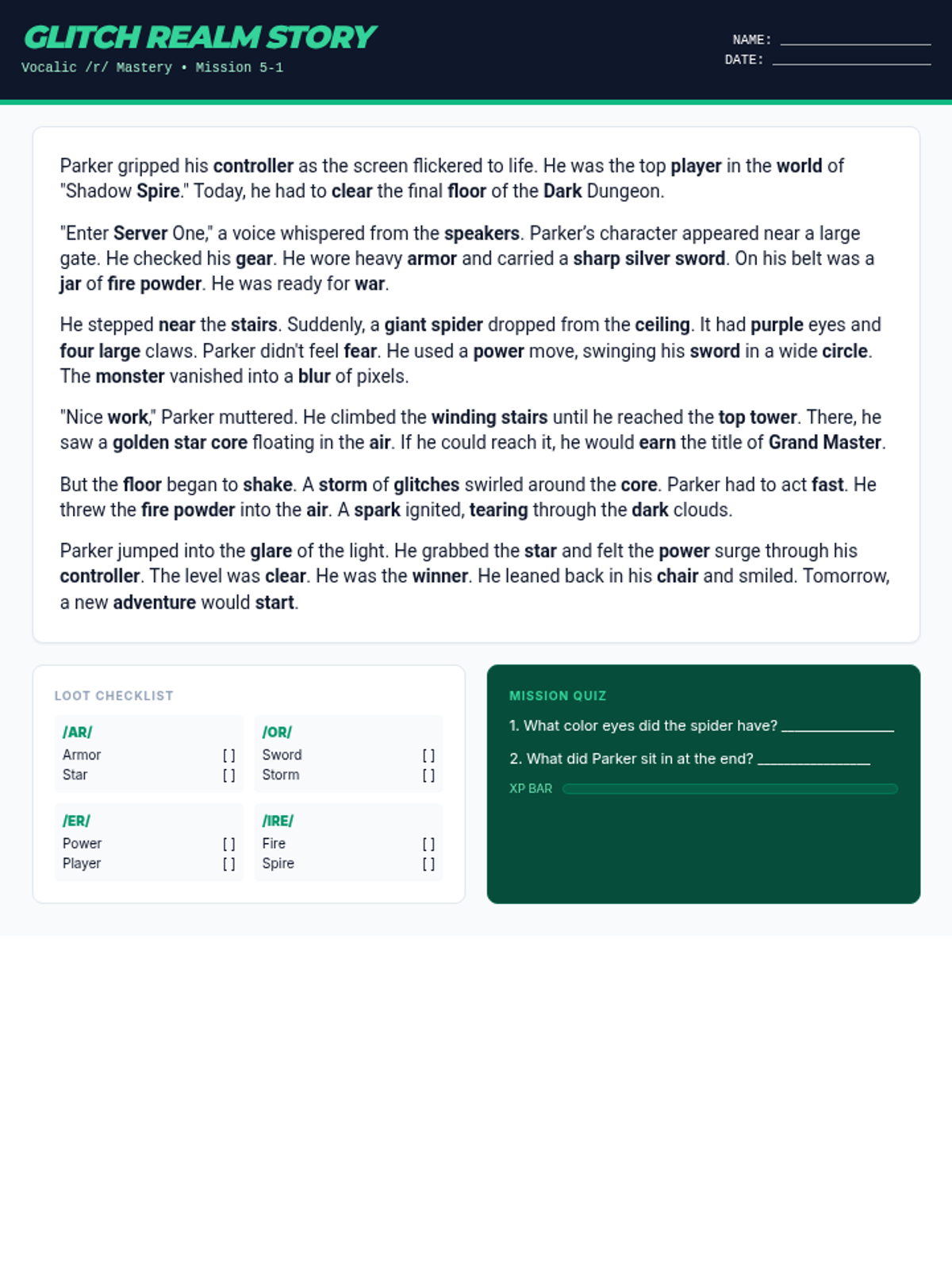
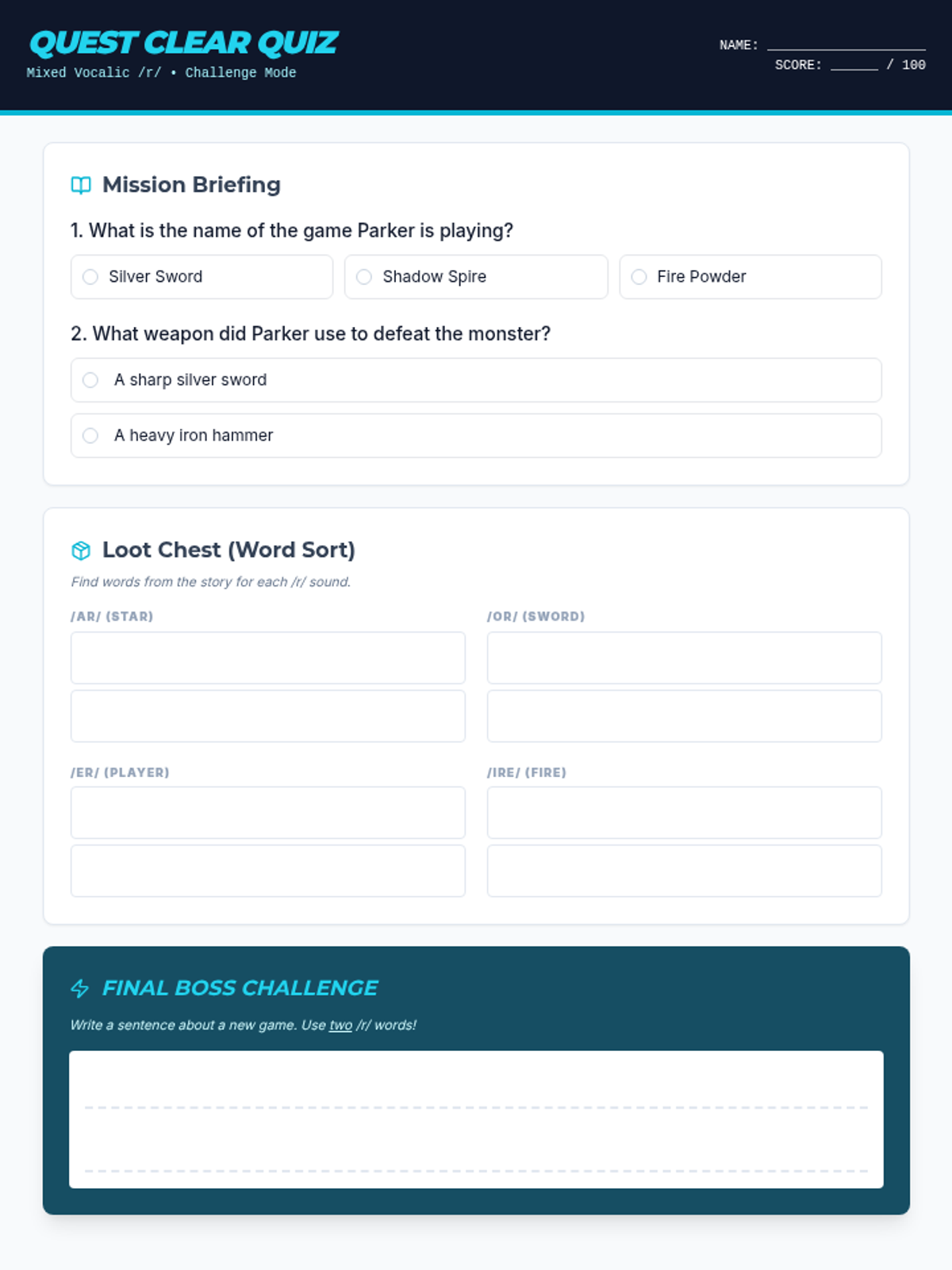
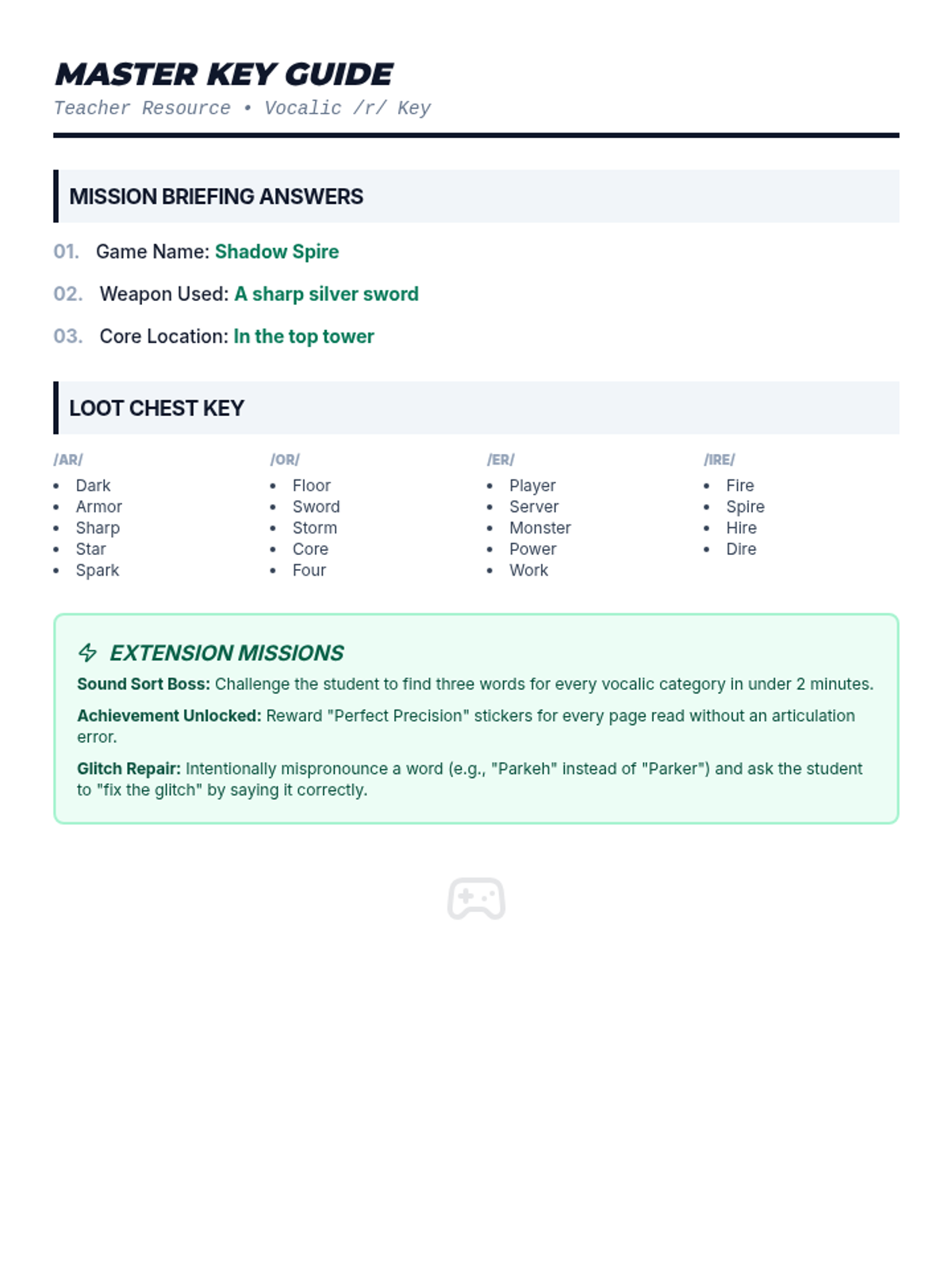
A high-engagement lesson for 5th graders focusing on mixed vocalic /r/ sounds through the lens of a retro video game adventure. Students will practice articulation through reading and comprehension tasks.
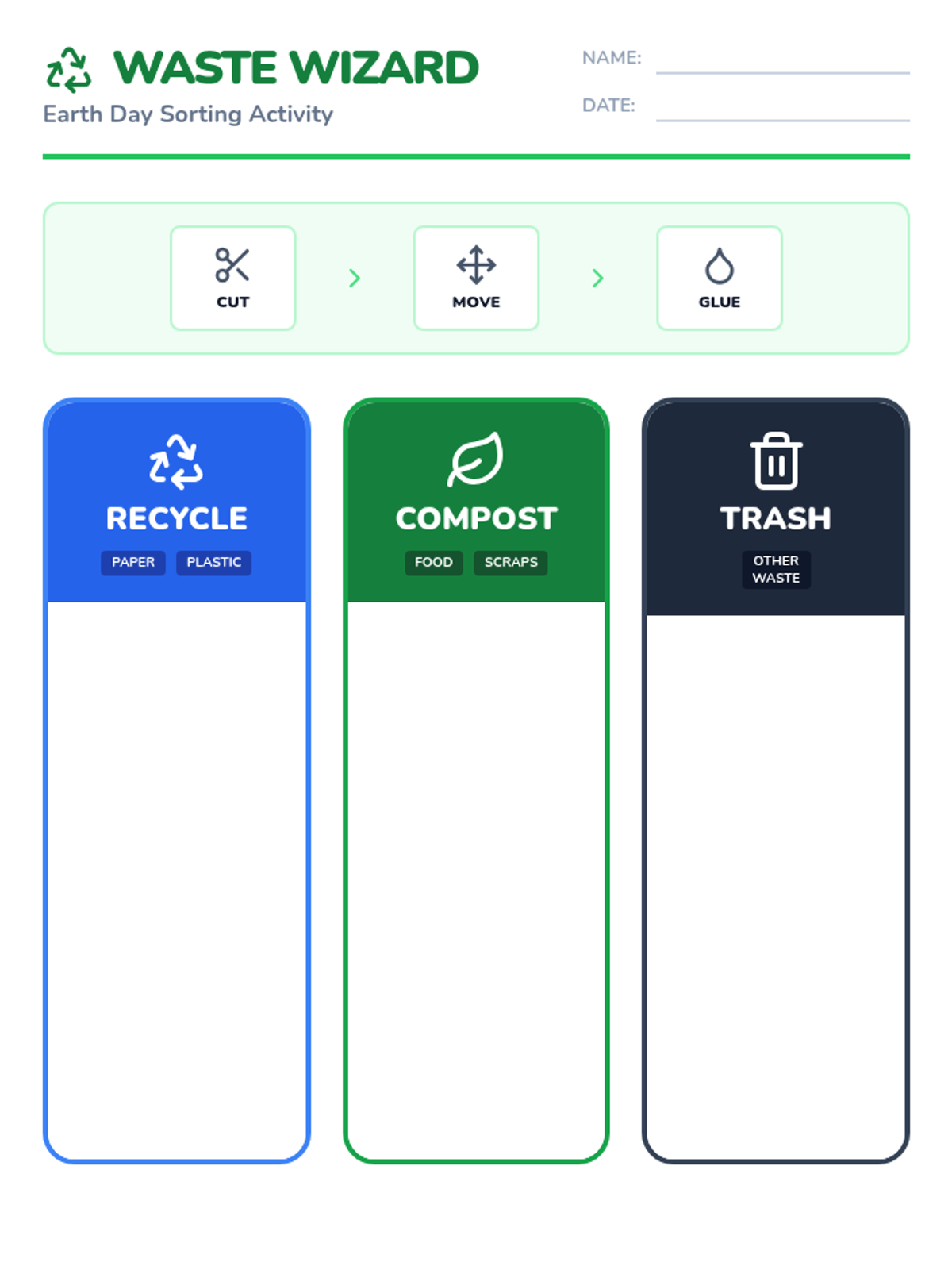
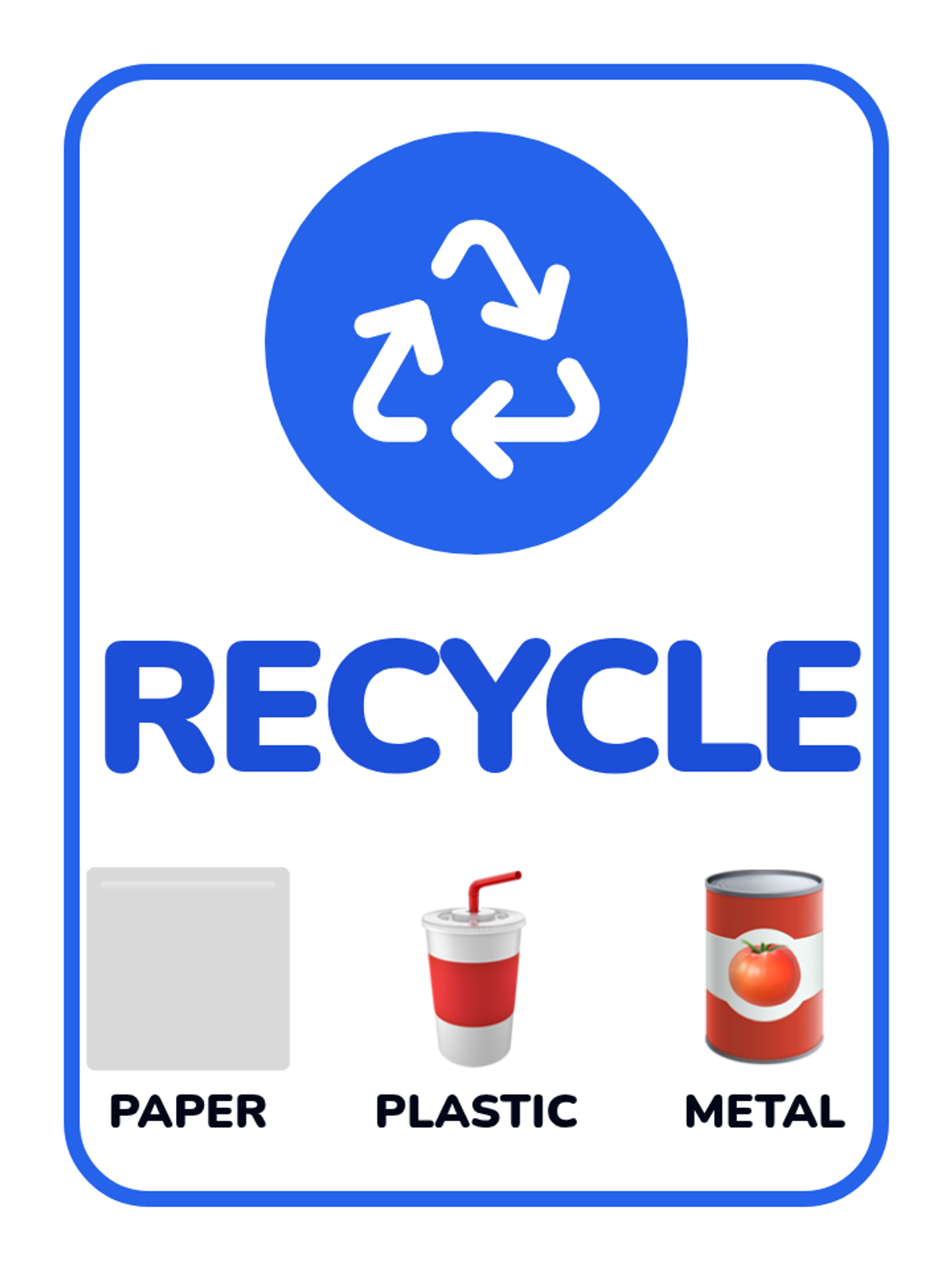
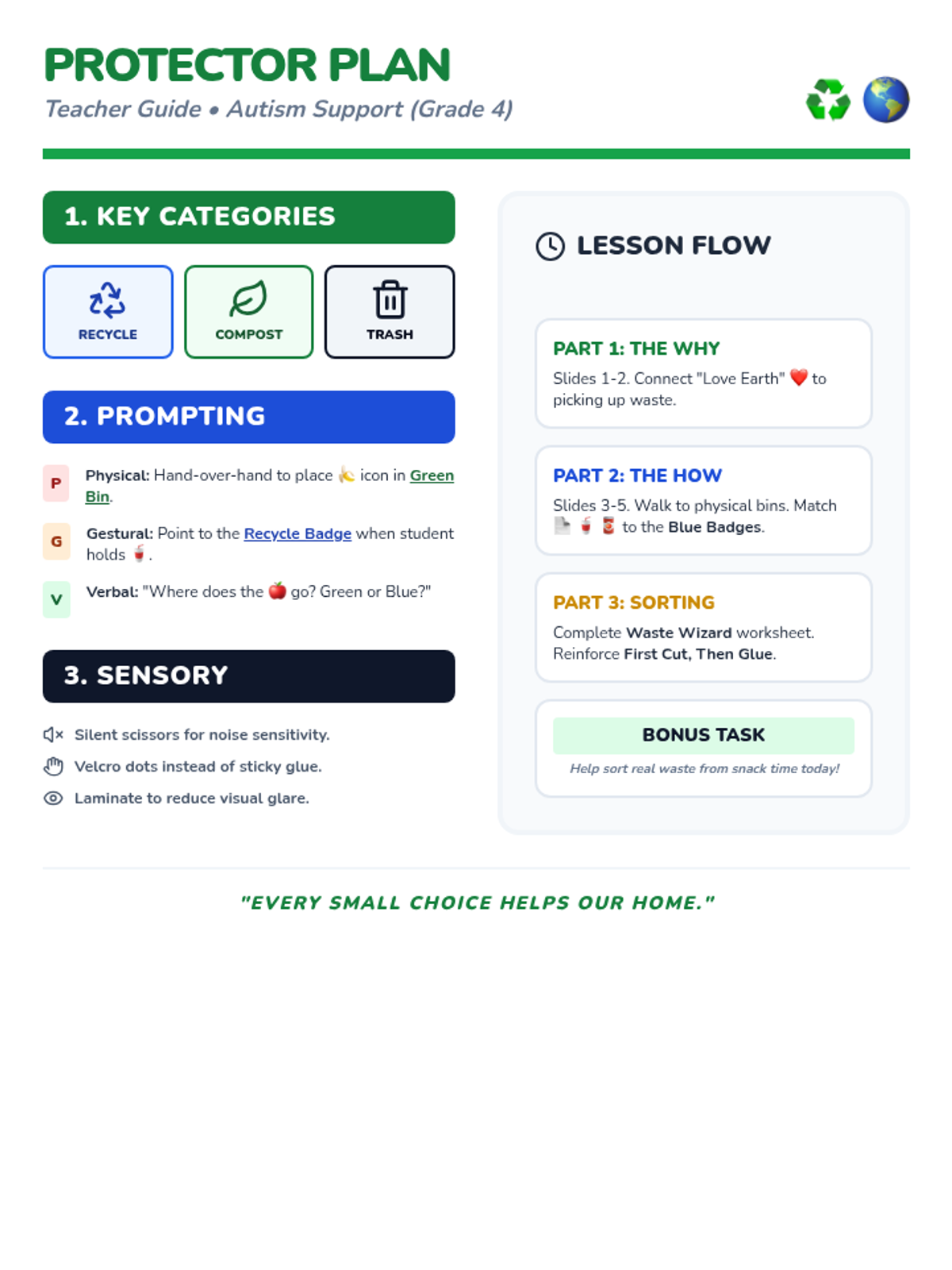
A highly visual lesson on sorting waste into recycling, compost, and trash, designed for students with autism. Includes a slide presentation, a cut-and-paste sorting activity, and visual aids for classroom bins.