The capstone project where students create a personal guide using metaphors to explain their preferences and needs. This builds self-advocacy and communication skills.
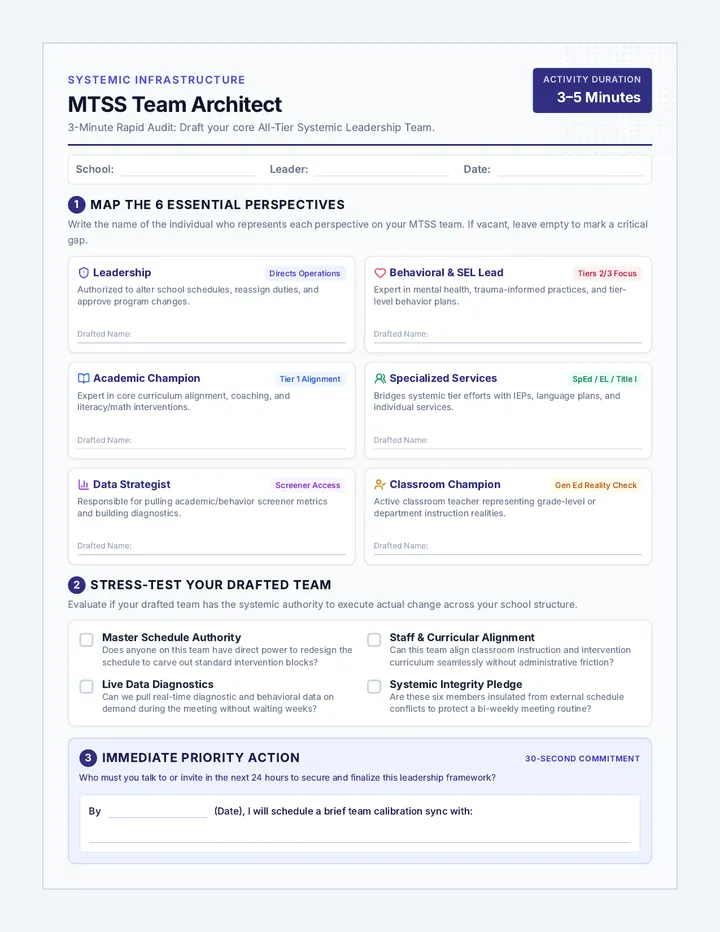
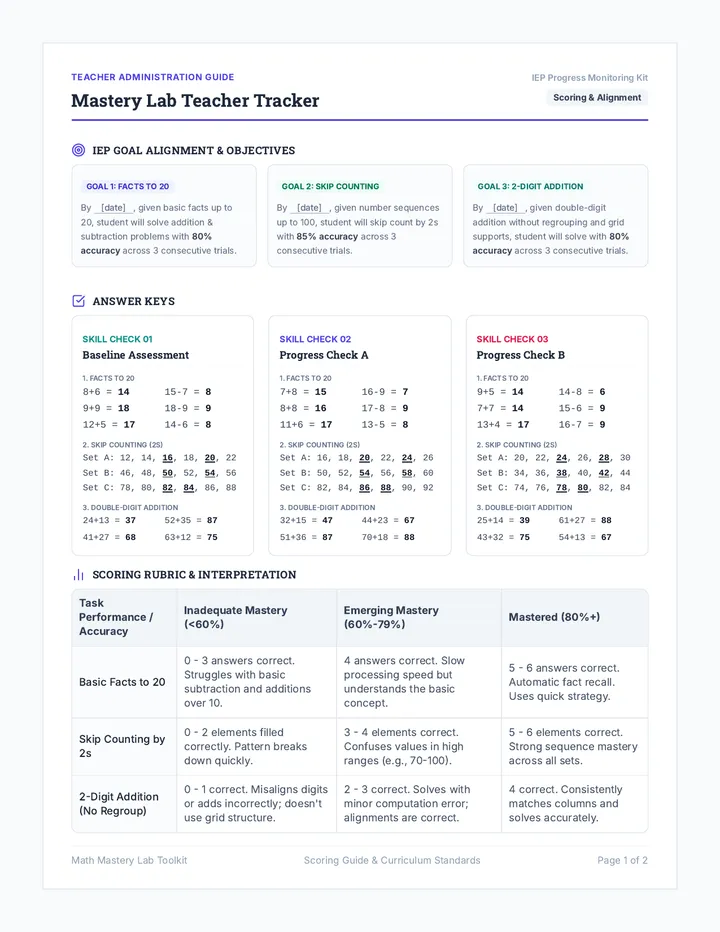
A lesson designed to empower students to understand their IEP goals and practice self-advocacy through scenario-based roleplay. Students will learn the 'Blueprinting' method for communicating their needs effectively to teachers and staff.
A focused session on postsecondary self-advocacy, teaching students with learning differences how to communicate their needs to professors and employers. The lesson emphasizes the transition from high school's automatic support to the self-initiated systems of college and the workplace.
A review of all skills, self-assessment of progress, and a celebration of 'Brain Boss' certification.
Teaches cognitive flexibility and how to 'pivot' when plans change or obstacles arise.
Explores mental strategies for holding and manipulating information, such as visualization and external checklists.
Strategies to overcome the 'getting started' hurdle, focusing on the 5-minute rule and environment setup.
Introduces time estimation and the 'time-mapping' technique to visualize schedules and reduce procrastination.
Practical strategies for physical organization, including locker, backpack, and digital file management.
Teaches students how to differentiate between urgency and importance and break large projects into manageable steps.
Teaches emotional regulation techniques to help students identify their 'mood zone' and use calming strategies.
Focuses on impulse control and the 'stop, think, go' strategy to manage reactions in social and academic settings.
An introductory session to define executive functioning and establish group norms through a 'Brain Boss' metaphor.
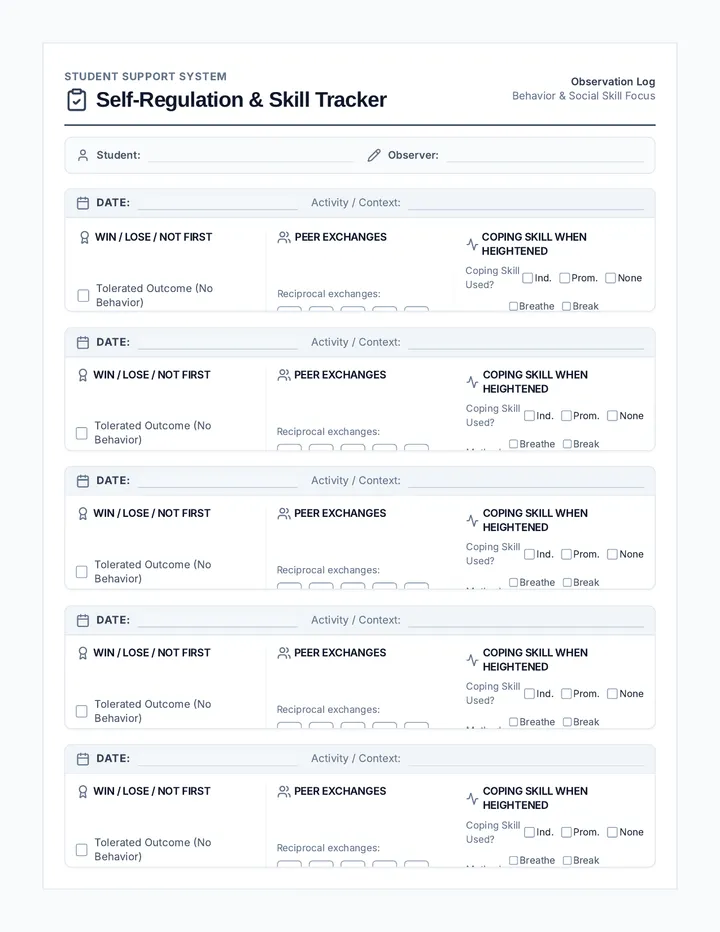
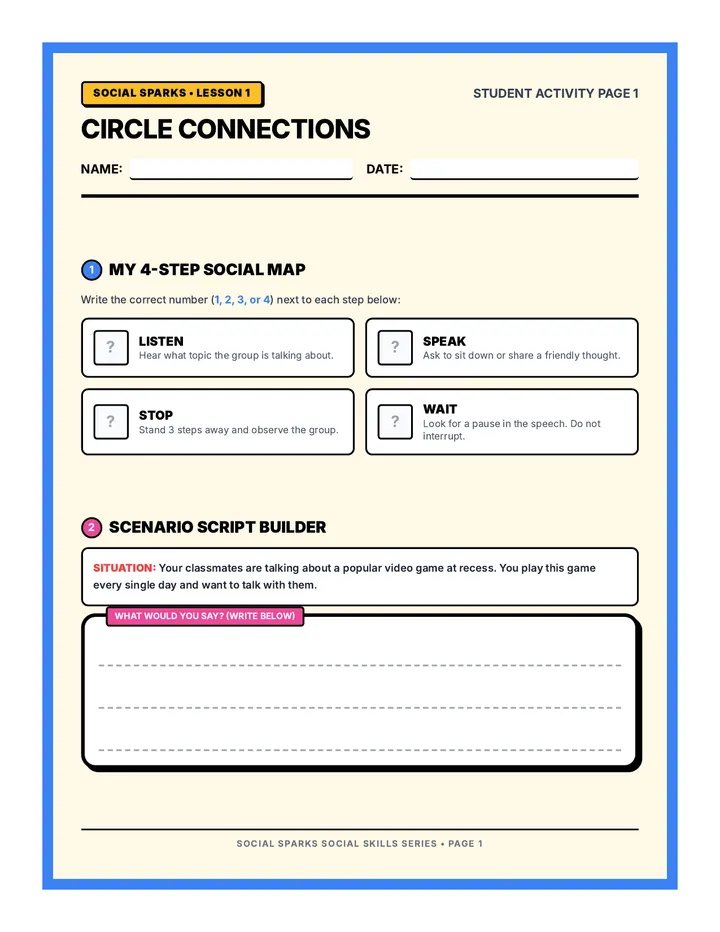
Teaching students to navigate personal space and handle social rejection with maturity and respect.
Two double-sided morning work assignments designed for 7th-grade students preparing for NYS ELA and Math exams, focusing on high-leverage standards like Ratios, Expressions, Context Clues, and Short Response writing.
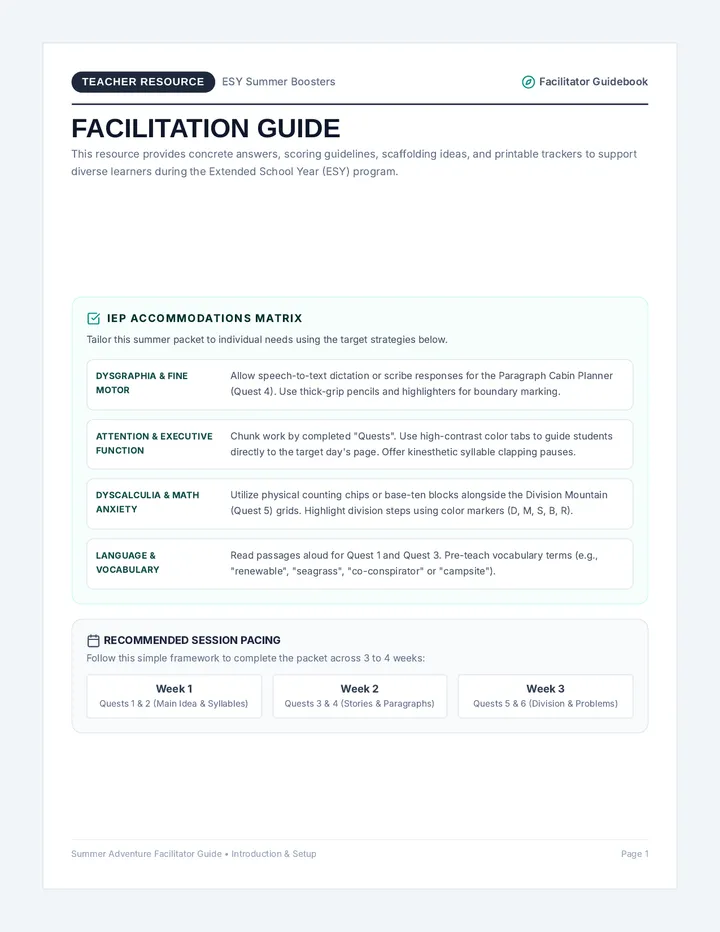
Strategies and quick-reference tools specifically designed for refocusing and redirecting students with ADHD and defiant behaviors in the Least Restrictive Environment.
A comprehensive intervention suite designed for 8th-grade students struggling with elopement and vandalism. It focuses on restorative justice, structural scheduling, and teacher-led support strategies.
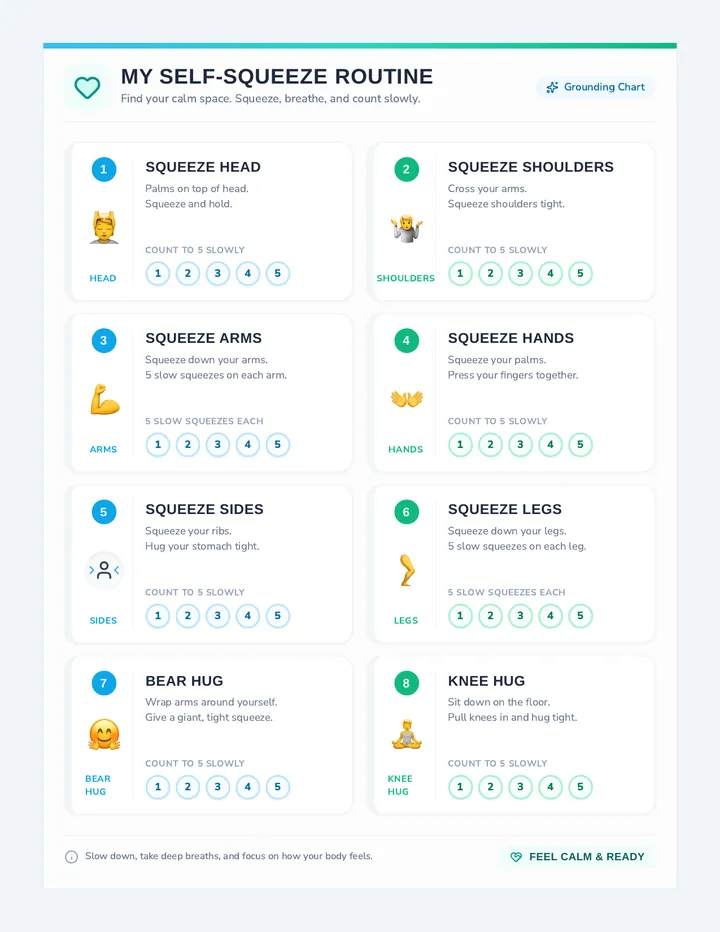
Sensory support strategies and proprioceptive activities designed for students in grades 3-5. Bridges the gap between play-based movement and functional household participation with age-appropriate "strength challenges."
Sensory support strategies and proprioceptive activities specifically designed for students in grades K-3. Focuses on play-based heavy work, animal walks, and simple household participation.
A 5-page workbook unit focused on strengthening executive functioning and planning skills for teenagers, using a 'Command Center' technical manual theme.
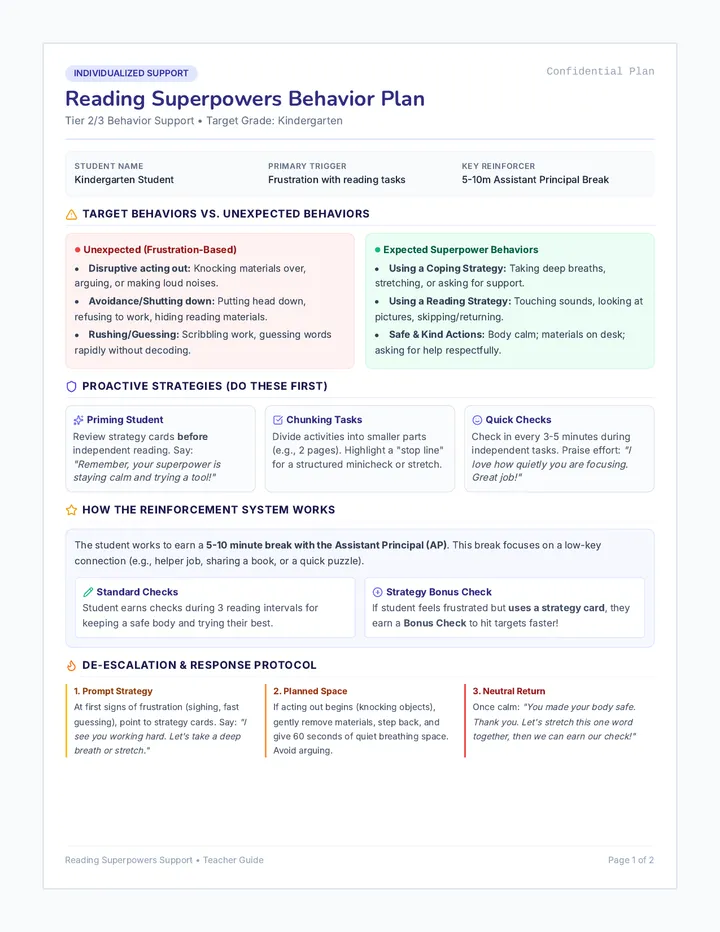
A classroom management system focused on positive reinforcement through a token economy, featuring non-tangible rewards.
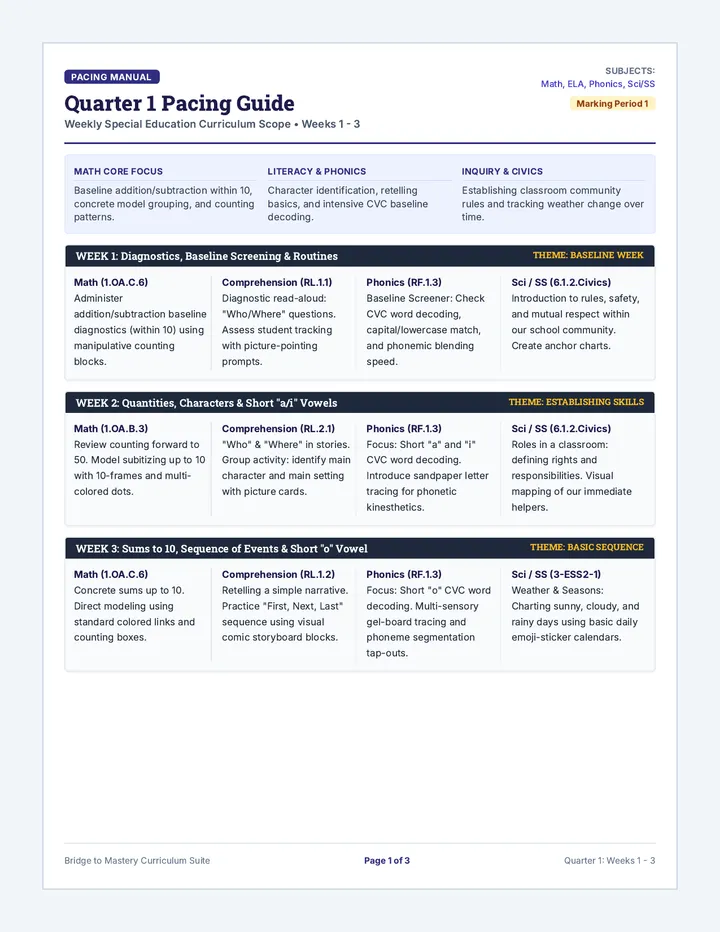
A comprehensive lesson designed for 5th-grade students working on foundational sight words (Dolch Primer and Fry First 100). The lesson uses a 'Word Spy' theme to keep the material age-appropriate while targeting K-1 level literacy goals.
A comprehensive K-12 behavior management system that synthesizes best practices from MTSS, PBIS, and restorative justice frameworks. This lesson provides teachers with a clear decision-making flow and a detailed policy handbook for maintaining a positive school culture.
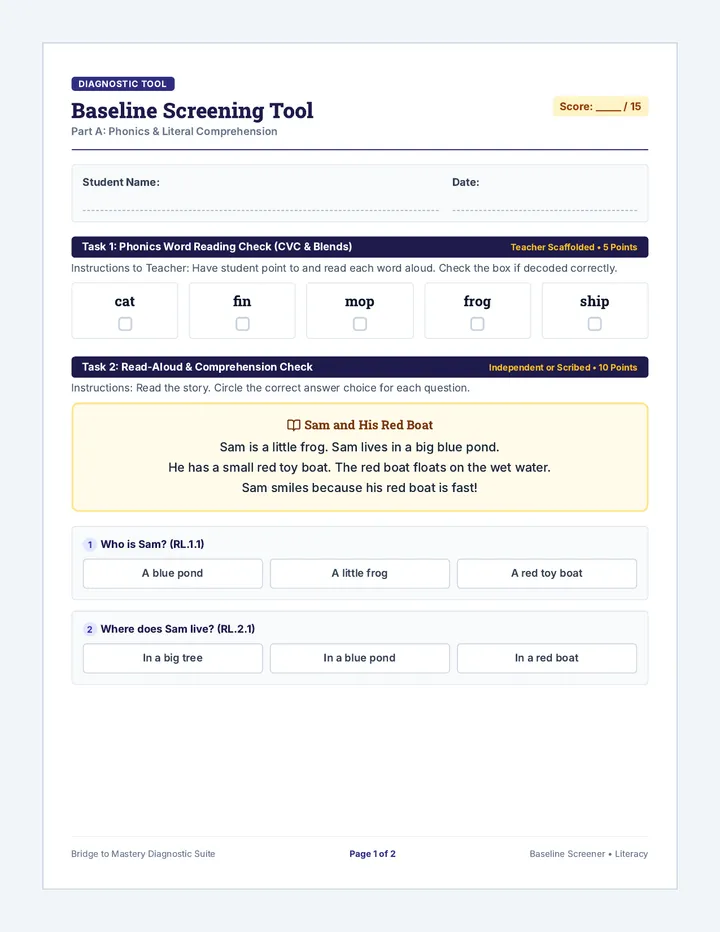
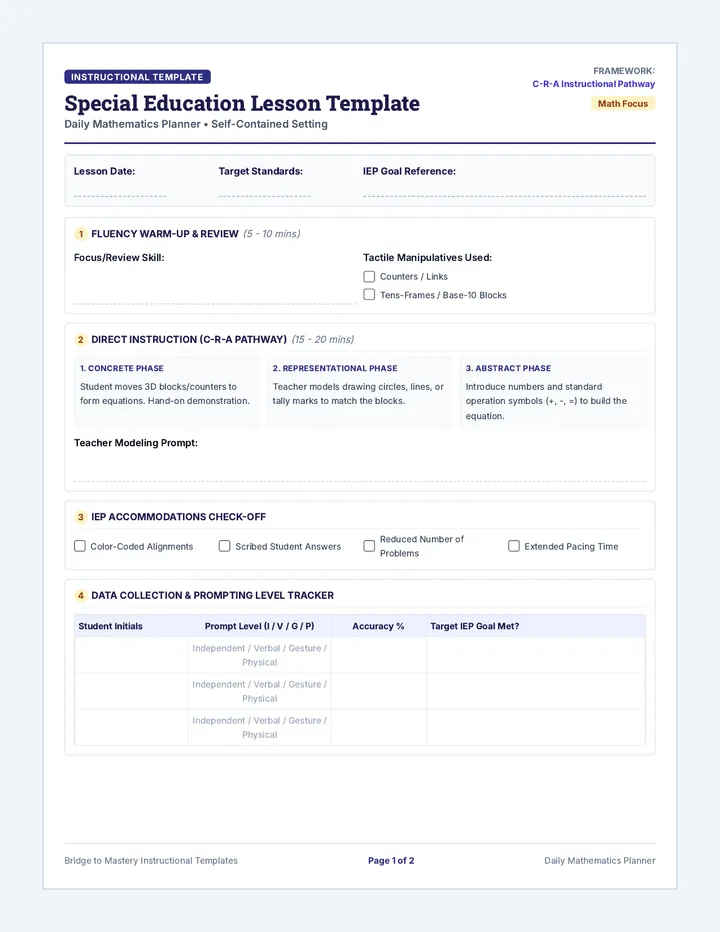
Teaches emotional regulation techniques and focus-boosting 'grounding' exercises to manage the sensory and emotional load of middle school.
Provides concrete study techniques for ADHD brains and test-taking strategies to manage anxiety and improve focus during assessments.
Covers navigating new social circles and the critical skill of self-advocacy with teachers, using clear communication protocols.

Focuses on physical organization of lockers and binders, alongside time management strategies like 'backward planning' for long-term projects.
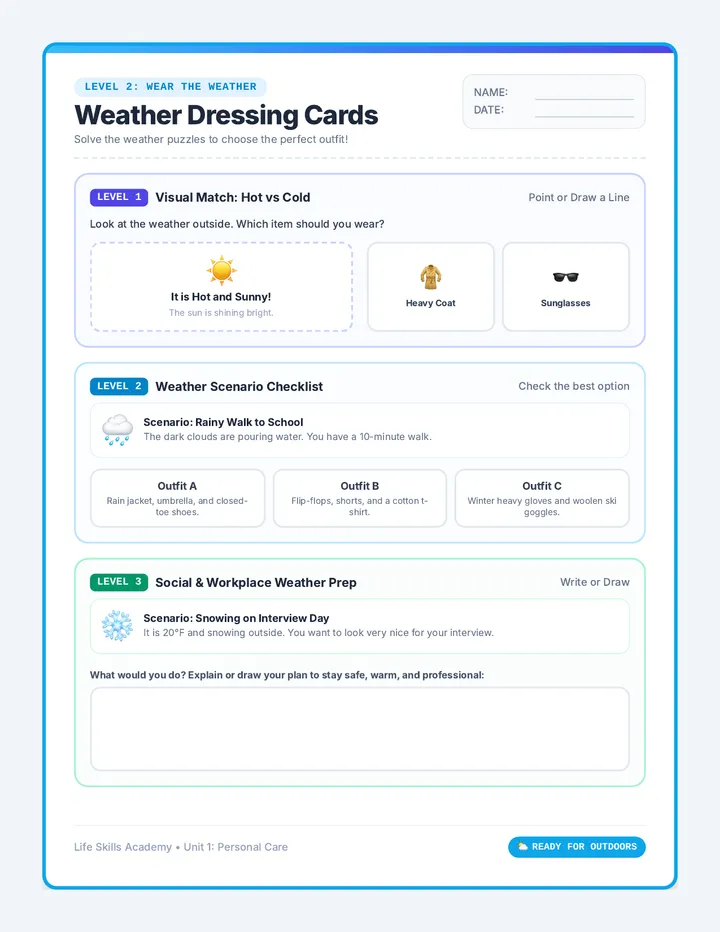
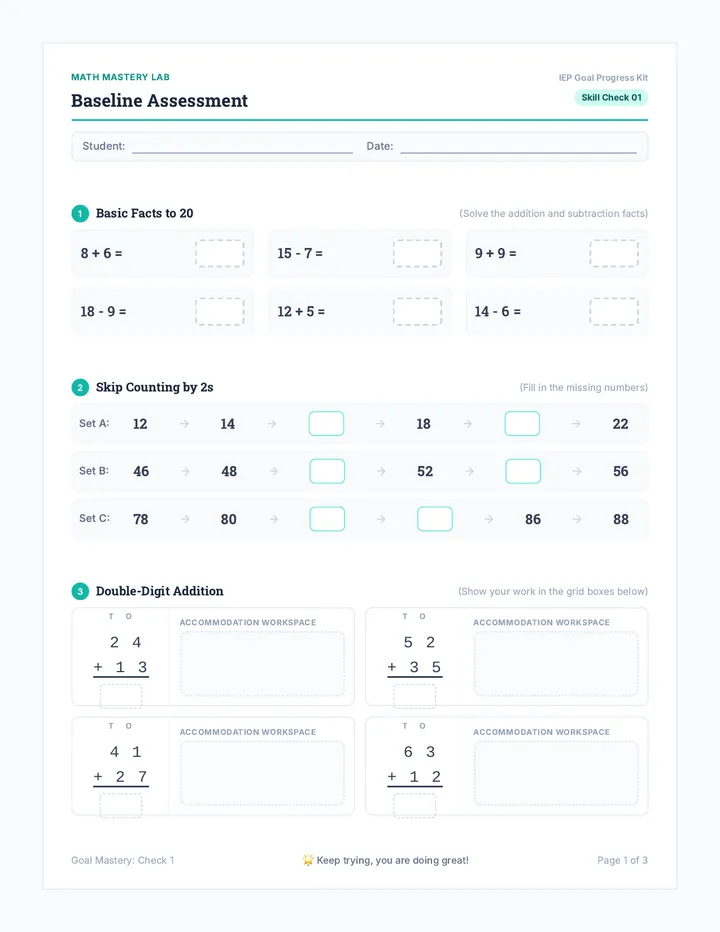
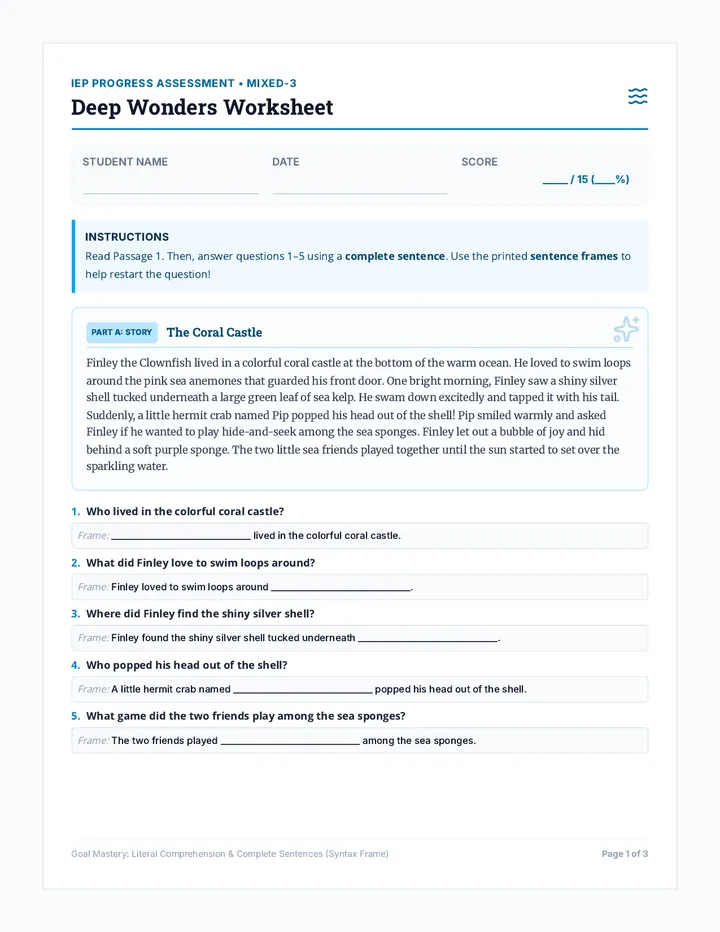
A specialized lesson designed for IEP students to master adding fractions with unlike denominators using visual scaffolds, multiplication charts, and color-coded steps. Focuses on simple denominators and visual area models to build conceptual understanding.
A mini-lesson for a 6th-grade resource room ELA class focusing on Auggie's character traits and his development throughout the first month of school in the novel 'Wonder'. This lesson uses a space-exploration theme and provides high levels of scaffolding.
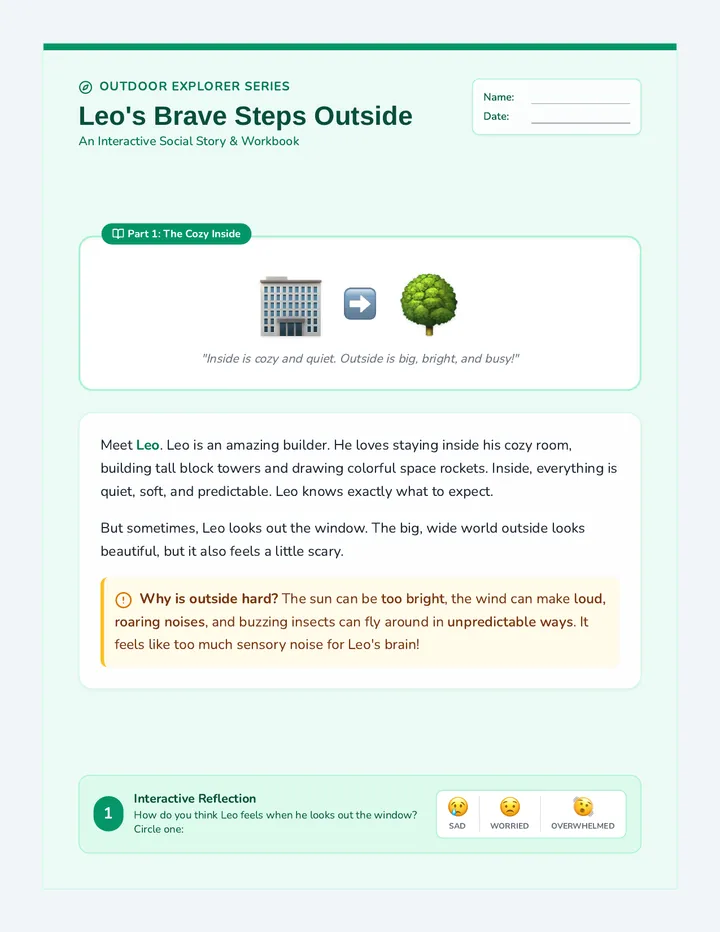
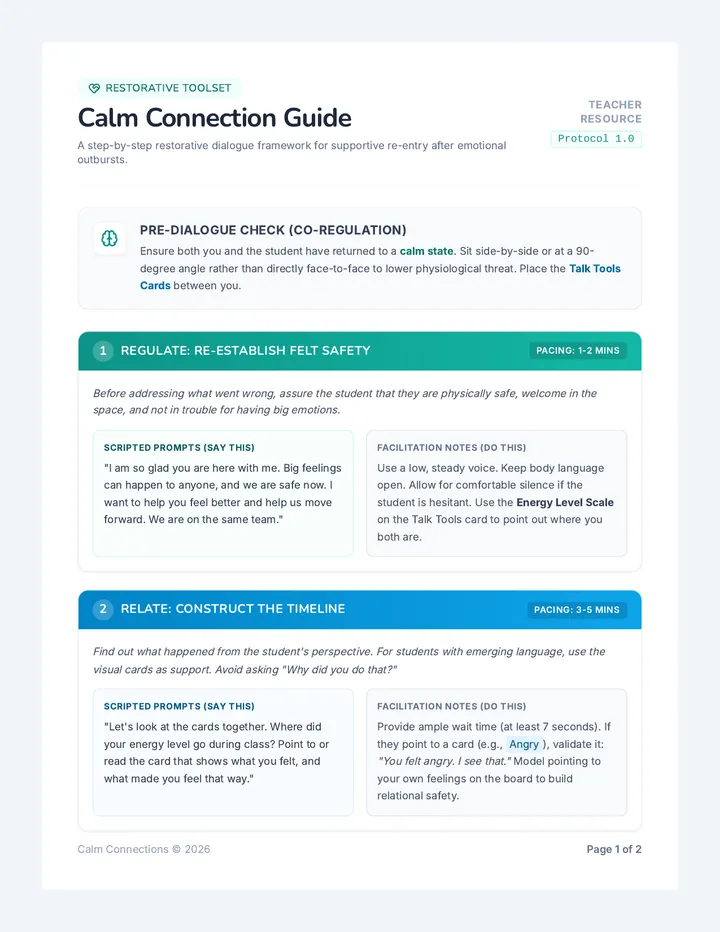
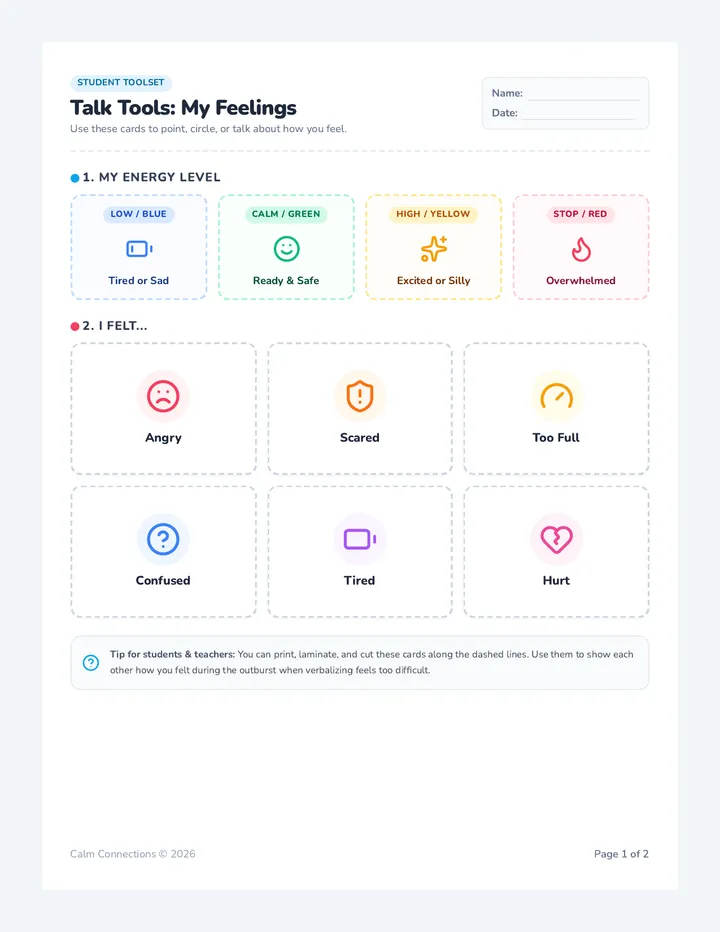
A social story and support materials designed for a 14-year-old student to understand the process of cleaning up after an emotional outburst before transitioning back to the classroom.
A comprehensive set of resources for parents of junior high and high school students, focusing on proprioception, sensory seeking behaviors, and practical home-based strategies.
A comprehensive parent training resource designed to support task initiation and sustained focus for students with autism using visual strategies and structured home routines.
A collection of video-based independent work stations for student rotation and self-paced learning.
A social story and support toolkit designed to help students navigate frustration, manage physical impulses, and choose safe alternatives to eloping or aggression.