A lesson focused on the impact of boating on manatees in the Everglades, designed for special education students to learn key vocabulary and conservation concepts through matching and visual activities.
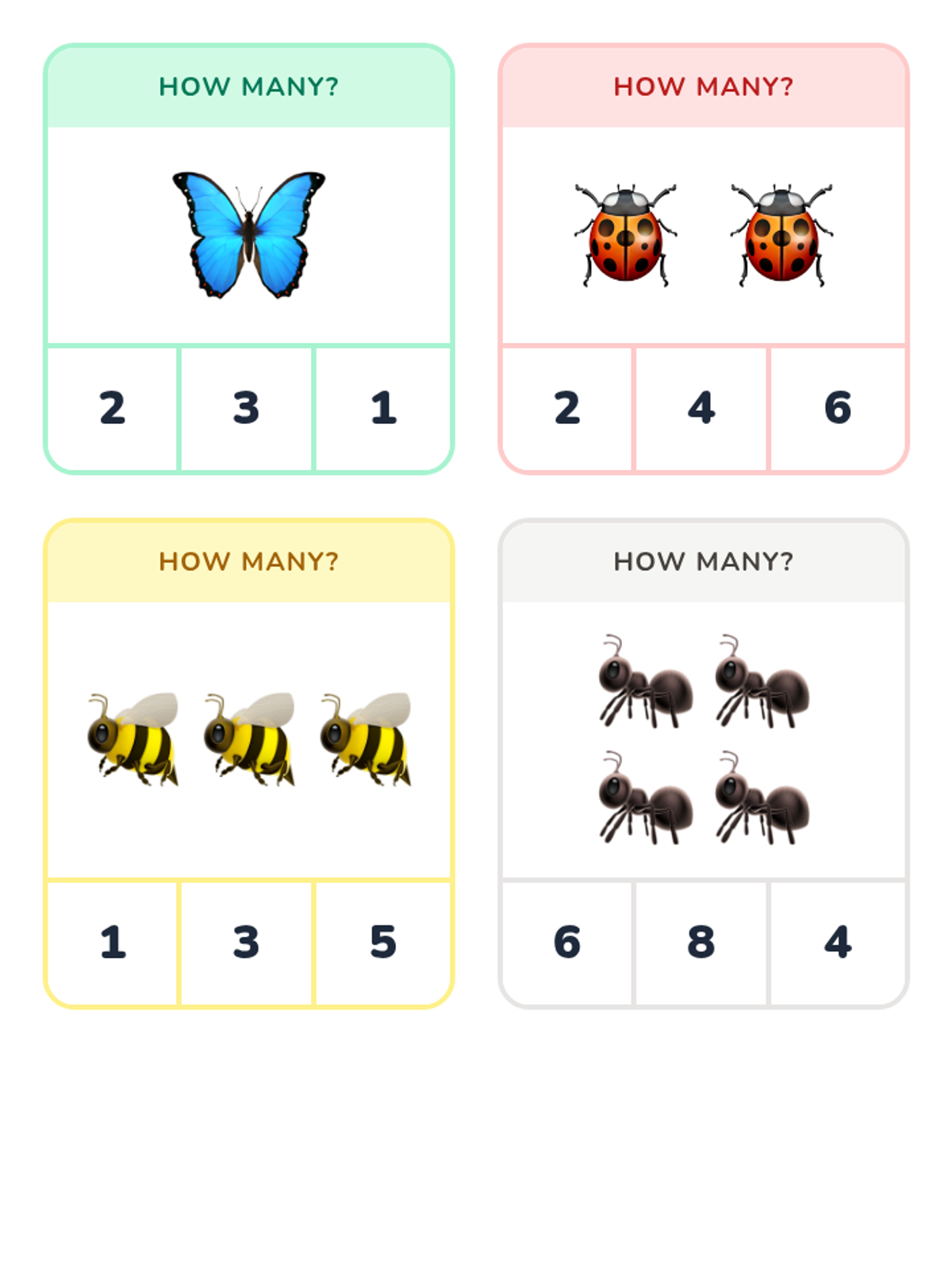
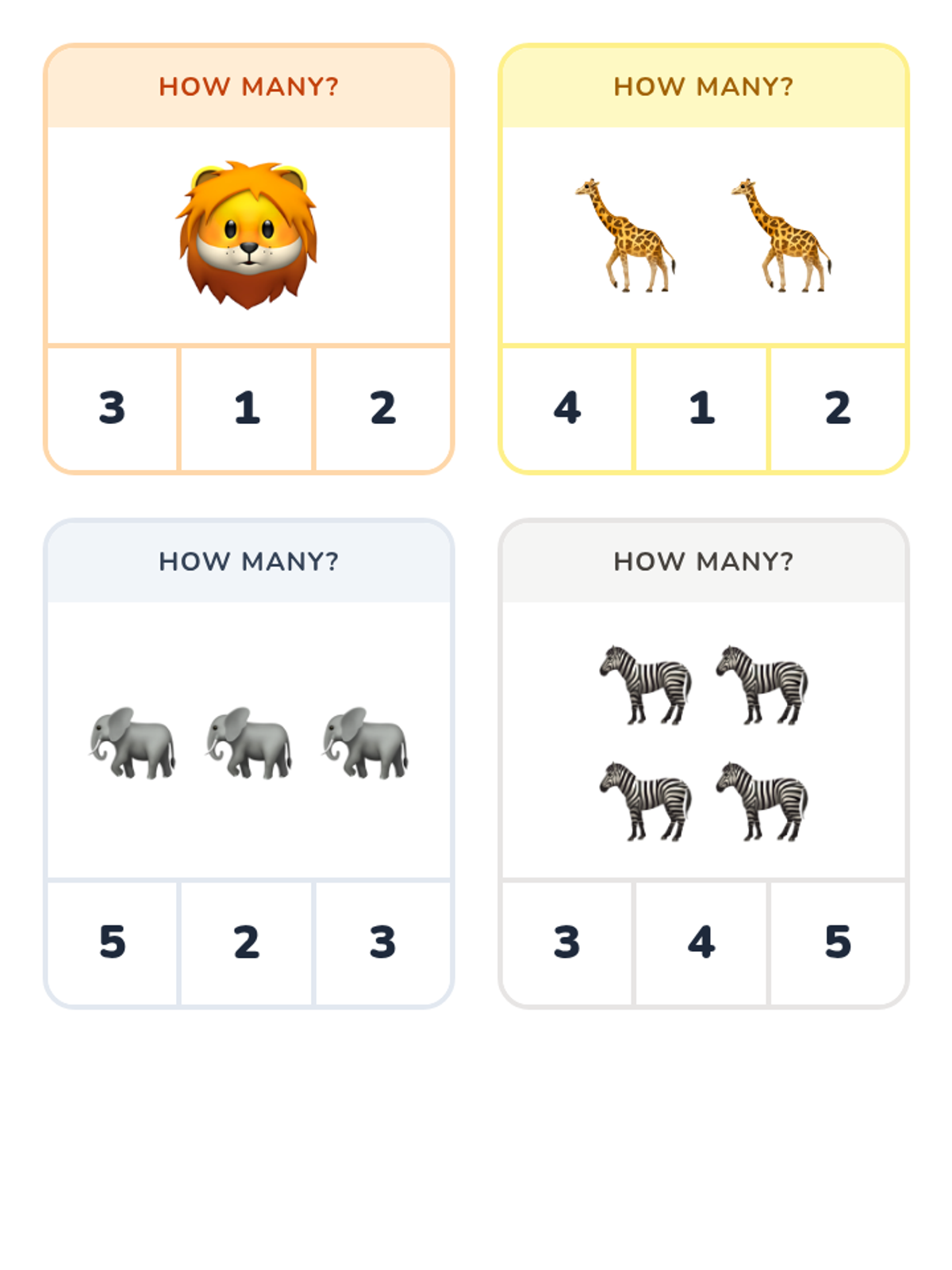
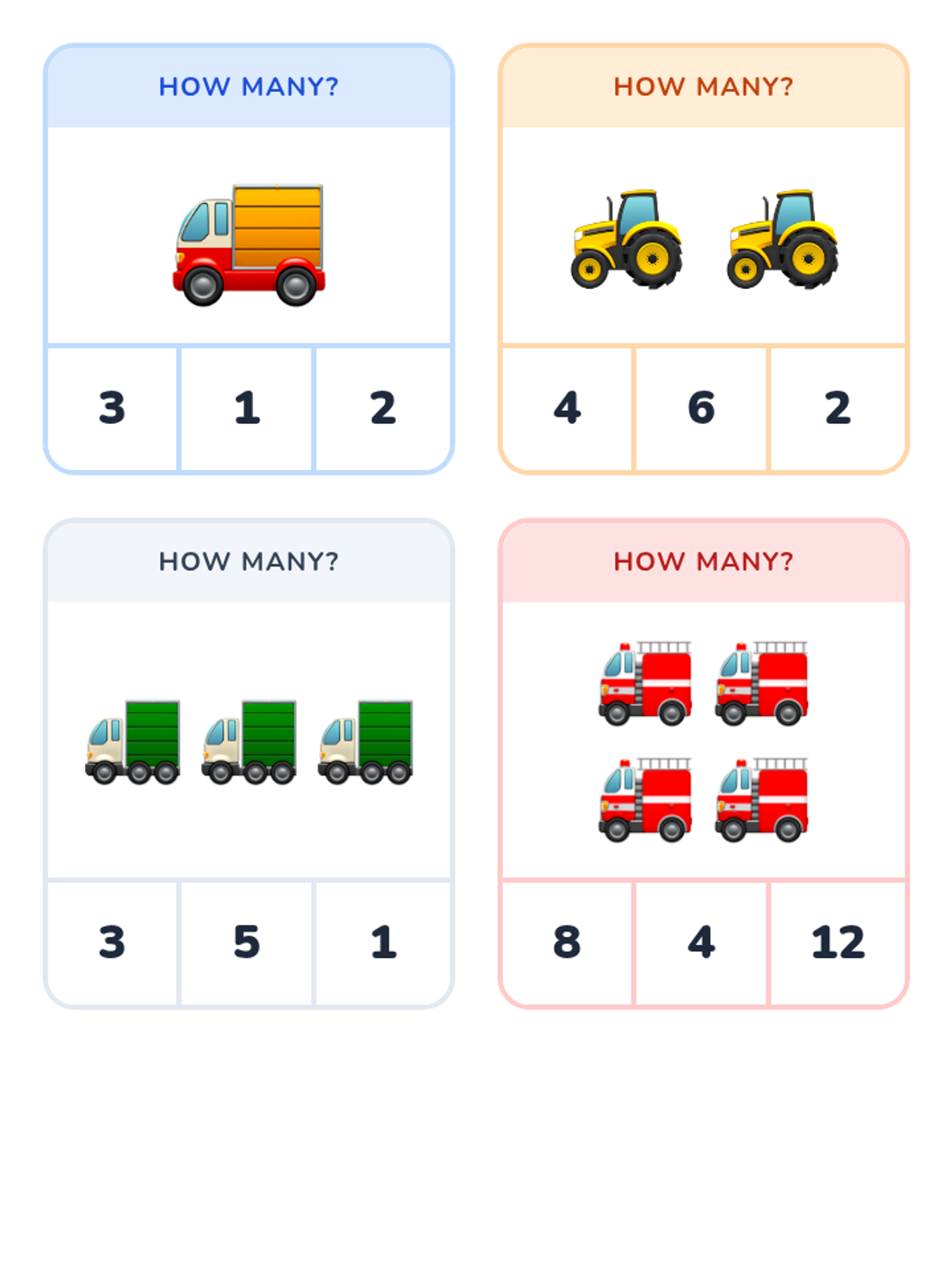
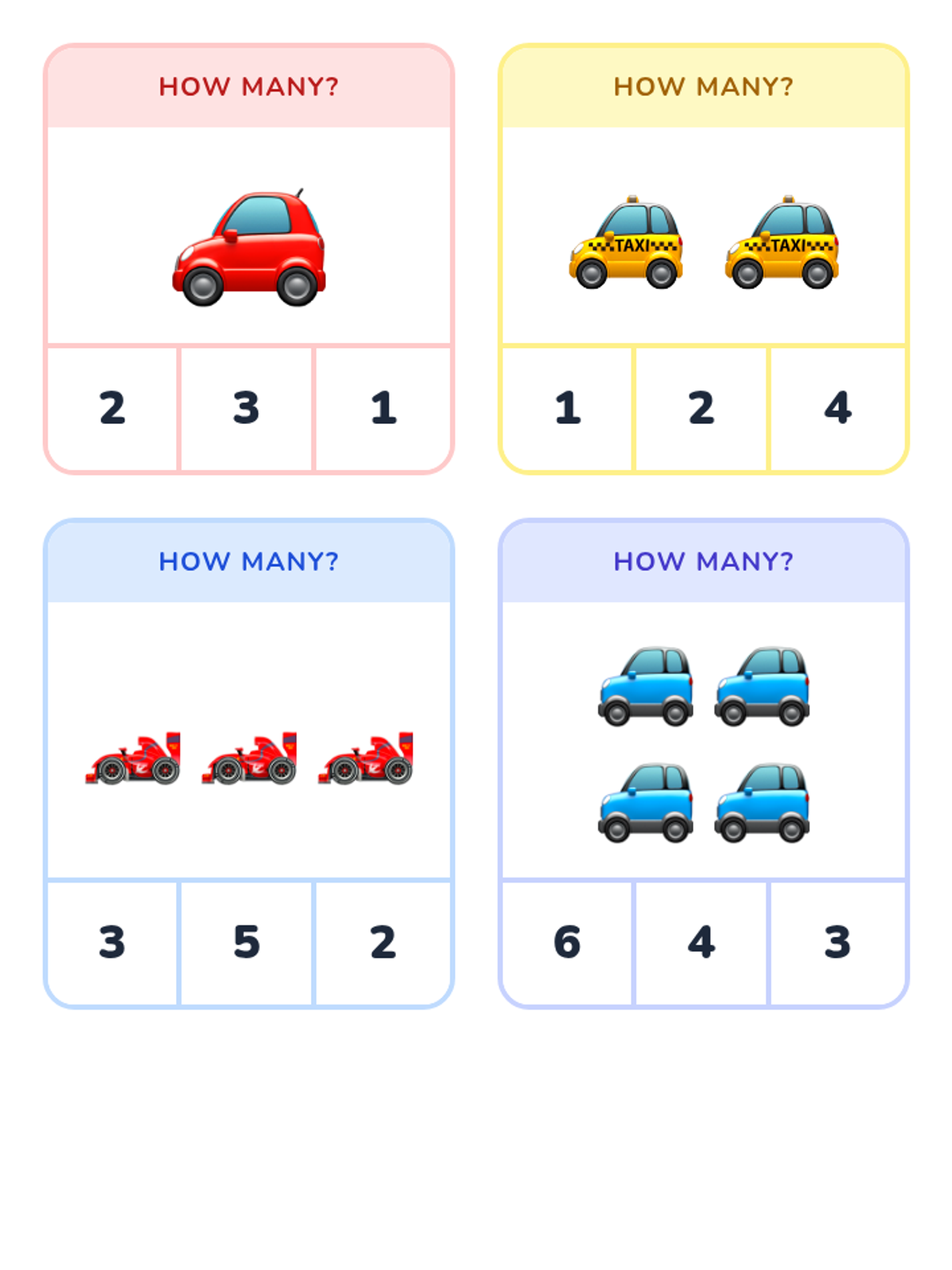
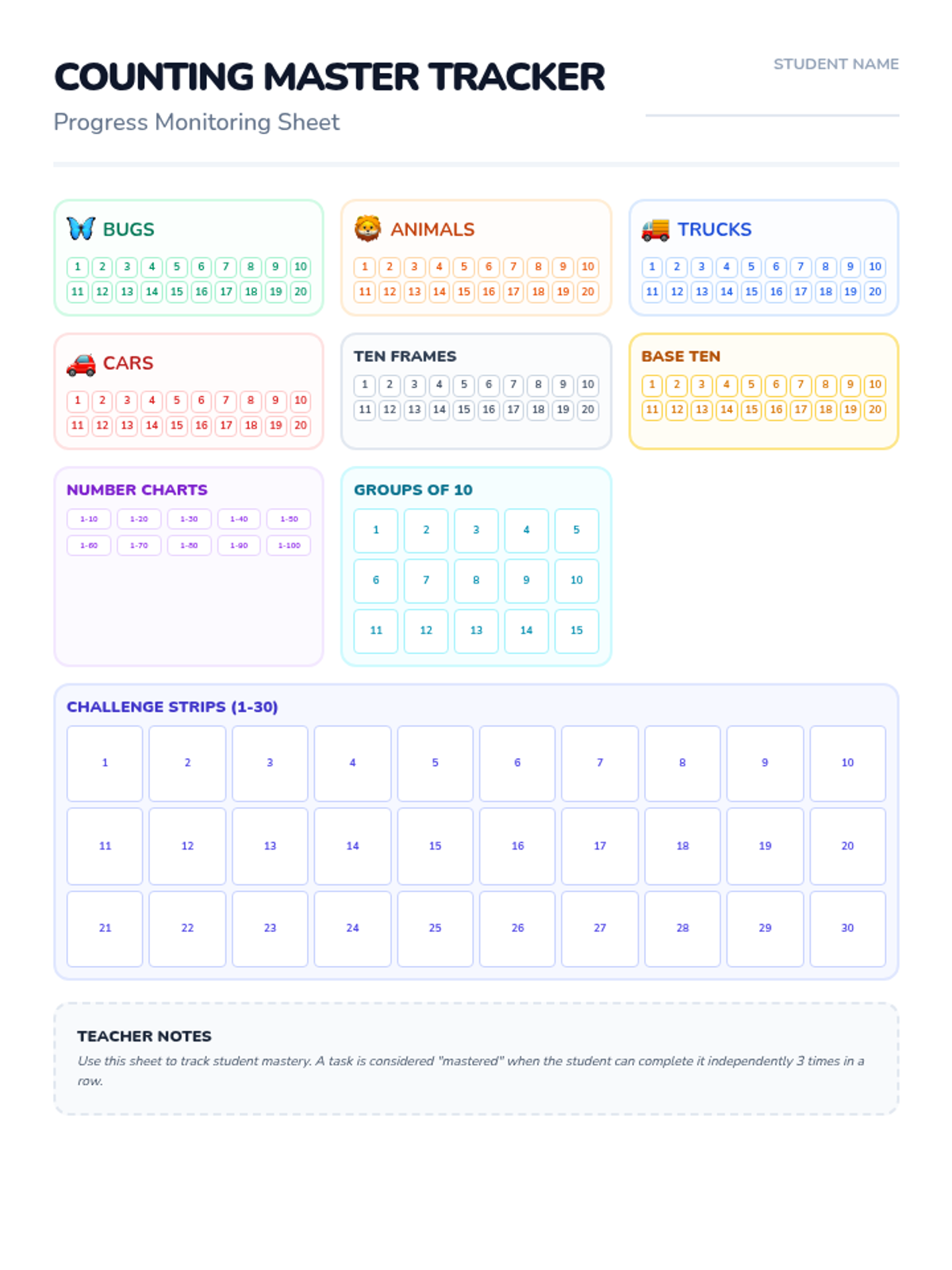
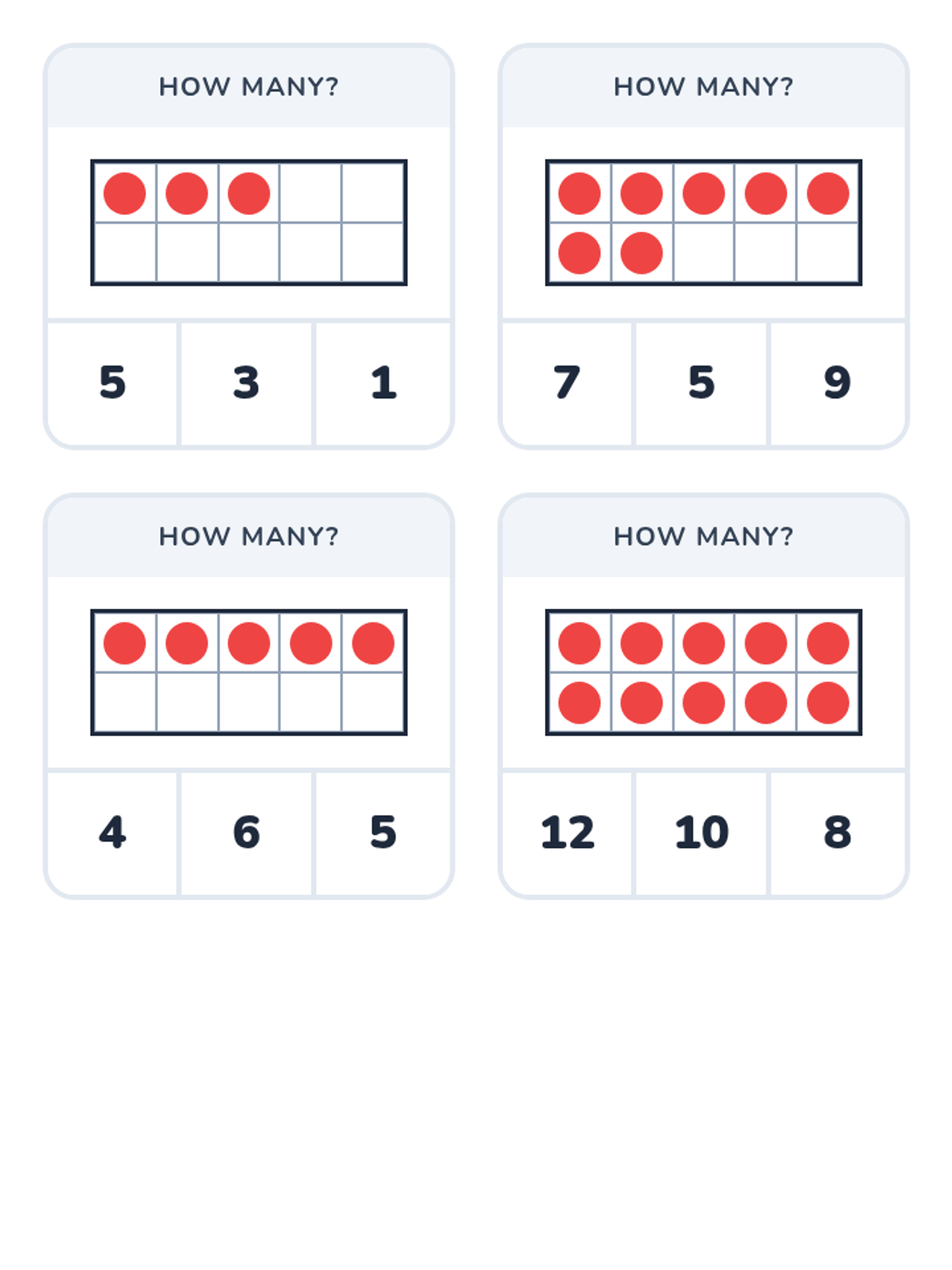
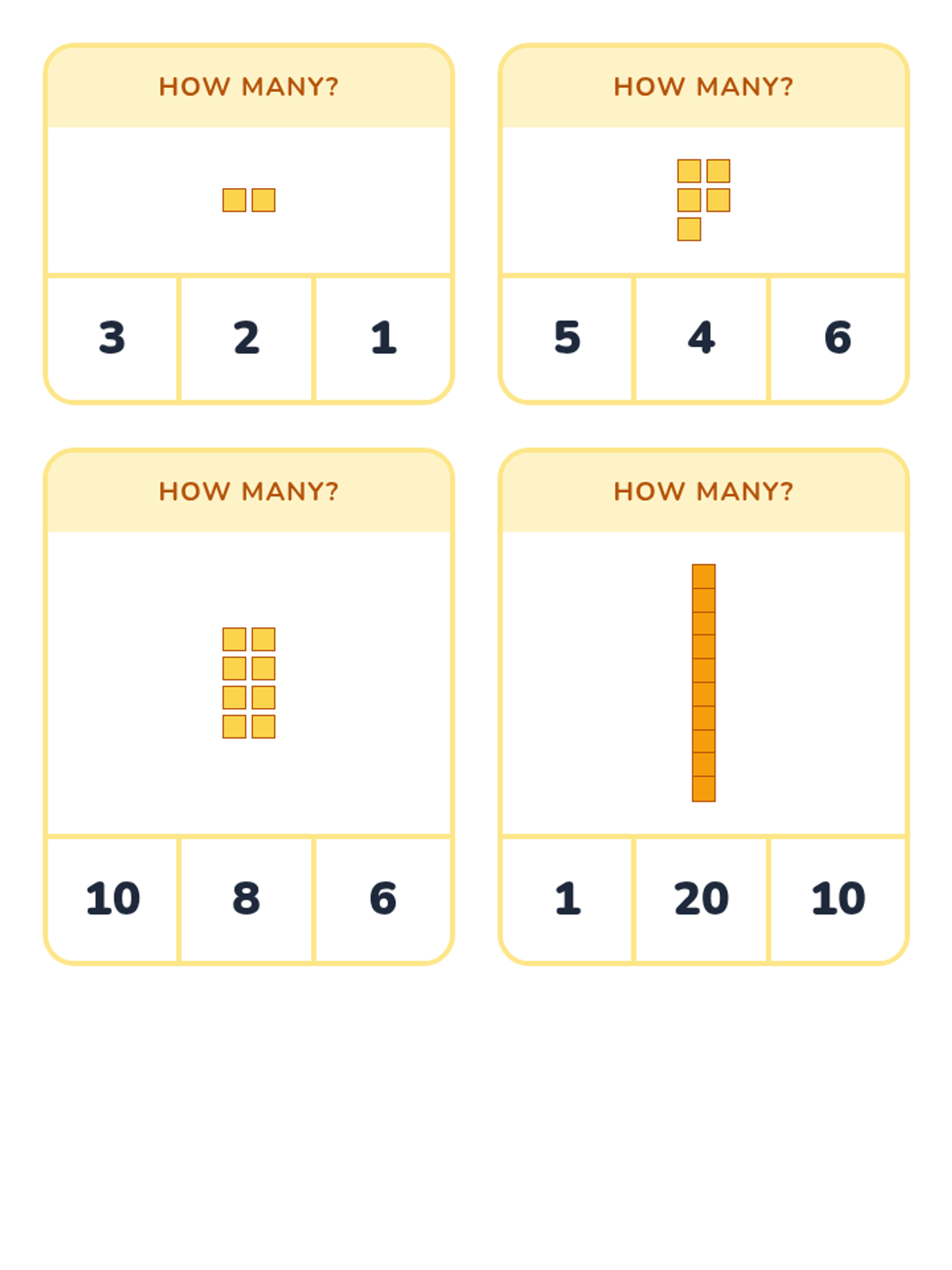
A comprehensive set of counting task cards focusing on identical items up to 20, designed for children with autism using clear visuals and predictable layouts across four high-interest themes: bugs, animals, trucks, and cars.
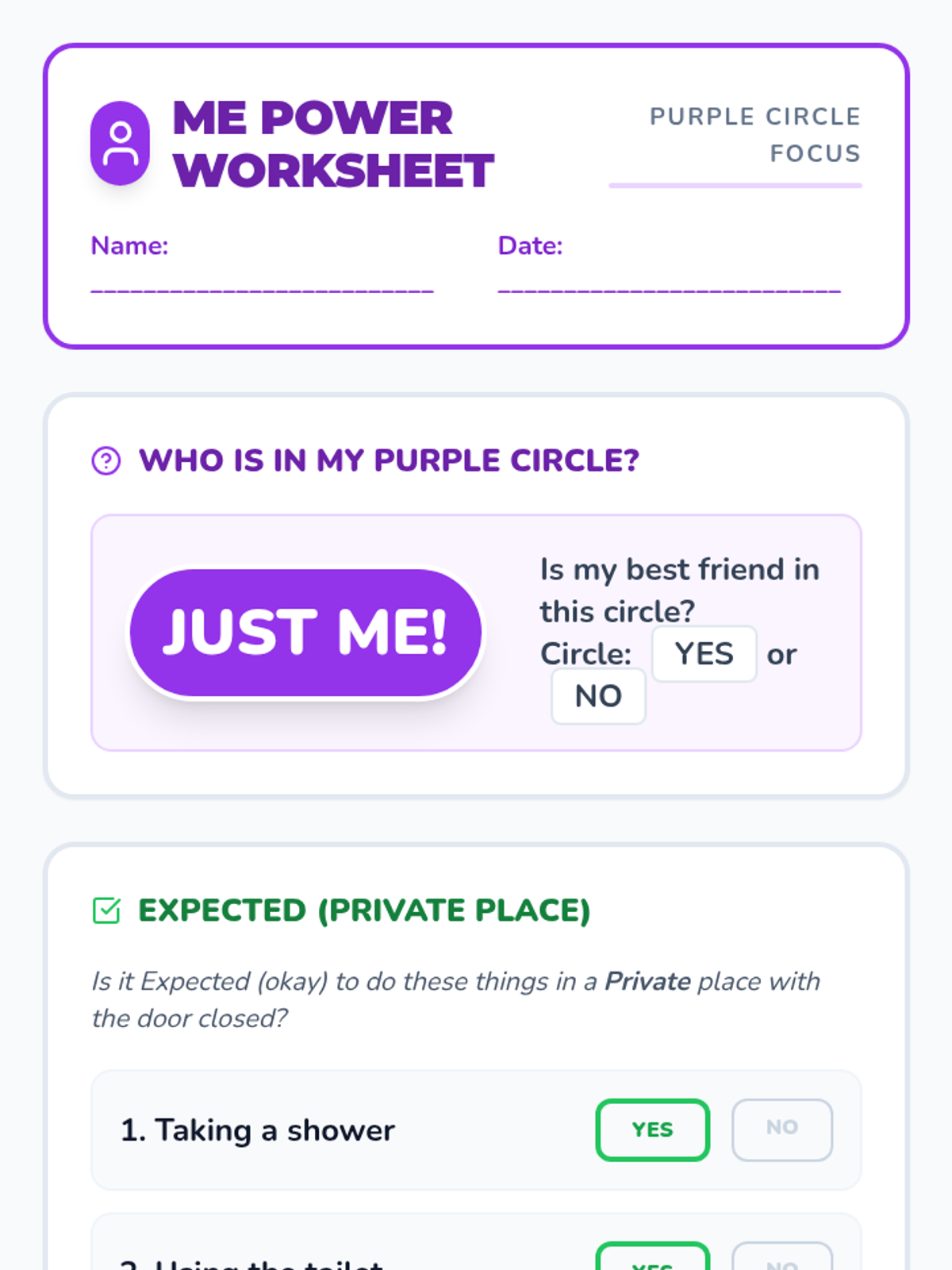
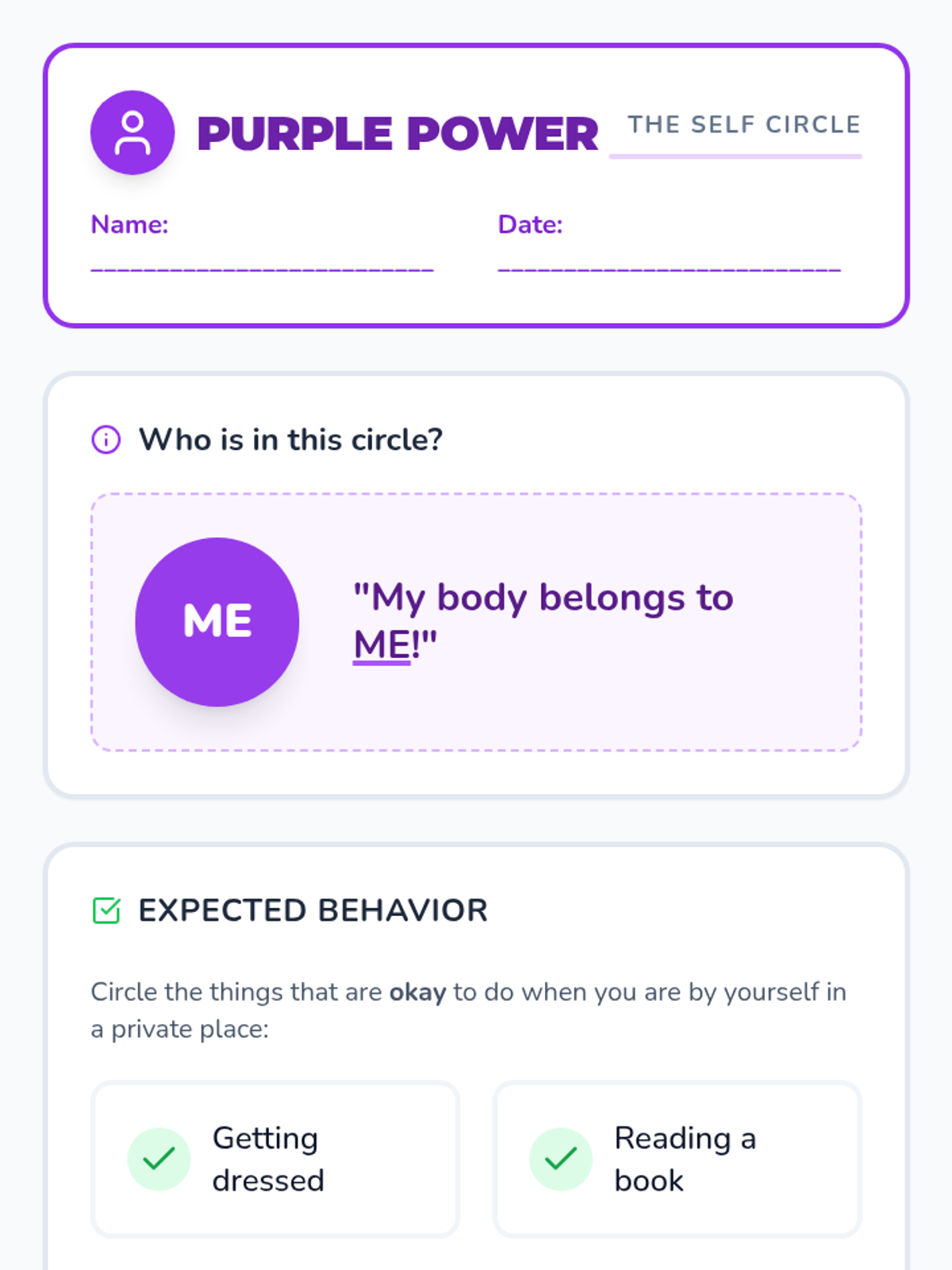
A deep-dive lesson into the Purple Circle (Self), focusing on body autonomy, private vs. public spaces, and personal boundaries. Designed for a 45-minute instructional session.
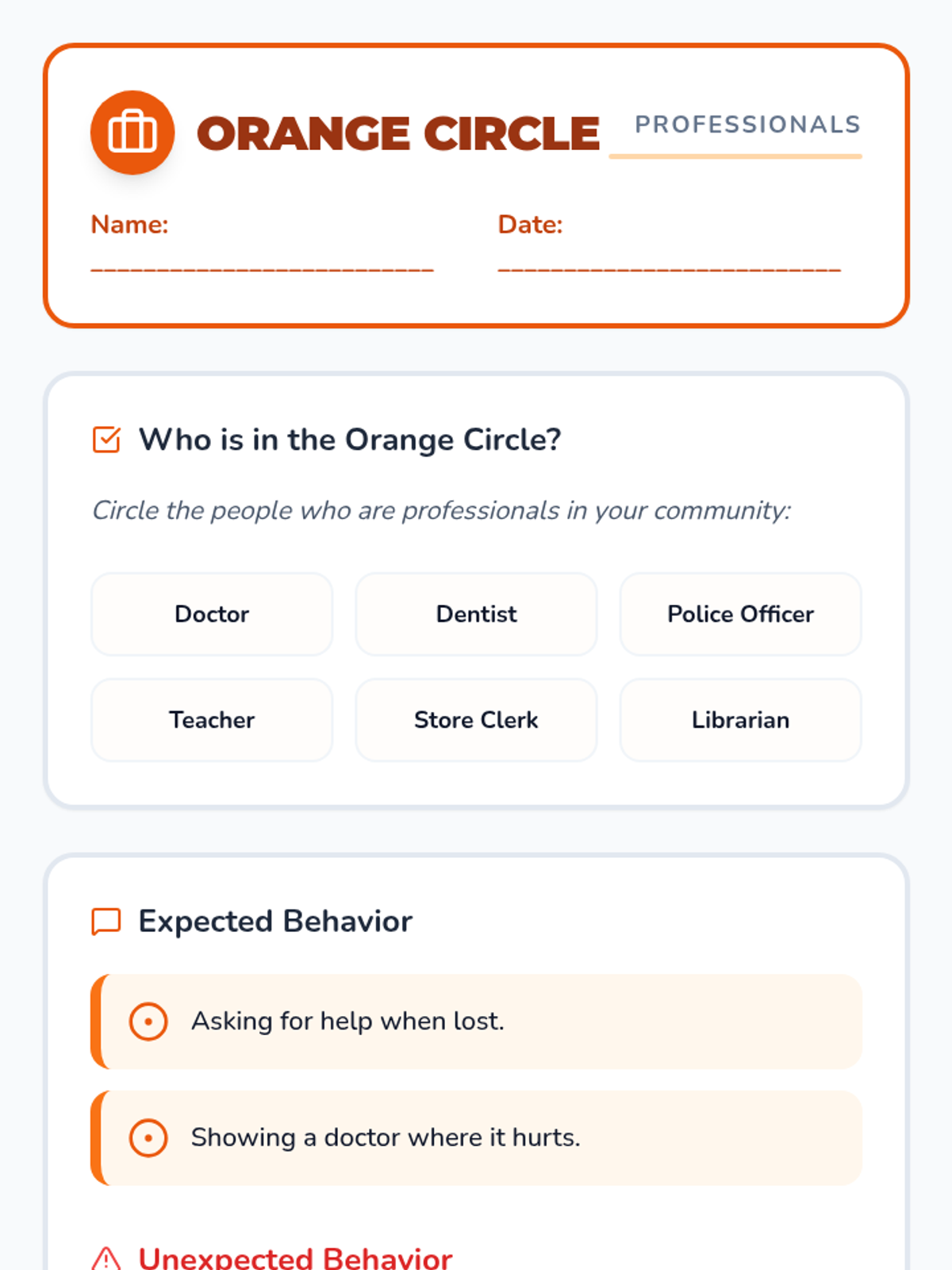
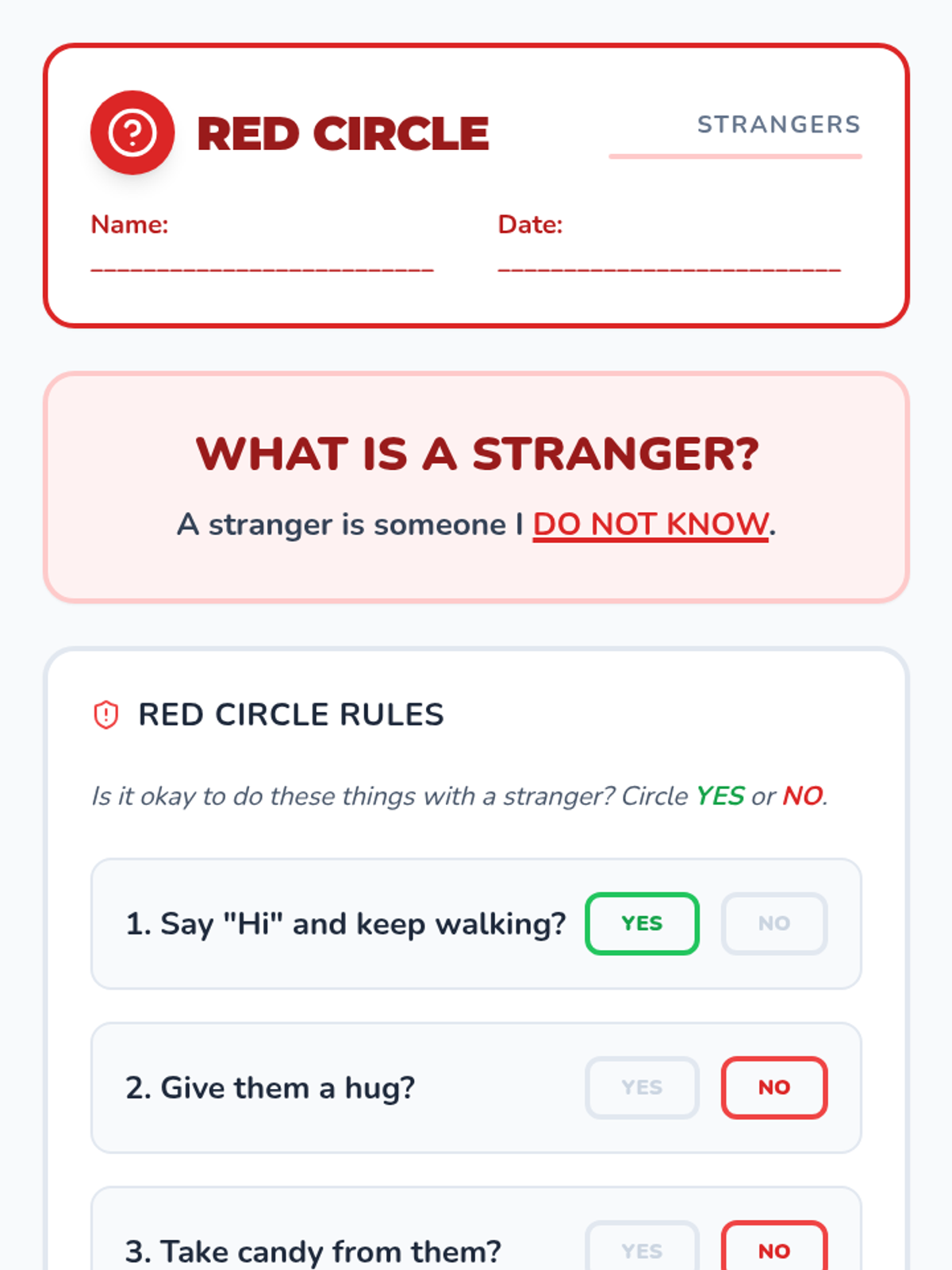
Explores the Orange (Community/Professional) and Red (Stranger) circles, emphasizing safety, professional boundaries, and interacting with people in the community.
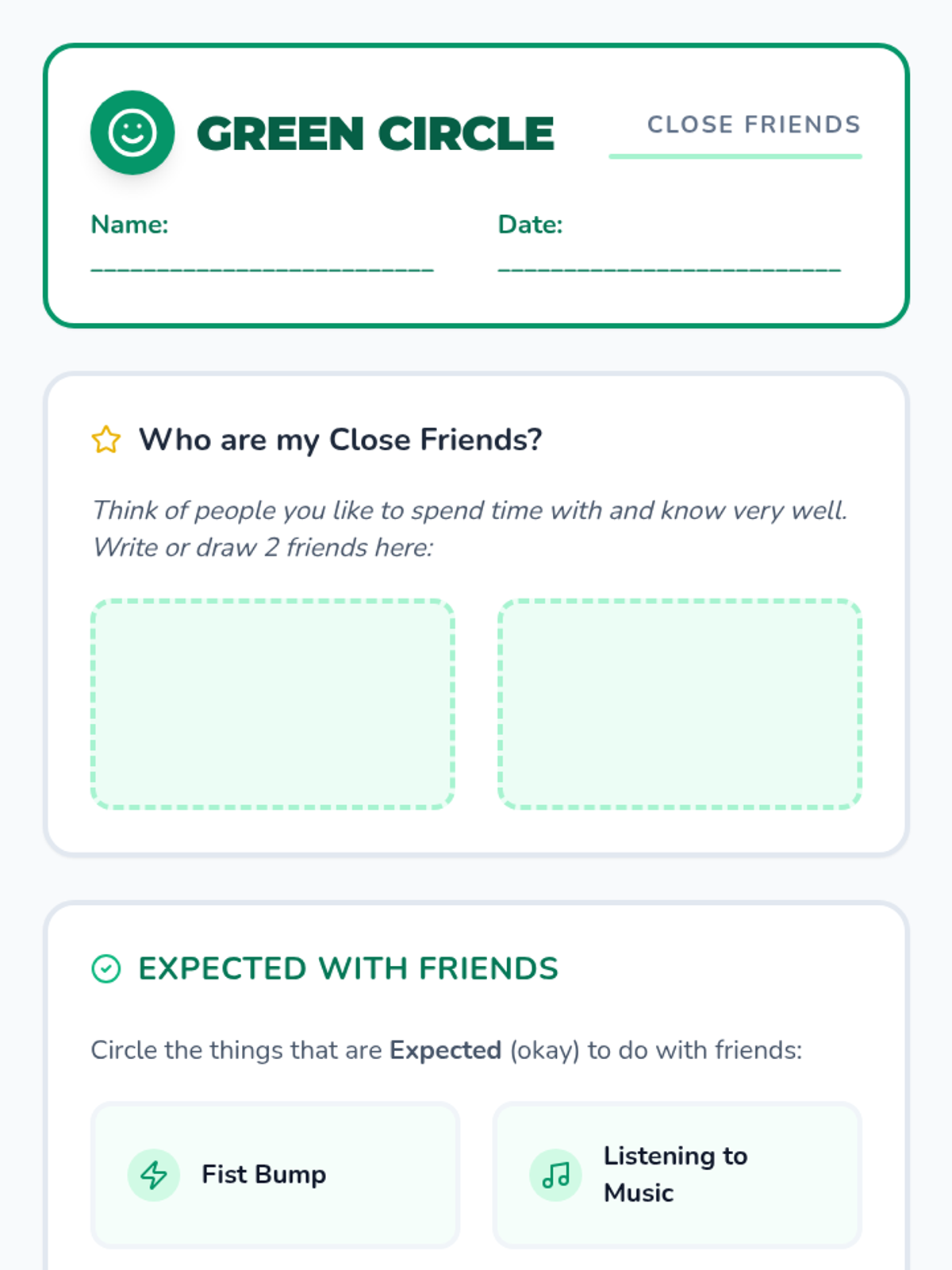
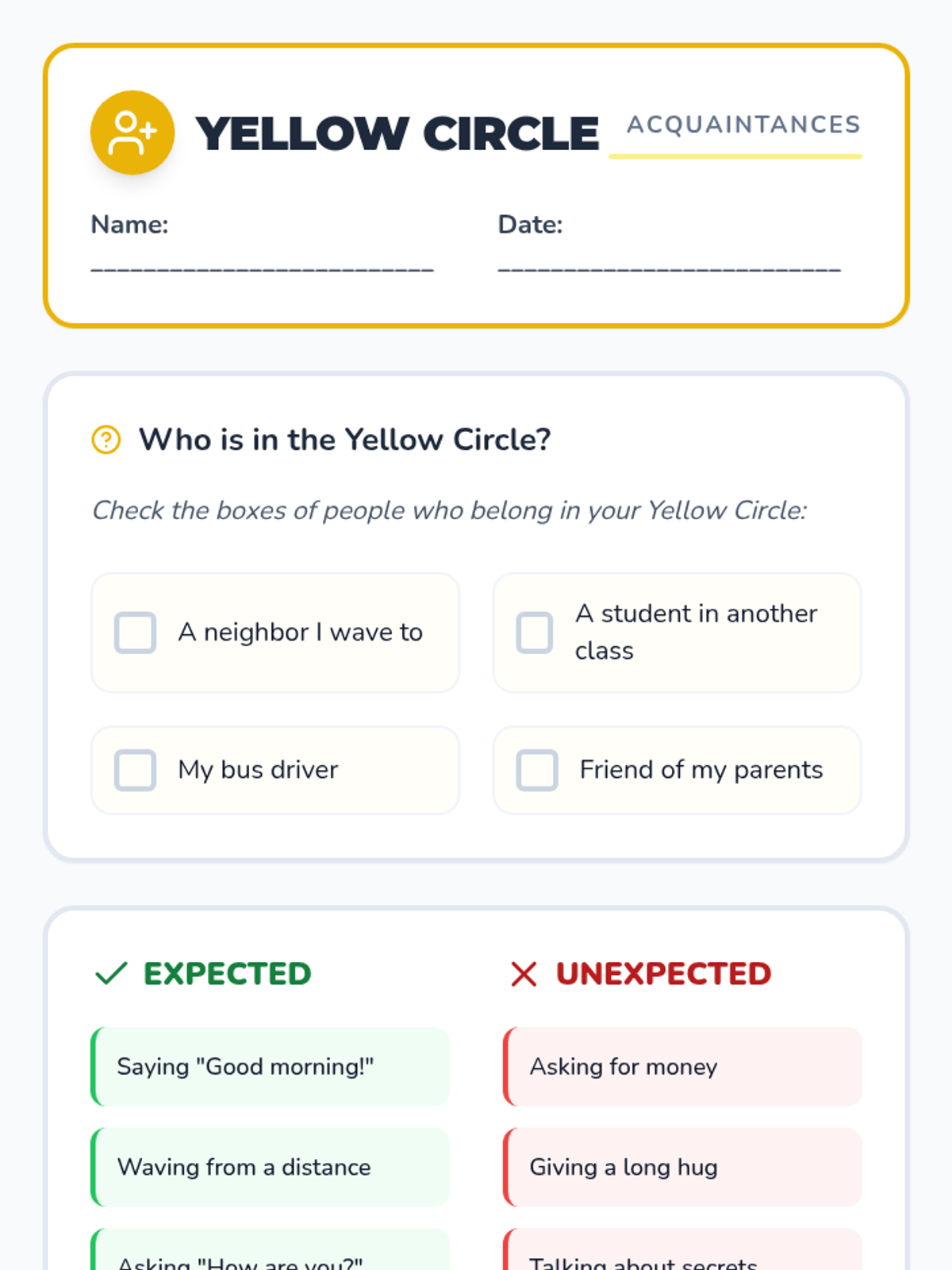
Covers the Green (Friends) and Yellow (Acquaintances) circles, teaching the difference between close friendship and casual social connections.
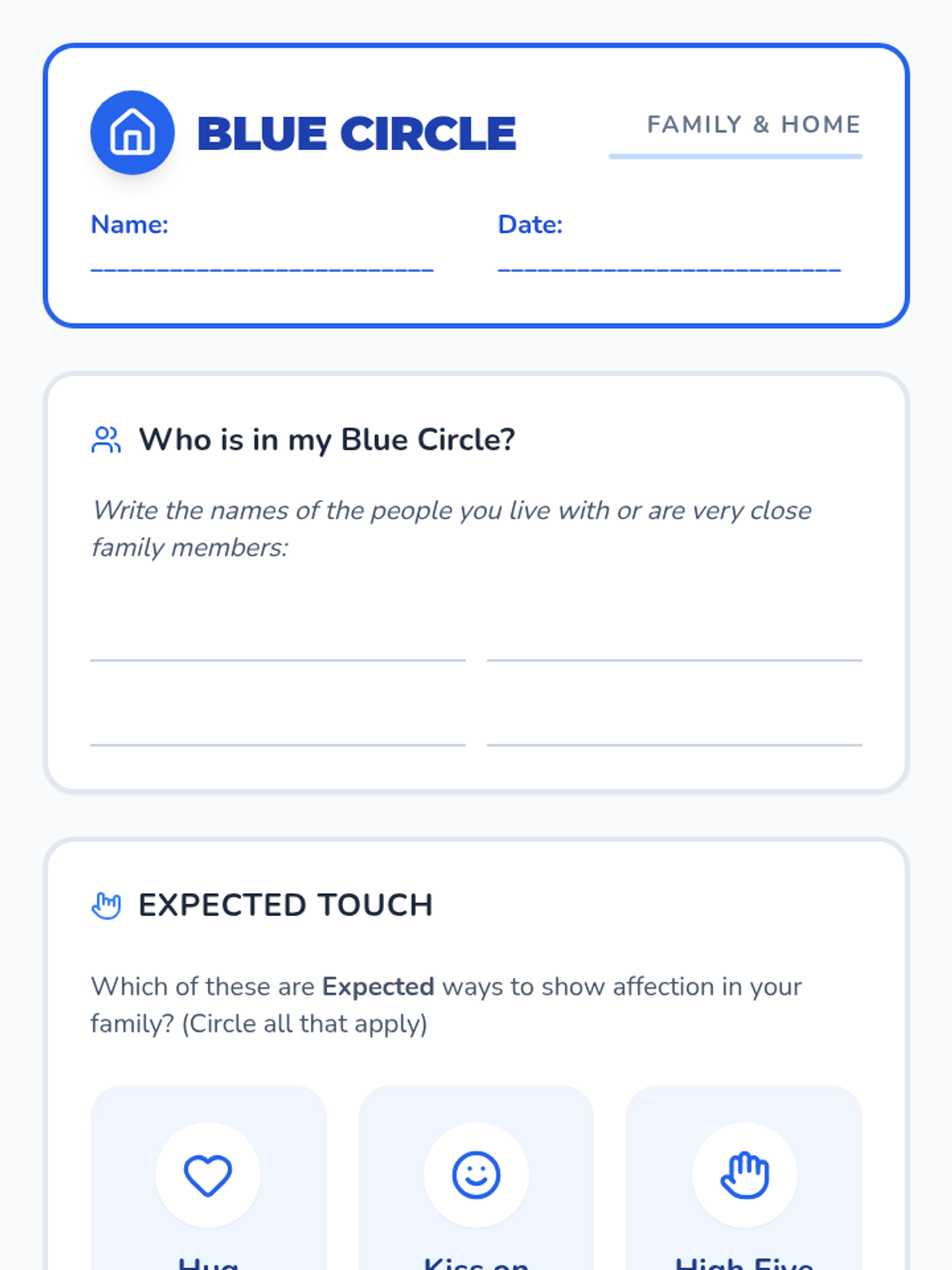
Introduces the Purple (Self) and Blue (Private/Family) circles, focusing on personal space, body autonomy, and the closest intimate relationships.
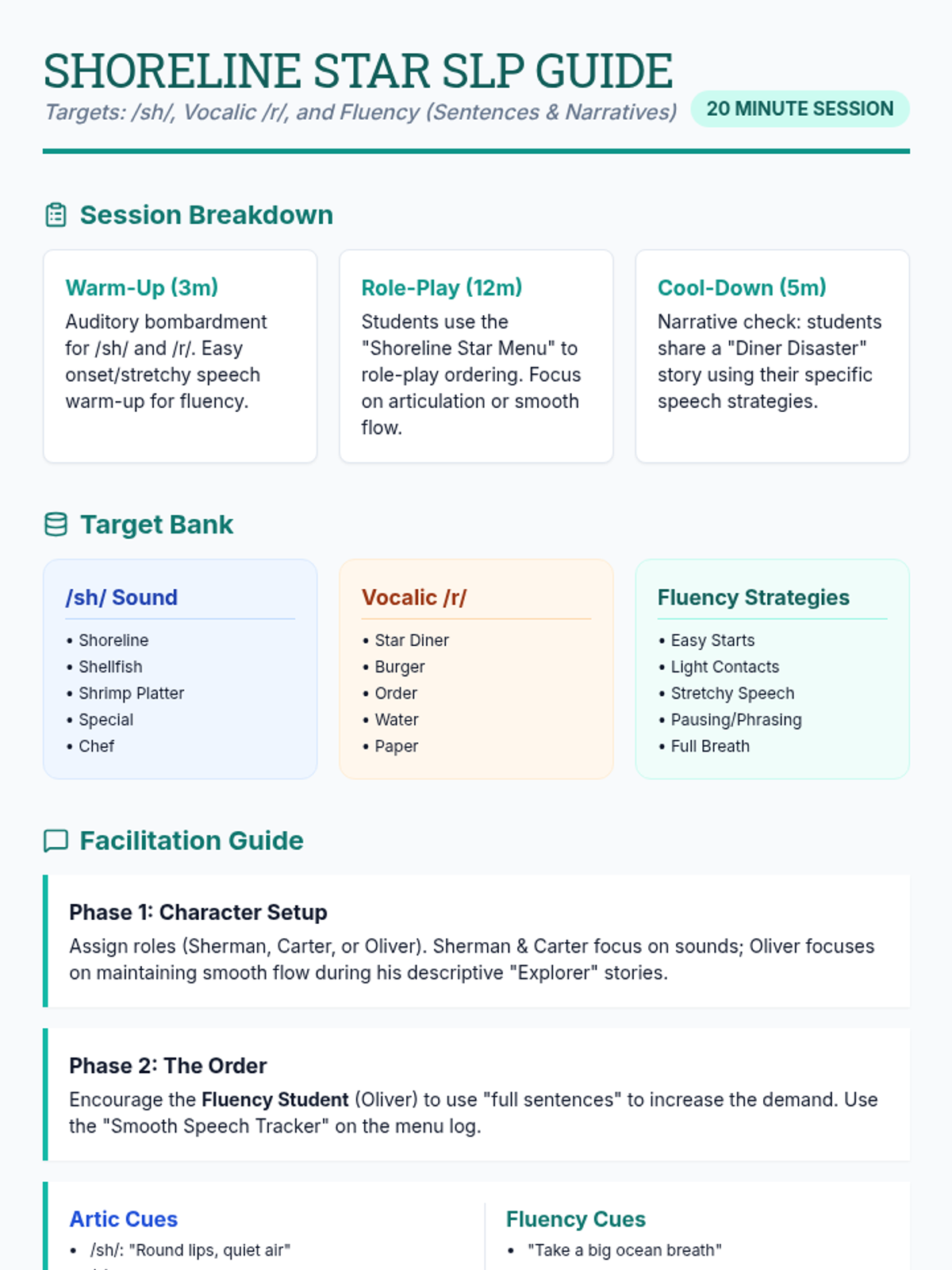
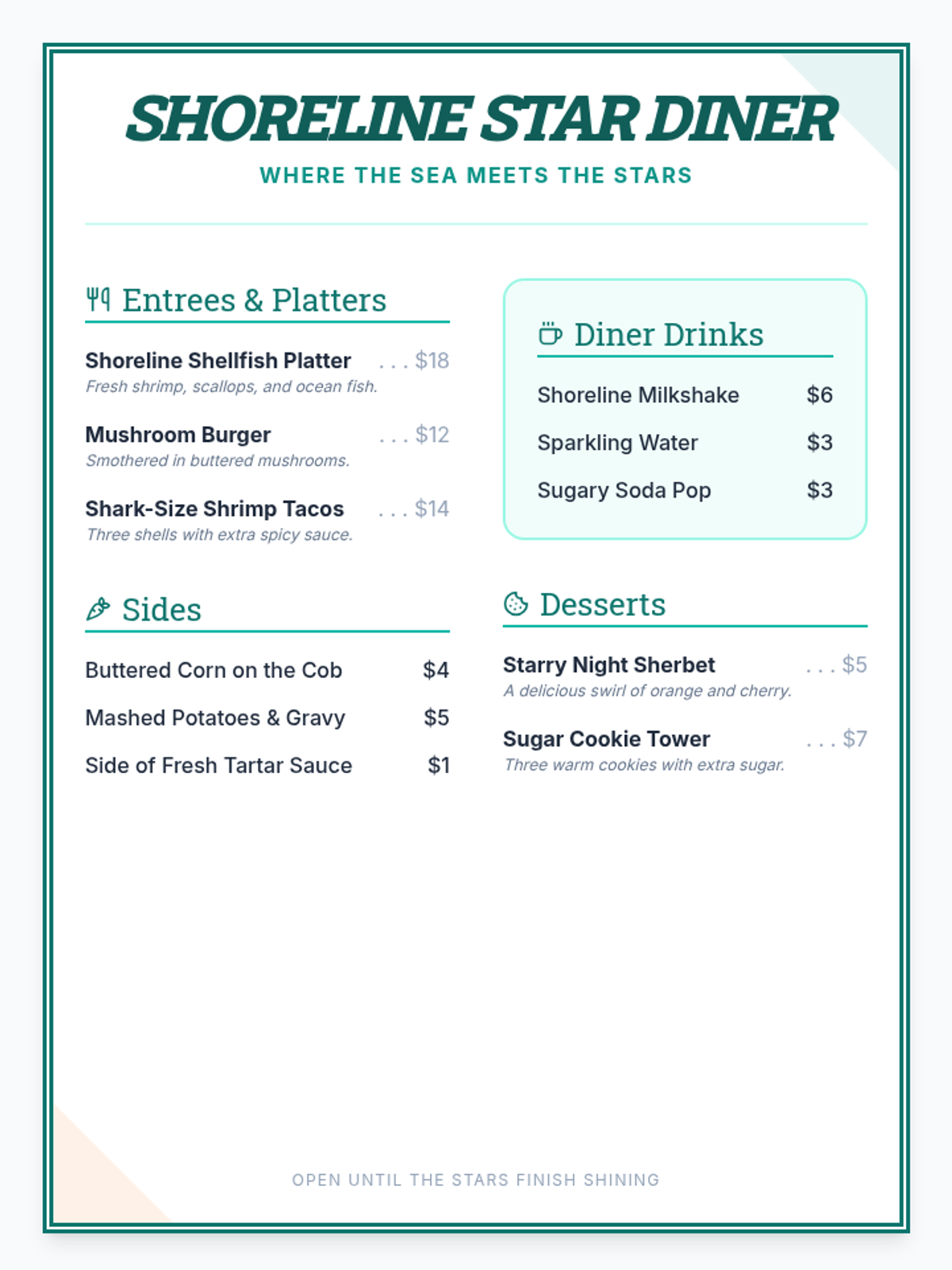
An interactive speech therapy lesson for 5th graders focused on /sh/ and vocalic /r/ sounds using a restaurant role-play theme. Students practice articulation through character descriptions and narrative-based ordering.
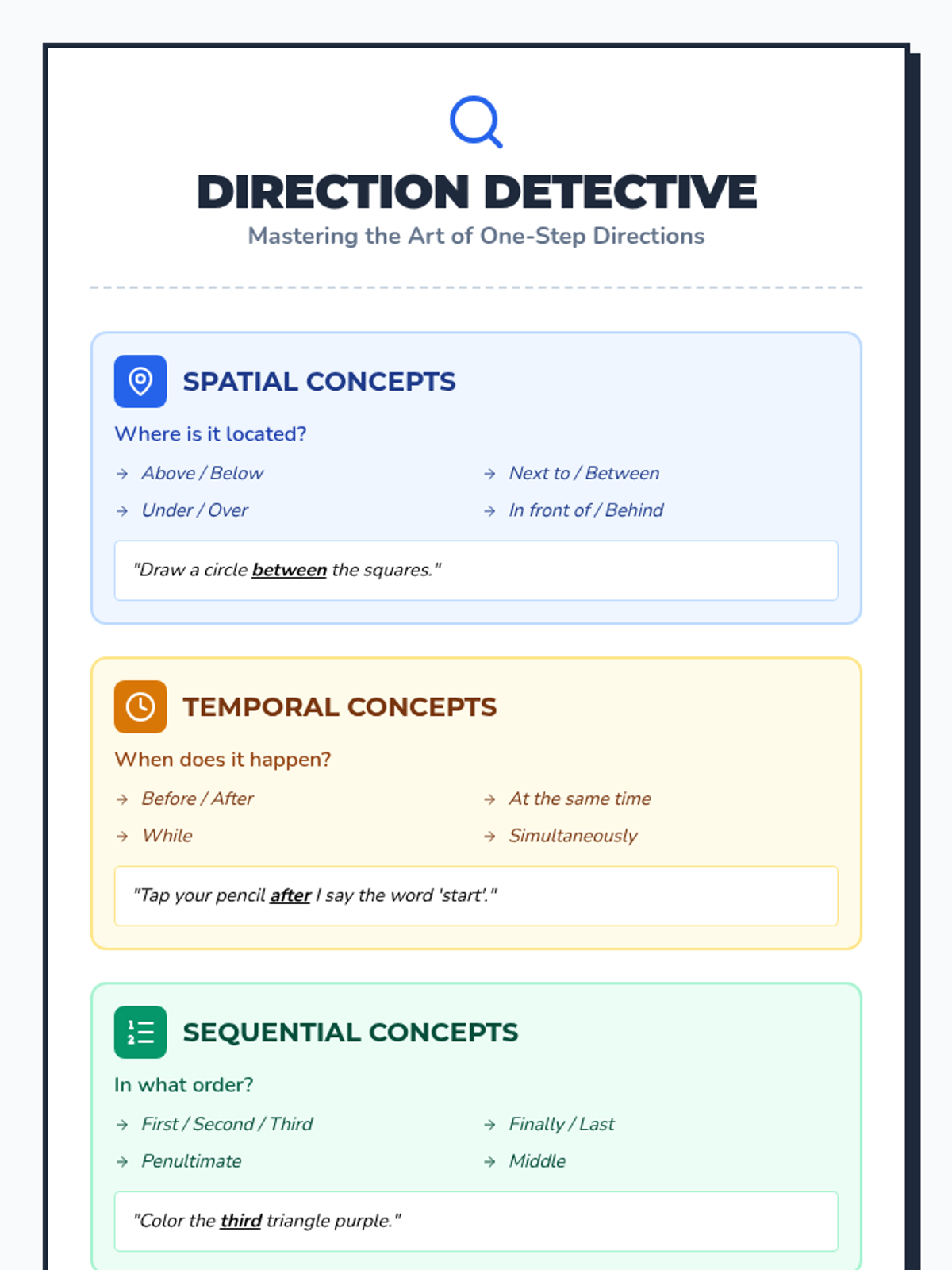
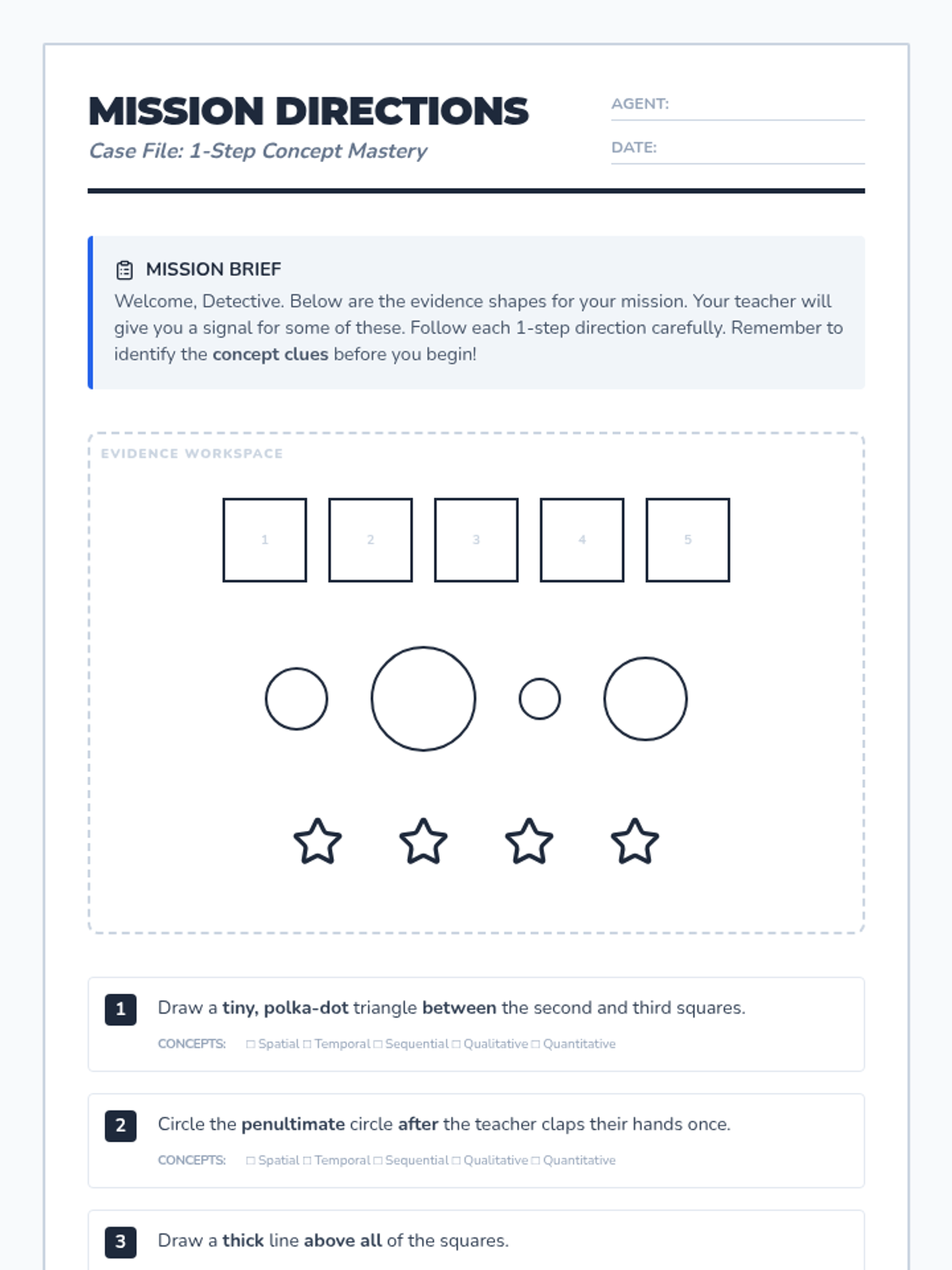
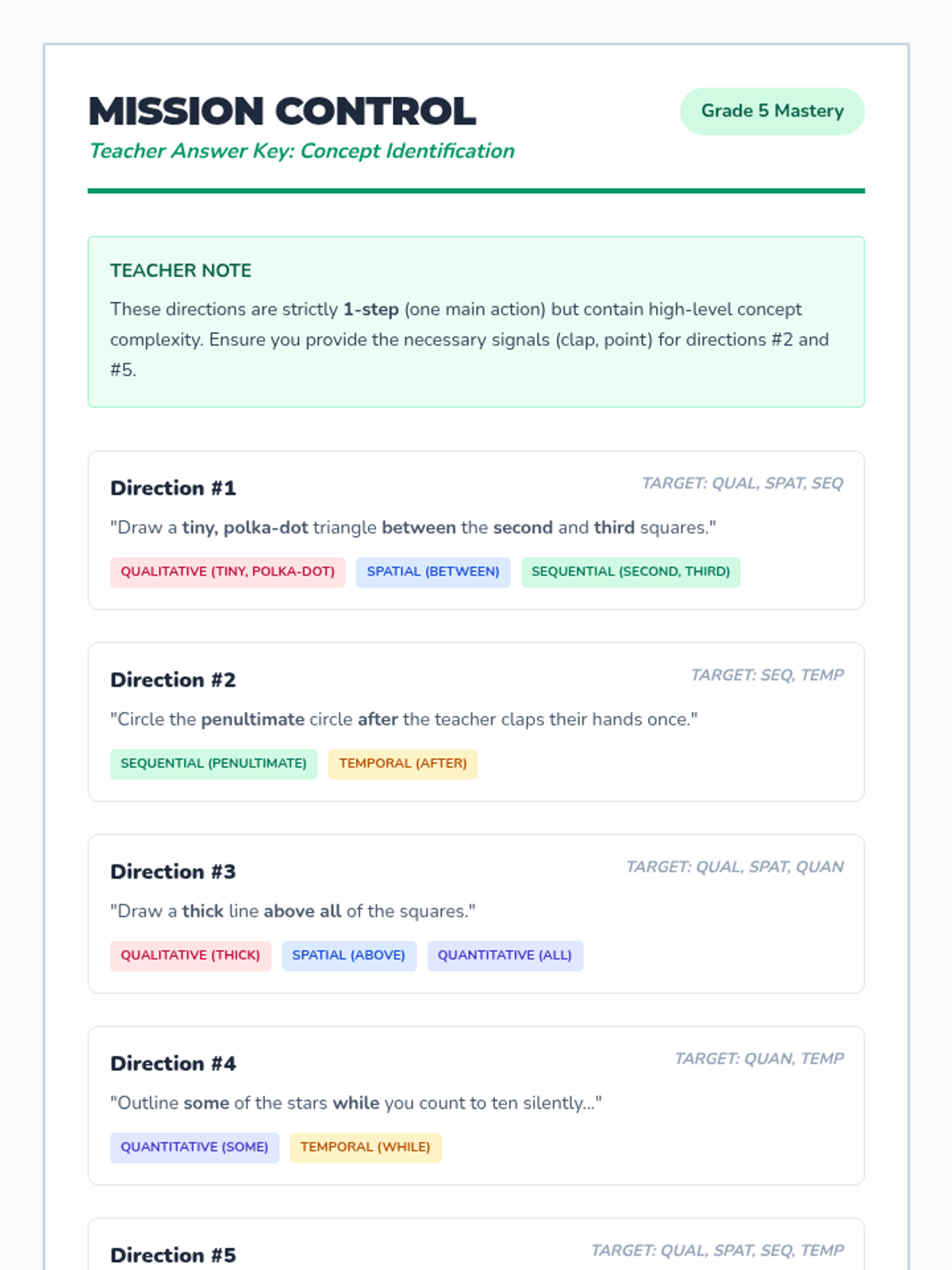
This lesson focuses on mastering 1-step directions by identifying and applying spatial, temporal, sequential, qualitative, and quantitative concepts. Students will use an anchor chart for reference and complete a targeted worksheet to demonstrate mastery.
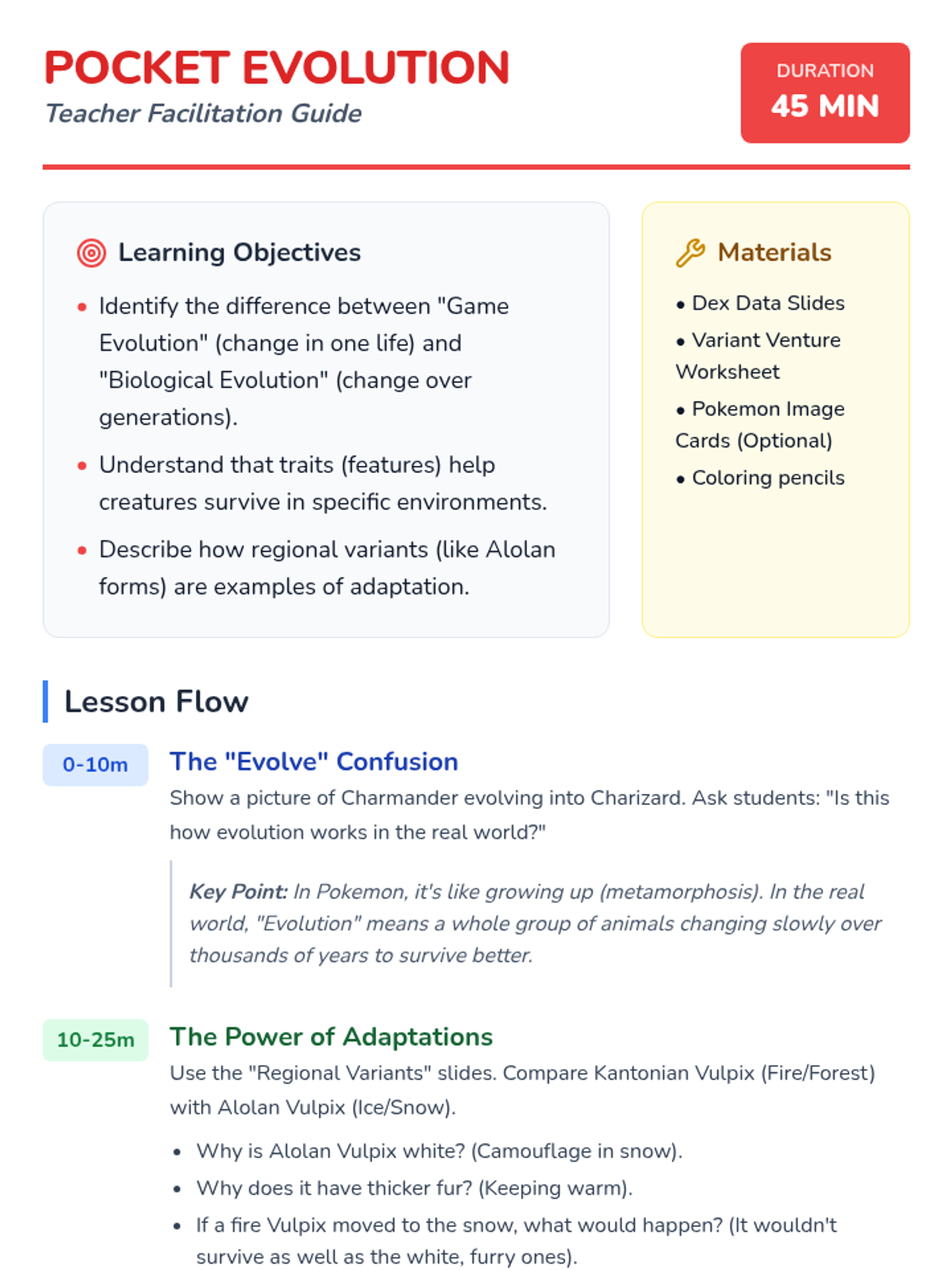
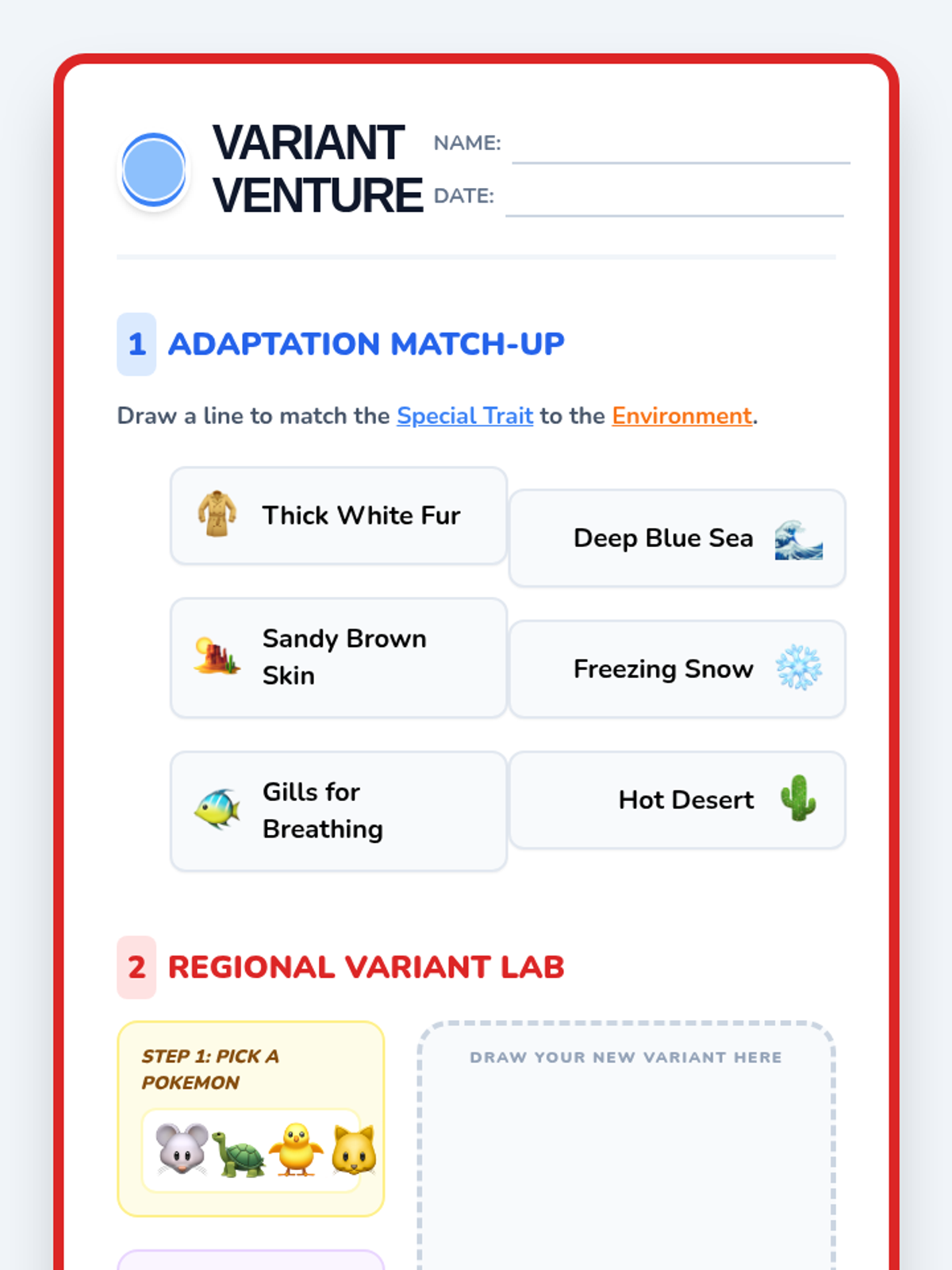
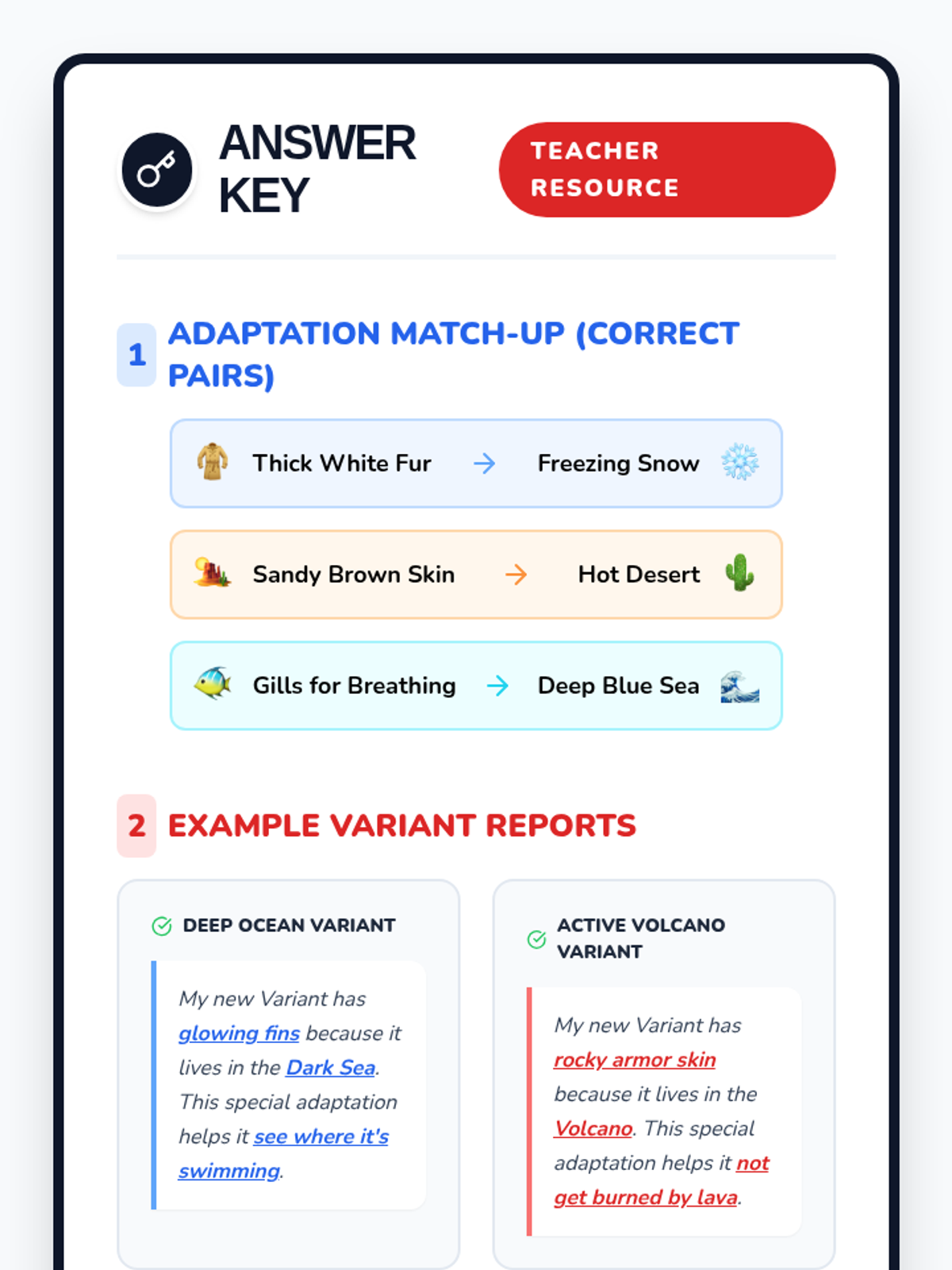
An introductory lesson on biological evolution and natural selection using Pokemon regional variants as a scaffold for Special Education students. Students will compare game-style evolution with real-world natural selection.
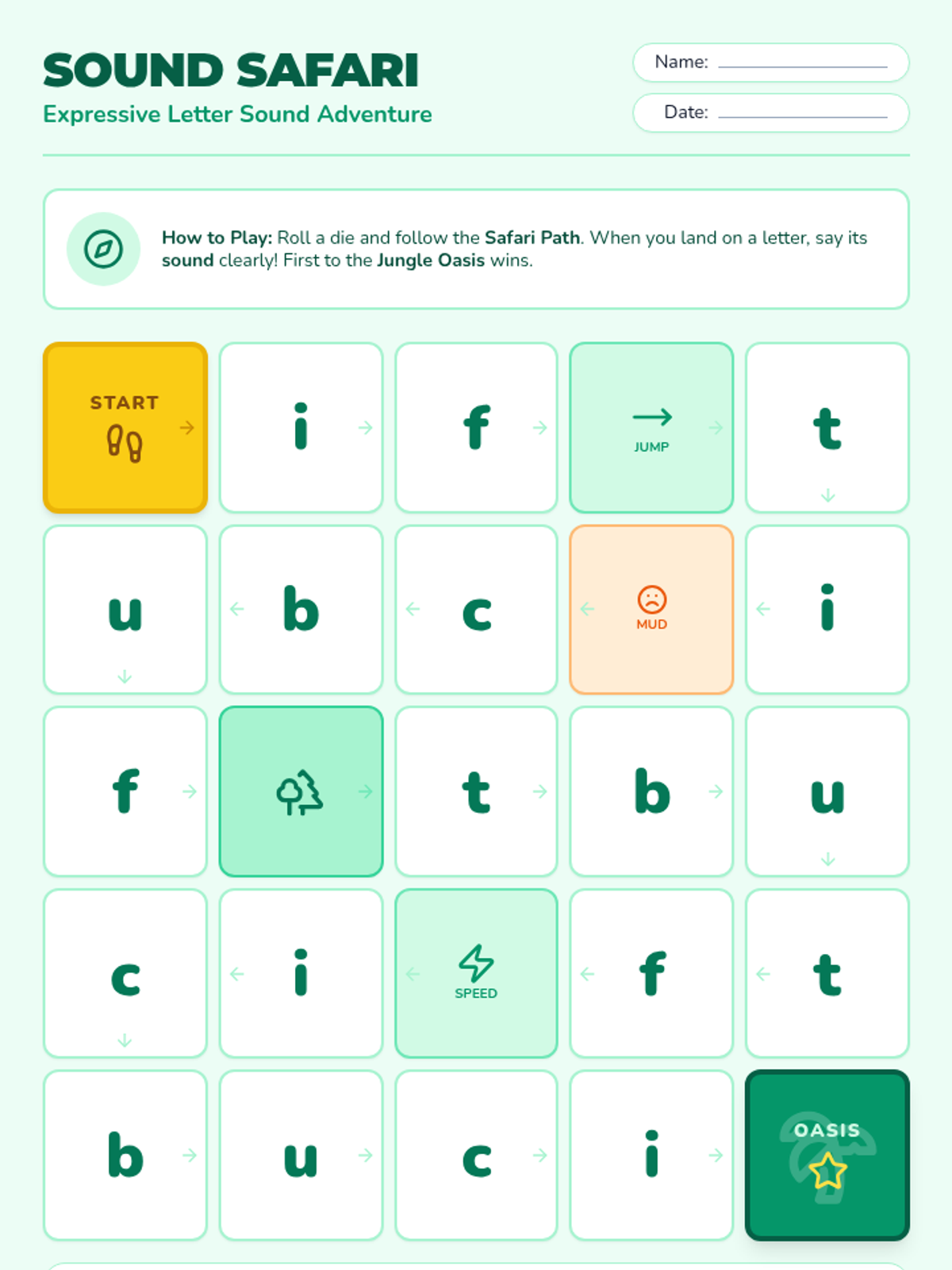
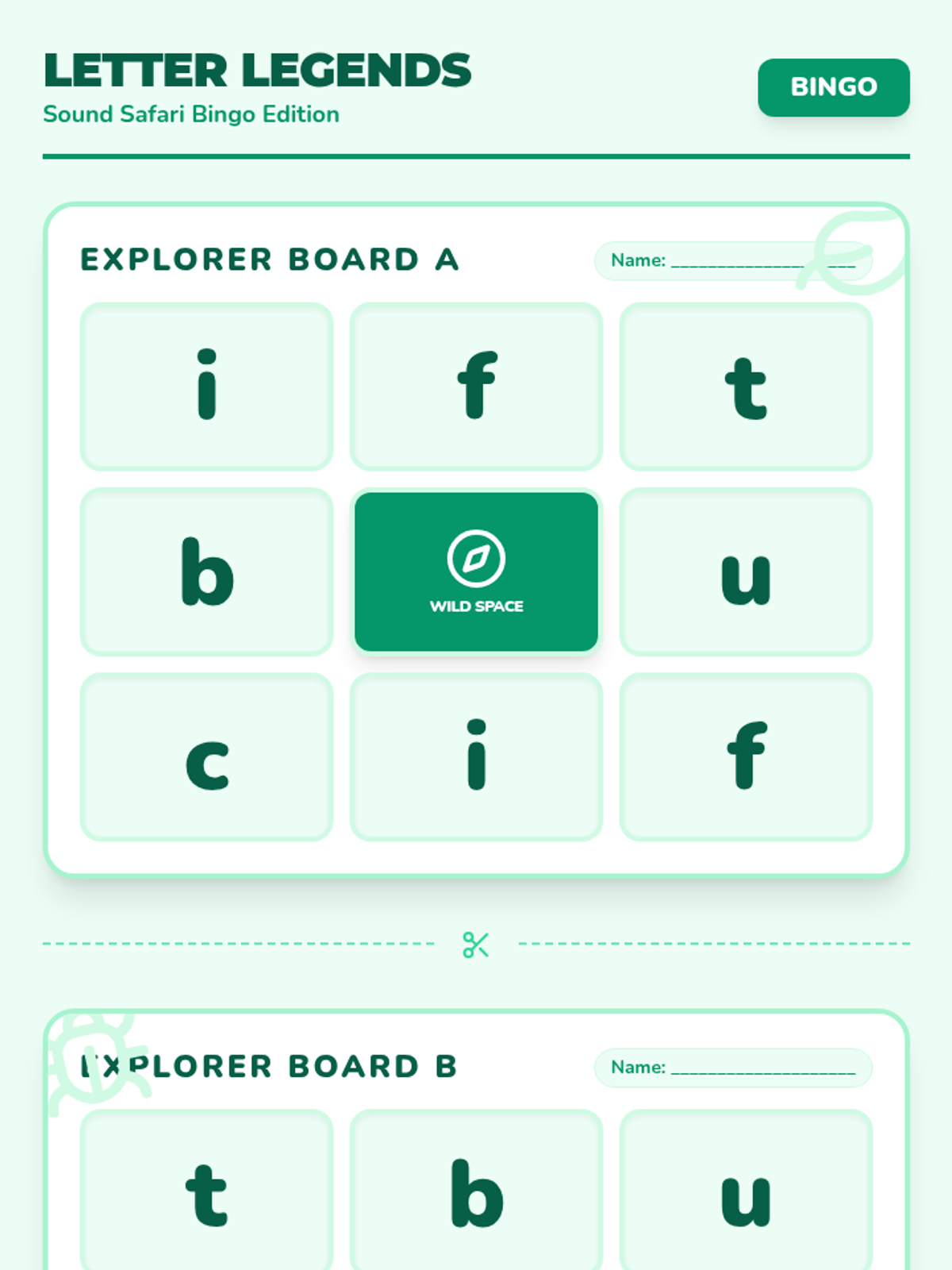
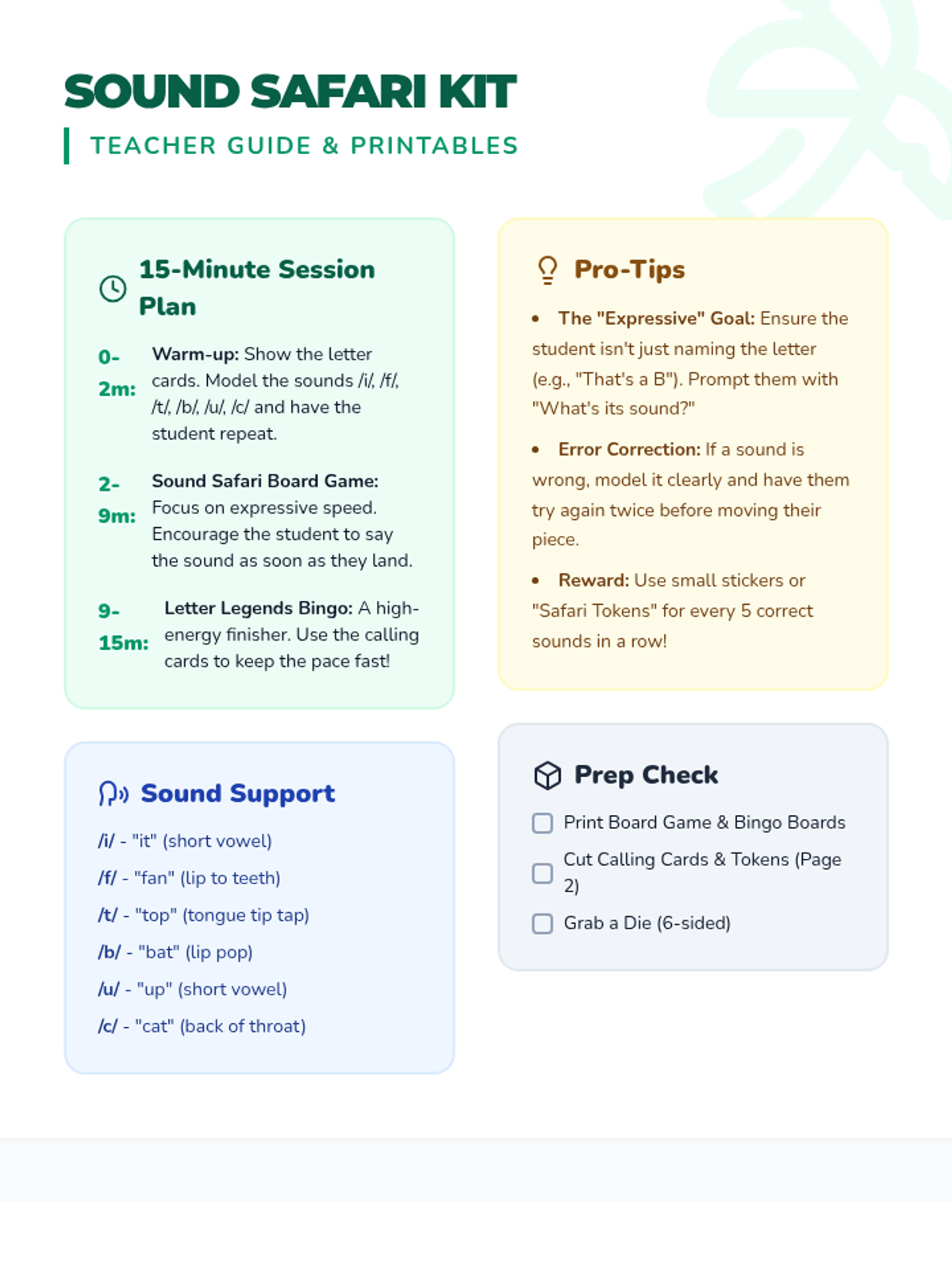
A fun, explorer-themed lesson designed to help students master the expressive production of the letter sounds /i/, /f/, /t/, /b/, /u/, and /c/ through interactive games.
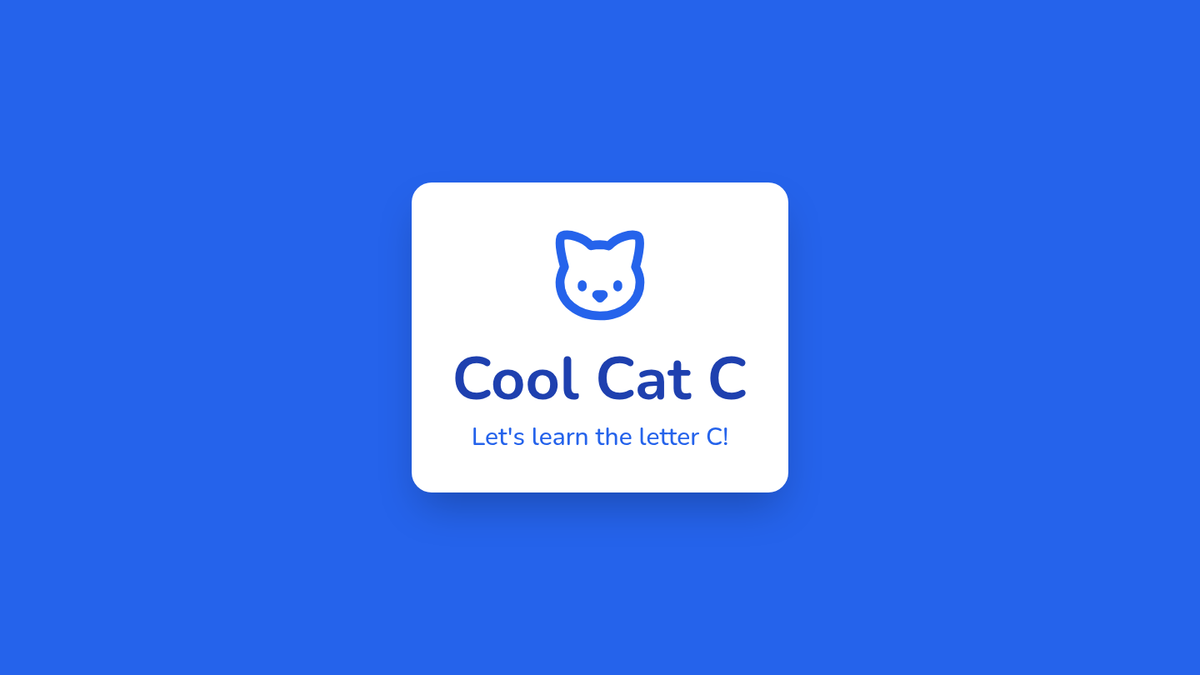
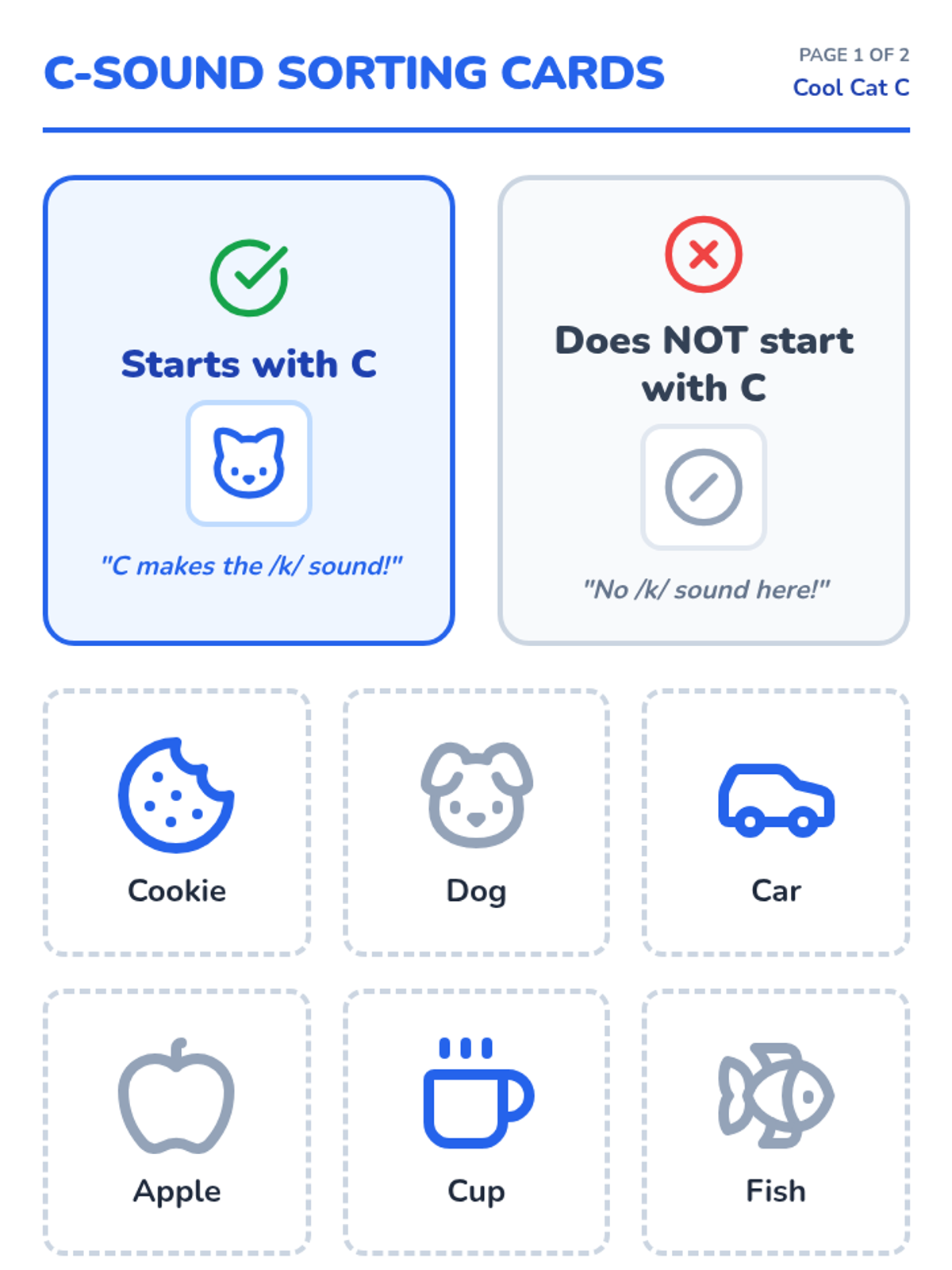
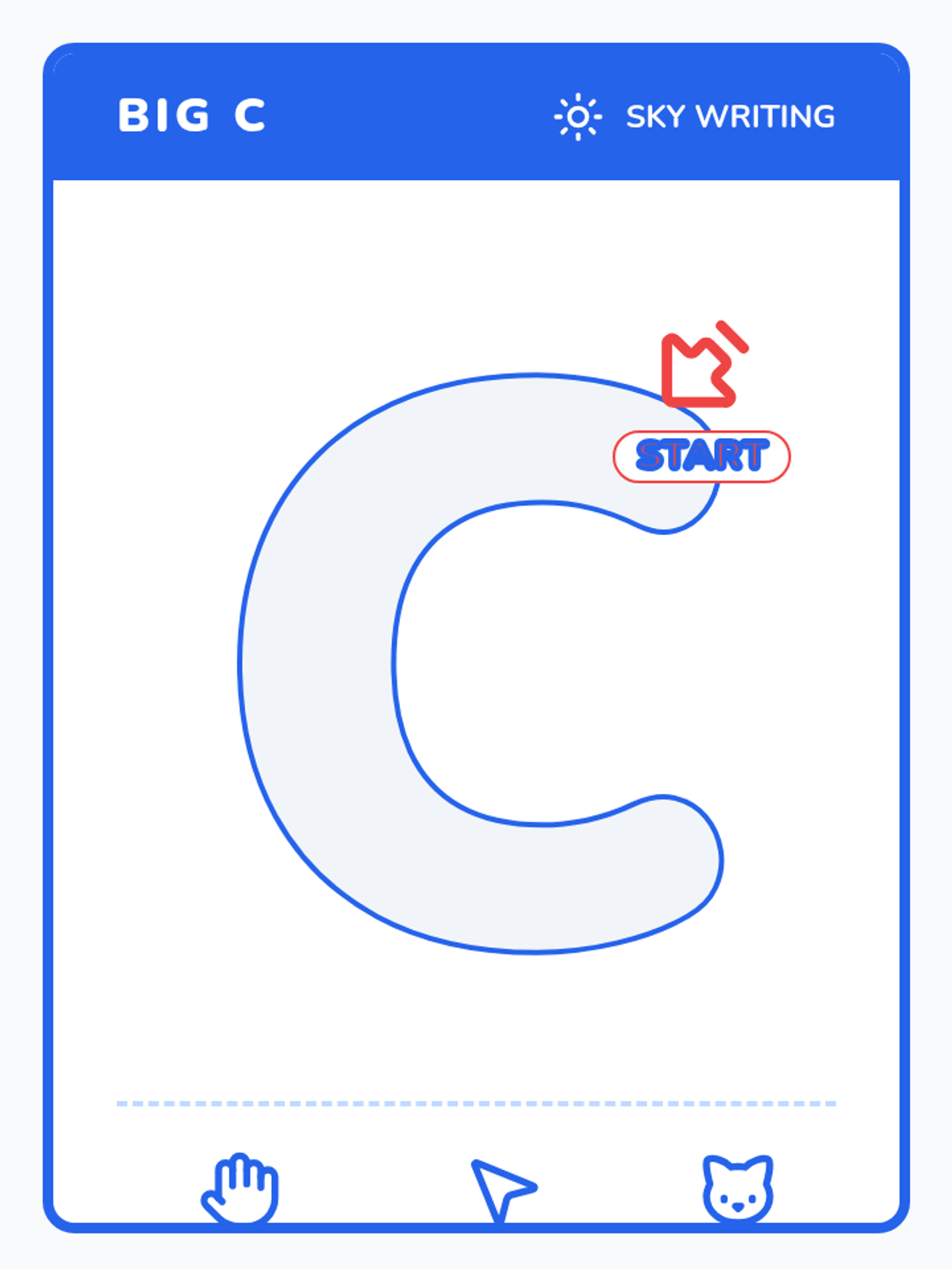
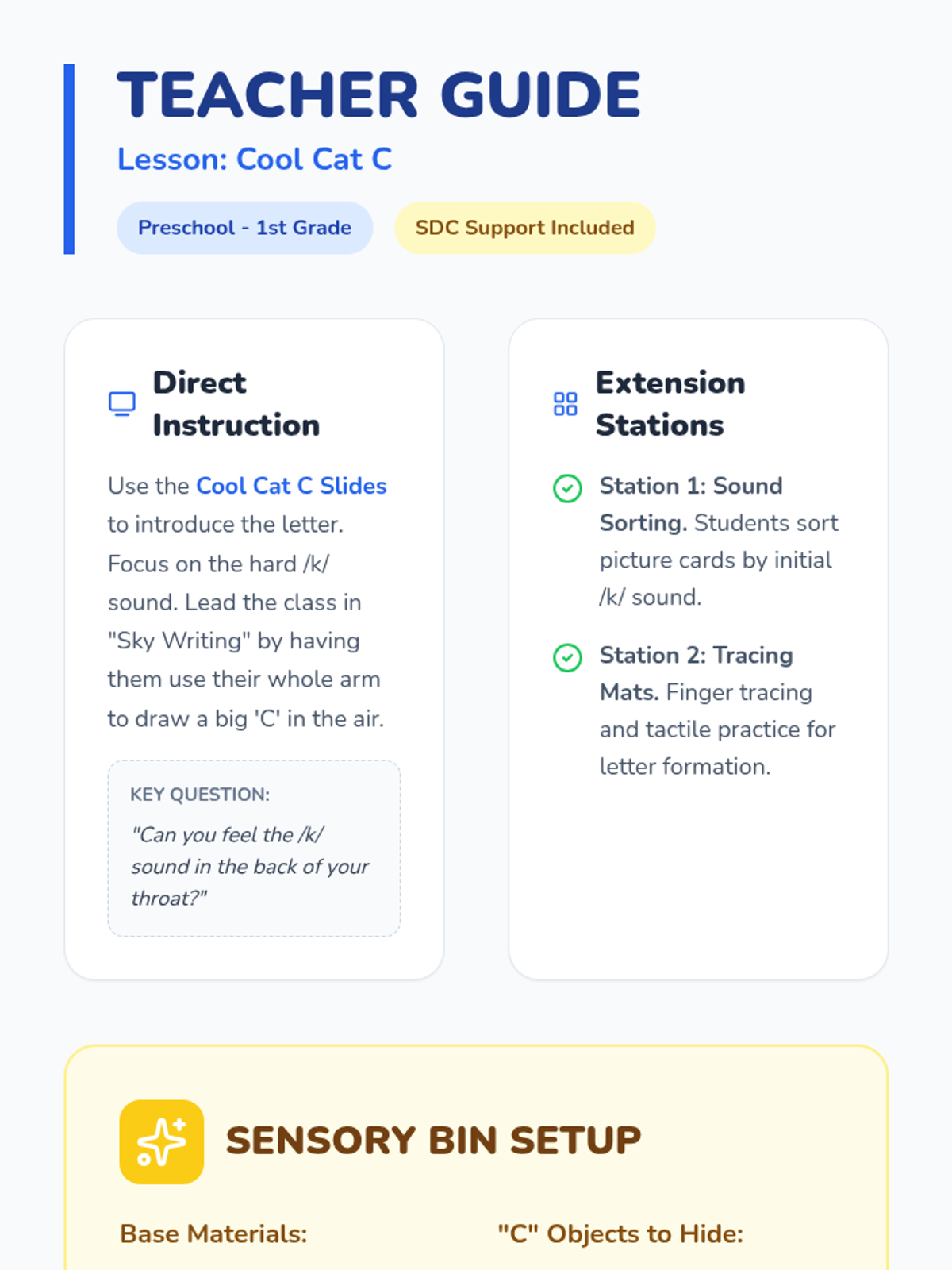
An introductory lesson on the letter 'C' focusing on letter identification, phonetic sound /k/, and formation through sky writing and tactile stations. Designed for SDC preschool through 1st grade students.
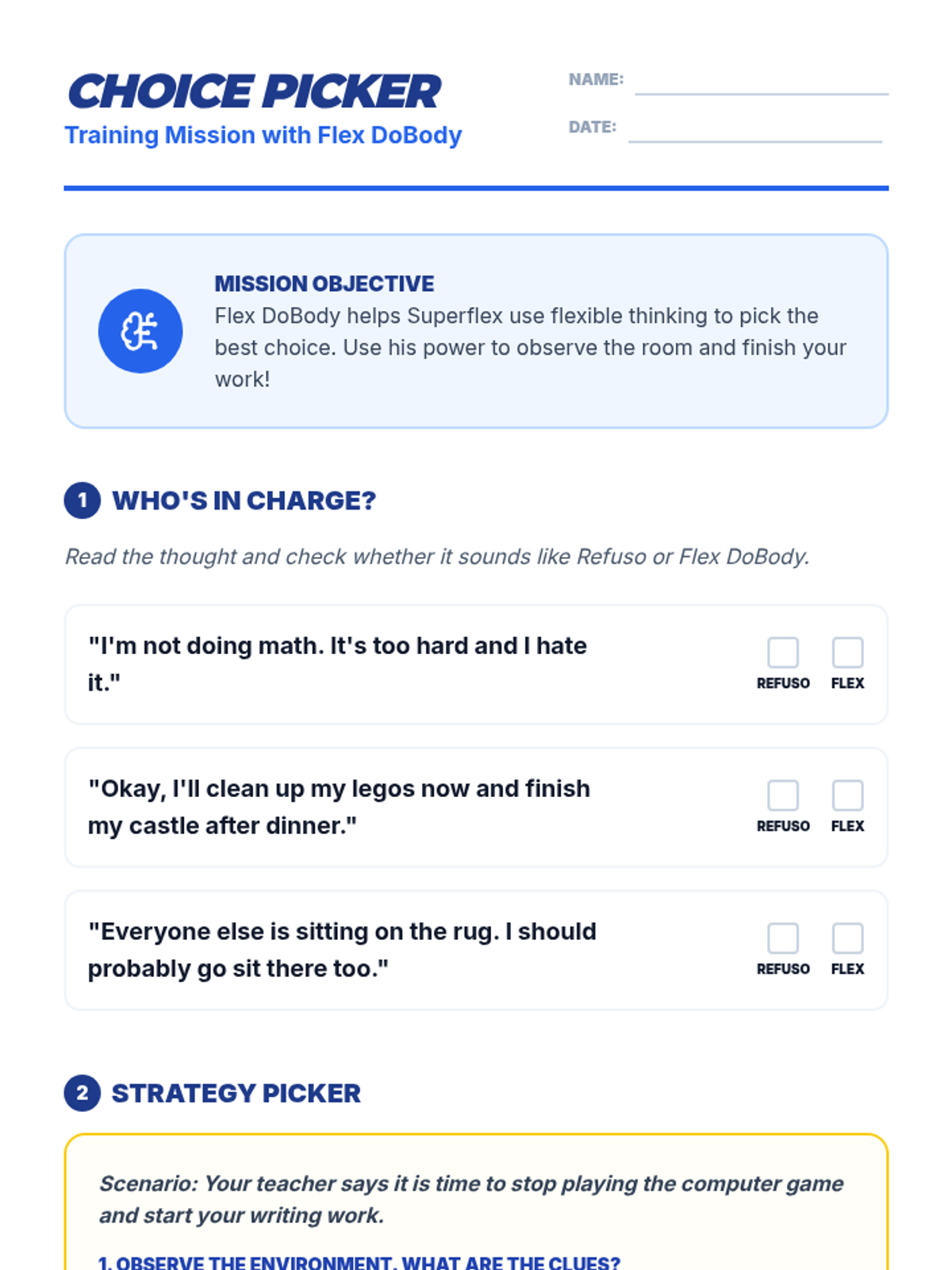
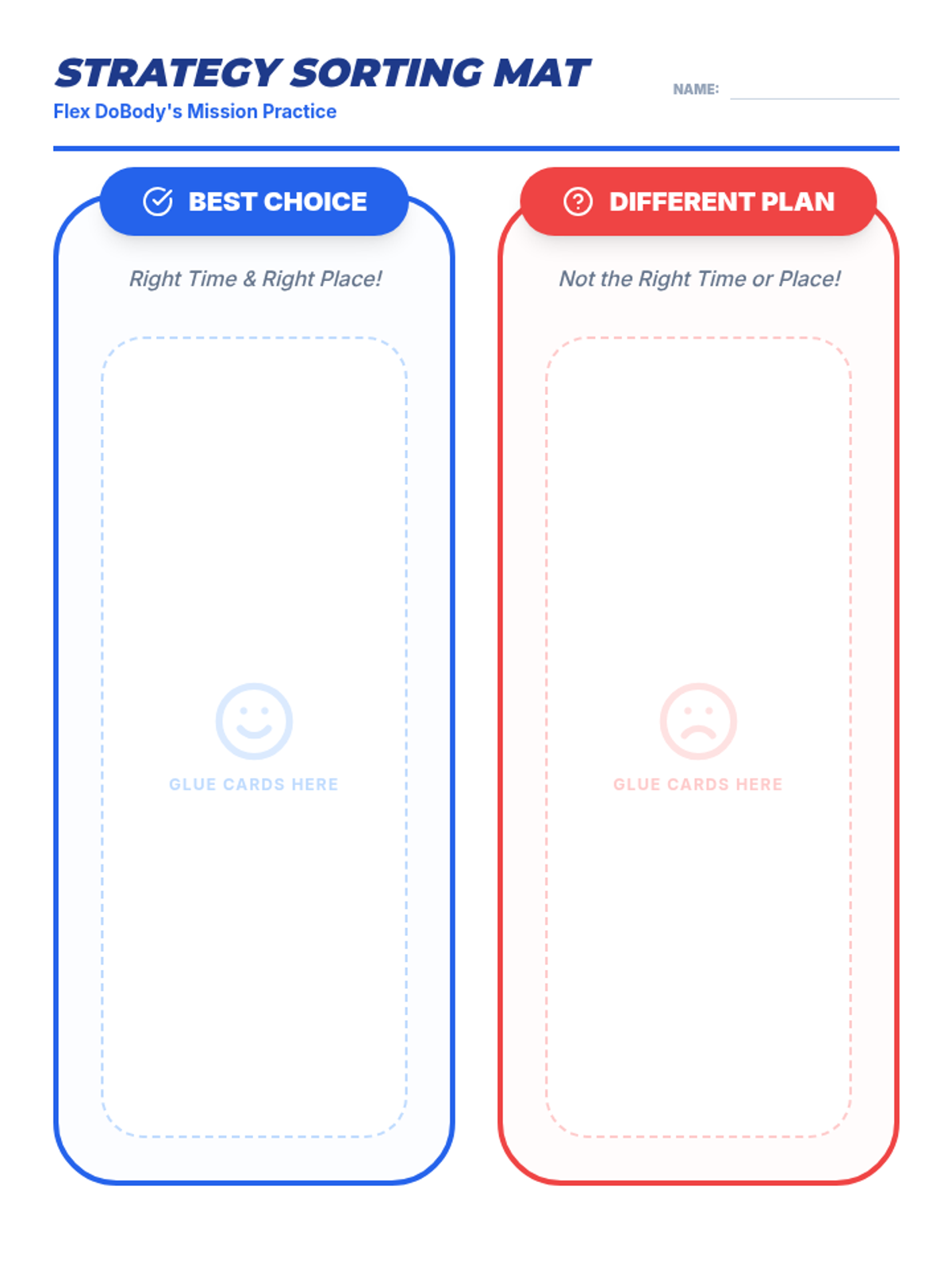
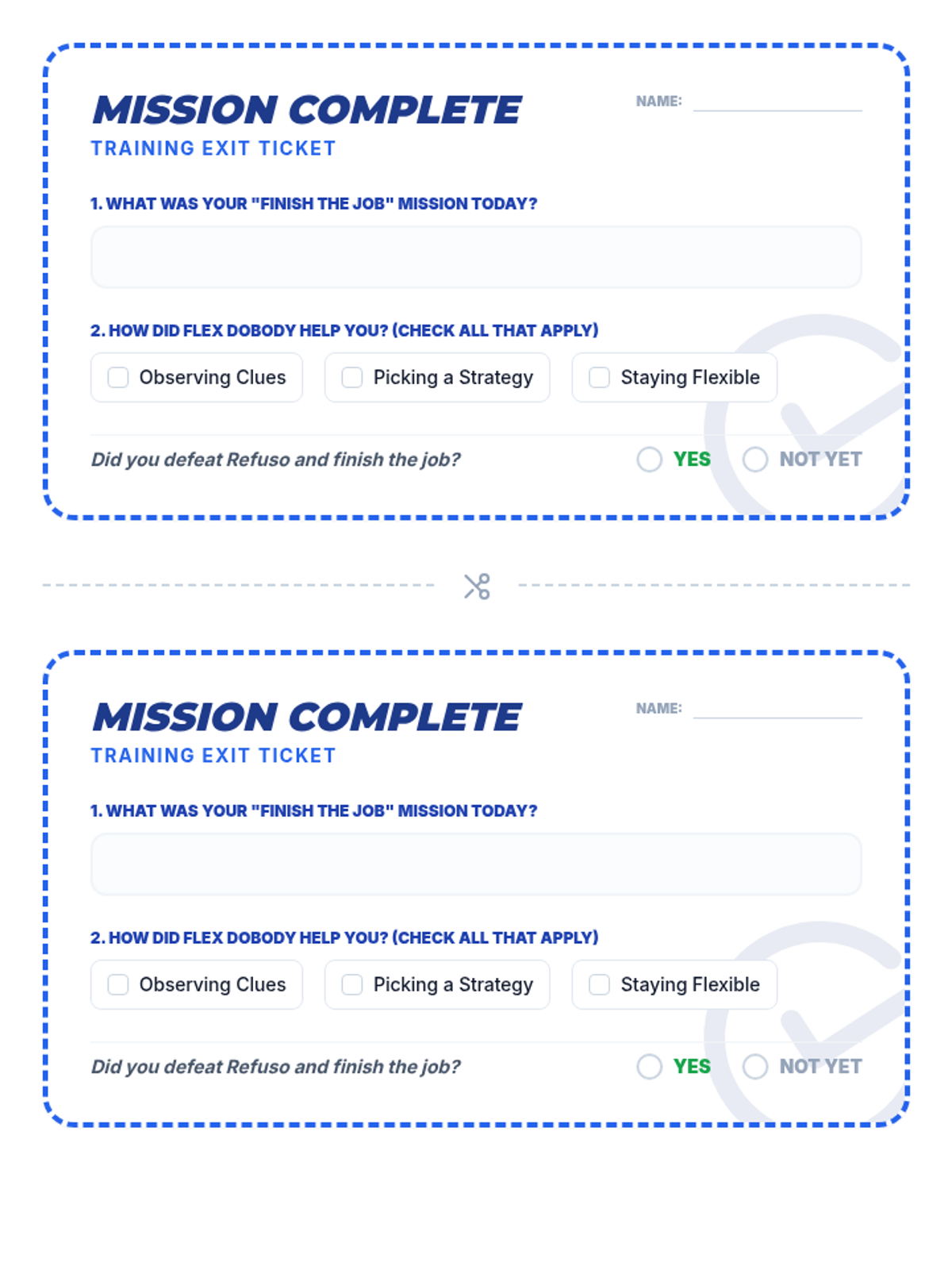
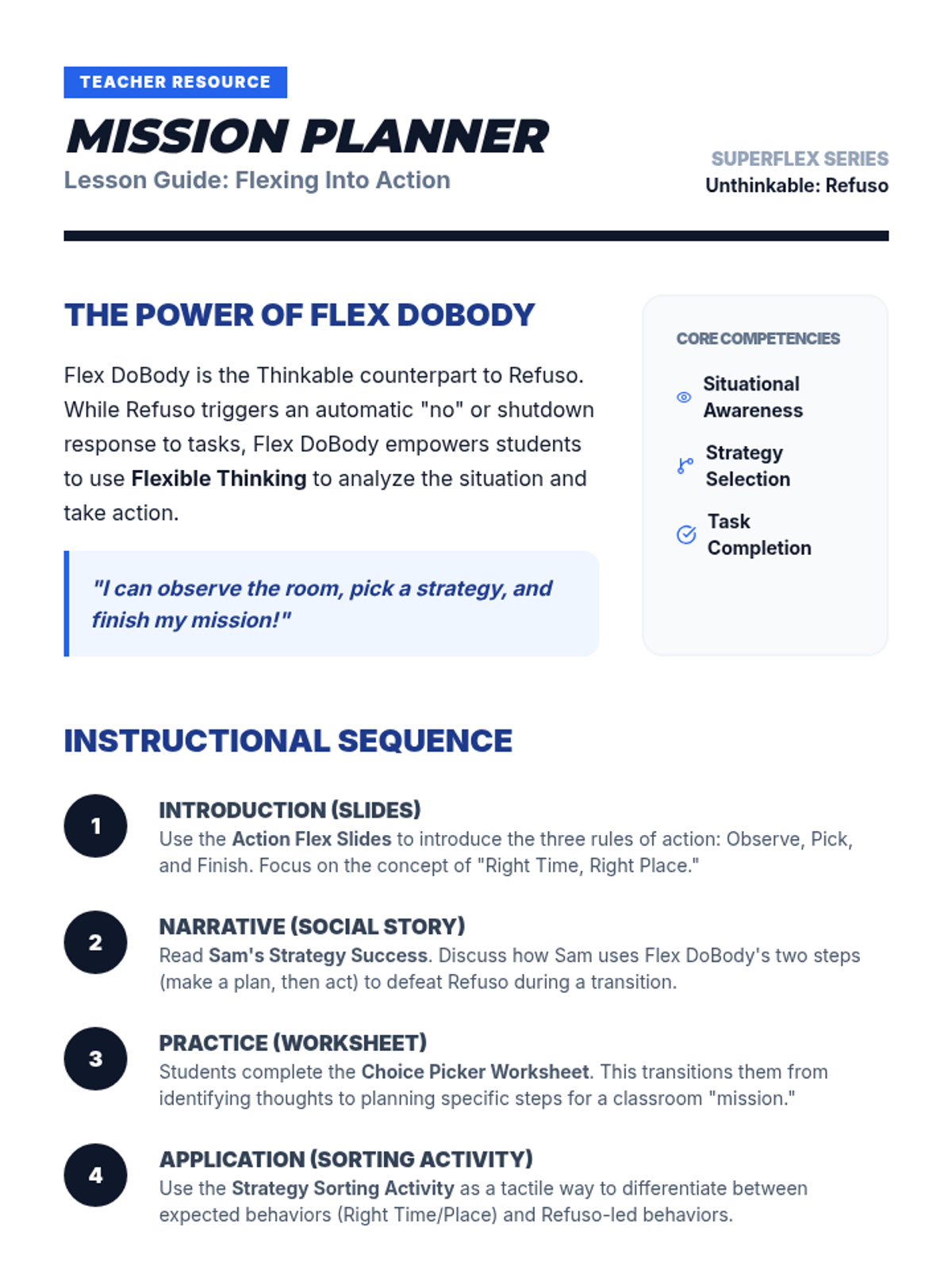
This lesson introduces Flex DoBody, the Thinkable who teaches Superflex how to use flexible thinking to select the best strategies, observe the environment, and follow through on plans to defeat Refuso.
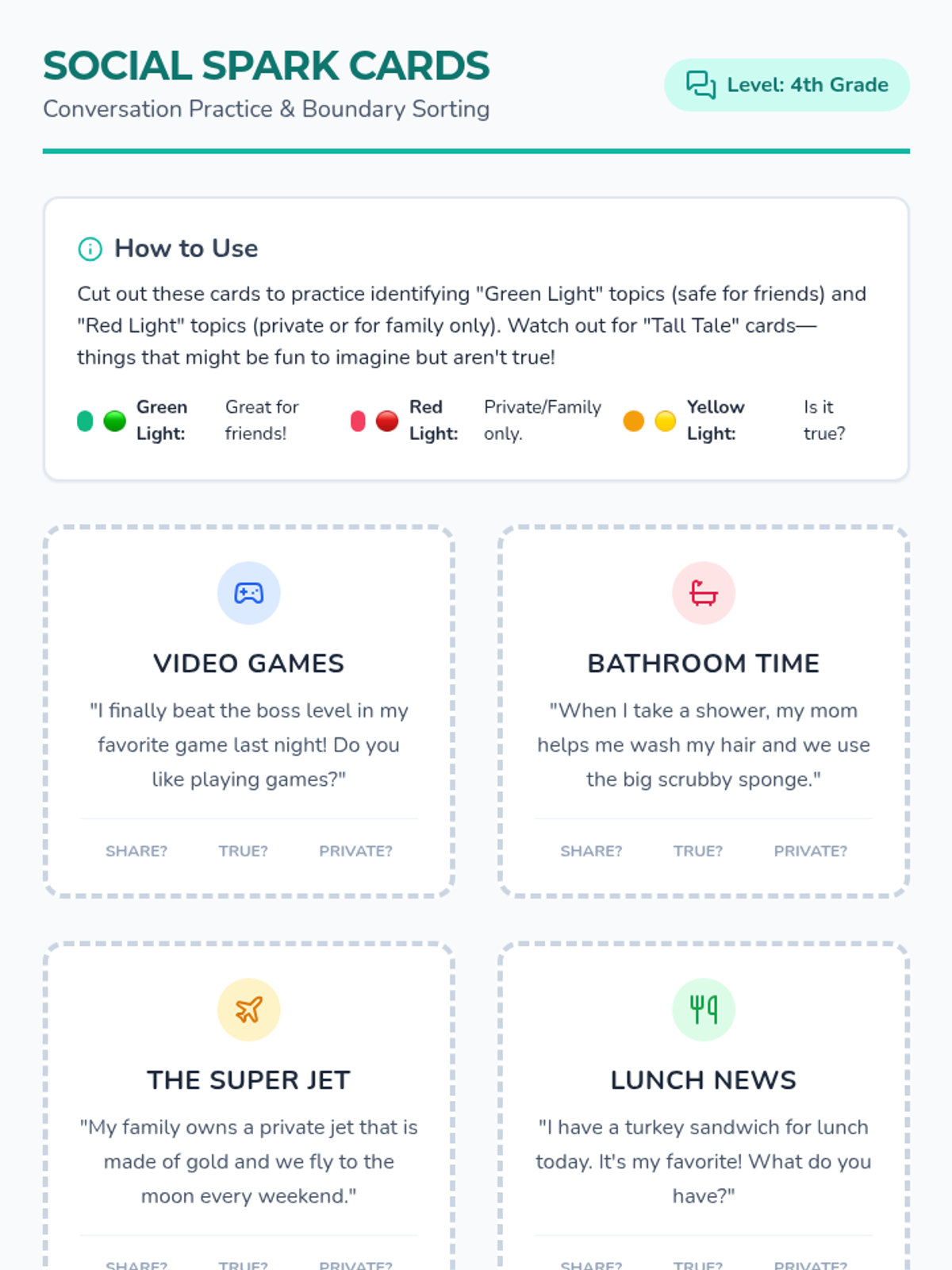
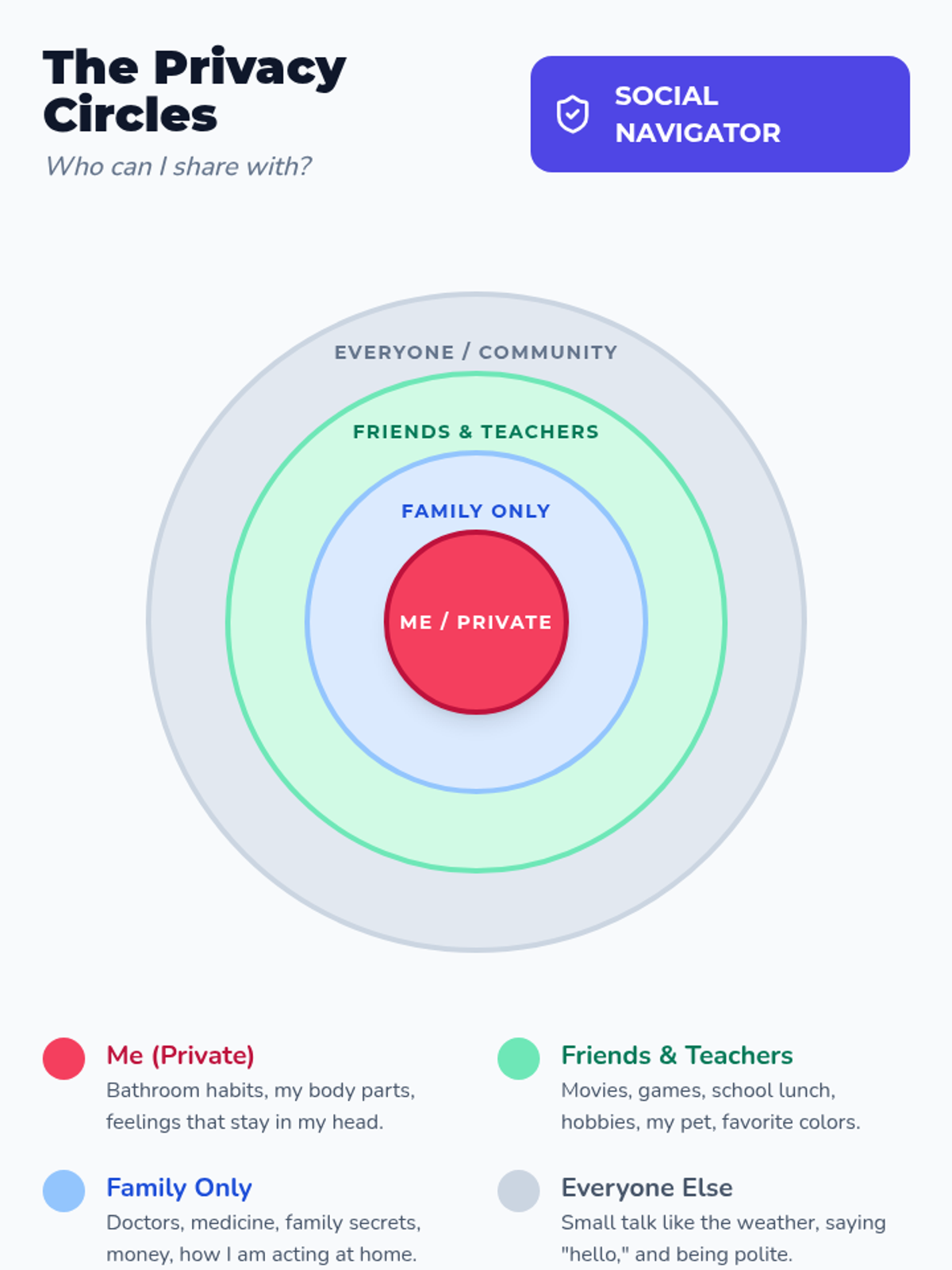
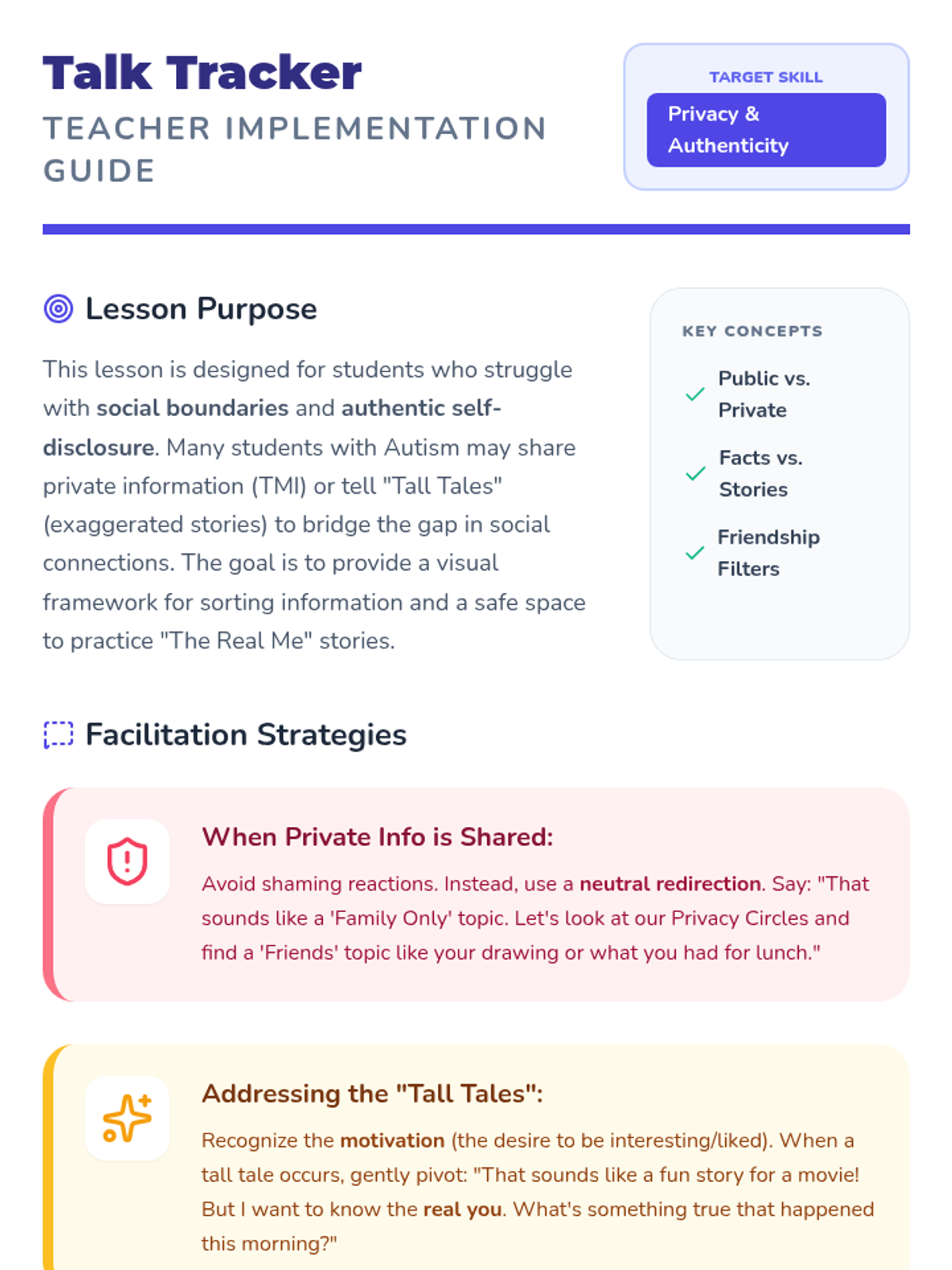
Focuses on distinguishing between public and private information, and identifying appropriate conversation topics for peer interactions.
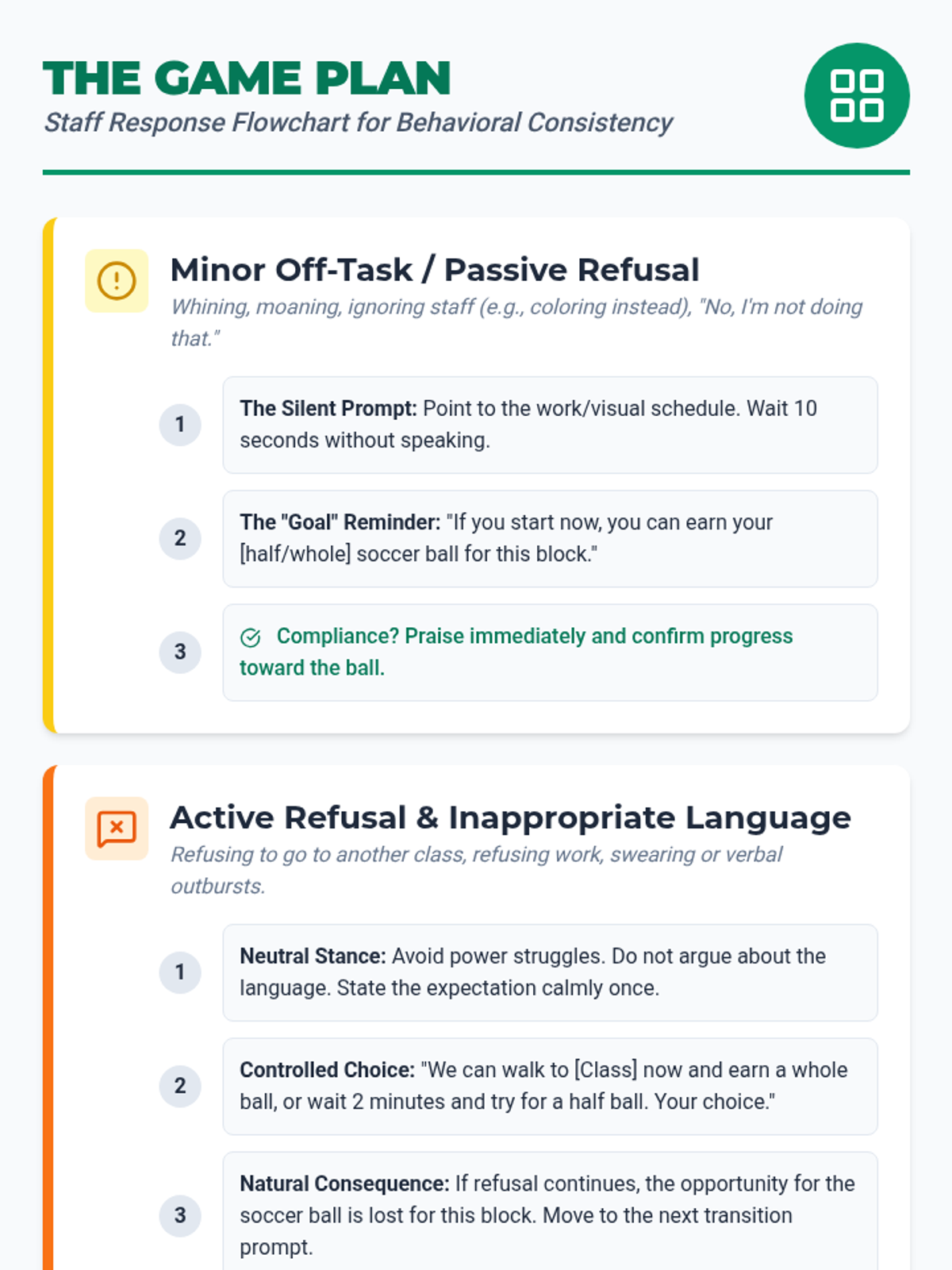
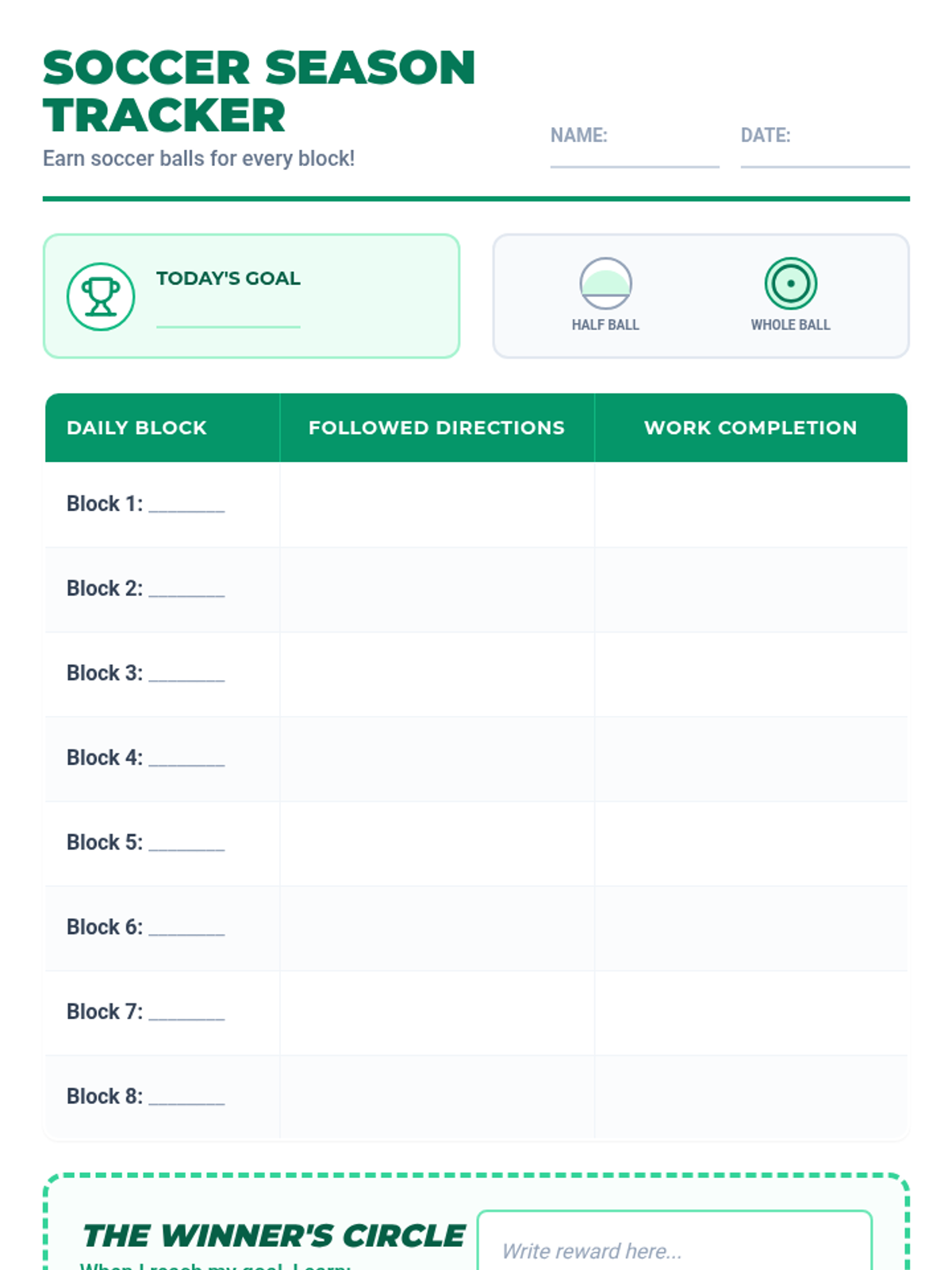
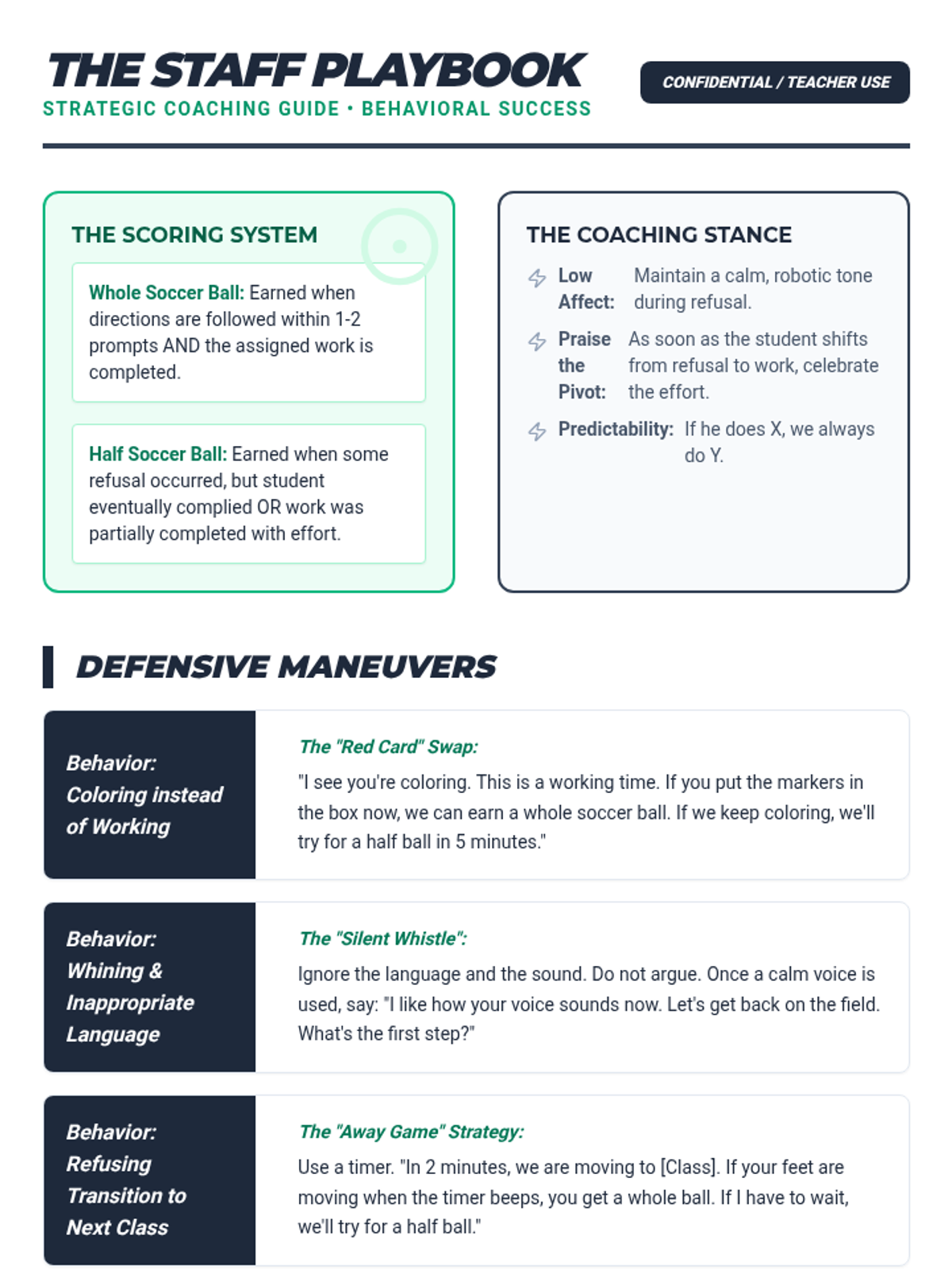
A comprehensive behavioral support system centered around a soccer-themed reinforcement strategy to reduce refusal behaviors and increase engagement.
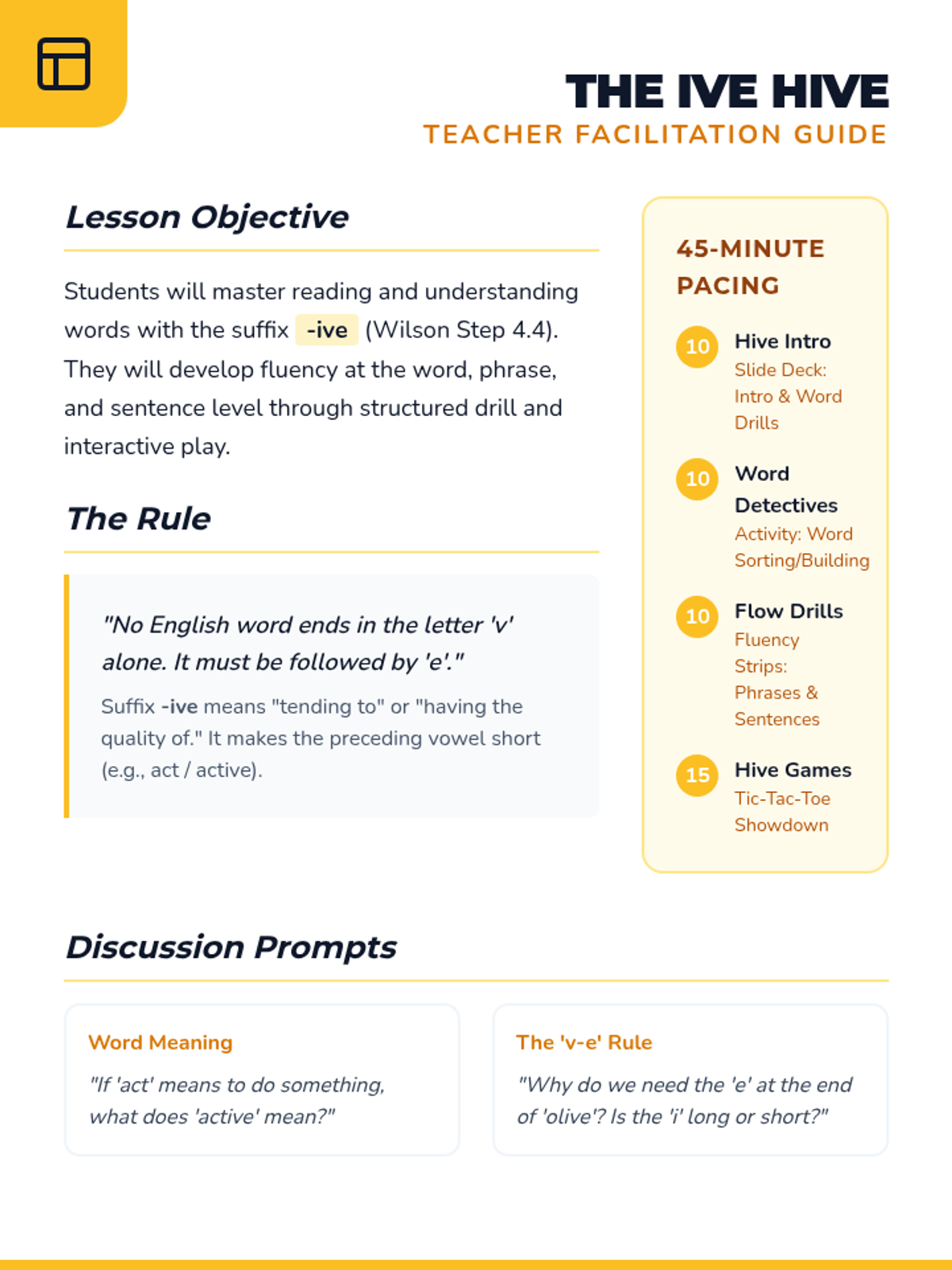
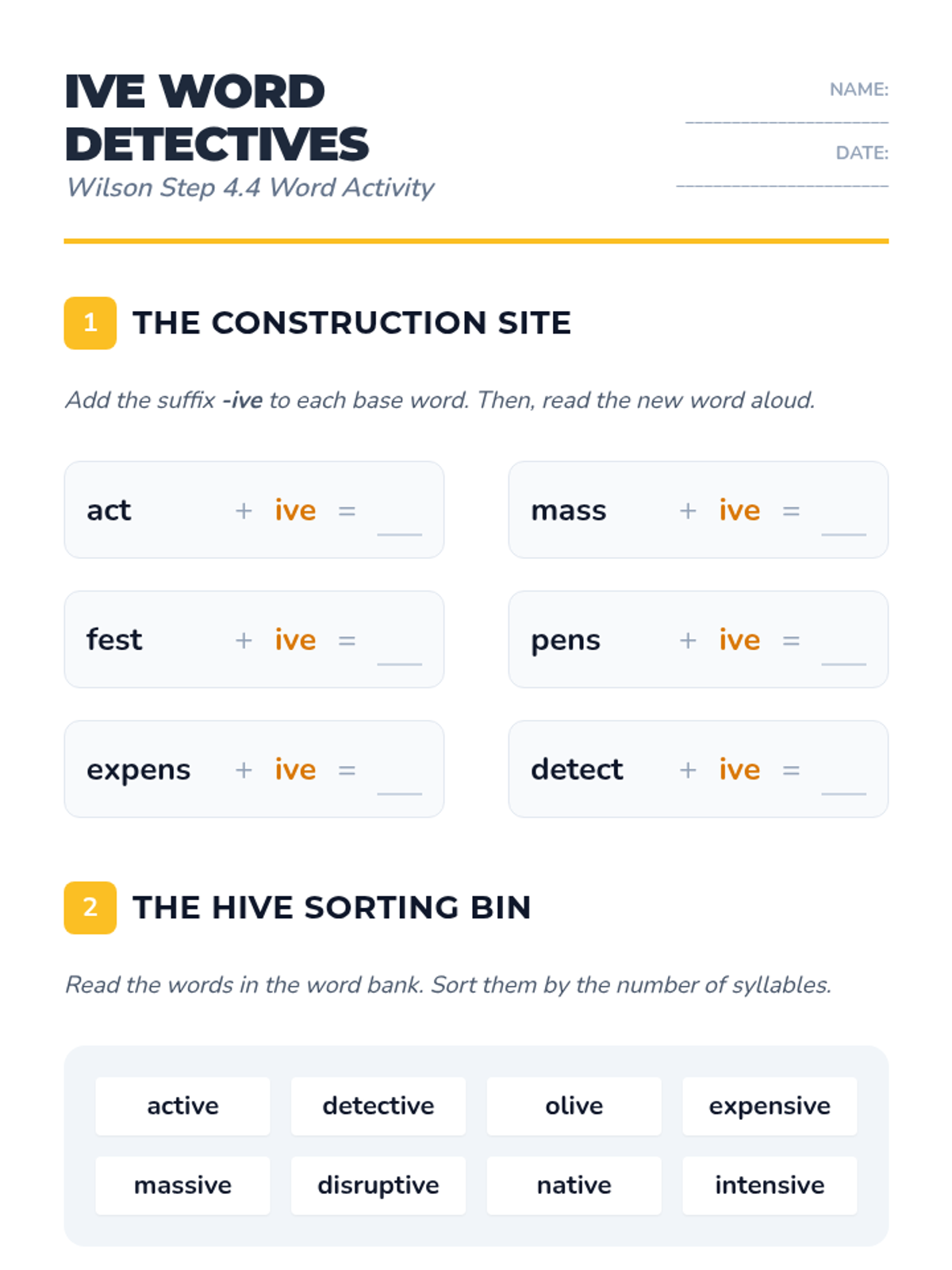
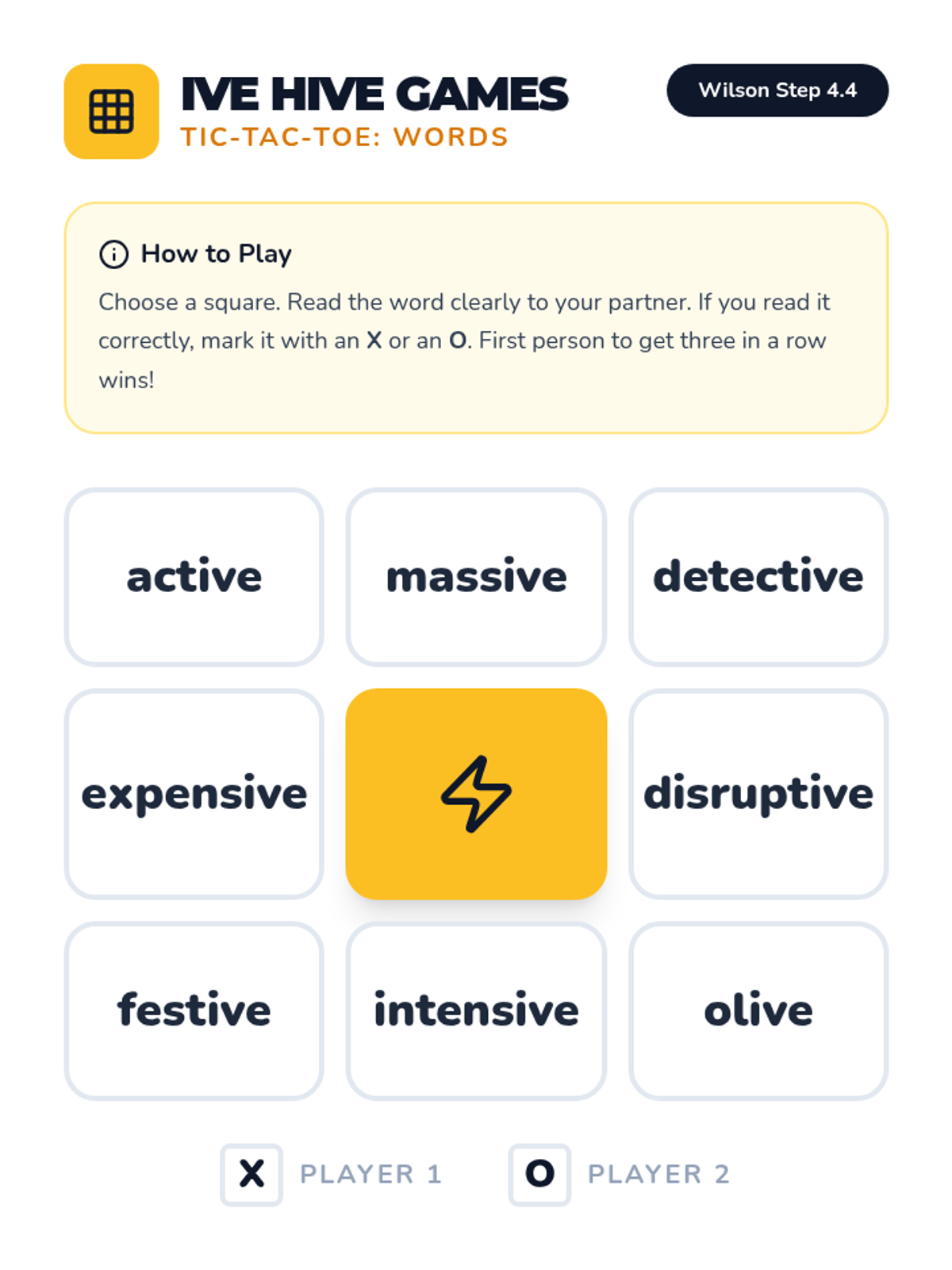
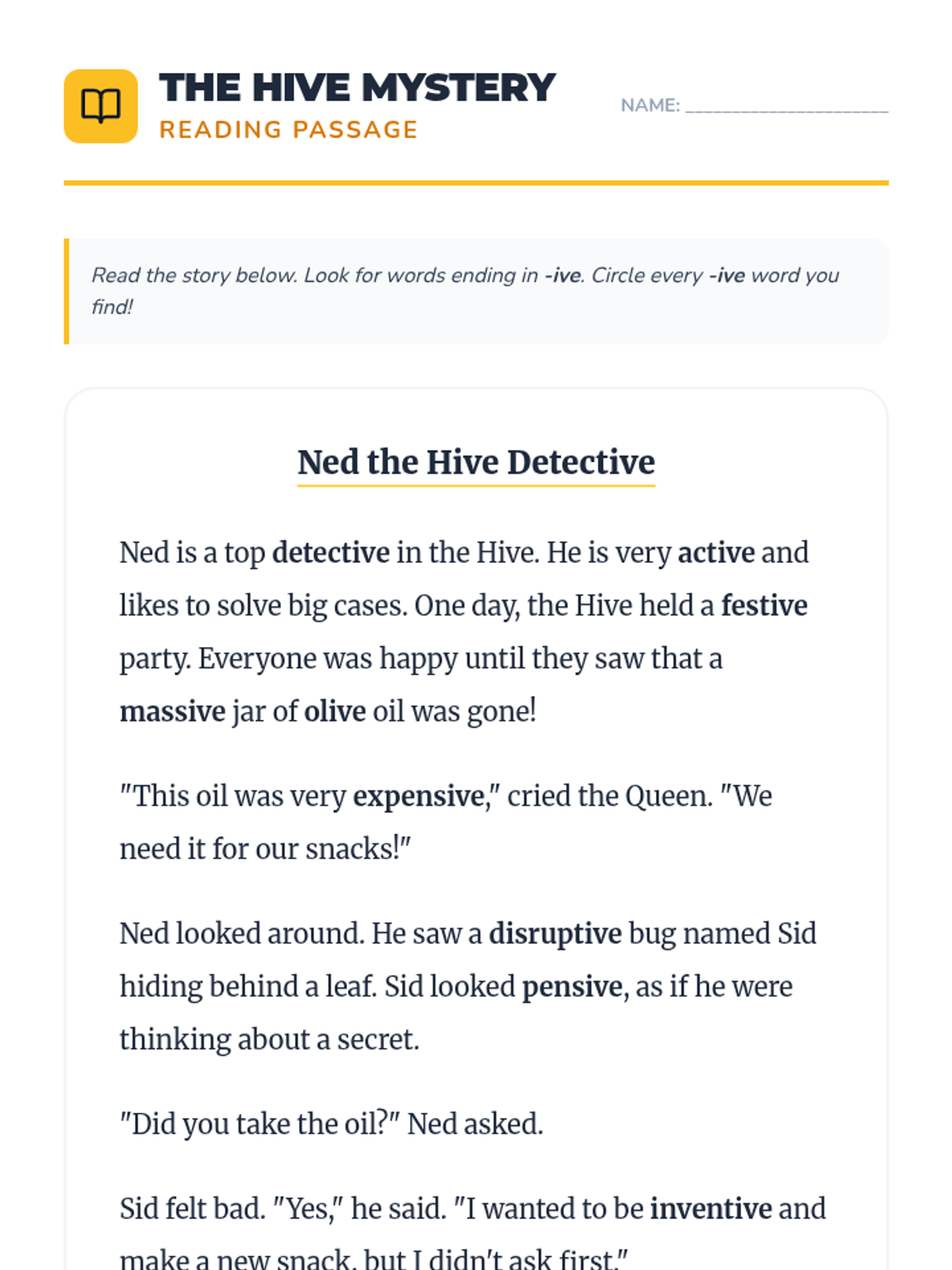
A focused lesson on Wilson Step 4.4 (suffix -ive), featuring fluency drills, games, and word-level activities centered around a 'bee hive' theme.
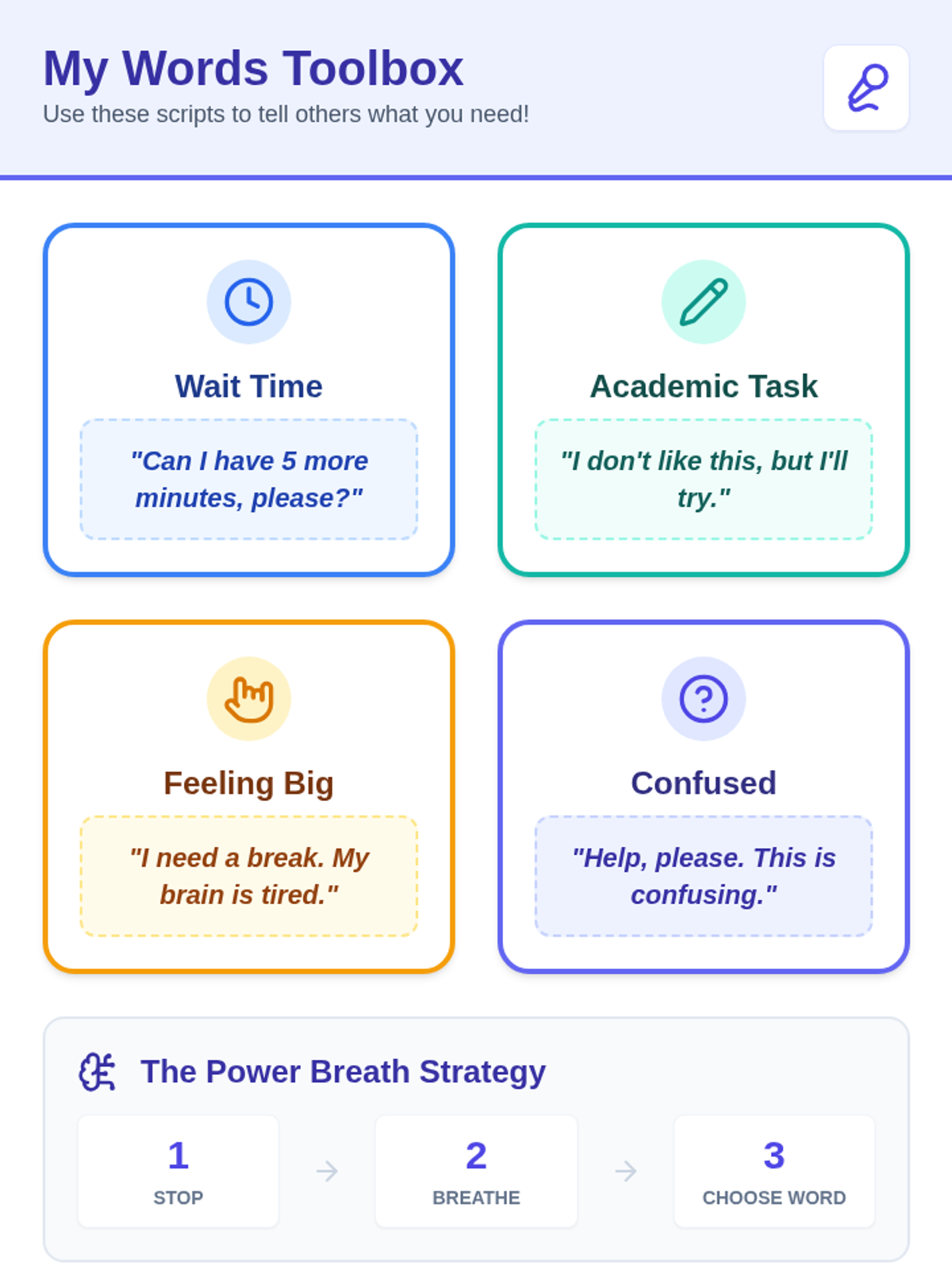
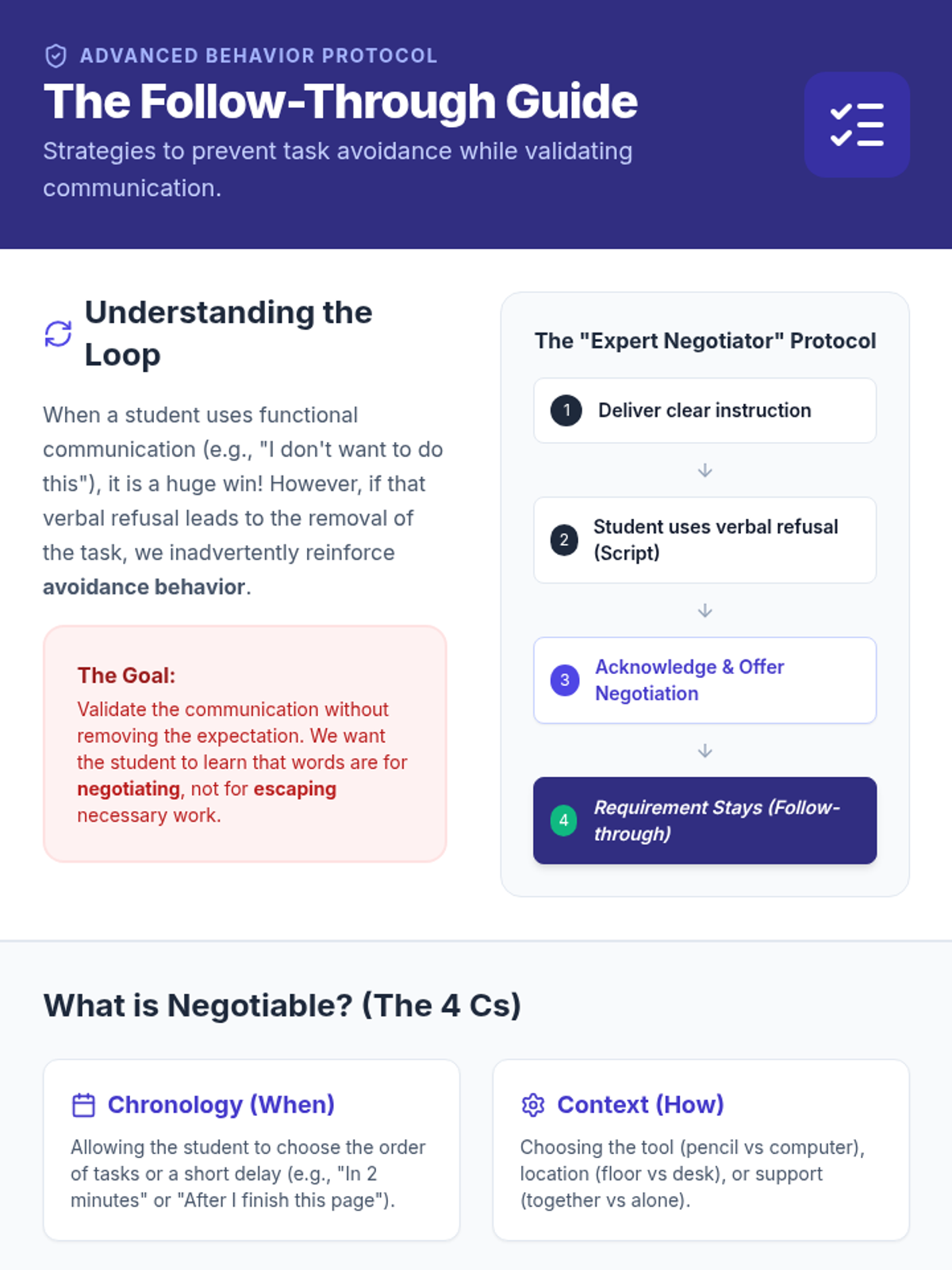
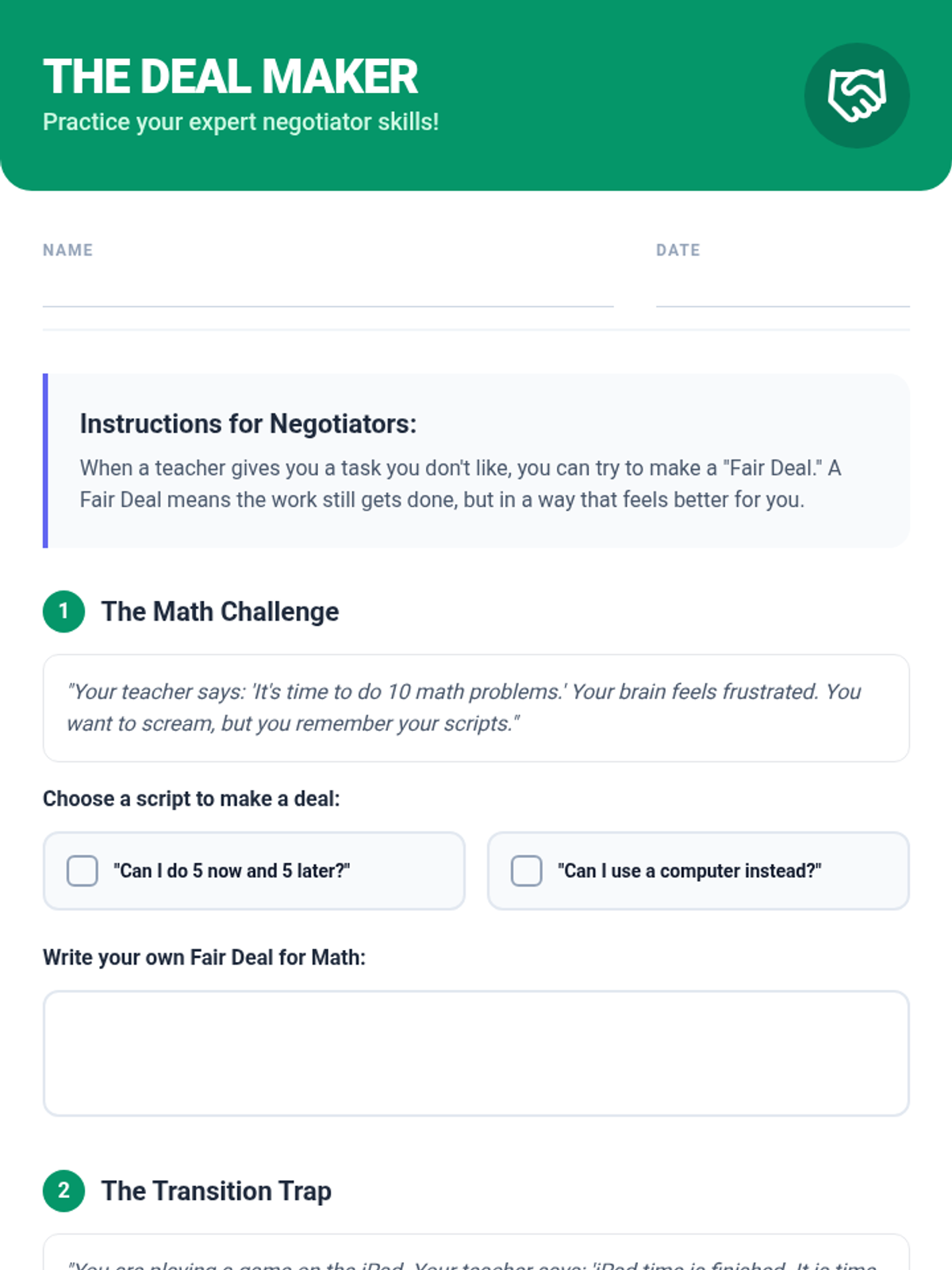
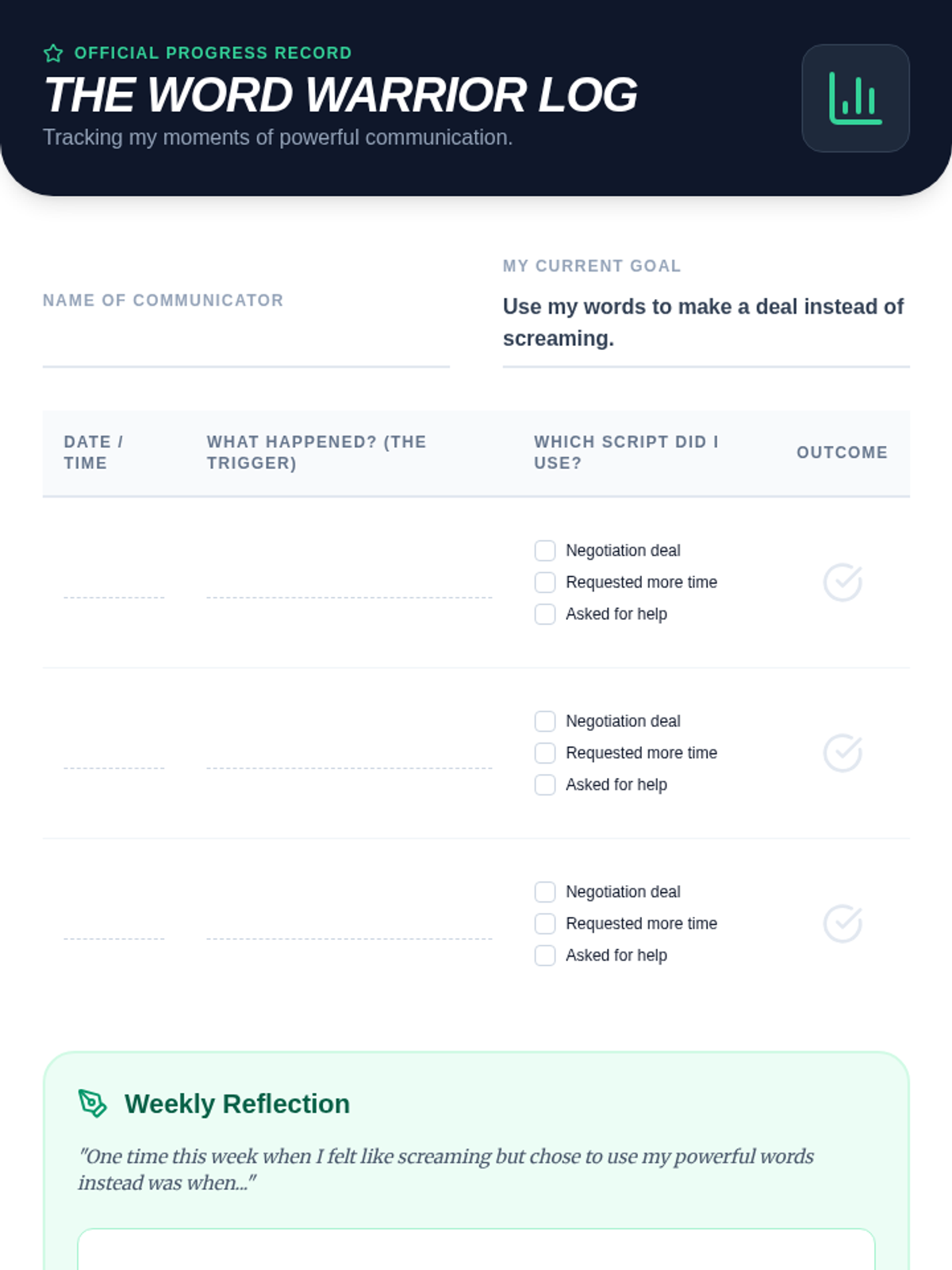
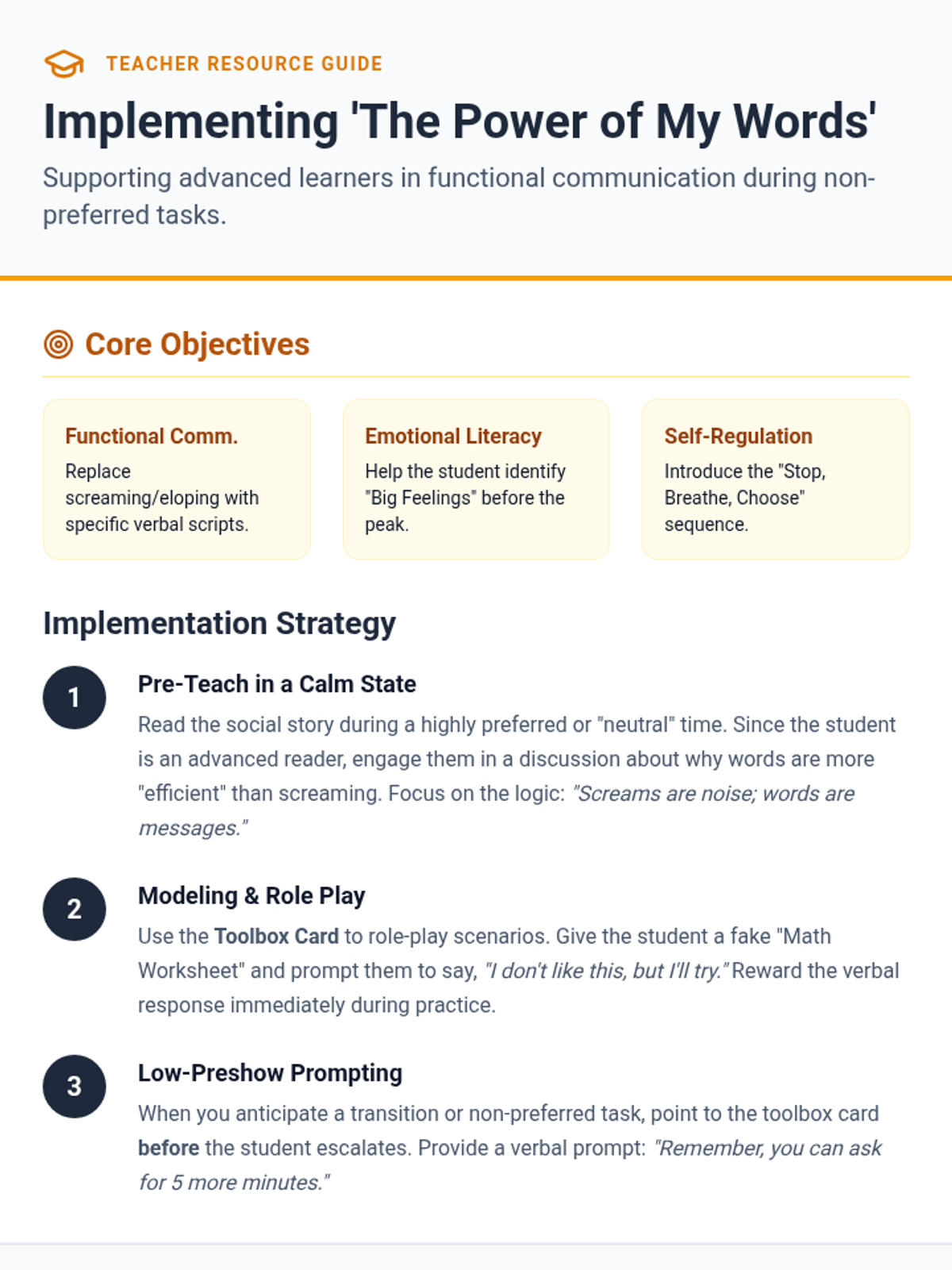
A comprehensive social story and supporting tools designed for an academically advanced 2nd grader to manage non-preferred tasks, transitions, and big emotions using verbal communication and solution-seeking strategies instead of screaming or eloping.
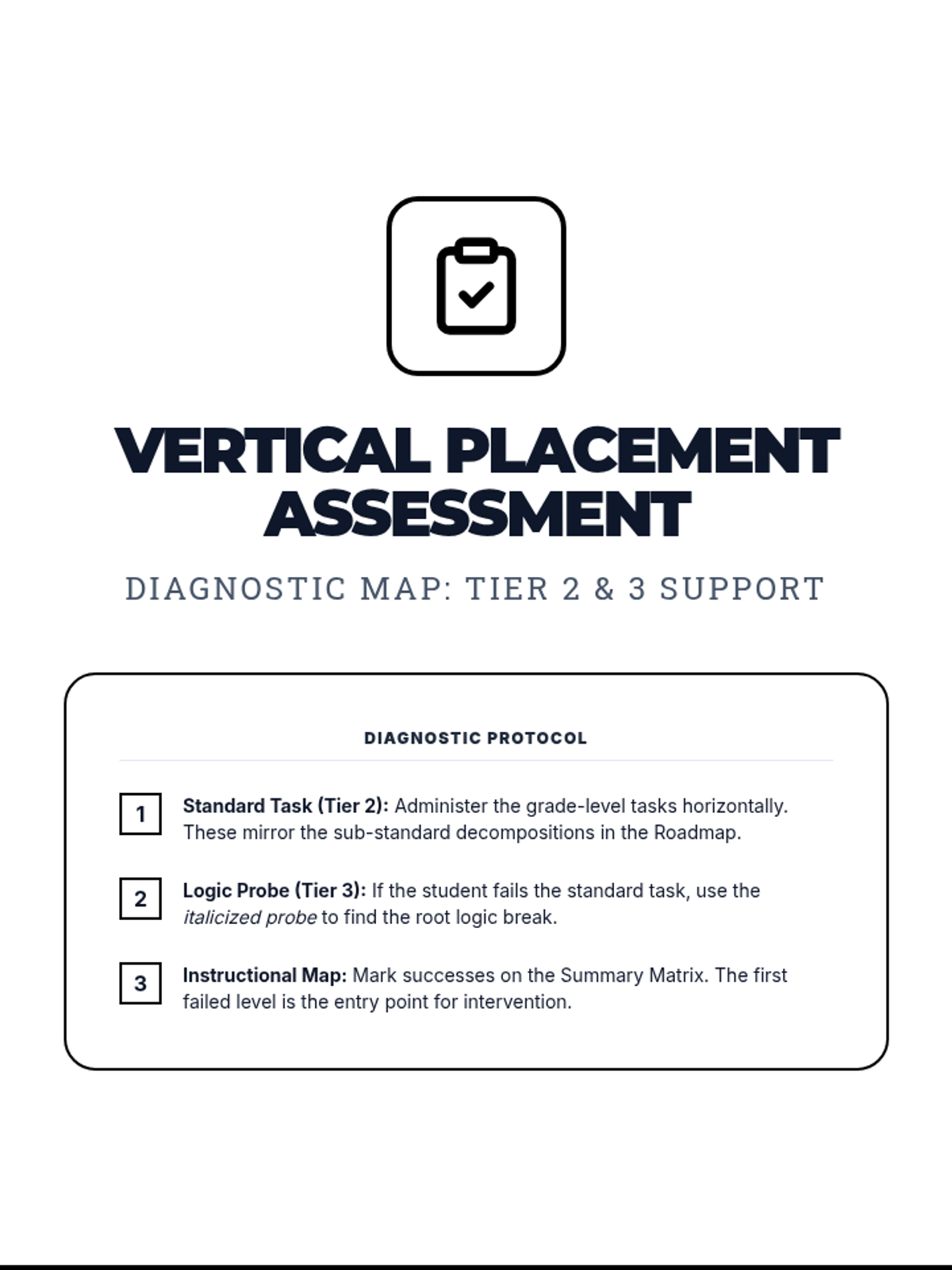
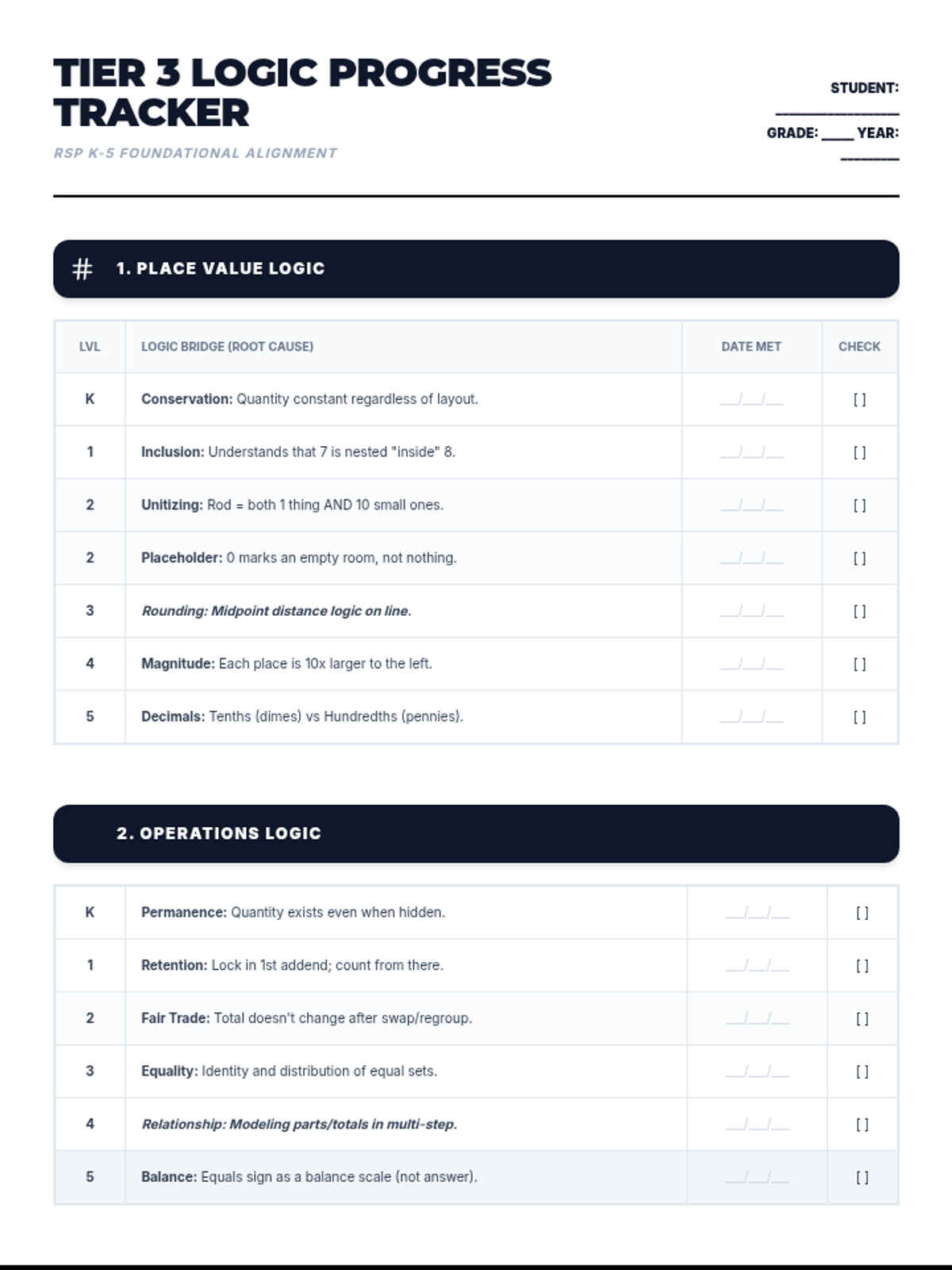
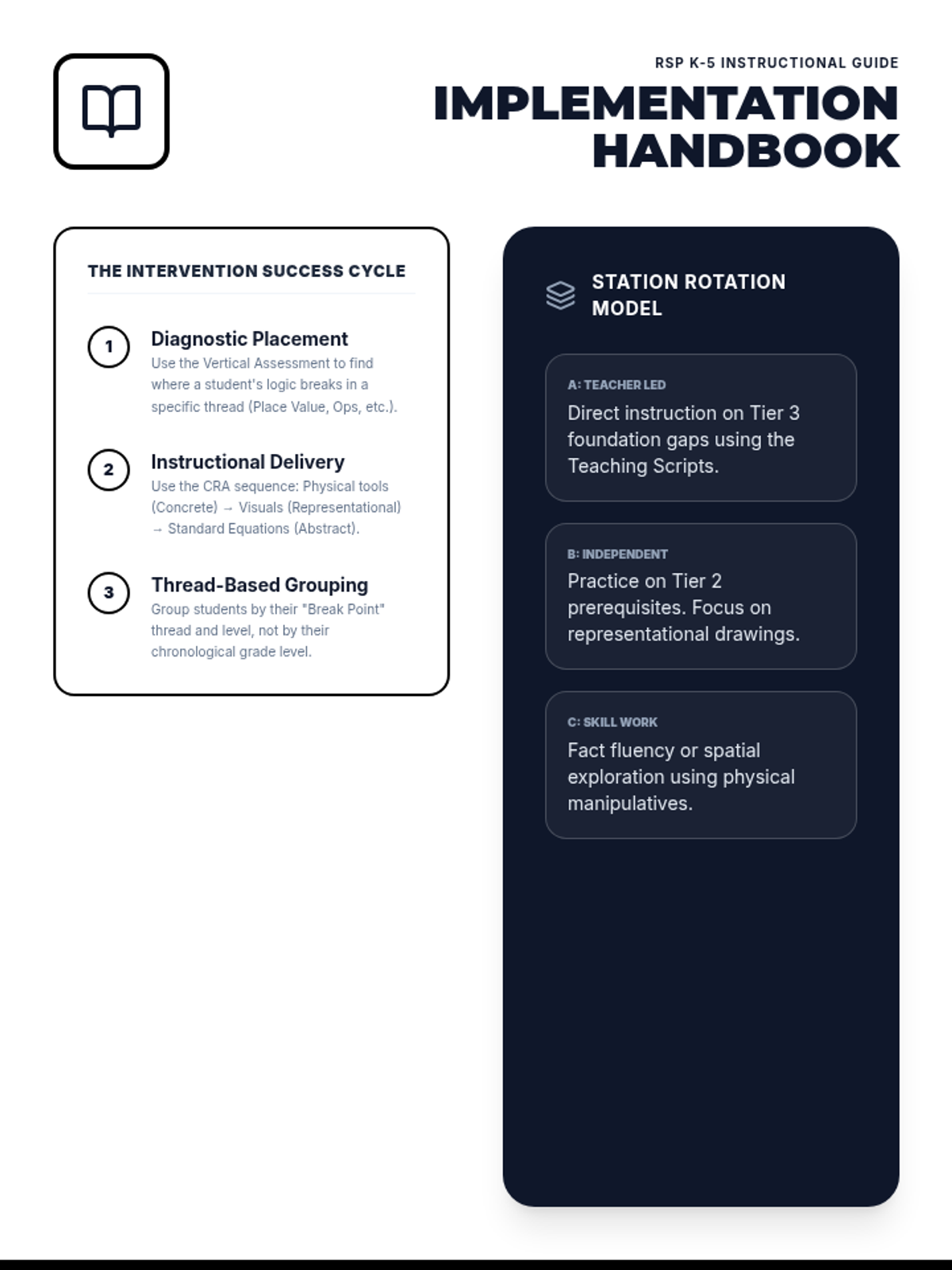
A toolkit for RSP teachers to transform a scope and sequence into a functional daily curriculum. Includes instructional frameworks, diagnostic tools, and planning templates specifically designed for multi-grade math intervention.
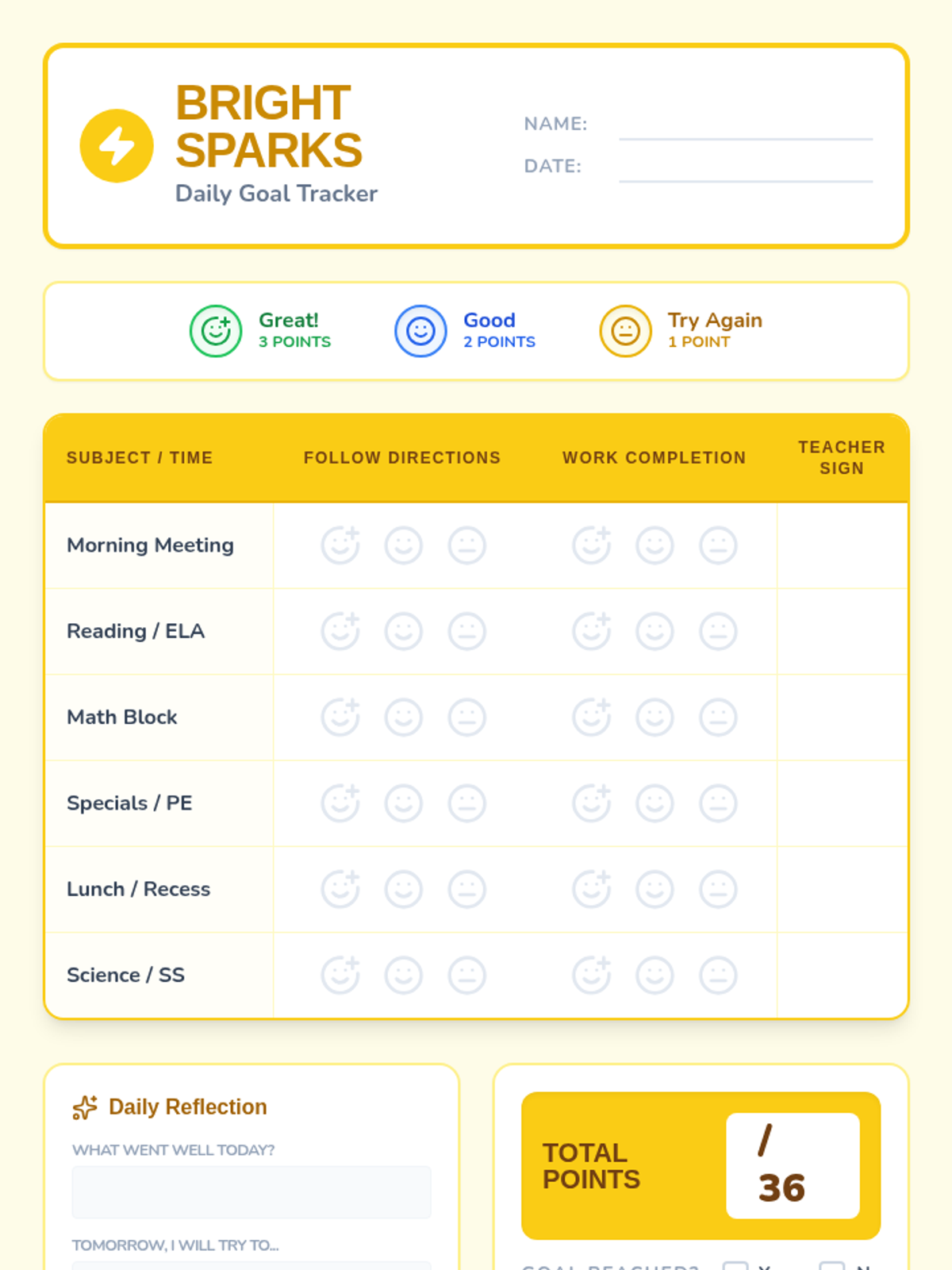
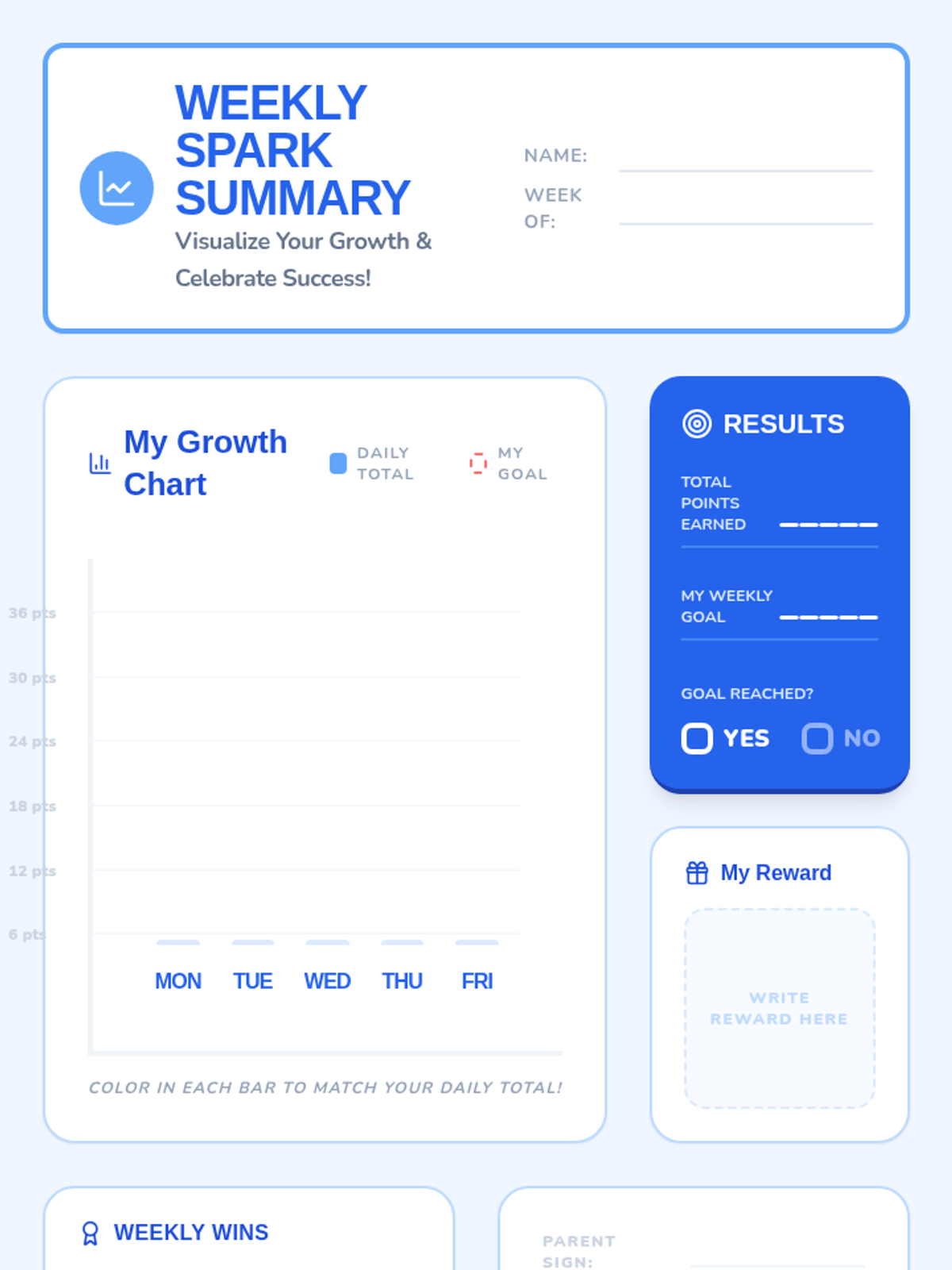
A set of positive reinforcement tools designed to track and encourage following directions, work completion, on-task behavior, and social-emotional skills.
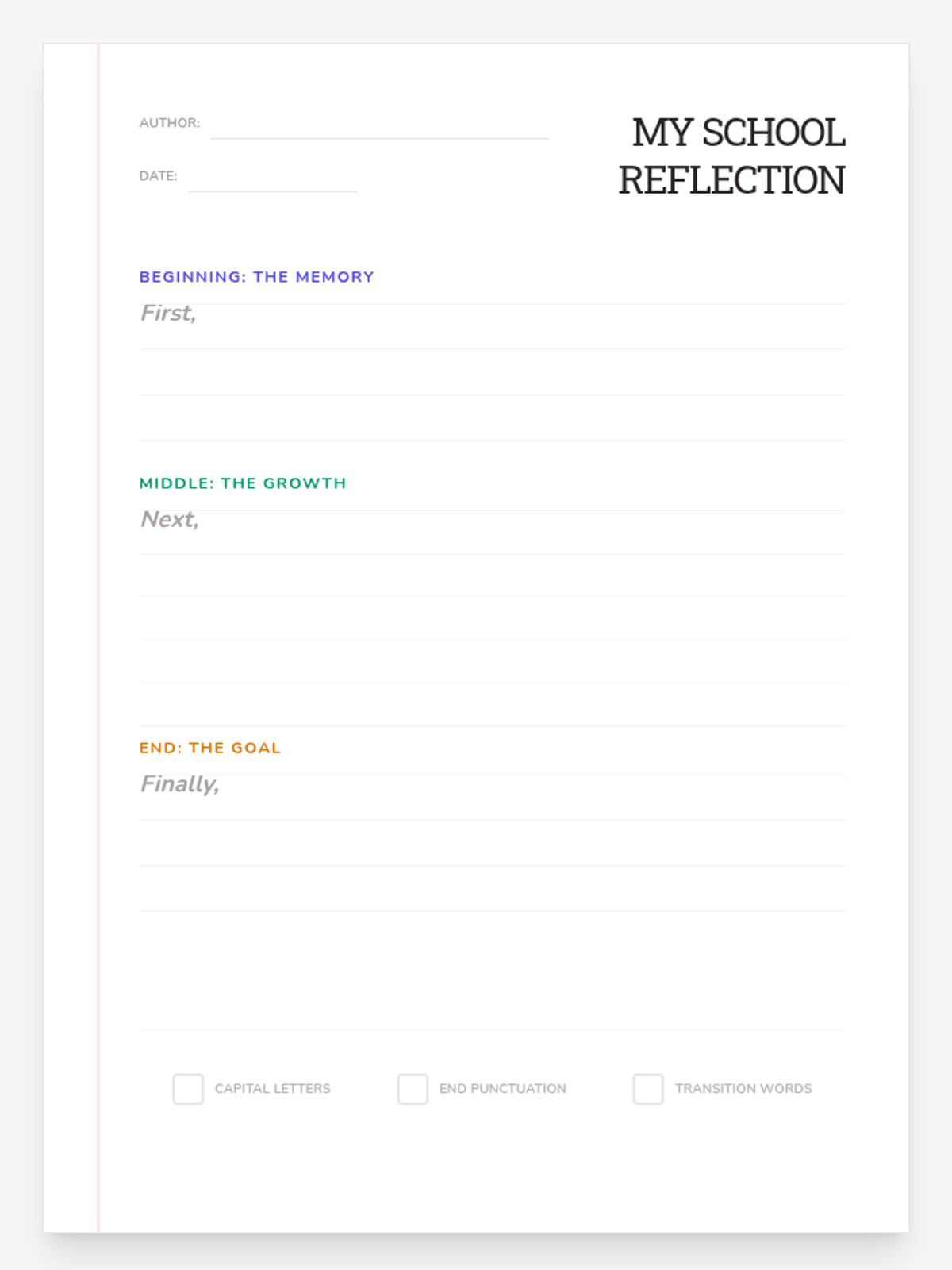
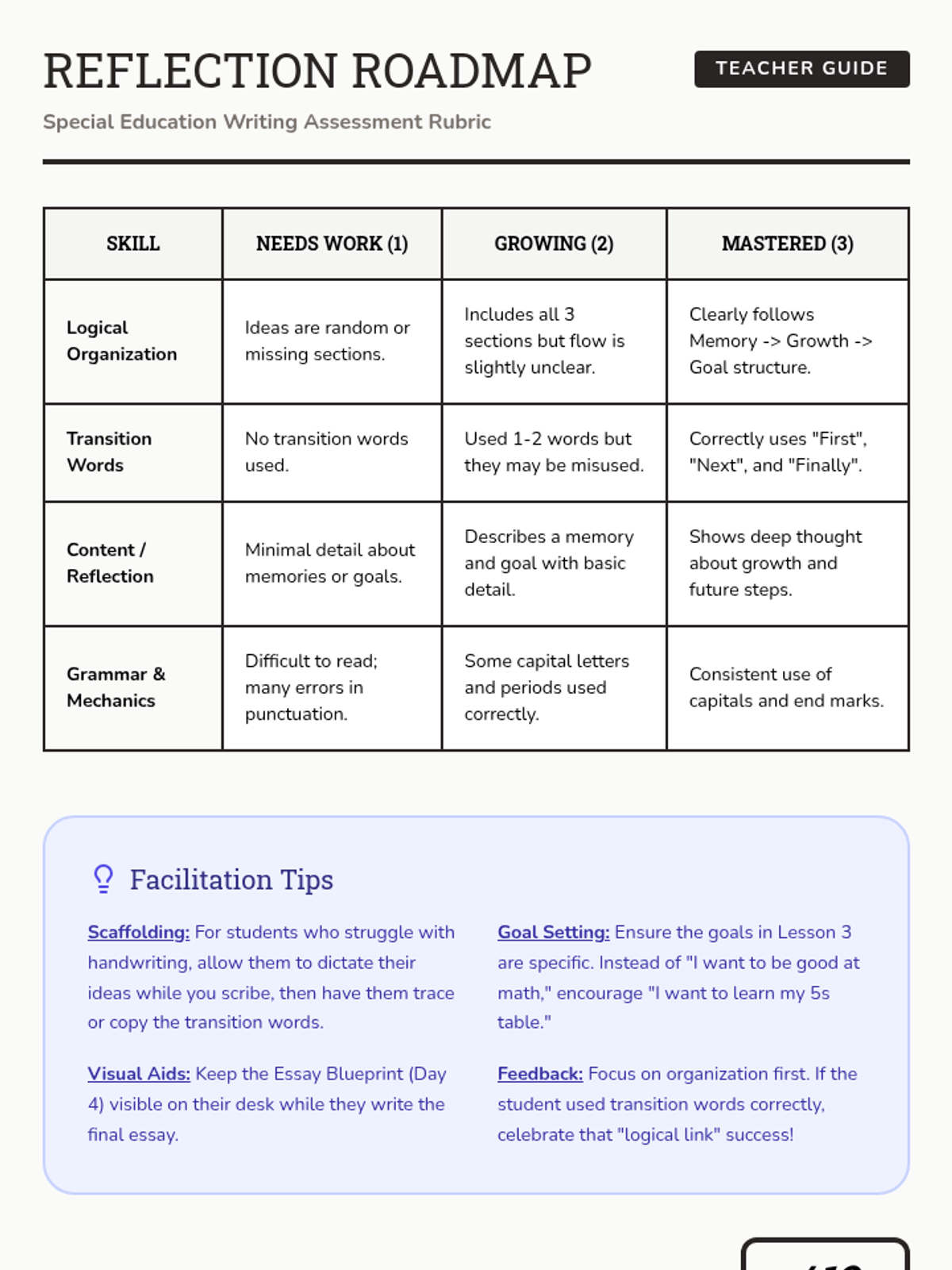
Students synthesize their work from the week into a final reflective short essay using a guided writing template.
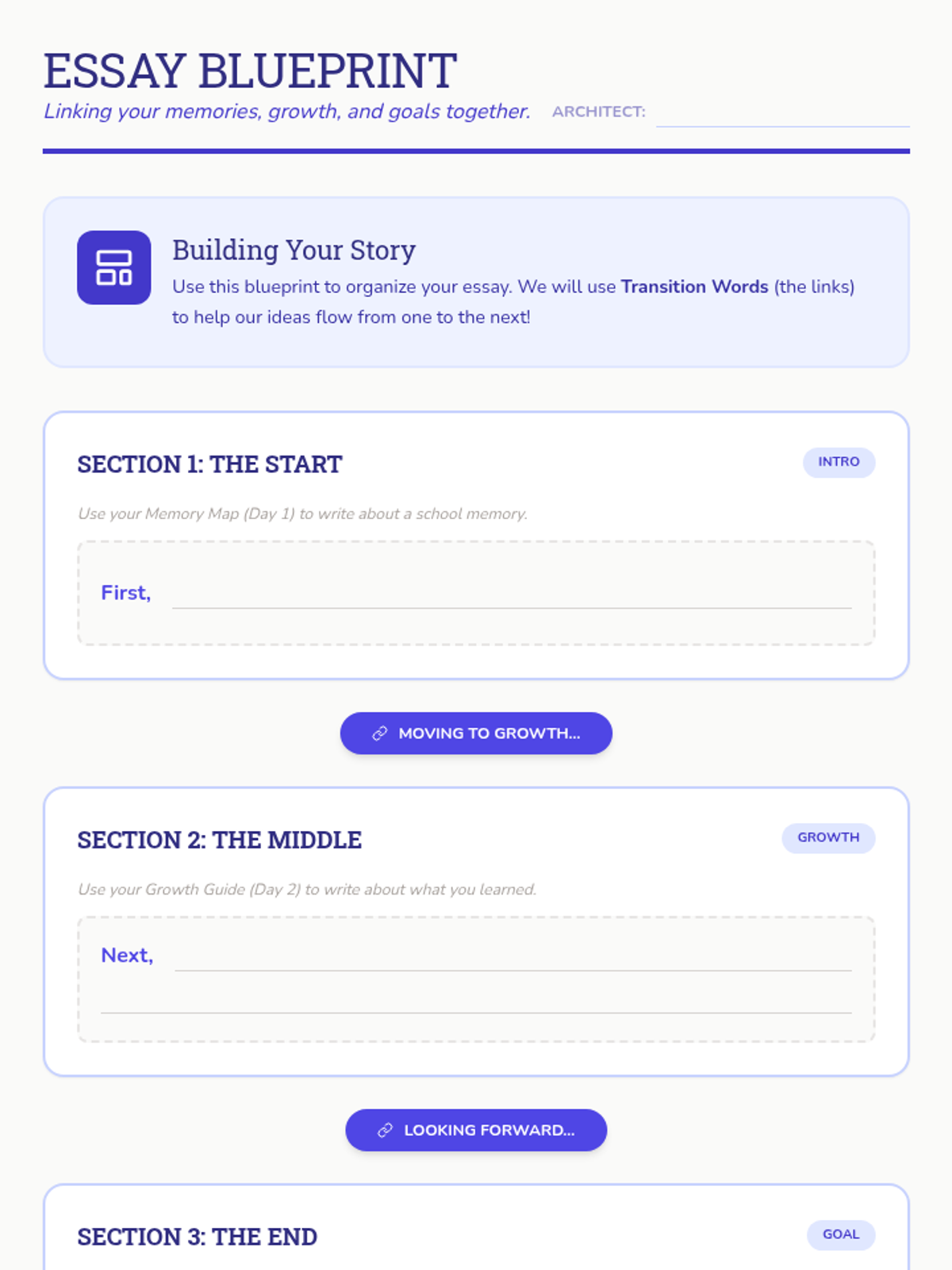
Focuses on organizing brainstormed ideas into a logical structure using a transition-focused essay blueprint.
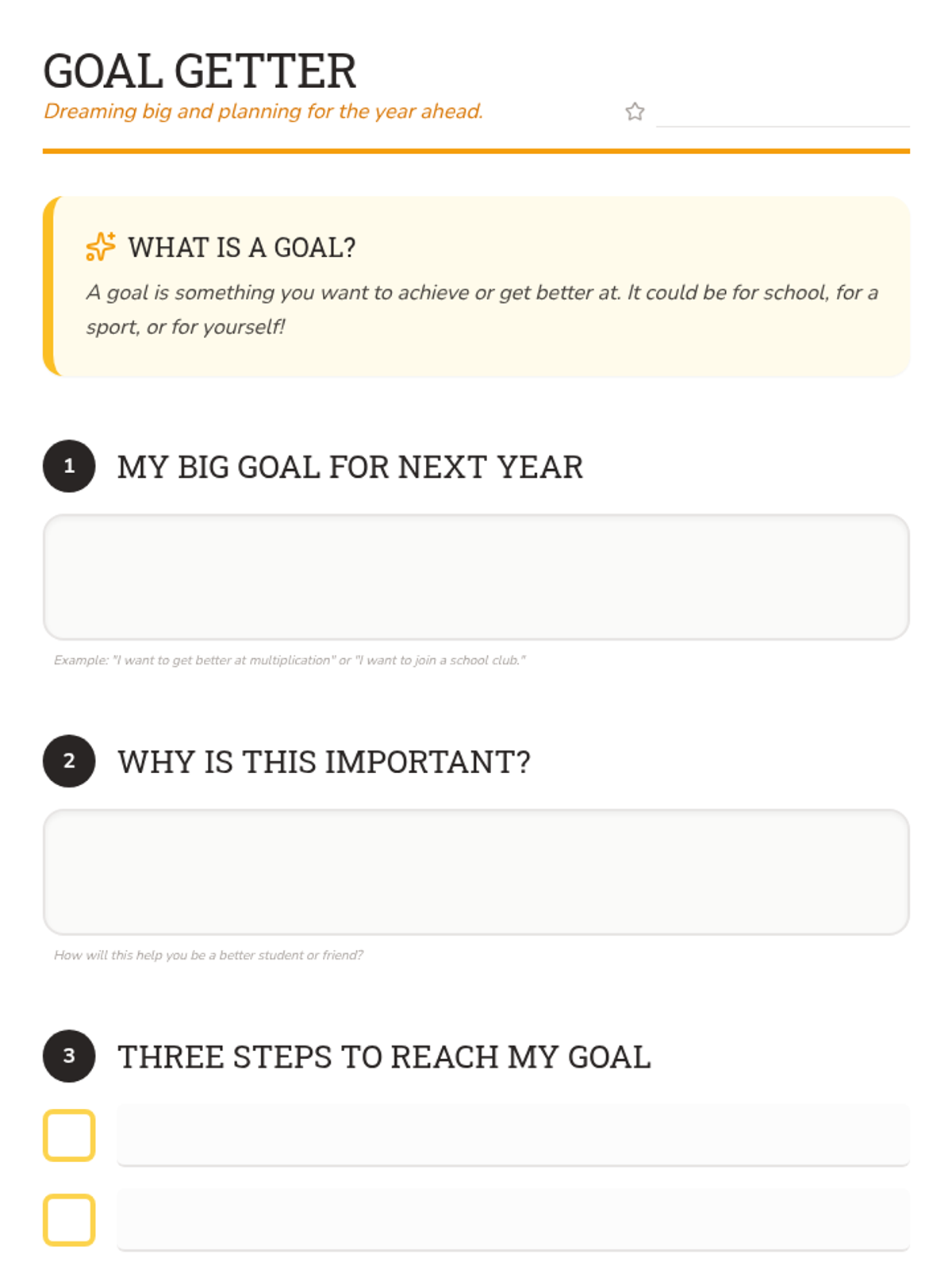
Students will set achievable goals for the upcoming year, using a structured planning sheet to break down their aspirations.
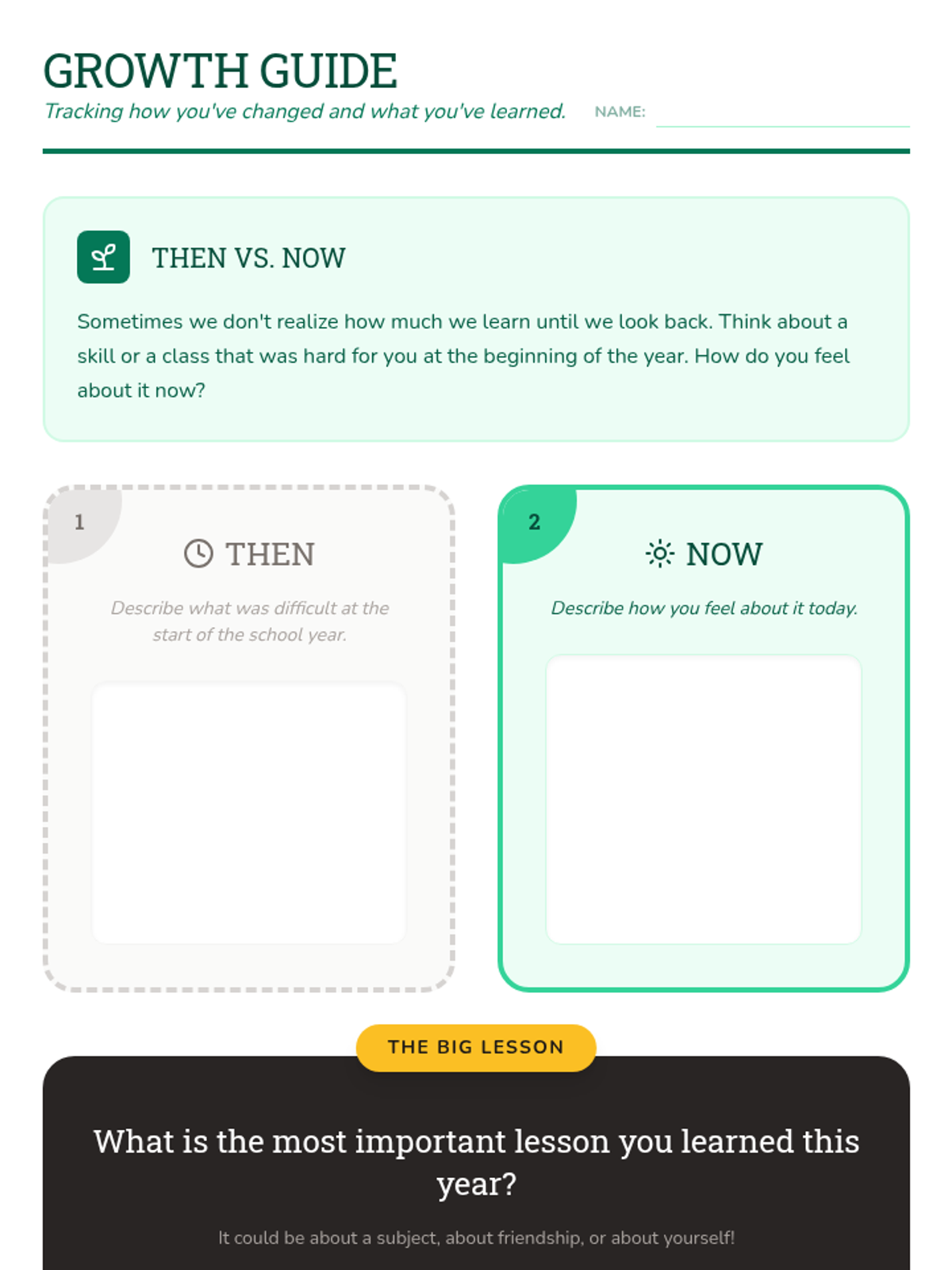
Focuses on identifying personal growth and lessons learned, helping students connect past challenges to current strengths.
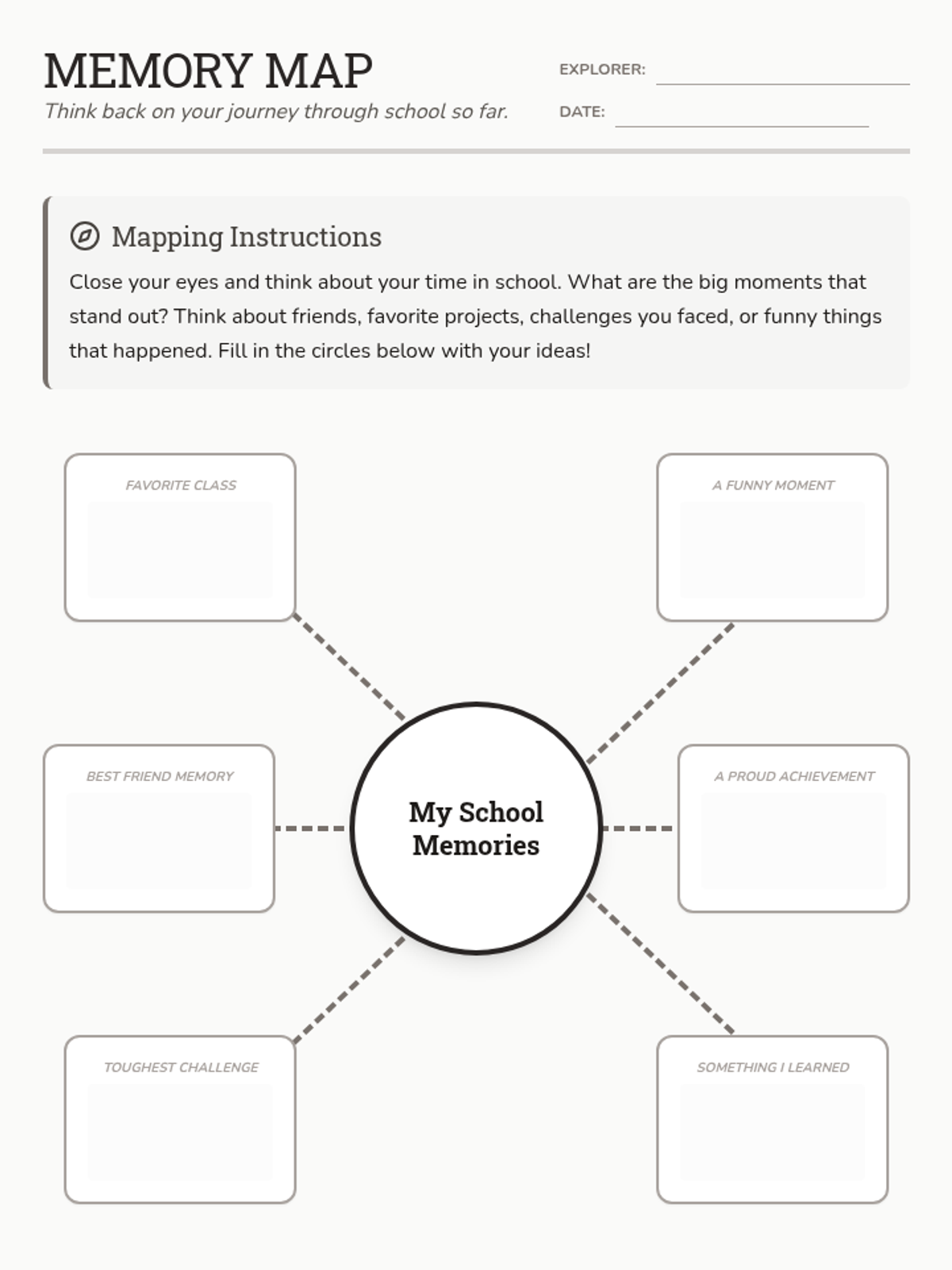
Students will explore the concept of school memories and use a visual graphic organizer to brainstorm significant moments from their school year.
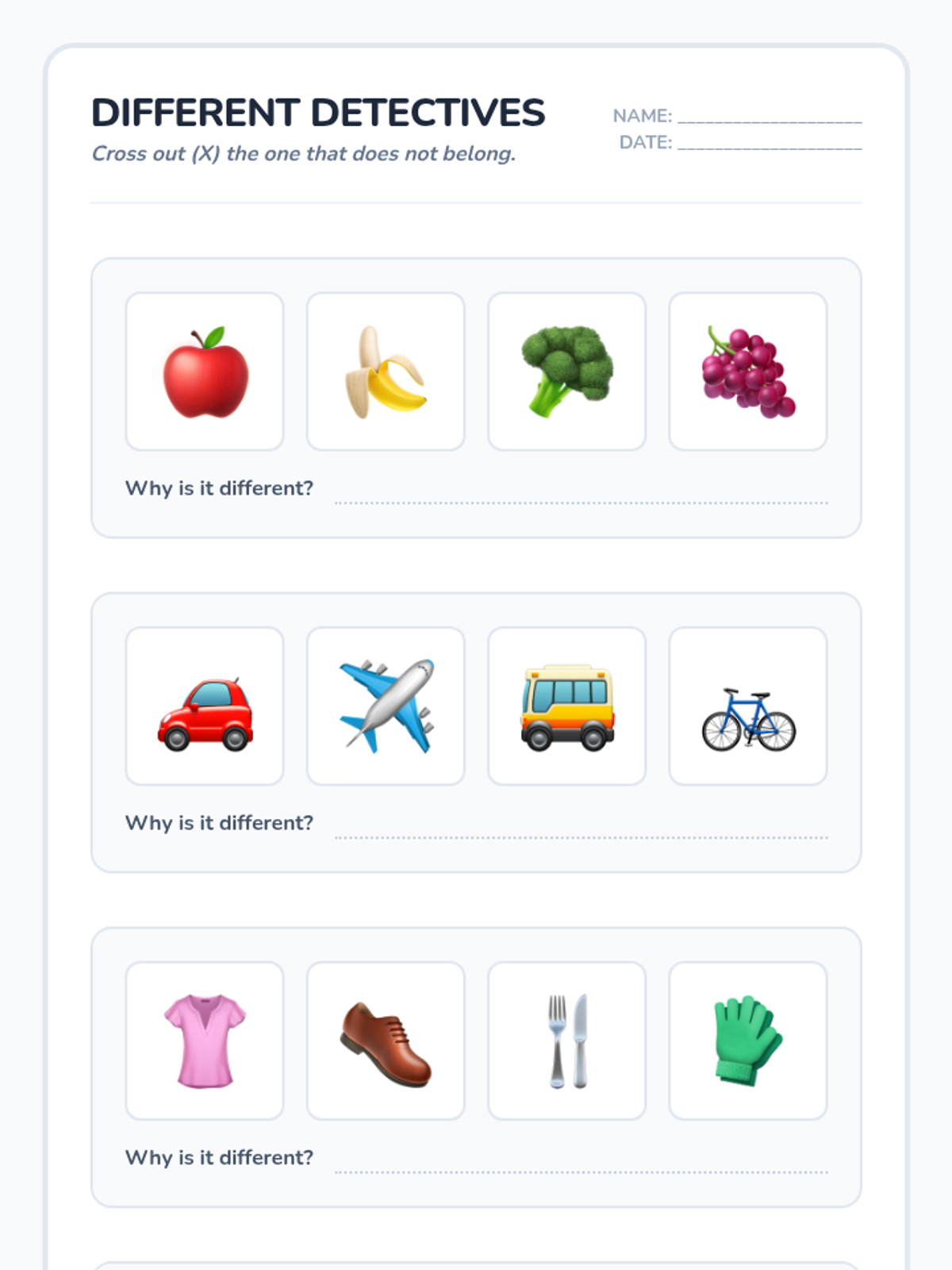
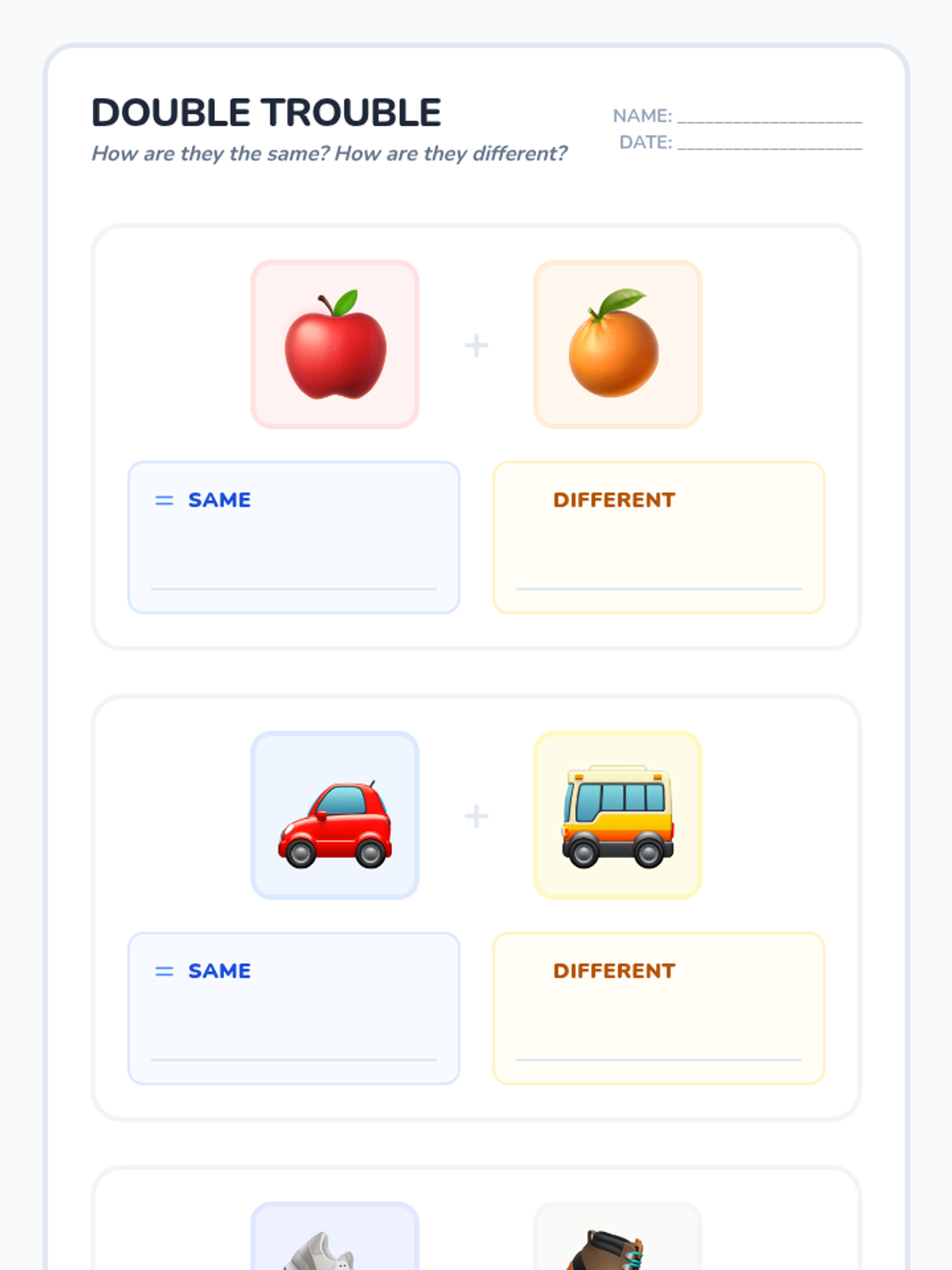
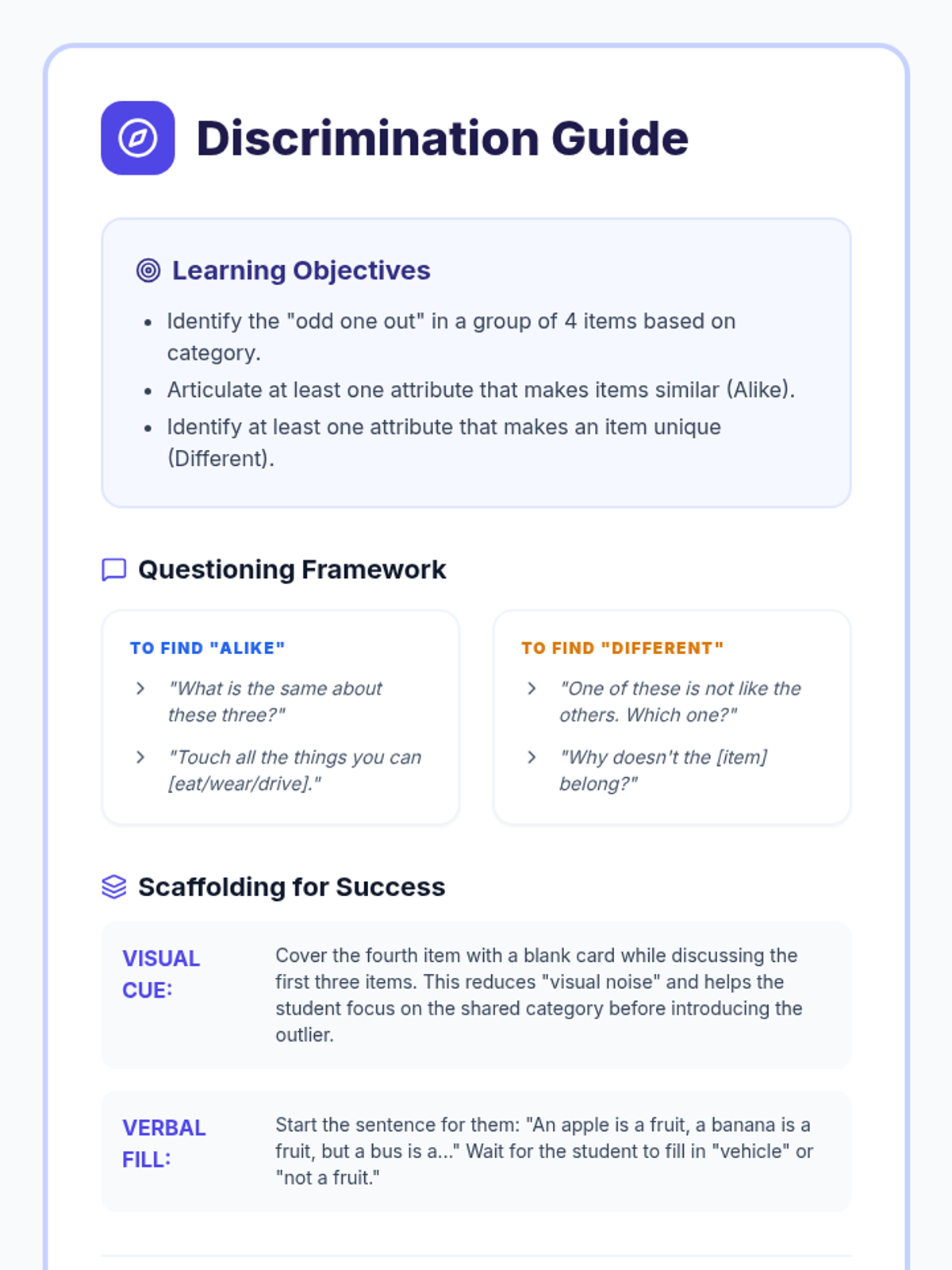
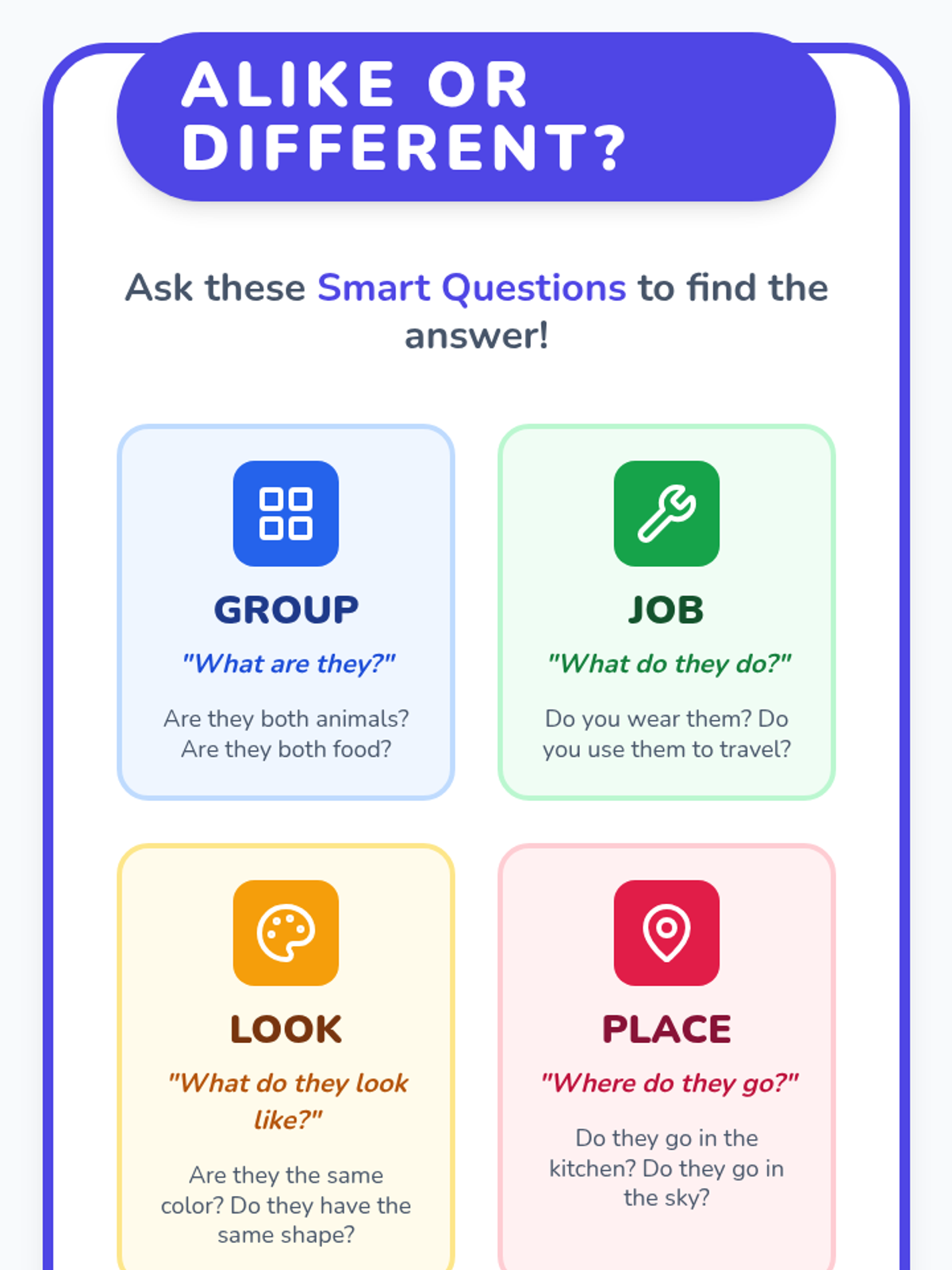
A set of discrimination and comparison activities for moderate-difficulty categorization, focusing on identifying the 'odd one out' and comparing pairs of similar items.
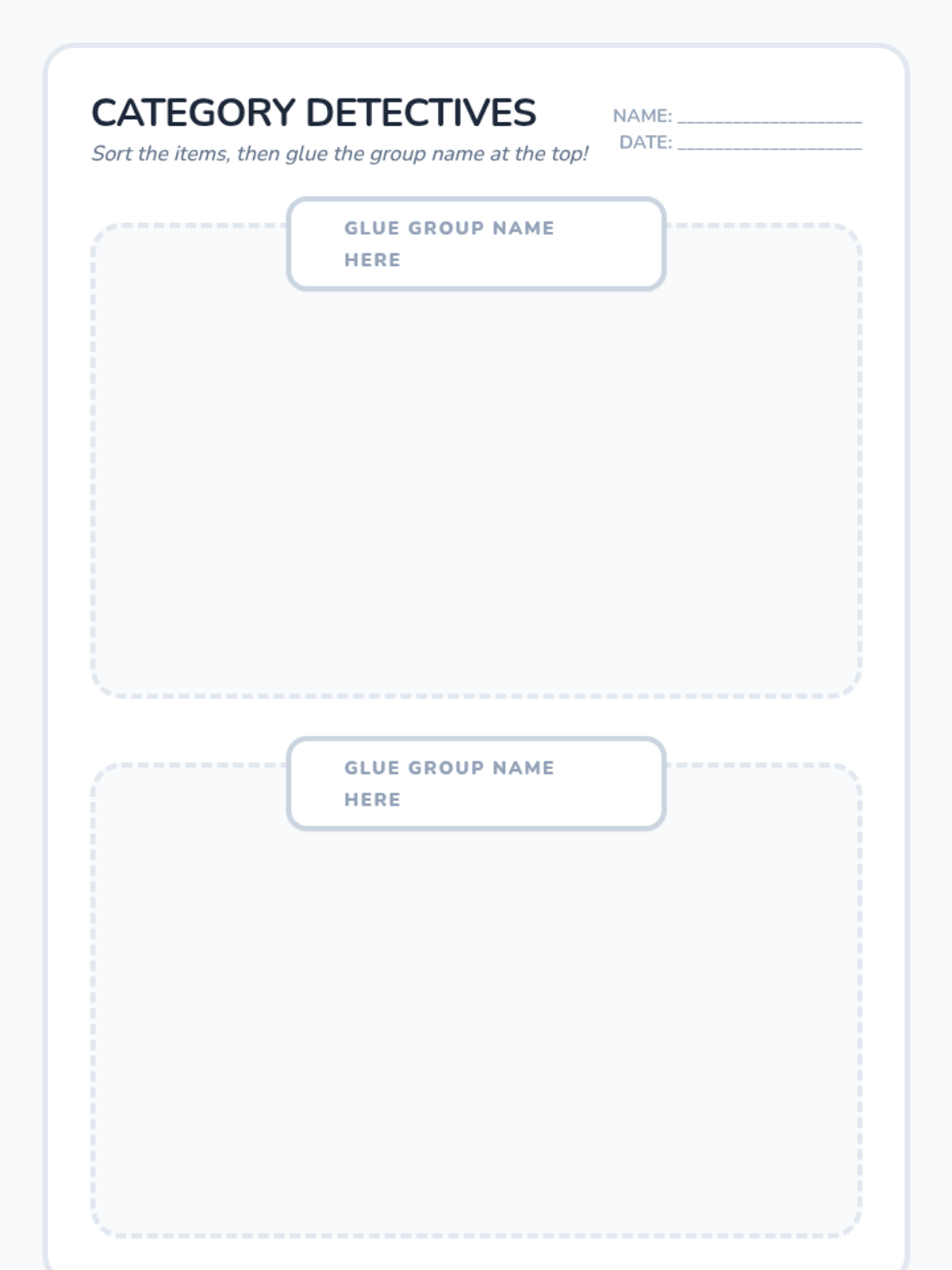
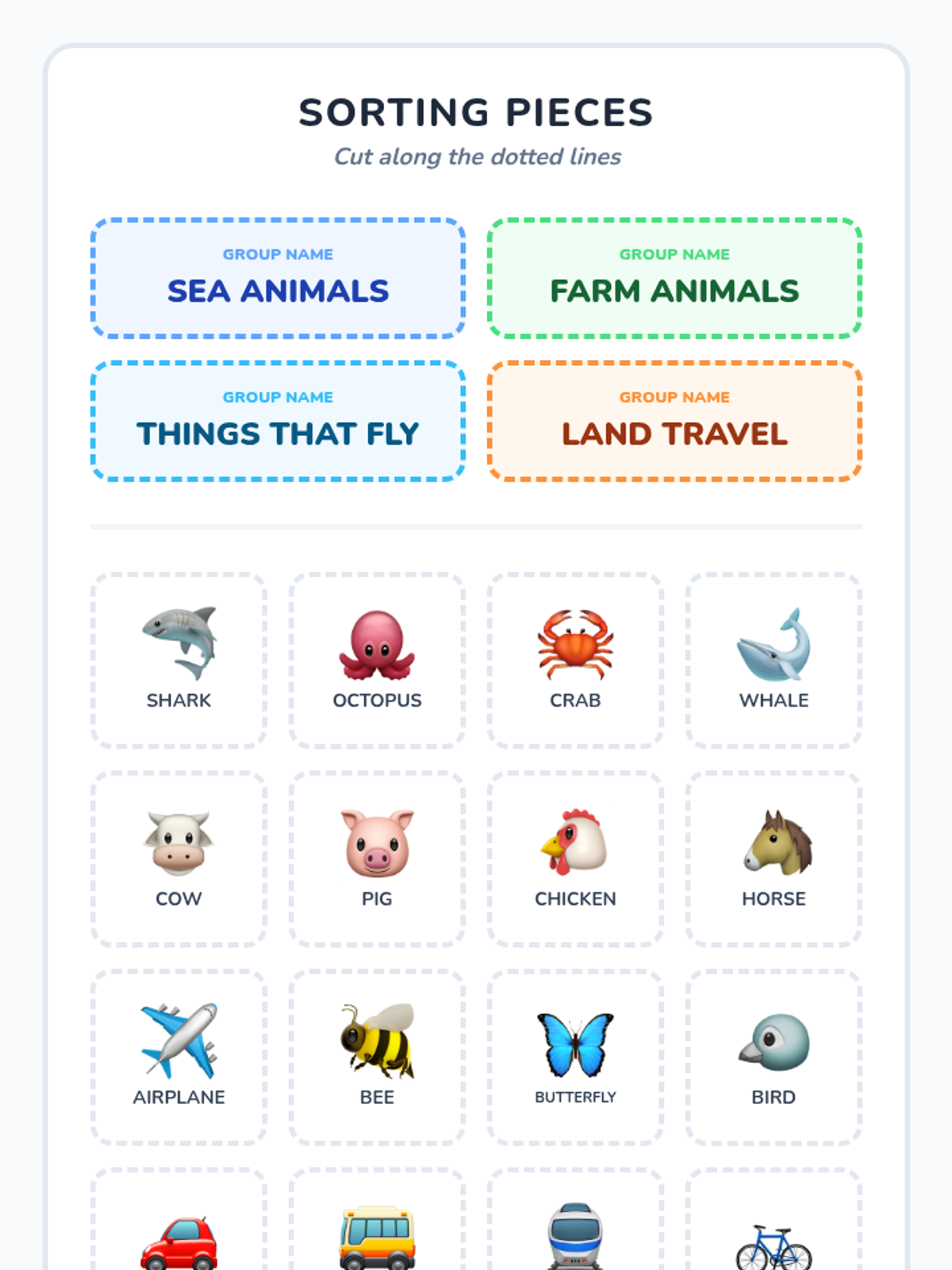
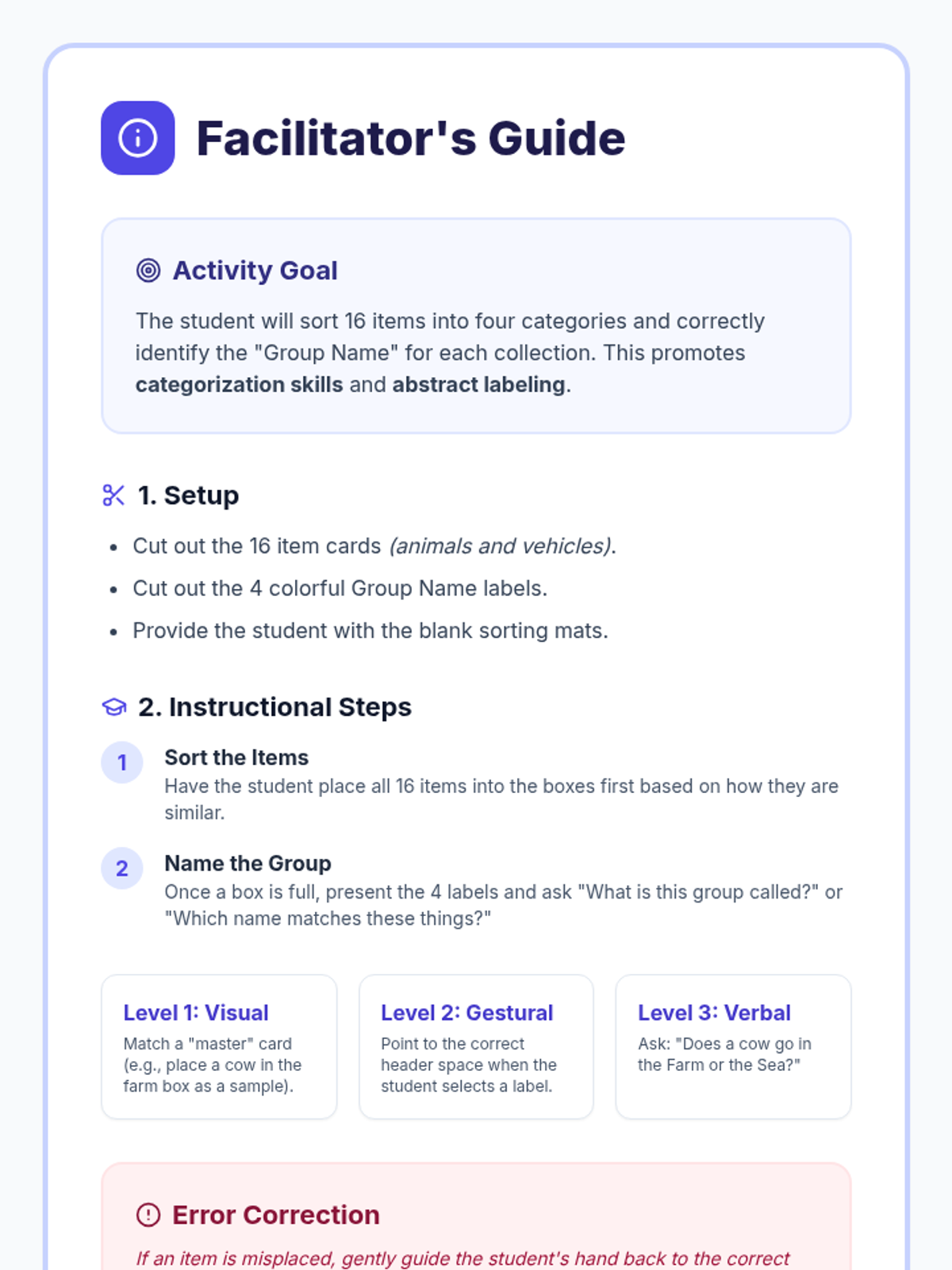
A sorting activity designed for children with autism to practice categorization across four moderate-difficulty groups: sea animals, farm animals, flying objects, and land transportation.