This lesson focuses on helping students who use AAC to visualize and communicate their long-term goals. It provides visual supports and a choice board to facilitate expression about their future aspirations.
A specialized support lesson for students reading 'Night' by Elie Wiesel, focusing on memory retrieval, chronological tracking, and visual mapping of key events.
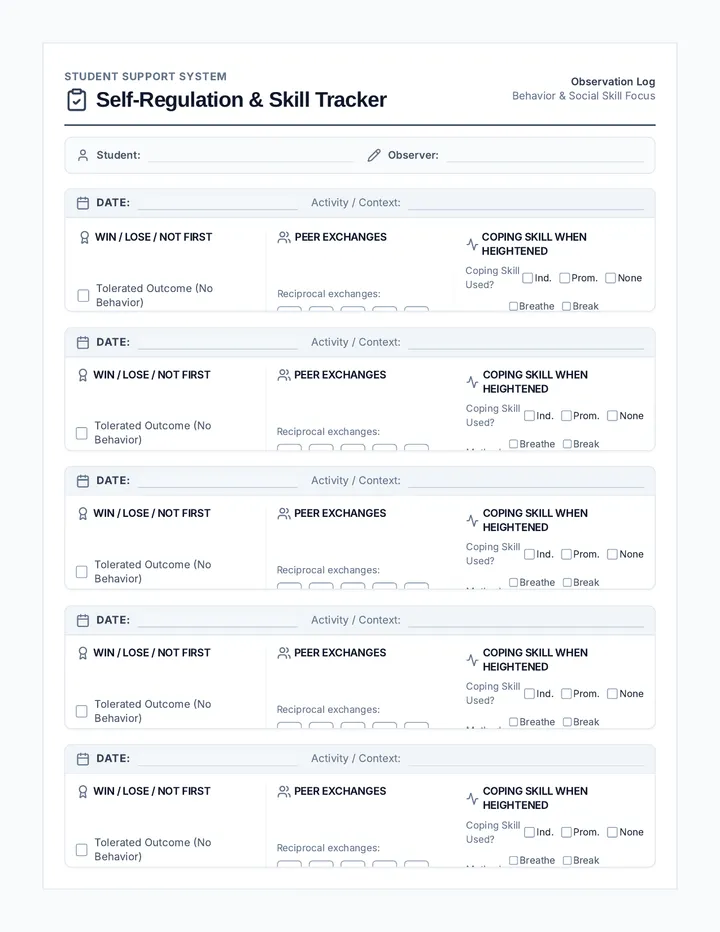
A positive reinforcement system for 2nd graders to track behavior goals across the school day using a space-themed mission report.
Visual tools and graphic organizers to assist students in breaking down and solving complex algebraic equations and word problems.
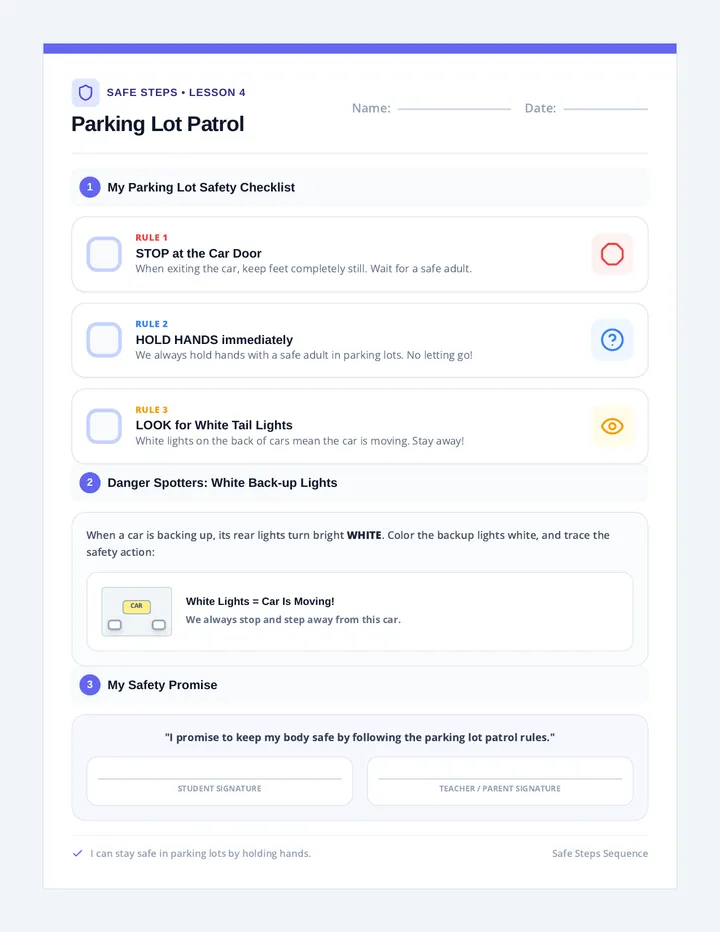
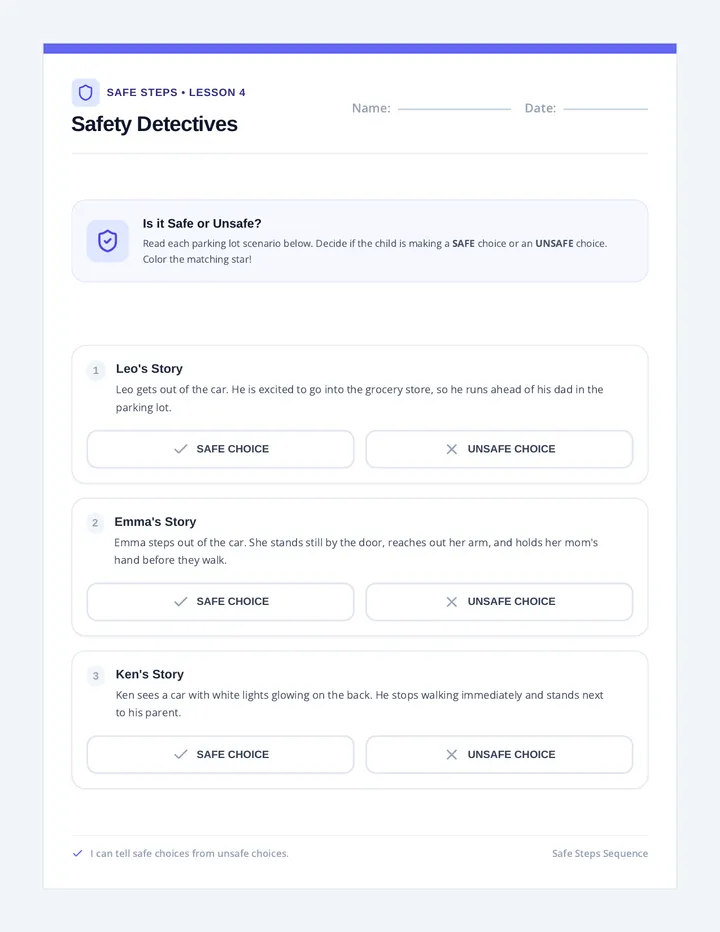
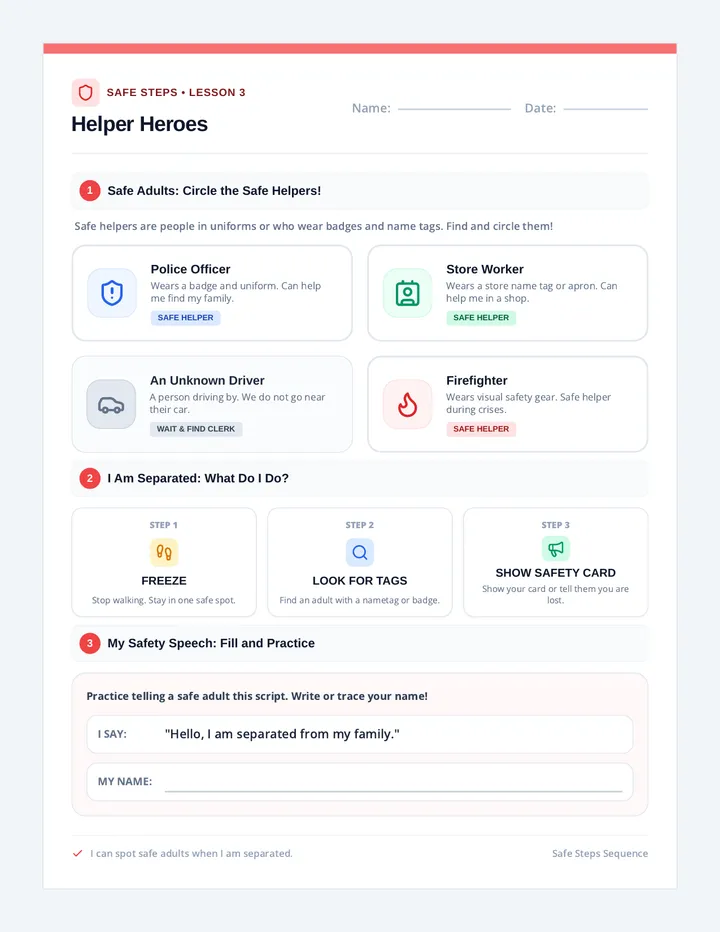
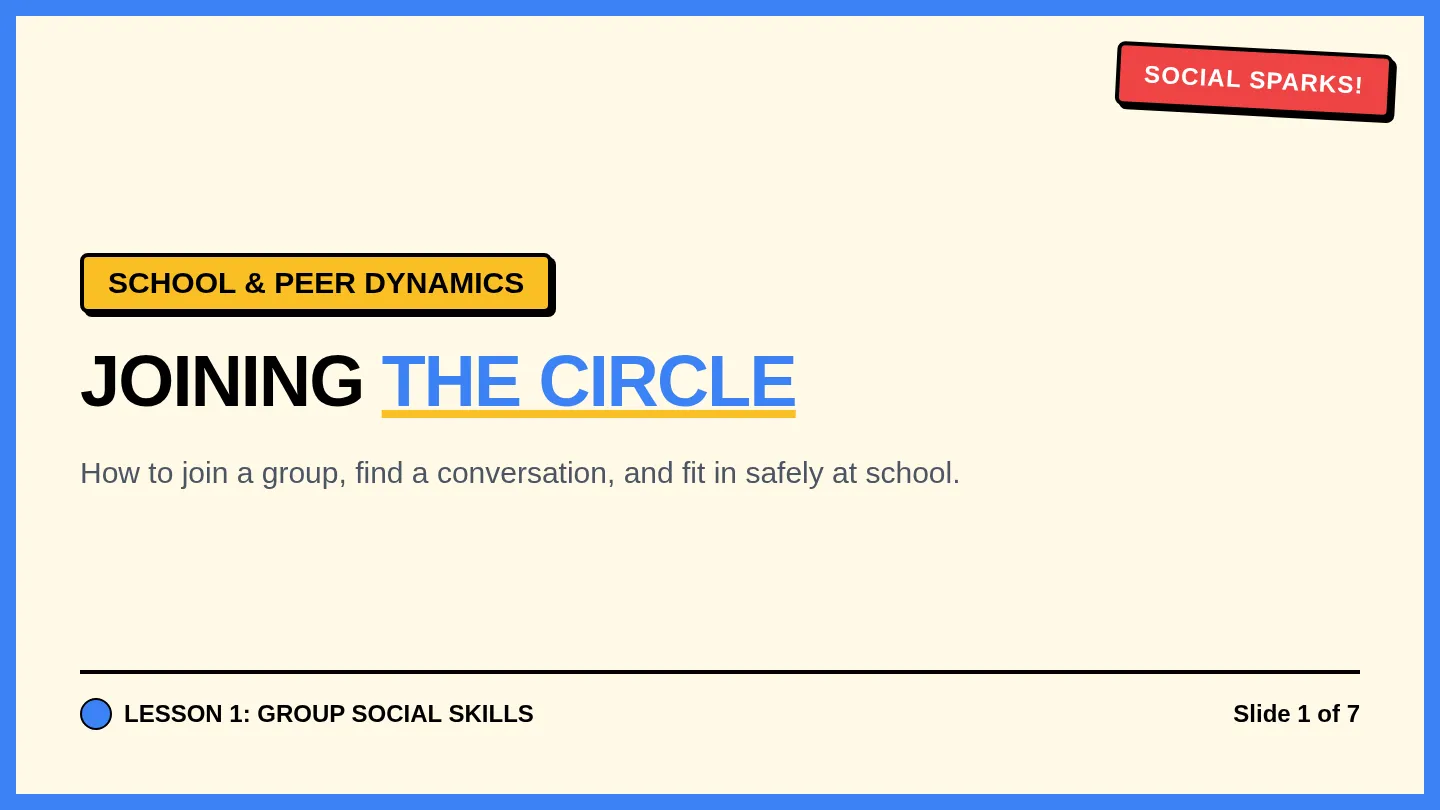
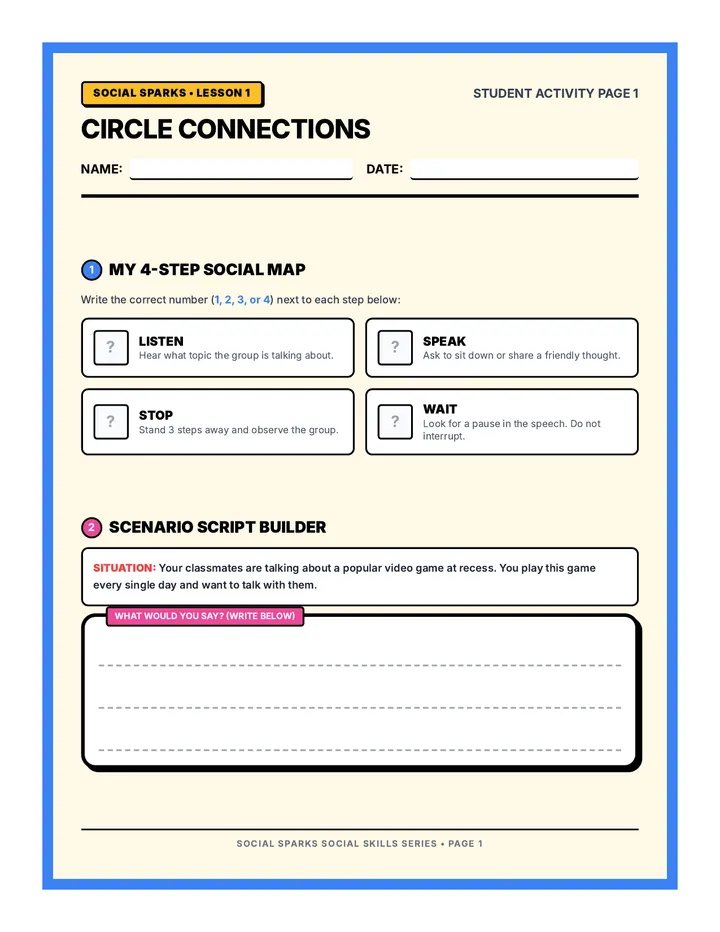
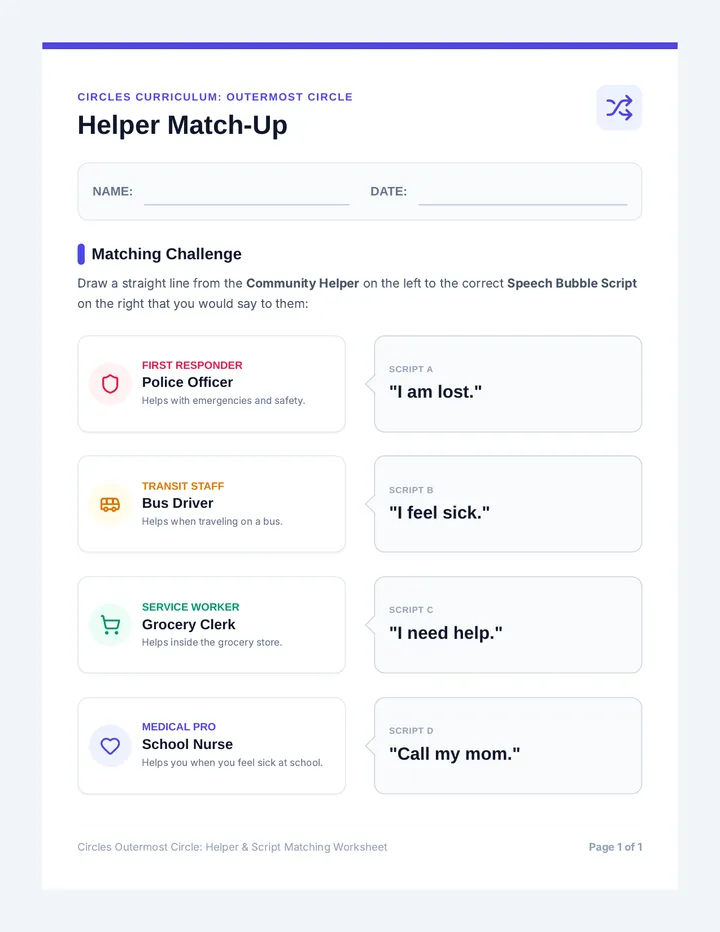
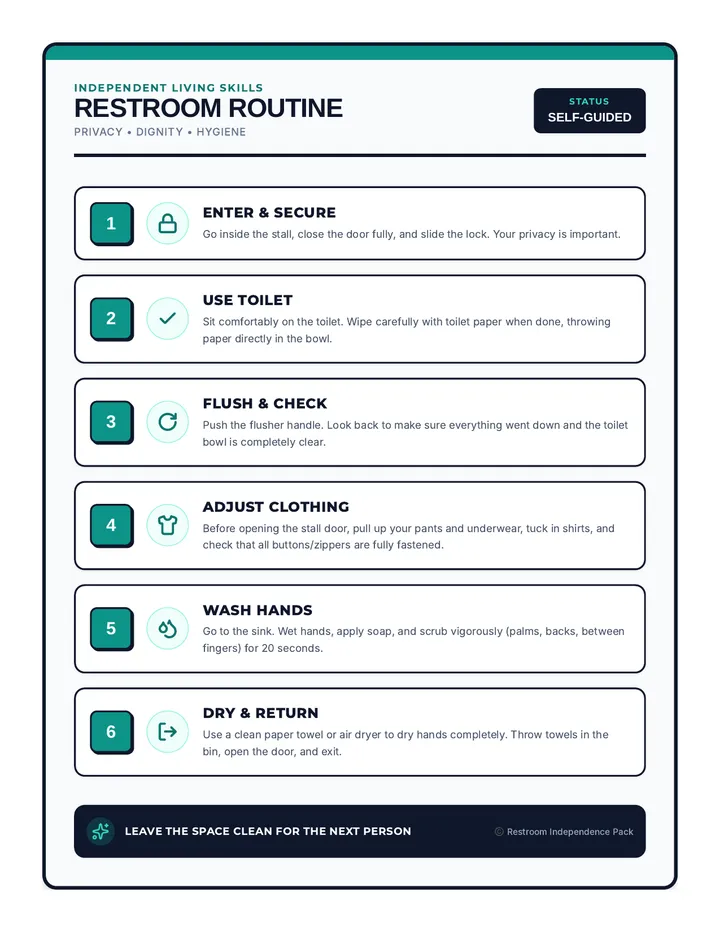
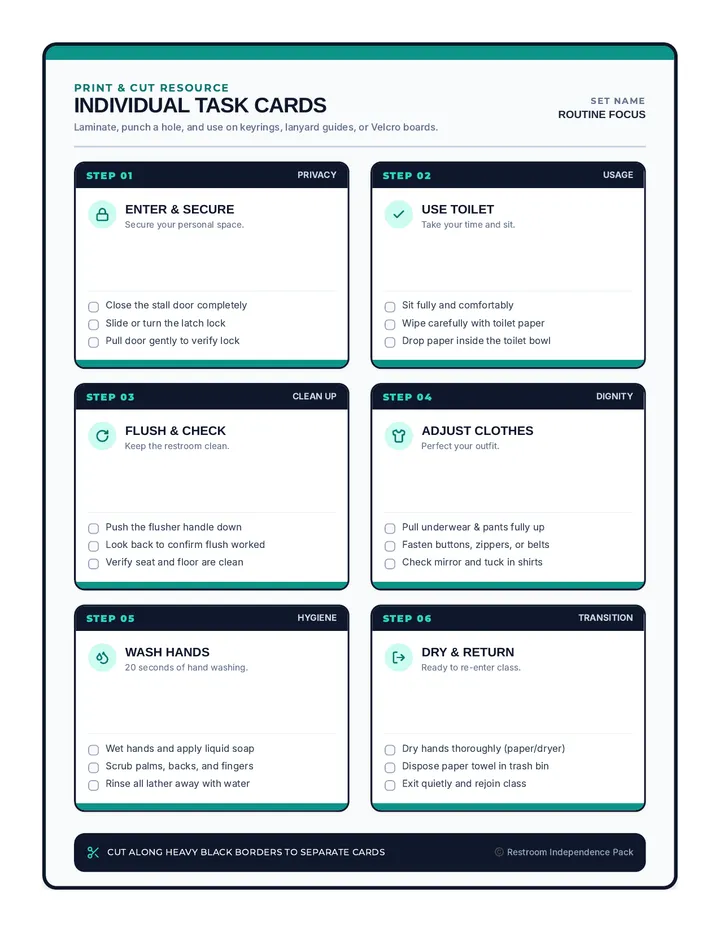
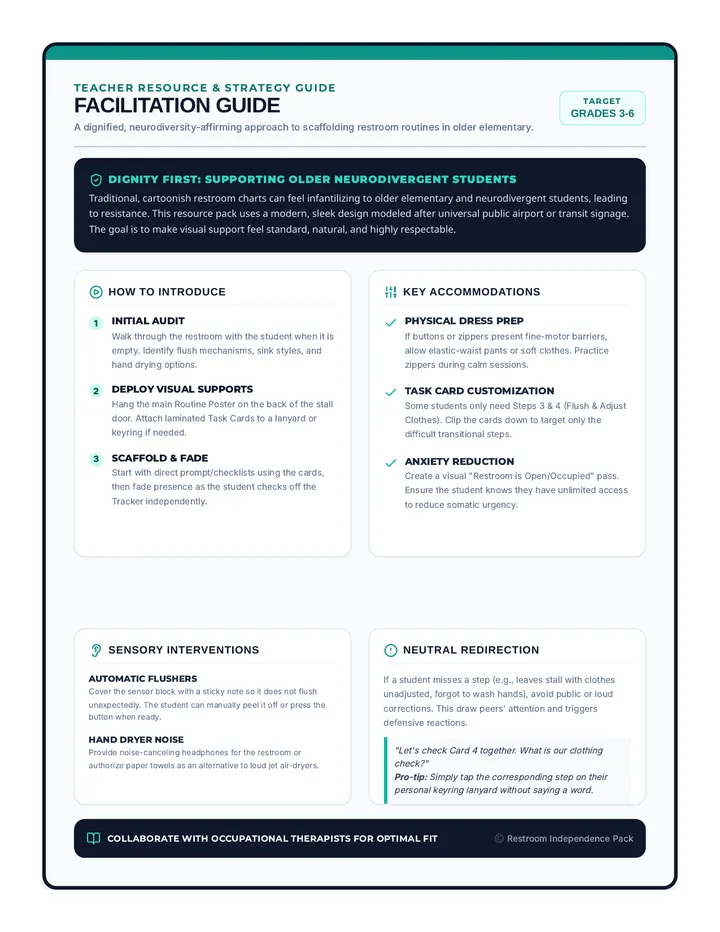
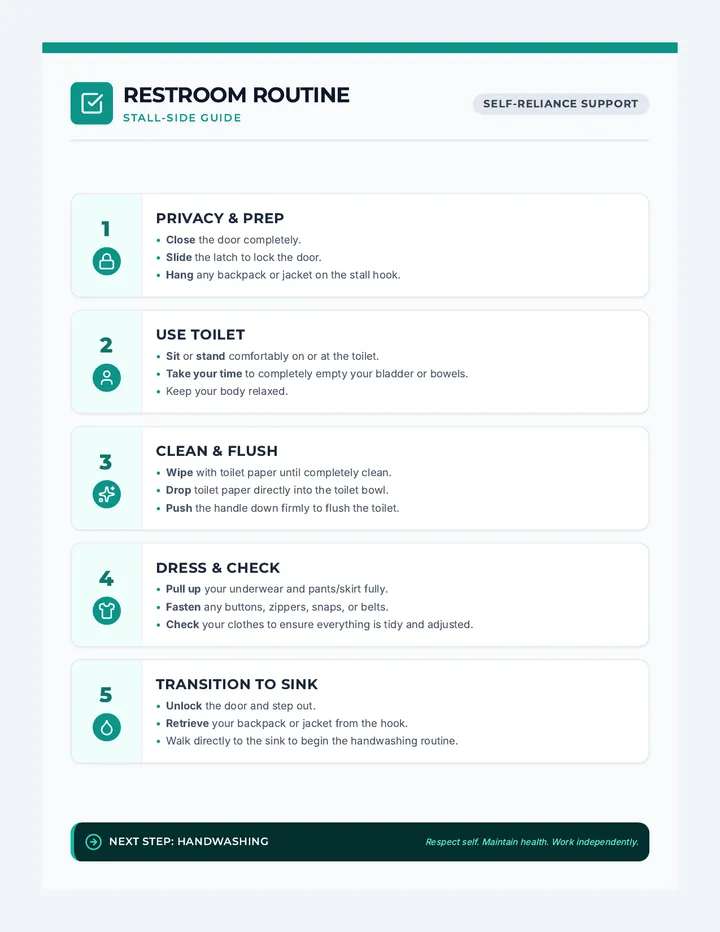
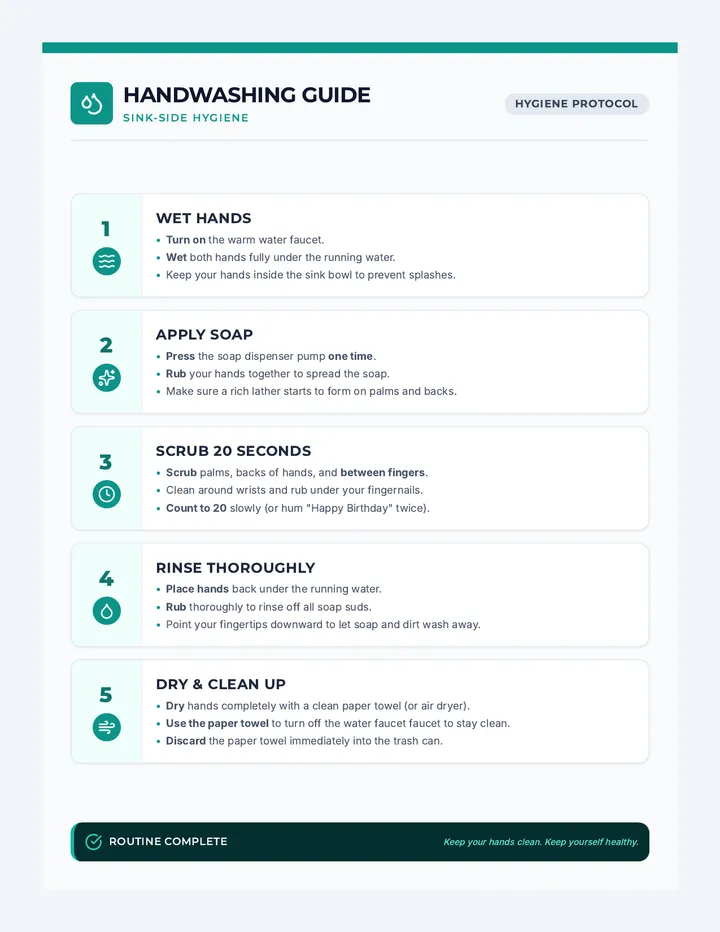
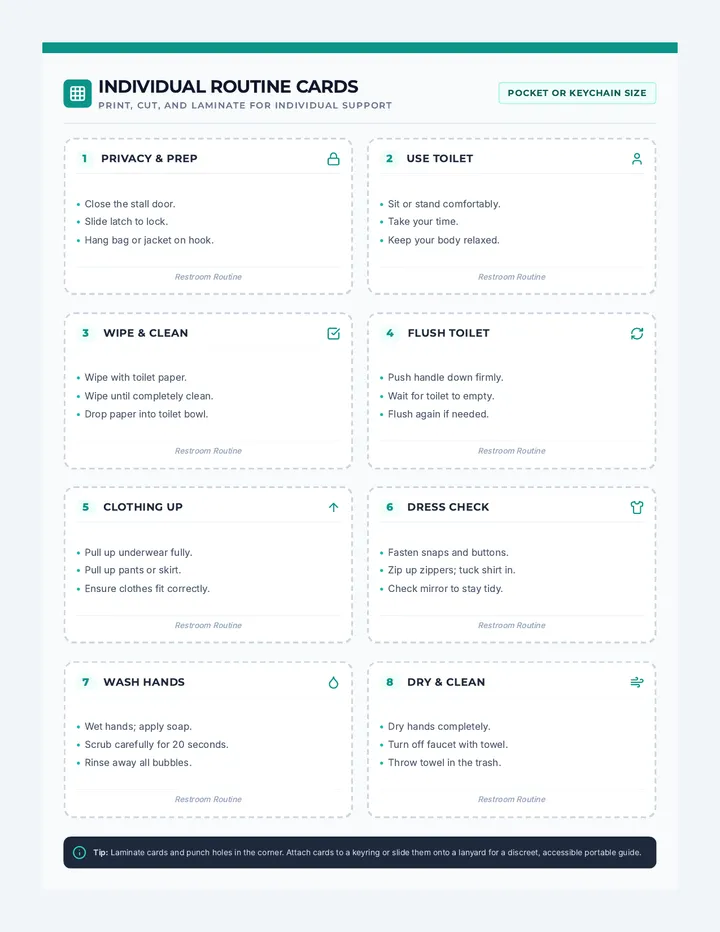
Practical guides and scenario-based activities to help students navigate social transitions and manage daily living tasks independently.
Vocabulary-rich resources focusing on essential biological concepts like cell structure and photosynthesis, alongside Earth science topics like plate tectonics and weather.
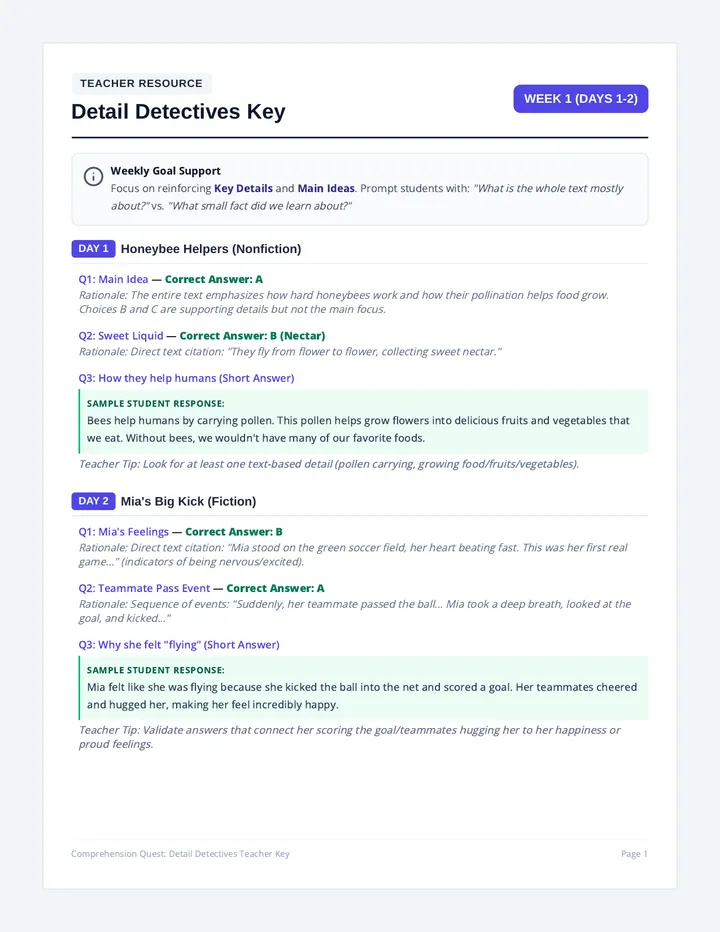
Exploration of key moments in U.S. History through focused reading comprehension passages covering the American Revolution, Westward Expansion, the Great Depression, and the Cold War.
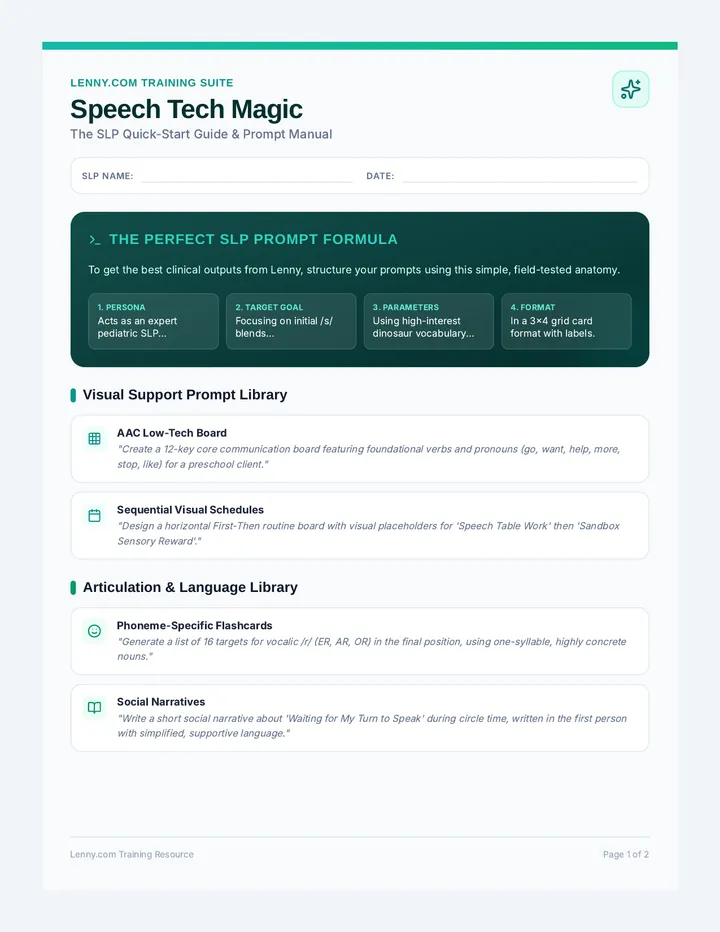
A set of resources focused on the intervocalic 'r' sound, helping young learners identify and produce the 'r' sound when it appears between two vowels. Includes visual aids, practice activities, and instructional support.
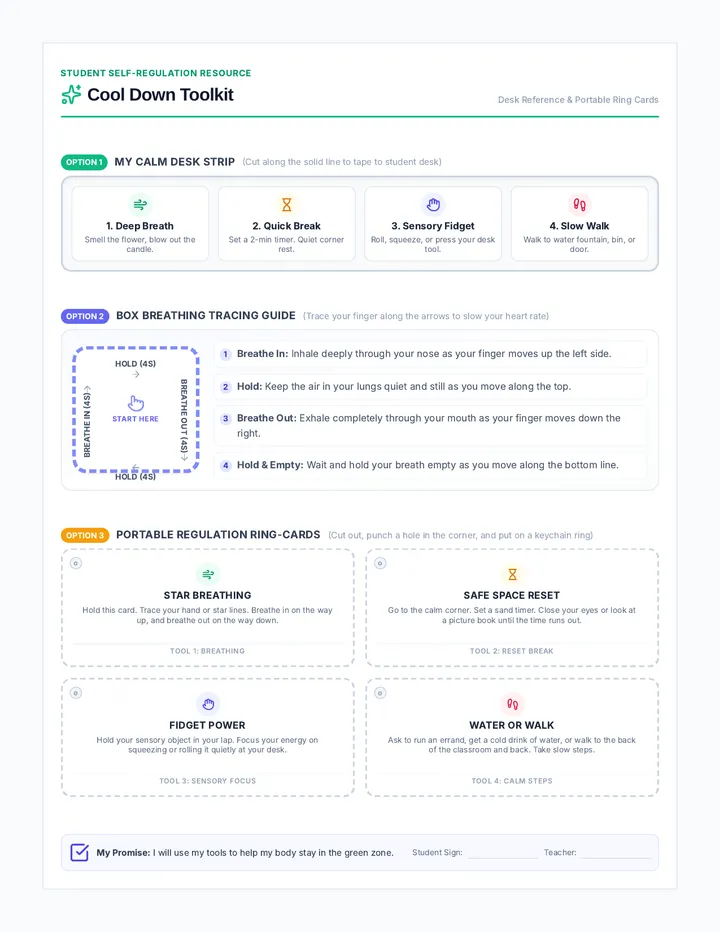
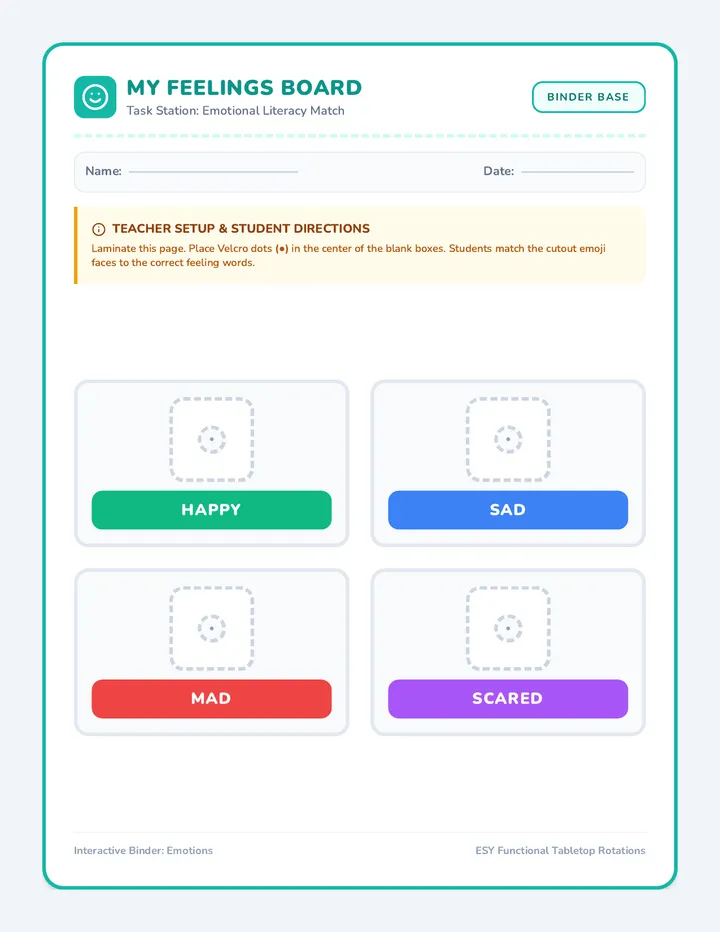
This lesson introduces the 'Mood Mechanics' workshop, teaching students to read their internal 'dashboard' (physical feelings) and select the right 'tools' (coping skills) for different emotional states.
Expanding the coordinate plane to all four quadrants, introducing negative numbers and the origin as the starting point.
Introduction to the coordinate plane focusing exclusively on the first quadrant, emphasizing the (x, y) order and 'crawl then climb' analogy.
A lesson designed for high school students with intellectual disabilities to explore how internal emotions are expressed externally, using characters from the movie Inside Out as a relatable framework. Students will practice identifying physical cues and behaviors associated with different feelings.
A visual management system to help students transition between focused learning periods and restorative breaks, using a 'Focus Engine' metaphor.
A 10-minute high-impact lesson on social communication skills for students with intellectual disabilities, featuring differentiated task cards and visual supports.
The final skill lesson on Time Management. K-2 students meet the 'CLOCK Crew' and learn to 'Watch the Timer' to understand how much time missions take.
Introducing Goal Setting to K-2 students using the 'AIM Crew.' Students learn to pick a 'Target' for the day and check if their Captain is hitting it.
Teaching Cognitive Flexibility and Problem Solving to K-2 students. Students learn to 'FIX' glitches when things don't go as planned using the 'FIX Crew' metaphor.
A 60-minute lesson on Organization using the 'PACK Crew.' K-2 students practice 'Materials Management' by checking their backpacks and desks for mission readiness.
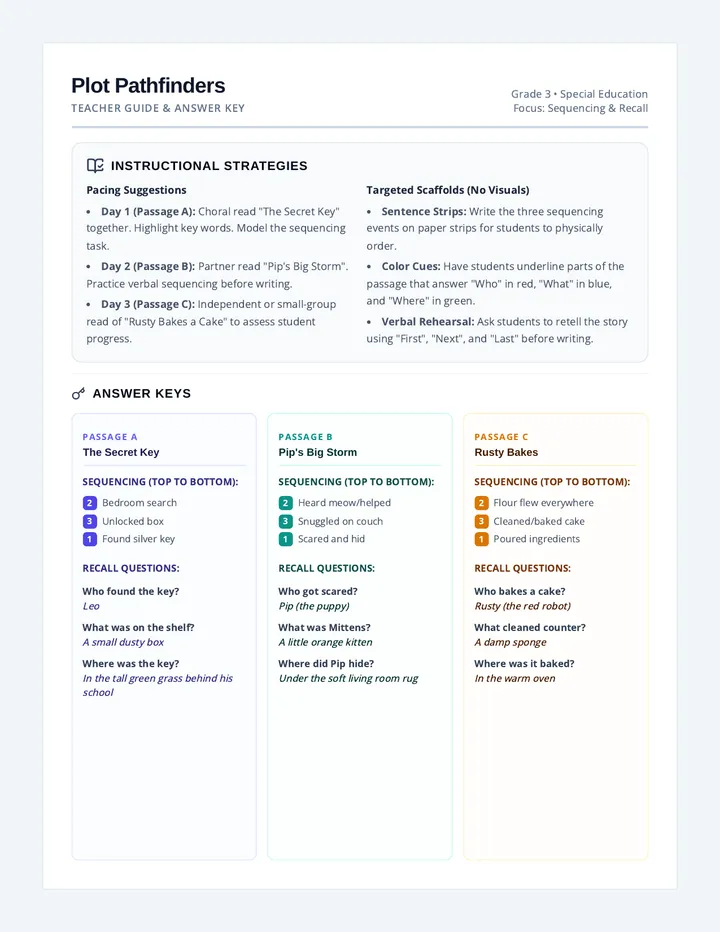
Introducing Planning to K-2 students using the 'PLAN Crew' and the 'Map' metaphor. Students learn to think about the 'First, Next, and Last' steps of a simple task.
Focusing on Task Initiation, this lesson teaches K-2 students how to 'Push Start' on their work. Students practice transitioning quickly with the 'START Crew' metaphor.
K-2 students explore Working Memory with the 'REMEMBER Crew.' Students learn to use 'Mental Snapshots' to hold onto instructions through memory-based games and drawing.
A 60-minute lesson on Attention and Focus for K-2 students. Students meet the 'LOOK Crew' and practice using their 'Spotlight' to stay on task through visual search games.
A 60-minute lesson teaching K-2 students Impulse Control using the 'STOP Crew' metaphor. Students learn to use their 'mental brakes' through physical freeze games and a coloring activity.
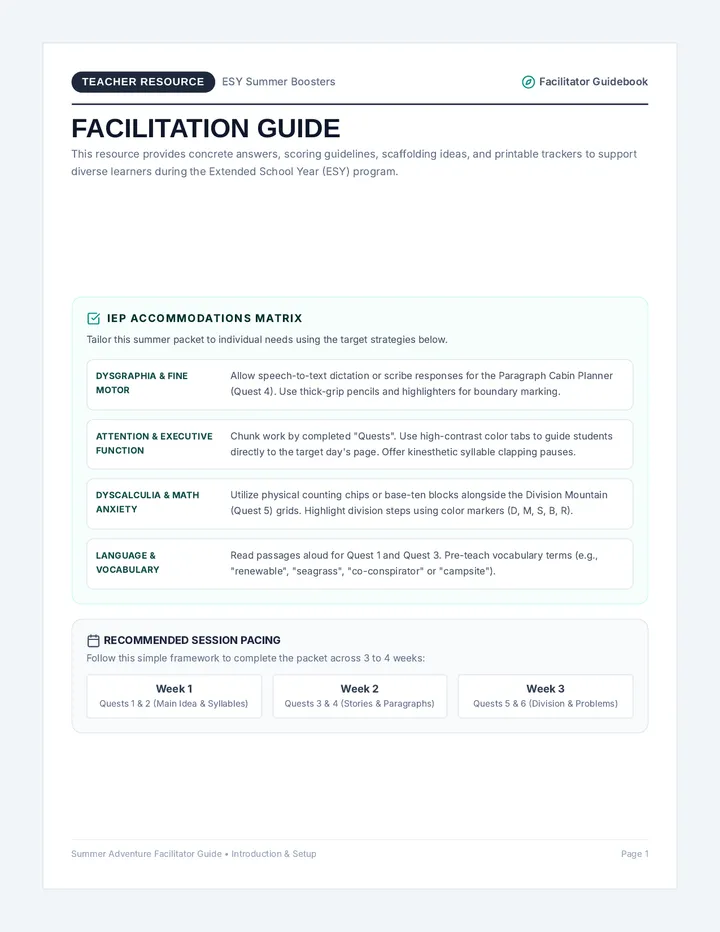
A scaffolded approach to simplifying fractions, focusing on finding common factors and understanding equivalence through visual models and step-by-step practice.
A lesson designed to help students identify bullying behaviors and practice appropriate responses through interactive scenarios and role-play activities. Includes a specific IEP objective and progress tracking tools.
A speech-language therapy lesson focusing on identifying and labeling the functions of common everyday objects for early learners. Students will learn to associate objects like spoons, beds, and brushes with their primary actions.
A gym-based lesson for lifeskills kindergartners focusing on foundational social-emotional skills through movement and simple play. The lesson includes high-visibility visual supports and low-complexity games designed to minimize elopement and maximize engagement.
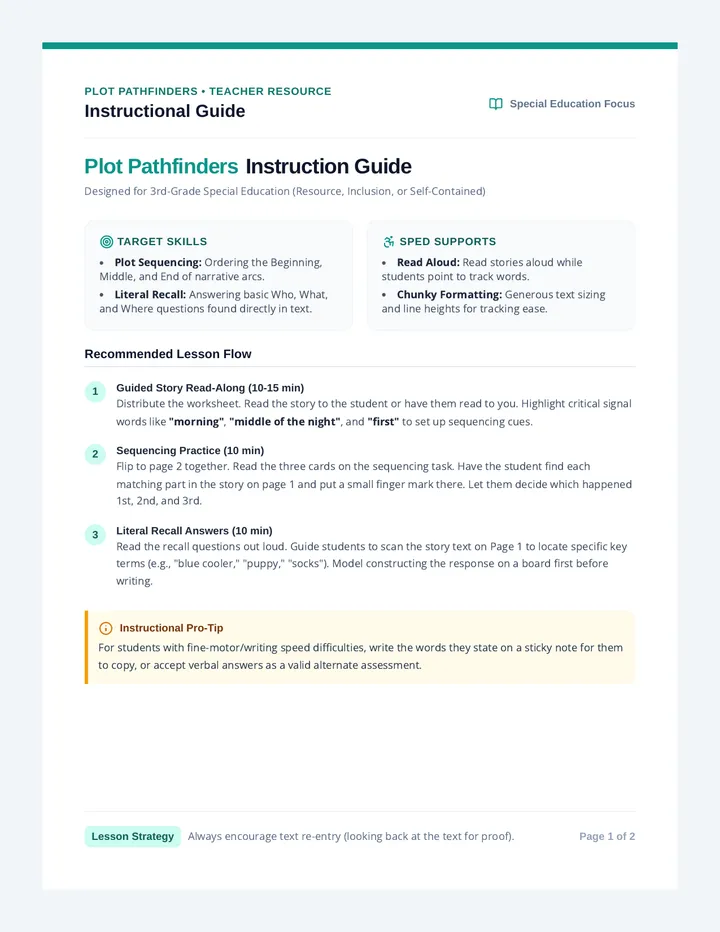
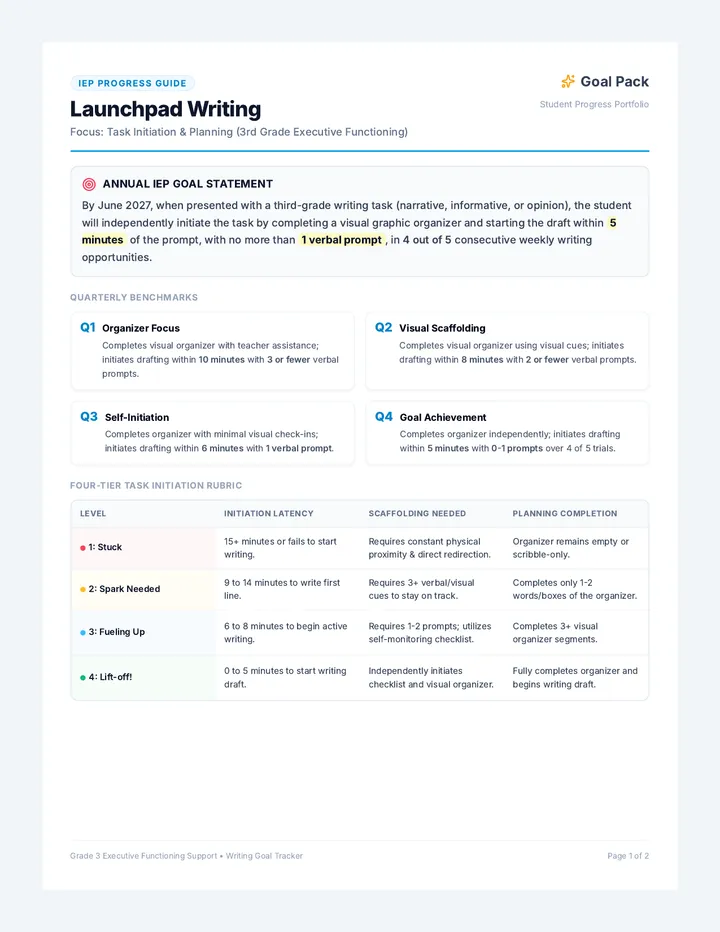
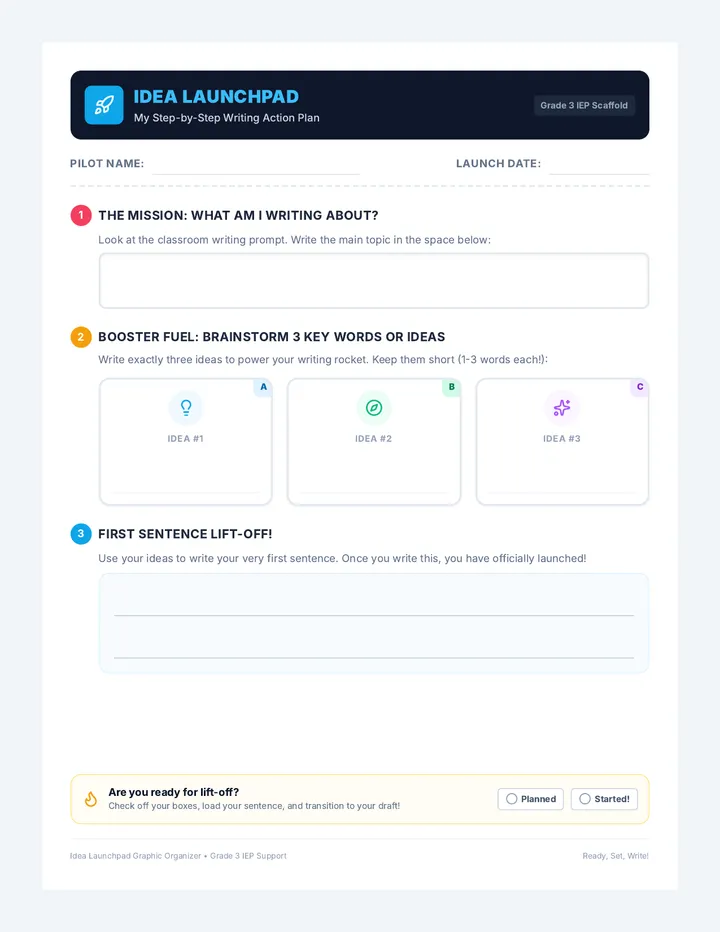
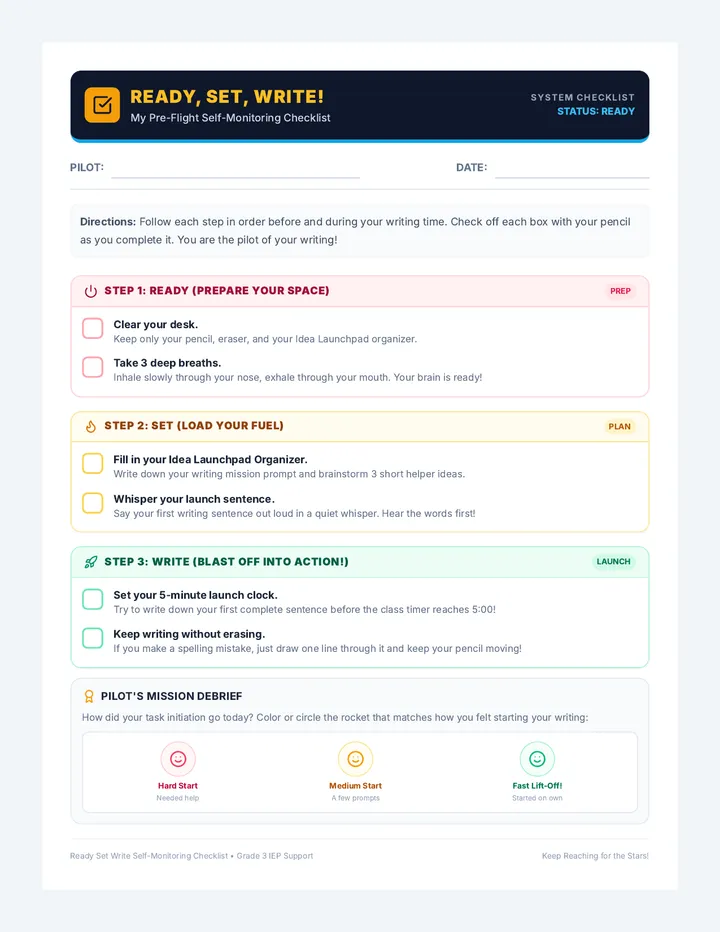
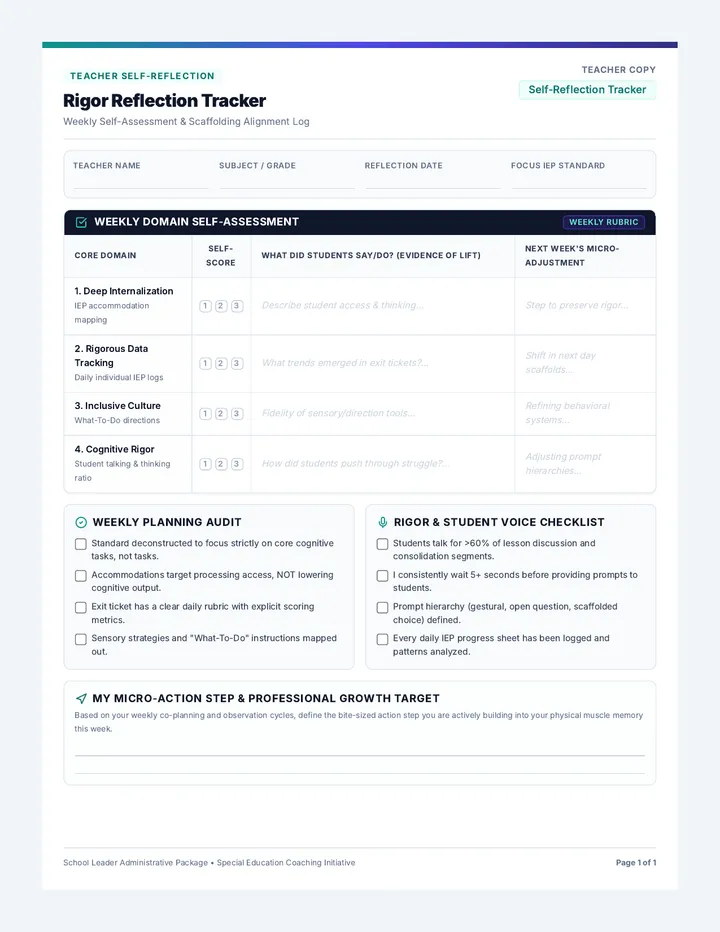
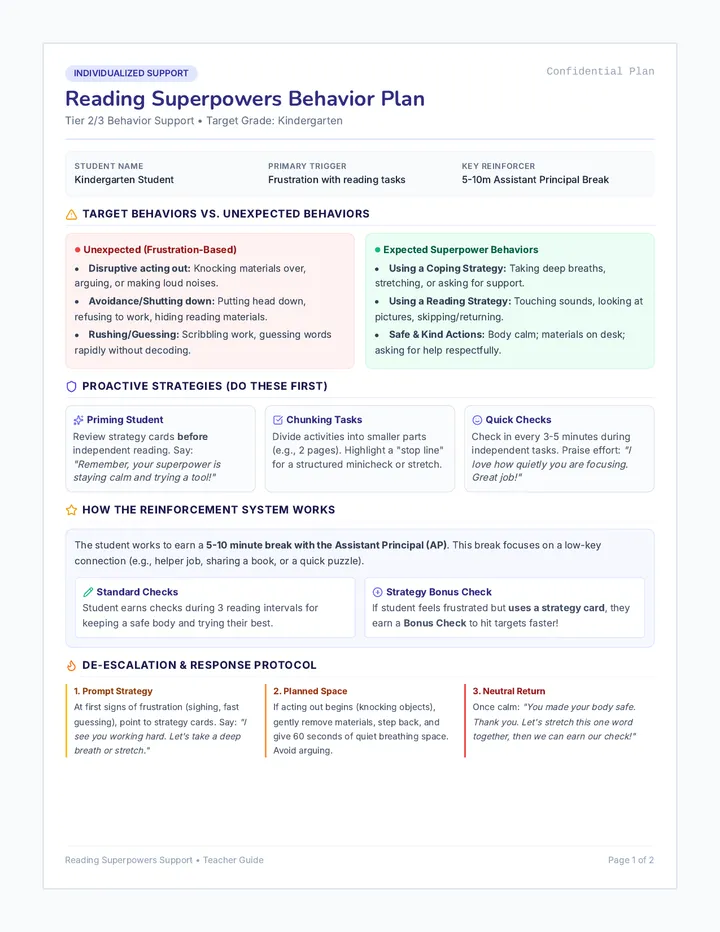
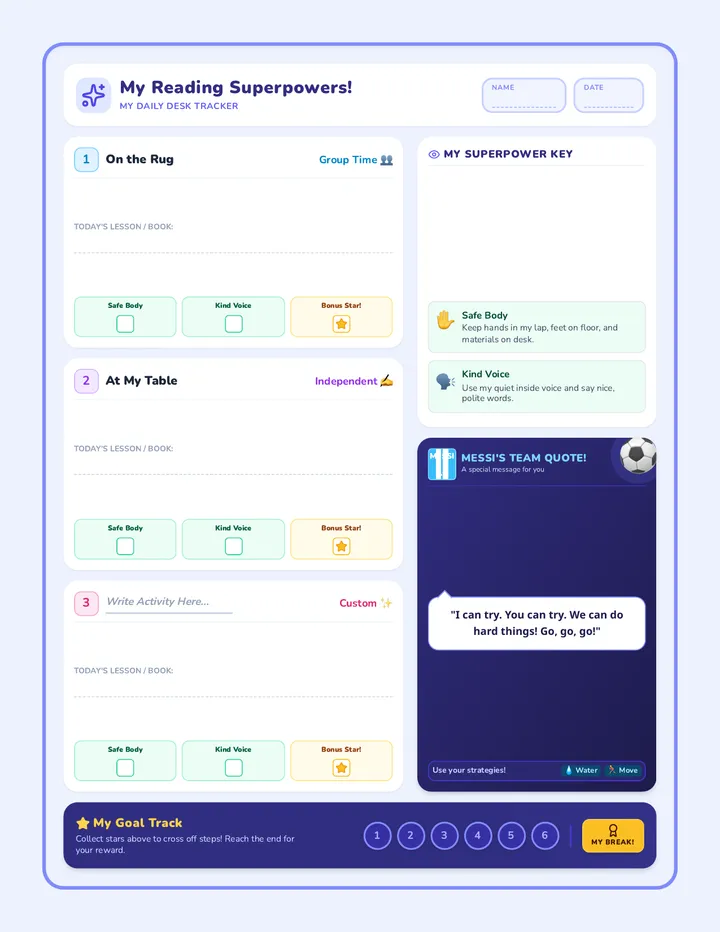
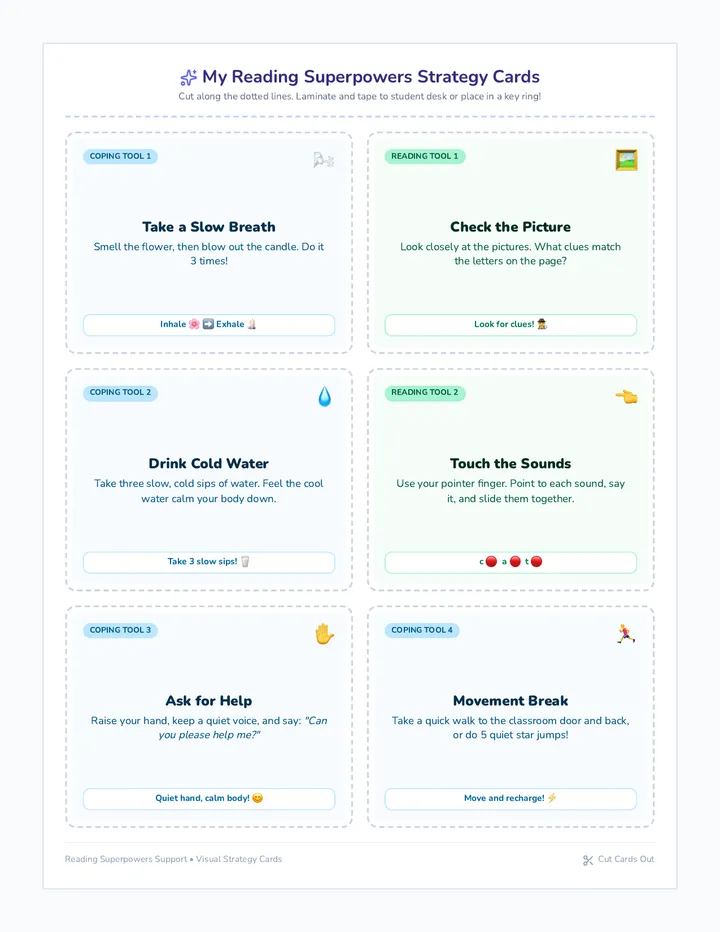
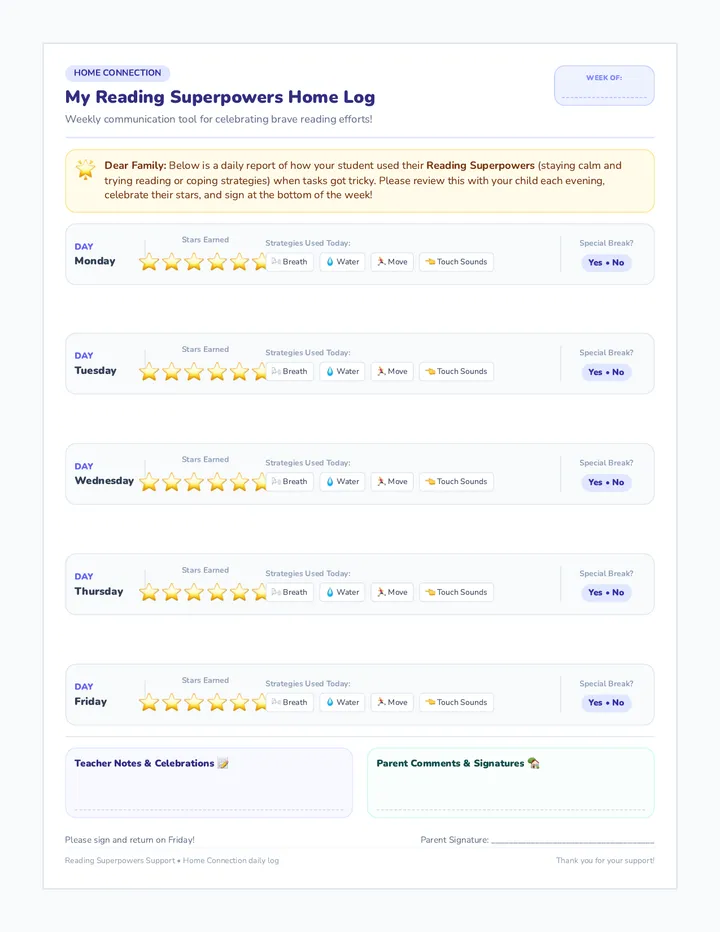
A set of behavioral support tools designed for a 3rd-grade student to track progress in following directions and being respectful, with a focus on independent work strategies.
Explores the Red Zone (angry, terrified, out of control) with a focus on 'Emergency Stop' safety plans and the importance of finding a safe space.
Focuses on identifying the Green Zone (calm, focused, ready) and proactive habits that help students stay in this optimal learning state.
A review lesson using a scenario-based board game to practice identifying zones and selecting appropriate strategies in real-world high school situations.
Explores the Yellow Zone (frustrated, anxious, silly, wiggly) by mapping physical sensations and identifying 'Yellow Light' warning signs and 'Brake' strategies.
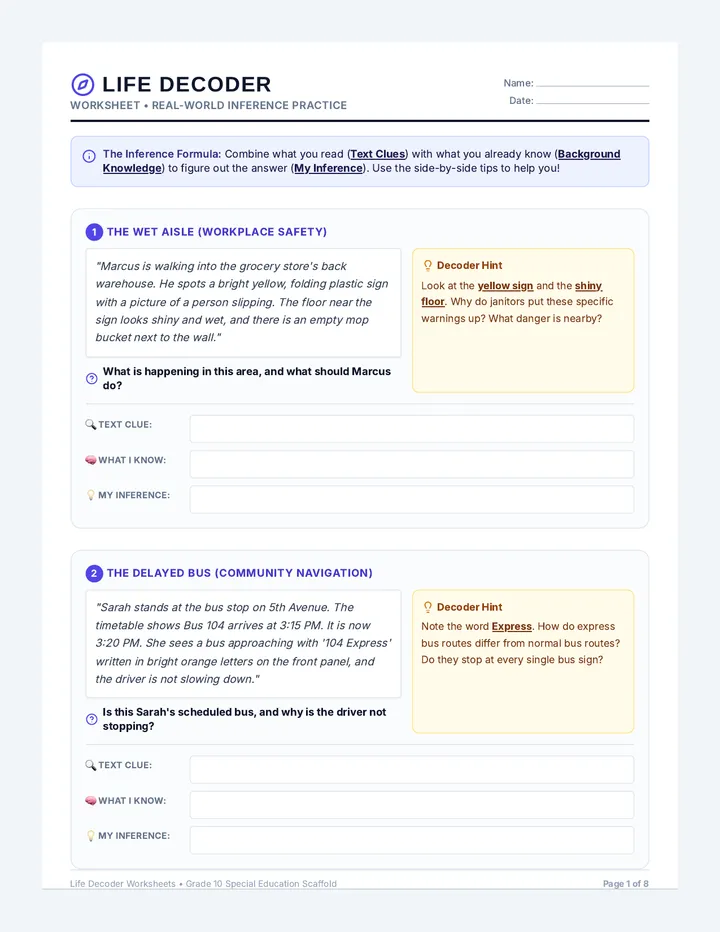
Focuses on identifying the Blue Zone (tired, sad, bored, sick) through physical cues and high-school-relevant triggers, followed by 'Energy Booster' coping strategies.
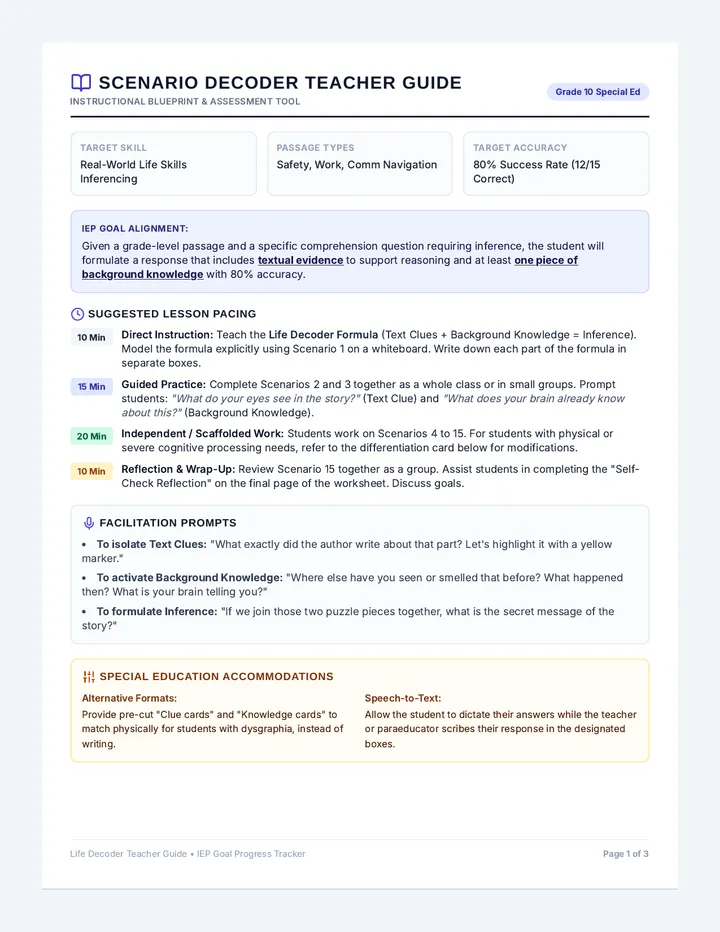
A foundational lesson teaching personal space and frustration management through a 'Space Hero' theme, utilizing choice-based decision making for a 4th grade student.
A foundational lesson for students with intellectual disabilities to distinguish between living and non-living things using simple observations like growth, movement, and basic needs.
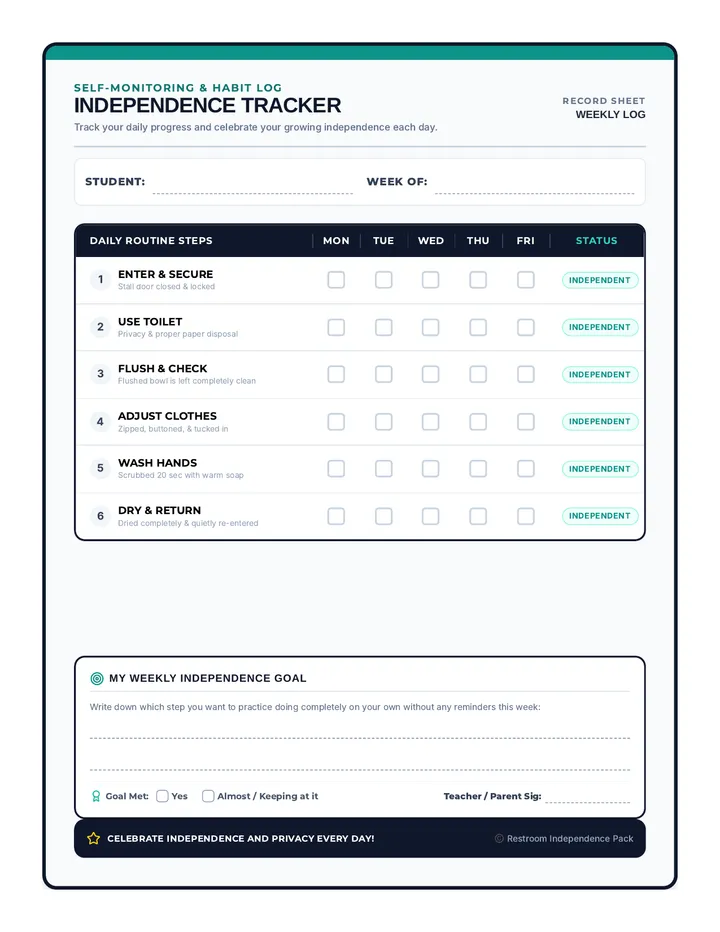
A social skills lesson designed for autistic students to understand personal space boundaries, the concept of a 'space bubble', and how to interact safely and respectfully with others.