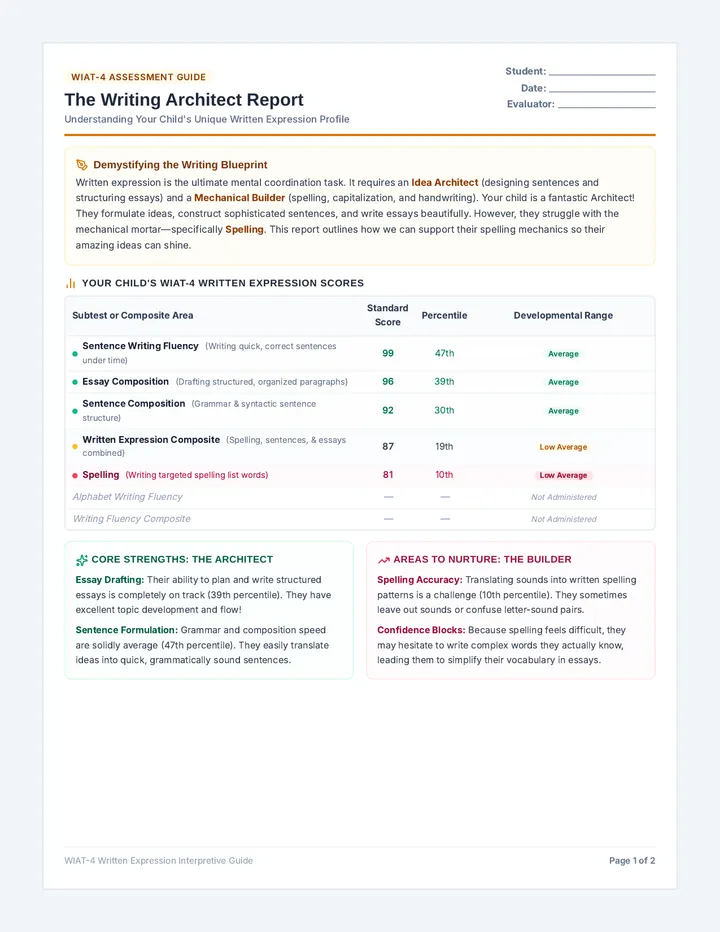
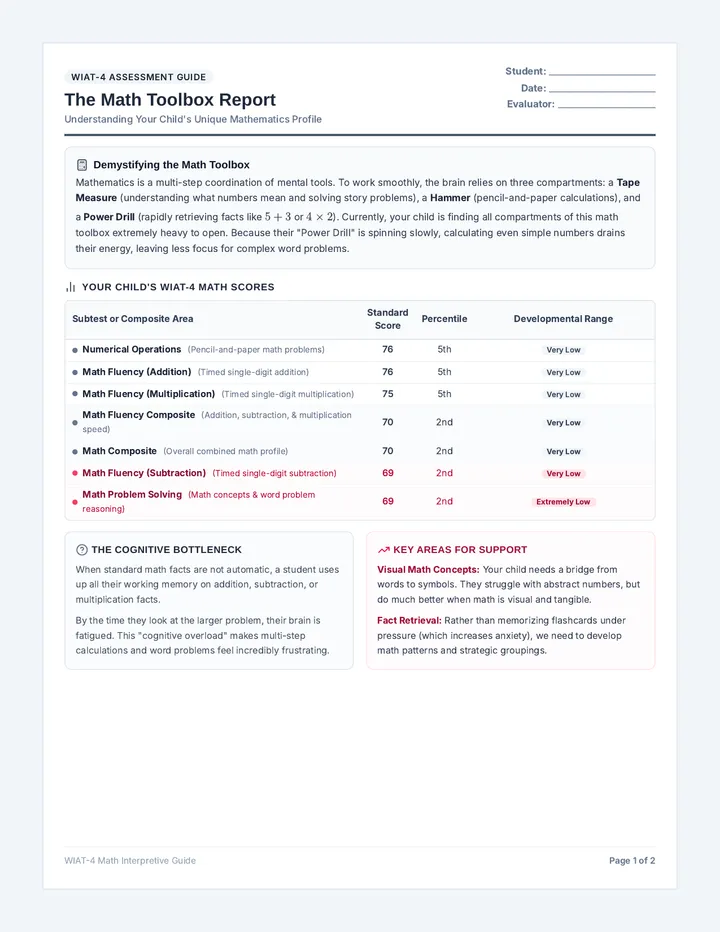
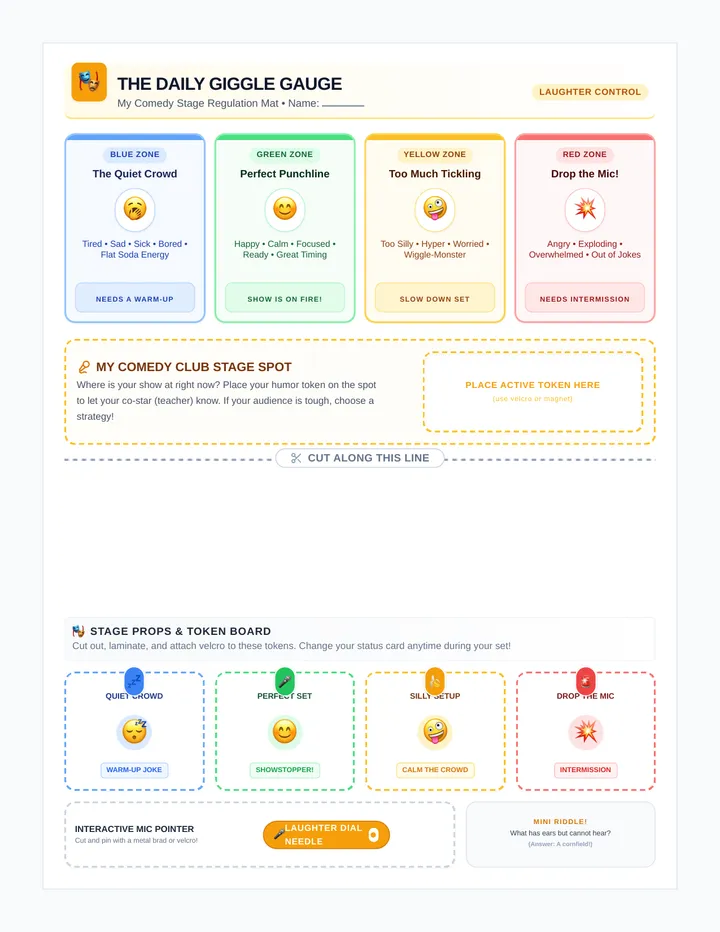
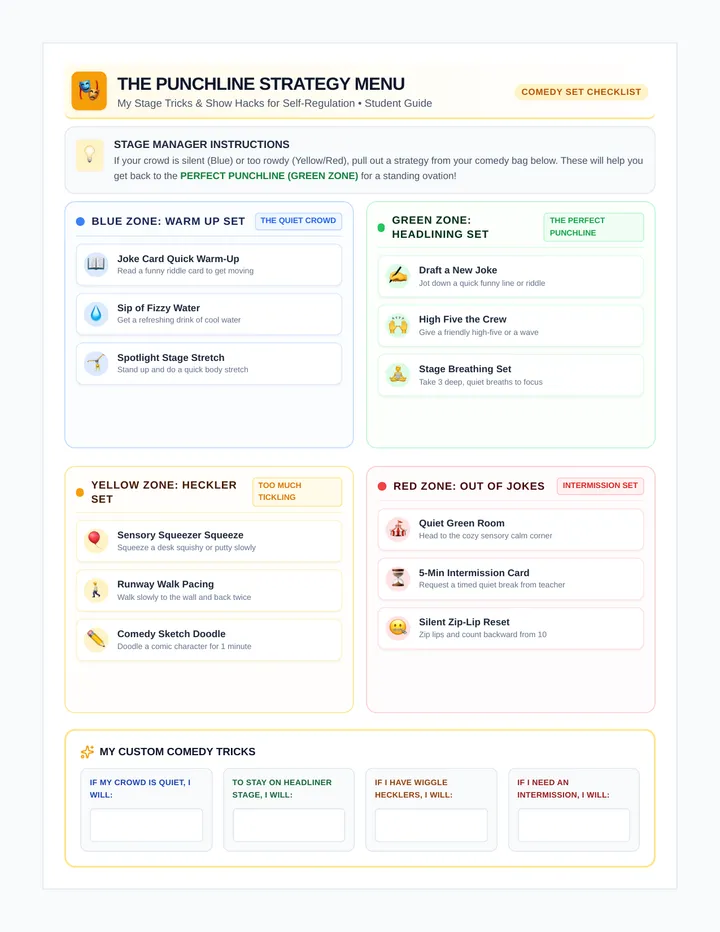
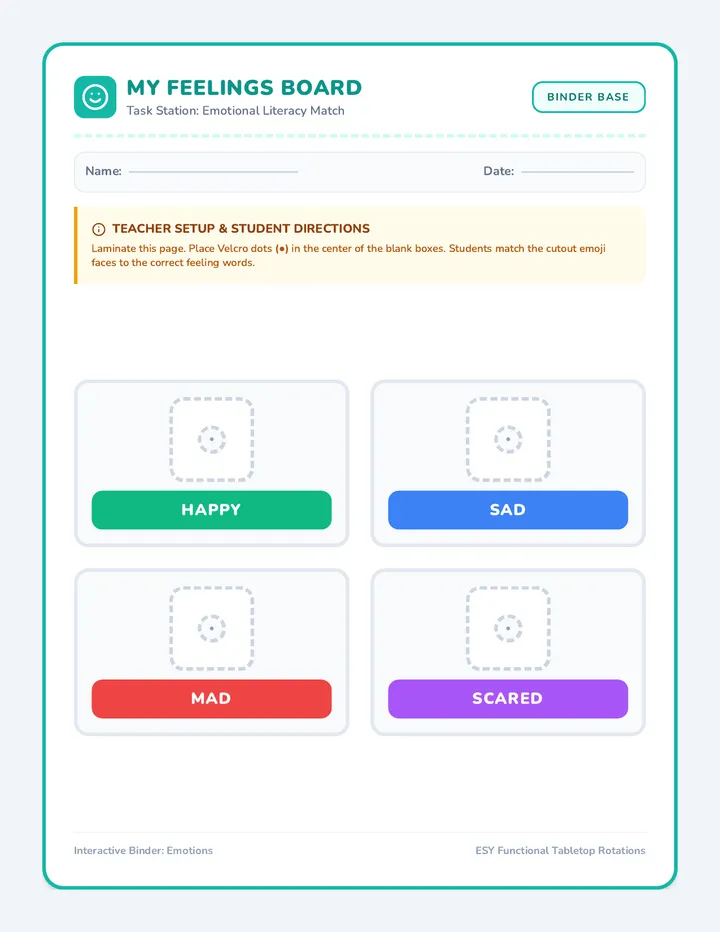
A scaffolded approach to recognizing emotions using cartoon and real-life imagery, designed for young autistic learners. Students progress from simple visual identification to expressing their own internal states.
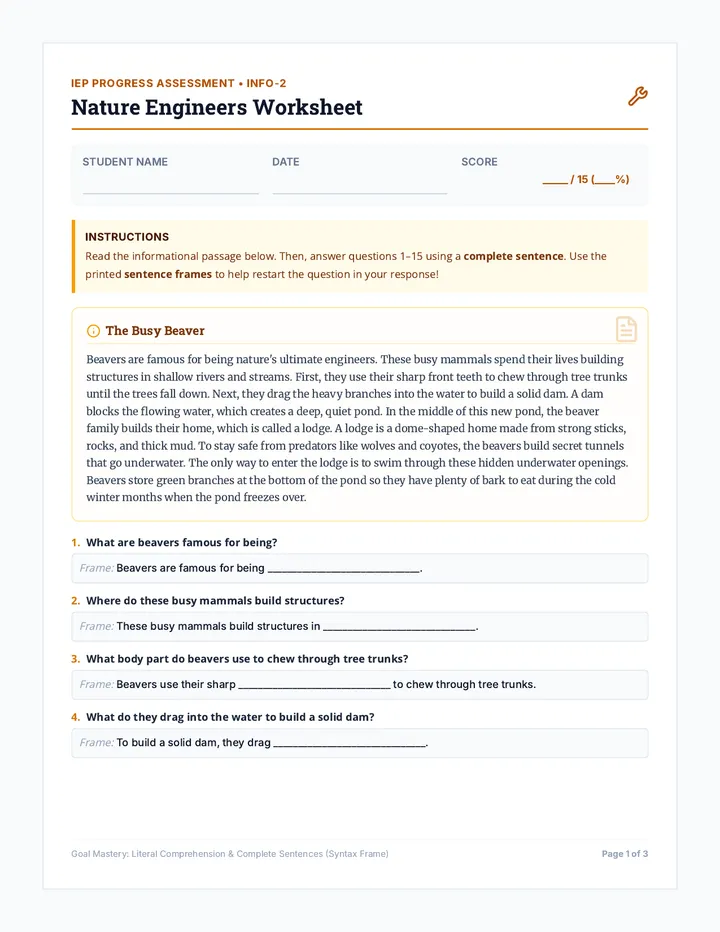
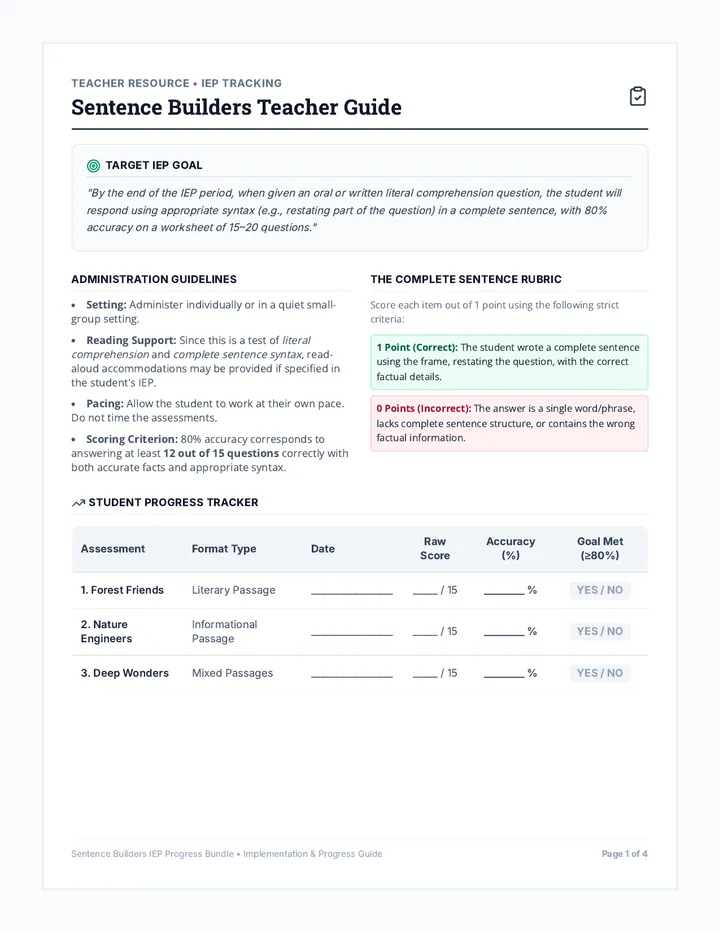
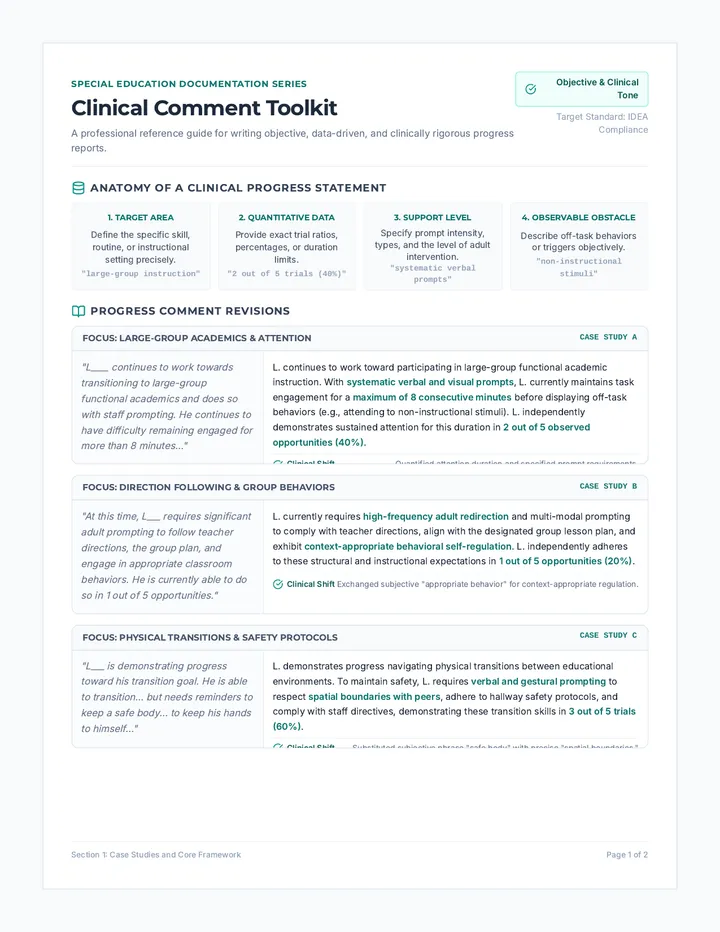
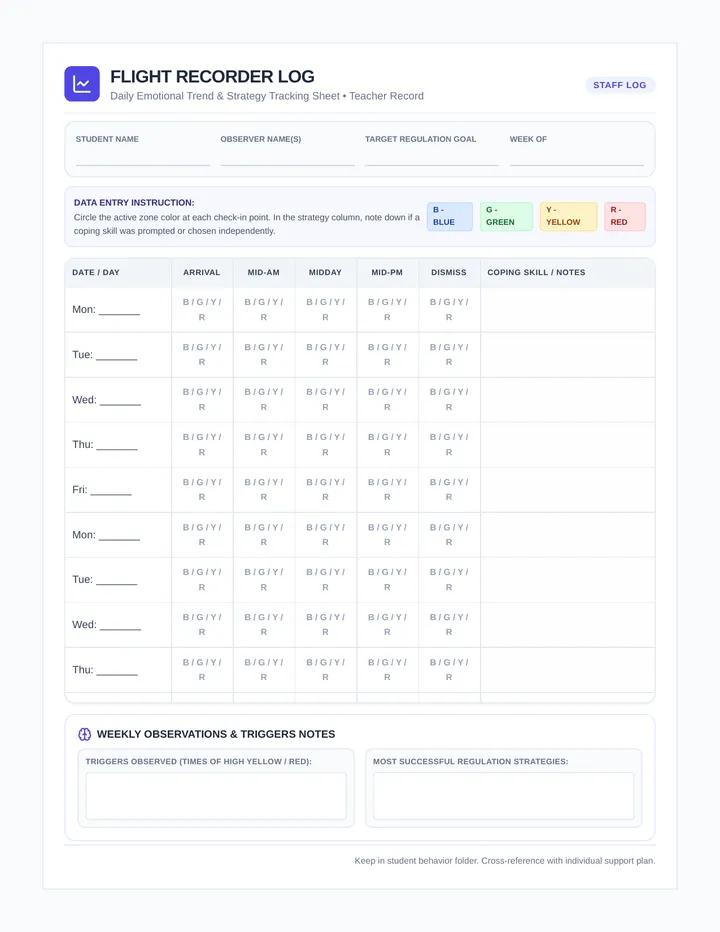
A comprehensive toolkit of data collection sheets for tracking various types of IEP goals, including frequency, duration, and trial-based skill acquisition.
A comprehensive lesson on identifying and matching essential safety signs from community, household, road, and workplace environments. This lesson focuses on visual discrimination and functional literacy through picture-to-picture matching tasks.
Preparing for independence. Students review progress reports and finalize a plan for seeking teacher support autonomously.
Establishing consistent habits and routines. Students refine their planning process to require less counselor prompting.
Developing teacher communication skills. Students practice scripts for asking for help, clarifying assignments, and negotiating deadlines.
Time estimation and scheduling. Students practice predicting how long tasks take and slotting them into their Jawsome flex time.
Focus on categorization and prioritization. Students learn to distinguish between urgent tasks and long-term projects using a priority matrix.
Introduction to the "Grade Audit" process. Students learn to navigate their online portals efficiently and identify missing assignments.
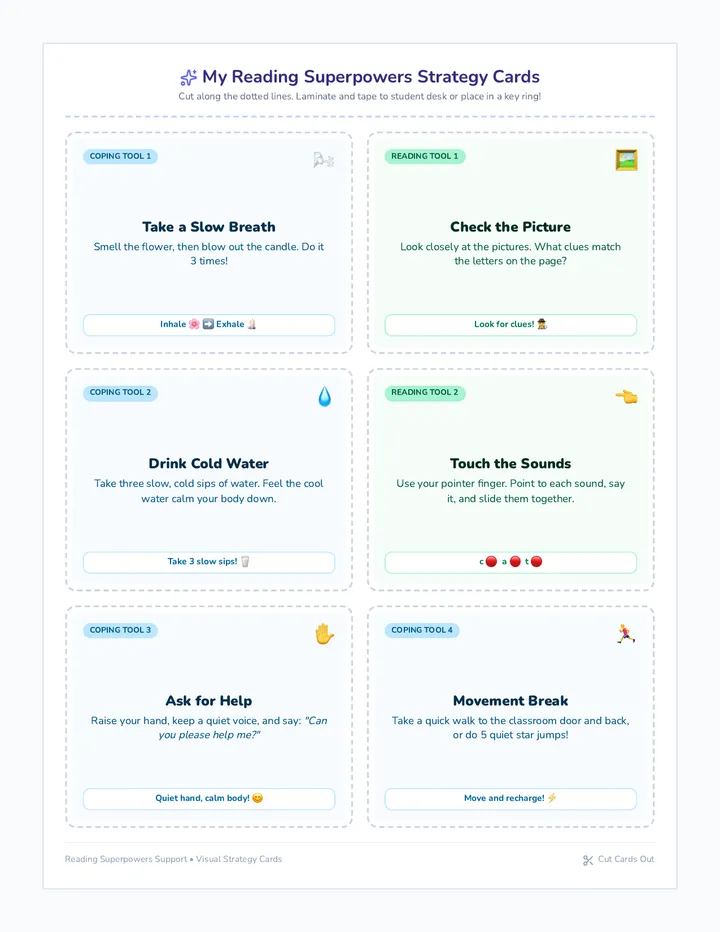
A comprehensive strategy set for educators to support students who struggle with long reading assignments through chunking, visual scaffolding, and self-regulation tools.
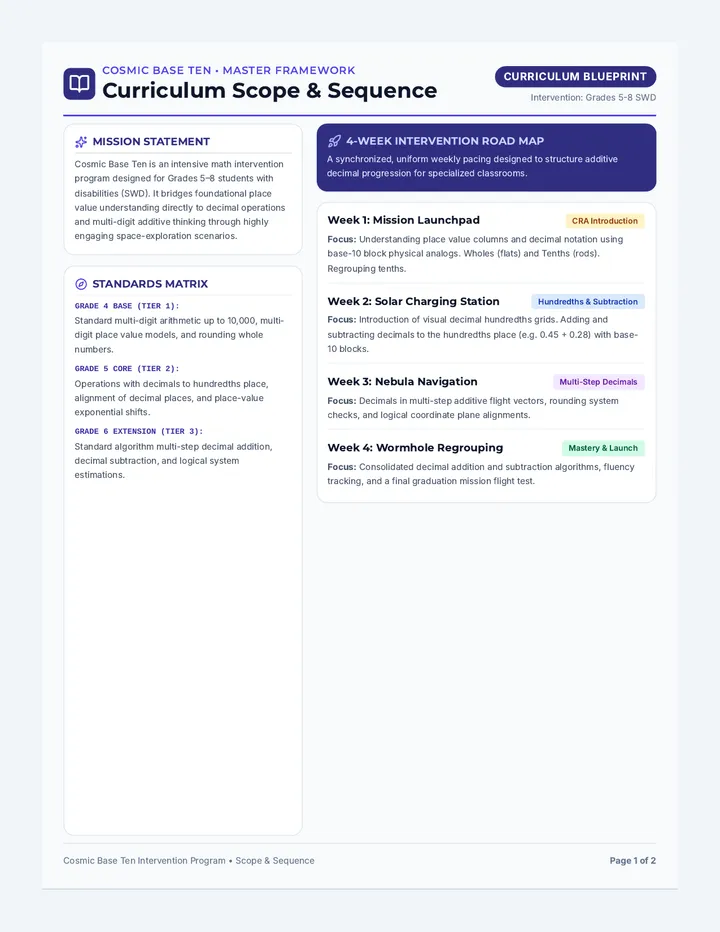
A comprehensive executive function support system for high school students, focusing on metacognitive coaching strategies to manage task initiation, prioritization, and workflow completion. Students move from feeling overwhelmed to having a clear, actionable strategic plan for their schoolwork.
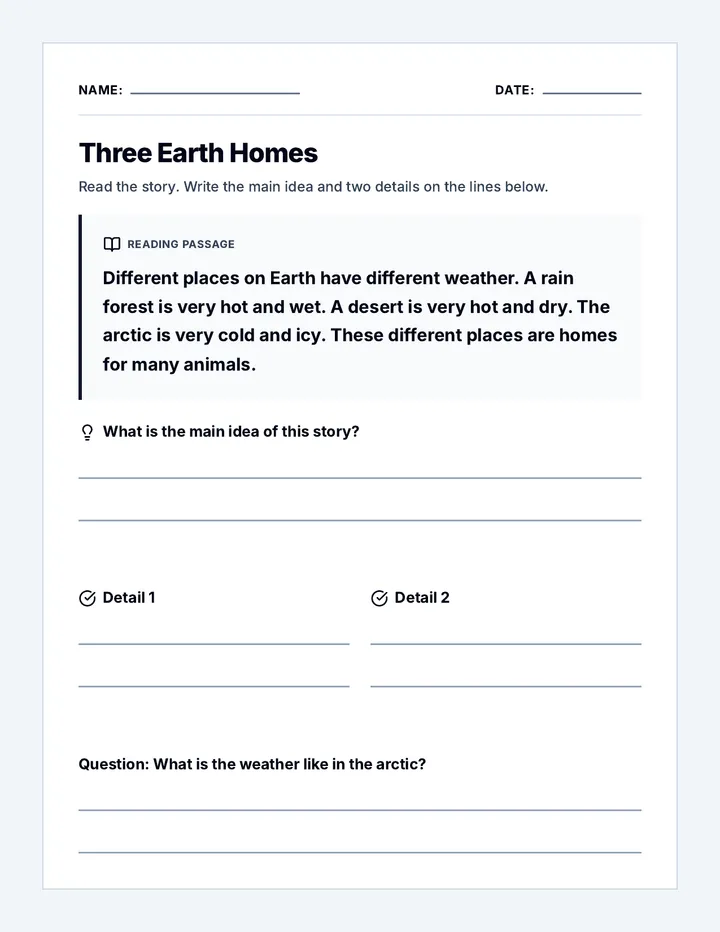
A targeted lesson for 5th-grade resource room students to master identifying the main idea and supporting details through a detective-themed investigation.
A lesson focused on teaching students how to identify appropriate times to share and how to stay on-task during group instruction.
A set of materials for assessing and practicing 47 key graphemes, including high-visibility flashcards and a comprehensive teacher tracking sheet.
A behavioral and functional lesson designed for a 2nd-grade student with Autism and ADHD to master the 'Launch Sequence' of transitioning from preferred activities to academic tasks. It focuses on visual schedules, clear 'First-Then' contingencies, and a specific 3-step 'Ignition' process to overcome task initiation hurdles.
Materials for assessing and monitoring third-grade oral reading fluency, including a lexile-appropriate passage with word counts and a teacher scoring sheet.
A lesson designed for small group settings to practice 'brave talking' with peers using structured activities and gamified prompts.
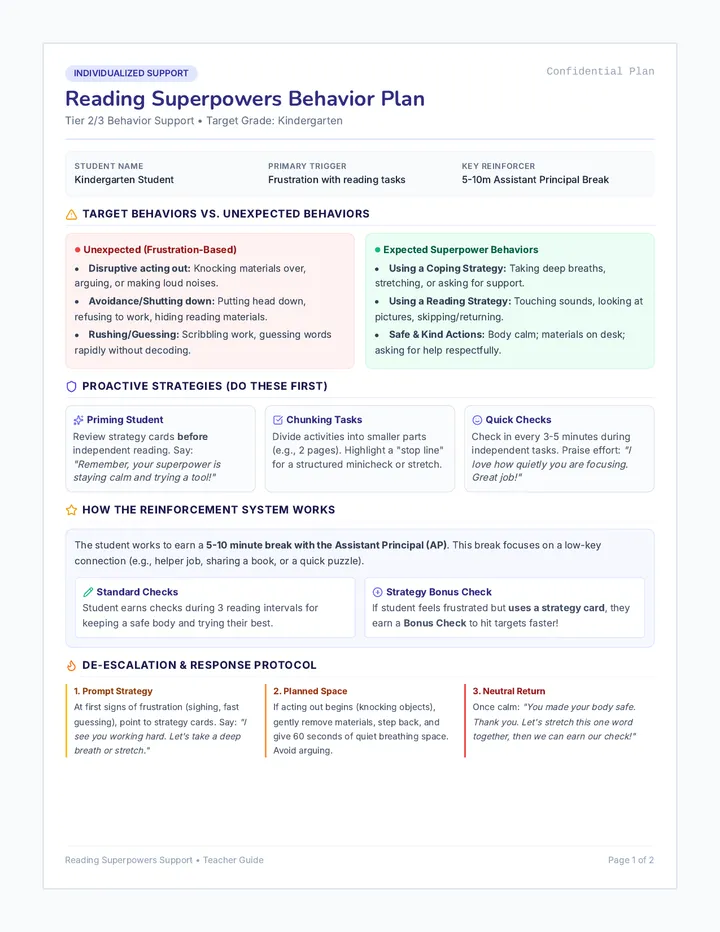
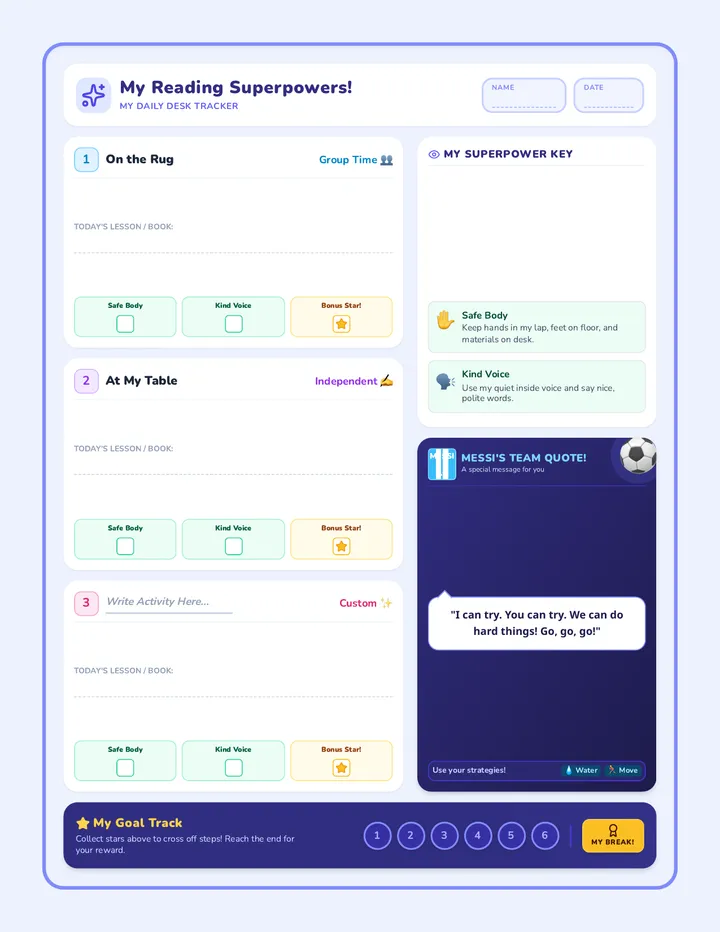
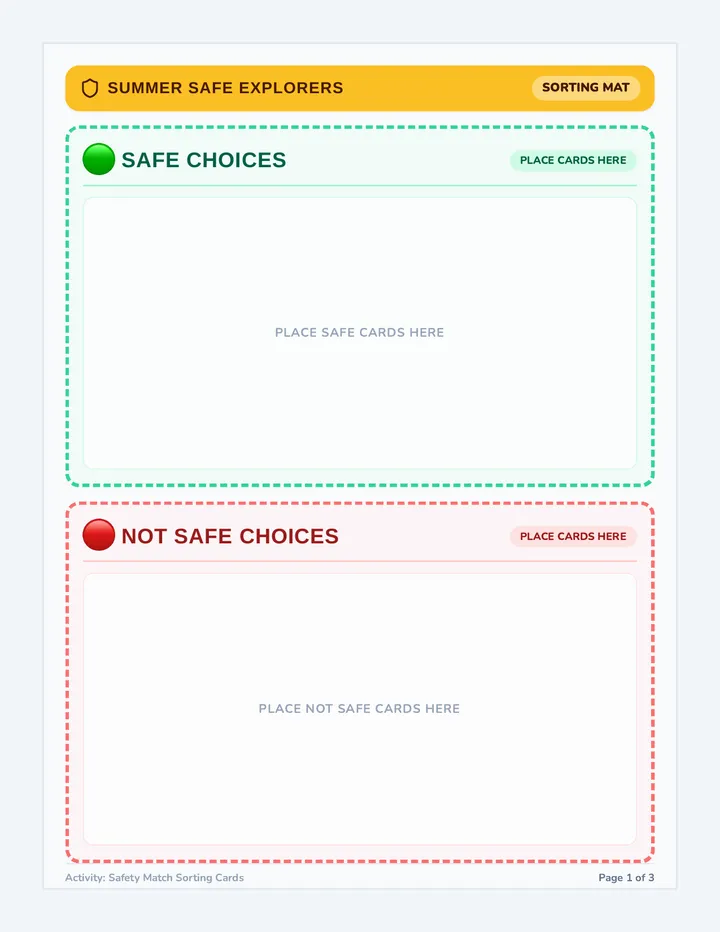
This lesson focuses on developing self-control and "Hand Power" in young students. It provides a structured way to track physical behaviors through a superhero-themed tally system, helping students and teachers identify patterns and celebrate growth.
A comprehensive set of tools for assessing and tracking a student's ability to identify numbers 1 through 20 in randomized order.
An assessment on plate tectonics and volcanoes specifically modified for students with IEPs, featuring simplified language, visual aids, and reduced response options.
This lesson provides ENL and SPED parents with the knowledge and confidence to participate in their child's Committee on Special Education (CSE) meeting. It includes a comprehensive presentation on the meeting process and a preparation checklist for home use.
A lesson focused on shifting the narrative from autism awareness to acceptance by celebrating cognitive and personal strengths. Includes teacher resources and student-facing materials for classrooms and community spaces.
A 20-minute individual session designed for a student with ASD to distinguish between shareable social information and private safety information using simple visual filters.
A set of writing resources designed for students with IEPs to practice narrative and future-tense writing through visual prompts, sentence starters, and graphic organizers centered on Spring Break.
A simplified look at Miguel Hidalgo's childhood and education, designed for emergent readers and students with IEPs. The lesson focuses on key facts using high-frequency words and visual supports.
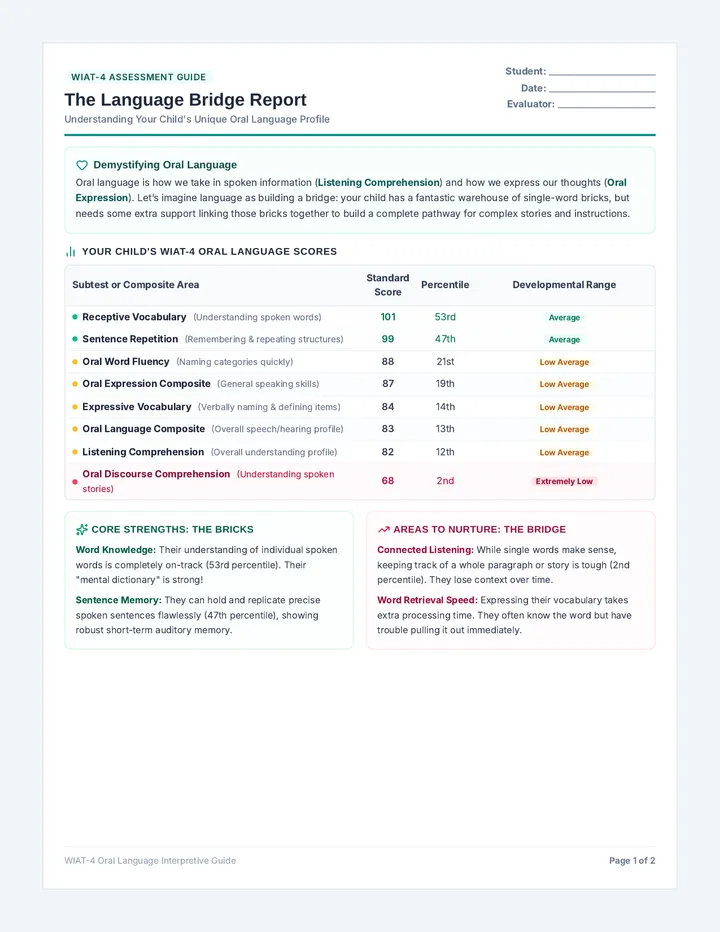
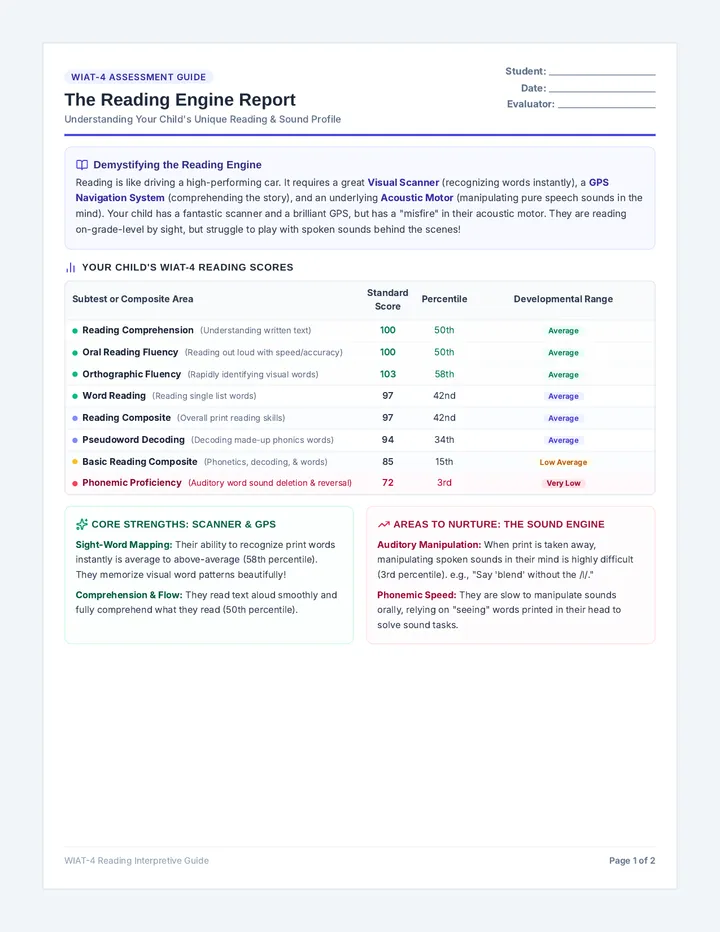
A lesson focused on supporting students with strong cognitive abilities who struggle with phonological processing and CVC blending due to communication disorders.
A fun and accessible word search activity focused on spring vocabulary, designed specifically for 5th-grade special education students with clear visuals and large text.