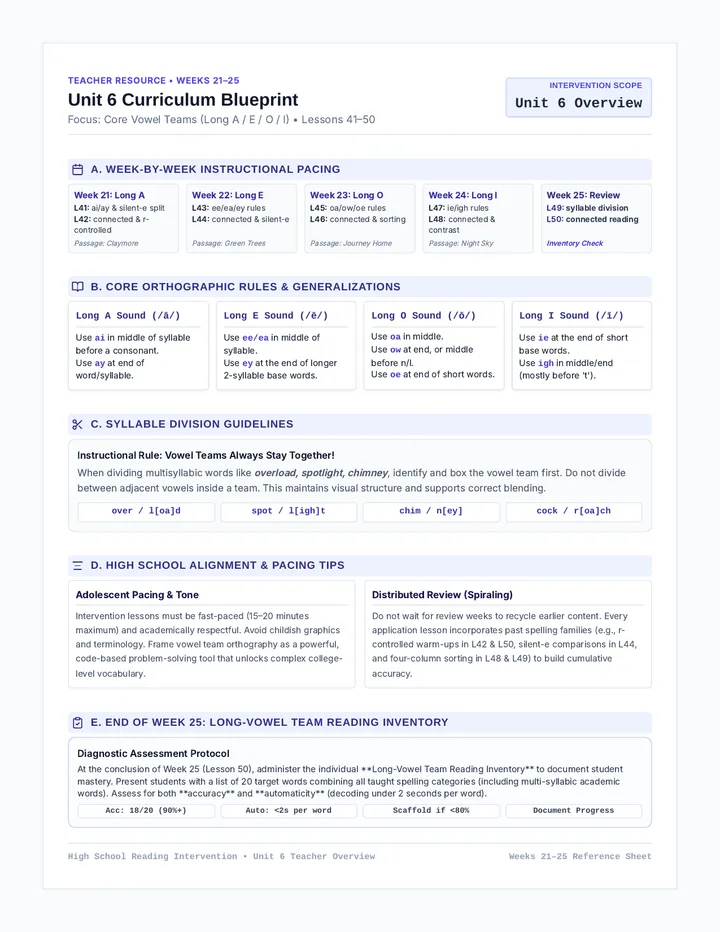
A 30-minute speech and language activity focused on comprehension and critical thinking using paired fiction and nonfiction texts. Designed for high school special education students with a "Case File" investigation theme.

An introductory lesson on combining like terms designed for special education students, focusing on visual coding, shape-sorting strategies, and step-by-step guided practice.

A vocabulary-focused station activity for Chapter 1 of 'Night' by Elie Wiesel, designed for 10th-grade students with ADHD and SLD. The lesson uses multisensory approaches to reinforce meaning, context, and visual representation of key terms.
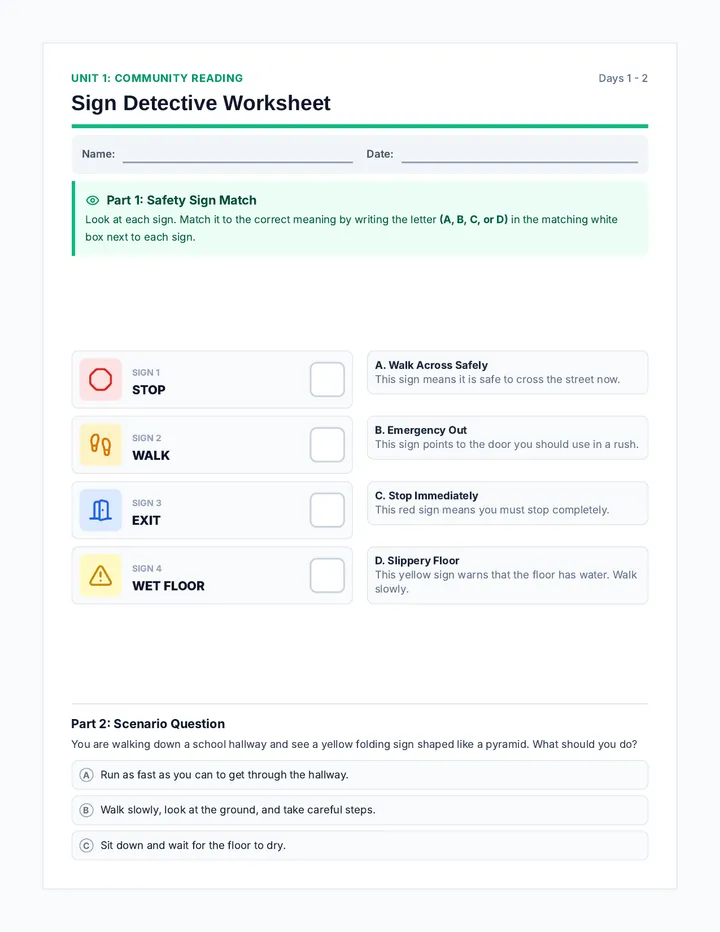
Learning the 'Energy Accounting' system to track withdrawals and deposits to prevent burnout and manage emotional capacity.
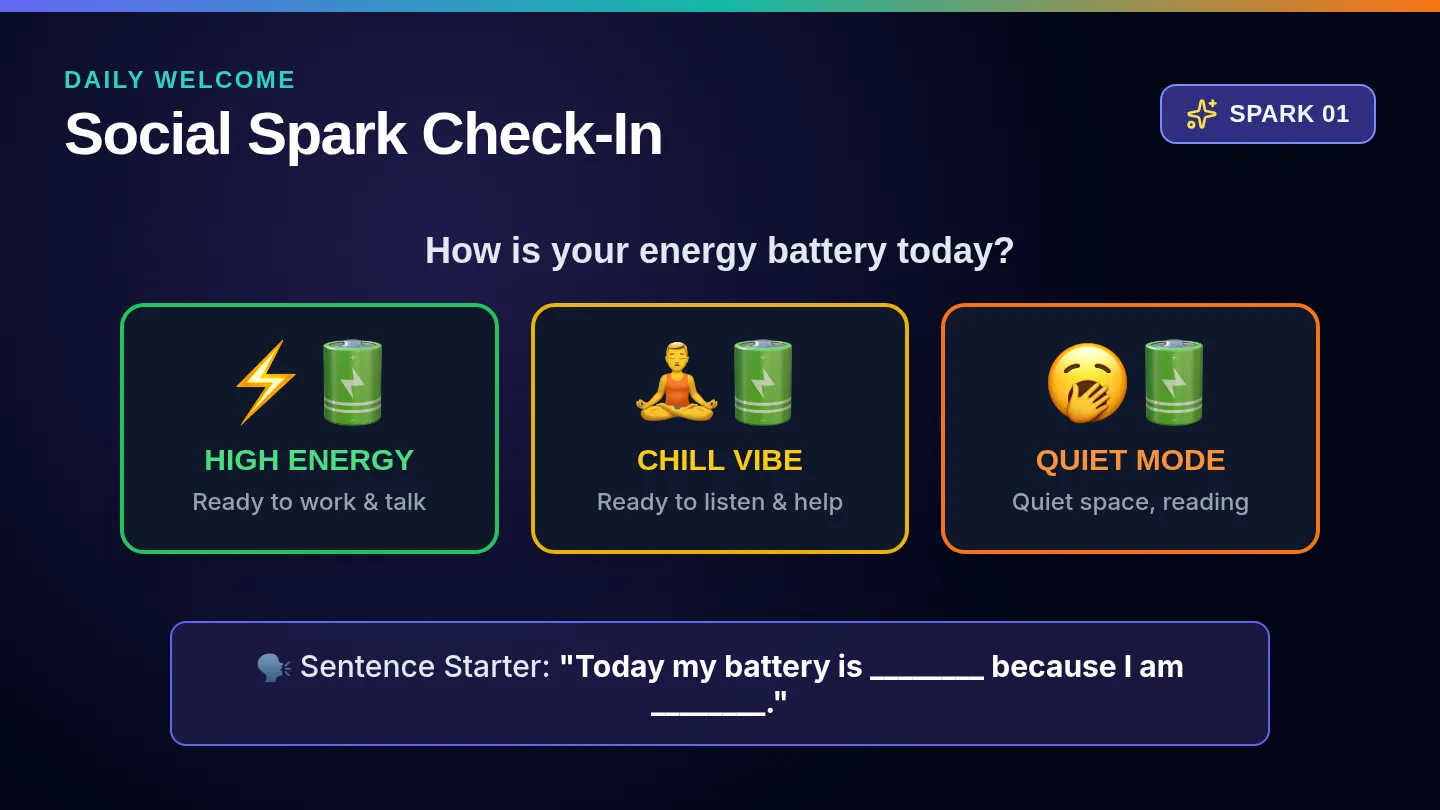
Understanding energy levels, the battery concept, and the difference between energy-draining and energy-giving activities.
This lesson prepares 8th-grade students for the increased independence of high school by practicing self-advocacy in complex, multi-step scenarios. Students learn to combine requests for help, clarification, and breaks to navigate challenging academic and social situations effectively.
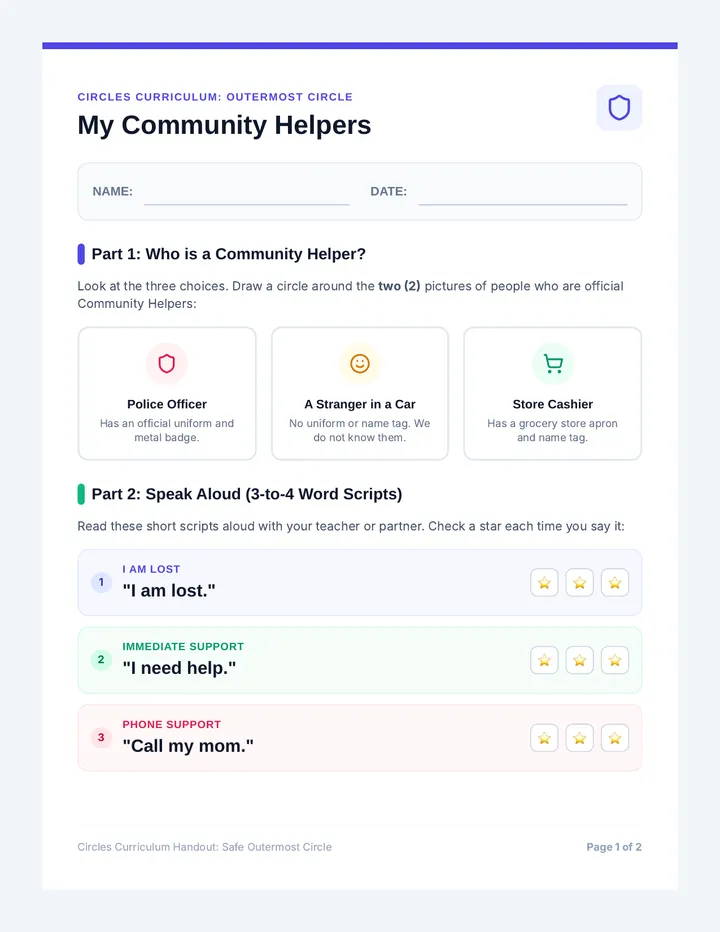
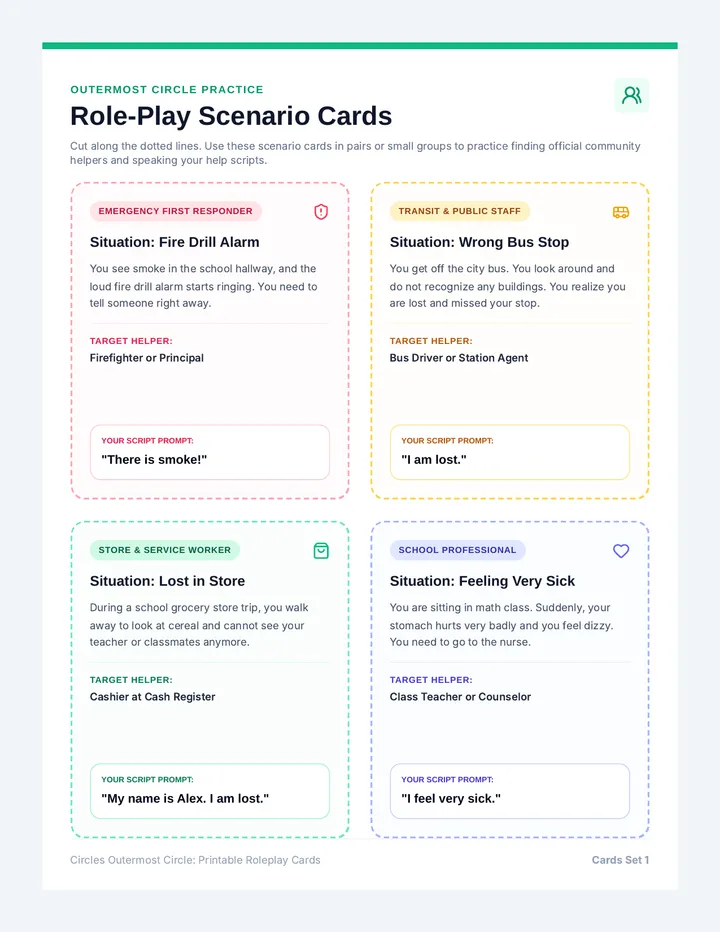
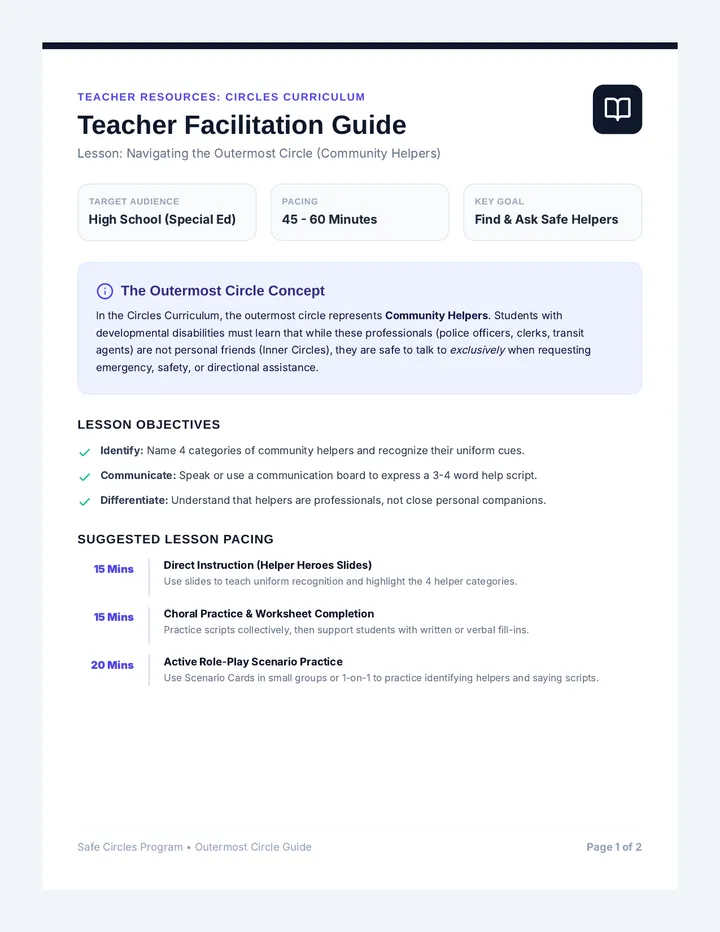
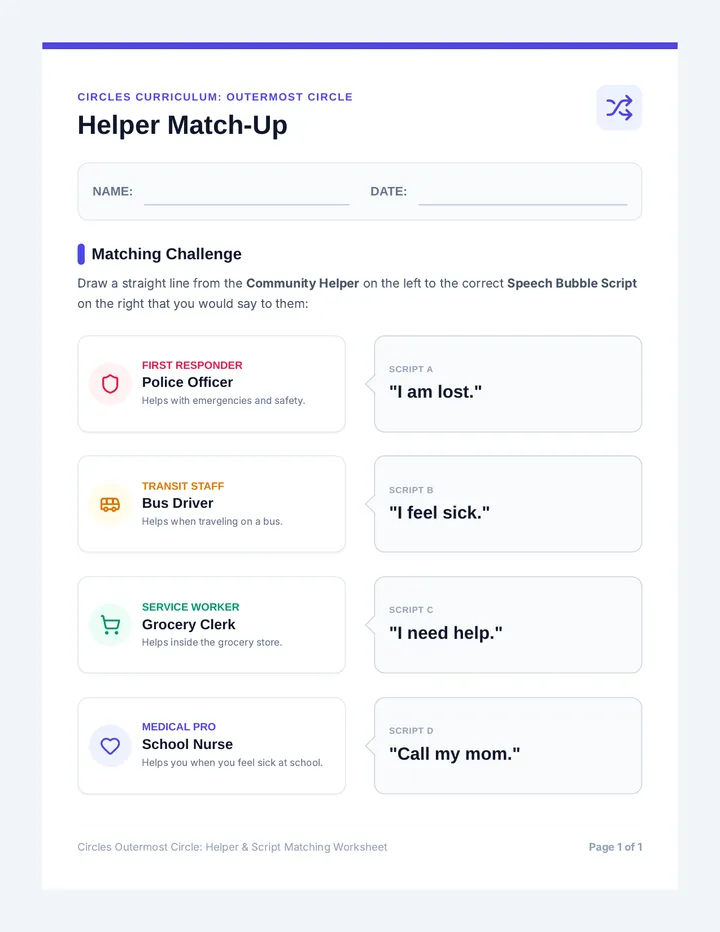
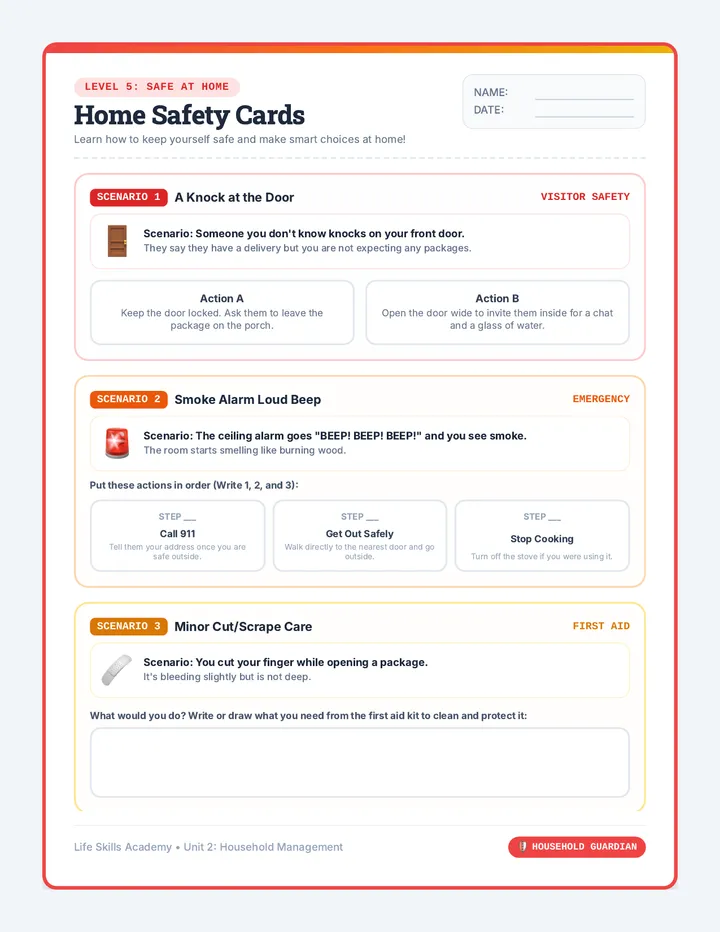
A comprehensive lesson designed to help high school students with autism identify and respond to unsafe situations across various environments including school, home, the community, and interactions with strangers.
Introduces the concepts of personal boundaries and the importance of clear, enthusiastic consent.
Teaches the components of healthy friendships and effective communication strategies.
Explores the distinction between public and private spaces and behaviors, emphasizing personal space (the 'bubble').
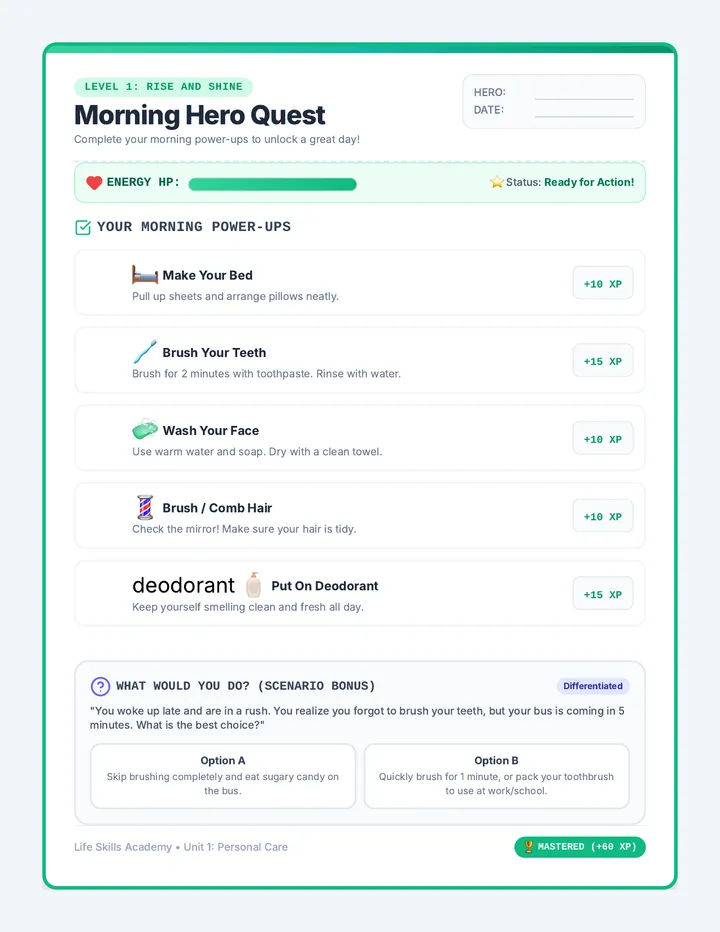
Focuses on the importance of personal hygiene and daily self-care routines for health and social confidence.
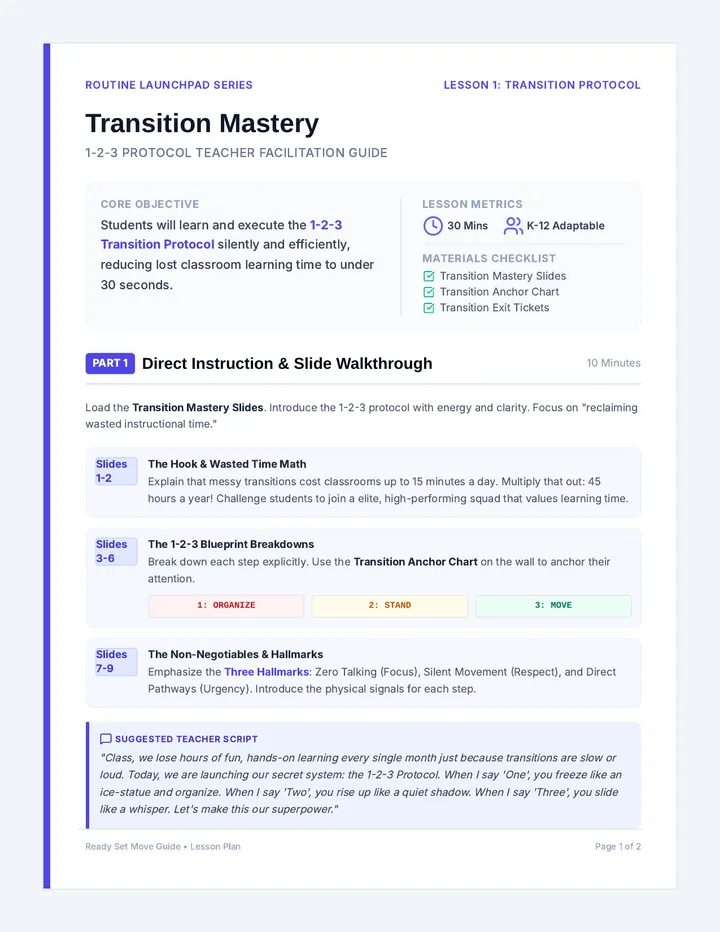
Compiling all learned strategies into a personalized, visual regulation plan for long-term success.
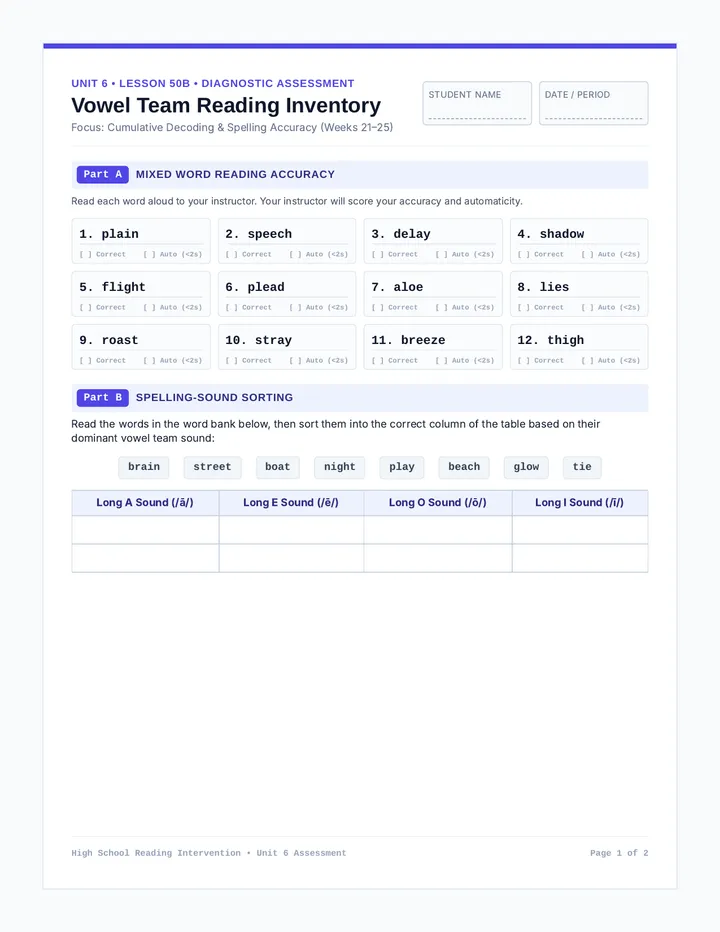
Using social scripts to reconnect with others and move forward positively after a big feeling moment.
Identifying the 'fork in the road' when feelings get big and selecting specific coping strategies to manage frustration and anger.
Using stick-figure mapping to visualize the thoughts and feelings of others during social interactions to build perspective-taking skills.
Introduction to Carol Gray's Comic Strip Conversations, focusing on the difference between what we say (speech bubbles) and what we think (thought bubbles).
Identifying the physical sensations associated with anger, anxiety, and frustration to catch big feelings early.