A comprehensive guide for district leaders and educator teams to implement a 6-step structured learning cycle, focusing on data analysis, instructional shifts, and evidence of impact.
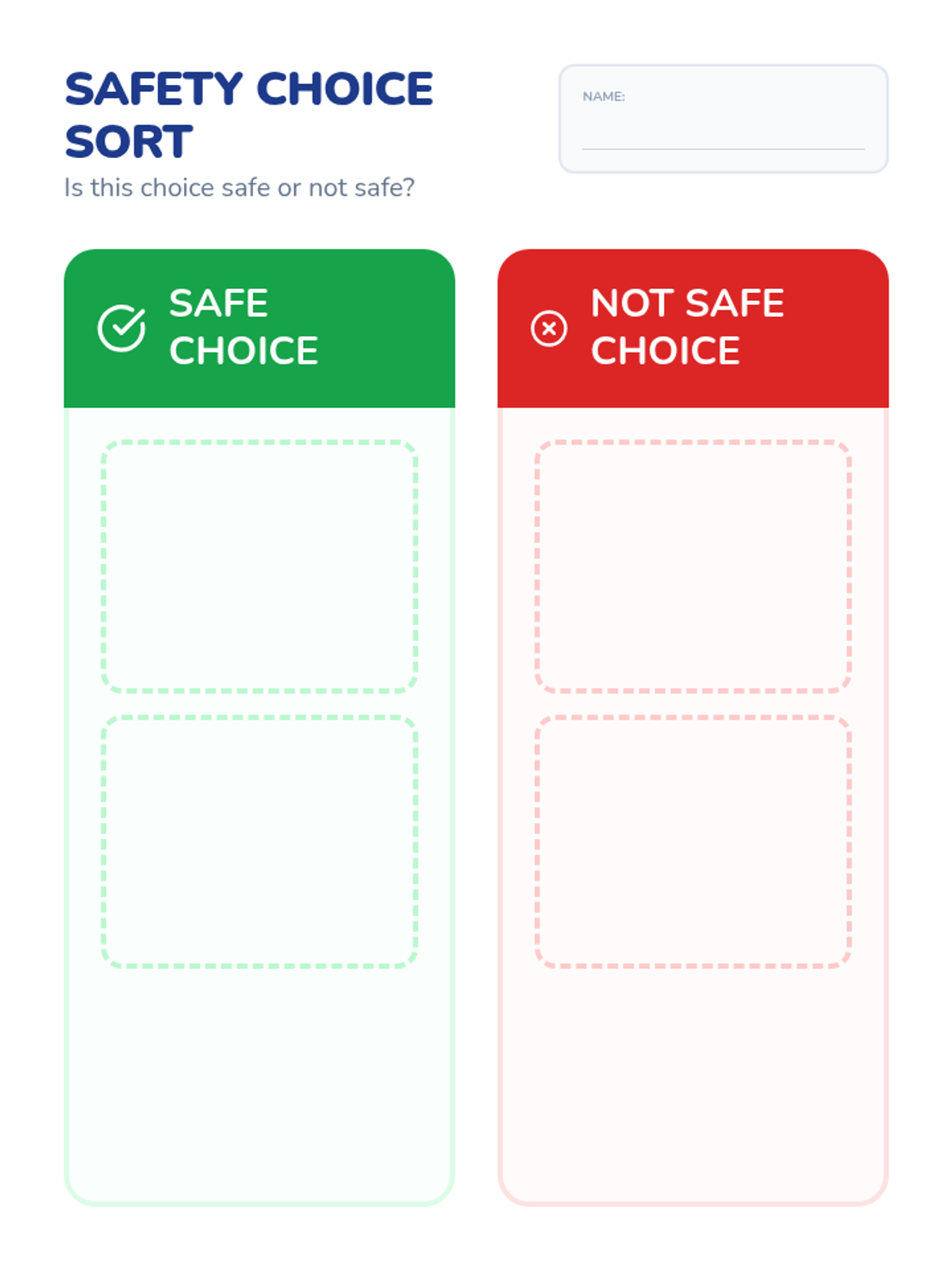
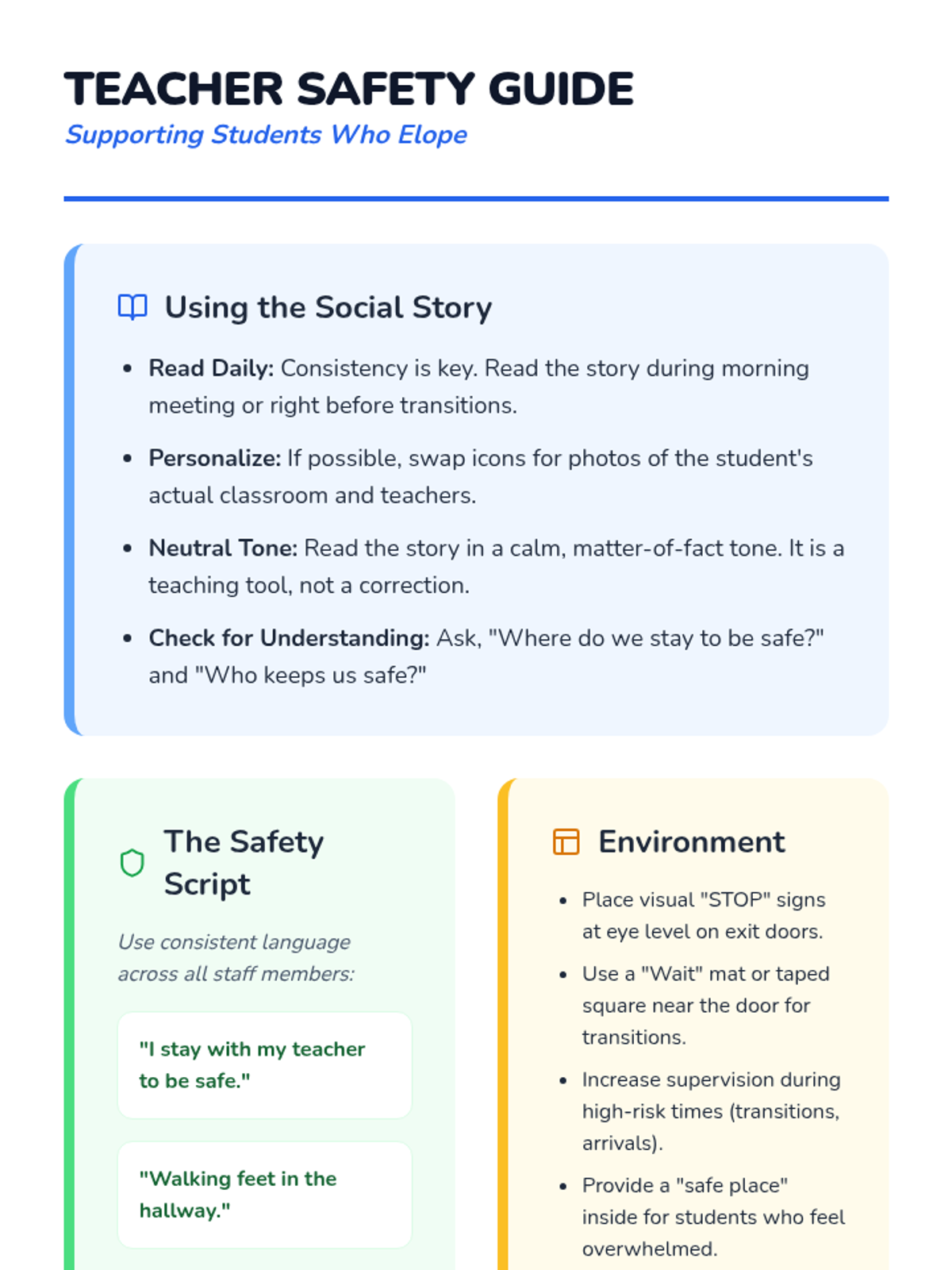
A comprehensive set of resources designed to help preschool students understand the importance of staying within the classroom and with their teachers to remain safe.
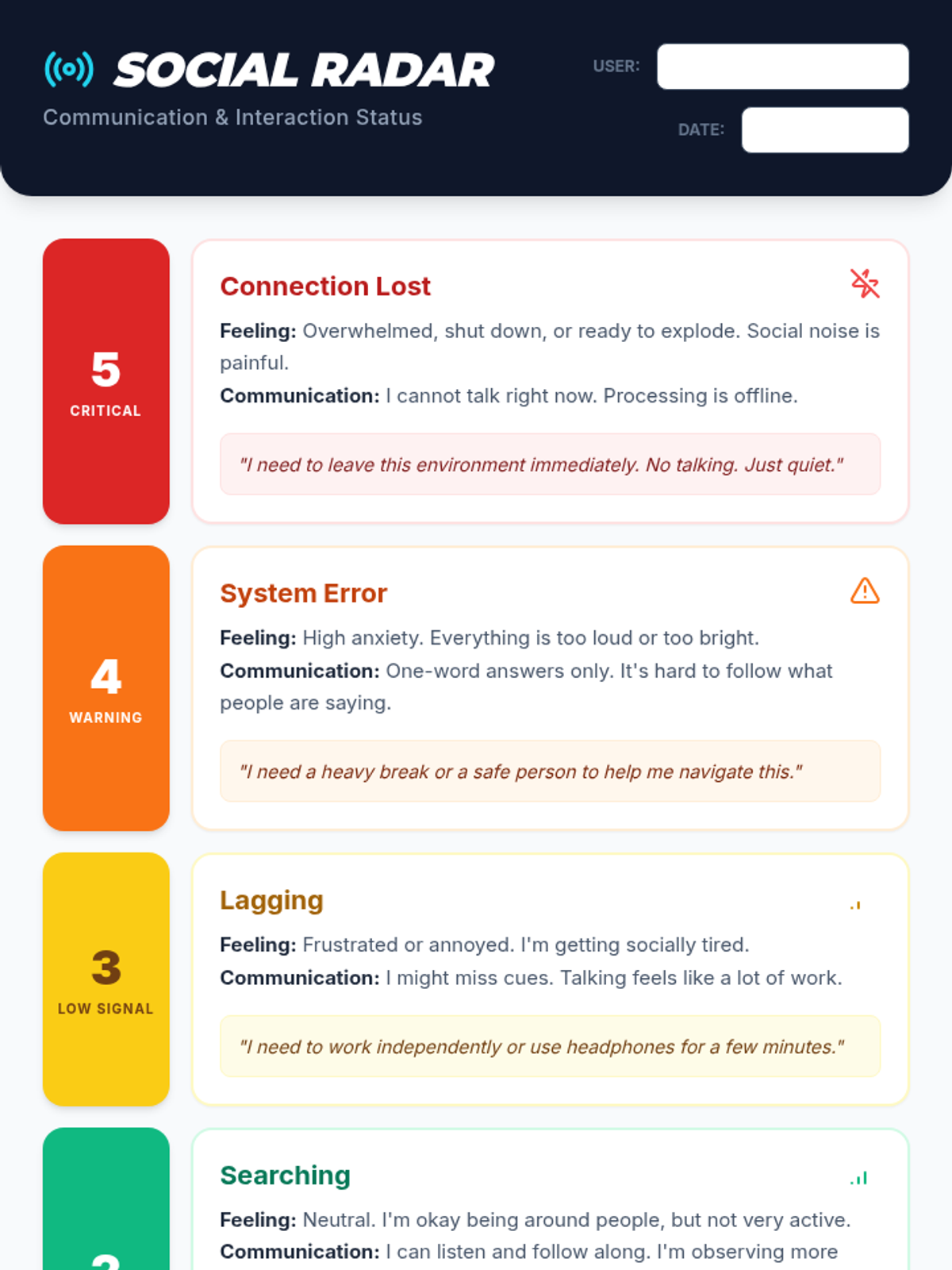
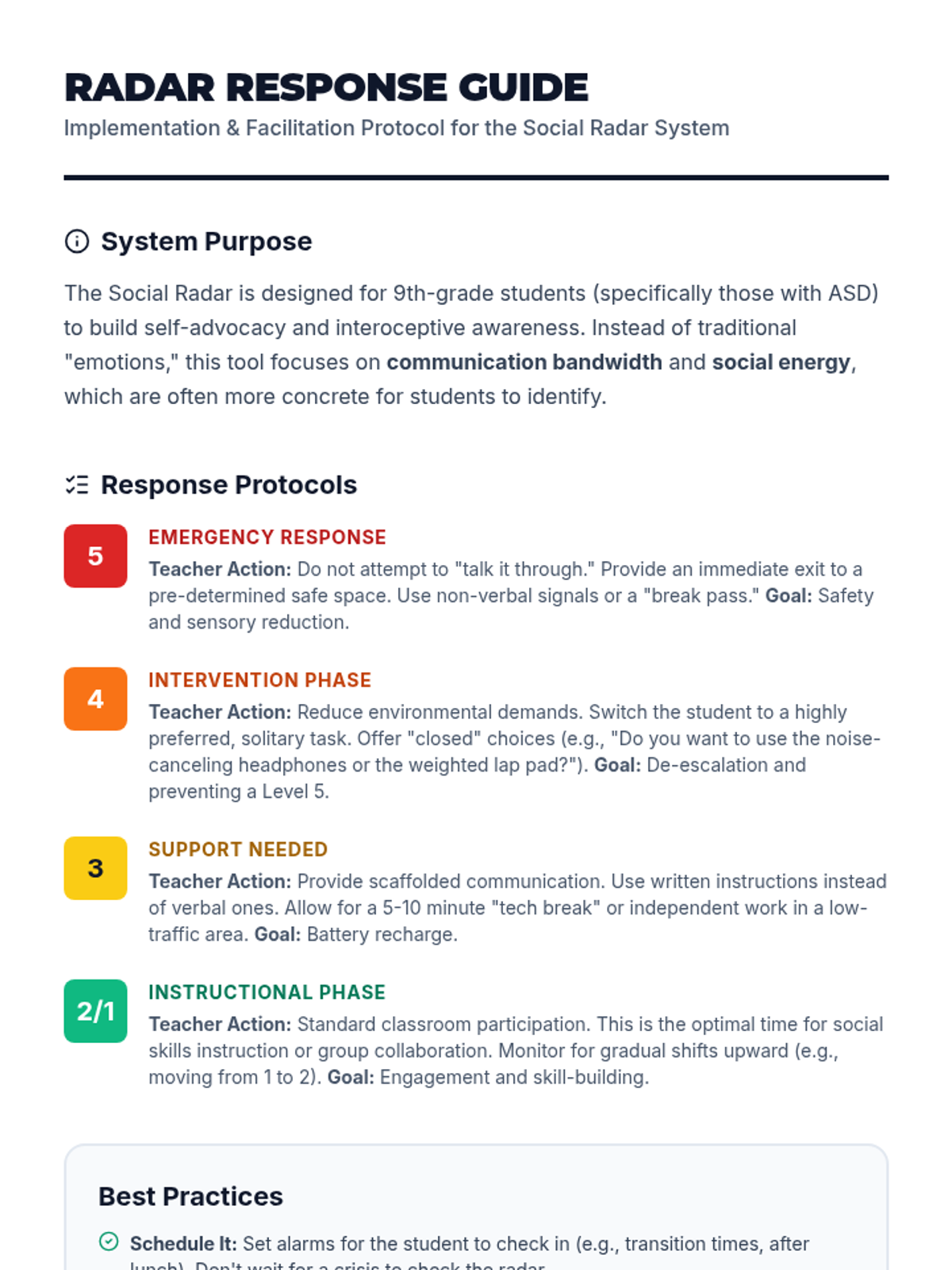
A social-emotional monitoring system designed for high school students to self-advocate and track their social-communication energy levels throughout the day.
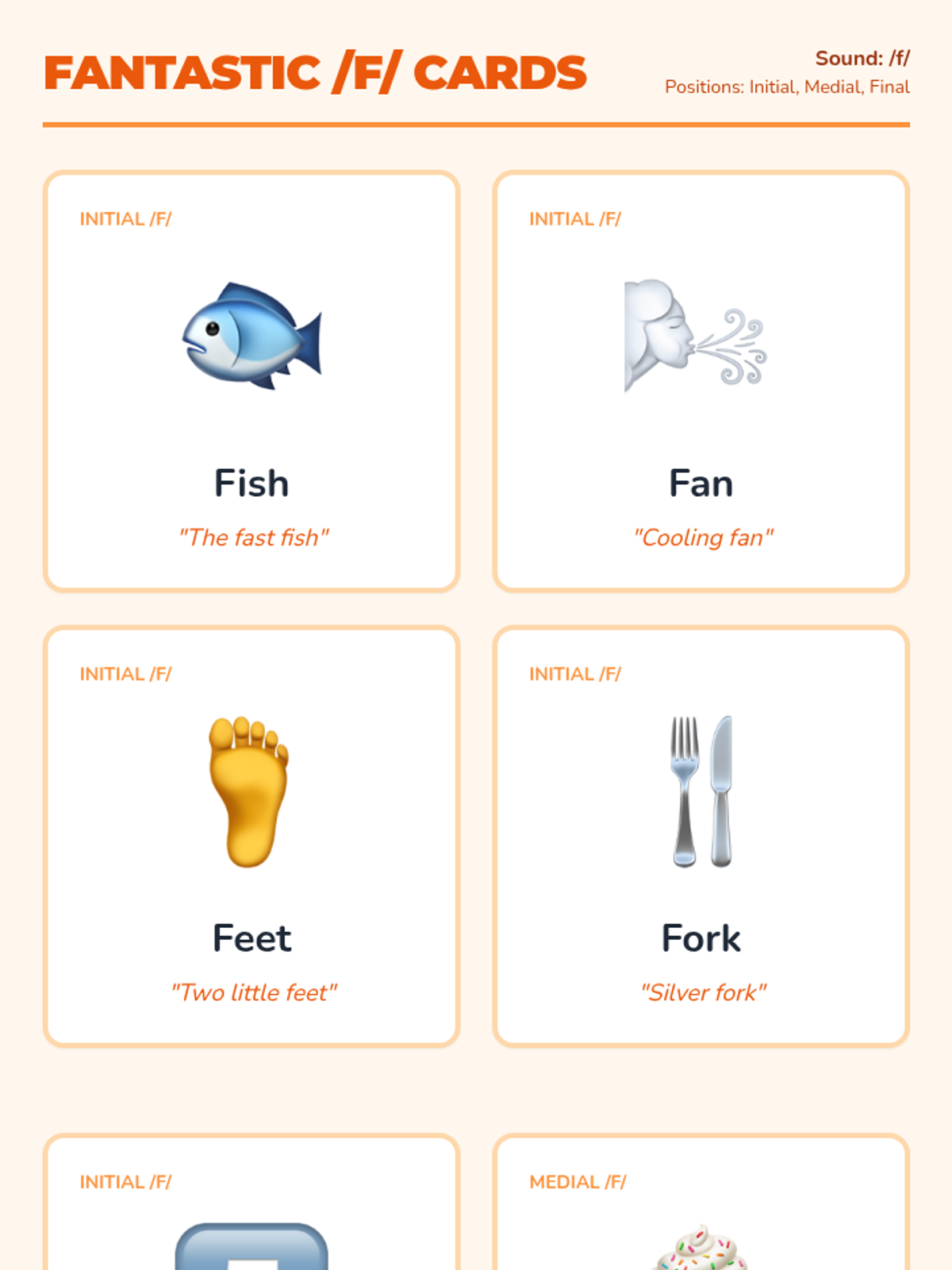
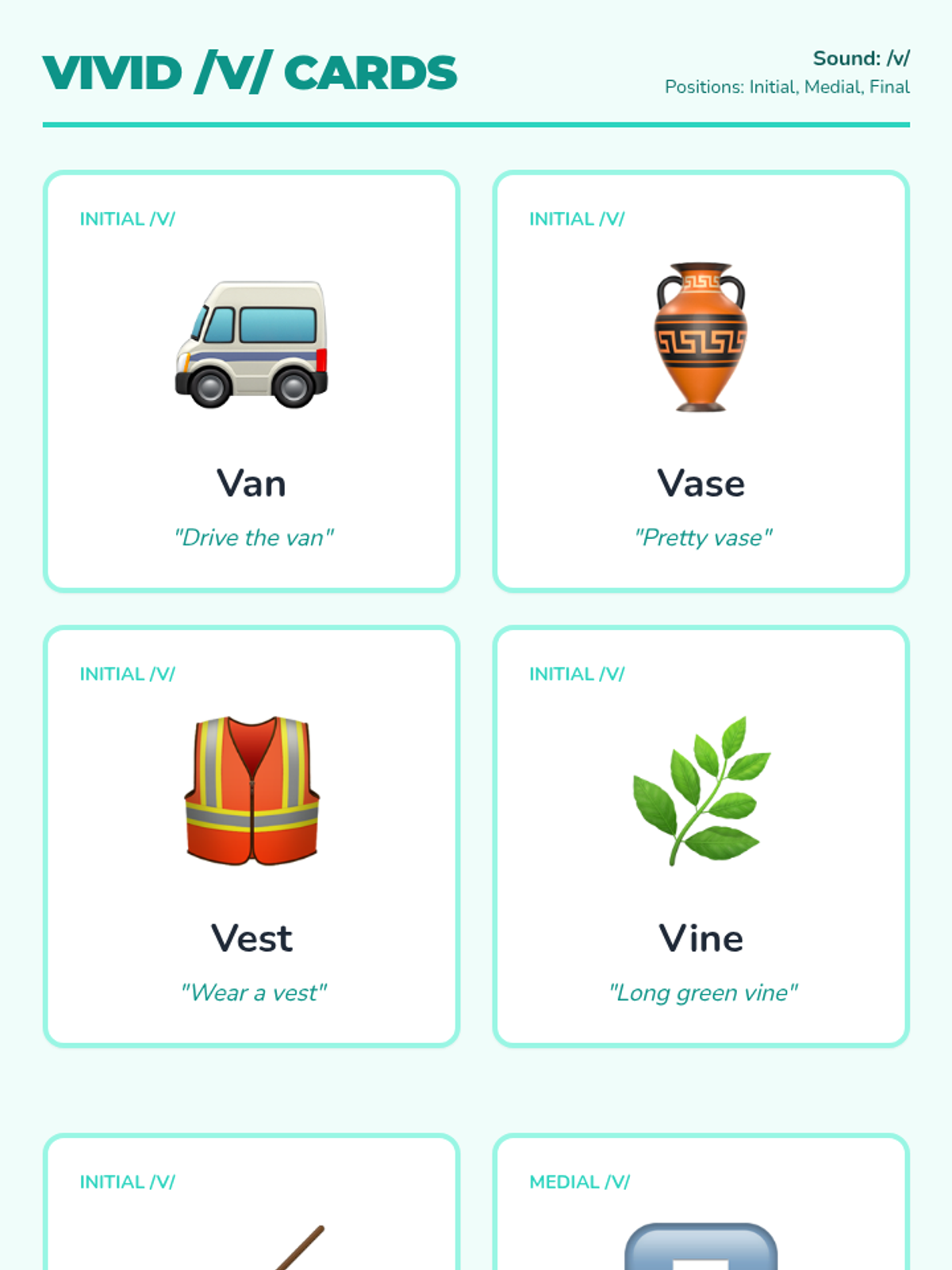
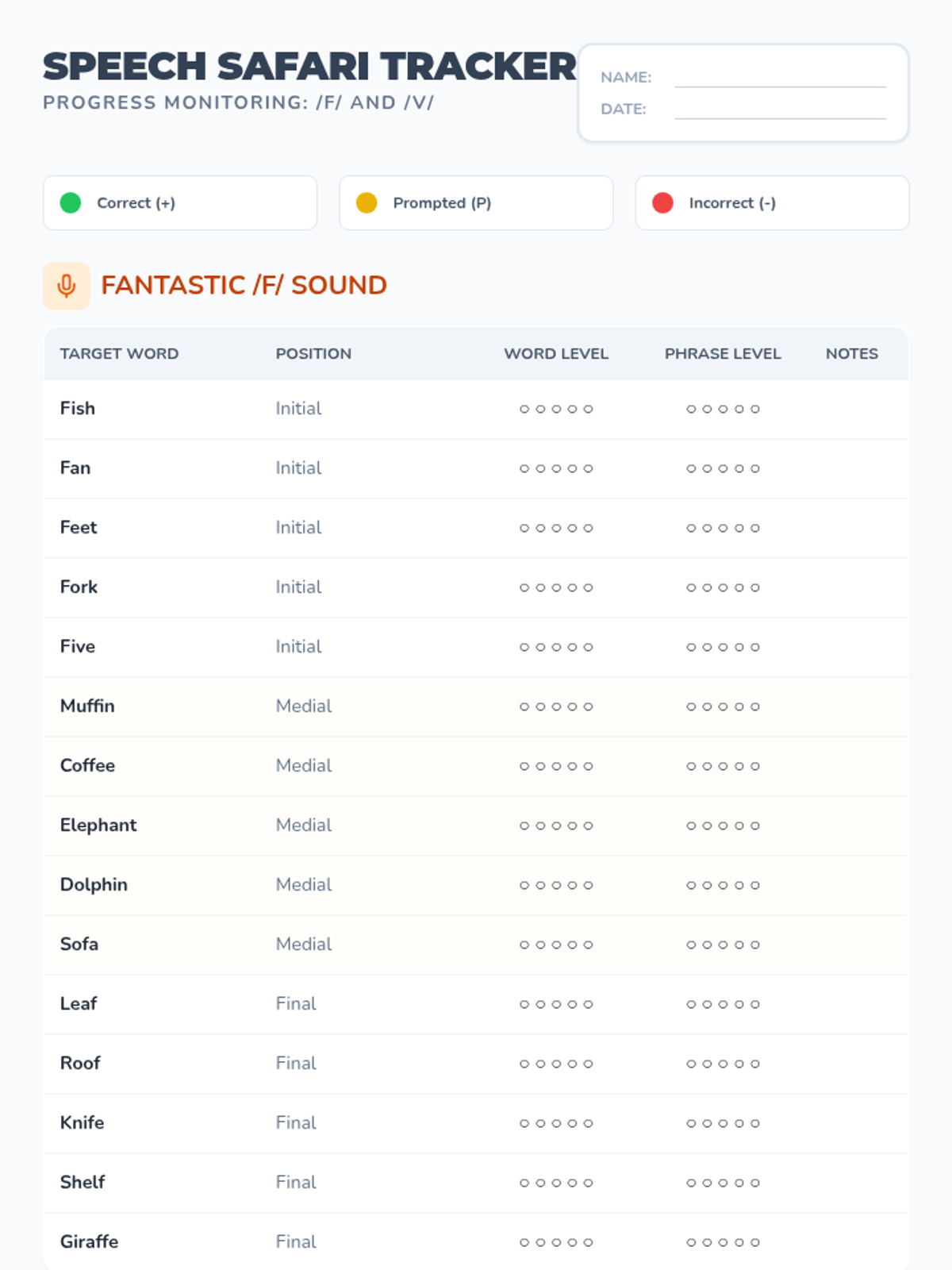
A comprehensive set of speech therapy materials designed for preschool students to practice the /f/ and /v/ sounds in all word positions through engaging picture cards and progress tracking.
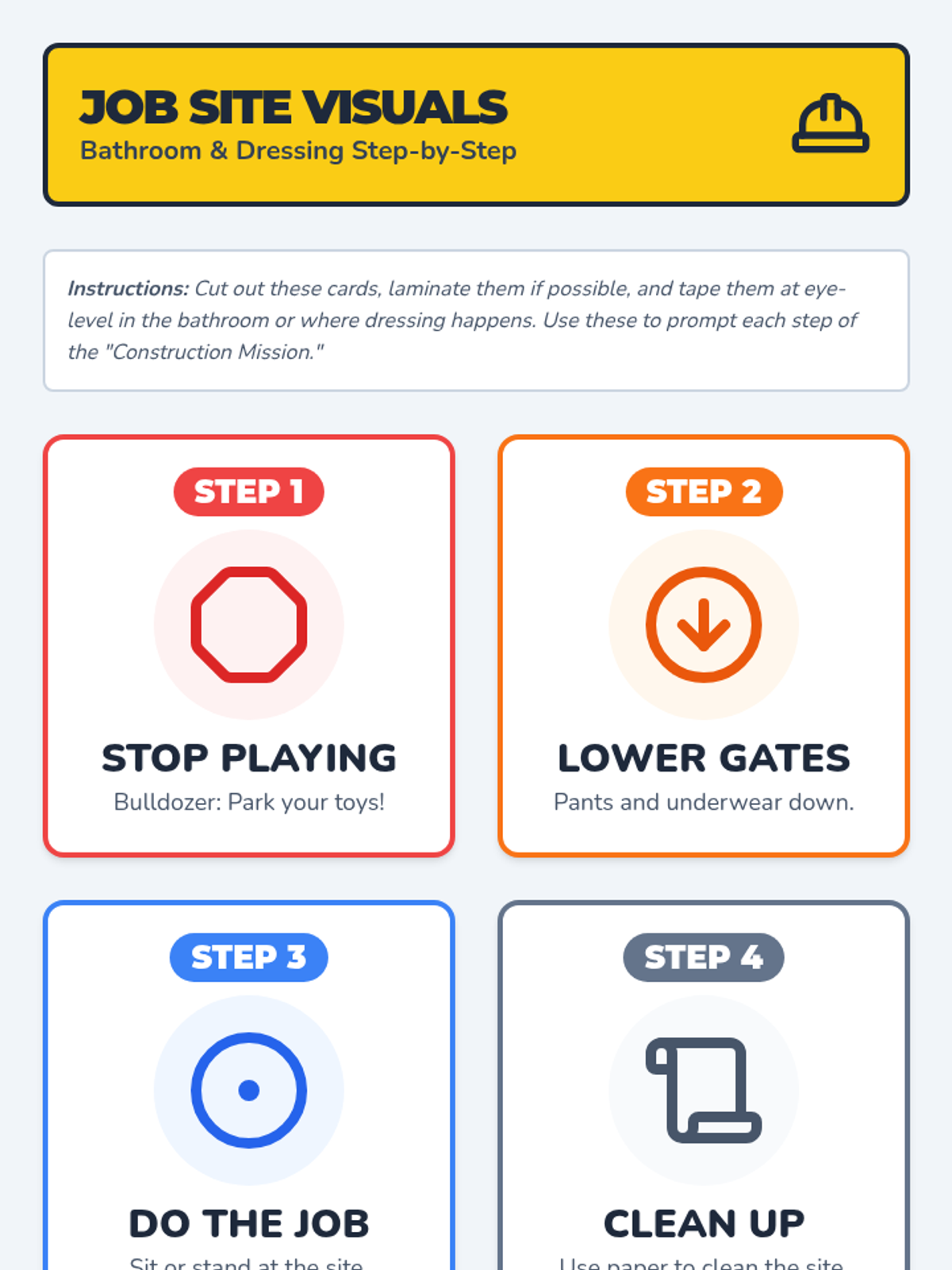
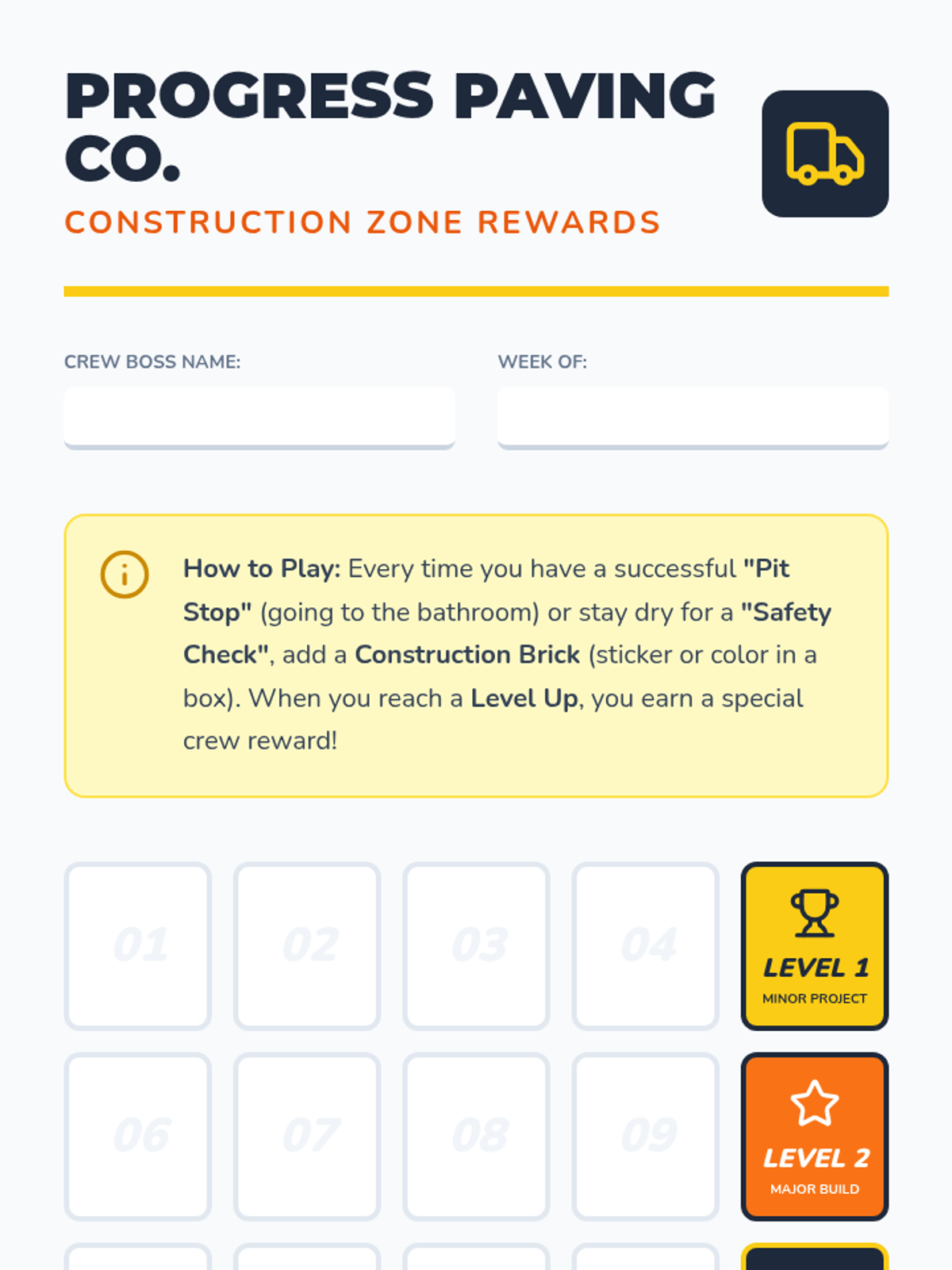
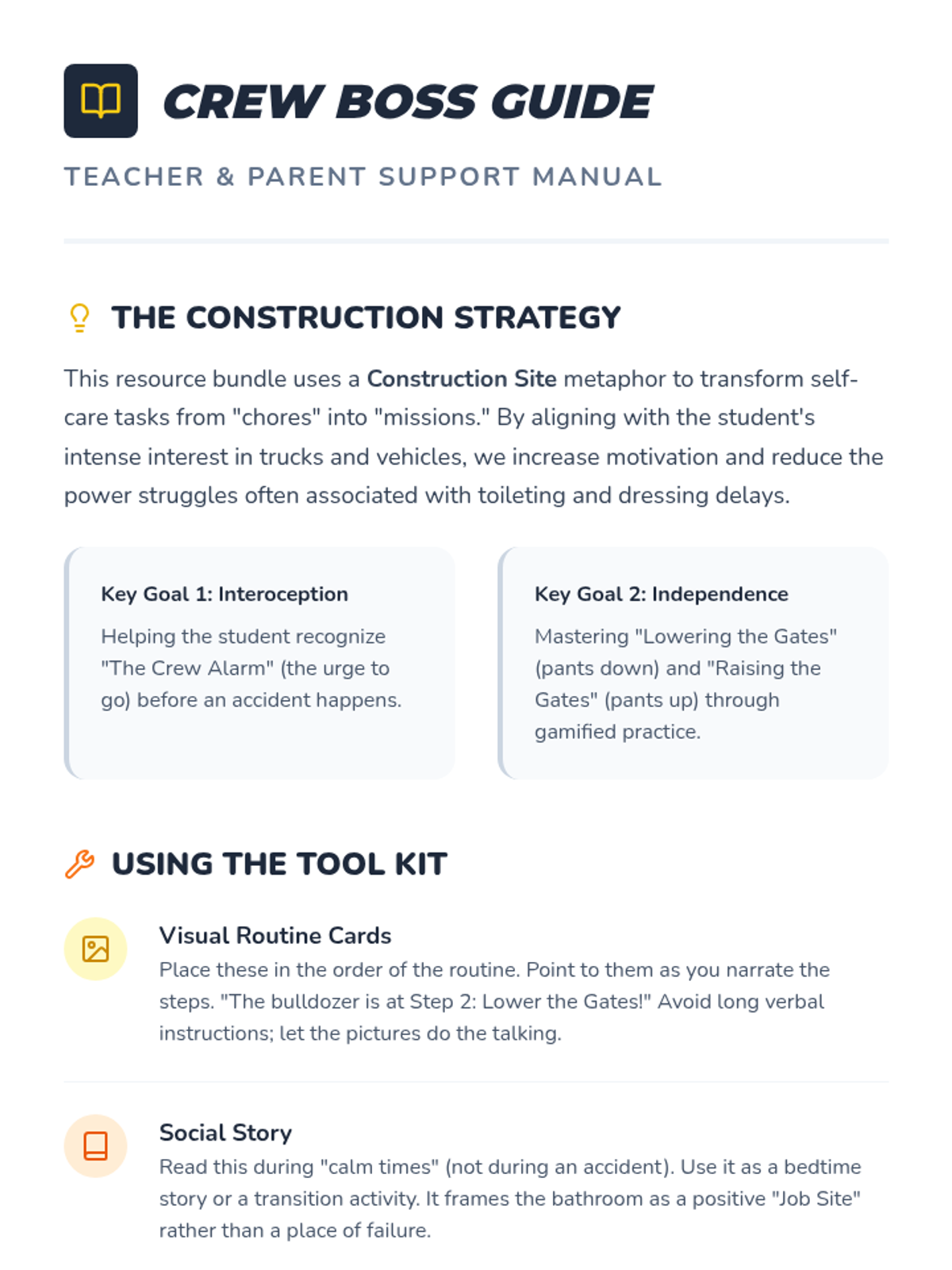
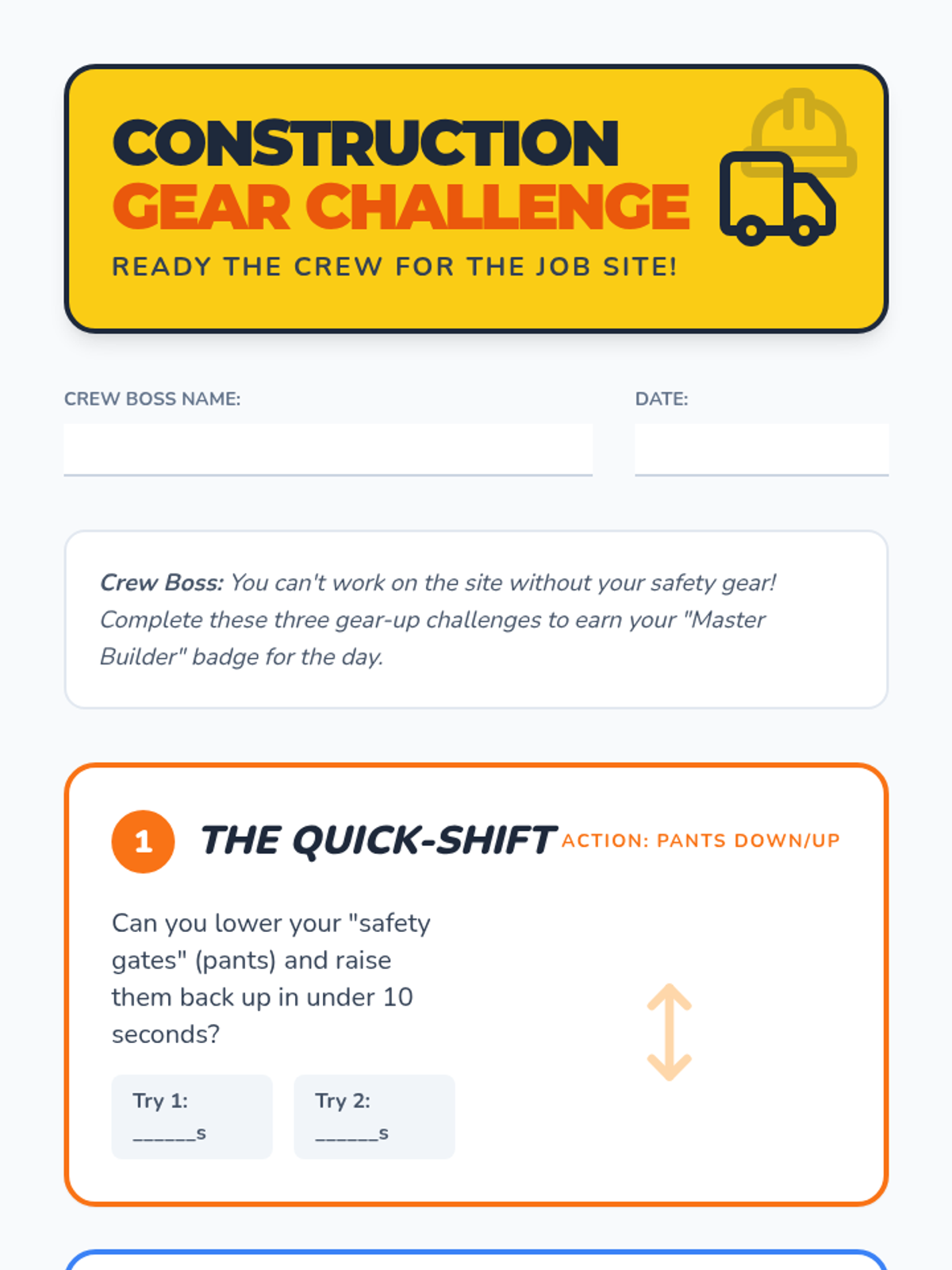
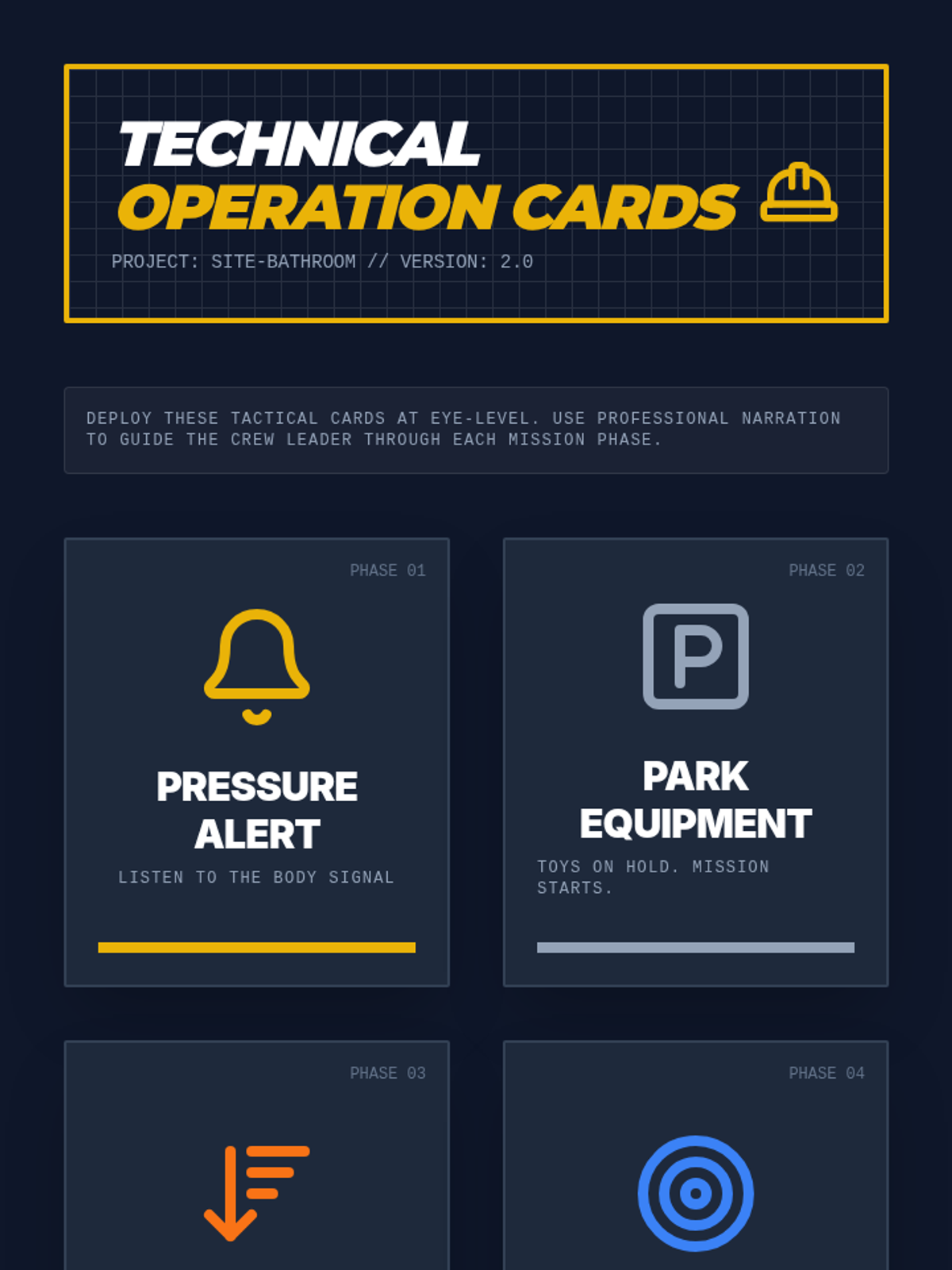
Focuses on establishing routines, visual supports, and gamified learning for toileting and dressing skills using a construction theme.
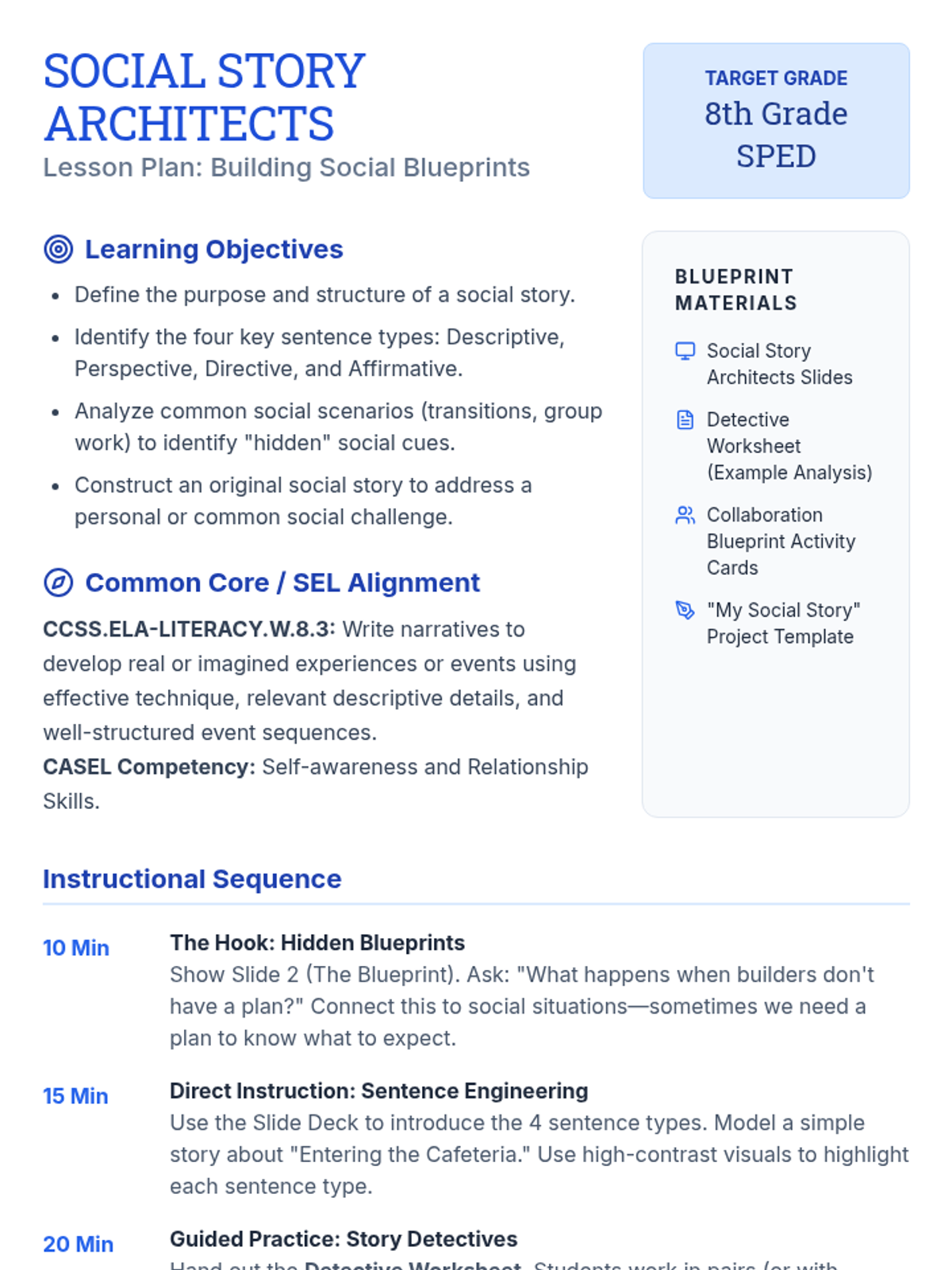
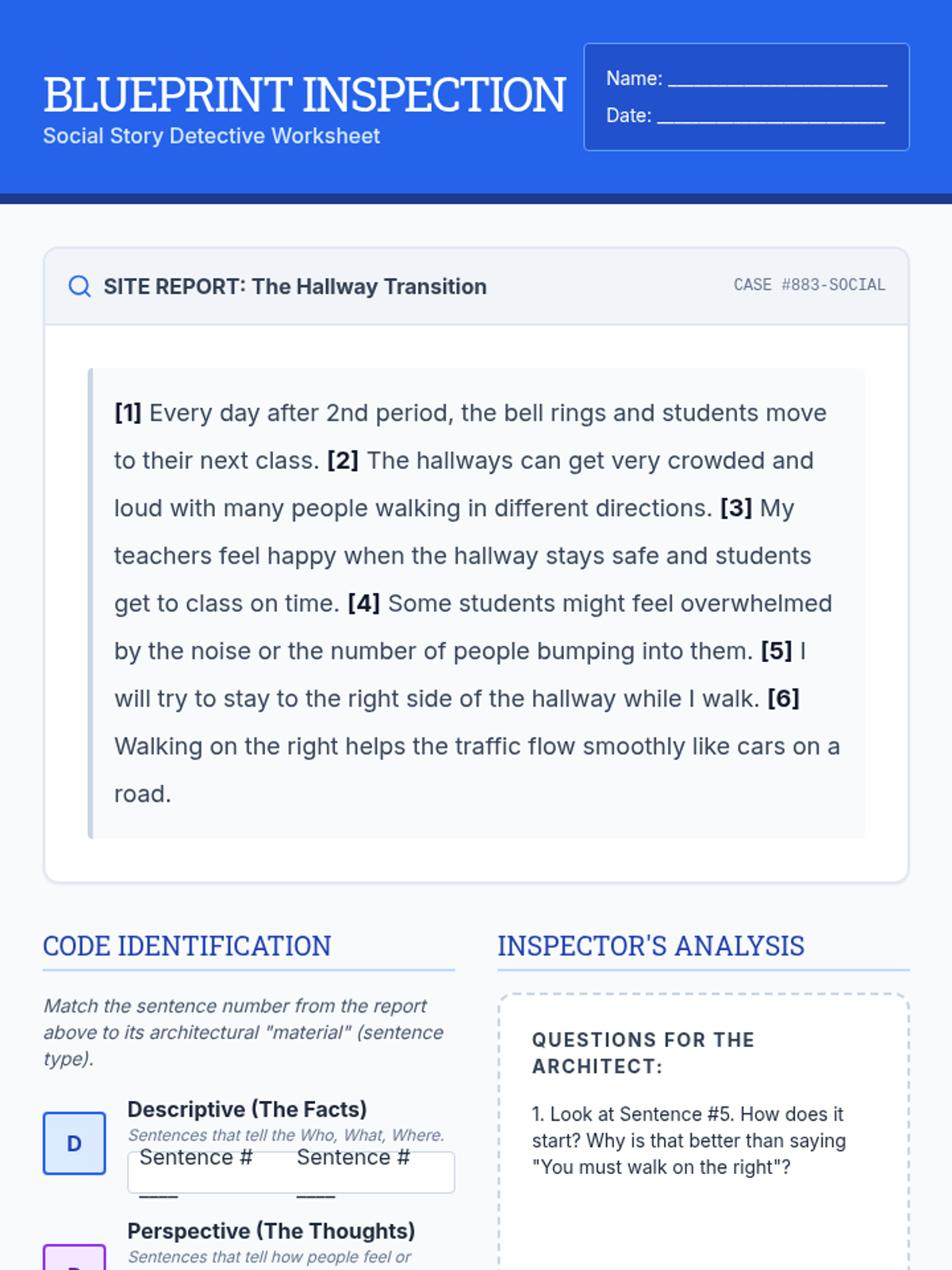
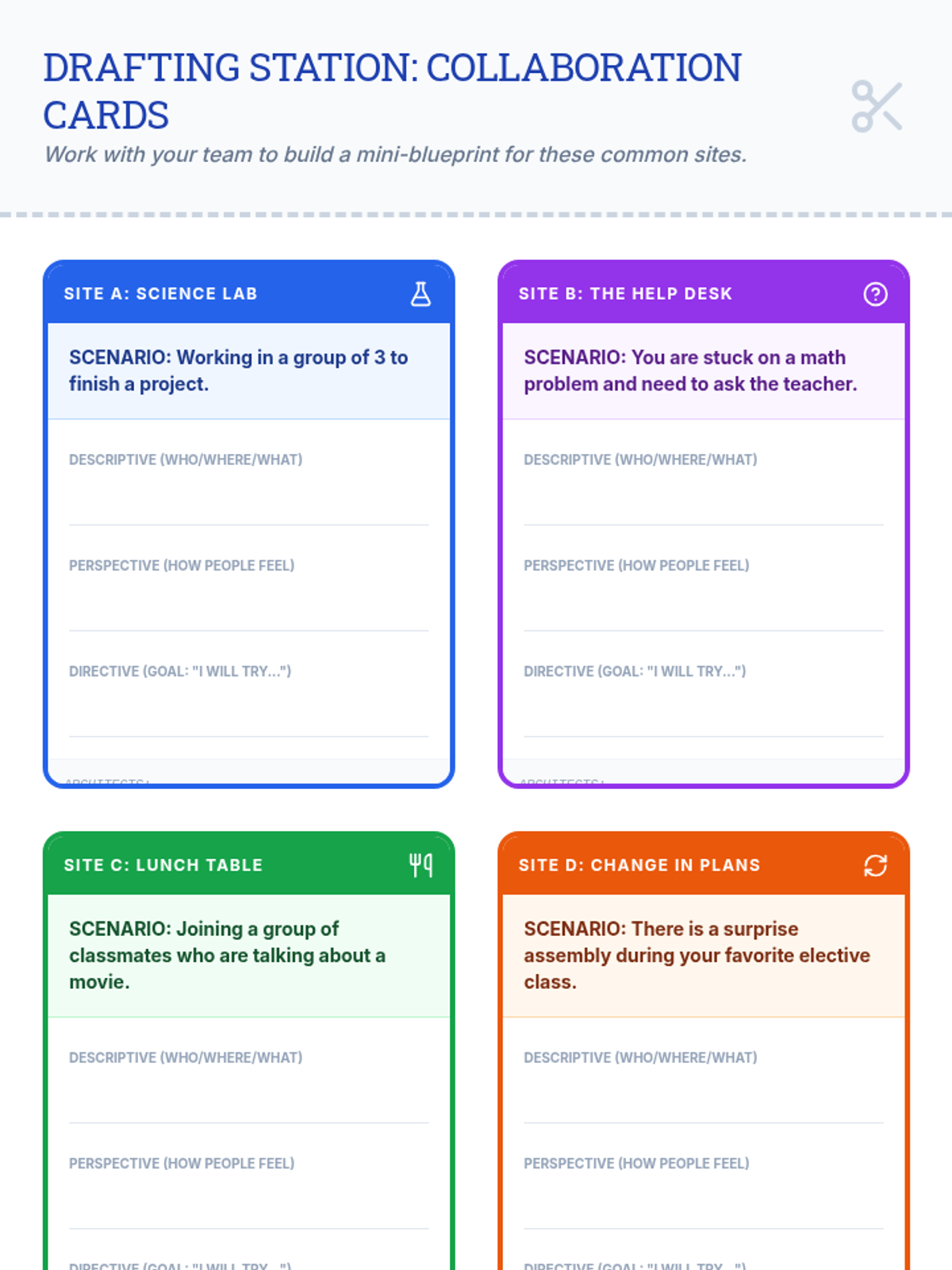
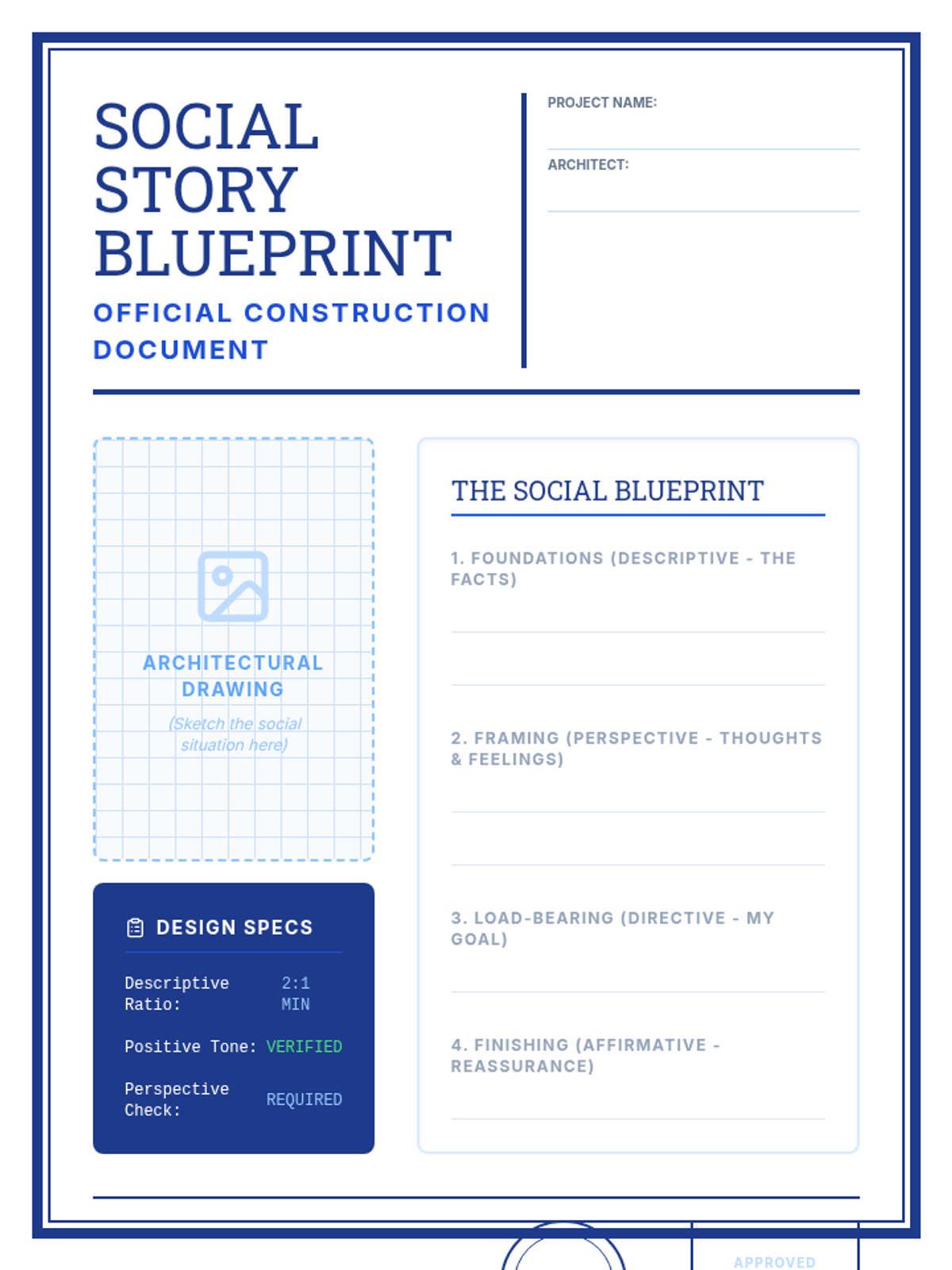
A structured lesson for 8th-grade special education students to learn the art of crafting social stories. Students will analyze examples, identify social cues, and build their own 'Blueprints for Success' to navigate social transitions and group interactions with confidence.
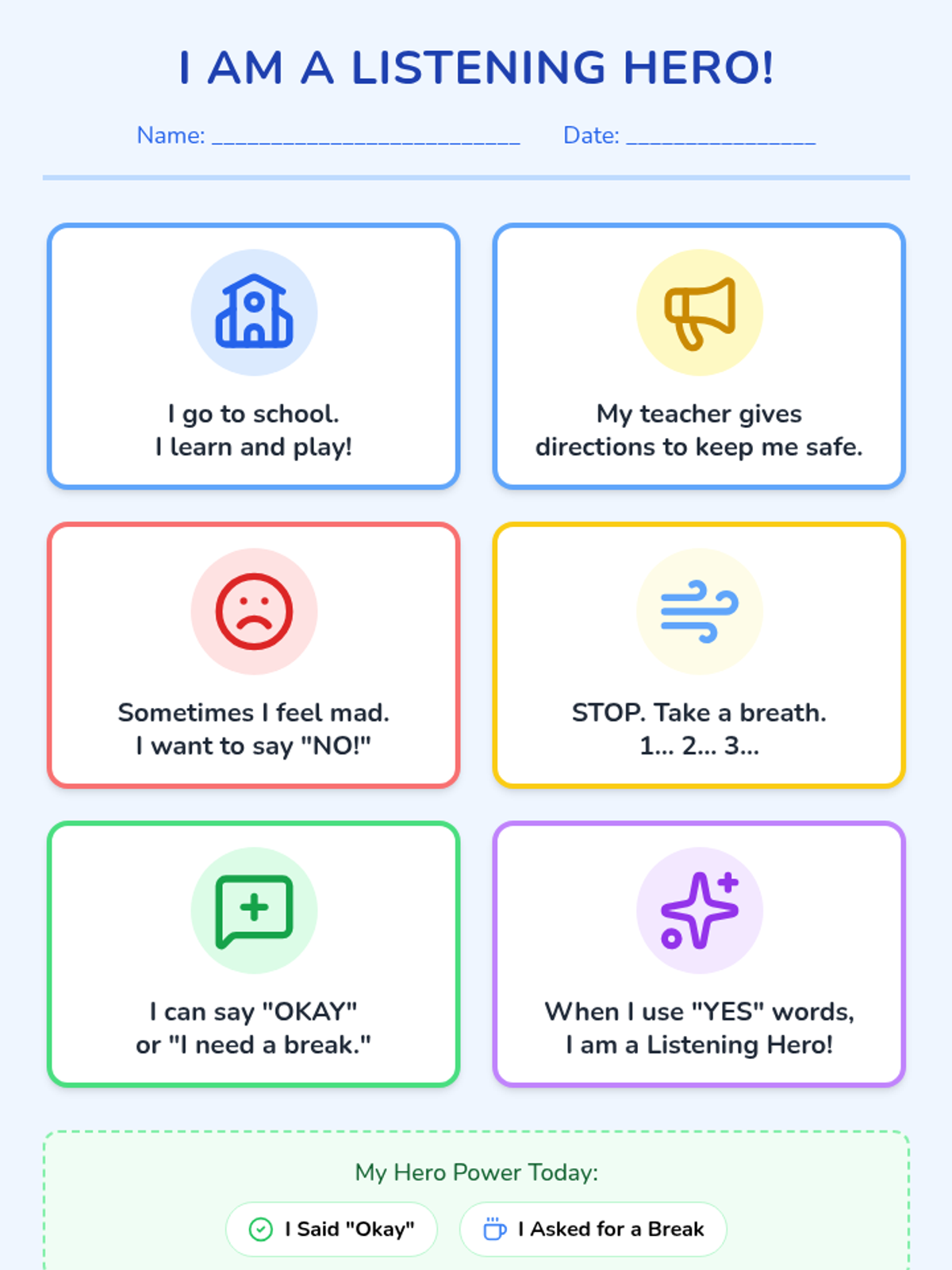
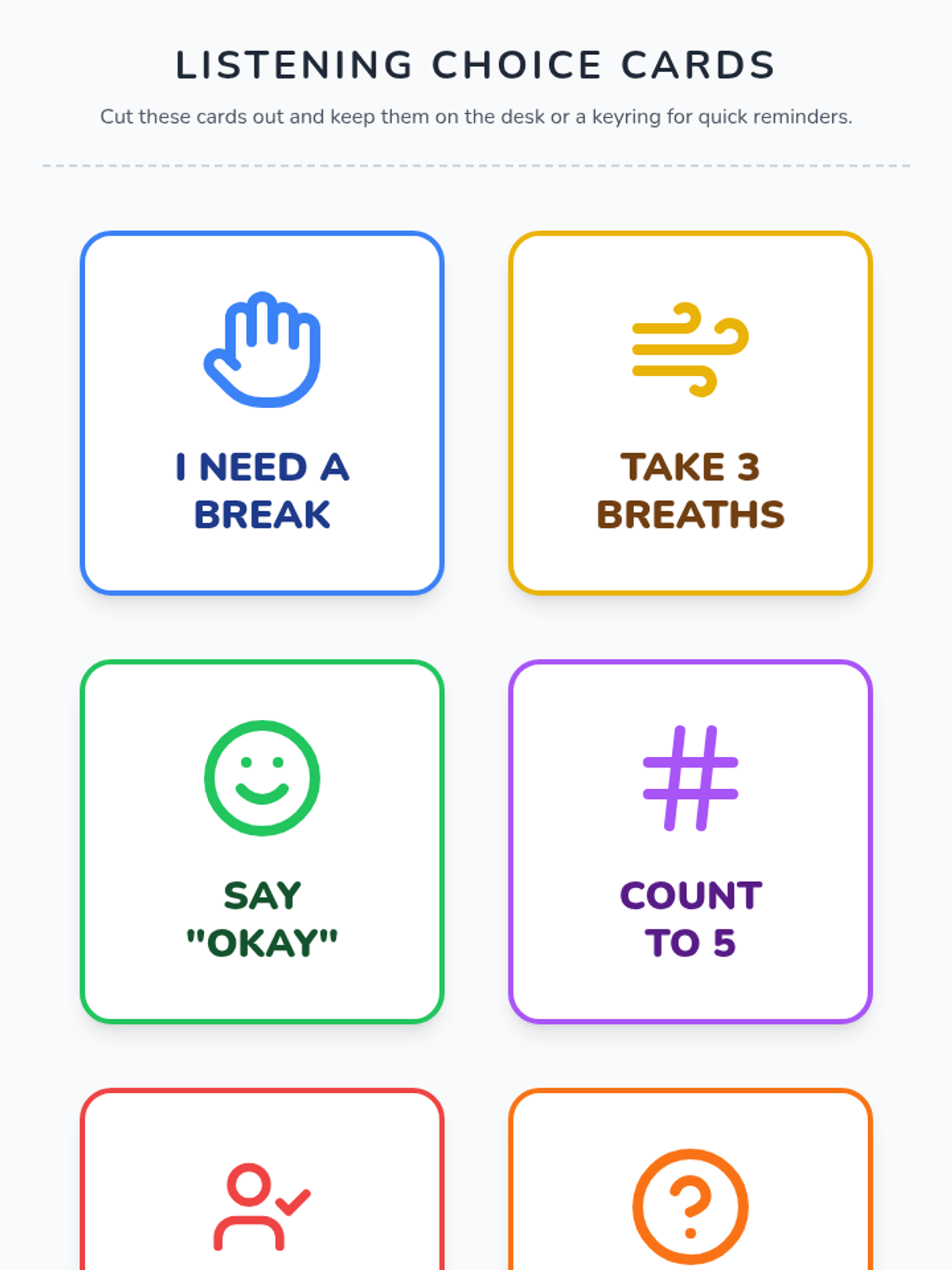
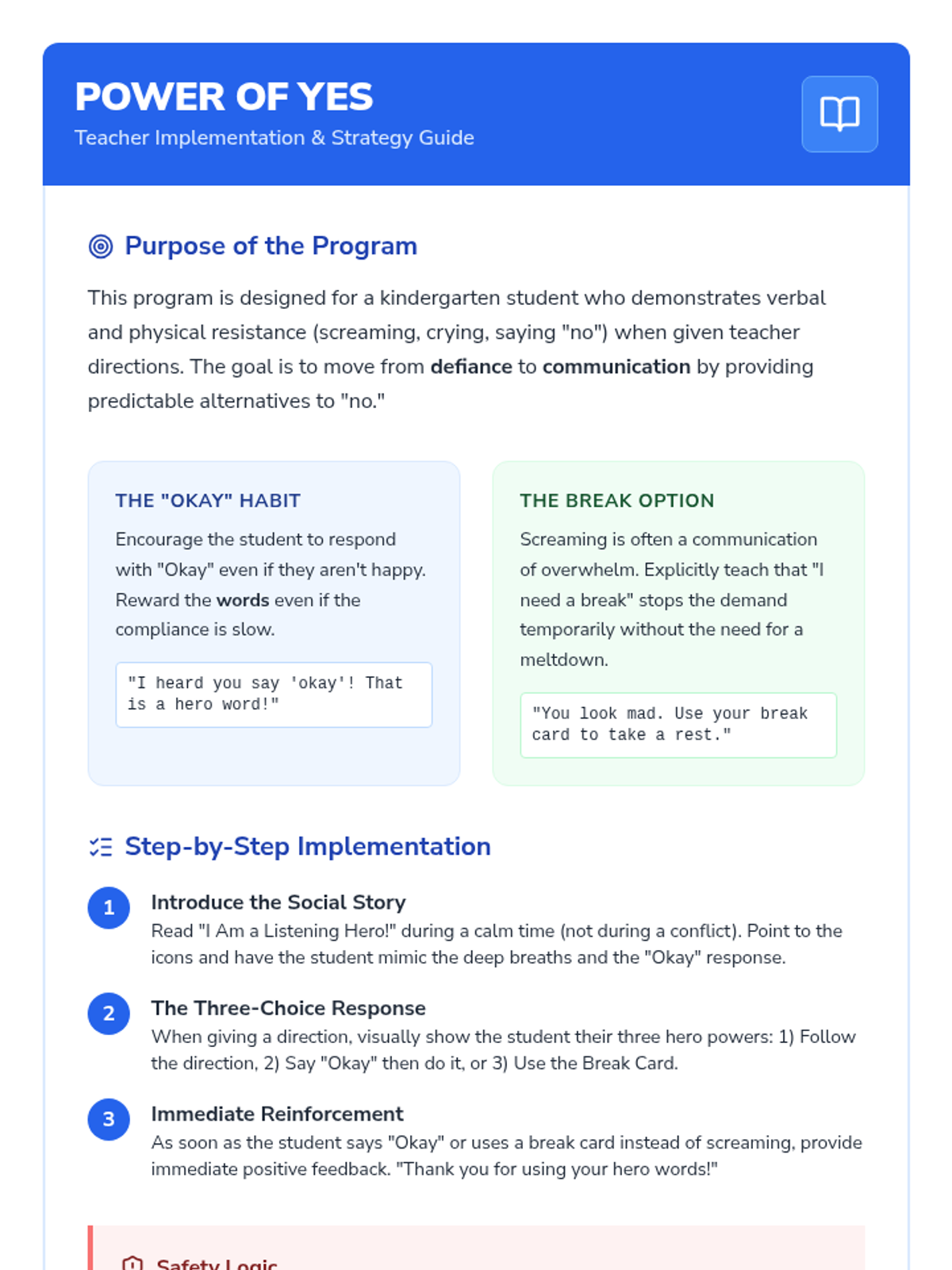
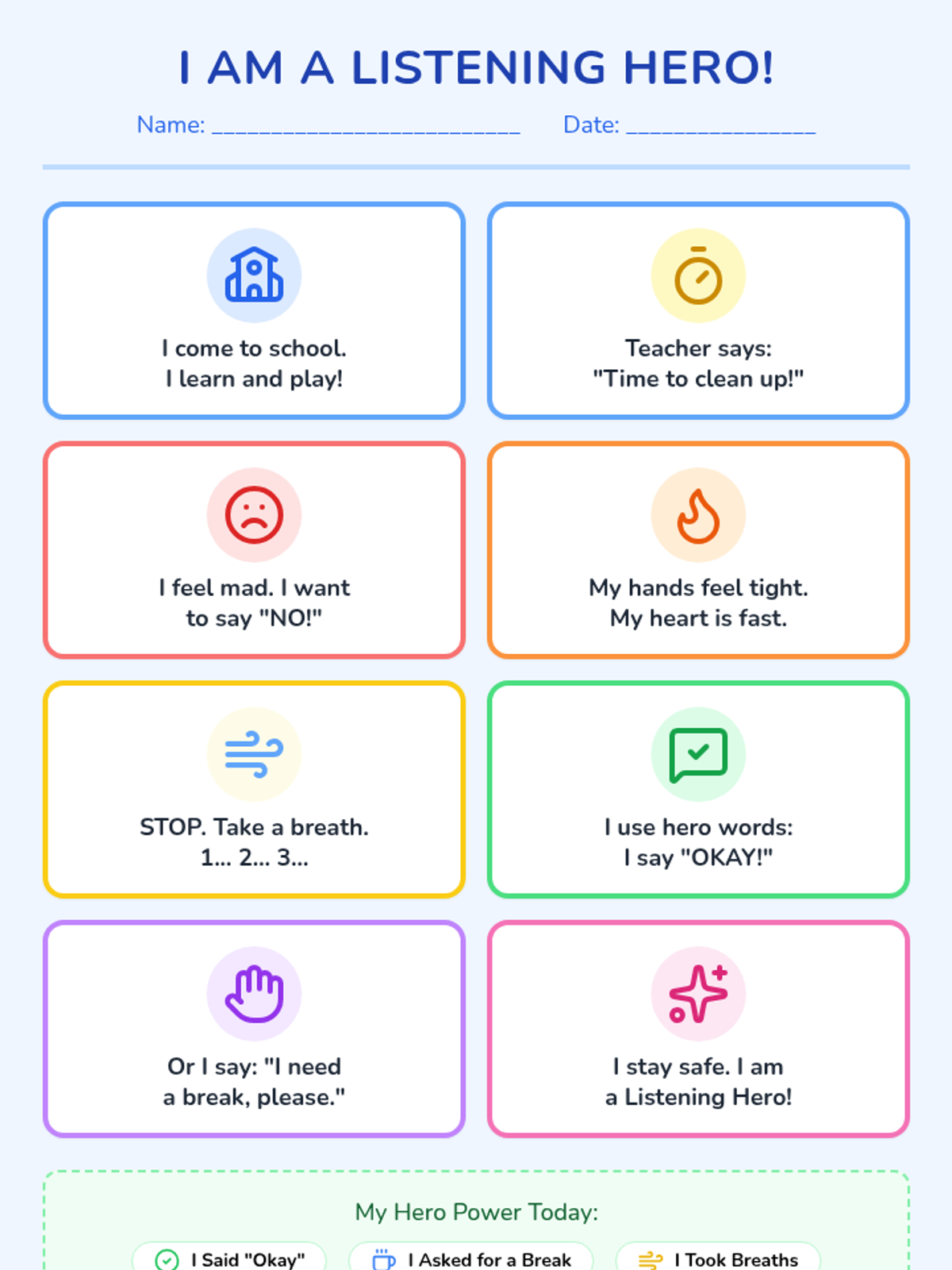
Focuses on teaching the student to replace 'no' with 'yes' or 'okay' words and how to use a break card when feeling overwhelmed.
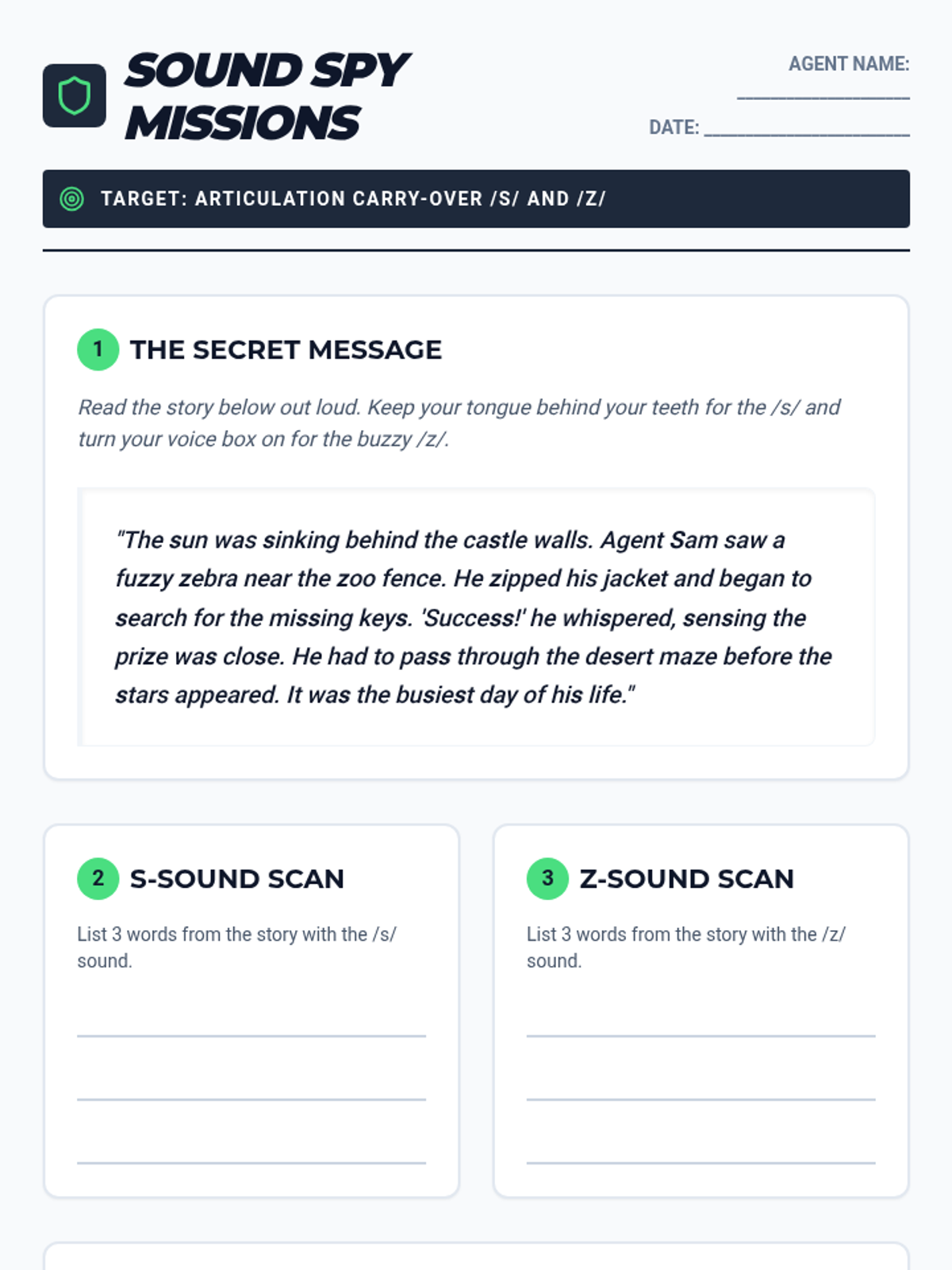
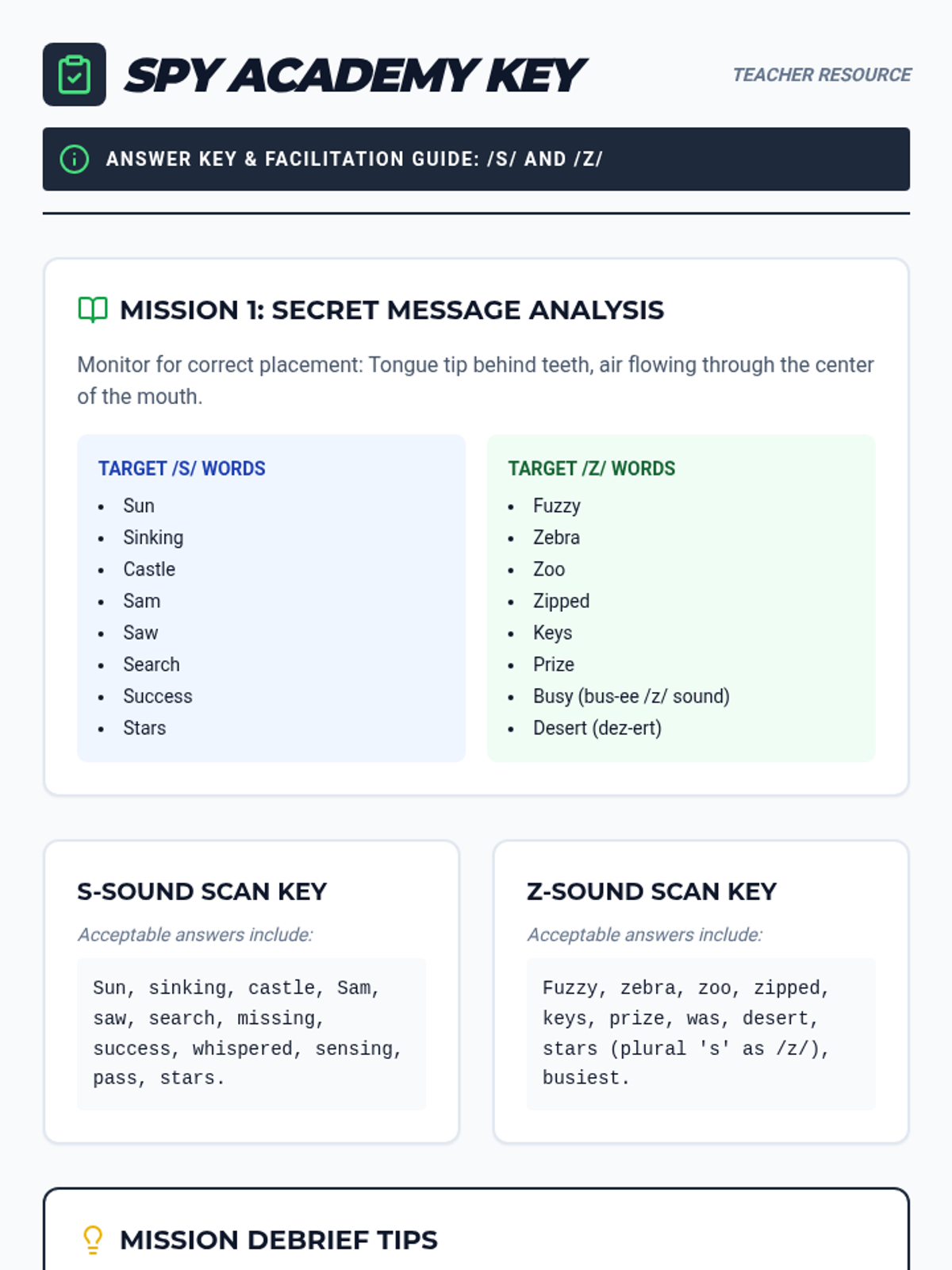
A collection of secret agent themed activities designed to help students master the /s/ and /z/ sounds in connected speech and conversation.
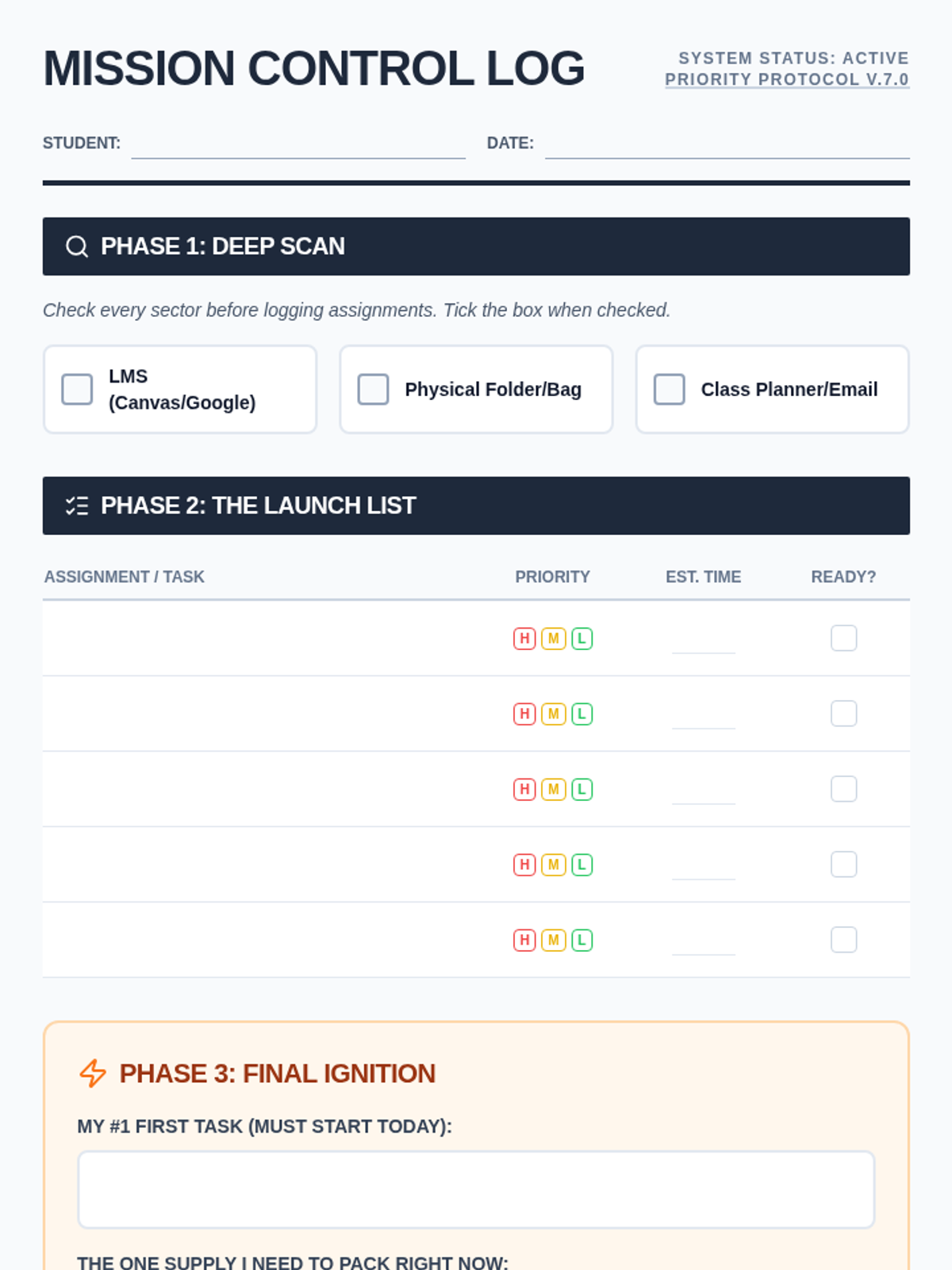
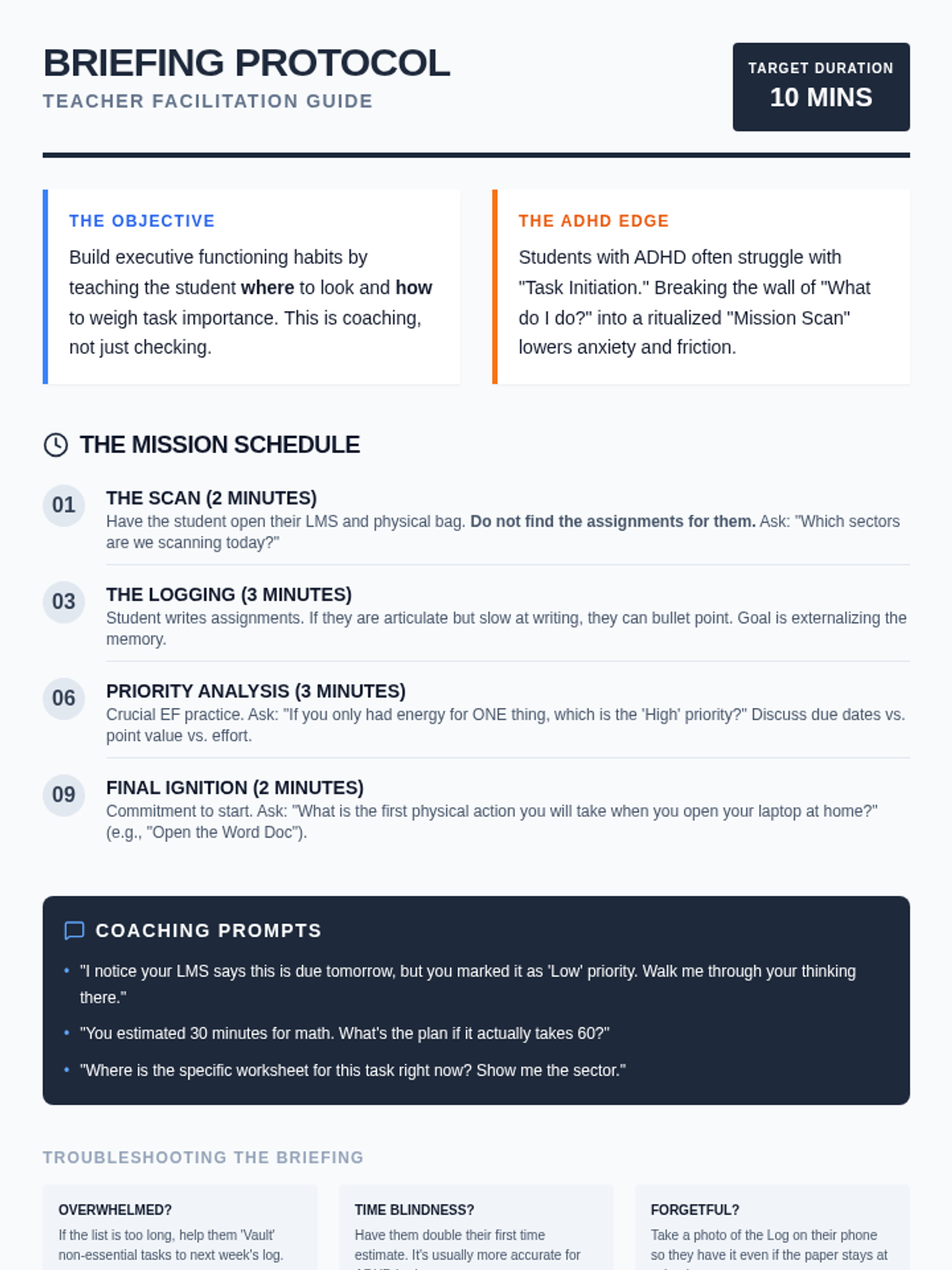
A high-impact, 10-minute organizational routine designed for 1-on-1 sessions with students who need executive functioning support to prioritize and track homework assignments.
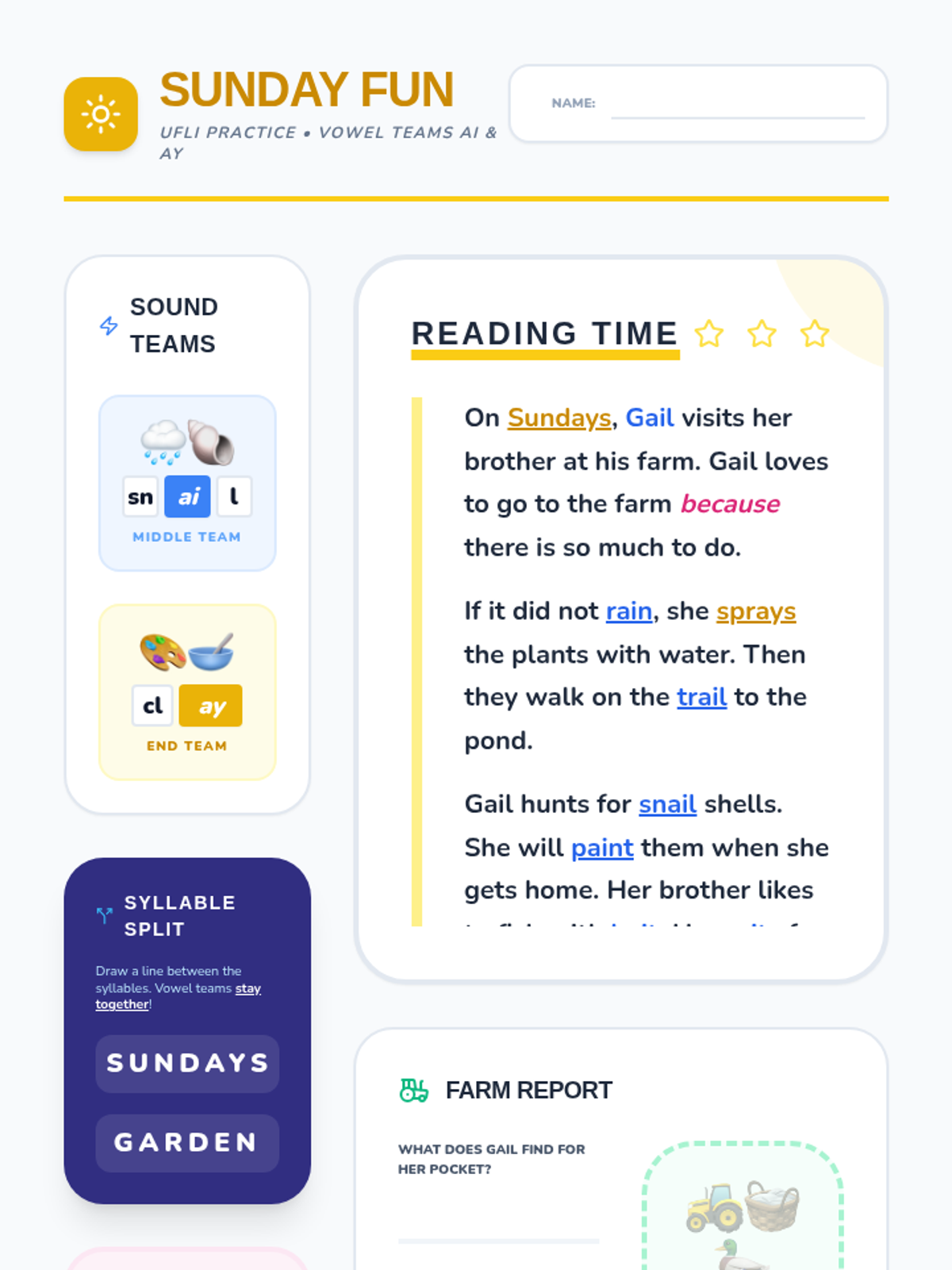
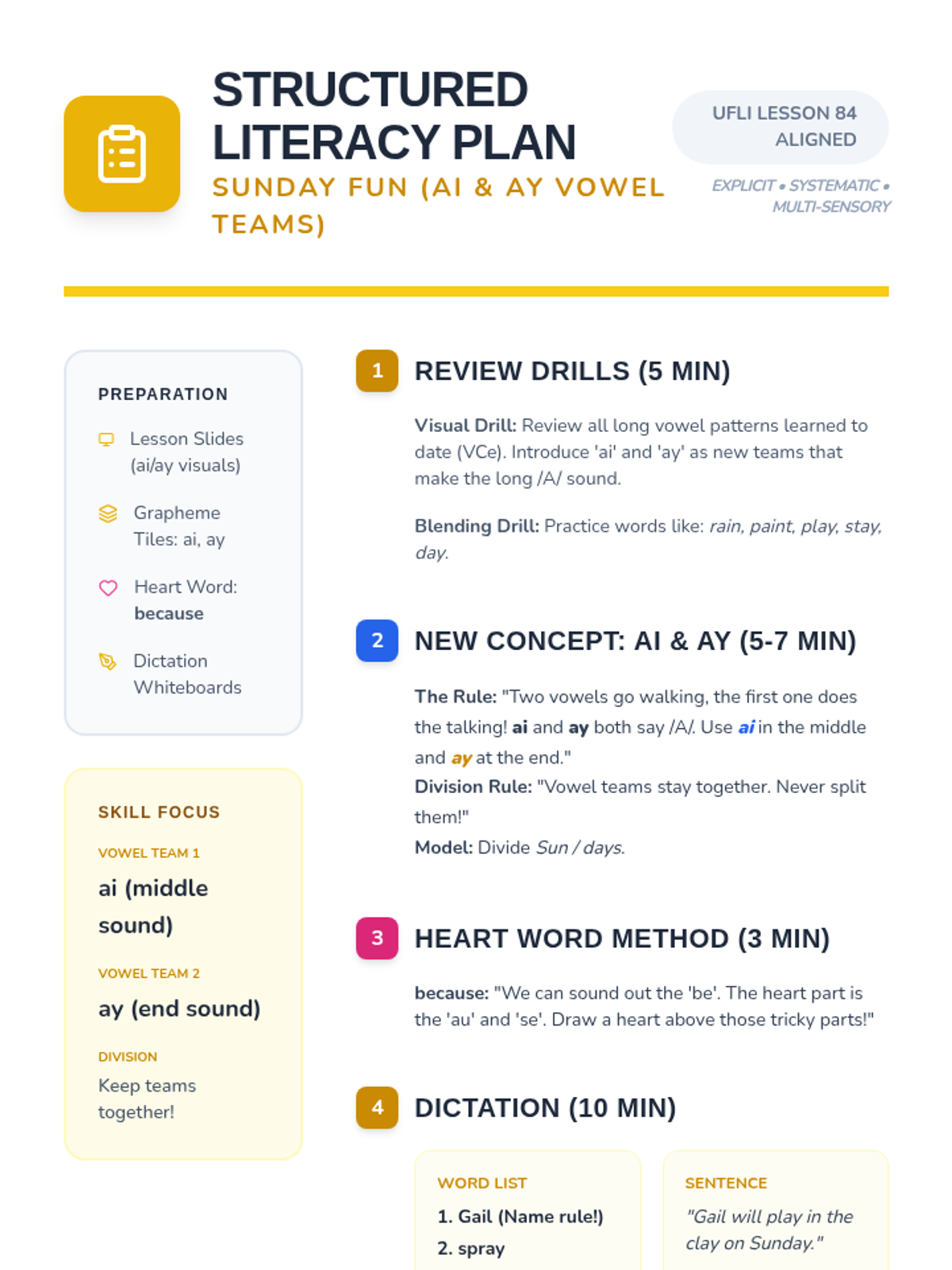
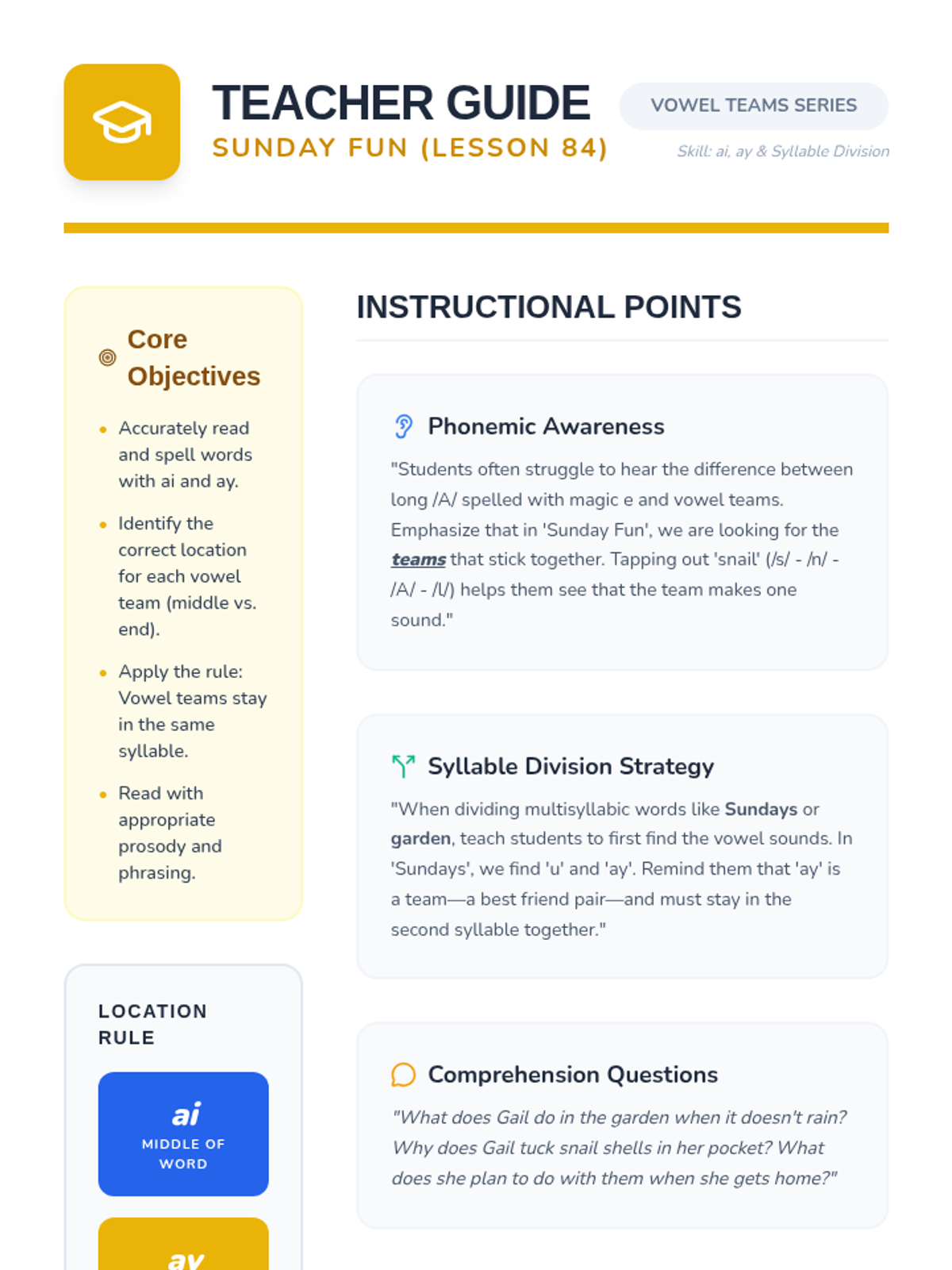
Focuses on the long 'a' vowel teams 'ai' and 'ay'. Students read about Gail's trip to her brother's farm on a Sunday, practicing words like 'trail', 'snail', 'spray', and 'clay' while learning syllable division rules for vowel teams.
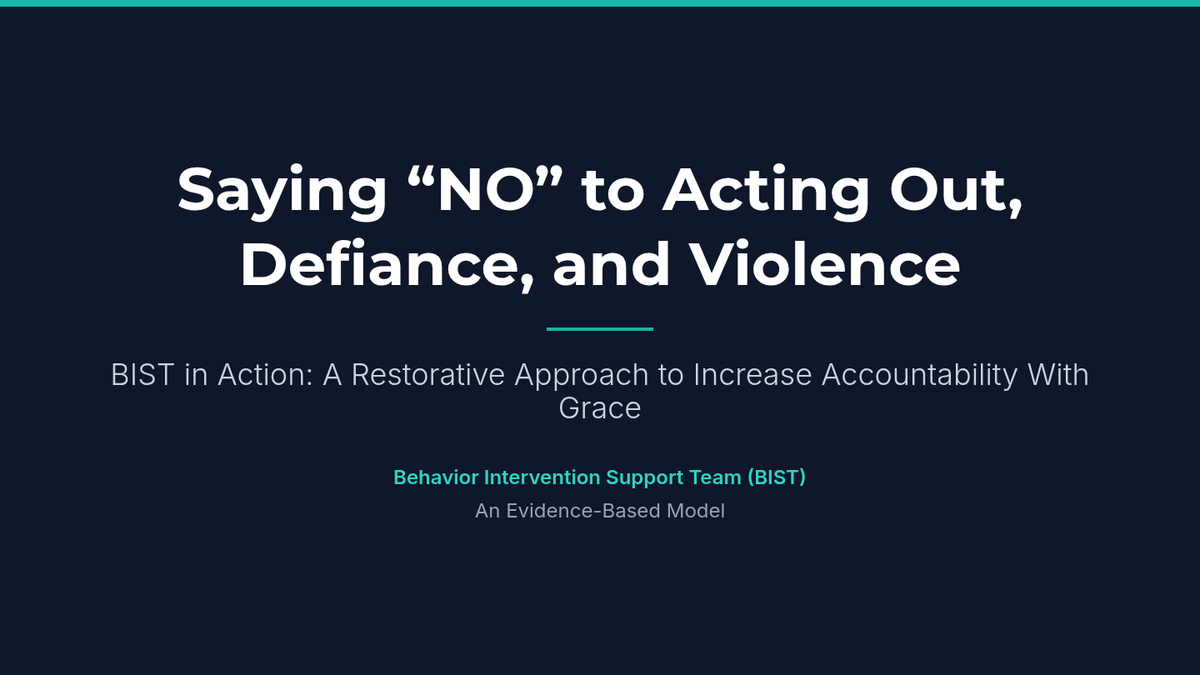
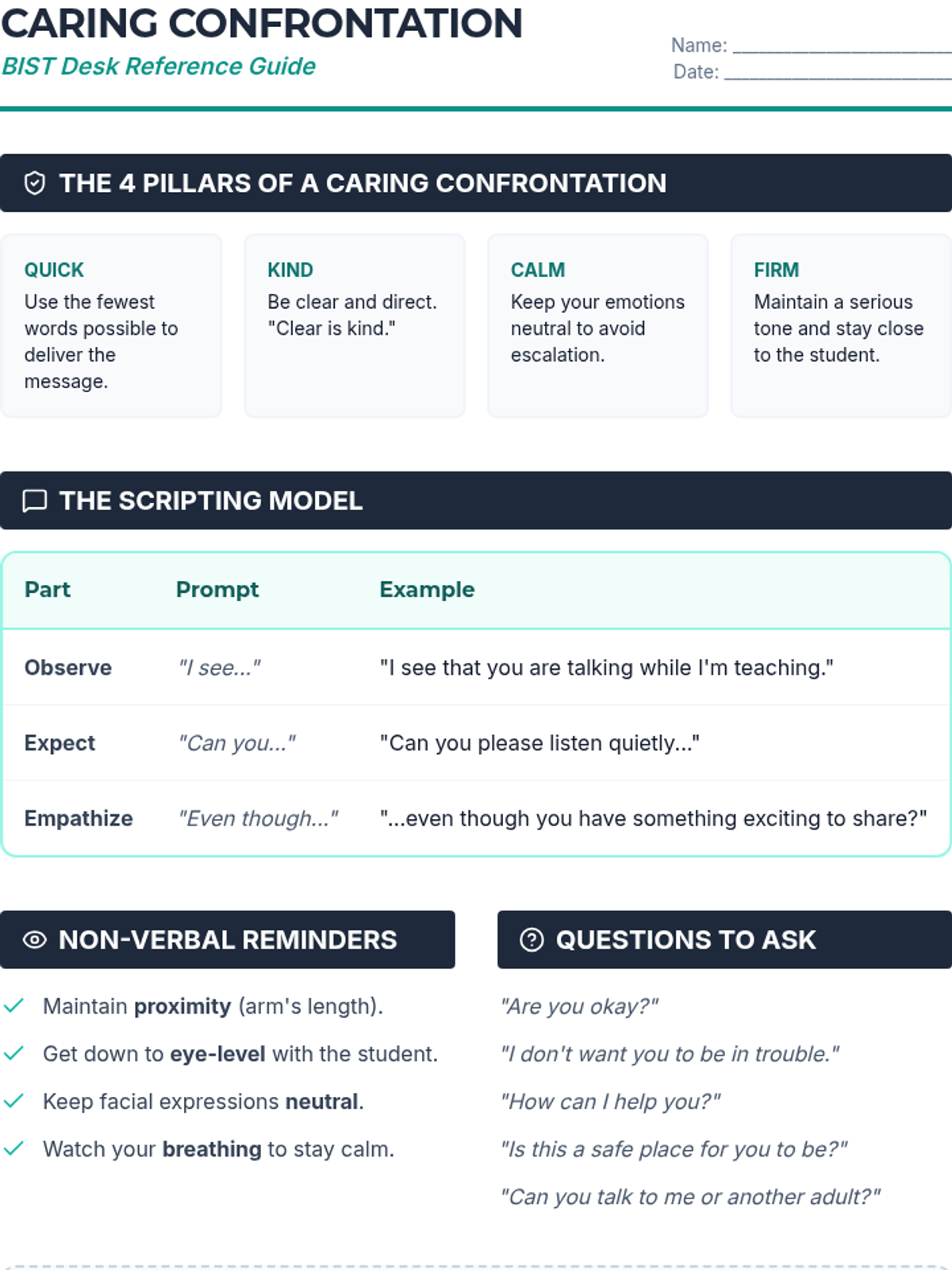
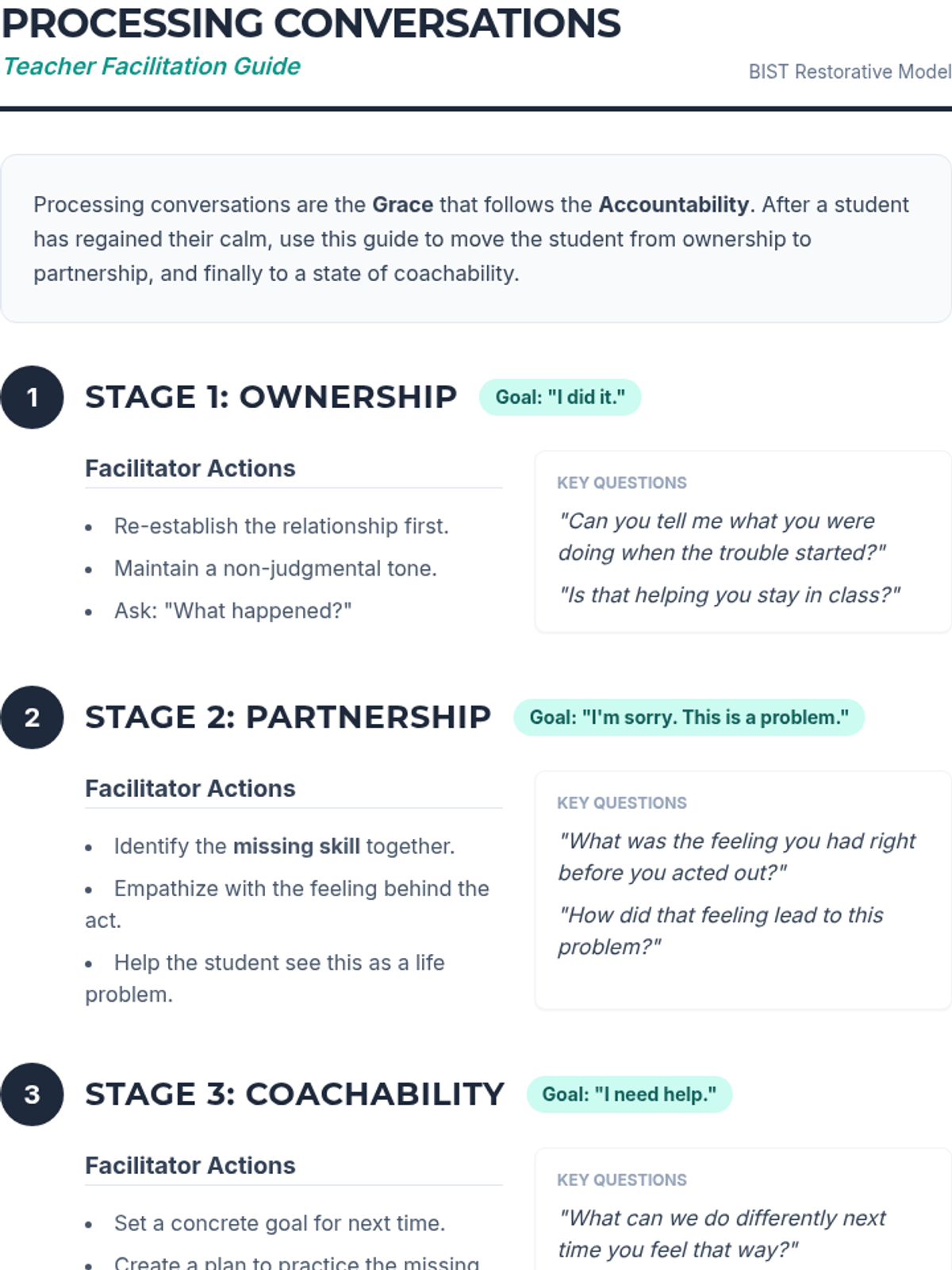
A comprehensive workshop presentation focusing on the BIST (Behavior Intervention Support Team) model, emphasizing a restorative approach that balances grace with accountability in schools.
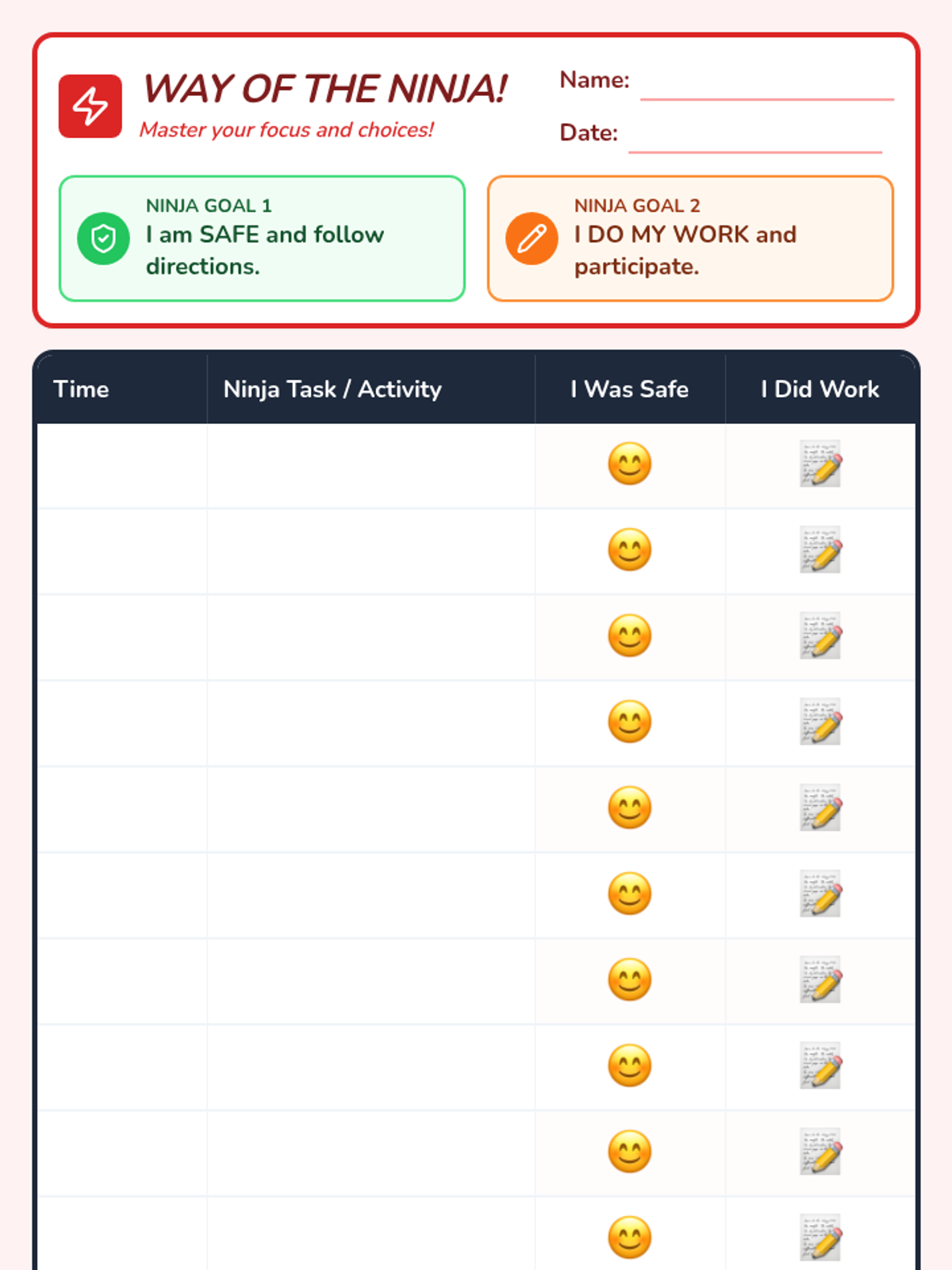
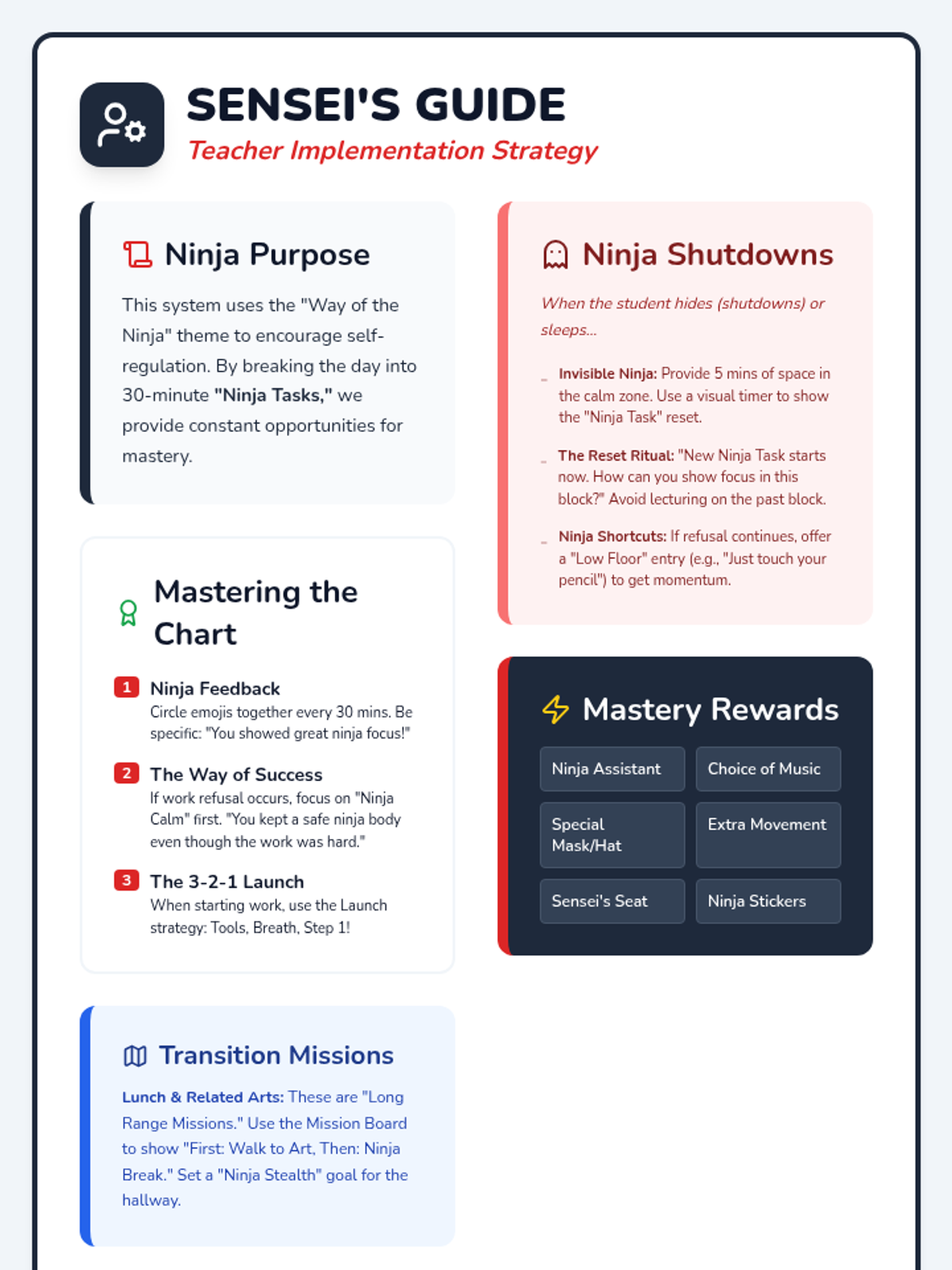
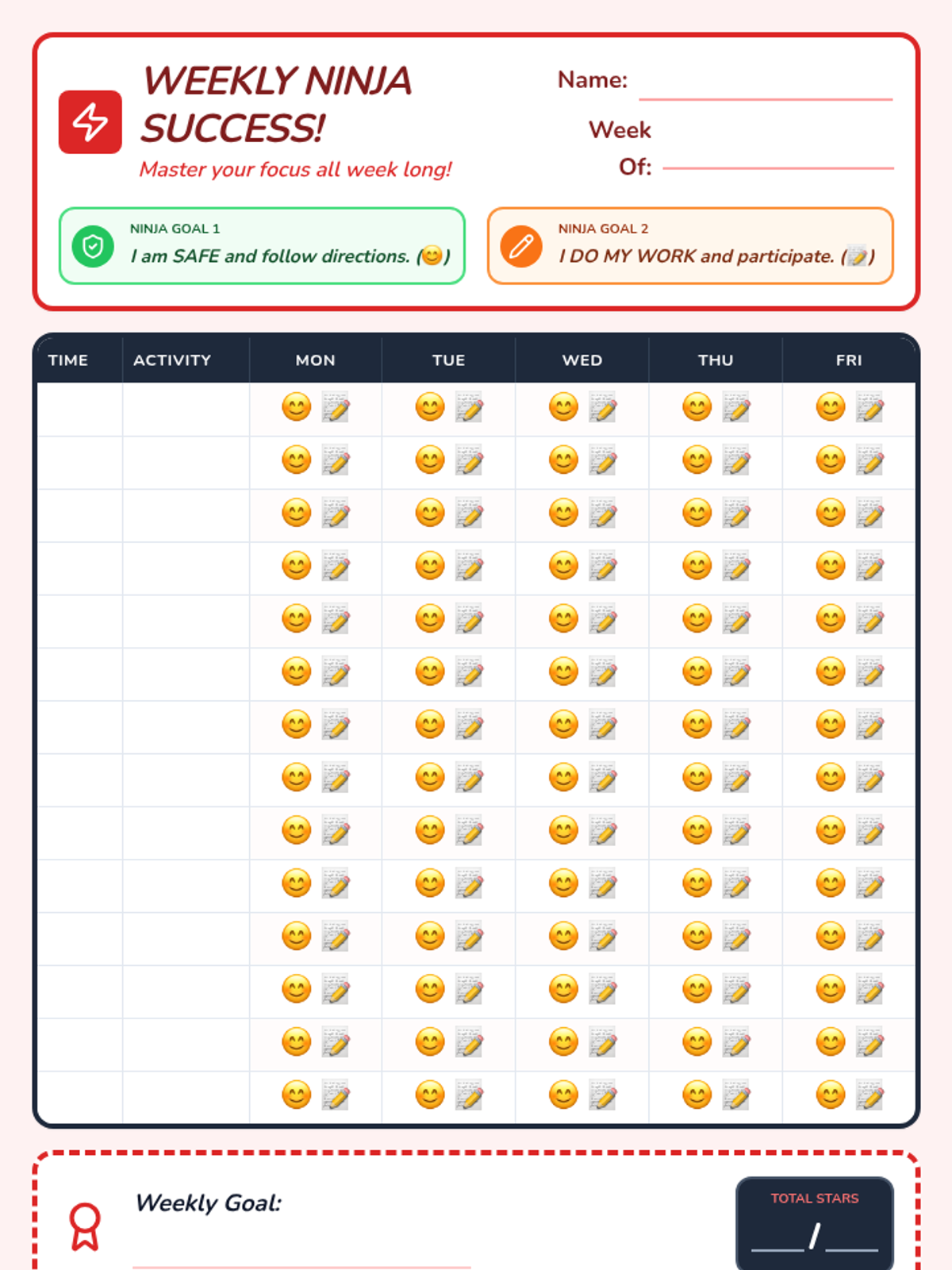
A comprehensive behavior tracking system designed for a 1st-grade student struggling with work refusal and transitions. The system uses a 30-minute incremental tracker, visual desk reminders, and a teacher implementation guide to foster safety and academic engagement.
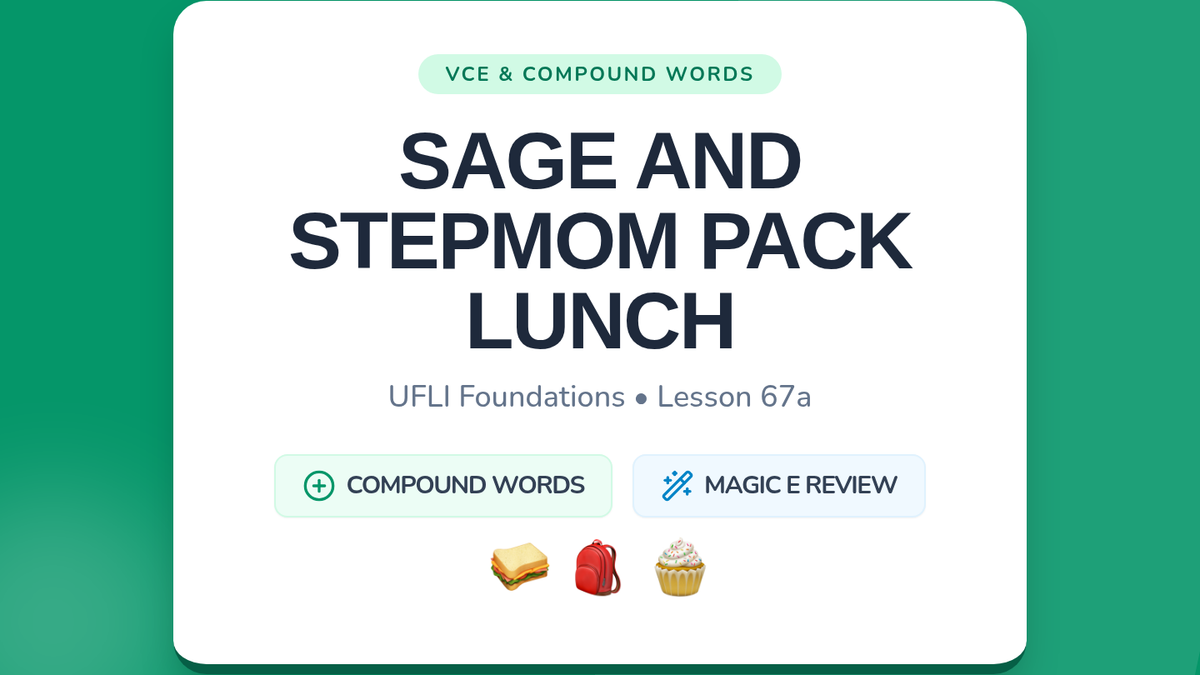
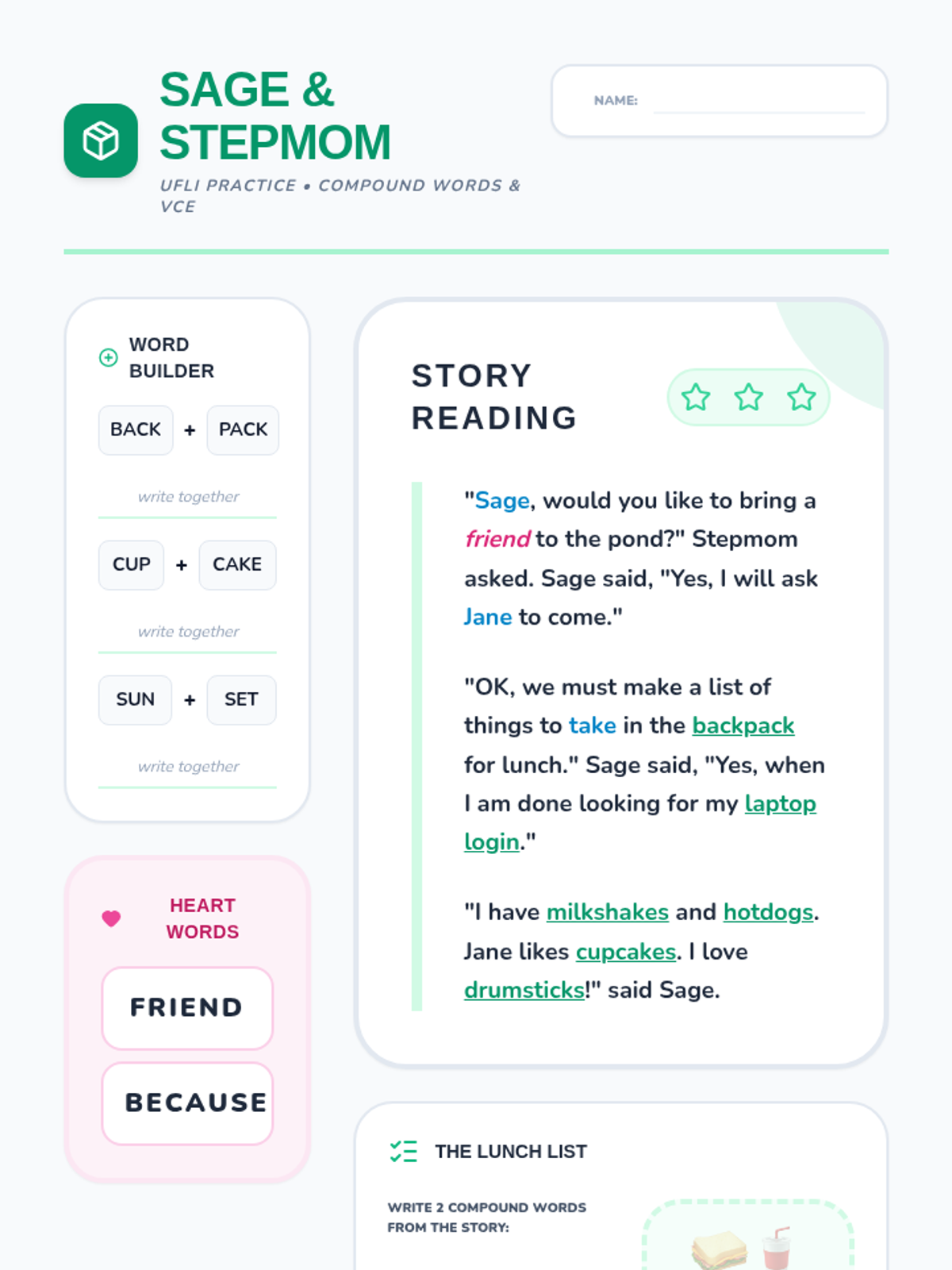
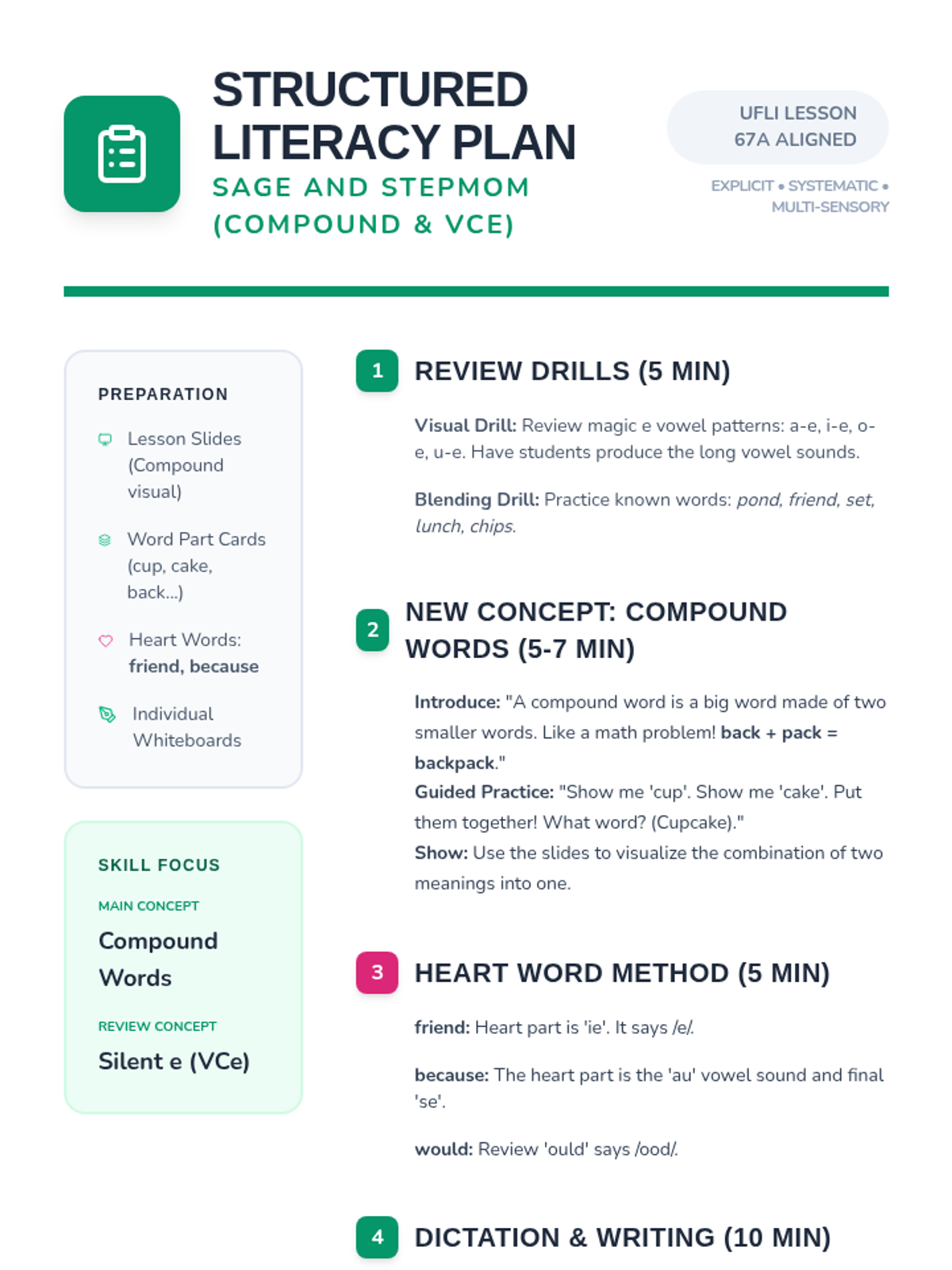
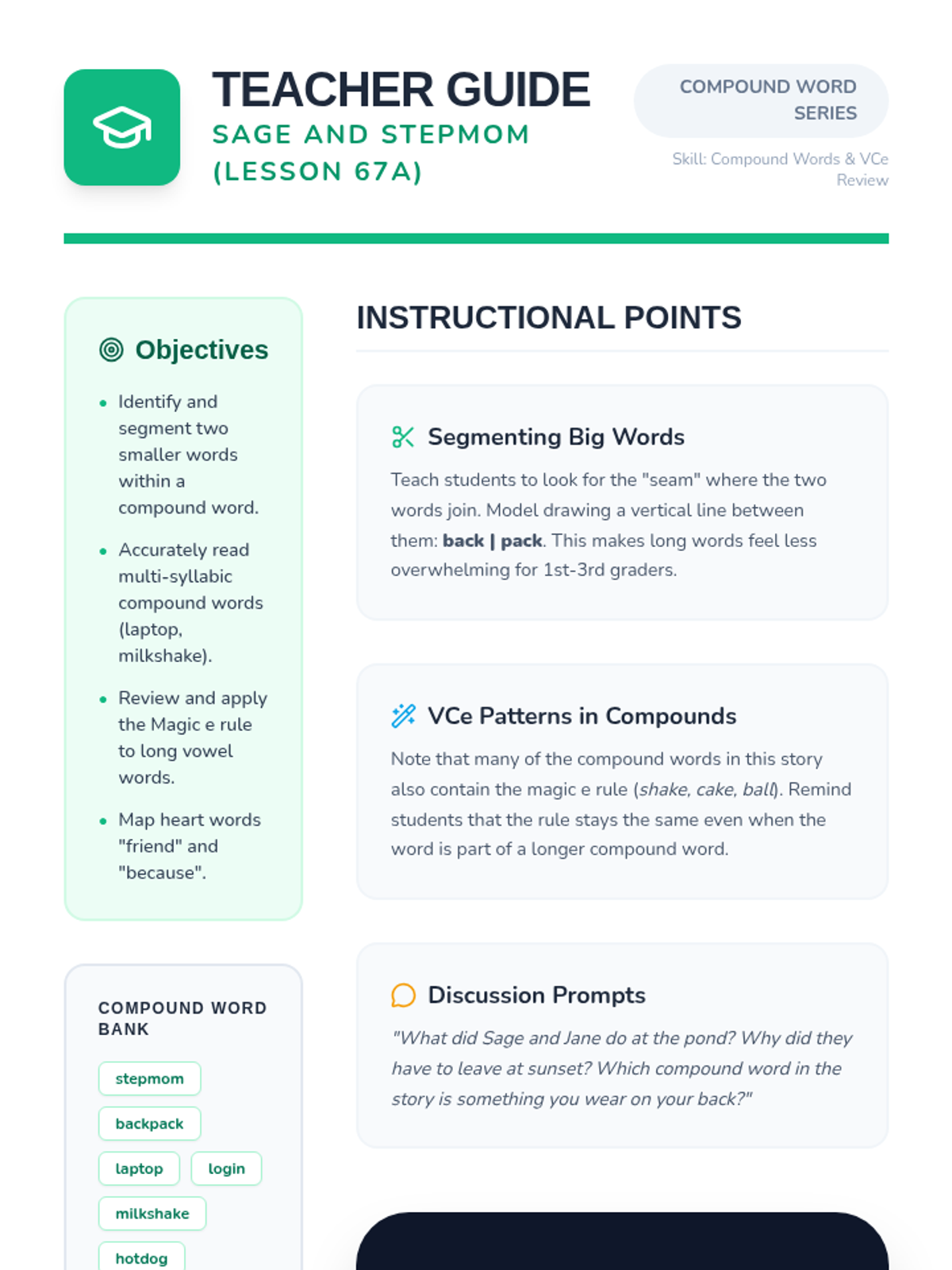
Focuses on compound words and a review of the silent 'e' (VCe) pattern. Students read about Sage and her stepmom packing a lunch for a trip to the pond, practicing words like 'backpack', 'laptop', 'milkshakes', and 'cupcakes'.
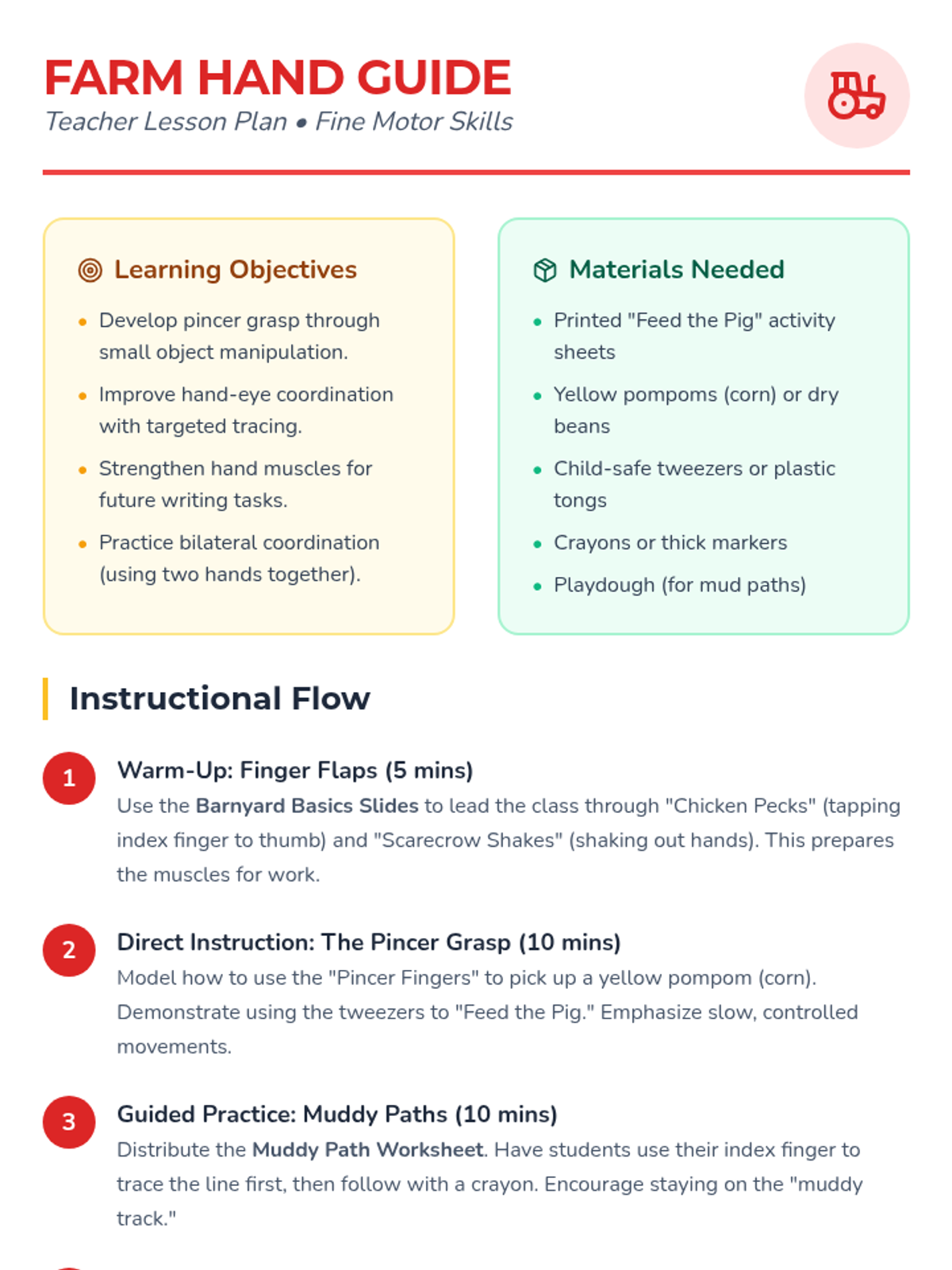
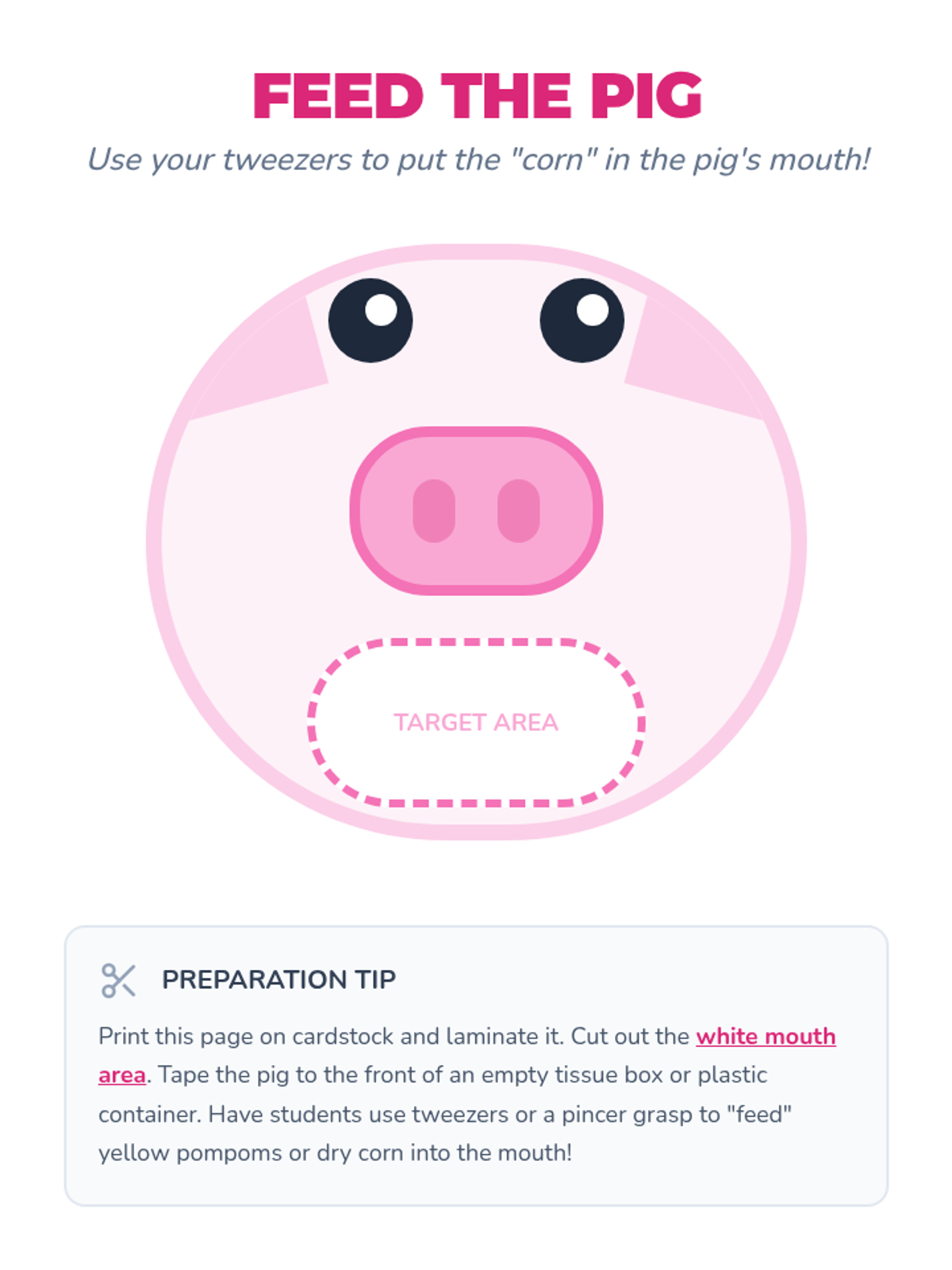
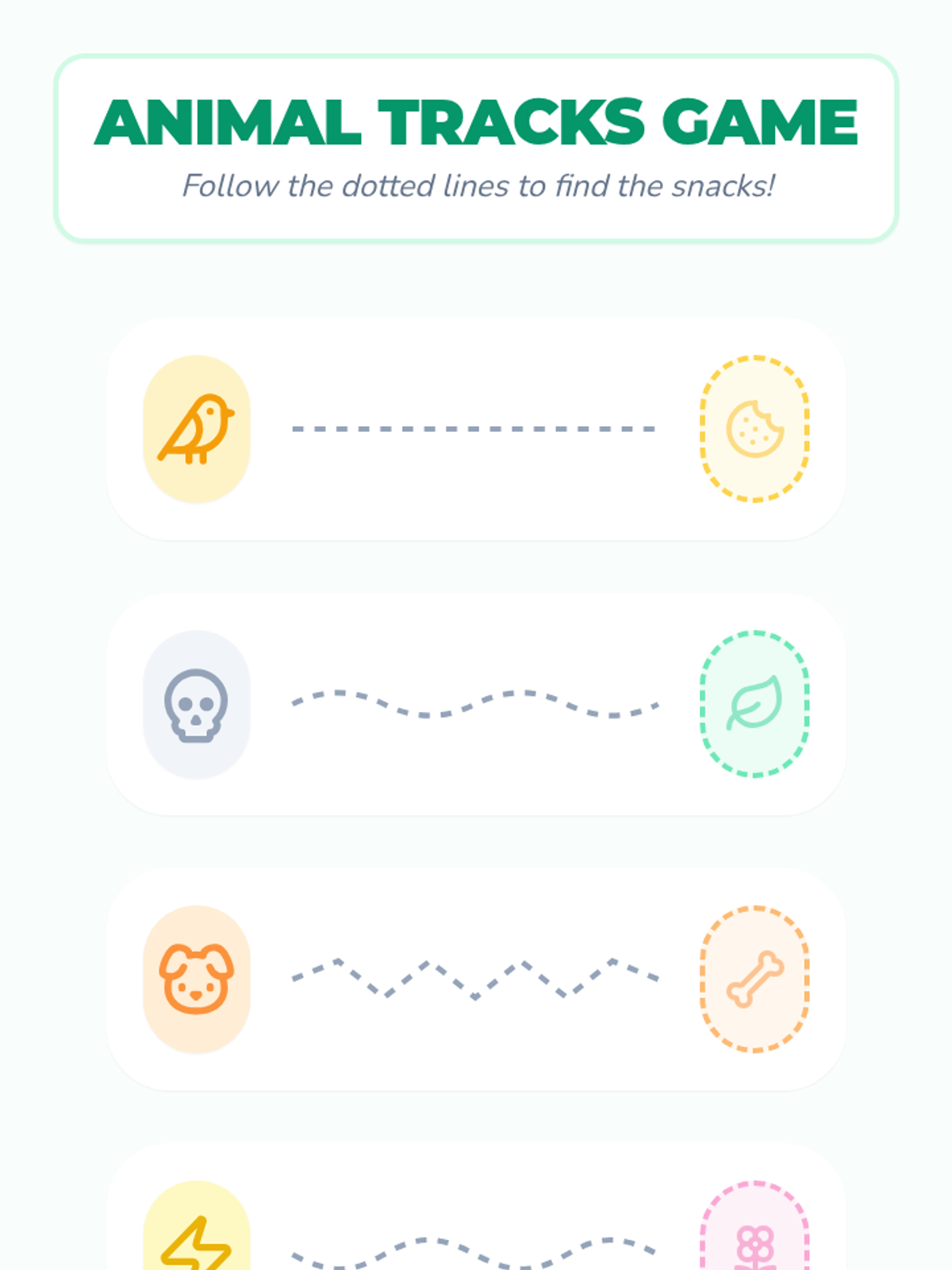
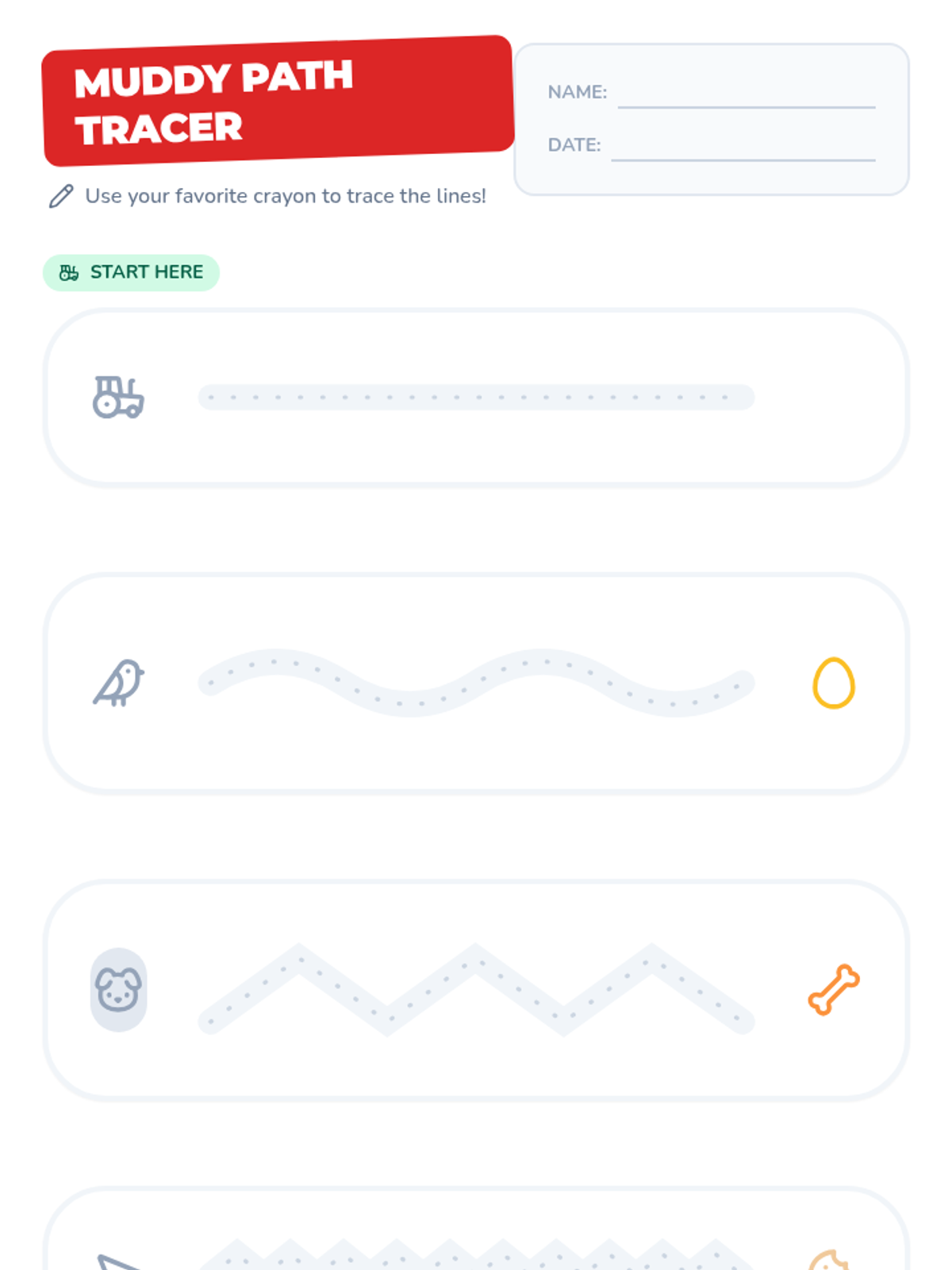
A comprehensive set of farm-themed activities designed to strengthen fine motor skills in Pre-K special education students through tactile play, tracing, and manipulation.
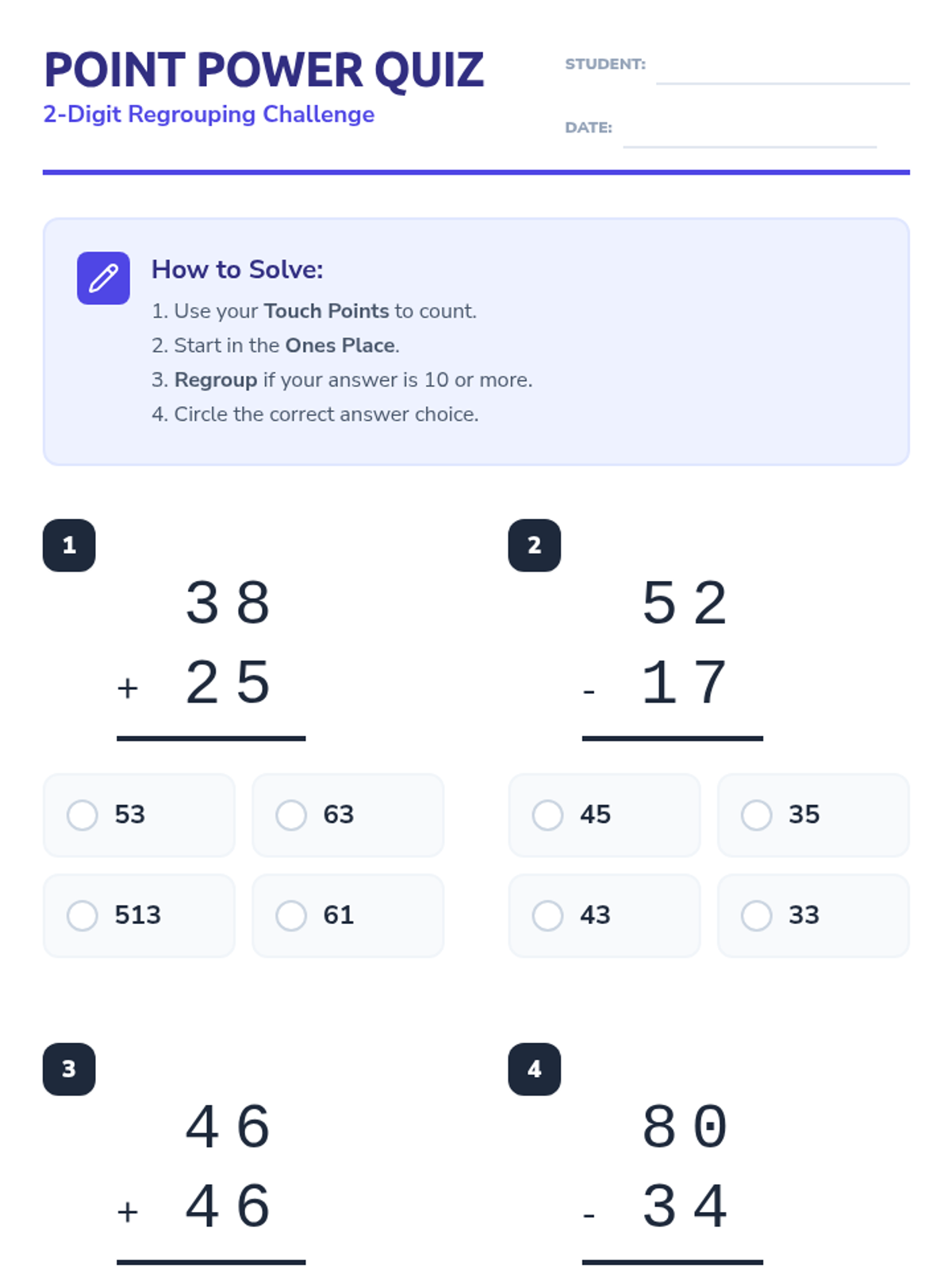
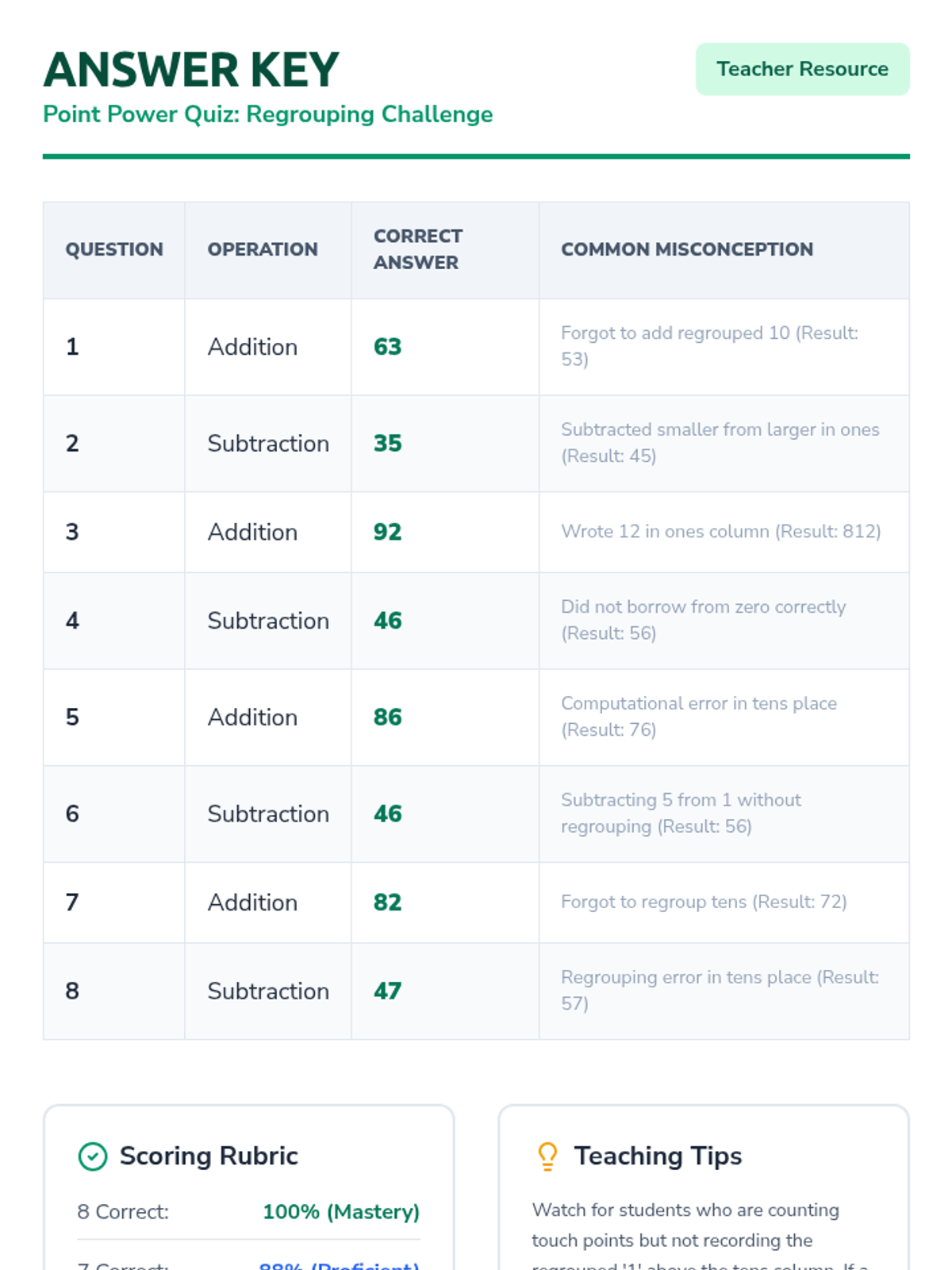
Mastering two-digit addition and subtraction with regrouping using the Touch Math method. Students will identify touch points and apply them to complex multi-digit problems.
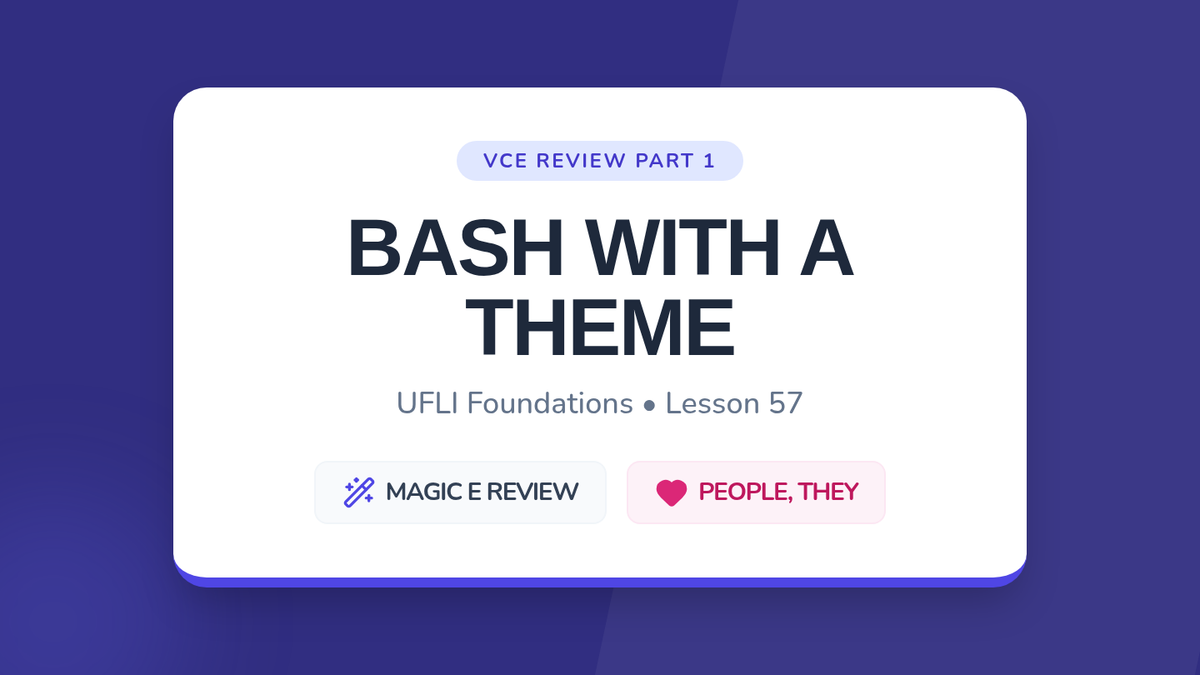
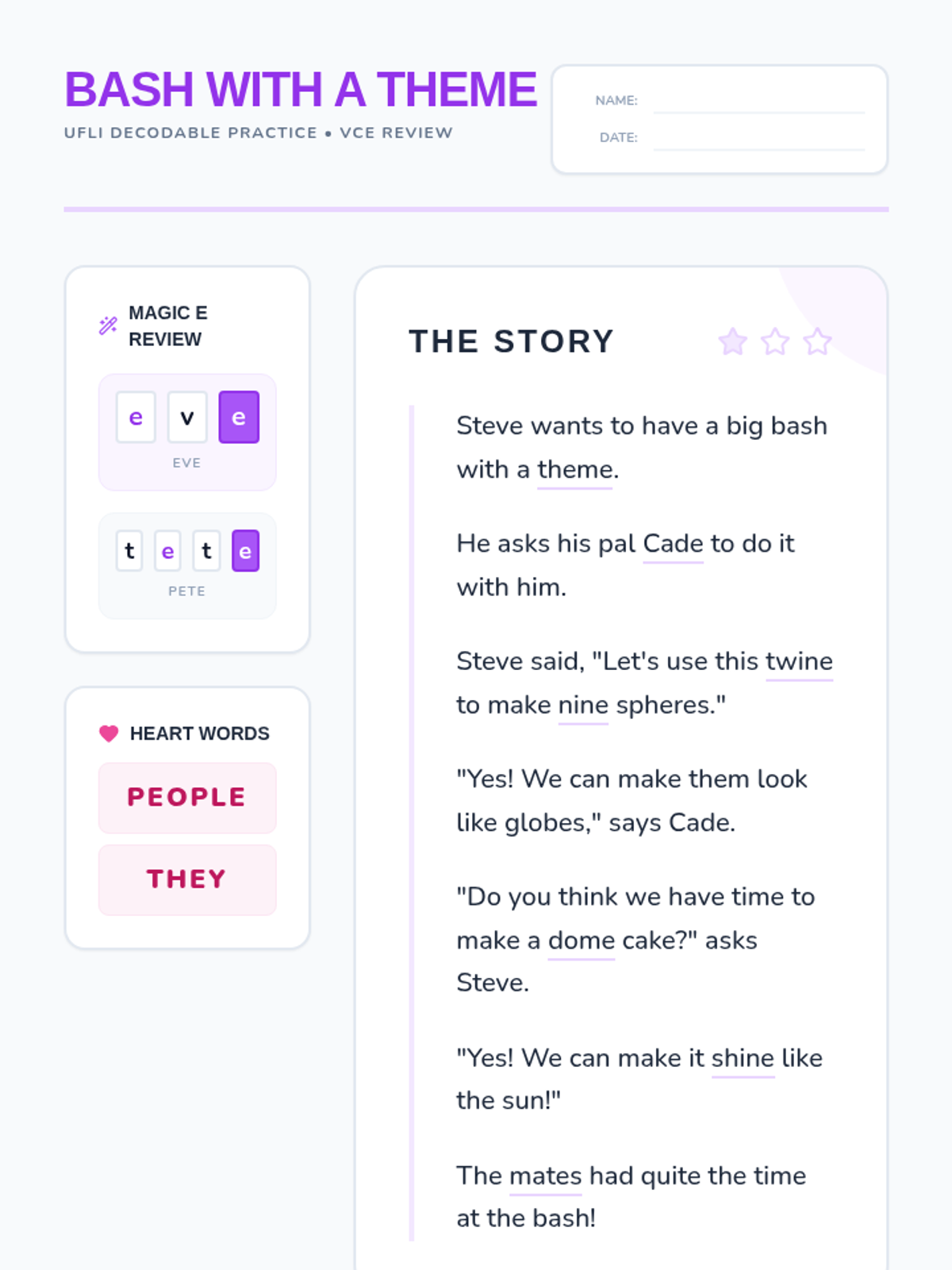
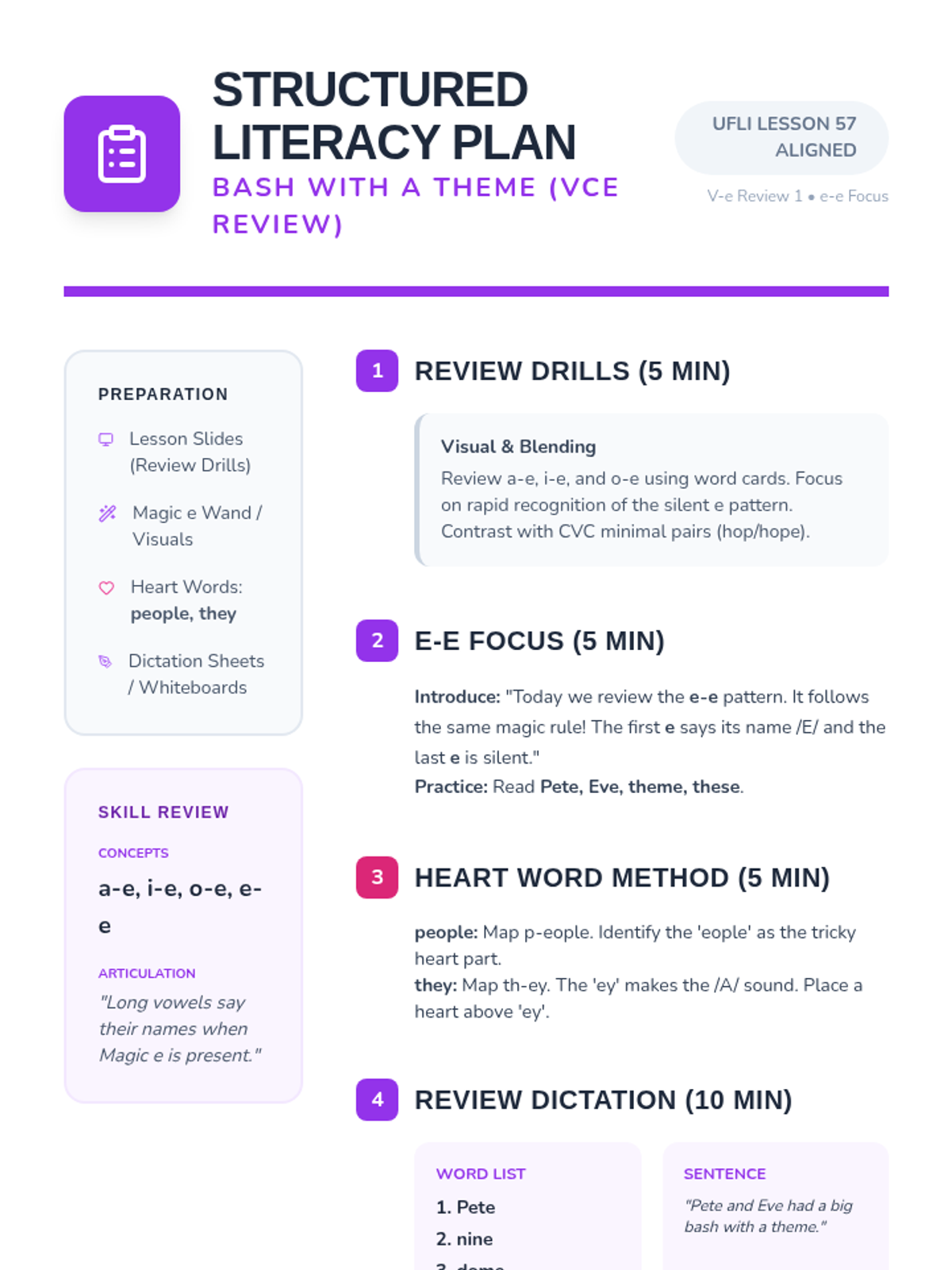
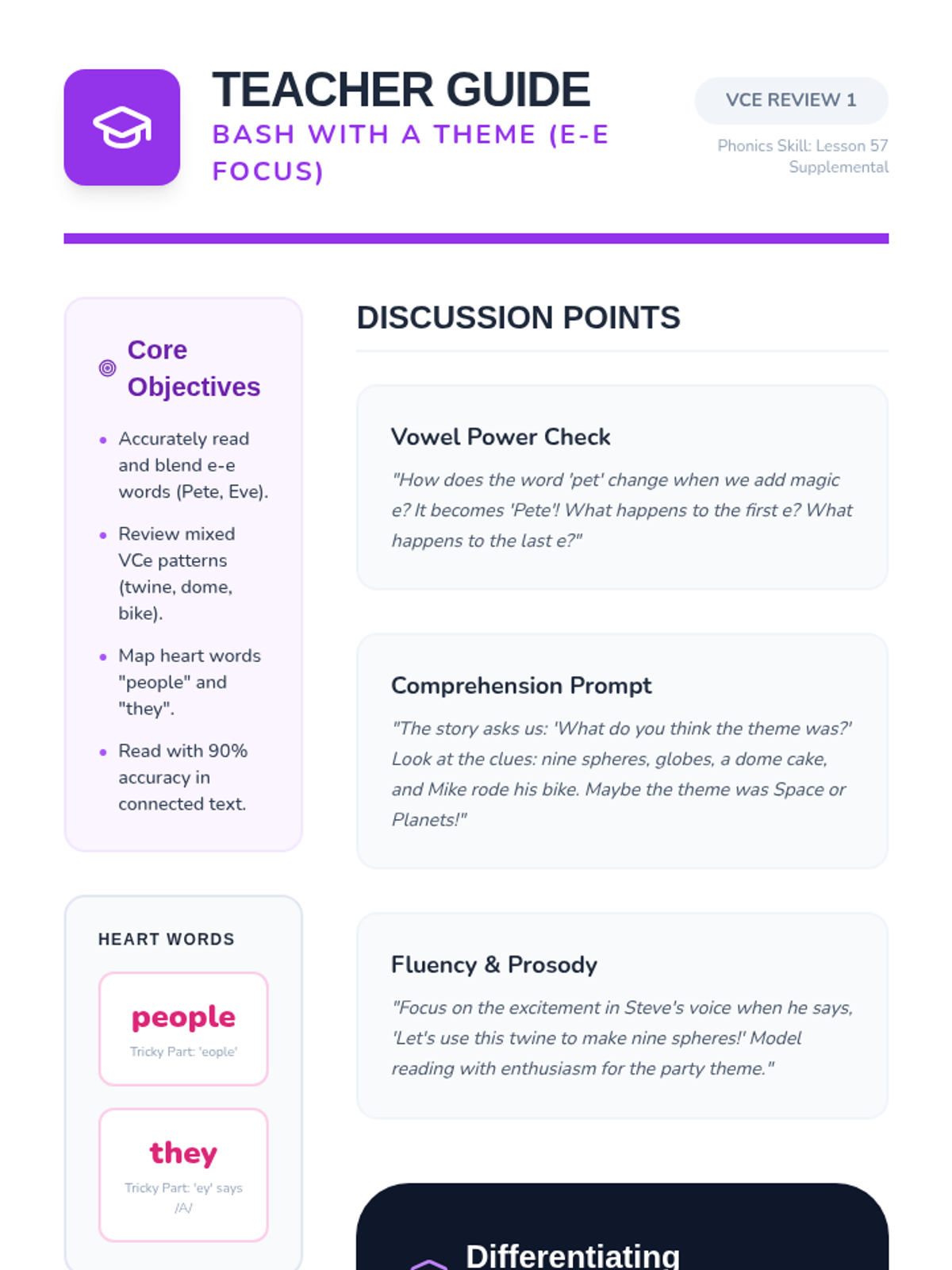
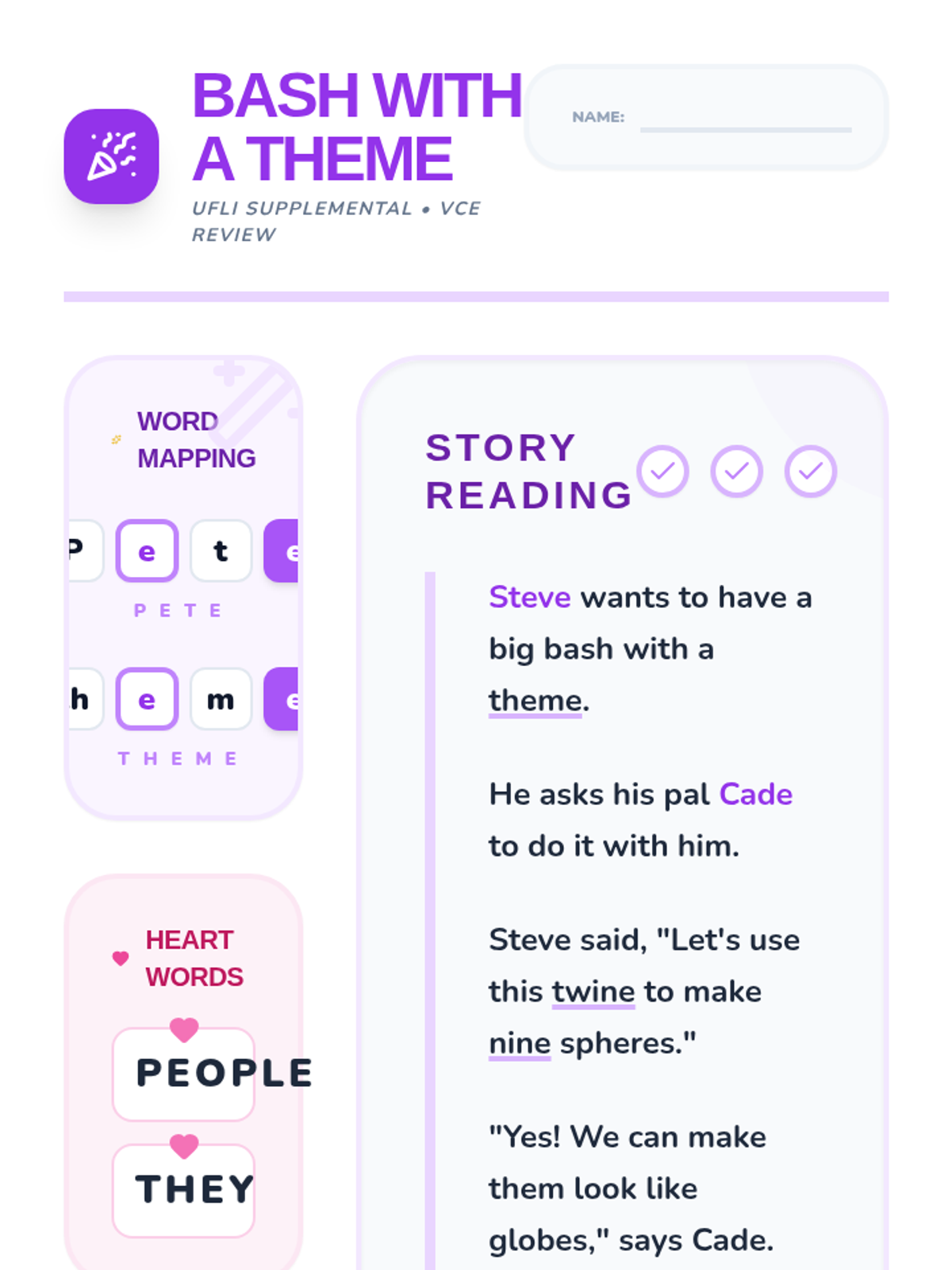
Focuses on the long 'e' vowel sound with the silent 'e' pattern (e-e). Students will read about Pete and Eve's themed party, practicing words like 'theme', 'Pete', 'Eve', and 'these'.
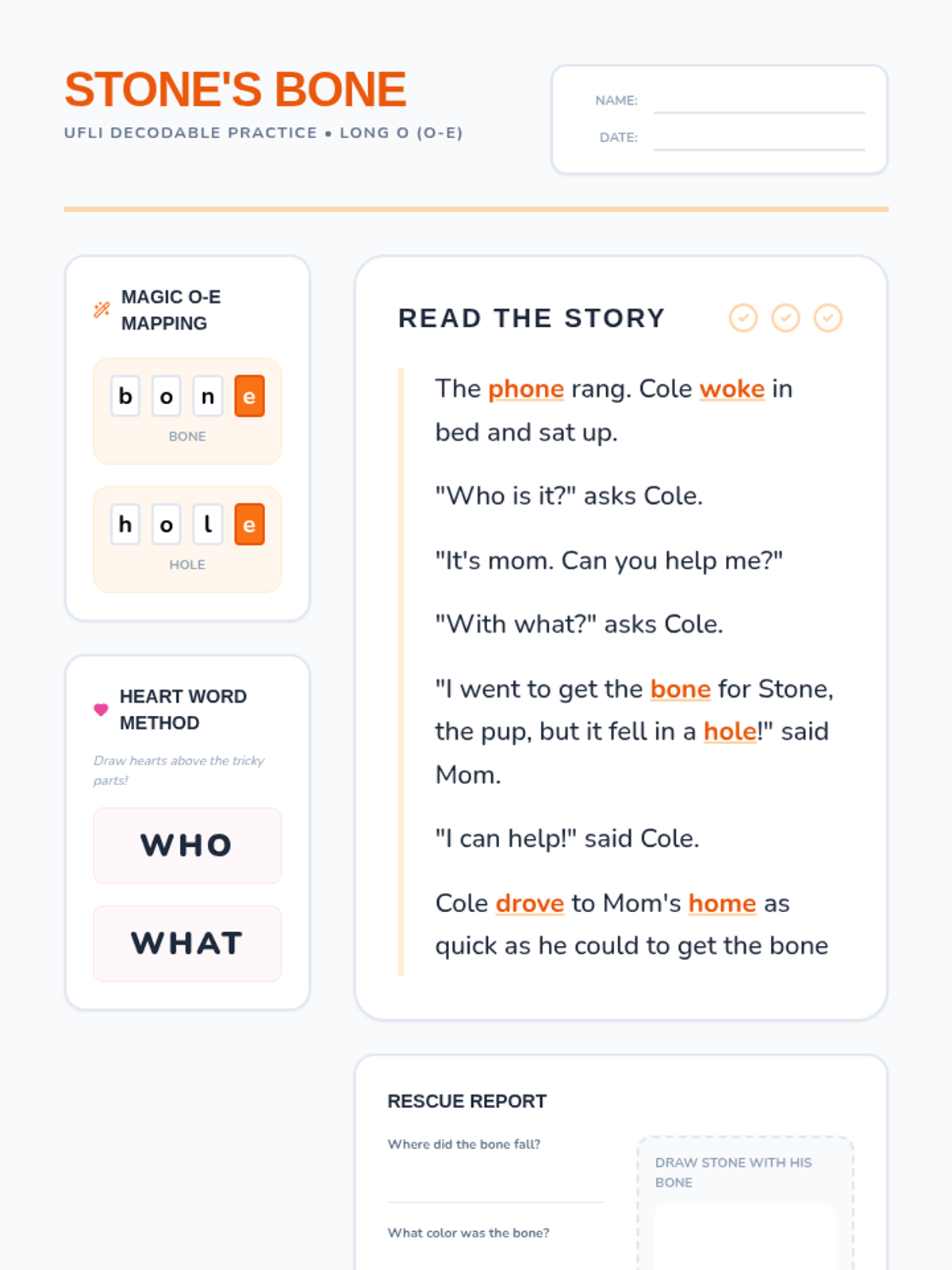
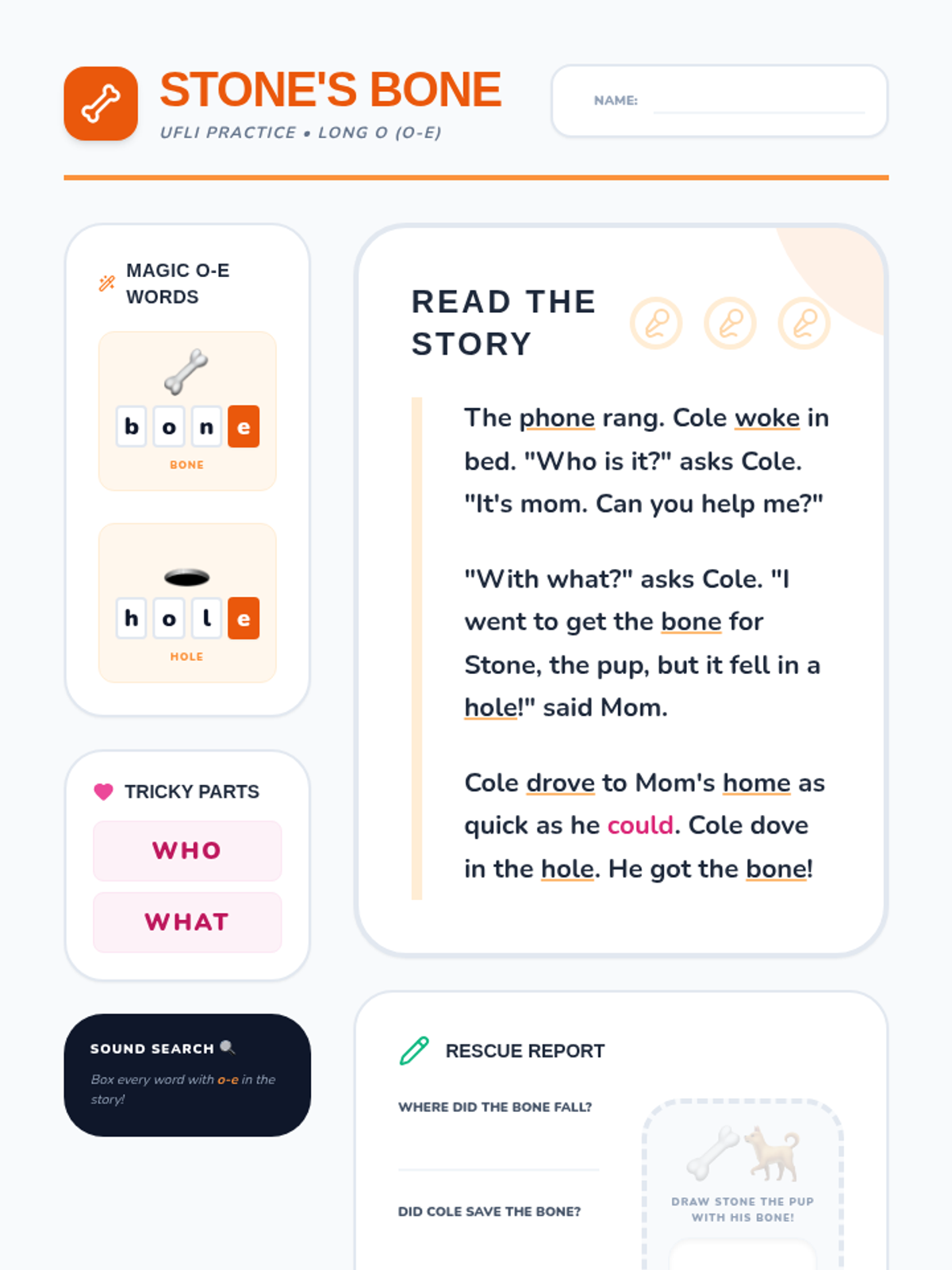
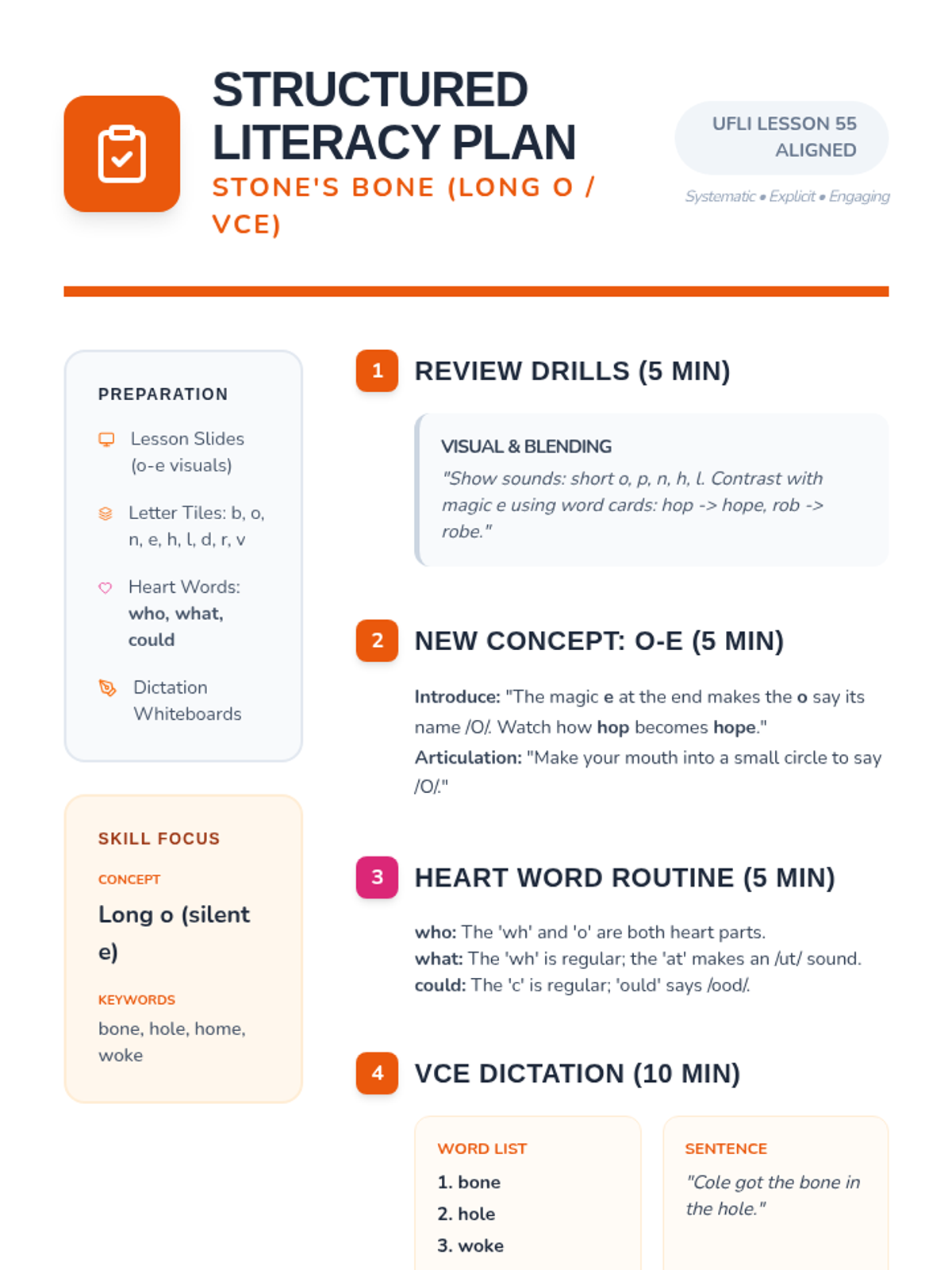
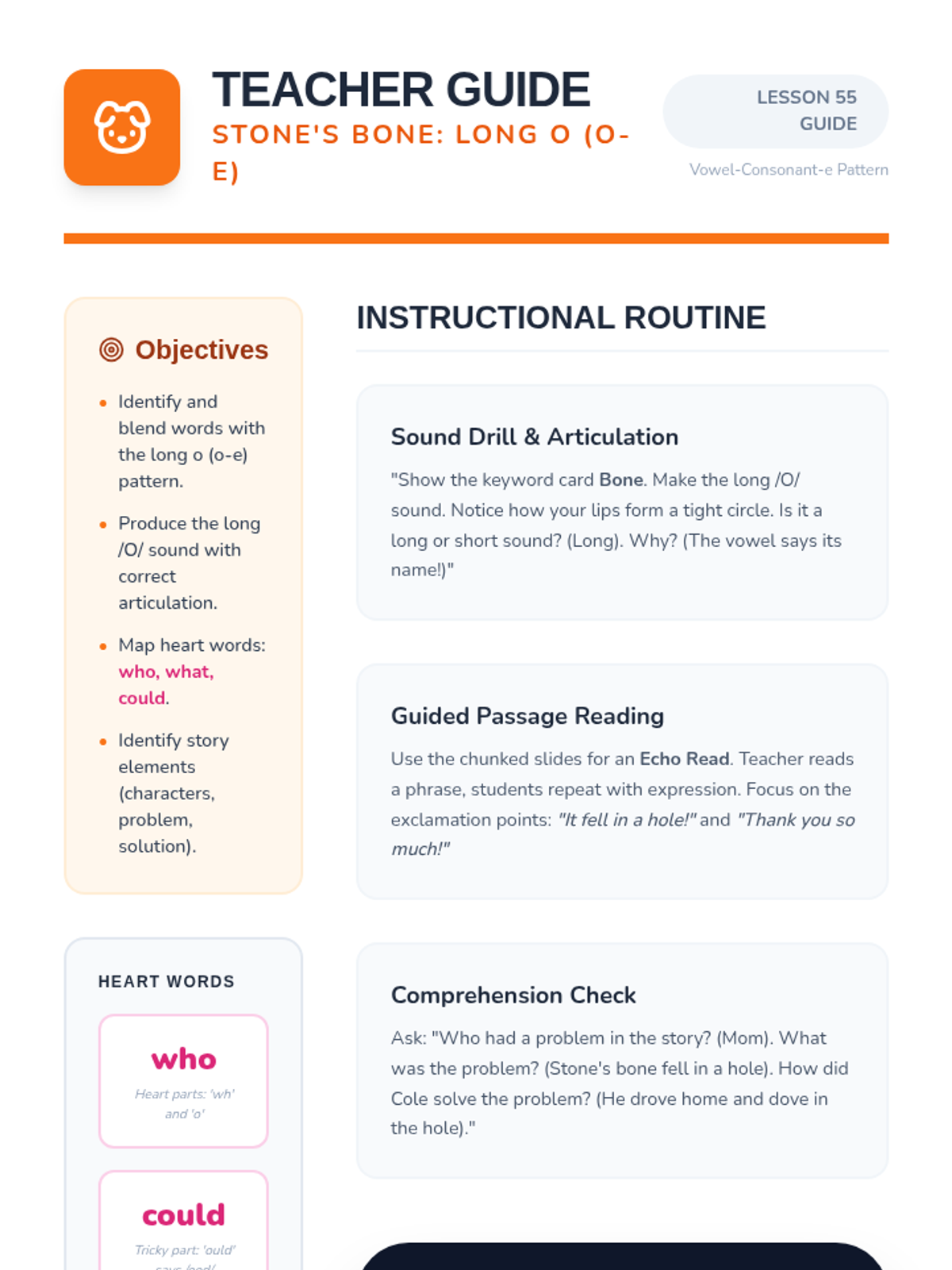
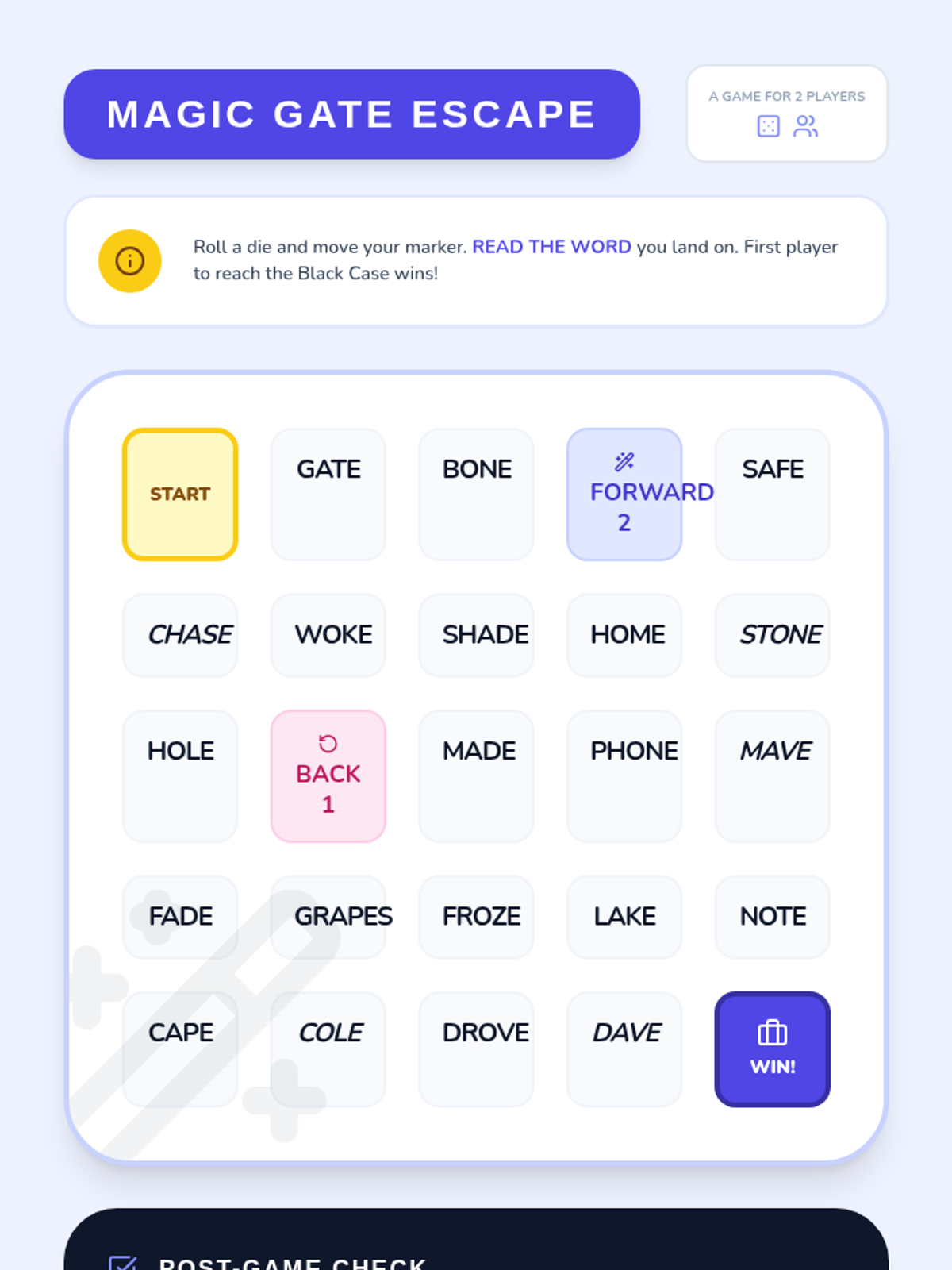
Focuses on the long 'o' vowel sound with the silent 'e' pattern (o-e). Students will read about Cole helping his mom rescue a bone for Stone the pup, practicing words like 'phone', 'woke', 'bone', 'hole', and 'froze'.
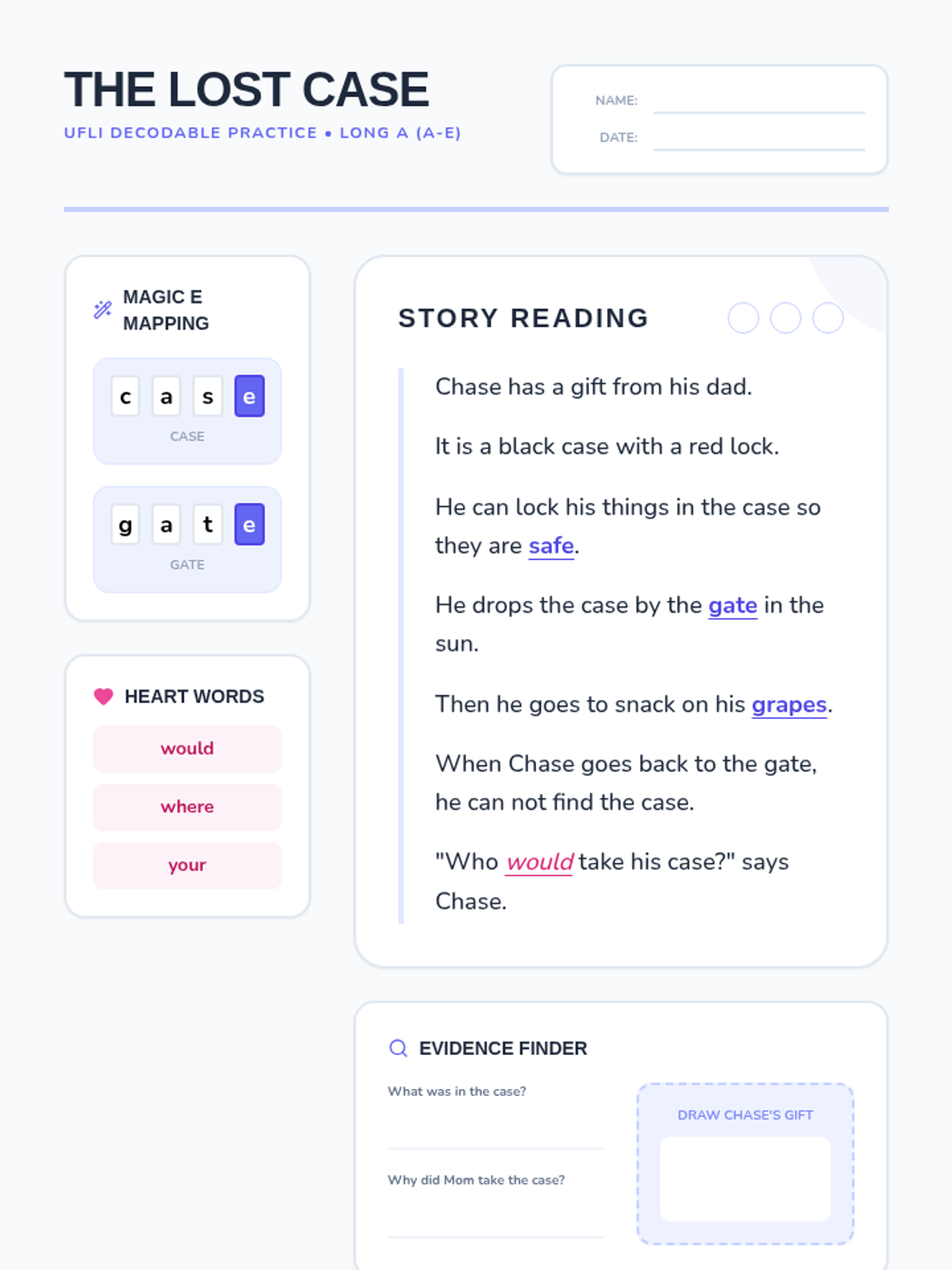
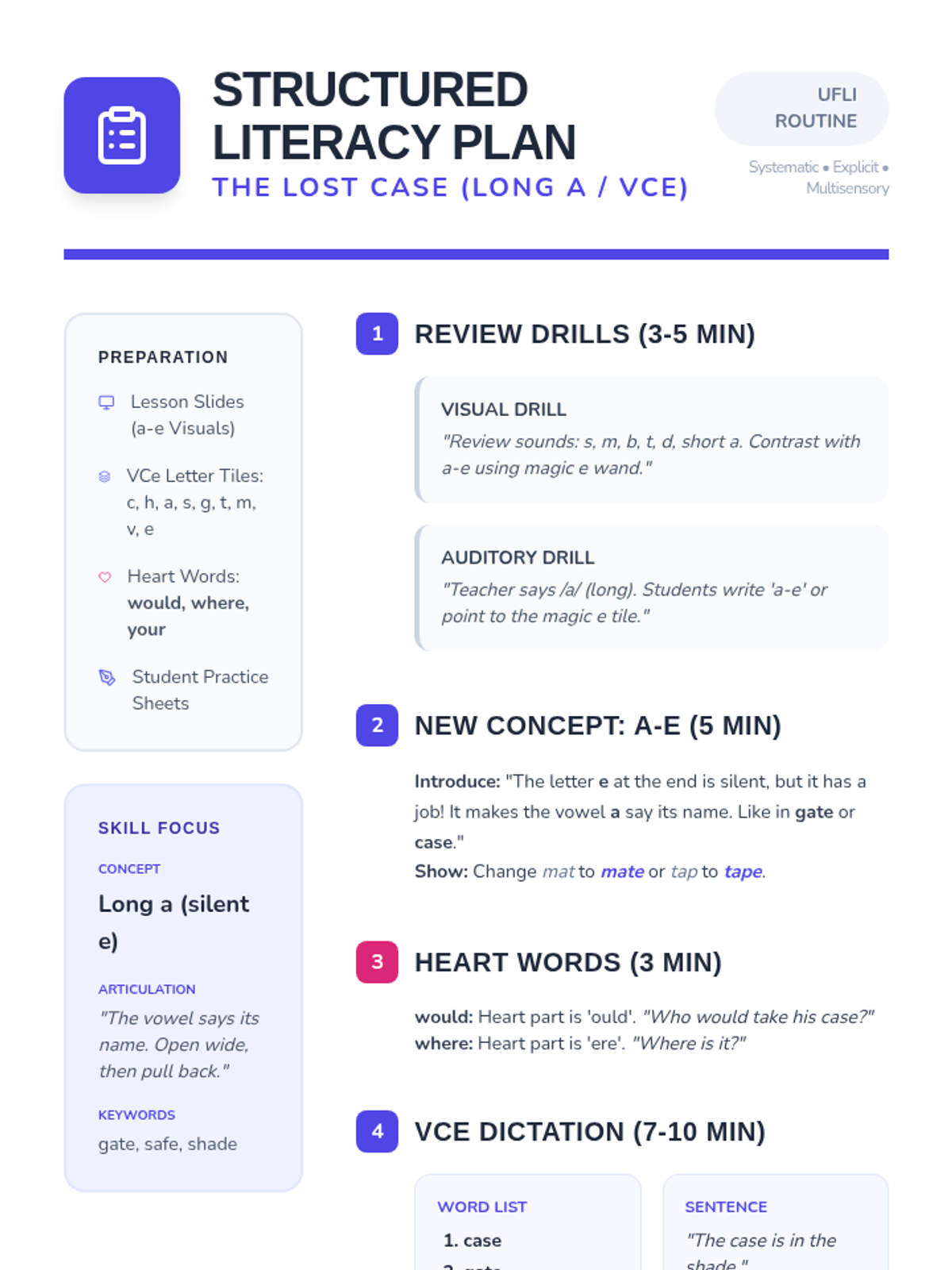
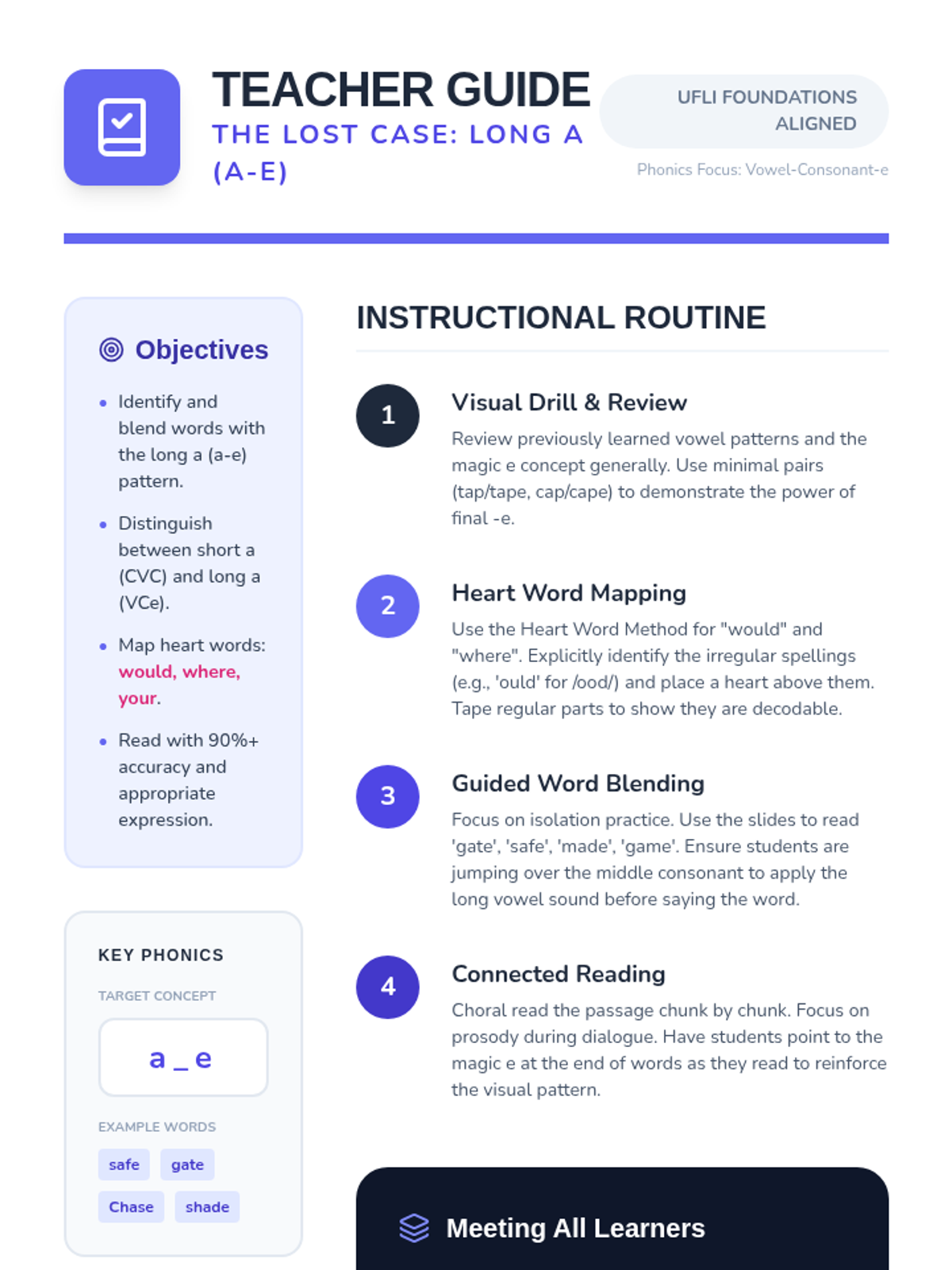
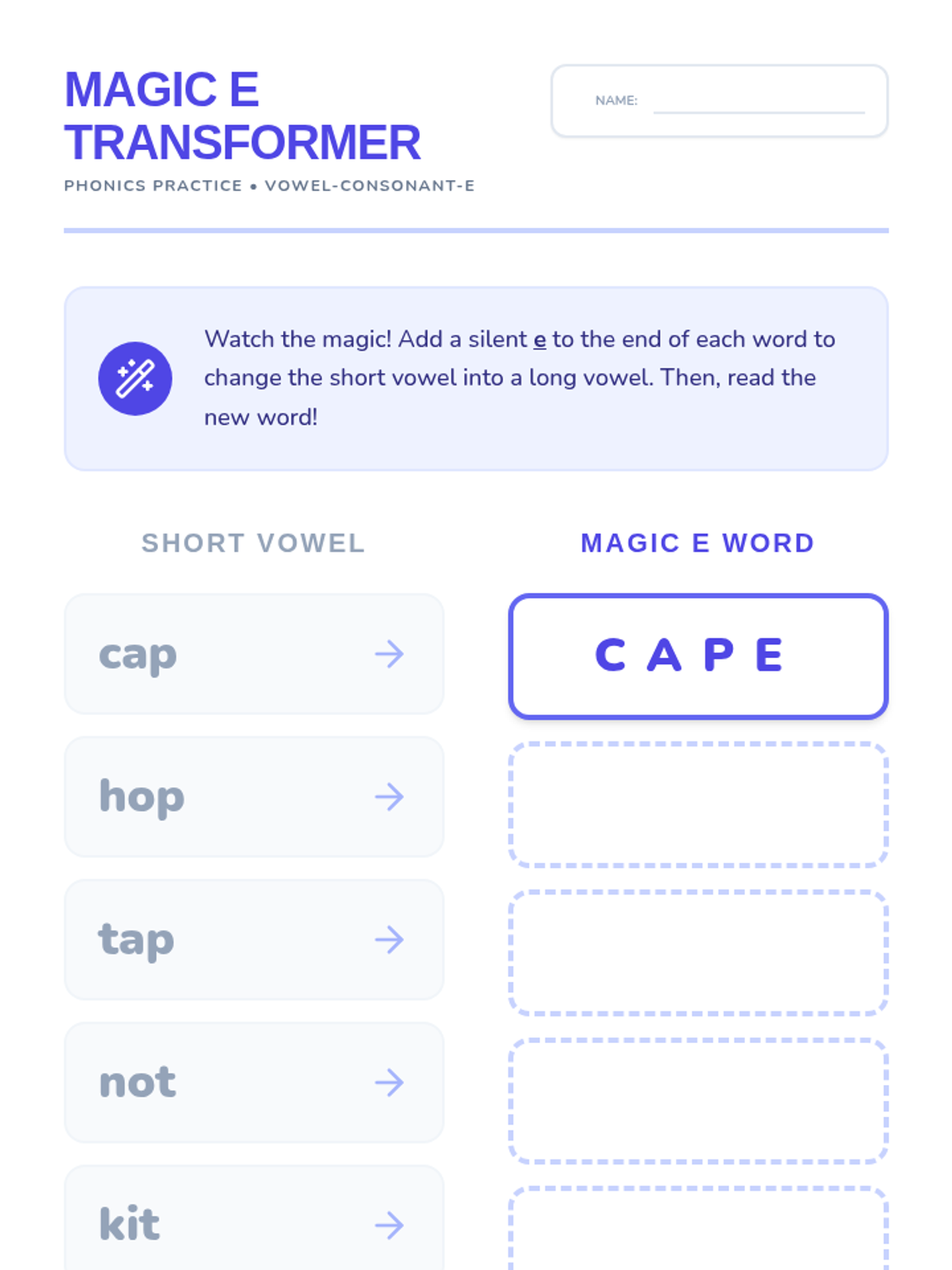
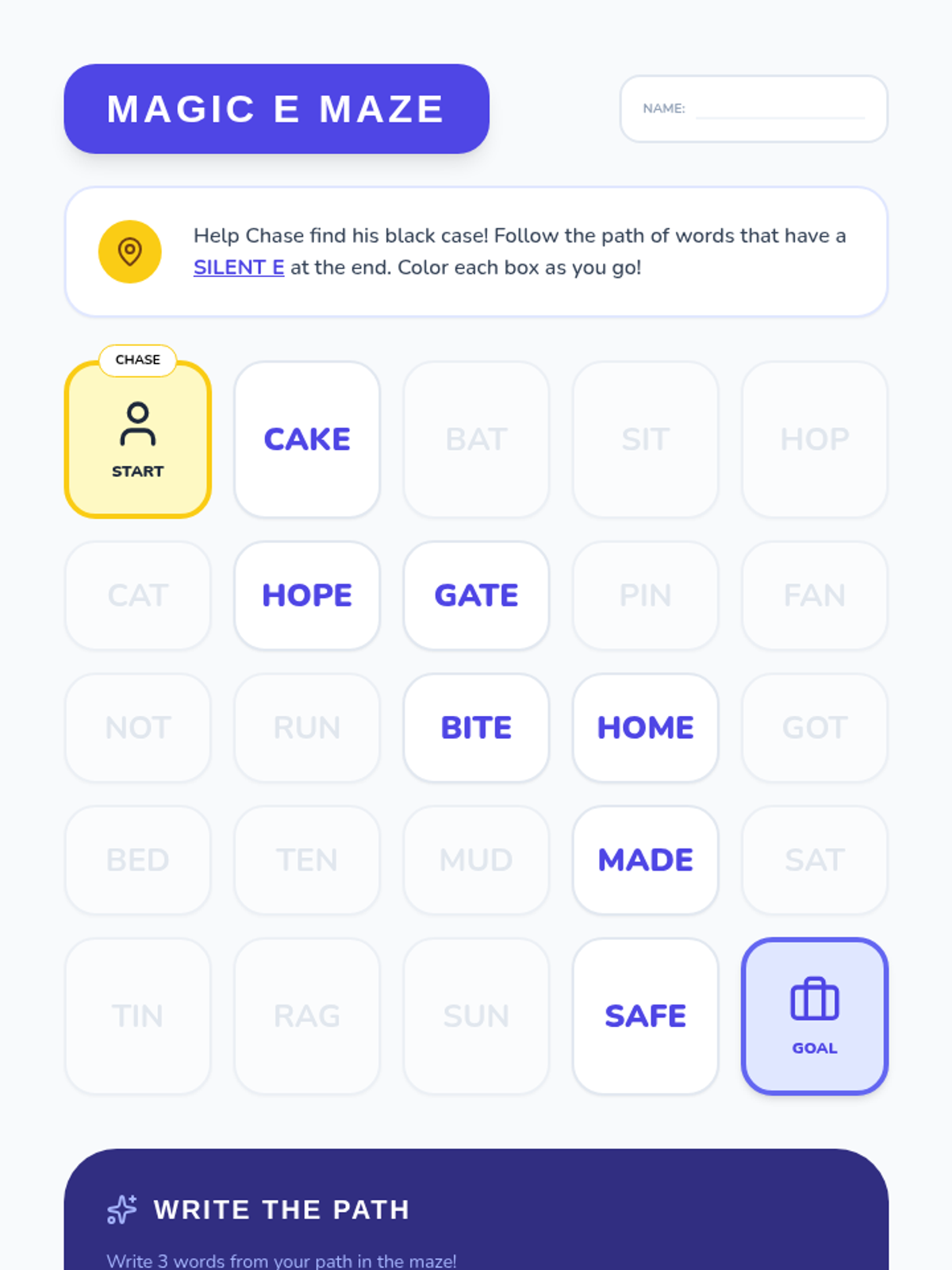
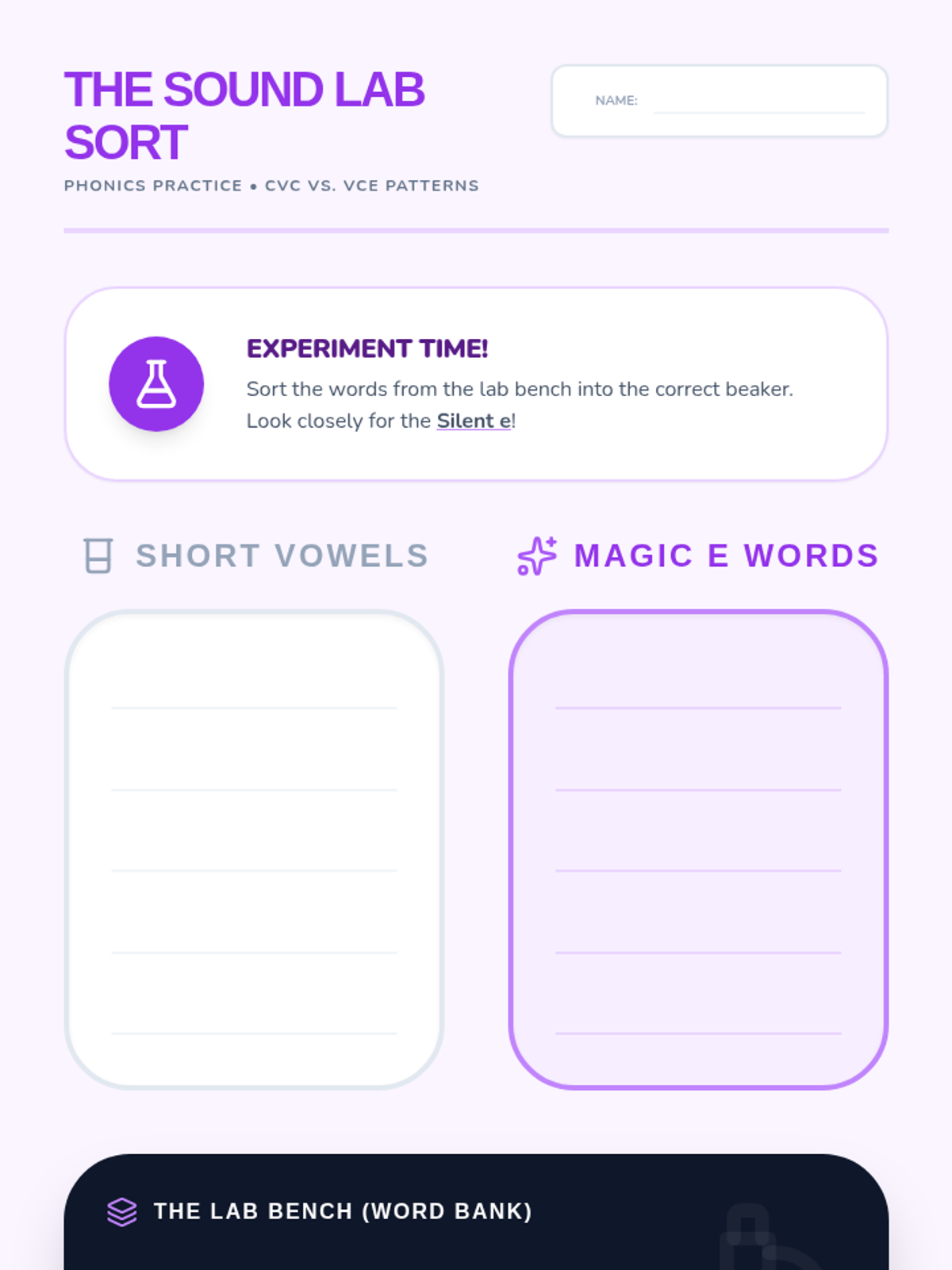
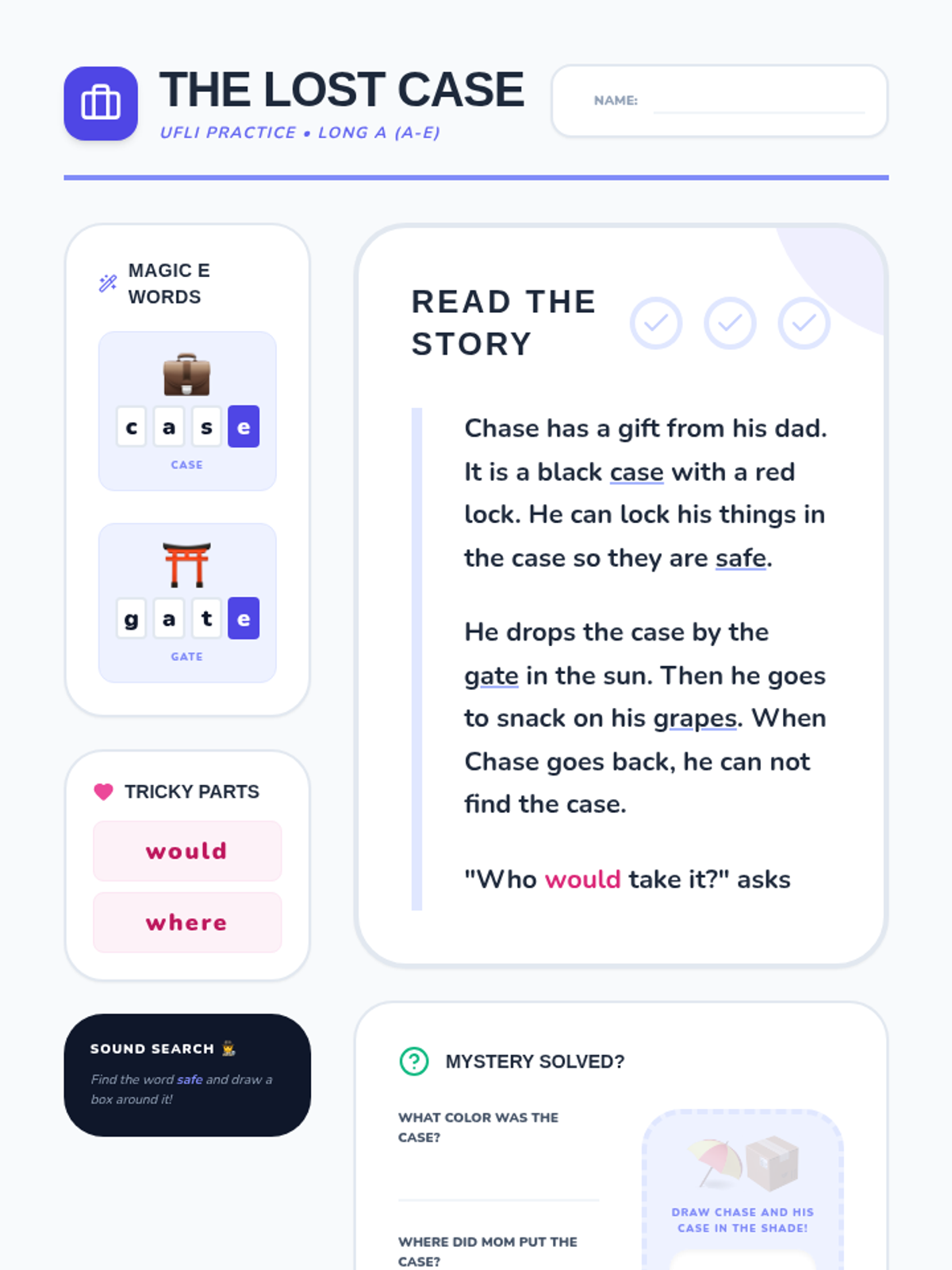
Focuses on the long 'a' vowel sound with the silent 'e' pattern (a-e). Students will read about Chase and his lost black case, practicing words like 'gate', 'safe', 'shade', and 'Mave'.
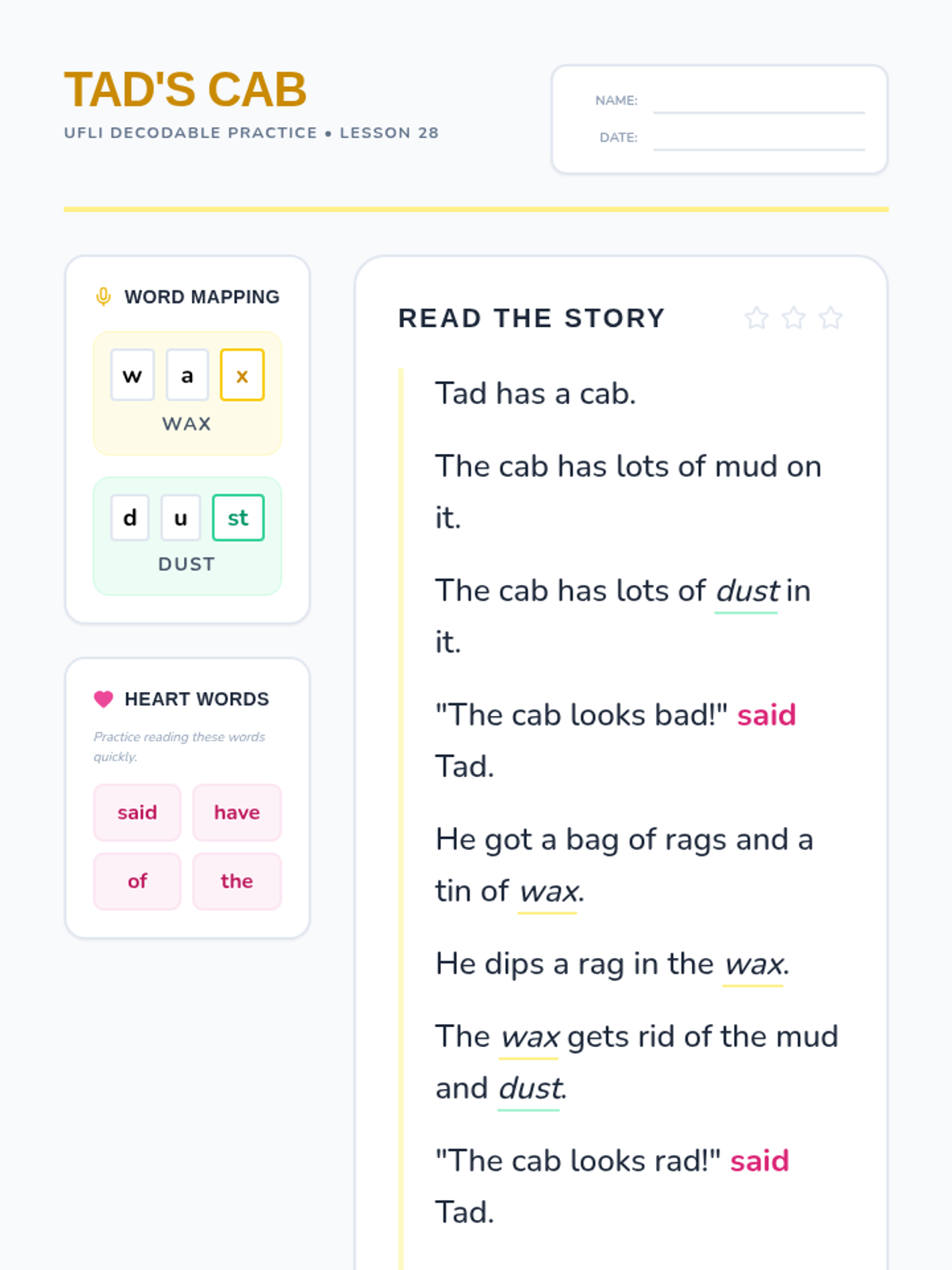
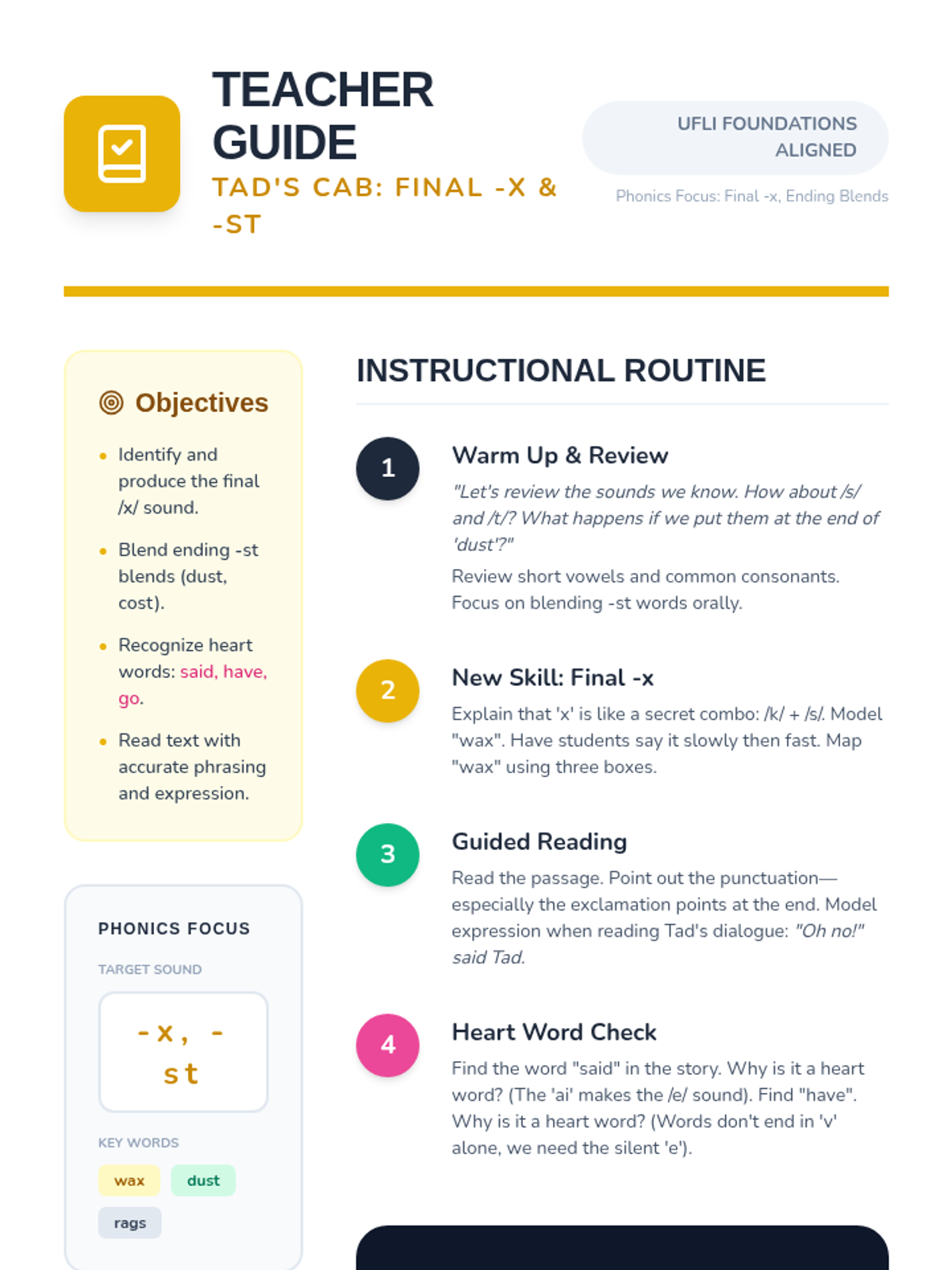
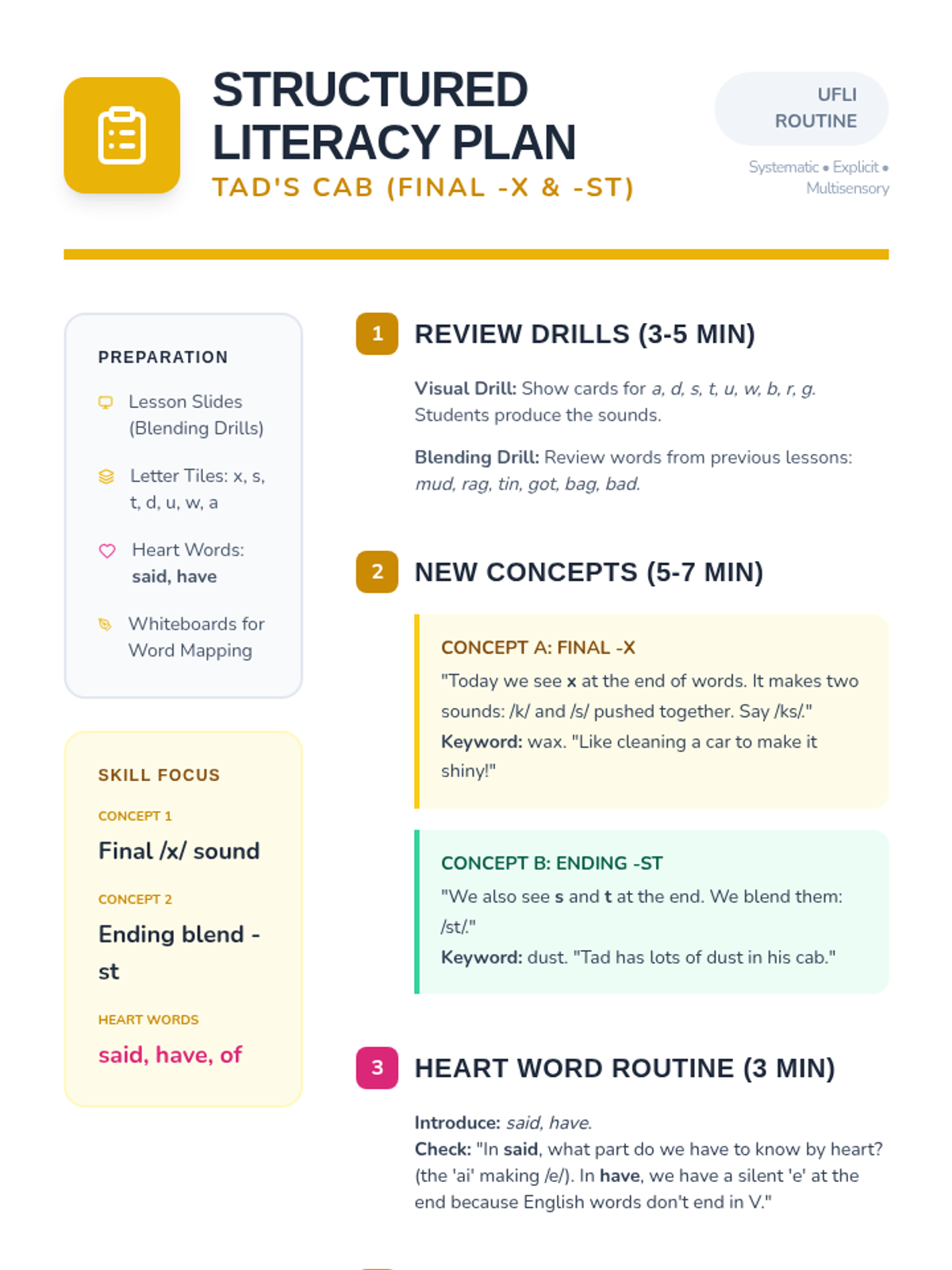
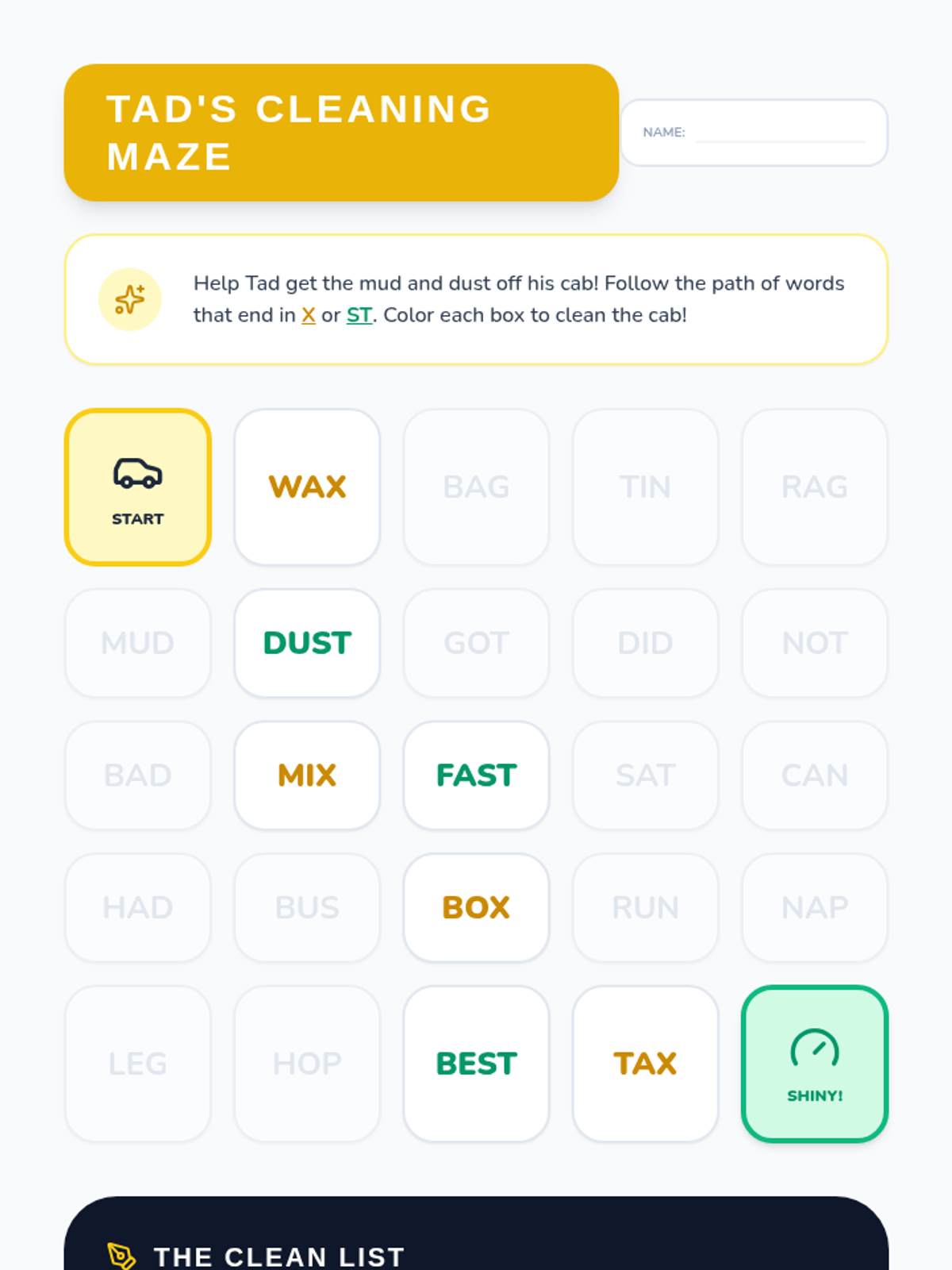
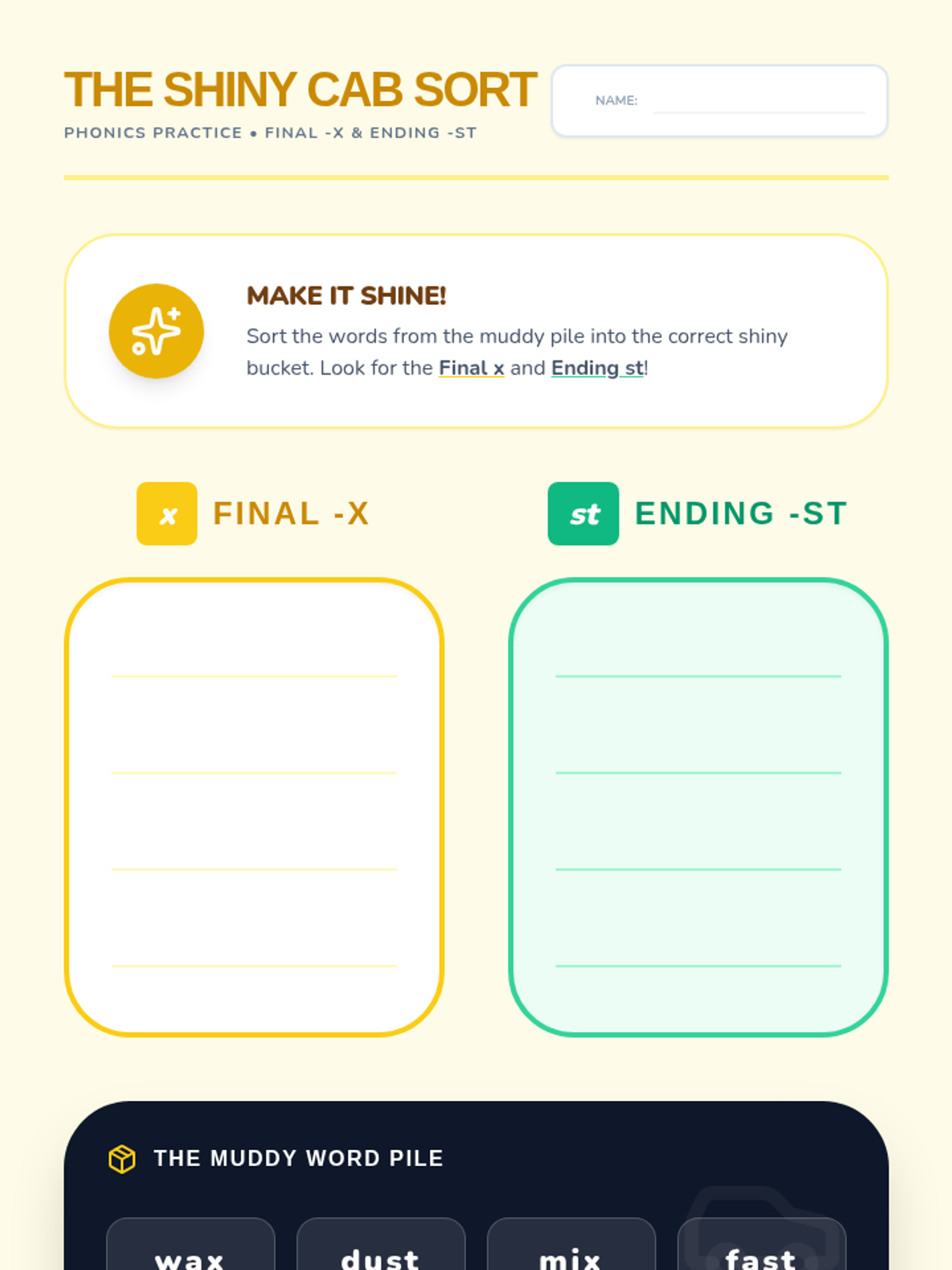
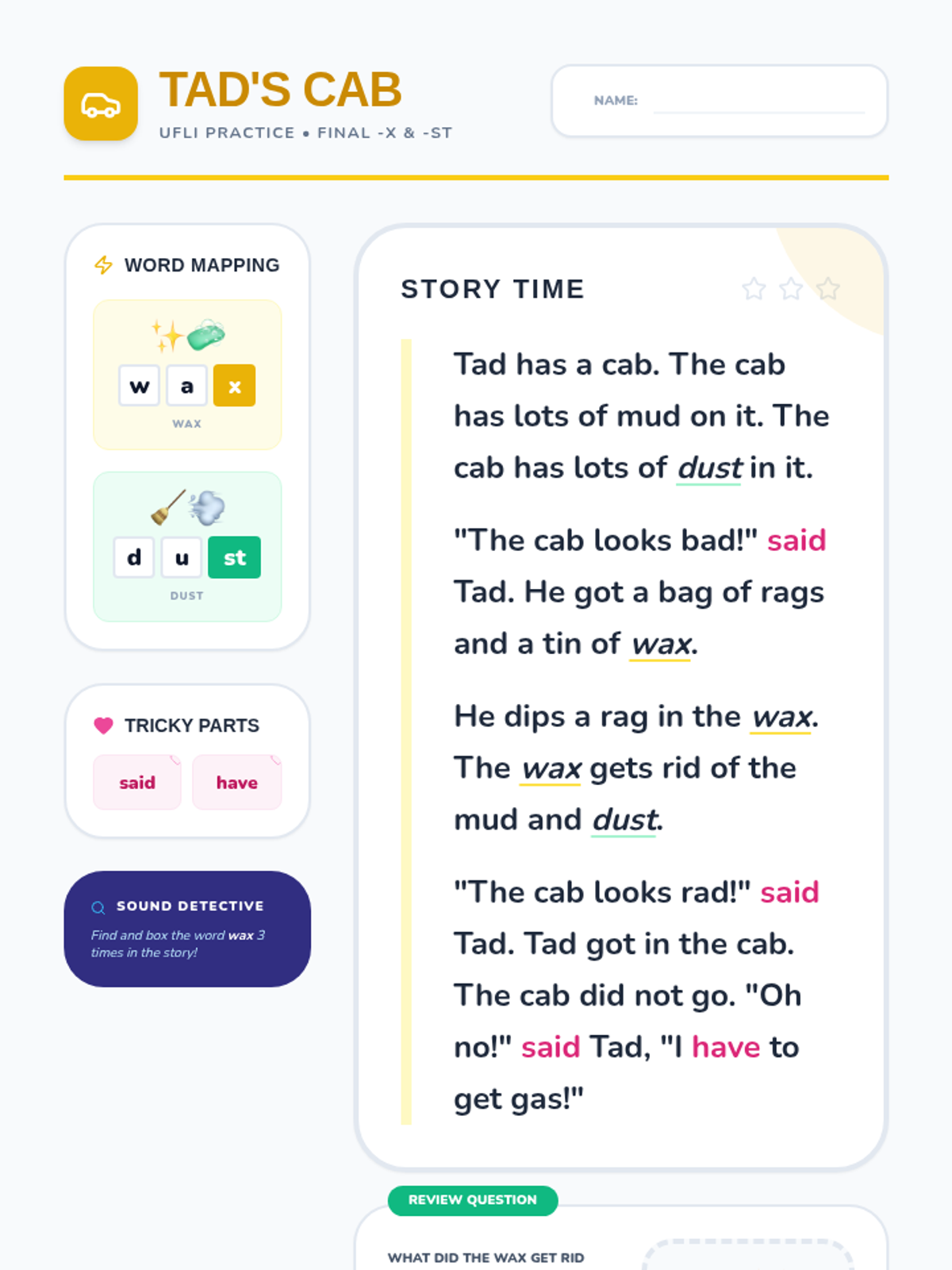
Focuses on short vowels, ending blends (-st), and the final -x sound. Students will read about Tad cleaning his muddy cab, incorporating words like 'dust', 'wax', and 'rags'.
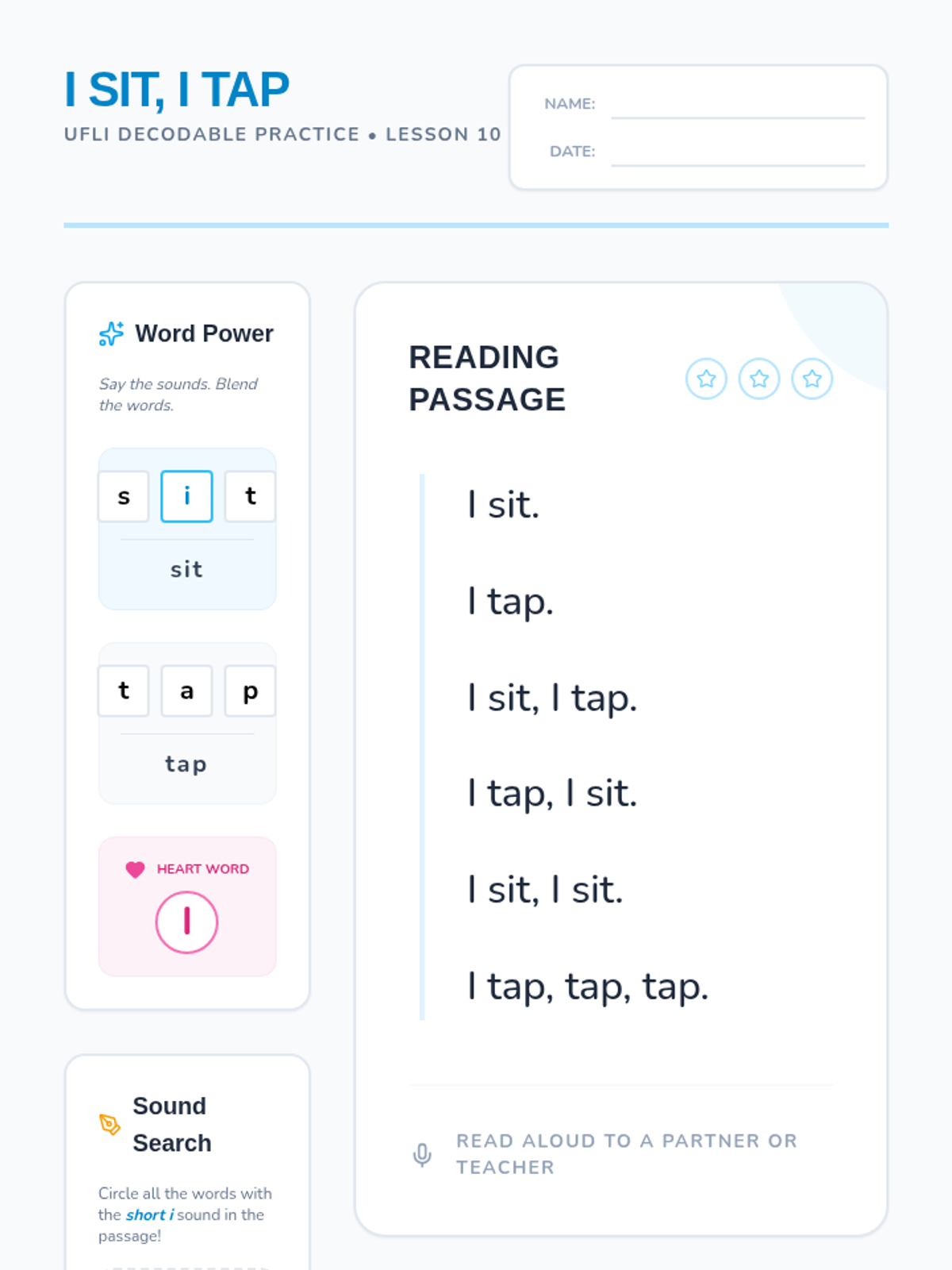
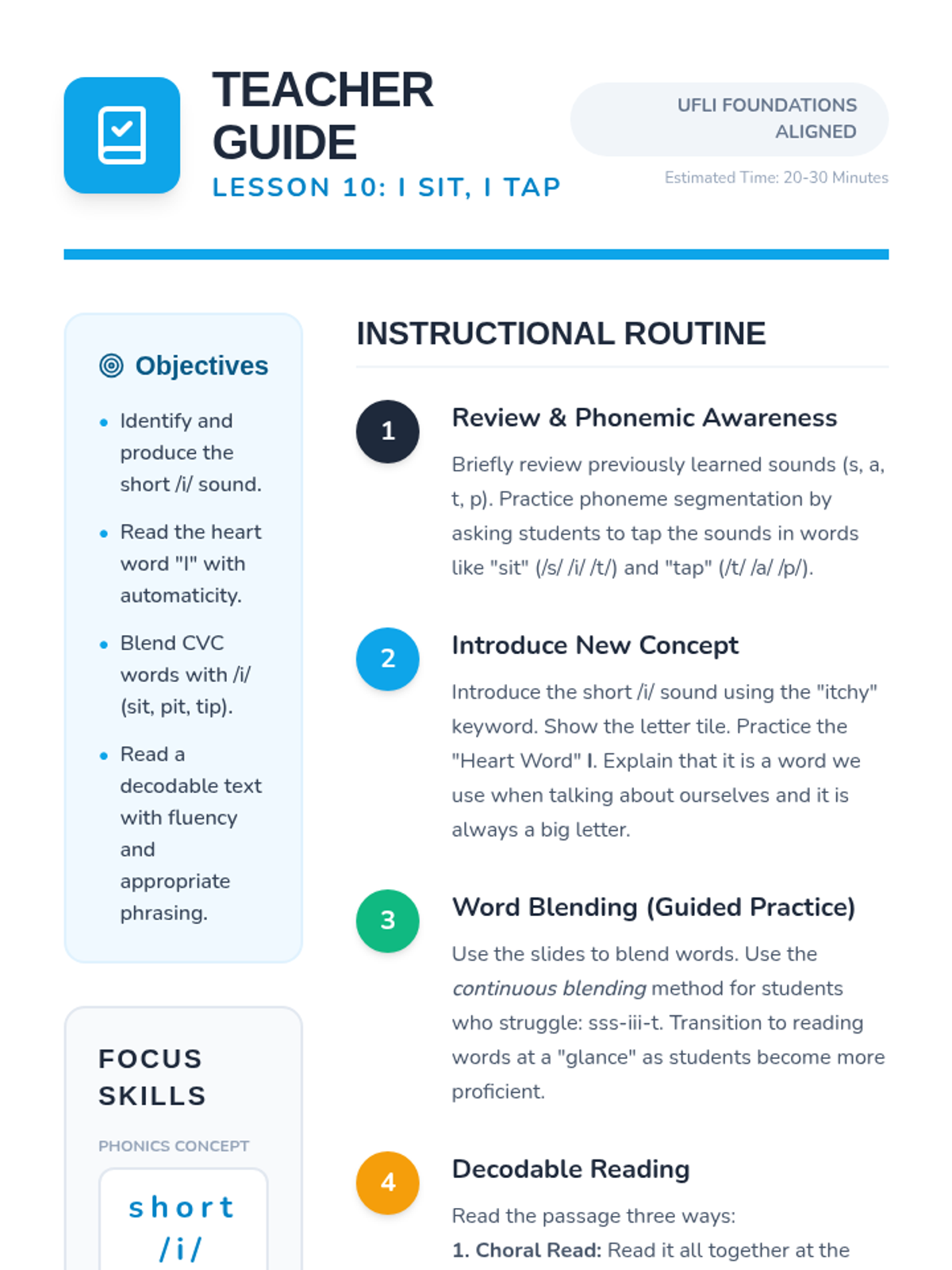
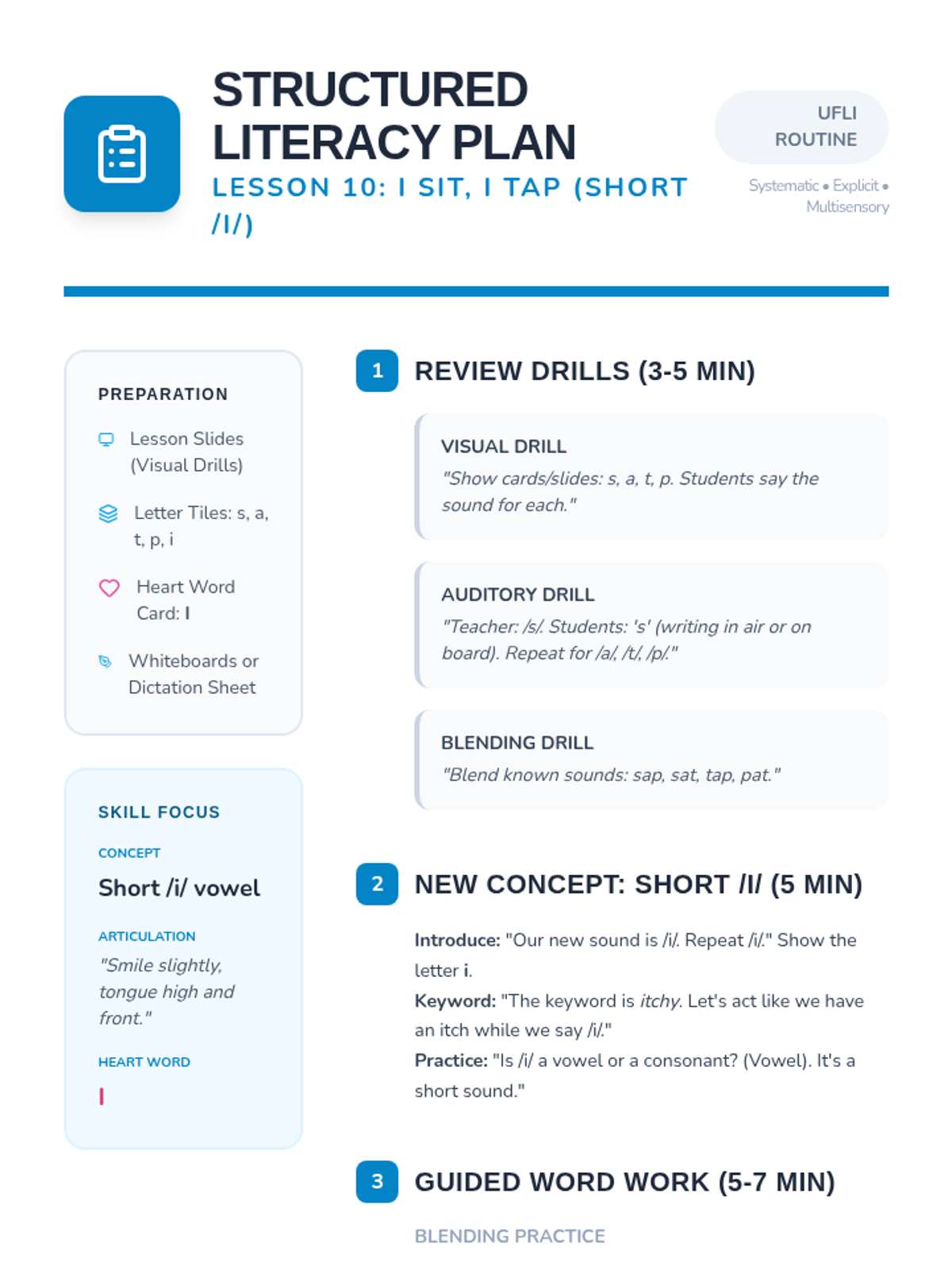
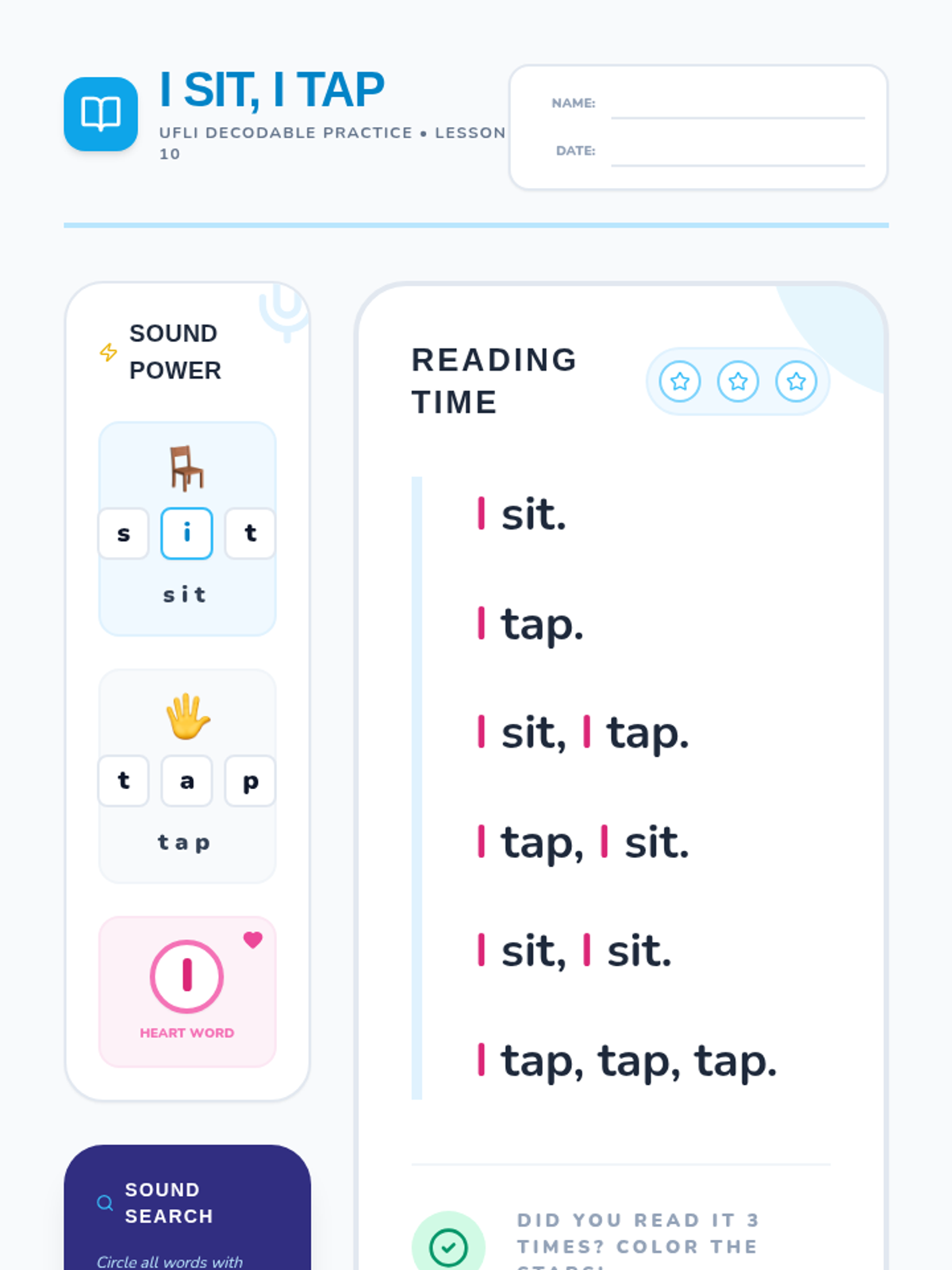
Focuses on the short /i/ vowel sound and the heart word 'I'. Students will practice blending letters s, a, t, p, and i to read a rhythmic decodable passage about sitting and tapping.
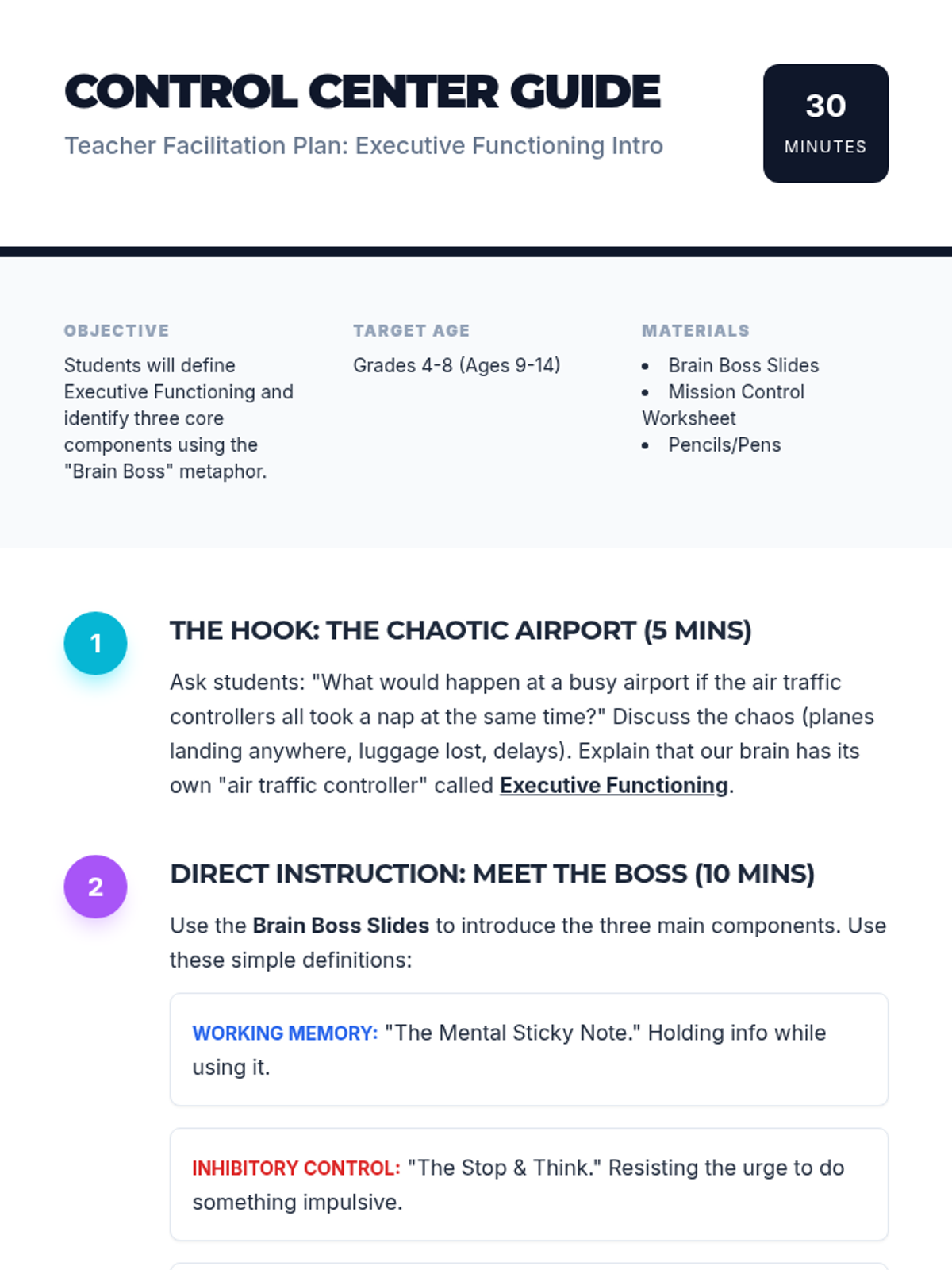
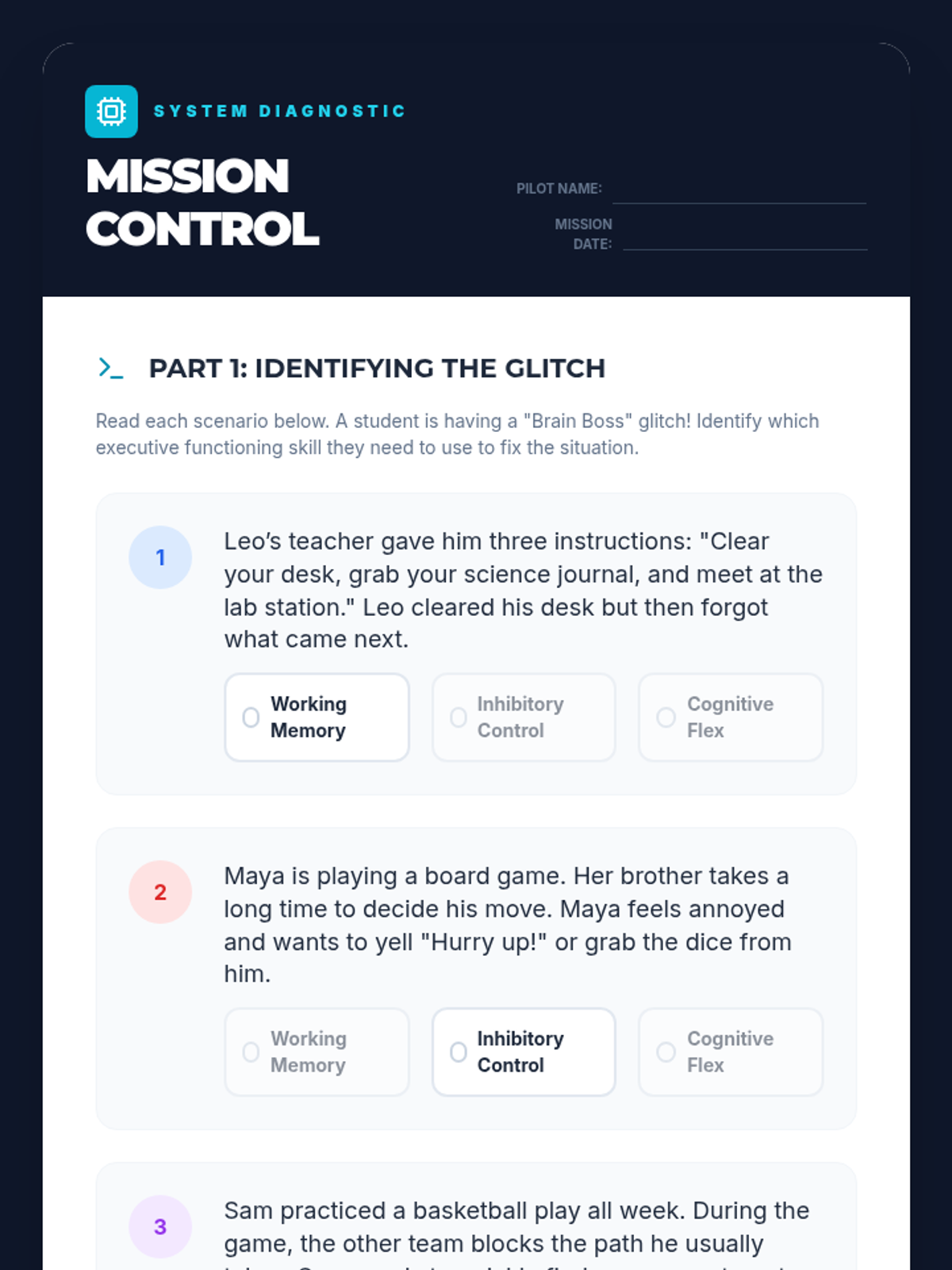
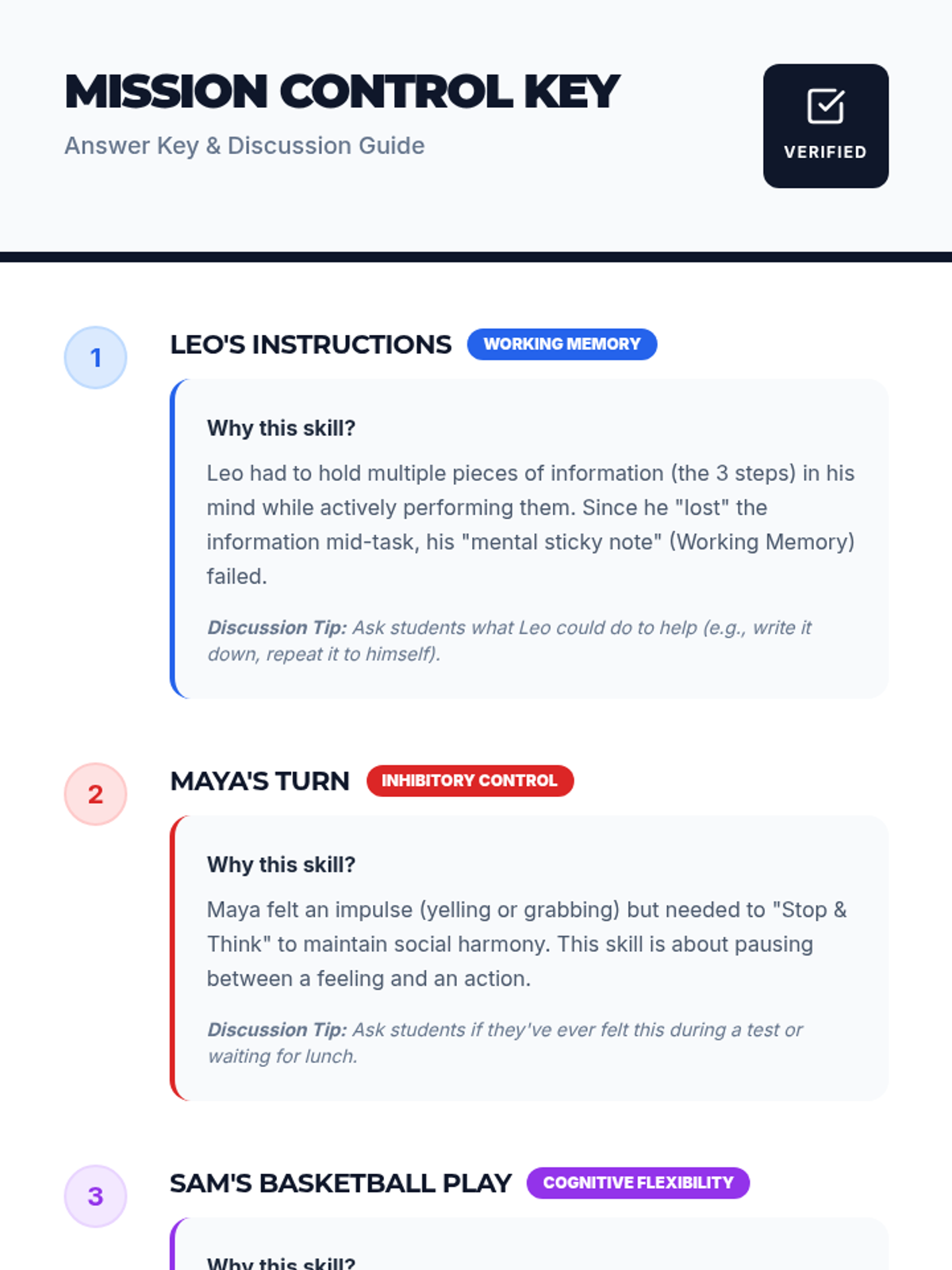
An introductory lesson on executive functioning skills, using a mission control metaphor to help students understand how their brains manage complex tasks.
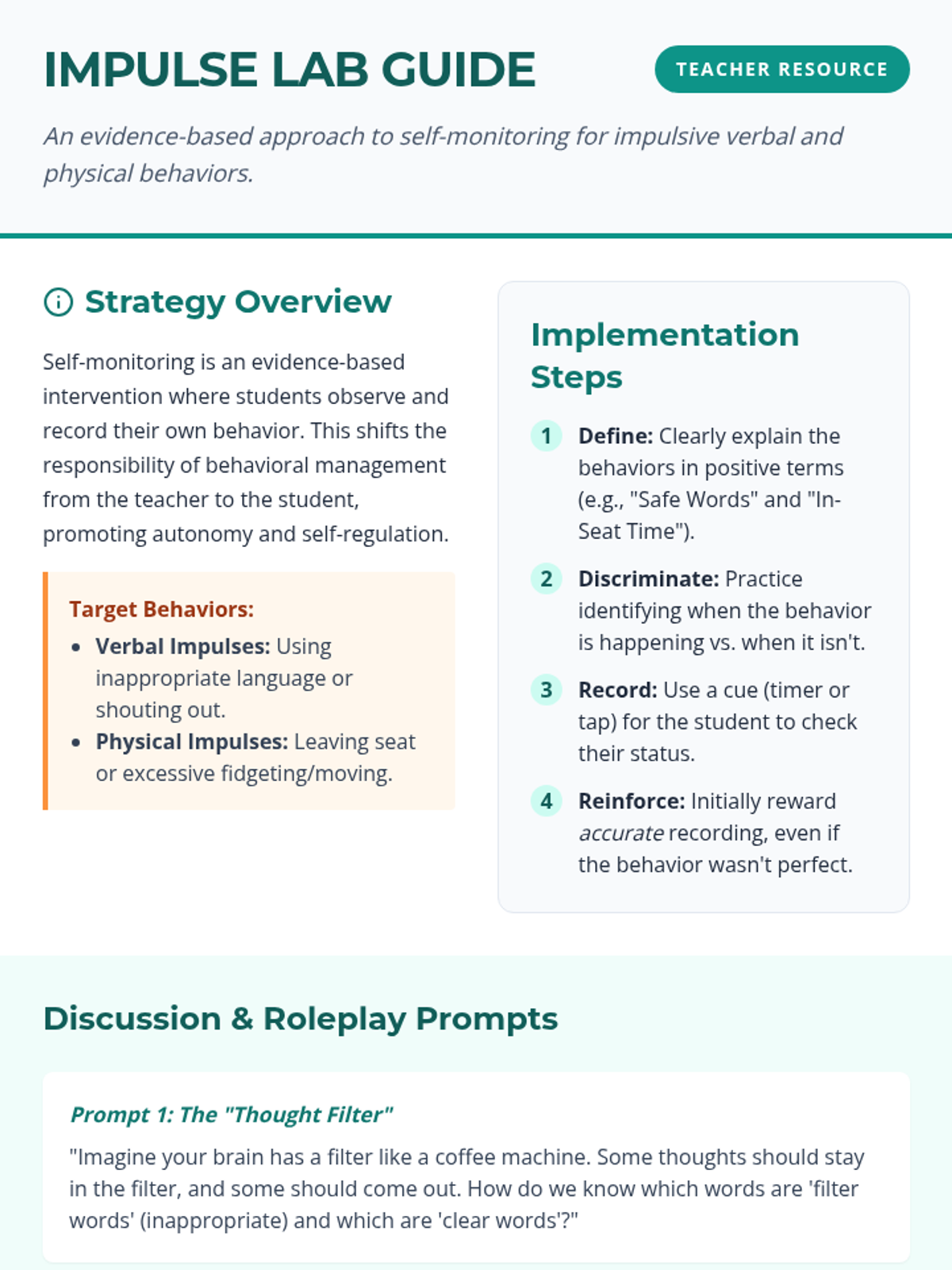
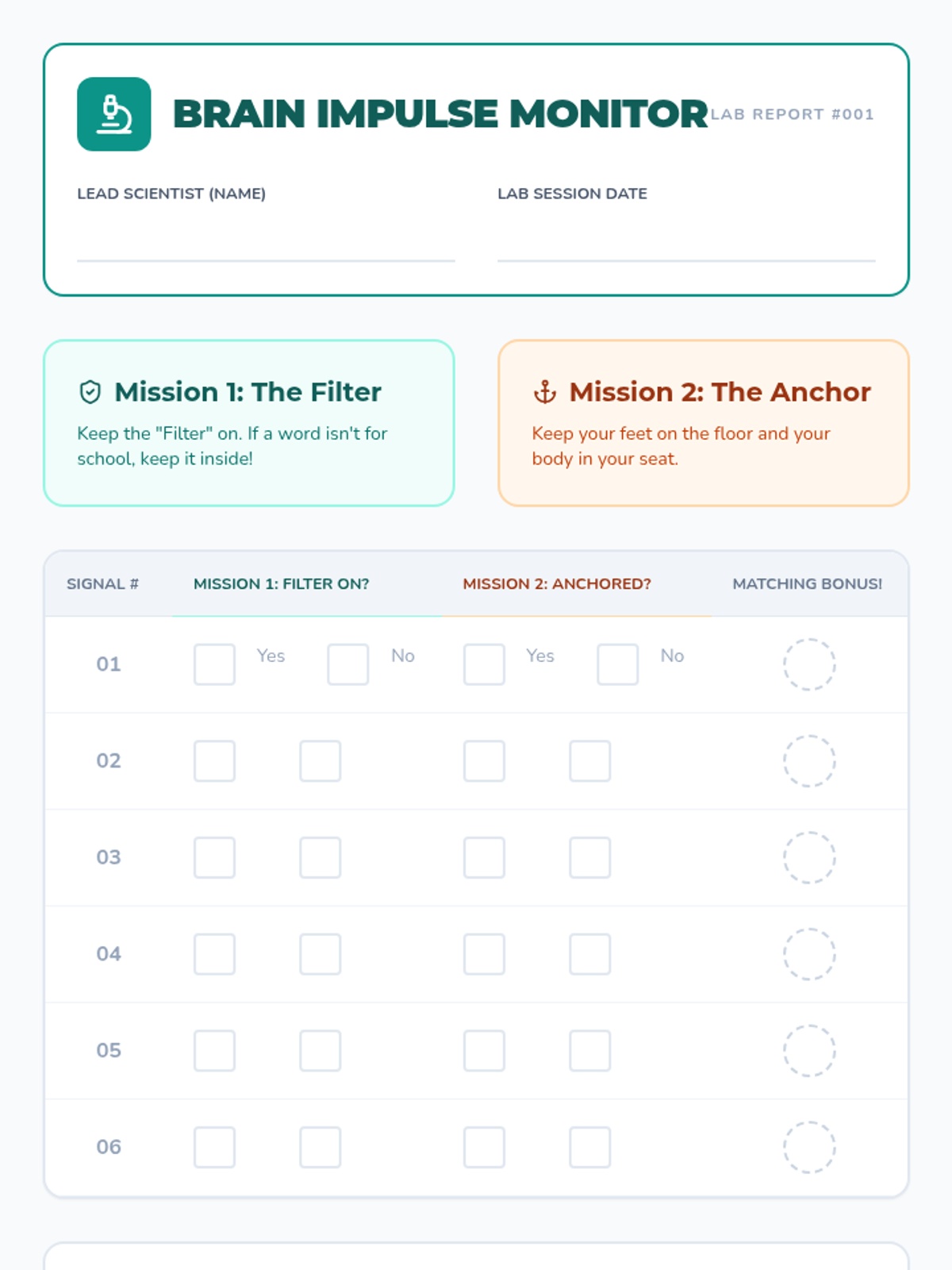
A lesson focused on teaching students how to self-monitor impulsive behaviors like inappropriate language and physical restlessness using evidence-based self-recording techniques.
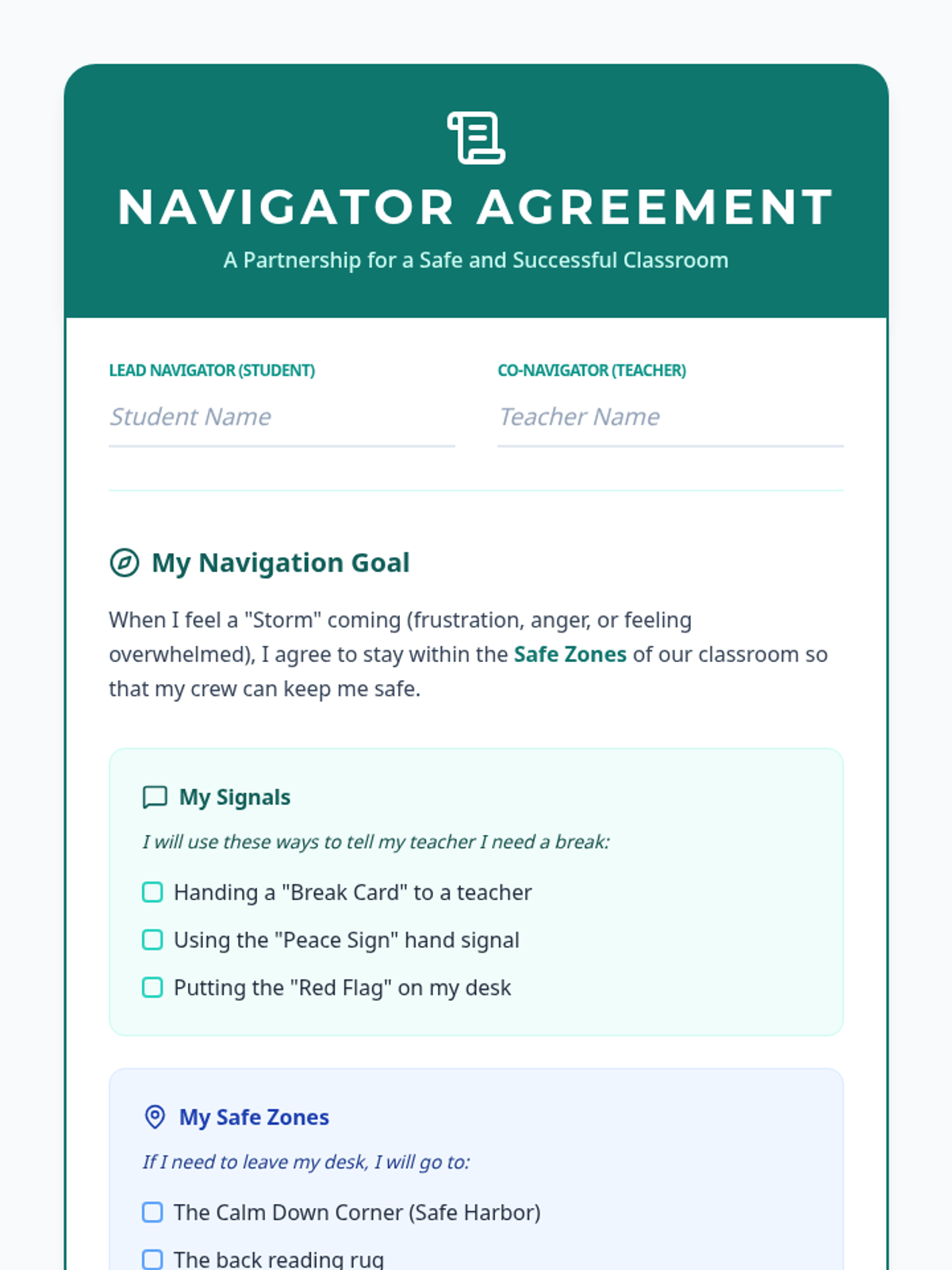
A supportive lesson designed to help 5th-grade students manage intense frustration and prevent elopement by teaching communication strategies and safe alternatives.
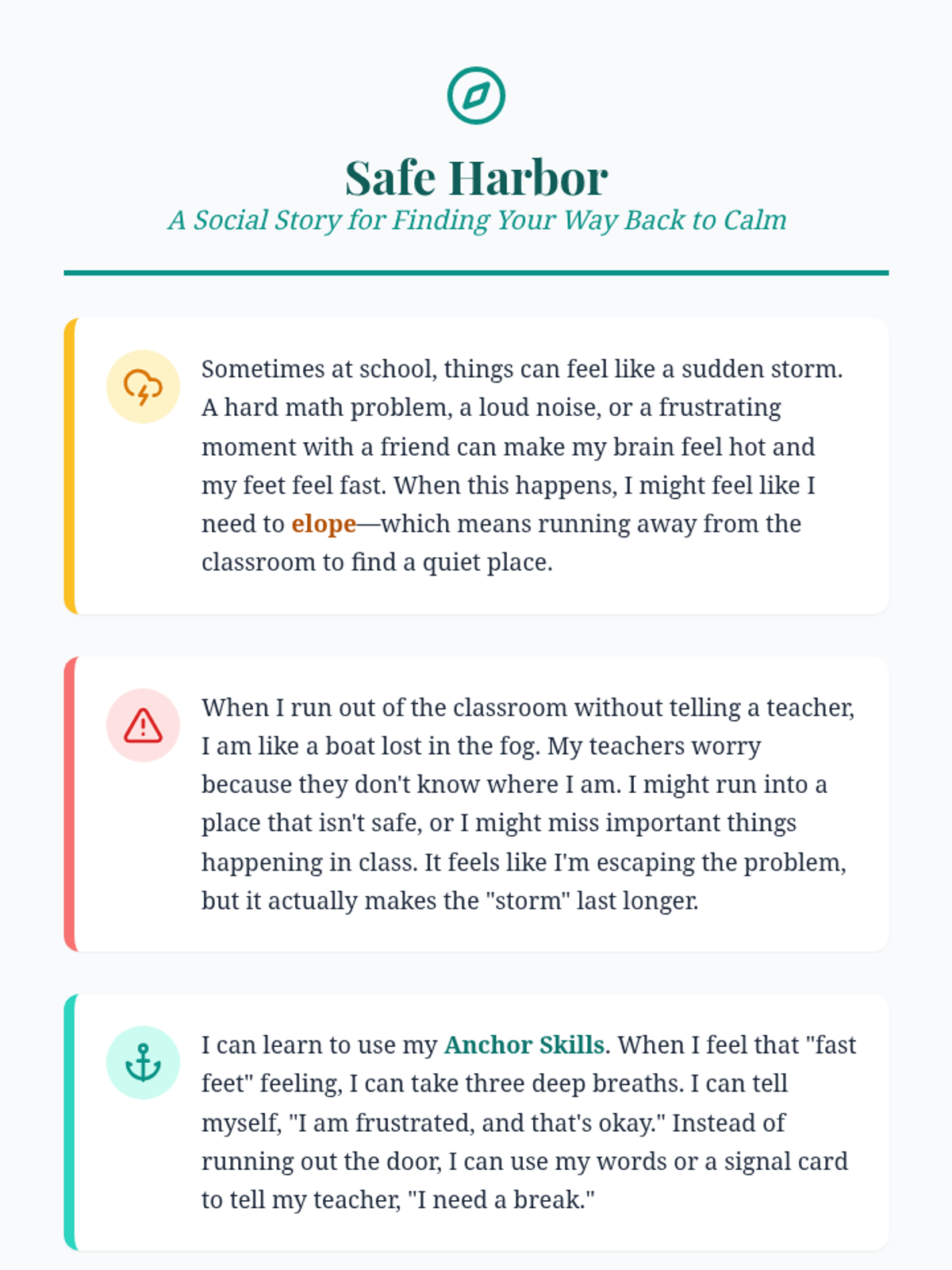
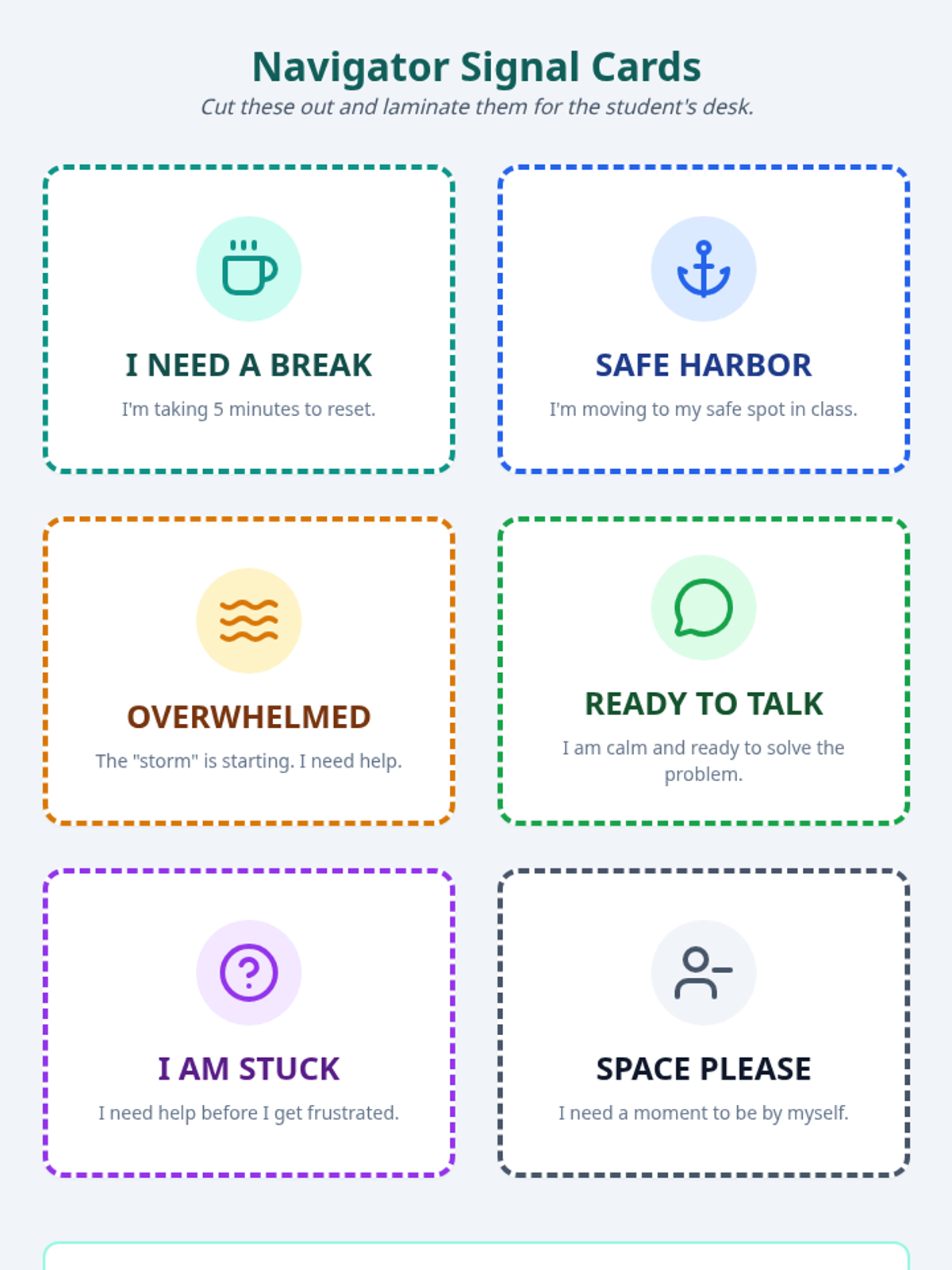
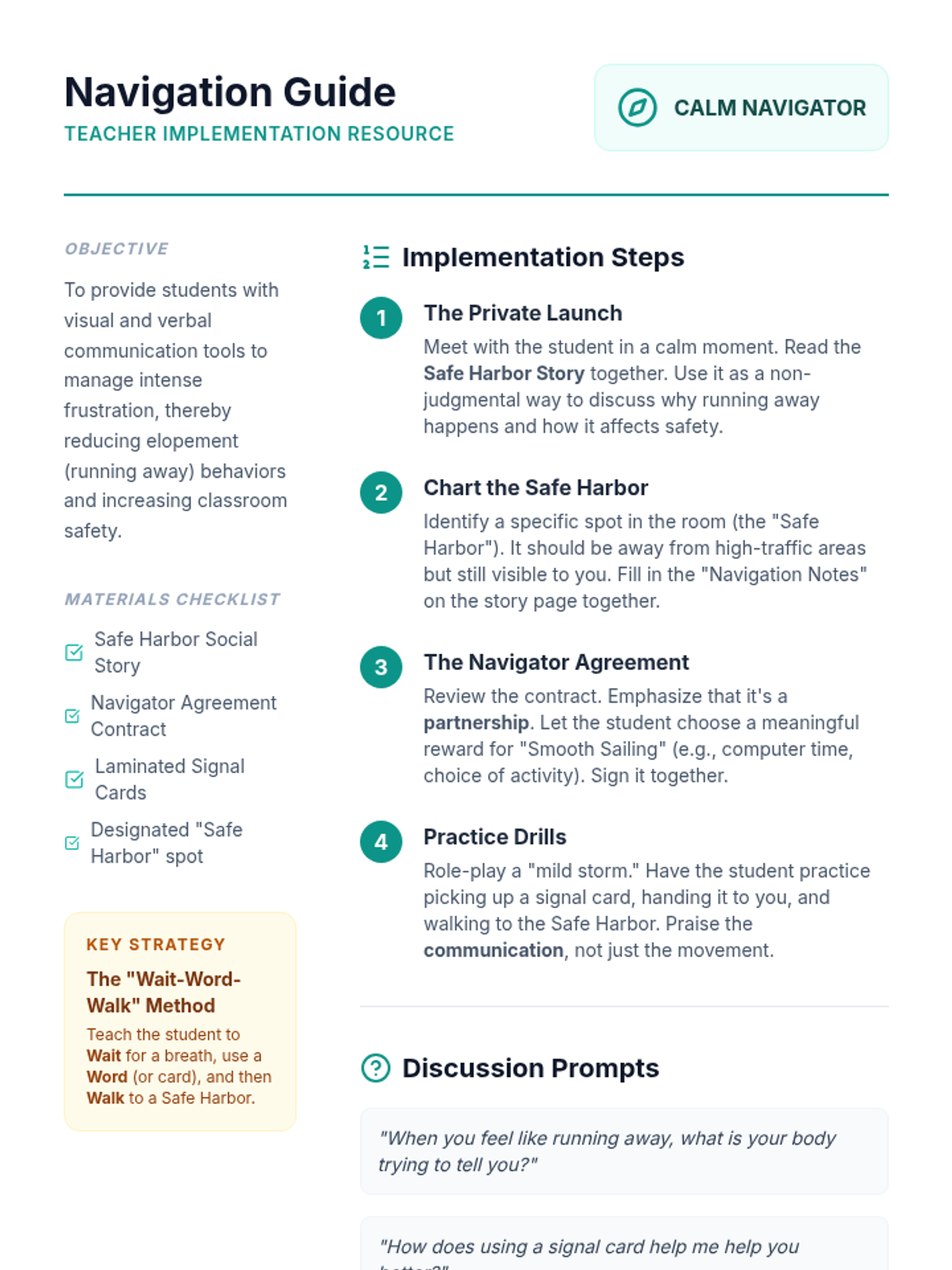
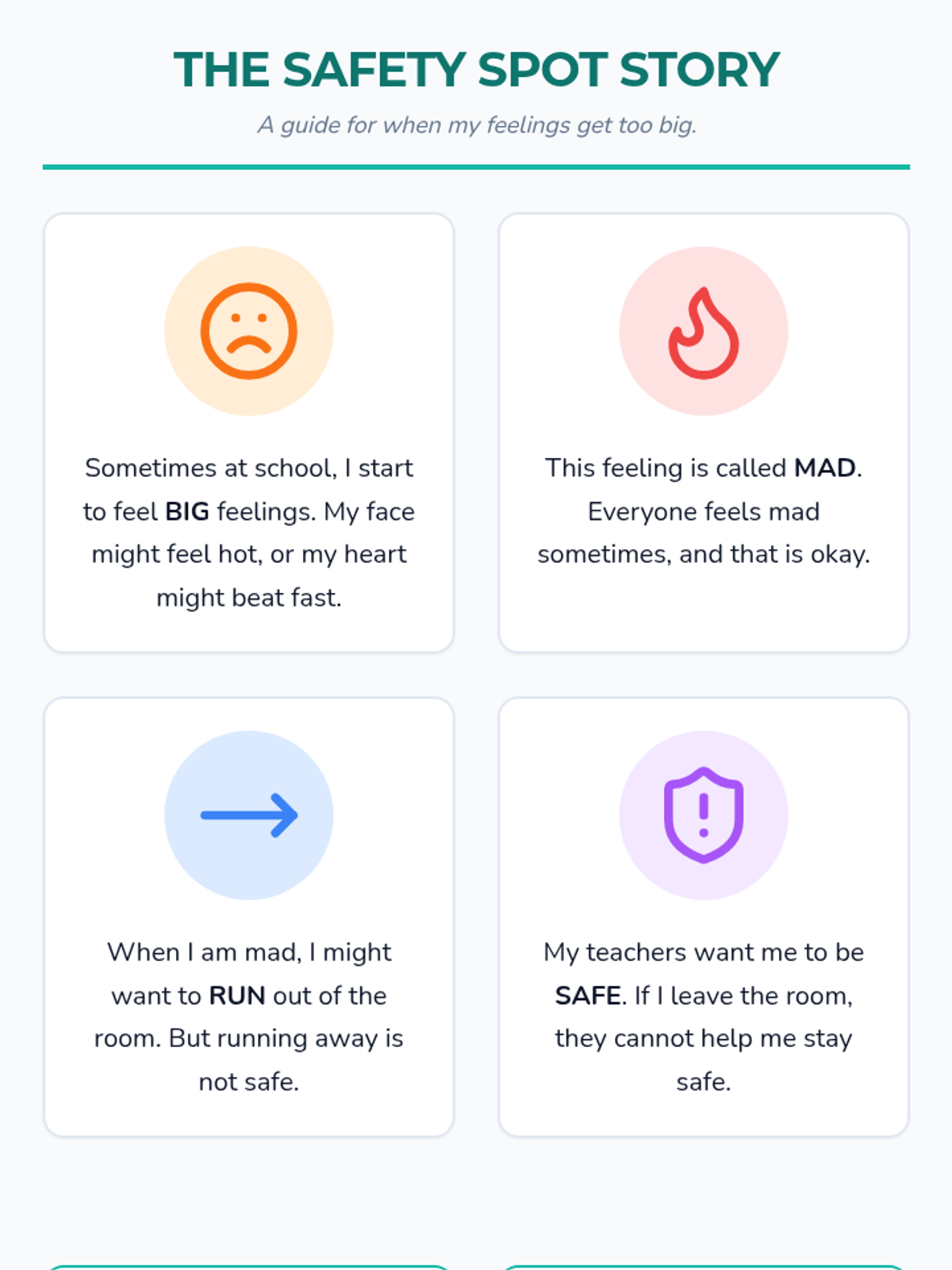
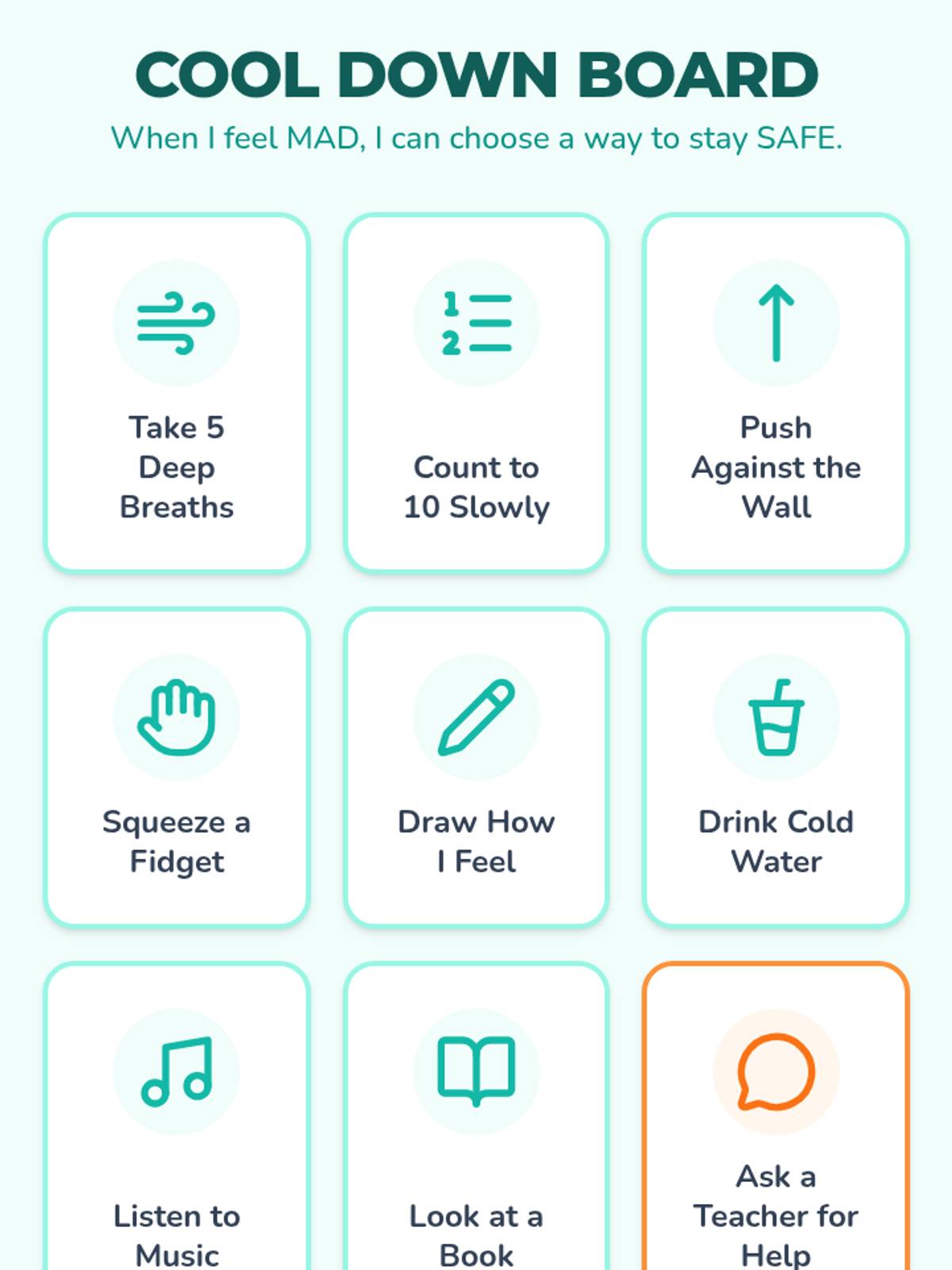
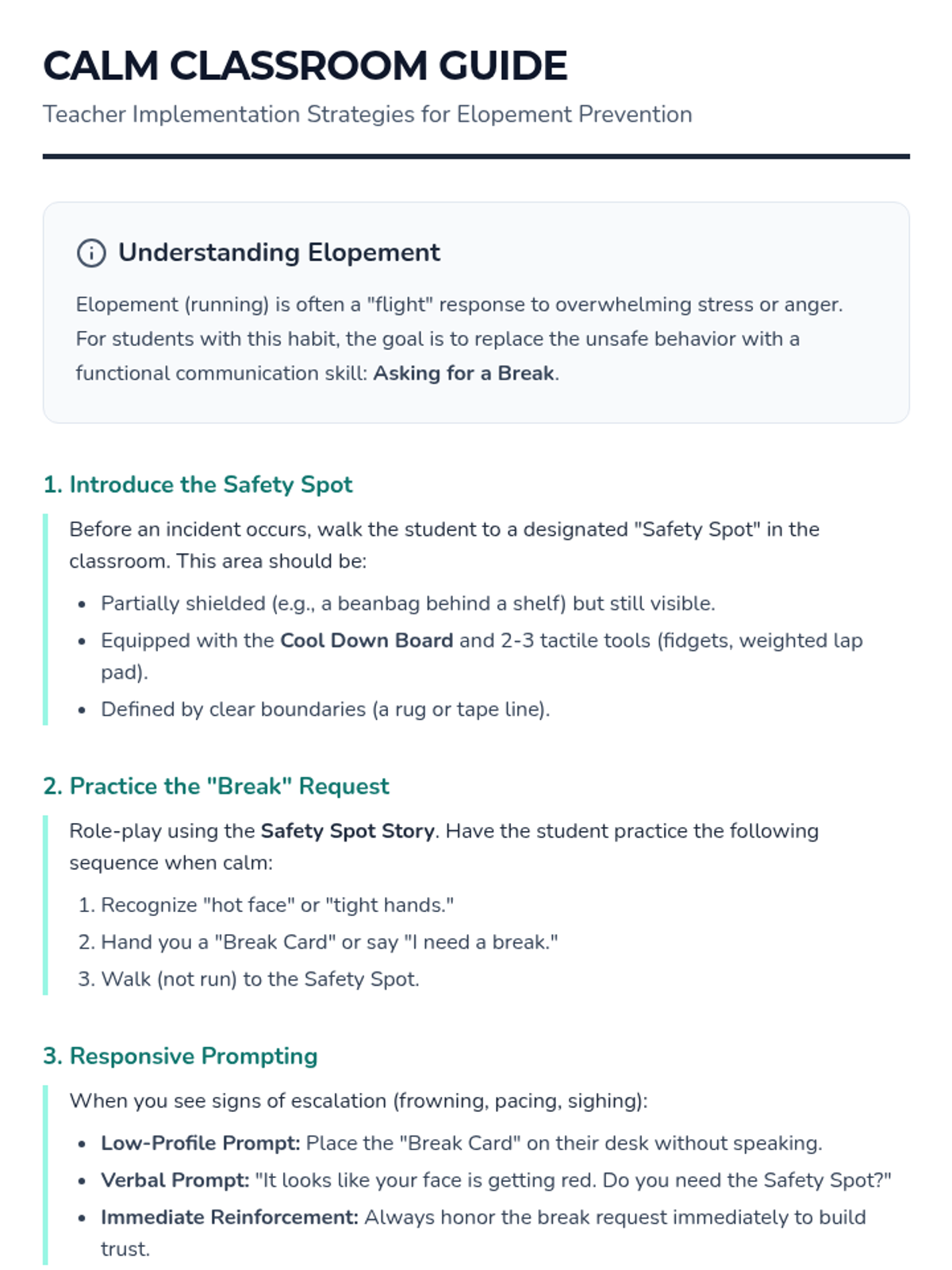
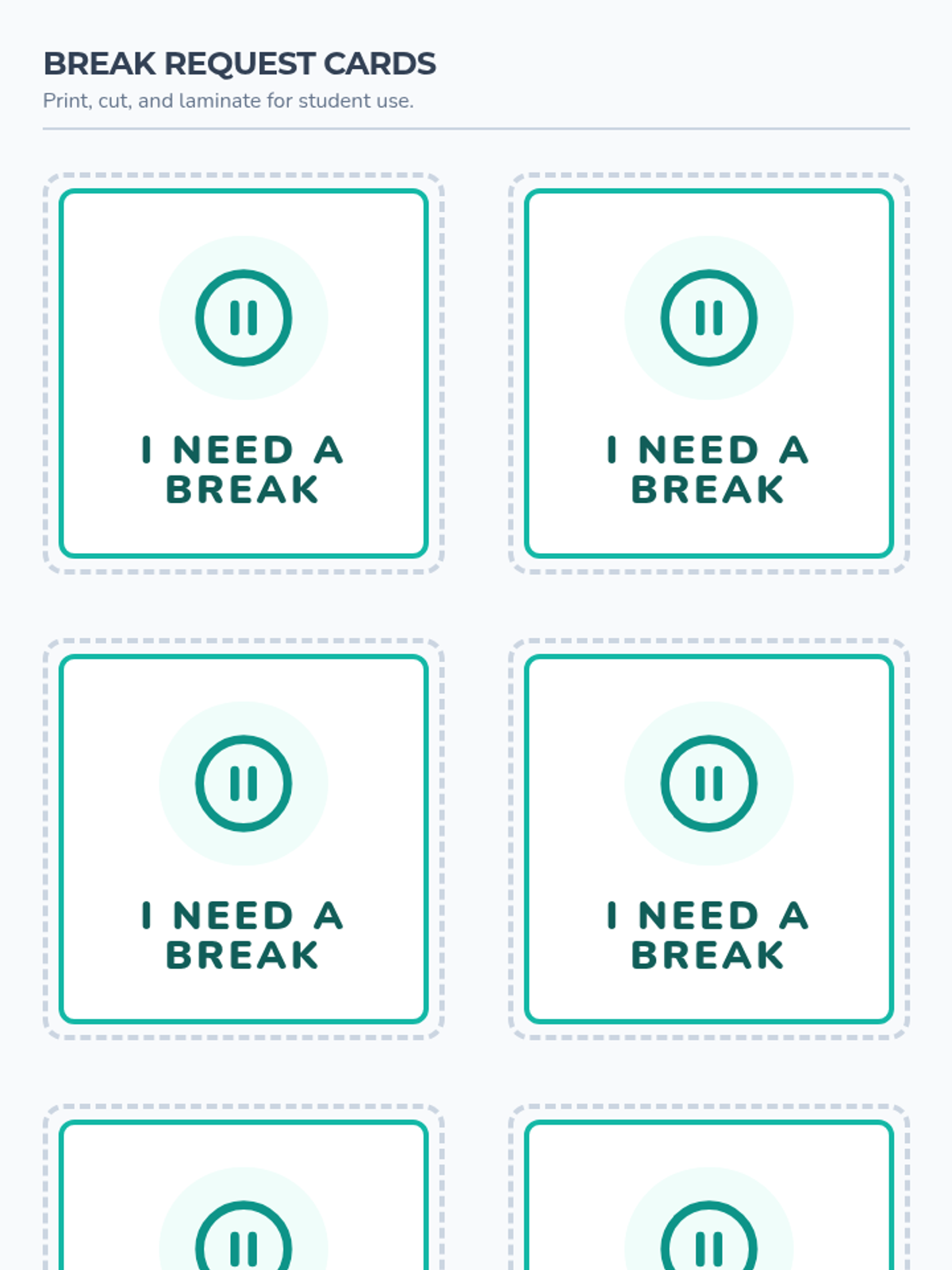
A short instructional unit focused on emotional regulation and safe alternatives to eloping for students who struggle with anger. Includes a social story, a choice board for coping strategies, and a teacher implementation guide.
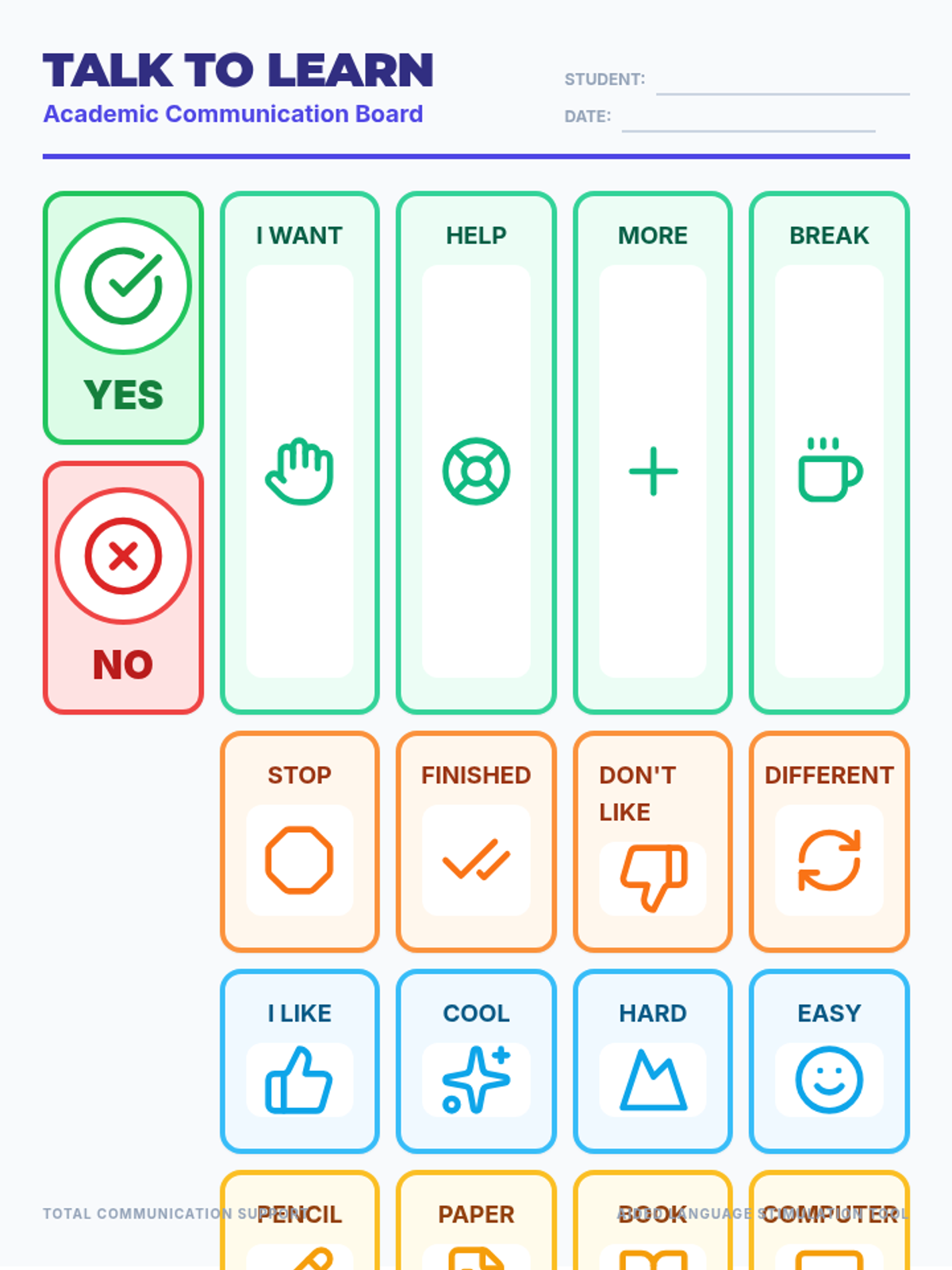
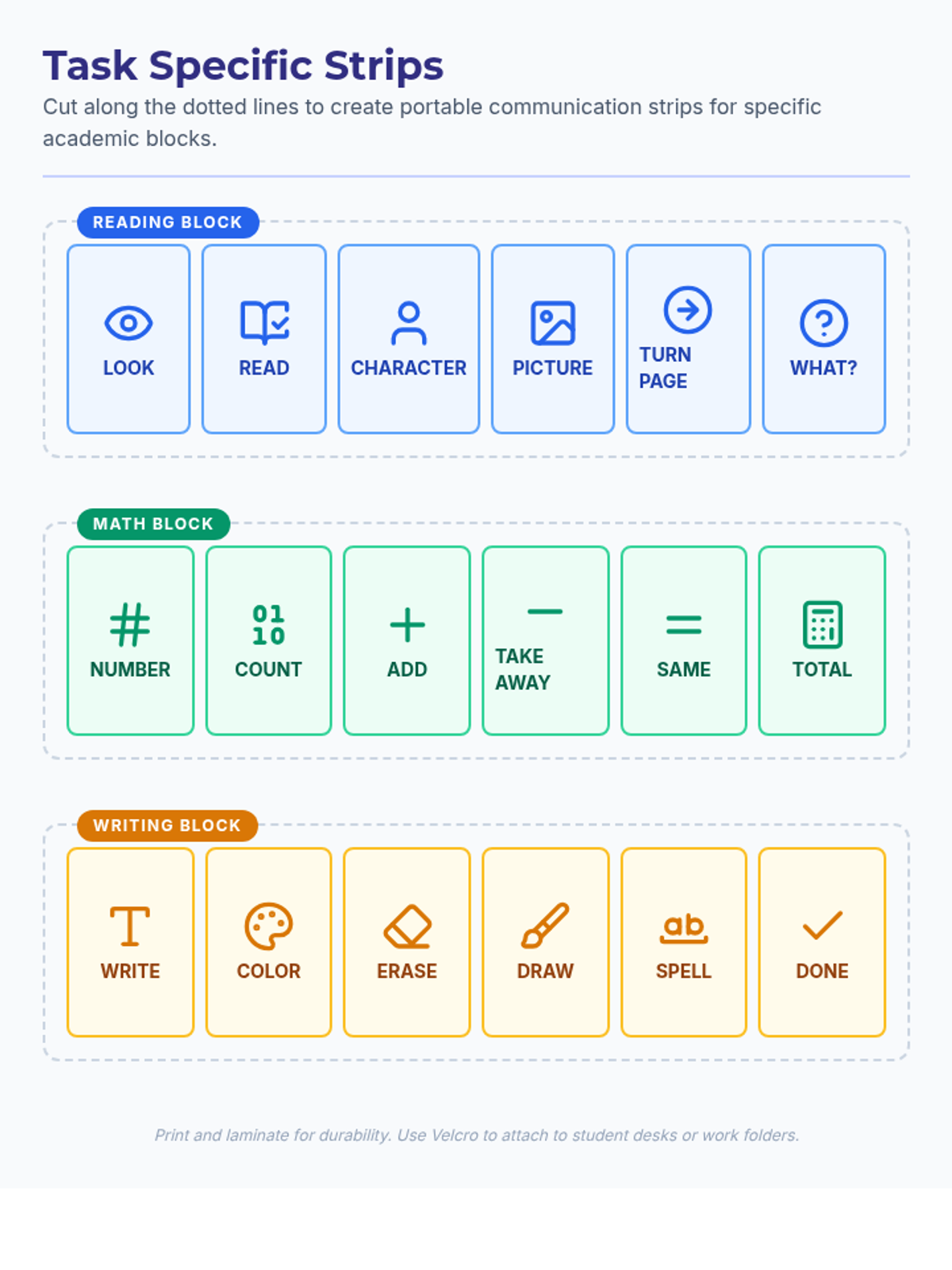
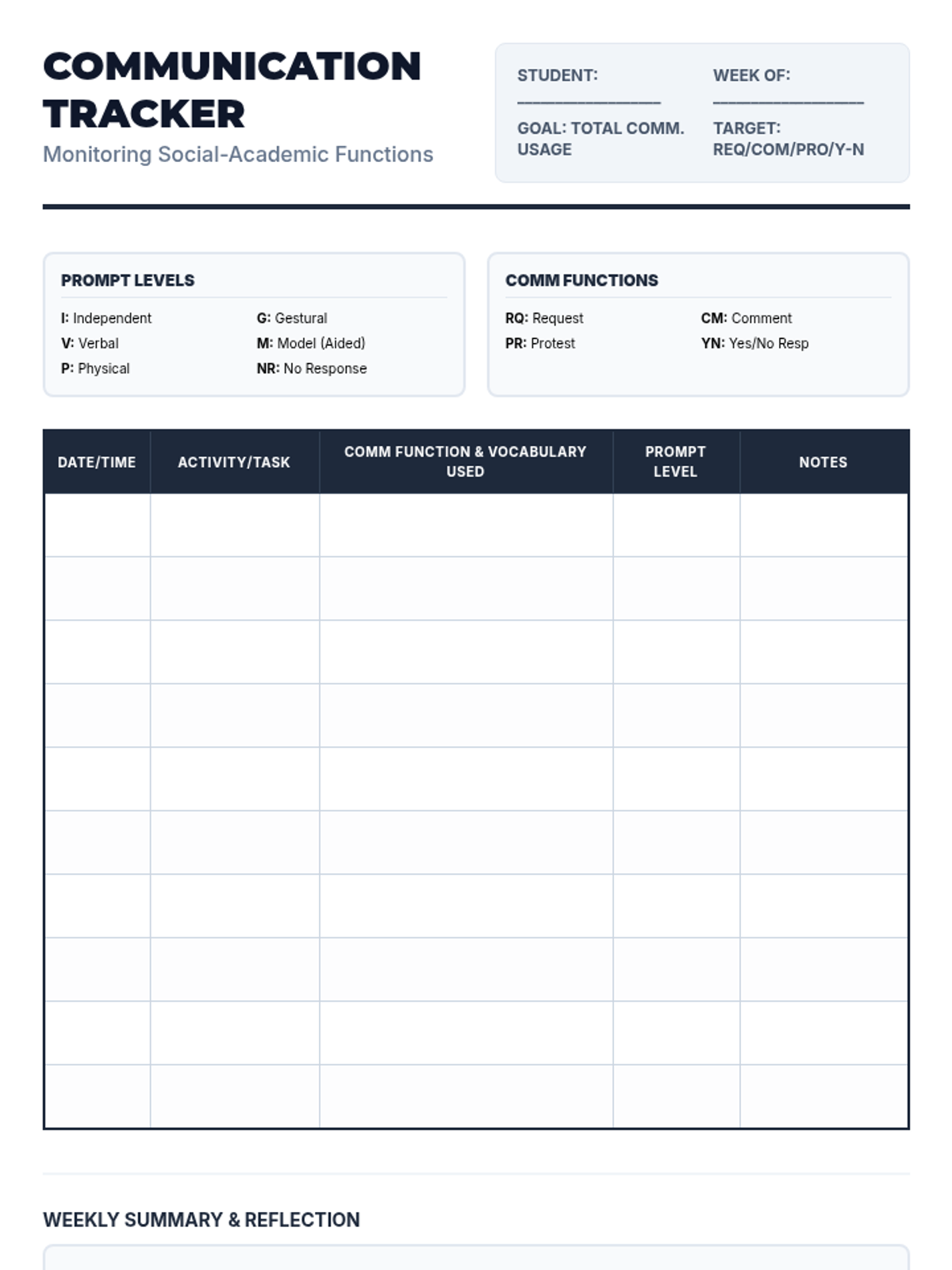
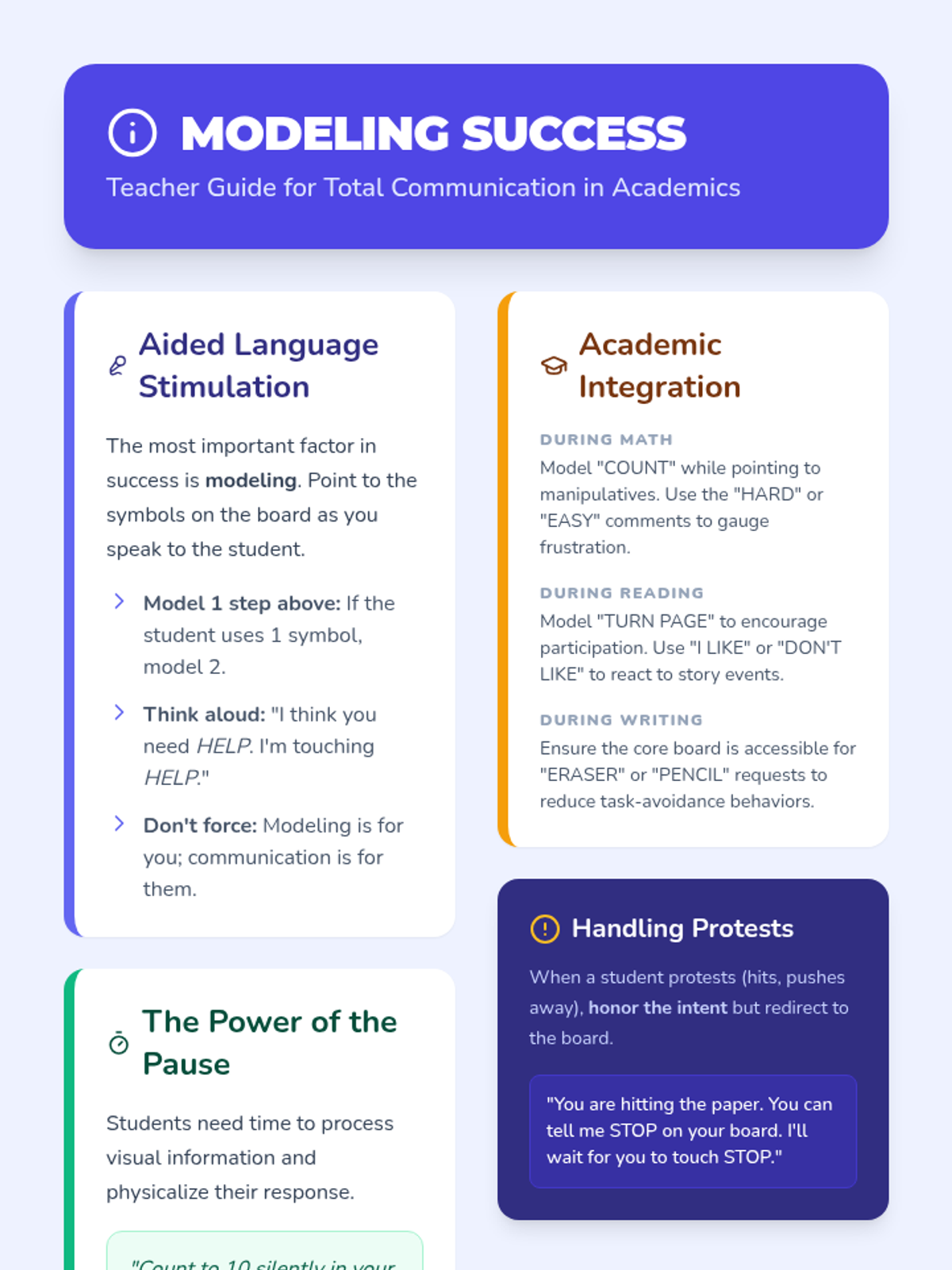
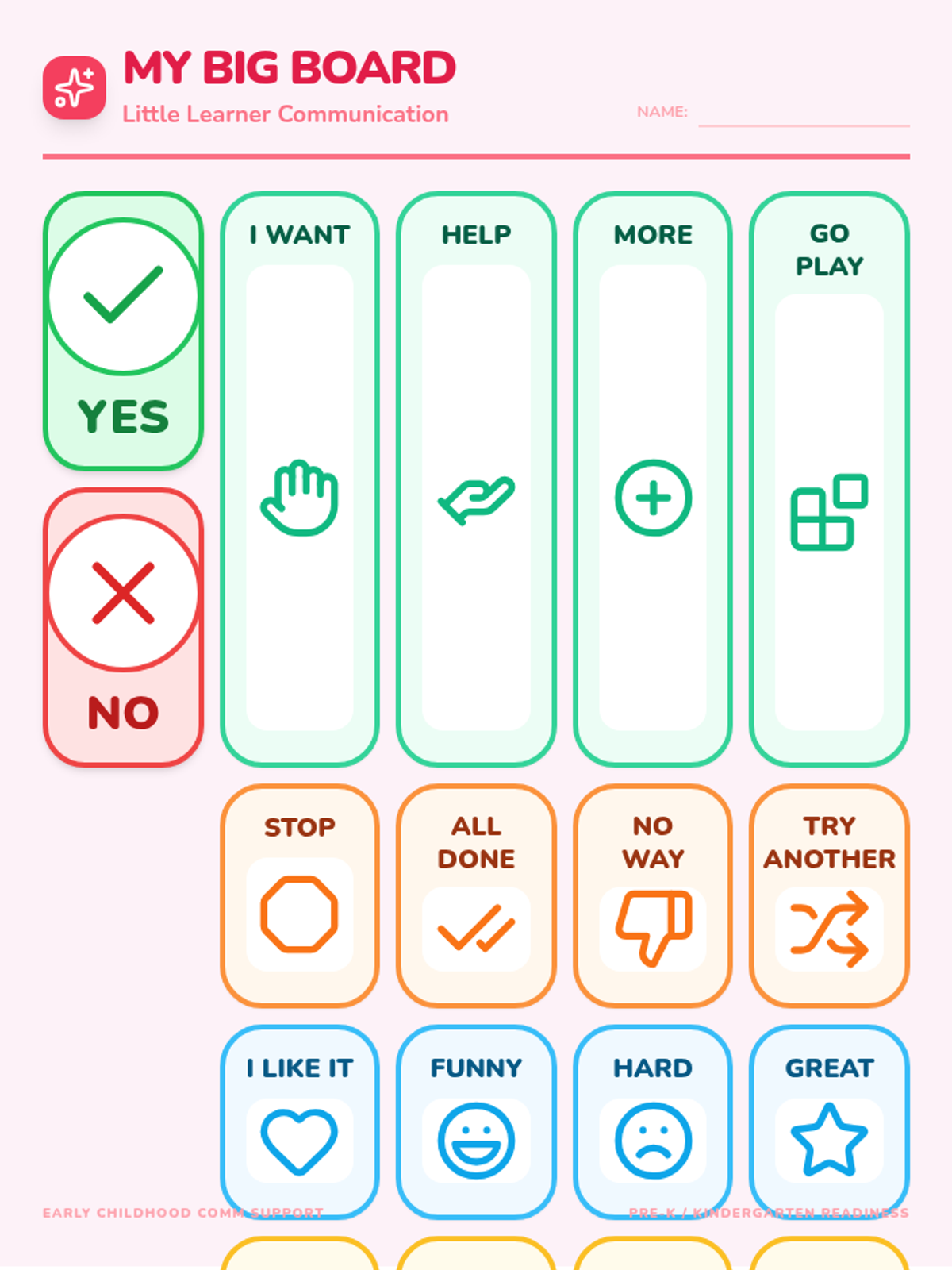
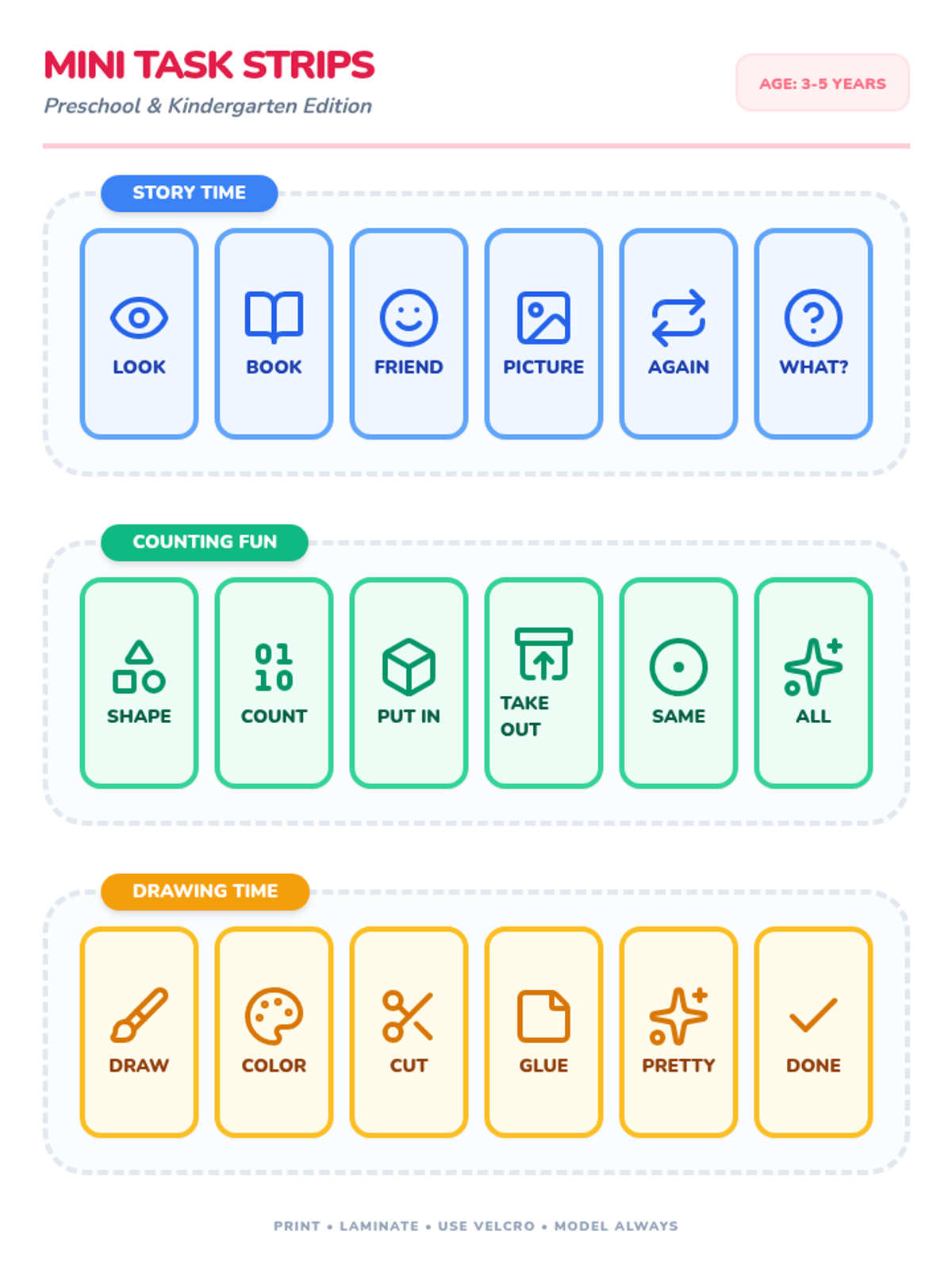
A collection of picture communication tools and tracking resources designed to support students in requesting, commenting, protesting, and answering questions during academic instruction.
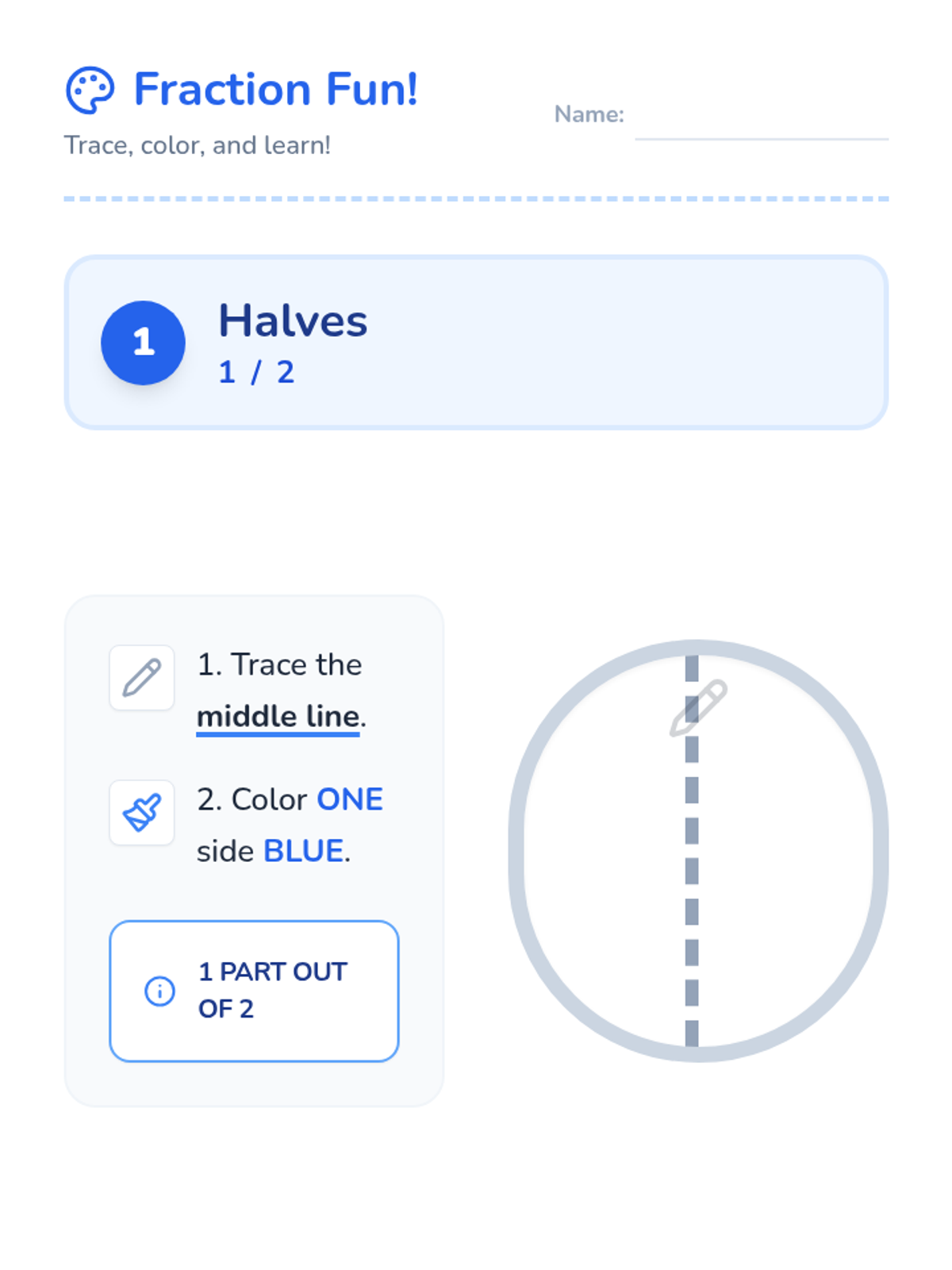
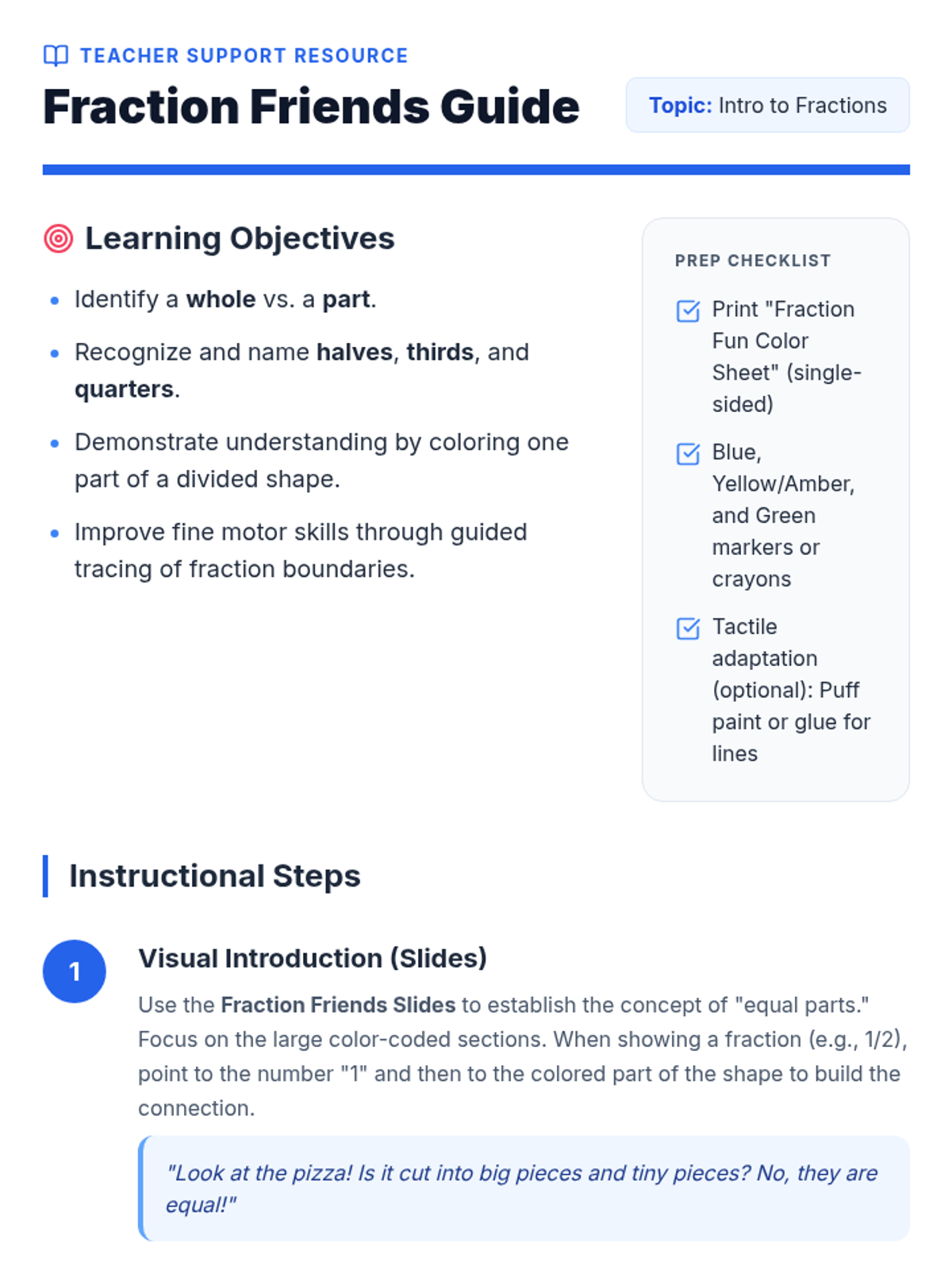
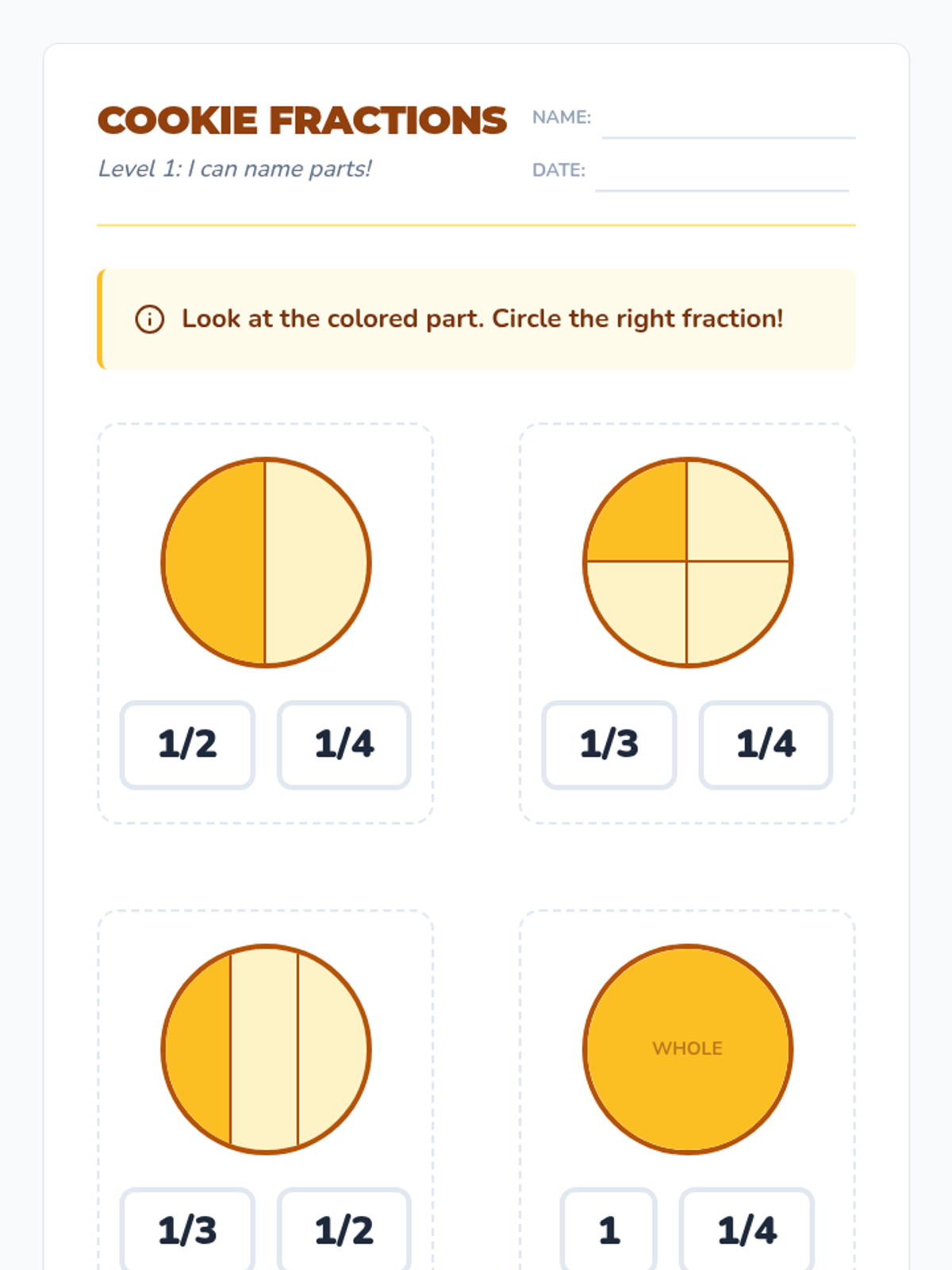
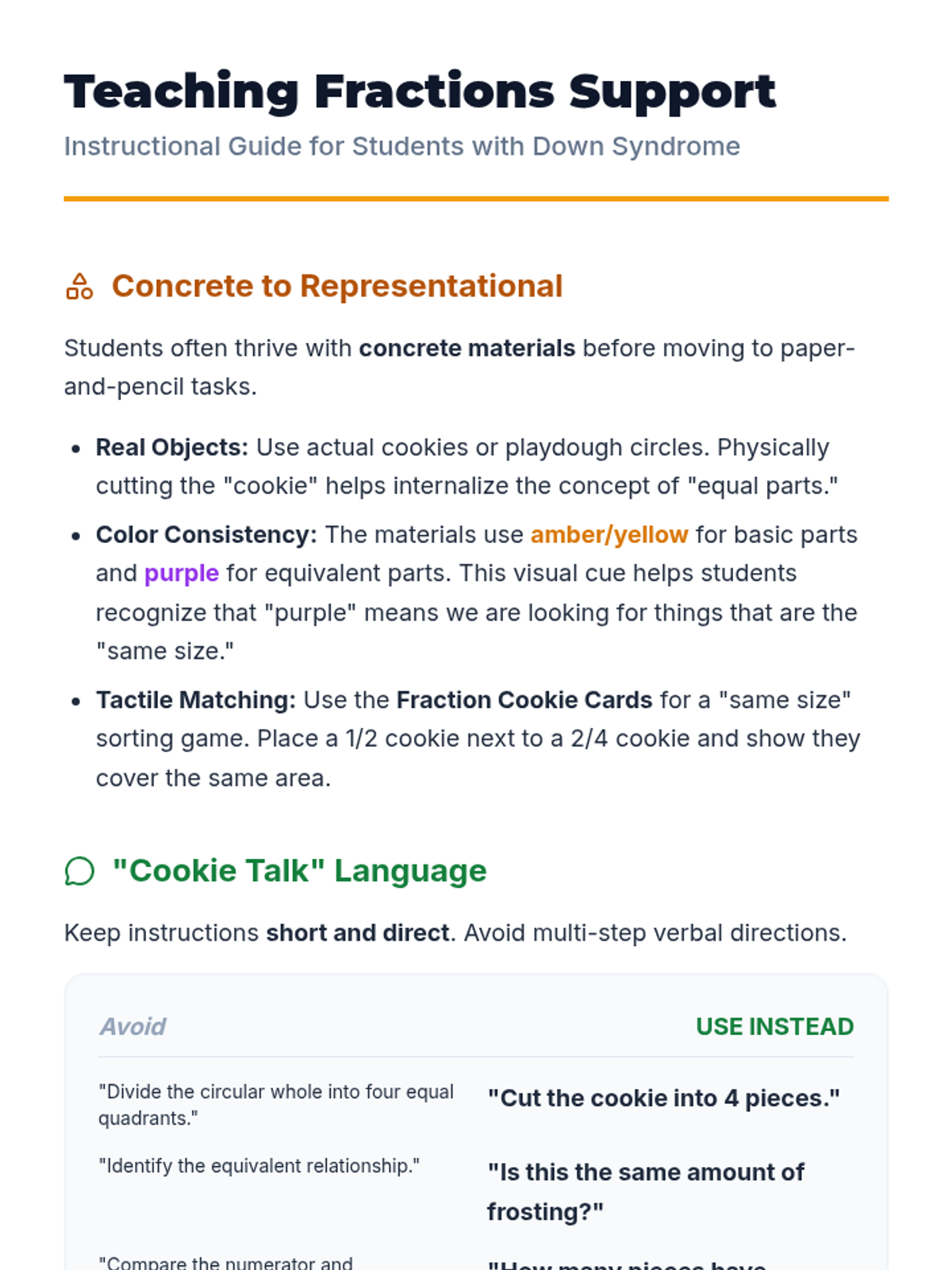
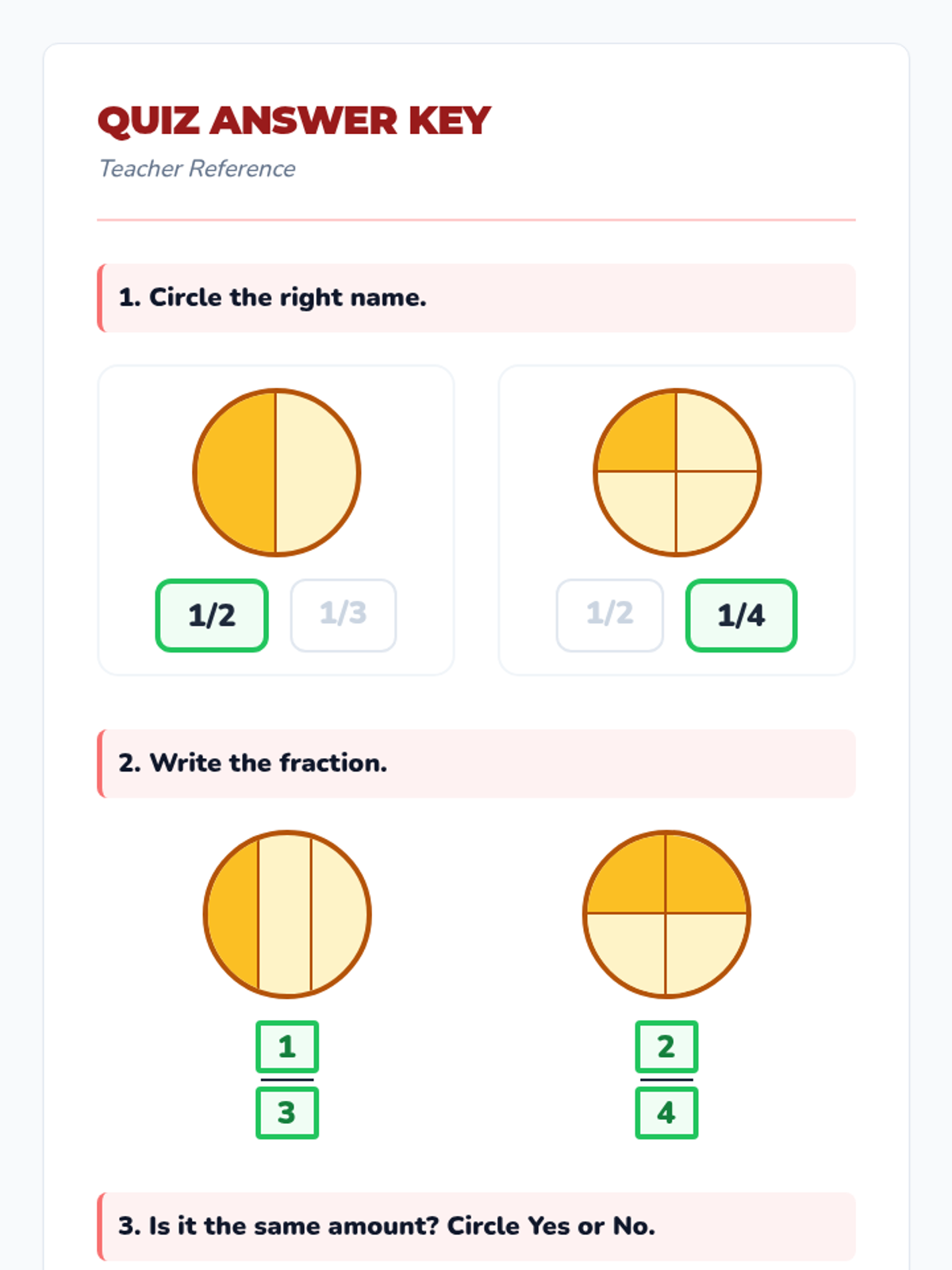
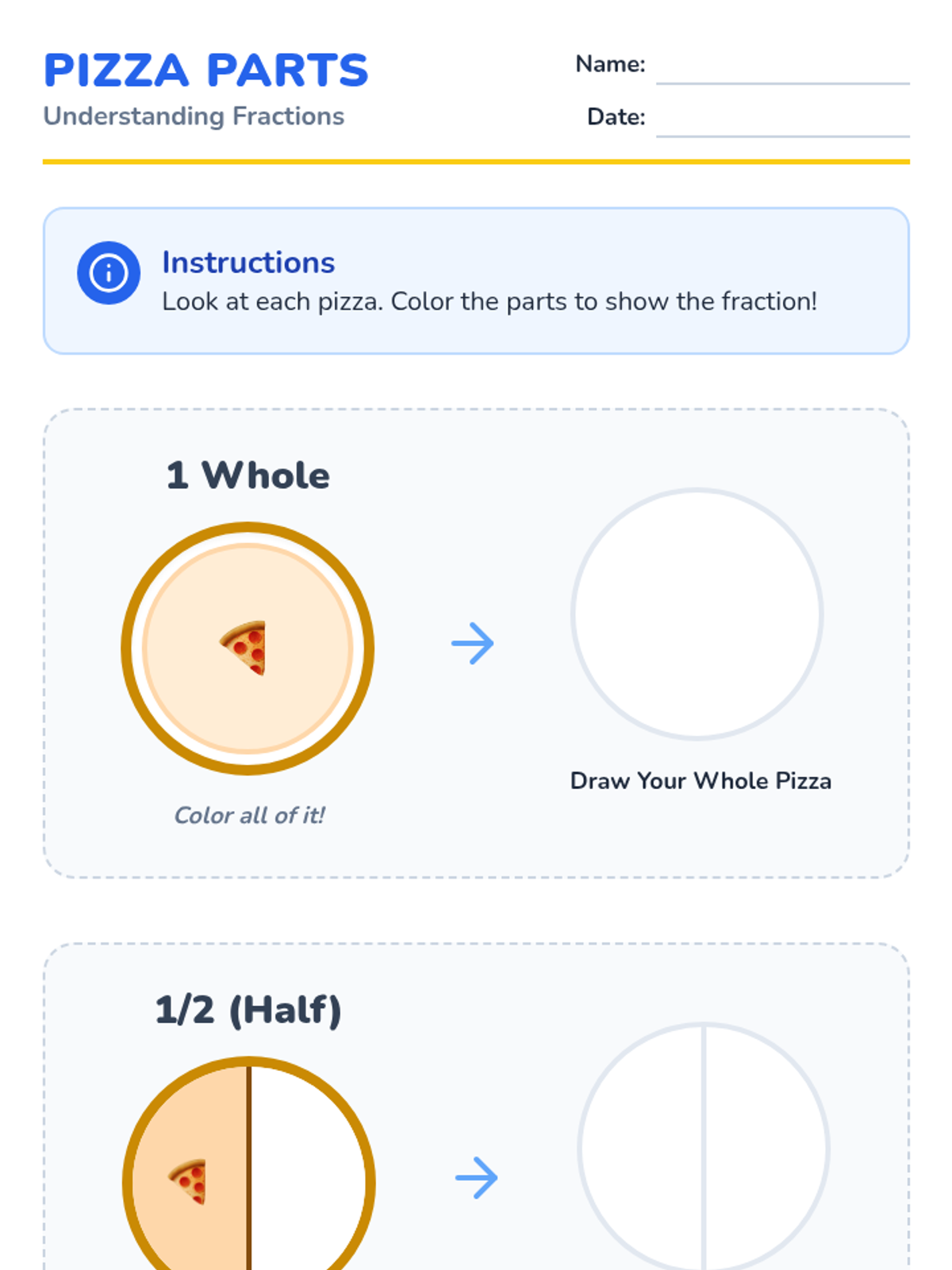
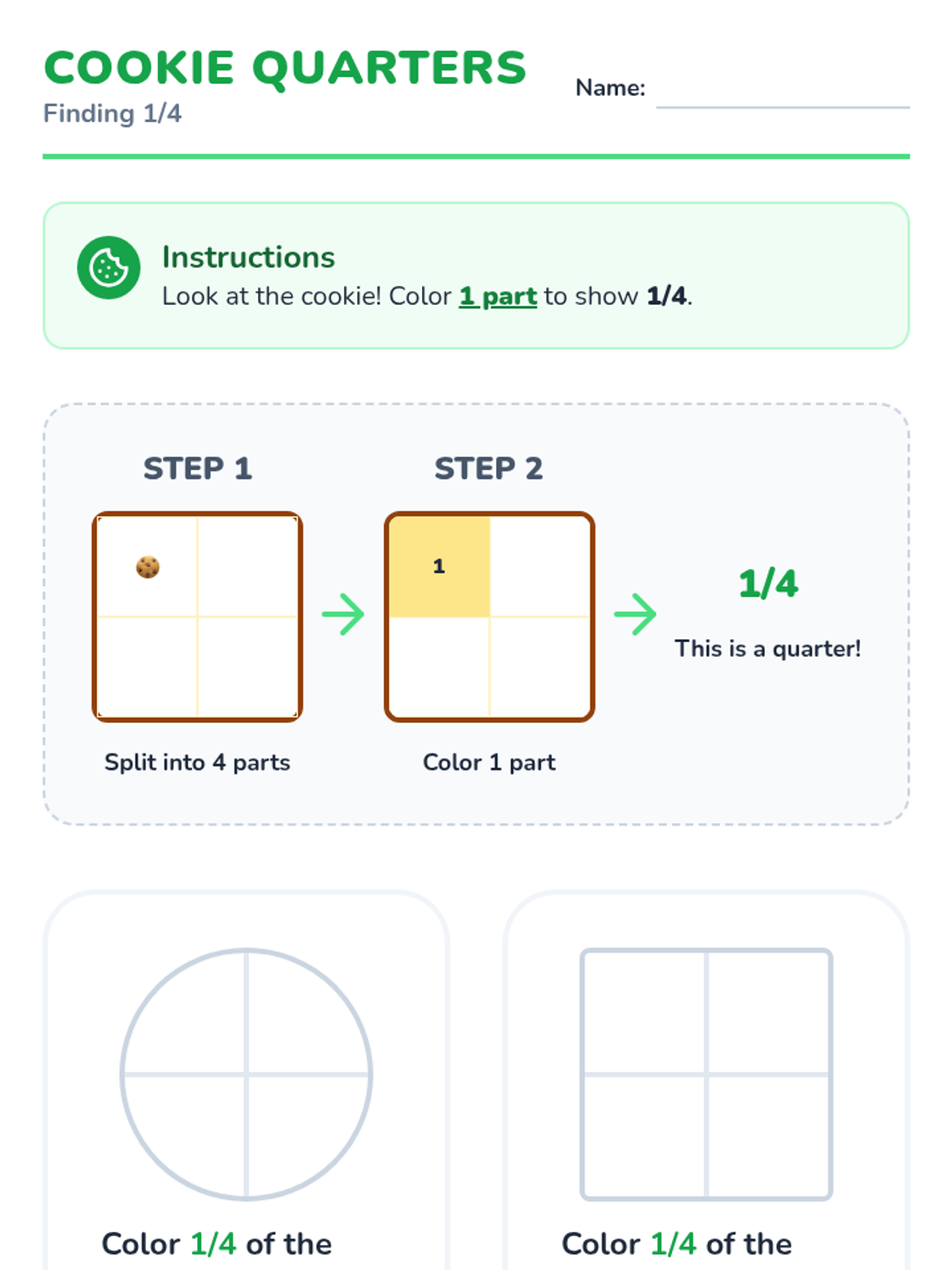
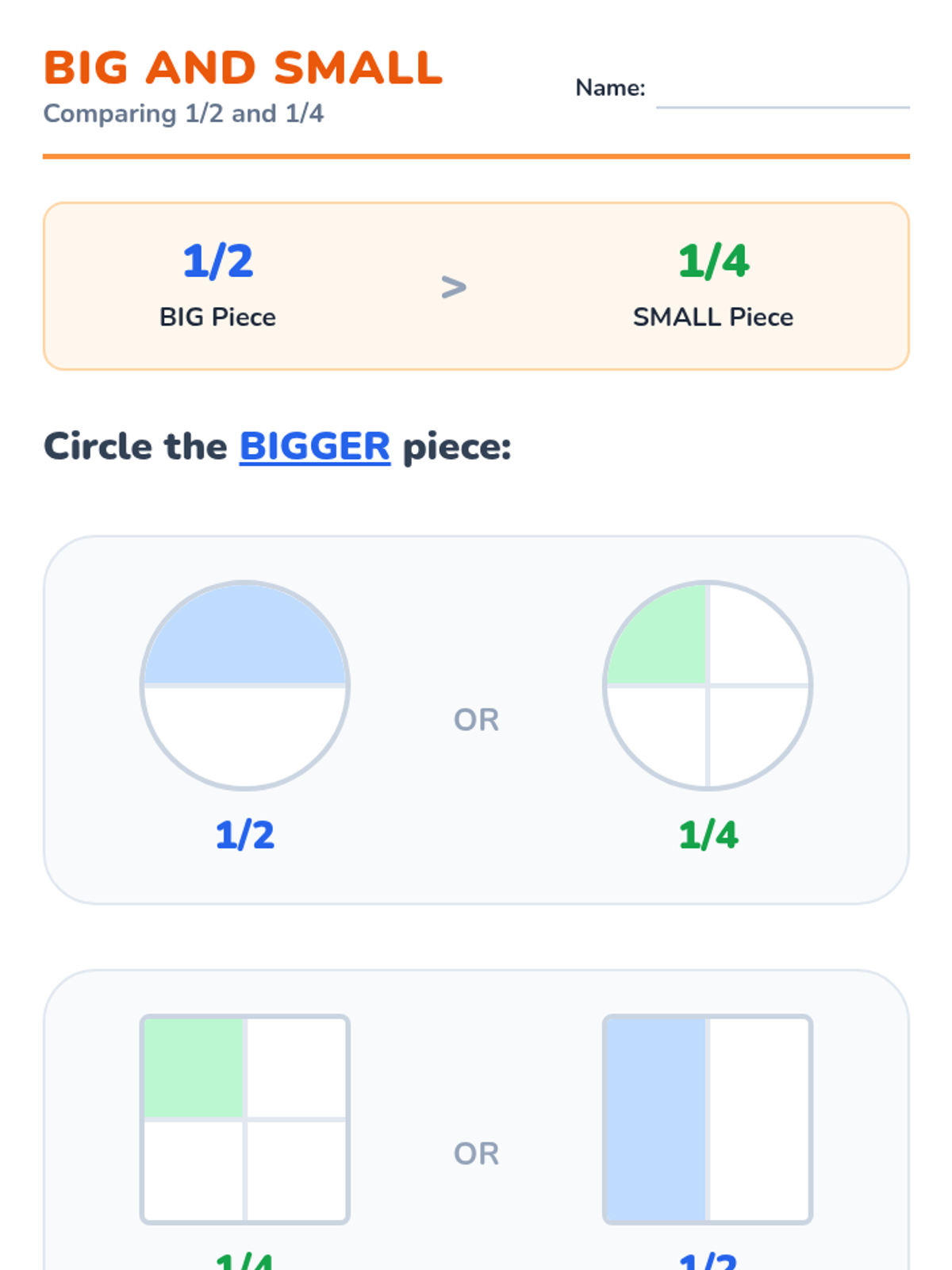
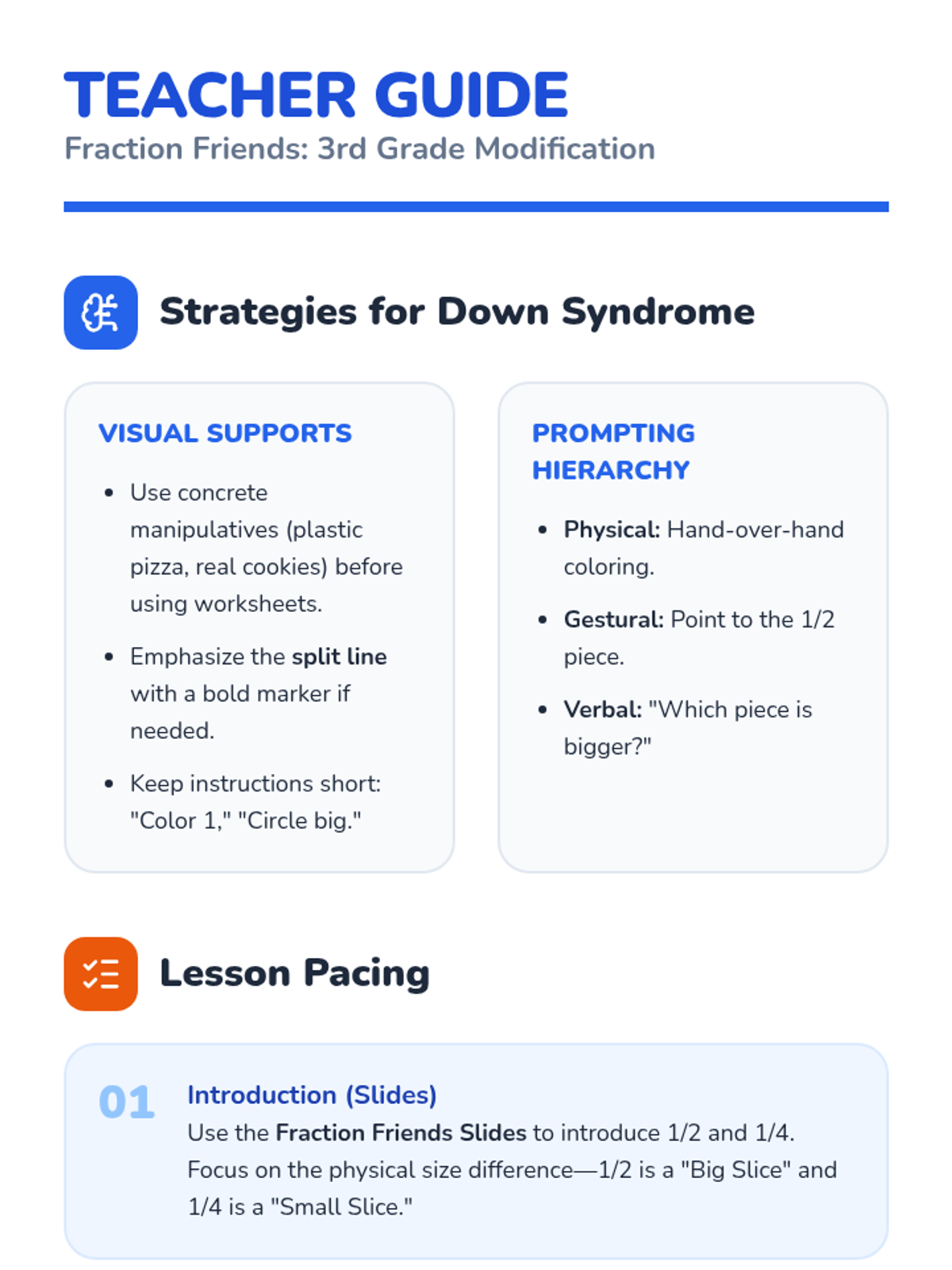
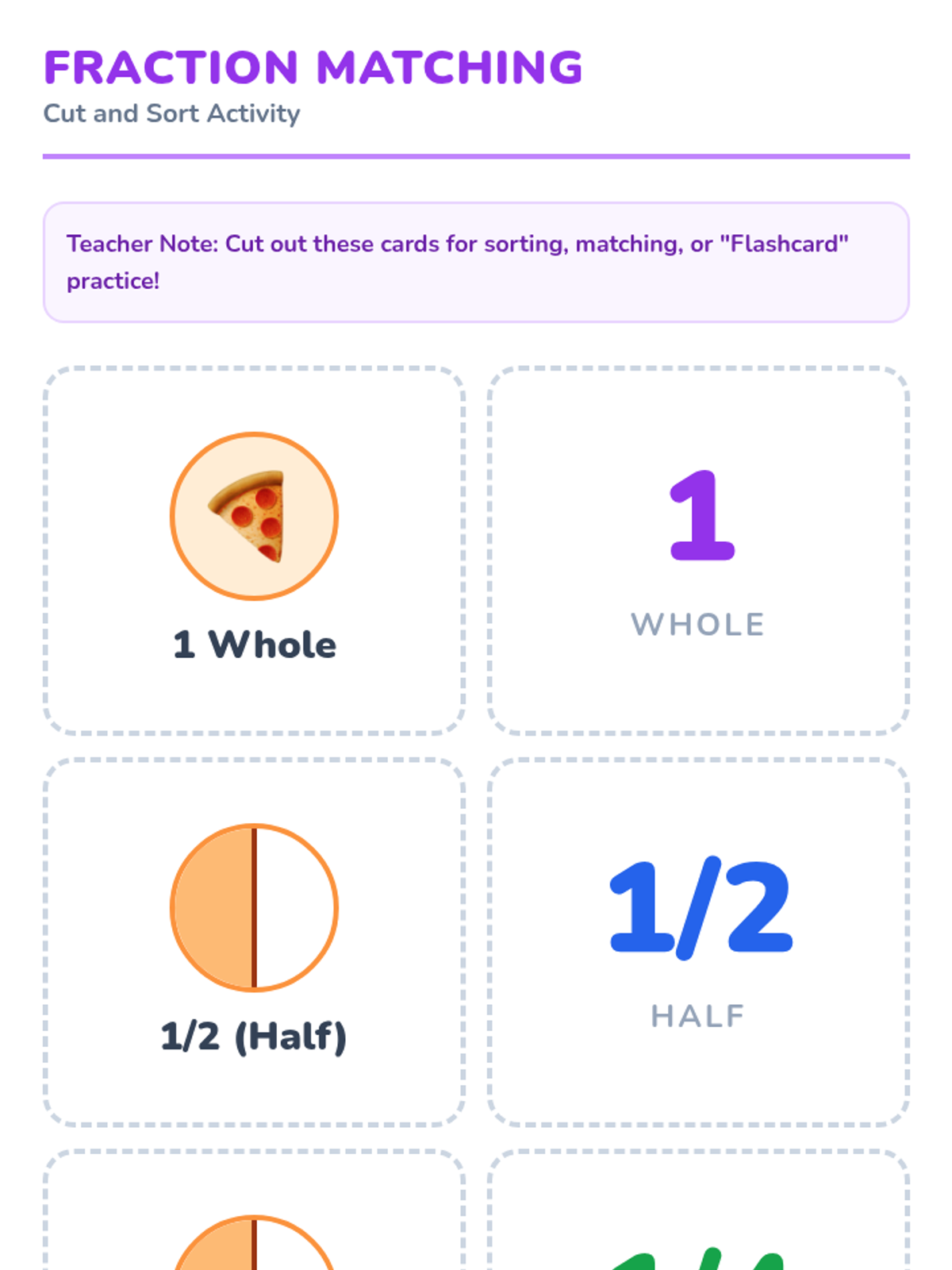
A specialized math lesson for 3rd-grade students with Down Syndrome, focusing on the foundational concepts of halves, thirds, and quarters through high-contrast visuals, guided tracing, and tactile-inspired coloring activities.
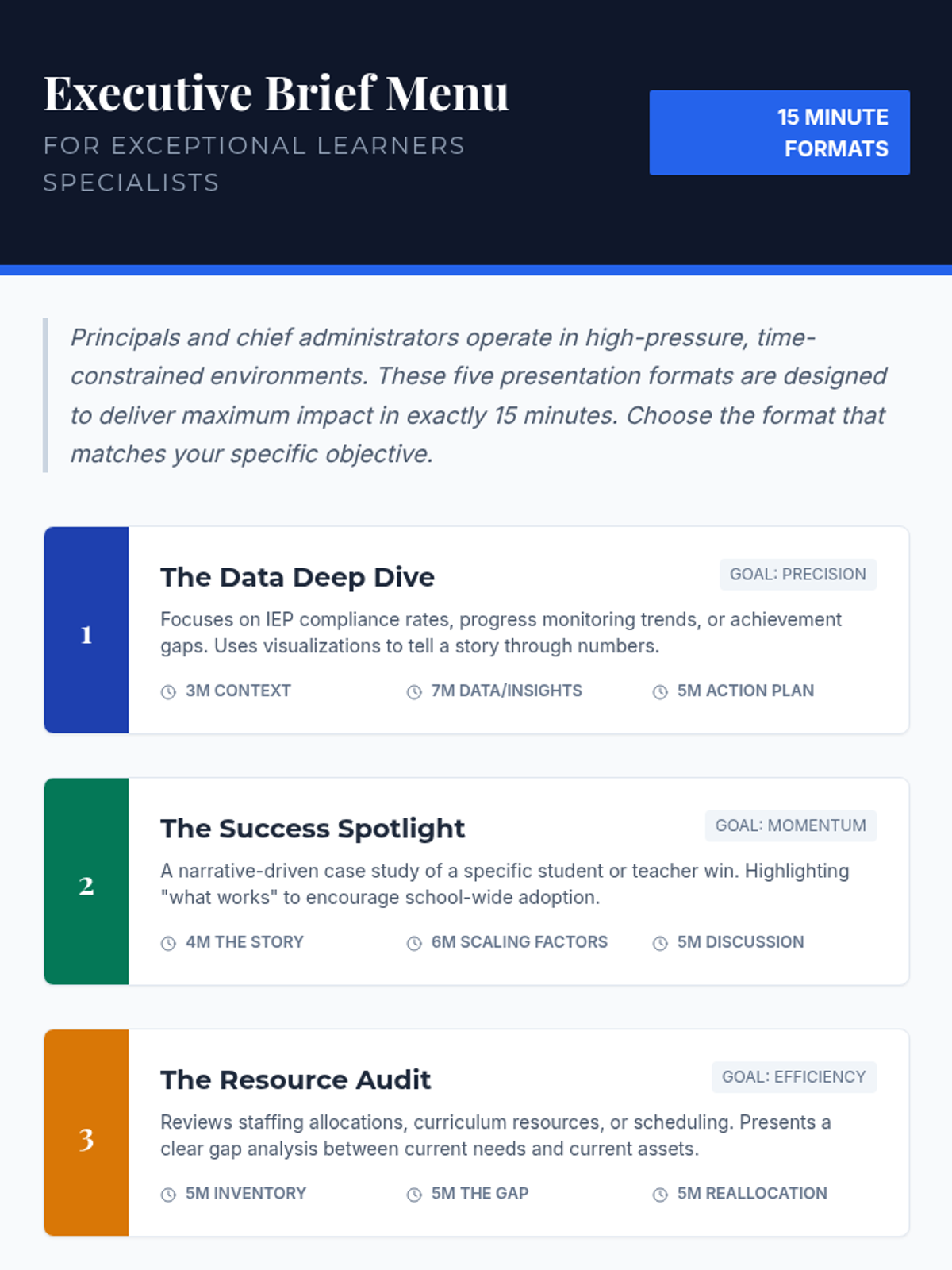
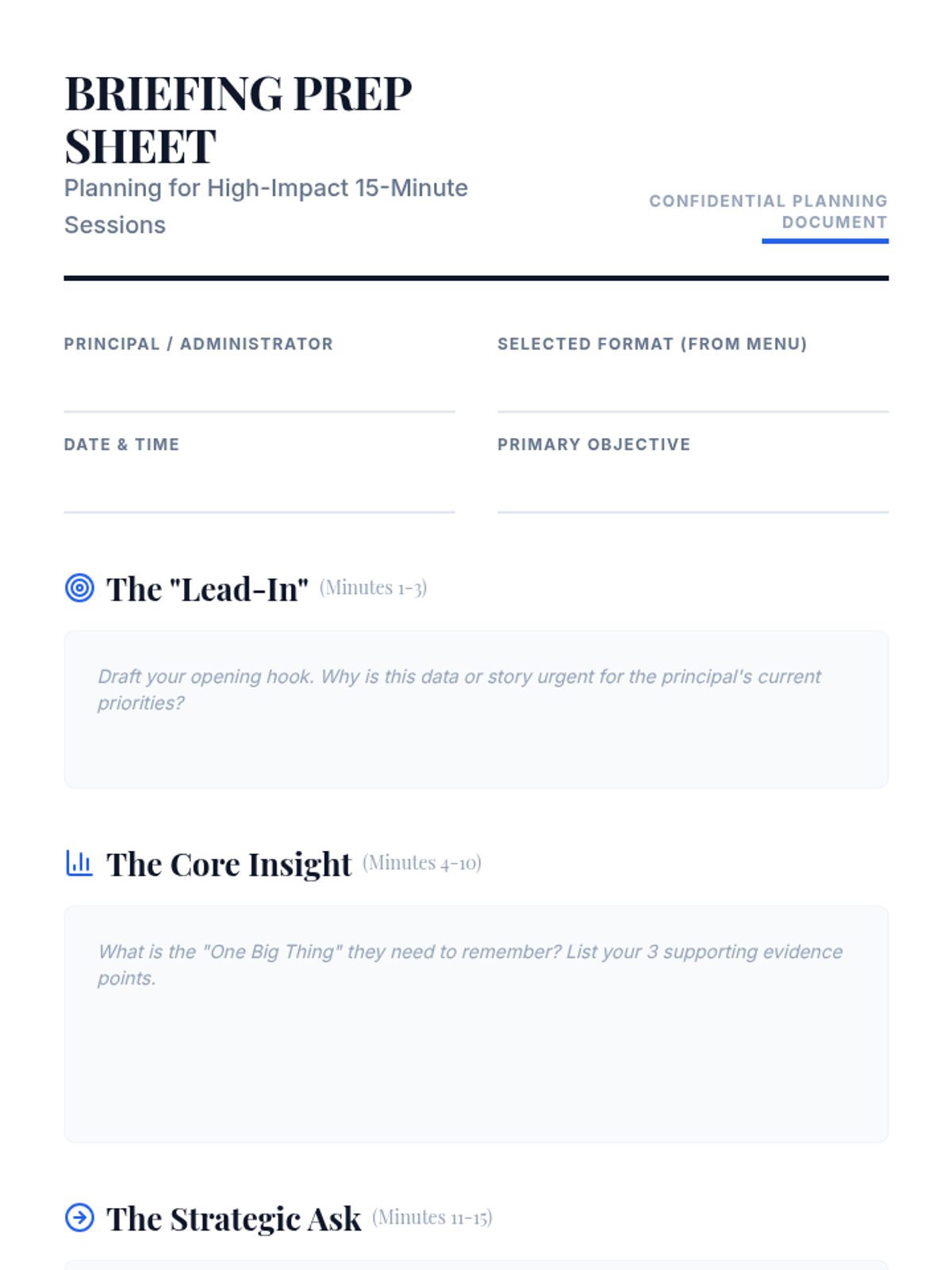
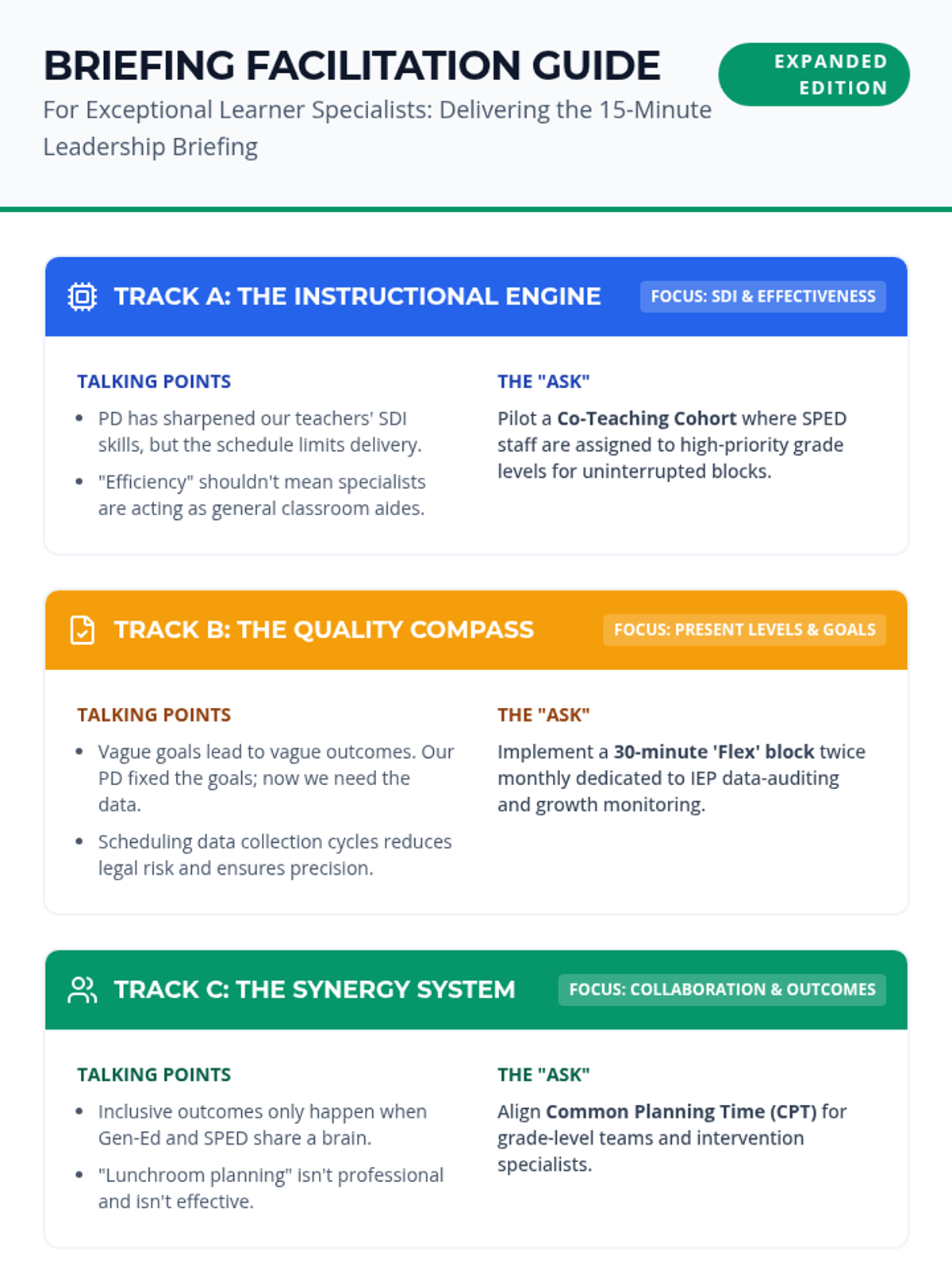
Resources and templates for Exceptional Learners Specialists to master the 15-minute executive brief, focusing on five distinct presentation formats tailored for principals.
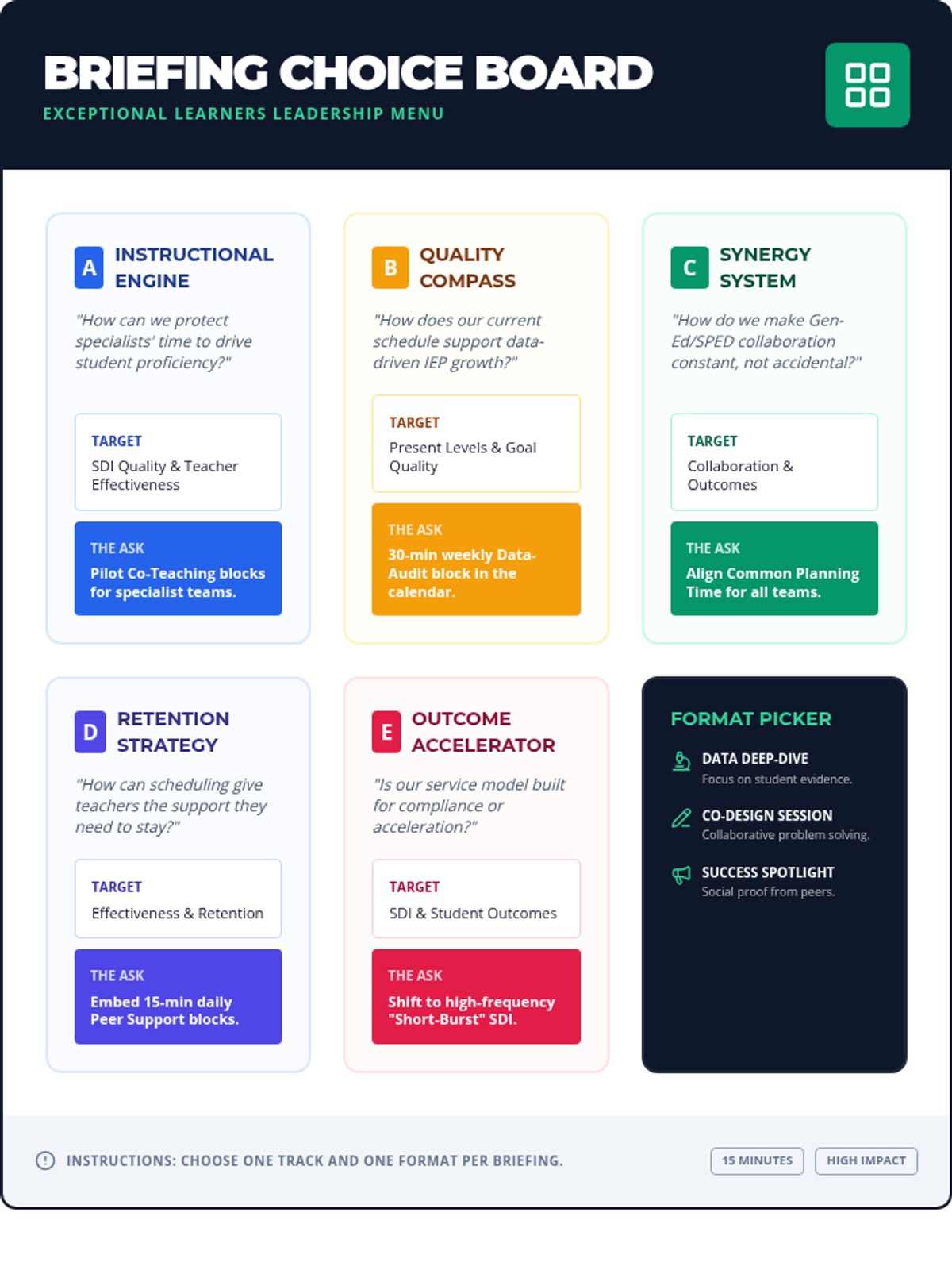
A presentation designed for Exceptional Learners Specialists to choose a 15-minute high-impact briefing for district leaders, focusing on PD implementation in scheduling and services.
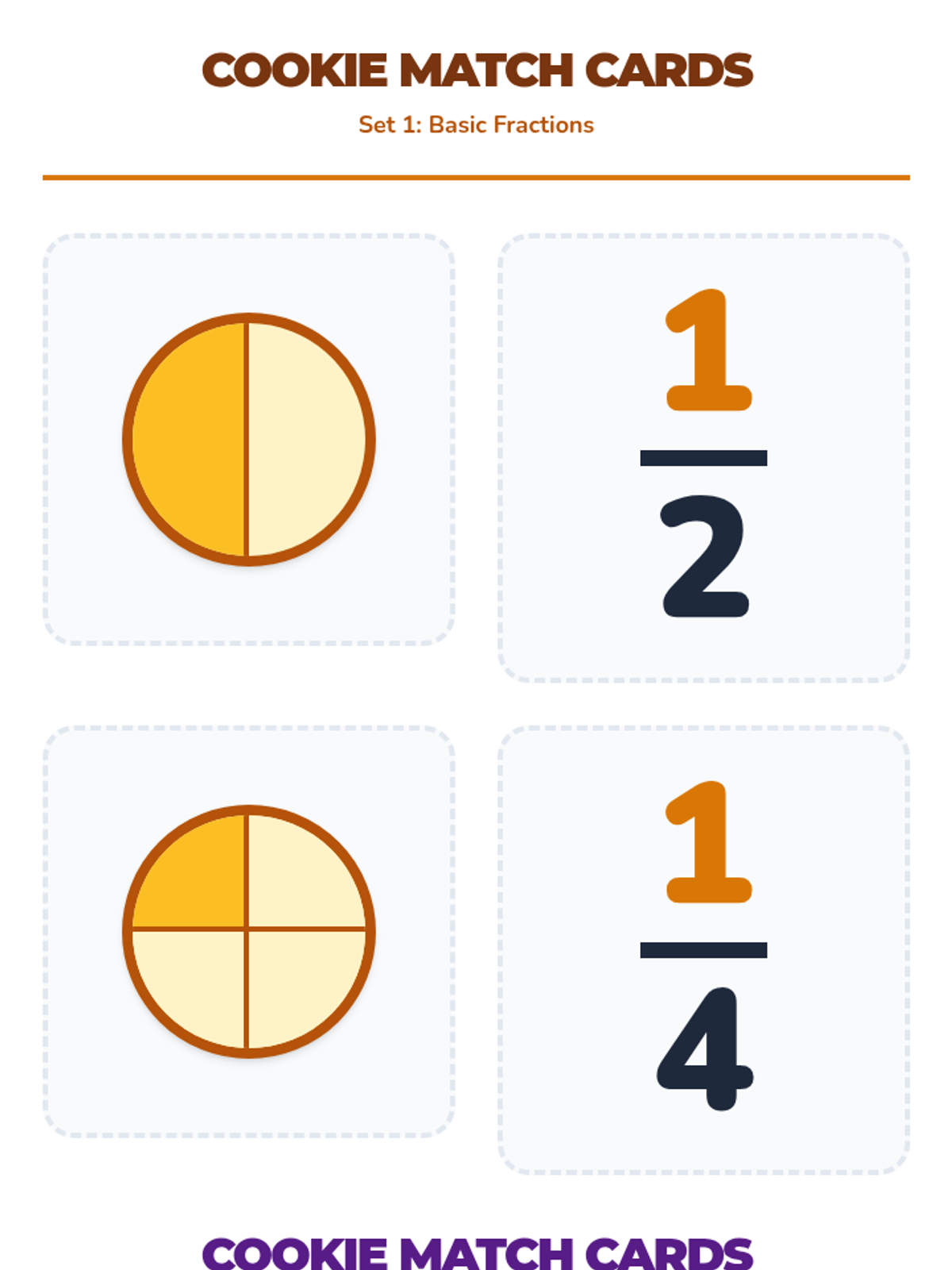
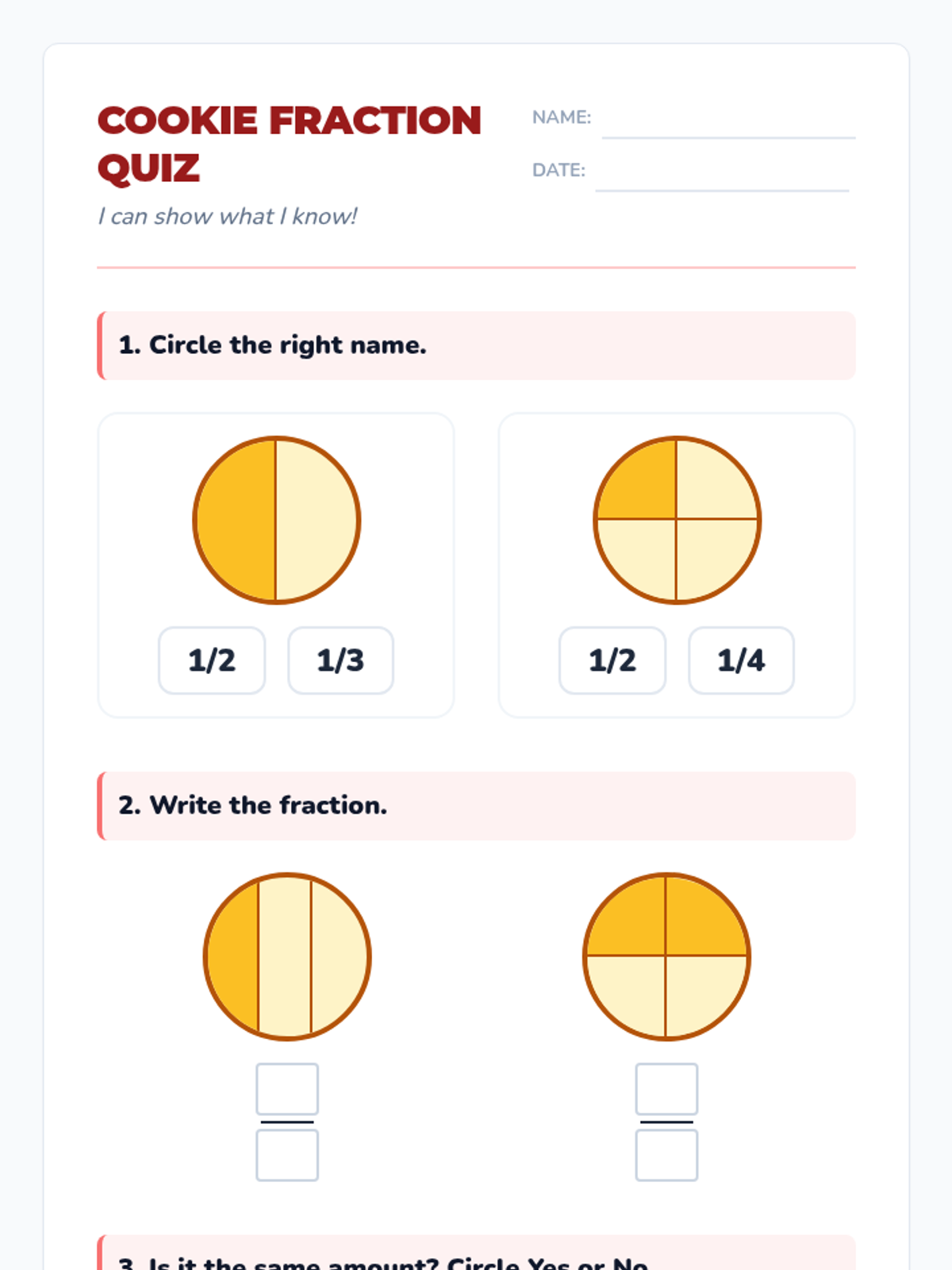
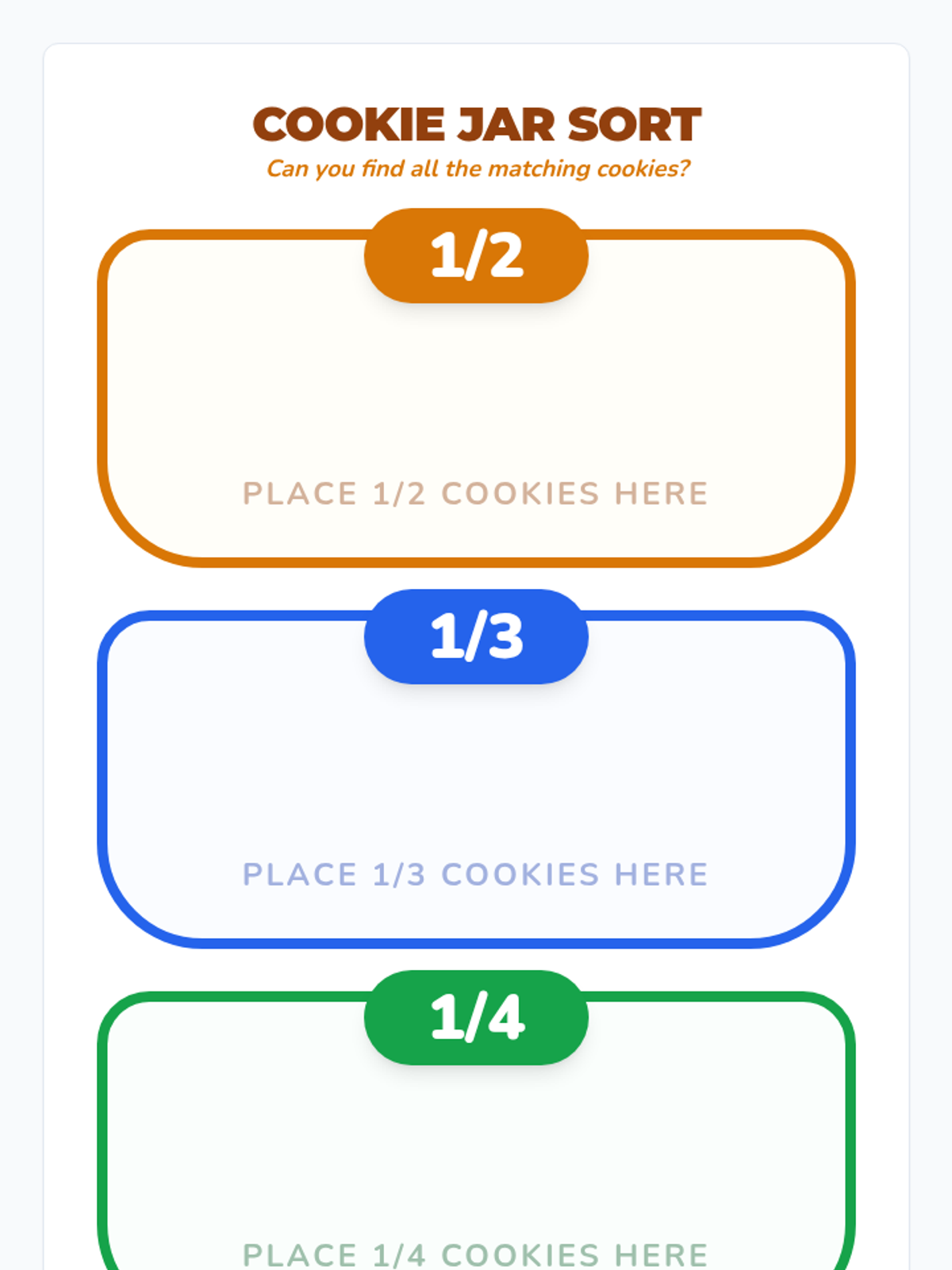
A highly visual and hands-on lesson designed to introduce 3rd-grade students to identifying, naming, and finding equivalent fractions using relatable cookie models. This lesson is specifically scaffolded with clear visuals and simplified instructions to support diverse learners, including those with Down syndrome.
A series of highly visual, scaffolded activities designed to introduce fractions to 3rd-grade students with Down Syndrome. The lesson focuses on parts of a whole, unit fractions (1/2 and 1/4), and simple comparisons using concrete visual aids.
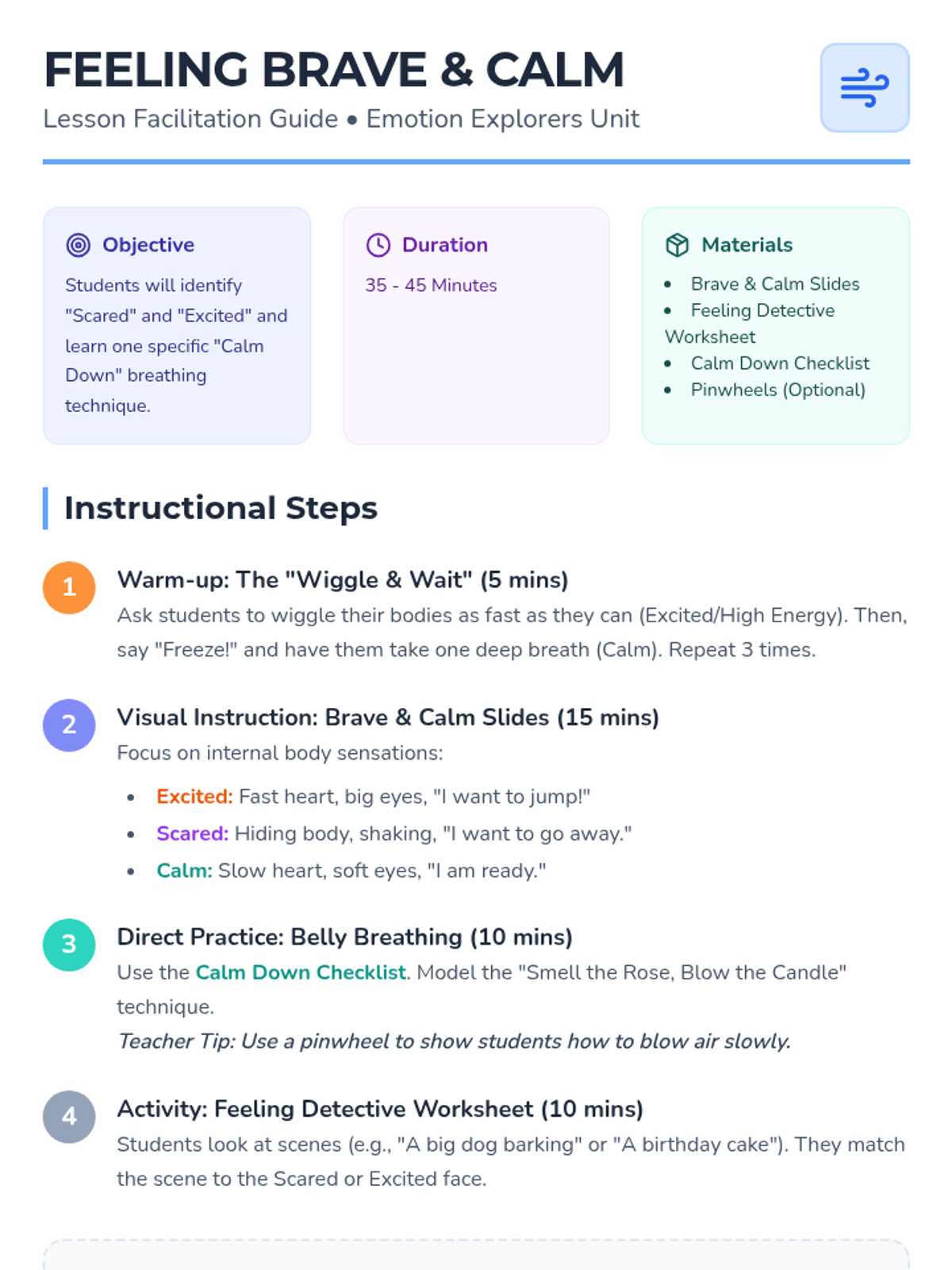
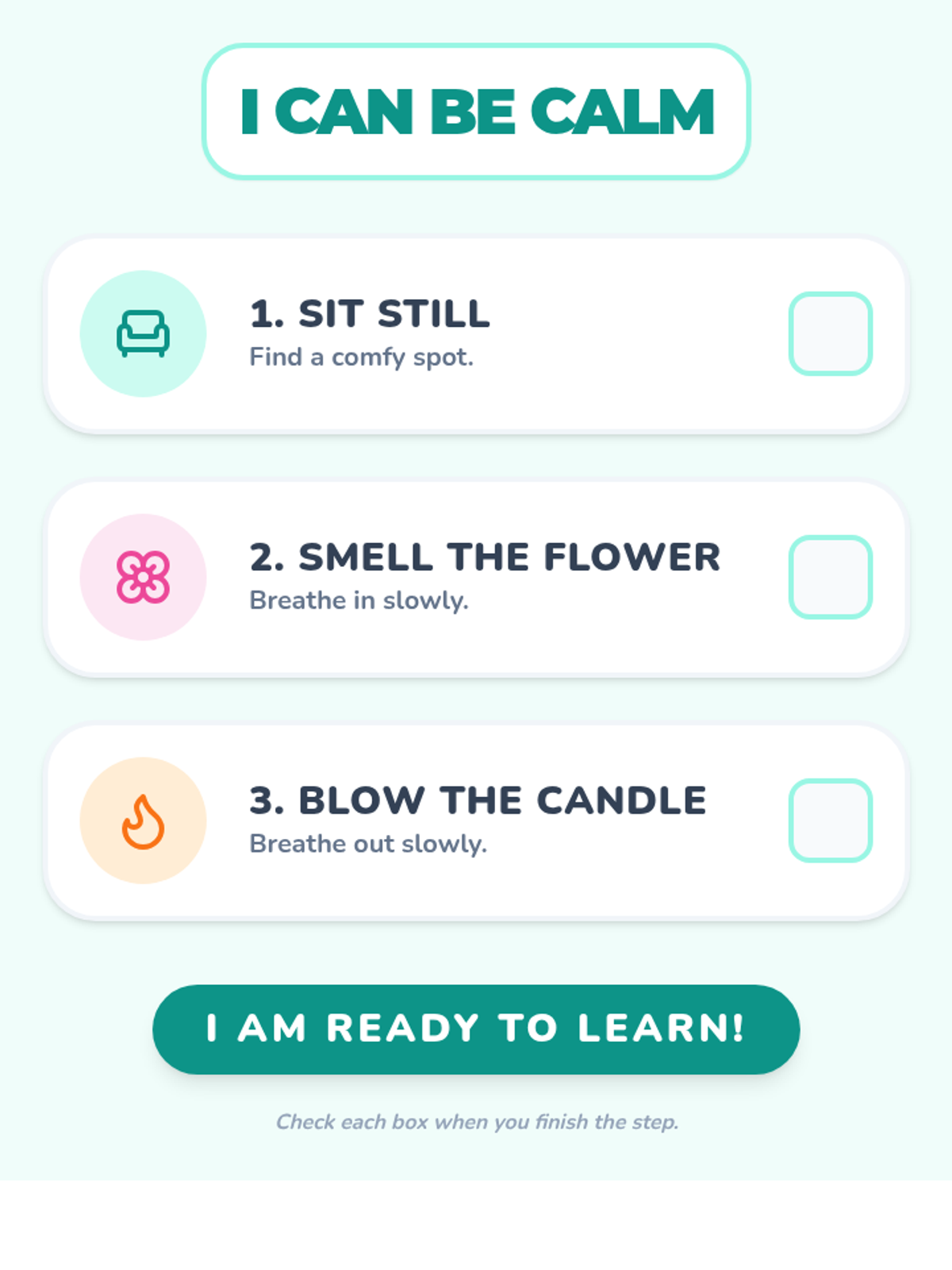
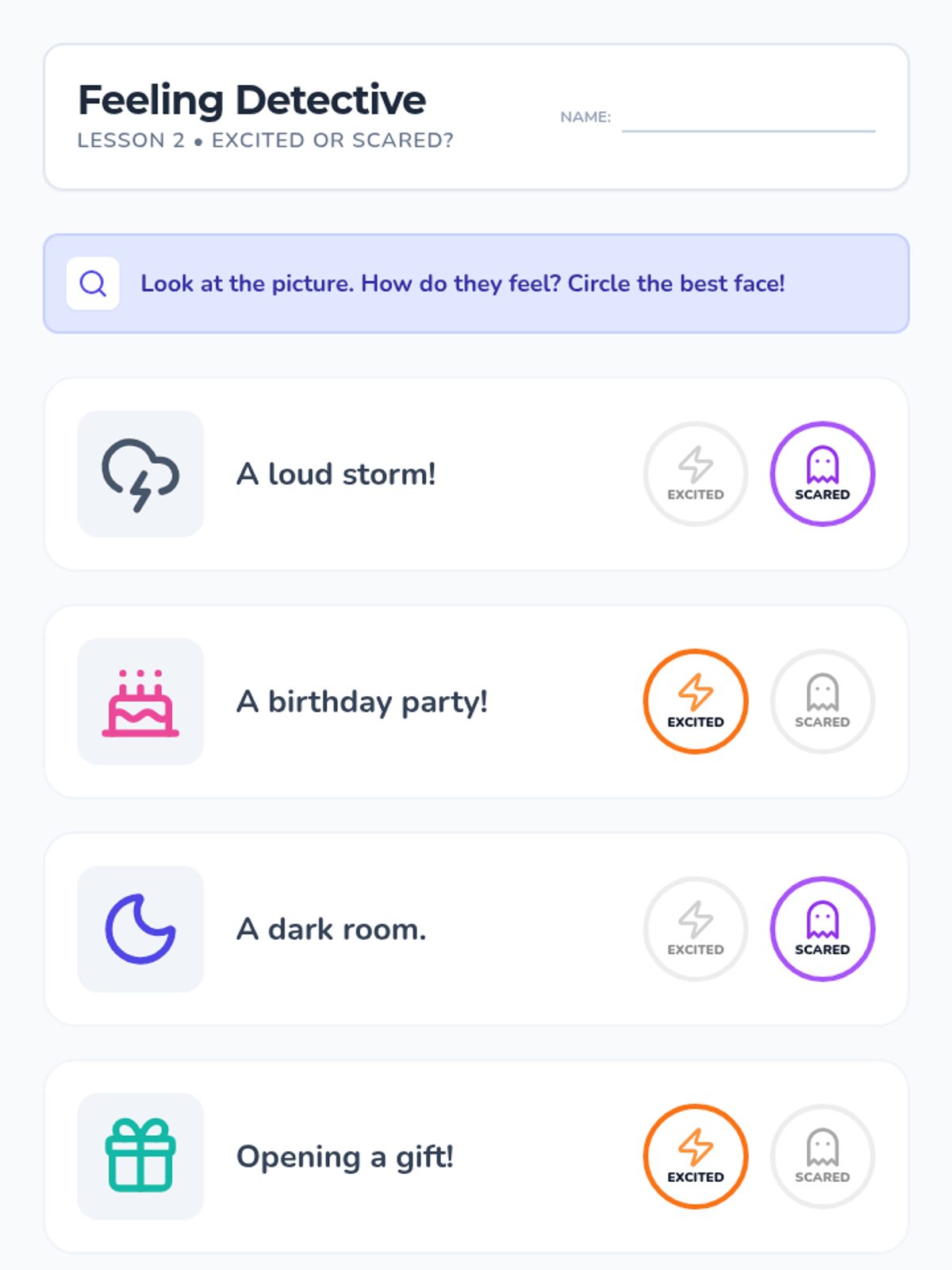
Focuses on identifying feelings of fear and excitement, while introducing simple breathing techniques for finding a sense of calm.
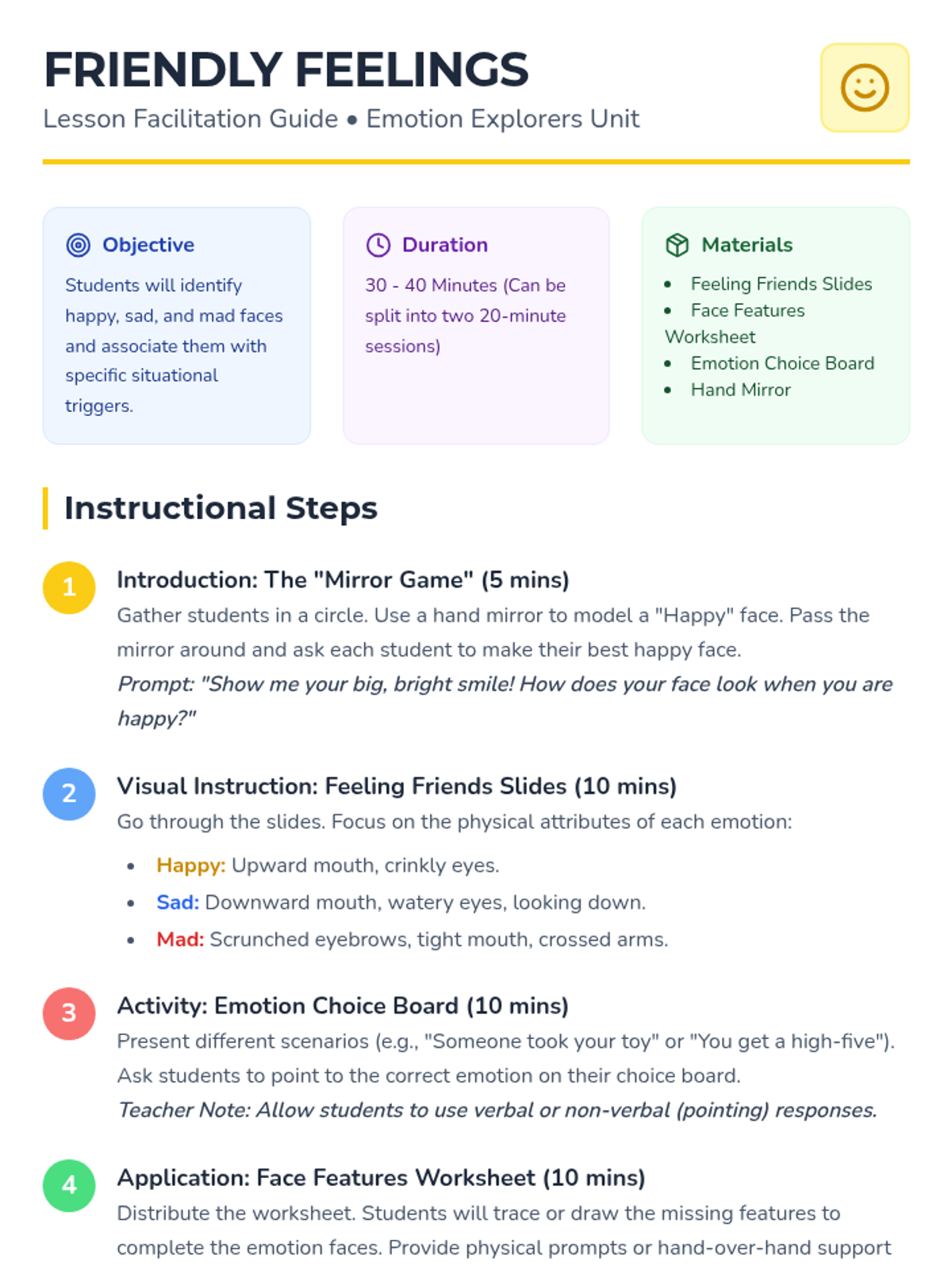
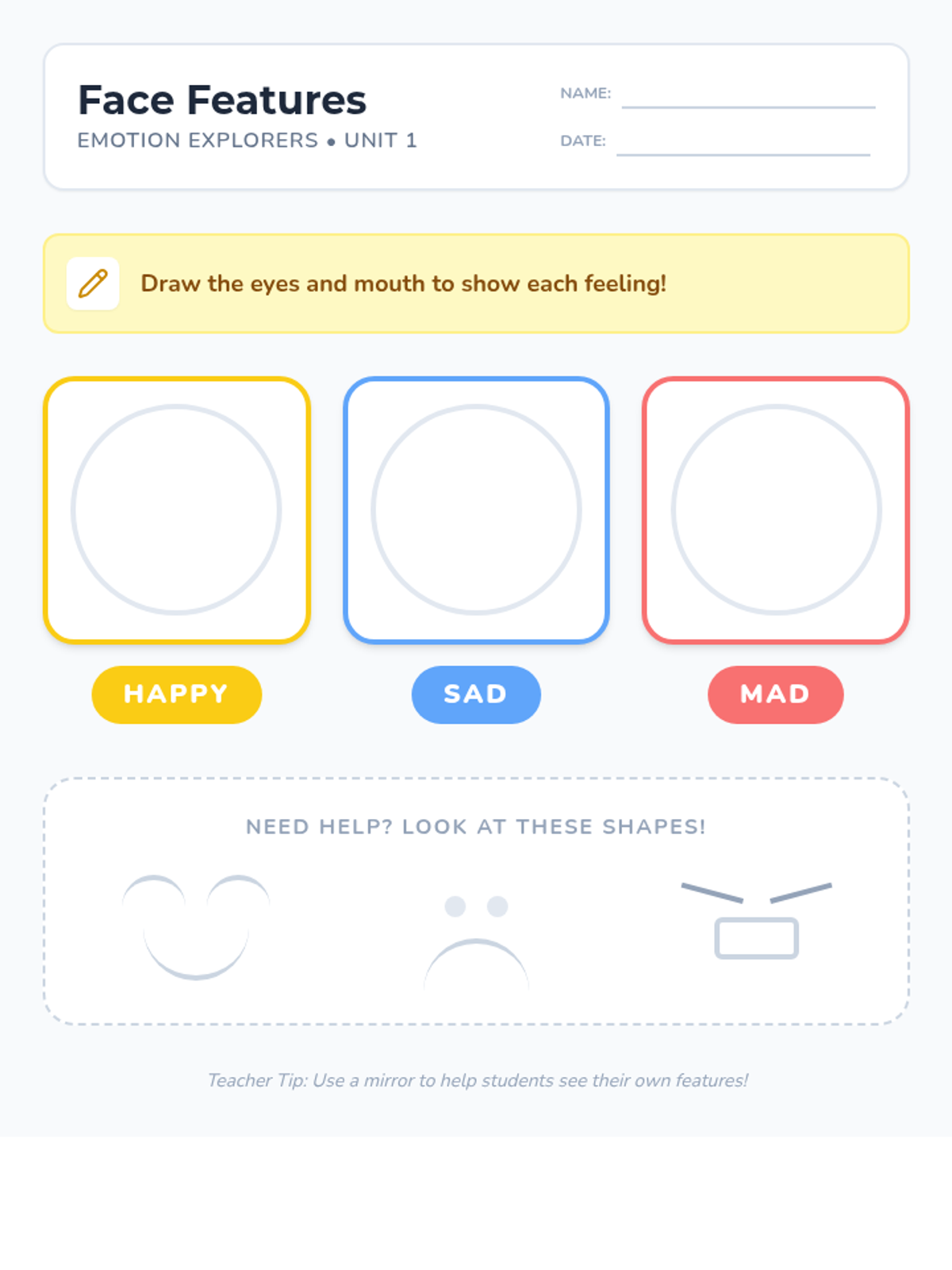
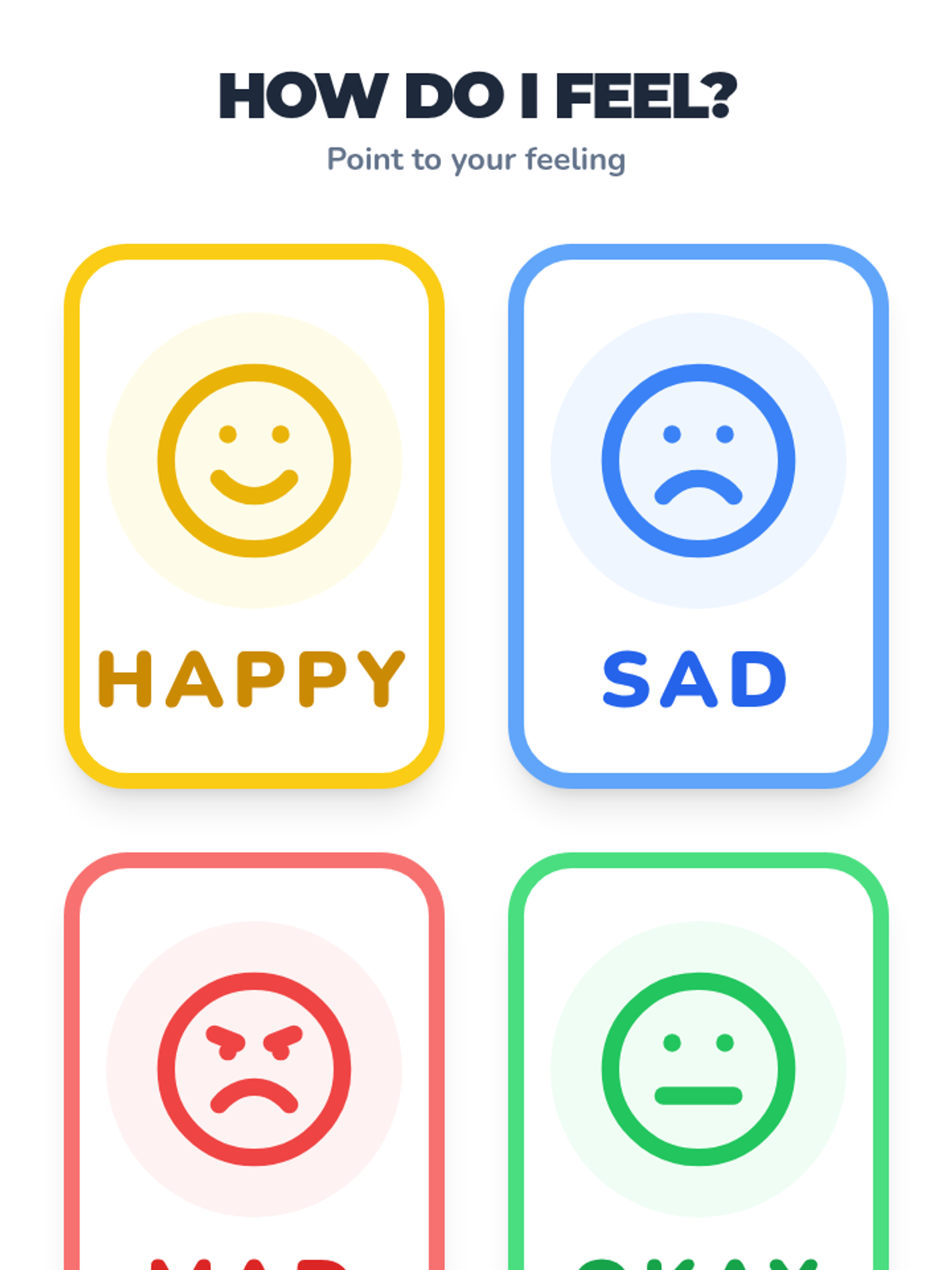
A foundational lesson helping students identify and express three core emotions: happy, sad, and mad, using visual supports and interactive modeling.
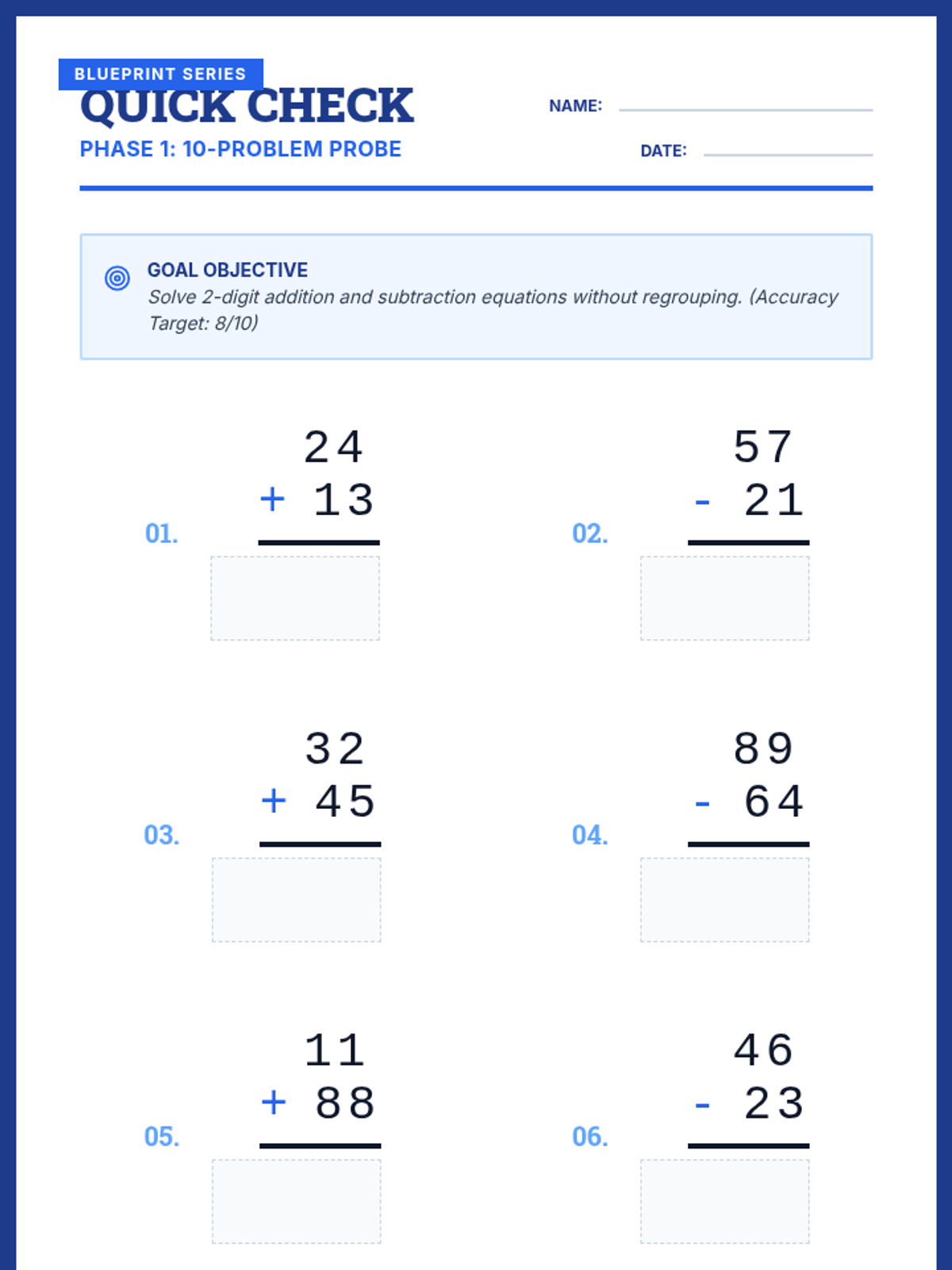
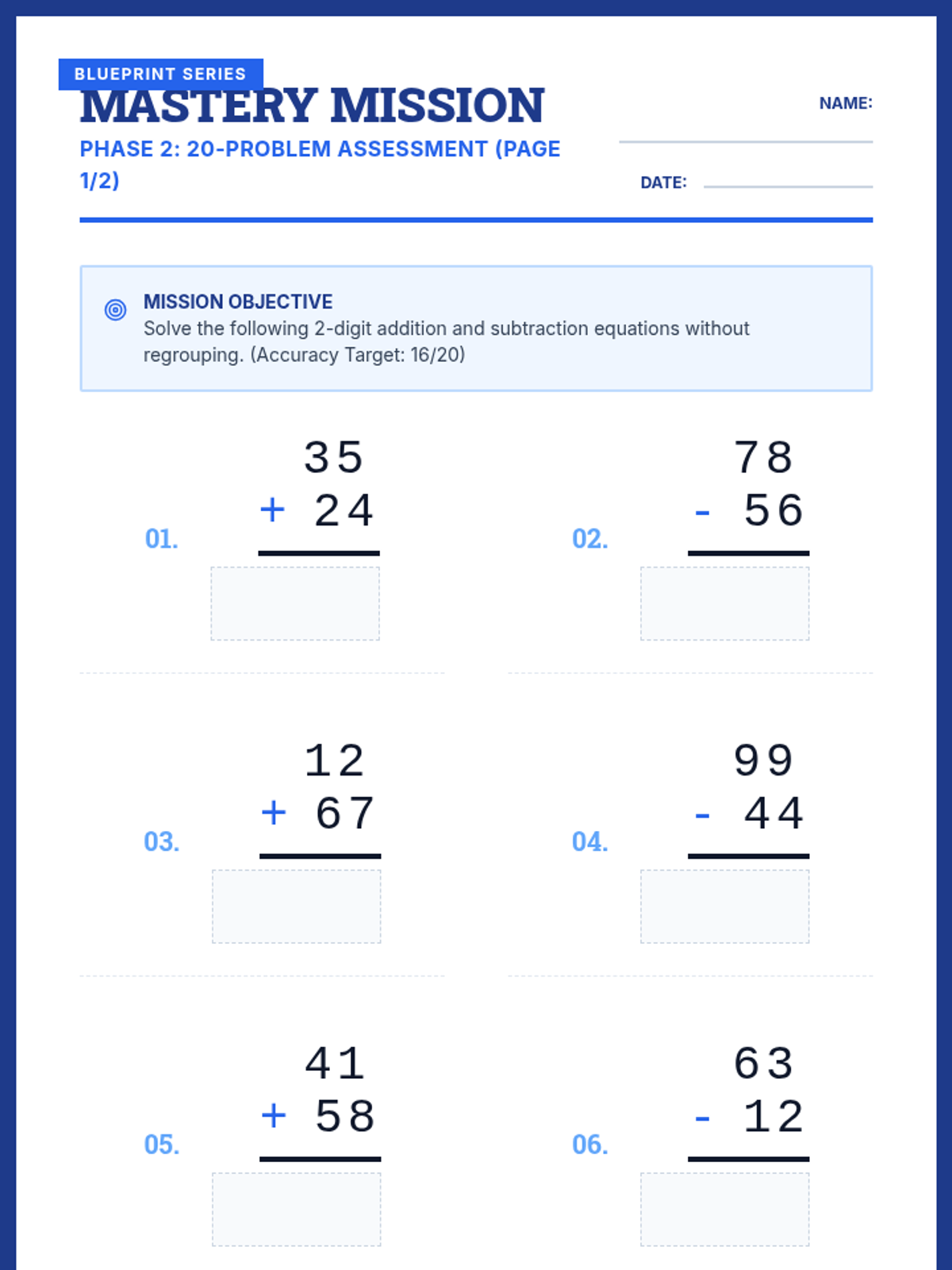
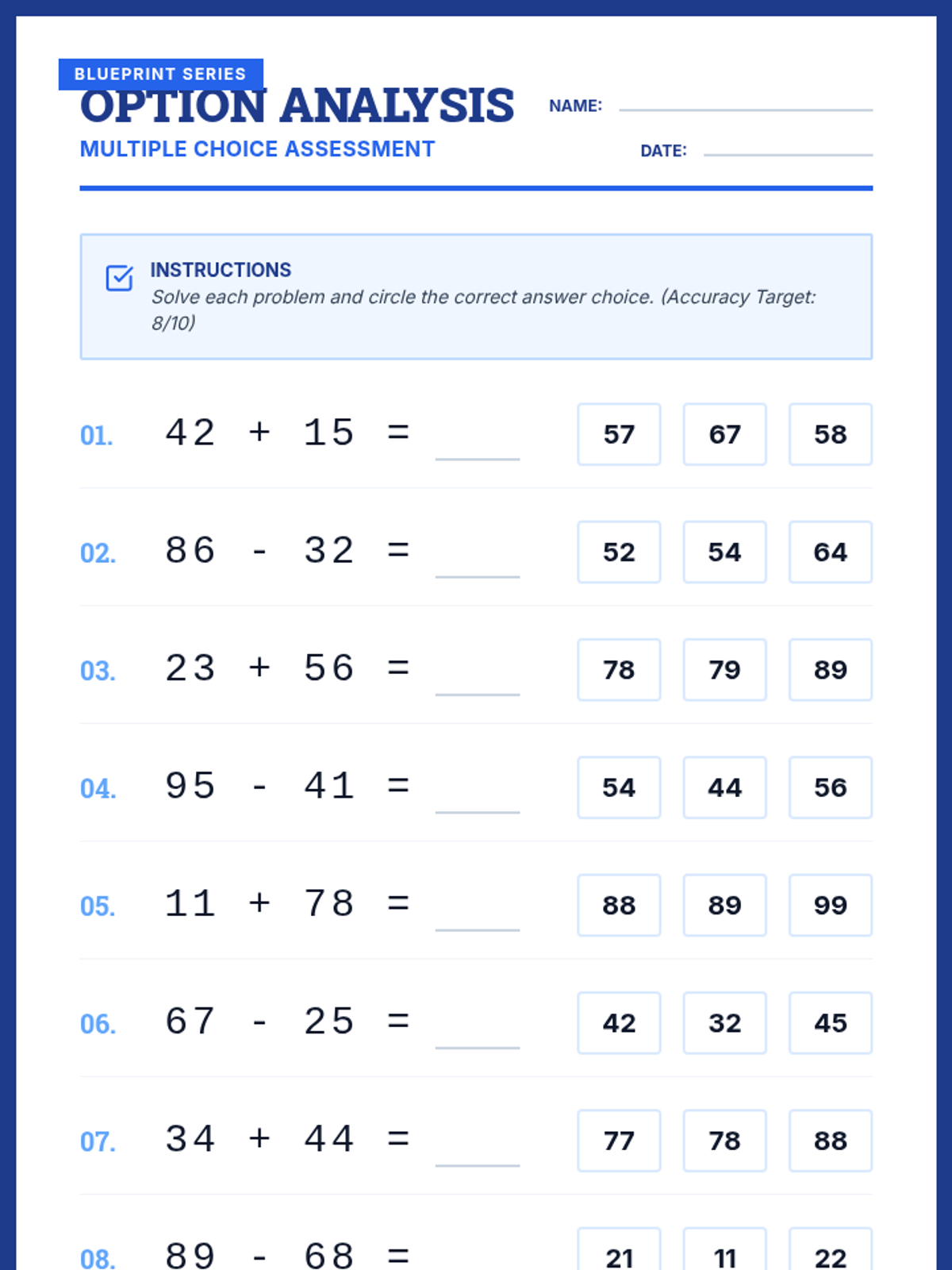
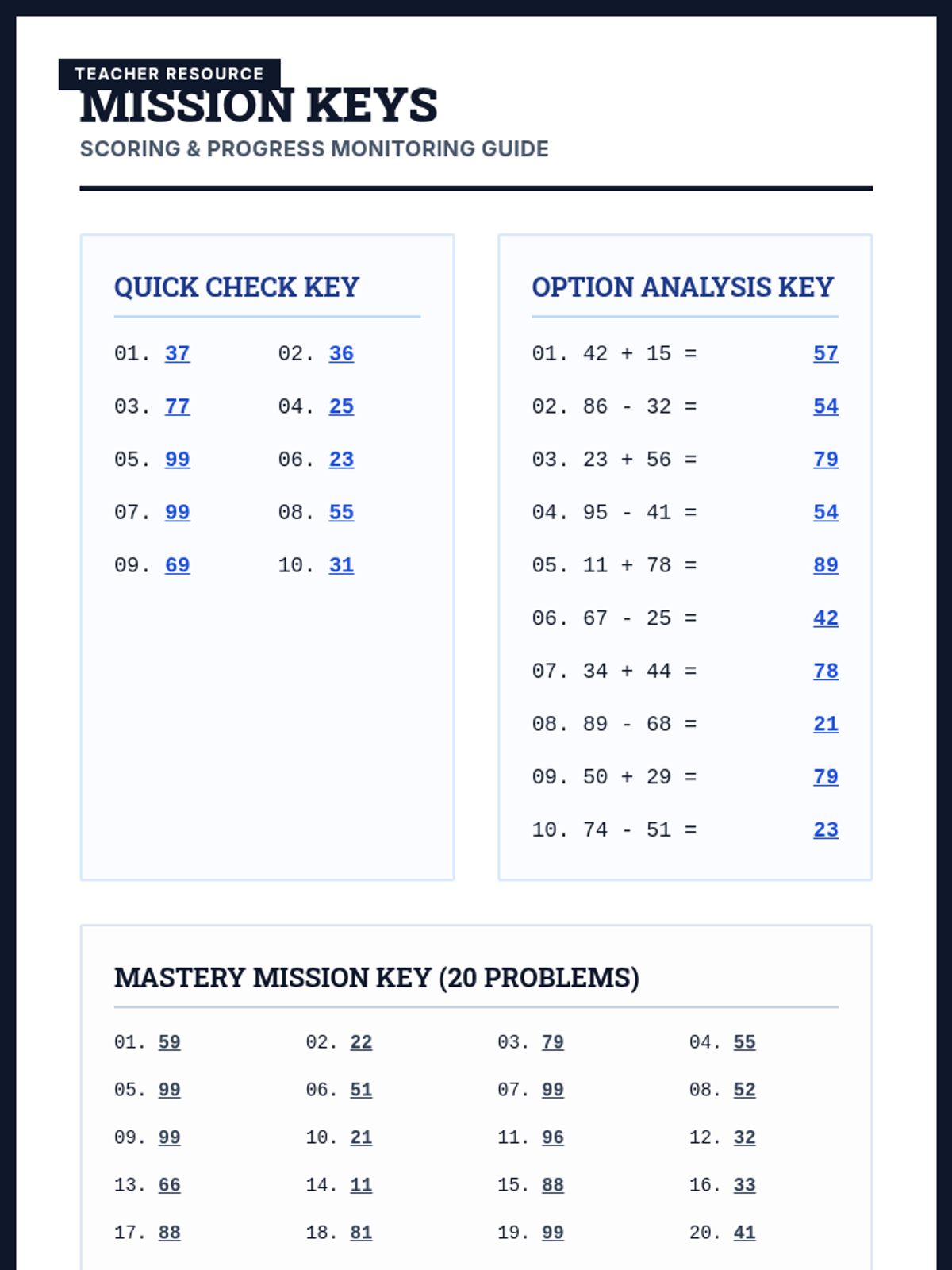
A set of assessment materials designed for progress monitoring an IEP goal involving 2-digit addition and subtraction without regrouping. Includes a quick 10-problem probe and a more comprehensive 20-problem assessment with tracking tools for teachers.