A set of data collection tools for the Banking Time intervention, designed to track session details and subsequent behavioral outcomes to measure the impact of the teacher-student relationship on classroom performance.
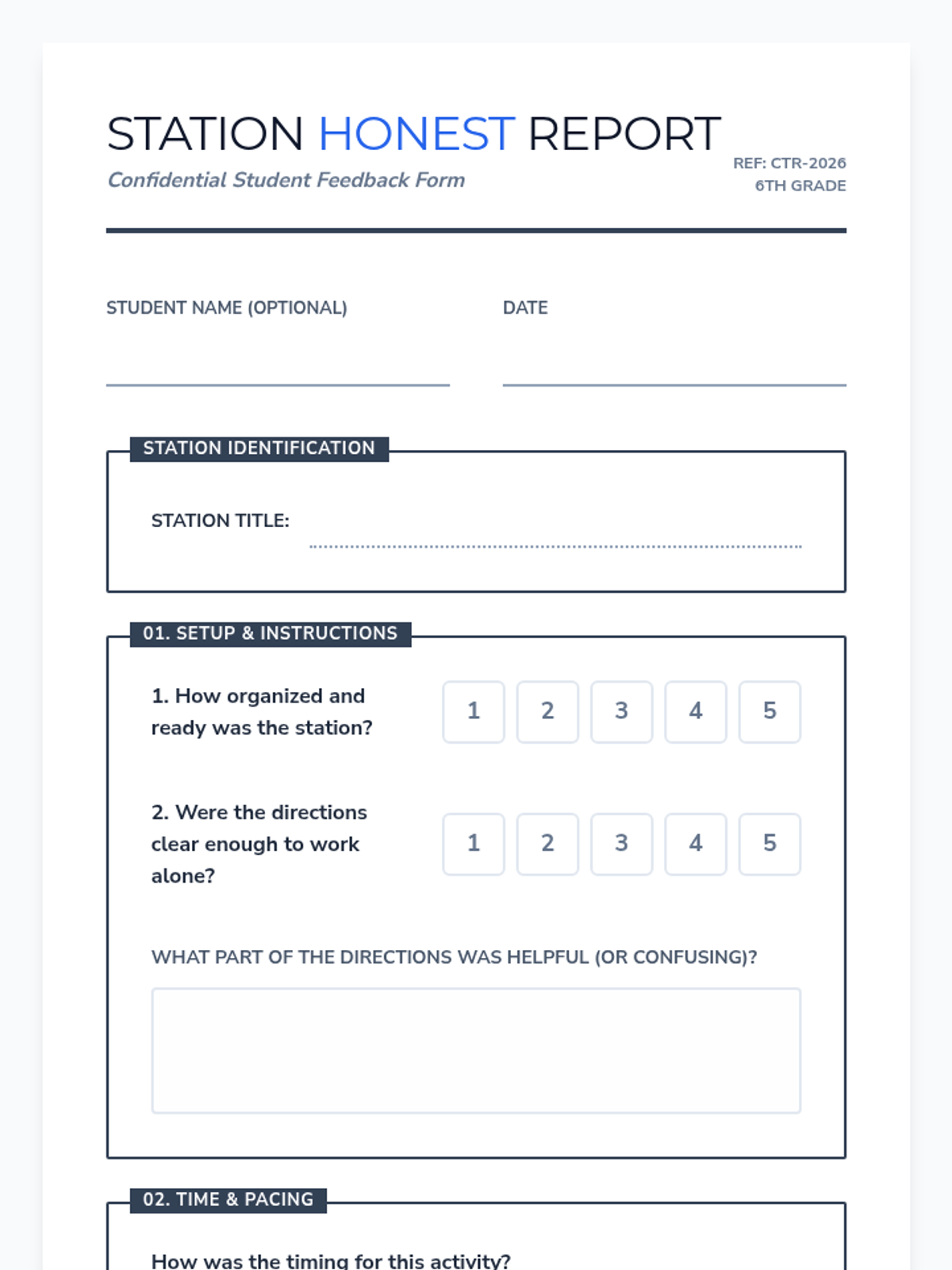
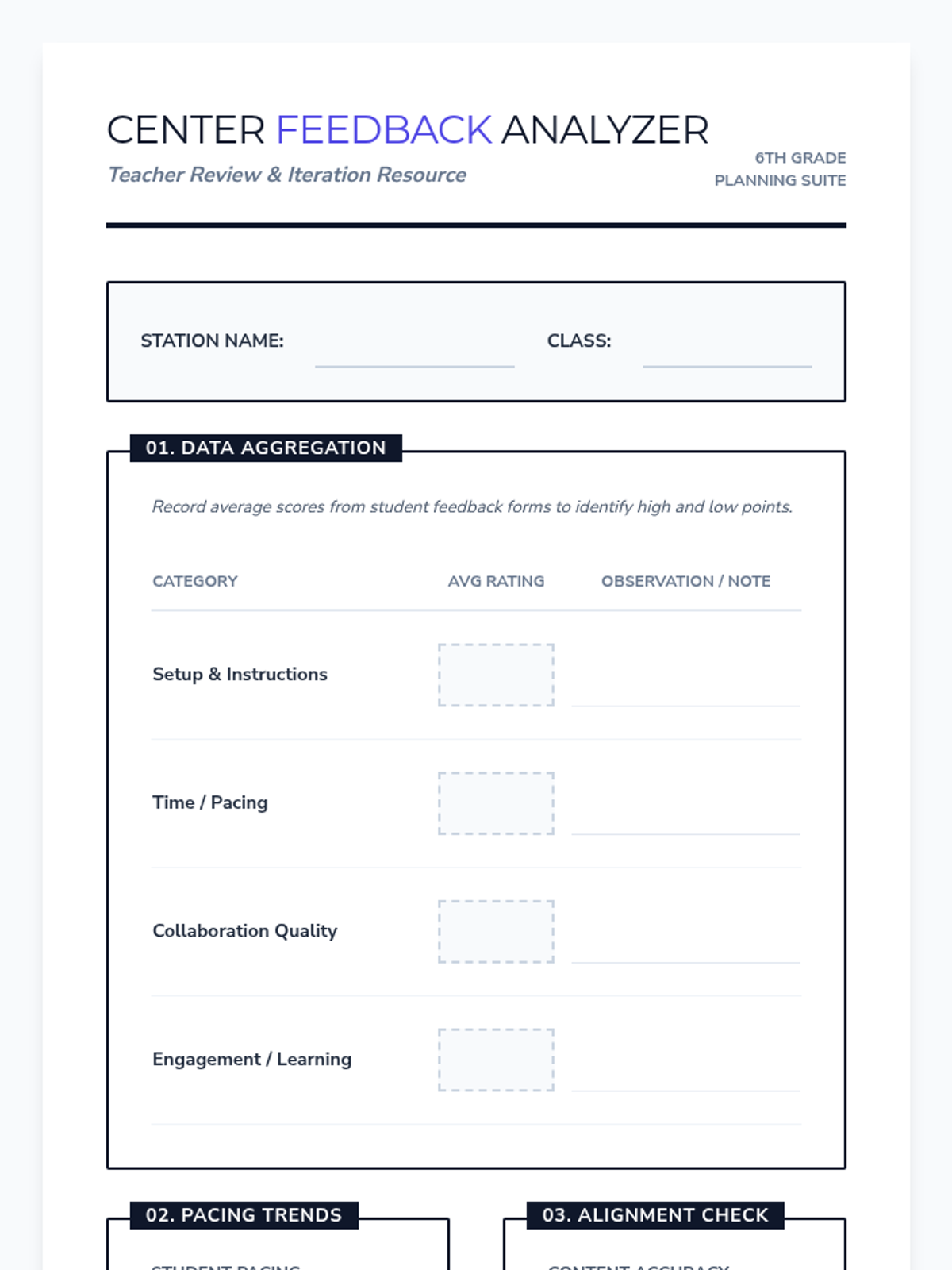
A collection of resources to gather and analyze student feedback on learning centers to improve instructional design for future years.
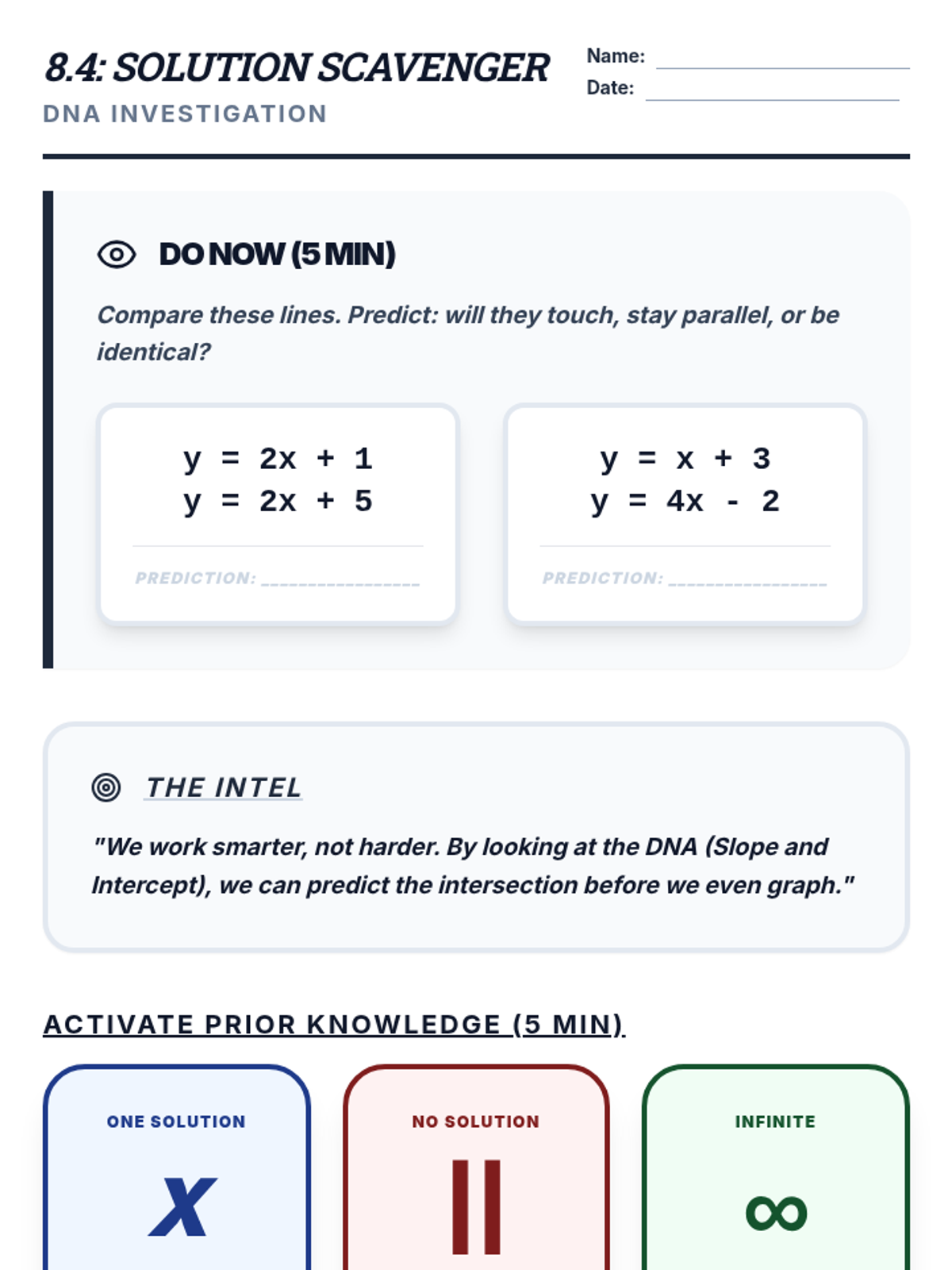
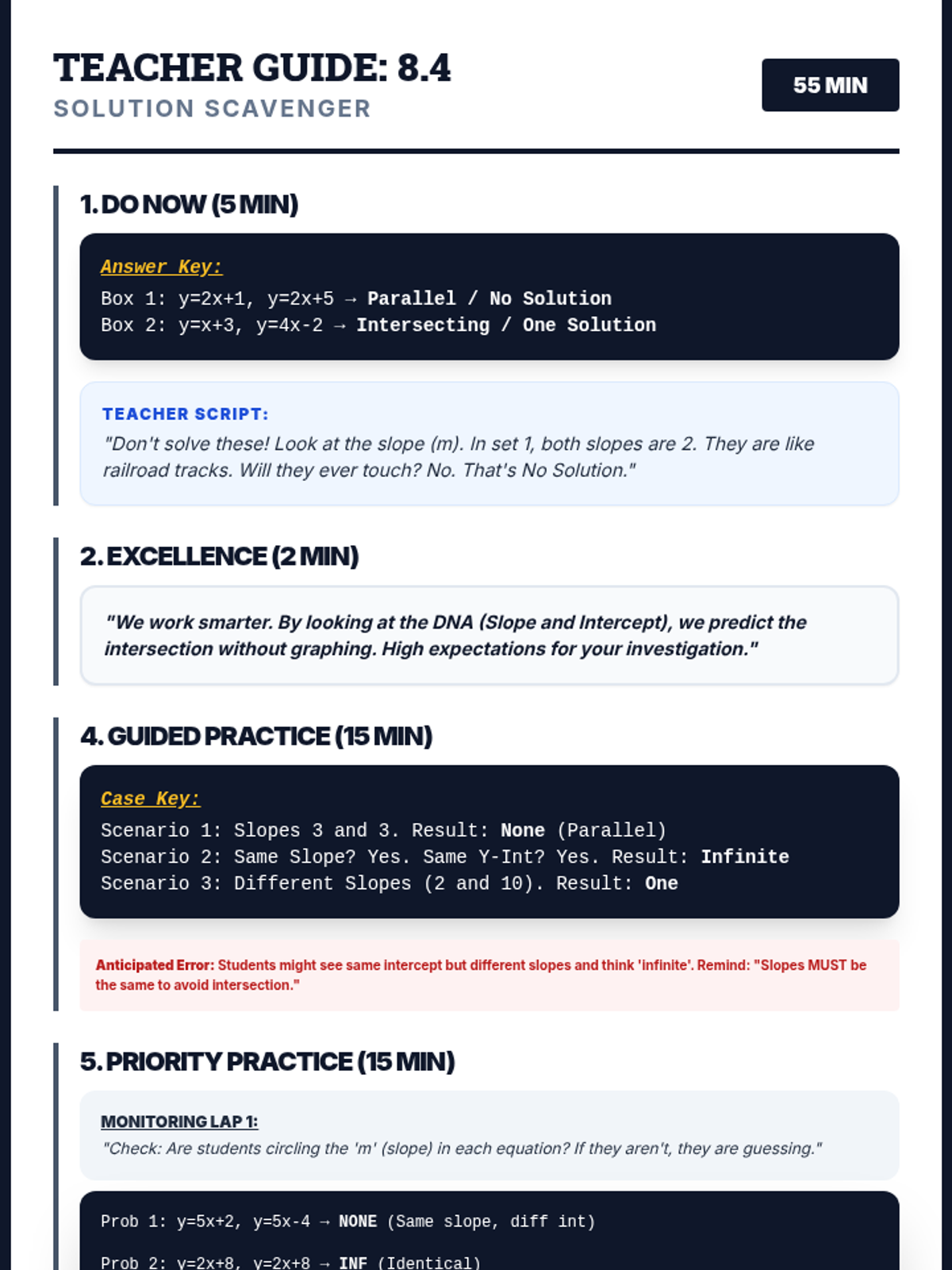
Students will analyze slopes and y-intercepts to determine if a system of equations has one solution, no solution, or infinitely many solutions.
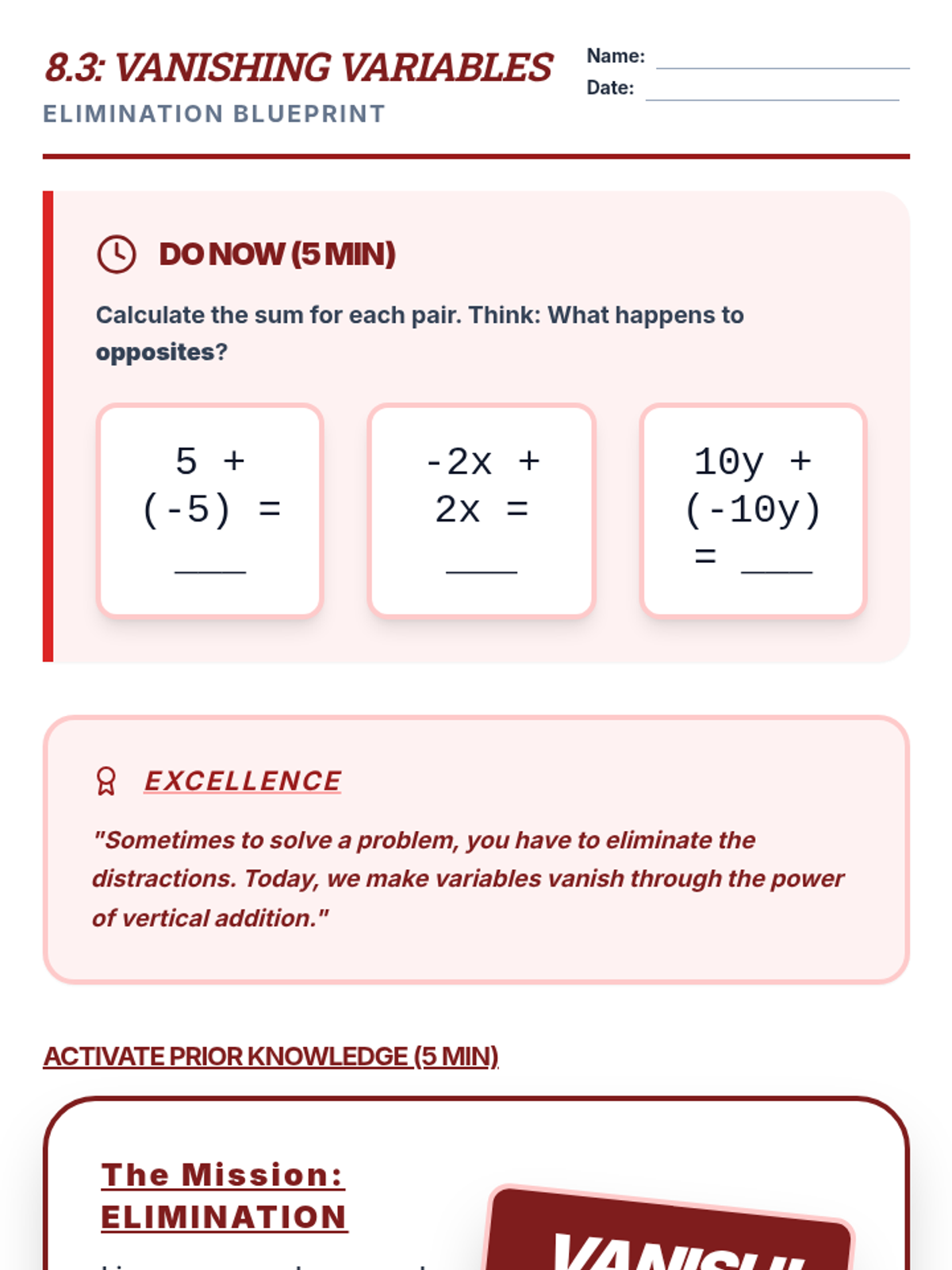
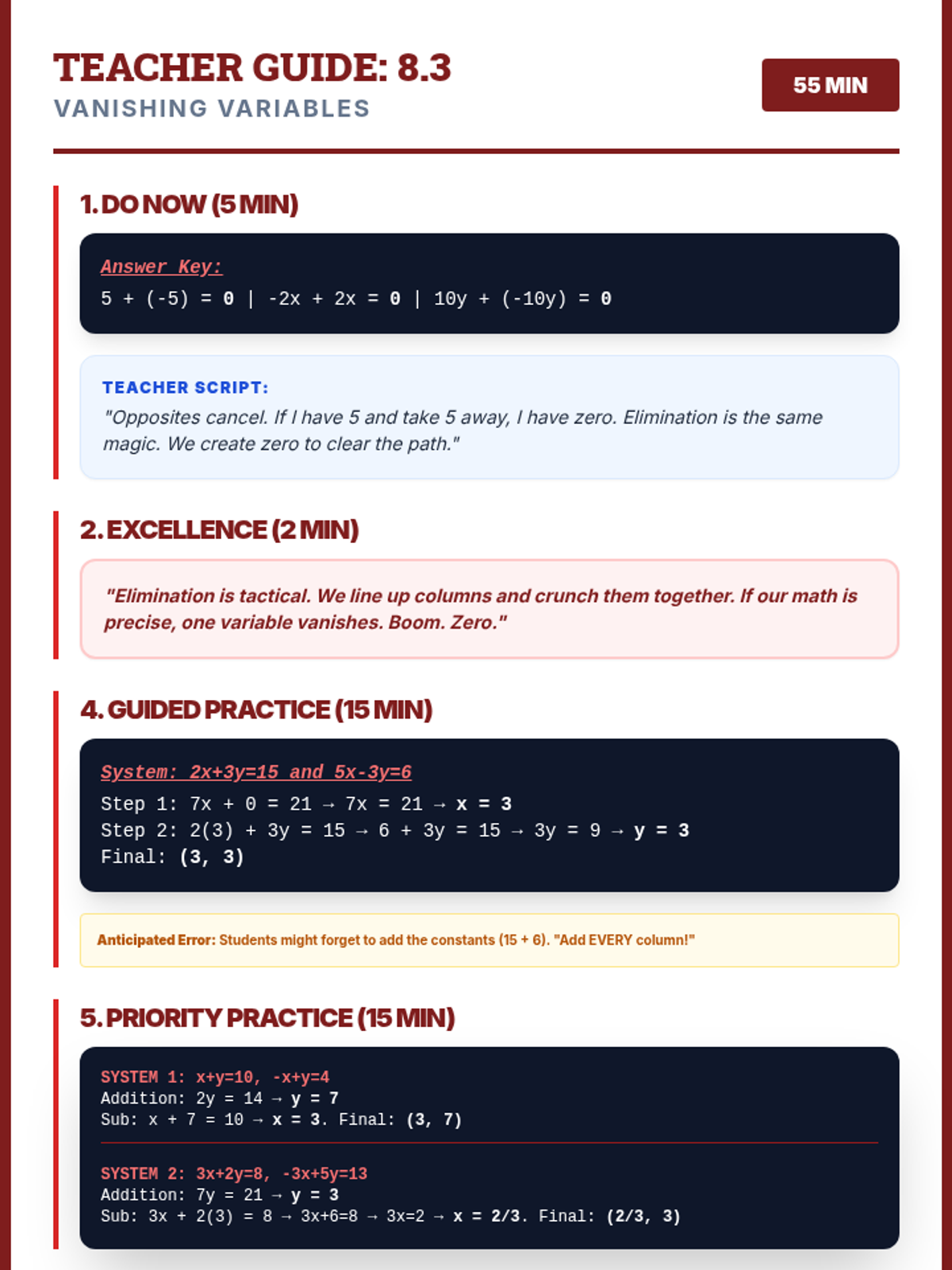
Students will use addition and subtraction to eliminate variables in a system of equations, simplifying complex problems into solvable single-variable equations.
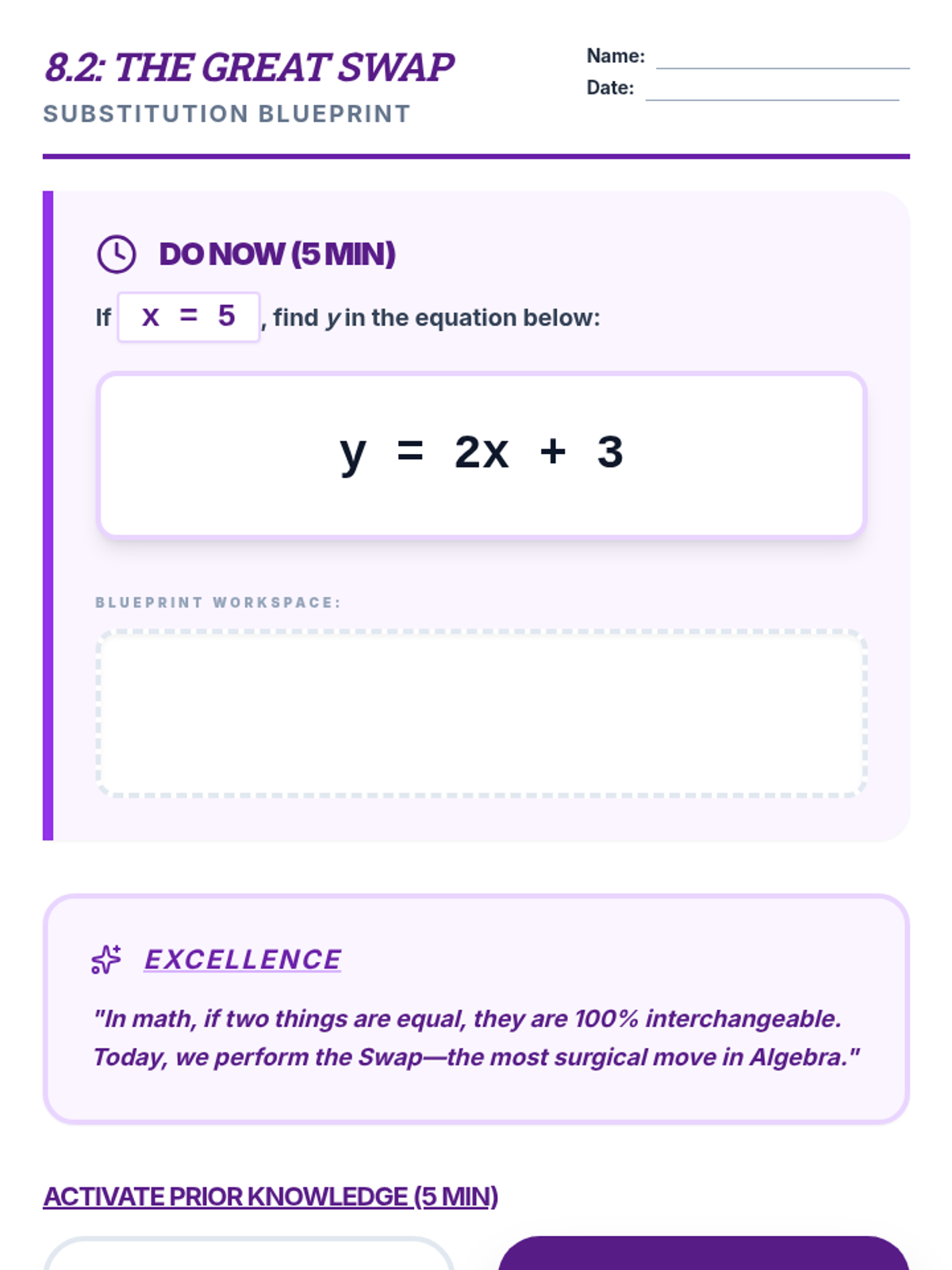
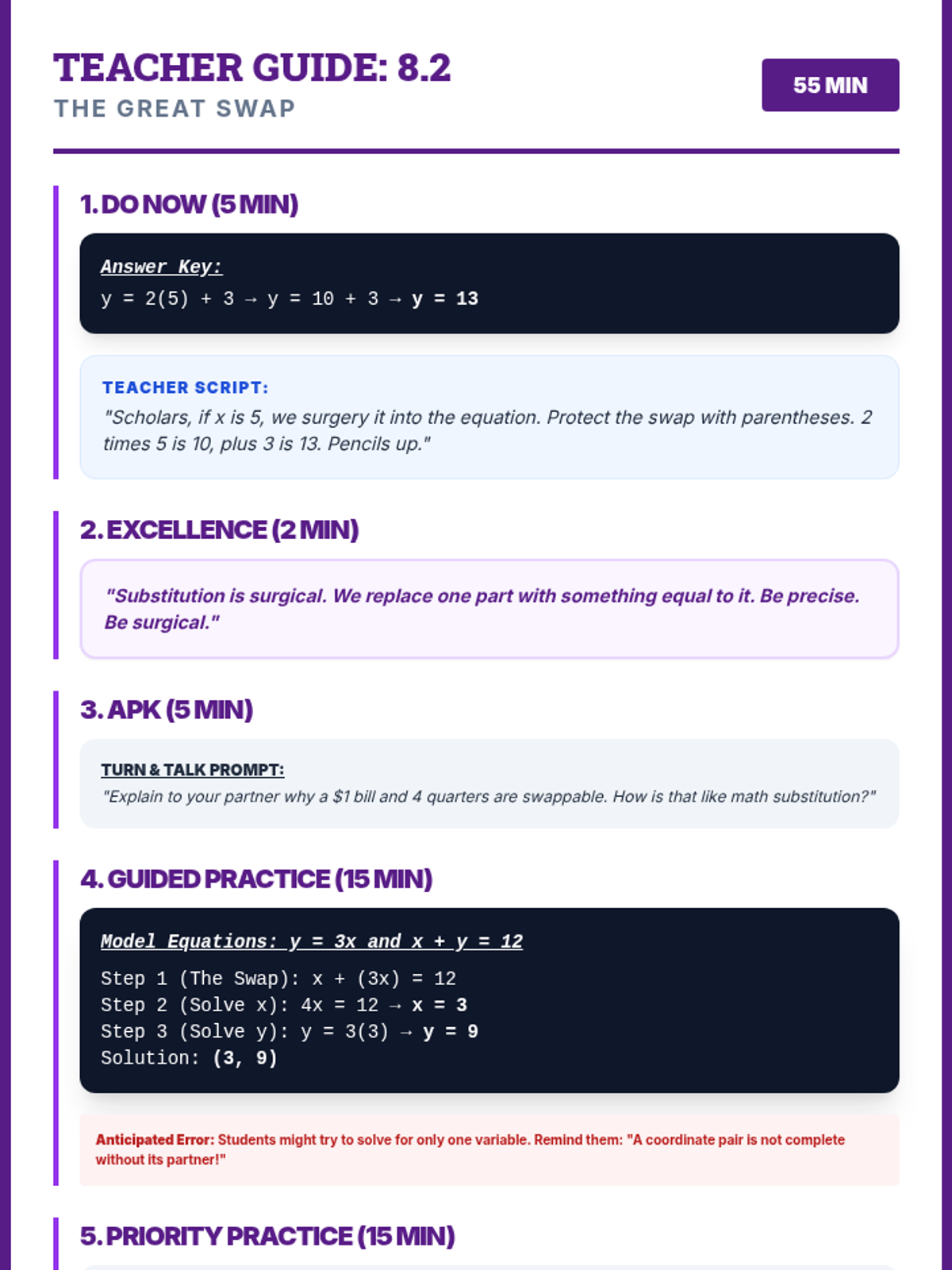
Students will master the substitution method for solving systems, learning to swap one variable for an equivalent expression to solve for unknowns.
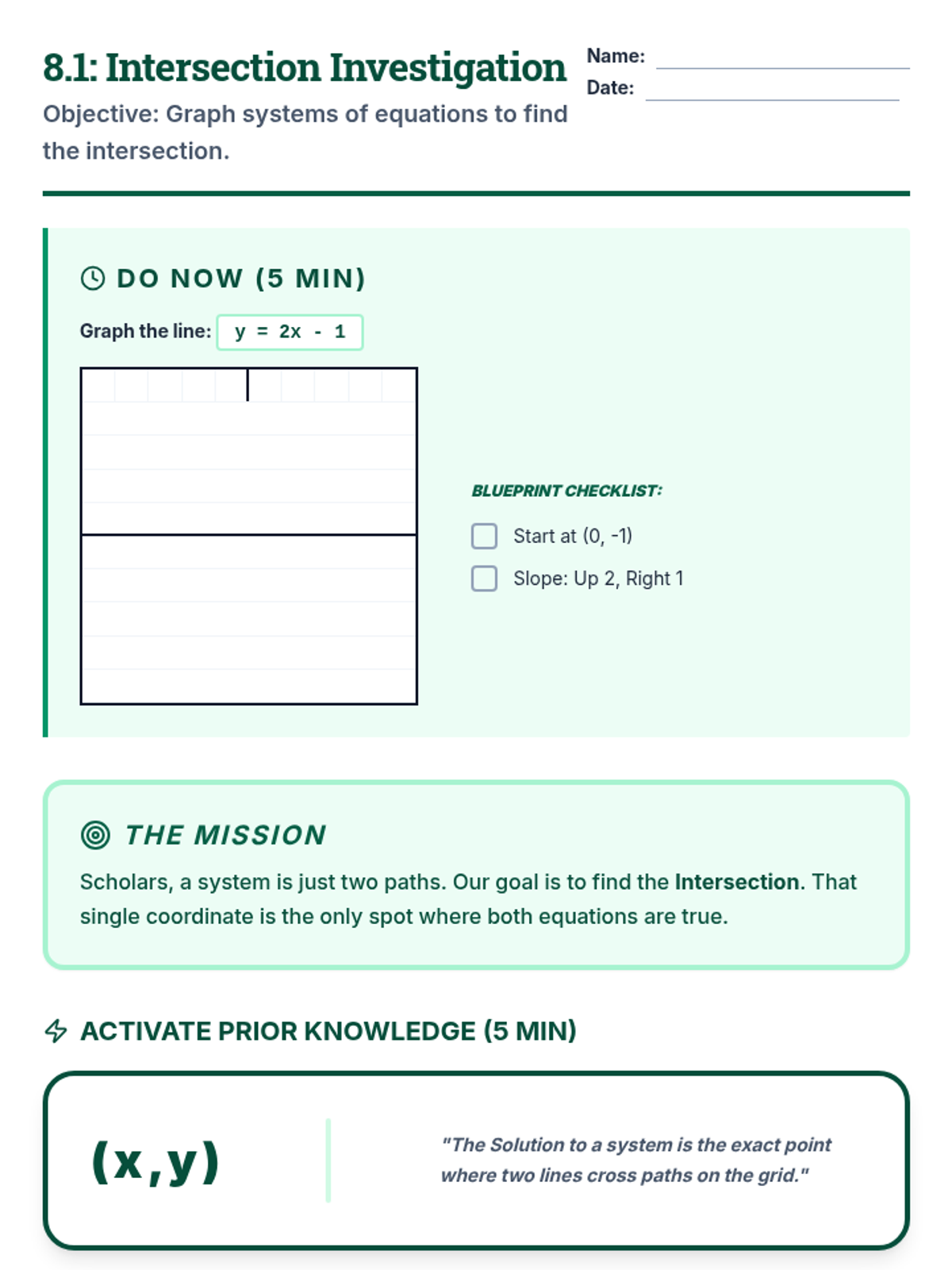
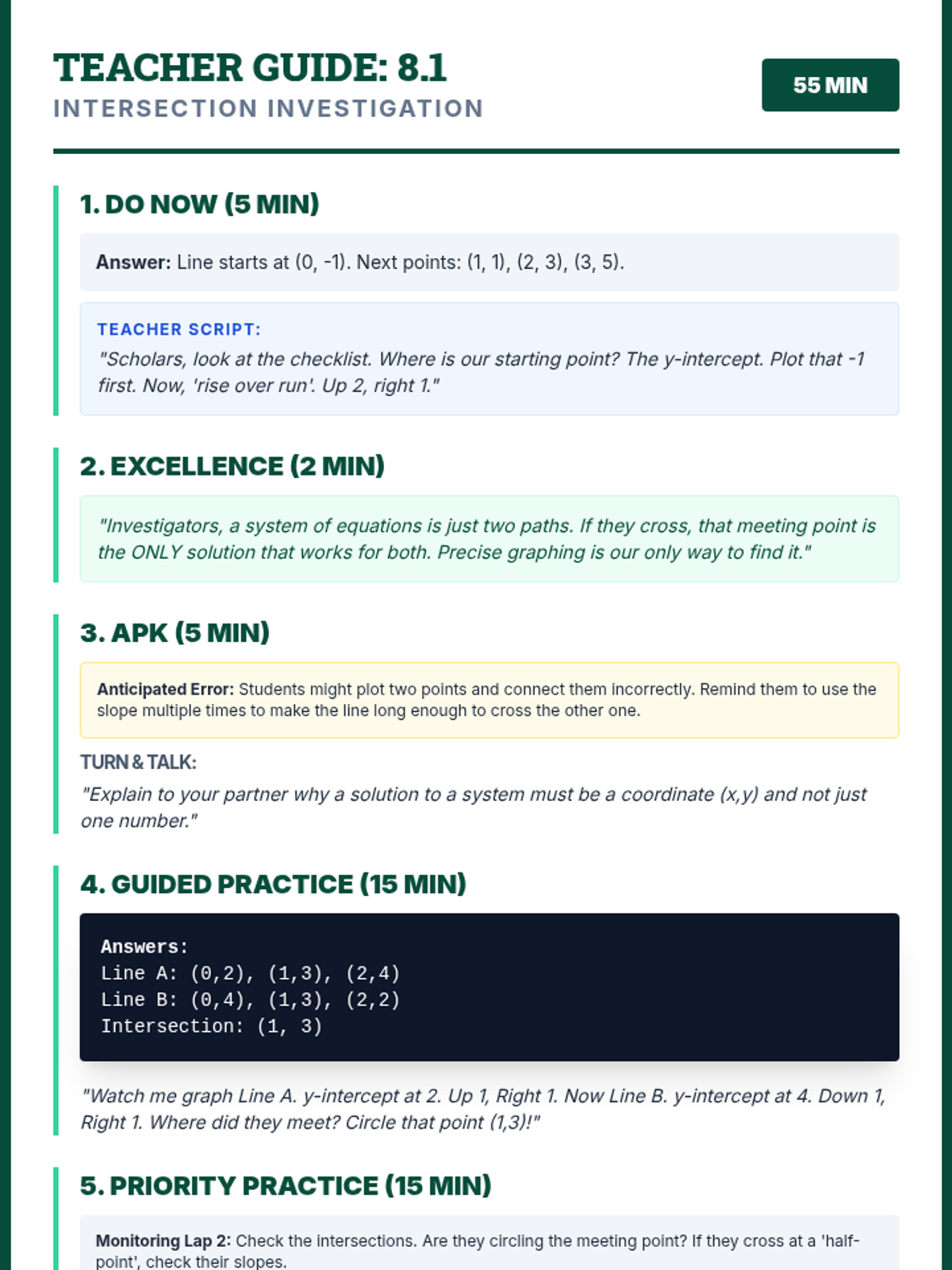
Students will solve systems of linear equations by graphing both lines and identifying the point where they cross as the unique solution.
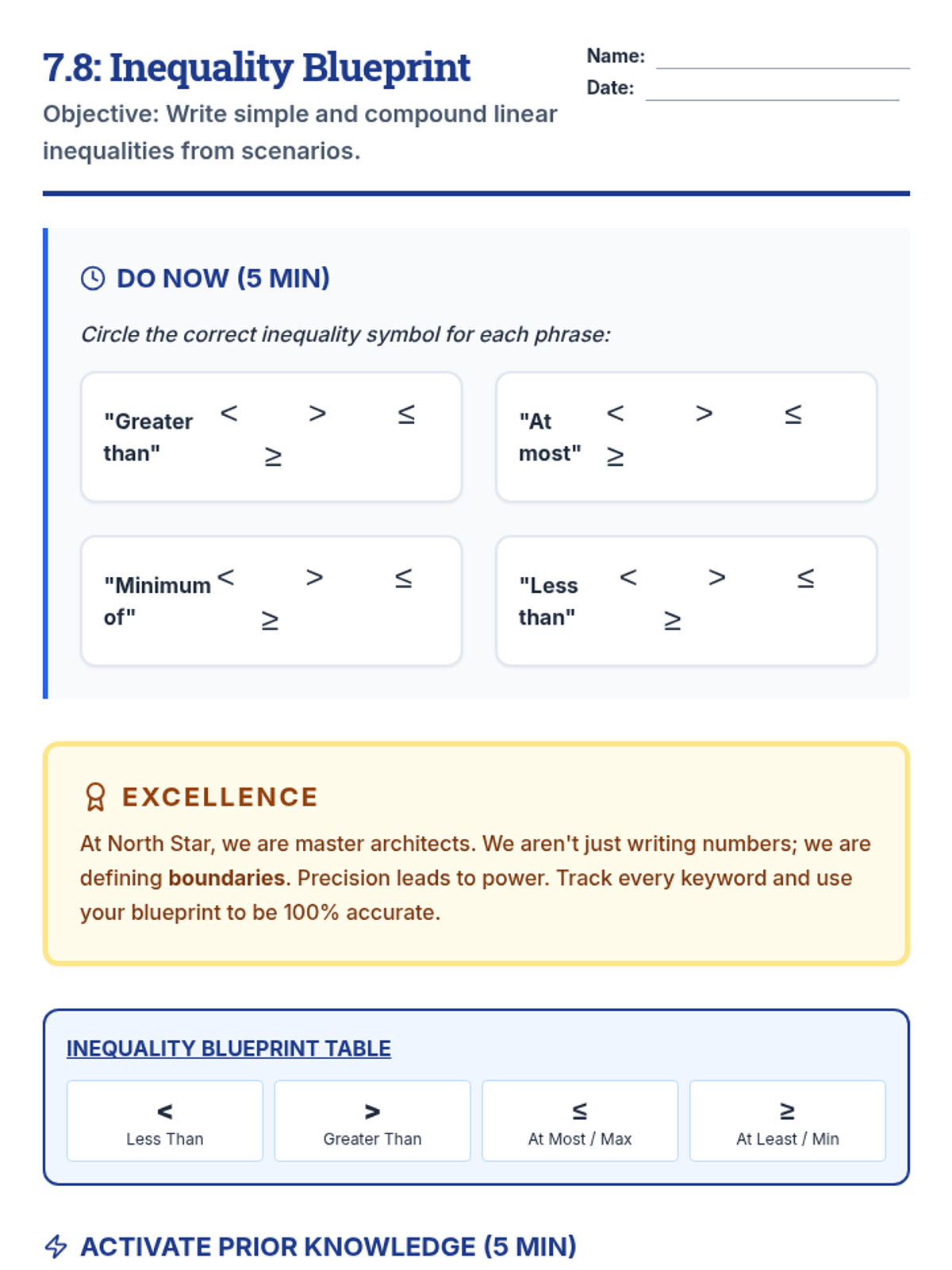
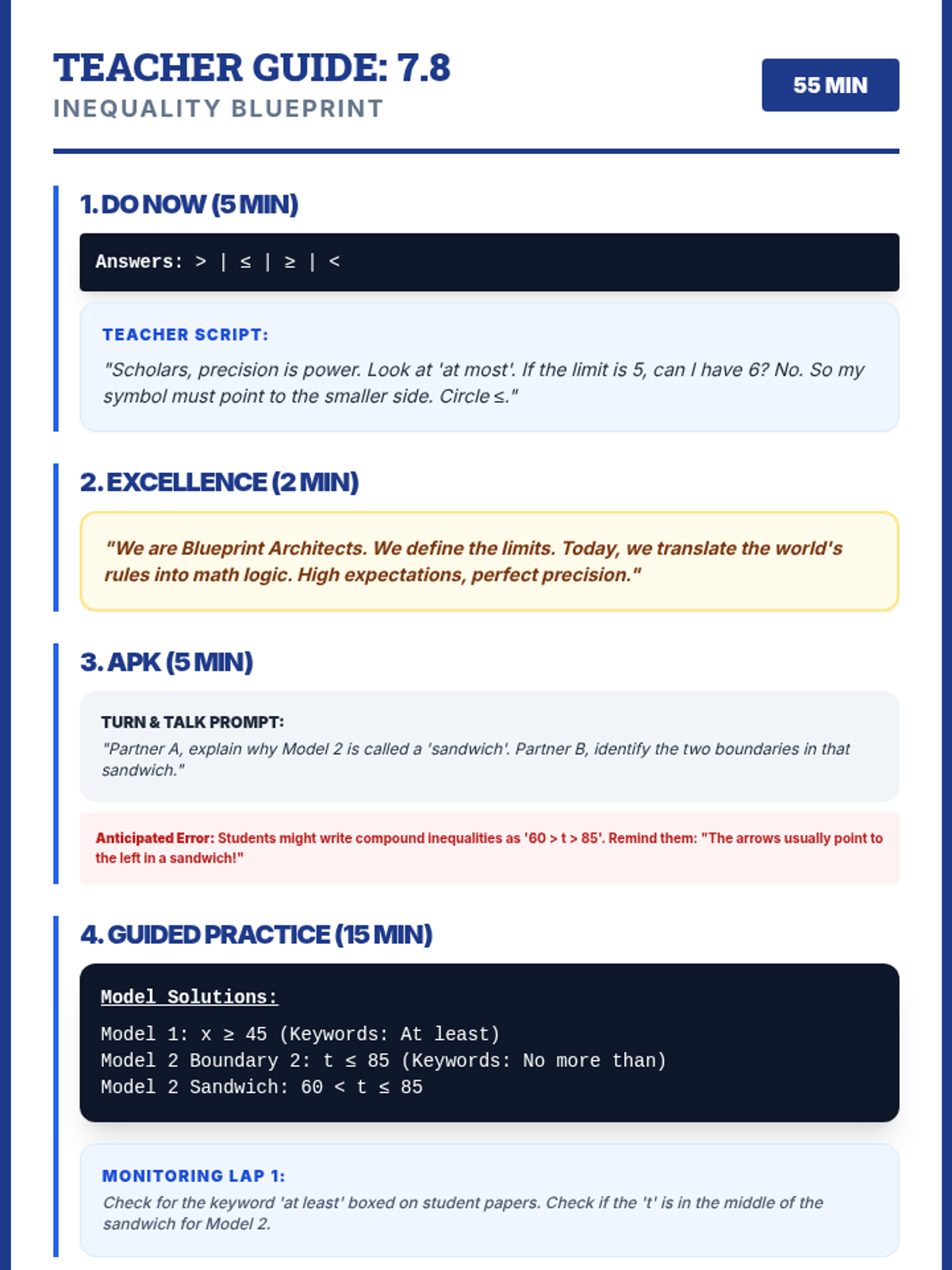
Students will learn to translate real-world scenarios into simple and compound linear inequalities, using keywords to determine the correct symbols and structures.
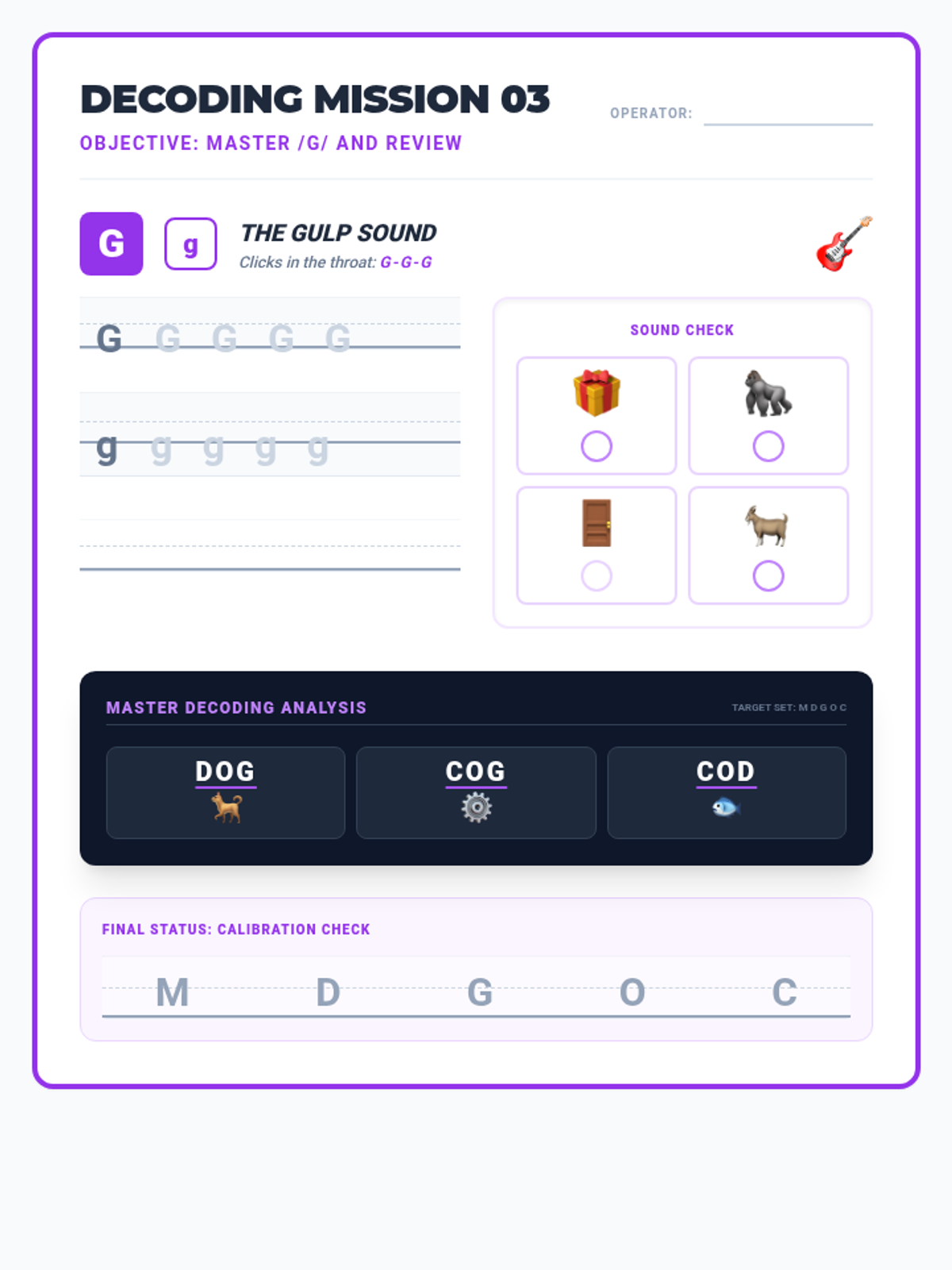
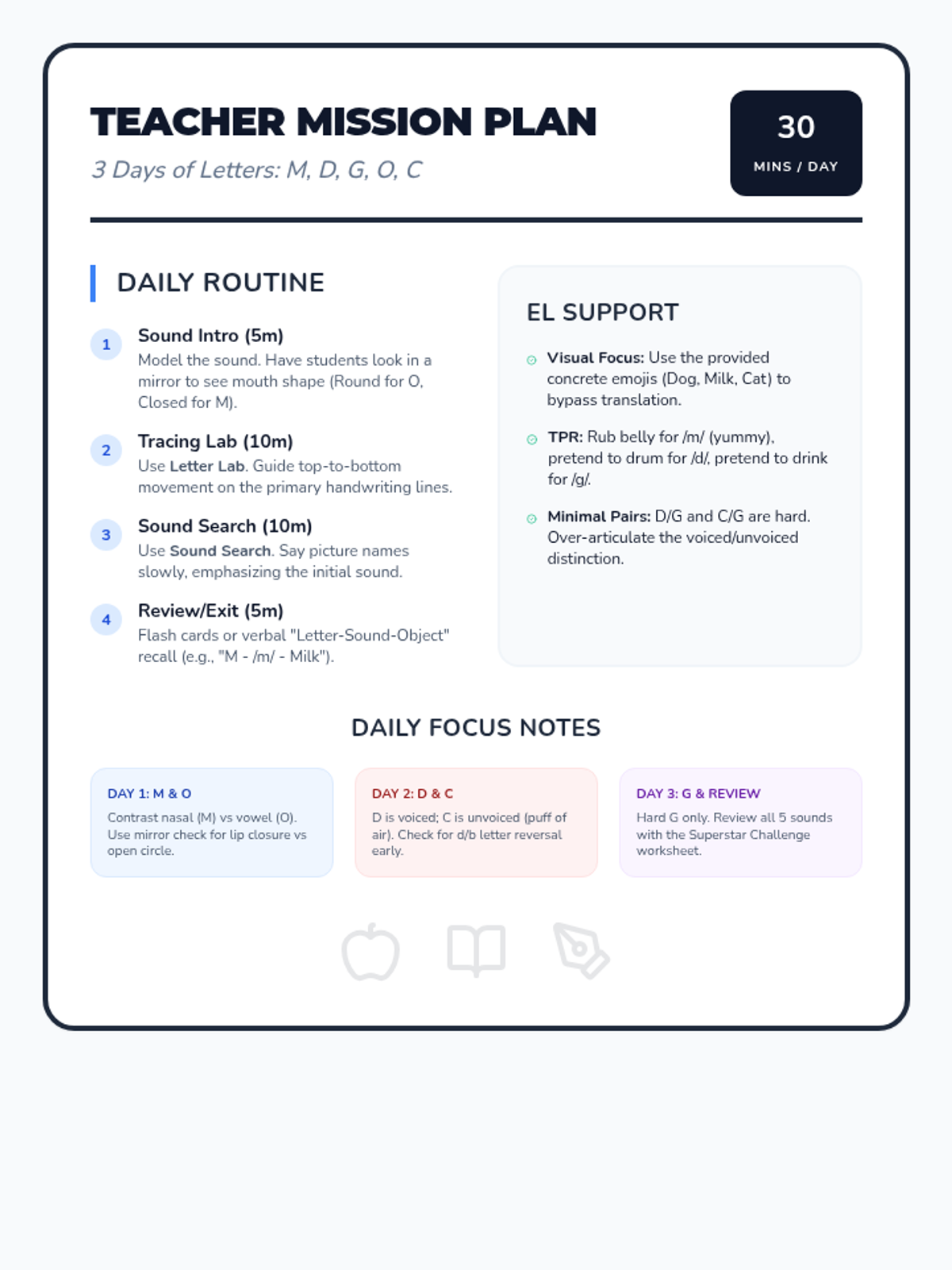
Day 3 masters the /g/ sound and provides a cumulative review of all 5 letters through word building and high-frequency decoding.
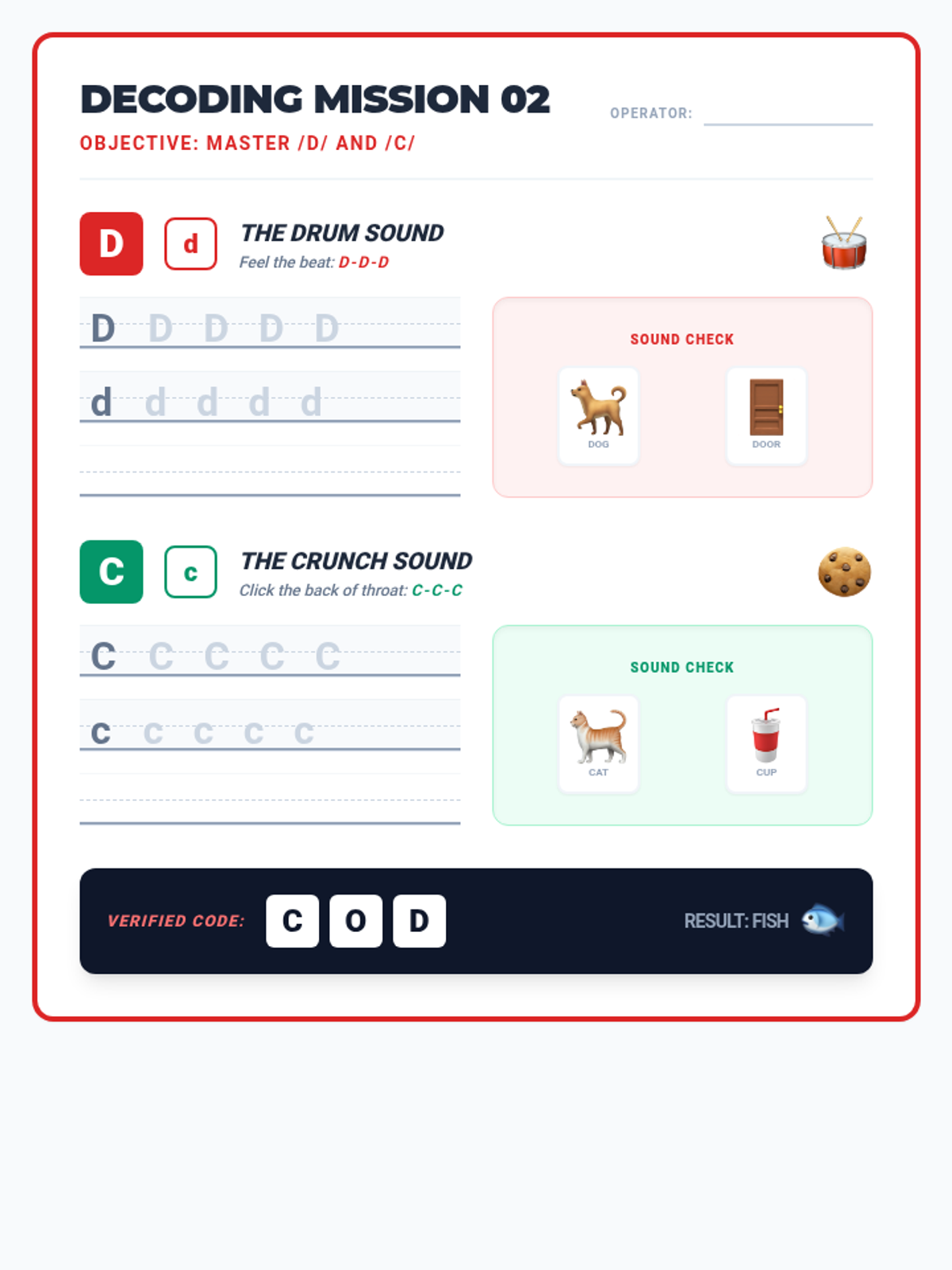
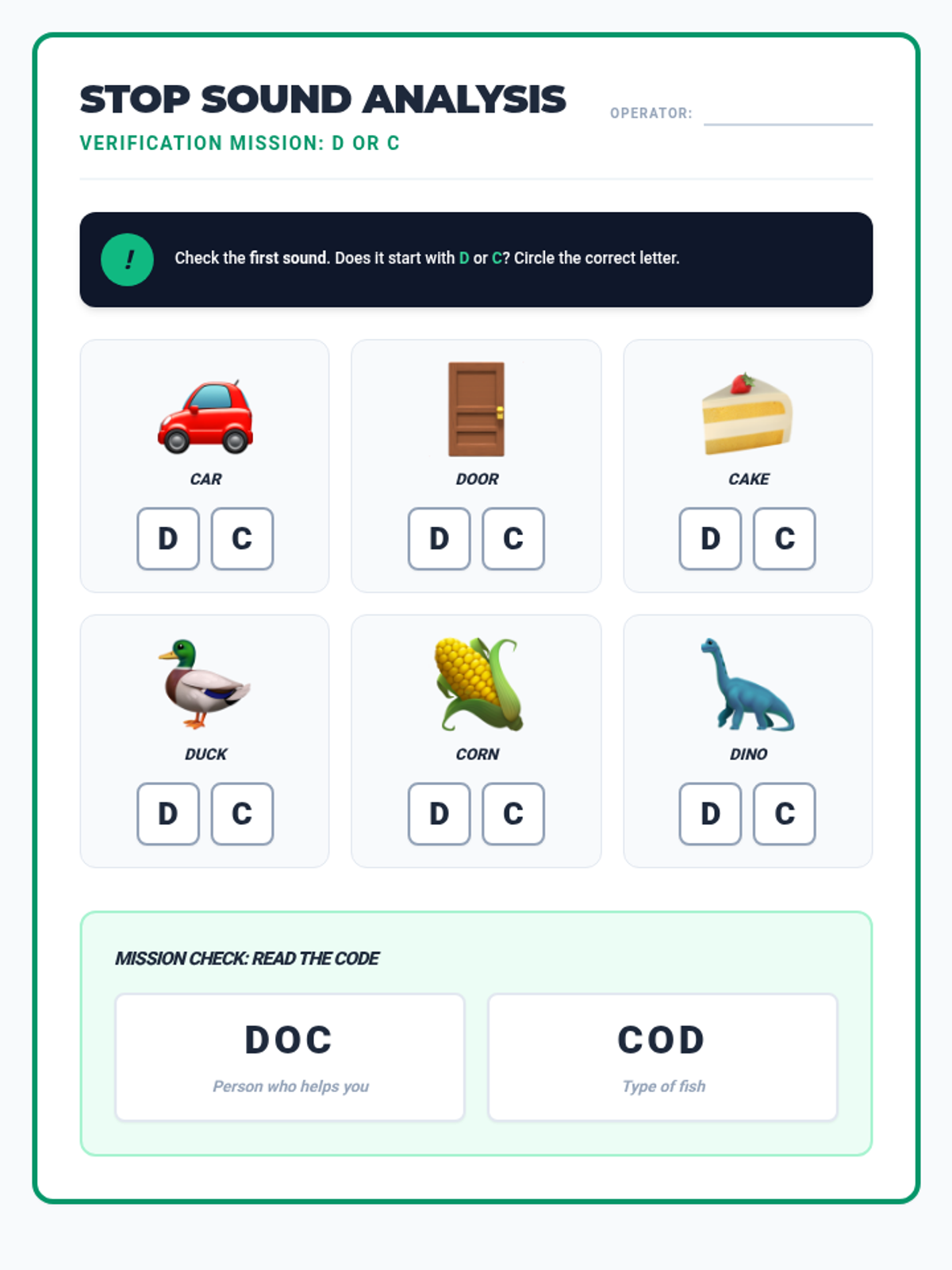
Day 2 focuses on the stop sounds /d/ and /k/, introducing letter C and D with word blending for 'dad', 'mad', and 'cat'.
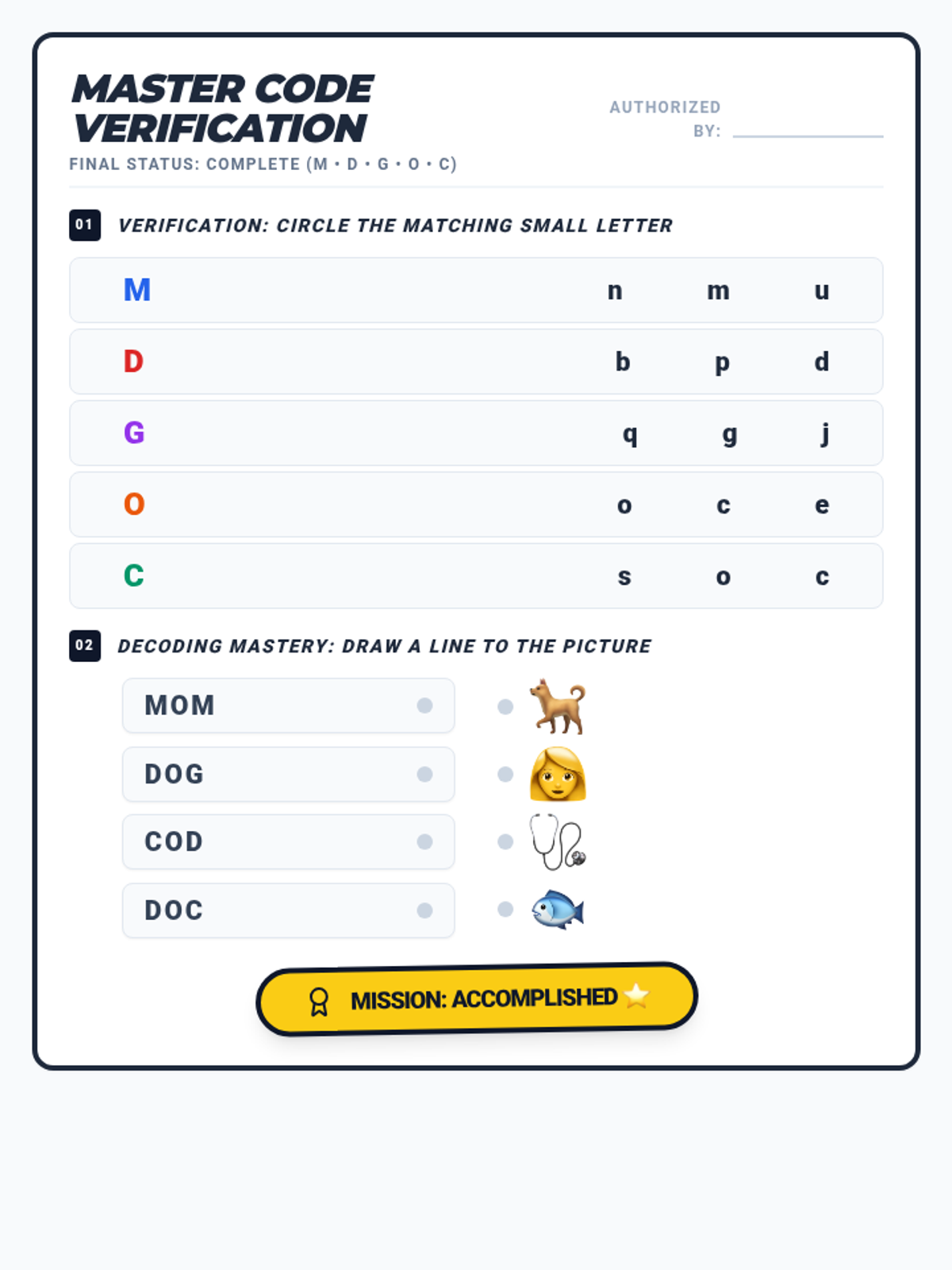
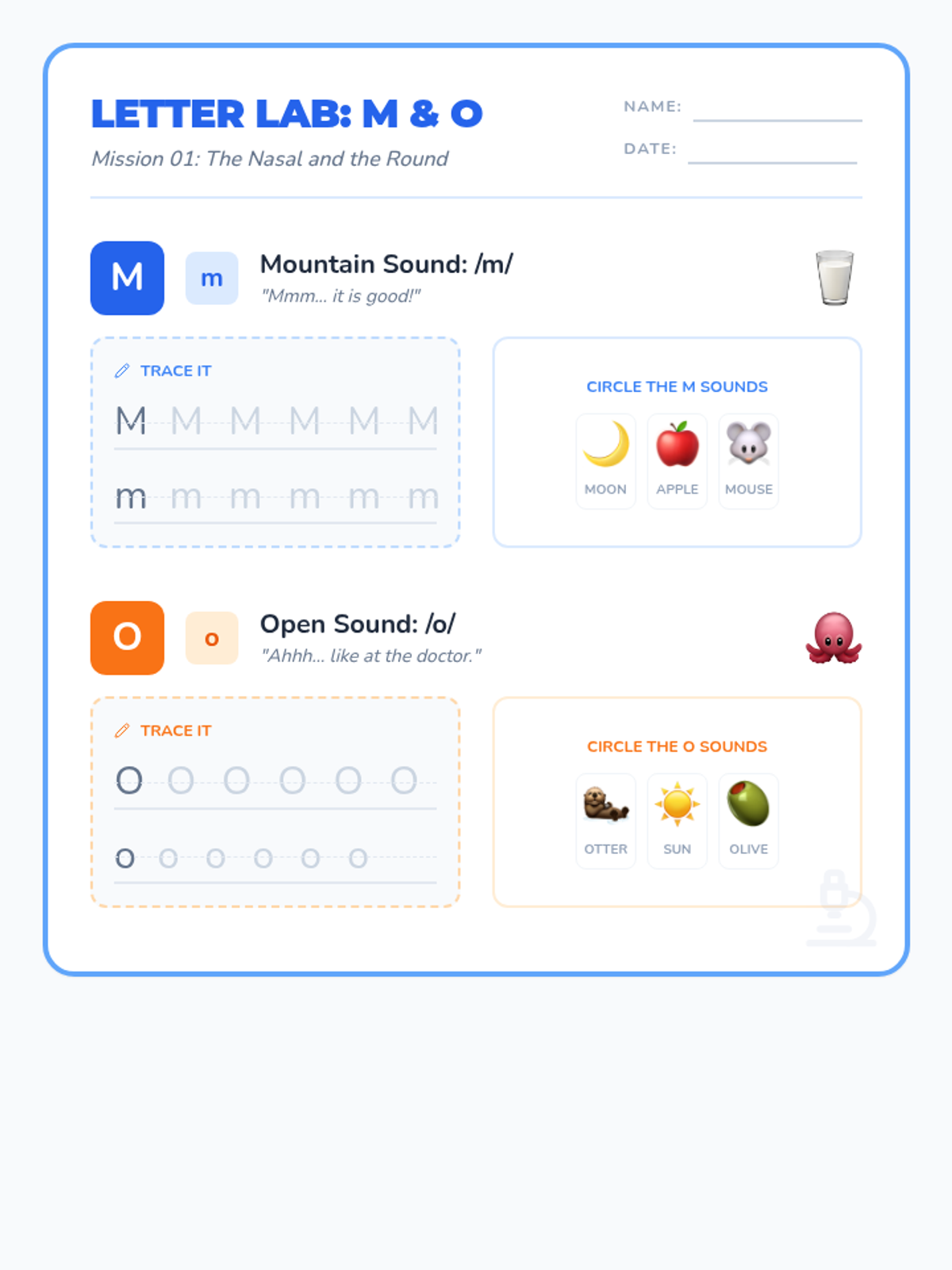
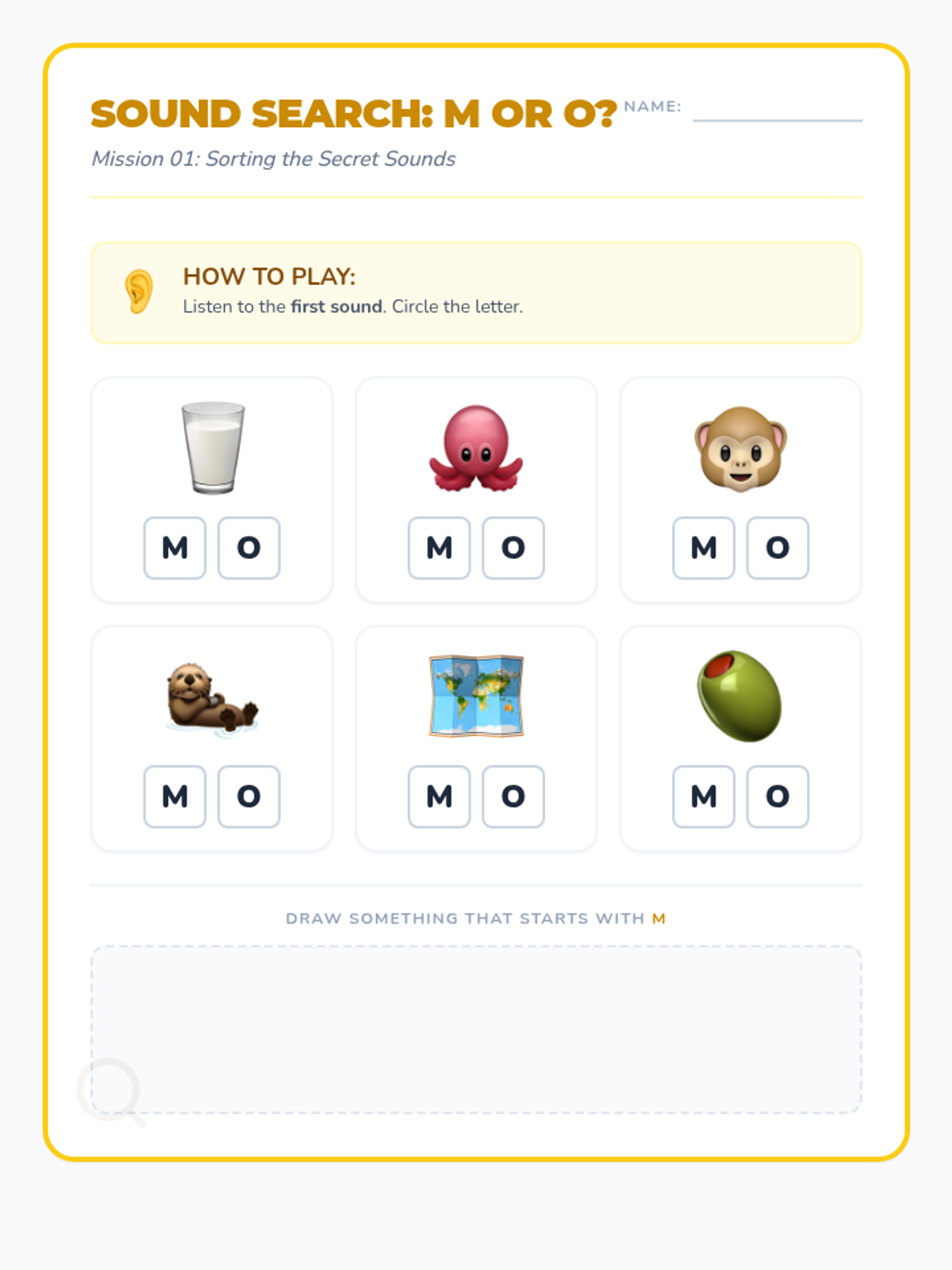
Day 1 introduces the /m/ and short /o/ sounds, focusing on mouth shape and initial sound recognition, concluding with reading the word 'mom'.
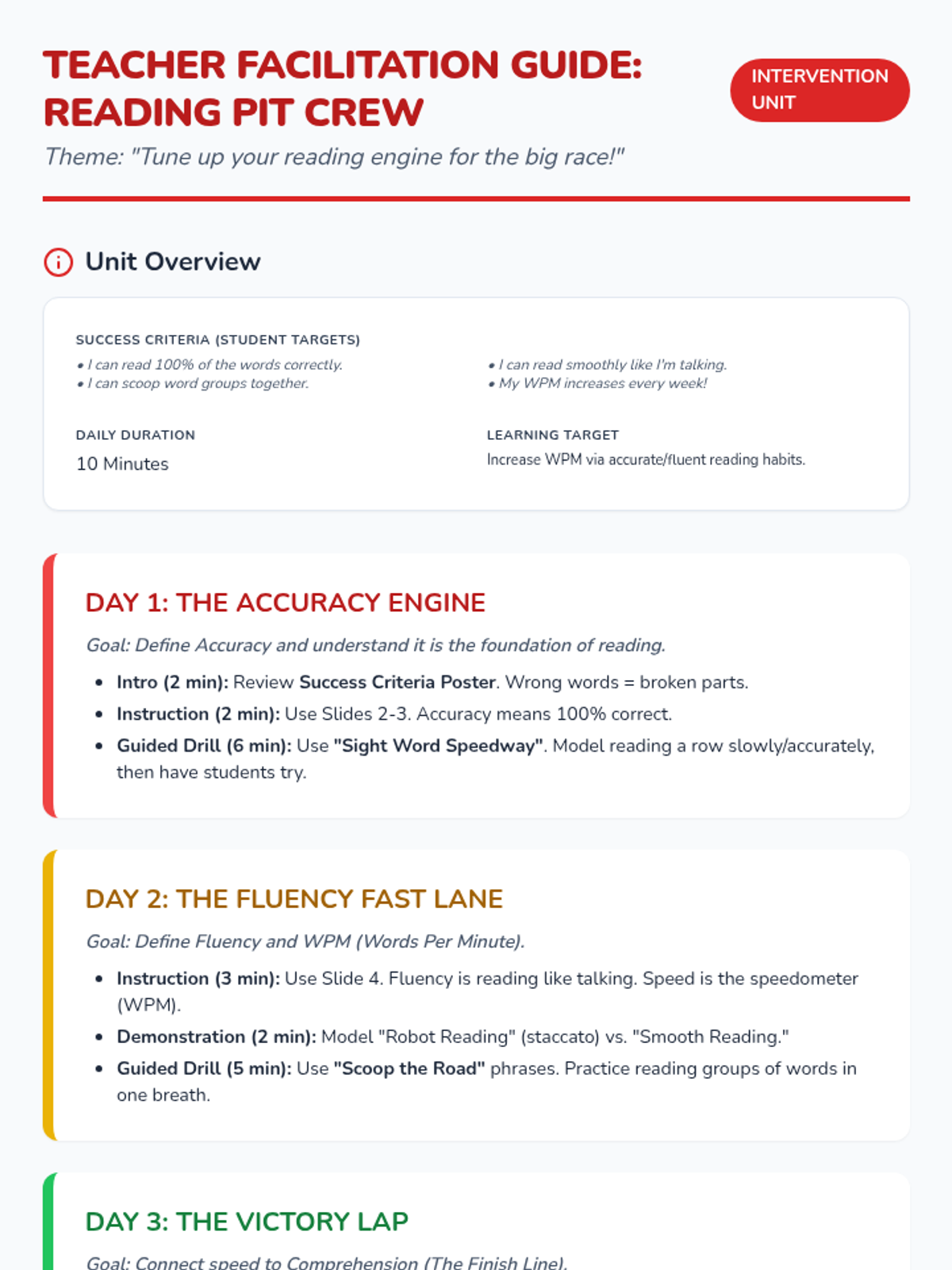
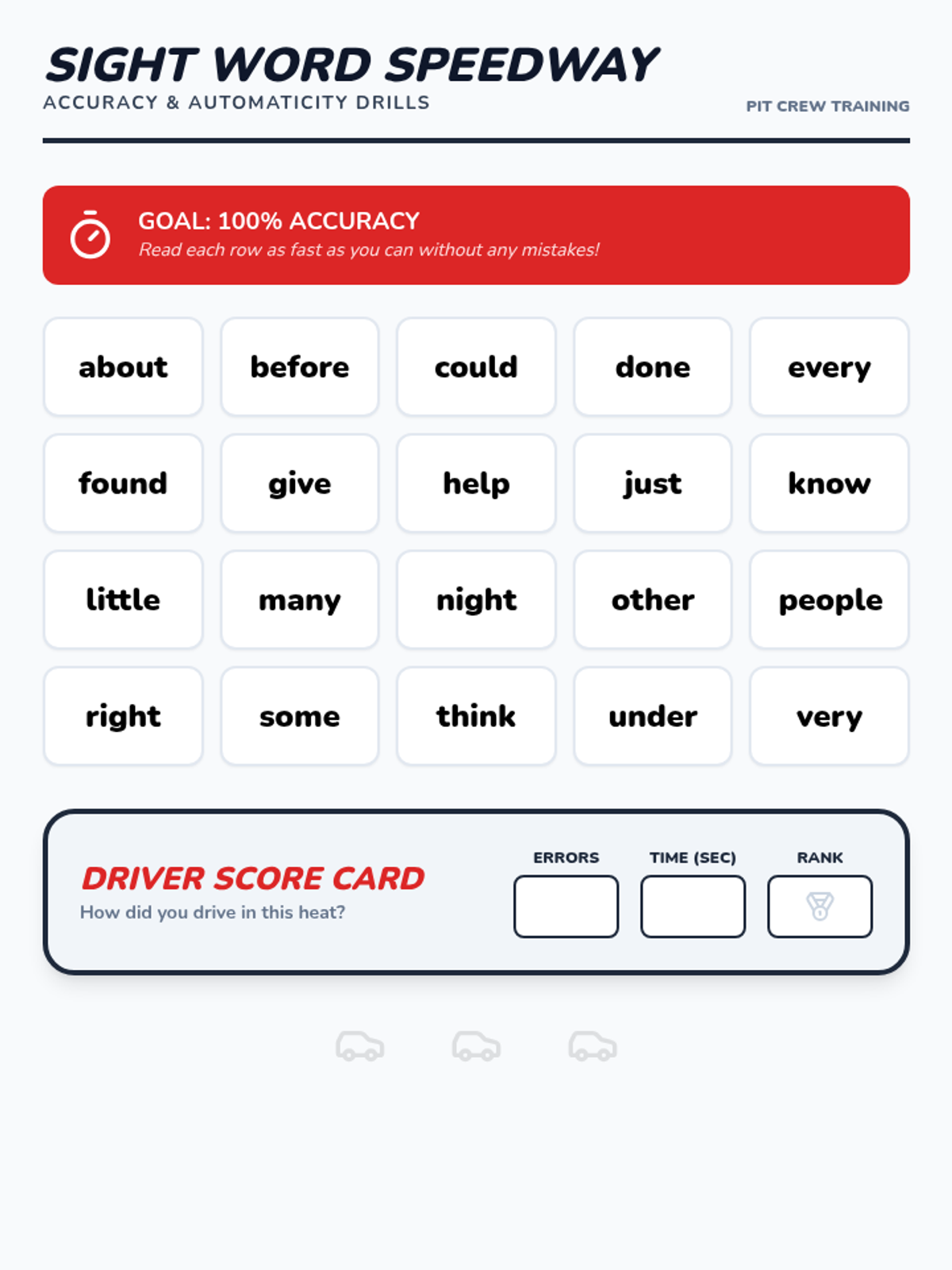
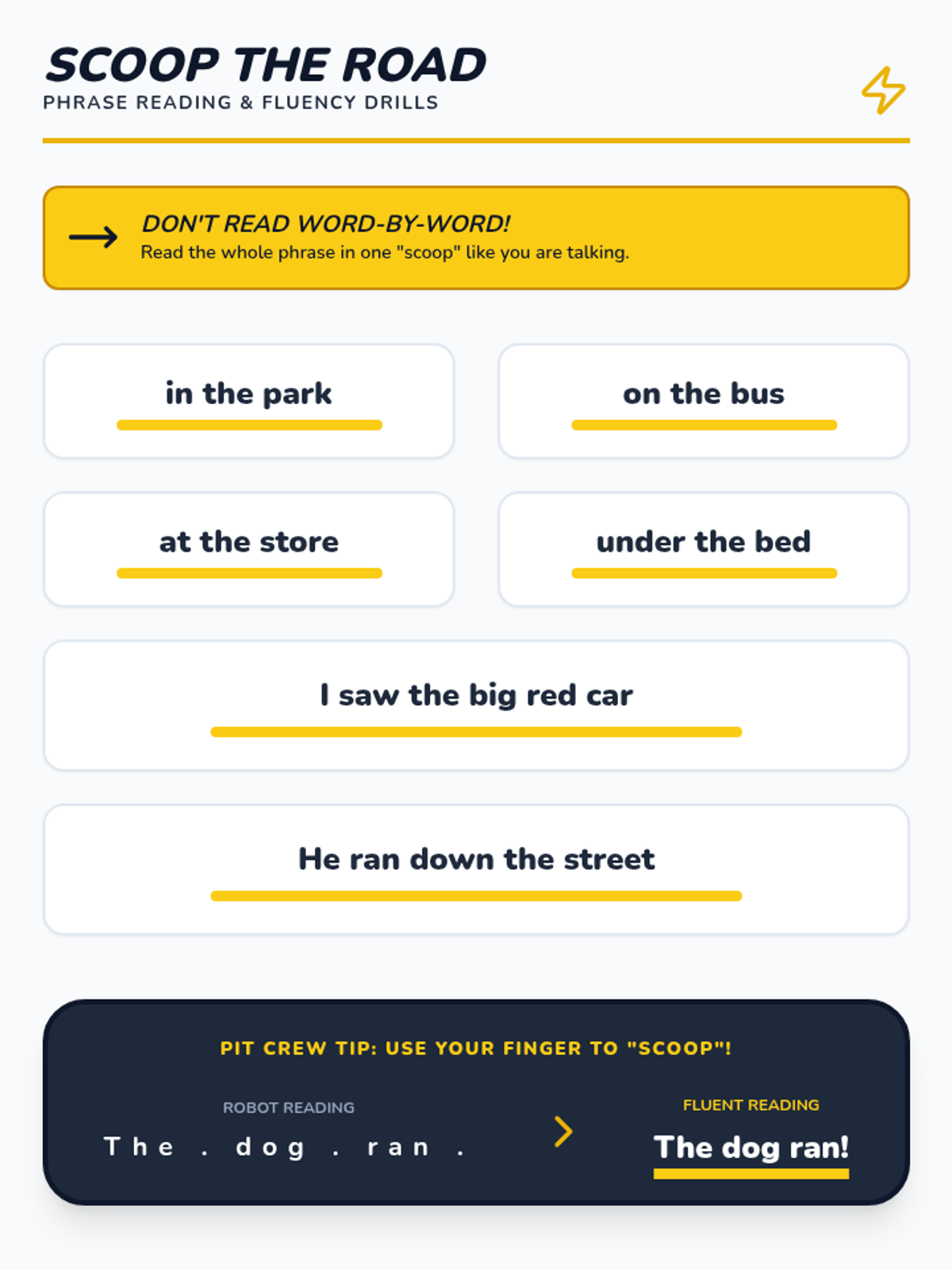
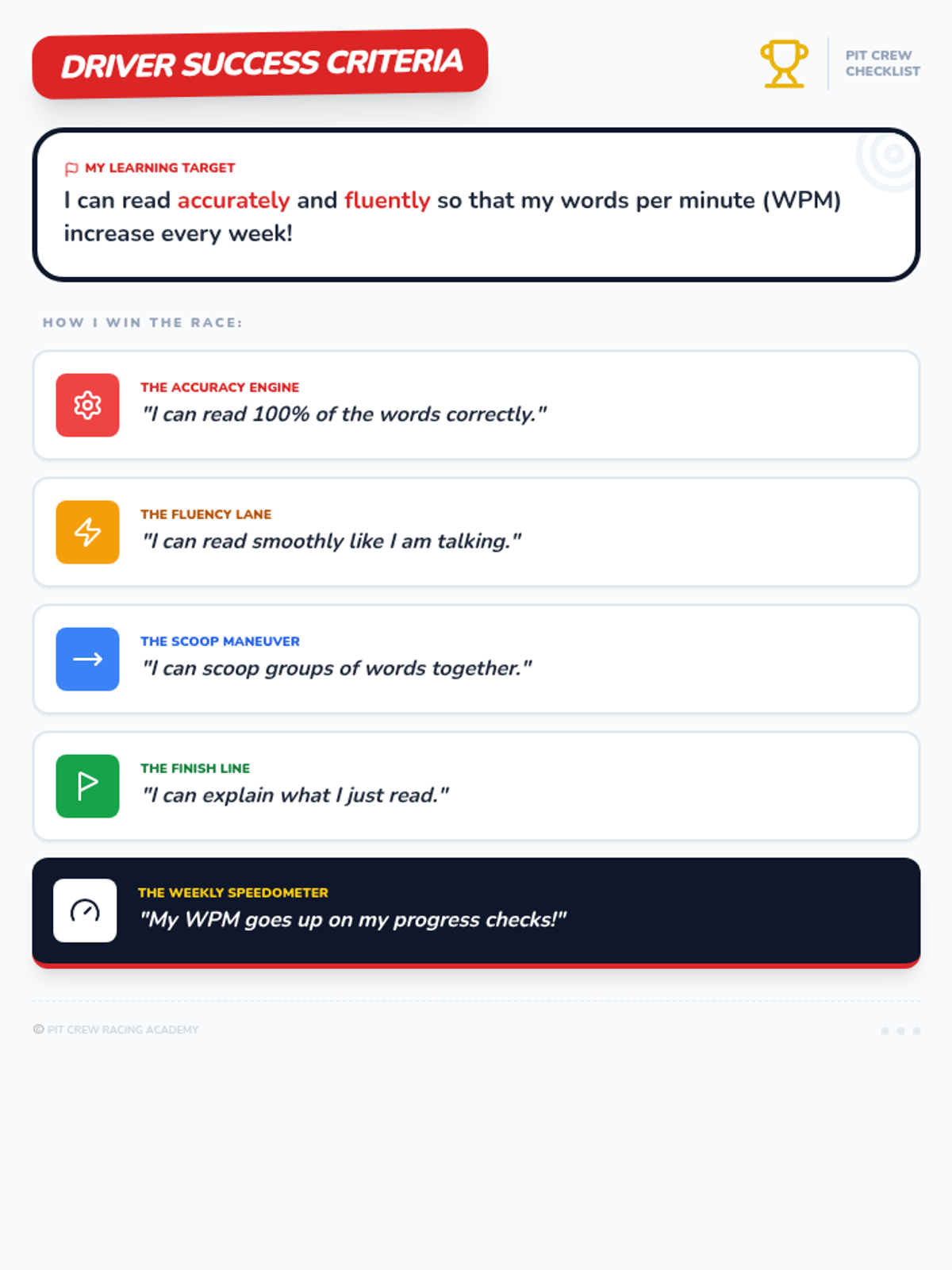
Focused on the definition of fluency, the relationship between accuracy and speed (WPM), and techniques for smoother reading.
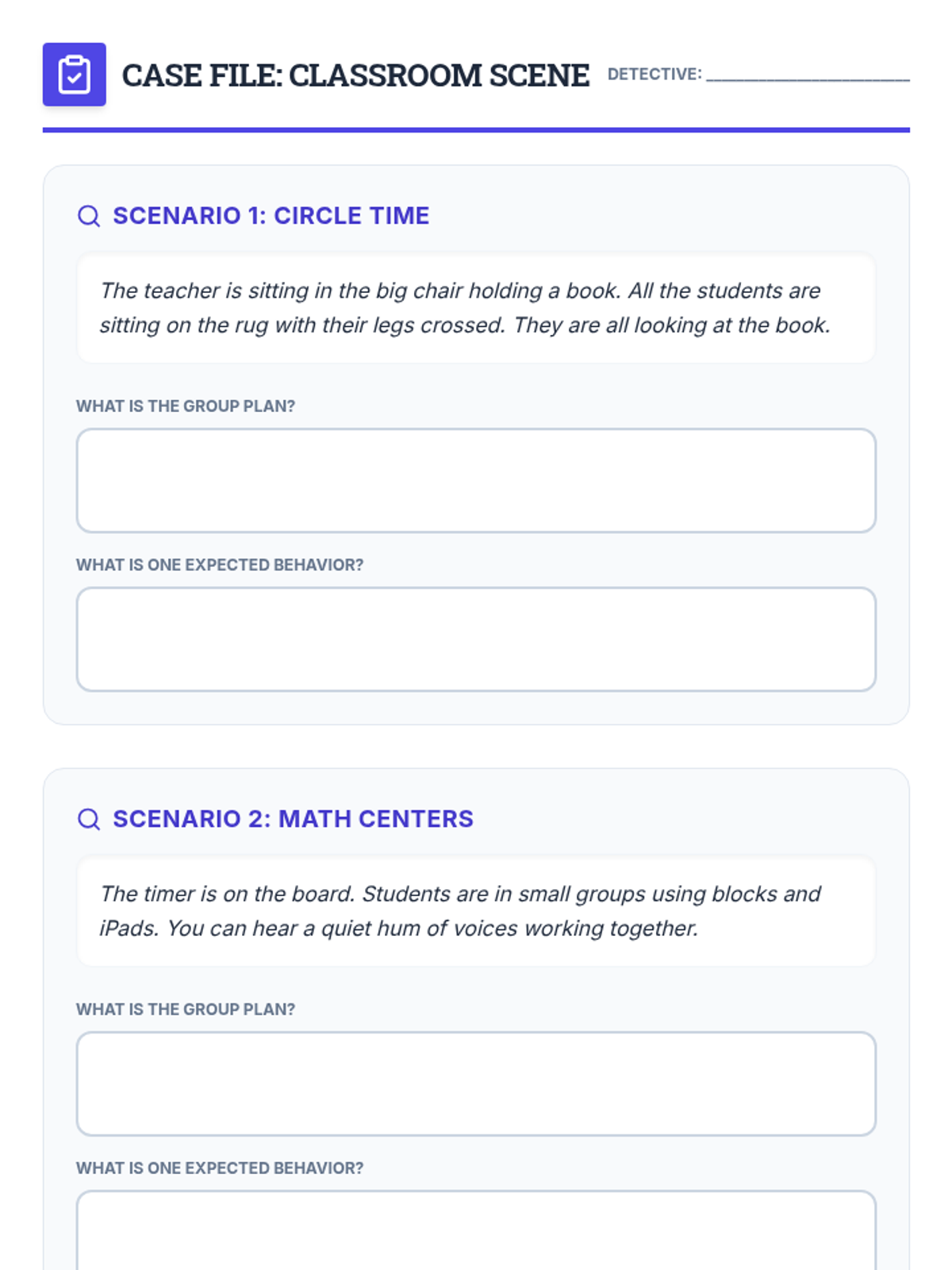
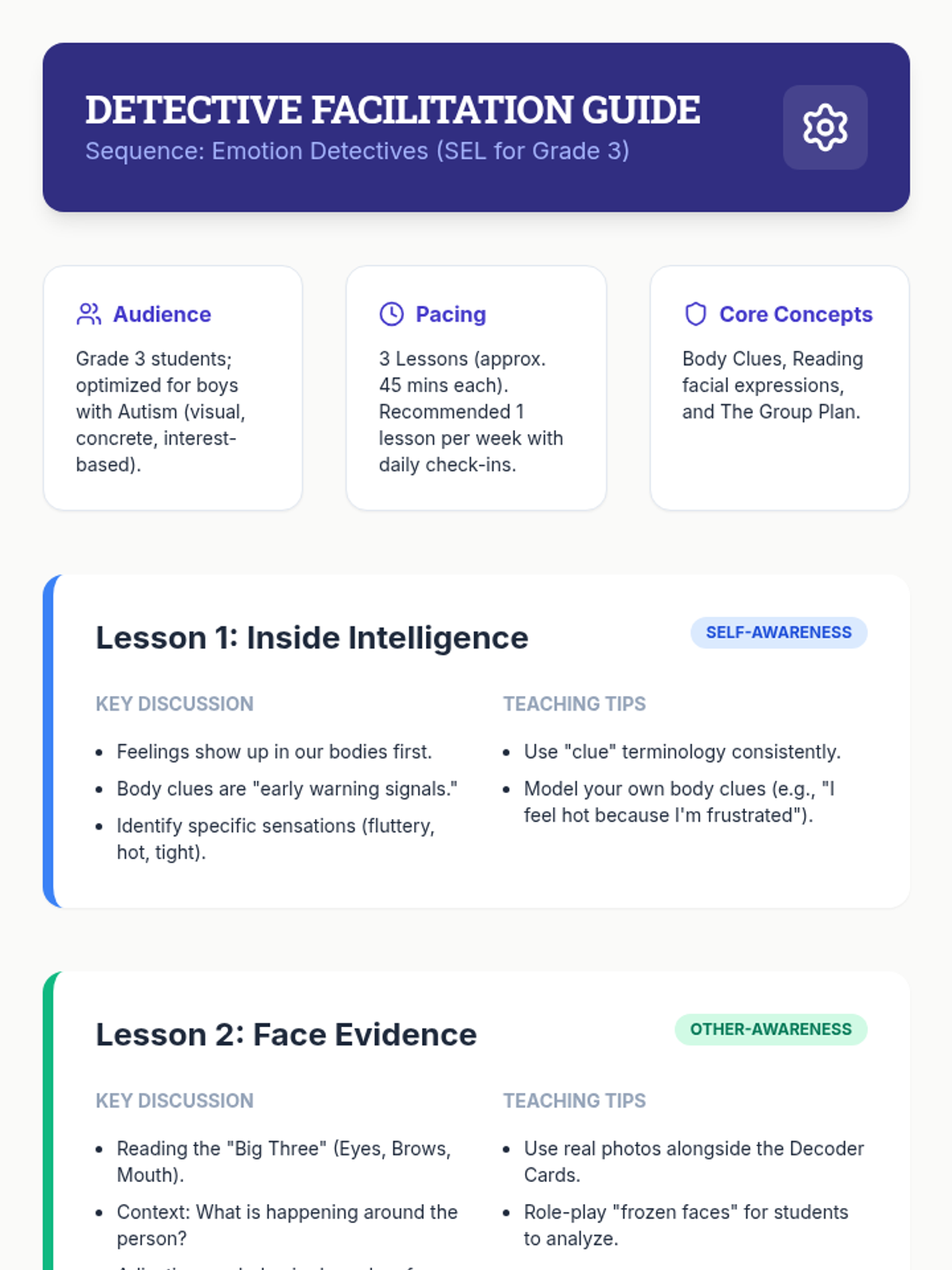
Connects individual and other-awareness to the classroom environment, focusing on 'Expected behaviors' and following the 'Group Plan'.
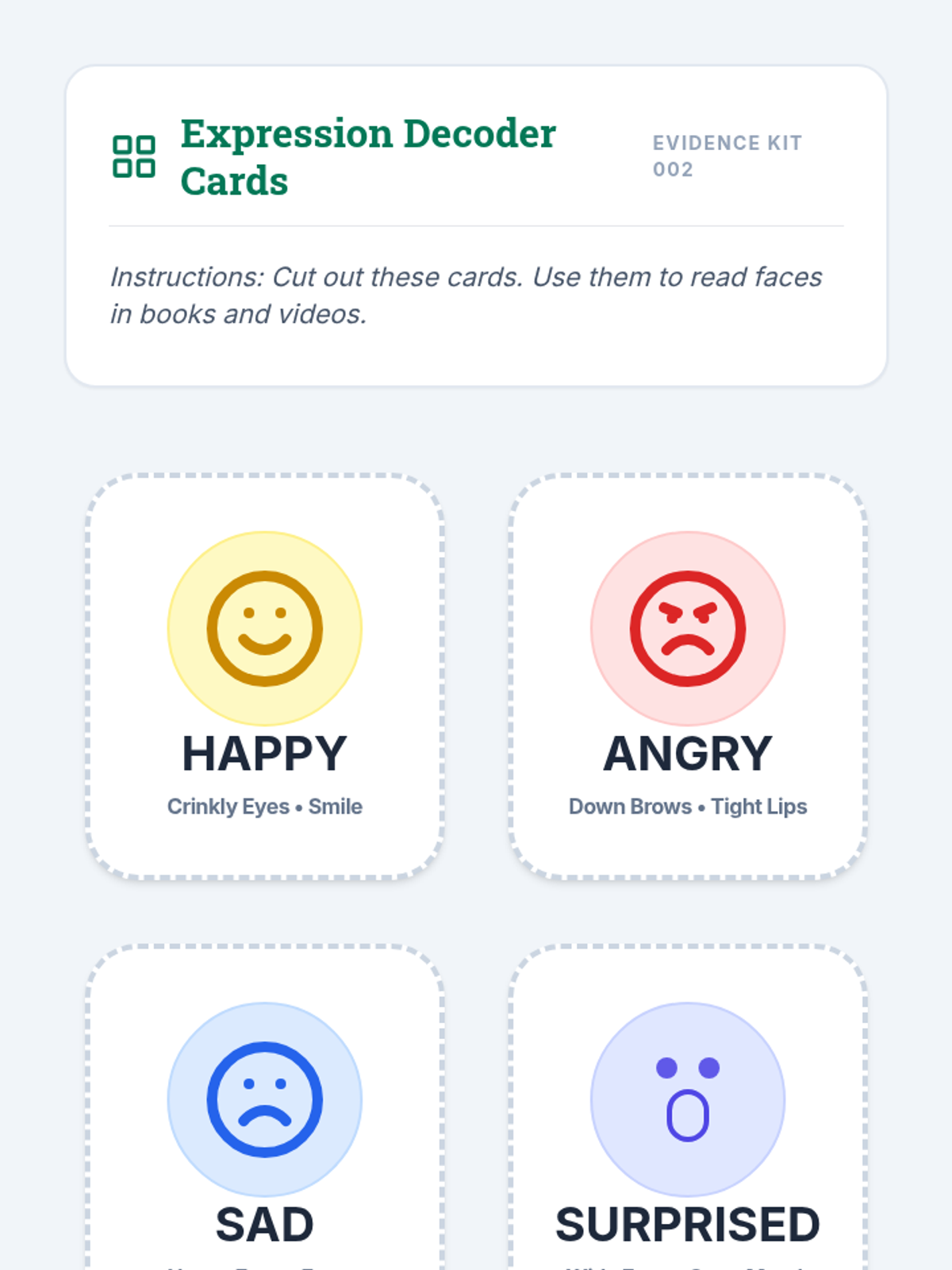
Teaches students how to observe facial expressions and body language to determine how others are feeling.
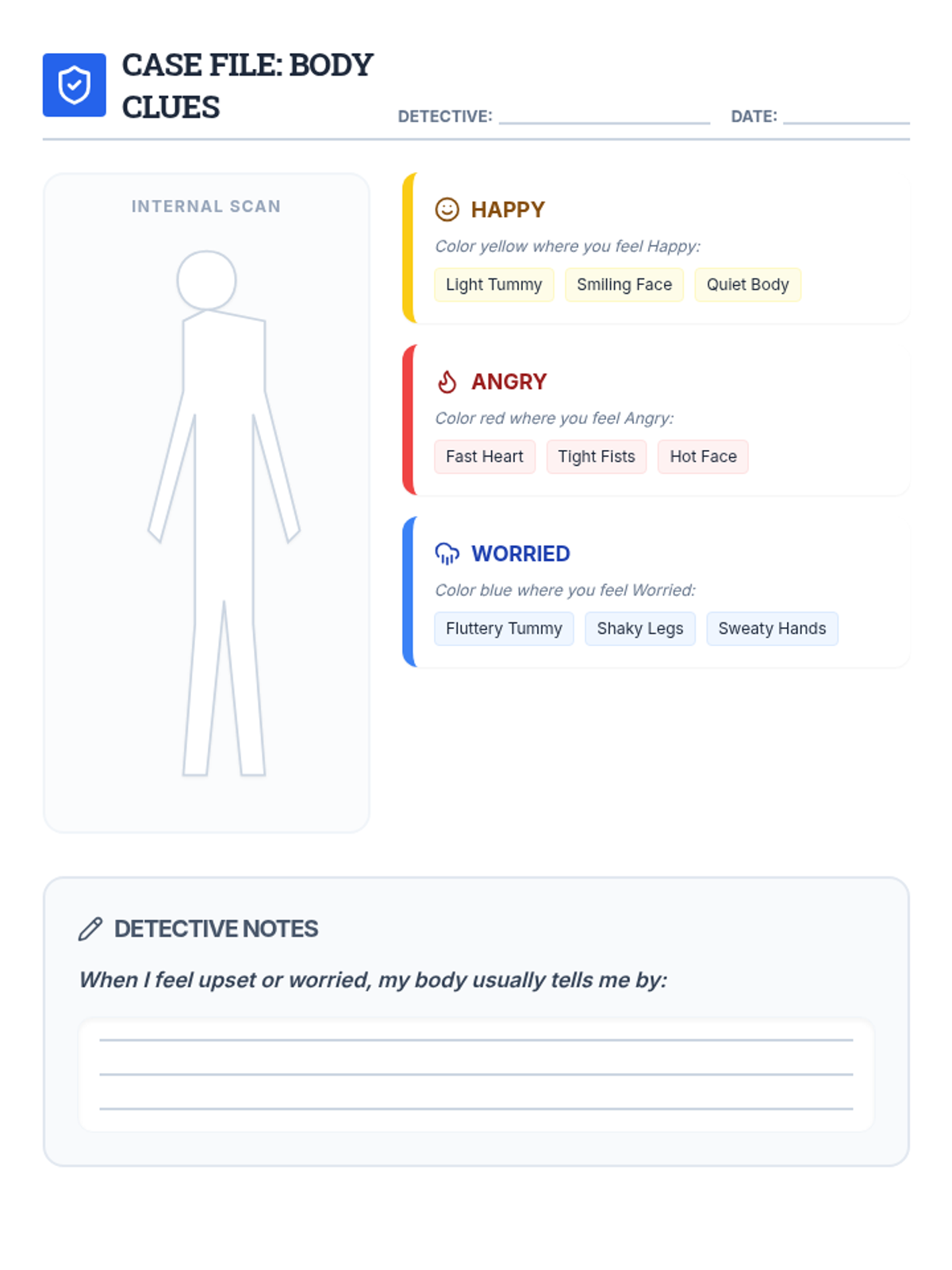
Focuses on self-awareness by teaching students to recognize the physical 'clues' their bodies give off when experiencing different emotions.
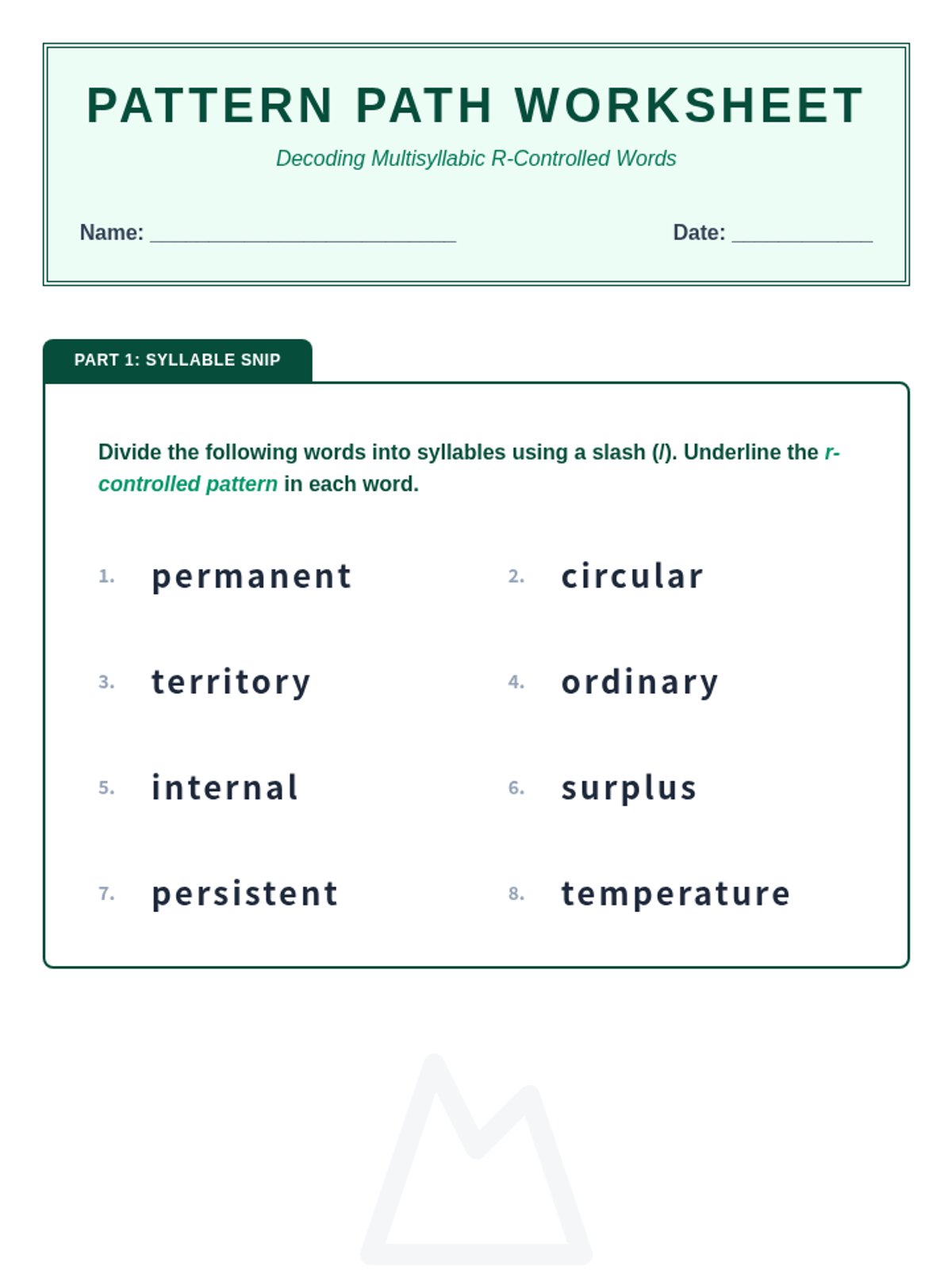
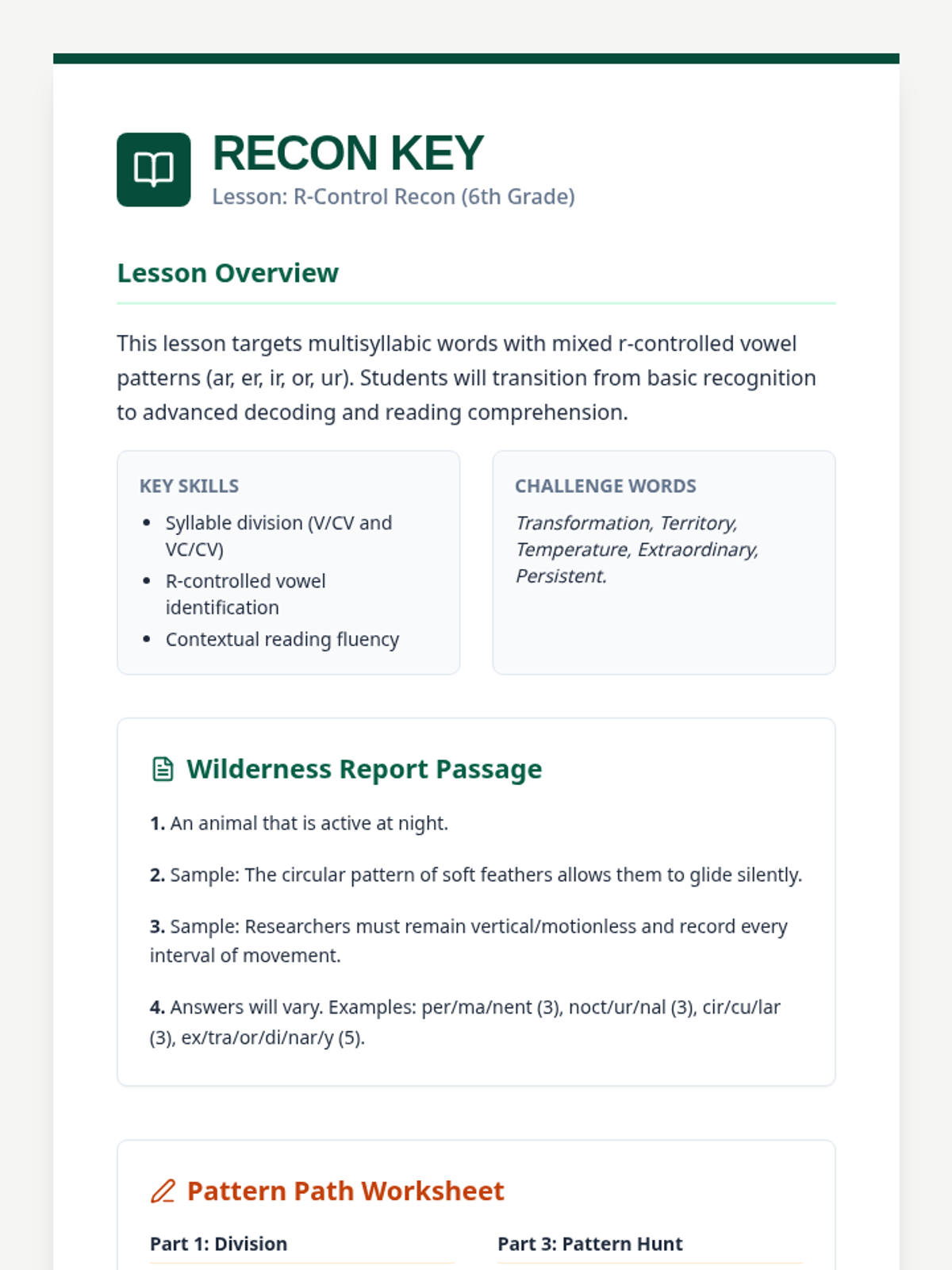
A comprehensive lesson on decoding and understanding multisyllabic r-controlled words through a wilderness exploration theme. Students will practice blending, identifying patterns, and reading complex texts.
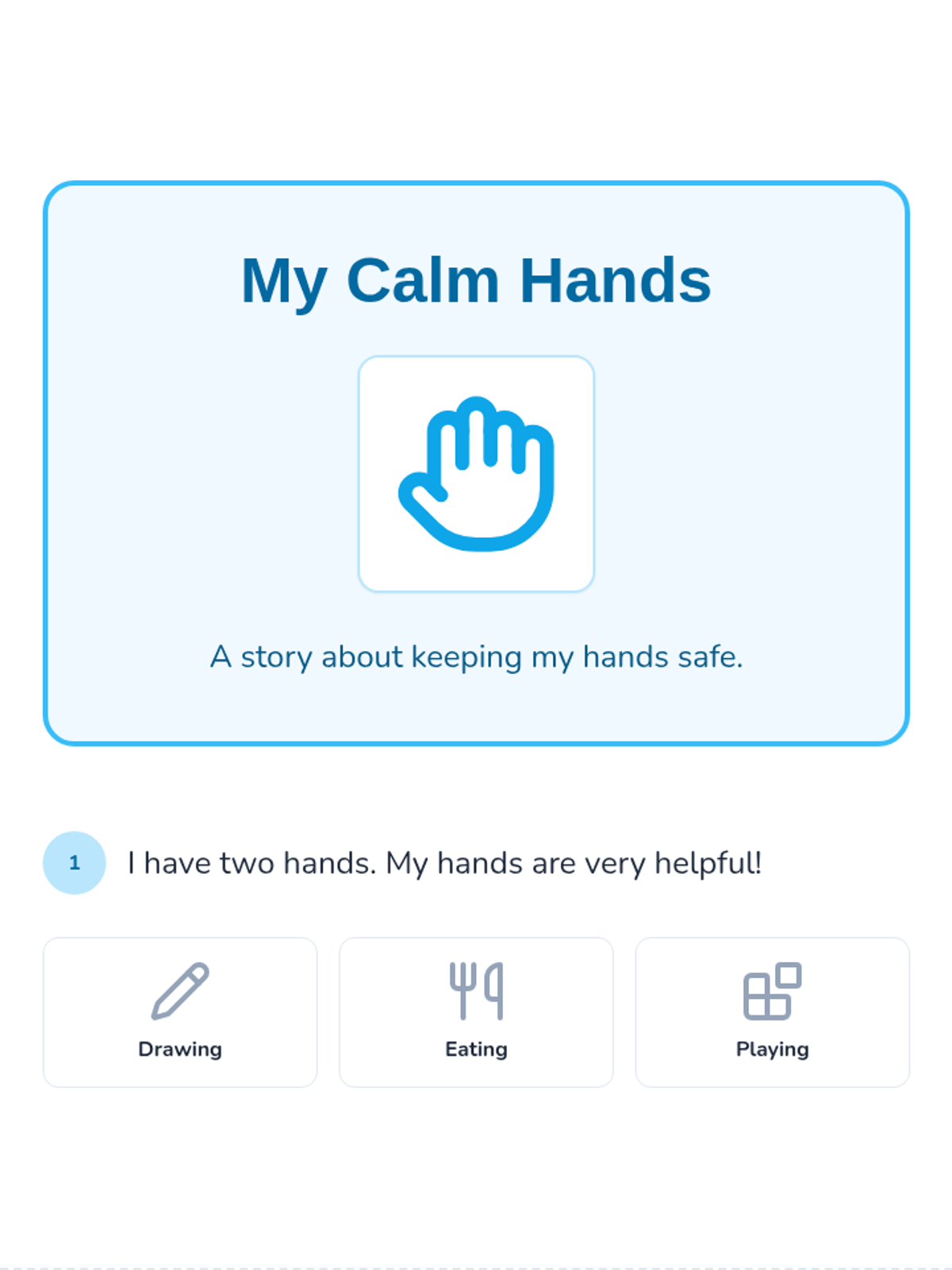
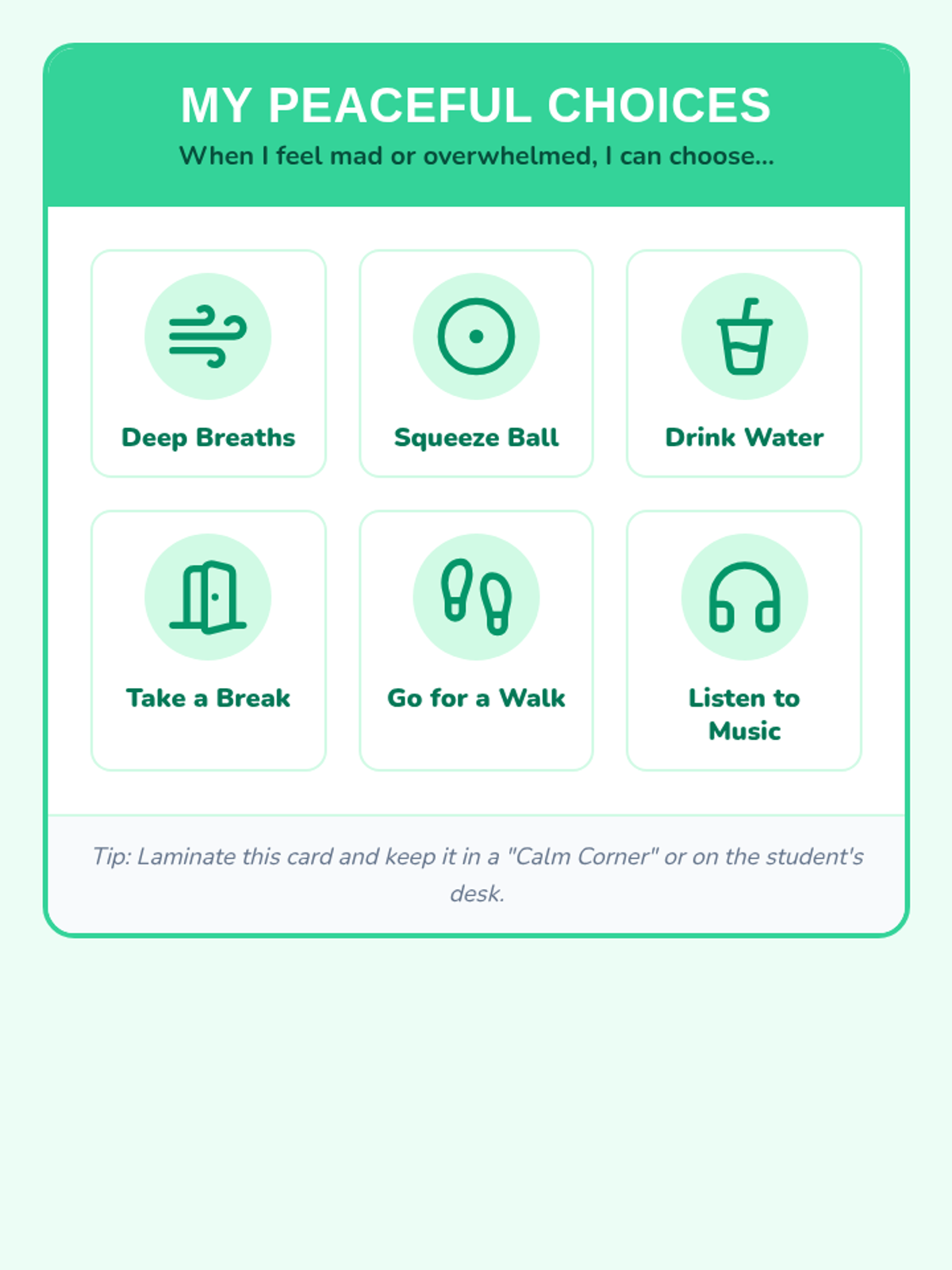
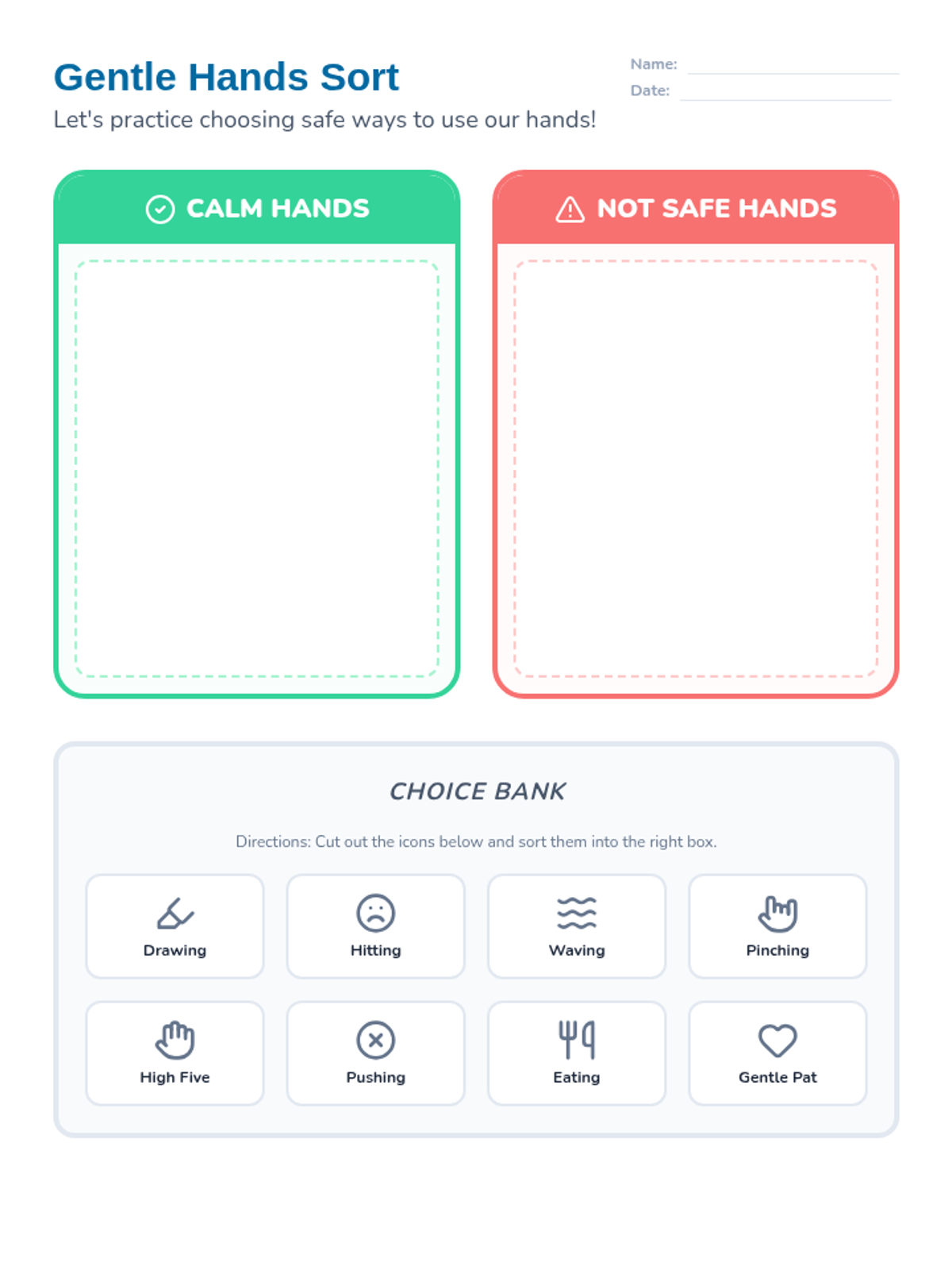
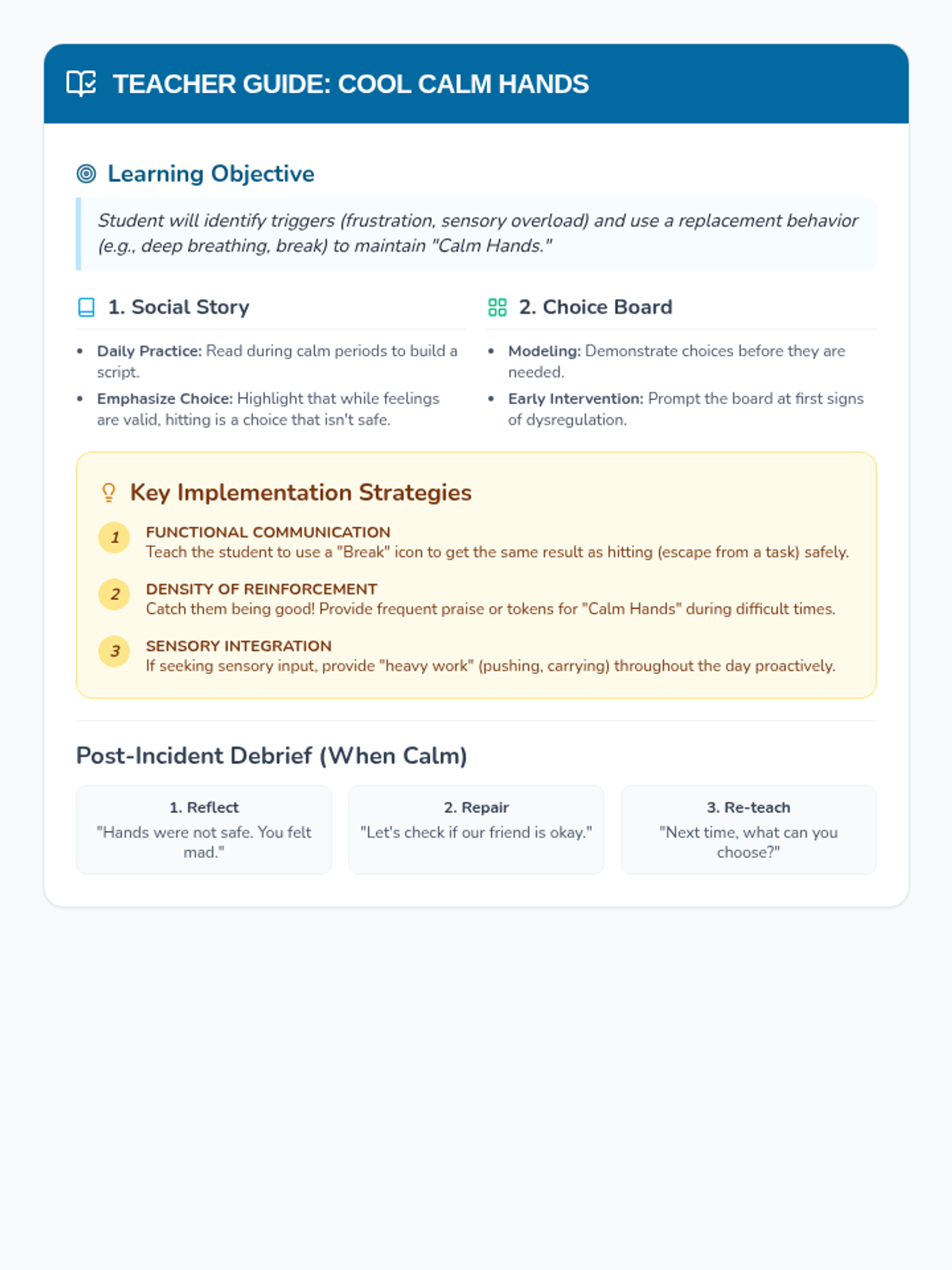
A comprehensive lesson focused on teaching self-regulation and replacement behaviors for hitting, specifically designed for students with Autism. It includes a visual social story, a choice board for calm-down strategies, and a sorting activity to reinforce gentle hands.
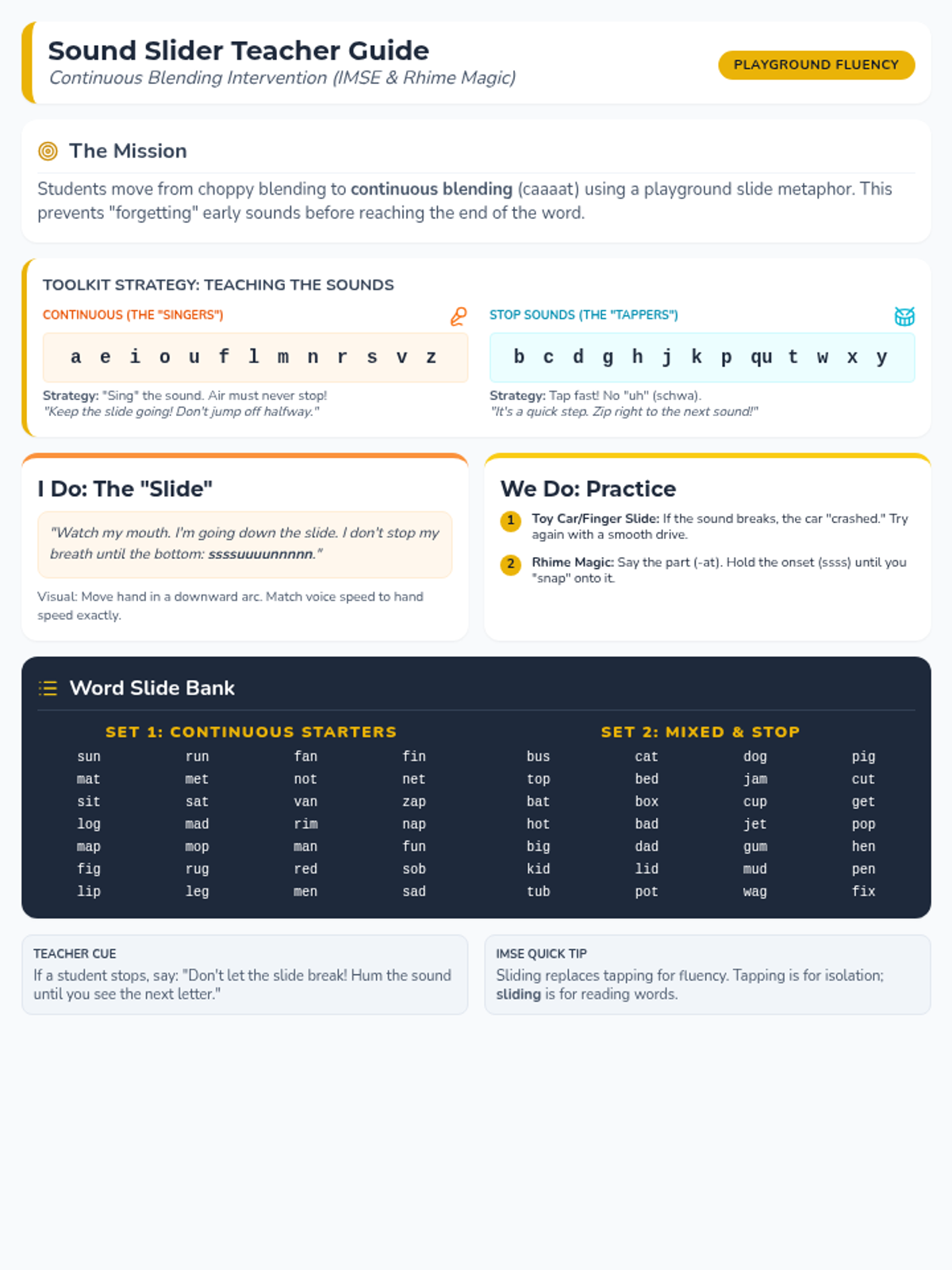
A high-intensity reading intervention lesson for first graders focusing on transitioning from choppy onset-rime blending to smooth CVC word blending using a playground slide metaphor.
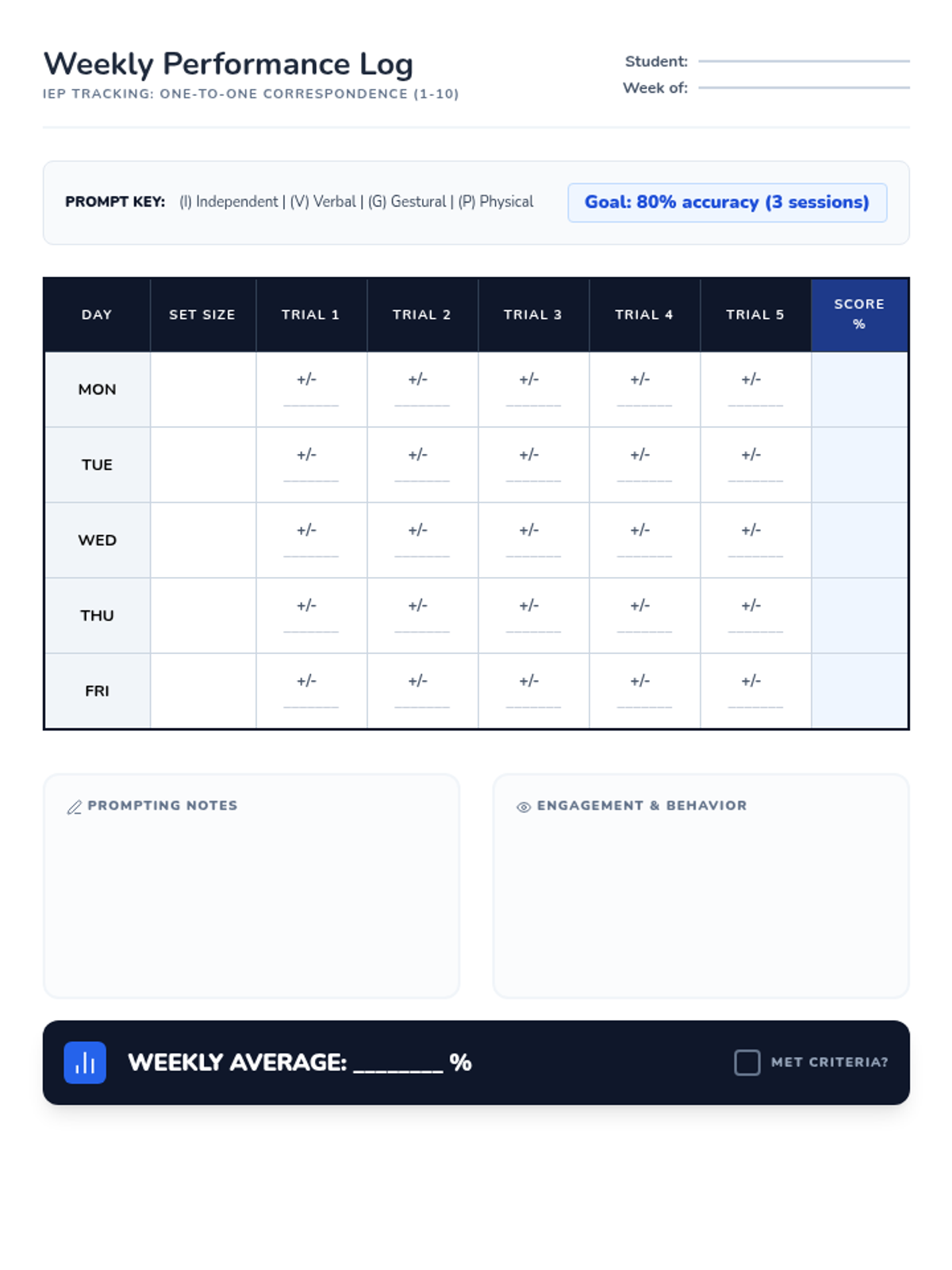
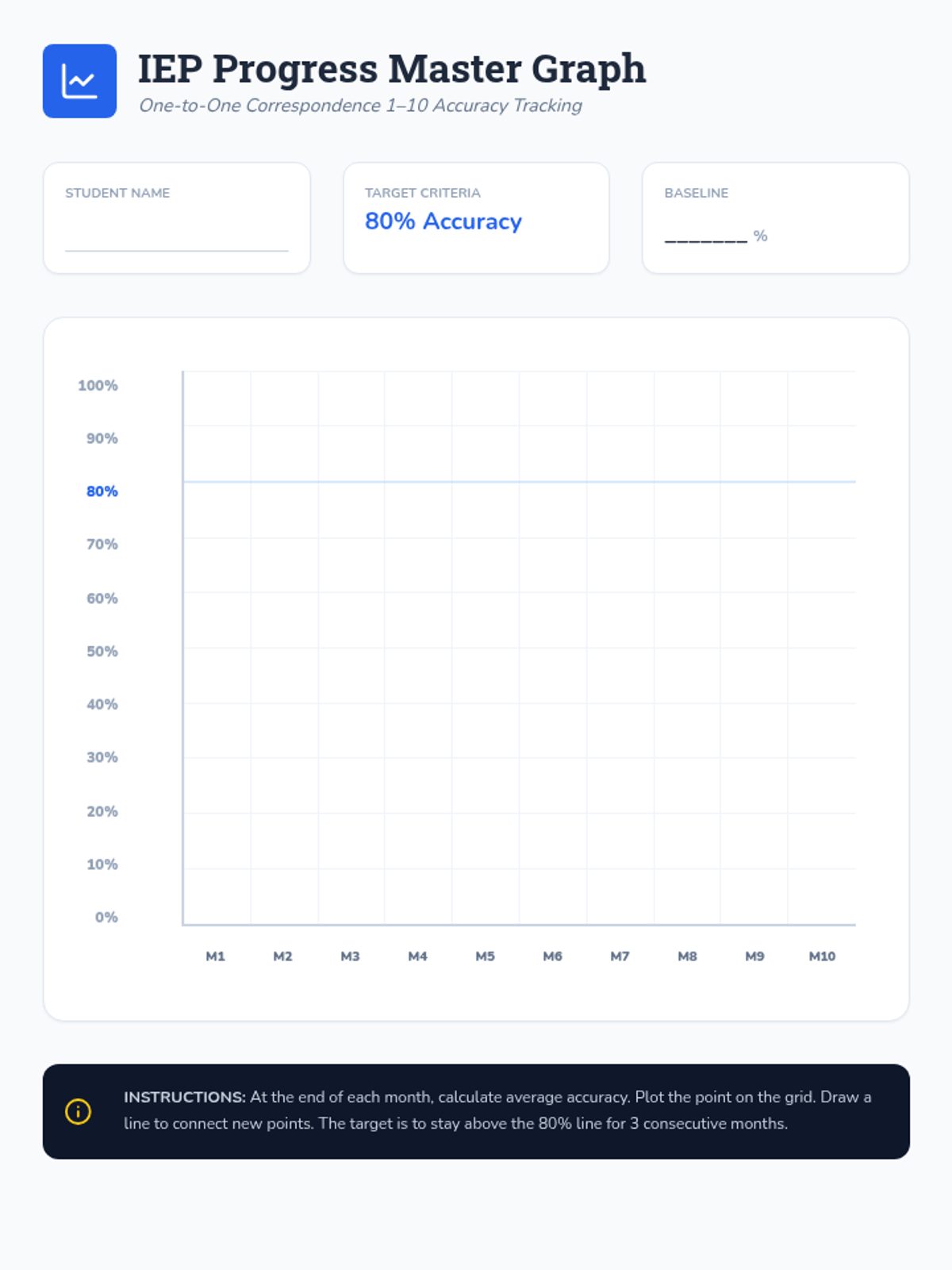
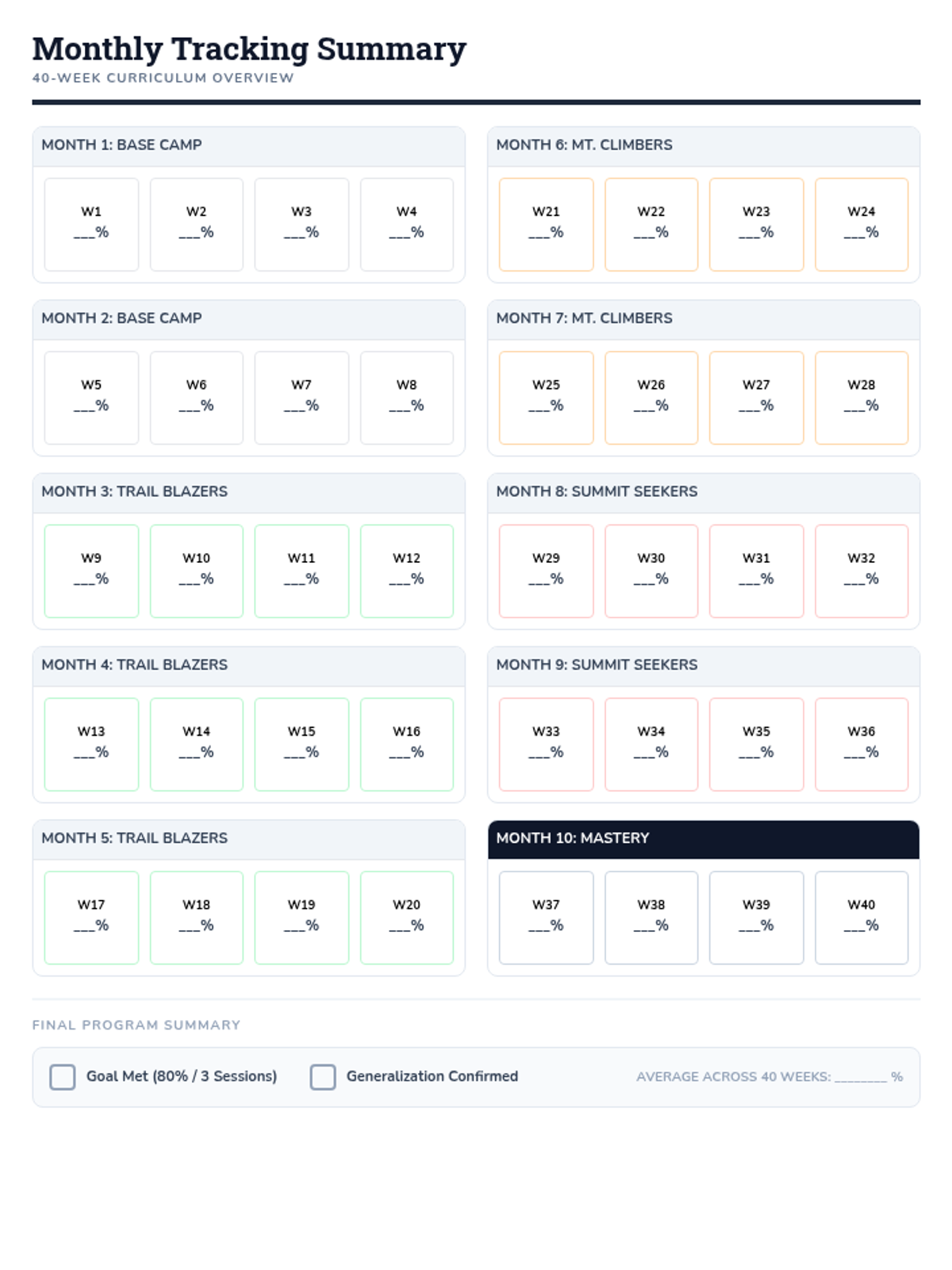
A collection of data collection tools, including weekly logs, monthly charts, and IEP progress graphs to track student growth toward 80% accuracy.
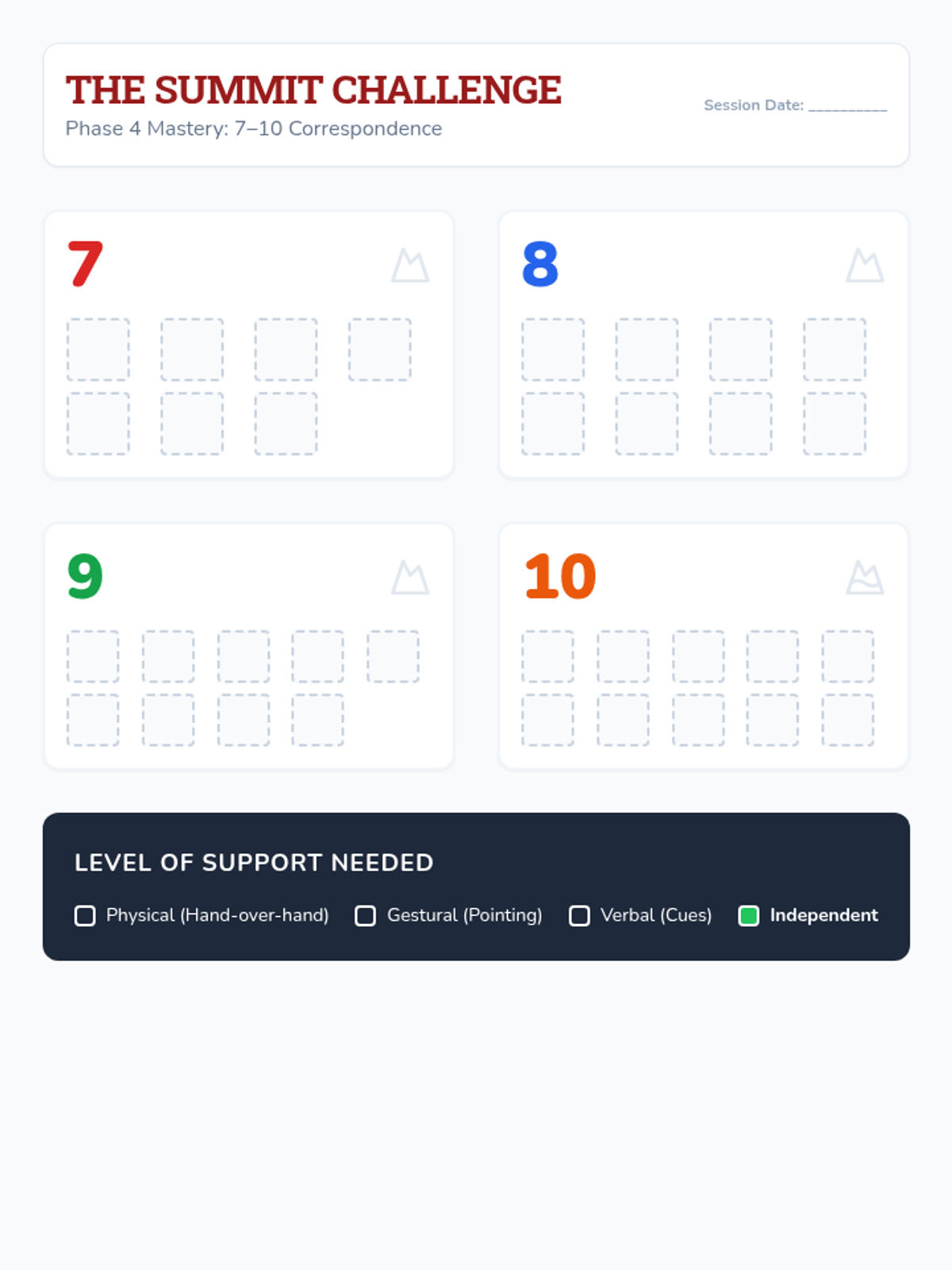
Advanced counting practice for numbers 7 through 10, focusing on fluency and generalization across different manipulatives.
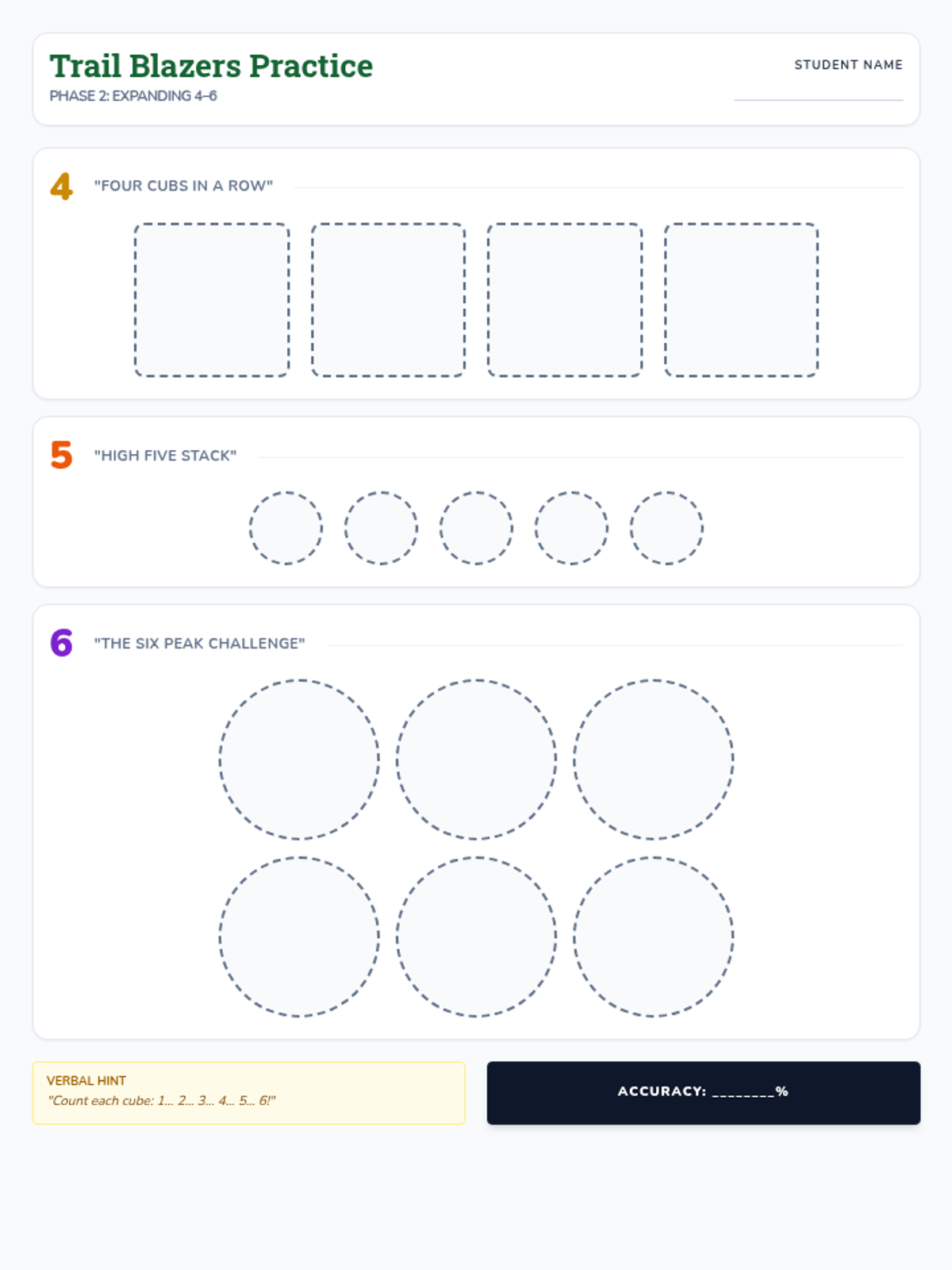
Practice materials and guided activities for expanding counting skills to the numbers 4, 5, and 6.
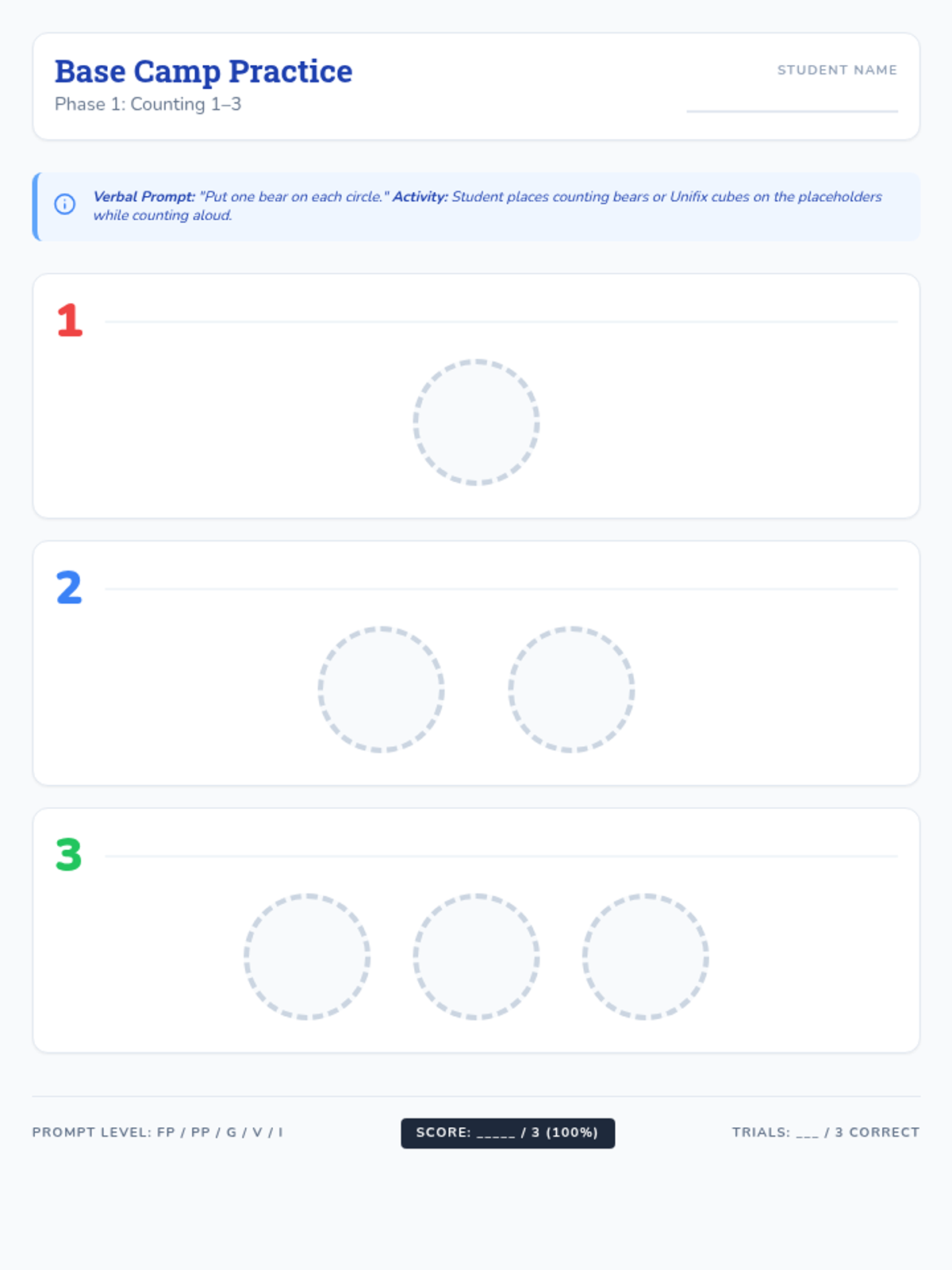
Instructional materials and practice mats focused on establishing one-to-one correspondence for numbers 1 through 3.
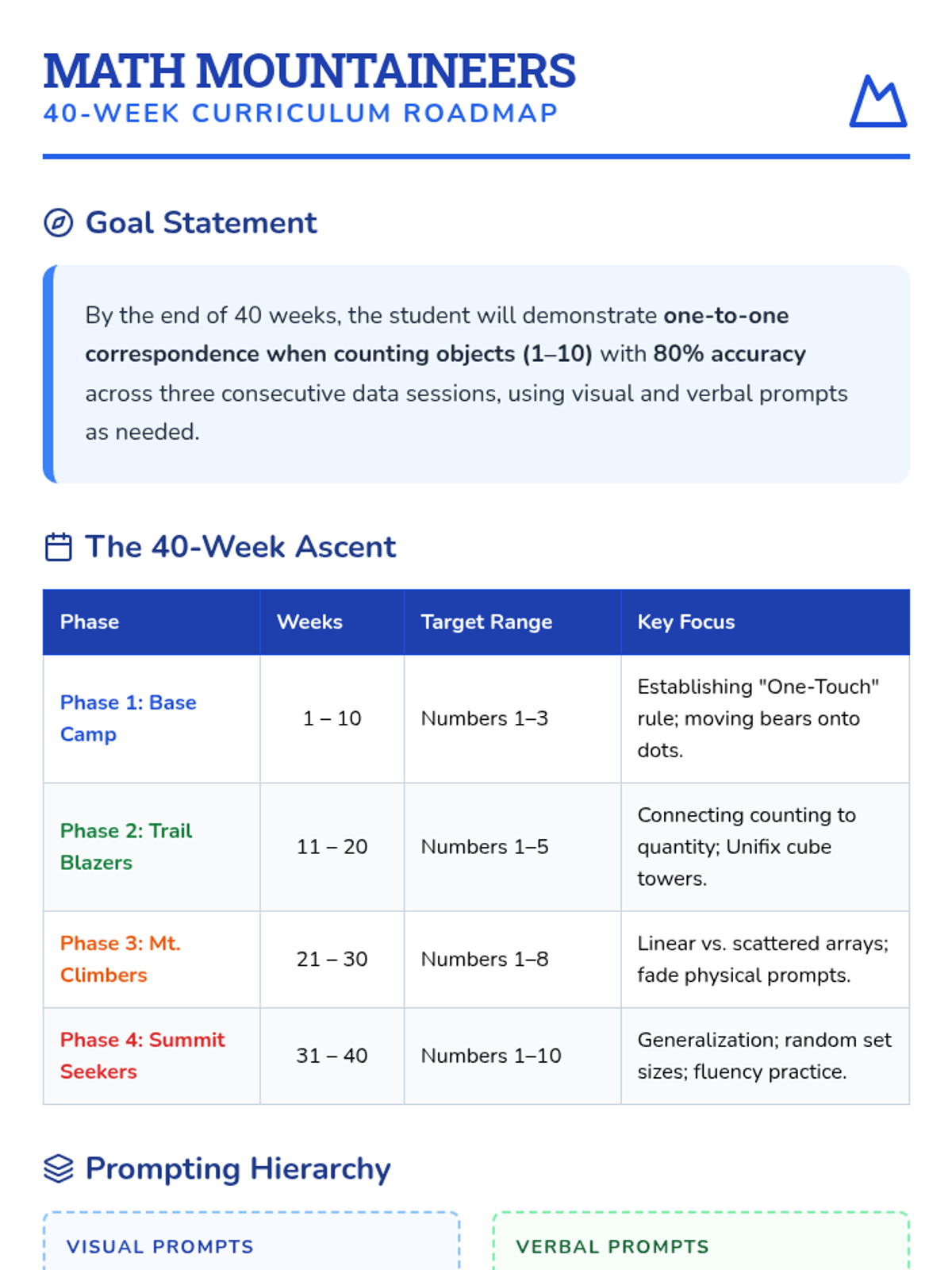
The master instructional framework for the 40-week program, outlining the four phases of learning, prompting strategies, and manipulative integration.
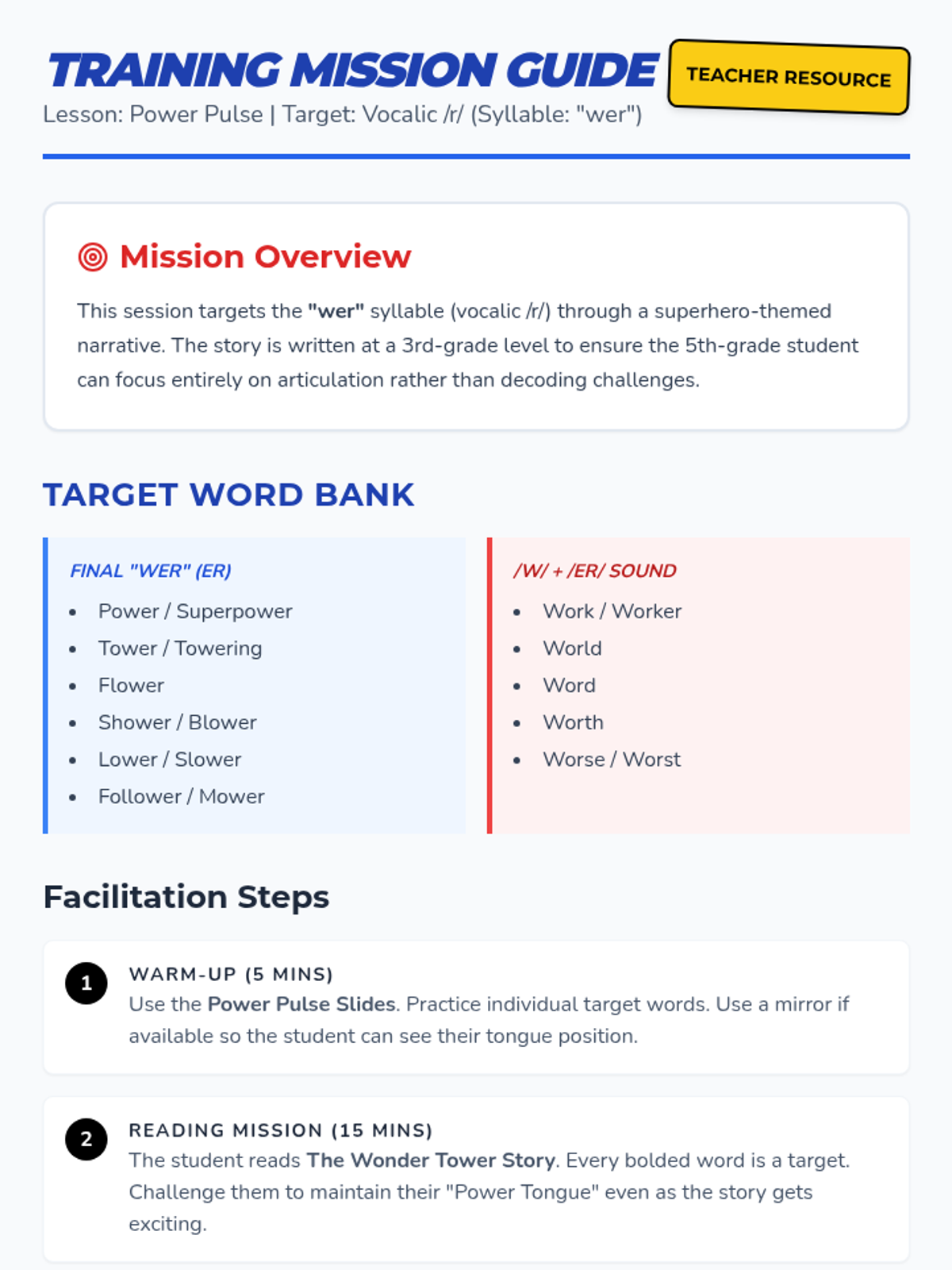
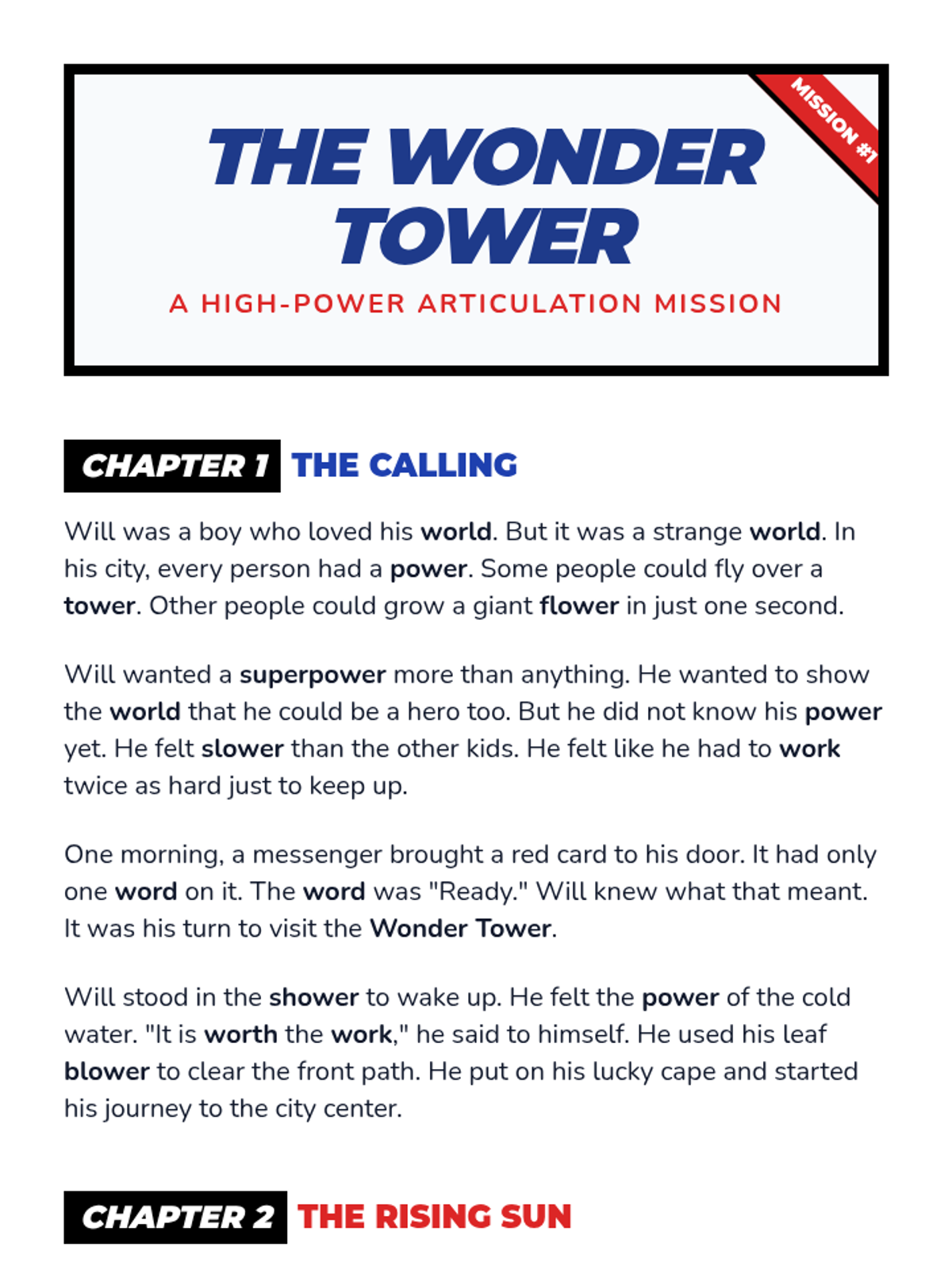
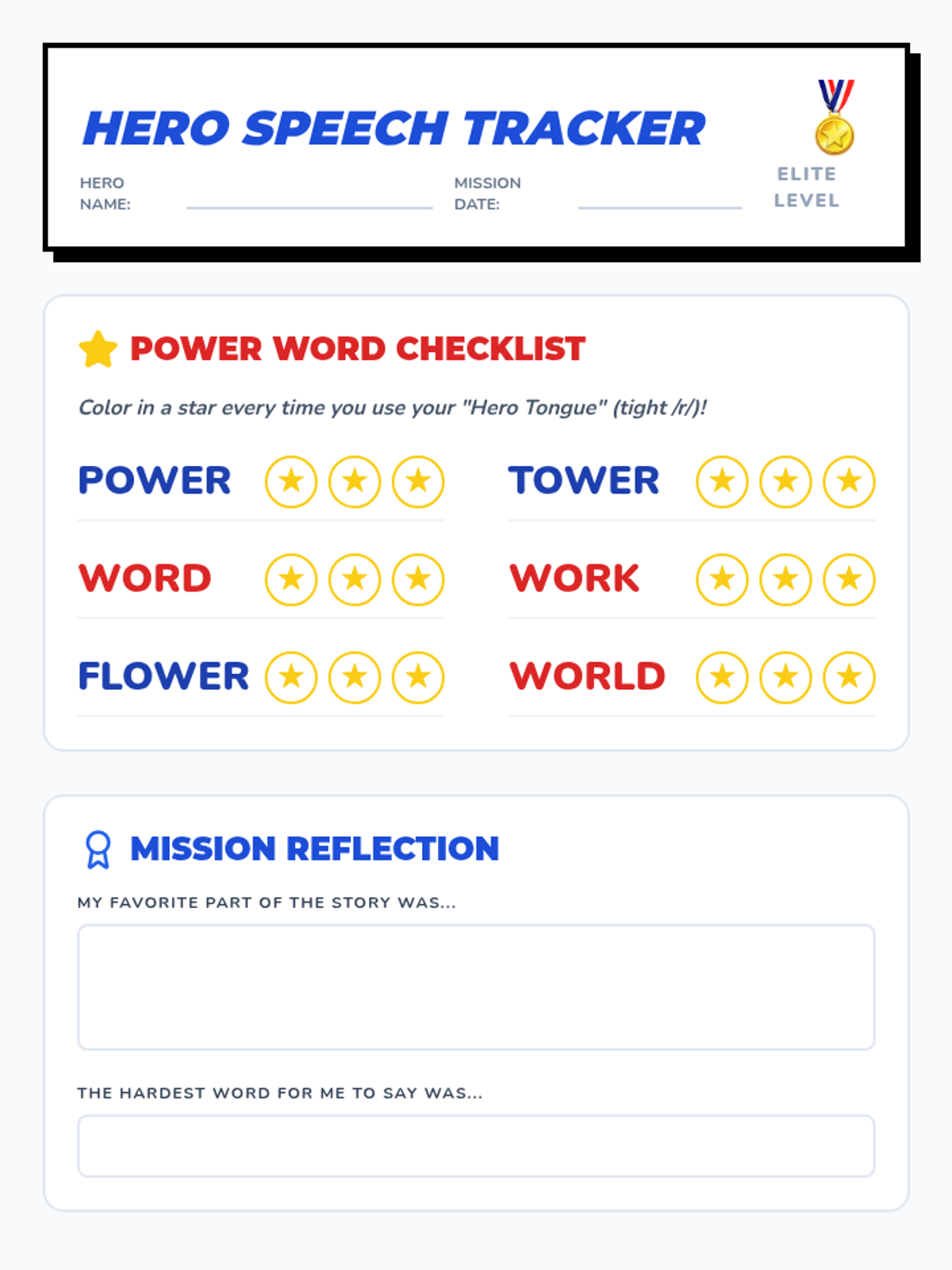
A speech therapy lesson focused on the 'wer' syllable in vocalic /r/ words, featuring a superhero story at a 3rd-grade reading level. Includes warm-up slides, a student tracking sheet, and a facilitation guide for educators.