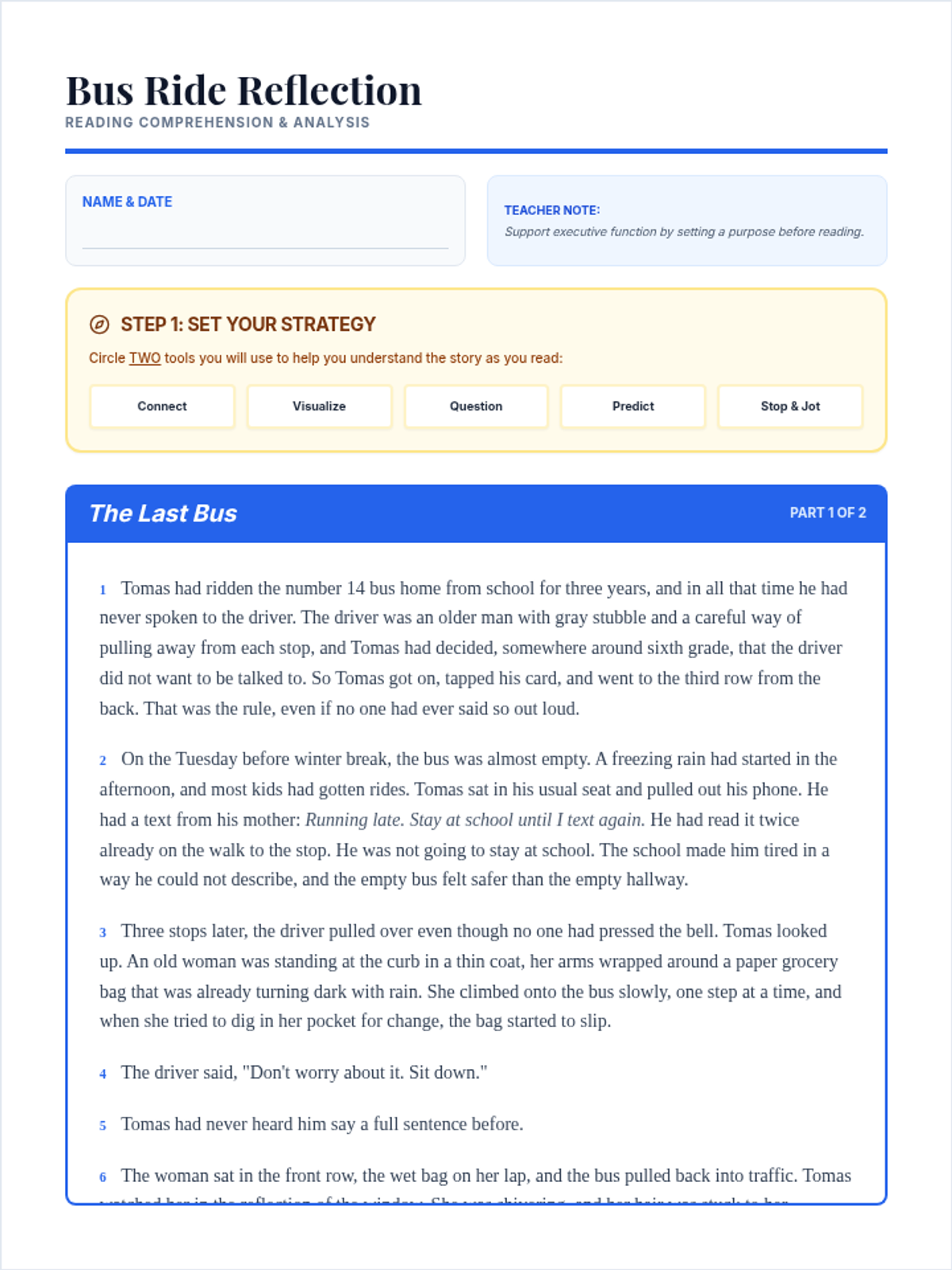
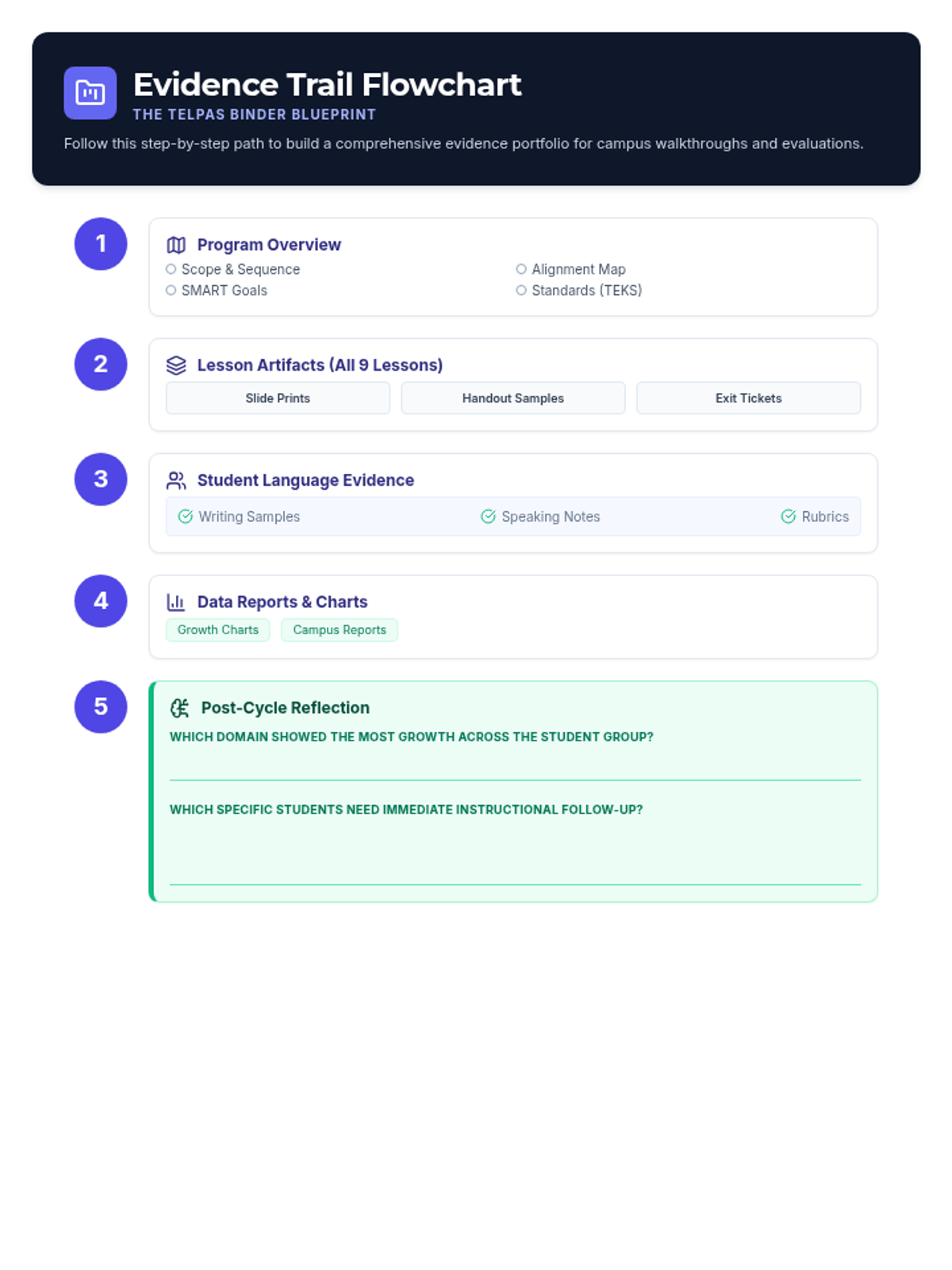
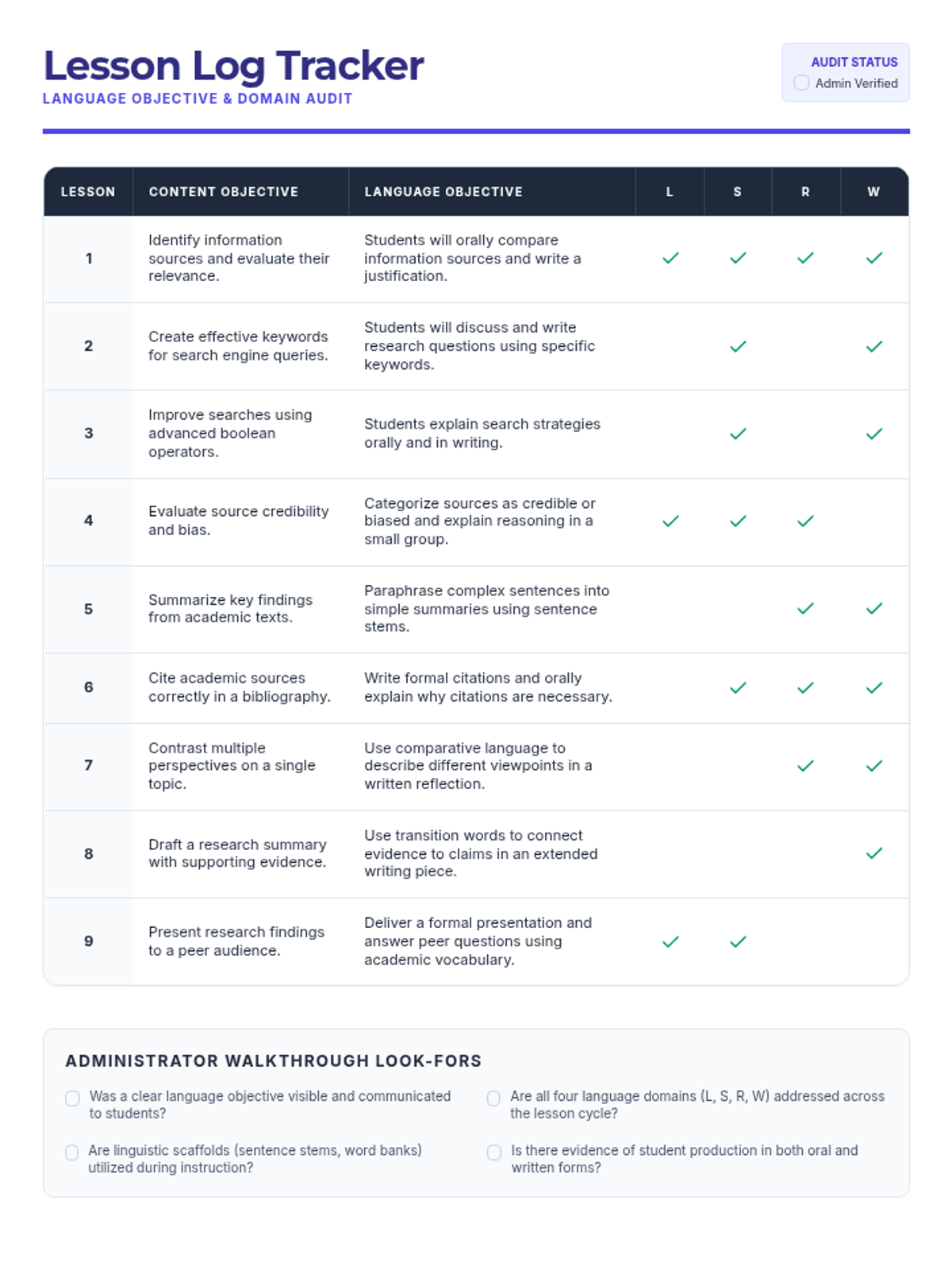
Students experiment with TTS settings (speed, voice, and pause frequency) across different genres. They analyze why technical informational texts require a different auditory strategy than narrative stories.
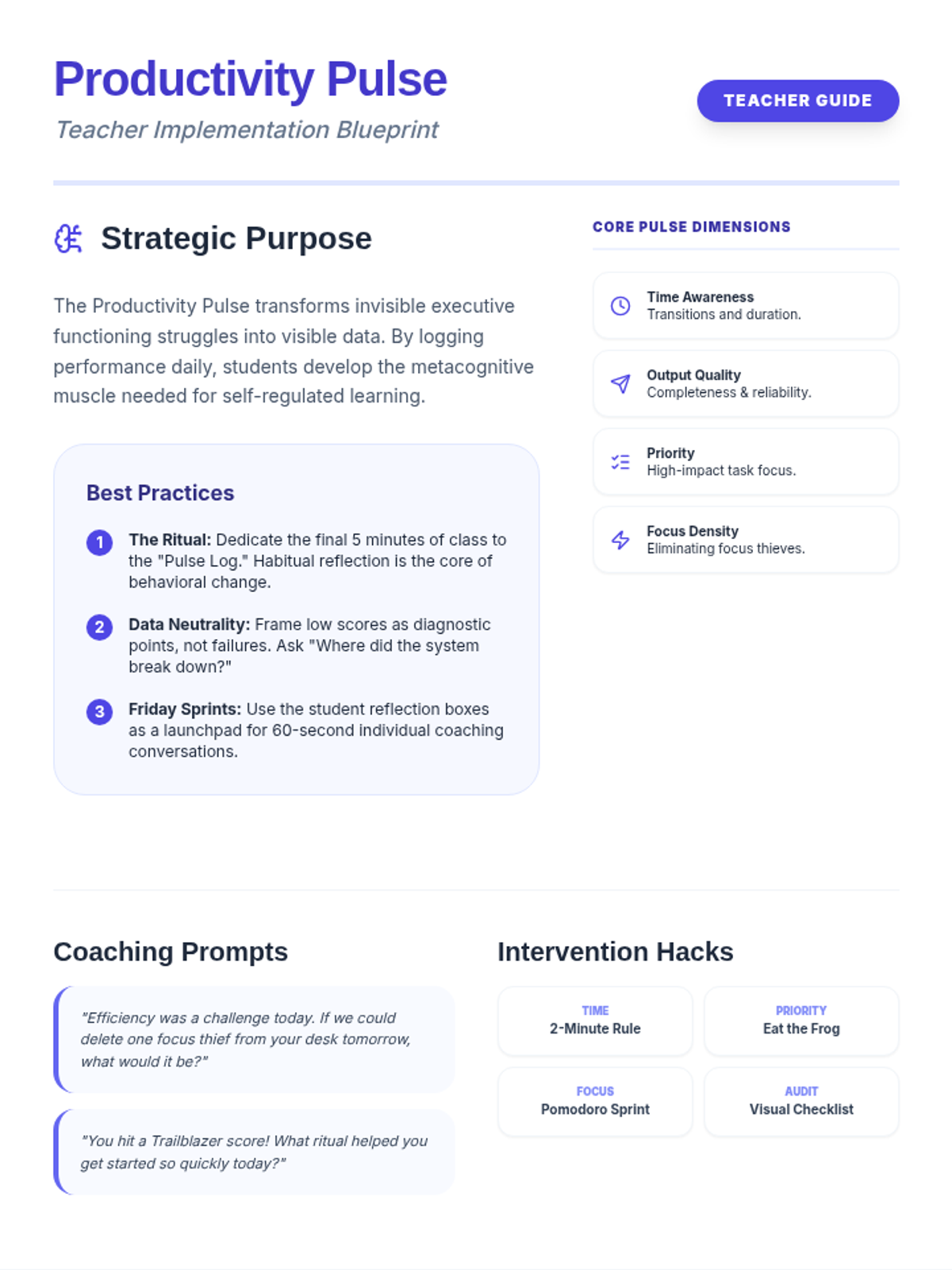
A comprehensive set of resources designed to establish clear behavioral expectations for middle school students to earn their way onto an upcoming field trip. The lesson includes a rubric, a classroom poster, a parent/student contract, and a student tracking checklist.
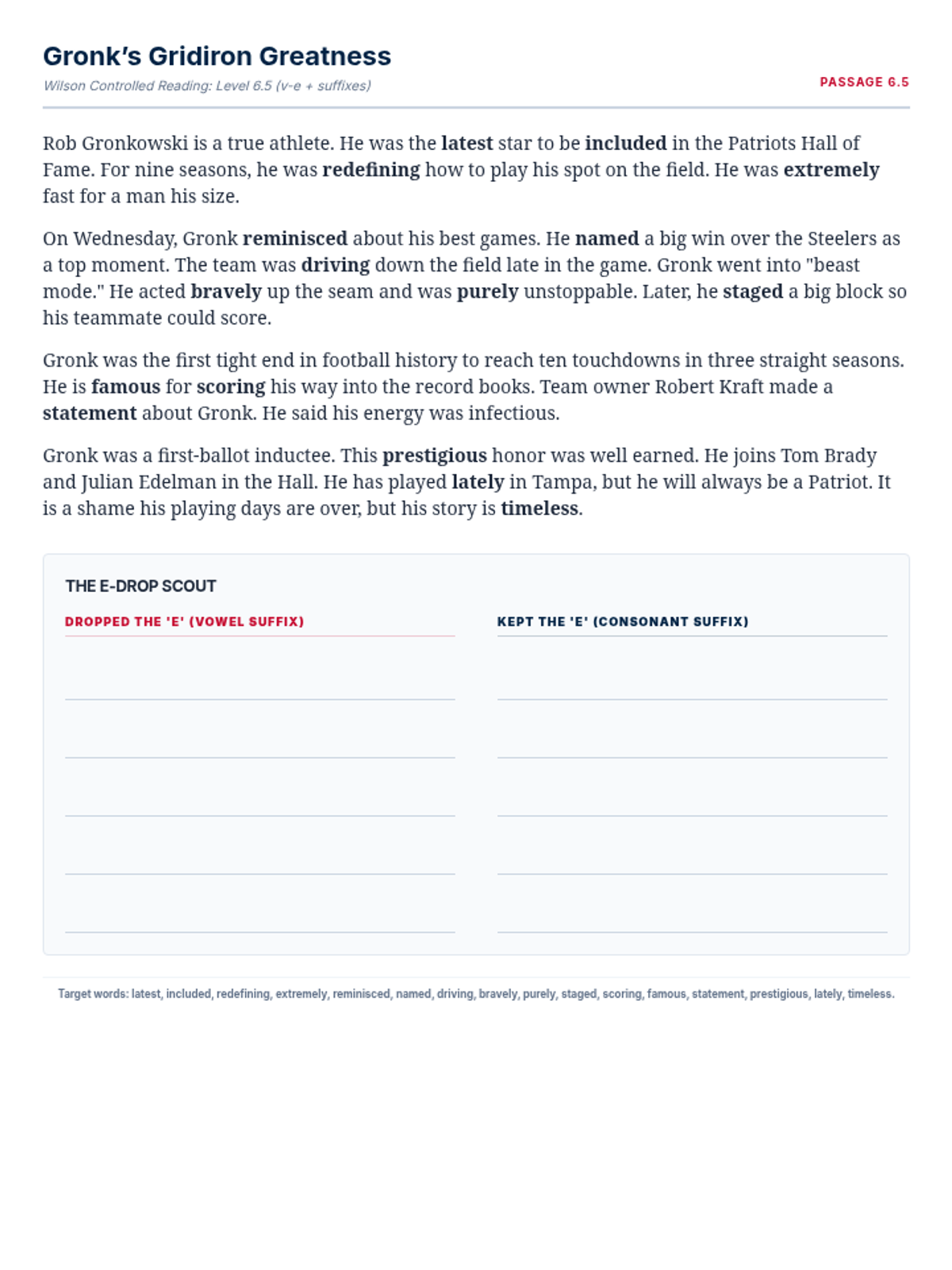
A literacy intervention lesson for middle school students reading at a 2nd-grade level, focusing on CVCE words, high-frequency words, and sentence structure with an architectural theme.
Students will differentiate between "behavior" and "brain function" and define executive function using metaphors from the ADHD community.
This lesson focuses on the foundational skill of moving the decimal point in division problems, specifically designed for students who benefit from clear, visual, step-by-step instructions.
Final review and mastery of all 15 contractions covered in the 9-week sequence, featuring comprehensive dictation and games.
Reinforcement of 'ed', 'er', 'ou', 'ow', and 'st' contractions through repetitive writing and word-building exercises.
Introduction to additional common part signs: 'ed', 'er', 'ou', 'ow', and 'st'. Focuses on placement within words.
Mastery check for the 'ch' group contractions, including complex dictation and mixed contraction review.
Reinforcement of 'ch', 'gh', 'sh', 'th', and 'wh' contractions through targeted practice sheets and matching activities.
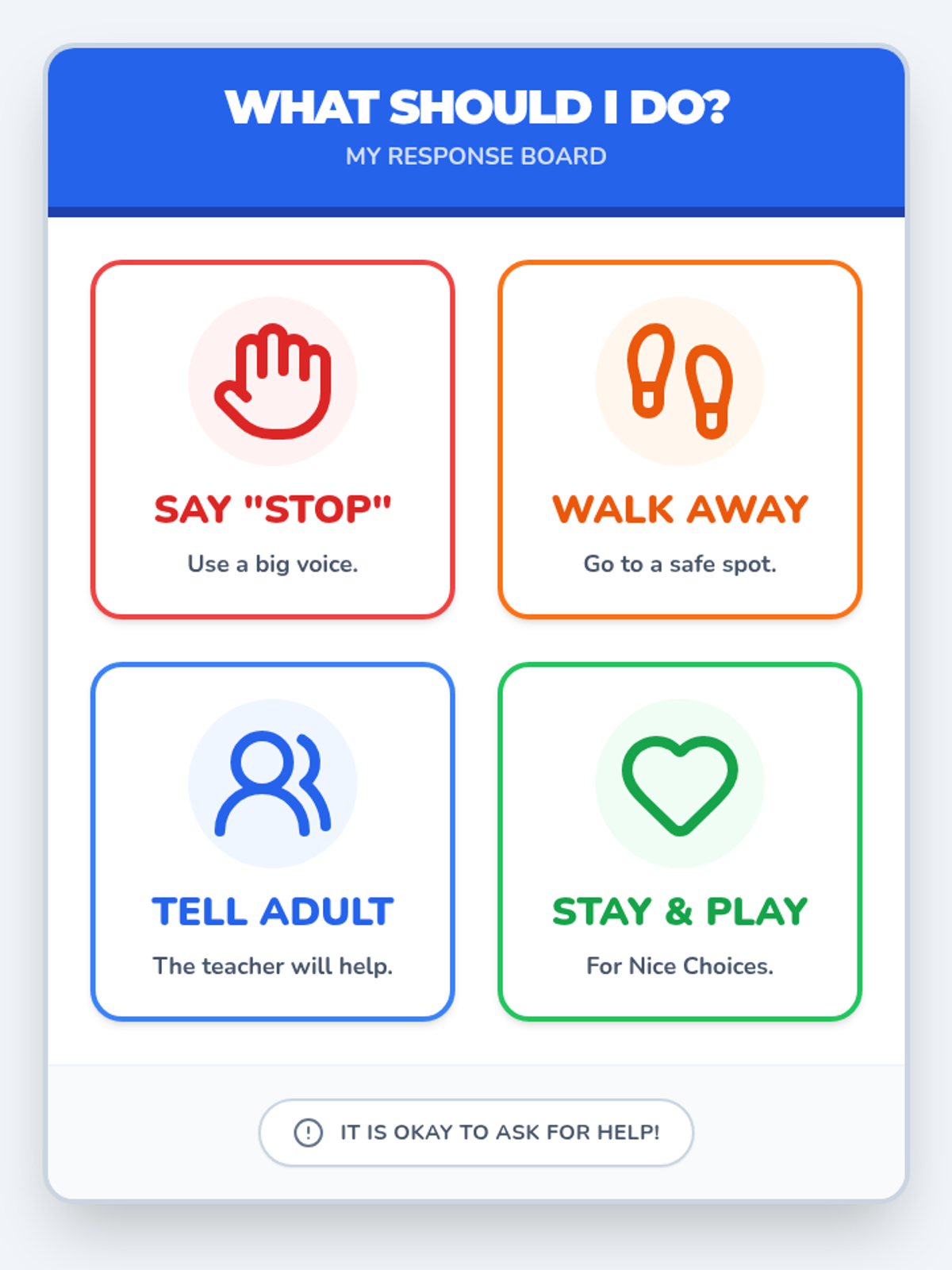
Introduction to the 'ch' group of contractions: 'ch', 'gh', 'sh', 'th', and 'wh'. Focuses on the unique dot patterns for each.
Mastery check for the 'and' group contractions using dictation passages and independent writing activities.
Reinforcement of the 'and' group contractions through repetitive tracing, matching games, and simple fill-in-the-blank sentences.
Introduction to the 'and' group of contractions: 'and', 'for', 'of', 'the', and 'with'. Focuses on recognition and basic tracing.
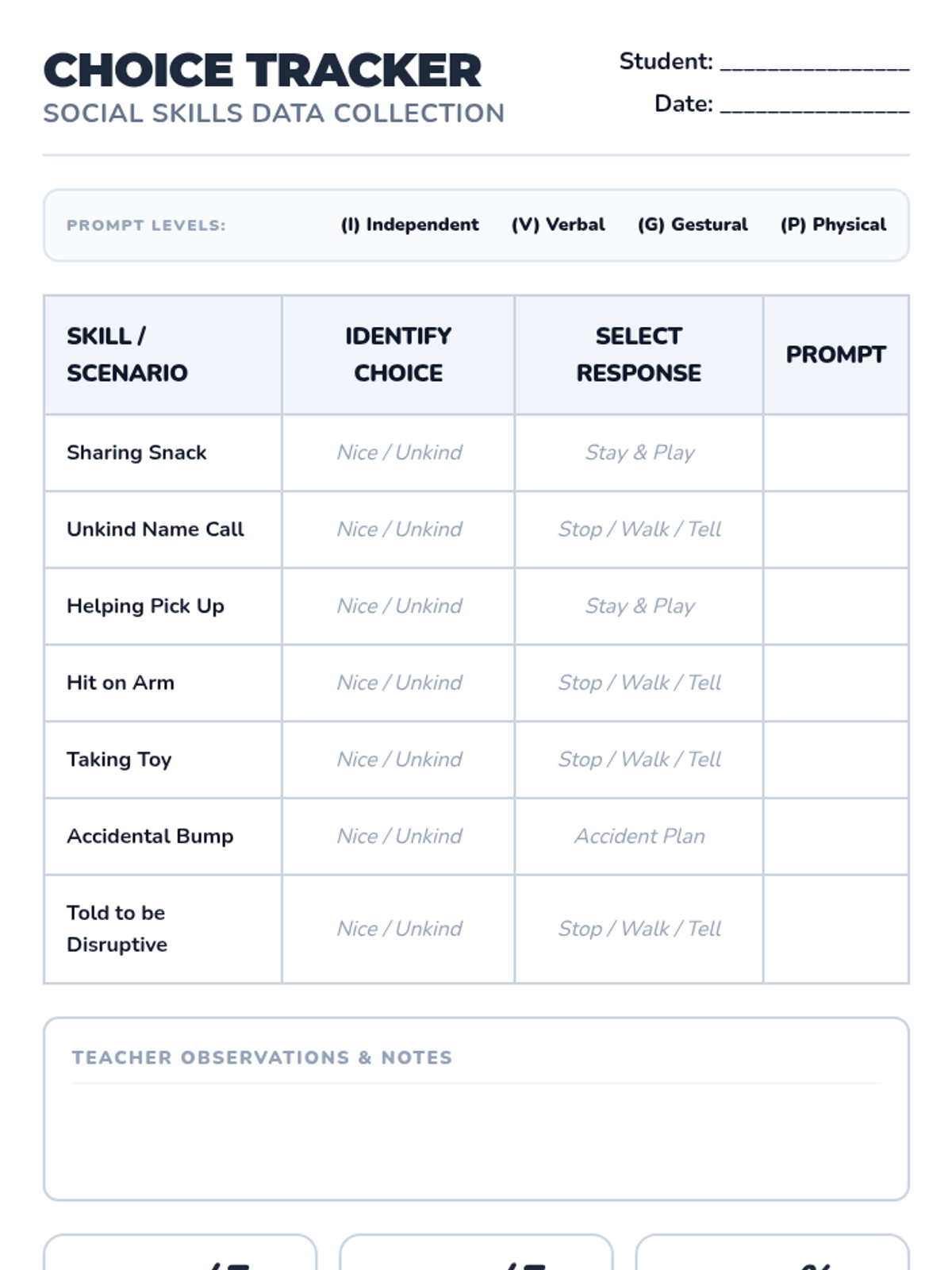
A comprehensive set of non-academic activities and assessments designed to evaluate a student's organizational, categorization, and goal-setting skills through hands-on tasks.
A comprehensive reentry strategy for a 7th-grade student experiencing school refusal, focusing on a phased return centered around their academic strengths.
This lesson focuses on teaching middle school students with autism appropriate ways to seek attention without grabbing, emphasizing 'safe hands' and personal space. It includes a structured social story and a practical reflection tool.
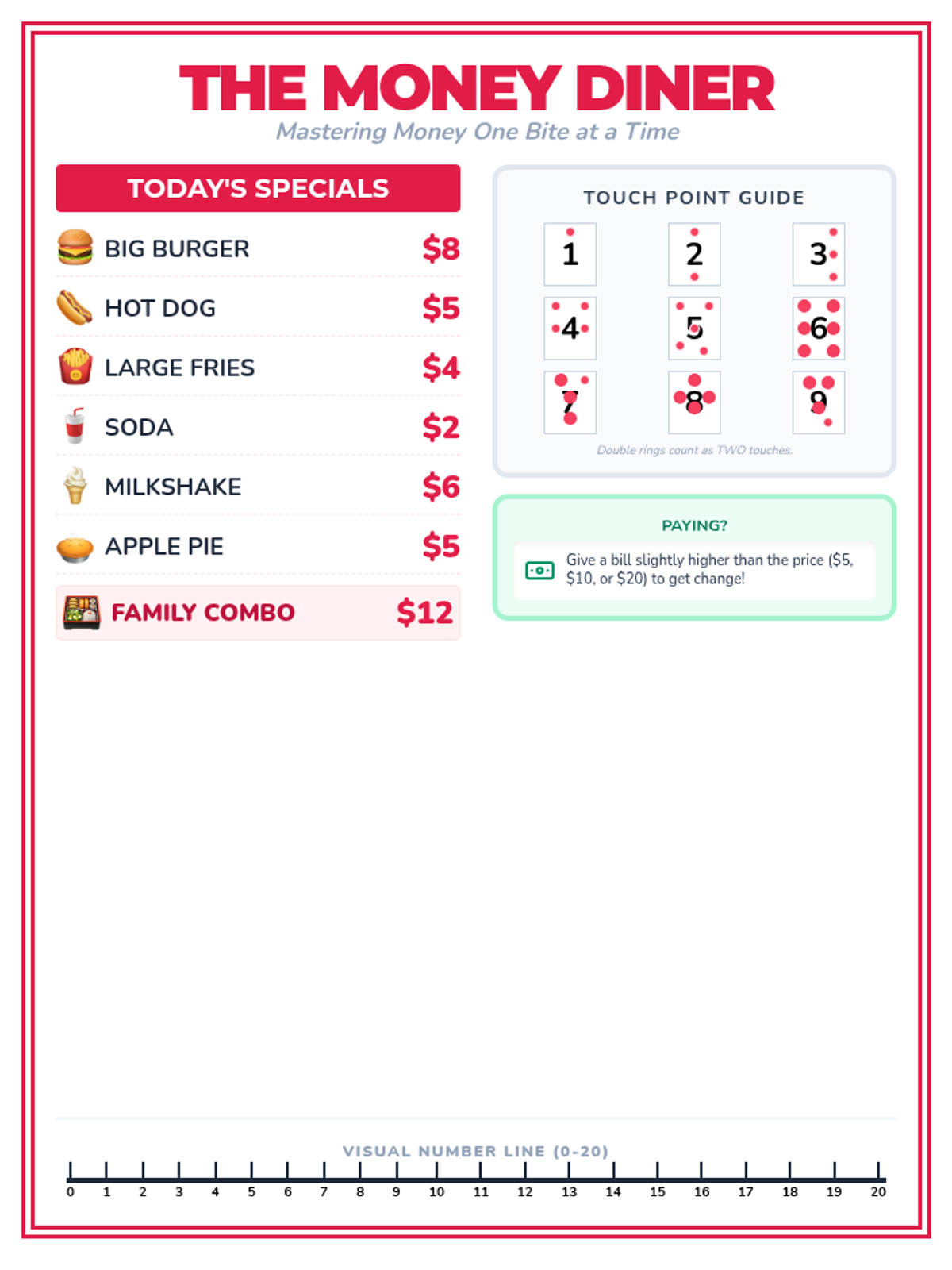
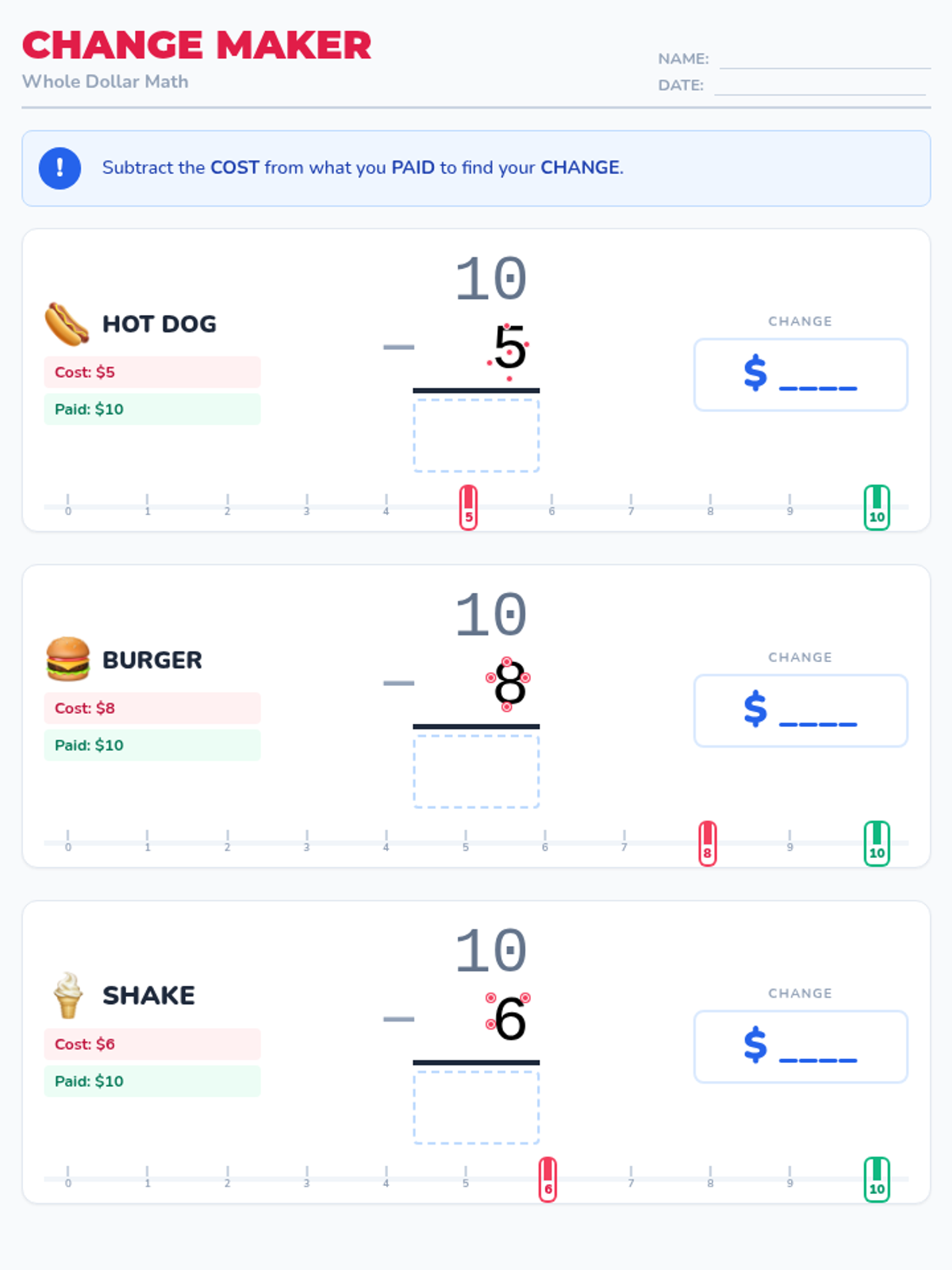
A comprehensive lesson teaching the 'Next Dollar Up' strategy to students with special needs, focusing on practical money skills through visual aids and hands-on shopping simulations.
A high-energy, Valentine's-themed 'Price is Right' game designed to last up to 120 minutes, covering item pricing, logic, and estimation.
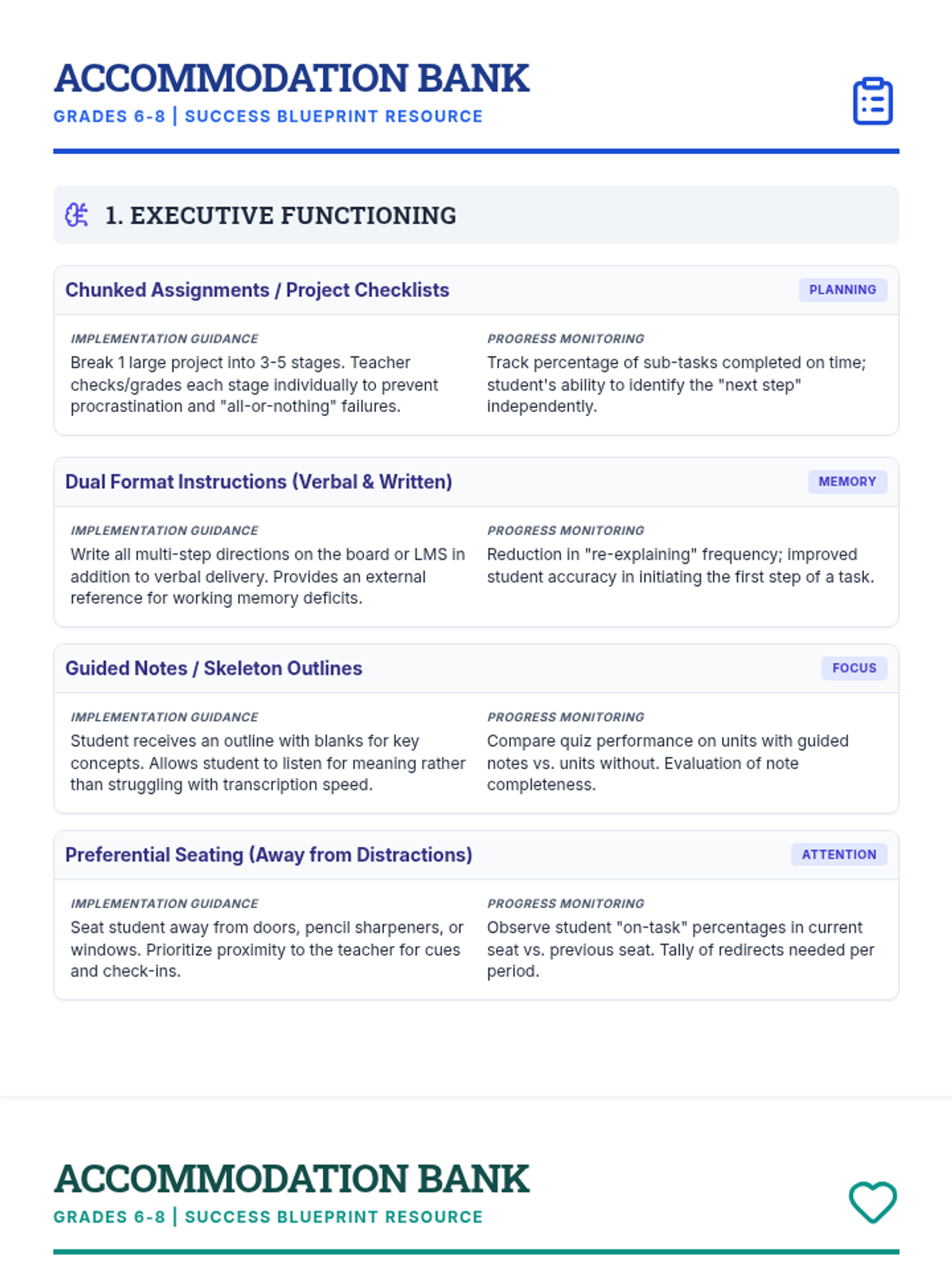
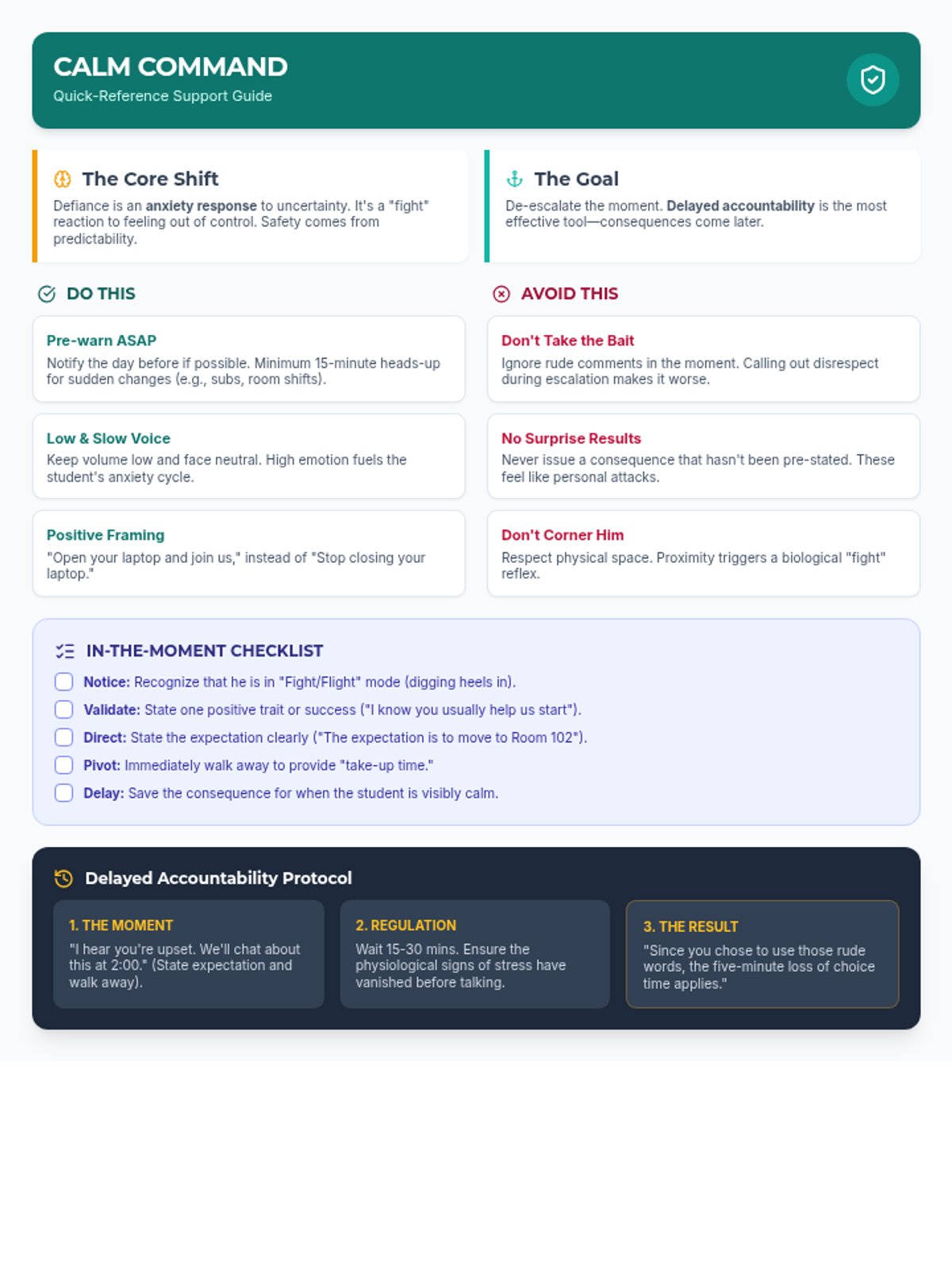
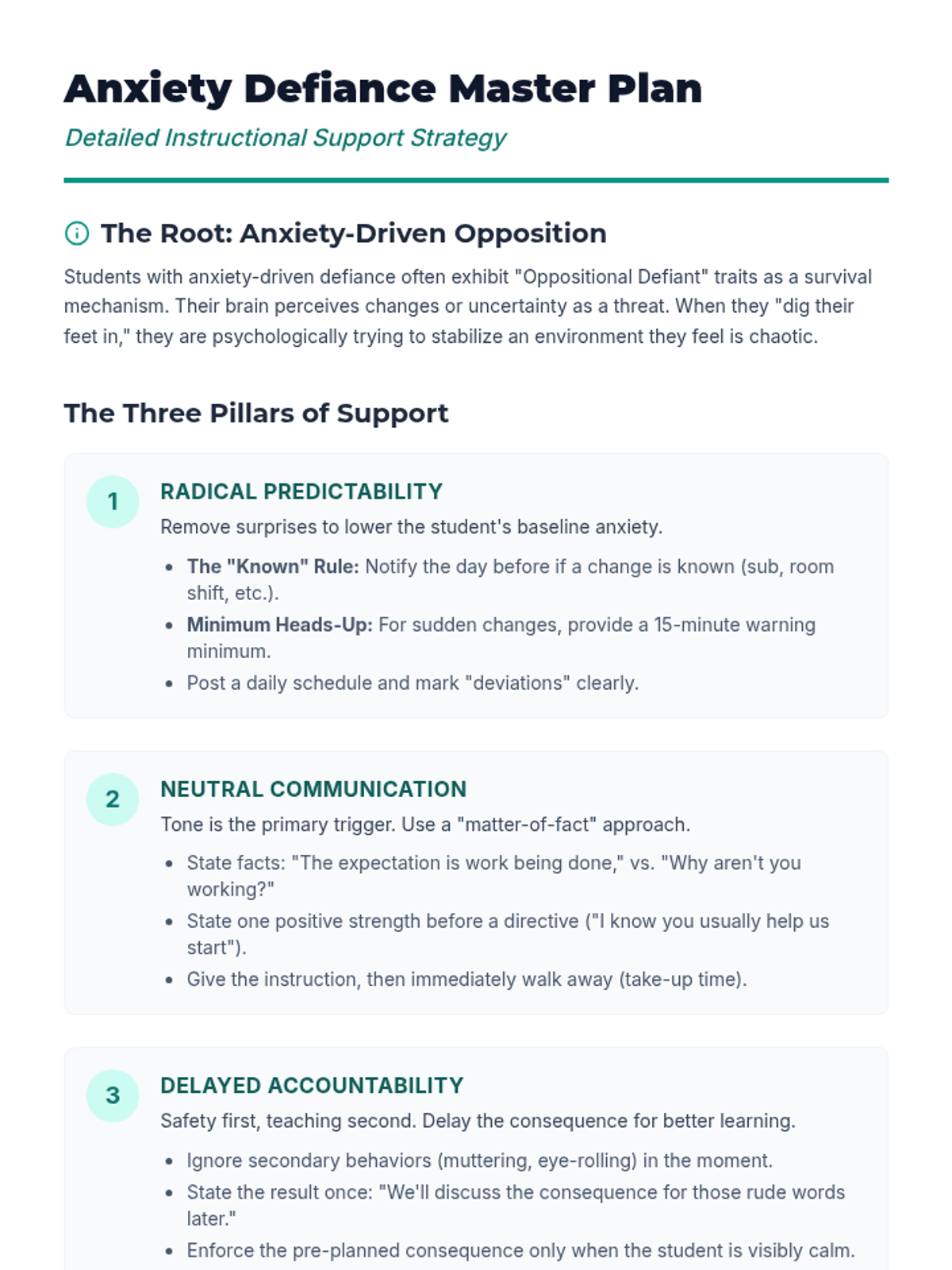
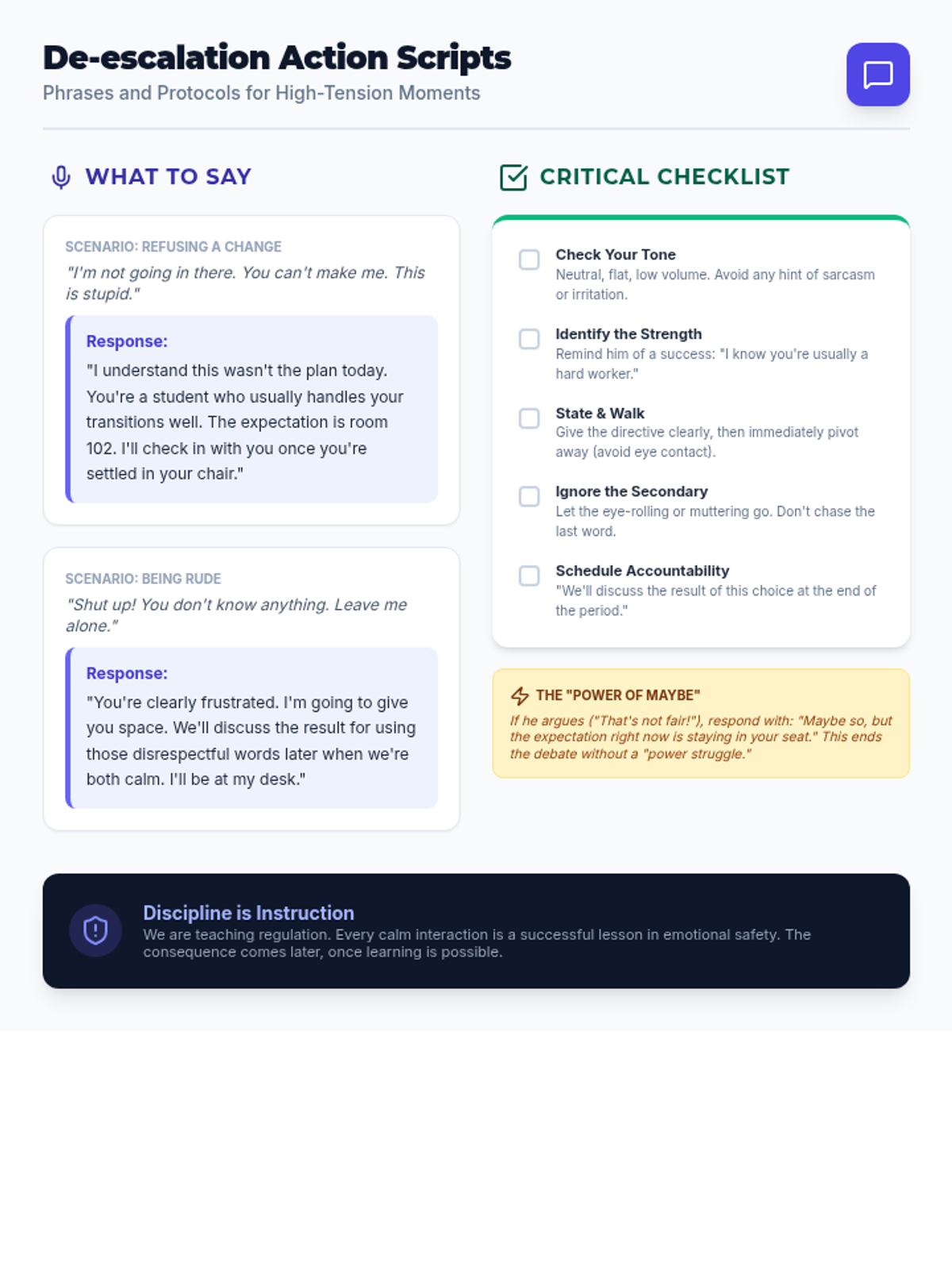
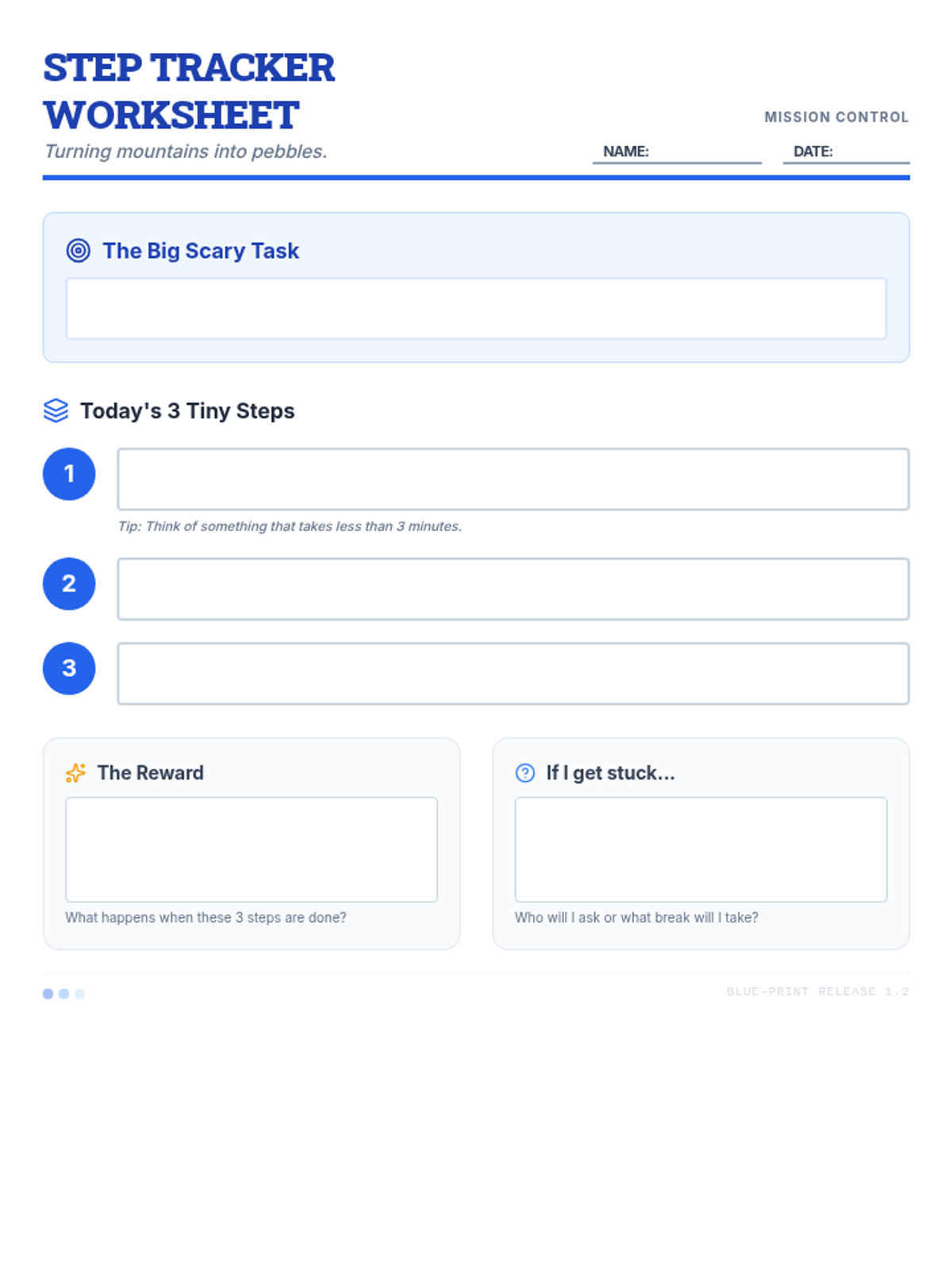
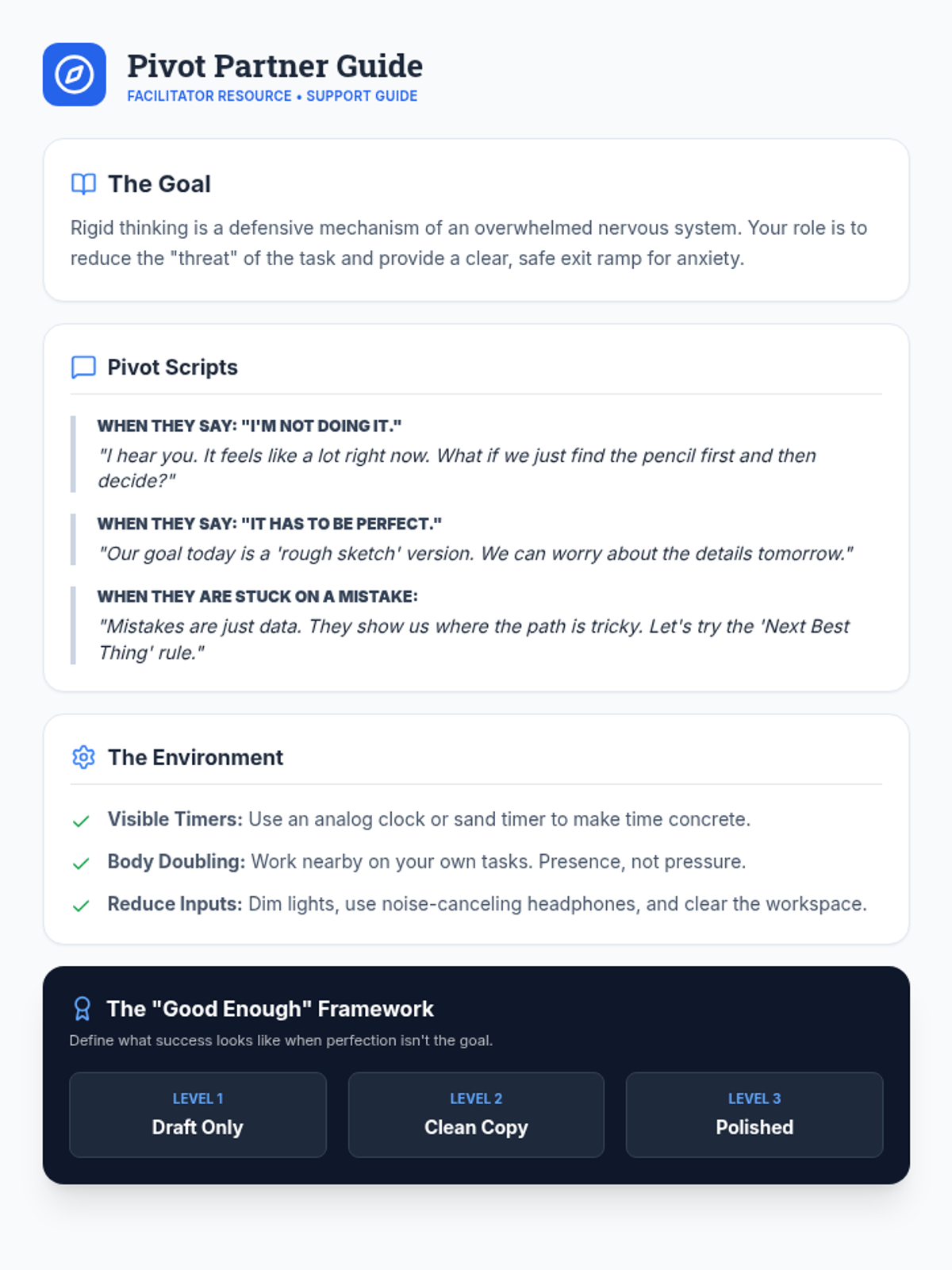
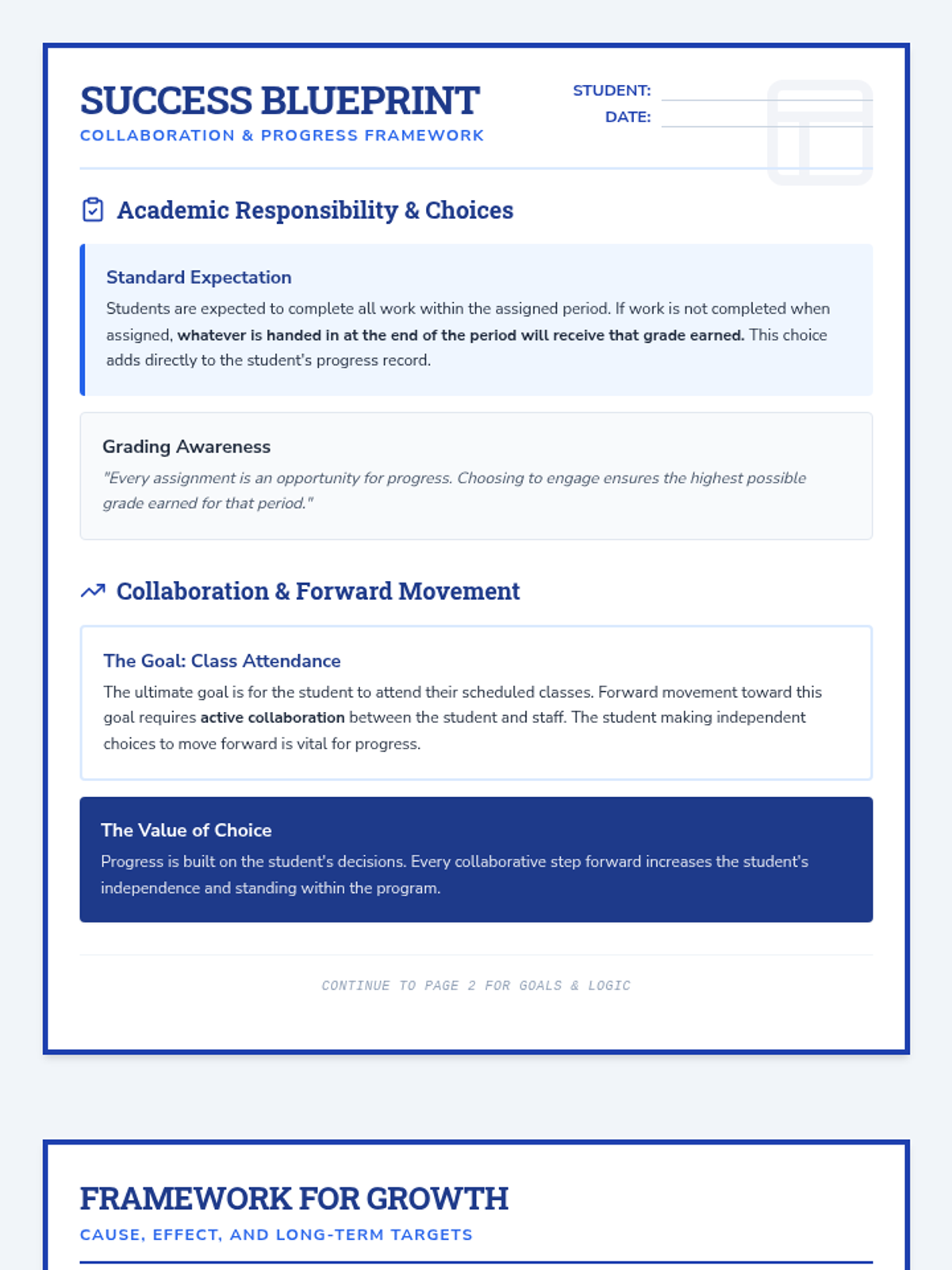
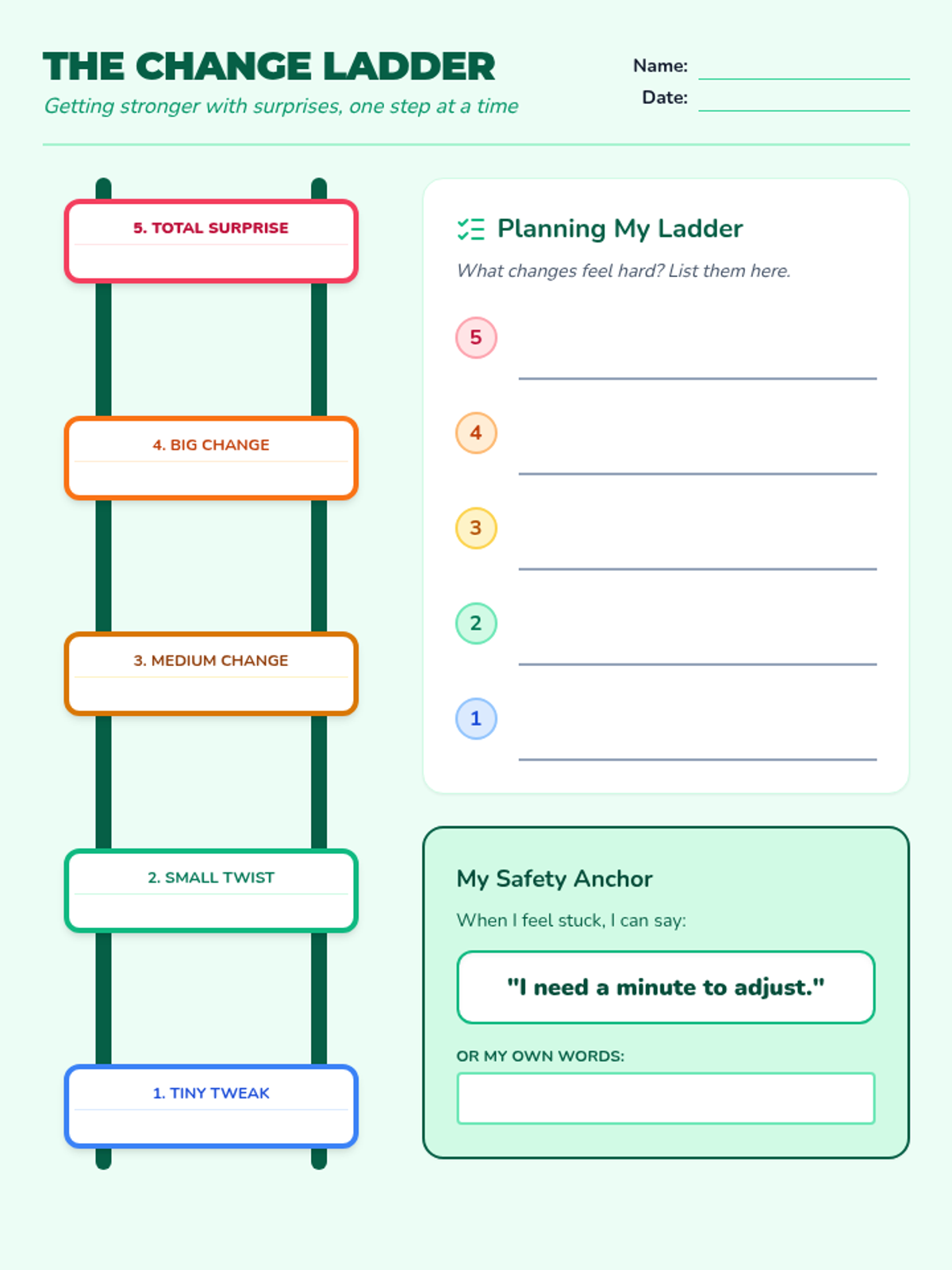
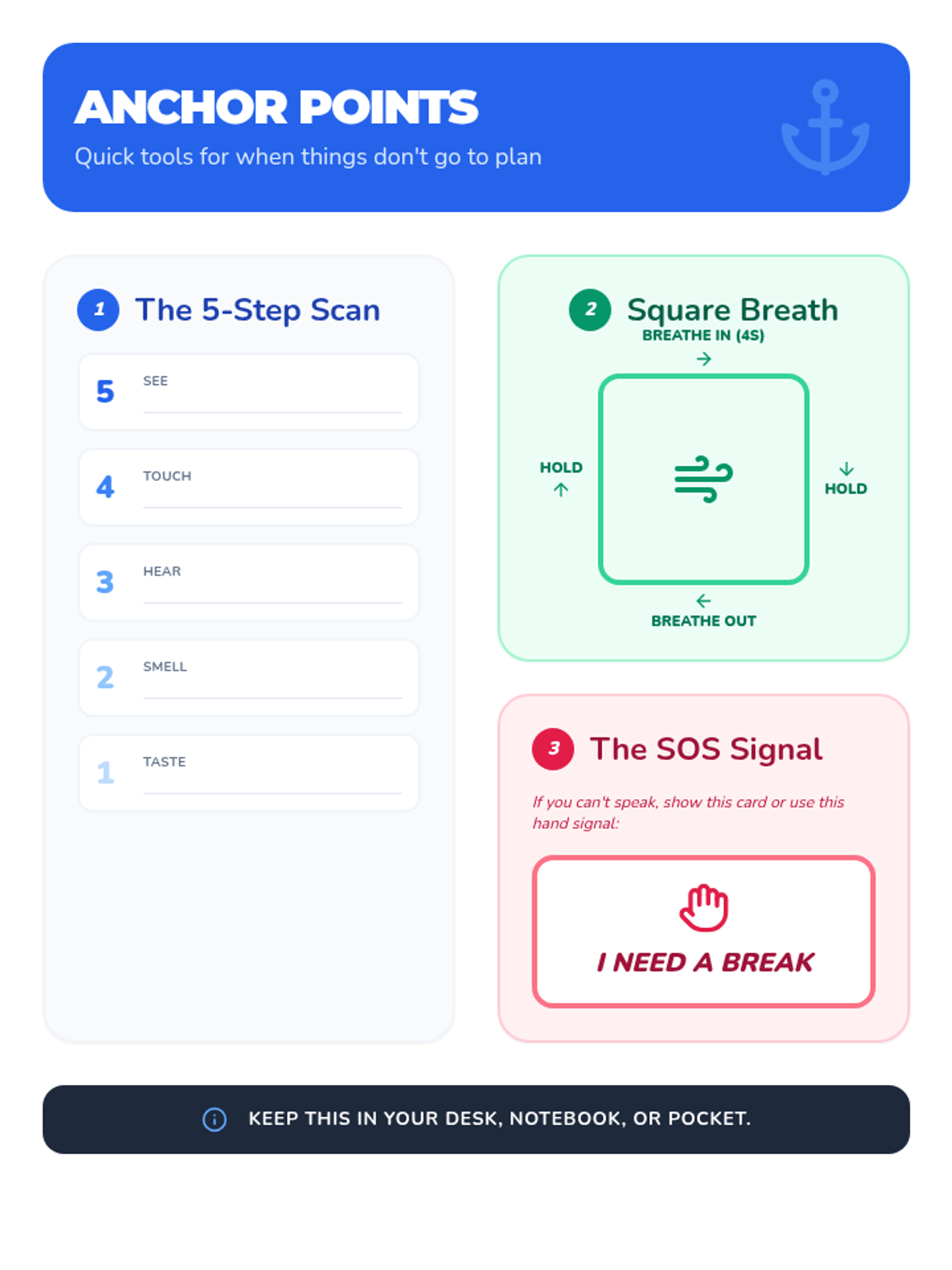
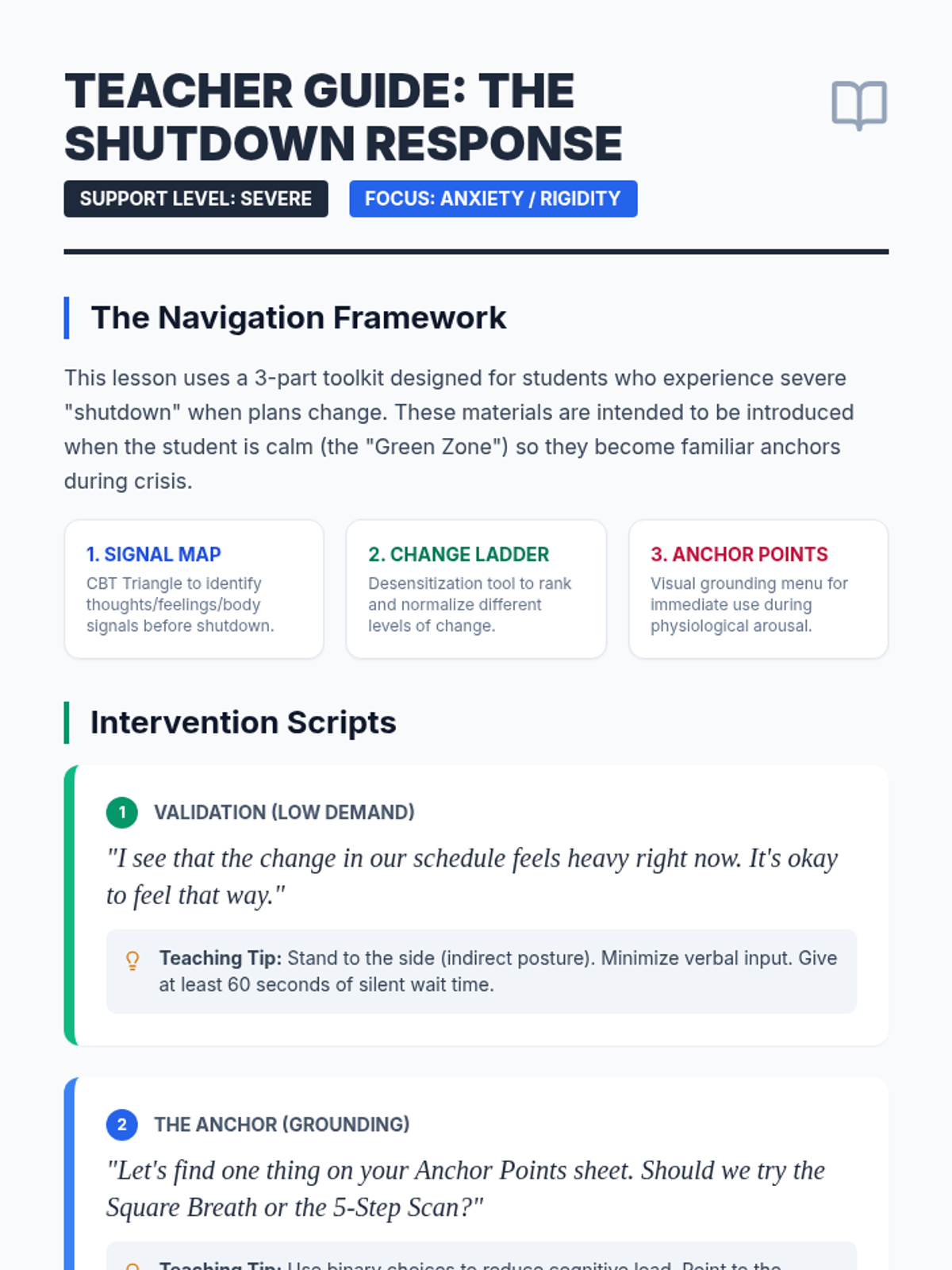
A comprehensive guide to executive function accommodations, focusing on rigidity, behavioral expectations, and task completion for neurodivergent students.
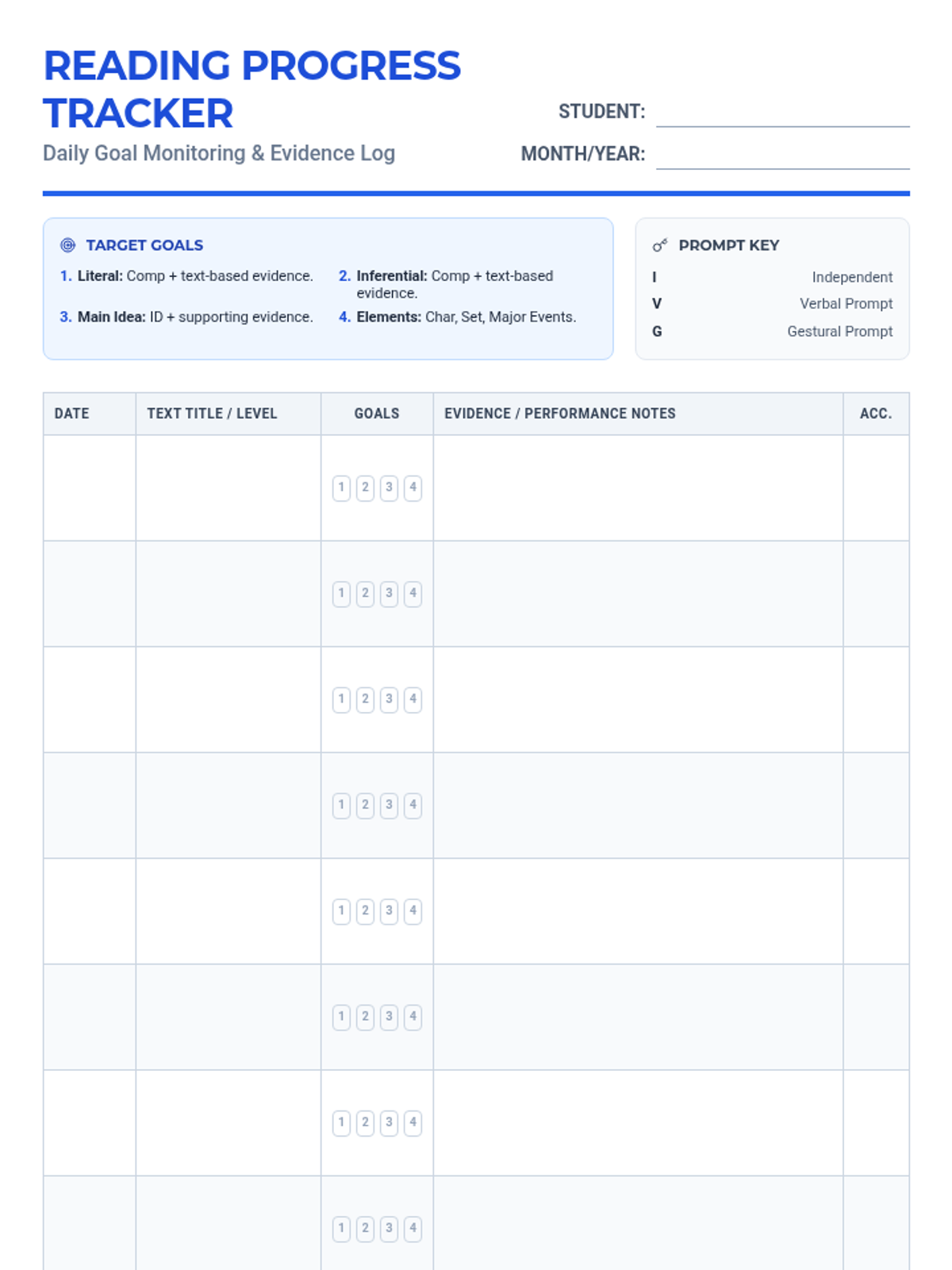
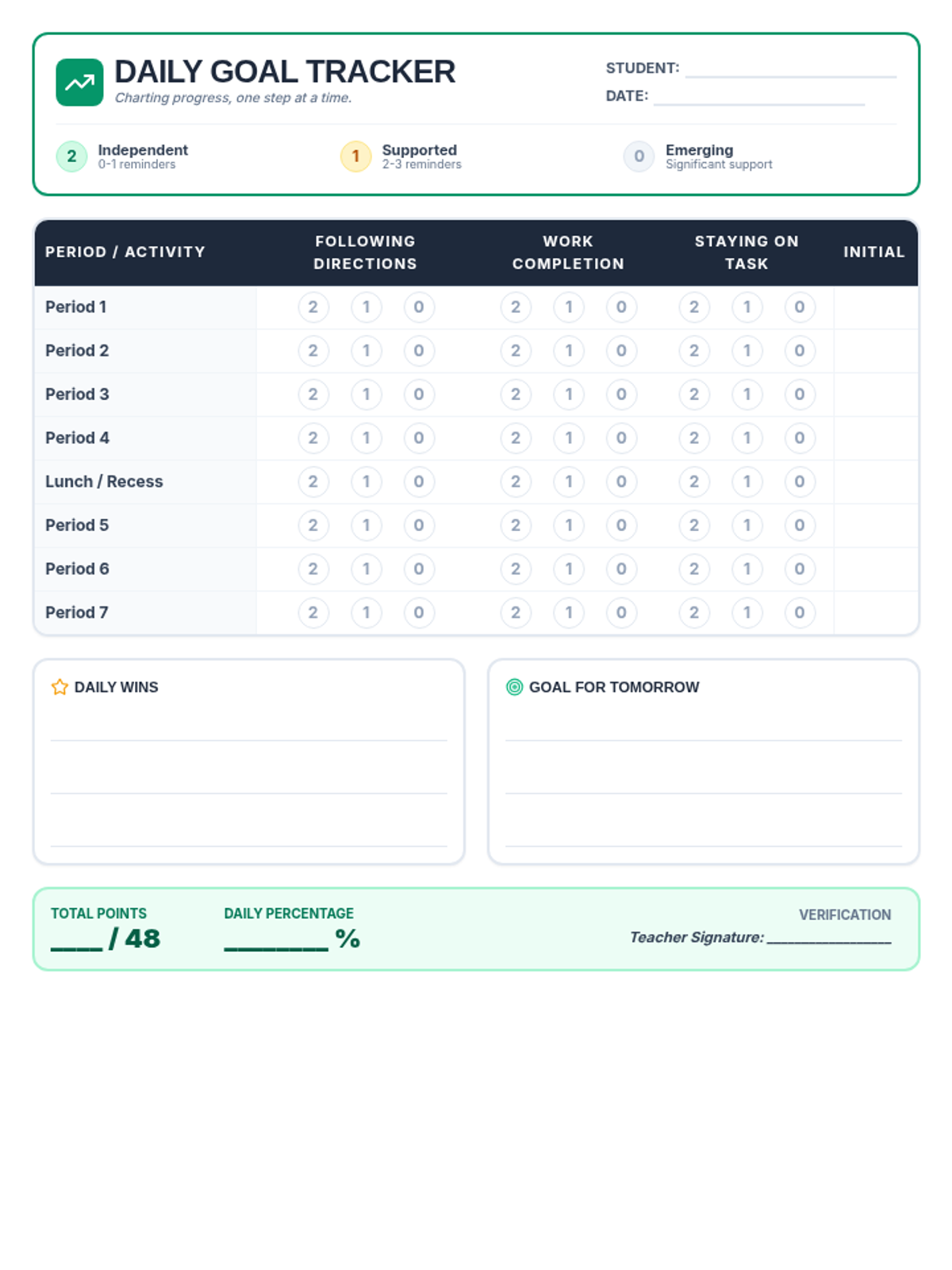
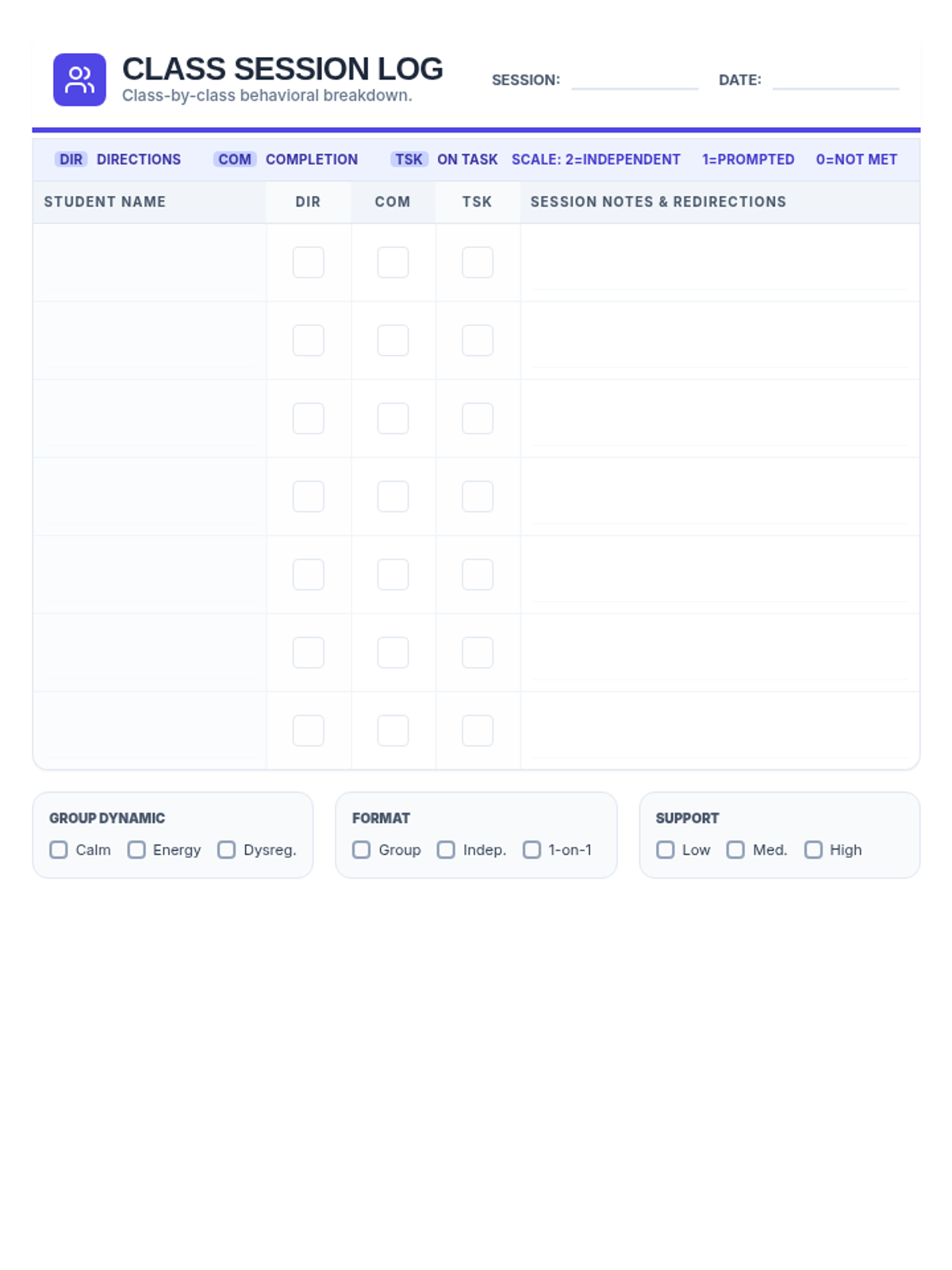
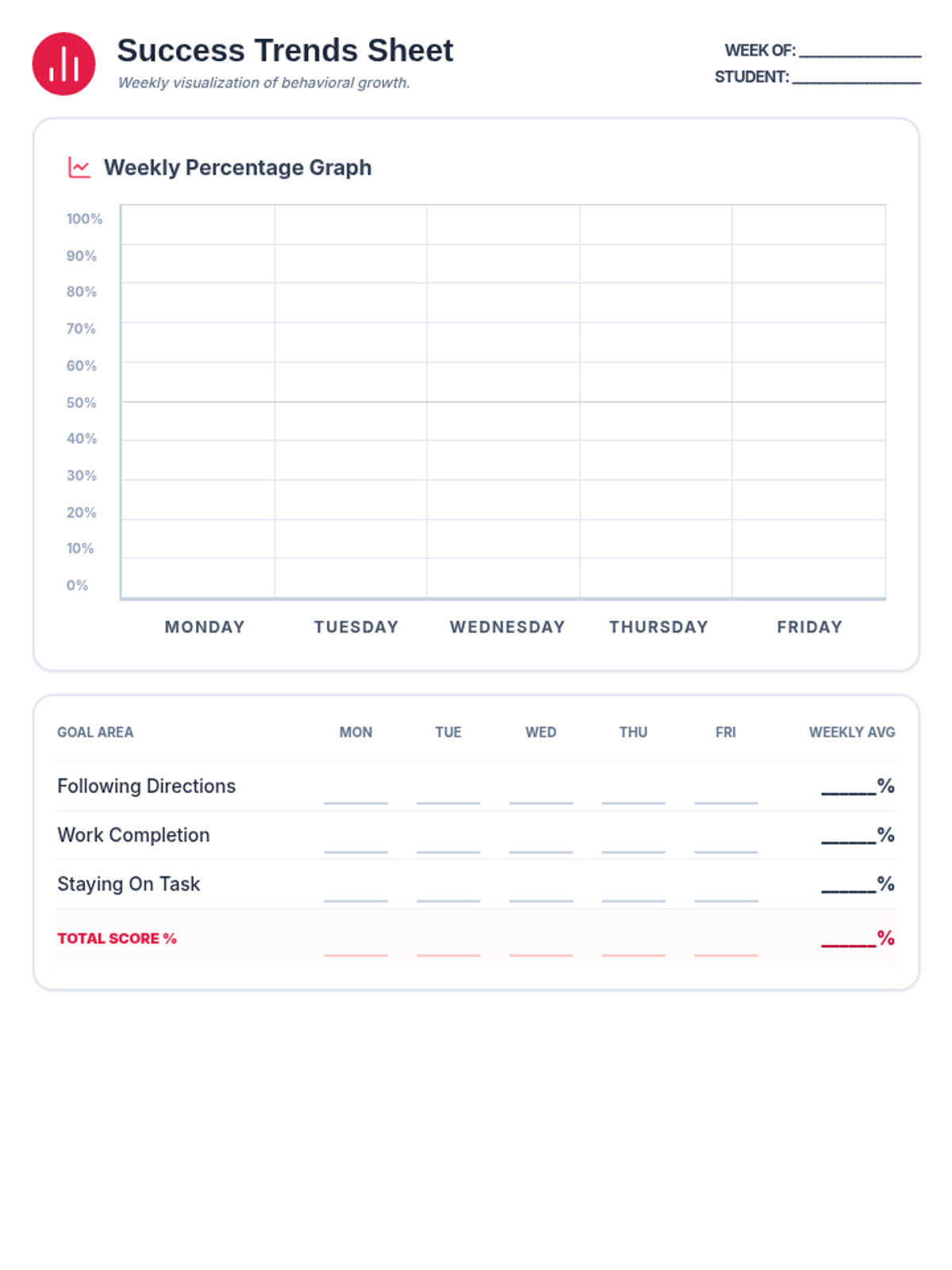
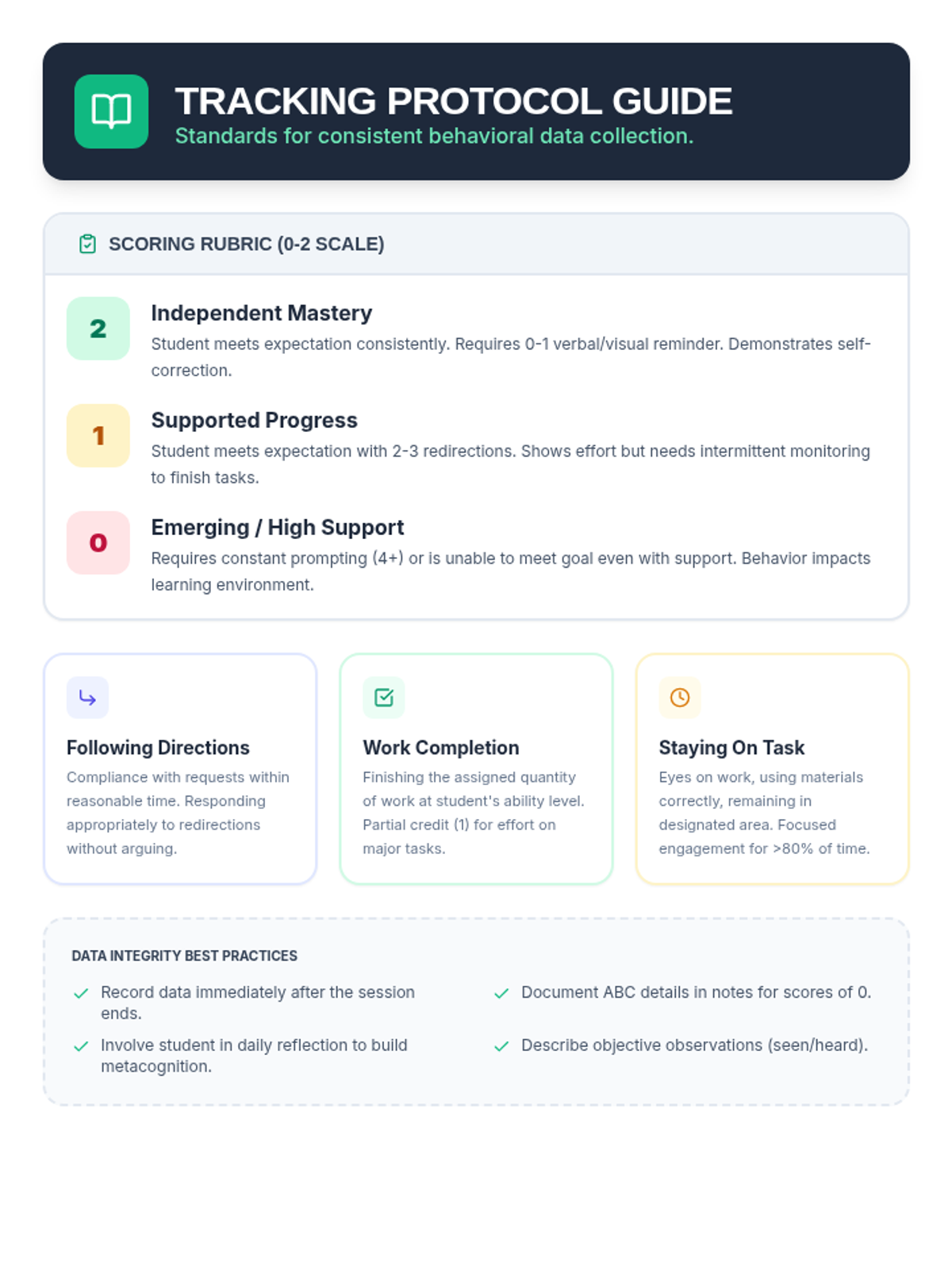
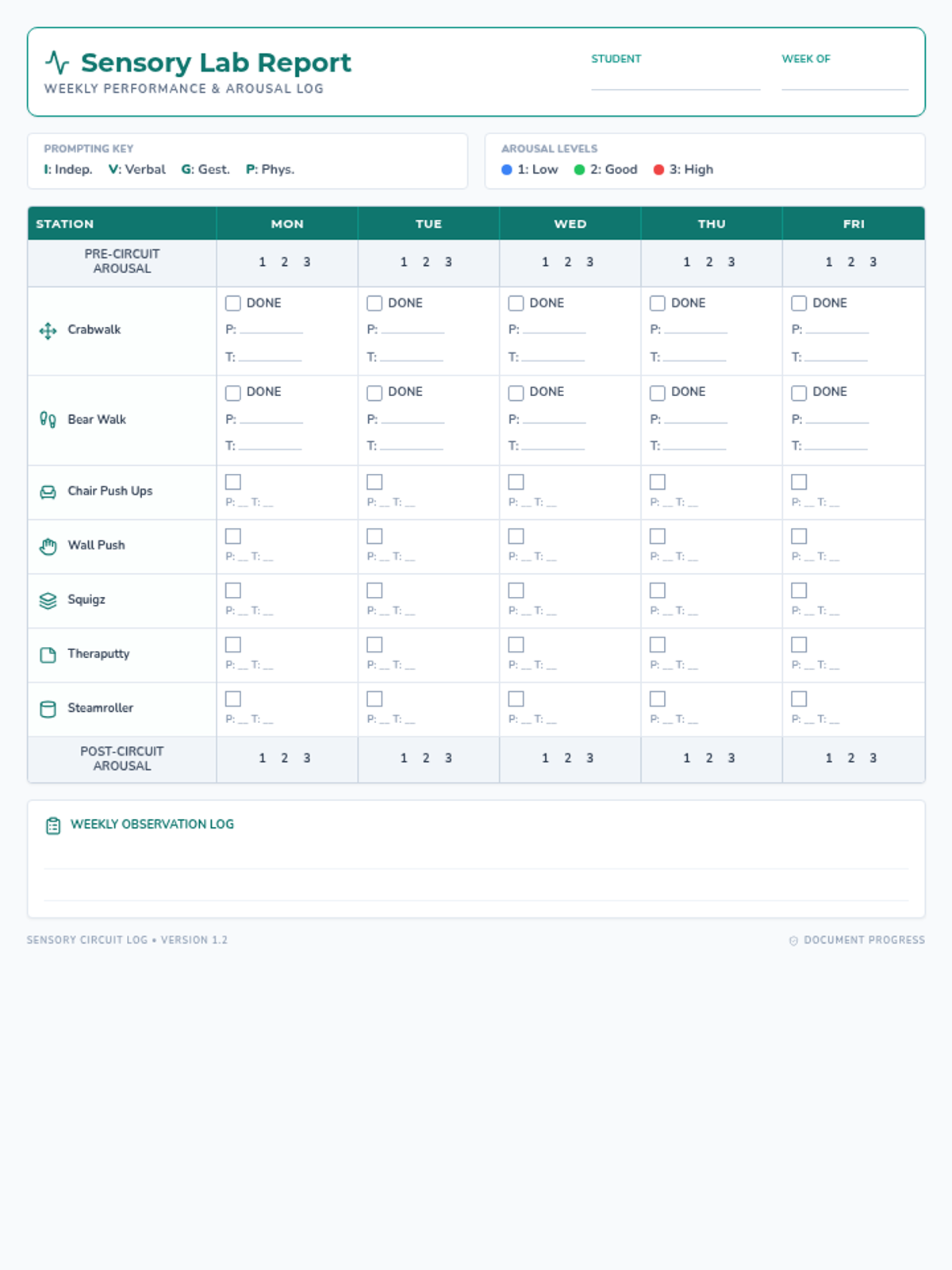
A comprehensive set of data collection tools for Extended School Year (ESY) services, focusing on attendance tracking and daily progress monitoring for IEP goals.
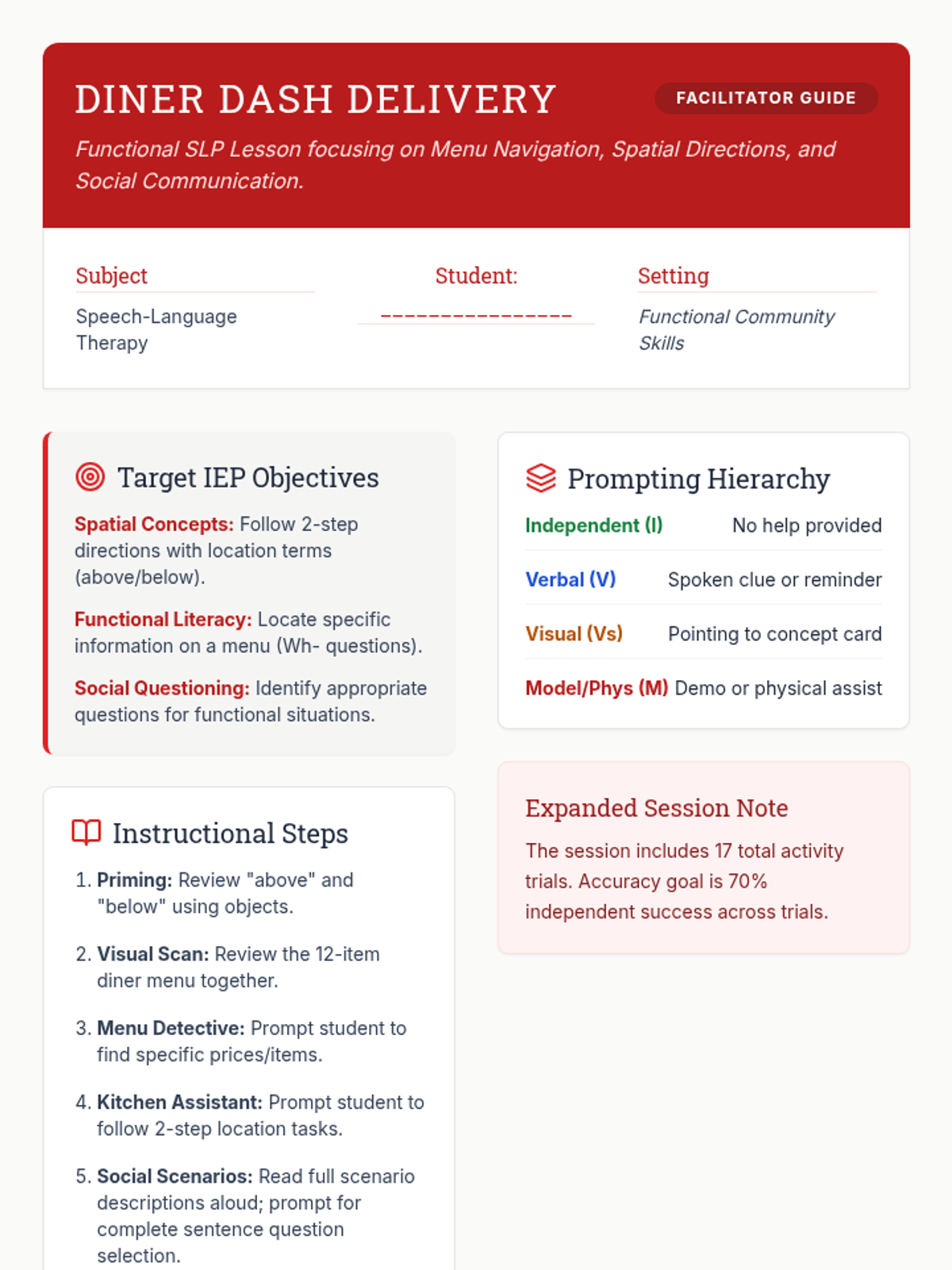
Social and functional skills for cafes, including ordering, waiting for a turn, and paying for a snack or drink.
Exploring public services at the library and post office, focusing on quiet expectations, mailing letters, and checking out books.
Developing skills for navigating retail environments like CVS and Stop & Shop, including finding specific items and completing a checkout transaction.
Focuses on universal community skills: identifying locations, asking for help, and using a communication board to navigate the community safely.
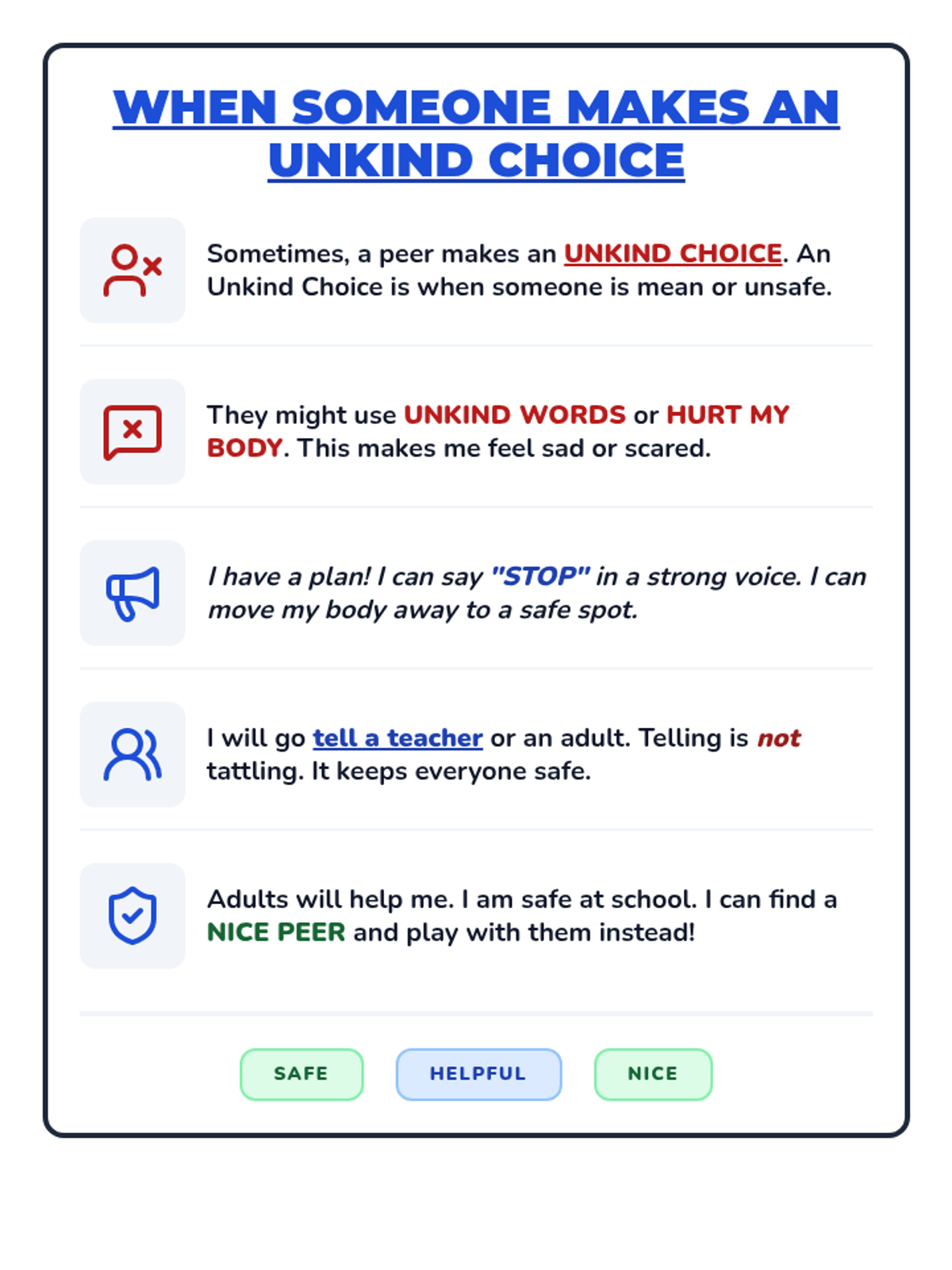
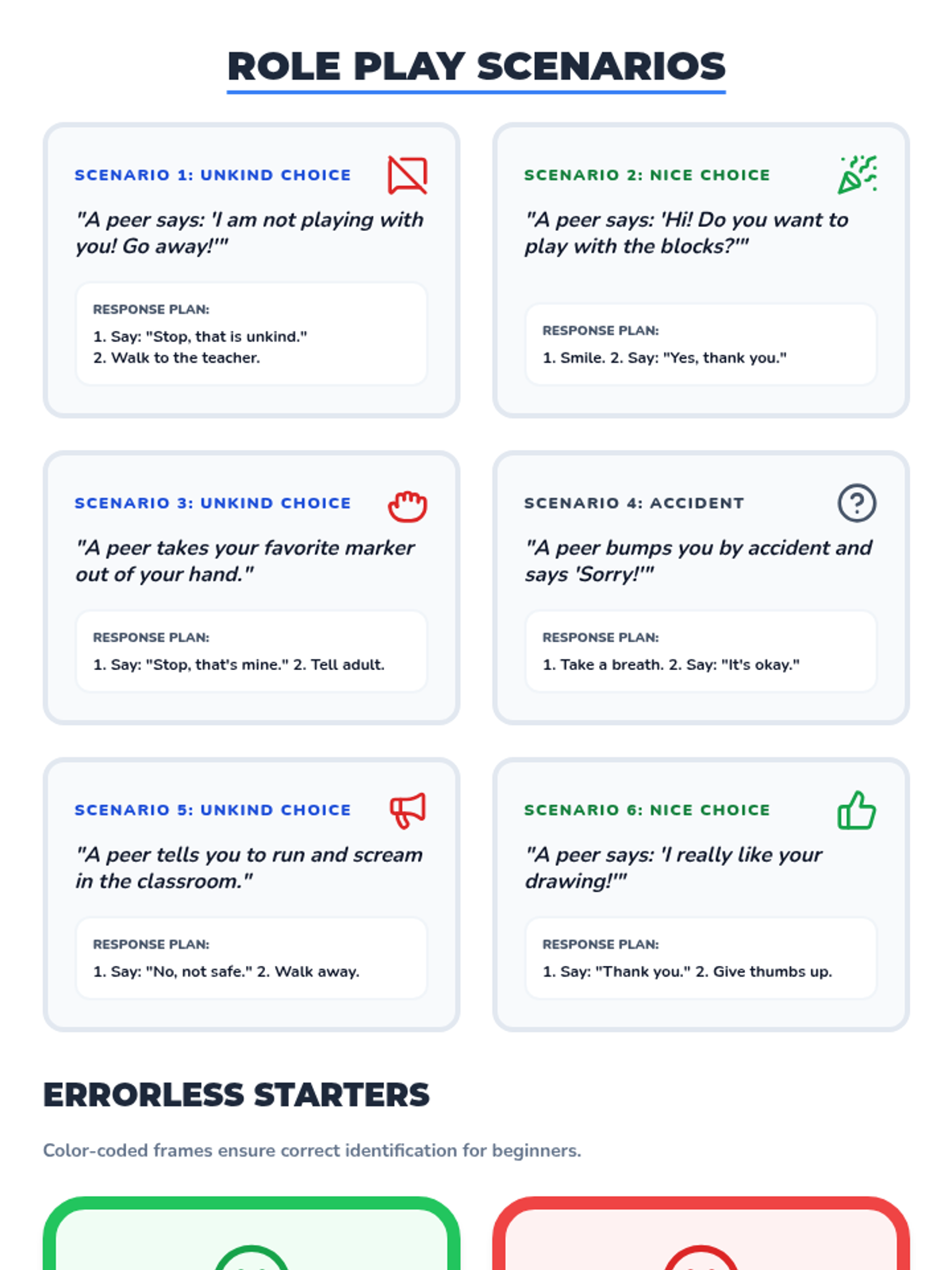
A comprehensive kit for educators and students to investigate the functions of behavior through a 'Behavior Detective' lens, focusing on ABC data and intervention strategies.
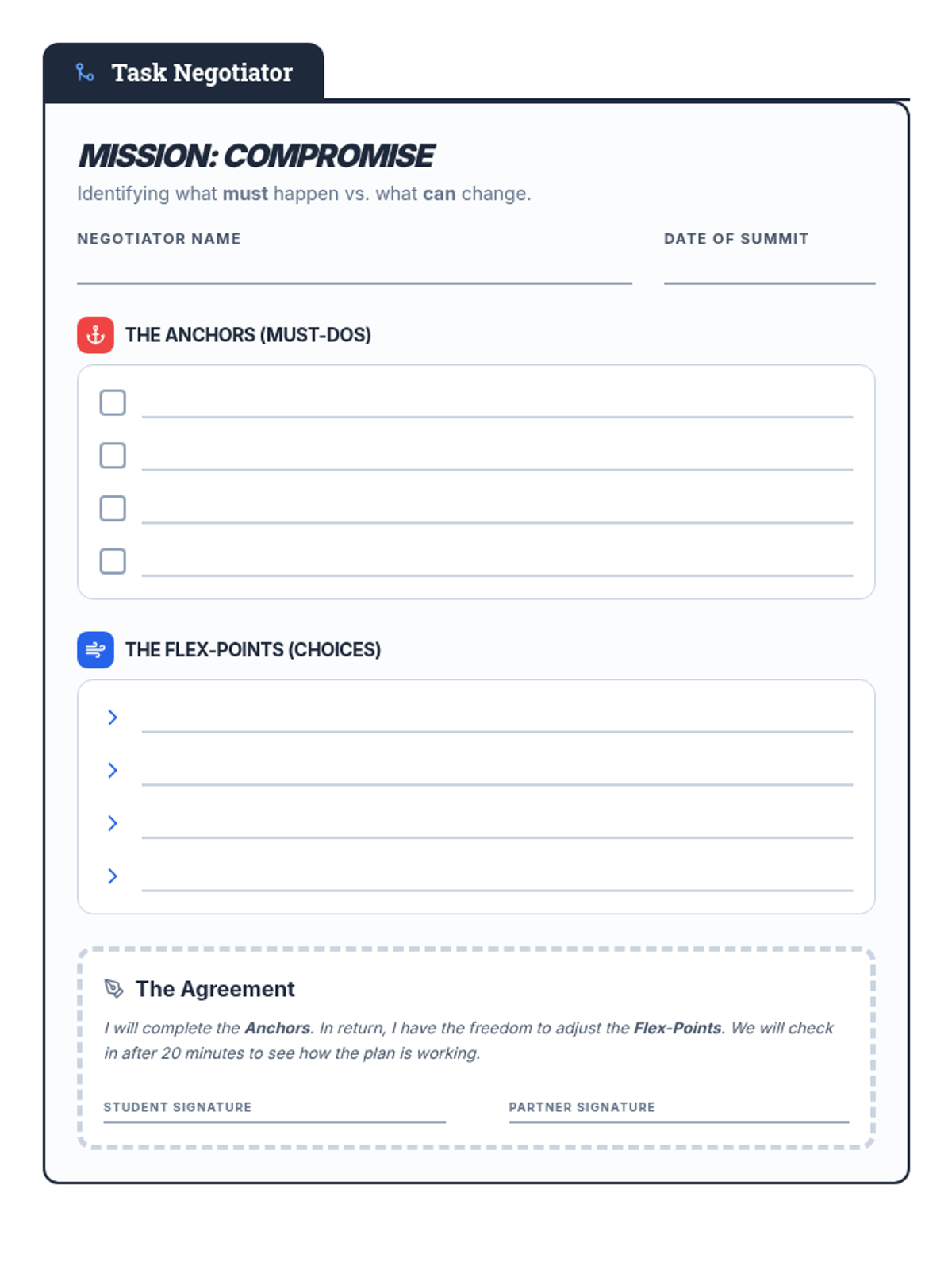
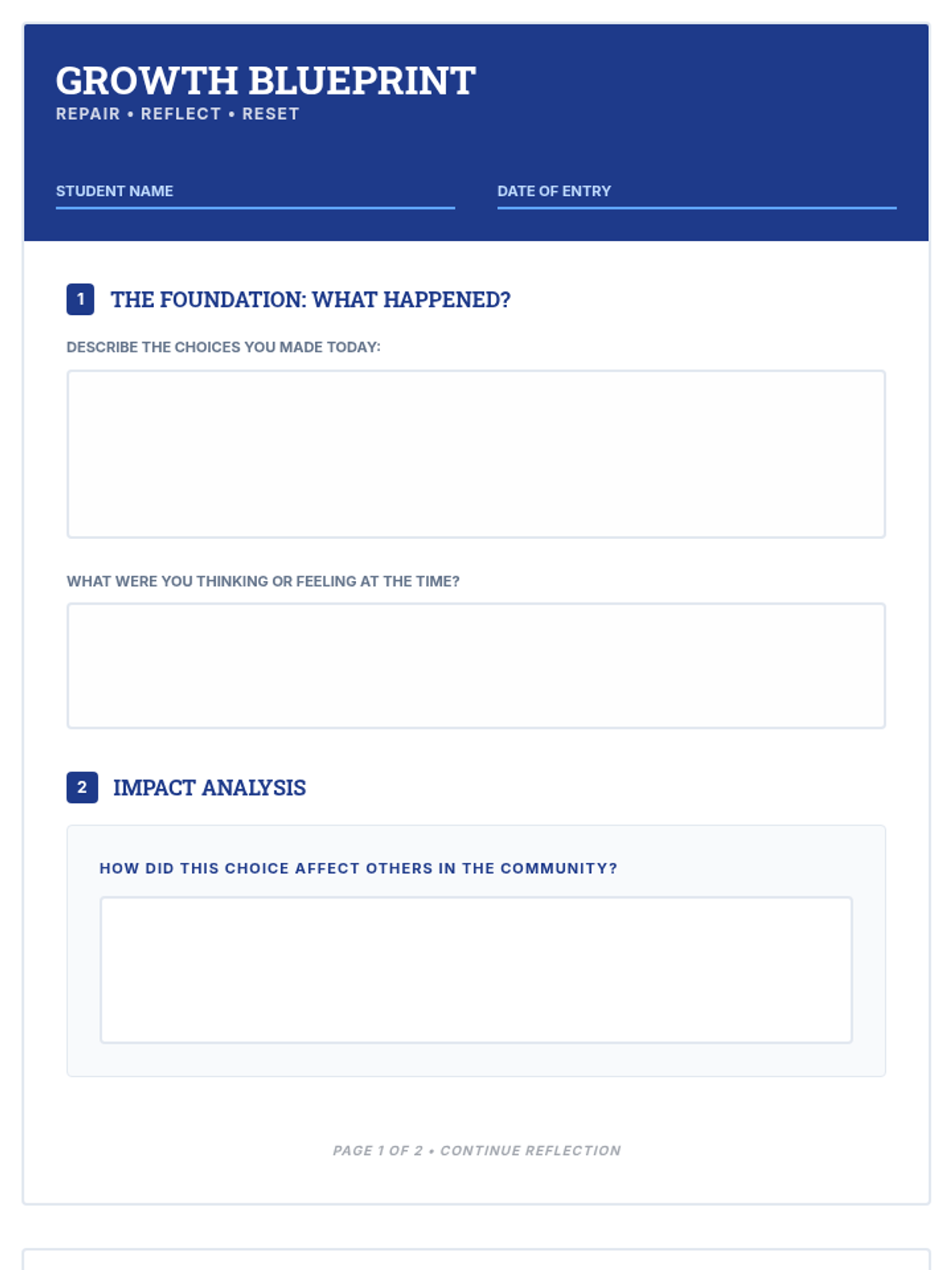
A lesson on social problem-solving and conflict resolution, focusing on 'I-statements,' compromise, and repairing social relationships.
A lesson on emotional regulation and impulsivity, introducing the 'Pulse Control' toolkit for managing big emotions and acting before thinking.
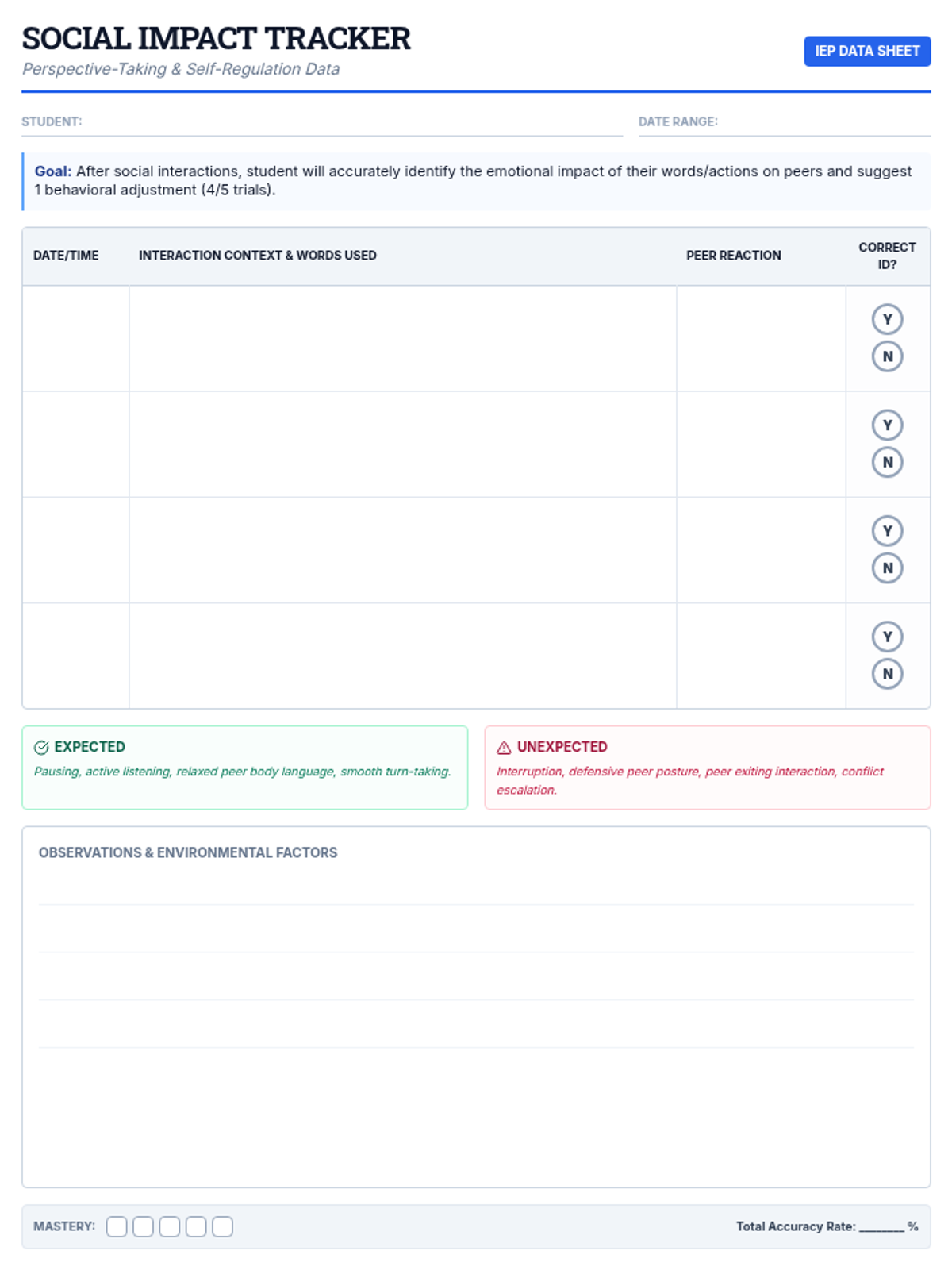
A lesson on distinguishing between expected and unexpected behaviors and understanding how behaviors influence the thoughts and feelings of others.
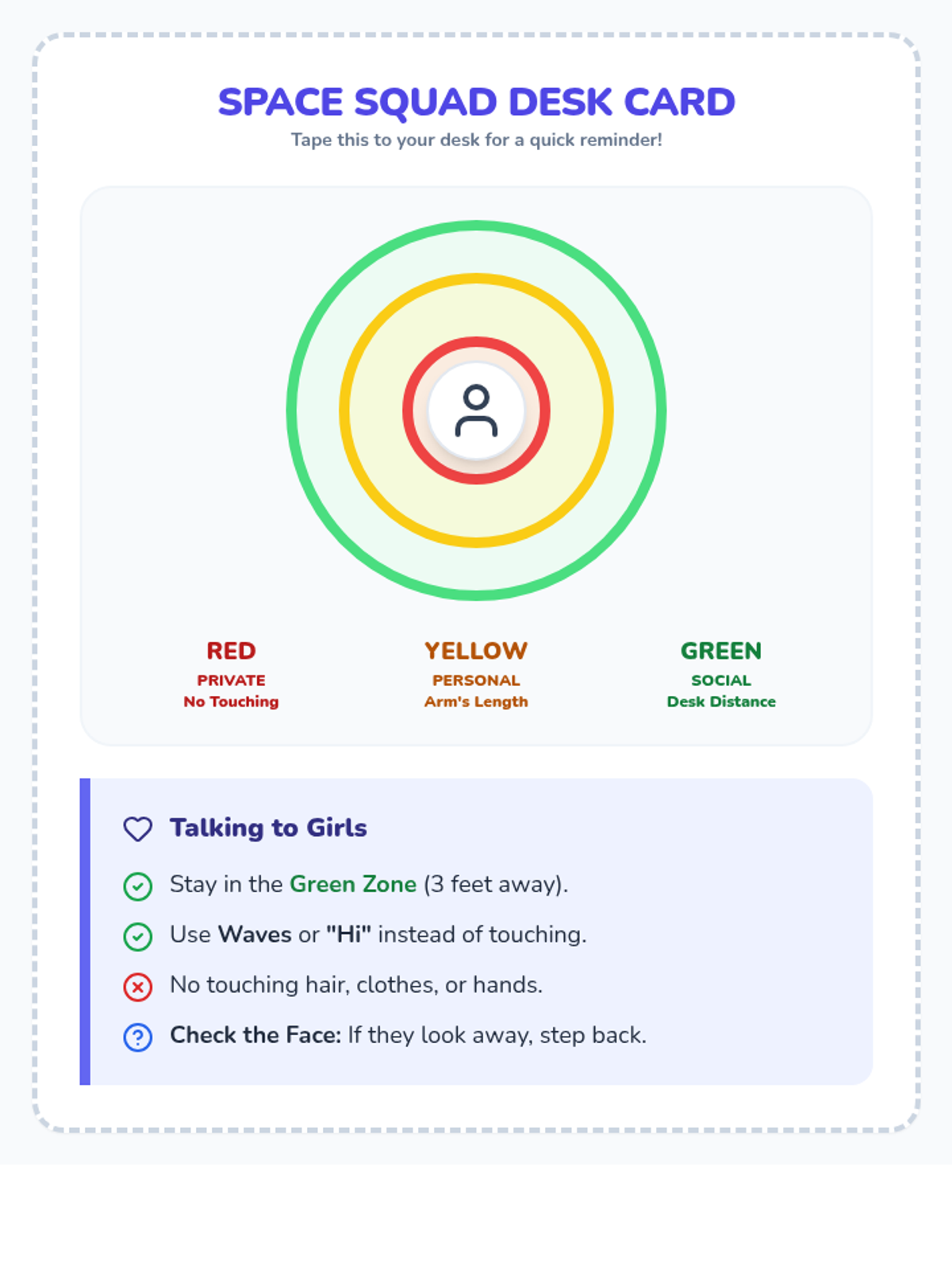
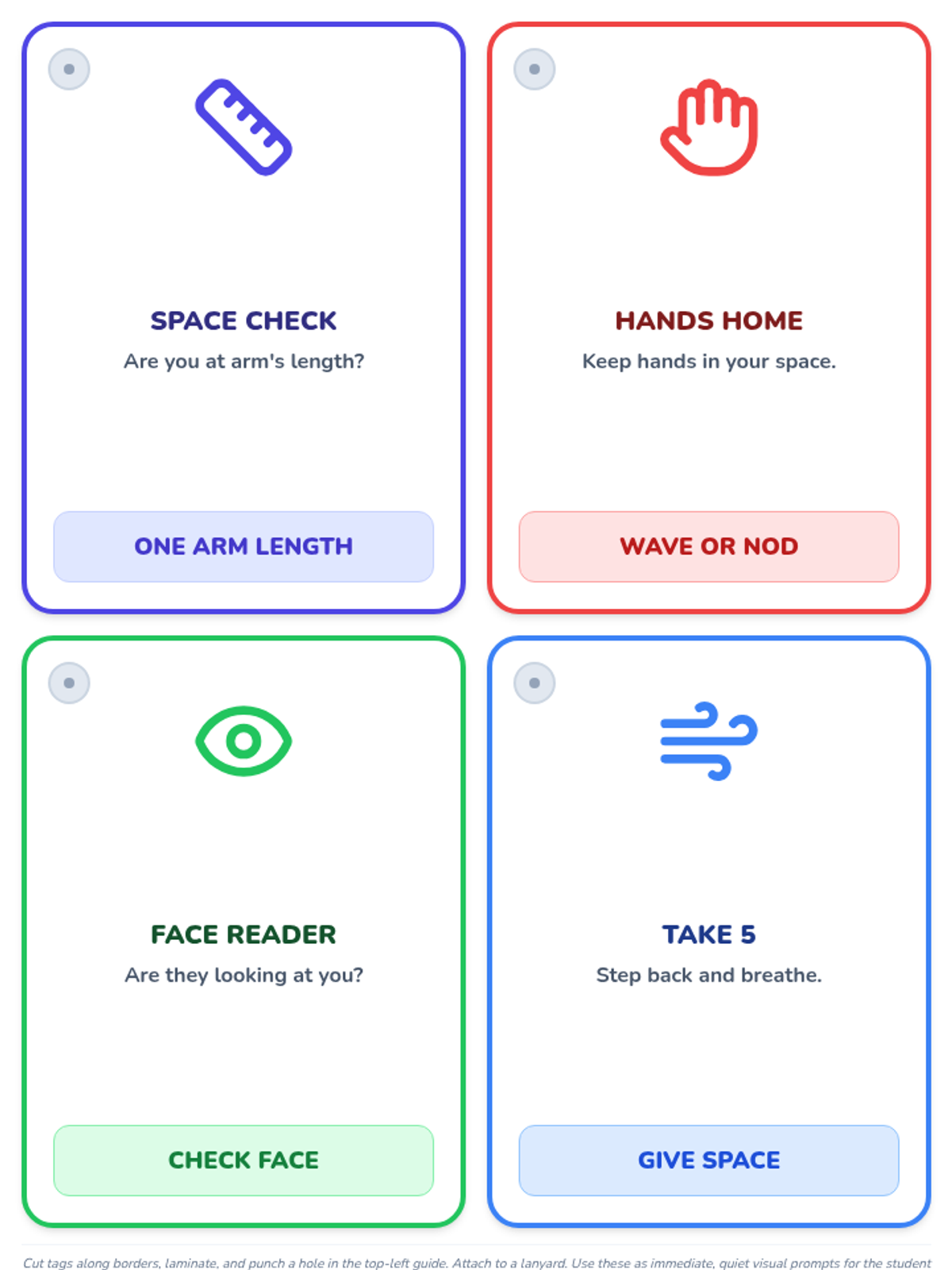
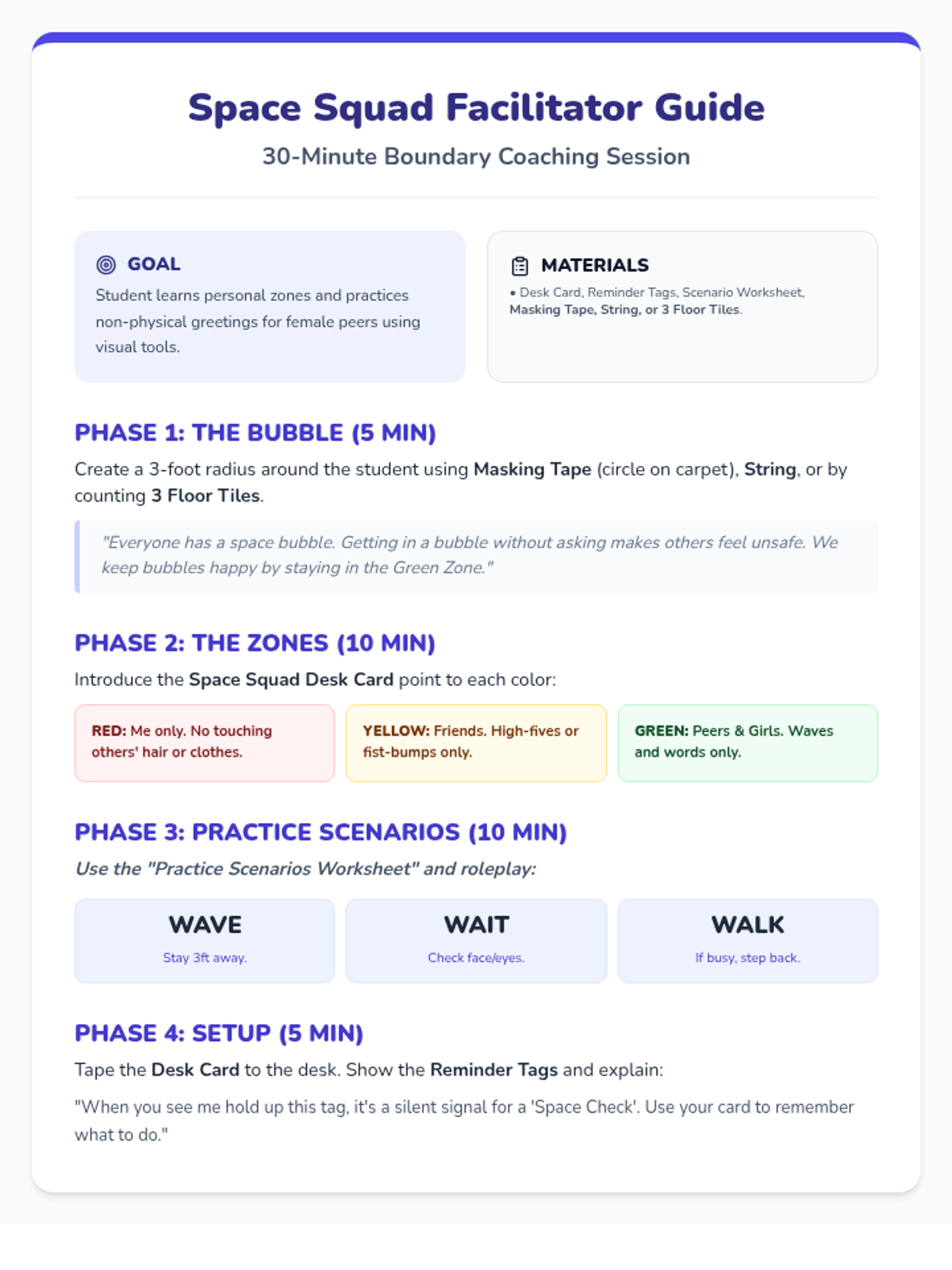
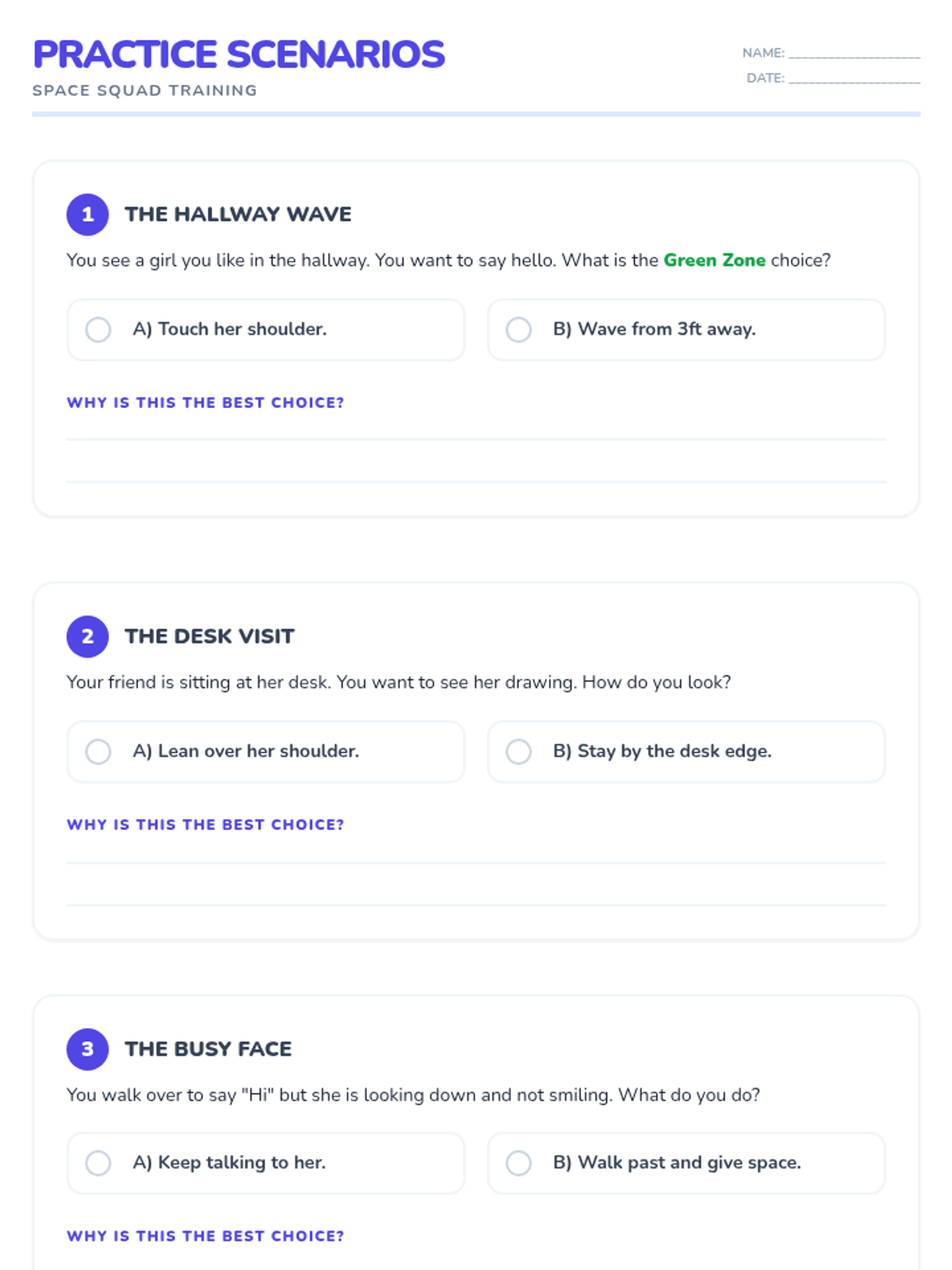
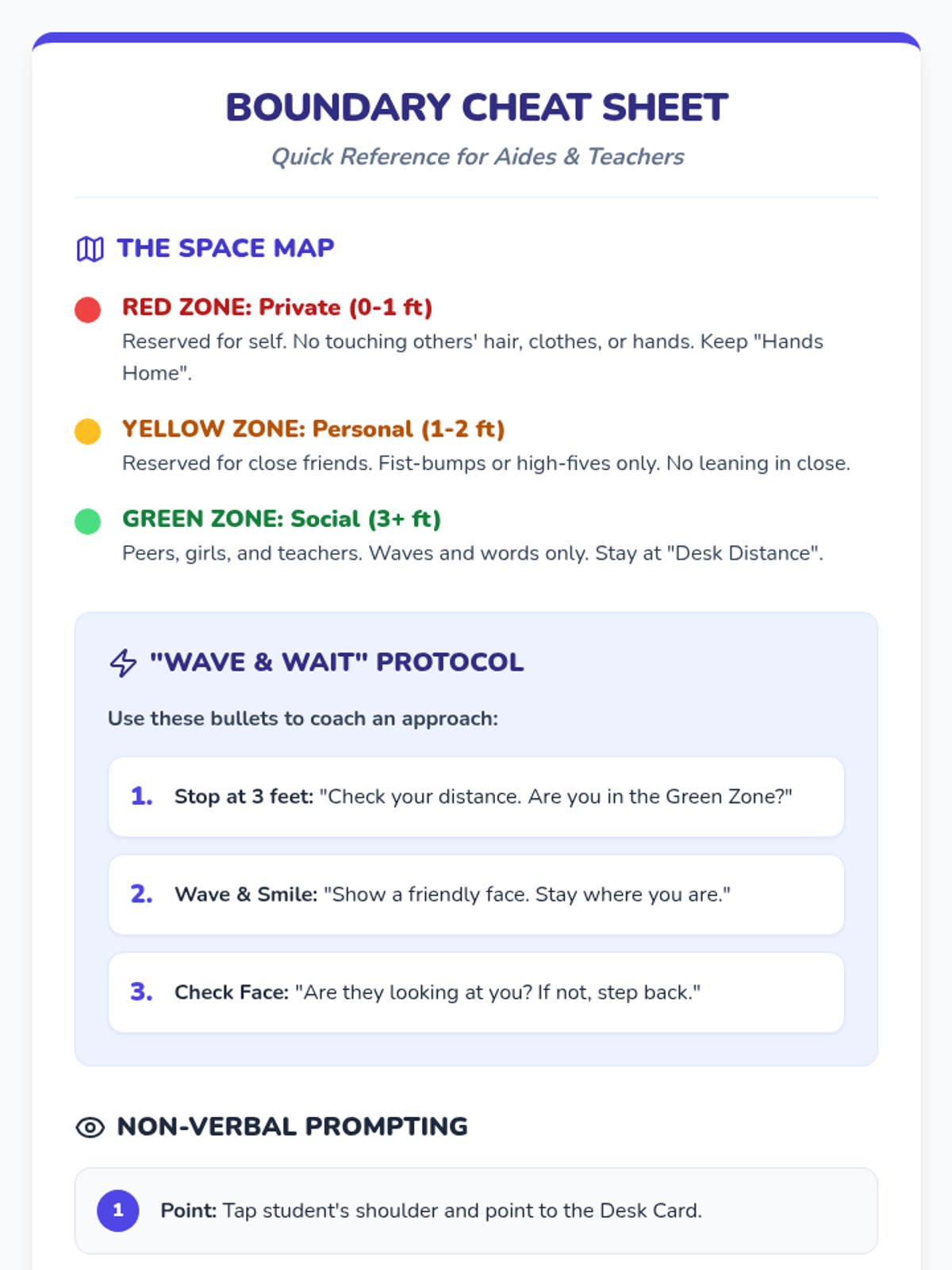
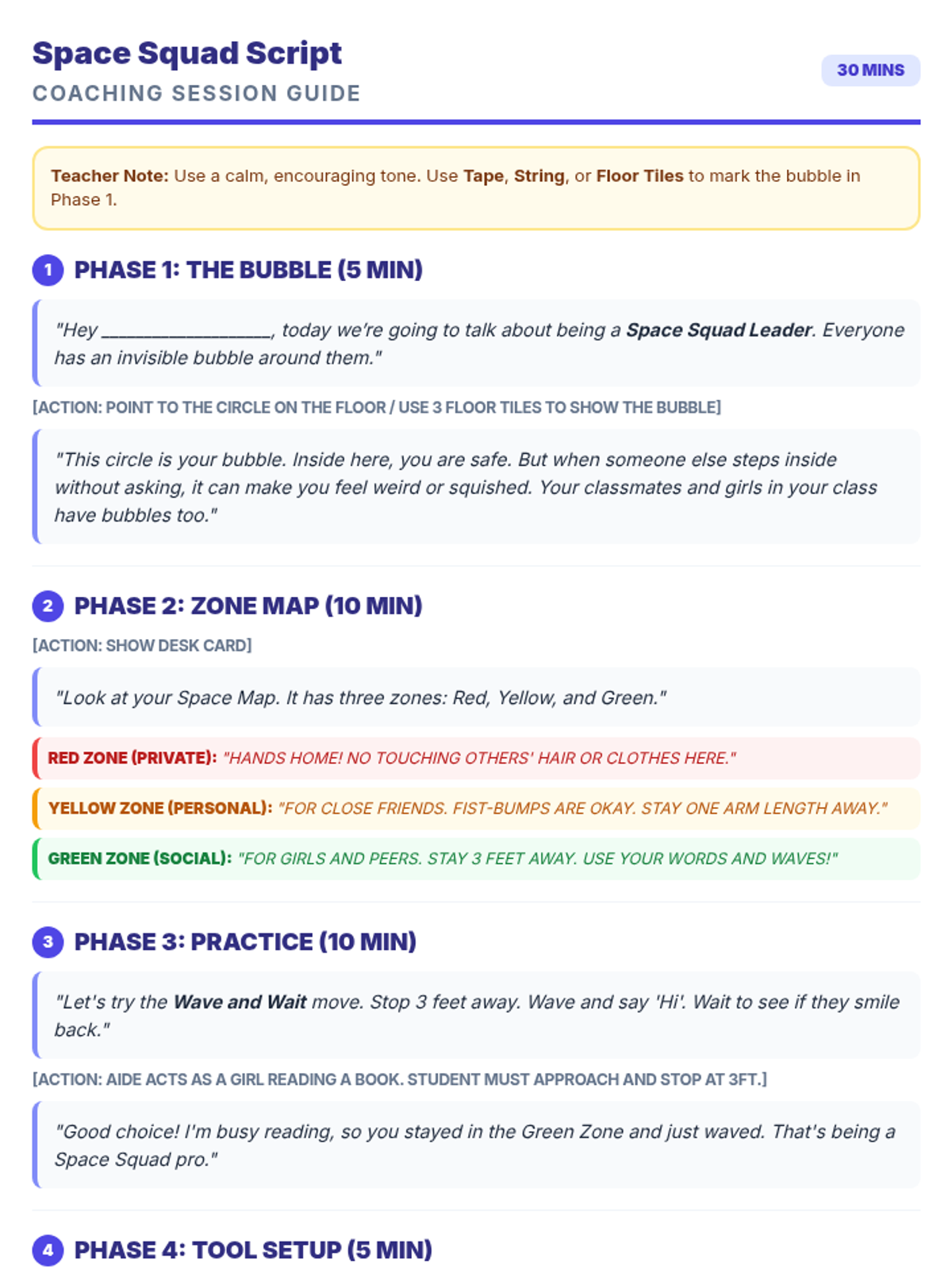
A lesson on identifying social cues and maintaining appropriate physical and social boundaries through the 'Social Radar' concept.
An introductory lesson focusing on neurodiversity, the autism spectrum, and identifying personal strengths and challenges to build self-awareness.
Helps students develop the ability to pause and think before acting, using 'stop-and-think' strategies.
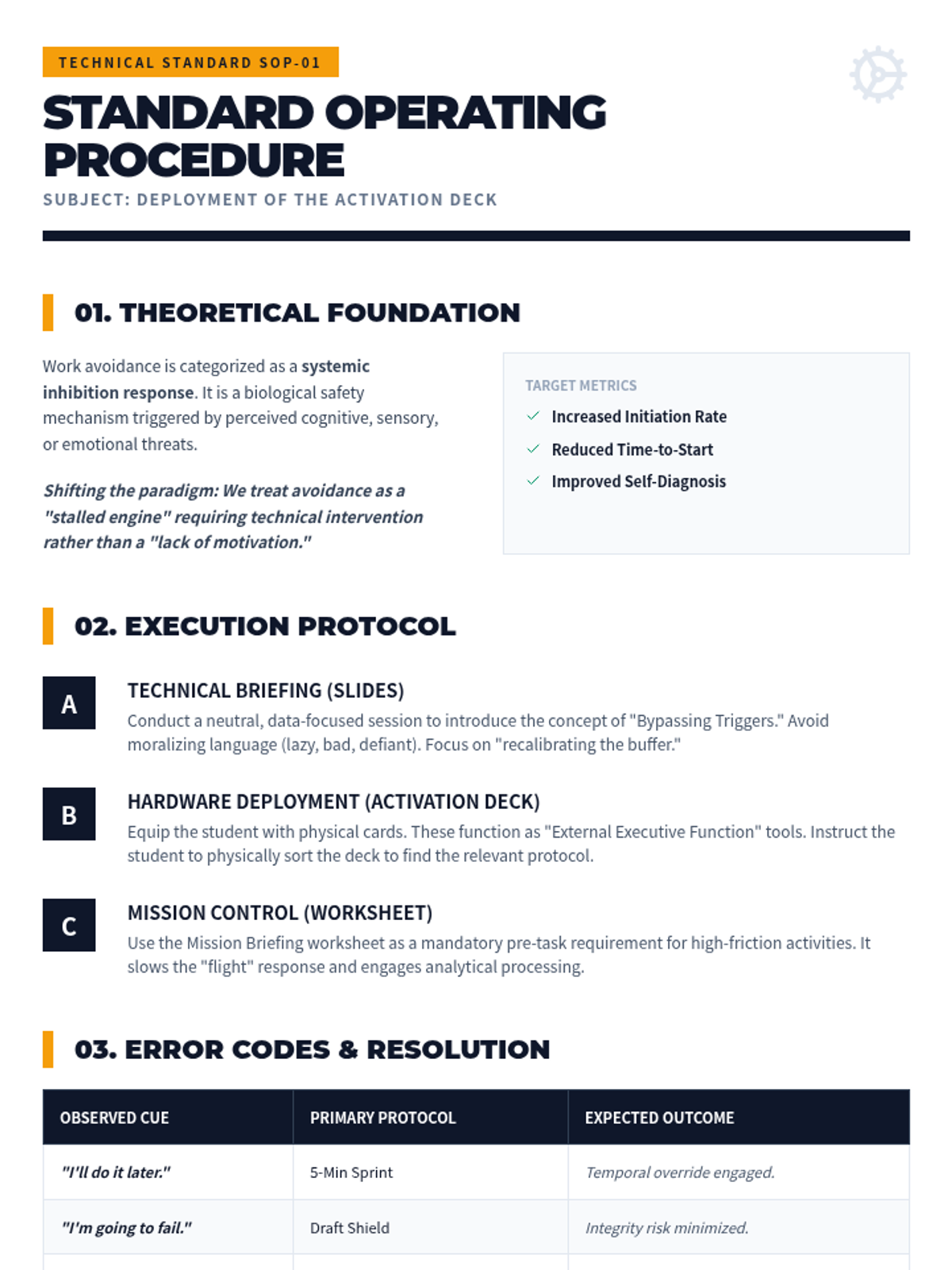
Teaches students how to adapt to new rules or situations and shift their perspective when solving problems.
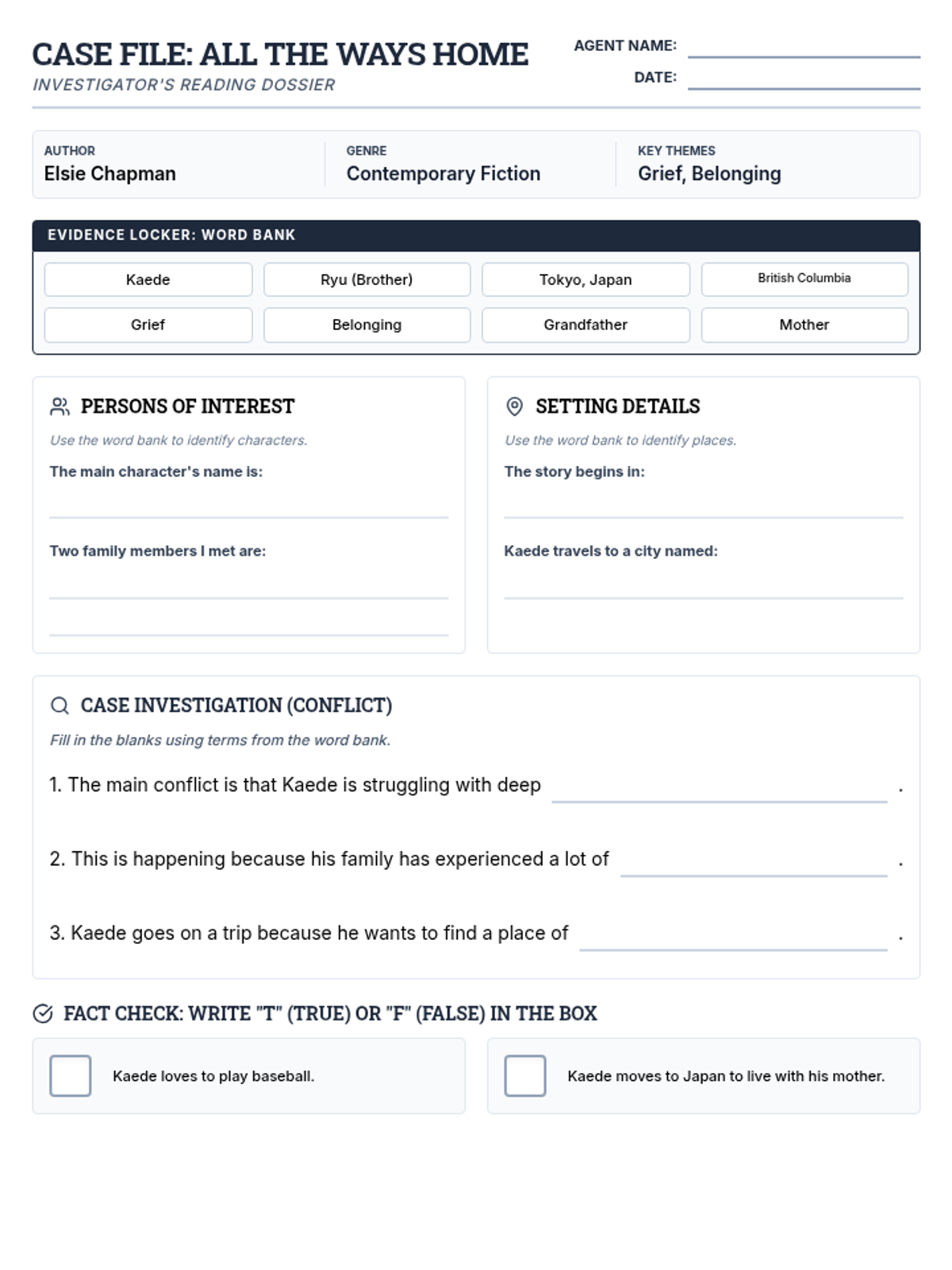
Focuses on improving students' ability to hold and manipulate information in their minds through visualization and chunking strategies.
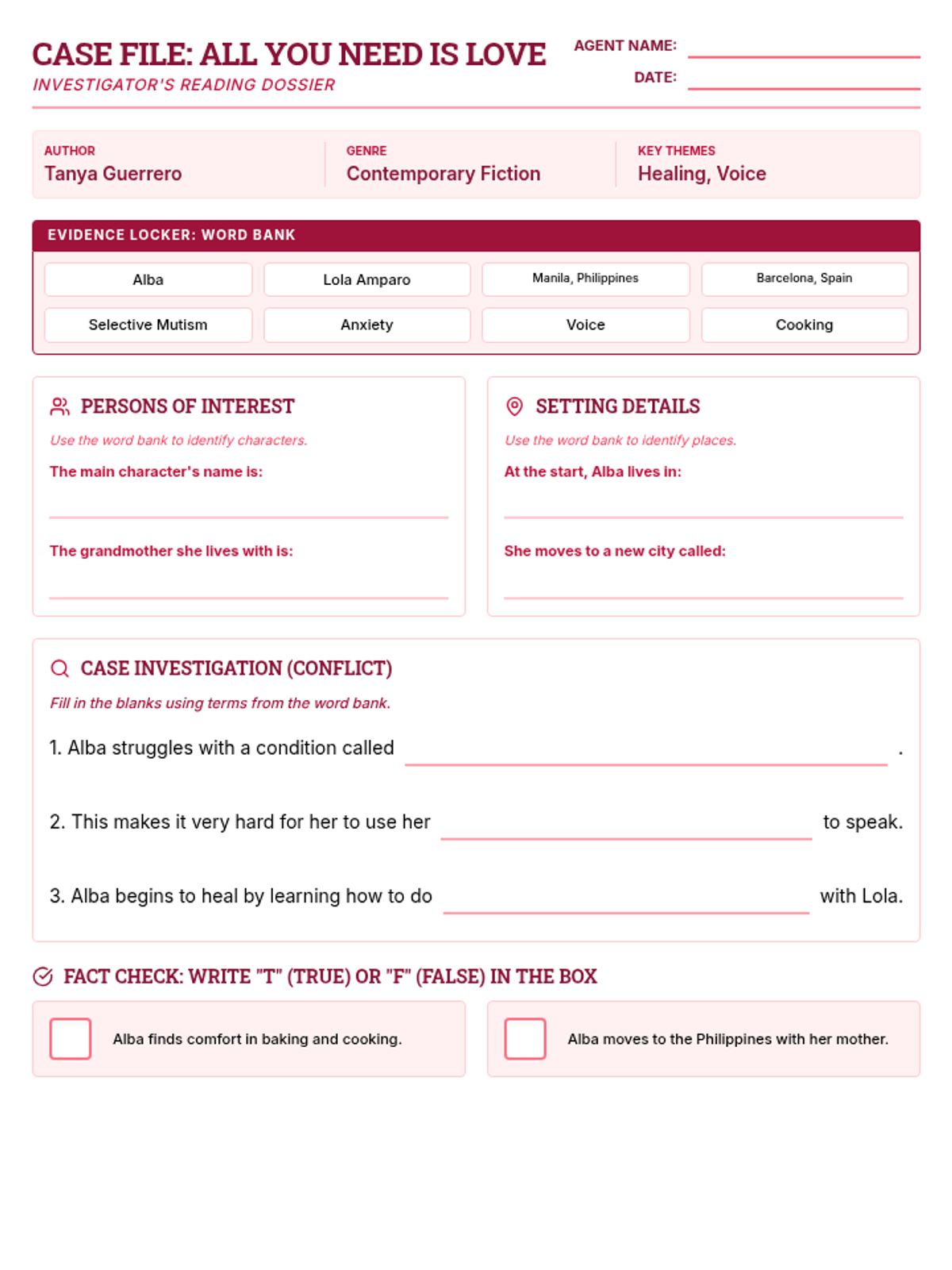
A comprehensive lesson for middle schoolers on breaking down complex, multi-step instructions using chunking, visualization, and paraphrasing strategies.
A collection of 10 distinct work samples designed for MCAS-Alt evidence collection, focusing on synonym identification through matching and multiple-choice formats.
Students demonstrate their mastery of exterior maintenance concepts through a short assessment covering tasks, seasons, tools, and safety.
Students focus on the tools needed for exterior maintenance and research how to stay safe while using them. Includes a research-based project guide.
Introduction to key exterior tasks and how they change with the seasons. Includes an anchor chart for reference and a graphic organizer for categorization.
A comprehensive presentation package for the Arlington Public Schools district grant committee, showcasing the expansion of the Collaborative Problem Solving (CPS) framework. Includes a high-impact visual slide deck and a detailed facilitation guide for the presenter.
A highly visual introductory lesson for SPED students focusing on the 'shift and slide' method for dividing decimals by decimals. The lesson uses color-coded steps and a blueprint theme to make abstract movements concrete.
A 45-minute lesson focused on empowering students to understand and summarize their own Individualized Education Program (IEP) for self-advocacy purposes. Students will identify their strengths, challenges, goals, and accommodations to create a presentation outline.
A structured language lesson using The Hunger Games to build semantic retrieval and knowledge through visual organizers like word webs, Venn diagrams, and the Expanding Expression Tool (EET).
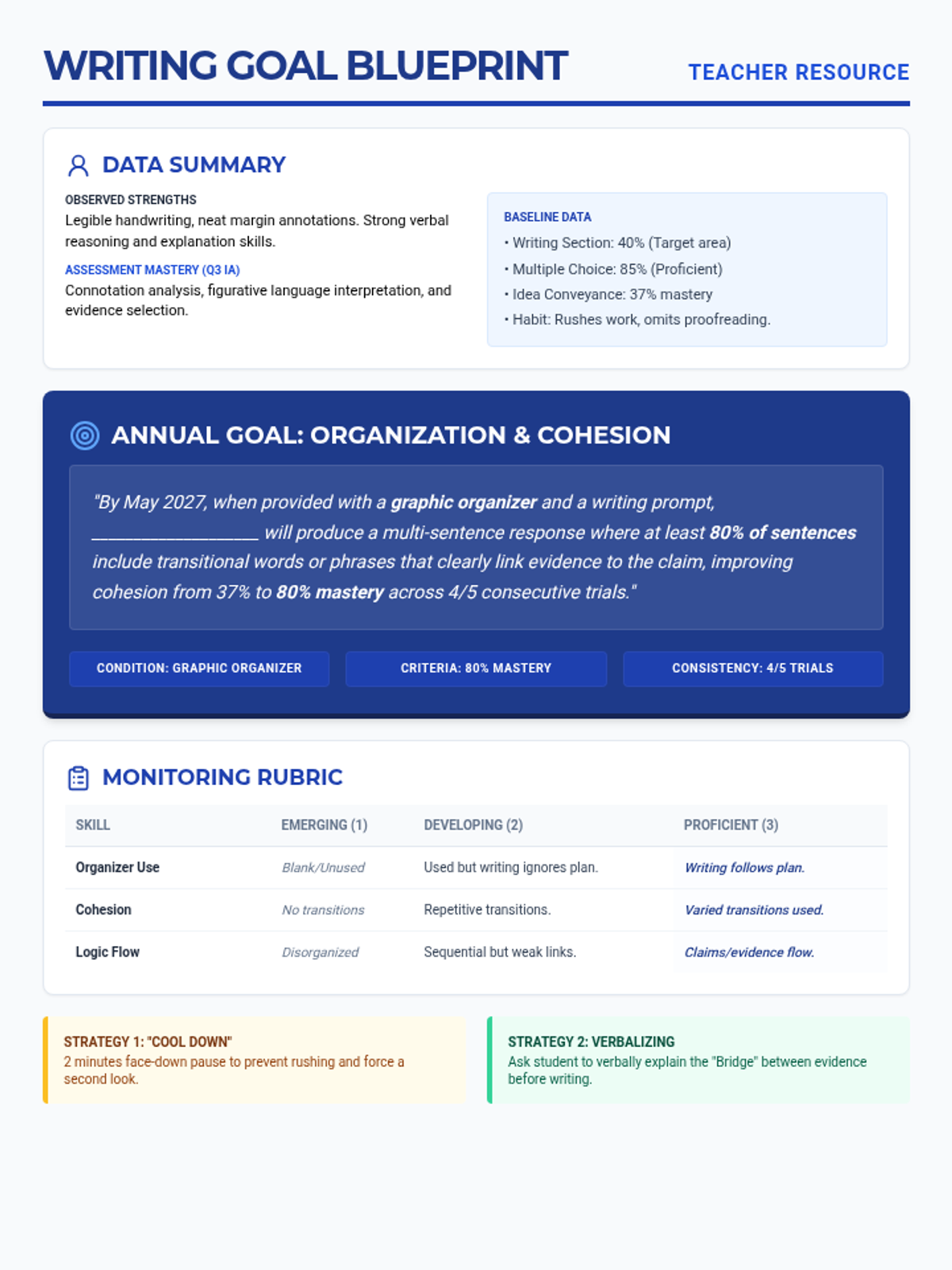
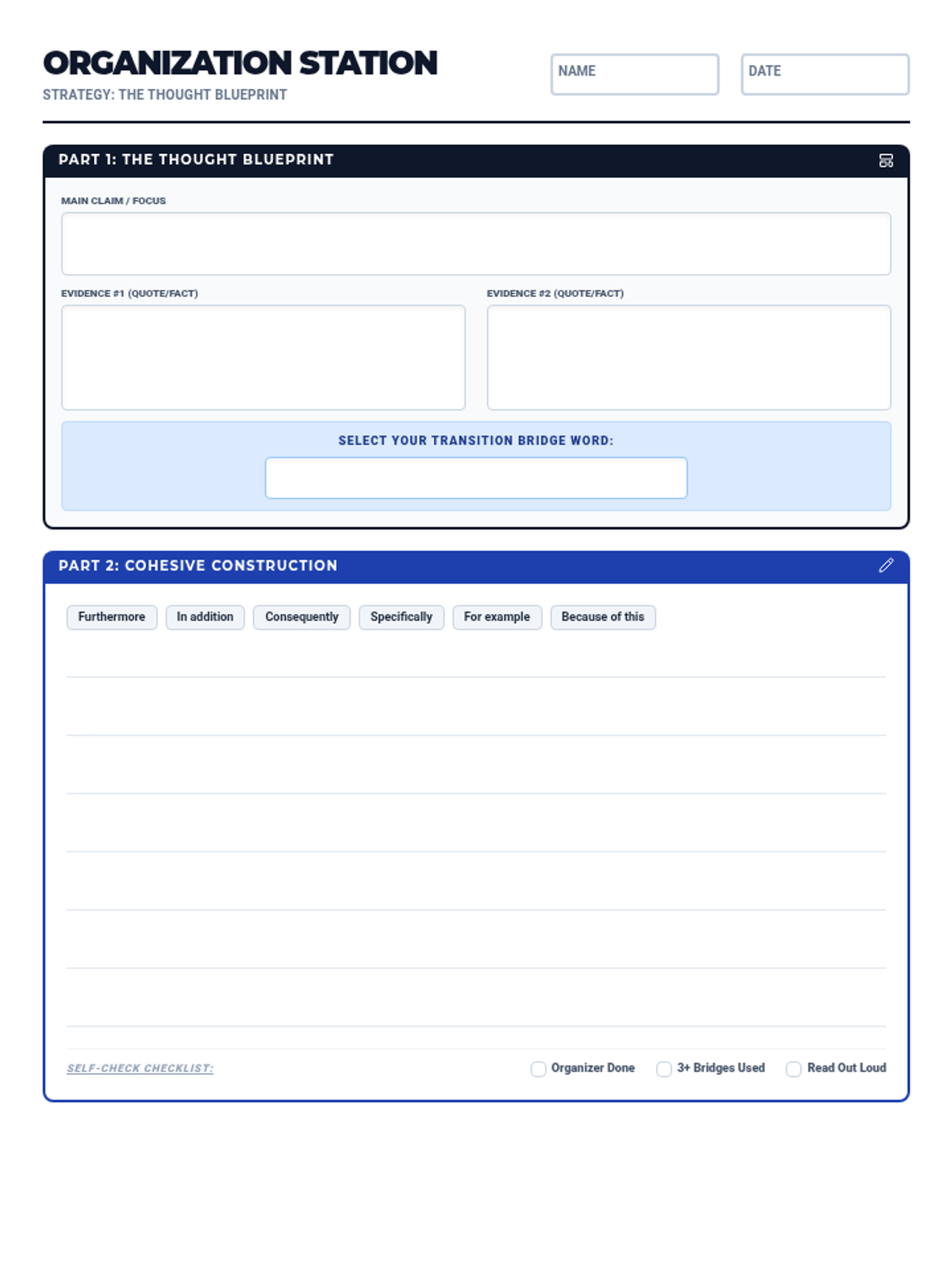
A lesson designed for 7th-grade Special Education students to master the Claim, Evidence, and Reasoning (CER) writing framework through a detective-themed lens. Includes scaffolding, visual cues, and word banks to support diverse learners.
This lesson focuses on internal cognitive strategies like chunking, visualization, and mnemonics to expand the functional capacity of working memory. Students will practice 'juggling' information using mental shortcuts.
This lesson teaches students the 3-bin system for organizing physical and digital spaces to reduce cognitive load and support working memory. Students will learn to categorize items into 'Do', 'Store', and 'Trash' to clear their mental workbench.
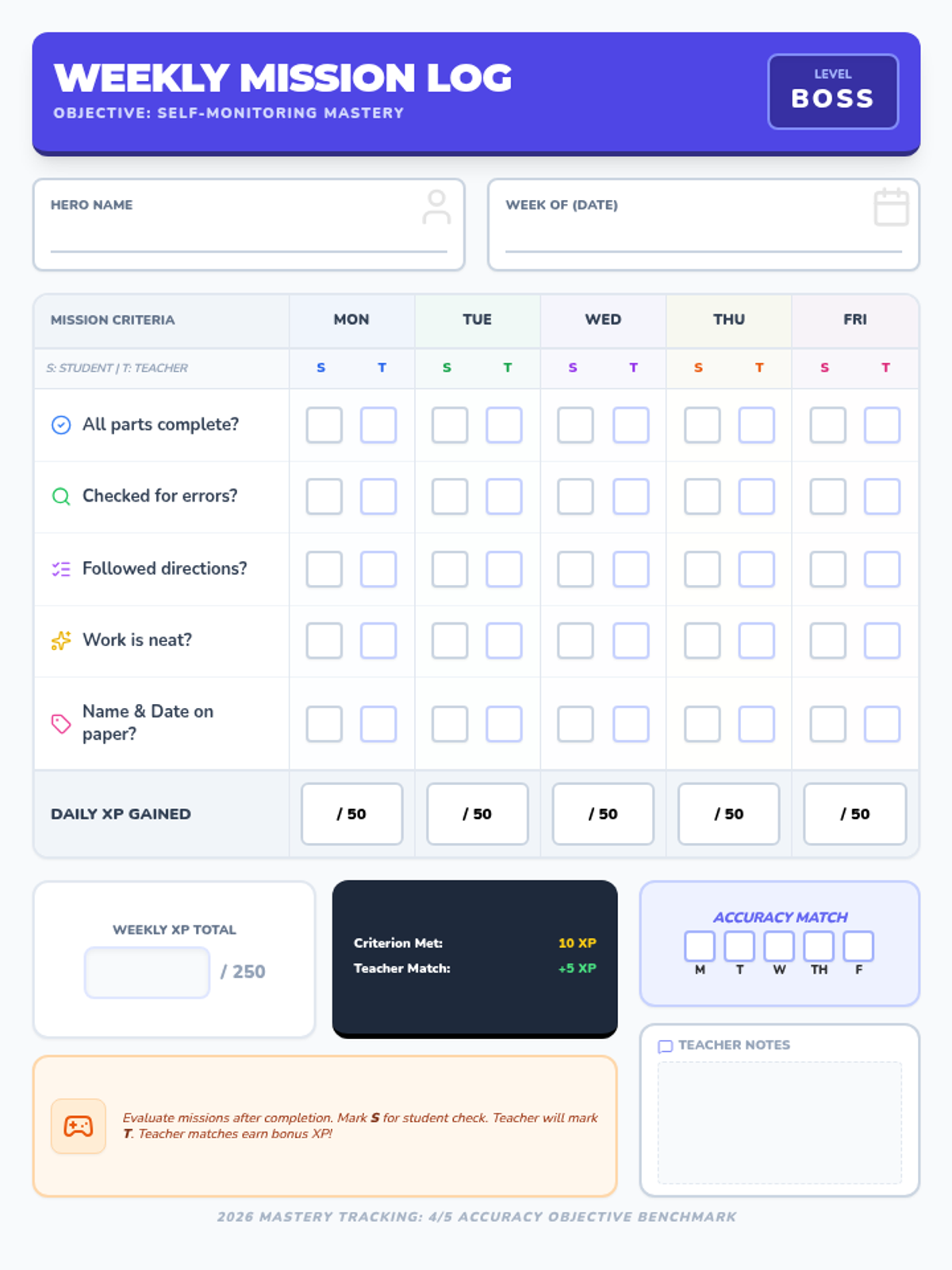
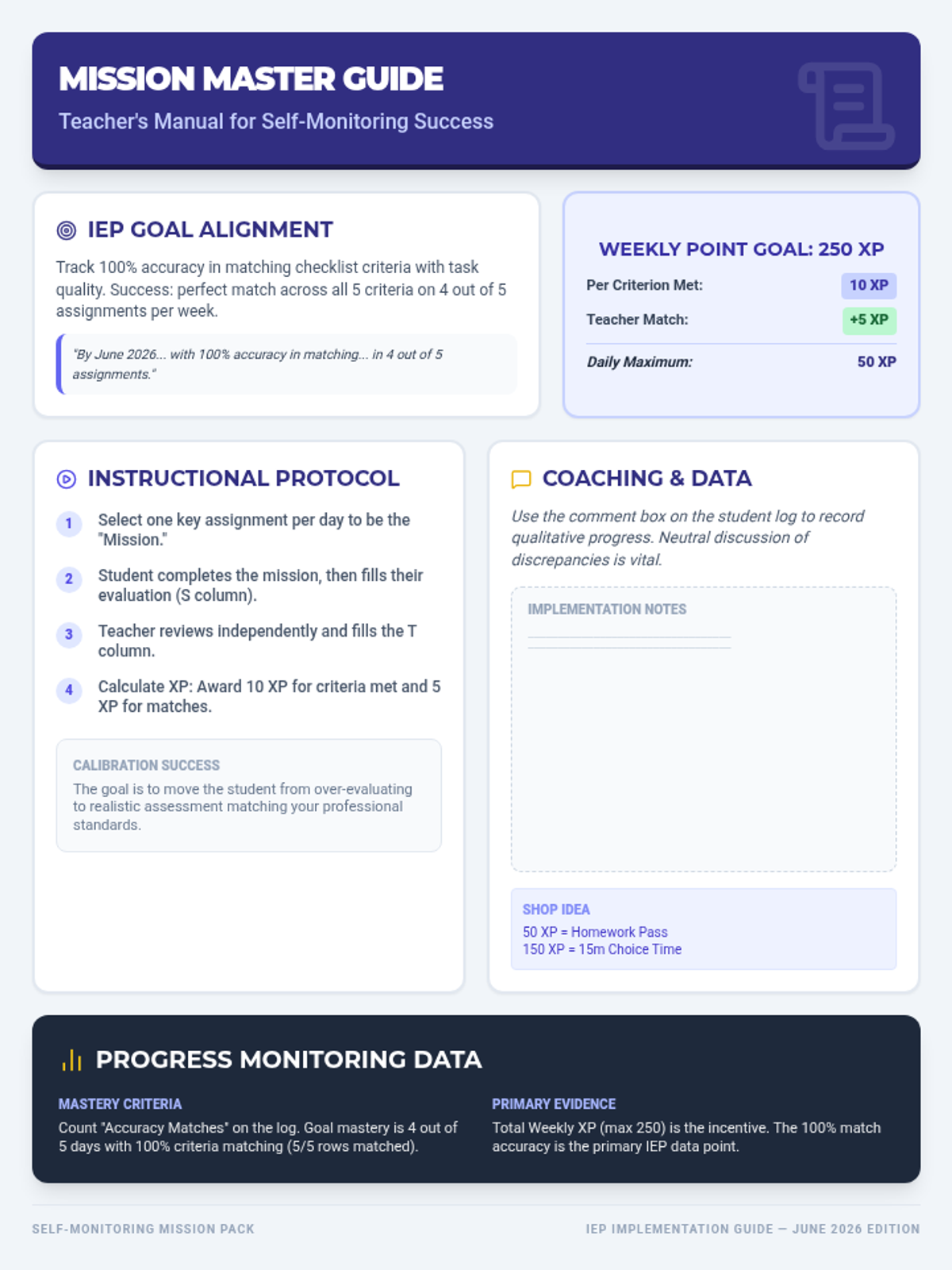
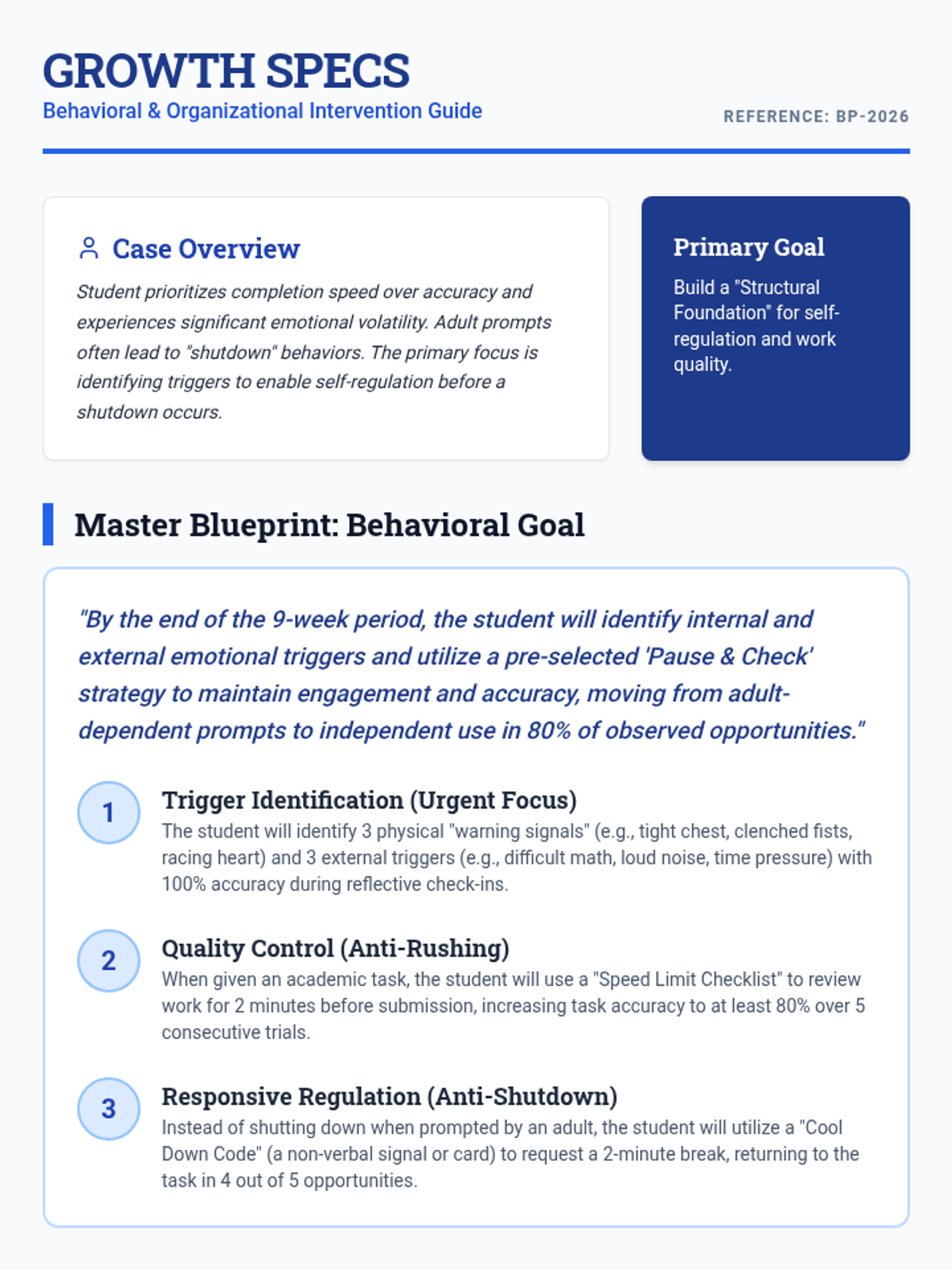
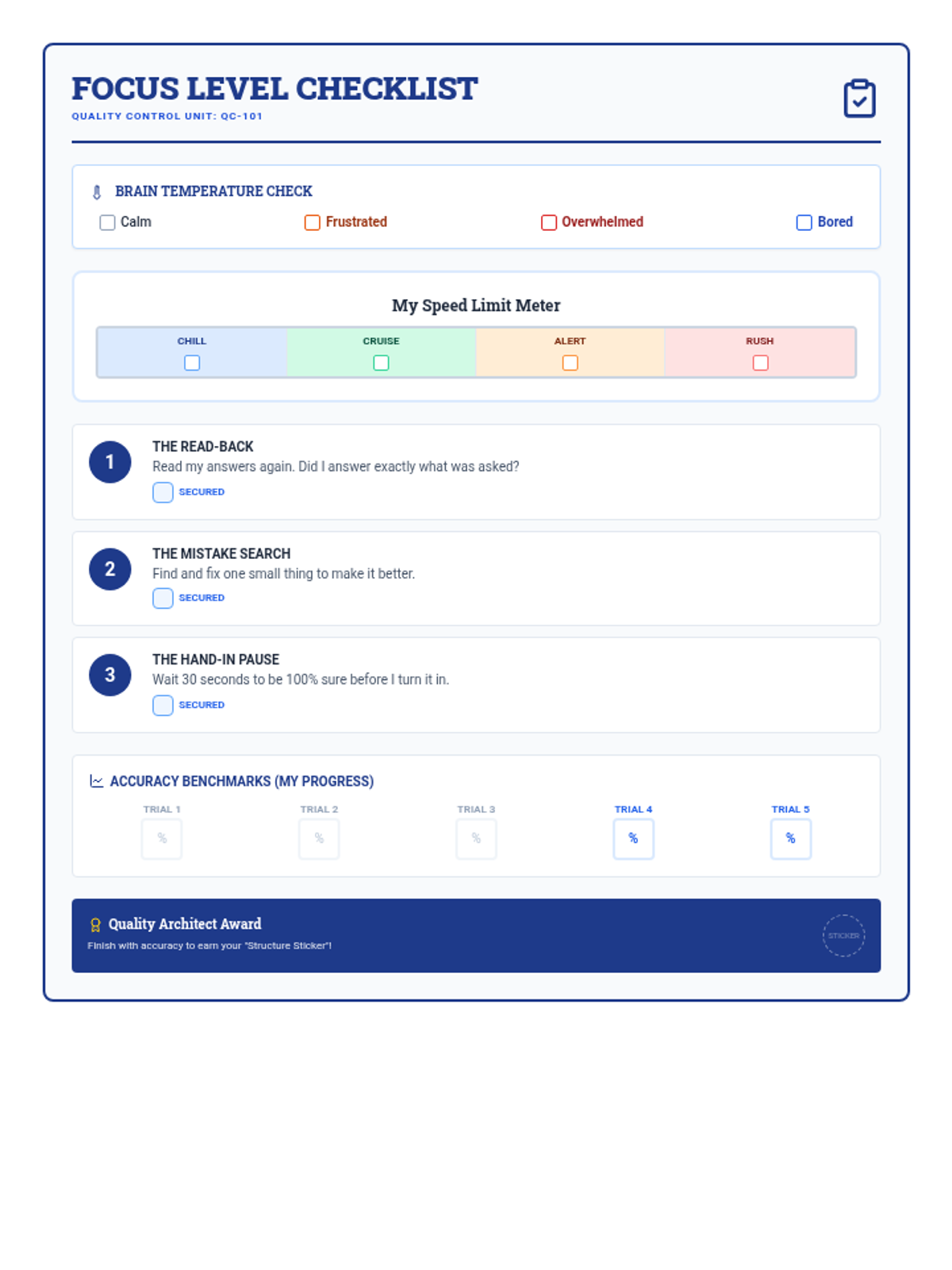
A comprehensive behavior intervention package designed to reduce blurting in middle school students through clear expectations, self-tracking, and consistent teacher response protocols.
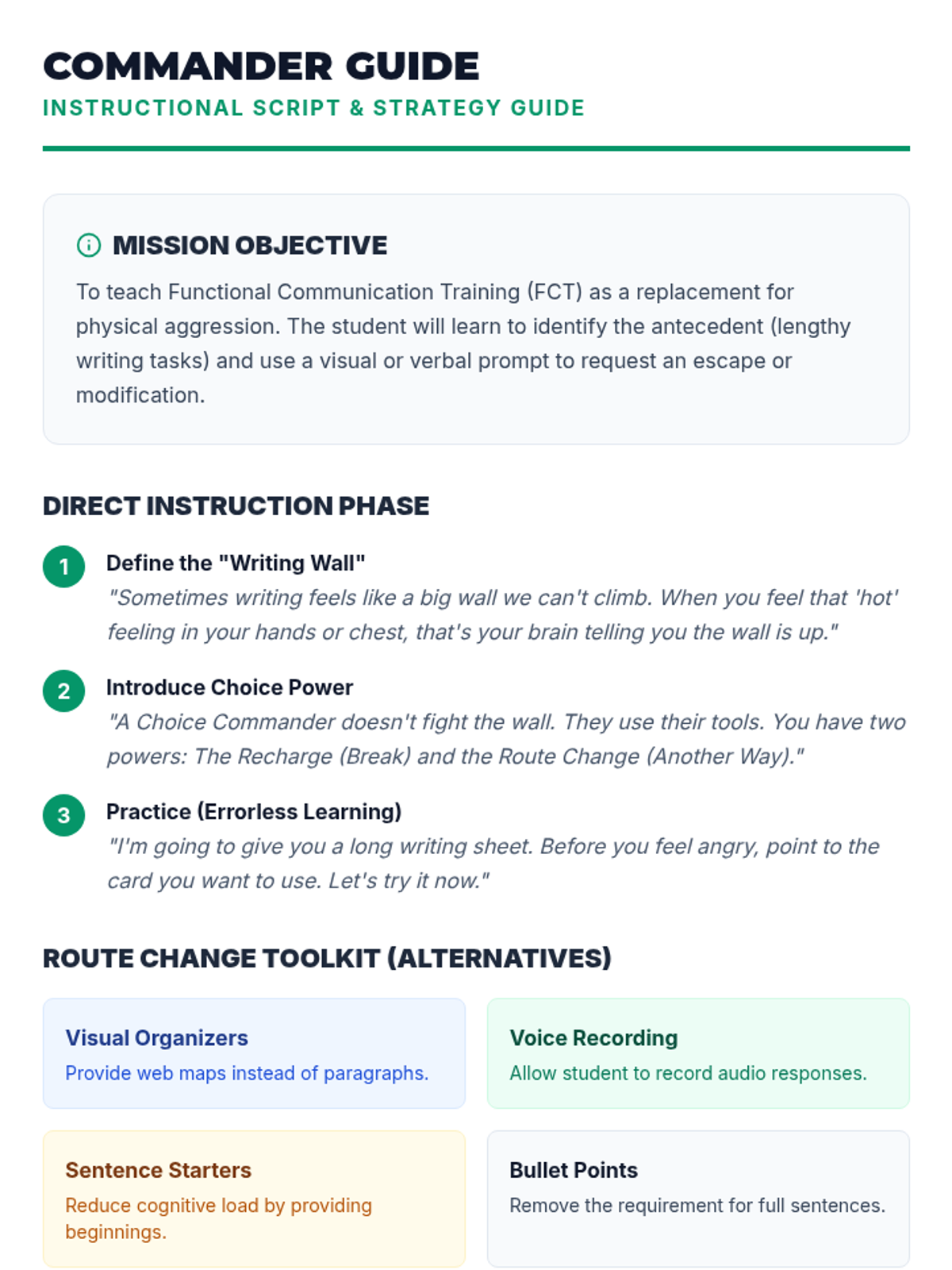
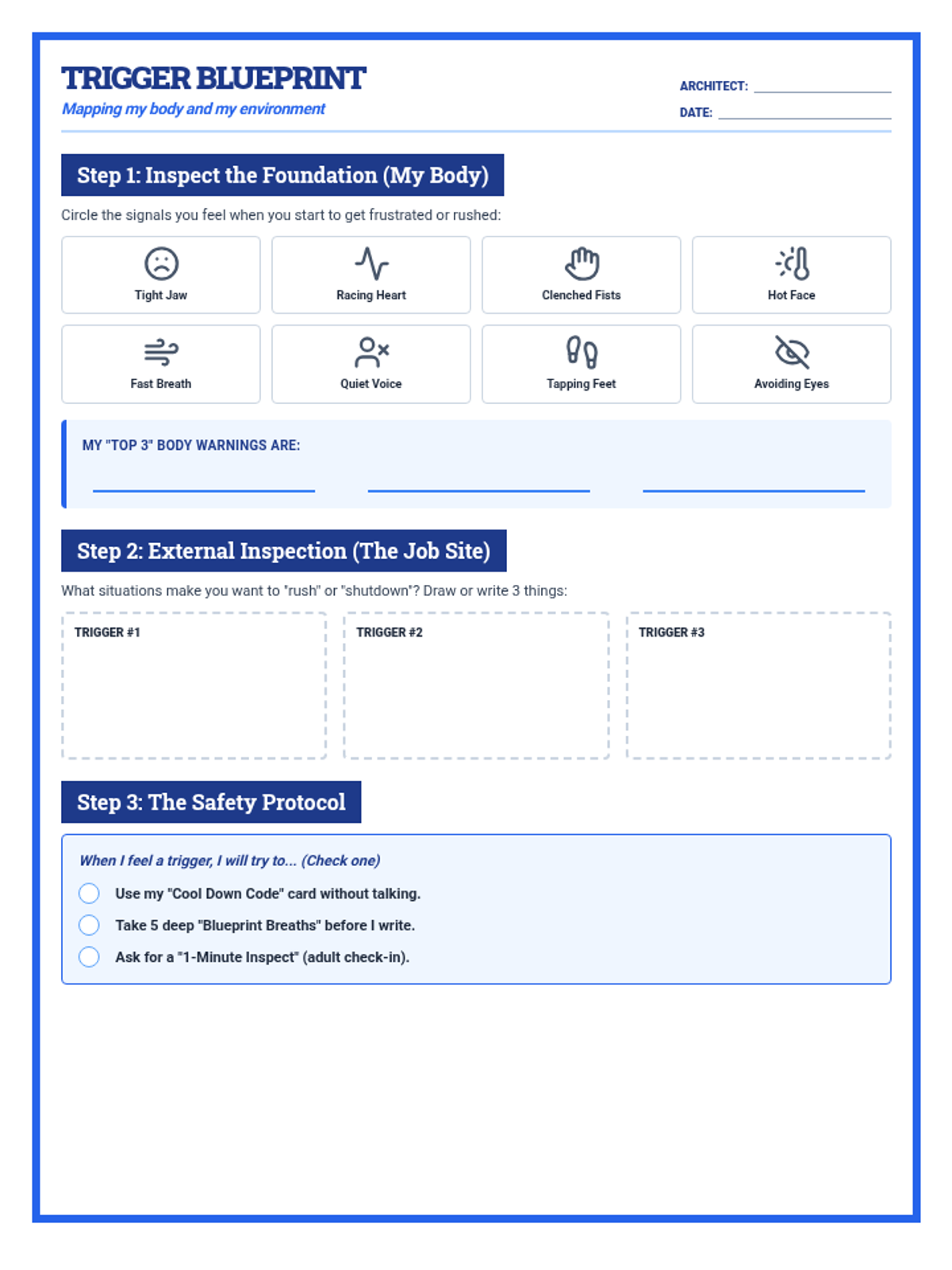
A specialized lesson focused on addressing verbal aggression and classroom disruption by identifying academic triggers and practicing functional replacement behaviors and de-escalation strategies.
Reflecting on progress made over the 6 weeks and creating a plan for maintaining executive functioning skills in the future.
Applying problem-solving strategies to real-world social and academic scenarios through collaborative practice.
Introduction to the SODAS problem-solving method to evaluate different options when facing a challenge.