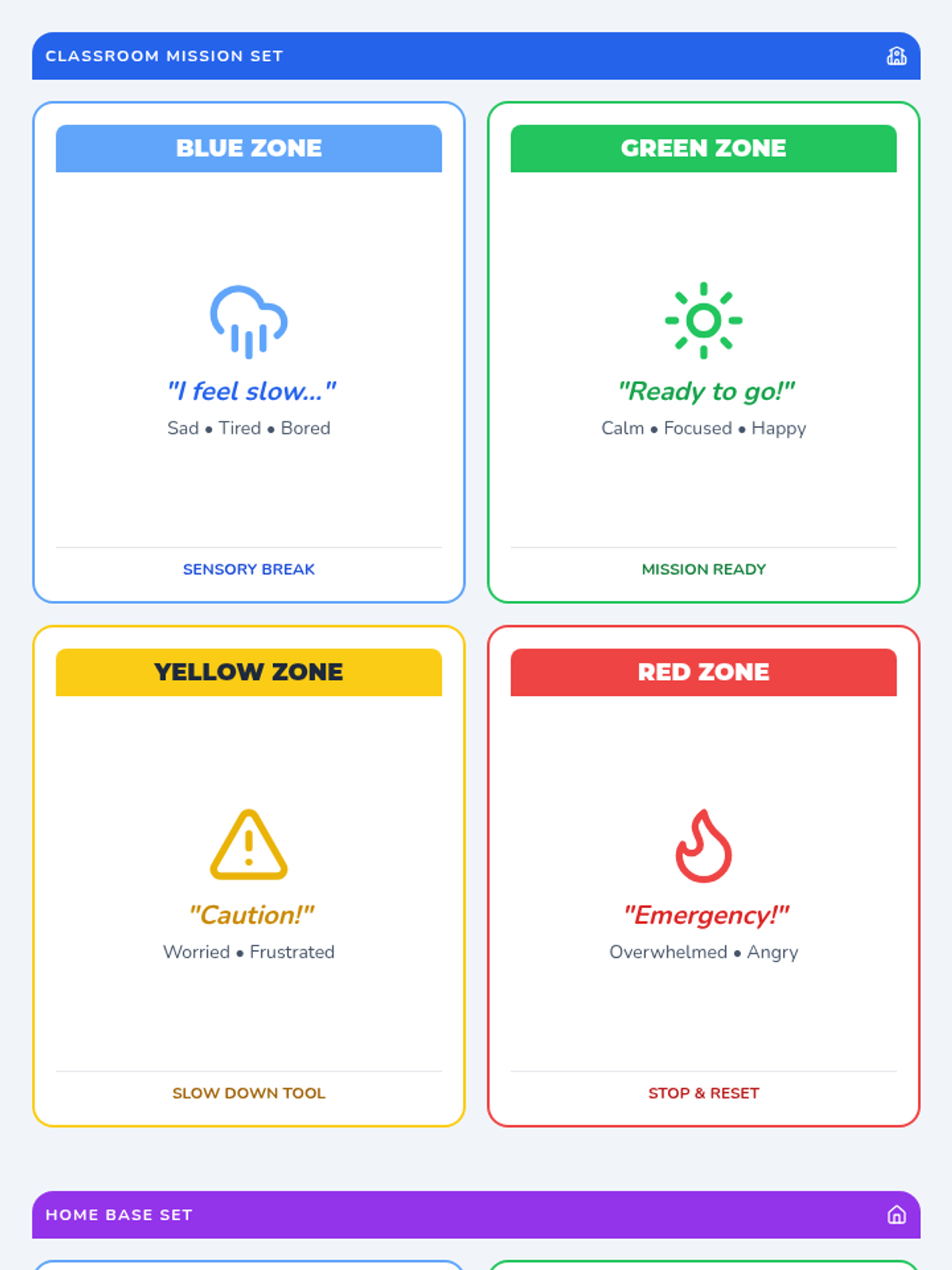
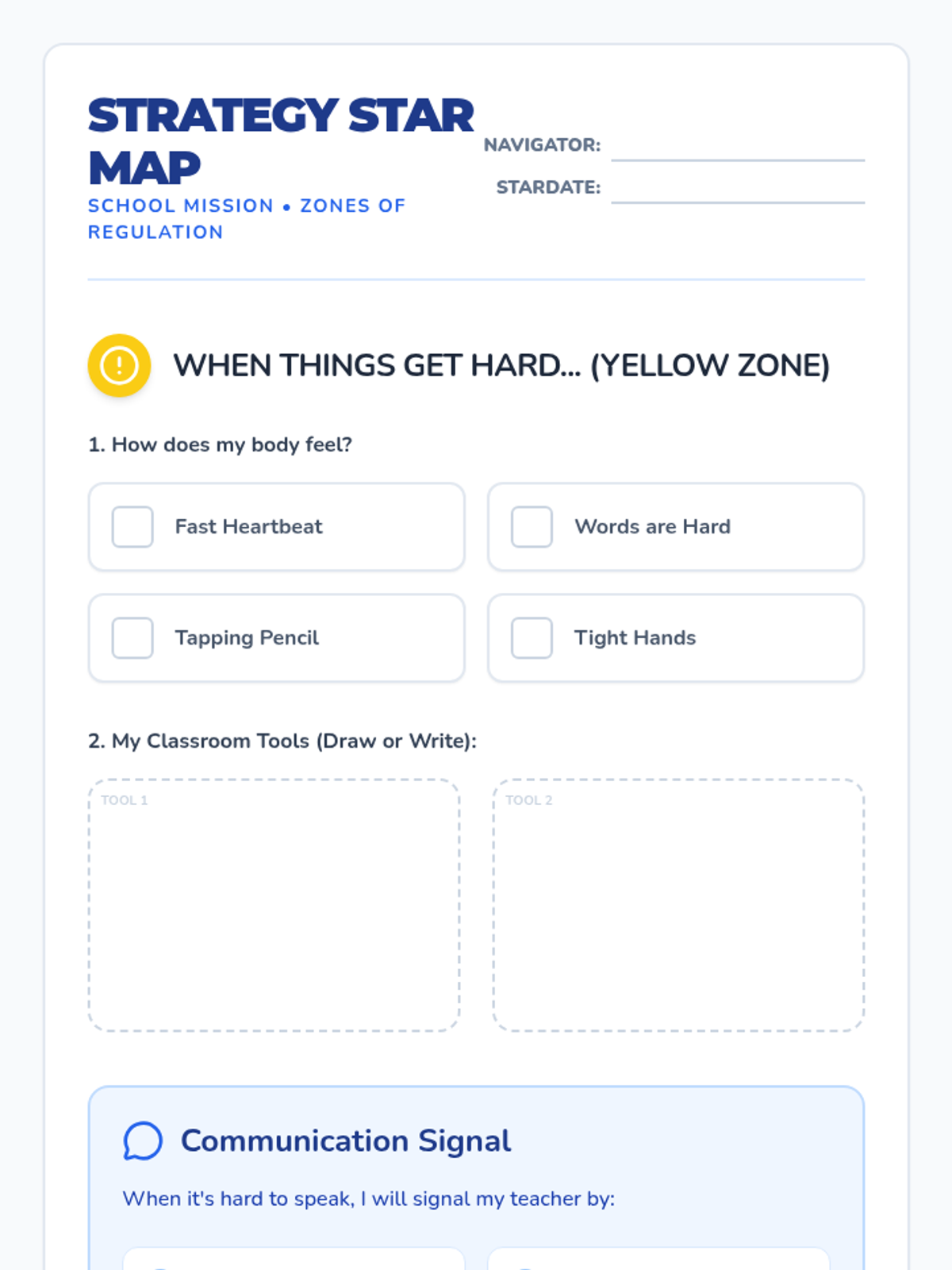
A comprehensive graduate-level sequence focused on the assessment of sensory processing disorders, moving from standardized measures to qualitative observations and data-driven intervention planning for personalized calming routines.
A specialized ELA sequence designed for resource room settings, focusing on core comprehension skills like main idea, inference, and summary with high levels of scaffolding.
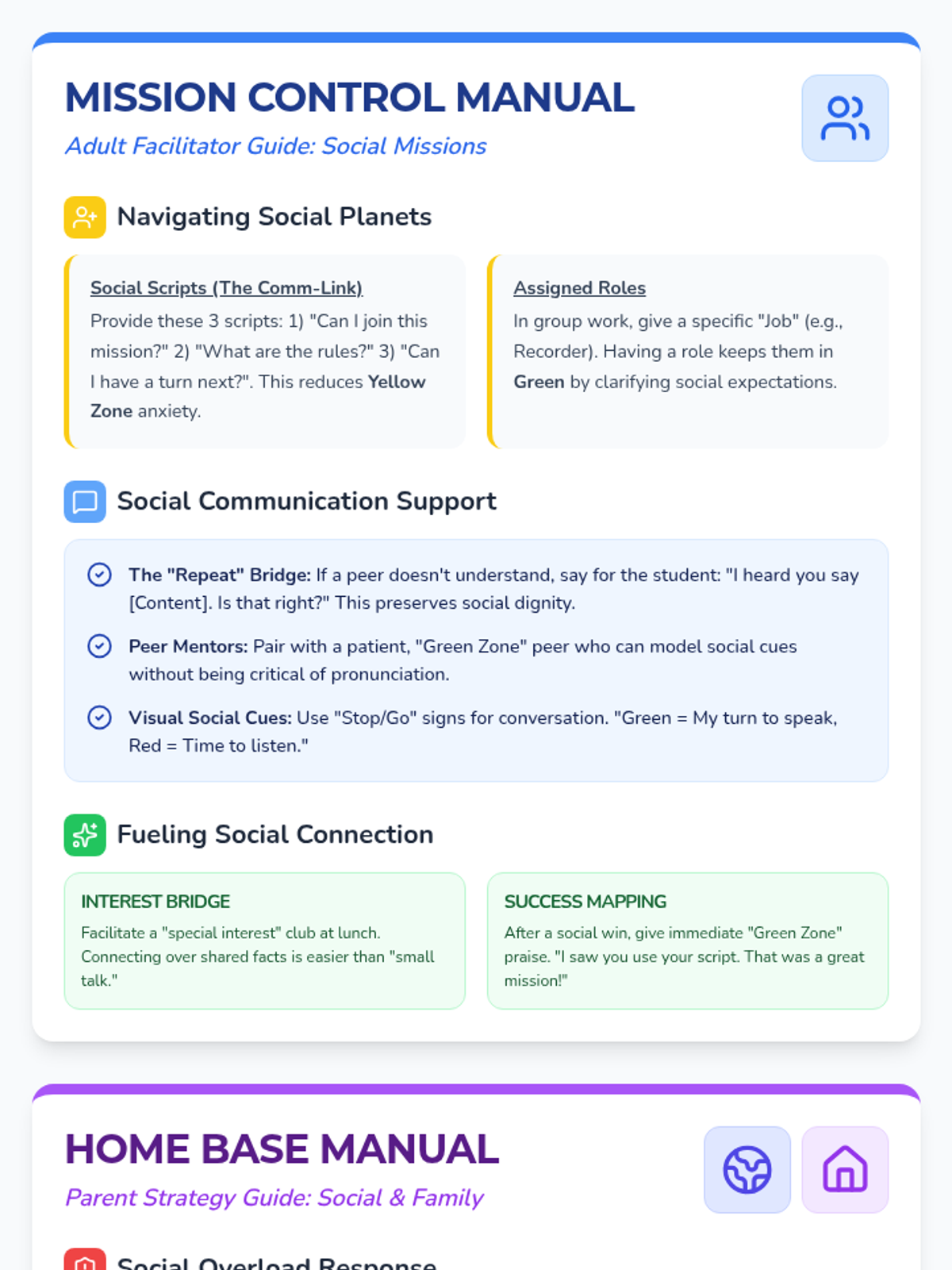
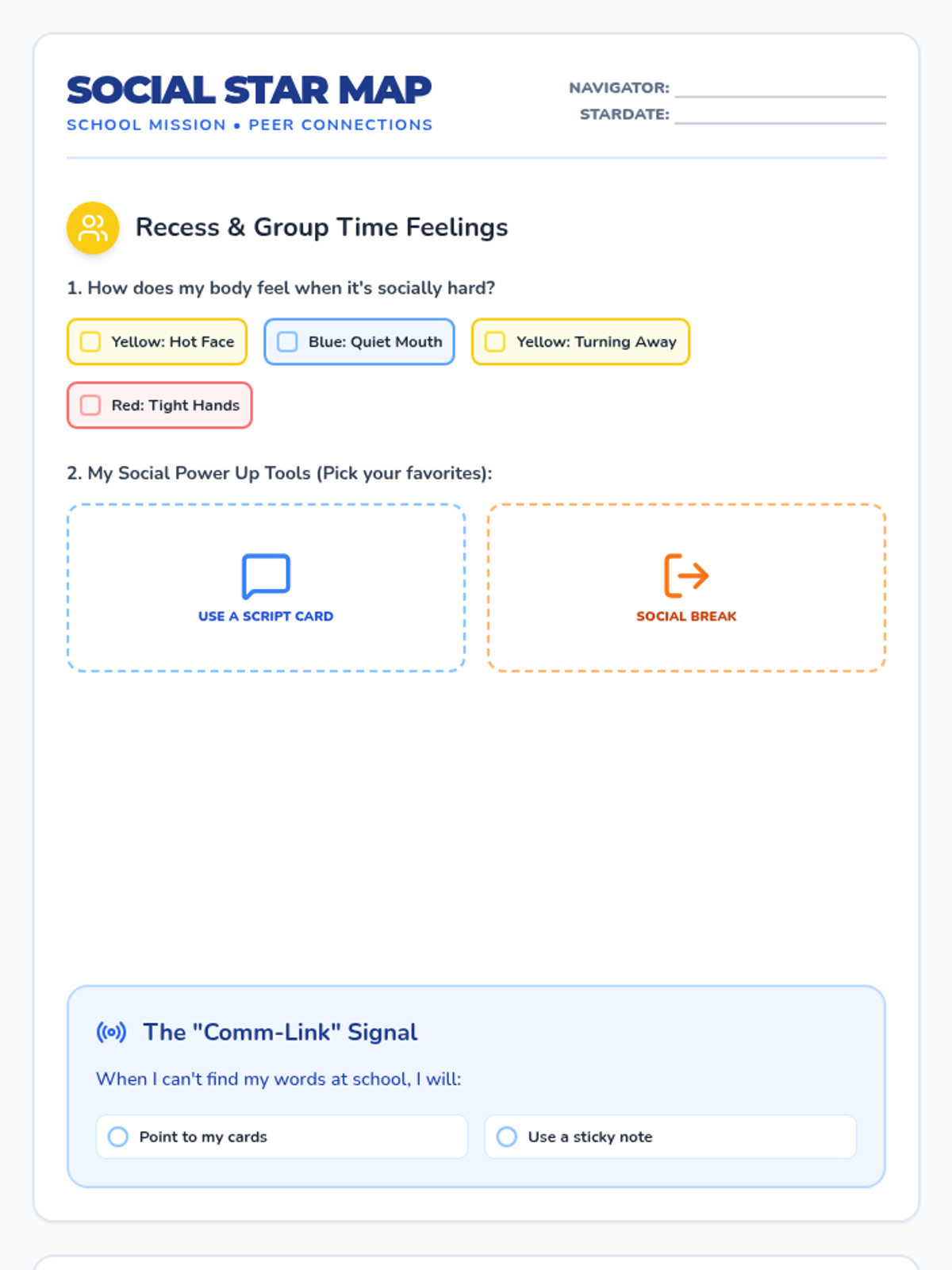
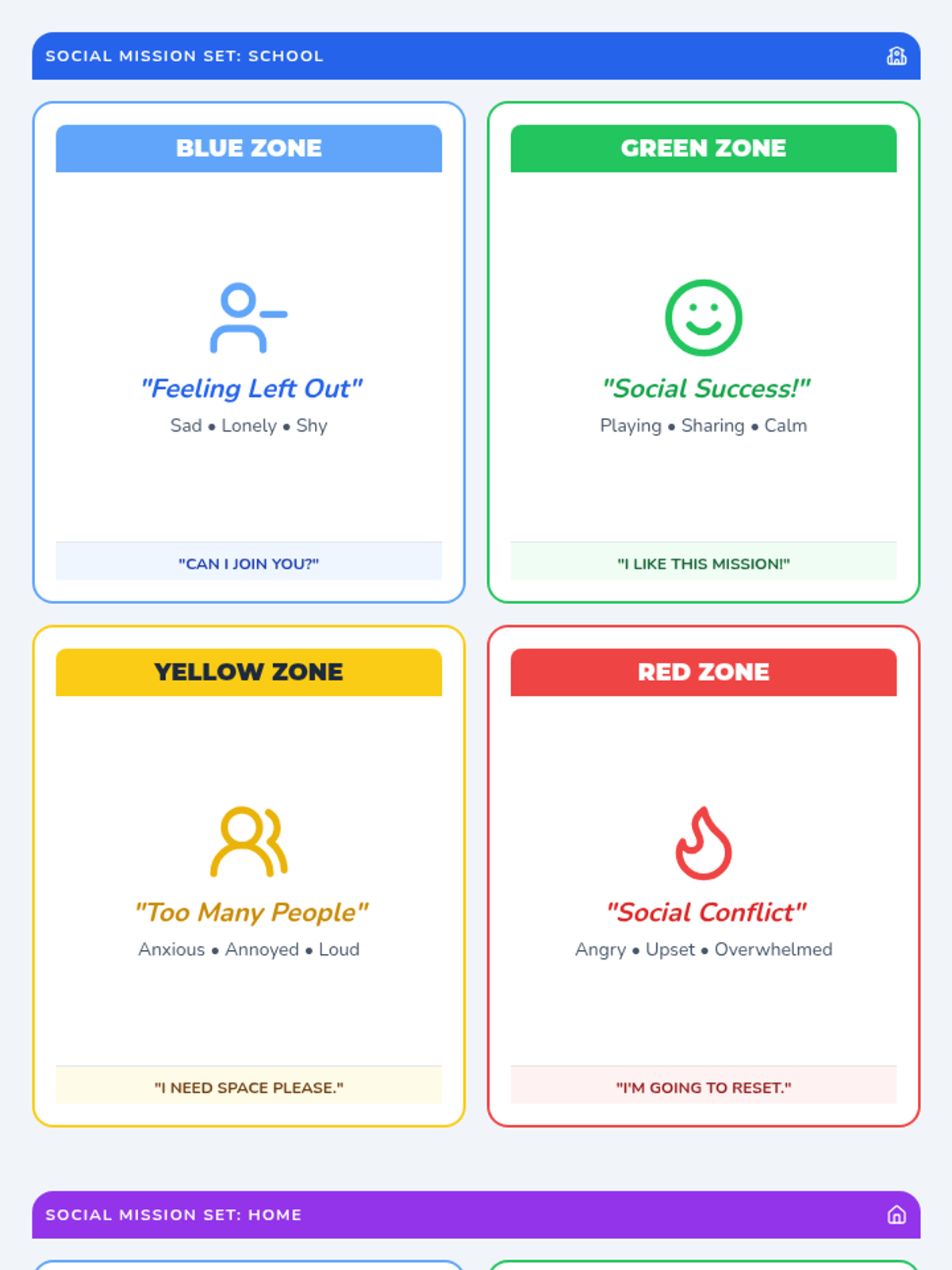
A series of resources designed to help students with autism navigate social boundaries, specifically focusing on blurting out and staying on-task during group lessons.
A collection of essential assessment and progress monitoring tools for elementary students across core subjects like math and reading.
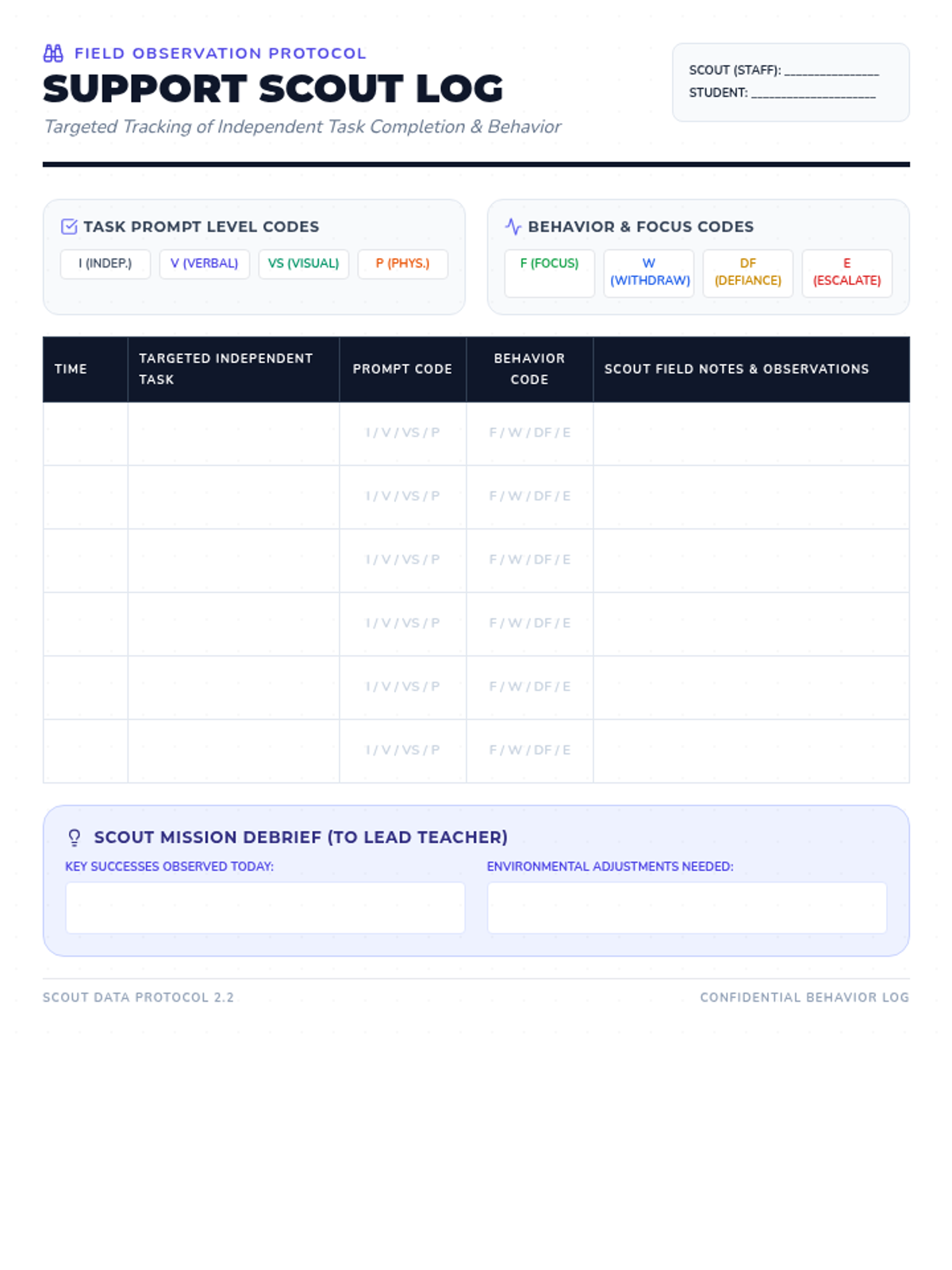
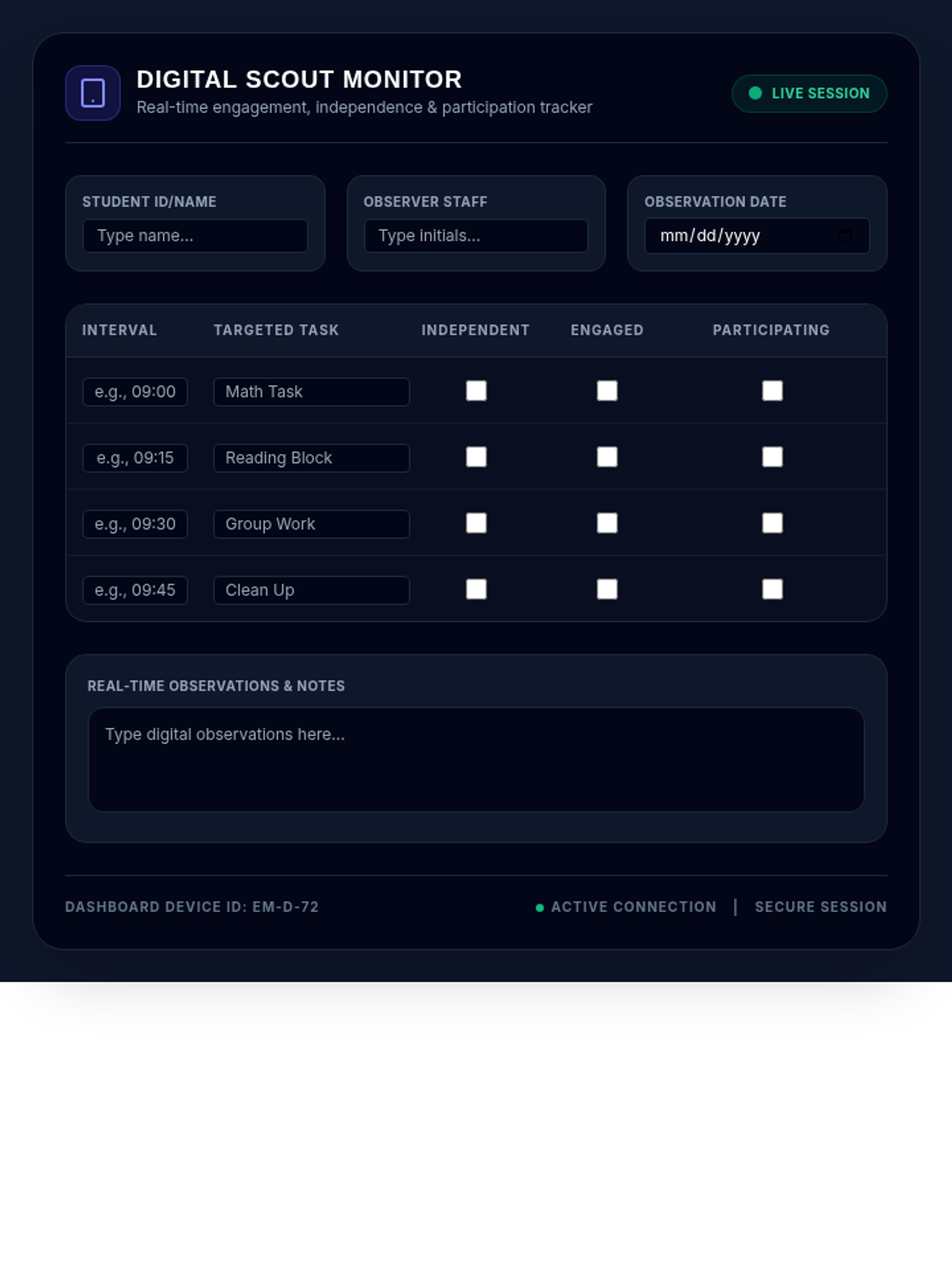
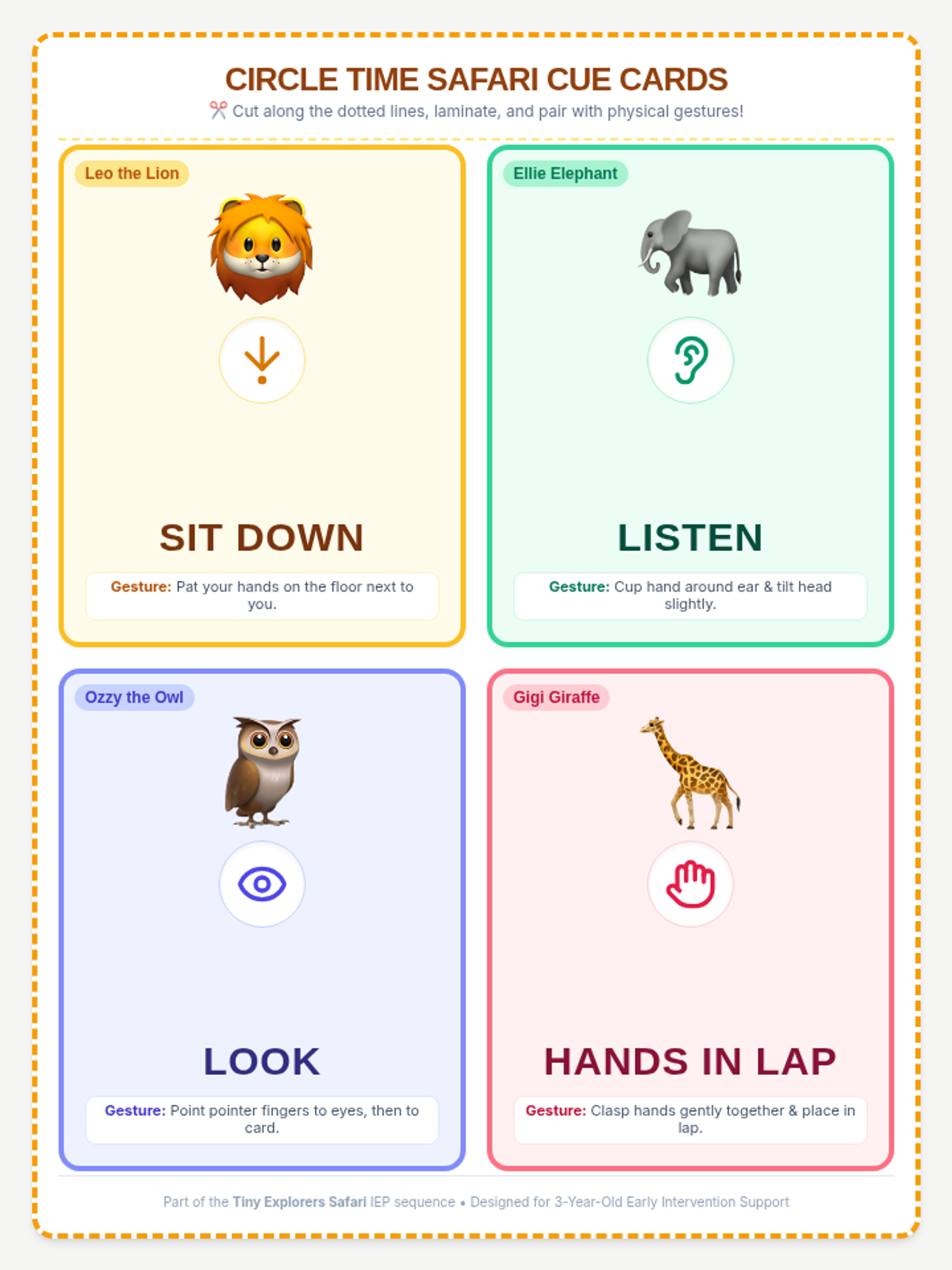
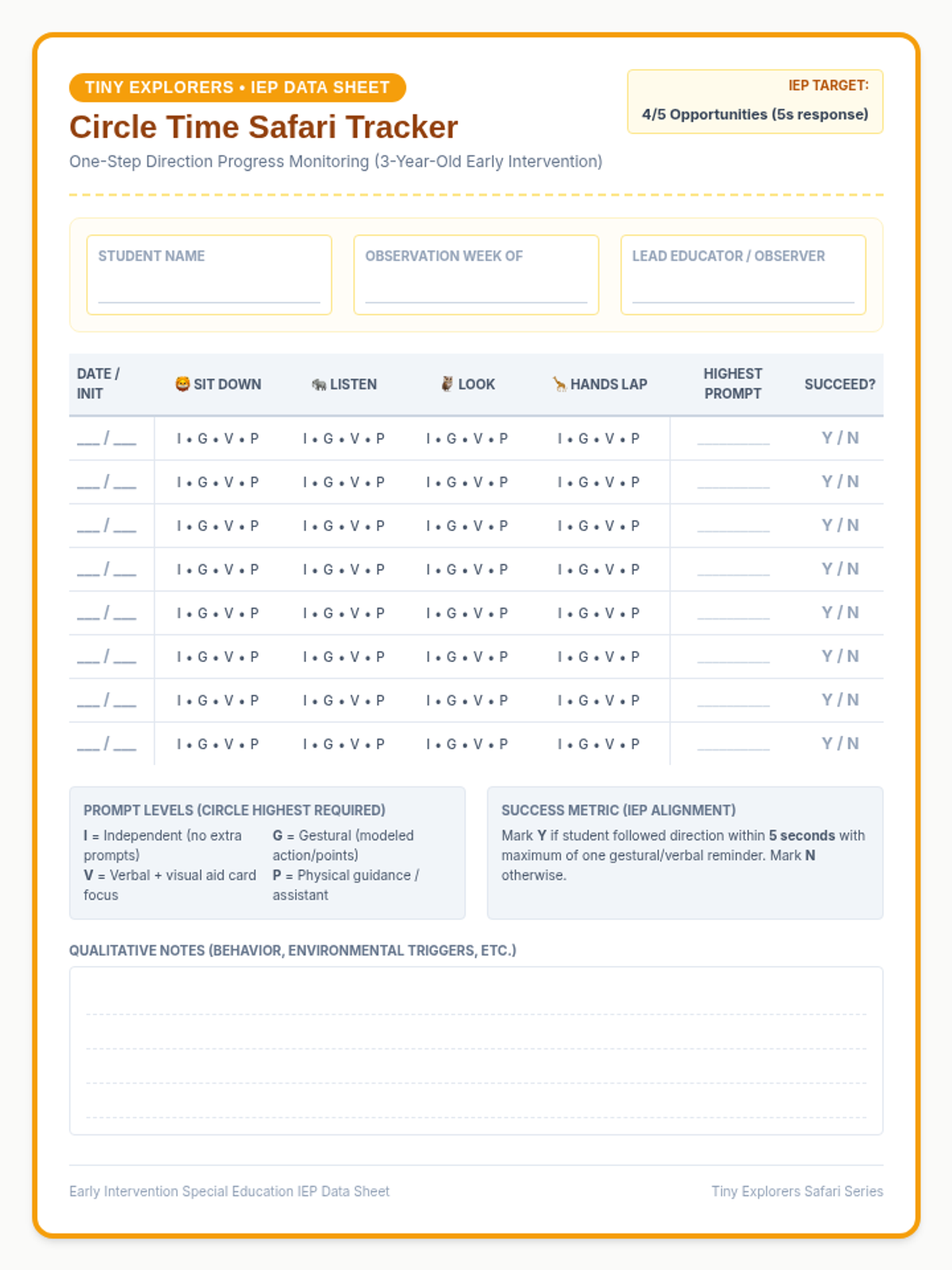
A collection of tools and guides for educators to monitor student behavior and progress, facilitating clear communication between school and home.
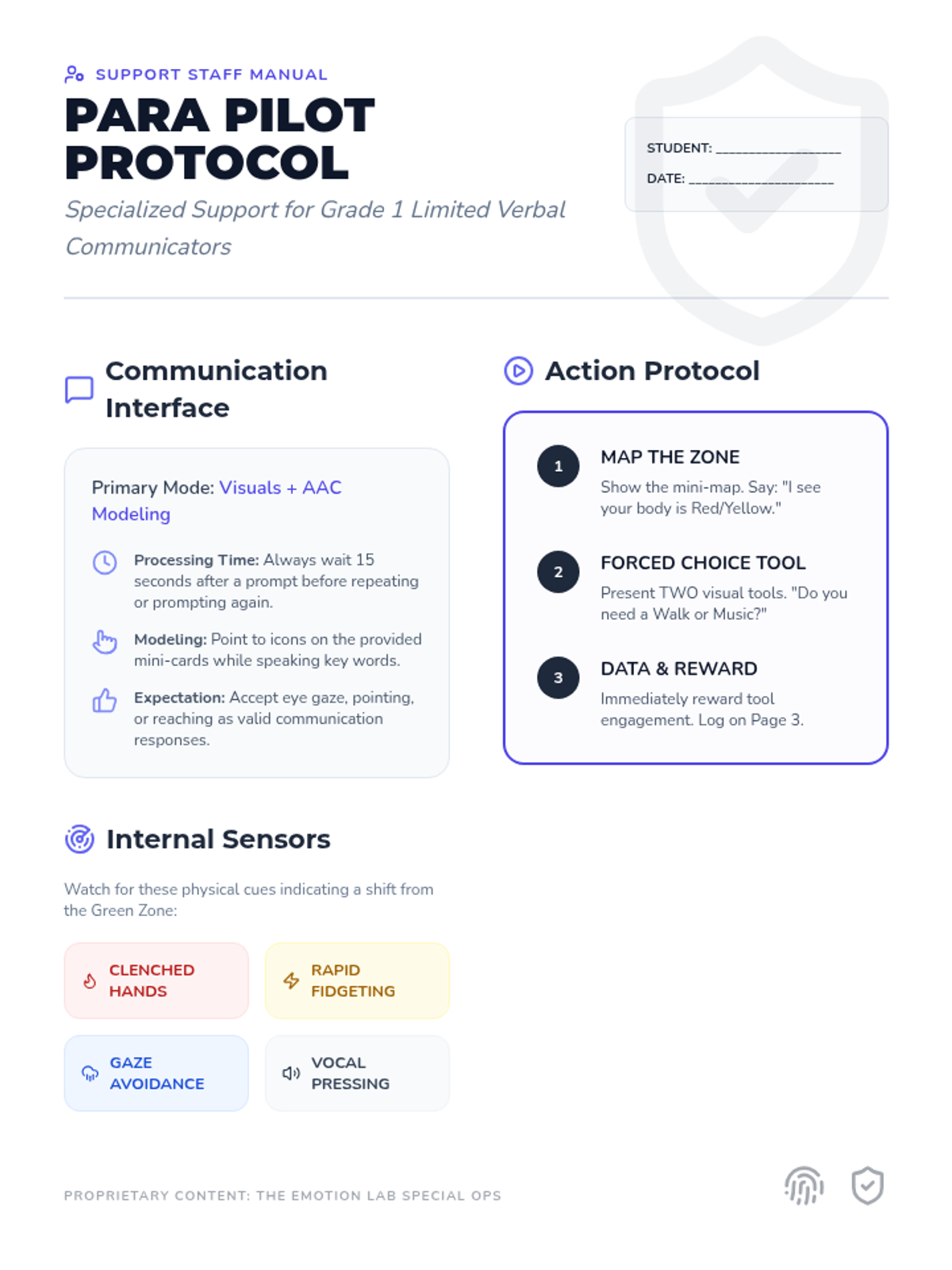
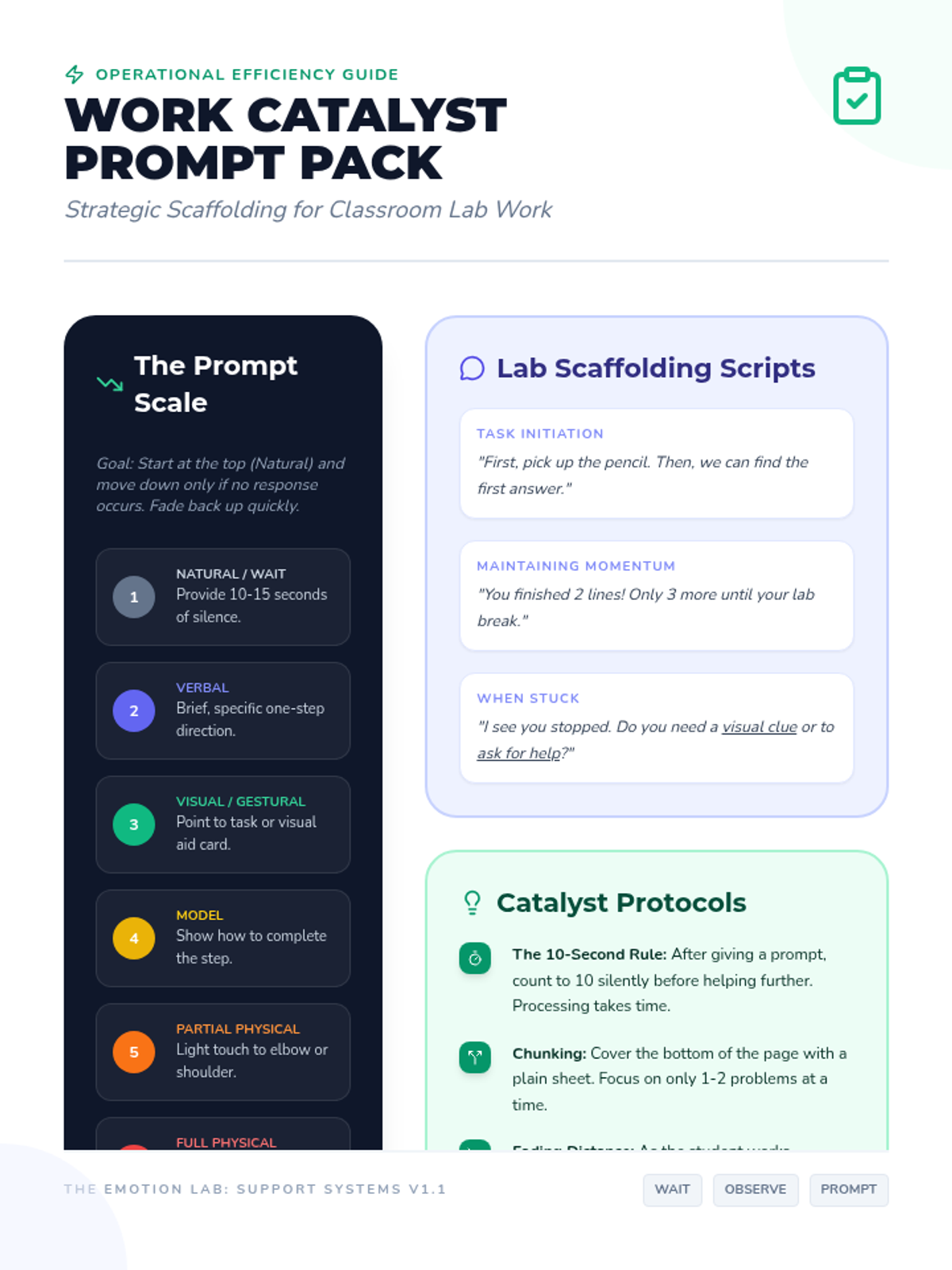
A comprehensive program for students receiving paraprofessional support to build independence through work completion strategies and academic organizational habits.
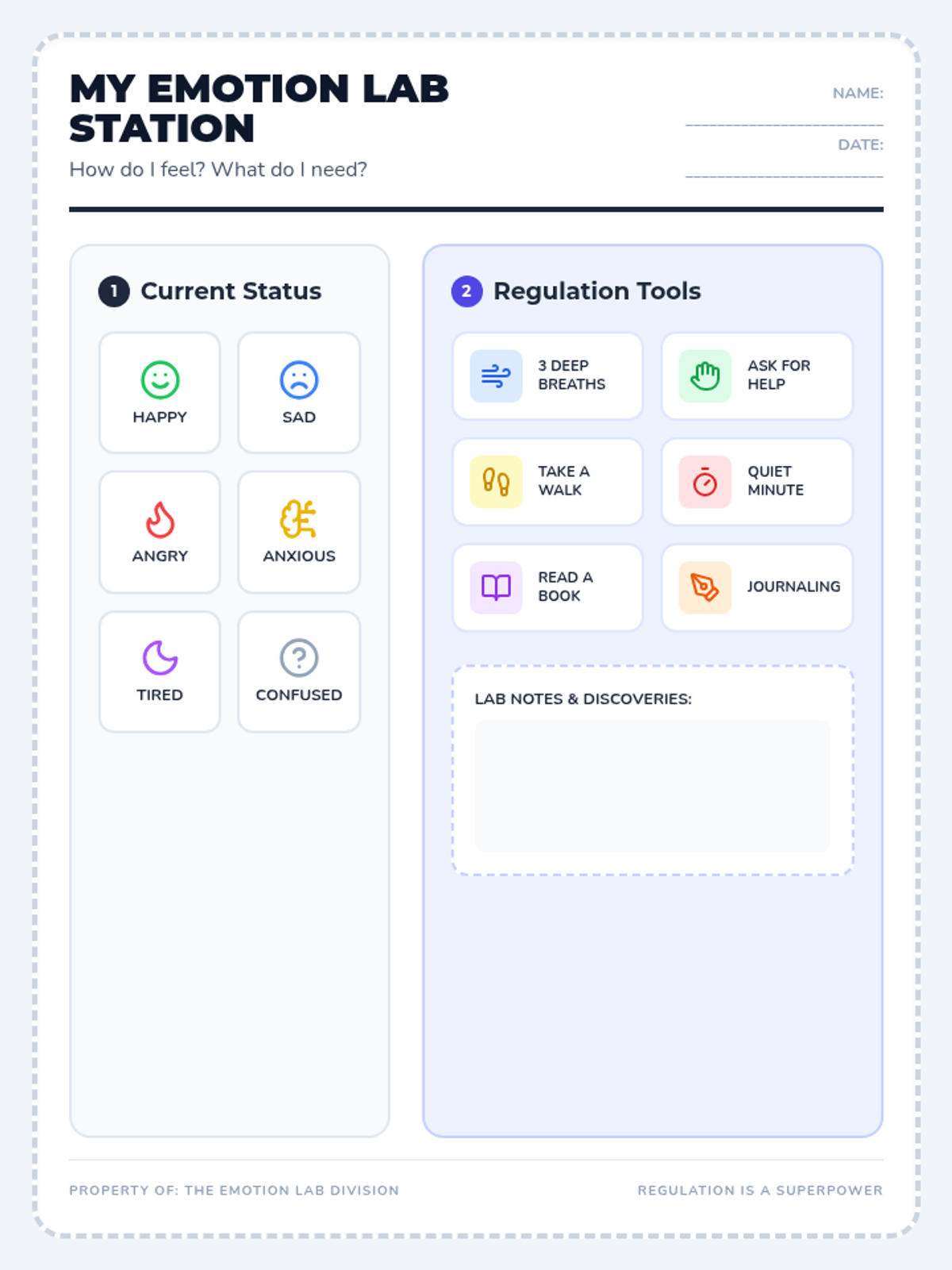
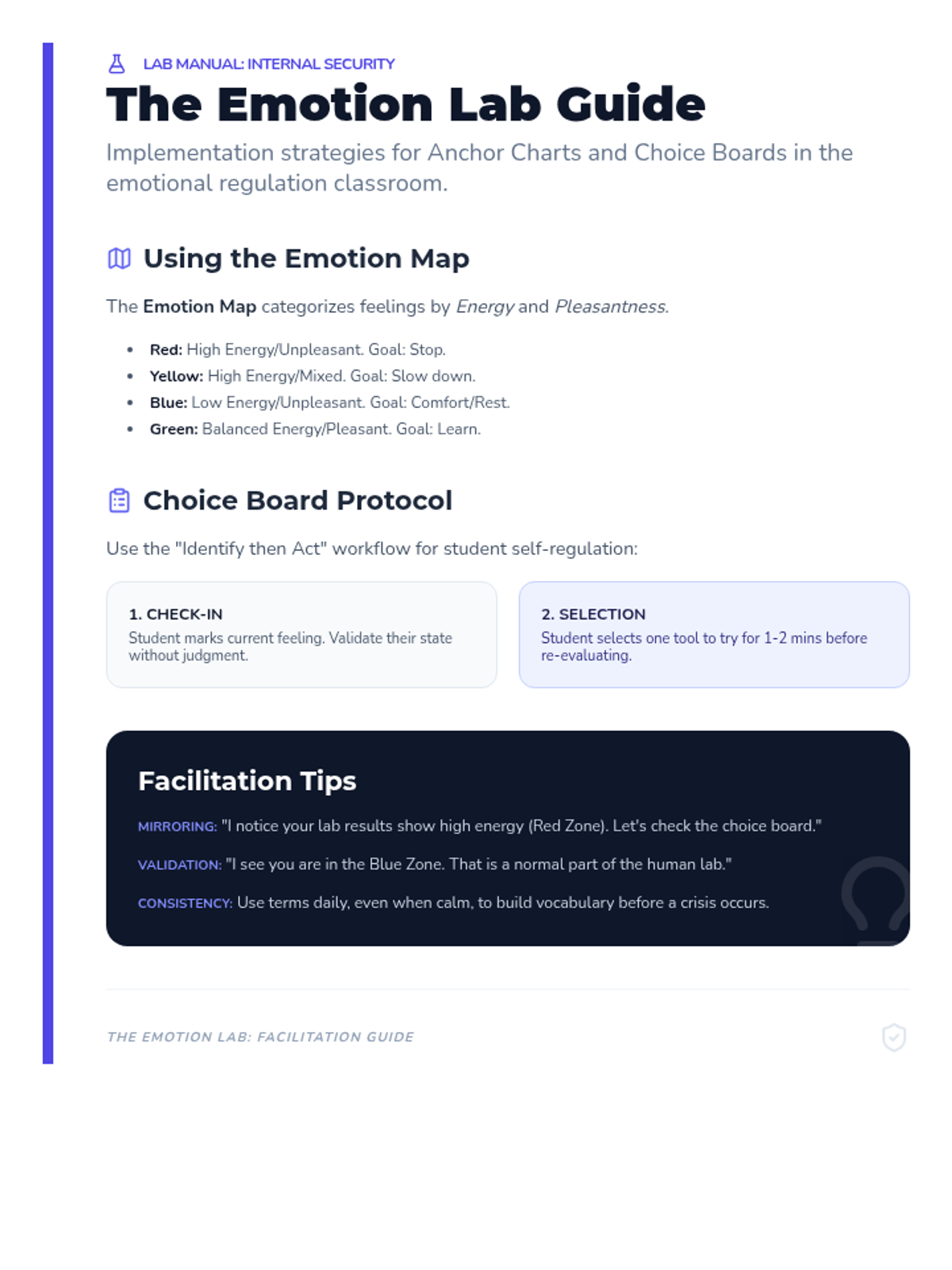
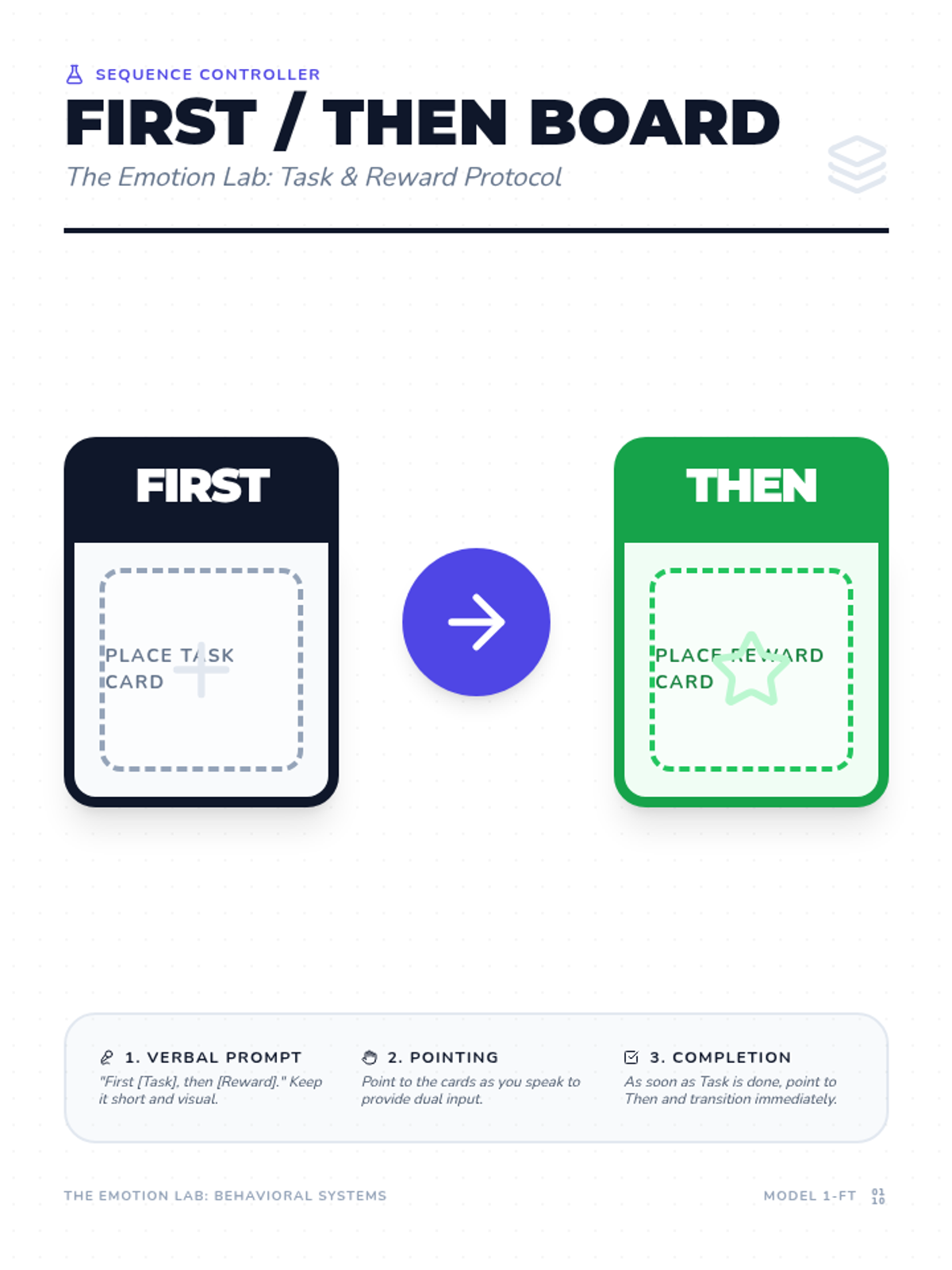
A 6-week individual behavior intervention sequence for 1st grade students struggling with emotional regulation, elopement, and attention-seeking behaviors. The sequence focuses on identifying feelings, sizing problems, and using functional communication to seek attention appropriately.
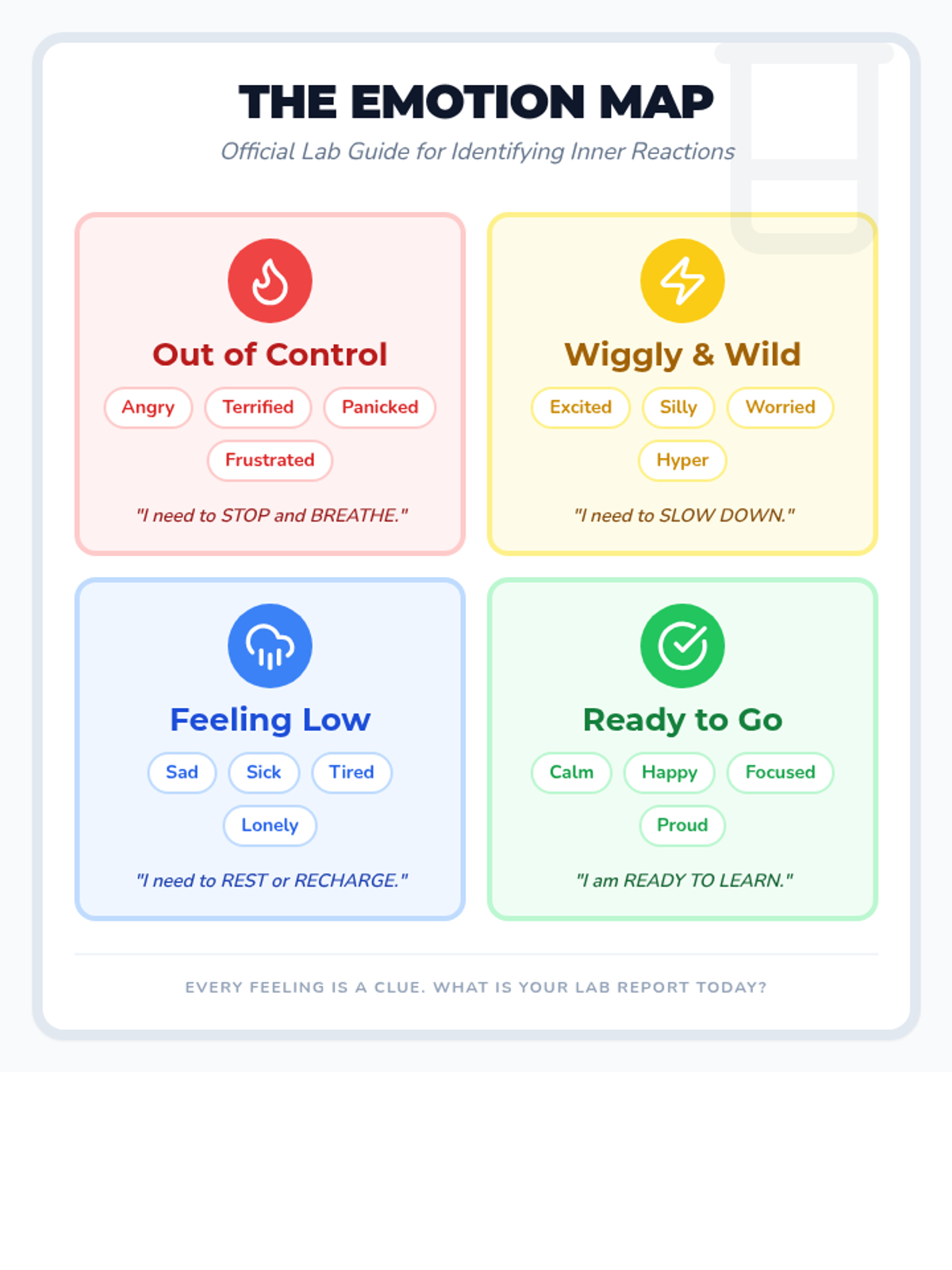
A comprehensive training module for paraprofessionals to support K-8 students in sensory regulation. It focuses on identifying internal states, building sensory menus, and implementing proactive breaks to maintain a 'ready to learn' zone.
A comprehensive enhancement of a Grade 1 curriculum scope and sequence, integrating WIDA Key Language Uses (Inform, Narrate, Argue, Explain) and language features for EL proficiency levels 1-5 across Social Studies and Science units.
A comprehensive WIDA-aligned curriculum framework for Grade 1, mapping existing social studies and science units to the four Key Language Uses (Inform, Narrate, Explain, Argue) with specific ELD-SI expectation codes.
A comprehensive curriculum framework for primary English Language Learners, aligning theme-based social studies and science units with WIDA's four Key Language Uses: Narrate, Inform, Explain, and Argue. This sequence provides instructional scaffolding for students at proficiency levels 1-3.
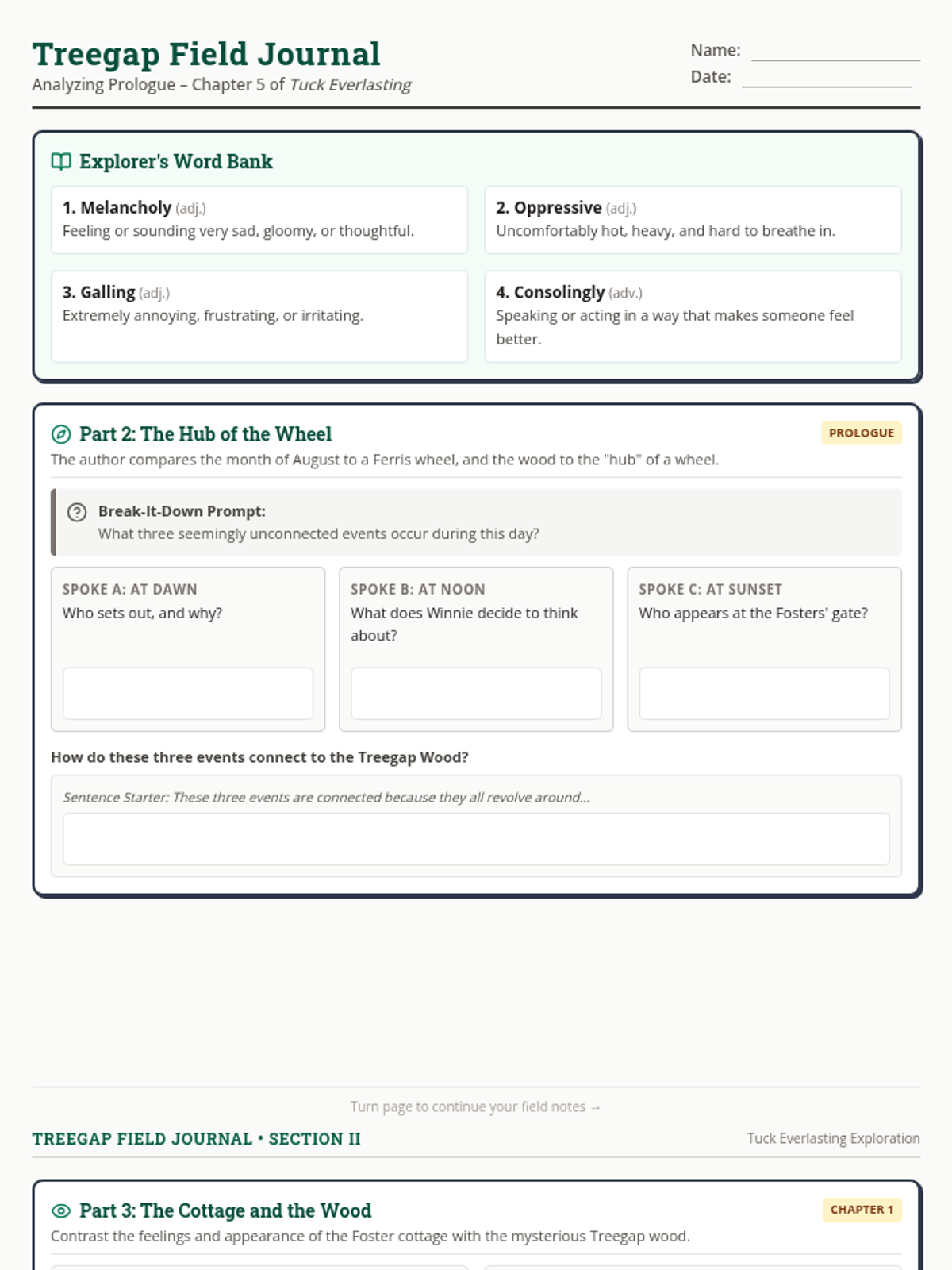
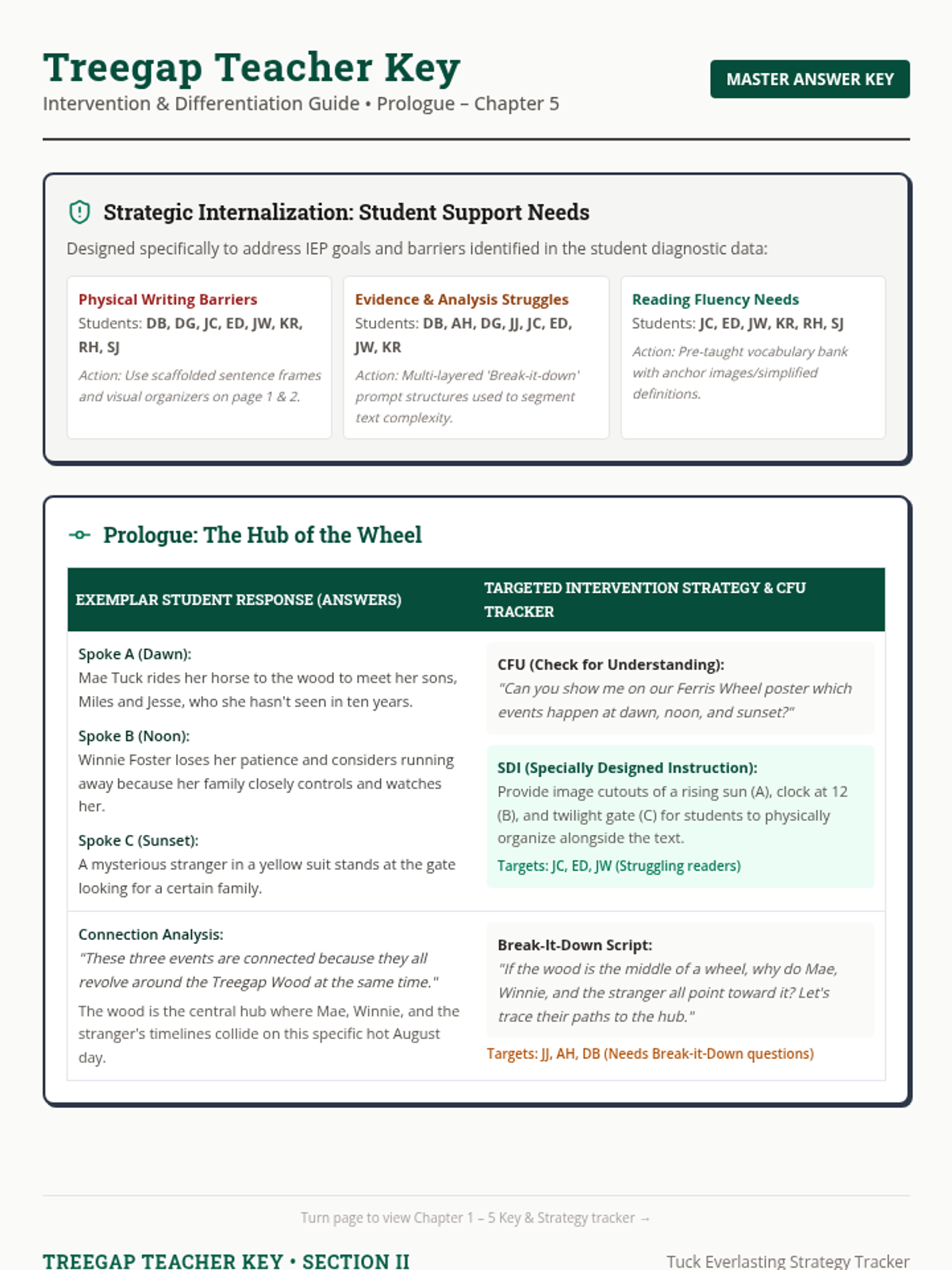
A three-part vocabulary intervention for 5th graders focusing on context clues and inferencing through a serialized mystery story. Each 15-minute session builds decoding skills and narrative comprehension.
A sophisticated 8-lesson intervention designed for high school students to transition from defiant avoidance to self-regulated resets through professional advocacy and executive functioning strategies.