A final set of decodable passages about forests for 3rd graders. Focuses on R-controlled vowels and blends. Corrected hyphenation and layout issues. Expanded answer areas and fixed page breaks.
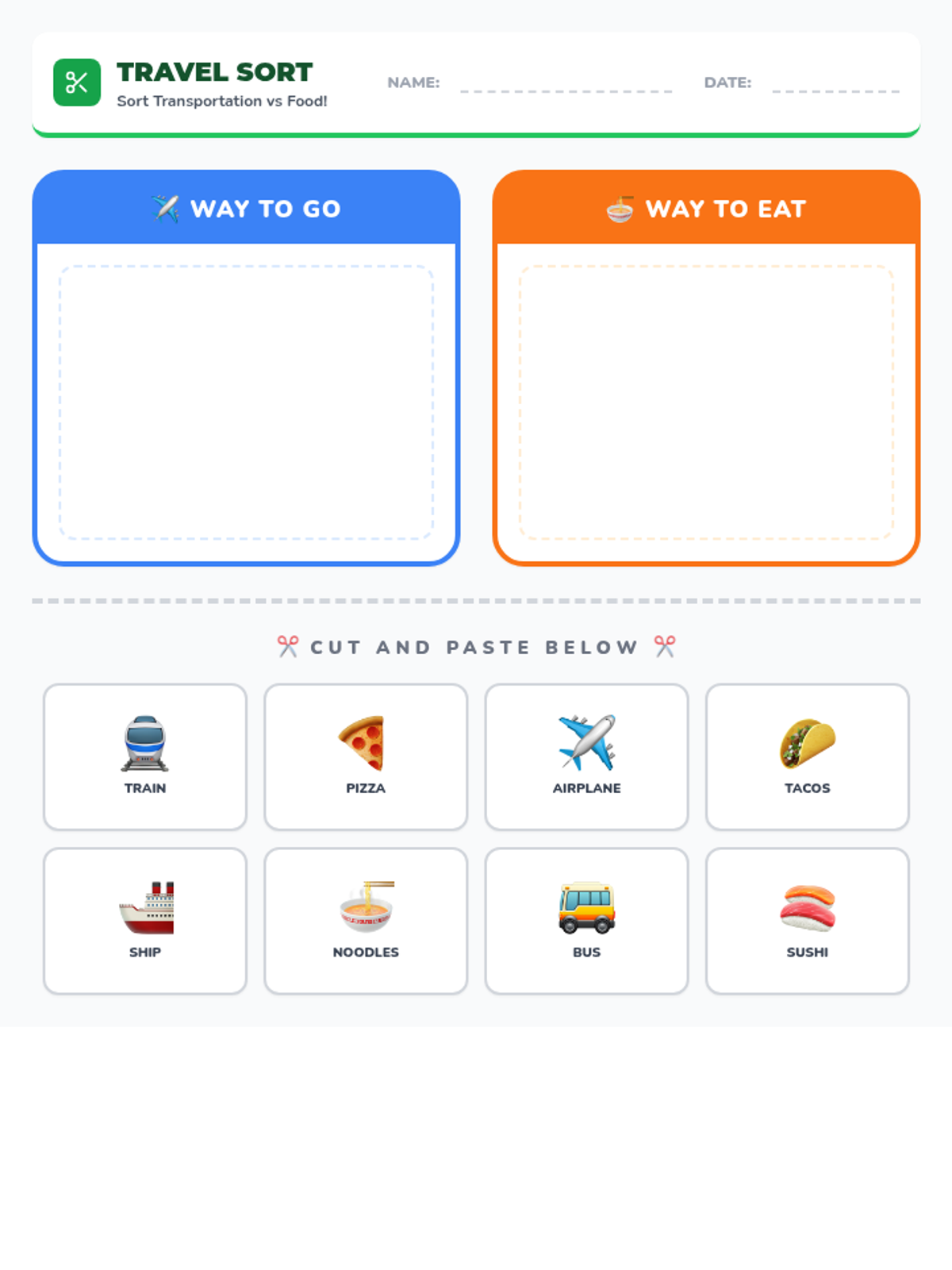
A hands-on cut-and-paste activity where students categorize transportation methods and global foods, featuring clear visual icons and designated sorting zones.
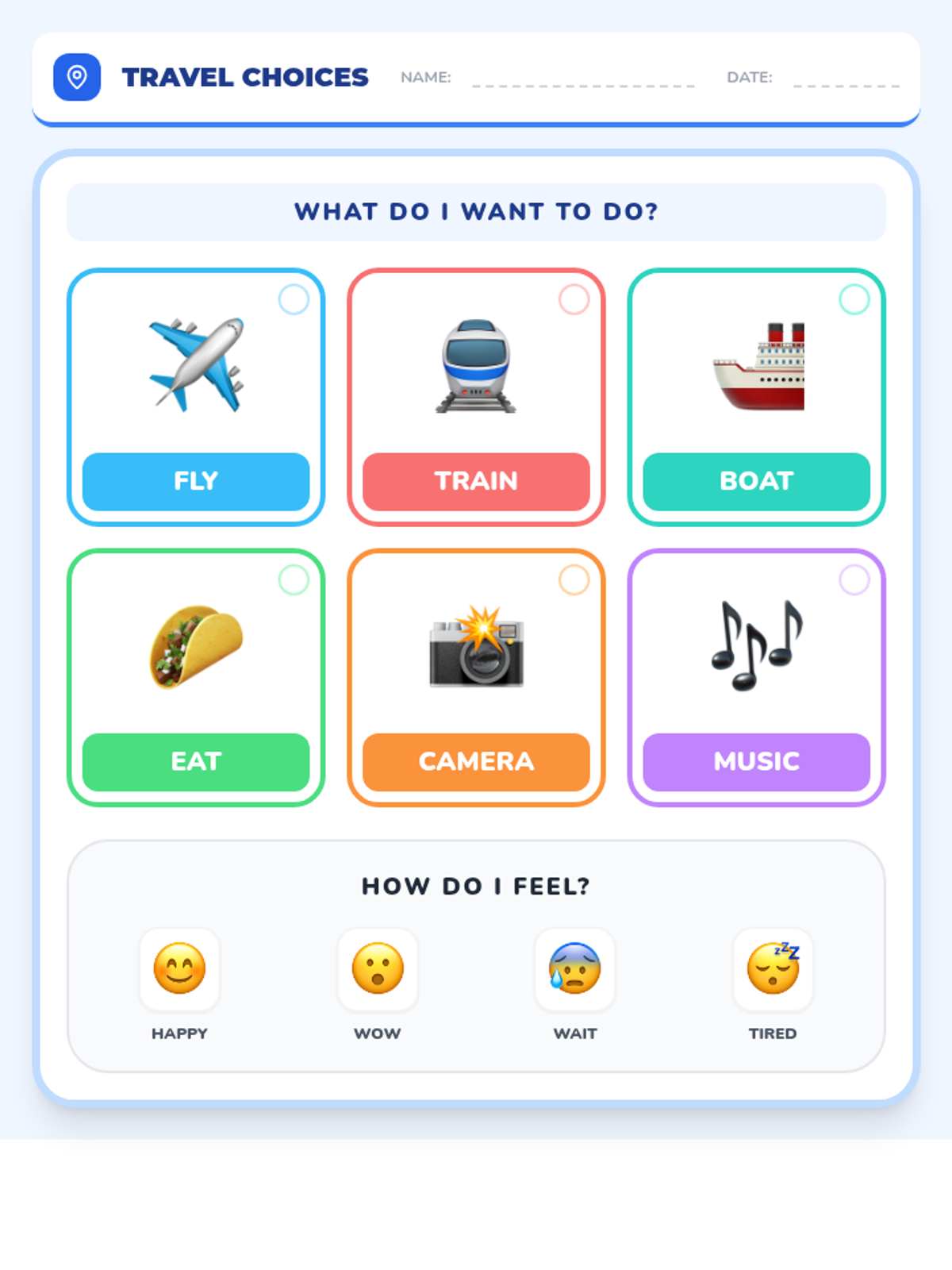
A high-visual communication tool for students to express preferences regarding travel methods and activities, including sensory experiences and an emotional check-in bar.
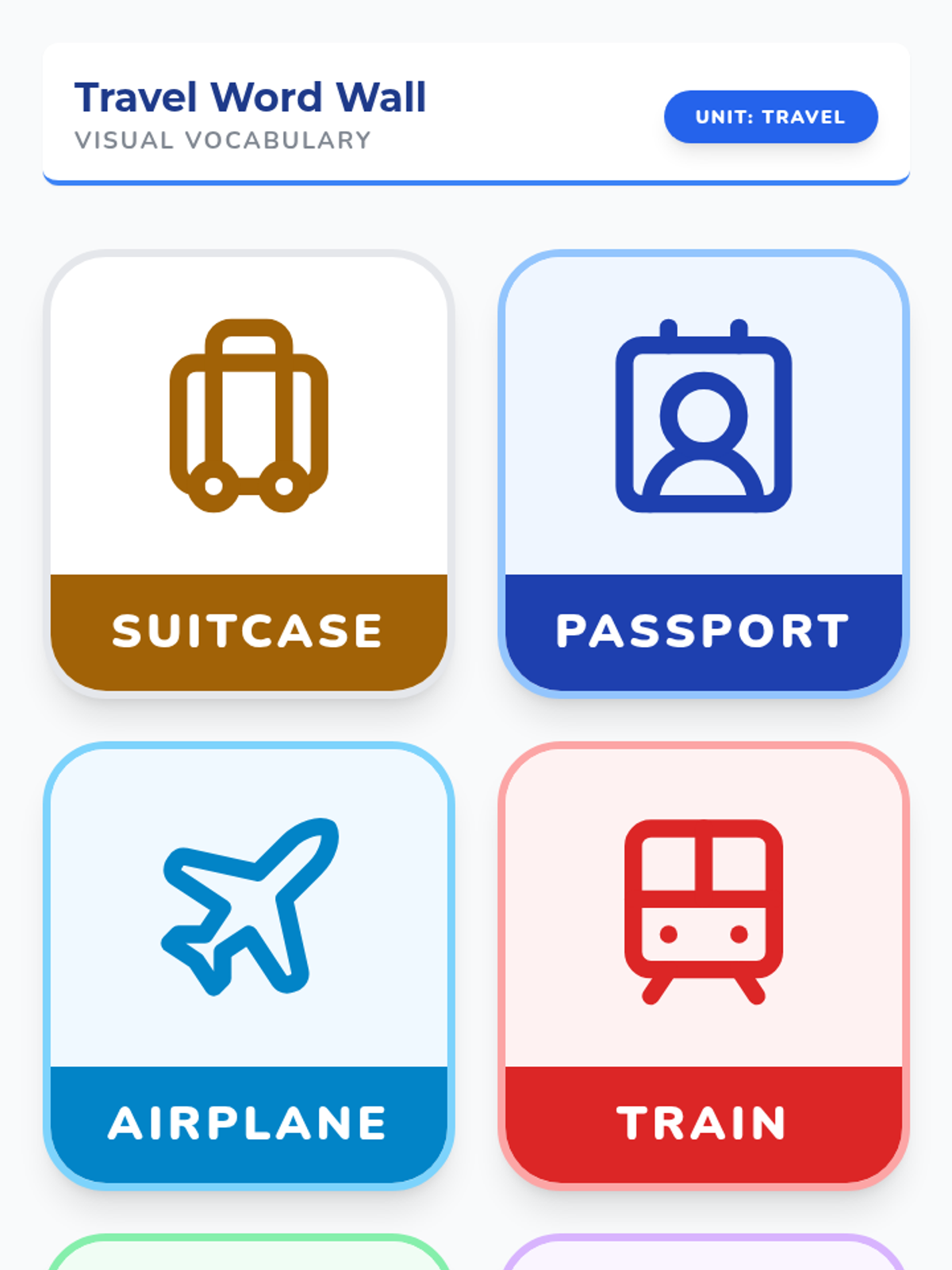
Large, high-contrast vocabulary cards featuring travel-related words like Suitcase, Passport, Airplane, Train, Food, and Tradition with clear icons and bold text for classroom display and student reference.
A visual and sensory-focused slide deck designed for students with autism, exploring travel through simple concepts like packing, transportation, and international food with clear icons and high-contrast layouts.
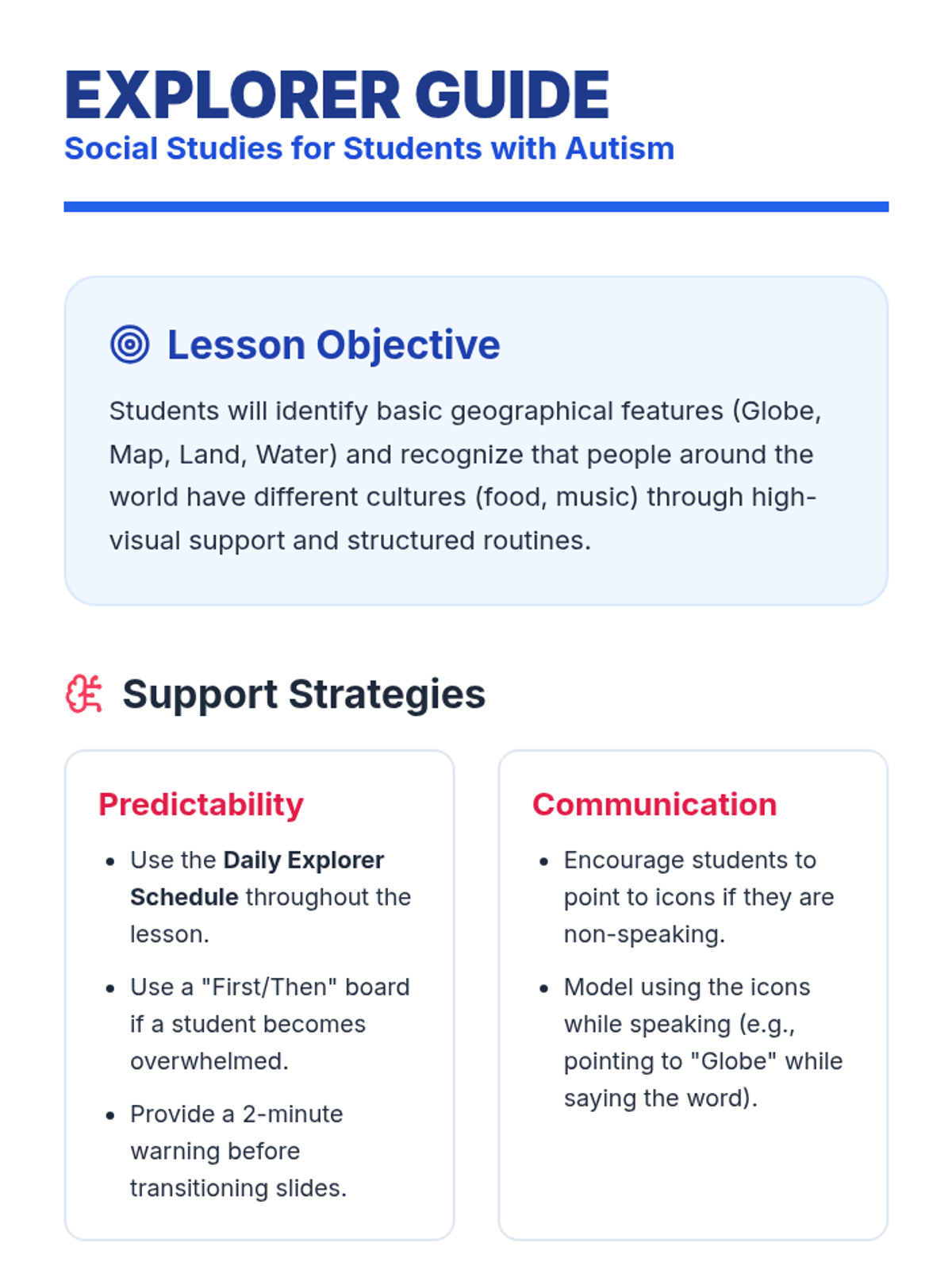
A teacher's guide containing instructional strategies, sensory considerations, and a step-by-step facilitation plan specifically tailored for teaching students with autism.
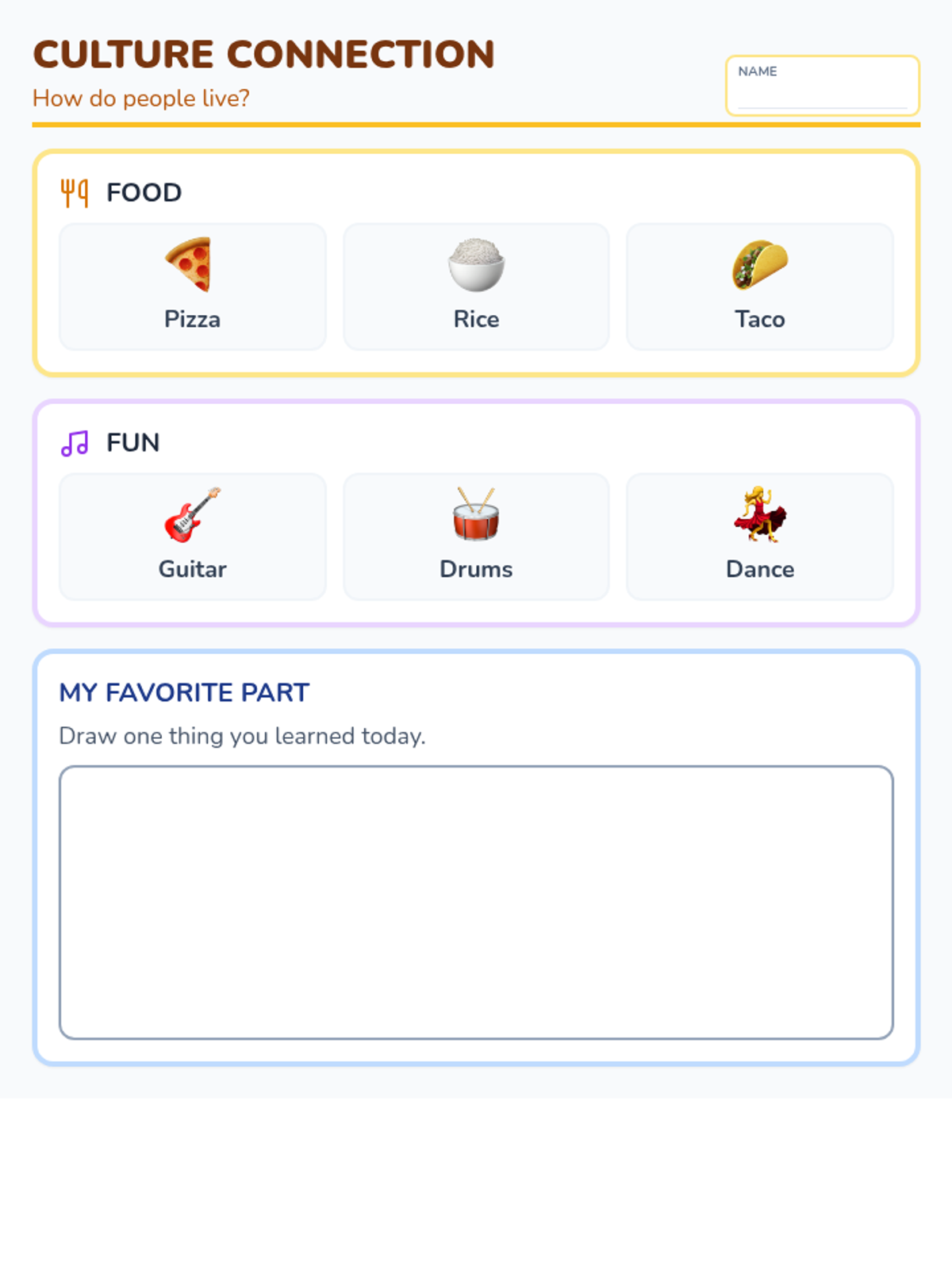
A communication and exploration activity focusing on cultural elements like food and music. (Revised for single-page layout and drawing area clarity)
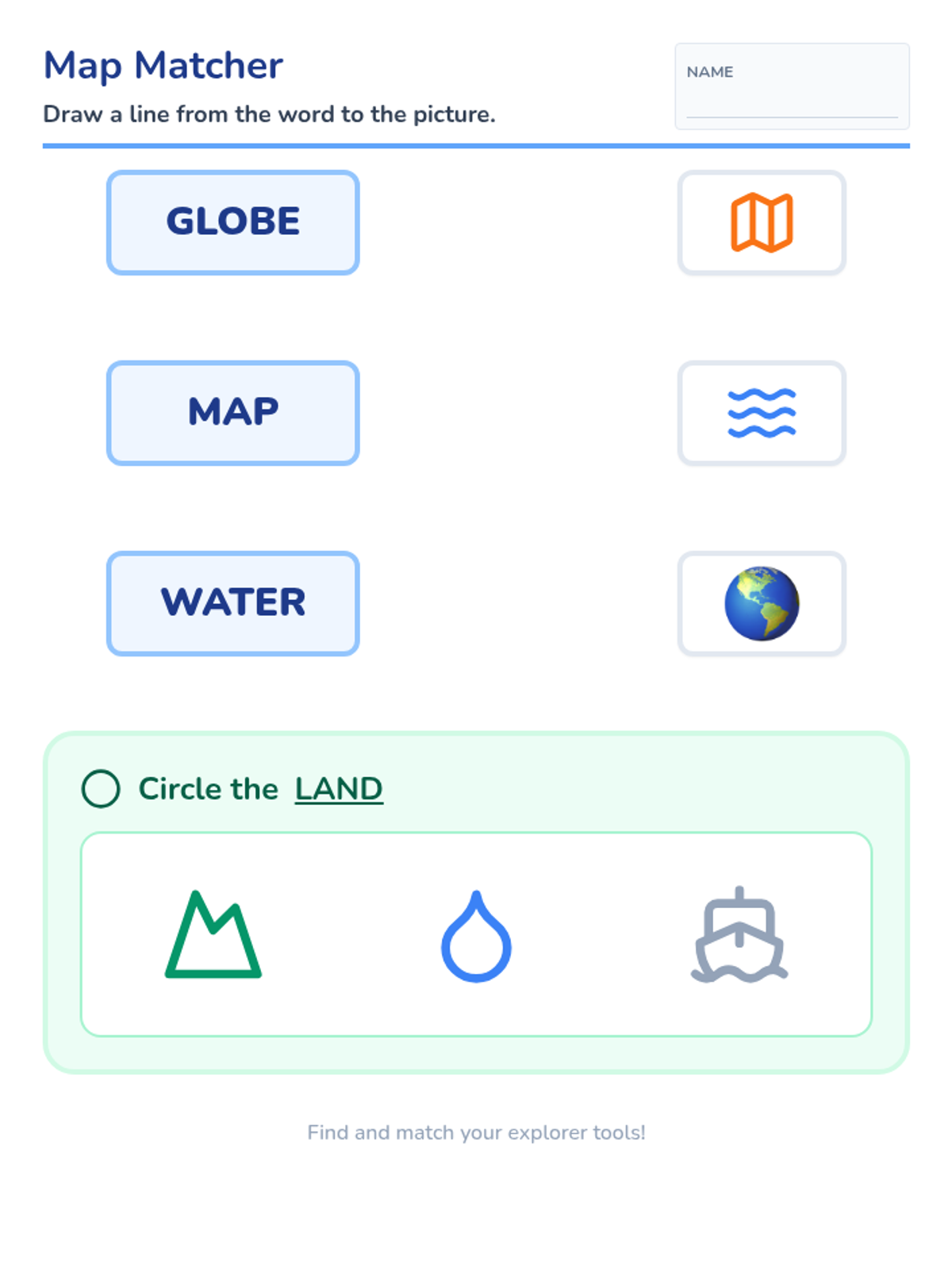
A high-visual matching worksheet where students connect map-related words (Globe, Map, Water) to their corresponding icons. (Revised for challenge and layout)
A simple, photo-based (emoji/icon supplemented) slide deck introducing maps, globes, land/water, and the concept of diverse cultures with large text and clear visual anchors.
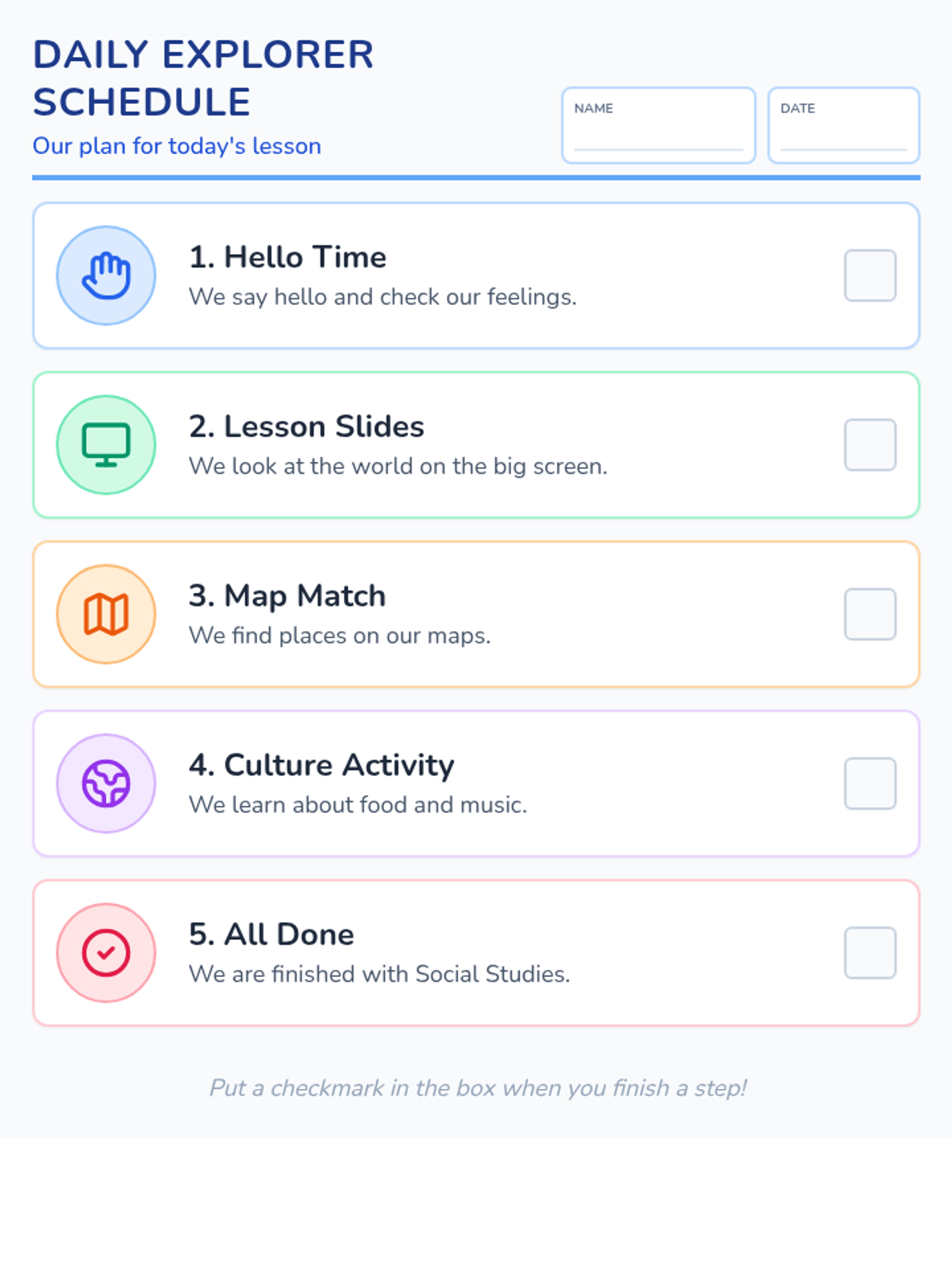
A visual schedule for students with autism to follow during the lesson, featuring clear icons, simple language, and check-boxes for progress tracking. (Revised for single-page layout)
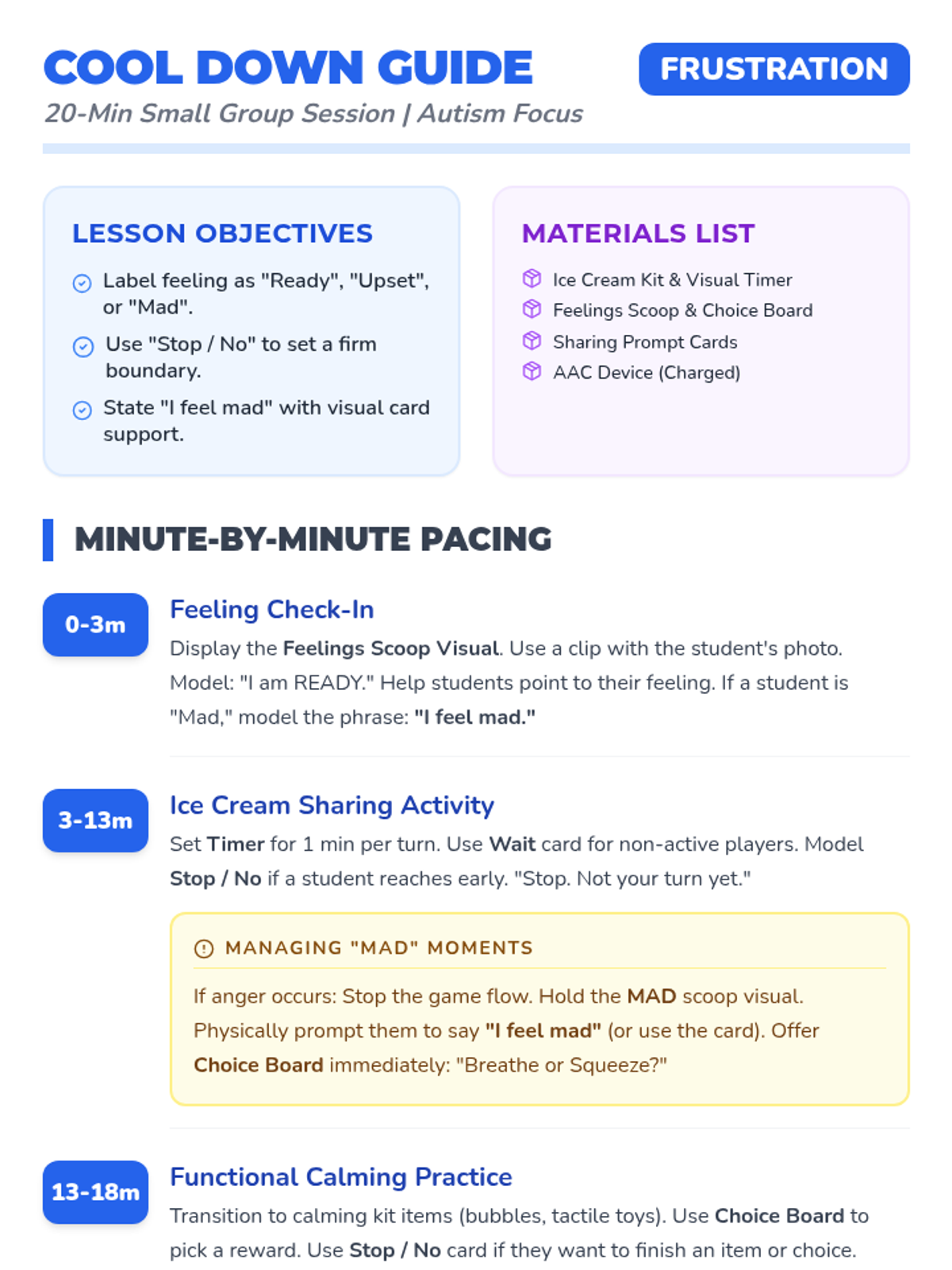
A simplified teacher facilitation guide for the 'Cool Down Creamery' lesson, redesigned with high-contrast sections and bold formatting to match the student resources. Corrected AAC strategy notes.
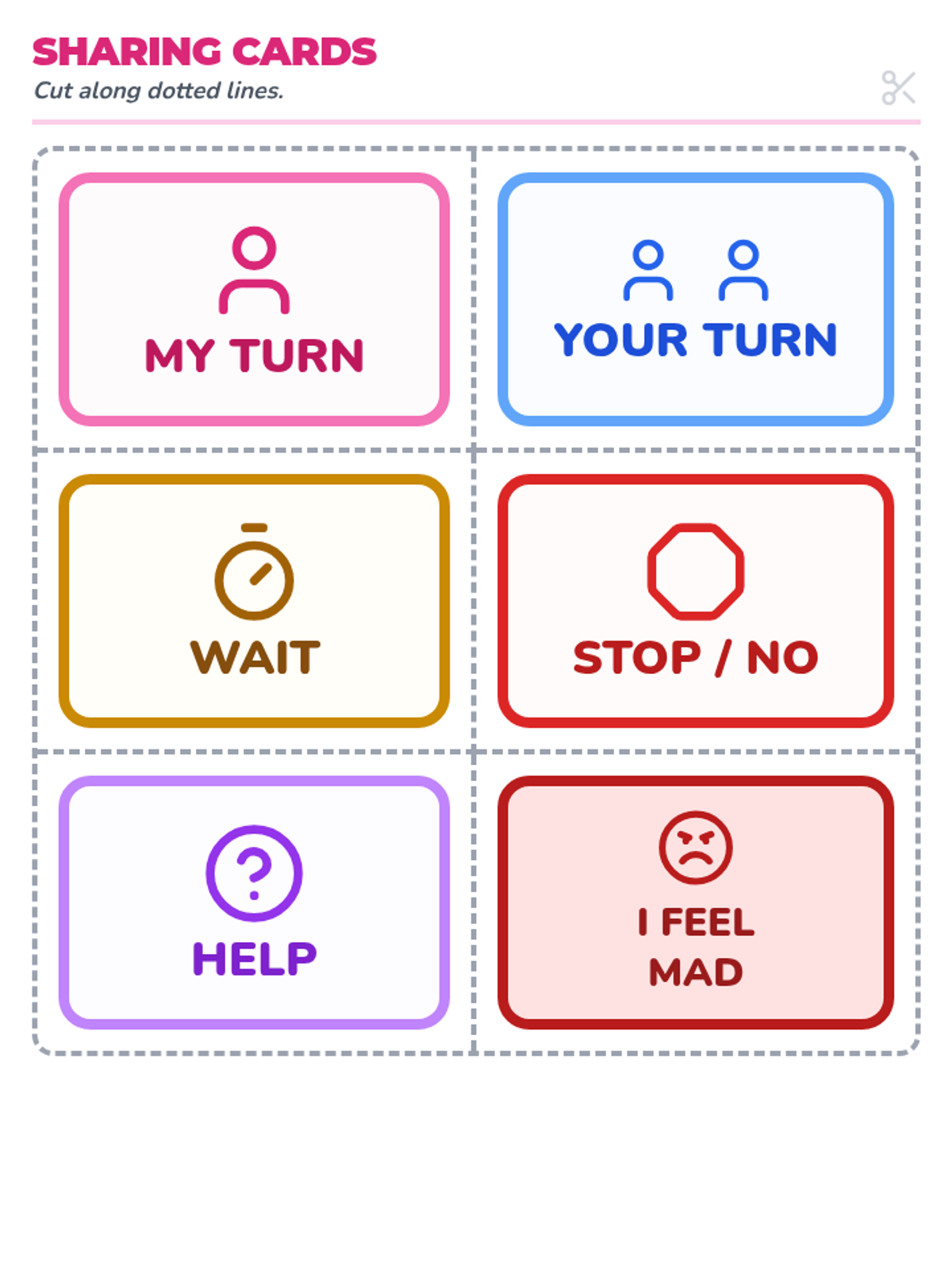
Ultra high-contrast, large visual prompt cards with heavy black borders for students with autism. Includes "My Turn", "Your Turn" (two people), "Wait", "Stop", "Help", and "I Feel Mad". Improved single-page layout.
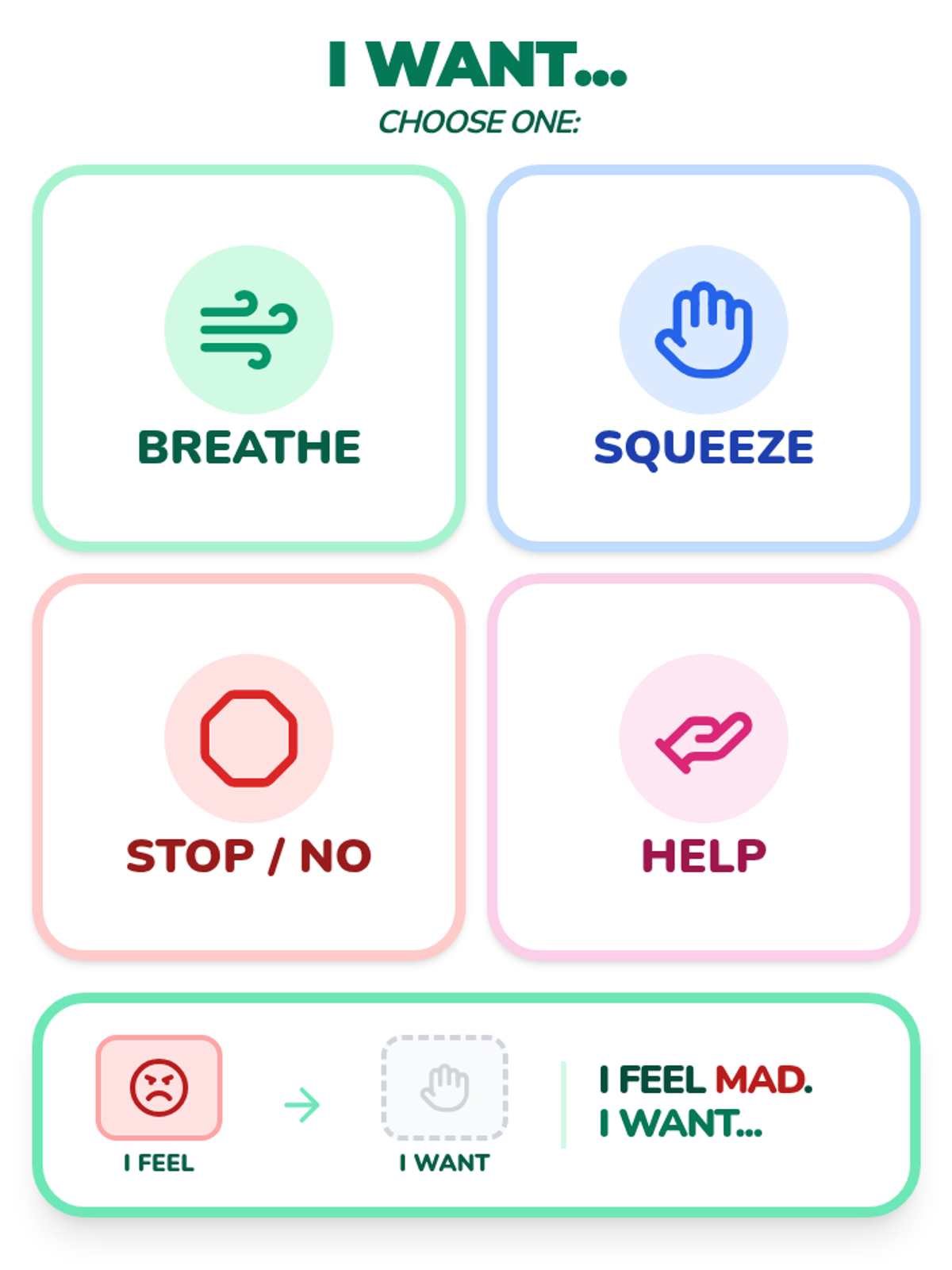
A high-contrast visual choice board for calming strategies with heavy borders and distinct components. Includes a "STOP / NO" boundary choice and a communication strip for expressing "I feel mad". Optimized for single-page printing and maximum clarity.
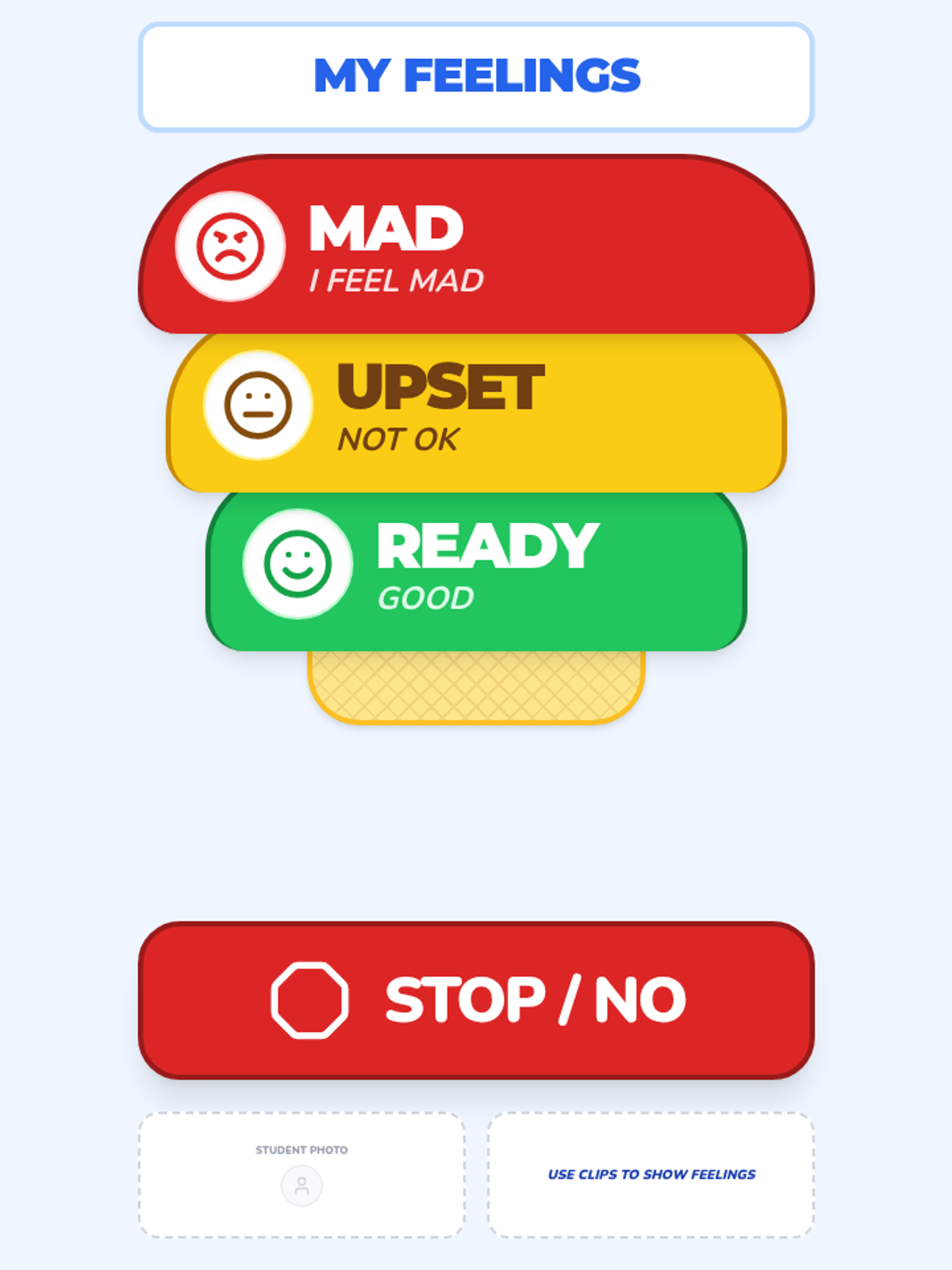
A high-contrast, ultra-clear feelings scale (Mad, Upset, Ready) with distinct thick-bordered blocks and a large "STOP / NO" boundary choice. All elements fit on a single page for use as a functional reference tool. Improved contrast for boundary icon.
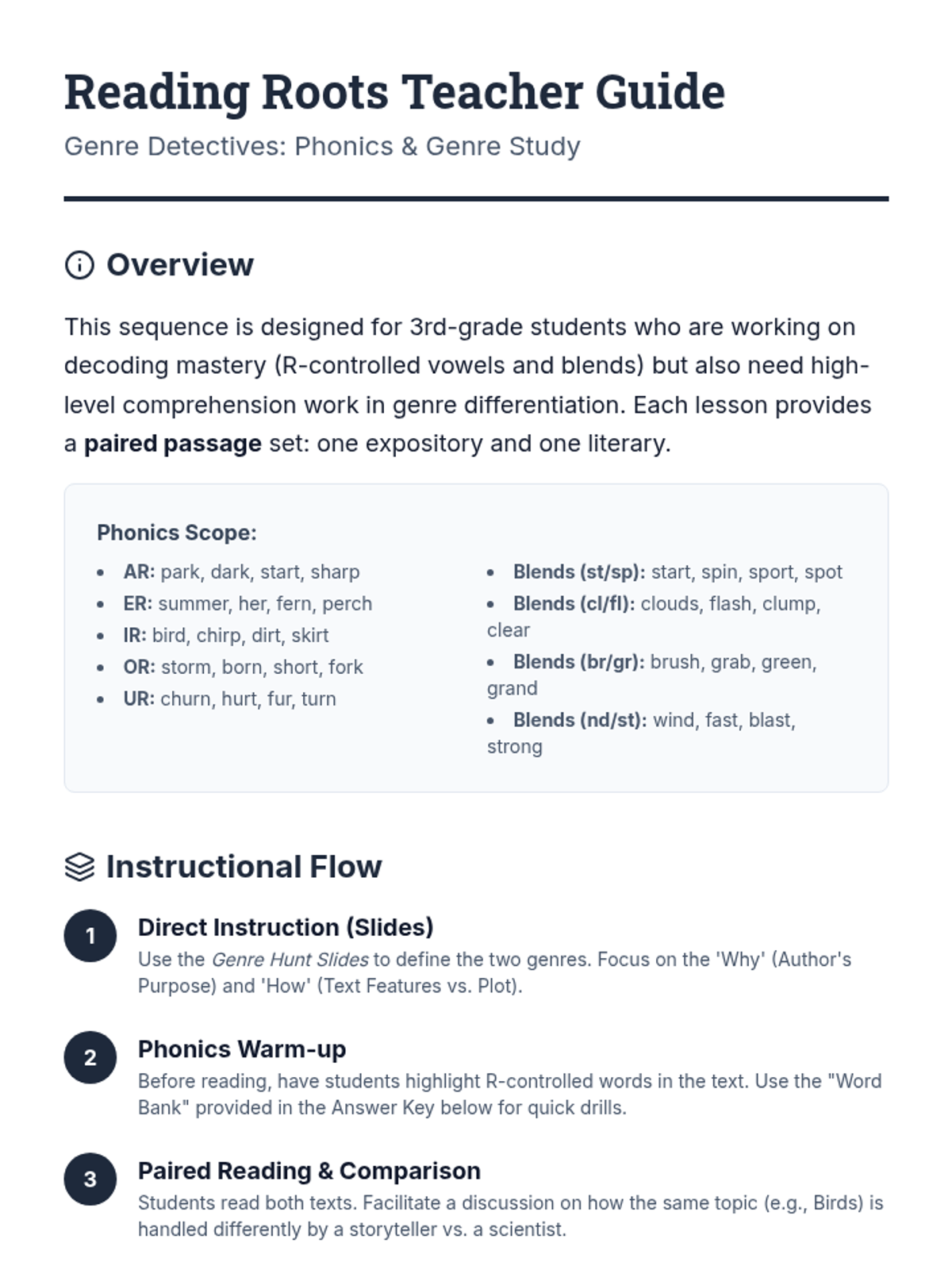
A comprehensive teacher's guide for the Genre Detectives sequence. Includes phonics word lists for blends and R-controlled vowels, answer keys for all 3 sets, and instructional flow suggestions. Fixed layout and content inconsistencies.
Instructional slides for teaching the difference between literary and expository texts. Includes definitions, phonics focus, and guided practice examples from the first passage set.
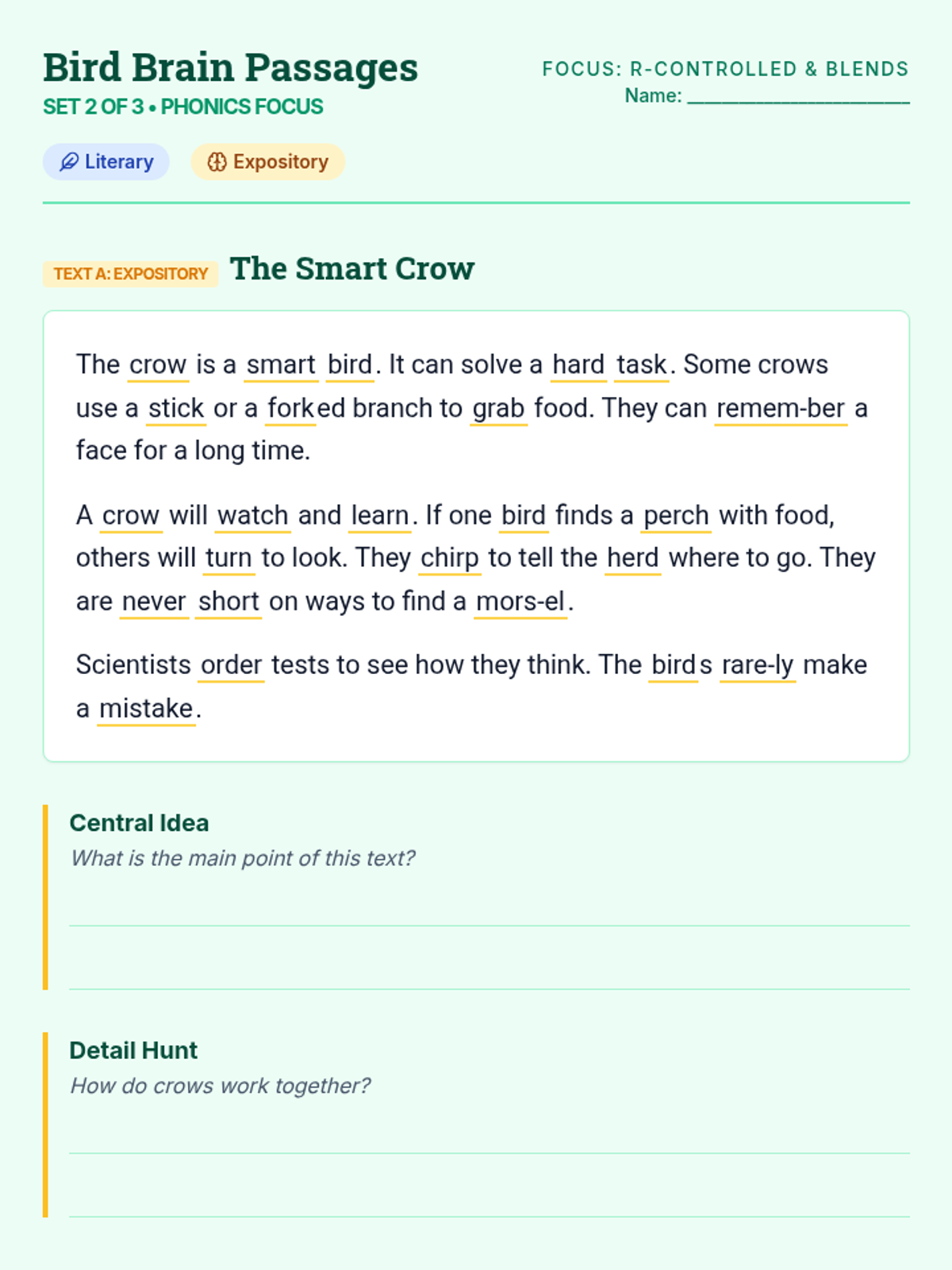
A set of decodable passages about birds (one expository and one literary) for 3rd graders. Focuses on R-controlled vowels and blends. Includes comprehension activities on central ideas and character traits. Corrected phonics and layout.
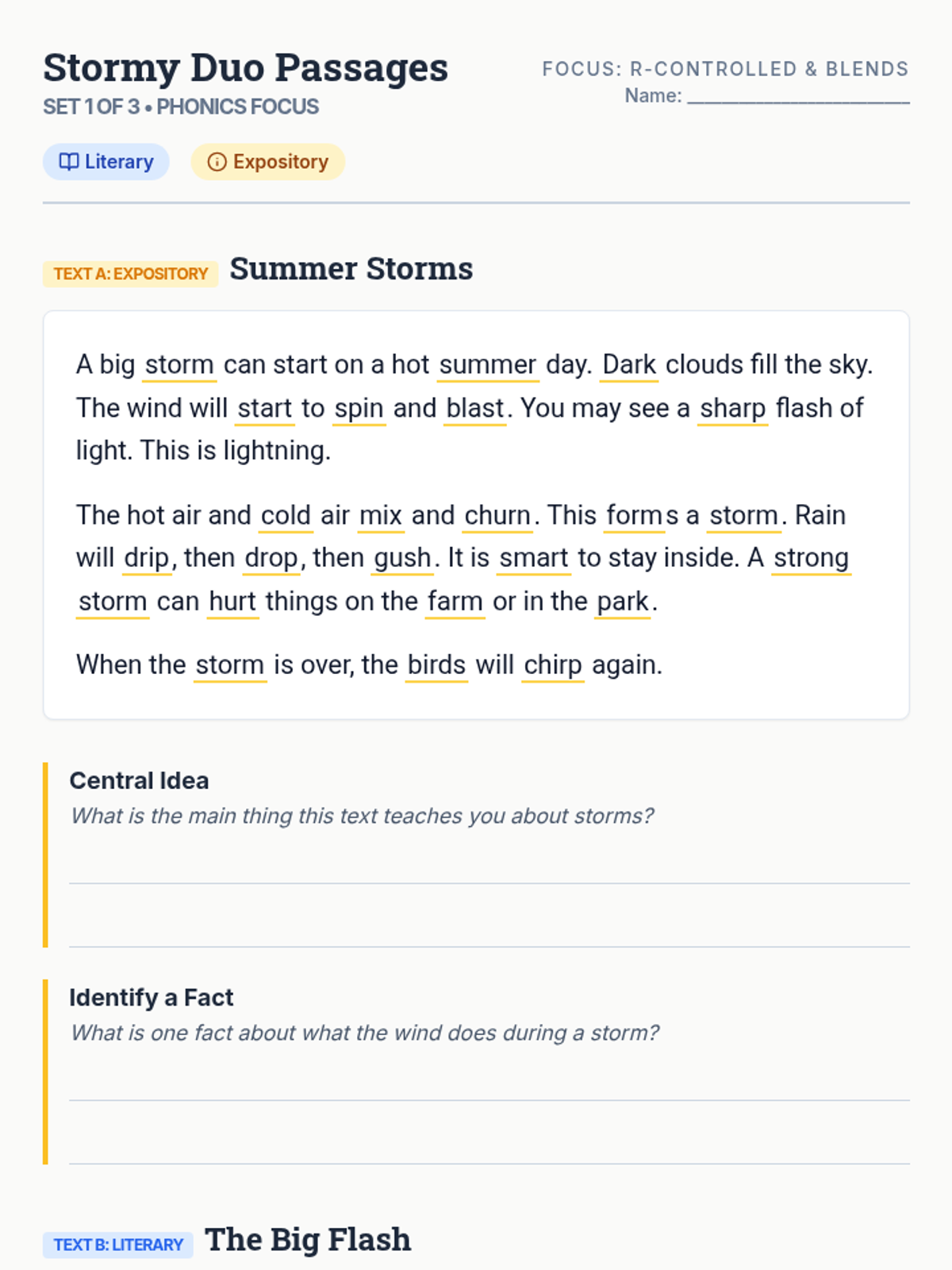
A set of two decodable passages (one expository and one literary) about storms, focusing on R-controlled vowels and blends for 3rd-grade struggling readers. Includes comprehension questions targeting genre differences. Expanded layout to prevent page breaks.
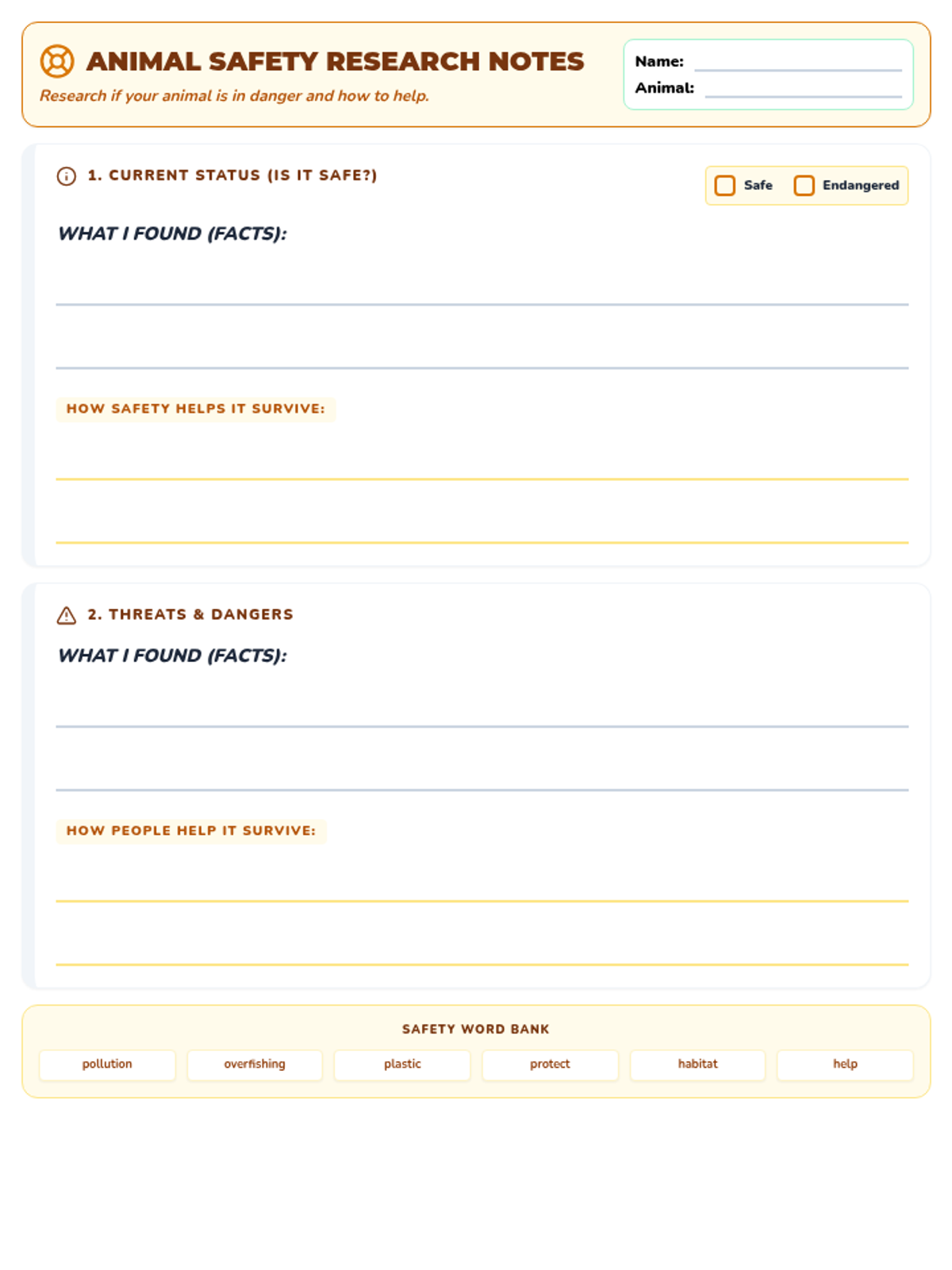
A modified research note-taking document for gathering data on the conservation status and environmental threats facing marine animals.
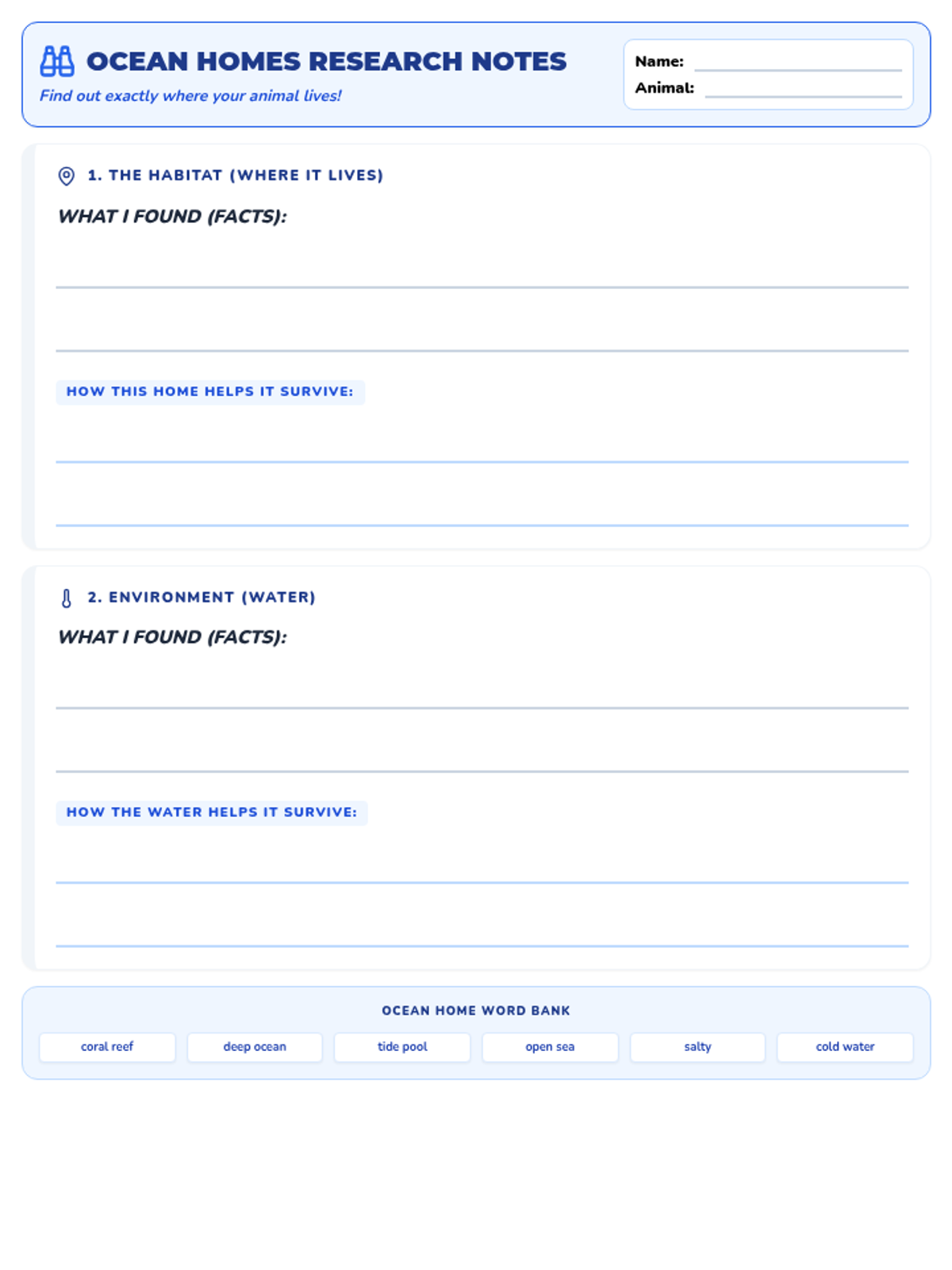
A modified research note-taking document for gathering information about marine animal habitats and water conditions, featuring guiding questions and sketch areas.
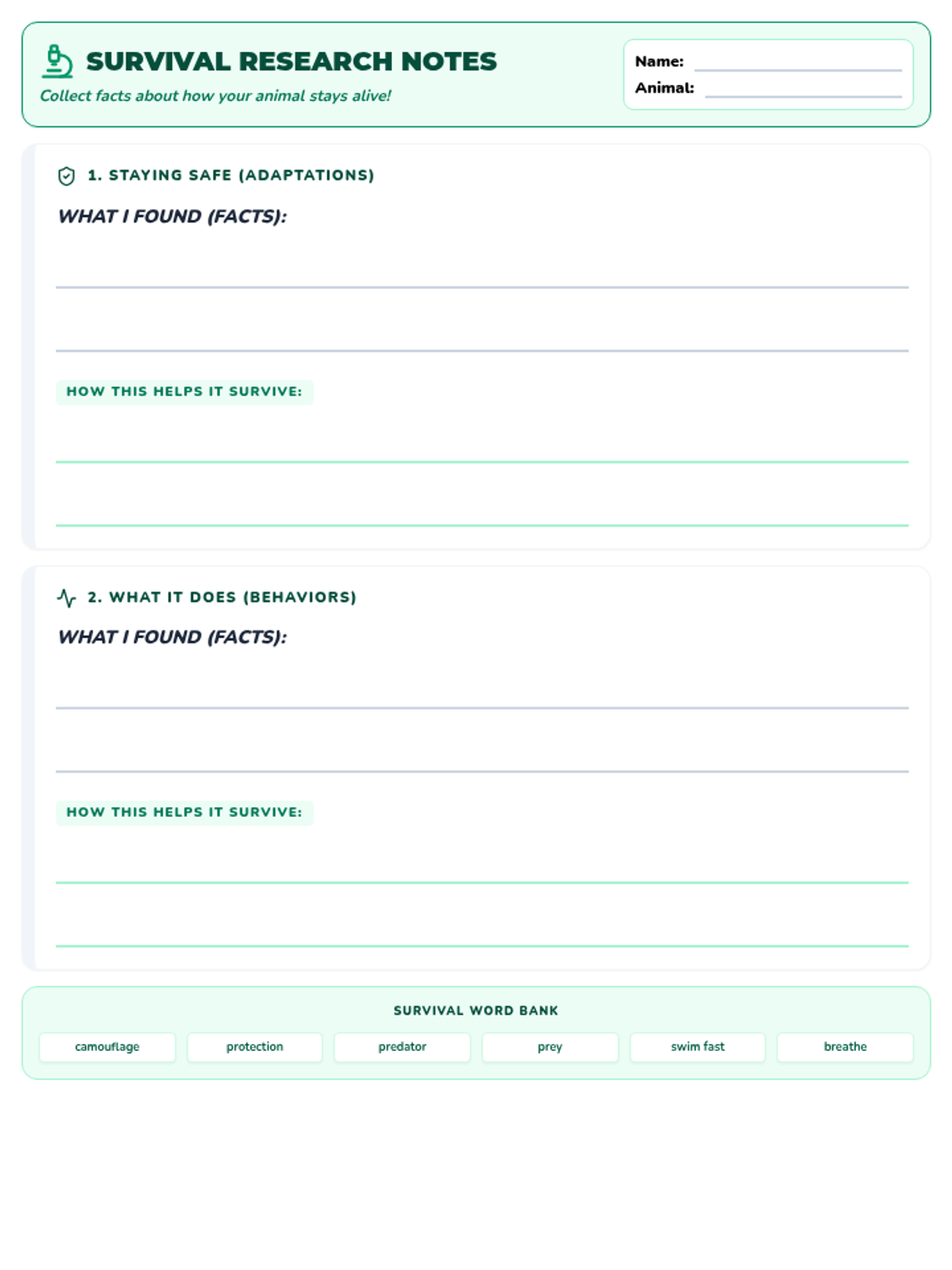
A modified research note-taking document for collection facts about marine animal survival adaptations and behaviors, featuring large writing lines and visual sketch areas.
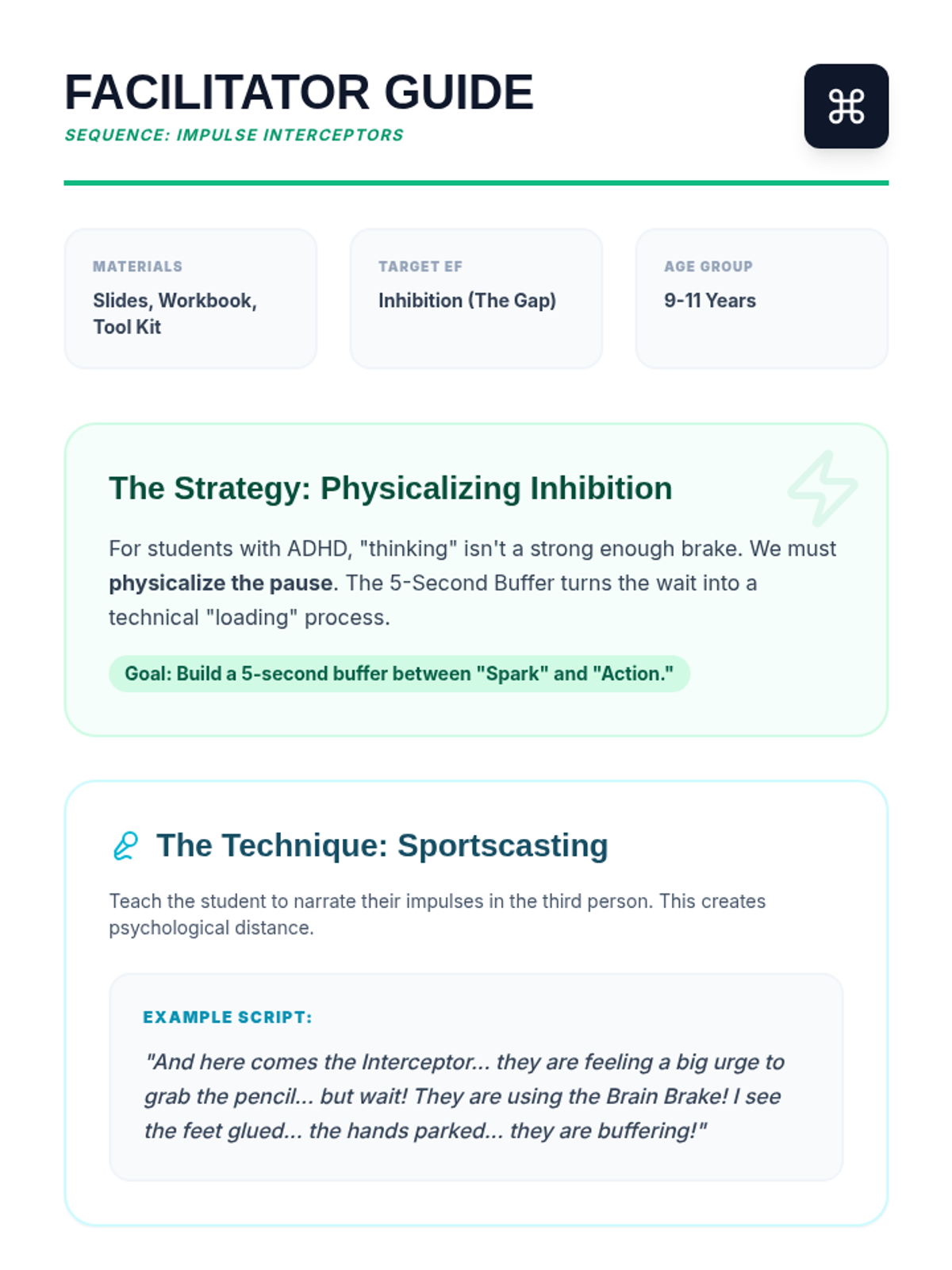
Instructional guide for teachers and facilitators on how to implement the Impulse Interceptors techniques, including cueing strategies and troubleshooting.
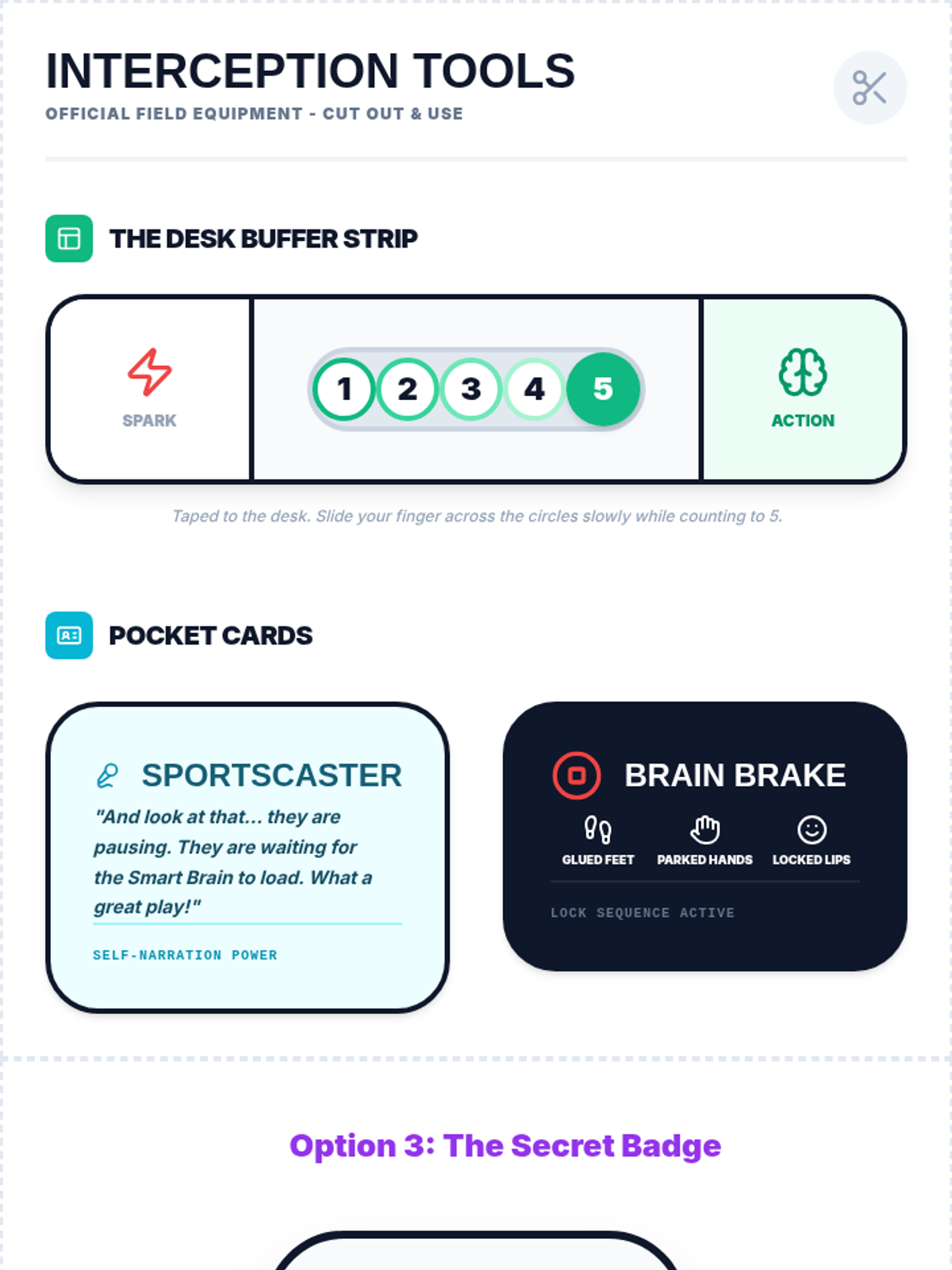
A collection of printable desk strips, pocket cards, and badges to provide tactile and visual reminders for the 'Brain Brake' and '5-Second Buffer' techniques.
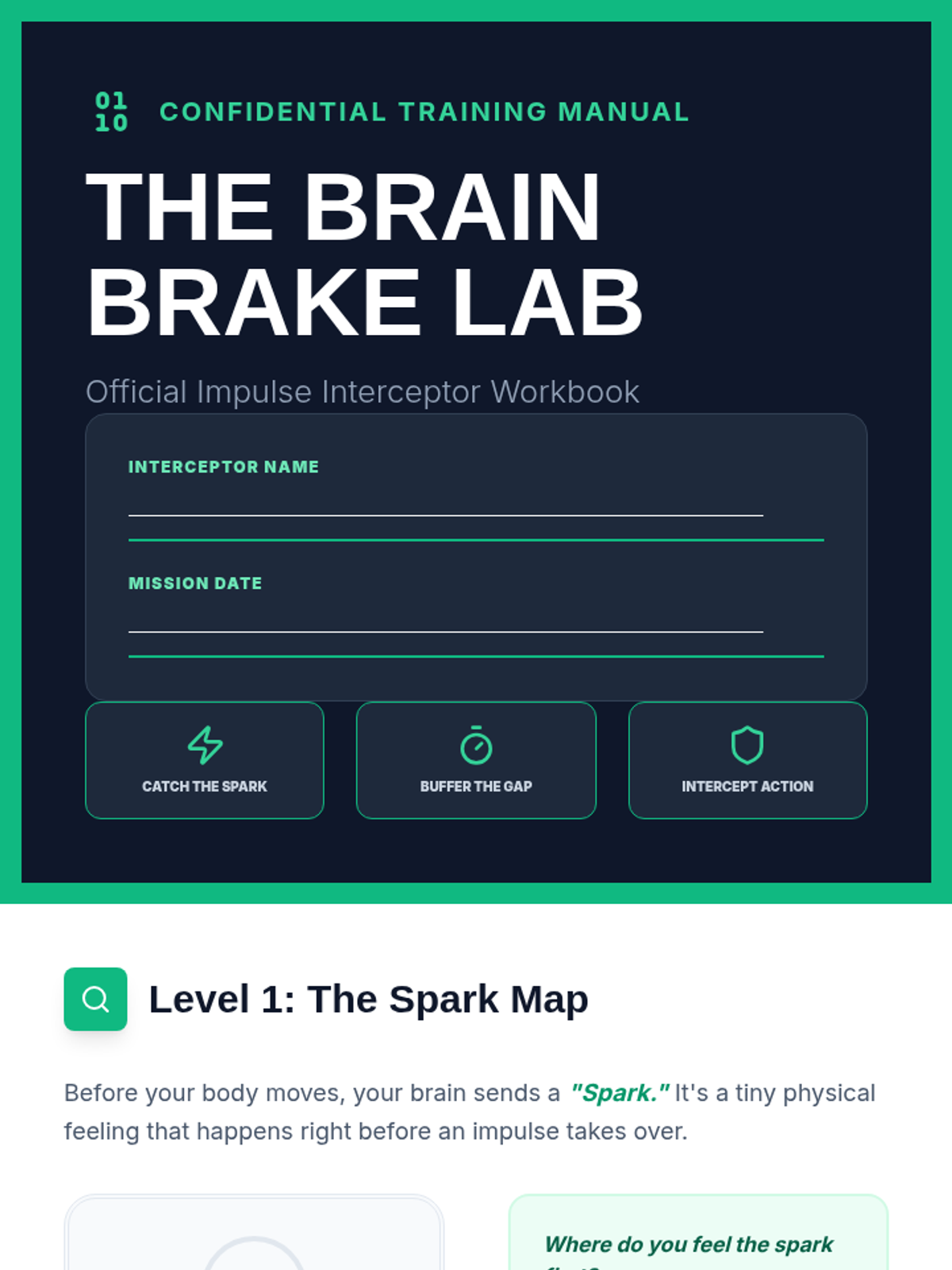
A 4-page interactive workbook teaching the 'Brain Brake', 'Sportscasting', and 'Buffer Zone' techniques for impulse inhibition.
Introductory slide deck for 'Impulse Interceptors', teaching students about the Brain Brake, Sportscasting, and the 5-Second Buffer to improve impulse control.