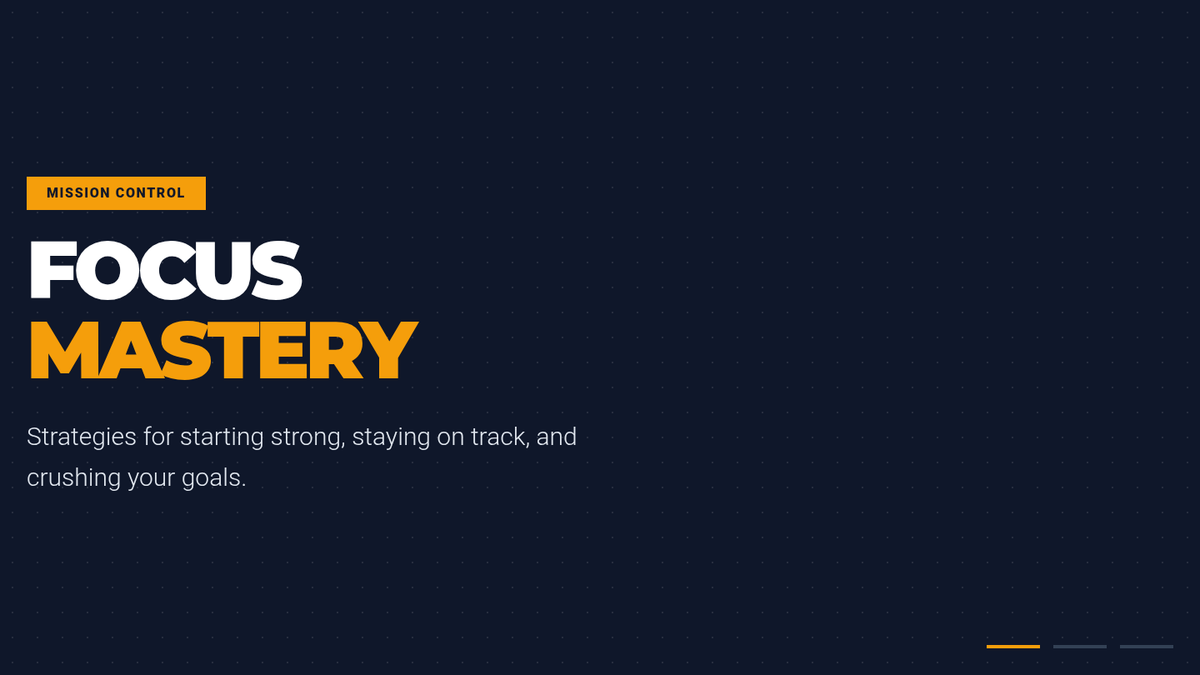
Introductory slide deck for 'Impulse Interceptors', teaching students about the Brain Brake, Sportscasting, and the 5-Second Buffer to improve impulse control.
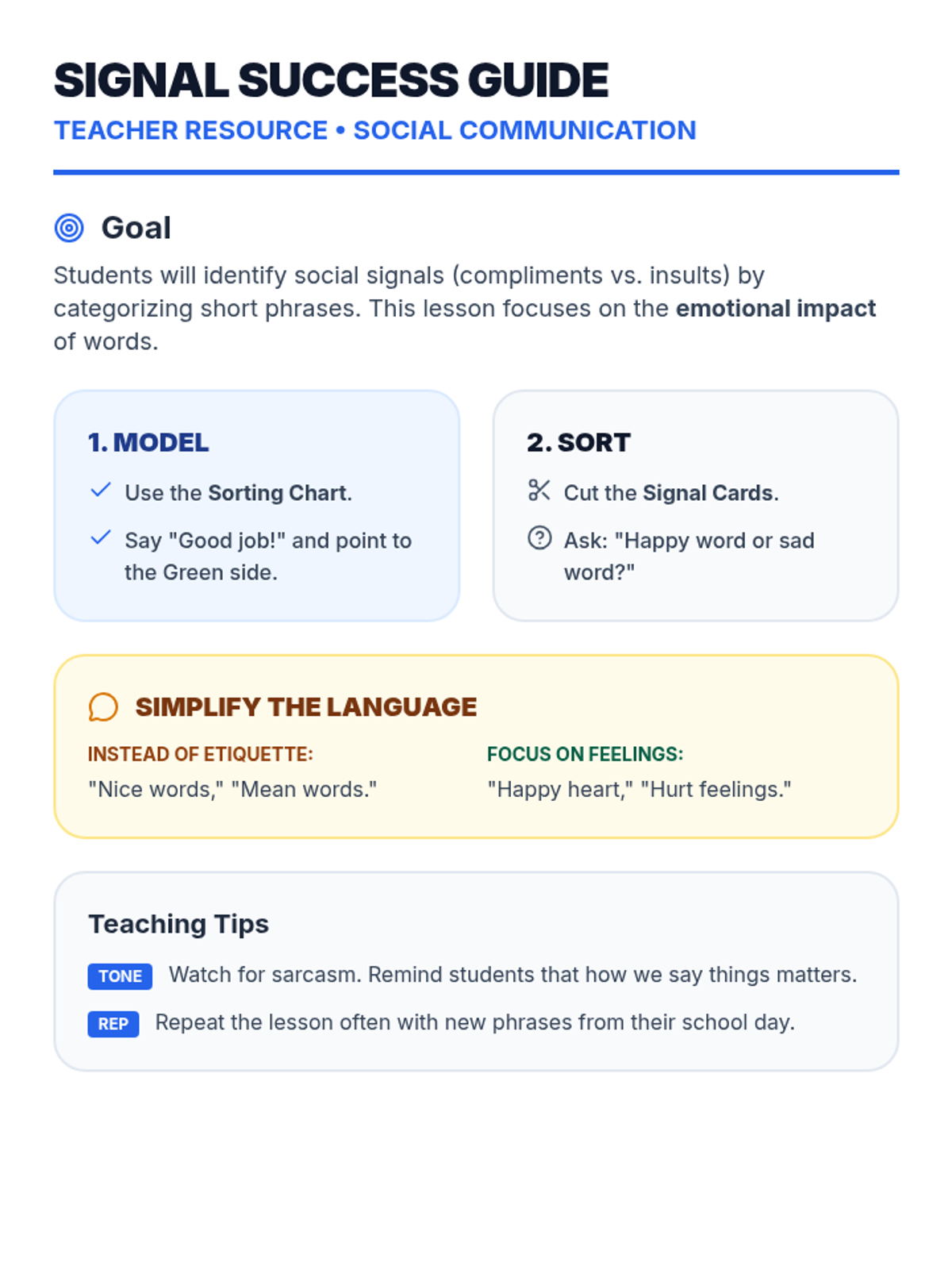
A teacher guide providing concrete strategies for teaching social signals to students with intellectual disabilities. Includes step-by-step instructions and simplified language tips.
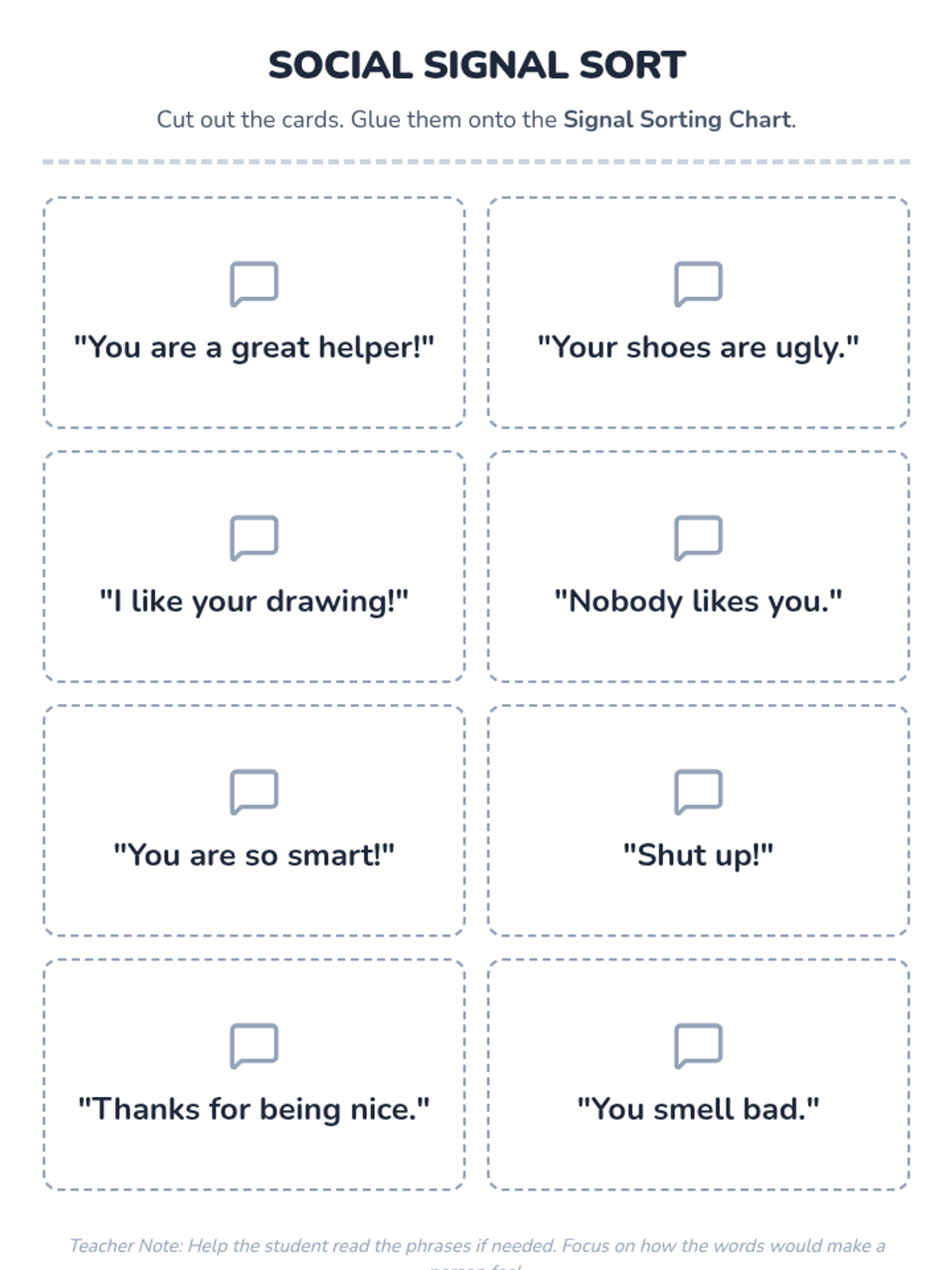
A set of sorting cards for hands-on practice. Students cut out phrases and sort them into compliments or insults to reinforce social understanding.
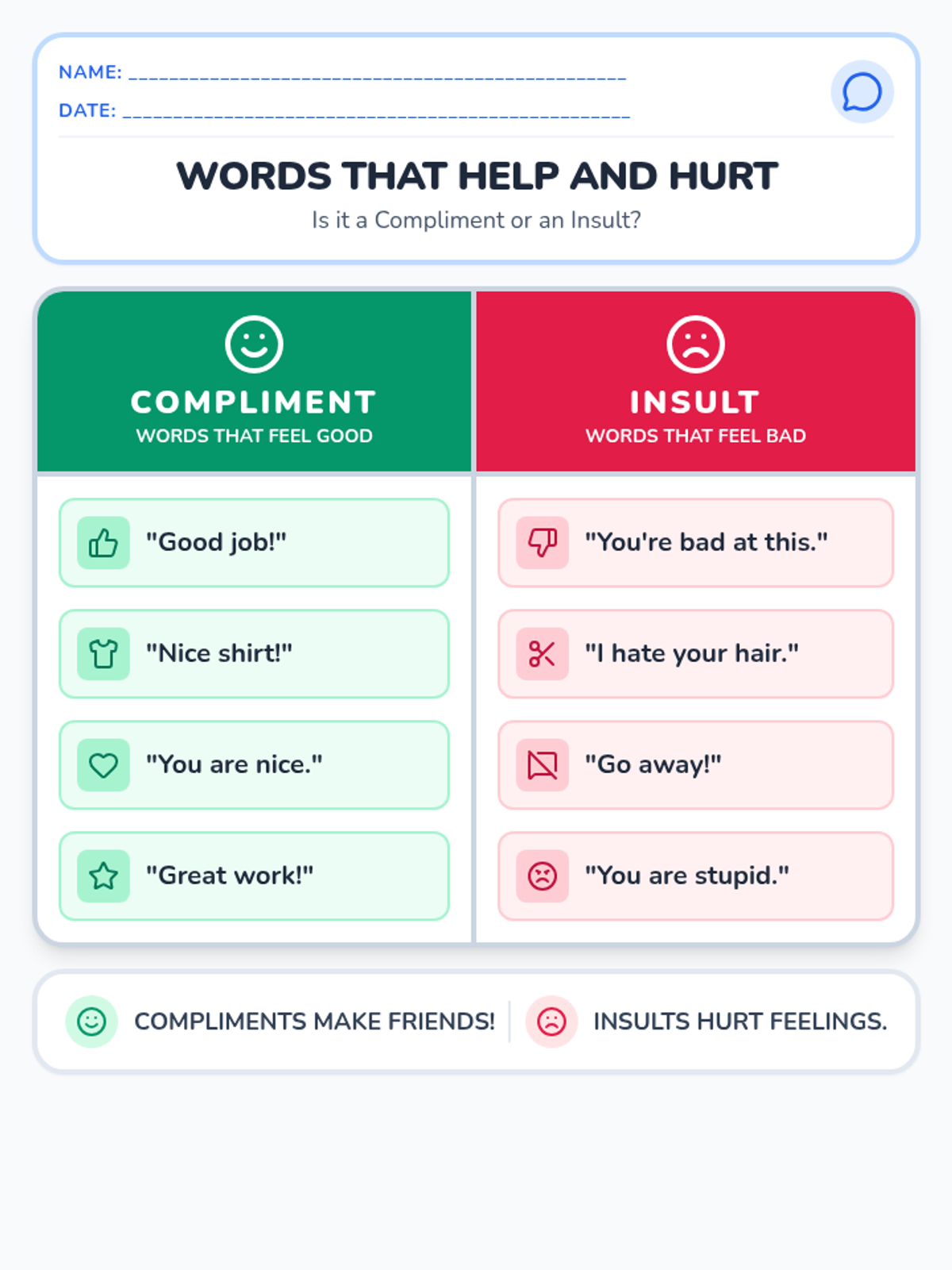
A high-contrast visual T-chart using icons and simple text to help students distinguish between compliments and insults. Includes color-coding (green for positive, red for negative) and relatable junior high examples.
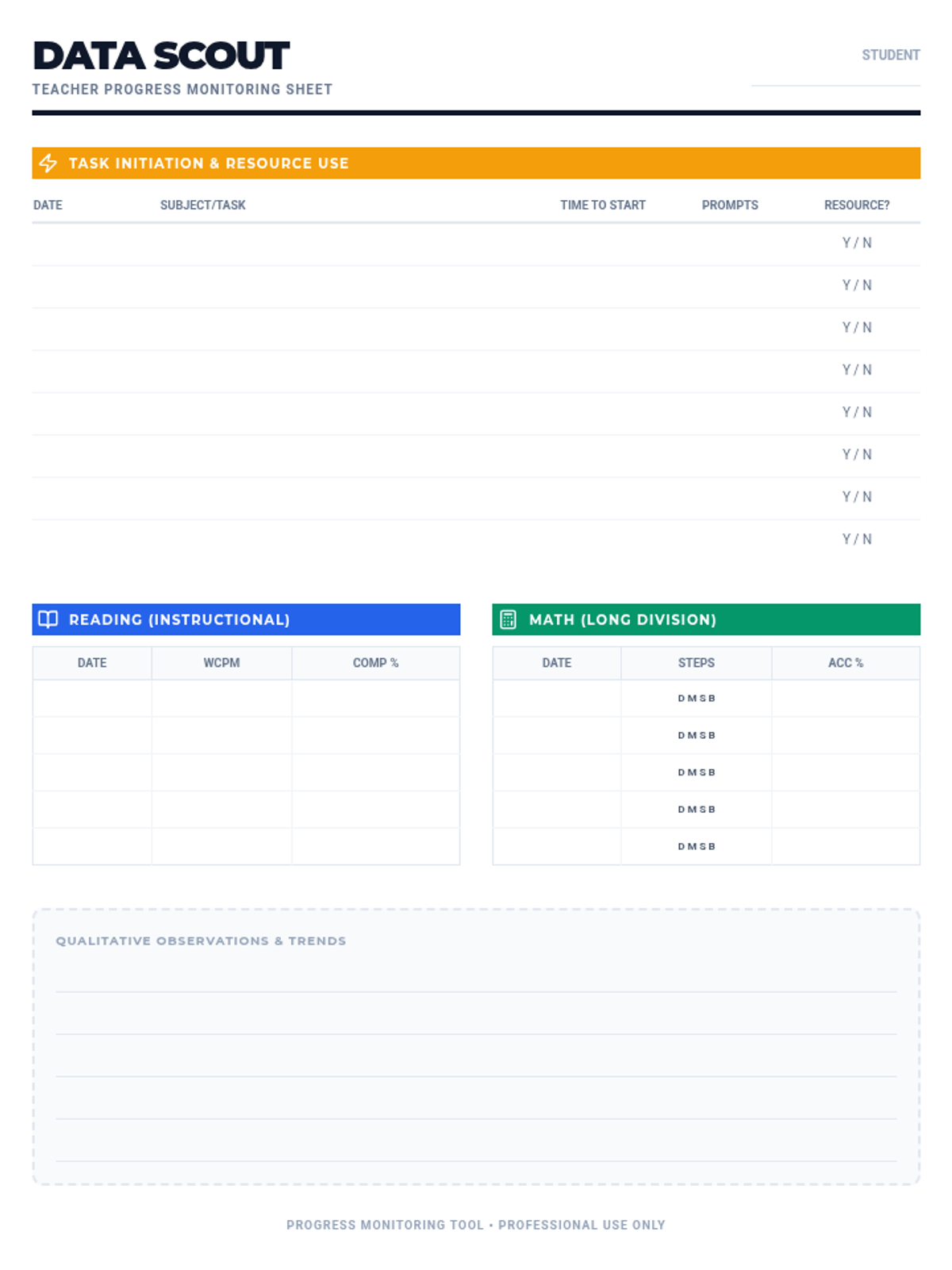
A comprehensive progress monitoring tool for teachers to track task initiation, resource usage, reading fluency, and math accuracy.
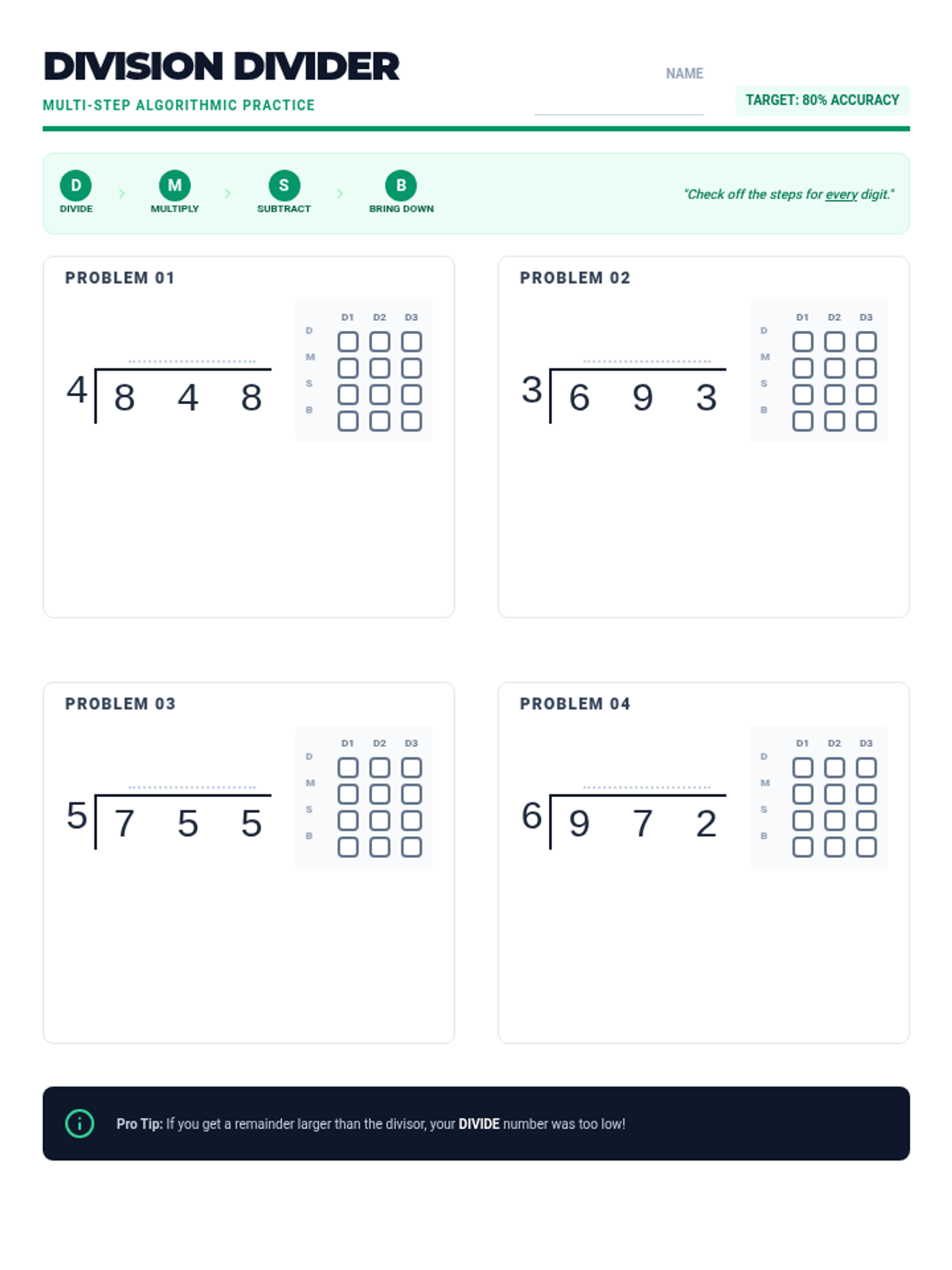
A scaffolded math worksheet for long division featuring integrated checklists for every problem to support multi-step processing and task focus.
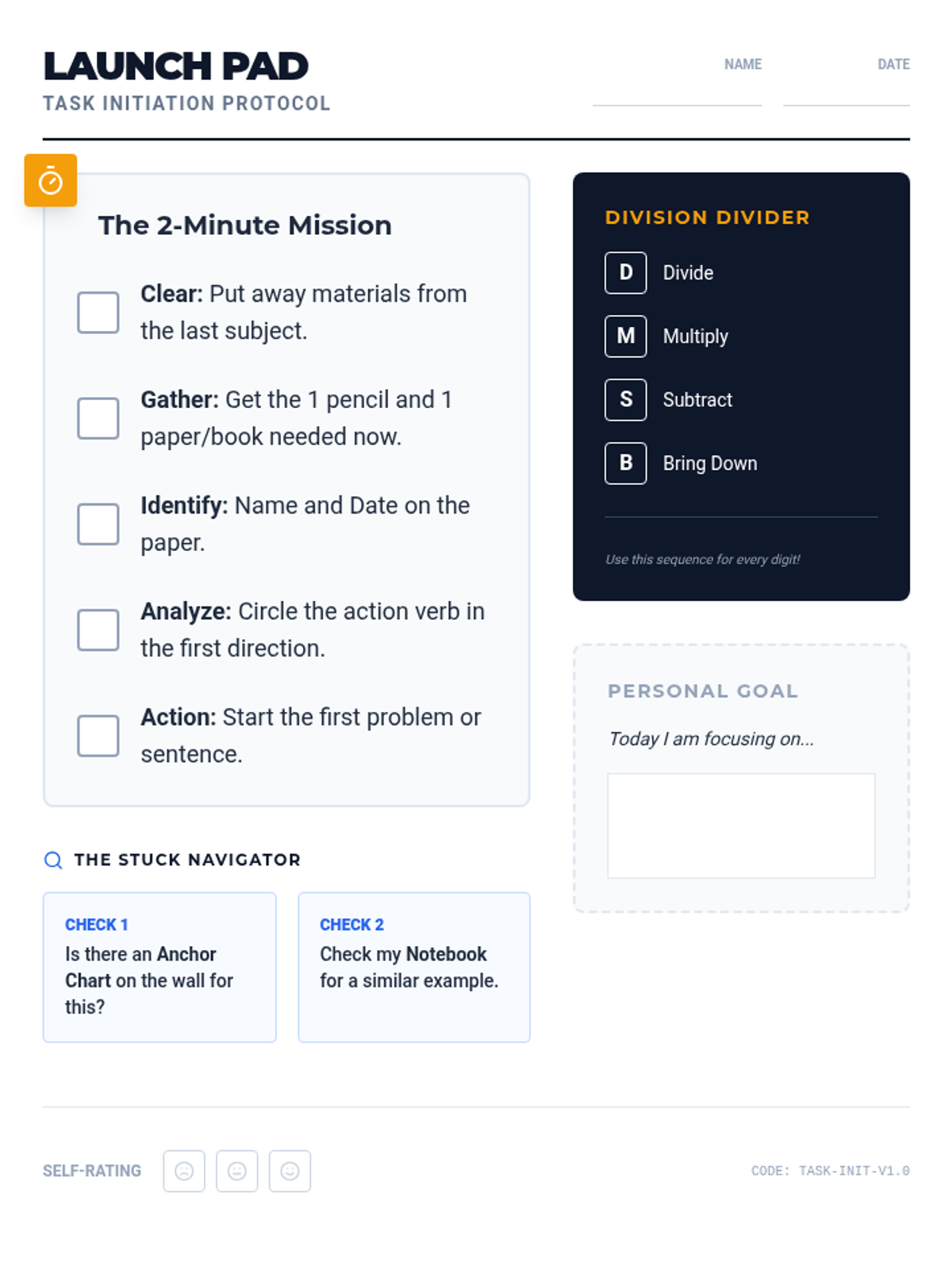
A student-facing desk reference checklist designed to support task initiation, resource-seeking, and multi-step math problem solving.
A student-friendly visual guide for executive functioning strategies, including task initiation techniques and resource-seeking behaviors.
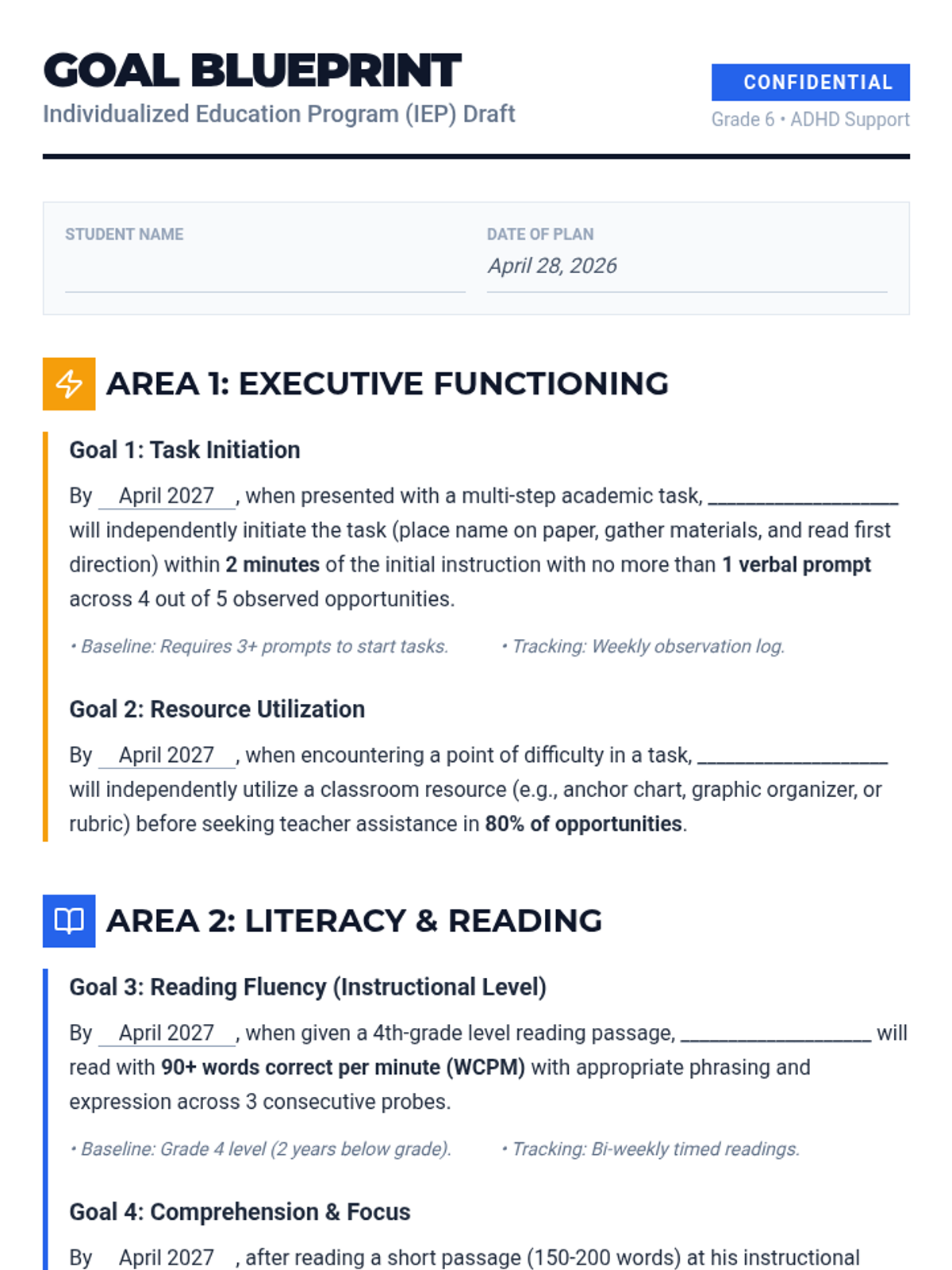
A professional IEP draft outlining specific, measurable goals for reading, math, and executive functioning, tailored for a 6th-grade student with ADHD.
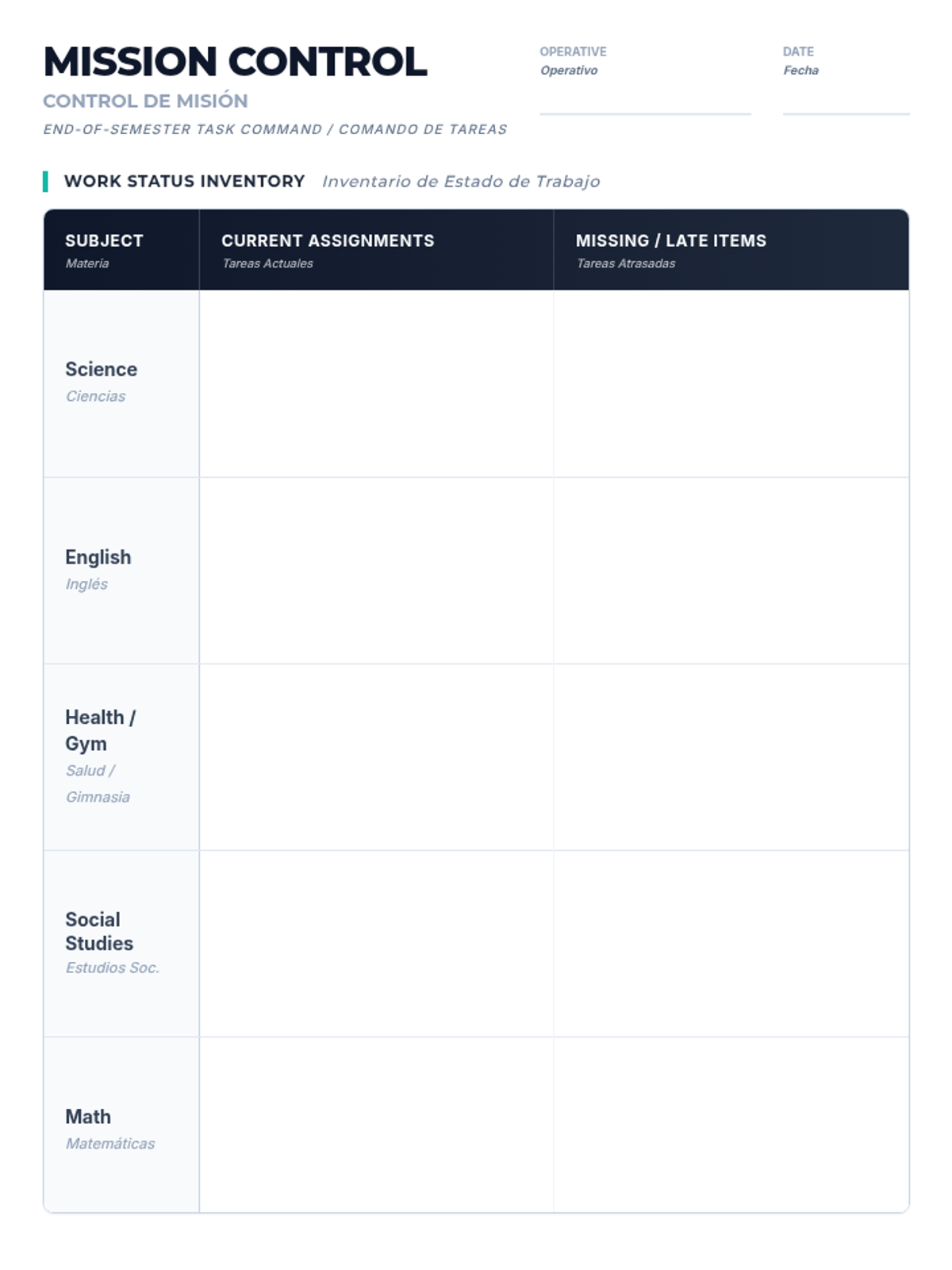
A bilingual (English/Spanish) 'Mission Control' organizer with significantly enlarged writing areas. Features a subject grid for current and missing work, a 'Deployment Sequence' for ordering assignments numerically, and updated reflection questions including a teacher check-in prompt.
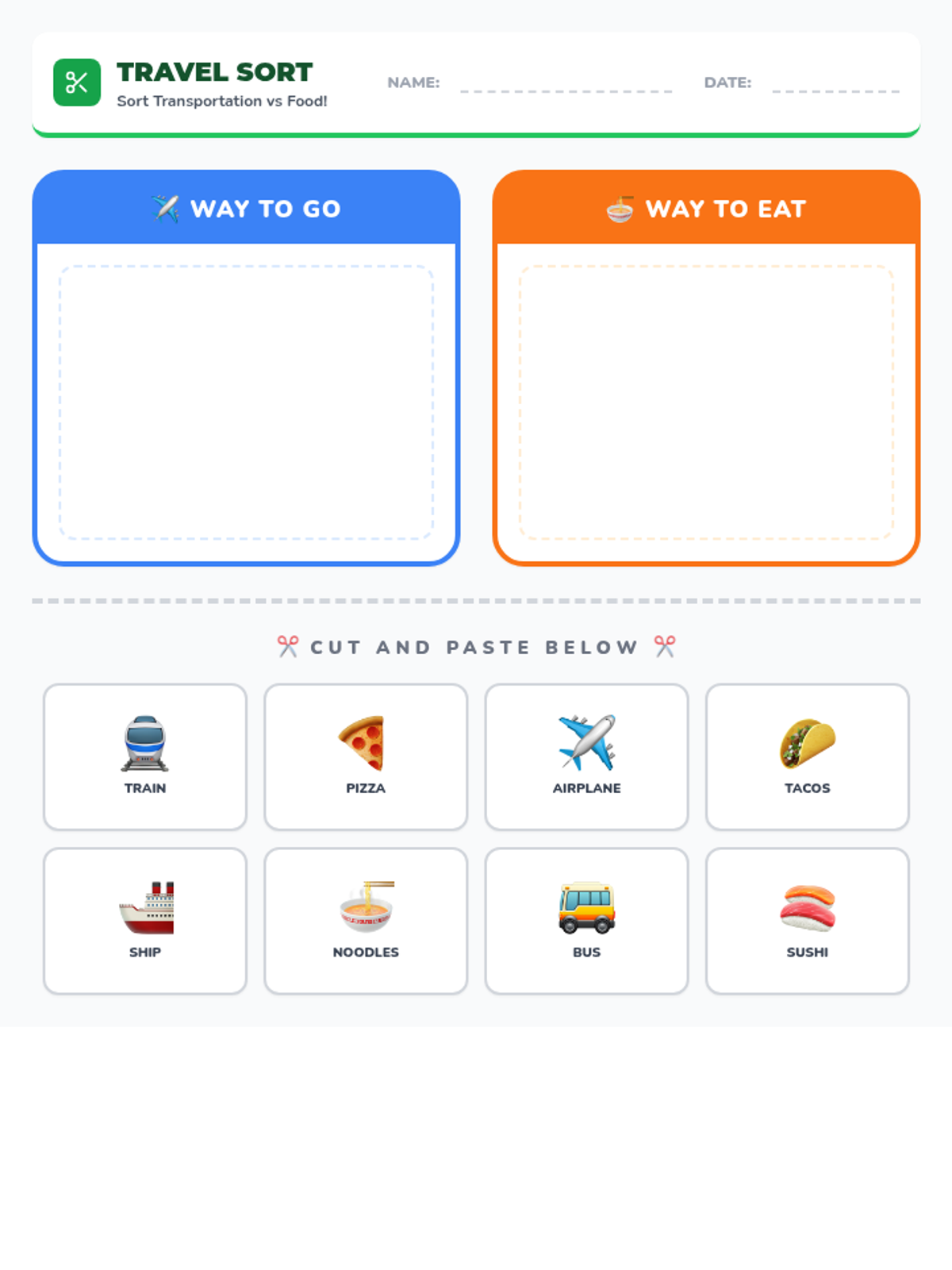
A hands-on cut-and-paste activity where students categorize transportation methods and global foods, featuring clear visual icons and designated sorting zones.
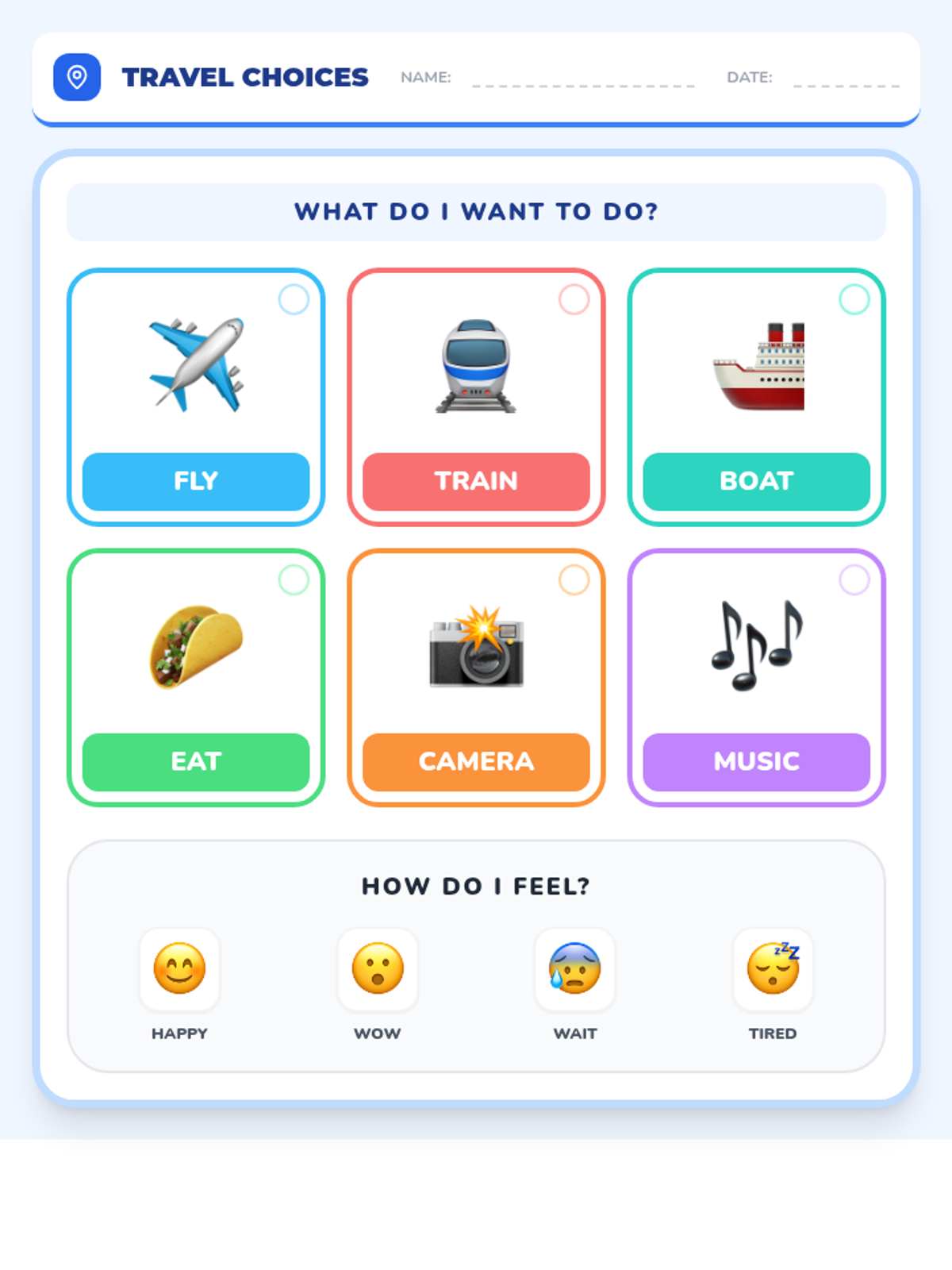
A high-visual communication tool for students to express preferences regarding travel methods and activities, including sensory experiences and an emotional check-in bar.
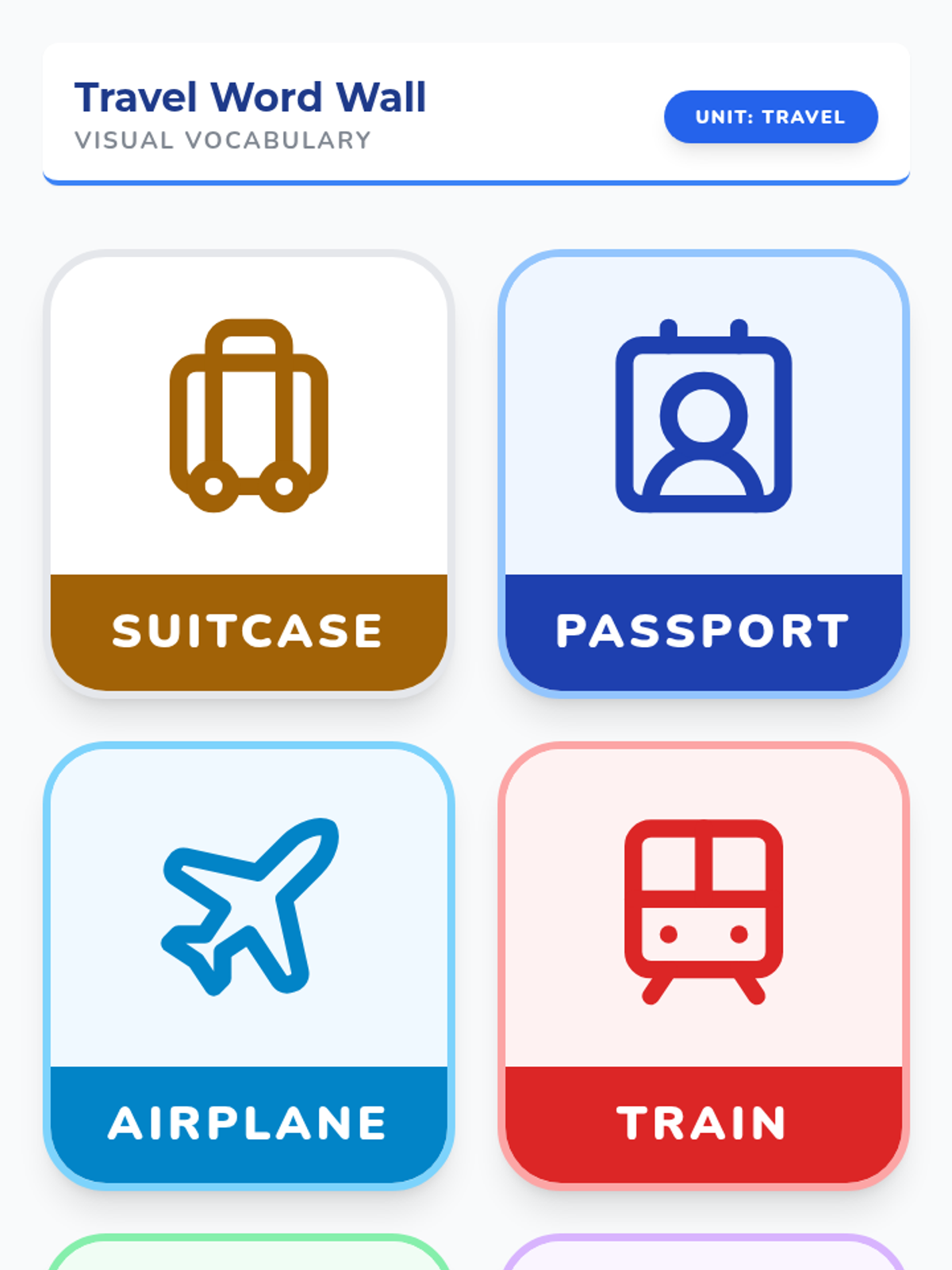
Large, high-contrast vocabulary cards featuring travel-related words like Suitcase, Passport, Airplane, Train, Food, and Tradition with clear icons and bold text for classroom display and student reference.
A visual and sensory-focused slide deck designed for students with autism, exploring travel through simple concepts like packing, transportation, and international food with clear icons and high-contrast layouts.
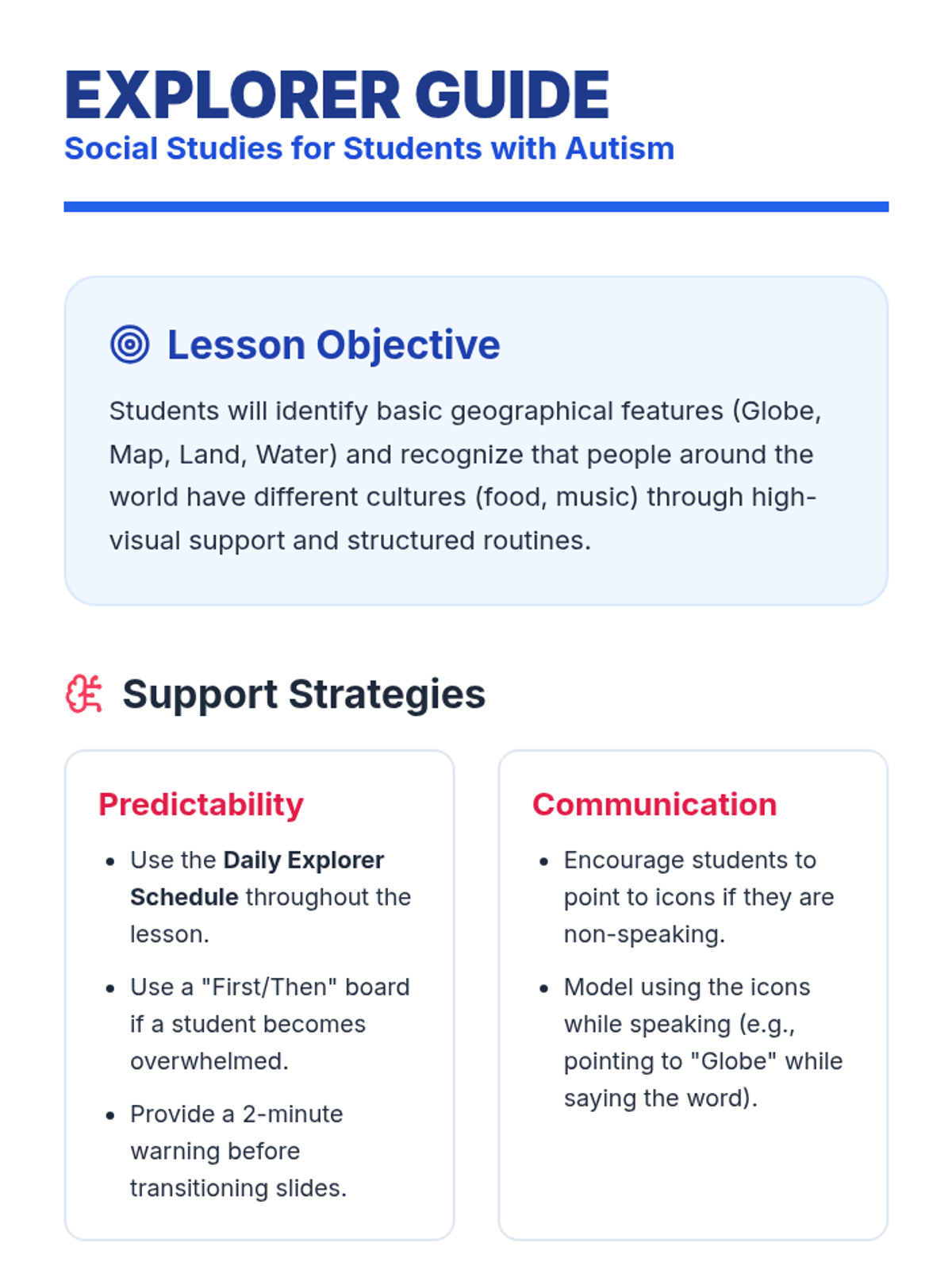
A teacher's guide containing instructional strategies, sensory considerations, and a step-by-step facilitation plan specifically tailored for teaching students with autism.
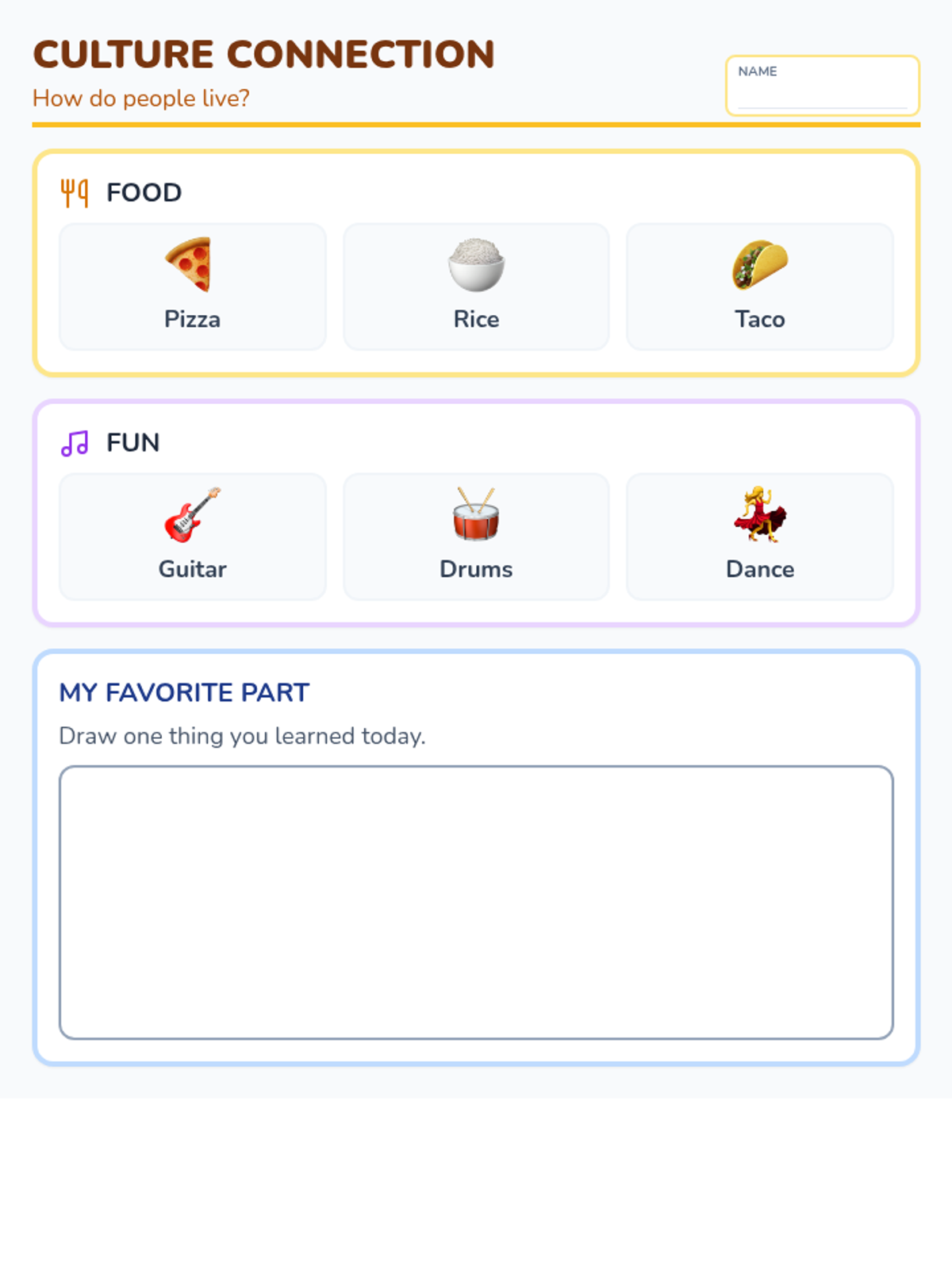
A communication and exploration activity focusing on cultural elements like food and music. (Revised for single-page layout and drawing area clarity)
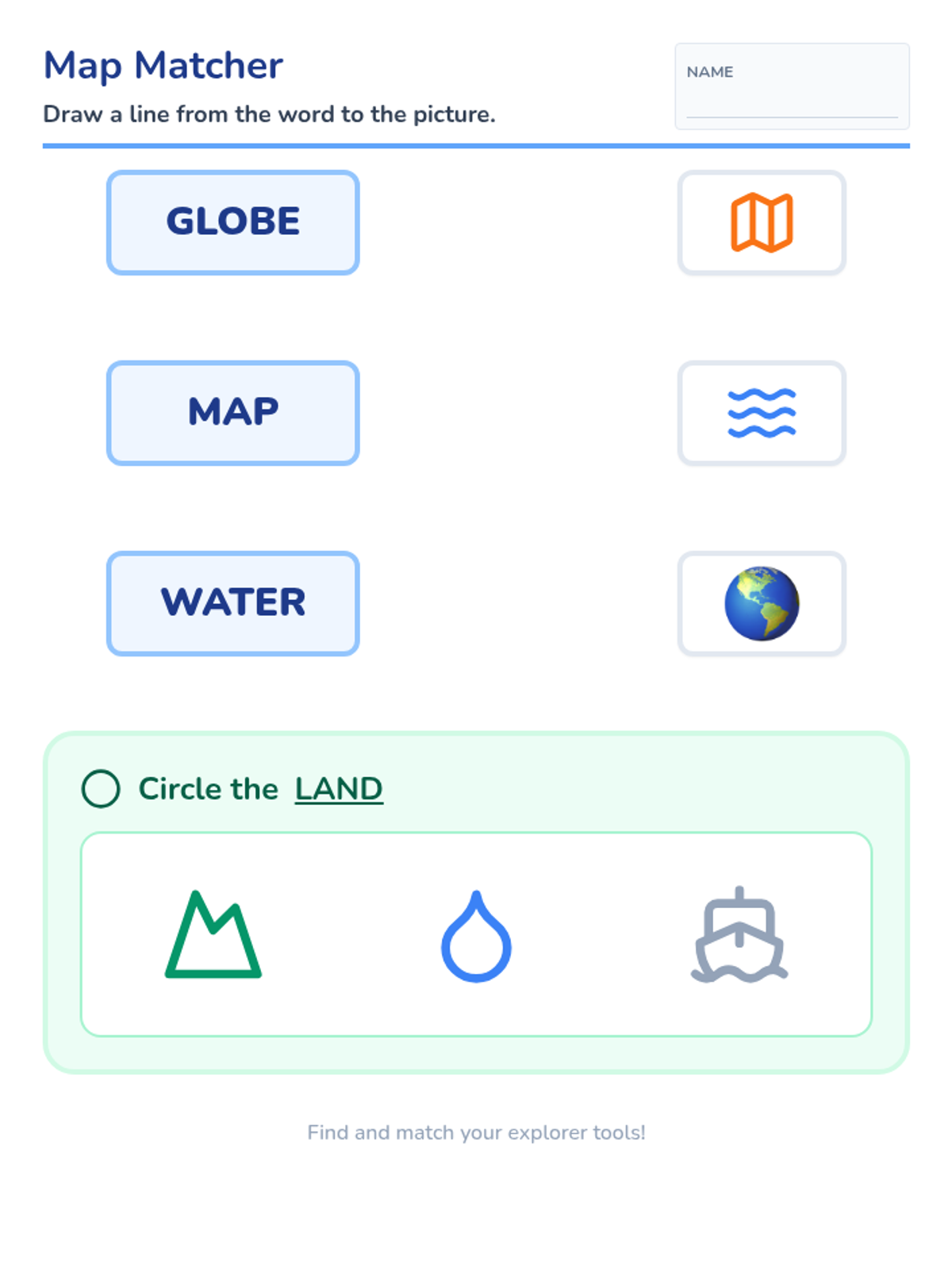
A high-visual matching worksheet where students connect map-related words (Globe, Map, Water) to their corresponding icons. (Revised for challenge and layout)
A simple, photo-based (emoji/icon supplemented) slide deck introducing maps, globes, land/water, and the concept of diverse cultures with large text and clear visual anchors.
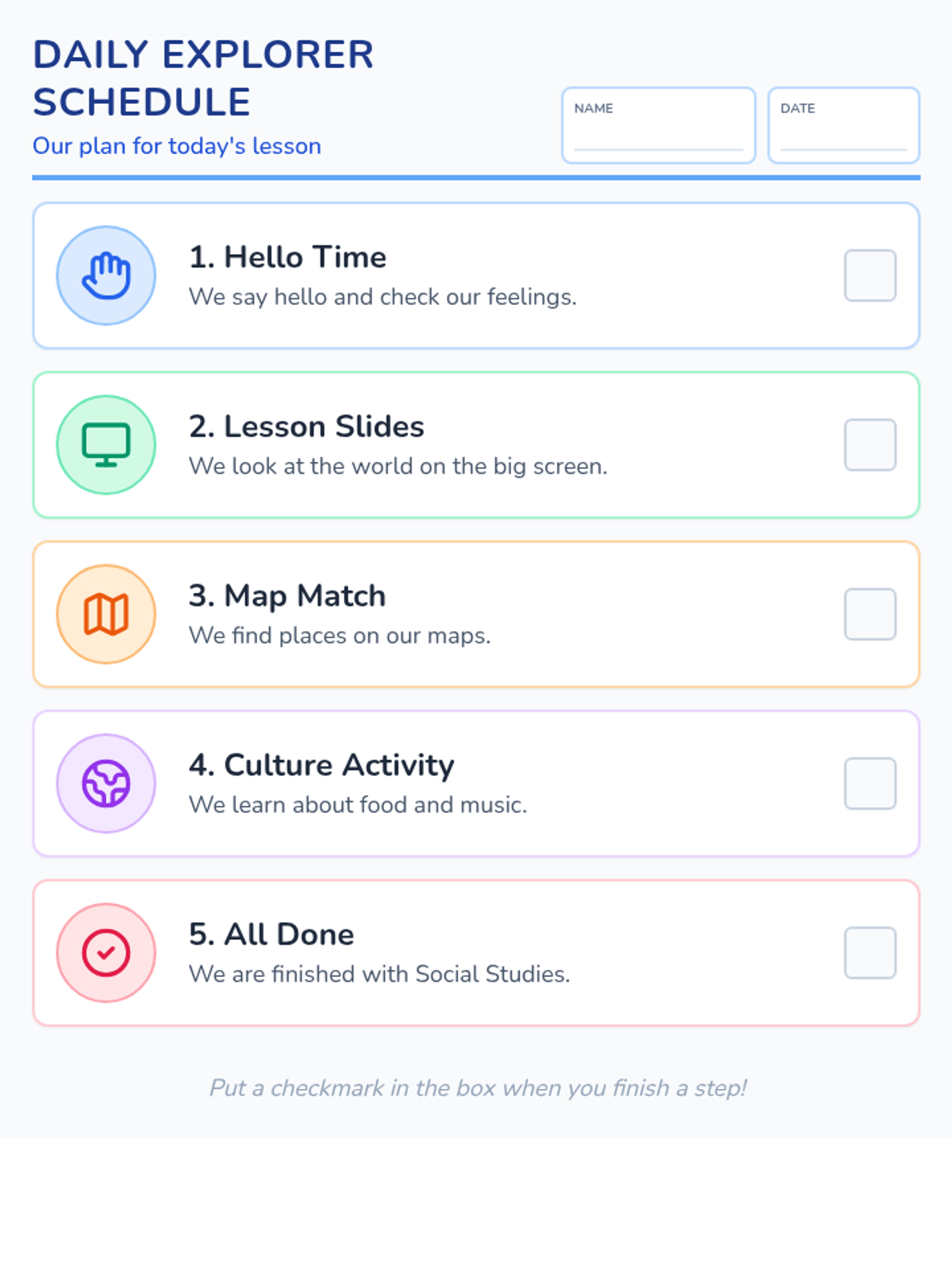
A visual schedule for students with autism to follow during the lesson, featuring clear icons, simple language, and check-boxes for progress tracking. (Revised for single-page layout)
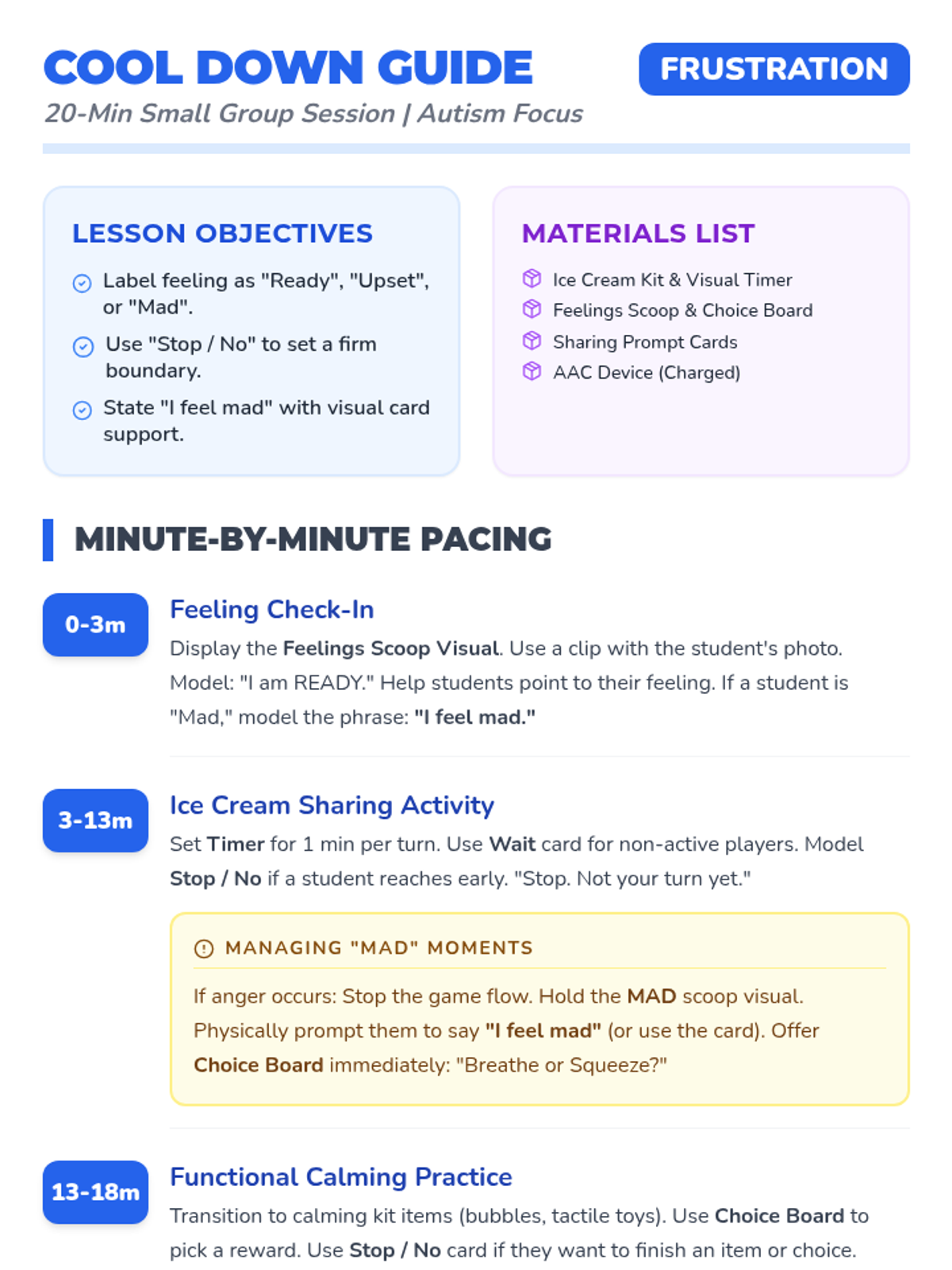
A simplified teacher facilitation guide for the 'Cool Down Creamery' lesson, redesigned with high-contrast sections and bold formatting to match the student resources. Corrected AAC strategy notes.
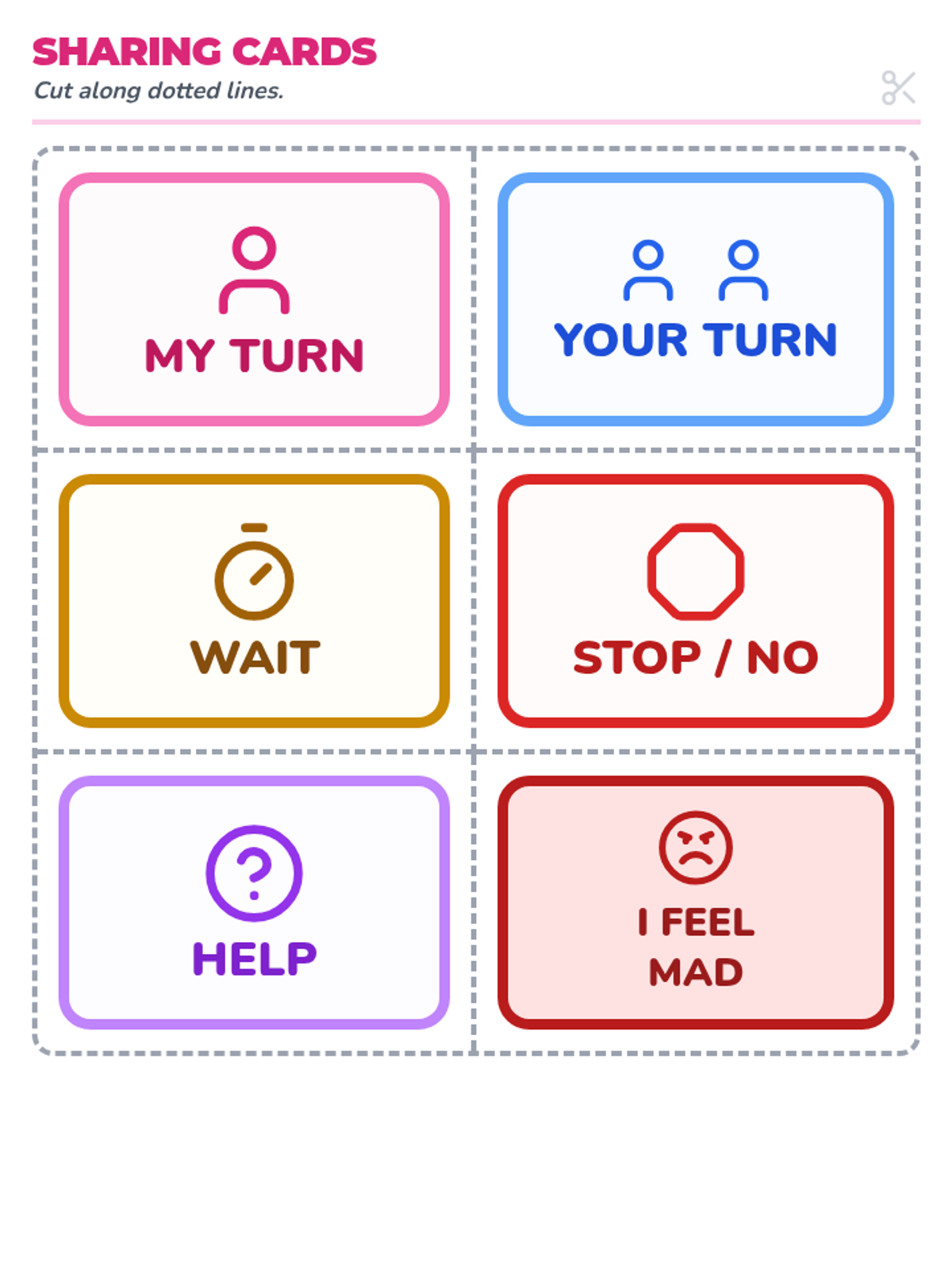
Ultra high-contrast, large visual prompt cards with heavy black borders for students with autism. Includes "My Turn", "Your Turn" (two people), "Wait", "Stop", "Help", and "I Feel Mad". Improved single-page layout.
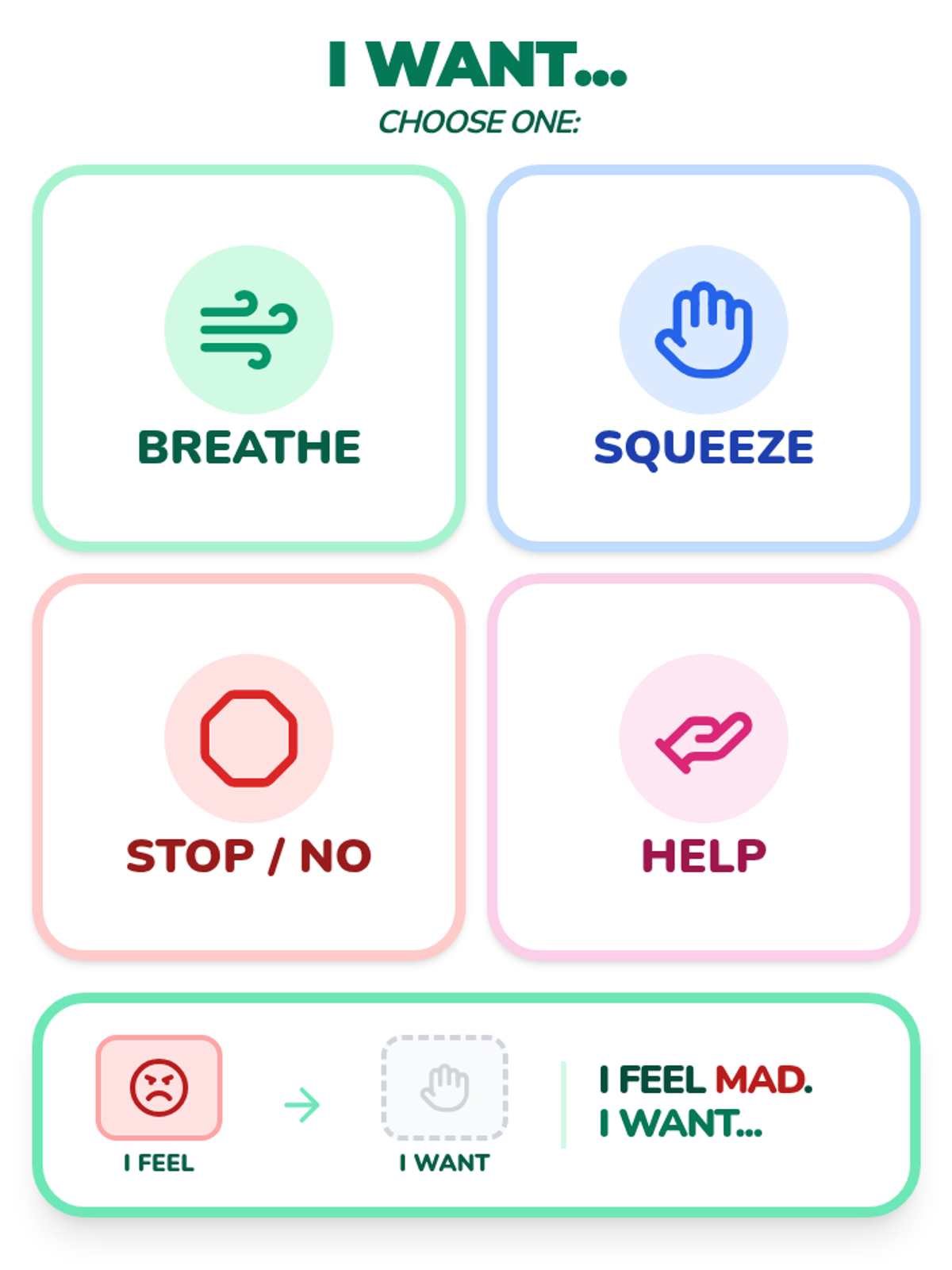
A high-contrast visual choice board for calming strategies with heavy borders and distinct components. Includes a "STOP / NO" boundary choice and a communication strip for expressing "I feel mad". Optimized for single-page printing and maximum clarity.