A high-level 12-week curriculum map for a nonverbal early intervention program focusing on choice-making, visual schedules, and vocabulary expansion through play.
A reflective tool for teachers to audit their current classroom practices and plan for the implementation of new engagement and retention strategies.
A two-page teacher reference guide outlining high-impact engagement and retention strategies specifically designed for middle and early high school classrooms.
A visual presentation for educators focused on research-backed strategies to increase teen engagement, improve long-term retention, and modernize classroom assessment.
The answer key for the Advanced Multi Mastery Probe, including a quick-reference scoring conversion table and strategy notes. Revised for better spacing and accuracy.
A level 2 multiplication probe featuring 10 more difficult questions focused on skip counting and arrays, involving larger factors like 4, 6, 7, and 8. Revised for better spacing and content accuracy.
A corresponding answer key for the 10-question Multi Mastery Probe, including a quick-reference scoring conversion table.
An expanded 10-question multiplication probe focusing on arrays and skip counting, designed for more comprehensive progress monitoring. Revised to ensure all content fits on one page and includes larger work areas for complex questions. Standardized answer collection and improved visual clarity.
A clear answer key for teachers to grade the Grid Grinder Probes and record data on the Mastery Blueprint Tracker.
A set of four quick probes for assessing student mastery of multiplication using arrays and skip counting. Revised to ensure all content fits on one page and layouts are cleaner.
A comprehensive data collection sheet for teachers to track progress on multiplication IEP goals, specifically focusing on arrays and skip counting. Revised for better page layout and clarity.
A revised 5-page coloring social story in a retro 8-bit pixel art style. This version uses a robust CSS grid layout (16x16) to create recognizable Mario face stencils for students to color in, with clear instructions and integrated anger management strategies.
A 5-page coloring social story in a retro 8-bit pixel art style. This version uses blocky CSS grid layouts to create a recognizable pixelated Mario face for coloring, making it engaging for fans of the video games while teaching anger management strategies.
An updated 5-page coloring booklet social story featuring a much more detailed and recognizable Mario face created using advanced CSS shapes. It guides students through identifying anger triggers, recognizing body signals, and practicing deep breathing.
A 5-page coloring booklet social story featuring Mario. It guides students through identifying anger triggers, recognizing body signals, practicing deep breathing, and reaching a calm state. Designed with bold outlines for coloring and simple, concrete language for 7-year-olds with autism.
A professional class-level data tracker for recording reading accuracy and rate for up to 8 students on a single page, including open space for qualitative notes and levels.
A specialized daily check-in worksheet for the MRHS SAND program, optimized for the Academic Support block. Includes sections for intensity level, triggers, internal sketching, coping tools, staff support requests, and a positive daily reflection.
Updated SAND Program Daily Pulse Worksheet optimized for the Academic Support block. Refined Section 5 choices to 'help with school work', 'problem solving support', and 'independent work/space'. Includes Section 6: Daily Highlight for positive reflection.
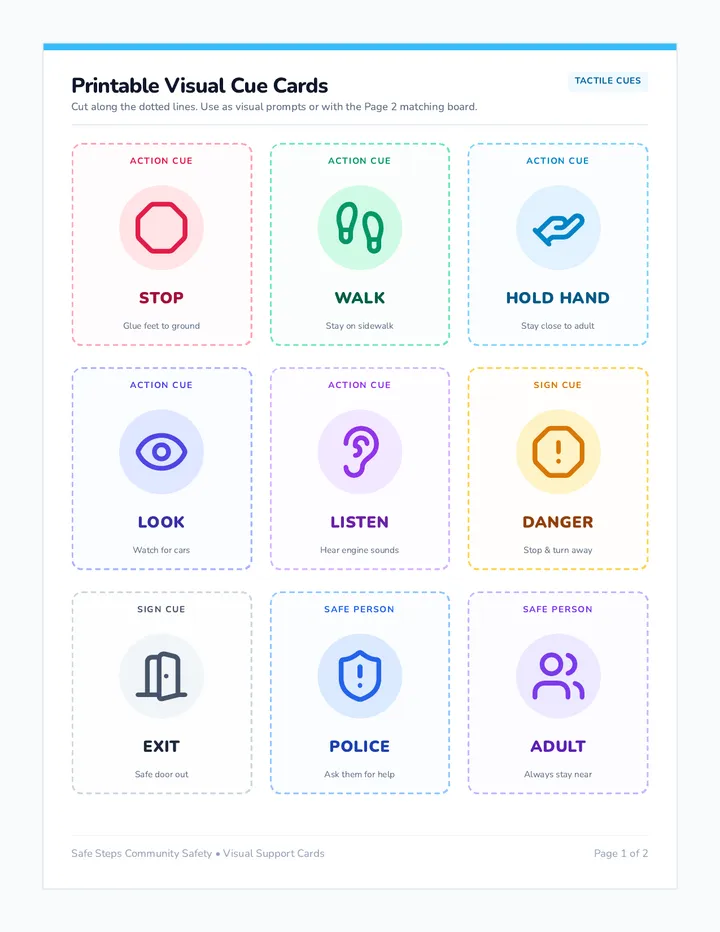
Durable, high-contrast prompt cards for middle school students to use as visual reminders for emotional regulation, requesting breaks, and social problem-solving.
A student-facing daily Check-In/Check-Out (CICO) tracking sheet designed for middle schoolers to monitor behavioral goals and reflect on their daily progress.
A professional Tier 2 behavioral intervention guide for middle school staff, including sections for target behaviors, intervention strategies, and progress monitoring data collection.